Plan a Trip



Duration
3 Days
Travel Time
2-4 hour
Distance
40-45 km
Driver
Included
Group Size
1-30 Pax
Max. Altitude
2300 Metres
Best Season
Round the year
Activity
Multi Day Tour
Meals
Not included
Highlights of Pokhara to Sikles Tangting Tour by Private Jeep | 3 Days
- Two of the largest and best-preserved Gurung villages in the Annapurna foothills, only a short drive from Pokhara.
- A private 4WD jeep or Scorpio with an experienced mountain driver, the same reliable service as our Pokhara to Sikles jeep rental.
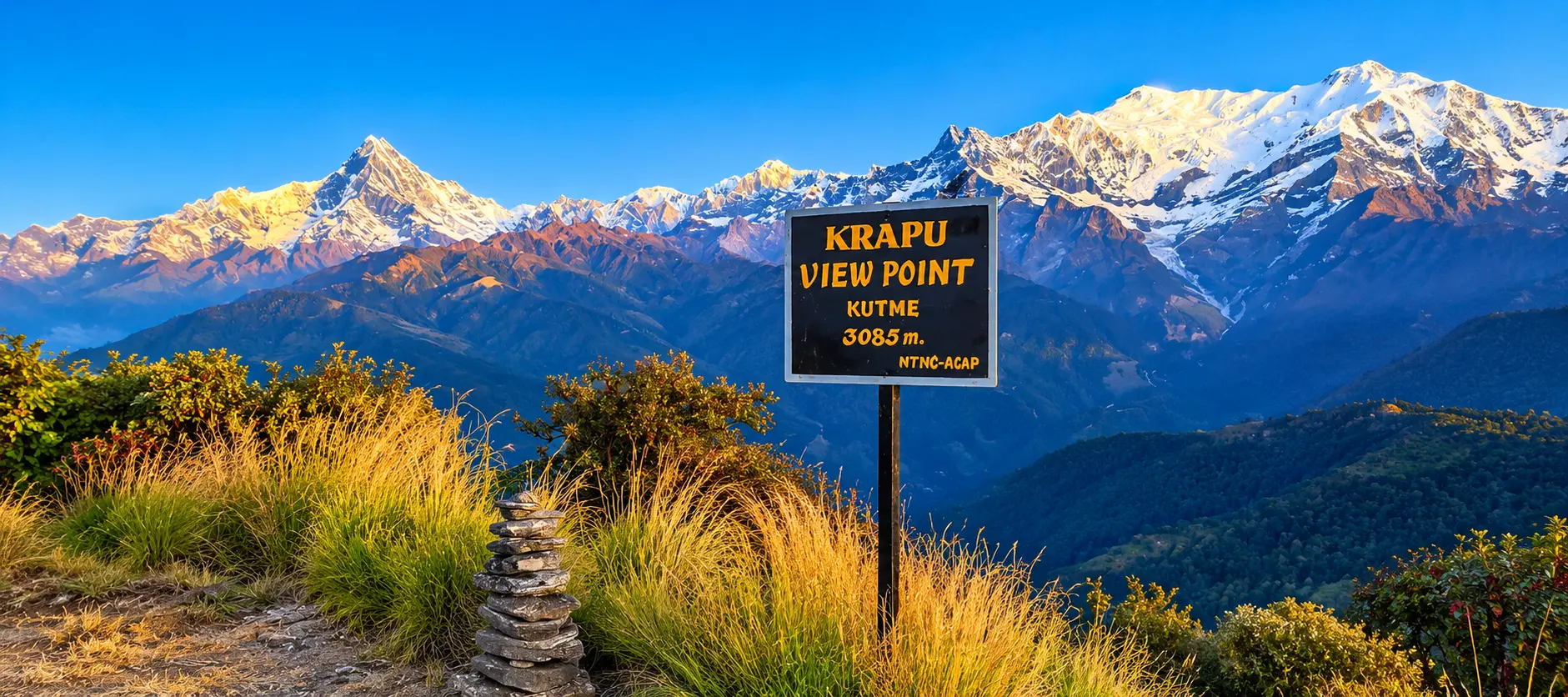
- Close-up views of Annapurna II, Annapurna IV and Lamjung Himal rising directly above the Madi valley.
- A night in a community homestay in Tangting, with home-cooked dal bhat and an evening of Gurung song and dance.
- Stone-paved lanes, slate-roofed houses, terraced fields and stone stairways that have changed little in generations.
- An optional ridge walk between Tangting and Sikles through rhododendron and oak forest, while the jeep carries your bags.
- The Sikles eco-museum, village monastery and viewpoints above one of the largest Gurung settlements in Nepal.
- Distant honey-hunting cliffs, mountain streams and waterfalls along the Madi Khola.
- Ideal as a quiet cultural add-on to time in Pokhara, with easy links to our car hire in Pokhara
- Village life far from the busy trekking trails, with very few other visitors.

Introduction of Pokhara to Sikles Tangting Tour by Private Jeep | 3 Days
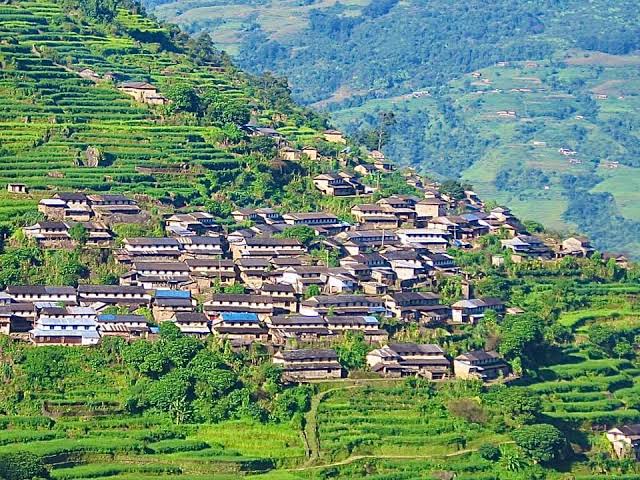
The Pokhara to Sikles Tangting tour takes you from the lakes and cafes of Pokhara into the heart of Gurung country, where two great hill villages face each other across the Madi valley beneath the snows of Annapurna II and Lamjung Himal. Sikles, at about 1,980 metres, is one of Nepal’s largest Gurung settlements, with several hundred traditional stone houses stacked up the slope. Tangting, at about 1,650 metres on the opposite side of the valley, is smaller and quieter, known for its long stone stairways, welcoming community homestay, and sweeping views. Both lie inside the Annapurna Conservation Area, and you can reach both in a few hours from Pokhara by 4WD jeep with a private driver from Nepal Vehicle Hiring Pvt Ltd.
This is not a classic trekking route, and that is exactly its appeal. While thousands of walkers head west from Pokhara towards Ghorepani and Annapurna Base Camp, the Madi valley villages see only a handful of visitors. Here you can experience Gurung culture as it is lived today: women weaving and working in the terraced fields, elders sitting in the sun outside their houses, children walking to school along stone paths, and families proud to share their homes, food, and traditions with guests. Many Gurung men from these villages have served in the British and Indian Gurkha regiments, and their history is woven into village life.
The standard programme lasts three days and two nights. On the first day you drive from Pokhara up the valley to Tangting, explore the village and spend the night in a community homestay. On the second day, you move across to Sikles, either by jeep or by walking the forested ridge between the two villages while the vehicle carries your luggage. On the third day you enjoy sunrise over Lamjung Himal, visit the Sikles museum and monastery, and drive back down to Pokhara. Shorter and longer versions, including a hike to Kapuche Lake below the face of Annapurna II, are described later on this page.
Why a private jeep? The road from Pokhara is paved only for the first part of the journey. Beyond that, it becomes a rough mountain track with steep climbs, loose stones and stream crossings, which is unsuitable for ordinary cars and buses. Local buses and shared jeeps run on these roads, but they are crowded, slow and irregular. A private 4WD jeep or Scorpio with an experienced driver is by far the safest and most comfortable way to reach the villages, and it gives you the freedom to stop for photographs and views along the way. If you are new to hiring a jeep in Pokhara, read our guide on how to book a jeep from Pokhara and our article on private vehicle booking in Nepal.
The Pokhara to Sikles Tangting tour suits families, couples, small groups, photographers and anyone curious about rural Nepal. It also makes a gentle alternative for travellers who want mountain villages and Himalayan views without a long trek. Those who are ready for more walking can combine it with the Ghorepani Poon Hill Trek or the Annapurna Base Camp Trek, and guests who prefer upgraded comfort on the trail can explore the short scenic treks offered by Alpine Luxury Treks.
To plan your tour, send your dates, group size and preferences through the Plan a Trip page or on WhatsApp, and we will reply with a day-by-day plan for your group.

Itinerary of Pokhara to Sikles Tangting Tour by Private Jeep | 3 Days
The plan below is the standard three-day programme. Road conditions in the hills can change after rain, so your driver may adjust timings and routes on the day.
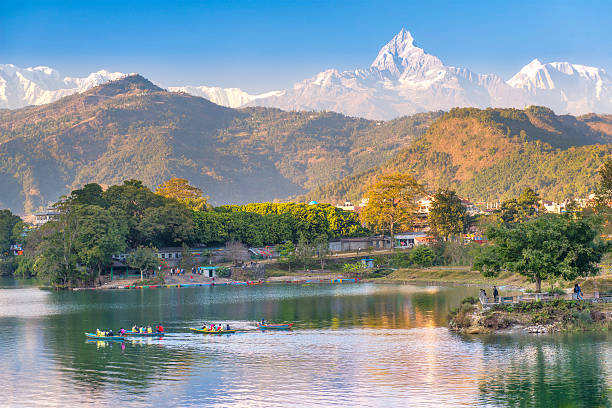
Day 1: Pokhara to Tangting by Private Jeep
Your driver will pick you up from your hotel in Lakeside or elsewhere in Pokhara around 8 am. The jeep leaves the city towards the north-east, following paved roads through the outskirts of Pokhara and the farming villages of the lower valley. Along the way, you pass rice terraces, small bazaars and views of Machhapuchhre ahead.
Once the paved section ends, the road becomes a rough track that climbs into the hills of the Madi valley, following the river and then winding up through forest and terraced fields. The distance to Tangting is roughly 25 to 30 km, and the drive usually takes two to three hours, longer after rain. The final climb into the village is steep and rough, so a 4WD vehicle is essential.
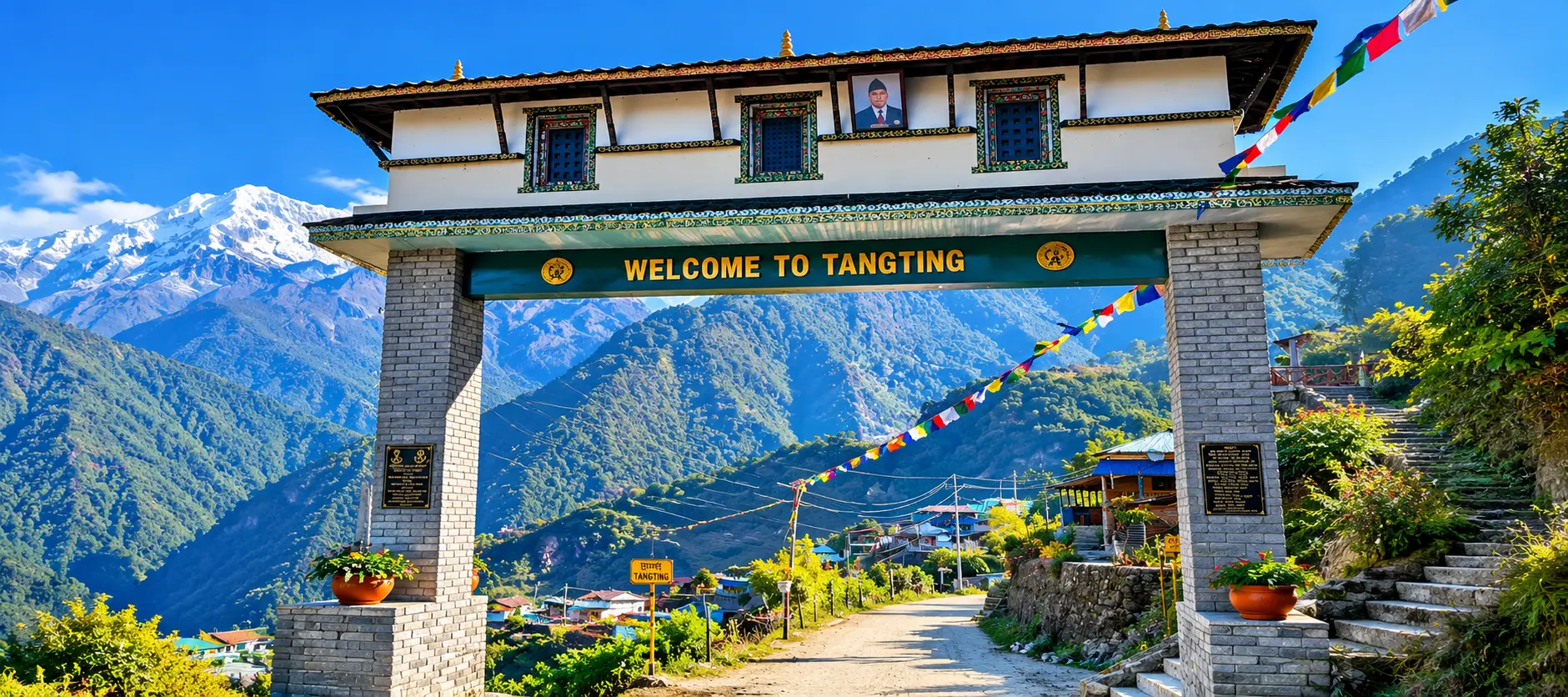
Tangting sits on a sunny slope at about 1,650 metres, directly across the valley from Sikles. After you settle into your homestay, walk through the village with your host. Narrow lanes and long stone stairways, said to number thousands of steps, link the houses, and traditional stone homes with slate or tin roofs cluster closely together.
The village has a Bon shrine, called Kwoibo, and a small Buddhist gompa, reflecting the mix of faiths in Gurung culture. In the late afternoon, climb about an hour to the Naucho hill viewpoint above the village for a wide panorama of the Annapurna range and Lamjung Himal. In the evening, many homestays arrange a cultural programme of Gurung songs and dances such as the Ghatu, followed by a home-cooked dinner of dal bhat, seasonal vegetables and local pickles.
Day 2: Tangting to Sikles by Ridge Walk or Jeep
After sunrise and breakfast with your host family, you can reach Sikles in two ways.
Option one: the ridge walk. For those who enjoy walking, a trail climbs from Tangting through rhododendron and oak forest to a ridge at about 2,300 metres, then descends to Sikles. The walk takes most of the day, about five to seven hours at an easy pace, and passes quiet forest, open pastures and viewpoints with Lamjung Himal and Annapurna II close above
. A local guide from the village is strongly recommended, as the path is not signposted. Meanwhile, your jeep drives back down the valley and up the other spur of road to Sikles with your luggage, and is waiting when you arrive.
Option two: by jeep. If you prefer not to walk, the jeep drives back down from Tangting and climbs the road on the opposite side of the valley to Sikles, passing the small village of Parche below. This takes about three to four hours, depending on road conditions, and leaves time to explore Sikles in the afternoon.
Sikles spreads across a steep slope at about 1,980 metres, with stone houses, flagstone paths, small temples and water taps arranged in tiers. In the afternoon, visit the upper village viewpoint for views of Annapurna II, Annapurna IV and Lamjung Himal, and look across the valley towards Tangting, where you began the day. Overnight in a Sikles homestay or lodge.
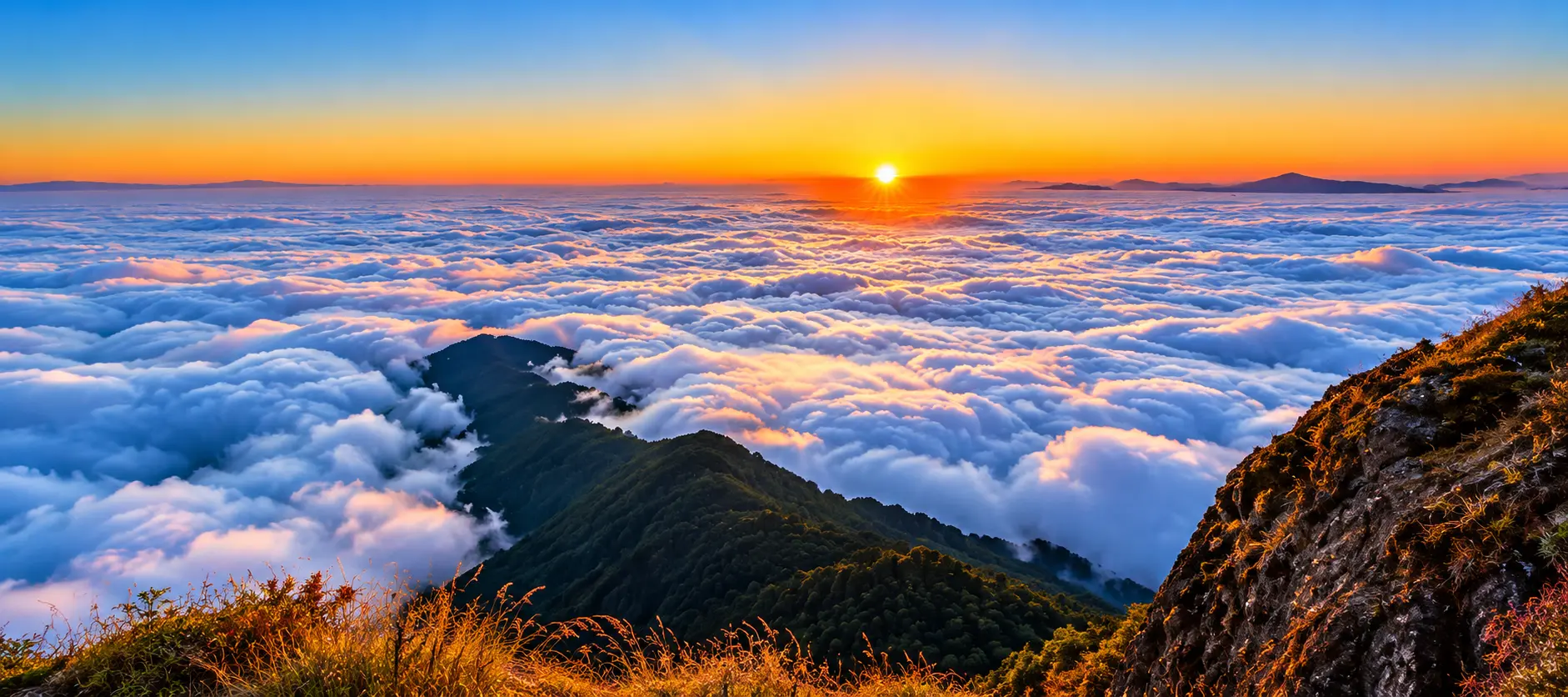
Day 3: Sikles Sunrise, Village Visit and Return to Pokhara
Rise early for sunrise, when the first light strikes the summits of Lamjung Himal and Annapurna II above the village. After breakfast, visit the Sikles eco-museum, which displays traditional Gurung clothing, tools, household items, and photographs of village history, as well as the village gompa. Your host can show you the community water system, the school, and the fields where millet, maize and potatoes are grown.
Late in the morning, the jeep starts the drive back to Pokhara, about 40 to 45 km. The descent along the Madi valley takes three to four hours, depending on road conditions, and you can stop at viewpoints along the way.
On the outskirts of Pokhara, you may wish to visit Begnas Lake, the second-largest lake in the Pokhara valley, before returning to your hotel in Lakeside. Your Pokhara to Sikles Tangting tour ends with a well-earned evening by Phewa Lake.

Activity: 3

Max. Altitude: 2300m

Meal: Not Included

Accommodation: Not Included

Includes & Excludes
What is included?
- A private 4WD jeep or Scorpio for all three days, with additional jeeps for larger groups.
- An experienced mountain driver who knows the Madi valley roads.
- Fuel for the full itinerary described on this page.
- The driver’s meals, accommodation in the villages and daily allowance.
- Pickup from and drop at your hotel in Pokhara.
- Luggage transfer between Tangting and Sikles if you choose the ridge walk.
- Photo and rest stops along the way.
- Phone and WhatsApp support from our office throughout the tour.
What is not included?
- Homestay or lodge accommodation in Tangting and Sikles.
- Meals for travellers.
- The Annapurna Conservation Area entry permit.
- Entry fees for the Sikles museum and any village donations.
- Local walking guides for the ridge trail or Kapuche Lake, unless you request them.
- Cultural programmes at the homestays, which are arranged directly with the community.
- Travel insurance, tips and personal spending.

Trip Information
Trip Glance
The Pokhara to Sikles Tangting tour is a three-day, two-night village tour in the Annapurna foothills, starting and ending in Pokhara. The jeep covers roughly 100 to 120 km in total, including the climb to both villages. The lowest point is Pokhara at about 820 metres, Tangting lies at about 1,650 metres and Sikles at about 1,980 metres, with the optional ridge walk reaching about 2,300 metres. These altitudes are well below the level where altitude sickness is usually a concern. The first part of each drive is on paved road, but the last part is a rough mountain track that needs a 4WD vehicle. Both villages lie inside the Annapurna Conservation Area, so you need an entry permit. For a wider view of travelling Nepal by road, read our guide Explore Nepal Your Way.
About Sikles
Sikles is one of Nepal’s largest Gurung villages, with several hundred stone houses on a steep, south-facing slope. The village is laid out in tiers, linked by flagstone paths, stairways and water channels, with small shrines at the corners. Its people are Gurung, a community with its own language, a rich tradition of song and dance, and a long history of service in the Gurkha regiments. Families farm millet, maize, maizeoes and vegetables on the terraces around the village and keep buffaloes, goats and sheep, some of which are taken to high pastures in summer.
The village has a small eco-museum that displays traditional dress, jewellery, farming tools, weaving looms and photographs of Sikles life over the years. The village has a gompa and several local temples, and the community runs a homestay programme. Above the village, viewpoints look straight up at Lamjung Himal and Annapurna II, which rises to nearly 8,000 metres, along with Annapurna IV and, on some days, Machhapuchhre to the west. The forests above Sikles are thick with rhododendron, which turns the hills red and pink in spring. On the cliffs of the Madi valley, wild honey bees build their combs, and traditional honey hunting is still practised in the region; visitors can see the cliffs from a respectful distance.
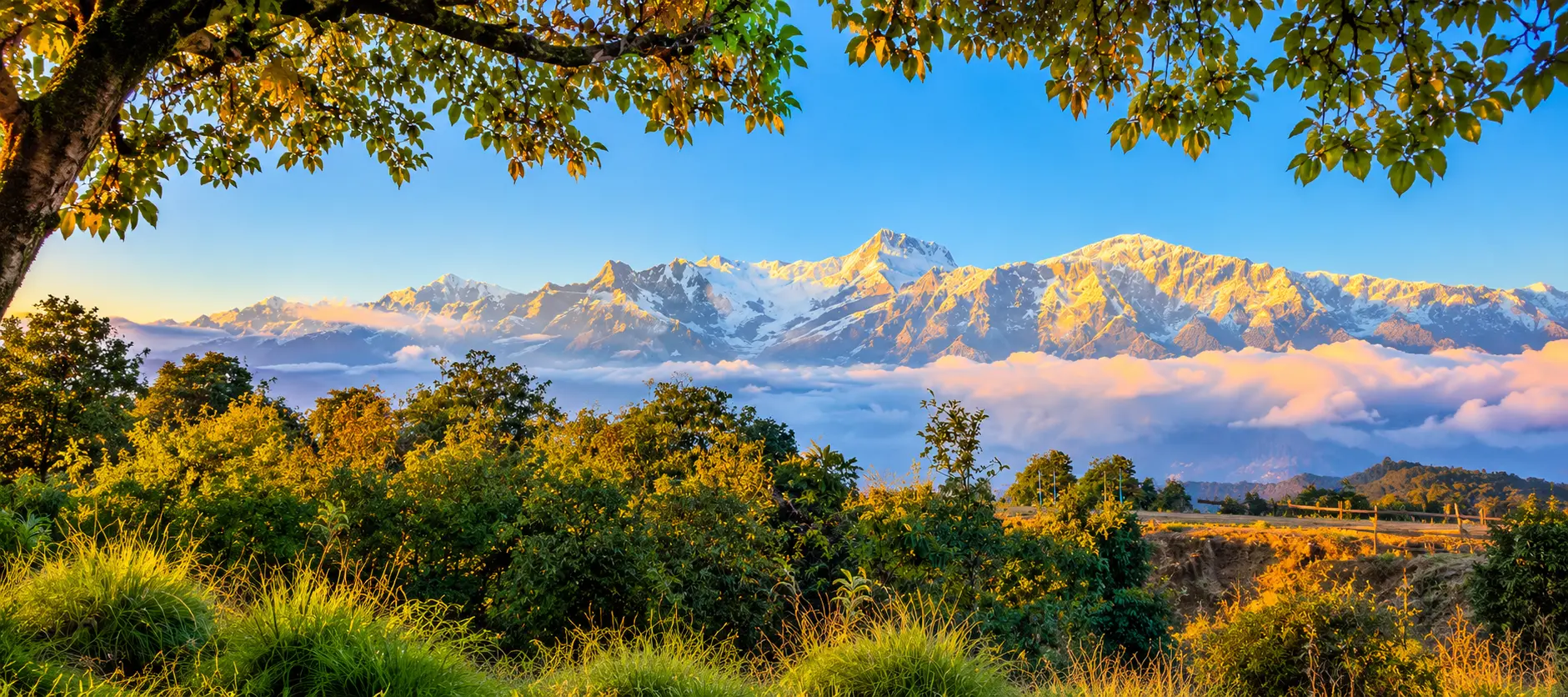
About Tangting
Tangting faces Sikles across the Madi valley, on a sunny slope at about 1,650 metres. It is smaller than Sikles, with stone houses packed tightly together and a remarkable network of stone stairways. The community is mostly Gurung, with families from other communities as well, and villagers follow Bon and Buddhist traditions, with a Bon holy place known as Kwoibo and a Buddhist gompa. Many women still wear traditional Gurung dress, and festivals such as Dashain, Losar and Saun Sakranti are celebrated with music and dancing.
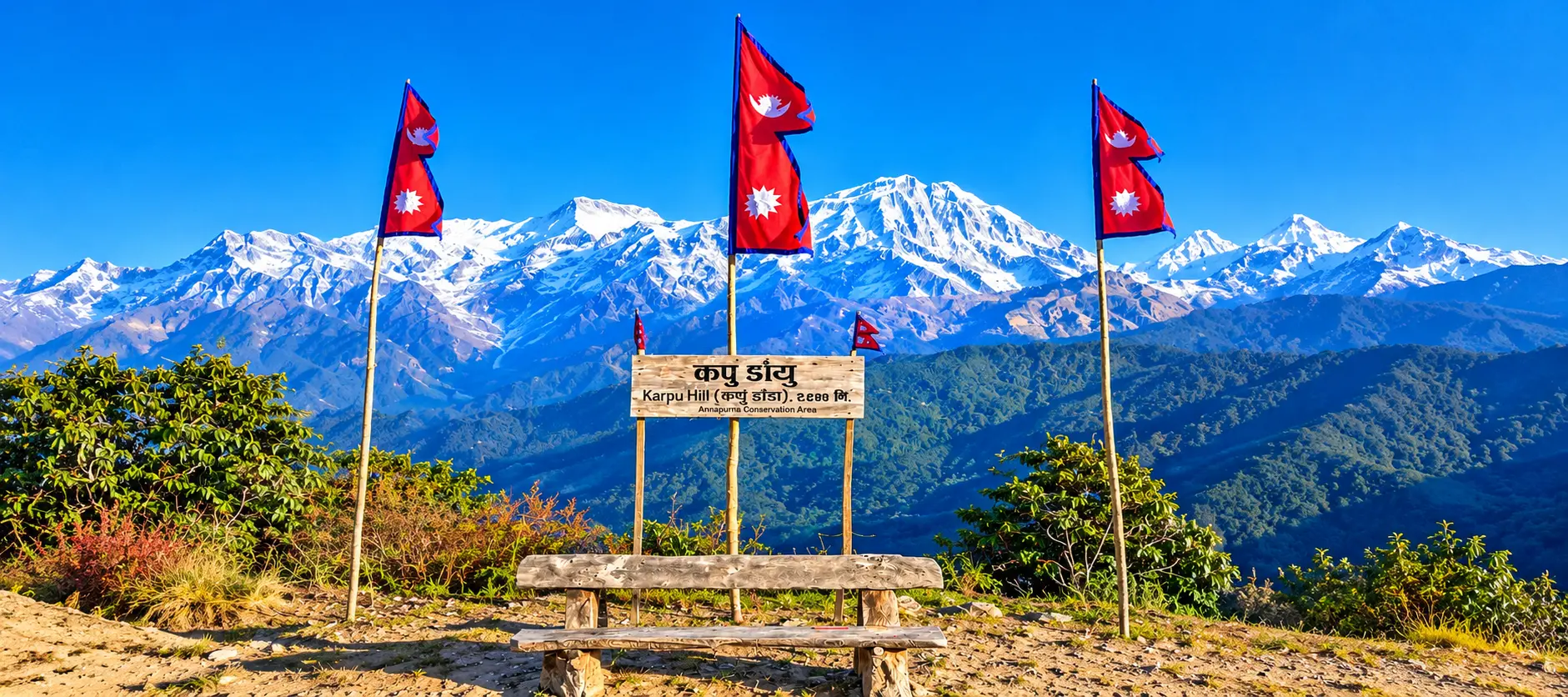
Tangting has a well-organised homestay programme, where guests stay with local families in rotation so tourism income is shared across the village. Rooms are simple and clean, and meals are cooked from vegetables grown on the family’s own terraces. In the evening, groups of villagers can perform Ghatu and folk songs on request. About an hour’s walk above the village, Naucho hill offers an almost circular view of the Annapurna range, and longer walks lead to the Krapu ridge and other viewpoints.
Route Overview: Pokhara to the Madi Valley
Pokhara to the end of the paved road. The jeep leaves Pokhara on paved roads heading northeast, passing through the city outskirts and the farming villages of the lower valley. This section is smooth, with views of Machhapuchhre and the Annapurna range on clear mornings, and takes about an hour.
The Madi valley track. Beyond the paved section, the road becomes a gravel and earth track that follows the Madi Khola and its side streams, crossing small bridges and fords. In dry weather it is bumpy but straightforward for a 4WD vehicle; after heavy rain it can become muddy and slippery, and small landslides are common in the monsoon.
The Tangting spur. One branch climbs steeply through forest and terraces to Tangting. The final section into the village is narrow and rough.
The Sikles spur. Another branch climbs the opposite side of the valley past the small village of Parche to Sikles. In good conditions, jeeps reach the village; in bad weather, the last section may be closed, and visitors walk the final part.
Because conditions change from season to season, your driver will check the latest information with local drivers before setting off. Jeeps and local buses for the villages also run from the Kahun Khola area on the north-eastern side of Pokhara, but a private jeep from your hotel is far more comfortable and flexible.
Gurung Culture and History
The Gurung, who call themselves Tamu, are one of the main peoples of Nepal’s central hills, living mostly in the districts around the Annapurna range. Their oral history traces the community’s journey over many generations from the north, and village elders in the Madi valley still tell stories of earlier settlements higher up the mountainsides. Gurung religion blends ancient shamanic and Bon practices with Tibetan Buddhism and Hindu festivals. Shamans known as pachyu and klehpri still perform rituals at important life events, while lamas lead prayers at the gompas.
Music and dance are central to village life. The Ghatu dance, performed by young girls in a trance-like state to the songs of village elders, tells stories from ancient legends and is one of Nepal’s most beautiful traditional dances. Rodhi, a traditional social gathering where young people met in the evenings to sing, work and share news, shaped community life for generations and is still remembered with pride. During festivals such as Losar, the Gurung New Year, villages fill with music, dancing and feasting.
The Gurung are also known worldwide for their service in the Gurkha regiments of the British and Indian armies. Generations of men from villages like Sikles and Tangting have joined these regiments, and their pensions and earnings have helped build schools, water systems and houses in the villages. Many families today have relatives living abroad, but they return home for festivals and keep close ties with the village. Visiting these communities with respect and staying in their homestays helps support the next generation of village life.
Visitors who want to experience similar hill cultures elsewhere in Nepal can explore Ghandruk, a large Gurung village on the Annapurna Base Camp Trek, or the Tamang villages on the Langtang Helambu Trek.
Road Condition and Safety
The roads to Sikles and Tangting are typical Nepali hill roads: paved near Pokhara, then rough, steep and unpaved in the mountains. In the dry seasons, the track is dusty and bumpy but generally passable. In the monsoon, rain turns sections to mud, streams rise, and landslides can block the road for hours or days. For this reason, autumn and spring are the best seasons for this tour, and monsoon trips are planned with extra flexibility.
Safety comes first. Our drivers are experienced on mountain tracks, drive slowly on steep and loose sections, and will not attempt an unsafe section. We check jeeps before every mountain trip, paying close attention to tyres, brakes, and four-wheel drive. We fit seat belts and ask passengers to use them. If a section is blocked, the driver will find the safest alternative, which may include a short walk. Read more in our article on the importance of safe transportation during Nepal tours.

Vehicle Options for the Sikles Tangting Tour
Road conditions determine the vehicle for this tour.
Jeep and Scorpio (recommended). A 4WD jeep such as the Mahindra Scorpio seats four to six passengers with luggage and is ideal for rough village roads. It has the ground clearance, traction and strength needed for steep, loose tracks. Our full jeep hire in Nepal fleet is available for this route, and our jeep rental with camping equipment guide explains what to carry on rough-road trips.
Several jeeps for groups. Groups larger than six travel in two or more jeeps that drive together. This is safer and more comfortable than squeezing a large group into one vehicle.
Hiace, Coaster and bus. These larger vehicles cannot reach the villages on the rough track. For big groups, a Hiace, Coaster, or bus can take you from Pokhara to the end of the paved road, where you transfer to jeeps for the climb. This is common for school and corporate groups.
Car. A private car is ideal for sightseeing in and around Pokhara before or after the village tour, but it is not suitable for the mountain roads.
For more on roof racks and luggage space on rough-road jeeps, see our note on Nepal vehicle rental with roof luggage space.
Service Options: Private, One-Day, Two-Way and Shared
Private hire. This tour is a private hire. The jeep and driver are reserved only for your group, and the schedule follows your plans.
One-day hire. A jeep for a single day, such as a one-way drive from Pokhara to Sikles or Tangting for trekkers who will walk on from the village, or a day trip to Tangting and back.
Two-way hire. A return trip with the same jeep, such as Pokhara to Sikles and back, with the jeep waiting in the village. This three-day tour is a two-way hire that visits both villages.
Shared. Local buses and shared jeeps run to the villages from Pokhara’s north-eastern side. They are inexpensive but crowded, irregular and slow, with limited space for luggage, and they do not offer hotel pickup or flexible stops.
For any of these options, send your dates and group size through our contact page.
Pickup and Drop Options
The tour normally starts and ends at your hotel in Pokhara, whether in Lakeside, Damside or the city centre. Guests arriving from Kathmandu can travel to Pokhara with our Kathmandu to Pokhara car, Kathmandu to Pokhara private Scorpio or Kathmandu to Pokhara bus. Those flying in can also use our Pokhara airport transfer. After the tour, the jeep can drop you directly at Pokhara airport or bus park, and travellers heading back to the capital can continue with our Pokhara to Kathmandu car or Pokhara to Kathmandu bus.
Choose Your Version of the Tour
The three-day plan suits most visitors, but the same private jeep can follow a shorter or longer programme.
Two days, one night. Pokhara to Sikles or Tangting, a night in a homestay and a return the next day. Ideal if you want a taste of village life without leaving Pokhara for long.
Day trip. An early start from Pokhara to Tangting, a few hours in the village and a return in the evening. It is a long day on rough roads, so an overnight stay is far more rewarding.
Four days with Kori or Rishing Danda. The standard tour with an extra day in Sikles to walk to a nearby viewpoint, such as the ridge above the village known as Rishing Danda, or towards the high pastures of Kori, for closer views of Annapurna II and Annapurna IV.
Five days with Kapuche Lake. Kapuche Lake lies at about 2,540 metres below the huge face of Annapurna II, one of the lowest glacial lakes in the Nepal Himalaya. Reaching it from Sikles takes about one and a half to two days on rough paths that are not maintained trekking trails, so a local guide is essential, and you should not attempt the walk after heavy rain. Your jeep returns to Sikles to collect you at the end.
Combined with the Annapurna foothills. Many visitors pair Sikles and Tangting with another short trip from Pokhara, using our Pokhara to Ghandruk jeep, Pokhara to Dhampus jeep or Pokhara to Kande jeep.
Best Time for a Sikles Tangting Tour
Autumn is the best season. Skies are clear after the monsoon, mountains stand sharp above the villages, roads are dry, and terraces turn gold at harvest time. Festivals such as Dashain bring families home to the villages.
Spring is the second-best season and the most colourful. Rhododendron forests bloom red and pink above Sikles and along the ridge to Tangting, and the days are warm. Haze can build in the afternoon, so mornings are best for mountain views.
Winter brings cold nights in the villages, with occasional frost and even light snow on the ridge, but often very clear days. Pack warm clothing and expect fewer visitors.
Monsoon turns the valley a deep green and fills the waterfalls, but the roads become muddy and are often blocked by landslides; leeches are common on the trails, and the mountains are usually hidden by cloud. We do not recommend the full tour in heavy rain; if you travel in this season, allow extra days.
Places to See and Things to Do
- Naucho Hill, Tangting. A short climb to a circular viewpoint over the Annapurna range.
- Tangting stone stairways. Walk the long flights of stone steps that link the village’s lanes and terraces.
- Kwoibo and the gompa. Tangting’s Bon holy place and Buddhist monastery.
- The ridge trail. Forest, pastures and mountain views between the two villages.
- Sikles upper village. Viewpoints over the village rooftops, with views of Lamjung Himal and Annapurna II.
- Sikles eco-museum. Traditional Gurung dress, tools and household objects.
- Honey-hunting cliffs. Wild bee colonies on the cliffs of the Madi Valley, viewed from a respectful distance.
- Cultural evenings. Ghatu and other traditional Gurung dances and songs performed by village groups.
- Farm life. Join your hosts in the fields, help with cooking, or learn to make local dishes such as dhido and gundruk.
- Begnas and Rupa lakes. Peaceful lakes on the eastern side of the Pokhara valley, easy to visit on the way back.
Permits, Entry Fees and Responsible Travel
Both Sikles and Tangting lie inside the Annapurna Conservation Area, so foreign visitors need an Annapurna Conservation Area entry permit. Permits are issued in Pokhara and Kathmandu, and our team can help arrange yours before the tour. Carry the permit and your passport, as they may be checked. Rules on any additional trekking cards change from time to time, so 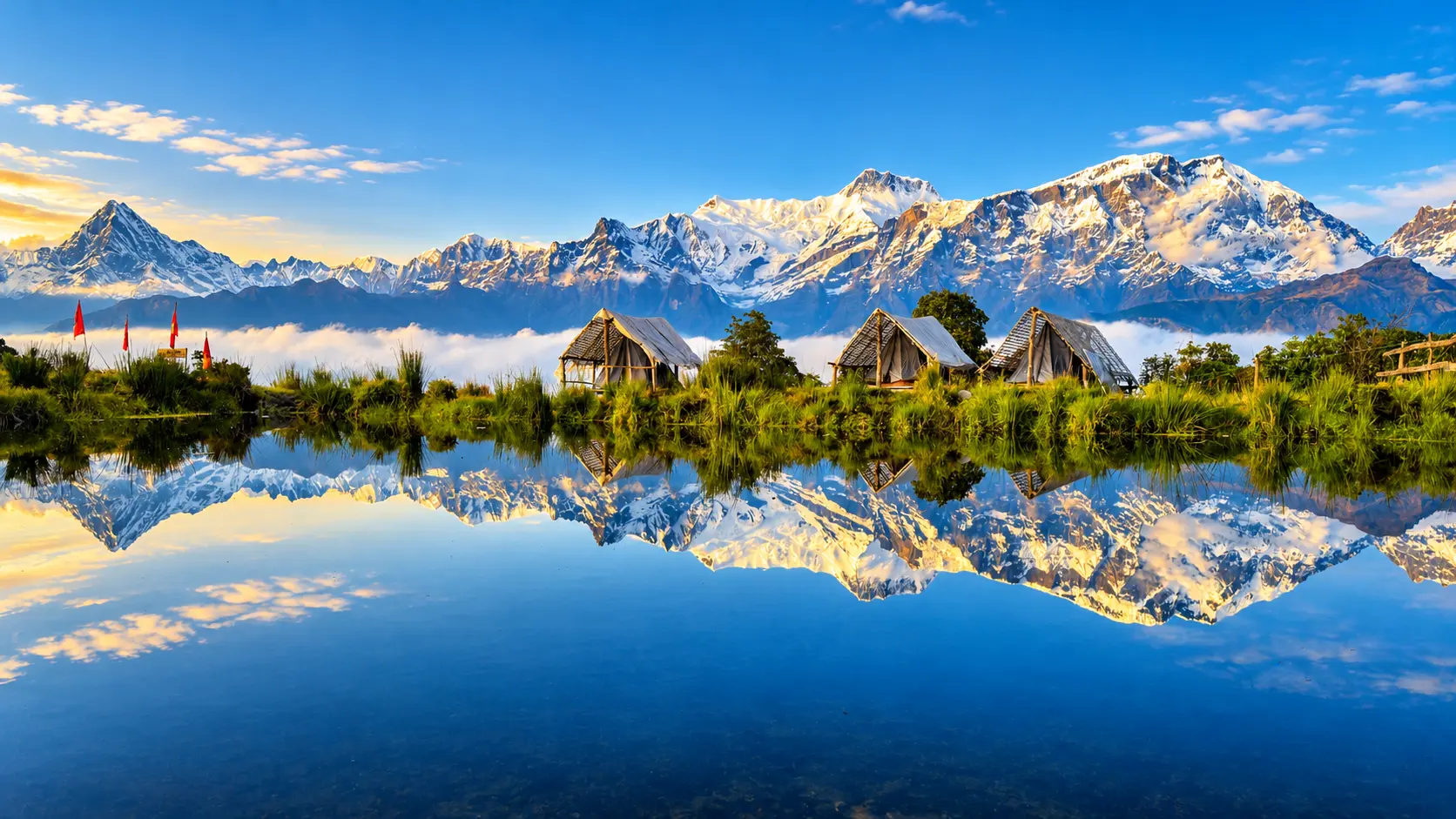 we will confirm current requirements when you book. The permit fee and museum entry are not part of the vehicle hire.
The Gurung villages are living communities, not museums. Please dress modestly, ask before photographing people, remove shoes when entering homes or shrines, and follow your hosts’ guidance. Buy local honey, handicrafts and tea directly from villagers, use the community homestays, and carry your rubbish back to Pokhara. Avoid bringing plastic bottles; homestays can boil or filter water for you.
Homestays and Accommodation
Accommodation in both villages is simple and friendly. Community homestays in Tangting and Sikles offer clean rooms with basic beds and warm blankets, shared bathrooms, and home-cooked meals. Some families also run small lodges with private rooms. Hot showers may be solar-heated and depend on the weather. Electricity is available, and mobile signal is usually good in the villages, though it may drop on the road. Bring cash in Nepali rupees, as there are no card facilities or cash machines. Our team can help you contact the homestay committees before your trip.
Onward Treks and Adventures from Pokhara
Sikles and Tangting are a quiet introduction to the Annapurna foothills. If you enjoy the villages, you may want to explore further.
Classic Annapurna treks. The Ghorepani Poon Hill Trek is the most popular short trek from Pokhara, and the Muldai View Trek is a quieter alternative. The Annapurna Base Camp Trek leads into the sanctuary below Annapurna I, and the Annapurna Circuit Trek crosses the high Thorong La. Trailhead transport is available with our Pokhara to Nayapul transportation, Pokhara to Ulleri private jeep, Pokhara to Jhinu Danda jeep and Pokhara to Ghorepani Poon Hill jeep hire. For the Annapurna Circuit, start with the Kathmandu to Besisahar private vehicle, or go further with the Kathmandu to Chame private jeep and Kathmandu to Manang jeep.
Remote and comfort treks. Trekkers seeking more remote trails can explore the high remote treks and signature treks of Alpine Luxury Treks, the Nar Phu Trek behind the Annapurna range or the Manaslu Circuit Trek. Village culture lovers will also enjoy the Tamang Heritage Trekking route in the Langtang region.
Adventures from Pokhara. Back in the lake city, try paragliding in Pokhara, the Kusma bungee jump, Kali Gandaki rafting or the Annapurna helicopter tour for a close look at the peaks you saw from Sikles.
Extend Your Journey
- Pokhara sightseeing. Add a day for the Sarangkot sunrise with the Sarangkot sunrise tour vehicle, the Pokhara to Pumdikot Mahadev Temple jeep and the lakes, caves and waterfalls of the city.
- Muktinath and Mustang. Continue into the rain shadow with the Pokhara to Mustang jeep, following our Muktinath Yatra, and return with the Muktinath to Pokhara jeep. Travellers drawn further north can join the Upper Mustang Trek.
- Head south for wildlife with the Pokhara to Chitwan by private car and the Chitwan jungle safari.
- Visit another hill town with the Pokhara to Bandipur car.
- Lumbini and the border. Travel south to the birthplace of the Buddha, or to the Indian border, by car from Pokhara to Sunauli.
- A complete Nepal holiday. Our Nepal holiday tour and Nepal tour package pages show longer journeys, and guests seeking upgraded travel can choose the Nepal Golden Triangle luxury tour.
Food in the Villages
Meals in Sikles and Tangting are simple, filling and made from local produce. Dal bhat, the national dish of rice, lentil soup and vegetable curry, is served twice a day, often with a spicy tomato or radish pickle. In the hills, dhido, a thick porridge of millet or buckwheat flour, is a traditional alternative to rice, eaten with gundruk, a sour soup of fermented leafy greens. Breakfasts may include Tibetan bread, chapati, boiled potatoes or eggs, with sweet milk tea. Seasonal treats include fresh corn, wild mushrooms, local honey and homemade pickles. Most homestays happily cook vegetarian meals, and hosts often invite guests into the kitchen to learn.
Getting to Pokhara and Connecting Journeys
Most guests begin this tour in Pokhara after travelling from Kathmandu or another part of Nepal. Here are the most useful connections.
- From Kathmandu. The drive of about 200 km takes seven to nine hours, and you can take our Kathmandu to Pokhara bus tickets for a shared seat or a private vehicle that can stop at the Manakamana cable car, as described on our Manakamana Temple cable car and vehicle tour. Trekkers bringing extra gear can use the Kathmandu to Pokhara all-vehicle transfer.
- From Chitwan. After a jungle safari, travel north by the Chitwan to Pokhara car or the Pokhara to Chitwan bus (reverse).
- From the Indian border. Visitors entering at Sunauli can use the Sunauli to Pokhara car or follow the longer Nepal tour from Gorakhpur.
- Via Bandipur. Break the journey from Kathmandu with a night in the hill town using the Kathmandu to Bandipur private car and the Bandipur to Pokhara car.
- Back to Kathmandu. Return in comfort with the Pokhara to Kathmandu transport or the Pokhara to Kathmandu private Scorpio hire, then explore the capital with our Kathmandu sightseeing tour and the Bhaktapur Durbar Square day tour.
- Arriving and departing Nepal. Our Kathmandu airport transfers team meets international flights at any hour.
- Everest after the Annapurnas. Many travellers who enjoy the hills around Pokhara go on the Everest View Trek or the Everest Base Camp Trek, or fly past the peaks on a Mt Everest helicopter tour.
- Neighbouring kingdoms. Our sister companies arrange the Nepal Tibet Bhutan Tour and the Luxury Bhutan Tour for travellers continuing beyond Nepal.
To choose the right vehicle size for the journey to Pokhara, see our article on which vehicle is best for 6 people in Nepal, and for a single flexible day around the capital, our one-day jeep hire in the Kathmandu Valley.
Photography Tips for Sikles and Tangting
The Madi valley villages are among the most photogenic places near Pokhara, and a little planning helps you make the most of them.
- Shoot the mountains early. Annapurna II and Lamjung Himal are usually clearest from dawn until mid-morning. Cloud often builds around the peaks by midday, especially in spring.
- Use the evening light on the villages. Late afternoon sun warms the stone walls and terraced fields, and long shadows bring out the shape of the slopes.
- Look across the valley. From Tangting, Sikles appears as a dense cluster of houses on the opposite slope;from Sikles, the view is reversed. A zoom lens is useful for these shots.
- Ask before photographing people. Most villagers are happy to be photographed if you ask politely, and they often appreciate seeing the picture afterwards. Never photograph rituals or shamanic ceremonies without permission.
- Capture daily life. Weaving, cooking over wood fires, farm work and children playing on the stone steps tell the story of the village better than posed portraits.
- Protect your equipment. The jeep roads are dusty in the dry season, so keep cameras in a closed bag during the drive.
For more ideas on photographing Nepal by road, see our Explore Nepal Your Way guide, and for mountain photography from the air, the Annapurna helicopter tour offers an unforgettable perspective. Photographers with extra days often add the sunrise viewpoint at Nagarkot near Kathmandu using our Kathmandu to Nagarkot vehicle service.
Who This Tour Suits
Culture lovers. Few places near Pokhara offer such authentic village life, with traditional houses, local festivals and community homestays.
Families. Children enjoy village life, farm animals and evening dances, and the drives are short enough for a family trip. Please note that the roads are bumpy, so very young children and anyone with back problems should discuss the trip with us first.
Couples and small groups. A private jeep and quiet homestays make for an intimate, memorable short break.
Photographers. Stone villages, terraced fields, traditional dress, rhododendron forests and close mountain views create superb images.
Light walkers. The ridge walk and village viewpoints offer real mountain walking without a long trek.
Returning visitors. Travellers who have already seen Nepal’s main sights often find the Madi Valley villages a highlight of their second or third visit.
Packing and Preparation Tips
- Warm clothing: a fleece or down jacket, hat and gloves for cold mornings and evenings in the villages.
- Comfortable walking shoes or light hiking boots for stone paths and the ridge trail.
- A small daypack with water, snacks, sunscreen, sunglasses and a rain jacket.
- A torch or headlamp, as village lanes are dark at night.
- Cash in Nepali rupees, as there are no cash machines in the villages.
- Personal medicines, including something for motion sickness on the bumpy roads.
- A small gift for your host family, such as fruit, tea or school supplies, is always appreciated.
- Your Annapurna Conservation Area permit and passport.
Travel Tips for a Smooth Village Tour
- Leave Pokhara in the morning to drive the rough sections in good daylight.
- Keep luggage light; soft bags are easier to carry on jeep roofs and village paths.
- Check road conditions with us before travelling in or just after the monsoon.
- Hire a local guide for the ridge walk and any longer hikes.
- Respect village customs and ask your hosts before entering shrines or photographing ceremonies.
- If you plan to trek higher after this tour, read our notes on altitude sickness.
Why Choose Nepal Vehicle Hiring Pvt Ltd
Nepal Vehicle Hiring Pvt Ltd provides tourist transport across Nepal, including rough mountain roads in the Annapurna foothills. Learn more about us on our About Us page.
- Experienced mountain drivers. Drivers who know the Madi Valley roads and how they change with the seasons.
- Well-maintained 4WD jeeps. Vehicles checked before every mountain trip.
- Flexible plans. Shorter or longer versions, ridge walk or jeep transfer, Kapuche Lake or Pokhara add-ons.
- Help with permits and homestays. We can help arrange your conservation area permit and contact the village homestays.
- Clear written plans. A day-by-day itinerary listing what is included and what is not.
- Trek and tour partners. Through our sister companies, we can link your village tour with treks and longer holidays.
Our article on quality transport in Nepal explains the standards we work to.
Related Vehicle Hire Services
- Pokhara to Sikles jeep rental for a simple jeep hire to Sikles.
- Car hire in Pokhara for sightseeing in the lake city.
- Pokhara to Sarangkot jeep and Sarangkot to Pokhara jeep for the sunrise viewpoint.
- Ghandruk to Pokhara jeep and Nayapul to Pokhara jeep for returning trekkers.
- Pokhara to Nayapul jeep for the start of the Annapurna treks.
- Our complete list of trekking transport services and the Nepal Vehicle Hiring blog for more travel guides.
How to Book
- Step 1: Send your details. Share your dates, group size,e and preferred tour option through the Plan a Trip form, by email,l or on WhatsApp at +977 9814227196.
- Step 2: Receive your plan. We reply with a day-by-day itinerary, permit information and booking details.
- Step 3: Confirm. Confirm the booking, and we reserve the jeep and driver for your dates.
- Step 4: Travel. We send your driver’s name and phone number before the tour, and he picks you up from your Pokhara hotel on Day 1.
Frequently Asked Question (FAQ’s)
Sikles is about 40 to 45 km from Pokhara by road. The drive usually takes two to four hours, depending on road conditions.
Tangting is about 25 to 30 km from Pokhara by road, and the drive usually takes two to three hours.
Yes. The last part of the road to both villages is a steep, rough track. A 4WD jeep or Scorpio is the safe choice, and larger vehicles cannot reach the villages.
They face each other across the Madi Valley and are linked by a walking trail over a forested ridge. By road, the jeep must drive down from one village and up the other side of the valley, which takes about three to four hours.
Yes. Both villages are inside the Annapurna Conservation Area, so foreign visitors need an entry permit. We can help you arrange it in Pokhara or Kathmandu.
It is a moderate day walk of about five to seven hours, climbing to about 2,300 metres through forest. A reasonable level of fitness and a local guide are recommended. The jeep can carry anyone who prefers not to walk.
In community homestays or small village lodges. Rooms are simple and clean, and meals are home-cooked. We can help you contact the homestay committees.
Yes. On clear days, Annapurna II, Annapurna IV and Lamjung Himal rise directly above the valley, and the views are best at sunrise in autumn and spring.
It is possible but not recommended. Roads become muddy and are often blocked by landslides, and clouds usually hide the mountains. If you travel in this season, allow extra days.
The villages welcome all ages, but the roads are bumpy, and the village paths are steep. Please tell us about any health or mobility concerns so we can advise you.
Yes, as part of a longer five-day version with a local guide. The path is rough and not suitable after heavy rain.
Yes. Many guests spend a day before or after the village tour on Sarangkot sunrise and Pokhara sightseeing with the same vehicle provider.
Send your dates, group size and preferred version on WhatsApp at +977 9814227196, by email to [email protected], or through the Plan a Trip form, and we will confirm your plan.

Reviews on Pokhara to Sikles Tangting Tour by Private Jeep | 3 Days

Related Trips