Plan a Trip


Annapurna Circuit Road Conditions 2026
 Why Annapurna Circuit Road Conditions 2026 Are More Relevant Than Ever
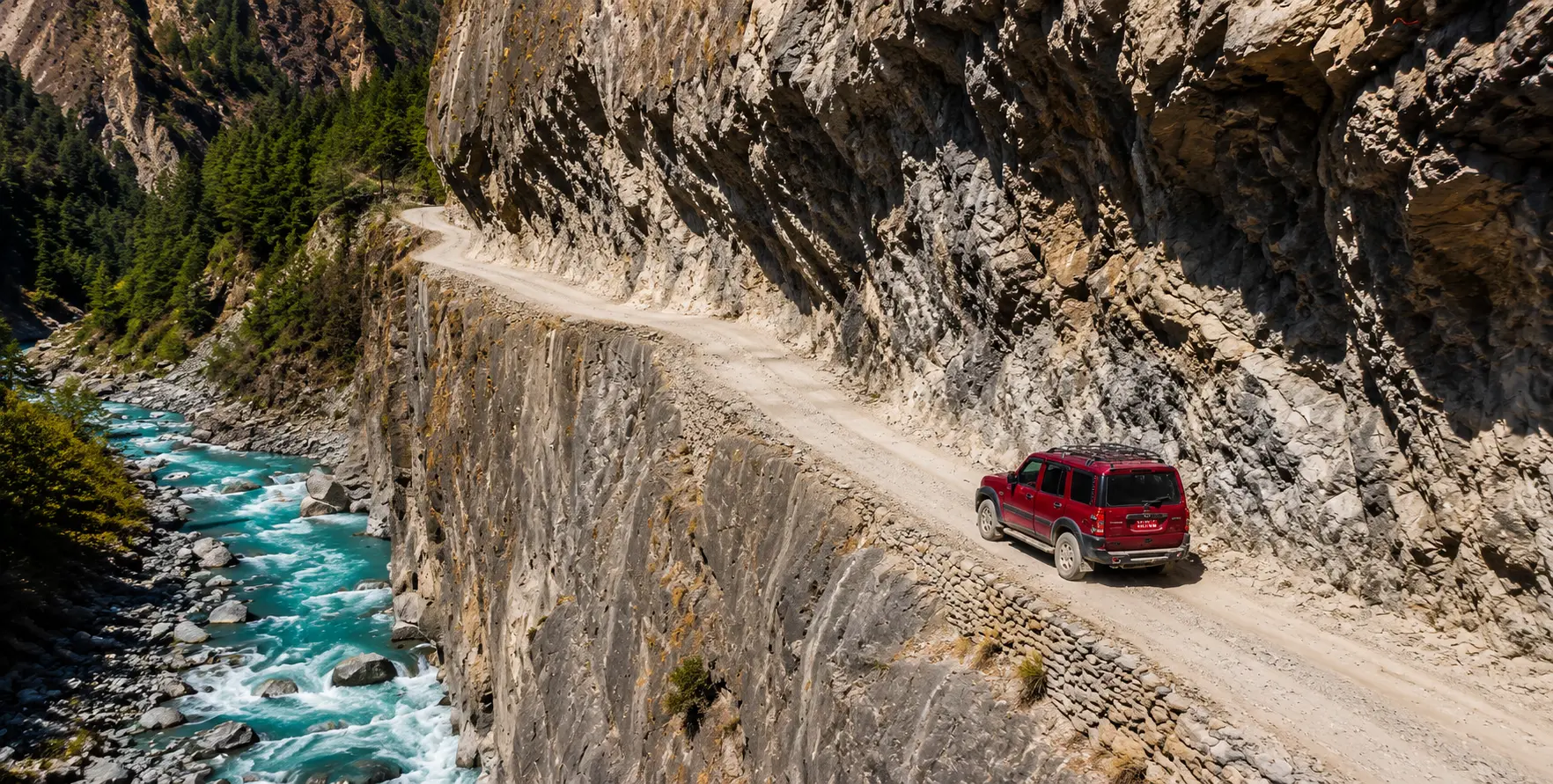
The Annapurna Circuit has always been legendary, but in 2026 the addition of motorable jeep roads from Besisahar to Chame and beyond has permanently changed how we experience it. Roads now reach Manang and Upper Manang, while the western descent via Muktinath remains fully motorized. This evolution has saved thousands of trekkers days of walking. Yet, it has also introduced new realities: dusty lower sections, frequent monsoon disruptions, and the need for smart alternatives like NATT (Natural Annapurna Trekking Trails).
At vehiclehiringnepal.com, our battle-hardened 4WD hire in Nepal drivers monitor these conditions daily through local road offices, ACAP updates, and real-time GPS. Whether you are planning a luxury Annapurna Circuit jeep tour or a hybrid adventure, professional 4WD hire in Nepal vehicles with 225–280mm ground clearance and experienced Himalayan drivers guarantee safety. This deep 2026 guide breaks down every section, recent disruptions, NATT solutions, and practical tips so you can travel confidently.
The Rapid Evolution of Annapurna Circuit Road Conditions Since 2012
The Besisahar to Chame jeep road opened in 2012 after decades of construction. By 2025–2026 it had expanded to Upper Manang, reducing the old 5–7 day foot journey to just 4–6 hours. The western Jomsom to Muktinath road was completed years ago. This shift has made Annapurna Circuit jeep tours accessible for families and busy travelers.
However, the lower sections now share space with jeep traffic, leading to dust, construction dust, and occasional complaints about walking on the road. ACAP has responded by developing NATT alternatives—marked high trails that bypass much of the dusty road. The core high sections from Manang over Thorong La remain completely road-free, preserving the original magic at altitudes above 4,000 meters.
Current Kathmandu to Besisahar Road Conditions in 2026
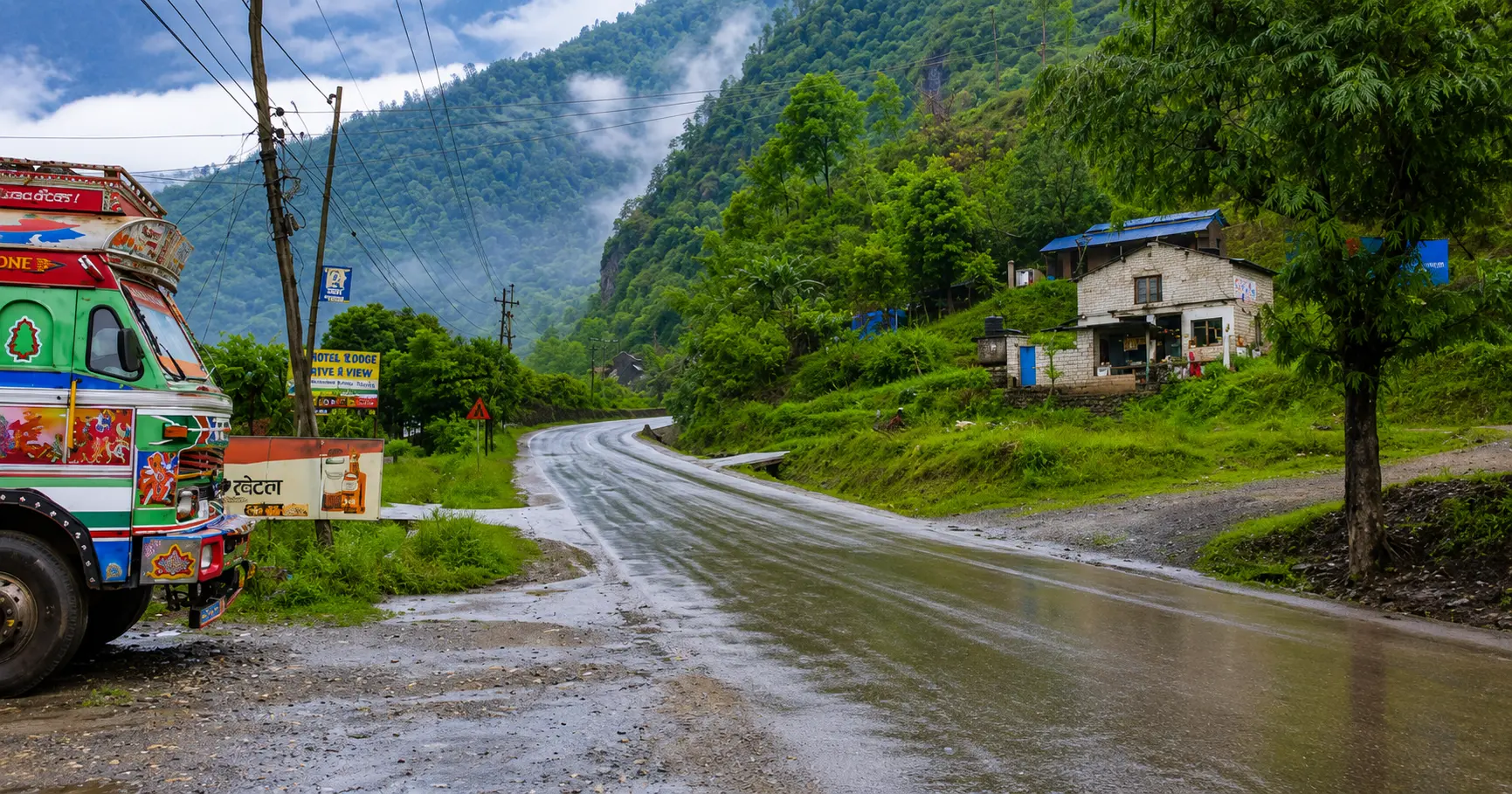
The Prithvi Highway from Kathmandu to Dumre and Besisahar is fully paved and in excellent condition year-round. Recent widening projects have improved traffic flow. From Dumre, the secondary track to Besisahar (22 km) is well-maintained. This paved start gives you a comfortable arrival before the real Annapurna Circuit road conditions challenge begins on the off-road section.
Besisahar to Chame: The Heart of Annapurna Circuit Jeep Routes in 2026
This 63 km rough mountain track is the most iconic and challenging part of Annapurna Circuit road conditions. It follows the Marsyangdi River through dramatic gorges, narrow cliff-edge tracks, and seasonal river crossings. Key stages include:
- Besisahar to Bahundanda (15 km): Packed dirt and gravel, mostly passable but slippery in rain.
- Bahundanda to Chamje (10 km): Rocky mountain track with sheer drops — 4WD essential.
- Chamje to Tal (8 km): Very rough with frequent river crossings and rockfall risk.
- Tal to Dharapani (12 km): Improving track through pine forests and waterfalls.
- Dharapani to Chame (15 km): Mixed surface, gaining ~800 m altitude — the longest continuous climb.
In 2026, this section remains demanding. Recent landslides (e.g., July 2026 closures at Kharkhare and Hawadanda) have caused 3–5-day disruptions. Our Land Cruisers and Hiluxes handle every hairpin turn safely.
Marsyangdi Gorge Road Conditions: Dramatic Cliff-Edge Challenges
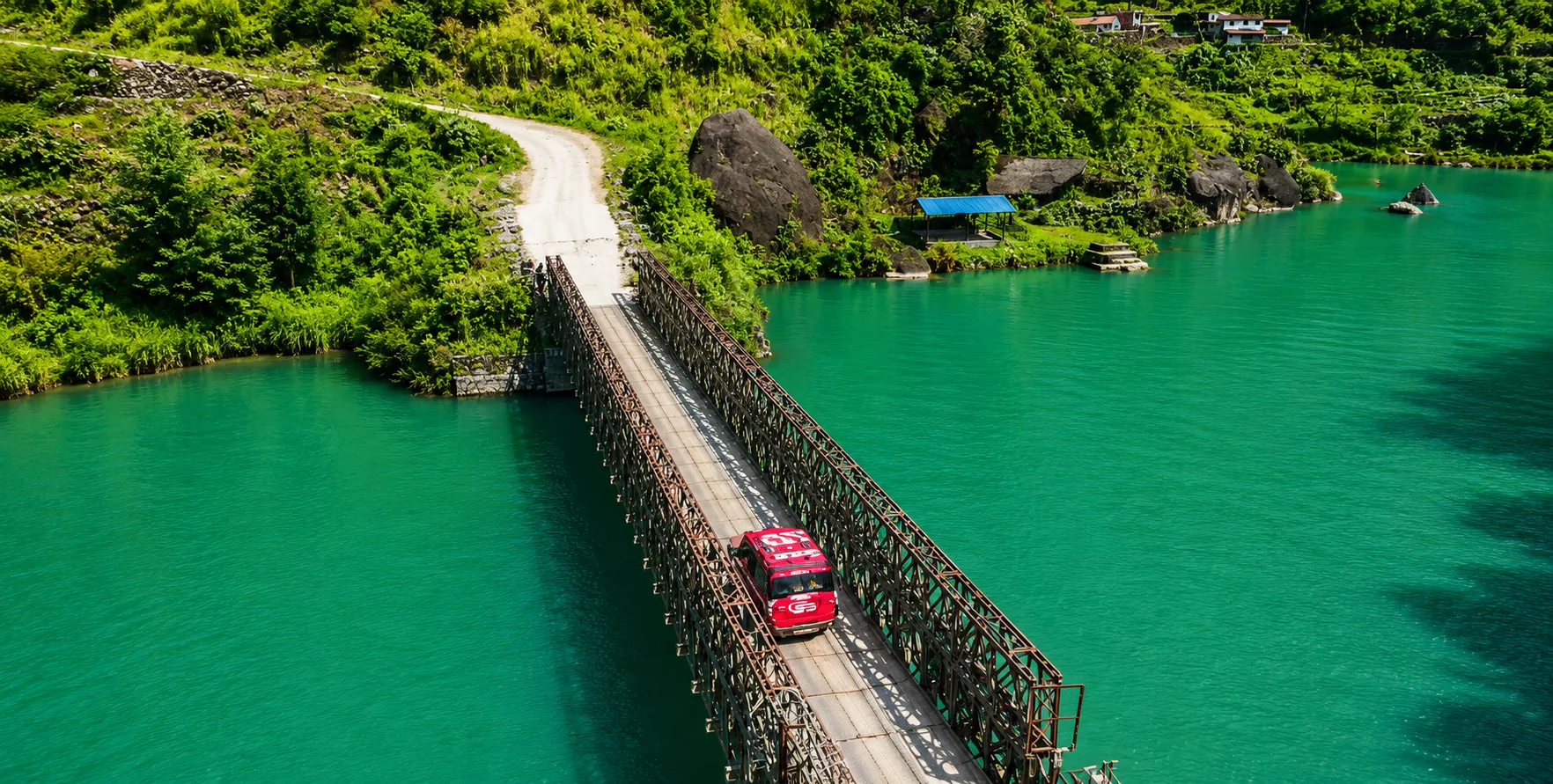
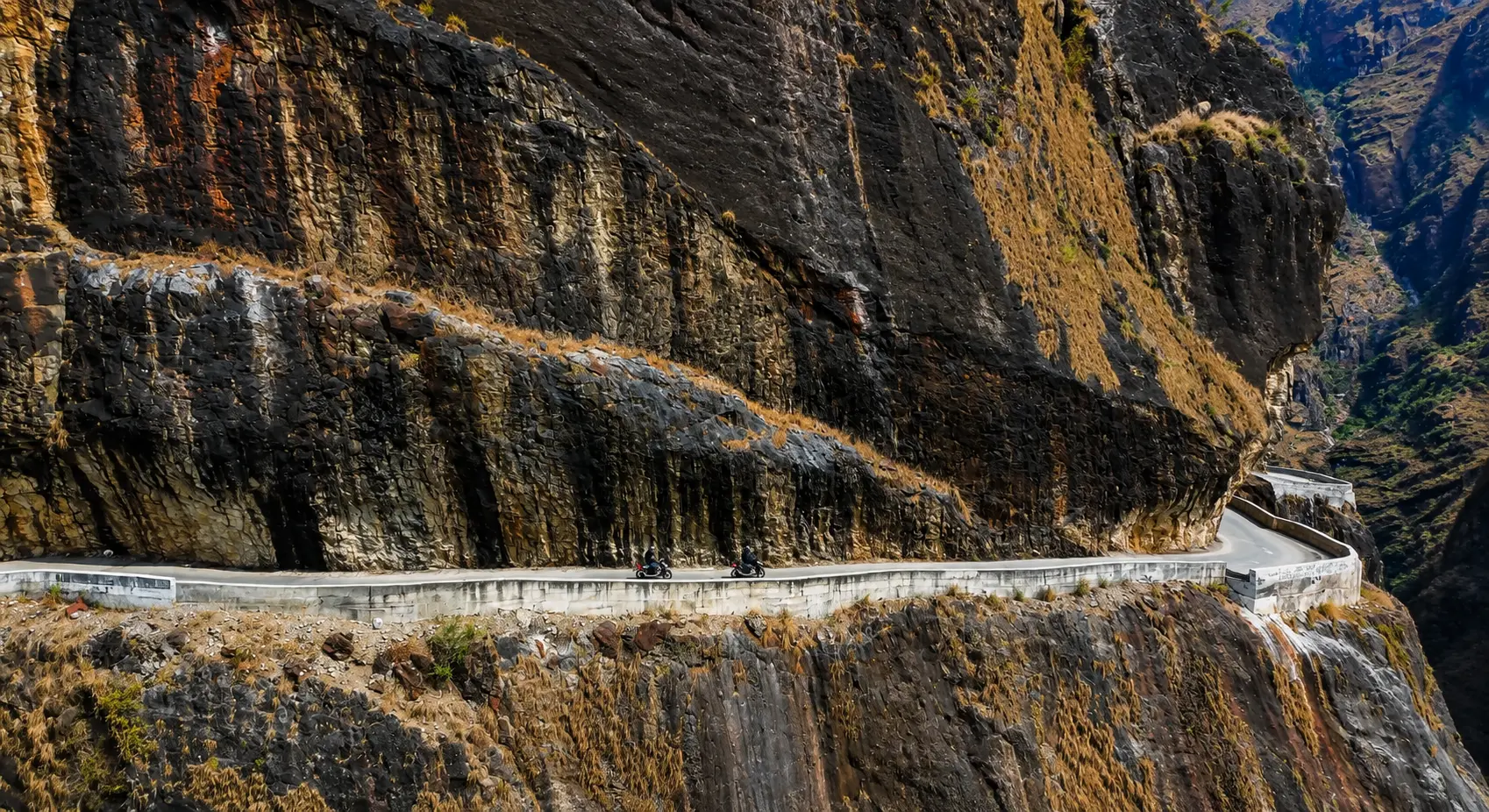
The Marsyangdi Gorge features narrow tracks carved into vertical cliffs, 500+ meters above the river. Rockfalls after rain and seasonal flooding are common. Night travel is often restricted during monsoon. ACAP maintains the road, but conditions can change overnight — daily WhatsApp updates from our drivers are standard for every 4WD hire in Nepal client.
Chame to Manang Road Conditions: Improved but Still Rough in 2026
The 30 km Chame to Manang track (via Pisang) has improved with some blacktopping. It remains off-road but bumpier and higher altitude. Manang (3,519 m) is the perfect acclimatization stop. Recent upgrades have made parts more reliable, yet steep ascents and occasional snow patches in winter require caution.
Manang to Muktinath via Thorong La: The Unchanged High-Pass Section
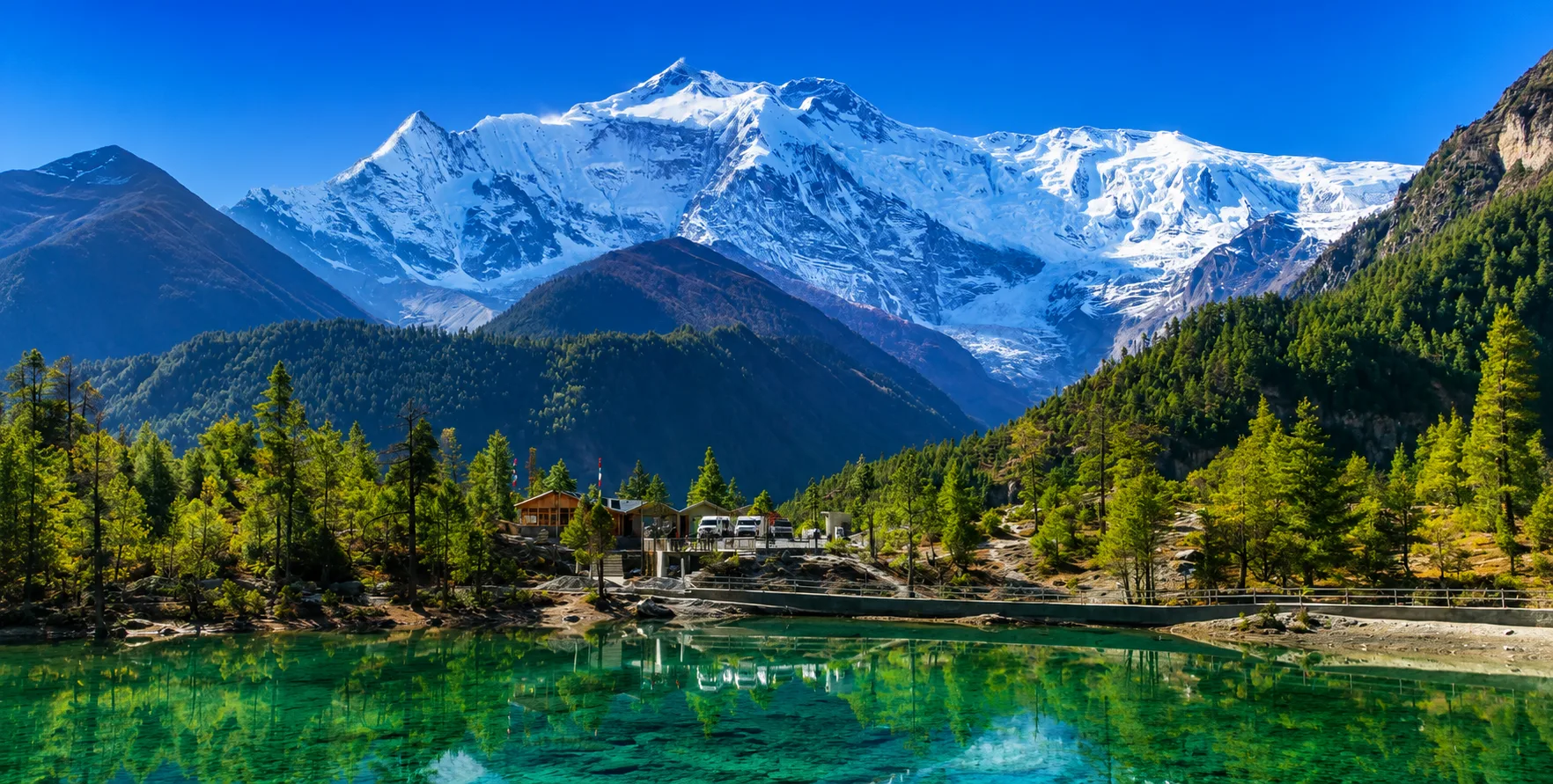
No vehicles reach the high passes, but many Annapurna Circuit jeep tours combine the road to Manang with a short high-altitude trek over Thorong La (5,416 m). The trail from Manang to Thorong Phedi is excellent and remains 100% road-free. Spring and autumn are ideal; winter snow can close the pass.
Western Descent: Muktinath to Tatopani and Pokhara Road Conditions
The dramatic 5–6 hour descent through the Kali Gandaki Gorge is spectacular. Apple orchards, hot springs, and sheer rock walls make this the perfect end. Conditions are generally reliable year-round, though monsoon dust can be heavy lower down.
Monsoon Season Road Conditions 2026: Highest Risk Period
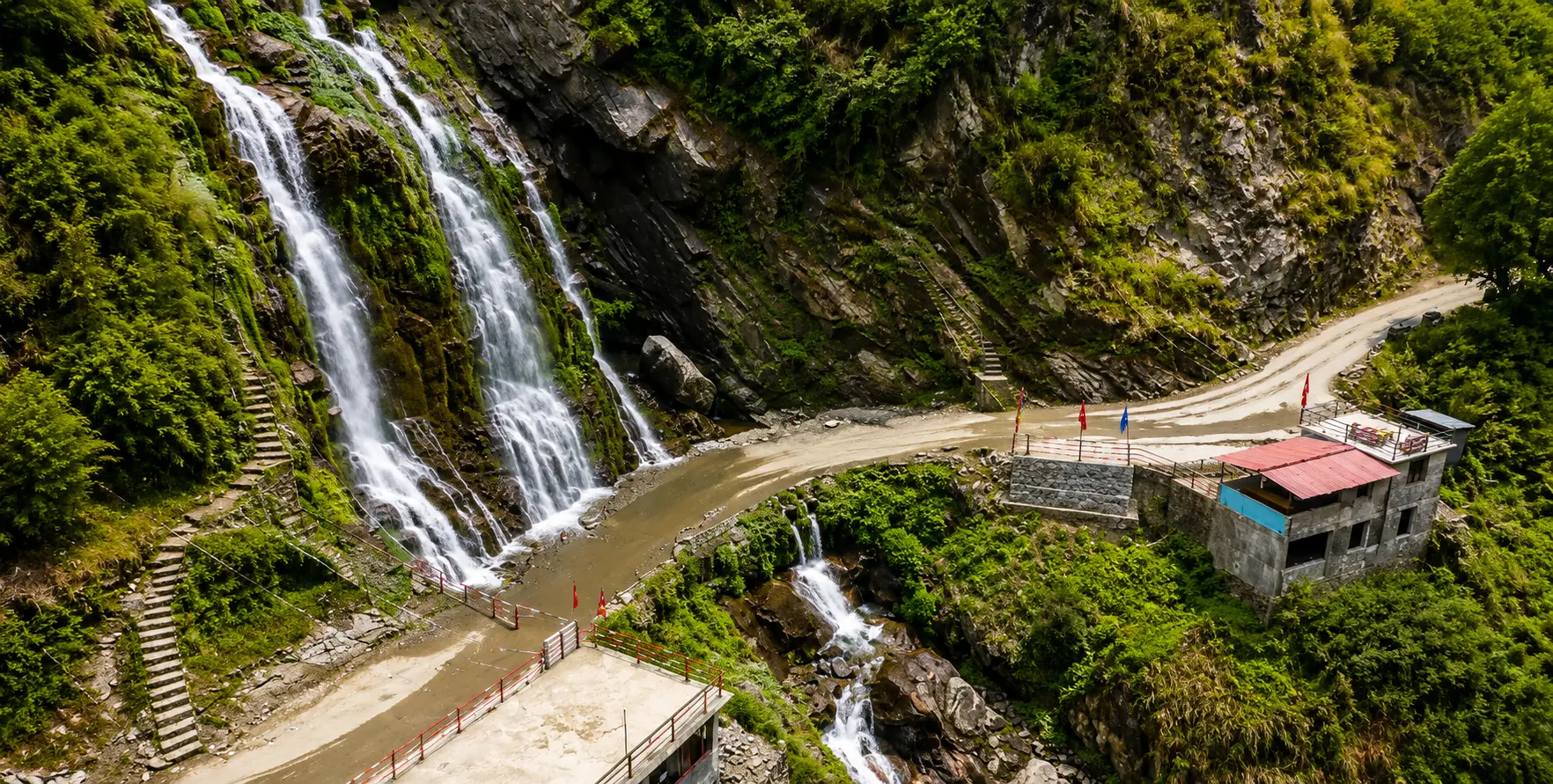
June to September is peak monsoon season and brings the most challenging Annapurna Circuit road conditions. Landslides at Kharkhare, Hawadanda, and Myagde Bhir have blocked sections for days or weeks (as seen in July 2026). The Department of Roads deploys hundreds of excavators, but repairs take time. We strongly recommend waiting for clearer weather or using flexible rebooking. The high trails above Manang remain more forgiving due to the rain shadow effect.
Best Seasons for Annapurna Circuit Road Conditions in 2026
Spring (March–May) and autumn (September–November) offer the clearest skies, driest roads, and most reliable Annapurna Circuit road conditions. Spring brings blooming rhododendrons and stable temperatures. Autumn provides crisp air, fewer crowds, and better views of the Annapurna massif. These are peak seasons when our fleet operates at maximum reliability.
How NATT Trails Solve the Road Conditions Issue on the Annapurna Circuit
ACAP’s NATT system provides marked alternatives that bypass much of the dusty jeep road. Key sections include:
- Tal to Dharapani alternative: Follows the east bank of the Marsyangdi River — quieter and more scenic.
- Chame to Upper Pisang: Take the ridge trail instead of the lower road.
- Upper Pisang to Ghyaru to Ngawal: The best high route — views of Annapurna II and III that jeeps never see.
Starting at Chame and trekking the NATT high route transforms any Annapurna Circuit jeep tours into a genuine road-free adventure while still using professional 4WD hire in Nepal for the lower sections.
Why Professional 4WD Hire in Nepal Is Essential for Annapurna Circuit Road Conditions
Without a proper 4WD hire in Nepal vehicle, many parts of the Annapurna Circuit cannot be accessed. Our vehicles feature locking differentials, reinforced chassis, and drivers who know exactly when to adjust speed or take safer routes. Recent monsoon disruptions (July 2026) showed why: only experienced operators with real-time updates can keep clients safe and informed.
Expert Tips for Safe Annapurna Circuit Road Conditions Travel
- Always travel with a licensed, experienced 4WD hire-in-Nepal driver.
- Carry extra water, snacks, and a first-aid kit.
- Choose vehicles with high ground clearance (200 mm+).
- Book 4–6 weeks in advance during peak season.
- Combine with luxury trekking packages from treknepalhimalayas.com for the best hybrid experience.
- Check daily road updates with us at +977 9851013196.
Does Road Construction ruin the Annapurna Circuit in 2026?
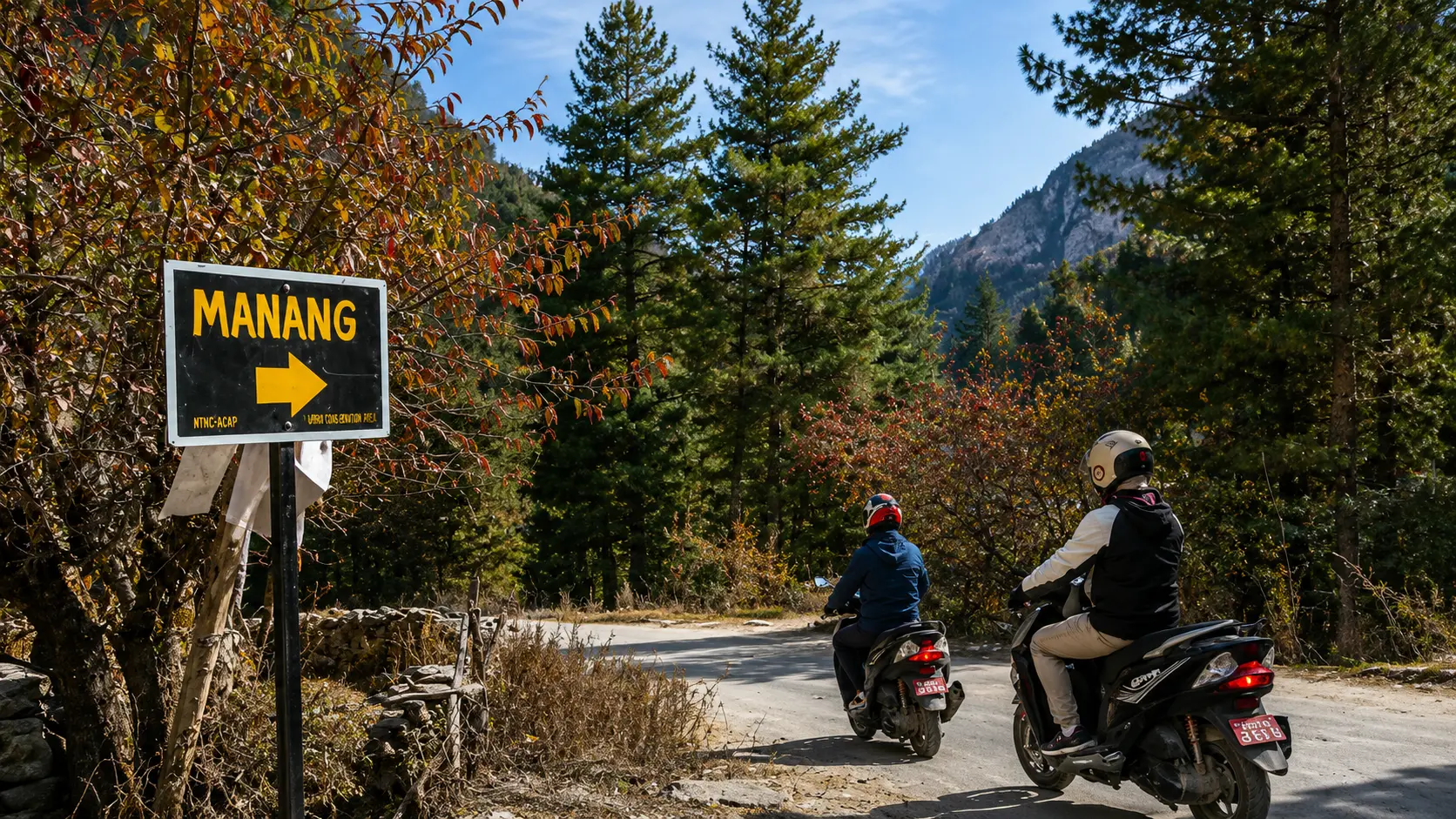
The honest answer is no — when planned smartly. The high sections from Manang over Thorong La remain spectacular and untouched. Many trekkers now start at Chame, trek the NATT high route, and exit by flight from Jomsom. This approach delivers the classic experience with modern convenience.
Deep Insights: Recent 2026 Road Disruptions and Recovery
In July 2026, landslides at Kharkhare and Hawadanda blocked the Besisahar–Chame road for three days, stranding vehicles and supplies. Repairs by the Dumre–Besisahar–Chame Road Project Office restored service quickly, but authorities note ongoing risks. Similar blockages occurred at Myagde Bhir in late July. Our 4WD hire in Nepal fleet and driver networks have consistently provided real-time updates, ensuring zero downtime for clients.
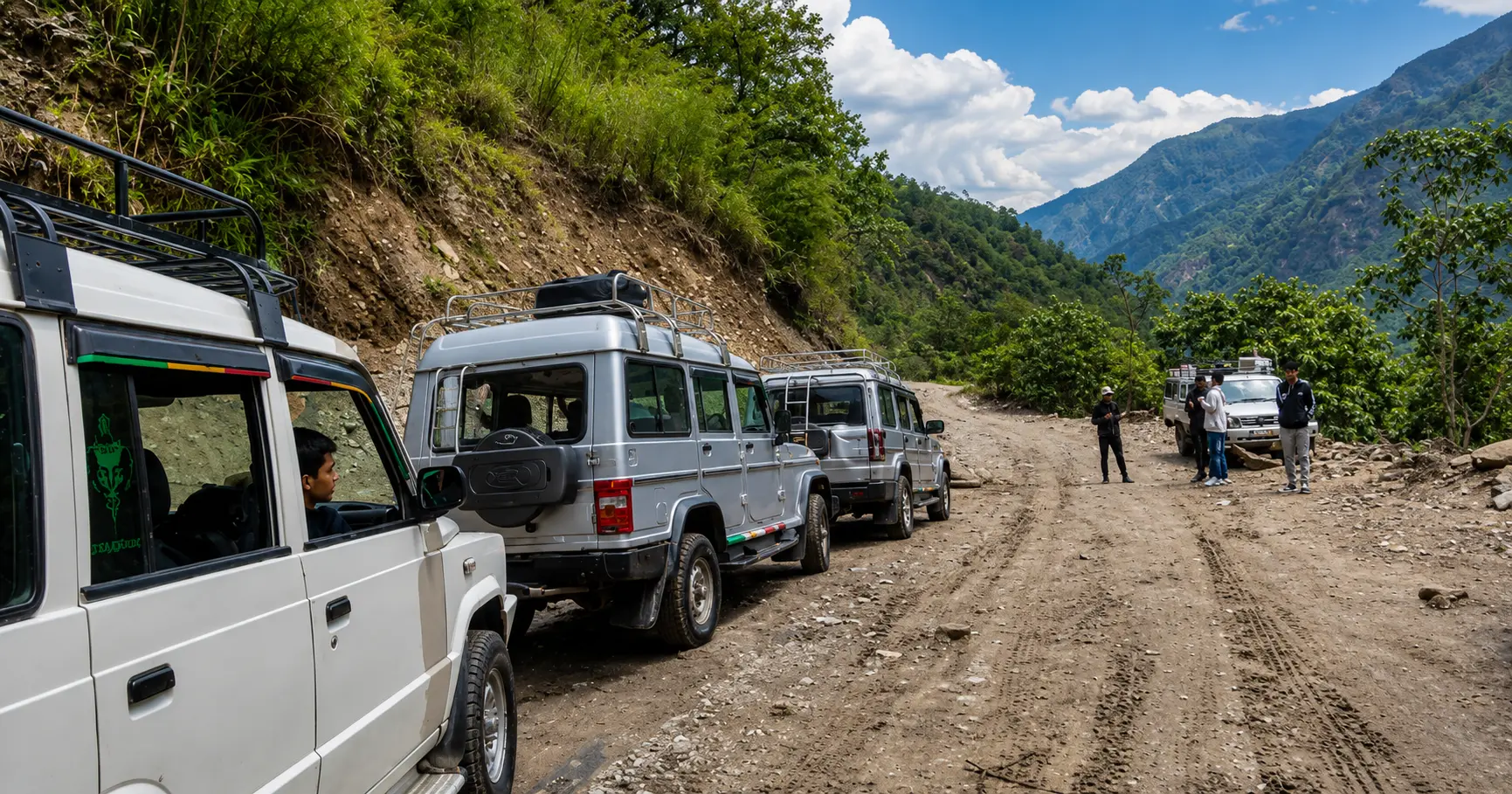
What to Expect During a Typical Annapurna Circuit Jeep Tour in 2026
A typical day follows a relaxed yet exciting rhythm. After a comfortable night in Kathmandu, you are picked up early and driven along the Prithvi Highway to Besisahar. From there, the journey becomes adventurous as you enter the Marsyangdi Valley. Expect stops at local viewpoints, quick village visits, and time to enjoy the scenery from the air-conditioned comfort of the vehicle.
By Manang, you will have covered hundreds of kilometers and gained appreciation for the scale of the Himalayas. The high trails ahead reward you with solitude and fresh air, while the descent offers dramatic scenery. Throughout, our drivers ensure safety, provide cultural insights, and keep the journey enjoyable.
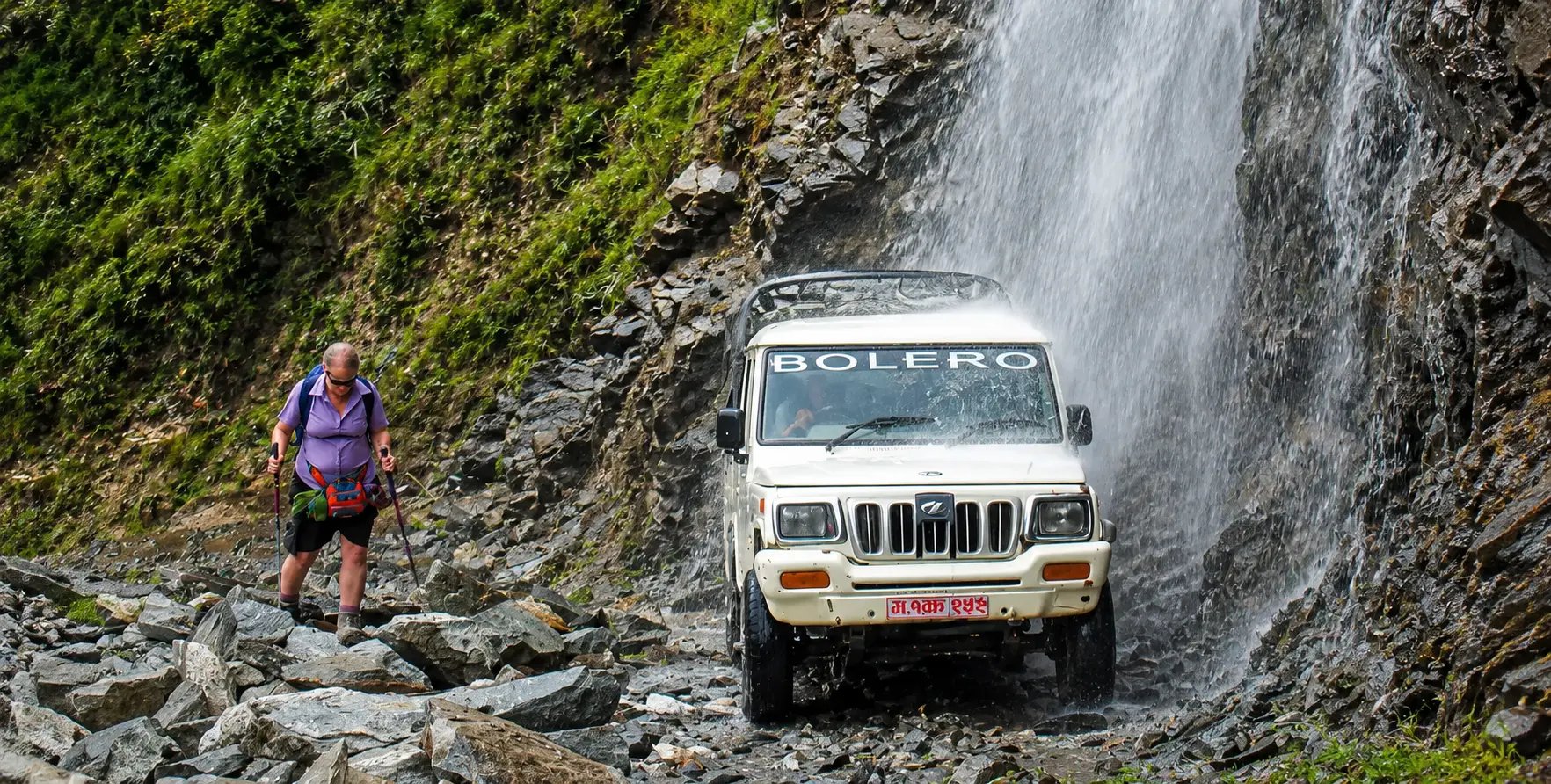
How Professional Drivers and Vehicles Overcome Annapurna Circuit Road Conditions
Our drivers have logged thousands of kilometers on these exact routes. They monitor weather via local stations, adjust speed on steep sections, and communicate with ACAP authorities. Every vehicle undergoes daily inspections. This combination of technology and experience turns potentially dangerous Annapurna Circuit road conditions into safe, luxurious journeys.
Frequently Asked Questions About Annapurna Circuit Road Conditions 2026
Are the roads safe for families on Annapurna Circuit jeep tours?
Yes — our Fortuner and Land Cruiser models are ideal with ample safety features and professional drivers.
Can I do Annapurna Circuit jeep tours during monsoon?
Only with extreme caution and updated road conditions. We recommend spring or autumn for the safest experience.
What is the best 4WD for Annapurna Circuit road conditions?
Toyota Land Cruiser with maximum ground clearance handles every challenge.
Do I need to walk on the jeep road?
Many travelers deliberately avoid the dusty lower sections by trekking from Chame upward or using NATT alternatives.
How do I get real-time Annapurna Circuit road updates?
Contact us via WhatsApp — our drivers share live GPS and weather reports daily.
Is night travel allowed on Besisahar–Chame?
Generally not recommended during monsoon; check with us for current restrictions.
Can I combine a jeep tour with trekking?
Yes! Many of our clients combine Annapurna Circuit jeep tours with short treks or book luxury trekking packages through treknepalhimalayas.com or alpineluxurytreks.com.
What about luggage?
Our vehicles are equipped with roof racks and extra boot space to accommodate all gear safely.
- Why Annapurna Circuit Road Conditions 2026 Are More Relevant Than Ever
- The Rapid Evolution of Annapurna Circuit Road Conditions Since 2012
- Current Kathmandu to Besisahar Road Conditions in 2026
- Besisahar to Chame: The Heart of Annapurna Circuit Jeep Routes in 2026
- Marsyangdi Gorge Road Conditions: Dramatic Cliff-Edge Challenges
- Chame to Manang Road Conditions: Improved but Still Rough in 2026
- Manang to Muktinath via Thorong La: The Unchanged High-Pass Section
- Western Descent: Muktinath to Tatopani and Pokhara Road Conditions
- Monsoon Season Road Conditions 2026: Highest Risk Period
- Best Seasons for Annapurna Circuit Road Conditions in 2026
- How NATT Trails Solve the Road Conditions Issue on the Annapurna Circuit
- Why Professional 4WD Hire in Nepal Is Essential for Annapurna Circuit Road Conditions
- Expert Tips for Safe Annapurna Circuit Road Conditions Travel
- Does Road Construction ruin the Annapurna Circuit in 2026?
- Deep Insights: Recent 2026 Road Disruptions and Recovery
- What to Expect During a Typical Annapurna Circuit Jeep Tour in 2026
- How Professional Drivers and Vehicles Overcome Annapurna Circuit Road Conditions
- Frequently Asked Questions About Annapurna Circuit Road Conditions 2026

Related Blog & Articles

4WD Himalayan Jeep in Nepal

4WD Vehicles in Nepal: The Ultimate Hire Guide 2026
ACAP Permit – The Annapurna Conservation Area Entry Pass: Complete Guide
Altitude and Health: Essential Muktinath Advice

Annapurna Circuit Jeep Tours Nepal