Plan a Trip


Nepal to All Border Vehicle Hire
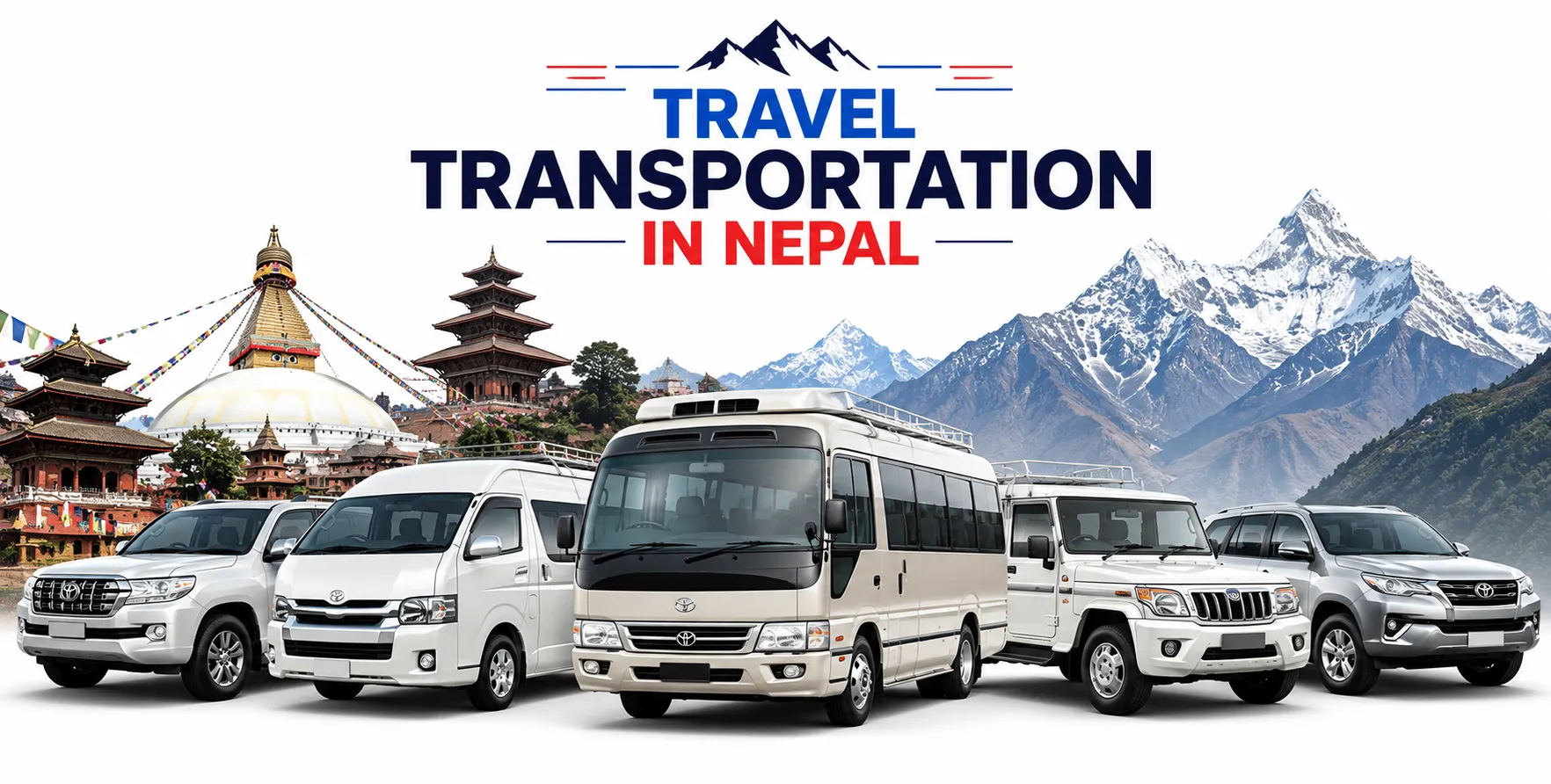
Nepal Border Vehicle Hire – Complete 2026 Cross-Border Transport Guide
Nepal shares land borders with two countries only — India to the south, east, and west, and the Tibet Autonomous Region of China to the north — and across this compact geography sits a network of official border crossing points that serve everyone from Indian pilgrims visiting Pashupatinath and Muktinath, to Nepali traders carrying goods to and from the Indian plains, to international travelers continuing overland journeys into India or up toward Tibet and mainland China. For anyone needing to reach one of these border points from Kathmandu, Pokhara, Chitwan, or anywhere else in Nepal, understanding the routes, road conditions, vehicle requirements, and current border regulations is essential.
This complete 2026 guide covers vehicle hire to every significant Nepal border crossing — the major India border towns of Sunauli/Belahiya (for Uttar Pradesh and the Buddhist circuit), Kakarvitta (for West Bengal, Darjeeling, and Sikkim), Birgunj/Raxaul (Nepal’s busiest cargo and passenger crossing, for Bihar and onward to Kolkata or Delhi), Nepalgunj/Jamunaha (for far-western Nepal and Lucknow), Bhairahawa (near Lumbini, serving the same crossing as Sunauli), and Kodari/Rasuwagadhi (for the Tibet/China border) — along with distances, travel times, vehicle recommendations, prices, and the practical realities of border crossing logistics.
Nepal’s International Borders
Total International Border Length: Approximately 1,850 km — 1,414 km with India, 439 km with China (Tibet Autonomous Region)
India Border Crossings (Open to Foreign Nationals): Sunauli/Belahiya, Kakarvitta, Birgunj/Raxaul, Nepalgunj/Jamunaha, Mahendranagar/Banbasa, Gaddachowki
China/Tibet Border Crossings: Kerung/Rasuwagadhi (currently the primary functioning crossing); Tatopani/Kodari (historically important, subject to periodic closure since the 2015 earthquake)
Visa Requirements: Indian nationals do not require a visa to enter Nepal (open border arrangement); most other foreign nationals require an Indian visa obtained in advance for India entry, and a Chinese visa obtained in advance for Tibet/China entry — neither is available at the border itself
Nepal’s open border arrangement with India — one of the most unusual and historically significant bilateral border arrangements in the world, formalized by the 1950 Treaty of Peace and Friendship — allows Indian and Nepali citizens to cross freely at any point along the border without passports or visas. For international travelers of other nationalities, however, all border crossings require standard passport and visa formalities, and it is essential to secure the necessary Indian or Chinese visa before arriving at the border, as visas are not issued on arrival at any Nepal land border crossing.
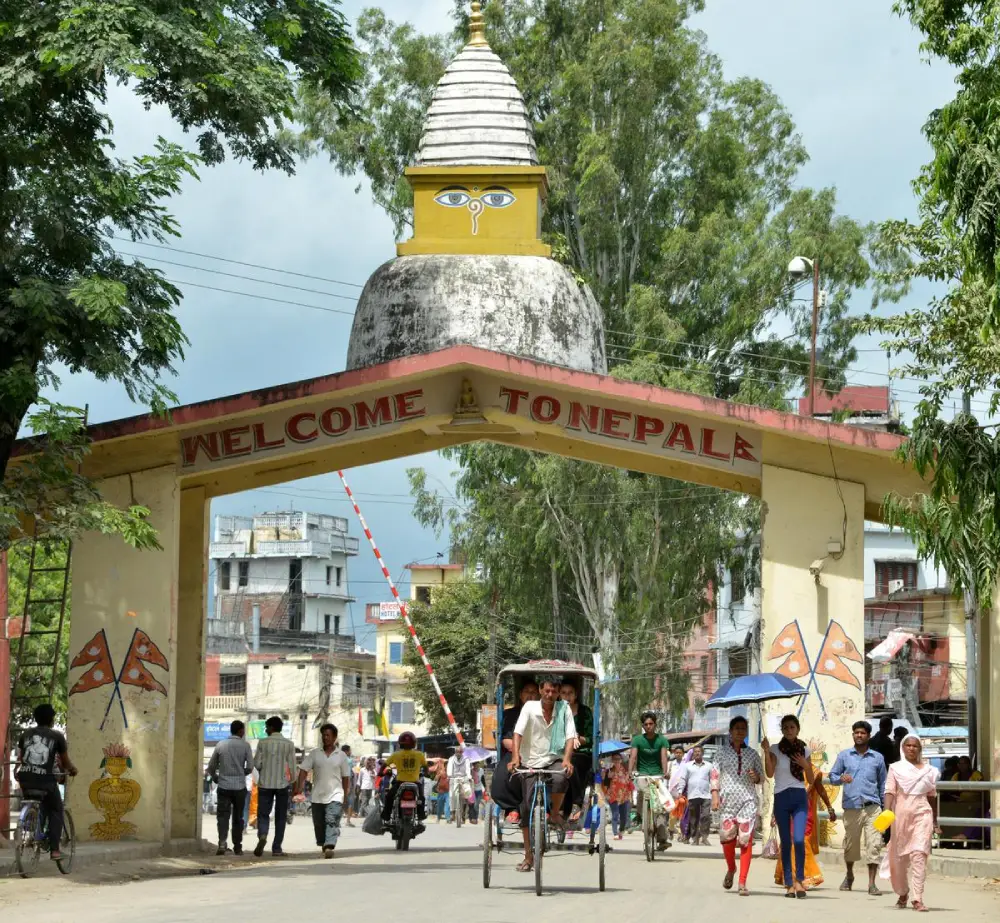
Sunauli / Belahiya — The Gateway to the Buddhist Circuit
Location: Belahiya, Rupandehi District, Nepal / Sunauli, Uttar Pradesh, India
Significance: Nepal’s most popular land border crossing for international tourists — the primary overland gateway to Varanasi, the Buddhist circuit (Kushinagar, Sravasti, Sarnath), and onward to Delhi or Kolkata
Distance from Kathmandu: Approximately 280–300 km
Distance from Pokhara: Approximately 200 km
Distance from Lumbini: Approximately 22 km — the closest border crossing to the Buddha’s birthplace
Nearest Airport: Gautam Buddha International Airport, Bhairahawa (22 km)
Sunauli is overwhelmingly the most-used land border crossing for foreign tourists entering or exiting Nepal, primarily because of its proximity to Lumbini and its position on the most direct overland route to Varanasi and the Buddhist pilgrimage circuit in Uttar Pradesh. Countless backpackers, Buddhist pilgrims, and overland travelers use this crossing every year. The border itself consists of adjacent immigration posts on each side with a short walk or vehicle transfer between them.
Kathmandu to Sunauli Vehicle Prices 2026: Sedan USD 90–130 | SUV USD 120–160 | Hiace USD 150–200 | Full-day journey 8–9 hours
Pokhara to Sunauli Vehicle Prices 2026: Sedan USD 70–100 | SUV USD 95–130 | Hiace USD 120–160 | Journey time 5–6 hours
Most travelers combine a Sunauli border crossing with a Lumbini visit — either stopping at Lumbini en route to the border, or making Lumbini the final Nepal destination before a short onward drive to Bhairahawa and the border itself. Vehicle Hiring Nepal frequently arranges combined Lumbini-plus-border-drop itineraries for travelers continuing into India.
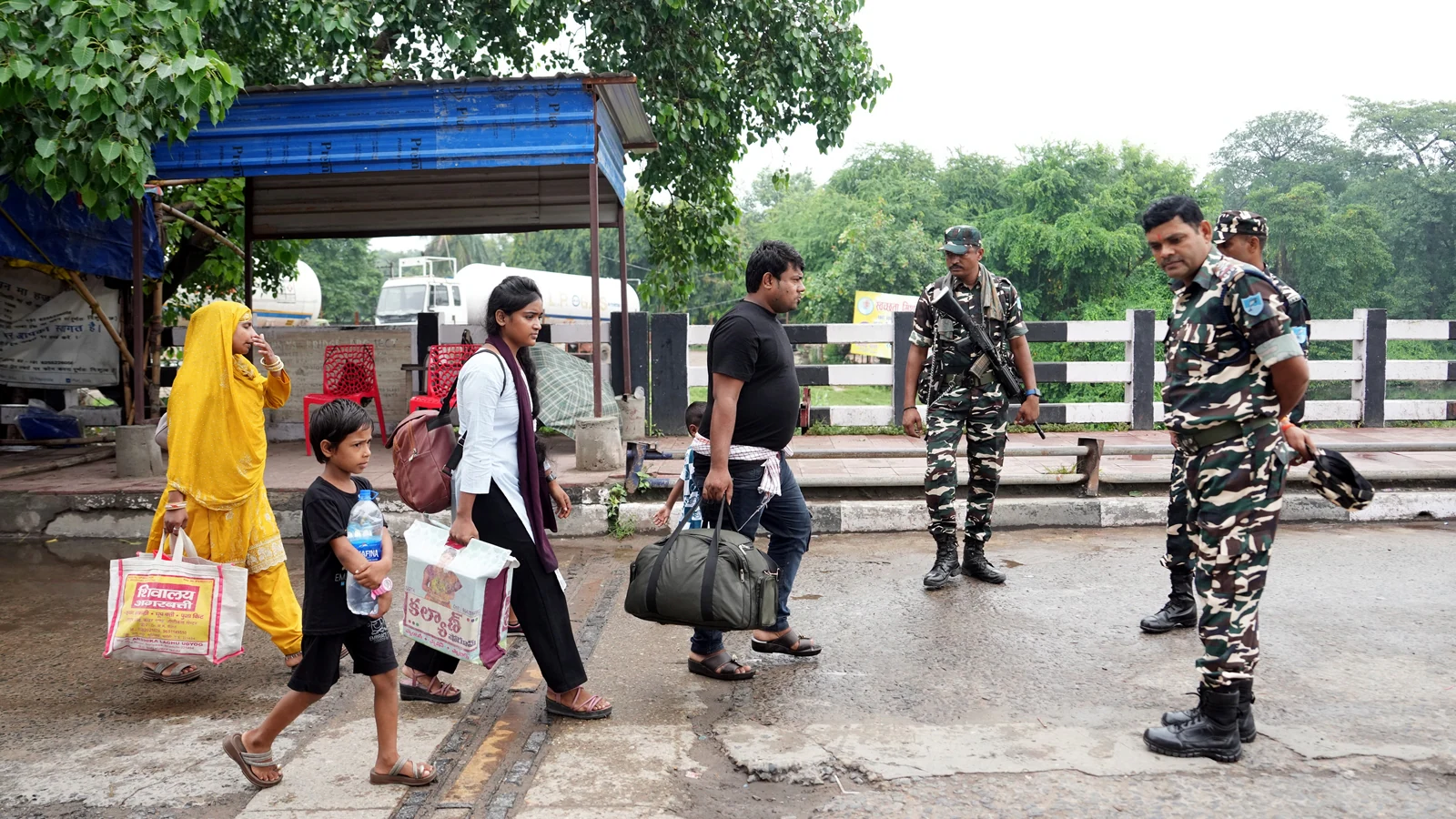
Birgunj / Raxaul — Nepal’s Busiest Border Crossing
Location: Birgunj, Parsa District, Nepal / Raxaul, Bihar, India
Significance: Nepal’s single busiest border crossing by cargo and passenger volume — the primary artery for goods trade between Nepal and India, and a key crossing for travelers heading to Patna, Kolkata, or onward to Delhi by rail
Distance from Kathmandu: Approximately 135–145 km
Nearest Major Nepal City: Birgunj itself is a substantial industrial and commercial city
Birgunj-Raxaul is less used by international tourists than Sunauli but is critically important as Nepal’s primary commercial border crossing — a large percentage of Nepal’s imported goods (fuel, consumer products, construction materials) pass through this crossing from Kolkata port via Raxaul. For travelers, Birgunj is the most direct route if heading to Patna (Bihar’s capital) and onward by rail to Kolkata or Delhi. The crossing has excellent onward rail connectivity from Raxaul railway station.
Kathmandu to Birgunj Vehicle Prices 2026: Sedan USD 70–100 | SUV USD 90–125 | Hiace USD 110–150 | Journey time 5–6 hours
The Kathmandu to Birgunj road runs via the Tribhuvan Highway through Hetauda. This well-paved, well-maintained route is one of the more comfortable border approach drives in Nepal, without the gorge or mountain sections that complicate other routes.
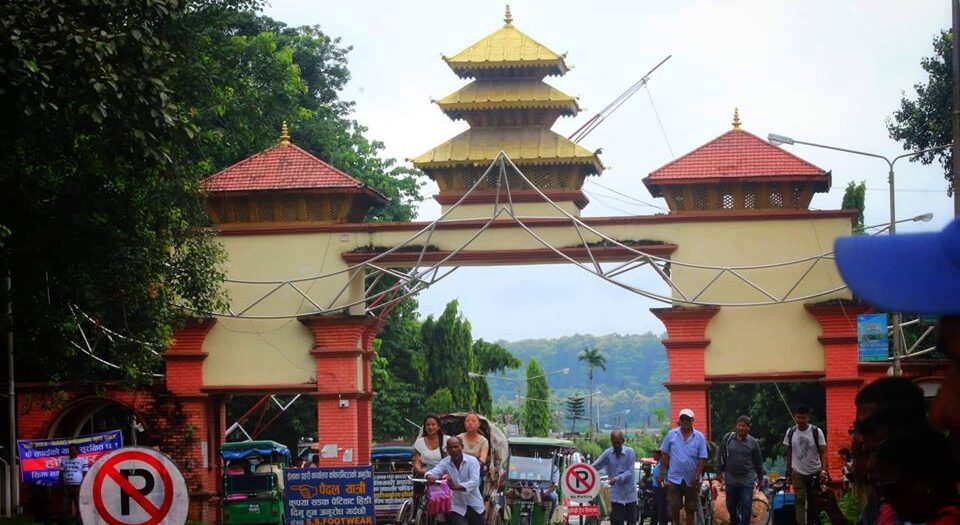
Kakarvitta — Gateway to Darjeeling and Sikkim
Location: Kakarvitta, Jhapa District, Nepal / Panitanki, West Bengal, India
Significance: The primary border crossing for eastern Nepal, providing direct overland access to Darjeeling, Siliguri, Sikkim, and the northeastern Indian states
Distance from Kathmandu: Approximately 580–610 km
Distance from Ilam: Approximately 50 km — Kakarvitta is the natural continuation point for travelers who have visited Nepal’s eastern tea garden region.
Kakarvitta is the essential crossing for anyone combining a Nepal trip with a visit to Darjeeling, Sikkim, or India’s northeastern states — a popular combined itinerary given the cultural and geographic continuity between eastern Nepal’s hill country and neighboring Darjeeling’s own tea-growing Himalayan foothills. Many travelers who have explored Ilam and the eastern Nepal tea gardens continue naturally to Kakarvitta for onward travel into India’s equally famous Darjeeling tea district just across the border.
Kathmandu to Kakarvitta Vehicle Prices 2026: Sedan USD 220–280 | SUV USD 260–330 | Scorpio USD 240–300 | Hiace USD 280–360 | Journey 12–14 hours (2-day recommended)
Birtamod/Ilam to Kakarvitta: Approximately 25 km, 30–45 minutes — a simple short extension for those already in eastern Nepal
Given the substantial distance from Kathmandu, most travelers heading to Kakarvitta either fly to Bhadrapur (the nearest airport, approximately 20 km from the border) or combine the border crossing with an eastern Nepal tour of Ilam and the tea gardens rather than making a dedicated one-way drive from Kathmandu.
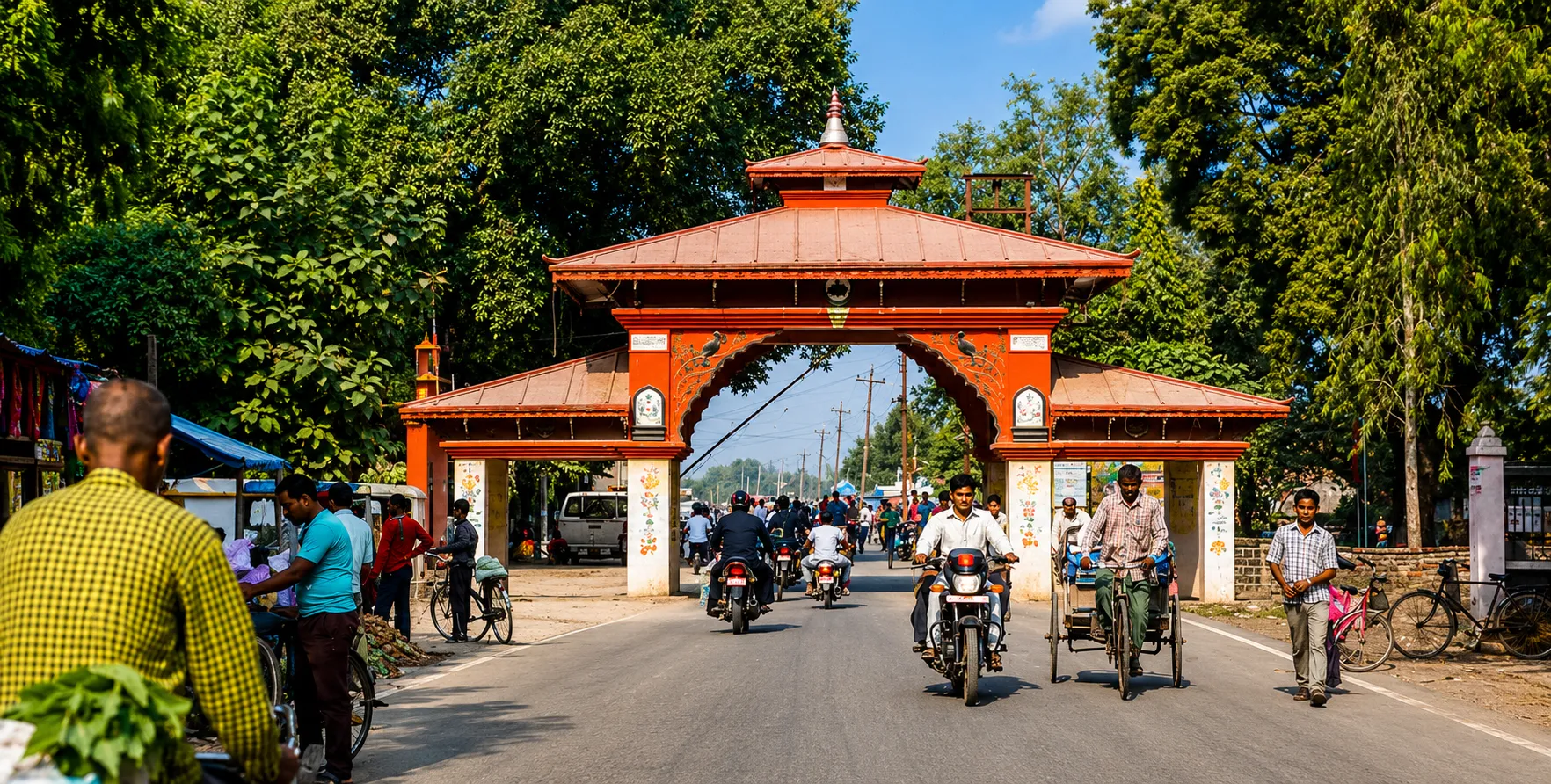
Nepalgunj / Jamunaha — Gateway to Far-Western Nepal and Lucknow
Location: Nepalgunj, Banke District, Nepal / Jamunaha, Uttar Pradesh, India
Significance: The main border crossing for far-western and mid-western Nepal, and a key route toward Lucknow and central Uttar Pradesh
Distance from Kathmandu: Approximately 530 km by road (most travelers fly to Nepalgunj rather than drive this distance)
Nearest Attraction: Bardia National Park, approximately 90 km — Nepal’s premier wildlife destination in the far west
Nepalgunj is less relevant for typical Kathmandu-based tourist itineraries but is important for travelers combining a Bardia National Park safari with onward travel into India, or for those specifically visiting far-western Nepal. Most international travelers reach Nepalgunj by domestic flight from Kathmandu (approximately 1 hour) rather than the long road journey, then arrange local vehicle hire for the short remaining distance to the border or to Bardia.
Nepalgunj to Jamunaha Border: Approximately 8 km, 15–20 minutes by local vehicle
Nepalgunj to Bardia National Park: Approximately 90 km, 2–2.5 hours by SUV or Hiace
Other India Border Crossings
Mahendranagar / Banbasa (Gaddachowki)
Located in the extreme far-western corner of Nepal in Kanchanpur District, this crossing connects to Banbasa in Uttarakhand, India. It serves travelers heading toward Delhi via the western route or visiting Shuklaphanta National Park. International tourists rarely use it given its remoteness from Kathmandu (approximately 600+ km), but it is significant for regional trade and travelers based in far-western Nepal.
Kodari / Tatopani (Historical Tibet Crossing)
The traditional Kathmandu-to-Tibet overland route via Kodari (Nepal side) and Zhangmu (Tibet side) was historically Nepal’s primary crossing to China but has been subject to periodic closure since the 2015 Gorkha earthquake caused significant damage to this section of the Araniko Highway and the Friendship Bridge. As of 2026, this crossing’s operational status should always be confirmed directly before planning any journey — it has alternated between closed and limited-operation status for cargo and diplomatic traffic in recent years.
Kerung / Rasuwagadhi — The Active Tibet/China Border Crossing
Location: Rasuwagadhi, Rasuwa District, Nepal / Kerung (Gyirong), Tibet Autonomous Region, China
Significance: Currently the primary functioning Nepal-China land border crossing, used for cargo, official travel, and — subject to current Chinese government policy — organized tourist groups traveling to Tibet
Distance from Kathmandu: Approximately 170–180 km
Road Condition: Paved to Syabrubesi, then improving mountain road to the border; 4WD recommended for the final section
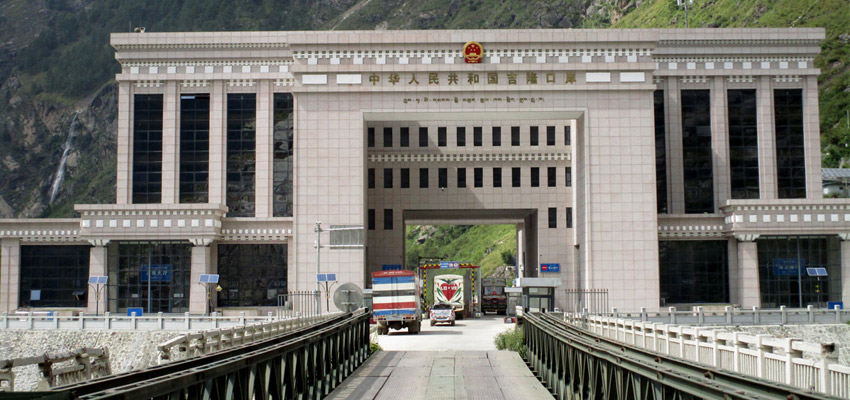
The Kerung/Rasuwagadhi crossing has become the primary functioning Nepal-Tibet border point since the Kodari route’s earthquake-related disruptions. Chinese authorities tightly control access to Tibet through this crossing for foreign tourists. It requires a Tibet Travel Permit arranged in advance through a licensed agency, in addition to a Chinese visa — independent travel across this border is not permitted for foreign nationals. All Tibet-bound travel must be part of an organized, licensed tour group arrangement. Regulations affecting this crossing change periodically; always verify current requirements directly with a licensed Tibet tour operator before planning any journey.
Kathmandu to Rasuwagadhi Vehicle Prices 2026: Scorpio/Land Cruiser USD 150–200 | SUV USD 130–175 | Journey time 5–7 hours
Complete Price Comparison Table — All Border Crossings 2026
| Border Crossing | Country | Distance from KTM | Vehicle | Price (USD) | Journey Time |
| Sunauli/Belahiya | India | 280–300 km | Sedan/SUV/Hiace | USD 90–200 | 8–9 hrs |
| Birgunj/Raxaul | India | 135–145 km | Sedan/SUV/Hiace | USD 70–150 | 5–6 hrs |
| Kakarvitta | India | 580–610 km | Sedan/Scorpio/Hiace | USD 220–360 | 12–14 hrs (2 days) |
| Nepalgunj/Jamunaha | India | 530 km (fly recommended) | N/A – fly + local | USD 80–140 (flight) + local | 1 hr flight + short drive |
| Mahendranagar/Banbasa | India | 600+ km | SUV/Hiace | USD 250–320 | 13–15 hrs (2 days) |
| Rasuwagadhi/Kerung | China/Tibet | 170–180 km | Scorpio/Land Cruiser | USD 130–200 | 5–7 hrs |
| Kodari/Tatopani | China/Tibet | 115 km (status varies) | N/A – confirm current status | Confirm before booking | Confirm before booking |
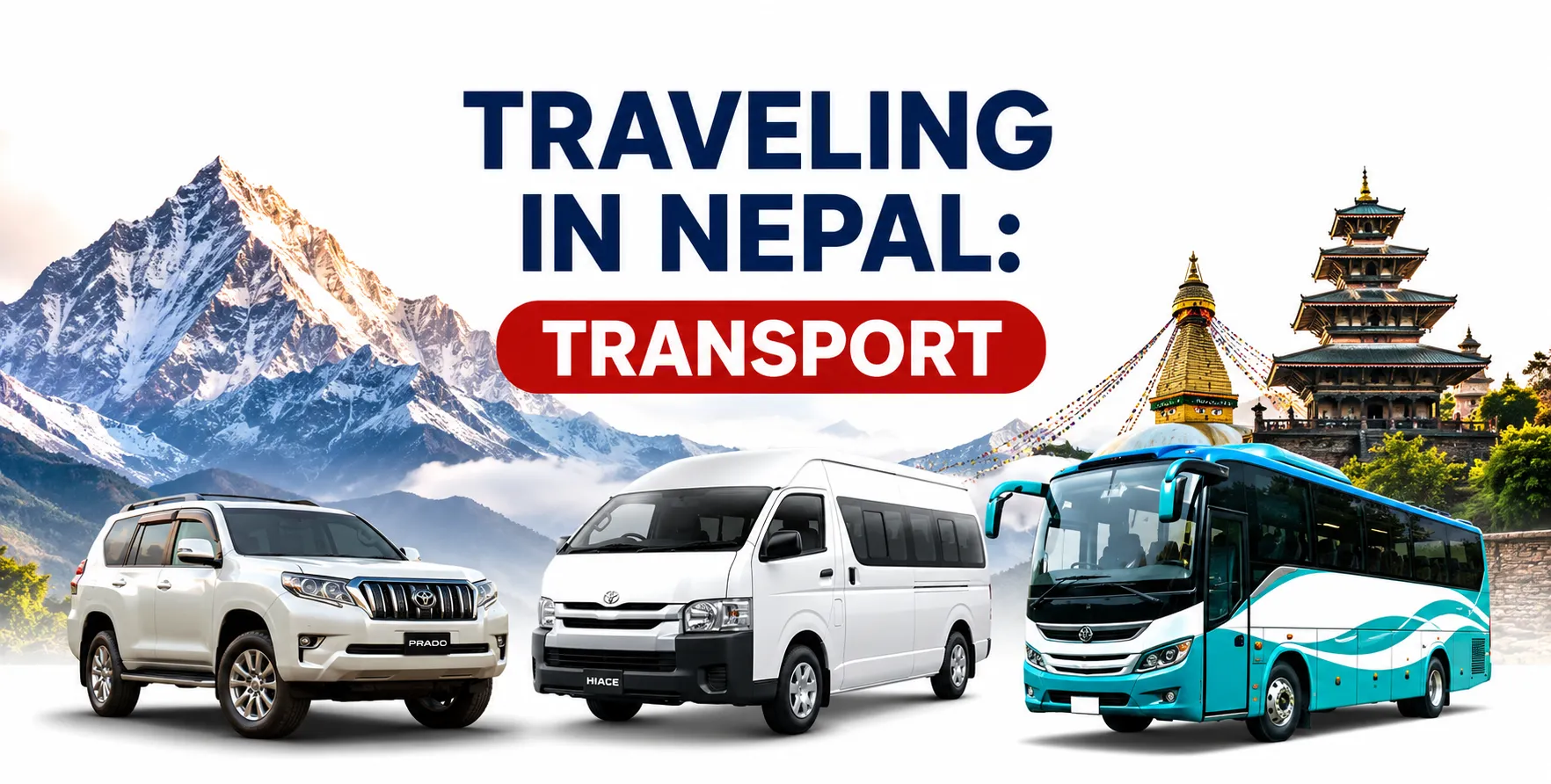
Vehicle Recommendations by Border Route
Because Nepal’s border approach roads vary enormously in terrain — from the flat, fully paved Terai highway to Birgunj and Sunauli, to the winding hill roads toward Kakarvitta, to the mountain approach toward Rasuwagadhi — the appropriate vehicle differs meaningfully by route:
- Sunauli, Birgunj, Nepalgunj (Terai routes): Any standard vehicle — sedan, SUV, or Hiace — is fully suitable. These routes are entirely paved highway with no mountain sections.
- Kakarvitta: A comfortable SUV, Scorpio, or Hiace is recommended given the long distance (requiring an overnight stop) and the eastern hill road sections near Ilam if combining with a tea garden visit
- Rasuwagadhi (Tibet border): 4WD recommended — Scorpio or Land Cruiser — given the mountain road conditions beyond Syabrubesi
- Mahendranagar/Banbasa: Given the substantial distance, an SUV or Hiace with an overnight stop en route is the practical choice
Border Crossing Logistics and Practical Requirements
Documentation
- Valid passport with at least 6 months validity remaining
- Valid visa for the destination country (India visa or China/Tibet visa) — obtained in advance; not available at the border
- Nepal visa exit stamp — ensure your Nepal visa has not expired before crossing
- For Indian nationals: no visa required for Nepal entry or exit under the open border arrangement, but carrying a valid photo ID (passport, voter ID, or equivalent) is recommended and sometimes requested
- For Tibet/China: Tibet Travel Permit arranged through a licensed agency, Chinese visa, and group tour documentation — independent crossing is not permitted
Vehicle and Driver Logistics at the Border
Vehicle Hiring: Nepal drivers take you to the Nepal-side border post and assist with parking, luggage handling, and orientation, but do not cross into India or China themselves — Nepal-registered vehicles require separate permits to cross international borders, and this is not part of standard vehicle hire service. At the border, you will typically walk or take a short local transfer across the crossing point itself, then arrange separate onward transport on the other side (Indian taxi, Nepali return vehicle, or your own pre-arranged onward transport).
For travelers requiring vehicle service on both sides of the border (for example, a combined Nepal-India tour), this can be arranged through coordination between Vehicle Hiring Nepal and an Indian-side transport partner — contact us in advance to arrange this type of combined cross-border logistics.
Border Operating Hours
Most Nepal-India border crossings operate extended hours (typically 6:00 AM to 10:00 PM or similar, varying by crossing) given the high volume of daily cross-border movement. The Rasuwagadhi crossing to Tibet has more restricted hours and is subject to Chinese-side operational schedules — always confirm current hours with your Tibet tour operator.
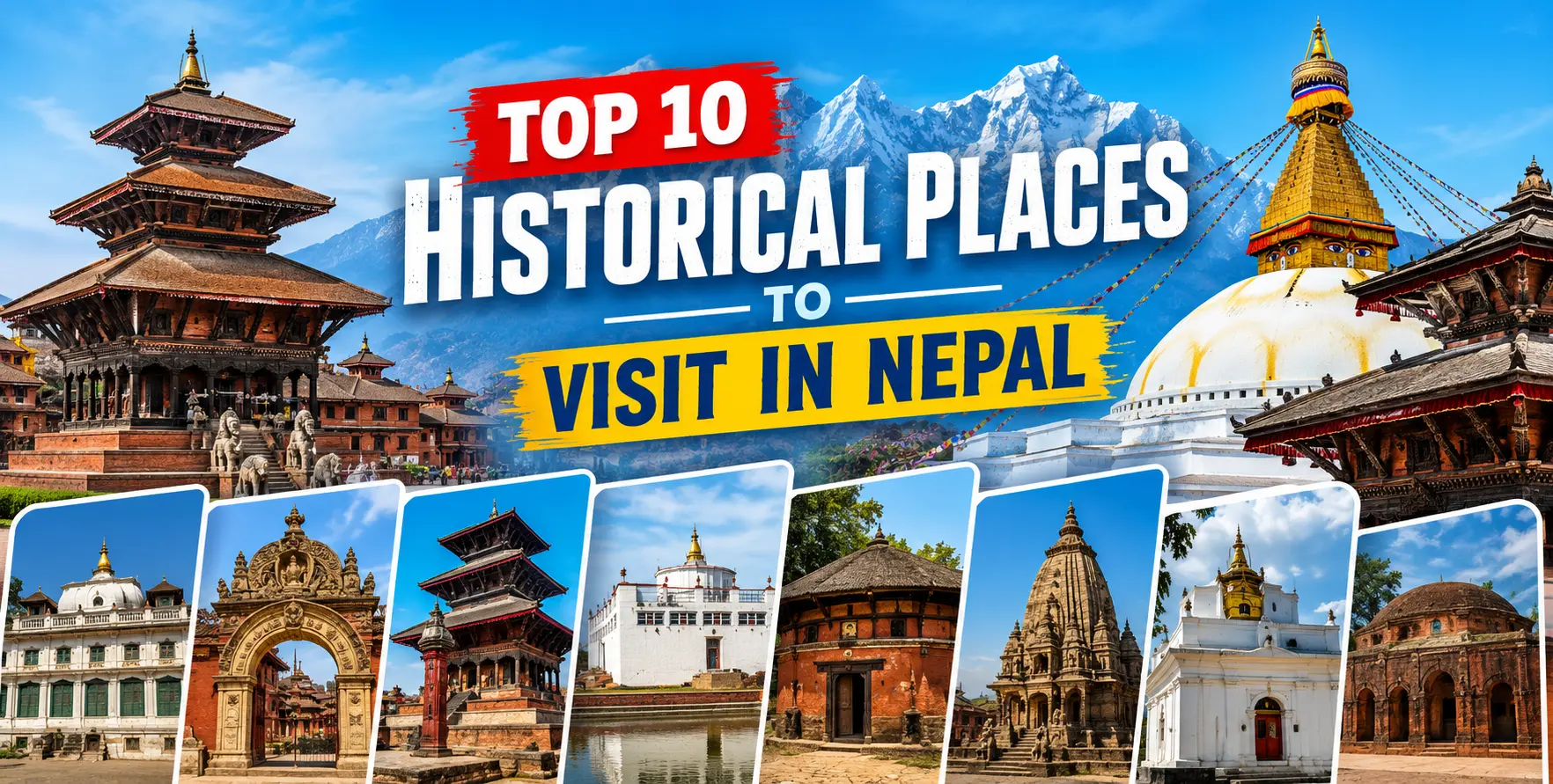
Combining Border Crossings with Nepal Sightseeing
Kathmandu — Lumbini — Sunauli Border (India)
The most popular combined itinerary: explore Kathmandu Valley, drive to Lumbini for the Buddha’s birthplace pilgrimage, then continue the short additional distance to the Sunauli border for onward travel to Varanasi, Kushinagar, and the Buddhist circuit in India. This is a natural, well-traveled combined route requiring no backtracking.
Kathmandu — Chitwan — Birgunj Border (India)
For travelers wanting a wildlife safari before crossing into India via the busiest commercial crossing, Chitwan National Park sits conveniently between Kathmandu and Birgunj, allowing a jungle safari stop before the final short drive to the border and onward rail connections from Raxaul.
Kathmandu — Ilam — Kakarvitta Border (India, for Darjeeling/Sikkim)
For travelers combining Nepal’s eastern tea gardens with India’s equally famous Darjeeling tea district, the natural route is Kathmandu to Dharan/Birtamod, then Ilam for the tea garden experience, before the short final drive to Kakarvitta and across into West Bengal.
Kathmandu — Langtang/Syabrubesi — Rasuwagadhi Border (Tibet)
For organized Tibet tour groups, the drive from Kathmandu through the Langtang valley approach road to Syabrubesi and onward to the Rasuwagadhi border combines a scenic mountain drive with the international border crossing. Though, as noted, this crossing requires full Tibet tour group arrangements through a licensed agency.
What is Included in Your Border Crossing Vehicle Hire
- Your chosen vehicle (sedan, SUV, Scorpio, Land Cruiser, or Hiace) — fully maintained and insured
- Experienced driver familiar with the specific border route
- Full fuel cost for the journey to the border
- Vehicle insurance throughout the Nepal-side journey
- Pickup from your Kathmandu, Pokhara, or other Nepal hotel
- Drop-off at the Nepal-side border post with assistance for luggage and orientation
- Overnight accommodation coordination for multi-day border journeys (Kakarvitta, Mahendranagar)
- 24/7 WhatsApp support throughout your journey
Not included: Onward transport on the Indian or Chinese side of the border, Indian or Chinese visa fees, Tibet Travel Permit and tour costs, personal meals, and accommodation.
How to Book Your Nepal Border Crossing Vehicle
- Contact Vehicle Hiring Nepal via WhatsApp at +977 9851013196 or visit vehiclehiringnepal.com
- Specify which border crossing you need — Sunauli, Birgunj, Kakarvitta, Nepalgunj, Mahendranagar, or Rasuwagadhi.
- Confirm your travel date and group size.e
- Mention any combined sightseeing stops — Lumbini, Chitwan, Ilam, or Langtang.ng
- For Tibet border crossings, confirm your Tibet tour arrangement and permit status.
- Receive booking confirmation with driver details, vehicle information, and journey pla.n
Frequently Asked Questions
Which Nepal border crossing is best for reaching Varanasi, India?
Sunauli/Belahiya is the standard crossing for travelers heading to Varanasi and the Buddhist circuit in Uttar Pradesh. It is also the closest border crossing to Lumbini, making it easy to combine a visit to the Buddha’s birthplace with the crossing. From Sunauli, Varanasi is approximately 4 to 5 hours by road on the Indian side.
Do I need a visa to cross from Nepal into India?
Indian nationals do not need a visa to enter or exit Nepal, and Nepali nationals do not need a visa to enter or exit India, under the countries’ open border arrangement. All other foreign nationals require a valid Indian visa, obtained in advance through an Indian embassy or consulate — visas are not issued at the land border crossing itself. Ensure your Indian visa is arranged before traveling to any Nepal-India border point.
Can I drive my Nepal-hired vehicle across the border into India or Tibet?
No. Nepal-registered vehicles require separate cross-border permits to enter India or China, and standard Nepal vehicle hire does not include this service. Vehicle Hiring Nepal takes you to the Nepal-side border post; onward transport on the Indian or Chinese side must be arranged separately, either through local transport at the border or through advance coordination with an Indian or Chinese-side transport partner.
Is the Kathmandu to Tibet border crossing currently open?
The Rasuwagadhi/Kerung crossing is the currently functioning Nepal-China border point for organized tourist travel to Tibet, subject to Chinese government policy on foreign tourist access, which can change. The historical Kodari/Tatopani crossing has experienced periodic closures since the 2015 earthquake. Always confirm current crossing status and requirements directly with a licensed Tibet tour operator before planning any journey to either crossing, as regulations and operational status change without extensive advance notice.
How long does it take to drive from Kathmandu to the Kakarvitta border?
Kathmandu to Kakarvitta is approximately 580 to 610 km and takes 12 to 14 hours of driving, which should always be split over 2 days with an overnight stop in Dharan or Birtamod. Most travelers combine this journey with a visit to the Ilam tea gardens, making a 3 to 4-day itinerary from Kathmandu to the border via Ilam more practical than a direct one-way drive.
Final Thoughts
Nepal’s position between two of the world’s most significant countries — India to the south and China to the north — makes it a natural overland travel hub for a huge range of cross-border journeys, from short pilgrimage crossings at Sunauli to long combined tea-garden-and-border trips toward Kakarvitta and Darjeeling, to the tightly regulated but spectacular overland route toward Tibet through Rasuwagadhi. Whatever your border crossing needs, reliable vehicle transport on the Nepal side is the essential first step of the journey.
Vehicle Hiring Nepal provides experienced drivers and appropriate vehicles for every Nepal border route, with the route knowledge, timing understanding, and logistical support to get you to your crossing point smoothly and on schedule. Book your Nepal border crossing vehicle today.
WhatsApp: +977 9851013196 | Website: www.vehiclehiringnepal.com | Email: [email protected]
- Nepal Border Vehicle Hire – Complete 2026 Cross-Border Transport Guide
- Nepal's International Borders
- Sunauli / Belahiya — The Gateway to the Buddhist Circuit
- Birgunj / Raxaul — Nepal's Busiest Border Crossing
- Kakarvitta — Gateway to Darjeeling and Sikkim
- Nepalgunj / Jamunaha — Gateway to Far-Western Nepal and Lucknow
- Other India Border Crossings
- Kerung / Rasuwagadhi — The Active Tibet/China Border Crossing
- Complete Price Comparison Table — All Border Crossings 2026
- Vehicle Recommendations by Border Route
- Border Crossing Logistics and Practical Requirements
- Combining Border Crossings with Nepal Sightseeing
- What is Included in Your Border Crossing Vehicle Hire
- How to Book Your Nepal Border Crossing Vehicle
- Frequently Asked Questions
- Final Thoughts

Related Blog & Articles
Kathmandu to Kakarbhitta Border Transport
Lumbini to Sunauli Border Vehicle Service
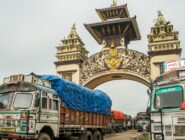
Chitwan to Birgunj Border Transport – Complete Private Vehicle Hire Guide

Rasuwagadhi Kerung Jeep Transfer for Kailash Yatra