Plan a Trip


Bhairahawa to Kathmandu Private Car
Bhairahawa to Kathmandu Private Car
For travellers crossing into Nepal at the Sunauli border, especially the many Indian visitors who cross visa-free, a private car from Bhairahawa to Kathmandu is the most direct, comfortable way to reach the capital without navigating shared buses, transfers, or unpredictable schedules. This guide covers the real distance, route, cost, and every practical detail of this roughly 250- 300-kilometre journey across Nepal’s southern plains and central hills.
Whether you arrive fresh across the border at Sunauli, fly into Bhairahawa’s Gautam Buddha International Airport, or start your Nepal trip with a stop in nearby Lumbini, this guide covers everything you need to plan a smooth private car journey to Kathmandu.
Why Choose a Private Car for This Route
- Door-to-door convenience. A private car picks you up directly at the Sunauli border or your Bhairahawa hotel. It drops you exactly where you need to be in Kathmandu — no bus park transfers or luggage handling between vehicles.
- Fixed, upfront pricing. No negotiating with border-area drivers or worrying about a fare that changes mid-journey.
- Flexible stops. Add a Lumbini visit, a rest break in Butwal or Narayanghat, or photo stops along the way without being tied to a bus schedule.
- Comfort after a long journey. Many travellers reaching Sunauli have already travelled a considerable distance within India; a private car offers a comfortable final leg rather than a crowded shared vehicle.
Our car hire in Nepal service covers this route as part of our broader fleet, alongside dedicated services for nearby destinations covered throughout this guide.
Beyond the practical advantages, a private car also removes a genuine source of stress for first-time visitors to Nepal: navigating an unfamiliar bus park, confirming you’ve boarded the correct vehicle, and managing luggage through crowded transfer points after an already long journey across the border. For travellers arriving tired from an international flight into India, then taking ground transport to Sunauli, this simplicity is worth more than the cost difference compared to shared transport.
Sunauli: Nepal’s Busiest Southern Gateway
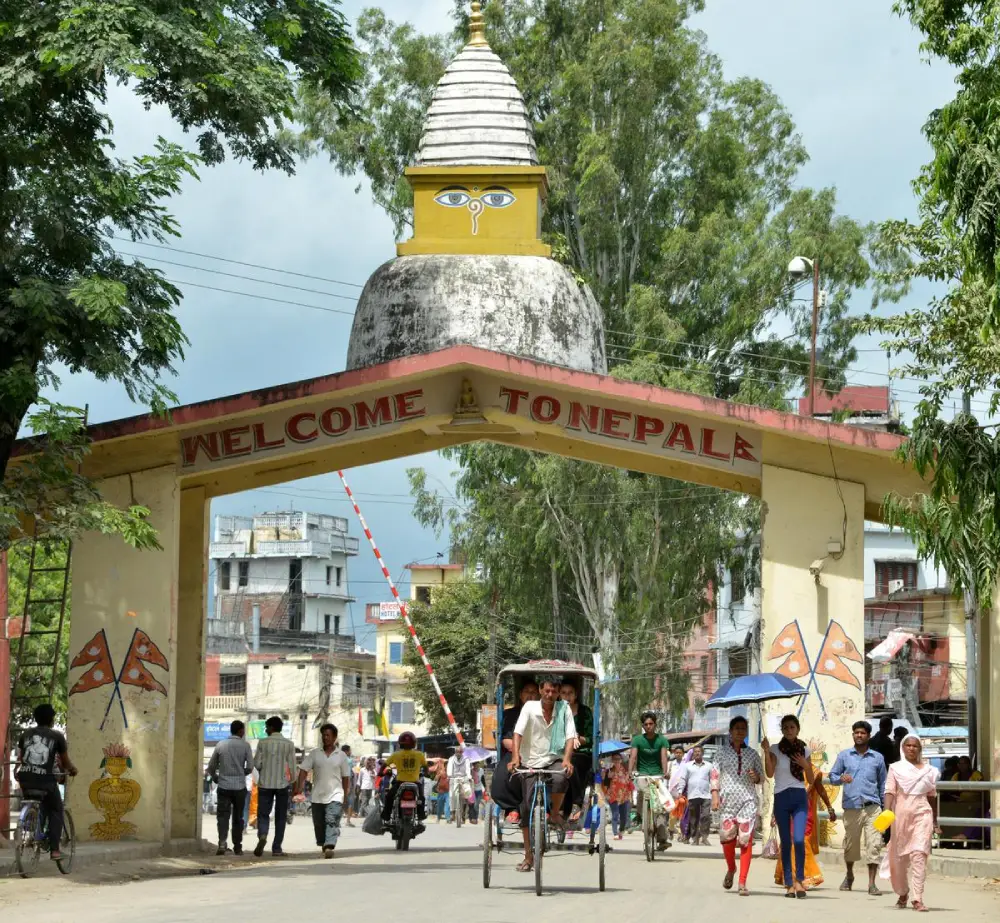
The Sunauli-Bhairahawa crossing is one of several official border points between Nepal and India. Still, it holds particular significance for travellers heading to Lumbini and the country’s central and western regions. Unlike Nepal’s eastern crossing at Kakarvitta, which primarily serves travellers heading to Kathmandu via the eastern Terai, Sunauli’s position makes it a natural gateway for pilgrims heading to Buddha’s birthplace and travellers continuing to Pokhara, Chitwan, or Kathmandu via the central route.
The crossing sees a substantial daily flow of Indian and Nepali nationals, along with a growing number of international travellers who route through India before entering Nepal overland rather than flying directly into Kathmandu. This steady traffic has helped develop reasonably good infrastructure on both sides—functioning currency exchange, food stalls, and a range of transport options on the Nepali side for onward travel.
Understanding Bhairahawa and the Sunauli Border
Bhairahawa, also known as Siddharthanagar, sits in Rupandehi District in Nepal’s Lumbini Province, roughly 4 kilometres from the Sunauli border crossing with India. It’s one of Nepal’s fastest-growing border cities, home to the Gautam Buddha International Airport, ATMs, fuel stations, and a growing range of hotels—making it a practical staging point for travellers crossing later in the day who prefer an overnight stop before continuing to Kathmandu.
The Sunauli border crossing operates 24 hours a day and is widely regarded as the most accessible international border crossing in South Asia for Indian travellers. Indian nationals do not require a visa to enter Nepal. They can cross using a valid Voter ID card or passport, without the visa application process that complicates travel at other international borders. Immigration formalities on the Nepali side typically take 30 to 60 minutes and involve standard document verification and registration.
Bhairahawa’s growth in recent years has been driven largely by its dual role as a border trade hub and an increasingly important gateway for religious tourism, given its proximity to Lumbini. The city’s infrastructure has developed accordingly, with a wider range of accommodations, dining, and transport services available today than a decade ago, reflecting the steady increase in Indian and international travellers passing through on their way to Nepal’s interior.
Distance and Route Overview
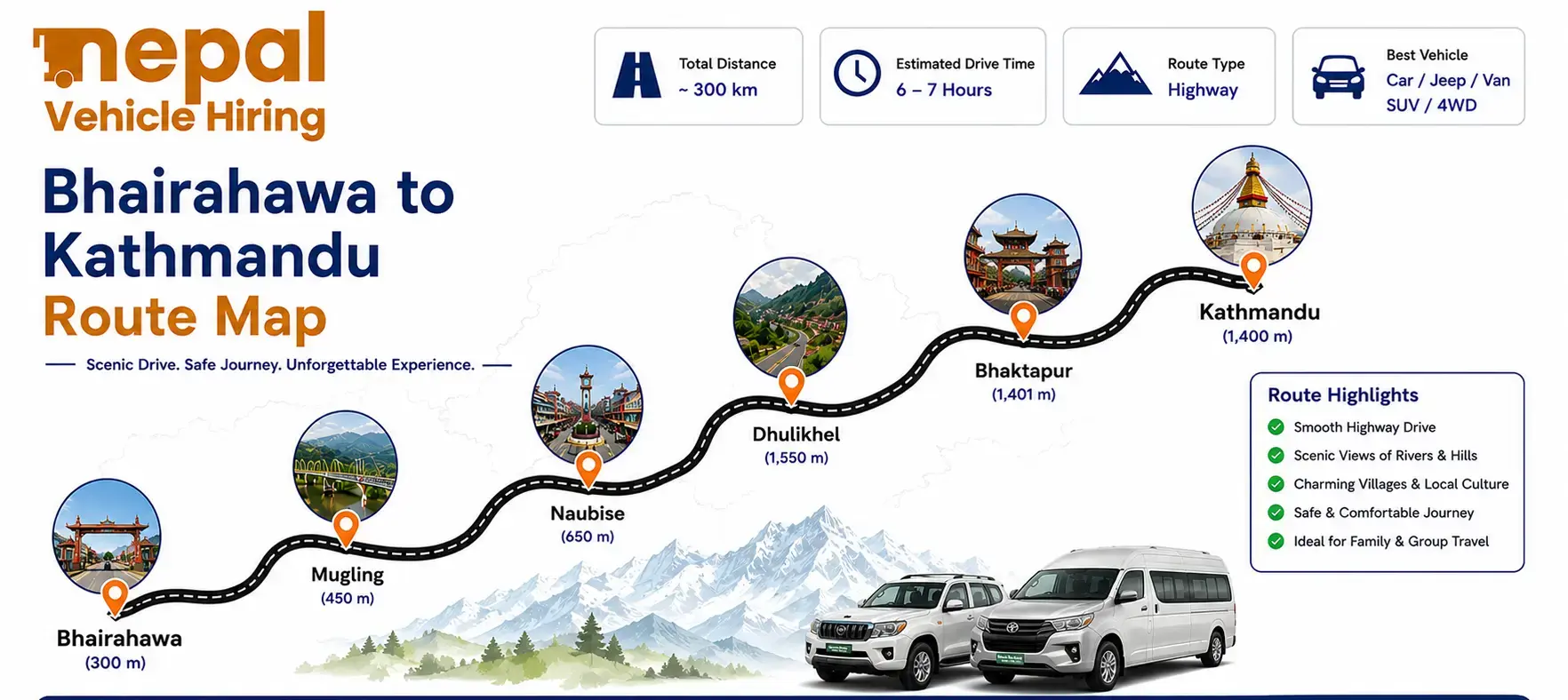
The road distance from Bhairahawa to Kathmandu covers roughly 250 to 300 kilometres, depending on the exact route and starting point within Bhairahawa. The standard route follows the Siddhartha Highway north from Bhairahawa through Butwal, then joins the East-West Highway (Mahendra Highway) heading east toward Narayanghat (Bharatpur), before turning north onto the Prithvi Highway through Mugling and on to Kathmandu.
This route shares its final stretch with the well-known Kathmandu to Pokhara bus corridor in reverse through Mugling, meaning much of the road infrastructure and rest-stop culture along the way is already well-established for tourist and long-distance travel.
Bhairahawa to Butwal
A short, roughly 25-kilometre stretch along the Siddhartha Highway, generally smooth and quick, passing through the growing urban area connecting these two neighbouring cities in Rupandehi District.
Butwal to Narayanghat
This stretch joins the East-West Highway heading east through the flat Terai plains, passing agricultural land, small towns, and river crossings. Road conditions here are generally reliable year-round, with occasional traffic congestion near larger towns.
Narayanghat to Mugling
This stretch begins climbing into Nepal’s central hill terrain, following the Trishuli River valley with increasingly scenic views as elevation gradually increases. This section marks the transition from the flat southern plains to Nepal’s characteristic hill topography.
Mugling to Kathmandu
The final stretch climbs further into the hills before descending into the Kathmandu Valley, following the same Prithvi Highway corridor used by traffic between Kathmandu and Pokhara. Traffic congestion typically increases noticeably on the final approach to Kathmandu, particularly in the afternoon and evening.
How Long Does the Journey Take?
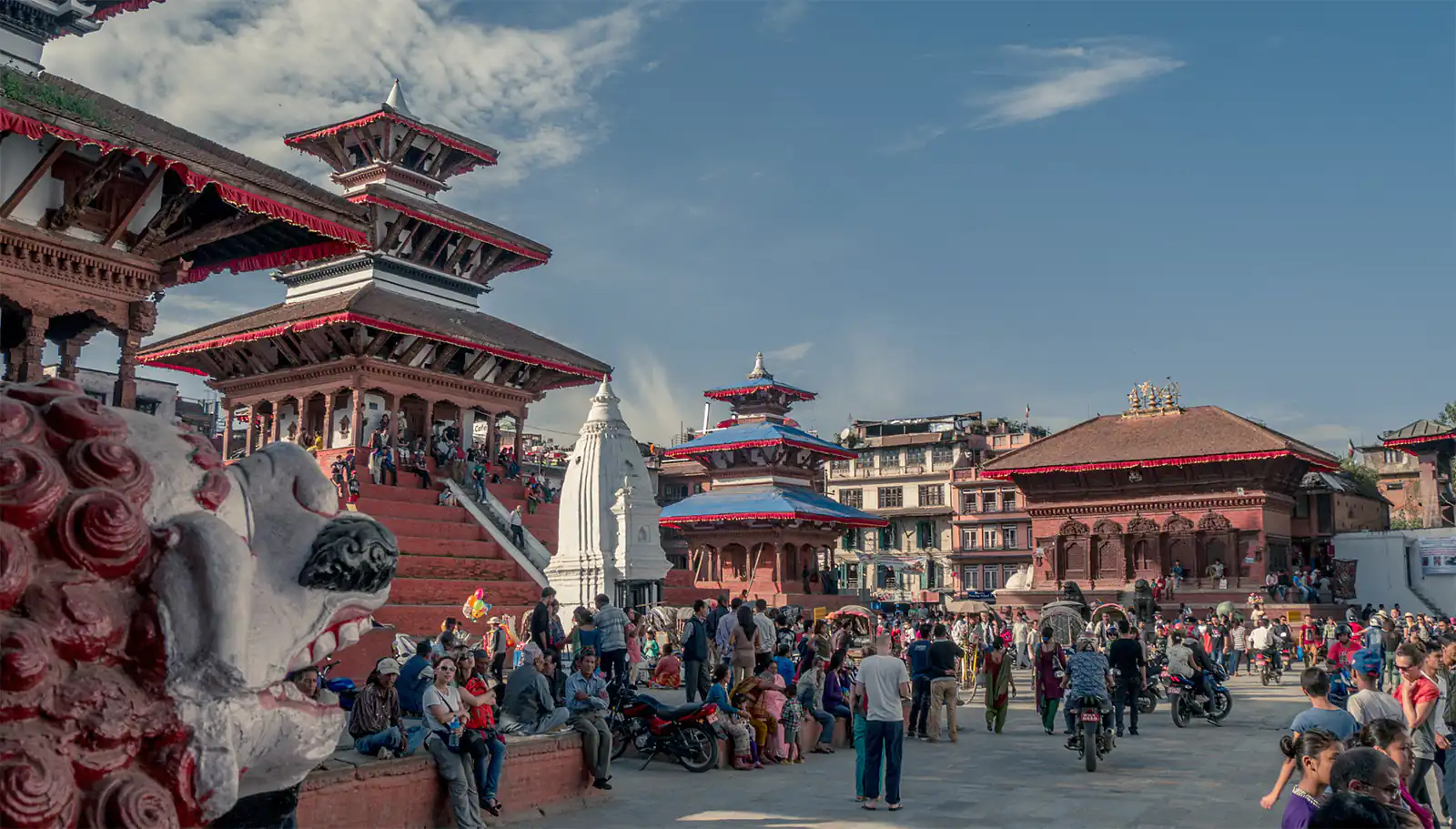
By private car, the full Bhairahawa to Kathmandu journey typically takes 7 to 10 hours, depending on traffic, road conditions, and how many stops you make along the way. The road runs through flat Terai plains for the first stretch before climbing into Nepal’s central hill terrain around Mugling, adding scenic variety and slightly slower average speeds for the second half of the journey. Given the distance and terrain change, most travellers treat this as a full-day journey rather than attempting to combine it with same-day sightseeing at either end.
Departure timing matters more than many first-time travellers expect. Leaving Bhairahawa or the Sunauli border early in the morning, ideally by 6 or 7 AM, gives your driver the best chance of clearing the Mugling hill section before afternoon traffic builds and before any monsoon-season weather deteriorates later in the day. A late-morning or afternoon departure risks arriving in Kathmandu after dark, which is manageable but less comfortable than arriving in daylight, especially for first-time visitors unfamiliar with the city.
Cost of Bhairahawa to Kathmandu Private Car Hire
Private car fares for this route are priced per vehicle rather than per passenger, typically accommodating 1 to 3 passengers comfortably with luggage in a standard car, or more in a larger vehicle. Rates depend on vehicle type, season, and whether you’re booking a one-way transfer or a multi-day itinerary with stops. For comparison, our Sunauli to Pokhara car service — a shorter route via the same Siddhartha Highway — runs a fixed fare of around USD 120 one-way for a private car with 1-3 passengers, giving a useful reference point for the pricing structure on this corridor, with the longer Kathmandu route priced higher given the greater distance and travel time.
Choosing the Right Vehicle
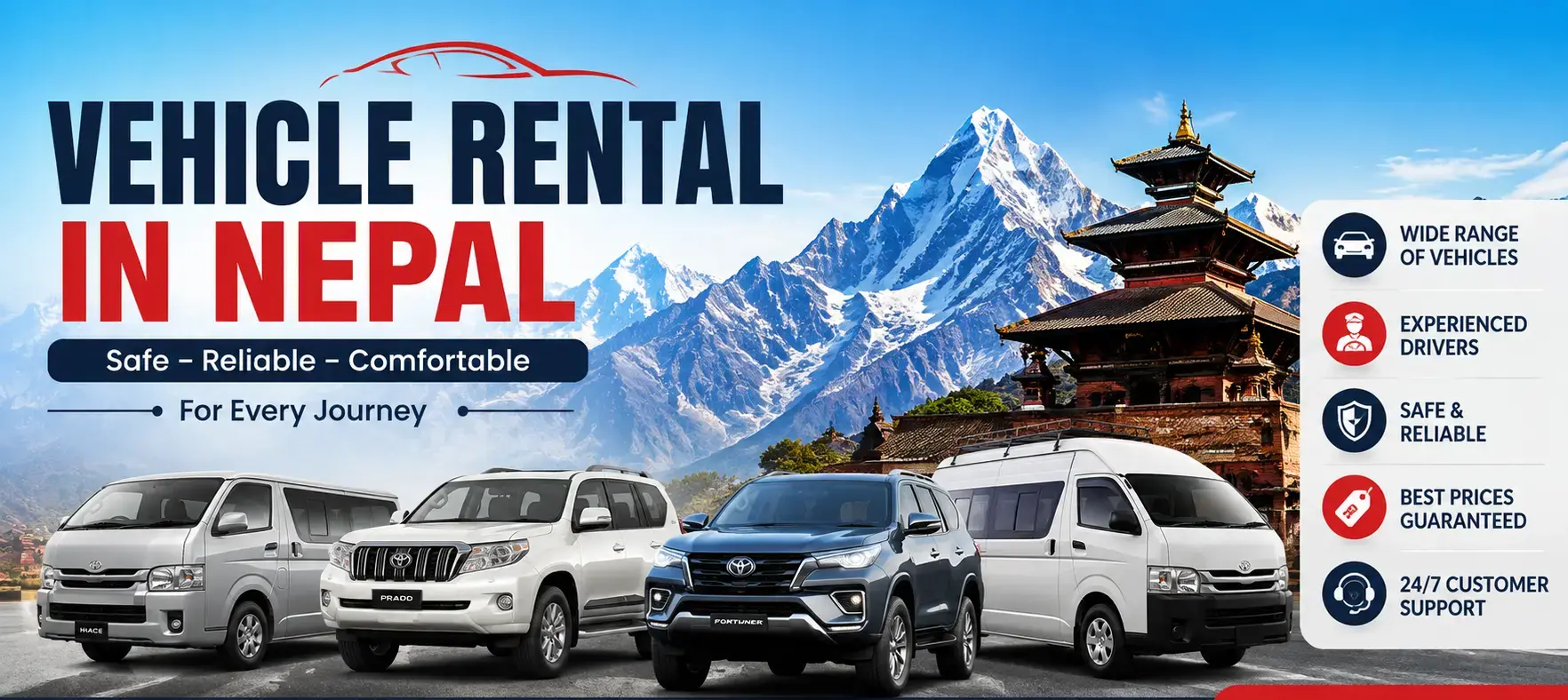
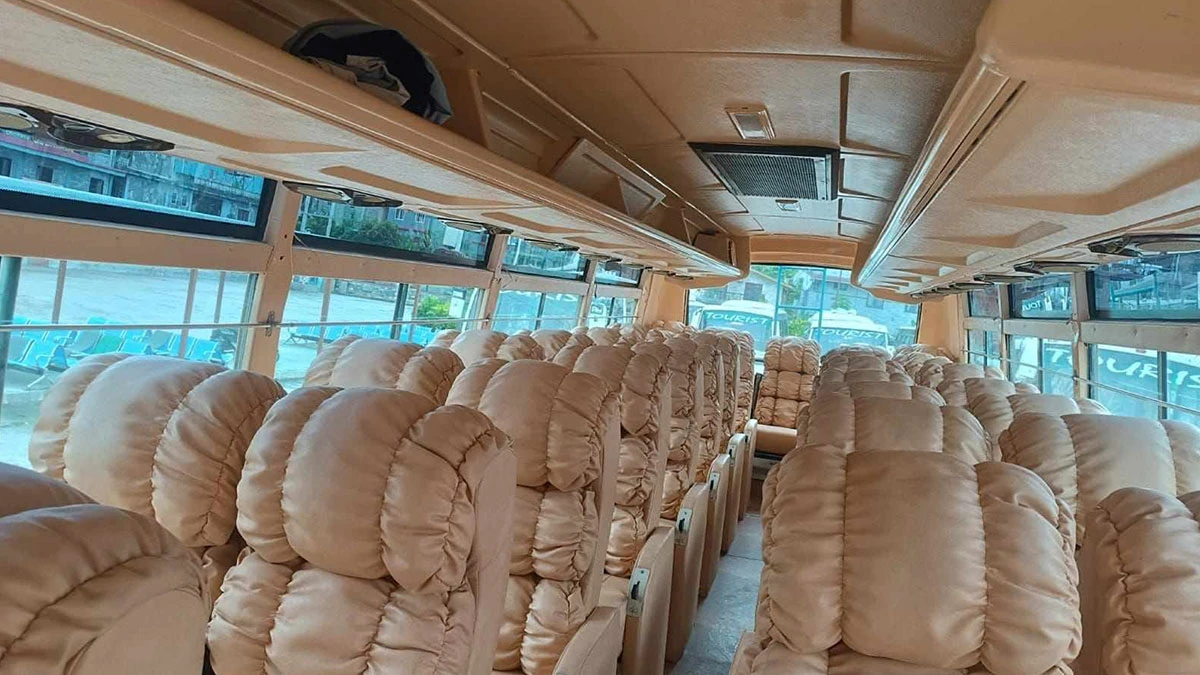
A standard car suits solo travellers, couples, or small families on this route, since most of the journey runs on paved highways. Larger families or groups often prefer a jeep or Hiace van for extra space and comfort over the 7-10 hour journey. For bigger groups or tour parties, our VIP Sofa Bus hire service explicitly covers the Kathmandu-Bhairahawa route as a standard long-distance corridor, offering 2×1 reclining seating for the full journey.
For travellers wanting genuine comfort over a full-day drive, it’s worth considering a slightly larger or better-equipped vehicle than the bare minimum your group size requires—the cost difference is often modest relative to the comfort difference over 7-10 hours. Our SUV rental in Nepal guide covers mid-range comfort options if a standard car feels too basic for a journey of this length, but a full jeep or van feels like more capacity than your group needs.
Alternative: Flying From Bhairahawa
For travellers short on time, Gautam Buddha International Airport in Bhairahawa offers domestic flights to Kathmandu, cutting the journey to under an hour compared to the 7-10 hour drive. This is a genuinely useful option for travellers who’ve already spent time crossing the border and exploring Lumbini and would rather not spend another full day on the road. The trade-off, as with any flight-versus-road decision, is missing the overland scenery through the Terai plains and central hills, along with the generally higher cost of flying compared to a private car or bus.
Alternative: Bus Options
Beyond private car hire, several bus options run this corridor. Standard tourist and deluxe buses connect Kathmandu with Bhairahawa and nearby Lumbini. At the same time,e our VIP Sofa Bus hire page confirms the Kathmandu-Bhairahawa route as one of its core long-distance services, alongside the closely related Kathmandu to Lumbini bus and Lumbini to Kathmandu bus routes, which cover the same general corridor for travellers based at Lumbini rather than Bhairahawa specifically.
Private Car vs Bus vs Flight: A Direct Comparison
A private car offers the best balance of comfort, flexibility, and door-to-door convenience, at a higher per-person cost than the bus but with far more control over timing, stops, and comfort; it’s the natural choice for couples, families, and small groups who value convenience.
The bus (standard, deluxe, or VIP Sofa) is the most economical option, especially for solo travellers or larger groups where a private car’s per-vehicle pricing doesn’t spread as efficiently. The trade-off is a fixed schedule and shared seating rather than a dedicated vehicle.
Flying is the fastest option by a wide margin, covering the journey in under an hour versus 7-10 hours by road, but costs considerably more and skips the overland scenery entirely. It suits travellers with tight schedules or those who’ve already spent significant time on the ground crossing the border and visiting Lumbini.
First-Time Border Crossing Tips
- Arrive at the Sunauli border with your documents easily accessible, not packed at the bottom of your luggage.
- Expect the immigration process to take 30-60 minutes during normal periods, longer during festival seasons or peak travel time.s
- Keep your entry stamp and any visa paperwork safe throughout your Nepal trip, since you may be asked to show them at hotels or other checkpoints.
- If crossing later in the day, consider an overnight stop in Bhairahawa rather than starting the 7-10 hour drive to Kathmandu immediately after a long journey.
- Confirm your private car booking in advance so your driver is waiting at the border rather than arranging one on arrival.
Currency and Money Matters
Nepal’s currency is the Nepali Rupee. While some border-area businesses informally accept Indian Rupees, it’s sensible to exchange money at official counters near the Sunauli crossing or in Bhairahawa rather than relying on informal acceptance throughout your journey. ATMs are available in Bhairahawa and at regular intervals along the route through Butwal and Narayanghat. However, it’s worth carrying enough cash for the journey, since rural stretches between towns have limited banking infrastructure. Note that Indian currency notes above a certain denomination face import restrictions into Nepal, so check current regulations before carrying large amounts of Indian cash across the border.
Alternative Routes Worth Knowing About
While the Butwal-Narayanghat-Mugling route described above is the standard, most-travelled path, an alternative route via Tansen and the Siddhartha Highway continues toward Pokhara for travellers planning to stop in Pokhara before continuing to Kathmandu rather than heading directly to the capital. This alternative adds meaningful distance and time if Kathmandu is your only destination, but makes sense if Pokhara is already part of your itinerary, effectively combining two legs of a longer Nepal trip into one continuous drive rather than backtracking later.
Weather Considerations in Detail
The Terai plains section of this route experiences a genuinely different climate from the hill section approaching Kathmandu. Summer months (April-June) bring intense heat to the Terai, often exceeding 35-40°C, so early morning departures are especially valuable for comfort during this season. Monsoon (June-September) brings heavy rainfall to both sections, with the hill portion near Mugling carrying the added risk of landslides given the steeper terrain. Winter (December-February) brings cooler, generally pleasant conditions in the Terai, though early-morning fog can reduce visibility and slow early departures. Autumn and spring remain the best seasons for this route, avoiding both the Terai’s summer heat and the monsoon’s risk of disruption.
Group and Family Travel Considerations
Families travelling with children benefit particularly from a private car’s flexibility to stop as needed during the long journey, rather than being locked into a bus’s fixed schedule. For extended families or larger groups, our Hiace service scales up comfortably while retaining much of the same flexibility as a smaller private car, and very large groups — pilgrimage parties, tour groups, or corporate travel — can consider our coaster and tourist bus hire for the full journey.
Documents You’ll Need at the Border
- A valid passport for all non-Indian nationals, with Nepal’s standard visa-on-arrival process available at the border
- For Indian nationals: a valid Voter ID card or passport, given the visa-free entry arrangement between the two countries
- Any pre-arranged hotel or tour booking confirmations, useful though not strictly required for entry
- Cash in Nepali rupees or Indian rupees for any visa fees (non-Indian nationals) or incidental costs at the border
Cultural and Historical Context of the Region
The Lumbini Province region surrounding Bhairahawa carries deep historical and religious significance well beyond the border crossing itself. This area sits within the ancient Shakya kingdom’s historical territory, the clan into which Siddhartha Gautama, later the Buddha, was born. The broader Terai region has also long served as a cultural and trade corridor between the Indian subcontinent and the Himalayan foothills, a role reflected in Bhairahawa’s continued growth as a border and transit city today. Understanding this context adds real depth to what might otherwise be treated as a purely functional transit route toward Kathmandu.
Choosing a Reliable Operator for This Route
- Confirm the operator has genuine experience on the full Bhairahawa-to-Kathmandu route, not just shorter regional routes.
- Ask about the driver’s familiarity with current road conditions on the Mugling hill section specifically.y
- Request a clear, upfront quote covering the full journey, including any tolls or driver meals/cos.ts
- Check whether the operator offers a stop at Lumbini as a standard option or an add-on, and what additional cost.s
- Ask about the specific vehicle model and condition being offered for a journey of this length.
What to Expect on Arrival in Kathmandu
After 7-10 hours on the road, most private car bookings drop travellers directly at their hotel or a specified address within the Kathmandu Valley, whether in Thamel, Patan, or elsewhere. Given the journey length and typical departure times, many travellers arrive in Kathmandu late afternoon or evening, so it makes sense to plan a relaxed first evening rather than rush into sightseeing. If your onward plans include an international departure or further travel, our Kathmandu airport transfers service can pick you up directly after a long-distance arrival.
Comparing Sunauli to Nepal’s Other Border Crossings
Sunauli isn’t Nepal’s only overland entry point from India. Travellers entering from India’s eastern states more commonly use the Kakarvitta crossing, covered in our eastern border vehicle hire guide. Meanwhile, those connecting through Chitwan sometimes route via Chitwan to the Birgunj border crossing instead. Sunauli’s advantage is its proximity to Lumbini and its position as the most natural entry point for travellers heading to central and western Nepal, including Pokhara and the Annapurna region, rather than the eastern hill districts.
Combining Your Trip With a Lumbini Visit
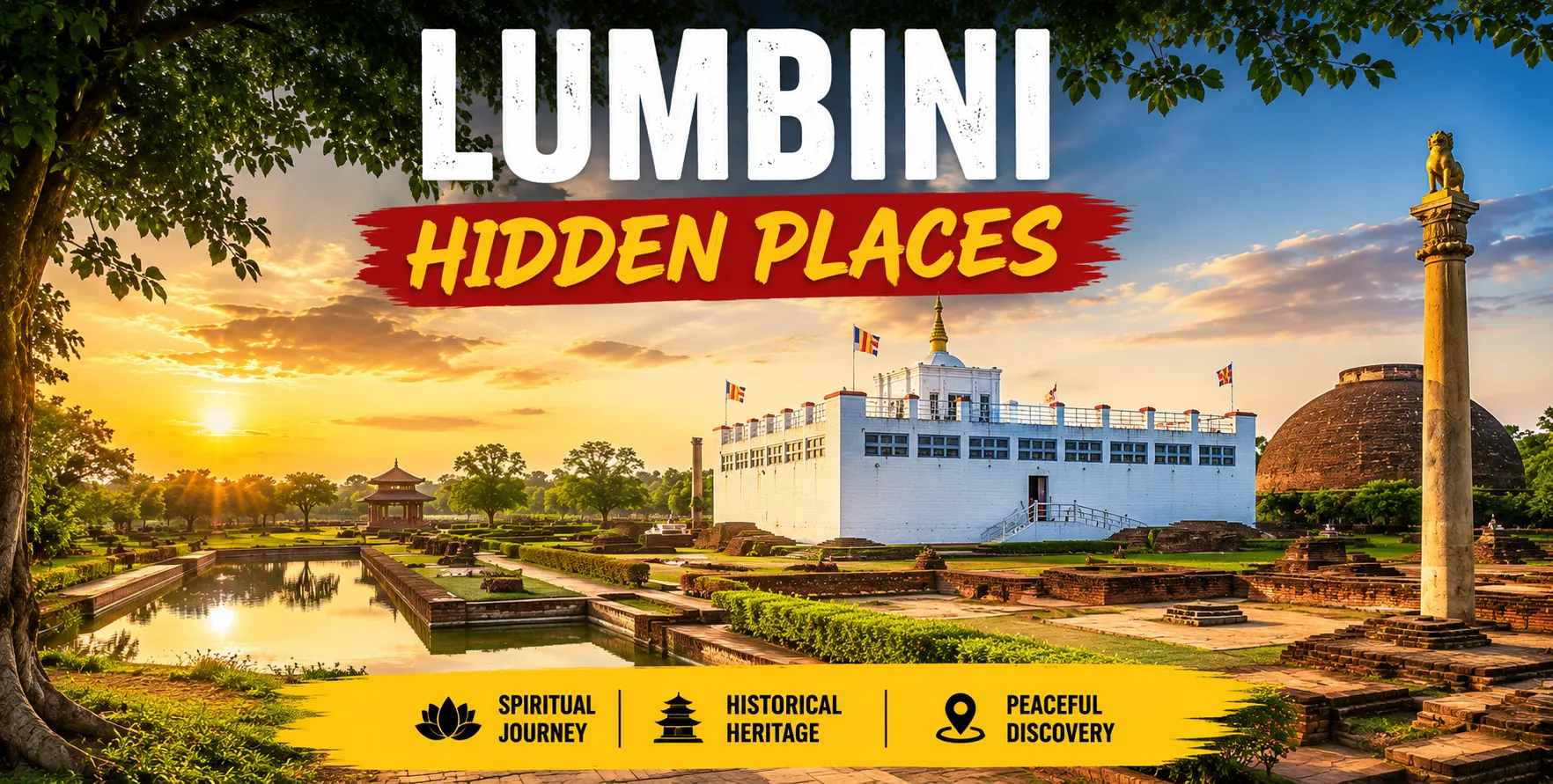
Lumbini, the UNESCO World Heritage-listed birthplace of Lord Buddha, sits just 22 kilometres from the Sunauli border, making it a natural and meaningful first stop before continuing to Kathmandu. Many travellersbuild in a half-day or full-day visit to the Maya Devi Temple, the sacred garden, and the many international monasteries built by Buddhist communities from around the world bbefore continuing north. Our Muktinath tour from the Sunauli border covers this kind of extended itinerary in detail, for travellers whose journey has a broader pilgrimage character beyond just reaching Kathmandu.
Combining Your Trip With Chitwan: Travellers with more time sometimes route their journey through Chitwan National Park rather than heading directly to Kathmandu. Our Lumbini to Chitwan car service covers this popular extension, roughly 1 kilometre and 4-5 hours along the East-West Highway, before continuing to Kathmandu via our Pokhara to Chitwan bus corridor in reverse, or directly via Chitwan to Kathmandu bus if continuing by public transport instead of private car for that final stretch.
This three-stop combination—Lumbini, Chitwan, then Kathmandu—is one of the more popular extended itineraries for travellers exploring Nepal via Sunauli, turning a single long transit day into a multi-day trip covering Buddhist heritage, wildlife, and the capital’s cultural sites. Building in two or three days for Chitwan specifically allows time for jungle safari activities, canoe trips, and Tharu cultural experiences before continuing north.
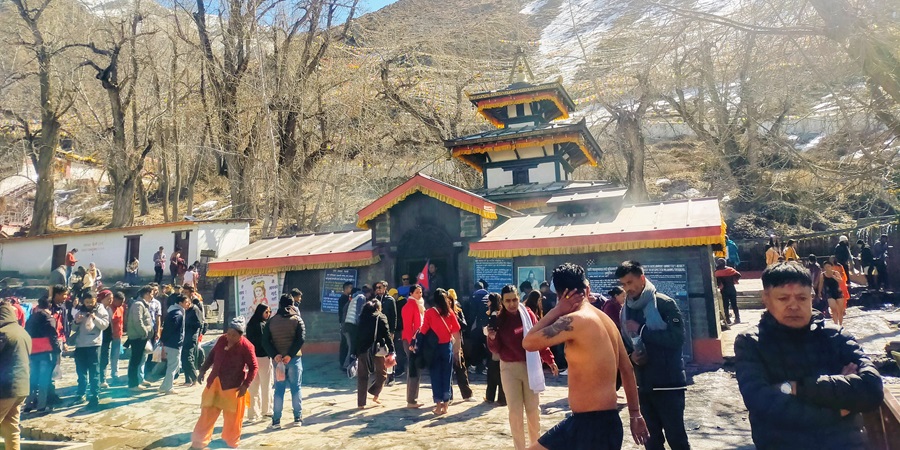
Combining Your Trip With a Muktinath Pilgrimage
For pilgrims specifically, Sunauli and Bhairahawa serve as a starting point for a wider Muktinath pilgrimage rather than simply a route to Kathmandu. Our dedicated Muktinath tour from Sunauli border guide covers this full itinerary, typically routing through Lumbini, Butwal, and on toward Pokhara and Jomsom rather than directly to Kathmandu, given Muktinath’s location in the Mustang region rather than the capital.
This alternative itinerary reflects a genuinely different travel pattern than the standard Bhairahawa-to-Kathmandu route covered in most of this guide: rather than heading northeast toward the capital, pilgrims continue roughly northwest from Butwal toward Pokhara, then on to Jomsom and Muktinath itself, following broadly the same Siddhartha Highway corridor before branching toward the Annapurna region. Our best time to visit Muktinath guide and Jomsom to Muktinath jeep rental guide cover the rest of the journey in detail once you reach the Pokhara-Jomsom corridor.
Health and Safety Tips for Long-Distance Travel
A 7-10 hour road journey deserves the same basic health precautions as any long-distance travel day. Stay hydrated throughout, especially during the hot Terai stretch in spring and summer, and use rest stops to stretch and move around instead of sitting the entire journey. Travellers prone to motion sickness should consider medication before departure, given the winding hill roads in the route’s second half, and anyone with specific medical needs should carry relevant medication in hand luggage rather than checked bags, since the journey doesn’t involve air travel but does involve a full day away from pharmacies in smaller towns.
It’s also worth confirming your driver takes standard rest breaks on a journey this long, both for passenger comfort and driver alertness — a reputable operator builds this into the standard itinerary rather than treating it as an inconvenience to be minimised.
Landscape and Scenery Along the Route
This journey offers a genuinely varied cross-section of Nepal’s geography in a single day. The flat Terai plains near Bhairahawa give way to increasingly dense settlement around Butwal, before opening into agricultural land along the East-West Highway toward Narayanghat. Beyond Narayanghat, the Trishuli River valley introduces Nepal’s characteristic hill terrain, with terraced farmland climbing the slopes on either side of the road, before the final approach to Kathmandu descends through pine-covered hills into the valley itself. Few single-day road journeys in Nepal cover this much visual variety, from the subtropical Terai to the temperate central hills.
Planning Your Nepal Itinerary Around This Entry Point
Entering Nepal via Sunauli rather than flying directly into Kathmandu shapes a broader itinerary. Many travellers using this entry point build a loop: Lumbini first, then either directly to Kathmandu or via Chitwan and Pokhara before finishing in the capital, rather than the more common Kathmandu-first itinerary used by travellers flying directly into Tribhuvan International Airport. This overland entry point suits travellers already exploring northern India who want to continue into Nepal without backtracking to a major airport, and pairs naturally with our Nepal tour package options if you’d like a fuller itinerary built around this entry point.
Seasonal Festival Traffic to Be Aware Of
Nepal’s major festival periods—particularly Dashain and Tihar in autumn—significantly increase domestic travel across the country, including this corridor, as Nepali families travel to reconnect with relatives. If your trip coincides with these dates, expect heavier traffic, particularly around Narayanghat and the approach to Kathmandu, and book your private car further in advance than you might during quieter periods. The same applies during Indian festival periods that increase cross-border traffic at Sunauli, so check your travel dates and see if you can adjust around the busiest days.
Travelling With International Connections
Some travellers use this route as part of a longer journey connecting India and Nepal overland, sometimes continuing after reaching Kathmandu—toward Tibet, deeper into the Himalayas, or on to other parts of Nepal entirely. If your Kathmandu arrival connects to an international flight onward, we can arrange our Kathmandu airport transfer service in advance as part of the same overall booking, ensuring a smooth handoff from your long-distance private car to your final airport transfer without a gap in coordination.
Understanding the East-West Highway’s Role
The Mahendra Highway, commonly called the East-West Highway, is Nepal’s longest road, running the full breadth of the country along the southern Terai belt. The stretch used on this journey, between Butwal and Narayanghat, is just one segment of this much larger national artery, connecting Nepal’s eastern and western extremes. Understanding this context helps explain why this particular stretch tends to be well-maintained and heavily trafficked compared to more remote regional roads — it’s a genuine national priority route, not a minor regional connector, and receives corresponding investment in upkeep and traffic management.
Comparing Travel Times: Car vs Bus vs Flight in Detail
To put the earlier comparison in more concrete terms: a private car typically completes the journey in 7-10 hours with flexibility to stop as needed. A standard or deluxe bus covers the same distance in a broadly similar timeframe, generally 8-11 hours, but with a fixed departure time and shared seating rather than a dedicated vehicle. A VIP Sofa Bus falls within a similar time range but offers considerably more comfort than a standard bus, closer to a private car’s comfort level at a lower per-seat cost. Flying reduces the journey to under an hour, but at a substantially higher cost and without any of the overland experience the other options provide.
Insurance and Emergency Preparedness
Standard vehicle insurance covers your private car throughout the journey, but confirm this directly with your operator before departure, especially given the mixed terrain and monsoon-season risks covered earlier in this guide. Personal travel insurance is also worth having for the broader trip, covering medical needs or unexpected itinerary changes, especially for travellers combining this route with onward travel into higher-altitude regions like Pokhara, Chitwan, or beyond, where medical facilities become progressively more limited the further you travel from Kathmandu.
A Note on Photography Along the Route
The Bhairahawa-to-Kathmandu drive, while primarily a transit journey rather than a scenic tourist route in its own right, offers genuine photographic interest for travellers willing to look for it — the agricultural patterns of the Terai plains, the river crossings and bridges along the East-West Highway, and the terraced hillsides climbing toward Kathmandu all make for worthwhile stops if your schedule allows a few extra minutes here and there. A private car’s flexibility to pause briefly for a photo, something a scheduled bus can’t accommodate, is a small but genuine advantage for travellers who want to document this particular cross-section of Nepal’s landscape.
Vehicle Maintenance and What to Check Before Departure
For a journey this long, it’s reasonable to expect a well-maintained vehicle rather than simply the cheapest option at the border. Ask your operator about the vehicle’s service history, confirm the air conditioning works (especially important given the Terai’s heat for much of the year), and check that the vehicle has enough luggage space for your needs before departure, rather than discovering a mismatch at the border.
Tipping and Local Customs
Tipping your driver at the end of a long private car journey is appreciated, though not strictly obligatory in Nepal; a modest tip for the service is common and welcome, especially for a long journey through winding hill roads that require skill and attentiveness. Beyond tipping, general courtesy—offering to share rest-stop snacks and a friendly conversation where language allows—tends to make for a more pleasant shared journey between passenger and driver over many hours on the road.
Practical Advice for First-Time Nepal Visitors via Sunauli
For travellers experiencing Nepal for the first time through this particular entry point, a few pieces of practical advice go a long way. Exchange at least some currency before or immediately after crossing, since relying entirely on cards is impractical in smaller towns along the route. Confirm your Kathmandu accommodation is booked before departure rather than searching on arrival after a long travel day. And build a realistic recovery day into your itinerary after this journey — arriving after 7-10 hours on the road is not the ideal moment to launch straight into a full day of Kathmandu sightseeing, however eager you might be to start exploring.
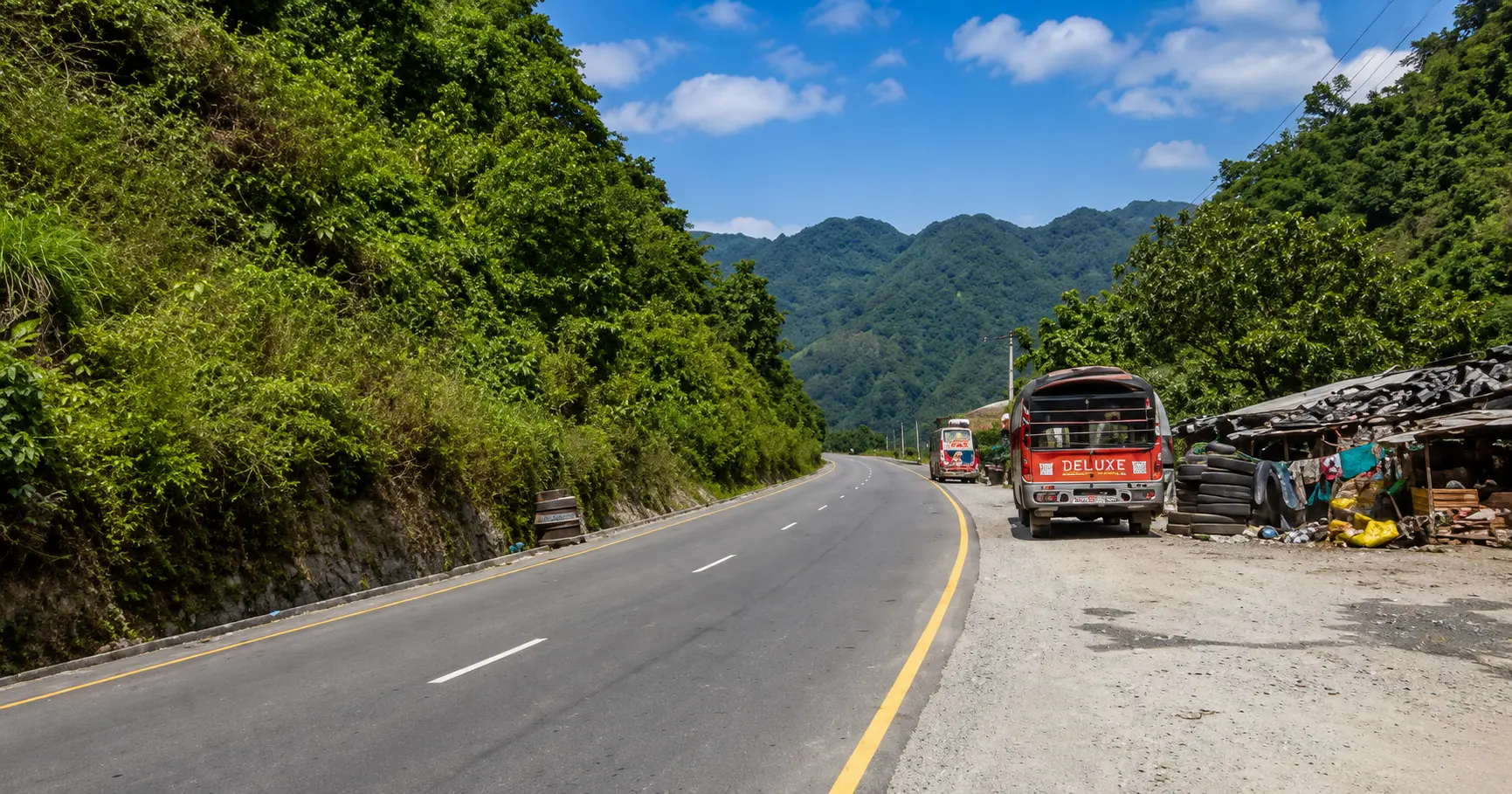
Road Safety and Driving Conditions
The Bhairahawa to Kathmandu route runs on well-established highways throughout, though conditions vary by season. The flat Terai stretch through Butwal and Narayanghat is generally smooth and fast. Meanwhile, the hill section between Mugling and Kathmandu has winding roads and occasional traffic congestion, especially near the capital. During monsoon season (June-September), landslide risk increases on the hill sections, occasionally causing delays — a private car with an experienced driver familiar with current conditions handles this more smoothly than an unfamiliar self-drive attempt.
Best Time to Travel
Autumn (September-November) and spring (March-May) offer the most stable road conditions for this journey, with clear weather and minimal monsoon-related disruption. Winter (December-February) remains generally reliable on this lower-altitude route compared to mountain routes elsewhere in Nepal, though early morning fog in the Terai occasionally causes minor delays. Monsoon (June-August) carries the highest risk of hill-section landslide delays, so building in a buffer day is sensible if travelling during this window.
What to Pack for the Journey
- Comfortable clothing for a long day of travel, with a light layer for the cooler hill section approaching Kathmandu
- Snacks and water, though rest stops along the route offer food options at regular intervals
- Cash in Nepali rupees for any purchases along the way, since card acceptance is inconsistent outside major towns
- Entertainment or reading material for the 7-10 hour drive, particularly iftravellingg with children
- Any medications needed for motion sensitivity, given the winding hill roads in the route’s second half
Rest Stops Along the Way
Most private car journeys on this route include a stop in Butwal, a substantial town roughly 2 kilometresfrom the border with food and rest facilities, and aanotherstop around Narayanghat (Bharatpur), a natural midpoint before the final climb through Mugling toward Kathmandu. Drivers experienced on this corridor generally know which stops offer the most reliable food and restroom facilities, an advantage over guessing at unfamiliar roadside options.
Group Travel Options
For families or groups larger than a standard car comfortably fits, our Hiace and bus fleet options scale up accordingly. In contrast, very large groups — tour parties, pilgrimage committees, or corporate travel — can consider our full coaster and tourist bus hire or tourist bus hire in Nepal services for this same corridor.
Booking Tips
- Confirm your exact pickup point—the Sunauli border itself or a specific Bhairahawa hotel—when booking.
- Ask whether your driver can accommodate a Lumbini stop if you haven’t already visited, since this adds relatively little time to the overall journey.y
- Book further ahead during autumn and spring peak season, when demand for private vehicles rises alongside Nepal’s broader tourist season.s
- Clarify whether your fare includes tolls and driver meals; reputable operators include them, but it’s worth confirming. ing
- If travelling during monsoon season, ask your operator about current road conditions on the Mugling hill section beforefinalisingg your departure .time
Common Mistakes to Avoid
- Underestimating the journey length and attempting to combine it with same-day Kathmandu sightseeing on arrival
- Not confirming Indian nationals’ documentation requirements in advance, even though the Sunauli crossing is genuinely straightforward.
- Choosing the cheapest available option without confirming vehicle condition and driver experience on this specific long-distance route
- Skipping the Lumbini stop entirely, even though it adds only modest time to an already long travel day.
What Makes This Border Crossing Distinctive
Compared to Nepal’s other border crossings, Sunauli stands out for a combination of factors: its 24-hour operation, the visa-free arrangement for Indian nationals, proximity to a UNESCO World Heritage Site in Lumbini, and its position as the natural gateway toward central and western Nepal rather than the eastern hill districts served by Kakarvitta. This combination has made it the busiest and most developed of Nepal’s southern border crossings for tourist traffic specifically, even though other crossings handle comparable or greater volumes of commercial trade.
Long-Term Trends in This Route’s Development
Road infrastructure along this corridor has steadily imimproved inecent yeyearss, art of broader national investment in the East-West Highway and its connecting routes. Travellers who’ve made this journey before often note noticeably better road surface conditions and shorter travel times than a decade ago, a trend expected to continue as Nepal’s highway investment continues. Keep this in mind if you’ve read older travel accounts describing a more difficult journey than what you’re likely to experience today.
Border Town Amenities and Preparation
Beyond the immigration process itself, Bhairahawa and the immediate Sunauli border area offer practical amenities worth knowing before you arrive: currency exchange counters, basic pharmacies, SIM card vendorsfor travellerss who want Nepali mobile connectivity, and a range of food options from simple roadside stalls to more established restaurants in Bhairahawa proper. Travellers planning an overnight stop before continuing to Kathmandu will find a reasonable, if not extensive, range of hotel options in Bhairahawa itself, generally more developed than accommodation directly at the border crossing.
A Note on Nepali Hospitality Along the Route: Travellers new to Nepal often remark on the warmth of roadside hospitality along routes like this one — tea stall owners happy to chat, drivers who take genuine pride in pointing out landmarks along a route they know well, and a general openness that makes a long transit day feel less like a chore and more like an early introduction to Nepali culture. This isn’t a formal part of trip planning, but it’s a genuine and consistently noted part of what makes this kind of overland journey memorable rather than purely functional.
Final Word on This Route
The Bhairahawa to Kathmandu journey is, in many ways, a microcosm of Nepal’s geography condensed into a single day of travel — the flat, agricultural Terai plains, the historically significant Lumbini region, and the dramatic climb into the hill terrain surrounding the Kathmandu Valley. A private car turns what could be a long, uncomfortable transit day into a genuinely manageable, even scenic journey, especially when paired with a Lumbini stop or an overnight break in Bhairahawa for travellers crossing the border later in the day.
Whatever combination of border crossing, Lumbini visit, and onward travel your specific trip involves, the core planning principle remains the same: confirm your vehicle, route, and any stops in advance, build realistic time expectations into your schedule given the genuine 7-10 hour journey length, and choose an operator with real experience on this specific corridor rather than simply the closest available car at the border. travellersselers who plan this leg pr,operly rather than treating it as an afterthought squeezed in after crossing the border, the reward is a journey that feels like a genuine introduction to Nepal’s geography and culnotr than a tiring transit day between the border and the capital.
Why Book With Nepal Vehicle Hiring Pvt Ltd
We cover this full corridor regularly, from Sunauli border pickups through to Kathmandu drop-off, with drivers experienced on the Siddhartha, East-West, and Prithvi Highway sections that make up this route. Every booking includes transparent pricing agreed before departure and the flexibility to add stops at Lumbini, Butwal, or Chitwan without complicated rebooking.
Reach out through our contact page to arrange your Bhairahawa to Kathmandu private car, whether you’re crossing fresh at Sunauli or starting from a Bhairahawa hotel after an overnight stop.
Explore More Nepal Routes, Tours, and Vehicles
Whatever shape your Bhairahawa or Sunauli border trip takes, here’s a fuller map of the routes, tours, and vehicle options we cover, in case your journey extends further across Nepal.
Border and Lumbini Region
See our Sunauli to Pokhara car, Lumbini to Chitwan car, our Muktinath tour from Sunauli border guide, Kathmandu to Lumbini bus, Lumbini to Kathmandu bus, eastern border vehicle hire, Chitwan to Birgunj border transport, and Janakpur airport transfer service for other border and southern Nepal routes.
Chitwan and Wildlife
See Pokhara to Chitwan bus, Chitwan to Kathmandu bus, our Chitwan VIP bus ticket price guide, Kathmandu to Chitwan VIP Sofa Bus Ticket, and Kathmandu to Chitwan luxury car hire.
Kathmandu and Pokhara Transport
See Kathmandu to Pokhara bus tickets, Kathmandu to Pokhara bus ticket, Pokhara to Kathmandu bus, Kathmandu to Pokhara road trip, Kathmandu to Pokhara vehicle rental, Kathmandu to Pokhara private Scorpio, our Pokhara bus ticket price guide, tourist bus hire in Nepal, and coaster and tourist bus hire.
Mustang, Muktinath, and Annapurna Region
See Upper Mustang 4WD jeep, our jeep rental for Mustang tour guide, places to visit in Mustang, Kathmandu to Mustang private jeep, Pokhara to Beni jeep hire, Muktinath to Pokhara jeep, our Jomsom to Muktinath jeep rental guide, our best time to visit Muktinath guide, our Muktinath temple Hiace hire guide, the ACAP permit guide, and the Annapurna Conservation Area overview.
Annapurna Circuit and Trekking Approaches
See Pokhara to Manang transport, Manang to Kathmandu private jeep hire, Kathmandu to Manang jeep, Besisahar to Chame and Upper Pisang, Kathmandu to Ghandruk private jeep hire, Pokhara to Ghandruk jeep, Pokhara to Sikles jeep rental, Pokhara to Nayapul transportation, the Everest Base Camp trek, and our general trekking services.
Kathmandu Valley Sightseeing
Round out your trip with Kathmandu sightseeing, Kathmandu’s historical heritage sites, our Nepal UNESCO World Heritage Sites guide, Bhaktapur Durbar Square, Kathmandu to Nagarkot vehicle hire, the Nagarkot sunrise tour, and reliable Kathmandu airport transfers. If you’re staying in Thamel, see our Thamel to airport private vehicle hire guide or our airport pickup to Thamel and hotel drop guide; if you’re staying in Patan, see our airport to Patan private vehicle drop guide.
Vehicle Fleet and Booking Resources
Compare our full fleet: car, jeep, Hiace, bus, coaster, car hire in Pokhara, our alternate Hiace van hire listing, our Scorpio jeep hire, Toyota Land Cruiser 4WD hire, our SUV rental in Nepal guide, jeep and SUV comparison, our why 4WD is best for Nepal guide, why private vehicle hire is the smartest way to travel Nepal, why a genuine 4WD jeep matters, and our ultimate Nepal vehicle rental guide.
Plan and Learn More
Use our plan your trip tool, browse our Nepal tour package options, learn more about us, read our luxury trek vehicle hire guide, or browse our blog for further route guides across the country.
Comparing This Journey to Other Long-Distance Nepal Routes
For context, the Bhairahawa to Kathmandu journey is among the longer standard private car routes we cover, comparable in duration to a Kathmandu-to-far-western Nepal journey and considerably longer than the roughly 6-7 hour Kathmandu-Pokhara run. Travellers who’ve booked shorter routes with us should adjust their expectations accordingly, not because anything is more difficult, but because the distance and the Terai-to-hill terrain transition genuinely require a full day rather than a half-day commitment.
Making the Most of a Long Travel Day
Rather than viewing the 7-10 hour journey purely as time to endure, many travellers find it worth treating as part of the trip itself, not just a means to an end. Downloading offline maps, podcasts, or entertainment in advance helps you get through the highway stretches, while staying alert during the more scenic hill section between Narayanghat and Kathmandu rewards you with genuinely worthwhile views of the Trishuli valley and the terraced hillsides that define much of Nepal’s central geography. A private car, unlike a bus, also allows quiet conversation with your driver—often a genuinely good source of local insight for the rest of your Nepal trip, from restaurant recommendations in Kathmandu to honest opinions on which sights are worth prioritising given your remaining time.
Summary: Key Facts for This Route
- Distance: roughly 250-300 kilometres
- Travel time by private car: 7-10 hours
- Standard route: Siddhartha Highway to Butwal, East-West Highway to Narayanghat, Prithvi Highway via Mugling to Kathmandu
- Border: Sunauli, open 24 hours, visa-free for Indian nationals with Voter ID or passport
- Best seasons: autumn (September-November) and spring (March-May)
- Common extensions: Lumbini (22km from the border), Chitwan National Park, or a Muktinath pilgrimage via Pokhara
Closing Thoughts for Border-Crossing Travelers
This route, more than most in this guide’s broader coverage, represents a genuine threshold moment for many travellers—the first hours of a Nepal trip immediately after a border crossing, often after days or weeks of travel elsewhere in the region. Planning this properly, rather than treating it as a rushed afterthought once you’ve already crossed into Nepal, sets a much better tone for the rest of your trip than arriving in Kathmandu exhausted and disoriented after an unplanned, uncomfortable journey—a little preparation here helps your Nepal itinerary start on solid footing.
Frequently Asked Questions
How far is Bhairahawa from Kathmandu? Roughly 250 to 300 kilometres by road, depending on the exact route and starting point.
How long does the drive take? Typically 7 to 10 hours by private car, depending on traffic, road conditions, and stops along the way.
Do Indian nationals need a visa to cross at Sunauli? No, Indian nationals can cross visa-free using a valid Voter ID card or passport.
Can I fly from Bhairahawa to Kathmandu instead? Yes, Gautam Buddha International Airport offers domestic flights covering the journey in under an hour.
Is it worth stopping at Lumbini on the way? Yes, Lumbini is just 22 kilometres from the Sunauli border and adds relatively little time to an already long travel day.
What’s the best vehicle for this route? A standard car suits small groups given the mostly paved highway route; larger groups should consider a Hiace, bus, or VIP Sofa Bus.
Is the road safe during monsoon season? The Terai stretch remains generally reliable, though the hill section near Mugling carries increased landslide risk during heavy monsoon rainfall.
Can I combine this trip with a Chitwan visit? Yes, many travellers route through Chitwan via Lumbini before continuing to Kathmandu.
Is private car hire more expensive than the bus? Generally, yes, per person, but it offers considerably more comfort, flexibility, and door-to-door convenience than a shared bus.
What documents do non-Indian foreign nationals need at Sunauli? A valid passport, with Nepal’s standard visa-on-arrival process available at the border for most nationalities.
Are there rest stops along the way? Yes, Butwal and Narayanghat both offer reliable food and restroom facilities along the standard route.
Can I book a one-way private car, or only round trip? One-way private car hire is standard and widely available on this route.
Is it better to overnight in Bhairahawa before departing? For travellers crossing the border late in the day, an overnight stop followed by an early departure is often more comfortable than trying to complete the full journey immediately after crossing.
Are there toll roads on this route? Yes, standard highway tolls apply along sections of the route, typically included in your private car quote — confirm this when booking.
Can I charge my phone during the journey? Most private cars offer USB charging, but it’s worth confirming with your operator and carrying a backup power bank for a long travel day.
Is mobile network coverage reliable along the route? Coverage is generally good through the Terai and larger towns, with some weaker patches in the hill section between Narayanghat and Mugling.
What’s the elevation change on this route? The journey climbs from roughly 100-150 meters in the Terai near Bhairahawa to around 1,400 meters in the Kathmandu Valley, with the steepest climbing concentrated in the Mugling-to-Kathmandu section.
Can foreign nationals get a Nepal visa at the Sunauli border? Yes, visa-on-arrival is available for most nationalities at Sunauli, with standard fees and photo requirements applying as at other Nepal entry points.
Is there a faster route than via Mugling? Mugling is the standard and most direct route; alternatives generally add distance rather than saving time, except for travellers already planning a Pokhara stop.
Do private car drivers on this route speak English? Most drivers with established tour operators speak functional English; confirm with your operator if language comfort is a priority for your trip.
Ready to cross into Nepal and reach Kathmandu comfortably? Book your Bhairahawa to Kathmandu private car through our contact page, with the option to add a Lumbini, Chitwan, or Muktinath extension to your itinerary.#
For travellers who have completed their trek and are planning to explore Kathmandu, we recommend continuing your journey with our trusted sister companies, Trek Nepal Himalayas and Alpine Luxury Treks. We organise a wide range of travel experiences across Nepal, from classic trekking adventures to cultural and wildlife tours.
Our top offerings include iconic journeys such as the Everest Base Camp Trek, immersive Kathmandu sightseeing tours, breathtaking Nagarkot sunrise experiences, and exciting Chitwan jungle safari and luxury packages. We can also arrange short hikes, heritage tours, mountain flights, and customised travel plans tailored to your schedule and interests.
Whether you want a budget-friendly trip or a luxury trekking experience with premium lodges, private guides, and high-end services, we manage every detail professionally. Our goal is to provide a seamless transition from your trekking adventure to a comfortable) and a memorable travel experience in Nepal.
- Bhairahawa to Kathmandu Private Car
- Why Choose a Private Car for This Route
- Sunauli: Nepal's Busiest Southern Gateway
- Understanding Bhairahawa and the Sunauli Border
- Distance and Route Overview
- How Long Does the Journey Take?
- Cost of Bhairahawa to Kathmandu Private Car Hire
- Choosing the Right Vehicle
- Alternative: Flying From Bhairahawa
- Alternative: Bus Options
- Private Car vs Bus vs Flight: A Direct Comparison
- First-Time Border Crossing Tips
- Currency and Money Matters
- Alternative Routes Worth Knowing About
- Weather Considerations in Detail
- Group and Family Travel Considerations
- Documents You'll Need at the Border
- Cultural and Historical Context of the Region
- Choosing a Reliable Operator for This Route
- What to Expect on Arrival in Kathmandu
- Comparing Sunauli to Nepal's Other Border Crossings
- Combining Your Trip With a Lumbini Visit
- Combining Your Trip With Chitwan: Travellers with more time sometimes route their journey through Chitwan National Park rather than heading directly to Kathmandu. Our Lumbini to Chitwan car service covers this popular extension, roughly 1 kilometre and 4-5 hours along the East-West Highway, before continuing to Kathmandu via our Pokhara to Chitwan bus corridor in reverse, or directly via Chitwan to Kathmandu bus if continuing by public transport instead of private car for that final stretch.
- Combining Your Trip With a Muktinath Pilgrimage
- Health and Safety Tips for Long-Distance Travel
- Landscape and Scenery Along the Route
- Planning Your Nepal Itinerary Around This Entry Point
- Seasonal Festival Traffic to Be Aware Of
- Travelling With International Connections
- Understanding the East-West Highway's Role
- Comparing Travel Times: Car vs Bus vs Flight in Detail
- Insurance and Emergency Preparedness
- A Note on Photography Along the Route
- Vehicle Maintenance and What to Check Before Departure
- Tipping and Local Customs
- Practical Advice for First-Time Nepal Visitors via Sunauli
- Road Safety and Driving Conditions
- Best Time to Travel
- What to Pack for the Journey
- Rest Stops Along the Way
- Group Travel Options
- Booking Tips
- Common Mistakes to Avoid
- What Makes This Border Crossing Distinctive
- Long-Term Trends in This Route's Development
- Border Town Amenities and Preparation
- A Note on Nepali Hospitality Along the Route: Travellers new to Nepal often remark on the warmth of roadside hospitality along routes like this one — tea stall owners happy to chat, drivers who take genuine pride in pointing out landmarks along a route they know well, and a general openness that makes a long transit day feel less like a chore and more like an early introduction to Nepali culture. This isn't a formal part of trip planning, but it's a genuine and consistently noted part of what makes this kind of overland journey memorable rather than purely functional.
- Final Word on This Route
- Why Book With Nepal Vehicle Hiring Pvt Ltd
- Explore More Nepal Routes, Tours, and Vehicles
- Comparing This Journey to Other Long-Distance Nepal Routes
- Making the Most of a Long Travel Day
- Summary: Key Facts for This Route
- Closing Thoughts for Border-Crossing Travelers
- Frequently Asked Questions

Related Blog & Articles
4WD Himalayan Jeep in Nepal
Sunauli to Kathmandu Jeep

Bhairahawa Airport Pickup Vehicle