Private Jeep Hire for Salleri, Phaplu, Thamdanda and Surke

PhapluPrivate Jeep Hire for Salleri, Phaplu, Thamdanda, and Surke
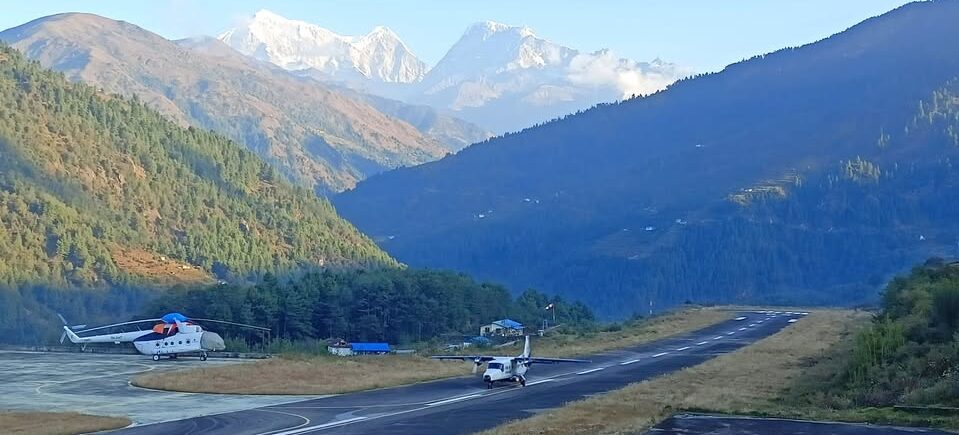
For decades, reaching the remote Everest region has meant either a dramatic, short flight into Lukla’s famously challenging mountainside airstrip or a long, multi-day trek from Jiri along the historic route used by early Everest expeditions. Over the past several years, however, steady road construction through Solukhumbu district has quietly rewritten this equation, extending drivable access well beyond the traditional Salleri and Phaplu roadhead toward the villages of Thamdanda and, increasingly, Surke, bringing jeep transport closer than ever to the standard Everest trekking trail near Lukla itself.

This guide covers everything trekkers need to know about arranging. 

Private Jeep Hire Salleri Phaplu: the geography of this extended road corridor, how far the road actually reaches today, the journey from Kathmandu itself, vehicle options, how this changing roadhead affects Everest region trekking itineraries, permits, seasonal considerations, and how this overland route compares to flying into Lukla. Nepal Vehicle Hiring has arranged jeep transport along this exact corridor for years, and this guide draws directly on that route experience.

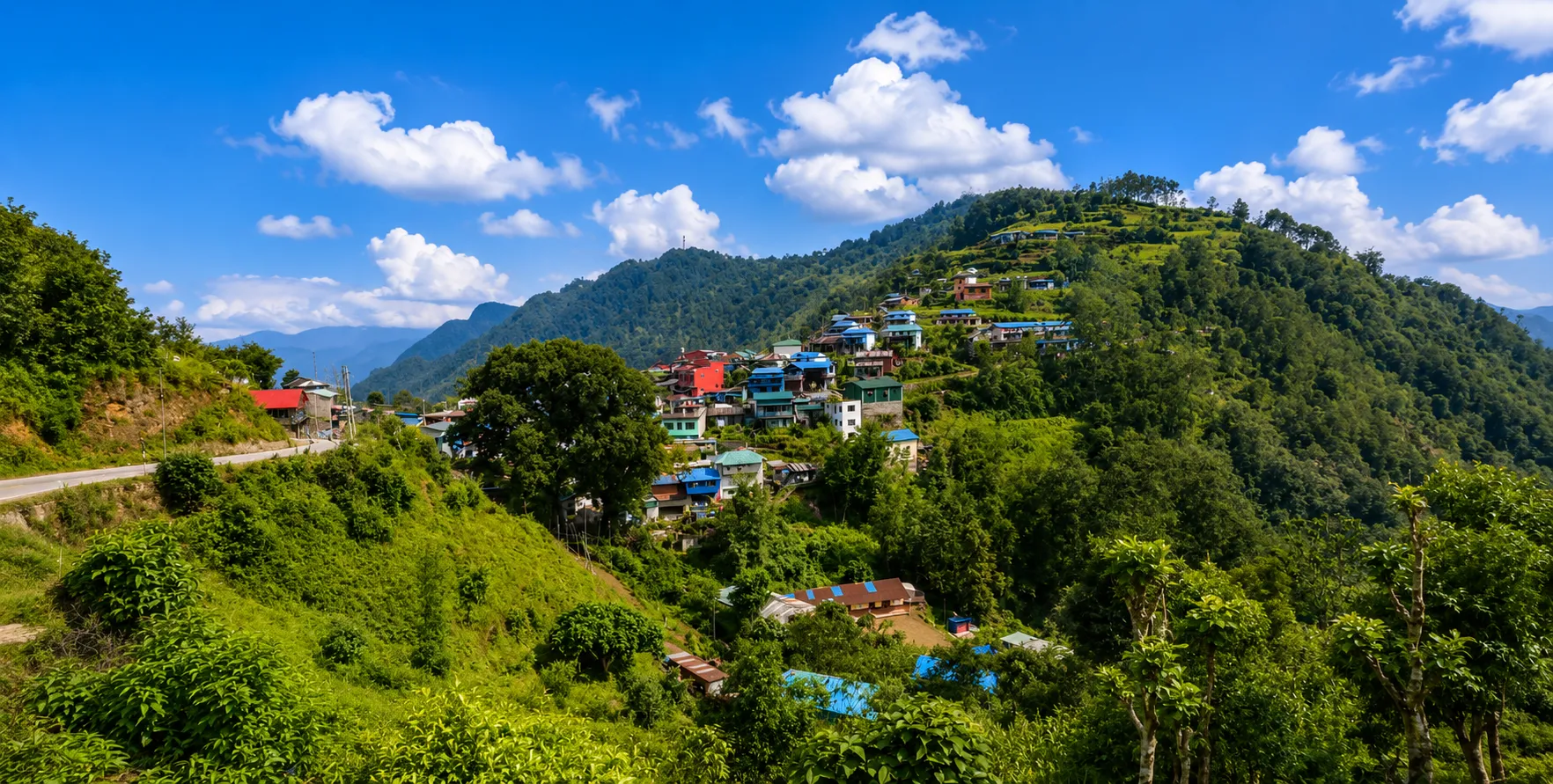
Where Are Salleri, Phaplu, Thamdanda, and Surke

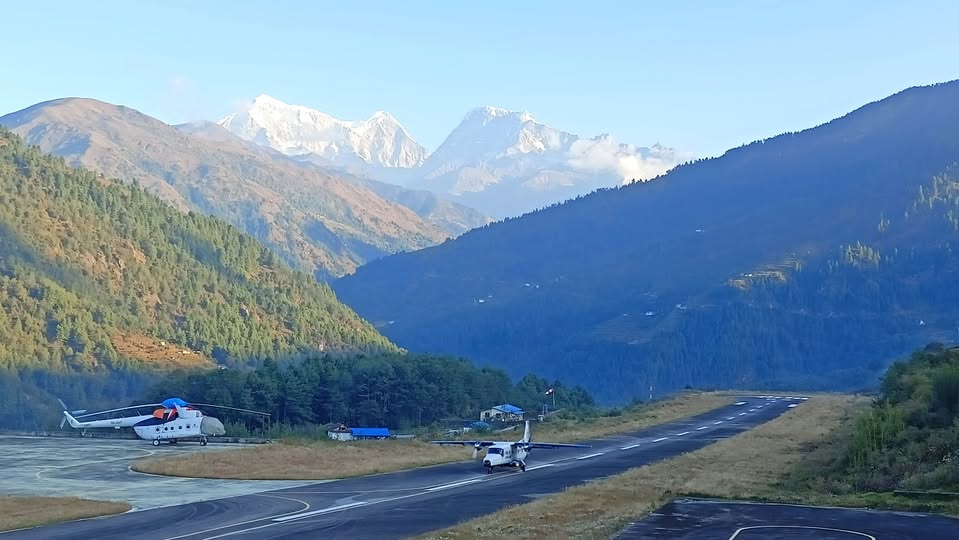
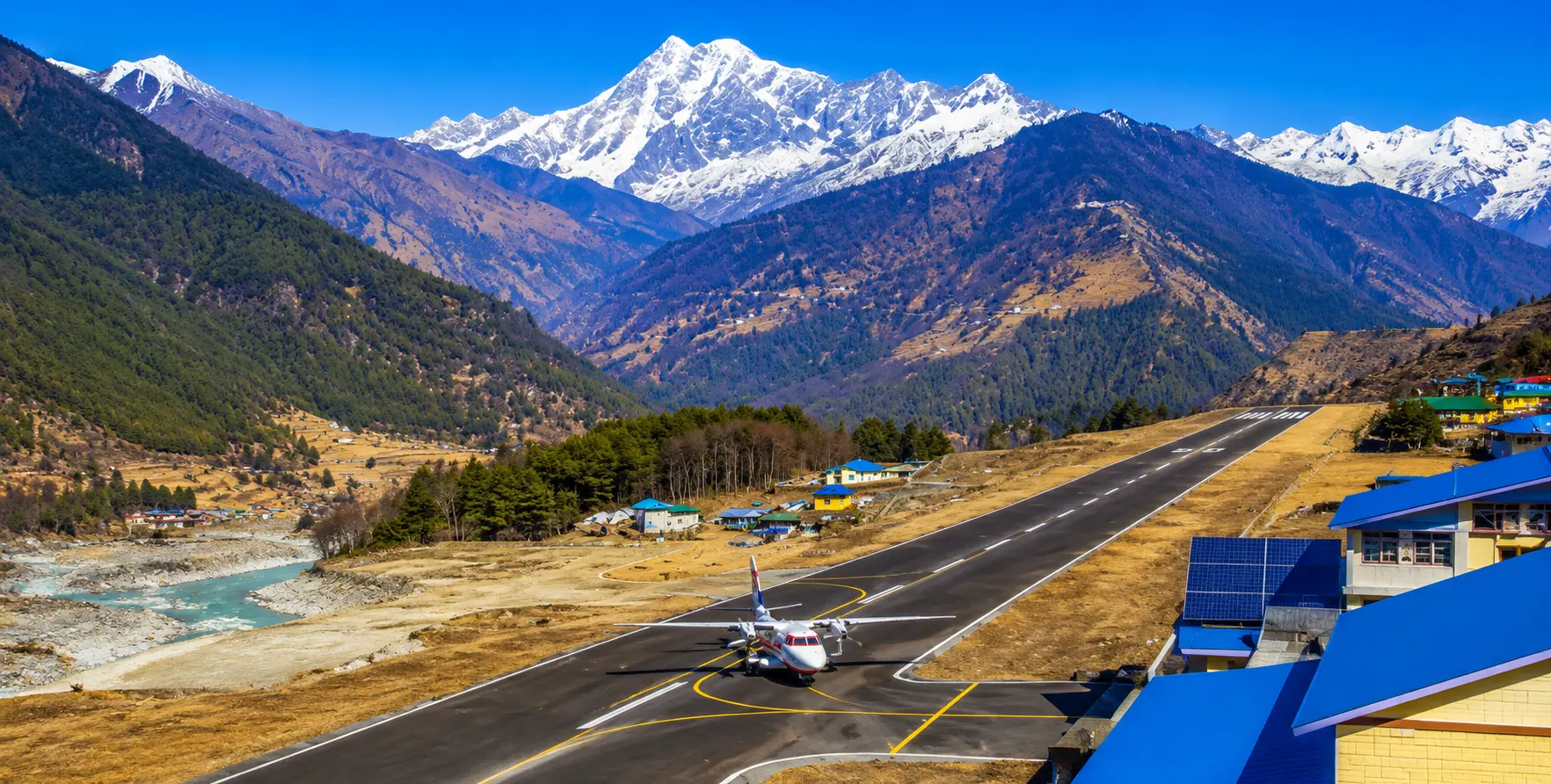
Salleri proudly serves as the district headquarters of Solukhumbu, the broader district that contains the entire Everest region. At the same time, Phaplu, a short distance away, has its own small airstrip and has long served as an alternative, lower-risk entry point to the region than Lukla’s more famous, more challenging airstrip.

Thamdanda and Surke themselves sit considerably further along this same general road corridor, considerably closer to the standard Everest trekking trail, with Surke in particular sitting close enough to Chaurikharka, just below Lukla, that trekkers driving this far can join the main Everest Base Camp trekking route with only a short remaining walk, bypassing the need to fly into Lukla at all.

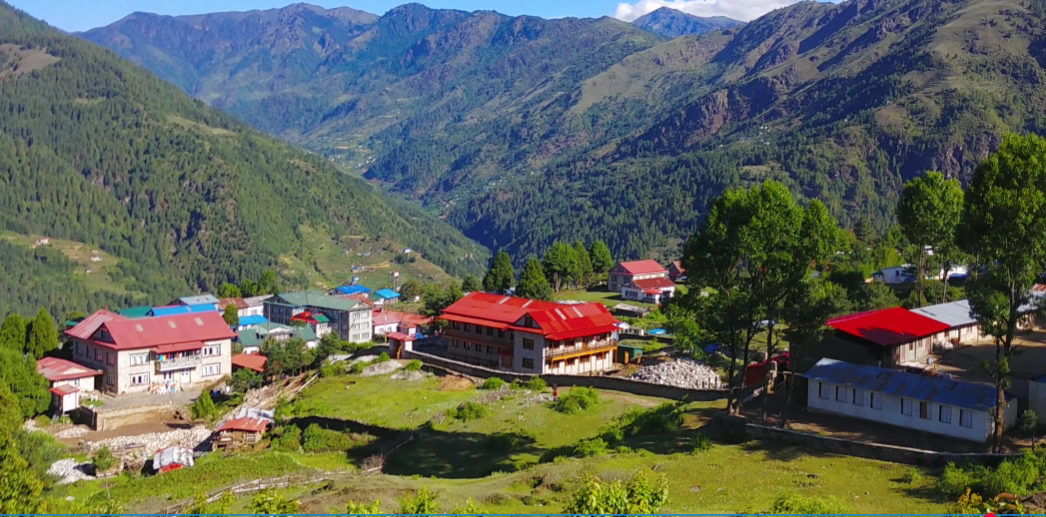
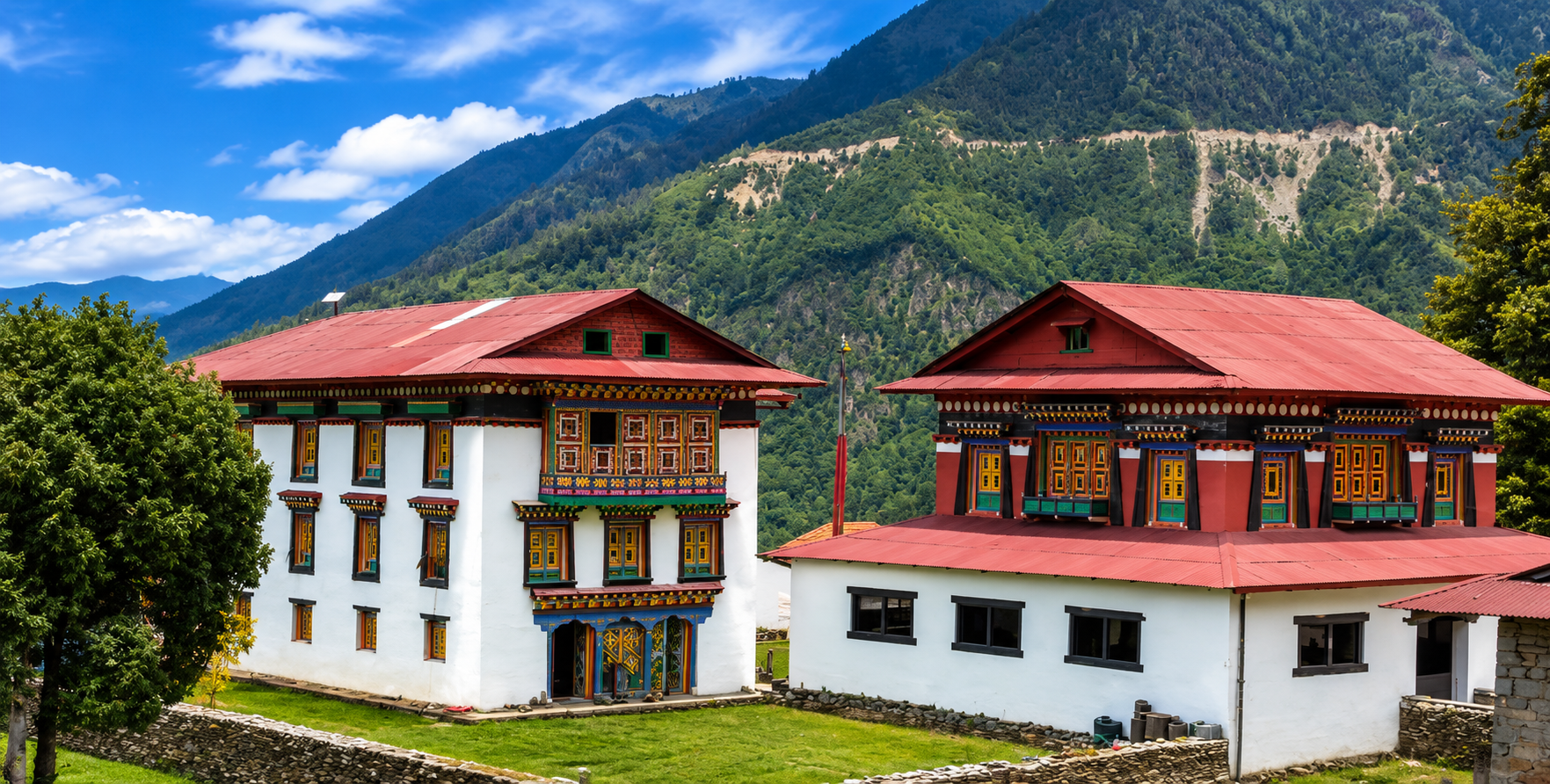
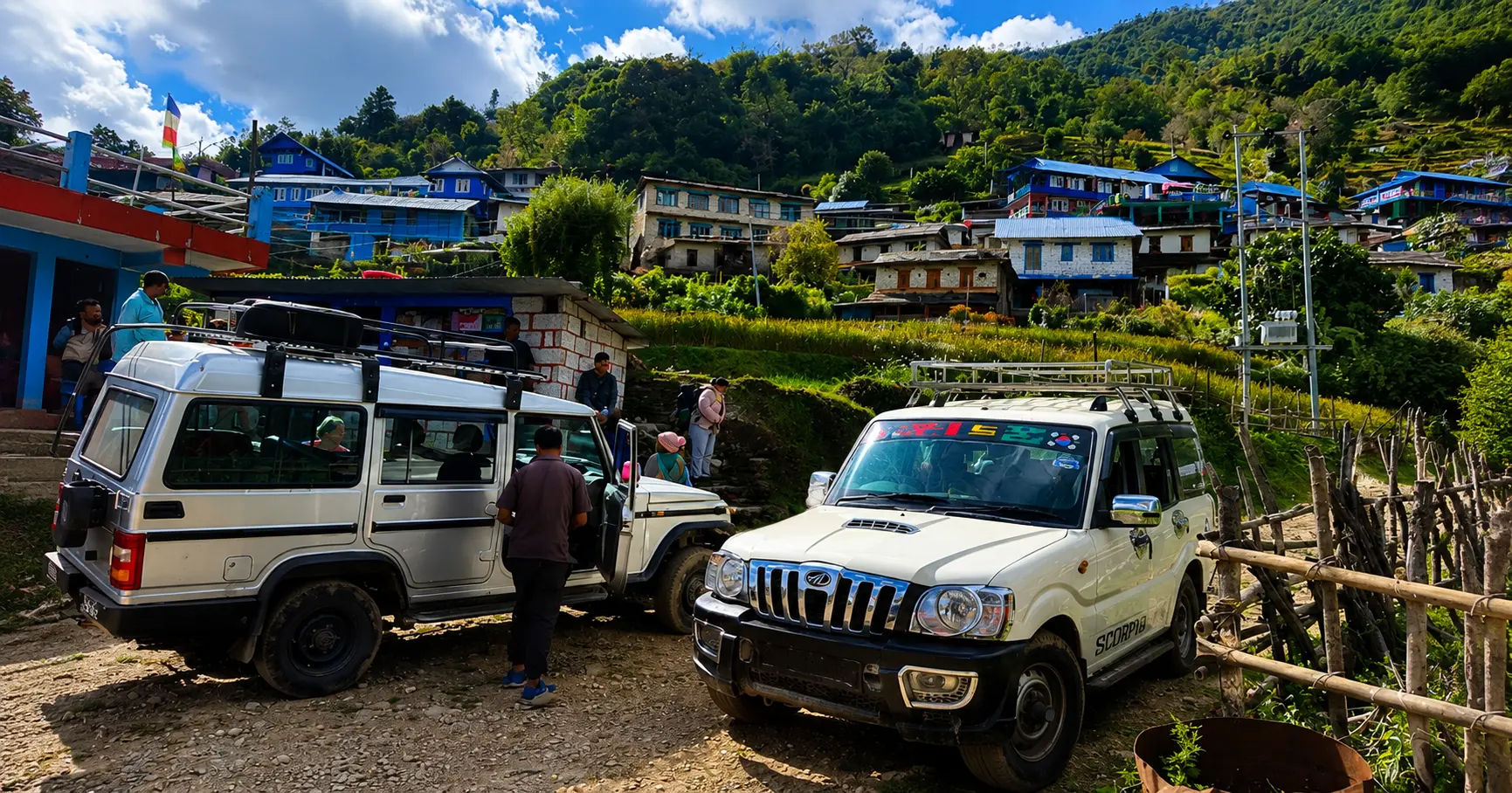
This lower Solukhumbu region sits within the Solu portion of the district, distinct from the higher Khumbu region containing Namche Bazaar, Everest Base Camp, and the classic high-altitude trekking trail. It is home to a mixed population of Rai, Chhetri, and other communities alongside the Sherpa population more commonly associated with the higher Khumbu villages further up the trail.
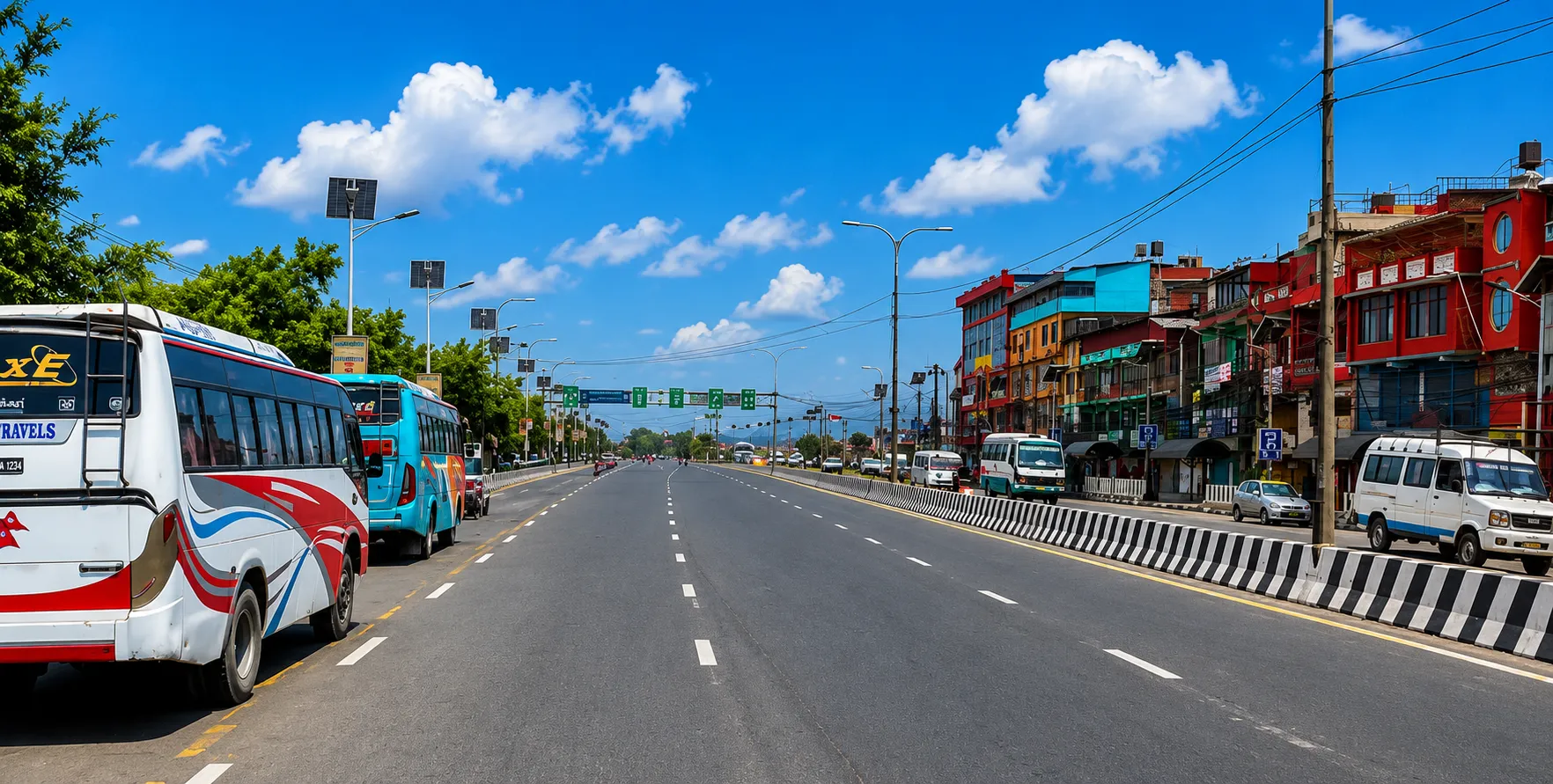
Book a private 4WD jeep to Salleri, Phaplu, Thamdanda, or Surke for a safe and comfortable transfer to the Everest Region. Ideal for Everest Base Camp trekkers seeking reliable road transport.

The Journey From Kathmandu

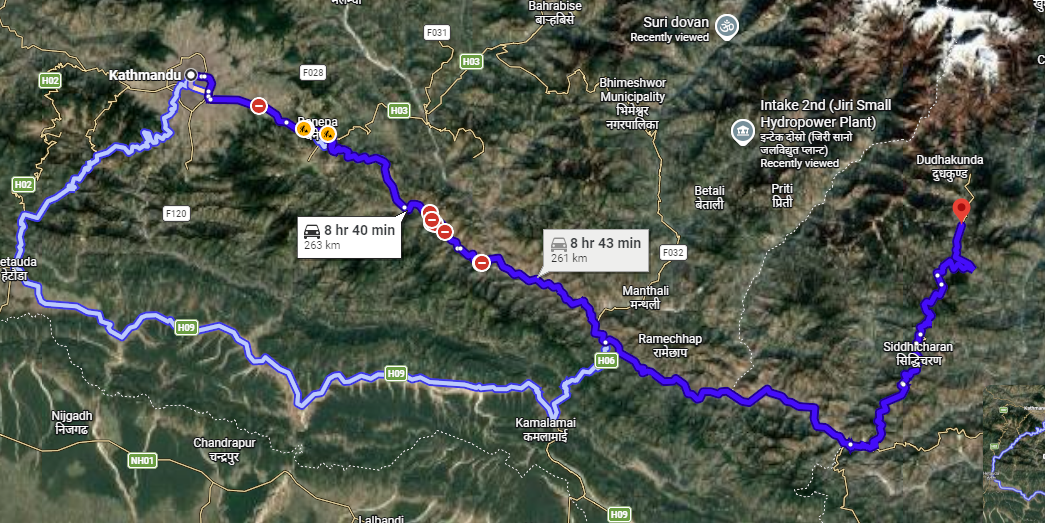
The drive from Kathmandu toward Salleri and Phaplu covers a considerable distance through Nepal’s central and eastern hill regions, typically taking a full day or, more commonly, two days with an overnight stop, given the distance and road conditions involved. Our 

Kathmandu to Salleri Phaplu jeep service covers this established leg of the journey in detail. It forms the foundation for the extended route now reaching toward Thamdanda and Surke as road construction has continued to push further along this corridor in recent years.

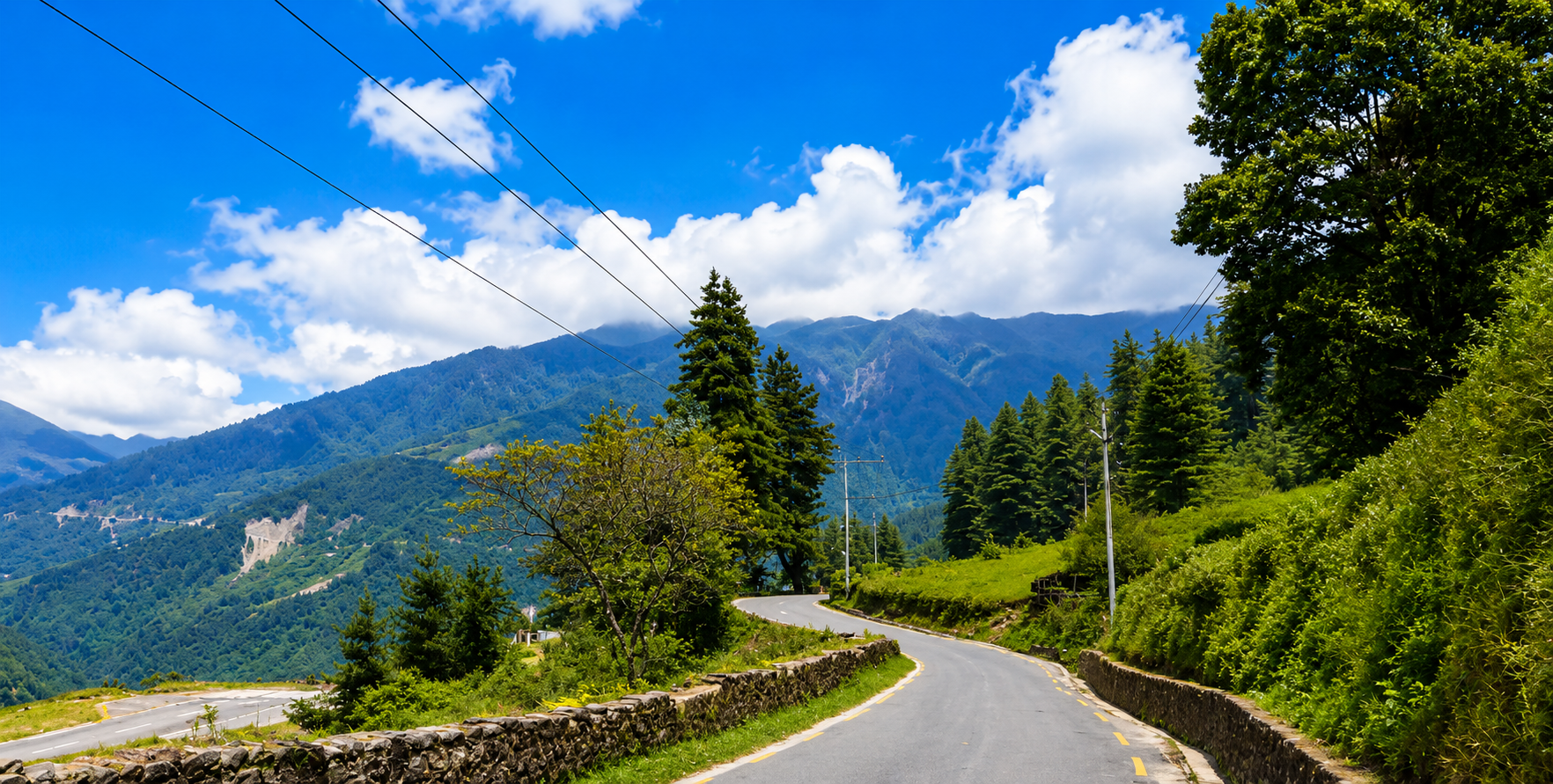
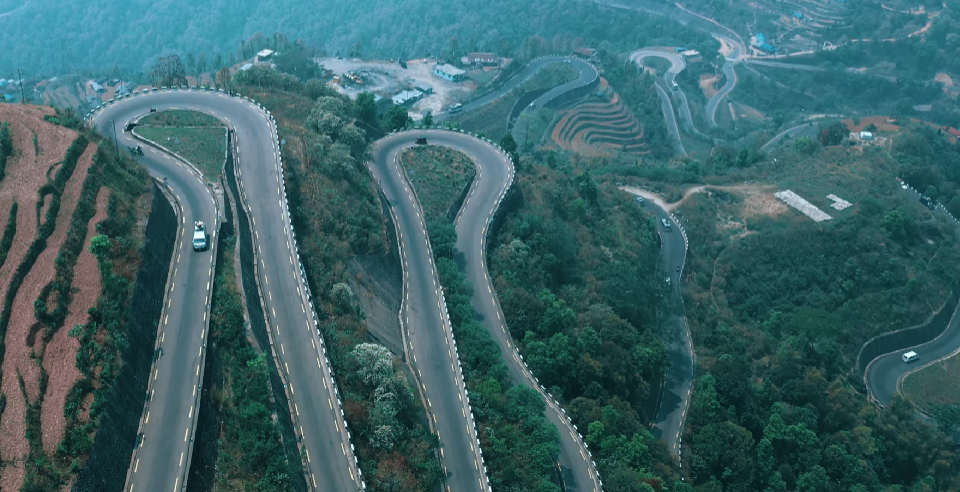
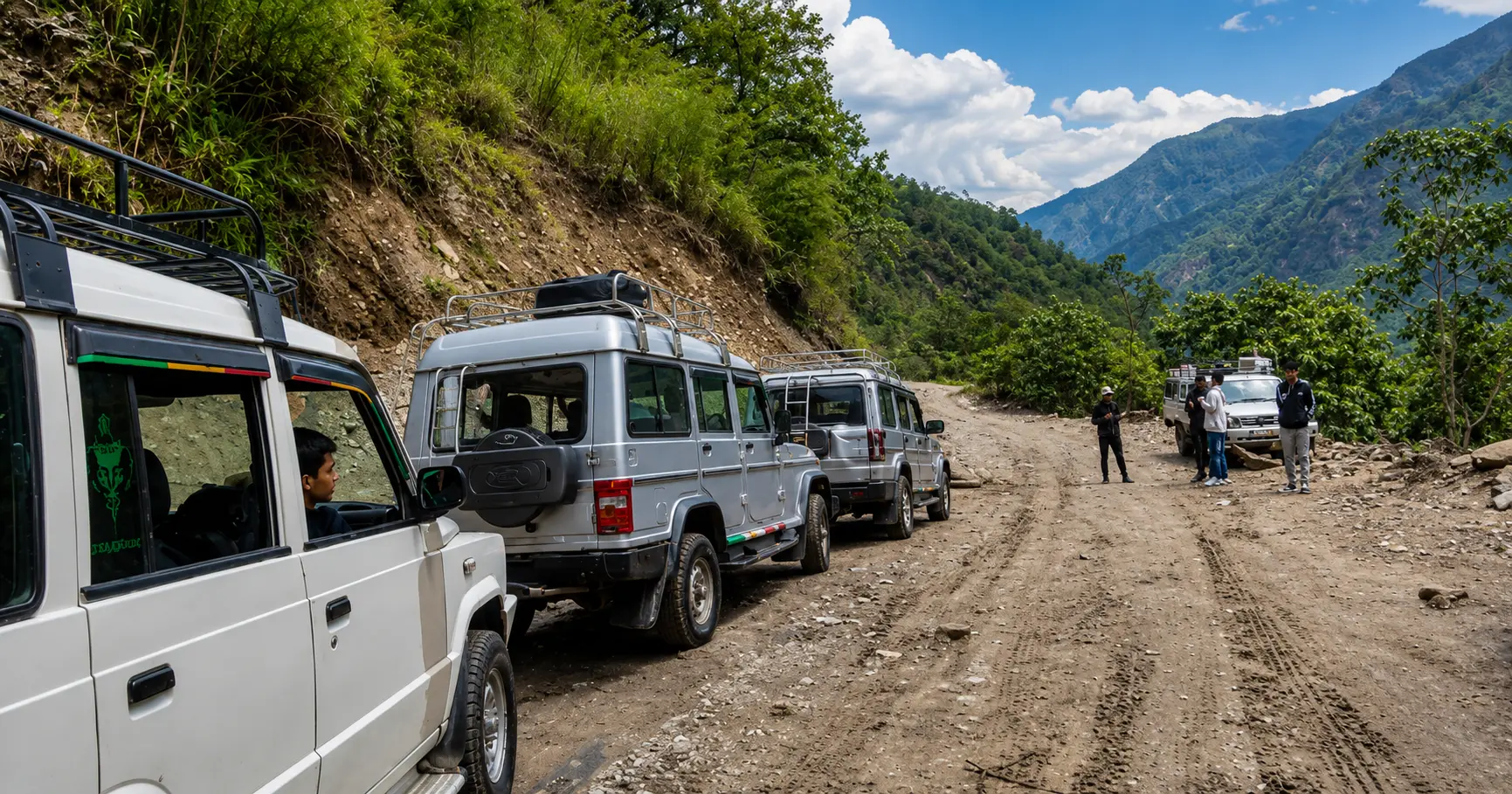
Beyond Phaplu, the more recently constructed, considerably rougher road continues toward Ringmo, Taktor, and onward to Thamdanda, with the furthest currently drivable sections reaching Surke on a good day, depending on current road maintenance and recent weather conditions. This extended section requires a genuine four-wheel-drive vehicle and a driver with up-to-date knowledge of how far the road remains passable on any given trip, since this changes more often on this newer section than on the well-established Kathmandu-to-Phaplu leg.

Why This Extended Route Matters

The extension of drivable road access beyond Phaplu toward Thamdanda and Surke represents a genuinely significant development for Everest region trekking logistics, offering trekkers a way to reach the immediate vicinity of the standard trekking trail without relying on a Lukla flight at all. Lukla’s small mountainside airstrip, despite its considerable international fame, remains notoriously subject to significant weather-related delays and cancellations, particularly during the shoulder seasons and any period of genuinely unstable, unpredictable mountain weather.

Aa growing number of trekkers now specifically choose the overland route via Salleri, Phaplu, and onward toward Surke to avoid this flight risk entirely, accepting a longer overall journey in exchange for greater schedule reliability.

Vehicle Options for This Route

Toyota Land Cruiser and Prado

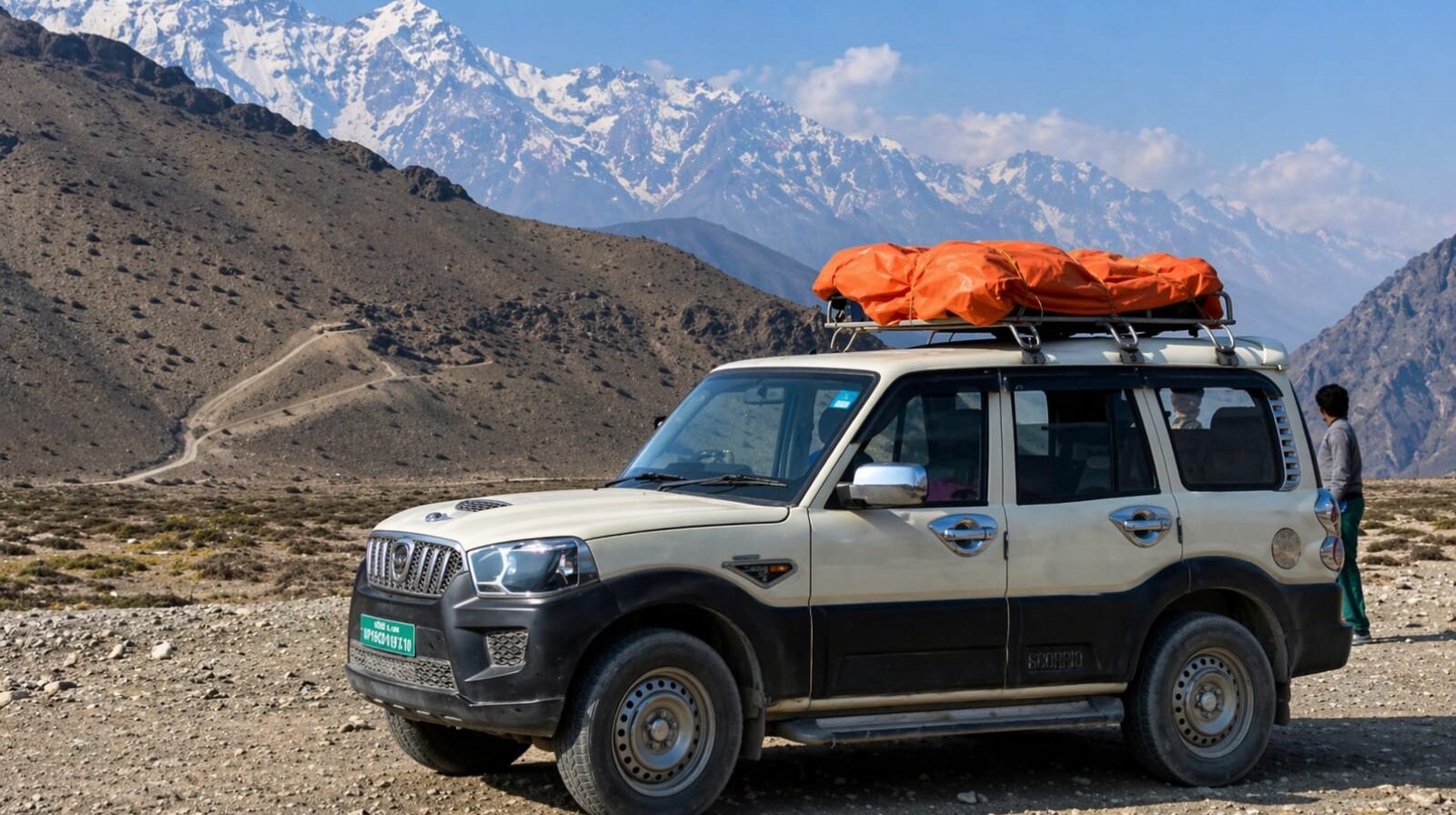
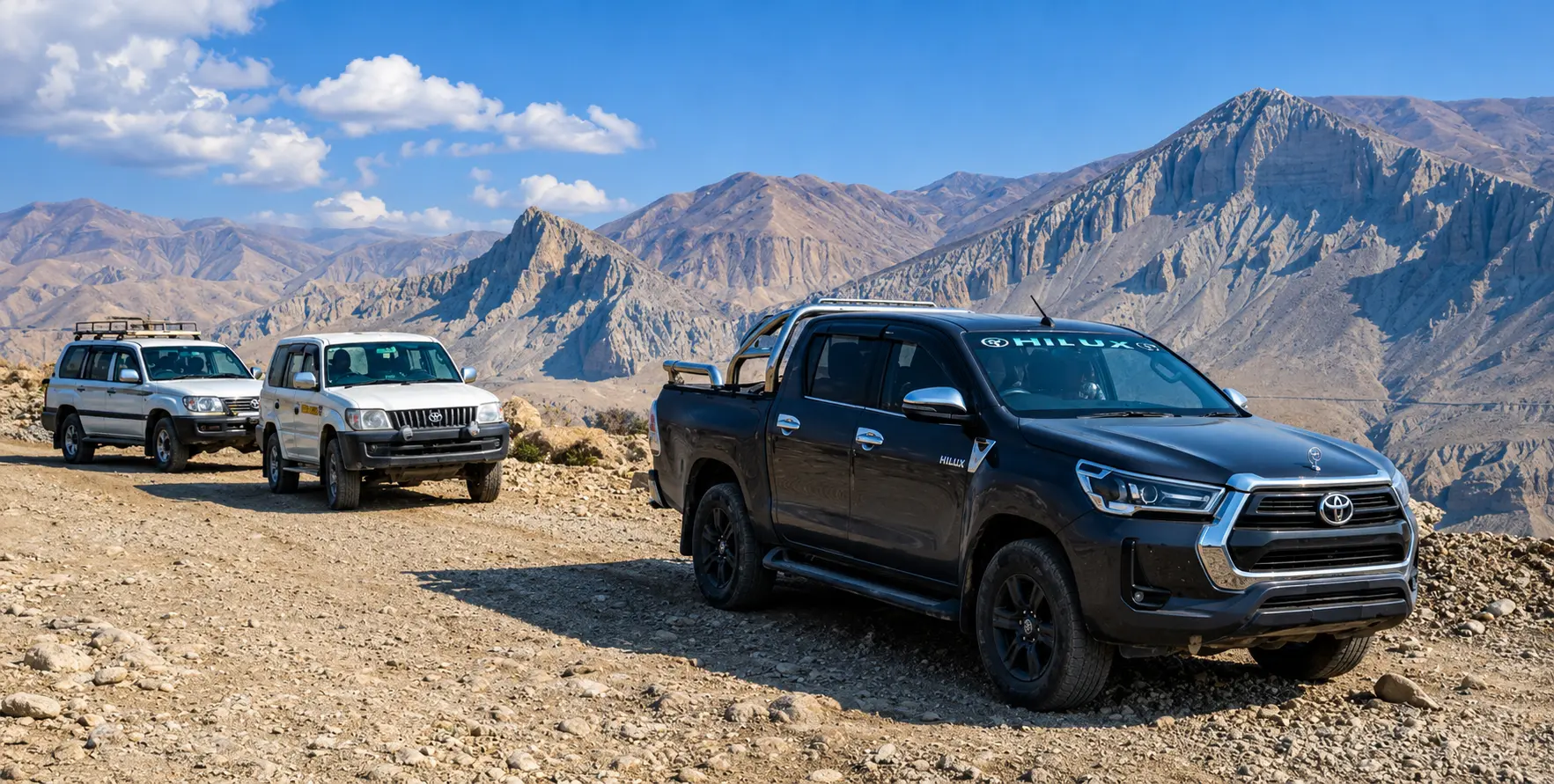
For the demanding sections beyond Phaplu toward Thamdanda and Surke, a Land Cruiser or Prado remains the most reliable option, offering the ground clearance and mechanical dependability this genuinely rough corridor requires.

Mahindra Bolero and Local Jeeps

Regional operators widely use local jeeps such as the Mahindra Bolero on this corridor and remain a practical, cost-effective option for smaller groups, discussed further in our 

Mahindra Bolero and Tata Sumo trekking transfer guide.

Executive Hiace for the Kathmandu-Phaplu Highway Sections

For larger trekking groups, our 

Hiace hire service suits the more established, paved sections of the journey closer to Kathmandu, before smaller groups transfer into 4WD jeeps for the rougher stretch beyond Phaplu.
Book a private jeep hire Salleri, Phaplu, Thamdanda, or Surke for a safe and comfortable transfer to the Everest Region. Ideal for Everest Base Camp trekkers seeking reliable road transport.

Phaplu’s Airstrip as an Alternative to Lukla

Beyond its role as a road terminus, Phaplu also has its own small airstrip, occasionally used as a lower-risk alternative to Lukla for trekkers who want to fly rather than drive the full distance from Kathmandu, while avoiding Lukla’s more challenging approach and higher weather-related cancellation rate. This gives trekkers a genuine third option beyond a pure road journey or a Lukla flight: driving or flying to Phaplu, then continuing on foot or by the extended road toward Thamdanda and Surke before joining the main Everest trail.

Trekking From Surke to the Main Everest Trail

For trekkers driving as far as the road currently allows toward Surke, the remaining walk to join the standard Everest Base Camp trekking route near Chaurikharka and Lukla itself is considerably shorter than the multi-day walk once required from Jiri or even from Phaplu in earlier years. This compressed approach has made the overland route an increasingly practical alternative to flying, rather than simply a slower, more scenic option reserved for trekkers with unlimited time, and its growing popularity reflects genuine road infrastructure improvement rather than simply changing trekker preferences.
Private Jeep Hire Salleri, Phaplu, Thamdanda & Surke

Comparing the Overland Route to Flying Into Lukla

Flying to Lukla remains the fastest way to begin an Everest Base Camp Trek, but carries genuine weather-related risk, with flights frequently delayed or rerouted through Manthali in Ramechhap district during peak season, as discussed in our 

Everest Range Nepal Full Guide. The overland route via Salleri, Phaplu, Thamdanda, and Surke takes considerably longer overall, typically adding two to three days compared to flying directly, but offers far greater schedule predictability, an important consideration for trekkers with a fixed return flight or limited overall trip duration who cannot afford an open-ended wait for Lukla flight conditions to improve.

Comparing This Route to the Classic Jiri Approach

The traditional Jiri to Everest route, covered in our companion guide to the 

Jiri to Everest Trek offered by our sister company Alpine Luxury Treks, remains available for trekkers specifically seeking the full historical approach used by early Everest expeditions, including Hillary and Tenzing’s own 1953 climb. By contrast, the Salleri, Phaplu, Thamdanda, and Surke route offers a considerably shorter overland approach for trekkers who prioritise efficiency over historical authenticity, while still avoiding a Lukla flight entirely.
Private Jeep Hire Salleri, Phaplu, Thamdanda & Surke

Permits Required for This Route

Trekkers joining the standard, well-established Everest Base Camp Trek via this overland approach need the same permits as those flying into Lukla: a Sagarmatha National Park entry permit and the Khumbu Pasang Lhamu Rural Municipality entry fee, both typically arranged in Kathmandu or at the appropriate checkpoint along the route. No additional restricted area permit is required for this lower Solukhumbu approach itself, since it falls outside any restricted zone.

Best Time of Year for This Route

Spring (March to May)

Generally favourable road conditions and stable weather make this one of the two peak seasons for both the drive and onward trekking.

Summer and Monsoon (June to August)

Heavy rainfall significantly increases landslide risk on the rougher sections beyond Phaplu, making this the least reliable season for the extended road toward Thamdanda and Surke specifically.

Autumn (September to November)

The clearest skies and most stable conditions of the year, and the busiest season for Everest region trekking overall, making early booking for this route advisable.

Winter (December to February)

Cold conditions affect the higher trekking sections beyond Surke, though the lower road corridor itself generally remains passable, appealing to trekkers seeking a quieter season.
Private Jeep Hire Salleri, Phaplu, Thamdanda & Surke

Road Safety on This Extended Corridor

The road beyond Phaplu toward Thamdanda and Surke remains considerably rougher and less consistently maintained than the established Kathmandu-to-Phaplu highway sections, passing through active landslide zones particularly during and after the monsoon. An experienced driver with up-to-date knowledge of how far the road remains passable is essential, since this can change between trips depending on recent weather and maintenance activity.

Combining This Route With the Full Everest Base Camp Trek

Trekkers using this overland approach typically continue to complete the full Everest Base Camp Trek. 

Everest Base Camp Trek offered by our sister company, Alpine Luxury Treks, joining the standard trail near Chaurikharka and continuing through Namche Bazaar, Tengboche, and onward to Base Camp and Kala Patthar exactly as trekkers flying into Lukla would, simply with a different and more schedule-reliable starting point.
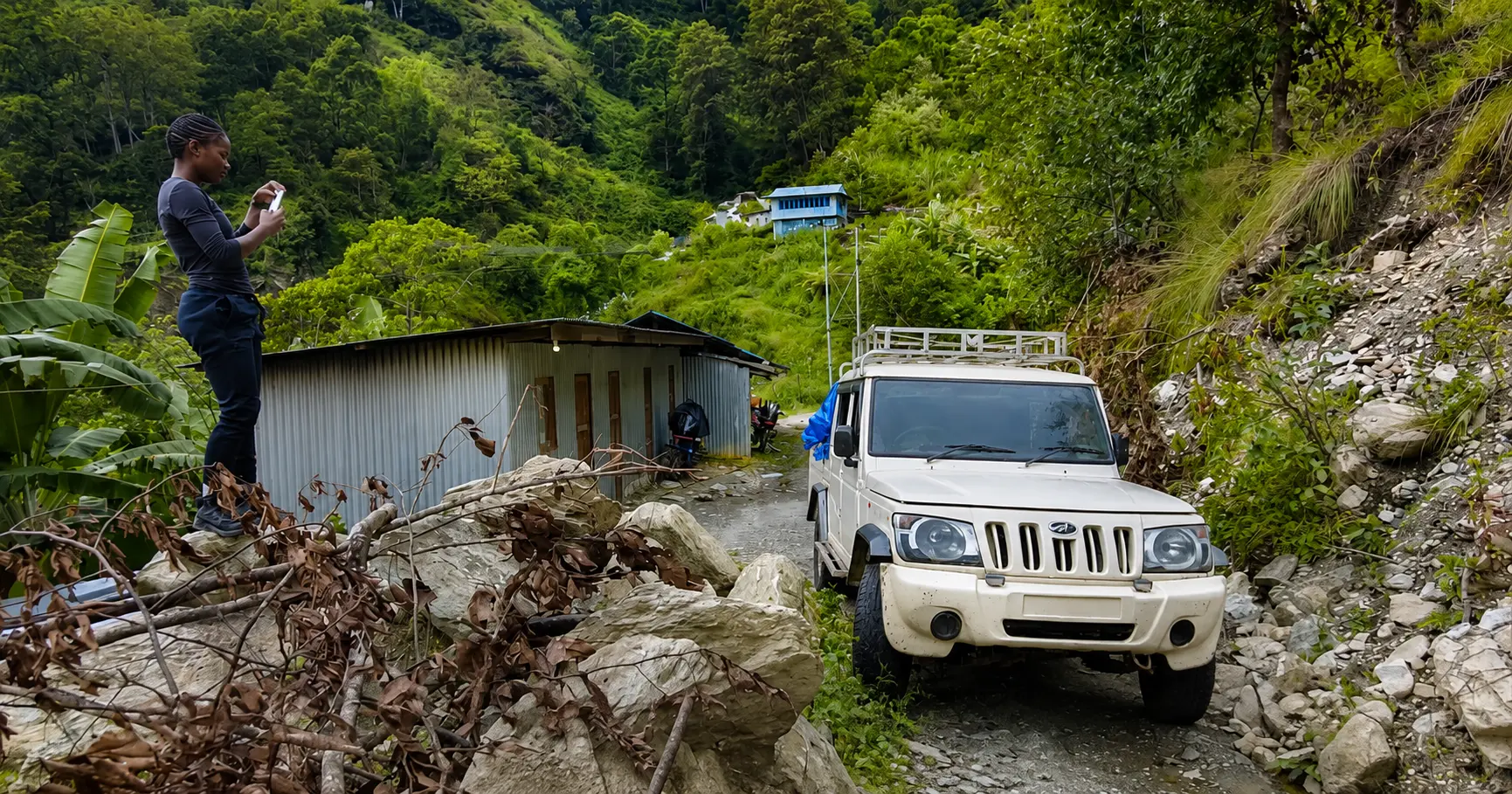
Private Jeep Hire Salleri, Phaplu, Thamdanda & Surke

Cost Factors for This Route

Vehicle hire costs for the Salleri, Phaplu, Thamdanda, and Surke corridor depend on vehicle class, group size, and how far the current road allows the vehicle to travel on a given trip. Our team is happy to prepare a custom quote based on your group size and travel dates, and we’ll confirm current road conditions at the time of booking. Visit our 

homepage or explore our 

trekking transport section for further guidance.

How to Book Your Transport

Booking begins with sharing your group size, preferred travel dates, and whether you want to go as far as possible toward Surke to minimise walking, or a more standard Salleri-Phaplu drop-off. Our team will confirm current road conditions and match the appropriate vehicle and driver for your specific itinerary. We recommend booking at least two to three weeks ahead during peak spring and autumn seasons.
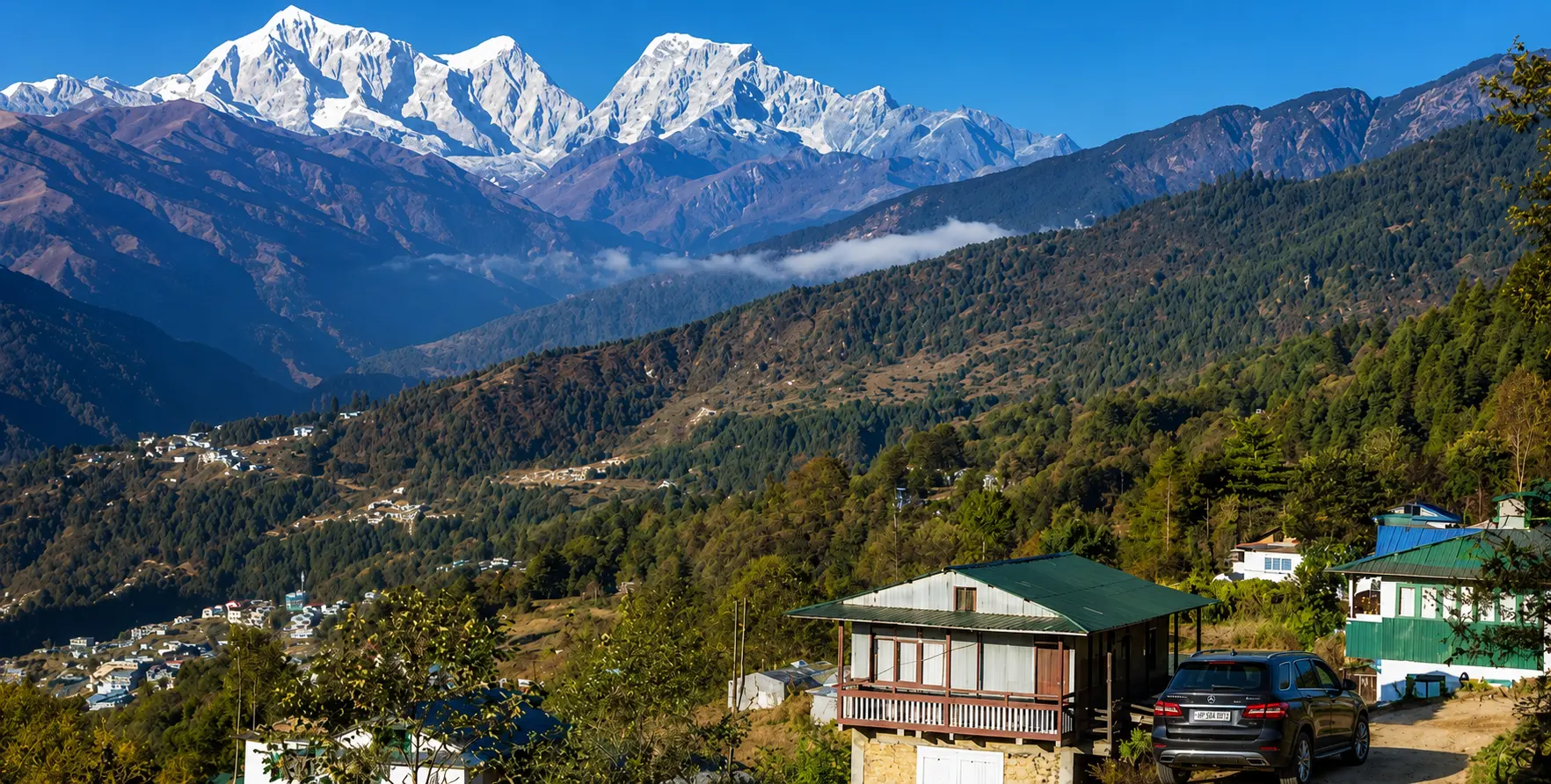
Salleri village

Trekkers planning an Everest region trip via this overland approach may find these related guides useful:

Frequently Asked Questions

How far can I currently drive toward the Everest region without flying?

Road access currently reaches as far as Thamdanda and, on good days, Surke, though conditions vary and you should confirm with your vehicle operator before finalising travel plans.

Is this route safer than flying to Lukla?

It avoids Lukla’s flight-related weather risk entirely, though the road still requires a proper 4WD and an experienced driver due to its rough, landslide-prone sections beyond Phaplu.

How much walking remains after driving to Surke?

The remaining walk to join the main Everest trail near Chaurikharka and Lukla is much shorter than the traditional Jiri approach, and you can typically do it in a single day, depending on the exact road endpoint on your trip.

Do I need different permits for this route compared to flying into Lukla?

No. The same Sagarmatha National Park permit and Khumbu Rural Municipality entry fee apply regardless of whether you fly into Lukla or approach overland via this route.

Can I fly from Phaplu instead of driving the whole way?

Yes. Phaplu’s airstrip offers an alternative, generally lower-risk flight option than Lukla. It can be combined with the extended road toward Thamdanda and Surke for trekkers who want to shorten their overland journey.

What is the best season for this route?

Spring and autumn offer the most reliable road conditions, with the monsoon season carrying the highest landslide risk on the rougher sections beyond Phaplu.
Private Jeep Hire Salleri, Phaplu, Thamdanda & Surke

Final Thoughts: Nepal’s Quietly Changing Everest Gateway

The steady extension of drivable road access from Salleri and Phaplu toward Thamdanda and Surke represents one of the more significant, if quietly developing, changes to Everest region trekking logistics in recent years, offering a genuine alternative to Lukla’s flight-dependent access without the multi-day commitment of the full traditional Jiri approach. Getting this journey right, with an experienced driver and up-to-date knowledge of current road conditions, sets a reliable, weather-independent start to one of the world’s great trekking adventures.

Contact Nepal Vehicle Hiring today on WhatsApp or visit 

vehiclehiringnepal.com to arrange your private jeep for Salleri, Phaplu, Thamdanda, and Surke, and to help plan your onward journey into the Everest region with current, accurate route information for whichever season you plan to travel.

The History of Road Development in Lower Solukhumbu

Road construction into Solukhumbu district has proceeded in distinct phases over recent decades, beginning with the establishment of a reliable road connection to Salleri and Phaplu, which for years served as the practical limit of drivable access toward the Everest region. This Salleri-Phaplu roadhead became the standard starting point for trekkers choosing an overland approach rather than flying into Lukla, effectively creating a shorter alternative to the full traditional Jiri route while still requiring several additional trekking days compared to flying directly.

More recently, continued road construction has pushed this drivable limit further, through Ringmo and Taktor, toward Thamdanda and, on favourable days, as far as Surke, progressively compressing the walking distance required to join the standard Everest trekking trail near Lukla and Chaurikharka.
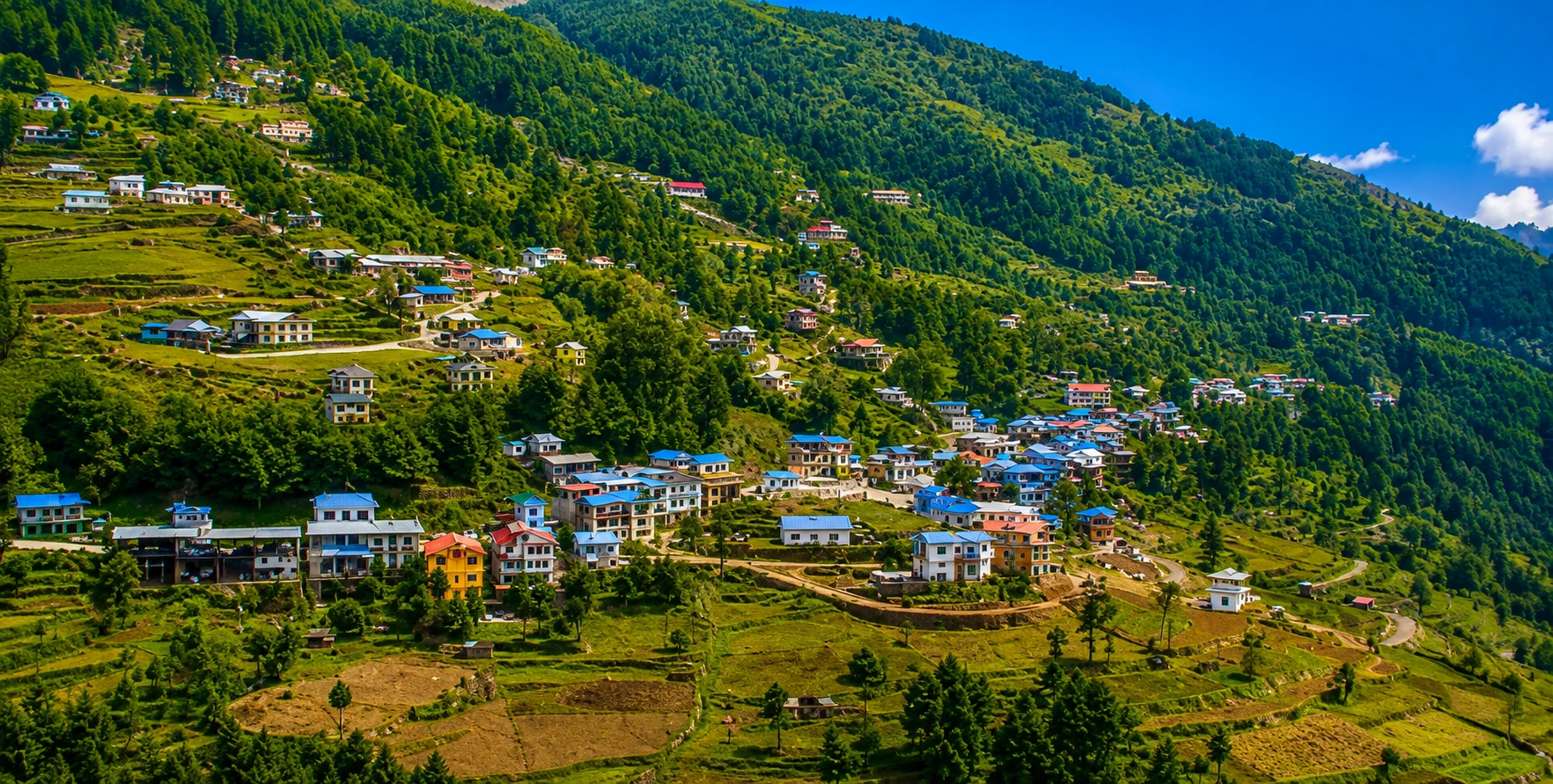
Private Jeep Hire Salleri, Phaplu, Thamdanda & Surke

Salleri: The District Headquarters

As the administrative headquarters of Solukhumbu district, Salleri hosts government offices, a hospital, and a range of services that reflect its role as the district’s administrative centre, distinct from the more purely trekking-oriented character of villages further up the trail toward the high Khumbu region. Many trekkers pass through or briefly stop in Salleri on their overland journey, and the town offers a useful last stop for final supplies or services before continuing toward the more remote sections of the route.

Phaplu in Greater Detail

Phaplu, a short distance from Salleri, has developed a distinct identity centred on its small airstrip and its role as a common starting or ending point for trekking itineraries in the region. The Phaplu area also hosts a hospital originally established with support linked to the Hillary family’s long-standing philanthropic work in the region, part of the broader legacy of infrastructure development in Solukhumbu that traces back to Sir Edmund Hillary’s post-expedition work supporting local communities throughout the district.
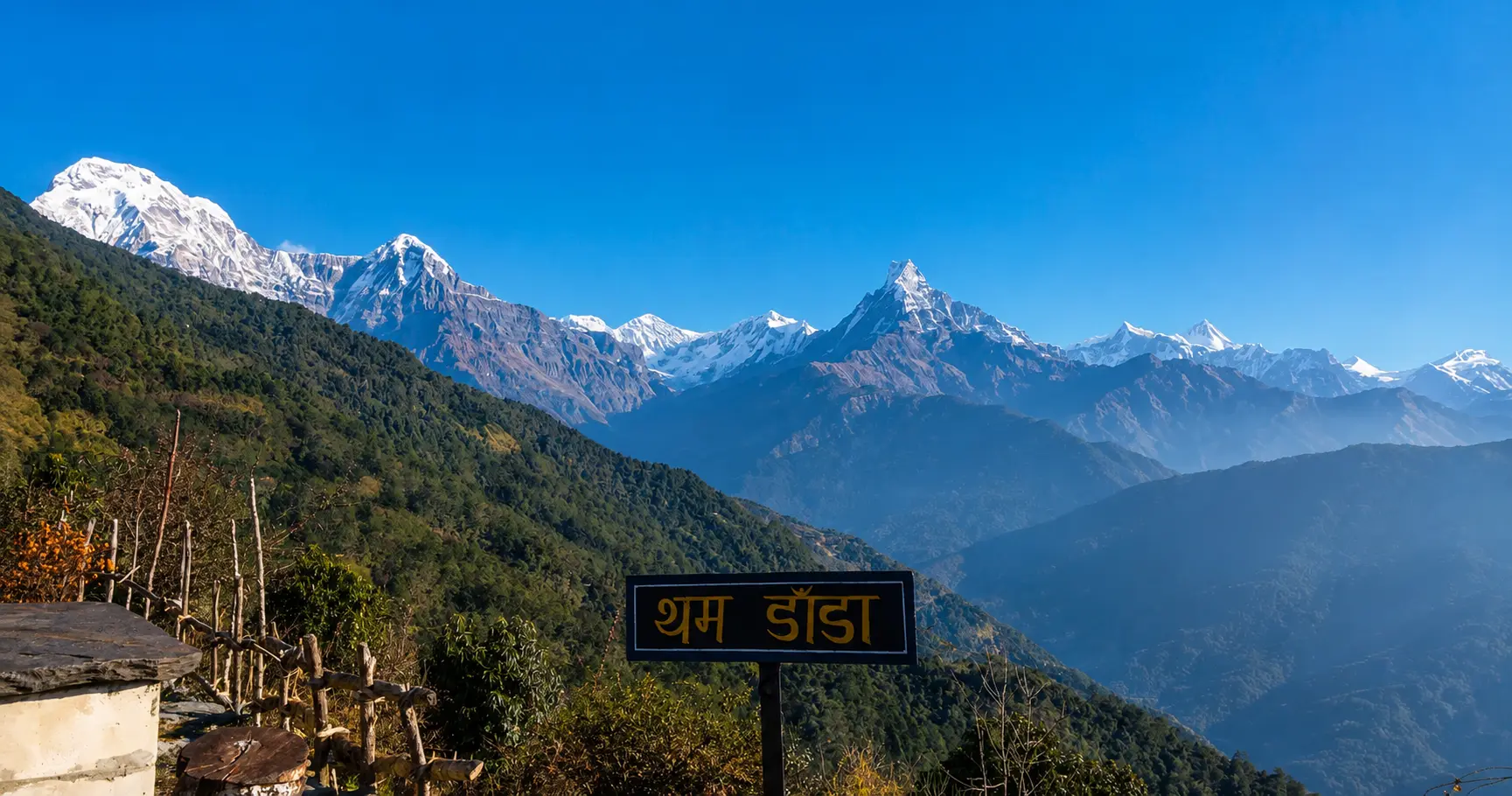
Private Jeep Hire Salleri, Phaplu, Thamdanda & Surke

Thamdanda and the Newer Road Sections

Thamdanda represents one of the more recently established points along this extending road corridor, reflecting the ongoing, incremental nature of road construction through this challenging terrain. Unlike the well-established Kathmandu-to-Phaplu highway sections, the road beyond Phaplu toward Thamdanda remains under active development, meaning conditions and the exact drivable endpoint can shift meaningfully between trekking seasons as construction continues and monsoon damage is repaired.

Surke and Its Proximity to the Main Trekking Trail

Surke’s significance in this extended road corridor comes from its proximity to Chaurikharka, a village on the standard Everest Base Camp trekking trail just below Lukla. Trekkers able to drive as far as Surke on a given trip face only a relatively short remaining walk to join this main trail, effectively allowing them to bypass both the Lukla flight and the considerably longer trek from Phaplu or Jiri that earlier generations of overland trekkers faced.

This proximity is precisely what has made Surke the focus of considerable interest as road construction has continued to extend toward it in recent years.
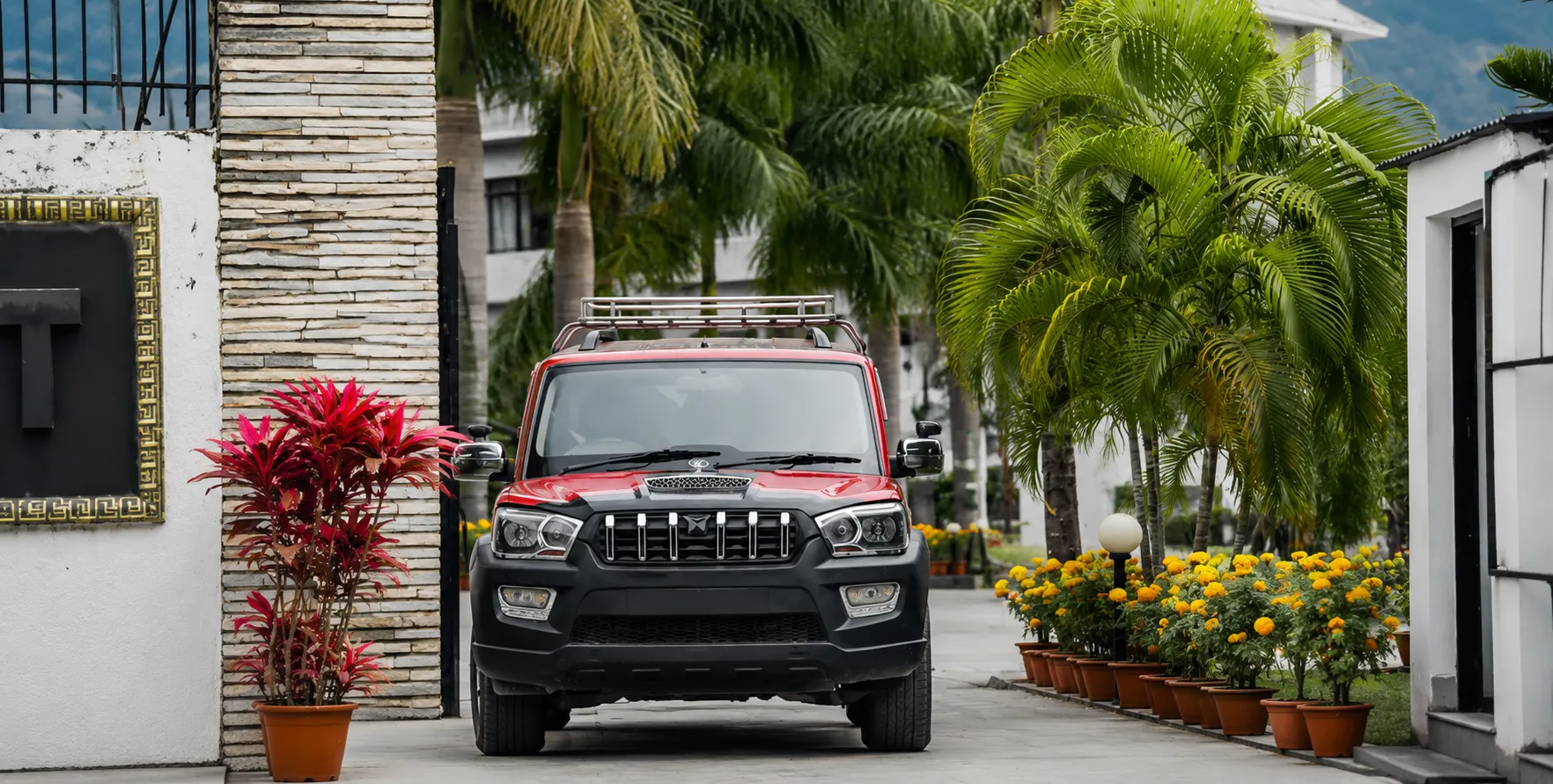
Private Jeep Hire Salleri, Phaplu, Thamdanda & Surke

A Typical Itinerary Using This Extended Route

A common itinerary for trekkers choosing this overland approach begins with the drive from Kathmandu to Salleri or Phaplu, typically requiring a full day or an overnight stop given the distance involved, followed by a second day continuing along the rougher, more recently constructed road toward Thamdanda and as far toward Surke as current conditions allow. From there, trekkers complete the remaining walk to join the main trail near Chaurikharka, then continue to Lukla or onward to Namche Bazaar, depending on their itinerary and acclimatisation schedule.

This combined road-and-short-trek approach typically adds two to three days to an itinerary compared to flying directly into Lukla. Still, it removes the schedule uncertainty of Lukla flight delays.

Weather Patterns Affecting This Corridor

The lower Solukhumbu region through which this road passes experiences a genuinely different weather pattern than the higher Khumbu region further up the standard trekking trail, with more monsoon-influenced rainfall and denser forest cover typical of the mid-hill elevations this corridor traverses before climbing toward the higher, more exposed terrain near Lukla and Namche Bazaar. This means road conditions along the Phaplu-to-Surke stretch are particularly sensitive to monsoon-season rainfall, with landslide risk considerably higher during and immediately after the main monsoon months than during the drier, more stable peak autumn and spring trekking seasons.
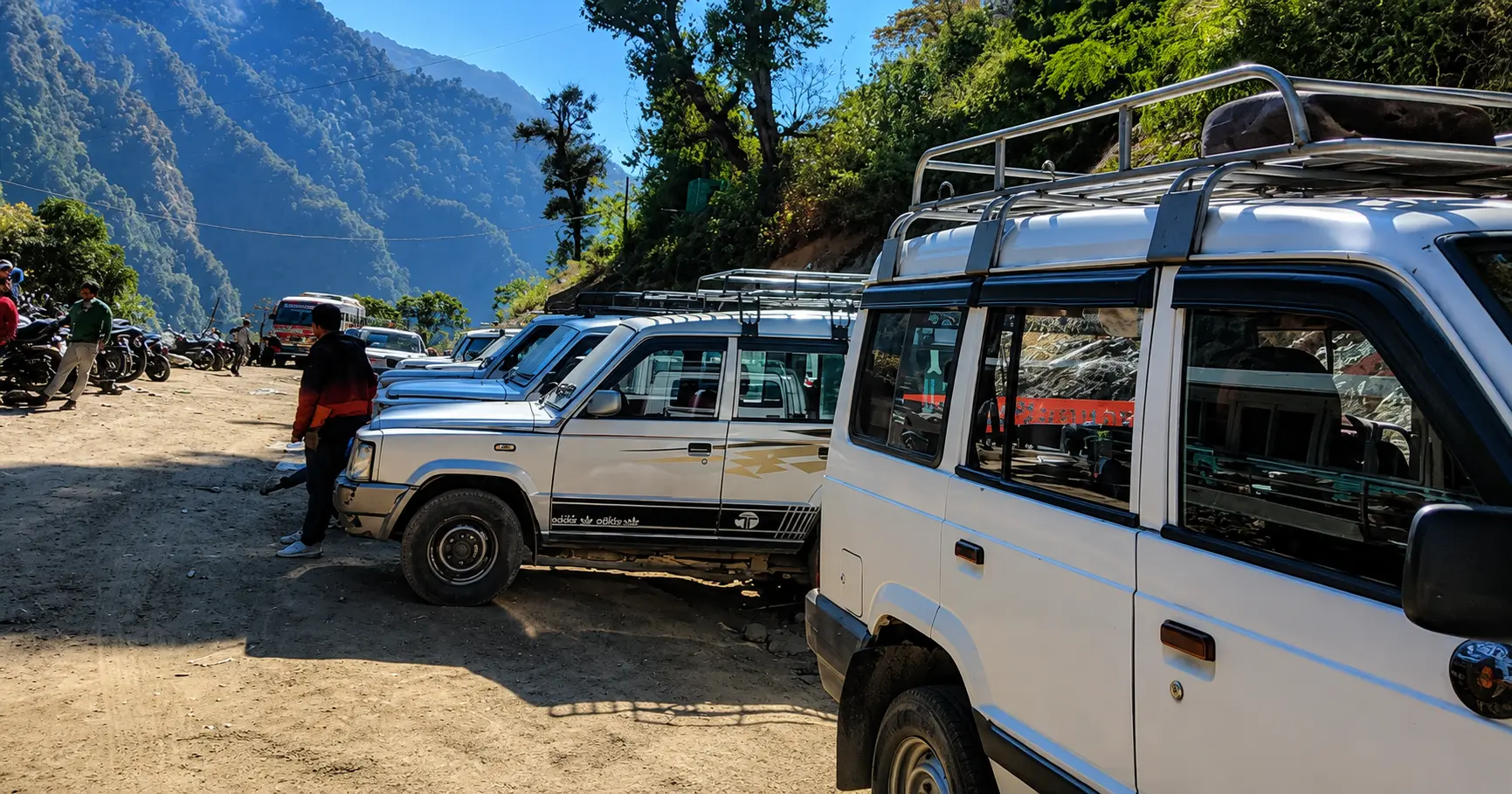
Private Jeep Hire Salleri, Phaplu, Thamdanda & Surke

Local Communities Along the Route

The villages along this extended corridor, including Salleri, Phaplu, and smaller settlements toward Thamdanda and Surke, are home to a genuinely mixed population that reflects Solukhumbu’s more ethnically diverse character than the more uniformly Sherpa communities found in the higher Khumbu villages further up the trail. Rai and Chhetri communities make up a significant part of the population in these lower villages, alongside Sherpa residents, giving trekkers using this overland route a different cultural cross-section than those flying directly into the more purely Sherpa cultural landscape of Lukla and Namche Bazaar.

Why Trekkers Increasingly Choose This Overland Approach

Beyond avoiding Lukla flight risk, more trekkers choose this overland approach for the added cultural and scenic exposure it offers compared to flying directly into the high Khumbu region. The drive and short trek through lower Solukhumbu offer a genuinely different landscape and cultural setting than the higher trail sections most trekkers experience, providing a more gradual, in-depth introduction to the broader Everest region rather than the more abrupt transition of a direct Lukla flight.

This makes the route appealing not only to risk-averse trekkers but also to those seeking a richer, more complete regional experience.

Health and Altitude Considerations for This Approach

One genuine advantage of this overland route is its gradual elevation gain compared to flying directly into Lukla at 2,860 metres. Trekkers driving from Kathmandu’s roughly 1,400 metres through Salleri and Phaplu, both at much lower elevations, then continuing on foot toward the higher trail sections, experience a gentler acclimatisation profile than those who fly directly into Lukla and start trekking immediately at a much higher starting elevation.

Some trekkers and guides consider this gradual approach genuinely beneficial for altitude acclimatisation, complementing the standard rest days built into most Everest Base Camp itineraries.

Guides and Local Knowledge for This Route

Given the more variable and continually evolving nature of road conditions found beyond Phaplu toward both Thamdanda and Surke, working closely with a guide or vehicle operator who maintains current, up-to-date knowledge of the exact drivable endpoint is particularly valuable for this specific route, more so than on well-established, unchanging highway corridors elsewhere in Nepal. Local drivers who regularly travel this corridor typically have the most accurate, current information on road status, since conditions can change significantly from one trip to the next depending on recent weather and ongoing construction.

Combining This Route With a Broader Solukhumbu Exploration

Trekkers with extra time sometimes use this extended overland approach to explore lower Solukhumbu more broadly, rather than treating the drive purely as transit to the main Everest trail. Salleri’s role as a district headquarters, Phaplu’s historic hospital and airstrip, and the broader cultural landscape of the lower Solu region all offer worthwhile points of interest for trekkers willing to build extra time into their itinerary beyond the minimum required to reach Surke and join the main trekking trail.

What to Pack for This Journey

  • Warm, layered clothing given the range of elevations and temperatures encountered across the drive and subsequent trek.
  • Sturdy footwear for the walking sections between the road’s current endpoint and the main Everest trail near Chaurikharka.
  • A flexible itinerary buffer, given the more variable road conditions on this evolving corridor than on established highway routes.
  • Cash in Nepali rupees, since card payment infrastructure remains limited throughout this rural corridor.
  • Basic first aid supplies and any personal medication needed for the trekking portion of the journey.
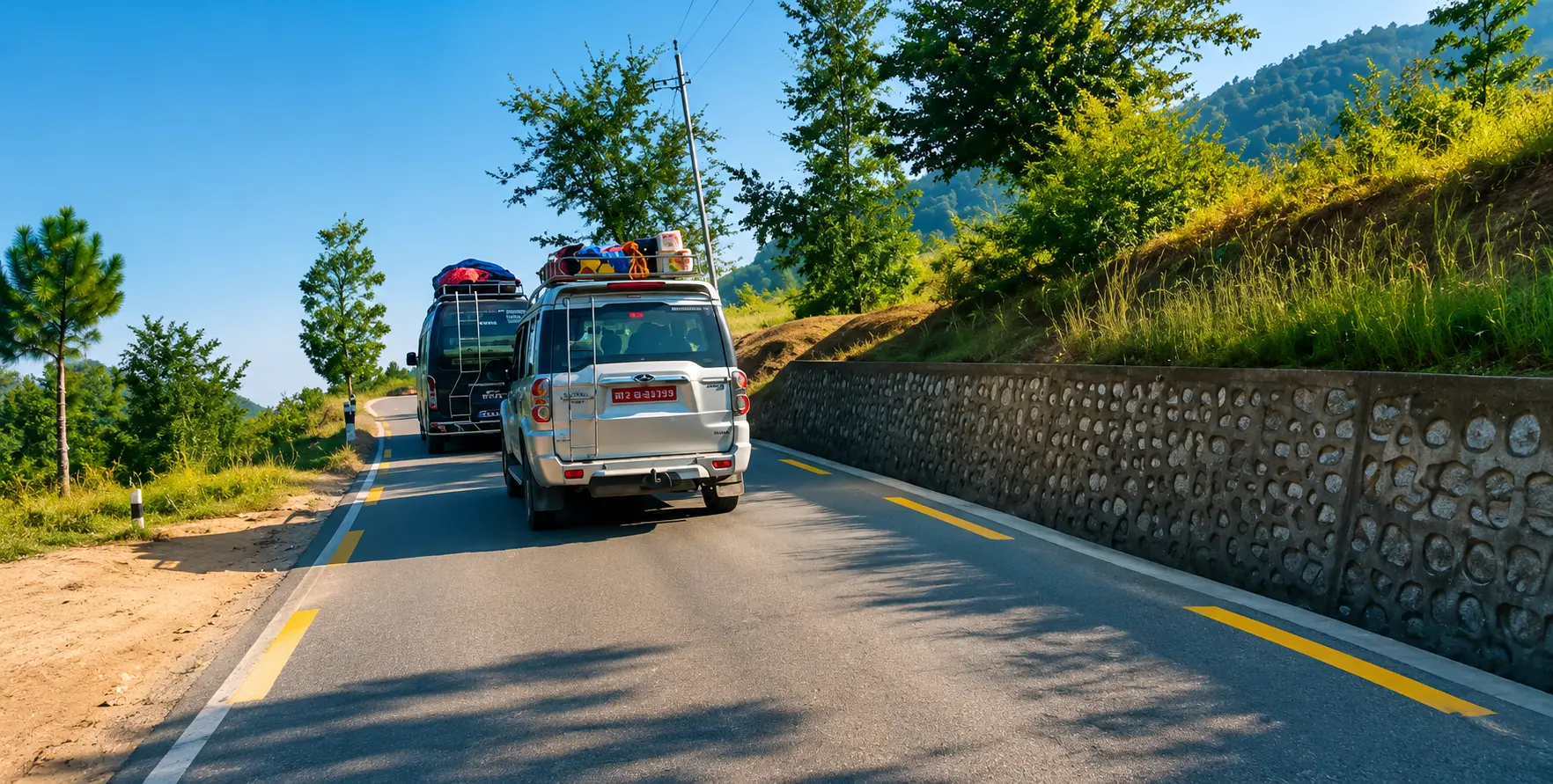
Private Jeep Hire Salleri, Phaplu, Thamdanda & Surke

Why Choose Nepal Vehicle Hiring for This Route

Nepal Vehicle Hiring has arranged transport along the Kathmandu to Salleri and Phaplu corridor for years, and our team stays in regular contact with drivers working the extended sections toward Thamdanda and Surke, giving us current knowledge of road conditions rather than outdated information. We select drivers for this corridor specifically for their experience navigating both the established highway sections and the rougher, evolving stretches beyond Phaplu, and we work directly with trekking groups to confirm realistic expectations about how far the road allows travel on any given trip, since this genuinely shifts between seasons.

Coordinating With Trekking Agencies for This Route

Given the evolving nature of road access on this corridor, close coordination between ground transport providers and trekking agencies planning Everest region itineraries is particularly valuable for this specific route. Trekking agencies benefit from working with a vehicle provider that can confirm current road status close to a group’s departure date, allowing itinerary adjustments if the road is more or less passable than assumed during initial trip planning months.

Our team works directly with trekking agencies, including our sister companies, to provide current, reliable route information that supports accurate Everest region itinerary planning.

The Broader Context of Nepal’s Rural Road Expansion

The extension of drivable access from Phaplu toward Thamdanda and Surke reflects a broader pattern of rural road construction occurring across many of Nepal’s trekking regions, similarly discussed in our guides to the changing roadhead at 

Machha Khola on the Manaslu Circuit approach, and the historical development of the 

Tribhuvan Highway connecting Kathmandu to Hetauda. This pattern of steadily extending rural road networks continues to reshape how trekkers access some of Nepal’s most significant mountain regions, generally compressing walking distances and reducing dependence on weather-sensitive domestic flights. However, it often introduces new considerations around road quality and reliability on newly constructed sections.
Private Jeep Hire Salleri, Phaplu, Thamdanda & Surke

Seasonal Booking Patterns for This Corridor

Demand for vehicle hire along this corridor follows the broader seasonal pattern of Everest region trekking, with autumn as the peak booking period, followed by spring. Given the corridor’s dual role, serving both established highway sections and the more variable extended road toward Surke, booking well in advance during peak season while confirming current road conditions closer to the travel date offers the best combination of availability and route accuracy for trekkers planning this specific journey.

A Note on Realistic Expectations for This Route

Trekkers considering this overland approach should understand that, unlike the well-established Kathmandu-to-Phaplu highway sections, the extended road toward Thamdanda and Surke remains a genuinely evolving piece of infrastructure, and the exact distance drivable on any given trip should be treated as subject to change rather than a fixed, guaranteed endpoint. Approaching this journey with flexibility and working with a vehicle provider that communicates honestly about current conditions, rather than overpromising a specific drivable distance, leads to a much smoother overall experience than assuming a fixed, guaranteed route based on outdated trip reports.

Combining This Route With a Kathmandu Valley Stay

Most trekkers using this overland approach start with at least a day or two in Kathmandu, for final trekking prep and general acclimatisation before departure. Our 

Kathmandu sightseeing tour and 

Bhaktapur Durbar Square tour services pair naturally with this time before departure, while a reliable 

Kathmandu airport transfer ensures a smooth arrival before the demanding overland journey toward Solukhumbu begins.

Insurance and Emergency Considerations

Given the genuinely remote and continually evolving nature of the road beyond Phaplu, comprehensive travel insurance covering trekking activities and, if relevant, emergency evacuation remains important for this route, as it does for any Everest region trekking approach. Emergency response along the extended road sections toward Thamdanda and Surke may be less immediately available than along the well-established Kathmandu-to-Phaplu highway, and trekkers should discuss realistic emergency response expectations with their guide or vehicle provider before departure.

The Growing Appeal Among Repeat Everest Region Visitors

Trekkers who have previously visited the Everest region by flying into Lukla sometimes specifically choose this overland approach on a return visit, drawn by the novelty of a different route and the additional cultural exposure to lower Solukhumbu that a Lukla flight does not offer. This has made the Salleri, Phaplu, Thamdanda, and Surke corridor an increasingly popular choice not only for first-time trekkers seeking to avoid flight risk, but also for experienced repeat visitors looking for a different way to experience a region they may already know well from previous trips.
Private Jeep Hire Salleri, Phaplu, Thamdanda & Surke

Photography and Scenic Highlights Along This Route

The drive and subsequent trek along this corridor offers a genuinely varied range of scenery, from the terraced hillside agriculture and forested slopes typical of Nepal’s central hill region near Kathmandu, through to the increasingly dramatic mountain terrain as the route approaches Solukhumbu and the first glimpses of high Himalayan peaks become visible on clear days. The gradual transition in landscape character across this multi-day journey offers photography opportunities that differ considerably from the more abrupt shift trekkers experience when flying directly into Lukla’s high-altitude airstrip.

Local Food and Accommodation Along the Way

Together, Salleri and Phaplu offer genuinely reasonable accommodation and food options that reflect their established role as a regional hub and trekking gateway, with dal bhat widely available alongside a modest range of other options. Accommodation and food options become progressively more basic along the newer road sections toward Thamdanda and Surke, reflecting the less developed tourism infrastructure in these smaller settlements compared to the more established facilities in Salleri and Phaplu.

Group Size Considerations for This Route

Given the genuinely variable road conditions on the extended sections beyond Phaplu, larger trekking groups should plan to split across multiple vehicles if the current road endpoint requires a rougher, smaller-capacity jeep rather than a larger vehicle suited to the established highway sections closer to Kathmandu. Discussing group size and luggage requirements with your vehicle provider during initial booking allows more accurate planning around this potential need to transfer between vehicle types partway through the journey.

A Comparison of Total Journey Time Across Different Approaches

Trekkers weighing their options for reaching the Everest region can expect roughly the following total journey times from Kathmandu to the start of the main trekking trail: a direct Lukla flight typically takes under an hour of actual flying time, though total time including airport procedures and potential weather delays can vary considerably; the full Jiri approach typically requires six to eight days of trekking after an initial day’s drive to Jiri itself; and the Salleri, Phaplu, Thamdanda, and Surke overland approach typically requires two to three days of combined driving and short trekking to reach the same starting point near Chaurikharka, positioning this route as a genuine middle ground between the speed of flying and the extended duration of the full historical Jiri trek.

Why This Route Appeals to Budget-Conscious Trekkers

Beyond weather reliability, cost also drives many trekkers to this overland approach, since ground transport along this corridor is generally cheaper than round-trip Lukla flights, especially for larger groups that can split vehicle costs among multiple trekkers. This cost advantage, combined with the flight-risk avoidance already discussed, has made the overland route an increasingly attractive option for trekkers balancing budget considerations against their available trip time.

Environmental Considerations of Overland Versus Flight Access

Some environmentally conscious trekkers choose the overland route over flying because shared ground transport generally has lower per-passenger emissions than short-haul mountain flights. However, this environmental calculation depends heavily on vehicle occupancy and the total distance driven versus flown. Trekkers focused on minimising their trip’s environmental footprint may want to weigh this alongside the other practical factors already discussed when choosing between flying and this overland approach.

Final Practical Tips Before You Go

  • Confirm current road conditions toward Thamdanda and Surke with your vehicle operator close to your travel dates, since conditions can change frequently.
  • Book your vehicle at least two to three weeks ahead during the peak spring and autumn seasons.
  • Build flexibility into your itinerary given the more variable nature of this evolving road corridor compared to established highway routes.
  • Pack for a genuine range of temperatures and conditions across the multi-day journey from Kathmandu through to the higher trekking trail.
  • Consider combining this route with additional exploration of lower Solukhumbu if your schedule allows.

A Sample Cost Breakdown for Planning Purposes

While exact pricing depends on vehicle class, group size, and current road conditions, travellers can generally expect the ground transport component of this journey to scale with total distance and driving days involved, similar to other extended trekking transport routes covered throughout our guides. Groups that can reach farther toward Surke before transitioning to foot travel generally see a modestly higher transport cost reflecting the additional driving distance, offset by a correspondingly shorter, less physically demanding remaining trek to the main trail, a trade-off worth discussing directly with your vehicle provider when planning your budget.

Combining This Journey With Broader Sister Company Trekking Packages

Trekkers using this overland approach to reach the Everest region typically continue to complete a full trekking itinerary through our sister company, Alpine Luxury Treks, whether the standard 

Everest Base Camp Trek, the more top-end 

Everest Base Camp Luxury Lodge Trek, or an extended itinerary incorporating the 

Gokyo Lakes or full 

Three Passes circuit. Coordinating overland ground transport and the trekking itinerary through a single point of contact, spanning both Nepal Vehicle Hiring and our sister trekking company, ensures a consistent, well-planned experience from Kathmandu to Everest Base Camp and back.

A Closing Perspective on This Evolving Route

The Salleri, Phaplu, Thamdanda, and Surke corridor represents Nepal’s trekking infrastructure in genuine, active transition, a road network still extending year by year into terrain that not long ago was accessible only on foot. For trekkers willing to accept some route uncertainty in exchange for weather-independent scheduling, potentially lower overall cost, and a richer cultural introduction to lower Solukhumbu, this overland approach offers a genuinely compelling alternative to the Lukla flight that has defined most visitors’ Everest region experience for decades.

Additional Frequently Asked Questions

Is this route suitable for first-time trekkers to Nepal?

Yes, but first-time trekkers should discuss realistic expectations about road variability and the remaining walking distance with their trekking agency or vehicle provider, given this route’s less predictable nature than established routes elsewhere in Nepal.

How does road quality compare between Kathmandu-Phaplu and Phaplu-Surke sections?

The Kathmandu-to-Phaplu section follows a much more established highway route, while the Phaplu-to-Surke stretch remains rougher and more variable because of its more recent, ongoing construction.

Can this route be used for the return journey as well as the approach?

Yes. Many trekkers use this overland route both ways, though some fly out of Lukla on the return leg to save time after completing their trek, using the overland approach only for the outbound journey.

What happens if the road is impassable beyond a certain point on my trip?

Your driver will confirm the furthest safely drivable point on the day, and you’ll cover any remaining distance to the main trekking trail on foot, an outcome your vehicle provider should communicate clearly rather than presenting a fixed endpoint as guaranteed.

Is a guide required for this specific approach route?

While a guide isn’t strictly mandatory for this lower Solukhumbu approach, most trekkers travel with a guide for the onward Everest Base Camp Trek, regardless of which approach route they use to reach the main trail.

One Final Word for Prospective Trekkers

If you are weighing this overland approach against a direct Lukla flight, consider your own priorities carefully: those with a fixed, non-negotiable return date may still prefer the speed of flying despite its weather-related risk, while those with greater schedule flexibility, a preference for avoiding mountain flights, or a specific interest in experiencing lower Solukhumbu’s distinct cultural landscape will likely find the Salleri, Phaplu, Thamdanda, and Surke corridor a genuinely rewarding way to begin their journey toward Everest.

How Nepal Vehicle Hiring Supports This Specific Route

Coordinating transport along an evolving, less predictable corridor like this requires a different operational approach than managing bookings on Nepal’s more established, unchanging highway routes. Our team maintains ongoing communication with drivers who regularly work the Phaplu-to-Surke stretch, allowing us to provide trekkers and trekking agencies with current, accurate information about road status rather than relying on assumptions based on previous seasons.

This ongoing local knowledge, built through years of coordinating transport along this corridor, underpins the guidance we provide to travellers planning this route into the Everest region.

The Role of This Route in Nepal’s Broader Trekking Infrastructure Evolution

This corridor’s continued development runs alongside similar road-extension patterns elsewhere in Nepal, from the changing Manaslu Circuit roadhead at Machha Khola to the historical development of highway infrastructure connecting Kathmandu to destinations across the country. Together, these evolving road networks reflect Nepal’s ongoing infrastructure development, gradually extending motorised access into terrain trekkers a generation ago could reach only on foot and reshaping trekking logistics across nearly every major region.

Supporting Trekking Agencies With Current Route Information

Trekking agencies planning Everest region itineraries via this overland approach benefit greatly from an established relationship with a ground transport provider that can supply current, reliable road-status information during trip planning, months before a group’s departure. This ongoing collaborative relationship between trekking agencies and vehicle hire providers helps ensure itineraries are planned realistically from the outset, rather than requiring last-minute adjustments discovered only after a trekking group has arrived in Nepal and begun their journey toward Solukhumbu.

Looking Ahead: The Continued Extension of This Road Corridor

Given the pace of road construction along this corridor in recent years, further extension beyond Surke toward Chaurikharka itself, or even closer to Lukla, remains a real possibility in the years ahead, following the same incremental pattern that has brought drivable access this far. Trekkers and trekking agencies alike continue to monitor this development closely, since further extension would likely compress the remaining walking distance even further and continue the gradual transformation of how travellers access the Everest region that this guide has traced throughout.

A Final Summary of Key Considerations

Bringing together everything covered in this guide, trekkers considering the Salleri, Phaplu, Thamdanda, and Surke overland approach to the Everest region should weigh the genuine trade-offs involved: a longer overall journey compared to flying, offset by considerably greater schedule reliability and, for many travellers, a lower total cost and a richer cultural introduction to lower Solukhumbu. The exact drivable distance on any given trip remains subject to change given the evolving nature of the road beyond Phaplu, making flexibility and current, accurate route information from an experienced local vehicle provider essential rather than optional for planning this specific journey with confidence.

Thank You for Reading

We hope this guide gives a clear, useful overview of this changing overland route into the Everest region, and we look forward to arranging your journey to Salleri, Phaplu, Thamdanda and Surke, whatever combination of driving and trekking your itinerary involves.
Private Jeep Hire Salleri, Phaplu, Thamdanda & Surke

Combining Ground Transport With Nepal’s Wider Vehicle Hiring Network

Beyond this specific Solukhumbu corridor, Nepal Vehicle Hiring supports travellers across nearly every major route in the country, from 

Kathmandu to Pokhara and 

Kathmandu to Besisahar for Annapurna region trekking, to 

Pokhara to Nayapul and 

Kathmandu to Lumbini, alongside our full 

Jeep Hire in Nepal, 

Hiace hire, and 

Coaster and Bus hire fleet, all coordinated through the same trusted local team supporting your Everest region ground transport.

A Note on Booking Flexibility for This Evolving Route

Given the variable road conditions beyond Phaplu discussed throughout this guide, we recommend travellers approach booking for this route with more flexibility than on Nepal’s more established highway corridors. Confirming your itinerary broadly, while staying open to adjusting the exact drivable endpoint based on conditions closer to your travel date, leads to a much smoother overall experience than insisting on a fixed, guaranteed distance regardless of what the road presents on the day of travel.

Cultural Etiquette Along the Lower Solukhumbu Route

Trekkers passing through the mixed Rai, Chhetri, and Sherpa communities along this corridor should approach local villages with the same respect and cultural sensitivity expected throughout Nepal’s trekking regions, including modest dress, requesting permission before photographing individuals, and general courtesy toward the communities whose homeland this road and trail pass through. This lower Solukhumbu cultural landscape, while less visited than the higher Khumbu villages further up the trail, holds its own genuine significance and deserves the same respectful engagement afforded to any community along Nepal’s trekking routes.

Wishing You a Smooth and Reliable Journey

Whether you choose this evolving overland route specifically to avoid Lukla’s flight-related uncertainty, to explore lower Solukhumbu’s distinct cultural landscape, or simply because it fits your available budget and schedule better than the alternatives, we wish you a safe, smooth journey toward Salleri, Phaplu, Thamdanda, and Surke, and a memorable trek beyond it toward the roof of the world.

A Practical Reminder Before You Book

As a final practical reminder, always request the most current road status directly from your chosen vehicle provider before finalising travel dates, particularly if travelling during or shortly after the monsoon season when conditions on the newer road sections beyond Phaplu are most likely to have changed since your initial research.

Closing Summary

This guide has covered the geography, history, road conditions, permits, seasonal considerations, and practical booking guidance for the Salleri, Phaplu, Thamdanda, and Surke overland approach to the Everest region, offering a genuinely useful alternative for trekkers seeking to avoid Lukla’s flight-related risk while still reaching the main Everest trekking trail within a reasonable, well-planned timeframe.

Safe, smooth, and genuinely pleasant travels to you and your whole trekking group, and we sincerely look forward to warmly welcoming your entire trekking party back to Nepal very soon.
Kathmandu to Salleri and Phaplu Jeep Price

Phaplu

Kathmandu to Salleri And Phaplu Jeep Price – Complete Transport Guide

Salleri and Phaplu are two of the most strategically important yet least-discussed destinations in Nepal’s trekking transport network. Located in Solukhumbu District — the same district that contains Mount Everest, the Sherpa homeland of the Khumbu Valley, and the legendary Tenzing-Hillary Airport at Lukla — both towns serve as the road-accessible entry points to the Everest region for the growing number of trekkers, pilgrims, and travellers who choose to approach on foot from the south rather than flying directly to Lukla from Kathmandu.

the road connection from Kathmandu to Salleri and Phaplu has become increasingly important for several reasons: the Lukla flight is still one of Nepal’s most frequently cancelled domestic routes due to weather; the road access approach provides significantly better acclimatization than flying directly to Lukla at 2,860 m; and the Solu Khumbu region below Lukla — the traditional homeland of the Sherpa lower-altitude community, with its remarkable cultural heritage and ancient monasteries — is almost entirely bypassed by trekkers who fly to Lukla but can be explored richly by those who drive to Salleri or Phaplu and walk north.

This complete guide covers everything you need to know about jeep transport from Kathmandu to Salleri and Phaplu — distances, travel times, road conditions, vehicle types, detailed price tables, the trekking routes accessible from each destination, comparison with the Lukla flight option, and how to book your private vehicle hire with Vehicle Hiring Nepal.

Private 4WD jeep traveling from Kathmandu to Salleri and Phaplu on the scenic mountain road to the Everest region

Understanding Salleri and Phaplu — The Road Gateways to Everest

Salleri: District headquarters of Solukhumbu District, altitude approximately 2,398 m (7,867 ft), Koshi Province

Phaplu: Village and small airport, altitude approximately 2,413 m (7,917 ft), approximately 10 km north of Salleri

District: Solukhumbu — the district of Everest, home of the Sherpa people

Region: Solu Khumbu — traditionally divided into Solu (the southern lower hills) and Khumbu (the high northern valleys surrounding Everest)

Why Important: Both Salleri and Phaplu are the southernmost vehicle-accessible points in Solukhumbu District, serving as the trailhead for trekkers walking north toward Namche Bazaar, Everest Base Camp, and the Khumbu region

Salleri and Phaplu are separated by only about 10 km of road but represent different access approaches to the Everest trekking network. Salleri, as the district headquarters, has better facilities — hotels, banks, ATMs, pharmacies, government offices, and a small but growing tourist infrastructure.

Phaplu, slightly further north, has a small domestic airport (the alternative to Lukla for those flying into Solukhumbu) and sits closer to the northern trails heading toward Junbesi and eventually Namche Bazaar. Most trekkers driving from Kathmandu choose Phaplu as their terminus since it saves 2 to 3 hours of walking compared to starting from Salleri.

Private 4WD jeep traveling from Kathmandu to Salleri and Phaplu on the scenic mountain road to the Everest region

Why Drive to Salleri or Phaplu Instead of Flying to Lukla?

Most international trekkers fly from Kathmandu to Lukla (Tenzing-Hillary Airport at 2,860 m) and start their trek there. This flight takes 35 to 45 minutes and is undeniably fast and convenient. But the road option to Salleri or Phaplu has several compelling advantages that make it the preferred choice for a growing number of trekkers:

Acclimatization

Flying from Kathmandu (1,400 m) to Lukla (2,860 m) in 35 minutes represents a rapid altitude gain that significantly increases AMS risk in the early days of the trek. Driving to Salleri or Phaplu (2,398–2,413 m) over two days — ascending gradually through the mid-hills — provides better physiological acclimatisation before trekking begins.

Trekkers who access the Everest region by road through Salleri consistently report fewer AMS symptoms in Namche and higher sections than those who fly in via Lukla.

Lukla Flight Reliability

Tenzing-Hillary Airport at Lukla has one of the highest flight cancellation rates of any commercial airport in the world because of its extreme mountain location, short runway, and sensitivity to cloud and wind. In bad weather windows — which are common in monsoon and not rare in other seasons — the Kathmandu-Lukla flight can be cancelled for 3 to 5 consecutive days, stranding trekkers in Kathmandu with ruined itineraries.

The drive to Salleri or Phaplu is cancelled for weather only in extreme monsoon landslide situations — it is by far the more reliable option for trekkers who cannot afford extended weather delays.

The Solu Cultural Heritage

The Solu region — the hill country between Salleri and Lukla — is one of Nepal’s richest and most historically significant Sherpa cultural landscapes. Trekkers who fly to Lukla almost entirely bypass the ancient monasteries of Junbesi and Phagding, Solu Khumbu’s famous Thubten Choling Gompa (one of Nepal’s most important active monasteries), and the traditional Sherpa villages in the mid-altitude zone between 2,400 m and 3,000 m.

Walking north from Phaplu through this landscape adds 3 to 5 days to the trek but gives access to cultural heritage most Everest trekkers never see.

Cost Effectiveness for Groups

The Kathmandu–Lukla flight costs USD 150 to USD 195 per person each way in 2026—USD 300 to USD 390 round trip per person. For a group of 6 sharing a Land Cruiser from Kathmandu to Phaplu, per-person transport costs are substantially lower, and the return from Salleri or Phaplu in the same vehicle is cheaper than individual return flights to Lukla.

Private 4WD jeep traveling from Kathmandu to Salleri and Phaplu on the scenic mountain road to the Everest region

Jeep Prices: Kathmandu to Salleri and Phaplu

The following prices are current 2026–2027 rates for private vehicle hire from Kathmandu to Salleri and Phaplu. All prices cover the full vehicle (not per person) and include driver, fuel, and insurance:

Vehicle TypeCapacityKTM → Salleri (One-Way)KTM → Phaplu (One-Way)Round Trip (KTM→Phaplu→KTM)Notes
Toyota Land Cruiser 4WD4–6 paxUSD 220–400USD 240–800USD 400–1600Best vehicle — recommended
Toyota Land Cruiser Prado4–5 paxUSD 240–500USD 260–1000USD 430–2000Top-end comfort option
Mahindra Scorpio6–9 paxUSD 180–300USD 200–300USD 340–800Budget 4WD, good for groups
Mahindra Bolero4–6 paxUSD 160–250USD 180–350USD 300–600Budget option

All prices are for the complete vehicle — not per person. For a group of 5 trekkers sharing a Land Cruiser to Phaplu, the per-person cost works out to about USD 4848- 600ach way—significantly less than the Lukla flight per person. Round-trip pricing is discounted compared to booking two one-way trips separately.

Contact Vehicle Hiring Nepal for exact pricing based on your specific travel date and group size.

Kathmandu to Salleri and Phaplu Jeep Price

Route Overview: Kathmandu to Salleri and Phaplu

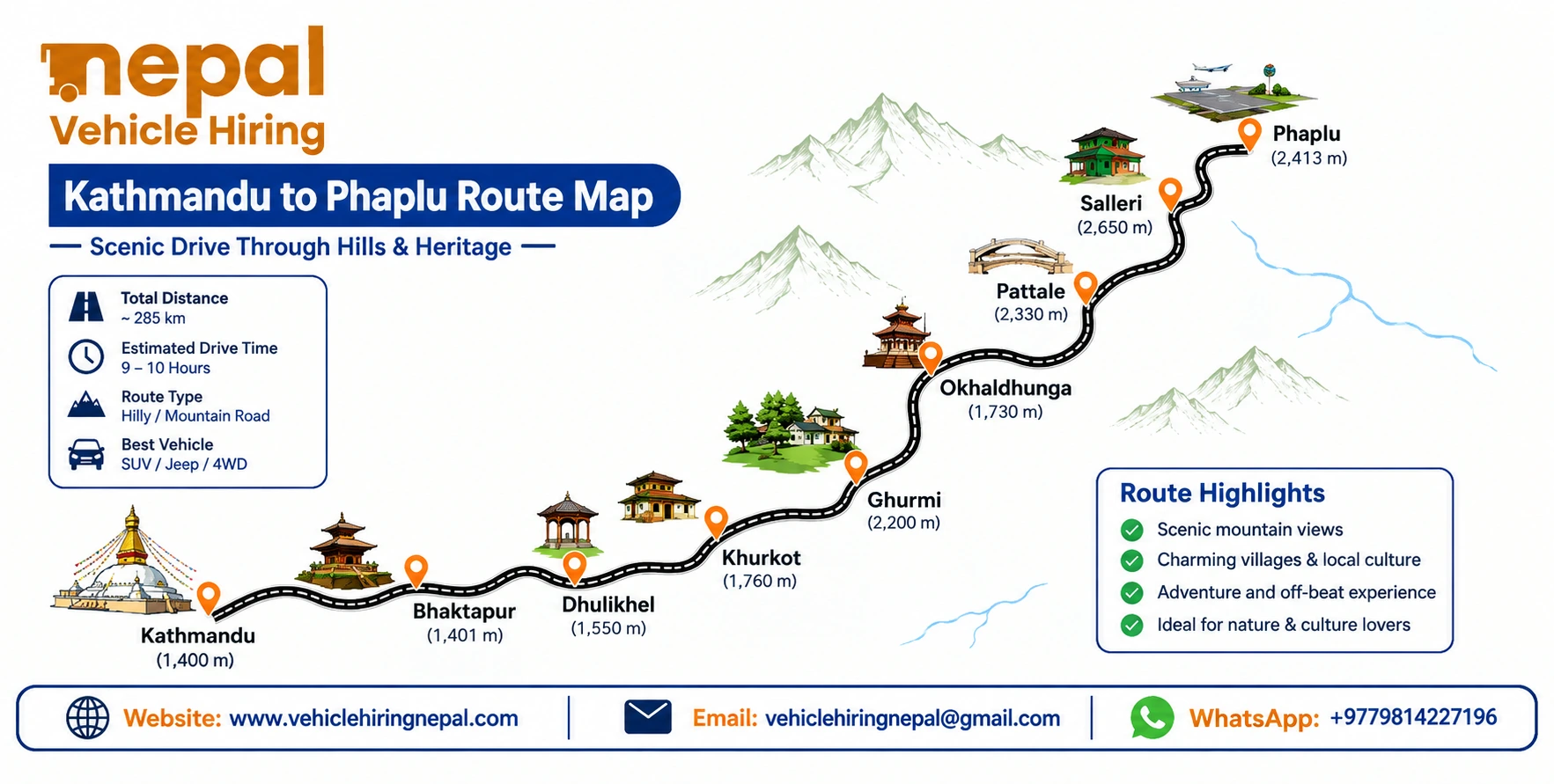
Total Distance: Approximately 285–300 km from Kathmandu to Salleri; ~295–310 km to Phaplu

Total Driving Time: 8 to 11 hours total — strongly recommended over 2 days

Main Route: Kathmandu → Bhaktapur → Lamosangu → Suri Dobhan → Okhaldhunga → Salleri → Phaplu

Road Type: Mostly paved national highway Kathmandu to Lamosangu; rough but improving mountain road Lamosangu onward

4WD Required: Yes — from Lamosangu onward, the road requires 4WD capability, particularly the Okhaldhunga section

Overnight Stop: Suri Dobhan or Okhaldhunga (approximately 5 to 6 hours from Kathmandu) — strongly recommended

Stage-by-Stage Road Guide: Kathmandu to Phaplu

Private 4WD jeep traveling from Kathmandu to Salleri and Phaplu on the scenic mountain road to the Everest region

Stage 1: Kathmandu to Lamosangu (72 km | 1.5–2 hrs)

Depart Kathmandu heading east on the Araniko Highway (BP Highway) through Bhaktapur and Banepa. The road is well-paved and fast in this section, passing through the Kavrepalanchok hills. Lamosangu is a busy market town on the Sun Koshi River — the last major commercial centre before the road becomes genuinely rural and mountain in character.

Lamosangu is a good breakfast stop and the last ATM for a considerable distance. Fuel up here if needed.

Stage 2: Lamosangu to Suri Dobhan (75 km | 2.5–3 hrs)

From Lamosangu, the road heads southeast, climbing into the Sindhuli and Ramechhap hills. The surface gets rougher as the road enters the mid-hill zone, a mix of paved sections and compacted gravel that requires 4WD confidence from this point.

The landscape is beautiful: terraced rice paddies, subtropical forest in the lower gorge sections, and occasional distant views of the high Himalaya on clear mornings. Suri Dobhan on the Sun Koshi River is a common overnight stop for the Kathmandu to Salleri journey.

Stage 3: Suri Dobhan to Okhaldhunga (45 km | 1.5–2 hrs)

The road continues southwest, then south, into Okhaldhunga District, crossing the Likhu Khola and climbing toward Okhaldhunga Bazaar. This section has a significant gradient—the climb from the river valley to the Okhaldhunga ridge is one of the route’s most demanding sections in terms of engine power and 4WD traction.

The views from the Okhaldhunga ridge on clear days extend to the high Himalaya—Numbur Himal, Khatang —and, on exceptional days, the Everest massif itself is visible above the lower ridges.

Private 4WD jeep traveling from Kathmandu to Salleri and Phaplu on the scenic mountain road to the Everest region

Stage 4: Okhaldhunga to Salleri (50 km | 2–2.5 hrs)

From Okhaldhunga, the road continues east, descending and re-ascending through the Solukhumbu hills toward Salleri. The surface remains rough,h but the road has been progressively improved.

The landscape transitions into the distinctly Sherpa cultural zone—house architecture begins to show Tibetan-influenced elements, monasteries appear more frequently, and the community structures of the Solukhumbu social system become visible. Salleri Bazaar, the district headquarters of Solukhumbu, is a substantial town with hotels, restaurants, the district hospital, banks, and good facilities.

Stage 5: Salleri to Phaplu (10 km | 30 min)

A short continuation north from Salleri on a rough track brings you to Phaplu — the small airport village that serves as the preferred trailhead for trekkers heading north into the Solu Khumbu. Phaplu itself is a quiet, atmospheric village.

The small airport here (used by Twin Otter aircraft of Sita Air and similar operators) provides an alternative to Lukla for those flying in. From Phaplu, the trekking trail heads north through Junbesi toward Everest Base Camp.

Distance and Driving Time Summary

StageFrom – ToDistanceDrive TimeRoad Type
1Kathmandu → Lamosangu72 km1.5–2 hrsPaved — BP Highway
2Lamosangu → Suri Dobhan75 km2.5–3 hrsMixed paved and gravel — 4WD advised
3Suri Dobhan → Okhaldhunga45 km1.5–2 hrsRough mountain road — 4WD required
4Okhaldhunga → Salleri50 km2–2.5 hrsRough mountain road — 4WD required
5Salleri → Phaplu10 km~30 minRough track — 4WD
TOTALKTM → Phaplu252 km8–10 hrs driving2-day journey recommended

Private 4WD jeep traveling from Kathmandu to Salleri and Phaplu on the scenic mountain road to the Everest regionPrivate 4WD jeep traveling from Kathmandu to Salleri and Phaplu on the scenic mountain road to the Everest region

Overnight Stop Options — Kathmandu to Phaplu Day 1

The Kathmandu to Phaplu journey is too long and demanding to complete comfortably in a single day. An overnight stop after 5 to 6 hours of driving is strongly recommended:

Option A: Overnight at Suri Dobhan

Suri Dobhan on the Sun Koshi River is approximately 5 hours from Kathmandu and serves as the most common overnight point for the Salleri/Phaplu drive. Basic guesthouses and local restaurants are available. The riverside setting is pleasant, and the early morning light on the surrounding hills is beautiful.

Depart Suri Dobhan by 7:00 AM on Day 2 to reach Phaplu by early afternoon.

Option B: Overnight at Okhaldhunga

Okhaldhunga is approximately 6 to 7 hours from Kathmandu and sits at a higher elevation (approximately 1,700 m) with better mountain views and more comfortable accommodation options than Suri Dobhan. The Okhaldhunga bazaar has mid-range hotels, good Nepali restaurants, and a more substantial overnight experience. Departing Okhaldhunga by 7:00 AM on Day 2 reaches Salleri by 9:00 AM and Phaplu by 10:00 AM — allowing the full afternoon for trek preparation.

Option C: Overnight at Salleri

For groups pushing further on Day 1 (suitable for an early Kathmandu departure of 5:00 to 5:30 AM and good road conditions), reaching Salleri by early evening is possible. Salleri has the best accommodation options on the route outside Kathmandu — several hotels with reliable electricity, hot water, and good food. Arriving in Salleri in the evening allows a good rest before the short continuation to Phaplu the following morning.

Road Conditions: Kathmandu to Salleri and Phaplu

SectionSurfaceCondition (2026)4WD Required?Monsoon Risk
KTM → Lamosangu (Araniko/BP Hwy)Paved asphaltGoodNoLow
Lamosangu → Suri DobhanMixed paved/gravelModerateAdvisedModerate — occasional slides
Suri Dobhan → OkhaldhungaRough gravel/earthRoughYesHigh — landslide-prone gorge
Okhaldhunga → SalleriRough gravelRoughYesHigh — washout risk
Salleri → PhapluRough trackBasicYesModerate

The Lamosangu to Salleri section is the most demanding part of the drive. The road between Okhaldhunga and Salleri in particular was significantly affected by the 2015 Gorkha earthquake and subsequent monsoons.

Although repair and improvement work has been underway since 2015, the road still has rough sections that require 4WD capability and an experienced mountain-road driver. Road quality can change significantly after a monsoon season — Vehicle Hiring Nepal drivers stay current on conditions through local networks before each journey.

Private 4WD jeep traveling from Kathmandu to Salleri and Phaplu on the scenic mountain road to the Everest region

Trekking Routes from Salleri and Phaplu to Everest

Most travellers drive to Salleri and Phaplu to start a trek north toward the Everest region. Here is a guide to the main trekking routes accessible from these two trailheads:

Phaplu to Namche Bazaar — The Classic Lower Solu Route

Distance: Approximately 65 km trekking

Duration: 4 to 6 days from Phaplu to Namche

Highlights: Junbesi village and monastery, Solu Sherpa culture, Dudh Koshi river valley, Phakding

The trail from Phaplu heads north through some of the Khumbu’s finest and most culturally rich lower-altitude landscapes. Junbesi village (2,675 m) is one of the most beautiful traditional Sherpa settlements in the lower Solu region, with the ancient Thubtenchholing Gompa nearby — one of Nepal’s most significant active monasteries, home to several hundred monks and lamas and one of the finest examples of Tibetan Buddhist monastic architecture in the entire Himalayan region.

The route then continues north through Nunthala, Khari Khola, and Bupsa before joining the standard Lukla trail at Phakding or Namche Bazaar.

Phaplu to Everest Base Camp — Full Lower Approach Trek

Duration: 14 to 18 days from Phaplu to EBC and return to Lukla

Best For: Trekkers with time for a fuller, more culturally rich Everest experience

Driving to Phaplu and walking the full lower approach to Everest Base Camp adds 4 to 6 days to the standard Lukla-based EBC trek itinerary. Still, it takes you through the entire Solu Khumbu cultural landscape, from the lower hills to the Khumbu high valleys.

This approach provides natural acclimatisation, passes through villages most EBC trekkers rarely see, and offers the satisfaction of truly walking the full Sherpa homeland from the road end to the world’s highest mountain.

Salleri to Chialsa / Solu Khumbu Cultural Trek

Duration: Variable — 3 to 7 days for lower Solu circuits

Salleri serves as the starting point for shorter cultural treks in the lower Solu Khumbu, exploring traditional Sherpa farming villages, ancient stupas, and lesser-known monasteries without committing to the full EBC approach. These shorter circuits are increasingly popular with cultural travellers who want the Sherpa experience without the high-altitude challenge.

Nepal Tour Package

Comparing Transport Options: Kathmandu to Everest Region

OptionRouteTotal TimePer Person Cost (group of 5)ReliabilityAcclimatization
Drive to Phaplu + walk northKTM → Phaplu by 4WD → trek2 days drive + 4–5 days to Namche~USD 54–68 + trek costsHighExcellent
Fly Kathmandu to LuklaKTM → Lukla (flight) → trek35–45 min flight + 2 days to NamcheUSD 150–195 per personLow–ModeratePoor
Fly KTM to Phaplu (Sita Air)KTM → Phaplu airport → trek~45 min flight + 4 days to NamcheUSD 100–140 per personModerateModerate
Drive KTM → Jiri + trek old routeKTM → Jiri (5 hrs) → 8-day trek to Namche5 hrs + 8 days~USD 30–40 vehicle + trek costsHighExcellent — takes longer
Helicopter (Kathmandu to Namche)KTM → Namche by helicopter20–25 minUSD 500–700 per personVery HighVery Poor

Private 4WD jeep traveling from Kathmandu to Salleri and Phaplu on the scenic mountain road to the Everest region

Key Facilities at Salleri and Phaplu

Salleri Facilities

  • Banks and ATMs — reliable ATM services in Salleri Bazaar; last reliable ATM before the high Khumbu
  • District Hospital — the most significant medical facility in Solukhumbu, an important pre-trek health check option
  • Hotel accommodation — several mid-range hotels with hot water, electricity, and food
  • Trekking agencies and permit services — TIMS cards and Sagarmatha National Park permits available in Salleri.
  • Market and supplies — well-stocked bazaar for final food purchases before trekking north
  • Fuel station — last reliable fuel for the return vehicle journey
  • Mobile signal — NTC and Ncell both work reliably in Salleri Bazaar

Phaplu Facilities

  • Phaplu Airport — small airstrip served by Sita Air and similar operators with Twin Otter aircraft; weather-dependent
  • Guesthouses and small hotels — basic but adequate accommodation for trekkers
  • Permit checkpoint — ACAP/Sagarmatha permit checkpoint for Everest region entry.
  • Trekking suppliers — limited gear and food supplies; bring what you need from Salleri or Kathmandu
  • Medical facilities — very basic; rely on Salleri for anything significant

Permits Required for Trekking from Salleri and Phaplu

PermitCost Where to GetNotes
Sagarmatha National Park Entry PermitNPR 3,000 (~USD 22) for foreigners; NPR 150 NepaliNepal Tourism Board, Kathmandu or Salleri/Phaplu checkpointRequired for trekking into Sagarmatha National Park — checked at Monjo gate near Namche
TIMS CardUSD 10 per personNepal Tourism Board or TAAN, Kathmandu or SalleriTrekkers Information Management System — required on this route
Khumbu Pasang Lhamu Rural Municipality FeeNPR 2,000 (~USD 15)Paid at local municipality checkpointNewer local government fee introduced in recent years

Obtain permits in Kathmandu before departure — the Nepal Tourism Board office on Pradarshani Marg processes both the Sagarmatha National Park permit and TIMS card in a single visit. Permit checks at the Salleri and Phaplu approach checkpoints and at Monjo (near Namche) are thorough. Keeping permits in an accessible document holder, rather than buried in a trekking pack, speeds up checkpoint processing significantly.

Private 4WD jeep traveling from Kathmandu to Salleri and Phaplu on the scenic mountain road to the Everest region

Best Time for Kathmandu to Salleri / Phaplu Drive

October to November — Ideal Season

Post-monsoon is the best time for the Kathmandu to Salleri/Phaplu road journey. Roads have been repaired from monsoon damage and are in their best annual condition. The skies are clear,r and mountain views from the higher sections of the route — particularly above Okhaldhunga — are exceptional.

Everest trekking demand is at its peak; book your vehicle 3 to 4 weeks in advance.

March to May — Good Spring Season

Spring is excellent for both the road journey and the Everest trek. Rhododendron forests are in bloom throughout the mid-hill sections. Roads are dry and stable after winter.

March and April are particularly good — May can bring pre-monsoon cloud that reduces visibility. The Everest region sees its second annual peak of trekking activity in April and May (climbing season).

December to February — Possible with Preparation

The road to Salleri and Phaplu remains accessible through winter in most years, though the higher sections can be cold and occasionally icy. The Everest region’s high passes can be snowy in January and February. Winter offers quiet roads and exceptional mountain views in the cold, clear air.

Prepare for cold overnight temperatures at Okhaldhunga and Salleri.

Monsoon (June to September) — Caution Required

The Lamosangu to Salleri section is the most landslide-affected road in the standard Nepal trekking transport network during monsoon. Landslides regularly block sections of the Okhaldhunga road and the Suri Dobhan gorge. Travel is possible with an experienced driver and a significant time buffer, but it is not recommended for fixed-schedule trekking itineraries during this period.

Practical Tips for the Kathmandu to Salleri / Phaplu Journey

  • Plan 2 days for the drive — do not attempt Kathmandu to Phaplu in a single day. The Okhaldhunga section is long, rough, and demanding.
  • Depart Kathmandu by 6:00 AM on Day 1 to reach your overnight stop before dark.k
  • Withdraw all the Nepali Rupees you need in Kathmandu before departure — the last fully reliable ATM before Salleri is in Lamosangu. Salleri has ATMs but don’t rely on them for your full trek budget.
  • Carry motion sickness medication — the Okhaldhunga hill road has sustained winding sections that affect many passengers.s
  • Water and snacks for the full Day 1 drive — reliable food stops are limited between Lamosangu and Okhaldhunga
  • Carry trekking permits in a document folder accessible at the front of your daypack — checkpoint stops are frequent.
  • For the return journey from Phaplu/Salleri to Kathmandu, pre-arrange your vehicle with Vehicle Hiring Nepal before starting your trek — communication from the Solu Khumbu high zones can be unreliable.e
  • If any group member has a history of altitude sickness, the Phaplu drive-in approach provides significantly better acclimatisation than the Lukla flight and should be the first choice.e

Private 4WD jeep traveling from Kathmandu to Salleri and Phaplu on the scenic mountain road to the Everest region

Return Journey Options — Phaplu / Salleri to Kathmandu

At the end of your Everest region trek, there are three main return options from the Solukhumbu:

Option A — Drive Phaplu/Salleri to Kathmandu: Same route in reverse. Vehicle Hiring Nepal pre-arranges a pickup from Phaplu or Salleri on your confirmed return date — a 2-day return drive to Kathmandu (same overnight stops). USD 220–350 for the Land Cruiser vehicle.

Option B — Fly Lukla to Kathmandu: Most popular choice for those who walked in via Phaplu — exit the trek at Lukla (after completing EBC or the Gokyo circuit), fly back to Kathmandu in 35 to 45 minutes (USD 150–195). Vehicle Hiring Nepal can arrange a Kathmandu airport transfer to your hotel on arrival.

Option C — Fly Phaplu to Kathmandu: If returning the same way you arrived, Sita Air operates seasonal flights from Phaplu Airport to Kathmandu — check current schedule and availability as this route is less frequent than the Lukla-Kathmandu service.

What is Included in Your Kathmandu to Salleri / Phaplu Vehicle Hire

  • Toyota Land Cruiser or selected 4WD vehicle, fully maintained and insured
  • Experienced driver with knowledge of the Kathmandu to Salleri/Phaplu road — this specific route, not a generic mountain driver
  • Full fuel cost for the complete 2-day journey
  • Vehicle insurance throughout
  • Pickup from your Kathmandu hotel
  • Drop-off at Salleri Bazaar or Phaplu village/airport as specified
  • Flexible overnight stop arrangements — Suri Dobhan, Okhaldhunga, or Salleri as preferred
  • Return vehicle pre-booking for end-of-trek pickup from Salleri or Phaplu
  • 24/7 support throughout

Not included: Permits (Sagarmatha NP permit, TIMS, Municipality fee), trek guide and porter fees, your accommodation during the drive, personal meals, and trekking equipment.

Swayambhunath visit during Kathmandu Pokhara Tour
Kathmandu to Salleri Jeep

How to Book Your Kathmandu to Salleri / Phaplu Jeep

  1. Contact Vehicle Hiring Nepal via WhatsApp or visit vehiclehiringnepal.com
  2. Confirm your travel dates — Day 1 departure date from Kathmandu and preferred overnight stop
  3. Specify your group size and number of trekking packs or bags
  4. Choose your vehicle type — Land Cruiser for maximum capability and comfort, Scorpio for budget groups
  5. Specify destination — Salleri only, or continuing to Phaplu
  6. Arrange your return date pickup if driving back
  7. Receive booking confirmation with driver details, vehicle type, and day-by-day journey .plan

WhatsApp
Email: [email protected]

Frequently Asked Questions

How long does the drive from Kathmandu to Phaplu take?

The total driving distance from Kathmandu to Phaplu is approximately 252 km — but this should always be done over 2 days, not one. Day 1 covers approximately 150 to 170 km to either Suri Dobhan or Okhaldhunga (5 to 7 hours of driving).

Day 2 covers the remaining 80 to 100 km to Phaplu (3 to 4 hours). Total driving time excluding overnight stops is approximately 8 to 10 hours.

Is driving to Salleri or Phaplu better than flying to Lukla?

It depends on your priorities. If you have limited time (10 to 12 days total for the trek) and aren’t particularly concerned about acclimatisation speed, the Lukla flight is faster. It puts you directly on the standard Everest trail.

If you have 14 or more days, value better acclimatisation, want to reduce weather-cancellation risk, have a larger group where per-person flight costs are high, or are interested in the remarkable cultural landscape of the lower Solu Khumbu, the Phaplu drive is the better choice.

What is the cheapest way to get from Kathmandu to the Everest region start?

For a solo traveller, the cheapest option is a tourist bus from Kathmandu to Jiri (approximately NPR 600 to 800), then trekking the traditional 8- to 10-day lower approach to Namche from Jiri. For a group of 4 to 6, hiring a Land Cruiser to Phaplu works out cheaper per person than individual flights to Lukla. It is faster than the Jiri approach while still providing good acclimatisation and the Solu Khumbu cultural experience.

Can a standard car or Hiace van reach Salleri?

A standard sedan is not suitable for the Okhaldhunga section — the road is too rough, the gradients too steep, and the surface too variable. A Toyota Hiace van can manage the road to Suri Dobhan and potentially Okhaldhunga in dry conditions, but beyond Okhaldhunga to Salleri, the terrain requires genuine 4WD capability.

We do not recommend sending a Hiace beyond Okhaldhunga, and we would never send a sedan on this route. The Toyota Land Cruiser or Mahindra Scorpio is the right vehicle.

What is the altitude of Salleri and Phaplu? Do I need to acclimatise there?

Salleri is at approximately 2,398 m and Phaplu at approximately 2,413 m — altitudes at which most healthy adults without a history of altitude sickness do not experience significant AMS. The gradual ascent over 2 days from Kathmandu (1,400 m), with mid-hill overnight stops, provides natural acclimatisation.

A day’s rest at Salleri or Phaplu before beginning the trek northward is recommended if you have any concerns about altitude sensitivity, and is in any case a good opportunity to prepare permits and supplies for the trek.

Final Thoughts

Salleri and Phaplu mark the road-accessible threshold of Nepal’s most famous trekking world—the southern gateway to Solukhumbu, the Sherpa homeland, and ultimately the foot of Everest. For travellers willing to invest 2 days of road travel rather than 45 minutes in a weather-dependent aircraft, this gateway offers not just a transport alternative but an entirely different and more complete version of the Everest region experience — with better acclimatisation, lower per-person transport costs for groups, higher transport reliability, and access to the magnificent lower Solu cultural landscape that the standard Lukla approach entirely bypasses.

Vehicle Hiring Nepal provides reliable, experienced 4WD vehicle hire for the Kathmandu to Salleri and Phaplu route, with drivers who know this specific road—the Okhaldhunga section’s demands, overnight stop options, checkpoint locations, and contingency plans for monsoon or post-monsoon road conditions. Book your jeep hire today and begin your Everest region journey on the ground, at your own pace, through the full beauty of Solukhumbu.

Book your Kathmandu to Salleri/Phaplu jeep today. WhatsApp | Website: www.vehiclehiringnepal.com | Email: [email protected]

Salleri and Phaplu Pickup and Drop Service All Year Round

4WD Jeep Salleri Phaplu Pickup Drop Service
4WD Jeep

Salleri Phaplu Pickup Drop Service: Complete Year-Round Guide

Ask any experienced Nepal trekker for an alternative to a Lukla flight, and the answer almost invariably begins with Salleri and Phaplu. In the popular imagination, the journey to the Everest region begins at Tribhuvan International Airport’s domestic terminal, with a 30- to 40-minute flight to Tenzing-Hillary Airport in Lukla, followed by the first steps on the well-worn trail northward toward Namche Bazaar and the high Khumbu.

This is how most Everest Base Camp trekkers begin their adventure, and for good reason: the Lukla flight is fast and dramatic, dropping trekkers within a day’s walk of Namche’s bustling trekking hub. But it is also weather-dependent, subject to cancellations that can strand trekkers in Kathmandu or Lukla for days on end, and increasingly expensive compared with an overland vehicle journey to the same general region.

Salleri, the district headquarters of Solukhumbu at an altitude of approximately 2,390 meters above sea level, represents the end of the main motorable road into Nepal’s Everest region from Kathmandu — or more precisely, the point from which the road becomes rough enough that the journey’s character changes fundamentally from highway travel to mountain track adventure. Phaplu, located just 3 to 4 kilometres above Salleri at approximately 2,400 meters, sits even closer to the mountains and is home to the region’s small domestic airport.

This facility serves only a limited number of seasonal flights compared to Lukla. Still, it offers an additional option for those who want to fly one way and drive the other.

Together, Salleri and Phaplu are the road gateway to Nepal’s most famous mountain region, and the jeep service connecting Kathmandu to these two towns is one of Nepal’s most important and consistently underrated transport services.

Nepal Vehicle Hiring Pvt Ltd (vehiclehiringnepal.com) provides pickup and drop-off service between Kathmandu and Salleri-Phaplu year-round, covering both well-travelled routes and lesser-known approaches to destinations such as Bupsa, Thamdanda, and Kharikhola, which extend the road journey deeper into the Solukhumbu District. This comprehensive guide covers every aspect of this service in detail: the route, the road conditions in every season, the accurate costs in both Nepali rupees and US dollars, the departure times and logistics, what passengers should know and prepare before booking, and why a private pickup and drop service from Nepal Vehicle Hiring Pvt Ltd delivers a fundamentally superior experience to the shared alternatives available on this route.

Whether you are a trekker seeking a reliable Lukla flight alternative, a resident of Solukhumbu District travelling to and from Kathmandu for business or family visits, an adventure traveller who wants to experience the overland approach to Everest’s foothills by road, or an expedition team looking for dependable equipment and personnel transport to the start of a Khumbu expedition, this guide provides everything you need to plan and book your Kathmandu to Salleri-Phaplu journey with complete confidence.

For travellers who want to go on a trek and plan to explore Kathmandu, we recommend continuing your journey with our trusted sister company, Trek Nepal Himalayas a. We specialise in organising a wide range of travel experiences across Nepal, from classic trekking adventures to cultural and wildlife tours.

Our top offerings include iconic journeys such as the Everest Base Camp Trek, in-depth Kathmandu sightseeing tours, striking Nagarkot sunrise experiences, exciting Chitwan jungle safaris, and luxury packages. We can also arrange short hikes, heritage tours, mountain flights, and customised travel plans tailored to your schedule and interests.

Understanding Salleri and Phaplu: The Twin Gateways to Solukhumbu

Salleri: District Headquarters and Road Terminus

Salleri sits at the heart of Nepal’s Solukhumbu District, serving as its administrative headquarters and the primary commercial and service hub for a district that encompasses some of the world’s most significant trekking territory. At approximately 2,390 meters above sea level, Salleri sits at a comfortable mid-altitude, with a pleasant climate for much of the year—warmer than the high Khumbu valleys in summer, cooler and cleaner than Kathmandu in the pre-monsoon heat, and well-supplied with sunshine during the dry season.

The town has a government complex including the District Administration Office, the District Court, hospitals, schools, banks and ATMs, and a market area with shops, teahouses, and guesthouses that cater to the steady flow of travellers and residents passing through.

From a transport perspective, Salleri’s significance lies primarily in its role as the point where the BP Highway, Nepal’s principal east-west road connection through the hills, transitions to the rougher network of district roads serving the Solukhumbu District’s more remote areas. The road from Kathmandu reaches Salleri in serviceable condition for all vehicle types, making it the furthest point along this corridor where shared jeeps regularly terminate and private vehicle operators can reliably promise a straightforward journey without specialised off-road expertise.

Beyond Salleri, the roads to Bupsa, Thamdanda, Kharikhola, and the deeper Khumbu valley approach become progressively rougher, narrower, and more demanding of both vehicle capability and driver experience.

Salleri itself is not a trekking destination in the conventional sense — most travellers who stop here are either overnighting before continuing by vehicle toward Bupsa and Thamdanda or before beginning their trek northward from Phaplu toward the Sherpa villages of the lower Khumbu. The town has sufficient accommodation for an overnight stay, with multiple guesthouses offering basic but comfortable rooms at rates of NPR 400 to NPR 800 per night in 2025. Travellers often cite the Hill View Guest House as one of the better options for a comfortable overnight stay in town.

Meals at Salleri’s teahouses and restaurants typically cost NPR 200 to NPR 500 per person for a standard Nepali dal bhat, making it one of the more affordable overnight stops along the Kathmandu-to-Khumbu corridor.

Salleri and Phaplu pickup and drop service available year-round in Solukhumbu, Nepal.
Phaplu-airport

Phaplu: The Airport Village and Trek Starting Point

Phaplu, located 3 to 4 kilometres above Salleri at about 2,400 meters, sits at a slightly higher and arguably more scenic spot, offering better mountain views on clear days and the added significance of hosting Phaplu Airport. This small domestic airstrip serves occasional flights from Kathmandu during the spring and autumn trekking seasons.

Flights to Phaplu, operated by small aircraft because of limited runway capacity, cost about NPR 15,000 per person one way and offer a faster alternative to the overland jeep journey. However, their irregular schedule and weather-dependent reliability mean they cannot be counted on for time-sensitive travel the way the road jeep service can.

For trekkers beginning the Everest region approach from Phaplu rather than from Lukla, the town represents a genuinely rewarding starting point for the walk north toward Namche Bazaar. The route from Phaplu to Namche covers approximately 60 kilometres of trail.

It typically takes three to four days for a reasonably fit trekker carrying a moderate pack to pass through the Sherpa and mixed-culture communities of the Solu region before the landscape shifts toward the higher, more Tibetan-Buddhist atmosphere of the Khumbu proper.

Many experienced Himalayan trekkers choose the Phaplu approach because it offers a more gradual, culturally richer introduction to the Everest region than arriving at Lukla Airport, building landscape immersion slowly over several days of walking rather than arriving instantly in the high-altitude trekking zone.

The walk from Phaplu to Lukla alone takes approximately two days for normal trekkers, making Phaplu an excellent starting point specifically for those who want to experience the lower Khumbu region’s distinctive character — the beautiful rhododendron and oak forests of the Solu region, the traditional Rai and Sherpa mixed communities of Khari Khola and Bupsa, and the gradual altitude gain that provides natural and gentle acclimatisation rather than the altitude shock that many Lukla-arrived trekkers experience when they push too quickly north toward Namche.

The Route: Kathmandu to Salleri-Phaplu in Full Detail

Total Distance and General Route Character

The road distance from Kathmandu to Salleri is approximately 267 to 270 kilometres depending on the specific routing followed, making it one of Nepal’s longer single-day vehicle journeys in terms of road distance while not being the longest in terms of actual travel time — the BP Highway through the Dolakha and Okhaldhunga sections is generally in reasonable condition, allowing speeds adequate to cover the distance in eight to ten hours under normal conditions. The overall route follows a broadly eastward, then northward, arc from Kathmandu, leaving the capital via Bhaktapur and continuing to the BP Highway via Dhulikhel.

This scenic mid-hill road offers some of Nepal’s finest continuous highway scenery across terraced hillsides, river gorges, and periodic Himalayan viewpoints.

The route passes through several significant towns and road junctions that serve as reference points for passengers monitoring their progress and for drivers who may make brief stops for fuel, food, and passenger rest. From Kathmandu, the primary road towns include Banepa, Dhulikhel, Khopasi, Suri, Mude, Namdu, Manthali, Khurkot, Okhaldhunga, and finally, the turn northward into the Solukhumbu District toward Salleri.

Each of these towns marks a slight shift in the road’s character and the surrounding landscape, with the scenery progressively transitioning from the peri-urban character of Kathmandu’s eastern outskirts through the market towns of the Koshi hill corridor to the increasingly remote, mountain-influenced landscape of the Solukhumbu approach.

Departure Points and Pickup Locations in Kathmandu

The standard departure point for shared jeep services to Salleri and Phaplu from Kathmandu is Chabahil Chowk, specifically the junction near the Dhobi Khola Bridge on Gopi Krishna Marg, where shared vehicles depart each morning between 4:30 and 5:00 AM. Some services also pick up passengers at the Om Samaj Hospital area in Chabahil.

The journey’s length dictates the early departure time — a 5:00 AM departure from Chabahil typically reaches Salleri between 3:00 and 5:00 PM under good road conditions, with the exact arrival time depending on road conditions, traffic, and the number of stops for meals and rest.

For travellers staying in Thamel or other central Kathmandu hotel districts, reaching Chabahil between 4:00 and 4:30 AM for the shared jeep departure requires either an overnight arrangement near the departure point or a taxi from the hotel at approximately 3:30 AM — a timing that many travellers find inconvenient enough to justify the additional cost of hotel pickup service. Nepal Vehicle Hiring Pvt Ltd’s private pickup and drop service specifically addresses this inconvenience: our drivers arrive at the client’s hotel in Thamel, Boudha, Lazimpat, or any other Kathmandu hotel district at the agreed time, eliminating the need to navigate to a separate departure point in the pre-dawn hours while carrying trekking luggage.

Shared jeep services also have documented pickup routes throughout Kathmandu, collecting passengers from points along the Gaushala-Koteshwar-Jaributti-Sallaghari Chowk-Bhaktapur-Banepa-Dhulikhel corridor. Passengers living along or staying along this route can often arrange roadside pickups, reducing their overall travel time to the departure area. Nepal Vehicle Hiring Pvt Ltd offers custom pickup arrangements that follow or improve on this route for private clients, collecting from any specified hotel or address within the greater Kathmandu area.

Key Stops Along the Route

The Kathmandu-to-Salleri journey is long enough that several food and rest stops are standard practice for all vehicle services along this corridor. The most common stopping point is Khurkot, about 130 kilometres from Kathmandu, where the road drops to cross the Sun Koshi River before climbing again on the eastern bank.

Here, several roadside restaurants and teahouses offer adequate dal bhat, noodles, and tea for travellers. Most shared jeep services make a 20- to 30-minute stop here for lunch, and private vehicle operators follow a similar pattern, adjusted to their clients’ preferences.

The road between Khurkot and Okhaldhunga, as it climbs into the Solukhumbu approaches, involves some of the most scenic driving of the entire journey — broad river gorges, terraced hillsides at various stages of cultivation depending on season, traditional villages perched on ridges above the road, and increasingly frequent views of the high Himalayan range to the north that announce the proximity of the Everest region even before the formal district boundary is reached. A second brief stop near Okhaldhunga for tea or a comfort break is common on most services before the final push to Salleri itself.

Bp Highway-salleri phaplu road-Salleri and Phaplu pickup and drop service available year-round in Solukhumbu, Nepal.
Bp Highway

Round-the-Year Service: Seasonal Road Conditions and What to Expect

One of the most important questions for anyone considering the Kathmandu to Salleri-Phaplu vehicle journey is how road conditions vary across the year, since the route passes through terrain that is genuinely affected by seasonal variation and where the consequences of poor conditions are felt more directly in journey time, comfort, and occasional disruption risk than on Nepal’s more heavily maintained highway corridors. Nepal Vehicle Hiring Pvt Ltd operates this service year-round, but conditions and recommended preparations differ meaningfully by season, as detailed in this section.

Autumn — September to November (Best Season)

Autumn is the most reliable and comfortable season for the Kathmandu-to-Salleri-Phaplu vehicle journey and, coincidentally, the period when demand for this service is highest due to the simultaneous peak in Everest region trekking traffic. The road is typically in its best annual condition in the weeks immediately following the monsoon’s departure in late September, with any monsoon-season damage repaired or at least stabilised before the main autumn travel surge, and with the dry, clear conditions that characterise Nepal’s autumn making road surfaces firm and predictable throughout the journey.

Autumn travel times are the most consistently achievable, with eight to nine hours for the Kathmandu-to-Salleri leg a reliable estimate rather than an optimistic one.

On clear autumn days, the mountain views are exceptional along the upper sections of the route approaching Okhaldhunga and Salleri, with the high Himalayan range visible on the northern horizon in a clarity that summer haze and monsoon cloud cover completely obscure. For travellers who appreciate the scenic dimension of this journey as part of the overall Solukhumbu experience, autumn morning departures that put the vehicle in the middle sections of the route during the morning, when clear post-dawn light illuminates the surrounding hillsides and mountain viewpoints most vividly,  deliver the finest visual experience of any season.

Spring — March to May (Second Best Season)

Spring offers the second-most reliable window for the Kathmandu-to-Salleri-Phaplu service, with conditions generally good from March through most of May, before the monsoon’s approach introduces uncertainty in the final weeks of the season. The landscape along the route is most vibrant in spring, with rhododendrons flowering in the forested sections of the mid-hills, providing vivid colour contrasts against the terraced farmland and the blue sky above.

Snow remaining on the higher Himalayan peaks, visible from the route’s upper sections, creates a striking visual backdrop for the journey’s final approach to Salleri, and the relatively mild daytime temperatures of the spring months make the long vehicle journey more physically comfortable than the hotter conditions of the pre-monsoon period leading up to May.

One consideration specific to spring travel is the gradual buildup of dust on the route’s unpaved sections as the dry season nears its end. By late April and May, dust can be a significant nuisance on the unpaved sections between Okhaldhunga and Salleri, and travellers should carry a face covering or cloth mask to manage dust exposure.

Nepal Vehicle Hiring Pvt Ltd vehicles keep windows closed on dusty sections as a standard precaution. Still, the dust penetration through door seals on mountain roads means that some exposure is inevitable on the most recently graded sections.

Monsoon — June to August (Possible with Caution)

The monsoon season presents the most challenging conditions for the Kathmandu-to-Salleri-Phaplu vehicle service, but it does not render the journey impossible, as some travellers assume. Nepal Vehicle Hiring Pvt Ltd maintains its pickup and drop service throughout the monsoon season, and most monsoon-season journeys are completed without significant incident. What changes is the uncertainty around journey timing and the possibility of road disruptions due to landslides—the dominant monsoon-season road risk on this corridor.

The BP Highway section of the route is one of Nepal’s more landslide-prone highways during the monsoon, with the Rosi Khola area having experienced significant blockages in multiple recent monsoon seasons. The stretch near Manthali and the sections approaching Okhaldhunga also carry elevated landslide risk during periods of heavy rainfall.

Nepal Vehicle Hiring Pvt Ltd monitors road conditions on this route throughout the monsoon season and will advise clients of any known closures or significant disruptions before confirming departure dates. When a major landslide creates a sustained road closure, our team works to identify the best available alternatives—whether waiting for clearance, routing via alternative tracks where possible, or advising postponement until conditions stabilise.

Travellers who must travel to or from Salleri-Phaplu during the monsoon season are advised to book a private rather than shared vehicle, for the straightforward reason that a private vehicle can adapt more flexibly to road disruptions and can turn back or change plans according to actual conditions encountered, rather than being committed to completing the journey regardless of what the road presents. The cost difference between shared and private hire is clearer in the monsoon season, not as a luxury top-end but as a practical investment in journey adaptability that may save considerable time and stress if road conditions deteriorate during the trip.

Winter — December to February (Reliable with Cold Preparation)

Winter presents fewer road disruption risks than the monsoon on this corridor, since the absence of heavy rainfall removes the primary landslide trigger. Still, it brings cold-weather challenges that passengers must prepare for—particularly during early-morning departures when the vehicle leaves Kathmandu in pre-dawn darkness. The route’s mid-hill sections can be genuinely cold.

The road surface in winter is generally stable and predictable, with occasional frost on shaded sections in the early morning as the main driving challenge; drivers at Nepal Vehicle Hiring Pvt Ltd manage it by reducing speed and exercising appropriate caution in corners.

Winter also brings significantly lower demand than the autumn and spring peaks, so vehicle availability is generally better and booking lead times are shorter. The overall journey is less crowded, both on the road and in the overnight accommodation options at Salleri and Phaplu, for trekkers who break their journey overnight.

For travellers with flexibility in their timing, the January-February window offers the genuine advantage of a quieter, less-competitive journey and the same reliable road conditions as in autumn, without the peak-season vehicle-booking pressure.

Seasonal Summary: Kathmandu to Salleri-Phaplu Service

SeasonMonthsRoad ConditionsDisruption RiskDust/MudRecommended?
AutumnSep–NovExcellent — best of the yearVery LowLowHighly Recommended
SpringMar–MayGood — some dust late seasonLowMediumRecommended
WinterDec–FebGood — occasional frost/coldVery LowLowGood (quieter)
MonsoonJun–AugVariable — landslide riskMedium–HighHighPossible with caution
Salleri and Phaplu pickup and drop service available year-round in Solukhumbu, Nepal.
Salleri, Phaplu, and surrounding areas.

Complete Cost Guide: Salleri-Phaplu Pickup and Drop Service

To understand the full cost of the Kathmandu to Salleri-Phaplu jeep service, distinguish between service categories: shared versus private, standard versus extended destinations, and additional pickup charges that apply to some shared services when you request hotel collection rather than the standard departure from Chabahil Chowk.

Shared Jeep Costs (Per Person)

Shared jeep services to Salleri and Phaplu from Kathmandu operate year-round and depart from Chabahil Chowk between 4:30 and 5:00 AM, once enough passengers have assembled. Multiple current sources confirm a shared jeep cost of NPR 3,000 to NPR 4,000 per person for the Kathmandu-to-Salleri or Phaplu journey, equivalent to approximately USD 22 to USD 30 per person, depending on current exchange rates.

One operator quotes USD 25 per person as their standard shared jeep rate for this route, with an additional USD 5 to USD 7 pickup charge for hotel collection from Thamel or other central Kathmandu hotel districts, bringing the total per-person cost with hotel pickup to about USD 30 to USD 32.

The shared jeep typically accommodates seven to eight passengers, with seats allocated on a first-come, first-served basis at boarding. Travelling with six or seven other passengers on an eight-to-ten-hour journey over winding mountain roads is uncomfortable by any standard.

For travellers with any concern about motion sickness or simple claustrophobia, the shared configuration can make the journey genuinely arduous, regardless of road conditions. This is the most frequently cited practical argument for upgrading to a private vehicle hire, even at the significantly higher cost.

Private Jeep Hire Costs

Private jeep hire from Kathmandu to Salleri varies considerably by vehicle type, operator, and season. Current market research for 2025/2 shows quoted prices ranging from NPR 20,000 to NPR 25,000 from one operator, NPR 25,000 to NPR 30,000 from another, and USD 250 to USD 310 (equivalent to approximately NPR 33,000 to NPR 41,000) from operators targeting international travellers.

The variation reflects both genuine differences in vehicle quality and service standards and price segmentation between domestic-market operators quoting in NPR for local clients and tourism-market operators quoting in USD for international trekkers.

Nepal Vehicle Hiring Pvt Ltd’s private pickup and drop service for the Kathmandu-to-Salleri-Phaplu route is priced transparently at NPR 25,000 to NPR 35,000 for a complete private vehicle rental, depending on vehicle type and the specific month of travel (seasonal surcharges apply during the peak October-November period when demand is highest).

This rate includes hotel pickup from any hotel in Kathmandu, fuel for the entire journey, and an experienced driver familiar with the BP Highway and the Solukhumbu approach road. No additional charges apply beyond this all-inclusive rate, and Nepal Vehicle Hiring Pvt Ltd provides written booking confirmation with the total cost before requesting any payment.

For extended destinations beyond Salleri, private hire costs increase to reflect the additional distance and road difficulty involved. The Kathmandu to Bupsa-Thamdanda extension, which takes the vehicle approximately 63 kilometres beyond Salleri on increasingly rough road to the nearest motorable point to Lukla, adds significantly to both the journey time and cost — multiple operators quote USD 450 to USD 550 for the complete Kathmandu to Bupsa-Thamdanda private jeep, with the Kathmandu to Bupsa journey taking approximately 18 to 20 hours total, including the overnight break at Salleri that most itineraries require for this extended routing.

Complete Cost Reference: Kathmandu to Salleri-Phaplu and Beyond

RouteService TypeCost (NPR)Cost (USD)Journey TimeNotes
Kathmandu → Salleri / PhapluShared jeep (per person)NPR 3,000–4,000$22–$308–10 hrsDeparts 4:30–5:00 AM, Chabahil
Kathmandu → Salleri / PhapluShared + hotel pickupNPR 3,700–4,700$28–$358–10 hrs+$5–7 pickup from Thamel
Kathmandu → Salleri / PhapluPrivate jeep (full vehicle)NPR 25,000–35,000$188–$2638–10 hrsUp to 6–7 pax, hotel pickup
Kathmandu → Salleri / PhapluPrivate Scorpio jeepNPR 32,000–42,000$240–$3158–10 hrsTop-end Tata Sumo / Scorpio
Salleri / Phaplu → KathmanduPrivate return jeepNPR 25,000–35,000$188–$2638–10 hrsPre-arrange return pickup
Kathmandu ↔ Salleri / PhapluPrivate round tripNPR 45,000–60,000$338–$450Multi-dayWaiting charge for multi-day
Kathmandu • Bhaktapur / ThamdandaPrivate jeepNPR 55,000–75,000$413–$56318–20 hrs2-day journey, overnight in Salleri
Kathmandu → KharikholaPrivate jeepNPR 40,000–55,000$300–$41312–15 hrsExtended beyond Salleri
4WD Jeep pickup and drop service in Salleri and Phaplu, Solukhumbu, Nepal.
4WD-luxury-Jeep

Why Use This Route: The Salleri-Phaplu Jeep Service vs Lukla Flight

The comparison between the overland jeep service to Salleri-Phaplu and the Lukla flight is one that every Everest region visitor implicitly or explicitly makes when planning their journey, and understanding the genuine trade-offs involved — rather than defaulting to the conventional assumption that the Lukla flight is always the better option — produces better-informed decisions for different categories of travellers.

Cost Advantage

The cost comparison between the Lukla flight and the overland jeep service strongly favours ground transport for budget-conscious travellers, particularly groups, where the private jeep cost can be split among multiple passengers. The Lukla domestic flight from Kathmandu costs approximately USD 120 to USD 140 per person one-way in 2025, meaning that a private group of four travellers pays approximately USD 480 to USD 560 in one-way Lukla flight costs.

A private jeep from Kathmandu to Salleri costs about USD 188 to USD 263 for the full vehicle, roughly half the flight cost for four passengers, with greater schedule certainty and the bonus of an overland scenic experience.

Reliability Advantage

The Lukla flight’s notorious susceptibility to weather cancellations is perhaps the most frequently cited practical argument for the overland alternative. Lukla’s Tenzing-Hillary Airport operates under strict visual meteorological conditions requirements that even minor cloud cover, precipitation, or high winds can violate, leading to cascading cancellations that have left trekkers waiting in Kathmandu or Lukla for four, five, or even more consecutive days in extreme weather periods.

A multi-day Lukla cancellation period disrupts carefully planned trekking itineraries and can fundamentally compromise a trek built around a specific number of available days. The overland jeep service, while subject to weather-related disruptions during the monsoon season, is far more reliably available year-round, particularly in autumn and spring, when monsoon and winter extremes are absent.

Acclimatisation Advantage

Perhaps the most underappreciated advantage of the Salleri-Phaplu approach over the Lukla flight is the superior acclimatisation profile it provides for trekkers heading to Everest Base Camp or other high-altitude Khumbu destinations. The Lukla flight delivers trekkers to 2,860 meters after a 40-minute flight from Kathmandu at 1,400 meters—an altitude gain achieved with zero physical exertion that can, particularly for trekkers arriving from sea-level destinations after a long international flight, trigger acute mountain sickness symptoms before the first day’s trekking is complete.

The overland approach through Salleri-Phaplu begins at 2,390 meters. It gradually gains altitude over several days of walking, giving the body time to acclimatise effectively and significantly reducing the risk of altitude-related illness in the first days of trekking. Many trekking doctors and experienced Himalayan guides specifically recommend the overland approach for travellers with any concern about altitude sickness or who have experienced altitude-related symptoms on previous high-altitude journeys.

Cultural Immersion Advantage

The overland route from Kathmandu through the BP Highway corridor and into the Solukhumbu foothills reveals a dimension of Nepal’s cultural and physical geography that the Lukla flight completely bypasses. The BP Highway passes through the Dolakha and Okhaldhunga districts.

In these regions, Tamang, Rai, Magar, and mixed-caste Nepali communities have maintained traditional agricultural and pastoral practices in a landscape of extraordinary beauty — terraced rice paddies, traditional village architecture, river gorges, and the gradual transition from subtropical to temperate to subalpine vegetation that accompanies the increase in altitude toward Salleri. For travellers who see Nepal’s rural countryside as integral to the value of a journey to Nepal rather than simply a geographic obstacle between the airport and the mountains, the overland route is not a lesser alternative to flying but a richer one.

Salleri Phaplu Pickup Drop Service available year-round in Solukhumbu, Nepal.
Salleri-bajar

Onward Destinations from Salleri-Phaplu: The Deeper Solukhumbu Network

Salleri and Phaplu serve not just as destinations in their own right but as starting points for an extensive network of onward road and trekking connections into the Solukhumbu District. Understanding this network helps travellers plan their complete journey from Kathmandu to their final destination in the Everest region, whether that is a trail beginning at Phaplu or Salleri, a vehicle extension to Bupsa or Thamdanda, or the connecting walks linking these road termini to the main Everest trekking corridor.

Salleri/Phaplu to Bupsa and Thamdanda

The road beyond Salleri continues through Kharikhola and onward to Bupsa and Thamdanda — the furthest points currently accessible by vehicle toward Lukla and the Khumbu. The 63 kilometres from Salleri to Thamdanda involve significantly rougher road than the BP Highway approach to Salleri, with the track becoming progressively more demanding as it climbs into the Dudh Koshi valley system.

Most operators serving this extended route require a vehicle change at Salleri—the shared jeep or vehicle that brought passengers from Kathmandu is typically not the same vehicle that continues beyond Salleri, as local operators with specific knowledge of the tracks beyond Salleri handle the extension.

From Thamdanda, which sits at approximately 2,900 meters, trekkers can begin walking toward Lukla (approximately 37 kilometres, or two days’ walking for fit trekkers), with a planned road from Thamdanda toward Chaurikharka near Lukla still under construction as of 2025. When complete, this road will create an unprecedented continuous motorable connection from Kathmandu to within a few kilometres of Lukla itself — a development that will fundamentally transform the Kathmandu-to-Khumbu transport landscape, and Nepal Vehicle Hiring Pvt Ltd is monitoring it closely to ensure our service pricing and routing evolve appropriately as infrastructure develops.

Trek Routes Starting from Salleri and Phaplu

For trekkers who begin their Khumbu journey from Salleri or Phaplu rather than Lukla, the trail options are more diverse and less crowded than those from the standard starting point. The most direct route northward from Phaplu to Lukla takes approximately two days of walking, passing through Ringmo and continuing to Khari Khola before the final climb to Lukla’s hillside location.

From Lukla, the standard trail toward Namche Bazaar and the higher Khumbu continues as it does for all EBC trekkers regardless of how they reached Lukla.

An alternative, considerably more scenic approach from Phaplu continues not via Lukla but directly north to Namche Bazaar via Solu Khumbu’s trail network, bypassing Lukla entirely and joining the main EBC trail at Namche after about three to four days of walking from Phaplu. This direct Phaplu-Namche approach is particularly popular with trekkers who want to experience the full cultural and ecological range of the Solu Khumbu region rather than reach the high Khumbu as efficiently as possible, and it offers the best acclimatisation profile of any EBC approach, given its gradual altitude gain.

Practical Guide to Booking and Preparing for the Journey

Advance Booking Requirements

Booking advance requirements for the Kathmandu-to-Salleri-Phaplu service vary significantly by season and service type. During the peak autumn trekking season — October and November — private vehicle demand on this route is at its annual maximum, driven by the simultaneous peak in Everest region trekking traffic and Lukla flight cancellations that can create sudden spikes in demand for ground transport alternatives.

During these peak periods, Nepal Vehicle Hiring Pvt Ltd recommends booking private vehicle hire at least 5 to 7 days in advance. Ideally, 2 weeks in advance, for clients with fixed departure dates who cannot accommodate flexibility in their travel schedule.

During the spring season, booking three to five days in advance is generally sufficient for private hire, while the quieter winter and monsoon seasons typically allow same-week or even same-day booking in most circumstances. Shared jeep services operate daily year-round, but they can fill up quickly during peak season, so booking ahead helps—especially for hotel-pickup variants that guarantee a seat without requiring a pre-dawn journey to Chabahil Chowk.

What to Pack for the Journey

An eight-to-ten-hour vehicle journey through Nepal’s mid-hills demands a specific approach to personal preparation that differs from both a short city transfer and a multi-day trek. The following items consistently improve the comfort and well-being of passengers on the Kathmandu to Salleri-Phaplu route regardless of season:

  • Motion sickness medication — the BP Highway’s winding mountain sections are the most common cause of discomfort on this route, and even travellers who do not typically experience motion sickness in urban driving contexts can find sustained hill driving challenging
  • Light snacks and at least two litres of water — stops for food occur at approximately Khurkot (approximately 4 hours from Kathmandu) and near Okhaldhunga (approximately 7 hours), with limited options in between
  • Warm layers for early morning departure — the 4:30 to 5:00 AM departure time means the first two to three hours of the journey occur in cool pre-dawn and early morning conditions, particularly relevant in autumn and winter.
  • Dust protection (cloth mask or scarf) — the later dry-season sections of the BP Highway near Okhaldhunga can be dusty, and the beyond-Salleri sections for travellers continuing to Bupsa are consistently described as dusty regardless of season
  • Small daypack accessible within the vehicle cabin — main luggage should be packed and stowed, but a small bag with immediate-access items including water, snacks, phone charger, and medication is important for a vehicle journey of this length
  • Sufficient NPR cash for meals at stops and for any overnight accommodation at Salleri if breaking the journey
  • Trekking permits,  if required for onward destination IMS, and any applicable national park permits should be obtained from the Nepal Tourism Board before departure from Kathmandu, not at Salleri.

Accommodation in Salleri and Phaplu

For travellers who plan to break their journey with an overnight stay, Overtravelers or Phaplu before continuing by vehicle or on foot, both towns offer adequate accommodation options at rates considerably lower than those in the trekking hubs of Kathmandu or Pokhara. In Salleri, the trekking hub, House is frequently cited in trekker accounts as one of the more comfortable options, offering rooms at NPR 400 to NPR 800 per night with basic facilities.

Phaplu offers similar options at comparable rates, with a small but adequate selection of teahouse-style guesthouses serving the modest flow of trekkers and locals who stay overnight.

During peak trekking season, particularly in October, accommodation in both Salleri and Phaplu can fill up unexpectedly, given the relatively limited number of rooms in both towns. Travellers with confirmed plans to stay overnight at either location — particularly in October or November when all Everest region accommodation is under pressure — are advised to ask their vehicle hire provider or a local contact to make a basic booking in advance, since the limited phone connectivity along sections of the approach route can make last-minute arrangements difficult once the journey is already underway.

Nepal Vehicle Hiring Pvt Ltd: Why Our Pickup and Drop Service Stands Apart

The Kathmandu-to-Salleri-Phaplu vehicle service market in Nepal comprises shared jeep operators, informal private car services, and registered trekking agencies that offer transportation as part of their broader packages. Understanding what sets Nepal Vehicle Hiring Pvt Ltd’s pickup and drop service apart from these alternatives helps travellers choose the option that best fits their needs.

The key difference is the combination of transparency, reliability, and experience Nepal Vehicle Hiring Pvt Ltd brings to every booking. We select drivers for the Kathmandu-to-Salleri-Phaplu route specifically for their experience on the BP Highway corridor and the Solukhumbu approach road, not just their general Nepal driving credentials.

This route-specific experience matters: a driver who has covered this road dozens of times knows its seasonal variations, its most demanding sections, the best stopping points for fuel and food, and the current road status at specific problem locations that no amount of general driving experience can replicate.

Our vehicles for this service are maintained to a standard that reflects the sustained demands of a 267-kilometre mountain road journey, with pre-journey mechanical checks covering tyres, brakes, fluid levels, and drivetrain components specifically because the consequences of a mechanical failure in a remote Okhaldhunga mountain section are far more serious than those of a breakdown in an urban environment where assistance is readily available. Every Nepal Vehicle Hiring Pvt Ltd vehicle on this route carries at least one spare tyre.

This detail may sound obvious, but not all operators in this corridor consistently maintain it.

Our booking process is fully documented in writing, and clients receive confirmation of their specific departure time, pickup location, vehicle, driver contact details, and all-inclusive price before we request or receive any payment. This written confirmation eliminates the ambiguity informal bookings often create about what’s included in a quoted price—whether fuel, meals, and any necessary road tolls are covered, or charged as additional costs at settlement.

Nepal Vehicle Hiring Pvt Ltd’s Kathmandu-to-Salleri-Phaplu service is consistently all-inclusive, with no hidden charges.

Frequently Asked Questions

How far is it from Kathmandu to Salleri and Phaplu?

The road distance from Kathmandu to Salleri is approximately 267-270 kilometres via the BP Highway. Phaplu is 3 to 4 kilometres above Salleri, adding negligible distance. The journey typically takes eight to ten hours by private jeep and ten to twelve hours by shared jeep or bus, depending on road conditions and the number of stops made along the route.

What time do shared jeeps depart from Kathmandu to Salleri?

Shared jeeps to Salleri and Phaplu from Kathmandu typically depart from Chabahil Chowk between 4:30 and 5:00 AM each morning, with passengers expected to arrive between 4:00 and 4:30 AM. Some services also offer hotel pickup from Thamel and other central areas at an additional charge of approximately USD 5 to USD 7 per person, with the hotel pickup vehicle collecting clients between 3:30 and 4:00 AM.

What is the cost of a private jeep from Kathmandu to Salleri?

A private jeep from Kathmandu to Salleri costs approximately US$350 for the full vehicle through Nepal Vehicle Hiring Pvt Ltd, accommodating up to six or seven passengers with luggage. This all-inclusive rate covers the vehicle, driver, fuel, and hotel pickup from any hotel in Kathmandu.

The equivalent per-person cost for a group of four is approximately NPR 6,250 to NPR 8,750, competitive with or only modestly above the shared jeep per-person rate, while delivering significantly better comfort, timing certainty, and door-to-door service.

Is the service available during the monsoon season?

Yes — Nepal Vehicle Hiring Pvt Ltd operates the Kathmandu to Salleri-Phaplu pickup and drop service year-round, including the monsoon season. Monsoon season travel carries a higher risk of road disruptions due to landslides, particularly in the Rosi Khola area and near Manthali, and delays at affected sections can extend journey times.

We recommend private hire for monsoon-season travel for its greater flexibility during road disruptions, and we monitor road conditions before every monsoon-season departure to provide clients with accurate information.

Can I arrange a return pickup from Salleri or Phaplu after my trek?

Yes — Nepal Vehicle Hiring Pvt Ltd arranges return pickup from Salleri and Phaplu as part of our standard service. We strongly recommend booking the return journey at the same time as the outbound transfer, especially during peak season, as it guarantees vehicle availability on your planned departure date and avoids last-minute arrangements in a location with limited local transport options.

Provide your expected return date and approximate pickup time when booking, and we will confirm the return vehicle details alongside your outbound booking.

What happens if my Lukla flight is delayed? Change the emergency jeep service?

Yes — Nepal Vehicle Hiring Pvt Ltd provides emergency same-day or next-day jeep service to Salleri for travellers whose Lukla flights have been cancelled. During peak season, when Lukla cancellations create sudden high demand for ground transport alternatives, we can’t always guarantee same-day availability. We still prioritise confirmed clients and maintain capacity for these situations.

Contact us immediately via vehiclehiringnepal.com, phone, or WhatsApp once flight cancellation is confirmed, and we will advise you of current vehicle availability and the earliest possible departure.

Conclusion: The Year-Round Road to Khumbu Starts Here

The Kathmandu-to-Salleri-Phaplu pickup-and-drop service is, in the fullest sense of the phrase, Nepal trekking’s most underestimated mode of transport. It connects the capital to the Solukhumbu District throughout every month of the year, delivering travellers to the gateway of the Everest region at a cost significantly below the Lukla flight, with a reliability advantage during weather-disrupted periods that can prove decisive for trekkers with fixed itineraries, and with the added dimensions of overland cultural and scenic immersion that no flight can provide.

For experienced Himalayan travellers who have done the Lukla flight multiple times and want a different approach to the region, for budget-conscious trekkers for whom the flight cost represents a significant proportion of their total trek budget, and for anyone whose Lukla flight has ever been cancelled and is committed to never again leaving their Khumbu access to weather-dependent aviation, the Salleri-Phaplu overland route is not a compromise. It is a choice.

Nepal Vehicle Hiring Pvt Ltd is committed to making that choice as well-serviced, reliably priced, and logistically effortless as any Nepal vehicle hire. Our year-round Kathmandu to Salleri-Phaplu pickup and drop service is backed by experienced drivers, well-maintained vehicles, transparent all-inclusive pricing, and a customer support infrastructure that solo travellers and large groups alike can depend on, regardless of the season they choose to travel or the road conditions on departure day.

Book Your Salleri / Phaplu Pickup & Drop Today

WhatsApp
E-mail: [email protected]

Kathmandu to Salleri Jeep Guide

Salleri bazzer

Kathmandu to Salleri Jeep Guide : Cost, Route, Time & Tips

If you are planning to visit Nepal’s Everest region without flying to Lukla, hiring a jeep from Kathmandu to Salleri is one of the best alternatives. Salleri is the headquarters of Solukhumbu District and serves as a major gateway to popular trekking destinations such as Everest Base Camp, Gokyo Lakes, and the Three Passes Trek. The Kathmandu-to-Salleri jeep ride remains one of Nepal’s most adventurous and scenic overland journeys.

At Nepal Vehicle Hiring Pvt Ltd, we offer reliable private jeep hire services from Kathmandu to Salleri with experienced drivers, well-maintained 4WD vehicles, and flexible departure times. Whether you are a trekker, a tourist, or a local traveller, this guide covers everything you need to know before booking your jeep.

Why Travel from Kathmandu to Salleri by Jeep?

There are several strong reasons why travellers choose a jeep over other modes of transport for this route:

Alternative to Lukla Flights

Lukla flights are often delayed or cancelled because of unpredictable Himalayan weather. A jeep ride to Salleri eliminates this uncertainty and gives you a more reliable travel schedule.

Scenic Overland Experience

The journey takes you through rolling green hills, river valleys, terraced farmlands, dense forests, and charming rural villages. You’ll see Nepal’s authentic beauty beyond the trekking routes.

Budget-Friendly Option

A jeep ride to Salleri is significantly more affordable than a flight to Lukla, making it a popular choice for budget-conscious trekkers.

Gateway to Multiple Trekking Routes

From Salleri, you can access almost all major Everest region treks, including the Everest Base Camp Trek, the Phaplu to Namche Trek, and the Solu Khumbu village treks.

Kathmandu to Salleri Jeep Guide

Kathmandu to Salleri Distance and Travel Time

Understanding the route distance and time helps you plan your journey properly.

Total Road Distance: Approximately 267–270 kilometers
Travel Time by Jeep: 8 to 11 hours (depending on road conditions)
Travel Time by Bus: 10 to 13 hours
Jeep Departure Time: 4:00 AM – 6:00 AM
Departure Point: Sorakhute bus station, Thamel Chahabil Chowk, or New Bus Park, Kathmandu

The route from Kathmandu to Salleri follows the Araniko Highway to Dhulikhel, then connects to the BP Highway via Khurkot and Ghurmi, and continues onward through Okhaldhunga before reaching Salleri. Most of the journey is on a paved road, but the final stretch near Okhaldhunga and Salleri involves rougher, off-road terrain.

Kathmandu to Salleri Jeep Route Breakdown

Here is a detailed breakdown of the route so you know what to expect at each stage:

Kathmandu to Dhulikhel (Approx. 30 km – 1 hour)

Your journey begins in Kathmandu and heads east along the Araniko Highway. The road is smooth and well-paved. You pass through the Kathmandu Valley and arrive at Dhulikhel, a scenic hilltop town with beautiful mountain views.

Dhulikhel to Khurkot (Approx. 100 km – 2.5 hours)

From Dhulikhel, the route joins the BP Highway heading southeast. You travel alongside the Roshi and Sunkoshi rivers. The road is mostly paved at this stage and offers beautiful views of the river valley.

Khurkot to Ghurmi (Approx. 60 km – 2 hours)

The road climbs higher as you leave the river valleys behind. The landscape becomes more mountainous, and the road conditions gradually become rougher.

Ghurmi to Okhaldhunga (Approx. 40 km – 1.5 hours)

This section passes through remote mountain villages and lush forests. You begin to feel the true character of rural Nepal here.

Okhaldhunga to Salleri (Approx. 40 km – 1.5 to 2 hours)

The final leg of the journey involves the most challenging road. The terrain becomes steep and unpaved in sections. A skilled 4WD jeep driver is essential for this stretch.

You arrive at Salleri, the district headquarters of Solukhumbu, in the late afternoon or early evening.

Kathmandu to Salleri Jeep Guide

Kathmandu to Salleri Jeep Price

One of the most common questions travellers ask is about jeep costs. Here is a clear price breakdown for 2026:

Sharing Jeep (Public Jeep)

A shared seat in a public jeep from Kathmandu to Salleri costs between NPR 4,000 per person ( USD 30). Shared jeeps depart early in the morning, usually between 4:00 AM and 5:30 AM, from the Sorakhute Bus Park, Chahabil Chowk, or the New Bus Park in Kathmandu. Each jeep accommodates 7 to 8 passengers.

Private Jeep Hire

If you are travelling as a group or prefer comfort and flexibility, hiring a private jeep is the ideal option. A private jeep from Kathmandu to Salleri costs between US$350, depending on the vehicle type and season.

With a private jeep from Nepal Vehicle Hiring Pvt Ltd, you enjoy:

  • Door-to-door pickup from your hotel in Kathmandu
  • Flexible departure time
  • Spacious, air-conditioned 4WD vehicle
  • Experienced English-speaking driver
  • Freedom to stop for photos, meals, and breaks

Alternative Route Price (Via Dolakha)

If the BP Highway is closed due to landslides (common during the monsoon season), we use an alternative route via Dolakha (Charikot) and Ramechhap. This route is slightly more expensive, typically around NPR 9,000 per person for a shared jeep.

Private Jeep vs Shared Jeep – Which Is Better?

FeaturePrivate JeepSharing Jeep
CostHigher (NPR 440,000- 45,000 total) USD 270- 300Cheaper (NPR 4,000/person) USD 30
Departure TimeFlexibleFixed (4–5 AM)
ComfortSpacious, privateCrowded (7–8 people)
PickupFrom your hotelFixed departure point
Luggage SpaceAmpleLimited
StopsOn demandFixed tea stops only
Best ForGroups, families, and comfort seekersSolo budget travellers

For trekking groups of 3 or more, a private jeep from Nepal Vehicle Hiring is often the smarter, more cost-effective choice when you value comfort and convenience.

Best Time to Travel from Kathmandu to Salleri by Jeep

The timing of your journey matters greatly because of Nepal’s seasonal weather and road conditions.

Spring (March to May) – Best Season

Spring is Nepal’s most popular trekking season. The weather is clear, roads are in good condition, and the scenery is beautiful, with rhododendrons in bloom rhododendrons bloom, making it one of the best times to hire a jeep for the Salleri trek.

Autumn (September to November) – Best Season

Autumn offers stable weather and excellent mountain visibility. Roads are generally dry and in good condition after the monsoon. This is another ideal time for the Kathmandu-to-Salleri jeep journey.

Winter (December to February) – Possible with Caution

Winter travel is possible but cold. Higher elevations may have snow,w and some road sections can be icy. A well-maintained 4WD jeep with an experienced driver is essential.

Monsoon (June to August) – Not Recommended

Monsoon season brings heavy rain, ll which causes landslides and makes road conditions extremely dangerous. The BP Highway is often blocked during this period. Travel is strongly not recommended.

Kathmandu to dhulikhel highway

What to Expect on the Jeep Ride

The Kathmandu-to-Salleri jeep journey is a full-day adventure. Here is what you can expect:

  • Early morning departure from Kathmandu, usually before sunrise.
    Smooth highway driving for the first few hours through the Kathmandu Valley and along the BP Highway.
  • Scenic river views alongside the Sunkoshi and Dudh Koshi rivers.
  • Tea and snack stops at local roadside eateries along the way.
  • Bumpy off-road terrain once you pass Okhaldhunga.
  • Mountain views, including glimpses of the Himalayan range in clear weather.
  • Arrival in Salleri in the late afternoon or early evening.

What to Pack for Kathmandu to Salleri Jeep Journey

Packing the right items will make your jeep ride much more comfortable:

  • Warm layers – temperatures drop in the hills, especially in autumn and winter.
  • Face mask or scarf – dusty roads, especially on the off-road sections.
  • Water bottles – stay hydrated throughout the long journey.
  • Light snacks – biscuits, nuts, energy bars for between stops.
  • Motion sickness tablets – the winding mountain roads can be challenging.
  • Nepali currency (cash) – for meals and snacks at teahouses.
  • Small daypack – keep essentials handy and accessible in the jeep.
  • Camera or phone – the scenery is stunning throughout the route.

Salleri – What to Do After You Arrive

Once you arrive in Salleri, there are several things to do before continuing your trek:

  • Overnight Stay in Salleri: Highlyrecommended to stay overnight in Salleri after the long jeep ride. Salleri has several teahouses and guesthouses offering basic but comfortable accommodation.
  • Visit Phaplu
    Phaplu is about 3 to 4 kilometres from Salleri and serves as the nearest airport in the region. It is a peaceful town offering beautiful Himalayan views and traditional Sherpa culture.
  • Continue Towards Thamdanda
    From Salleri, trekkers can continue by jeep to Thamdanda, which is a popular viewpoint and the next major stop on the route to Lukla and Everest Base Camp. The jeep ride from Salleri to Thamdanda takes approximately 5 to 6 hours.

Nepal Tour Package

How to Book a Jeep from Kathmandu to Salleri with Nepal Vehicle Hiring

Booking your jeep with Nepal Vehicle Hiring Pvt Ltd is simple and simple. Here is how:

  1. Contact us via phone, WhatsApp, or through our website at vehiclehiringnepal.com.
  2. Confirm your travel date and number of passengers.
  3. Choose your jeep type – shared or private.
  4. Receive booking confirmation and pickup details.
  5. Depart from Kathmandu at your confirmed time.

Our fleet of well-maintained 4WD jeeps and experienced bilingual drivers ensures you have a safe, smooth, and enjoyable journey to Salleri.

Frequently Asked Questions (FAQ)

How long does it take to travel from Kathmandu to Salleri by jeep?

It takes approximately 8 to 11 hours to travel from Kathmandu to Salleri by jeep, depending on road conditions and weather.

What is the distance from Kathmandu to Salleri?

The road distance from Kathmandu to Salleri is approximately 270- 300 kilometres.

How much does a jeep from Kathmandu to Salleri cost?

A shared jeep seat costs NPR 4,000 per person. A private jeep hire costs NPR 40,000-45,000 for the full vehicle.

Where does the jeep depart from in Kathmandu?

Shared jeeps depart from Thamel Chahabil Chowk or New Bus Park in Kathmandu. Private jeeps hired through Nepal Vehicle Hiring will pick you up directly from your hotel.

Is the Kathmandu-Salleri road safe?

The route is generally safe when travelled in a well-maintained 4WD jeep with an experienced driver. The road can be challenging during the monsoon season due to landslides, so travel is not recommended.

Can I go to Everest Base Camp from Salleri?

Yes. Salleri serves as a major overland gateway to the Everest region. From Salleri, you can continue by jeep to Thamdanda, then trek to Namche Bazaar and Everest Base Camp.

Conclusion – Book Your Kathmandu to Salleri Jeep with Nepal Vehicle Hiring

Travelling from Kathmandu to Salleri by jeep in 2026 is one of Nepal’s most rewarding overland journeys. Whether you are seeking an alternative to the Lukla flight, exploring Nepal’s scenic highways, or beginning your Everest region trek, a well-planned jeep ride offers comfort, adventure, and value.

Nepal Vehicle Hiring Pvt Ltd is your trusted partner for all jeep and vehicle hire services across Nepal. With our professional drivers, reliable 4WD vehicles, and affordable pricing, we make your journey from Kathmandu to Salleri safe and memorable.

Contact us today at vehiclehiringnepal.com to book your jeep and start your adventure.

Book your private and shared jeep from Kathmandu to Salleri today. Contact us on WhatsApp or visit vehiclehiringnepal.com.

For trekking adventures or luxury holiday packages, visit our sister companies, Trek Nepal Himalayas and Alpine Luxury Treks.

Chat with us