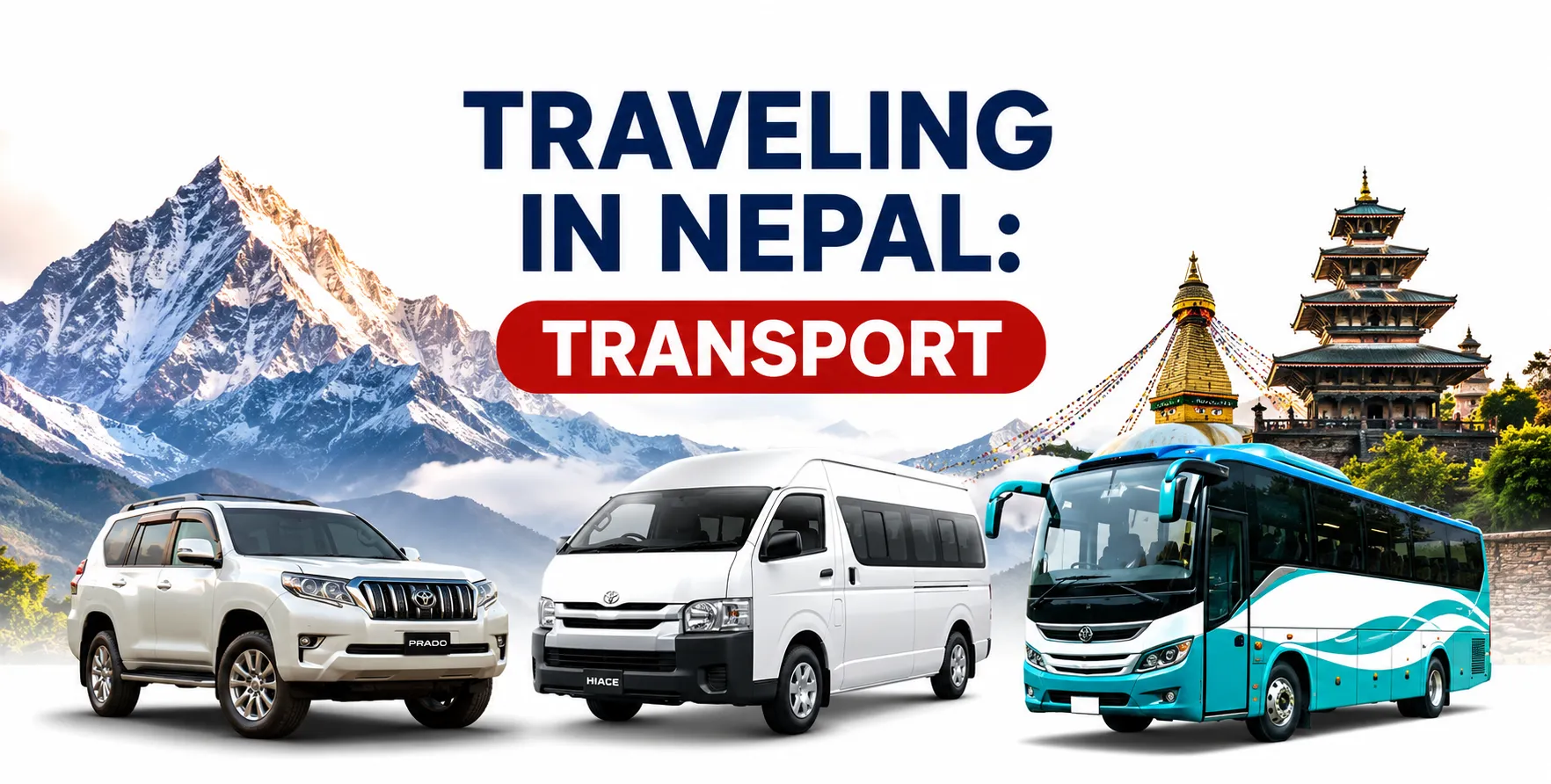
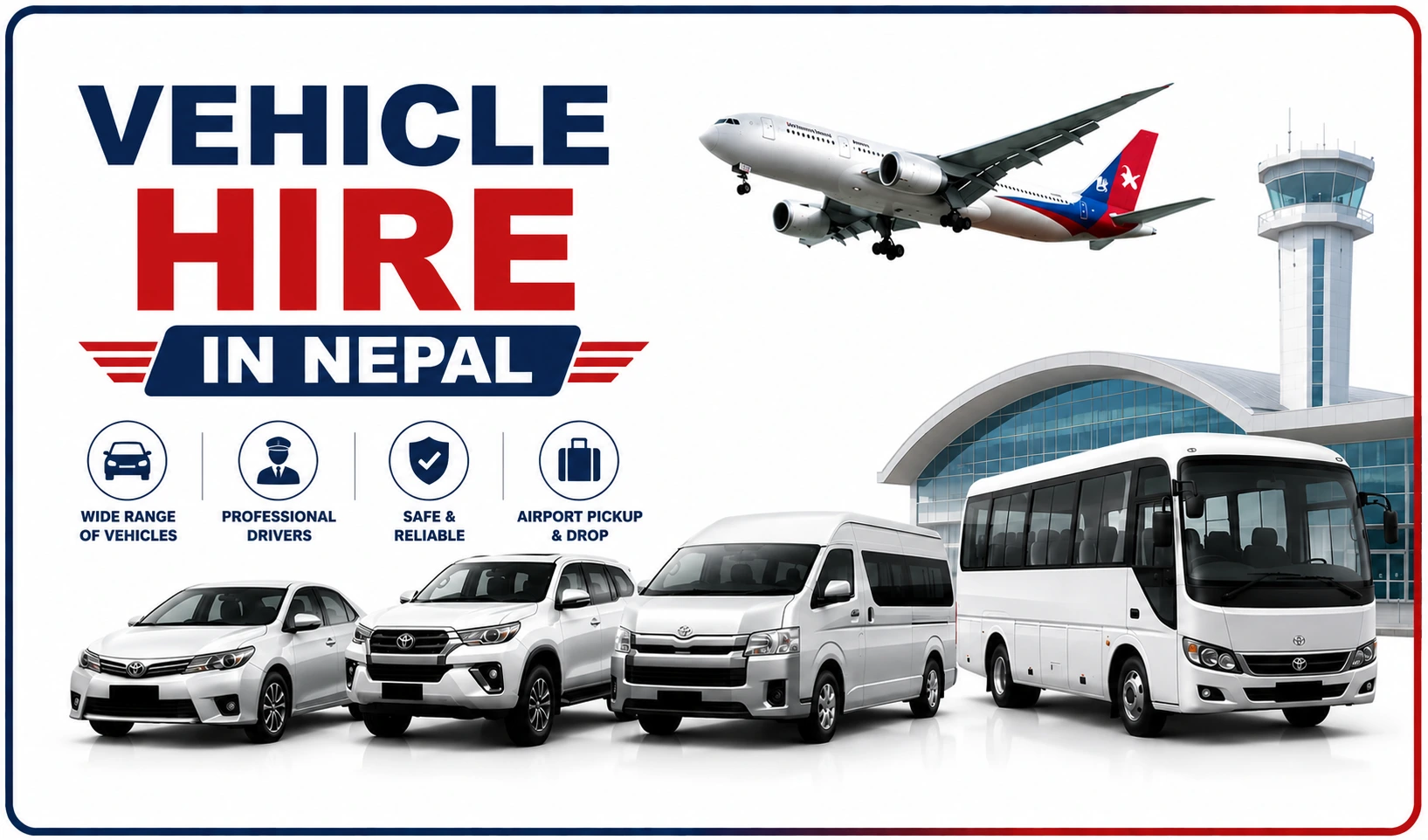
Chitwan to Pokhara Private Vehicle Service Guide 2026

Chitwan to Pokhara Private Vehicle

Chitwan to Pokhara Private Vehicle Service 2026: Car, Jeep, Van & Bus Options

Chitwan National Park is Nepal’s most celebrated wildlife destination and one of South Asia’s premier safari experiences. After days of jungle safaris, elephant encounters, and birding in the verdant Terai lowlands, most travelers continue their Nepal journey to Pokhara — the stunning lakeside city that serves as the gateway to the Annapurna region and some of the world’s finest trekking routes.

The journey from Chitwan (Sauraha) to Pokhara is approximately 155-160 kilometers and takes 4-6 hours by private vehicle. While public buses are available, a private vehicle service from Nepal Vehicle Hiring Pvt Ltd offers a dramatically superior travel experience — door-to-door hotel transfer, flexible departure time, comfortable air-conditioned seating, and the freedom to stop at attractions along the way.

This comprehensive 2026 guide covers everything you need to know to book the right private vehicle from Chitwan to Pokhara for your group, budget, and travel preferences.


Why Choose a Private Vehicle from Chitwan to Pokhara?

Door-to-Door Hotel Transfer

A private vehicle from Nepal Vehicle Hiring picks you up directly from your resort or hotel in Sauraha or Bharatpur. It drops you off at your exact accommodation in Pokhara Lakeside or anywhere in Pokhara city—no taxi to a bus station, no crowded terminal, no confusion with luggage.
Comfort and Air-Conditioned Travel

After the heat and dust of Chitwan jungle safaris, the cool comfort of a private air-conditioned vehicle makes the journey from Chitwan to Pokhara a genuine pleasure. Our well-maintained vehicles offer spacious seating, smooth suspension, and a clean, comfortable environment for the full journey.

Flexible Departure Time

Public buses to Pokhara depart only in the early morning. A private vehicle from Nepal Vehicle Hiring departs at a time that suits you — whether you want an early start to maximize your time in Pokhara, or a mid-morning departure after a final breakfast safari in Chitwan.

Freedom to Stop Along the Way

The Chitwan to Pokhara route passes several worthwhile attractions, including Bandipur, the scenic Marsyangdi River valley, and the Prithvi Highway viewpoints. A private vehicle allows you to stop at any of these on request — something a public bus can never offer.

Best Value for Groups

When the cost of a private car or jeep is shared among 3 to 6 passengers, it often works out to be comparable to or less expensive than multiple individual bus tickets — while delivering a vastly superior experience in comfort, speed, and convenience.

Safe and Professional Service

Nepal Vehicle Hiring Pvt Ltd employs only licensed, experienced drivers who are fully familiar with the Chitwan-to-Pokhara route. All our vehicles are regularly maintained and fully insured for complete peace of mind throughout your journey.


Chitwan to Pokhara – Journey Quick Facts

DetailInformation
Road DistanceApproximately 155–160 km
Travel Time (Private Car/Jeep)4 to 6 hours
Travel Time (Van/Hiace)5 to 6 hours
Travel Time (Public Bus)5 to 7 hours
Departure PointHotel/resort pickup in Sauraha or Bharatpur
Main RouteBharatpur → Mugling → Prithvi Highway → Pokhara
Road TypeMostly paved; some construction sections near Mugling
Chitwan Altitude~215 meters (Sauraha)
Pokhara Altitude~820 meters
Best Departure Time7:00 AM – 9:00 AM recommended

Chitwan to Pokhara Private Vehicle


Private Vehicle Options: Chitwan to Pokhara 2026

Nepal Vehicle Hiring Pvt Ltd offers a full fleet of private vehicles for the Chitwan-to-Pokhara route, suitable for groups of all sizes and budgets. Here is a complete breakdown of all options:

Vehicle TypeCapacityTravel TimeCost (NPR)Cost (USD)Best For
Private Car (Sedan/SUV)2–4 passengers4–5 hours  NPR 13000-        18000USD 90-120Couples, small groups
Private Jeep (4WD)4–6 passengers4–5 hours  NPR 12,000–      18,000USD 90–135Groups, families
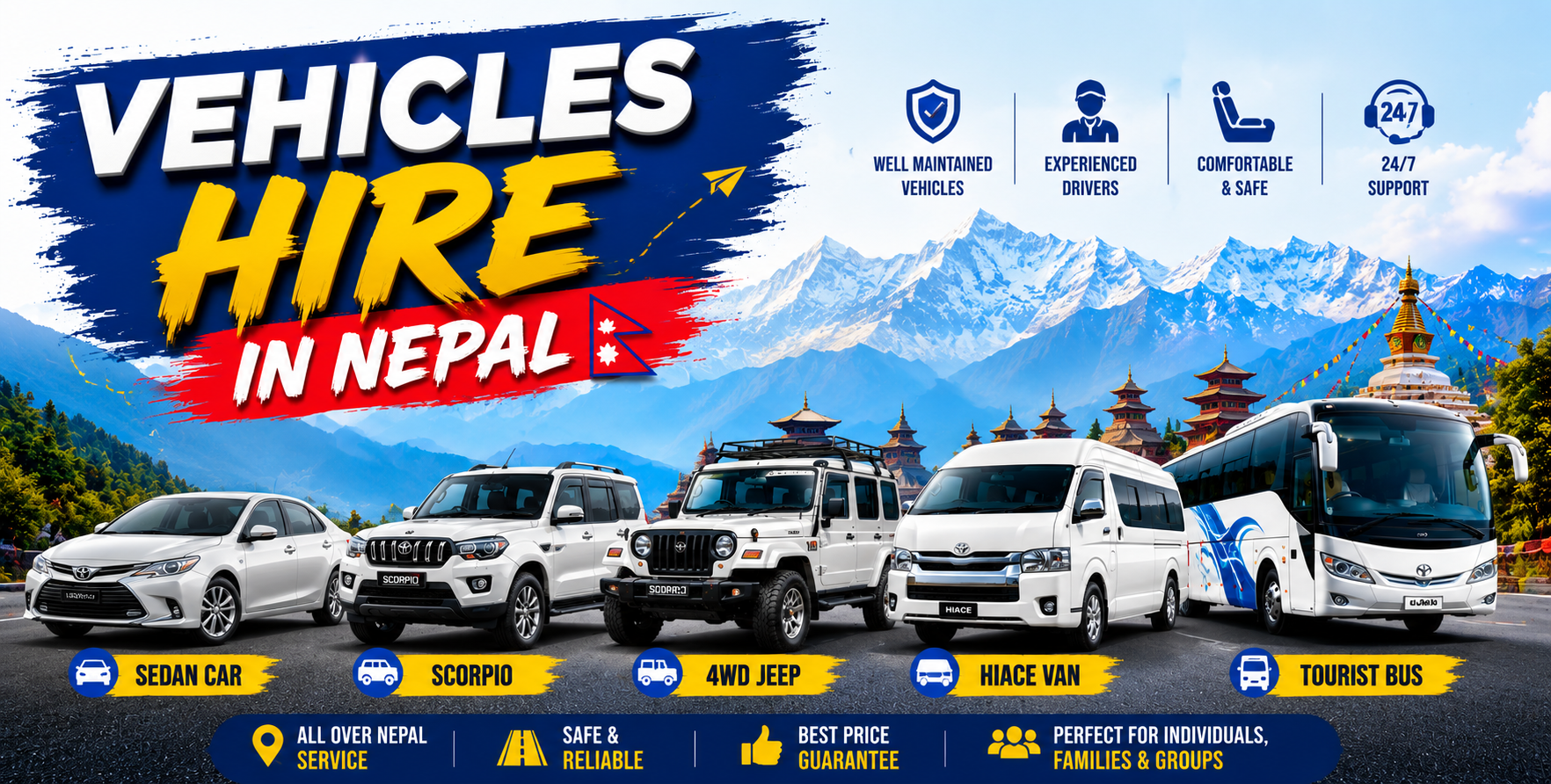
Toyota Hiace (Van)7–10 passengers5–6 hours  NPR 21,000–      25,000USD 140–160Medium groups
Coaster Bus15–20 passengers5–6 hours NPR 30,000–   40,000USD 225–300Larger groups
Tourist Bus25–35 passengers5–7 hoursNPR 45,000–60,000USD 335–450Large tour groups, bus
Air Bus (per seat)Open5–7 hoursNPR 700–1,200/personUSD 5–9/personBudget travellers

Note: All private vehicle prices include driver, fuel, and toll charges. Prices may vary by season, vehicle availability, and any additional stop requests. Contact Nepal Vehicle Hiring for an exact quote.

Chitwan to Pokhara Private Vehicle

Private Car Hire: Chitwan to Pokhara

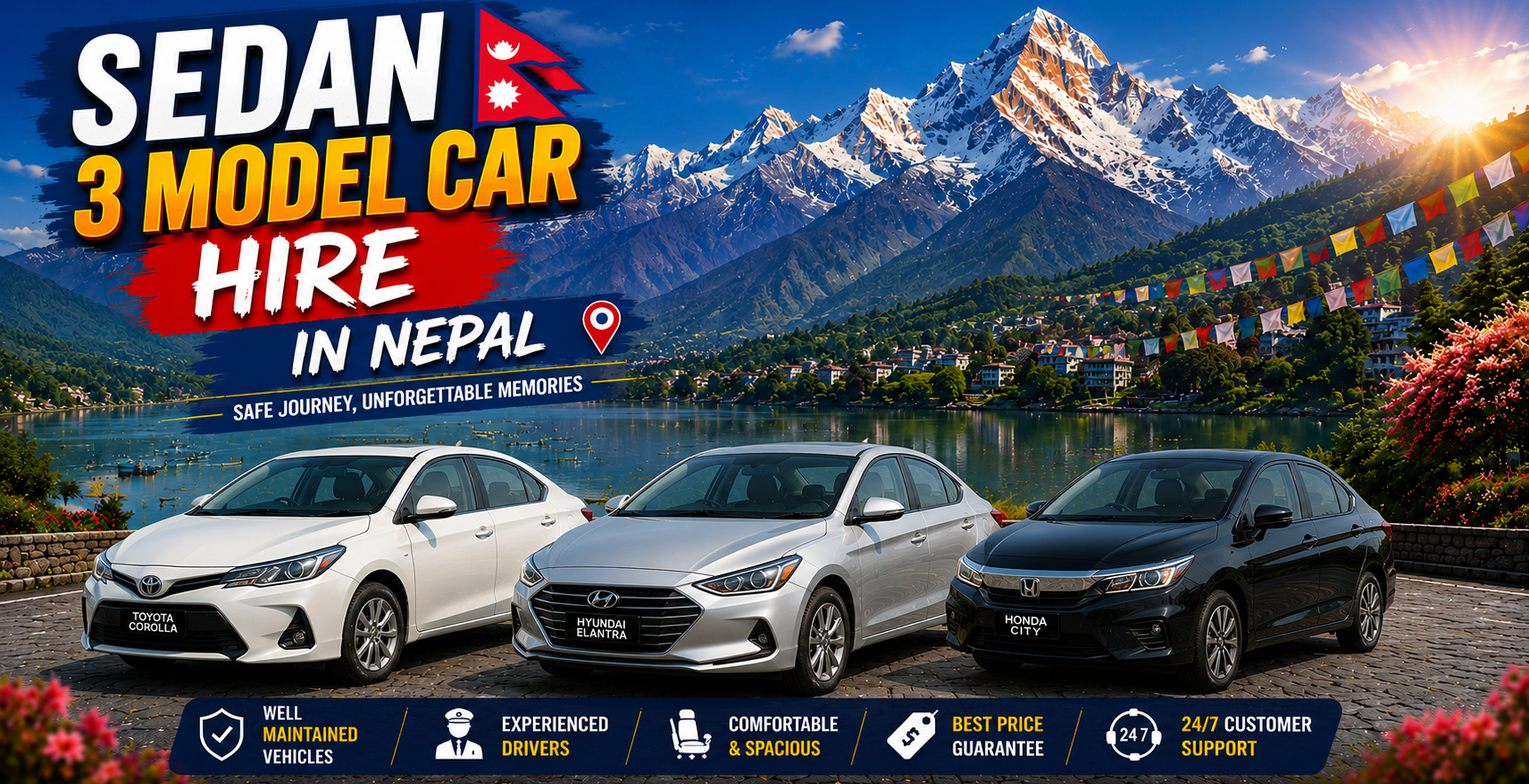
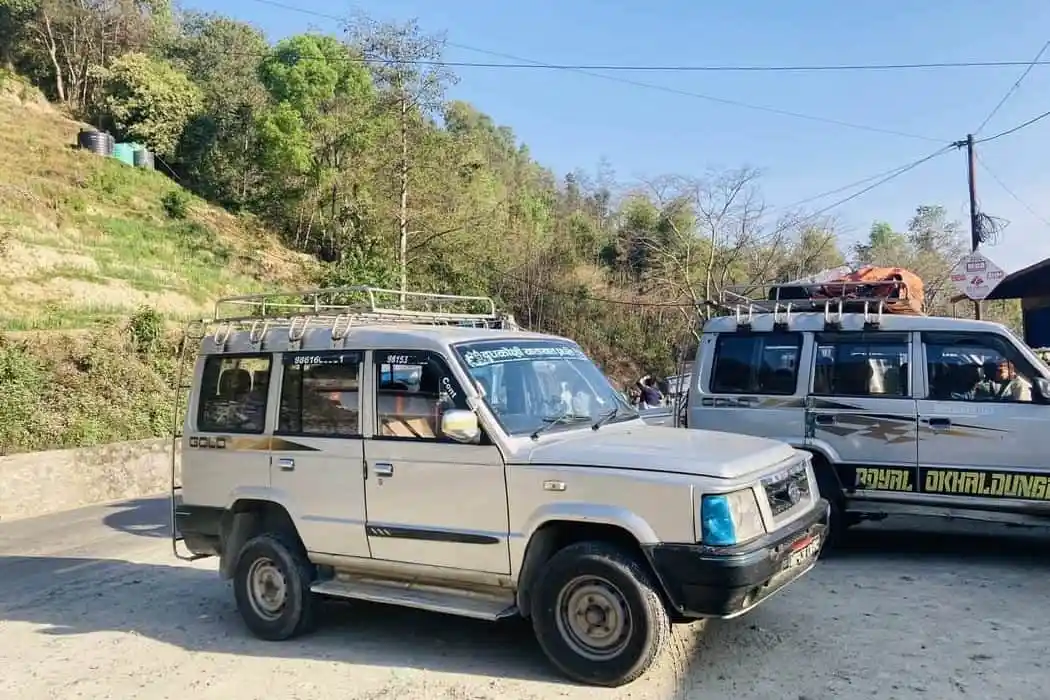
A private car is the ideal choice for solo travelers, couples, and small groups of up to 4 passengers. Nepal Vehicle Hiring offers well-maintained sedans and SUVs with air conditioning, comfortable seating, and ample boot space for luggage.
What Is Included in Your Private Car Hire

  • Hotel or resort pickup in Sauraha or anywhere in Chitwan / Bharatpur
  • Air-conditioned, well-maintained sedan or SUV
  • Professional, licensed driver experienced on the Chitwan–Pokhara route
  • Fuel and all toll charges included
  • Drop-off at your exact hotel in Pokhara Lakeside or Pokhara city
  • Flexible stops at attractions along the route on request


Private Car Cost – Chitwan to Pokhara 2026

Car TypeOne Way (NPR)One Way (USD)Capacity
Standard Sedan (Dzire, Etios)NPR 13,000–18,000USD 90-1202–3 passengers
SUV / CrossoverNPR 18000–25,000USD 120-1603–4 passengers
Premium SUVNPR 25,000–27,000USD 160-1804 passengers

Chitwan to Pokhara Private Vehicle

Private Jeep Hire: Chitwan to Pokhara

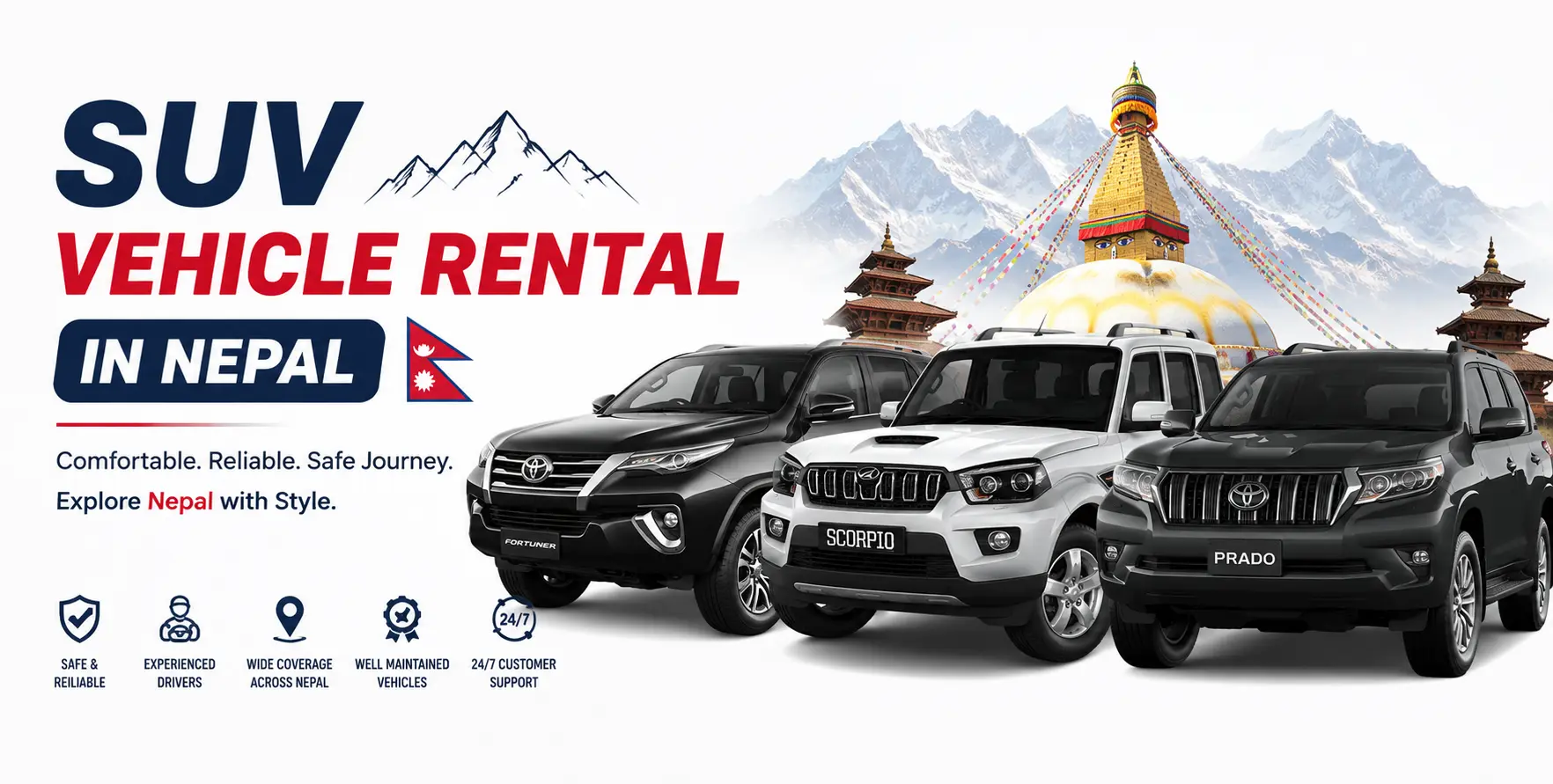
A private 4WD jeep is the most popular vehicle choice for the Chitwan-to-Pokhara route among trekking groups, families, and adventure travelers. Jeeps offer greater ground clearance and durability on roads with construction detours or rough patches near Mugling.

  • Higher ground clearance handles road construction diversions and rough patches confidently
  • More spacious than a standard sedan – comfortable for 4 to 6 passengers with luggage
  • 4WD capability provides extra security on any unexpected off-road diversions
  • Ideal for groups carrying large trekking bags, camera equipment, or safari luggage
  • Professional 4WD mountain driver familiar with Nepal’s highways and mountain roads


Private Jeep Cost – Chitwan to Pokhara 2026

Jeep TypeOne Way (NPR)One Way (USD)Round Trip (NPR)Capacity
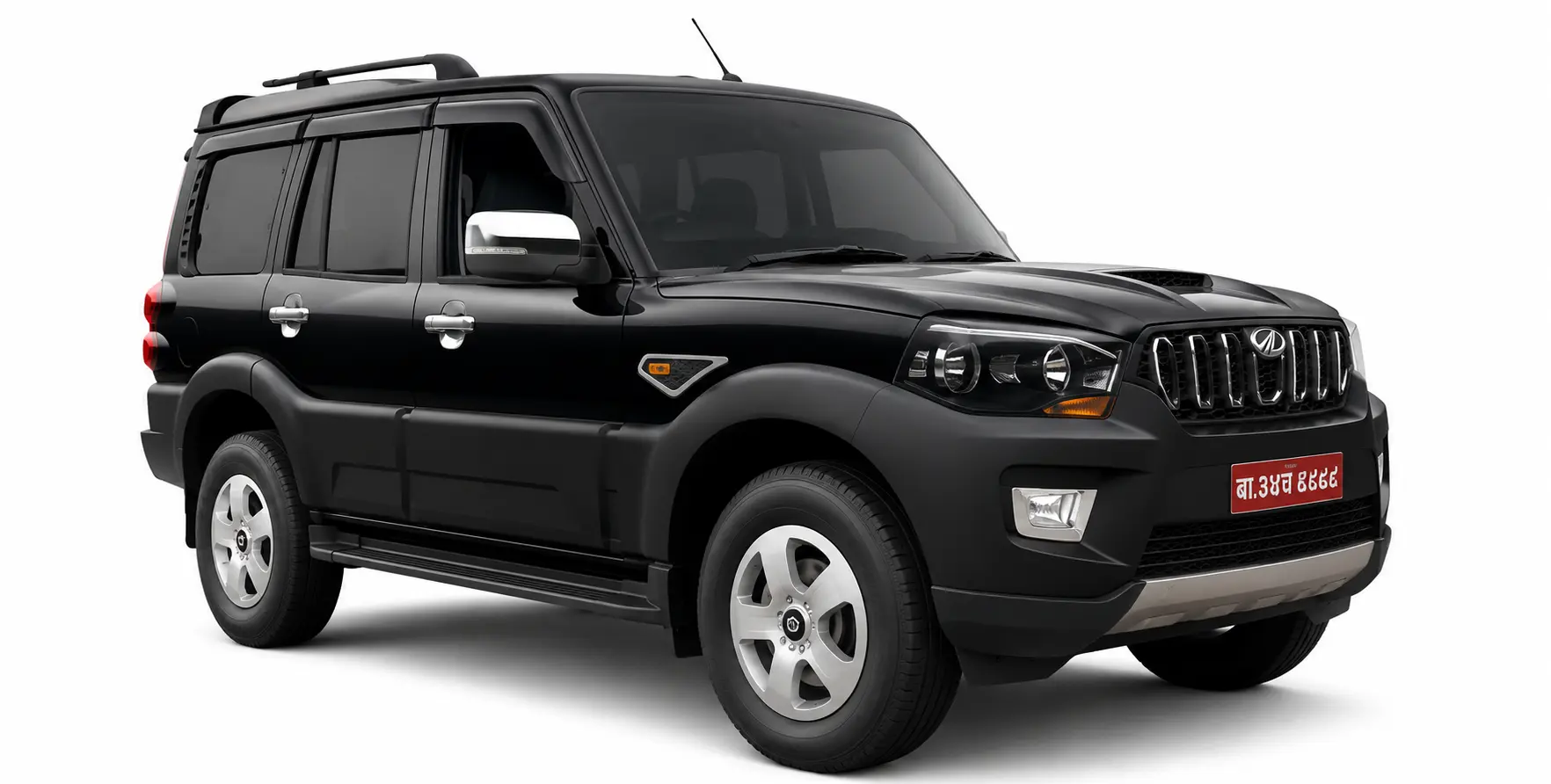
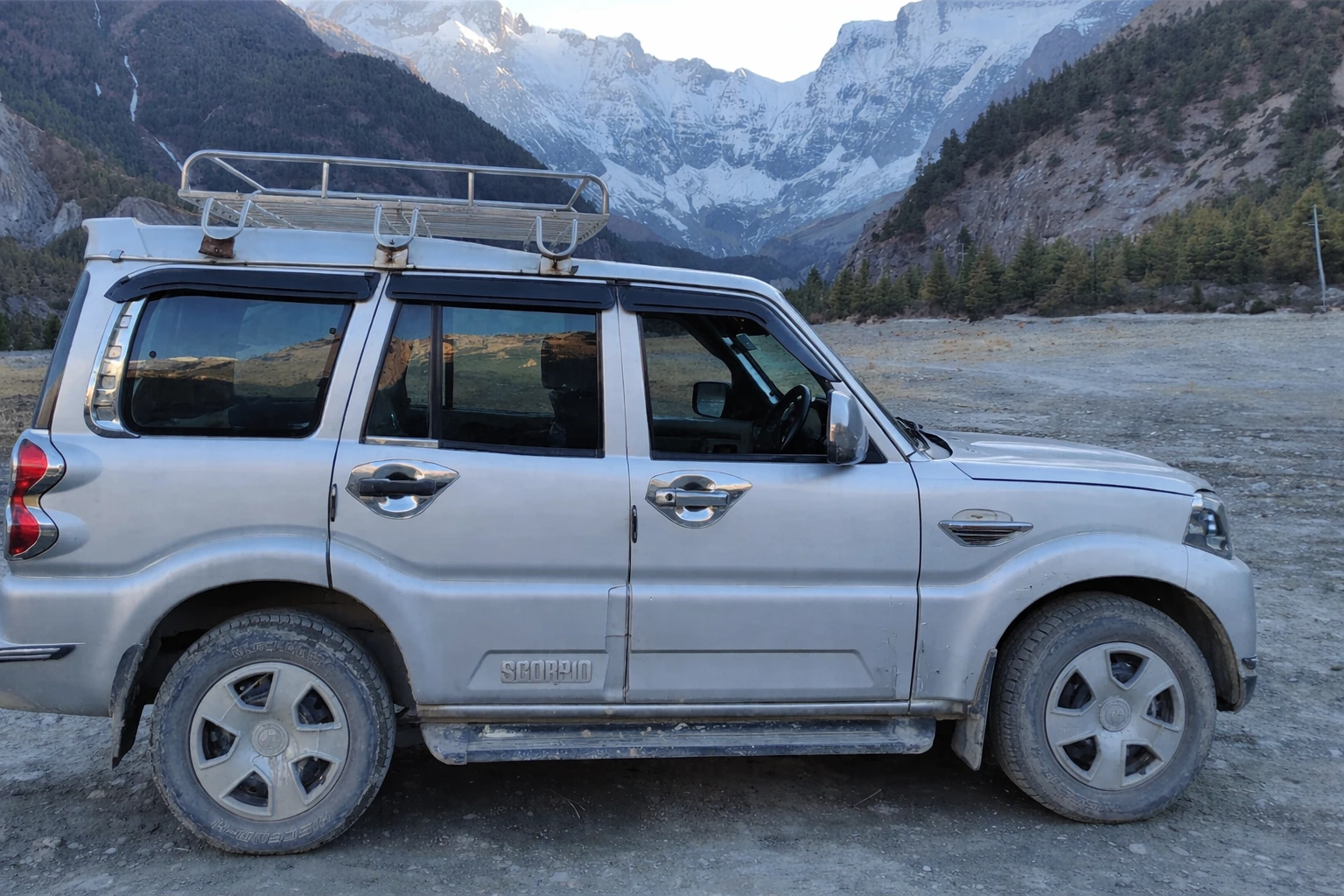
Standard Jeep (Scorpio/Bolero)NPR18,000-26,000USD 140-160NPR 20,000-30,0004–5 pax
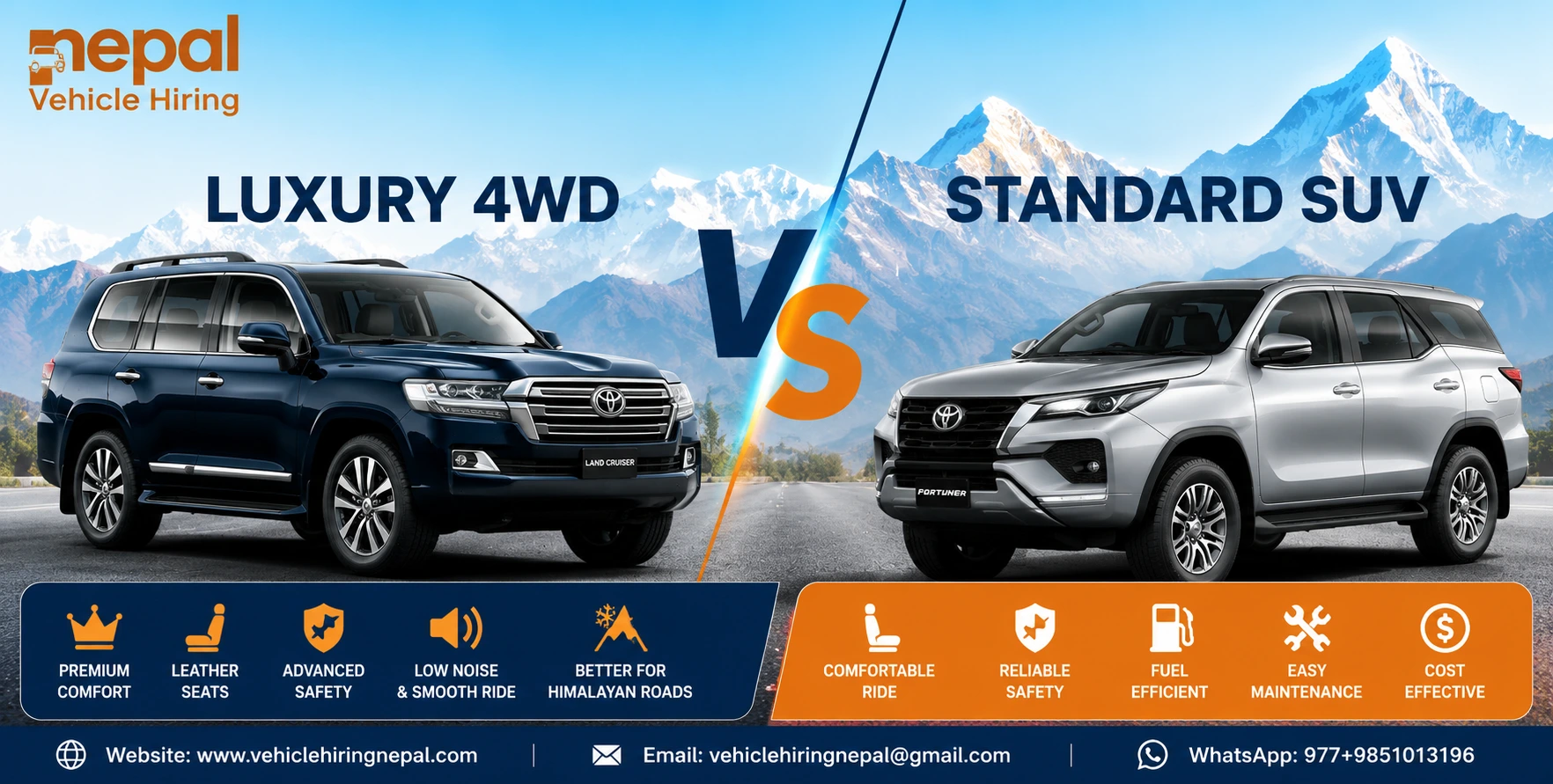
4WD Jeep (Hilux/Fortuner)NPR 25,000-27,000USD 160-180NPR 30,000-40,0005–6 pax
Premium 4WD (Land Cruiser)NPR 27,000-30,000USD 180-200NPR 40,000-50,0005–6 pax

Chitwan to Pokhara Private Vehicle

Toyota Hiace Van Hire: Chitwan to Pokhara

For groups of 7 to 10 passengers, the Toyota Hiace van is the most practical, comfortable, and economical private vehicle option. The Hiace offers ample seating, excellent luggage space, air conditioning, and a smooth ride on the well-paved Prithvi Highway.

Toyota Hiace Key Details

DetailInformation
Seating Capacity7 to 10 passengers comfortably
Luggage SpaceLarge rear boot plus roof rack
Air ConditioningYes – front and rear AC
Travel Time5 to 6 hours
One Way CostNPR 26,000-30,000 (USD 160-200)
Round Trip CostNPR 40,000-60,000 (USD 250–350)
Best ForFamilies, trekking groups, tour parties

Chitwan to Pokhara Private Vehicle

Coaster Bus and Tourist Bus Hire: Chitwan to Pokhara

For larger groups, Nepal Vehicle Hiring offers coaster buses (15-20 passengers) and full tourist buses (25-35 passengers) for the Chitwan-Pokhara route. These are popular choices for school groups, corporate tour parties, pilgrim groups, and large trekking expeditions.
VehicleCapacityOne Way (NPR)One Way (USD)Best For
Coaster Bus15–20 passengersNPR 30,000–40,000USD 225–300Medium tour groups
Mini Bus20–25 passengersNPR 35,000–50,000USD 260–375Mid-large groups
Tourist Bus (Full)25–35 passengersNPR 45,000–60,000USD 335–450Large tour groups


Complete Vehicle Comparison: Chitwan to Pokhara 2026

FeaturePrivate CarPrivate JeepToyota HiaceCoaster/BusPublic Bus
Capacity2–44–67–1015–35Open
One Way CostNPR 13,000-18,000NPR 18,000-26,000NPR 26,000-30,000NPR 30,000–60,000NPR 700–1,200/seat
Travel Time4–5 hrs4–5 hrs5–6 hrs5–6 hrs5–7 hrs
Hotel PickupYesYesYesYesNo
Departure TimeFlexibleFlexibleFlexibleFlexibleFixed AM only
ACYesYesYesYesSometimes
Luggage SpaceGoodExcellentExcellentExcellentLimited
Stop FreedomFullFullFullFullNone
PrivacyCompleteCompleteCompleteGroup onlyNo
Best ForCouples/soloGroups/trekkersFamilies/groupsLarge groupsBudget solo


Chitwan to Pokhara Route Breakdown

The main route from Chitwan to Pokhara follows the East-West Highway from Bharatpur to Mugling, and then the Prithvi Highway from Mugling to Pokhara. Here is a detailed stage-by-stage breakdown:

Stage 1: Sauraha / Bharatpur to Mugling – Approx. 70 km (1.5 hours)

The journey begins in the lush Terai lowlands of Chitwan. From Sauraha, the route heads to Bharatpur (the major city near Chitwan) and then northwest along the East-West Highway toward Mugling. The landscape during this first section is flat, green, and distinctly Terai in character — a complete contrast to the hilly terrain that follows. Mugling is a busy junction town on the banks of the Trishuli River and a popular stop for tea and breakfast.

Stage 2: Mugling to Pokhara via Prithvi Highway – Approx. 85 km (2.5 to 3 hours)

From Mugling, the route turns west onto the famous Prithvi Highway. This is the most scenic and memorable section of the entire journey. The road follows the Marsyangdi River upstream through a dramatic gorge, with the river tumbling below and green terraced hills rising steeply on either side. The highway passes through several small towns, including Abu Khaireni and Damauli, before climbing up to Pokhara.

The views of the Annapurna and Machhapuchhre (Fishtail) mountain ranges begin to appear from the highway as you approach Pokhara — a spectacular preview of what awaits in the lake city.

Stage 3: Pokhara Entry and Hotel Drop-off

As you enter Pokhara, the road descends toward Phewa Lake and the Pokhara Lakeside area. The Nepal Vehicle Hiring driver will take you directly to your hotel. The entire journey from Sauraha to Pokhara Lakeside typically takes 4 to 5 hours by private car or jeep in good road conditions.

Route Overview Table

StageRoute SectionDistanceRoad ConditionNotable Highlights
1Sauraha → Bharatpur~20 kmGood paved roadChitwan plains, wildlife views
2Bharatpur → Mugling~70 kmPaved, East-West HwyTerai flatlands, Trishuli River junction
3Mugling → Abu Khaireni~30 kmPrithvi Hwy, goodMarsyangdi River gorge scenery
4Abu Khaireni → Damauli~20 kmPrithvi Hwy, goodTerraced hills, river valley views
5Damauli → Pokhara~35 kmGood, some constructionFirst Himalayan views, Pokhara entry

Attractions and Stops Along the Chitwan to Pokhara Route

Bandipur – The Hilltop Heritage Village

Bandipur is one of Nepal’s most charming and perfectly preserved hilltop towns, located just off the Prithvi Highway between Mugling and Pokhara. The Newar trading town is a UNESCO-listed heritage candidate with cobblestone streets, traditional Newari architecture, and stunning panoramic views of the Annapurna and Manaslu mountain ranges.

A stop at Bandipur adds approximately 1 to 1.5 hours to the journey but is widely considered one of the most rewarding detours on any Chitwan-to-Pokhara road trip. With a private vehicle from Nepal Vehicle Hiring, this stop is entirely on request.

Siddha Cave – Nepal’s Largest Cave

Located near Bandipur, the Siddha Cave is Nepal’s largest and most impressive natural cave system. The cave features remarkable stalactite and stalagmite formations and extends approximately 415 meters into the hillside. A short guided walk through the cave is a memorable experience for all ages.

Mugling Bazaar and Trishuli River

Mugling sits at the confluence of the Trishuli and Marsyangdi rivers and is the classic midway refreshment stop on the Chitwan-to-Pokhara route. The Mugling bazaar is famous throughout Nepal for its fresh fish, Thakali dal bhat, and roadside snacks. The riverside setting with the green hills above and the crystal-clear Trishuli below is scenic and refreshing.

Marsyangdi River Valley

The stretch of the Prithvi Highway between Mugling and Abu Khaireni follows the Marsyangdi River through one of the most beautiful river gorges in central Nepal. The turquoise river rushing below, the terraced fields clinging to the steep hillsides, and the distant snow-capped peaks create a series of continuously changing, breathtaking views throughout this section.

Damauli

Damauli is the headquarters of Tanahu District and a pleasant stop on the road to Pokhara. The town sits at the confluence of the Seti and Madi rivers and has several good restaurants. From the higher sections of the road near Damauli, the first clear views of the Annapurna Himalayan range begin to emerge on the northern horizon — a thrilling preview of the mountains that define Pokhara.

First Views of the Annapurna Range

As your vehicle climbs the final section of the Prithvi Highway approaching Pokhara, stunning views of the Annapurna range — including Machhapuchhre (Fishtail), Annapurna South, and Hiunchuli — come into full view. On a clear day, this first glimpse of the great peaks is one of the most spectacular moments of the entire journey in Nepal.

Pokhara

Best Time to Travel from Chitwan to Pokhara by Private Vehicle

Spring is the peak tourist season in Nepal. The weather is warm, the roads are dry, and the mountain views on the approach to Pokhara are spectacular. Rhododendron forests bloom along the hillsides. This is one of the best times for the private vehicle journey from Chitwan to Pokhara. Book in advance as demand for private vehicles is high.

Autumn is Nepal’s second peak travel season and arguably the finest time of year for mountain views. The air is clear after the monsoon; the skies are a deep, brilliant blue, and the Annapurna range is perfectly visible from the Prithvi Highway. Road conditions are excellent post-monsoon. An outstanding time for the journey.

Winter (December to February) – Good

Winter offers clear skies and crisp air. Mountain views are excellent on clear days. The Chitwan-to-Pokhara highway is open year-round, and road conditions are generally good in winter. Morning fog in the Terai near Chitwan can occasionally delay departure, but it clears by mid-morning. Bring warm layers for Pokhara, which can be cold in January and February.

Monsoon (June to August) – Possible with Caution

The Prithvi Highway can experience landslides during the monsoon season, particularly on the Mugling-to-Pokhara section, which passes through steep hill country. Travel is possible, but it is essential to check road conditions before departure. Nepal Vehicle Hiring monitors road conditions and will advise travelers accordingly. The lush green monsoon landscapes are beautiful despite the weather risks.


Expert Tips for Your Chitwan to Pokhara Private Vehicle Journey

  • Depart between 7:00 AM and 9:00 AM to avoid heavy traffic near Mugling and arrive in Pokhara with time to explore
  • Request a stop at Bandipur if you are interested in Nepali heritage towns — it is the most rewarding detour on this route.
  • Stop at Mugling for breakfast — the fresh fish curry and dal bhat at the Mugling roadside restaurants are a genuine Nepal experience
  • Book your private vehicle at least 2 to 3 days in advance; during peak seasons (March–May and September–November), book 5 to 7 days ahead.
  • Carry Nepali rupees in cash for food stops, tolls, and any incidental expenses along the route
  • Inform your Nepal Vehicle Hiring driver in advance if you want to stop at Bandipur, Siddha Cave, or any other attraction — all stops are flexible with private hire.
  • Keep a light layer or jacket accessible — Pokhara is noticeably cooler than Chitwan, especially in the evening
  • If you are prone to motion sickness, take medication before departure — the Mugling to Pokhara section has winding curves
  • Keep your camera accessible for views of the Marsyangdi River gorge and the Annapurna range on the approach to Pokhara.
  • For large groups, contact Nepal Vehicle Hiring early to confirm vehicle availability, particularly for coasters and tourist buses


What to Pack for the Chitwan to Pokhara Journey

  • Light layers – the journey moves from the warm Terai to the cooler hills of Pokhara
  • Water bottles – stay hydrated throughout the 4 to 6-hour journey
  • Light snacks – fruits, biscuits, or energy bars for between stops
  • Camera and charger – outstanding scenery throughout, especially on the Prithvi Highway
  • Nepali cash – for meals, tolls, and any roadside purchases
  • Motion sickness tablets, if needed – useful for the winding Mugling to Pokhara section
  • Small day bag – keep essentials within easy reach inside the vehicle
  • Valid ID or passport – for any checkpoint or hotel check-in at the Pokhara end


What to Do When You Arrive in Pokhara

Pokhara Lakeside – The Heart of the City

Your private vehicle from Nepal Vehicle Hiring will drop you directly at your hotel in Pokhara Lakeside, the city’s main tourist hub, situated along the northern shore of the beautiful Phewa Lake. Lakeside is home to hundreds of hotels, restaurants, trekking agencies, and shops catering to travelers from around the world.

Explore Phewa Lake

Phewa Lake is Pokhara’s most iconic feature. Rent a boat and row to the small Tal Barahi Temple island in the middle of the lake, or relax at a lakeside café with views of the Annapurna range reflected perfectly in the still water. Phewa Lake is particularly magical at sunrise and sunset.

Sarangkot Sunrise Viewpoint

Sarangkot Hill, a short drive or hike from Pokhara Lakeside, offers the most spectacular sunrise view of the Annapurna and Dhaulagiri ranges anywhere in Pokhara. The panorama includes Machhapuchhre, Annapurna South, Annapurna I, Hiunchuli, and Dhaulagiri. Most hotels in Pokhara can arrange a vehicle to Sarangkot for an early-morning departure.

Paragliding from Sarangkot

Pokhara is one of the premier paragliding destinations in the world. Tandem paragliding flights from Sarangkot over Phewa Lake with the Annapurna range as a backdrop are available daily from Pokhara’s many licensed paragliding operators. It is one of the most memorable experiences available anywhere in Nepal.

Start Your Annapurna Region Trek

Pokhara is the gateway to the entire Annapurna region. The Annapurna Base Camp Trek, Poon Hill Trek, Mardi Himal Trek, Annapurna Circuit Trek, and many other routes all begin from or near Pokhara. Nepal Vehicle Hiring can also arrange onward vehicle transfers from Pokhara to your desired trekking trailhead, such as Nayapul, Kande, or Phedi.


How to Book Your Chitwan to Pokhara Private Vehicle

Booking your private vehicle transfer with Nepal Vehicle Hiring Pvt Ltd is simple:

  • Step 1: Visit vehiclehiringnepal.com or contact us by phone or WhatsApp
  • Step 2: Share your travel date, number of passengers, pickup location in Chitwan/Sauraha, and drop-off location in Pokhara
  • Step 3: Choose your vehicle type – car, jeep, Hiace, coaster, or tourist bus
  • Step 4: Receive your confirmed booking with driver name, vehicle details, and pickup time
  • Step 5: Relax and enjoy the scenic journey from Chitwan to Pokhara

We recommend booking at least 2 to 3 days in advance and 5 to 7 days in advance during peak seasons.

WhatsApp: +977 9851013196
Email: [email protected]
Website: www.vehiclehiringnepal.com

Frequently Asked Questions (FAQ)

How far is Chitwan from Pokhara?

The road distance from Chitwan (Sauraha/Bharatpur) to Pokhara is approximately 155-160 kilometers.

How long does it take to travel from Chitwan to Pokhara by private vehicle?

A private car or jeep takes 4 to 5 hours. A Toyota Hiace or larger vehicle takes 5 to 6 hours. Public buses take 5 to 7 hours, depending on stops and traffic.

What is the cost of a private car from Chitwan to Pokhara in 2026?

A private sedan costs NPR 13,000-18,000 (USD 90-120). A private jeep costs NPR 18,000-26,000 (USD 120-160). A Toyota Hiace for groups costs NPR 26,000-30,000 (USD 160-200). All prices include driver and fuel.

Is there a flight from Chitwan to Pokhara?

There is no scheduled domestic flight directly from Chitwan to Pokhara. Road transport by private vehicle or bus is the standard route between the two destinations.

Can I stop at Bandipur on the way from Chitwan to Pokhara?

Yes. With a private vehicle from Nepal Vehicle Hiring, you can stop at Bandipur, Siddha Cave, or any other attraction along the route. Inform the driver in advance or request stops during the journey. Bandipur adds approximately 1 to 1.5 hours to the total travel time.

Where in Chitwan does the vehicle pick me up from?

Nepal Vehicle Hiring provides hotel or resort pickup from anywhere in Sauraha, Bharatpur, or the wider Chitwan area. There is no need to travel to a bus station or departure terminal.

What is the best vehicle for a family traveling from Chitwan to Pokhara?

For families of up to 4 people, a private car is ideal. For families of 5 to 6 people, a private jeep offers more space. For larger families of 7 to 10 people, a Toyota Hiace is the most comfortable and practical option.

Is the road from Chitwan to Pokhara safe?

The Chitwan-to-Pokhara route via Mugling and the Prithvi Highway is one of Nepal’s major, well-maintained highways. It is generally safe year-round. During the monsoon season, occasional landslides near the Mugling area can cause temporary delays. Nepal Vehicle Hiring monitors road conditions and keeps all clients informed.

Can I book a return trip from Pokhara to Chitwan?

Yes. Nepal Vehicle Hiring provides private vehicle services in both directions. You can book a one-way transfer from Chitwan to Pokhara, or a round-trip package that includes both legs of the journey at a discounted combined price.


Book Your Chitwan to Pokhara Private Vehicle with Nepal Vehicle Hiring

The journey from Chitwan to Pokhara is one of Nepal’s classic road trips — transitioning from the wildlife-rich Terai lowlands through the lush Marsyangdi River gorge, past the charming hilltop village of Bandipur, and finally arriving at the lakeside paradise of Pokhara with the great Annapurna peaks rising above the horizon.

With a private vehicle from Nepal Vehicle Hiring Pvt Ltd, this journey is not just a transfer between two cities — it is itself a memorable part of your Nepal experience. Our professional drivers, comfortable air-conditioned vehicles, and door-to-door hotel service ensure that every kilometer from Chitwan to Pokhara is traveled in comfort, safety, and style.

Book your Pokhara-to-Nayapul transport today. Contact us on WhatsApp at +977 9851013196 or visit vehiclehiringnepal.com. We also arrange return pickups from Nayapul at the end of your trek – one less thing to worry about on the trail.

WhatsApp: +977 9851013196
Email: [email protected]
Website: www.vehiclehiringnepal.com

Further information for adventure trekkers

Our top offerings include iconic journeys such as the Annapurna Circuit, the immersive Mardi Himal Trek, the breathtaking Manaslu Circuit, the exciting Muktinath yatra, and luxury packages. In addition, we can arrange short hikes, heritage tours, mountain flights, and customized travel plans tailored to your schedule and interests.

Whether you are looking for a budget-friendly trip or a luxury trekking experience with premium lodges, private guides, and high-end services, we ensure every detail is professionally managed. Our goal is to provide a seamless transition from your trekking adventure to a comfortable) and a memorable travel experience in Nepal.

Vehicle Hiring Nepal specializes in trekker transport throughout the Annapurna, Manaslu, and Everest regions. We understand the importance of an early, reliable departure on Day 1 of your trek, and our experienced drivers know exactly where to drop you off in Nayapul for the smoothest possible start to your journey.

Pokhara to Nayapul Trek Transport – Complete Guide for Trekkers (2026)

Pokhara to Nayapul  Transport

Pokhara to Nayapul Transport – Complete Guide for Trekkers (2026)

Nayapul is the main trailhead for two of Nepal’s most beloved trekking routes – the Poon Hill Trek (Ghorepani-Poon Hill) and the Annapurna Sanctuary Trek (ABC Trek). Located approximately 42 km from Pokhara, Nayapul is where thousands of trekkers begin their Annapurna adventure each year. Getting from Pokhara to Nayapul quickly, comfortably, and reliably is the first step of your trekking journey.

This complete 2026 guide covers all transport options from Pokhara to Nayapul – private car, taxi, local bus, and Hiace van – with prices, departure times, road conditions, trekking permit tips, and everything you need to know to start your trek on the right foot.

Where is Nayapul, and why is it Important?

Location: Nayapul, Kaski District, Gandaki Province, Nepal

Distance from Pokhara: Approximately 42 km by road

Travel Time: 1 hour to 1.5 hours by private car or taxi

Altitude: 1,070 m above sea level

Road Type: Paved road from Pokhara to Nayapul via Birethanti

Treks Starting Here: Poon Hill Trek (Ghorepani), Annapurna Sanctuary Trek (ABC), Annapurna Circuit (partial start)

Nayapul sits at the confluence of the Modi Khola and Bhurungdi Khola rivers and serves as the official roadhead entry point for the Annapurna Conservation Area. Trekkers cross the suspension bridge at Nayapul, pass through Birethanti village (permit check point), and begin climbing into the Annapurna foothills. It is one of the busiest trekking trailheads in all of Nepal.

Transport Options: Pokhara to Nayapul

There are four main ways to get from Pokhara to Nayapul. Each has its own advantages depending on your group size, budget, schedule, and comfort preferences:

Transport TypeTravel TimeCostComfortBest For
Private Car / Taxi (full vehicle)1–1.5 hrsUSD 40 full carExcellentSolo, couples, small groups
Private Jeep / SUV1–1.5 hrsUSD 60 full jeepExcellentGroups 4–6 with heavy gear
Hiace Van (private)1–1.5 hrsUSD 100 full vanVery GoodGroups 7–14 trekkers
Coaster Bus 14-22 People1.5–2 hrsNPR  150 Full busBasicGroups 14-22 trekkers
Tourist Bus1.5–2 hrsNPR 200 Full busModerateBackpackers, budget groups

For most trekkers, a private car or taxi is the best option. The cost is low (especially split between a group), the journey is fast and direct, and you can depart from your Pokhara hotel at any time – crucial for reaching Nayapul early enough to put in good trekking hours on Day 1.

Pokhara to Nayapul  Transport

Private Car from Pokhara to Nayapul – Full Details

Why a Private Car is the Best Choice

The majority of trekkers heading to Nayapul choose a private car or taxi. Here is why it is the best option for most:

  • Direct pickup from your Pokhara hotel or guesthouse – no walk to a bus stop with a heavy pack
  • Depart at your preferred time – early morning departures (6:00–7:00 AM) recommended to maximize Day 1 trekking
  • Fastest option – 1 to 1.5 hours vs 1.5 to 2 hours by local bus
  • Comfortable, air-conditioned vehicle for you and your full group
  • Full luggage space – essential for trekkers with large backpacks and gear
  • Driver drops you right at the Nayapul bridge – no confusion about where to start
  • The same driver can pick you up at Nayapul or Birethanti at the end of your trek
  • Cost split between group members is very affordable – USD 25–40 total for up to 4 people

Private Car Price: Pokhara to Nayapul 2026

VehicleCapacityOne-Way PriceReturn Trip PriceNotes
Sedan Car1–3 paxUSD 40USD 70Most popular choice
SUV / Jeep4–6 paxUSD 60USD 100Best for groups with big packs
Hiace Van7–14 paxUSD 100USD 170Group trekking teams
Coaster Bus15–22 paxUSD 150USD 260Large trekking groups


All private vehicle prices are for the full vehicle – not per person. The driver, fuel, and insurance are included. For a group of 4 trekkers sharing a sedan, the cost works out to just USD 6–9 per person – far more convenient than the local bus, which costs very similar.

Pokhara to Nayapul  Transport

Local Bus from Pokhara to Nayapul – Full Details

Departure and Schedule

Local buses from Pokhara to Nayapul depart from the Baglung Bus Park located in Baglung Chowk, Pokhara – approximately 3 km from the Lakeside tourist area. A taxi from Lakeside to the bus park costs around NPR 300-400.

First Departure: Around 7:00 – 7:30 AM (earliest recommended)

Last Departure: Around 4:00 – 5:00 PM

Frequency: Every 30 to 45 minutes during peak hours

Ticket Price: NPR 150 to NPR 200 per person (approximately USD 1.10 to USD 1.50)

Travel Time: Approximately 1.5 to 2 hours, including stops

Drop-off Point: Nayapul bus stop near the suspension bridge trailhead

What to Expect on the Local Bus

  • Basic seating with limited legroom – difficult with a large trekking backpack
  • No air conditioning – windows open for ventilation
  • Stops at multiple villages along the route – adds time to the journey
  • Luggage stored on the roof or in the aisle – watch your gear carefully
  • Can be crowded during peak trekking season (October–November and March–May)
  • Drops at the main road near Nayapul bridge – same trailhead as private vehicles

The local bus is a genuinely viable option for solo budget trekkers. However, if you are traveling in a group of 2 or more, splitting the cost of a private car is almost always a better value when you factor in the time, convenience, and comfort difference.

The Road: Pokhara to Nayapul Route Guide

The drive from Pokhara to Nayapul follows a well-paved road through the Annapurna foothills southwest of Pokhara. It is a beautiful, scenic drive that gives you the first taste of the mountain landscape you are about to trek into.

Pokhara Lakeside to Naya Pul Road Junction (15 km | 25 min)

Depart from the Lakeside area heading south through Pokhara city. The road passes through the busy Baglung Chowk area – the main junction for traffic heading southwest towards Beni, Baglung, and the Annapurna region. Traffic can be slow through central Pokhara in the early morning – departing before 6:30 AM helps.

Naya Pul Road Junction to Lumle (10 km | 15 min)

Beyond the city outskirts, the road climbs gently into the Annapurna foothills through rice paddies and mixed forest. The Annapurna South (7,219 m) and Machhapuchhre (6,993 m) peaks begin to dominate the northern skyline on clear mornings – a spectacular preview of the mountains you are heading towards. The village of Lumle is known for its connections to British Gurkha training and its agricultural research station.

Lumle to Chandrakot (7 km | 10 min)

The road continues climbing with increasingly dramatic Annapurna views. Chandrakot is a popular alternative starting point for the Poon Hill trek and sits at 1,550 m with panoramic views of the Modi Khola valley below. Some trekkers begin from Chandrakot rather than Nayapul to add an extra day of walking.

Chandrakot to Nayapul (10 km | 15 min)

The road descends from Chandrakot down to the Modi Khola riverbed and follows the river to Nayapul. You can see the white suspension bridge of Nayapul and the first teahouses of Birethanti across the river. Your driver will drop you at the road end near the bridge where your trek officially begins.

What to Do at Nayapul When You Arrive

Arriving at Nayapul can feel a little chaotic for first-time trekkers. Here is exactly what to do when your vehicle drops you off:

  1. Collect all your gear from the vehicle and thank your driver – confirm return pickup arrangements if pre-arranged
  2. Walk to the suspension bridge – it is visible from the road drop point, approximately 2 to 3 minutes on foot
  3. Cross the suspension bridge over the Modi Khola and enter Birethanti village on the other side
  4. Visit the ACAP checkpoint in Birethanti to register your permits (ACAP permit and TIMS card must be shown here)
  5. Stock up at Birethanti teahouses if needed – this is the last chance to buy snacks, water, chocolate, or forgotten supplies before the trek begins.
  6. Begin your trek from Birethanti – the trail to Tikhedhunga, Ulleri, and Ghorepani begins here.

Important: Do not start trekking until you have passed through the Birethanti ACAP permit checkpoint. All trekking permits are checked here and must be valid and stamped before you proceed.


Trekking Permits Required for Nayapul Treks

All trekkers entering the Annapurna Conservation Area through Nayapul and Birethanti must carry valid permits. These must be arranged in Kathmandu or Pokhara BEFORE arriving at Nayapul:

PermitCost 2026Where to GetNotes
ACAP – Annapurna Conservation Area PermitNPR 3,000 (~USD 22)Nepal Tourism Board, Pokhara or KathmanduMandatory for all trekkers
TIMS Card – Trekkers Information Management SystemUSD 10 (free for some nationalities)Nepal Tourism Board / TAANRequired for all trekkers
Note: Children under 10 yearsFreeShow passport at checkpointNo permits needed for under 10s


In Pokhara, ACAP permits and TIMS cards can be obtained at the Nepal Tourism Board office in Damside, Pokhara (near the lake, approximately 15 minutes from Lakeside). Arrange permits the day before your trek so you can depart for Nayapul first thing in the morning without delay.


Nayapul serves as the gateway to some of Nepal’s most beloved trekking routes. Here is an overview of the main treks:

Poon Hill Trek (Ghorepani-Poon Hill Trek)

Duration: 4 to 5 days

Difficulty: Easy to Moderate – suitable for beginners

Max Altitude: Poon Hill viewpoint at 3,210 m

Highlights: Sunrise views of Dhaulagiri (8,167 m) and the Annapurna range from Poon Hill, rhododendron forests, and Gurung villages

Route: Nayapul – Tikhedhunga – Ulleri – Ghorepani – Poon Hill – Tadapani – Ghandruk – Kimche – Nayapul

The Poon Hill Trek is Nepal’s most popular short trek and one of the finest mountain viewpoint experiences in the world. The sunrise from Poon Hill with Machhapuchhre, Annapurna South, Hiunchuli, Nilgiri, and Dhaulagiri all glowing in the morning light is an image that stays with trekkers for a lifetime. Accessible for most fitness levels and perfect for first-time Nepal trekkers.

Annapurna Sanctuary Trek (ABC Trek)

Duration: 10 to 13 days from Nayapul

Difficulty: Moderate to Strenuous

Max Altitude: Annapurna Base Camp at 4,130 m

Highlights: Annapurna Base Camp glacial amphitheater, Machhapuchhre Base Camp, Chhomrong village, Modi Khola gorge

Route: Nayapul – Birethanti – Tikhedhunga – Ghorepani – Tadapani – Chhomrong – Sinuwa – Dovan – MBC – ABC – return

The Annapurna Sanctuary Trek is one of the most dramatic trekking experiences in Nepal. The route follows the narrow Modi Khola gorge deep into the heart of the Annapurna massif, emerging at a breathtaking glacial amphitheater surrounded by eight mountains above 6,000 m, including Annapurna I (8,091 m), Annapurna South (7,219 m), Gangapurna (7,454 m), and the iconic Machhapuchhre (Fishtail, 6,993 m).

Annapurna Circuit Trek (Partial Start from Nayapul)

Duration: 16 to 21 days full circuit from Besisahar

Difficulty: Strenuous

Notes: Most trekkers start the Annapurna Circuit from Besisahar (north of Pokhara) but end the circuit at Nayapul after crossing the Thorong La Pass and descending through Muktinath and Tatopani. A private vehicle from Nayapul back to Pokhara completes the circuit.

Annapurna Base Camp Trek

Ghandruk Village Trek (Short Cultural Trek)

Duration: 2 to 3 days

Difficulty: Easy to Moderate

Highlights: Ghandruk – Nepal’s largest Gurung village, Annapurna South close-up views, Gurung culture museum

A shorter and less crowded alternative to the full Poon Hill trek. Ghandruk offers stunning close-up views of Annapurna South and Hiunchuli, authentic Gurung village culture, and a relaxed pace ideal for families or travelers with limited time.


Best Time to Travel from Pokhara to Nayapul

October to November (Best Season)

The post-monsoon season is the finest time for Nayapul treks. The skies are crystal clear, rhododendron forests are vivid green after the rains, and the Annapurna views from Poon Hill and ABC are at their most spectacular. The road from Pokhara to Nayapul is in excellent condition. Book your transport vehicle in advance as demand is very high during peak season.

March to May (Excellent for Rhododendrons)

Spring is the second-best season and particularly famous for the blooming of rhododendron forests along the Ghorepani trail. The forests between Ulleri and Ghorepani turn brilliant red, pink, and white from March to April – one of the most beautiful trekking experiences in Nepal. Mountain views are generally good in the morning before afternoon haze develops.

December to February (Quiet and Cold)

Winter trekking on the Poon Hill route is possible and rewarding – the trail is quiet, the views are sharp, and the atmosphere is peaceful. However, Poon Hill itself can have snow in January, and Ghorepani experiences cold nights. The Annapurna Sanctuary Trek becomes significantly more challenging with snow on the upper sections. The road from Pokhara to Nayapul remains clear and accessible throughout winter.

June to September (Monsoon – Difficult)

The Annapurna region receives very heavy monsoon rainfall from June to September. Trails become extremely muddy, and leeches are abundant below 2,500 m. Landslides occasionally affect sections of the Nayapul to Tikhedhunga trail. The road from Pokhara to Nayapul remains passable. Some determined trekkers do attempt Poon Hill in monsoon – the rhododendron forests are lush and vivid green, crowds are non-existent, and teahouse prices drop significantly. However, views are frequently obscured by clouds.

Timing your departure from Pokhara correctly is essential for a successful first day of trekking. Here is our recommended schedule:

Departure from PokharaArrival at NayapulTrekking Hours Day 1Recommended First Night Stop
5:30 – 6:00 AM6:45 – 7:30 AM6–7 hours trekkingTikhedhunga (1,540 m) or Ulleri (1,960 m)
7:00 – 7:30 AM8:30 – 9:00 AM5–6 hours trekkingTikhedhunga (1,540 m)
8:00 – 9:00 AM9:30 – 10:30 AM4–5 hours trekkingBirethanti (1,025 m) or Tikhedhunga
After 10:00 AMAfter 11:30 AM2–3 hours trekkingBirethanti only – short first day


We strongly recommend departing Pokhara no later than 7:00 AM to reach Nayapul by 8:30 AM. This gives you 5 to 6 hours of comfortable trekking before arriving at your first teahouse for the night. An earlier 5:30–6:00 AM departure allows you to reach Ulleri and get a head start on the famous 3,000+ stone steps the following day.

Pokhara to Nayapul  Transport

Returning from Nayapul to Pokhara

At the end of your trek, most trekkers return to the roadhead at Nayapul or Birethanti and need transport back to Pokhara. Here are your options:

The most convenient and reliable return option. When booking your outward transport with Vehicle Hiring Nepal, inform us of your expected return date, and we will arrange for a driver to meet you at Nayapul Bridge at a pre-agreed time. You simply walk down from your final teahouse, cross the bridge, and your vehicle is waiting—no waiting, no bargaining, no uncertainty.

Book Return Transport from Ghandruk or Nayapul

If your return date is uncertain (as it often is on mountain treks), you can contact Vehicle Hiring Nepal via WhatsApp from Ghandruk or Nayapul when you know your actual finish time. We can usually arrange a pickup vehicle from our Pokhara base within 2 to 4 hours of your message.

Local Bus Return from Nayapul to Pokhara

Local buses run from Nayapul to Pokhara’s Baglung Bus Park throughout the day, with the last bus typically departing between 4:00 and 5:00 PM. The ticket price is NPR 150-200. Arrive at the Nayapul bus stop early in the afternoon to ensure you catch a bus back on time. Note: after a full day of trekking descent, a comfortable private car is much more welcome than a crowded local bus.


Alternative Trailheads Near Nayapul

Depending on your trek itinerary, there are several other popular trailheads near Nayapul that Vehicle Hiring Nepal can transport you to from Pokhara:

TrailheadDistance from PokharaTrek It OpensVehicle Price (One-Way)
Nayapul42 km / 1–1.5 hrsPoon Hill, ABC, Ghandruk$25–40 full car
Birethanti44 km / 1.5 hrsSame as Nayapul (500m further)$28–42 full car
Chandrakot35 km / 1 hrPoon Hill alternative start (+1 day)$22–35 full car
Phedi8 km / 20 minSarangkot, World Peace Pagoda day hike$10–15 full car
Kande12 km / 30 minAustralian Camp, Pothana hike$12–20 full car
Besisahar75 km / 2–2.5 hrsAnnapurna Circuit full trek starts$60–85 full car
Soti Khola140 km / 7–8 hrsManaslu Circuit trek starts$150–190 jeep only


What to Bring on the Drive to Nayapul

  • Trekking permits – ACAP and TIMS card (must be arranged in Pokhara the day before)
  • All trekking gear in your main backpack – pack the night before for an early departure
  • Daypack with snacks, water, and essentials for the first day of trekking
  • Cash in Nepali Rupees – take out extra from Pokhara ATMs, as there are no ATMs on the trail
  • Passport or identity document for permit checks at Birethanti checkpoint
  • Light layer or windproof jacket for the early morning drive – Pokhara mornings can be cool
  • Camera or phone fully charged and ready – mountain views begin on the drive to Nayapul
  • Trekking poles if using – keep them accessible rather than buried in your main pack
  • Emergency contact list and your travel insurance emergency number

Pokhara to Nayapul  Transport

What is Included When You Book With Vehicle Hiring Nepal?

  • Private vehicle (car, SUV, or Hiace) with an experienced, friendly driver
  • Direct pickup from your Pokhara hotel, guesthouse, or Lakeside location
  • Drop off directly at the Nayapul suspension bridge trailhead
  • Fuel and vehicle insurance are included in the price
  • Flexible departure time – we accommodate early morning 5:30 AM departures for trekkers
  • Pre-arranged return pickup from Nayapul or Birethanti at the end of the trek (on request)
  • 24/7 WhatsApp support – contact us from anywhere on the trek to arrange or confirm return pickup

Not included: Trekking permits (ACAP and TIMS), personal meals, teahouse accommodation, porter or guide fees, and any additional stops or detours beyond Nayapul.

How to Book Your Transport from Pokhara to Nayapul

  1. Contact Vehicle Hiring Nepal via WhatsApp or visit vehiclehiringnepal.com
  2. Tell us your preferred travel date and departure time from Pokhara
  3. Provide your hotel or pickup address in Pokhara Lakeside
  4. Confirm your group size and luggage (backpack count)
  5. Choose your vehicle type – sedan, SUV, or Hiace for larger groups
  6. Inform us if you need a return pickup at the end of your trek and your estimated finish date
  7. Receive booking confirmation with driver name, contact number, and vehicle details
  8. Your driver will be at your hotel at the agreed departure time – no waiting, no rushing

WhatsApp: +977 9851013196
Email: [email protected]
Website: www.vehiclehiringnepal.com

Frequently Asked Questions

How far is Nayapul from Pokhara?

Nayapul is approximately 42 km from the Lakeside area of Pokhara by road. The journey takes 1 hour to 1.5 hours by private car or taxi, and 1.5 to 2 hours by local bus.

What time should I leave Pokhara to start trekking at Nayapul?

We recommend departing Pokhara between 5:30 and 7:00 AM. This gets you to Nayapul by 7:00 to 8:30 AM and allows 5 to 7 hours of trekking on Day 1 before dark. An early start is especially important if you plan to reach Ulleri (above Tikhedhunga) on Day 1, as the staircase climb takes 2 to 3 hours.

Can I get a shared taxi from Pokhara to Nayapul?

Shared taxis are available from the Baglung Bus Park in Pokhara heading towards Beni and Nayapul. The cost is around NPR 300-500 per seat. However, shared taxis only run when full, can be crowded with trekking packs, and do not depart from Lakeside. A private vehicle is far more convenient and costs about the same when split between two or more trekkers.

Do I need permits before arriving at Nayapul?

Yes. All trekking permits – ACAP (Annapurna Conservation Area Permit) and TIMS card – must be obtained in Pokhara or Kathmandu before you arrive at Nayapul. The Birethanti checkpoint, immediately after the Nayapul bridge, strictly checks all permits. Trekkers without valid permits will be turned back or fined. Arrange permits at the Nepal Tourism Board office in Damside, Pokhara, the day before your trek.

Can the driver drop us at Birethanti instead of Nayapul?

The road from Nayapul continues a short distance to Birethanti village (approximately 500 m further along a narrow track). Most drivers can take you directly to Birethanti upon request, saving a few minutes of walking. Confirm this with your driver when booking.

What if my trek takes longer than expected and I need a later pickup?

This is completely normal on mountain treks. WhatsApp our team when you know your actual descent date and expected arrival time at Nayapul, and we will arrange a vehicle accordingly. We can usually organize a pickup within 2 to 4 hours of your message. There is no penalty for changing your return date.

Is the road from Pokhara to Nayapul paved?

Yes. The road from Pokhara to Nayapul via Lumle and Chandrakot is fully paved in generally good condition. All standard vehicles, including sedans, can comfortably reach Nayapul year-round. The road may have occasional potholes or rough patches, especially after the monsoon, but it is not a mountain track requiring a 4WD vehicle.

Can I combine a Pokhara sightseeing tour with a Nayapul drop-off?

Final Thoughts

Yes. If you want to do a quick Pokhara sightseeing stop before beginning your trek, we can arrange a vehicle that includes a visit to Sarangkot for sunrise, Devi’s Fall, or Bindabasini Temple before dropping you at Nayapul. Add approximately 2 to 3 hours to your journey for sightseeing. This is a popular choice for trekkers who fly directly into Pokhara and want to see the city highlights before heading to the trails.

If you are a trekker planning to reach the high altitudes of the Annapurna region, a private four-wheel-drive jeep has its advantages over public transport. Getting to Chame by mountain roads is a notorious bump-fest and unpaved, so the better suspension, climate control, and the necessary legroom of a private jeep are worth their weight in gold compared to crowded local buses. Plus, you have complete freedom to travel at your own pace, stopping for lunch, a leg stretch, or to take photos of the breathtaking scenery whenever you want.

A direct transfer saves valuable time and energy for the trek ahead by eliminating the hassle of changing vehicles mid-route. The private jeep transfer from Kathmandu to Chame is a worthwhile investment in your comfort and peace of mind, transforming what could be a grueling day of travel into a breathtaking prelude to your Himalayan adventure.

Our top offerings include iconic journeys such as the Annapurna Circuit, the immersive Mardi Himal Trek, the breathtaking Manaslu Circuit, the exciting Chitwan Jungle Safari, and luxury packages. In addition, we can arrange short hikes, heritage tours, mountain flights, and customized travel plans tailored to your schedule and interests.

Whether you are looking for a budget-friendly trip or a luxury trekking experience with premium lodges, private guides, and high-end services, we ensure every detail is professionally managed. Our goal is to provide a seamless transition from your trekking adventure to a comfortable) and a memorable travel experience in Nepal.

Getting from Pokhara to Nayapul is the very first step of your Annapurna adventure – and it deserves to be done right. A comfortable, timely, and direct private vehicle from your Pokhara hotel to the Nayapul bridge sets the perfect tone for the days of trekking ahead. You arrive fresh, on time, and ready to walk rather than tired from navigating local transport with a heavy backpack.

Vehicle Hiring Nepal specializes in trekker transport throughout the Annapurna, Manaslu, and Everest regions. We understand the importance of an early, reliable departure on Day 1 of your trek, and our experienced drivers know exactly where to drop you off in Nayapul for the smoothest possible start to your journey.

Book your Pokhara-to-Nayapul transport today. Contact us on WhatsApp at +977 9851013196 or visit vehiclehiringnepal.com. We also arrange return pickups from Nayapul at the end of your trek – one less thing to worry about on the trail.

WhatsApp: +977 9851013196
Email: [email protected]
Website: www.vehiclehiringnepal.com

Lumbini to Kathmandu Car Rental – Complete Travel Guide (2026)

Lumbini to Kathmandu car rental

Lumbini to Kathmandu Car Rental – Complete Travel Guide (2026)

After visiting the sacred birthplace of Lord Buddha in Lumbini, the return journey to Kathmandu is a long but beautiful road trip through the Terai plains, river valleys, and Himalayan foothills of Nepal. Hiring a private car from Lumbini to Kathmandu is the most comfortable, flexible, and reliable way to make this journey – whether you are a pilgrim completing your sacred tour, a family traveler, or a trekker heading back to Kathmandu for your next adventure.

This comprehensive 2026 guide covers the route from Lumbini to Kathmandu, all vehicle options and prices, the best time to travel, road conditions, milestone stops along the way, and practical tips to ensure a smooth and enjoyable journey.

Lumbini to Kathmandu

The return road journey from Lumbini to Kathmandu is the reverse of the outward route, following the East-West Highway east from Bhairahawa, then climbing north through Narayangadh and the Prithvi Highway back to Kathmandu.

Distance: Approximately 280–300 km by road

Travel Time: 6 to 8 hours by private car, including rest stops

Main Route: Lumbini – Bhairahawa – Butwal – Narayangadh – Mugling – Naubise – Kathmandu

Road Type: East-West Highway (flat Terai) + Narayangadh Highway + Prithvi Highway (mountain)

Altitude Climb: From Lumbini 100 m (Terai plains) up to Kathmandu 1,400 m

Best Departure: 6:00 – 7:00 AM from Lumbini to arrive in Kathmandu by early to mid-afternoon

Why Choose a Private Car Rental from Lumbini to Kathmandu?

Many travelers look for public buses or shared vehicles for the return journey from Lumbini to Kathmandu. However, a private car rental is a superior option in almost every way. Here is why:

  • Depart from your Lumbini hotel or the sacred garden gate at any time – no fixed bus schedule
  • Door-to-door service – picked up from your Lumbini resort and dropped off at your Kathmandu hotel
  • Comfortable, air-conditioned vehicle – essential on the hot Terai plains section
  • Full luggage space for pilgrimage items, offerings, purchases, and personal gear
  • Stop at your own convenience – Butwal, Narayangadh, Mugling lunch stops all at your pace
  • Safe and experienced driver familiar with the long Lumbini to Kathmandu route
  • Privacy for families, pilgrimage groups, and couples throughout the journey
  • Faster journey than public buses – private car saves 1 to 2 hours on this route
  • Option to make meaningful detour stops – Tilaurakot, Pokhara, Chitwan – along the way

Vehicle Options & Prices: Lumbini to Kathmandu 2026

Vehicle Hiring Nepal offers a full fleet of vehicles for the Lumbini-to-Kathmandu route. Choose the vehicle that best fits your group size, comfort needs, and budget:

Vehicle TypeCapacityPrice (USD)Best For
Sedan Car (Toyota Corolla / Suzuki Swift)1–3 passengers$170Solo pilgrims, couples, small families
SUV / Jeep (Toyota Fortuner / Prado)4–6 passengers$200Families, small groups with gear
Hiace Van (Toyota Hiace)7–14 passengers$260Pilgrimage groups, tour groups
Coaster Bus (Toyota Coaster)15–22 passengers$350Large pilgrimage groups, school tours
Full-Size Bus23–35 passengers$450Monastery groups, large events


All prices include the driver, full fuel cost, and vehicle insurance for the one-way journey from Lumbini to Kathmandu. Round-trip packages (Kathmandu–Lumbini–Kathmandu) are also available at discounted rates. Contact us for a precise quote based on your travel date.

Detailed Road Guide: Lumbini to Kathmandu

The Lumbini-to-Kathmandu road journey has two distinct characters – the flat, fast Terai section and the winding mountain highway section. Here is a complete stage-by-stage breakdown:

Stage 1: Lumbini to Bhairahawa (22 km | 30 min)

Begin your return journey from the Lumbini Development Zone main gate or your hotel in Sauraha village. The road to Bhairahawa (officially Siddharthanagar) is wide, flat, and well-paved. Bhairahawa is the nearest city to Lumbini and an important commercial hub of the western Terai.

Stop in Bhairahawa if you need to: withdraw cash from an ATM, fuel up the vehicle, purchase snacks or medicine for the journey, or pick up additional passengers. This is the last comfortable urban stop before the long stretch of the Terai highway begins.

Stage 2: Bhairahawa to Butwal (25 km | 30 min)

From Bhairahawa, the road heads northeast to Butwal – a busy gateway town at the base of the Siwalik hills where the Terai plains meet the first Himalayan foothills. Butwal is an important junction – the East-West Highway continues east from here, and the road north climbs into the hills towards Pokhara and the Gandaki region.

Butwal has good restaurants and roadside shops. It is a convenient early morning tea stop if you have departed Lumbini at dawn. The road through Butwal can be congested during market hours – your driver will navigate efficiently.

Stage 3: Butwal to Narayangadh / Bharatpur (90 km |1.5 hrs)

This is the longest flat section of the journey – a wide, fast highway through the agricultural Terai heartland of Nepal. Rice paddies, mustard fields, banana plantations, and patches of subtropical forest line both sides of the road. You pass through towns including Sunwal, Triveni, and Dumkibas.

The road surface on the East-West Highway is generally good, allowing for steady progress. Watch for slow-moving trucks, farm vehicles, and occasional livestock on the road. The landscape is quintessential Terai Nepal – wide, warm, and agricultural. Arrival at Narayangadh (also called Bharatpur) – the busy provincial capital of Gandaki Province and a major junction town.

Narayangadh is the ideal midpoint rest stop on the journey from Lumbini to Kathmandu. The town has excellent restaurants serving fresh dal bhat, momo, noodles, and Nepali snacks. Use the facilities here – the mountain road ahead through Mugling has limited comfortable stops.

From Narayangadh, the road turns north onto the Narayangadh–Mugling Highway, leaving the flat Terai behind and beginning the dramatic climb into the mountain terrain of central Nepal.

Stage 4: Narayangadh to Mugling (36 km |45 min)

The road climbs rapidly from the Terai plains into forested hill country. The air becomes noticeably cooler and fresher as you gain altitude. The Trishuli River gorge comes into view as the road reaches Mugling – a busy junction town at the confluence of the Trishuli and Marsyangdi rivers.

Mugling is the most important rest stop on the mountain section. All vehicles stop here for tea, refreshments, or a light meal. The town is famous for its riverside restaurants – fresh fish from the Trishuli River is a local specialty. Take 20 to 30 minutes here to refresh before the final mountain highway section.

Stage 5: Mugling to Naubise (75 km |1.5 hrs)

From Mugling, join the Prithvi Highway heading east towards Kathmandu. This is the most scenic stretch of the return journey – the highway hugs the banks of the Trishuli River through a dramatic gorge, with green rapids below and forested cliffs above.

Pass through Malekhu – another popular riverside stop with tea houses and fish restaurants – before the road begins its long climb away from the river and up into the Chandragiri foothills towards Naubise. The gorge section offers spectacular views of the river and the verdant mountain landscape. Sit on the right side of the vehicle for the best river views on this eastward journey.

Stage 6: Naubise to Kathmandu (30 km |45 min)

The final stage climbs over the Chandragiri ridge before descending into the Kathmandu Valley. The road enters the urban sprawl of Kathmandu via Kalanki in the west. Morning and evening rush hours can add 30 to 60 minutes to this final stretch – an early Lumbini departure helps you beat the Kathmandu afternoon traffic.

Your driver will drop you directly at your Kathmandu hotel, guesthouse, or any other destination within the valley. Thamel, Boudhanath, Patan, Bhaktapur – all can be your drop point.

Key Stops on the Lumbini to Kathmandu Route

StopDistance from LumbiniApprox. Travel TimeWhy Stop Here
Bhairahawa22 km30 minATM, fuel, and early supplies
Butwal47 km1 hrTea break, Junction Town, restaurants
Narayangadh140 km2.5 hrsBest midpoint lunch stop, facilities
Mugling176 km3.5 hrsRiverside tea & snacks, scenic rest
Malekhu206 km4.5 hrsOptional riverside stop, fresh fish
Naubise246 km5.5 hrsLast mountain section before KTM
Kathmandu280 km6–8 hrsFinal destination – hotel drop-off

Best Time to Travel from Lumbini to Kathmandu

October to February (Best Season)

The dry season months offer the most reliable and comfortable driving conditions on the Lumbini-to-Kathmandu route. The East-West Highway is dry and fast, the Prithvi Highway mountain section is clear and safe, and the air quality over the Terai is good. Temperatures are cool and pleasant for travel. The Kathmandu Valley is at its clearest in October and November, with excellent views of the Himalayas on approach.

March to May (Good Season)

Spring is warm and generally dry in the Terai. The Prithvi Highway is in good condition. Temperatures on the Terai section can reach 35–38°C in April and May – air conditioning in the vehicle is essential. A morning departure from Lumbini before 7:00 AM is advisable to complete the Terai stretch in the cooler morning hours.

June to September (Monsoon – Use Caution)

The monsoon season brings heavy rain to both the Terai and the mountain highway sections. The East-West Highway can flood or accumulate standing water in severe storms. The Prithvi Highway through the Trishuli gorge is prone to rockfalls and landslides during the active monsoon season. Travel is still possible with an experienced driver, but delays are common. A 4WD vehicle is recommended during the monsoon. Always check current road conditions with your driver before departing.

Lumbini to Kathmandu car rental

Private Car vs Public Bus – Lumbini to Kathmandu

Most travelers returning from Lumbini to Kathmandu consider both private cars and public or tourist buses. Here is a detailed comparison:

FeaturePrivate Car RentalPublic / Tourist Bus
Departure timeAny time you chooseFixed schedule (often 6:00–7:00 AM)
Pickup locationYour Lumbini hotel or resortBhairahawa bus park (taxi required)
Drop-offYour Kathmandu hotel doorBus station (taxi required to the hotel)
Travel time6–7 hours8–10 hours
ComfortAir-conditioned private vehicleShared seating, variable A/C quality
LuggageUnlimited boot spaceLimited hold space, shared
Rest stopsStop whenever and wherever you wantFixed scheduled stops only
Cost (3 pax)USD 170 Per VehicleDeluxe Tourist Bus USD 15 per person
Cost (6 pax)USD 200 total Per VehicleLuxury Sofa bus USD 20 Per Person
PrivacyComplete privacy for your groupShared with 30–45 other passengers
Detour flexibilityPokhara and Chitwan stops are possibleNo detours

For groups of 3 or more, a private car rental from Lumbini to Kathmandu is usually comparable in total cost to tourist bus tickets – and significantly more comfortable, faster, and flexible. For solo travelers on a strict budget, the tourist bus via Bhairahawa remains an affordable option.

Lumbini to Kathmandu car rental

Combine Your Return Journey with Other Destinations

One of the great advantages of hiring a private car from Lumbini to Kathmandu is the ability to make meaningful stops along the way. Here are the most popular combination routes:

Lumbini to Kathmandu via Pokhara

Add a stop in Pokhara to your return journey. From Lumbini, drive northeast to Pokhara (approximately 3.5 to 4 hours), spend 1 to 2 nights in the Lakeside city enjoying Phewa Lake, Annapurna views from Sarangkot, and adventure activities, then continue to Kathmandu the following day (6 to 7 hours). Vehicle Hiring Nepal can arrange a multi-day itinerary from Lumbini to Pokhara to Kathmandu.

Lumbini to Kathmandu via Chitwan

Chitwan National Park lies approximately 120 km northeast of Lumbini – about 2 to 2.5 hours by private vehicle. Adding a 2-night Chitwan jungle safari to your return journey from Lumbini is one of Nepal’s classic travel combinations. Drive from Lumbini to Chitwan on Day 1, enjoy a jeep safari and jungle activities on Days 2 and 3, then continue to Kathmandu from Chitwan on Day 4 (3.5 to 4 hours).

Lumbini to Kathmandu via Tilaurakot (Half Day Detour)

Tilaurakot – the ancient palace of King Suddhodana and the childhood home of the Buddha – lies just 27 km from Lumbini. If you have not yet visited this UNESCO-listed archaeological site, it can be included as a short early-morning detour before beginning the main drive from Lumbini to Kathmandu. Add approximately 1.5 to 2 hours for the visit.

Lumbini to Kathmandu via Manakamana Temple

The Manakamana Temple – a famous Hindu temple dedicated to a goddess, perched on a hill above the Trishuli River gorge – lies directly on the Prithvi Highway between Mugling and Naubise. Accessible by cable car from Kurintar (approximately 10 minutes each way), Manakamana adds 1.5 to 2 hours to the return journey. This is an extremely meaningful detour for Hindu pilgrims completing their Lumbini pilgrimage.

Lumbini to Kathmandu car – Practical Travel Tips

  • Depart Lumbini by 6:00 to 7:00 AM – this allows you to complete the hot Terai section in the cooler morning hours and arrive in Kathmandu before evening traffic.
  • Carry sufficient cash in Nepali Rupees – ATMs in Bhairahawa before the journey, but are limited in hill sections.
  • Fill the vehicle fuel tank in Bhairahawa or Butwal – petrol stations are available but less frequent on the East-West Highway.
  • Carry at least 2 liters of drinking water per person – the Terai section offers limited quality drinking water stops
  • Pack light snacks for the vehicle – the route has designated stops, but carrying your own gives more flexibility
  • Dress in light, breathable clothing for the Terai section and carry a light layer for the cooler mountain section after Narayangadh
  • Inform your Kathmandu hotel of your estimated arrival time so they can prepare your room.
  • If prone to motion sickness, take medication before the Mugling to Kathmandu mountain section, which has many winding bends
  • The right side of the vehicle offers the best views of the Trishuli River gorge on the eastward journey from Mugling to Kathmandu

What is Included When You Book With Vehicle Hiring Nepal?

  • Experienced, licensed driver with full knowledge of the Lumbini to Kathmandu route
  • Full fuel cost for the entire one-way journey from Lumbini to Kathmandu
  • Vehicle insurance for the full journey duration
  • Pickup from your hotel, resort, or guesthouse in Lumbini or Sauraha village
  • Drop-off at your chosen hotel, guesthouse, or address in Kathmandu
  • Rest stops at Bhairahawa, Narayangadh, and Mugling at your convenience
  • Assistance with luggage loading and unloading
  • 24/7 WhatsApp support before and throughout the journey
  • Option to add detour stops at Pokhara, Chitwan, or Manakamana (extra cost and time)


Not included: Personal meals at rest stops, hotel accommodation for multi-day combinations, entry fees for any sites visited, and any additional detour destinations beyond the agreed route.

Lumbini to Kathmandu car rental

Lumbini to Kathmandu car – Frequently Asked Questions

How long does it take to drive from Lumbini to Kathmandu?

By private car, the journey from Lumbini to Kathmandu takes approximately 6 to 8 hours, including rest stops at Narayangadh and Mugling. Departing from Lumbini between 6:00 and 7:00 AM typically means arriving in Kathmandu between 1:00 and 3:00 PM.

How much does a private car from Lumbini to Kathmandu cost?

A private sedan for 1 to 3 passengers costs USD 170 for a full-vehicle one-way, including driver and fuel. An SUV or Jeep for 4 to 6 passengers costs USD 200. A Hiace van for groups of 7 to 14 costs USD 240. All prices are for the complete vehicle, not per person.

Is there a direct bus from Lumbini to Kathmandu?

There is no direct tourist bus from Lumbini to Kathmandu. Travelers using public transport must take a local bus or taxi from Lumbini to Bhairahawa or Butwal, then board a bus or shared jeep to Kathmandu. The total journey by public transport typically takes 9 to 11 hours, with multiple transfers. A private car is significantly more convenient and often comparably priced for groups.

Can I stop at Chitwan on the way from Lumbini to Kathmandu?

Yes. Chitwan National Park is approximately 120 km northeast of Lumbini – about 2 to 2.5 hours by private vehicle. Stopping in Chitwan for 1 to 2 nights is a popular addition to the journey from Lumbini to Kathmandu. Vehicle Hiring Nepal can arrange a combined Lumbini-to-Chitwan-to-Kathmandu itinerary with a single vehicle and driver.

What is the best vehicle for a pilgrimage group from Lumbini to Kathmandu?

For pilgrimage groups of 7 to 14 people, the Toyota Hiace van is the most popular and practical choice. It provides comfortable seating, ample luggage space for offerings and personal items, full air conditioning for the Terai section, and a spacious interior suitable for longer journeys. For groups of 15 to 22 people, a Toyota Coaster bus is recommended.

Can we visit Manakamana Temple on the way back to Kathmandu?

Yes. Manakamana Temple is directly on the Prithvi Highway route and is a very meaningful stop for Hindu pilgrims returning from Lumbini. The cable car ascent takes approximately 10 minutes each way, and a temple visit adds 1.5 to 2 hours to the journey. Inform Vehicle Hiring Nepal at the time of booking, and we will plan your route accordingly.

Should I book a one-way or round-trip vehicle for Lumbini?

If you are returning to Kathmandu after your visit to Lumbini, a one-way vehicle hire from Lumbini to Kathmandu is the most cost-effective option. If you prefer the same driver and vehicle for the entire trip – Kathmandu to Lumbini and back – a round-trip booking is available at a discounted rate. Round-trip trips are particularly convenient for pilgrimage groups who want the security of a familiar driver throughout their journey.

Is it safe to drive from Lumbini to Kathmandu in the monsoon?

Travel is possible during the monsoon but requires extra caution. The East-West Highway can flood in severe rain, and the Prithvi Highway mountain section is prone to landslides from June to September. Our experienced drivers monitor road conditions closely and will choose the safest routing. We recommend a 4WD SUV or Jeep during the monsoon for better road handling. Always allow extra time for potential delays.

 How to Book Your Car Rental from Lumbini to Kathmandu

  1. Visit vehiclehiringnepal.com or contact us on WhatsApp
  2. Tell us your travel date and preferred departure time from Lumbini
  3. Enter your pickup address in Lumbini (hotel name, Lumbini Development Zone gate, or Sauraha village)
  4. Enter your drop-off address in Kathmandu (hotel name or area)
  5. Select your vehicle type based on your group size
  6. Mention any detour stops required – Pokhara, Chitwan, Manakamana, or Tilaurakot.
  7. Submit your booking or receive instant confirmation via WhatsApp
  8. Receive your driver’s details and departure confirmation the evening before travel

WhatsApp: +977 9851013196
Email: [email protected]
Website: www.vehiclehiringnepal.com

Final Thoughts

The road from Lumbini to Kathmandu is a journey through the full diversity of Nepal’s landscape – from the sacred, flat Terai plains where the Buddha was born, through subtropical river valleys and mountain gorges, and up into the vibrant capital of Kathmandu. Whether you are completing a spiritual pilgrimage, a family vacation, or an adventurous Nepal road trip, hiring a private car from Lumbini to Kathmandu gives you the comfort, speed, and freedom to make the journey entirely on your own terms.

Vehicle Hiring Nepal has helped thousands of travelers complete this route safely and comfortably. Our experienced drivers, well-maintained vehicles, and 24/7 support make us the most trusted vehicle hire service for the journey from Lumbini to Kathmandu.

Book your private car from Lumbini to Kathmandu today. Contact us on WhatsApp at +977 9851013196 or visit vehiclehiringnepal.com to reserve your vehicle and confirm your journey.

If you are planning a tour in Kathmandu, we warmly welcome you to start your journey with our trusted sister companies, Trek Nepal Himalayas and Alpine Luxury Treks. We specialize in organizing the best travel experiences in Nepal, including the Everest Base Camp Trek, the Manaslu  Circuit TrekKathmandu full-day sightseeing, the Nagarkot sunrise tour, and the Chitwan Jungle Safari.

We operate all these tours year-round with professional service, experienced guides, and well-planned itineraries. Whether you are looking for a budget-friendly adventure or a luxury trekking and lodge experience, we can fully customize your trip to match your comfort and travel style. Our goal is to provide safe, memorable, and high-quality travel experiences across Nepal.

Pokhara to Jomsom Jeep Rental Guide 2026

Pokhara to Jomsom Jeep Rental

Pokhara to Jomsom Jeep Rental 2026: Complete Guide to Cost, Route & Tips

Jomsom is one of the most iconic destinations in all of Nepal. Nestled in the lower Mustang valley at an altitude of 2,720 meters above sea level, it is the headquarters of the Mustang District and the gateway to the legendary Annapurna Circuit Trek, Upper Mustang, Muktinath Temple, and the Kali Gandaki Gorge — the deepest river gorge in the world.

While a small airport serves Jomsom with flights from Pokhara, these mountain flights are notoriously unreliable and subject to frequent weather-related cancellations. Hiring a jeep from Pokhara to Jomsom is therefore the preferred choice for thousands of pilgrims, trekkers, and adventurous travelers every year. The road journey takes you through some of Nepal’s most spectacular scenery — river gorges, waterfalls, terraced hills, and the dramatic high-desert landscape of the Mustang valley.

At Nepal Vehicle Hiring Pvt Ltd, we offer professional private jeep rental services from Pokhara to Jomsom with experienced mountain drivers, well-maintained 4WD vehicles, and full flexibility for stops and sightseeing. This 2026 guide covers everything you need to know before booking your jeep.

For travelers who have completed their trek and are planning to explore Kathmandu, we recommend continuing your journey with our trusted sister companies Trek Nepal Himalayas and Alpine Luxury Treks. We specialize in organizing a wide range of travel experiences across Nepal, from classic trekking adventures to cultural and wildlife tours.

Our top offerings include iconic journeys such as the Everest Base Camp Trek, immersive Kathmandu sightseeing tours, breathtaking Nagarkot sunrise experiences, exciting Chitwan jungle safari, and luxury packages. In addition, we can arrange short hikes, heritage tours, mountain flights, and customized travel plans tailored to your schedule and interests.

Whether you want a budget-friendly trip or a luxury trekking experience with premium lodges, private guides, and high-end services, we manage every detail professionally. Our goal is to provide a seamless transition from your trekking adventure to a comfortable and memorable travel experience in Nepal.

Why Hire a Jeep from Pokhara to Jomsom?

Reliable Alternative to Unreliable Flights

Flights from Pokhara to Jomsom are among the most weather-dependent in Nepal. Strong afternoon winds in the Kali Gandaki valley frequently cause cancellations and lengthy delays. A jeep rental eliminates this uncertainty and gives you full control over your travel schedule.

Experience the Kali Gandaki Gorge

The road from Beni to Jomsom follows the Kali Gandaki River through the deepest gorge in the world, flanked by the Annapurna and Dhaulagiri massifs on either side. This is one of the most dramatic and awe-inspiring road journeys in all of Asia — something a flight completely misses.

Access Mustang Villages Along the Way

A private jeep hire lets you stop freely at iconic villages along the route, such as Tatopani, Ghasa, Kalopani, Larjung, Tukuche, and Marpha. These are rich cultural and natural treasures that air travelers completely bypass.

Ideal for Pilgrims and Families

The Pokhara-Jomsom-Muktinath route is one of Nepal’s most important pilgrimage routes, attracting hundreds of thousands of Hindu and Buddhist pilgrims each year. A private jeep is the most practical and comfortable vehicle for pilgrims of all ages.

Best Value for Groups

When the cost of a private jeep is shared among 4 to 6 passengers, it often works out more economical than multiple individual flight tickets, while offering a far richer and more memorable experience.

Pokhara to Jomsom Jeep Rental

Pokhara to Jomsom – Quick Facts

DetailInformation
Road DistanceApproximately 155–160 km
Travel Time (Private Jeep)6 to 8 hours
Travel Time (Sharing Jeep / Bus)8 to 10 hours
Departure Point (Pokhara)Zero KM / Prithvi Chowk, Pokhara
Departure Time6:00 AM – 8:00 AM (recommended early start)
Jomsom Altitude2,720 metres above sea level
DistrictMustang District, Gandaki Province
RoutePokhara → Beni → Tatopani → Ghasa → Kalopani → Marpha → Jomsom
Road TypePaved to Beni (~104 km), off-road/rough from Beni to Jomsom
Important NoteStrong afternoon winds – always depart early morning


Pokhara to Jomsom Jeep Route 

The Pokhara to Jomsom route is one of Nepal’s most scenic overland journeys. Here is a detailed stage-by-stage breakdown of the road so you know exactly what to expect:

Pokhara to Beni – Approx. 104 km (3 hours)

The journey begins in Pokhara and heads west along a well-paved highway. You pass through Baglung Bazaar before arriving at Beni, the district headquarters of Myagdi. The road through this first section is smooth and comfortable, offering lovely views of terraced hills and river valleys. Beni is an excellent stop for breakfast or an early tea break.

Key stop: The Kushma Suspension Bridge — Nepal’s highest and longest suspension bridge — is a short detour from the main road between Pokhara and Baglung. It is well worth the brief stop for a spectacular view.

Beni to Tatopani – Approx. 42 km (2 hours)

After Beni, the road narrows and the landscape transforms dramatically. You enter the Kali Gandaki river valley, and the road begins to wind through steep, gorge-like terrain. The surface becomes rougher — a mix of gravel, packed earth, and some paved sections. You pass through the scenic villages of Baglung, Dana, and Ghasa.

At Tatopani you will find the famous natural hot springs (tatopani means hot water in Nepali). This is an ideal stop for lunch and a refreshing soak in the natural thermal pools. The Rupse Waterfall near Dana is another spectacular attraction along this stretch.

Tatopani to Kalopani – Approx. 30 km (1.5 hours)

From Tatopani, the road continues northward through the spectacular Kali Gandaki Gorge with the massive peaks of Dhaulagiri (8,167 m) and Annapurna I (8,091 m) flanking the route on either side. The valley gradually narrows, and the landscape shifts from lush subtropical greenery to the dry, high-altitude terrain characteristic of the rain-shadowed Mustang region.

Ghasa and Kalopani are picturesque villages in this section offering some of the finest mountain views of the entire journey.

Kalopani to Marpha – Approx. 20 km (1 hour)

The road continues through the increasingly arid Mustang landscape past the villages of Lete, Kobang, Larjung, and Tukuche. The Annapurna and Dhaulagiri peaks remain dramatically visible throughout. You arrive at Marpha, one of the most charming and well-known villages in the Mustang valley, famous for its apple orchards, apple brandy, and traditional white-walled Thakali architecture.

Marpha deserves at least a 30 to 60-minute exploration. The lanes between the stone houses, the monasteries, and the apple orchards are all beautiful.

Marpha to Jomsom – Approx. 7 km (30 minutes)

The final short stretch from Marpha to Jomsom runs across the wide, sandy riverbed of the Kali Gandaki. By the time you reach Jomsom, the landscape has fully transformed into a high-altitude semi-desert. Strong winds sweep down the valley from Tibet, and the dry mountains of Upper Mustang rise dramatically to the north.

Jomsom town has a lively bazaar, good accommodation options, a small airport, and serves as the base for visits to nearby Kagbeni, Muktinath, and Upper Mustang.

Route Overview Table

StageRoute SegmentDistanceRoad TypeHighlights
1Pokhara to Beni~104 kmPaved, smoothKushma bridge, Baglung bazaar
2Beni to Tatopani~42 kmRough, gorge roadRupse Waterfall, Tatopani hot springs
3Tatopani to Kalopani~30 kmMixed, narrowKali Gandaki Gorge, Annapurna & Dhaulagiri views
4Kalopani to Marpha~20 kmRough, high-altitudeLarjung, Tukuche, Marpha apple village
5Marpha to Jomsom~7 kmSandy/roughKali Gandaki riverbed, Jomsom bazaar
kathmandu to mustang
Muktinath route map

Pokhara to Jomsom Jeep Rental Cost 2026

Here is a comprehensive price guide for all vehicle and transport options on the Pokhara to Jomsom route in 2026:

Vehicle / OptionCost (NPR)Cost (USD Approx.)CapacityNotes
Sharing Jeep (per seat)NPR 1,500–2,000/personUSD 11–15/person7–8Departs Zero KM/Prithvi Chowk
Local Bus (per seat)NPR 800–1,200/personUSD 6–9/personOpenSlower, more stops
Private Jeep (one way)NPR 18,000–28,000USD 130–2104–6Hotel pickup, flexible stops
Private Jeep (round trip)NPR 28,000–45,000USD 210–3354–6Includes return to Pokhara
Private Jeep to Muktinath (one way)NPR 28,000–38,000USD 210–2854–6Jomsom + Kagbeni + Muktinath
Private Jeep to Muktinath (round trip)NPR 45,000–65,000USD 335–4854–6Full package including return

Note: Prices include driver and fuel. Prices may vary by season, vehicle type, and road conditions. Contact Nepal Vehicle Hiring Pvt Ltd for a confirmed quote for your travel date.

Private Jeep Rental from Pokhara to Jomsom

A private 4WD jeep from Nepal Vehicle Hiring Pvt Ltd is the most comfortable, flexible, and popular way to travel from Pokhara to Jomsom. Here is everything included in your private jeep hire:

  • Direct hotel pickup from your accommodation anywhere in Pokhara
  • Well-maintained 4WD vehicle – Scorpio, Bolero, or Toyota Land Cruiser
  • Experienced mountain driver fully familiar with the Pokhara to Jomsom route
  • Flexible departure time to suit your itinerary
  • Stop on demand at any attraction – Kushma bridge, Tatopani hot springs, Marpha village, Kagbeni
  • Ample luggage space for trekking gear, pilgrim bags, and personal belongings
  • Full driver fuel and expenses are included in the price

Pokhara to Jomsom Jeep Rental

Why a 4WD Jeep is Essential for This Route

The road from Beni to Jomsom is an off-road mountain track. From Beni onward, the surface is a mix of rocky terrain, river crossings, gravel, and deeply rutted earth tracks. The Kali Gandaki valley also experiences powerful afternoon winds that raise clouds of dust and sand. A 4WD vehicle with high ground clearance and an experienced driver is not just recommended — it is essential for a safe and smooth journey.

Sharing Jeep from Pokhara to Jomsom

Sharing jeeps (also called local jeeps or Sumos) depart daily from Zero KM and Prithvi Chowk in Pokhara. They are the most affordable vehicle option and are popular among budget solo travellers and backpackers heading to Jomsom.

Sharing Jeep Key Details

DetailInformation
Departure PointZero KM / Prithvi Chowk, Pokhara
Departure Time7:00 AM – 9:00 AM
Capacity7 to 8 passengers per jeep
Travel Time8 to 10 hours
Cost per PersonNPR 1,500–2,000 (approx. USD 11–15)
LuggageRoof rack available for large bags
StopsFixed tea and meal stops at Tatopani and along the route


Pros of Sharing Jeep

  • Most affordable jeep option – good for solo travellers on a budget
  • Daily departures from central Pokhara
  • Good opportunity to meet other trekkers and travelers
  • 4WD capability handles the rough road from Beni onward


Cons of Sharing Jeep

  • Crowded – up to 7 or 8 passengers in a vehicle designed for comfort with fewer people
  • Fixed departure point – no hotel pickup
  • No freedom to stop at attractions along the route
  • Journey takes 8 to 10 hours due to multiple stops

Pokhara to Jomsom Jeep Rental

Private Jeep vs Sharing Jeep vs Bus – Full Comparison

CategoryPrivate JeepSharing JeepLocal Bus
Travel Time6–8 hours8–10 hours9–10+ hours
Cost (per person, group of 4)NPR 4,500–7,000NPR 1,500–2,000NPR 800–1,200
Cost (total)NPR 18,000–28,000Per seatPer seat
DepartureHotel pickupZero KM / Prithvi ChowkZero KM / Prithvi Chowk
Departure TimeFlexible7:00–9:00 AM6:00–8:00 AM
ComfortHighMediumLow
Luggage SpaceExcellentModerate (roof rack)Limited
Stop FreedomFull – on demandNoneNone
4WD CapabilityYes – essentialYesNot always
PrivacyCompleteShared (7–8 pax)No
Best ForGroups, pilgrims, familiesSolo budget travellersCheapest fare only


Top Attractions to Visit Along the Pokhara to Jomsom Route

Kushma Suspension Bridge

The Kushma Suspension Bridge is Nepal’s highest and longest suspension bridge, spanning the Kali Gandaki River gorge near Kushma between Pokhara and Beni. A short detour from the main road, it is a must-stop for views and photography. Adventure seekers can also try the bungee jump and canyon swing at the bridge.

Rupse Waterfall

The Rupse Waterfall near Dana, between Tatopani and Ghasa, is one of the most impressive waterfalls in the Annapurna region. The waterfall cascades directly beside the road and is a natural roadside highlight on the journey to Jomsom.

Tatopani Natural Hot Springs

Tatopani is famous throughout Nepal for its natural geothermal hot springs on the banks of the Kali Gandaki River. This is an ideal lunch stop and the perfect place to soak away the aches of the journey. The hot springs are especially popular with trekkers returning from the Annapurna Circuit.

Ghasa Village

Ghasa is a traditional Thakali village in the Kali Gandaki valley. The stone-paved lanes, ancient water mills, and Mani walls give it a timeless Himalayan atmosphere. The surrounding area offers excellent views of the Annapurna and Dhaulagiri ranges.

Kalopani Viewpoint

Kalopani offers what many consider the finest Himalayan panorama on the entire route, with near-perfect views of Dhaulagiri (8,167 m) and the Annapurna range rising directly above the narrow valley. On a clear morning, the views from Kalopani are simply breathtaking.

Marpha Village – The Apple Village of Nepal

Marpha is arguably the most beautiful village along the entire Pokhara-Jomsom route. Famous for its apple orchards, excellent apple brandy and cider, whitewashed stone houses, and covered lanes, Marpha is a genuinely magical place. Allow at least 30 to 60 minutes for a walk through the village.

Jomsom Bazaar

Jomsom town is the commercial and administrative hub of Mustang. The main bazaar has a fascinating mix of Thakali culture and Tibetan influence. The town also has a small museum, a gompa (monastery), and direct views of the dramatic arid mountains of Upper Mustang.

Kagbeni Village

Kagbeni is located approximately 18 km north of Jomsom and serves as the entry point to the restricted Upper Mustang. The medieval walled village with its ancient monastery and dramatic location at the confluence of the Kali Gandaki and Kak rivers is one of the most photogenic places in all of Nepal. Many jeep trips include Kagbeni as a day trip from Jomsom.

Muktinath

Extending Your Jeep Trip to Muktinath

Most travelers who hire a jeep from Pokhara to Jomsom also extend their journey to Muktinath, one of the holiest pilgrimage sites in all of Asia for both Hindus and Buddhists.

Route ExtensionDistance from JomsomTimeAdditional Cost
Jomsom to Kagbeni~18 km~45 minIncluded in most packages
Kagbeni to Muktinath~18 km~1 hourNPR 3,000–5,000 additional
Jomsom to Muktinath (direct)~22 km~1.5 hoursNPR 4,000–6,000 additional


Nepal Vehicle Hiring offers combined Pokhara-to-Jomsom-to-Muktinath jeep packages at a single inclusive price. Contact us for a customized quote for your group.

What to Do When You Arrive in Jomsom

Explore Jomsom Bazaar

The main bazaar of Jomsom is a fascinating blend of Thakali culture, Tibetan influence, and mountain trekker activity. Explore the shops, try local Thakali cuisine, and soak in the high-altitude atmosphere.

Visit Jomsom Museum

The Eco Museum in Jomsom provides an excellent overview of the natural history, culture, and geology of the Mustang region. The display of Shaligram fossils — ancient ammonite fossils found in the Kali Gandaki riverbed and sacred to Hindus — is particularly remarkable.

Day Trip to Kagbeni

Kagbeni, 18 km north of Jomsom by jeep, is an essential half-day excursion. The medieval walled town, the Red Gompa monastery, and the dramatic mountain scenery make it one of the most compelling stops in the entire Mustang region.

Continue to Muktinath Temple

From Jomsom or Kagbeni, continue by jeep to Muktinath Temple (3,710 meters). One of the 108 Divya Desams of Vishnu in Hinduism and a sacred site in Vajrayana Buddhism, Muktinath attracts hundreds of thousands of pilgrims every year. The 108 sacred water spouts, the eternal flame, and the Jwala Devi shrine make it an unforgettable spiritual experience.

Begin an Annapurna Region Trek

Jomsom is a major trailhead for several important trekking routes, including the Annapurna Circuit Trek, the Dhaulagiri Circuit Trek, and the Upper Mustang Trek. Many trekkers use the jeep to reach Jomsom quickly and then begin their trek from there.

Permits Required for Jomsom and the Mustang Region

All visitors to the Jomsom and Mustang region require specific permits. Here is what you need to arrange in advance:


PermitCostWhere to ObtainRequired For
ACAP (Annapurna Conservation Area Permit)NPR 3,000 (foreigners)Nepal Tourism Board, Kathmandu or PokharaAll visitors to Mustang
TIMS Card (Trekkers Information Management System)NPR 2,000 (foreigners)Nepal Tourism BoardTrekkers only
Upper Mustang Restricted Area PermitUSD 500 (10 days)Nepal Tourism BoardLo Manthang / Upper Mustang only


Note: Permits for Jomsom and Lower Mustang (ACAP + TIMS) are straightforward. The Upper Mustang Restricted Area Permit is only required if you are traveling north of Kagbeni into Lo Manthang, and it requires a minimum group of 2 people with a licensed guide.

pokhara to kathmandu seorpio

Best Time to Hire a Jeep from Pokhara to Jomsom

Spring (March to May) – Excellent

Spring is the peak trekking season. Roads are dry, the weather is stable, and the Kali Gandaki valley is at its most vibrant. The Annapurna rhododendron forests are in full bloom. This is one of the best times for the Pokhara-to-Jomsom jeep journey.

Monsoon (June to August) – Possible with Caution

Unlike most mountain regions in Nepal, the Mustang and Jomsom area lies in a rain shadow north of the Himalayan range. It receives significantly less rainfall than the southern Annapurna slopes. The Pokhara to Beni section can be affected by monsoon rains and occasional landslides, but the road to Jomsom generally remains passable. Always check road conditions before departure.

Autumn (September to November) – Excellent

Autumn offers crystal-clear skies, stable weather, and superb mountain visibility. Roads are in the best post-monsoon condition. The Annapurna and Dhaulagiri peaks are especially spectacular in autumn. This is the second peak season and an ideal time for a Pokhara-to-Jomsom jeep rental.

Winter (December to February) – Possible with Preparation

Winter is the quietest season. The road to Jomsom is generally open year-round, but higher passes and side routes can be affected by snowfall. The Jomsom valley is cold and windy in winter but the clear skies offer spectacular mountain views. A private 4WD jeep with an experienced driver is essential in winter.


The Jomsom Wind Warning – Why You Must Depart Early

The Kali Gandaki valley is famous throughout Nepal for its powerful afternoon winds. Every day, from around noon onward, strong winds funnel through the valley from the Tibetan plateau, creating dusty, difficult, and potentially dangerous driving conditions between Tatopani and Jomsom.

For this reason, all jeeps and vehicles traveling from Pokhara to Jomsom must depart very early in the morning — ideally between 6:00 AM and 7:00 AM. This allows you to cover the critical off-road section between Tatopani and Jomsom before the winds intensify.

Nepal Vehicle Hiring advises all passengers to depart from Pokhara by 6:30 AM at the latest for the Pokhara-Jomsom route.


What to Pack for the Pokhara to Jomsom Jeep Journey

  • Warm jacket and layers – Jomsom is at 2,720 m, and the valley is significantly colder than Pokhara.
  • Windproof jacket or layer – the Kali Gandaki valley winds are powerful and dust-laden
  • Face mask, buff scarf, or bandana – essential for the dusty off-road sections from Beni onward
  • Sunglasses – glare from the sandy riverbed and high-altitude sun is intense
  • Sunscreen (SPF 50+) – UV levels are high at Jomsom altitude
  • Water bottles – carry at least 2 litres; refill at teahouses along the route
  • Light snacks – biscuits, nuts, energy bars for the journey
  • Camera or smartphone – the scenery throughout is world-class
  • Nepali cash – ATMs are limited in Jomsom and nonexistent on the route
  • Trekking permits – ACAP and TIMS cards (obtain in Pokhara before departure)
  • Motion sickness tablets – the road from Beni to Tatopani is winding and bumpy


Expert Tips for the Pokhara to Jomsom Jeep Journey

  • Depart by 6:00 AM or 6:30 AM from Pokhara – this is not optional but essential to beat the valley winds
  • Fill up on fuel completely in Pokhara – petrol stations are limited after Beni.
  • Book your private jeep at least 3 to 5 days in advance during spring and autumn peak seasons
  • Carry all required permits from Pokhara – there are checkpoints at Beni and Tatopani
  • Sit on the right side of the vehicle heading northward for the best river and mountain views
  • Stop at Marpha for at least 30 minutes – it is the most beautiful village on the entire route.
  • If visiting Muktinath, plan to stay overnight in Jomsom or Kagbeni before the early morning drive
  • Carry warm layers even in summer – the temperature in Jomsom can be 10 to 15 degrees cooler than Pokhara
  • Take motion sickness medicine before departure if you are prone to nausea on bumpy roads
  • Inform your driver if you want to stop at specific locations – a private jeep from Nepal Vehicle Hiring makes all stops on request


How to Book a Jeep from Pokhara to Jomsom with Nepal Vehicle Hiring

Booking your private jeep from Pokhara to Jomsom with Nepal Vehicle Hiring Pvt Ltd is easy:

  • Step 1: Contact us via phone, WhatsApp, or visit vehiclehiringnepal.com
  • Step 2: Share your travel date, group size, and hotel location in Pokhara
  • Step 3: Choose your jeep package – one way to Jomsom, combined with Muktinath, or round trip
  • Step 4: Receive your booking confirmation with pickup time and driver details
  • Step 5: Enjoy a safe, comfortable, and scenic jeep journey to Jomsom

We recommend booking at least 3 to 7 days in advance during the spring (March–May) and autumn (September–November) peak seasons.

WhatsApp: +977 9851013196
Email: [email protected]
Website: www.vehiclehiringnepal.com

Pokhara to Jomsom Jeep Rental

Frequently Asked Questions (FAQ)

How far is Pokhara from Jomsom by road?

The road distance from Pokhara to Jomsom is approximately 155-160 kilometers.

How long does the jeep ride from Pokhara to Jomsom take?

A private jeep takes 6 to 8 hours. A shared jeep or public bus takes 8 to 10 hours, depending on road conditions, stops, and weather.

What is the cost of a private jeep from Pokhara to Jomsom in 2026?

A one-way private jeep rental from Pokhara to Jomsom costs approximately NPR 18,000 to 28,000 (USD 130 to 210), including driver and fuel. A round trip costs NPR 28,000 to 45,000.

Is a 4WD jeep essential for the Pokhara to Jomsom route?

Yes. The road from Beni to Jomsom is an off-road mountain track. A 4WD vehicle with high ground clearance is essential for this section of the route. Nepal Vehicle Hiring uses only 4WD vehicles for this journey.

Can I go directly from Jomsom to Muktinath by jeep?

Yes. Muktinath is approximately 22 km from Jomsom by jeep via Kagbeni. The drive takes about 1 to 1.5 hours. Nepal Vehicle Hiring offers combined packages from Pokhara to Jomsom and Muktinath.

Do I need a permit to visit Jomsom?

Yes. All visitors need an ACAP (Annapurna Conservation Area Permit), and trekkers additionally need a TIMS card. Both can be obtained at the Nepal Tourism Board office in Pokhara.

What is the best time to hire a jeep from Pokhara to Jomsom?

Spring (March to May) and Autumn (September to November) are the best seasons. The Jomsom area also sees relatively little monsoon rainfall compared to other parts of Nepal, making summer travel possible with appropriate precautions.

Why do jeeps depart so early from Pokhara?

The Kali Gandaki valley experiences powerful afternoon winds from midday onward. An early morning departure (6:00–7:00 AM) ensures you complete the off-road section between Tatopani and Jomsom before the dangerous winds intensify.

Can I book a return jeep from Jomsom to Pokhara?

Yes. Nepal Vehicle Hiring provides return vehicle hire from Jomsom to Pokhara. Arrange your return in advance to ensure availability.


Book Your Pokhara to Jomsom Jeep Rental with Nepal Vehicle Hiring

The jeep journey from Pokhara to Jomsom is one of the most unforgettable road adventures in all of Nepal. Passing through the deepest gorge in the world, past thundering waterfalls, thermal hot springs, ancient Thakali villages, and with the mighty Dhaulagiri and Annapurna peaks towering overhead — it is a journey that far surpasses anything a 25-minute flight could offer.

Whether you are a pilgrim heading to the sacred Muktinath Temple, a trekker starting the Annapurna Circuit, a family on a Mustang adventure, or a traveller simply seeking one of Nepal’s greatest road experiences, Nepal Vehicle Hiring Pvt Ltd has the right jeep and the right driver for your journey.

Contact us today at vehiclehiringnepal.com to book your Pokhara to Jomsom

WhatsApp: +977 9851013196
Email: [email protected]
Website: www.vehiclehiringnepal.com

Hiace Hire in Nepal

Hiace hire in nepal

Hiace Hire in Nepal – Group Travel Made Easy

Traveling in a group is one of the most rewarding ways to experience Nepal — whether you are a family on a cultural tour, a trekking team heading to the Annapurna region, a corporate group on an incentive trip, or a group of pilgrims journeying to sacred sites. But coordinating group transport can quickly become one of the most stressful parts of the journey.

The solution is simple: hire a Toyota Hiace van. Nepal’s most popular group transport vehicle, the Toyota Hiace is the gold standard for comfortable, reliable, and cost-effective group travel across the country. With seating for up to 14 passengers, a rooftop luggage carrier, air conditioning, and the reliability of the world’s most trusted van, a Hiace hire from Nepal Vehicle Hiring Pvt Ltd transforms group travel from a logistical challenge into a smooth, enjoyable experience.

This complete guide covers everything you need to know about hiring a Hiace in Nepal — vehicle specifications, 2026 pricing, popular routes, use cases, booking tips, and why Nepal Vehicle Hiring Pvt Ltd is the most trusted name for Hiace hire across the country.

The Toyota Hiace is a full-size van manufactured by Toyota, widely regarded as the most reliable and versatile passenger van ever built. First introduced in 1967, the Hiace has undergone decades of engineering refinement and today represents the pinnacle of comfort, durability, and value in the van category.

In Nepal, the Toyota Hiace — particularly the long-body ‘Jumbo Hiace’ variant — has become the definitive group travel vehicle. From Kathmandu’s narrow city streets to the winding highways between Kathmandu and Pokhara, from the teahouse roads of the Annapurna foothills to the pilgrimage routes of the Terai, the Hiace handles Nepal’s diverse road network with quiet authority.

Why is the Toyota Hiace Nepal’s Favourite Group Vehicle?

  • 14-seat capacity: The Jumbo Hiace comfortably seats up to 14 passengers — the sweet spot for most trekking groups, tour parties, families, and corporate teams.
  • Powerful diesel engine: The high-torque diesel engine handles Nepal’s steep highway gradients, mountain passes, and fully-loaded passenger capacity without strain.
  • Rooftop carrier: A standard rooftop luggage rack provides ample extra storage for trekking bags, duffels, camping gear, and equipment — essential for trekking group transfers.
  • Air conditioning: Both standard and Jumbo Hiace models are fitted with air conditioning — critical for comfort on Nepal’s hot Terai roads and long highway journeys.
  • Smooth ride quality: The Hiace’s independent front suspension and coil spring rear axle deliver a noticeably smoother ride than most vans — even on Nepal’s rural highways.
  • Fuel efficiency: The diesel engine delivers excellent fuel economy for a 14-seat vehicle — keeping the per-person travel cost remarkably low.
  • Proven reliability: In Nepal’s demanding road conditions, the Hiace’s legendary reliability means fewer breakdowns, fewer delays, and more predictable journey times.

Toyota Hiace Vehicle Specifications

FeatureToyota Hiace (Standard)Toyota Jumbo Hiace
Seating CapacityUp to 12 passengers + driverUp to 14 passengers + driver
Luggage SpaceRooftop carrier + rear compartmentRooftop carrier + large rear compartment
Air ConditioningYes — front & rear ventsYes — dual-zone A/C
Engine2.5L / 3.0L diesel3.0L diesel — high torque
Ground ClearanceModerate — highway travelModerate — highway & light gravel
Fuel TypeDiesel — economical long-rangeDiesel — economical long-range
Best ForGroups of 8–12Groups of 10–14


Nepal Vehicle Hiring Pvt Ltd maintains a fleet of both Standard and Jumbo Toyota Hiace vans, all regularly serviced, mechanically inspected, and kept in clean, well-presented condition. All vehicles are fitted with seatbelts for all passengers, functional air conditioning, rooftop luggage carriers, and are covered by comprehensive insurance.

Who Should Hire a Hiace in Nepal?

A Hiace is the perfect transport solution for a wide range of group travel scenarios in Nepal. Here are the primary use cases where a Hiace hire from Nepal Vehicle Hiring Pvt Ltd delivers exceptional value:


Travel TypeGroup SizeWhy Hiace Works Perfectly
Family Holiday Tours8–14 family membersSpacious cabin, luggage room, air-con comfort for all ages
Trekking Group Transfers6–14 trekkers + gearRooftop carrier for duffel bags, highway & light-road capable
School & College Trips10–14 students + teachersSafe, reliable, cost-effective per-person rate
Corporate Outings8–14 employeesProfessional, punctual, air-conditioned, brand-appropriate
Wedding Processions8–14 family/guestsComfortable, dignified, door-to-door hotel service
Pilgrimages (Religious)8–14 pilgrimsComfortable long-distance travel to Muktinath, Janakpur, Lumbini
Airport Group Transfers8–14 passengersSingle vehicle for whole group — cost-effective vs multiple taxis
Filming & Media Crews8–14 crew + equipmentCargo space for equipment, reliable scheduling for shoots


Family Holiday Tours

Nepal offers extraordinary family travel experiences — from the ancient temples of Kathmandu Valley to the wildlife of Chitwan National Park, the lakeside serenity of Pokhara, and the spiritual peace of Lumbini. For families of 8 or more, a private Hiace hire is the most comfortable, flexible, and economical way to experience these destinations together. Children can move around, luggage fits easily on the roof, and everyone travels in a single vehicle — no splitting into multiple taxis or fighting for seats on a crowded tourist bus.

Trekking Group Transfers

For trekking groups heading to Besisahar (Annapurna Circuit), Syabrubesi (Langtang Valley), Ramechhap (Manthali Airport for Lukla flights), or Nayapul (Annapurna Base Camp route), a Hiace is the most practical option. The rooftop carrier handles the heaviest duffel bags and trekking packs without compromising interior space. All 14 passengers travel together, building team spirit from the very start of the expedition. The Hiace is ideal for the paved highway sections leading to most Nepal trekking trailheads.

School and College Trips

Educational excursions to Chitwan for wildlife studies, Lumbini for Buddhist heritage learning, Pokhara for geography fieldwork, or Kathmandu Valley heritage sites are a fundamental part of Nepal’s educational calendar. The Hiace provides a safe, supervised, and cost-effective transport solution for teachers and students — with a professional driver, door-to-door school pickup, and the capacity to keep the group together throughout the journey.

Corporate Outings and Incentive Tours

Nepal’s growing corporate sector regularly organizes team outings to Nagarkot for sunrise views and team-building retreats, Dhulikhel for mountain resorts, Chitwan for wildlife safaris, and Pokhara for adventure activities. A private Hiace hire provides the professional, comfortable, and punctual transport that corporate groups expect — with a licensed driver in a clean, well-maintained vehicle that reflects positively on the organizing company.

Wedding and Event Transport

The Toyota Hiace is widely used in Nepal for wedding processions, transporting bridal parties and guests between venues, hotels, and ceremony locations. Its spacious interior accommodates formal attire and gifts comfortably, and Nepal Vehicle Hiring Pvt Ltd offers decorated Hiace hire for special events upon request.

Religious Pilgrimages

Nepal is home to some of Asia’s most sacred pilgrimage destinations — Muktinath (Mustang), Janakpur (Maithili cultural heartland, Ram Janaki Temple), Lumbini (birthplace of Lord Buddha), Manakamana (goddess temple, Gorkha), Gosaikunda (sacred lake), and Pashupatinath (Kathmandu). Many pilgrim groups travel in large family or community parties of 10 to 14 people — making the Hiace the most economical and dignified way to complete these spiritual journeys together.

Airport Group Transfers

For international tour groups, conference attendees, or trekking expeditions arriving at Tribhuvan International Airport (TIA) in Kathmandu, a single Hiace transfer handles the entire group in one vehicle — far more cost-effective and logistically simple than multiple taxis or private cars. Nepal Vehicle Hiring Pvt Ltd offers airport pickup service with driver holding a name board and assistance with luggage.

Hiace hire in nepal

The Toyota Hiace is best suited for Nepal’s paved and well-maintained highways. Here are the most popular Hiace hire routes from Kathmandu, with 2026 costs and travel times:


RouteDistanceTravel Time2026 Hiace CostHighlights
KTM → Pokhara~200 km6–7 hoursUSD 180–220Prithvi Highway, Trishuli River, Annapurna views
KTM → Chitwan~147 km5–6 hoursUSD 150–190BP Highway, subtropical forests, wildlife
KTM → Lumbini~280 km7–8 hoursUSD 220–260Birthplace of Lord Buddha, sacred pilgrimage
KTM → Nagarkot~32 km1.5–2 hoursUSD 80–120Himalayan sunrise viewpoint near Kathmandu
KTM → Bandipur~145 km4 hoursUSD 140–170Preserved hilltop Newari town, mountain views
KTM → Dhulikhel~35 km1.5 hoursUSD 70–100Himalayan hill station, cultural town
KTM → Ramechhap~132 km4–5 hoursUSD 200–260Manthali Airport — Lukla flight gateway
KTM → Besisahar~175 km5–6 hoursUSD 200–250Annapurna Circuit trailhead
KTM → Syabrubesi~122 km6–7 hoursUSD 220–280Langtang Valley trek trailhead
KTM → Janakpur~227 km6–7 hoursUSD 220–270Hindu pilgrimage city, Ram Janaki Temple


The Kathmandu-to-Pokhara route via the Prithvi Highway is Nepal’s most traveled highway and the most popular Hiace hire route in the country. The 200 km journey takes 6 to 7 hours, passing through the Trishuli River gorge, the Marsyangdi valley junction at Dumre, and the lush western hills before descending into the Pokhara Valley with its stunning Annapurna panorama. Tour groups, trekking teams, family tours, and corporate outings regularly use this route. Nepal Vehicle Hiring Pvt Ltd operates daily Hiace services on this route year-round.

Kathmandu to Chitwan — Wildlife Safari Gateway

Chitwan National Park, Nepal’s first UNESCO World Heritage natural site and home to one-horned rhinoceros, Bengal tigers, gharial crocodiles, and hundreds of bird species, is approximately 147 km from Kathmandu. The 5 to 6 hour drive via Mugling and Narayanghat takes groups through the scenic Trishuli River valley before descending into the subtropical Terai lowlands. A Hiace hire is the ideal way for wildlife tour groups and family nature holidays to reach Sauraha, Chitwan’s main tourist hub.

Kathmandu to Lumbini — Sacred Pilgrimage Route

Lumbini, the birthplace of Lord Gautam Buddha and a UNESCO World Heritage Site, is located approximately 280 km southwest of Kathmandu. The 7- to 8-hour journey is one of Nepal’s longest highway routes, passing through the Terai plains and the culturally rich towns of Butwal and Bhairahawa. For Buddhist pilgrimage groups, family cultural tours, and international dharma travelers, a Hiace hire provides the most comfortable and direct way to complete this sacred journey.

Kathmandu to Ramechhap (Manthali Airport) — Everest Trekker Transfer

During peak trekking seasons (March–May and October–November), flights to Lukla operate from Ramechhap’s Manthali Airport rather than Kathmandu. For trekking groups of 10 to 14 heading to Everest Base Camp, Gokyo, or the Three Passes, a Hiace hire is the most economical and organized group transfer option. The 132 km journey takes approximately 4 to 5 hours, with a predawn 1:00–2:00 AM departure — Nepal Vehicle Hiring Pvt Ltd specializes in these early-morning airport transfer services.

Kathmandu Valley Sightseeing — Heritage Circuit

For day tours within the Kathmandu Valley, a Hiace hire allows groups to visit all seven UNESCO World Heritage Sites — Pashupatinath Temple, Boudhanath Stupa, Swayambhunath (Monkey Temple), Kathmandu Durbar Square, Patan Durbar Square, Bhaktapur Durbar Square, and Changu Narayan Temple — in a single comfortable day, with the flexibility to adjust timing and add stops as the group wishes.

Hiace Hire Costs in Nepal — 2026 Complete Pricing Guide

Route / ServiceDuration2026 Hiace Cost (approx.)Per Person (14 pax)
Kathmandu Valley SightseeingFull day (8–9 hrs)NPR 8,000–12,000NPR 570–860
Kathmandu → PokharaOne way (~6–7 hrs)USD 180–220USD 13–16
Kathmandu → ChitwanOne way (~5–6 hrs)USD 150–190USD 11–14
Kathmandu → LumbiniOne way (~7–8 hrs)USD 220–260USD 16–19
Kathmandu → NagarkotHalf/full dayUSD 80–120USD 6–9
Kathmandu → BandipurOne way (~4 hrs)USD 140–170USD 10–12
Kathmandu → Ramechhap (Manthali)One way (~4–5 hrs)USD 200–260USD 14–19
Kathmandu → BesisaharOne way (~5–6 hrs)USD 200–250USD 14–18
Kathmandu → SyabrubesiOne way (~6–7 hrs)USD 220–280USD 16–20
Airport Transfer (TIA)Single tripUSD 50–80USD 4–6
Wedding / Event (Kathmandu)Per dayUSD 120–180
Multi-Day Tour PackagePer day rateUSD 140–200 / dayUSD 10–14 / day


Notes on 2026 pricing: All costs are for full private Hiace hire (14-seat Jumbo Hiace) and include driver, fuel, tolls, and parking unless otherwise stated. Prices may vary by season — peak season (March–May and October–November) rates may be 10–15% higher. Multi-day tour packages include daily driver allowance. Overnight charges for the driver (accommodation and meals) may apply for multi-day trips. Contact Nepal Vehicle Hiring Pvt Ltd for custom quotes for your specific itinerary.

Hiace vs. Other Group Transport Options

Hiace vs. Tourist Bus

Tourist buses are the most budget-friendly option for groups, but they operate on fixed departure schedules, stop at designated points only, and cannot provide door-to-door hotel pickup. A Hiace hire gives your group complete schedule flexibility, door-to-door service, and the ability to stop anywhere along the route — at viewpoints, restaurants, or cultural sites — without time pressure.

Hiace vs. Multiple Private Cars

For a group of 10 or more, booking multiple private cars or taxis is both expensive and logistically complicated — different vehicles may arrive at different times, groups get separated, and coordination becomes stressful. A single Hiace hire keeps the entire group together, simplifies logistics, is considerably more economical in total cost, and creates a more enjoyable group travel experience.

Hiace vs. Coaster Bus

A coaster bus (seating 20–25 passengers) is ideal for very large groups but is over-sized and more expensive for groups of 10 to 14 people. A Hiace is the perfect mid-size solution — large enough for groups of up to 14, agile enough to navigate Nepal’s narrower mountain roads, and far more economical per person for medium-sized groups.

Hiace vs. Jeep (4WD)

A 4WD jeep is the better choice for off-road routes beyond Besisahar, on the Ramche landslide zone near Syabrubesi, or on any rough mountain track. The Hiace is designed for Nepal’s paved highways and well-maintained provincial roads. For routes that remain on tarmac — Kathmandu to Pokhara, Chitwan, Lumbini, Ramechhap, Bandipur — the Hiace is more comfortable, more spacious, and more economical than a jeep.

Rule of Thumb: For paved highway routes with a group of 8–14 people, choose the Hiace. For off-road mountain tracks or routes requiring 4WD, choose a jeep. Nepal Vehicle Hiring Pvt Ltd can advise you on the best vehicle for your specific route.


 What is Included in a Nepal Vehicle Hiring Hiace Package?

When you hire a Hiace through Nepal Vehicle Hiring Pvt Ltd, the following is always included as standard:

  • Professional, licensed driver with extensive knowledge of Nepal’s road network
  • Fuel for the entire journey — no hidden fuel surcharges
  • Road tolls and parking fees for all standard highway routes
  • Rooftop luggage carrier with securing ropes for trekking bags and duffels
  • Air conditioning — full cabin cooling for passenger comfort
  • Comfortable reclining seats with seatbelts for all passengers
  • Door-to-door hotel pickup and drop-off in Kathmandu
  • WhatsApp contact with driver throughout the journey for communication
  • Vehicle comprehensive insurance covering all passengers


Optional add-ons available on request:

  • Return transfer booking (outward + return in a single booking)
  • Multi-day tour with overnight driver accommodation included
  • Permit and entry fee assistance for national parks and heritage sites
  • Vehicle decoration for weddings and special events
  • Audio guide / local commentary from driver on request


Road Suitability — Where Can a Hiace Travel in Nepal?

Understanding road suitability helps you choose the right vehicle for your journey. Here is a clear guide to where the Hiace performs best and where its limitations apply:

Ideal Roads for Hiace Travel

  • Prithvi Highway (Kathmandu–Pokhara–Dumre): Fully paved, well-maintained national highway — excellent Hiace territory
  • BP Koirala Highway (Kathmandu–Chitwan via Mugling): Paved highway — good for Hiace
  • Siddhartha Highway (Pokhara–Lumbini–Butwal): Paved, mostly good condition — suitable for Hiace
  • Araniko Highway (Kathmandu–Dhulikhel–Banepa): Paved highway — Hiace handles easily
  • Kathmandu Valley ring roads and sightseeing routes: All paved — ideal for Hiace
  • Kathmandu to Ramechhap (Manthali) via BP Highway: Mostly paved with some rough sections — Hiace suitable for the paved majority of this route
  • Besisahar to Manang (Annapurna Circuit off-road): Rough, rocky track — 4WD jeep essential
  • Syabrubesi road (Ramche landslide zone near Dhunche): Unpaved, narrow — 4WD jeep recommended
  • Upper Mustang (Jomsom to Lo Manthang): Fully off-road — 4WD jeep mandatory
  • Tsum Valley and remote Manaslu Circuit roads: Off-road — 4WD jeep only

Nepal Vehicle Hiring Pvt Ltd will always advise you honestly about whether your destination requires a jeep or whether a Hiace is appropriate — ensuring you have the right vehicle for your specific journey.


Hiace Hire for Trekking Groups — Special Considerations

Trekking groups have specific transport requirements that differ from general tourism travel. Here is how Nepal Vehicle Hiring Pvt Ltd’s Hiace service is tailored for trekking teams:

Pre-Trek Transfers (Kathmandu to Trailhead)

Most Annapurna region and Langtang region treks begin with a drive from Kathmandu to the trailhead. A Hiace hire covers these key trekking trailhead transfers on paved highways:

  1. Kathmandu to Besisahar: Annapurna Circuit, Tilicho Lake, Nar Phu Valley — USD 200–250
  2. Kathmandu to Syabrubesi: Langtang Valley, Gosaikunda, Tamang Heritage Trail — USD 220–280
  3. Kathmandu to Ramechhap (Manthali Airport): Everest region via Lukla flight — USD 200–260
  4. Kathmandu to Nayapul (via Pokhara): Annapurna Base Camp Trek start — USD 220–270
  5. Kathmandu to Arughat: Manaslu Circuit — USD 200–240

Post-Trek Pickups

After completing a trek, the last thing tired trekkers want is to navigate complex public transport. Nepal Vehicle Hiring Pvt Ltd offers post-trek Hiace pickup from Pokhara, Besisahar, Jomsom, and other trek endpoints back to Kathmandu — allowing the group to return together in comfort.

Luggage Transport

Trekking groups often carry more luggage than typical tourists — duffel bags, sleeping bags, trekking poles, crampons, and personal kit. The Hiace’s rooftop carrier comfortably accommodates 14 large trekking duffel bags in addition to day packs stored inside the cabin.


Booking Your Hiace — Step by Step

Step 1 — Contact Nepal Vehicle Hiring Pvt Ltd

Reach out via WhatsApp, phone call, or email with your group size, travel dates, pickup location, destination, and any special requirements. Our team responds within minutes during business hours and typically within 2 hours at all other times.

Step 2 — Receive Your Custom Quote

We provide a clear, all-inclusive quotation with no hidden fees — covering driver, fuel, tolls, and parking for your specific route. If you are unsure whether a Hiace or a jeep is better for your route, our team will advise you honestly.

Step 3 — Confirm Your Booking

Confirm your booking by WhatsApp or email with your travel details and hotel address for pickup. We accept payment in USD cash, Nepali Rupees (NPR), or via bank transfer.

Step 4 — Meet Your Driver

Your professional, licensed driver arrives at your hotel at the agreed time — punctual, in a clean well-maintained Hiace, ready to assist with luggage loading.

Step 5 — Enjoy Your Journey

Relax and enjoy the scenery. Your driver handles all navigation, road tolls, and vehicle logistics. You can stop at viewpoints, tea houses, or anywhere along the route simply by asking your driver.

 Booking Tip: Book at least 48–72 hours in advance during peak seasons (October–November and March–May). Same-day bookings are available but availability cannot always be guaranteed for large groups.


Practical Tips for Group Hiace Travel in Nepal

  • Agree on a meeting time and pickup point the evening before departure — this avoids morning confusion within the group.
  • Load heavy duffel bags onto the rooftop carrier before passengers board — this is faster and avoids blocking the cabin aisle.
  • Assign seating before departure for groups that include elderly passengers or those prone to motion sickness — front seats are best for motion sickness sufferers.
  • Carry snacks and water for the journey — rest stops on Nepal’s highways occur every 2 to 3 hours at reliable roadside restaurants.
  • Keep passports and travel documents in day bags rather than roof luggage for easy access at police checkpoints.
  • For early morning departures (Ramechhap transfers at 1:00–2:00 AM), prepare bags the night before and set multiple alarms.
  • Confirm with Nepal Vehicle Hiring Pvt Ltd whether fuel, tolls, and driver accommodation are included in your quoted price.
  • For multi-day Hiace tours, your driver will need accommodation — this is typically arranged and covered by Nepal Vehicle Hiring Pvt Ltd in the package price.
  • Tipping your driver is customary in Nepal for good service — NPR 500 to NPR 1,000 per day is a typical and appreciated amount.
  • Carry a portable power bank — long highway journeys may drain phone batteries and in-vehicle charging points have limited capacity for a full group.


Why Choose Nepal Vehicle Hiring Pvt Ltd for Hiace Hire?

Nepal Vehicle Hiring Pvt Ltd is Kathmandu’s most trusted vehicle hire company, with a proven track record of reliable, professional, and affordable Hiace hire services across Nepal. Here is what sets us apart:

Our Fleet

  • Well-maintained Toyota Jumbo Hiace (14-seat) and Standard Hiace (12-seat) vans
  • All vehicles regularly serviced with documented maintenance history
  • Clean, sanitized interiors before every trip
  • Functioning air conditioning, rooftop carriers, and passenger seatbelts as standard
  • Comprehensive vehicle insurance covering all passengers

Our Drivers

  • All drivers hold valid Nepali commercial driving licenses
  • Extensive knowledge of Nepal’s national highways and regional roads
  • Professional, courteous, and respectful of passenger comfort and preferences
  • Fluent in basic English for communication with international guests
  • Experienced in early morning departures — including 1:00 AM Ramechhap airport transfers

Our Service Promise

  • Transparent all-inclusive pricing — the price quoted includes driver, fuel, and tolls. No hidden charges.
  • 24/7 booking available via WhatsApp, phone call, or email
  • Door-to-door hotel pickup from anywhere in Kathmandu — Thamel, Boudha, Patan, or airport area
  • Confirmation within minutes of booking — real-time availability check
  • Flexible cancellation policy — contact us to discuss options for plan changes
  • Return bookings available — arrange both outward and return Hiace at the same time

Frequently Asked Questions — Hiace Hire in Nepal 2026

How many people can travel in a Toyota Hiace in Nepal?

The Toyota Jumbo Hiace comfortably seats up to 14 passengers plus the driver. The standard Hiace seats up to 12 passengers. For groups of 8 to 14 people, the Hiace is the ideal vehicle choice in Nepal.

How much does it cost to hire a Hiace in Nepal in 2026?

Hiace hire costs vary by route. For popular routes: Kathmandu to Pokhara costs approximately USD 180–220; Kathmandu to Chitwan costs approximately USD 150–190; Kathmandu Valley sightseeing (full day) costs approximately NPR 8,000–12,000. All prices include driver, fuel, and tolls. Contact Nepal Vehicle Hiring Pvt Ltd for a custom quote for your specific route.

Is a Hiace suitable for mountain roads in Nepal?

A Hiace is ideal for Nepal’s paved national and provincial highways. It is not recommended for off-road mountain tracks beyond Besisahar, the Ramche landslide zone, or routes in Upper Mustang. For off-road sections, a 4WD jeep is required. Nepal Vehicle Hiring Pvt Ltd will always advise you on the right vehicle for your specific route.

Is there luggage space in a Toyota Hiace?

Yes. All Toyota Hiace vans in Nepal are fitted with a rooftop luggage carrier that can accommodate large trekking duffel bags and equipment. Additional luggage can be stored in the rear compartment. For groups of 14 with large trekking bags, the rooftop carrier comfortably handles all luggage.

Can I hire a Hiace for multiple days?

Absolutely. Nepal Vehicle Hiring Pvt Ltd offers multi-day Hiace hire packages for tours, trekking transfers, and extended travel across Nepal. Multi-day packages include driver daily allowance and can include driver accommodation for Do I need to pay for fuel separately?

No. Nepal Vehicle Hiring Pvt Ltd’s Hiace hire pricing is all-inclusive — fuel is included in the quoted price. There are no hidden fuel surcharges. The price you are quoted is the price you pay.

Can I book a Hiace for a wedding or special event?

Yes. Nepal Vehicle Hiring Pvt Ltd provides Hiace hire for weddings, celebrations, corporate events, and special occasions. Vehicle decoration can be arranged on request. Contact us in advance to discuss your event requirements.

How do I book a Hiace with Nepal Vehicle Hiring Pvt Ltd?

Simply call or WhatsApp us at +977-9851343204 with your travel dates, group size, pickup location, and destination. We respond quickly with a confirmation and all-inclusive quote. Same-day booking is also available subject to vehicle availability.

Is the Hiace air-conditioned?

Yes. All Toyota Hiace vans in the Nepal Vehicle Hiring Pvt Ltd fleet are fitted with air conditioning for passenger comfort — essential on Nepal’s hot Terai routes and long summer highway journeys.

What is the difference between a standard Hiace and a Jumbo Hiace?

The standard Toyota Hiace seats up to 12 passengers and has a slightly shorter body. The Jumbo Hiace (also called the long-body Hiace) seats up to 14 passengers and has a larger rear compartment for luggage. For most trekking groups and tour parties in Nepal, the Jumbo Hiace is the recommended option.

Conclusion

For group travel in Nepal, the Toyota Hiace is simply unbeatable. Whether you are a family on a cultural holiday, a trekking team heading to the Annapurna or Langtang region, a corporate group on an incentive tour, or pilgrims journeying to Nepal’s sacred sites, the Hiace delivers the perfect combination of space, comfort, reliability, and value.

With seating for up to 14 passengers, air conditioning, a rooftop luggage carrier, a powerful diesel engine, and the legendary Toyota reliability, the Hiace handles everything Nepal’s diverse road network can offer — from the smooth Prithvi Highway between Kathmandu and Pokhara to the winding BP Highway to Chitwan and the predawn transfers to Ramechhap Airport for Lukla flights.

Nepal Vehicle Hiring Pvt Ltd makes Hiace hire effortless. With transparent all-inclusive pricing, door-to-door hotel pickup, professional licensed drivers, 24/7 booking, and a well-maintained fleet of Jumbo Hiace vans, we are your most trusted group transport partner in Nepal. Group travel has never been this easy.

 Book your Hiace today — Call or WhatsApp: +977-9851343204

Website: www.vehiclehiringnepal.com

Kathmandu to Pokhara Bus – Traveler’s Complete Guide (2026)

Kathmandu to Pokhara Bus Ticket

Kathmandu to Pokhara Bus Ticket  – Traveler’s Complete Guide (2026)

The journey from Kathmandu to Pokhara is one of the most popular and most traveled routes in Nepal. Whether you are a backpacker on a budget, a trekker heading for the Annapurna region, or a family visiting the Lakeside city, the bus from Kathmandu to Pokhara is a convenient, affordable, and scenic way to travel. This complete 2026 guide covers every bus option available, ticket prices, departure times, what to expect on the road, and expert tips to make your journey as smooth and enjoyable as possible.

Trip Glance of Kathmandu to Pokhara by Bus

Distance: Approximately 200 km by road

Travel Time: 6 to 8 hours, depending on bus type and traffic conditions

Main Road: Prithvi Highway – Nepal’s main east-west arterial highway

Departure Point: Kathmandu – tourist buses depart from Kantipath / Thamel area

Arrival Point: Pokhara – tourist buses arrive at the Lakeside (Baidam) area

Highlights: Trishuli River gorge, Malekhu riverside, Mugling Junction, Marsyangdi valley, Pokhara valley

Types of Buses from Kathmandu to Pokhara

In 2026, travelers will have more bus options than ever on the Kathmandu-to-Pokhara route. Here is a complete breakdown of every bus type available:

Bus TypeTravel TimePrice Per PersonSeat TypeBest For
Tourist Bus (standard)7–8 hrsUSD 9-10Reclining seats, A/CBudget travelers, backpackers
Tourist Bus (deluxe)7–8 hrsUSD 12-15Wider seats, A/C, more spaceComfort seekers, couples
Luxury Sofa bus6–7 hrsUSD 15-20Premium seats, fewer stopsFaster journey, light travelers
Super vip Bus6–7 hrsUSD 25-30Premium A/C, lunch includedMaximum comfort, all-inclusive
Night Bus (local)7–9 hrsNPR 600–900Basic seats, no A/CVery budget, overnight travel
Private Car / Jeep5–6 hrsUSD 120-150Private vehicleGroups, families, trekkers


Vehicle Hiring Nepal specializes in tourist bus tickets, deluxe bus tickets, and private vehicle hire for the Kathmandu-to-Pokhara route. We handle booking for all major tourist bus operators and can also arrange private vehicles for groups of any size.

Tourist Bus – Everything You Need to Know

The tourist bus is the most popular choice for international travelers heading from Kathmandu to Pokhara. Here is a detailed look at what to expect:

Departure Time and Location

Tourist buses from Kathmandu to Pokhara depart daily at 7:00 AM. Some deluxe and express services also offer an 8:00 AM departure. Buses depart from the tourist bus park near Kantipath in central Kathmandu, close to Thamel. Many hotels arrange pickup from Thamel to the bus park – ask your hotel or booking agent.

Arrival in Pokhara

Tourist buses arrive directly at the Lakeside (Baidam) area of Pokhara – the heart of the tourist district with hotels, restaurants, and shops right on Phewa Lake. This is a major advantage over local buses, which arrive at the Prithvi Chowk bus station on the outskirts of Pokhara.

Onboard Experience

  • Air conditioning available on all tourist buses (quality varies – bring a light jacket)
  • Reclining seats with reasonable legroom (deluxe buses have wider, more comfortable seats)
  • One designated rest and lunch stop at Mugling junction (approximately halfway)
  • Drinking water is sometimes provided – carry your own to be safe
  • No onboard toilet – scheduled stops are made at roadside facilities
  • Luggage stored in the undercarriage hold – keep valuables with you

Ticket Price

Standard tourist bus: USD 9-10 per person. Deluxe tourist bus: USD 12-15 per person.Luxury sofa bus: USD 15-20 Super luxury sofa bus: USD 25-30, including lunch. Prices are per seat, not per vehicle.

Bus Ticket Price Comparison: All Options 2026

Bus ServiceDepartureArrivalPrice (USD/person)Includes
Standard Tourist Bus7:00 AM2:00–3:00 PM$9-10Seat + luggage storage
Deluxe Tourist Bus7:00 AM2:00–3:00 PM$12-15Wider seat + A/C + water
Luxury Vip sofa7:30 AM1:30–2:30 PM$15-20Faster route, fewer stops
Super Vip Luxury Bus sofa8:00 AM2:00–3:00 PM$25-30Seat + lunch + A/C + water
Local Night Bus7:00 PM3:00–5:00 AM$4 – $7Basic seat only
Private CarFlexibleFlexible$ 120FullCarr, door-to-door
Private Hiace (full vehicle)FlexibleFlexible$130 – $160Full van, door-to-door

Note: Local public buses are available from the Gongabu Bus Park in Kathmandu for as little as NPR 400–600 per person, but they travel much more slowly, are significantly less comfortable, and do not stop at Lakeside Pokhara.

The Route: Kathmandu to Pokhara Road Journey

The Prithvi Highway is one of Nepal’s most scenic drives. Here is what you will see and experience at each stage of the bus journey:

Kathmandu to Naubise (30 km | 45 min)

The bus exits Kathmandu through Kalanki in the west and climbs over the Chandragiri foothills before descending to Naubise. This section can be slow during morning traffic. Clear views back over the Kathmandu Valley are visible from the hill ridge before the descent.

Naubise to Malekhu (50 km | 1 hr)

The road drops into the Trishuli River gorge and runs along the riverbank through beautiful forested hills. Malekhu is a popular roadside stop known for fresh river fish restaurants. You may spot white-water rafters on the Trishuli below. Sit on the left side of the bus for the best river views.

Malekhu to Mugling Junction (30 km | 45 min)

The gorge narrows, and the river becomes more dramatic. Mugling is the halfway point and the designated lunch stop for all tourist buses. The town has many restaurants – dal bhat, momo, noodles, and tea are all available. Budget 30–45 minutes here. Please use the facilities; there is no onboard toilet.

Mugling to Damauli (50 km | 1 hr)

From Mugling, the road turns northwest following the Marsyangdi River valley. Dumre is the turnoff for buses heading to the Annapurna circuit starting points. Damauli is a pleasant town overlooking the confluence of the Seti and Madi rivers, with panoramic views of the Annapurna range on clear days.

Damauli to Pokhara Lakeside (40 km | 45 min)

The final stretch descends into the wide Pokhara valley. On clear days, the entire Annapurna Himalayan range – including Machhapuchhre (Fishtail) at 6,993 m – fills the horizon ahead. The bus arrives directly at the Lakeside tourist area. Most hotels are within walking distance or a short taxi ride.

Tourist Bus vs Private Car – Which is Right for You?

Not sure whether to take the tourist bus or hire a private vehicle? Here is a full comparison to help you decide:

FeatureTourist BusPrivate Car / Jeep
Cost$10–$30 per person$120–$160 full vehicle (cheaper for 3+ people)
Travel time7–8 hours5–6 hours
DepartureFixed 7:00 AM onlyAny time you choose
PickupSorakhute bus stationYour hotel door
Drop-offLakeside area (Pokhara)Your hotel door in Pokhara
StopsFixed – Mugling onlyStop anywhere, anytime
Luggage spaceUndercarriage holdFull boot space, no limits
PrivacyShared with 30–40 peopleYour group only
FlexibilityFixed scheduleCompletely flexible
Best seat viewWindow seat (left side)Any seat – stop for photos
Best forSolo, budget, backpackersFamilies, groups, trekkers

Our recommendation: For groups of 3 or more, a private car costs the same or less per person as a tourist bus – with door-to-door service, no fixed schedule, and significantly faster travel time. For solo travelers and backpackers, the tourist bus is an excellent value and a great way to meet fellow travelers.

Kathmandu to Pokhara Bus Ticket

Reeline Bus – Nepal’s Premium Bus Service

Greenline is Nepal’s most reputable and popular premium tourist bus service on the Kathmandu-to-Pokhara route. Here is everything you need to know about Greenline:

Ticket Price: USD 30 per person

Departure: 8:00 AM daily from Thamel area (hotel pickup available)

Arrival: Approximately 2:00–3:00 PM at Lakeside Pokhara

Included: Air-conditioned premium bus + complimentary lunch at Mugling + drinking water + WiFi (where available)

Seat Width: Wider, more comfortable seats than standard tourist buses

Booking: Book through Vehicle Hiring Nepal, Greenline offices in Thamel, or online

Greenline is consistently rated the most comfortable and reliable bus service on this route. The complimentary lunch at their partner restaurant in Mugling is a genuine sit-down meal – not just a chai stop. Highly recommended for travelers prioritizing comfort.

Best Seat on the Kathmandu to Pokhara Bus

Seat selection on the tourist bus can make a significant difference to your journey experience. Here is our seat guide:

Left Side Window Seats (Best for Views)

Seats on the left side of the bus (when facing forward) offer the best views of the Trishuli River gorge from Naubise to Mugling. The river runs close to the road on this side, and the views are spectacular. Book your seat early and request a left-side placement when purchasing your ticket.

Front Seats (Best for Legroom and Views)

The front two rows offer the most legroom and the widest windscreen views of the road ahead. However, front seats can be bumpier on rough road sections. The seat directly behind the driver is not recommended as the driver’s radio and conversations can be distracting.

Rear Seats (Avoid if Possible)

The rear seats above the back axle receive the most road vibration and are the least comfortable on the winding sections near Naubise and Mugling. Avoid rear seats if you are prone to motion sickness.

Motion Sickness Advice

The Kathmandu-Pokhara road has winding sections, particularly between Naubise and Mugling. If you are prone to motion sickness, take medication at least 30 minutes before departure, sit toward the front of the bus, fix your gaze on the road ahead, and keep a window cracked for fresh air. Avoid reading or looking at your phone on winding sections.

Kathmandu to Pokhara Bus

Where to Buy Kathmandu to Pokhara Bus Tickets

There are several easy ways to purchase your Kathmandu to Pokhara bus ticket:

The easiest and most reliable way to book your bus ticket is through Vehicle Hiring Nepal. We sell tourist bus and deluxe bus tickets for all major operators. Please WhatsApp us your travel date and preferred bus type, and we will confirm your seat within minutes. We can also arrange a hotel pickup from the bus park.

WhatsApp: +977 9851013196~
Website: www.vehiclehiringnepal.com

Book at Your Thamel Hotel

Most guesthouses and hotels in Thamel have a front desk or a travel agent who sells tourist bus tickets. This is convenient, but prices are sometimes slightly higher due to the agent’s commission. Always confirm which bus company and seat number you are purchasing.

Buy Direct at the Tourist Bus Park

The tourist bus park on Kantipath is where all tourist buses depart. You can purchase tickets directly at the booking counters on the morning of travel, though popular departures on peak days may sell out. Arrive by 6:30 AM if buying on the day.

Book Online in Advance

Several Nepali travel platforms and Greenline’s own website allow advance online booking. This is recommended during peak trekking season (October–November and March–May) when buses can fill up. However, online booking often requires a Nepali card or bank transfer – WhatsApp booking with Vehicle Hiring Nepal is simpler for international travelers.

Kathmandu to Pokhara BusBest Time to Take the Kathmandu to Pokhara Bus

October to November (Peak Season)

The most popular time for the Kathmandu-to-Pokhara bus journey is. Skies are clear, Himalayan views from the Pokhara valley are breathtaking, and the road is in excellent condition after the monsoon. Book your bus ticket at least 2–3 days in advance, as buses fill quickly during this peak trekking season.

December to February (Quiet and Clear)

Winter is a beautiful time for the road journey to Pokhara. Traffic is lighter, views of the Annapurna range from the Pokhara valley are some of the clearest of the year, and bus tickets are easily available without booking. Carry a warm jacket as the bus A/C can feel very cold in winter.

March to May (Spring Season)

Spring is excellent for the Pokhara journey with rhododendrons in bloom along the hillsides. The weather is warm and generally dry. Mountain views are good in the morning, sometimes hazy by afternoon—a popular season for Annapurna trekkers heading through Pokhara.

June to September (Monsoon)

The Prithvi Highway remains open during the monsoon, but heavy rain can slow the journey. Landslides occasionally block sections of the road, particularly between Naubise and Mugling. Journey times can extend to 9–10 hours during severe rain. Mountain views are generally obscured by cloud. Buses run daily, but delays are common. Choose a private vehicle for more flexibility when traveling during the monsoon.

Kathmandu to Pokhara Bus Journey – Practical Tips

  • Depart as early as possible – the 7:00 AM tourist bus is always best; later departures risk arriving in Pokhara after dark.
  • Book your ticket at least 1–2 days in advance during October–November and March–May peak seasons.
  • Request a left-side window seat for the best views of the Trishuli River between Naubise and Mugling.
  • Bring your own snacks and 1–2 liters of water for the journey – the only scheduled stop is Mugling.
  • Use the toilet at the Mugling rest stop – there are no onboard facilities
  • Keep your daypack with valuables inside the bus cabin – do not put cameras, money, or passports in the luggage hold
  • Wear layers – tourist bus A/C can be aggressively cold, especially in the morning and during winter
  • Take motion sickness medication before departure if needed – the Naubise section is quite winding
  • Download offline maps (Maps.me or Google Maps offline) before departing – signal can be patchy in the gorge
  • Take a photo of your luggage tag when checking baggage into the hold for easy identification at Pokhara

What to Do When You Arrive in Pokhara

Tourist buses drop passengers at the Lakeside (Baidam) bus stop area in Pokhara – the heart of the tourist district. Here is what to do on arrival:

  • Most hotels are within 5–15 minutes walking distance of the Lakeside drop point
  • Taxis are available at the drop point for around NPR 200–400 to most Lakeside hotels
  • Exchange money at Lakeside exchange counters or withdraw from ATMs on the main Lakeside road
  • If arriving in the afternoon on a clear day, take a short walk to the Phewa Lake shore for sunset views of Machhapuchhre and Annapurna
  • If you are trekking, your trekking agency or guide will meet you at your hotel – confirm meeting time in advance
  • Pokhara’s Sarangkot viewpoint is best visited the morning after arrival – pre-arrange a taxi or vehicle for 5:00 AM departure.

Kathmandu to Pokhara Bus Ticket

Alternative: Bus to Pokhara + Private Jeep Onward

Many smart travelers use a combination approach for Nepal travel – taking the comfortable tourist bus from Kathmandu to Pokhara to save money, then hiring a private jeep from Pokhara for the more adventurous mountain routes onward. This is a popular option for:

  • Trekkers heading to Jomsom, Muktinath, and Mustang – tourist bus to Pokhara, then private jeep from Pokhara
  • Annapurna Circuit trekkers – bus to Pokhara, then jeep to Besisahar or Jagat trailhead
  • Groups where some members want the bus experience, and others prefer vehicle flexibility
  • Budget travelers who want to save on the Kathmandu–Pokhara leg and spend on the Pokhara–Mustang adventure

Vehicle Hiring Nepal can seamlessly arrange both legs – a bus ticket from Kathmandu to Pokhara, and a private jeep from Pokhara to your mountain destination. Contact us for a combined package quote.

How to Book Your Kathmandu to Pokhara Bus Ticket

  1. Contact Vehicle Hiring Nepal via WhatsApp or visit vehiclehiringnepal.com
  2. Tell us your travel date and preferred bus type (standard / deluxe /Luxury Vip Sofa bus/ Super Luxury vip sofa bus )
  3. Provide your full name and the number of passengers
  4. We confirm seat availability and send you ticket details
  5. Pay via cash at our Thamel office, online transfer, or on the day of travel
  6. Receive your ticket confirmation with the bus company name, departure time, and pick-up point
  7. Your driver or our staff will confirm hotel pickup from the bus park if required

WhatsApp: +977 9851013196
Email: [email protected]
Website: www.vehiclehiringnepal.com

Frequently Asked Questions

What time does the tourist bus leave Kathmandu for Pokhara?

The standard tourist bus departs daily at 7:00 AM from the Sorakhute tourist bus park near Thamel, Kathmandu. Luxury sofa bus and some deluxe services depart at 8:00 AM. There are no afternoon tourist bus departures – only night local buses, which are not recommended for tourists.

How long does the bus take from Kathmandu to Pokhara?

The standard tourist bus takes 7 to 8 hours, including the Mugling lunch stop of approximately 30–45 minutes. Express and Greenline buses can complete the journey in 6 to 7 hours. Journey time varies depending on road conditions and traffic.

Where does the tourist bus drop off in Pokhara?

Tourist buses arrive at the Lakeside (Baidam) area of Pokhara, which is the main tourist district. This is directly beside Phewa Lake with hotels, restaurants, and trekking agencies all within easy walking distance.

Is the tourist bus safe?

Yes. Licensed tourist buses operating on the Kathmandu-to-Pokhara route are well-maintained, regularly inspected, and driven by experienced professional drivers. The Prithvi Highway is Nepal’s main national highway and is in good general condition. Vehicle Hiring Nepal only sells tickets for reputable, licensed tourist bus operators.

Can I book a bus ticket on the same day of travel?

Yes, in most cases, you can purchase a ticket on the morning of travel at the bus park (arrive by 6:30 AM). However, during peak season (October–November and March–May), buses can sell out. We strongly recommend booking at least 1–2 days in advance through Vehicle Hiring Nepal to guarantee your seat.

Is food included in the bus ticket?

Food is NOT included in standard or deluxe tourist bus tickets – you pay for your own lunch at Mugling. Food IS included in the Super VIP luxury bus ticket at USD 30. The Mugling lunch stop has many restaurants with a wide range of food options.

What is the difference between a tourist bus and a local bus?

Tourist buses are air-conditioned coaches with reclining seats that depart from the Thamel area and drop off at Lakeside Pokhara – designed specifically for international travelers. Local public buses depart from Gongabu Bus Park (far from Thamel), are significantly more crowded and less comfortable, lack A/C, and drop off at Prithvi Chowk bus station in Pokhara, which requires a further taxi ride to Lakeside. Tourist buses cost more but are worth the extra amount for the comfort and convenience.

Can I take a night bus from Kathmandu to Pokhara?

Local night buses are available, departing around 7:00–9:00 PM and arriving in Pokhara early in the morning, around 3:00–5:00 AM. These are basic local buses without A/C that arrive at Prithvi Chowk in the dark, which is not ideal for international travelers unfamiliar with Pokhara. We do not recommend night buses for tourists – the daytime tourist bus journey is far superior.

What if I want to travel with a large group?

For groups of 15 or more, we strongly recommend a private Hiace van or Coaster bus rather than multiple individual bus tickets. A private vehicle is often cost-competitive for large groups, offers door-to-door service, complete departure flexibility, and keeps your entire group together. Contact Vehicle Hiring Nepal for group vehicle quotes.


Final Thoughts

The Kathmandu-to-Pokhara bus journey is a classic Nepal travel experience – a 7-hour ride through some of the most dramatic river-gorge and mountain-valley scenery in South Asia. Whether you choose the budget standard tourist bus, the comfortable Greenline premium service, or decide to upgrade to a private vehicle, the road from Kathmandu to Pokhara is always an adventure.

Vehicle Hiring Nepal makes booking simple and reliable. We sell tourist bus tickets for all major operators on this route and also offer private cars, Hiace vans, Coaster buses, and jeeps for groups and travelers who want door-to-door flexibility. Whatever your travel style and budget, we have the right option for you.

Book your Kathmandu-to-Pokhara bus ticket or private vehicle today. Contact us on WhatsApp at +977 9851013196 or visit Nepal Vehicle Hiring

Kathmandu to Mustang (Muktinath) by Jeep, Car, Hiace & Bus – Full Guide 2026

Kathmandu to Mustang vehicle hire

Mustang – the ancient forbidden kingdom of Nepal – is one of the most extraordinary destinations in the entire Himalayan region. From the sacred pilgrimage site of Muktinath Temple at 3,710 m to the medieval walled city of Lo Manthang at 3,840 m, Mustang draws pilgrims, adventure travelers, and photographers from around the world. Traveling from Kathmandu to Mustang by private vehicle is a once-in-a-lifetime road adventure that combines dramatic mountain highways, river crossings, and some of the most remote roads in Asia.

This complete 2026 guide covers every vehicle option – jeep, car, Hiace van, and bus – with routes, prices, permits, road conditions, best travel times, and expert tips for the journey from Kathmandu to Mustang and Muktinath.

Kathmandu to Mustang

There are two main ways to reach Mustang from Kathmandu by road – both passing through Pokhara and Beni before entering the Kali Gandaki valley and climbing north to the Mustang district.

Total Distance: Approximately 380–420 km from Kathmandu to Jomsom (district headquarters of Mustang)

Kathmandu to Muktinath: Approximately 430–450 km

Total Travel Time: 2 to 3 days by road (usually broken into 2 overnight stops at Pokhara and Tatopani or Ghasa)

Main Route: Kathmandu – Pokhara – Beni – Tatopani – Ghasa – Marpha – Jomsom – Muktinath

Road Type: Prithvi Highway (paved) + Annapurna Circuit Road (gravel / rough mountain track beyond Beni)

Altitude Range: Kathmandu 1,400 m → Jomsom 2,720 m → Muktinath 3,710 m → Lo Manthang 3,840 m

Vehicle Required: 4WD Jeep mandatory beyond Beni – sedans and minivans cannot proceed on the Kali Gandaki gorge road

Two Route Options: Which Way to Mustang?

The standard and most reliable route from Kathmandu to Mustang. Follow the Prithvi Highway to Pokhara (6–7 hrs), rest overnight, then continue west to Beni (2 hrs) and north into the Kali Gandaki gorge towards Tatopani, Ghasa, Marpha, and Jomsom. This is the route used by all vehicles heading to Mustang.

Route B: Via Prithvi Highway – Damauli – Beni (Direct, Avoiding Pokhara)

A slightly shorter alternative that bypasses central Pokhara via the Damauli–Baglung highway and reaches Beni from the east. This route saves approximately 45 minutes but is less commonly used as most travelers prefer to overnight in Pokhara. It is equally viable for 4WD vehicles.

kathmandu to mustang
Muktinath route map

Vehicle Options: Jeep, Car, Hiace & Bus Compared

Choosing the right vehicle for the Kathmandu-to-Mustang route is critical – this is not a route where all vehicles are equal. Here is a complete comparison of every vehicle option:

VehicleCapacityCan you reach Jomsom?Can you reach Muktinath?Best For
Sedan Car1–3 paxOnly to BeniNoPokhara/Beni only
SUV (light 4WD)4–5 paxBeni to TatopaniRisky in wetSmall groups, dry season only
Land Cruiser (4WD)4–6 paxYes – all yearYesBest choice for Mustang
Toyota Prado (4WD)4–5 paxYes – all yearYesComfort + capability
Hiace Van7–14 paxTo Beni/TatopaniNoGroups to lower Mustang
Tourist Bus25–40 paxTo Pokhara onlyNoBudget Kathmandu–Pokhara leg
Local Jeep (Jomsom)4–6 paxYesYesJomsom–Muktinath last leg

Important: Beyond Beni, only 4WD vehicles with high ground clearance can safely navigate the Kali Gandaki gorge road. A Land Cruiser or equivalent is the only vehicle we recommend for the full Kathmandu-to-Muktinath route.

Kathmandu to Mustang

Vehicle Hire Prices: Kathmandu to Mustang / Muktinath 2026

Vehicle Hiring Nepal offers competitive 2026 pricing for all vehicle types on the Kathmandu to Mustang route:

VehicleRoutePrice (USD) One-WayPrice (USD) Round TripNotes
Land Cruiser / PradoKTM → Jomsom$350 – $420$550 – $650Full vehicle, driver + fuel included
Land Cruiser / PradoKTM → Muktinath$380 – $450$600 – $700Includes Jomsom–Muktinath jeep leg
Land Cruiser / PradoKTM → Lo Manthang$500 – $600$800 – $950Upper Mustang is a restricted area only
Hiace VanKTM → Beni$160 – $200$280 – $340Group van – cannot go beyond Beni
Tourist Bus (shared)KTM → Pokhara$10–15/personN/ABudget option – Pokhara leg only
Tourist Bus (private)KTM → Pokhara$200 – $250N/APrivate charter – Pokhara leg only


All private vehicle prices include experienced driver, full fuel, and vehicle insurance. Upper Mustang (beyond Kagbeni) requires additional government permits, which are not included in vehicle hire pricing.

Kathmandu to Mustang by jeep vs bus

Detailed Road Guide: Kathmandu to Mustang

The journey from Kathmandu to Mustang typically takes at least 2 days. Most travelers break the journey into three stages. Here is the full road guide:

Day 1: Kathmandu to Pokhara (200 km | 6–7 hrs)

Depart Kathmandu early morning (6:00–7:00 AM) via the Prithvi Highway. Pass through Naubise, along the scenic Trishuli River gorge, through Malekhu and Mugling (lunch stop), then continue west past Damauli and into the Pokhara valley. Arrive in Pokhara by early to mid-afternoon.

Overnight in Pokhara – the perfect opportunity to explore Phewa Lake, Lakeside area, and enjoy clear Annapurna range views in the morning before your next stage.

Day 2: Pokhara to Tatopani or Ghasa (130 km | 5–6 hrs by 4WD)

Depart Pokhara early (6:00 AM). Drive west to Naya Pul and Baglung, then turn north at Beni – the last major town before the mountain road begins. Beyond Beni, the road follows the Kali Gandaki River north through one of the deepest gorges on Earth – flanked by Dhaulagiri (8,167 m) and Annapurna I (8,091 m) on either side.

Key stops along this section:

  • Beni (830 m) – Last major town, fuel up here, last reliable ATM and mobile signal
  • Tatopani (1,190 m) – Famous natural hot springs, excellent lunch stop
  • Ghasa (2,010 m) – Good mid-mountain overnight option with basic lodges
  • Kalopani (2,530 m) – Spectacular views of Dhaulagiri and Nilgiri from the road
  • Marpha (2,670 m) – Apple orchards, Tibetan architecture, famous apple brandy

Overnight at Tatopani, Ghasa, or Marpha, depending on your pace and preference.

Day 3: Tatopani / Ghasa to Jomsom and Muktinath (80–100 km | 4–5 hrs)

The final mountain stage climbs into the Mustang valley. The road surface becomes increasingly rough and windy as you approach Jomsom. The famous Kali Gandaki wind begins in the early afternoon – a strong, cold headwind that sweeps up the valley daily, making afternoon travel uncomfortable. Plan to reach Jomsom by midday.

  • Jomsom (2,720 m) – District headquarters of Mustang, airport, lodges, teahouses
  • Kagbeni (2,810 m) – Entry point to Upper Mustang restricted area
  • Muktinath Temple (3,710 m) – Sacred Hindu and Buddhist pilgrimage site, 108 water spouts
  • Ranipauwa (3,760 m) – Village and accommodation area adjacent to Muktinath

Road Conditions: What to Expect on Each Section

SectionDistanceSurfaceDifficultyNotes
Kathmandu – Pokhara200 kmPaved highwayEasyGood condition, Prithvi Highway
Pokhara – Beni62 kmMostly pavedEasy-ModerateTheTheTheBaglung highway has some rough patches
Beni – Tatopani45 kmGravel / rough trackModerateNarrow gorge road, river crossings
Tatopani – Ghasa25 kmRough gravel trackDifficultSteep, narrow, occasional rockfall
Ghasa – Jomsom55 kmVery rough/rocky trackVery DifficultWind from noon, exposed cliff roads
Jomsom – Kagbeni18 kmGravel desert trackModerateFlat valley, sandy sections
Kagbeni – Muktinath22 kmRough rocky switchbacksDifficultHigh altitude, steep climb to 3,710m
Kagbeni – Lo Manthang80 kmRemote desert trackVery DifficultUpper Mustang permit required

The Kali Gandaki gorge road is one of the most dramatic and challenging roads in Nepal. Beyond Beni, 4WD with high clearance is absolutely mandatory. Road quality improves slightly in the dry season (October–May) and worsens significantly during the monsoon.

kathmandu to mustang

Permits Required for Mustang and Muktinath 2026

Mustang requires more permits than almost any other region of Nepal. Arrange ALL permits in Kathmandu or Pokhara before departure – none are available on the road:


PermitArea CoveredCost 2026 (Approx.)Where to Obtain
ACAP – Annapurna Conservation Area PermitBeni onwards (Lower Mustang)NPR 3,000  (USD 22)Nepal Tourism Board, Kathmandu or Pokhara
TIMS Card – Trekkers Information ManagementRequired for all trekkersUSD 10Nepal Tourism Board / TAAN office
Upper Mustang Restricted Area PermitKagbeni to Lo ManthangUSD 500 for 10 days (+USD 50 per extra day)Dept of Immigration, Kathmandu
Upper Mustang requires a licensed guideMandatory for Upper Mustang onlyGuide fee separateLicensed trekking agency

Note: Muktinath Temple and Jomsom are in Lower Mustang and require only ACAP + TIMS. The Upper Mustang Restricted Area Permit (USD 500) is only required for travel north of Kagbeni towards Lo Manthang, Lo Gekar, and the Tibetan border area.

Best Time to Travel from Kathmandu to Mustang 2026

March to May (Excellent)

Spring is one of the best seasons for the Kathmandu-to-Mustang route. Rhododendrons bloom across the Annapurna foothills, skies are clear, temperatures are warm at lower altitudes, and roads are dry and in good condition. The famous Upper Mustang Tiji Festival typically falls in May and is one of the most spectacular cultural events in Nepal. Book vehicles and accommodation well in advance for this period.

June to August (Unique – Mustang’s Secret Season)

While monsoon makes most of Nepal wet and cloudy, Mustang lies in a rain shadow behind the Annapurna and Dhaulagiri ranges. The Mustang valley receives very little monsoon rain and stays remarkably dry and sunny, while the rest of Nepal is drenched. This makes June to August a unique and increasingly popular time to visit Mustang. However, the road south of Tatopani can be affected by monsoon landslides – confirm road conditions before departure.

September to November (Best Overall)

The post-monsoon period is arguably the finest time for the full journey from Kathmandu to Mustang. Skies are crystal clear with spectacular views of Dhaulagiri, Annapurna, Nilgiri, and the Mustang plateau. Roads have dried out, and conditions are optimal. October is the peak month – book vehicles 4–6 weeks in advance. The drive through the golden autumn landscape of the Kali Gandaki valley is unforgettable.

December to February (Cold but Possible)

Winter travel to Lower Mustang and Jomsom is possible for most of the season. Muktinath and upper areas can be snowbound in December and January – confirm conditions before attempting the Kagbeni–Muktinath switchbacks in winter. Lo Manthang is generally inaccessible by road in deep winter. Clear, cold, and beautifully quiet – few travelers attempt Mustang in winter.

Top Destinations in Mustang – Complete Visitor Guide

Muktinath Temple (3,710 m)

One of the most sacred pilgrimage sites in all of Asia, revered by both Hindus and Buddhists. The Mukti Dhaam temple complex contains the sacred flame of natural gas burning from the rock, 108 water spouts of holy Gandaki water, and the Jwala Mai fire temple. For Hindu pilgrims, a bath in the 108 spouts is considered to wash away all sins. The surrounding landscape of high-altitude desert and snow-capped peaks is breathtaking. Entry is free and open to all faiths.

Jomsom (2,720 m)

The district headquarters of Mustang is a busy, surprisingly modern town perched in the wind-scoured Kali Gandaki valley. Jomsom has a domestic airport with daily flights to Pokhara (25 min), as well as good hotels, restaurants, and shops. The river splits the town into old and new sections. The famous afternoon wind can reach 80–100 km/h – plan your activities for the morning.

Marpha (2,670 m)

Often called the most beautiful village in Mustang, Marpha is a medieval, whitewashed Tibetan-style village famous for its apple orchards, apple brandy (local raksi), and the annual autumn apple harvest. The compact village has cobbled lanes, traditional flat-roofed houses, and a beautiful monastery—an ideal overnight stop between Ghasa and Jomsom.

Kagbeni (2,810 m)

The atmospheric medieval village of Kagbeni sits at the confluence of the Kali Gandaki and Kak rivers and marks the entry point to Upper Mustang. The ancient red-walled Kag Chode Thupten Samphel Ling monastery dominates the village. Beyond Kagbeni, a Restricted Area permit for the Upper Mustang is required. The views of the Mustang plateau opening up beyond Kagbeni are extraordinary.

Lo Manthang (3,840 m) – Upper Mustang

The ancient walled capital of the former Kingdom of Mustang, Lo Manthang, is one of the most extraordinary and remote destinations in the entire Himalayan region. The medieval city walls, palace of the Lo Raja (King of Mustang), ancient cave monasteries, and the surrounding lunar landscape of red and ochre cliffs are unlike anything else in Nepal. Requires the USD 500 Upper Mustang Restricted Area Permit.

Tiji Festival – Lo Manthang (May)

The three-day Tiji Festival held in Lo Manthang each May is one of the most spectacular and authentic cultural festivals in Nepal. Masked monks perform ancient cham dances recounting the legend of the demon who threatened to destroy Mustang. The festival draws increasing numbers of visitors each year – book vehicles 8–10 weeks in advance if traveling for Tiji.

Muktinath to Thorong La – Annapurna Circuit

Muktinath is also a key waypoint on the famous Annapurna Circuit Trek. Trekkers arriving at Muktinath after crossing the Thorong La Pass (5,416 m) from Manang often take a private jeep down to Jomsom and Pokhara. Vehicle Hiring Nepal can arrange jeep pickups from Muktinath for Annapurna Circuit trekkers on their descent.

Itinerary A: Kathmandu – Muktinath (5 Days)

  • Day 1: Kathmandu to Pokhara by private vehicle (6–7 hrs) – overnight in Pokhara
  • Day 2: Pokhara to Tatopani or Marpha by 4WD jeep (5–6 hrs) – overnight en route
  • Day 3: Drive to Jomsom and Muktinath Temple – full day sightseeing, overnight Muktinath/Ranipauwa
  • Day 4: Explore Muktinath, Kagbeni village – drive back to Jomsom or Marpha, overnight
  • Day 5: Return drive to Pokhara or Kathmandu

Itinerary B: Kathmandu – Lo Manthang – Upper Mustang (9 Days)

  • Day 1: Kathmandu to Pokhara by vehicle – overnight in Pokhara
  • Day 2: Pokhara to Marpha by 4WD jeep – overnight in Marpha
  • Day 3: Marpha to Jomsom to Kagbeni – overnight Kagbeni (Upper Mustang permit check)
  • Day 4: Kagbeni to Chele or Syangboche – overnight in Upper Mustang
  • Day 5: Drive to Lo Manthang – full day exploration of the walled city and monasteries
  • Day 6: Lo Manthang day trips – Sky Caves (Chosar), Nyphu Gompa, Nam La
  • Day 7: Return to Kagbeni / Jomsom
  • Day 8: Jomsom to Pokhara by vehicle
  • Day 9: Pokhara to Kathmandu

Itinerary C: Kathmandu – Muktinath with Pokhara Extension (7 Days)

  • Day 1: Kathmandu to Pokhara – city sightseeing, overnight in Pokhara
  • Day 2: Pokhara sightseeing – Sarangkot sunrise, Phewa Lake, World Peace Pagoda
  • Day 3: Pokhara to Tatopani – hot spring soak, overnight Tatopani
  • Day 4: Tatopani to Jomsom – Marpha apple orchards, overnight Jomsom
  • Day 5: Jomsom to Muktinath – temple visit, Kagbeni, overnight Muktinath
  • Day 6: Return to Pokhara by jeep
  • Day 7: Pokhara to Kathmandu

Kathmandu to mustang

The Kali Gandaki Wind – Essential Travel Tip

The Kali Gandaki valley experiences one of the world’s strongest thermal wind systems. Every afternoon from approximately 12:00–1:00 PM, a powerful wind sweeps up the valley from south to north at speeds of 60–100 km/h. This wind makes driving extremely dangerous and uncomfortable from midday onwards.

  • Always plan to complete driving in the Kali Gandaki valley before midday
  • Depart Tatopani or Ghasa no later than 7:00 AM to reach Jomsom by noon
  • Jomsom airport flights are grounded in the afternoon due to this same wind – another reason to arrive early
  • Morning hours (6:00–11:00 AM) in Mustang are calm, clear, and ideal for driving and trekking
  • Plan all Muktinath temple visits and Kagbeni exploration in the morning


Altitude Sickness – Know Before You Go

Mustang reaches a significant altitude. Muktinath is at 3,710 m and Lo Manthang at 3,840 m. Altitude sickness (Acute Mountain Sickness – AMS) is a real risk for travelers who ascend too quickly.

  • Ascend gradually – do not drive from Pokhara directly to Muktinath in one day.
  • Spend at least one night at Jomsom (2,720 m) before ascending to Muktinath (3,710 m)
  • Stay well hydrated – drink 3–4 liters of water per day at altitude
  • Avoid alcohol for the first 48 hours at altitude
  • Carry Diamox (acetazolamide) – consult your doctor before travel for dosage advice.
  • Know the symptoms of AMS: headache, nausea, dizziness, fatigue, loss of appetite.
  • If symptoms worsen, descend immediately – do not ascend further


What to Pack for the Kathmandu to Mustang Journey

For the Vehicle Journey

  • Warm clothing and a windproof jacket – the Kali Gandaki valley wind is intense and cold
  • Sunglasses and sunscreen – high-altitude UV radiation is extreme in the Mustang Desert
  • Sufficient snacks and 3 liters of water per person – stops are limited in the gorge.
  • Motion sickness tablets – the gorge road is very winding
  • Camera with a charged battery – scenery is extraordinary throughout
  • Power bank – limited charging opportunities beyond Jomsom

Documents and Essentials

  • Passport with all required permits (ACAP, TIMS, Upper Mustang if applicable)
  • Emergency cash in Nepali Rupees – ATMs only available in Jomsom (sometimes out of service)
  • Travel insurance covering high-altitude helicopter evacuation (strongly recommended)
  • First aid kit with altitude sickness medication

What is Included in Your Vehicle Hire with Vehicle Hiring Nepal?

  • Private 4WD jeep (Toyota Land Cruiser or equivalent) with experienced Mustang route driver
  • Full fuel cost for the entire journey – Kathmandu to Mustang and return
  • Vehicle insurance coverage
  • Hotel pickup in Kathmandu and drop-off at your Mustang destination
  • Flexible rest stops at Mugling, Pokhara, Tatopani, and Marpha
  • Driver accommodation during your Mustang stay (pre-arranged)
  • 24/7 WhatsApp support throughout the entire journey
  • Option for a multi-day round trip with a driver waiting at Jomsom or Muktinath

Not included: Trekking/restricted-area permits, accommodation, personal meals, entry fees, guide fees, and additional detour stops (available at extra cost).

How to Book Your Vehicle for Kathmandu to Mustang

  1. Visit vehiclehiringnepal.com and select 4WD Jeep hire
  2. Choose your destination: Jomsom / Muktinath / Lo Manthang / Kagbeni
  3. Select your travel dates and preferred departure time from Kathmandu
  4. Specify the number of passengers and luggage requirements
  5. Indicate if you need multi-day driver waiting service at Mustang
  6. Submit your booking form or contact us via WhatsApp for instant confirmation
  7. Receive driver details, vehicle information, and full journey plan

WhatsApp: +977 9851013196
Email: [email protected]
Website: www.vehiclehiringnepal.com

Frequently Asked Questions

Can I drive from Kathmandu to Muktinath in one day?

No. The journey from Kathmandu to Muktinath is approximately 430–450 km and involves very rough mountain roads beyond Beni. A minimum of 2 overnight stops is required for a safe and comfortable journey. Attempting this in one day would be exhausting and potentially dangerous.

Is a jeep necessary, or can I take a Hiace van?

A Hiace van can travel comfortably from Kathmandu to Pokhara and from Pokhara to Beni. Beyond Beni, the road through the Kali Gandaki gorge is too rough, narrow, and technical for a Hiace van. A 4WD jeep (Land Cruiser or equivalent) is mandatory from Beni onwards. Many groups take a Hiace to Pokhara and switch to a local jeep service from there.

Can I fly to Jomsom and hire a jeep from there to Muktinath?

Yes. Tara Air and Summit Air operate daily flights from Pokhara to Jomsom (a 25-minute flight). From Jomsom, a local jeep to Muktinath takes 1.5 to 2 hours via Kagbeni. This is a popular option for travelers short on time. Vehicle Hiring Nepal can arrange Jomsom-based jeeps for this final leg.

What is the Upper Mustang Restricted Area Permit, and do I need it?

The Upper Mustang Restricted Area Permit costs USD 500 for the first 10 days and is required for all travel north of Kagbeni – including Lo Manthang, Lo Gekar, Ghar Gompa, and the Tibetan border area. If you are only visiting Jomsom, Marpha, Tatopani, and Muktinath (which are in Lower Mustang), you do NOT need this permit – only ACAP and TIMS are required.

Is Mustang safe to visit in 2026?

Yes. Mustang is a peaceful and safe destination. The main challenges are road conditions, altitude, and weather – not safety or security. Local communities are welcoming to visitors, and the trekking infrastructure is well-established. Standard travel precautions and altitude awareness are all that is required.

How far in advance should I book my vehicle for the Mustang?

During peak season (October–November and April–May), we strongly recommend booking your vehicle 3 to 6 weeks in advance. If traveling for the Tiji Festival in Lo Manthang (May), book 8 to 10 weeks ahead as vehicles are in extremely high demand. Outside peak seasons, 1 to 2 weeks’ notice is usually sufficient.

Can I combine Mustang with Pokhara and Annapurna in one trip?

Absolutely. Mustang, Pokhara, and the Annapurna region are all connected, and many travelers combine them in a single extended trip. A popular itinerary is: Kathmandu – Pokhara – Mustang – Muktinath – Pokhara (via Jomsom by vehicle) – return to Kathmandu. Vehicle Hiring Nepal can arrange multi-destination vehicles for the entire circuit.

Final Thoughts

The road from Kathmandu to Mustang is one of the great overland journeys of Asia – a multi-day adventure through the world’s deepest gorge, past two of the highest mountains on Earth, and into the ancient Tibetan plateau kingdom of Mustang. Whether you are a Hindu or Buddhist pilgrim visiting the sacred waters of Muktinath, an explorer heading to the medieval walled city of Lo Manthang, or simply a traveler seeking the extraordinary, the journey itself is as unforgettable as the destination.

With a private vehicle from Vehicle Hiring Nepal, you travel at your own pace, stop where you choose, and arrive at each destination with the freedom and comfort that only a private hire can provide. Our experienced Mustang route drivers know every challenging kilometer of this road. They will ensure your journey is safe, smooth, and full of the raw, magnificent beauty of the Himalayan landscape.

Ready to begin your Mustang journey in 2026? Contact Vehicle Hiring Nepal today. WhatsApp: +977 9851013196 |  Email: [email protected] Website: www.vehiclehiringnepal.com

Kathmandu to Manang Jeep Service Guide 2026

Kathmandu to Manang Jeep

Kathmandu to Manang Jeep Service Guide 2026

Manang, a renowned high-altitude village situated at 3,519 meters in the Annapurna region, is recognized as one of Nepal’s most scenic and culturally significant destinations. For trekkers planning to explore the Annapurna Circuit, Tilicho Lake, or the Nar Phu Valley, reaching Manang marks the essential starting point of the Himalayan journey.

In 2026, more trekkers choose to hire a private jeep from Kathmandu to Manang, saving 3 to 5 trekking days on the lower Annapurna Circuit, reducing physical strain, and arriving at this acclimatization hub rested and ready for high-altitude adventure.

This 2026 jeep service guide covers distance, segment-by-segment road conditions, costs, route stops, permits, altitude safety tips, recommended itinerary, and why Nepal Vehicle Hiring Pvt Ltd is the most trusted provider for this challenging high-altitude journey.

Manang — A Destination Overview

Manang (3,519 m / 11,545 ft) serves as the district headquarters of Manang District in Gandaki Province, Nepal. It is surrounded by peaks over 7,000 meters, including Annapurna II, Annapurna III, Gangapurna, and Tilicho Peak, making it one of the most strikingly located villages in the Himalayas.

Manang is the main acclimatization stop on the Annapurna Circuit, with most trekkers spending at least one rest day before crossing Thorong La Pass (5,416 m). Despite its remote setting, Manang offers guesthouses, bakeries, restaurants, a seasonal ATM, a medical post, and the Himalayan Rescue Association (HRA) altitude clinic.

  • Altitude: 3,519 m (11,545 ft)
  • People: Nyeshang (Manangba) — Tibetan-origin community with unique culture and traditions
  • Key Treks: Annapurna Circuit, Thorong La Pass (5,416 m), Tilicho Lake, Nar Phu Valley, Ice Lake
  • Notable Sites: Gangapurna Lake, Braga Gompa (500-year-old monastery), Praken Gompa, Milarepa Cave, Ice Lake (4,600 m)
  • Facilities: Guesthouses, bakeries, restaurants, HRA medical post, seasonal ATM, charging points

Kathmandu to Manang — Key Facts 2026

DetailInformation
Total Distance250 km (Kathmandu to Manang)
Manang Altitude3,519 m (11,545 ft) above sea level
KTM to Besisahar175 km | 5–6 hrs | Paved highway (Prithvi Highway)
Besisahar to Manang75–83 km | 8–12 hrs | Rough off-road — 4WD mandatory
Total Journey Time10–14 hours — strongly recommended over 2 days
Vehicle Required4WD Jeep (Toyota Land Cruiser / Hilux / Scorpio) — mandatory beyond Besisahar
Best SeasonMarch–May (Spring) and September–November (Autumn)
Permits RequiredACAP (Annapurna Conservation Area Permit) + TIMS Card

kathmandu to manang jeep

Why Choose a Jeep from Kathmandu to Manang?

Save 3 to 5 Trekking Days

The lower Annapurna Circuit from Besisahar to Manang covers about 75–83 km of off-road terrain. Walking takes 5 to 7 days. By jeep, the same distance takes 8 to 12 hours, giving you extra days to explore Manang, visit Tilicho Lake, or hike to Ice Lake.

Ideal for Time-Limited Trekkers

Many international visitors have 10 to 14-day itineraries. Driving to Manang lets you focus on the spectacular high-altitude sections above Manang: the Thorong La crossing, Muktinath, and the dramatic Kali Gandaki valley, where the experience is most rewarding.

Off-Road Adventure in Its Own Right

The Kathmandu-to-Manang jeep journey traverses dramatic river gorges, cliff walls, waterfalls, suspension bridges, apple orchards, and arid valleys. For many travelers, this drive is a highlight of their visit to Nepal.

Comfort, Luggage Space, and Flexibility

A private jeep offers ample rooftop luggage space for large duffel bags, camera equipment, and extra gear. You can stop for photos at every viewpoint, take breaks at tea houses, and adjust your pace to suit the group, none of which is possible on a public bus.

The Complete Route: Kathmandu to Manang

Kathmandu to Besisahar (Paved, 175 km, 5–6 hours)

The route follows the Prithvi Highway west through Naubise, Malekhu, and Mugling before turning north at Dumre toward Besisahar. This section is fully paved and generally in good condition. The Trishuli River runs alongside the highway for much of the journey, offering views of white-water rapids and terraced green hillsides.

  • Kathmandu → Naubise: 42 km, 1 hour — first mountain foothills, winding descent
  • Naubise → Mugling: 80 km, 1.5 hours — Trishuli River gorge, classic Nepal highway scenery.
  • Mugling → Dumre: 30 km, 45 minutes — junction town, turn north here for Annapurna region
  • Dumre → Besisahar: 23 km, 45 minutes — narrower provincial road, paved

Besisahar (760 m) is the last major town before the road turns off-road. Withdraw cash, obtain permits if needed, fuel the vehicle, and have a meal before continuing.

Besisahar to Manang (Off-Road, 75–83 km, 8–12 hours)

Beyond Besisahar, the paved road ends, and the real Himalayan adventure begins. The route follows the Marsyangdi River valley north, gaining over 2,700 meters of altitude through Nepal’s most dramatic gorges, cliff roads, and alpine terrain.

  • Besisahar → Ngadi / Bulbule: 15 km / 1.5–2 hrs — rocky track begins, suspension bridges
  • Bulbule → Syange: 5 km / 1 hr — narrow gorge, waterfalls, cliff-face driving
  • Syange → Jagat: 12 km / 1.5 hrs — ACAP checkpoint, village bazaar
  • Jagat → Chamche: 3 km / 30 min — enormous cliff walls, massive waterfalls
  • Chamche → Dharapani: 8 km / 1 hr — Manaslu Circuit junction, valley opens up
  • Dharapani → Chame: 16 km / 3.5 hrs — steep ascent, pine forests, Annapurna II emerges
  • Chame → Pisang: 7 km / 1 hr — apple orchards, monastery, panoramic peaks
  • Pisang → Manang: 18 km / 1.5–2 hrs — wide arid valley, yak pastures, dramatic skyline

Key Stops Along the Route — 2026

StopAltitudeDistance  Road TypeHighlights
Besisahar760 m175 kmPaved highwayLast ATM, permits, fuel, supplies
Ngadi / Bulbule840 m190 kmPaved → roughOff-road begins, Marsyangdi River views
Syange1,100 m200 kmRough Gorge RoadNarrow cliffs, waterfalls, suspension bridges
Jagat1,300 m210 kmRough off-roadArmy checkpoint — ACAP permit inspected
Chamche1,430 m215 kmCliff-face roadTowering walls, spectacular waterfalls
Dharapani1,860 m225 kmOff-road mixedManaslu Circuit junction, valley widens
Chame2,670 m238 kmSteep off-roadDistrict HQ, hot springs, apple orchards, guesthouses
Pisang3,200 m244 kmValley roadMonastery, Annapurna II panorama
Manang3,519 m250 kmValley roadTrek hub, Gangapurna Lake, Braga Gompa, HRA clinic

Besisahar (760 m) — The Last Town Before the Off-Road

Besisahar is the headquarters of Lamjung District and the official trailhead of the Annapurna Circuit. It offers ATMs, a hospital, fuel stations, trekking gear shops, and restaurants. This is the final stop for preparation before the road becomes rough and services are limited.

Syange (1,100 m) — Into the Gorge

Syange marks entry into the deep Marsyangdi gorge. The road clings to cliff faces high above the roaring river, with waterfalls tumbling from above. This is one of the most visually thrilling sections of the entire drive.

Jagat (1,300 m) — Army Checkpoint

All vehicles and passengers must present an ACAP permit and a TIMS card at the Jagat checkpoint. The area offers basic tea houses, a small bazaar, and the last reliable mobile coverage before entering more remote areas.

Chamche (1,430 m) — Cliff Road Spectacle

At Chamche, towering cliff walls flank the road, with several large waterfalls visible from the jeep. This is one of the most photographed sections of the Annapurna Circuit drive.

Chame (2,670 m) — Overnight Stop

Chame is the administrative headquarters of Manang District and the largest settlement between Besisahar and Manang. It has natural hot springs, apple orchards, guesthouses, restaurants, and vehicle repair facilities. Most two-day jeep journeys use Chame as the overnight stop. Views of Annapurna II (7,937 m) from Chame are magnificent.

Manang (3,519 m) — Your Destination

Manang village is the cultural and logistical center of the upper Marsyangdi valley. Its traditional stone houses, prayer wheels, and views of Annapurna III create a distinctly Himalayan atmosphere. Key attractions include Gangapurna Lake, Braga Gompa monastery, and the Ice Lake day hike to 4,600 m.

Road Conditions — Section by Section (2026)

Kathmandu to Besisahar — Prithvi Highway

Fully paved national highway in good condition. Manageable for all vehicle types year-round. Road improvements are ongoing, with some sections widened in recent years.

Besisahar to Jagat — Gorge Road

Rocky, narrow off-road track through the Marsyangdi gorge. Technically demanding, cut into cliff faces in places with sheer drops to the river below. 4WD is essential. Driver skill is critical. Best in the dry season; take extra caution in the monsoon.

Jagat to Chame — Steep Ascent

Alternating rocky track and steep climbs. The road surface varies from a rough boulder track to occasional smoother stretches. Large boulders and monsoon washouts can create obstacles. The 16 km Dharapani to Chame climb gains ~800 m altitude — the longest continuous ascent on the route.

Chame to Manang — Valley Road

Above Chame, the terrain becomes wider and more arid. The 30 km Chame to Manang road (via Pisang) is still off-road but comparatively easier — bumpy but manageable for any well-maintained 4WD.

SeasonMonthsRoad ConditionsRecommendation
Spring (Peak)March – MayDry, stableBest — warm, clear skies, rhododendron bloom
MonsoonJune – AugustRisky, landslides are possibleCaution — 4WD essential, verify daily
Autumn (Peak)Sept – NovemberExcellent, dryBest — crystal-clear mountain views
WinterDecember – FebruarySnow risk above ChameCold — possible blockage, plan with flexibility

kathmandu to manang jeep Service

2026 Jeep Cost Guide — All Route Segments

All prices below are for full private vehicle hire (Toyota Hilux or equivalent 4WD jeep) including driver, fuel, and standard road tolls, unless noted otherwise:

Route SegmentVehicle2026 Cost (approx.)
Kathmandu → BesisaharPrivate JeepUSD 180-220 (full vehicle)
Kathmandu → ChamePrivate JeepUSD 250-300 (full vehicle)
Kathmandu → Manang (direct)Private JeepUSD 350–550 (full vehicle)
Kathmandu → Manang (2-day)Private JeepUSD 500–600 (Full vehicle)
Besisahar → DharapaniPrivate JeepUSD 140–160 (full vehicle)
Besisahar → ChamePrivate JeepUSD 200–220 (full vehicle)
Besisahar → ManangPrivate JeepUSD 330–380 (full vehicle)
Besisahar → ManangShared Jeep seatUSD 25–35 per person

Notes: Peak season (March–May and October–November) prices may be 10–15% higher. Toyota Land Cruiser hire costs approximately 15–20% more than standard Hilux/Scorpio. Two-day packages from Nepal Vehicle Hiring Pvt Ltd include overnight accommodation at Chame within the package price.

Due to the total distance and challenging off-road sections, we strongly recommend splitting the Kathmandu to Manang jeep journey across two days:

Day 1 — Kathmandu to Chame (Overnight)

  • Depart Kathmandu: 5:30–6:00 AM — hotel pickup in Thamel
  • Drive: Prithvi Highway → Dumre → Besisahar (~175 km, 5–6 hrs)
  • Stop at Besisahar: ATM withdrawal, permit check, fuel top-up, breakfast or lunch
  • Continue off-road: Besisahar → Syange → Jagat → Chamche → Dharapani → Chame
  • Arrive Chame: 5:00–7:00 PM (~65 km off-road from Besisahar, 4–5 hrs)
  • Overnight at Chame (2,670 m): Guesthouse, hot springs, Annapurna II evening views

Day 2 — Chame to Manang (Arrival Day)

  • Depart Chame: 7:30–8:00 AM after breakfast
  • Drive: Chame → Upper Pisang (optional monastery stop) → Lower Pisang → Manang
  • Off-road distance: 30 km, 2–3 hours
  • Arrive Manang: 10:00–11:00 AM
  • Afternoon: Acclimatization walk to Gangapurna Lake or Braga Gompa
  • Evening: Rest, attend HRA altitude briefing, plan next day’s activities

Arriving by mid-morning gives you the full afternoon for an acclimatization hike — the most important preparation before attempting Thorong La Pass (5,416 m).

Altitude Acclimatization — Essential Safety Information

Manang sits at 3,519 meters. Arriving by jeep means your body has had less time to adjust gradually compared to walking up. Here is critical acclimatization guidance for jeep travelers:

SAFETY: Do NOT drive to Manang and immediately attempt the Thorong La Pass (5,416 m). A minimum of 1–2 rest days at Manang is mandatory for safe acclimatization.

  • Drink 3–4 liters of water per day — dehydration accelerates altitude sickness (AMS) symptoms.
  • Avoid alcohol for the first 48 hours at Manang altitude
  • Take a half-day acclimatization hike on your rest day — Gangapurna Lake (3,700 m) or Ice Lake (4,600 m)
  • Know AMS symptoms: headache, nausea, dizziness, fatigue, loss of appetite. Descend immediately if symptoms worsen.
  • Visit the HRA (Himalayan Rescue Association) clinic in Manang — free altitude sickness talks for all trekkers
  • Diamox (Acetazolamide) can assist with acclimatization — consult your doctor before travel

Nepal Vehicle Hiring Pvt Ltd drivers are trained to recognize altitude symptoms and will pace rest stops during the Day 2 climb from Chame (2,670 m) to Manang (3,519 m) to support gradual adjustment.

Permits Required — Kathmandu to Manang 2026

ACAP — Annapurna Conservation Area Permit

  • Cost: USD 30 per person (foreign nationals) — verify current rate before travel
  • Where: Nepal Tourism Board office, Bhrikuti Mandap, Kathmandu, OR at Besisahar
  • SAARC nationals: Approximately NPR 200 (discounted rate)
  • Checked at the Jagat army checkpoint and multiple points on the Annapurna Circuit trail

TIMS Card — Trekkers’ Information Management System

  • Cost: Approximately USD 10–20 per person (foreign nationals)
  • Where: Nepal Tourism Board or TAAN office in Thamel, Kathmandu

Obtain both permits in Kathmandu before departure to save time at Besisahar and ensure smooth passage through all checkpoints.

Essential Travel Tips — Kathmandu to Manang by Jeep

  • Book 3–5 days in advance — private jeeps to Manang are in very high demand during peak season (March–May, September–November).
  • Depart by 5:30–6:00 AM from Kathmandu to reach Chame before dark on Day 1.
  • Withdraw enough NPR in Kathmandu — Manang’s seasonal ATM is unreliable. Carry cash for 10–12 days of trekking expenses.
  • Obtain ACAP and TIMS permits in Kathmandu — avoid queues at Besisahar.
  • Pack a day bag: water, snacks, motion sickness medication, a warm layer, a dust mask, sunscreen, and a camera.
  • Do not rush to Manang in a single day — the 2-day itinerary with an overnight stay in Chame is strongly recommended.
  • Wear layers: temperature drops dramatically from Besisahar (warm) to Chame (cool) to Manang (cold). Carry a fleece or down jacket.
  • Confirm whether meals and overnight stay are included in your quoted package price.
  • Carry printed copies of the permit — originals can be damaged on mountain roads.
  • Inform Nepal Vehicle Hiring Pvt Ltd of your full trekking plan — we can arrange onward transport from Manang to Muktinath or Jomsom after you cross Thorong La.

Onward Options from Manang

  • Trek to Thorong La Pass (5,416 m) and Muktinath: The classic Annapurna Circuit continuation — 2 to 3 days trekking to complete the world-famous high pass.
  • Jeep from Muktinath to Jomsom or Pokhara: After the Thorong La crossing, hire a jeep from Muktinath to Jomsom (1 hour) or Pokhara (6–7 hours).
  • Tilicho Lake Side Trip (2–3 days): One of the world’s highest lakes (4,919 m) — a spectacular detour from Manang before the Thorong La attempt.
  • Ice Lake Day Hike (4–6 hours): Kicho Tal at 4,600 m — ideal acclimatization hike with panoramic Himalayan views.
  • Return Transfer by Jeep: Nepal Vehicle Hiring Pvt Ltd can arrange return transfers from Manang back to Besisahar and Kathmandu if your plans change.

Why Choose Nepal Vehicle Hiring Pvt Ltd?

  • Specialist High-Altitude Fleet: Toyota Land Cruiser, Toyota Hilux, Mahindra Scorpio — all regularly serviced specifically for off-road mountain travel.
  • Expert Drivers: Licensed, locally trained, extensively experienced on the Annapurna Circuit road — including the gorge sections, cliff roads, and steep Chame ascent.
  • Altitude-Aware Scheduling: Drivers briefed on altitude sickness recognition — rest stops adjusted to support your body’s gradual adjustment.
  • Door-to-Door Hotel Pickup: From Thamel, Boudha, Patan, or the airport area in Kathmandu.
  • All-Inclusive Pricing: Driver, fuel, road tolls, and vehicle maintenance included. Overnight accommodation packages at Chame are available.
  • Permit Assistance: We help arrange ACAP and TIMS permits before you depart from Kathmandu.
  • Real-Time Road Monitoring: Daily updates on Annapurna Circuit road and weather conditions — you are always informed before departure.
  • 24/7 Booking: WhatsApp, phone, or email — instant confirmation at any time.
  • Full Annapurna Transport: We also arrange onward jeep transfers from Manang to Jomsom, Muktinath, and Pokhara, as well as return transfers to Kathmandu.


Frequently Asked Questions — 2026

How far is Kathmandu from Manang by road?

Approximately 250 km total. The first 175 km (Kathmandu to Besisahar) is a paved highway; the remaining 75–83 km (Besisahar to Manang) is a rough off-road mountain track.

How long does the jeep journey take?

Total driving time is 10 to 14 hours, almost always split across two days. Day 1: Kathmandu to Chame (8–9 hours). Day 2: Chame to Manang (2–3 hours).

What is the 2026 cost of a private jeep from Kathmandu to Manang?

A private jeep hire (full vehicle, one way) costs approximately USD 450 to USD 550, including driver, fuel, and road tolls. A two-day stay at Chame costs approximately USD 500 to -600.

Can I go by bus from Kathmandu to Manang?

No. Public buses only reach Besisahar. Beyond Besisahar, the road is entirely off-road and only accessible by a 4WD jeep — either shared or private hire.

What permits are needed?

An ACAP (Annapurna Conservation Area Permit — approximately USD 30) and a TIMS Card (approximately USD 10–20). Both are obtainable at the Nepal Tourism Board office in Kathmandu or at Besisahar.

Should I drive or trek from Besisahar?

If you have 14+ days, walking from Besisahar gives the full Annapurna Circuit experience. If you have 10 days or fewer, driving to Manang saves 3–5 trekking days and lets you focus on the spectacular high-altitude sections above Manang. Many experienced trekkers drive the lower section and trek from Manang upward.

Is there an ATM in Manang?

There is a seasonal ATM in Manang (Nepal Investment Bank), but it is frequently out of service. Always withdraw enough NPR in Kathmandu or Besisahar to cover your full trekking budget.

What vehicle is best for this route?

Toyota Land Cruiser is the gold standard for high-altitude Himalayan roads. Toyota Hilux and Mahindra Scorpio 4WD are also excellent options. Nepal Vehicle Hiring Pvt Ltd maintains all these vehicle types specifically serviced for the Annapurna Circuit off-road conditions.

kathmandu to manang jeep Service

Conclusion

The Kathmandu-to-Manang jeep journey is one of Nepal’s most extraordinary off-road experiences — a 250 km odyssey from the bustling capital city to the serene, high-altitude world of the Annapurna Himalaya. Through the Trishuli River valley, the deep Marsyangdi gorge, cliff-face roads, cascading waterfalls, apple orchards, and arid Tibetan-style valleys, every kilometre brings you closer to some of the most dramatic mountain scenery on earth.

In 2026, hiring a private jeep from Kathmandu to Manang is the preferred choice for time-conscious trekkers, older adventurers, and everyone who wants to begin their Annapurna Circuit experience at altitude — fully rested, fully prepared, and ready for the extraordinary terrain ahead.

Nepal Vehicle Hiring Pvt Ltd is your most trusted partner for the Kathmandu-to-Manang jeep service. With our specialist high-altitude fleet, expert local drivers, altitude-aware scheduling, permit assistance, and 24/7 booking support, we ensure your Manang transfer is the strongest possible start to your Annapurna adventure.

Book your jeep today. Call or WhatsApp: +977-9851013196
Website: www.vehiclehiringnepal.com
E-mail :[email protected]

Jeep vs Bus to Syabrubesi 2026

Jeep vs Bus to Syabrubesi 2026: Which is Better for Your Langtang Trek?

Syabrubesi is the principal gateway to some of Nepal’s most beautiful trekking regions — the Langtang Valley Trek, the Tamang Heritage Trail, the Gosaikunda Lake Trek, and the Ganjala Pass Trek. Sitting at an altitude of 1,550 meters in the Rasuwa District, this scenic mountain village is approximately 122 kilometers north of Kathmandu.

Unlike popular destinations such as Pokhara or Lukla, the Kathmandu-Syabrubesi route has no flights or luxury tourist coaches. Your main transport options are a jeep or a bus — and choosing between them can genuinely shape how your trekking adventure begins.

This 2026 guide by Nepal Vehicle Hiring Pvt Ltd gives you a thorough and honest comparison of all transport options across every factor that matters: cost, travel time, comfort, road conditions, departure points, flexibility, and which option suits each type of traveler.

Quick Snapshot: Jeep vs Bus at a Glance

FactorPrivate JeepSharing JeepPublic Bus
Distance 122 km 122 km 122 km
Travel Time5–6 hours6–7 hours8–10 hours
CostNPR 25,000 (vehicle) USD NPR 3,000 peopleNPR 20,00
person
DepartureHotel pickupMachhapokhariMachhapokhari / Gongabu BP
Departure TimeFlexible from 5:30 AM6:00 AM–11:30 AM6:00 AM–8:30 AM
ComfortHighMediumLow to Medium
Luggage SpaceExcellentModerateLimited (roof rack)
FlexibilityFullModerateNone
Best ForGroups, familiesSolo / budget + speedSolo budget travellers

About Syabrubesi – Gateway to the Langtang Region

Syabrubesi is a charming village at the confluence of the Bhote Koshi and Langtang Khola rivers, surrounded by dense forests and dramatic gorge scenery in the Rasuwa District. It is the official trailhead for the Langtang Valley Trek, Tamang Heritage Trail, and Gosaikunda Lake Trek.

Because there are no flights and no luxury coach services to Syabrubesi, every trekker must choose between a jeep and a bus. Understanding your options in detail is essential to starting your trek on the right foot.

Key FactDetail
Altitude1,550 metres above sea level
Distance from KathmanduApproximately 122 km
DistrictRasuwa District, Bagmati Province
Main TreksLangtang Valley, Tamang Heritage Trail, Gosaikunda, Ganjala Pass
Flight OptionNone – road transport only
Nearest TownDhunche (approximately 10 km before Syabrubesi)
Best SeasonsSpring (March–May) and Autumn (September–November)

The Route: Kathmandu to Syabrubesi – Stage by Stage

The main route follows the Pasang Lhamu Highway (Langtang Road) from Kathmandu through Tokha and Dhikure, Trishuli Bazaar, Betrawati, and Dhunche before descending to Syabrubesi. Private vehicles use an alternate route, Kakani and Galchhi

StageRoute SectionDistanceRoad Condition
1Kathmandu to Tokha and Dhikure 45.5 kmPaved, smooth, good condition
2Dhukure to Trishuli Bazaar 12.5 to 13.7 kmPaved, scenic river gorge, good
3Trishuli to Ramche 33 kmNarrower, winding, moderate condition
4Ramche to Dhunche (Landslide Zone) 15.5 kmRough, unpaved sections – 4WD recommended
5Dhunche to Syabrubesi 17 kmSteep, narrow, bumpy mountain road

Jeep vs Bus to Syabrubesi

Public Bus from Kathmandu to Syabrubesi

The public bus is the most affordable way to reach Syabrubesi. It suits solo budget travelers and those who enjoy the authentic local experience of traveling on Nepali mountain roads.

Bus Departure Details and Fares

Bus TypeDeparture PointDeparture TimeEst. ArrivalFare (NPR)
Local BusMachhapokhari, Gongabu BP6:00–7:00 AM4:00–5:00 PM700–1,000
Express BusMachhapokhari, Gongabu BP7:00–8:00 AM3:30–4:30 PM1,500-2,000
Deluxe BusGongabu Bus Park6:00–8:30 AM3:00–4:00 PM2,000-25,00

Pros of Taking the Bus

  • Most affordable option – NPR 700 to 2,000 per person
  • Authentic local travel experience – meet Nepali locals and fellow trekkers
  • Regular daily departures – multiple buses every morning
  • No advance booking required in the off-season
  • Good for solo travelers on the tightest budget

Cons of Taking the Bus

  • Longest travel time – 8 to 10 hours or more
  • Crowded, with frequent stops for local pickups and drop-offs
  • Fixed departure point at Machhapokhari – no hotel pickup
  • Limited luggage space – large trekking bags can be difficult to manage
  • The rough Ramche section is significantly more uncomfortable on a bus
  • Back seats are especially rough – avoid them if possible


pokhara to kathmandu seorpio

Sharing Jeep from Kathmandu to Syabrubesi

The sharing jeep (known locally as a Sumo) is the favourite option of experienced trekkers. It is significantly faster than the bus and takes the shorter Tokha–Dhikure route, saving 2 to 3 hours of travel time.

Sharing Jeep Key Details

DetailInformation
Departure PointMachhapokhari / Gongabu area, Kathmandu
Departure Time6:00 AM – 11:30 AM (departs when full)
Capacity7 to 9 passengers per jeep
Travel Time6 to 7 hours
Cost per PersonNPR 2,000 – 3,000 (approx. USD 15–20)
RouteTokha – Dhikure – Trishuli – Dhunche – Syabrubesi (shorter route)
StopsTea break at Trishuli, lunch stop, Dhunche checkpoint


Pros of the Sharing Jeep

  • 2 to 3 hours faster than the public bus
  • Higher ground clearance – handles the Ramche landslide zone better than buses.
  • More comfortable than a local bus with fewer passengers
  • More affordable than a private jeep for solo travelers
  • Uses the shorter Tokha–Dhikure route for maximum efficiency

Cons of the Sharing Jeep

  • Middle and rear seats can be cramped, especially for tall travellers
  • Departs only when all seats are filled – possible waiting time
  • No hotel pickup – you must travel to Machhapokhari yourself
  • Less luggage space compared to a private vehicle

Private Jeep Hire from Kathmandu to Syabrubesi

A private jeep from Nepal Vehicle Hiring Pvt Ltd is the premium travel option for the Kathmandu-Syabrubesi route. It is the best choice for groups of 4 or more, families, and all trekkers who value comfort, speed, and full flexibility.

Private Jeep Key Details

DetailInformation
Vehicle Type4WD Toyota Hilux, Land Cruiser, or Scorpio
PickupDirectly from your hotel in Kathmandu
Departure TimeFully flexible – as early as 5:30 AM
Capacity4 to 6 passengers comfortably
Travel Time5 to 6 hours
Cost (Full Vehicle)NPR 25000 – 30,000 one way (approx. USD 180-200)
StopsCompletely on demand – wherever you choose
Luggage SpaceExcellent – full boot and roof rack available

Pros of the Private Jeep

  • Fastest option available – arrive 2 to 4 hours earlier than bus travelers
  • Door-to-door pickup from your hotel anywhere in Kathmandu
  • Full control over departure time – no early bus station rush
  • Stop freely at any viewpoint, temple, or restaurant along the route
  • Spacious, air-conditioned 4WD vehicle with ample luggage space
  • Experienced driver with full knowledge of the Syabrubesi route
  • 4WD capability for confident navigation of the Ramche landslide zone
  • Complete privacy – travel only with your own group
  • Best per-person value for groups of 4 or more

Cons of the Private Jeep

  • Higher total cost – NPR 25,000 to 30,000 for the full vehicle
  • Advance booking is recommended during peak trekking seasons

Complete Head-to-Head Comparison

CategoryPrivate JeepSharing JeepPublic Bus
Travel Time5–6 hours6–7 hours8–10 hours
Cost (Per Person est.)NPR 3,000–6,250 (group of 4–6)NPR 3000NPR 700–,000
Cost (Total)NPR 2,7000-30,000
(USD 180- 200)
Per seat onlyPer seat only
Departure PointHotel pickupMachhapokhariMachhapokhari / Gongabu
Departure TimeFlexible6:00 AM–11:30 AM6:00 AM–8:30 AM
Comfort LevelHighMediumLow to Medium
Luggage SpaceExcellentModerateLimited
FlexibilityFullModerateNone
PrivacyCompleteShared (7–9 pax)None (30+ passengers)
4WD Road HandlingExcellentGoodAdequate
Scenic Stop FreedomYes – on demandLimitedNo
Best ForGroups, familiesSolo / budget + speedSolo budget travellers

Who Should Choose Which Option?

Choose a Private Jeep If…

  • You are travelling in a group of 4 or more people
  • You are traveling as a family with children or elderly members
  • You want the fastest, most comfortable journey possible
  • You want hotel pickup and a flexible departure time
  • You have large trekking bags, camping gear, or extra luggage
  • You want to stop freely at viewpoints and cultural sites along the route

Choose a Sharing Jeep If…

  • You are a solo travellers who wants speed without the full private vehicle cost
  • You want to save 2 to 3 hours compared to the bus
  • You are comfortable sharing with 6 to 8 other passengers
  • You do not mind making your own way to Machhapokhari early in the morning

Choose the Bus If…

  • You are travelling solo on the tightest possible budget
  • You enjoy the authentic local experience of Nepali mountain bus travel
  • You are not in a hurry and can comfortably handle 8 to 10 hours on the road
  • You do not have oversized luggage that would be difficult on a bus

Road Conditions: Kathmandu to Syabrubesi 2026

Kathmandu to Trishuli Bazaar

The Tokha-Chhahare-Dhukure road is the most efficient shortcut from Kathmandu to Trishuli, covering approximately 35 km. Starting from Tokha in northern Kathmandu, the route climbs steeply to Gurje Bhanjyang ( m), offering panoramic views of the Langtang and Ganesh Himal ranges.

The route then descends via sharp hairpin bends to Chhahare in Nuwakot, continues along a flatter, faster stretch through Dhukure, and ends in Bidur/Trishuli.

Trishuli to Ramche

From Trishuli, the road climbs through spectacular river gorge scenery alongside the Trishuli River. The road narrows and becomes windier but is generally in reasonable condition. This section takes approximately 2 to 2.5 hours.

Ramche to Dhunche – The Landslide Zone

The approximately 3 km Ramche landslide zone near Dhunche remains the most technically challenging part of the route as of 2026. Road improvement work is ongoing but sections are rough and unpaved. High ground clearance and 4WD capability are strongly recommended here. Jeeps handle this section noticeably better than buses.

Ramche to Syabrubesi

The final descent involves steep switchbacks and a narrow mountain road above a dramatic gorge. The views here are spectacular. The road is rough but fully navigable with an experienced driver.

Monsoon Warning (June–August): Heavy rainfall significantly increases the risk of landslides on this route. The Ramche and Dhunche sections are especially affected. Nepal Vehicle Hiring strongly advises against travel on this route during the monsoon season.

Kathmandu to Syabrubesi Route Map


Cost Breakdown: All Options 2026

OptionCost (NPR)Cost (USD Approx.)Notes
Local BusNPR 700–1,500/personUSD 5–8/personCheapest, slowest, most stops
Express BusNPR 1,500–2,000/personUSD 9–13/personFewer stops, slightly faster
Deluxe BusNPR 2,000–25,00/personUSD 13–16/personBest bus option, 2×2 seating
Sharing JeepNPR 25,00 –3,000/personUSD 15–20/personBest value for speed and cost
Private Jeep (4 pax, per person)NPR 4,500–6,250/personUSD 33–47/personBased on the full vehicle cost, split 4 ways
Private Jeep (full vehicle)NPR 27,000-3,0000USD 180-200Includes driver and fuel, all-inclusive

Note: All prices are based on 2026 market rates. Prices may vary by season, fuel costs, and vehicle condition. Contact Nepal Vehicle Hiring for an exact quote.

Best Time to Travel from Kathmandu to Syabrubesi

Peak trekking season. Roads are dry, skies are clear, and the Langtang region is at its most beautiful. Book private jeeps well in advance as demand is very high.

Post-monsoon season with excellent visibility and stable weather. Roads are in their best condition. The second peak season – booking is again recommended.

Winter (December to February) – Possible with Preparation

Roads are quieter and less crowded, but snowfall can affect the upper sections near Dhunche and Syabrubesi. A 4WD private jeep with winter-ready tyres and an experienced driver is essential.

Active landslide season. The Ramche zone and road between Dhunche and Syabrubesi are extremely hazardous. Nepal Vehicle Hiring does not operate this route during the monsoon season.

Practical Travel Tips for Kathmandu to Syabrubesi

  • Sit on the LEFT side of the vehicle for the best river gorge and mountain views throughout
  • Book your private jeep at least 3 to 7 days ahead during spring and autumn peak seasons
  • For the bus or a shared jeep, arrive at Machhapokhari by 6:00 AM sharp to get the best seats.
  • Carry sufficient Nepali cash for the full trip – no ATMs between Trishuli and Syabrubesi
  • Take motion sickness tablets before departure – the road from Trishuli onward is very winding
  • Carry a face mask or scarf for dusty sections near Ramche
  • Obtain your Langtang National Park permit and TIMS card in Kathmandu before departure
  • Bring at least 1.5 litres of water – refill at teahouses in Trishuli and Dhunche
  • Confirm road conditions before departure if travelling in April or November
  • Book official tickets only – avoid random brokers near the Gongabu bus park to prevent overcharging

Frequently Asked Questions

How long does the Kathmandu-to-Syabrubesi journey take?

By private jeep: 5-6 hours. By sharing a jeep: 6-7 hours. By public bus: 8-10 hours.

How much does a jeep to Syabrubesi cost in 2026?

A shared jeep seat costs NPR 25,00 to 3,000 per person. A private jeep hire costs NPR 25,000-30,000 for the full vehicle.

Where does the bus to Syabrubesi depart from?

All buses and shared jeeps depart from Machhapokhari Bus Park (near Gongabu/New Bus Park), approximately 15 to 20 minutes by taxi from Thamel.

Is there a flight from Kathmandu to Syabrubesi?

No. There are no domestic flights to Syabrubesi. Road transport is the only option.

Which is better – jeep or bus for the Langtang trek?

For groups of 4 or more, a private jeep is best. For solo travelers wanting speed, the sharing jeep is ideal. For the tightest budgets, the public bus works. The private jeep from Nepal Vehicle Hiring offers the best overall travel experience.

Can I book the return journey from Syabrubesi to Kathmandu?

Yes. Nepal Vehicle Hiring provides return vehicle services from Syabrubesi to Kathmandu. Arrange this in advance before you depart from Kathmandu.

What permits are required for the Langtang region?

You need a Langtang National Park Entry Permit and a TIMS (Trekkers Information Management System) card. Both are available in Kathmandu at the Nepal Tourism Board office or through your trekking agency.

Our Final Verdict: Jeep or Bus to Syabrubesi?

Traveller ProfileBest ChoiceKey Reason
Group of 4+ trekkersPrivate JeepFastest, hotel pickup, full flexibility, best group value
Solo traveller – tight budgetLocal / Deluxe BusLowest fare, authentic local experience
Solo traveller – wants speedSharing JeepSaves 2–3 hours vs bus at reasonable cost
Family with children or elderlyPrivate JeepComfort, space, safety, no crowding
Couple or 2–3 travellersSharing a Jeep or a Private JeepSharing a jeep for budget; private for comfort
Large group 10+Private Van / BusContact Nepal Vehicle Hiring for group quotes

Book Your Kathmandu to Syabrubesi Vehicle with Nepal Vehicle Hiring

The Kathmandu-to-Syabrubesi journey is the exciting first chapter of every Langtang region trekking adventure. Whether you choose the budget-friendly public bus, the speedy sharing jeep, or the comfortable private jeep, Nepal Vehicle Hiring Pvt Ltd has the perfect vehicle and the right driver for your journey.

Our professional drivers know every turn on the Kathmandu-Syabrubesi route. Our well-maintained 4WD fleet handles the Ramche landslide zone with confidence. And our flexible booking service means you travel on your terms, at your pace.

Contact Nepal Vehicle Hiring Pvt Ltd today at vehiclehiringnepal.com to book your vehicle in Syabrubesi and start your Langtang adventure the right way.

Book your jeep today — Call or WhatsApp: +977-9851013196
Website: www.vehiclehiringnepal.com
E-mail :[email protected]

Kathmandu to Soti Khola by Jeep – Complete Route Guide (2025)

kathmandu to soti khola by jeep

Kathmandu to Soti Khola by Jeep – Complete Route Guide (2025)

Soti Khola is the official starting point of the legendary Manaslu Circuit Trek – one of Nepal’s most dramatic and least-crowded Himalayan trekking routes. Reaching Soti Khola from Kathmandu requires a long off-road jeep journey through remote mountain valleys, steep river gorges, and traditional Gurung villages. There is no tourist bus that travels all the way to Soti Khola – a private 4WD jeep is the only comfortable, reliable, and safe option for trekkers heading to this remote trailhead.

This complete guide covers the full route, road conditions, jeep prices, what to pack, trekking permit information, and everything else

Trip Glance Kathmandu to Soti Khola

The journey from Kathmandu to Soti Khola is one of the longest and most adventurous overland drives in Nepal. The route follows the Prithvi Highway west before turning north deep into the Budhi Gandaki river valley – a route that grows increasingly rugged and remote the further you travel.

Base Price: USD 200 (Kathmandu to Soti Khola)
Add-On: USD 50 (Soti Khola to Machha Khola)
Distance: Approximately 140–145 km by road
Travel Time: 7 to 9 hours by private jeep (varies with road conditions)
Main Route: Kathmandu – Mugling – Arughat – Lapubesi – Soti Khola
Road Type: Prithvi Highway (paved) + rough mountain dirt track from Arughat onwards
Altitude: Kathmandu 1,400 m down to Soti Khola 700 m
Vehicle Required: 4WD Jeep only – sedans and regular cars cannot reach Soti Khola
Trek Starting Point: Soti Khola is the official first night stop of the Manaslu Circuit Trek

Why a Private Jeep is the Only Option for Soti Khola

Unlike popular routes to Pokhara or Chitwan, the road to Soti Khola is a remote mountain track that requires a robust 4WD vehicle with an experienced mountain driver. Here is why a private jeep is your only practical choice:

  • No tourist buses or reliable public transport run directly to Soti Khola from Kathmandu
  • The road beyond Arughat is unpaved, narrow, rocky, and only suitable for 4WD vehicles with high ground clearance
  • River crossings and seasonal road damage require a driver with specific experience on the Manaslu access route
  • Trekkers carry heavy backpacks and gear – a private jeep provides full luggage space without compromise
  • Group safety – your entire team travels together with no risk of separation on approach roads
  • Departure flexibility – set your own departure time, ideally pre-dawn for an early trailhead arrival
  • The driver can be arranged to wait at Arughat and return you at the end of your Manaslu trek

Jeep Options & Price: Kathmandu to Soti Khola

Vehicle Hiring Nepal provides well-maintained, mountain-capable 4WD jeeps for the Kathmandu to Soti Khola route:

VehicleCapacityPrice (USD)Notes
Toyota Land Cruiser4–6 passengers$160 – $200Most popular choice for Manaslu route
Toyota Land Cruiser Prado4–5 passengers$200 – $250Comfortable and reliable on rough terrain
Mahindra Bolero / Thar4–6 passengers$130 – $160Budget-friendly with good ground clearance
Hiace Van (to Arughat only)7–14 passengers$160 – $220Suitable only to Arughat – jeep required beyond

All prices are for a one-way private hire of the full vehicle including experienced driver and fuel. Round-trip pricing with driver staying at Arughat during your trek is also available – contact us directly for a custom quote.

Detailed Road Guide: Kathmandu to Soti Khola

The journey divides into two very different sections – the paved national highway and the rough mountain track beyond Arughat. Here is a full breakdown of every stage:

Stage 1: Kathmandu to Arughat Bazaar (115 km | ~4.5 hrs)

The first section follows the Prithvi Highway from Kathmandu to Mugling, then turns north on a secondary road into the Budhi Gandaki valley. This section is on paved or compacted gravel road and is relatively comfortable.

Kathmandu to Naubise (30 km | ~45 min)

Depart Kathmandu early – ideally 5:30 to 6:00 AM to make the most of daylight on the mountain road. Exit via Kalanki, cross the Chandragiri foothills, and descend to Naubise. The road is winding but paved and in good condition.

Naubise to Mugling (75 km | ~1.5 hrs)

Follow the Prithvi Highway along the dramatic Trishuli River gorge – a beautifully forested valley with the fast-flowing green river below. Pass Malekhu, a good spot for an early morning tea stop with riverside views. This stretch is paved and in generally good condition.

Mugling Junction (Brief Stop – 15 to 20 min)

At Mugling, instead of turning west towards Pokhara, turn north towards Gorkha and the Budhi Gandaki valley. This is the last busy junction town on your route – stock up on snacks, water, and any remaining supplies before continuing north.

Mugling to Arughat Bazaar (50 km | ~1.5 hrs)

The road from Mugling climbs gradually into increasingly remote hill terrain. Surface is a mix of paved sections and compacted gravel. You pass through Khairenitar and Tarkughat before reaching Arughat Bazaar – the last significant market town before the Manaslu trekking zone.

Arughat is the ideal place for a proper lunch break. Local restaurants serve dal bhat, noodles, and tea. Withdraw or exchange cash here if needed – there are no ATMs beyond Arughat.

Stage 2: Arughat to Soti Khola (25–30 km | ~2.5 to 3.5 hrs)

This is where the real adventure begins. Beyond Arughat, the road transforms into a rough mountain track – rocky, unpaved, and in places cut directly into the cliffside above the Budhi Gandaki River. This section demands a skilled, experienced driver and a capable 4WD vehicle.

Arughat to Lapubesi (~15 km | ~1.5 hrs)

Cross the suspension bridge over the Budhi Gandaki at Arughat and begin the climb on the east bank. The track is narrow and rocky with steep drops to the thundering river below. The gorge closes in dramatically as you travel north – sheer cliff walls, dense forest, and the roar of white water. This section requires slow, careful driving.

Lapubesi to Soti Khola (~12 km | ~1 hr)

The final stretch passes through Lapubesi hamlet and continues north along increasingly rough track to reach Soti Khola. The river becomes louder, the valley narrower, and the scenery more dramatic. In places the track crosses small seasonal streams or skirts around landslide debris. Your driver will navigate this section with care.

Arrival at Soti Khola – a cluster of teahouses and lodges perched above the Budhi Gandaki, with the great Manaslu massif beginning to dominate the skyline ahead. Your Manaslu Circuit trek begins here.

Kathmandu to Soti Khola By Jeep
Kathmandu to Soti Khola Route Map

Road Conditions: What to Expect

The road to Soti Khola is one of the most challenging access routes in Nepal. Here is a clear breakdown by section:

SectionRoad SurfaceDifficultyNotes
Kathmandu to MuglingPaved highwayEasyGood condition, normal highway traffic
Mugling to ArughatMixed paved / gravelModerateSome rough sections, narrower road
Arughat to LapubesiRough unpaved dirt trackDifficultRocky, narrow, steep river-edge drops
Lapubesi to Soti KholaVery rough mountain trackVery DifficultBoulders, stream crossings, cliff edges

Road conditions change significantly by season. Dry season (October to May) offers the most reliable access. During monsoon (June to September) sections beyond Arughat can wash out or be blocked by landslides. Always confirm road conditions with your driver before departure.

kathmandu to soti khola by jeep

Best Time to Travel from Kathmandu to Soti Khola

October to November (Best Season)

The post-monsoon dry season is the most popular time for the Manaslu Circuit and the ideal time to drive to Soti Khola. Roads have dried after monsoon, skies are crystal clear, and the mountain views along the Budhi Gandaki valley are breathtaking. Book your jeep well in advance – demand is very high during peak trekking season.

March to May (Good Season)

Spring is the second-best season for this route. Rhododendrons bloom in the lower forests, conditions are dry, and the road is in good shape after winter. Temperatures are warm but comfortable. A reliable and increasingly popular time for the Manaslu Circuit.

December to February (Possible – Cold)

Winter travel to Soti Khola is possible in most years. The jeep road remains accessible but morning frost and ice can make rocky sections slippery. The trek itself becomes very cold beyond 3,000 m and the Larkya La pass may be snowbound. An experienced driver with cold-weather mountain driving experience is essential.

The monsoon brings frequent landslides and flash floods to the Budhi Gandaki valley. The road beyond Arughat can become completely impassable for days at a time. We strongly advise against attempting this route during active monsoon season without first checking current road conditions with our team.

Manaslu Circuit Trek

Soti Khola is the gateway to one of Nepal’s most spectacular and least-crowded trekking experiences. Here is a quick overview for those planning the circuit:

Trek Duration: 14 to 18 days for the full Manaslu Circuit
Highest Point: Larkya La Pass at 5,106 m
Trek Distance: Approximately 177 km total circuit
Difficulty: Strenuous – suitable for fit and experienced trekkers
Best Season: October to November and March to May
Permits Required: Restricted Area Permit + MCAP + TIMS card (arranged in Kathmandu)

The Manaslu Circuit passes through remote Gurung and Tibetan Buddhist communities, ancient monasteries perched on cliffsides, dramatic Himalayan gorges, glaciated high-altitude terrain, and the legendary Larkya La pass at 5,106 m. It is widely regarded as one of the finest trekking circuits in the entire Himalayan range and far less crowded than Annapurna or Everest region routes.

Permits Required for the Manaslu Circuit

All permits must be arranged in Kathmandu before departure. Arrange these through your trekking agency or Nepal Tourism Board:

PermitCost (Approx.)Where to Get
Manaslu Restricted Area PermitUSD 100 per week (Oct–Nov) / USD 75 (other months)Nepal Immigration, Kathmandu
MCAP – Manaslu Conservation Area PermitNPR 3,000 (approx. USD 23)Nepal Tourism Board
TIMS Card – Trekkers Information Management SystemUSD 10Nepal Tourism Board / TAAN
Guide requirementMinimum 2 trekkers + licensed guide required by lawArrange via trekking agency

All permits must be carried and presented at checkpoints along the Manaslu route. You cannot obtain these permits in Arughat or Soti Khola. Arrange everything before your jeep departs from Kathmandu.

Accommodation at Soti Khola

Soti Khola has simple but functional teahouse lodges – exactly what trekkers need after a long drive. Do not expect hotel comforts here:

  • Basic twin or dormitory rooms with blankets provided
  • Shared bathrooms with cold water (hot water may be available at extra cost)
  • Meals available: dal bhat, noodle soup, eggs, chapati, and Nepali tea
  • Mobile charging available at most teahouses (small fee)
  • Limited mobile signal – NTC has better coverage than Ncell in this valley
  • No ATMs or money exchange beyond Arughat – carry sufficient Nepali Rupees from Kathmandu

What to Pack for the Jeep Journey

  • Full trekking pack with all gear stored inside the jeep – not on the roof rack if avoidable
  • Snacks and at least 2 litres of water per person – stops are very limited beyond Arughat
  • Motion sickness medication – the mountain road beyond Arughat is very winding and rough
  • Light fleece or jacket – the Budhi Gandaki gorge can be surprisingly cool even in warm months
  • Camera or phone fully charged – the gorge scenery on the approach road is spectacular
  • Cash in Nepali Rupees for meals, teahouse accommodation, and any unexpected expenses
  • Headlamp in case of late afternoon or evening arrival at Soti Khola
  • All trekking permits printed and in hand before departing Kathmandu

What is Included When You Book With Vehicle Hiring Nepal?

  • Private 4WD jeep (Land Cruiser or equivalent) with experienced mountain road driver
  • Full fuel cost for the complete Kathmandu to Soti Khola journey
  • Vehicle insurance coverage
  • Pickup from your hotel or guesthouse in Kathmandu
  • Drop-off directly at the Soti Khola teahouse area and trailhead
  • Rest and refreshment stop at Mugling and lunch stop at Arughat Bazaar
  • 24/7 WhatsApp contact and support during your journey
  • Optional: driver stays at Arughat during your trek and returns you post-circuit (pre-arranged)

Not included: Trekking permits, guide fees, porter fees, personal meals, teahouse accommodation, and any additional side trips.

How to Book Your Jeep from Kathmandu to Soti Khola

  1. Visit vehiclehiringnepal.com and select 4WD Jeep hire
  2. Choose your travel date and departure time (recommended 5:30–6:00 AM)
  3. Enter your pickup address in Kathmandu
  4. Enter your destination as Soti Khola, Gorkha District
  5. Specify if you need a return pickup after your Manaslu Circuit trek
  6. Submit your booking form or message us on WhatsApp for instant confirmation

Frequently Asked Questions

Can a regular car reach Soti Khola?

No. The road beyond Arughat is a rough mountain track with boulders, stream crossings, and narrow cliff edges that only 4WD vehicles with high ground clearance can safely navigate. Sedans and standard cars cannot reach Soti Khola.

How early should I depart from Kathmandu?

Depart between 5:30 and 6:00 AM. The journey takes 7 to 9 hours and you need to arrive at Soti Khola before dark. The mountain track is dangerous to navigate after sunset. An early departure also helps avoid Kathmandu traffic.

Can I do the Manaslu Circuit without a guide?

No. Nepal government regulations require a minimum group of two trekkers and a licensed trekking guide for the Manaslu restricted area. You cannot enter the zone alone or without a licensed guide. Vehicle Hiring Nepal provides transport only – your trekking agency handles guide and permit arrangements.

Can the driver wait at Soti Khola during my trek?

Yes. We offer a waiting and return service where the driver stays in Arughat (the nearest town with accommodation) during your trek and collects you at a pre-agreed location and date at the end of the circuit. This must be booked in advance.

What if there is a landslide blocking the road?

Our drivers monitor road conditions before and during the journey. In the event of a landslide or road blockage, your driver will assess the safest course of action – waiting for clearance or finding an alternative approach. We will keep you informed in real time via WhatsApp throughout.

How much does a jeep from Kathmandu to Soti Khola cost?

A private Land Cruiser jeep for the full Kathmandu to Soti Khola route costs approximately USD 150 to USD 250 for the complete vehicle including driver and fuel. The exact price depends on vehicle type, season, and additional services such as driver waiting or return pickup.

Final Thoughts

The jeep journey from Kathmandu to Soti Khola is an unforgettable adventure in its own right – a full day of driving that transitions from the busy city streets of Kathmandu through the scenic Trishuli gorge, across the market town of Arughat, and deep into the wild, remote Budhi Gandaki valley. By the time you step out of the jeep at Soti Khola, the roar of the river fills the air, the peaks of the Manaslu massif rise ahead, and your Himalayan adventure has already begun.

Vehicle Hiring Nepal provides the safest, most experienced, and most reliable jeep service for the Kathmandu to Soti Khola route. Our mountain drivers know every challenging kilometre of this road and will get your trekking group to the trailhead safely and on schedule.

Ready to start your Manaslu Circuit journey? Book your private jeep today. Contact us on WhatsApp at +977 9851013196 or visit vehiclehiringnepal.com.