Kathmandu to Butwal Vehicle Rental

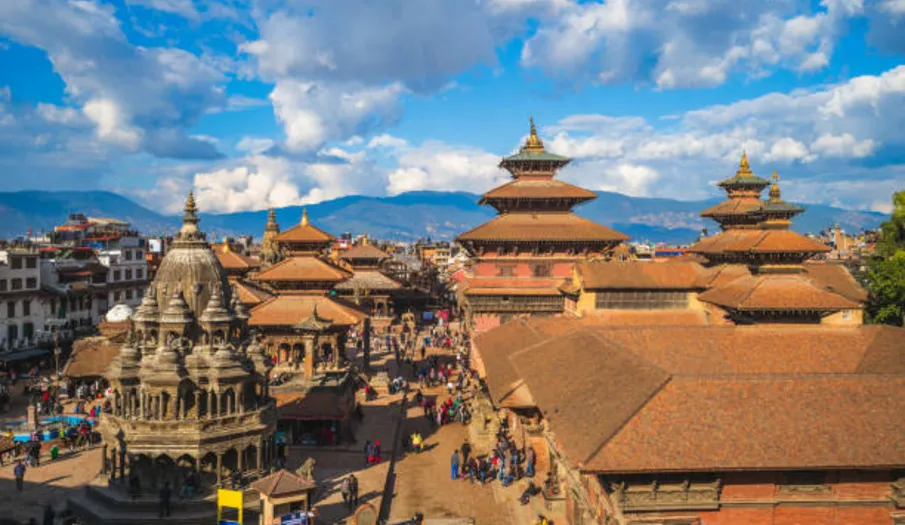
Patan Durbar Square in the Kathmandu Valley

Kathmandu to Butwal Vehicle Rental: Complete Guide

Butwal — the major commercial city of Nepal’s Rupandehi District, situated at the foot of the Palpa District hills where the Tinau River emerges from the Siwalik range onto the Terai plains — is one of Nepal’s most strategically located cities. As the western Terai’s primary commercial hub, the gateway to the Siddhartha Highway northward to Pokhara, the junction point for the East-West Highway westward to Lumbini and Bhairahawa, and the closest large city to the Sunauli India border crossing, Butwal serves as a crossroads for trade, tourism, pilgrimage, and regional travel throughout western Nepal.

The private vehicle journey from Kathmandu to Butwal — approximately 280 to 300 kilometres on the Prithvi Highway southwestward — is one of Nepal’s most frequently travelled inter-city corridors, serving business travellers, families, pilgrims heading to Lumbini, and tourists connecting to the Pokhara and Annapurna region from the Indian border.

Nepal Vehicle Hiring Pvt Ltd (vehiclehiringnepal.com) provides private vehicle rental for the full Kathmandu to Butwal journey—private car hire, 4WD jeep hire, Hiace van hire, Coaster hire, and bus hire—with hotel-to-hotel door service, all-inclusive transparent pricing, and 24-hour WhatsApp support at +977 981-4227196.

The Route: Kathmandu to Butwal

Distance and Drive Time

The Kathmandu to Butwal route covers approximately 280 to 300 kilometres and takes 7 to 9 hours by private vehicle. The route follows the Prithvi Highway westward from Kathmandu, descending through the Trishuli River gorge to Mugling junction, then southwestward to Narayanghat and westward on the East-West Highway to Butwal.

A 6:00 to 6:30 AM departure from Kathmandu arrives at Butwal in the early afternoon—the recommended schedule to avoid mid-day Terai heat and peak commercial traffic at the Narayanghat junction.

Three Stages

Stage 1 — Kathmandu to Mugling (approximately 110 km, 2.5 to 3 hours): The Prithvi Highway descends from Kathmandu’s valley rim at Thankot through the dramatic Trishuli River gorge to the Mugling junction at 450 metres. The gorge section between Thankot and Mugling is one of Nepal’s most spectacular highway drives — the river visible far below on the canyon floor, forested walls rising steeply on both sides.

Mugling is the journey’s natural midpoint and recommended tea and lunch stop, famous for its riverside fish curry teahouses.

Stage 2 — Mugling to Narayanghat (approximately 58 km, 1 to 1.5 hours): The highway continues southwestward from Mugling through the gentler Marsyangdi-Trishuli corridor to Narayanghat and the Narayani River bridge — the transition point from Nepal’s mid-hills into the flat Terai. The Narayanghat bridge crossing over the Narayani River — one of Nepal’s largest rivers, bordering Chitwan National Park — is one of the journey’s most impressive single moments.

Stage 3 — Narayanghat to Butwal (approximately 115 km, 2 to 2.5 hours): The East-West Highway westward across the flat Terai agricultural plain through Kawasoti, Bardghat, and Sunwal to Butwal junction. Fast, flat, sealed national highway — the Palpa District foothills appearing on the northern horizon as the vehicle approaches Butwal.

Key Stops

  • Mugling (110 km, 2.5 to 3 hrs): Natural midpoint — famous riverside fish curry restaurants on the Trishuli bank. Allow 30 to 45 minutes.
  • Narayanghat/Bharatpur (168 km, 4 to 4.5 hrs): Optional ATM, fuel, and snack stop. —Gateway to Chitwan National Park for groups planning a safari extension.
  • Butwal (280–300 km, 7 to 9 hrs): Destination — commercial hub, Siddhartha Highway junction, Lumbini connection.

Nepal Tour Package

Vehicle Options

Private Car — Ideal for Small Groups

For groups of 1 to 4 passengers, Nepal Vehicle Hiring Pvt Ltd offers well-maintained sedans and compact SUVs for the sealed Kathmandu to Butwal highway route, with door-to-door hotel service, a professional driver, and all-inclusive pricing.

Jeep — Best Comfort for 4–6 Passengers

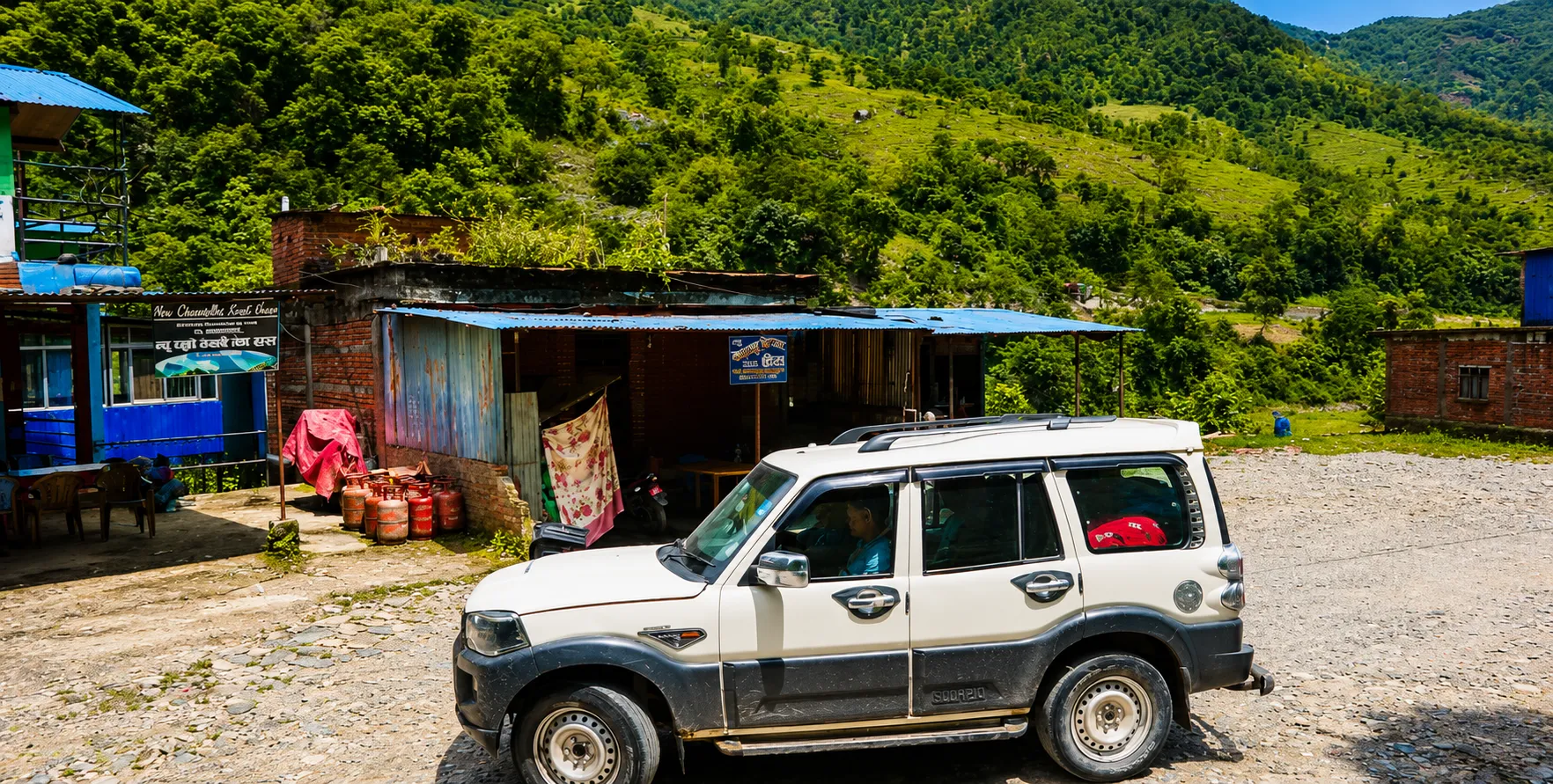
Nepal Vehicle Hiring Pvt Ltd’s jeep hire service provides Scorpio and equivalent 4WD vehicles for groups of 4 to 6 with full luggage. Higher suspension and ground clearance deliver superior ride comfort on the Prithvi Highway gorge section’s variable road surfaces — particularly the Mugling to Narayanghat stretch where occasional rough patches from monsoon repair work are encountered.

Hiace Van — Best for 7–14 Passengers

Nepal Vehicle Hiring Pvt Ltd’s Hiace van hire service is the most spacious and comfortable per-person private vehicle for medium-sized groups on the Kathmandu to Butwal highway route. Every passenger gets an individual window seat with generous legroom, and the dedicated rear luggage area accommodates all group bags without compromise.

Coaster and Bus — Large Groups

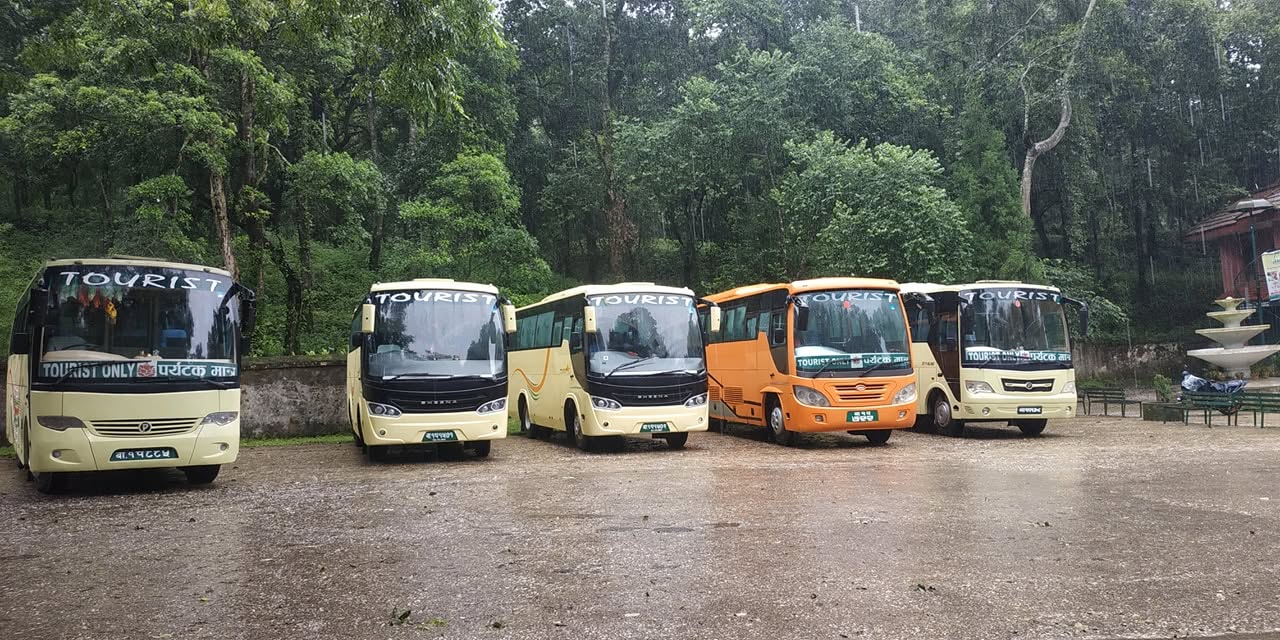
For groups of 15 or more, Nepal Vehicle Hiring Pvt Ltd’s coaster hire and bus hire provide fully private group transport with the same door-to-door service standard as smaller vehicles. Ideal for pilgrimage groups heading to Lumbini via Butwal, institutional parties, and large family gatherings.

Swayambhunath visit during Kathmandu Pokhara Tour

Why Private Vehicle Rental?

Private vehicle rental from Nepal Vehicle Hiring Pvt Ltd departs from the hotel gate at the chosen time, carries only the group, stops at Mugling for as long as the group wants, and delivers directly to the Butwal destination — not to a bus park requiring onward transport. For families, elderly travellers, pilgrimage groups, and business travellers, this door-to-door private standard is a practical necessity, not a luxury.

The Prithvi Highway gorge is also one of Nepal’s finest highway experiences — a private vehicle group that stops at the gorge viewpoints or lingers at Mugling captures the full value of the corridor in a way a shared bus cannot. Contact us at +977 981-4227196 to book.

Onward Connections from Butwal

Butwal to Lumbini

Butwal is the primary transit hub for Lumbini—the UNESCO World Heritage birthplace of the Buddha —about 45 kilometres from Butwal. Nepal Vehicle Hiring Pvt Ltd’s Nepal tour packages coordinate the complete Kathmandu to Butwal to Lumbini arrangement as a single booking — pilgrims are delivered from Kathmandu directly to the Lumbini Sacred Garden without separate Butwal arrangements.

Butwal to Sunauli Border

Butwal is approximately 50 kilometres from the Sunauli ICP India-Nepal border. You can extend the Kathmandu to Butwal vehicle to Sunauli at booking—a complete Kathmandu to India border door-to-door private vehicle service in a single, all-inclusive arrangement. WhatsApp +977 981-4227196 for the complete Sunauli extension.

Butwal to Pokhara via Siddhartha Highway

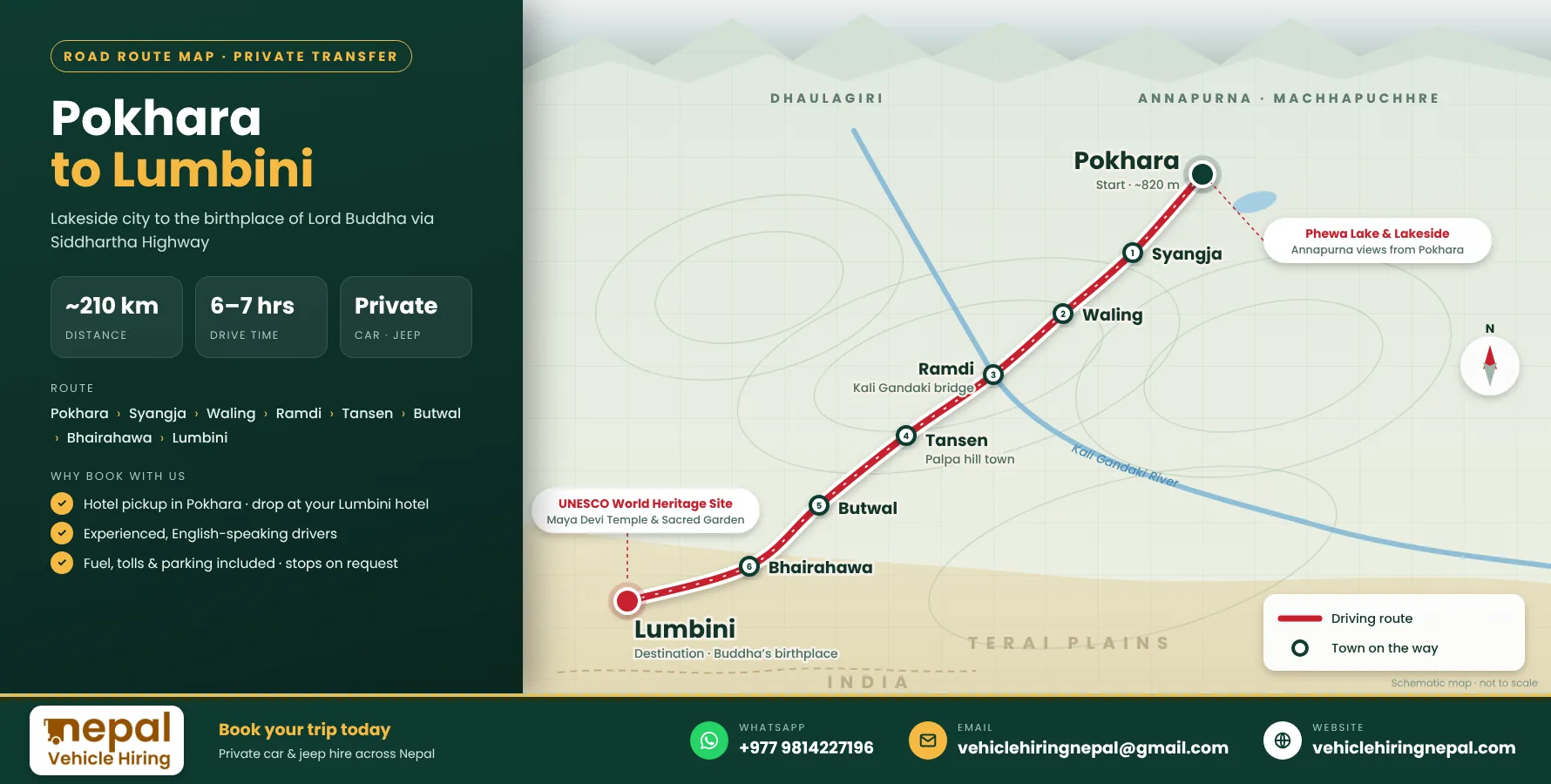
Butwal is the southern junction of the Siddhartha Highway, heading north through Palpa’s Tansen heritage town to Pokhara. Travellers combining a Lumbini pilgrimage with arrival in Pokhara in a single multi-day itinerary use the Butwal junction as the pivot. Nepal Vehicle Hiring Pvt Ltd coordinates this Butwal to Pokhara Siddhartha Highway stage alongside our Kathmandu to Pokhara private vehicle for groups who prefer the southern routing.
Kathmandu to Butwal vehicle rental

The Prithvi Highway Gorge: Nepal’s Most Dramatic Highway

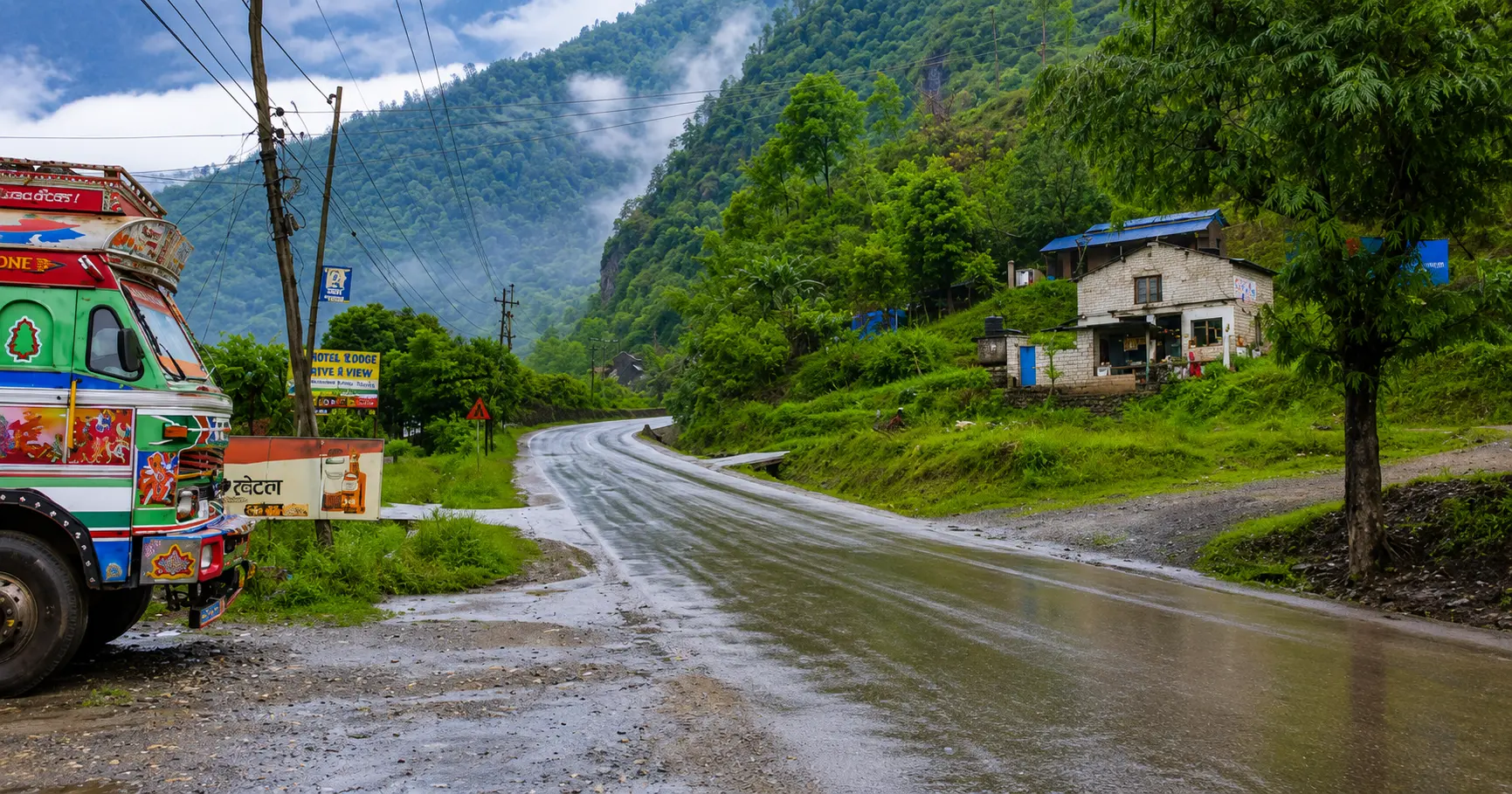
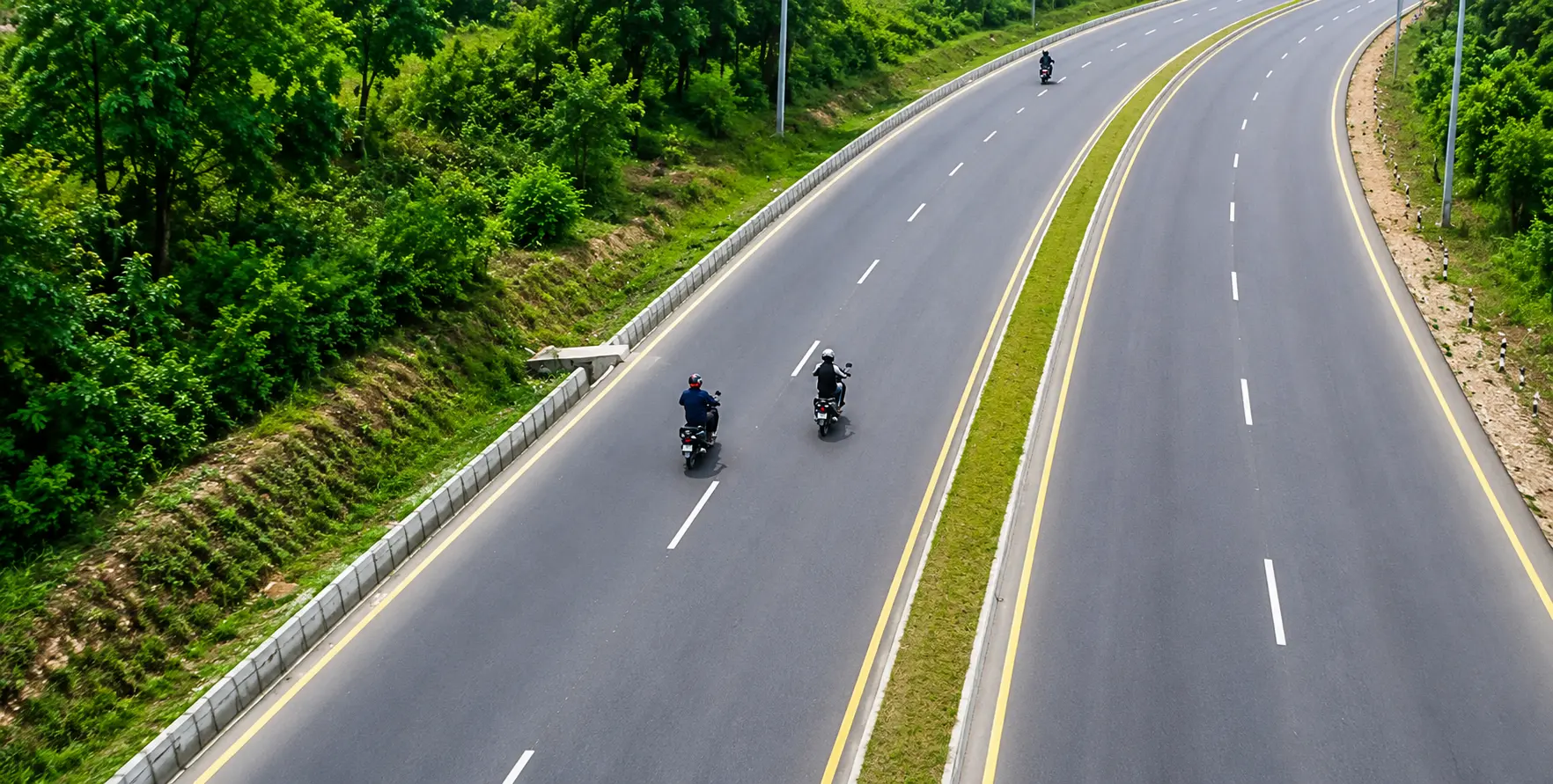
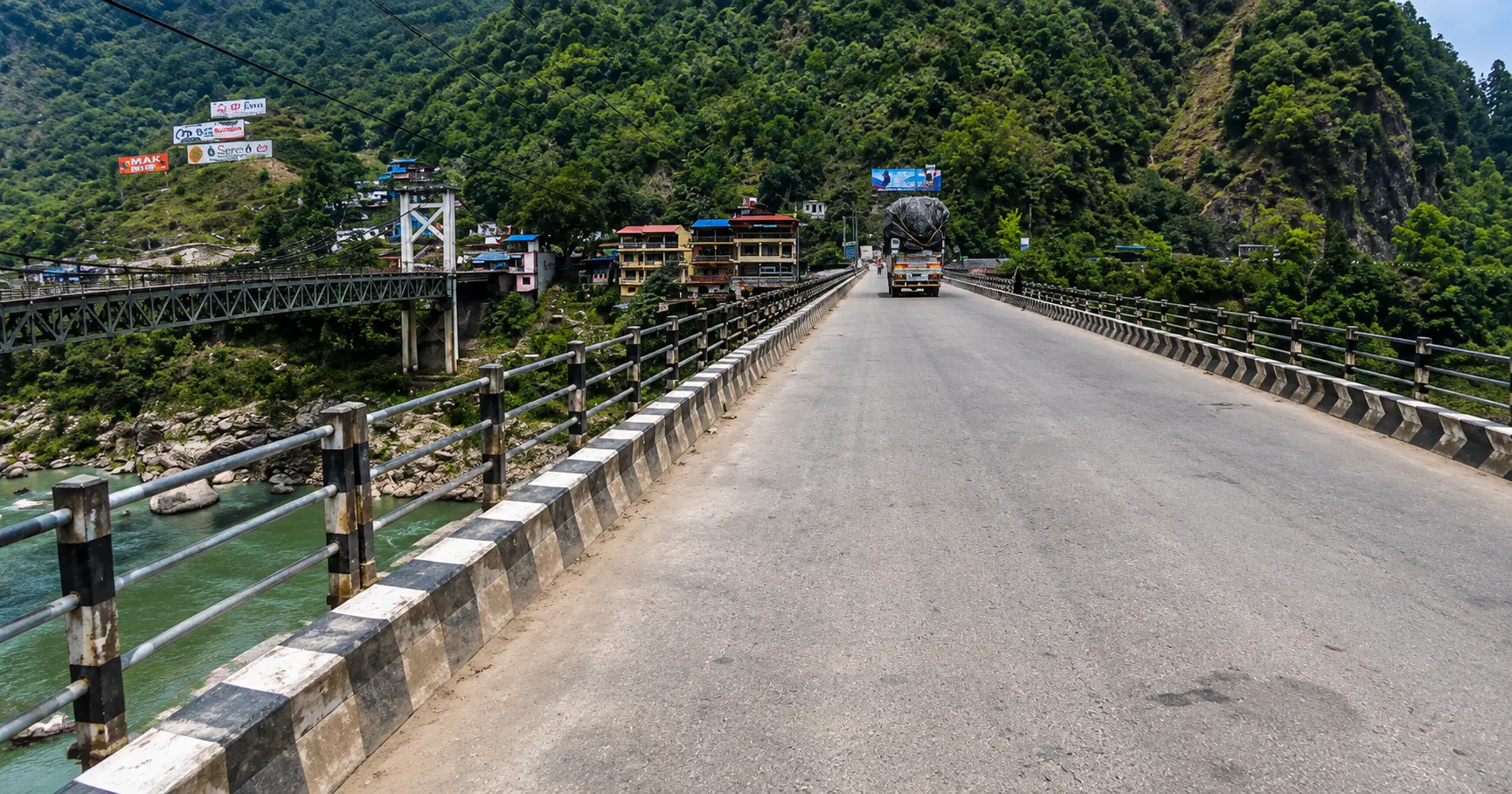
The Prithvi Highway gorge between Thankot and Mugling is the Kathmandu to Butwal journey’s defining visual and geographic experience — 90 kilometres of river canyon highway where the Trishuli River flows hundreds of metres below the road, the forested canyon walls rise steeply on both sides, and the progressive altitude descent from Kathmandu’s 1,400 metres to Mugling’s 450 metres delivers a complete ecological transition from temperate broadleaf forest to subtropical river valley. Built with Chinese technical assistance in the 1970s, the Prithvi Highway’s gorge section represents one of Asia’s most technically accomplished mountain road construction achievements — tunnels through projecting rock faces, cliff-face ledges above sheer drops, and retaining structures that have supported the highway’s continuous operation through Nepal’s seismic and monsoon environment for over fifty years.

The gorge is also Nepal’s most active commercial freight corridor — trucks carrying goods between the Terai, the mid-hills cities, and Kathmandu share the road with private vehicles, tourist buses, and local transport in a traffic density that makes the Prithvi Highway the economic lifeline of Nepal’s western highway network. Private vehicle hire on this corridor offers travel-quality advantages that shared transport cannot — the ability to stop at the finest viewpoints, photograph the gorge at the most dramatic bends, and pace the descent through the canyon at the group’s own tempo rather than the freight truck’s schedule.

Seasonal Guide

Autumn (September to November): Finest season — post-monsoon road surfaces at their best, gorge vegetation at its most lush. Recommended for first-time Kathmandu-to-Butwal travellers.

Spring (March to May): Pleasant temperatures and good road conditions. New growth foliage on the gorge walls in March and April adds visual richness to the Prithvi Highway section.

Monsoon (June to August): Highest disruption risk on the gorge section — occasional landslides after sustained rainfall. Nepal Vehicle Hiring Pvt Ltd monitors conditions daily and recommends departure before dawn during monsoon season. Early morning departures consistently clear the gorge before afternoon rainfall peaks.

Winter (December to February): Finest road conditions of the year — dry, cool, clear. No precipitation risk. Best vehicle availability and most relaxed booking conditions.

The Terai section is pleasantly cool rather than hot.

Booking Tips

  • WhatsApp +977 981-4227196 with departure date, group size, Kathmandu hotel name, and Butwal destination address — our team responds within hours with vehicle recommendation and confirmation.
  • Depart by 6:00 to 6:30 AM from Kathmandu — early departures clear the Narayanghat bridge before peak commercial traffic and arrive at Butwal in the early afternoon.
  • Allow 30 to 45 minutes for a Mugling riverside stop — the fish curry teahouses are one of Nepal’s finest roadside experiences and the natural midpoint rest for the journey.
  • For Lumbini or Sunauli onward connections, book the complete journey as a single Nepal Vehicle Hiring Pvt Ltd arrangement — no separate Butwal-side vehicle needed.
  • Confirm all-inclusive pricing at booking — our rates cover vehicle, driver, fuel, and all applicable tolls with zero additions at settlement.
  • For groups of 15 or more, book at least 3 to 5 days in advance — large vehicle positioning from Kathmandu requires lead time

Complete Nepal Network

Nepal Vehicle Hiring Pvt Ltd’s Kathmandu to Butwal vehicle rental connects to our complete Nepal network. From Kathmandu: Kathmandu airport transfer. Kathmandu sightseeing.

Bhaktapur day tour. Nagarkot sunrise tour and Nagarkot vehicle hire. Kathmandu to Pokhara private vehicle.

Kathmandu to Syabrubesi jeep for the Langtang Valley Trek. Kathmandu to Besisahar vehicle and Kathmandu to Manang jeep for the Annapurna Circuit Trek. Kathmandu to Soti Khola jeep for the Manaslu Circuit Trek.

Kathmandu to Salleri Phaplu for the Everest Base Camp Trek. Kathmandu to Muktinath jeep for the Muktinath Tour.

From Pokhara: Pokhara car hire. Sarangkot sunrise vehicle. Pokhara to Ghandruk jeep for the Annapurna Base Camp Trek.

Pokhara to Nayapul transport. Pokhara to Ghorepani Poon Hill jeep for the Ghorepani Poon Hill Trek. Pokhara to Upper Mustang overland jeep for the Upper Mustang Trek.

Gokyo Lake Trek and Three Passes Trek overland approaches. Tsum Valley Trek. Kanchenjunga Base Camp Trek.

Trekking transport. Nepal tour packages. Plan your trip or contact us at +977 981-4227196. Visit vehiclehiringnepal.com to book.

Butwal: Western Nepal’s Commercial Crossroads

Butwal sits at the precise geographical point where Nepal’s mid-hill topography meets the flat Terai lowland — the Tinau River emerging from the Palpa foothills gorge onto the plains at the city’s northern edge. This position has made Butwal a natural commercial hub for western Nepal’s regional economy since the Rana period, serving agricultural produce from the surrounding Terai districts, manufactured goods arriving from India at the Sunauli border, and the regional demand of Rupandehi, Palpa, Nawalparasi, and Kapilbastu districts.

For travellers arriving from Kathmandu, Butwal is most often an intermediate transit point for Lumbini pilgrimage, a Sunauli border connection, or a Pokhara approach via the Siddhartha Highway northward. But the city’s commercial energy, the Tinau River gorge at its northern approach, and its position as a western Nepal highway hub make it a significant regional destination in its own right — one that private-vehicle arrival delivers the group to far more efficiently and comfortably than the public bus park alternative.
Kathmandu to Butwal vehicle rental

The Mugling Experience: Nepal’s Famous Roadside Stop

No guide to the Kathmandu to Butwal private vehicle journey is complete without dedicated attention to Mugling — the small junction town at the confluence of the Trishuli and Marsyangdi rivers that has become Nepal’s most celebrated highway stop. Mugling’s position at the meeting point of the Prithvi Highway routes has concentrated decades of traveller traffic through a tiny riverside settlement, and the fish curry restaurants that have grown to serve this traffic have developed a collective reputation that extends across Nepal’s travel community.

The fresh river fish available at Mugling — caught locally in the Trishuli and Marsyangdi river systems — are prepared in traditional Nepali fish curry style in open kitchen teahouses on the Trishuli bank. Sahar, asla, and trout species are the prized catches.

The combination of fresh river fish, the riverside setting with mountains visible upstream, and the distinct character of a highway teahouse meal — where other diners are equally varied travellers — creates one of Nepal’s most authentically distinct roadside dining experiences. Nepal Vehicle Hiring Pvt Ltd’s drivers know the best Mugling teahouses from personal experience and guide groups to the quality stops rather than the nearest visible option.

Private Vehicle Hire for Kathmandu to Butwal: Quality Standards

Nepal Vehicle Hiring Pvt Ltd delivers Kathmandu to Butwal vehicle rentals to the same quality standards as our complete Nepal private vehicle hire network. We provide a written booking confirmation—vehicle type, driver name, vehicle registration number, all-inclusive price, and confirmed departure time—before every journey.

Drivers for the Kathmandu to Butwal corridor have documented experience on the Prithvi Highway and East-West Highway route, know the Narayanghat junction’s traffic patterns, and manage the Mugling stop timing efficiently within the overall journey schedule. Our Kathmandu airport transfer begins every Nepal journey; our Kathmandu to Butwal vehicle rental continues it; our trekking transport and tour packages complete it — all through a single professional booking relationship with Nepal Vehicle Hiring Pvt Ltd. Plan your complete Nepal journey with our team. Contact us at +977 981-4227196 (WhatsApp/Viber).

Departure Day: From Your Kathmandu Hotel to the Prithvi Highway

The Kathmandu to Butwal journey begins at the hotel gate. For most travellers, this means a Thamel, Lazimpat, Baluwatar, Patan, or Boudhanath hotel, and the driver arrives five to ten minutes before the agreed pickup time with the vehicle clean, fuelled, and ready. The driver loads the luggage, and passengers settle into their seats.

The vehicle leaves the city via the Kalanki and Thankot route that connects the Kathmandu Valley to the Prithvi Highway. Early departures, between six and half past six in the morning, move through the valley before the commuter traffic builds, and the group reaches the Thankot viewpoint while the morning light is still soft on the valley rim.

Many travellers combine the Kathmandu to Butwal journey with other Kathmandu services before departure day. Our Kathmandu airport transfer meets international arrivals at Tribhuvan Airport, our Kathmandu sightseeing vehicles cover the heritage circuit of Pashupatinath, Boudhanath, Swayambhunath and Patan, our Bhaktapur Durbar Square day tour visits the medieval city of potters and woodcarvers, and our Nagarkot sunrise tour and Nagarkot vehicle hire take groups to the ridge viewpoint for the Himalayan dawn.

You can book all of these alongside the main Butwal journey in a single WhatsApp conversation at +977 981-4227196, so one operator handles your whole Nepal itinerary.

Once the vehicle passes Thankot, the road drops into the Trishuli River gorge, and the journey’s character changes completely. The first hour is a steady descent through terraced hillsides, small bazaar towns and roadside tea stalls.

The driver reads the road constantly, because the Prithvi Highway carries heavy freight, local buses and private vehicles in both directions, and the experienced drivers of Nepal Vehicle Hiring Pvt Ltd know exactly where to pass, where to hold back, and where the road narrows at the cliff-face sections. Passengers who want to photograph the gorge can ask the driver to stop at a safe pull-off, and the vehicle will wait.
Kathmandu to Butwal vehicle rental

Optional Chitwan Stopover Between Mugling and Butwal

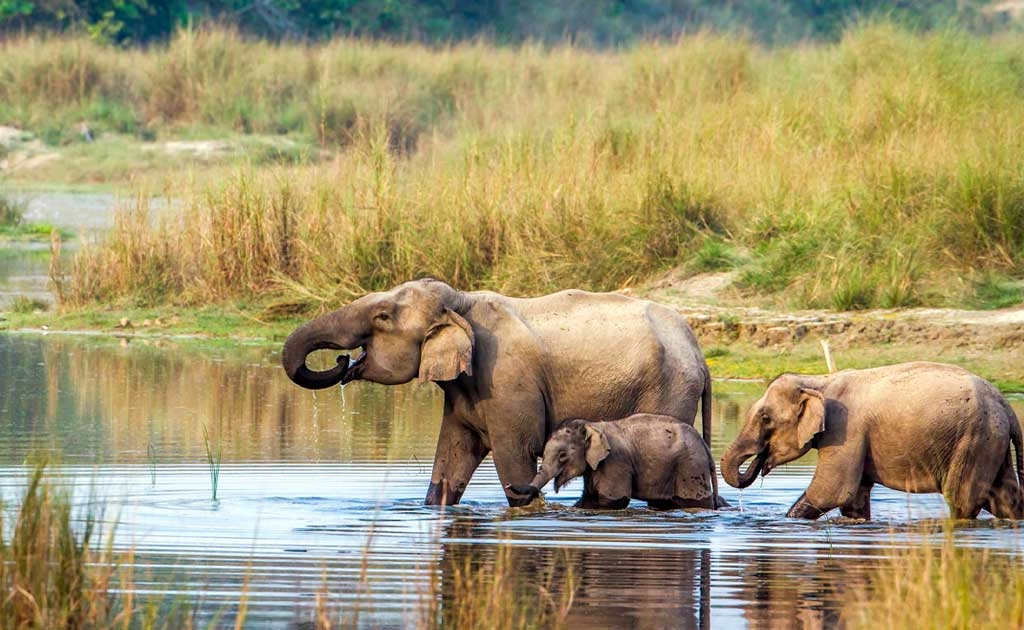
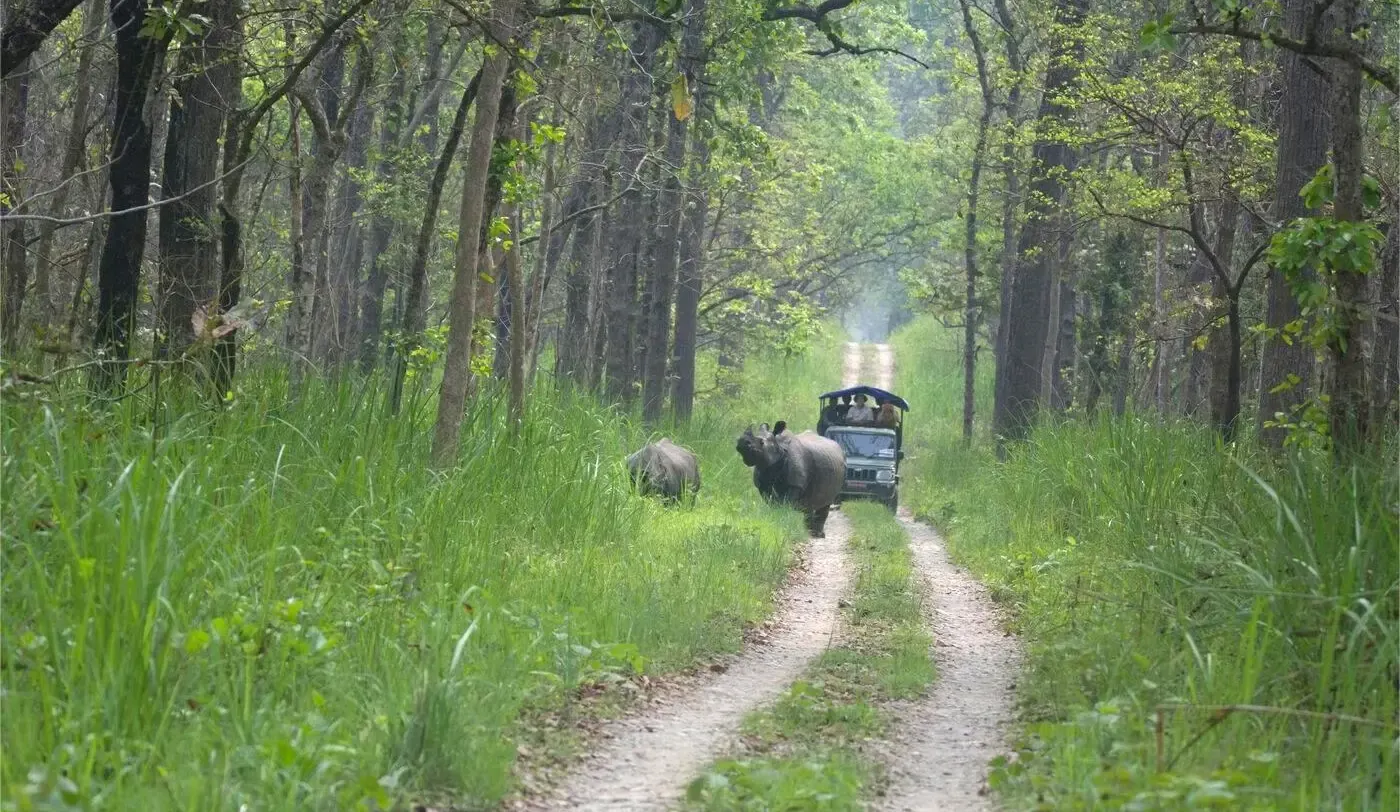
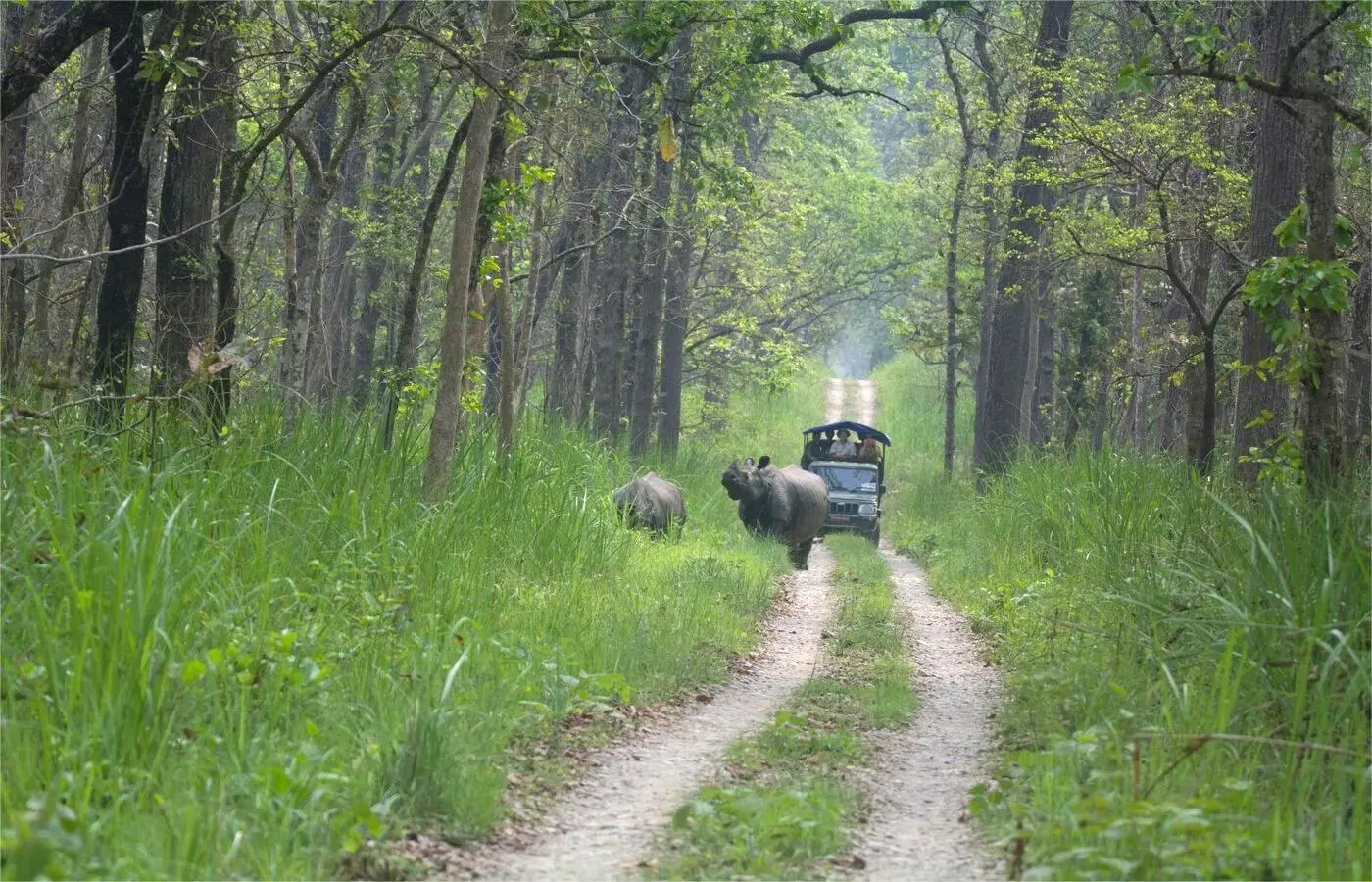
The Kathmandu to Butwal route passes within a short drive of Chitwan National Park, one of Asia’s finest wildlife reserves, and many groups use the journey to add a night or two at Sauraha or Meghauli. The park protects Bengal tigers, one-horned rhinoceroses, wild elephants, gharial crocodiles, and hundreds of bird species, and a Chitwan safari is one of the most rewarding additions to a Nepal itinerary.

Nepal Vehicle Hiring Pvt Ltd coordinates the Kathmandu to Chitwan leg, the hotel transfers around the park and the onward Chitwan to Butwal leg as one continuous private vehicle arrangement, so the group never has to change vehicles or renegotiate arrangements. Our Nepal tour packages are designed for this kind of multi-stop journey, and our Plan your trip page helps travellers map the full route before booking.

A Chitwan stopover also breaks the Kathmandu to Butwal drive into two comfortable days. The first day covers the gorge and the Mugling lunch stop and ends at the Chitwan resort in the afternoon, leaving time for a river walk or an evening cultural programme.

The second day covers the flat East-West Highway from Narayanghat to Butwal, a pleasant and unhurried drive of about two hours. For elderly travellers, families with young children, and anyone who finds an eight-hour road day tiring, the two-day arrangement with a Chitwan night is often the best way to make the journey comfortable.

The Most Important Reason to Travel Beyond Butwal

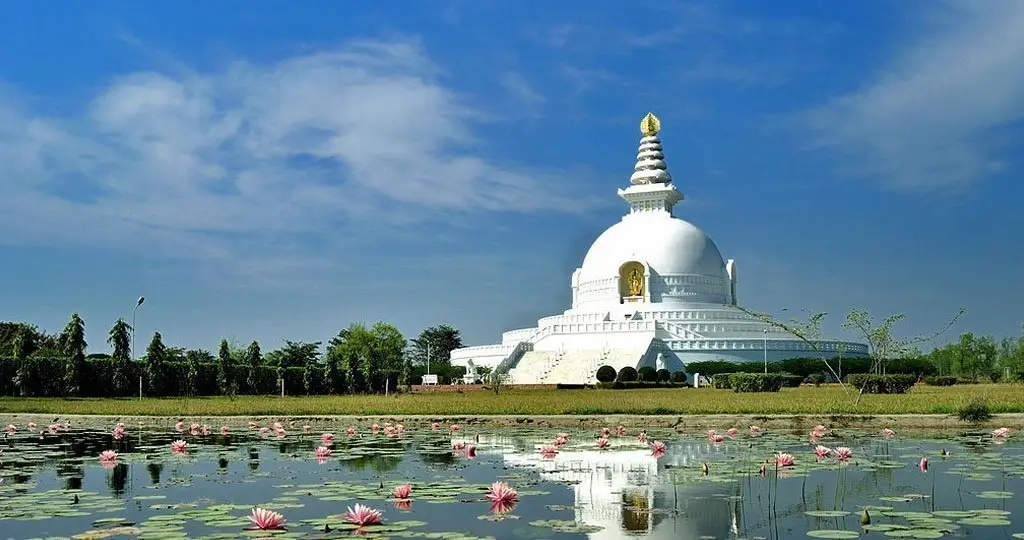
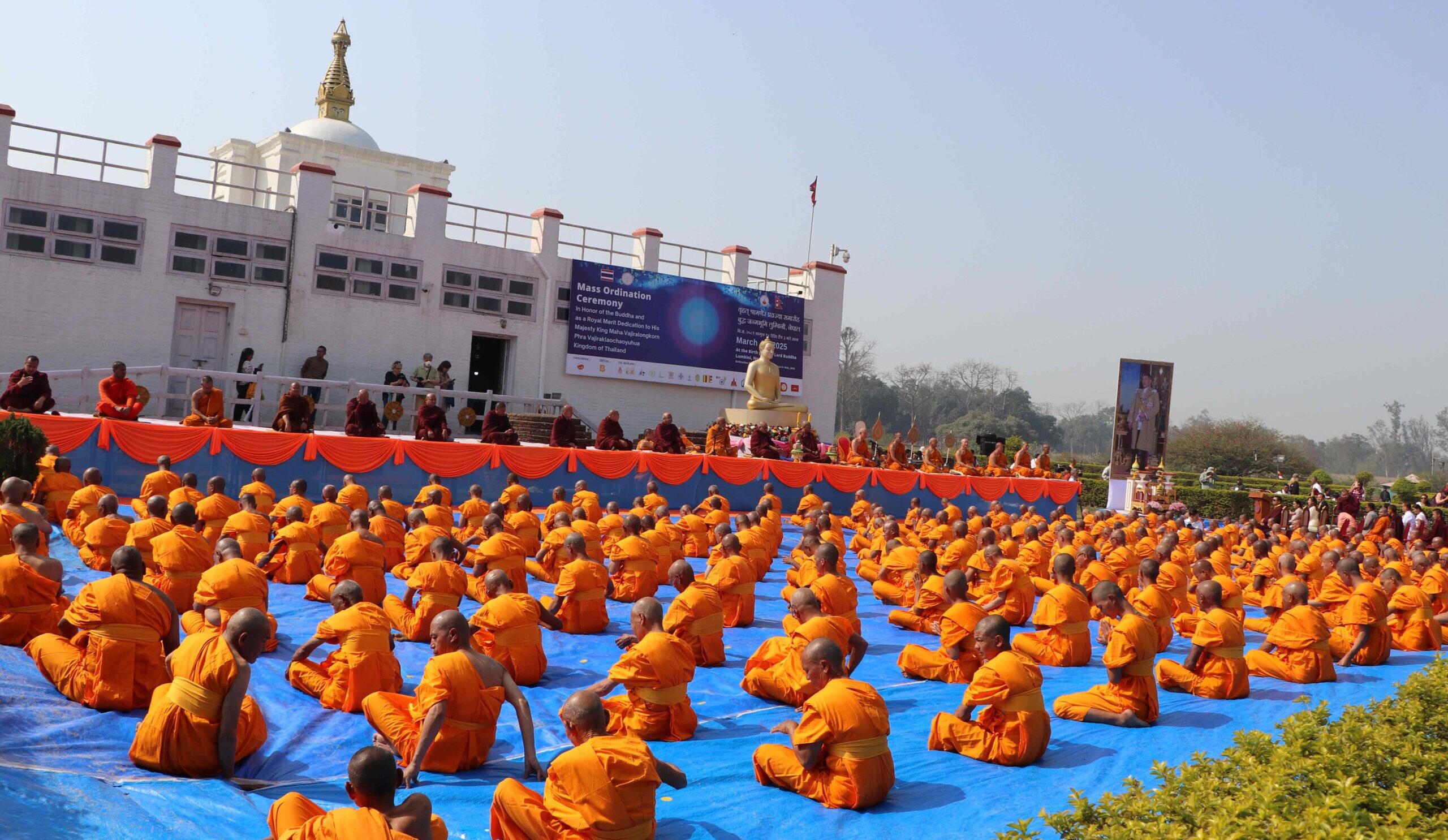
For many travellers, Butwal is not the final destination but the last major city before Lumbini, the birthplace of Siddhartha Gautama and one of the world’s four great Buddhist pilgrimage sites. The Sacred Garden holds the Maya Devi Temple, the Ashoka Pillar erected in the third century before the common era, the sacred pond, and the excavated remains of monasteries that stood on this ground for centuries.

Around the Sacred Garden, the monastic zone contains temples built by Buddhist communities from Thailand, Myanmar, Japan, Korea, Vietnam, China, Tibet, Germany, France and many other countries, and walking through it is like travelling through the whole Buddhist world in a single afternoon. Our Muktinath Tour partners and Buddhist pilgrim groups regularly combine Lumbini with the Himalayan pilgrimage circuit, and a private vehicle makes that combination straightforward.

A private vehicle suits Lumbini very well. The Sacred Garden is large, the monasteries are spread over several kilometres, and a group with its own vehicle and driver can move between the Maya Devi Temple, the Peace Pagoda, the Royal Thai Monastery, and other major sites at its own pace, with a cool cabin waiting between visits.

Pilgrim groups who want to practice devotion, meditate, or spend extra time at the sacred pond can do so without watching the clock. The driver waits patiently, understands the site’s respectful atmosphere, and knows the access roads and parking areas for the main monasteries.

Butwal to the Sunauli Border and the India Connection

Butwal is the closest large city to the Sunauli border crossing, which links Nepal’s western Terai to the Indian state of Uttar Pradesh. Many travellers use the Kathmandu to Butwal route as the first stage of a journey that ends at the border, whether they are Indian pilgrims returning home after a Nepal circuit, international travellers continuing overland to Varanasi, Gorakhpur, or Lucknow, or families visiting relatives on both sides of the border.

Indian nationals cross freely without a visa, while other nationalities need a valid Indian visa obtained in advance. Nepal Vehicle Hiring Pvt Ltd’s drivers know the route to the Sunauli check post, the parking and luggage drop-off area, and the sequence of immigration steps, and they explain the process to passengers crossing for the first time.

Travellers who want to continue by road across the border can ask our team for recommendations for trusted India-side vehicle partners at Sunauli. Pilgrims who arrive at Sunauli from the Muktinath Yatra, the Lumbini visit or a Pokhara holiday often combine several of our services: the Pokhara to Upper Mustang overland jeep and Kathmandu to Muktinath jeep for the high Himalayan temple, the Kathmandu to Pokhara private vehicle for the lakeside city, and the Butwal and Sunauli stages for the return to India.

Because one operator handles every stage, there is never a gap between vehicles.
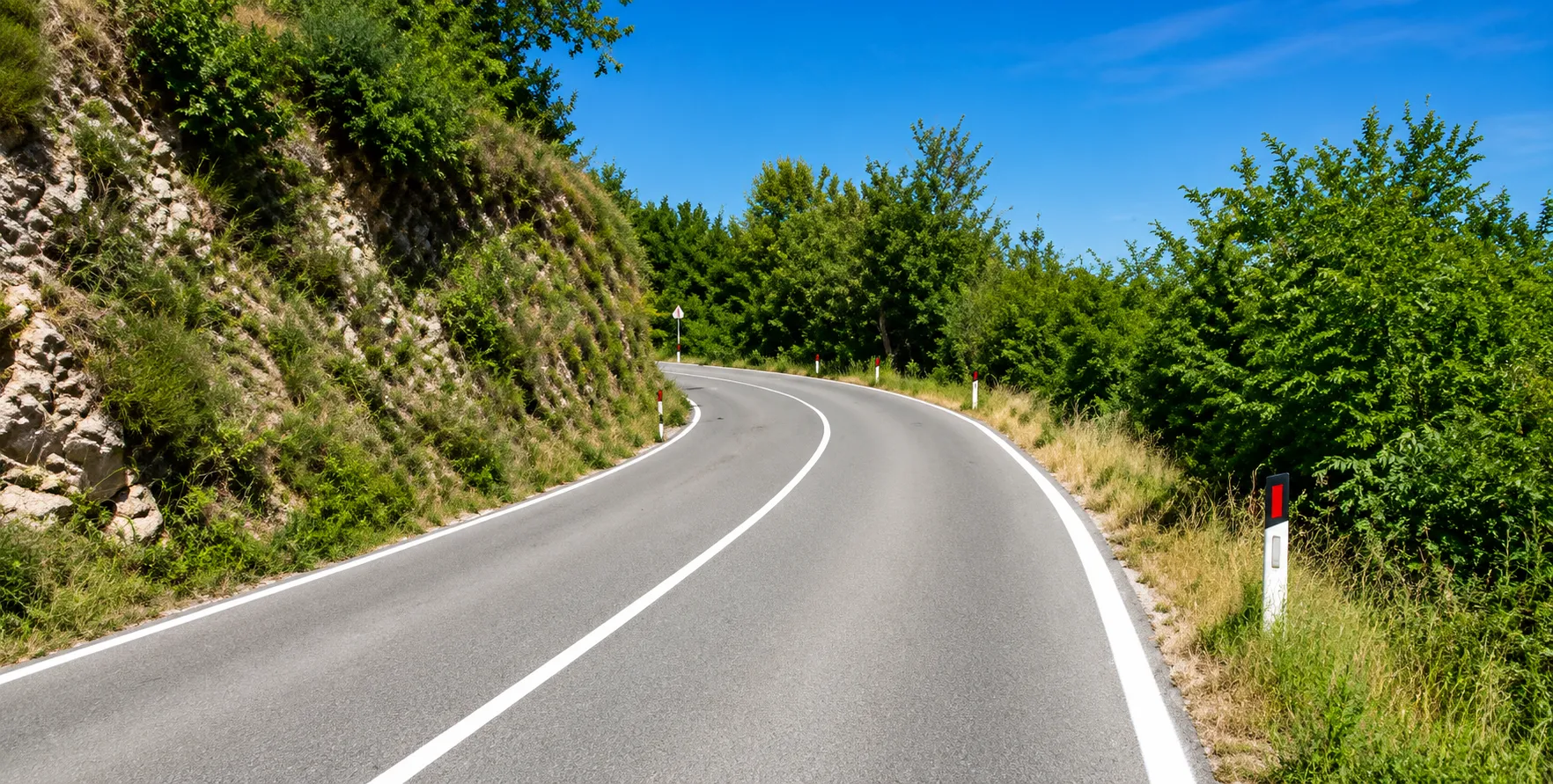
Kathmandu to Butwal vehicle rental

The Siddhartha Highway: Butwal to Pokhara via Tansen

Butwal is also the southern end of the Siddhartha Highway, the scenic mountain road that climbs through the Palpa hills to the ancient Newari town of Tansen and continues across the mid-hills to Pokhara. Travellers who want to reach Pokhara from Butwal without returning to the Prithvi Highway use this route, and many consider it one of the most beautiful drives in western Nepal.

The road climbs out of the Terai through forested ridges, passes the Palpa Deurali viewpoint with its first views of the Annapurna foothills, and reaches Tansen at about one thousand three hundred metres, where a medieval bazaar of stone-paved lanes, traditional metalwork shops and the Amar Narayan temple repay a stop of an hour or more.

From Pokhara, the Annapurna region opens up. Our Pokhara to Ghandruk jeep and Pokhara to Nayapul transport reach the trailheads of the Annapurna Base Camp Trek. In contrast,e the Pokhara to Ghorepani Poon Hill jeep serves the Ghorepani Poon Hill Trek.

Our Pokhara car hire and Sarangkot sunrise vehicle cover lakeside and sunrise-viewpoint excursions. A group that begins in Kathmandu, spends a night in Butwal, drives the Siddhartha Highway to Pokhara, and then heads into the mountains is following one of the country’s most satisfying overland routes, and Nepal Vehicle Hiring Pvt Ltd can arrange every stage.

Safety Standards on the Kathmandu to Butwal Corridor

A seven-to-nine-hour journey on a busy national highway demands careful attention to safety, and Nepal Vehicle Hiring Pvt Ltd treats the Kathmandu to Butwal corridor accordingly. Every vehicle assigned to the route is checked before departure, with particular attention to brakes, tyres, lights, steering and cooling, because the long descent through the Trishuli gorge and the heat of the Terai section both put real demands on a vehicle.

Drivers are chosen for their experience on this specific highway, and they are expected to drive at moderate speeds, keep safe distances on the gorge section, avoid risky overtaking, and stop for rest when concentration begins to fade.

Passengers play a part as well. Wear seat belts on the highway, seat young children securely, and tell the driver if you feel unwell on the winding gorge section; they will stop in a safe place.

The early-morning departure we recommend is itself a safety measure, as it brings the vehicle through the gorge and the Narayanghat junction in the lightest traffic of the day and gets the group to Butwal before dusk. During the monsoon months, the team monitors road conditions daily and advises on departure timing, and the driver carries a fully charged phone so that the office can reach him at any point on the route.

Nepal Tour Package

Groups That Choose Private Vehicle Hire to Butwal

Business and Government Travellers

Business travellers, government officials and NGO field teams make up a steady share of Kathmandu to Butwal bookings. For these travellers, punctuality, comfort and a professional appearance matter, and a private vehicle that leaves on time and arrives at the exact address is far better than a public bus.

A Hiace van is ideal for a team of eight to twelve who want to talk, review documents,s or rest comfortably during the journey, while a car or jeep suits two to five executives. Nepal Vehicle Hiring Pvt Ltd provides clear booking confirmations with vehicle details and driver name, which institutional travellers value.

Families and Extended Family Gatherings

Families travelling to weddings, festivals and reunions in western Nepal often need to move six, ten or even fifteen people with a good deal of luggage and gifts. A Hiace van or Coaster keeps everyone together, avoids the confusion of splitting across several buses, and lets the children and elders travel in comfort.

The driver can stop for meals and rest when it suits the family, not the bus company’s timetable, and the vehicle can go straight to the family home rather than dropping the group at a bus park.

Pilgrim Parties and Religious Tour Groups

Pilgrim parties travelling from Kathmandu to Lumbini, to the Sunauli border, or onward to the Himalayan temples form another important group. They often need a coaster or bus for twenty or more passengers, a driver who understands the devotional character of the journey, and the flexibility to stop at temples and shrines along the way.

Our coaster hire and bus hire are built for this purpose, and the same drivers regularly serve the Muktinath and Lumbini circuits. Our trekking transport service completes the picture for groups that also plan a Himalayan trek.

Trekkers and Adventure Travellers

Trekkers heading west often use Butwal as a waypoint between Kathmandu, Lumbini and Pokhara. A trekking group arriving from India at Sunauli may drive to Butwal and then on to Pokhara. In contrast, a group leaving Kathmandu may head to Butwal to visit Lumbini before turning north to the mountains.

From there, our network reaches every great trek: the Annapurna Circuit Trek through the Besisahar approach, the Upper Mustang Trek through the Kali Gandaki, the Langtang Valley Trek through Syabrubesi, the Manaslu Circuit Trek through Soti Khola, and the Everest Base Camp Trek through the overland road to Salleri. Our Kathmandu to Besisahar vehicle, Kathmandu to Manang jeep, Kathmandu to Syabrubesi jeep, Kathmandu to Soti Khola jeep and Kathmandu to Salleri Phaplu services all begin from the same Kathmandu hotel gate.

Understanding the Landscape Between Kathmandu and Butwal

The journey from Kathmandu to Butwal is also a journey through Nepal’s geography. Kathmandu sits in a high valley, ringed by hills that were once the floor of an ancient lake, and the first part of the drive leaves that bowl by climbing to the rim at Thankot before dropping into the lower country beyond.

The gorge of the Trishuli River that follows is one of the Himalaya’s great river corridors, fed by snow and glacier melt from the Langtang and Gosainkunda ranges far to the north, and its turquoise colour in the dry season is a constant companion for the first half of the day. Villages cling to terraces above the river, suspension bridges span the canyon, and small hydropower stations and rafting camps give the corridor a working, living character.

At Mugling, the Trishuli meets the Marsyangdi, and the combined river flows south as the Narayani, one of Nepal’s biggest rivers. The landscape opens, the hills fall away, and the road enters the inner Terai valley of Chitwan, where sal forests, grasslands and tropical farmland replace the pine and oak of the hills.

This is the zone of tigers and rhinoceros, and although most travellers will not see wildlife from the highway, the dense green margins of the road and the wide gravel beds of the rivers make it clear that this is a different Nepal from the mountain country behind. The air is warmer, the villages are larger, and the pace of life along the road changes.

West of Narayanghat, the highway runs across the true Terai, the flat alluvial plain that stretches along Nepal’s entire southern edge. Fields of rice, wheat, mustard, and sugarcane line the road; brick kilns send smoke up into the horizon, and the long straight sections let the vehicle make good time.

The Churia hills, known elsewhere as the Siwaliks, rise to the north, and as the vehicle approaches Butwa,l the first big ridges of the Palpa hills come into view, announcing the end of the plain and the start of the mid-hill country that leads toward Pokhara. By the time the vehicle reaches Butwal, passengers have crossed almost every zone of Nepal’s lowland and mid-hill geography in a single day, which is one of the great pleasures of travelling this corridor by road.

Food, Rest and Comfort Stops Along the Way

A seven-to-nine-hour road journey calls for sensible planning of meals and rest. Breakfast is best taken at the hotel before departure, or at a simple tea stop after the first hour of descent through the gorge.

Mugling is the natural lunch stop, with its famous riverside restaurants serving rice, lentils, vegetables, local greens and fresh river fish, as well as simpler snacks for children and vegetarians. In the afternoon, a tea stop near Narayanghat or Bharatpur gives the driver and passengers a break before the final flat stretch.

Carry water, fruit, and light snacks in the vehicle, and passengers prone to car sickness should avoid heavy meals before the gorge section.

Comfort also depends on seating and luggage. In a car or jeep, the front seat suits anyone sensitive to winding roads, and the driver can adjust the air conditioning and open windows when the air is fresh.

In a Hiace van, every passenger has a window seat, and the generous legroom makes it easy to stretch on a long day. In a Coaster or bus, groups can arrange seating so elders and children sit at the front.

Whatever the vehicle, the driver will be glad to stop whenever a passenger needs the toilet, a photograph or simply some fresh air, which is part of the freedom and flexibility of private hire.
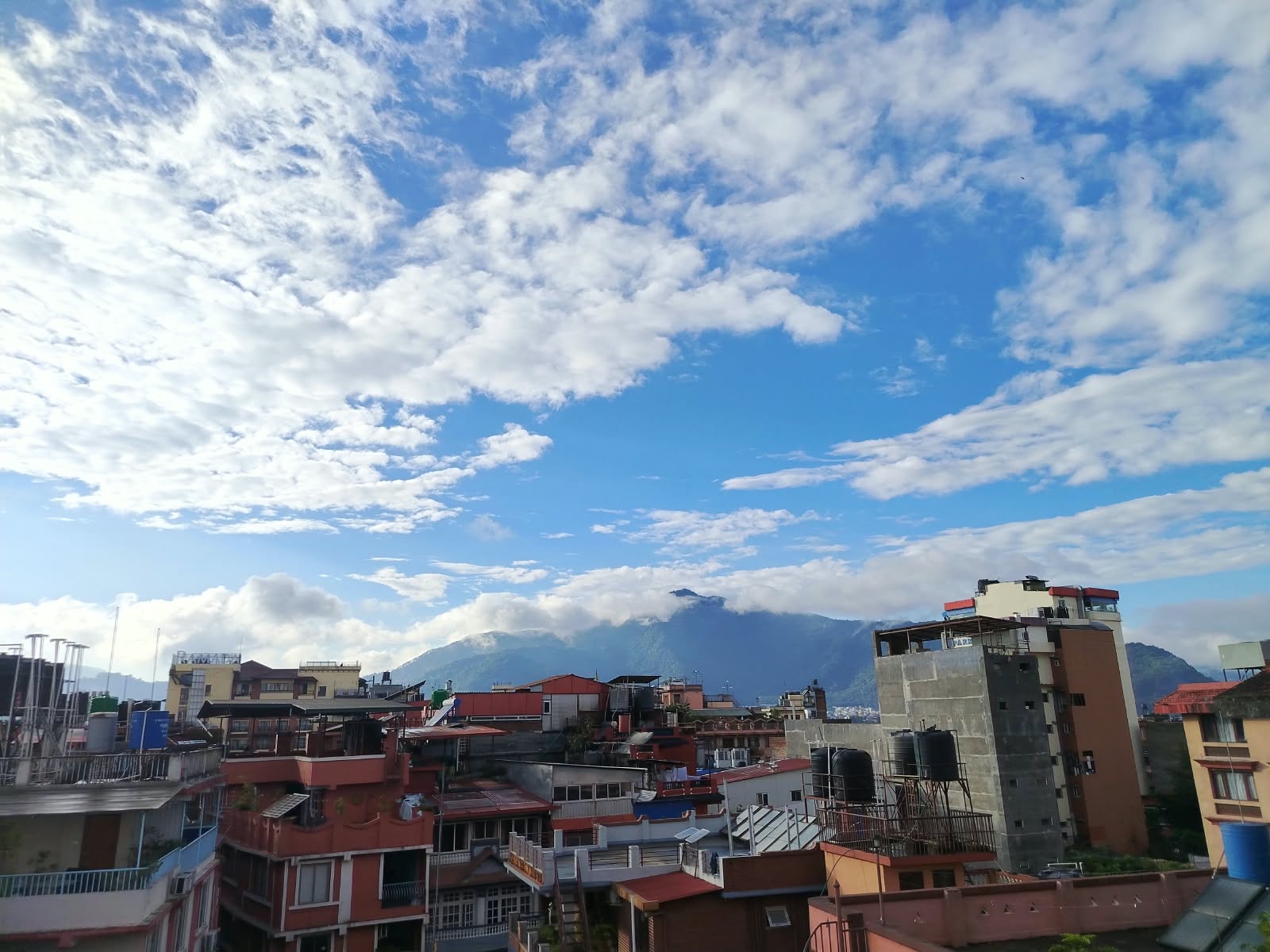
Kathmandu to Butwal vehicle rental

The Return Journey: Butwal to Kathmandu

Many travellers book the return journey from Butwal to Kathmandu at the same time as the outbound trip. The return follows the same route in reverse, with a morning departure from Butwal, a Mugling lunch stop, and an afternoon climb out of the Trishuli gorge to the Kathmandu Valley.

The climb from Mugling to Thankot is slower than the descent, so the group should expect the return to take a little longer, and an early start is especially valuable because it lets the vehicle reach the valley before the evening traffic. Our private car hire, jeep hire, and Hiace van hire operate the Butwal to Kathmandu route with the same drivers and standards as the outbound journey, and you can coordinate arrival with a Kathmandu airport transfer for travellers flying out of Tribhuvan Airport the same evening or the next morning.

Some groups prefer to return by a different route, for example from Butwal to Pokhara on the Siddhartha Highway and then from Pokhara to Kathmandu on the Prithvi Highway. This turns the journey into a loop and lets the group see two of the country’s most important highways in a single trip.

Nepal Vehicle Hiring Pvt Ltd can arrange the entire loop as a single booking, with the same vehicle and driver or with vehicle changes at convenient points, and the team can advise on the best order of stops based on the group’s interests and time.

Planning a Complete Western Nepal Circuit

The Kathmandu to Butwal journey is the doorway to a rich western Nepal circuit that can fill a week or more. A classic itinerary begins with arrival in Kathmandu and a day or two of sightseeing, continues with a day-long drive to Chitwan for a jungle safari, moves on to Butwal and Lumbini for the Buddhist pilgrimage, climbs the Siddhartha Highway to Pokhara for the lakes and mountain views, and then returns to Kathmandu by the Prithvi Highway.

Variations include adding the Muktinath temple through the Kali Gandaki gorge, adding a short trek from Pokhara to Ghandruk or Poon Hill, or ending the journey at the Sunauli border for the return to India. Our Nepal tour packages and trekking transport help build this kind of circuit, and each stage can use the vehicle that suits the group: a car for two, a jeep for four to six, a Hiace for ten, or a coaster or bus for larger parties.

Because Nepal Vehicle Hiring Pvt Ltd operates across the country, you don’t need to arrange separate vehicles with separate companies. One WhatsApp conversation covers the entire circuit, one team follows the group from stage to stage, and standards for vehicle maintenance, driver experience, and customer support stay the same at every point.

If plans change because of weather, health, a flight change or a new idea, the team can adjust the itinerary quickly and keep the rest of the journey on track. This continuity is what makes a long, multi-stop Nepal journey feel effortless rather than complicated.

Booking Checklist for Kathmandu to Butwal

  • Decide the group size and luggage volume so we can recommend the right vehicle type: car, jeep, Hiace Coaster, or bus.
  • Choose the departure date and a morning departure time between 6:00 and 6:30 from the Kathmandu hotel.
  • Provide the exact hotel name and area in Kathmandu and the exact destination address or landmark in Butwal.
  • Say whether the journey will include a Chitwan stopover, a Lumbini visit, a Sunauli border drop or a Siddhartha Highway continuation to Pokhara.
  • Mention special requirements such as elderly passengers, small children, wheelchairs, medical needs, or dietary preferences at the lunch stop.
  • Ask for written confirmation with the vehicle type, driver name and vehicle registration, and keep it on the phone for easy reference.
  • Save the WhatsApp number +977 981-4227196 so the team can be reached anytime before and during the journey.

When these details are in place, the booking is simple. Our team confirms the vehicle and driver, the group meets the vehicle at the hotel gate, and the journey unfolds as planned.

If you would like help designing a longer itinerary, contact our team or use the trip planning page, and visit vehiclehiringnepal.com for the full list of services. Nepal Vehicle Hiring Pvt Ltd is ready to take you from Kathmandu to Butwal and everywhere else in Nepal with comfort, safety and complete flexibility.

Festivals, Peak Travel Periods and Planning Ahead

Travel demand on the Kathmandu to Butwal corridor rises sharply around the major festivals of the Nepali calendar. In the weeks around Dashain and Tihar, hundreds of thousands of people leave Kathmandu to visit family in the hills and the Terai, and vehicles of every kind are in short supply.

Buddha Jayanti draws pilgrims to Lumbini from across the Buddhist world, and the weeks around Holi, Teej and Chhath bring heavy traffic toward the western border districts. Travellers planning to move during these periods should book as early as possible, confirm departure times carefully, and allow extra time for busy roads, particularly at the Narayanghat junction and the approaches to Butwal.

Outside the festival peaks, the corridor is calmer, and the best months for comfortable road travel are the dry, clear seasons of autumn and spring, together with the cool, dry weeks of winter. The monsoon months are greener and cheaper in terms of demand, but they require more attention to road conditions and a willingness to adjust the schedule if a landslide closes the gorge for a few hours.

In every season, the Nepal Vehicle Hiring Pvt Ltd team advises starting early, keeping some time in reserve, and keeping the WhatsApp line open so the office can help with any changes.

Why Travellers Keep Choosing Nepal Vehicle Hiring Pvt Ltd

Travellers return to Nepal Vehicle Hiring Pvt Ltd for three simple reasons: the vehicles are well maintained, the drivers know their routes, and the team keeps its promises. A booking confirmation is a real commitment: the named driver and registered vehicle arrive at the gate at the agreed time.

The fleet covers every need, from a single traveller in a car to a pilgrim party of forty in a bus, and the same standards apply to a short airport run and to a ten-day overland expedition. For adventurous groups, the jeep service reaches mountain trailheads where ordinary vehicles cannot go.

For families and corporate teams, the Hiace and Coaster services offer space and comfort on Nepal’s highways.

The Kathmandu to Butwal journey is a good example of how this works in practice. It is a long day on a demanding highway, but with an early start, a skilled driver, a comfortable vehicle and a relaxed lunch at Mugling, it becomes one of the most enjoyable road trips in Nepal.

Passengers see the gorge, the great rivers, the jungle margins and the Terai plain, and they arrive at Butwal rested and ready for whatever comes next, whether that is a family reunion, a business meeting, a pilgrimage to Lumbini, a border crossing or the start of a new adventure in the Annapurna hills.

To begin planning, send a WhatsApp message to +977 981-4227196 with your date, group size and destination, or visit vehiclehiringnepal.com to explore every route and service. Nepal Vehicle Hiring Pvt Ltd looks forward to taking you from Kathmandu to Butwal and onward, with comfort, safety and complete freedom to travel at your own pace.

Whatever the purpose of the journey, the principle is the same: the right vehicle, the right driver and the right plan make a long road day easy. Nepal Vehicle Hiring Pvt Ltd brings these together on every Kathmandu to Butwal booking, so that travellers can enjoy the scenery, the food and the company of their own group instead of worrying about logistics.

Frequently Asked Questions

Nepal Vehicle Hiring Pvt Ltd’s team answers every Kathmandu to Butwal vehicle rental question at booking—departure timing, onward connections, vehicle type for specific group needs, and monsoon road condition updates are all available via WhatsApp at +977 981-4227196. The FAQs below address the most commonly asked questions before booking.

Q1: How do I book a private vehicle from Kathmandu to Butwal?

WhatsApp Nepal Vehicle Hiring Pvt Ltd at +977 981-4227196 with your departure date, group size, Kathmandu hotel name and location, and Butwal destination address. Our team provides vehicle recommendations and written booking confirmation within hours. Visit vehiclehiringnepal.com or contact our team directly to book.

Q2: How long does the Kathmandu to Butwal drive take?

7 to 9 hours by private vehicle, including a standard stop in Mugling. A 6:00 AM departure from Kathmandu arrives at Butwal between 1:30 PM and 3:30 PM, depending on Narayanghat junction traffic. Early morning departures consistently deliver the best journey times on this route.

Q3: What is the best vehicle for Kathmandu to Butwal?

For 1 to 4 passengers: private car. For 4 to 6 passengers with full luggage: jeep (Scorpio or equivalent). For 7 to 14 passengers: Hiace van.

For 15+ passengers: Coaster. Nepal Vehicle Hiring Pvt Ltd advises on the right vehicle for your specific group at booking.

Q4: Can I extend from Butwal to Lumbini or Sunauli?

Yes — Nepal Vehicle Hiring Pvt Ltd coordinates the Butwal to Lumbini (approximately 45 km) or Butwal to Sunauli border (approximately 50 km) extension as part of the single Kathmandu booking. WhatsApp +977 981-4227196 with your complete journey requirements for a single, all-inclusive arrangement covering every stage.

Q5: Is the route safe during monsoon season?

The route is generally safe year-round. The Prithvi Highway gorge section carries the highest monsoon disruption risk from occasional landslides after sustained heavy rainfall. Nepal Vehicle Hiring Pvt Ltd monitors conditions daily during monsoon and recommends 6:00 AM departures that clear the gorge section before afternoon rainfall peaks.

The East-West Highway Terai section is less affected by monsoon conditions.

Q6: Does Nepal Vehicle Hiring Pvt Ltd offer the return Butwal to Kathmandu direction?

Yes — Nepal Vehicle Hiring Pvt Ltd operates the Butwal to Kathmandu return direction with the same all-inclusive private vehicle service. Book both outbound and return trips at the same time for the best vehicle and driver availability. Our car, jeep, and Hiace serve both directions.

Contact +977 981-4227196 or visit vehiclehiringnepal.com to book.

Conclusion: Book Your Kathmandu to Butwal Vehicle with Nepal Vehicle Hiring Pvt Ltd

The Kathmandu to Butwal private vehicle rental is one of Nepal’s most important inter-city journeys — connecting the capital to the western commercial hub via the Prithvi Highway’s extraordinary gorge corridor and the Terai’s flat agricultural plains. Nepal Vehicle Hiring Pvt Ltd’s private cars, jeeps, Hiace vans, coasters, and buses take every group to Butwal on schedule, from their hotel door, with all-inclusive, transparent pricing and no hidden additions.

Contact our team at +977 981-4227196 (WhatsApp/Viber) to book today. Visit vehiclehiringnepal.com — Nepal’s most trusted private vehicle hire service.
Pokhara to Tangting Village Tour Vehicle Hire: Jeep and Car

Pokhara to Tangting Village Tour Vehicle

Pokhara to Tangting Village Tour Vehicle Hire: The Complete Guide

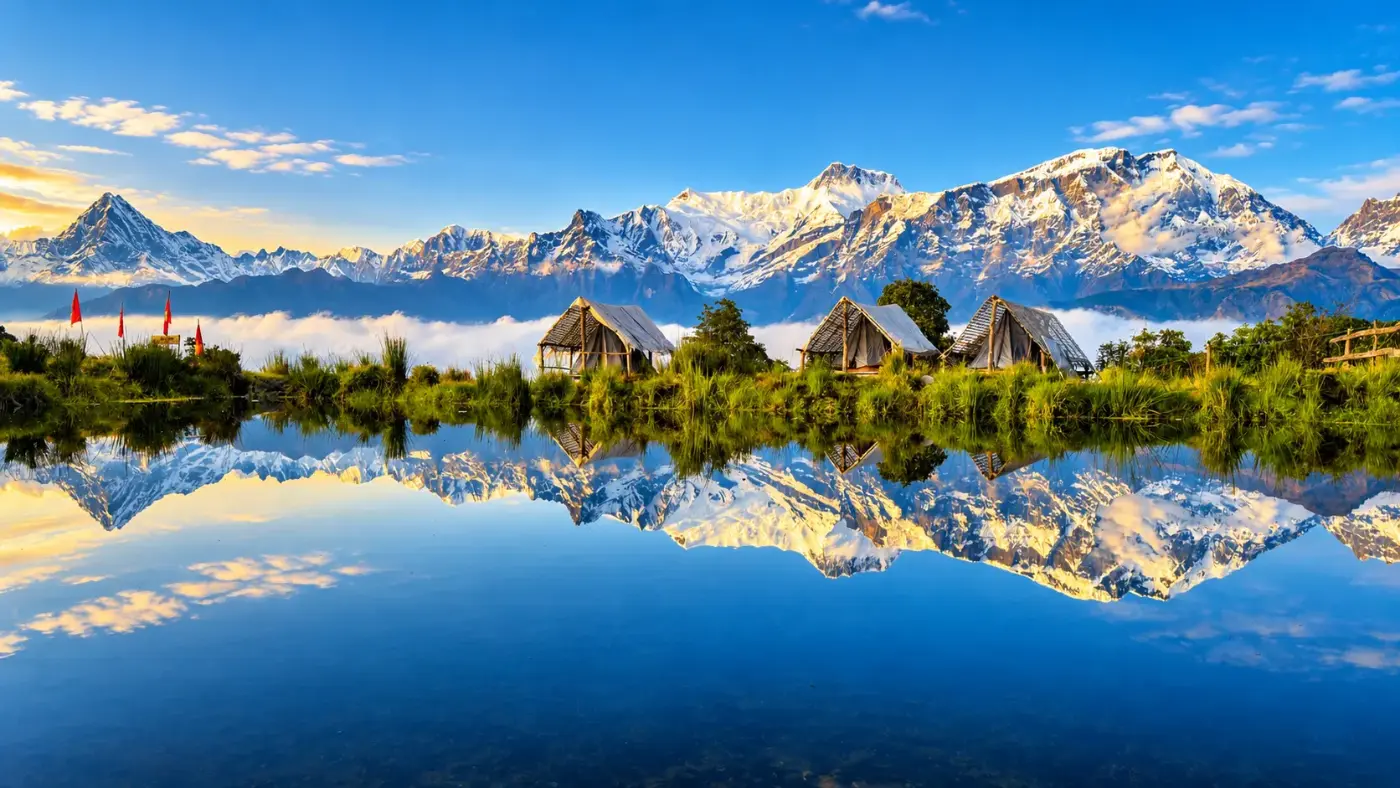
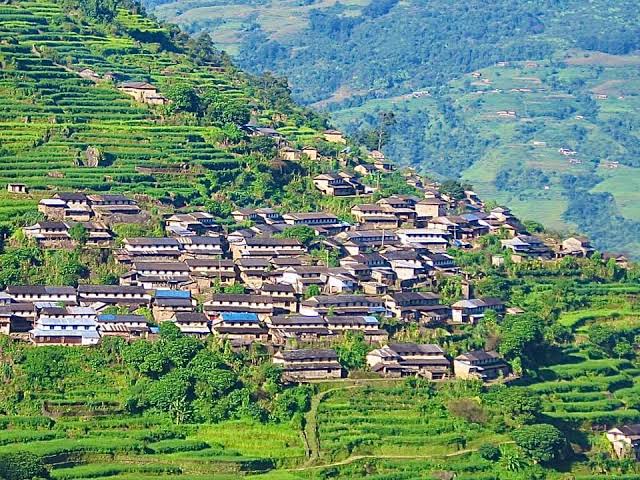
Planning a Pokhara to Tangting village tour vehicle hire is the first step to one of the most rewarding short escapes in the Annapurna foothills. Tangting is a traditional Gurung village in Madi Rural Municipality, Kaski District, sitting at roughly 1,650 to 1,685 metres on a green ridge above the Madi Valley.

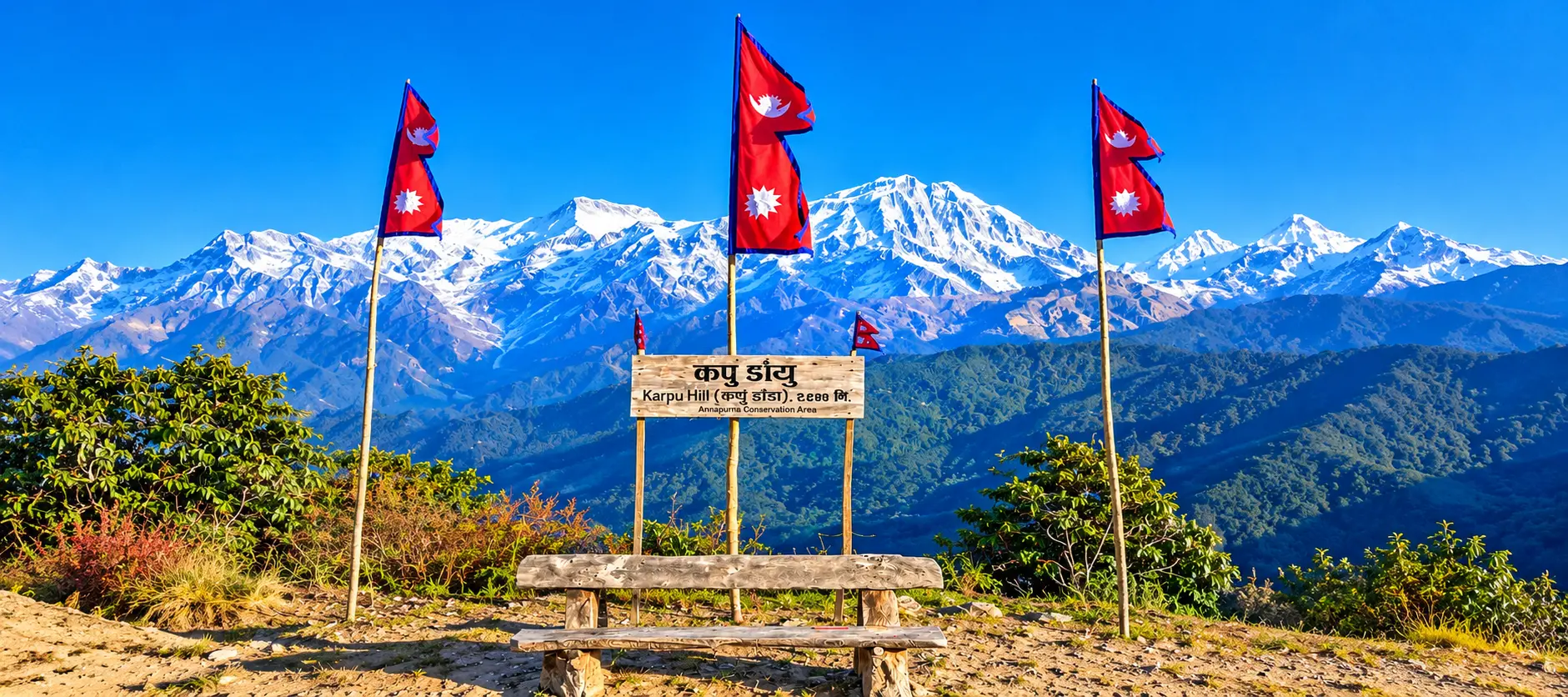
From its stone courtyards, you look straight up at Annapurna II, Annapurna IV and Lamjung Himal, while Machhapuchhre rises to the west. It is close enough to Pokhara for a weekend, yet it feels a world away from the lakeside cafés.

At Nepal Vehicle Hiring, we run private jeeps, Mahindra Scorpios, cars, Toyota Hiace vans, Coaster buses, and full-size buses from Pokhara to Tangting every season. This guide covers everything you need: the route, drive time, road conditions, which vehicle suits your group, honest USD price ranges, what to see in the village, homestay etiquette, permits, and how to combine Tangting with Sikles, Krapu Danda, and the wider Annapurna region.

If you already know your dates and group size, you can skip ahead and plan your trip with us or message us directly on WhatsApp. Otherwise, read on. By the end of this guide, you will know exactly how to reach Tangting comfortably and safely.

Tangting Village at a Glance

  • Location: Madi Rural Municipality, Kaski district, Gandaki Province, north-east of Pokhara
  • Altitude: about 1,650 to 1,685 metres above sea level
  • People: predominantly Gurung, with a proud British and Indian Gurkha heritage
  • Drive from Pokhara: typically around 2 to 3 hours by private Jeep, depending on road and weather
  • Mountain views: Annapurna II, Annapurna IV, Lamjung Himal, Machhapuchhre and, from the ridge above, Dhaulagiri and Manaslu
  • Stay: a community homestay programme with host families, plus a handful of small lodges
  • Best vehicles: private 4WD jeep or Mahindra Scorpio for the full route; Hiace, coaster or bus for larger groups when the road is in good shape
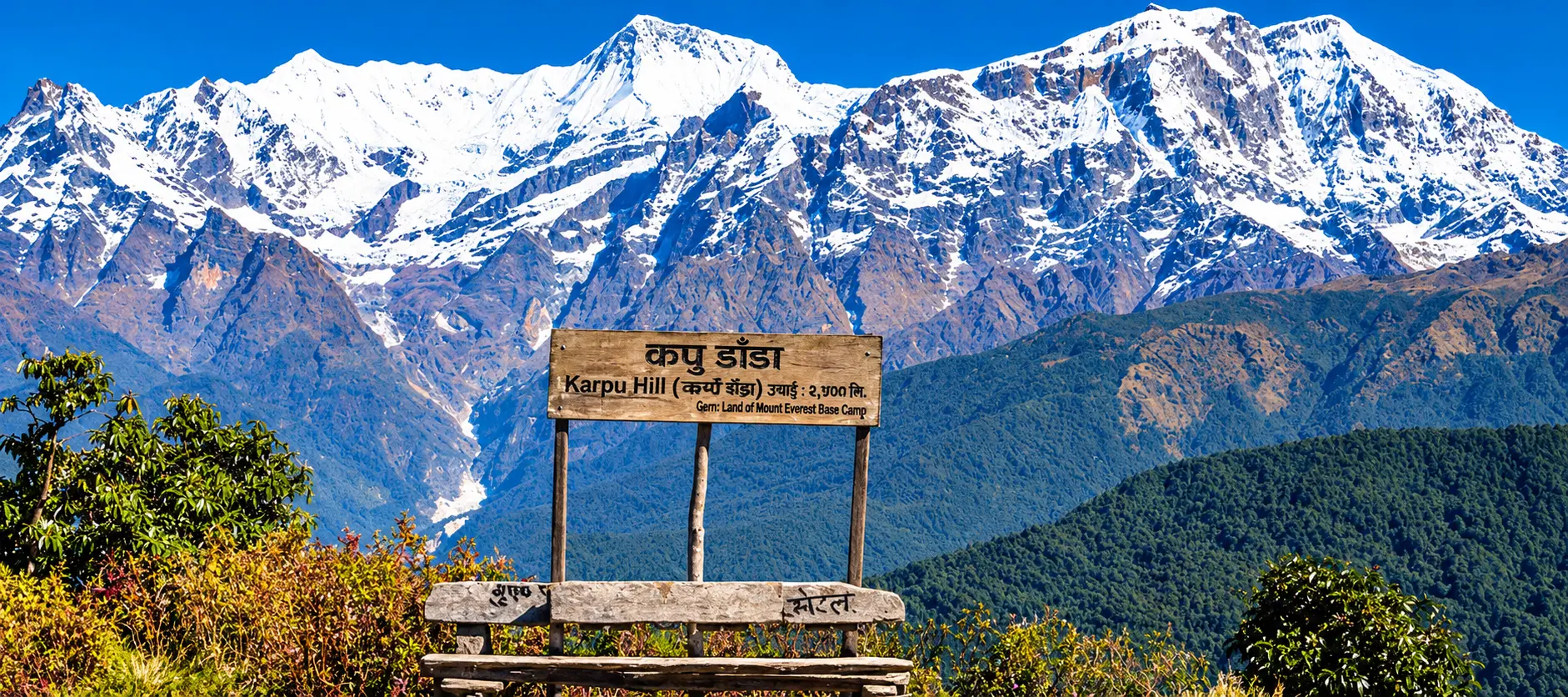
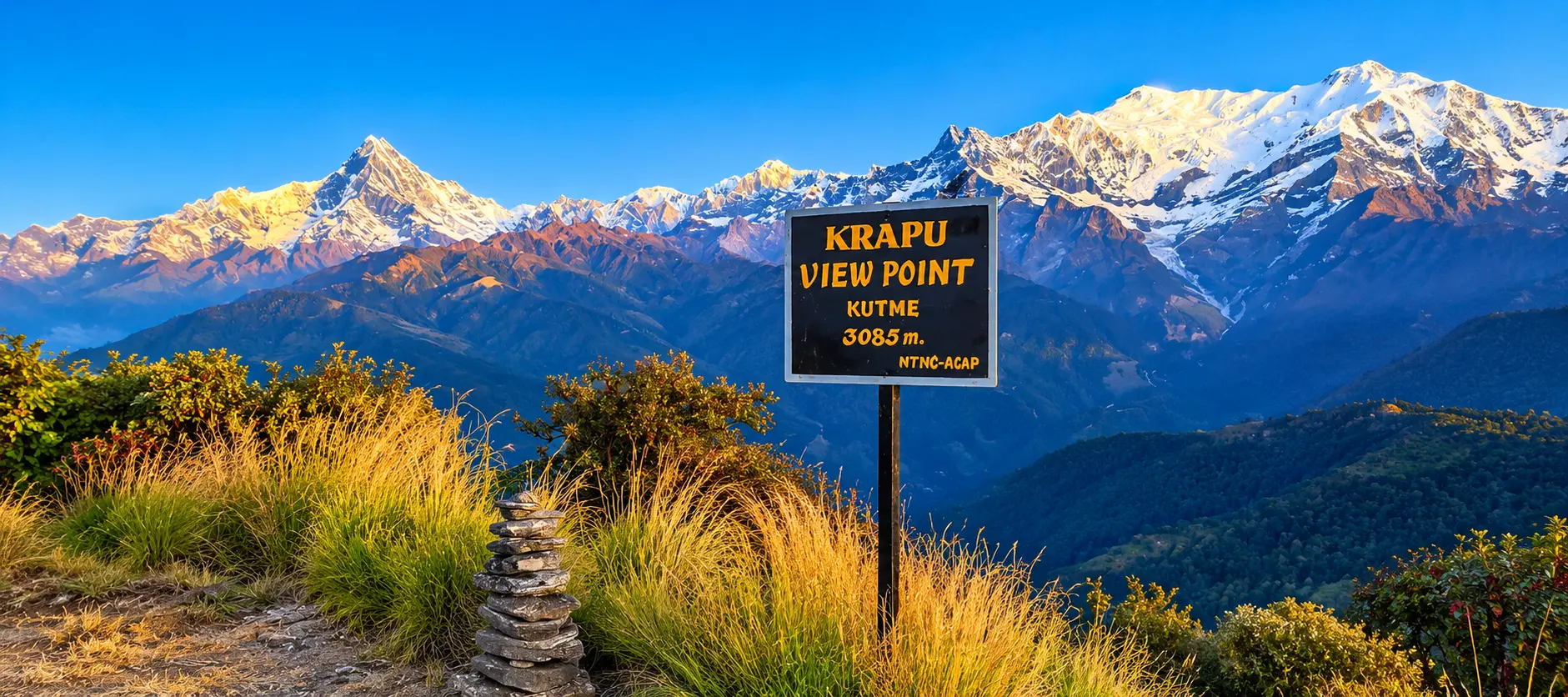
  • Nearby highlights: Krapu Danda (Krapu Choh) sunrise ridge, Nauju Danda, Sikles village, Kori and the Madi valley

Tangting has electricity, mobile coverage, a health post and a secondary school, so it is a comfortable place for families and first-time visitors to rural Nepal. Yet it keeps its slate roofs, terraced fields and slow village rhythm. That balance is exactly why demand for a reliable private vehicle from Pokhara has grown so quickly.

Pokhara to Tangting Village Tour Vehicle

Why Visit Tangting from Pokhara?

Most travellers who reach Pokhara head for the classic routes: the Ghorepani Poon Hill trek, Annapurna Base Camp or a quick Sarangkot sunrise drive. Tangting offers something different. It is a living Gurung village where residents run community tourism through the homestay committee and the local Mothers’ Group (Ama Samuha).

Authentic Gurung Culture

Tangting’s Gurung families welcome guests with marigold garlands, home-cooked dal bhat and evening cultural programmes. On request, the Mothers’ Group performs traditional songs and dances, including Ghatu and the communal Rodhi singing gatherings that once defined Gurung social life. Guests often join in farm work, learn to cook local dishes, or listen to stories of grandfathers who served in the Gurkha regiments.

Big Mountain Views Without Long Trekking

From the village, you face the Annapurna and Lamjung massif across the deep Madi valley. Climb to Krapu Danda, the ridge above the village at around 3,000 metres, and the panorama widens to include Dhaulagiri and Manaslu. You get views that rival a week-long trek after only a couple of hours in a private jeep and a day of walking.

Quiet, Uncrowded and Close

Unlike Ghandruk or Ghorepani, Tangting rarely feels busy. It suits couples, families with children, photographers, birdwatchers and older travellers who want village life without long trekking days. Because it is close to Pokhara, it works as a one-night add-on to a Nepal tour package or as a gentle warm-up before a longer trek such as the Annapurna Circuit or Manaslu Circuit.

Pokhara to Tangting Village Tour Vehicle

Pokhara to Tangting Route: How the Drive Works

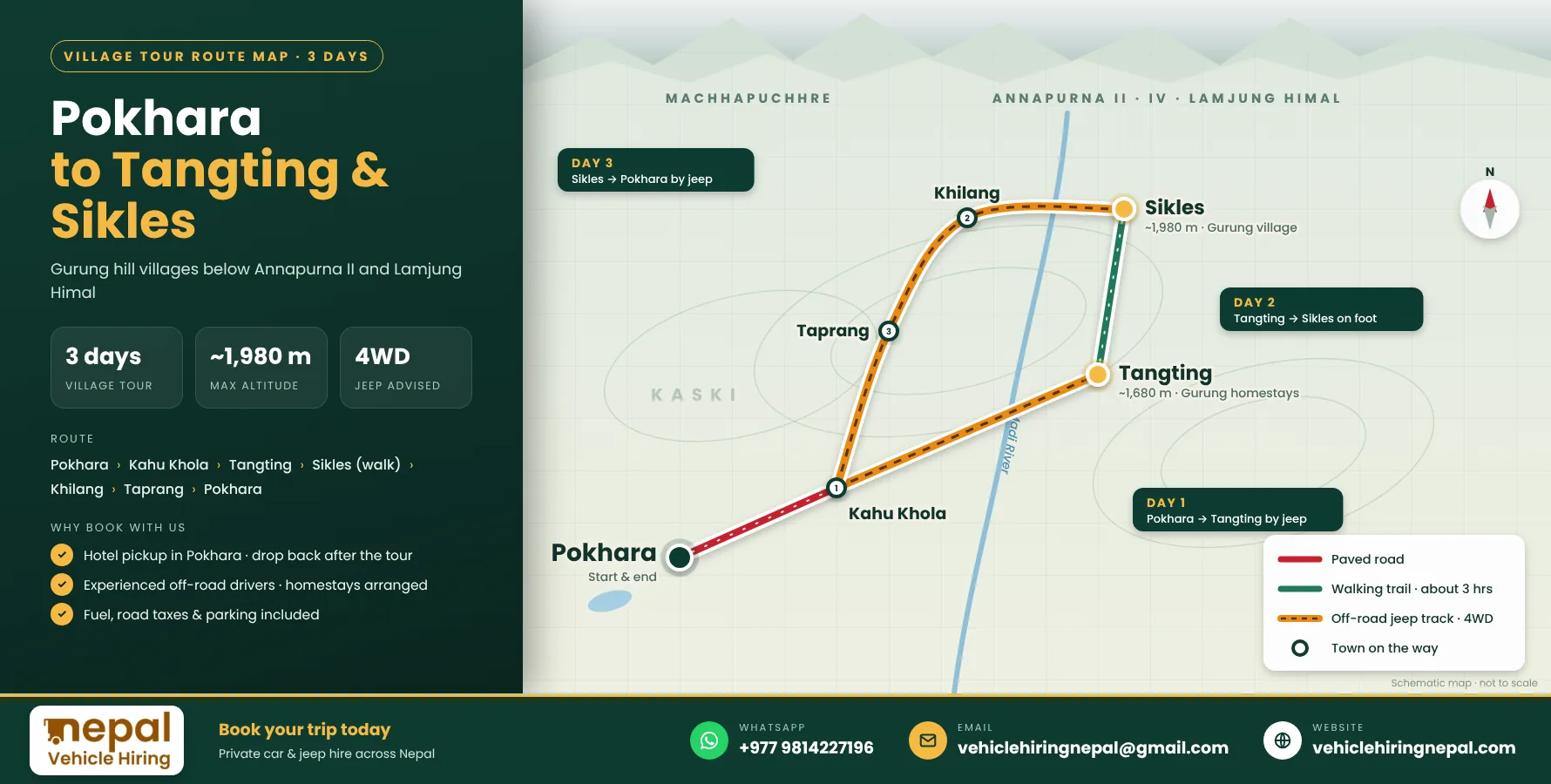
The drive from Pokhara to Tangting heads northeast out of the valley into the hills of Madi Rural Municipality. Your driver leaves Lakeside or your hotel, crosses Pokhara and climbs toward the Kalika (Kalikasthan) area. From there, the road follows the ridges and the Madi Khola valley toward Tangting and Sikles.

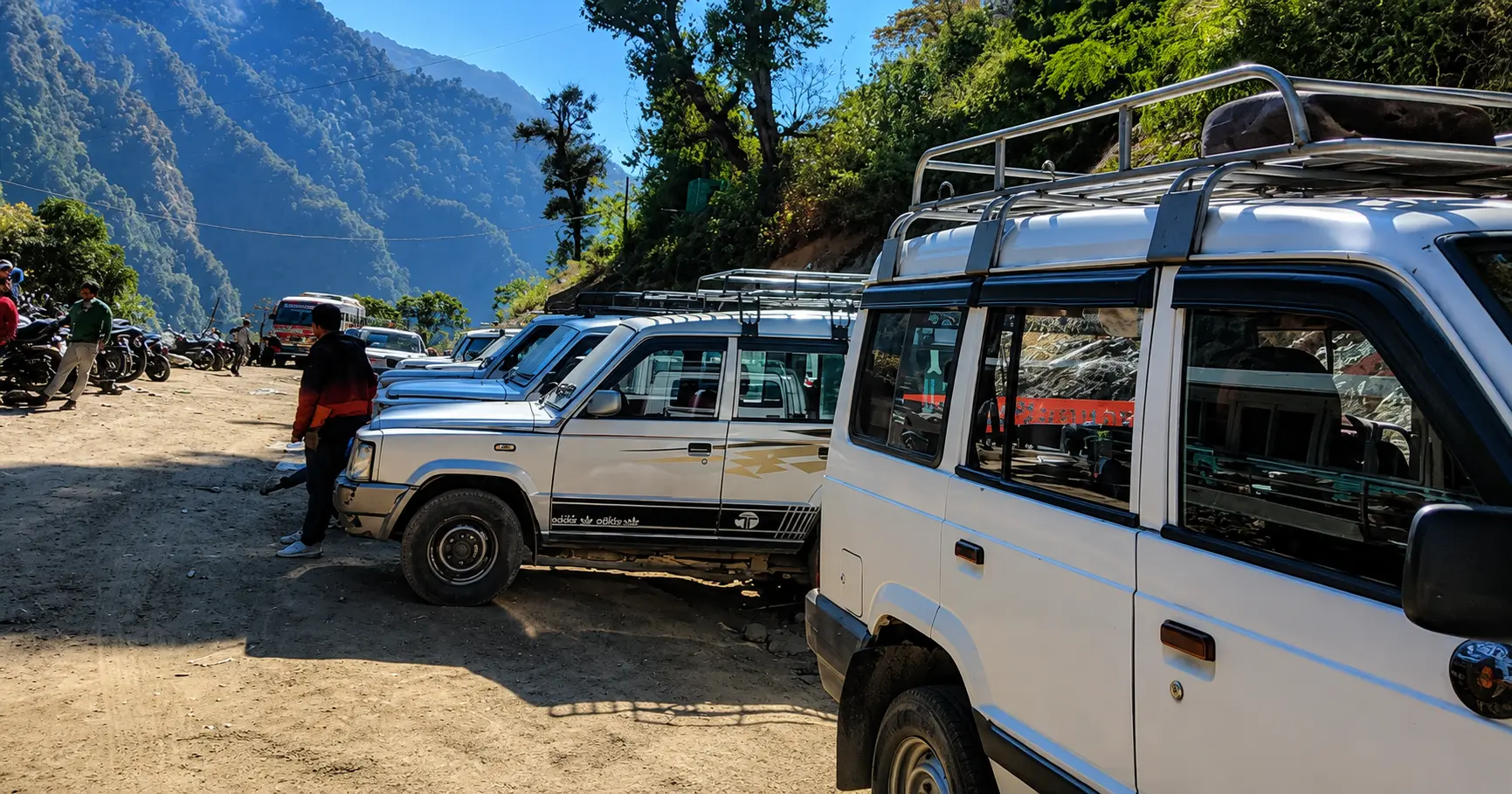
Local buses and jeeps for the area traditionally depart from the Kahunkhola side of Pokhara.

Road Sections

  • Pokhara city to the edge of the valley: paved, smooth road through town traffic. Any car or Hiace handles this easily.
  • Hill section toward Kalika: a mix of blacktop and patched sections with tight bends and steady climbing.
  • Upper section to Tangting: a narrower rural road, partly gravelled or rough, with steep stretches. This is where a 4WD jeep or Mahindra Scorpio really earns its place.

Road works across rural Nepal progress constantly, so surfaces change from season to season. Our drivers travel these hills regularly and check the latest condition before every booking. If a section becomes difficult after rain, they know the safest timing and alternatives.

Drive Time

In dry conditions, ns a private jeep usually takes about 2 to 3 hours from Pokhara to Tangting, including a short tea stop. In the monsoon, landslides or muddy sections can add time, so we recommend leaving in the morning. Local buses take much longer because of frequent stops, which is why most visitors prefer a private vehicle.

Walking In Instead

Some trekkers prefer to drive only as far as Kalikasthan and walk the final stretch to Tangting via Yangjakot, a pleasant walk of around three hours through forest and terraces. We can drop you at the trailhead and carry your heavy luggage on to the village, so you walk with a light daypack.

TIP: Tell us whether you want to drive all the way or walk the last section when you book your vehicle. We plan the drop-off point and timing around your choice.

Pokhara to Tangting Village Tour Vehicle

Which Vehicle Is Best for Pokhara to Tangting?

Choosing the right vehicle is the single biggest factor in a comfortable Tangting trip. Here is how each option in our fleet performs on this route.

Private Jeep (4WD) Best All-Round Choice

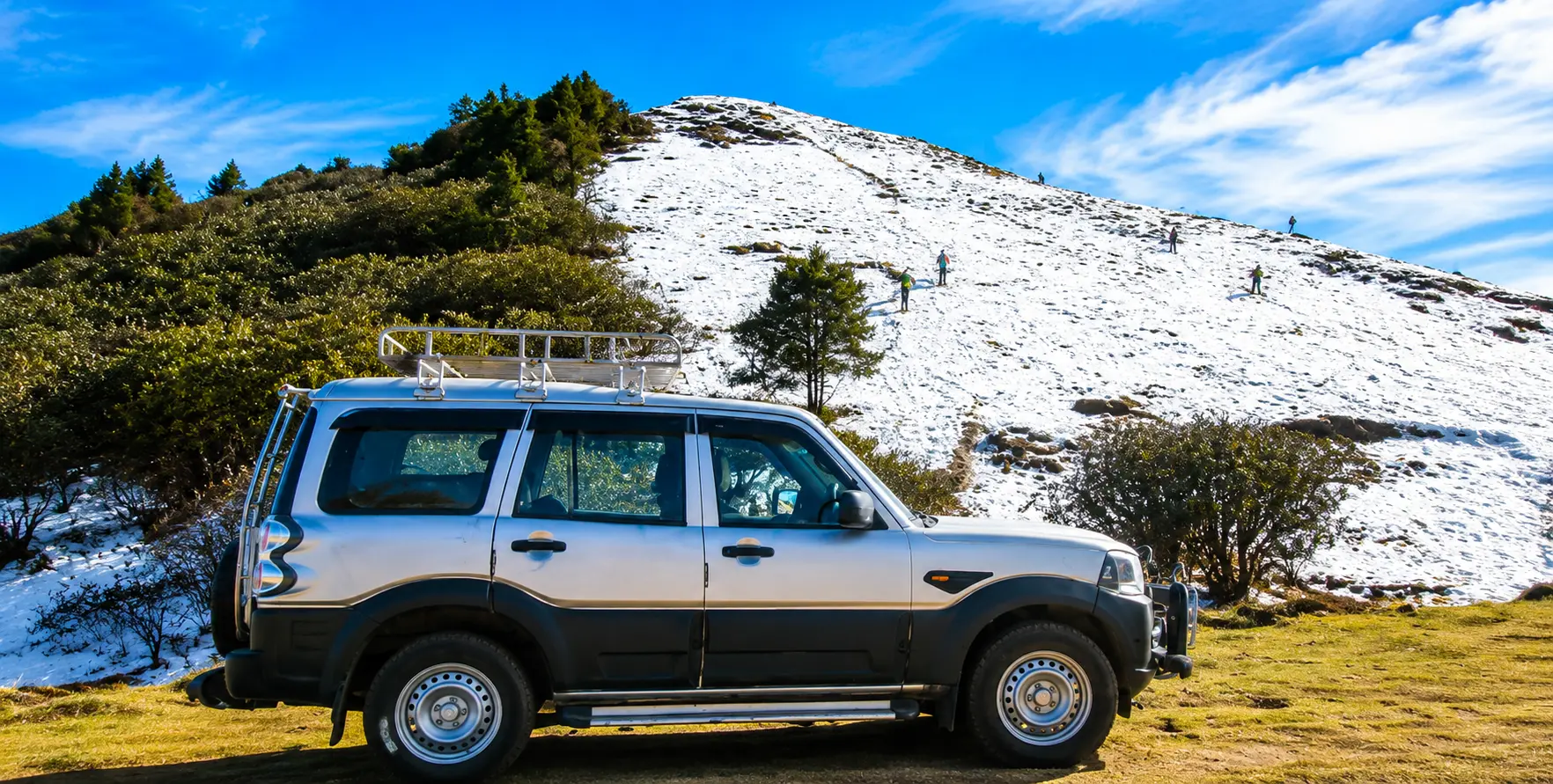
A 4WD private jeep is our top recommendation for one to six travellers. High ground clearance, strong low-range gearing and a skilled mountain driver make the rough upper section stress-free. The roof rack fits backpacks, and the jeep can reach the village in most seasons.

Mahindra Scorpio – Comfortable SUV Option

The Mahindra Scorpio is a popular SUV in the Nepal hills and an excellent choice for families and small groups of up to five or six. It offers a smoother ride on the paved and semi-paved sections and handles rural roads confidently in dry weather. Ask us about Scorpio availability when you enquire.

Private Car – For Couples and Light Luggage

A private car is comfortable and economical on paved roads. For Tangtin,g it works best for one to three passengers travelling in the dry season, or as a transfer to the trailhead for walkers. On rough upper sections, a jeep is the safer option, and our team will advise honestly based on current road conditions.

Toyota Hiace – Small Groups

For groups of six to twelve, a Toyota Hiace keeps everyone together. It is ideal for school groups, families travelling together and photography clubs. On the steepest rough stretches, a Hiace may stop at a suitable point, with a short walk or a jeep shuttle to the village.

We confirm this before you travel.

Coaster Bus and Full-Size Bus – Large Groups

For community visits, cultural exchanges, corporate retreats or pilgrim and student groups of 15 to 40 people, a coaster bus or tourist bus is the practical option. Large vehicles generally travel as far as the road allows,s and we arrange jeep shuttles for the final kilometres when needed.

NOTE: We only send vehicles that suit the road. If a larger vehicle cannot safely reach Tangting on your date, we will tell you before you book, not on the day.

Pokhara to Tangting Village Tour Vehicle

Pokhara to Tangting Vehicle Hire Price (USD)

Prices depend on the vehicle, the season, one-way or return, and how many days the vehicle stays with you. The ranges below are our typical private hire prices in USD. They include a professional driver, fuel, the driver’s food and accommodation, and vehicle taxes.

We confirm your exact quote on WhatsApp or by email.

One-Way Drop (Pokhara to Tangting)

  • Private 4WD jeep (1–6 passengers): USD 170–180
  • Mahindra Scorpio (1–5 passengers): USD 150–160
  • Tourist bus (30–40 passengers): USD 340–450

Return Trip and Multi-Day Tours

  • Same-day return by jeep: USD 240–250
  • Two-day Tangting tour, vehicle waits overnight: jeep or Scorpio USD 240–310
  • Each extra waiting day: USD 80-90 for jeep, car or Scorpio; more for Hiace and buses

Our rates are a little above the cheapest local offers. That difference covers well-maintained 4WD vehicles, experienced hill drivers, full insurance, English-speaking coordination and a guarantee that your vehicle turns up on time. For a remote mountain road, that reliability matters far more than a small saving.

TIP: Travelling with more people? A Hiace or Coaster usually brings the per-person cost well below separate jeeps.

Pokhara to Tangting Village Tour Vehicle

One-Way Drop, Return Trip or Multi-Day Hire?

The right booking type depends on how you plan to travel once you reach Tangting.

One-Way Drop

Choose a one-way drop if you plan to walk on from Tangting, for example to Sikles, Krapu Danda and down to another road-head, or if you will join a longer trek. We can arrange a separate pick-up from wherever your walk ends, so you don’t need to come back the same way.

Same-Day Return

A same-day return suits travellers who want a taste of village life without staying overnight. You leave Pokhara early, enjoy a few hours of walking, lunch with a local family and mountain views, then return to Lakeside by evening. It is a long but rewarding day in a jeep or Scorpio.

Multi-Day Hire

A multi-day hire is the most relaxed option. Your vehicle and driver stay with you for two, three, or four days so you can move between Tangting, Sikles, and viewpoints at your own pace. It is ideal for families, photographers and anyone combining several villages.

Ideal Vehicle by Group Size

  • 1–3 travellers: private car on good dry roads, or a jeep for full access
  • 2–5 travellers: Mahindra Scorpio or 4WD jeep
  • 6–12 travellers: Toyota Hiace, or two jeeps for the roughest roads
  • 13–25 travellers: coaster bus with jeep shuttle if needed
  • 26–40 travellers: tourist bus with jeep shuttle if needed

Not sure which fits? Send your group size and luggage details on WhatsApp, and we will recommend the most comfortable and cost-effective option.

Pokhara to Tangting Village Tour Vehicle

Things to Do in Tangting Village

Krapu Danda (Krapu Choh) Sunrise

The highlight of most visits is the walk up to Krapu Danda, the forested ridge above the village that reaches about 3,000 metres. Most people walk up one afternoon, stay at a basic shelter or camp, and watch the sunrise light up Annapurna, Lamjung, Dhaulagiri and Manaslu.

Others stay in Tangting and set off before dawn. Beds on the ridge are limited, so confirm in the village before you go. Your jeep driver can wait in Tangting while you hike.

Nauju Danda Viewpoint

For a shorter walk, Nauju Danda gives a fine sunset over the Madi valley and the peaks of the Annapurna range. It is an easy outing for families and older travellers.

Village Walks and Gurung Houses

Wander the stone-paved lanes between slate-roofed houses, rice, maize, and millet terraces, and small shrines. Your host family will happily show you their kitchen garden, granary and livestock. It is a slower, more personal experience than a busy Kathmandu sightseeing tour.

Cultural Programme

In the evening, the Mothers’ Group often welcomes guests with songs and dances in traditional dress. Programmes are arranged on request,t and a small contribution supports the community fund.

Birdwatching and Waterfalls

The forests around Tangting hold rhododendron, oak and a wide variety of Himalayan birds. Streams and small waterfalls tumble off the slopes, and spring rhododendron blooms paint the ridges red and pink.

Walk to Sikles

Across the valley lies Sikles, one of Kaski’s largest Gurung villages. A day walk links Tangting with Sikles through Kori and the forest, or your private jeep can take you on a jeep road. Together, the two villages make a superb three-day cultural circuit.

Pokhara to Tangting Village Tour Vehicle

Tangting Homestay: What to Expect

Tangting’s community homestay started more than a decade ago and now has around 14 host houses with about 100 beds, plus a few small hotels. The committee rotates guests between families so that tourism income is shared fairly across the village.

  • Rooms: simple, clean twin or shared rooms with warm blankets
  • Food: dal bhat, seasonal vegetables, gundruk, local chicken, millet roti and butter tea, mostly grown on the family farm
  • Bathrooms: usually shared, with squat or Western toilets depending on the house
  • Power and phone: national electricity and mobile coverage, though power cuts happen
  • Cash: banking is limited, so bring Nepali cash from Pokhara

When you book your Tangting vehicle with us, we can also arrange your homestay through the village committee. This means one contact handles your driver, accommodation and timings.

TIP: Remove shoes before entering kitchens, ask before photographing people, and accept tea with both hands. Small gestures go a long way in a Gurung home.

Gurung Culture and the Gurkha Heritage

Tangting is closely tied to the Gurkha story. Generations of young men from these hills served in the British and Indian armies, and pensions and remittances helped build the village’s schools, trails and water systems. Many houses display medals and photographs, and older residents are proud to share their memories.

Gurung life follows its own festival calendar, including Losar (Tamu Lhosar), Dashain, and Maghe Sankranti. Visiting during a festival is memorable, and our team can advise on timing when you contact us.

A Short History of Tangting and Community Tourism

Like many Gurung settlements in Kaski, Tangting grew around farming and livestock on the sunny ridges above the Madi River. For generations, families moved herds between lower terraces and high pastures such as Krapu Danda with the seasons. Education arrived early by rural standards: Shree Himalaya Milan Secondary School began as a primary school in 1956 and today serves children from across the area.

Gurkha service shaped the village too. Pensions and remittances from soldiers abroad paid for stone trails, water taps and school buildings. As younger people moved to Pokhara, Kathmandu or overseas for work, the community looked for ways to keep the village alive.

Community homestay tourism became part of that answer. Families opened their homes to guests; the Mothers’ Group organised cultural programmes; and visitor income began flowing into local households and community projects.

Today, every guest who travels to Tangting with a private vehicle and stays with a host family supports that model directly. Tourism keeps traditions, homes, and fields in use rather than abandoned.

Festivals Worth Planning Around

Gurung festivals bring the whole village together, and visitors who arrive at the right time often get invited to join in.

  • Tamu Lhosar: the Gurung New Year, celebrated in winter with dances, traditional dress, feasts and community gatherings.
  • Dashain: Nepal’s biggest festival in autumn, when families reunite, elders give blessings, and bamboo swings appear in villages.
  • Tihar: the festival of lights, with oil lamps, marigold garlands and Deusi-Bhailo songs going house to house.
  • Maghe Sankranti: a winter festival of special foods such as sesame sweets, yam and ghee.

Festival periods are busy on the roads and homestays fill quickly, so book your jeep early. Festival dates vary with the lunar calendar and shift each year, and our team can tell you the timing when you contact us.

Travelling to Tangting Directly From Kathmandu

Short on time? We can drive you straight from Kathmandu to Tangting in a single private journey. The first part follows the Prithvi Highway to Pokhara in a comfortable car, Scorpio,  or Jeep, and the final hill section continues into the Madi Valley.

It is a long day, so we suggest an early start, or an overnight stay in Pokhara to break up the trip.

On the return, we can take you back to Kathmandu, drop you in Pokhara, or continue to Chitwan or Lumbini. Many travellers also book Kathmandu airport transfers with us so the whole journey runs with one company and one point of contact.

Permits for Tangting

Tangting and the wider Madi valley lie within the Annapurna Conservation Area. Foreign visitors in the area are generally expected to carry an ACAP entry permit, which you can obtain in Pokhara or Kathmandu. Rules can change, so we check the current requirements for your trip.

Nepali and SAARC visitors follow different rules. If you are also doing the Annapurna Base Camp trek or Poon Hill trek, the same permit type applies.

Pokhara to Tangting Village Tour Vehicle

Best Time to Visit Tangting

Autumn Season

After the monsoon, autumn brings clear skies, stable roads and the sharpest mountain views. It is the most popular time for a Tangting jeep tour.

Spring Season

Spring is warm and colourful, with rhododendron forests in full bloom on the way to Krapu Danda. Afternoon haze can soften the views, so go early for photos.

Winter Season

Winter mornings are crisp and very clear, though nights are cold and the Krapu ridge can see snow. Pack warm layers. Roads are usually dry and good for any private vehicle.

Monsoon Season

The monsoon turns the valley lush and green, but rain can make the upper road muddy,y and landslides are possible. A 4WD jeep is essential, and flexible timing is wise.

Sample Itineraries from Pokhara

Two-Day Tangting Village Tour

  • Day 1: Morning pick-up in Pokhara, drive to Tangting by private jeep or Scorpio. Village walk, Naudanda sunset and a cultural evening with your host family.
  • Day 2: Early sunrise viewpoint, breakfast, farewell, ll and return drive to Pokhara by early afternoon.

Three-Day Tangting and Krapu Danda

  • Day 1: Drive from Pokhara to Tangting, and settle into your homestay.
  • Day 2: Hike up to Krapu Danda through the forest, overnight at the ridge or return to the village.
  • Day 3: Sunrise, descend to Tangting and drive back to Pokhara.

Four-Day Tangting and Sikles Circuit

  • Day 1: Drive to Kalikasthan, walk to Tangting via Yangjakot while your luggage travels by jeep.
  • Day 2: Village day and Krapu Danda viewpoint.
  • Day 3: Walk or drive to Sikles via Kori.
  • Day 4: Drive from Sikles back to Pokhara.

Every itinerary can be adjusted. Share your ideas through our trip planner, and we will design the transport around them.

Combining Tangting With Other Nepal Trips

Tangting fits neatly into a wider Nepal journey. Most travellers reach Pokhara first by tourist bus from Kathmandu or private vehicle, after landing at Tribhuvan Airport with one of our Kathmandu airport transfers. Before heading west, many enjoy a Kathmandu sightseeing day, a Bhaktapur Durbar Square tour or a Nagarkot sunrise trip.

After Tangting, popular next steps include:

For travellers who want a top-end trekking experience after their village stay, our sister company, Alpine Luxury Treks, arranges upscale lodge treks. At the same time, le Trek Nepal Himalayas runs classic routes such as Everest Base Camp, Langtang Valley, and Helambu.

Pokhara to Tangting Village Tour Vehicle

What to Pack for a Tangting Village Tour

  • Warm fleece or down jacket, as evenings are cool all year at 1,650 metres
  • Comfortable walking shoes or light hiking boots for village trails and Krapu Danda
  • Rain jacket and a cover for your daypack in the monsoon and spring showers
  • Headlamp for early sunrise walks and power cuts
  • Reusable water bottle and purification tablets
  • Nepali cash in small notes for homestay extras and donations
  • Sunscreen, sunglasses and a hat
  • Personal medicines and a small first-aid kit
  • A small gift from home or stationery for the local school, if you wish

You can leave heavy bags in the jeep or at your Pokhara hotel. If you’re continuing to a longer trek, we can store your luggage and deliver it to your next start point.

Road Safety on the Tangting Route

Hill roads in Nepal demand experience. Here is how we keep every Pokhara to Tangting trip safe:

  • Experienced hill drivers who know the Madi Valley roads and drive at sensible speeds
  • Well-maintained 4WD jeeps and Scorpios with good tyres and brakes, checked before each trip
  • Daylight driving on rural sections wherever possible
  • Live road checks with local contacts during the monsoon
  • Flexible plans, so drivers never push on when a section is unsafe
  • Fully insured, licensed vehicles under our company name

Safety is also why we recommend a private jeep over crowded public transport for this route. You stop when you want, travel at your pace and keep your belongings secure.

Kathmandu Pokhara Lumbini Tour Package by Private Vehicle

Private Vehicle vs Local Bus to Tangting

Local buses and shared jeeps do run between Pokhara and the Madi villages, and they are very cheap. However, they run on fixed schedules, stop often, carry cargo, and can take several hours longer. Seats are cramped, and luggage space is limited.

A private vehicle hire offers door-to-door service from your Pokhara hotel, flexible departure times, photo stops at viewpoints, space for bags, and an English-speaking contact throughout. For families, seniors, photographers and anyone on a tight schedule, the private option is far better value overall.

Responsible Travel in Tangting

  • Stay in community homestays so income reaches local families
  • Carry out plastic and avoid single-use bottles
  • Dress modestly, especially in homes and at shrines
  • Ask permission before photographing people and religious sites
  • Buy local crafts and produce where offered
  • Keep to the trails to protect terraces and forest

Responsible travel keeps Tangting the welcoming place it is. Our drivers and coordinators brief guests on local customs before arrival.

Why Book Your Tangting Vehicle With Nepal Vehicle Hiring

  • Local Pokhara team with drivers who know the Madi Valley roads well
  • Full fleet: cars, jeeps, Scorpios, Hiace vans, coasters and buses
  • Clear USD pricing with fuel, driver costs and taxes included
  • Homestay and permit help in one booking
  • 24/7 support on WhatsApp
  • Sister trekking company: Trek Nepal Himalayas  for longer adventures

See our full range of Pokhara car hire services, trekking transport and Nepal tour packages to build your trip.

The Drive Step by Step: What You See on the Way

Part of the charm of a Pokhara to Tangting village tour is the drive itself. Within minutes of leaving Lakeside, the city gives way to rice terraces, bamboo groves and small roadside settlements where children wave at passing vehicles. On a clear morning, ng Machhapuchhre, the Fishtail mountain, stands above the valley behind you, and your driver will happily pull over for photographs.

As the road climbs toward Kalika, the views open across the Pokhara valley and its lakes. Tea shops at the junction villages are good places for a short break, a cup of milk tea and a plate of fresh pakoda. Beyond Kalika,ika the landscape becomes greener and steeper.

Terraced hillsides drop toward the Madi Khola, and you begin to see the white wall of Annapurna II and Lamjung Himal growing larger with every bend.

The final climb to Tangting passes through a forest of alder, oak and rhododendron, with small streams crossing the track. Here the road narrows, and the value of a skilled driver in a 4WD jeep or Scorpio becomes clear. Arriving in the village, you are greeted by stone houses stacked along the ridge, prayer flags, and the smell of wood smoke from kitchen fires.

TIP: Sit on the left side of the vehicle on the way up for the best mountain views when the road faces north. Your driver can suggest the best seat on the day.

Pokhara to Tangting Village Tour Vehicle

Pick-Up Points in Pokhara

Our Pokhara to Tangting service is door-to-door. We pick up from any hotel, guesthouse, or homestay in Pokhara, including Lakeside, Damside, Baidam, Khahare, Phewa Marg, the Tourist Bus Park area, and Pokhara International Airport. If you arrive by tourist bus from Kathmandu, we can meet you at the bus park and drive straight to Tangting, saving you a night in the city.

We can pick up travellers flying in at Pokhara Airport with a name board. For those starting in Kathmandu, we offer a direct private transfer from your Kathmandu hotel or the airport to Tangting via Pokhara, using a comfortable car, jeep, or SUV for the highway section.

Tangting for Families, Seniors and First-Time Visitors

Tangting is one of the friendliest introductions to rural Nepal. At around 1,650 metres, the altitude is well below the level where altitude sickness is a concern for most healthy visitors, and the drive is short enough for young children. Homestay families love having children visit, and kids quickly make friends in the village.

For seniors or travellers with limited mobility, a private jeep or Scorpio can usually drop you close to your homestay, avoiding long walks with luggage. Village lanes are stone-paved with some steps, so walking poles help. You can enjoy the views, the cultural programme and village life without any demanding hiking.

First-time visitors to Nepal appreciate the gentle pace. There is no rush, no crowds and plenty of time to talk with hosts. Many guests tell us that a night in Tangting was the highlight of their whole Nepal tour.

Photography Guide to Tangting

Tangting is a photographer’s dream. Here are the best moments to capture:

  • Sunrise on Annapurna II and Lamjung Himal: shoot from the upper part of the village or Krapu Danda as the first light turns the peaks pink and gold.
  • Morning mist in the Madi valley: in autumn and winter, clouds often fill the valley below while the peaks stand clear above.
  • Village portraits: with permission, elders in traditional dress and Gurkha medals make powerful portraits.
  • Terraces in changing seasons: bright green rice in the monsoon, golden fields after harvest and rhododendron red in spring.
  • Night skies: with little light pollution, the Milky Way is visible on clear moonless nights.

Because you travel by private vehicle, you can stop for photos on the drive whenever the light is right, something impossible on a local bus.

Food in Tangting: What You Will Eat

Meals in a Tangting homestay are simple, fresh and filling. Breakfast might be Tibetan bread, millet roti, eggs or porridge with sweet milk tea. Lunch and dinner are usually dal bhat: rice, lentil soup, seasonal vegetable curry, spinach, pickles and sometimes local chicken.

Gurung specialities include gundruk (fermented greens), dhido (a thick millet or buckwheat porridge) and fresh buffalo milk products.

Most vegetables, grains and dairy come straight from the family farm, so food changes with the season. Vegetarian and vegan diets are easy to accommodate if you let us know when you plan your trip. Bottled drinks and snacks are limited, so pick up anything special in Pokhara before you leave.

Pokhara to Tangting Village Tour Vehicle

Tangting vs Other Villages Near Pokhara

Tangting vs Ghandruk

Ghandruk is larger, better known and busier, with many lodges and easy access from Nayapul. Tangting is quieter, more traditional and less commercial. If you want a calm homestay experience with a strong community feel, Tangting is the better pick.

If you want a classic trekking village with more facilities, Ghandruk suits you, and it pairs naturally with the Poon Hill trek.

Tangting vs Sikles

Sikles is bigger and sits higher across the valley, with close views of Annapurna II. Tangting is smaller and more intimate. Many visitors combine both on a two- to four-day circuit with a private jeep.

Tangting vs Ghale Gaun

Ghale Gaun in Lamjung is another famous Gurung homestay village, reached by a longer drive via Besisahar. Tangting is closer to Pokhara and easier for short trips.

Group Tours, School Trips and Corporate Retreats

Tangting’s community homestay can host fairly large groups, making it popular for school educational tours, university field visits, cultural exchange programmes, NGO visits, and company team retreats. Groups experience farming, cultural programmes, community projects and short hikes together.

For these trips, we provide a Hiace for groups of up to 12, a coaster bus for up to 25, and a full-size tourist bus for larger groups, with jeep shuttles for any section unsuitable for larger vehicles. One coordinator manages the transport plan from start to finish.

What Is Included in Our Tangting Vehicle Hire

Included

  • Private vehicle of your choice with a professional, licensed driver
  • Fuel, driver’s wage, food and overnight accommodation
  • Vehicle insurance, road taxes and parking
  • Hotel pick-up and drop-off in Pokhara
  • Help arranging homestays and permits

Not Included

  • Homestay accommodation and meals for travellers
  • ACAP permit fees where required
  • Guides or porters for Krapu Danda (available on request)
  • Tips for the driver, which are appreciated but optional

How to Book: Step by Step

  • Step 1: Message us on WhatsApp or email [email protected] with your dates, group size and pick-up point.
  • Step 2: We recommend the right vehicle and send a USD quote.
  • Step 3: Confirm with a small advance; pay the balance to the driver or office.
  • Step 4: We send your driver’s name and phone number before the trip.
  • Step 5: Enjoy Tangting. We stay in touch throughout.

You can also fill in our online trip planning form or visit the contact page.

Pokhara to Tangting Village Tour Vehicle

Krapu Danda Hike in Detail

Krapu Danda, also called Krapu Choh, is the ridge that rises directly above Tangting. The trail starts from the upper edge of the village and climbs steadily through terraces, old grazing land and then dense forest of oak and rhododendron.

The ascent to the high point at around 3,000 metres usually takes most of an afternoon at a steady pace. The descent is quicker but steep in places, so trekking poles are useful.

At the top, a wide panorama unfolds. To the north and east stand Annapurna II, Annapurna IV and Lamjung Himal, with Manaslu in the distance on clear days. To the west you can see Machhapuchhre and the Annapurna South group, and on the clearest mornings Dhaulagiri.

Below, Sikles spreads across the opposite slope and the Madi valley drops away toward Pokhara.

Facilities on the ridge are basic, with very limited beds, so many groups carry tents or arrange camping through the village. A local guide is strongly recommended because trails divide in the forest and mist can roll in quickly. We can arrange a guide from Tangting, and your jeep driver will wait in the village for your return.

NOTE: At around 3,000 metres, nights on Krapu Danda are cold in every season, and snow is possible in winter. Bring a warm sleeping bag if you plan to stay overnight.

A Day in Tangting: What It Feels Like

Mornings in Tangting start early. Roosters crow before dawn, and the first light touches the summit of Annapurna II while the village is still in shadow. Your host serves hot milk tea as smoke rises from kitchen chimneys and farmers lead buffaloes out to the fields.

After breakfast, you might walk the village lanes, visit the school, help with harvest work, or sit on a stone terrace watching clouds drift through the valley. Lunch is dal bhat eaten with the family. In the afternoon, a short hike to a viewpoint, a visit to a local shrine or a lesson in weaving fills the hours.

As the sun sets, the Mothers’ Group may gather for songs and dances, and the evening ends around the fire with stories and laughter. It is a simple day, yet it is the reason so many travellers return. And because your private vehicle is waiting, you can stay as long or as short as you like.

Health, Connectivity and Practical Details

  • Altitude: Tangting at around 1,650 metres is comfortable for nearly everyone. Krapu Danda at around 3,000 metres is higher, so ascend steadily and drink plenty of water.
  • Medical care: a local health post offers first aid and basic care. Serious cases are taken back to Pokhara, and your driver can help in an emergency.
  • Mobile signal: most of the village has mobile coverage, though data can be slow. Buy a Nepali SIM in Pokhara.
  • Electricity: national grid power is available. Bring a power bank for longer hikes.
  • Water: use purified or boiled water rather than untreated tap water.
  • Money: banking is limited, so carry Nepali cash from Pokhara.

Weather, Delays and Flexible Plans

Mountain weather is unpredictable, especially in the monsoon. Heavy rain can cause landslides or make the upper road muddy. Our policy is simple: safety first.

If the road becomes unsafe, your driver will stop at a secure point, and we will arrange an alternative such as a shorter walk, a different time, or a change of plan.

If you need to change dates because of weather, please tell us as early as possible on WhatsApp, and we will do our best to reschedule. For multi-day tours, we can adapt the itinerary so you still enjoy village life and views, perhaps visiting Sikles or returning toward Sarangkot if the weather closes in.

Travelling With Your Driver: Useful Tips

  • Agree the pick-up time and route the evening before.
  • Ask for photo stops; drivers are happy to stop at safe places.
  • Keep valuables with you rather than on the roof rack.
  • Share your homestay contact so the driver can coordinate the return.
  • Tipping is appreciated after good service but is entirely your choice.

Most of our drivers have years of experience on Pokhara hill routes, including Nayapul, Besisahar and Madi valley roads. They are also a great source of local knowledge about food, festivals and village life.

More Ideas Around Pokhara

If you have extra days in Pokhara before or after Tangting, consider a Sarangkot sunrise drive, a full-day Pokhara car hire for the World Peace Pagoda, Davis Falls and Begnas Lake, or a short Poon Hill trek. Adventurous travellers can head for the Annapurna Circuit or the remote Nar Phu valley. Wildlife lovers can continue to Chitwan by road from Pokhara.

Frequently Asked Questions

How far is Tangting from Pokhara?

Tangting lies north-east of Pokhara in Madi Rural Municipality. By road, the drive usually takes about 2 to 3 hours by private jeep, depending on road conditions and the season.

Can a normal car reach Tangting?

A private car can manage the paved sections and, in good dry conditions, much of the route. For the rough upper road,d we recommend a 4WD jeep or Scorpio. We will advise based on the current road conditions when you enquire.

How much does a private jeep from Pokhara to Tangting cost?

A one-way private jeep typically costs USD 150-160, and a two-day tour with the jeep and overnight costs USD 300–310.Jeep: contact us for an exact quote.

Is Tangting good for families and older travellers?

Yes. The drive is short, the village is at a comfortable altitude, and the homestays are welcoming. The Krapu Danda hike is optional, and gentle walks are available for all ages.

Do I need a permit to visit Tangting?

Tangting lies within the Annapurna Conservation Area, so foreign visitors walking there are generally expected to carry an ACAP permit. We confirm the current rule when you book.

What is the best time to visit Tangting?

Autumn and spring give the best mountain views and road conditions. Winter is clear but cold, and the monsoon is green but needs a 4WD jeep and flexible timing.

Can I combine Tangting with Sikles?

Yes. Tangting and Sikles make an excellent three- or four-day circuit, by foot through Kori or by private vehicle.

Can you pick us up from Kathmandu instead?

Yes. We can drive you from Kathmandu to Pokhara and on to Tangting in one booking, or arrange an airport pick-up first.

Is there a direct bus from Pokhara to Tangting?

Local buses and shared jeeps serve the Madi villages from Pokhara, but they are slow, crowded, and run on fixed schedules. A private vehicle is faster and far more comfortable.

Can the vehicle wait while we stay overnight?

Yes. On multi-day tours, the driver stays in the village or nearby. The driver’s food and accommodation are included in your price.

Is Tangting safe for solo travellers?

Tangting is a friendly, safe village. Solo travellers are welcome in homestays, and a private car or jeep gives you a secure, reliable ride. Do we hire a Hiace or bus for a group to Tangting?

Yes. A Hiace, coaster or bus suits groups. Where the road is unsuitable for larger vehicles, we add a jeep shuttle for the final section.

How early should we book?

For autumn and spring, and for groups, book a few weeks ahead. For small groups in quieter seasons, a few days is often enough. Plan your trip now to secure your vehicle.

Key Takeaways

  • Tangting is a traditional Gurung village at around 1,650 metres in Madi Rural Municipality, Kaski, with close views of Annapurna II, Annapurna IV and Lamjung Himal.
  • The drive from Pokhara usually takes about 2 to 3 hours, and a 4WD jeep or Mahindra Scorpio is the most reliable choice for the rough upper road.
  • Community homestays, the Krapu Danda sunrise and Gurung cultural evenings are the highlights.
  • Autumn and spring offer the clearest views and the best road conditions, while the monsoon needs a 4WD and flexible timing.
  • Tangting combines well with Sikles, Sarangkot and the classic Annapurna treks.

Book Your Pokhara to Tangting Vehicle Today

Tangting is one of the most rewarding village escapes near Pokhara: big Himalayan views, warm Gurung hospitality and a short, scenic drive. With the right vehicle and an experienced driver, the journey becomes part of the adventure.

WhatsApp

Email: [email protected]

Plan online: Plan your trip | Contact us | Nepal Vehicle Hiring

Please tell us your group size, travel dates and whether you want a one-way drop or a multi-day tour. We will reply with the best vehicle and a clear USD quote.

Pokhara to Tangting Private Jeep Hire: 4WD Jeep Service

Pokhara to Tangting Private Jeep Hire

Pokhara to Tangting Private Jeep Hire: Your Complete 4WD Jeep Hire Guide

A Pokhara to Tangting private jeep is the easiest, safest and most flexible way to reach Tangting, the Gurung hill village at around 1,650 metres in Madi Rural Municipality, Kaski. The road climbs out of the Pokhara valley, winds through the Kalika hills and finishes on a narrow, partly rough rural track above the Madi Khola.

That last section is exactly where a well-maintained 4WD private jeep and an experienced mountain driver make all the difference.

This guide is written for travellers who have already decided Tangting is on their list and now want to get the transport right. It covers which jeep to choose, how the road behaves in each season, how many people and bags fit, USD price ranges, pick-up and drop-off options, overnight jeep hire, extending to Sikles and Krapu Danda, and how to book.

At Nepal Vehicle Hiring, we operate private jeeps from Pokhara to the Madi Valley every season, with everything handled by our own drivers and day-to-day bookings.

Ready to book? Message us on WhatsApp or email [email protected] with your date and group size. You can also use our online trip planner.

Quick Facts: Pokhara to Tangting by Private Jeep

  • Start point: any hotel in Pokhara, Pokhara airport or the Tourist Bus Park
  • End point: Tangting village, Madi Rural Municipality, Kaski (around 1,650–1,685 m)
  • Typical drive time: about 2 to 3 hours by private jeep in dry conditions
  • Road type: paved city road, then mixed hill road, then a narrower rural track with rough, steep stretches
  • Recommended vehicle: 4WD jeep or Mahindra Scorpio
  • Seats: up to 6 passengers with luggage (fewer for maximum comfort)
  • One-way jeep price range: USD 150–160
  • Return or overnight jeep: from USD 240–250 (same day) and USD 340–360 (two days)
  • Booking: WhatsApp, email or the contact page

Pokhara

Why a Private Jeep Is the Right Choice for Tangting

You can reach the Madi villages by local buses or shared jeeps, and you can reach the paved section in a regular car. But for most visitors, a private 4WD jeep matches the road and the trip.

Built for the Upper Road

The final climb to Tangting is narrower than the main hill road, with loose gravel, ruts, tight bends and steep pitches. A jeep’s high ground clearance, four-wheel drive and low gearing let it climb steadily without scraping or spinning. In the monsoon, when mud appears on the upper section, 4WD is not a luxury but a necessity.

Door to Door, On Your Schedule

A private jeep collects you at your Pokhara hotel at the time you choose and drops you at your homestay—no waiting at a bus park, no changing vehicles, and no squeezing in with cargo. If you want an early start for clear mountain views or a late return after the cultural programme, the jeep runs on your timetable.

Space for Bags and Gear

Jeeps carry backpacks, camera bags and trekking gear inside and on a covered roof rack. That matters if you are continuing to Krapu Danda with camping kit or heading on to a longer trek such as the Annapurna Circuit or Annapurna Base Camp.

Photo Stops and Flexibility

Machhapuchhre behind you, Annapurna II and Lamjung Himal ahead and terraced hills all around: this drive is full of photo moments. With your own jeep, you stop whenever the view or the light is right.

Safety and Accountability

Every jeep we send is registered, insured and serviced, with a driver who knows hill roads. One company and one phone number are responsible for your trip from start to finish.

Begnas Lake Pokhara

Types of Jeeps for the Pokhara to Tangting Route

In the Nepal hills, the word ‘jeep’ covers several sturdy 4WD vehicles. These are the ones we use for Tangting.

Standard 4WD Hill Jeep (Mahindra Bolero Type)

The classic Nepali hill jeep is tough, simple and perfectly suited to rural roads. It seats up to six passengers plus the driver, with bags on the roof rack. It is the most popular choice for trekkers and small groups heading into the Madi valley and is the workhorse of routes such as Pokhara to Nayapul and Besisahar.

Mahindra Scorpio

The Scorpio is a more car-like SUV with comfortable seats, good suspension and air conditioning. It suits families, couples and travellers who want extra comfort on the paved and semi-paved sections, and it handles the Tangting road well in dry conditions. For four or five passengers, it is our most requested option.

Ask for a Scorpio when you book your jeep.

Which One Should You Choose?

  • Monsoon or very rough road: standard 4WD hill jeep
  • Families, seniors, comfort first: Mahindra Scorpio in dry seasons
  • 5–6 passengers with lots of luggage: standard hill jeep with roof rack
  • 1–3 passengers, dry season, light bags: Scorpio, or a private car if you are only going to a trailhead

TIP: Tell us your group’s age range, luggage and travel season. Our team will match the jeep to the road conditions at that time, not just to the number of seats.

Pokhara

Seating and Luggage in a Private Jeep

A comfortable jeep trip starts with sensible loading. Here is how our jeeps work for Tangting.

  • Up to 4 passengers: spacious, with bags inside or on the roof. Best for comfort on the winding road.
  • 5 passengers: comfortable for adults, with most luggage on the roof rack under a waterproof cover.
  • 6 passengers: full capacity. Fine for short trips and younger travellers; larger adults may prefer two jeeps or a Toyota Hiace.
  • Front seat: best for anyone prone to motion sickness.
  • Roof rack: bags are tied down and covered; keep valuables, passports and cameras inside with you.

For groups of seven or more, two jeeps usually work better than squeezing into one. For 10 or more, consider a Hiace, coaster bus or tourist bus for the paved section, with jeeps for the final climb.

The Pokhara to Tangting Jeep Road, Section by Section

Section 1: Pokhara City

Your jeep leaves Lakeside, Damside or your hotel and crosses Pokhara on smooth paved roads. Expect town traffic at the start of the trip, especially in the morning. Early departures help you beat the rush and enjoy clearer mountain views.

This is the same urban network we use for Pokhara car hire and the Sarangkot sunrise drive.

Section 2: Climbing Into the Kalika Hills

Leaving the valley floor, the road climbs north-east into the hills toward the Kalika (Kalikasthan) area. The surface is mostly blacktop, with patched sections and many hairpin bends. Views open back over the Pokhara valley and its lakes, and on clear mornings Machhapuchhre stands tall over your shoulder.

Roadside tea shops make good breaks.

Section 3: Into the Madi Valley

Beyond Kalika, the landscape turns greener and wilder. Terraced slopes drop toward the Madi Khola, small Gurung and Magar hamlets cling to ridges, and the white wall of Annapurna II and Lamjung Himal fills the skyline. The road narrows and becomes less regular, with occasional gravel stretches and water crossings after rain.

Section 4: The Final Climb to Tangting

The last part of the drive climbs steeply through a forest of oak, alder and rhododendron to the village. This is the 4WD section. Expect loose stones, ruts and tight turns.

Drivers take it slowly and carefully, and in wet weather they may engage four-wheel drive for grip. At the top, Tangting’s stone houses and prayer flags line the ridge, with the mountains directly opposite.

NOTE: Rural roads in Nepal are constantly being upgraded, widened or repaired, so conditions change from season to season. We check the latest status with local contacts before each departure.

kathmandu to salleri jeep

Pokhara to Tangting Private Jeep Price (USD)

Our private jeep prices are quoted in US dollars and include the jeep, an experienced driver, fuel, the driver’s food and accommodation, vehicle insurance, road taxes and parking. Rates are slightly higher than the cheapest local offers because we use only well-maintained 4WD vehicles and experienced hill drivers, with full support throughout.

Standard 4WD Hill Jeep

  • One-way Pokhara to Tangting: USD 150–160
  • One-way Tangting to Pokhara: USD 280–300
  • Same-day return with waiting time: USD 240–250
  • Two-day hire (jeep stays overnight): USD 340–360
  • Three-day Tangting and Sikles circuit: USD 440–450
  • Each additional day: USD 85-90

Mahindra Scorpio

  • One-way: USD150–160
  • Same-day return: USD 240–250
  • Two-day hire: USD 340–360

What Changes the Price?

  • Peak season and festival periods, when demand for jeeps is high
  • Monsoon road conditions that require extra time or 4WD use
  • Pick-ups outside Pokhara, for example from Kathmandu or Chitwan
  • Extra stops, detours to Sikles or waiting days
  • Very early or late departures

Share the cost: a full jeep of five or six travellers often costs less per person than several individual bus fares plus taxis, with far more comfort. Get your exact quote on WhatsApp.

Pokhara to Tangting Private Jeep Hire

One-Way, Return or Overnight Jeep Hire?

One-Way Jeep Drop

Best if you plan to walk on from Tangting, for example to Sikles via Kori or over Krapu Danda, or if you will be picked up from a different point later. We can book a separate jeep to collect you from wherever your walk ends.

Same-Day Return Jeep

Perfect for a day trip. Leave Pokhara early, spend several hours in Tangting walking the village, eating lunch with a local family and enjoying the views, then drive back to Lakeside by evening. The driver waits for you in the village.

Overnight and Multi-Day Jeep

The most relaxed option. The jeep and driver stay with you for two or more days, so you can visit viewpoints, head to Sikles, and return to Pokhara whenever you like. Our price includes the driver’s food and lodging.

Private Jeep vs Shared Jeep and Local Bus

Local buses and shared jeeps run between Pokhara and the Madi villages, mostly from the Kahunkhola side of the city. They are useful for locals and budget backpackers, but they have real limitations for visitors.

Shared Jeep and Local Bus

  • Fixed departure times, usually once or twice a day
  • Frequent stops for passengers and cargo
  • Crowded seats and little space for bags
  • Slower journey and no photo stops
  • Departure points across town rather than your hotel

Private Jeep

  • Pick-up from your hotel at your chosen time
  • Direct journey with stops only when you want
  • Space for luggage and trekking gear
  • Experienced driver who can share local knowledge
  • Flexible return, overnight and multi-village options

For families, seniors, photographers, groups and anyone with limited time, a private jeep is clearly the better choice.

Pokhara to Tangting Private Jeep Hire

Best Season for a Jeep Trip to Tangting

Autumn

Clear skies, dry roads and crisp mountain views make autumn the best overall season for a jeep trip to Tangting. Demand is high, so book your jeep early.

Spring

Warm days and blooming rhododendron forests along the upper road make spring beautiful. Roads are usually dry. Mornings are clearer than afternoons.

Winter

Winter brings very clear views and dry roads, but cold mornings and evenings. Frost can make shaded sections slippery early in the day, so drivers plan departures carefully.

Monsoon

The monsoon brings mud, fog and the chance of landslides on hill roads. A 4WD jeep is essential; travel times are longer and flexible plans are wise. The reward is a lush, green valley and very few visitors.

Pokhara to Tangting Private Jeep Hire

Your Jeep Driver: Experience You Can Rely On

On a road like Tangting’s, the driver matters as much as the jeep. Our Pokhara-based drivers spend their working lives on hill routes, from Nayapul and Besisahar to the Madi valley. They read the road, know where to slow down, and understand how weather changes conditions.

  • Licensed, experienced hill drivers
  • Basic English for directions and help
  • Local knowledge of villages, food stops and viewpoints
  • Calm, steady driving with no racing or overtaking on blind bends
  • Help with luggage loading and roof rack covers

Most of our drivers are happy to act as an informal guide on the way, pointing out villages, peaks and local customs. Tipping is never required, but it is appreciated after good service.

Pick-Up and Drop-Off Options

From Pokhara

We pick up from any hotel or guesthouse in Lakeside, Damside, Baidam, Khahare, and city areas; from Pokhara International Airport; and from the Tourist Bus Park if you arrive by bus from Kathmandu.

From Kathmandu

Short on time? Our jeep or Scorpio can collect you in Kathmandu, or after an airport transfer, and drive via the Prithvi Highway and Pokhara straight to Tangting. It is a long day, so start early or break the trip in Pokhara.

From Chitwan or Lumbini

Coming from the south after a Chitwan safari or a visit to Lumbini? We can arrange a direct jeep to Tangting via Pokhara.

Drop-Off After Tangting

After Tangting, your jeep can return you to Pokhara, continue to Sikles, take you to Nayapul for the Poon Hill trek, or connect to Besisahar for the Annapurna Circuit.

Pokhara to Tangting Private Jeep Hire

Extending Your Jeep Trip: Sikles, Krapu Danda and Beyond

Tangting and Sikles by Jeep

Sikles, one of the largest Gurung villages in Kaski, lies across the Madi valley from Tangting with close-up views of Annapurna II. With a multi-day jeep, you can visit both villages without long walks, or walk between them via Kori while the jeep carries your bags round by road.

Krapu Danda Sunrise

Krapu Danda (Krapu Choh) is the ridge above Tangting, rising to around 3,000 metres. You reach it on foot, not by jeep. Your driver waits in the village while you hike up for the sunrise panorama of Annapurna, Lamjung, Dhaulagiri and Manaslu.

Facilities on the ridge are very basic, so plan with your homestay and a local guide.

Combine With Pokhara Highlights

On your way back, add a Sarangkot sunrise or a half-day Pokhara sightseeing drive to the World Peace Pagoda, Davis Falls or Begnas Lake.

Sample Private Jeep Itineraries

Day Trip by Jeep

  • Early morning: pick-up in Pokhara, drive into the Kalika hills with photo stops
  • Late morning: arrive in Tangting, village walk and viewpoint
  • Midday: lunch with a host family
  • Afternoon: cultural visit, then return drive
  • Evening: drop-off at your Pokhara hotel

Two Days With Jeep Waiting

  • Day 1: drive to Tangting, settle into homestay, Nauju Danda sunset, cultural evening
  • Day 2: sunrise walk, breakfast, drive back to Pokhara

Three-Day Tangting and Sikles Jeep Circuit

  • Day 1: Pokhara to Tangting by jeep
  • Day 2: Tangting to Sikles (walk via Kori or by jeep)
  • Day 3: Sikles to Pokhara by jeep

Want something different? Share your ideas through our trip planner, and we will build the jeep plan around them.

Pokhara to Tangting Private Jeep Hire

Jeep Safety on Hill Roads

  • Serviced vehicles: we check brakes, tyres, steering, and 4WD systems before departure.
  • Daylight driving: we plan rural sections in daylight wherever possible
  • Weather checks: in the monsoon, we confirm road status with local contacts
  • No overloading: we never exceed safe passenger or luggage limits
  • Seat belts: fitted and recommended for all passengers
  • Flexible plans: if a section is unsafe, the driver stops, and we arrange an alternative

Safety is the main reason travellers choose a private 4WD jeep over crowded public transport for the Madi Valley.

Tips for a Comfortable Jeep Ride

  • Eat a light breakfast before the winding road.
  • Sit in the front if you get motion sickness, and keep a window slightly open
  • Carry water, snacks and tissues
  • Keep a warm layer handy, as the hills are cooler than Pokhara
  • Pack valuables in a daypack you keep with you
  • Bring Nepali cash for tea stops and homestay extras
  • Ask the driver to stop for photos at safe pull-offs

Pokhara to Tangting Private Jeep Hire

What to Expect When You Arrive in Tangting

Your jeep drops you at the village, where homestay hosts often greet guests with a marigold garland and tea. Tangting has around 14 homestay houses and a few small lodges, with simple, le clean rooms and home-cooked dal bhat. Electricity and mobile signal are available, and a health post is nearby.

Banking is limited, so bring cash.

From the village, you face Annapurna II, Annapurna IV and Lamjung Himal across the Madi Valley. Spend the afternoon walking the stone lanes, meeting families and watching the sunset from Nauju Danda. In the evening, the Mothers’ Group may perform Gurung songs and dances.

We can arrange your homestay together with your jeep if you wish.

Kathmandu to Tangting by Private Jeep: Full-Day Option

Not everyone wants to spend a night in Pokhara first. If you are short on time, our private jeep or Scorpio can take you directly from Kathmandu to Tangting. The route follows the Prithvi Highway west along the Trishuli River to Mugling, continues to Pokhara, and then climbs into the Kalika hills and the Madi Valley.

It is a long day on the road, so we recommend leaving Kathmandu very early. Your driver plans meals and rest stops along the highway, and you arrive in Tangting in the afternoon or early evening in good condition. If the highway is slow because of traffic or road works, we may suggest a short overnight in Pokhara and an early start the next morning.

For the return, the same jeep can drive you back to Kathmandu, drop you in Pokhara or take you on to Chitwan or Lumbini. Many travellers also book their Kathmandu airport pick-up with us, so one team handles the whole journey.

Pokhara to Tangting Private Jeep Hire

Health and Altitude on the Tangting Route

At around 1,650 metres, Tangting is well below the altitude where most people feel effects, so the jeep trip suits nearly all healthy travellers. The winding road is the bigger factor for some passengers: motion sickness is common on Nepal’s hill roads.

  • Sit in the front seat or by a window
  • Look at the horizon rather than your phone
  • Eat lightly before and during the drive
  • Take motion sickness tablets before departure if you are prone to it
  • Ask the driver for short breaks whenever needed

If you plan to hike up to Krapu Danda at around 3,000 metres, go steadily, drink plenty of water and descend if you feel unwell. Tangting’s health post can help with minor issues, and your jeep driver can bring you back to Pokhara quickly if needed.

Walking In: The Kalikasthan to Tangting Trail

For travellers who like to walk, a popular option is to take the private jeep only as far as Kalikasthan and walk the last part to Tangting via Yangjakot. The trail takes around three hours through terraced fields, forest and small hamlets, with views opening up as you climb.

Your jeep carries the luggage on to your homestay, so you walk with a light daypack. It is a gentle introduction to the Madi Valley and a lovely way to arrive, especially in autumn and spring. We can arrange a local guide for the walk on request, and the jeep will be waiting in Tangting when you arrive.

Permits

Tangting lies within the Annapurna Conservation Area. Foreign visitors walking in the area are generally expected to carry an ACAP permit, obtainable in Pokhara or Kathmandu. Rules can change, so we confirm current requirements when you book.

Jeep travel itself needs no extra permit.

Large Groups: Jeep, Hiace, Coaster or Bus

For larger groups, we combine vehicles so everyone travels comfortably and safely:

  • 7–12 people: two jeeps or one Toyota Hiace (Hiace may stop below the steepest section)
  • 13–25 people: a coaster bus for the main road plus jeep shuttles for the final climb
  • 26–40 people: a tourist bus plus jeep shuttles

School groups, cultural exchanges, NGOs and company retreats regularly use this combination. One coordinator manages every vehicle.

What Is Included in Our Private Jeep Price

Included

  • Private 4WD jeep or Mahindra Scorpio for your group only
  • Experienced, licensed hill driver
  • Fuel for the agreed route
  • Driver’s wage, meals and overnight accommodation
  • Vehicle insurance, road taxes, permits for the vehicle and parking
  • Hotel pick-up and drop-off in Pokhara
  • Waterproof cover for luggage on the roof rack
  • Help booking homestays and arranging ACAP permits

Not Included

  • Your homestay accommodation, meals and drinks
  • ACAP permit fees where they apply
  • Local guide or porter for Krapu Danda (available on request)
  • Extra detours or days not in the original plan
  • Tips for the driver (optional)

Our Pre-Trip Jeep Checklist

Before every Tangting departure, our team runs through the same checklist. This small routine makes a big difference on hill roads.

  • Tyres: tread depth and pressure checked, with a usable spare on board
  • Brakes: tested before climbing and descending long gradients
  • 4WD system: engaged and checked so it works when the road turns muddy
  • Lights and wipers: essential in fog and monsoon rain
  • Tools and recovery kit: jack, tow rope and basic repair tools
  • First-aid kit: stocked and accessible
  • Road report: latest condition of the Kalika and Madi valley sections from local contacts
  • Driver briefing: pick-up time, guest names, homestay contact and return plan

The same standards apply to every vehicle in our fleet, from cars to coaster buses.

Pokhara to Tangting Private Jeep Hire

Monsoon Jeep Travel to Tangting: What to Know

The monsoon transforms the Madi Valley. Terraces turn vivid green, waterfalls appear on every slope, and clouds swirl around the ridges. It is a beautiful time to visit, but the road needs respect.

  • Mud on the upper section: 4WD is essential,l and drivers move slowly
  • Landslide risk: small slides can block the road for hours; drivers wait or reroute where possible
  • Fog: visibility drops in the afternoon, so morning departures are best
  • Leeches: common on forest trails, so carry salt or repellent for walks
  • Longer journey: allow extra time and avoid tight connections the same day

We may suggest a morning departure, a later return, or an overnight stay rather than a same-day trip during heavy rain. Our priority is getting you there and back safely. If the road becomes impassable, we arrange alternatives as soon as possible.

Travelling With Children and Seniors by Jeep

A private jeep is the most family-friendly way to reach Tangting. You control the pace, take breaks as needed, and keep snacks, nappies, and medicines close at hand. For young children, bring your own child seat if possible, as availability is limited in Nepal.

Our jeeps have seat belts.

For seniors, a Mahindra Scorpio offers easier entry and more comfortable seats than a standard hill jeep. The driver drops you close to your homestay so you avoid carrying bags uphill. At around 1,650 metres, Tangting’s altitude is comfortable for most people, and the village has a health post for minor issues.

Pokhara to Tangting Private Jeep Hire

Tea Stops and Viewpoints Along the Way

One of the joys of a private jeep is stopping where you like. Our drivers know the best places to pause on the Pokhara to Tangting road:

  • Pokhara valley viewpoints on the climb out of the city, with lakes below and Machhapuchhre above
  • Kalika area tea shops for milk tea, biscuits and local snacks
  • Ridge bends above the Madi Khola with long views of terraced hills
  • First sight of Annapurna II and Lamjung Himal as the road turns north
  • Forest streams on the final climb, especially lovely after rain

TIP: Ask your driver to stop at the first clear viewpoint of Annapurna II. Clouds often build later in the day, so morning photos are usually the best.

Tangting at a Glance: Why the Jeep Ride Is Worth It

Tangting is a traditional Gurung village with a long Gurkha heritage. Generations of men from these hills served in the British and Indian armies, and their pensions helped build the village’s school, trails and water supply. Today the community runs a homestay programme in which host families welcome guests in rotation so that income is shared.

The village has stone and slate-roofed houses, terraced fields of rice, maize and millet, and forests of oak and rhododendron climbing to Krapu Danda. Views across the Madi valley take in Annapurna II, Annapurna IV and Lamjung Himal, with Machhapuchhre to the west. It is quieter and less commercial than Ghandruk, which is reached via Nayapul, and closer to Pokhara than Ghale Gaun, reached via Besisahar.

If you enjoy the Tangting drive, these Pokhara jeep routes are worth considering for the rest of your trip:

Luggage Storage and Onward Travel

Not taking everything to Tangting? Leave your large bags at your Pokhara hotel, or with us, and travel with a daypack.

If you are going straight on to a longer trek, we can carry your trekking gear in the jeep and drop it at your next start point, or deliver it to your hotel when you return. It is one less thing to worry about.

Responsible Jeep Travel

  • Ask your driver to avoid unnecessary engine idling at stops
  • Carry rubbish back to Pokhara rather than leaving it in villages
  • Use refillable water bottles
  • Respect village speed and slow down near homes, children and livestock
  • Support local tea shops and homestays along the way

Small choices help keep the Madi Valley clean and welcoming for future visitors.

Planning Your Day: Best Departure Times

The time you leave Pokhara shapes your whole Tangting experience. Here is how we usually plan private jeep departures.

Early Morning Departure

Leaving Pokhara early is our top recommendation. Roads are quiet, the air is clear, and mountains are most likely to be visible during the drive. You arrive in Tangting in time for a full day of village walks, lunch with your host family and an afternoon viewpoint.

In the monsoon, early departures also avoid the afternoon fog and rain that build up in the hills.

Mid-Morning Departure

Good for travellers arriving in Pokhara the same morning by flight or overnight bus. You still reach Tangting by early afternoon, with time to settle in, explore and catch the sunset from Nauju Danda.

Afternoon Departure

Possible in dry seasons, but we avoid arriving after dark on the upper section. If you can only leave in the afternoon, plan an overnight stay rather than a same-day return.

Return Timing

For the return drive, a morning departure after sunrise and breakfast works best. You are back in Pokhara by lunchtime, with the afternoon free for a boat on Phewa Lake or a Pokhara sightseeing drive.

Pokhara to Tangting Private Jeep Hire

Pokhara Jeep Hire for Photographers

Photographers love Tangting for its close views of Annapurna II and Lamjung Himal, morning mist in the Madi valley and the character of Gurung village life. A private jeep turns the drive into a photo tour.

  • Plan a pre-dawn start to catch the first light on the peaks from the road
  • Stop at ridge bends for valley panoramas above the Madi Khola
  • Keep camera bags inside the jeep, not on the roof
  • Ask permission before photographing people in the village
  • Stay overnight to shoot sunset, night skies and the next day’s sunrise
  • Consider the hike to Krapu Danda for a wide panorama including Dhaulagiri and Manaslu

A multi-day private jeep gives you the freedom to return to the best spots when the light is right, something no bus can offer.

Combining Your Jeep With a Longer Nepal Trip

Many travellers fit Tangting into a wider journey through Nepal. Here is a simple way to link it all together with one transport company.

Our Nepal tour packages and trekking transport pages have more ideas, and our sister companies Trek Nepal Himalayas and Alpine Luxury Treks can arrange guided treks.

Packing Checklist for a Tangting Jeep Trip

  • Daypack for valuables, water and layers
  • Warm jacket or fleece, as evenings are cool in the hills
  • Rain jacket in the monsoon and spring
  • Comfortable walking shoes for village trails
  • Headlamp or torch
  • Motion sickness tablets if needed for the winding road
  • Reusable water bottle and purification tablets
  • Nepali cash in small notes
  • Sunscreen, hat and sunglasses
  • Power bank and charging cables
  • Copy of passport and ACAP permit

Cancellation, Weather and Changes

Plans change, especially in the mountains. If you need to move your date, please tell us as soon as possible on WhatsApp, and we will do our best to reschedule your jeep. If road or weather conditions make the trip unsafe on your date, we will offer a new date or an alternative route.

Your advance is not lost if conditions are unsafe on our side.

For multi-day jeep hire, we can adapt the plan on the go. If the upper road is closed, we may stay at a nearby village, visit a different viewpoint or return toward Sarangkot for mountain views closer to Pokhara.

Corporate, School and Community Group Trips

Tangting is popular with schools, universities, NGOs and companies looking for a cultural or team-building experience close to Pokhara. Group programmes can include homestays, farm activities, cultural evenings, short hikes and community service projects.

We handle group transport with a combination of jeeps for the final climb and larger vehicles such as a Hiace, coaster or bus for the main road. A single coordinator manages pick-up times, vehicle allocation and the return trip so the group moves smoothly. Contact us early through the group enquiry page so we can reserve enough vehicles, especially in autumn and spring.

Jeep vs Car vs Hiace for Tangting

Private Jeep

The 4WD jeep is the only vehicle in our fleet that reliably handles the whole route in every season. It seats up to six, carries luggage on the roof and reaches the village itself in most conditions. Choose it for the complete door-to-door trip.

Private Car

A private car is smooth and economical on paved roads, but its low clearance makes the upper section difficult. It suits dry conditions or a drop to a lower trailhead, from where you walk to Tangting via Yangjakot.

Toyota Hiace

A Hiace is perfect for groups of 7 to 12 on the main hill road. On the steepest rough stretch, it may stop below the village, with a short walk or a jeep shuttle for the final part.

For most travellers, the jeep is the clear winner. For bigger groups, combining a Hiace or coaster with jeep shuttles keeps everyone together while still reaching the village safely.

Homestay Life After Your Jeep Ride

Once the jeep drops you in Tangting, life slows down. Tangting’s community homestay programme includes around 14 host houses and about 100 beds, run by a village committee that rotates guests among families. Rooms are simple and clean, with warm blankets for cool nights.

Meals are cooked fresh from the family farm: dal bhat (rice and lentils) with seasonal vegetables; gundruk; millet roti; local chicken; and buttery milk tea. Vegetarian guests are easily catered for. In the evening, the Mothers’ Group often performs Gurung songs and dances, and older villagers may share stories of Gurkha service.

Your driver stays nearby on multi-day hire, so the jeep is ready whenever you want to move on. If you prefer, we can book your homestay and jeep in one simple arrangement through our trip planner.

Pokhara to Tangting Private Jeep Hire

Exploring Sikles by Jeep

Sikles is one of the largest Gurung villages in Kaski, spread across a sunny slope on the side of the Madi Valley opposite Tangting. It sits higher than Tangting, with close-up views of Annapurna II and Lamjung Himal, and it is famous for its stone houses, narrow lanes and traditional culture.

With a multi-day private jeep, you can drive from Tangting to Sikles by road, or walk between the villages via Kori while your jeep carries the bags. Many visitors spend one night in each village before returning to Pokhara. It is one of the best short cultural circuits near Pokhara and an excellent alternative to busier routes such as Ghandruk via Nayapul.

Festival Season Jeep Bookings

Gurung festivals such as Tamu Lhosar, along with Dashain and Tihar, bring families home to Tangting and fill the roads with travellers. These are wonderful times to visit, with dances, feasts, and community gatherings, but jeeps and homestays book up quickly.

If you want to travel during a festival, book your jeep and homestay several weeks in advance. Festival dates follow the lunar calendar and change each year, so contact us, and we will tell you the timing for your trip.

Insider Tips From Our Pokhara Jeep Drivers

  • Start early, always. Morning light gives the best mountain views and the quietest roads, and you avoid afternoon cloud and rain in the hills.
  • Pack light for the roof. Soft bags travel better on the roof rack than hard suitcases, and they are easier to carry into homestays.
  • Bring small notes. Tea shops and homestays rarely have change for large notes, and there is no ATM in the village.
  • Plan one night at least. A same-day trip is possible, but Tangting really shines at sunset and sunrise.
  • Trust the driver’s judgement. If the driver suggests waiting for rain to pass or walking a short section, it is for your safety.
  • Combine villages. Adding Sikles turns a short trip into a memorable two- or three-day circuit for little extra cost.
  • Keep your driver’s number saved. It makes coordinating pick-ups from the homestay or the end of a walk easy.

Our drivers have spent years on routes across the Annapurna foothills. Their experience is part of what you get when you hire a private jeep with Nepal Vehicle Hiring.

Pokhara to Tangting Private Jeep Hire

Why Book Your Pokhara to Tangting Jeep With Us

  • Local Pokhara operation with drivers who know the Madi Valley
  • Well-maintained 4WD jeeps and Scorpios, plus cars, Hiace vans, coasters and buses
  • Transparent USD pricing including fuel, driver costs, insurance and taxes
  • Homestay and permit help in the same booking
  • Fast replies on WhatsApp
  • Trekking expertise through sister companies Trek Nepal Himalayas and Alpine Luxury Treks

Explore our trekking transport, Nepal tour packages and car hire in Nepal services to plan the rest of your journey, including Langtang, Manaslu, Nar Phu and Upper Mustang.

How to Book Your Private Jeep

  • Step 1: Send your date, pick-up point, group size and luggage to WhatsApp or email.
  • Step 2: We recommend the right jeep and send a clear USD quote.
  • Step 3: Confirm with a small advance.
  • Step 4: Receive your driver’s name, phone number and jeep details before departure.
  • Step 5: Enjoy the drive to Tangting. Pay the balance as agreed.

You can also use the online trip form or our contact page.

Frequently Asked Questions

How long does a private jeep take from Pokhara to Tangting?

Usually about 2 to 3 hours in dry conditions, including a short tea stop. Monsoon mud or road works can add time.

How much is a private jeep from Pokhara to Tangting?

A one-way 4WD jeep costs about USD 130–170. A same-day return is USD 190–250, and a two-day hire with the jeep waiting overnight is USD 240–310.

How many people fit in one jeep?

Up to six passengers plus the driver. For best comfort on the winding road, four or five with luggage is ideal.

Can a car reach Tangting instead of a jeep?

A private car can manage the paved hill road, but the upper section is rough. We recommend a 4WD jeep or Scorpio to reach the village itself.

Does the jeep go all the way to the village?

In most seasons, yes. After heavy rain, the driver may stop at a safe point, and you may need to walk a short distance.

Is the road to Tangting safe?

With a well-maintained 4WD jeep and an experienced hill driver, yes. We avoid rough sections in poor conditions and check road conditions during the monsoon.

Can the jeep wait while we stay overnight?

Yes. Multi-day hire includes the driver’s food and accommodation.

Can we go on to Sikles with the same jeep?

Yes. Tangting and Sikles make an excellent two- or three-day jeep circuit.

Do you provide jeeps from Kathmandu to Tangting?

Yes. We run direct jeeps and Scorpios from Kathmandu via Pokhara.

How far ahead should I book?

For autumn, spring and festival periods, book a few weeks ahead. In quieter seasons, a few days’ notice is usually enough.

Is there a shared jeep from Pokhara to Tangting?

Shared jeeps and local buses run from Pokhara to the Madi villages on fixed schedules. They are cheap but crowded and slow. A private jeep is faster, more comfortable and runs on your timetable.

Can I walk part of the way and send my bags by jeep?

Yes. Many travellers drive to Kalikasthan and walk to Tangting via Yangjakot (about three hours), while the jeep carries luggage to the homestay.

Do you have Scorpios available for Tangting?

Yes. Mahindra Scorpios are available for families and small groups, especially in dry seasons.

Can you arrange a homestay along with the jeep?

Yes. We can book your Tangting homestay through the village committee as part of your jeep booking.

Key Takeaways

  • A private 4WD jeep is the best way to reach Tangting from Pokhara, especially for the rough final climb.
  • Expect about 2 to 3 hours on the road and USD 130–170 for a one-way jeep.
  • Choose a standard hill jeep for rough or wet roads, and a Mahindra Scorpio for comfort in dry seasons.
  • Multi-day jeep hire makes it easy to add Sikles, sunrise viewpoints and Pokhara sightseeing.
  • Autumn and spring offer the best roads and views.

Pokhara to Tangting Private Jeep Hire

Book Your Pokhara to Tangting Private Jeep

Tangting’s mountain views and Gurung hospitality are only a short, scenic jeep ride from Pokhara. With the right 4WD and an experienced driver, the journey is safe, comfortable and part of the adventure.

WhatsApp

Email: [email protected]

Online: Plan your trip | Contact us | Nepal Vehicle Hiring

Send your date and group size today, and we will reply with the right jeep and a clear USD quote.

Whether you are a couple looking for a quiet night in a Gurung home, a family wanting an easy taste of village life, a photographer chasing sunrise on Annapurna II, or a group planning a cultural programme, our Pokhara to Tangting private jeep service is built around your plans. One message is all it takes to get started.

Kathmandu to Chitwan Tour Package: Complete Travel Guide

Kathmandu to Chitwan Tour Package

Kathmandu to Chitwan Tour Package: Complete Travel Guide

Nepal sits at the crossroads of two entirely different worlds — the ancient Himalayan mountain culture and the subtropical lowland wildlife ecosystem of the Terai. A Kathmandu to Chitwan tour package bridges this divide: it begins in the world’s most densely UNESCO-heritage-rich capital city and ends in one of Asia’s finest national parks, where one-horned rhinoceroses outnumber their global wild population of fewer than 3,800 individuals, and Bengal tiger numbers are genuinely growing against the global trend.

Chitwan National Park — inscribed as a UNESCO World Heritage Site in 1984 for its outstanding biodiversity and conservation achievements — covers 952 square kilometres of prime Terai habitat in the inner lowlands of southern Nepal. The park’s buffer zone adds another 750 square kilometres, and the surrounding Barandabhar Corridor Forest connects Chitwan to the broader Terai Arc Landscape that spans both Nepal and India.

For visitors arriving from Kathmandu’s stone-paved heritage squares and Buddhist stupas, the transition to Chitwan’s elephant-grass floodplains and sal forest canopy is one of the most striking landscape shifts available in a single country on a single day’s drive.

Nepal Vehicle Hiring Pvt. Ltd., based in Thamel, Kathmandu, provides the private vehicle service that makes the Kathmandu-to-Chitwan tour package work smoothly—hotel-door pickup in Thamel, the full Prithvi Highway journey with optional stops, and direct delivery to the Sauraha jungle lodge gate. This guide covers everything visitors need to plan the Kathmandu-to-Chitwan tour: the journey itself, what Chitwan offers, how to structure the visit for maximum wildlife and cultural experience, and how Nepal Vehicle Hiring connects both destinations as part of the broader Nepal circuit.

Kathmandu to Chitwan Tour Package

Kathmandu to Chitwan: The Journey Itself

The road from Kathmandu to Chitwan’s Sauraha tourist village runs approximately 200 kilometres via the Prithvi Highway west to Mugling junction and then the NH44 south to Narayanghat, followed by a 30-kilometre approach road to the Rapti River bank at Sauraha. The journey takes 4 to 5 hours by private vehicle depending on stops — making it entirely practical as a same-day transfer that allows a Kathmandu hotel departure in the morning and a Chitwan jungle lodge check-in by midday or early afternoon.

The Prithvi Highway section between Kathmandu and Mugling is the journey’s most scenic — the road descends from the Kathmandu valley rim through the Trishuli River gorge, with the river running alongside and below the highway for much of the distance. Progressive road widening has significantly improved this section, and the approach through the gorge remains one of Nepal’s most engaging highway drives.

From Mugling junction, the NH44 follows the Narayani River south through a wide valley section to Narayanghat — Nepal’s finest highway section, recently widened to dual carriageway in large portions.

The optional Manakamana Temple cable car at Mugling junction is the most popular en-route stop — the 10-minute aerial ropeway ascent to the hilltop temple dedicated to the wish-fulfilling goddess Manakamana adds 2 to 2.5 hours but delivers a sacred mountain experience that many visitors find genuinely memorable. The Mugling fish restaurants (freshwater Mahseer from the Trishuli River, cooked simply in mustard oil) are the standard lunch stop — 40 to 45 minutes of excellent riverside eating.

Nepal Vehicle Hiring’s drivers always offer both stops on the Kathmandu-to-Chitwan journey.

What Chitwan National Park Offers: The Full Picture

The One-Horned Rhinoceros: Chitwan’s Conservation Icon

The greater one-horned rhinoceros (Rhinoceros unicornis) is Chitwan’s defining wildlife species and one of Asia’s greatest conservation success stories. Commercial hunting and habitat destruction reduced the species to fewer than 100 individuals in the Indian subcontinent by the early 20th century; today, Chitwan’s population approaches 700 animals—the largest single population of this species anywhere in the world.

This recovery — achieved through sustained anti-poaching enforcement, community engagement, habitat management, and political commitment maintained through periods of significant Nepal political upheaval — is one of wildlife conservation’s most remarkable achievements.

The rhino is primarily a grassland animal — it grazes in Chitwan’s dense elephant grass (Saccharum spontaneum and Phragmites karka, reaching 6 to 8 metres in height). It comes to the park’s rivers and wetlands to drink and wallow.

Rhino sightings are among the most reliable large-mammal wildlife encounters in Asia—Chitwan’s morning jeep safari regularly encounters 3 to 5 rhinos in the park’s grassland sections near the Rapti River. The animals are accustomed to vehicles and observers who follow the park’s approach protocol, giving close, sustained views that photograph well even for non-specialist photographers.

Jeep safari track in Chitwan National Park

The Bengal Tiger: Nepal’s Conservation Achievement

Chitwan holds about 100 Bengal tigers, a population that has more than doubled from its low point in the early 2000s and is increasing, even as tiger numbers decline in most range states worldwide. Nepal is one of the few countries where the tiger is genuinely recovering, and Chitwan’s tiger population is the centrepiece of this national achievement.

Tiger sightings are less reliable than rhino encounters — the tiger is a supremely cryptic animal that most actively avoids human observation — but the pugmarks, scratch marks on trees, and the alarm calls of spotted deer and rhesus macaques that signal a tiger’s recent presence make the awareness of the animal constant even when the animal itself is not seen.

The best tiger-sighting opportunities at Chitwan are during the late dry season (March to May), when the tall elephant grass is cut or burned as part of the annual vegetation management cycle, reducing the tiger’s cover and increasing the chance of open-area sightings at grass margins. Morning jeep safaris during this season regularly encounter tigers in open ground near the riverbanks.

The elephant grass-cutting season is one of Chitwan’s most productive wildlife periods and a key seasonal reason experienced visitors target April and May for their Chitwan visit.

The Asian Elephant: Wild and Elephant-Backed Safaris

Chitwan’s wild Asian elephant population — approximately 100 to 120 individuals — moves through the park and its buffer zone in a seasonal pattern that follows the availability of food and water. Wild elephant encounters during jeep safaris are among the most dramatic wildlife experiences at Chitwan — the animals are large enough to be visible above the tall grass, and matriarch-led family groups follow their own agenda rather than the safari’s.

Bull elephants in musth (a seasonal testosterone surge) can be unpredictable and require the jeep driver to give them a wide berth — a wildlife encounter that demands real-time judgment.

Kathmandu to Chitwan Tour Package

The elephant-backed safari — experienced observers seated in a wooden howdah on a domesticated working elephant’s back, moving through the tall grass on the elephant’s own terms — provides access to habitat that jeep vehicles cannot enter and an observation platform above the grass level that reveals wildlife otherwise invisible from ground level. Conservation ethics around captive elephant welfare have evolved significantly in recent years, and responsible operators use working elephants for a limited number of safaris per day with appropriate rest and feeding conditions.

Visitors who want to include an elephant-backed safari in their Chitwan programme should confirm the specific operator’s welfare standards with their Sauraha lodge.

The Gharial Crocodile: Chitwan’s Speciality

The gharial (Gavialis gangeticus) — the critically endangered, fish-eating crocodilian with its distinctive long, narrow snout — is one of Chitwan’s most important resident species and one of the rarest large reptiles on Earth. The Narayani River system within Chitwan’s boundaries supports one of the world’s most significant gharial populations, and people can see the species on canoe safaris on the Rapti River, basking on sandbanks in the early morning.

The gharial differs from the mugger crocodile (the broader-snouted species also present in Chitwan’s rivers) by its narrow snout, pale colouration, and the distinctive terminal narial boss on the adult male’s snout.

Chitwan National Park runs a successful gharial breeding and release programme, hatching eggs collected from at-risk nesting sites under controlled conditions and releasing juveniles into the Narayani system at a size where their survival probability is significantly higher than that of wild-hatched individuals. The programme has contributed meaningfully to the recovery of the species’ Chitwan population.

Visitors to the Chitwan Gharial Conservation Breeding Centre near Kasara (the park headquarters) can observe captive-bred individuals of various ages and learn about the programme’s methodology and achievements.

Bird Life: Over 600 Species

Chitwan’s bird diversity—over 600 species confirmed within the park boundaries—offers the most accessible and consistently rewarding wildlife experience at Chitwan year-round, regardless of season. The park’s habitats (riverine forest, grassland, sal forest, wetland) support a remarkably varied avifauna: the Indian roller (Nepal’s most vivid common bird), the paradise flycatcher with its white ribbon tail, the Bengal florican (critically endangered bustard found in the elephant grass), the great hornbill, the red-rumped swallow, the pied kingfisher, the white-tailed and lesser adjutant storks, and during the winter migration season a wide range of raptors and wildfowl from the north.

Kathmandu to Chitwan Tour Package

Sauraha: The Tourist Village on the Rapti River Bank

Sauraha is the primary tourist access point for Chitwan National Park — a village on the northern bank of the Rapti River, directly opposite the park’s buffer zone, that has developed over several decades into Nepal’s most organised wildlife tourism destination. At Sauraha, the Rapti River is where the first dramatic wildlife encounters often happen: rhinos wade in the river shallows at dawn, gharial and mugger crocodiles bask on the sandbanks, and painted storks stalk the shallows on the opposite park bank.

Simply sitting on a Sauraha lodge veranda above the Rapti is, on many mornings, a wildlife experience in itself.

Sauraha’s lodge strip runs along the Rapti bank for approximately 2 kilometres, with properties ranging from budget guesthouses 500 metres back from the river to upmarket jungle lodges directly on the bank with open-air terraces above the water. Nepal Vehicle Hiring delivers to specific lodge entrances — not to the Sauraha village bus park, which is 1 to 2 kilometres from most riverside accommodation.

This door-to-door delivery is especially valuable on arrival days, when luggage management on dirt tracks in the pre-monsoon heat or post-monsoon humidity is most challenging.

Chitwan Activities: Planning the Full Programme

Morning Jeep Safari

The morning jeep safari — departing from the park entry gate at the Rapti River crossing at sunrise (approximately 5:30 to 6:00 AM seasonally) and running 3 to 4 hours through the park’s grassland and sal forest zones — is Chitwan’s most productive wildlife activity and the programme centrepiece for most visitors. The 4WD safari jeep carries 6 to 8 visitors, plus a government-licensed naturalist guide who drives and comments on the wildlife encountered.

The morning safari’s productivity comes from the animals’ activity patterns: dawn and the first two hours of morning are the peak movement period for rhinos returning from overnight water sources, tigers finishing night hunts, deer at their most active, and birds at their most vocal and visible. The Tented area zone of the park (not available to vehicles) and the park’s core zones beyond the 1-kilometre buffer are where the morning jeep safari operates — deeper habitat than the casual boundary-area walk provides.

Kathmandu to Chitwan Tour Package

Canoe Safari on the Rapti River

The canoe safari — a slow, silent drift in a dugout canoe along the Rapti River, steered by a pole-wielding boatman and guided by a naturalist — is one of Chitwan’s most peaceful and intimate wildlife experiences. The canoe’s silence allows close approach to riverbank wildlife that vehicle engines disturb: gharial crocodiles on their sandbanks, mugger crocodiles in the shallows, herons and egrets feeding at the water’s edge, and occasionally rhinos drinking at the riverbank.

The canoe’s low profile puts the observer at water level — the same perspective as the wildlife rather than above it — creating a fundamentally different observation experience from the elevated jeep.

Jungle Walk with Naturalist Guide

The guided jungle walk — on foot through Chitwan’s buffer zone and the park’s designated walking areas with a government-licensed naturalist guide — is the experience that most directly conveys what Chitwan’s ecosystem feels and smells like at ground level. The alert posture required by walking in genuine wildlife habitat (rhinos and sloth bears can be encountered at close range), the interpreter’s identification of pugmarks, droppings, territorial scratch marks, and feeding signs, and the in-depth sensory experience of the sal forest at dawn — these dimensions of the Chitwan experience are unavailable in a vehicle.

Tharu Cultural Programme

The Tharu people — the indigenous Terai community whose ancestors inhabited the malaria-endemic lowlands of the Chitwan valley for centuries before modern malaria eradication made the region accessible to the hill communities — have a distinctive material culture, performing arts tradition, and ecological knowledge that is one of Chitwan’s most underappreciated visitor experiences. The evening Tharu cultural programme offered by most Sauraha lodges — stick dance (traditionally performed by men with crossed bamboo sticks in a coordinated rhythm pattern), women’s song and dance, and the demonstration of traditional Tharu crafts — gives visitors an encounter with a living cultural tradition whose origins predate the national park that now surrounds it.

Kathmandu to Chitwan Tour Package

The Tharu cultural context is inseparable from the Chitwan ecological context: the Tharu’s traditional knowledge of the jungle — which plants are medicinal, which seasons are safe for specific activities, how to navigate the grassland without alarming the rhino, how to read the river’s flood behaviour — is an indigenous ecology that parallels and in some ways exceeds the scientific ecology of the contemporary conservation programme. Nepal Vehicle Hiring’s Chitwan approach: drivers often share Tharu cultural context during the Sauraha delivery; our drivers are accustomed to this route and enjoy introducing its human and wildlife dimensions.

Elephant Breeding Centre Visit

The government-operated Elephant Breeding Centre at Khorsor (about 3 kilometres from Sauraha) lets visitors observe elephant calves in their early developmental stages and the working relationships between the Centre’s mahouts (elephant handlers) and their charges. The Centre’s breeding programme has produced dozens of calves over its operational history, contributing to the working elephant population that supports park operations—patrol, anti-poaching, and emergency rhino management—in forest zones motor vehicles cannot access.

Private Vehicle from Kathmandu to Chitwan: Why It’s the Best Option

Public tourist buses, shared transfer services, and private vehicle hire serve the Kathmandu-to-Chitwan route. For groups of 3 or more, Nepal Vehicle Hiring’s private vehicle service consistently delivers a better travel experience for the following reasons:

  • Hotel door departure: Nepal Vehicle Hiring’s vehicle collects from the Thamel hotel entrance at the confirmed time — no walk to the Kathmandu tourist bus park, no queue management for luggage on shared vehicles
  • Safari-compatible timing: Nepal Vehicle Hiring’s departure time is set to arrive at the Sauraha lodge in time for the afternoon activity (canoe safari or jungle walk from 3:30 PM) on the arrival day — shared tourist buses may arrive too late for the first afternoon programme
  • Flexible stops: the Manakamana cable car, the Mugling fish lunch, or any other en-route stop is incorporated at the group’s choice — shared buses stop only at fixed points
  • Direct lodge delivery: Nepal Vehicle Hiring delivers to the specific jungle lodge entrance rather than to the Sauraha bus park 1 to 2 kilometres from most riverside accommodation
  • Luggage security: wildlife photography equipment, binoculars, and specialist Chitwan kit travels in the private vehicle throughout rather than in a shared bus luggage hold

Nepal Vehicle Hiring’s fleet covers all group sizes for the Kathmandu-to-Chitwan journey: private car for individuals and couples, Scorpio jeep for groups of 4 to 7, Hiace van for groups of 8 to 14, and Coaster bus for larger parties of 15 or more. The vehicle depends on the group size and the lodge’s access road — Nepal Vehicle Hiking’s operations team recommends the best vehicle once the group size and lodge are confirmed.

Kathmandu to Chitwan Tour Package
Chitwan

Kathmandu to Chitwan in the Nepal Tourist Circuit

The Kathmandu-to-Chitwan journey is most commonly the second or third leg of Nepal’s most popular tourist circuit — the Nepal tourist triangle connecting Kathmandu, Pokhara, and Chitwan. The optimal routing for this circuit that avoids backtracking: Kathmandu → Pokhara (west on Prithvi Highway) → Chitwan (Pokhara to Sauraha, 200 km, 4 hours via Mugling) → Kathmandu (Chitwan to Kathmandu, Prithvi Highway return).

Nepal Vehicle Hiring’s Nepal holiday tour and Nepal tour package services coordinate all three circuit legs as a single vehicle booking.

Chitwan also serves as a natural addition to the extended Nepal circuit that includes Lumbini — the Narayanghat junction on the Chitwan-to-Kathmandu route is just 30 kilometres from Sauraha, and the Mahendra Highway west from Narayanghat connects the Chitwan circuit directly to the western Terai and Lumbini. Visitors with 1 to 2 additional Nepal days can add the Lumbini UNESCO sacred site to the Chitwan visit without backtracking to Kathmandu first — Nepal Vehicle Hiring coordinates this Chitwan-to-Lumbini connection as part of the extended Nepal circuit.

The Kathmandu sightseeing service — covering Pashupatinath, Boudhanath, Bhaktapur, and the valley’s UNESCO sites — is the natural Day 1 or Day 2 Kathmandu activity before the Chitwan departure. Nepal Vehicle Hiring pre-books both the Kathmandu sightseeing vehicle and the Chitwan transfer vehicle as consecutive legs in the complete Nepal circuit booking.

Best Time to Visit Chitwan: Seasonal Wildlife Guide

October to February: Cool and Clear

The post-monsoon and winter period is Chitwan’s primary tourist season — cool temperatures (15 to 28°C daytime), no rainfall, clear skies, and the full range of wildlife activity visible. Tall elephant grass reaches its maximum height in October and November, creating the dramatic green-wall landscape of classic Chitwan imagery but reducing visibility into the grassland for vehicle-based safaris. November through February gives progressively improving visibility as the winter dry season develops.

March to May: Peak Wildlife Viewing

The dry season is Chitwan’s best wildlife-viewing period—the annual elephant grass-cutting and burning cycle that park management conducts from February through April significantly opens the grassland, reducing cover for both prey and predators and concentrating animals at water sources. Tiger, rhino, and deer sightings in the open areas near the Rapti and Narayani rivers peak in March, April, and May.

Temperatures rise significantly (30 to 40°C), so morning safaris are essential for wildlife activity before midday heat suppresses animal movement.

June to September: Monsoon Season

The monsoon brings heavy rainfall, floods the park’s lower zones, and significantly reduces vehicle access to the park interior: the Rapti River floods seasonally, and the wildlife retreats to higher ground within the park. Leech activity on jungle walks requires appropriate footwear and vigilance.

The landscape is extraordinarily green, and bird diversity peaks with the addition of monsoon-season breeding visitors. Most international visitors avoid Chitwan during peak monsoon, but fewer tourists mean a more private wildlife experience for those who accept the season’s constraints.

Kathmandu to Chitwan Tour Package

Accommodation at Chitwan: Lodge Options and Location

Sauraha’s accommodation spectrum runs from budget guesthouses (simple rooms in village buildings set back from the Rapti) to top-end jungle lodges (open-air platforms above the river, naturalist-led programmes, full board with Tharu and continental cuisine). The Rapti riverbank location is the top-end accommodation position — the morning wildlife sightings from the lodge veranda and the direct access to the canoe safari departure point are genuine advantages over lodges set further from the river.

The inside-the-park lodges — a small number of permitted accommodation properties within the park boundary rather than in Sauraha village — offer the finest Chitwan accommodation experience: deeper habitat access, no buffer-zone travel to reach the park interior, and the night sounds of the park (the bark of spotted deer, the distant call of a tigress, the splash of a gharial in the river) from the sleeping area. Inside-the-park lodge permits are limited; booking is essential, and the experience commands a top-end over Sauraha village accommodation.

Nepal Vehicle Hiring delivers to all Sauraha accommodation options — riverbank lodges, village lodges, and the outside-the-park access roads to inside-the-park properties. Confirm the specific lodge name and location when booking the Kathmandu-to-Chitwan vehicle — our operations team is familiar with all Sauraha lodge access roads and delivers accurately to each.

Nepal Vehicle Hiring Services for the Kathmandu-Chitwan Circuit

Kathmandu to Chitwan Tour Package

Frequently Asked Questions: Kathmandu to Chitwan Tour Package

How far is Chitwan from Kathmandu and how long does the drive take?

Chitwan’s Sauraha tourist area is approximately 200 kilometres from Kathmandu via the Prithvi Highway and NH44. The drive takes 4 to 5 hours by private vehicle, including a short rest stop, and 5 to 6 hours if you include the Manakamana cable car and a Mugling fish lunch stop. A morning departure from Kathmandu (7:00 to 8:00 AM) reaches Sauraha by midday for the afternoon safari programme.

What is the best vehicle for the Kathmandu to Chitwan journey?

For groups of 4 to 7, Nepal Vehicle Hiring’s Scorpio jeep is the recommended vehicle — comfortable on the Prithvi Highway and capable on the Sauraha approach road. For groups of 8 to 14, the Hiace van covers the journey efficiently. For 2 to 3 passengers, the private car is the most economical option.

All Nepal Vehicle Hiring vehicles deliver directly to the Sauraha jungle lodge entrance.

How many days should I spend at Chitwan?

A minimum of 2 nights and 2 full days in Chitwan covers the full activity programme—morning jeep safari (Day 1), afternoon canoe safari (Day 1), morning jungle walk (Day 2), afternoon elephant programme (Day 2), and an evening Tharu cultural show on both nights. 3 nights allow a more relaxed programme, with time for repeat safaris in different zones and a visit to the Elephant Breeding Centre.

1 night is the minimum for a meaningful Chitwan experience but allows only 2 activities.

Is the Chitwan-Lumbini combination possible from Kathmandu?

Yes — from Sauraha, the Narayanghat junction is 30 kilometres away on the highway, and the Mahendra Highway west from Narayanghat connects to Lumbini in approximately 2 to 2.5 hours. Nepal Vehicle Hiring coordinates the Chitwan-to-Lumbini direct vehicle as part of the extended Nepal circuit — avoiding the Kathmandu backtrack that most tour operators route between these two UNESCO sites. The Chitwan-to-Lumbini direct connection is one of Nepal’s most rewarding logistics shortcuts.

What should I pack for the Chitwan safari?

Neutral colours (khaki, olive, brown, tan) are recommended for wildlife activities — bright colours and white are visible to wildlife and are not permitted on jungle walks. Long sleeves and trousers protect against sun and insects in the grassland. Good closed walking shoes for the jungle walk; sandals are not appropriate.

Binoculars (8×42 or 10×42) significantly enhance bird and distant wildlife viewing. Also bring sunscreen, insect repellent (especially during the monsoon and monsoon shoulder), and a light rain jacket for morning safaris in the cooler months.

Can Nepal Vehicle Hiring handle the return Chitwan-to-Kathmandu journey?

Yes — Nepal Vehicle Hiring pre-books the return Chitwan-to-Kathmandu vehicle at the same time as the outbound Kathmandu-to-Chitwan booking. The return vehicle collects from the Sauraha lodge entrance at the confirmed departure time, includes the same optional Mugling and Manakamana stop options, and delivers to the Kathmandu Thamel hotel or TIA airport for the international departure connection.

For groups routing from Chitwan to Pokhara rather than back to Kathmandu, Nepal Vehicle Hiring’s Chitwan-to-Pokhara vehicle covers the 200-kilometre northward Prithvi Highway connection.

Chitwan’s Conservation Story: Why This National Park Matters

Chitwan National Park’s conservation achievement is extraordinary by any measure, but it is clearest against the backdrop of what was at risk. The inner Terai valleys of southern Nepal — Chitwan, Rapti, Narayani, and Deukhuri — were until the mid-20th century among the most wildlife-rich lowland habitats in Asia: thick sal forest, towering elephant grass, clean rivers fed by Himalayan snowmelt, and the full complement of South Asian megafauna including tiger, rhino, wild elephant, gaur, sloth bear, leopard, gharial, and python.

DDT spraying eradicated the malaria that had protected this habitat from human settlement, and within a decade the population of the inner Terai valleys multiplied many times as hill communities poured into the newly habitable lowlands.

By the early 1970s, Chitwan’s rhino population had fallen to about 95 animals—from an estimated 800 in 1950. Conservation organisations and international donors helped establish the Royal Chitwan National Park in 1973, and the military supported the first anti-poaching operations. The subsequent five decades of conservation management — sustained through Nepal’s political transitions, the Maoist insurgency (which paradoxically reduced tourist pressure on the park while creating security challenges for anti-poaching operations), the earthquake of 2015, and the tourism disruptions of the pandemic — have produced one of conservation biology’s finest outcomes: a wildlife population genuinely recovering toward a functional ecological density.

The international scientific and conservation community’s recognition of Chitwan’s achievement—the UNESCO World Heritage inscription, its landmark status as one of the world’s great conservation success stories—provides important context for visitors who may see Chitwan simply as a wildlife tourism destination. It is more than that: it is one of the places where humanity has most successfully renegotiated its relationship with wild nature in the modern era, and the morning jeep safari through its grasslands is an encounter with the outcome of that renegotiation.

The Prithvi Highway: Understanding the Drive to Chitwan

The Prithvi Highway — named after King Prithvi Narayan Shah, the 18th-century monarch who unified Nepal into a single kingdom — is Nepal’s primary commercial and tourist artery connecting the Kathmandu Valley to the Terai and the western mid-hills. Built with Chinese assistance and completed in the 1970s, the highway has been progressively upgraded over subsequent decades and is today Nepal’s most travelled tourist road.

The highway’s most distinctive section is the Trishuli River gorge between the Kathmandu valley rim and Mugling junction — approximately 70 kilometres where the road descends from 1,350 metres to 195 metres through a narrow river canyon with the Trishuli’s rapids visible below the road at multiple points. This section has been progressively widened — the Nagdhunga-Sisnekhola Tunnel near the Kathmandu western rim has dramatically improved the valley exit — and approximately 40 to 50 per cent of the gorge section is now dual carriageway.

The remaining single-lane sections retain the gorge road’s original character: the road cut into the cliff face, the river below, and the dramatic visual compression of the mountain landscape on either side.

For visitors on the Kathmandu-to-Chitwan transfer, the Prithvi Highway gorge is typically the first extended experience of Nepal’s mountain road character — the combination of the gorge scenery, the occasional passing encounter on narrow sections, and the progressive descent from the valley’s cool air to the warm Terai approaches creates a genuine sense of crossing between Nepal’s two primary worlds. Nepal Vehicle Hiring’s Kathmandu-to-Chitwan drivers know this highway well, including the current construction zones and the best time to stop at Manakamanp—the Mugling fish restaurant with the freshest daily catch.

Kathmandu to Chitwan Tour Package

The Manakamana Temple Cable Car: En-Route Sacred Experience

The Manakamana Bhagwati Temple — the wish-fulfilling goddess whose hilltop shrine above the Marsyangdi-Trishuli confluence has drawn Hindu pilgrims for centuries — is accessible by a 2.8-kilometre aerial cable car from the Mugling valley floor to the 1,302-metre hilltop in approximately 10 minutes each way. For Nepal visitors making the Kathmandu-to-Chitwan journey, the Manakamana cable car stop is the most rewarding en-route addition available — a sacred pilgrimage experience, a spectacular valley view, and a complete departure from the highway journey’s character, all within a 2 to 2.5-hour addition to the transfer time.

The cable car operates in morning and afternoon sessions with seasonal operating hours. Nepal Vehicle Hiring’s Kathmandu-to-Chitwan drivers time the Mugling arrival to catch the morning cable car session when requested — this requires a 7:00 AM or earlier Kathmandu departure.

The temple compound at the summit has several shrines beyond the main Manakamana temple, a viewpoint over the Marsyangdi-Trishuli confluence, and the characteristic Nepali pilgrimage atmosphere of devotees, marigold garlands, and the smell of incense and burning ghee. A round-trip visit (ascent, temple, descent) takes approximately 1.5 hours at the summit.

The cable car stop and the Mugling fish lunch together are the standard complete en-route programme for Kathmandu-to-Chitwan visitors with time. Nepal Vehicle Hiring’s driver manages the cable car timing and the Mugling restaurant stop in sequence — both fall within the Mugling junction area, and the combined addition is approximately 2.5 to 3 hours added to the base transfer time.

A 7:00 AM Kathmandu departure with both stops reaches Sauraha by 4:00 to 4:30 PM — in time for the late afternoon canoe safari.

Wildlife Photography at Chitwan: Practical Advice

Chitwan is one of Asia’s finest destinations for wildlife photography — the combination of reliable large mammal sightings, good morning light in the grassland openings, and the accessibility of the park’s riverine habitat from jeep and canoe gives photographers of all levels genuinely productive conditions. The following practical guidance helps photographers maximise the Chitwan visit:

  • Morning light: the hour after sunrise (6:00 to 8:00 AM) provides the directional golden light that gives wildlife photography its finest quality. The morning jeep safari’s timing aligns perfectly with this window — the safari departs at first light and the first 2 hours are the most productive for both wildlife activity and photographic light quality.
  • Focal length: a 300mm to 400mm lens is the practical minimum for wildlife photography at Chitwan. Rhinos allow closer approaches than tigers, and the canoe safari lets you frame riverbank species more tightly than the jeep safari. A 100-400mm zoom lens covers the widest range of Chitwan situations.
  • Vehicle stability: Chitwan’s safari jeeps vibrate from the engine, which can reduce image sharpness at longer focal lengths. A beanbag draped over the vehicle door or a window clamp mount dramatically improves stability for telephoto shots taken from the jeep.
  • Rain protection: the post-monsoon season (October-November) can still bring occasional brief rain showers, even in the dry period. A lightweight rain cover for the camera body protects against the sudden downpours that can interrupt an otherwise dry safari.
  • Patience at water sources: the park’s ponds and river bends where rhinos regularly water and wallow are productive photography stations where the naturalist driver positions the jeep and waits. This passive approach — stationary vehicle at a known wildlife water point — is often more productive than active searching through the grassland.

Chitwan and Kathmandu: Complementary Heritage Experiences

The Kathmandu-to-Chitwan tour package is most rewarding when you see both destinations as complementary expressions of Nepal’s heritage range, not just consecutive stops on a tourist itinerary. Kathmandu’s heritage is cultural and architectural — the carved wooden temples of Bhaktapur, the gilded stupa of Boudhanath, the ancient cremation ghats of Pashupatinath, the Newari merchant houses of Patan’s Durbar Square.

These heritage expressions are 500 to 1,500 years old, hand-made, and deeply embedded in the religious and civic life of the communities that inhabit them.

Chitwan’s heritage is ecological and evolutionary — the rhino’s 40-million-year lineage, the tiger’s 10,000-year presence in the subcontinent, the gharial’s 20-million-year persistence in Asian river systems, and the sal forest’s 10,000-year establishment in the Himalayan foothills. This ecological heritage is as ancient and as significant as Kathmandu’s cultural heritage, and no less endangered or dependent on human commitment to its preservation.

Visitors who arrive at Chitwan with this understanding will leave with a deeper relationship to the park’s wildlife than the simple spectacle of large animals would provide.

The Nepal circuit that includes both Kathmandu and Chitwan — and ideally also Pokhara’s mountain scenery and Lumbini’s sacred geography — is the circuit that gives visitors the most complete encounter with Nepal’s extraordinary range. Nepal is both the world’s highest mountain range and one of its finest wildlife conservation areas, both a living heir to two and a half millennia of Buddhist and Hindu sacred tradition and a contemporary democracy managing one of the world’s most complex tourism-conservation balances.

No single destination in Nepal reveals all of this; the circuit reveals it.

Kathmandu to Chitwan Tour Package

Responsible Wildlife Tourism at Chitwan: What Visitors Should Know

Chitwan National Park has benefited enormously from international wildlife tourism—the revenue from park entry fees, lodge accommodation, and activity charges supports the anti-poaching operations, habitat management, and community programmes that underpin its conservation success. Visitors to Chitwan are not merely consuming a wildlife experience; they are contributing financially to the conservation infrastructure that keeps rhinos, tigers, and gharials alive. This financial relationship is worth understanding explicitly.

The park entry fee for international visitors (payable at the park gate) goes to the government park management fund. Lodge accommodation revenue supports the lodge owners and, through employment, the Sauraha community.

The naturalist guides — government-certified, trained in wildlife identification and ecology, dependent on tourism for their professional income — are the human face of conservation at the visitor-wildlife interface. Nepal Vehicle Hiring’s Chitwan transfer vehicles are part of this economic ecosystem, bringing visitors whose spending sustains the community that lives alongside the park.

Responsible wildlife tourism at Chitwan means: following the naturalist guide’s instructions on wildlife approach distances and behaviour; not pressuring the driver to approach animals closer than the recommended safe distance; not using drones in the park (prohibited) or making loud sounds that disturb wildlife; respecting the park’s no-entry zones and designated safari routes; and choosing accommodation operators who demonstrate credible wildlife and community commitments.

The conservation outcomes at Chitwan have been achieved by the community that lives with the park — the Tharu people who tolerate elephant crop raids and tiger livestock predation in exchange for the economic benefits of park proximity, the government rangers who enforce anti-poaching in difficult terrain, and the tourism professionals who translate the park’s wildlife into visitor experiences that justify its economic existence. Respectful, informed wildlife tourism at Chitwan is a genuine act of conservation support.

The Rapti River: Chitwan’s Living Border

The Rapti River — which forms the northern boundary between Sauraha village and Chitwan National Park — is more than a geographical boundary: it is one of the park’s most productive wildlife habitats and the most accessible wildlife observation point for visitors at any time of day. The river carries glacial melt from the Annapurna range and the inner Terai catchment through the park to its confluence with the Narayani, and its seasonal flooding regime is fundamental to the grassland ecosystem that supports the park’s wildlife.

The Rapti’s sandbanks — exposed during the dry season from October through June — are basking sites for gharial and mugger crocodiles, water access points for rhinos, deer, and wild boar, and feeding grounds for the storks, herons, and kingfishers that make Chitwan’s birdlife so productive. Dawn observation from the Sauraha riverbank — before the first safari jeeps have crossed to the park — is one of Chitwan’s finest free wildlife experiences: the river mist lifting to reveal a rhino standing in the shallows on the opposite bank, a gharial emerging from the water to bask on the sand, and a flock of painted storks landing on a gravel bar 100 metres away.

The canoe safari on the Rapti is the best way to experience the river’s wildlife dimension in depth — the silence of the dugout canoe allows an approach that no motor vehicle can achieve, and the boatman’s pole-steering gives the naturalist control over pace and position relative to wildlife on the banks. Nepal Vehicle Hiring’s Kathmandu-to-Chitwan delivery specifically targets the Sauraha riverside lodge strip rather than the village hotels further from the river — for precisely the reason that the Rapti River access is among Chitwan’s most valuable wildlife experiences.

Planning the Complete Kathmandu-Pokhara-Chitwan Nepal Circuit

For visitors planning the complete Nepal tourist triangle circuit that includes Chitwan as the wildlife destination, the following routing and vehicle plan delivers the best overall Nepal experience with minimal backtracking:

  • Optimal routing: Kathmandu → Pokhara (west on Prithvi Highway, 200 km, 6 to 8 hours) → Chitwan (Pokhara to Sauraha, 200 km, 4 to 5 hours via Mugling) → Kathmandu return (Chitwan to Kathmandu, 200 km, 4 to 5 hours). This routing avoids the Kathmandu-Chitwan-Kathmandu-Pokhara double backtrack that many itineraries require.
  • Day count: Kathmandu 2 days (sightseeing, permits, Nagarkot sunrise) + Pokhara 2 to 3 days (Phewa Lake, Sarangkot, Poon Hill day trip) + Chitwan 2 to 3 days (morning safari, canoe, jungle walk, Tharu culture) = 6 to 8 days minimum for a complete Nepal triangle circuit.
  • Vehicle coordination: Nepal Vehicle Hiring’s Hiace van (for groups of 8+) or Scorpio jeep (for groups of 4 to 7) covers all three highway legs. The Kathmandu airport transfer and the Kathmandu departure airport transfer are booked as the circuit’s opening and closing legs. All pre-confirmed as a single circuit booking via WhatsApp.
  • Extended circuits: adding Lumbini between Chitwan and Kathmandu (Sauraha → Narayanghat → Lumbini → Kathmandu, 2 additional days) completes Nepal’s finest UNESCO double — Chitwan’s natural heritage and Lumbini’s sacred heritage — in a single westward exit before the Kathmandu return.

Nepal Vehicle Hiring coordinates all legs of the Nepal tourist triangle circuit as a single booking — one operations contact, all vehicles confirmed before the Nepal circuit begins, 24/7 support throughout. Contact our team at [email protected] or WhatsApp to start planning. Chitwan’s rhinos, Pokhara’s mountains, and Kathmandu’s temples are waiting—Nepal Vehicle Hiring connects every kilometre between them.

Kathmandu to Chitwan Tour Package

Chitwan Beyond the Safari: The Cultural Landscape

Most visitors to Chitwan come specifically for the wildlife — the rhino, the tiger, the gharial, the extraordinary bird diversity. But Chitwan’s cultural landscape, often overlooked amid the wildlife-focused excitement of a first visit, adds a dimension that makes the overall Chitwan experience far richer than the park alone.

The Tharu Village Experience

The Tharu villages surrounding the park boundary offer a living encounter with one of Nepal’s most distinctive and least-known indigenous cultures. The Tharu — who are believed by some anthropologists to have developed partial genetic resistance to the malaria strains that kept other communities from settling the Terai lowlands — built a sophisticated relationship with the jungle ecosystem over many generations: their traditional houses are designed for natural ventilation in the tropical heat; their agricultural calendar is calibrated to the Terai’s monsoon flooding cycle; their diet incorporates jungle products (wild roots, river fish, forest honey) that remain part of the daily food culture alongside cultivated rice and lentils.

A guided Tharu village walk — available from most Sauraha lodges with a local Tharu guide — takes visitors through working agricultural settlements where the daily life of the community is visible: women weaving traditional grass mats (modhiya) in house courtyards, men returning from field work with their tools, children playing in the lanes between the traditional mud-plastered long-house compounds. The Tharu’s traditional mud-and-thatch architecture—long, low houses with elaborately painted exterior walls featuring geometric patterns in white, red, and ochre—is one of Nepal’s most visually distinctive vernacular architectural traditions.

The Chitwan Museum and Research Centre

The Chitwan National Park Museum at Kasara (the park headquarters, approximately 10 km from Sauraha) documents the park’s natural history, the history of the conservation programme, and the ecology of the Terai Arc Landscape. The museum’s displays include the skeleton of a large male rhinoceros, mounted specimens of the park’s key species, maps of the park’s habitat zones, and historical documentation of the conservation programme.

For visitors who want to understand the ecological and institutional context of their safari experience, the museum provides the intellectual framework the naturalist guide’s field commentary builds on.

The museum visit also provides access to Kasara’s resident gharial breeding programme—small-scale compared to the government facility at Khorsor, but with viewing of recently hatched juveniles, among the most charming wildlife encounters available in the Chitwan area. The combination of museum interpretation and juvenile gharial viewing at Kasara makes it a worthwhile half-day addition to the Chitwan programme for any visitor with 3 or more nights at Sauraha.

Bird Watching at Chitwan
 

Bird Watching at Chitwan: A Specialist Destination

Chitwan is recognised internationally as one of Asia’s premier birdwatching destinations—the combination of over 600 confirmed species, a variety of productive habitat types, and the year-round presence of some of Asia’s rarest birds makes it a major draw for serious birders worldwide. The following Chitwan birds are among the most sought-after by visiting birders:

  • Bengal florican (Houbaropsis bengalensis): critically endangered bustard of the tall elephant grassland, one of the rarest birds in Asia. Chitwais are among its most important breeding sites. In the species’ global population, the species is most visible during the March-June breeding season, when males perform a dramatic display flight above the grassland.
  • Lesser florican (Sypheotides indicus): another critically endangered grassland bustard, smaller than the Bengal florican, seen at Chitwan during the monsoon breeding season.
  • Giant hornbill (Buceros bicornis): the largest hornbill in Asia, with its extraordinary casque-topped bill, is a reliable Chitwan species in the riverine forest sections.
  • Slaty-legged crake (Rallina eurizonoides): a secretive marsh bird that is seen at Chitwan more reliably than at most Asian sites.
  • Hodgson’s bushchat (Saxicola insignis): a rare and localised chat species with one of its most reliable global sites in Chitwan’s grassland.

The specialist birding programme at Chitwan is best arranged with a dedicated bird-specialist naturalist guide — available through most Sauraha lodges on request. The early-morning departure (5:00 A. M. before the standard safari) and targeted use of specific habitat patches give serious birders access to Chitwan’s rare species that the standard morning jeep safari programme does not cover in sufficient depth.

The Narayani River: Chitwan’s Western Wildlife Corridor

The Narayani River — formed by the confluence of the Kali Gandaki and Trishuli rivers at Devghat, near Narayanghat — forms the western boundary of Chitwan National Park and is one of the most important river systems in the entire Terai Arc Landscape. The Narayani drains a significant portion of the central Himalayan range and is one of Nepal’s most powerful rivers in both volume and sediment load.

The Narayani’s sandbanks and deep pools support Chitwan’s most important gharial population—the species favours the large, powerful rivers of the Gangetic system for breeding, and the Narayani’s clean, fast-flowing sections provide the habitat gharials need for egg-laying and nest guarding. The Gharial Conservation Breeding Centre at Kasara maintains the captive-rearing programme that supplements the wild Narayani population, and the park’s wildlife research team monitors released gharials using radio telemetry.

The Narayani also serves as a wildlife movement corridor between Chitwan’s core protected area and the Valmiki Tiger Reserve across the Indian border—tigers, elephants, and other large mammals move seasonally between the two protected areas through the riverine forest and grassland that line the Narayani’s lower reaches. This transboundary wildlife movement is one of the key reasons the Terai Arc Landscape—the network of protected areas and wildlife corridors connecting Nepal and India’s western Terai reserves—is one of the world’s most important large-mammal conservation landscapes.

Kathmandu Before Chitwan: Making the Most of the Capital

For visitors doing the Kathmandu-to-Chitwan tour package who have 1 to 2 days in Kathmandu before the Chitwan departure, the following Kathmandu programme complements the natural world emphasis of the Chitwan visit with the cultural and sacred heritage that makes Nepal’s capital one of the world’s most extraordinary cities:

Day 1 in Kathmandu: The Sacred Circuit

The

morning at Pashupatinath Temple — Nepal’s most sacred Shiva site on the Bagmati River’s eastern bank — is the recommended first Kathmandu experience for Hindu pilgrims and for anyone seeking the spiritual intensity that Nepal’s UNESCO monuments uniquely provide. The cremation ghats visible from the public viewpoint across the river, the sadhus (wandering ascetics) at Ram Ghat, and the steady flow of devotees at the main temple entrance create an atmosphere of living religious practice that no other Kathmandu site matches in intensity.

Nepal Vehicle Hiring’s Kathmandu sightseeing vehicle includes Pashupatinath as the standard first stop on the full-day heritage circuit.

The afternoon at Boudhanath Stupa — the world’s largest stupa and the most important Tibetan Buddhist sacred site in Nepal — provides the Buddhist complement to Pashupatinath’s Shaiva intensity. The evening kora (circumambulation) around the stupa, performed by the Kathmandu Tibetan Buddhist community in a continuous stream from late afternoon until dark, is one of Nepal’s most peacefully atmospheric public sacred practices.

The prayer wheels lining the stupa’s base, the butter lamps illuminating the shrine alcoves, and mantras from the surrounding monastery rooftops create a sensory experience most visitors describe as deeply calming.

Bhaktapur Durbar Square Day Tour

Day 2 in Kathmandu: Bhaktapur and the Valley Heritage

The Bhaktapur Durbar Square day tour — 13 kilometres east of Thamel in the Nepal Vehicle Hiring vehicle — is the finest single-site Kathmandu Valley heritage experience available. Bhaktapur’s designation as a Heritage Town with a vehicle-free historic core preserves the medieval Newari character of its streets, squares, and temples to a degree that Kathmandu’s own Durbar Square — damaged by the 2015 earthquake and subject to more intense commercial pressure — cannot match.

The 55-Window Palace, the Nyatapola Temple (Nepal’s tallest pagoda temple), and the potters’ and weavers’ quarters of the old town together provide a 3 to 4 hour immersion in Newari material culture that is the finest cultural preparation available for the contrast with Chitwan’s natural world the following day.

The optional Nagarkot sunrise tour — a pre-dawn departure to the 2,175-metre valley rim viewpoint for the Himalayan panorama — provides the mountain world dimension before the Chitwan journey south. For visitors on the Kathmandu-Chitwan circuit without a Pokhara extension, Nagarkot’s Himalayan dawn offers a chance to see the snow peaks that define Nepal’s identity from an accessible vantage point before transitioning to Chitwan’s wildlife world.

Children and Families at Chitwan: What to Expect

Chitwan is one of Nepal’s most family-friendly travel destinations—the wildlife experiences are visually spectacular and immediately engaging for children of most ages; the variety of activities accommodates different energy levels and attention spans. The Tharu cultural programme has an accessible, performance-based format that children respond to enthusiastically. Some practical guidance for families visiting Chitwan:

  • Age for activities: jeep safari is appropriate for children of all ages (the vehicle’s height above ground provides good views even for small children). Canoe safari is suitable for children who are comfortable near water and can sit still for 1 to 2 hours. Jungle walk on foot requires children to be old enough to walk quietly for 2 to 3 hours and to follow guide instructions precisely — recommended for children 8 years and above. Elephant encounters at the Breeding Centre are appropriate and typically memorable for children of all ages.
  • Wildlife unpredictability: wildlife encounters in Chitwan can involve animals that behave unexpectedly. This includes rhinos that run toward the vehicle, an elephant that trumpets at close range, a monitor lizard that runs across the path during the jungle walk. The naturalist guide is trained to handle these situations, and the risk is well managed for guided activities. Educate children before the visit that the animals are wild, and that guide instructions must be followed immediately and without argument.
  • Heat and hydration: Chitwan is warm throughout most of the year (28 to 38°C in the dry season) and humid during the monsoon. Children dehydrate faster than adults in these conditions. Carry 1.5 litres of water per child for morning safari activities; rehydrate actively during the midday lodge rest period before afternoon activities.
  • Vehicle transfer comfort: the Kathmandu-to-Chitwan drive is 4 to 5 hours — long for young children without adequate entertainment and comfort. Nepal Vehicle Hiring’s Hiace van offers comfortable seating and good window views; the Manakamana cable car stop breaks up the journey with a genuinely exciting aerial ride most children find memorable. Carry car-sickness medication for children prone to motion sensitivity on winding highway sections.

Chitwan in Nepal’s Broader Conservation Context

Understanding Chitwan’s conservation significance within Nepal’s broader national park and wildlife reserve system gives visitors a more complete picture of Nepal’s remarkable commitment to wildlife protection. Nepal has allocated about 24 per cent of its total land area to protected areas—national parks, wildlife reserves, conservation areas, and hunting reserves—a proportion that exceeds most countries and reflects a sustained national policy commitment to biodiversity conservation maintained across multiple government changes.

Nepal’s protected area network extends from the subtropical lowland ecosystems of the Terai (Chitwan, Bardia, Parsa, Shuklaphanta) through the mid-hills (Langtang, Makalu-Barun, Kangchenjunga Conservation Area) to the high Himalayan zones (Sagarmatha/Everest, Annapurna Conservation Area, Manaslu Conservation Area). This altitudinal range—from 100 metres in the Terai to 8,848 metres at Everest’s summit—makes Nepal one of the world’s most biologically diverse countries per unit of land area, and its protected area network spanning this range is one of Asia’s most ambitious wildlife conservation systems.

Chitwan is the flagship of Nepal’s lowland protected area system — the park whose rhino recovery programme established the credibility and methodology that subsequent lowland conservation programmes have built on. The Lessons Learned at Chitwan (community engagement, buffer zone management, anti-poaching coordination with the military forces, and tourism revenue sharing with local communities) have been applied at Bardia, Parsa, and Shuklaphanta with varying degrees of success.

Visitors to Chitwan are visiting the prototype conservation park whose methodology has influenced lowland wildlife protection across Nepal and, through knowledge sharing, across South Asia.

Nepal Vehicle Hiring is proud to bring visitors to Chitwan—not merely as a commercial service connecting tourism destinations, but as a transport partner that understands what Chitwan represents and delivers visitors to this remarkable place with the same care and knowledge the park’s wildlife management deserves. Contact us on WhatsApp at aWhatsApp to book the Kathmandu-to-Chitwan vehicle and any other legs of your Nepal circuit.

Nepal’s wildlife heritage awaits at the end of the Prithvi Highway—Nepal Vehicle Hiring drives you there.

How to Book a Vehicle from Chitwan

Chitwan

How to Book a Vehicle from Chitwan: Complete Guide

Introduction: Chitwan — Nepal’s Wildlife Hub and Transport Crossroads

Chitwan National Park — Nepal’s most visited wildlife reserve and one of Asia’s finest, hosting Bengal tigers, one-horned rhinoceroses, wild elephants, gharial crocodiles, and over 544 bird species in its 952 square kilometres of Terai lowland forest and grassland — sits at the heart of Nepal’s tourist circuit, equidistant between the two cities most international visitors use as their Nepal base: Kathmandu to the northeast and Pokhara to the northwest. This position makes Chitwan not just a wildlife destination but a natural transit point — and the vehicle-booking decision for the onward journey after a Chitwan safari is one of the most common Nepal travel logistics questions.

Nepal Vehicle Hiring Pvt Ltd (vehiclehiringnepal.com) provides private car, jeep, Hiace van, coaster, and bus hire from Chitwan to every major Nepal destination — with hotel-to-hotel door service from Sauraha, Meghauli, or Bharatpur, transparent all-inclusive pricing, and the professional driver standards that transform a post-safari transfer into a smoothly managed journey continuation. Our fleet of private cars, 4WD jeeps, Hiace vans, coasters, and buses serves groups of all sizes, from solo travellers to large tour parties, and all routes, from short Chitwan-to-Bharatpur transfers to long-distance Chitwan-to-Lumbini pilgrimage journeys.

This complete guide covers the Chitwan vehicle booking process, major destinations with current costs, vehicle-type recommendations by route and group size, seasonal considerations, and practical tips to make every Chitwan departure vehicle hire confident and well managed.

Step-by-Step: How to Book a Vehicle from Chitwan

Step 1: Decide Your Destination and Departure Date

The most common vehicle hire destinations from Chitwan in 2026 are: Kathmandu (150 to 170 km, 5 to 7 hours via the Prithvi Highway and East-West Highway), Pokhara (approximately 150 km, 4 to 5 hours via Mugling), and Lumbini (150 to 160 km, 3.5 to 4 hours via the East-West Highway westward). Less common but fully served destinations include Bhairahawa/Sunauli border (for Indian visitors returning to India), Janakpur in the eastern Terai, and Butwal for onward connections to the Siddhartha Highway.

Your destination determines the vehicle type, departure timing, and all-inclusive cost — all of which Nepal Vehicle Hiring Pvt Ltd’s team clarifies at the time of booking enquiry.

Step 2: Choose Your Vehicle Type

For a group of 1 to 4 people: a private car (Toyota Corolla, Hyundai Elantra, or similar) is the most economical and perfectly adequate choice for the Chitwan to Kathmandu and Chitwan to Pokhara sealed highway routes. For a group of 4 to 6 people with full luggage, a 4WD jeep (Land Cruiser or Scorpio) offers the most comfortable and mobile option for the Chitwan departure network.

For groups of 7 to 14 people, a Hiace van hire offers comfortable individual seats and generous luggage space at the most competitive per-person rate. For groups of 20+: our coaster hire or bus hire serves institutional groups, corporate tour parties, and large pilgrimage groups departing Chitwan for Lumbini or Kathmandu.

Step 3: Contact Nepal Vehicle Hiring Pvt Ltd

WhatsApp Nepal Vehicle Hiring Pvt Ltd on WhatsApp with: your pickup location in Chitwan (Sauraha guesthouse name, Meghauli resort, or Bharatpur hotel), destination, departure date and preferred time, group size, and luggage volume. Our team responds within hours with an all-inclusive quote — vehicle type, driver name, vehicle registration, and confirmed departure time all provided in writing before departure day.

Alternatively, submit a booking request through vehiclehiringnepal.com. Most Chitwan to Kathmandu or Chitwan to Pokhara bookings can be confirmed with as little as 24 hours’ notice in off-peak season; during October and March-April peaks, booking 2 to 3 days in advance is advisable.

Step 4: Confirm All-Inclusive Pricing

Nepal Vehicle Hiring Pvt Ltd’s Chitwan departure vehicle hire rates are fully all-inclusive — the quoted price covers vehicle, professional driver, fuel, road tolls, and any applicable jungle entry fees at the Chitwan National Park perimeter checkpoints. No additional charges at settlement.

This all-inclusive confirmation is the most important financial protection in Nepal vehicle hire — always confirm what is included before accepting any quote from any Nepal vehicle operator. Base-rate operators that quote lower apparent prices often add fuel, driver bhatta, and service charges at settlement, increasing the final bill by 30 to 100 per cent above the initial quote.

Step 5: Departure Day — Hotel/Resort Pickup

Nepal Vehicle Hiring Pvt Ltd’s driver arrives at the Sauraha guesthouse gate, Meghauli resort entrance, or Bharatpur hotel at the confirmed pickup time — typically 6:30 to 8:00 AM for Kathmandu and Pokhara departures (early morning departures avoid the peak traffic hour on the East-West Highway and arrive at the destination before afternoon). The driver helps with luggage, confirms the route and any requested stops, and departs on schedule.

As Nepal Vehicle Hiring’s Chitwan transfer guide confirms, private vehicle passengers are dropped directly at the resort or hotel entrance rather than at a bus park, eliminating the navigation complexity that tourist bus arrivals at Sauraha Bus Park create for first-time Chitwan visitors.

Pokhara to Chitwan

Chitwan to Kathmandu Vehicle Hire: Complete Guide

Route, Distance, and Journey Time

The Chitwan to Kathmandu route covers about 150 to 170 kilometres, heading west from Bharatpur on the East-West Highway to the Mugling junction, then north on the Prithvi Highway through the Trishuli River gorge to Kathmandu. Current operator data confirms the journey typically takes 5 to 7 hours by private vehicle, depending on traffic on the East-West Highway between Bharatpur and Mugling and road conditions in the Prithvi Highway gorge section.  Early morning departures (6:30 to 7:00 AM) from Chitwan typically reach Kathmandu by 12:30 to 2:00 PM — comfortably within the afternoon arrival window that avoids Kathmandu’s peak evening traffic.

The route passes through Bharatpur (Chitwan’s main city, with a small but growing airport), the flat East-West Highway corridor through Narayanghat, the Mugling junction (the famous teashop town and river confluence at 450 m that serves as the lunch stop for most Chitwan to Kathmandu private vehicle journeys), and then the Prithvi Highway’s dramatic gorge section through the Trishuli and Marsyangdi river valleys before the final climb to Kathmandu at 1,400 metres. The Mugling to Kathmandu section’s gorge road offers some of Nepal’s finest highway scenery — the river gorge visible hundreds of metres below, forested ridgelines rising steeply on both sides, and the occasional glimpse of distant Himalayan peaks through the upper gorge openings.

An optional detour: the historic hillside town of Bandipur (approximately 1,030 m, 1 to 1.5 hours off the direct Mugling route) is a beautifully preserved Newari trading town accessible by a 10-kilometre side road from Dumre on the Prithvi Highway. Many Chitwan-to-Kathmandu private vehicle journeys include a Bandipur stop—the medieval stone-paved bazaar street, the Himalayan panorama from the ridge, and the collection of traditional courtyard guesthouses — making Bandipur one of Nepal’s most rewarding brief detours.

As Nepal Vehicle Hiring’s Chitwan transfer guide confirms, the Bandipur detour adds about 1.5 to 2 hours to the Chitwan-to-Kathmandu journey. Still, it delivers one of Nepal’s finest off-highway town encounters.

Costs and Vehicle Options: Chitwan to Kathmandu

Private car (1–4 passengers): NPR 12,000 to NPR 22,000 per vehicle, one way. The Chitwan-to-Kathmandu guide confirms that private car costs are approximately NPR 12,000 to NPR 22,000, consistent with Nepal Vehicle Hiring Pvt Ltd’s current rates. Maintained sedans and compact SUVs for this sealed-highway route.

Private 4WD jeep (4–6 passengers): NPR 16,000 to NPR 30,000 per vehicle. Per person for 6 passengers: NPR 2,667 to NPR 4,000. The Land Cruiser and Scorpio options from Nepal Vehicle Hiring Pvt Ltd’s 4WD jeep hire service are the most popular choice for families and small groups on the Chitwan to Kathmandu route; the jeep’s higher ground clearance and suspension quality provide a more comfortable ride on the Prithvi Highway gorge section’s variable surface quality.

Hiace van (7–14 passengers): NPR 30,000 to NPR 35,000 per vehicle. Hiace van hire is the most economical per-person private vehicle option on the Chitwan to Kathmandu route for medium groups.

Chitwan Riverside Bamboo Huts and Reflections

Chitwan to Pokhara Vehicle Hire

Route and Journey Time

The Chitwan to Pokhara route covers approximately 148 to 160 kilometres, heading west from Bharatpur to Mugling via the East-West Highway, then briefly north on the Prithvi Highway before continuing west to Pokhara. Journey time: approximately 4 to 5 hours by private vehicle — shorter than the Chitwan to Kathmandu journey despite comparable distance because the Pokhara direction avoids the Kathmandu valley approach congestion.

The route passes through Mugling (lunch stop option), Damauli, and the Seti River valley before arriving in Pokhara’s Lakeside or Damside hotel areas.

The Chitwan to Pokhara route offers the option of a Manaslu Circuit Trek approach detour — groups heading to Pokhara who also plan to trek the Manaslu Circuit Trek can continue northward from Mugling toward Gorkha and Arughat rather than turning west to Pokhara, combining the Chitwan departure with the Manaslu trailhead approach in a single vehicle journey. Nepal Vehicle Hiring Pvt Ltd’s Kathmandu-to-Soti Khola jeep service serves this Manaslu corridor from either Kathmandu or the Mugling junction.

Private car (1–4 passengers): NPR 22,000 to NPR 26,000. 4WD jeep (4–6 passengers): NPR 26,000 to NPR 30,000. Hiace van (7–14 passengers): NPR 30,000 to NPR35,000. From Pokhara, Nepal Vehicle Hiring Pvt Ltd’s Pokhara car hire service, Sarangkot sunrise vehicle, Pokhara to Ghorepani Poon Hill jeep, Pokhara to Ghandruk jeep, Pokhara to Nayapul transport, and Pokhara to Upper Mustang overland jeep serve the complete Annapurna region trekking network. Nepal Vehicle Hiring Pvt Ltd can coordinate the full Chitwan-to-Pokhara transfer and all subsequent Pokhara departure jeep hires as a single booking.

Chitwan to Lumbini Vehicle Hire

The Sacred Journey West

Lumbini — the birthplace of Siddhartha Gautama (the historical Buddha), declared a UNESCO World Heritage Site in 1997 — lies approximately 150 to 160 kilometres west of Chitwan on the East-West Highway, making the Chitwan to Lumbini vehicle hire the most natural extension of a Nepal wildlife-and-pilgrimage itinerary. Current 2026 operator data for the Chitwan to Lumbini route confirms the journey covers 150 to 160 km and takes 3.5 to 4 hours—the flat Terai East-West Highway delivers Nepal’s fastest kilometres per hour on any major inter-city route, with a straight sealed highway through Narayanghat, Butwal, and Bhairahawa to the Lumbini turnoff.

The Lumbini Sacred Garden — the Maya Devi Temple marking the exact birthplace site, the Ashoka Pillar (erected by Emperor Ashoka in 249 BCE), and the surrounding monastic zone with its dozens of national and international Buddhist monasteries — is accessible by a further 22-kilometre side road south from Bhairahawa.

Private car (1–4 passengers): NPR 10,000 to NPR 15,000. 4WD jeep (4–6 passengers): NPR 14,000 to NPR 20,000. Hiace van (7–14 passengers): NPR 16,000 to NPR 24,000. The Chitwan-to-Lumbini route is Nepal’s most popular single-day Terai pilgrimage drive. This journey pairs the Terai’s flat agricultural landscape with growing spiritual anticipation as the vehicle approaches one of Buddhism’s four holiest sites.

Nepal Vehicle Hiking Pvt Ltd briefs drivers for the Chitwan to Lumbini route on the Lumbini Sacred Garden entrance and parking protocol, ensuring the group arrives efficiently at the Maya Devi Temple complex.

Tip: For the Chitwan to Lumbini journey, depart by 7:00 AM to arrive at the Sacred Garden by 10:30 to 11:30 AM — allowing 2 to 3 hours at the site before the afternoon heat peaks on the Terai plains. The Sacred Garden is most peaceful from 8:00 to 11:00 AM, before day-tour groups arrive from Bhairahawa and Kathmandu.

Complete Chitwan Departure Route Cost Table

RouteDistanceDrive TimeCar (USD)Jeep (USD)Hiace (USD)
Chitwan to Kathmandu150–170 km5–7 hrs100-120150–250220–300
Chitwan to Pokhara148–160 km4–5 hrs100-120150-250250-350
Chitwan to Lumbini150–160 km3.5–4 hrs90-150140-160180-220
Chitwan to Bhairahawa/Sunauli border140–155 km3–4 hrs90-150140-160180-220
Chitwan to Butwal120–130 km2.5–3.5 hrs100-150150-200200-250
Chitwan to Bharatpur city8–15 km20–40 min40-6060-8080-110

Booking Tips for Chitwan Vehicle Hire

  • Book at least 1 day in advance for standard season departures, and 2 to 3 days in advance during October, November, March, and April peaks — top-end jeeps and large Hiace vans fill quickly during Nepal’s peak tourist months
  • Confirm the exact pickup location — Sauraha has many guesthouses spread across a large area; provide the full guesthouse name and a landmark description to Nepal Vehicle Hiring Pvt Ltd so the driver finds the gate without delay
  • Depart by 7:00 AM for Kathmandu — early morning departures complete the East-West Highway section before the midday commercial traffic builds and arrive in Kathmandu before the evening rush
  • Request Mugling lunch stop — the Mugling teahouses on the Trishuli riverside are one of Nepal’s finest roadside dining experiences, with fresh fish curry from the river the standout dish; confirm the Mugling stop preference with Nepal Vehicle Hiring Pvt Ltd at booking
  • Consider the Bandipur detour for Kathmandu-bound journeys — the 1.5-to-2-hour Bandipur addition delivers one of Nepal’s most rewarding town encounters and requires no vehicle change or additional booking
  • Carry NPR cash — the East-West Highway toll booths accept cash only; Nepal Vehicle Hiring Pvt Ltd’s all-inclusive rates cover all applicable tolls with no cash request from the driver during the journey
  • Confirm your Chitwan resort’s checkout procedure before booking the vehicle pickup time — some resorts require checkout by 10:00 AM; confirm your guesthouse’s departure protocol so the vehicle pickup time aligns with the checkout window
  • For large groups (15+ people) booking coaster or bus hire from Chitwan, provide at least 3 to 5 days’ advance notice — large vehicle availability in Chitwan is more limited than in Kathmandu and requires positioning from the capital

Connecting Chitwan to Nepal’s Complete Tourism Circuit

Chitwan’s position at the heart of Nepal’s tourism triangle — equidistant from Kathmandu and Pokhara, connected westward to Lumbini and the Sunauli border, and positioned on the East-West Highway that serves the complete Terai tourism corridor — makes it a natural hub for multi-destination Nepal itinerary coordination. Nepal Vehicle Hiring Pvt Ltd’s complete vehicle network connects Chitwan to every major Nepal destination through a single coordinated booking.

The classic Nepal Golden Triangle circuit — Kathmandu, Pokhara, Chitwan — is Nepal’s most popular multi-destination tourist itinerary, typically covered over 8 to 14 days with vehicle transfers connecting all three cities. Nepal Vehicle Hiring’s own 2026 Chitwan transfer guide confirms that it can book the complete Nepal transport sequence — Pokhara to Chitwan, Chitwan to Kathmandu, or Kathmandu to Chitwan then Pokhara — in a single coordinated arrangement.

Our Kathmandu to Pokhara private vehicle service, the Pokhara to Chitwan transfer, and the Chitwan to Kathmandu return form the complete Golden Triangle vehicle network — all bookable through a single WhatsApp conversation with Nepal Vehicle Hiring Pvt Ltd on WhatsApp.

For travellers extending their Nepal journey beyond the Golden Triangle, our complete trekking transport network connects Chitwan-departing travellers to Nepal’s great trekking corridors: Kathmandu to Syabrubesi jeep for the Langtang Valley Trek. Kathmandu to Besisahar and Kathmandu to Manang jeep for the Annapurna Circuit Trek.

Kathmandu to Soti Khola jeep for the Manaslu Circuit Trek. Kathmandu to Salleri Phaplu for the Everest Base Camp Trek overland. Pokhara to Upper Mustang overland jeep for the Upper Mustang Trek.

Pokhara to Ghorepani Poon Hill jeep for the Ghorepani Poon Hill Trek. Kathmandu to Muktinath jeep for the Muktinath Tour. Our Nepal tour packages and trekking transport coordinate complete multi-destination journeys.

Plan your Nepal trip or contact us on WhatsApp. Visit vehiclehiringnepal.com to book.

In Kathmandu, our city services include airport transfers from Tribhuvan International Airport, Kathmandu sightseeing vehicles, Bhaktapur Durbar Square day tours, Nagarkot sunrise tours, and Nagarkot vehicle hire. In Pokhara, we offer Pokhara car hire, Sarangkot sunrise vehicle, Pokhara to Nayapul transport, and Pokhara to Ghandruk jeep.

Nepal Vehicle Hiring Pvt Ltd also coordinates overland approaches to the Gokyo Lake Trek, Three Passes Trek, and Kanchenjunga Base Camp Trek from Kathmandu.

Chitwan as a Destination: What Travellers Experience Before the Departure

Understanding what Chitwan National Park delivers helps explain why departure vehicle booking matters—because the emotional and physical state in which travellers leave Chitwan is specific and deserves the most comfortable, reliable vehicle for the journey ahead. Chitwan safari activities typically conclude on departure morning: a dawn jungle walk through the grasslands where one-horned rhinoceroses graze alongside spotted deer, a Rapti River dugout canoe ride past crocodile-sunning riverbanks, and a final visit to the elephant breeding centre before checkout.

Travellers who have spent 2 to 3 days in Chitwan leave with a mix of wildlife-encounter satisfaction, physical relaxation from the park’s unhurried pace, and the Nepal travel magic that comes from experiencing the country’s extraordinary biodiversity alongside its Himalayan cultural heritage.

This emotional and physical state, the post-safari glow, is best maintained by a vehicle that collects the traveller from the resort gate without logistical friction and carries them to the next Nepal destination in comfort. Nepal Vehicle Hiring Pvt Ltd’s Chitwan departure vehicle hire is specifically designed to extend the safari’s positive qualities into the transfer: the driver arrives at the resort gate with name and vehicle registration confirmed the evening before, the vehicle is clean and air-conditioned, and the departure happens at precisely the agreed time without the scramble for a shared taxi to the bus park that less organised transport arrangements require.

Our private car hire, jeep hire, and Hiace van hire services from Chitwan meet the same standards as our Kathmandu airport transfer service and Kathmandu sightseeing vehicles at the other end of the Nepal journey.

Chitwan to Kathmandu: The Prithvi Highway Journey in Detail

The Chitwan to Kathmandu journey on the Prithvi Highway is one of Nepal’s most scenically varied overland routes—covering three distinct landscape zones in a single 5-to-7-hour journey that compresses Nepal’s extraordinary geographic diversity. The first zone is the flat Terai: from Chitwan’s Sauraha or Bharatpur through Narayanghat and the East-West Highway junction, the landscape is Nepal’s tropical and subtropical lowland — rice paddies and banana groves on the flat Terai plain, the Rapti and Narayani rivers flanking the road, and the first distant view of Nepal’s Himalayan foothills appearing on the northern horizon as the vehicle approaches Mugling.

The second zone begins at Mugling (450 m), where the Trishuli and Marsyangdi rivers converge, and the Prithvi Highway turns northward into the gorge connecting the Terai to Kathmandu. The Mugling to Kathmandu section is the Prithvi Highway’s most dramatic and most visually impressive dimension: 90 kilometres of river gorge driving where the road alternates between cliff-face tunnels and open valley sections with the rushing river 50 to 100 metres below, the forested gorge walls rising steeply to forested ridgelines on both sides, and the progressive gain in altitude from 450 metres at Mugling to 1,400 metres at Kathmandu Valley’s rim, creating a landscape transformation that no other Nepal highway route delivers in such a compact and dramatic sequence.

The third zone is the Kathmandu Valley approach — the final descent from the gorge exit at Thankot into the Valley’s populated bowl, with the Valley’s ring of terrace-farmed hills, the expanding urban landscape of Kathmandu and the satellite cities of Bhaktapur and Lalitpur, and the sudden density of human settlement that signals the transition from Nepal’s extraordinary natural landscape to its most historically and culturally rich urban environment.

Nepal Vehicle Hiring Pvt Ltd’s drivers for the Chitwan to Kathmandu route know the Prithvi Highway’s optimal timing — the specific sections to traverse early before commercial truck traffic builds, the best Mugling riverside teahouse for the lunch break, and the ideal Kathmandu Valley entry timing to avoid the afternoon’s peak congestion at the Thankot checkpoint. Our Kathmandu sightseeing service, Bhaktapur day tour vehicle, and Nagarkot sunrise tour serve arriving Chitwan visitors with the same professionalism from the Kathmandu end of this journey as we provide from the Chitwan departure point.

Chitwan to Pokhara: Nepal’s Most Scenic Inter-City Drive

The Chitwan to Pokhara journey is Nepal’s most scenically continuous inter-city drive — 150 kilometres of highway that transitions from the flat Terai through the Prithvi Highway’s gorge section and into the Pokhara Valley, with the Annapurna range becoming visible above the northern ridgelines in the final hour of the journey as the vehicle descends toward Pokhara’s lakeside. The route follows the East-West Highway westward to Mugling, then the Prithvi Highway northwestward through the Marsyangdi and Seti river valleys to Pokhara.

Travellers on this route experience the same Mugling gorge scenery as the Kathmandu route for the first section, then diverge westward at Damauli toward Pokhara — the Pokhara approach offering increasingly dramatic views of the Annapurna and Machhapuchhre (Fishtail) peaks on clear mornings.

Many travellers completing the Nepal Golden Triangle circuit — Kathmandu, Pokhara, Chitwan — choose to do Chitwan last and travel directly from Chitwan to Pokhara for Annapurna region trekking or final Pokhara relaxation before returning to Kathmandu for departure. For these travellers, Nepal Vehicle Hiring Pvt Ltd can coordinate the Chitwan-to-Pokhara transfer with the subsequent Pokhara-to-Ghorepani Poon Hill jeep hire, Pokhara-to-Ghandruk jeep, or Pokhara-to-Nayapul transport for Annapurna approach treks in a single booking.

From Pokhara, the Annapurna Base Camp Trek, the Ghorepani Poon Hill Trek, and the Upper Mustang Trek via our Pokhara to Upper Mustang overland jeep all become immediately accessible — making the Chitwan to Pokhara transfer the first stage of a smoothly coordinated Annapurna adventure.

Vehicle Hire from Chitwan for Groups: Corporate, Educational, and Pilgrimage

Beyond the standard tourist circuit vehicle hire, Nepal Vehicle Hiring Pvt Ltd serves several specific group categories departing Chitwan that have particular requirements beyond the standard private vehicle booking:

Corporate and NGO groups: International organisations whose field teams visit Chitwan for project work or wildlife-related programming require vehicles that meet institutional safety and accountability standards — documented driver credentials, vehicle registration, and all-inclusive pricing confirmed in formal service agreements. Nepal Vehicle Hiring Pvt Ltd’s Hiace and Coaster van hire for NGO and corporate groups in Chitwan meets the same institutional documentation standards as our Kathmandu corporate services.

Our bus hire service for groups of 20 or more covers large corporate annual events and research institution field trips to and from Chitwan.

Pilgrimage groups departing Chitwan for Lumbini: Chitwan-to-Lumbini vehicle hire for Buddhist and Hindu pilgrimage groups requires the patience and devotional respect that Nepal Vehicle Hiring Pvt Ltd embeds in every pilgrimage-related booking. Our Lumbini-route drivers are briefed on the Sacred Garden’s entrance and parking protocol, the most significant monastic sites for international Buddhist visitors (the Mayadevi Temple, the various national monastery precincts, and the Eternal Peace Flame), and the patience required at sacred site stops where pilgrimage groups may spend significantly more time than a standard tourist itinerary allows.

Large pilgrimage groups of 40 or more using our bus hire service for the Chitwan to Lumbini journey receive convoy coordination, with our team communicating in advance with accommodation providers to confirm availability.

Educational institution groups: University field courses and international school programs visiting Chitwan for ecology, conservation, and biodiversity studies require the same vehicle standards as corporate groups, with the additional consideration of student passenger safety protocols. Nepal Vehicle Hiking Pvt Ltd’s Hiace van hire for educational institution groups includes drivers briefed on student passenger protocols, seat belt compliance reminders, and no smoking in the vehicle; patient stop-and-explain field course programs also appreciate drivers who engage with the route’s ecological and cultural features.

Contact Nepal Vehicle Hiring Pvt Ltd on WhatsApp to discuss your group’s specific requirements for Chitwan departure vehicle hire, or plan your complete Nepal tour with our team. Visit vehiclehiringnepal.com to book.

Kathmandu to Chitwan Tour Package: Complete Travel Guide

Seasonal Vehicle Hire Guide from Chitwan

Autumn (October to November) is Chitwan’s finest season — post-monsoon vegetation at its lushest, excellent wildlife visibility in the tall grasslands, and the clearest Himalayan views of the year from Chitwan’s northern margin. Vehicle hire demand from Chitwan peaks in October when the safari season and the general Nepal trekking peak coincide. Book Chitwan departure vehicles 2 to 3 days in advance during October.

Spring (March to May) is Chitwan’s second peak season—warm days, active wildlife, and the rhododendron bloom season visible on the hills above Mugling on the return to Kathmandu via the Prithvi Highway. March and April see high vehicle hire demand; book 2 days in advance for all Chitwan departure vehicle hire during these months.

Monsoon (June to August) reduces visitor numbers at Chitwan. Still, the national park remains open, and wildlife viewing can be exceptional—animals concentrate at fewer water sources as the jungle becomes denser. Rhinoceroses and elephants are frequently visible on park drives and walking safaris.

Vehicle hire from Chitwan in monsoon is readily available with short-notice booking, and rates may be marginally lower than peak season. The East-West Highway is generally reliable year-round; the Prithvi Highway gorge section occasionally sees monsoon-related disruptions that Nepal Vehicle Hiring Pvt Ltd monitors before confirming departure times.

Winter (December to February) is Chitwan’s driest and coolest season — morning mist creates atmospheric wildlife encounter conditions, and the park’s reduced vegetation makes wildlife spotting easier than in the monsoon’s dense growth. Vehicle hire is most readily available in winter,r, with the best short-notice booking prospects and the most competitive seasonal rates.

The Bandipur Detour: Making the Most of the Chitwan to Kathmandu Journey

The Bandipur detour is the single most rewarding optional addition to the Chitwan to Kathmandu vehicle journey — a 10-kilometre side road from Dumre on the Prithvi Highway that ascends to the medieval Newari trading town of Bandipur at 1,030 metres, one of Nepal’s most beautifully preserved historical settlements and an encounter with traditional Himalayan town culture that no other Nepal highway detour delivers as completely. Bandipur’s main bazaar — a 400-metre stone-paved pedestrian street flanked by 17th-to-19th-century Newari brick buildings — was spared modernisation because the Prithvi Highway was routed through the valley below rather than through the hill town in the 1970s, leaving Bandipur’s historic core intact as one of Nepal’s finest examples of a preserved Himalayan trading town.

The Bandipur stop typically takes 45 minutes to 1.5 hours, enough time for a bazaar walk, a traditional courtyard teahouse stop, and the panoramic Himalayan viewpoint at Bandipur’s northern rim,m where Annapurna IV, Annapurna II, Lamjung Himal, Manaslu, and Ganesh Himal are visible in an unobstructed east-to-west mountain panorama. Nepal Vehicle Hiring Pvt Ltd drivers for the Chitwan to Kathmandu route confirm the Bandipur detour at booking and adjust the Chitwan departure time accordingly — typically 30 minutes earlier for a Bandipur inclusion.

No additional vehicle hire charge applies; the stop adds only time, not cost.

Multi-Destination Itineraries from Chitwan

Nepal Vehicle Hiring Pvt Ltd coordinates multi-destination itineraries from Chitwan as single comprehensive bookings. The three most popular sequences: (1) Kathmandu-Chitwan-Pokhara Golden Triangle — our most frequently coordinated multi-stage arrangement, connecting the Chitwan to Pokhara transfer directly to our Pokhara to Ghorepani Poon Hill jeep or Pokhara to Nayapul transport for the Annapurna Base Camp Trek.

(2) Complete circuit Kathmandu-Pokhara-Chitwan-Kathmandu — a full Nepal week covering the country’s three principal tourism zones. (3) Chitwan-Lumbini-Pokhara Buddhist pilgrimage circuit — connecting the Buddha’s birthplace with the Annapurna gateway city via the Siddhartha Highway in a 2-day southeast-to-northwest journey. Our Nepal tour packages coordinate these complete circuits.

Plan your Nepal journey or contact us on WhatsApp to book.

All-Inclusive Pricing vs Base Rate: Why It Matters from Chitwan

Chitwan’s vehicle hire market includes operators who quote base rates that grow substantially at settlement —fuel-per-kilometre charges, driver bhatta, and service fees that routinely increase a NPR 8,000 base quote to NPR 26,000 or more for the Chitwan to Kathmandu route. Nepal Vehicle Hiring Pvt Ltd’s all-inclusive rate of US$120 for the same route covers the vehicle, driver, fuel, and tolls with zero add-ons; the booking confirmation sent via WhatsApp before departure explicitly states the final settlement amount.

This pricing transparency — the same rate at settlement as at booking — is the most important financial protection for any Chitwan departure vehicle hire and the core of Nepal Vehicle Hiring Pvt Ltd’s client trust.

The practical rule for any Chitwan vehicle hire: ask specifically whether the quoted rate includes fuel, driver daily allowance (bhatta), road tolls, and all applicable charges. Nepal Vehicle Hiring Pvt Ltd’s answer to this question is always yes — the quoted rate is the complete final amount.

Operators who cannot confirm all-inclusive pricing in writing should be approached with caution regardless of their headline rate. Nepal Vehicle Hiring Pvt Ltd provides written WhatsApp confirmation of the all-inclusive rate, vehicle type, driver name, and vehicle registration for every Chitwan departure booking.

Frequently Asked Questions: Vehicle Hire from Chitwan

After Chitwan’s wildlife encounters — dawn rhinoceros sightings on the grassland, elephant encounters at the riverside, and tiger pugmarks in the jungle dust — the vehicle that carries travellers onward to Kathmandu, Pokhara, or Lumbini is the first link in the next chapter of the Nepal adventure. Nepal Vehicle Hiring Pvt Ltd’s Chitwan departure vehicle hire is designed to make that link as smooth, comfortable, and logistically effortless as possible — hotel gate pickup, transparent all-inclusive pricing, experienced highway drivers, and the same 24-hour support on WhatsApp that accompanies every stage of our complete Nepal vehicle hire network. The wildlife is extraordinary; the transfer home deserves equally strong management.

The following frequently asked questions address the most specific and most practically important Chitwan vehicle hire questions — the answers that travellers need before confirming any Chitwan departure vehicle booking:

Nepal Vehicle Hiring Pvt Ltd has served Chitwan departure travellers across every major destination in Nepal — and the questions below reflect the most common practical queries we receive from guests preparing to leave the park. Read them before booking to ensure your Chitwan departure vehicle hire is perfectly organised.

How do I book a private vehicle from Chitwan to Kathmandu?

WhatsApp Nepal Vehicle Hiring Pvt Ltd on WhatsApp with your pickup location (Sauraha guesthouse name, Meghauli resort, or Bharatpur hotel), departure date, group size, and destination. Our team provides an all-inclusive quote within hours, confirms vehicle type and driver name, and sends written booking confirmation. Alternatively, book through vehiclehiringnepal.com.

Contact us today for an instant quote for a Chitwan departure vehicle.

How much does a private vehicle from Chitwan to Kathmandu cost?

Private car (1–4 passengers): NPR18,000 to NPR 22,000. 4WD jeep (4–6 passengers): NPR 22,000 to NPR 26,000. Hiace van (7–14 passengers): NPR 28,000 to NPR 35,000. Current market data shows private jeep costs of approximately NPR 22,000 to NPR 26,000 for the Chitwan-to-Kathmandu route. All Nepal Vehicle Hiring Pvt Ltd rates are fully all-inclusive of vehicle, driver, fuel, and tolls.

How long does the Chitwan-to-Kathmandu drive take?

5 to 7 hours by private vehicle. Current operator data confirms the private car Chitwan-to-Kathmandu journey takes 5 to 6 hours. Early morning departures (6:30 to 7:00 AM) arrive in Kathmandu between 12:30 and 2:00 PM.

The optional Bandipur detour adds 1.5 to 2 hours. Nepal Vehicle Hiking Pvt Ltd recommends including a 30-to-45-minute lunch stop in Mugling in your itinerary.

What is the best vehicle for a family of 4 from Chitwan to Pokhara?

A 4WD jeep (Land Cruiser or Scorpio) is the best choice for a family of 4 from Chitwan to Pokhara—its higher ground clearance and superior suspension provide a more comfortable ride on the Prithvi Highway’s variable sections than a sedan. At the same time, the spacious cabin accommodates family luggage without compromise. Nepal Vehicle Hiring Pvt Ltd’s 4WD jeep hire service covers the Chitwan to Pokhara route at NPR 22,000 to NPR 26,000

Can I book a Chitwan-to-Lumbini vehicle and continue to Kathmandu?

Yes — Nepal Vehicle Hiring Pvt Ltd coordinates multi-destination Chitwan departure itineraries that combine Chitwan to Lumbini pilgrimage with a Lumbini to Bhairahawa to Kathmandu onward transfer, or a Lumbini to Pokhara connection via the Siddhartha Highway. The complete Chitwan-Lumbini-Kathmandu circuit covers approximately 460 to 480 kilometres over 2 days with a Lumbini overnight.

Contact Nepal Vehicle Hiring Pvt Ltd on WhatsApp to plan and book the complete multi-destination vehicle arrangement from a single booking.

Does Nepal Vehicle Hiring Pvt Ltd pick up from Sauraha, Meghauli, and Bharatpur?

Yes — Nepal Vehicle Hiring Pvt Ltd provides hotel/resort gate pickup from all three principal Chitwan visitor areas: Sauraha (the main tourist village adjacent to the national park entrance), Meghauli (the upmarket riverside resort area served by its own small airstrip), and Bharatpur (Chitwan’s main city with the regional airport). The driver meets the group at the property entrance at the confirmed time — not at a bus park or shared taxi rank.

Provide the full property name and any landmark details when booking with Nepal Vehicle Hiring Pvt Ltd on WhatsApp. For Meghauli resorts specifically, confirm the resort’s vehicle access protocol at booking —

Some Meghauli properties require guest vehicles to use a specific river-ford approach, and the driver must be briefed in advance. Nepal Vehicle Hiring Pvt Ltd’s Chitwan-departure drivers are familiar with all three areas’ access protocols and confirm the specific pickup approach with each Chitwan property before departure day. Visit vehiclehiringnepal.com to book or contact our team for an instant quote.

What are the road conditions on the Chitwan to Kathmandu route?

The Chitwan to Kathmandu route is on Category 1 sealed national highways throughout — the East-West Highway from Bharatpur to Mugling and the Prithvi Highway from Mugling to Kathmandu. Both are generally well-maintained sealed roads appropriate for any well-maintained vehicle.

The Prithvi Highway gorge section between Mugling and Kathmandu (approximately 90 km) involves sustained winding with some rough patches on the cliff-face sections where monsoon damage repairs have been patched rather than fully resurfaced. Nepal Vehicle Hiring Pvt Ltd monitors current road condition updates before every Chitwan departure transfer.

Early morning departures (6:30 to 7:00 AM) consistently experience the best road conditions and least traffic of the day on this route.

Is it better to take a tourist bus or private vehicle from Chitwan to Kathmandu?

For solo travellers and couples on tight budgets: the tourist bus (NPR 700 to NPR 1,200 per person, 6 to 8 hours) is adequate and economical. For families, small groups of 3 or more, travellers with significant luggage, and those who value hotel-to-hotel door service and confirmed departure times: the private vehicle’s cost differential narrows dramatically as group size increases, and the quality differential — door service, no bus park navigation, faster journey, optional scenic stops — consistently justifies the private vehicle choice for groups of 3 or more.

Chitwan Vehicle Hire: Additional Practical Information

Nepal Vehicle Hiring Pvt Ltd’s Chitwan departure vehicle hire operates with several practical standards that clients consistently find important for their peace of mind:

Departure time flexibility: Nepal Vehicle Hiring Pvt Ltd accommodates early morning departures (from 5:30 AM for groups needing to reach Kathmandu by midday), standard morning departures (6:30 to 8:00 AM for most Chitwan to Kathmandu and Chitwan to Pokhara journeys), and late morning or afternoon departures for groups whose safari activities conclude at noon. Confirm your preferred departure time when booking, and Nepal Vehicle Hiking Pvt Ltd will position the driver and vehicle accordingly.

Luggage capacity: Private cars accommodate 2 to 3 standard suitcases in the boot. 4WD jeeps accommodate 3 to 4 large suitcases plus day packs. Hiace vans accommodate 8 to 10 large bags in the dedicated rear luggage area.

For groups with extensive luggage—safari photography equipment cases, large trekking packs, or medical/research equipment—notify Nepal Vehicle Hiring Pvt Ltd at booking so they can assign the appropriate vehicle with a roof rack or larger luggage capacity.

Mobile network: The Prithvi Highway gorge section between Mugling and Kathmandu has occasional mobile network gaps where NTC and Ncell signals are interrupted for 5- to 15-minute stretches in the deepest gorge sections. Nepal Vehicle Hiring Pvt Ltd’s drivers carry pre-confirmed routing instructions,s so these temporary connectivity gaps don’t affect the journey. WhatsApp communication is fully available at Mugling, Damauli, and all towns on the route.

Return booking from Kathmandu to Chitwan: Many travellers who book the Chitwan departure vehicle with Nepal Vehicle Hiring Pvt Ltd also pre-book the return Kathmandu to Chitwan transfer for a future visit or for a group member who will make the return trip separately. Our car hire in Nepal and jeep hire service both cover the Kathmandu to Chitwan direction at the same all-inclusive rates as the Chitwan departure direction.

Our Kathmandu sightseeing service, Bhaktapur day tour vehicle, Nagarkot sunrise tour, and Kathmandu airport transfer complete the Kathmandu vehicle service portfolio for Chitwan visitors spending time in the capital before or after the safari. Contact Nepal Vehicle Hiring Pvt Ltd on WhatsApp to book, or visit vehiclehiringnepal.com for all Chitwan and Nepal vehicle hire services.

Nepal is one of the world’s most extraordinary travel destinations — and Chitwan National Park is one of its most extraordinary chapters. The vehicle that carries you from Chitwan’s wildlife paradise to Kathmandu’s ancient temples, Pokhara’s mountain lake, or Lumbini’s sacred birthplace garden bridges two very different but equally remarkable Nepal experiences.

Nepal Vehicle Hiking Pvt Ltd builds that bridge with professional private vehicles, experienced highway drivers, hotel-to-hotel door service, transparent all-inclusive pricing, and 24-hour coordination on WhatsApp to keep every Chitwan departure moving smoothly from the resort gate to the destination hotel. Whether your next destination after Chitwan is Kathmandu’s UNESCO heritage circuit, Pokhara’s Annapurna panorama, Lumbini’s sacred garden, or onward to Nepal’s great trekking corridors — Nepal Vehicle Hiring Pvt Ltd is the vehicle hire partner that connects every Nepal chapter with equal professionalism and equal care.

From the one-horned rhinoceros grazing at dawn in Chitwan’s Rapti River grasslands to the ancient temples of Kathmandu’s Durbar squares, from Pokhara’s Phewa Lake reflecting the Annapurna range at sunrise to Lumbini’s sacred Maya Devi Temple where the Buddha was born — Nepal’s greatest destinations are connected by roads that Nepal Vehicle Hiring Pvt Ltd knows better than any other private vehicle operator. Book your Chitwan departure vehicle with us and arrive at your next Nepal destination on time, in comfort, and with complete confidence.

Conclusion: Book Your Chitwan Departure Vehicle with Nepal Vehicle Hiring Pvt Ltd

Chitwan National Park delivers one of Asia’s finest wildlife experiences—and the vehicle that carries you from the park’s rhino-roamed grasslands back to Kathmandu, Pokhara, or Lumbini should match the quality of the experience that precedes it. Nepal Vehicle Hiring Pvt Ltd’s private cars, 4WD jeeps, Hiace vans, coasters, and buses serve every Chitwan departure with hotel-to-hotel door service, transparent all-inclusive pricing, and 24-hour support on WhatsApp.

Contact our team to book your Chitwan departure vehicle today, or plan your complete Nepal journey including every city, safari, and mountain stage from arrival to departure. Visit vehiclehiringnepal.com — Nepal’s most trusted vehicle hire service from Chitwan and beyond.

Lumbini to Pokhara Private Jeep: Best Price Guide

Kathmandu to Lumbini

QUICK REFERENCE:    Lumbini to Pokhara Private Jeep


Approximate DistanceRoughly 180-200 km via the Siddhartha Highway
Typical Drive Time6 to 8 hours by private vehicle, including rest stops
Route CharacterTerai plains, then sustained winding mountain road through the hills
Recommended VehiclePrivate car or SUV for small groups; Jeep or Hiace for families and groups
Best SeasonOctober to April for the clearest mountain views on arrival
ContactWhatsApp | vehiclehiringnepal.com

Few journeys in Nepal deliver a change of scenery as complete as the road from Lumbini to Pokhara. You begin on the flat, subtropical plains of the Terai at the birthplace of the Buddha, and you finish beside a lake in the foothills of the Annapurna range, with Machapuchare rising directly above the water. A

Lumbini to Pokhara private jeep transfer is by some distance the most comfortable and flexible way to make that transition, and this guide covers everything the journey involves.

Below you will find the route in detail, realistic timing, an honest explanation of what actually determines price on this corridor, vehicle guidance, seasonal considerations, and how to slot this transfer into a wider Nepal itinerary. Nepal Vehicle Hiring has run this corridor for years, and this guide draws on that direct route experience rather than generic travel copy.

Why This Route Is Different From Nepal’s Other Terai Transfers

It is worth noting from the outset that this isn’t a flat highway journey. Travellers who have driven the

Lumbini to Chitwan corridor, covered in our companion guide, will find this route substantially different. Where that journey runs east along the Terai plains on largely level ground, the Lumbini to Pokhara route turns north at Butwal and climbs into the hills on the Siddhartha Highway, a road known throughout Nepal for its sustained curves, steep drop-offs, and genuine scenic reward.

This matters in several practical ways: the drive takes longer than the distance suggests, motion sickness becomes a real consideration for susceptible travellers, vehicle condition and driver skill matter much more, and monsoon-season landslide risk is a real factor rather than a theoretical one.

Lumbini to Pokhara Private Jeep: Best Price Guide

The Route in Detail

Lumbini to Butwal: The Terai Leg

The first stage runs roughly 40 kilometres east and north from Lumbini through Bhairahawa to Butwal, taking about an hour on a flat, well-surfaced road. Butwal sits where the Terai plains meet the first hills, making it both a geographic transition and the practical junction where the Siddhartha Highway begins its climb north toward Pokhara.

Butwal is the best place to handle practical needs before the mountain section begins: fuel, cash from an ATM, snacks and water, and a proper restroom stop. Services become considerably more limited and more basic once the road starts climbing.

Butwal to Tansen: Into the Hills

From Butwal, the Siddhartha Highway climbs steadily through forested hillsides, following the Tinau River valley before winding up toward Palpa district. This stretch offers the journey’s first genuine mountain driving, with continuous curves and rising elevation. Tansen, the hill town and Palpa’s district headquarters, sits roughly midway along the route and is the most rewarding lunch or rest stop on the entire drive.

Tansen to Waling and Syangja

Beyond Tansen, the road continues north through Syangja district, passing Waling and a series of hill settlements, with the terrain remaining consistently winding throughout. On clear days, this section offers the first distant glimpses of the Annapurna range, a genuine highlight that builds anticipation for arrival.

The Final Approach to Pokhara

The last stretch descends toward the Pokharavalleye.On a clear morning, the reveal of Machapuchare and the Annapurna massif as you approach the city ranks among Nepal’s most memorable arrivals. Most itineraries end at a Lakeside hotel, roughly twenty to thirty minutes beyond the city’s edge, depending on the property.

Tansen: The Stop Worth Building In

Tansen deserves more than a passing mention. This Newar hill town, sitting at around 1,350 metres, retains a genuinely well-preserved traditional character with narrow stone-paved streets, traditional Newar architecture, and a hilltop setting offering panoramic views across the surrounding Mahabharat range and, on clear days, north toward the Himalaya.

The town is known for its handwoven dhaka fabric, used in the traditional Nepali topi, and the local weaving workshops make a worthwhile short visit. Srinagar Danda, a short walk or drive above the town, offers the best viewpoint in the area and is a genuinely rewarding thirty-minute detour for travellers not pressed for time.

Many travellers treat Tansen simply as a lunch stop, which is entirely reasonable given the length of the day. Those with flexibility, however, sometimes break the journey overnight here, turning a long single-day transfer into two considerably more relaxed half-days with a genuine cultural stop in between.

Understanding Pricing: An Honest Guide

Travellers searching for the best price on this route deserve a clear explanation of what drives costs, not a headline figure that may not apply to their circumstances. Several genuine variables shape pricing on this corridor, and understanding them puts you in a much stronger position when comparing quotes.

Vehicle Class

A standard private car costs meaningfully less than a Land Cruiser, Scorpio, or larger Hiace. Unlike genuinely rough trekking routes, the Siddhartha Highway is paved throughout, so a standard car is mechanically adequate. That said, the sustained curves make a slightly larger, better-suspended vehicle noticeably more comfortable over six to eight hours, and many travellers consider the difference worth the cost.

Group Size

Cost per person falls considerably as group size rises. A single Hiace carrying eight travellers is far more economical per head than multiple cars covering the identical route.

One-Way Versus Round Trip

A one-way drop in Pokhara means the driver returns to base empty, and pricing reflects this. Travellers continuing onward from Pokhara rather than returning should expect this to be factored in.

Season and Demand

The October to April window sees peak demand across this corridor, with both tourist traffic and vehicle availability tightening. Booking ahead during these months secures both availability and better rates than last-minute arrangements.

Stops and Detours

Adding a Tansen sightseeing stop, a Srinagar Danda viewpoint detour, or an overnight break affects the driver’s schedule and total engagement time, which is reflected in pricing.

Rather than quoting a figure here that may be outdated by the time you read this, we recommend contacting our team with your group size, travel dates, and exact pickup and drop points for a current, transparent quote. Visit our

homepage or explore our

Jeep Hire in Nepal and

Hiace hire pages for the full fleet.

How to Recognise a Fair Quote on This Route

A genuinely fair quote on the Siddhartha Highway should be transparent about several specifics. It should name the exact vehicle model rather than a vague category, since the comfort difference across six to eight hours of continuous curves is substantial.

It should confirm whether fuel, driver allowance, and any tolls are included rather than added later. It should state the exact drop-off point, since Lakeside hotels vary in their approach access. It should also confirm the vehicle’s air conditioning and general mechanical condition, both of which matter on a long mountain day.

Suspiciously low quotes on this corridor sometimes indicate shared rather than private transport, an older vehicle with tired suspension that turns the winding sections genuinely unpleasant, or an operator without proper commercial insurance on a route where accident risk is meaningfully higher than on flat highway. On the Siddhartha Highway in particular, the cheapest option is frequently poor value.

Kathmandu to Lumbini Tour Package

Vehicle Options for This Route

Private Car

Adequate and economical for one to three passengers with modest luggage, though the ride quality on sustained curves is noticeably firmer than a larger vehicle.

SUV or Jeep

Generally the sweet spot for this route. The higher seating position, better suspension, and additional space make a genuine difference across a long winding day, bookable through our

Jeep Hire in Nepal service.

Hiace Van

The standard choice for groups of six to ten, offering both seating and luggage capacity. Travellers prone to motion sickness should request a front seat where possible, since rear seating in a van can amplify the sensation of curves.

Coaster and Bus

For larger tour groups and pilgrimage parties, our

Coaster and Bus hire fleet handles the full group in one vehicle.

Motion Sickness: A Genuine Consideration Here

This deserves its own section because it affects a meaningful proportion of travellers on this specific route. The Siddhartha Highway involves several hours of near-continuous curves, and passengers who are entirely comfortable on flat highway journeys frequently struggle here.

Practical measures genuinely help: sit in the front seat when possible, keep a window slightly open for airflow, avoid reading or screen use while moving, eat lightly before departure rather than heavily, and take motion sickness medication in advance rather than after symptoms begin.

Travellers who know they are susceptible should mention this when booking, so we can assign a vehicle with better ride quality, brief the driver to maintain smoother, more measured cornering, and build in more frequent short stops.

Best Time of Year for This Journey

Autumn (October to November)

The clearest skies of the year, offering the best chance of the full Annapurna reveal on approach to Pokhara, along with stable road conditions. This is peak season, so book in advance.

Winter (December to February)

Excellent visibility continues, with cool but comfortable conditions in the hills. Occasional morning fog in the Terai around Butwal can delay early departures during the coldest weeks.

Spring (March to April)

Rhododendron bloom colours the hill sections, and conditions remain generally good, though increasing haze can reduce mountain visibility toward late spring.

Monsoon (June to September)

The Siddhartha Highway is genuinely susceptible to landslide disruption during heavy monsoon rainfall, and this is the one season when schedule flexibility isn’t optional. Travel remains possible, and the hillsides are spectacularly green, but travellers should build buffer time into their plans.

Road Safety and Monsoon Considerations

The Siddhartha Highway has a reputation in Nepal for demanding driving conditions, with sustained curves, steep roadside drops, and mixed traffic, including heavy goods vehicles. This is not cause for alarm, but it is a genuine reason to choose your operator on quality rather than price alone. An experienced driver familiar with this specific corridor, in a well-maintained vehicle with reliable brakes, transforms the risk profile of the journey.

During and immediately after the monsoon, landslide activity can temporarily close sections of the highway. Our drivers monitor current conditions and will advise on realistic timing, alternative routing where available, or in rare cases a recommendation to postpone. Travellers journeying between June and September should treat a buffer day as sensible, not excessive.

Lumbini Before You Depart

Most travellers give Lumbini at least a full day before continuing to Pokhara, and the site rewards it. The Maya Devi Temple marks the traditionally identified birthplace of Siddhartha Gautama, with the marker stone and ancient brick foundations visible within.

The nearby Ashoka Pillar, dating to 249 BCE, provides epigraphic evidence that supports the site’s identification. The surrounding monastic zone, where Buddhist nations from across the world have built monasteries in their own architectural traditions, is best explored slowly by bicycle.

Travellers arriving in Lumbini from Kathmandu can arrange that leg through our

Kathmandu to Lumbini bus and private vehicle service, making a full Kathmandu, Lumbini, Pokhara sequence a single coordinated booking.

Pokhara on Arrival: What Awaits

Pokhara holds an unusual place in Nepal’s tourism landscape, serving as both a relaxed lakeside destination and the primary gateway to the Annapurna trekking region. Phewa Lake anchors the Lakeside district, with boating, waterfront restaurants, and the Tal Barahi temple on its island. The World Peace Pagoda above the lake’s southern shore offers a classic Pokhara panorama, and the city’s caves, waterfalls, and museums fill additional days comfortably.

For travellers continuing into the mountains, Pokhara serves as the departure point for virtually every Annapurna region trek, covered in full detail in our companion guide to

trekking transport hire in Pokhara, alongside our

car hire in Pokhara and

Sarangkot sunrise tour services for travellers staying in the city itself.

A Realistic Timeline for the Day

A well-planned transfer day begins with departure from Lumbini between seven and eight in the morning. This allows the Butwal leg to finish before the day warms, gets you to Tansen around midday for a proper, unhurried lunch, and leaves a comfortable margin to reach Pokhara Lakeside in daylight in the late afternoon.

Departing later compresses everything, and arriving in Pokhara after dark removes both the scenic arrival and the convenience of settling into accommodation in daylight. Travellers wanting a final Lumbini sacred garden visit on departure morning should plan it for the very opening hour, returning to depart by eight at the latest.

Combining This Route Into a Wider Nepal Itinerary

This transfer slots into several common Nepal itinerary structures. Travellers entering overland from India via the Sunauli crossing near Bhairahawa often start in Lumbini before continuing to Pokhara and then Kathmandu. Travellers flying into Gautam Buddha International Airport at Bhairahawa follow a similar pattern with a shorter initial leg.

Others reverse the sequence entirely, arriving in Pokhara from Kathmandu via our

Kathmandu-to-Pokhara service before travelling south to Lumbini and exiting toward India. A third common structure adds Chitwan, creating a Lumbini, Chitwan, Pokhara triangle covered partly in our

Pokhara to Chitwan guide.

Why Choose Nepal Vehicle Hiring for This Corridor

Our drivers assigned to the Siddhartha Highway are familiar with this road’s curves, traffic patterns, reliable rest stops, and the current landslide-prone sections that change season to season. Our vehicles undergo inspection with particular attention to brakes, suspension, and tyres, all of which matter more on sustained mountain descent than on flat highway. We also coordinate closely with our sister companies,

Alpine Luxury Treks and

Trek Nepal Himalayas, for travellers continuing from Pokhara into the Annapurna region on treks such as the

Ghorepani Poon Hill Trek or

Annapurna Base Camp Trek.

The Siddhartha Highway: History and Engineering

Named after the Buddha’s given name and connecting his birthplace region to the Pokhara valley, the Siddhartha Highway represents a significant piece of Nepal’s mid-twentieth-century infrastructure development. Built with Indian assistance and completed in stages through the 1960s and 1970s, the road opened a direct north-south connection between the Terai plains and the hill regions of western Nepal, transforming trade and travel patterns that had previously depended on foot trails and considerably longer circuitous routes.

The engineering challenge was substantial. The route climbs from around 100 metres at Butwal to over 1,500 metres at points along the Palpa ridge before descending toward Pokhara’s valley floor at roughly 800 metres, all through geologically young and actively eroding Mahabharat range terrain. The sustained curves travellers experience today are a direct result of the gradient management this terrain demanded, and the ongoing landslide maintenance the road requires reflects the same underlying geology.

Understanding the Terrain You Cross

This journey crosses three distinct physiographic zones within a single day. The Terai, where Lumbini sits, forms part of the Gangetic plain, with alluvial soils, subtropical climate, and intensive agriculture. The Siwalik, or Churia hills, appear first after Butwal; they are Nepal’s youngest and most erosion-prone range, composed of relatively soft sedimentary rock.

Beyond them lies the Mahabharat range, higher and more geologically stable, where Tansen and most of the route’s hill sections sit.

This progression explains much of what travellers experience: the heat and humidity of the opening leg, the particularly winding and landslide-prone early climb through the Siwaliks, and the more settled, cultivated hill landscape of the Mahabharat section before the final descent into Pokhara’s valley.

Palpa District and Its Cultural Character

The hill sections of this route pass through Palpa, a district with a genuinely distinct historical identity. Palpa was an independent principality before Nepal’s unification, and Tansen served as its seat. The district retains a strong Newar cultural presence alongside Magar communities, and this mixed heritage shows in Tansen’s architecture, festivals, and craft traditions.

The Rani Mahal, sometimes called the Taj Mahal of Nepal, sits below Tansen on the banks of the Kali Gandaki River and was built in 1893 by a Nepali general in memory of his wife. Reaching it requires a substantial detour and a walk, so most single-day transfer itineraries skip it, but travellers breaking the journey overnight in Tansen sometimes include it.

Rest Stops Along the Route

Choosing good rest stops makes a real difference on this journey. Butwal offers the most comprehensive services on the route, with fuel, ATMs, pharmacies, and a range of restaurants, and it should be treated as the main practical stop before the mountain section begins. Tansen offers the best combination of food quality and scenic setting for a main meal break, and its position roughly midway makes the timing natural.

Beyond Tansen, roadside options become more basic, typically small tea shops and simple dal bhat establishments serving mostly local traffic. These are perfectly serviceable for a short break, but travellers with specific dietary requirements or a preference for more developed facilities should plan their main stops around Butwal and Tansen.

What to Bring for the Journey

  • Water and light snacks, since roadside options between main stops are limited and basic.
  • Motion sickness medication if you are susceptible, taken before departure rather than after symptoms begin.
  • A light layer, since hill sections can feel noticeably cooler than the Terai even on warm days.
  • Cash in Nepali rupees, since card acceptance is limited outside Butwal and Pokhara.
  • A camera that’s easy to carry rather than packed, given the scenic sections and potential mountain views.
  • Any medication you need during the day, since pharmacies are concentrated in Butwal and Pokhara.

Photography Along the Siddhartha Highway

This route rewards photographers considerably more than its reputation as a transfer corridor suggests. The early hill sections above Butwal offer layered ridge views through morning haze. Tansen’s traditional streetscape and the Srinagar Danda viewpoint deliver both cultural and landscape opportunities.

On clear days, the Syangja section can offer distant Annapurna views, and the final descent toward Pokhara occasionally reveals the full massif that so many travellers remember from this journey.

Travellers prioritising photography should mention this when booking, since a driver briefed to stop at better viewpoints rather than drive through can transform what’s possible. Autumn and winter mornings offer the best visibility for mountain photography on this corridor.

Birdlife and Natural Features Along the Route

The forested sections of the Siwalik and lower Mahabharat hills support a genuinely diverse bird population, and interested travellers may spot a range of species from the vehicle during slower sections. The Tinau and Kali Gandaki river systems, visible at points along the route, add further habitat variety, and the transition from subtropical Terai vegetation to temperate hill forest across the day’s elevation gain is evident to anyone watching the changing tree species alongside the road.

Travelling This Route With Children

Families should carefully weigh the route’s length and winding character when travelling with young children. Private vehicle hire offers substantial advantages over shared transport here: the ability to stop whenever needed, control over cabin temperature and airflow, space for children to be comfortable, and no fixed schedule creating pressure. Motion sickness affects children disproportionately on this corridor, and the practical measures outlined earlier apply even more strongly.

Families with genuine concerns about the journey length sometimes split it across two days with an overnight in Tansen, which most find transforms the experience considerably for younger travellers.

Travelling This Route With Elderly Passengers

Elderly travellers generally manage this route well provided the vehicle offers good ride quality, and the schedule includes regular stops. Sustained curves are more physically tiring than flat highway driving, so adding an extra rest stop beyond the standard Butwal and Tansen breaks is worthwhile.

Travellers with back or joint conditions in particular benefit from better suspension, and this is one route where paying for a more comfortable vehicle class is genuinely justified rather than simply a luxury.

Accessibility Considerations

Travellers with mobility limitations should discuss specific requirements when booking, since vehicle selection, assistance availability at rest stops, and the accessibility of the final Pokhara destination all warrant advance consideration. Nepal’s general accessibility infrastructure remains limited compared to many countries, and careful planning yields a much better outcome than assuming facilities will be available.

Comparing Private Jeep to Tourist Bus on This Route

Tourist buses operate between the Lumbini and Bhairahawa area and Pokhara, and for solo budget travellers they offer a genuinely economical option. The trade-offs on this specific corridor are more pronounced than on flatter routes, however.

Fixed departure times, no control over stop frequency across six to eight hours of winding road, shared cabin conditions where motion sickness in other passengers affects the whole vehicle, and drop-off at a central bus park rather than your Lakeside hotel all matter more here than they would on a shorter, flatter journey.

For families, groups, elderly travellers, anyone susceptible to motion sickness, or travellers who value comfort on a demanding road, private hire delivers proportionally greater benefit on this route than on almost any other Terai-origin transfer covered across our guides.

Comparing the Overland Route to Flying

Some schedules connect Bhairahawa to Pokhara by domestic flight, offering an obvious time saving over a six- to eight-hour drive. The trade-offs include limited and sometimes seasonal scheduling, weather-related cancellation risk, baggage limitations, and the complete loss of the scenic and cultural content the overland route delivers.

Travellers with very tight schedules sometimes fly, but most choose the road, and most report that the drive itself is a genuine part of the experience rather than merely transit.

Luggage Planning

Travellers on a broader Nepal circuit frequently carry substantial luggage, particularly those continuing from Pokhara into trekking. Communicating total luggage volume at booking ensures vehicle selection accounts for it, since a vehicle adequate for passenger seating may not comfortably take the accompanying bags. This matters particularly for groups that choose a Hiace for seats but need to confirm matching luggage capacity.

Connectivity Along the Corridor

Mobile coverage along the Siddhartha Highway is generally serviceable but not continuous, with reliable signal around Butwal, Tansen, Waling, and the Pokhara approach, and patchier coverage through some of the intervening forested and steep-sided sections. Travellers should not rely on continuous connectivity across the full journey. However, the gaps are brief, and this corridor remains far better served than the remote mountain routes covered elsewhere in our guides.

Currency and Payment Practicalities

Nepali rupees remain essential throughout the journey for roadside stops, tea shops, and incidental purchases. ATMs are readily available in Butwal and Pokhara, and Tansen has limited facilities, but travellers should not count on card acceptance at any point between Butwal and Pokhara. Withdrawing adequate cash in Butwal before the hill section begins is the practical approach.

Travel Insurance for This Route

Standard travel insurance covering road travel is appropriate for this journey, with no special high-altitude or adventure activity provisions required for the transfer itself. Travellers continuing from Pokhara into trekking should separately confirm their policy covers the specific altitude and activity level of their planned trek, a point covered in more detail in our Pokhara trekking transport guide.

A Sample Five-Day Lumbini and Pokhara Itinerary

A practical five-day structure begins with arrival in Lumbini, whether from the Sunauli border, Bhairahawa airport, or overland from Kathmandu, with an afternoon for orientation and rest. Day two offers a full Lumbini exploration, with the sacred garden in the cool early morning and a bicycle tour of the monastic zone in the afternoon.

Day three covers the transfer throughout this guide, departing early and arriving in Pokhara Lakeside by late afternoon. Day four allows a full Pokhara day, typically a Sarangkot sunrise excursion followed by lakeside relaxation, boating, or a visit to the World Peace Pagoda.

Day five continues either to Kathmandu, into an Annapurna trek, or for onward departure.

Travellers with additional time can comfortably extend either end, with an extra Pokhara day in particular offering scope for a Sarangkot paragliding flight, a day hike, or simply a slower pace before continuing.

Extending Into an Annapurna Trek

A substantial proportion of travellers making this transfer continue directly into an Annapurna region trek from Pokhara. Practically,  at your arrival time, rest-day planning should account for an early trekking departure, typically the following morning. Arriving in Pokhara with a full evening and a relaxed morning before a trek departure gives you a much better start than arriving late and leaving at dawn.

Our companion guide to

trekking transport hire in Pokhara covers every major trailhead reachable from the city, including Nayapul, Kande, Phedi, and the longer Jomsom corridor, and coordinating both this transfer and the onward trailhead transport through one provider simplifies the overall booking considerably.

Pilgrimage Travel Along This Corridor

Buddhist pilgrims visiting Lumbini often travel in organised groups that require Coaster or full bus capacity, and these bookings come with their own coordination needs around ceremony timings at the sacred garden, group dietary arrangements along the route, and realistic pacing for older pilgrims over a long, winding day. Our team regularly supports this kind of group pilgrimage transport and can advise on appropriate vehicle configuration and timing.

Travellers combining Buddhist and Hindu pilgrimage within a single Nepal journey may find our companion guides to

Muktinath Temple and the

Rasuwagadhi Kerung route for Kailash Yatra useful, since Muktinath in particular is reachable onward from Pokhara and pairs naturally with a Lumbini visit for travellers interested in both traditions.

Seasonal Character of the Hill Sections

The hill sections between Butwal and Pokhara change noticeably through the year, affecting the travel experience beyond road conditions. Autumn brings the clearest air of the year, with terraced hillsides in the final stages of the rice harvest and golden fields layered across the slopes. Winter delivers crisp visibility and cool,l comfortable travel, with occasional morning fog pooling in the valleys below the road,d creating genuinely striking conditions.

Spring adds rhododendron colour through the higher forested stretches alongside the fresh green of new cultivation. At the same time,ile the monsoon transforms the entire corridor into dense, saturated green, with waterfalls appearing on hillsides that are dry the rest of the year. Each season offers something distinct, and flexible travellers may find the choice worth considering beyond pure weather reliability.

Understanding Highway Traffic Patterns

The Siddhartha Highway carries a genuine mix of traffic, including heavy goods vehicles moving between the Indian border and Nepal’s hill regions, local buses serving communities along the route, and tourist vehicles. Heavy vehicle traffic tends to be most concentrated during daytime hours, and slow-moving trucks on the steeper climbing sections can extend journey times beyond estimates during busier periods.

An early departure helps in this respect as well as for the reasons already covered, since the earlier hours generally see lighter commercial traffic on the climbing sections above Butwal. Experienced drivers familiar with the corridor understand these patterns and pace the journey accordingly.

What Previous Travellers Say About This Journey

Feedback from travellers who have made this transfer consistently emphasises several themes. The journey takes longer than the map distance suggests, and travellers who arrive expecting a four-hour drive are consistently surprised. Tansen is repeatedly mentioned as an unexpected highlight, with many travellers wishing they had allowed more time there.

The winding sections genuinely affect susceptible passengers, and those who prepared for this report a much better experience than those who did not. And the mountain reveal on approach to Pokhara, when conditions allow it, is frequently described as a genuine trip highlight rather than simply an arrival.

Choosing Your Departure Point in Lumbini

The Lumbini spans a considerable footprint, with accommodation ranging from properties immediately adjacent to the sacred garden to hotels in Bhairahawa town roughly twenty kilometres away, plus comfortable monastery guesthouses within the development zone itself and confirming your exact pickup point when booking avoids confusion on departure morning, especially since the monastic zone’s internal road network isn’t always obvious to drivers unfamiliar with a specific property.

Travellers staying in Bhairahawa rather than Lumbini proper effectively shorten the journey slightly, since Bhairahawa sits closer to Butwal and the start of the Siddhartha Highway.

Choosing Your Arrival Point in Pokhara

Pokhara also stretches across a wide area, and the practical difference between a central Lakeside hotel, a property in the quieter northern Lakeside stretch, and a hotel near Pokhara city can mean a meaningful extra drive at the end of an already long day. Providing your exact hotel name and address at booking allows accurate routing.

It avoids the frustration of arriving in the general area and then circling to find a specific property in fading light.

Arriving in Pokhara: First Evening Suggestions

Travellers arriving in Lakeside in the late afternoon often find the simplest first evening works best after a long transfer: a walk along the lake shore, an early dinner at a waterfront restaurant, and an early bedtime ahead of whatever the following days hold. Sarangkot sunrise excursions, the most popular Pokhara morning activity, require a pre-dawn departure, so travellers planning that for their first full morning benefit particularly from an early night on arrival day.

Environmental Considerations on This Corridor

The Siwalik and Mahabharat hill sections of this route pass through genuinely fragile terrain, where road construction, vehicle traffic, and ongoing erosion interact in ways visible to any attentive traveller through landslide scars, road repair work, and slope stabilisation efforts. Travellers can contribute in real ways by avoiding roads.

The route also passes through part of Nepal’s community forestry network, among the more successful programmes of its kind globally, with local user groups managing and protecting forest resources. The visible forest cover along parts of the Siddhartha Highway reflects decades of that community management rather than simply undisturbed wilderness.

Supporting Local Economies Along the Route

Stopping in Butwal and Tansen, rather than simply driving through, supports roadside economies that depend on highway traffic, from restaurants and tea shops to craft producers in Tansen whose Dhaka weaving tradition is genuinely distinctive. Travellers who treat the journey as including these stops, rather than simply as necessary pauses, contribute meaningfully to communities along a corridor that sees considerable through-traffic but comparatively little lingering visitor spending.

A Final Word on Value Versus Price

Returning to the pricing question that brings many readers to this guide, genuine value on the Siddhartha Highway comes from a combination of factors rather than the headline number alone. A vehicle with suspension and ride quality appropriate to six or more hours of sustained curves.

A driver with specific experience of this road’s demands rather than general driving experience. Transparent inclusion of fuel, driver allowance, and tolls. Direct delivery to your actual Pokhara hotel rather than a central drop point.

And proper commercial insurance on a corridor where road risk is genuinely higher than on a flat highway.

A quote satisfying all of these at a fair rate represents real value. The lowest available figure on this route often does not, and this is one corridor where we encourage travellers to weigh quality heavily rather than optimise purely on cost. Our team is glad to explain exactly what any quote includes and the reasoning behind it.

Thank You for Reading

We hope this guide gives you an honest, genuinely useful picture of what the Lumbini to Pokhara journey involves, from the Siddhartha Highway’s demanding curves and the cultural reward of Tansen to the practical factors that determine fair pricing. Whether you are a pilgrim, a trekker heading for the Annapurnas, a family on a broader Nepal circuit, or a traveller crossing overland from India, we look forward to helping arrange this leg of your journey.

Wishing You a Comfortable Journey

From the quiet of Lumbini’s sacred garden, through the stone streets of Tansen, to the first sight of Machapuchare rising above Phewa Lake, this route connects three genuinely different faces of Nepal across a single memorable day. We wish you clear skies, smooth roads, and a journey you remember for the right reasons.

Booking Timelines and What to Confirm

For travel during the October to April peak, we recommend confirming your booking at least a week ahead, and considerably earlier for larger vehicles or group bookings where fleet availability is more constrained. Outside peak season, shorter notice is generally workable, though the months still warrant earlier communication, since current road conditions genuinely affect realistic timing advice.

At booking, the details worth confirming are your exact pickup address in Lumbini or Bhairahawa, your exact hotel name and address in Pokhara, total passenger count and luggage volume, preferred departure time, any planned stops such as Tansen sightseeing, and whether any passengers have specific needs such as motion sickness sensitivity or mobility considerations. Spending ten minutes on these details at booking prevents the most common problems on the day.

What Happens If Conditions Change

Occasionally, particularly during or shortly after the monsoon, landslide activity temporarily closes a section of the Siddhartha Highway. When this occurs, our drivers and office team assess the situation and advise honestly on the options available: waiting when the delay is expected to be short, an alternative route when one exists, or, in genuinely difficult situations, a recommendation to postpone or consider the flight alternative.

We would rather give an accurate picture and let you decide than commit to a schedule we cannot reliably deliver.

Final Practical Checklist

  • Confirm vehicle model, inclusions, and exact pickup and drop-off addresses when requesting your quote.
  • Depart Lumbini by eight in the morning to arrive in Pokhara comfortably in daylight.
  • Take motion sickness precautions in advance if you are susceptible to winding roads.
  • Withdraw cash in Butwal before the hill section, since ATMs are scarce until Pokhara.
  • Build a buffer day into monsoon-season itineraries given genuine landslide risk.
  • Allow time for a proper Tansen stop rather than rushing straight through.

Why This Corridor Matters in Nepal’s Tourism Map

The Lumbini to Pokhara connection links two of Nepal’s most visited destinations while crossing a stretch of the country that comparatively few travellers explore deliberately. Palpa district, Tansen, and the wider Siddhartha Highway corridor offer genuine cultural and scenic interest, yet most visitors experience them purely in transit.

Travellers willing to slow down slightly, whether by building a longer Tansen stop into the day or by breaking the journey overnight, access a side of Nepal that sits largely outside the standard Kathmandu, Pokhara, Chitwan circuit.

Reliable private transport along this corridor plays a key role in making that middle ground accessible, since shared bus schedules effectively rule out the flexible stops that turn this route from transit into an experience.

BOOK YOUR LUMBINI TO POKHARA TRANSFER

Nepal Vehicle Hiring Pvt. Ltd.

Website: vehiclehiringnepal.com

WhatsApp / Phone:WhatsApp

Email: [email protected]

Office: Bhagawatisthan, Thamel, Kathmandu, Nepal

Frequently Asked Questions

How long does the drive from Lumbini to Pokhara take?

Six to eight hours by private vehicle, including rest stops, depending on traffic, road conditions, and how long you stop in Tansen.

Is this route dangerous?

The Siddhartha Highway demands experienced driving because of its sustained curves and roadside drop. l, Still, with a properly maintained vehicle and a driver familiar with the corridor, thousands of vehicles travel it ly safely every day.

Price depends on vehicle class, group size, one-way versus round trip, season, and any stops added. Contact us with your specifics for a current, transparent quote rather than relying on a generic figure.

Should I break the journey in Tansen overnight?

If your schedule allows, it turns one long day into two relaxed halves and adds a genuinely worthwhile cultural stop. Most travellers do it as a lunch stop instead, which is also entirely reasonable.

Will I see the Himalaya on the way?

On clear days, yes, with distant Annapurna views appearing from the Syangja section onward and the full reveal on approach to Pokhara. Autumn and winter offer the best odds.

Is this route affected by the monsoon?

Yes, meaningfully. Landslide disruption is a real possibility between June and September, so it’s strongly advised to build buffer time into your itinerary during those months.

Can I do this journey by tourist bus instead?

Yes, and it is more economical for solo travellers. The trade-offs are fixed timing, no control over stops, shared cabin conditions, and drop-off at a central point rather than your hotel.

Is this transfer suitable for elderly travellers?

Yes, with the right vehicle and a measured pace, though the sustained curves are more demanding than a flat Terai transfer. A comfortable SUV and additional rest stops make a substantial difference.

Travellers building a wider Nepal itinerary around this route may find these guides useful:

Final Thoughts

The Lumbini to Pokhara journey offers more variety than almost any comparable stretch of road in Nepal, taking travellers from subtropical plains to a Newar hill town to a Himalayan lakeside within a single day. It asks more of both vehicle and driver: a flat Terai transfer, and choosing well on those two counts makes the difference between an enjoyable scenic journey and a tiring one.

Chitwan to Lumbini Private Jeep

KTM to Chitwan

Chitwan to Lumbini Private Jeep: Best Price Guide

The drive from Chitwan National Park (Sauraha) to Lumbini — the birthplace of the Buddha and one of Nepal’s most sacred UNESCO World Heritage Sites — is one of Nepal’s finest and most rewarding tourist vehicle journeys: a straight Terai highway run of approximately 165 to 175 kilometres, taking 3 to 4 hours by private vehicle, connecting Nepal’s finest wildlife destination with its most important Buddhist pilgrimage site in a single comfortable day’s travel.

Most tourists who visit both Chitwan and Lumbini route through Kathmandu or Pokhara between the two — a detour that adds 2 to 3 unnecessary travel days to the Nepal circuit. The direct Chitwan-to-Lumbini private jeep connection makes this detour entirely avoidable: Sauraha to Lumbini via the Terai highway is quicker, cheaper, and more direct than any Kathmandu-routed alternative.

Nepal Vehicle Hiring Pvt. Ltd. offers this direct connection as a standard service—private car hire, Hiace van hire, and Coaster bus hire for every group size —with all-inclusive pricing and confirmed hotel-to-hotel delivery.

This complete guide covers the Chitwan-to-Lumbini route in detail: distance and drive time, the best price for private jeep hire by vehicle type and group size, what to do in Lumbini, seasonal considerations, and how to combine Chitwan and Lumbini into the most efficient Nepal circuit.

Chitwan to Lumbini: Quick Reference

Distance (Sauraha to Lumbini Sacred Garden)165 to 175 km via Narayanghat–Butwal–Bhairahawa
Drive time3 to 4 hours by private vehicle (no major stops)
Road typeFlat Terai highway (Mahendra Highway / East-West Highway) — smooth blacktop
Best vehicle for 2 paxPrivate car hire — US$110 all-in
Best vehicle for 4–6 pax4WD jeep (Scorpio) — NPR 10 to 22,000 all-in
Best vehicle for 8–14 paxHiace van — NPR 15,000 to 30,000 all-in
Best vehicle for 15–25 paxCoaster bus — NPR 25,000 to 40,000 all-in
Lumbini entry feeNPR 200 per foreign national
Recommended visit time2 to 3 hours minimum; full day for monastery zone
Booking lead time24–48 hours (off-peak); 3–5 days (Oct–Nov peak)

Private Jeep Hire Prices: Chitwan to Lumbini

All Nepal Vehicle Hiring prices are all-inclusive — vehicle, licensed driver, fuel, and all road charges—no end-of-journey additions.

VehicleCapacityAll-In Price
Private Car (Sedan/SUV)2–4 paxNPR 6000–15,000
4WD Jeep (Mahindra Scorpio)4–7 paxNPR 10,000–22,000
Toyota Land Cruiser4–5 paxNPR 25,000–40,000
Hiace Van8–14 paxNPR 20,000–30,000
Coaster Bus15–25 paxNPR 30,000–40,000

Contact Nepal Vehicle Hiring via our plan your trip page or WhatsApp for confirmed pricing. Note: Nepal Vehicle Hiring’s Sauraha driver may need to deadhead from Kathmandu or Pokhara to reach Sauraha for the pickup — for early morning departures, arrange the vehicle the day before to ensure the driver is overnight in Sauraha.

The Route: Sauraha to Lumbini via Terai Highway

The Chitwan-to-Lumbini route runs entirely on Nepal’s flat Terai highway network—one of Nepal’s most comfortable and fastest driving environments. No mountain roads, no off-road sections, no altitude changes. The route:

SectionDistanceRoadDrive TimeNotes
Sauraha to Narayanghat~30 kmProvincial road40–50 minThrough Tadi Bazaar and Bharatpur; last reliable ATMs
Narayanghat to Butwal~115 kmMahendra Highway2–2.5 hrsFlat Terai, fast highway; passes Deukhuri valley
Butwal to Bhairahawa~22 kmMahendra Highway25–30 minSiddharthanagar — last city before Lumbini
Bhairahawa to Lumbini Sacred Garden~22 kmSiddhartha Highway25–30 minRoad east from Bhairahawa; UNESCO site entrance

The Mahendra Highway between Narayanghat and Butwal is the longest and most comfortable section — wide, well-maintained blacktop through the western Terai sal forest belt. The highway passes through the scenic Deukhuri valley where the Terai plains give way briefly to a forested mid-hill corridor before returning to flat Terai near Butwal.

This section has limited stopping points, but the sal forest corridor is a genuine wildlife sightings zone — langur monkeys and occasional deer are visible from the road.

Why the Direct Chitwan–Lumbini Route Beats Going via Kathmandu

The most common Nepal tourist circuit routes Chitwan and Lumbini via Kathmandu — either because tourists don’t realise the direct Terai connection exists, or because packaged itineraries are built around the Kathmandu hub. The direct Sauraha-to-Lumbini vehicle connection is significantly better on every practical dimension:

FactorVia KathmanduDirect Terai Route
Distance~490 km (Sauraha → KTM → Lumbini)~170 km (Sauraha → Lumbini direct)
Drive time2 days minimum3–4 hours —same-day arrival
Cost (private car, 2 pax)~NPR 18,000–35,000 (two vehicle legs)US$110 (one vehicle leg)
Overnight accommodationExtra 1–2 nights in KathmanduNone required — same-day connection
FatigueTwo mountain/highway road daysOne flat, comfortable Terai drive
Schedule flexibilityFixed via Kathmandu hubDepart any time from Sauraha lodge

Lumbini: What to See and Do After the Jeep Arrival

Arriving at Lumbini by private jeep from Chitwan lets tourists explore the UNESCO site at their own pace—not on a fixed group tour schedule. The site’s key components:

Maya Devi Temple and Sacred Garden

The Maya Devi Temple marks the precise birthplace of Siddhartha Gautama (the historical Buddha, born c. 563 BCE) — confirmed by the Ashoka Pillar, inscribed in 249 BCE by Emperor Ashoka, who visited Lumbini on pilgrimage, with the inscription ‘Here the Buddha, the Sage of the Shakyas, was born.’

The stone bearing the birth marker is visible in the temple’s inner sanctum. The surrounding Sacred Garden contains the Puskarini sacred pool — where, according to Buddhist tradition, Maya Devi (the Buddha’s mother) bathed before giving birth — and ancient brick ruins of monasteries dating to the Maurya and later periods.

The International Monastery Zone

North of the Sacred Garden, along a 1.5-kilometre central canal, runs the international monastery zone — two parallel rows of national monastery compounds built by Buddhist countries from around the world. The east zone has Theravada monasteries (Myanmar, Sri Lanka, Thailand, Cambodia, Laos); the west zone has Mahayana and Vajrayana monasteries (Nepal, China, Korea, Japan, Germany, France, Vietnam, Bhutan, Tibet).

Each monastery is architecturally distinctive — the Myanmar Golden Temple, the Korean temple, the Japanese Peace Pagoda, and the Royal Thai Monastery are the most visited. A focused monastery circuit takes 1 to 1.5 hours at a relaxed pace.

World Peace Flame and Eternal Peace Flame

The Eternal Peace Flame in the Sacred Garden — lit from flame fragments collected from conflict zones worldwide — burns continuously as a symbol of the Buddha’s message of peace. Nepal Vehicle-Hiring drivers know the exact location and include a brief stop as part of the Sacred Garden circuit.

Who Books the Chitwan–Lumbini Private Jeep

Buddhist Pilgrims

Buddhist pilgrims — from Nepal, Sri Lanka, Myanmar, Thailand, Korea, Japan, China, and the global Buddhist diaspora — make the Chitwan-to-Lumbini connection as part of a broader Buddhist sacred circuit of India and Nepal. The Lumbini pilgrimage (the Buddha’s birthplace), combined with India’s Buddhist circuit (Bodh Gaya, Sarnath, Kushinagar), is the most important Buddhist pilgrimage journey.

Chitwan wildlife is a natural, rewarding addition for flexible pilgrim groups. Nepal Vehicle Hiring’s Hiace van hire and Coaster bus hire serve Buddhist pilgrim groups on this route.

Hindu Pilgrims

Hindu pilgrims incorporating Lumbini into their Nepal pilgrimage circuit — whether as part of the Nepal Nekhor tour sacred circuit (Pashupatinath, Muktinath, Lumbini, Janakpur) or as a Lumbini visit after Chitwan’s wildlife — find the direct Terai route far more practical than routing through Kathmandu. Many Hindu pilgrims venerate the Buddha as an avatar of Vishnu, making Lumbini a natural and theologically coherent addition to the pilgrimage.

Nepal Triangle + Lumbini Extension

Tourists doing the standard Nepal triangle (Kathmandu-Pokhara-Chitwan) who want to add Lumbini without significantly extending their itinerary can do so via the direct Chitwan-to-Lumbini connection — spending 2 nights at Chitwan for wildlife, then a half-day drive to Lumbini (arriving in the afternoon), a Lumbini morning visit, and then Bhairahawa-to-Kathmandu by bus or the Sunauli-to-Kathmandu return. This adds only 1-2 days to the standard triangle itinerary.

Kailash Yatra Return Pilgrims

Kailash Mansarovar Yatra return pilgrims coming from Kodari through Kathmandu and heading to the Sunauli border (as covered in the Kodari-to-Sunauli guide) sometimes include a Chitwan 1-night extension before the Bhairahawa border crossing. The Chitwan-to-Lumbini connection serves these pilgrims perfectly — a Chitwan wildlife overnight followed by the short Lumbini morning visit before the Sunauli India border crossing.

Sample Itineraries Combining Chitwan and Lumbini

2-Day Chitwan + Lumbini Circuit from Kathmandu

Day 1: Kathmandu → Chitwan (Nepal Vehicle Hiring: Hiace van hire or car hire in Nepal, 4 to 5 hours, Manakamana optional). Afternoon canoe on the Rapti River.

Day 2: Early morning Chitwan jeep safari (core zone, 5:30 AM). Return for breakfast. Nepal Vehicle Hiring: private jeep from Sauraha to Lumbini (3 to 4 hours; depart 10:00 AM, arrive 1:30 PM).

Lumbini Sacred Garden and monastery zone visit (2 to 3 hours). Depart Lumbiniat  4:30 PM. Nepal vehicle hire continues from Lumbini to Kathmandu via Bhairahawa and Prithvi Highway (6 to 7 hours, overnight journey or next-morning flight).

Lumbini as Part of the Nepal Nekhor Pilgrimage Circuit

The Nepal Nekhor tour sacred circuit — connecting Pashupatinath, Muktinath, Lumbini, and Janakpur — can be routed to include Chitwan before Lumbini: Kathmandu → Chitwan (2 nights) → Lumbini (1 to 2 nights) → Janakpur (1 night) → return to Kathmandu. The Chitwan-to-Lumbini private jeep connects wildlife to the sacred circuit, while the Lumbini-to-Janakpur leg continues east on the Terai highway.

Pokhara–Chitwan–Lumbini–Sunauli One-Way Circuit

For tourists ending their Nepal visit at the India border: Pokhara → Chitwan (Nepal Vehicle Hiring vehicle, 3 to 4 hours) → 1 night Chitwan → Chitwan to Lumbini direct (3 to 4 hours) → Lumbini visit → Bhairahawa → Sunauli India border crossing. This one-way circuit avoids returning to Kathmandu entirely and is the most efficient overland exit from Nepal to India for tourists who have already done the Kathmandu circuit.

Seasonal Conditions: Chitwan to Lumbini Drive

SeasonMonthsRoad ConditionsNotes
SpringMar–MayExcellent — dry, hot (30–38°C)Good wildlife at Chitwan; Lumbini busy pre-monsoon
MonsoonJun–SepGenerally fine — Terai highway rarely floodsChitwan park partially restricted; Lumbini open year-round
Post-MonsoonOct–NovBest — cool, dry, clearPeak season; best Chitwan wildlife and Lumbini conditions
WinterDec–FebGood — cool (18–25°C), comfortableExcellent visibility; Lumbini at its best — cool and clear

The Terai highway between Narayanghat and Bhairahawa is one of Nepal’s most weather-resilient roads — the flat Terai terrain means it rarely floods or closes even in heavy monsoon rain. The Chitwan-to-Lumbini drive is reliable year-round, keeping this connection open for tourists in all seasons.

Practical Tips: Chitwan to Lumbini by Private Jeep

  • Depart Sauraha after the morning safari: the 5:30 AM morning jeep safari ends by 9:00 to 9:30 AM — a 10:00 AM Sauraha departure reaches Lumbini by 1:30 to 2:00 PM, allowing a 2 to 3 hour Sacred Garden visit before the 5:00 PM closing approach.
  • Withdraw cash at Narayanghat: ATMs in Narayanghat (NIC Asia, Nepal SBI) are the most reliable on the Terai route. Lumbini has some ATMs, but reliability is variable — carry NPR for Lumbini entry, restaurant meals, and monastery donations from Narayanghat.
  • Book Lumbini accommodation in advance for overnight stays: Lumbini has a range of accommodation from budget guesthouses to the Lumbini Garden New Crystal Hotel — book in advance for October-November peak season and the Buddhist pilgrimage festivals (Vesak/Buddha Purnima in May is Lumbini’s most important festival and draws tens of thousands of pilgrims).
  • Allow time in the monastery zone: many tourists underestimate how long the monastery zone rewards exploration. The Myanmar Golden Temple, the Korean temple, and the Great Drigung Kagyud Lotus Stupa each deserve 15 to 20 minutes of your attention. Allow 1.5 to 2 hours for the monastery zone circuit.
  • The Sacred Garden closes at sunset: the Maya Devi Temple inner sanctum has restricted entry times (check current hours with your jungle lodge before departure from Sauraha). Arriving at Lumbini by 2:00 PM ensures 3+ hours of Sacred Garden visiting time before closing.
  • Consider the Lumbini Museum: the Lumbini International Research Institute and the Lumbini Museum (in the northern monastery zone area) provide excellent contextual exhibits on Buddhist history, Ashokan inscriptions, and the archaeological history of the Lumbini site — worth 45 minutes for interested visitors.

Frequently Asked Questions: Chitwan to Lumbini Private Jeep

How far is Chitwan from Lumbini?

The distance from Sauraha (Chitwan’s tourist hub) to the Lumbini Sacred Garden entrance is approximately 165 to 175 kilometres by road, taking 3 to 4 hours by private vehicle on the Terai highway.

What is the best price for a private jeep from Chitwan to Lumbini?

Nepal Vehicle Hiring’s all-inclusive prices for the Chitwan-to-Lumbini private vehicle: US$110 for a private car (2 to 4 passengers); NPR 10,000 to 20,000 for a Scorpio jeep (4 to 7 passengers); NPR 15,000 to 25,000 for a Hiace van (8 to 14 passengers). All prices include vehicle, driver, fuel, and road charges. Contact Nepal Vehicle Hiring on WhatsApp for confirmed pricing.

Is it better to go directly from Chitwan to Lumbini or via Kathmandu?

Directly. The Chitwan-to-Lumbini direct Terai highway (165 km, 3 to 4 hours) is significantly faster, cheaper, and simpler than routing via Kathmandu (490 km, 2 days, 2 extra nights’ accommodation). The direct route is the obvious practical choice for any tourist who wants to see both Chitwan and Lumbini on the same Nepal trip.

Can I visit Lumbini as a day trip from Chitwan?

Yes — a Lumbini day trip from Chitwan is practical. Depart Sauraha at 9:00 to 10:00 AM (after the morning safari), arrive in  Lumbini by 1:00 to 2:00 PM, visit the Sacred Garden and selected monasteries (2 to 3 hours), and return to Sauraha by 8:00 to 9:00 PM.

The day trip requires a round-trip vehicle — add approximately 30 to 40% to the one-way price for the return journey. Most tourists prefer an overnight stay in Lumbini for a more complete visit.

Does Nepal Vehicle Hiring provide vehicles in Sauraha (Chitwan)?

Nepal Vehicle Hiring is based in Thamel, Kathmandu. For Sauraha pickups, our driver travels to Sauraha from Kathmandu or Pokhara the previous day for morning departures. Confirm your Sauraha departure at least 24 to 48 hours in advance to allow driver positioning.

Contact us via our plan your trip page or WhatsApp

Nepal Vehicle Hiring’s all-inclusive price covers the vehicle, experienced licensed driver, fuel for the complete Chitwan-to-Lumbini journey, and all road and bridge charges. Not included: Lumbini entry fee (NPR 200 per foreign national), passenger meals and accommodation, Lumbini museum entry, and driver tip (at passenger discretion).

Book Your Chitwan to Lumbini Vehicle with Nepal Vehicle Hiring

Nepal Vehicle Hiking Pvt. Ltd., Thamel, Kathmandu — all vehicle types for the Chitwan-to-Lumbini Terai route:

Visit our Plan Your Trip page with your Sauraha departure date, group size, and Lumbini plans. We confirm the vehicle, all-in price, and driver within 24 hours. Chitwan’s wildlife and Lumbini’s sacred history are two of Nepal’s finest experiences — Nepal Vehicle Hiring connects them in a single comfortable journey.

Lumbini’s Sacred Significance: What Every Visitor Should Know

Lumbini is not simply a heritage site or a museum — it is one of the four most sacred places in Buddhism, alongside Bodh Gaya (where the Buddha attained enlightenment), Sarnath (where he delivered his first teaching), and Kushinagar (where he passed into parinirvana). Together, the four form the most important Buddhist pilgrimage circuit in the world, drawing hundreds of thousands of devotees annually from every Buddhist country.

The historical certainty of Lumbini’s identification as the Buddha’s birthplace is exceptional for ancient religious sites — the Ashoka Pillar’s 249 BCE inscription (‘Here the Blessed One was born’) is the oldest known dated stone inscription in the Indian subcontinent and provides documentary confirmation more than 300 years before most comparable sacred sites have any written record. Archaeological excavations since 1996 have uncovered a brick structure beneath the Maya Devi Temple that radiocarbon-dates to approximately the 6th century BCE — consistent with the traditional birth date of Siddhartha Gautama.

For Hindu visitors — who make up a significant proportion of Lumbini’s visitors given India and Nepal’s predominantly Hindu populations — Lumbini is the birthplace of an avatar of Vishnu. The Dashavatara tradition (ten primary avatars of Vishnu) includes the Buddha as the ninth avatar in most traditional listings, making Lumbini as much a Vaishnava sacred site as a Buddhist one. Lumbini’s mixed Hindu-Buddhist visitor community reflects this shared sacred landscape.

Tourists approaching Lumbini from Chitwan by Nepal Vehicle Hiring’s private jeep arrive at one of the best-preserved and best-managed UNESCO sacred landscapes in South Asia — a site where the historical significance is substantiated by archaeology, the sacred dimension is living and actively practised, and the physical setting (the Sacred Garden, the Ashoka Pillar, the ancient ruins, the international monastery corridor) is genuinely beautiful and deeply moving.

Butwal: The Midpoint Stop on the Chitwan–Lumbini Road

Butwal — approximately halfway between Narayanghat and Bhairahawa on the Mahendra Highway — is the standard midpoint rest stop on the Chitwan-to-Lumbini drive. With a population of about 200,000, Butwal is one of Nepal’s fastest-growing cities and a key commercial centre for the western Terai. For tourists on the Chitwan-to-Lumbini vehicle journey:

  • Rest stop: Butwal’s highway food stalls and restaurants along the main Terai bazaar road serve standard Nepali dhaba (roadside eatery) food — dal bhat, noodle soup, fried rice, and tea. Nepal Vehicle Hiring drivers use Butwal for a standard 20- to 30-minute rest and food stop, about 1.5 to 2 hours from Sauraha.
  • Fuel: Butwal has reliable petrol stations with both petrol and diesel — Nepal Vehicle Hiring drivers fuel at Butwal if needed for the Bhairahawa approach.
  • Tinau River: The Tinau River crossing at Butwal is one of the more scenic moments on the otherwise flat Terai highway — the river emerges from the Siwalik Hills immediately north of Butwal in a dramatic gorge before spreading into the plains. The Butwal riverside area offers a pleasant walk along the riverbank if you have time for a 15-minute stop.

Beyond Butwal, the highway continues through the flat Bhairahawa plains to Siddharthanagar — the city renamed in honour of Siddhartha Gautama and the urban gateway to Lumbini. The 22-kilometre Bhairahawa-to-Lumbini road east of the city follows the Siddhartha Highway into the UNESCO site.

Lumbini Development Zone: Understanding the Site’s Layout

The Lumbini Development Zone — the managed UNESCO heritage area — was designed by the Japanese architect Kenzo Tange in the 1970s as a comprehensive master plan for the site’s development. Understanding Tange’s design helps visitors navigate the zone’s layout and make the most of their time:

The zone is organised on a north-south axis approximately 4.8 kilometres long. At the southern end is the Sacred Garden — the original pilgrimage area containing the Maya Devi Temple, the Ashoka Pillar, the Puskarini pool, and the ancient monastic ruins.

North of the Sacred Garden, a central canal runs the length of the 1.5-kilometre monastery zone — the east bank with Theravada Buddhist country monasteries, the west bank with Mahayana and Vajrayana monasteries. At the zone’s northern end are the Lumbini Museum and the Lumbini International Research Institute.

A tourist bus (electric vehicle) runs along the central canal for visitors who prefer not to walk the full 1.5-kilometre length.

Most Chitwan-to-Lumbini visitors on a 2- to 3-hour visit focus on the Sacred Garden and Maya Devi Temple (45 to 60 minutes), 3 to 4 selected monasteries in the international zone (30 to 45 minutes), and a walk along the central canal (15 minutes). For visitors with 4+ hours, the full monastery zone circuit plus the museum is a deeply rewarding extended visit.

Lumbini is best explored on foot (within the Sacred Garden and the immediately accessible monastery zone) or by the electric tourist bus (for the northern sections). Nepal Vehicle Hiring’s vehicle waits at the Lumbini Development Zone car park while passengers explore the site — our driver will be at the car park and available by phone for any timing adjustments during the visit.

Bhairahawa: The Lumbini Gateway City

Bhairahawa (officially renamed Siddharthanagar) is the major city nearest to Lumbini — 22 kilometres west of the Sacred Garden and the practical base for Lumbini visitors who need hotels, restaurants, ATMs, and services not available within the development zone itself.

For Chitwan-to-Lumbini private jeep passengers, Bhairahawa serves as: the final city before Lumbini for any last cash withdrawals (NIC Asia, Nepal SBI, Everest Bank ATMs); the accommodation base for overnight Lumbini stays (several hotels including Hotel Nirvana and similar mid-range properties are well-positioned for the Lumbini morning visit); the connection point for passengers who need to fly back to Kathmandu from Gautam Buddha International Airport (BHR, domestic flights 30 minutes to KTM) or onward to India via the Sunauli-Belahiya border crossing (4 km south of Bhairahawa city centre).

Nepal Vehicle Hiring’s Sauraha-to-Lumbini vehicle passes through Bhairahawa as part of the standard route, and our driver makes any needed city stops (ATM, hotel drop, airport connection, or Sunauli border drop) as required. Passengers who want the vehicle to continue from Lumbini to the Sunauli India border or to Bhairahawa Airport can request this as part of the onward journey — confirm with Nepal Vehicle Hiring’s operations team when booking.

The Chitwan–Lumbini Journey: What the Terai Reveals

For many international tourists, the Chitwan-to-Lumbini Terai highway drive is their longest encounter with Nepal’s southern plain, he lowland ecological zone that extends from India’s Gangetic plain, constitutes about 17 per cent of Nepal’s total land area and supports over half its agriculture and a significant portion of its population.

The Terai along the Mahendra Highway between Narayanghat and Butwal passes through the Churia (Siwalik) range’s southern foothills on one side and the flat agricultural plains on the other — a landscape of rice and wheat fields, thatched village houses, sal forest patches, and the occasional river crossing. The Deukhuri valley section (roughly between Lamahi and Sunwal) is particularly scenic — a broad river valley between the outer Siwalik range and the inner Churia that creates a momentary mid-hills character in the middle of the otherwise flat Terai highway.

Birdlife along the Terai highway is rich for observant passengers — the sal forest patches adjacent to the highway corridor support painted storks, adjutant storks, Asian openbill storks, common mynas, various bee-eaters, and the Terai’s distinctive raptor community including crested serpent eagles and changeable hawk-eagles. Nepal Vehicle Hiking drivers will pause briefly at the roadside for any exceptional wildlife sighting, on request.

The overall character of the Chitwan-to-Lumbini drive — flat, comfortable, fast, through one of South Asia’s most biodiverse lowland landscapes — makes it a genuinely pleasant and interesting journey in its own right, not just a transit between two destinations. The contrast with the mountain approaches that most Nepal tourists are more familiar with is striking: this is Nepal at sea level, warm and green and richly populated, as different from Kathmandu or the Annapurna foothills as possible while still being Nepal.

From Lumbini: Where to Go Next

After the Lumbini visit, Nepal Vehicle Hiring provides onward transport in several directions depending on the tourist’s circuit:

  • Lumbini to Kathmandu (300 km, 6 to 7 hours): the most common onward route — north on the Siddhartha Highway to Butwal, then east on the Mahendra Highway to Narayanghat and north on the Prithvi Highway to Kathmandu. Nepal Vehicle Hiring’s Hiace van and car hire serve this route for groups of all sizes.
  • Lumbini to Pokhara (200 km, 4 to 5 hours): north from Bhairahawa on the Siddhartha Highway through the Palpa hills to Pokhara. A scenic alternative to the Kathmandu route for tourists doing Pokhara before flying home.
  • Lumbini to Sunauli border (22 km, 30 minutes): for India-bound tourists ending their Nepal circuit at the Sunauli-Belahiya crossing. Nepal Vehicle Hiring drops at the Belahiya Nepal immigration gate.
  • Lumbini to Janakpur (300 km, 5 to 6 hours east on the Mahendra Highway): for the Nepal Nekhor pilgrimage circuit continuing to the birthplace of Goddess Sita in the Mithila heartland.
  • Lumbini to Bhairahawa Airport (22 km, 30 minutes): for domestic flights back to Kathmandu (25 minutes) or connections via Kathmandu to international destinations.

Nepal Vehicle Hiring coordinates all onward connections from Lumbini as part of the complete Nepal circuit booking — one operator, all vehicle legs, complete circuit certainty. Contact us via WhatsApp to plan the complete Chitwan-Lumbini-onward vehicle circuit for your Nepal trip.

Lumbini and Chitwan in Nepal’s Tourism: The Under-Explored Connection

Despite the obvious logic of combining Chitwan and Lumbini in a single Nepal circuit — wildlife and spirituality, two UNESCO World Heritage Sites, flat highway connection, no backtracking — the Chitwan-Lumbini direct connection remains significantly less trafficked than it deserves. Most tour operators route tourists through Kathmandu between the two sites because their itineraries are built around the capital hub; most individual tourists follow these operator itineraries without realising the direct option exists.

Nepal Vehicle Hiring’s Chitwan-to-Lumbini private jeep service addresses this gap directly — making the direct connection as easy to book as any Kathmandu-routed alternative, at a fraction of the cost and time. The 165-kilometre Terai drive connecting Nepal’s finest wildlife park to its most sacred Buddhist pilgrimage site is one of Nepal’s best-kept logistical secrets, and Nepal Vehicle Hiring’s transparent pricing and 24/7 WhatsApp booking make it accessible to every Nepal tourist who knows to ask.

WhatsApp to book a private jeep from Chitwan to Lumbini. The drive takes 3-4 hours. Memories from both destinations will last much longer.

Chitwan and Lumbini: Two UNESCO Sites, One Day’s Drive Apart

Nepal has ten UNESCO World Heritage Sites — more per square kilometre than almost any other country on Earth. Two of these sit within a single day’s drive of each other on the western Terai: Chitwan National Park (inscribed 1984, Outstanding Universal Value for its biodiversity and wildlife conservation achievements) and Lumbini, the Birthplace of the Lord Buddha (inscribed 1997, Outstanding Universal Value as the most sacred place of one of the world’s great religions).

Combining two UNESCO World Heritage Sites in a single day in Nepal— a morning wildlife safari at Chitwan and an afternoon sacred garden at Lumbini—offers an extraordinary concentration of Nepal’s finest heritage in a single 12-hour period. Few places in the world offer this density of UNESCO-designated experiences within a 3-hour drive. The Chitwan-to-Lumbini private jeep makes this combination possible.

Nepal Vehicle Hiring’s drivers understand the UNESCO significance of both sites and typically share relevant historical and ecological context with passengers during the Terai highway journey — the drive between two extraordinary sites is itself a time for learning, for quiet reflection, or for the simple pleasure of watching Nepal’s flat southern landscape roll by as the vehicle transitions from the wildlife world to the sacred world.

Understanding Chitwan National Park Before Leaving

Most tourists who make the Chitwan-to-Lumbini jeep connection depart from Sauraha after at least one night and one morning safari at Chitwan. Understanding what Chitwan’s wildlife experience offers — and what it means in global conservation terms — gives the departure a richer sense of what you’ve just witnessed.

Chitwan National Park protects one of the last undisturbed areas of the Terai-Duar savanna and grassland ecosystem — a landscape that once extended continuously from Pakistan’s Indus plain to Bangladesh’s Brahmaputra delta before agriculture, urbanisation, and hunting reduced it to scattered fragments. Chitwan’s 952-square-kilometre core zone and 750-square-kilometre buffer zone together represent the finest remaining expression of this lowland ecosystem in Asia.

The greater one-horned rhinoceros population at Chitwan — approaching 700 individuals — represents one of wildlife conservation’s most dramatic success stories. Commercial hunting and habitat loss reduced the species to fewer than 100 animals by the early 20th century; today, Chitwan holds the largest single population of the species anywhere.

Tourists who saw rhinos during the morning jeep safari or from the riverbank witnessed animals whose survival reflects decades of conservation effort, legal protection, and community engagement that Nepal has sustained even during periods of significant political and economic challenge.

The Bengal tiger population at Chitwan — approximately 100 animals — has more than doubled since Nepal’s conservation programme began its most intensive phase in the early 2000s. Nepal is one of the few countries where tiger populations are genuinely increasing, and Chitwan is the centrepiece of this recovery.

The animal that may have been glimpsed as a pugmark in the mud, an alarm call from a deer, or — in the fortunate moments — a direct sighting in the sal forest is one of the most endangered large mammals on Earth, and its presence at Chitwan is a conservation achievement that deserves genuine recognition.

Departing Chitwan for Lumbini with this wildlife context in mind gives the journey its proper weight: leaving one of the world’s most important conservation landscapes for one of the world’s most important sacred landscapes, connected by a flat Terai highway through the fertile plains that both wildlife and human civilisation have always depended on in this part of the subcontinent.

Lumbini’s International Community: The Monastery Zone in Depth

The international monastery zone at Lumbini — which tourists crossing from Chitwan have the afternoon to explore — is one of the most remarkable architectural and cultural collections in South Asia: a living embodiment of Buddhism’s global reach, assembled in a single planned landscape in the southern Nepal plains.

East Zone: Theravada Buddhism

The east bank of the central canal hosts the Theravada Buddhist countries — the tradition dominant in Southeast Asia and Sri Lanka. The Myanmar Golden Temple (Mahabodhi Society of Myanmar) is the most visually striking in this zone — a pagoda in the distinctive Myanmar tiered-spire style, with intricate gilded exterior carving. The Sri Lanka Mahabodhi Society temple, the Cambodia-style vihara, and the Thai monastery each express their country’s distinctive Buddhist architectural language.

West Zone: Mahayana and Vajrayana Buddhism

The west bank hosts the Mahayana and Vajrayana traditions — dominant in East Asia and the Himalayan regions. The Korean monastery and its distinctive wooden pavilion architecture, the Chinese Buddhist Association temple with its classical Chinese roof forms, the German Dharmaduta Society’s European-inflected meditation centre, the Vietnamese Phap Hoa Monastery, and the Great Drigung Kagyud Lotus Stupa (Tibetan Vajrayana) each represent different expressions of the northern Buddhist traditions that stretch from Germany to Japan.

Nepal’s Own Monastery

Nepal’s contribution to the international monastery zone, the Lumbini Buddhist Viha, represents the host nation’s Newar Buddhist tradition, which has maintained continuous Buddhist practice in the Kathmandu Valley for over 1,500 years and is one of the world’s oldest surviving Buddhist communities. The Newar Buddhist tradition blends Vajrayana tantric practice with local Kathmandu Valley cultural forms in ways that distinguish it from both the Theravada and the Tibetan Vajrayana.

For tourists arriving from Chitwan with 2 to 3 hours at Lumbini, the monastery zone circuit is best approached with specific priorities: choose 3 to 5 monasteries that reflect either the Buddhist traditions you know best (for practising Buddhists) or the architectural styles you find most striking (for cultural tourists), and take time inside each to appreciate the specific expression of Buddhist practice and aesthetics that the national community has brought to this shared sacred landscape.

Vesak and Buddhist Festival Season at Lumbini

For tourists who can time their Chitwan-to-Lumbini visit to coincide with a major Buddhist festival, the itinerary becomes a living pilgrimage, gathering extraordinary scale and diversity.

The most important Lumbini festival is

Vesak — also known as Buddha Purnima, Buddha Jayanti, or Visakha Puja depending on the tradition — is celebrated on the full moon of the lunar month of Vaishakha (typically April to May). Vesak commemorates the Buddha’s birth, enlightenment, and parinirvana simultaneously and is the single most important day in the Buddhist calendar for all traditions worldwide.

At Lumbini, the Vesak celebration draws tens of thousands of pilgrims from across Nepal, India, and internationally — the Sacred Garden and the monastery zone fill with devotees from every Buddhist country, the central canal is lit with butter lamps, and the Maya Devi Temple receives a continuous stream of worshippers through the day and night.

For Chitwan-to-Lumbini private jeep passengers timing a Vesak visit: Nepal Vehicle Hiring recommends arriving at Lumbini the day before Vesak for accommodation booking (Lumbini and Bhairahawa fill on Vesak) and the full-day experience of the festival. Contact Nepal Vehicle Hiring via WhatsApp at least 3 to 4 weeks before a Vesak Lumbini visit for vehicle booking — demand is high across the entire Terai in this window.

Comparing Private Jeep vs Tourist Bus: Chitwan to Lumbini

Some tourists consider using the public tourist bus network to connect Chitwan and Lumbini rather than booking a private jeep. The following comparison helps with this decision:

  • Private jeep (Nepal Vehicle Hiring): departs your Sauraha jungle lodge gate at your chosen time (typically 9:30 to 10:00 AM after morning safari), delivers directly to Lumbini Sacred Garden entrance or Bhairahawa hotel, all-inclusive price confirmed in advance, luggage in the vehicle throughout, flexible stops at Butwal and Narayanghat as required. Journey time: 3 to 4 hours door-to-door.
  • Tourist bus (shared/public): departs from Sauraha bus stand at fixed morning times (approximately 6:30 to 7:00 AM — incompatible with morning safari), requires tuk-tuk from jungle lodge to bus stand, drops at Bhairahawa bus park (not Lumbini — requires local tuk-tuk from Bhairahawa to Lumbini, 22 km additional journey), shared with other passengers, luggage management on the bus. Per-person cost is lower (approximately NPR 400 to 600 per seat), but total time and logistics are significantly more complex.

Nepal Vehicle Hiring: Your Terai Transport Specialist

Nepal Vehicle Hiring’s Terai route services — Chitwan to Lumbini, Lumbini to Kathmandu, Lumbini to Pokhara, Chitwan to Kathmandu, and the complete western Terai circuit — are operated with the same standards as our mountain approach and Kathmandu Valley services: licensed vehicles, experienced drivers, all-inclusive pricing, written booking confirmation, and 24/7 WhatsApp operations support.

The Terai highway is one of Nepal’s easiest driving environments. Still, it rewards drivers who know the specific road conditions, the best rest stops, and the optimal timing for each section—knowledge our Terai-experienced drivers bring from hundreds of journeys on this corridor.

Nepal Vehicle Hiring’s Chitwan-to-Lumbini service is not a generic ‘Terai route vehicle’ but a carefully planned journey with attention to the ri departure times, the Lumbini visit window, and the onward connections that make the combined Chitwan-Lumbini day trip or circuit work smoothly.

Book the Chitwan-to-Lumbini private jeep via WhatsApp, email [email protected], or our plan your trip page at vehiclehiringnepal.com. Specify your Sauraha departure date, group size, Lumbini arrival preference, and onward destination after Lumbini. Nepal Vehicle Hiring confirms the vehicle, driver, all-in price, and departure time within 24 hours.

Chitwan’s rhinoceros and Lumbini’s sacred garden await — one vehicle, one comfortable day’s drive connects them both.

The Mahendra Highway: Nepal’s East-West Lifeline

The Mahendra Highway — officially known as the East-West Highway or Purba Paschim Rajmarg — is Nepal’s longest road, running about 1,027 kilometres from Mechi in the far east to Mahendranagar in the far west along Nepal’s Terai belt. The Chitwan-to-Lumbini private jeep uses the western section of this highway between Narayanghat and Butwal, covering approximately 115 kilometres of the highway’s most commercially active and tourist-frequented section.

The highway was constructed in stages from the 1960s to the 1990s, with bilateral assistance from the United States, China, and India on different sections, and represents Nepal’s most significant ground-level infrastructure investment since the Rana era. For tourists accustomed to Nepal’s more famous mountain roads — the Prithvi Highway’s gorge sections, the Solu-Khumbu off-road tracks, the Kali Gandaki approach — the Mahendra Highway’s flat, fast, straight character can feel anticlimactic.

But its flatness serves a purpose: it carries Nepal’s agricultural produce, commercial goods, and people through the country’s most productive lowland zone, and its reliability as a transport artery is a significant asset for the communities it serves.

For tourists on the Chitwan-to-Lumbini journey, the Mahendra Highway section offers a specific pleasure: watching Nepal’s Terai landscape at speed without the distraction of road-management anxiety. The windows open easily, the vehicle holds its lane comfortably, and the passing landscape — the sal forest canopy, the rural villages, the occasional flash of a river crossing, the distant Himalayan foothills on the northern horizon on clear days — can be absorbed without the white-knuckle attention that Nepal’s mountain roads demand from alert passengers.

Lumbini for Non-Buddhist Visitors: Why the Site Resonates Universally

Lumbini’s appeal extends significantly beyond the Buddhist pilgrim community. For non-Buddhist tourists — secular travellers, Hindu pilgrims, Christian or Muslim visitors, or simply curious travellers without specific religious affiliation — Lumbini offers a set of experiences that transcend any particular faith:

Historical Significance

The Buddha is one of the most historically significant human beings who ever lived — his teachings shaped the civilisations of East Asia and Southeast Asia. Over 2,500 years, the Himalayan world has influenced Western philosophy from the Hellenistic period onward and today guides the practice of approximately 500 million people.

Standing at the precise location of his birth—confirmed by archaeology and epigraphy to a degree of historical certainty that very few ancient religious sites can match—offers an encounter with history that any culturally aware visitor will find meaningful, regardless of religious affiliation.

Architectural Diversity

The international monastery zone is one of the world’s most concentrated displays of contemporary Buddhist architecture — a living comparison of how 20 Buddhist countries from Myanmar to Germany have interpreted their tradition’s sacred building conventions. For architecture enthusiasts, the monastery zone is an extraordinary open-air museum of 20th- and 21st-century religious architecture across cultures.

Landscape Peace

The Sacred Garden’s physical setting — the tree-lined central canal, the ancient mound of the Maya Devi Temple, the Ashoka Pillar rising from its stone base, the Puskarini pool reflecting the surrounding garden — has a quality of stillness and spatial dignity that is genuinely calming. Many non-religious visitors report Lumbini as one of the most peaceful places they visited in Nepa  a quality the site’s careful management, the absence of the commercial intensity found at many South Asian pilgrimage sites, and the Terai’s gentle light and atmosphere all contribute to.

Lumbini Accommodation: Overnight Options Near the Sacred Garden

For tourists arriving from Chitwan by private jeep who want to overnight at Lumbini rather than continuing to Bhairahawa, the Lumbini development zone and its immediate environs have a growing accommodation offer:

  • Lumbini Buddha Garden Hotel: within the development zone, reasonable quality, peaceful setting, popular with Buddhist pilgrim groups
  • Lumbini Garden New Crystal Hotel: mid-range, good facilities, close to Sacred Garden entrance
  • Hotel Nirvana and similar Bhairahawa hotels: 22 km from Lumbini but better services and more hotel options; suitable for groups wanting hotel quality above budget guesthouse standard
  • Monastery guesthouses: several international monasteries in the zone have basic guest facilities for Buddhist practitioners — enquire directly with specific monastery compounds

Nepal Vehicle Hiking recommends overnight in Lumbini (or Bhairahawa) rather than a day-trip-and-return to Sauraha for tourists who want a full Lumbini experience. The Sacred Garden at dawn—before the day-tour groups arrive from Bhairahawa—is one of Nepal’s most serene morning experiences, and only overnight visitors get to experience this window. Book accommodation in advance for October-November peak season and for Vesak (April-May full moon).

Packing for the Chitwan–Lumbini Day: What to Bring

The Chitwan-to-Lumbini journey shifts from the jungle microclimate of Sauraha to the open plains of Lumbini—but in the Terai, with a slightly different character. The following packing guidance covers the combined Chitwan morning safari + Lumbini afternoon visit day:

  • Light layers for temperature transition: Sauraha mornings in the 5:30 AM safari hour can be cool (15 to 20°C in October-November); the midday Terai highway and Lumbini afternoon rise to 28 to 35°C. Carry a light fleece in the vehicle cabin for early departure, then switch to lighter clothes for the Lumbini visit.
  • Sun protection: the Lumbini development zone has minimal shade in the open monastery zone corridor. Sunscreen (SPF 50), sunglasses, and a hat are important for the 2 to 3 hour Lumbini visit, particularly in the post-monsoon and spring seasons when the sun is intense.
  • Comfortable walking shoes: the Lumbini monastery zone involves 1 to 2 km of walking on paved paths. After a morning safari (often involving vehicle seating), comfortable flat walking shoes are appropriate and appreciated.
  • Camera and binoculars: the Chitwan morning safari and the Lumbini monastery zone are both visually rich environments deserving serious photography. Charge your camera fully the previous evening; clear the memory card for the day.
  • NPR cash: Lumbini entry fee (NPR 200 per foreign national), monastery donations (optional but appropriate — NPR 100 to 500 per visited monastery), lunch at Lumbini’s restaurants (NPR 400 to 800 per person), and any Lumbini souvenir or book purchases. ATMs are in Bhairahawa (22 km) — carry NPR from Narayanghat (30 minutes from Sauraha), where ATMs are reliable.
  • Water: carry at least 1.5 litres per person for the Lumbini visit. Water is available at Lumbini restaurants, but carrying your own supply for the monastery zone walk is practical.

The Terai’s Sacred Landscape: Chitwan, Lumbini, and Beyond

Chitwan and Lumbini are the best-known sacred and natural sites in Nepal’s Terai. Still, the western Terai has a much richer sacred landscape than these two UNESCO sites alone suggest. For tourists with extended Nepal schedules, the following additional Terai sacred sites are accessible from the Chitwan-to-Lumbini route:

  • Devghat (near Narayanghat): the confluence of the Trishuli and Kali Gandaki Rivers — a sacred tirtha (crossing place) where Hindu pilgrims cremate their dead, old sadhus come to live out their final years, and the annual Makar Sankranti festival draws 100,000+ pilgrims—a 115-to 220-minute detour from the Narayanghat route.
  • Palpa and Tansen: in the Palpa hills between Butwal and Pokhara, the historic Newari market town of Tansen is one of Nepal’s finest and least-visited medieval urban heritage sites — a 45-minute detour from the Butwal junction for tourists with time.
  • Kapilvastu (Tilaurakot): 27 km west of Lumbini, the archaeological site believed to be the palace of King Suddhodana — the Buddha’s father — where Siddhartha Gautama spent his childhood and young adulthood before renouncing the world. The site has a small museum and the atmospheric ruins of the ancient city, a natural extension of the Lumbini visit for interested tourists.
  • Janakpur: 300 km east of Lumbini on the Mahendra Highway, the birthplace of Goddess Sita and Nepal’s most important Mithila cultural centre. Nepal Vehicle Hiring’s Hiace van hire serves the Lumbini-to-Janakpur Terai highway connection as part of the Nepal Nekhor sacred circuit.

Nepal Vehicle Hiring’s Terai route vehicles can stop at any of these sacred and heritage sites on the Chitwan-to-Lumbini journey or as extensions of the Lumbini visit—coordinate with our operations team via WhatsApp when planning the Terai circuit.

Chitwan to Kathmandu Private Jeep: Best Price

Chitwan

The Best Way to Travel Chitwan to Kathmandu

The Chitwan to Kathmandu private jeep journey is one of Nepal’s most frequently travelled tourist routes—connecting Chitwan National Park, Nepal’s premier wildlife destination, with Kathmandu, Nepal’s heritage capital and international gateway. The route covers approximately 155 to 165 km depending on the specific starting point within the Chitwan area, follows the Prithvi Highway through the scenic Trishuli River gorge, and takes 4 to 5 hours in a private vehicle — delivering travellers from the jungle terai to the mountain capital in a comfortable, door-to-door service that no public transport option can match.

This guide provides the most complete and honest information available for the Chitwan to Kathmandu private jeep price — the exact costs for different vehicle types, what is and is not included in the price, how to book for the best rate, the route options and their trade-offs, and why Nepal Vehicle Hiring Pvt. Ltd. consistently delivers the best combination of price, quality, and service on this route. Whether you are a solo traveller, a couple, a family, or a trekking group completing the wildlife-heritage circuit of southern and central Nepal, this guide gives you everything you need to book the Chitwan to Kathmandu private vehicle transfer with confidence.

Chitwan to Kathmandu Private Jeep — Quick Reference

Distance: Chitwan (Sauraha) to Kathmandu (Thamel) — approximately 155-165 km

Journey Time: 4 to 5 hours by private vehicle via Prithvi Highway

Best Route: Sauraha → Bharatpur → Narayanghat → Prithvi Highway → Kathmandu

Sedan/SUV Price: NPR 10,000-26,000 (all-inclusive, door-to-door)

Hiace Van (up to 14 pax): NPR 16,000-30,000 (trekking/tour groups)

Book: Nepal Vehicle Hiring Pvt. Ltd. | WhatsApp | vehiclehiringnepal.com

WhatsApp: Available 24/7 — Early Morning Departures from 5:00 AM Available

Chitwan to Kathmandu Private Jeep

The Route: Chitwan to Kathmandu via Prithvi Highway

Road Distance and Journey Profile

The standard Chitwan to Kathmandu private jeep route departs from Sauraha — the main tourist accommodation area on the northern bank of the Rapti River adjacent to Chitwan National Park — and travels north via Bharatpur) and Narayanghat to join the Prithvi Highway heading northeast toward Kathmandu. The Prithvi Highway section runs approximately 120 km from the Narayanghat junction to Kathmandu, following the Trishuli River gorge through some of Nepal’s most dramatic roadside scenery before climbing to the Kathmandu Valley rim and descending into the city.

The total distance from Sauraha to Thamel is approximately 155 to 165 km, depending on the specific route through Bharatpur and the Chitwan approach roads. In a private vehicle, the journey takes 4 to 5 hours under normal traffic conditions—significantly faster than the public bus alternative of 6 to 8 hours, including connections, waiting time, and the multiple stops public buses make along the route.

The Prithvi Highway is in excellent condition year-round as Nepal’s most important and best-maintained national highway—no 4WD is required for this route, and standard sedans and SUVs complete the journey comfortably in all seasons.

Alternative Route: Via Tribhuvan Highway (Hetauda)

An alternative Chitwan to Kathmandu route goes via Hetauda and the Tribhuvan Highway — Nepal’s original mountain road from the Terai to Kathmandu, built between 1953 and 1956 with American technical assistance. The Tribhuvan Highway is Nepal’s most historically significant road — the first overland connection between the Terai lowlands and the Kathmandu Valley) — and its switchback descent from the valley rim through Daman) and Bhimphedi to Hetauda) provides extraordinary views across the Terai and occasional Himalayan panoramas on the clearest days.

The Tribhuvan Highway route is longer (approximately 180 to 200 km) and takes slightly longer (5 to 6 hours) than the direct Prithvi Highway route. Still, it offers significantly more scenic and historical interest for travellers who haven’t experienced this road. Nepal Vehicle Hiring Pvt. Ltd. can arrange the Chitwan to Kathmandu transfer via the Tribhuvan Highway on request — the same all-inclusive transparent pricing applies.

Chitwan to Kathmandu Private Jeep

Chitwan to Kathmandu Private Jeep Price — Complete Guide

Sedan and SUV Pricing — The Standard Option

The most economical Chitwan to Kathmandu private vehicle transfer uses a sedan or standard SUV — vehicles like the Toyota Corolla, Mahindra Xylo, or similar capacity cars that comfortably carry 3 to 4 passengers with standard luggage. The all-inclusive price for this vehicle class from Nepal Vehicle Hiring Pvt. Ltd. is NPR 10,000 to 13,000 for the full vehicle, including the driver, fuel, tolls, and hotel-to-hotel door service.

This rate is the best available price for a fully professional, accountable, private vehicle service on this route — transparent, all-inclusive, and with no hidden charges at destination.

Divided among 4 passengers, the per-person cost is NPR 2,500 to 3,250 — comparable to the tourist bus fare for the same route but delivering a journey that is 2 to 3 hours faster, door-to-door, with luggage in the boot rather than on the roof, in air-conditioned comfort with stops at the passengers’ choice. For groups of 3 to 4 travelling together, private sedan transfers are extremely competitive with any shared transport alternative.

Toyota Fortuner 4WD — The Group and Luggage Option

For groups of 4 to 6 passengers, families with children and significant luggage, or trekkers travelling with full expedition kit, the Toyota Fortuner 4WD is the recommended vehicle for the Chitwan to Kathmandu transfer. The Fortuner’s spacious interior seats up to 6 passengers comfortably, and its large boot accommodates substantial luggage volumes that a standard sedan can’t handle.

The all-inclusive price for the Fortuner transfer from Nepal Vehicle Hiring Pvt. Ltd. is NPR 12,000 to 15,000—marginally more than the sedan rate, but with significantly more space and comfort. For a group of 6 sharing, the per-person cost of NPR 2,000 to 2,500 is among Nepal’s most economical private transport options.

Hiace Van and Coaster Bus — Group Tours

For larger groups — trekking groups completing the Chitwan wildlife safari before heading to Kathmandu, tour groups, family gatherings, and corporate teams — the Hiace van (14 passengers) and Coaster bus (15 to 22 passengers) provide the best value per-person rate for the Chitwan to Kathmandu journey. The Hiace van all-inclusive rate is NPR 16,000 to 30,000 — divided among 12 passengers, the per-person rate of NPR 1,300 to 1,700 is among the lowest available for any private Nepal transport.

The Coaster bus for larger groups offers similarly competitive per-person economics on this fully paved, easy-driving highway route.

What Is Included in the Nepal Vehicle Hiring Pvt. Ltd. Price

  • Professional driver — experienced on the Prithvi Highway route, English-speaking team
  • Fuel — full tank, all fuel costs to Kathmandu covered, no additional fuel charges
  • Tolls — the Prithvi Highway has several toll points; all tolls included in the quoted price
  • Hotel-to-hotel door service — pickup from the Sauraha hotel/lodge, delivery to the Kathmandu hotel
  • Luggage loading assistance — the driver assists with all baggage at pickup and delivery
  • 24-hour support — WhatsApp available throughout the journey
  • No hidden charges — the quoted price is the full price, no extras at destination

Chitwan Riverside Bamboo Huts and Reflections

Chitwan to Kathmandu Journey — What to Expect

Departure Point — Sauraha and Bharatpur

The Nepal Vehicle Hiring Pvt. Ltd. driver picks you up from your Sauraha hotel or lodge — the main tourist accommodation area that lines the northern bank of the Rapti River facing Chitwan National Park. Sauraha is compact, and all hotels and lodges are accessible by vehicle, so the hotel-to-hotel door service is real, not just on paper.

The departure time is flexible — Nepal Vehicle Hiring Pvt. Ltd. recommends a 6:00 to 7:00 AM departure from Sauraha to reach Kathmandu by late morning, before the afternoon traffic builds in the capital. For travellers whose Chitwan safari schedule requires a later morning departure, the driver can adjust — the all-inclusive booking is for the transfer, not for a fixed departure time.

Sauraha to Narayanghat — The Terai Section

The first section of the Chitwan to Kathmandu drive covers the flat Terai lowland from Sauraha to Narayanghat — the main city of Chitwan District and the junction where the route joins the Prithvi Highway. This 20 to 25 km section passes through Bharatpur) — Chitwan’s urban centre — and takes 30 to 40 minutes on flat, well-maintained Terai roads.

Narayanghat sits at the confluence of the Trishuli and Narayani rivers) — a dramatic river junction visible from the bridge that the Prithvi Highway crosses heading northeast. The Narayani River at Narayanghat is one of Nepal’s widest and most impressive rivers, and the bridge crossing provides a memorable view of the flat, wide floodplain that characterises the lower Terai river system.

Narayanghat to Mugling — The River Valley Climb

From Narayanghat, the Prithvi Highway climbs northward along the Trishuli River toward the Mugling junction — approximately 40 km of progressively more dramatic gorge scenery as the Terai flat gives way to the steepening hills of the middle mountains. The Mugling junction, at the confluence of the Marsyangdi and Trishuli rivers, marks the halfway point of the Prithvi Highway and home to the famous Mugling curd restaurants—the thick buffalo-milk yoghurt that is Nepal’s most celebrated roadside food, thick buffalo-milk yoghurt— and a traditional stop for both Nepali travellers and the Kathmandu-to-Chitwan tourist circuit.

The Nepal Vehicle Hiring Pvt. Ltd. driver typically stops at Mugling for 20 to 30 minutes—for curd, a light meal, and a rest break at the scenic riverside location.

Mugling to Kathmandu — The Gorge and Valley Entry

The Mugling to Kathmandu section of the Prithvi Highway is the most visually dramatic — the road climbs through the Trishuli River gorge where the highway was carved from near-vertical rock faces above the river, providing some of Nepal’s finest roadside scenery in a section of genuinely spectacular mountain engineering. The gorge section leads to Naubise, where the highway begins its final ascent to the Kathmandu Valley rim — a series of switchbacks and tunnel sections that deliver the traveller from the middle hills to the valley at Thankot, the western entry to Kathmandu.

From Thankot, the driver navigates through the Kathmandu urban area — the Ring Road, Balaju, and then Thamel) — delivering directly to the hotel entrance.

Chitwan to Kathmandu Private Jeep

Chitwan to Kathmandu vs Public Bus — Complete Comparison

Time Comparison

Private jeep (Nepal Vehicle Hiring Pvt. Ltd.): 4 to 5 hours, hotel to hotel, direct, one stop at Mugling by choice.

Tourist bus: 6 to 8 hours including loading, multiple passenger stops, scheduled rest stops not at the traveller’s choice, bus park arrival requiring a separate taxi to Thamel.

Local public bus: 7 to 10 hours including connections at Narayanghat, crowded conditions, roof luggage, multiple stops throughout the route.

The time differential — 2 to 5 hours saved by private jeep — represents a significant proportion of a Nepal travel day. For travellers arriving in Kathmandu with afternoon heritage sightseeing plans, the private jeep’s 4- to 5-hour journey allows a Kathmandu sightseeing tour to start at 2:00 PM after a 7:00 AM Sauraha departure; the public bus arrival at 3:00 to 4:00 PM and the additional taxi from the bus park make any meaningful afternoon sightseeing marginal.

Chitwan to Kathmandu — Booking with Nepal Vehicle Hiring Pvt. Ltd.

How to Book — Step by Step

Booking the Chitwan to Kathmandu private jeep from Nepal Vehicle Hiring Pvt. Ltd. is straightforward — send the following information to WhatsApp or to [email protected]: your Sauraha hotel name and address, your preferred departure date and time, your Kathmandu hotel name and address, and your group size and luggage description. The Nepal Vehicle Hiring Pvt. Ltd. team responds with a vehicle recommendation, all-inclusive price, and booking confirmation — typically within a few hours of the inquiry.

When to Book

For the Chitwan to Kathmandu private jeep transfer during the peak October and November season, book 3 to 7 days in advance to secure your preferred vehicle type and departure time. During less busy periods (December to March and June to September), 1 to 3 days’ advance notice is typically sufficient.

Same-day bookings are often possible for the standard sedan on this route — contact WhatsApp for current vehicle availability. For Hiace van and Coaster bus bookings for groups, a minimum of 3 to 5 days’ advance notice is recommended to ensure the correct group vehicle is available.

Payment Options

Nepal Vehicle Hiring Pvt. Ltd. accepts payment for the Chitwan to Kathmandu transfer in Nepali Rupees (NPR) cash) at the destination — the payment is made to the driver at the end of the journey, after delivery to the Kathmandu hotel. No advance deposit is required for the standard booking.

The all-inclusive price confirmed at booking is the amount paid — no additional charges are presented at delivery. For group bookings and long-distance multi-day itineraries, the team can discuss alternative payment arrangements on request via WhatsApp.

Chitwan to Kathmandu and Beyond — Extending Your Nepal Journey

Adding Kathmandu Heritage Sightseeing

The Chitwan to Kathmandu private jeep transfer is typically the second or third vehicle service that travellers book with Nepal Vehicle Hiring Pvt. Ltd. — the first being the airport pickup at Tribhuvan International Airport) and the Kathmandu to Chitwan transfer at the beginning of the Chitwan visit. After the Chitwan to Kathmandu private jeep return, the same Nepal Vehicle Hiring Pvt. Ltd. team can arrange the Kathmandu sightseeing tour) — covering Boudhanath Stupa, Pashupatinath Temple, Swayambhunath, and Patan Durbar Square) — for the following day.

The Bhaktapur Durbar Square day tour) and the Nagarkot sunrise tour) complete the classic Kathmandu Valley heritage circuit) that most Nepal tourists want after the Chitwan wildlife experience.

Connecting to Lumbini Before Chitwan

For travellers who wish to include Lumbini) — the birthplace of the Buddha — in their Nepal southern circuit before the Chitwan National Park) visit, the Lumbini to Chitwan car service) from Nepal Vehicle Hiring Pvt. Ltd.) provides the connecting transfer on the East-West Highway. The complete Lumbini-Chitwan-Kathmandu circuit) can be booked as three sequential transfers with Nepal Vehicle Hiring Pvt. Ltd.) — Kathmandu to Lumbini) or Sunauli border to Lumbini, then Lumbini to Chitwan, then Chitwan to Kathmandu private jeep) — the entire southern Nepal circuit organised through a single trusted provider at all-inclusive transparent rates.

Pokhara as an Alternative Destination

Some travellers completing the Chitwan National Park) visit choose to travel to Pokhara) rather than Kathmandu as their next destination — the Chitwan to Pokhara private vehicle transfer) takes approximately 4 to 5 hours via the Prithvi Highway to Mugling and then northwest to Pokhara, at a similar distance and time to the Chitwan to Kathmandu route. Nepal Vehicle Hiring Pvt. Ltd. provides the Chitwan to Pokhara private vehicle) at comparable all-inclusive rates — contact WhatsApp for Chitwan to Pokhara pricing.

The car hire in Pokhara) service then covers all Pokhara area sightseeing — Sarangkot sunrise, Lakeside, and the Annapurna Base Camp helicopter tour) departure.

Chitwan to Kathmandu Private Jeep

Chitwan National Park — The Wildlife Experience Before the Journey

Why Chitwan Is Nepal’s Must-Visit Wildlife Destination

Chitwan National Park) is Nepal’s most celebrated wildlife sanctuary and one of Asia’s finest wildlife tourism destinations — the 1,000 km² UNESCO World Heritage Site in Nepal’s Terai lowlands protects one of the continent’s most significant populations of one-horned rhinoceros) (over 700 individuals), Bengal tigers) (over 100 individuals), gharial and mugger crocodiles, Gangetic dolphins in the Narayani River, sloth bears, leopards, elephants, and over 600 bird species) — making it one of the highest biodiversity concentrations of any national park in South Asia.

The standard Chitwan safari experience) is 2 to 3 nights — long enough to complete the core safari activities of jeep safari) in the park (morning and afternoon game drives), canoe trip) on the Rapti River observing gharial and wildlife from the water, elephant bathing observation) at the park’s elephant breeding centre, jungle walk) with a naturalist guide, and the Tharu cultural programme) that provides an evening of traditional music and dance from the Tharu people) — the indigenous community who have inhabited the Chitwan Terai for centuries. After 2 to 3 nights of this extraordinary wildlife immersion, the Chitwan to Kathmandu private jeep transfer) returns the traveller to the capital in comfort, ready for the heritage sightseeing that completes the Nepal circuit.

Practical Tips for the Chitwan to Kathmandu Journey

Departure Timing Recommendations

  • Depart Sauraha by 6:00-7:00 AM to reach Kathmandu by 11:00 AM-12:00 noon, leaving a full afternoon for Kathmandu sightseeing.
  • Avoid departing after 10:00 AM — afternoon arrival in Kathmandu coincides with peak traffic,c making the final urban approach slow
  • The Mugling rest stop is best mid-morning (9:00-10:00 AM) when the famous curd restaurants are freshly stocked and at their best
  • For early morning departures, request a 5:30-6:00 AM hotel pickup from Nepal Vehicle Hiring Pvt. Ltd. on WhatsApp

What to Pack for the Transfer

  • Water bottle — the Prithvi Highway journey through the gorge section can be warm, particularly in spring and early summer
  • Light snack for the journey — the Mugling stop provides a full meal opportunity, but a light snack in the vehicle is useful before Mugling
  • Motion sickness medication if susceptible — the Prithvi Highway gorge section has curves that affect some passengers
  • Camera easily accessible — the Trishuli gorge section of the Prithvi Highway is genuinely photogenic, and the vehicle can slow for photography .phy
  • Warm layer for the Kathmandu arrival — the capital sits at 1,400 m and is noticeably cooler than the Chitwan Terai, particularly in winter

Children and Family Travel

The Chitwan to Kathmandu private jeep transfer) with children is most comfortable in the Toyota Fortuner 4WD — the spacious second-row seating, the large boot for pushchairs and family luggage, and the vehicle’s stable ride quality on the Prithvi Highway make the 4 to 5 hour journey manageable for families with young children. The Mugling stop is a natural break point for children — the riverside location, the curd, and the 20 to 30 minute break at the midpoint of the journey relieve the journey monotony at exactly the right time.

Nepal Vehicle Hiring Pvt. Ltd. can provide child seats on request — specify this requirement at the time of booking via WhatsApp.

Book Chitwan to Kathmandu Private Jeep — Nepal Vehicle Hiring Pvt. Ltd.
Website: www.vehiclehiringnepal.com
WhatsApp (24/7 — Early Morning Pickup from 5:00 AM)
Email: [email protected]
Office: Bhagawatisthan, Thamel, Kathmandu, Nepal
Sedan/SUV (3-4 pax): NPR 10,000-26,000 | Fortuner 4WD (5-6 pax): NPR 12,000-40,000
Hiace Van (up to 14 pax): NPR 16,000-30,000 | All-Inclusive, No Hidden Charges
Pickup from Sauraha hotel | Drop at Kathmandu hotel | Mugling curd stop included
Return from Kathmandu to Chitwan also available at the same transparent prices
8,000+ Satisfied Customers | 5.0 TripAdvisor | 200+ Verified 5-Star Reviews
Licensed & Registered | Company Reg. No. 219204 | Best Price Guaranteed

Chitwan to Kathmandu — Everything You Need to Know

The Sauraha Hotel Pickup Experience

One of the most consistently appreciated aspects of the Nepal Vehicle Hiring Pvt. Ltd. Chitwan to Kathmandu service is the hotel pickup experience in Sauraha. The driver arrives at the hotel on time, helps load all luggage into the vehicle, and waits patiently through the final checkout process.

Therefore, there is no pressure to rush the morning routine. The driver’s patience with the inevitable small delays of hotel departure is a consistent feature mentioned in Nepal Vehicle Hiring Pvt. Ltd.‘s verified customer reviews.

For families with children who need extra time at checkout, couples who want a final morning walk along the Rapti River before departure, and solo travellers completing one last bird-watching session in the hotel garden, the private vehicle waits without the meter running or driver impatience. This is the fundamental character difference between a professional private vehicle service and an informal taxi arrangement.

The Nepal Vehicle Hiring Pvt. Ltd. driver for the Chitwan to Kathmandu transfer is also available to advise on Sauraha-side practical matters — the best place to exchange remaining NPR back to USD before departure, the optimal timing for the Bharatpur supermarket stop if any supplies are needed for the journey, and the current road condition status on the Prithvi Highway based on the most recent driver network information. This local knowledge dimension — the driver as a practical information resource rather than simply a vehicle operator — is consistently valued by travellers on the Chitwan to Kathmandu private jeep route.

The Bharatpur and Narayanghat Fuel and Supply Stop

Before joining the Prithvi Highway at Narayanghat, the Chitwan to Kathmandu private jeep route passes through Bharatpur — Chitwan’s main urban centre and the location of the district’s primary shopping, fuel, and services infrastructure. The Nepal Vehicle Hiring Pvt. Ltd. driver will stop for fuel if required (this is not an additional charge — fuel is included in the all-inclusive rate) and can stop at a Bharatpur supermarket for travel supplies on request.

This brief Bharatpur stop takes 10 to 15 minutes and is the last opportunity to purchase specific items before the highway journey begins — the Mugling rest stop provides food and drink but limited retail options.

Road Safety on the Prithvi Highway — What to Know

The Prithvi Highway is Nepal’s safest and most professionally driven major road; the combination of high traffic volume, regular police presence, and the highway’s economic importance creates a driving standard significantly higher than on Nepal’s mountain routes. Nepal Vehicle Hiring Pvt. Ltd. drivers on the Prithvi Highway are professional highway drivers who know when overtaking is safe, where the road narrows for bridge crossings, and where the gorge section requires reduced speed for safety.

The Trishuli gorge section—the most scenic part of the highway—has specific sections where one-lane bridges and tight curves require careful speed management; Nepal Vehicle Hiring Pvt. Ltd. drivers’ familiarity with these sections is a genuine safety advantage over drivers who do not cover this route regularly.

For passengers who experience motion sickness on mountain roads, the Prithvi Highway is generally more manageable than Nepal’s steeper mountain routes — the curves are wider, and the gradient changes are more gradual than on the mountain trekking trailhead roads. If motion sickness is a concern, request a front seat when booking — the front passenger seat provides the clearest forward view and the most stable ride experience on curve-heavy highway sections.

Nepal Vehicle Hiring Pvt. Ltd. notes this preference in the booking and instructs the driver accordingly — contact WhatsApp to specify any seating preferences at the time of booking.

What Happens if the Road Is Blocked

The Prithvi Highway occasionally has brief disruptions — a minor landslide requiring 30 to 60 minutes of clearing, a traffic incident that backs up the gorge section, or a religious procession in the Narayanghat-Mugling section that slows highway traffic temporarily. Nepal Vehicle Hiring Pvt. Ltd. drivers respond with the calm experience of professionals who have encountered every type of Prithvi Highway disruption over years of regular service on the route.

The driver will assess whether the delay is temporary (and wait) or extended (and seek information about alternative routing or timing adjustments). 24-hour support at +9WhatsApp lets passengers in a delayed vehicle communicate with the team in real time.

It lets the team access current information on the cause and expected duration of any disruption. This organisational support — invisible during a smooth journey but genuinely valuable during any disruption — is one of the most important differences between a professional private vehicle service and an informal taxi arrangement where the passenger and driver are equally without information or support.

Chitwan to Kathmandu — Connections to Onwards Nepal Journeys

Kathmandu to Pokhara After the Chitwan Return

Many travellers returning from Chitwan to Kathmandu via private jeep subsequently travel onward to Pokhara for the Annapurna region experience. The Kathmandu to Pokhara private vehicle transfer from Nepal Vehicle Hiring Pvt. Ltd. is available the day after the Chitwan to Kathmandu jeep transfer — a natural next step for the Nepal grand circuit. Book both transfers at the same time on WhatsApp for the most organised Nepal transport schedule.

Kathmandu to Trekking Trailhead After Chitwan

For trekkers who are visiting Chitwan before their Nepal trek — a popular itinerary structure that starts with wildlife and culture before the mountain challenge — the Chitwan to Kathmandu private jeep return is followed by 1 to 2 days of Kathmandu sightseeing and permit organisation before the trekking trailhead jeep transfer — to Besisahar for the Annapurna Circuit, to Syabrubesi for the Langtang Valley Trek, or to Arughat for the Manaslu Circuit. Nepal Vehicle Hiring Pvt. Ltd. coordinates the complete sequence — Chitwan to Kathmandu private jeep, Kathmandu heritage sightseeing, and then the mountain 4WD trekking trailhead transfer — through a single booking conversation on WhatsApp.

The Departure Airport Transfer — Final Nepal Vehicle Service

The Nepal journey that began with the Tribhuvan Airport pickup concludes with the departure airport transfer. This Kathmandu hotel-to-Tribhuvan Airport private vehicle delivers the traveller to the international departure for the flight home. Booking this final transfer with Nepal Vehicle Hiring Pvt. Ltd. simultaneously with the Chitwan to Kathmandu private jeep booking completes the Nepal vehicle journey picture — every transport leg from first arrival to last departure organised through a single trusted provider.

Contact Nepal Vehicle Hiring Pvt. Ltd. on WhatsApp or vehiclehiringnepal.com for the complete Nepal private vehicle journey — from Kathmandu Airport arrival through Kathmandu heritage sightseeing, Bhaktapur day tour, Nagarkot sunrise, Pokhara transfer, Chitwan safari, and the Chitwan-to-Kathmandu private jeep return—all at Nepal’s best price for professional private vehicle service.
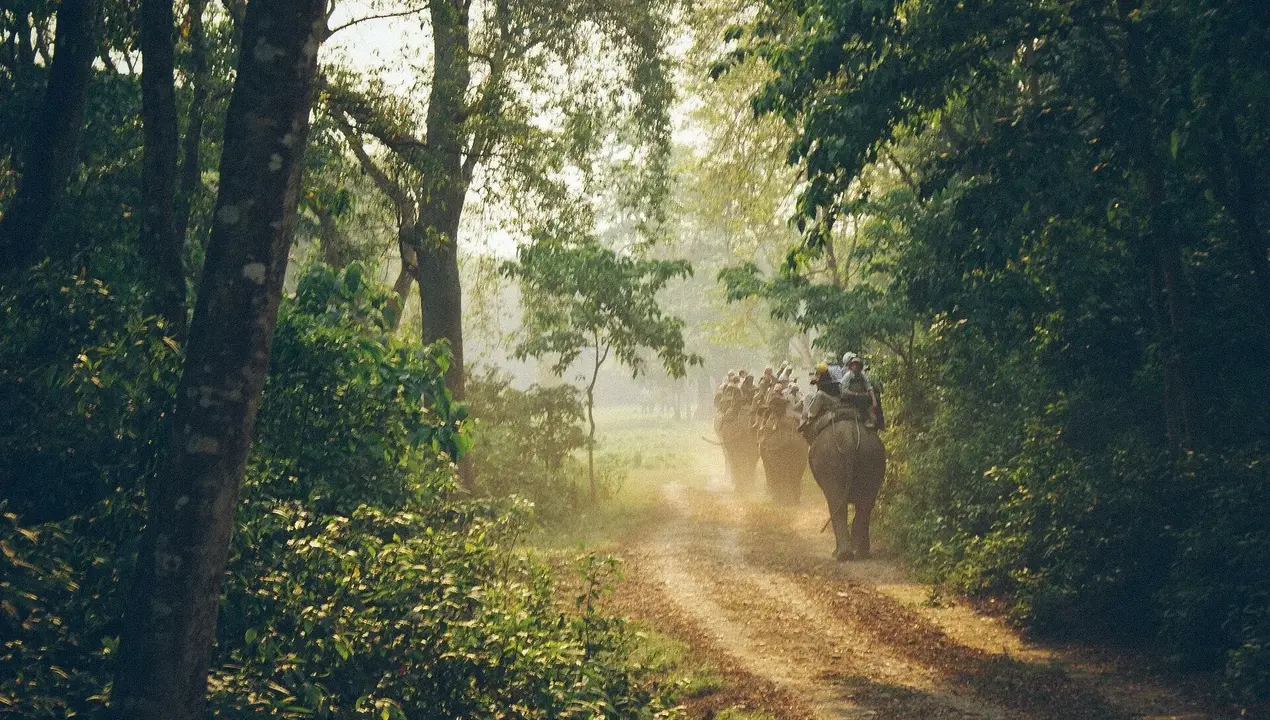
The Complete Chitwan Travel Circuit with Nepal Vehicle Hiring

Day-by-Day Suggested Chitwan Itinerary

For travellers combining Chitwan National Park with Kathmandu and Pokhara, a typical well-organised itinerary using Nepal Vehicle Hiring Pvt. Ltd. private vehicle services runs as follows. Days 1-2: Kathmandu arrival and sightseeing — Boudhanath, Pashupatinath, Swayambhunath, Patan, and the Bhaktapur Durbar Square day tour with Nagarkot sunrise.

Day 3: Kathmandu to Pokhara private transfer on the Prithvi Highway. Days 4-5: Pokhara sightseeing and car hire — Sarangkot sunrise, Phewa Lake, Annapurna helicopter tour. Day 6: Pokhara to Chitwan private vehicle transfer.

Days 7-9: Chitwan safari — jeep game drives, canoe trip, jungle walk, Tharu cultural evening. Day 10: Chitwan to Kathmandu private jeep transfer on the Prithvi Highway. Day 11: Kathmandu departure transfer to Tribhuvan Airport.

Nepal Vehicle Hiring Pvt. Ltd. organises every transport leg via WhatsApp.

Combining Chitwan with Lumbini — The Sacred and Natural Circuit

An extended southern Nepal circuit adds Lumbini—the birthplace of the Buddha and one of Asia’s most significant Buddhist pilgrimage sites—to the Chitwan wildlife experience, connected by the Lumbini to Chitwan car service on the East-West Highway. Travellers entering Nepal from India at the Sunauli border can use the Sunauli to Pokhara car service as their entry point, then complete the full Nepal circuit before returning to Kathmandu by private jeep from Chitwan.

Lumbini’s sacred tranquillity, Chitwan’s wildlife drama, and Kathmandu’s heritage richness combine to create a Nepal journey of extraordinary experiential breadth—entirely organised through Nepal Vehicle Hiring Pvt. Ltd. at transparent, all-inclusive pricing.

Nepal Vehicle Hiring Pvt. Ltd. — Chitwan Transport Specialist

Nepal Vehicle Hiring Pvt. Ltd. has extensive specific experience on the Chitwan transport corridor — the Kathmandu to Chitwan transfer, the Chitwan to Kathmandu private jeep) and the Lumbini to Chitwan car service) are among the company’s highest-volume routes. This volume means that the drivers covering these routes have deep familiarity with the current road conditions, the best rest stops, the optimal departure timings for different seasons, and the practical details of the Sauraha hotel pickup) that make the service genuinely smooth.

The Chitwan to Kathmandu transfer from Nepal Vehicle Hiring Pvt. Ltd.) is not a generic taxi service organised on arrival — it is a professional transport service with route-specific expertise, transparent pricing, and 24-hour support on WhatsApp that ensures every booking is confirmed, every departure is on time, and every passenger arrives at their Kathmandu) hotel comfortable, on schedule, and ready for the next chapter of their Nepal journey.

Chitwan to Kathmandu Private Jeep

Frequently Asked Questions — Chitwan to Kathmandu Private Jeep

Q: What is the best price for Chitwan to Kathmandu private jeep?

The best all-inclusive private jeep price from Chitwan to Kathmandu is NPR 26,000 for a sedan or SUV (3-4 passengers) and NPR 12,000 to 30,000 for a Toyota Fortuner 4WD (up to 6 passengers) Nepal Vehicle Hiring Pvt. Ltd.). These prices include driver, fuel, tolls, and hotel-to-hotel door service with no hidden charges.

Q: How long does it take to drive from Chitwan to Kathmandu?

The Chitwan to Kathmandu drive) takes 4 to 5 hours) by private vehicle via the Prithvi Highway — approximately 155 to 165 km from Sauraha to Thamel. The public bus takes 6 to 8 hours with stops and connections. Departing Sauraha between 6:00 and 7:00d AM, you arrive in Kathmandu between 11:00 AM and 12:000 noon.

Q: Is 4WD necessary for Chitwan to Kathmandu?

No — the Chitwan to Kathmandu route) via the Prithvi Highway is fully paved and does not require 4WD capability. A standard sedan or SUV is entirely appropriate. We recommend a Fortuner 4WD for groups of 5 to 6 passengers, as it offers extra space, comfort, and stability on the highway.

Q: Can I book a day Chitwan to Kathmandu transfer?

Yes — Nepal Vehicle Hiring Pvt. Ltd. accepts same-day bookings subject to vehicle availability. Contact WhatsApp via WhatsApp as early as possible to arrange same-day travel. For peak October and November season, 3 to 7 days’ booking) is recommended to secure the preferred vehicle type.

Q: Does Nepal Vehicle Hiring Pvt. Ltd. also do the reverse Kathmandu to Chitwan?

Yes — the Kathmandu to Chitwan private vehicle transfer) is available at the same all-inclusive transparent rates as the return journey. Many travellers book both the outward and return transfers simultaneously with Nepal Vehicle Hiring Pvt. Ltd. for the complete Chitwan wildlife circuit. Contact WhatsApp for Kathmandu to Chitwan pricing.

Conclusion: Start Your Nepal Return Journey Right

The Chitwan to Kathmandu private jeep transfer) from Nepal Vehicle Hiring Pvt. Ltd. is the best way to travel from Nepal’s finest wildlife destination to its heritage capital—comfortable, direct, door-to-hotel, and at the best available price for a fully professional private vehicle service. The Prithvi Highway) journey through the Trishuli River gorge) is genuinely scenic; the Mugling curd stop) is a highlight in its own right, and the delivery to the Thamel hotel) in time for an afternoon of Kathmandu sightseeing) makes the most of every Nepal travel day.
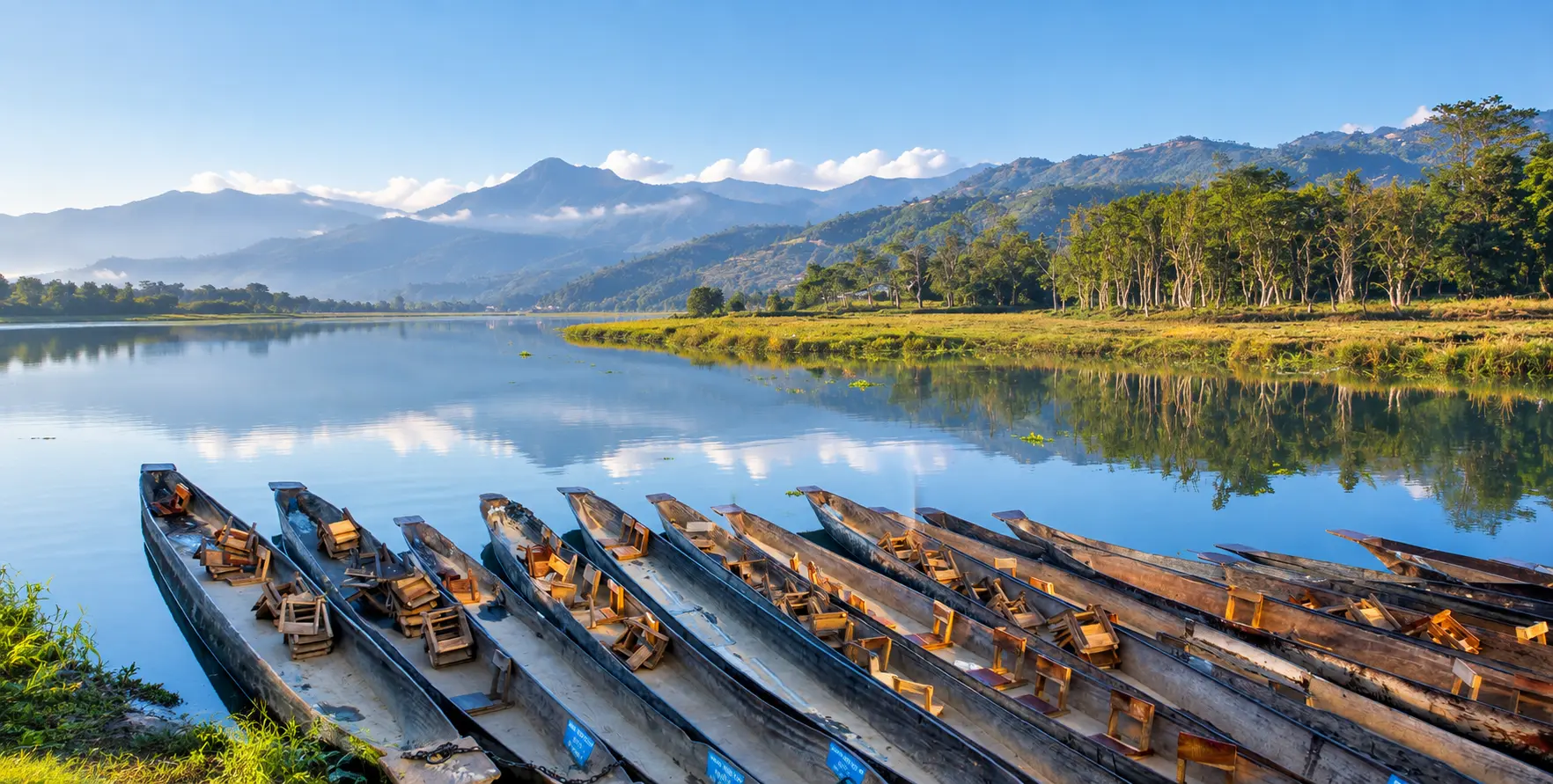
Book the Chitwan to Kathmandu private jeep) from Nepal Vehicle Hiring Pvt. Ltd.) on WhatsApp via WhatsApp or at vehiclehiringnepal.com. With 8,000+ satisfied customers, a 5.0 TripAdvisor rating from 200+ verified five-star reviews, and Company Registration No. 219204, Nepal Vehicle Hiring Pvt. Ltd. delivers the most trusted private vehicle hire service in Nepal — from Chitwan to Kathmandu) and every destination in between.

Chitwan to Kathmandu Private JeepThe Prithvi Highway — Nepal’s Finest Road Journey

A Highway Worth Experiencing

The Prithvi Highway between the Narayanghat junction and Kathmandu is not merely a transport corridor—it is one of Nepal’s finest scenic road experiences in its own right, and the Chitwan to Kathmandu private jeep journey offers the most comfortable way to experience it. The highway’s route through the Trishuli River gorge — where the road was cut from the gorge walls above the rushing river — offers a succession of viewpoints, river crossings, and landscape transitions that reveal Nepal’s extraordinary topographic character over 120 km of genuinely engaging road.

The Nepal Vehicle Hiring Pvt. Ltd. driver who regularly covers this route will point out the finest viewpoints and slow for photography :

The Trishuli River rapids visible below the road in the gorge section, the river beaches where local communities picnic on dry-season weekends, and the dramatic Naubise Valley, where the road begins its switchback climb to the Kathmandu Valley rim. For travellers making this journey for the first time, the Prithvi Highway is a genuine surprise — far more scenically rewarding than a simple highway transit suggests.

The Mugling junction rest stop at the halfway point deserves a few additional words — it is one of Nepal’s most characterful roadside pit stops, a cluster of riverside restaurants serving Nepali and simple Indian food alongside the famous Mugling curd. The curd is served in small earthenware pots with sugar on the side, and the experience of eating fresh, thick buffalo curd at a riverside table in the Trishuli valley — with the river rushing past, the forested hills above, and the Prithvi Highway traffic creating the ambient soundtrack of Nepal in motion —

is genuinely one of the small pleasures that make Nepal travel distinctive. Most Nepal Vehicle Hiring Pvt. Ltd. drivers are enthusiastic about the Mugling curd stop and will recommend their preferred restaurant—a small but genuinely appreciated local-knowledge benefit that comes with private vehicle service.
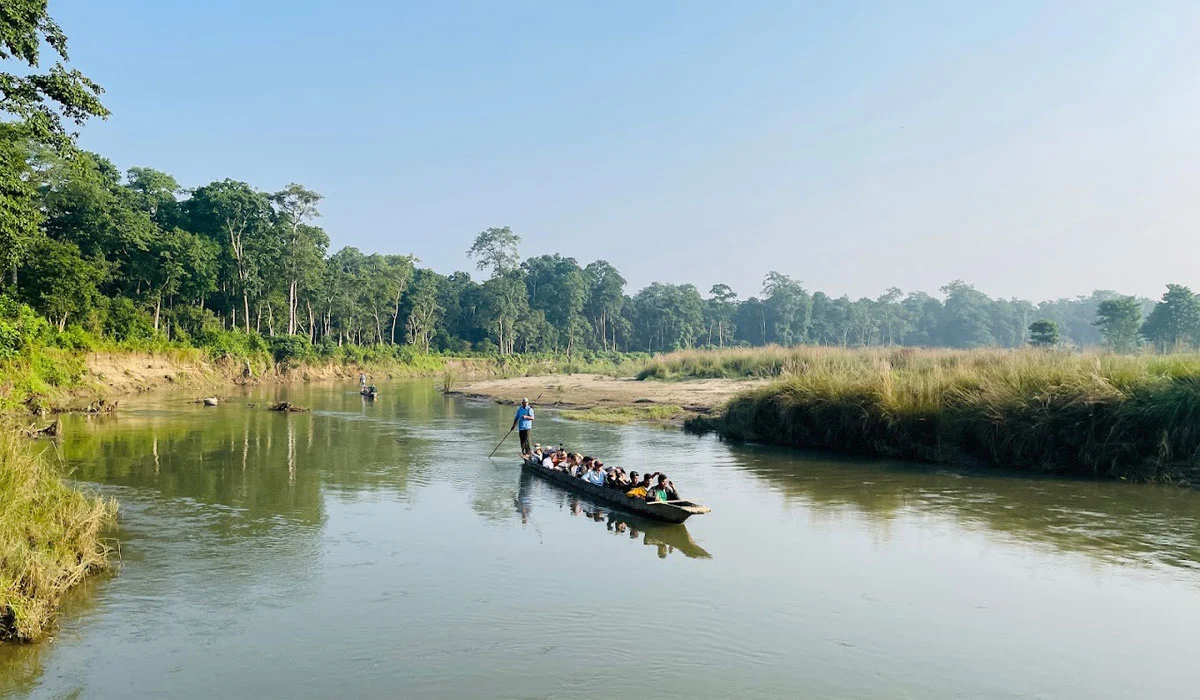
Seasonal Conditions on the Prithvi Highway

The Prithvi Highway is Nepal’s most reliably maintained road and remains passable year-round in all weather conditions for standard vehicles. The monsoon season from June to September brings the highest risk of minor delays—the gorge hillsides occasionally shed small landslide debris onto the road that requires clearing, and the river rises dramatically, occasionally coming close to road level at the lowest points of the gorge section.

The October to May dry season delivers the most reliable and most comfortable Prithvi Highway conditions — firm road surfaces, clear skies, and the autumn and spring light that makes the gorge landscape at its most vivid.

The Chitwan to Kathmandu private jeep transfer is available year-round through Nepal Vehicle Hiring Pvt. Ltd. — the team assesses current road conditions before each departure and communicates any timing adjustments via WhatsApp.

Kathmandu to Chitwan Tour Package: Complete Travel Guide

Chitwan Wildlife — Making the Most of Your Visit

Chitwan Safari Activities Before the Return Transfer

The Chitwan National Park safari is most rewarding over 2 to 3 nights in Sauraha—long enough to complete the core activities that make Chitwan one of Asia’s finest wildlife destinations. The morning jeep safari into the park is the primary rhino and tiger activity — the 5:30 to 6:00 AM departure catches the early morning animal movement patterns when large mammals are most active.

The afternoon jungle walk with a licensed naturalist guide delivers the ground-level forest experience — birdlife, smaller mammals, and the extraordinary atmosphere of walking through primary jungle with the knowledge that the wildlife is genuine and present.

The Rapti River canoe trip — floating silently downstream in a dugout canoe while gharials bask on the sandy banks and kingfishers flash across the water — is Chitwan’s most peaceful and most photogenic activity. The elephant breeding centre visit offers close access to Chitwan’s working elephants and their calves—a genuinely moving encounter with the world’s most intelligent land animal in a conservation context.

The Tharu cultural programme — an evening of traditional music, stick dance, and cultural storytelling from the indigenous Tharu community — provides the human context that enriches the wildlife experience and connects the modern safari to the ancient relationship between the Tharu people and the Chitwan forest. After 2 to 3 nights absorbing all of this, the Chitwan to Kathmandu private jeep departure the following morning feels like the right transition — from the jungle’s extraordinary living richness to the human richness of Kathmandu’s seven centuries of heritage architecture.

Chitwan to Kathmandu — The Complete Nepal Southern Circuit

The Chitwan to Kathmandu private jeep transfer is most commonly the final leg of the Nepal Southern Circuit. This route combines the Buddhist pilgrimage to Lumbini, the wildlife safari in Chitwan National Park, and the heritage sightseeing in Kathmandu in a single journey of extraordinary diversity. The complete circuit is organised by Nepal Vehicle Hiring Pvt. Ltd. as follows: Kathmandu airport pickup) on arrival, Kathmandu sightseeing tour) Days 1 to 2, Kathmandu to Lumbini private vehicle transfer) Day 3: Lumbini sacred garden visit; Day 4: Lumbini to Chitwan car service) Day 5: Chitwan safari.

Days 6 to 8: Chitwan to Kathmandu private jeep transfer) Day 9: International departure from Tribhuvan Airport. All transfers through one trusted provider, with transparent, all-inclusive pricing, confirmed via WhatsApp.

Understanding the Best Price for Chitwan to Kathmandu

What Makes a Price ‘Best’ — Beyond the Number

When travellers search for the best price for a Chitwan to Kathmandu private jeep, they are typically comparing quoted rates between operators — a legitimate price comparison that has a clear answer (Nepal Vehicle Hiring Pvt. Ltd.‘s NPR 10,000 to 26,000 for a sedan is among the most competitive available) but that misses the most important dimension of the value question. The true best price is not the lowest number — it is the lowest price for the specific service quality, accountability, and reliability that makes the transfer actually work the way you need it to.

An operator offering NPR 8,000 for the same route who arrives 45 minutes late, uses a poorly maintained vehicle, charges an unexpected NPR 500 luggage fee at the Kathmandu destination, and is uncontactable when the departure time changes — is not offering a better price than Nepal Vehicle Hiring Pvt. Ltd.‘s NPR 10,000 to 26,000 that includes on-time pickup, a maintained vehicle, all-inclusive pricing with no destination surprises, and 24-hour support on WhatsApp).

The total value—price, quality, reliability, accountability, and convenience—is the best measure of price. On this measure, the Nepal Vehicle Hiring Pvt. Ltd. Chitwan to Kathmandu transfer is consistently the best option on the route.

Why Nepal Vehicle Hiring Pvt. Ltd. Offers the Best Value

Nepal Vehicle Hiring Pvt. Ltd.‘s best-value position on the Chitwan to Kathmandu transfer rests on five specific advantages that are difficult for informal operators to match: transparency (the quoted price is the complete price — no additions at destination), reliability (the driver arrives at the agreed time, the vehicle is the type booked), accountability (registered company, Reg. No. 219204, with documented 8,000+ customer track record and 5.0 TripAdvisor rating), communication (24-hour WhatsApp for booking, coordination, and in-journey support), and completeness (the same company covers every Nepal transport need — from the Chitwan to Kathmandu jeep transfer to the subsequent Kathmandu sightseeing tour), Bhaktapur day tour), and departure airport transfer — through a single trusted relationship). Book at vehiclehiringnepal.com or WhatsApp.

Pokhara to Lumbini Private Vehicle

lubini

Pokhara to Lumbini Private Vehicle — Quick Reference

Distance: Pokhara to Lumbini — approximately 200-210 km via Siddhartha Highway and East-West Highway
Journey Time: 4.5 to 6 hours by private vehicle (sedan or SUV — no 4WD required)
Route: Pokhara → Waling → Palpa/Tansen → Butwal → East-West Highway → Lumbini
Vehicle: Sedan, SUV or 4WD — comfortable on paved highway, 4WD optional
Price: NPR 12,000-16,000 all-inclusive (Pokhara to Lumbini, sedan/SUV)
Lumbini: Birthplace of Siddhartha Gautama (the Buddha) — UNESCO World Heritage Site
Sacred Site: Maya Devi Temple, Sacred Garden, International Monastery Zone
Book: Nepal Vehicle Hiring Pvt. Ltd. | WhatsApp | vehiclehiringnepal.com

Introduction: Pokhara to Lumbini by Private Vehicle

The Pokhara to Lumbini private vehicle hire connects Nepal’s mountain lake city with one of Buddhism’s most sacred sites—the birthplace of Siddhartha Gautama, the historical Buddha —in the serene Terai lowland gardens of Lumbini.

The route covers about 200 to 210 km via the Siddhartha Highway through the historically significant Palpa hills—passing through Waling, Tansen (Palpa), and Butwal — before joining the East-West Highway and heading west to Lumbini.

The journey takes 4.5 to 6 hours in a comfortable private vehicle, taking travellers from Pokhara’s Annapurna backdrop to Lumbini’s sacred gardens in a single half-day transfer.

This guide covers the Pokhara to Lumbini private vehicle route in complete detail — the road character, the journey highlights, the pricing for different vehicle types, and what is included.

Nepal Vehicle Hiring Pvt. Ltd. offers all-inclusive pricing and guidance on combining the Lumbini pilgrimage with the broader Nepal circuit, including Chitwan National Park, Kathmandu, and the Pokhara Annapurna region, making Nepal one of the world’s most complete pilgrimage and adventure travel destinations.

Pokhara to Lumbini Private Vehicle Hire

The Route: Pokhara to Lumbini via Siddhartha Highway

Pokhara to Waling — The Western Hills Descent

The Pokhara to Lumbini private vehicle journey departs from Pokhara Lakeside and heads southwest on the Siddhartha Highway—Nepal’s major western mountain highway connecting Pokhara with Butwal and the Terai lowlands.

The initial section through Waling and the Syangja District descends through pleasant hill country — the western Nepal landscape of terraced rice fields, mixed forest, and the characteristic hilltop village architecture that differs subtly from the busier eastern Nepal hill country.

Near Ramdi, the Kali Gandaki River is crossed—a bridge point that offers a brief glimpse of the same river the Pokhara to Muktinath private jeep route follows northward through the famous gorge.

Tansen (Palpa) — The Historic Hill Town

Tansen — the main town of Palpa District — is the most significant cultural stop on the Pokhara to Lumbini route and deserves a 45 to 60 minute exploration on the journey if the schedule allows.

Tansen is one of Nepal’s finest traditional hill towns — a compact Newari trading centre at 1,370 m that was historically one of western Nepal’s most prosperous commercial hubs, known for its dhaka fabric (a distinctive hand-woven cotton textile in geometric patterns unique to Palpa), its metalwork (particularly the brass water pots called dhungedhara) that have been crafted here for centuries, and its beautifully preserved Newari architecture.

The Tansen Durbar — the former palace of the Sen kings of Palpa — and the surrounding temple quarter create a heritage townscape of genuine quality that is far less visited than the Kathmandu Valley heritage sites but equally rewarding for travellers interested in Nepal’s traditional urban character.

The Nepal Vehicle Hiring Pvt. Ltd. driver will accommodate a Tansen stop on the Pokhara to Lumbini private vehicle transfer—the detour into the town centre adds about 30 minutes to the journey and offers the most culturally enriching optional stop on the route. Confirm the Tansen stop request at the time of booking via WhatsApp.

Tansen to Butwal — The Hill Descent to the Terai

The descent from Tansen to Butwal on the Siddhartha Highway is one of the route’s most scenic sections—a series of switchbacks that drop from the Palpa plateau to the Terai floodplain, with views across the lowlands to the Indian border and, on clear days, to the Annapurna range.

Butwal, at the foot of the hills, is Rupandehi District’s main commercial centre and the junction where the Siddhartha Highway meets the East-West Highway (Mahendra Highway), which runs across Nepal’s entire Terai lowland.

Butwal is a busy market city with a straightforward urban character—the Nepal Vehicle Hiring Pvt. Ltd. driver navigates Butwal traffic efficiently and joins the East-West Highway westward without delay.

Butwal to Lumbini — The Terai Final Approach

From Butwal, the Pokhara to Lumbini private vehicle transfer continues west on the flat, fast East-West Highway for approximately 22 km to Bhairahawa (also called Siddharthanagar) — the main city of the Rupandehi District — and then south another 20 to 22 km to the Lumbini Sacred Garden) entrance.

The final approach to Lumbini passes through flat agricultural Terai countryside with the occasional glimpse of the Chure Hill to the north — the foothills that form the southern edge of the Himalayan system and the backdrop to the Lumbini pilgrimage landscape.

The Nepal Vehicle Hiring Pvt. Ltd. driver delivers directly to the hotel in the Lumbini hotel zone) adjacent to the Sacred Garden — door-to-hotel, all-inclusive.

Kathmandu to Lumbini
Best time to visit lumbini

Lumbini — The Sacred Garden of the Buddha’s Birth

The Historical and Archaeological Significance

Lumbini is one of the world’s most significant archaeological and religious sites — the confirmed birthplace of Siddhartha Gautama, who became the historical Buddha) after achieving enlightenment under the Bodhi tree at Bodh Gaya in India.

The site was identified in 1896 when the Ashoka pillar) — erected by the Mauryan Emperor Ashoka during his pilgrimage to Lumbini around 249 BCE — was discovered bearing an inscription confirming the site as the birthplace of the Buddha.

The Ashoka pillar remains in situ in the Sacred Garden, its inscription still legible after more than two millennia—one of the most direct connections to the historical period of the Buddha’s life at any South Asian sacred site.

The Maya Devi Temple) — built over the original nativity site where Queen Maya Devi is said to have given birth to the future Buddha while grasping the branch of a sala tree — is the spiritual focal point of the entire Lumbini Sacred Garden complex.

The temple contains the Nativity Sculpture) — a bas-relief showing Queen Maya Devi holding the sala tree branch while the infant Siddhartha stands beside her — and the sacred pond) (Puskarni) where the newborn was bathed, and his mother purified after the birth.

The Pokhara to Lumbini private vehicle transfer) from Nepal Vehicle Hiring Pvt. Ltd.) delivers pilgrims and visitors directly to this sacred heart of the Buddhist world.

The International Monastery Zone

Beyond the Sacred Garden, Lumbini’s extraordinary contemporary character is defined by the International Monastery Zone) — a planned area of approximately 25 square kilometres where Buddhist nations and organisations from across the world have constructed their own temples, monasteries, and pilgrimage facilities in the architectural traditions of their home countries.

The result is one of the world’s most remarkable concentrations of Buddhist architecture — Myanmar’s golden pagoda, Thailand’s white wat-style temple, China’s ornate Han Buddhist monastery, Korea’s Haedong Yonggungsa-inspired structure, Japan’s Peace Pagoda, Sri Lanka’s painted white stupa, and dozens of other national temples — all arranged in a planned garden setting that creates an unparalleled international Buddhist pilgrimage landscape.

Exploring the International Monastery Zone requires either walking (the distances between temples are substantial — 2 to 4 km across the zone) or a bicycle or electric vehicle hire available within the zone.

The Nepal Vehicle Hiring Pvt. Ltd. driver will drop you at the Lumbini hotel and can coordinate a pick-up from the Sacred Garden entrance at the end of the exploration day — the private vehicle serves as the transport to and from the site w. In contrast, internal exploration uses the zone’s own mobility options.

Lumbini Archaeology — The Ongoing Discovery

Lumbini continues to yield archaeological discoveries — excavations by the Lumbini Development Trust, in collaboration with international research institutions, have progressively revealed layers of occupation and pilgrimage activity dating from the Ashokan period through the Gupta and later Hindu and Buddhist periods.

The 2013 discovery of a brick structure beneath the Maya Devi Temple, predating the Ashokan period, was one of the most significant archaeological finds at any Buddhist site in decades—a tree shrine dating to approximately the 6th century BCE that provides the earliest physical evidence consistent with the traditional Buddha birth date.

The Lumbini Museum) within the Sacred Garden complex presents the most current archaeological findings and provides the historical context that transforms a visit to the pilgrimage site from a purely devotional experience into a genuinely illuminating historical encounter. We strongly recommend visiting the museum for all visitors taking the Pokhara to Lumbini private vehicle transfer.

Lumbini temple

Pokhara to Lumbini Private Vehicle Price

Standard Pricing — All-Inclusive

The Pokhara to Lumbini private vehicle hire) from Nepal Vehicle Hiring Pvt. Ltd. is priced at US$185 all-inclusive) for the full vehicle — driver, fuel, tolls, and hotel-to-hotel door service from Pokhara Lakeside to the Lumbini hotel zone.

The route does not require 4WD — the Siddhartha Highway and East-West Highway are both paved and in good condition, and a standard sedan or SUV completes the journey comfortably.

Sedan/SUV (3-4 passengers):) NPR 12,000-26,000 all-inclusive. The standard option for couples and small groups.

Toyota Fortuner 4WD (up to 5 passengers):) NPR 14,000-40,000. Recommended for groups of 5 or for those carrying substantial pilgrimage luggage — the Fortuner’s boot capacity is significantly larger than a standard sedan.

Hiace Van (up to 14 passengers):) NPR 18,000-35,000. For pilgrimage groups, the Hiace van offers the most economical per-person rate for the Pokhara-to-Lumbini pilgrimage transfer.

All prices are all-inclusive — no fuel surcharges, no toll additions, no luggage fees. Contact Nepal Vehicle Hiring Pvt. Ltd. on WhatsApp for current rates and availability.

Comparing Private Vehicle with Public Transport

The Pokhara to Lumbini public bus route is a multi-stage journey that involves a bus or shared vehicle from Pokhara to Butwal (4 to 5 hours), and then a local connection from Butwal to Bhairahawa and Lumbini (1 to 1.5 hours) — total effective journey time of 6 to 8 hours including waiting for connections.

The per-person public transport fare is NPR 600 to 900 from Pokhara to Butwal and an additional NPR 100 to 200 for the Butwal-Lumbini section.

For groups of 4 to 6 sharing a Nepal Vehicle Hiring Pvt. Ltd.) private vehicle, the per-person cost of NPR 2,000 to 4,000 includes door-to-hotel service, 1.5 to 2.5 hours of saved travel time, luggage in the boot, and the flexibility to stop at Tansen or the Ramdi bridge viewpoint—advantages the public transport alternative cannot provide.

Best Time for the Pokhara to Lumbini Journey

Year-Round Accessibility

The Pokhara to Lumbini private vehicle route) via the Siddhartha Highway is accessible year-round — the highway is paved throughout and does not face the landslide risk of the higher mountain roads.

The monsoon season) (June to September) produces some road disruption on the Siddhartha Highway’s hill sections between Waling and Tansen, but the main Pokhara to Butwal to Lumbini route remains reliable throughout the year.

The October to April dry season) delivers the most comfortable travel conditions — clear skies, firm road surfaces, and the pleasant cool of the Palpa hills in winter. For Buddhist pilgrims) the most auspicious visiting times include Buddha Purnima) (the full moon of Vaisakha month, typically May)

The largest annual pilgrimage gathering at Lumbini draws thousands of devotees from across the Buddhist world to the birthplace on the day commemorating the Buddha’s birth, enlightenment, and parinirvana.

Pokhara Weather vs Lumbini Climate

Pokhara) at 827 m and Lumbini) at approximately 100 m altitude occupy very different climate zones — the Lumbini Terai lowland is significantly hotter than Pokhara in summer (April to June temperatures regularly exceeding 35°C) and similarly cold in winter (December and January night temperatures dropping to 5 to 8°C).

Travellers planning the Pokhara to Lumbini private vehicle transfer) should pack for the Lumbini climate specifically — lighter and more breathable clothing for summer visits, warmer layers for December to January pilgrimages when the early morning Sacred Garden visit can be genuinely cold.

Combining Pokhara to Lumbini with the Nepal Grand Circuit

The Kathmandu-Pokhara-Lumbini-Chitwan Circuit

The Pokhara to Lumbini private vehicle transfer) is most naturally part of the Nepal southern circuit) — the route that combines Kathmandu) heritage sightseeing, Pokhara) and the Annapurna mountain experience, Lumbini) pilgrimage, and Chitwan National Park) wildlife safari.

A typical 10-day circuit: Kathmandu) arrival and Kathmandu sightseeing tour) Days 1 to 2, Kathmandu to Pokhara transfer) Day 3, Pokhara car hire) and Annapurna view; Day 4, Pokhara to Lumbini private vehicle) Day 5, Lumbini Sacred Garden visit; Day 6, Lumbini to Chitwan car service) Day 7, Chitwan safari; Days 8 to 9, Chitwan to Kathmandu private jeep) Day 10. All legs by Nepal Vehicle Hiring Pvt. Ltd.) — booked via WhatsApp.

Lumbini to Chitwan — The Natural Extension

The natural onward journey from Lumbini) is to Chitwan National Park) — the wildlife sanctuary that complements the sacred garden pilgrimage with Nepal’s most celebrated wildlife experience.

The Lumbini to Chitwan car service) from Nepal Vehicle Hiring Pvt. Ltd.) covers about 135 to 145 km on the East-West Highway in 3 to 4 hours—the flat Terai road connecting the birthplace of the Buddha with Chitwan’s rhinoceros and tiger habitat in a single, comfortable half-day transfer.

Lumbini and the India Border — Sunauli Connection

For pilgrims and travellers arriving in Nepal from India through the Sunauli-Belahiya border crossing) — the most commonly used overland India-Nepal border point for visitors from Varanasi, Gorakhpur, and the eastern Indian Buddhist circuit — Lumbini) is the nearest major Nepal destination.

The Sunauli border to Lumbini distance) is only 25 to 30 km — a 30 to 45 minute drive on the East-West Highway that Nepal Vehicle Hiring Pvt. Ltd. covers as part of the Sunauli to Pokhara car service) with a Lumbini detour on request.

Pilgrims who enter Nepal at Sunauli to complete the Indian Buddhist circuit — Kushinagar, Sarnath, Bodh Gaya in India, then crossing to Lumbini in Nepal — find the Nepal Vehicle Hiring Pvt. Ltd.) border-to-Lumbini service the most organised and most comfortable start to the Nepal pilgrimage leg.

Practical Information for the Pokhara to Lumbini Journey

What to Bring and Wear at Lumbini

  • Modest clothing — Lumbini is a sacred site; shoulders and knees should be covered for the Maya Devi Temple visit
  • Comfortable walking shoes — the Sacred Garden and International Monastery Zone involve significant walking distances
  • Water bottle — the Lumbini Terai is hot in warmer months; carry adequate hydration
  • Sun protection — UV intensity at the flat Terai site is significant in summer; hat and sunscreen recommended
  • Camera — the Maya Devi Temple, Ashoka Pillar, and International Monastery Zone are all highly photogenic
  • NPR cash for donations at the temple and monastery zone — many monasteries welcome small donations

Lumbini Entry and Guide Services

The Lumbini Sacred Garden) is open to all visitors and does not require an entry ticket for the general Sacred Garden areas — the Maya Devi Temple complex has a small entry fee for foreign nationals.

Licensed guides are available at the Sacred Garden entrance. They are strongly recommended for first-time visitors— a knowledgeable guide’s archaeological and historical context transforms the visual experience of the pilgrimage site into a genuine historical and spiritual encounter.

Guides are also available at the International Monastery Zone for tours of the different national temples—the Nepal Vehicle Hiring Pvt. Ltd. team can recommend licensed Lumbini guides when you book a private vehicle transfer. From Pokhara to Lumbini

Book Pokhara to Lumbini Private Vehicle — Nepal Vehicle Hiring Pvt. Ltd.
Website: www.vehiclehiringnepal.com
WhatsApp (24/7 — All Departure Times Available)
Email: vehiclehiringnepal.com
Office: Bhagawatisthan, Thamel, Kathmandu, Nepal
Sedan/SUV (3-4 pax): NPR 12,000-26,000 | Fortuner 4WD (5 pax): NPR 14,000-40,000
Hiace Van (up to 14 pax): NPR 18,000-35,000 | All-Inclusive, No Hidden Charges
Optional Tansen heritage stop | Hotel-to-hotel door service | Lumbini zone delivery
Lumbini to Chitwan | Sunauli Border to Lumbini | All Terai Connections Available
8,000+ Customers | 5.0 TripAdvisor | 200+ Verified Reviews | Reg. No. 219204
Best Price Guaranteed | Licensed & Registered | Transparent All-Inclusive Pricing

The Siddhartha Highway — History and Character

The Siddhartha Highway, connecting Pokhara with Butwal, is one of Nepal’s most historically significant road corridors—named after Siddhartha Gautama, the historical Buddha born at Lumbini, just south of Butwal, making it the road to the Buddha’s birthplace.

The highway’s route through the Palpa hills creates a genuinely scenic journey—terraced hillsides, mixed hardwood forests, the river crossing at Ramdi, and the dramatic descent from the Palpa plateau to the Terai plains at Butwal make for a road journey that rewards attentive observation.

Nepal Vehicle Hiring Pvt. Ltd. always uses the Siddhartha Highway for the Pokhara to Lumbini private vehicle transfer — contact WhatsApp to confirm routing preferences at booking.

The Siddhartha Highway’s most significant scenic feature is the Palpa-Butwal descent — a series of switchbacks descending from the 1,370 m Palpa plateau to the flat Terai floor at approximately 100 m.

On clear days, the descent road offers panoramic views of the full Terai plain stretching south to the Indian border, with the Annapurna-Dhaulagiri massif visible to the north. This composition places Lumbini in its extraordinary geographical context: the sacred birthplace at the foot of the world’s highest mountains.

The Nepal Vehicle Hiring Pvt. Ltd. driver will point out the best viewpoints along the descent road for passengers who want to photograph this unique mountain-to-Terai panorama.

Buddhist Sacred Sites Near Lumbini

Kapilavastu — Where the Young Siddhartha Grew Up

Approximately 25 km west of Lumbini at Tilaurakot lies the most plausible candidate for ancient Kapilavastu — the Shakya kingdom where Siddhartha Gautama grew up after his birth in the Lumbini garden.

The Tilaurakot archaeological site has revealed foundations of an ancient palace complex where Siddhartha lived until his departure as a wandering ascetic at 29.

The site includes the famous east and west gates through which the young Siddhartha made his ‘four encounters’ with old age, sickness, death, and a wandering monk—the encounters that led him to renounce palace life and begin his spiritual journey.

Combining a Tilaurakot visit with the Lumbini Sacred Garden creates the most complete engagement with the geography of the Buddha’s early life.

The Nepal Vehicle Hiring Pvt. Ltd. private vehicle can include a Tilaurakot extension on the Lumbini day itinerary — request this at booking via WhatsApp.

Ramagrama Stupa — The Untouched Buddha Relic

The Ramagrama Stupa — located approximately 35 km east of Lumbini near Parasi in Nawalparasi District — is considered the only original Buddha relic stupa in the world that remains unexcavated and undisturbed.

According to tradition, the Ramagrama Stupa contains a portion of the Buddha’s physical remains (relics) from the original distribution after his parinirvana — protected from excavation by the legendary defence of Nagas (serpent deities) who guard the relics.

The stupa is an earthen mound about 11 m high beside the Jharahi River—modest in appearance but extraordinary in historical and spiritual significance.

Visiting Ramagrama alongside the Lumbini Sacred Garden offers one of Nepal’s most complete Buddhist archaeological experiences. Nepal Vehicle Hiring Pvt. Ltd. can arrange the Ramagrama extension from the Lumbini base — ask the team on WhatsApp about a combined Lumbini-Ramagrama itinerary.

Lumbini Development and UNESCO Heritage Status

UNESCO World Heritage Recognition

Lumbini was inscribed as a UNESCO World Heritage Site in 1997 under criteria of authenticity and historical significance—meeting the World Heritage criteria as an outstanding universal value for its association with the life of the historical Buddha and its exceptional archaeological integrity.

The inscription has significantly increased international awareness and visitation to Lumbini, driving investment in the site’s conservation, interpretation, and visitor infrastructure.

The Lumbini Development Trust — the government body responsible for site management — has progressively implemented the Kenzo Tange master plan and now manages one of South Asia’s most professionally presented UNESCO heritage sites.

The Pokhara-to-Lumbini private vehicle transfer from Nepal Vehicle Hiring Pvt. Ltd. takes visitors to a site of genuine international heritage significance that rewards careful, unhurried exploration— and the private vehicle’s flexible timing allows precisely that.

The Peace Dham — International Meditation Centre

The Lumbini Peace Dham — the international meditation centre adjacent to the Sacred Garden — provides the infrastructure for visitors who wish to extend their Lumbini engagement from a day visit to a sustained meditation retreat.

The centre offers accommodation and meditation facilities for practitioners from any tradition seeking to deepen their practice in the Buddha’s birthplace environment.

For travellers who arrive in Lumbini with the Nepal Vehicle Hiring Pvt. Ltd. Pokhara to Lumbini private vehicle transfer and then spend multiple nights at the Peace Dham before continuing to Chitwan or Kathmandu, the Nepal Vehicle Hiring Pvt. Ltd.

You can book an onward private vehicle on the day of departure, regardless of when it occurs—the 24-hour line on WhatsApp handles same-day and next-day vehicle requests from the Lumbini area.

Pokhara to Lumbini: Practical Departure Guide

The optimal departure time for the Pokhara to Lumbini private vehicle transfer from Nepal Vehicle Hiring Pvt. Ltd. is 7:00 to 8:00 AM from Pokhara Lakeside.

This departure timing reaches Tansen by 10:00 to 10:30 AM — optimal for the Tansen market and heritage exploration in the morning calm before midday heat.

Arrive in Lumbini at 1:00 to 2:00 PM and spend the afternoon visiting the Maya Devi Temple and Sacred Garden in the cooler late-afternoon light—the best time for photography at the sacred site and the most comfortable time for walking the garden in the summer and monsoon seasons.

The Nepal Vehicle Hiring Pvt. Ltd. driver picks you up from your Pokhara hotel at the agreed time—the team’s 24-hour line on WhatsApp handles all early-morning departure arrangements.

What to Arrange in Advance

  • Book the Pokhara to Lumbini private vehicle with Nepal Vehicle Hiring Pvt. Ltd. on WhatsApp  or vehiclehiringnepal.com — at least 2-3 days before departure.
  • Specify Tansen stop preference at booking — the driver adds 30-45 minutes for Tansen exploration.
  • Book a Lumbini hotel in advance — the hotel zone fills quickly during Buddhist pilgrimage seasons and international monastery retreats.
  • Arrange an onward transfer (Lumbini to Chitwan or Lumbini to Kathmandu) in advance through Nepal Vehicle Hiring Pvt. Ltd.
  • Bring a licensed Lumbini guide from the site guide service at the Sacred Garden entrance — strongly recommended for first-time visitors.
  • Carry NPR cash for the Maya Devi Temple entry fee, monastery donation boxes, and small purchases in the International Monastery Zone.

Planning Your Lumbini Pilgrimage Visit

How Much Time to Spend at Lumbini

Most visitors on the Pokhara to Lumbini private vehicle transfer allocate one full day at Lumbini — arriving in the early afternoon after the Pokhara departure, spending the late afternoon at the Maya Devi Temple and Sacred Garden, and then dedicating the following morning to the International Monastery Zone before the onward Lumbini to Chitwan car service departure.

This two-half-day structure allows ample time for both archaeological exploration of the Sacred Garden and a substantial tour of the International Monastery Zone, without rushing either experience.

For dedicated pilgrims who want to complete the full spiritual programme—the 108 water spout circuit, dawn puja at the Maya Devi Temple, meditation in the monastery gardens, and a Kapilavastu Tilaurakot day excursion—two full days in Lumbini is the minimum.

Three nights in Lumbini allow a full sacred-site experience at an unhurried pace, including a complete circumambulation of all major international monastery temples and a peaceful sunrise at the Sacred Garden when the site is empty of day visitors.

Nepal Vehicle Hiring Pvt. Ltd. coordinates the departure transfer on the day the pilgrim is ready; the flexible booking system accommodates itinerary adjustments via WhatsApp.

Lumbini for Different Types of Visitors

For Buddhist pilgrims: The Maya Devi Temple and 108 water spouts are the primary devotional focus. Allow a full day minimum. Consider the Kapilavastu Tilaurakot extension.

Stay overnight in the monastery zone guesthouses for the full contemplative experience. Arrive by private vehicle from Pokhara via Nepal Vehicle Hiring Pvt. Ltd. for the most organised, comfortable pilgrimage experience.

For heritage tourists: The UNESCO archaeological layers — the Ashokan pillar, the Maya Devi Temple excavation, and the Nativity Sculpture — combined with the international monastery architectural tour create one of South Asia’s richest heritage days.

The Lumbini Museum provides essential historical context. The private vehicle from Pokhara allows flexible timing for thorough exploration of both the Sacred Garden and the monastery zone.

For cultural travellers: The combination of the ancient pilgrimage site with the contemporary international monastery architecture creates a uniquely layered cultural experience — the world’s Buddhist traditions represented in their own architectural voices within a single planned landscape.

Adding the Tansen heritage stop on the Siddhartha Highway adds cultural richness to the journey. Book a private vehicle from Pokhara to Lumbini with a Tansen stop via WhatsApp.

For family travellers: The Sacred Garden’s peaceful park setting, the gentle walking distances within the main complex, and the visual interest of the international monastery architecture make Lumbini genuinely accessible and engaging for children.

The flat Terai terrain makes walking easy. A private vehicle from Pokhara accommodates the family’s timing—rest stops on the journey, child seats on request, and the flexible arrival timing that private transport uniquely enables.

Pokhara vs Kathmandu — Which Base for Lumbini?

Comparing Approach Routes

Travellers with flexible Nepal itineraries can choose to approach Lumbini from Pokhara or Kathmandu. The Pokhara to Lumbini private vehicle transfer covers about 200 to 210 km and takes 4.5 to 6 hours, including the scenic Siddhartha Highway and a Tansen heritage stop.

The Kathmandu-to-Lumbini private vehicle transfer covers about 280 km and takes 6 to 7 hours, via the Prithvi Highway to Narayanghat, then the East-West Highway westward to Lumbini.

Both approaches are valid — the Pokhara route is shorter and more scenic via Tansen, while the Kathmandu route is longer but includes the dramatic Prithvi Highway Trishuli gorge section.

For itineraries that include both Pokhara and Lumbini, the Pokhara to Lumbini private vehicle is the natural progression — and Nepal Vehicle Hiring Pvt. Ltd. coordinates both approaches at the same transparent all-inclusive rates.

The Pokhara-Lumbini-Chitwan Triangle

One of Nepal’s most rewarding 5 to 7 day circuits combines Pokhara and the Annapurna mountain experience, Lumbini and the Buddhist sacred garden pilgrimage, and Chitwan National Park and the wildlife safari in a single circuit that requires no backtracking.

From Pokhara) (Day 1-2): Car hire in Pokhara for Sarangkot sunrise, Phewa Lake, and Annapurna views. Day 3: Pokhara to Lumbini private vehicle transfer via Tansen. Day 4: Lumbini Sacred Garden, Maya Devi Temple, International Monastery Zone, and Kapilavastu Tilaurakot.

Day 5: Lumbini to Chitwan car service.
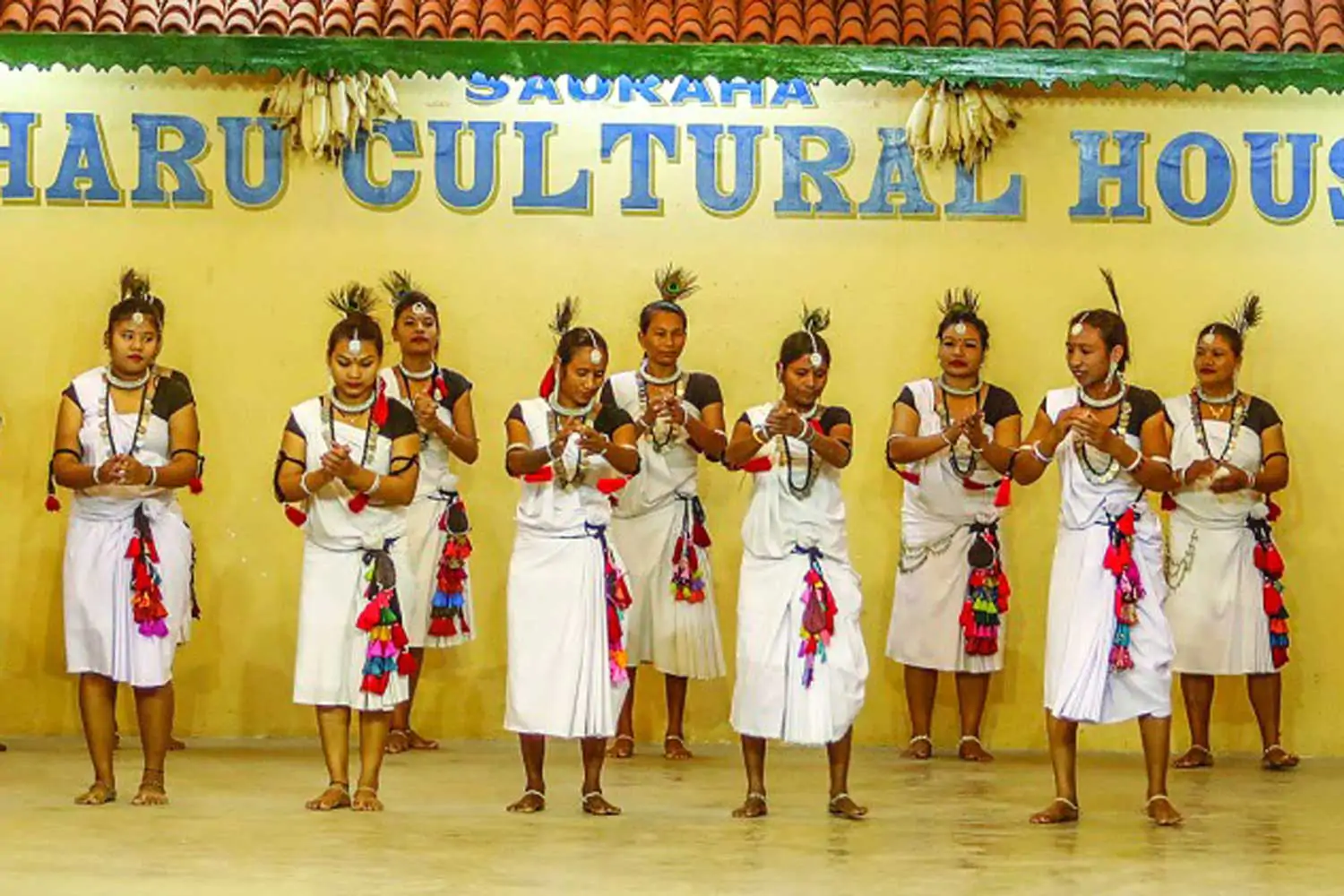
Days 6-7: Chitwan jungle safari — rhinos, jeep game drive, canoe trip, jungle walk. Day 8: Chitwan to Kathmandu private jeep) for the international departure. This 8-day circuit — mountains, pilgrimage, wildlife, heritage — captures Nepal’s extraordinary experiential range in a single efficient itinerary, organised entirely through Nepal Vehicle Hiring Pvt. Ltd. via WhatsApp.

Tansen — Nepal’s Hidden Heritage Gem

Why Tansen Deserves More Than a Drive-Through

Tansen in Palpa District is one of Nepal’s most underrated heritage towns—a Newari trading settlement at 1,370 m that was once one of western Nepal’s most prosperous commercial hubs. The town’s compact layout of stone-paved lanes, traditional Newari shophouses, and the larger civic architecture of the Sen kingdom palaces and temples creates a heritage townscape of genuine quality.

Unlike the heavily touristed Kathmandu Valley sites, Tansen receives relatively few international visitors — giving it an authentic, living heritage atmosphere where daily life, craft production, and community activity coexist with the historical architecture in an unmediated way.

The Tansen bazaar is the social heart of this heritage character — a long street of traditional Newari shophouses selling dhaka fabric, metalwork, local food products, and everyday goods for the surrounding community.

Tansen’s dhaka fabric —a hand-woven cotton cloth in complex geometric patterns made on traditional frame looms—is unique to Palpa District and among Nepal’s finest regional craft traditions. The designs are intricate, and the weaving is labour-intensive; quality dhaka fabric from Tansen represents one of Nepal’s most distinctive craft purchases.

The Tansen metalwork tradition — particularly the distinctive brass water pots (dhungedhara) and various ritual objects — has supplied Nepal’s temple and household markets for centuries and continues in workshops adjacent to the bazaar.

A Tansen exploration stop on the Pokhara to Lumbini private vehicle transfer is one of the most culturally rewarding additions available on any Nepal road journey — request it at booking via WhatsApp.

Tansen Durbar and the Sen Kingdom

The Tansen Durbar — the former palace of the Sen kings of Palpa — is the most significant architectural monument in Tansen and one of the finest examples of Newari palace architecture outside the Kathmandu Valley.

The palace complex, substantially damaged in the 2006 Maoist conflict but since restored, includes the main palace building, surrounding temple structures, and the famous Baggi Dhoka (the large doorway gate decorated with fine Newari woodcarving), Tansen’s most photographed architectural element.

The Tansen Durbar area also contains the Amar Narayan Temple — a three-tiered Newari pagoda temple of considerable elegance — and the Mahadeva Temple that together create a heritage temple complex rivalling the smaller Kathmandu Valley Durbar Squares in architectural quality if not in scale.

The Nepal Vehicle Hiring Pvt. Ltd. driver parks in the town’s main parking area during the Tansen stop, letting passengers explore the Durbar and bazaar areas on foot — the compact scale of the heritage core makes walking the best way to experience Tansen’s character.

Road Conditions: Pokhara to Lumbini Year-Round

Monsoon Season Road Assessment

The Pokhara to Lumbini route via the Siddhartha Highway is generally reliable year-round — the highway is paved throughout and does not face the severe landslide risk of the higher mountain routes.

During the monsoon season (June to September), the Siddhartha Highway hill sections between Waling and Tansen can experience minor landslide disruptions — fallen rocks on the road requiring clearing or brief delays for drainage channel overflow.

These are typically measured in minutes rather than hours. The Pokhara to Lumbini private vehicle transfer from Nepal Vehicle Hiring Pvt. Ltd. monitors current road conditions before each departure, and its 24-hour support on WhatsApp provides real-time road updates and timing adjustments if any monsoon disruption is anticipated.

Winter and Fog — Terai Morning Conditions

A key road condition to note for the Pokhara to Lumbini winter journey is Terai winter fog. This dense ground fog forms over the flat Terai lowlands on winter mornings (typically December to February). It can significantly reduce visibility on the East-West Highway and the final approach road from Bhairahawa to Lumbini.

The fog typically clears by 9:00 to 10:00 AM as the morning sun heats the flat land. For winter departures from Pokhara, the recommended 7:00 to 8:00 AM departure means the vehicle reaches the Terai section at Butwal by approximately 11:00 AM — after the morning fog has cleared.

The Nepal Vehicle Hiring Pvt. Ltd. driver knows the Terai fog pattern from regular service on this route and will adjust departure timing in winter months to ensure the Terai approach is made in clear conditions.

Nepal Vehicle Hiring Pvt. Ltd. — All Routes from Pokhara

The Pokhara to Lumbini private vehicle transfer is one of three major outbound private vehicle routes from Pokhara served by Nepal Vehicle Hiring Pvt. Ltd. — alongside the Pokhara to Kathmandu private transfer on the Prithvi Highway and the Pokhara to Muktinath private jeep hire through the Kali Gandaki gorge.

Together, these three routes connect Pokhara to Nepal’s major tourism destinations— the heritage capital (Kathmandu), the sacred mountain pilgrimage (Muktinath), and the sacred birthplace pilgrimage (Lumbini)—making Pokhara the natural hub for any Nepal journey that combines mountain, heritage, and spiritual dimensions.

Car hire in Pokhara for local sightseeing—Sarangkot sunrise, Phewa Lake, World Peace Pagoda, International Mountain Museum, Bindhabasini Temple—rounds out Nepal Vehicle Hiring Pvt. Ltd.’s private vehicle service portfolio from a single trusted provider.

Contact the team on WhatsApp or vehiclehiringnepal.com for all Pokhara private vehicle services — from the first Sarangkot sunrise to the onward Lumbini pilgrimage transfer.

Lumbini Hotel Zone — Where to Stay

Accommodation Options Near the Sacred Garden

The Lumbini hotel zone—a planned accommodation area adjacent to the Sacred Garden—offers options from basic guesthouses to comfortable mid-range hotels within walking distance or a short drive of the Maya Devi Temple entrance.

The Buddha Maya Garden Hotel, Lumbini Garden Lodge, Kasara Resort, and numerous other properties serve the growing pilgrimage and tourism market. Nepal Vehicle Hiring Pvt. Ltd. delivers to any hotel in the Lumbini zone — the driver knows the local road layout and can navigate to the specific hotel address without difficulty.

For pilgrimage groups arriving from Pokhara in larger vehicles like the Hiace van, the hotel zone roads are accessible, and the van can deliver the group and their luggage directly to the hotel entrance.

For travellers who prefer accommodation outside the commercial hotel zone, guesthouses in the International Monastery Zone—operated by several national Buddhist organisations for pilgrims of their respective traditions—offer a more contemplative environment within the monastery grounds.

These range from the Thai monastery’s comfortable modern facilities to the simpler Tibetan Buddhist retreat accommodation near the Karma Sherpa Dojee Ling Monastery.

The Nepal Vehicle Hiring Pvt. Ltd. driver for the Pokhara to Lumbini private vehicle transfer can deliver to any accommodation in the Lumbini zone — specify the exact accommodation name and location when booking via WhatsApp.

Nepal Vehicle Hiring Pvt. Ltd. — Your Lumbini Transport Partner

Nepal Vehicle Hiring Pvt. Ltd. covers the complete transport network for the Lumbini pilgrimage circuit — the Kathmandu to Lumbini private vehicle) the Pokhara to Lumbini private vehicle transfer, the Lumbini to Chitwan car service, the Sunauli border to Lumbini transfer, and the Lumbini to Kathmandu private jeep) — every approach and onward connection from this most sacred of Nepal’s Buddhist sites.

The same team that provides the Kathmandu sightseeing tour, the Bhaktapur day tour, the Nagarkot sunrise tour, and the Kathmandu to Pokhara private transfer) also provides every Lumbini approach — a single trusted provider for the complete Nepal pilgrimage journey.

With 8,000+ satisfied customers, a 5.0 TripAdvisor rating from 200+ verified reviews, and Company Registration No. 219204, Nepal Vehicle Hiring Pvt. Ltd. is Nepal’s most trusted private vehicle hire service for pilgrims, tourists, and travellers of every kind. Book at vehiclehiringnepal.com or via WhatsApp.

Lumbini Sacred Garden — Visitor Tips

The Lumbini Sacred Garden is at its most peaceful in the early morning from 6:00 to 9:00 AM — before the day-visitor crowds arrive by tour bus from Bhairahawa and Pokhara.

Dawn light on the Maya Devi Temple and the Ashokan pillar creates the best photo conditions of the day, and the morning atmosphere of butter lamps, incense, and early pilgrims completing their devotional circuits at the 108 water spouts has a contemplative quality that midday crowds don’t experience.

Travellers who stay overnight in Lumbini specifically for the early-morning Sacred Garden experience make the best use of the site’s rhythms.

A private vehicle from Nepal Vehicle Hiring Pvt. Ltd. in Pokhara can be timed to arrive in Lumbini by early afternoon, allowing hotel check-in. Use the afternoon and early morning the next day for the best Sacred Garden experience before the onward Lumbini-to-Chitwan car service, or return to Pokhara or Kathmandu.

Plan the complete Nepal southern pilgrimage and wildlife circuit with Nepal Vehicle Hiring Pvt. Ltd. on WhatsApp or vehiclehiringnepal.com.

Frequently Asked Questions — Pokhara to Lumbini Private Vehicle

Q: How long is the Pokhara to Lumbini drive?

The Pokhara to Lumbini private vehicle journey) takes 4.5 to 6 hours) covering approximately 200 to 210 km via the Siddhartha Highway and East-West Highway. A stop in Tansen adds 30 to 45 minutes. Nepal Vehicle Hiring Pvt. Ltd.

recommends departing between 00 AM and arriving in Lumbini between 00 and 0000, leaving the afternoon for the Sacred Garden visit.

Q: Is 4WD needed for Pokhara to Lumbini?

No — the Pokhara to Lumbini route) via the Siddhartha Highway and East-West Highway is fully paved and suitable for standard sedans and SUVs A Toyota Fortuner 4WD is recommended for groups of 5 or for substantial luggage capacity, but is not required for the road conditions.

Q: What is the best stop between Pokhara and Lumbini?

Tansen) — the historic Newari hill town in Palpa District at approximately the midpoint of the journey — is the most rewarding optional stop.

The traditional craft shops, the Tansen Durbar palace, and the dhaka fabric market make Tansen one of Nepal’s finest small towns for cultural exploration. Request the Tansen stop when booking with Nepal Vehicle Hiring Pvt. Ltd. on WhatsApp.

Q: Can I combine Lumbini with Chitwan in the same trip?

Yes — the Lumbini to Chitwan car service) from Nepal Vehicle Hiring Pvt. Ltd. covers approximately 135 to 145 km on the East-West Highway in 3 to 4 hours. Book both the Pokhara to Lumbini) and Lumbini to Chitwan) transfers simultaneously for the complete Nepal southern circuit.

Q: How do I get from Lumbini back to Kathmandu?

From Lumbini, the most common onward routes are: Lumbini to Chitwan car) and then Chitwan to Kathmandu private jeep), or direct Lumbini to Kathmandu private vehicle) (approximately 6 to 7 hours on the East-West and Prithvi Highways). Nepal Vehicle Hiring Pvt. Ltd.) coordinates all legs.

Conclusion: From the Mountains to the Sacred Garden

The Pokhara to Lumbini private vehicle transfer) is one of Nepal’s most meaningful journeys — a transition from the dramatic mountain landscape of the Annapurna region to the serene garden setting of the world’s most sacred Buddhist site.

The Siddhartha Highway route through the Palpa hills, with an optional Tansen heritage stop, offers genuine cultural richness and scenic interest along the way.

Arriving in Lumbini—the birthplace of the Buddha, a UNESCO World Heritage Site, and one of Asia’s most important pilgrimage destinations—is a profound experience in its own right.

Book the Pokhara to Lumbini private vehicle hire) from Nepal Vehicle Hiring Pvt. Ltd. on WhatsApp or vehiclehiringnepal.com. With 8,000+ satisfied customers, a 5.0 TripAdvisor rating, and all-inclusive transparent pricing on every Nepal private vehicle route, Nepal Vehicle Hiring Pvt. Ltd. delivers the most trusted private vehicle service for the Pokhara to Lumbini) pilgrimage journey and every other Nepal transport need.

Kathmandu to Dakshinkali Private Jeep

Kathmandu to Dakshinkali Private Jeep

Kathmandu to Dakshinkali Private Jeep — Temple Tour Complete Guide

Dakshinkali Temple, tucked into a forested gorge at the confluence of two sacred streams approximately 22 kilometres southwest of Kathmandu, is one of Nepal’s most powerful and most frequently visited Hindu temples — a sacred site dedicated to Goddess Kali in her most fearsome manifestation, one of the Kathmandu Valley’s Ashta Matrika (eight mother goddesses), and a destination of profound devotional significance for Hindu pilgrims from Nepal and India alike.

The temple’s dramatic gorge setting, the intensity of the religious activity on Saturday and Tuesday puja days, and the surrounding southern Kathmandu Valley’s rich cultural and natural landscape make Dakshinkali one of the most rewarding and most distinctively Nepali sacred site experiences within easy reach of the capital.

Nepal Vehicle Hiring Pvt Ltd provides private jeep hire and private car hire from any Kathmandu hotel to Dakshinkali Temple — a 45 to 60-minute journey through the southern Kathmandu Valley that can be combined with the Pharping Buddhist meditation caves, Taudaha Lake, Chobar Gorge,

Kirtipur ancient city, and the traditional Newari villages of Bungamati and Khokana into a rich full-day southern valley circuit. This complete guide covers the Dakshinkali route, the temple’s sacred character, the best times to visit, the southern valley’s companion sites, vehicle options and costs, and how to book the full Dakshinkali day tour.

Kathmandu to Dakshinkali — Distance, Route and Transfer Time

Distance: Approximately 22 kilometres from central Kathmandu (Thamel) to the Dakshinkali temple entrance. From the south Kathmandu Ring Road junction, approximately 14 kilometres.

Route: From Thamel, the road heads south through Kathmandu city centre, crosses the Ring Road at the Kalanki junction, and follows the Dakshinkali road southwest through Thankot, the Chandragiri foothills, Pharping village, and the forested gorge approach to the temple. The Dakshinkali road is paved throughout but narrows in the Pharping section — adequate for private car hire and private jeep hire but not recommended for larger vehicles.

Transfer time: 45 to 75 minutes from central Kathmandu depending on time of day. Saturday mornings (the busiest puja day) create specific traffic congestion on the Dakshinkali approach road — depart by 6:30 AM to reach the temple before the main crowd surge.

Parking: The Dakshinkali Development Trust manages a vehicle parking area above the temple — a 10 to 15-minute walk down to the temple gorge. Nepal Vehicle Hiring Pvt Ltd drivers park in the designated area and wait during the visit.

Transfer Cost — Kathmandu to Dakshinkali and Back

Private car hire (2-4 passengers, half-day round trip, 4-5 hours): NPR 3,000 to 10,000 (USD 23 to 70) all-inclusive — driver, fuel, parking, return to Kathmandu hotel—private car hire.

Private 4WD jeep hire (4-6 passengers, half-day round trip): NPR 4,000 to 20,000 (USD 30 to 130) all-inclusive—private jeep hire.

Full-day southern valley circuit (Dakshinkali + Pharping + Chobar + Kirtipur, 8 hours): NPR 7,000 to 30,000 (USD 53 to 180) depending on vehicle type: private car hire or private jeep hire.

Toyota Hiace van hire (7-13 passengers, pilgrimage group): NPR 8,000 to 25,000 (USD 60 to 165) for the half-day or full-day southern valley circuit. Hiace van hire for larger pilgrimage groups.

All prices include driver, fuel, and road tolls. Contact Nepal Vehicle Hiring Pvt Ltd on WhatsApp or our plan trip page for a confirmed quote.

The Ashta Matrika Circuit — Dakshinkali in Nepal’s Sacred Geography

The Kathmandu Valley’s sacred geography is organised around the concept of the Ashta Matrika — the eight mother goddesses positioned at the valley’s directional perimeter to form a sacred protective mandala.

This eight-site pilgrimage circuit, one of Nepal’s most distinctively Newar religious practices, is undertaken by devout Newar Buddhists and Hindu pilgrims who visit all eight Matrika temples in a single day or over several days to complete the full mandala circuit.

The eight Matrikas in the traditional Kathmandu Valley circuit are: Kankeshvari (north), Guhyeshvari (east-southeast, adjacent to Pashupatinath), Sobha Bhagawati (northeast), Jaya Bageshvari (east), Indrayani (northwest Kirtipur), Brahmayani, Mahalaxmi, and Dakshinkali (south)

The southern protector and the most famous of the eight. For pilgrims completing the full Ashta Matrika circuit, Dakshinkali is typically the most significant stop — the southern goddess and the gorge temple’s concentrated sacred atmosphere making it the circuit’s climactic destination.

Nepal Vehicle Hiring Pvt Ltd’s Kathmandu sightseeing car hire can cover the full Ashta Matrika circuit as a dedicated full-day booking—visiting all eight Matrika temples in the valley in a single private vehicle. The circuit includes the Pashupatinath area for Guhyeshvari, the northern and eastern valley for the other six sites, and Dakshinkali as the final southern culmination. Contact our team on WhatsApp to book the complete Ashta Matrika circuit vehicle.

Chobar Gorge — Where Manjushri Cut the Valley

The Chobar Gorge — 2 kilometres north of Taudaha on the return route from Dakshinkali — is one of the Kathmandu Valley’s most mythologically loaded landscapes. In the valley’s founding legend, the Bodhisattva Manjushri arrived at the valley from China, saw the sacred lotus floating on the primordial lake that filled the valley basin, and used his wisdom sword to cut the limestone ridge at Chobar — releasing the lake’s water through the gap and exposing the valley floor where Kathmandu now stands.

The gorge is the physical evidence of this mythological founding act: a narrow, geologically anomalous canyon in the valley’s limestone rim whose specific narrowness (the Bagmati River passes through a gap just 50 to 60 metres wide in the ridge) does indeed suggest that the river’s current course was established by some ancient forcing event in the valley’s geological history.

The Chobar gorge area includes: the Adinath Lokeshvara Temple above the gorge — whose facade is decorated with the pots and vessels donated by householders as offerings, creating one of Nepal’s most visually distinctive temple exteriors;

the Chobar Cave (accessible by steps from the gorge road, a small sacred cave associated with the valley’s Tantric Buddhist tradition); and the gorge viewpoint from the bridge above the narrowest section, looking down at the Bagmati River passing through the mythological gap.

The 20 to 30-minute Chobar stop on the Dakshinkali circuit return is one of the southern valley’s most mythology-rich additions—a physical encounter with the founding story of the Kathmandu Valley in the landscape where it is set. Nepal Vehicle Hiring Pvt Ltd’s private car hire includes the Chobar stop as a standard southern circuit addition — contact us on WhatsApp

Dakshinkali Temple Management and Entry — Current Arrangements

The Dakshinkali Development Committee manages the temple complex and the approach area under the Dakshinkali Development Area regulations —a management structure that has progressively improved the temple’s facilities, approach road, and visitor management over the past decades.

Entry fees: The Dakshinkali complex charges an entry fee for non-Hindu foreign visitors — the fee is payable at the main gate and covers access to the temple compound. Confirm the current fee at the gate on arrival, as the Dakshinkali Development Committee periodically revises the fee schedule. Hindu devotees from Nepal and India typically enter without fee or at a lower rate under the SAARC heritage access convention.

Queue management on Saturday: The Dakshinkali management deploys temple volunteers (sevaks) to manage queues on Saturday puja day. This system channels the large Saturday pilgrimage flow through the temple’s inner sanctum in an orderly sequence. Queues can be 45 minutes to 2 hours long on busy Saturdays; arriving early (before 7:30 AM) significantly reduces wait times.

Facilities: The Dakshinkali approach area has developed basic facilities — food stalls and restaurants in the market approach, public toilets above the parking area, and basic first aid accessible from the temple management office.
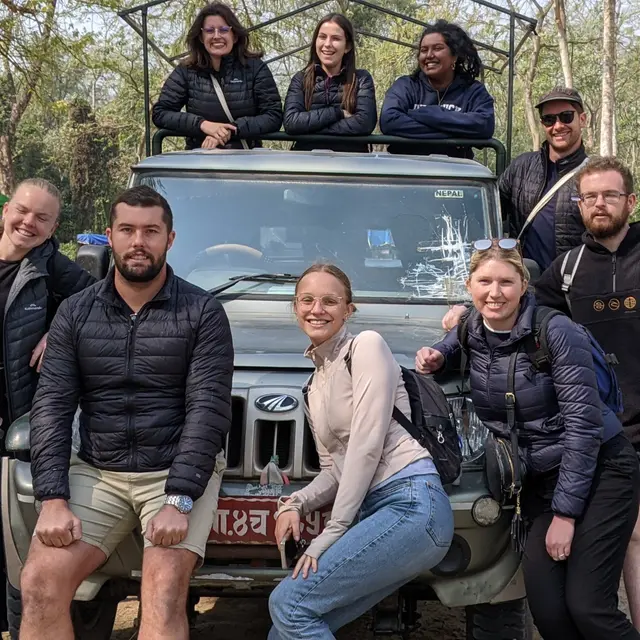
The approach market serves as the offerings procurement point—flower garlands, coconuts, sindoor, and all items required for the puja are available from vendors lining the 10- to 15-minute walk from parking to the temple.

Nepal Vehicle Hiring Pvt Ltd’s drivers are updated on current Dakshinkali management arrangements and entry fee requirements — any changes since the last visit are communicated to the group before disembarking at the parking area. Contact Nepal Vehicle Hiring Pvt Ltd on WhatsApp or our plan trip page.

The Dakshinkali Approach Road — Southern Valley Drive

In a private vehicle hire, the road from Kathmandu to Dakshinkali takes you through the southern Kathmandu Valley’s progressive transition from urban to sacred—a 22-kilometre arc that passes through an increasingly quiet and beautiful landscape as the city’s density gives way to the forested gorge the temple inhabits.

Leaving Thamel by private car or jeep hire, the first 10 kilometres pass through Kathmandu’s densely built southern suburbs—the Kalimati textile market, the commercial character of the Kalanki junction, and the Ring Road’s heavy traffic—before the Ring Road crossing marks the transition to the outer valley.

From Kalanki southward, the road’s character changes immediately: buildings are spaced wider apart, the first field terraces appear on the hillsides above the road, and within 5 kilometres the semi-rural character of the outer valley’s settlements replaces the urban density.

The Thankot area, where the Tribhuvan Highway departs westward over the valley rim, is the road’s first visual landmark — the ridge crest visible above the junction offering the first glimpse of the forested Chandragiri slopes above.

From Thankot, the road descends slightly into the Pharping corridor — the specific microvalley whose forested character, cooler temperature, and monastic institutions distinguish it from the main valley floor.

The smell of the forest (Himalayan oak, pine, and the specific resinous fragrance of Nepal’s mid-hill tree species) enters the vehicle through the window before the Pharping settlement comes into view.

This sensory transition — from the exhaust and concrete smell of Kathmandu to the forest fragrance of the Pharping corridor — is the moment that the Dakshinkali journey begins to feel like a pilgrimage rather than a city transit. Nepal Vehicle Hiring Pvt Ltd drivers on the Dakshinkali route know this transition point and manage speed so the group can experience it fully.

Dakshinkali Temple — The Goddess and Her Sacred Gorge

Dakshinkali (literally ‘Kali of the South’) is the form of Goddess Kali worshipped at the Pharping gorge site—a manifestation of the divine feminine in its most powerful and demanding aspect. The temple sits at the confluence of the Bagmati River’s upper tributary and the Tika Bhairav stream in a forested gorge whose setting—narrow, shaded, and hemmed in by the cliff walls the streams have carved—creates the sacred enclosure that Nepal’s most potent Shakti sites characteristically inhabit.

The sacred image of Dakshinkali in the temple’s inner sanctum is unusual in its iconographic programme: the goddess stands upon the prostrate form of Lord Shiva (as in classic Kali iconography), but her eight arms hold specific attributes that connect her to the Kathmandu Valley’s Tantric Shakti tradition.

This tradition identifies the valley’s eight directional mother goddesses as the spiritual guardians of the sacred landscape. Dakshinkali is the southern guardian of this octagonal sacred geography, and her temple’s power is understood to be concentrated in the precisely calibrated alignment of the gorge, the water confluence, and the goddess’s inward-facing shrine.

The Ashta Matrika connection. Dakshinkali is one of the eight Matrika (mother goddess) temples that form the sacred perimeter of the Kathmandu Valley in the Tantric geography of the Newar Buddhist and Hindu traditions. Devout Newar Buddhists and Hindu pilgrims follow a specific pilgrimage circuit visiting all eight Matrikas, and Dakshinkali —the most famous and powerful— is typically the first or last Matrika on the circuit.

Best Time to Visit Dakshinkali

Saturdays — The Principal Puja Day. Saturday is Dakshinkali’s most significant puja day—the morning of animal sacrifice and the day the temple receives the week’s largest devotional crowd.

The combination of the Goddesses and the Saturday puja timing makes Saturday the most devotionally intense Dakshinkali experience—but also the most crowded. For the most active Dakshinkali pilgrimage experience, Saturday is the right day. For a quieter cultural and sacred-site visit, choose a weekday.

Tuesday — The Secondary Puja Day. Tuesday (dedicated to the divine feminine in the Hindu devotional calendar) is the second major puja day at Dakshinkali — significantly less crowded than Saturday but still active with animal sacrifice and pilgrimage offerings. Tuesday is the recommended visiting day for pilgrims who want the full Dakshinkali sacred experience without Saturday’s considerable crowd management.

Early morning — Before 9:00 AM. Regardless of the day, early morning is the best time to visit—the temple’s first aarti (ritual fire offering) takes place at dawn, the gorge’s forest light creates a specific atmosphere that the midday sun burns away, and the pilgrimage queue is shortest before day visitor groups arrive. Nepal Vehicle Hiring Pvt Ltd’s Kathmandu-to-Dakshinkali private car hire can depart as early as 5:30 AM for dawn darshan.

Festival periods. The Navaratri festival (nine nights of the divine feminine, occurring twice a year) brings Dakshinkali to its peak of sacred intensity — the temple complex and approach road alive with devotional activity for nine continuous days.

The Navaratri Dakshinkali visit is among Nepal’s finest Hindu festival experiences; book private car hire well in advance and plan an early-morning departure.

TIP: Depart Kathmandu by 6:00-6:30 AM on Saturday to reach Dakshinkali before the main morning crowd. The approach road fills quickly after 8:00 AM on busy puja Saturdays.

The Southern Kathmandu Valley — What to See Beyond Dakshinkali

The Dakshinkali approach road passes through one of the Kathmandu Valley’s richest cultural and natural landscapes. This southwestern valley rim area contains the Pharping Buddhist meditation caves, Taudaha Lake, Chobar Gorge, and the Newari living villages of Bungamati and Khokana. A full-day private car hire or private jeep hire from Nepal Vehicle Hiring Pvt Ltd turns the Dakshinkali visit into a complete southern valley circuit.

Pharping Buddhist Meditation Caves (Asura Cave and Yangleshö Cave). Pharping village, adjacent to Dakshinkali, contains two of Nepal and Tibet’s most sacred Buddhist meditation caves—the Asura Cave (Yangleshö), where Guru Rinpoche (Padmasambhava) is said to have attained the Mahamudra realisation that allowed him to bring Vajrayana Buddhism to Tibet, and the adjacent Sheshnarayan sacred site.

The Pharping caves are among the most significant Buddhist pilgrimage sites in the Kathmandu Valley—visiting Hindu Dakshinkali and Buddhist Pharping in the same day offers one of Nepal’s finest interfaith sacred-site experiences.

Taudaha Lake. The sacred lake of Taudaha, on the Kathmandu-Dakshinkali road about 9 kilometres from the Ring Road, is associated in Newar legend with the Bodhisattva Manjushri draining the Kathmandu Valley.

This remnant water body remained after Manjushri cut the valley’s southern wall at Chobar, releasing the primordial lake that once filled the valley basin. Taudaha is Nepal’s finest urban-fringe migratory bird sanctuary — hundreds of species visit the lake during migration seasons.

Chobar Gorge and Adinath Lokeshvara Temple. The Chobar Gorge — where Manjushri’s sword cut the valley’s southern limestone ridge to release the sacred lake — is one of the Kathmandu Valley’s most geologically dramatic landmarks: a narrow canyon where the Bagmati River passes through the valley rim in a gap of remarkable narrowness relative to the river’s volume.

The Adinath Lokeshvara Temple above the gorge is decorated with thousands of household pots and vessels donated by devotees—one of Nepal’s most visually distinctive sacred-site exteriors.

Kirtipur. The ancient Newar fortress city of Kirtipur, on a twin-hilltop ridge 5 kilometres southwest of Patan, is one of the Kathmandu Valley’s finest and least-visited heritage cities,

a living Newar community whose medieval street plan, traditional architecture, and the famous Uma Maheshvara Temple complex have survived largely intact. Kirtipur lies on the return route from Dakshinkali to Kathmandu — private car hire stops here for a 45-minute walk.

Bungamati and Khokana. The twin Newari villages of Bungamati (home of the Rato Machhendranath chariot festival) and Khokana (Nepal’s mustard oil production centre, with its extraordinary Rudrayani Temple) are on the Dakshinkali return route — living villages of exceptional traditional character that tourist Kathmandu largely bypasses.

Dakshinkali Darshan — Practical Guide

Entry and access. The Dakshinkali Development Trust charges an entry fee for the temple complex — NPR 50 to 100 per person for non-Hindu visitors (the standard Kathmandu Valley temple entry arrangement). Hindu devotees enter freely. Remove footwear before entering the temple’s inner courtyard.

Keep leather items (shoes, belts, wallets) out of the innermost sacred area on Saturday and Tuesday puja days.

Photography. Photography is permitted in the temple’s outer courtyard and approach area. The inner sanctum — particularly during active puja and animal sacrifice — does not permit photography in most cases. Ask the temple management about the current photography policy at the gate before bringing a camera.

Animal sacrifice (Saturday and Tuesday). Dakshinkali is one of Nepal’s principal animal sacrifice sites— devotees offer chickens, goats, ducks, and pigeons on the main puja days.

Visitors sensitive to this aspect of Tantric Hindu ritual tradition should visit on non-puja days (weekdays other than Tuesday), when the temple atmosphere is primarily aarti offerings, flower garlands, and incense rather than animal sacrifice.
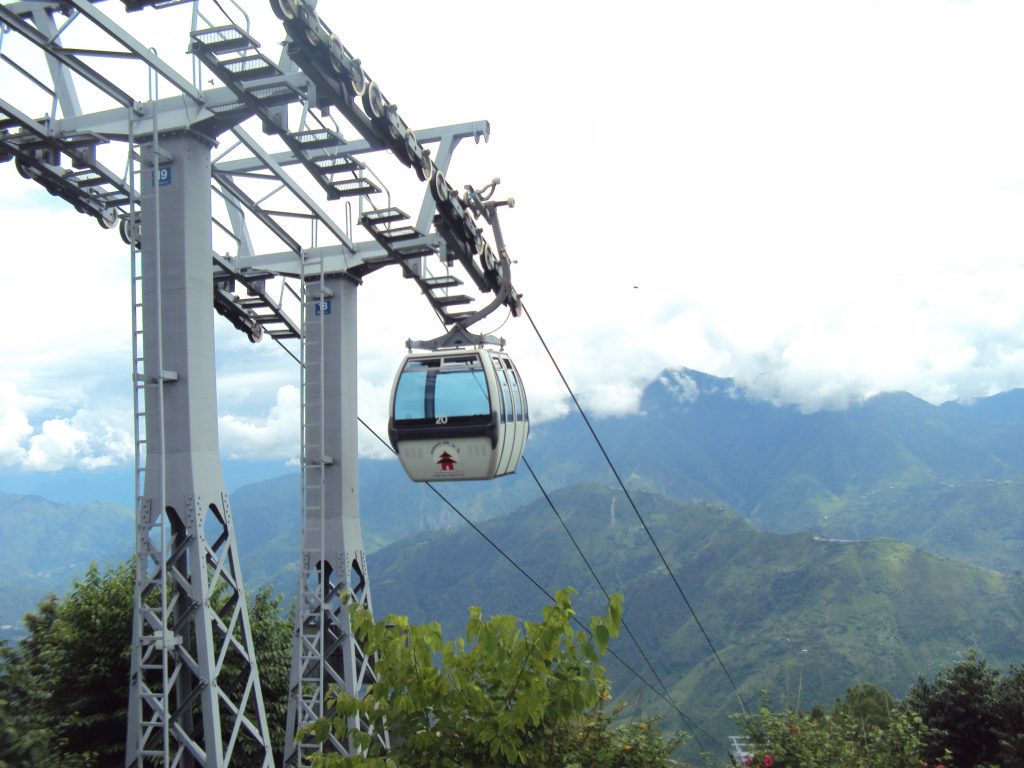
The walk down to the temple. From the parking area, the temple is 10–10 to 15-minute walk down through the forest and the pilgrimage market stalls — vendors of flower offerings, materials, sindoor, and traditional puja items line the approach.
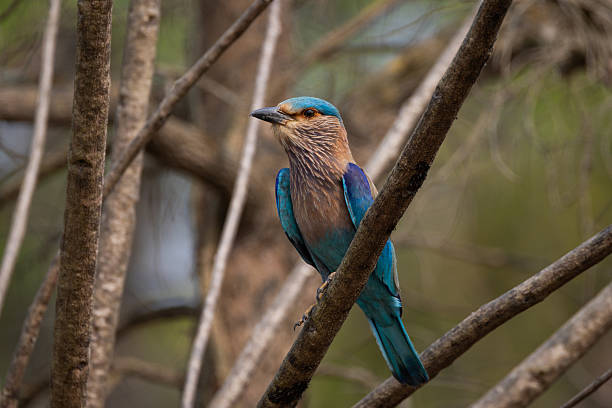
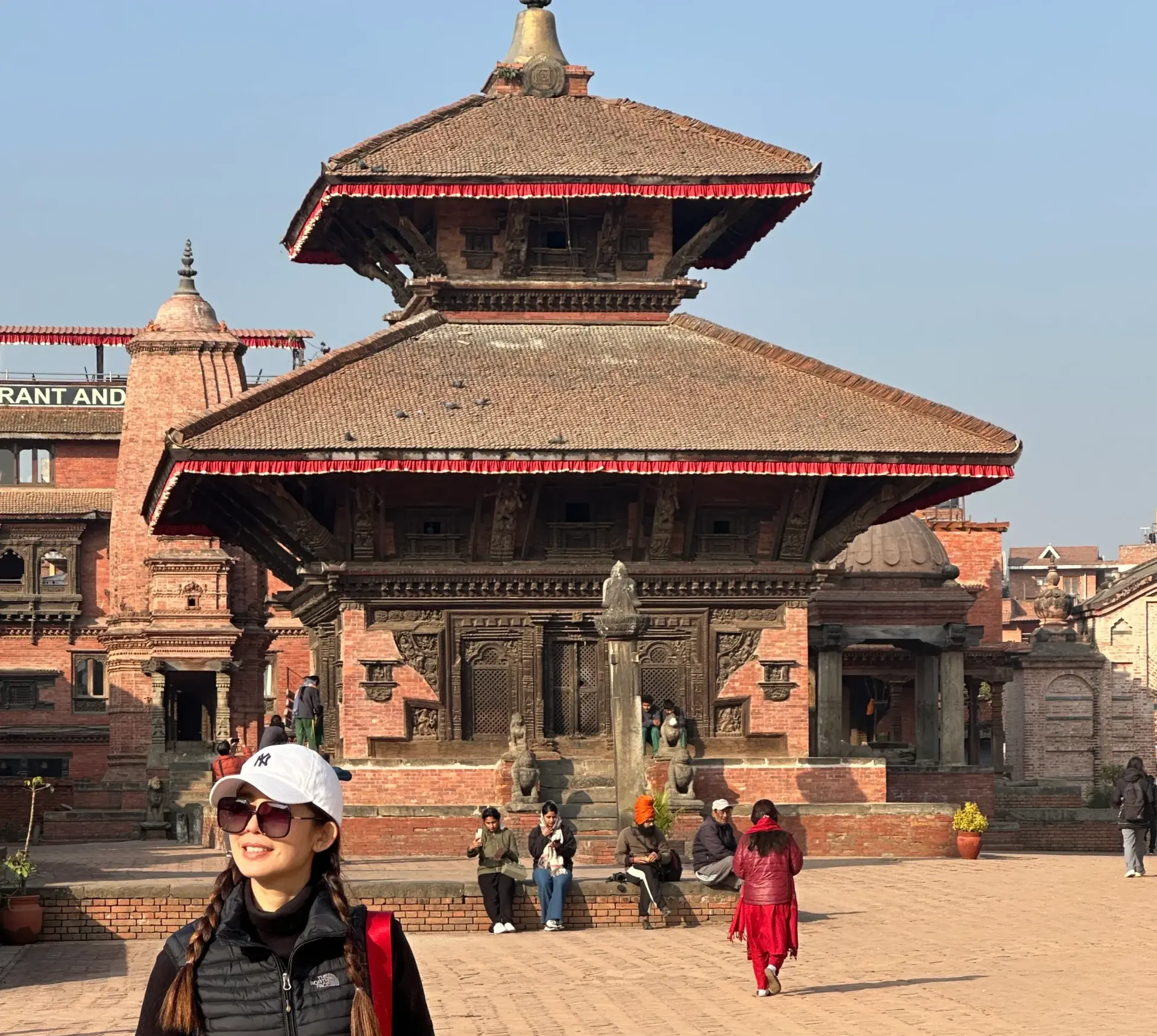
This walk is part of the Dakshinkali experience: the market’s unique blend of the commercial and the devotional, the fragrance of marigold garlands and incense, and the sound of temple bells growing louder as the gorge narrows around the sacred site.

The Dakshinkali Road — Character and Experience

The 22-kilometre Dakshinkali Road from Kathmandu is in itself one of the southern valley’s finest driving experiences. This route transitions from the capital’s urban density through the Ring Road junction’s Terai-junction character to the forested hillside approach of the Chandragiri range’s southwestern slopes.

The road leaves central Kathmandu through the Kalimati and Kalanki areas — industrial and commercial Kathmandu at its most functional — before crossing the Ring Road and immediately beginning the quality change that characterises the Dakshinkali approach: the road narrows,

the houses thin out, and within 5 kilometres of the Ring Road the urban density has given way to the semi-rural character of the outer valley villages. The Thankot area marks the valley rim’s approach — where the Tribhuvan Highway descends into the Trishuli gorge, and the Dakshinkali road continues southward into the Chandragiri ridge’s western foothills.

Pharping village — 17 kilometres from Thamel — is the approach’s most atmospheric settlement: a traditional Newar and Tamang community whose Buddhist character (the meditation cave monasteries, the prayer flags on the hillsides above,

the robed monks and nuns from the international retreat centres) creates a specific sacred atmosphere that the private car hire delivers into without any of the public bus’s schedule management. From Pharping, the road descends 2 kilometres into the gorge where Dakshinkali’s stream confluence announces the temple’s proximity.

Dakshinkali’s Sacred History — The Tantric Tradition

The historical tradition associated with Dakshinkali Temple reaches deep into the Kathmandu Valley’s Tantric past—a religious culture the Newar civilisation developed over more than a millennium into one of the world’s most sophisticated Tantric ritual traditions. The specific form of Kali worshipped at Dakshinkali — Mahakali or Kalika in her southern aspect — is one of the five primary emanations of the divine feminine in Nepali Tantric Hinduism.

The selection of the gorge site as her abode reflects the Tantric principle that the goddess’s powerful forms inhabit liminal landscapes: forest gorges, river confluences, and the boundaries between cultivated and wild terrain.

The historical founding of the Dakshinkali sacred site is associated with the Licchavi period of the Kathmandu Valley’s history — the early classical era (approximately 5th to 9th centuries CE) when the valley’s Hindu-Buddhist Tantric synthesis was crystallising into the distinctive Newar cultural form that persists today.

The specific legend of Dakshinkali’s founding involves a Newar priest’s divine vision at the gorge site—in which the goddess sees her presence in the water confluence and directs the establishment of her temple there. Whether this founding narrative is historical or mythological, the site’s sacred character — the specific combination of the water confluence, the enclosed gorge, and the southern valley’s natural power — is a genuinely distinctive landscape whose sacred quality is perceptible even to visitors without specific Tantric knowledge.

Nepal Vehicle Hiring Pvt Ltd’s drivers on the Kathmandu to Dakshinkali private car hire route have carried thousands of pilgrims and visitors to the temple over the years and understand the site’s significance across multiple devotional traditions — Hindu Shakta, Buddhist Tantric, and the increasingly large international visitor community who come to Dakshinkali as one of Nepal’s most distinctive cultural experiences. Our Kathmandu sightseeing service includes Dakshinkali as a specific option for the southern valley circuit alongside the standard UNESCO heritage sites.

Taudaha Lake — The Serpent King’s Sacred Water

Taudaha Lake (also called Taudah), on the Kathmandu-Dakshinkali road approximately 9 kilometres south of the Ring Road, carries one of the Kathmandu Valley’s most vivid founding legends. The Newar Buddhist tradition records that when the Bodhisattva Manjushri drained the primordial lake that filled the Kathmandu Valley basin by cutting the valley’s southern wall at Chobar Gorge,

he left Taudaha as a deliberate remnant lake for the Nagaraja (serpent king) Karkotaka — who had been protecting the sacred valley and needed a water body to inhabit when the great lake drained. Taudaha is therefore the valley’s protective Nagaraja’s specific abode, and Newar Buddhists perform offerings to serpent deities (naga puja) at the lake’s edge on specific festival days.

Beyond its mythological significance, Taudaha is one of the Kathmandu Valley’s finest natural wetlands- a shallow lake with dense reed margins and water chemistry that attracts an extraordinary diversity of migratory waterbirds during migration seasons. Ruddy shelducks, pochards, shovelers, pintails, and multiple teal species winter at Taudaha in significant numbers; grey herons and various egrets are year-round residents; and the lake’s perimeter reed beds host marsh warblers, bitterns, and water rails.

For the private car hire group making the Dakshinkali day circuit, a 20 to 30-minute Taudaha stop on the Dakshinkali road (the lake is directly on the route, no detour required) adds one of Nepal’s finest compact birdwatching sites to an already culturally rich day.

Kathmandu Southern Valley — A Half-Day or Full-Day Circuit?

Planning the Kathmandu-to-Dakshinkali private vehicle hire requires deciding whether the southern valley visit is a half-day or full-day circuit. This decision determines which sites are included alongside the Dakshinkali darshan.

Half-day circuit (4-5 hours, recommended for first-time visitors with a packed Kathmandu schedule): Depart Kathmandu hotel at 6:30 AM. Reach Dakshinkali by 7:30 AM. Dakshinkali darshan (1 to 1.5 hours).

Pharping Buddhist caves (45 minutes). Taudaha Lake brief stop (20 minutes). Return to Kathmandu by 11:00 AM.

The afternoon is free for Kathmandu sightseeing by car, covering Boudhanath, Swayambhunath, or Patan—private car hire: NPR 3,000 to 10,000.

Full-day circuit (8 hours, recommended for the complete southern valley experience): Depart 6:00 AM. Dakshinkali dawn darshan. Pharping caves.

Chandragiri Cable Car from Thankot (optional, 1.5 hours). Taudaha Lake. Chobar Gorge and Adinath Temple.

Kirtipur heritage walk. Bungamati and Khokana village circuit. Return to Kathmandu by 5:00-6:00 PM.

Private car hire full day: NPR 7,000 to 25,000. This format is the definitive southern Kathmandu Valley experience — a day that comprehensively covers the area’s Hindu sacred site, Buddhist meditation heritage, legendary geological landmark, and living Newari village culture.

Nepal Vehicle Hiking Pvt Ltd manages both formats through our plan trip page. Tell us which format. Please tell us your schedule and group size, and we’ll provide the right vehicle, confirmed timing, and a knowledgeable driver to make each stop as rewarding as possible.

Newari Village Culture — Bungamati and Khokana

The twin Newari villages of Bungamati and Khokana, on the southern Kathmandu Valley floor between Patan and the Dakshinkali approach road, are two of the valley’s finest living traditional Newari villages — communities where the medieval street layout, the courtyard-centred house design, the communal water spouts (dhunge dhara), and the extraordinary temple architecture of the Newar Buddhist-Hindu synthesis have survived largely intact.

Bungamati is the permanent home of the Rato Machhendranath deity—the valley’s rain god and protector —celebrated in one of the world’s longest-running chariot festivals, which takes the deity’s chariot through Patan and Bungamati in a procession that has been conducted without interruption for centuries. Bungamati’s central courtyard, the Machhendranath Temple’s setting at the village’s heart, and the wood-carving workshops that produce the window screens and pillar decorations of traditional Newar architecture make it one of the valley’s finest cultural destinations.

Khokana is Nepal’s traditional mustard oil production village — cold-press oil mills that process the Kathmandu Valley’s mustard harvest have operated there for generations, and the smell of fresh-pressed mustard oil permeates the village’s lanes during harvest season. The Rudrayani Temple in Khokana’s central square is the village’s sacred focal point — a finely restored Newar temple whose annual festival includes a ritual ‘battle for Rudrayani’ that is one of Nepal’s most dramatic communal festival events.

Both villages are within 5 kilometres of each other and 15 to 20 kilometres from Dakshinkali on the return route—a natural afternoon addition to the southern valley circuit that the private car hire from Nepal Vehicle Hiring Pvt Ltd includes at no extra cost on the full-day circuit booking. Contact our team on WhatsApp.

Kirtipur — The Kathmandu Valley’s Ancient Fortress City

Kirtipur (City of Fame in Sanskrit) is one of the Kathmandu Valley’s most historically significant and most visually distinctive settlements — a twin-hilltop Newar city that served as a major independent kingdom in the valley’s medieval period and whose 18th-century siege by Prithvi Narayan Shah (the founder of modern Nepal) produced one of the valley’s most dramatic historical narratives. The city’s strategic position on two adjacent hilltops connected by a saddle, its circuit of medieval fortress walls, and the survival of its traditional urban structure make it one of the valley’s finest heritage destinations.

Kirtipur’s key heritage sites: the Uma Maheshvara Temple (a finely proportioned three-tiered pagoda dedicated to Shiva-Parvati, Kirtipur’s most celebrated architectural monument), the Chilancho Stupa (a significant Buddhist stupa with a fine surrounding courtyard on the city’s northern hill),

the Bagh Bhairab Temple (whose exterior is decorated with the weapons of defeated enemies — one of Nepal’s most unusual temple facades), and the traditional lane system of the city’s residential areas where carved wooden windows, stone water spouts, and the specific three-storey brick architecture of the Newar townhouse provide an intact medieval streetscape.

The 30 to 45-minute Kirtipur walk on the return from Dakshinkali to Kathmandu adds one of the valley’s finest ancient cities to the southern circuit — a heritage quality comparable to Bhaktapur but with almost none of Bhaktapur’s international tourist density. Nepal Vehicle Hiring Pvt Ltd’s private car hire drivers park at the Kirtipur base and w, if requested, walk up with the group or wait at the parking area for the group’s independent Kirtipur circuit.

Combining Dakshinkali with the Standard Kathmandu Sightseeing Circuit

Dakshinkali pairs naturally with the standard Kathmandu Valley UNESCO heritage circuit for visitors who want both the capital’s classical heritage sites and the southern valley’s sacred-site experience in the same Kathmandu days.

Day 1 — Standard Kathmandu heritage circuit: Pashupatinath Temple, Boudhanath Stupa, Swayambhunath, Patan Durbar Square — covered by Nepal Vehicle Hiring Pvt Ltd’s Kathmandu sightseeing car hire.

Day 2 — Southern valley circuit: Dakshinkali (early morning darshan), Pharping Buddhist meditation caves, Taudaha Lake, Chobar Gorge, Kirtipur, Bungamati and Khokana — covered by private car hire for the complete southern circuit.

Day 3 — Eastern valley: Bhaktapur Durbar Square heritage day tour and Nagarkot sunrise vehicle hire — completing the three-day comprehensive Kathmandu Valley circuit.

This three-day Kathmandu Valley circuit covers UNESCO heritage sites, the principal Hindu sacred sites (Pashupatinath and Dakshinkali), and the finest medieval Newar heritage (Bhaktapur and Kirtipur) in a single, efficient private-vehicle arrangement. Nepal Vehicle Hiring Pvt Ltd coordinates all three days through a single trip-page submission.

Dakshinkali for Indian Pilgrims — The Hindu Sacred Valley

For Indian Hindu pilgrims visiting Nepal, Dakshinkali is one of the most significant sacred destinations in the Kathmandu Valley — and often the most emotionally powerful. Pashupatinath provides the Shiva sacred encounter; Dakshinkali provides the Kali-Durga sacred encounter that the Shakta tradition specifically seeks in Nepal’s sacred geography.

Indian pilgrims who visit Dakshinkali as part of the broader Nepal pilgrimage circuit — Pashupatinath (Shiva), Dakshinkali (Kali), Manakamana (Bhagwati, accessible by cable car from the Prithvi Highway), Muktinath (Vishnu/Shaligram) — complete Nepal’s four principal Sanatana dharma sacred site types in a single Nepal visit. Nepal Vehicle Hiking Pvt Ltd’s Kathmandu sightseeing car hire covers Pashupatinath, Dakshinkali, and the Kathmandu Valley’s complete Hindu sacred circuit, combined with private car hire for the southern valley’s specific Dakshinkali approach.

Indian pilgrims from Gorakhpur, Varanasi, and UP who enter Nepal through the Sunauli border can reach Dakshinkali by combining the Sunauli to Kathmandu private vehicle hire with the Kathmandu to Dakshinkali private car hire on the Kathmandu day — completing the Pashupatinath and Dakshinkali darshans in a single Nepal visit day before continuing to Pokhara or Lumbini. Contact Nepal Vehicle Hiring Pvt Ltd on WhatsApp to plan the complete pilgrimage circuit.

The Chandragiri Hills — Dakshinkali’s Mountain Backdrop

Above Dakshinkali to the north and west, the Chandragiri ridge rises to 2,551 metres — the Kathmandu Valley’s southwestern rim and one of the finest Himalayan panorama viewpoints accessible from the capital. The Chandragiri Cable Car (departing from the Thankot junction on the Dakshinkali road) takes 7 minutes to reach the Chandragiri hilltop, where passengers can take in a panorama of the Kathmandu Valley and the Himalayan range from Langtang to Manaslu, Ganesh Himal, Annapurna, and Dhaulagiri on clear days.

The Chandragiri cable car makes a natural addition to the Dakshinkali day — departing Kathmandu for the cable car at 8:30 AM (after the early Dakshinkali morning darshan), spending an hour on the Chandragiri ridge, and returning to the Dakshinkali road for the southern valley circuit continuation. Nepal Vehicle Hiring Pvt Ltd’s private car hire waits at the cable car base station during the hilltop visit and resumes the southern valley circuit on the group’s return.

The combined Dakshinkali darshan + Chandragiri panorama + Pharping Buddhist caves + Chobar Gorge + Kirtipur full-day circuit is the southern Kathmandu Valley at its most comprehensive — a day that no standard Kathmandu sightseeing car hire tour covers and that only the private vehicle hire format enables.

Dakshinkali and the Pharping Buddhist Meditation Tradition

The co-location of Dakshinkali’s Hindu Kali temple and Pharping’s Buddhist Guru Rinpoche meditation caves within 2 kilometres of each other creates one of the Kathmandu Valley’s most extraordinary interfaith sacred site concentrations — a place where the two great Himalayan spiritual traditions inhabit the same forested gorge and the same sacred landscape, each drawing its devotees from different traditions but sharing the specific quality of sacred power that the gorge’s geography and water character concentrate.

The Yangleshö Cave (also called Asura Cave) in Pharping is where Guru Rinpoche is said to have spent years in meditation before attaining the Vajrayana realisation that enabled him to pacify the malevolent forces blocking the spread of Buddhism in Tibet. The cave is now surrounded by Nyingma monasteries.

including the Tso Pema Orgyen Herukar Nyingma monastery above the cave, whose resident monks maintain the meditation tradition that Guru Rinpoche established at this specific site. For Buddhist pilgrims visiting Pharping on the same day as Dakshinkali, the contrast between the thunderous intensity of the Kali temple below and the serene meditation atmosphere of the Buddhist caves above is one of the southern valley’s most remarkable experiential contrasts.

Nepal Vehicle Hiring Pvt Ltd’s southern valley private car hire includes Dakshinkali and Pharping as standard stops on the full-day southern circuit—the driver knows the specific parking areas at both sites and the walking routes connecting the gorge temple to the hillside meditation caves. Contact us on WhatsApp or our plan trip page.

Why Private Car or Jeep Is Better Than Public Transport for Dakshinkali

Public transport to Dakshinkali exists — microbuses and local buses from Ratna Park in central Kathmandu serve the Dakshinkali route with regular departures from early morning. But public transport and private-vehicle experiences differ in ways that matter significantly for both pilgrimage and tourism.

Departure flexibility: The private car hire from Nepal Vehicle Hiring Pvt Ltd departs your Kathmandu hotel at 6:00 AM for the dawn darshan. The public microbus from Ratna Park starts at varying times and does not offer hotel pickup.

Return timing: The private vehicle waits at Dakshinkali for the entire darshan, however long the queue is on Saturday morning. The public microbus returns on a fixed schedule that may not align with the darshan’s actual completion time.

Southern valley circuit: The private vehicle covers Dakshinkali, Pharping, Taudaha, Chobar, Kirtipur, Bungamati, and Khokana in a single connected day. Public transport between these dispersed southern valley sites requires multiple vehicle changes, long waits, and significant logistical effort that consumes the time available for the actual site visits.

Group comfort: A pilgrimage group of 5 to 10 people travels together, with all luggage and offering materials, in a single private car or Hiace van hire — not dispersed across multiple public transport seats.

Dakshinkali and the Navaratri Festival — The Sacred Nine Nights

Navaratri (Nine Nights), the most important Hindu festival dedicated to the divine feminine, transforms Dakshinkali Temple into one of Nepal’s most intensely devotional sacred sites for nine continuous days. The festival occurs twice per year — in spring (Chaitra, March-April) and autumn (Ashwin, September-October) — and both occasions draw enormous pilgrimage crowds to Dakshinkali as the principal Kali site in the Kathmandu Valley.

During Navaratri, the Dakshinkali Development Committee extends seven hours; temple priests conduct additional puja sessions, and the approach market operates from before dawn to late evening. The approach road to Dakshinkali during Navaratri requires specific management — Nepal Vehicle Hiring Pvt Ltd arranges pre-dawn departures (4:30 to 5:00 AM) for groups who want to reach Dakshinkali before the main Navaratri crowd surge on the principal puja days.

The Navaratri Dakshinkali visit is among Nepal’s finest Hindu festival experiences—the devotional energy, the volume of sacred activity, and the visual spectacle of thousands of pilgrims filling the gorge approach and the temple compound create an atmosphere no non-festival visit can replicate. Nepal Vehicle Hiring Pvt Ltd’s Kathmandu sightseeing car hire and private car hire cover Navaratri Dakshinkali visits with early departure and driver wait — contact our team on WhatsApp or our plan trip page well ahead of the festival for Navaratri bookings.

Extending the Southern Valley Day — Nagarkot Sunrise the Next Morning

The southern Kathmandu Valley circuit — Dakshinkali, Pharping, Chobar, Kirtipur — covers the valley’s southwest. The northeast valley — Nagarkot’s Himalayan sunrise, Bhaktapur’s medieval heritage, Changu Narayan’s ancient temple — provides the complementary eastern circuit that creates the most comprehensive Kathmandu Valley experience available in two days.

Nepal Vehicle Hiring Pvt Ltd coordinates the two-day comprehensive Kathmandu Valley circuit: Day 1 morning — Dakshinkali early morning darshan and southern valley circuit (Pharping, Chobar, Kirtipur, Bungamati). Day 1 evening — Nagarkot sunset and overnight. Day 2 pre-dawn — Nagarkot Himalayan sunrise.

Day 2 morning — Bhaktapur Durbar Square heritage day tour on the return from Nagarkot. This 2-day circuit covers Dakshinkali’s sacred southern gorge, the southern valley’s cultural landscape, the northeastern valley rim’s Himalayan panorama, and Bhaktapur’s UNESCO medieval city — the most complete Kathmandu Valley experience available within 2 days. Plan through our trip page or call WhatsApp.

Dakshinkali for Trekking Groups — Pre-Trek or Post-Trek Sacred Visit

Trekking groups who begin or end their Nepal trek in Kathmandu often include a Dakshinkali visit as a sacred counterpart to the mountain experience—either as a pre-trek blessing or a post-trek thanksgiving. In the Tantric tradition, Dakshinkali’s specific Kali energy is understood as protecting mountain travel—the goddess’s power governs the fearsome and the transformative, offering the right sacred benediction for the physical challenge ahead.

Groups heading for the Langtang Valley trek, the Helambu circuit, the Everest Base Camp trek, or the Ghorepani Poon Hill trek frequently include a Dakshinkali morning darshan on the pre-departure Kathmandu day — the private car hire to Dakshinkali and back fitting comfortably into the morning before the afternoon trekking permit arrangements and packing. Nepal Vehicle Hiking Pvt Ltd coordinates the Dakshinkali morning visit alongside the same-day Kathmandu sightseeing car hire or the airport transfer as a single smooth booking.

Why Choose Nepal Vehicle Hiring Pvt Ltd for Dakshinkali

  • Hotel pickup: Door-to-door service from any Kathmandu hotel — Thamel, Lazimpat, Kupondole, or any other area.
  • All vehicle sizes: Private car for individuals/couples, jeep hire for small groups, Hiace van hire for pilgrimage parties.
  • Driver waits during darshan: No rush, no fixed queue time — the vehicle and driver wait for the complete Dakshinkali visit.
  • Southern valley circuit: Full-day circuit covering Dakshinkali, Pharping, Taudaha, Chobar, Kirtipur, Bungamati, Khokana — driver knows all stops.
  • Combined with heritage circuit: Kathmandu sightseeing car hire and Dakshinkali day coordinated as a multi-day Kathmandu package.
  • Saturday and festival departures: Pre-dawn departures (from 5:30 AM) for Saturday puja and Navaratri festival.
  • All-inclusive pricing: Driver, fuel, parking — no additions at Dakshinkali.
  • 24/7 on WhatsApp or plan trip page.

Dakshinkali Temple is also bookable as part of Nepal Vehicle Hiring Pvt Ltd’s Nepal tour packages — our complete Nepal circuit programmes for groups who want the full Kathmandu, Pokhara, Chitwan, and Lumbini circuit with all vehicle legs pre-arranged. Alpine Luxury Treks offers a top-end Nepal heritage experience, with Nepal Vehicle Hiking Pvt Ltd providing private vehicle hire for all ground transport. Contact us on WhatsApp.

Nepal Tour Package

Frequently Asked Questions — Kathmandu to Dakshinkali Jeep

Q: How far is Dakshinkali from Kathmandu?

Approximately 22 kilometres from Thamel, Kathmandu. Transfer time: 45-75 minutes by private car or jeep hire.

Q: What is the best day to visit Dakshinkali?

Saturday is the principal puja day — most active but most crowded. Tuesday is the secondary puja day. Weekdays offer a quieter darshan.

Early morning departure (before 7:00 AM) is recommended on all days.

Q: What is the private car hire cost from Kathmandu to Dakshinkali?

NPR 3,000 to 10,000 (USD 23 to 80) for a half-day round trip including driver wait. Contact Nepal Vehicle Hiring Pvt Ltd on WhatsApp  for a confirmed quote.

Q: Can I combine Dakshinkali with Pharping Buddhist caves in the same day?

Yes — both are in the same gorge area, 2 kilometres apart. The full-day southern valley private car hire covers both as standard stops.

Q: Can Nepal Vehicle Hiring Pvt Ltd arrange a pre-dawn Dakshinkali departure?

Yes—departures from 5:30 AM for dawn darshan are available. Confirm the early departure time at booking via WhatsApp.

Swayambhunath visit during Kathmandu Pokhara Tour

Nepal Vehicle Hiring Pvt Ltd’s complete Kathmandu private car and jeep hire service connects Dakshinkali to the Kathmandu Valley’s heritage and sacred-site network. From the same booking that covers the Dakshinkali southern valley circuit, groups can add Pashupatinath and Boudhanath sightseeing,

the Bhaktapur full-day heritage tour, the Nagarkot overnight and sunrise, and onward Kathmandu-to-Pokhara private vehicle hire or Kathmandu-to-Lumbini bus service to continue the Nepal circuit.

All Kathmandu area vehicle requirements — airport transfer, sightseeing car hire, Dakshinkali temple tour, Hiace van for groups, and the coaster for large pilgrimage parties — are coordinated through a single Nepal Vehicle Hiring Pvt Ltd plan trip page submission or WhatsApp contact.

Conclusion

Dakshinkali Temple in the southwestern Kathmandu Valley is one of Nepal’s most powerful sacred sites—the Goddess Kali’s gorge temple where the Tantric tradition’s most fearsome and most liberating feminine energy resides, and where the Saturday morning puja creates a devotional intensity that Nepal’s sacred sites match.

The 22-kilometre private car or jeep hire from Kathmandu delivers the pilgrim and visitor to this extraordinary site in under an hour — and the full-day southern valley circuit that Nepal Vehicle Hiring Pvt Ltd provides alongside the Dakshinkali darshan turns the visit into the most complete southern Kathmandu Valley experience available: Dakshinkali’s Kali darshan, Pharping’s Guru Rinpoche Buddhist meditation caves.

Taudaha Lake’s sacred migratory bird sanctuary, Chobar Gorge’s geological and mythological drama, and Kirtipur’s ancient Newar fortress heritage — all in a single day in the finest private vehicle hire from Nepal Vehicle Hiring Pvt Ltd.

Book your Kathmandu to Dakshinkali private jeep or car hire with Nepal Vehicle Hiring Pvt Ltd — call or WhatsApp, visit vehiclehiringnepal.com, or plan your complete Kathmandu sacred site circuit through our plan trip page.

Chat with us