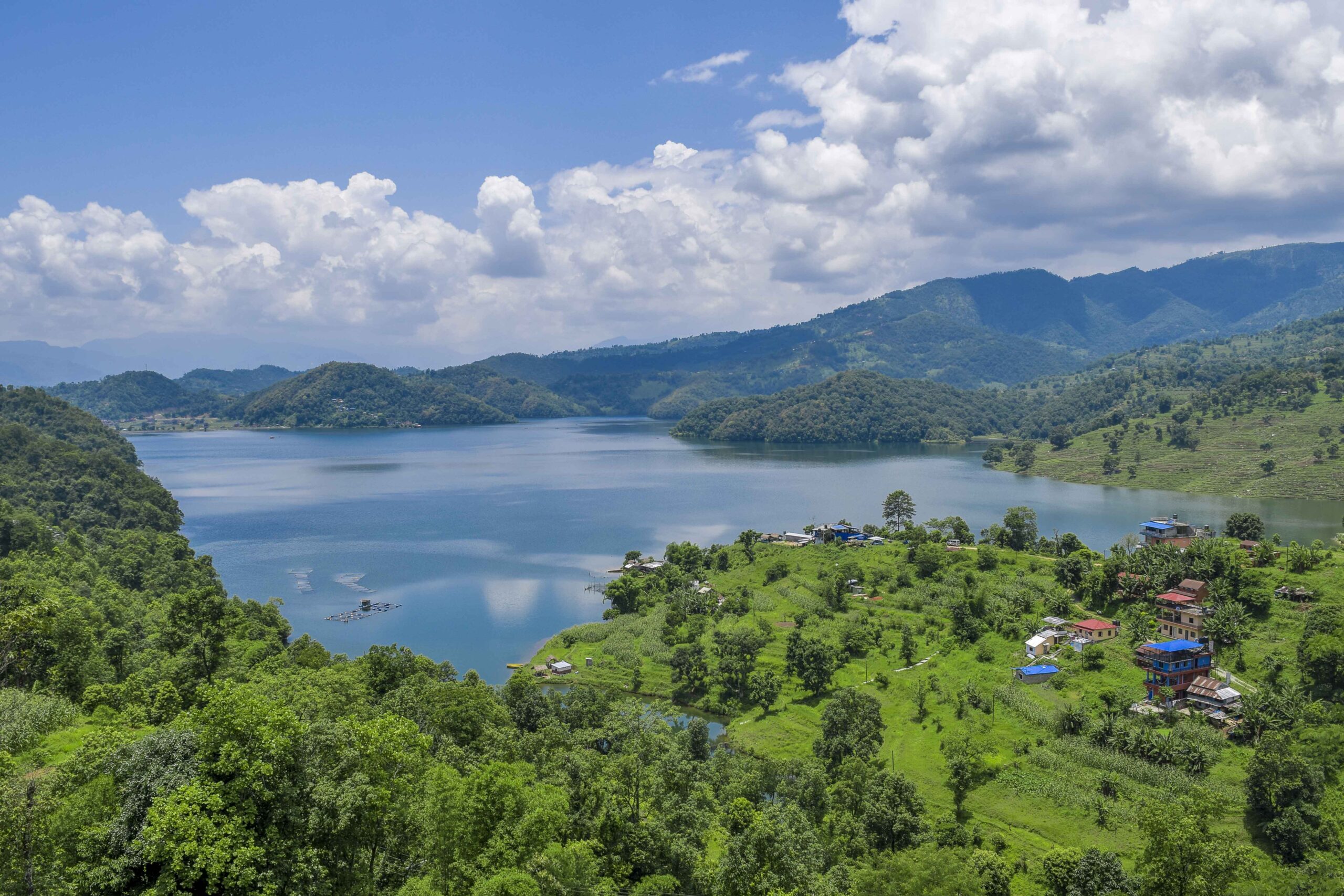
Kathmandu to Pokhara Bus: Traveler’s Complete Guide

Kathmandu to besisahar Bus

Kathmandu to Pokhara Bus Ticket  – Traveler’s Complete Guide

The journey from Kathmandu to Pokhara is one of Nepal’s most popular and heavily travelled routes. Whether you’re a budget backpacker, a trekker heading to the Annapurna region, or a family visiting Lakeside, the bus from Kathmandu to Pokhara is a convenient, affordable, and scenic way to travel.

This complete 2026 guide covers every bus option available, ticket prices, departure times, what to expect on the road, and expert tips to make your journey as smooth and enjoyable as possible.

Trip Glance of Kathmandu to Pokhara by Bus

Distance: Approximately 200 km by road

Travel Time: 6 to 8 hours, depending on bus type and traffic conditions

Main Road: Prithvi Highway – Nepal’s main east-west arterial highway

Departure Point: Kathmandu – tourist buses depart from Kantipath / Thamel area

Arrival Point: Pokhara – tourist buses arrive at the Lakeside (Baidam) area

Highlights: Trishuli River gorge, Malekhu riverside, Mugling Junction, Marsyangdi valley, Pokhara valley

Types of Buses from Kathmandu to Pokhara

In 2026, travellers will have more bus options than ever on the Kathmandu-to-Pokhara route. Here is a complete breakdown of every bus type available:

Bus TypeTravel TimePrice Per PersonSeat TypeBest For
Tourist Bus (standard)7–8 hrsUSD 9- 10Reclining seats, A/CBudget travellers, backpackers
Tourist Bus (deluxe)7–8 hrsUSD 12- 15Wider seats, A/C, more spaceComfort seekers, couples
Luxury Sofa bus6–7 hrsUSD 15- 20Top-end seats, fewer stopsFaster journey, light travellers
Super vip Bus6–7 hrsUSD 25- 30Top-end A/C, lunch includedMaximum comfort, all-inclusive
Night Bus (local)7–9 hrsNPR 600–900Basic seats, no A/CVery budget, overnight travel
Private Car / Jeep5–6 hrsUSD 120- 150Private vehicleGroups, families, trekkers

Vehicle Hiring Nepal specialises in bus tickets, deluxe bus tickets, and private vehicle hire for the Kathmandu-to-Pokhara route. We handle bookings for all major tourist bus operators and can also arrange private vehicles for groups of any size.
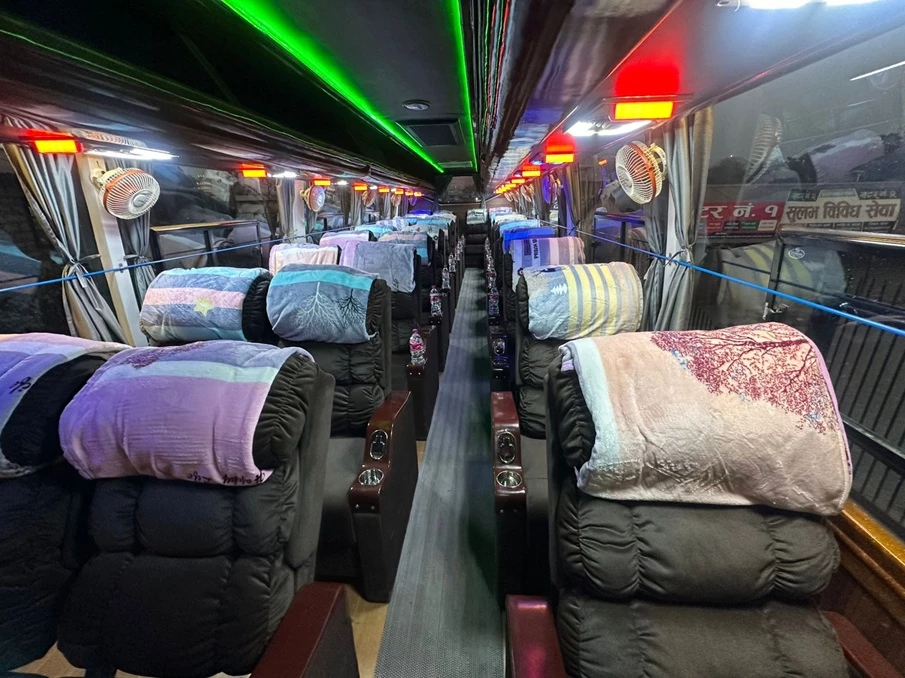
Check the Chitwan VIP Sofa Bus Ticket Price and compare luxury bus services, routes, travel time, seating comfort, onboard facilities, and booking options for a comfortable journey to Chitwan.

Tourist Bus – Everything You Need to Know

The tourist bus is the most popular choice for international travellers heading from Kathmandu to Pokhara. Here is a detailed look at what to expect:

Departure Time and Location

Tourist buses from Kathmandu to Pokhara depart daily at 7:00 AM—some deluxe and express services also depart at 8:00 AM. Buses depart from the tourist bus park near Kantipath in central Kathmandu, close to Thamel. Many hotels arrange pickup from the Thamel pickup bus park – ask your hotel or booking agent.

Arrival in Pokhara

Tourist buses arrive directly at the Lakeside (Baidam) area of Pokhara – the heart of the tourist district with hotels, restaurants, and shops right on Phewa Lake. This is a major advantage over local buses, which arrive at the Prithvi Chowk bus station on Pokhara’s outskirts.

Onboard Experience

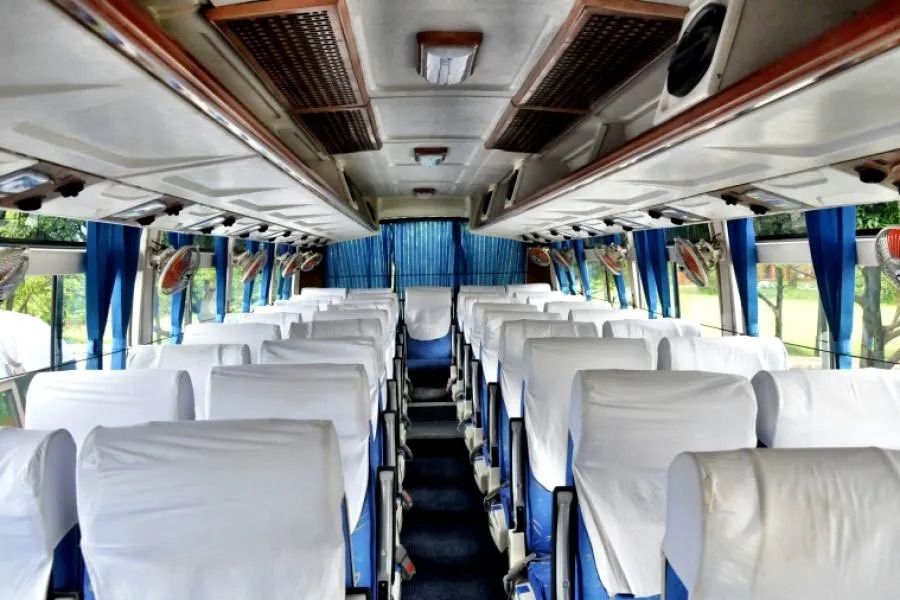
  • Air conditioning available on all tourist buses (quality varies – bring a light jacket)
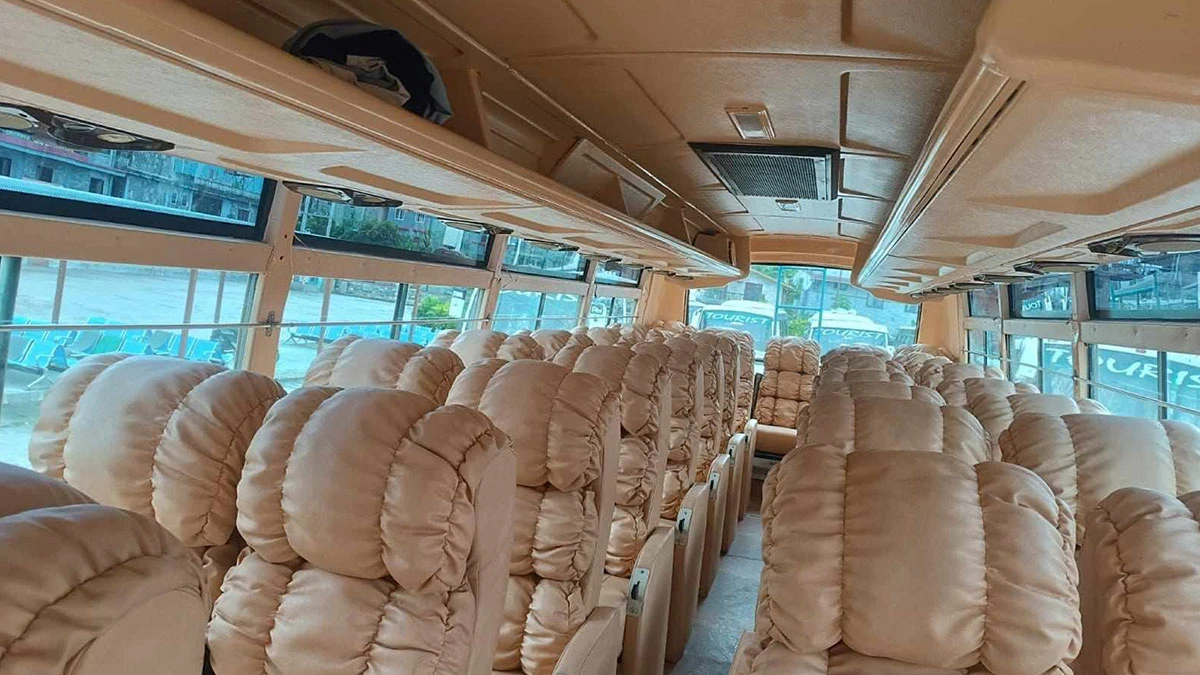
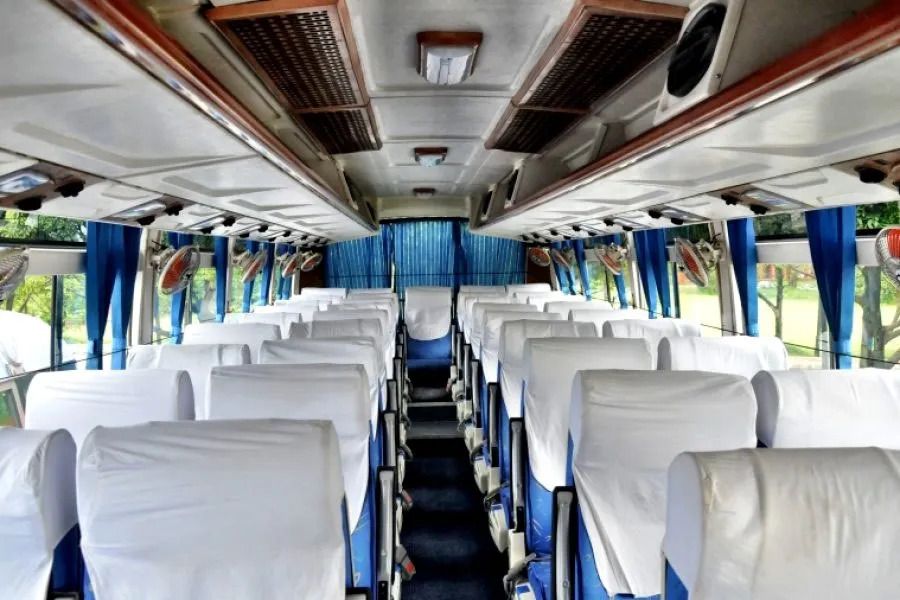
  • Reclining seats with reasonable legroom (deluxe buses have wider, more comfortable seats)
  • One designated rest and lunch stop at Mugling junction (approximately halfway)
  • Drinking water is sometimes provided – carry your own to be safe
  • No onboard toilet – scheduled stops are made at roadside facilities
  • Luggage stored in the undercarriage hold – keep valuables with you

Ticket Price

Standard tourist bus: USD 9-10 per person. Deluxe tourist bus: USD 12-15 per person.Luxury sofa bus: USD 15-20. Super luxury sofa bus: USD 25-30, including lunch. Prices are per seat, not per vehicle.

Bus Ticket Price Comparison: All Options 2026

Bus ServiceDepartureArrivalPrice (USD/person)Includes
Standard Tourist Bus7:00 AM2:00–3:00 PM $ 9- 100Seat + luggage storage
Deluxe Tourist Bus7:00 AM2:00–3:00 PM$ 12- 15Wider seat + A/C + water
Luxury Vip sofa7:30 AM1:30–2:30 PM$15-20Faster route, fewer stops
Super Vip Luxury Bus sofa8:00 AM2:00–3:00 PM$ 25- 30Seat + lunch + A/C + water
Local Night Bus7:00 PM3:00–5:00 AM$4 – $7Basic seat only
Private CarFlexibleFlexible$ 120- $ 150Full car, door-to-door
Private Hiace (full vehicle)FlexibleFlexible$130 – $200Full van, door-to-door

Note: Local public buses are available from the Gongabu Bus Park in Kathmandu for as little as NPR 400–600 per person, but they travel much more slowly, are significantly less comfortable, and do not stop at Lakeside Pokhara.

The Route: Kathmandu to Pokhara Road Journey

The Prithvi Highway is one of Nepal’s most scenic drives. Here is what you will see and experience at each stage of the bus journey:

Kathmandu to Naubise (30 km | 45 min)

The bus exits Kathmandu through Kalanki in the west and climbs over the Chandragiri foothills before descending to Naubise. This section can be slow during morning traffic. Clear views back over the Kathmandu Valley are visible from the hill ridge before the descent.

Naubise to Malekhu (50 km | 1 hr)

The road drops into the Trishuli River gorge and runs along the riverbank through beautiful forested hills. Malekhu is a popular roadside stop known for fresh river fish restaurants. You may spot white-water rafters on the Trishuli below.

Sit on the left side of the bus for the best river views.

Malekhu to Mugling Junction (30 km | 45 min)

The gorge narrows, and the river becomes more dramatic. Mugling is the halfway point and the designated lunch stop for all tourist buses. The town has many restaurants – dal bhat, momo, noodles, and tea are all available.

Budget 30–45 minutes here. Please use the facilities; there is no onboard toilet.

Mugling to Damauli (50 km | 1 hr)

From Mugling, the road turns northwest, following the Marsyangdi River valley. Dumre is the turnoff for buses heading to the Annapurna Circuit starting points. Damauli is a pleasant town overlooking the confluence of the Seti and Madi rivers, with panoramic views of the Annapurna range on clear days.

Damauli to Pokhara Lakeside (40 km | 45 min)

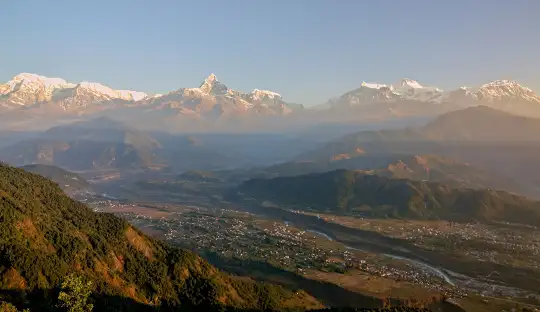
The final stretch descends into the wide Pokhara valley. On clear days, the entire Annapurna Himalayan range – including Machhapuchhre (Fishtail) at 6,993 m – fills the horizon ahead. The bus arrives directly at the Lakeside tourist area.

Most hotels are within walking distance or a short taxi ride.

Tourist Bus vs Private Car – Which is Right for You?

Not sure whether to take the tourist bus or hire a private vehicle? Here is a full comparison to help you decide:

FeatureTourist BusPrivate Car / Jeep
Cost$10–$30 per person$120–$160 for the full vehicle (cheaper for 3+ people)
Travel time7–8 hours5–6 hours
DepartureFixed 7:00 AM onlyAny time you choose
PickupSorakhute bus stationYour hotel door
Drop-offLakeside area (Pokhara)Your hotel door in Pokhara
StopsFixed – Mugling onlyStop anywhere, anytime
Luggage spaceUndercarriage holdFull boot space, no limits
PrivacyShared with 30–40 peopleYour group only
FlexibilityFixed scheduleCompletely flexible
Best seat viewWindow seat (left side)Any seat – stop for photos
Best forSolo, budget, backpackersFamilies, groups, trekkers

Our recommendation: For groups of 3 or more, a private car costs the same or less per person as a tourist bus – with door-to-door service, no fixed schedule, and significantly faster travel time. For solo travellers and backpackers, the tourist bus is an excellent value and a great way to meet fellow travellers.

Kathmandu to Pokhara Deluxe Bus

Reeline Bus – Nepal’s Top-end Bus Service

Greenline is Nepal’s most reputable and popular top-end tourist bus service on the Kathmandu-to-Pokhara route. Here is everything you need to know about Greenline:

Ticket Price: USD 30 per person

Departure: 8:00 AM daily from Thamel area (hotel pickup available). Pickup: Approximately 2:00–3:00 PM at Lakeside Pokhara

Included: Air-conditioned top-end bus + complimentary lunch at Mugling + drinking water + WiFi (where available)

Seat Width: Wider, more comfortable seats than standard tourist buses

Booking: Book through Vehicle Hiring Nepal, Greenline offices in Thamel, or online

Greenline is consistently rated the most comfortable and reliable bus service on this route. The complimentary lunch at their partner restaurant in Mugling is a genuine sit-down meal – not just a chai stop. Highly recommended for travellers prioritising the best seat on the Kathmandu to Pokhara Bus

Seat selection on the tourist bus can significantly affect your journey experience. Here is our seat guide:

Left Side Window Seats (Best for Views)

Seats on the left side of the bus (when facing forward) offer the best views of the Trishuli River gorge from Naubise to Mugling. The river runs close to the road on this side, and the views are spectacular. Book your seat early and request a left-side placement when purchasing your ticket.

Front Seats (Best for Legroom and Views)

The front two rows offer the most legroom and the widest windscreen views of the road ahead. However, front seats can be bumpier on rough sections of road. The seat directly behind the driver is not recommended as the driver’s radio and conversations can be distracting.

Rear Seats (Avoid if Possible)

The rear seats above the back axle receive the most road vibration and are the least comfortable on the winding sections near Naubise and Mugling. Avoid rear seats if you are prone to motion sickness.

Motion Sickness Advice

The Kathmandu-Pokhara road has winding sections, particularly between Naubise and Mugling. If you are prone to motion sickness, take medication at least 30 minutes before departure, sit toward the front of the bus, fix your gaze on the road ahead, and keep a window cracked for fresh air. Avoid reading or looking at your phone on winding sections.
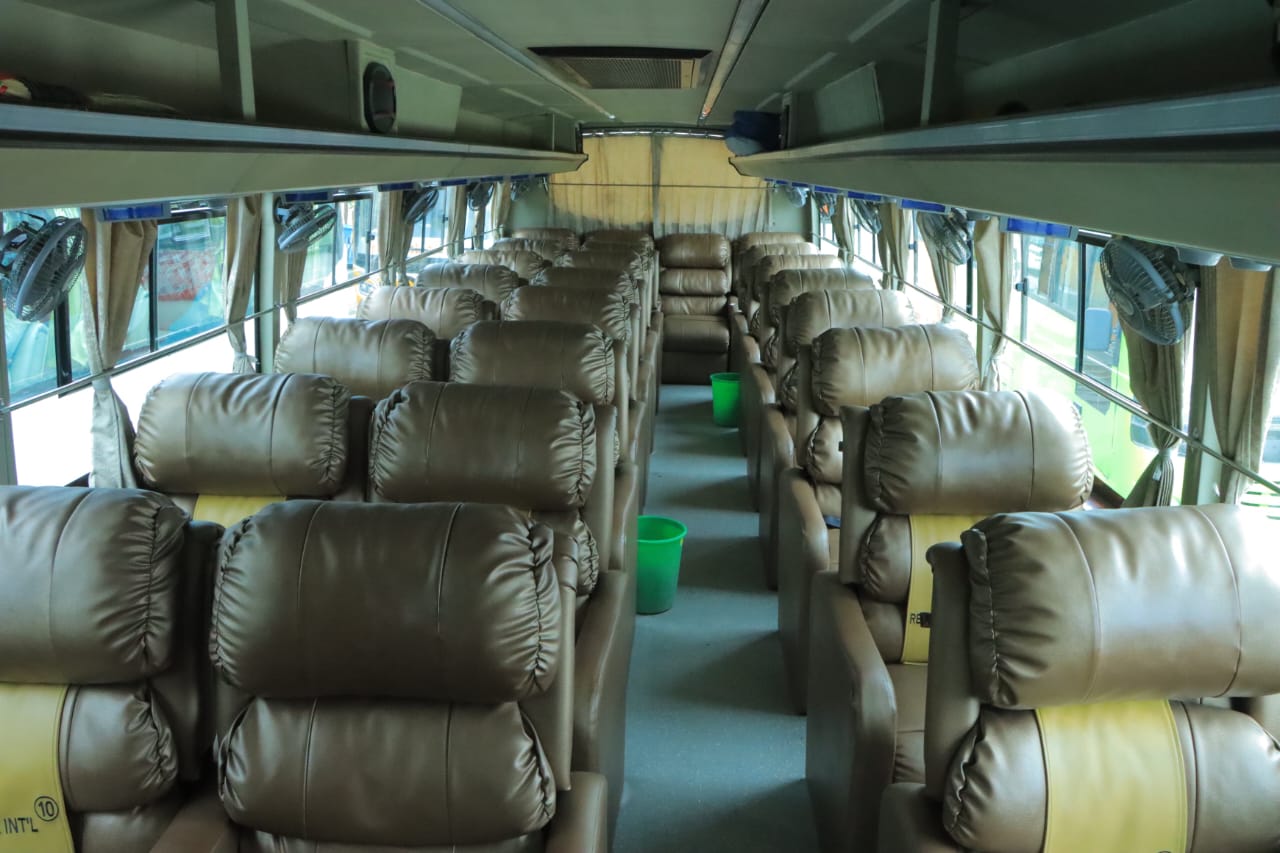
Kathmandu to Pokhara Bus

Where to Buy Kathmandu to Pokhara Bus Tickets

There are several easy ways to purchase your Kathmandu to Pokhara bus ticket:

The easiest and most reliable way to book your bus ticket is through Vehicle Hiring Nepal. We sell tourist bus and deluxe bus tickets for all major operators. Please WhatsApp us your travel date and preferred bus type, and we will confirm your seat within minutes.

We can also arrange a hotel pickup from the bus pickup point.

Book at Your Thamel Hotel

Most guesthouses and hotels in Thamel have a front desk or a travel agent who sells tourist bus tickets. This is convenient, but prices are sometimes slightly higher due to the agent’s commission. Always confirm which bus company and seat number you are purchasing.

Buy Direct at the Tourist Bus Park

The tourist bus park on Kantipath is where all tourist buses depart. You can purchase tickets directly at the booking counters on the morning of travel, though popular departures on peak days may sell out. Arrive by 6:30 AM if buying on the day.

Book Online in Advance

Several Nepali travel platforms and Greenline’s own website allow advance online booking. This is recommended during peak trekking season (October–November and March–May) when buses can fill up. However, online booking often requires a Nepali card or bank transfer – WhatsApp booking with Vehicle Hiring Nepal is simpler for international travellers.

Best Time to Take the Kathmandu to Pokhara Bus

October to November (Peak Season)

The most popular time for the Kathmandu-to-Pokhara bus journey is October to November. The skies are clear, Himalayan views from the Pokhara valley are striking, and the road is in excellent condition after the monsoon. Book your bus ticket at least 2–3 days in advance, as buses fill quickly during this peak trekking season.

December to February (Quiet and Clear)

Winter is a beautiful time for the road journey to Pokhara. Traffic is lighter, views of the Annapurna range from the Pokhara valley are among the clearest of the year, and bus tickets are easy to get without booking. Carry a warm jacket as the bus A/C can feel very cold in winter.

March to May (Spring Season)

Spring is excellent for the Pokhara journey with rhododendrons in bloom along the hillsides. The weather is warm and generally dry. Mountain views are good in the morning, but can get hazy by afternoon—a popular season for Annapurna trekkers heading through Pokhara.

June to September (Monsoon)

The Prithvi Highway remains open during the monsoon, but heavy rain can slow the journey. Landslides occasionally block sections of the road, particularly between Naubise and Mugling. Journey times can extend to 9–10 hours during severe rain.

Clouds often obscure mountain views. Buses run daily, but delays are common. Choose a private vehicle for more flexibility when travelling during the monsoon.
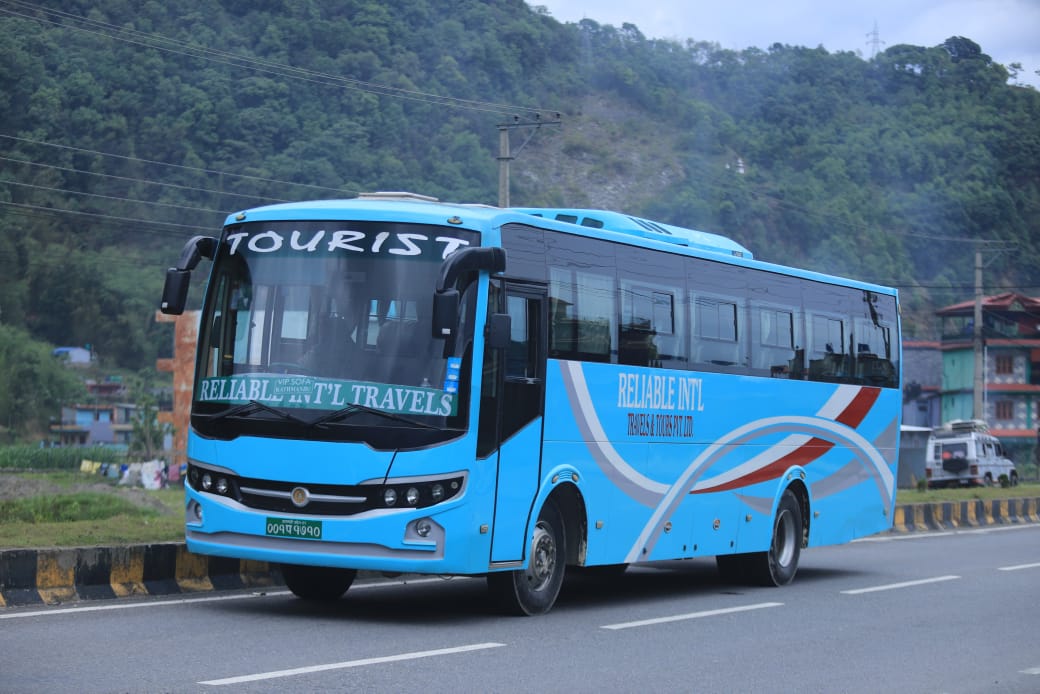
Kathmandu to Pokhara Bus: Traveler’s Complete Guide

Kathmandu to Pokhara Bus Journey – Practical Tips

  • Depart as early as possible – the 7:00 AM tourist bus is always best; later departures risk arriving in Pokhara after dark.
  • Book your ticket at least 1–2 days in advance during October–November and March–May peak seasons.
  • Request a left-side window seat for the best views of the Trishuli River between Naubise and Mugling.
  • Bring your own snacks and 1–2 litres of water for the journey – the only scheduled stop is Mugling.
  • Use the toilet at the Mugling rest stop – there are no onboard facilities
  • Keep your daypack with valuables inside the bus cabin – do not put cameras, money, or passports in the luggage hold
  • Wear layers – tourist bus A/C can be aggressively cold, especially in the morning and during winter
  • Take motion sickness medication before departure if needed – the Naubise section is quite winding
  • Download offline maps (Maps.me or Google Maps offline) before departing – signal can be patchy in the gorge
  • Take a photo of your luggage tag when checking baggage into the hold for easy identification at Pokhara

What to Do When You Arrive in Pokhara

Tourist buses drop passengers at the Lakeside (Baidam) bus stop area in Pokhara – the heart of the tourist district. Here is what to do on arrival:

  • Most hotels are within 5–15 minutes walking distance of the Lakeside drop point
  • Taxis are available at the drop point for around NPR 200–400 to most Lakeside hotels
  • Exchange money at Lakeside exchange counters or withdraw from ATMs on the main Lakeside road
  • If arriving in the afternoon on a clear day, take a short walk to the Phewa Lake shore for sunset views of Machhapuchhre and Annapurna.
  • If you are trekking, your trekking agency or guide will meet you at your hotel – confirm meeting time in advance.
  • Pokhara’s Sarangkot viewpoint is best visited the morning after arrival – pre-arrange a taxi or vehicle for a 5:00 AM departure.

Tourist bus and coaster hire in Nepal

Alternative: Bus to Pokhara + Private Jeep Onward

Many smart travellers use a combination approach for Nepal travel – taking the comfortable tourist bus from Kathmandu to Pokhara to save money, then hiring a private jeep from Pokhara for the more adventurous mountain routes onward. This is a popular option for:

  • Trekkers heading to Jomsom, Muktinath, and Mustang – tourist bus to Pokhara, then private jeep from Pokhara
  • Annapurna Circuit trekkers – bus to Pokhara, then jeep to Besisahar or Jagat trailhead
  • Groups where some members want the bus experience, and others prefer vehicle flexibility
  • Budget travellers who want to save on the Kathmandu–Pokhara leg and spend on the Pokhara–Mustang adventure

Vehicle Hiring Nepal can smoothly arrange both legs – a bus ticket from Kathmandu to Pokhara, and a private jeep from Pokhara to your mountain destination. Contact us for a combined package quote.

How to Book Your Kathmandu to Pokhara Bus Ticket

  1. Contact Vehicle Hiring Nepal via WhatsApp or visit vehiclehiringnepal.com
  2. Tell us your travel date and preferred bus type (standard / deluxe /Luxury Vip Sofa bus/ Super Luxury vip sofa bus )
  3. Provide your full name and the number of passengers
  4. We confirm seat availability and send you ticket details
  5. Pay via cash at our Thamel office, online transfer, or on the day of travel
  6. Receive your ticket confirmation with the bus company name, departure time, and pickup point
  7. You or our staff will confirm hotel pickup and bus pickup

WhatsApp: +977 981-4227196
Email: [email protected]

Frequently Asked Questions

What time does the tourist bus leave Kathmandu for Pokhara?

The standard tourist bus departs daily at 7:00 AM from the Sorakhute tourist bus park near Thamel, Kathmandu. Luxury sofa buses and some deluxe services depart at 8:00 AM. There are no afternoon tourist bus departures – only night local buses, which are not recommended for tourists.

How long does the bus take from Kathmandu to Pokhara?

The standard tourist bus takes 7 to 8 hours, including the Mugling lunch stop of approximately 30–45 minutes. Express and Greenline buses can complete the journey in 6- 7 hours. Journey time varies depending on road conditions and traffic.

Where does the tourist bus drop off in Pokhara?

Tourist buses arrive in Pokhara’s Lakeside (Baidam) area, the main tourist district. This is directly beside Phewa Lake with hotels, restaurants, and trekking agencies all within easy walking distance.

Is the tourist bus safe?

Yes. Licensed tourist buses operating on the Kathmandu-to-Pokhara route are well-maintained, regularly inspected, and driven by experienced professional drivers. The Prithvi Highway is Nepal’s main national highway and is in good general condition.

Vehicle Hiring Nepal only sells tickets for reputable, licensed tourist bus operators.

Can I book a bus ticket on the same day of travel?

Yes, in most cases, you can purchase a ticket on the morning of travel at the bus park (arrive by 6:30 AM). However, during peak season (October–November and March–May), buses can sell out. We strongly recommend booking at least 1–2 days in advance through Vehicle Hiring Nepal to guarantee your seat.

Is food included in the bus ticket?

Food is NOT included in standard or deluxe tourist bus tickets – you pay for your own lunch at Mugling. Food IS included in the Super VIP luxury bus ticket at USD 30. The Mugling lunch stop has many restaurants with a wide range of food options.

What is the difference between a tourist bus and a local bus?

Tourist buses are air-conditioned coaches with reclining seats that depart from the Thamel area and drop off at Lakeside Pokhara, designed specifically for international travellers. Local public buses depart from Gongabu Bus Park (far from Thamel), are significantly more crowded and less comfortable, lack A/C, and drop off at Prithvi Chowk bus station in Pokhara, which requires a further taxi ride to Lakeside.

Tourist buses cost more but are worth the extra amount for the comfort and convenience.

Can I take a night bus from Kathmandu to Pokhara?

Local night buses are available, departing around 7:00–9:00 PM and arriving in Pokhara early in the morning, around 3:00–5:00 AM. These are basic local buses without A/C that arrive at Prithvi Chowk in the dark, which isn’t ideal for international travellers unfamiliar with Pokhara. We do not recommend night buses for tourists – the daytime tourist bus journey is far superior.

What if I want to travel with a large group?

For groups of 15 or more, we strongly recommend a private Hiace van or Coaster bus rather than multiple individual bus tickets. A private vehicle is often cost-competitive for large groups, offers door-to-door service, complete departure flexibility, and keeps your entire group together. Contact Vehicle Hiring Nepal for group vehicle quotes.

Final Thoughts

The Kathmandu-to-Pokhara bus journey is a classic Nepal travel experience – a 7-hour ride through some of the most dramatic river-gorge and mountain-valley scenery in South Asia. Whether you choose the budget standard tourist bus, the comfortable Greenline top-end service, or decide to upgrade to a private vehicle, the road from Kathmandu to Pokhara is always an adventure.

Vehicle Hiring Nepal makes booking simple and reliable. We sell tourist bus tickets for all major operators on this route and also offer private cars, Hiace vans, Coaster buses, and jeeps for groups and travellers who want door-to-door flexibility. Whatever your travel style and budget, we have the right option for you.

Book your Kathmandu-to-Pokhara bus ticket or private vehicle today. Contact us on WhatsApp at +977 981-4227196 or visit Nepal Vehicle Hiring
Jeep vs Bus to Syabrubesi

Syabrubesi way (1)

Jeep vs Bus to Syabrubesi: Which is Better for Your Langtang Trek?

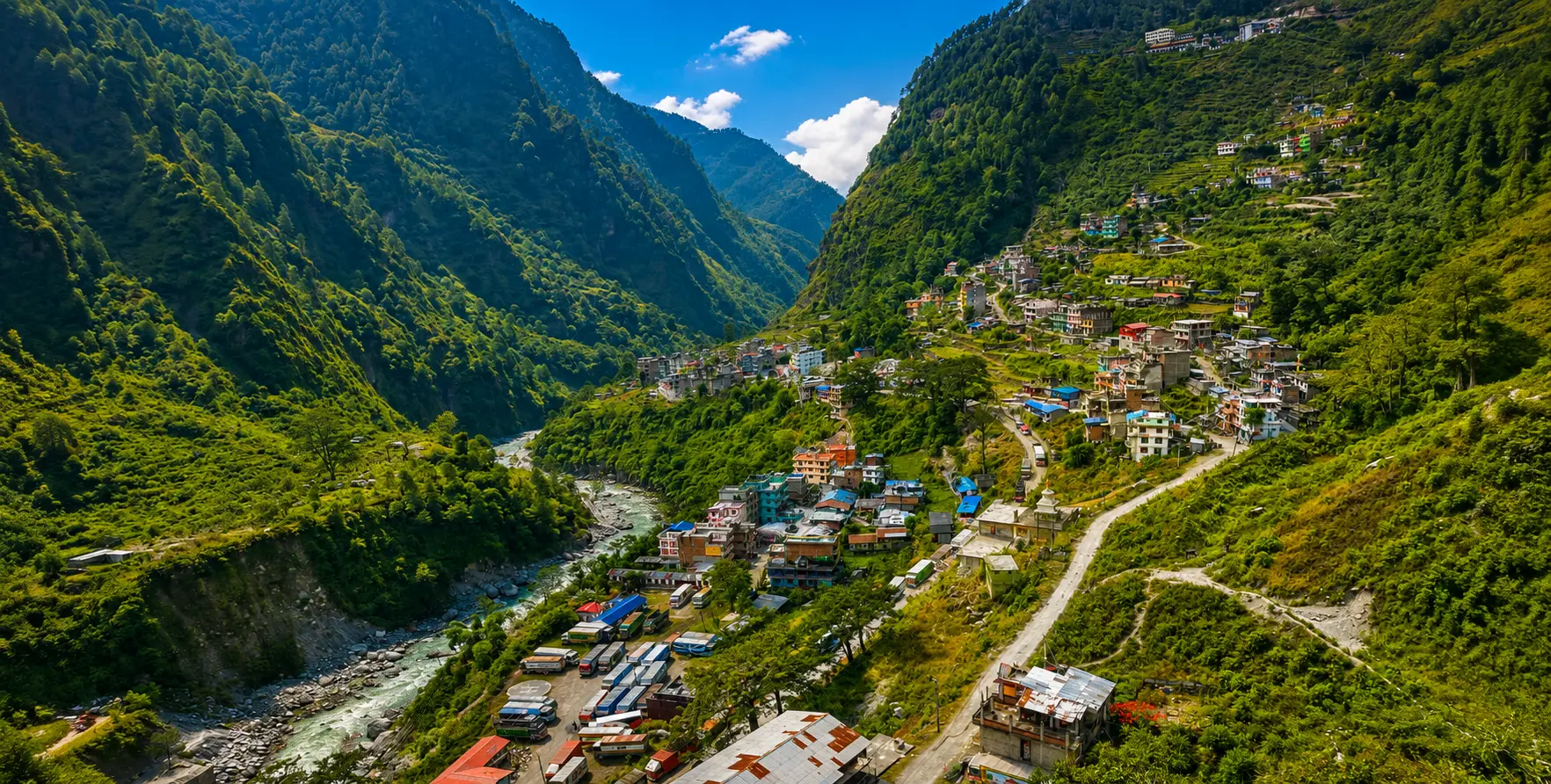
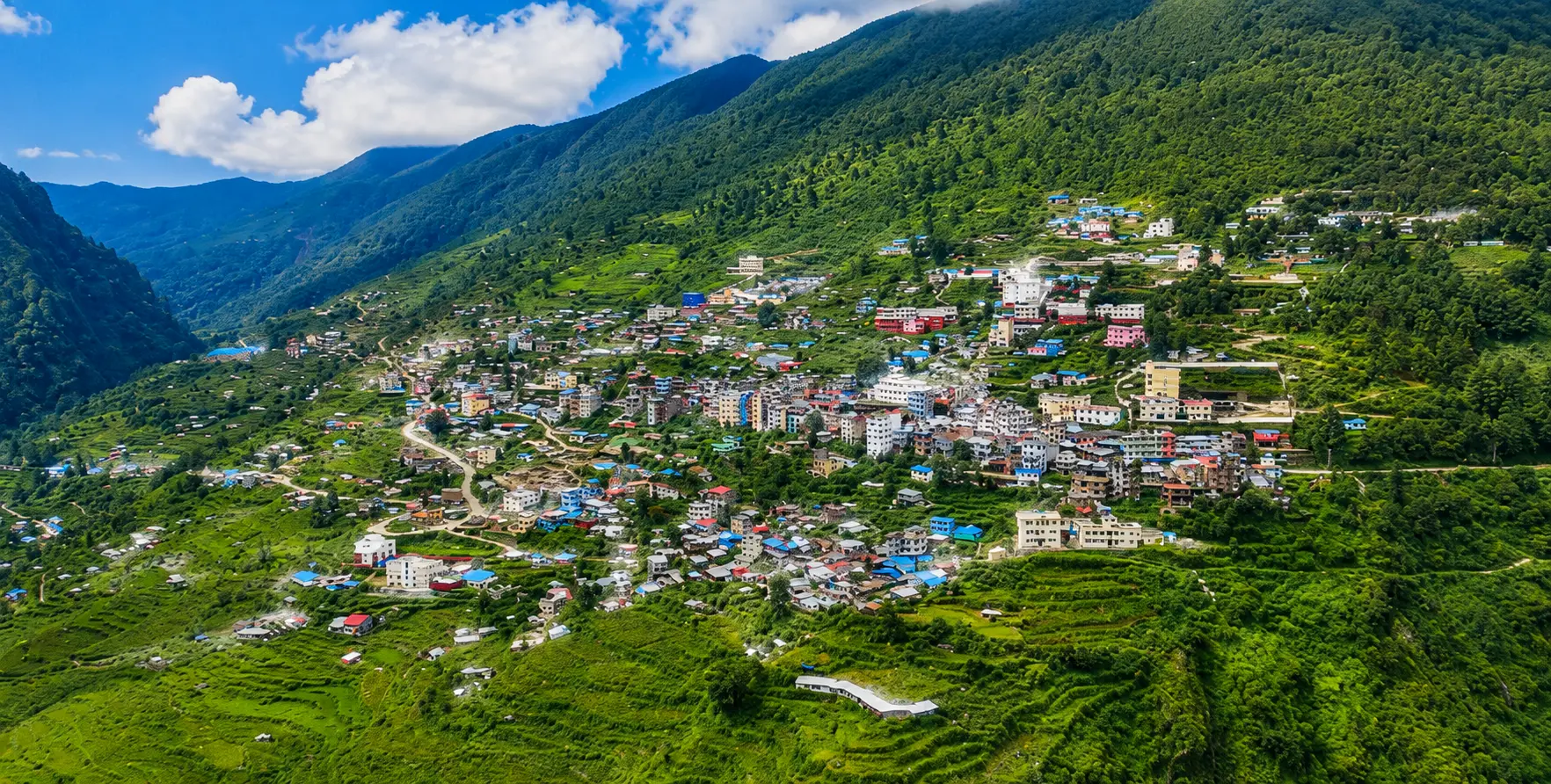
Syabrubesi is the principal gateway to some of Nepal’s most beautiful trekking regions — the Langtang Valley Trek, the Tamang Heritage Trail, the Gosaikunda Lake Trek, and the Ganjala Pass Trek. At an altitude of 1,550 meters in the Rasuwa District, this scenic mountain village lies about 122 kilometres north of Kathmandu.

Unlike popular destinations such as Pokhara or Lukla, the Kathmandu-Syabrubesi route has no flights or luxury tourist coaches. Your main transport options are a jeep or a bus — and choosing between them can genuinely shape how your trekking adventure begins.

This 2026 guide by Nepal Vehicle Hiring Pvt Ltd gives you a thorough and honest comparison of all transport options across every factor that matters: cost, travel time, comfort, road conditions, departure points, flexibility, and which option suits each type of traveller.


About Syabrubesi – Gateway to the Langtang Region

Syabrubesi is a charming village at the confluence of the Bhote Koshi and Langtang Khola rivers, surrounded by dense forests and dramatic gorge scenery in the Rasuwa District. It is the official trailhead for the Langtang Valley Trek, Tamang Heritage Trail, and Gosaikunda Lake Trek.

Because there are no flights and no luxury coach services to Syabrubesi, every trekker must choose between a jeep and a bus. Understanding your options in detail is essential to starting your trek on the right foot.

Key FactDetail
Altitude1,550 metres above sea level
Distance from KathmanduApproximately 122 km
DistrictRasuwa District, Bagmati Province
Main TreksLangtang Valley, Tamang Heritage Trail, Gosaikunda, Ganjala Pass
Flight OptionNone – road transport only
Nearest TownDhunche (approximately 10 km before Syabrubesi)
Best SeasonsSpring (March–May) and Autumn (September–November)

The Route: Kathmandu to Syabrubesi – Stage by Stage

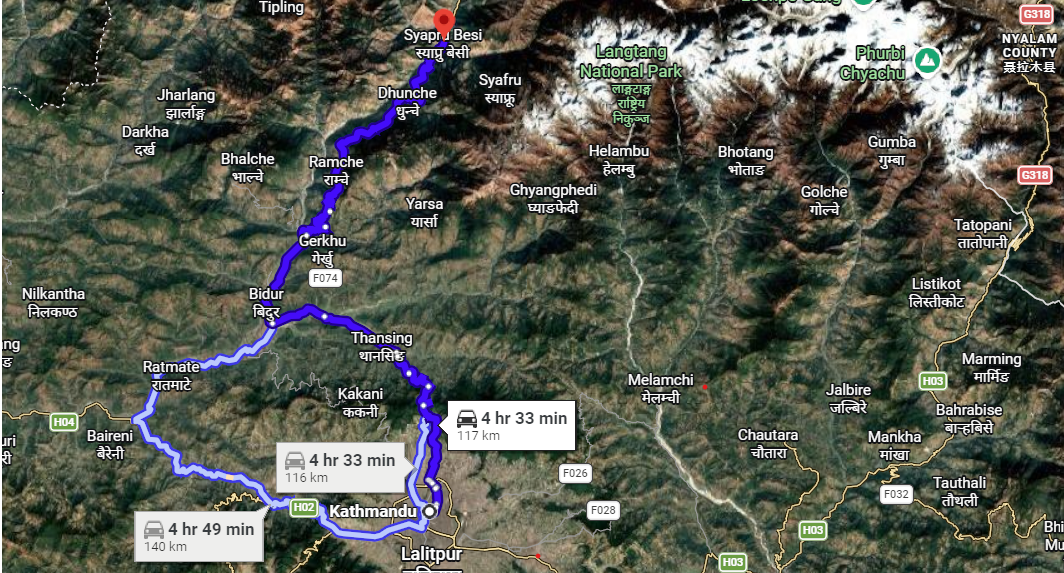
The main route follows the Pasang Lhamu Highway (Langtang Road) from Kathmandu through Tokha and Dhikure, Trishuli Bazaar, Betrawati, and Dhunche before descending to Syabrubesi. Private vehicles use an alternate route, Kakani and Galchhi

StageRoute SectionDistanceRoad Condition
1Kathmandu to Tokha and Dhikure 45.5 kmPaved, smooth, good condition
2Dhukure to Trishuli Bazaar 12.5 to 13.7 kmPaved, scenic river gorge, good
3Trishuli to Ramche 33 kmNarrower, winding, moderate condition
4Ramche to Dhunche (Landslide Zone) 15.5 kmRough, unpaved sections – 4WD recommended
5Dhunche to Syabrubesi 17 kmSteep, narrow, bumpy mountain road

Syabrubesi

Public Bus from Kathmandu to Syabrubesi

Then, descending is the most affordable way to reach Syabrubesi. It suits solo budget travelers and those who enjoy the authentic local experience of traveling on Nepali mountain roads.

Bus Departure Details and Fares

Bus TypeDeparture PointDeparture TimeEst. ArrivalFare (NPR)
Local BusMachhapokhari, Gongabu BP6:00–7:00 AM4:00–5:00 PM700–1,000
Express BusMachhapokhari, Gongabu BP7:00–8:00 AM3:30–4:30 PM1,500-2,000
Deluxe BusGongabu Bus Park6:00–8:30 AM3:00–4:00 PM2,000-25,00

Pros of Taking the Bus

  • Most affordable option – NPR 700 to 2,000 per person
  • Authentic local travel experience – meet Nepali locals and fellow trekkers
  • Regular daily departures – multiple buses every morning
  • No advance booking required in the off-season
  • Good for solo travelers on the tightest budget

Cons of Taking the Bus

  • Longest travel time – 8 to 10 hours or more
  • Crowded, with frequent stops for local pickups and drop-offs
  • Fixed departure point at Machhapokhari – no hotel pickup
  • Limited luggage space – large trekking bags can be difficult to manage
  • The rough Ramche section is significantly more uncomfortable on a bus
  • Back seats are especially rough – avoid them if possible

pokhara to kathmandu seorpio

Sharing Jeep from Kathmandu to Syabrubesi

The sharing jeep (known locally as a Sumo) is the favourite option of experienced trekkers. It is significantly faster than the bus and takes the shorter Tokha–Dhikure route, saving 2 to 3 hours of travel time.

Sharing Jeep Key Details

DetailInformation
Departure PointMachhapokhari / Gongabu area, Kathmandu
Departure Time6:00 AM – 11:30 AM (departs when full)
Capacity7 to 9 passengers per jeep
Travel Time6 to 7 hours
Cost per PersonNPR 2,000 – 3,000 (approx. USD 15–20)
RouteTokha – Dhikure – Trishuli – Dhunche – Syabrubesi (shorter route)
StopsTea break at Trishuli, lunch stop, Dhunche checkpoint

Pros of the Sharing Jeep

  • 2 to 3 hours faster than the public bus
  • Higher ground clearance – handles the Ramche landslide better than buses.
  • More comfortable than a local bus with fewer passengers
  • More affordable than a private jeep for solo travelers
  • Uses the shorter Tokha–Dhikure route for maximum efficiency

Cons of the Sharing Jeep

  • Middle and rear seats can be cramped, especially for tall travellers
  • Departs only when all seats are filled – possible waiting time
  • No hotel pickup – you must travel to Machhapokhari yourself
  • Less luggage space compared to a private vehicle

Private Jeep Hire from Kathmandu to Syabrubesi

A private jeep from Nepal Vehicle Hiring Pvt Ltd is the top-end travel option for the Kathmandu-Syabrubesi route. It is the best choice for groups of 4 or more, families, and all trekkers who value comfort, speed, and full flexibility.

Private Jeep Key Details

DetailInformation
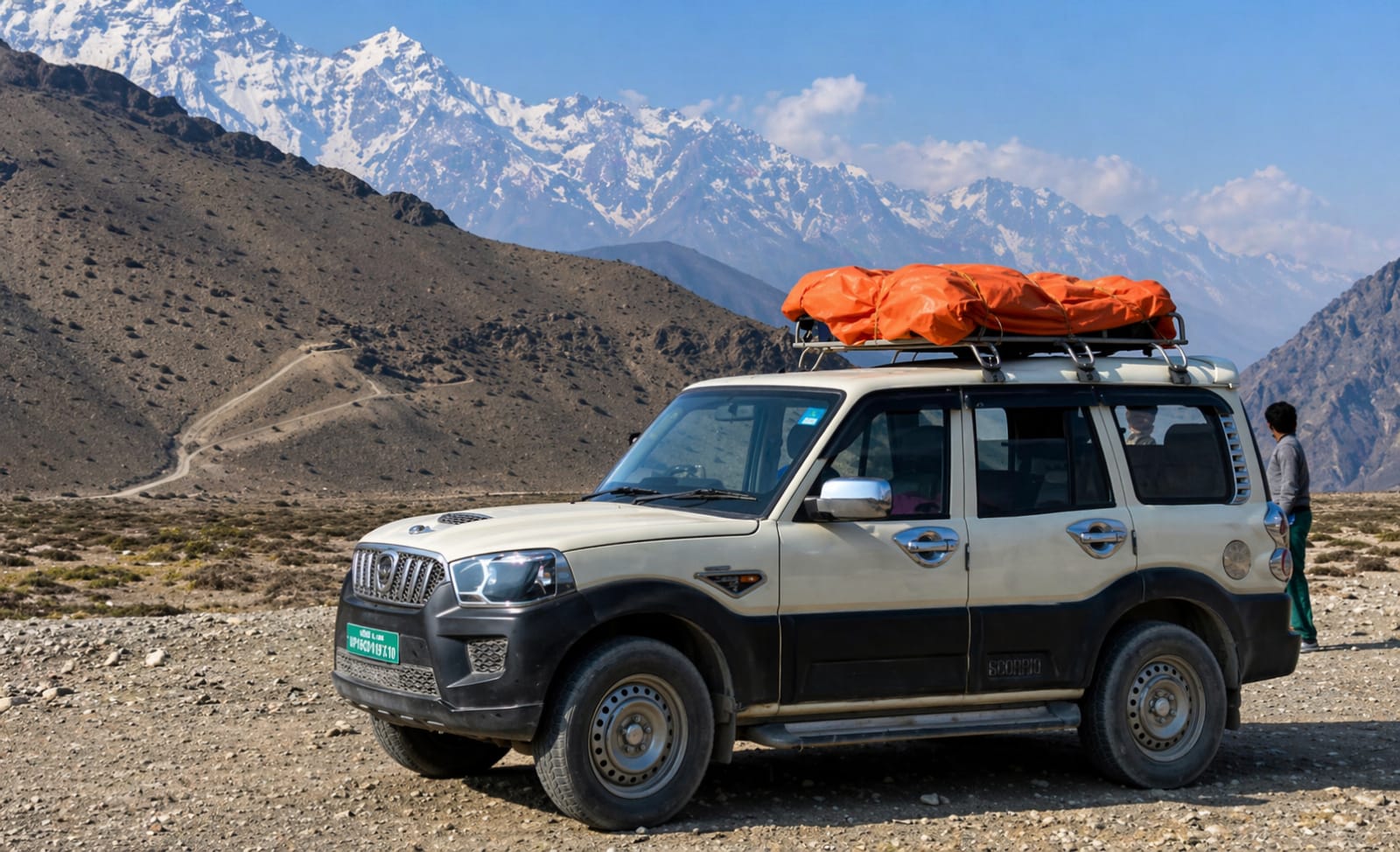
Vehicle Type4WD Toyota Hilux, Land Cruiser, or Scorpio
PickupDirectly from your hotel in Kathmandu
Departure TimeFully flexible – as early as 5:30 AM
Capacity4 to 6 passengers comfortably
Travel Time5 to 6 hours
Cost (Full Vehicle)NPR 25000 – 30,000 one way (approx. USD 180-200)
StopsCompletely on demand – wherever you choose
Luggage SpaceExcellent – full boot and roof rack available

Pros of the Private Jeep

  • Fastest option available – arrive 2 to 4 hours earlier than bus travelers
  • Door-to-door pickup from your hotel anywhere in Kathmandu
  • Full control over departure time – no early bus station rush
  • Stop freely at any viewpoint, temple, or restaurant along the route
  • Spacious, air-conditioned 4WD vehicle with ample luggage space
  • Experienced driver with full knowledge of the Syabrubesi route
  • 4WD capability for confident navigation of the Ramche landslide zone
  • Complete privacy – travel only with your own group
  • Best per-person value for groups of 4 or more

Cons of the Private Jeep

  • Higher total cost – NPR 25,000 to 30,000 for the full vehicle
  • Advance booking is recommended during peak trekking seasons

Complete Head-to-Head Comparison

CategoryPrivate JeepSharing JeepPublic Bus
Travel Time5–6 hours6–7 hours8–10 hours
Cost (Per Person est.)NPR 3,000–6,250 (group of 4–6)NPR 3000NPR 700–1,000
Cost (Total)NPR 2,7000-30,000
(USD 180- 200)
Per seat onlyPer seat only
Departure PointHotel pickupMachhapokhariMachhapokhari / Gongabu
Departure TimeFlexible6:00 AM–11:30 AM6:00 AM–8:30 AM
Comfort LevelHighMediumLow to Medium
Luggage SpaceExcellentModerateLimited
FlexibilityFullModerateNone
PrivacyCompleteShared (7–9 pax)None (30+ passengers)
4WD Road HandlingExcellentGoodAdequate
Scenic Stop FreedomYes – on demandLimitedNo
Best ForGroups, familiesSolo / budget + speedSolo budget travellers

Who Should Choose Which Option?

Choose a Private Jeep If…

  • You are travelling in a group of 4 or more people
  • You are traveling as a family with children or elderly members
  • You want the fastest, most comfortable journey possible
  • You want hotel pickup and a flexible departure time
  • You have large trekking bags, camping gear, or extra luggage
  • You want to stop freely at viewpoints and cultural sites along the route

Choose a Sharing Jeep If…

  • You are a solo travellers who wants speed without the full private vehicle cost
  • You want to save 2 to 3 hours compared to the bus
  • You are comfortable sharing with 6 to 8 other passengers
  • You do not mind making your own way to Machhapokhari early in the morning

Choose the Bus If…

  • You are travelling solo on the tightest possible budget
  • You enjoy the authentic local experience of Nepali mountain bus travel
  • You are not in a hurry and can comfortably handle 8 to 10 hours on the road
  • You do not have oversized luggage that would be difficult on a bus

Road Conditions: Kathmandu to Syabrubesi 2026

Kathmandu to Trishuli Bazaar

The Tokha-Chhahare-Dhukure road is the most efficient shortcut from Kathmandu to Trishuli, covering approximately 35 km. Starting from Tokha in northern Kathmandu, the route climbs steeply to Gurje Bhanjyang ( m), offering panoramic views of the Langtang and Ganesh Himal ranges.

The route then descends via sharp hairpin bends to Chhahare in Nuwakot, continues along a flatter, faster stretch through Dhukure, and ends in Bidur/Trishuli.

Trishuli to Ramche

From Trishuli, the road climbs through spectacular river gorge scenery alongside the Trishuli River. The road narrows and becomes windier but is generally in reasonable condition. This section takes approximately 2 to 2.5 hours.

Ramche to Dhunche – The Landslide Zone

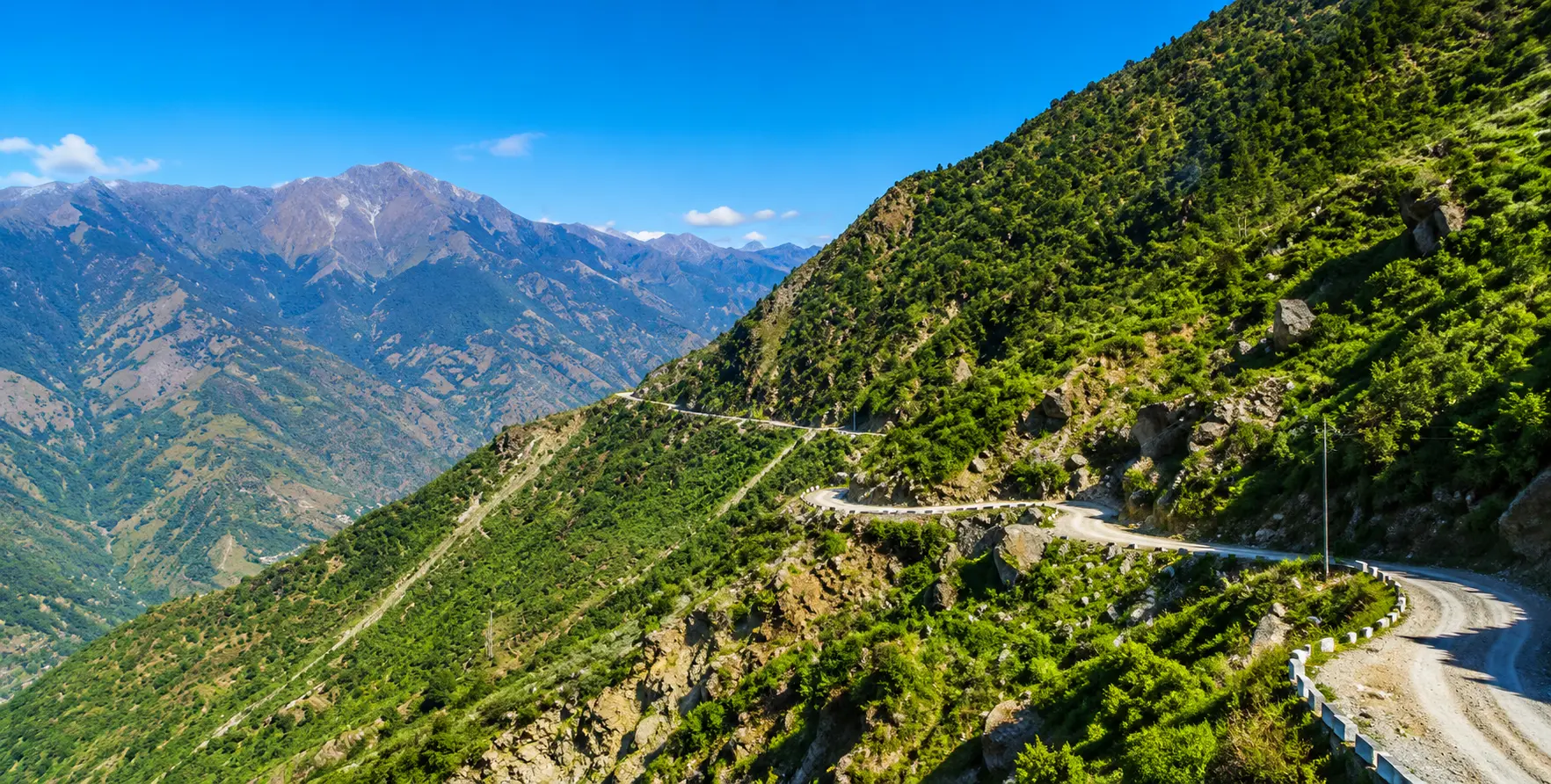
The approximately 3 km Ramche landslide zone near Dhunche remains the most technically challenging part of the route as of 2026. Road improvement work is ongoing but sections are rough and unpaved. High ground clearance and 4WD capability are strongly recommended here. Jeeps handle this section noticeably better than buses.

Ramche to Syabrubesi

The final descent involves steep switchbacks and a narrow mountain road above a dramatic gorge. The views here are spectacular. The road is rough but fully navigable with an experienced driver.

Monsoon Warning (June–August): Heavy rainfall significantly increases the risk of landslides on this route. The Ramche and Dhunche sections are especially affected. Nepal Vehicle Hiring strongly advises against travel on this route during the monsoon season.

Kathmandu to Syabrubesi Route Map

Jeep vs Bus to Syabrubesi

Cost Breakdown: All Options 2026

OptionCost (NPR)Cost (USD Approx.)Notes
Local BusNPR 700–1,500/personUSD 5–8/personCheapest, slowest, most stops
Express BusNPR 1,500–2,000/personUSD 9–13/personFewer stops, slightly faster
Deluxe BusNPR 2,000–25,00/personUSD 13–16/personBest bus option, 2×2 seating
Sharing JeepNPR 25,00 –3,000/personUSD 15–20/personBest value for speed and cost
Private Jeep per person)NPR 4,500–6,250/personUSD 33–47/personBased on the full vehicle cost, split 4 ways
Private Jeep (full vehicle)NPR 27,000-3,0000USD 180-200Includes driver and fuel, all-inclusive

Note: All prices are based on market rates. Prices may vary by season, fuel costs, and vehicle condition. Contact Nepal Vehicle Hiring for an exact quote.
Best Time to Travel from Kathmandu to Syabrubesi

Peak trekking season. Roads are dry, skies are clear, and the Langtang region is at its most beautiful. Book private jeeps well in advance as demand is very high.

Post-monsoon season with excellent visibility and stable weather. Roads are in their best condition. The second peak season – booking is again recommended.

Winter (December to February) – Possible with Preparation

Roads are quieter and less crowded, but snowfall can affect the upper sections near Dhunche and Syabrubesi. A 4WD private jeep with winter-ready tyres and an experienced driver is essential.

Active landslide season. The Ramche zone and road between Dhunche and Syabrubesi are extremely hazardous. Nepal Vehicle Hiring does not operate this route during the monsoon season.
Practical Travel Tips for Kathmandu to Syabrubesi

  • Sit on the LEFT side of the vehicle for the best river gorge and mountain views throughout
  • Book your private jeep at least 3 to 7 days ahead during spring and autumn peak seasons
  • For the bus or a shared jeep, arrive at Machhapokhari by 6:00 AM sharp to get the best seats.
  • Carry sufficient Nepali cash for the full trip – no ATMs between Trishuli and Syabrubesi
  • Take motion sickness tablets before departure – the road from Trishuli onward is very winding
  • Carry a face mask or scarf for dusty sections near Ramche
  • Obtain your Langtang National Park permit and TIMS card in Kathmandu before departure
  • Bring at least 1.5 litres of water – refill at teahouses in Trishuli and Dhunche
  • Confirm road conditions before departure if travelling in April or November
  • Book official tickets only – avoid random brokers near the Gongabu bus park to prevent overcharging

Frequently Asked Questions

How long does the Kathmandu-to-Syabrubesi journey take?

By private jeep: 6 hours. By sharing a jeep: 6-7 hours. By public bus: 8-10 hours.

How much does a jeep to Syabrubesi cost?

A shared jeep seat costs NPR 25,00 to 3,000 per person. A private jeep hire costs NPR 25,000-30,000 for the full vehicle.

Where does the bus to Syabrubesi depart from?

All buses and shared jeeps depart from Machhapokhari Bus Park (near Gongabu/New Bus Park), approximately 15 to 20 minutes by taxi from Thamel.

Is there a flight from Kathmandu to Syabrubesi?

No. There are no domestic flights to Syabrubesi. Road transport is the only option.

Which is better – jeep or bus for the Langtang trek?

For groups of 4 or more, a private jeep is best. For solo travelers wanting speed, the sharing jeep is ideal. For the tightest budgets, the public bus works.

Nepal Vehicle Hiring offers the best overall travel experience with a private jeep.
Can I book the return journey from Syabrubesi to Kathmandu?

Yes. Nepal Vehicle Hiring provides return vehicle services from Syabrubesi to Kathmandu. Arrange this in advance before you depart from Kathmandu.
What permits are required for the Langtang region?

You need a Langtang National Park Entry Permit and a TIMS (Trekkers Information Management System) card. Both travellers can get them in Kathmandu from the Nepal Tourism Board office or through your trekking agency.

Our Final Verdict: Jeep or Bus to Syabrubesi?

Traveller ProfileBest ChoiceKey Reason
Group of 4+ trekkersPrivate JeepFastest, hotel pickup, full flexibility, best group value
Solo traveller – tight budgetLocal / Deluxe BusLowest fare, authentic local experience
Solo traveller – wants speedSharing JeepSaves 2–3 hours vs bus at reasonable cost
Family with children or elderlyPrivate JeepComfort, space, safety, no crowding
Couple or 2–3 travellersSharing a Jeep or a Private JeepSharing a jeep for budget; private for comfort
Large group 10+Private Van / BusContact Nepal Vehicle Hiring for group quotes

Book Your Kathmandu to Syabrubesi Vehicle with Nepal Vehicle Hiring

The Kathmandu-to-Syabrubesi journey is the exciting first chapter of every Langtang region trekking adventure. Whether you choose the budget-friendly public bus, the speedy shared jeep, or a comfortable private jeep, Nepal Vehicle Hiring Pvt Ltd has the right vehicle and driver for your journey.

Our professional drivers know every turn on the Kathmandu-Syabrubesi route. Our well-maintained 4WD fleet handles the Ramche landslide zone with confidence. And our flexible booking service means you travel on your terms, at your pace.

Contact Nepal Vehicle Hiring Pvt Ltd today at vehiclehiringnepal.com to book your vehicle in Syabrubesi and start your Langtang adventure the right way.

Book your jeep day— Call or WhatsApp
Website: www.vehiclehiringnepal.com
E-mail :[email protected]

Kathmandu to Jiri Road Trip Guide

Jiri

Kathmandu to Jiri Road Trip Guide : Route, Vehicles, Cost & Attractions

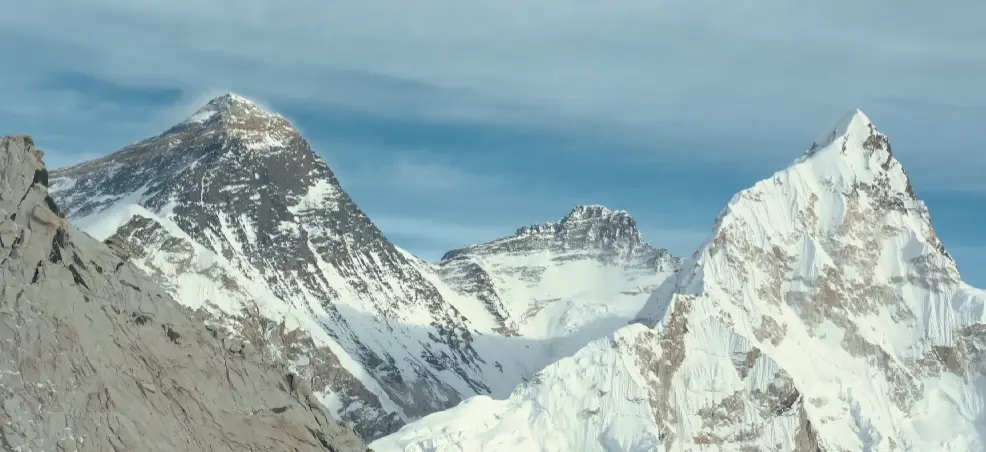
Jiri is one of Nepal’s most historically significant towns. Set in the Dolakha District at an altitude of 1,905 meters above sea level, Jiri is widely known as the Switzerland of Nepal for its stunning rolling hills, lush valleys, and panoramic views of the Himalayan range, including Mount Everest, Cho Oyu, and Makalu.

Before the Lukla airstrip was built, every mountaineer and trekker heading to Everest Base Camp began their journey right here in Jiri on foot.

Today, Jiri remains a beloved destination for trekkers, road trip enthusiasts, and travellers seeking an authentic Nepali mountain experience away from the crowds. The road trip from Kathmandu to Jiri is a classic Nepali journey — scenic, adventurous, and deeply rewarding.

At Nepal Vehicle Hiring Pvt Ltd, we offer professional, reliable vehicle hire services from Kathmandu to Jiri. This comprehensive 2026 guide gives you everything you need to plan your perfect road trip, from vehicle options and costs to route highlights and travel tips.

Why Take a Road Trip from Kathmandu to Jiri?

Experience the Switzerland of Nepal

Jiri’s landscape of terraced hills, alpine meadows, pine forests, and snow-capped mountain backdrops has earned it the nickname the Switzerland of Nepal. A road trip is the most in-depth way to appreciate this stunning scenery.

A Classic Everest Trekking Gateway

Jiri is the original starting point of the historic Jiri to Everest Base Camp Trek — the very same route used by Sir Edmund Hillary and Tenzing Norgay’s 1953 expedition team. Trekkers who start from Jiri gain extra acclimatisation days and experience a richer cultural journey through Sherpa villages.

Scenic River and Valley Drive

The road from Kathmandu to Jiri winds through river gorges, terraced farmland, and traditional Nepali villages, offering a window into authentic rural Nepali life that most tourists never see.

Flexible and Comfortable with Private Vehicle Hire

Hiring a private vehicle from Nepal Vehicle Hiring lets you stop at viewpoints, explore villages, enjoy meals at local teahouses, and travel entirely at your own pace—something a public bus can never offer.

Kathmandu to Jiri – Quick Facts

DetailInformation
Road DistanceApproximately 185–190 km
Travel Time by Jeep/Car6 to 9 hours (depending on road conditions)
Travel Time by Bus8 to 12 hours
Bus Departure PointJadibuti Bus Park (Araniko Bus Park), Kathmandu
Bus Departure Time5:00 AM – 6:00 AM
Jiri Altitude1,905 metres above sea level
DistrictDolakha District, Bagmati Province
Jiri NicknameSwitzerland of Nepal
Primary RouteAraniko Highway → Lamosanghu → Jiri Highway

Kathmandu to Jiri Route Breakdown

The road from Kathmandu to Jiri blends paved urban highways, scenic river-gorge roads, and winding mountain tracks. Here is a full stage-by-stage breakdown of what to expect on this iconic road trip.

Kathmandu to Dhulikhel – Approx. 30 km (1 hour)

Your road trip begins in Kathmandu and heads east on the well-paved Araniko Highway. Your first major stop is Dhulikhel, a charming hilltop town at an elevation of 1,550 meters with spectacular panoramic views of the Himalayan range. If you depart early in the morning, Dhulikhel is an ideal place for a short tea stop and your first Himalayan sunrise of the trip.

Dhulikhel to Lamosanghu (Dolalghat) – Approx. 40 km (1 hour)

From Dhulikhel, the road descends steeply through lush forests to Dolalghat, where the Sun Koshi and Indrawati rivers meet. This stretch is one of the most scenic, with dramatic river gorge views and traditional farming villages clinging to the hillsides. The road is well-paved and in good condition for most of this section.

Lamosanghu to Charikot – Approx. 60 km (2 hours)

From Lamosanghu, the route turns south onto the Jiri Highway. Here, the road begins to climb into the higher hills of Dolakha District. The landscape grows more dramatic—deep green valleys, cascading waterfalls, and terraced fields stretch out below the winding road.

Charikot, Dolakha’s district headquarters, is an excellent stop for lunch.

Charikot to Jiri – Approx. 55 km (2 to 3 hours)

The final stage of the journey from Charikot to Jiri is the most scenic and the most challenging. The road winds through high mountain passes, dense pine forests, and remote Sherpa and Tamang villages. The road surface is rougher in sections, particularly on the Lamosanghu-to-Jiri stretch, which is still undergoing long-term upgrades.

A 4WD vehicle with an experienced driver is recommended for a comfortable experience. You arrive in Jiri in the afternoon, greeted by the peaceful mountain-town atmosphere.

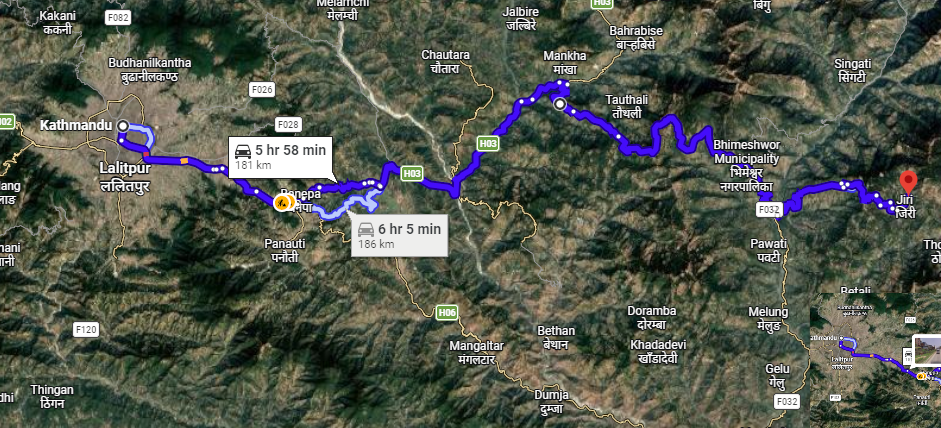
Kathmandu to Jiri Route Map

kathmandu to jiri road trip
Kathmandu to Jiri road map

Road Trip Highlights – What to See Along the Way

LocationDistance from KTMHighlight
Bhaktapur Durbar Square 14 kmUNESCO World Heritage Site – ancient Newari architecture
Dhulikhel 30 kmPanoramic Himalayan sunrise views, peaceful hilltop town
Dolalghat 70 kmConfluence of the Sun Koshi and Indrawati rivers
Lamosanghu 75 kmMajor junction town, last big fuel and food stop
Charikot (Dolakha) 130 kmDolakha District HQ, Dolakha Bhimsen Temple
Dolakha Bhimsen Temple 133 kmOne of Nepal’s most sacred Hindu temples
Suri Danda Viewpoint 170 kmStunning views of the Himalayas, including Gaurishankar
Jiri Bazaar 185 kmHistoric trekking hub, traditional market, Sherpa culture

Bhandar jiri

Vehicle Options for Kathmandu to Jiri Road Trip

Nepal Vehicle Hiring Pvt Ltd offers a complete range of vehicles for the Kathmandu-Jiri route. Whether you are a solo traveller, a couple, a family, or a large trekking group, we have the perfect vehicle for your needs.

Vehicle TypeCapacityTravel TimeApprox. Cost (NPR)Best For
Car (Sedan/SUV)3–4 passengers6–8 hoursUSD120- 1500Couples, small groups
Jeep (4WD)5–6 passengers7–9 hoursUSD 200- 250Trekkers, adventurers
Van (Toyota Hiace)7–9 passengers7–9 hoursUSD 250- 300Families, larger groups
Coaster Bus15–20 passengers8–10 hoursUSD 400- 500Medium trekking groups
Tourist Bus25–30 passengers9–12 hoursUSD 500- 700Large groups
Sharing Jeep7–8 per vehicle8–10 hours USD 25- 35Solo/budget travellers
Local BusOpen10–12 hoursUSD 10Budget travellers

Note: All private vehicle prices include driver and fuel. Prices may vary by season and availability. Contact Nepal Vehicle Hiring for an exact quote for your travel date.

Why Choose a Private Jeep for the Kathmandu to Jiri Road Trip?

A private jeep from Nepal Vehicle Hiring is by far the most popular choice for travellers planning the Kathmandu-to-Jiri road trip. Here is what makes it the ideal vehicle for this route:

  • 4WD capability handles the rough and winding road sections near Charikot and Jiri with ease
  • Hotel pickup directly from your accommodation in Kathmandu – no early morning rush to a bus station
  • Spacious interior with comfortable seating and ample storage for trekking gear and luggage
  • Air-conditioned cabin for a comfortable ride through the warm valley sections
  • Experienced driver who knows every turn of the Kathmandu to Jiri route
  • Complete freedom to stop at viewpoints, temples, villages, and teahouses at your own pace
  • No fixed schedule – depart and arrive at times that suit your itinerary

Kathmandu to Jiri by Bus – Public Transport Guide

For budget travellers who prefer public transport, here is everything you need to know about taking the bus from Kathmandu to Jiri:

Departure Point

All buses to Jiri depart from Jadibuti Bus Park (also known as Araniko Bus Park), located approximately 20 minutes by taxi from Thamel in Kathmandu. A taxi from Thamel to Jadibuti costs approximately NPR 400-600.

Departure Time

Buses depart between 5:00 AM and 6:00 AM daily. Arriving at the bus park by 5:00 AM is strongly recommended to secure a good seat.

Important Bus Travel Tips

  • Book your bus ticket at least one day in advance during peak trekking season (March–May, Sept–Nov)
  • Avoid the very back seats – road vibrations are significantly worse at the rear.
  • Carry cash in Nepali Rupees for ticket purchase and food stops along the way.
  • Bring a face mask or scarf for the dusty road sections
  • Keep essential items in a small day bag accessible during the journey

Kathmandu to Jiri Vehicle Price Guide

VehiclePrice (NPR)Price (USD Approx.)Capacity
Local BusNPR 1,000 peopleUSD 6-10per personOpen
Deluxe BusNPR 2,000 peopleUSD 13- 20 per personOpen
Sharing JeepNPR 3500 peopleUSD 25- 30 per person7–8
Private CarNPR 20,000USD 133- 1503–4
Private JeepNPR 28,000USD 190- 2505–6
Toyota HiaceNPR 33,000USD 220- 3007–9
Coaster BusNPR 45,000USD 300-40015–20
Tourist BusNPR 70000USD 465- 70025–30

Best Time to Drive from Kathmandu to Jiri

Spring (March to May) – Best Season

Spring is the most popular time to visit Jiri and the surrounding Dolakha region. The weather is warm, the roads are dry, and the hillsides are covered in blooming rhododendrons. The mountain views are clear, and the trails are busy with fellow trekkers.

This is the ideal time for a Kathmandu-to-Jiri road trip.

Autumn (September to November) – Best Season

Autumn offers crystal-clear skies, stable weather, and perfect trekking conditions. The roads dry out after the monsoon, and the mountain views are at their finest. Autumn is the second peak season and another excellent time for the road trip.

Winter (December to February) – Good with Preparation

Winter provides quieter roads and fewer crowds. The mountain views are excellent on clear days. However, the higher elevations near Jiri can see snowfall, and road conditions may require a 4WD vehicle.

Bring warm clothing and check road conditions before departure.

The monsoon season brings heavy rainfall, which causes frequent landslides on the Jiri Highway. The Lamosanghu to Jiri section is especially vulnerable during this period. Travel is strongly not recommended.

Nepal Vehicle Hiring advises against taking road trips along this route during the monsoon season.

Top Attractions to Visit in and Around Jiri

Jiri Bazaar – The Heart of Town

Jiri Bazaar is the lively commercial center of the town. The market is a colorful mix of local shops, tea stalls, and teahouses serving traditional Nepali food. The bazaar is an excellent place to observe everyday mountain life, interact with Sherpa and Tamang people, and stock up on supplies before trekking.

Cherdung Cheese Factory

The Cherdung Cheese Factory is one of Jiri’s most unique attractions, established with Swiss development aid decades ago. The factory produces excellent Nepali mountain cheese using traditional Swiss methods. A visit to the cheese factory is a fascinating cultural and culinary experience and a popular short hike from Jiri town.

Jiri Technical School and Vocational Training Center (JTS)

The Jiri Technical School, another Swiss-aided institution, is one of Nepal’s most respected vocational training centers. Visiting this institution gives travelers a deeper appreciation of Nepal’s development history and the positive impact of international cooperation in rural Nepal.

Suri Danda Viewpoint

Located a short drive or hike from Jiri, Suri Danda is a magnificent viewpoint offering panoramic views of the Himalayan range, including the sacred Gaurishankar (7,134 m), Melungtse, and other peaks of the Rolwaling Himal. The sunrise view from Suri Danda is particularly spectacular.

Dolakha Bhimsen Temple

Located approximately 3 kilometers from Charikot on the way to Jiri, the Dolakha Bhimsen Temple is one of Nepal’s most sacred Hindu temples. The temple is famous for its sweating statue of Bhimsen, which is said to perspire during times of national crisis. The site is deeply significant to Nepali Hindus and an essential cultural stop on the road trip.

Gaurishankar Conservation Area

The area around Jiri forms part of the greater Gaurishankar Conservation Area, home to diverse wildlife, rare Himalayan birds, and pristine alpine forests. Nature lovers and birdwatchers will find this area particularly rewarding during spring and autumn.

Trekking Routes Starting from Jiri

Jiri is one of Nepal’s most historically important trekking gateways. Here are the main trekking routes that begin or pass through Jiri:

Classic Jiri to Everest Base Camp Trek

The most famous route from Jiri leads all the way to Everest Base Camp (5,364 m). This classic trek takes approximately 18 to 24 days and is the original approach route used by early Everest expeditions. The journey passes through Solu Khumbu villages, rhododendron forests, and high mountain passes before reaching the iconic base camp.

Jiri to Lukla Trek

A popular option for trekkers who want the classic overland start but prefer to fly back from Lukla. This trek takes approximately 8 to 12 days to reach Lukla, passing through Bhandar, Sete, Junbesi, and Phaplu.

Jiri to Namche Bazaar Trek

For trekkers who want to connect with the main Everest trekking trail at Namche Bazaar, the Jiri to Namche route takes approximately 7 to 9 days on foot through beautiful Sherpa and Rai villages.

Gaurishankar Trek

The Gaurishankar region near Jiri offers excellent lower-altitude trekking through unspoiled forests and traditional villages, with superb views of Gaurishankar and the Rolwaling Himal.

What to Pack for the Kathmandu to Jiri Road Trip

  • Warm jacket or fleece layer – temperatures drop after Chariko,t especially in the mornings
  • Face mask or scarf – dusty roads between Lamosanghu and Jiri
  • Water bottles – stay hydrated throughout the 7 9-hour journey
  • Light snacks – biscuits, nuts, and energy bars for between stops
  • Motion sickness tablets – the winding mountain roads near Charikot and Jiri can be challenging
  • Nepali cash – for meals, snacks, and local purchases at teahouses along the route
  • Camera or smartphone – the road trip scenery is outstanding throughout
  • Small daypack – keep your essentials accessible inside the vehicle
  • Sunscreen and sunglasses – strong UV at altitude, even on cloudy days
  • Valid ID or passport photocopy – useful at checkpoints and teahouses

Expert Road Trip Tips for Kathmandu to Jiri

  • Depart as early as possible – a 5:00 AM or 6:00 AM departure avoids afternoon traffic and road congestion
  • Stop at Dhulikhel for tea and mountain views if the sky is clear – it adds only 15 minutes
  • Fuel up completely in Kathmandu or Lamosanghu – petrol stations are limited after Charikot
  • Carry small denomination Nepali notes for roadside teahouses and toilet stops
  • Check road conditions before departure during winter and early spring – landslides can cause closures
  • Book private vehicles at least 3 to 7 days in advance during peak trekking season
  • Avoid sitting in the very back seats of public buses – the road is rough,h and vibrations are severe
  • Lunch at Charikot is ideal – it is roughly the halfway point and has several good local restaurants
  • If visiting the Dolakha Bhimsen Temple, arrive before noon for the best experience

How to Book Your Kathmandu to Jiri Vehicle with Nepal Vehicle Hiring

Booking your vehicle with Nepal Vehicle Hiring Pvt Ltd is simple and fast. Follow these steps:

  • Step 1: Visit vehiclehiringnepal.com or contact us by phone or WhatsApp
  • Step 2: Share your travel date, number of passengers, and departure location in Kathmandu
  • Step 3: Select your preferred vehicle – car, jeep, van, coaster, or tourist bus
  • Step 4: Receive your booking confirmation with driver details and pickup time
  • Step 5: Enjoy your road trip from Kathmandu to Jiri with complete peace of mind

We recommend booking at least 3 days in advance and 7 days in advance during peak trekking seasons in spring (March to May) and autumn (September to November).

Frequently Asked Questions (FAQ)

How far is Kathmandu from Jiri?

The road distance from Kathmandu to Jiri is approximately 1-o 190 kilometers.

How long does the drive from Kathmandu to Jiri take?

By private jeep or car, it takes 6 to 9 hours. By public bus, it takes 8 to 12 hours, depending on traffic, road conditions, and stops.

What is the best vehicle for the Kathmandu to Jiri road trip?

A 4WD private jeep is the most comfortable and practical option, especially for groups of 4 to 6 passengers. The rough sections of the road near Charikot and Jiri are best handled by a 4WD vehicle.

Where do buses to Jiri depart from in Kathmandu?

All buses to Jiri depart from Jadibuti Bus Park (Araniko Bus Park), approximately 20 minutes by taxi from Thamel. Buses depart between 5:00 AM and 6:00 AM daily.

Is Jiri safe to visit?

Yes. Jiri and the surrounding Dolakha District are safe and welcoming destinations. As with all mountain travel in Nepal, be cautious during the monsoon season (June to August) due to landslide risks on the Jiri Highway.

Can I start the Everest Base Camp trek from Jiri?

Yes. Jiri is the original and most historically authentic starting point for the Jiri-to-Everest Base Camp Trek. The trek from Jiri to Everest Base Camp takes approximately 18 to 24 days through the Solu Khumbu region.

Is there accommodation in Jiri?

Yes. Jiri has several guesthouses, teahouses, and small hotels catering to both trekkers and general travelers. The town has basic but comfortable accommodation suitable for an overnight rest before starting a trek.

Conclusion – Book Your Kathmandu to Jiri Road Trip with Nepal Vehicle Hiring

The road trip from Kathmandu to Jiri  is one of Nepal’s most rewarding overland journeys. From the hilltop views of Dhulikhel and the sacred Dolakha Bhimsen Temple to the Swiss-inspired cheese factory and the legendary trekking trails of the Everest region, Jiri offers experiences that no other destination in Nepal can quite match.

Whether you are a trekker heading out to Everest Base Camp, a family on a cultural road trip, or an adventure traveler exploring Nepal’s mountain highways, the Kathmandu to Jiri route will exceed your expectations.

Nepal Vehicle Hiring Pvt Ltd is your trusted partner for this journey. Contact us today at vehiclehiringnepal.com to book your vehicle and start your Jiri adventure.

Book your jeep today — Call or  WhatsApp
Website: www.vehiclehiringnepal.com
E-mail :[email protected]

Kathmandu | Pokhara | Chitwan | All Destinations Across Nepal

Kathmandu to Lumbini by Private Car, Jeep, Hiace and Bus: Full Vehicle Guide

Lumbini to Kathmandu Bus

Kathmandu to Lumbini by Private car, jeep, Hiace, and bus: full Vehicle Guide – Road Trip to the Birthplace of Buddha

Lumbini is one of the most sacred destinations on earth – the birthplace of Siddhartha Gautama, the founder of Buddhism, and a UNESCO World Heritage Site visited by pilgrims and travellers from every corner of the world. Travelling from Kathmandu to Lumbini by private vehicle is the most comfortable, flexible, and rewarding way to make this meaningful journey. This complete guide covers everything you need to know before you go.

Route Overview: Kathmandu to Lumbini

The road journey from Kathmandu to Lumbini is long but scenic, passing through the mountains, river valleys, and subtropical Terai plains of western Nepal. Most private vehicles follow the Prithvi Highway to Mugling, then head south and west via Butwal to reach Lumbini.

Distance: Approximately 280–300 km by road
Travel Time: 6 to 8 hours by private car (depending on road and traffic conditions)
Main Route: Kathmandu – Mugling – Narayangadh – Butwal – Bhairahawa – Lumbini
Road Type: Prithvi Highway + East-West Highway – national highways, mostly paved
Altitude: From 1,400 m (Kathmandu) down to 100 m (Lumbini Terai plains)

Why Travel from Kathmandu to Lumbini by Private Vehicle?

Given the long distance, choosing a private vehicle over public transport makes the journey far more comfortable, safer, and more enjoyable. Here is why:

  • Depart from your Kathmandu hotel at any time – no fixed bus schedules
  • Direct door-to-door service to your Lumbini hotel or monastery guest house
  • Rest stops at your own pace – stop at scenic spots, riverside dhabas, or local towns
  • Full luggage and equipment space – important for pilgrims carrying offerings or ceremonial items
  • Private and peaceful travel – ideal for spiritual pilgrimages, family trips, and group tours
  • More comfortable than overnight buses on long mountain-to-plains routes
  • Experienced driver who knows the Kathmandu to Lumbini route inside out
  • Option to combine with Pokhara, Chitwan, or Bhairahawa stops along the way

Vehicle Options & Prices: Kathmandu to Lumbini

Vehicle Hiring Nepal offers a full fleet of vehicles for the Kathmandu-Lumbini route. Choose the right vehicle for your group size and comfort needs:

Vehicle TypeCapacityApprox. Price (USD)Best For
Sedan Car1–3 passengers $ 180- 220$180-220Couples, solo pilgrims
SUV / Jeep4–6 passengers$ 230- 250Families, small groups
Hiace Van7–14 passengers$ 270- 320Pilgrimage groups, tour groups
Coaster Bus15–22 passengers$ 330- $ 400Large pilgrimage groups
Full Bus23–30 passengers$ 380- $ 580Monastery groups, school tours

All prices include driver, fuel, and vehicle insurance for a one-way journey. Round-trip packages with driver stay are also available. Contact us for an exact quote based on your travel dates.
kathmandu to lumbini by private car

Road Guide: Kathmandu to Lumbini Milestone by Milestone

The Kathmandu-to-Lumbini drive is a full-day journey. Here is what you will see and experience at each stage of the road:

Kathmandu to Naubise (30 km | 45 min)

Leave Kathmandu early – ideally by 6:00 or 7:00 AM. Exit the city via Kalanki heading west, then climb into the Chandragiri hills before the road descends into Naubise. This section has winding mountain roads with views back towards the Kathmandu Valley.

The road can be slow during morning rush hour – an early departure helps.

Naubise to Mugling (75 km | 1.5 hrs)

One of the most beautiful stretches of the journey. The Prithvi Highway hugs the banks of the Trishuli River through a deep gorge. The river is green and fast-moving – a famous destination for white-water rafting.

You will pass Malekhu, where local restaurants serve fresh river fish (sahar and asla) – a popular stop for Nepali travellers.

Mugling is a busy junction town at the confluence of the Trishuli and Marsyangdi rivers. This is the halfway point and the route’s most popular rest stop. Take a tea break, have a light meal, or stretch your legs before continuing south.

Mugling to Narayangadh / Bharatpur (36 km | 45 min)

From Mugling, head south on the Narayangadh Highway. The road descends rapidly from mountain terrain into the flat Terai lowlands. The landscape transforms from terraced hillsides to open farmland and subtropical forest.

Narayangadh and Bharatpur are busy commercial hubs – your driver will navigate through the town towards the East-West Highway.

Narayangadh to Butwal (90 km | 1.5 hrs)

Join the East-West Highway heading west. This is a long, flat stretch through the Terai plains – rice paddies, mustard fields, and occasional forest patches line the road. The highway is generally in good condition.

Watch for slow trucks and farm vehicles. Butwal is a major Terai city and a gateway to the western hills.

Butwal to Bhairahawa to Lumbini (25 km | 45 min)

From Butwal, head south towards Bhairahawa (also called Siddharthanagar), the nearest city to Lumbini. The road is wide and well-paved. From Bhairahawa, it is just 22 km west to the Lumbini sacred garden.

Your driver will bring you directly to your hotel or to the main gate of the Lumbini Development Zone.
Kathmandu to pokhar4a

Best Time to Visit Lumbini from Kathmandu

October to March (Best Season)

The cool, dry winter months are the best time to visit Lumbini. Temperatures are comfortable (15–28°C during the day), roads are clear, and the Lumbini gardens are peaceful and pleasant. This is also the peak pilgrimage season, with many international Buddhist groups visiting from Sri Lanka, Thailand, Japan, China, Korea, and Myanmar.

April to May (Good but Hot)

The weather is warm and dry, but temperatures can reach 38–42°C in Lumbini during peak summer. Visit early morning and late afternoon to avoid midday heat. The gardens are lush and green, and crowds are smaller than in peak season.

The Terai plains receive heavy monsoon rainfall from June to September. Roads on the East-West Highway can flood in severe rain. Humidity is extreme, and the heat is intense.

Travel is still possible, but not recommended for comfort. If you must travel during the monsoon, choose a Hiace or SUV for better ground clearance.

Top Places to Visit in Lumbini

Lumbini is a deeply spiritual and historically significant destination. Here are the key sites to visit:

Maya Devi Temple

The holiest site in Lumbini – the exact birthplace of Siddhartha Gautama. The ancient temple stands beside the sacred Puskarini Pond, where Queen Maya Devi bathed before giving birth. The Ashoka Pillar, erected by Emperor Ashoka in 249 B.C., marks the precise birthplace.

Entry is free, ree but remove shoes before entering.

The Sacred Garden

Surrounding the Maya Devi Temple, the Sacred Garden is a peaceful park of ancient ruins, meditation spaces, and the sacred Bodhi tree. This is the core pilgrimage zone and a UNESCO World Heritage Site. Visitors are asked to maintain silence and respect the spiritual atmosphere.

Monastic Zone – East and West

The Lumbini Development Zone includes dozens of beautiful monasteries built by Buddhist nations worldwide. The East Zone contains Theravada monasteries (Sri Lanka, Myanmar, Thailand, Cambodia). The West Zone contains Mahayana monasteries (China, Japan, Korea, Vietnam, Germany).

Each monastery has its own unique architectural style – a remarkable journey through global Buddhism.

World Peace Flame

A permanent flame near the Maya Devi Temple symbolises universal peace and the spread of the Buddha’s teachings. The flame is lit day and night and is a powerful symbol for Buddhist pilgrims.

Lumbini Museum

The Lumbini Museum near the entrance of the Development Zone contains archaeological artefacts, ancient coins, terracotta figurines, and exhibits on the history of Lumbini and Buddhist civilisation in Nepal.

Kapilavastu (Tilaurakot)

Just 27 km from Lumbini lies Tilaurakot – believed to be the ancient palace of King Suddhodana, the father of Buddha, where Siddhartha grew up. The archaeological ruins include palace foundations, city walls, and the eastern and western gates. A deeply moving site for Buddhist pilgrims.

Lumbini Travel Tips

  • Depart Kathmandu by 6:00–7:00 AM to arrive in Lumbini by early afternoon and make the most of your first day.
  • Lumbini is a sacred site – dress modestly (cover shoulders and knees), remove shoes at temples, and maintain silence in the Sacred Garden.
  • Carry cash in Nepali Rupees – ATMs are available in Bhairahawa, not always inside Lumbini.
  • Hire a bicycle or electric rickshaw inside the Lumbini Development Zone – the monasteries are spread over a large area (about 3 km north to south)
  • Accommodation options range from monastery guest houses (very affordable, authentic experience) to comfortable hotels in Bhairah.awa
  • The Lumbini Development Zone entry fee is NPR 500 for foreign visitors
  • Visit the Maya Devi Temple early in the morning for a peaceful, crowd-free experience
  • Plan at least 2 nights in Lumbini to explore the monasteries, the Sacred Garden, and Tilaurakot comfortably
  • Carry sunscreen, a hat, and sufficient drinking water – the Terai sun is intense

Kathmandu to Lumbini

Combine Lumbini with Other Destinations

Lumbini’s location in western Nepal makes it easy to combine with other destinations on the same trip:

Lumbini + Pokhara

Pokhara is approximately 140 km northeast of Lumbini (2.5–3 hrs by private vehicle). A Kathmandu – Lumbini – Pokhara – Kathmandu circuit is a popular itinerary for travellers who want to combine pilgrimage, culture, and mountain scenery in one trip.

Lumbini + Chitwan

Chitwan National Park is approximately 120 km east of Lumbini (2–2.5 hrs by road). A Lumbini-to-Chitwan combination allows you to pair a spiritual pilgrimage with a jungle safari. Vehicle Hiring Nepal can arrange multi-destination itineraries.

Lumbini + Kapilavastu (Tilaurakot)

Just 27 km from Lumbini, Tilaurakot is a half-day excursion easily reached by private vehicle. Our drivers know this route and can take you there and back during your stay in Lumbini.

What is Included in Your Vehicle Booking?

  • Experienced, licensed driver with knowledge of the Kathmandu to Lumbini route
  • Full fuel cost for the entire journey (one-way or round-trip)
  • Vehicle insurance coverage
  • Hotel pickup in Kathmandu and drop-off at your Lumbini destination
  • Flexible rest stops at Mugling, Narayangadh, or Butwal
  • 24/7 support before and during travel
  • Option for the driver to stay in Lumbini during your visit for the return trip

Not included: Lumbini Development Zone entry fees, monastery donations, personal meals, accommodation, and any additional site visits (Tilaurakot, Kapilavastu) which can be arranged at extra cost.

How to Book Your Private Vehicle to Lumbini

  1. Visit vehiclehiringnepal.com and select your vehicle type
  2. Choose your travel date and preferred departure time from Kathmandu
  3. Enter your hotel pickup address in Kathmandu
  4. Enter your destination in Lumbini or Bhairahawa
  5. Submit your booking form or contact us via WhatsApp for instant confirmation.
  6. Receive your driver details and journey confirmation

WhatsApp
Email: [email protected]
Website: www.vehiclehiringnepal.com
Kathmandu to Lumbini Tour Package

Frequently Asked Questions

How far is Lumbini from Kathmandu by road?

Lumbini is approximately 280 to 300 km from Kathmandu by road, depending on your exact destination within the Lumbini area.

How long does it take to drive from Kathmandu to Lumbini in a private car?

The journey takes 6approximately 6 hours, including rest stops. The route involves mountain highways near Kathmandu and flat Terai plains in the second half.

Is it better to fly or drive from Kathmandu to Lumbini by private car?

Bhairahawa Airport (now Gautam Buddha International Airport) serves Lumbini with daily flights to Kathmandu, with a flight time of around 5 minutes. However, flights depend on the weather and may be delayed. Many travellers prefer the private car option for its flexibility, cost-effectiveness, and suitability for groups.

Can I visit Lumbini in one day from Kathmandu?

A same-day return from Kathmandu to Lumbini is extremely difficult, given the 6–8 hour drive each way. We strongly recommend at least 2 nights in Lumbini to properly experience the Sacred Garden, monasteries, and nearby Tilaurakoy.

What is the best vehicle for a pilgrimage group to Lumbini?

For pilgrimage groups of 10 or more, the Toyota Hiace van is the most popular and practical choice. It offers comfortable seating, good luggage space for offerings and personal items, and is well-suited to the long Terai highway drive. For larger groups, we offer Coaster buses and full-size buses.

Can I book a multi-city trip – Kathmandu, Lumbini, Pokhara, and Chitwan?

Yes. Vehicle Hiring Nepal specialises in multi-destination vehicle hire across Nepal. We can arrange a full circuit covering Lumbini, Pokhara, and Chitwan in a single booking, with a professional driver for the entire duration of your trip.

Is Lumbini safe to visit?

Yes. Lumbini is a peaceful, well-maintained UNESCO Heritage Site with a strong pilgrimage tradition. It is safe for solo travellers, families, and international groups.

The Bhairahawa area is a modern city with good facilities, hospitals, and police presence.

Final Thoughts

The journey from Kathmandu to Lumbini by private vehicle is more than just a road trip – it is a pilgrimage through Nepal’s spectacular landscape, from the mountain valleys of Kathmandu to the sacred Terai plains where the Buddha was born over 2,500 years ago.

Whether you are travelling as a Buddhist pilgrim, a curious traveller, or a family exploring Nepal’s heritage, a private vehicle gives you the comfort, flexibility, and personal space to make the journey as meaningful as the destination itself.

Book your private vehicle from Kathmandu to Lumbini today. Contact Vehicle Hiring Nepal on WhatsApp or visit vehiclehiringnepal.com to reserve your vehicle and begin your journey to the birthplace of the Buddha.

Visit our sister company, Alpine Luxury Treks, for luxury vacation packages and trekking journeys. There, you may choose from a variety of carefully planned itineraries.

Why a Private Car Outperforms the Tourist Bus to Pokhara

Begnas Lake Pokhara

Private car vs tourist bus to Pokhara: Why a Private Car is Secretly Cheaper Than the Tourist Bus

Planning your trip from Kathmandu to Pokhara? Most travelers instinctively head to the Kantipath bus stand at 7:00 AM to board a tourist bus. They assume it’s the most budget-friendly way to see the Himalayas.

But at Nepal Vehicle Hiring, we believe in looking at the “True Cost” of travel. When you factor in time, comfort, and hidden expenses, the private car rental doesn’t just outperform the bus—it often costs less per person.

Here is why savvy travelers are ditching the crowded coaches for a private steering wheel.

1. The Math: Breaking Down the “Hidden” Costs of a private car vs. a tourist bus to Pokhara

On paper, a “VIP Sofa Bus” ticket costs about $14. A private SUV (such as a Toyota Fortuner or Mahindra Scorpio) costs  $120.

2. Freedom vs. The “Committee Vote.”

The Kathmandu-Pokhara highway is one of the most scenic drives in Nepal. However, on a tourist bus, you are a passenger in a moving box.

  • The Bus Experience: You stop when the driver stops. You eat where the bus company gets a commission. See a beautiful waterfall? You’ll have to view it through a dusty window at 40 km/h.
  • The Private Experience: You are the boss. Want to stop for a photo of the Trishuli River? Done. Want to take a 2-hour detour to the ancient town of Bandipur? Your driver is ready.
  • Traveler Tip: Private rentals turn a “transit day” into a “sightseeing day,” saving you from booking a separate tour later.

3. Safety and Maintenance Standards

In Nepal’s terrain, safety is priceless. Large bus fleets often prioritize volume and tight schedules. At Nepal Vehicle Hiring, our philosophy is different:

  • Expert Drivers: Our team is trained in defensive driving on mountain roads.
  • No Night Driving: We schedule departures to ensure maximum visibility and safety.
  • Mechanical Integrity: Our SUVs undergo rigorous multi-point inspections before every long-haul trip.

4. The “Sanity” Factor (Families & Groups)

If you are traveling with children, the 7-8-hour bus journey can be exhausting.

  • On the Bus: Cramped legs, limited bathroom breaks, and the stress of a crying child in a room full of strangers.
  • In a Private Car: Climate control at your fingertips, plenty of legroom, and the ability to stop for a “stretch break” whenever the kids get restless. It turns a stressful ordeal into a family road trip.

Pokhara

Which Option is Right For You?

Choose the Tourist Bus if:

  • You are a solo backpacker on a strict “shoestring” budget.
  • You enjoy the social atmosphere of meeting 40 other travelers.
  • You have no time constraints and don’t mind arriving in Pokhara exhausted.

Choose a Private Rental if:

  • You are a couple, family, or group of 3 or more.
  • You are a Digital Nomad who needs to reach Pokhara quickly to get back to work.
  • You want a door-to-door service (Hotel pickup and drop-off).
  • You value your health and comfort (clean air, quiet cabin).

Book Your Journey with Nepal Vehicle Hiring

For same-day Kathmandu-to-Pokhara Bus Tickets with a trusted, friendly service, choose Nepal Vehicle Hiring Pvt Ltd. We have daily departures with instant e-ticket confirmation. Our checkout is SSL-secure. You can reach our 24/7 WhatsApp support at +977 98142 27 196.

That means you can book even at the last minute and still count on a confirmed seat on the same day. Our comfortable coaches and reliable team ensure your Kathmandu-to-Pokhara bus tickets are stress-free. When you book with us, you choose an easy experience from start to finish.

Read on to see why travelers trust us for a smooth, safe journey to Pokhara. Visit our sister company, Trek Nepal Himalayas & Alpine Luxury Treks, for luxury vacation packages and trekking journeys. There, you may choose from a variety of carefully planned itineraries.

Coaster and Tourist Bus Hire in Nepal

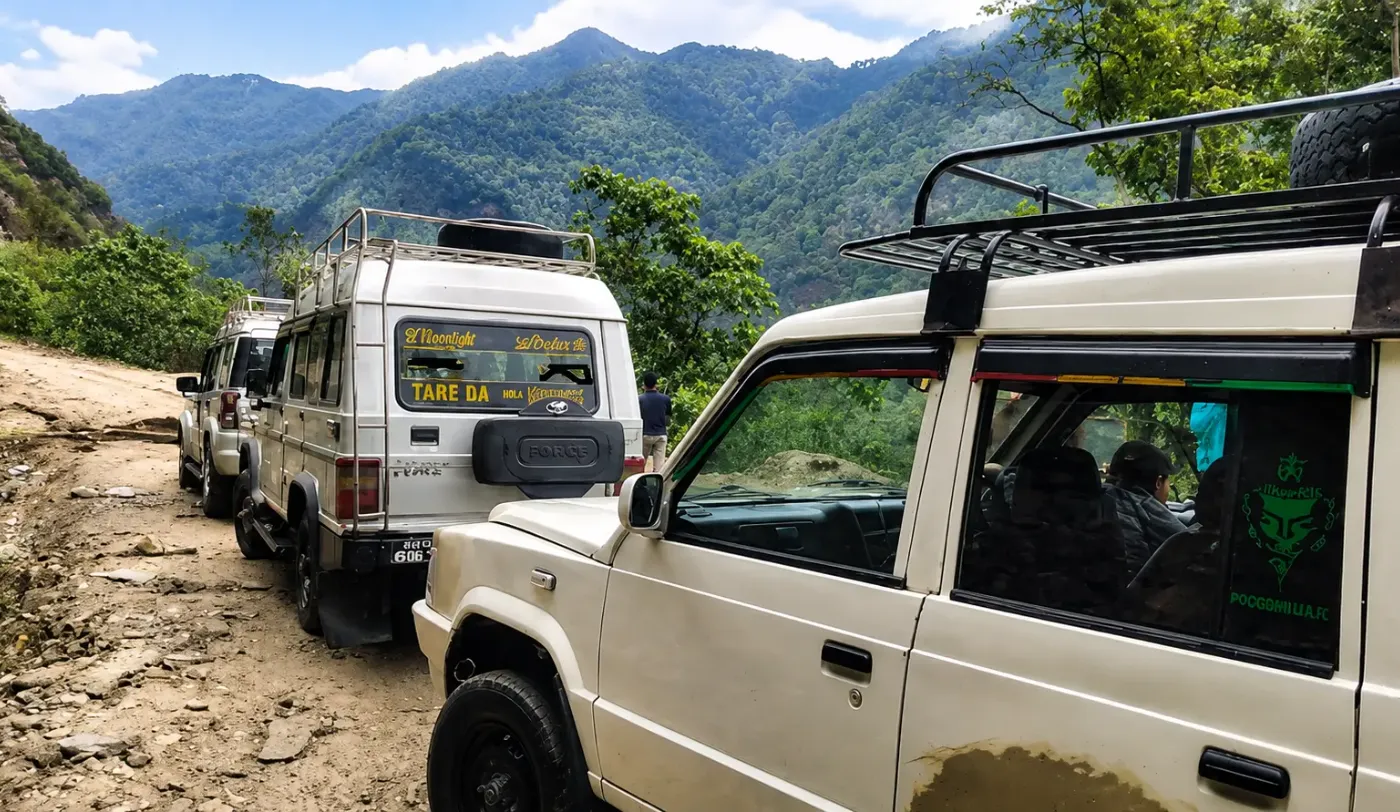
Private jeeps on a mountain road in Nepal

Coaster and Tourist Bus Hire in Nepal 2026: Complete Guide to Fleet, Cost & Routes

Nepal is a country built for group travel. Whether you are a family exploring the Kathmandu Valley’s UNESCO heritage sites, a corporate team heading to a Chitwan resort for a company retreat, a school group trekking to the Annapurna foothills, a pilgrimage party traveling to Muktinath, or a large international tour group making the Nepal circuit — the right vehicle makes all the difference between a smooth, enjoyable journey and a chaotic, stressful one.

For groups of 10 to 45 people, Nepal’s two most practical and popular private group transport options are the Toyota Coaster (also known as the minibus) and the full-size tourist bus. Both offer private group travel, professional drivers, air conditioning, and the flexibility of hotel-to-hotel service that public buses can never provide. The choice between them comes down to group size, route, and comfort requirements.

At Nepal Vehicle Hiring Pvt Ltd, we operate Nepal’s most reliable fleet of coaster buses and tourist buses for private hire. From short Kathmandu Valley day tours to full multi-day Nepal circuits, our vehicles are maintained to the highest safety standard and driven by experienced, licensed professionals.

This comprehensive 2026 guide covers every aspect of coaster and tourist bus hire in Nepal — the fleet, costs, routes, booking process, and expert tips to make your group transport experience smooth.

Nepal Vehicle Hiring Fleet: Coaster and Tourist Bus Options

Nepal Vehicle Hiring Pvt Ltd maintains a full range of group transport vehicles. Here is a complete overview of all available bus and coaster types:

Vehicle TypeSeatingACBest Group SizeDaily Rate (NPR)Best For
Toyota Coaster (Standard)16–20 seatsYes12–18 passengersNPR 18,000–28,000Families, small corporate groups, short tours
Toyota Coaster (Deluxe)17 seats (2+1 layout)Yes12–17 passengersNPR 22,000–32,000Top-end small groups, VIP tours
Isuzu / Nissan Coaster18–22 seatsYes15–20 passengersNPR 20,000–30,000Medium groups, city tours, and pilgrimage
Mini Bus (25–30 seats)25–30 seatsYes20–28 passengersNPR 28,000–42,000Medium tour groups, school trips
Deluxe Tourist Bus35–40 seatsYes30–38 passengersNPR 35,000–55,000Large tour groups, trekking parties
Sofa Bus (VIP)25–30 seats (2+1 sofa)Yes20–28 passengersNPR 40,000–65,000Top-end group travel, long-distance comfort
Full Tourist Bus (Standard)45–50 seatsSometimes38–48 passengersNPR 40,000–65,000Largest groups, school/corporate events
Super Deluxe / Volvo Bus35–45 seatsYes – top-end30–42 passengersNPR 55,000–85,000Long-distance luxury group travel

Note: All private hire prices include driver, fuel, and toll charges. Prices are per vehicle per day and may vary by route distance, season, and vehicle availability. Contact Nepal Vehicle Hiring for confirmed quotes.

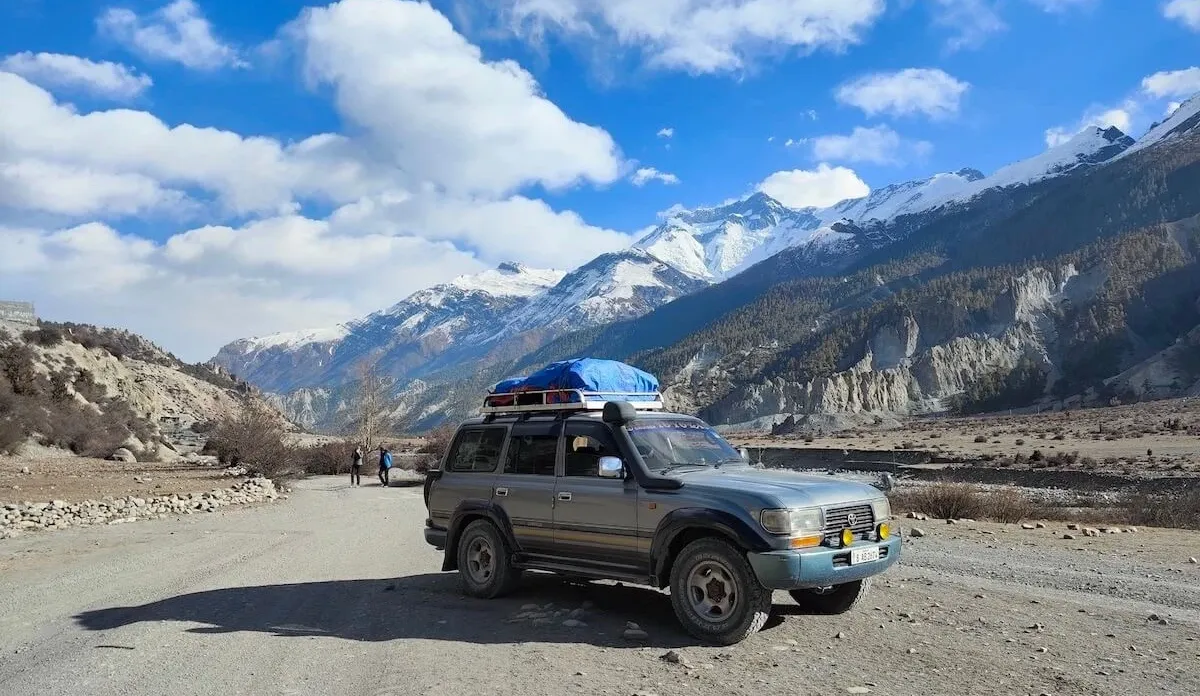
Private jeep on the road to Manang

The Toyota Coaster is the most trusted and most widely used group transport vehicle in Nepal. Built on the Toyota B-platform, the Coaster combines the agility of a large van with the passenger capacity of a small bus, making it ideal for Nepal’s mountain roads, narrow city lanes, and heritage-site access roads where full-size buses cannot maneuver.

Why the Toyota Coaster Dominates Nepal Group Travel

  • Compact dimensions allow access to narrow roads, heritage-site parking areas, and mountain-town lanes where full buses cannot enter.
  • Toyota reliability and the widespread availability of spare parts throughout Nepal — essential for remote-area group tours
  • The comfortable 2+1 seating configuration in the deluxe variant provides significantly more personal space than the standard 2+2 bus seating.
  • Full air conditioning keeps passengers comfortable on Nepal’s warm Terai routes (Chitwan) and the urban Kathmandu tour.s
  • Agile enough for the winding roads to Nagarkot, Dhulikhel, Bandipur, and other hill destinations
  • Professional drivers with Toyota Coaster-specific mountain driving experience
  • Perfect size for the most common Nepal tour group size of 12 to 18 passengers

Toyota Coaster Specifications

SpecificationStandard CoasterDeluxe Coaster (2+1)
Seating Capacity16–20 passengers17 passengers (2+1 layout)
Air ConditioningFull A/CFull A/C
Luggage StorageOverhead racks + rear bootOverhead racks + rear boot
LegroomStandardExtended (2+1 layout)
Window TypeStandard clear glassTinted glass – some variants
Onboard PA SystemBasicYes
Vehicle Make/ModelToyota Coaster B50/B70Toyota Coaster – Deluxe variant
Daily Hire Rate (NPR)NPR 18,000–28,000NPR 22,000–32,000
Long-Route Rate (per km)NPR 60–80/kmNPR 75–100/km
Best Group Size12–18 passengers12–17 passengers

Mini Bus Hire in Nepal (25–30 Seats)

Thminibusus (-o 30 seats) bridges the gap between the Toyota Coaster and the full-size tourist bus. It is the ideal choice for medium-sized groups of 20 to 28 passengers who need more capacity than a Coaster but want the flexibility of a smaller vehicle compared to a full tourist bus. Nepal Vehicle Hiring operates Tata, Ashok Leyland, and Sutlej minibusses for private hire across all major routes in Nepal.

Mini Bus Key Details

DetailInformation
Seating Capacity25 to 30 passengers
Air ConditioningFull A/C (most models)
Luggage SpaceUnderfloor storage + overhead racks
Daily Hire RateNPR 28,000–42,000
Per Day (Long Distance)NPR 32,000–48,000 (includes driver overnight)
Best Group Size20–28 passengers
Vehicle ModelsTata LP, Ashok Leyland, Sutlej, JNMC
Best ForSchool groups, corporate teams, medium tour groups
Nepal RoutesAll major routes – Kathmandu, Pokhara, Chitwan, Lumbini

Tourist Bus Hire in Nepal (35–50 Seats)

The full-size tourist bus is Nepal’s premier large-group transport vehicle, operating on all the country’s main tourism corridors. Nepal Vehicle Hiring operates a range of tourist bus models from standard 35-seaters to full 50-passenger coaches, all equipped with air conditioning, reclining seats, and modern safety features. Private tourist bus hire ensures your group travels exclusively together, on your schedule, with hotel-to-hotel service.

Types of Tourist Buses Available

Bus TypeSeatsA/CKey FeaturesDaily Rate (NPR)Best For
Standard Tourist Bus35–40YesReclining seats, overhead storage, basic A/CNPR 35,000–55,000Large tour groups, pilgrimage groups
Deluxe Tourist Bus35–38Yes – strongPush-back seats, curtains, music systemNPR 42,000–62,000Top-end group tours, corporate travel
Sofa Bus (VIP)25–30 (2+1)Yes – top-endWide sofa seats, extra legroom, and reading lightsNPR 40,000–65,000Long-distance comfort, senior groups
Super Deluxe / Volvo35–45Top-end A/CFully reclining, USB charging, top-end finishNPR 55,000–85,000Luxury group travel, extended tours
Full Coach (50 seats)45–50Standard A/CMaximum capacity, basic comfortNPR 40,000–65,000School/college events, large parties

Sofa Bus – Nepal’s Top-end Group Travel Option

The Sofa Bus (also called VIP Bus or Super Coach) is the top-end choice for groups prioritizing comfort on long-distance routes. With a 2+1 seating configuration of wide, sofa-style reclining seats, extra legroom, and top-end air conditioning, the Sofa Bus offers a business-class style group travel experience that is dramatically more comfortable than a standard tourist bus for long journeys such as Kathmandu to Pokhara, Kathmandu to Chitwan, or the full Nepal circuit.

  • Wide sofa-style reclining seats with armrests — significantly more comfortable than standard bus seats
  • 2+1 seating layout — no middle seat, everyone has window access on at least one side
  • Extra legroom — designed for long-distance journeys without passenger fatigue
  • Top-end air conditioning with individual vents above each seat
  • Reading lights, window curtains, and USB charging ports in some models
  • Maximum capacity: 25 to 30 passengers — ideal for groups wanting private, spacious travel
  • Best for: senior travel groups, pilgrimage parties, corporate retreats, extended Nepal tour circuits

Complete Bus and Coaster Comparison: Nepal Vehicle Hiring 2026

FeatureCoaster (16–20)Mini Bus (25–30)Tourist Bus (35–40)Sofa Bus (25–30)Full Coach (50)
Capacity16–20 pax25–30 pax35–40 pax25–30 pax45–50 pax
Daily Rate (NPR)NPR 18K–32KNPR 28K–42KNPR 35K–62KNPR 40K–65KNPR 40K–65K
A/CFull A/CFull A/CFull A/CTop-end A/CStandard A/C
Seat Layout2+22+22+22+1 sofa2+2
LegroomStandardStandardStandard-GoodExcellentStandard
LuggageOverhead+bootUnderfloor+racksUnderfloor+racksUnderfloor+racksUnderfloor+racks
Narrow Road AccessExcellentGoodLimitedGoodLimited
Best Route LengthDay tours, shortShort-mediumLong distanceLong distanceMass transport
Best ForSmall groups/familySchool/corporateLarge tour groupsTop-end comfortLargest groups

Coaster and Tourist Bus Hire in Nepal

All Major Nepal Routes: Coaster and Tourist Bus Hire Costs 2026

Here is a comprehensive price guide for coaster and tourist bus hire on all major Nepal tourism routes:

RouteDistanceCoaster (NPR)Mini Bus (NPR)Tourist Bus (NPR)Sofa Bus (NPR)
Kathmandu to Pokhara200 kmNPR 22,000–32,000NPR 30,000–42,000NPR 38,000–55,000NPR 45,000–65,000
Pokhara to Kathmandu200 kmNPR 22,000–32,000NPR 30,000–42,000NPR 38,000–55,000NPR 45,000–65,000
Kathmandu to Chitwan155 kmNPR 18,000–26,000NPR 25,000–36,000NPR 32,000–48,000NPR 38,000–58,000
Pokhara to Chitwan155 kmNPR 18,000–26,000NPR 25,000–36,000NPR 32,000–48,000NPR 38,000–58,000
Kathmandu to Lumbini275 kmNPR 28,000–40,000NPR 36,000–52,000NPR 45,000–65,000NPR 52,000–75,000
Kathmandu to Pokhara to Chitwan (circuit)350+ kmNPR 45,000–65,000NPR 58,000–82,000NPR 75,000–110,000NPR 85,000–125,000
Kathmandu Valley Day Tour60–80 kmNPR 18,000–26,000NPR 24,000–34,000NPR 30,000–44,000NPR 36,000–55,000
Nagarkot / Dhulikhel Day Tour60 kmNPR 16,000–24,000NPR 22,000–32,000Not recommended*Not recommended*
Kathmandu to Muktinath (full circuit)850+ kmJeep better*Jeep better*NPR 110,000–155,000NPR 125,000–175,000
Kathmandu to Bhairahawa/Lumbini275 kmNPR 28,000–40,000NPR 36,000–52,000NPR 45,000–65,000NPR 52,000–75,000
Kathmandu to Janakpur225 kmNPR 25,000–36,000NPR 32,000–46,000NPR 40,000–58,000NPR 48,000–70,000

*Full-size tourist buses and sofa buses are not recommended for narrow mountain roads such as Nagarkot, Dhulikhel, Bandipur, or the Pokhara to Jomsom route. A Toyota Coaster or a 4WD jeep is recommended for hill destinations. For the Muktinath circuit, a coaster/bus works for the highway legs but requires a separate 4WD jeep for the Beni-to-Jomsom off-road section.

Who Should Choose Which Vehicle?

Group TypeGroup SizeRecommended VehicleReason
Family reunion / joint family10–18 paxToyota Coaster (Deluxe)Compact, access to narrow roads, 2+1 comfort
School trekking group20–30 paxMini BusCost-effective, sufficient capacity, reliable
Corporate team outing15–25 paxCoaster or Mini BusProfessional image, flexible schedule
Pilgrimage group (Muktinath/Lumbini)25–40 paxTourist Bus or Sofa BusComfort on long distances, group cohesion
International tour group30–45 paxDeluxe Tourist Bus / Sofa BusTop-end comfort, organized tour experience
College group/college trip35–50 paxFull Tourist BusMaximum capacity, cost-effective per head
Wedding party transport20–35 paxSofa Bus or Deluxe Tourist BusTop-end image, comfortable for formal dress
Sports team20–30 paxMini Bus or Tourist BusEquipment storage, group cohesion
Senior travel group15–25 paxCoaster (Deluxe) or Sofa BusComfortable seats, easy boarding/alighting
NGO / humanitarian team20–40 paxTourist Bus / Mini BusReliable, cost-effective, group logistics

Kathmandu to Pokhara by Coaster or Tourist Bus

The Kathmandu-to-Pokhara route along the Prithvi Highway is the most popular tourist bus route in Nepal. The 200 km journey takes 6 to 7 hours by private coaster or tourist bus, following the Trishuli River gorge, the Marsyangdi valley, and the spectacular approach to Pokhara with the Annapurna range visible ahead.

A private coaster or tourist bus departs from your Kathmandu hotel and delivers your group directly to your Pokhara hotel, with a lunch stop at Mugling midway.

KTM to Pokhara DetailsInformation
Distance200 km
Travel Time6 to 7 hours
Coaster Cost (One Way)NPR 22,000–32,000
Tourist Bus Cost (One Way)NPR 38,000–55,000
Sofa Bus Cost (One Way)NPR 45,000–65,000
Recommended StopMugling riverside lunch (~midway)
Scenic HighlightFirst Annapurna views on the final approach to Pokhara
Departure Time7:00 AM – 8:00 AM recommended

Kathmandu to Chitwan by Coaster or Tourist Bus

The Kathmandu-to-Chitwan transfer is the second-most popular tourist bus route in Nepal. The journey covers approximately 155 km from Kathmandu to Sauraha (the main tourist village of Chitwan National Park), taking 4 to 5 hours along the East-West Highway. A private coaster or tourist bus provides hotel-to-resort service, with a stop at Mugling or Narayanghat for refreshments.

KTM to Chitwan DetailsInformation
Distance155 km
Travel Time4 to 5 hours
Coaster Cost (One Way)NPR 18,000–26,000
Tourist Bus Cost (One Way)NPR 32,000–48,000
Sofa Bus Cost (One Way)NPR 38,000–58,000
Recommended StopNarayanghat or Mugling for lunch
ArrivalResort entrance in Sauraha, Chitwan
Best Departure Time7:30 AM – 8:30 AM

Kathmandu to Lumbini by Coaster or Tourist Bus

Lumbini — the birthplace of Lord Buddha and a UNESCO World Heritage Site — is located approximately 275 km southwest of Kathmandu. The journey by private coaster or tourist bus takes 6 to 8 hours, following the East-West Highway through the Terai lowlands.

Lumbini is a popular pilgrimage destination for Buddhist groups from Nepal, India, Southeast Asia, East Asia, and beyond. Nepal Vehicle Hiring regularly provides coaster and tourist bus hire for Buddhist pilgrimage groups visiting Lumbini.

KTM to Lumbini DetailsInformation
Distance275 km
Travel Time6 to 8 hours
Coaster Cost (One Way)NPR 28,000–40,000
Tourist Bus Cost (One Way)NPR 45,000–65,000
Sofa Bus Cost (One Way)NPR 52,000–75,000
Pilgrimage ConnectionSacred Garden of Lumbini, Maya Devi Temple, Ashoka Pillar
Often Combined WithChitwan (nearby) for wildlife + Lumbini combined circuit

Kathmandu Valley Heritage Day Tour by Coaster

The Toyota Coaster is the perfect vehicle for the Kathmandu Valley heritage day tour — visiting the seven UNESCO World Heritage Sites of the valley, including Pashupatinath Temple, Boudhanath Stupa, Swayambhunath (Monkey Temple), Patan Durbar Square, Bhaktapur Durbar Square, Changu Narayan, and Budhanilkantha Temple. The Coaster’s compact size allows access to narrow lanes near heritage sites where full buses cannot maneuver, and its full AC keeps the group comfortable between outdoor temple visits.

KTM Valley Day Tour DetailsInformation
Route Distance60–80 km (within valley)
Tour DurationFull day (8–10 hours)
Coaster CostNPR 16,000–24,000 per day
Mini Bus CostNPR 22,000–32,000 per day
IncludesDriver, fuel, parking – guide extra
UNESCO SitesPashupatinath, Boudhanath, Swayambhu, Patan, Bhaktapur, Changu Narayan, Budhanilkantha
Best VehicleToyota Coaster – best access to narrow heritage site roads
Group Size12–18 passengers

Occasions and Group Types for Coaster & Tourist Bus Hire

Tour Groups and Travel Agencies

Nepal Vehicle Hiring works closely with inbound and outbound tour operators, providing coaster and tourist bus hire on wholesale (B2B) rates. Tour operators can book our vehicles for standard circuits (Kathmandu–Pokhara–Chitwan), heritage tours, pilgrimage circuits, and customized multi-day itineraries. We maintain B2B rates for registered travel agencies and consistent booking partners.

Corporate Group Travel and Team Outings

Corporate group outings to Chitwan for team-building safaris, Nagarkot for sunrise corporate retreats, Dhulikhel for mountain-view resorts, or Pokhara for corporate lakeside programs are a popular and growing segment of Nepal’s group travel market. Nepal Vehicle Hiring provides professional, reliable, and branded coaster and bus hire for corporate groups of all sizes, with punctual departure times, uniformed drivers, and complete vehicle documentation.

School and College Trekking Trips

School and college groups making educational treks to Nagarkot, Chisapani, Shivapuri, or Kakani, or traveling to Chitwan for wildlife Education programmes, are among the most regular users of Nepal Vehicle Hiring’s mini bus and tourist bus fleet. We maintain comprehensive vehicle insurance and safety records that meet school group transport requirements, and our drivers are experienced in handling passenger groups, including minors.

Pilgrimage Groups – Muktinath, Lumbini, Pashupatinath

Nepal is one of the world’s great pilgrimage destinations. Hindu pilgrims travel from across Nepal and India to Muktinath, Pashupatinath, Janakpur, and other sacred sites. Buddhist pilgrims visit Lumbini, Boudhanath, Swayambhunath, and Kopan Monastery.

Nepal Vehicle Hiring has extensive experience providing coaster and tourist bus hire for pilgrimage groups, understanding the specific needs of pilgrims—early-morning departures, flexible stop schedules, and respectful, patient drivers.

Wedding and Event Transport

Wedding parties, anniversary celebrations, and special-event groups hire Nepal Vehicle Hiring’s coasters and tourist buses for guest transportation between venues, from hotels to event halls, and for multi-day event-related travel programs. Decorated coasters and buses can be arranged on request for wedding convoys and celebration travel.

NGO and Development Organization Transport

Nepal’s large NGO and development sector regularly requires reliable group transport for project site visits, training workshop participant transfers, and field program logistics. Nepal Vehicle Hiring provides NGO and development organizations with transport at transparent rates, with complete vehicle documentation, driver background verification, and reliable service across all districts.

What is Included in Nepal Vehicle Hiring Coaster and Tourist Bus Hire

  • Experienced, licensed professional driver with full knowledge of the hired route
  • Well-maintained, regularly serviced vehicle with a current roadworthiness certificate
  • Full vehicle insurance coverage for all passengers
  • Fuel for the agreed route (additional charges apply for significant route extensions)
  • Toll charges on all highways are covered
  • Driver accommodation for multi-day hire (driver overnight expenses not charged separately)
  • Hotel-to-hotel pickup and drop-off service on all routes
  • Flexible stop scheduling — the vehicle stops where and when your group needs
  • 24-hour Nepal Vehicle Hiring operations contact for any mid-journey support requirements

Best Season for Coaster and Tourist Bus Hire in Nepal

Autumn (September to November) – Peak Season

Autumn is the busiest and most rewarding season for group travel in Nepal. Clear skies, comfortable temperatures (cool in Kathmandu and Pokhara, warm in Chitwan), and perfect mountain views make this the ideal time for Nepal’s most popular group tour circuits. Booking of coasters and tourist buses is strongly recommended — fleet availability is limited during October and November.

Spring (March to May) – Excellent

Spring offers warm, comfortable conditions for group travel across Nepal. Rhododendrons bloom along the highway hillsides, mountain views are excellent, and the Chitwan wildlife is active and visible. March and April are particularly fine months.

Book vehicles 2 to 3 weeks ahead for spring group travel.

Winter (December to February) – Good

Winter group travel in Nepal is comfortable on all highway routes. Coasters and tourist buses operate normally year-round on paved roads. Chitwan is excellent for wildlife.

Kathmandu’s heritage sites and Pokhara’s lakeside are peaceful, and the mountain views can be spectacular in the crisp winter air.

Monsoon (June to August) – Possible with Caution

Group bus travel is possible during the monsoon on the main highways (Kathmandu–Pokhara–Chitwan). Occasional landslides near Mugling can cause delays on the Prithvi Highway. The Kathmandu Valley day tours and heritage site visits are fine year-round.

For groups visiting Chitwan during the monsoon, the wildlife is active, but the jungle is hot and leech-active. Nepal Vehicle Hiring monitors road conditions and advises groups accordingly.

Expert Tips for Coaster and Tourist Bus Group Hire in Nepal

  • Book at least 7 to 14 days in advance during autumn (Oct–Nov) and spring (Mar–May) peak seasons — our fleet books out quickly for popular routes
  • For groups of 12 to 18, the Toyota Coaster Deluxe (2+1 seating) is significantly more comfortable than a standard Coaster — ask specifically for the Deluxe variant.
  • For groups of 25 or more on long-distance routes (Pokhara, Chitwan, Lumbini), the Sofa Bus offers dramatically superior comfort vs a standard tourist bus at a modest price top-end.
  • Always confirm the departure time with Nepal Vehicle Hiring the evening before — our operations team will contact you to reconfirm
  • For full-day Kathmandu Valley heritage tours, choose a Toyota Coaster over a mini bus or tourist bus — the Coaster’s smaller size gives much better access to sites like Bhaktapur’s lanes and Changu Narayan’s approach road.
  • Seat assignments on coasters and tourist buses are at the group leader’s discretion — Nepal Vehicle Hiring drivers leave seating arrangements entirely to your group.
  • Request front or second-row seats for group members prone to motion sickness — the mountain roads to Pokhara and Chitwan are winding.
  • For pilgrim groups, inform Nepal Vehicle Hiring of any specific stop requirements (roadside temples, ghats, shrines) along the route — our drivers are experienced with pilgrimage itineraries and will accommodate reasonable stop requests.
  • For school groups, share the complete passenger list, school name, and emergency contact with Nepal Vehicle Hiring when booking — this is required for vehicle documentation and our driver briefing.
  • Nepal Vehicle Hiring provides vehicle spotting service — your group leader receives the driver’s name, vehicle registration number, and driver photo before the pickup day.

B2B and Travel Agency Partnership – Wholesale Bus Hire Rates

Nepal Vehicle Hiring Pvt Ltd is a preferred vehicle partner for inbound tour operators, trekking agencies, and hotel groups across Nepal. We offer competitive wholesale (B2B) rates for registered travel and tour companies, with the following partnership advantages:

  • Dedicated B2B account manager at Nepal Vehicle Hiring for all agency bookings
  • Priority fleet allocation during peak seasons for confirmed agency partners
  • Wholesale rates are significantly below retail pricing for regular volume bookings
  • Consolidated monthly invoicing for high-frequency booking agencies
  • Branded vehicle and driver service standards meeting international tour operator requirements
  • Full documentation (vehicle registration, insurance, driver’s license) available on request for any vehicle
  • Flexible vehicle mix arrangements — combining coasters, jeeps, and tourist buses for large incoming groups

Contact Nepal Vehicle Hiring at vehiclehiringnepal.com to discuss our B2B partnership terms and wholesale fleet hire rates for your agency.

How to Book Your Coaster or Tourist Bus with Nepal Vehicle Hiring

Booking a coaster or tourist bus from Nepal Vehicle Hiring Pvt Ltd is simple and efficient:

  • Step 1: Contact us via phone, WhatsApp, or at vehiclehiringnepal.com
  • Step 2: Share your travel date(s), route, group size (exact passenger count), pickup hotel/location, and drop-off hotel/location
  • Step 3: Specify vehicle preference – Coaster, Mini Bus, Tourist Bus, Sofa Bus, or Super Deluxe
  • Step 4: Mention any special requirements – early morning departure, specific stops, pilgrimage needs, child passengers, accessibility needs
  • Step 5: Receive your detailed quote with vehicle type, seating capacity, cost, and driver information
  • Step 6: Confirm booking with a deposit. Receive driver details, vehicle registration number, and pickup confirmation.
  • Step 7: Your driver arrives at your hotel at the confirmed time with the confirmed vehicle

We recommend booking at least 7 days in advance for peak season (October–November, March–April) and 2-3 days in advance for off-peak dates. Same-day bookings are sometimes possible for short-notice requirements — contact us to check availability.

Frequently Asked Questions (FAQ)

What is the difference between a Toyota Coaster and a Tourist Bus in Nepal?

The Toyota Coaster is a compact Japanese minibus that seats 16 to 20 passengers. It is smaller, more maneuverable, and better suited to mountain roads and access to heritage sites. A tourist bus is a full-size bus that seats 35 to 50 passengers and is better suited to large groups on major highway routes, but not suitable for narrow mountain lanes.

How much does it cost to hire a coaster bus in Nepal in 2026?

A standard Toyota Coaster costs NPR 18,000 to 28,000 per day, including driver and fuel. A deluxe coaster (2+1 seating) costs NPR 22,000 to 32,000 per day. For specific routes such as Kathmandu to Pokhara (one way), a coaster costs approximately NPR 22,000 to 32,000.

How many people can a Toyota Coaster carry?

A standard Toyota Coaster seats 16 to 20 passengers. A deluxe variant with a 2+1 seating layout seats 17 passengers and offers more personal space. For groups larger than 20, a minibus(25 to 30 seats) or a tourist bus (35 to 50 seats) is recommended.

Is a tourist bus suitable for mountain routes in Nepal?

Full-size tourist buses (35 to 50 seats) are suitable for Nepal’s major paved highways: Kathmandu to Pokhara, Kathmandu to Chitwan, and Kathmandu to Lumbini. They are NOT recommended for narrow mountain roads such as Nagarkot, Dhulikhel (winding access), Bandipur, or the Pokhara-to-Jomsom route. A Toyota Coaster or a 4WD jeep is better for accessing mountain destinations.

What is a Sofa Bus in Nepal?

A Sofa Bus (also called VIP Bus) is a tourist bus with a top-end 2+1 seating configuration of wide, sofa-style reclining seats. It seats 25 to 30 passengers with significantly more comfort and legroom than a standard tourist bus. The Sofa Bus is the top-end group transport option for long-distance routes such as Kathmandu to Pokhara or Kathmandu to Chitwan.

Can I hire a tourist bus for a single day in Kathmandu?

Yes. Nepal Vehicle Hiring provides daily hire of all vehicle types, including the Toyota Coaster and minibus, for single-day Kathmandu Valley heritage tours. Daily hire includes driver, fuel, and 8 to 10 hours of vehicle availability within the valley.

Contact us for a day tour coaster hire.

Do Nepal Vehicle Hiring buses have air conditioning?

Yes. All Nepal Vehicle Hiring coasters, mini buses, tourist buses, and sofa buses are equipped with air conditioning. The Toyota Coaster and sofa bus have the most effective A/C systems because of their smaller cabin volumes.

Full-size tourist buses on long routes maintain comfortable cabin temperatures on all major Nepal highway routes.

Can Nepal Vehicle Hiring arrange a tourist bus for a multi-day circuit?

Yes. Nepal Vehicle Hiring arranges coaster and tourist bus hire for multi-day circuits, including the popular Kathmandu–Pokhara–Chitwan circuit (3 to 4 days), the Nepal heritage circuit, and custom group tour itineraries. Multi-day hire includes driver accommodation and all fuel for the full circuit.

Is there a minimum hire period for coasters and tourist buses?

For full-day city tours and single-route transfers, there is no minimum stay requirement. For multi-day circuits, we typically quote by route and destination rather than by daily rate. Contact Nepal Vehicle Hiring to discuss the most appropriate pricing arrangement for your group’s specific itinerary.

Book Your Coaster or Tourist Bus with Nepal Vehicle Hiring

Nepal is best experienced together — with family, colleagues, fellow pilgrims, school classmates, or travel companions who share the journey and the memories. The right group vehicle makes every kilometer of that shared experience more comfortable, more organized, and more enjoyable.

Whether your group is 12 people in a deluxe Toyota Coaster discovering the Kathmandu Valley’s ancient temples, 25 pilgrims in a VIP Sofa Bus making the sacred journey to Lumbini, or 40 international travelers in a deluxe tourist bus completing the classic Pokhara–Chitwan Nepal circuit, Nepal Vehicle Hiring Pvt Ltd has the perfect vehicle, the experienced driver, and the reliable service your group deserves.

Our fleet of Toyota Coasters, minibusses, deluxe tourist buses, and sofa buses is maintained to the highest standards of Nepal road transport safety, driven by licensed professionals who understand group travel logistics, and backed by our 24-hour operations team. From a single valley day tour to a full multi-week Nepal group circuit, we deliver.

Contact Nepal Vehicle Hiring Pvt Ltd today at vehiclehiringnepal.com to book your coaster or tourist bus and give your group the Nepal travel experience they deserve.

Book your Coaster and Tourist Bus Hire in Nepal — Call or WhatsApp
Email: [email protected]
Website: www.vehiclehiringnepal.com

Chat with us