Plan a Trip


Nepal Unlimited Tour & Trek Vehicle Hire
Unlimited Tour and Trek: The Complete Guide to Comfortable Vehicle Hire on Every Nepal Route
Nepal does not reveal itself from a single seat on a single bus. It reveals itself in layers — the chaotic, marigold-scented lanes of Kathmandu’s old city, the terraced green stairways climbing out of Pokhara, the bone-dry cliffs of the Mustang trans-Himalaya, and the muddy, boulder-strewn jeep tracks that disappear into the Annapurna and Manaslu foothills. Seeing all of it in one trip, on one schedule, with no anxiety about missed connections or overcrowded local buses, requires one early decision: hiring your own private vehicle for the entire journey, rather than piecing together public transport leg by leg.
This is the idea behind unlimited tour and trek vehicle hire — a single private vehicle and driver booked for your whole Nepal itinerary, covering city sightseeing, highway transfers, and rugged trekking trailhead access without you needing to switch transport providers at every district border. At Nepal Vehicle Hiring Pvt Ltd, this is exactly the service we have built our fleet and our route knowledge around. In this guide, we will walk through how it works, which vehicle suits which terrain, what the major highways and trekking access roads are actually like to drive, how every major trekking region in the country is reached by road, what permits intersect with your driving schedule, and how to plan a multi-day private hire that takes you from the valley floor of Kathmandu to the high passes of the Himalaya without a single uncomfortable transfer.
This guide is intentionally long and detailed. Vehicle hire decisions in Nepal are not cosmetic choices between brands or comfort levels; they directly determine whether your itinerary is achievable, safe, and enjoyable. A sedan that is perfect for a Kathmandu city tour will not reach a Manaslu trailhead. A jeep booked without checking permit logistics can leave you stuck at a checkpoint. Reading through the sections below before you book will save you time, money, and frustration on the ground.
For travellers looking for a trek and planning to explore Kathmandu, we recommend continuing your journey with our trusted sister companies, Trek Nepal Himalayas and Alpine Luxury Treks. We specialise in organising a wide range of travel experiences across Nepal, from classic trekking adventures to cultural and wildlife tours.
Our top offerings include iconic journeys such as the Everest Base Camp Trek, immersive Kathmandu sightseeing tours, breathtaking Nagarkot sunrise experiences, exciting Chitwan jungle safaris, and luxury packages. We can also arrange short hikes, heritage tours, mountain flights, and customised travel plans tailored to your schedule and interests.
Whether you are looking for a budget-friendly trip or a luxury trekking experience with premium lodges, private guides, and high-end services, we manage every detail professionally. Our goal is to provide a seamless transition from your trekking adventure to a comfortable) and a memorable travel experience in Nepal.
Why a Single Private Vehicle Changes the Whole Trip
Most visitors underestimate how much time and energy public transport consumes in Nepal. A public bus from Kathmandu to Pokhara might take six to eight hours depending on traffic and roadworks, with cramped 2×2 seating and unscheduled stops. Add a side trip to Chitwan, a few days in Lumbini, and a trek to Ghorepani-Poonhill, and a traveller relying purely on buses and local jeeps will spend a disproportionate share of their holiday simply waiting, transferring, and negotiating fares at bus parks.
A private hire collapses all of that into one continuous, predictable plan. The same vehicle and the same driver who picked you up at Kathmandu Airport can take you sightseeing in the valley, drive you out to Nagarkot for sunrise, carry you over the Prithvi Highway to Pokhara, and then continue up a rough mountain track to a trekking trailhead such as Syabrubesi, Besisahar, or Soti Khola. No language barrier to negotiate at each new ticket counter, no guessing whether a shared jeep will leave on time, and no risk of being stranded mid-route because a connecting service is full.
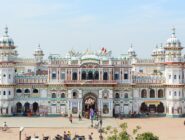
This model particularly suits four kinds of travellers. Families and groups want flexibility on schedules and stops, especially with children or older relatives who cannot manage long waits at bus stops. Trekkers need reliable transport to and from remote trailheads before and after a multi-day hike, often arriving at odd hours or needing an early-morning departure that no public service runs. Pilgrims and cultural travellers visiting temple circuits such as Muktinath, Pashupatinath, Janakpur, or Lumbini find public transport to these destinations sparse, indirect, or simply uncomfortable for older or devotional travellers. Business or diplomatic travellers who need a fixed schedule with zero risk of delay often default to private hire as the only sensible option.
Experienced Nepal travellers also mention a quieter advantage: the driver becomes a genuine local resource. A driver who has spent years running the Kathmandu-Pokhara-Mustang corridor knows which roadside teahouse has the best momos, which viewpoint along the Trishuli gorge is worth the five-minute stop, and which alternate lane to take when the main highway near Mugling is backed up with trucks. None of this is available to a traveller hopping between anonymous shared jeeps and public buses.
The Vehicle Fleet: Matching the Machine to the Mission
Nepal’s terrain is genuinely varied — flat Terai highways in the south, winding hill roads in the middle hills, and unpaved, landslide-prone mountain tracks in the high country. No single vehicle type suits every route, which is why a good vehicle hire company offers a graded fleet rather than a one-size-fits-all car. Understanding the fleet categories below will help you avoid overpaying for capacity you don’t need and underestimating what a route actually requires.
Car (Sedan / Hatchback) — Best for Cities and Paved Highways
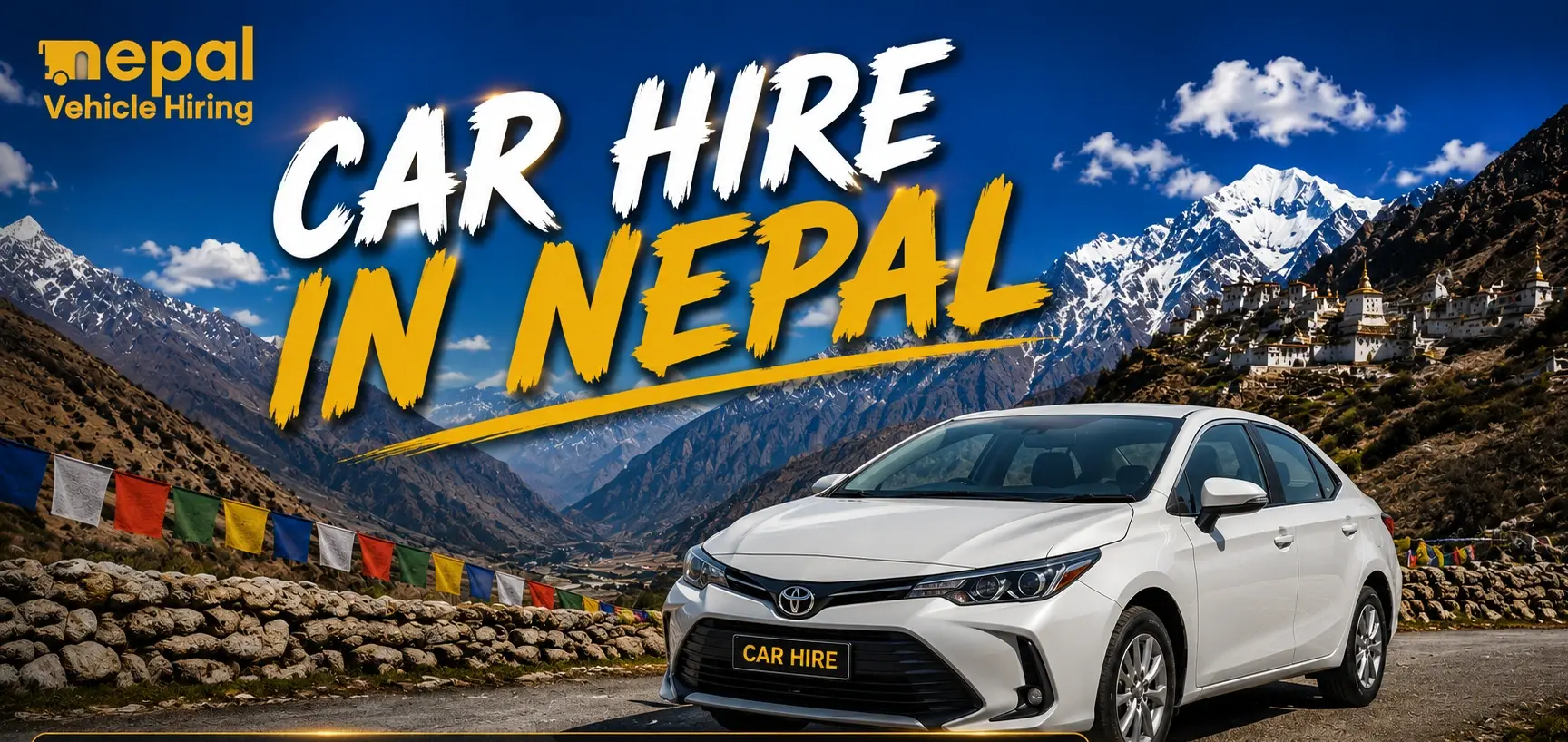
A standard sedan is the most economical and comfortable option for 1 to 3 passengers travelling on paved roads. This is the right choice for Kathmandu sightseeing, a Bhaktapur Durbar Square day tour, an airport transfer, or a smooth highway run on tarmac, such as from Kathmandu to Pokhara. See our full car hire in Nepal page, or the dedicated car hire in Pokhara service if your trip is based out of the lake city. Sedans are fuel-efficient, easy to manoeuvre through narrow old-town lanes, and the least expensive per day, making them the default for any traveller whose entire itinerary stays on asphalt.
Jeep (4WD) — Built for Mountain Roads and Trekking Trailheads.
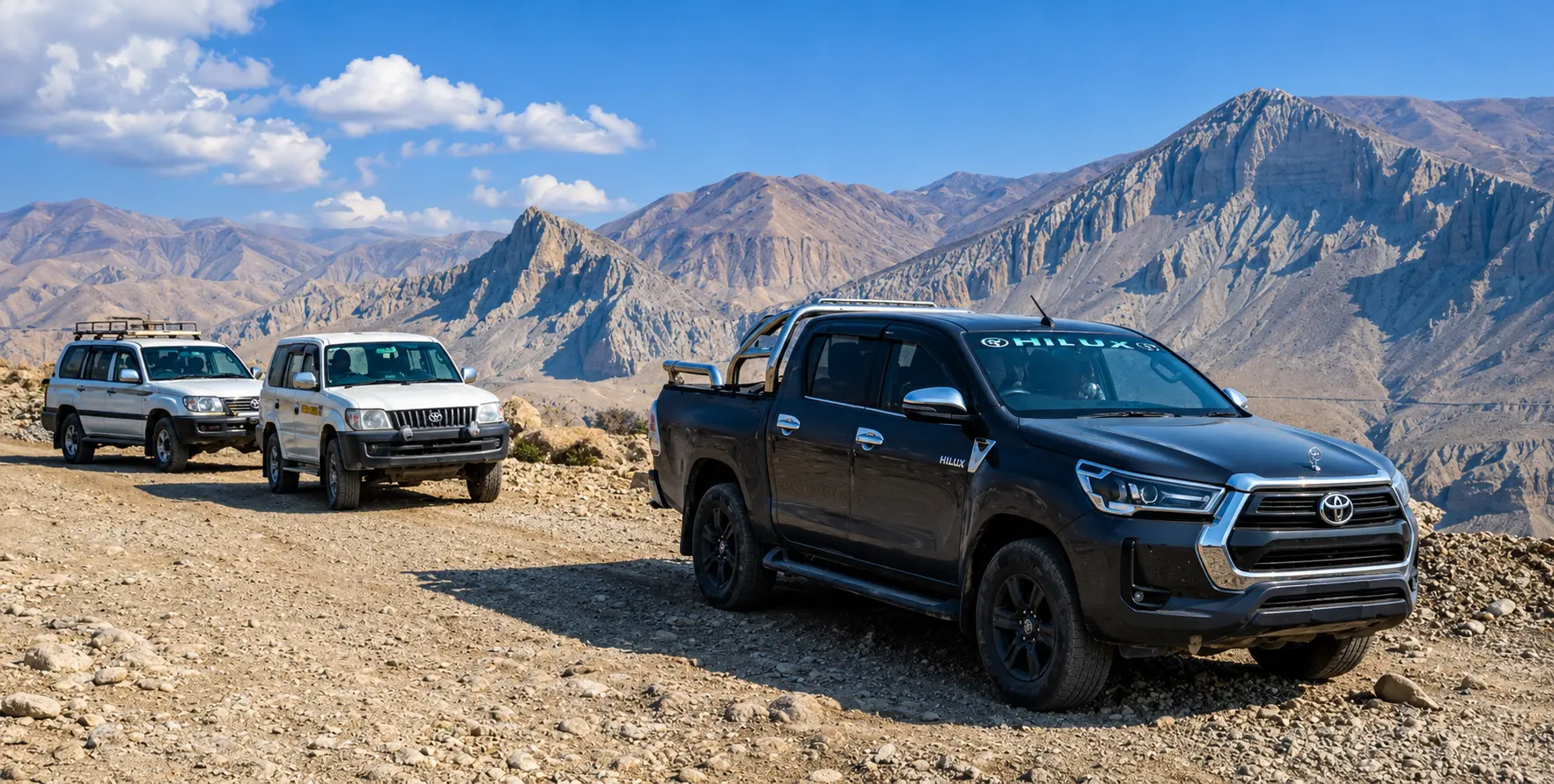
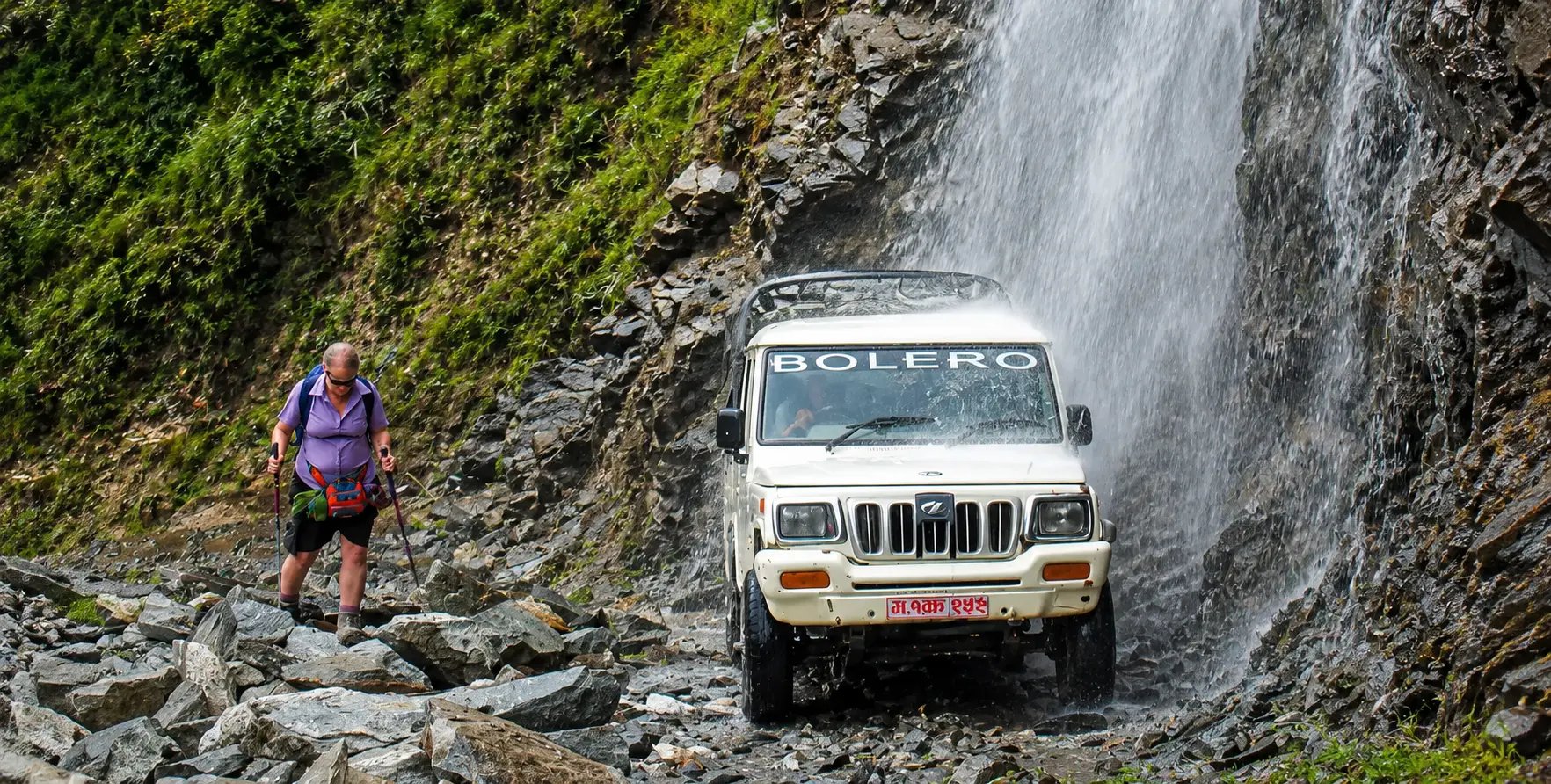
This is the workhorse of Nepal’s trekking transport network. A 4WD jeep, typically a Mahindra Scorpio, Bolero, or similar rugged SUV, has the ground clearance, drivetrain, and durability to handle landslide debris, river crossings, and the steep, switchbacked dirt tracks leading to trekking regions. If your itinerary includes any road beyond the main highways, hiring a jeep is not a luxury; it is the only practical option. We explain the reasoning in detail in our blog on why you should choose a 4WD jeep for mountain roads in Nepal, and our full route list is on the Jeep page.
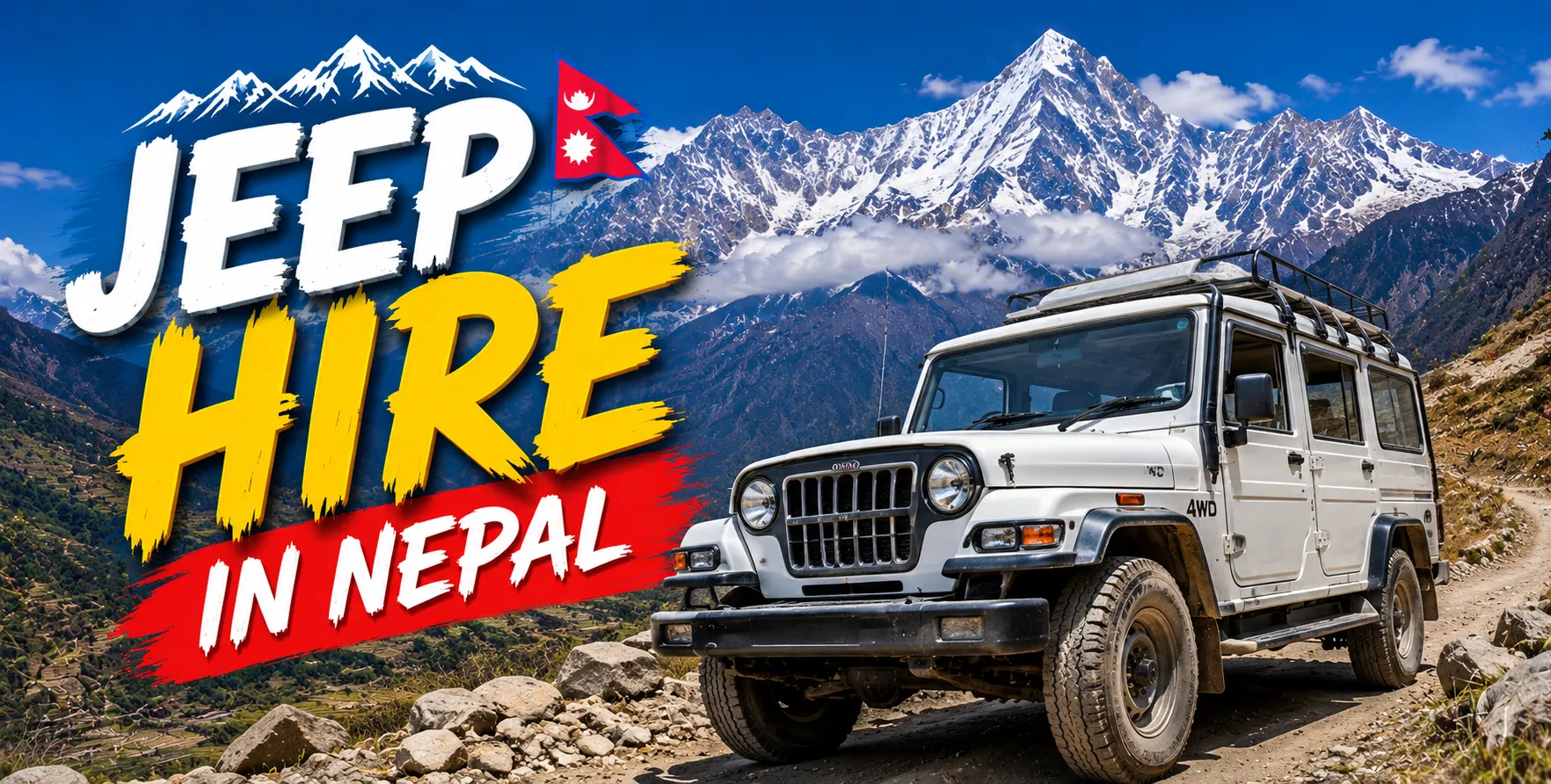
Jeep routes we operate cover virtually every major trekking gateway in the country, including Kathmandu to Syabrubesi for Langtang, Kathmandu to Besisahar and onward to Chame and Upper Pisang for the Annapurna Circuit, Kathmandu to Soti Khola for the Manaslu Circuit, Pokhara to Ghorepani Poon Hill and Pokhara to Ghandruk for the Annapurna foothills, and Kathmandu to Salleri Phaplu for the classic overland approach to Everest region treks.
For the high trans-Himalayan plateau, our Kathmandu-to-Mustang private jeep and Upper Mustang 4WD jeep services follow the dramatic Kaligandaki gorge route. In contrast, the Kathmandu-to-Muktinath jeep and the dedicated Muktinath Yatra itinerary serve pilgrims heading to the sacred Muktinath temple. We also operate a Kathmandu-to-Gorkha jeep service for the historic Gorkha Durbar, a Kathmandu-to-Jiri service for the classic overland Everest approach, and a one-day jeep hire within the Kathmandu Valley for travellers who want extra ground clearance for exploring the valley.
Jeeps trade some ride comfort for capability. The suspension is firmer, the cabin is noisier on rough sections, and a long mountain transfer day can feel physically tiring in a way a smooth highway car ride does not. This is the honest trade-off of mountain travel in Nepal: comfort decreases as the road gets more remote, and no vehicle changes that fundamental geography. What a properly maintained 4WD jeep and an experienced driver do change is your safety margin and your probability of actually arriving, rather than being stuck at a river crossing or a landslide-blocked switchback in an underpowered car.
Hiace (Van) — Comfort and Capacity for 7 to 14 People
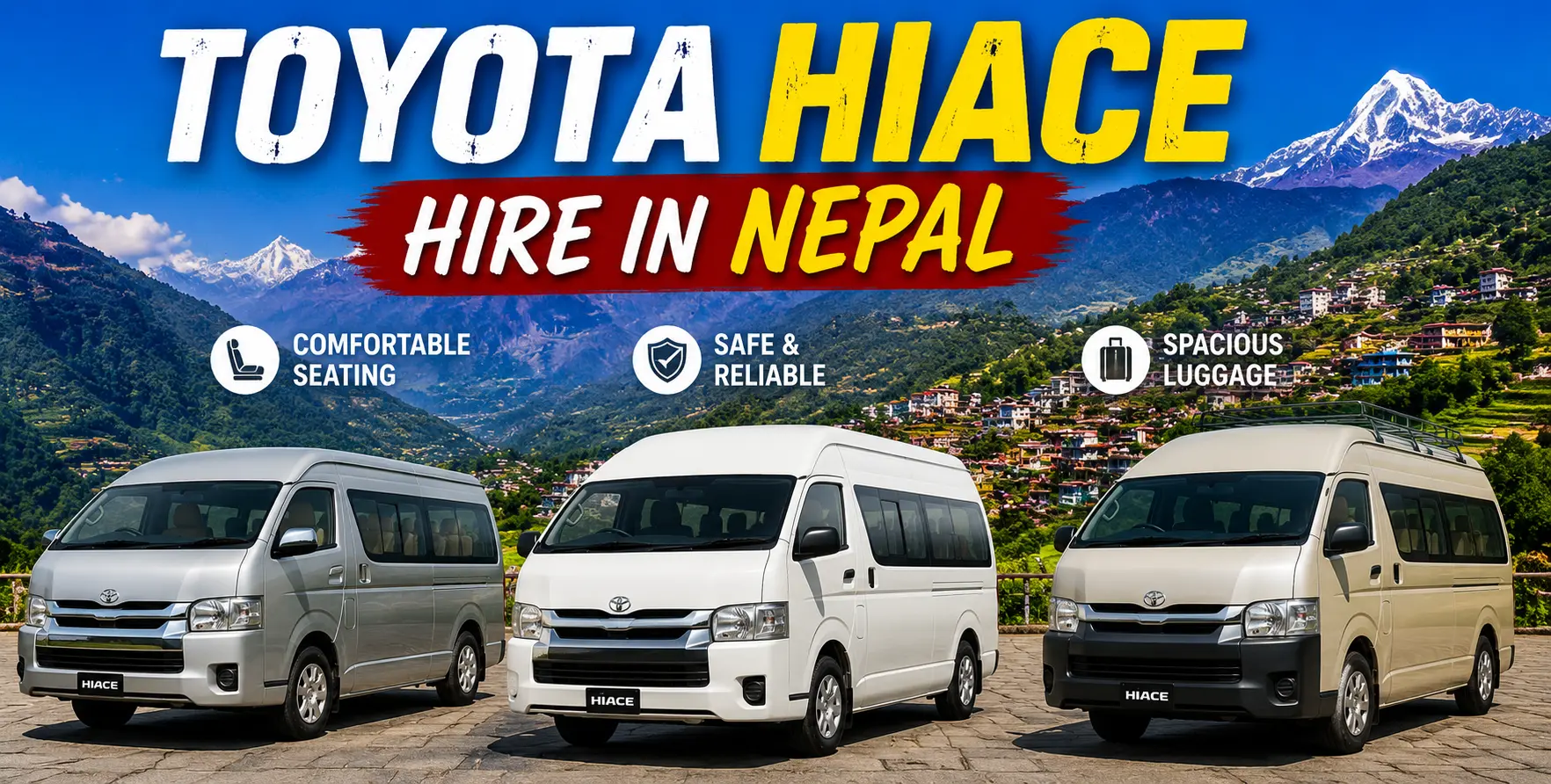
The Toyota Hiace and equivalent vans sit between the jeep and the larger bus in both capacity and comfort. They suit families, small groups, and trekking parties of up to roughly 14 people who want more room than a jeep but do not need a full bus. They work well on paved or moderately rough roads and are popular for valley tours and group transfers. See the Hiace page for available routes, including the scenic Nagarkot sunrise tour. A Hiace is also frequently the right choice for trekking agencies and tour operators moving an entire group, plus duffel bags and gear, to a single trailhead in one vehicle, rather than splitting the party across two or three jeeps.
Bus and Coaster — For Larger Groups on Highway Routes
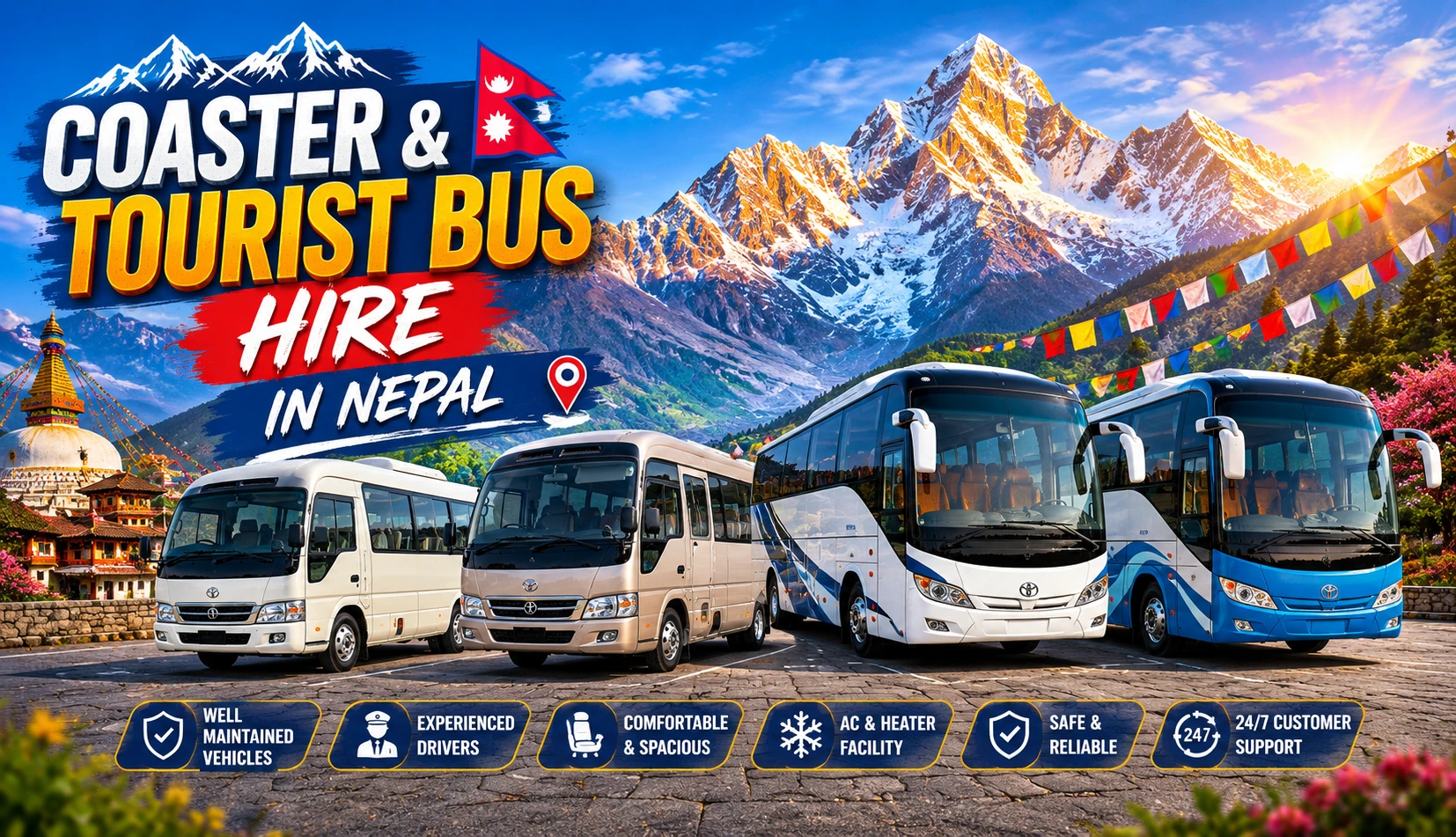
When a group exceeds roughly 18 passengers, a tourist bus or coaster becomes the more economical and practical choice, especially on well-paved highway routes such as Kathmandu-Pokhara, Kathmandu-Chitwan, or Kathmandu-Lumbini. We operate scheduled and private bus and coaster services, along with point-to-point tickets such as Kathmandu to Pokhara Bus, Kathmandu to Lumbini Bus, Lumbini to Kathmandu Bus, and Kathmandu to Besisahar Bus. For groups wanting a more premium overland experience on long highway legs, our blog on VIP sofa bus hire in Nepal explains the upgraded reclining-seat option, which is increasingly popular with tour operators bringing larger groups between Kathmandu and Pokhara without sacrificing comfort.
Understanding Nepal’s Road Network Before You Book
Nepal’s national highway system spans more than 11,000 kilometres across roughly 80 designated national highways, but the driving experience varies widely by region. The Mahendra Highway (also called the East-West Highway) runs roughly 1,028 kilometres from Jhapa in the east to Kanchanpur in the west through the flat Terai belt, and is the longest highway in the country. The Prithvi Highway connects Kathmandu and Pokhara across roughly 173 kilometres and is the route most foreign visitors will drive at some point. The Araniko Highway runs from Kathmandu to the Tibet border at Kodari, the Tribhuvan Highway connects Kathmandu to Birgunj on the Indian border, and the Siddhartha Highway links the Sunauli border crossing to Pokhara. These five are generally considered the country’s busiest and most strategically important highways.
All of these primary corridors are paved and motorable year-round under normal conditions. However, both can become hazardous and slow during the monsoon months from June to September due to landslides and flooding. TheButwal-Palpa hill section of the Siddhartha Highway is particularly prone to rockfalls and debris. Heavy truck and bus traffic, combined with reckless overtaking on blind curves, makes road safety a genuine concern on these highways year-round, which is one of the strongest arguments for hiring an experienced local driver rather than self-driving.
Beyond these primary corridors, conditions change quickly. District and rural roads—the ones that actually reach trekking trailheads in Langtang, Manaslu, Mustang, and the more remote Annapurna villages—are often unpaved, narrow, and subject to seasonal damage. Many of these roads are still under active construction, with sections of bare dirt, temporary diversions around bridge works, and washouts that can close a route for hours or days after heavy rain. This is precisely why trekking transport in Nepal relies so heavily on 4WD jeeps rather than ordinary cars: a sedan cannot manage a washed-out gravel switchback at 2,800 meters, while a properly driven jeep can.
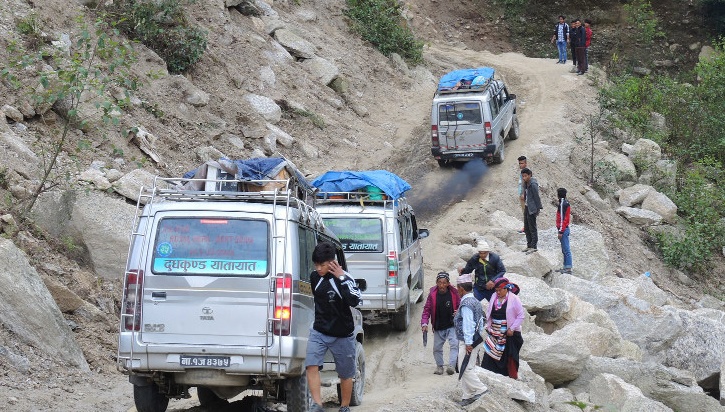
In practice, this means your itinerary should separate “highway days” from “mountain days.” A Kathmandu-to-Pokhara transfer on the Prithvi Highway is a comfortable half-day drive in any vehicle. A Kathmandu-to-Gorkha or Kathmandu-to-Jiri run, covered in our guides to the Kathmandu-to-Gorkha jeep service and Kathmandu-to-Jiri by private jeep, involves more demanding hill roads and should be budgeted for extra time and a sturdier vehicle. A Besisahar-to-Chame run climbing into the Annapurna Circuit corridor is squarely 4WD mountain-road territory, and a Kathmandu-to-Soti Khola transfer for the Manaslu Circuit typically takes around eight to nine hours, much of it on bumpy dirt road, even though the straight-line distance is relatively modest.
Region-by-Region: How Vehicle Hire Connects to Every Major Trekking Area
One of the most valuable things a vehicle hire company can offer is not just a vehicle, but a clear understanding of how road transport intersects with each of Nepal’s trekking regions. Below is a region-by-region breakdown because the right vehicle, route, and permit logistics differ meaningfully from one trekking area to the next.
Everest (Khumbu) Region
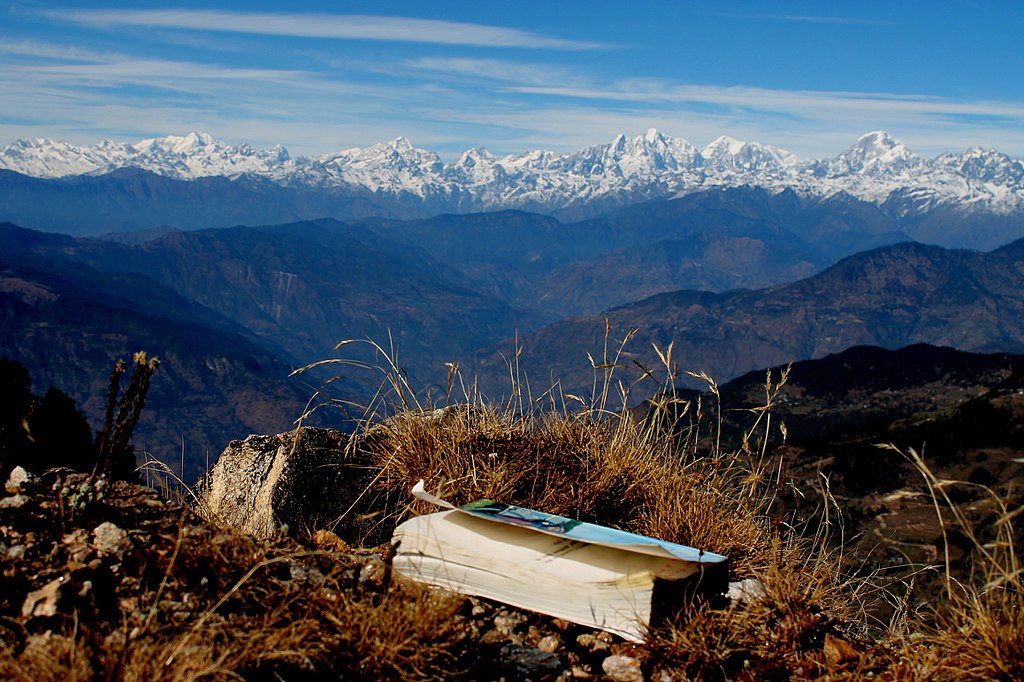
The Everest region is unusual in that most trekkers fly into Lukla rather than drive, since there is no direct road into the high Khumbu. However, road transport still plays an important role for two groups: trekkers taking the classic overland approach via Jiri or Phaplu, which avoids the notoriously weather-dependent Lukla flights, and trekkers connecting between Kathmandu and Ramechhap or Manthali, since many Lukla flights now depart from Manthali during peak season rather than Kathmandu itself.
We operate jeep transfers covering exactly this corridor, including Kathmandu to Jiri by private jeep, Kathmandu to Salleri Phaplu, Salleri to Kathmandu, and the Ramechhap connection via Kathmandu to Manthali jeep hire and Manthali to Kathmandu private jeep, along with the broader Ramechhap Manthali transportation service. For travellers planning the full trek, our Everest Base Camp Trek page outlines both the flight and overland transport options.
On the Everest route itself, permits are checked at Monjo when entering Sagarmatha National Park, at Namche Bazaar, and at several points along the trail. Notably, the TIMS card system is no longer used in this region; instead, the local Khumbu Pasang Lhamu Rural Municipality charges its own entry fee, typically between roughly NPR 2,000 and 3,000, in place of the older TIMS requirement.
Annapurna Region
Annapurna is Nepal’s most accessible major trekking region by road, and consequently the one where vehicle hire plays the largest role. Multiple trailheads are reachable directly from Pokhara, including Pokhara to Nayapul (and the reverse, Nayapul to Pokhara), Pokhara to Ghorepani Poon Hill, Pokhara to Ghandruk and the return leg, Ghandruk to Pokhara, Pokhara to Jhinu Danda (also detailed in our dedicated Pokhara to Jhinu Danda jeep rental guide), and Jhinu Danda to Pokhara for the return.
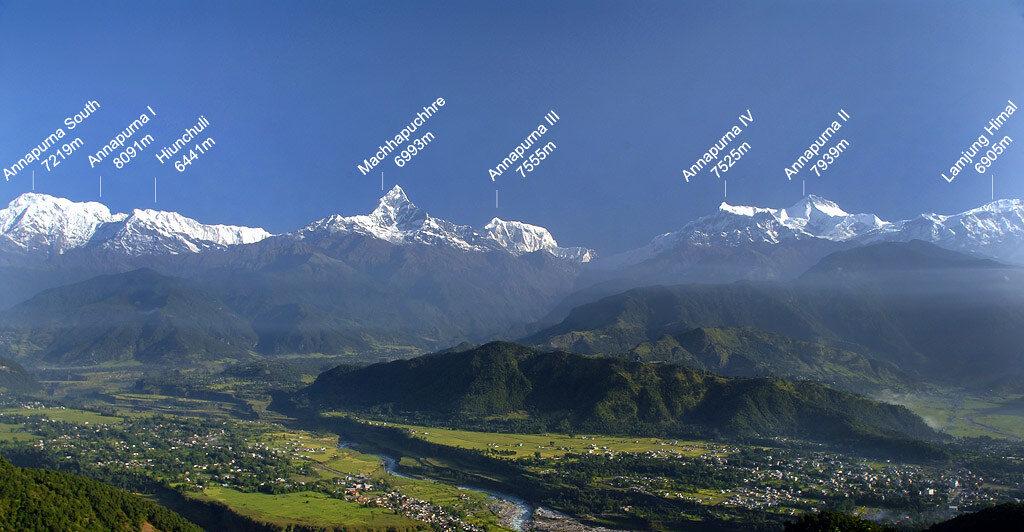
For the longer Annapurna Circuit, the classic starting point is Besisahar, served by our Kathmandu to Besisahar Private Jeep, Kathmandu Besisahar Private Vehicle, and Besisahar to Kathmandu Jeep for the return, plus the onward mountain leg covered by Besisahar to Chame and Upper Pisang Jeep. Trekkers who prefer the western, Mustang-side approach to the circuit often use our Kathmandu to Upper Pisang Private Jeep, Kathmandu to Chame Private Jeep, Kathmandu to Manang Jeep, and Manang to Kathmandu Jeep for the return drive. We have also written a dedicated piece on why Dharapani is the most popular starting point for the Annapurna Circuit among trekkers, and we compare entry points.
Every checkpoint across the Annapurna region, from Birethanti to Chhomrong and Besisahar to Jomsom, requires a valid Annapurna Conservation Area Permit (ACAP). This is mandatory and strictly enforced; trekkers without it are typically charged double at the checkpoint or, in some cases, turned back entirely. The TIMS card, by contrast, has fallen out of practical use in the Annapurna region in recent years, even though some older online guides still reference it. Always confirm current requirements with your driver or trekking agency before departure rather than relying on outdated information.
Langtang Region
Langtang sits closest to Kathmandu of any major trekking region, which makes it the most popular short-trek option for visitors without time for the longer Everest or Annapurna circuits. The standard trailhead is Syabrubesi, reached via our Kathmandu-to-Syabrubesi Jeep Transfer. This route also connects to Dhunche, the gateway town for Langtang National Park, served by the Kathmandu-to-Dhunche Jeep and the return leg, Dhunche-to-Kathmandu Jeep. This corridor also connects to the Rasuwa border crossing into Tibet, which our Kathmandu-to-Kerung border transportation service covers.
Langtang requires only a national park entry permit rather than a more complex restricted-area system, making it logistically one of the simplest regions to combine with a short, well-planned jeep transfer. Altitudes on the main valley trail are relatively moderate by Himalayan standards, and the route remains accessible for much of the year, except during heavy monsoon disruption.
Manaslu Region
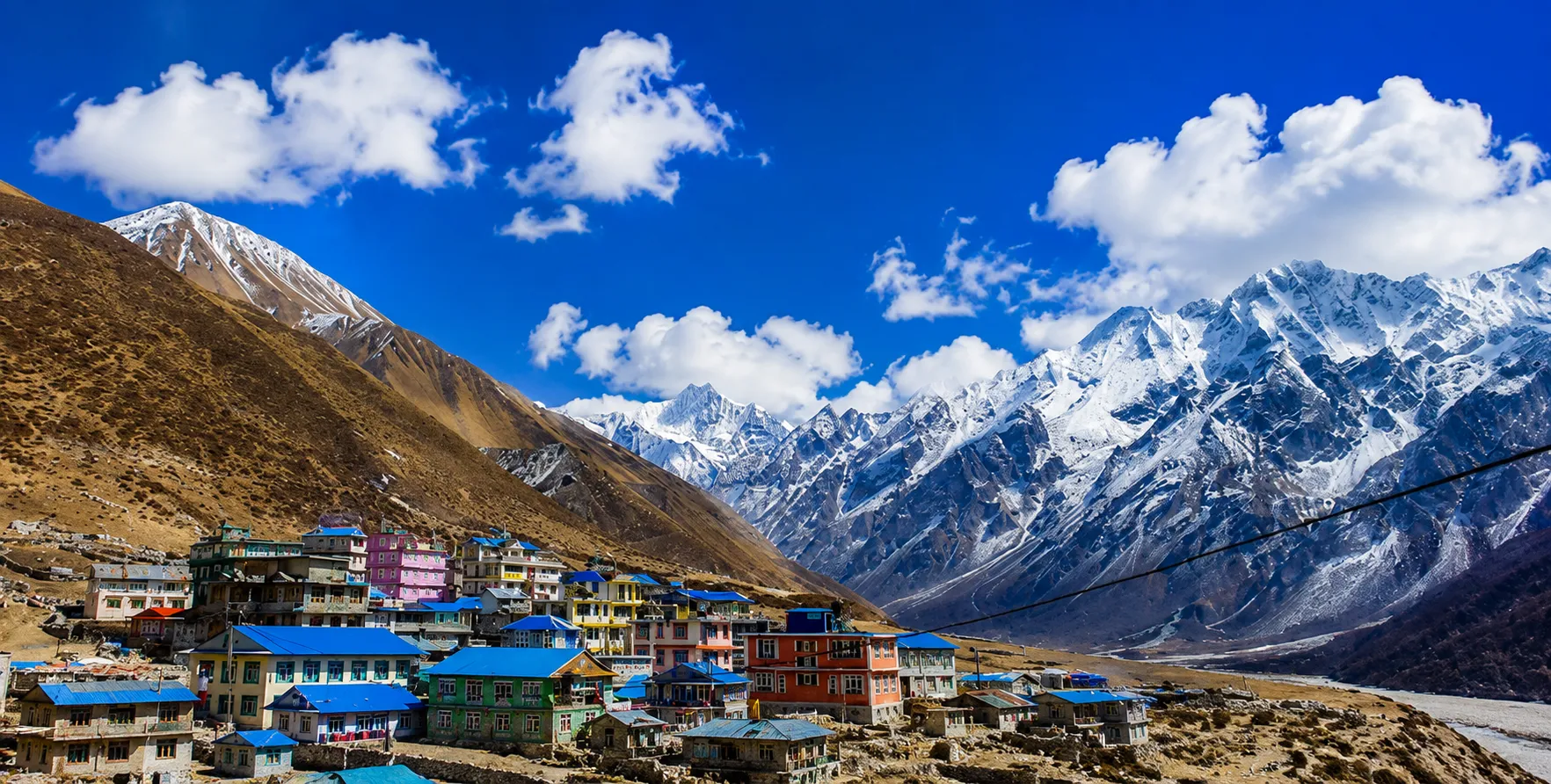
The Manaslu Circuit has earned a reputation among repeat visitors as a quieter, equally spectacular alternative to the Annapurna Circuit, encircling theworld’s eighth-highest mountain. The standard starting point is Soti Khola, served by our Kathmandu-to-Soti Khola jeep service. The drive typically takes around seven to nine hours and covers a substantial stretch of bumpy dirt road, making this one of the routes where 4WD capability genuinely matters, not just a nice-to-have.
Manaslu is a restricted area, meaning trekkers need a TIMS card, a Manaslu Conservation Area permit, and a Restricted Area Permit that can only be arranged through a registered trekking agency, typically with a minimum group size of two trekkers and a compulsory licensed guide. Restricted area permit fees for Manaslu are charged weekly and increase during the September-to-November peak season, so sequence your vehicle booking around confirmed permit paperwork rather than the other way around.
Upper Mustang and the Trans-Himalayan Plateau
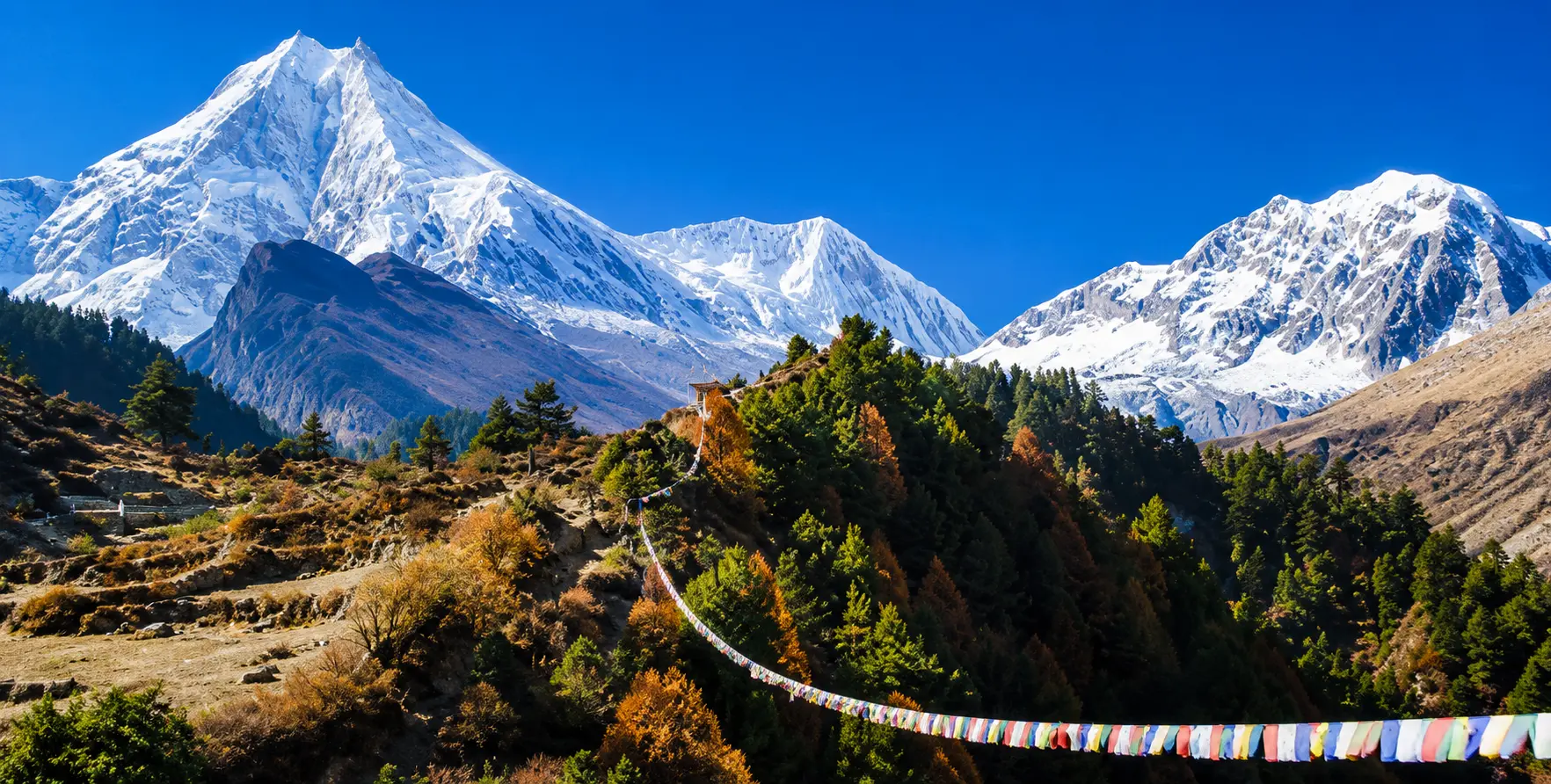
Mustang offers a fundamentally different landscape from the rest of Nepal’s trekking regions: a high-altitude desert in the rain shadow of the Annapurna and Dhaulagiri massifs, with a culture and architecture closer to Tibet than to the rest of Nepal. Because Mustang sits in this rain shadow, it is one of the few regions you can visit comfortably during the monsoon months, when most of the rest of the country is wet and overcast. Road access runs along the dramatic Kaligandaki gorge, reportedly the deepest gorge in the world, and is covered by our Kathmandu to Mustang Private Jeep and Upper Mustang 4WD Jeep services, as well as the Pokhara-side approach via Pokhara to Mustang Jeep.
Upper Mustang is the most expensive restricted area in the country to enter on a permit basis, requiring a Restricted Area Permit, an ACAP permit, and a TIMS card, arranged through a registered agency with a compulsory guide and typically a minimum of two trekkers. The restricted area fee structure has historically featured a high upfront cost for an initial period of around 10 days, followed by a lower daily add-on rate, so factor this into your overall budget alongside the jeep transfer itself.
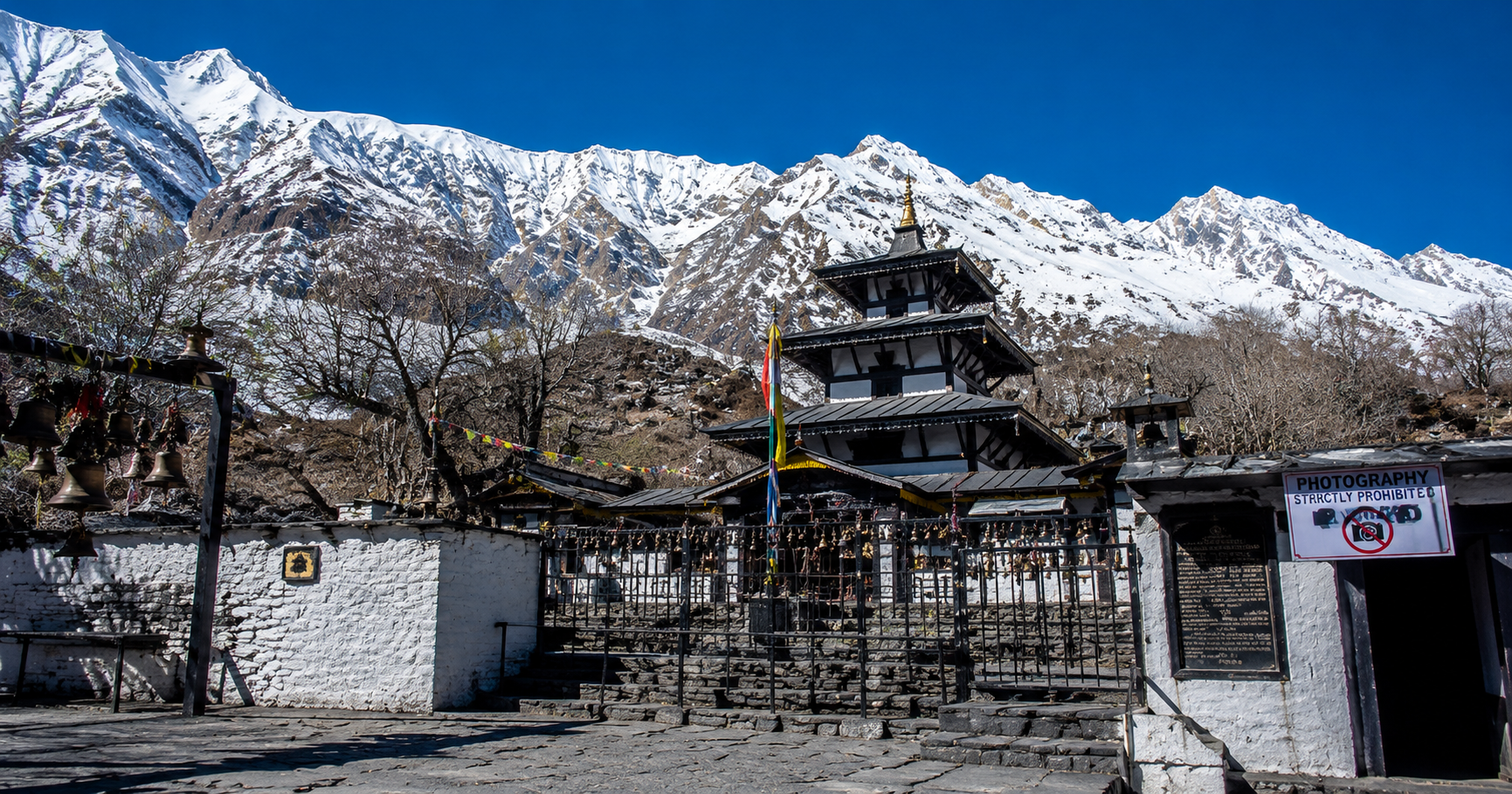
Muktinath Pilgrimage Route
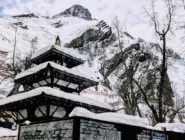
Muktinath, sacred to both Hindus and Buddhists, draws a steady stream of pilgrims independent of the trekking calendar. Because many pilgrims are older, travel in family groups, or are visiting for a focused devotional trip rather than a multi-day trek, vehicle hire is especially valuable here, removing the need to navigate shared jeeps or long bus connections. Our Kathmandu to Muktinath Jeep and Muktinath to Kathmandu Jeep cover the direct route, while our structured Muktinath Yatra itinerary packages the entire pilgrimage into a fixed multi-day plan. Pilgrims based in Pokhara can also use the Muktinath-to-Pokhara Jeep.
Dolpo and the Far West
Dolpo, home to Nepal’s deepest lake, Shey Phoksundo, remains one of the least-visited and most logistically complex regions in the country. Unlike most other regions, Dolpo is typically reached by flying to Nepalganj and then on to Juphal, since no continuous road network connects the area to Kathmandu. We cover this region in detail in our blog on the Shey Phoksundo Lake jeep tour, which explains how overland and flight transport combine for travellers determined to reach this remote turquoise lake. Like Mustang, Dolpo sits in the Himalayan rain shadow, making it trekkable even during the summer monsoon when most of the rest of the country is wet.
Kathmandu Valley: The Hub of Every Unlimited Itinerary
Almost every unlimited tour and trek itinerary begins and ends in the Kathmandu Valley, which makes the valley’s own internal road network worth understanding on its own terms. The valley floor is a dense, often congested grid of city roads connecting Kathmandu, Patan (Lalitpur), and Bhaktapur. These three historically separate city-states have grown into a single urban sprawl. Traffic within the Ring Road can be slow and unpredictable, particularly during morning and evening rush hours, festival periods, and around major intersections near Kalanki, Koteshwor, and Chabahil.
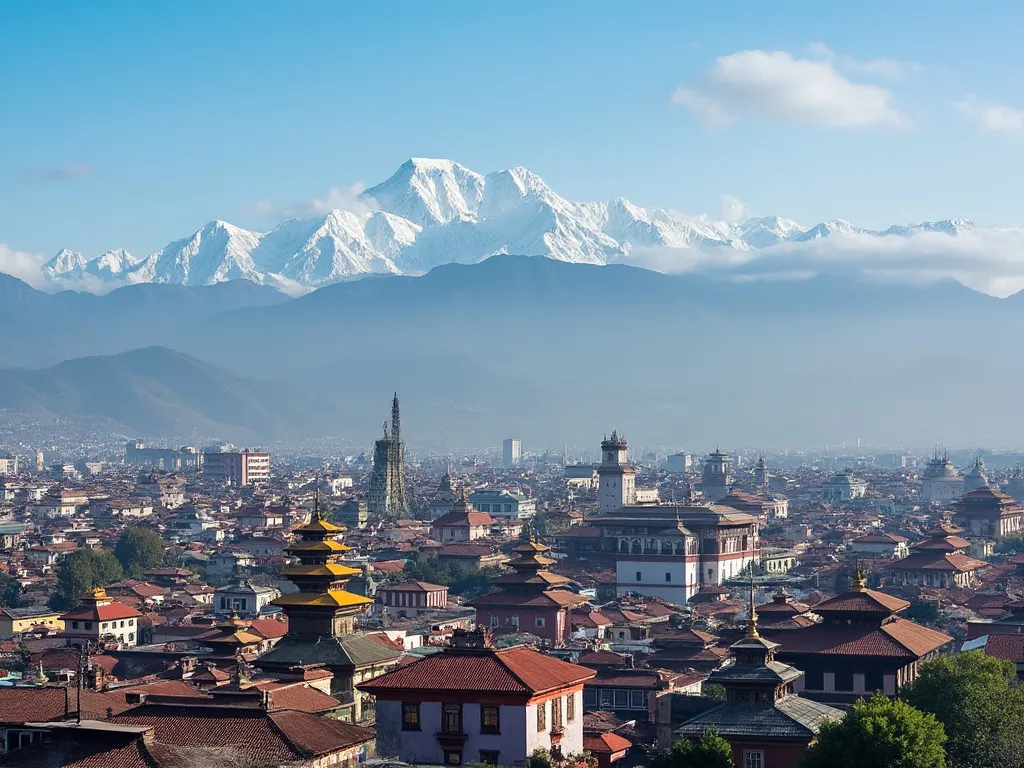
Beyond the immediate city, the valley rim offers several short, popular excursions that are almost always built into a longer itinerary rather than booked separately. Nagarkot on the eastern rim is the classic sunrise viewpoint over the Himalayan range, typically visited as an early-morning out-and-back or as an overnight stop combined with a day tour of Bhaktapur Durbar Square. The Sarangkot sunrise tour vehicle plays a similar role above Pokhara, and our Pokhara-to-Sarangkot Jeep and Sarangkot-to-Pokhara Jeep routes cover the short, steep drive up and back.
Pokhara also serves as a second hub for the western half of the country, with several short excursions radiating from the lakeside area. Our Pokhara-to-Pumdikot Mahadev Temple Jeep serves travellers visiting this hilltop shrine overlooking the city. At the same time, the Pokhara-to-Dhampus Jeep and the Dhampus-to-Pokhara Jeep are among the easiest short Annapurna foothill excursions for travellers with very limited time. The Pokhara to Kande Jeep and the Kande to Pokhara Jeep serve as another popular short-trek entry point in the same foothill range.
Terai, Pilgrimage Cities, and Border Connections
While trekking transport gets most of the attention in route planning, a truly comprehensive Nepal itinerary often extends south into the flat Terai belt, where the country’s wildlife parks, pilgrimage sites, and border crossings are located. Chitwan National Park, accessible from either Kathmandu or Pokhara, is the most popular jungle safari add-on to a mountain-focused trip, and our Pokhara-to-Chitwan Bus service covers this leg directly.
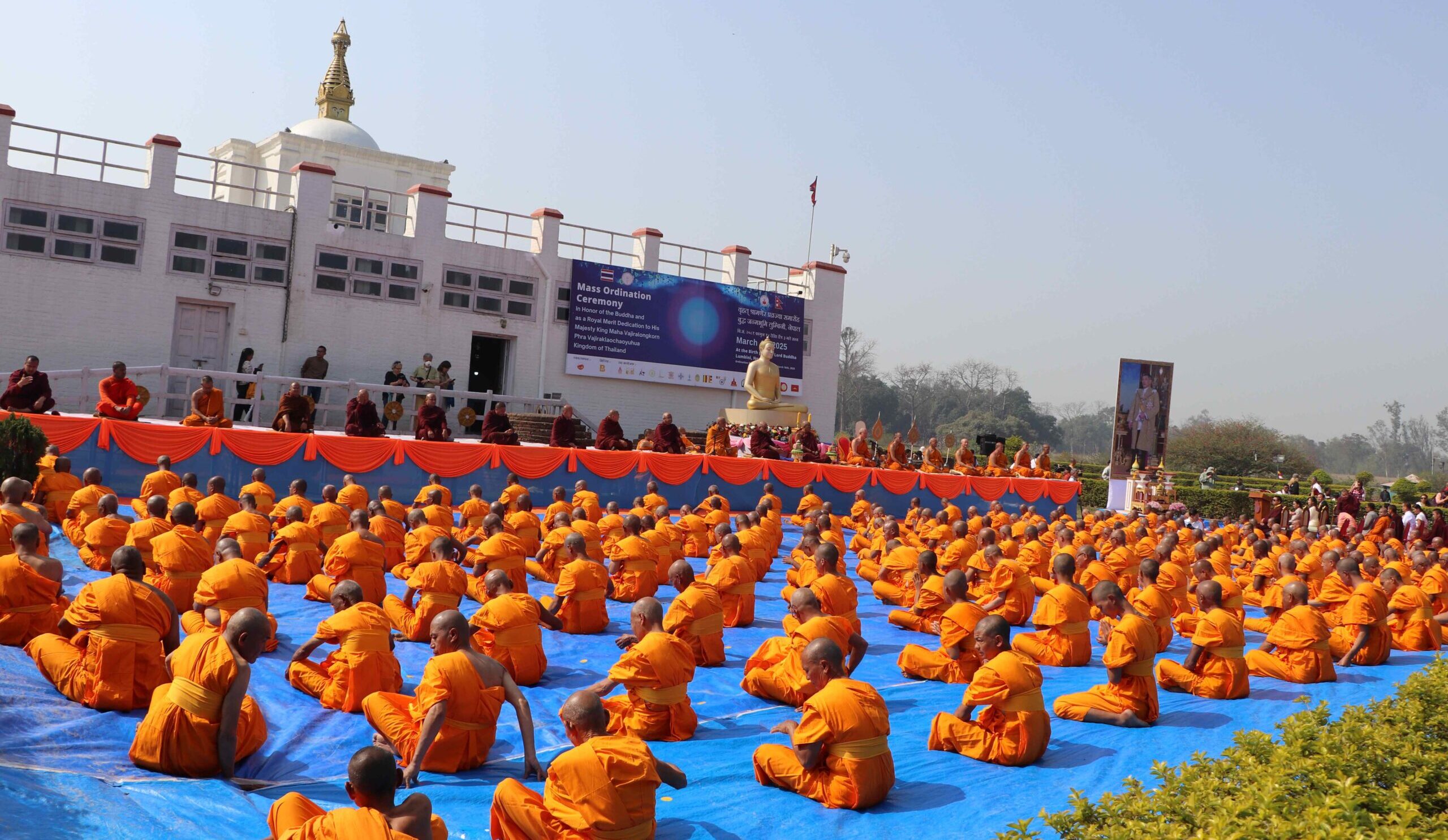
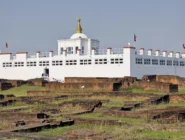
Lumbini, the birthplace of the Buddha and a UNESCO World Heritage Site, draws both pilgrims and history-focused travellers and is well served by our Kathmandu to Lumbini Bus and Lumbini to Kathmandu Bus service. Travellers arriving from India often combine this leg with a border crossing. The Kathmandu-to-Sunauli border private jeep service, along with the wider Nepal Tour from Gorakhpur package, is designed specifically for this kind of cross-border itinerary, where the vehicle must handle both international crossing logistics and a multi-day onward tour.
For travellers continuing north rather than south, the Rasuwa border crossing into Tibet via Kerung is an increasingly common extension, and we operate a dedicated Kathmandu-to-Kerung border transportation service for exactly this purpose. This route shares much of its early stretch with the Langtang approach via Dhunche and Syabrubesi, which is one reason an experienced driver who already knows that corridor is valuable: the same general route knowledge applies whether your final destination is a trekking trailhead or an international border post.
Group Tours, Pilgrimage Circuits, and Longer Cultural Itineraries
Not every unlimited hire is built around trekking. A substantial share of our bookings comes from groups touring Nepal’s cultural and religious circuit without any trekking component: heritage tours through the valley’s Durbar Squares, multi-city pilgrimage circuits, and longer holiday packages that string together several of the country’s signature destinations. Our Nepal Tour Package, Nepal holiday tour 2026, and Nepal Nekhor Tour packages are built for exactly this kind of trip, typically combining Kathmandu Valley sightseeing, a Pokhara leg, and either a Chitwan safari or a Lumbini pilgrimage stop into a single multi-day private hire.
For larger groups, the vehicle decision becomes a balance between cost efficiency and comfort. A group of twenty or more travelling together on a fixed highway itinerary is usually better served by a single coaster or bus than by splitting across several cars or jeeps, both because it keeps the group together for meals and stops and because the per-person cost typically comes down with a larger shared vehicle. Groups planning a mixed itinerary that includes both highway sightseeing and a short trekking add-on, however, often need to plan for a vehicle switch partway through the trip, swapping a bus or Hiace for jeeps once the itinerary leaves paved roads. A good operator will flag this need at the planning stage rather than leaving it as a surprise.
Frequently Asked Questions About Unlimited Tour and Trek Vehicle Hire
Is an unlimited hire genuinely unlimited mileage, or are there hidden caps?
This varies by operator, and it is the single most important question to ask before booking. Some companies advertise an unlimited or all-inclusive package but apply an unstated daily distance cap and charge extra once you exceed it. When you request a quote, ask specifically whether the rate is truly unlimited mileage for the duration of the hire or whether a daily kilometre allowance applies, and get the answer in writing before you travel.
Can the same vehicle and driver really cover both city sightseeing and a mountain trekking trailhead?
Generally, yes, with one caveat: if your itinerary mixes pure highway days with genuine mountain-road days, you may need two different vehicle types rather than one, since a sedan that is perfect for Kathmandu sightseeing cannot handle the rough Manaslu or Mustang access roads. A well-planned unlimited hire often means one continuous booking with the operator, but with a vehicle swap from car to jeep where road conditions change, with the same company managing both legs seamlessly.
Do I need to arrange permits myself, or can the vehicle hire company help?
Standard national park permits and ACAP permits can typically be arranged quickly at the Nepal Tourism Board office in Kathmandu or Pokhara, often on the same day. Restricted area permits for places like Upper Mustang or Manaslu must go through a registered trekking agency and usually take longer to process, so these should be arranged well in advance of your travel date, ideally before you finalise your vehicle booking dates, so that the two schedules align.
What happens if a landslide blocks a mountain road during my trip?
This is one of the main reasons to travel with an experienced local driver rather than self-driving. A driver who knows the route will typically know of alternate roads, will have local contacts who can confirm whether a blockage is temporary or multi-day, and can adjust the day’s plan, whether that means waiting at a safe point, taking a longer alternate route, or rescheduling the day’s activities. This kind of real-time problem-solving is very difficult to replicate as a self-driving visitor with no local network.
How far in advance should I book an unlimited multi-day vehicle hire?
For travel during peak spring (March-May) and autumn (September-November), booking several weeks in advance is strongly advisable, as the best vehicles and most experienced drivers are in high demand during these periods. Outside peak season, booking one to two weeks ahead is usually sufficient. However, if your itinerary includes a restricted area that requires permit processing time, the permit timeline, not vehicle availability, will usually be the limiting factor.
What a Professional Booking Process Should Look Like
A well-run vehicle hire booking is more than picking a vehicle off a list and paying a deposit. Before confirming, a reliable operator should walk through your full itinerary with you, flag any point where the road condition requires a vehicle change, confirm whether overnight driver stays are needed and what that allowance covers, and clarify exactly what is included in the quoted price versus what you will pay separately on the ground.
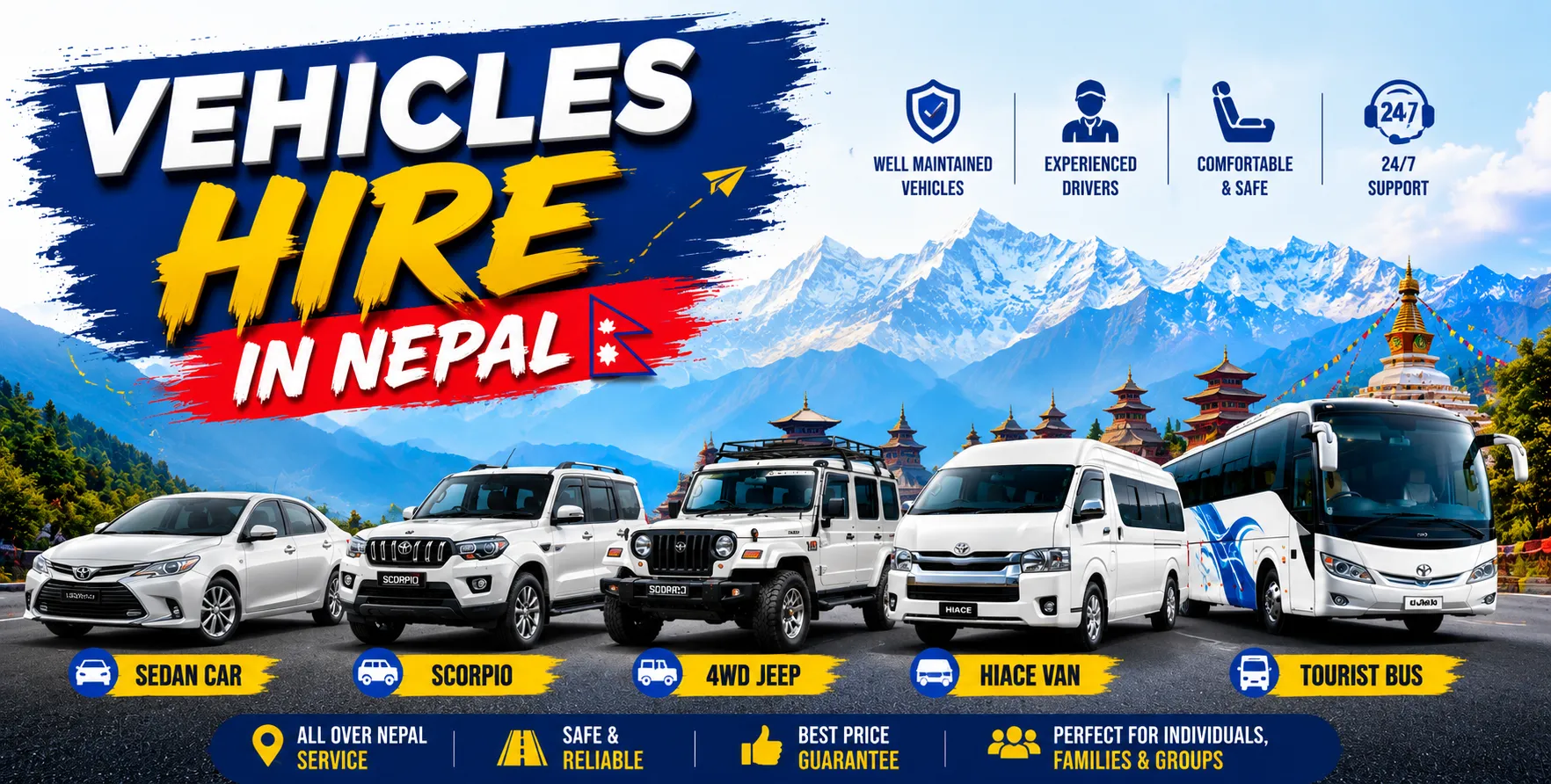
Vehicle condition matters more in Nepal than in many other travel markets, given the road network’s demanding state. Ask whether the vehicle has been serviced recently, whether it carries a spare tyre and basic recovery equipment, and whether the driver carries a charged phone with offline maps or local contacts for remote sections where mobile signal can disappear for hours at a time. None of these questions is excessive; they are standard due diligence for mountain travel anywhere in the world, and a professional operator will answer them without hesitation.
It is also worth confirming communication arrangements before departure: how you will reach the company office if plans change mid-trip, whether the driver speaks enough English for your comfort level, and what the cancellation or rescheduling policy is if a permit delay or a weather closure forces a date change. At Nepal Vehicle Hiring Pvt Ltd, we handle these conversations directly during the planning stage through our Plan a Trip process, precisely so that nothing is left ambiguous once you are already on the road.
Building an Unlimited Multi-Day Itinerary: A Detailed Sample Route
One of the most requested itineraries we arrange combines Kathmandu Valley culture, Pokhara’s lakeside calm, and a short Annapurna foothill trek, all on one continuous private hire. A typical structure looks like this, with the understanding that it can be compressed, extended, or rerouted on short notice because the same vehicle and driver remain assigned to you throughout:
- Day 1 — Arrival and Kathmandu Airport Transfer to your hotel, followed by a half-day Kathmandu Sightseeing Tour covering Durbar Square, Swayambhunath, and Pashupatinath. Travellers with a particular interest in the valley’s temple architecture and history can extend this with our dedicated guide to Kathmandu’s historical heritage sites.
- Day 2 — A full-day Bhaktapur Durbar Square day tour combined with a sunrise or sunset detour to Nagarkot for Himalayan panoramas, or a more compact urban-adventure version through our Kathmandu day tour
- Day 3 — Highway transfer on the Prithvi Highway from Kathmandu to Pokhara, roughly 200 kilometres, with stops at scenic viewpoints along the Trishuli River gorge.
- Day 4 — Jeep transfer from Pokhara to Nayapul or directly to Ghorepani for the Poon Hill trek, beginning a short, classic Annapurna foothill hike.
- Days 5- — Trekking, with the same vehicle and driver on standby for the return transfer, whether that means picking you up at Ghandruk or Jhinu Danda after the hot springs.
- Day 7 — Return drive to Kathmandu or onward connection, with the option to add Chitwan or Lumbini via our broader Nepal Tour Package or Nepal holiday tour 2026.
For travellers entering from the Indian side, this exact template can be adapted starting at the Sunauli border crossing, using our Kathmandu-to-Sunauli border private jeep or the broader Nepal Tour from Gorakhpur package, while travellers extending toward Tibet can connect via the Kathmandu-to-Kerung border transportation service. Longer cultural circuits combining multiple cities are also available through our Nepal Nekhor Tour 2026.
Pricing Logic: What Actually Determines the Cost
Vehicle hire pricing in Nepal is not arbitrary; it follows a few consistent variables that you should understand before you request a quote, so that you can sense-check any quotation you receive rather than simply comparing headline numbers between operators.
- Vehicle type — a sedan is the most economical, a 4WD jeep costs more due to higher fuel consumption and specialised maintenance, and a Hiace or bus scales up with passenger capacity.
- Road conditions — hill and mountain routes typically cost more per kilometre than flat Terai highway routes, reflecting slower speeds, greater wear on the vehicle, and the driver’s added skill requirements.
- Rental duration — multi-day and “unlimited” hires generally carry a better effective daily rate than single-day bookings, since the vehicle and driver are committed to one client for longer.
- Distance and overnight stays — trips that require the driver to stay overnight away from base typically include a modest daily driver allowance, sometimes called food kharcha locally, in addition to the vehicle rate.
- Mileage caps — some operators set a daily distance allowance, commonly around 200 kilometres per day on outstation hires, with additional per-kilometre charges beyond that; confirm whether your quoted package is genuinely unlimited mileage or capped before booking.
Most reputable operators, including Nepal Vehicle Hire, offer packages that bundle the vehicle, driver, fuel, and standard driver allowance, leaving only items like toll charges, parking fees, and your own entrance tickets as separate costs. For an in-depth breakdown of how Nepal’s vehicle categories compare in price and use cases, see our companion guide, The Ultimate Nepal Travel Companion: Vehicle Rental Guide.
Permits and Paperwork for Trekking-Linked Vehicle Hire
If your unlimited tour and trek itinerary includes any trekking component, vehicle and permit planning must happen together, since several trekking regions allow entry only with specific paperwork checked at roadside posts and trailhead checkpoints.
- TIMS Card — the Trekkers’ Information Management System card remains a standard reference document for general trekking areas. However, current on-the-ground enforcement varies by region: Everest has replaced it with a local municipal entry fee, and Annapurna checkpoints, in practice, verify only the ACAP permit, even though TIMS still appears in some official literature.
- ACAP (Annapurna Conservation Area Permit) — mandatory at every checkpoint from Birethanti to Chhomrong and from Besisahar to Jomsom if your route touches the Annapurna region, including Poon Hill, Ghandruk, and the Annapurna Circuit.
- National park entry permits — required for regions such as Langtang and Sagarmatha (Everest) — are typically priced at around NPR 3,000 for foreign nationals, in addition to any restricted area fee.
- Restricted Area Permits — required for sensitive border regions such as Upper Mustang, Manaslu, Upper and Lower Dolpo, Nar Phu Valley, and Tsum Valley- are arranged only through a registered trekking agency, typically alongside a compulsory licensed guide and a minimum group size. However, recent regulatory updates have allowed solo trekkers with a guide in some restricted areas.
Because our drivers regularly run routes into Langtang, Manaslu, Annapurna, and Mustang, we know where these checkpoints are along the road. We can help you plan your journey so permit collection in Kathmandu or Pokhara doesn’t derail your driving schedule. As a general rule, plan to obtain your permits in Kathmandu or Pokhara a day before you need to depart for the trailhead; arriving at a checkpoint without the correct paperwork can mean a multi-hour delay or a forced return to the nearest town with permit-issuing authority.
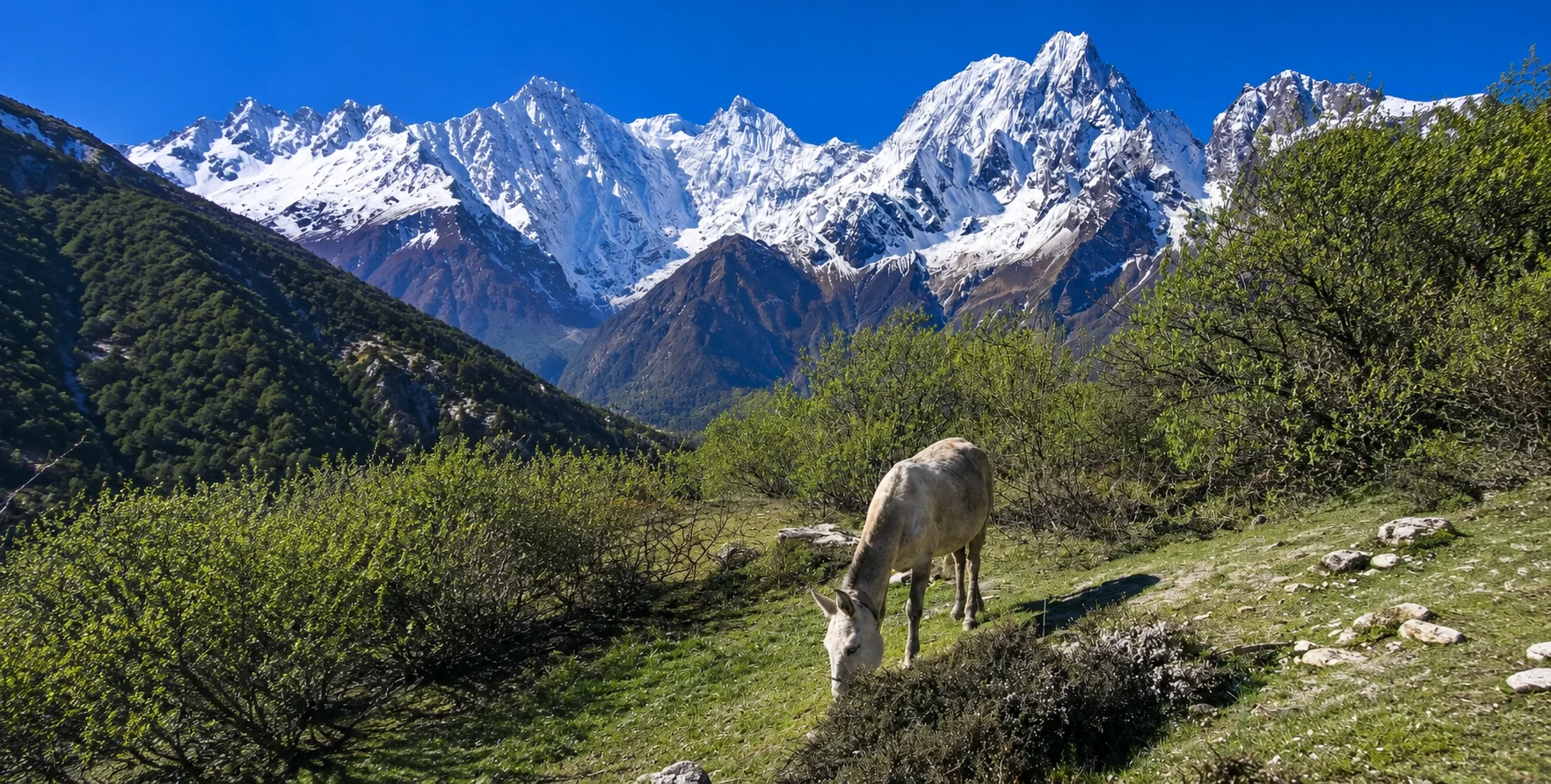
Seasonal Timing for Road and Trek Conditions
Nepal’s two trekking and touring high seasons, spring (March to May) and autumn (September to November), also bring the best road conditions: dry surfaces, clear mountain views, and minimal landslide risk. The monsoon months (June to September) bring lush green hillsides but also a real risk of road blockages on hill and mountain routes, particularly toward Langtang, Manaslu, and parts of the Annapurna Circuit. Winter (December to February) offers clear, cold conditions at lower elevations but can close high passes such as Thorong La and restrict access to upper Mustang and Manaslu.
There is a useful exception to this pattern worth knowing about: Mustang and Dolpo sit in the rain shadow of the Himalaya, meaning they receive comparatively little monsoon rainfall and remain trekkable, with a starker, drier high-desert character, during the very months when Annapurna, Langtang, and Everest are wettest. Travellers visiting Nepal in July or August, when most trekking regions are at their least favourable, often shift their plans toward Mustang for this reason, and our jeep services into that region run year-round to support it.
Booking your vehicle with a company that monitors these seasonal road risks, rather than simply renting a car with no local route knowledge, meaningfully reduces the chance of a stranded or rerouted trip. A driver who knows that a particular Manaslu access road typically washes out in late July, or that the Besisahar-Chame road is best driven early in the morning before afternoon cloud buildup in the high valleys, is providing a form of risk management that a self-drive rental simply cannot.
Why an Experienced Local Driver Matters as Much as the Vehicle
It is easy to focus entirely on the vehicle category and overlook the driver, but on Nepal’s roads, the driver is arguably the more important variable. Self-drive rentals are available in Nepal, and for short, paved city trips by a confident, experienced driver,r they can work reasonably well. For anything beyond that, the calculation changes quickly.
Nepal’s roads combine several risk factors simultaneously: mixed traffic of trucks, buses, motorcycles, and pedestrians sharing narrow lanes; unpredictable monsoon-season landslide and flood risk on hill roads; high-altitude mountain tracks with steep drop-offs and minimal guardrails; and local driving conventions, horn signalling, and overtaking customs that are unfamiliar to most foreign visitors. An experienced local driver has spent years internalising exactly these patterns. They know which sections of a route are prone to early-morning fog, which bridges have weight or width restrictions, and how to read a river crossing at a borderline-safe water level.
Beyond pure safety, a driver who has run a particular route dozens of times brings practical value that is difficult to quantify but easy to notice on the ground: accurate time estimates rather than optimistic ones, knowledge of which teahouses or rest stops are clean and reliable, and the ability to adjust a day’s plan in real time if a road is unexpectedly blocked. This is part of why we emphasise driver experience as heavily as vehicle condition when assigning a route, and why a genuinely unlimited tour and trek hire should always be read as vehicle plus driver, not vehicle alone.
Why Choose Nepal Vehicle Hiring for Your Unlimited Tour and Trek
We are a Kathmandu-based operator built for this style of travel: one booking, one trusted driver, and a fleet spanning car, jeep, Hiace, coaster, and bus categories, covering city sightseeing, highway transfers, and the roughest trekking-access mountain roads in the country. Our drivers know the checkpoints, the seasonal risk points, and the back roads that save hours on long transfers.
If you are planning a multi-day, multi-region itinerary, start with our Plan a Trip page or our broader Nepal Tour Package, which we can customise around your trekking dates. For a broader view of how our vehicle categories fit together across a single trip, our companion guide, The Ultimate Nepal Travel Companion: Vehicle Rental Guide, and our piece on why private vehicle hire is the smartest way to travel Nepal both expand on the themes covered here.
Plan Your Unlimited Nepal Journey Today
Whether you need a single car for a Kathmandu day tour or a full multi-week jeep itinerary covering several trekking regions, Nepal Vehicle Hiring Pvt Ltd can arrange comfortable, well-maintained vehicles with experienced local drivers for every route in the country. From the paved highways of the Terai to the high, dusty switchbacks above Jomsom, our fleet and drivers are built for the full range of what Nepal’s geography demands. Hence, the single booking covers your entire trip rather than a single segment. Call or WhatsApp us at +977-9814227196 or visit vehiclehiringnepal.com to start planning your trip.
- Unlimited Tour and Trek: The Complete Guide to Comfortable Vehicle Hire on Every Nepal Route
- Why a Single Private Vehicle Changes the Whole Trip
- The Vehicle Fleet: Matching the Machine to the Mission
- Understanding Nepal's Road Network Before You Book
- Region-by-Region: How Vehicle Hire Connects to Every Major Trekking Area
- Frequently Asked Questions About Unlimited Tour and Trek Vehicle Hire
- What a Professional Booking Process Should Look Like
- Building an Unlimited Multi-Day Itinerary: A Detailed Sample Route
- Pricing Logic: What Actually Determines the Cost
- Permits and Paperwork for Trekking-Linked Vehicle Hire
- Seasonal Timing for Road and Trek Conditions
- Why an Experienced Local Driver Matters as Much as the Vehicle
- Why Choose Nepal Vehicle Hiring for Your Unlimited Tour and Trek

Related Blog & Articles
Best Nepal Tour Package: Best Vehicle Hire Guide
All Over Nepal Vehicle Hire – Private Car, Scorpio, 4WD Jeep, Hiace And Tourist Bus
Muktinath Tour guide – Complete Travel & Pilgrimage Guide from Nepal
Kathmandu to Lumbini Vehicle – Complete Hiring Guide
Janakpur Airport Transfer Service – Private Car, Jeep And Van Hire in Janakpur