Sunauli to Bandipur Private Car Hire: Scorpio Guide

Kathmandu to Bandipur Car

Sunauli to Bandipur Private Car Hire: Scorpio and Car Guide

Sunauli to Bandipur Private Car Hire — Quick Reference
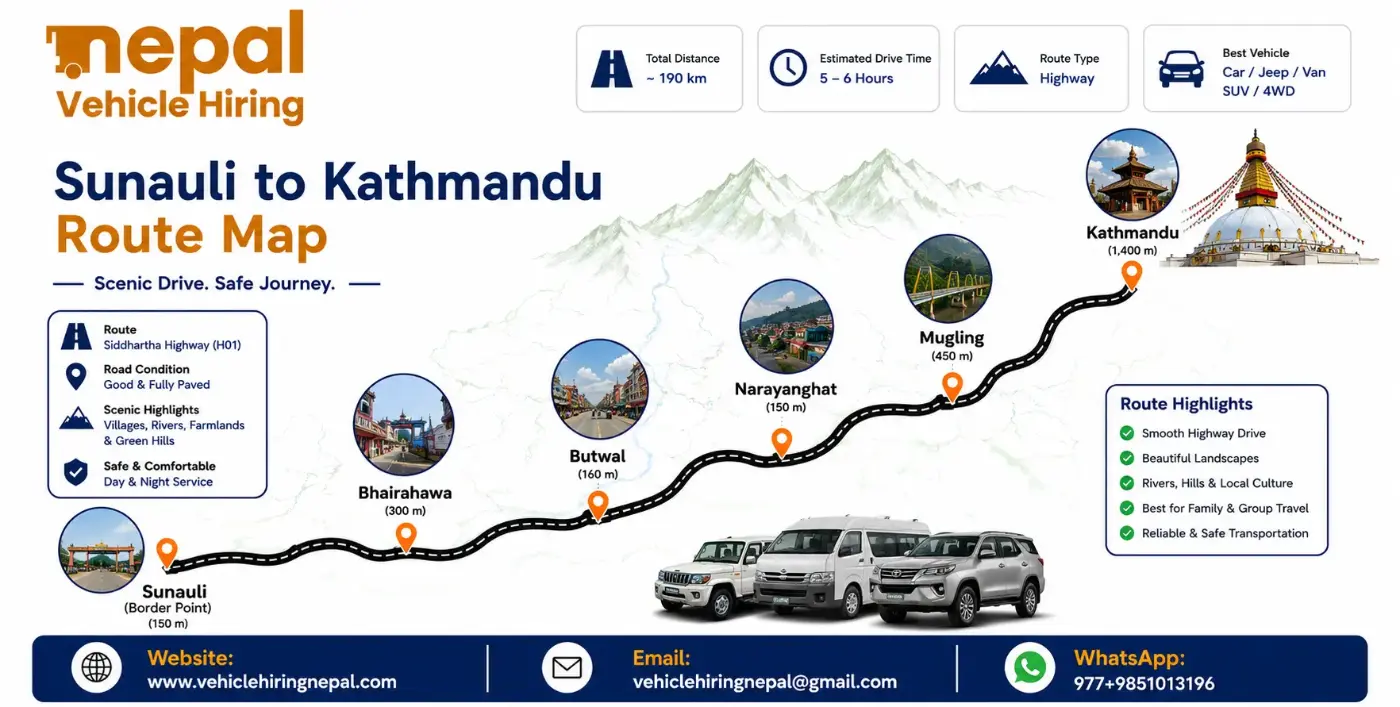
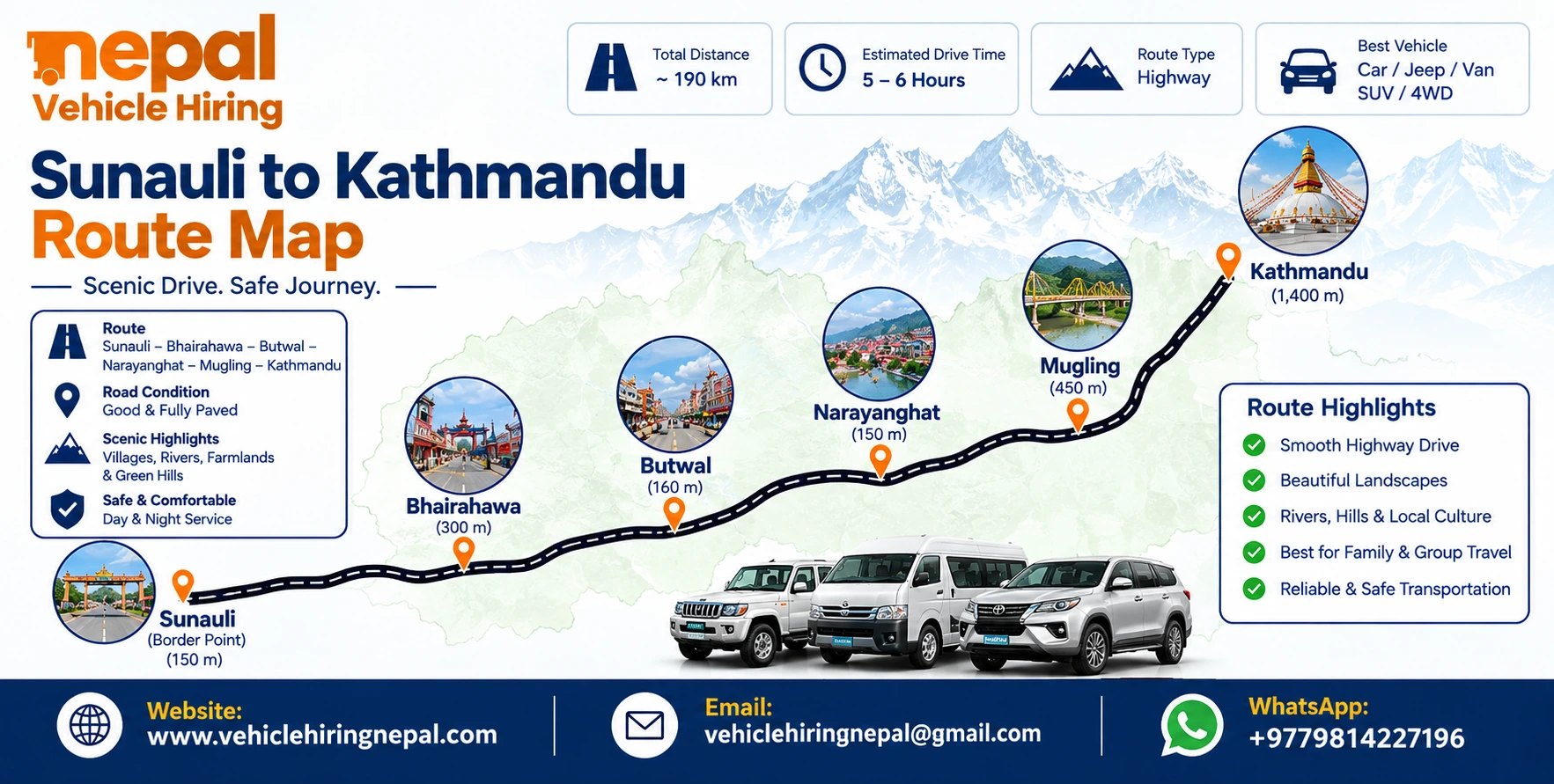
Distance: Sunauli border to Bandipur — approximately 145-155 km
Journey Time: 3.5 to 5 hours by private car or Scorpio
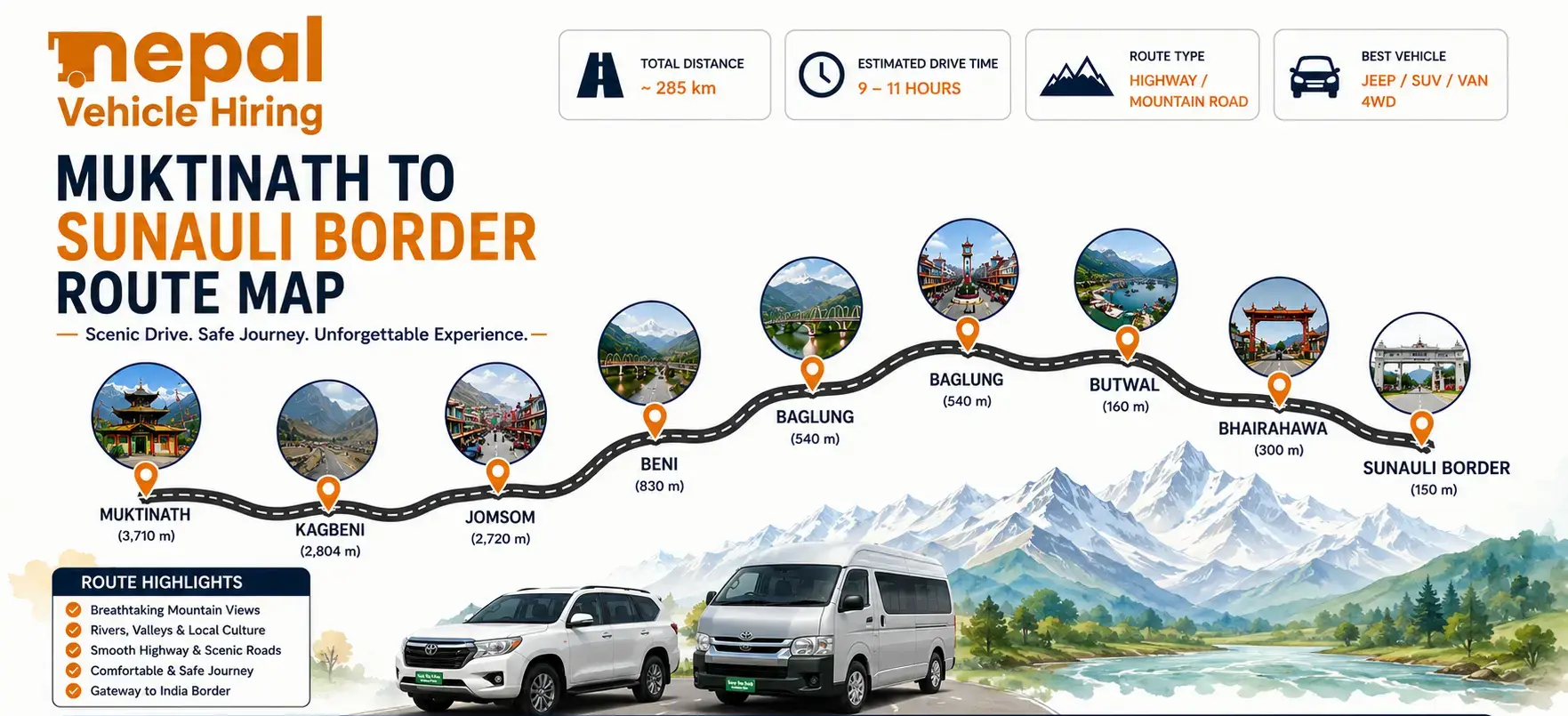
Route: Sunauli (Belahiya border) → Bhairahawa → Butwal → Prithvi Highway → Dumre → Bandipur
Best Vehicle: Scorpio 4WD recommended — Bandipur’s hilltop access road is steep and narrow
Sedan Price: NPR 9,000-20,000 all-inclusive | Scorpio Price: NPR 11,000-26,000 all-inclusive
Bandipur: UNESCO-listed Newari heritage town at 1,030 m — car-free bazaar, Himalayan views
Also available: Sunauli to Bandipur via Lumbini detour (adds 1.5-2 hours, NPR 2,000-3,000 extra)
Book: Nepal Vehicle Hiring Pvt. Ltd. | WhatsApp | vehiclehiringnepal.com

From the India Border to Nepal’s Heritage Jewel

The Sunauli to Bandipur private car hire connects Nepal’s busiest India land border crossing with one of Nepal’s most distinctive and celebrated heritage destinations—the Bandipur Old Town, a perfectly preserved Newari trading settlement perched on a ridge at 1,030 m above sea level in Tanahun District. The journey covers approximately 145 to 155 km in 3.5 to 5 hours, passing through the Bhairahawa Terai commercial zone, climbing through Butwal to the Prithvi Highway, and then turning north at the Dumre junction) for the short but steep ascent to Bandipur‘s famous car-free bazaar.

The Sunauli to Bandipur private vehicle is particularly popular with travellers entering Nepal from India who want a genuine heritage immersion rather than a transit through the Terai commercial zone.

This guide covers the complete Sunauli to Bandipur car and Scorpio hire — the route, the vehicle recommendations, the Scorpio 4WD advantage for Bandipur’s steep access road, the pricing for different vehicle types, the optional Lumbini detour) en route, and how Nepal Vehicle Hiring Pvt. Ltd. makes the Sunauli border to Bandipur transfer) the smoothest possible start to the Nepal journey. Book viaWhatsApp or vehiclehiringnepal.com.
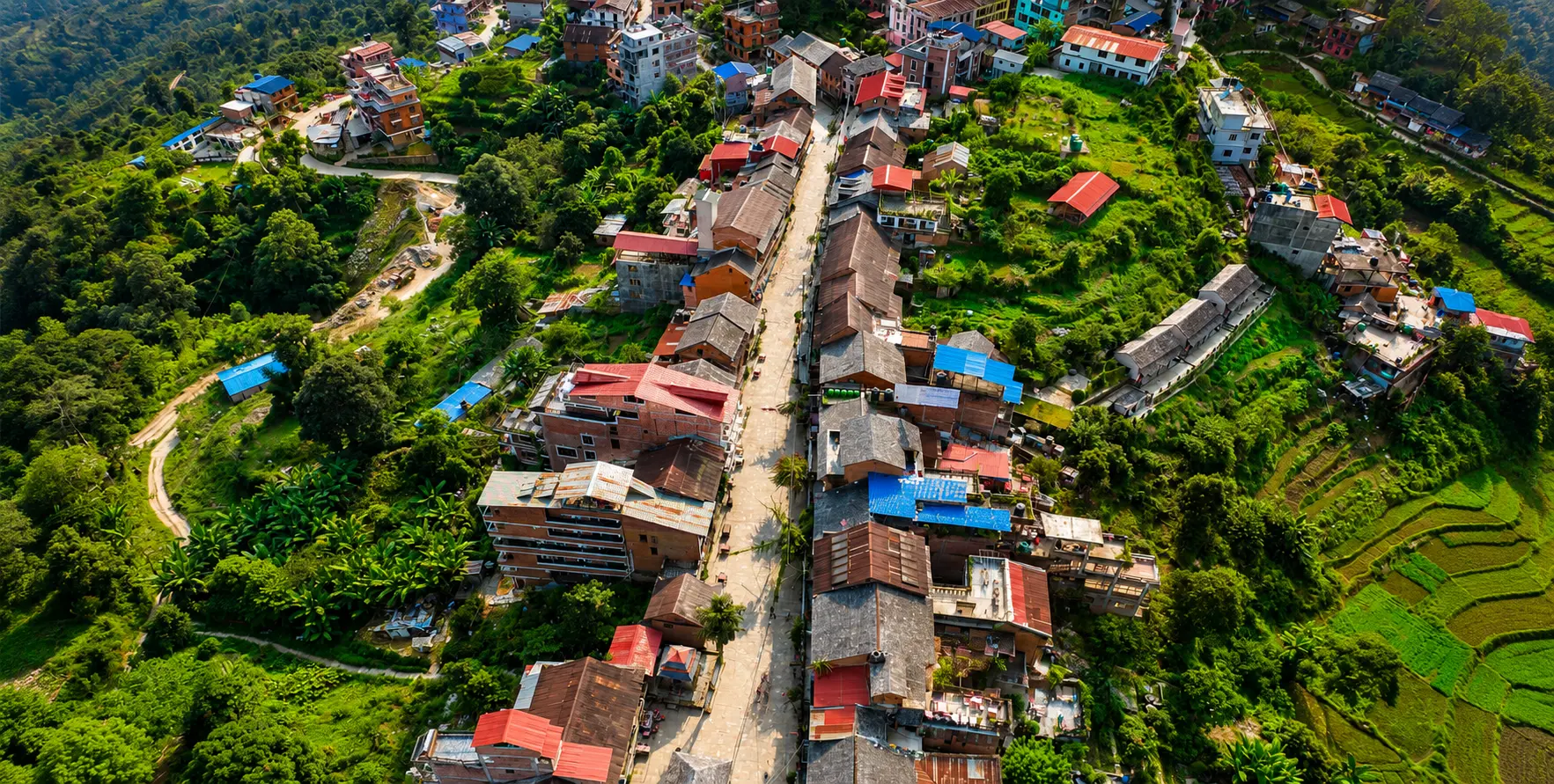
Bandipur

Bandipur’s Access Road — The Steep Final Climb

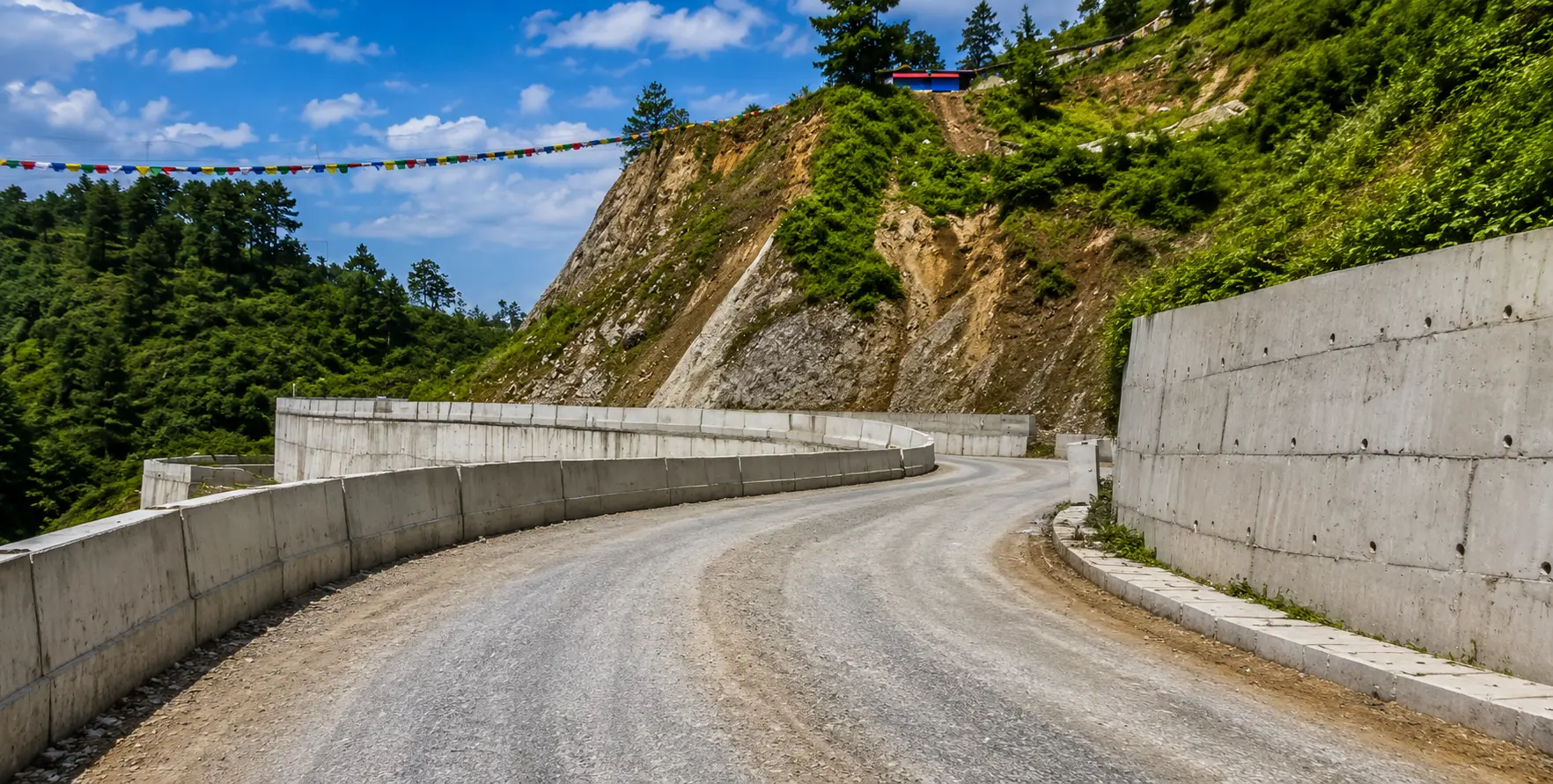
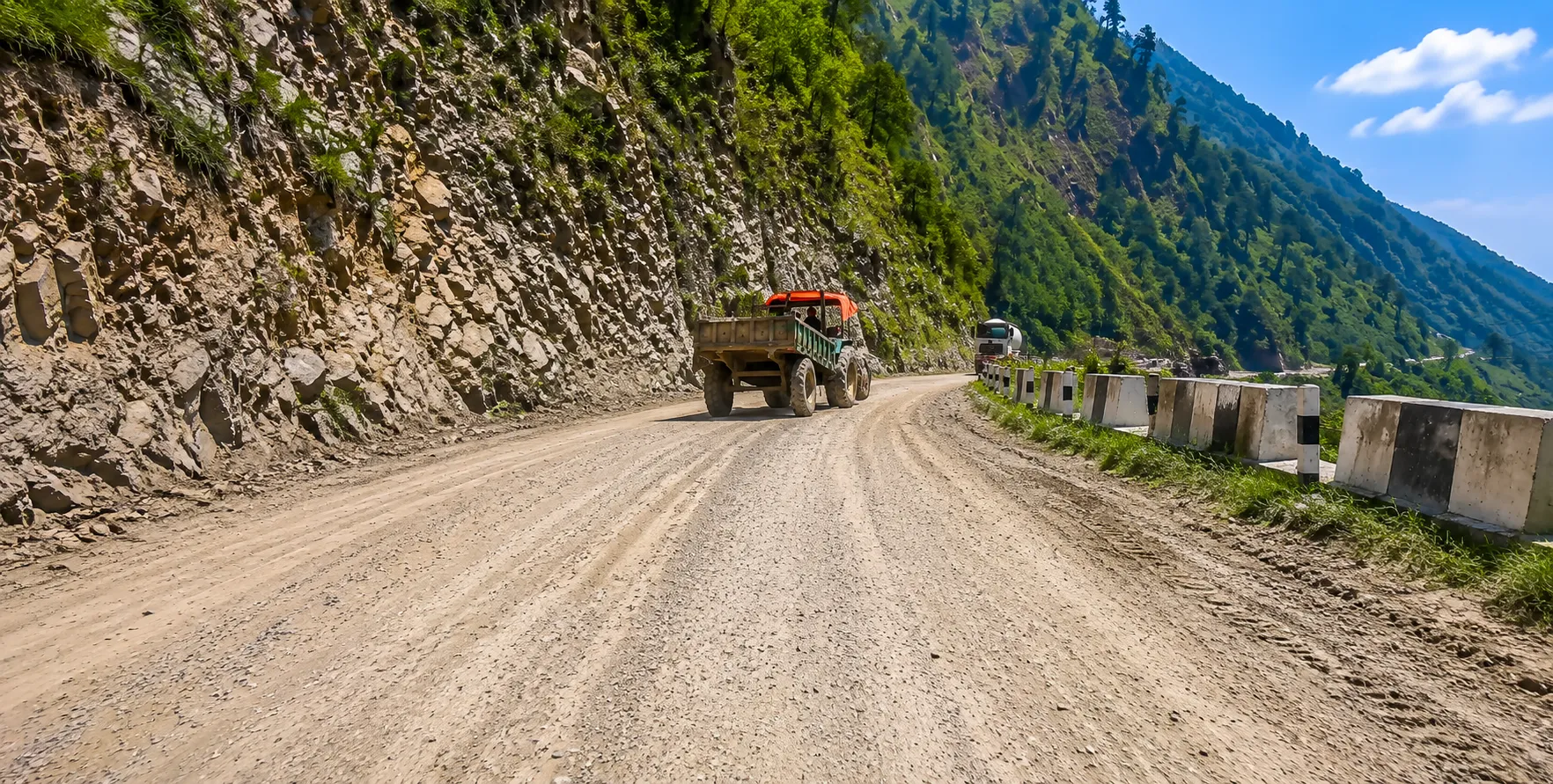
Bandipur‘s position on a limestone ridge above the Marsyangdi valley gives it an extraordinary landscape character — but it also makes the access road from Dumre to Bandipur one of Nepal’s steepest paved approaches to a heritage tourism destination. The 12 km road from Dumre junction to Bandipur Old Town climbs approximately 930 metres in a series of tight switchbacks — from the Prithvi Highway at approximately 100 m to Bandipur at 1,030 m.

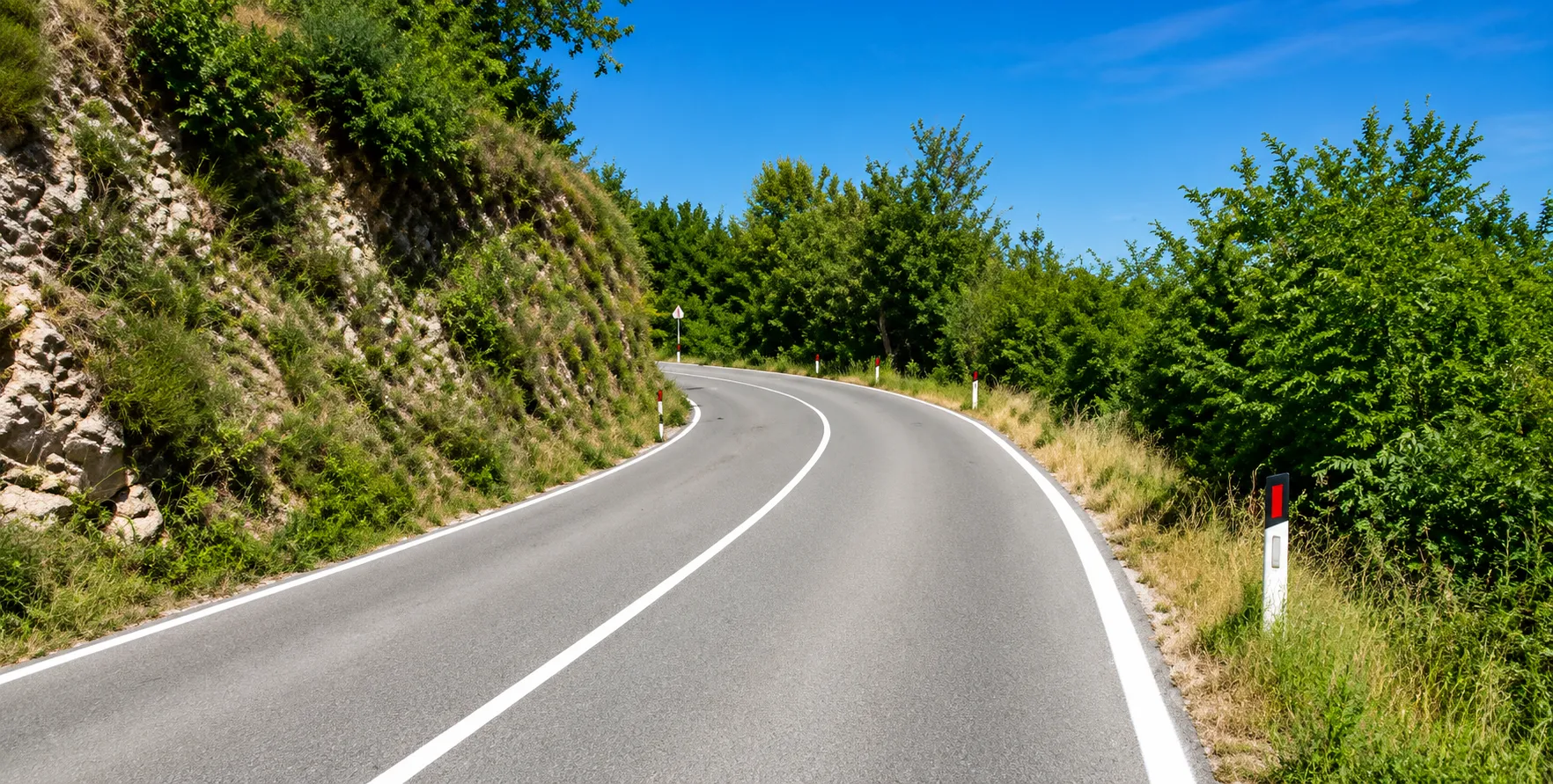
The road is paved throughout but narrows in sections,  with tight hairpin bends that require experienced navigation and a vehicle with strong low-gear torque.

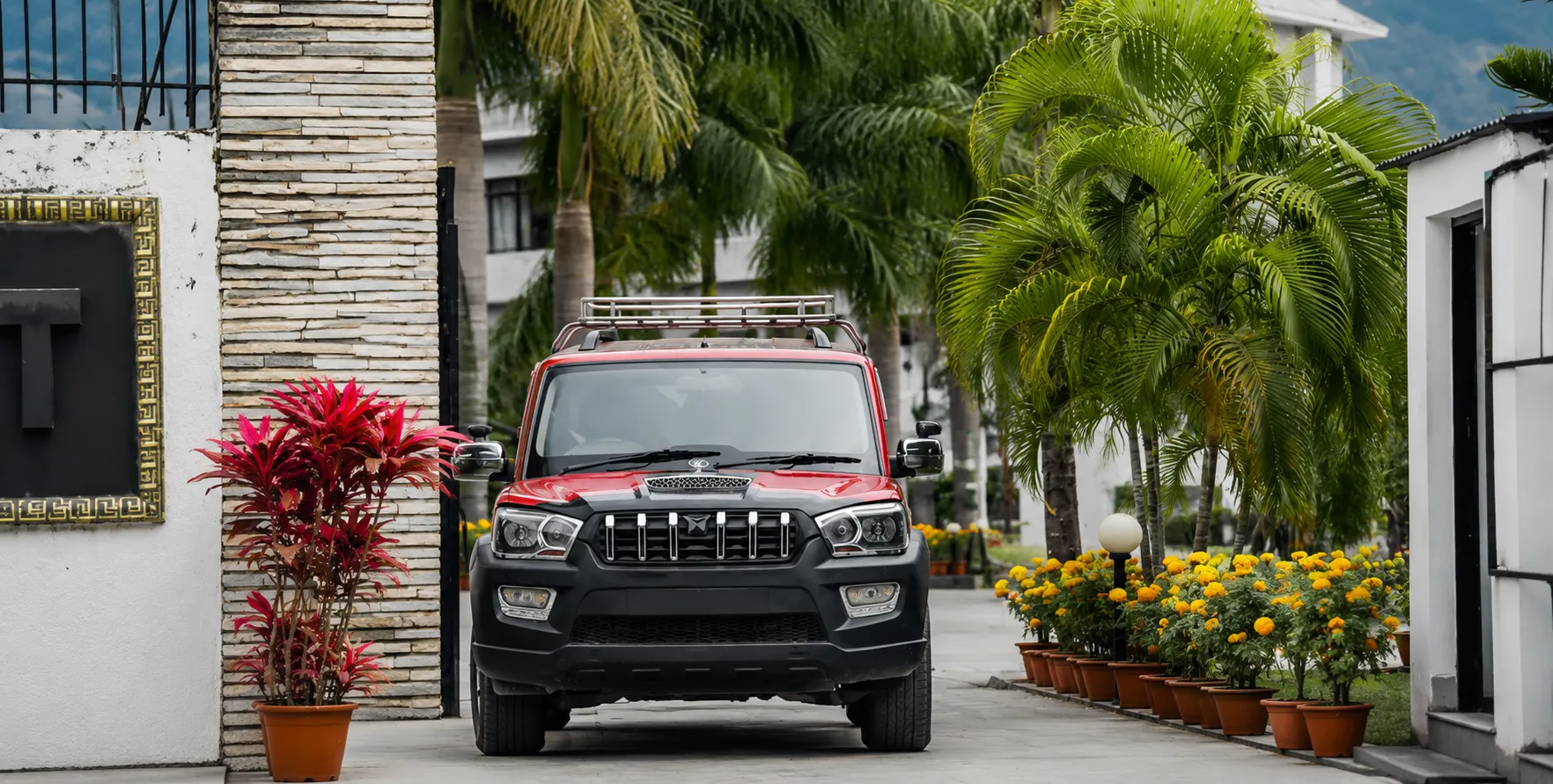
A standard sedan handles the ascent adequately in dry conditions. Still, the Mahindra Scorpio 4WD‘s stronger engine torque, higher ground clearance, and more confidence-inspiring chassis on the steep bends make it the preferred vehicle from Nepal Vehicle Hiring Pvt. Ltd.)or the Bandipur approach road — particularly in wet conditions or when the vehicle is carrying substantial luggage.

The Bandipur approach road is also narrow enough that passing oncoming vehicles on the switchbacks requires careful positioning — the experienced Nepal Vehicle Hiring Pvt. Ltd. drivers who cover this route regularly know the specific tight sections and the passing points, making their driving significantly more confident and efficient than a first-time driver on the same road. The Scorpio’s slightly narrower body than the Toyota Fortuner also makes it more manageable on the tightest bends of the Bandipur road — a practical advantage on this specific approach.

Car-Free Bandipur — Where Vehicles Stop

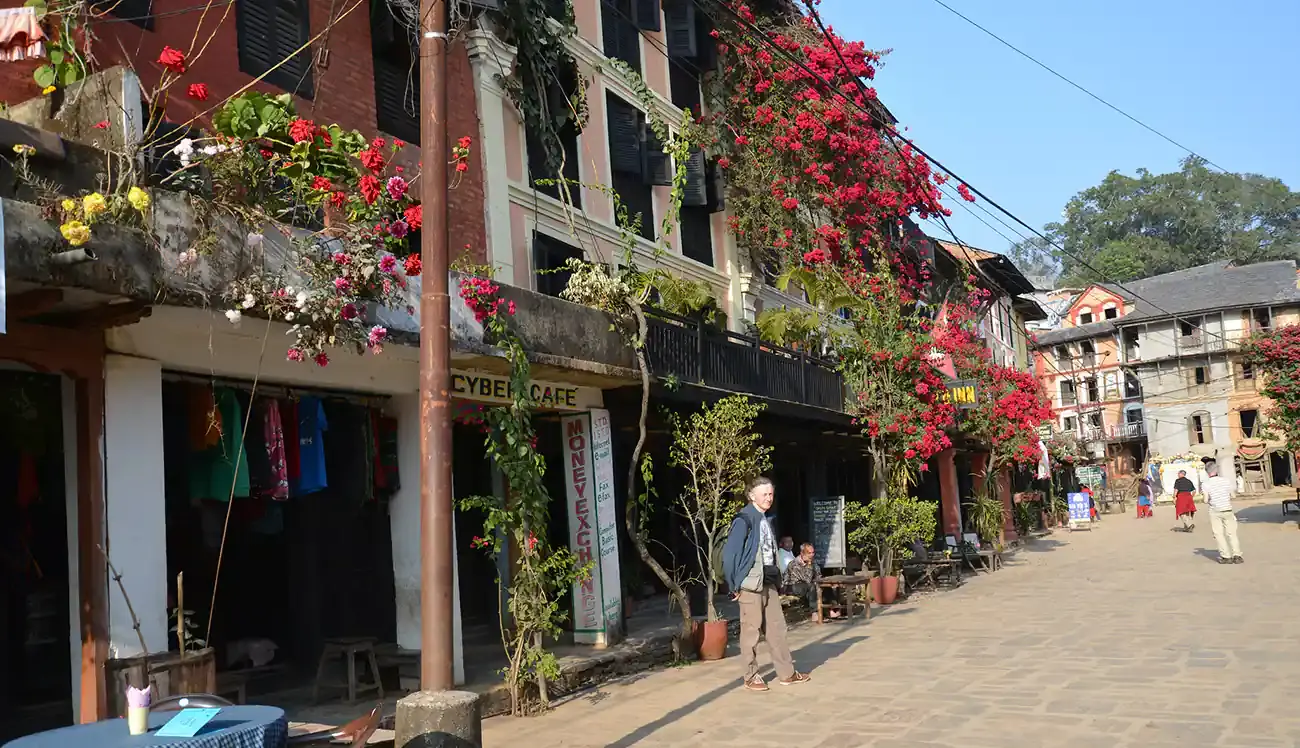
Bandipur Old Town is one of Nepal’s only car-free heritage zones — the traditional Newari bazaar street and the old town core are accessible only on foot, with vehicles parked at the lower parking area at the town entrance. The Nepal Vehicle Hiring Pvt. Ltd. driver drops passengers at the Bandipur parking area) — approximately a 5 to 10 minute walk from the heart of the bazaar — and can wait at or near the parking area for any onward transfer the same day (to Pokhara) or Kathmandu, or can return for a pickup after an overnight stay.

Specifying any same-day onward journey at the time of booking ensures the Nepal Vehicle Hiring Pvt. Ltd. team coordinates the complete Sunauli to Bandipur toto transfer smoothly onward
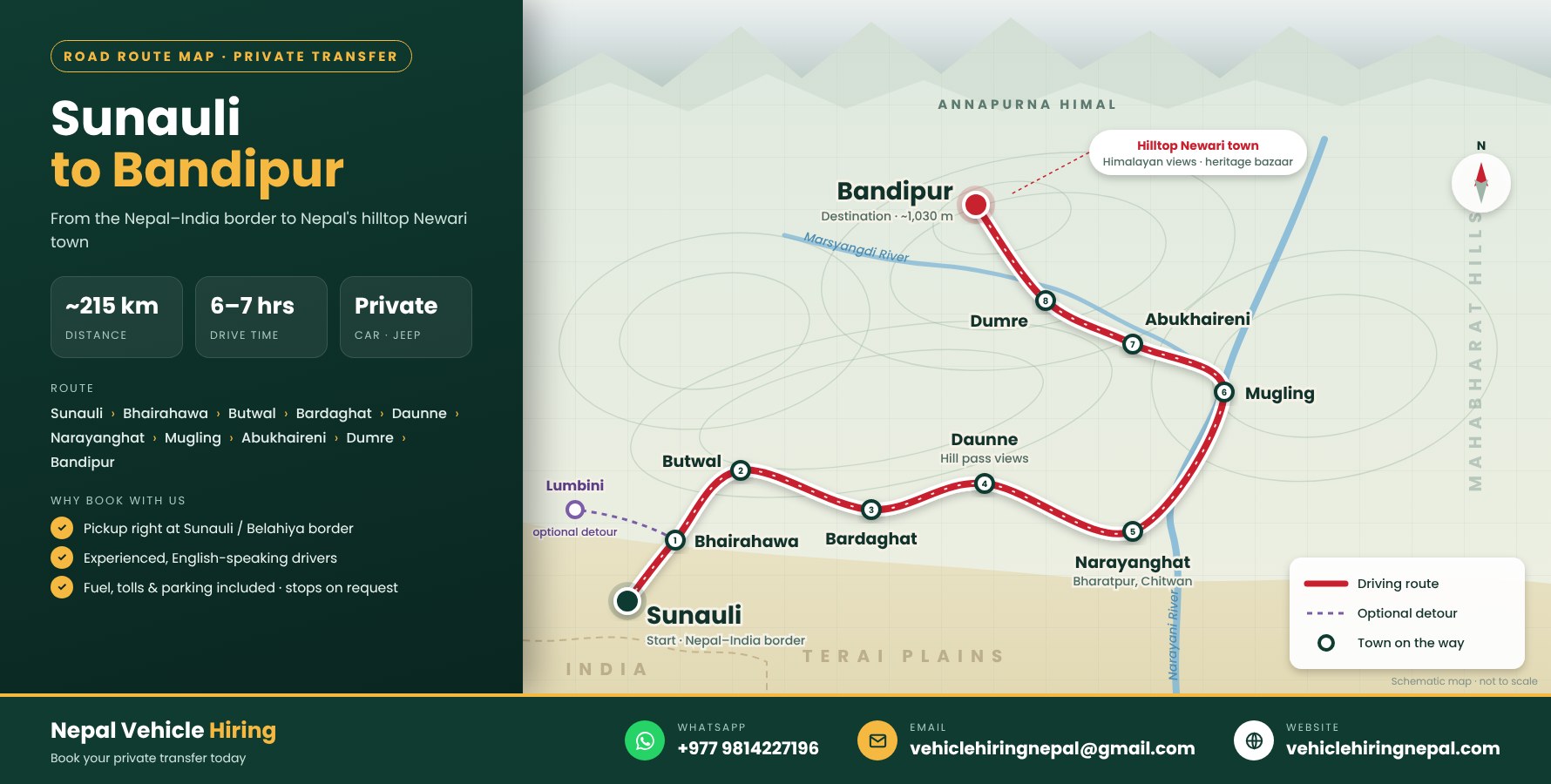
Sunauli to Bandipur Private Car Hire

The Route: Sunauli to Bandipur

Sunauli Border to Bhairahawa — The Nepal Entry

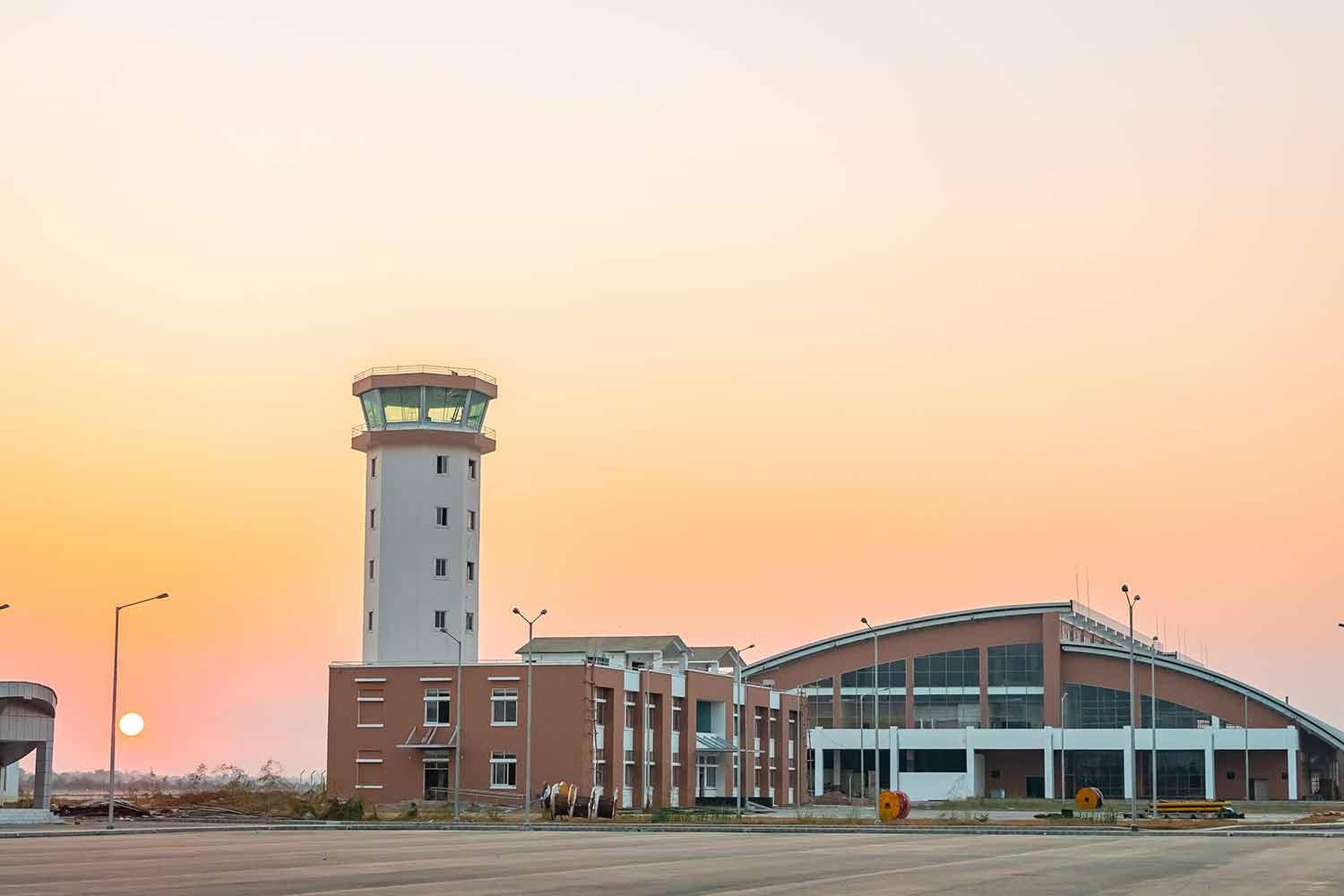
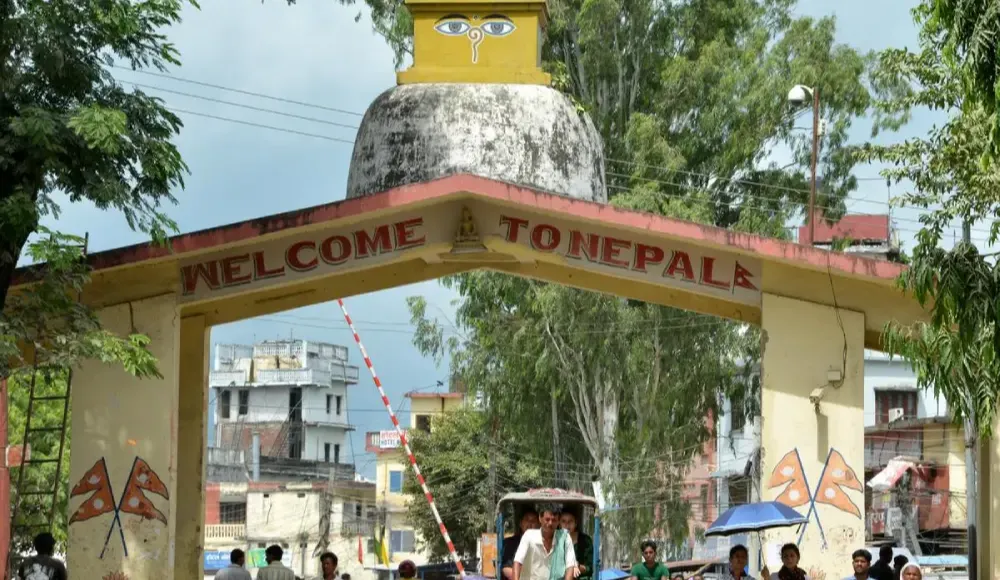
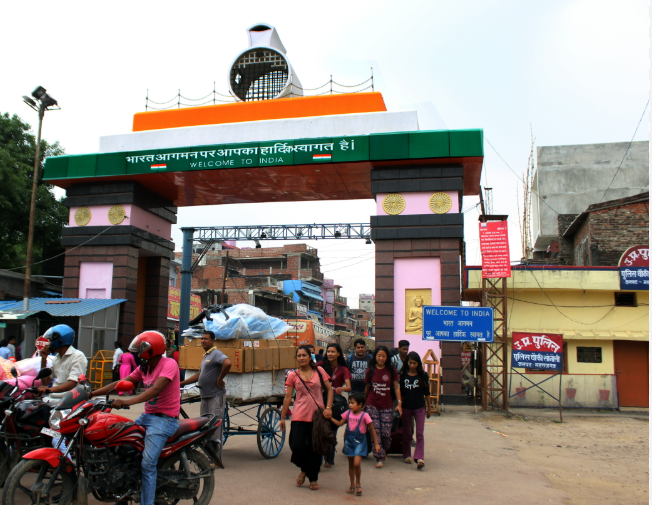
The Sunauli to Bandipur private car journey begins at the Sunauli-Belahiya border crossing) — the Nepal Vehicle Hiring Pvt. Ltd. driver meets passengers at the Nepal immigration exit in Belahiya, loads the luggage, and begins the journey north toward Bhairahawa) (Siddharthanagar). The 25 km from the border to Bhairahawa is a flat, fast Terai road — the city of Bhairahawa) being the main commercial and administrative centre of Rupandehi District, with banks, ATMs, fuel stations, and the Gautam Buddha International Airport serving the Lumbini pilgrimage market.

The Nepal Vehicle Hiring Pvt. Ltd. driver will stop in Bhairahawa for 10 to 15 minutes on request for any practical needs — currency exchange, ATM, or fuel — before heading north on the highway.

Bhairahawa to Butwal — The Terai to Hills Transition

From Bhairahawa, the Sunauli to Bandipur private car route) heads north to Butwal) — the major commercial city at the foot of the Siddhartha Highway) where the Terai flat gives way to the Palpa hills. Butwal is the junction where the Siddhartha Highway) meets the flat East-West Highway) — and where the Sunauli to Bandipur route) continues north on the Siddhartha Highway) toward the Palpa hills) before meeting the Prithvi Highway) at Pokhara end or — more efficiently — via the Devchuli) route east to Dumre on the Prithvi Highway.

The Butwal to Dumre section via Palpa) or the Devchuli cut-off) takes approximately 1.5 to 2 hours.

Dumre Junction — The Bandipur Turning Point

Dumre on the Prithvi Highway) is the junction where the Sunauli to Bandipur car hire route) leaves the Prithvi Highway and turns north up the Bandipur access road. Dumre itself is a roadside commercial town — fuel stations, basic restaurants, and the junction stalls that characterise Nepal’s highway intersection points—the Nepal Vehicle Hiring Pvt. Ltd.) river will make a brief fuel stop at Dumre if needed before the steep 12 km ascent to Bandipur.

From the Dumre junction, the Bandipur road is easy to identify — the narrow paved road heading steeply north into the forested hillside is clearly signposted for Bandipur. The 12 km climb from Dumre to Bandipur) takes approximately 30 to 45 minutes in a Scorpio — the switchback gradient requires a relaxed pace.

Dumre to Bandipur — The Steep Switchback Ascent

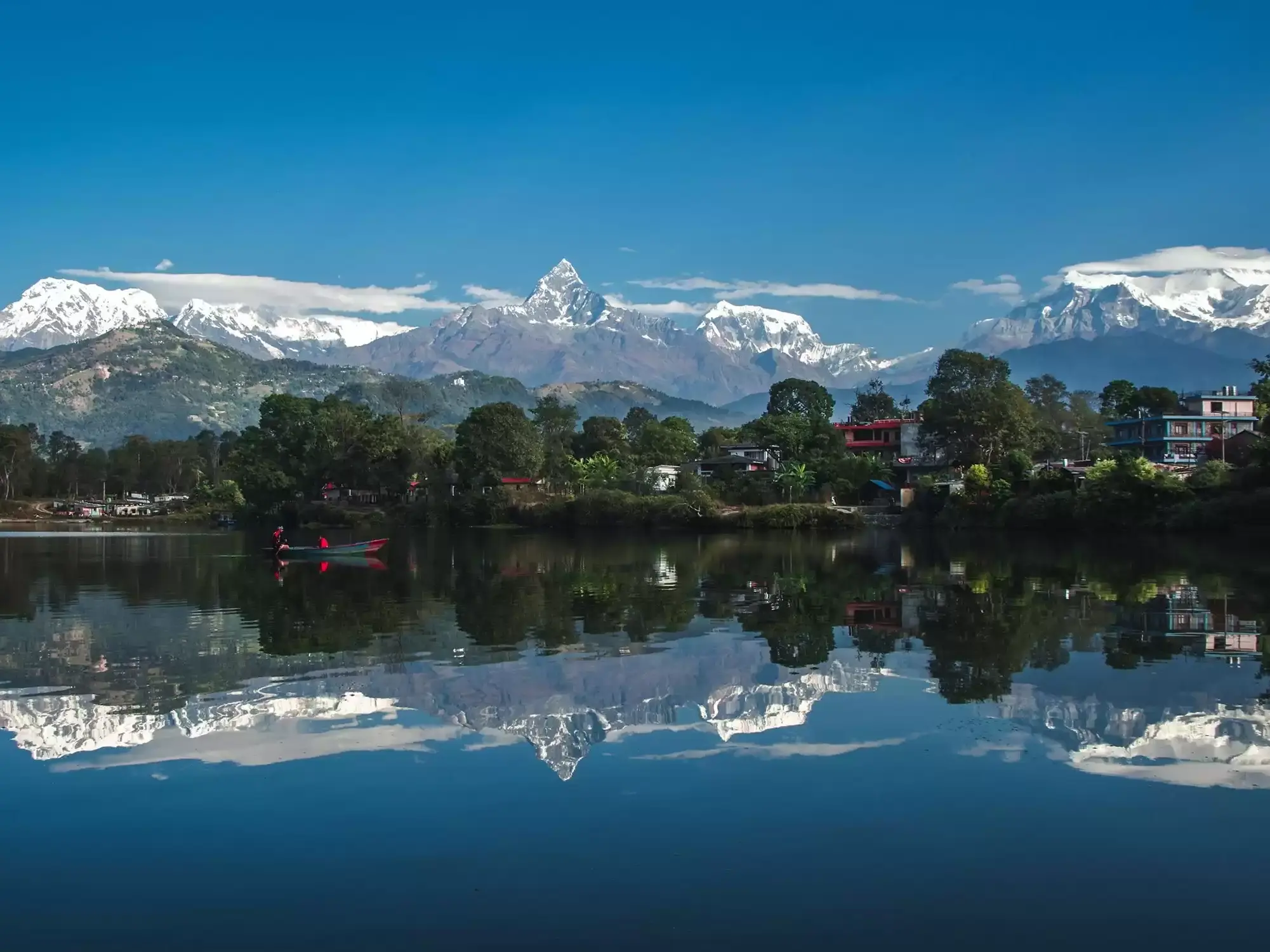
The Dumre to Bandipur road is the most distinctive section of the entire Sunauli to Bandipur private car hire) journey — a narrow, paved switchback road that climbs from the hot Prithvi Highway Terai through progressively cooler mixed forest to the Bandipur ridge) at 1,030 m. The views open progressively as the road climbs — the Marsyangdi valley) becomes visible to the north and east, with the Annapurna range) appearing above the forested ridgeline on clear days.

The temperature drops noticeably with every 100 metres of altitude gain — arriving at Bandipur from the Terai heat of Sunauli and Bhairahawa and reaching the cool of the 1,030 m ridge is one of the journey’s most refreshing sensations. The Nepal Vehicle Hiring Pvt. Ltd.) Scorpio handles this final ascent with the engine torque and confidence that makes the switchback climb comfortable rather than anxious.
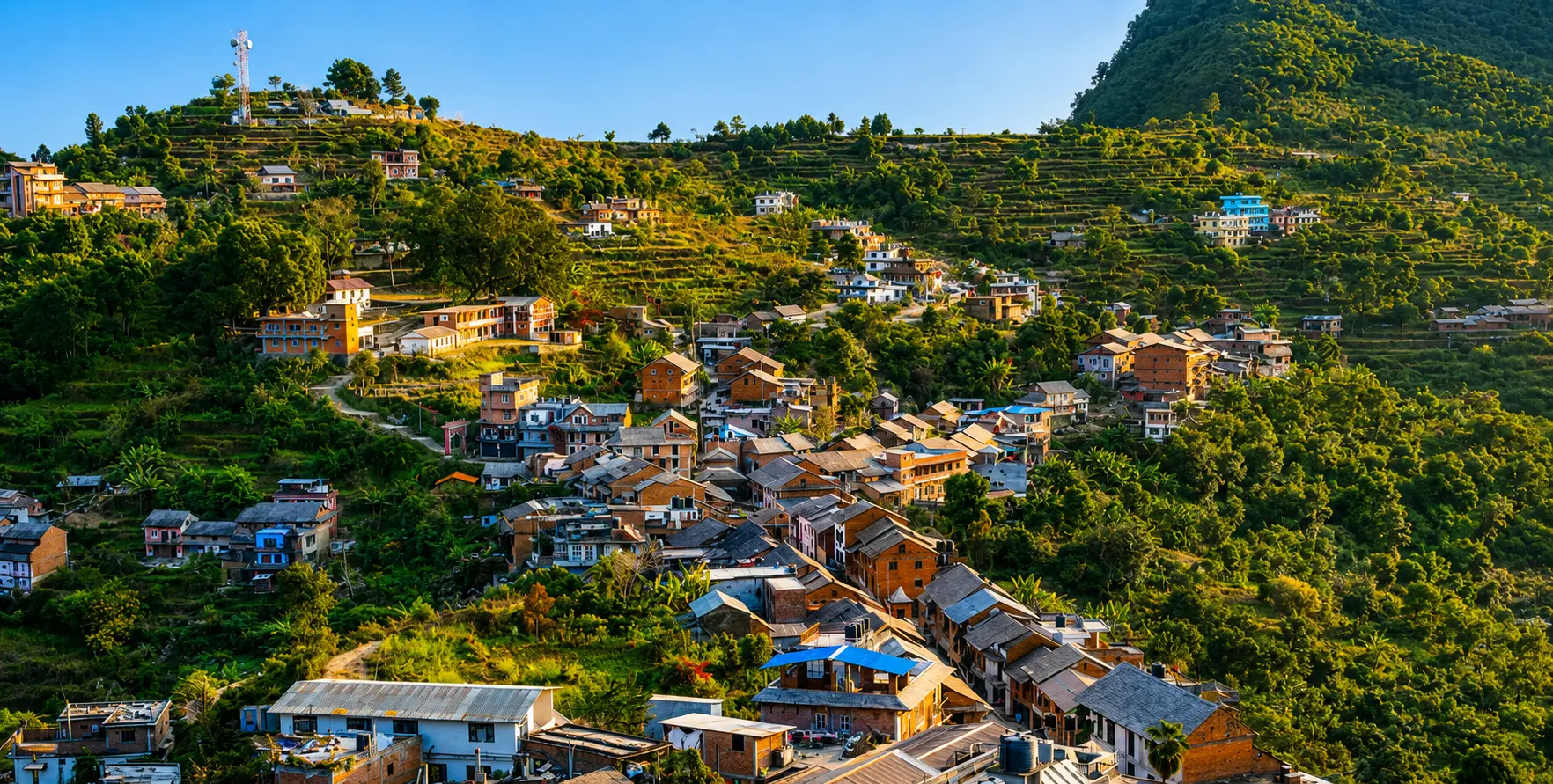
Sunauli to Bandipur Private Car Hire

Bandipur — Nepal’s Finest Heritage Hill Town

The Newari Heritage of Bandipur

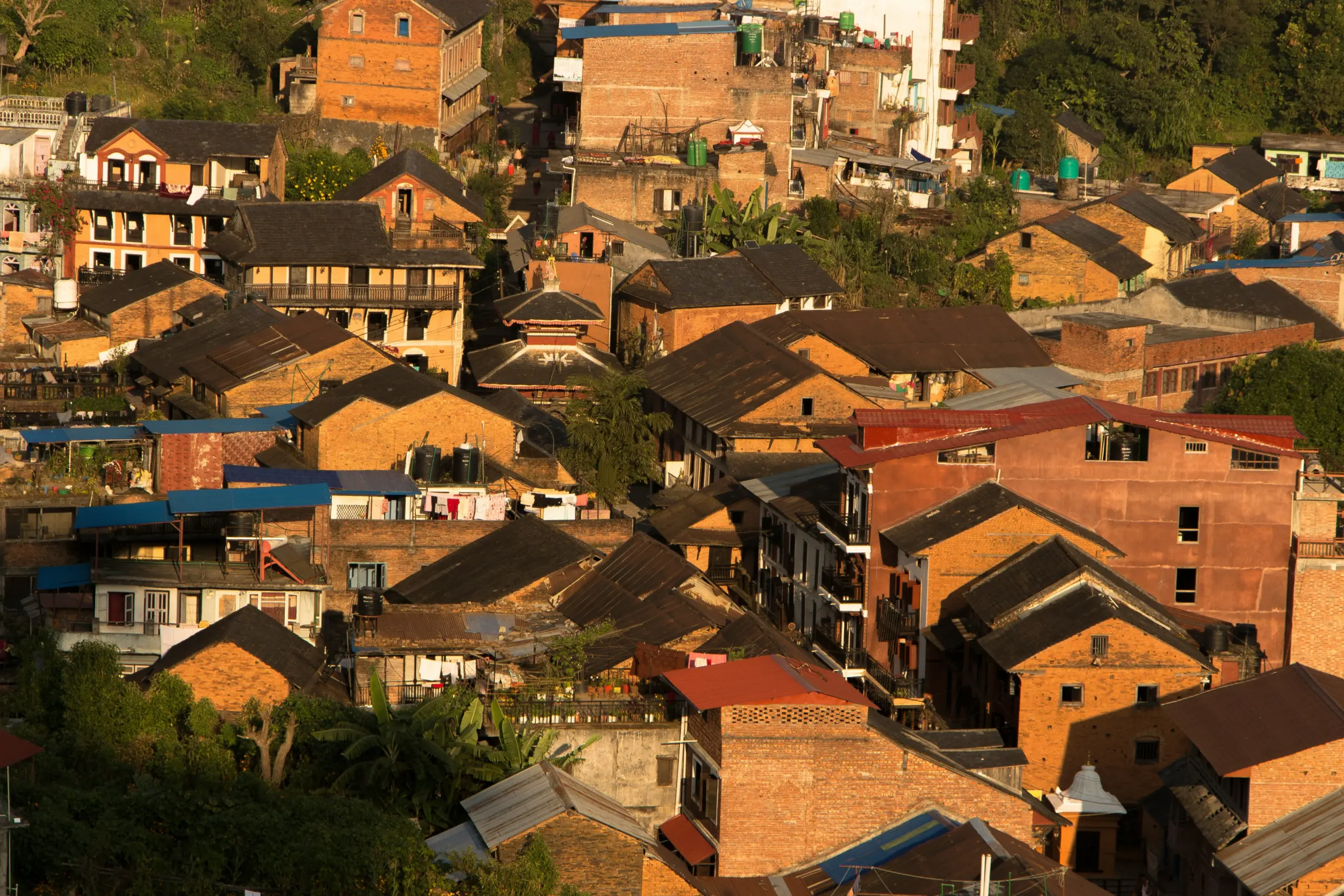
Bandipur is one of Nepal’s most perfectly preserved Newari trading settlements — a hilltop bazaar town) that flourished in the 18th and 19th centuries as a trading hub on the route between the Indian plains and the Tibet salt trade) that sustained Nepal’s hill economy for centuries. The town’s distinctive character comes from the uninterrupted Newari architecture) of its main bazaar street — a single straight road lined with three- and four-storey Newari merchant houses, their elaborately carved wooden windows and doors, the shuttered shopfronts) that once sold goods from India and Tibet, and the overall architectural coherence that results from a town that was largely built in a single prosperous era and has been remarkably well preserved since.

Bandipur’s car-free bazaar street) — one of Nepal’s rare vehicle-free heritage zones — means the architecture can be experienced without the visual intrusion of traffic, creating one of Nepal’s finest pedestrian heritage walks.

The Bandipur Heritage Zone) was recognised in 2008 by the Government of Nepal as a protected heritage area) — the first of its kind for a hill bazaar town rather than a valley-based Durbar Square complex. This protection has encouraged systematic restoration of the Newari shophouses, the Bindabasini Mandir) temple at the northern end of the bazaar, and the stone-paved lanes that connect the main bazaar with the surrounding residential areas.

Travellers arriving via the Sunauli to Bandipur private car hire) from Nepal Vehicle Hiring Pvt. Ltd.) step out at the parking area and enter this immaculately preserved heritage landscape on foot.

The Himalayan Panorama from Bandipur

Bandipur’s ridge position at 1,030 m provides one of Nepal’s finest accessible Himalayan panoramas — the viewing platform at Thani Mai Temple) above the town offers a 180-degree panorama that includes the Annapurna range) (Annapurna I to Annapurna IV, Hiunchuli, Machhapuchhre/Fishtail), Manaslu) (8,163 m, the world’s eighth-highest mountain), and the Lamjung Himal). The panorama is most spectacular at sunrise) when the early light catches the snow peaks above the valley haze — Bandipur’s sunrise view is comparable to the more famous Nagarkot sunrise) or Sarankot) in its quality, but with the added dimension of the Newari heritage town foreground.

For travellers arriving in the afternoon by private car h from Sunauli to Bandipur, the sunset from the Bandipur ridge — the snow peaks catching the last golden light while the Marsyangdi valley fills with evening shadows — is the reward for the journey’s final switchback climb.

Bindabasini Mandir and Bandipur Temples

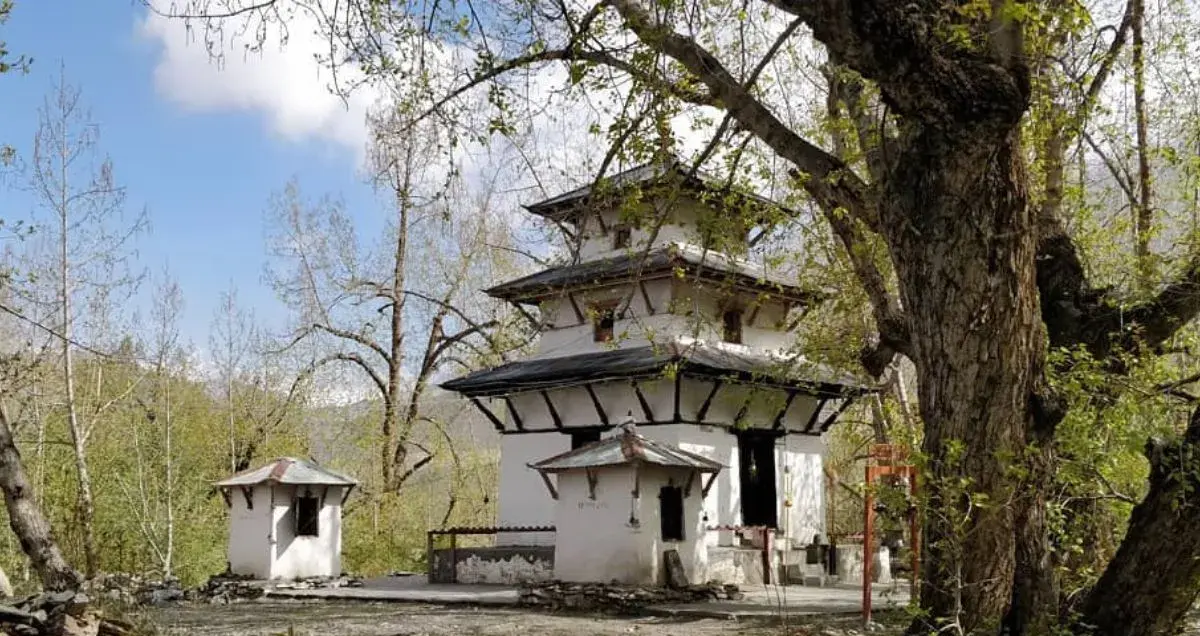
The Bindabasini Mandir) at the northern end of Bandipur bazaar is the town’s most important religious site — a Tantric Hindu temple) dedicated to the goddess Bindabasini, whose idol was reportedly brought from Kathmandu in he 18th century by one of Bandipur’s founding merchant families. The temple complex — a compact courtyard with the main shrine and surrounding secondary shrines — is an active place of daily puja and festival celebration that gives the heritage town its living religious character beyond the arts architecture (Mahalaxmi Temple, the Khadga Devi Temple) and the Tindhara) (the traditional stone water taps) that provide the town’s historic water supply system complete the temple circuit that rewards a careful walking exploration of Bandipur’s heritage landscape.

Bandipur Caves — The Siddha Gufa

Below the Bandipur ridge, accessible by a walking trail of approximately 45 minutes from the town, the Siddha Gufa) — the largest cave in Nepal — is a significant natural attraction that supplements the town’s heritage appeal. The cave extends approximately 415 metres) into the limestone hillside, with large chambers containing impressive stalactite and stalagmite formations and the sacred Siddha Baba shrine) at the cave’s inner reaches.

The cave is open to visitors, with local guides available at the entrance; the 45-minute walk from Bandipur to the cave passes through pleasant forest and offers views across the Marsyangdi valley. Travellers staying overnight in Bandipur can combine the sunrise view at Thani Mai with a morning Siddha Gufa cave visit before the onward private car transfer to Pokhara) or Kathmandu)
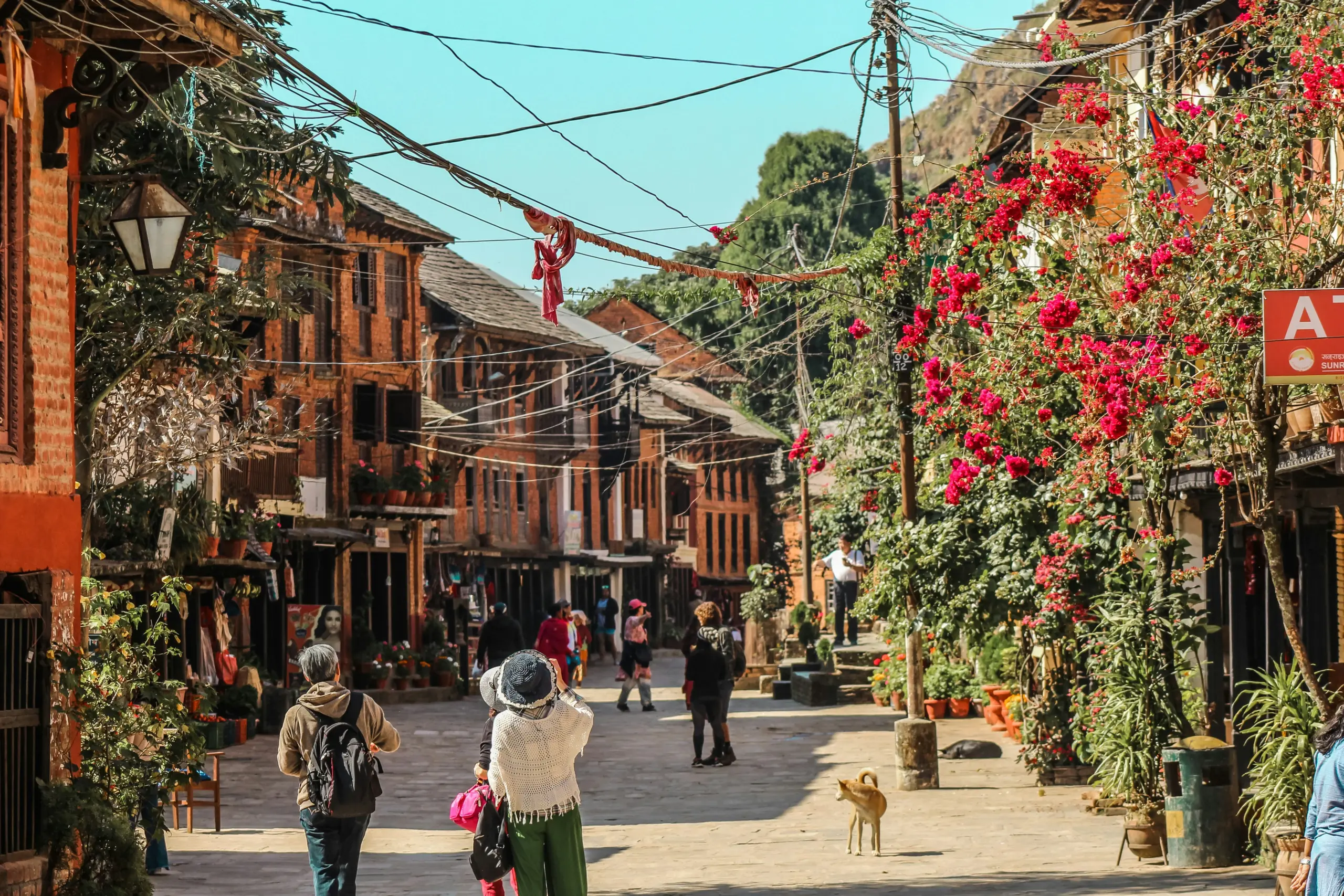
Bandipur

Sunauli to Bandipur — Pricing Guide

Sedan — The Budget Option

The sedan) (Toyota Corolla, Hyundai, or similar) is the most economical private car option for the Sunauli to Bandipur transfer. The Sunauli to Bhairahawa to Butwal to Dumre section is a flat, paved highway — entirely appropriate for a sedan. The Dumre to Bandipur switchback section) is also paved, and a standard sedan handles it adequately in dry conditions.

The all-inclusive sedan price) from Nepal Vehicle Hiring Pvt. Ltd.) is NPR 9,000 to 20,000 — driver, fuel, toll, and driver-to-Bandipur-parking-area service. For travellers on a tight budget for whom the Bandipur road’s demands in good conditions are manageable, the sedan is a legitimate choice.

The Mahindra Scorpio 4WD is the recommended vehicle) for the Sunauli to Bandipur private car hire) — the combination of stronger engine torque) for the steep Bandipur ascent, higher ground clearance) for the narrow switchback bends, and the 4WD capability that adds confidence in wet conditions makes it well suited to the Bandipur approach road. The all-inclusive Scorpio price) from Nepal Vehicle Hiring Pvt. Ltd.) is NPR 11,000 to 26,000 — the modest top-end over the sedan delivers meaningful advantages on Bandipur’s distinctive road character.

For travellers arriving at Sunauli) with substantial luggage — which adds weight to the vehicle on the steep ascent — the Scorpio’s capability advantage is particularly relevant.

Toyota Fortuner — Top-end Option

The Toyota Fortuner 4WD is the top-end option for the Sunauli to Bandipur car hire) — the most comfortable interior for the 3.5 to 5-hour journey and maximum capability on the Bandipur ascent. The all-inclusive Fortuner price) is NPR 14,000 to 35,000.

For groups of 4 to 5 passengers sharing the vehicle, the Fortuner becomes competitive with the Scorpio on a per-person basis. For solo travellers and couples, the Scorpio remains the Nepal Vehicle Hiring Pvt. Ltd.) default recommendation — the Fortuner’s top-end is justified for groups that fully utilise its larger interior.

What Is Included in the All-Inclusive Price

  • Experienced driver — familiar with the Sunauli border area, the Bhairahawa roads, and the Bandipur switchback access
  • Fuel — complete journey from Sunauli to Bandipur parking area included, no additional fuel charges
  • Tolls — all highway tolls on the Butwal-Prithvi Highway and Dumre junction covered
  • Border pickup — driver meets passenger at the Nepal immigration exit in Belahiya
  • Baggage handling — driver assists with luggage at border pickup and Bandipur parking delivery
  • 24-hour support — WhatsApp available throughout the journey
  • No hidden charges — the quoted all-inclusive price is the amount paid at journey end
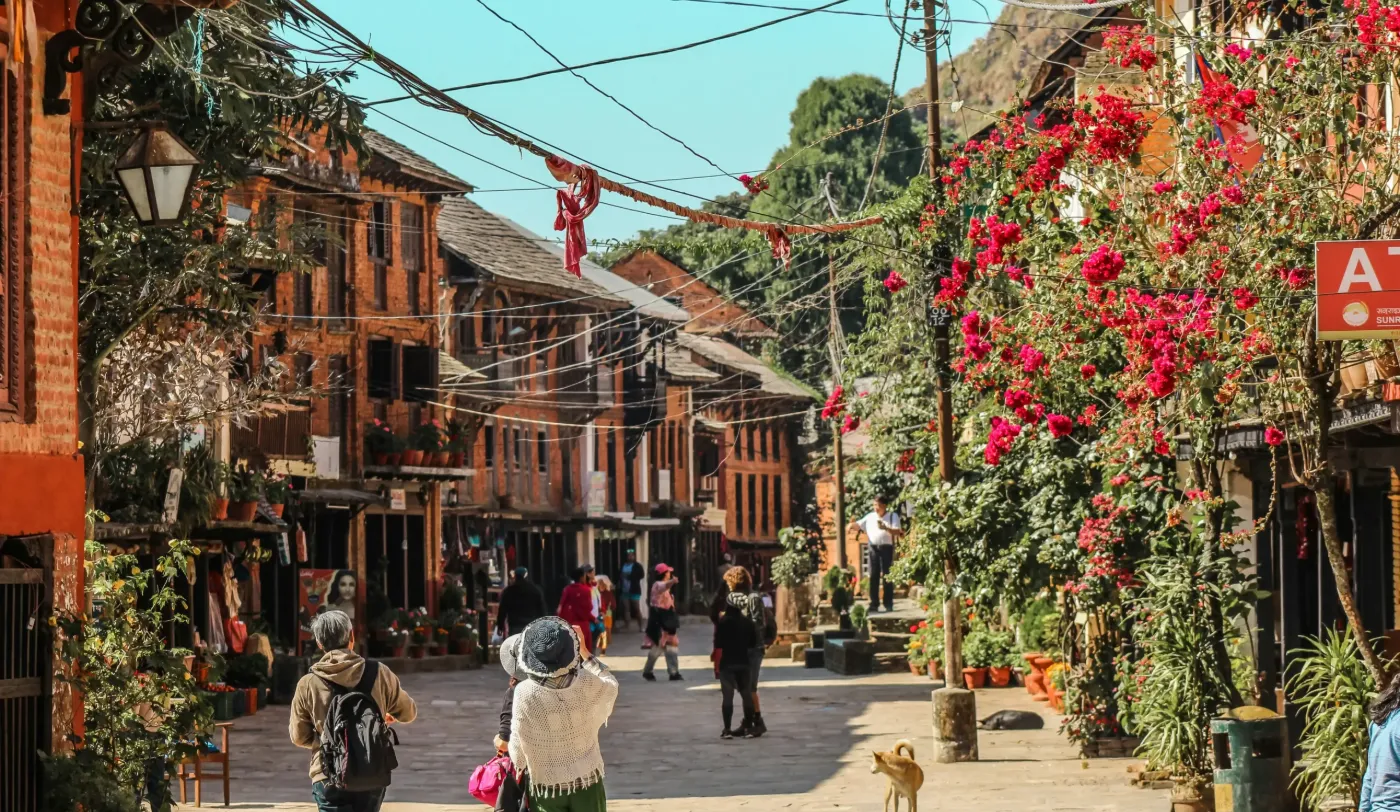
Bandipur bazaar street

Optional: Lumbini Detour on the Sunauli to Bandipur Route

Adding the Buddha’s Birthplace

The most natural optional addition to the Sunauli to Bandipur private car hire) is a Lumbini Sacred Garden stop) — the birthplace of the Buddha) is located just 25 to 30 km north of the Sunauli border, making it the obvious first Nepal stop for travellers arriving from India on the Buddhist pilgrimage circuit. The detour adds approximately 1.5 to 2 hours) to the Sunauli to Bandipur journey) — a 2 to 3 hour Lumbini visit (the Maya Devi Temple, the Ashoka pillar), and a brief circuit of the International Monastery Zone is achievable in that time — and adds approximately NPR 2,000 to 3,000 to the vehicle price, reflecting the additional distance and time.

The combined Sunauli to Lumbini to Bandipur private car route) — entering Nepal at Sunauli, stopping at the Buddhist birthplace, then continuing to the Newari heritage hill town — creates one of Nepal’s most spiritually and culturally rich single-day journeys: the sacred Buddhist garden of Lumbini) in the morning and the Newari Hindu-Buddhist heritage of Bandipur) by afternoon. Request the Lumbini detour at booking via +977WhatsApp and specify the desired time at the Lumbini Sacred Garden.

Bandipur as Part of the Nepal Heritage Circuit

Sunauli to Bandipur to Pokhara

The most common onward journey from Bandipur is to Pokhara) — the lake city is approximately 60 km west of Bandipur via Dumre) and the Prithvi Highway), a 1.5 to 2-hour journey that descends from the Bandipur ridge back to the highway and then climbs through the western Gandaki hills to Pokhara. The Bandipur to Pokhara private car hire from Nepal Vehicle Hiring Pvt. Ltd.) is priced at US$100 all-inclusive — the same Scorpio or sedan that delivered from Sunauli can continue to Pokhara if the complete Sunauli-Bandipur-Pokhara route is booked as a single transfer. Contact WhatsApp) to book the complete three-point route.

Sunauli to Bandipur to Kathmandu

For travellers heading to Kathmandu) rather than Pokhara) after the Bandipur heritage experience, the Bandipur to Kathmandu private vehicle transfer) is approximately 170 km via Dumre and the Prithvi Highway, taking 4 to 5 hours. The Nepal Vehicle Hiring Pvt. Ltd.’s price for the Bandipur to Kathmandu transfer) is US$100, all-inclusive.

For the complete Sunauli to Lumbini to Bandipur to Kathmandu route) in a single vehicle — one of Nepal’s finest multi-destination heritage journeys — contact WhatsApp to discuss the full-day pricing.

Bandipur and the Kathmandu to Pokhara Heritage Stop

Bandipur is also the finest heritage stop) on the Kathmandu to Pokhara private vehicle transfer) — travellers making the Prithvi Highway journey between the two cities can add a Bandipur detour at the Dumre junction for a 2 to 3 hour heritage town exploration before continuing to Pokhara) The Nepal Vehicle Hiring Pvt. Ltd. Kathmandu to Bandipur heritage day trip) is a dedicated service for this detour — and the Sunauli to Bandipur private car hire) connects the same destination from the India border rather than from Kathmandu.
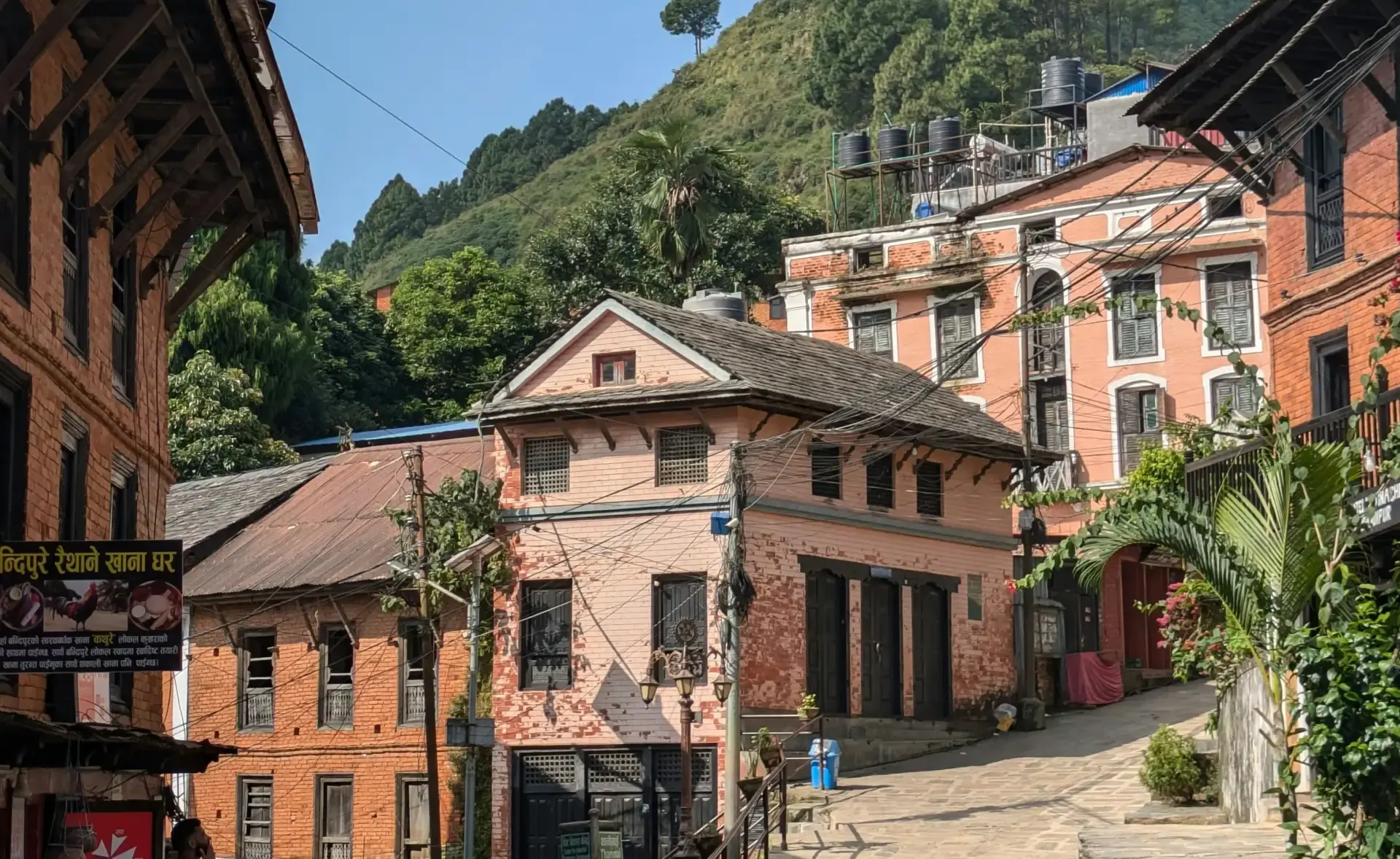
Sunauli to Bandipur Private Car Hire

Bandipur Accommodation — Where to Stay

Heritage Hotels and Guesthouses

Bandipur’s accommodation has grown substantially with the town’s rising heritage tourism profile — the Old Inn Bandipur, the Bandipur Village Resort ,the Shree Sadan Heritage Home, and several other properties offer comfortable accommodation within or adjacent to the heritage bazaar zone. The best Bandipur hotels occupy restored Newari merchant houses — the thick stone walls maintain a cool temperature in summer, the wooden architecture creates an authentic heritage atmosphere, and the rooftop or balcony views across the Marsyangdi valley and toward the Annapurna range) are among the finest available from any Nepal mid-hill accommodation.

Nepal Vehicle Hiring Pvt. Ltd. recommends arriving at Bandipur by 4:00 PM at the latest to allow sunset viewing from the ridge before dark — the Sunauli to Bandipur private car departure at 9:00 to 10:00 AM from the border comfortably achieves this arrival timing.

Overnight vs Day Visit — Which Makes More Sense?

For travellers doing the Sunauli to Bandipur private car hire as part of a Nepal circuit, the choice between a same-day visit) (arriving at Bandipur in the afternoon, spending 2 to 3 hours exploring the bazaar and temples, then continuing to Pokhara or Kathmandu) and an overnight stay) depends primarily on whether catching the Bandipur sunrise) is a priority. Many travellers consider the sunrise view from Thani Mai Temple.

the snow peaks of Annapurna and Manaslu in the first golden light above the valley haze—is considered by many travellers to be Bandipur’s finest experience, and it is only available to those who stay overnight. For travellers entering Nepal at Sunauli and heading to Pokhara) or Kathmandu) on a tighter itinerary, the same-day visit still offers a genuine, rewarding Bandipur experience, even without the sunrise.

The Nepal Vehicle Hiring Pvt. Ltd. driver can wait in Bandipur for 2 to 3 hours during a same-day visit before continuing to the next destination — confirm the wait requirement at booking via WhatsApp.

Sunauli to Bandipur — Who Uses This Route

Indian Buddhist Pilgrims and Heritage Travellers

The Sunauli to Bandipur private car hire) is particularly popular with Indian tourists and pilgrims who enter Nepal at Sunauli and want to experience Nepal’s heritage towns as well as the Buddhist sacred site at Lumbini. The Sunauli border is just 25 km from Lumbini and approximately 150 km from Bandipur — the route from the India border through the Buddha’s birthplace to the Newari heritage hill town creates one of Nepal’s most culturally rich single-day or two-day itineraries.

Nepal Vehicle Hiring Pvt. Ltd. serves a significant Indian market on the Sunauli to Pokhara car service and the Sunauli to Bandipur route—Indian nationals can pre-book Nepal private car hire from India via WhatsApp at +977 WhatsApp before crossing the border.

International Travellers on the Nepal Circuit

For international travellers doing the overland Nepal circuit — entering at Sunauli from India and travelling to Pokhara) and Kathmandu) — Bandipur makes an exceptional first-night Nepal stay that is entirely off the standard tourist route. Rather than the standard Sunauli to Pokhara car service) that transits the Terai and the Prithvi Highway, the Sunauli to Bandipur private car hire) delivers travellers to a Nepal experience of genuine heritage depth — the Newari bazaar, the temple culture, the mountain sunrise — before continuing to Pokhara the next morning.

The Bandipur to Pokhara private car hire) on Day 2 completes the Sunauli-Bandipur-Pokhara sequence in a two-vehicle, two-day journey that reveals far more of Nepal’s character than the direct Sunauli to Pokhara highway transit.

Book Sunauli to Bandipur Private Car or Scorpio — Nepal Vehicle Hiring Pvt. Ltd.

Website: www.vehiclehiringnepal.com
WhatsApp  (24/7 — Border Pickup Available from 7:00 AM)
Email: [email protected]
Office: Bhagawatisthan, Thamel, Kathmandu, Nepal
Sedan: NPR 9,000-20,000 | Scorpio 4WD (recommended): NPR 11,000-26,000 all-inclusive
4WD Jeep : NPR 14,000-30,000 | All-inclusive, no hidden charges
Lumbini detour available: add NPR 2,000-3,000 for sacred garden stop en route
Bandipur to Pokhara: US$100 | Bandipur to Kathmandu: US$100
8,000+ Customers | 5.0 TripAdvisor | 200+ Verified Reviews | Reg. No. 219204
Border pickup service | Driver meets at Nepal-India border exit in Belahiya

Frequently Asked Questions — Sunauli to Bandipur Private Car Hire

Q: How long is the Sunauli to Bandipur journey?

The Sunauli to Bandipur private car journey takes 3.5 to 5 hours) covering approximately 145 to 155 km via Bhairahawa, Butwal, and the Prithvi Highway to Dumre, then the 12 km switchback ascent to Bandipur. Departing the Sunauli border at 9:00 to 10:00 AM arrives in Bandipur by 1:00 to 3:00 PM — ideal for the afternoon heritage exploration and sunset.

The Scorpio 4WD is recommended) for Bandipur because the 12 km Dumre to Bandipur switchback road) climbs 930 metres with tight hairpin bends requiring strong engine torque and confident handling. The Scorpio’s 4WD capability, higher ground clearance, and stronger low-gear torque make it more reliable on this steep approach—especially in wet conditions or with heavy luggage. Nepal Vehicle Hiring Pvt. Ltd.‘s experienced Bandipur drivers know the road’s specific challenging sections.

Q: Can I add a Lumbini stop on the way from Sunauli to Bandipur?

Yes — the Lumbini Sacred Garden detour) adds 1.5 to 2 hours and approximately NPR 2,000 to 3,000 to the Sunauli to Bandipur car hire) Lumbini is just 25 to 30 km north of the Sunauli border — the natural first stop for travellers on the Buddhist pilgrimage circuit before the heritage town experience at Bandipur. Request at booking via WhatsApp.

Q: What is the best onward journey from Bandipur?

From Bandipur, the most popular onward journeys are: Bandipur to Pokhara) (60 km, 1.5 to 2 hours, US$100) and Bandipur to Kathmandu) (170 km, 4 to 5 hours, US$100). Nepal Vehicle Hiring Pvt. Ltd. can book the complete Sunauli-Bandipur-Pokhara or Sunauli-Bandipur-Kathmandu route simultaneously viaWhatsApp.

Q: Can the driver wait at Bandipur for ar same-day onward transfer?

Yes — Nepal Vehicle Hiring Pvt. Ltd.) drivers can wait at the Bandipur parking area for 2 to 3 hours during a same-day visit, then continue to Pokhara) or Kathmandu. The waiting time is factored into the quoted all-inclusive price at booking — confirm the wait requirement at the time of booking via WhatsApp.

Conclusion: Sunauli to Bandipur — Nepal’s Finest Border-to-Heritage Journey

The Sunauli to Bandipur private car hire from Nepal Vehicle Hiring Pvt. Ltd. delivers one of Nepal’s most rewarding overland journeys — from the India border’s flat Terai heat through the rising Palpa hills and onto the Prithvi Highway, then up the spectacular Bandipur switchback road to one of Nepal’s finest heritage hill towns. The Mahindra Scorpio 4WD is the ideal vehicle for this journey—the engine torque for the Bandipur ascent, the comfort for the 3.5-hour total journey, and an experienced Nepal Vehicle Hiring Pvt. Ltd. driver who knows the Bandipur road and border-area navigation, making arrival in Nepal smooth and organised .

Sunaul to Bandipur private car or Scorpio hire from Nepal Vehicle Hiring Pvt. Ltd. on WhatsApp via WhatsApp or at vehiclehiringnepal.com. With 8,000+ satisfied customers, a 5.0 TripAdvisor rating from 200+ verified five-star reviews, and Company Registration No. 219204, Nepal Vehicle Hiring Pvt. Ltd. is Nepal’s most trusted private vehicle hire provider — from the Sunauli border to Bandipur’s heritage ridge, and every Nepal destination beyond.

Bandipur’s History — The Rise of a Newari Trading Town

The Merchant Families Who Built Bandipur

Bandipur’s history as a trading town begins in the 18th century when Newari merchant families from the Kathmandu Valley — primarily from Bhaktapur — established trading posts on this limestone ridge overlooking the Marsyangdi valley. The ridge’s strategic position on the trade route between the Indian lowlands and the Tibetan plateau made it an ideal waypoint for merchants carrying goods in both directions — Indian cotton, spices, and manufactured goods moving north; Tibetan salt, wool, and medicinal herbs moving south.

The Newari merchant families who settled Bandipur built the substantial three- and four-storey merchant houses that define the bazaar today —

each house combining the traditional Newari shopfront at ground level (where goods were displayed and sold), the family living quarters on the middle floors, and the storage areas above. The elaborate carved wooden windows and doorways that distinguish Bandipur’s architecture were the merchants’ display of prosperity — the quality of the woodcarving indicating the family’s wealth and status in the trading hierarchy.

The decline of the Tibet trade in the 20th century gradually wound down Bandipur’s commercial activity but left the architectural heritage largely intact—the buildings remained because no economic pressure forced residents to demolish and replace them with more modern structures. This preservation by neglect created the extraordinary heritage town that travellers arriving in Bandipur on a private car hire from Nepal Vehicle Hiring Pvt. Ltd. discover today.

The Newari Architecture of Bandipur Bazaar

Bandipur Bazaar’s architectural vocabulary follows the same Newari tradition that shaped the Kathmandu Valley’s Durbar Squares—the Bhaktapur Durbar Square, Patan Durbar Square, and Kathmandu Durbar Square—which draw Nepal’s largest heritage tourism numbers. In Bandipur, this tradition applied not to royal palaces and temples but to merchant houses and trading establishments—a domestic and commercial use of the same woodcarving skills and architectural principles.

The characteristic Newari window—the multi-tiered peacock window, the lattice-carved nasal window, and the carved lintel above the entrance—appears throughout the Bandipur bazaar, with elaboration varying by the merchant family’s status. The best examples are concentrated in the central section of the bazaar street, particularly the buildings on the east side that catch the morning light and where the carvings are most visible and most photographed.

Travellers arriving on the Sunauli to Bandipur Scorpio hire from Nepal Vehicle Hiring Pvt. Ltd. in d the west-facing carvings particularly well-lit for photography in the 3:00 to 5:00 PM window before sunset.
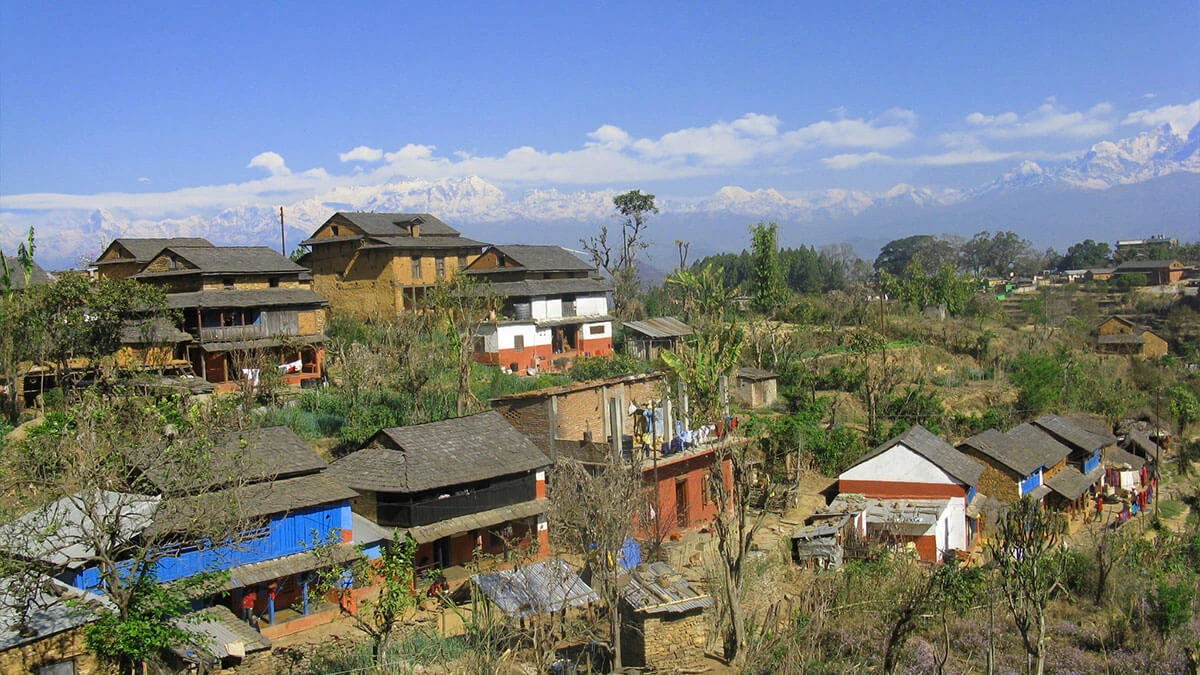
Pokhara to Bandipur Car

Seasonal Guide — Best Time for Sunauli to Bandipur

October to November — Peak Heritage Season

The October to November post-monsoon period is the finest time for the Sunauli to Bandipur private car hire — the Himalayan panorama from Bandipur’s Thani Mai viewpoint is at its most vivid in the post-monsoon clarity, the roads are in their best annual condition after the monsoon repair cycle, and the weather on the Bandipur ridge is pleasantly cool without being cold. The Annapurna range and Manaslu seen from Bandipur in October sunrise conditions,

the snow peaks catching the first gold light while the Marsyangdi valley remains in shadow below — is a view of extraordinary quality that rivals the more famous Pokhara Sarangkot sunrise in its composition. October and November also coincide with Nepal’s major festival season (Dashain and Tihar), adding a festive cultural dimension to the Bandipur visit—the heritage town’s temples and community spaces fill with local celebrations that genuinely engage visiting travellers.

Nepal Vehicle Hiring Pvt. Ltd. recommends booking the Sunauli to Bandipur private car hire for October and November at least 3 to 5 days in advance via WhatsApp or vehiclehiringnepal.com.

March to May — Spring Flowering

Spring from March to May is the second-best season for Sunauli to Bandipur car hire — the forested hillsides along the Bandipur approach road bloom with rhododendrons in March and April, and early-spring mountain views (before the pre-monsoon haze builds in May) are excellent. The Bandipur ridge in April has a particularly pleasant temperature—warm enough to explore the bazaar comfortably in light clothing, and cool enough to feel refreshingly different from the Terai heat at Sunauli.

For travellers entering Nepal at Sunauli in spring and heading to the Annapurna trekking region via Pokhara, the Sunauli-to-Bandipur-to-Pokhara route via Nepal Vehicle Hiring Pvt. Ltd. adds a heritage-town experience as an enriching first night in Nepal before the Pokhara and trekking circuit begins. Contact the team on WhatsApp for spring-season availability and pricing.

The Bandipur Experience — What to Do in 2 to 3 Hours

The Essential Bandipur Walking Circuit

For same-day visitors arriving in Bainur via a Sunauli-to-Bandipur private car, with 3 hours, i.e., town, in the essential walking circuit, efficiently experience the most rewarding elements of the Bandipur experience: park in the parking area, walk north along the main bazaar street (20 to 30 minutes) to see Newari architecture, photograph the carved windows, and browse small shops selling local handicrafts and honey (Bandipur honey from the surrounding forest is one of the town’s distinctive local products). Reach the Bindabasini Mandir at the northern end of the bazaar for a 15-minute visit and, if timing allows, observe the daily puja.

Climb the steps above the Bindabasini Mandir to the Thani Mai Temple viewpoint for the Himalayan panorama — 20 minutes including photography.

Return along the bazaar to the Mahalaxmi Temple and the Tindhara stone water taps — a further 15 minutes of temple exploration. Total: 1.5 to 2 hours of genuine heritage exploration that delivers the best of Bandipur in the time available for same-day visitors.

Bandipur Local Food and Honey

Bandipur’s food culture gently blends Newari cuisine traditions with the hill town’s local produce. The teahouses and small restaurants on the bazaar serve dal bhat (the standard Nepali rice and lentil meal), Newari snacks (beaten rice, spiced potatoes, and the distinctive Newari meat preparations), and the fresh bread and tea that make a mid-morning arrival snack particularly pleasant after the 3.5 to 5-hour Sunauli to Bandipur journey.

The town’s most distinctive local product is its wild honey — collected from the beehives in the surrounding forest by local honey-hunter families using traditional rope-and-basket techniques.

Bandipur honey comes in small jars from several shops along the bazaar street and makes one of Nepal’s finest, most authentic local souvenirs. If requested, the Nepal Vehicle Hiring Pvt. Ltd. driver will point out the best honey shops on the bazaar street; the driver’s local knowledge of Bandipur’s specific shops and teahouses is a small but genuinely valued practical benefit of working with a team that covers this route regularly.

Contact Nepal Vehicle Hiring Pvt. Ltd. on WhatsApp or visit vehiclehiringnepal.com to book a private car or Scorpio hire from Sunauli to Bandipur for your Nepal heritage journey.
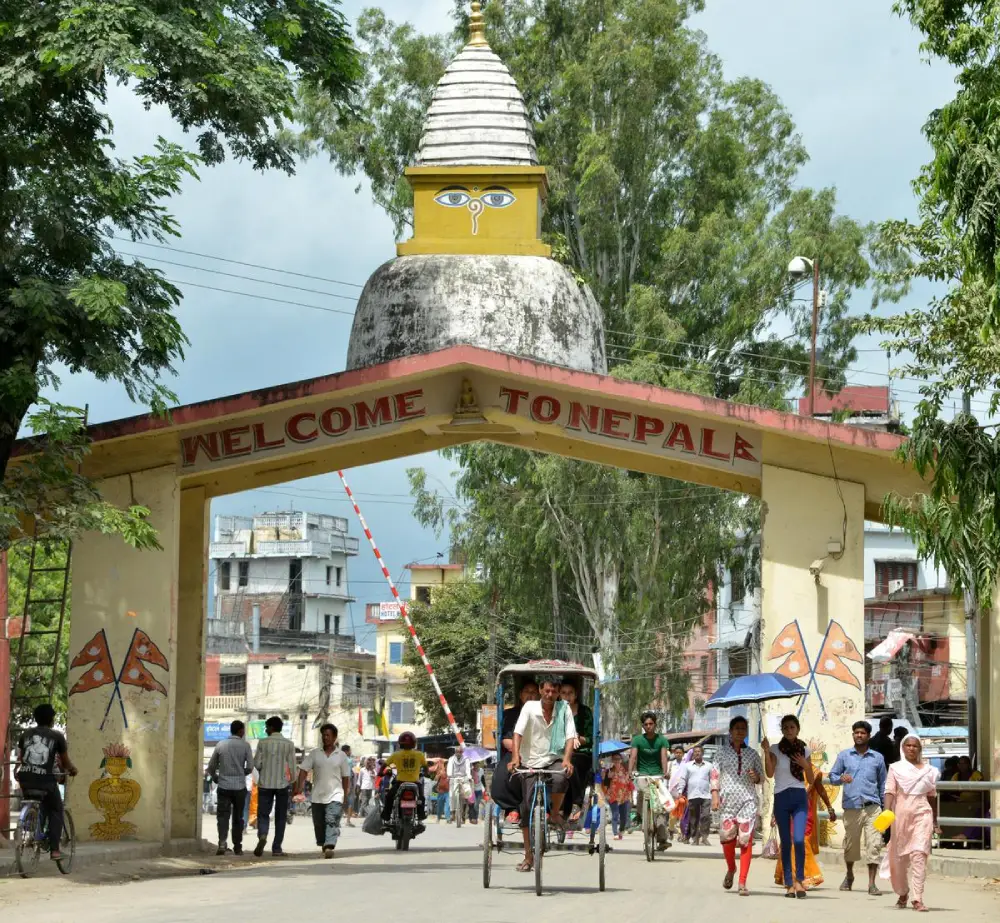
Sunauli to Bandipur Private Car Hire

The Sunauli Border Crossing — Practical Guide for Car Hire Travellers

What Happens at Belahiya-Sunauli

The Sunauli-Belahiya border crossing is Nepal’s busiest India land border—high-volume, often disorganised; once you understand the process, it’s straightforward. The Nepal immigration office at Belahiya processes Nepal visa-on-arrival for eligible nationalities (bring 2 passport photos and USD/EUR/GBP cash for the fee: USD 30 for 15 days, USD 50 for 30 days), and the Nepal departure stamp for travellers exiting.

The Nepal Vehicle Hiring Pvt. Ltd. driver for the Sunauli to Bandipur private car hire waits at the Nepal immigration exit in Belahiya—the driver can be identified by the driver name (provided in the booking confirmation via WhatsApp).

Normal border processing takes 20 to 45 minutes, depending on the queue length at the immigration desk. After clearing immigration, the vehicle is typically 50 to 100 metres from the exit—the driver assists with loading, and the journey to Bandipur begins immediately. The busiest crossing times are 9:00 AM to 3:00 PM — arriving at the border before 9:00 AM or after 3:00 PM typically means a shorter queue.

Currency and Practical Matters at Sunauli

The Sunauli border area has money changers on both sides offering NPR-INR exchange — rates are reasonable but slightly less favourable than Bhairahawa bank rates. For larger amounts, a brief stop at a Bhairahawa bank (15-20 minutes) offers better exchange rates and more secure transactions.

ATMs are available in Bhairahawa — the last reliable ATM before the Dumre junction. Nepal Vehicle Hiring Pvt. Ltd. pays for the Sunauli to Bandipur private car hire in NPR cash to the driver at the end of the journey; the driver quotes an all-inclusive price, which is the amount paid with no additions.

Most shops and service providers in the Sunauli-Bhairahawa area accept Indian Rupees. Nepal Vehicle Hiring Pvt. Ltd. drivers on this route are accustomed to Indian guests. They can advise on local currency exchange if needed—a small practical benefit of the professional border pickup service the team provides via WhatsApp.

Bandipur vs Pokhara — Two Nepal Experiences Worth Combining

Why Bandipur and Pokhara Together Create the Perfect Nepal Introduction

Travellers entering Nepal at Sunauli with 4 to 5 days before Kathmandu, or on a trekking route, face a classic planning question: go straight to Pokhara, or stop in Bandipur first? The Nepal Vehicle Hiring Pvt. Ltd. recommendation is consistently Bandipur first, then Pokhara — the two destinations offer completely complementary Nepal experiences that together create a far richer Nepal introduction than either alone.

Bandipur delivers the heritage Nepal experience: Newari architecture, tar-free bazaar culture, a hilltop temple, and an intimate hill-town scale that has largely disappeared from Nepal’s more commercialised areas. Pokhara delivers the mountain-and-lake Nepal experience—the Annapurna panorama from Sarangkot, Phewa Lake leisure, adventure sports culture, and the cosmopolitan Lakeside atmosphere that makes Pokhara Nepal’s most popular tourist city.

The Sunauli to Bandipur private car hire on Day 1 (overnight Bandipur), followed by the Bandipur to Pokhara car hire on Day 2 morning (arriving in Pokhara by midday), creates the ideal Nepal introduction sequence — heritage first, mountain city second, with the Pokhara car hire for sightseeing on Day 2 afternoon and Day 3. Contact Nepal Vehicle Hiring Pvt. Ltd. on WhatsApp to book the complete Sunauli-Bandipur-Pokhara route.

Bandipur and the Annapurna Trek Connection

For trekkers entering Nepal at Sunauli and heading to the Annapurna Circuit or Annapurna Base Camp trek, Bandipur sits directly on the logical route between Sunauli and the Annapurna trailheads. The Sunauli to Bandipur to Pokhara to Besisahar or Nayapul sequence — organised by Vehicle Hiring Pvt. Ltd. as multiple one-way transfers — delivers the trekker from the India border through a genuine heritage experience at Bandipur, then to Pokhara for acclimatisation and finally to the Annapurna trailhead in a coherent, richly varied three-day Nepal approach.

The Nepal Vehicle Hiring Pvt. Ltd. team on WhatsApp or vehiclehiringnepal.com coordinates all three legs — the Sunauli to Bandipur Scorpio hire, the Bandipur to Pokhara car hire, and the Pokhara to Besisahar or Nayapul trekking vehicle rental — through a single booking conversation. For trekking travellers who want their Nepal journey to begin meaningfully at the border rather than simply transiting to the trailhead, Nepal Vehicle Hiring Pvt. Ltd. recommends this Bandipur-included approach route.

Nepal Vehicle Hiring Pvt. Ltd. — The Sunauli Border Transport Specialist

Nepal Vehicle Hiring Pvt. Ltd. has extensive experience on all Sunauli border approach routes — the Sunauli to Pokhara car service, the Sunauli to Lumbini transfer, the Sunauli to Kathmandu private vehicle, and the Sunauli to Bandipur Scorpio and car hire. The team’s knowledge of the Sunauli-Belahiya border area — the immigration process timing, the practical services available in Bhairahawa, the best fuel and ATM stops on the route, and the specific road character of the Dumre to Bandipur switchback — is drawn from the accumulated experience of hundreds of border pickup transfers. This border-specific expertise gives Nepal Vehicle Hiring Pvt. Ltd.

a particular advantage for travellers arriving at Sunauli for the first time — the professional pickup service, the driver’s border-area expertise, and 24-hour support at +9777 WhatsApp that handles any border-timing uncertainty together create the most organised Nepal entry experience. For Indian pilgrims on the Buddhist circuit, international travellers on the Nepal overland journey, and Nepal-bound tourists of every kind, Nepal Vehicle Hiring Pvt. Ltd. is the Sunauli border’s most trusted private vehicle hire provider.

Book a Sunauli to Bandipur private car or Scorpio hire at vehiclehiringnepal.com or via WhatsApp—Nepal’s heritage journey starts at the border, with Nepal’s best private vehicle service.

The Sunauli to Pokhara Alternative — Why Bandipur Makes the Detour Worthwhile

The standard Sunauli to Pokhara direct car service — covered in detail in the Nepal Vehicle Hiring Pvt. Ltd. dedicated route guide — takes approximately 4 to 5 hours on the Siddhartha Highway and East-West Highway combination, delivering travellers to Pokhara Lakeside by early afternoon from a morning border crossing. This direct route is efficient and comfortable — the Siddhartha Highway through the Palpa hills is scenic, and the Tansen optional stop adds a heritage dimension.

But the Sunauli-to-Bandipur-to-Pokhara route, which takes one extra day and adds about NPR 7,000 to 20,000 to the transport total, offers something the direct route cannot: a genuine overnight immersion in one of Nepal’s finest and least commercialised towns.

The Bandipur sunrise and the cave-and-temple combination make Bandipur worthy of its growing international reputation as a must-visit Nepal destination. Nepal Vehicle Hiring Pvt. Ltd. serves both routes — the direct Sunauli to Pokhara car service for time-pressed travellers and the Sunauli to Bandipur heritage detour for those who want to experience Nepal’s depth as well as its mountain scenery.

Contact the team on WhatsApp or vehiclehiringnepal.com to discuss which routing best suits your specific Nepal itinerary and timeline.

Practical Tips for the Sunauli to Bandipur Journey

A few practical tips from Nepal Vehicle Hiring Pvt. Ltd. for hiring a private car or Scorpio for the Sunauli to Bandipur route. Depart the Sunauli border by 9:00 to 10:00 AM to reach Bandipur by 1:00 to 2:30 PM — optimal timing for the afternoon bazaar walk and sunset from Thani Mai.

Carry NPR cash for Bandipur teahouses, honey purchases, and temple donations — the nearest ATM is in Dumre. Dress in layers; the temperature at Bandipur’s 1,030 m ridge is noticeably cooler than the Sunauli-Bhairahawa Terai, particularly in the evening.

If adding the Lumbini detour, allow at least 2 hours at the Sacred Garden for the Maya Devi Temple and Ashoka pillar — rushing the UNESCO World Heritage Site is counterproductive. Confirm any same-day onward transfer (Bandipur to Pokhara or Bandipur to Kathmandu) at booking via WhatsApp so the Nepal Vehicle Hiring Pvt. Ltd.

driver can plan the wait time at Bandipur parking and the subsequent departure. The Bandipur to Pokhara journey takes 1.5 to 2 hours from the parking area — a 4:30 to 5:00 PM Bandipur departure delivers to Pokhara Lakeside by 6:00 to 7:00 PM, in time for dinner on the Lakeside strip after a day of heritage exploration.

Book the complete Sunauli to Bandipur private car or Scorpio hire at vehiclehiringnepal.com or via WhatsApp—Nepal’s finest border-to-heritage journey with Nepal’s most trusted private vehicle provider.
Sunauli to Ghandruk Private Jeep: Route, Price and Guide

Pokhara to Sunauli Car

Sunauli to Ghandruk Private Jeep: Complete Route, Price and Booking Guide

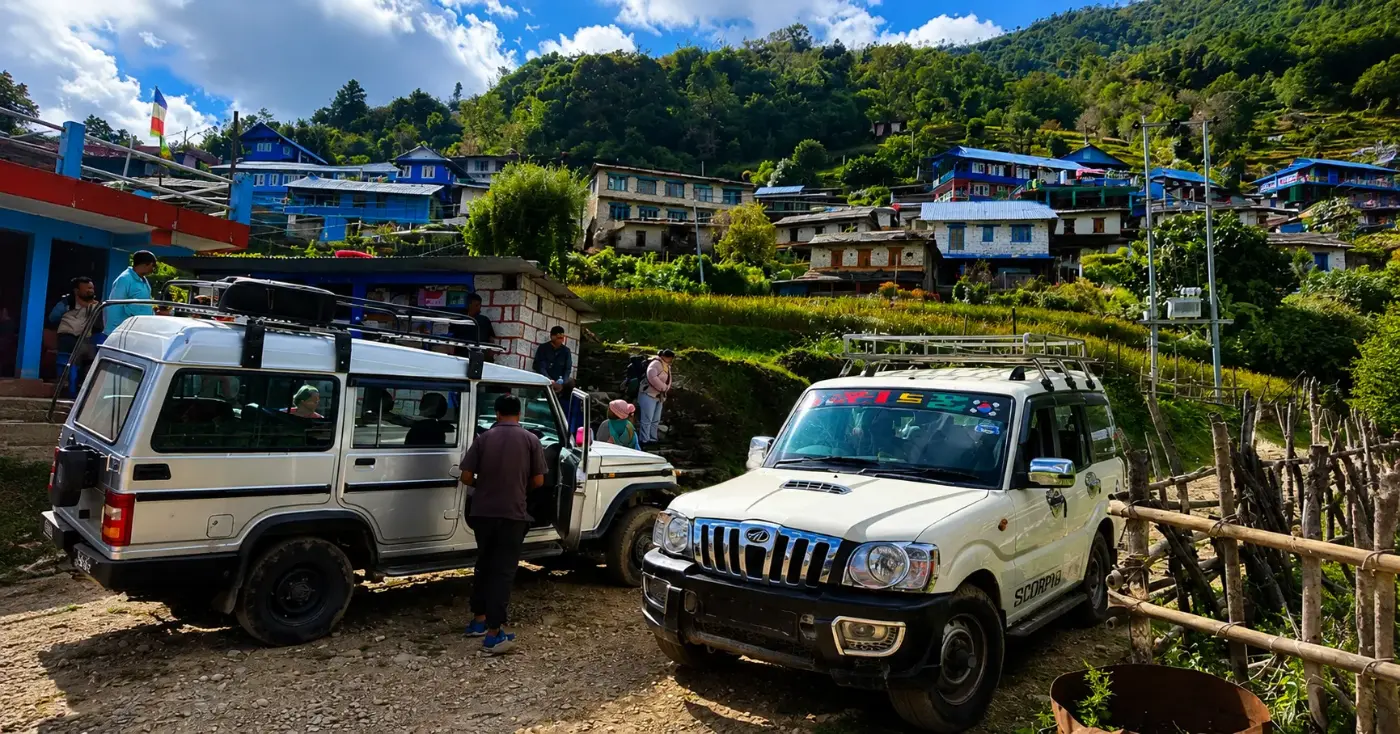
For Indian trekkers and international visitors entering Nepal at the Sunauli border crossing (Bhairahawa, Rupandehi District) and heading directly to Ghandruk (1,940 m) — the famous Gurung cultural village and principal starting point for the Annapurna Base Camp Trek — the private jeep from Sunauli to Ghandruk is the most direct and most time-efficient transport option available. This single-vehicle, hotel-to-trailhead service covers the full India border-to-Annapurna Sanctuary approach in one day, eliminating the public bus changes, uncertain local jeep availability, and transit fragmentation that alternative arrangements require.

Nepal Vehicle Hiring Pvt Ltd (vehiclehiringnepal.com) provides private jeep hire for the complete Sunauli to Ghandruk journey — the sealed Siddhartha Highway from Sunauli to Pokhara, and the demanding 4WD mountain track from Pokhara to Ghandruk. Our Pokhara to Ghandruk jeep service, 4WD jeep hire, Hiace van hire, and private car hire serve groups of all sizes, with all-inclusive, transparent pricing, experienced drivers for both highway and mountain-track sections, and written pre-departure vehicle confirmation.

This guide covers pricing first, then the full route, vehicle options, seasonal advice, the booking process, and FAQs.

Sunauli to Ghandruk Private Jeep: Price

The Sunauli to Ghandruk journey has two stages. Stage 1: Sunauli to Pokhara (approximately 170 km, 4 to 5 hours, sealed Siddhartha Highway). Stage 2: Pokhara to Ghandruk (approximately 40 to 45 km, 2.5 to 3.5 hours, 4WD mountain track).

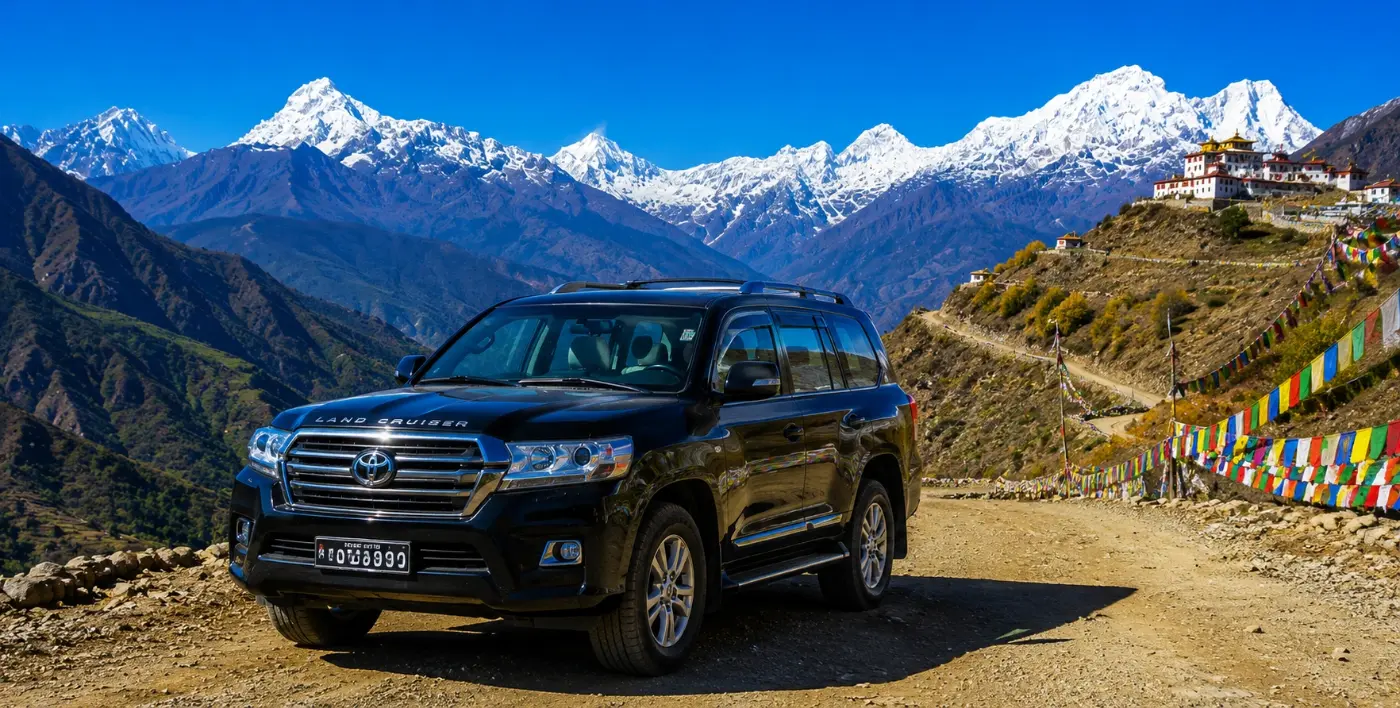
The most recommended option is a single 4WD Land Cruiser or Scorpio jeep completing both stages — one vehicle, one driver, door to trailhead.

VehiclePaxStage 1: Sunauli→PokharaStage 2: Pokhara→Ghandruk
4WD Jeep Scorpio4–6NPR 14,000–30,000NPR 10,000–20,000
Private car / SUV1–4NPR 10,000–25,000Not suitable — 4WD required
Hiace van7–14NPR 18,000–35,000NPR 12,000–18,000 (dry season)
Coaster/Bus (25+)25+NPR 40,000–80,000Not suitable — switch to jeeps

All Nepal Vehicle Hiring Pvt Ltd rates are fully all-inclusive: vehicle, professional driver, fuel, and road tolls—no additional charges at settlement. Per-person cost for a group of 5 in a Land Cruiser at NPR 60,000 midpoint: NPR 20,000 per person (approximately USD 150).

The Complete Route: Sunauli to Ghandruk

Stage 1 — Sunauli to Pokhara: The Siddhartha Highway

Distance: 170 to 180 km. Drive time: 4 -urs. The Siddhartha Highway runs northward from the Sunauli ICP border gate through Bhairahawa, Butwal, and the Palpa District hill country to Pokhara. It is a sealed Category 1 to 2 national highway throughout — Nepal’s most historically significant inter-city highway, built in the 1960s.

The Butwal to Palpa section includes Nepal’s finest mid-hill valley scenery on any western Nepal highway, with terraced farmland, subtropical forest corridors, and the first distant views of the Annapurna range appearing as the route approaches Pokhara. Journey highlights: Butwal (25 km, 30 min — ATMs, fuel, breakfast stop); Tansen optional detour (90 km, 2.5 hours — medieval Newari hill town, 45-minute bazaar stop on request); Pokhara arrival (170 km, 4 to 5 hours — vehicle transition point for Stage 2).

Stage 2 — Pokhara to Ghandruk: The Mountain Track

Distance: 40 to 45 km. Drive time: 2.5 to 3.5 hours. The Pokhara to Ghandruk mountain track follows the Nayapul road eastward from Pokhara through Hemja and Lumle, crosses the Birethanti suspension bridge, and climbs northward on the unpaved 4WD track through Kimche to Ghandruk at 1,940 metres.

The Birethanti to Ghandruk upper section is Category 3 — steep gradients, sharp hairpin turns, loose surface, and sections requiring genuine 4WD low-range capability. Outstanding views of Machhapuchhre (Fishtail, 6,993 m) appear on the final approach to Ghandruk. 4WD is mandatory — no standard car, Hiace, or standard SUV is appropriate for this section.

Tip: Depart Sunauli by 7:00 AM for same-day Ghandruk arrival. A 7:00 AM Sunauli departure reaches Pokhara by approximately 11:30 AM and Ghandruk by 2:00 to 3:30 PM — enough time for guesthouse check-in, trail orientation, and permit sorting before dark.

3.3 Complete Journey Summary

Total distance Sunauli to Ghandruk: approximately 210 to 225 km. Total drive time: 6.5 to 8.5 hours, including a Mugling-style lunch stop at Butwal or Pokhara. Stage 1 (Sunauli to Pokhara): 170 to 180 km, 4 to 5 hours, sealed Category 1 to 2 highway, 4WD recommended but not mandatory.

Stage 2 (Pokhara to Ghandruk): 40 to 45 km, 2.5 to 3.5 hours, unpaved Category 3 mountain track, 4WD mandatory. Recommended departure from Sunauli: 7:00 AM. Expected arrival at Pokhara: approximately 11:30 AM.

Expected arrival at Ghandruk: approximately 2:00 to 3:30 PM — same day as the Sunauli border crossing.

Sunauli to Ghandruk Private Jeep

Ghandruk Village and the Annapurna Base Camp Trek

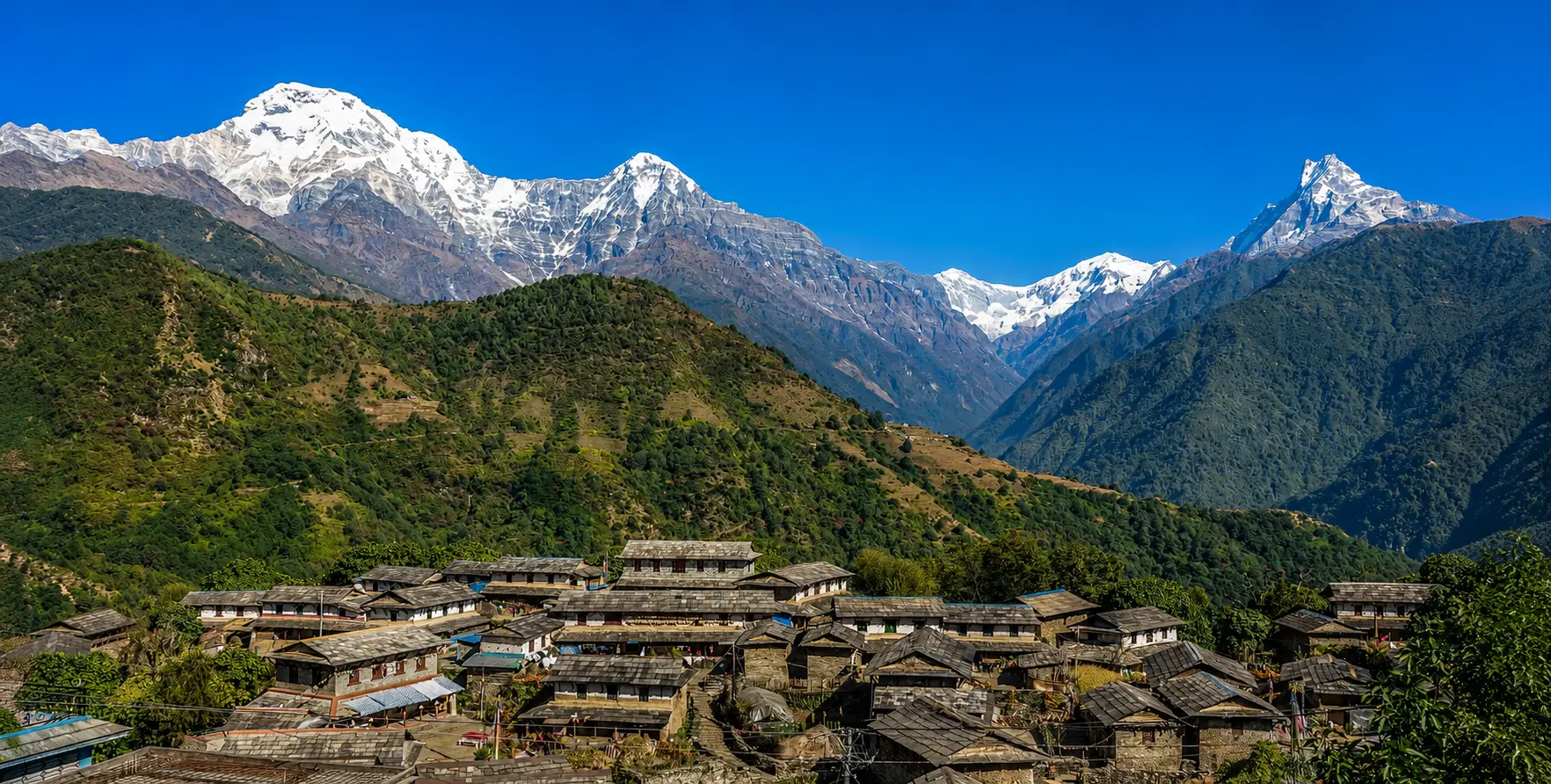
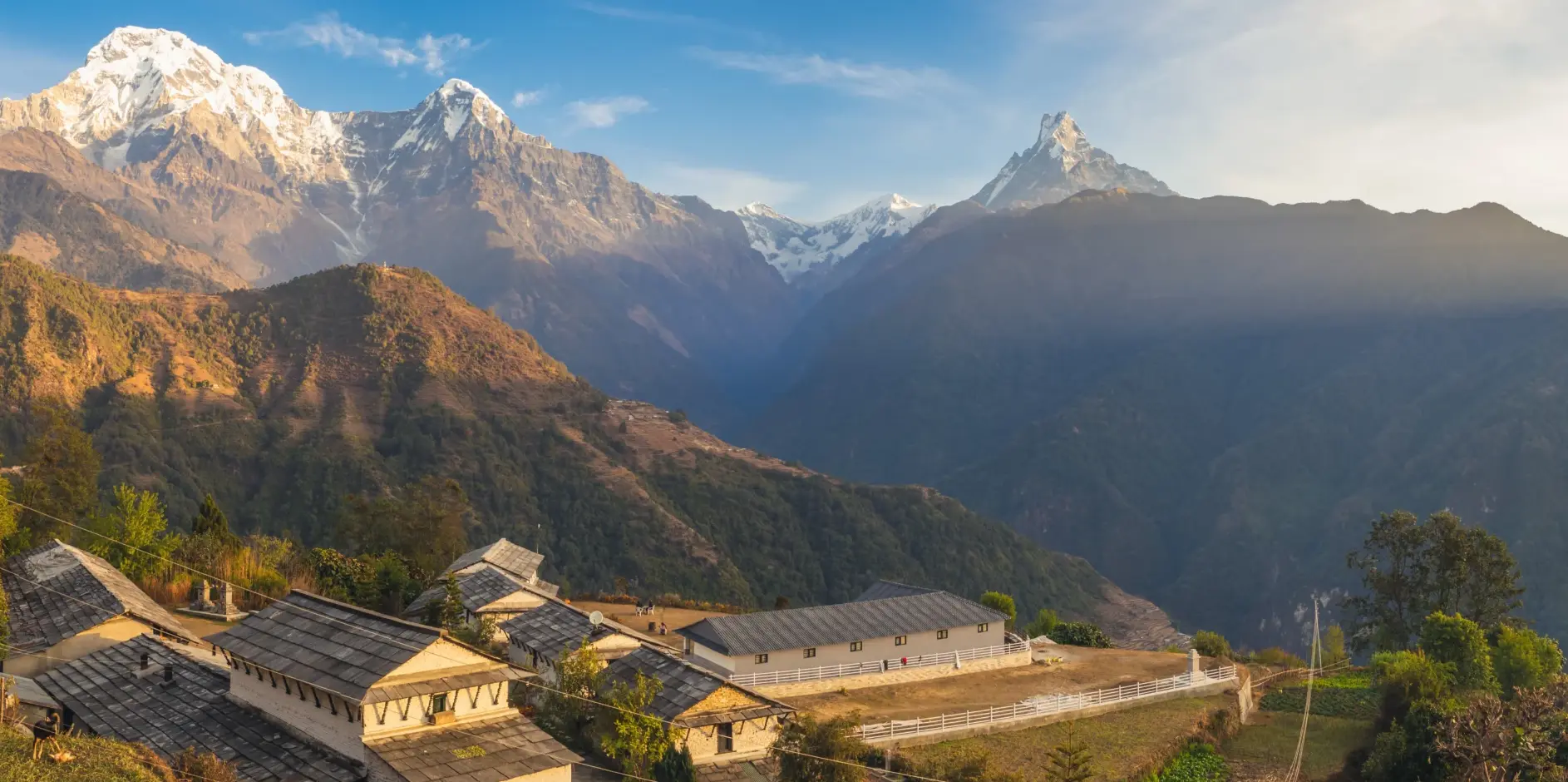
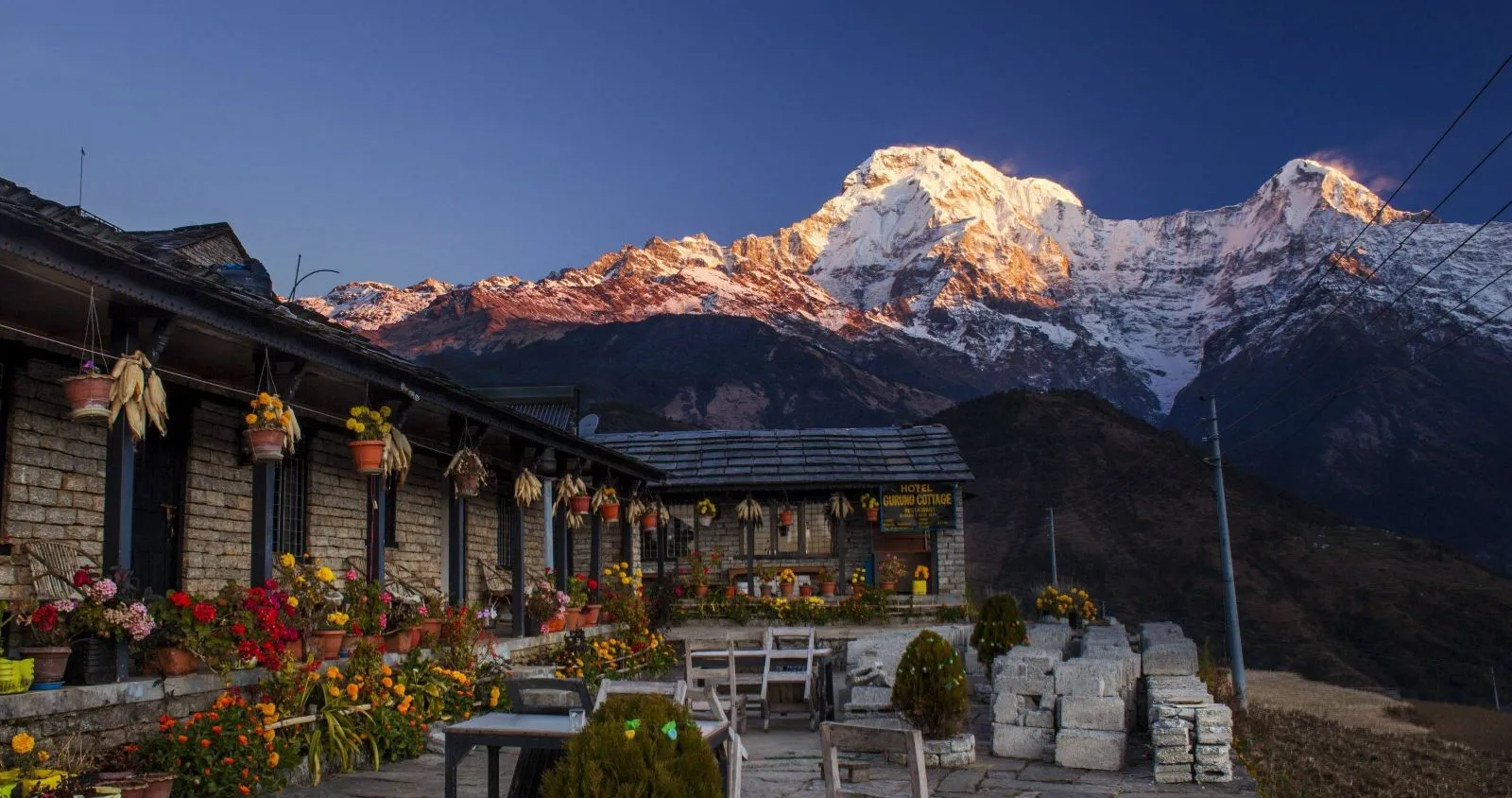
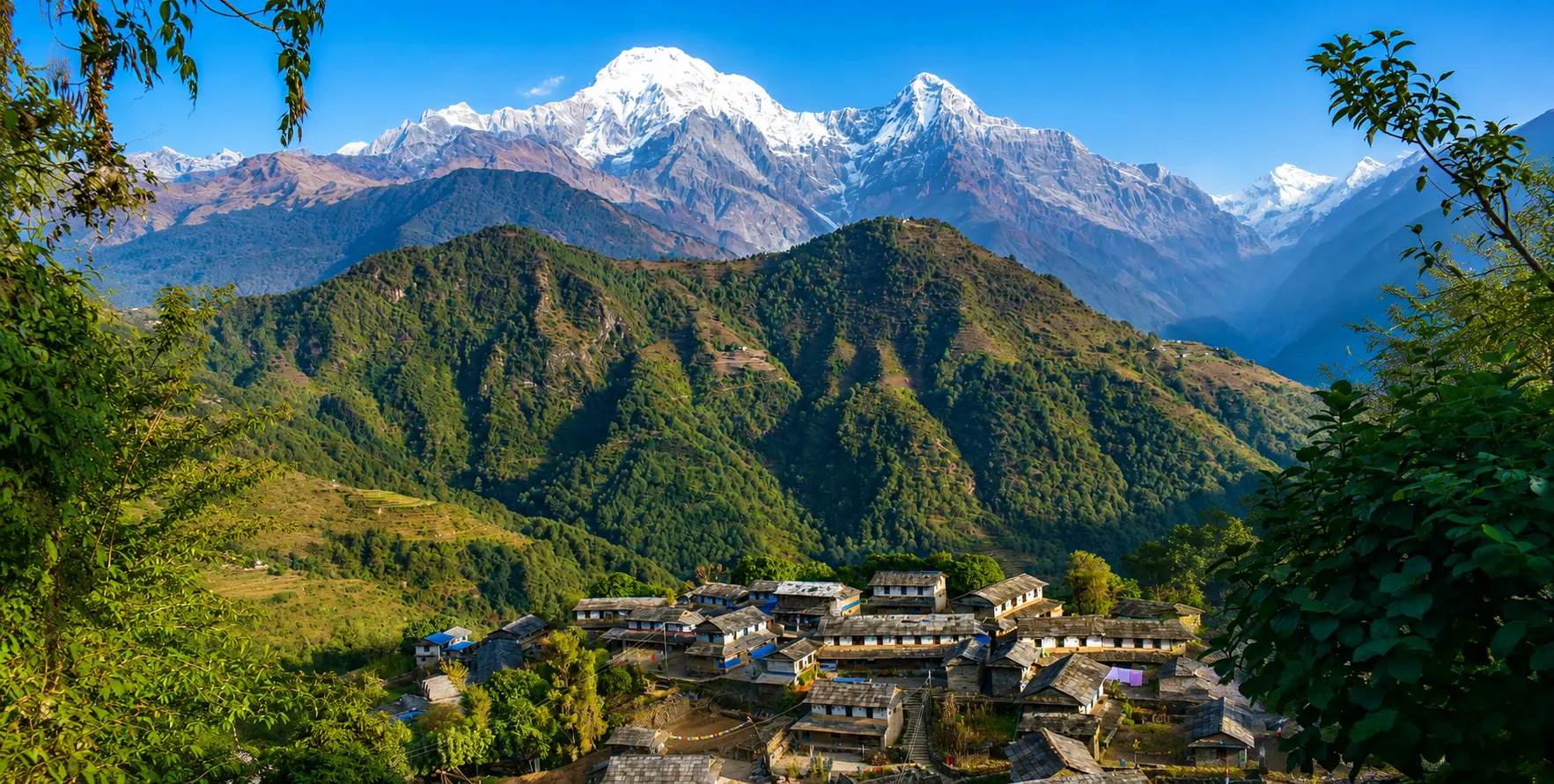
Ghandruk (1,940 m) is one of Nepal’s largest traditional Gurung villages, a steep hillside settlement of stone-and-slate houses, Buddhist chortens, prayer-wheel lanes, and Gurung cultural heritage whose traditional architecture and community life have been largely preserved despite its popularity as a trekking destination. The village’s position at the southern entrance to the Modi Khola valley’s inner Annapurna Sanctuary gives it the finest mid-altitude Annapurna panorama of any roadhead village — Annapurna South (7,219 m), Hiunchuli (6,441 m), and Machhapuchhre (6,993 m) all visible in dramatic proximity from the village’s upper trails and lodge terraces.

From Ghandruk, the Annapurna Base Camp Trek follows the Modi Khola valley northward through Chhomrong (2,170 m), Sinuwa, Bamboo, Dovan, Himalaya Hotel (2,920 m), Machhapuchhre Base Camp (3,700 m), and Annapurna Base Camp (4,130 m) — typically 5 to 7 days walking from Ghandruk to ABC and 4 to 5 days return.

The private jeep to Ghandruk saves 2 full days of road-level walking from Nayapul through Birethanti and Kimche, placing trekkers directly at the altitude (1,940 m) and cultural setting where the genuine mountain trail begins. The Ghorepani Poon Hill Trek variant from Ghandruk — traversing via Tadapani to Ghorepani and Poon Hill (3,210 m) — is also served by the Ghandruk jeep approach, with exit via Nayapul after the Ghorepani descent.

Ghandruk guesthouses range from basic teahouse lodges to comfortable mid-range accommodation with attached bathrooms, hot showers, and dining rooms serving the Nepali dal bhat and Gurung cultural dishes that the village is famous for. The Gurung Museum in Ghandruk’s centre offers one of Nepal’s finest small-scale cultural heritage exhibits—a recommended first afternoon visit before the trek begins the following morning.

Ghandruk village

Why Private Jeep from Sunauli to Ghandruk?

The Public Transport Alternative

Public transport from Sunauli to Ghandruk requires: (1) Sunauli to Bhairahawa local transport (10 to 20 min, NPR 50 to NPR 100). (2) Bhairahawa to Pokhara tourist bus (4 to 5 hours, NPR 500 to NPR 800). (3) Pokhara to Nayapul local bus (1 to 1.5 hours, NPR 150 to NPR 200).

(4) Nayapul to Birethanti on foot (20 min). (5) Birethanti to Ghandruk: shared local jeep (limited availability, departs when full, NPR 800 to NPR 1,500 per person, 1 to 1.5 hours) OR on foot (3 to 4 hours uphill with full trekking pack).

Total transit: 8 to 12+ hours, 4 to 5 vehicle changes, uncertain Stage 5 local jeep availability. Private jeep: 6.5 to 8.5 hours, one vehicle, direct to Ghandruk village gate.

For groups of 4 or more, the per-person cost difference between private and public narrows to a level most trekkers find easy to justify for the time, comfort, and luggage-management advantages. Contact Nepal Vehicle Hiring Pvt Ltd on WhatsApp for an instant per-person quote for your group size.

Sunauli via Kathmandu vs Sunauli Direct

Some Sunauli-entering trekkers route through Kathmandu (Sunauli to Kathmandu bus, 7 to 9 hours; Kathmandu overnight; then Kathmandu to Pokhara private vehicle and Pokhara to Ghandruk jeep the next day). This routing makes sense for trekkers who want Kathmandu cultural days — Kathmandu sightseeing, Bhaktapur day tour, Nagarkot sunrise tour — before the Annapurna trek.

For trekkers who want to reach Ghandruk as quickly as possible after crossing the Sunauli border, the direct Sunauli-to-Ghandruk private jeep saves 1 to 2 travel days without sacrificing comfort or reliability.

Ghandruk Trekking Permits

All trekkers entering the Annapurna Conservation Area beyond Birethanti require: ACAP permit (Annapurna Conservation Area Project) — NPR 3,000 per foreign national, NPR 100 per Nepali national. TIMS card (Trekkers’ Information Management System) — USD 20 per person for independent trekkers.

Both are available at the Nayapul or Birethanti checkpoint, which the Ghandruk jeep passes on the approach; the driver stops and waits for all permits to be processed before continuing to Ghandruk. Carry adequate NPR cash for ACAP permit fees at the checkpoint (card payment may not be available).

Nepal Vehicle Hiring Pvt Ltd advises all Ghandruk-bound groups to carry cash for permit fees before leaving Pokhara, where exchange facilities are most accessible.

Seasonal Guide

Autumn (September to November): finest season for both stages — post-monsoon Ghandruk track in best condition, Annapurna range visible with exceptional clarity, ABC trek at its most beautiful. Book 3 to 5 days in advance during October peak.

Spring (March to May): rhododendron bloom on the Ghandruk track’s forested lower sections in March and April — visually spectacular approach. Good road conditions generally. Book 2 to 3 days in advance.

Monsoon (June to August): highest disruption risk on the Birethanti to Ghandruk unpaved track — mud, surface deterioration, and occasional wash-out after sustained rainfall. Nepal Vehicle Hiring Pvt Ltd monitors track conditions daily and advises on the best departure time. Siddhartha Highway Stage 1 less affected.

Winter (December to February): Ghandruk track passable in dry spells; icy sections possible on upper hairpins in coldest weeks. ABC trek’s high sections above Machhapuchhre Base Camp may have snow. Ghandruk village itself is accessible year-round—best short-notice availability and most competitive rates.

Booking Tips

  • WhatsApp Nepal Vehicle Hiring Pvt Ltd on WhatsApp before departing India — confirm group size, Sunauli crossing date, same-day Ghandruk arrival or Pokhara overnight preference, and any special requirement.s
  • Book 1 to 2 days in advance in off-peak season; 3 to 5 days during October and March–April peak trekking season when Ghandruk jeeps are in highest demand
  • Depart Sunauli by 7:00 AM for same-day Ghandruk arrival — a 7:00 AM departure reliably reaches Ghandruk by 2:00 to 3:30 PM in all seasons.
  • Carry NPR cash from Bhairahawa exchange before departure — ACAP permit NPR 3,000, TIMS USD 20, first Ghandruk guesthouse deposit, and me. als
  • Confirm return vehicle from Ghandruk at outbound booking time — Nepal Vehicle Hiring Pvt Ltd coordinates the post-trek return from Ghandruk or Nayapul to Pokhara as part of the same booking.
  • For groups of 7 or more: Nepal Vehicle Hiring Pvt Ltd can arrange a Hiace van for Stage 1 (Sunauli to Pokhara), and Land Cruiser jeeps for Stage 2 (Pokhara to Ghandruk) — vehicle transition at Pokhara is smoothly coordinated
  • Request Tansen stop on outbound journey if time allows — the 45-minute Tansen bazaar detour enriches the Siddhartha Highway stage significantly with no additional vehicle hire charge.
  • Confirm all-inclusive pricing — Nepal Vehicle Hiring Pvt Ltd’s rate covers vehicle, driver, fuel, and tolls with zero additions; always confirm this at booking with any Nepal operator.

Sunauli to Ghandruk: Connecting to Nepal’s Trekking Network

Indian trekkers entering Nepal at Sunauli have access to every major Nepal trekking corridor through Nepal Vehicle Hiring Pvt Ltd. Beyond Ghandruk: Besisahar private vehicle for the Annapurna Circuit Trek. Pokhara to Ghorepani Poon Hill jeep for the Ghorepani Poon Hill Trek.

Pokhara to Upper Mustang overland jeep for the Upper Mustang Trek. Kathmandu to Muktinath jeep for the Muktinath Tour. Kathmandu to Salleri Phaplu for the Everest Base Camp Trek.

Kathmandu to Soti Khola jeep for the Manaslu Circuit Trek. Kathmandu to Syabrubesi jeep for the Langtang Valley Trek. Kathmandu to Manang jeep.

Gokyo Lake Trek and Three Passes Trek overland approaches. Kanchenjunga Base Camp Trek eastern approach. Kathmandu airport transfer.

Kathmandu sightseeing. Bhaktapur day tour. Nagarkot sunrise tour.

Nagarkot vehicle hire. Sarangkot sunrise vehicle. Pokhara car hire.

Kathmandu to Pokhara private vehicle. Trekking transport. Nepal tour packages.

Plan your trip or contact us onWhatsApp. Visit vehiclehiringnepal.com to book.

Nepal Vehicle Hiring Pvt Ltd: Complete Annapurna and Nepal Network

Nepal Vehicle Hiring Pvt Ltd’s Sunauli to Ghandruk service is part of the most comprehensive Annapurna region and Nepal-wide vehicle hire network. In the Annapurna region: Pokhara to Ghandruk jeep. Pokhara to Nayapul transport for the Annapurna Base Camp Trek.

Pokhara to Ghorepani Poon Hill jeep for the Ghorepani Poon Hill Trek. Pokhara to Upper Mustang overland jeep for the Upper Mustang Trek. Kathmandu to Muktinath jeep for the Muktinath Tour.

Besisahar private vehicle and Kathmandu-to-Manang jeep for the Annapurna Circuit Trek. Sarangkot sunrise vehicle. Pokhara car hire.

For other great trekking corridors: Kathmandu to Syabrubesi jeep for the Langtang Valley Trek. Kathmandu to Soti Khola jeep for the Manaslu Circuit Trek. Kathmandu to Salleri Phaplu for the Everest Base Camp Trek.

Kathmandu airport transfer. Kathmandu sightseeing. Bhaktapur day tour.

Nagarkot sunrise tour and Nagarkot vehicle hire. Kathmandu to Pokhara private vehicle. Fleet: 4WD jeeps, private cars, Hiace vans, coasters, buses.

Nepal tour packages—trekking transport. Plan your trip or contact us at +977 WhatsApp.Visit vehiclehiringnepal.com to book.

The Ghandruk Mountain Track: What to Expect on Stage 2

The Pokhara to Ghandruk mountain track is the most technically distinctive section of the Sunauli to Ghandruk private jeep journey — and understanding what the driver and vehicle encounter on this 40-to-45-kilometre 4WD approach helps trekkers appreciate why the Land Cruiser is not merely recommended but genuinely required for this section.

From Pokhara’s lakeside, the route follows the sealed Nayapul road eastward through the urban fringe settlements of Hemja and Lumle — a Category 1 sealed road as far as Nayapul. At Nayapul, the route crosses the Modi Khola River and enters the Birethanti junction, where the Ghandruk approach road diverges northward from the Ghorepani approach.

The sealed road continues briefly to Birethanti village before transitioning to the unpaved 4WD track that defines the remainder of the Ghandruk approach.

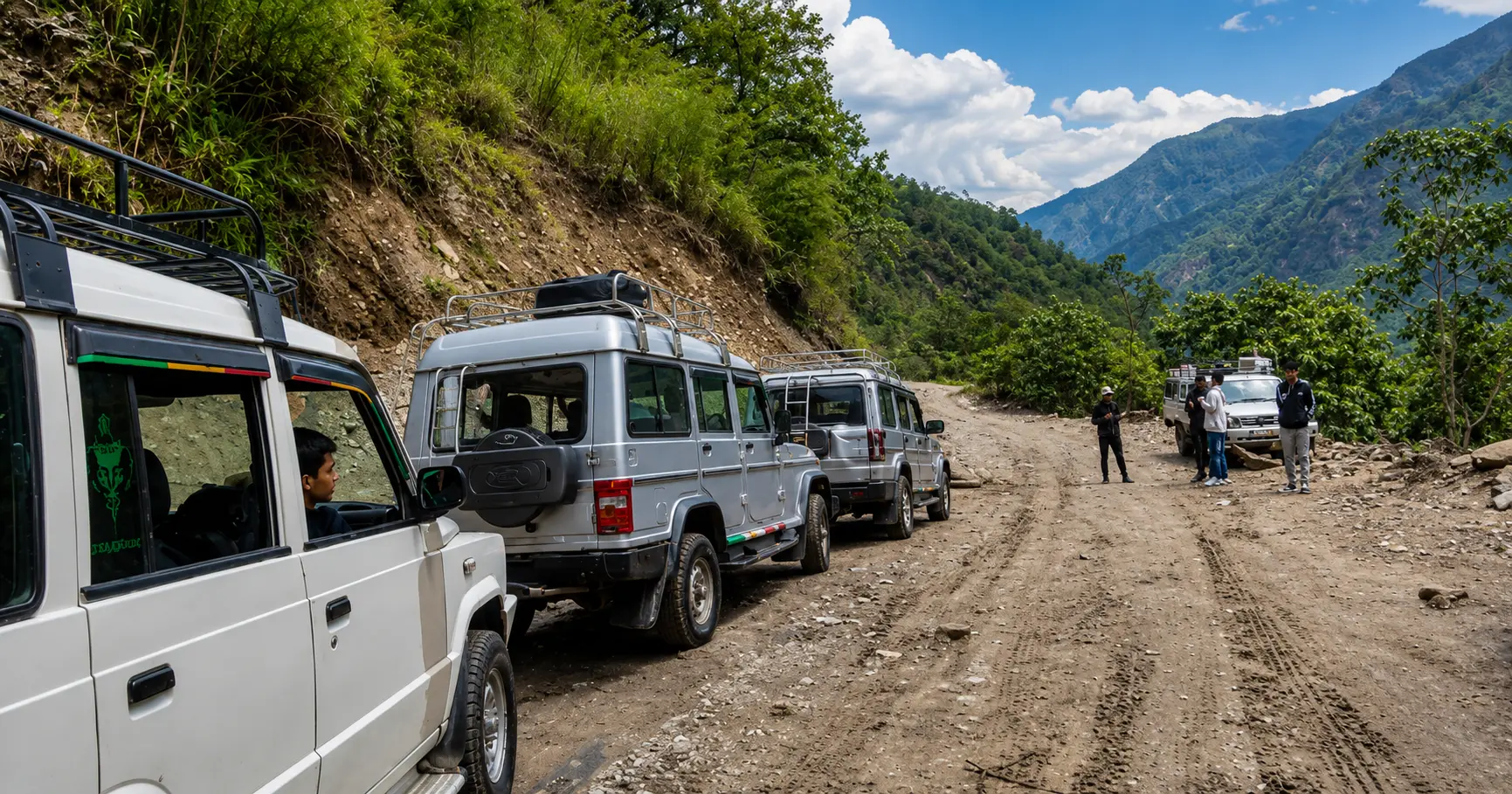
The Birethanti to Kimche section is the most demanding 10 kilometres of the entire Sunauli to Ghandruk journey — a steep, narrow, unpaved track that gains approximately 800 metres in altitude over a road distance of approximately 12 kilometres, with multiple sharp hairpin turns requiring the driver to reverse and reposition the vehicle on the tightest bends.

The track surface is loose gravel and compacted earth when dry, slippery clay when wet, and potentially deeply rutted after monsoon-season deterioration. The Land Cruiser’s high ground clearance, low-range 4WD for the steepest gradient sections, and independent rear suspension for rough-surface variations make it the only appropriate vehicle for this section.

The views from the track’s upper sections — Annapurna South and Machhapuchhre (Fishtail) appearing in increasing proximity above the Modi Khola valley as the track climbs — are among the finest approach road mountain views in the entire Annapurna region.

The final kilometre into Ghandruk village involves driving through a narrow lane between traditional stone walls to the village’s main guesthouse area. This confined approach requires the driver to know Ghandruk’s vehicle access points and guesthouse locations.

\Nepal Vehicle Hiring Pvt Ltd’s Pokhara to Ghandruk jeep service assigns drivers who have made this approach multiple times and know the guesthouse vehicle access lanes, the upper village guesthouses’ approach from the main track junction, and the village’s parking and turnaround points. This route-specific experience is a non-trivial practical advantage over a Pokhara general-hire driver who may be making the Ghandruk approach for the first time.

Ghandruk to Chhomrong: The First Day’s Walking

For trekkers arriving at Ghandruk by private jeep from Sunauli and beginning the Annapurna Base Camp Trek the following morning, the Ghandruk to Chhomrong first day’s walking sets the character of the entire ABC approach — the trail descending steeply from Ghandruk (1,940 m) to the Modi Khola river crossing at Kimche (1,640 m), then climbing steeply to Chhomrong (2,170 m) through the terraced hillside above the river.

The Chhomrong section is one of the ABC trail’s most physically demanding but most visually rewarding days — the stone-paved trail through a traditional Gurung farming landscape, with Annapurna South and Machhapuchhre dominating the skyline throughout the day, and the Chhomrong sunrise view (best experienced from the village’s upper lodges the following morning) one of the finest sunrise mountain panoramas in the Annapurna region.

Ghandruk’s guesthouse and permit infrastructure means the first day’s logistics—ACAP and TIMS permit sorting, guesthouse check-in, gear organisation, and trail orientation—can all be completed on the arrival afternoon after the Sunauli-to-Ghandruk jeep drops the group at the village gate. The following morning’s departure for Chhomrong begins fresh, fully permitted, and in the pre-dawn cool that the ABC trail’s lower sections are best enjoyed in.

Pokhara Overnight Option: Adding Value to the Return or Outbound

For trekkers who prefer to split the Sunauli to Ghandruk journey across two days with a Pokhara overnight — arriving at Pokhara in the afternoon after the Siddhartha Highway Stage 1, and completing the Pokhara to Ghandruk Stage 2 the following morning — Nepal Vehicle Hiring Pvt Ltd coordinates both stages as a single booking with the Pokhara overnight as a deliberate rest stage.

The Pokhara overnight group can enjoy Phewa Lake, its Barahi Temple island (accessible by rowing boat), and an optional Sarangkot sunrise vehicle hire for a pre-dawn panorama of the Annapurna range. The Pokhara car hire service covers any Pokhara city and valley excursions during the overnight stop.

A Pokhara overnight is particularly recommended for: groups arriving at Sunauli in the afternoon (too late for same-day Ghandruk arrival); elderly trekkers who benefit from a rest night between the border crossing and the mountain track approach; families with children who want the Pokhara lakeside experience before the trekking begins; and groups who want to enjoy Pokhara’s World Peace Pagoda sunset and Phewa Lake dawn before the ABC approach.

Ghandruk to Pokhara Jeep

From Ghandruk to the Ghorepani Poon Hill Trek

Ghandruk is not only the approach gateway for the Annapurna Base Camp Trek but also the starting point for a variant of the Ghorepani Poon Hill Trek that traverses northwestward from Ghandruk via Tadapani to Ghorepani — creating the ‘Annapurna Panorama’ loop that combines Ghandruk’s Gurung cultural village experience with the Poon Hill (3,210 m) sunrise viewpoint in a 5-to-7-day circuit. For trekkers planning this Ghandruk-Tadapani-Ghorepani loop, the outbound approach by private jeep from Sunauli to Ghandruk (this guide’s route) and the exit via Nayapul or Birethanti after Ghandruk creates a complete circular itinerary, y

arriving at Ghandruk by jeep and exiting at Nayapul on foot, with Nepal Vehicle Hiring Pvt Ltd’s Pokhara to Nayapul transport service providing the road transfer at the trek’s exit point. Nepal Vehicle Hiring Pvt Ltd coordinates both the outbound Sunauli to Ghandruk jeep and the return Nayapul to Pokhara vehicle as a single booking — the complete trekking transport for the Ghandruk-Poon Hill circuit arranged before the group crosses the Sunauli border.

For trekkers completing the Ghorepani Poon Hill Trek via the alternative Pokhara departure — using Nepal Vehicle Hiring Pvt Ltd’s Pokhara to Ghorepani Poon Hill jeep service for the approach — the Ghorepani jeep approach and the Ghandruk jeep approach represent the two principal trekking access routes from Pokhara to the Annapurna region’s most popular mid-altitude circuits. Nepal Vehicle Hiring Pvt Ltd offers both routes with the same 4WD Land Cruiser standard and transparent, all-inclusive pricing.

Contact us on WhatsApp to discuss which approach best fits your specific Annapurna trekking itinerary from Sunauli.

All-Inclusive Pricing: What It Means for Sunauli to Ghandruk

Nepal Vehicle Hiring Pvt Ltd’s all-inclusive pricing for the Sunauli to Ghandruk private jeep covers vehicle, professional driver, fuel for the complete 210 to 225 km two-stage journey, and all applicable road tolls between the Sunauli ICP border gate and the Ghandruk village trailhead. There are no additional charges at the Birethanti ACAP checkpoint, no driver bhatta (daily meal allowance), no fuel supplements for the Ghandruk mountain track’s higher fuel consumption, and no service charge at the end of the journey. The quoted rate confirmed on WhatsApp is the final settlement amount.

This all-inclusive assurance matters specifically for the Sunauli to Ghandruk route because the two-stage character of the journey creates potential confusion about what each stage costs separately — and informal operators sometimes quote only the Sunauli to Pokhara highway rate and then add the Pokhara to Ghandruk mountain track as a separate charge at Pokhara. Nepal Vehicle Hiking Pvt Ltd’s single all-inclusive quote for the complete Sunauli to Ghandruk journey eliminates this ambiguity — one price, one vehicle arrangement, one payment, complete service from the Sunauli ICP gate to the Ghandruk trailhead.

Sunauli to Ghandruk for Large Groups: Coaster and Bus Options

For larger trekking groups of 20 or more entering Nepal at Sunauli for the Annapurna Base Camp or Ghorepani Poon Hill trek — organised trekking club expeditions, corporate team-building trekking groups, or university field course parties — Nepal Vehicle Hiring Pvt Ltd coordinates multi-vehicle arrangements for the Sunauli to Ghandruk journey that optimise comfort and cost for the group’s specific size. Stage 1 (Sunauli to Pokhara sealed Siddhartha Highway): coaster hire (20 to 25 passengers, NPR 50,000 to NPR 75,000) or bus hire (35 to 45 passengers, NPR 65,000 to NPR 90,000) for the highway stage.

Stage 2 (Pokhara to Ghandruk mountain track): multiple Land Cruiser jeeps — 2 to 4 vehicles for groups of 8 to 24 trekkers — with coordinated departure timing from Pokhara to ensure all vehicles arrive at Ghandruk within a manageable window.

The multi-vehicle Pokhara to Ghandruk convoy arrangement requires specific coordination— staggered departure times from Pokhara to avoid congestion on the narrow Birethanti to Ghandruk mountain track, lead-vehicle confirmation of track conditions before the following vehicles depart, and guesthouse pre-booking in Ghandruk coordinated to accommodate the full group. Nepal Vehicle Hiring Pvt Ltd’s team on WhatsApp manages this coordination as part of the multi-vehicle booking — large group organisers receive a single point of contact and a single all-inclusive quote for the complete multi-vehicle Sunauli to Ghandruk arrangement.

Safety Standards: Nepal Vehicle Hiring Pvt Ltd on the Ghandruk Track

The Pokhara to Ghandruk mountain track’s Category 3 character demands higher safety standards than any sealed highway route — and Nepal Vehicle Hiring Pvt Ltd’s specific operational protocols for the Ghandruk track assignment reflect these demands. Vehicle selection: Land Cruiser Prado or Mahindra Scorpio exclusively — no standard SUV, no Hiace, no sedan is assigned for the Birethanti to Ghandruk upper section regardless of group size or cost pressure.

Pre-journey tyre check for the Ghandruk track: minimum 60 per cent tread wear (versus the legal 30 per cent minimum)

The track’s loose gravel surface demands adequate tyre grip that worn tyres cannot provide. 4WD engagement testing before the Birethanti junction: the driver confirms low-range 4WD engagement before the technical section begins, not after the first challenging gradient is encountered. Driver assignment: only drivers with documented prior Ghandruk track completions are assigned to Sunauli to Ghandruk bookings

. Route experience on this specific track is a non-negotiable safety requirement at Nepal Vehicle Hiring Pvt Ltd. Our 4WD jeep hire service maintains these standards across our complete Nepal mountain track network — from the Ghandruk approach to the Kali Gandaki Gorge, from the Syabrubesi descent to the Salleri approach — and the Ghandruk track’s standards are among the most consistently applied in our Annapurna region service portfolio.

The Sunauli to Ghandruk private jeep journey is one of Nepal’s most clearly defined trekking approach transfer routes — the India border to the Annapurna Sanctuary’s cultural gateway, two highway stages, one vehicle, one day. Nepal Vehicle Hiring Pvt Ltd has served this route for many seasons, building the driver experience, vehicle maintenance standards, and clear,  all-inclusive pricing the route requires.

The following FAQs address the most common questions trekkers departing from Sunauli ask before confirming their Ghandruk approach booking.

One additional practical note for groups of mixed nationality — Indian and non-Indian trekkers crossing Sunauli together: Indian nationals cross the Sunauli ICP without visa or fee; non-Indian nationals require Nepal Tourist Visa processing (15 to 30 minutes at the ICP counter, USD 30 for 15 days or USD 50 for 30 days, passport photograph required).

Nepal Vehicle Hiring Pvt Ltd’s driver coordinates vehicle pickup timing at the Nepal-side ICP parking area to align with the group’s immigration clearance, including the additional time non-Indian passport holders require for visa-on-arrival processing. Groups with mixed Indian and third-country national members should advise Nepal Vehicle Hiking Pvt Ltd of the passport mix at booking so the pickup timing is correctly planned.

Regarding luggage: the Land Cruiser Prado accommodates 3 to 4 large 60-litre trekking packs in the boot with additional day packs on laps or in the rear footwell. Groups with particularly large luggage volume — 6 full trekking packs plus camera bags and personal day packs — should discuss roof rack availability with Nepal Vehicle Hiring Pvt Ltd at booking.

The Hiace van for groups of 7 to 14 accommodates all luggage in the dedicated rear compartment without compromise, making it the better vehicle purely on luggage grounds for larger groups on the Sunauli to Pokhara sealed highway Stage 1, with the mandatory switch to Land Cruiser jeeps at Pokhara for the Ghandruk mountain track Stage 2.

Frequently Asked Questions

The Sunauli to Ghandruk private jeep journey meets a specific, practical trekking transport need in Nepal—the Indian trekkers or international visitors at the India border who want to reach the Annapurna Base Camp Trek’s most celebrated cultural starting village on the same day as the border crossing. Nepal Vehicle Hiring Pvt Ltd offers a complete service for this journey—all-inclusive pricing, a 4WD Land Cruiser for both the Siddhartha Highway and the Ghandruk mountain track, written vehicle confirmation before departure, and 24-hour support—making it the simplest and most reliable way to start the Annapurna adventure from the Indian side.

The FAQs below address the most common questions trekkers departing from Sunauli ask before booking.

A note on the Birethanti ACAP checkpoint: every vehicle approaching Ghandruk passes through the ACAP (Annapurna Conservation Area Project) permit checkpoint at Birethanti, where all trekkers must present valid ACAP permits and TIMS cards. Nepal Vehicle Hiring Pvt Ltd’s driver stops at the checkpoint and waits patiently for all permits to be processed; this stop typically takes 15 to 30 minutes, depending on queue length and whether permits were obtained in advance in Pokhara or Kathmandu, or purchased at the checkpoint.

Groups that obtain their ACAP permits at the Pokhara TAAN office before departing for Ghandruk pass through the checkpoint more quickly; groups that obtain permits at the checkpoint should allow additional processing time in the overall journey schedule.

A note on guesthouse pre-booking in Ghandruk: during the October and March peak trekking seasons, Ghandruk’s most popular guesthouses fill by early afternoon. Groups arriving at Ghandruk by private jeep between 2:00 and 3:00 PM have a meaningful advantage over trekkers arriving on foot from Nayapul (who typically reach Ghandruk between 4:00 and 5:00 PM after the 3- to 4-hour walk from Birethanti) in securing preferred guesthouse accommodation.

Nepal Vehicle Hiring Pvt Ltd’s drivers can contact Ghandruk guesthouses by phone during the drive to pre-confirm room availability for the arriving group—a service larger organised groups appreciate and that Nepal Vehicle Hiring Pvt Ltd provides on request.

These FAQs provide direct, specific answers to the Sunauli to Ghandruk booking questions that India-departing trekkers most commonly ask when planning their Nepal adventure. Nepal Vehicle Hiring Pvt Ltd’s team on WhatsApp answers any additional questions at the time of booking enquiry — our team’s familiarity with the Sunauli border crossing procedure, the Siddhartha Highway conditions, and the Ghandruk mountain track character means that specific questions about current road conditions, permit procedures, or guesthouse availability on the Ghandruk approach can all be answered at booking with real-time local knowledge rather than general estimates.

The Sunauli to Ghandruk private jeep booking is among the most straightforward in Nepal Vehicle Hiring Pvt Ltd’s complete network — a well-defined two-stage route with clear vehicle requirements, consistent pricing, and a trailhead drop-off that begins one of Nepal’s great trekking adventures.

One more note before the FAQs: Nepal Vehicle Hiring Pvt Ltd strongly recommends booking the Sunauli to Ghandruk private jeep before departing India rather than arranging it at Sunauli on arrival. The advantage is not merely vehicle availability but the quality of the vehicle and driver arrangement — a pre-confirmed Land Cruiser with a named, experienced driver positioned at the Sunauli ICP gate at the agreed time represents a fundamentally more reliable service standard than the informal on-arrival vehicle market at the border, where vehicle condition and driver route experience are unknown.

Prices are negotiated under time pressure with trekking packs at the feet. Nepal Vehicle Hiring Pvt Ltd takes minutes to book pre-departure via WhatsApp. It ensures the first transport stage of the Annapurna Base Camp trek is managed as professionally as every subsequent stage of the Himalayan adventure.

How much does a private jeep from Sunauli to Ghandruk cost?

4WD Scorpio (4–6 passengers): NPR 24,000 to NPR 36,000 total for both stages. Per person for 5 passengers: approximately NPR 4,800 to NPR 7,200. Hiace van (7–14 passengers): NPR 30,000 to NPR 44,000 total. All rates are fully all-inclusive.

Contact us on WhatsApp for an instant quote.

Can I go from Sunauli to Ghandruk in one day?

Yes — a 7:00 AM Sunauli departure reaches Ghandruk by 2:00 to 3:30 PM. Nepal Vehicle Hiring Pvt Ltd recommends the same-day option for groups arriving in Sunauli early in the morning, and an overnight in Pokhara for groups arriving in the afternoon, elderly members, or those who want time for Pokhara sightseeing.

Is 4WD mandatory for the Sunauli to Ghandruk route?

4WD is mandatory for the Pokhara to Ghandruk mountain track (Stage 2) — the Birethanti to Ghandruk upper section requires genuine 4WD low-range capability. No standard car, Hiace, or SUV is appropriate. Nepal Vehicle Hiring Pvt Ltd’s Pokhara to Ghandruk jeep service uses only a Land Cruiser or Scorpio for this mountain-track section.

What is the best vehicle for a group of 8 from Sunauli to Ghandruk?

A Hiace van for Stage 1 (Sunauli to Pokhara sealed highway, 7–14 pax, NPR 15,000 to NPR 30,000) and two Land Cruiser jeeps for Stage 2 (Pokhara to Ghandruk mountain track, 4 pax each, NPR 10,000 to NPR 20,000 each). Nepal Vehicle Hiring Pvt Ltd coordinates this Hiace-to-jeep vehicle transition at Pokhara smoothly as part of a single booking. Contact WhatsApp for a combined quote for a group of 8.

Can I book a return vehicle from Ghandruk after the ABC Trek?

Yes — Nepal Vehicle Hiring Pvt Ltd coordinates the post-ABC return from Ghandruk to Pokhara or from Nayapul/Birethanti (the exit road points) to Pokhara as part of the outbound Sunauli booking. Our Pokhara-to-Nayapul transport service covers the Nayapul/Birethanti exit.

Pre-book the return at the outbound booking stage and WhatsApp the confirmed exit date from the trail. Contact us on WhatsApp

Can I book a jeep from Sunauli to Ghandruk and continue to Chhomrong by another jeep?

The road from Ghandruk does not continue to Chhomrong — Chhomrong is trail-only from Ghandruk, approximately 4 to 5 hours of walking via the steep Kim che to Chhomrong descent and ascent. The Ghandruk village gate marks the end of the road for the Annapurna Base Camp approach.

No jeep extension goes beyond Ghandruk toward Chhomrong or the ABC sanctuary. Nepal Vehicle Hiring Pvt Ltd’s Ghandruk service drops trekkers at the village gate; from there, the trail to Chhomrong, Bamboo, Himalaya Hotel, and Annapurna Base Camp begins on foot.

Do Indian nationals need a Nepal visa at Sunauli?

No — Indian passport holders and Voter Identity Card holders can cross the Sunauli ICP border freely in both directions without a visa. Other nationalities require a Nepal Tourist Visa (USD 30 for 15 days, USD 50 for 30 days) obtainable on arrival at the Sunauli ICP Nepal Immigration counter. Nepal Vehicle Hiring Pvt Ltd’s driver coordinates vehicle pickup timing at the Sunauli gate to align with immigration processing.

Ghandruk village, at 1,940 metres, is where the Annapurna Base Camp adventure genuinely begins. Stone-paved, Gurung lanes replace the road, and Machhapuchhre fills the northern skyline. The trail toward the Annapurna Sanctuary begins its climb into one of the world’s finest mountain landscapes.

Getting there from the Sunauli border in a single day, in a professional Land Cruiser with an experienced driver on both the Siddhartha Highway and the Ghandruk mountain track, with all-inclusive pricing confirmed before departure and 24-hour support on WhatsApp throughout the journey — that is what Nepal Vehicle Hiring Pvt Ltd provides for every Sunauli to Ghandruk booking.

The private jeep approach from Sunauli to Ghandruk saves 2 full days of road-level walking and eliminates 4 to 5 vehicle changes compared to public transport. It takes the trekking group directly to the trail’s cultural and visual starting point, rather than the road-level Nayapul junction.

And it begins the Nepal adventure in the way Nepal’s finest trekking approach deserves — in a well-maintained vehicle, with a professional driver who knows the route, carrying the group’s complete luggage without compromise, and arriving at Ghandruk in time for the late afternoon teahouse chai and the first close view of the Annapurna range that signals the true beginning of the mountain journey ahead.

Nepal Vehicle Hiring Pvt Ltd’s Sunauli to Ghandruk service connects the India border to the Annapurna trailhead with the same professional standard as every stage in our complete Nepal vehicle hire network — from Kathmandu airport arrivals to Everest Base Camp overland approaches, from Langtang Valley trekking transfers to Muktinath Yatra pilgrimage circuits. Every trekker deserves a reliable vehicle for the approach that begins their Himalayan adventure.

Nepal Vehicle Hiring Pvt Ltd provides exactly that from the Sunauli border gate to the Ghandruk village trailhead.

The Siddhartha Highway: Stage 1 in Depth

The Siddhartha Highway from Sunauli to Pokhara is one of Nepal’s most historically and scenically significant national highways — and for Indian trekkers who have just crossed the Sunauli border, the 4-to-5-hour Stage 1 drive is a genuine introduction to Nepal’s remarkable geographic and cultural diversity before the Ghandruk mountain track begins. The highway’s character changes in three distinct phases: the flat Terai lowland from Sunauli through Bhairahawa to Butwal,

where the landscape is subtropical and distinctly similar to the adjoining Indian Uttar Pradesh farmland; the Palpa District hill country from Butwal northward through the Palpa Deurali viewpoint and the option Tansen heritage town detour, where Nepal’s mid-hill terraced farming landscape first asserts its specifically Himalayan character; and the final descent into Pokhara’s Sub-tropical lake basin, where the Annapurna range first appears on the northern horizon approximately 30 kilometres before Pokhara in clear weather — the first sight of the mountains that the entire Annapurna Base Camp Trek approach will spend the next 10 to 14 days exploring at closer and closer range.

Butwal (approximately 25 km from Sunauli, 30 to 40 minutes) is the Siddhartha Highway’s major commercial junction — a busy mid-Terai city where the southern plains flatland meets the first Siwalik hill range. Butwal’s Tinau River gorge section, where the Siddhartha Highway briefly follows the river before ascending into the Palpa foothills, is the first canyon road section of the Nepal journey for Sunauli-entering trekkers — a brief but evocative preview of the mountain road character that the Ghandruk approach will deliver in full scale on Stage 2.

The Palpa District section above Butwal is the Siddhartha Highway’s most visually memorable stretch for most travellers — the terraced rice and millet hillsides of traditional Palpa farming villages visible from the road, the ancient Newari trading town of Tansen accessible by a 10-kilometre side road detour that Nepal Vehicle Hiring Pvt Ltd can include on request, and the Palpa Deurali viewpoint (approximately 1,150 m) delivering the first clear panoramic view of the Annapurna range’s western outliers on clear mornings.

The Tansen detour — 45 minutes at the medieval bazaar street and the Amar Narayan pagoda temple — is the most rewarding optional addition to the Stage 1 drive and adds approximately 1 to 1.5 hours to the Sunauli to Pokhara journey time. Most groups heading directly to Ghandruk on a same-day arrival schedule skip the Tansen stop on the outbound journey and note it for inclusion on any return Pokhara to Sunauli stage.

Ghandruk Village: Gurung Cultural Heritage

Ghandruk’s cultural significance extends well beyond its role as a trekking trailhead; the village is one of Nepal’s best-preserved examples of traditional Gurung settlement architecture and community life. The Gurung people — one of Nepal’s most celebrated hill ethnic groups, famous for their centuries of service in the British and Indian Gurkha regiments and for their traditional Buddhist-animist religious practices

— have maintained Ghandruk’s distinctive double-storey stone-and-slate houses, communal water system, terraced agricultural landscape, and community religious infrastructure (the Buddhist gompas, prayer wheel circuits, and mani wall prayer stone inscriptions) in a form largely unchanged from the traditional hill village pattern of the 18th and 19th centuries.

The Ghandruk Museum — operated by the Annapurna Conservation Area Project (ACAP) in a traditional restored Gurung house near the village centre — provides one of Nepal’s finest small-scale cultural heritage exhibits: Gurung traditional costumes, agricultural implements, domestic objects, khukuri knives, and the British Gurkha regimental memorabilia that tells the story of Ghandruk’s remarkable military contribution to the British Empire.

For trekkers arriving at Ghandruk by private jeep from Sunauli with the afternoon available before the following morning’s trail departure, the Ghandruk Museum visit and a village walk through the upper stone lanes to the viewpoint above the village are the two most recommended afternoon activities. Nepal Vehicle Hiring Pvt Ltd’s Pokhara to Ghandruk jeep service drivers know the village’s upper guesthouse areas and cultural site locations, nd can orient arriving groups to the village layout o

For trekkers who have just crossed the Sunauli border from India and are making their first Nepal journey, Ghandruk often delivers the defining first impression of Nepal’s cultural and natural character — the stone village, the mountain views, the Gurung hospitality, and the early morning Annapurna panorama from the guesthouse terrace before the first day’s walking to Chhomrong.

Nepal Vehicle Hiring Pvt Ltd’s Sunauli-to-Ghandruk private jeep makes this first impression possible on the same day as the border crossing, without the fragmentation, uncertainty, and fatigue of public-transport alternatives. The Annapurna Base Camp Trek begins at Ghandruk; Nepal Vehicle Hiring Pvt Ltd gets you there from the India border in one vehicle in one day, with one all-inclusive payment confirmed before departure at +977WhatsApp.

Nepal Vehicle Hiring Pvt Ltd serves trekkers from India and around the world at the Sunauli border crossing — matching the right vehicle to each group’s size and schedule, confirming the all-inclusive price before any border is crossed, and delivering the group at Ghandruk’s trailhead with the Machhapuchhre-filled horizon that signals the beginning of one of Nepal’s finest mountain journeys. At 4,130 metres, the Annapurna Sanctuary marks the culmination of the ABC trek.

Nepal Vehicle Hiring Pvt Ltd’s Land Cruiser is where it begins—at the Sunauli ICP gate, ready to carry you on the first step northward into Nepal’s extraordinary Himalayan landscape.

Conclusion: Sunauli Border to Ghandruk Trailhead, One Jeep, One Day

The Annapurna Base Camp Trek is one of the world’s most celebrated trekking experiences —a journey to the Annapurna Sanctuary at 4,130 metres through the Modi Khola valley’s extraordinary mountain landscape. The private jeep from Sunauli to Ghandruk is the most efficient way for Indian trekkers and international visitors entering Nepal at the India border to reach the trek’s most famous cultural starting village in a single day.

Nepal Vehicle Hiring Pvt Ltd’s 4WD Land Cruiser handles both the Siddhartha Highway and the Ghandruk mountain track with the same all-inclusive professionalism, delivering the group to Ghandruk’s 1,940-metre trailhead with the Annapurna range filling the horizon and the trail beginning the following morning.

Contact Nepal Vehicle Hiring Pvt Ltd on WhatsApp to book your private vehicle for your Ghandruk trip today. Plan your complete Nepal trekking journey with our team. Visit vehiclehiringnepal.com to book.

Sunauli to Ramechhap Manthali Private Jeep

Sunauli to Ramechhap Manthali Private Jeep

Sunauli to Manthali Private Jeep

This is a genuinely unusual and specialised route, and travellers searching for it online almost always have one very specific reason in mind: they are crossing into Nepal overland at the Sunauli border and need to reach Manthali in Ramechhap district, the alternate departure point Nepali authorities use for Lukla flights during the busiest weeks of the Everest trekking season. A

Sunauli to Ramechhap Manthali private jeep transfer covers a genuinely long cross-country distance, and this guide sets out exactly what that journey involves, honestly and in full detail.

Below, you will find the realistic route, honest timing, why Manthali exists as a flight departure point, vehicle guidance, an honest look at pricing, and how to plan this transfer sensibly rather than underestimate this substantial undertaking. Nepal Vehicle Hiring has arranged this exact cross-country transfer for trekkers and pilgrims for years, and this guide draws on that direct experience.

Why Travellers Need This Specific Route

Sunauli, on the Nepal-India border near Bhairahawa, is one of the country’s busiest overland crossing points, used by travellers entering Nepal from northern India, including those on pilgrimage circuits to Lumbini, and by travellers continuing toward Kathmandu and the Everest region. Manthali, meanwhile, has become a key hub in Nepali trekking logistics as the overflow departure point for flights to Lukla, the gateway airstrip for Everest Base Camp trekking, during Nepal’s peak autumn season.

As covered in more detail in our companion guide to the

Everest Range Nepal Full Guide, Kathmandu’s single-runway international airport becomes heavily congested during October and November, and Nepali civil aviation authorities have addressed this by rerouting a substantial share of Lukla flights through Manthali instead, a smaller airstrip roughly four hours from Kathmandu by road. Travellers who have just crossed at Sunauli and are heading directly toward an Everest trek, rather than routing through central Kathmandu first, sometimes arrange a direct transfer to Manthali, and this guide exists for exactly that traveller.

Understanding the Real Scale of This Journey

It genuinely needs to be said plainly and honestly right at the outset: this is one of the longest single point-to-point private vehicle transfers covered across our guides, considerably longer than the Lumbini to Pokhara or Lumbini to Chitwan corridors, and travellers researching this route should approach it with realistic expectations rather than assuming it can be comfortably completed as a single continuous day.

The honest, realistic total distance runs to roughly 320 to 360 kilometres depending on the exact routing chosen through or around the Kathmandu Valley, and total driving time, excluding rest stops, typically falls between ten and thirteen hours. With reasonable breaks, most travellers should plan for a two-day journey rather than attempting it in one continuous push.

Sunauli to Ramechhap Manthali Private Jeep

The Route in Detail

Sunauli to Butwal

The journey begins with a short leg from the Sunauli border crossing through Bhairahawa to Butwal, roughly forty kilometres on flat, well-surfaced Terai road, taking under an hour.

Butwal to Narayangarh

From Butwal the route turns east along the Mahendra Highway, the same corridor covered in our

Lumbini to Chitwan guide, running flat across the Terai plains through Nawalparasi district to Narayangarh, roughly three hours of driving.

Narayangarh to Mugling

Beyond Narayangarh, the route turns north, following the Trishuli River valley up toward Mugling, a winding but well-established mountain road that gains elevation steadily over roughly two hours.

Mugling to Kathmandu Valley

From Mugling, the Prithvi Highway continues toward Kathmandu, the same route covered in our

Kathmandu to Pokhara guide travelled in reverse, taking a further three to four hours depending on traffic approaching the capital.

Around Kathmandu Toward Dolalghat

Rather than driving directly into central Kathmandu, most drivers on this route bypass the city centre, connecting toward Dolalghat and the Araniko Highway corridor, adding another 90 minutes to 2 hours.

Dolalghat to Manthali

The final stretch follows local roads through Ramechhap district toward Manthali itself, a further two to three hours through hill terrain, arriving at the airstrip town that serves as the alternate Lukla departure point.

Why This Journey Should Be Split Across Two Days

Given the honest, confirmed total of ten to thirteen hours of actual driving time, attempting this route in a single continuous day is neither comfortable nor, on the mountain sections through Mugling and beyond Kathmandu, entirely sensible from a safety standpoint, since driver fatigue becomes a genuine factor on winding roads after many hours behind the wheel. We consistently recommend travellers plan for an overnight stop, most commonly in or near Kathmandu, breaking the journey into a full Terai and mid-hills day followed by a shorter final push to Manthali the following morning.

This structure also offers a practical advantage for trekkers: an overnight in Kathmandu allows a final equipment check, permit confirmation, and rest before the early Manthali departure that Lukla flight schedules typically demand.

Why Manthali Exists as a Flight Departure Point

Tribhuvan International Airport in Kathmandu itself operates a single, genuinely constrained runway serving both international and domestic traffic, and during the peak Everest trekking weeks of October and November, the volume of Lukla-bound domestic flights competing for slots against international arrivals and departures creates genuine congestion. Nepali aviation authorities address this by shifting a substantial portion of Lukla flights to depart from Manthali during these peak weeks, a policy in place for several recent trekking seasons and likely to continue given the ongoing pressure on Kathmandu’s single runway.

For trekkers, this means confirming with their airline or trekking agency, close to their travel dates, whether their Lukla flight departs from Kathmandu or Manthali, since this directly determines whether they need a transfer like the one covered in this guide.

Ramechhap Manthali airport apron

Vehicle Options for This Long-Distance Route

SUV or Jeep

Given the genuine length of this journey, a comfortable SUV or Jeep is generally the sensible default choice, even for smaller groups, offering much better ride quality over ten-plus hours than a standard sedan. Bookable through our

Jeep Hire in Nepal service.

Hiace Van

For groups of six or more, our

Hiace hire service offers the seating and luggage capacity this long journey demands.

Standard Private Car

Workable for the flat Terai sections but considerably less comfortable across the full journey’s mountain stretches, generally not our first recommendation for a route this long.

Understanding Pricing: An Honest Guide

By sheer distance and duration alone, this is one of the genuinely more expensive point-to-point transfers covered in our guides, and travellers deserve a clear explanation of why, along with guidance on what determines fair pricing rather than a single headline figure.

Total Distance and Duration

At over 300 kilometres and ten-plus hours of driving, this journey requires considerably more fuel, driver time, and vehicle wear than shorter corridors, and pricing reflects that directly.

Whether the Journey Is Split Overnight

A two-day structure with an overnight stop typically costs more overall than a single continuous push, given the driver’s overnight accommodation and the longer overall engagement. However, we strongly recommend the two-day structure for the safety and comfort reasons already discussed.

Vehicle Class

An SUV or Jeep costs more than a standard car but is the sensible choice given the journey’s length, as discussed above.

One-Way Versus the Driver’s Return Leg

A one-way drop in Manthali means a very long empty return journey for the driver and vehicle, and pricing on this route reflects that reality more heavily than on shorter corridors where a same-day return is straightforward.

Group Size

As with any route, cost per person falls as group size rises, and this matters particularly on a long, relatively expensive corridor like this one.

Given the complexity and cost drivers on this route, we strongly encourage you to contact our team directly with your exact travel dates, group size, and whether you are open to the recommended two-day structure for a properly considered, transparent quote. Visit our

homepage or explore our full

Jeep Hire in Nepal fleet.

How to Recognise a Fair Quote on This Route

Given just how unusual and genuinely demanding this specific transfer is, a fair quote should be unusually detailed rather than a single vague number. It should specify whether the journey is structured as a single long day or split across two, and if split, whether overnight accommodation costs are included or separate.

It should confirm the exact vehicle class and driver arrangement, including whether a second driver is involved to manage fatigue across such a long journey. And it should be honest about realistic arrival timing at Manthali relative to your flight, since an unrealistically fast quoted timeline on this specific corridor is a genuine red flag.

An operator unwilling to discuss these specifics, or offering a suspiciously fast single-day timeline without acknowledging the genuine driving hours involved, is not one we would recommend trusting with a journey this long and logistically important.

Timing This Journey Around Your Lukla Flight

Because most travellers on this route are ultimately trying to catch a Lukla flight from Manthali, timing deserves particular care. Lukla flights, wherever they depart from, operate almost exclusively in the early morning, before mountain weather typically builds through the day and can disrupt the short, demanding approach into Lukla’s airstrip. This means arriving in Manthali the evening before your scheduled flight, rather than attempting to arrive the same morning, is essential.

Our recommended two-day structure supports this: an overnight in or near Kathmandu on day one, followed by a day-two departure timed to reach Manthali with a comfortable margin before evening, allowing proper rest before an early flight the following morning.

Sunauli to Ramechhap Manthali Private Jeep
 

Best Time of Year for This Journey

Autumn (October to November)

This is the season this route exists to serve, given Manthali’s role as the Lukla overflow airport during these peak weeks. Road conditions are generally stable, though this is also peak demand for vehicle hire across Nepal, so booking well ahead matters.

Winter and Spring (December to April)

Manthali sees less flight traffic outside the autumn peak, though the route remains available and road conditions are generally favourable.

Monsoon (June to September)

The Mugling to Kathmandu and Dolalghat to Manthali sections both pass through landslide-prone hill terrain, and monsoon-season disruption is a genuine risk across this already long journey. Travellers with any flexibility should avoid this route during the monsoon season.

Sunauli to Ramechhap Manthali Private Jeep

Road Safety Across This Route

This particular journey crosses several genuinely distinct and varied road environments: flat Terai highway, winding hill roads through Mugling, dense traffic approaching the Kathmandu Valley, and finally local hill roads through Ramechhap district. Few drivers have equal comfort and experience across all of these environments, which is why route-specific experience matters so much for a journey this long and varied.

We select drivers for this corridor specifically for genuine, current experience across its full length, and we build driver fatigue management into our recommended two-day structure rather than pushing a single exhausting day that compromises comfort and safety.

Alternatives Worth Considering

Given the genuine, considerable scale of this entire journey, an entirely different approach better serves some travellers. Flying from Bhairahawa, near Sunauli, to Kathmandu, then arranging separate ground transport to Manthali for the final leg, can sometimes be more time-efficient and no more expensive than the full overland transfer covered in this guide, especially for travellers not specifically drawn to the overland journey itself.

We are happy to discuss both options honestly based on your dates and priorities, rather than defaulting to the longer overland route.

Combining This Route With Kathmandu Valley Time

With our recommended overnight stop in or near Kathmandu, many travellers use this pause productively with a short Kathmandu Valley visit before continuing to Manthali. Our

Kathmandu sightseeing tour and

Bhaktapur Durbar Square tour services can be arranged for a half-day on the overnight stop, and a reliable

Kathmandu airport transfer covers any separate arrival if part of your group is flying in rather than crossing overland at Sunauli.

Why Choose Nepal Vehicle Hiring for This Route

This route rewards working closely with an operator who understands its full complexity rather than treating it as a simple point-to-point booking. Our team plans this journey honestly as the two-day undertaking it is, coordinates driver changes or rest breaks appropriately, and stays current on conditions across the four distinct road environments this corridor crosses. We also coordinate directly with our sister trekking companies,

Alpine Luxury Treks and

Trek Nepal Himalayas, for travellers continuing directly into the

Everest Base Camp Trek from Manthali, ensuring your ground transport and trekking arrangements align properly around your actual flight schedule.

Sunauli and the Border Crossing Itself

Sunauli, adjoining the Indian town of Sonauli in Uttar Pradesh, ranks among Nepal’s busiest land border crossings, handling substantial passenger traffic between the two countries alongside significant trade. For travellers arriving this way, the crossing typically involves Indian exit formalities, a short walk or vehicle transfer across the border, and Nepali entry formalities, including visa on arrival for most nationalities.

Vehicles arranged from the Nepal side typically wait just beyond the immigration checkpoint, making a pre-arranged pickup considerably more convenient than negotiating transport informally after a long journey through India. Travellers planning this route should confirm with their vehicle provider exactly where pickup will occur relative to the immigration formalities, since the crossing area can be genuinely crowded and confusing for first-time visitors, particularly after an overnight bus journey from Indian cities such as Varanasi or Gorakhpur, both common origin points for travellers using this crossing.

Who Actually Uses This Route

Beyond the core Lukla-via-Manthali trekker this guide primarily addresses, several other traveller types find this route relevant. Buddhist pilgrims crossing at Sunauli en route to Lumbini sometimes continue toward the Everest region as part of an extended Nepal itinerary that combines pilgrimage and trekking.

Mountaineering expeditions with tight schedules sometimes charter this exact transfer to avoid the risk of Kathmandu flight delays affecting their timeline. Fewer overland travellers prefer to see the country by road rather than fly between destinations, accepting the journey’s length as part of a broader overland Nepal experience.

Ramechhap District and Manthali in Context

Ramechhap District, where the town of Manthali sits, lies in the hill country east of Kathmandu and has historically been known more for its agricultural economy and the Tamakoshi River’s hydropower potential than for tourism. Manthali’s sudden relevance to international trekkers is recent, driven by its airstrip absorbing Lukla-bound traffic during Kathmandu’s congested peak weeks, not by any pre-existing tourism infrastructure.

This means travellers should set realistic expectations for Manthalf: it functions as a practical departure point rather than a destination with significant tourist infrastructure, and most trekkers pass through with minimal delay, arriving the evening before their flight and departing the following morning without extensive sightseeing in the town itself.

A Closer Look at Each Leg’s Character

The Terai Opening: Sunauli to Narayangarh

The first several hours of this particular journey run almost entirely flat and level, across the same Terai plains covered in detail in our Lumbini to Chitwan guide. However,h this route does not detour south into Lumbini itself unless specifically requested. This section is the most comfortable and predictable part of the entire journey, with well-surfaced highway and minimal elevation change.

The Climb Through Mugling

The character shifts substantially as the route turns north from Narayangarh toward Mugling, following the Trishuli River valley on a winding road that gains elevation steadily. This stretch shares much with the hill sections described in our Lumbini to Pokhara guide, demanding a driver genuinely comfortable with sustained mountain curves rather than highway driving.

Approaching the Kathmandu Valley

Beyond Mugling, the Prithvi Highway continues toward Kathmandu through increasingly populated terrain, with traffic density rising substantially as the route approaches the valley rim. This section can be genuinely slow during peak traffic hours, and experienced drivers time their approach to avoid the worst of Kathmandu’s rush-hour congestion where possible.

The Eastern Bypass Toward Dolalghat

Rather than entering central Kathmandu, the practical routing for this journey typically bypasses the city via the Ring Road or an eastern arterial route, connecting toward Dolalghat and the start of the Araniko Highway corridor that historically served as Nepal’s main link toward the Tibet border before the Rasuwagadhi crossing, covered in our companion guide, became the primary route.

Into Ramechhap District

The final leg leaves the Araniko Highway and follows local roads into Ramechhap district, a hill road considerably less developed than the major highways covered in the earlier legs, and requires a driver with current experience of this final approach to Manthali, given its more variable road quality.

What to Pack for This Long Journey

  • Snacks and water for a genuinely long day, since reliable rest stop quality varies considerably across the different legs.
  • A change of clothes if you plan an overnight stop, especially given the temperature difference between the Terai and Kathmandu Valley.
  • All trekking permits and documentation if continuing directly into an Everest region trek from Manthali.
  • A power bank, given the genuinely long hours and limited charging opportunities.
  • Entertainment or reading material for a multi-hour journey, since this route isn’t one where constant scenery holds attention throughout.

A Sample Two-Day Itinerary

A practical structure for this journey looks roughly as follows. Day one begins with an early crossing at Sunauli, ideally by mid-morning to allow the full Terai and Mugling legs before evening, arriving in or near Kathmandu by early evening for an overnight stop.

This first day alone typically covers seven to eight hours of driving. Day two begins with an early departure from Kathmandu, allowing you to complete the bypass and Ramechhap legs with a comfortable margin and arrive in Manthali by mid-to-late afternoon, well ahead of the following morning’s flight.

This structure keeps each driving day manageable, builds in the overnight rest needed for driver safety and traveller comfort, and gives you enough buffer to absorb unexpected delays without risking a missed flight the next morning.

Coordinating With Trekking Agencies

Trekkers using this route to reach an Everest region trek should coordinate closely with their ground transport provider and trekking agency, since flight departure points and timing can shift close to travel dates based on Kathmandu’s airport congestion. A trekking agency with current, direct knowledge of whether a specific week’s Lukla flights depart from Kathmandu or Manthali provides essential information to shape the final booking decision for this transfer.

Our team works directly with our sister companies, Alpine Luxury Treks and Trek Nepal Himalayas, to keep coordination straightforward for travellers booking both ground transport and a guided Everest trek through a connected arrangement.

Health and Comfort Across a Long Journey

Given the confirmed duration of this entire transfer, even split across two days, standard long-journey health considerations apply with greater weight than on shorter routes. Regular movement during rest stops, adequate hydration despite the temptation to minimise bathroom breaks, and reasonable meal timing all matter more here than on a three-hour transfer.

Travellers with any back or joint conditions should pay close attention to the vehicle class recommendations discussed above, since a poor seat over ten-plus hours can significantly compound discomfort.

Weather Considerations Across Four Distinct Regions

This journey’s length means it can cross meaningfully different weather conditions in a single trip, from Terai heat and humidity through cooler hill conditions around Mugling and the Kathmandu Valley, to Ramechhap district’s hill climate. Travellers should pack for this range rather than assume uniform conditions throughout, especially during the shoulder seasons when temperature swings across this elevation range are most pronounced.

Driver Rotation and Fatigue Management

For a journey of this length, especially if a group prefers to attempt it in a single very long day rather than our recommended two-day structure, driver fatigue management becomes a genuine operational consideration, not a minor detail. Options include arranging a second driver to share the load, building in longer, more frequent rest breaks than shorter routes require, or accepting the two-day structure as the safer, ultimately more comfortable choice.

We discuss this openly with every group booking this route rather than defaulting to whichever structure is cheapest to arrange.

Currency and Practical Logistics

Travellers crossing specifically at Sunauli should carry both Indian rupees for any final purchases before crossing and Nepali rupees for the Nepal side, since currency exchange facilities directly at the border, while available,  do not always offer the most favourable rates. Cash remains essential throughout the journey, particularly for the Terai and Ramechhap district legs where card payment infrastructure is limited, with Kathmandu offering the only genuinely reliable ATM and card acceptance along the entire route.

Connectivity Along This Corridor

Mobile network coverage varies rather considerably across this journey’s four distinct legs. The Terai sections and the Kathmandu Valley approach generally offer reliable coverage. At the same time, the Ramechhap district final leg can have more variable signal due to its less developed infrastructure compared to the major highway corridors covered earlier in the journey.

Travellers should not assume continuous connectivity throughout, particularly on the final approach to Manthali itself.

Travel Insurance for This Journey

Standard, ordinary travel insurance covering road transport is appropriate for the ground transport portion of this journey. Travellers continuing into an Everest region trek from Manthali should separately confirm their policy covers high-altitude trekking and, ideally, helicopter evacuations, as outlined in more depth in our Everest Range Nepal guide, since the ground transport and trekking portions of this journey carry genuinely different risk profiles and insurance requirements.

A Note on Realistic Expectations

We want to be genuinely direct about this specific route in a way generic travel content often isn’t: this is a long, tiring, multi-day undertaking, not a quick transfer, and travellers should not book it expecting anything else. Its real value is connecting two points that would otherwise require flying into Kathmandu and arranging entirely separate onward transport, all in a single coordinated booking with drivers who understand the full route’s demands.

For the specific traveller this journey serves, that value is real and worth the time it requires.

The Broader History of Lukla Access

Manthali’s current role is best understood against the much longer history of how trekkers have reached the Everest region, covered in more detail in our Everest Range Nepal guide. For decades, the only practical approaches were the multi-day walk in from Jiri, later shortened by road extension toward Salleri and Phaplu and, more recently, toward Thamdanda and Surke, covered in our dedicated guide to that corridor, or the short flight into Lukla itself from Kathmandu.

Manthali represents the newest chapter in this evolving access story, a response to pure capacity constraints at Kathmandu’s airport rather than any change in the mountains themselves.

This pattern, Nepal’s trekking infrastructure continuing to adapt and evolve around practical bottlenecks, runs through several of our guides, and Manthali’s rise as a genuine alternate gateway is one of the more recent and, for travellers crossing overland from India, directly relevant examples.

Comparing This Route to Flying the Full Distance

Travellers with genuinely sufficient budget flexibility should seriously weigh flying from Bhairahawa to Kathmandu against this full overland transfer. A domestic flight covers in under an hour what this route s takes at least ten hours of driving to achieve.

From Kathmandu, a separate, much shorter ground transfer to l Manthali (roughly four hours) remains straightforward to arrange. For travellers whose priority is simply reaching their trek as efficiently as possible, this combined flight-and-short-transfer approach frequently makes more practical sense than the full overland journey covered in this guide.

We raise this honestly because our role is to help you reach Manthali in whatever way genuinely suits your circumstances, not simply to sell the longest possible booking. For travellers who want the overland experience, have already committed to crossing at Sunauli for their own reasons, or whose budget favours ground transport over flights, the full journey covered in this guide remains a well-supported, well-planned option.

Final Practical Checklist

  • Confirm whether your Lukla flight is departing from Kathmandu or Manthali before booking this transfer.
  • Plan for a two-day journey with an overnight stop in or near Kathmandu rather than a single continuous day.
  • Consider whether flying from Bhairahawa to Kathmandu, with a separate, shorter Manthali transfer, suits your circumstances better.
  • Carry adequate cash in both Indian and Nepali currency for the crossing and the journey.
  • Confirm your trekking permits and agency coordination if continuing directly into an Everest trek.
  • Book well ahead during the October and November peak season when this route sees its highest demand.

Group Travel Considerations for This Route

Larger travel groups, whether mountaineering expeditions, extended family trekking parties, or pilgrimage groups continuing toward the Everest region, benefit especially from the coordination a single vehicle provider can offer across such a complex journey. Instead of each member arranging their own transport and risking a fragmented, poorly synchronised arrival in Manthali, a coordinated group booking ensures everyone arrives together, with the overnight stop and final timing managed as a single, well-planned operation.

Expedition groups, in particular, often work against firm climbing permit windows and international flight connections at either end of their Nepal trip. Hence, the predictability of a well-planned two-day transfer is far more valuable than the marginal time savings a rushed single-day attempt might offer.

Readers familiar with our other route guides will notice this one reads somewhat differently, with less emphasis on scenic highlights and cultural stops and more on honest logistics, fatigue management, and realistic timing. That reflects the route itself: unlike Lumbini to Pokhara or the trekking transport corridors out of Pokhara, this is fundamentally a logistics journey undertaken out of necessity by a specific traveller with a specific flight to catch, rather than a scenic transfer most people choose to savour.

We wrote this guide accordingly, prioritising information that genuinely helps that traveller plan well over padding with sightseeing suggestions that don’t reflect how most people actually experience their route.

Seasonal Demand Patterns Specific to This Route

Demand for this exact transfer concentrates heavily in the pre-monsoon spring window and, even more so, the October and November autumn peak, tracking the periods when Lukla flights are most likely to reroute to Manthali. Outside these windows, demand drops substantially because Kathmandu’s airport typically handles Lukla traffic directly, without needing the Manthali overflow.

Travellers planning this journey for autumn specifically should book well ahead, both for vehicle availability and because this is also peak season for virtually every other Nepal transport corridor we serve.

Combining Pilgrimage and Trekking Through This Corridor

Some travellers using this route follow a genuinely combined itinerary, beginning with pilgrimage in India, crossing at Sunauli toward Lumbini, and continuing onward to the Everest region for trekking, bringing together Buddhist pilgrimage and Himalayan mountain travel in a single extended journey. For this traveller,  we can incorporate a brief detour in Nepal,  covered by our dedicated guides, at the start of this longer journey before continuing to Kathmandu and Manthali.

However, this naturally extends the overall timeline and should be planned as a three-day structure rather than the standard two-day recommendation.

Vehicle Maintenance and Mechanical Readiness

Given this route’s genuine length and the varied road conditions it crosses, from flat highway to winding mountain curves to less developed hill roads, vehicle mechanical condition matters more here than on almost any shorter corridor we cover. Our vehicles assigned to this route undergo thorough pre-departure inspection covering brakes, tyres, suspension, and cooling systems, recognising that a mechanical issue on this journey carries more serious consequences, given the distance from service facilities on several of its legs, than a similar issue would on a shorter, more developed route.

A Final Comparison in Summary

To summarise the practical choices available: the full overland transfer covered throughout this guide offers a single coordinated booking and the experience of crossing Nepal by road, at the cost of two full driving days. Flying Bhairahawa to Kathmandu, followed by a separate, shorter Manthali transfer, offers considerably more time efficiency but adds flight-related scheduling risk and a more fragmented booking process.

Confirming that your Lukla flight departs from Kathmandu, rather than Manthali, for your specific travel dates removes the need for this entire discussion, making that confirmation the single most valuable piece of advance research a traveller considering this route can do.

BOOK YOUR SUNAULI TO MANTHALI TRANSFER

Nepal Vehicle Hiring Pvt. Ltd.

Website: vehiclehiringnepal.com

WhatsApp / Phone:WhatsApp

Email: [email protected]

Office: Bhagawatisthan, Thamel, Kathmandu, Nepal

Frequently Asked Questions

Can this journey really be done in one day?

Physically, yes, with a very early start and no significant delays, but we don’t recommend it because of driver fatigue over ten-plus hours through varied, demanding terrain. A two-day structure is safer and more comfortable.

Why would I go to Manthali instead of flying from Kathmandu?

During peak autumn weeks, many Lukla flights are scheduled from Manthali rather than Kathmandu due to airport congestion. If your flight is booked from Manthali, you’ll need this transfer if you arrive overland via Sunauli.

What is the best price for this transfer?

Given the route’s length and complexity, pricing depends heavily on whether you split the journey overnight, the vehicle class, and the group size. Contact us directly with your specifics for an honest, considered quote.

Should I fly instead of driving the full route?

For many travellers, yes. Flying from Bhairahawa to Kathmandu and arranging separate transport only for the Manthali leg can be more time-efficient. We are happy to discuss both options honestly.

Is this route affected by monsoon conditions?

Yes, meaningfully, given the hill sections through Mugling and Ramechhap district.  Travel from June through September carries a genuine risk of landslide-related delays.

How do I know if my Lukla flight departs from Manthali or Kathmandu?

Confirm directly with your airline or trekking agency close to your travel dates, since this is typically decided based on seasonal congestion levels rather than fixed in advance.

Can I break this journey somewhere other than Kathmandu?

Yes, though Kathmandu offers the most services and accommodation options for an overnight stop and allows useful sightseeing time, as discussed in this guide.

Travellers building a wider itinerary around this route may find these guides useful:

Final Thoughts

This is a genuinely long journey, and this guide tries to describe it honestly rather than downplay what it actually involves. For the specific traveller it serves- someone crossing at Sunauli and needing to reach Manthali for a Lukla flight- it’s also genuinely necessary, and planning it properly, with realistic timing and a sensible two-day structure, makes all the difference between a manageable transfer and an exhausting one.

Please do get in touch with Nepal Vehicle Hiring today on WhatsApp or visit

vehiclehiringnepal.com to discuss your Sunauli to Ramechhap Manthali transfer honestly and in detail, including whether a combined flight and shorter transfer approach might genuinely suit your circumstances better than the full overland journey.

The View From the Road: What This Journey Actually Looks Like

Despite this guide’s emphasis on logistics over scenery, the journey still passes through genuinely varied, often striking landscapes. The Terai opening crosses rice paddies and sugarcane fields under a wide, flat horizon.

The Mugling climb follows the Trishuli River gorge, with forested slopes rising steeply on either side and occasional glimpses of suspension bridges connecting riverside villages. The Kathmandu Valley approach reveals the sprawling, terraced hillsides that ring the capital, increasingly dense with settlement as the route nears the city.

And the final Ramechhap stretch returns to quieter, more rural hill terrain, a world away from both the Terai plains where the journey began and the urban density of Kathmandu it bypasses.

Travellers who approach this journey expecting pure tedium are often pleasantly surprised by how much genuine landscape variety it delivers, even if the overriding practical reality remains the sheer time the full crossing demands.

A Note on Hiring Locally Versus Pre-Booking From Abroad

Given this route’s complexity, pre-booking from abroad before arriving in Nepal offers much more security than arranging it locally after crossing at Sunauli. Vehicle and driver availability for such a specialised journey can’t always be guaranteed on short notice, especially during the October and November peak season when demand across Nepal’s transport network is generally at its highest.

Travellers with firm Lukla flight bookings from Manthali should plan this transfer with the same advance care they use for the flight itself.

Understanding the Relationship Between This Route and Nepal’s Airport Infrastructure

The underlying reason this route exists traces back to Tribhuvan International Airport’s single-runway constraint. This limitation has shaped Nepali aviation planning for years, and infrastructure development has been slow to address it, given the engineering and financial scale such an expansion would require.

Until that broader constraint changes, Manthali’s role as an overflow departure point during peak Everest season will likely persist, and routes like the one covered in this guide will remain relevant for the specific traveller crossing overland from India who needs to reach it.

A Final Honest Assessment

Throughout this guide, we have aimed to describe this route exactly as it is: long, logistically demanding, and genuinely necessary for a specific kind of traveller, rather than a journey most people would choose for its own sake. With proper planning, a sensible two-day structure, an experienced driver, and realistic expectations, it is entirely manageable.

If poorly planned and attempted in a single rushed day with an inexperienced driver, it can become genuinely exhausting and even risky. The difference between those two outcomes lies almost entirely in the planning, and this guide is meant to support it.

Thank You for Reading

We appreciate you taking the time to read this detailed, honest guide to a genuinely unusual route. Whether you ultimately choose the full overland transfer, a combined flight and shorter transfer approach, or find that your Lukla flight departs from Kathmandu after all, we hope this guide has given you the information needed to plan confidently.

Wishing You a Safe Journey

From the crowded, bustling Sunauli crossing to the quiet hill approach into Manthali, this route takes travellers across nearly the full breadth of southern and central Nepal for a single early-morning flight toward the roof of the world. We wish you a smooth, well-planned journey and clear skies for the Lukla flight that follows.

One Last Practical Note

Before finalising any booking for this route, we recommend a direct conversation with our team covering your exact travel dates, your confirmed flight departure point, and your preference between the full overland journey and a combined flight and shorter transfer approach. This conversation, more than any generic guidance an article can offer, produces a properly planned, realistically priced booking for a journey this specific and this consequential to get right.

Combining Vehicle Hire With Our Wider Nepal Network

While this specific transfer sits at the longer, more specialised end of what we offer, it connects naturally into our much broader Nepal ground transport network. Travellers whose onward trek ends in Lukla rather than continuing toward Jiri can arrange a return flight to either Kathmandu or Manthali depending on seasonal scheduling, with onward ground transport from either point arranged through the same booking. Our core routes cover:g

Kathmandu sightseeing,

Kathmandu airport transfer, and

Kathmandu to Pokhara transport all connect naturally with this corridor for travellers building a genuinely comprehensive Nepal itinerary around their Everest trek.

Closing Summary

This guide has covered the full Sunauli to Ramechhap Manthali corridor in honest detail: why this specific, unusual route exists at all, its genuine distance and duration, the recommended two-day structure, vehicle and pricing guidance, seasonal considerations, and the honest alternative of flying part of the distance instead. For the trekker or pilgrim crossing overland from India with a Lukla flight booked from Manthali, this guide aims to replace uncertainty with a clear, realistic plan.

A Final Word for the Road Ahead

Every trekker who makes this unusual crossing, from the dust and heat of the Sunauli border, up through the hills past Mugling, around the edge of the Kathmandu Valley, and into the quiet approach to Manthali, is ultimately chasing the same early morning moment: boarding a small aircraft for the short, dramatic flight toward Lukla and the Everest region beyond. With the right preparation, you can get there well-rested, properly planned, and without unnecessary stress, and that is exactly what this guide is here to help you do

Getting in Touch

When you are ready to move from research to booking, reach out with your travel dates and confirmed flight details, and our team will walk you through realistic planning for your Sunauli to Ramechhap Manthali journey.

Kailash Return: Kodari to Sunauli Border Drop – Private Jeep Guide

Mount Kailash Tour

Kailash Return: Kodari to Sunauli Border Drop — Private Jeep Guide

After completing Hinduism’s most sacred pilgrimage — the Kailash Mansarovar Yatra — returning pilgrims face a final logistics challenge: getting from the Nepal-Tibet border back to India efficiently and comfortably after weeks of high-altitude travel. For pilgrims who entered Nepal via the Kodari–Zhangmu border crossing in Sindhupalchok District and wish to exit Nepal at the Sunauli–Bhairahawa border crossing (the primary Nepal-India road crossing for pilgrims coming from Kathmandu toward India), the Kodari-to-Sunauli private jeep transfer is a direct, comfortable, and efficient return option.

This route covers approximately 450 to 480 kilometres of Nepal road — from the Araniko Highway border descent at Kodari, west through Kathmandu (with optional sacred site visits), and south on the Prithvi Highway and Terai Highway to the Sunauli-Bhairahawa crossing into India. Total drive time without significant stops: 9 to 12 hours.

Most pilgrim groups spread this over 2 days — overnight in Kathmandu for a Pashupatinath Aarti visit, then the highway run to Sunauli the following morning, with an optional Lumbini sacred stop (22 km east of Bhairahawa) before the border crossing.

Nepal Vehicle Hiring Pvt. Ltd., based in Thamel, Kathmandu, provides dedicated private jeep hire and group vehicle services for the Kailash Yatra return journey from Kodari to Sunauli — coordinating the complete Nepal-side return transport from the Tibet border crossing to the India border gate as a single managed booking. This guide covers the full route, section-by-section road conditions, vehicle options, costs, sacred stop options, and the practical logistics Kailash return pilgrims need.

The Kodari to Sunauli Route: Complete Overview

SectionDistanceRoadDrive TimeNotes
Kodari to Kathmandu115 kmAraniko Hwy (Hwy H04)3–4 hrsMountain descent; Bhotekoshi Gorge; Sun Koshi valley
Kathmandu (overnight stay)———Pashupatinath Aarti, Boudhanath kora, rest
Kathmandu to Mugling110 kmPrithvi Highway2–2.5 hrsThrough Trishuli gorge; fuel stop at Mugling
Mugling to Narayanghat33 kmNH4430–40 minBest section of Nepal highway; wide blacktop
Narayanghat to Butwal115 kmTerai Highway2–2.5 hrsFlat Terai; Lumbini junction at Bhairahawa
Bhairahawa to Sunauli border4 kmBhairahawa city road10–15 minSunauli-Belahiya India border gate

Total Nepal road distance from Kodari to Sunauli: approximately 377-395 kilometres. Recommended journey: 2 days — Day 1: Kodari to Kathmandu (overnight), Day 2: Kathmandu to Sunauli. A single-day direct drive is possible but takes about 9 to 12 hours and can be exhausting after the physical demands of the Kailash circuit.

Gautam,Buddhai,Airport,In,Bhairahawa,,Nepal.,The,International,Terminal,Is

Why Private Jeep is the Best Choice for Kailash Return

Returning Kailash Yatra pilgrims have several transport options for the return journey to Nepal. Still, the private jeep hire stands out for specific reasons that matter particularly at the end of a demanding pilgrimage:

  • Post-pilgrimage physical state: pilgrims returning from Kailash have completed a 52-kilometre circumambulation at 5,000+ meters, multiple weeks of high-altitude travel, and substantial physical exertion. They need a comfortable, private vehicle with sufficient luggage space for pilgrimage materials, shaligram collections, and personal gear — not a crowded shared bus.
  • Flexible sacred stops: the return journey through Nepal offers significant sacred pilgrimage opportunities — Pashupatinath in Kathmandu, Lumbini (birthplace of the Buddha) near Bhairahawa, and potentially Janakpur (birthplace of Goddess Sita) on the eastern Terai. A private jeep accommodates these stops on the pilgrim group’s schedule, not a fixed bus timetable.
  • Group privacy: many Kailash Yatra pilgrim groups are families or devotional communities that want to maintain the pilgrimage’s spiritual atmosphere on the return journey—performing puja, singing devotional songs, and keeping the Yatra’s contemplative character. A private vehicle creates this space; a public bus does not.
  • Door-to-border delivery: Nepal Vehicle Hiring collects from the Kodari border exit point and delivers to the Sunauli-Belahiya gate — no intermediate vehicle changes, no luggage transfers at Kathmandu’s bus parks, no coordination between multiple transport legs.
  • Confirmed pricing: all-inclusive private jeep hire eliminates the end-of-journey pricing uncertainty that informal transport arrangements often create at India border crossings where passengers are most vulnerable to price pressure.

Kailash Return Kodari to Sunauli Border Drop

Road Guide: Kodari to Sunauli Section by Section

Kodari Border Exit to Kathmandu (115 km, 3–4 hours)

The descent from Kodari (1,873 m) to Kathmandu (1,350 m) follows the Araniko Highway (H04) through the Bhotekoshi River gorge — one of Nepal’s most dramatic highway sections. The road descends from the Nepal-Tibet border through the narrow canyon of the Bhotekoshi before reaching the Sun Koshi confluence at Tatopani (not the same Tatopani as on the Kali Gandaki — this Tatopani also has natural hot springs, a common stopping point for pilgrims crossing this border).

The gorge is susceptible to landslides during monsoon and post-earthquake instability (the 2015 earthquake severely damaged this road, and reconstruction is ongoing). Nepal Vehicle Hiring monitors the Araniko Highway daily for pilgrims returning from the Kodari route.

The Araniko Highway runs from the border to Kathmandu, passing through Barabise (930 m), the first significant Nepali settlement after crossing, then continuing through the Sun Koshi valley toward Dhulikhel (1,550 m)—the hilltop town on the eastern rim of the Kathmandu Valley with spectacular mountain views toward the Himalayan range. Nepal Vehicle-Hiring drivers use Barabise as the standard first rest stop (about 30 km from Kodari) and Dhulikhel as a photo stop before the final descent into the Kathmandu Valley.

Kathmandu Overnight: Sacred Preparation and Rest

Most Kailash return pilgrim groups overnight in Kathmandu on the first night, combining rest from the Tibet journey with a Pashupatinath Temple visit that serves as the sacred homecoming ceremony for returning Kailash pilgrims. Pashupatinath — one of the world’s most important Shiva temples and Nepal’s most sacred Hindu sites — naturally complements the Kailash journey: just as the pilgrimage began with Pashupatinath’s blessings (for many pilgrim groups) before departure toward the mountain, it ends with Pashupatinath’s Aarti on return.

Nepal Vehicle Hiring’s Kathmandu sightseeing service on the Kathmandu overnight day covers: the Pashupatinath evening Aarti (5:00 to 6:30 p.m.) — the fire ceremony on the Bagmati River ghats that is Kathmandu’s most powerful sacred event; Boudhanath Stupa morning kora — for Buddhist members of the pilgrim group, or for any pilgrim wishing to add the Buddhist sacred dimension to the Kailash return; and any other Kathmandu valley pilgrimage sites that the group wishes to include. Our Kathmandu airport transfer service covers the airport drop for pilgrims who choose to fly Kathmandu-to-India rather than continue overland to Sunauli.

Kathmandu to Mugling via Prithvi Highway (110 km, 2–2.5 hours)

The Kathmandu-to-Sunauli leg departs from the Kathmandu hotel and heads west on the Prithvi Highway — Nepal’s main east-west tourist artery — through the Trishuli River gorge. The road has been progressively widened in recent years ( about 40 to 50 per cent of the widening will be complete), making this section increasingly comfortable.

The Mugling junction (110 km from Kathmandu) is the standard fuel and rest stop — approximately 2 to 2.5 hours from Kathmandu. The famous Mugling riverside fish restaurants serve freshwater Mahseer fish, a Nepali highway tradition; Nepal Vehicle Hiring drivers usually allow 45 minutes at Mugling for lunch when timing permits.

Mugling to Narayanghat (33 km, 30–40 minutes)

The 33-kilometre Narayanghat-Mugling highway section (NH44) is one of Nepal’s best-maintained roads — wide, smooth blacktop built to higher standards than the standard Prithvi Highway. The road follows the Narayani River south toward the Terai, passes the Narayanghat Suspension Bridge, and enters the Chitwan District gateway city.

Narayanghat has reliable ATMs, pharmacies, and larger shops — Nepal vehicle-hiring drivers stop briefly here for any cash or supplies needed before the final Terai run to Sunauli.

Narayanghat to Bhairahawa via Terai Highway (115 km, 2–2.5 hours)

From Narayanghat, the road transitions to the Mahendra Highway (East-West Highway) — Nepal’s primary Terai artery running along the base of the Siwalik Hills. The road heads southwest through Butwal to Bhairahawa (also called Siddharthanagar) — the city immediately north of the Sunauli-Belahiya border gate.

This Terai section is predominantly flat, with well-maintained blacktop, good sightlines, and reliable speeds. The key junction en route is the Lumbini turn-off at Bhairahawa — 22 kilometres east of the city centre — where the road to the birthplace of the Buddha branches from the main highway.

Bhairahawa to Sunauli Border Gate (4 km, 10–15 minutes)

From Bhairahawa’s city centre, the road south to the Sunauli-Belahiya Nepal-India border gate is a 4-kilometre drive through the border town’s commercial strip to the Belahiya customs and immigration post on the Nepal side. Nepal Vehicle Hiring’s private jeep drops pilgrim groups at the Belahiya gate — the final Nepal vehicle point before the pedestrian border crossing into Sunauli on the Indian side.

Our driver waits while the group completes all Nepal exit formalities and escorts them to the gate.

Lumbini: The Sacred Stop on the Kailash Return Route

The Lumbini sacred stop is the most spiritually significant addition on the Kodari-to-Sunauli return route—the birthplace of Siddhartha Gautama (who became the Buddha and founded one of the world’s great religions) is just 22 kilometres east of Bhairahawa, directly on the route to the Sunauli border. For Buddhist members of Kailash Yatra pilgrim groups, and for any Hindu pilgrim who venerates the Buddha as an avatar of Vishnu, Lumbini is a natural and deeply rewarding final pilgrimage stop before leaving Nepal.

The Lumbini UNESCO World Heritage Site encompasses the Maya Devi Temple (marking the precise birthplace, confirmed by the 249 BCE Ashoka Pillar inscription), the Sacred Garden, the Puskarini sacred pool, and the extraordinary international monastery zone — two parallel corridors of national monastery compounds from every Buddhist country in the world (Japan, Korea, China, Myanmar, Sri Lanka, Thailand, Germany, Vietnam) that line the 1.5-kilometre central canal north of the Sacred Garden. A focused Lumbini visit covering the Maya Devi Temple, Ashoka Pillar, and selected monasteries requires 2 to 3 hours — fitting naturally into a Bhairahawa lunch stop before the final 4-kilometre drive to Sunauli.

Nepal Vehicle Hiring builds the Lumbini stop into the Day 2 Kathmandu-to-Sunauli itinerary on request — our drivers know Lumbini’s parking, the Sacred Garden entry sequence, and the most efficient circuit for a 2-hour stop. The Lumbini entry fee is NPR 200 per foreign national (2026).

Including Lumbini adds approximately 3 to 3.5 hours to the Day 2 journey — plan a 7:00 a.m. Kathmandu departure for a Lumbini visit and Sunauli crossing by 5:00 p.m.

Welcome gate at the Sunauli border

Vehicle Options for the Kailash Return: Kodari to Sunauli

VehicleCapacityAll-In Price (full route)Per person (5 pax)Best For
Mahindra Scorpio (4WD)5–7 pax + luggageNPR 28,000–50,000NPR 5,600–7,600Small pilgrim groups, families
Toyota Land Cruiser (4WD)4–5 pax + luggageNPR 38,000–80,000NPR 7,600–10,400Top-end comfort, couples/small groups
Hiace Van8–14 pax + luggageNPR 30,000–60,000NPR 3,000–4,200 (10 pax)Group pilgrim parties
Coaster Bus15–25 pax + luggageNPR 42,000–80,000NPR 2,100–3,000 (20 pax)Large pilgrim groups

All prices are all-inclusive — vehicle, experienced driver, fuel, driver accommodation and meals for the overnight Kathmandu stop, and all road charges. Lumbini stop adds approximately NPR 800 to 1,200 per vehicle for the additional km and driver time. Contact Nepal Vehicle Hiring via our Plan Your Trip page for confirmed pricing.

Nepal Vehicle Hiring recommends the 2-day approach for all Kailash return pilgrims — both for the physical rest benefit and for the Kathmandu sacred stop opportunity:

  • Day 1 — Kodari to Kathmandu:
  • Nepal vehicle-hiring jeep collects at the Kodari border exit point — confirm pickup time based on the Tibet-side immigration clearance estimate. Drive Araniko Highway west through Bhotekoshi gorge, Barabise rest stop (30 min), Sun Koshi valley, Dhulikhel panorama photography stop. Arrive in Kathmandu approximately 3 to 4 hours after the Kodari exit. Check in to a Thamel hotel. Afternoon: Rest and recover from the Tibet journey.
  • Evening: Nepal Vehicle Hiring; sightseeing vehicle for Pashupatinath Temple — arrive at 4:30 p.m. for the pre-Aarti atmosphere, stay through the 5:00 p.m. Aarti ceremony, and enjoy the post-Aarti ghat walks. Return to Thamel at 7:00 p.m.: dinner and rest.
  • Day 2 — Kathmandu to Sunauli:
  • Depart Kathmandu Thamel at 7:00 a.m. by Nepal Vehicle Hiring jeep/Hiace/Coaster depending on group size. Prithvi Highway west through Trishuli Gorge. Mugling fuel stop and Mahseer fish lunch (45 min). Narayanghat brief stop. Terai Highway southwest. Arrive in Bhairahawa at approximately 3:30 p.m. Lumbini sacred stop (optional, 2 to 3 hours), returning to Bhairahawa at approximately 5:00 p.m. Sunauli border gate drop-off at approximately 5:15 p.m. Nepal immigration exit and India entry at Sunauli/Belahiya.

Alternative Sacred Stops on the Kailash Return Route

Janakpur (Mithila) — Birthplace of Goddess Sita

For pilgrim groups whose India-return route allows a Janakpur visit — and whose pilgrimage specifically includes the Sita Janaki sacred dimension alongside the Kailash Shiva focus — Janakpur (Dhanusha District), located approximately 225 km east of Narayanghat on the eastern Terai highway, is one of Nepal’s most important Hindu pilgrimage sites. The Janaki Mandir : a large Indo-Mughal palace-style temple built in 1911, it marks the birthplace of Sita, Rama’s consort, worshipped as an ideal of feminine virtue in the Vaishnava tradition, and is the most important pilgrimage destination for Sita devotees in Nepal.

For pilgrim groups returning from Kailash who want to combine the Shiva pilgrimage (Kailash) with the Sita pilgrimage (Janakpur), a Janakpur diversion adds 450 km and 2 days to the Terai return journey. Nepal Vehicle Hiring’s Hiace van hire and car hire in Nepal can accommodate this Janakpur extension — contact us via the plan your trip page for a customised Kodari-to-Janakpur-to-Sunauli vehicle plan.

Chitwan National Park — Wildlife Extension

The Narayanghat junction on the Kodari-to-Sunauli return route passes within 30 km of Chitwan National Park (Sauraha) — Nepal’s premier wildlife destination and UNESCO World Heritage Site. For Kailash Yatra groups with 1 to 2 additional days of schedule flexibility in Nepal, a Chitwan wildlife extension (one-horned rhinoceros, Bengal tiger, gharial crocodile, elephant, and 650+ bird species) is one of Nepal’s finest single additions to the pilgrimage return.

Nepal Vehicle Hiring’s car hire in Nepal or Hiace van hire can route via Sauraha from Narayanghat, adding a 2-day Chitwan jungle stay before continuing southwest to Bhairahawa and Sunauli.

Pashupatinath — The Essential Kathmandu Sacred Stop

As described above, the Pashupatinath evening Aarti on the Kathmandu overnight is the most important sacred stop in Nepal on the Kailash return journey. For Shiva devotees, Pashupatinath — where Shiva is enshrined as Pashupati, the Lord of Animals — is the perfect sacred counterpoint to the Kailash journey: the pilgrimage to Shiva’s mountain home is honoured by a visit to Shiva’s most sacred temple in Nepal on the return.

Nepal Vehicle Hiring’s Kathmandu sightseeing service coordinates the Pashupatinath Aarti visit as part of the Kathmandu overnight stop.

Border Formalities: Kodari Exit and Sunauli Entry

Kodari (Nepal Side) — Exit Formalities

At Kodari (also called Tatopani on the Nepal side of this border — distinct from the Tatopani hot spring village on the Kali Gandaki route), pilgrims complete Nepal immigration exit formalities at the Kodari Customs and Immigration checkpoint. This involves: passport surrender for an exit stamp, Nepal customs declaration clearance (particularly for shaligram fossils and other materials collected in Tibet; Nepal has specific regulations on shaligram export that pilgrims should clarify with their Tibet operator before crossing), and vehicle permit clearance for the Nepal-side vehicle.

Nepal Vehicle Hiring’s driver handles vehicle permit formalities while passengers complete personal immigration. Allow 30 to 60 minutes for the complete Kodari exit process.

Sunauli-Belahiya (Nepal Side) — Nepal Exit

At Sunauli’s Belahiya immigration post, pilgrims complete the Nepal exit stamp process to enter India. This is typically smooth for Indian nationals returning from a Nepal pilgrimage—Nepal’s immigration officers are accustomed to the Kailash Yatra pilgrim return flow.

Nepal Vehicle Hiring’s driver drops passengers at the Belahiya gate and assists with luggage to the immigration counter. Allow 15 to 30 minutes for Nepal-side Sunauli exit formalities.

Sunauli (India Side) — India Entry

Indian immigration at the Sunauli Land Port of Entry handles India-side entry at Sunauli (Uttar Pradesh). Indian nationals returning from Nepal require standard passport processing.

After Indian immigration, pilgrims connect to India-side onward transport—typically pre-arranged local vehicles, buses, or taxis to Gorakhpur (approximately 115 km east of Sunauli by road, 2.5 to 3 hours) — for national rail and bus connections to their home destinations. Nepal Vehicle Hiring does not operate vehicles on the India side of the Sunauli border, but our team can advise on India-side transport connections through our partner network.

Kailash Return Kodari to Sunauli Border Drop

Practical Tips for the Kailash Return: Kodari to Sunauli

  • Confirm Kodari pickup timing from Tibet operator: the Nepal-side vehicle pickup at Kodari depends on the Tibet-side immigration clearance time, which the Tibet operator can estimate based on the planned border crossing schedule. Nepal Vehicle Hiring needs a confirmed (or estimated) Kodari crossing time at least 24 hours before the pickup day to position the driver correctly.
  • Carry NPR cash from Tibet for Nepal expenses: the Kodari area and Araniko Highway have limited ATM access. You can pay Nepal Vehicle Hiring’s all-in price in Kathmandu (preferred) or at Sunauli, but pilgrims may want NPR for incidentals on the return journey. The last reliable ATMs before Kodari are in Kathmandu—carry NPR 5,000 to 10,000 per person for return-journey expenses.
  • Declare shaligram and Tibet materials: Nepal and India both regulate the export of shaligram fossils and certain other materials from Tibet. Consult your Tibet operator before crossing at Kodari and carry clear documentation of any shaligram collected in Tibet.
  • Book a Kathmandu hotel before crossing Kodari: Nepal Vehicle Hiring can recommend Thamel hotels and coordinate the hotel booking with the vehicle for the Kathmandu overnight. Confirming the hotel before crossing Kodari ensures a smooth arrival in Kathmandu, without a hotel search after a long Araniko Highway drive.
  • Lumbini timing: for the Lumbini stop, the Maya Devi Temple and Sacred Garden are open from sunrise to sunset. The most contemplative visiting window (before afternoon tour groups) is morning — if the Sunauli crossing timing allows, consider visiting Lumbini on the morning of Day 2 before the Bhairahawa lunch, rather than as an afternoon stop.
  • Sunauli-Gorakhpur connection: Nepal Vehicle Hiring’s operations team can advise on Gorakhpur train connections and bus timings from Sunauli for pilgrims needing to continue within India the same evening as the Nepal border crossing.

Nepal Vehicle Hiring: Complete Kailash Return Service

Nepal Vehicle Hiring provides the complete vehicle service for the Kailash return from Kodari to Sunauli:

Visit our Plan Your Trip page with your Kodari crossing date, group size, Sunauli destination, and any sacred stop preferences (Kathmandu Pashupatinath, Lumbini, Janakpur, Chitwan). We respond within 24 hours with a complete vehicle plan and all-in pricing for the full Kailash return journey. Om Namah Shivaya — Nepal Vehicle Hiring completes the sacred circuit that began with Kailash.

Frequently Asked Questions: Kailash Return Kodari to Sunauli

How long is the drive from Kodari to Sunauli?

The total driving distance is approximately 377 to 395 kilometres, taking 9 to 12 hours of driving (without major stops). Nepal Vehicle Hiring recommends 2 days — Kodari to Kathmandu (Day 1, overnight), Kathmandu to Sunauli (Day 2) — for pilgrim comfort and the Kathmandu sacred stop opportunity.

Can we visit Lumbini on the way to Sunauli?

Yes — Lumbini is 22 km east of Bhairahawa, directly on the Sunauli approach route. Nepal Vehicle Hiring can add the Lumbini stop to the Day 2 itinerary upon request. Allow 2 to 3 hours for the visit; plan a 7:00 a.m. Kathmandu departure for a Lumbini visit and Sunauli border crossing by 5:00-6:00 p.m.

What vehicle is appropriate for the Araniko Highway from Kodari?

The Araniko Highway is paved and accessible for all vehicle types, but the gorge sections and occasional landslide-affected areas benefit from a higher-clearance vehicle. Nepal Vehicle Hiking recommends our 4WD jeep hire or Hiace van hire for the Kodari-to-Kathmandu section. Our drivers are experienced with the Araniko Highway’s current conditions.

What are the shaligram export rules at Kodari?

Nepal and India both have specific regulations on shaligram fossil export — the sacred Vishnu stones collected from the Kali Gandaki River (not from Tibet, but sometimes confused with Tibet-side stone collections). Consult your Tibet operator about the specific materials regulations at the Kodari-Zhangmu crossing. Nepal Vehicle Hiring’s drivers know the general checkpoint protocols but cannot provide legal advice on customs declarations — this must be clarified with your Tibet operator before crossing.

Can Nepal Vehicle Hiring arrange India-side transport from Sunauli?

Nepal Vehicle Hiring operates exclusively on the Nepal side of the Sunauli-Belahiya border. Our vehicles deliver to the Belahiya gate. For India-side transport (Sunauli-to-Gorakhpur and onward), we can provide guidance and partner referrals — ask our operations team via WhatsApp for current India-side transport options from Sunauli.

What if our Kodari crossing date changes due to conditions in Tibet?

Tibet border crossings are subject to Chinese and Nepali governmental conditions that can change with limited notice. Nepal Vehicle Hiking’s Kailash return vehicle bookings include flexible rescheduling for date changes caused by border conditions—contact our operations team via WhatsApp with the revised crossing date, and we will adjust the vehicle schedule accordingly—no penalty charge for border-condition-related date changes.

Kailash Return Kodari to Sunauli Border Drop

The Araniko Highway: Nepal’s Eastern Tibet Corridor

The Araniko Highway connecting Kathmandu to the Kodari-Zhangmu border crossing is one of Nepal’s most historically significant roads — built with Chinese assistance in the 1960s as part of the early Nepal-China bilateral relationship, it was the first motorable connection between the two countries and remains Nepal’s most important China-border road link in the eastern Himalayan zone.

The highway’s name honours Arniko (also spelt Araniko)—the 13th-century Nepali architect who led a mission to China under Kublai Khan and designed some of the most important Buddhist monuments in Beijing and the surrounding region, including the famous White Pagoda in Miaoying Temple. The name reflects the deep historical and cultural exchange between Nepal and China along this corridor, predating the modern road by centuries.

The Araniko Highway descends from the Nepal-Tibet border at Kodari (1,873 m) through the Bhotekoshi River canyon — one of Nepal’s most geologically active gorge systems, where the Indian tectonic plate’s northward movement against the Eurasian plate creates extreme landscape dynamism. The gorge walls rise hundreds of meters on both sides of the narrow road, the river tumbles through class IV and V rapids below, and the geology of active tectonic collision is visible in the tilted, faulted, and folded rock faces that characterise every kilometre of the drive.

For geologically minded passengers, this 60-kilometre gorge section is one of the world’s most accessible demonstrations of active Himalayan geology.

The 2015 earthquake severely damaged the Araniko Highway — multiple sections were blocked by landslides and the road surface was extensively damaged. Reconstruction has been ongoing since 2015, with support from both Nepal and China, and in 2026 the highway is in significantly better condition than in the immediate post-earthquake period.

However, the gorge’s geological instability means the road remains somewhat vulnerable to new landslides, particularly during heavy monsoon rain. Nepal Vehicle Hiring monitors the Araniko Highway daily during the monsoon season and will advise on current road status before any Kodari-based vehicle departure.

The Sunauli-Belahiya Border: Nepal’s Busiest India Crossing

The Sunauli-Belahiya crossing is one of Nepal’s two busiest Nepal-India border gates — the other being the Raxaul-Birgunj crossing in the east. Sunauli serves pilgrims, tourists, and commercial traffic between India’s Uttar Pradesh (and, via Gorakhpur, the entire Indian heartland rail network) and Nepal’s western and central regions. Understanding the Sunauli crossing helps pilgrims returning to Kailash plan their border timing optimally.

Nepal Immigration manages the Nepal side of the border at the Belahiya Immigration Office. The office typically operates from 7:00 a.m. to 7:00 p.m. Nepal Standard Time — plan to arrive at the Nepal immigration post before 6:00 p.m. to allow time for exit stamp processing.

Indian immigration at Sunauli (Uttar Pradesh) typically operates similar hours. The crossing itself — from Nepal immigration exit stamp to India immigration entry stamp — normally takes 30 to 90 minutes depending on queue length and time of day.

Peak crossing times at Sunauli are: morning (8:00 to 10:00 a.m., when overnight bus passengers cross simultaneously) and afternoon (2:00 to 4:00 p.m., when day crossings peak). The quietest window for a smooth crossing is typically mid-morning (10:30 a.m. to noon) or early afternoon (12:30 to 1:30 p.m.).

Nepal Vehicle Hiring’s Kodari-to-Sunauli itinerary is timed to arrive at Belahiya in the mid-afternoon window (3:00 to 4:30 p.m.) — after the peak queue but well before the 7:00 p.m. office closing time.

Currency exchange is available at the Sunauli border — Indian rupees for Nepali rupees and vice versa. Border rates are typically less favourable than in Kathmandu or at authorised exchange houses in Bhairahawa.

Pilgrims with remaining NPR should exchange in Bhairahawa’s main market (approximately 4 km from the border) rather than at the border crossing itself. Upon request, a Nepal Vehicle Hiring driver can stop at a Bhairahawa exchange house on the route to Sunauli.

Kailash Return Kodari to Sunauli Border Drop

Gorakhpur: The India Gateway After Sunauli

For Kailash return pilgrims crossing at Sunauli and continuing into India, Gorakhpur is the first major Indian transportation hub — about 115 kilometers east of Sunauli on NH27, a 2.5 to 3-hour drive. Gorakhpur’s significance for returning Kailash pilgrims:

Gorakhpur Junction railway station is one of India’s busiest and most strategically positioned rail junctions — with direct train connections to Varanasi, Lucknow, Delhi, Allahabad, and dozens of other major destinations across North India. For pilgrims returning to the Indian heartland, Gorakhpur is the primary rail gateway after crossing the Nepal border.

Ideally, book trains from Gorakhpur before crossing into Nepal, as demand on the Gorakhpur-Delhi and Gorakhpur-Varanasi routes is consistently high.

Gorakhpur also has a domestic airport (Gorakhpur Airport, GRX) with connections to Delhi, Lucknow, and other major cities—offering a fast onward travel option for pilgrims who need to reach distant Indian destinations without the train journey. Flight frequency at Gorakhpur has increased significantly in recent years as domestic aviation capacity has improved.

Nepal Vehicle Hiring does not operate vehicles on the India side of the Sunauli border. Still, our operations team can provide current timing information on the Sunauli-Gorakhpur road connection and advise pilgrims who contact us before the Nepal border crossing on the Gorakhpur rail booking process. This India-side connectivity guidance is a supplementary service that helps our Kailash return pilgrims plan their end-to-end journey.

What Kailash Return Pilgrims Carry: Managing the Sacred Items

Kailash Yatra pilgrims returning through Nepal typically carry a range of sacred items collected during the Tibet journey — items that require careful management at the Nepal and India border crossings. Understanding the typical sacred item portfolio helps Nepal Vehicle Hiring provide appropriate vehicle space and driver awareness:

  • Mansarovar water: sacred water from Lake Mansarovar is one of the most prized items Kailash pilgrims carry home—typically stored in sealed copper or brass kalash containers and treated with extreme care as a gift of the highest spiritual value. Nepal Vehicle Hiking’s drivers handle Mansarovar water containers with appropriate care and place them in the vehicle cabin rather than in roof luggage, where vibration could damage the containers.
  • Kailash soil and stones: pilgrims often carry small amounts of soil and stones from the Kailash kora circuit (not from the mountain itself, which is considered too sacred to remove material from) as sacred keepsakes.
  • Butter lamps and monastic items: pilgrims who visited monasteries in Tibet may carry small butter lamp cups, prayer flags, mani stones, and other monastic items received as blessings from lamas.
  • Shaligram fossils: traders in Tibet sometimes sell sacred ammonite stones from the Kali Gandaki River (which passes close to the Kailash region); these require specific documentation at the Nepal border, as shaligram export is regulated. Nepal Vehicle Hiking strongly recommends clarifying shaligram documentation with the Tibet operator before crossing Kodari.
  • Thangka paintings: Tibetan Buddhist thangka paintings acquired in Tibet or Kathmandu are common pilgrim purchases. These require appropriate tube or flat packaging for vehicle transport and may require art export documentation at customs.

Nepal Vehicle Hiring’s vehicles for the Kailash return service have sufficient cabin space to carry sacred items securely and respectfully—not mixed with general luggage in the roof carrier. Our drivers are briefed on the significance of Mansarovar water and other sacred items and handle them accordingly.

Kathmandu: The Sacred Midpoint of the Kailash Return

The Kathmandu overnight on the Kailash return journey is more than a logistics stop — it is the sacred midpoint of the homecoming that connects the mountain pilgrimage to the temple tradition. For Shiva devotees, the sequence of Pashupatinath (pre-departure blessing) → Kailash (the pilgrimage itself) → Pashupatinath (return thanksgiving) has a completeness that the direct overland return to India does not provide.

Nepal Vehicle Hiring’s Kathmandu overnight service is built around this sacred completeness—ensuring pilgrims who want the Pashupatinath Aarti thanksgiving have the vehicle, timing, and attention this ceremony deserves.

The Pashupatinath evening Aarti at 5:00 p.m. is organised by the temple’s Bhat Brahmin priests—a fire ceremony (deep daan) in which lit lamps are offered to the Bagmati River and the Shiva linga in the main temple, accompanied by the sounds of conch shells, bells, and Sanskrit mantras. For a returning Kailash pilgrim who has just come from Mount Kailash — Shiva’s cosmic home — and is visiting Pashupatinath — Shiva’s most sacred temple in Nepal — the Aarti carries a spiritual intensity that feels genuinely different from an ordinary tourist visit.

The priests who perform the ceremony are aware of the Kailash Yatra return context and often acknowledge returning pilgrims specifically.

In addition to Pashupatinath, the Kathmandu overnight allows pilgrims to visit Boudhanath Stupa. For Buddhist members of many Kailash Yatra groups, the morning kora at Boudhanath (6:30 to 9:00 a.m., with the Tibetan Buddhist community performing the circumambulation) complements this Hindu sacred space.

Nepal Vehicle Hiring’s Kathmandu sightseeing service covers both sites — Boudhanath in the morning, Pashupatinath in the evening — as a complete Kathmandu sacred day for Kailash return pilgrims.

Kailash Return Kodari to Sunauli Border Drop

The Complete Kailash Yatra Nepal Circuit: Entry and Return Options

The Kodari-to-Sunauli return is one of several Nepal-side Kailash Yatra circuit configurations. Understanding the full range of Nepal entry and exit options for the Kailash Yatra helps pilgrim groups plan the complete circuit:

Entry: Sunauli → Kathmandu → Kodari → Tibet (Classic Circuit)

The classic Nepal Kailash Yatra circuit enters Nepal at Sunauli from India (Gorakhpur side), visits Kathmandu and Pashupatinath, drives the Araniko Highway to Kodari for the Tibet crossing, completes the Kailash circuit in Tibet, and returns through Kodari to Kathmandu (Pashupatinath Aarti) before exiting Nepal at Sunauli. This is the circuit that the Kodari-to-Sunauli return serves.

Nepal Vehicle Hiring covers both legs: outbound Sunauli to Kodari via Kathmandu, and return Kodari to Sunauli via Kathmandu.

Entry: Sunauli → Kathmandu → Lumbini → Muktinath → Kodari → Tibet (Extended Nepal Circuit)

The extended Nepal sacred circuit adds Lumbini (Buddha’s birthplace) and Muktinath (a sacred Vishnu temple at 3,710 m in Mustang) to the Kathmandu stop before the Kodari crossing. This extended circuit takes 7 to 10 additional days in Nepal.

Still, it is one of Nepal’s most complete sacred circuits—connecting Lumbini (Buddha’s birthplace), Muktinath (Nepal’s most sacred mountain Vishnu temple), Pashupatinath (Nepal’s most sacred Shiva temple), and Kailash (Shiva’s cosmic mountain home) into a single pilgrimage. Nepal Vehicle Hiring’s Nepal Nekhor tour service coordinates the vehicle for the full Nepal circuit up to the Kodari crossing, with the Kailash return vehicle completing the circuit at Sunauli.

Return: Kodari → Kathmandu → Fly to India (Air Return Option)

For pilgrims who prefer to return to India by air rather than overland through Sunauli, Nepal Vehicle Hiking provides the Kodari-to-Kathmandu vehicle with airport drop-off at Tribhuvan International Airport for the Kathmandu-to-Delhi, Kathmandu-to-Mumbai, or other India-destination international flights. This air return option is significantly faster (flight time: 2 to 4 hours vs a 2-day road journey) but more expensive per person.

Our Kathmandu airport transfer service covers the TIA domestic and international terminal drop for Kailash return pilgrims choosing the air return.

The Terai Highway: Nepal’s Southern Corridor

The Narayanghat-to-Sunauli section of the Kailash return journey travels through the Terai — Nepal’s low-altitude southern strip of subtropical plains that borders India. Understanding the Terai landscape and its highway character helps pilgrims appreciate this final leg of Nepal’s return journey.

The Mahendra Highway (East-West Highway) through the western Terai is predominantly flat, well-maintained blacktop that runs through sal forest, farmland, and small market towns. The road passes through the major Terai cities of Butwal and Bhairahawa before reaching the Sunauli border.

The Terai’s subtropical character — significantly hotter than Kathmandu, with dense green vegetation and a very different sensory atmosphere from the high-altitude Himalayan world of the Kailash circuit — marks the geographical and atmospheric transition back to the Indian plains.

For many Kailash return pilgrims, the Terai drive is the first encounter with a landscape that genuinely resembles India — the flat horizon, the large sal and sissoo trees lining the road, the agricultural villages with their thatched-roof houses, and the warm humid air replacing the cold, dry mountain atmosphere of the previous weeks. This landscape transition is itself a meaningful element of the return journey — the gradual re-entry into the lowland world after the extraordinary elevation of the Kailash circuit.

The western Terai between Narayanghat and Bhairahawa passes through the edges of several protected forest areas — Royal Suklaphanta Wildlife Reserve (further west) and the Chitwan buffer zone forests (near Narayanghat) — giving the highway drive occasional sightings of deer, monkeys, and birds that remind travellers they are passing through one of South Asia’s most biodiversity-rich lowland landscapes. Nepal Vehicle Hiring drivers pause briefly for any notable wildlife sighting on the Terai highway when requested.

Bhairahawa (Siddharthanagar): The Last Nepal City

Bhairahawa — officially renamed Siddharthanagar in 2000 to honour its proximity to Lumbini, the birthplace of the Buddha (Siddhartha Gautama) — is the final significant Nepalese city before the Sunauli border crossing and deserves more attention than the typical rapid transit it receives in most Nepal travel itineraries.

The city has developed significantly in recent years, driven by its position as the gateway to Lumbini’s growing international pilgrimage and tourism economy. The opening of Gautam Buddha International Airport (Bhairahawa’s airport, now operating international flights to India, China, and Southeast Asian destinations since 2022) has further increased the city’s connectivity and commercial significance.

For Kailash return pilgrims, Bhairahawa offers reliable ATMs (NIC Asia, Nepal SBI, Everest Bank) for final NPR exchange; money exchange houses at more favourable rates than the Sunauli border; pharmacies and shops for last-minute purchases; and several decent restaurants for a final Nepal meal before crossing into India.

Nepal Vehicle Hiring’s Kathmandu-to-Sunauli driver knows Bhairahawa’s commercial streets and can stop at the right ATM, exchange house, or restaurant as needed before the 4-kilometre final drive to the Sunauli border gate. The city’s compact layout makes a 330-to-445-minute stop in Bhairahawa practical without significantly extending the total Kathmandu-to-Sunauli journey time.

Nepal’s Nepal–India Border Relations: Context for the Sunauli Crossing

The Sunauli-Belahiya crossing operates under the Nepal-India Treaty of Peace and Friendship (1950) and subsequent Open-Border arrangements that allow Nepali and Indian citizens to cross the Nepal-India border freely, without visa requirements. This freedom of movement — unique in South Asia — makes the Nepal-India border crossing at Sunauli significantly simpler for Nepali and Indian nationals than international border crossings elsewhere in the world.

For Indian nationals returning from the Kailash Mansarovar Yatra via Sunauli, the process is: Nepal exit stamp at Belahiya (free, immediate), walk across the border (approximately 200 meters), India entry at Sunauli Immigration. No visa or advance registration is required for the Sunauli crossing (unlike some other Nepal-India border crossings that have had specific requirements during certain periods).

The main document check: passport with a valid Nepal entry stamp, Chinese Group Visa for Tibet (already expired post-trip, but kept for record), and any customs declarations for materials carried from Tibet.

For non-Indian, non-Nepali nationals in mixed Kailash Yatra groups (e.g., Indian-origin overseas citizens, NRI passport holders, or non-South Asian nationals who joined the Kailash group), Sunauli crossing procedures may differ. Some visa categories have specific requirements at land border crossings.

Non-Indian nationals should verify their eligibility for the Sunauli crossing before the Nepal leg of their Kailash Yatra. Nepal Vehicle Hiring’s operations team can provide general guidance but recommends verifying specific visa eligibility through the relevant Indian embassy or consulate.

Completing the Sacred Circle: The Meaning of the Return Journey

In Hindu tradition, the Kailash Mansarovar Yatra is a complete sacred circuit—not just the arrival at Kailash and the parikrama around it, but the full journey from home to the mountain and back again. The return journey through Nepal — the Araniko Highway descending from the Tibet border, the Kathmandu overnight with Pashupatinath’s blessing, the Terai highway south through Lumbini’s sacred landscape, and the final border crossing back into India — is not a denouement after the main event. It is the second arc of the sacred circle.

Pilgrims who rush through the Nepal return—taking the first available transport directly from Kodari to the nearest India border without a Kathmandu stop or Lumbini visit—miss what Nepal’s sacred geography offers the returning pilgrim. The Pashupatinath Aarti on the return evening is the thanksgiving ceremony that closes the Yatra’s devotional arc.

The Lumbini stop adds the Buddha’s presence to a pilgrimage that is fundamentally a Hindu journey, opening it into a broader encounter with the subcontinent’s sacred heritage. The Terai forests and the Indian horizon approaching over the Bhairahawa plains visually confirm that the circle is closing.

Nepal Vehicle Hiring’s Kodari-to-Sunauli return service is designed around this understanding. Our 2-day itinerary with Kathmandu overnight and optional Lumbini stop is not a convenience offering — it is a service built around the sacred structure of the Kailash return journey.

The vehicle is the physical carrier; pilgrims have made the journey it carries for centuries. We take that responsibility seriously, and we are honoured to be part of the sacred circuit that completes at Sunauli’s border gate.

Om Namah Shivaya. Nepal Vehicle Hiring completes the journey. WhatsApp | [email protected] | vehiclehiringnepal.com

Sunauli Border to Hilsa Border Private Jeep: Kailash Yatra

Sunauli Border to Hilsa Border Private Jeep: Complete Kailash Yatra Nepal Transit Guide

Welcome gate at the Sunauli border

The Complete Nepal Ground Transit for the Kailash Mansarovar Yatra

For Indian pilgrims and international devotees who approach the Kailash Mansarovar Yatra by entering Nepal at the Sunauli border crossing (Bhairahawa, Rupandehi District) — the most frequently used overland India-Nepal border point for the Kailash Yatra’s road-based approach — the complete Nepal ground transit journey from Sunauli to the Hilsa border (either directly via the Kerung/Rasuwagadhi corridor or via the Nepalgunj-Simikot helicopter corridor) is the central logistical challenge of the entire Yatra preparation. This Nepal transit covers a vast arc of Nepal’s geography—from the flat, tropical Terai at Sunauli through the Himalayan foothills to Kathmandu, then either northward to the Kerung border at 1,800 meters or westward to Nepalgunj for the Simikot flight corridor that ultimately reaches the Hilsa border at 3,640 meters.

Nepal Vehicle Hiring Pvt Ltd (vehiclehiringnepal.com) provides private jeep hire, private car hire, Hiace van hire, and full bus hire for the complete Sunauli-to-Hilsa Nepal transit journey — covering every vehicle stage of the Kailash Yatra Nepal ground transit with professional, experienced drivers, all-inclusive transparent pricing, and the coordinated multi-leg booking capability that transforms a logistically complex multi-day Nepal transit into a smoothly managed, single-operator transport arrangement. Our 4WD jeep hire service, Hiace van hire, bus hire, and private car hire cover every group size from small family pilgrim groups to large or organized groups of 30 or more pilgrims.

This complete guide covers the two main Nepal transit routes from Sunauli to the Tibet border, the specific vehicle requirements for each stage, accurate 2026/27 costs in NPR, INR, and USD, the pilgrimage season calendar, and the broader Nepal pilgrimage vehicle network that supports the Kailash Yatra transit.

Understanding the geography of the Sunauli to Hilsa transit — and specifically the two distinct routes available — is the essential first step in vehicle hire planning for this journey. Route 1 (the Kerung Overland Route) takes the pilgrim from Sunauli northward through Butwal, Kathmandu, and the Pasang Lhamu Highway to the Kerung/Rasuwagadhi border at 1,800 meters — the most popular and most cost-effective overland option.

Route 2 (the Simikot-Hilsa Helicopter Route) takes the pilgrim from Sunauli to Bhairahawa Airport or onward to Kathmandu, then to Nepalgunj by flight or vehicle, then by domestic flight to Simikot and helicopter to the Hilsa border — the fastest and most comfortable, but most expensive, option.

Sunauli Border to Hilsa Border Private Jeep

The Two Routes: Sunauli to Tibet Border via Nepal

Route 1: Sunauli to Kerung Border (Rasuwagadhi) — The Overland Option

The Sunauli to Kerung (Rasuwagadhi/Gyirong) overland route is the most popular and most cost-effective Nepal transit for the Kailash Yatra. Current 2026 Kailash Yatra operators confirm the overland route via Kerung costs USD 2,500 to USD 3,200 per person for the complete Yatra package, with the Nepal transit vehicle component being the ground jeep transfer from Sunauli through Kathmandu to the Kerung border, a distance of approximately 530 kilometers covered over 2 days.

The route follows the Siddhartha Highway from Sunauli northward through Butwal and Palpa District to Pokhara (optional overnight stop), then the Prithvi Highway from Pokhara to Kathmandu, and finally the Pasang Lhamu Highway from Kathmandu to the Rasuwagadhi-Kerung border crossing on the Nepal-Tibet frontier.

Stage 1: Sunauli border to Kathmandu (approximately 340 km, 7 to 9 hours): The Siddhartha Highway northward from Sunauli through Butwal, the Palpa District hill section, and the Prithvi Highway to Kathmandu is a long but well-established route. The road passes through the scenic Palpa District hill terrain before descending to Pokhara and then following the Prithvi Highway gorge section through the Trishuli and Marsyangdi river valleys.

Many Kailash Yatra pilgrim groups overnight in Butwal or Pokhara during this first stage, dividing the Sunauli-to-Kathmandu journey into two more comfortable days, with temple visits in Pokhara and the Muktinath region for groups with flexible schedules

Stage 2: Kathmandu to Kerung border (approximately 140 km, 7 to 8 hours via Syabrubesi and Rasuwagadhi): Current 2026 operator itineraries confirm the Kathmandu to Rasuwagadhi drive at approximately 140 k,m taking 7 to 8 hours, following the Pasang Lhamu Highway northward through the Trishuli River corridor, Dhunche, and Syabrubesi to the Rasuwagadhi border crossing. Nepal Vehicle Hiring Pvt Ltd’s established Kathmandu-to-Syabrubesi jeep transfer service covers this exact corridor.

The same route serves both Langtang Valley Trek trekkers and Kailash Yatra pilgrims heading for the Kerung border crossing. The Ramche Landslide Zone on this highway and the Dhunche-to-Syabrubesi descent require a proper 4WD vehicle and an experienced Pasang Lhamu Highway driver.

Sunauli Border to Hilsa Border Private Jeep

Route 2: Sunauli to Hilsa Border via Nepalgunj-Simikot Helicopter

The Sunauli to Hilsa corridor via Nepalgunj and Simikot is the more expensive, faster, and more comfortable option for the Nepal side of the Kailash Yatra transit. Current 2026 helicopter Yatra packages cost USD 4,300 to USD 4,800 per person for the complete circuit, reflecting the multiple aviation stages (Kathmandu to Nepalgunj domestic flight, Nepalgunj to Simikot domestic flight, Simikot to Hilsa helicopter) that eliminate overland driving from Kathmandu to the Tibet border.

The Nepal Vehicle Hiring Pvt Ltd ground vehicle contribution to this route is the Sunauli border to Bhairahawa/Nepalgunj vehicle transfer — carrying pilgrims from the India border crossing to either the Bhairahawa domestic airport or the Nepalgunj overnight hotel — and any Kathmandu transit ground transfers for groups who transit Kathmandu before the Nepalgunj flight.

For groups using the Simikot-Hilsa helicopter corridor, the ground vehicle stages are: (1) Sunauli border to Bhairahawa Airport (10 km, 20 minutes) or to Nepalgunj by road (210 km, 3.5 to 4 hours on the East-West Highway) for groups who travel directly to Nepalgunj rather than flying from Bhairahawa; (2) any Kathmandu transit ground transfer if the group routes through Kathmandu; and (3) the Nepalgunj airport transfer to hotel and hotel to airport described in Nepal Vehicle Hiring Pvt Ltd’s dedicated Nepalgunj Kailash Yatra ground transfer service. Nepal Vehicle Hiring Pvt Ltd coordinates all ground vehicle stages of the Simikot-Hilsa corridor with the same professional service that characterizes our complete pilgrimage transport network.

Stage-by-Stage Vehicle Hire: Sunauli to Hilsa

Stage 1: Sunauli Border to Butwal or Bhairahawa (5–25 km)

The Sunauli-Bhairahawa border crossing is the busiest overland India-Nepal crossing point in western Nepal — the Integrated Check Post (ICP) Bhairahawa serving thousands of daily crossers, with a busy bus terminus, money exchange facilities, and local transport immediately available at the border. For Kailash Yatra pilgrim groups, Nepal Vehicle Hiring Pvt Ltd provides private vehicle pickup directly from the Sunauli ICP border gate — the driver meets the group on the Nepal side of the immigration hall with a vehicle sign, assists with luggage after immigration and customs, and departs immediately for the first stage of the Kathmandu or Nepalgunj transit.

The Sunauli border to Bhairahawa city center is about 5 km, taking 10 to 15 minutes by private car or jeep. The Sunauli border to Butwal junction is approximately 25 km, taking 30 to 40 minutes.

Sunauli Border to Hilsa Border Private Jeep

Stage 2: Sunauli/Bhairahawa to Kathmandu (340 km, 7–9 hours)

The Sunauli to Kathmandu drive via the Siddhartha Highway and Prithvi Highway is the longest single vehicle stage of the complete Kailash Yatra Nepal transit. The route passes through Butwal, Palpa District hill terrain, the junction toward Pokhara, and the Prithvi Highway gorge through Mugling to Kathmandu.

Nepal Vehicle Hiring Pvt Ltd’s private jeep hire service (4–6 passengers): NPR 30,000 to NPR 42,000 per vehicle one way (approximately USD 225 to USD 315). Hiace van hire (8–12 passengers): NPR 38,000 to NPR 52,000. Bus hire for larger groups (25+ passengers): NPR 55,000 to NPR 80,000. All rates include the vehicle, driver, fuel, and tolls.

The Sunauli to Kathmandu drive is best split across two days with an overnight at Pokhara (approximately 5 to 6 hours from Sunauli) — allowing pilgrim groups to rest at Nepal’s second city, visit the Bindabasini Temple in Pokhara’s old market district, and see the Annapurna range from Pokhara before continuing to Kathmandu the following morning. Nepal Vehicle Hiring Pvt Ltd provides the Sunauli to Pokhara (Day 1) and Pokhara to Kathmandu (Day 2) as a smoothly coordinated two-day transfer, with a Pokhara hotel arranged through our network at the group’s preferred accommodation level.

Stage 3: Kathmandu (Pilgrimage Preparation Days)

Most Kailash Yatra pilgrim groups spend 2 to 3 days in Kathmandu for pilgrimage preparation—temple circuit visits, permit processing, rest, and final acclimatization before the Tibet high-altitude crossing. Nepal Vehicle Hiring Pvt Ltd provides Kathmandu sightseeing vehicles for the sacred Kathmandu temple circuit: Pashupatinath Temple (Nepal’s holiest Shiva shrine and a natural Kailash Yatra pre-departure blessing site), Boudhanath Stupa, Swayambhunath, Budhanilkantha (the sacred Vishnu temple at Kathmandu’s northern rim), and Guhyeshwari Temple adjacent to Pashupatinath.

Our Kathmandu airport transfer service serves groups arriving in Kathmandu by domestic flight from Bhairahawa or Nepalgunj. Our Bhaktapur day tour vehicle provides the medieval Newar sacred heritage circuit for culturally inclined pilgrim groups who want to immerse in Nepal’s complete Hindu-Buddhist heritage before the Tibet crossing.

Stage 4: Kathmandu to Kerung Border (140 km, 7–8 hours)

For Route 1 (Kerung Overland) Kailash Yatra groups, the Kathmandu to Kerung border drive is the final Nepal-side vehicle stage before crossing into Tibet. Nepal Vehicle Hiring Pvt Ltd’s Kathmandu to Syabrubesi jeep transfer service covers this route — the Pasang Lhamu Highway northward through Dhunche and Syabrubesi to the Rasuwagadhi border post is the same road that the Langtang Valley Trek and Gosaikunda Lake Trek approaches follow for most of their length before diverging to their respective trekking destinations.

The Kathmandu to Kerung border private jeep hire costs NPR 25,000 to NPR 35,000 per vehicle (approximately USD 188 to USD 263). Hiace van hire for this stage: NPR 32,000 to NPR 45,000. Bus hire for large groups: NPR 55,000 to NPR 75,000.

⚠ Note: The Rasuwagadhi/Kerung border crossing requires all Kailash Yatra pilgrim groups to hold valid Tibet Travel Permits (TTPs) and China Group Visa documentation issued by the Tibet Tourism Bureau. The Nepal-side Kailash Yatra operator arranges these documents, and you must confirm them before the vehicle departs Kathmandu. Nepal Vehicle Hiking Pvt Ltd drivers are familiar with the Rasuwagadhi immigration procedures and can advise groups on the specific vehicle waiting and crossing protocols at this border.

Complete Cost Guide: Sunauli to Hilsa Nepal Transit

StageRouteDistanceVehicleCost (NPR)Cost (USD)
Stage 1Sunauli border to Bhairahawa5 kmCar or JeepNPR 1,500–3,000USD 11–23
Stage 2aSunauli/Bhairahawa to Pokhara (Day 1)165 kmJeep or HiaceNPR 18,000–28,000USD 135–210
Stage 2bPokhara to Kathmandu (Day 2)200 kmJeep or HiaceNPR 15,000–24,000USD 113–180
Stage 2 DirectSunauli to Kathmandu (non-stop)340 kmJeep or HiaceNPR 30,000–42,000USD 225–315
Stage 3Kathmandu sightseeing (2–3 days)50–80 km/dayCar or JeepNPR 7,000–12,000/dayUSD 53–90/day
Stage 4aKathmandu to Kerung/Rasuwagadhi (Route 1)140 km4WD JeepNPR 25,000–35,000USD 188–263
Stage 4bKathmandu to Nepalgunj by road (Route 2)530 kmCar, Jeep or BusNPR 38,000–60,000USD 285–450
Stage 4cNepalgunj airport transfer (Route 2)10 kmCar or HiaceNPR 2,000–5,000USD 15–38

Private jeeps parked in Mustang

Vehicle Selection for the Kailash Yatra Nepal Transit

4WD Jeep — Essential for Mountain Stages

The 4WD jeep — Toyota Land Cruiser Prado, Land Cruiser VX, or Mahindra Scorpio — is the required vehicle for two specific stages of the Kailash Yatra Nepal transit: the Sunauli to Kathmandu leg (which includes the Palpa District hill section of the Siddhartha Highway), and particularly the Kathmandu to Kerung border (which includes the Pasang Lhamu Highway’s demanding Dhunche to Syabrubesi descent and the Ramche Landslide Zone). Nepal Vehicle Hiring Pvt Ltd’s 4WD jeep hire service assigns Land Cruiser and Scorpio options for these stages—vehicles whose mountain-road capability and spacious interiors provide both the mechanical confidence and pilgrimage comfort the Kailash Yatra’s sacred character demands.

Hiace Van — The Group Pilgrimage Vehicle

For Kailash Yatra pilgrim groups of 8 to 14 people — the most common group size for organized Indian Yatra parties — a Hiace van hire provides the most cost-effective and most practically appropriate vehicle for the East-West Highway sections (Sunauli to Bhairahawa, Bhairahawa to Nepalgunj for Route 2 groups) and the main Siddhartha-Prithvi Highway sections (Sunauli to Kathmandu). The Hiace’s 12-to-14-seat capacity keeps the entire pilgrim group together in a single vehicle, maintaining group cohesion, shared prayers, and a collective devotional atmosphere throughout the journey.

Nepal Vehicle Hiring Pvt Ltd’s Hiace hire for pilgrimage groups includes drivers accustomed to the specific demands of pilgrim travel—patient at temple stops, respectful of religious practices observed in the vehicle during the journey, and experienced with the Kailash Yatra corridor’s road requirements.

Bus Hire — For Large Yatra Groups

Large Kailash Yatra groups of 25 or more pilgrims — organized by Indian ashrams, Hindu organizations, or tour operators who run group departures — typically use our bus hire service for the Sunauli to Kathmandu main highway section, with a switch to multiple 4WD jeeps for the Kathmandu to Kerung border stage where the Pasang Lhamu Highway’s narrower sections make bus operation less appropriate. Nepal Vehicle Hiring Pvt Ltd coordinates the complete multi-vehicle arrangement for large-group Yatra transits—bus from Sunauli to Kathmandu, multiple jeeps from Kathmandu to Kerung—with convoy management and driver briefing to ensure the group’s cohesion throughout the transition between vehicle types.

The Kailash Yatra Pilgrimage: Sacred Context

The Kailash Mansarovar Yatra is one of the most profound pilgrimage journeys available to a human being on this earth — a circuit around Mount Kailash (6,638 m), the world’s most sacred mountain in the traditions of Hinduism, Tibetan Buddhism, Jainism, and the pre-Buddhist Bon religion of Tibet. In Hindu tradition, Kailash is the abode of Lord Shiva; in Buddhist tradition, it is the domain of Demchok, the deity of highest tantric realization.

Lake Mansarovar at 4,590 meters — the highest freshwater lake in the world — is simultaneously Lord Brahma’s divine creation and one of the most sacred bathing sites in all of Hinduism. The 52-kilometer Kailash Parikrama (circumambulation), crossing the 5,630-meter Dolma La Pass over 3 days, is the Yatra’s culminating devotional act — believed to cleanse the karma of a complete lifetime, and 108 circuits to guarantee liberation from the cycle of rebirth.

For Indian pilgrims entering Nepal at Sunauli, the Nepal transit is not merely a logistical passage but an integral part of the sacred journey—the movement from the familiar world of India through Nepal’s sacred geography toward the Tibetan high plateau and the mountain at the center of the universe. Nepal’s pilgrimage sites along the route—Pashupatinath Temple in Kathmandu, the Bindabasini Temple in Pokhara, and the Muktinath Temple at 3,710 meters in the Mustang region for groups with time to include this additional pilgrimage extension—add devotional depth to what might otherwise be purely logistical transit.

Nepal Vehicle Hiring Pvt Ltd’s pilgrimage transport philosophy treats every Kailash Yatra vehicle as a sacred vehicle and every driver as a pilgrimage support professional — patient, respectful, and fully committed to the group’s safe and comfortable transit through Nepal’s extraordinary landscape toward the world’s holiest mountain.

The Kailash Yatra Season and Booking Calendar

The Kailash Mansarovar Yatra operates within a specific annual season determined by Tibet border conditions, monsoon patterns on the Tibetan plateau, and China’s Tibet Tourism Bureau permit allocation schedule. For Nepal Vehicle Hiring Pvt Ltd’s Sunauli to Hilsa Nepal transit vehicle hire, the booking calendar aligns with the Yatra season’s departure peaks.

The Kailash Yatra season runs from approximately May through September. May and June see the season’s earliest departures, with groups crossing the Kerung border during the pre-monsoon window when Tibet plateau conditions are generally clear.

July and August see the highest volume of Kailash Yatra transits through Nepal — the peak Yatra months when multiple pilgrim groups transit Sunauli every week, and when Nepal Vehicle Hiring Pvt Ltd’s Kailash Yatra vehicle capacity is most heavily committed. September is widely regarded as the finest Kailash season month — post-monsoon clarity on the Tibet plateau, stable weather on both the Nepal transit roads and the Tibetan highland, and the finest mountain visibility of the year for the Kailash Parikrama.

For Nepal Vehicle Hiring Pvt Ltd vehicle bookings, May, June, and September require booking at least 2 to 3 weeks in advance for standard vehicle types and 4 to 6 weeks for large groups requiring bus or multiple jeep convoy arrangements. July and August are the busiest transit months — advance booking of 3 to 4 weeks is strongly recommended for any Kailash Yatra group transit during these peak pilgrimage weeks.

Outside the standard Kailash season (October through April), vehicle availability is more flexible. Still, pilgrim groups must confirm with their Tibet-side operator that border crossing and Yatra access are available during their planned dates.

Practical Tips for the Sunauli to Hilsa Nepal Transit

  • Book the complete Nepal transit vehicle arrangement through a single operator — Nepal Vehicle Hiring Pvt Ltd coordinates all stages from Sunauli border pickup through Kathmandu pilgrimage days to Kerung border delivery or Nepalgunj airport transfer, eliminating the need to negotiate separate vehicle arrangements for each stage.
  • Carry Indian Rupees and NPR cash at the Sunauli border — the ICP Bhairahawa has money exchange facilities,s but queues can be long during peak Yatra season; having enough NPR for the first day’s vehicle and hotel costs eliminates exchange-queue stress immediately after crossing.
  • Nepal Tourist Visa at Sunauli — Indian passport holders do not require a visa to enter Nepal; other nationalities must obtain a Nepal Tourist Visa at the ICP Bhairahawa on arrival (currently USD 30 for 15 days, USD 50 for 30 days). Allow 30 to 45 minutes for visa and immigration processing before the vehicle .departs
  • Confirm Tibet permits before Kathmandu departure — the Tibet Travel Permit (TTP) and Kailash Area Permit must be confirmed and physically held by the group or operator before the vehicle departs Kathmandu for the Kerung border. Nepal Vehicle Hiring Pvt Ltd drivers will confirm permit documentation status at the Kathmandu departure briefing.
  • Pokhara overnight is recommended for groups crossing Sunauli with elderly pilgrims — the Sunauli to Kathmandu non-stop drive (7 to 9 hours) is demanding for elderly devotees after the India-to-Nepal border crossing. An overnight in Pokhara divides the journey into two comfortable 4-to-5-hour stages, with a temple visit and an overnight rest in Nepal’s most pleasant city.
  • WhatsApp coordination throughout — Nepal Vehicle Hiring Pvt Ltd’s WhatsApp is available 24 hours for real-time coordination at every stage of the Nepal transit; save this number before the Indiap departs India.
  • Vehicle space calculation — ensure the booked vehicle accommodates all pilgrims plus their luggage comfortably; Kailash Yatra groups typically carry substantial luggage,e including cold-weather gear, puja materials, and personal supplies for the Tibet crossing
  • Plan the Kathmandu temple circuit before departure for the border — Pashupatinath puja is most meaningful on the morning of the Kerung departure day, timed for the early morning Shiva puja hours before the vehicle departs for the 7-to-8-hour Kerung drive.

Nepal Vehicle Hiring Pvt Ltd: The Kailash Yatra’s Complete Nepal Transport Partner

Nepal Vehicle Hiring Pvt Ltd provides the most comprehensive and professionally managed pilgrimage vehicle network for the Kailash Mansarovar Yatra Nepal travel — covering every stage from Sunauli border arrival through Kathmandu pilgrimage days to Kerung border departure or Nepalgunj flight connection. Our fleet of 4WD jeeps, Hiace vans, coasters, buses, and private cars serves Kailash Yatra groups of every size, from 2-person family pilgrimages to 40-person organized Yatra parties.

Our Kathmandu airport transfer serves groups arriving in Kathmandu by domestic flight. Our Kathmandu sightseeing vehicles cover the sacred temple circuit. Our Kathmandu to Syabrubesi jeep service delivers groups to the Kerung border.

Our Kathmandu to Muktinath jeep service serves groups who include the Muktinath Tour as a Nepal pilgrimage extension before or after the Kailash circuit.

For groups who want to combine the Kailash Yatra with Nepal trekking extensions, our complete trekking transport network covers: Kathmandu to Besisahar vehicle for the Annapurna Circuit Trek; Pokhara to Nayapul transport for the Annapurna Base Camp Trek; Pokhara to Ghorepani Poon Hill jeep for the Ghorepani Poon Hill Trek; Pokhara to Upper Mustang overland jeep for the Upper Mustang Trek; Kathmandu to Soti Khola jeep for the Manaslu Circuit Trek; and Kathmandu to Salleri Phaplu for the Everest Base Camp Trek overland. Our Nagarkot sunrise tour, Bhaktapur day tour, Nagarkot vehicle hire, and Kathmandu to Pokhara private vehicle serve every additional Nepal travel need.

Our Nepal tour packages and trekking services coordinate complete multi-destination journeys. Plan your Kailash Yatra Nepal transit or contact us on WhatsApp. Visit vehiclehiringnepal.com to book.

The Kailash Parikrama: What Pilgrims Are Journeying Toward

The Kailash Mansarovar Yatra’s central act—the 52-kilometer Kailash Parikrama—is one of the most demanding and spiritually transformative journeys available to a human being. Completed entirely on foot over 3 days at altitudes ranging from 4,60 meters at Darchen to 5,63 meters at the Dolma La Pass, the Parikrama crosses terrain of raw, glaciated grandeur that tests physical reserves while delivering spiritual encounters of extraordinary intensity.

Understanding what the Parikrama involves helps Sunauli-approaching pilgrims prepare the physical and spiritual dimensions of the journey during the Nepal transit stage rather than discovering them unprepared on the Tibetan plateau.

Day 1 of the Parikrama follows the Lha Chu valley northward along Kailash’s western face — the mountain’s dramatic black-rock west face visible across the valley floor as the trail gains altitude toward Dirapuk Guesthouse at 4,860 meters. The overnight at Dirapuk places pilgrims directly beneath the north face — Kailash’s most recognizable and sacred aspect — with the distinctive snow-filled central couloir rising above the guesthouse roofline in a view that virtually every Kailash pilgrim describes as the most emotionally powerful moment of their life journey.

Day 2 begins before dawn with the ascent to the Dolma La Pass at 5,630 meters — a steep 770-meter climb in cold, oxygen-depleted conditions that demand the physical preparation built over months of training and the acclimatization gained during the Nepal transit and the days at Darchen and Mansarovar. The Dolma Rock at the pass summit — draped in prayer flags and representing the 21 forms of Tara — is where pilgrims make offerings and experience what most describe as the most intense spiritual moment of their lives.

The descent to Zutrulpuk and Darchen completes the Parikrama on Day 3.

The quality of the Nepal transit vehicle — the comfort and reliability of the jeep or Hiace van that carries pilgrims from Sunauli through Kathmandu to the Kerung border — directly influences the physical condition in which they arrive at Darchen for the Parikrama. A well-rested pilgrim, transported comfortably in a Nepal Vehicle Hiring Pvt Ltd private Land Cruiser with adequate overnight stops and Kathmandu temple-circuit preparation days, arrives at Darchen ready for the Dolma La in meaningfully better physical and spiritual condition than one who has been exhausted by logistical stress, uncomfortable shared transport, and inadequate rest during the Nepal transit.

This is why Nepal Vehicle Hiring Pvt Ltd considers our Kailash Yatra Nepal transit vehicle service not merely logistical support but a genuine contribution to the Parikrama’s successful completion.

Nepal Sacred Sites on the Sunauli to Kerung Transit Route

The Sunauli to Kerung Nepal transit route passes through or near some of Nepal’s most significant Hindu and Buddhist sacred sites—an extraordinary feature of this pilgrimage corridor that distinguishes it from more purely logistical transit routes. Nepal Vehicle Hiring Pvt Ltd’s Kailash Yatra transit vehicles can be routed to incorporate these sacred site visits within the transit schedule for groups whose Yatra operator has built devotional time into the Nepal transit days.

Lumbini — the birthplace of Siddhartha Gautama, the historical Buddha — lies about 2 kilometers east of the Sunauli border crossing, making it the first major sacred site pilgrims encounter when entering Nepal at Sunauli. A 45-minute vehicle detour from the Sunauli border to Lumbini’s sacred garden complex — the Maya Devi Temple marking the exact birthplace site, the Ashoka Pillar erected by Emperor Ashoka in 249 BCE, and the surrounding monastic zone with its national and international Buddhist monasteries — provides one of the world’s most significant Buddhist pilgrimage encounters as the literal first sacred experience on Nepal soil.

Nepal Vehicle Hiring Pvt Ltd’s Sunauli to Kathmandu transit vehicles can include a Lumbini stop on request, adding 1.5 to 2 hours to the first transit day but delivering a profound pre-Kailash Buddhist pilgrimage encounter.

Manakamana Temple — the famous hilltop temple of the wish-fulfilling goddess Manakamana accessible by cable car from the Prithvi Highway near Gorkha — sits directly on the Sunauli to Kathmandu transit route and is visited by a significant proportion of Hindu pilgrims transiting this corridor. The cable car ascent to 1,302 meters takes 10 minutes.

It delivers pilgrims to the hilltop temple complex, with views of Ganesh Himal and Manaslu to the north—a genuinely moving first Himalayan mountain view for pilgrims approaching Kailash from the south. Nepal Vehicle Hiking Pvt Ltd’s Prithvi Highway transit vehicles pause at the Manakamana cable car base on request, allowing a 1.5- to 2-hour temple visit within the Sunauli to Kathmandu driving day.

Pashupatinath Temple in Kathmandu — Nepal’s holiest Shiva temple and one of the most important Shaivite temples in the world — is the essential pre-Kailash pilgrimage stop for all Kailash Yatra participants who transit Kathmandu. The Pashupatinath puja, conducted on the Bagmati River’s sacred ghats under the supervision of the Bhat Brahmin priests who serve the main temple, is the definitive devotional preparation for the Kailash Yatra — a direct encounter with Lord Shiva’s presence in Nepal that precedes the even more direct encounter at his Himalayan abode on the Tibetan plateau.

Nepal Vehicle Hiring Pvt Ltd’s Kathmandu sightseeing service schedules the Pashupatinath visit for early-morning Shiva puja hours (5:00 to 8:00 a.m.), when the devotional atmosphere is most intense, and the Bhat Brahmin priests conduct the principal daily rituals. The Bhaktapur Durbar Square day tour, Nagarkot sunrise vehicle, and Boudhanath Stupa visit via our Kathmandu sightseeing service complete the Kathmandu sacred circuit for groups with 2 to 3 Nepal preparation days.

Sunauli Border to Hilsa Border Private Jeep

The Return Journey: Kerung to Kathmandu to Sunauli

The Kailash Yatra return transit follows the same Nepal corridor in reverse — from the Kerung border back to Kathmandu, and then southward through the Siddhartha Highway to the Sunauli border and India. Nepal Vehicle Hiring Pvt Ltd provides the same transparent, all-inclusive return transit vehicle arrangement and professional service as the outbound transit.

The Kerung to Kathmandu return drive covers approximately 140 km. It takes 7 to 8 hours—the same Pasang Lhamu Highway section in reverse —with Nepal Vehicle Hiring Pvt Ltd 4WD jeep or Hiace van hire at NPR 25,000 to NPR 45,000 per vehicle, depending on vehicle type.

Most Kailash Yatra pilgrim groups returning to Sunauli from the Kerung border prefer to overnight in Kathmandu for 1 to 2 nights on the return — allowing post-Kailash devotional visits to Pashupatinath (thanksgiving puja after the successful Parikrama), shopping for religious items and Nepal handicrafts, and the rest that the complete Kailash circuit’s physical demands make deeply welcome. Nepal Vehicle Hiring Pvt Ltd’s Kathmandu to Sunauli return vehicle covers the 340-kilometre Prithvi Highway and Siddhartha Highway section in a single long driving day (7 to 9 hours) or a comfortable two-day journey with one night in Pokhara.

The Kathmandu to Sunauli return private jeep costs NPR 30,000 to NPR 42,000 per vehicle — the same all-inclusive pricing as the outbound section.

Pre-booking the complete round-trip Nepal transit vehicle — outbound Sunauli to Kerung and return Kerung to Sunauli — as a single Nepal Vehicle Hiring Pvt Ltd arrangement before the group departs India provides the most cost-effective pricing, the most coordinated driver and vehicle arrangement, and the greatest peace of mind for the complete Yatra’s Nepal transit logistics. Our Nepal tour packages can include the complete Sunauli-Kathmandu-Kerung-Kathmandu-Sunauli round-trip transit as a single booking, coordinated with the group’s Kailash Yatra operator’s Tibet-side schedule.

Contact Nepal Vehicle Hiring Pvt Ltd on WhatsApp to discuss the complete round-trip Nepal transit vehicle arrangement for your Kailash Yatra group.

Comparing the Two Tibet Border Routes from Sunauli: Kerung vs Hilsa

Sunauli-approaching Kailash Yatra pilgrims have a fundamental route choice that determines the vehicle hire structure for the complete Nepal transit: the Kerung Overland Route (Route 1) or the Nepalgunj-Simikot-Hilsa Helicopter Route (Route 2). Current 2026 Kailash Yatra cost comparisons confirm the overland Kerung route at USD 2,500 to USD 3,200 per person for the complete Yatra, while the helicopter Hilsa route costs USD 4,300 to USD 4,800 per person — a difference of approximately USD 1,500 to USD 1,800 per person driven primarily by the aviation costs of the Kathmandu-Nepalgunj and Nepalgunj-Simikot flights plus the Simikot-Hilsa helicopter.

The Kerung Overland Route (Route 1) is the most popular choice for most Sunauli-approaching Kailash pilgrims—the road transit from Sunauli through Kathmandu to the Kerung border provides the most gradual altitude gain, the most cultural immersion in Nepal’s sacred landscape, and the most economical Nepal transit vehicle costs. The complete Route 1 Nepal transit vehicle hire (Sunauli to Kerung border) runs NPR 55,000 to NPR 77,000 per vehicle for a 4WD jeep carrying 4 to 6 pilgrims — approximately USD 15 to USD 25 per person per transit day for a group of 6 sharing the vehicle across the 3-to-4-day Nepal transit.

The Nepalgunj-Simikot-Hilsa Helicopter Route (Route 2) is preferred by elderly pilgrims, pilgrims with limited time, and groups whose physical condition makes the extended overland transit challenging. The Nepal ground vehicle component of Route 2 is smaller — covering only the Sunauli to Kathmandu transit, the Kathmandu city days, and the Kathmandu to Nepalgunj ground journey or Bhairahawa flight connection — with the aviation stages from Nepalgunj northward eliminating the long overland Kerung approach road from the vehicle hire calculation.

Nepal Vehicle Hiring Pvt Ltd serves both routes with equal professionalism and coordinates with the group’s Yatra operator to align vehicle scheduling with the Nepalgunj flight dates.

Nepal Vehicle Hiring Pvt Ltd: The Complete Kailash Yatra and Nepal Transport Network

Nepal Vehicle Hiring Pvt Ltd’s Kailash Yatra Sunauli-to-Hilsa transit service sits within Nepal’s most comprehensive private vehicle hire network — covering not just the Kailash Yatra corridor but every Nepal trekking, pilgrimage, sightseeing, and inter-city transport need that surrounds and extends the sacred journey. For Kailash Yatra pilgrims who combine their Yatra with additional Nepal sacred site visits or trekking adventures, our complete service portfolio covers every requirement from a single professional operator.

Pre-Kailash Yatra Nepal pilgrimage extensions: Our Kathmandu to Muktinath private jeep for the Muktinath Tour at 3,710 meters (2 to 3 days from Kathmandu via Pokhara and the Kali Gandaki). Our Pokhara to Upper Mustang overland jeep for the Upper Mustang Trek to Lo Manthang (3 to 4 days from Pokhara).

Our Kathmandu to Syabrubesi jeep for the Gosaikunda Lake pilgrimage on the Langtang Valley Trek approach. Our Pokhara car hire for the Bindabasini Temple circuit and Pokhara sacred site visits. Our Kathmandu airport transfer for groups arriving by flight from India to Tribhuvan International Airport.

Post-Kailash Nepal trekking extensions: Our Kathmandu to Besisahar vehicle and Kathmandu to Manang jeep for the Annapurna Circuit Trek. Our Pokhara to Nayapul transport and Pokhara to Ghandruk jeep for the Annapurna Base Camp Trek. Our Pokhara to Ghorepani Poon Hill jeep for the Ghorepani Poon Hill Trek.

Our Kathmandu to Soti Khola jeep for the Manaslu Circuit Trek. Our Kathmandu to Salleri Phaplu service for the Everest Base Camp Trek overland approach. Our Sarangkot sunrise tour vehicle and Nagarkot sunrise tour for Himalayan panorama farewell views before returning to India.

We also offer Kathmandu to Pokhara private vehicle hire and Nagarkot vehicle hire for Kathmandu Valley cultural days. Our fleet of private cars, 4WD jeeps, Hiace vans, coasters, and buses serves groups of every size, from solo travelers to 40-person Yatra parties.

Our Nepal tour packages coordinate complete multi-destination Kailash Yatra and Nepal pilgrimage-plus-trekking combinations as a single booking. Our trekking transport services cover all major trekking approach corridors. Plan your complete Kailash Yatra Nepal journey or contact Nepal Vehicle Hiring Pvt Ltd on WhatsApp to book your Sunauli to Hilsa transit vehicle today.

Visit vehiclehiringnepal.com — Nepal’s most complete Kailash Yatra ground transport partner.

Frequently Asked Questions

The Sunauli border to Hilsa border Nepal transit is one of the most logistically complex sacred journeys in the world — a multi-day overland arc through Nepal’s extraordinary geography that requires professional vehicle coordination, experienced drivers, and the kind of all-inclusive transparent pricing that eliminates financial uncertainty from a journey whose spiritual purpose demands full mental concentration rather than logistical anxiety. The following FAQs address the most frequently asked questions about the Nepal transit vehicle arrangement.

Nepal Vehicle Hiring Pvt Ltd has served Kailash Yatra pilgrim groups for many seasons—from small family pilgrimage parties of 4 to 6 to large organized Yatra groups of 30 or more devotees from India’s spiritual traditions. In that time, we have developed a comprehensive understanding of what the Kailash Yatra Nepal transit requires from a vehicle service provider: patience at sacred site stops, flexibility when Tibet-side delays shift the Nepal departure date, comfort for elderly pilgrims whose devotion has brought them to this extraordinary journey despite physical limitations, and the spiritual respect that every Kailash Yatra vehicle and driver must embody to serve the sacred journey adequately.

Contact our team on WhatsApp to discuss your group’s specific Sunauli to Hilsa transit requirements—we are ready to support your Kailash Yatra Nepal transit with the professionalism and devotion Lord Shiva’s most sacred pilgrimage deserves. Om Namah Shivaya.

Beyond the vehicle itself, Kailash Yatra Nepal transit demands a transport partner who understands the sacred dimensions of the journey. Nepal Vehicle Hiring Pvt Ltd’s Kailash Yatra transit vehicles carry pilgrims who have often waited years — sometimes decades — for the opportunity to stand before Lord Shiva’s mountain abode.

The vehicle that carries them from the Sunauli border through Nepal’s sacred landscape toward the Tibet frontier participates in one of humanity’s most ancient and powerful devotional traditions. We take this responsibility with the seriousness and the reverence it deserves.

Our drivers for Kailash Yatra transit routes are briefed on the pilgrim group’s specific devotional practices, scheduled rest stops, and preferred puja timing at Pashupatinath and other temples along the route. We maintain the vehicle cabin in a clean, quiet, respectful condition throughout the journey.

Our 24-hour availability on WhatsApp ensures reliable communication support at every stage of the Nepal transit —from the Sunauli border pickup to the Kerung or Nepalgunj connection that begins the Tibet crossing. Nepal Vehicle Hiring Pvt Ltd is proud to serve the Kailash Mansarovar Yatra’s Nepal transit with the full commitment of our professional team and our complete vehicle fleet.

What is the best vehicle for the Kailash Yatra Nepal transit from Sunauli?

For groups of 4 to 6: private 4WD Land Cruiser jeep for the complete Sunauli to Kerung transit. For groups of 8 to 14: hire a Hiace van for the Sunauli to Kathmandu highway sections, then jeeps for the Kathmandu to Kerung mountain road. For groups of 25+: bus hire for the highway stages, plus multiple jeeps for the final approach to the Kerung border.

How long does the Sunauli to Kathmandu drive take?

The Sunauli to Kathmandu drive covers about 340 kilometers via the Siddhartha Highway through Butwal and Palpa District, then the Prithvi Highway to Kathmandu, taking 7 to 9 hours non-stop by private vehicle. Nepal Vehicle Hiring Pvt Ltd recommends splitting this into two days, with an overnight in Pokhara, for groups with elderly pilgrims or those who want to include a Pokhara temple visit in the Nepal transit.

How much does the Sunauli to Kerung Nepal transit vehicle cost?

Complete Sunauli to Kerung Nepal transit (Sunauli to Kathmandu plus Kathmandu to Kerung): Private 4WD jeep — NPR 55,000 to NPR 77,000 total for the complete two-stage transit (approximately USD 413 to USD 578). Hiace van — NPR 70,000 to NPR 97,000 total. All rates are fully inclusive.

Contact Nepal Vehicle Hiring Pvt Ltd on WhatsApp for quotes for your specific group size.

Do Indian nationals need a visa to enter Nepal at Sunauli?

No — Indian passport holders do not require a visa to enter Nepal and can cross the Sunauli-Bhairahawa ICP freely. Other nationalities require a Nepal Tourist Visa obtainable on arrival at the ICP (USD 30 for 15 days, USD 50 for 30 days). Nepal Vehicle Hiring Pvt Ltd’s border pickup drivers are familiar with the Sunauli ICP procedures and can assist groups with orientation at the border crossing.

Can I include a Muktinath pilgrimage during the Kailash Yatra Nepal transit?

Yes — groups with schedule flexibility can include the Muktinath Tour at 3,710 meters in the Mustang region as a Nepal pilgrimage extension during the Sunauli to Kathmandu transit. Our Kathmandu to Muktinath private jeep service provides this extension, adding 2 to 3 days to the Nepal transit but delivering a profound additional pilgrimage encounter at the sacred Vishnu temple on the route between Kailash’s physical approach and the Kathmandu preparation stage.

What sacred sites in Nepal can I visit during the Kailash Yatra transit?

Key sacred sites on the Sunauli-Kerung Kailash Yatra Nepal transit route: Lumbini (Buddha’s birthplace, 22 km from Sunauli — 1.5-hour detour); Manakamana Temple (cable car from Prithvi Highway, on the Kathmandu approach); Pashupatinath Temple, Kathmandu (Lord Shiva shrine, essential pre-Kailash puja); Boudhanath Stupa (Tibetan Buddhist kora); Budhanilkantha (sacred Vishnu temple at Kathmandu’s north rim). Nepal Vehicle Hiring Pvt Ltd’s Kathmandu sightseeing service covers all Kathmandu temple visits.

Our tour packages include Lumbini and Manakamanin multi-day Yatra transit itineraries, upon request.

What permits are needed for the Kailash Yatra from Nepal?

For the Tibet side: Tibet Travel Permit (TTP), Aliens’ Travel Permit (ATP), Military Area Permit for Ngari Prefecture, and China Group Visa — all arranged through the Nepal-side Kailash Yatra operator before departure from Kathmandu. For the Nepal side: a standard Nepal Tourist Visa (not required for Indian nationals), and no specific Kailash Yatra Nepal transit permit is required.

Nepal Vehicle Hiring Pvt Ltd works with registered Kailash Yatra operators to coordinate vehicle timing with permit processing schedules.

Nepal Vehicle Hiring Pvt Ltd’s complete Kailash Yatra Sunauli-to-Hilsa transit coverage — from the Sunauli ICP border gate through Nepal’s sacred landscape to the Tibet frontier — is available to every pilgrim group at transparent all-inclusive rates, 24/7 support, and the spiritual respect that the world’s holiest pilgrimage deserves.

The Sunauli to Hilsa Nepal transit for the Kailash Mansarovar Yatra is the most sacred overland journey that Nepal’s road network serves — a passage through the country’s extraordinary geographic and spiritual landscape that every Kailash Yatra pilgrim will remember for a lifetime.

Conclusion: Nepal’s Most Sacred Transit — Served by Nepal Vehicle Hiring Pvt Ltd

The Sunauli border to Hilsa border Nepal transit for the Kailash Mansarovar Yatra is one of the most extraordinary overland pilgrimages in the world — a journey from the India border through Nepal’s sacred geography toward the world’s holiest mountain, conducted with the physical preparation, spiritual intention, and logistical precision that the Kailash Parikrama’s demands require. Nepal Vehicle Hiring Pvt Ltd is honored to serve this journey with the professional, all-inclusive, multi-stage vehicle coordination that the pilgrimage deserves.

Our 4WD jeeps, Hiace vans, and buses cover every stage of the Nepal transit — from the first vehicle pickup at the Sunauli ICP gate through the Kathmandu sacred circuit to the final border crossing at Kerung, or the Nepalgunj airport transfer that begins the helicopter corridor to Hilsa.

Contact Nepal Vehicle Hiring Pvt Ltd on WhatsApp to book your complete Sunauli to Hilsa Kailash Yatra Nepal transit vehicle arrangement. Plan your complete Kailash Yatra Nepal journey with our pilgrimage transport team. Visit vehiclehiringnepal.com — Nepal’s most professionally managed Kailash Yatra transit vehicle service.

Om Namah Shivaya. Om Mani Padme Hum.

Muktinath Yatra Return to Sunauli: Drop Jeep Hire

Pokhara to Sunauli Car

Muktinath Yatra Return to Sunauli  Drop Jeep Hire Guide

The Muktinath darshan is complete. You have stood beneath all 108 sacred water spouts and felt the ice-cold Himalayan spring water flow over you. You have lit a lamp at the Jwala Mai shrine where fire and water co-exist in eternal divine union.

You have offered prayers at the Vishnu Mandir, circumambulated the sacred courtyard, and carried a Shaligram stone from the Kali Gandaki riverbed to receive the temple’s blessing. Your Muktinath Yatra has reached its spiritual fulfilment — and now the return journey to the Sunauli border, and beyond it to India, must be organised with the same care and professionalism that brought you here.

The return drop jeep hire from Muktinath to the Sunauli border is not simply a reversal of the outward journey. It is a two-day return road experience covering approximately 340 to 380 kilometres that descends from the Himalayan high desert at 3,710 metres back through the Kali Gandaki gorge, through the lakeside city of Pokhara, and down the Siddhartha Highway to the border crossing — and it carries the opportunity for additional sacred and cultural stops that many pilgrims choose to incorporate on the return: Tatopani’s renowned natural hot springs, the temple city of Pokhara’s Bindhyabasini and Gupteshwar Mahadev, the Manakamana Temple cable car near Mugling, and — for those who did not visit on the outward journey — the UNESCO World Heritage birthplace of Lord Buddha at Lumbini, just 22 kilometres from the Sunauli border.

This complete 2026 guide covers every aspect of the Muktinath Yatra return jeep hire to Sunauli: the full return route and its highlights, the most popular return itinerary formats, the 2026 vehicle hire costs, what makes a professional drop service different from informal local transport at Ranipauwa, and how Nepal Vehicle Hiring Pvt Ltd provides the private drop jeep hire that completes the Muktinath Yatra properly — from temple to border, with every sacred stop along the way handled with the same care and reliability that the pilgrimage itself deserves.

Book a Muktinath Yatra return to Sunauli drop jeep for a comfortable journey from Muktinath through Jomsom and Pokhara to the Sunauli Border. A private Scorpio or 4WD jeep is a practical choice for pilgrims carrying luggage and traveling as a family or group. The Sunauli-Bhairahawa corridor is an official Nepal land-entry route.

Completing the Yatra — The Spiritual Significance of the Return Journey

In Hindu pilgrimage tradition, the return journey from a sacred site is not merely a logistical exercise but the completion of a devotional arc that began with the first step away from home. The concept of the parikrama — the sacred circumambulation of a holy place or region — applies as much to the broader geography of the Muktinath Yatra as it does to the circumambulation of the temple courtyard itself: the pilgrim who travels from their home in India, crosses the border at Sunauli, travels through Nepal’s sacred landscape past Lumbini, ascends through the Annapurna region to Muktinath, receives the darshan and blessings of the 106th Divya Desam, and then descends through the same landscape on the return, completing the full devotional circuit and returning home with the grace accumulated across the entire journey.

This understanding of the return journey as spiritually active, rather than spiritually neutral, changes how pilgrims approach drop-vehicle hire. The return is not simply transportation — it is the final section of the Yatra, and the decisions made about how to cover it — which sacred sites to include, how much time to give each, whether the Tatopani hot springs represent a restorative spiritual act or merely a tourist distraction, whether to stop at Lumbini for a final Buddha birthplace darshan — are pilgrimage decisions as much as logistics decisions.

Nepal Vehicle Hiring Pvt Ltd‘s Muktinath return jeep hire service is designed with this pilgrimage dimension at its centre: our drivers are experienced in accommodating temple stop requests, are familiar with the timings and protocols of the roadside sacred sites between Muktinath and Sunauli, and understand that the vehicle they are driving is, for its passengers, not a transport but a continuation of the sacred journey itself.

Book a Muktinath Yatra return to Sunauli drop jeep for a comfortable journey from Muktinath through Jomsom and Pokhara to the Sunauli Border. A private Scorpio or 4WD jeep is a practical choice for pilgrims carrying luggage and traveling as a family or group. The Sunauli-Bhairahawa corridor is an official Nepal land-entry route.

The Full Return Route — Muktinath to Sunauli Step by Step

The return journey from Muktinath to Sunauli follows the same road corridor as the outward journey. Still, with a different emotional and physical character: the descent from high altitude, the re-entry into progressively warmer and more populous terrain, and the gradual transition from the stark Himalayan landscape of Mustang back to the tropical green of the Terai plains near the border all mark the return as a distinct experience from the ascent.

Most Muktinath return drop packages cover about 340 to 380 kilometres over two driving days, with an overnight stop in Pokhara. However, pilgrims with urgent onward commitments can do a one-day direct return.

Muktinath / Ranipauwa to Jomsom — The Early Morning Descent. The return from Muktinath begins at Ranipauwa village, where the private jeep from Nepal Vehicle Hiring Pvt Ltd waits after the darshan. The critical timing consideration on this first section is the famous Jomsom wind: as described in our dedicated guide to the Muktinath tour from Sunauli, the Kali Gandaki valley functions as a natural wind tunnel between the Dhaulagiri and Annapurna massifs, with a powerful upstream wind typically building from around 10:00 AM that can make driving conditions challenging and reduce visibility with blown sand in the valley floor sections.

Departing Ranipauwa as early as possible — ideally by 6:00 to 7:00 AM after an early morning final darshan — ensures the vehicle descends through the Kagbeni-to-Jomsom section before the wind is at its most intense. Nepal Vehicle Hiring Pvt Ltd’s return drop drivers are specifically briefed on this wind timing and schedule departures accordingly.

Kagbeni — The Gateway Back. Passing through Kagbeni on the return descent, pilgrims have a second opportunity to stop at the sacred Kali Gandaki riverbed for Shaligram collection — many experienced Muktinath yatra guides specifically recommend this return Kagbeni stop for pilgrims who did not collect Shaligrams on the way up, or who wish to offer the specific final riverbed prayers at Pitri Tarpan (ancestral offering) that Kagbeni’s position at the confluence of the Kali Gandaki and Khing Khola rivers makes particularly auspicious. The private jeep hire from Nepal Vehicle Hiring Pvt Ltd includes a flexible stop in Kagbeni on the return descent, upon prior request.

Jomsom to Tatopani — The Gorge in Reverse. From Jomsom, the drop jeep descends through Marpha — with its apple orchards now behind rather than ahead — through Tukuche, Kalopani, and Ghasa, re-entering the Kali Gandaki gorge from above. The gorge section in the southward direction has a different visual character from the northward ascent: the light falls differently on the cliff faces, the river is seen from above rather than alongside, and the sense of descent through geological deep time — from high desert through subalpine to temperate and then subtropical — is experienced as a journey through time as much as through space.

Tatopani, reached approximately 3 to 4 hours after leaving Jomsom, is the standard and strongly recommended rest stop on the return descent for all Muktinath Yatra return packages.

Tatopani Hot Springs — The Yatra’s Natural Reward. Tatopani, whose name literally means ‘hot water’ in Nepali, is well known across the Annapurna Circuit trekking community for its natural hot springs, fed by geothermal activity in the Himalayan rock beneath the village. For Muktinath Yatra pilgrims on the return drop, a 45-minute to 1-hour stop at the Tatopani hot springs serves a dual purpose: it provides a deeply welcome physical recovery from the darshan rituals (which involve standing in the open at 3,710 metres while cold spring water pours over the body through the 108 Mukti Dhara spouts).

Many pilgrims see it as a natural extension of the purification ritual begun at the temple—the hot spring water providing complementary healing warmth after the temple’s sacred cold. Local tradition holds that the mineral-rich water of the Tatopani springs has specific therapeutic properties for joint pain and muscle fatigue, making a Tatopani stop particularly valued by older pilgrims for whom the Muktinath high-altitude circuit has been physically demanding.

Tatopani to Beni and Pokhara. From Tatopani, the return drive continues to Beni and then along the Pokhara-Baglung Highway to Pokhara—a section of about 100 kilometres taking 3 to 4 hours that retraces the most accessible part of the outward journey. The Dana and Tatopani gorge, passed in both directions, is at its most dramatically lit in the late afternoon, when the sun angles through the clifftops and turns the river sections below into strips of silver.

The private return jeep from Nepal Vehicle Hiring Pvt Ltd arrives in Pokhara for the overnight stay, typically in the late afternoon or early evening, with the Annapurna range visible from the lakeside — seen now, after the Muktinath visit, with a fundamentally different feeling than before the darshan.

Pokhara Overnight to Sunauli — Day 2. The second day of the return journey follows the Siddhartha Highway from Pokhara southward to Bhairahawa and the Sunauli border — approximately 175 to 190 kilometres, taking 5 to 7 hours. With a 6:00 to 7:00 AM departure from Pokhara, a mid-morning stop in Tansen, and a comfortable afternoon arrival in Sunauli in time for border formalities and onward travel to India, Day 2 of the return is considerably easier than Day 1’s descent from Muktinath to Pokhara.

Kathmandu to Muktinath Bus

Transport Options for the Return — From Ranipauwa to Sunauli

Pre-Arranged Private Jeep Drop — The Right Choice. The return drop from Muktinath to Sunauli works most effectively when booked as a pre-arranged private jeep hire through Nepal Vehicle Hiring Pvt Ltd, confirmed before the pilgrimage even departs Sunauli on the outward journey. A pre-confirmed return drop arrangement means that on the morning after the darshan, when the group is ready to descend, the vehicle and driver are already confirmed and waiting — no negotiation at Ranipauwa with local jeep operators at prices inflated by the distance from any competing alternative, no uncertainty about departure time, and no possibility of being told no seats are available on the shared vehicle departing at an inconvenient hour.

The cost of a private Scorpio or Hilux jeep drop from Muktinath to Sunauli (2 days, carrying 4 to 6 passengers, including Pokhara overnight and all stop requests) is approximately NPR 35,000 to NPR 55,000 (USD 263 to 413) for the full vehicle — the return leg of the complete Muktinath Yatra tour package from Sunauli. For pilgrims who booked the outward journey through Nepal Vehicle Hiring Pvt Ltd, the return drop is confirmed as part of the package at the time of the initial booking, with the total combined round-trip cost of approximately NPR 70,000 to 95,000 (USD 525 to 713).

Contact our team via WhatsApp at our contact page or through our plan trip page for specific group quotes.

Shared Local Jeep from Ranipauwa — The Alternative. Shared local jeep services operate from Ranipauwa village on the standard fill-and-go basis that characterises local mountain transport throughout Nepal: vehicles depart when they have enough passengers to make the journey worthwhile, not at any agreed scheduled time. During peak pilgrimage season, particularly October and November, the volume of pilgrims descending from Muktinath creates reasonable passenger availability, and shared jeeps to Jomsom depart with moderate frequency.

However, for groups of 4 or more pilgrims travelling together, the shared vehicle cost per person, multiplied by the group size, often approaches the full private jeep hire cost, making private booking the practical choice for medium-to-large groups.

Toyota Hiace Van — For Larger Pilgrim Groups. For pilgrim parties of 7 to 14 people, Nepal Vehicle Hiring Pvt Ltd coordinates the Muktinath-to-Jomsom section in our 4WD jeep fleet and transfers the group to a Toyota Hiace van at Pokhara for the Pokhara-to-Sunauli Siddhartha Highway section. The same Hiace-plus-jeep combination serves the outward Muktinath tour from Sunauli for large groups.

Tourist coasters and bus hire are available for very large temple groups of 20 or more.

Book a Muktinath Yatra return to Sunauli drop jeep for a comfortable journey from Muktinath through Jomsom and Pokhara to the Sunauli Border. A private Scorpio or 4WD jeep is a practical choice for pilgrims carrying luggage and traveling as a family or group. The Sunauli-Bhairahawa corridor is an official Nepal land-entry route.

The Tatopani Hot Springs — A Sacred Pause on the Return

The Tatopani hot springs hold a special, celebrated place in the Muktinath pilgrimage experience and deserve more than a passing mention in any honest return-journey guide. The springs emerge from fissures in the Himalayan rock along the west bank of the Kali Gandaki River, heating the water to temperatures consistently around 40 to 45 degrees Celsius—warm enough to provide genuine muscular relief and thermal comfort, and cool enough to tolerate for extended soaking.

Traditional bathing areas consist of stone-lined pools beside the river, open to the sky with forested gorge walls rising on both sides, and the atmosphere during pilgrimage season is one of communal relaxation and shared spiritual recovery rather than resort-hotel luxury.

For pilgrims who have completed the 108 Mukti Dhara cold-water ritual at Muktinath in autumn or winter, when temperatures can drop well below zero, the Tatopani hot springs provide what amounts to a divine counterbalance: the sacred cold of the Himalayan spring water at the temple answered, a day later, by the healing warmth of the geothermal springs in the gorge below. Many pilgrims who have made the Muktinath Yatra multiple times describe the Tatopani stop as an essential, non-negotiable part of the return journey—not an optional addition or sightseeing detour — but a key part of the yatra’s physical and spiritual completion.

The Yatra’s jeep hire from Nepal Vehicle Hiring Pvt Ltd includes a Tatopani stop for as long as the group needs—typically 45 minutes to 1.5 hours.

Book a Muktinath Yatra return to Sunauli drop jeep for a comfortable journey from Muktinath through Jomsom and Pokhara to the Sunauli Border. A private Scorpio or 4WD jeep is a practical choice for pilgrims carrying luggage and traveling as a family or group. The Sunauli-Bhairahawa corridor is an official Nepal land-entry route.

Marpha Village and Apple Orchards

One of the most missed pleasures on the return from Muktinath is Marpha village, 30 minutes south of Jomsom. Its whitewashed stone houses, covered lanes, and apple orchards against the Nilgiri massif create one of Nepal’s most complete traditional Himalayan village scenes. The return journey reaches Marpha at mid-morning in the best light.

Marpha apple products are exceptional: locally produced apple brandy, dried rings, fresh juice, and cider are sold at village stalls and make ideal Yatra souvenirs. A 20-minute stop costs no extra time and rewards you with a Yatra experience.

Nepal Vehicle Hiring Pvt Ltd includes a Marpha stop in all Muktinath return drop itineraries on request.

Beyond the apples, Marpha has a Tibetan Buddhist monastery perched on the hillside above the village and several shrines within the lane system that are worth a brief devotional visit for pilgrims completing their Muktinath Yatra on the descent. The village represents, in microcosm, the Kali Gandaki valley’s broader character as a frontier zone between Himalayan and trans-Himalayan culture: Thakali ethnicity, Tibetan Buddhist practice, and Nepali national identity all coexist in the same stone-paved lanes, just as they do in Kagbeni, Jomsom, and Muktinath above.

Our sister company, Trek Nepal Himalayas, includes Marpha as a standard overnight stop on itineraries that continue above Kagbeni into the restricted Mustang kingdom. Our sister company, Alpine Luxury Treks, also offers luxury Mustang experiences coordinated with Nepal Vehicle Hiring Pvt Ltd transport services.

Kali Gandaki Wildlife and Afternoon Light on the Return

On the return journey, the Kali Gandaki gorge offers something the outward journey rarely provides: afternoon light falling directly on the east-facing gorge walls as the vehicle descends through the narrowest sections between Dana and Ghasa. This light creates extraordinary shadow contrasts that reveal the geological layering in the cliff faces.

The gorge walls expose nearly 500 million years of geological record, from Precambrian basement formations at the deepest levels to the Mesozoic limestone that contains the marine fossils which, eroded into the Kali Gandaki riverbed, become the Shaligram Shilas that Muktinath pilgrims collect at Kagbeni for temple blessing.

Wildlife encounters also differ on the return, partly due to the different time of day. Blue sheep graze the slopes above Kalopani most visibly in the late afternoon. The Himalayan tahr appears on rocky sections as evening draws the animals to lower elevations.

In the dense lower gorge forest, the Himalayan monal — Nepal’s spectacularly plumed national bird — and the satyr tragopan reward patient observation. The Annapurna Conservation Area, which encompasses this corridor, the same protected area requiring the ACAP permit discussed in our Besisahar private vehicle guide, sustains this remarkable biodiversity.

For pilgrims extending their Nepal journey beyond the Yatra, we offer the Annapurna Circuit trek, Ghorepani Poon Hill trek, and Yatra Annapurna Base Camp trek from Pokhara via our Nayapul transport and Besisahar private vehicle services.

Book a Muktinath Yatra return to Sunauli drop jeep for a comfortable journey from Muktinath through Jomsom and Pokhara to the Sunauli Border. A private Scorpio or 4WD jeep is a practical choice for pilgrims carrying luggage and traveling as a family or group. The Sunauli-Bhairahawa corridor is an official Nepal land-entry route.

Pokhara Overnight — Sacred Sites and Rest

The Pokhara overnight stop on the Muktinath Yatra return is not merely a convenient logistics point but an opportunity for additional sacred site visits and genuine rest, which the full physical and spiritual demands of the darshan experience make necessary before the final Siddhartha Highway drive to Sunauli. Pokhara’s own pilgrimage sites—several of which are specifically relevant to the devotional context of the Muktinath Yatra—provide a natural next chapter to the journey rather than an interruption.

The Bindhyabasini Temple, one of the oldest Hindu temples in the Pokhara Valley and dedicated to Goddess Bhagwati in her manifestation as the region’s protective deity, is a standard morning visit for Muktinath Yatra pilgrims stopping in Pokhara. The Gupteshwar Mahadev Cave, containing a naturally formed Shiva lingam shrine within a river-cave system at the edge of Pokhara’s gorge above Davis Falls, is another important Shaivite site for pilgrims whose devotional orientation extends across Vaishnav and Shaiva traditions — and the setting of the cave shrine itself, reached by descending through a natural rock passage to a subterranean chamber where the lingam rises from the cave floor surrounded by the sound of underground water, echoes the elemental combination of rock and water that defines the Muktinath sacred complex above.

For pilgrims with an extra morning in Pokhara before the Sunauli highway departure, Pokhara car hire through Nepal Vehicle Hiring Pvt Ltd covers the full Bindhyabasini-Gupteshwar-Mahendra Cave-Taal Barahi (the Phewa Lake island temple) sacred-site circuit in a comfortable 3- to 4-hour morning arrangement. The Sarangkot sunrise transfer — a pre-dawn drive to the famous viewpoint above Pokhara from where the Annapurna and Dhaulagiri ranges glow in the first morning light — provides a final, deeply moving Himalayan panorama for pilgrims who wish to see, from a distance at dawn, the mountains within whose shadow the Muktinath darshan was received.

The Sarangkot sunrise is available as an add-on to the Muktinath return package through Nepal Vehicle Hiring Pvt Ltd, requiring only a 4:30 to 5:00 AM departure from the Pokhara Lakeside hotel and returning before 8:00 AM — well before the Siddhartha Highway departure time. Many pilgrims describe the Sarangkot sunrise view of Annapurna, seen the morning after the Muktinath darshan, as the visual conclusion to the temple’s spiritual experience: the mountain range seen whole, in golden light, before the descent to the plains and the return to India.

Tansen — The Historic Hill Town on the Siddhartha Highway

Between Pokhara and the Sunauli border on the Siddhartha Highway, the town of Tansen (also known as Palpa) deserves a dedicated mention in any Muktinath Yatra return guide because it is, by a significant margin, the most historically and culturally interesting town on the highway between the two endpoints — and one that many pilgrims on tight schedules pass through or past without stopping, to their considerable later regret. Tansen is one of Nepal’s finest traditional Newar hill towns: its stone-paved lanes, traditional dhaka cloth weaving workshops, perfectly preserved Newar architecture with carved wooden windows and doorways, and commanding ridge-top position overlooking the Terai plains below create a medieval urban character comparable to Bhaktapur’s famous old city, but in a completely uncrowded and uncommercialised context that Bhaktapur — with its entry fees and tourist-facing economy — can no longer provide.

The Amar Narayan Temple in Tansen’s central Tundikhel square is a fine example of traditional Nepali pagoda temple architecture, with intricately carved wooden struts and a proportioned multi-tiered roof that rewards close attention. The Tansen Durbar, the palace of the former Tansen kingdom, whose ruling Sen dynasty was among the most powerful in pre-unification Nepal, offers a glimpse into the political history of the western Himalayan region’s pre-Gurkha power landscape.

For Muktinath Yatra pilgrims in particular, Tansen also has a direct devotional connection: the Shri Bhagwati Temple above the town square draws pilgrims from across the region and is one of the most important Shakta shrines along the Siddhartha Highway corridor. Nepal Vehicle Hiring Pvt Ltd includes a 30 to 45 minute Tansen stop on all Muktinath return drop itineraries for groups who request it, and our drivers know the best parking and walking routes to the main temple and bazaar area.

Book a Muktinath Yatra return to Sunauli drop jeep for a comfortable journey from Muktinath through Jomsom and Pokhara to the Sunauli Border. A private Scorpio or 4WD jeep is a practical choice for pilgrims carrying luggage and traveling as a family or group. The Sunauli-Bhairahawa corridor is an official Nepal land-entry route.

The Manakamana Temple Option — An Add-On for Via-Kathmandu Returns

For pilgrim groups whose return from Sunauli will continue to Kathmandu rather than direct onward to India, or who specifically wish to include the famous Manakamana Temple on their return, Nepal Vehicle Hiring Pvt Ltd offers a routing variant that proceeds from Pokhara eastward to Kathmandu via the Prithvi Highway rather than southward to Sunauli via the Siddhartha Highway — with a Manakamana cable car stop included near the Mugling junction as a natural addition to the route. The Manakamana Temple, perched dramatically on a hilltop in Gorkha District and accessible by one of Nepal’s most famous cable cars, is dedicated to Goddess Manakamana — Bhagwati in her wish-fulfilling form — and is one of the most visited Hindu temples in Nepal, particularly for Indian pilgrims who believe that the goddess fulfils devotees’ sincere wishes.

This extended return routing — Muktinath/Ranipauwa to Jomsom, Tatopani hot springs stop, Pokhara overnight, Pokhara to Manakamana cable car, Manakamana to Kathmandu, and then Kathmandu sightseeing before the return flight or overland to India — transforms the Muktinath Yatra return into a complete Nepal pilgrimage circuit covering Muktinath, Manakamana, Pashupatinath, and the Kathmandu heritage temples in a single extended journey. Nepal Vehicle Hiring Pvt Ltd coordinates all legs of this extended circuit through our Nepal tour packages service, with Kathmandu airport transfer for groups flying home from Tribhuvan International Airport.

Lumbini on the Return — Completing the Sacred Circuit

For pilgrims who did not include a Lumbini visit on the outward Sunauli-to-Muktinath journey, or who specifically chose to reserve the Buddha birthplace visit for the return as a devotional conclusion to the yatra, Lumbini on the return leg presents an equally natural and meaningful addition. At just 22 kilometres from the Yatrae Sunauli border on the Nepal side, Lumbini adds only 1 to 2 hours to the final day’s Pokhara-to-Sunauli drive.

It delivers a spiritual experience of entirely different character from Muktinath — the placid, garden-like UNESCO heritage zone centred on the Maya Devi Temple, the Ashoka Pillar, and the sacred Puskarini pond p, providing the contemplative, historically rooted counterpoint to the dramatic, elemental alpine spirituality of the Muktinath complex above.

The pairing of Muktinath (Vishnu’s Himalayan seat at 3,710 metres) and Lumbini (the Buddha’s earthly birthplace at 93 metres) on a single yatra represents, for pilgrims whose devotional world encompasses both Hindu and Buddhist tradition, one of the most complete spiritual circuits Nepal’s sacred geography makes possible — the ascent to the Lord of Liberation and the descent to the birthplace of the Awakened One enclosed within a single overland journey. Nepal Vehicle Hiring Pvt Ltd can add the Lumbini stop to all Muktinath return drop packages from Pokhara to Sunauli on request, ensuring the visit falls on cooler mornings when the sacred garden’s atmosphere is most serene, and the Maya Devi Temple queues are most manageable.

Standard Return Itineraries — What Nepal Vehicle Hiring Pvt Ltd Offers

The 2-Day Direct Return (Most Popular). Day 1: Muktinath/Ranipauwa early departure → Kagbeni Shaligram stop → Jomsom → Tatopani hot springs rest → Beni → Pokhara (overnight). Day 2: Pokhara → Tansen lunch stop → Bhairahawa → Sunauli border departure. Total driving: approximately 340-380 km over 2 days.

This is the most frequently booked Muktinath return drop format for 4- to 7-day Sunauli-based pilgrim groups.

The 3-Day Return with Pokhara Sightseeing. Day 1: Muktinath to Tatopani to Pokhara. Day 2: Pokhara sightseeing — Bindhyabasini, Gupteshwar, Phewa Lake, Sarangkot sunrise optional. Day 3: Pokhara to Sunauli via Tansen and Lumbini.

This format adds a full Pokhara sacred and natural sightseeing day to the return — appropriate for pilgrim groups who treated Pokhara as a transit stop on the outward journey and wish to explore it properly on the way home.

The 4-Day Extended Return with Chitwan. For pilgrim groups adding Nepal’s finest wildlife destination to their yatra before returning to India: Day 1 Muktinath to Pokhara; Day 2 Pokhara to Chitwan National Park via Pokhara Yatra Chitwan bus or private vehicle; Day 3 Chitwan jungle safari ;  Day 4 Chitwan to Sunauli via Lumbini. This 4-day return extension turns the Muktinath Yatra into a comprehensive Nepal experience, combining Himalayan pilgrimage with Terai wildlife—available through Nepal Vehicle Hiring Pvt Ltd’s Nepal tour packages.

The Direct Same-Day Return (Emergency/Urgent). For pilgrims with urgent onward commitments who must reach Sunauli in a single driving day from Jomsom or Muktinath, a direct same-day return covering approximately 340 km in 12 to 14 hours is physically possible but is not recommended by Nepal Vehicle Hiring Pvt Ltd as a standard option. The extended driving duration in a single day creates a genuine driver fatigue risk on the mountain sections, and the total duration leaves no time for the sacred stops — Tatopani, Tansen — that make the return journey its own complete pilgrimage experience.

If you need an urgent return, please discuss the specific timing constraints with our contact team, and we will find the most appropriate arrangement for your situation.

sunauli border-Book a Muktinath Yatra return to Sunauli drop jeep for a comfortable journey from Muktinath through Jomsom and Pokhara to the Sunauli Border. A private Scorpio or 4WD jeep is a practical choice for pilgrims carrying luggage and traveling as a family or group. The Sunauli-Bhairahawa corridor is an official Nepal land-entry route.

Permits and the Border — What the Return Journey Requires

The return through the Sunauli border for Indian nationals follows the same process as entry: Indian citizens cross using their Voter ID card or passport, receive an exit stamp from Nepal Immigration on the Nepal side, and enter the Uttar Pradesh side at Sonauli through standard Indian immigration and customs formalities. The exit process is typically faster than the entry process, with most formalities completed within 30 to 45 minutes for a standard pilgrim group.

Nepal Vehicle Hiring Pvt Ltd’s border drop service includes assistance at the Nepal Immigration exit checkpoint — our representative walks the group through the exit stamp process and ensures all documentation is in order before the formal handover at the border.

No specific permits are required for the Muktinath return journey beyond the exit formalities: the ACAP permit obtained on entry covers the full visit and requires no return endorsement, and TIMS cards similarly require no return processing. Pilgrims carrying Shaligram stones collected from the Kali Gandaki riverbed should be aware that Indian customs regulations on the Indian side of the Sunauli border have occasionally queried the import of these sacred stones — consulting a registered trekking agency or the Indian Embassy in Kathmandu about current regulations for Shaligram import before departure is advisable for pilgrims carrying a significant number of stones.

Season Guide — When the Return Journey Is at Its Best

Autumn (October to November) is the peak return season, just as it is the peak outward season: the Kali Gandaki gorge in October and November light is at its most dramatic, the apple brandy and cider of Marpha are in active harvest, Tatopani’s hot springs are particularly welcome after the cold Muktinath darshan in October and November temperatures, and the Siddhartha Highway through Tansen is at its most pleasant in the clear post-monsoon atmosphere. Nepal Vehicle Hiring Pvt Ltd manages peak-season return booking pressure by requiring advance confirmation at the time of the outward booking.

All Muktinath return drop packages should be confirmed at least 2 weeks before departure.

Spring (March to May) delivers its own distinct return journey quality: rhododendron forests in the lower Kali Gandaki gorge section between Tatopani and Ghasa are in peak bloom through March and April, the rice paddies in the Siddhartha Highway foothills are a vivid green, and the Pokhara Lakeside in spring is at its most visually rewarding with the full Annapurna range reflected in Phewa Lake. In spring, Annapurna Base Camp trekkers completing their own circuit through Jomsom share the Kali Gandaki road descent with Muktinath pilgrims, creating a lively, internationally mixed travel atmosphere on what is, in peak spring season, one of Nepal’s busiest mountain road corridors.

Winter (December to February) is manageable but cold — particularly on the Jomsom-to-Tatopani morning drive, which begins at high altitude before the sun has had time to warm the gorge. The Siddhartha Highway below Tansen is considerably warmer than the Kali Gandaki above. Private jeep hire is available year-round from Nepal Vehicle Hiring Pvt Ltd — confirm current road conditions above Jomsom with our team before any winter-season departure.

Monsoon (June to August) brings the heaviest rainfall to the lower gorge sections between Tatopani and Beni, with landslide risk on specific recurring problem sections. The Muktinath area above Jomsom receives less monsoon rainfall due to its rain-shadow position.

Still, the road descent to Tatopani and Beni passes through the wetter gorge before reaching the drier plateau. Nepal Vehicle Hiring Pvt Ltd monitors monsoon road conditions on this corridor and advises on route and timing adjustments for any return departure during the monsoon season.

Practical Tips for the Muktinath Yatra Return

  • Depart Ranipauwa before 7:00 AM: This is the single most important practical rule for the return. The Jomsom wind builds through the morning and makes the Kagbeni-to-Jomsom road section increasingly uncomfortable. An early departure also allows comfortable Tatopani timing without rushing.
  • Confirm your return drop jeep before the Muktinath darshan day: Nepal Vehicle Hiring Pvt Ltd return pickups from Ranipauwa are confirmed at the time of the outward booking — do not assume a jeep will be available at Ranipauwa on an unbooked basis during peak season.
  • Carry NPR cash for Tatopani and the road: The hot springs charge a small entry fee (NPR 100 to 200 per person), food and drinks in Tatopani and Tansen are paid in cash, and the Pokhara overnight hotel requires NPR for any extras.
  • Horse descent from Muktinath to Ranipauwa: Pilgrims who used a horse for the ascent from Ranipauwa to the temple can arrange a horse for the descent as well — NPR 200 to 400 for the downhill ride. This is particularly recommended for elderly pilgrims or those with knee or joint concerns after a full day at altitude.
  • Tatopani towel and clothing: Pack a towel and a change of warm clothing in the vehicle cabin rather than on the roof rack — the hot springs are considerably more enjoyable if dry clothing is immediately accessible afterwards.
  • Pokhara hotel booking: Nepal Vehicle Hiring Pvt Ltd can recommend Pokhara Lakeside hotels at all budget levels. For pilgrim groups wanting a fully coordinated return package including accommodation, contact us through our plan trip page.
  • Border exit timing: Arrive at Sunauli before 3:00 PM where possible—the border immigration offices can be slow in the late afternoon, with traffic building up. An early Pokhara departure of 6:00 to 7:00 AM, with a Tansen lunch stop and an afternoon visit to Lumbini, typically gets you to Sunauli between 2:00 and 3:00 PM.

Combining the Muktinath Yatra with a Complete Nepal Circuit

For Indian pilgrim groups with 7 or more days available, the Muktinath Yatra return journey from Sunauli creates a natural framework for a complete Nepal pilgrimage and heritage circuit that combines the Himalayan sacred site of Muktinath with the Terai UNESCO heritage sites, Nepal’s wildlife reserves, and Kathmandu’s great temple complex. Nepal Vehicle Hiring Pvt Ltd coordinates all transport for each leg of this extended circuit through our Nepal tour packages, with a single point of contact managing the entire itinerary from Sunauli outward and back to Sunauli

The most popular 7-day extended circuit runs: Day 1 Sunauli to Lumbini to Pokhara, Day 2 Pokhara to Muktinath, Day 3 Muktinath darshan and Jomsom overnight, Day 4 Jomsom to Tatopani to Pokhara overnight, Day 5 Pokhara sightseeing with Bindhyabasini and Sarangkot sunrise, Day 6 Pokhara to Chitwan via our Pokhara to Chitwan bus for a jungle safari, Day 7 Chitwan to Lumbini to Sunauli border. This 7-day circuit delivers Muktinath darshan, Lumbini(Buddha’s birthplace),) Pokhara Lakeside, the Kali Gandaki Gorge, the Tatopani hot springs, Chitwan wildlife, and ta return via the Sunauli border in a single, efficiently routed Nepal pilgrimage journey.

For groups adding Kathmandu to the circuit, the 8- to 10-day extended format includes Pashupatinath Temple — one of the world’s most important Shiva shrines and a Divya Desam in its own right — alongside Kathmandu sightseeing, the Bhaktapur heritage tour, and the Nagarkot sunrise transfer. Our Kathmandu airport transfer handles arrival and departure connections for groups flying into and out of Tribhuvan International Airport.

For groups requiring a Kathmandu to Pokhara bus connection or the Pokhara to Kathmandu bus for a return, Nepal Vehicle Hiring Pvt Ltd coordinates all legs. We can also accommodate Langtang Valley and Manaslu Circuit trek groups who want a full Himalayan trekking extension alongside the pilgrimage circuit, with our Manaslu trek transport and Salleri Phaplu jeep services completing the eastern Nepal trekking options.

Why Pre-Arrange Your Return Drop Before the Yatra Begins

The most important lesson from experienced Muktinath Yatra groups about the return journey is this: don’t leave return transport until after the darshan. At Ranipauwa, in the immediate aftermath of the darshan and the 108 Mukti Dhara ritual, with the group tired from the altitude and the emotional intensity of the pilgrimage’s culmination, the task of negotiating a fair-priced jeep hire with local operators while competing with other pilgrim groups for available vehicles is the last thing anyone wants to be doing.

The local jeep stand at Ranipauwa operates in a genuinely competitive environment during peak season — vehicles are limited, prices reflect that scarcity, and the negotiating position of a group of pilgrims who have just completed a physically and emotionally demanding high-altitude ritual is not their strongest.

A pre-arranged return drop package from Nepal Vehicle Hiring Pvt Ltd eliminates this situation. Your driver’s WhatsApp number is in your phone before you leave Sunauli on the outward journey. When the darshan is complete and the group is ready to descend, a single message confirms the departure time, and the private jeep is there.

The cost is agreed in advance, transparent, and all-inclusive of driver, fuel, and road tolls. No post-darshan negotiation, no pricing uncertainty, no standing at Ranipauwa managing a transport crisis when you should be in a state of spiritual completion.

Book both legs through Nepal Vehicle Hiring Pvt Ltd as a coordinated single arrangement through our plan trip page or via WhatsApp at +977 981-4227196.

Why Choose Nepal Vehicle Hiring Pvt Ltd for Your Return Drop

  • Confirmed before the yatra begins: Return drop arranged at outward booking — driver details, vehicle, date, and route all confirmed before you cross the Sunauli border.
  • Ranipauwa specialist drivers: 4WD Scorpio and Hilux jeep drivers with specific experience on the Ranipauwa-to-Jomsom section, including the Jomsom wind timing that makes early departure essential.
  • Sacred stop expertise: Kagbeni Shaligram stop, Tatopani hot springs timing, Tansen lunch stop, Lumbini coordination — all built into the itinerary on request.
  • Right vehicles for every group: Private jeep for 4 to 6 people, Hiace van for 7 to 14, coaster and bus for large temple parties.
  • Transparent all-inclusive pricing: Driver, fuel, and tolls included — no surprises at journey end.
  • 24/7 booking: WhatsApp +977 981-4227196 or contact us online for quotes and confirmations.

Frequently Asked Questions — Muktinath Yatra Return to Sunauli

How long does the return from Muktinath to Sunauli take?

The standard 2-day return takes Day 1: Muktinath to Pokhara (8 to 11 hours including Tatopani stop) and Day 2: Pokhara to Sunauli (5 to 7 hours including Tansen stop)—total road distance: approximately 340 to 380 km. Private 4WD jeep hire from Nepal Vehicle Hiring Pvt Ltd covers both days.

What is the cost of the return drop from Muktinath to Sunauli?

A private Scorpio or Hilux 4WD return drop (Ranipauwa to Sunauli, 2 days) costs approximately NPR 35,000 to 55,000 (USD 263 to 413) for the full vehicle. For the complete round-trip package from Sunauli outward and return, it costs approximately NPR 70,000 to 95,000 (USD 525 to 713). Contact us at +977 981-4227196 or through our plan trip page for a specific group quote.

Can I arrange the return drop at Ranipauwa after the darshan?

Yes, but we don’t recommend it during peak season. Local jeeps at Ranipauwa operate on a fill-and-go basis with variable pricing. Pre-arranging a private return drop through Nepal Vehicle Hiring Pvt Ltd before the yatra begins eliminates post-darshan negotiation.

Is the Tatopani hot springs stop included?

Yatra— Tatopani is a standard stop on all Nepal Vehicle Hiring Pvt Ltd Muktinath return drop packages. The duration at the springs is flexible, based on the group’s preference.

Can I visit Lumbini on the return journey?

Yes — Lumbini is 22 km from Sunauli border and adds 1 to 2 hours to the final day’s Pokhara-to-Sunauli drive. Nepal Vehicle Hiring Pvt Ltd includes Lumbini on all return packages on request.

What time should I depart from Ranipauwa on the return morning?

By 6:00 to 7:00 AM, before the famous Jomsom valley wind peaks by mid-morning. Our drivers are briefed on this timing and schedule the return departure accordingly.

Conclusion

The Muktinath Yatra return drop jeep hire to the Sunauli border is the final chapter of one of the most spiritually complete journeys available to any Hindu pilgrim departing from India—and it deserves the same quality of transport service as the outward approach. The descent through the Kali Gandaki gorge, the restorative pause at Tatopani, the lakeside overnight in Pokhara, the medieval lanes of Tansen, and the final Lumbini darshan before the border are not logistical obstacles to be managed, but pilgrimage experiences to be honoured — and Nepal Vehicle Hiring Pvt Ltd provides the private jeep drop service that holds space for each of them, from the early morning Ranipauwa departure to the Sunauli border handover.

Book your Muktinath Yatra return drop to Sunauli with Nepal Vehicle Hiring Pvt Ltd — call or WhatsApp +977 981-4227196, visit vehiclehiringnepal.com, or plan your complete yatra through our plan trip page.

Kerung to Sunauli Border Transfer After Kailash Yatra

Book a reliable Kerung to Sunauli Border transfer after Kailash Yatra with private cars, 4WD jeeps, Scorpio SUVs, Hiace vans, or buses. Enjoy flexible pickup, comfortable travel, and experienced drivers for your return journey across Nepal.

Kerung to Sunauli Border Transfer After Kailash Yatra

The return journey from Kailash Mansarovar has a unique quality that belongs only to it. This quality distinguishes it from every other return journey a person makes in their lifetime.

Those who have completed the 52-kilometre parikrama around Mount Kailash at altitudes approaching 5,700 metres at the Dolma La Pass, who have bathed in the icy sacred waters of Lake Mansarovar at 4,590 metres as the first light of dawn illuminates the snow peaks reflected in the lake’s impossible blue surface, who have prostrated themselves before the world’s most holy mountain as four of humanity’s greatest religious traditions agree it to be — these pilgrims return across the Kerung border into Nepal carrying something different from what they brought across in the outbound direction. The weight of the journey is different.

The quality of attention is different— the vehicle that carries them from the Rasuwagadhi border crossing southward through Nepal’s mountains. The journey from the Terai plains to the Sunauli border, and then back to India, is part of this experience, not separate from it.

Nepal Vehicle Hiring Pvt Ltd (vehiclehiringnepal.com) provides the complete return vehicle transfer service for Kailash Yatra pilgrims crossing back into Nepal at Rasuwagadhi from the Kerung/Kyirong side — covering the full southward journey from the Nepal border checkpoint through Syabrubesi, Dhunche, and the Pasang Lhamu Highway corridor to Kathmandu, and continuing the next day from Kathmandu southward through Narayangarhhat and the East-West Highway to Bhairahawa and the Sunauli border crossing. Our private jeeps,  Hiace vans, coasters, and buses serve Kailash Yatra return pilgrims of every group size, with vehicles and drivers specifically briefed for this return pilgrimage corridor and its particular character — the physical exhaustion of completing one of the world’s most demanding pilgrimages, the emotional intensity of the return from a sacred experience of extraordinary depth, and the simple practical need for a comfortable, reliable vehicle that arrives at the Rasuwagadhi checkpoint on time and carries the group safely and smoothly back to the Indian border.

This complete guide covers every dimension of the Kerung to Sunauli return vehicle transfer — the route in full detail, the vehicle options and costs for every group size, the typical return itinerary timeline that most Kailash Yatra operators build into their packages, the extended Nepal stay options that many returning pilgrims choose for thanksgiving visits to Kathmandu’s sacred sites, the practical considerations specific to the return journey’s character, and the complete Nepal vehicle hire network that Nepal Vehicle Hiring Pvt Ltd provides beyond the pilgrimage corridor for pilgrims who wish to extend their Nepal experience in either direction.

Mount Kailash Tour

The Return Route: Kerung to Sunauli in Full Detail

Overview of the Complete Return Journey

The return journey from Kerung (Kyirong) to Sunauli follows the same geographic corridor as the outbound journey in reverse, but with a significantly different experiential character. As described by multiple current Kailash Yatra operators including Alpine Eco Trek, the return from the Kailash region typically involves a drive from Darchen through Saga back to Kerung on the Tibet side, taking 8 to 9 hours, followed by the border crossing at Rasuwagadhi the following morning and a return drive to Kathmandu via Syabrubesi.

Su-Yatra’s detailed itinerary confirms that the Kerung-to-Kathmandu return drive is a 7-hour journey covering 172 kilometres from the border, with the road narrow and winding in the beginning section through the Rasuwa District gorge before easing on the Pasang Lhamu Highway’s lower sections toward Kathmandu.

The complete Kerung to Sunauli vehicle transfer within Nepal involves two principal driving stages separated by at least one nig t in Kathmandu. Stage 1 covers the border crossing at Rasuwagadhi, the drive from Rasuwagadhi through Syabrubesi and the Pasang Lhamu Highway corridor to Kathmandu — approximately 180 to 200 kilometres, taking 6 to 8 hours.

Stage 2, the following day or after a multi-night Kathmandu thanksgiving stay, covers the Kathmandu-to-Sunauli southward journey via the Prithvi Highway to Narayangarh, then the East-West Highway through Butwal to Bhairahawa and the border—approximately 280 to 300 kilometres, taking 6 to 8 hours. The combined two-stage Nepal transit from Kerung to Sunauli therefore typically takes 2 to 4 days, depending on how many nights the group elects to spend in Kathmandu for post-pilgrimage thanksgiving and rest.

Stage 1: Rasuwagadhi Border to Kathmandu

Crossing back into Nepal at Rasuwagadhi after completing the Tibet side of the Kailash Yatra, pilgrims are met by the Nepal-side vehicle arranged by their tour operator — which may be the same vehicle provided by Nepal Vehicle Hiring Pvt Ltd that brought them northward on the outbound journey, or a replacement vehicle for the return leg if the original vehicle returned to Kathmandu during the group’s Tibet transit. Nepal Vehicle Hiring Pvt Ltd coordinates this pickup arrangement before the return border-crossing date, with the driver or convoy positioned at the Rasuwagadhi checkpoint at the expected crossing time.

For pilgrims whose Tibet-side schedule has been affected by weather, altitude health concerns, or other schedule changes, we keep pickup arrangements flexible and confirm via WhatsApp from the border once we know the group’s exact crossing time.

The drive from Rasuwagadhi to Syabrubesi covers about 23 kilometres on the rough road along the Bhote Koshi gorge—the same road traversed on the outbound journey, now in the downward direction. Most groups make a brief stop at Syabrubesi for lunch and a moment’s rest before continuing the longer drive southward on the Pasang Lhamu Highway toward Kathmandu.

The Syabrubesi-to-Kathmandu section covers about 130 kilometres and takes 5 to 6 hours, passing through Dhunche, Trishuli Bazaar, and the increasingly urban landscape of the Kathmandu approach via Nuwakot and the Ring Road entry. Most groups arrive in Kathmandu in the late afternoon or early evening after crossing the border in the morning and lunching at Syabrubesi — a timing that allows a comfortable hotel check-in and a first evening’s rest in Kathmandu before the thanksgiving pilgrimage activities of the following days begin.

Nepal Vehicle Hiring Pvt Ltd provides 4WD jeep hire for the Rasuwagadhi to Kathmandu return stage at approximately NPR 18,000 to NPR 25,000 for the full vehicle — the same rate structure as the outbound Kathmandu to Syabrubesi transfer, reflecting the identical road and distance involved. For larger groups using Hiace van hire, the return stage costs NPR 22,00  to NPR 30,000. All return-stage vehicles are confirmed with hotel drop addresses in Kathmandu at the time of booking, and drivers are briefed on each group’s specific hotel or accommodation arrangement.

Stage 2: Kathmandu to Sunauli

The second major stage of the Kerung to Sunauli return journey — Kathmandu southward to the Sunauli India border — follows the same route as the outbound Sunauli-to-Kathmandu journey in reverse, covering approximately 280 to 300 kilometres via the Prithvi Highway and the Siddhartha Highway corridor through Pokhara, or via Narayan arh and Butwal. According to Rome2R’s route data, the driving time for this stage is approximately 6 to 8 hours under normal road conditions, making an early morning Kathmandu departure (typically 5:00 to 6:00 AM) the standard timing that delivers the group to the Sunauli border crossing by early afternoon — sufficient time to complete Nepal exit immigration, cross into India, and continue to the first Indian overnight destination before dark.

For the return Kathmandu to Sunauli stage, Nepal Vehicle Hiring Pvt Ltd provides the same range of vehicle options as the outbound direction — private car or SUV for small groups at NPR 18,000 to NPR 28,000, private jeep for medium groups at NPR 25,000 to NPR 35,000, Hiace van for larger parties at NPR 30,000 to NPR 45,000, and coaster or bus for very large groups at the rates appropriate to vehicle size. The route selection — Siddhartha Highway direct through Pokhara versus the longer but sometimes better-maintained route via Narayangarh — is discussed at booking based on current road condition information and any specific group requirements for stops along the way.

Welcome gate at the Sunauli border

The Thanksgiving Stay: Kathmandu After Kailash

The days in Kathmandu after returning from Kailash Mansarovar carry a different but equally profound spiritual significance from the pre-pilgrimage Kathmandu preparation days. While the outbound Kathmandu stay was marked by anticipation, preparation, and building devotional momentum for the sacred journey ahead, the return stay is marked by gratitude, reflection, and the rituals of thanksgiving that completing a great pilgrimage traditionally demands.

Most Kailash Yatra itineraries — from Namaste Nepal Trekking’s standard package to Mount Kailash overland programs — build 1 to 2 nights of Kathmandu time into the return schedule specifically for thanksgiving ceremonies and rest before the final southward journey to Sunauli. Nepal Vehicle Hiring Pvt Ltd provides private Kathmandu sightseeing for these post-Kailash days, tailored to returning pilgrims’ devotional priorities.

The central thanksgiving activity for Hindu Kailash returnees in Kathmandu is a return visit to Pashupatinath Temple—returning to the same sacred Shiva temple where many groups began their devotional Kathmandu preparation on the outbound journey, now to offer the thanksgiving puja that completes the pilgrimage cycle in Nepal. The quality of this return Pashupatinath visit is distinctly different from the outbound one: where the outbound visit carried the energy of departure and petition — seeking Shiva’s blessing for the journey ahead — the return visit carries the fullness of completion, the gratitude of those who have stood before Kailash and returned safely, and the solemn joy of a vow fulfilled that most pilgrims describe as the most emotionally intense religious experience of their entire Kailash journey.

Beyond Pashupatinath, Nagarjuna Travels’ return itinerary confirms that returning Kailash pilgrims spend their final Kathmandu days in free time for shopping (Thamel’s extensive range of religious artefacts, prayer beads, thangka paintings, and ritual items makes it the finest place in Nepal for post-pilgrimage shopping), for any remaining temple visits that the outbound schedule did not accommodate, and for the personal reflection and journaling that many pilgrims specifically prioritise after completing an experience of this depth. Nepal Vehicle Hirin  Pvt Ltd’s Kathmandu city vehicle service accommodates these diverse post-Kailash Kathmandu activities with flexibility — our drivers for thanksgiving itineraries are briefed on the devotional character of the group’s requirements and maintain the patience and respect appropriate for passengers in a state of post-pilgrimage spiritual intensity.

The return visit to Pashupatinath after completing Kailash Yatra is considered the most auspicious final act of the complete pilgrimage, completing the sacred circle that began with the Shiva puja at departure and ending with thanksgiving at one of Shiva’s most powerful earthly abodes.

Vehicle Options for the Kerung to Sunauli Return

Private Jeep — The Return Standard

The private 4WD jeep remains the most appropriate and most commonly used vehicle for the Kerung to Sunauli return journey’s most demanding sections — particularly the Rasuwagadhi to Syabrubesi gorge road and the Syabrubesi to Kathmandu Pasang Lhamu Ghway approach. For groups of up to 7 passengers, the Land Cruiser Prado or equivalent provides the interior comfort that physically tired pilgrims returning from one of the world’s most demanding high-altitude pilgrimages genuinely need — the suspension quality to manage the rough road sections without jarring fatigue, the climate control to manage the temperature transition from Kathmandu’s warm evenings to the cool Syabrubesi valley, and the luggage capacity to accommodate the religious artefacts and sacred items that most Kailash pilgrims acquire during their journey.

Nepal Vehicle Hirin  Pvt Ltd’s return jeep service costs approximately NPR 18,000 to NPR 25,000 for the Rasuwagadhi to Kathmandu stage and NPR 25,000 to NPR 35,000 for the Kathmandu to Sunauli stage — approximately USD 130 to USD 300 per vehicle per stage.

Hiace Van — The Group Return Choice

For larger Kailash Yatra groups of 8 to 14 pilgrims, which make up most organised Yatra parties, Hiace van hire offers the most practical and cost-effective return vehicle. Monterosa Nepal’s Kailash overland tour description specifically mentions using a private tourist coach for the Kerung-to-Kathmandu return drive.

For groups this size, the Hiace’s capacity, comfort, and luggage space are clearly appropriate. Hiace van hire for the return Rasuwagadhi-to-Kathmandu stage costs NPR 22,000 to NPR 40,000, and for the Kathmandu-to-Sunauli stage NPR 30,00  to NPR 45,000. Per-person cost for a group of 12 on the complete return (both stages combined) runs approximately NPR 4,333 to NPR 6,250 — a very modest per-person contribution to the overall Kailash Yatra budget.

Coaster and Bus — Large Pilgrimage Groups

For the largest Kailash Yatra groups — organised parties of 20 to 40 pilgrims travelling together as a single group — Nepal Vehicle Hiring Pvt Ltd provides coaster hire (20 to 22 passengers) and bus hire (30 to 40 passengers) for the complete return journey from Rasuwagadhi border to Sunauli. Kailash Journeys’ overland package description confirms that, on the Nepal side, a private tourist bus typically handles large-group Kailash Yatra transport for the full Kathmandu-to-border and border-to-Kathmandu legs, which is exactly what Nepal Vehicle Hiring Pvt Ltd provides for a group of this scale.

Bus hire for the complete two-stage return journey (Rasuwagadhi to Kathmandu and Kathmandu to Sunauli) for a group of 30 runs approximately NPR 100,000 to NPR 140,000 for both stages combined — per-person cost of approximately NPR 3,333 to NPR 4,667, the most economical per-person private vehicle rate of any option available on this corridor.

Book a reliable Kerung to Sunauli Border transfer after Kailash Yatra with private cars, 4WD jeeps, Scorpio SUVs, Hiace vans, or buses. Enjoy flexible pickup, comfortable travel, and experienced drivers for your return journey across Nepal.

Complete Return Journey Cost Guide

The following cost breakdown covers all stages of the return vehicle transfer from Kerung to Sunauli. All Nepal Vehicle Hiring Pvt Ltd rates are fully inclusive of vehicle, driver, fuel, and applicable tolls.

Rasuwa Gandaki border to Syabrubesi: Private jeep (5–7 passengers): NPR 5,000 to NPR 8,000 (approximately US  38 to USD 60). This short but technically demanding gorge section is typically included in the Syabrubesi-to-Kathmandu leg booking.

Syabrubesi to Kathmandu (or Rasuwagadhi to Kathmandu combined): Private 4WD jeep (5–7 passengers): NPR 18,00  to NPR 25,000. Hiace van (8–14 passengers: NPR 22,00  to NPR 30,000. Coaster: NPR 35,00  to NPR 48,000. Bus: NPR 50,00  to NPR 70,000. Journey time: 6–8 hours.

Kathmandu sightseeing during Thanksgiving stay (1–2 days): Private car or jeep for full-day temple circuit (Pashupatinath, Boudhanath, Swayambhunath): NPR 5,000 to NPR 10,000 per day or per vehicle. Hiace van for groups: NPR 8,000 to NPR 12,000 per day.

Kathmandu to Sunauli return: Private car/SUV (3–4 passengers): NPR20,00  to NPR 28,000. Private jeep (5–7 passengers): NPR 25,00  to NPR 35,000. Hiace van (8–14 passengers): NPR 30,00  to NPR 45,000. Coaster (20–22): NPR 40,00  to NPR 58,000. Bus hire (30–40): NPR 55,00  to NPR 80,000. Journey time: 6–8 hours.

Complete return package for a group of 12 (Hiace van, both stages plus Kathmandu sightseeing day): NPR 60,000 to NPR 87,000 total (approximately USD 450 to USD 655) — per-person cost of approximately NPR 5,000 to NPR 7,250 (USD 38 to USD 54) for the complete Nepal-side return vehicle arrangement including Kathmandu sightseeing.

Tip: Book the return vehicle arrangement simultaneously with the outbound booking — before the group departs Kathmandu for Syabrubesi at the sta t of the Yatra. Confirming the return arrangement in advance eliminates logistical uncertainty at the end of the pilgrimage, when the group crosses back at Rasuwagadhi and immediately needs reliable transport south.

Typical Return Itinerary Timeline

The following timeline represents the standard return journey structure used by most Kailash Yatra operators for the Nepal transit on the return from Tibet, consistent with the detailed return itinerary described by Alpine Luxury Treks and confirmed by multiple other current Kailash Yatra package providers.

Return Day 1: Kerung Border Crossing and Syabrubesi

After completing Chinese/Tibetan exit immigration formalities at Kerung and walking across the Friendship Bridge, the group completes Nepal entry immigration at Rasuwagadhi. The Nepal-side vehicle arranged by Nepal Vehicle Hiring Pvt Ltd waits at the Nepal customs exit; departure from Rasuwagadhi is approximately 10:00 to 11:00 AM after immigration processing.

Drive through the gorge section to Syabrubesi (approximately 1 hour) for lunch at a local restaurant. Continue the Pasang Lhamu Highway southward through Dhunche and Trishuli Bazaar to Kathmandu, arriving at approximately:00 to 7:00 PM.

Hotel check-in and farewell dinner with the group — most operators organise a celebratory dinner on this first night back in Kathmandu to mark the successful completion of the pilgrimage.

Return Days 2 to 3: Kathmandu Thanksgiving

Most Kailash Yatra packages build 1 to 2 thanksgiving days into the Kathmandu return stay. Day 1 in Kathmandu is typically dedicated to Pashupatinath Temple for the thanksgiving puja—arriving early in the morning when the temple atmosphere is most devotionally intense, and priests are available for private ritual arrangements.

Pavitra Kailash Yatra’s return itinerary confirms a structured program for the Kathmandu return days that covers Pashupatinath, Boudhanath circumambulation, and free time for shopping in Thamel. Nepal Vehicle Hiring Pvt Ltd’s Kathmandu sightseeing vehicles cover these Thanksgiving Day circuits with the same professional, patient service that characterised the outbound Kathmandu preparation days.

Some groups also extend their Kathmandu return stay to include a Bhaktapur day tour for the medieval Newar temple complex, or a Nagarkot sunrise tour for a final Himalayan dawn panorama before the southward journey to India.

Return Day 4 (or 3): Kathmandu to Sunauli

Early morning departure from Kathmandu — typically 5:00 to 6:00 AM — for the southward journey to Sunauli. The vehicle follows the Prithvi Highway from Kathmandu toward Narayangarh, then continues via Butwal to Bhairahawa and the Sunauli border crossing.

Arrival at Sunauli typically falls between 12:00 noon and 3:00 PM, allowing sufficient time for Nepal exit immigration and India border-crossing procedures before continuing to the first Indian overnight destination by evening. The Kathmandu-to-Sunauli return vehicle provided by Nepal Vehicle Hiring Pvt Ltd picks up from the group’s Kathmandu hotel, with the driver arriving 10 minutes before the confirmed departure time as standard.

Book a reliable Kerung to Sunauli Border transfer after Kailash Yatra with private cars, 4WD jeeps, Scorpio SUVs, Hiace vans, or buses. Enjoy flexible pickup, comfortable travel, and experienced drivers for your return journey across Nepal.

Extending the Nepal Return: Optional Destinations for Kailash Pilgrims

A significant and growing proportion of Kailash Yatra pilgrims choose to extend their Nepal stay beyond the standard Kathmandu thanksgiving days to visit additional sacred or scenic destinations that Nepal’s extraordinary geography makes accessible within the time of a pilgrimage journey. Nepal Vehicle Hiring Pvt Ltd specifically supports these extensions with the same professionalism and transparency that characterises all our Kailash Yatra corridor services.

Muktinath — The Sacred Extension

Muktinath Temple at 3,710 meters in the Mustang region is one of Nepal’s most sacred Hindu and Buddhist pilgrimage sites — home to the miraculous natural flame that burns above a water spring, the 108 sacred Muktidhara water spouts, and the presence of the Saligram stones (sacred ammonite fossils associated with Lord Vishnu) that the Gandaki River carries from the nearby fossil beds. For devotion-inspired Shaivite pilgrims who want to extend their Nepal pilgrimage to include a Vaishnavite sacred site of comparable importance, Muktinath offers exactly that—a pilgrimage within a pilgrimage that many Kailash returnees describe as the perfect complement to the Kailash experience.

Nepal Vehicle Hiring Pvt Ltd’s Kathmandu-to-Muktinath jeep service offers a 2-to-3-day private journey from Kathmandu through Pokhara and the Kali Gandaki corridor to the Muktinath temple gate.

Pokhara — Lakeside Rest After the Pilgrimage

For Kailash returnees who want a period of rest and natural beauty before the final southward journey to Sunauli, Pokhara’s lakeside setting beneath the Annapurna range offers the most restorative Nepal experience available — the profound stillness of Phewa Lake’s reflection of Machhapuchhre (Fishtail Peak) creating an atmosphere of natural meditation that complements the intense spiritual experience of the Kailash journey beautifully. Nepal Vehicle Hiking Pvt Ltd’s Kathmandu-to-Pokhara private vehicle service offers a 6-to-8-hour scenic drive along the Prithvi Highway, and our Pokhara car hire covers city transfers and day excursions.

The Sarangkot sunrise tour from Pokhara, with the Annapurna range visible in morning gold above the lake, provides one of Nepal’s most beautiful natural experiences as a post-Kailash meditation in mountain beauty.

Lumbini — The Birthplace of the Buddha

Lumbini, in Rupandehi District just 22 kilometres north of the Sunauli border, is the birthplace of Siddhartha Gautama — the historical Buddha — and one of the world’s most significant Buddhist pilgrimage sites. Conveniently positioned almost directly on the Kathmandu to Sunauli return route, Lumbini allows Kailash Yatra groups with even a half day of flexibility to stop at one of Buddhism’s four holiest sites on their return to India — completing, in the most geographically elegant way possible, a pilgrimage that already touched Buddhist sacred geography at Kailash.

Nepal Vehicle Hiring Pvt Ltd can add a 2- to 4-hour Lumbini stop to the return Kathmandu-to-Sunauli vehicle booking on request, routing through Bhairahawa and a short 22-kilometre detour to the sacred garden before continuing to the Sunauli border.

Practical Guidance for the Return Journey

  • Confirm the return vehicle pickup at Rasuwagadhi with Nepal Vehicle Hiring Pvt Ltd before departing Kathmandu for Syabrubesi on the outbound leg — the driver should have confirmed contact details for communication from the Tibetan side when the exact return border crossing date becomes known.
  • WhatsApp is the most reliable way to coordinate with Nepal Vehicle Hiring Pvt Ltd from the Tibet side—confirm the driver’s WhatsApp number before the outbound border crossing and use it to share the exact return date once confirmed in Tibet.
  • Allow 2 to 3 hours at the Rasuwagadhi border crossing for Nepal entry immigration on return — the crossing processes both Nepal citizens and foreign nationals and can have queues, particularly during busy pilgrimage season months.
  • The Nepal entry at Rasuwagadhi requires no special documentation beyond the same passport or ID used for the outbound Nepal-India-Nepal transit. Still, all group members should have their documents readily accessible rather than packed in checked luggage at the bottom of bags.
  • Plan for physical tiredness on the return leg — pilgrims completing the 52-kilometre Kailash parikrama at high altitude often arrive at the Nepal border in a state of significant physical fatigue. A comfortable vehicle with adequate legroom and smooth driving isn’t a luxury on this return leg; it’s essential for well-being. rent
  • Inform Nepal Vehicle Hiring Pvt Ltd if any group member has experienced altitude sickness or other health issues during the Tibet portion of the Yatra — this allows the driver to be briefed on any special requirements or the need for monitoring during the Nepal return drive.
  • Carry NPR cash from before the outbound Tibet crossing — on the return, the first Nepal-side ATM is at Dhunche, but having sufficient cash for meals, tips, and any contingencies from the Rasuwagadhi border is advisable.
  • Book the Lumbini extension or any other Nepal return stop in advance — do not attempt to arrange additional vehicle detours spontaneously at the Sunauli departure time, when the driver’s schedule may not accommodate unplanned extensions.

Book a reliable Kerung to Sunauli Border transfer after Kailash Yatra with private cars, 4WD jeeps, Scorpio SUVs, Hiace vans, or buses. Enjoy flexible pickup, comfortable travel, and experienced drivers for your return journey across Nepal.

Seasonal Considerations for the Kerung to Sunauli Return

The return journey from Kerung to Sunauli faces the same seasonal road conditions as the outbound journey, with the same monsoon-season landslide risk on the Pasang Lhamu Highway and the Siddhartha/Prithvi Highway corridors. The most important seasonal consideration for the return journey is the timing of Nepal exit at Sunauli relative to the Indian monsoon’s impact on onward transportation in Uttar Pradesh and Bihar—the states through which most Indian pilgrims travel to their home destinations.

During July, August, and early September, the East-West Highway approach to Sunauli from the west can experience disruption from the Indian side’s monsoon flooding in the Bihar plains, creating occasional complications for the final stages of the return journey that are outside Nepal Vehicle Hiring Pvt Ltd’s direct control but that the complete tour operator should brief pilgrims on before departure.

October, which is the finest month for the Nepal approach stages of the Kailash Yatra, is equally the finest month for the return stages — post-monsoon road stability, clear skies over the Pasang Lhamu Highway with the finest mountain views of the year visible from the road’s higher sections, and the cool, pleasant temperatures of Nepal’s autumn making the long vehicle days comfortable rather than fatiguing. October Dashain festival timing can occasionally create additional traffic on the Kathmandu to Sunauli return highway section as Nepalis travel home for the festival from the capital — a factor worth noting in departure timing for groups with firm Sunauli crossing schedules.

Nepal Vehicle Hiring Pvt Ltd: Supporting Every Stage of the Sacred Journey

Nepal Vehicle Hiring Pvt Ltd’s involvement in the Kailash Yatra pilgrimage isn’t limited to the Kerung-to-Sunauli return corridor—we support complete Nepal-side vehicle logistics for the entire pilgrimage, from the first Sunauli border pickup on the outbound leg through the full Kathmandu-to-Kerung transfer chain, and back through the Kerung-to-Sunauli return. This complete pilgrimage vehicle management capability makes us the natural single transport partner for Kailash Yatra operators who want consistent, accountable vehicle service across every stage of the Nepal transit rather than managing multiple separate operators for different legs.

Beyond the Kailash Yatra corridor, our complete Nepal vehicle network supports pilgrims and travellers who extend their Nepal experience in any direction. Our Kathmandu airport transfer serves pilgrims flying into or out of Nepal or the Yatra. Kathmandu sightseeing by private vehicle covers Pashupatinath, Boudhanath, and the temple circuit on both outbound and return days.

Kathmandu to Syabrubesi jeep transfer is the outbound Kerung approach stage. Kathmandu to Muktinath jeep extends the pilgrimage to Nepal’s own high-altitude sacred sites. Kathmandu to Pokhara private vehicle opens the Annapurna region for post-Kailash trekking.

Pokhara to Upper Mustang overland jeep connects to the ancient Tibetan-heritage kingdom of Lo Manthang for those extending their Tibetan cultural journey within Nepal. Kathmandu to Besisahar vehicle and Kathmandu to Manang jeep serve Annapurna Circuit trekkers.

And our Everest Base Camp Trek approach coordination adds the world’s most famous trekking destination to any extended Nepal pilgrimage itinerary.

Our complete fleet of private cars, 4WD jeeps, Hiace vans, coasters, and buses serves groups of all sizes to consistent professional standards. Our Nepal tour packages combine the Kailash Yatra transit with Muktinath, Pokhara, Lumbini, and other sacred and scenic extensions in coordinated multi-stage arrangements.

Plan your complete Kailash Yatra Nepal journey — outbound and return — with our team, or contact us directly on WhatsApp or through vehiclehiringnepal.com to discuss your group’s specific vehicle requirements.

Kathmandu Thanksgiving in Detail: Sacred Sites for Returning Pilgrims

The 1 to 2 Thanksgiving days most Kailash Yatra groups spend in Kathmandu after returning from Tibet deserve the same planning attention as the pre-pilgrimage Kathmandu preparation days. Nepal Vehicle Hiring Pvt Ltd’s Kathmandu sightseeing service for returning Kailash pilgrims is designed around the devotional priorities of groups who have completed the world’s most sacred mountain pilgrimage and return to Nepal’s capital in a state of profound spiritual openness and gratitude. For most Hindu Kailash returnees,

Pashupatinath Temple on the Bagmati River banks is the single most important Kathmandu thanksgiving destination—the closing of a sacred arc that began here on the outbound preparation days with prayers of departure and now reaches its completion with prayers of thanksgiving nd fulfilment. The quality of a returnee’s Pashupatinath experience is markedly different from the tourist visit: where first-time visitors typically spend their time at the famous burning ghats photographing the funeral pyres and the sadhus on the opposite bank, returning Kailash pilgrims enter the inner sanctuary areas accessible to Hindus, perform elaborate puja with flowers, bilva leaves, and sacred ash, and sit in the temple precincts in a state of meditative absorption that the physically and spiritually exhausted body craves after weeks of intense pilgrimage.

Nepal Vehicle Hiring Pvt Ltd’s drivers for Pashupatinath visits are experienced in the temple’s parking and vehicle management requirements, which differ from standard tourist-site logistics and require prior knowledge of access routes and timing protocols to avoid the temple’s worst congestion periods.

Book a reliable Kerung to Sunauli Border transfer after Kailash Yatra with private cars, 4WD jeeps, Scorpio SUVs, Hiace vans, or buses. Enjoy flexible pickup, comfortable travel, and experienced drivers for your return journey across Nepal.

Boudhanath Stupa, which many Kailash pilgrims visit on the morning after Pashupatinath thanksgiving, provides a different but equally profound closing experience for those whose Kailash journey was motivated by Buddhist devotion. Walking the ko, the circumambulation path around Boudhanath’s great dome, after completing the 52-kilometre Kailash parikrama creates an extraordinary experiential connection between the world’s most sacred Buddhist mountain and this greatest Tibetan Buddhist stupa in the Kathmandu Valley.

The monastery com unity around Boudhanath includes many Tibetan refugee monks whose cultural roots are identical to the communities the pilgrims encountered in Kerung and across the Tibetan plateau, and the morning prayers that drift from the ring of monasteries around the stupa plinth as the circumambulation crowd of devotees moves clockwise in the early light carry the same liturgical content as the butter-lamp ceremonies of the Kailash region itself., for returning Kailash pilgrims, Boudhanath on the morning of thanksgiving is not a tourist attraction but a living continuation of the sacred experience, a descent from the roof of the world that lands softly in the most Tibetan of Nepal’s urban sacred spaces before the final southward journey begins. Our Kathmandu vehicle service picks up from any Kathmandu hotel for Boudhanath morning visits, with 6:00 to 7:00 AM departures timed to arrive at the stupa for the best morning circumambulation atmosphere.

Swayambhunath, the self-arisen stupa on the hilltop above Kathmandu’s western edge, offers returning Kailash pilgrims a final Kathmandu viewpoint that combines deep sacred significance with one of the finest panoramic views of the Kathmandu Valley from any accessible vantage point. The climb up Swayambhunath’s 365 steps — manageable for most Kailash returnees despite the physical weariness of the pilgrimage, and experienced by many as a gentle last act of devotional effort before the return journey home — delivers the pilgrim to a hilltop where the prayer flags and the painted all-seeing eyes of the great stupa’s harmika look out over a valley surrounded by hills, with the Himalayan range visible on clear mornings above the northern rim.

Coming here after Kailash — after the enormous, austere, silent Himalayan landscape of Tibet — the green, warm, populated intimacy of the Kathmandu Valley visible from Swayambhunath seems almost impossibly domestic and human, a gentle reminder that the world of ordinary life awaits and is itself sacred in its own lower-altitude, more complicated way.

The Bhaktapur Durbar Square day tour provides returning Kailash groups with the finest Newar architectural heritage experience available anywhere in Nepal — the 55-window palace, the Nyatapola temple, and the extraordinary density of Shiva, Ganesh, and Bhairava shrines packed into the medieval city’s central square, creating a concentrated sacred environment that many Kailash returnees find provides a profound last immersion in Nepal’s own Hindu religious tradition before the return to India. Bhaktapur’s Shiva and Bhairava connections resonate particularly with Kailash pilgrims, given their recent experience at Kailash itself, and the town’s relatively quiet, non-tourist-dense character in the early morning makes it an excellent final Kathmandu-day activity for a group seeking a contemplative rather than a crowded final Nepal heritage experience.

For those wanting a Himalayan dawn view on their final Kathmandu morning, the Nagarkot sunrise tour provides the full Nepal Himalayan panorama — from Dhaulagiri in the west through the complete arc of Nepal’s high peaks to Kanchenjunga in the east — as a visually stunning final farewell to the mountain world that the pilgrimage has just emerged from.

Book a reliable Kerung to Sunauli Border transfer after Kailash Yatra with private cars, 4WD jeeps, Scorpio SUVs, Hiace vans, or buses. Enjoy flexible pickup, comfortable travel, and experienced drivers for your return journey across Nepal.

More Nepal Adventures: Connecting the Return to Other Great Journeys

The return from Kailash through Nepal naturally connects to many of the country’s other great pilgrimages, trekking routes, and cultural destinations — and Nepal Vehicle Hiring Pvt Ltd’s complete vehicle hire network makes these connections logistically straightforward for groups with extra time and a desire for more Nepal.

For trekkers returning from Kailash who want to add a Himalayan trek to their Nepal transit, Kathmandu offers access to several first-rate trailheads within easy reach by vehicle. The Langtang Valley, Nepal’s closest Himalayan glacier trek to Kathmandu, is accessible via our Kathmandu to Syabrubesi jeep transfer — ironically the same Pasang Lhamu Highway corridor that the Kailash Yatra approach uses to reach Rasuwagadhi, meaning Langtang trekking and Kailash Yatra share their Nepal approach road for much of their length.

A week in the Langtang Valley after completing Kailash is a natural continuation of the mountain experience in a distinctly different but equally beautiful Himalayan context.

For the Annapurna region, our Kathmandu-to-Pokhara vehicle opens Nepal’s most celebrated trekking corridor. From Pokhara, the Pokhara to Nayapul jeep serves Ghorepani Poon Hill and Annapurna Base Camp, the Pokhara to Ghandruk jeep opens the Annapurna foothills cultural circuit, and the Pokhara to Ghorepani direct jeep drive delivers Nepal’s most celebrated sunrise viewpoint in a single-vehicle day.

For the ultimate Nepal mountain road adventure, our Pokhara to Upper Mustang overland jeep connects returning Kailash pilgrims to the ancient walled city of Lo Manthang through the same Kali Gandaki Gorge that flows from the Tibetan plateau — continuing the Tibetan cultural landscape the Kailash experience opened.

For the Everest region, our Everest Base Camp Trek approach coordination manages the Kathmandu to Ramechhap airport transfer for peak-season Lukla flights, or the Kathmandu to Salleri-Phaplu overland service for the road approach to the Khumbu gateway. Our Kathmandu-to-Sarisahar vehicle and Kathmandu-to-Manang jeep serve the Annapurna Circuit, while our Kathmandu-to-Soti Khola jeep opens the Manaslu Circuit.

Our complete trekking transfer network covers every trailhead in Nepal with route-appropriate vehicles and experienced drivers.

For those who want to complete their Nepal experience with the country’s finest cultural heritage, our Kathmandu airport transfer service coordinates departure flights from Tribhuvan International Airport. At the same time, our Nepal tour packages combine Kailash Yatra transit with multi-destination Nepal itineraries covering Kathmandu, Pokhara, Chitwan, Lumbini, and trekking destinations, all coordinated around your complete Nepal return journey with our team — whether it ends at Sunauli, at Kathmandu airport, or continues for another week of Himalayan adventure.

Contact Nepal Veh cle Hiring Pvt Ltd on WhatsApp or through vehiclehiringnepal.com — our team is ready to serve your group’s every Nepal vehicle need from Kerung to Sunauli and beyond. Our fleet of private cars, 4WD jeeps, Hiace vans, coasters, and buses is ready for groups of any size, any destination, and any stage of the sacred return journey home.

How long does the return journey from Kerung to Kathmandu take?

The return from the Rasuwagadhi border to Kathmandu takes about 6 to 8 hours by private vehicle, covering 172 to 200 kilometres. Su-Yatra confirms the Kerung to Kathmandu return as a 7-hour, 172 km drive, with the road narrow and winding in the initial gorge section before becoming more straightforward toward Kathmandu.

How long does the complete Kerung to Sunauli return take?

The complete Kerung to Sunauli return journey spans 2 to 4 days within Nepal: Day 1 — border crossing at Rasuwagadhi and drive to Kathmandu (6–8 hours). Days 2–3 — Kathmandu: visits to Pashupatinath, Boudhanath, and free time. Day 3 or 4 — Kathmandu to Sunauli departure (6–8 hours).

Most Kailash Yatra operators build 2 Kathmandu Thanksgiving nights into the return schedule.

What vehicle does Nepal Vehicle Hiring Pvt Ltd recommend for the return journey?

For groups of 5–7, a Land Cruiser Prado or equivalent private jeep offers the best mix of comfort and mountain-road capability. For groups of 8–1, a Hiace van is the most cost-effective option; for larger groups of 20+, a coaster or bus is the best single-vehicle option.

Can we stop at Lumbini on the way back to Sunauli?

Yes — Lumbini is just 22 kilometres from the Sunauli border and can be incorporated as a 2-to-4-hour stop on the Kathmandu journey.  From Kathmandu to Sunauli, Nepal Vehicle Hiring Pvt Ltd can arrange a Lumbini stop upon request af booking, routing the vehicle through the Lumbini sacred garden before continuing to the Sunauli crossing. This extension adds minimal time and cost to the return vehicle booking.

Can we visit Muktinath or Pokhara on the return before going to Sunauli?

Yes — Nepal Vehicle Hiring Pvt Ltd supports return pilgrimage extensions to Muktinath (via the Kathmandu to Muktinath jeep service) and to Pokhara (via the Kathmandu to Pokhara private vehicle) as coordinated additions to the standard Kerung-to-Sunauli return transfer. Both extensions are popular with Kailash returnees who want to complete their Nepal pilgrimage experience. Contact us to discuss the combined arrangement.

Conclusion: The Journey Home — Completing the Sacred Circle

The Kerung-to-Sunauli return transfer is, in the most profound sense, the completion of a sacred circle. This vehicle carries Kailash pilgrims southward from the Nepal-Tibet border through Nepal’s mountains.

The Terai plains nd the India border carry them not back to where they started, but to a place they have never quite been before: the world as it appears to those who have stood at its centre. Every Kailash Yat operator who has worked on this route for many years speaks of the particular quality of returning pilgrims — the quiet that has replaced the excited chatter of the outbound journey, the occasional tear that marks the memory of the parikrama’s culminating moments, the sense of completion that radiates from a group of ordinary people who have done something extraordinary together.

Nepal Vehicle Hiring Pvt Ltd is honoured to serve these returning pilgrims as their vehicle partner for their transit home from Nepal. Our private jeeps,  Hiace vans, coasters, and buses carry Kailash returnees with the care, comfort, and professional reliability that their sacred journey deserves.

Contact our team today to arrange complete return vehicle transfers for your Kailash Yatra group, plan extended Nepal return itineraries including Muktinath, Pokhara, or Lumbini extensions, or visit vehiclehiringnepal.com to explore our full Nepal pilgrimage and trekking vehicle-hire network. Har Har Mahadev.

The Kailash Yatra return journey through Nepal is not an afterthought to the pilgrimage — it is its final chapter. Like every final chapter of a great story, it deserves the same care and attention as everything that came before.

The vehicle that carries returning pilgrims from Rasuwagadhi’s border checkpoint southward through Nepal’s extraordinary landscape — through the Rasuwa District gorge, the Trishuli River corridor, the warm lowlands of the Terai, and finally to the Sunauli border and the crossing back to India — is part of the sacred narrative.

Nepal Vehicle Hiring Pvt Ltd understands this, and our team treats every Kailash Yatra vehicle booking — outbound or return — with the reverence and professionalism that participation in one of the world’s most important pilgrimage journeys deserves.

From the first pickup at Sunauli to the last drop at Sunauli on the return, and from the quiet thanksgiving morning at Pashupatinath to the final farewells at the Nepal border, our vehicles and our people are with you for every kilometre of the sacred Nepal transit. Om Namah Shivaya. Har Har Mahadev.

May your Kailash Yatra be blessed, your return be safe, and your next Nepal journey begin soon. Every returning pilgrim who steps back across the Sunauli border carries with them not just the memory of Kailash but the warmth of Nepal’s roads, its people, and its sacred spaces — and Nepal Vehicle Hiring Pvt Ltd is proud to have been the vehicle that made that return journey as smooth, as comfortable, and as dignified as the extraordinary experience it completes deserves.

For the complete range of Nepal vehicle hire services supporting pilgrimage, trekking, and cultural travel, explore our Nepal tour packages, our trekking transfer services, our Kathmandu sightseeing vehicles, our Kathmandu airport transfer service, our Bhaktapur day tour vehicle, our Nagarkot sunrise tour, our Nagarkot vehicle hire, our Pokhara car hire service, our Sarangkot sunrise tour vehicle, and every other private car, jeep, Hiace van, coaster, and bus hire service that Nepal Vehicle Hiring Pvt Ltd provides across the country’s most important roads and most sacred corridors. Plan your trip or contact us — we are ready.

Muktinath Tour from Sunauli Border

Plan a Muktinath Tour from Sunauli with a private 4WD jeep, Scorpio SUV, car, or Hiace van. Travel comfortably through Pokhara and the Mustang region while enjoying scenic landscapes and a meaningful pilgrimage journey.

Muktinath Tour from Sunauli Border — Private Vehicle Hire Guide

Every year, hundreds of thousands of devotees cross the Sunauli border—Nepal’s busiest India-Nepal land crossing—with one spiritual destination in mind: the sacred temple of Muktinath at 3,710 meters in the Mustang District of Nepal’s Gandaki Province. For Hindu pilgrims, Muktinath is one of the 108 Divya Desams, the sacred abodes of Lord Vishnu that devotees aspire to visit, ranked at the 106th position and among the rarest of all Vishnu shrines because it manifests the divine in a self-existent form — not an image installed by human hands, but a naturally occurring Shaligram Shila, the sacred black fossil stone that Vaishnav tradition treats as a direct physical manifestation of Vishnu himself.

For Buddhist pilgrims, the same site holds equal sanctity as a place where Guru Rinpoche is believed to have meditated, and where the eternal natural flame that has burned at the Jwala Mai shrine for centuries represents the co-existence of the five elements in a single sacred space. For the Jomsom and Mustang communities living in the shadow of the Annapurna range around the temple, Muktinath is the centre of their world—a place of pilgrimage, festival, and daily devotional life that predates any formalised tourism economy by many generations.

The vehicle hire that carries pilgrims from the Sunauli border crossing to this extraordinary destination is not a minor logistics footnote — it is the beginning of the pilgrimage itself, a journey of approximately 350 to 400 kilometres through some of Nepal’s most scenically and culturally rewarding terrain, from the flat Terai plains through the rising foothills of the Siddhartha Highway, into the lakeside city of Pokhara, and then northward along the Kali Gandaki River valley through the deepest gorge on earth before climbing to the high desert plateau of Mustang and the temple of liberation that gives Muktinath its name.

This guide covers every aspect of that journey: the complete route and its character, all transport options and their costs, the spiritual sites along the way, what the Muktinath darshan itself involves, the permits and documentation required, and how Nepal Vehicle Hiring Pvt Ltd provides the private jeep hire and vehicle packages that carry pilgrims from Sunauli to Muktinath and back with comfort, safety, and professional support.

Plan a Muktinath Tour from Sunauli with a private 4WD jeep, Scorpio SUV, car, or Hiace van. Travel comfortably through Pokhara and the Mustang region while enjoying scenic landscapes and a meaningful pilgrimage journey.

Sunauli — The Gateway That Shapes the Journey’s Beginning

Sunauli (known as Sonauli on the Indian side) is the busiest overland border crossing between India and Nepal, connecting the Uttar Pradesh town of Nautanwa, approximately 90 kilometres from Gorakhpur, with the Nepali border town of Sunauli in Rupandehi District. The crossing functions 24 hours a day, and Indian citizens have a specific documentation advantage here that makes the Nepal entry process particularly straightforward: Indian nationals do not require a visa to enter Nepal and can cross using a valid Voter ID card or passport — making Sunauli the most accessible international border crossing in South Asia for Indian pilgrims and tourists, without any of the visa application process that complicates international travel elsewhere.

After completing immigration formalities at the border—a process that typically takes 30 to 60 minutes and includes standard Nepali entry procedures, such as document verification and registration—travellers enter Nepal on the Bhairahawa side of the border, officially in Rupandehi District. Nepal Vehicle Hiring Pvt Ltd provides a border pickup service for Muktinath tour groups arriving at Sunauli — our representative and driver meet the group at the Nepal side of the border, assist with the final Nepal entry registration, and begin the Muktinath journey immediately after clearance without any waiting or separate transport arrangement needed at the border itself.

This smooth border-to-vehicle arrangement eliminates one of the most common sources of confusion and delay for first-time India-to-Nepal overland travellers, who often find the transition from border formalities onward to transport the most stressful part of the Muktinath pilgrimage.

The nearby city of Bhairahawa (also called Siddharthanagar), about 4 kilometres from the Sunauli border on the Nepali side, serves as the practical staging point for Muktinath tour vehicle hire arrangements. Bhairahawa has a domestic airport (Gautam Buddha International Airport) with flights to Kathmandu, ATMs, fuel stations, and a growing range of hotels that serve as the first overnight option for pilgrim groups arriving late in the day at Sunauli.

Just 22 kilometres from the Sunauli border, the UNESCO World Heritage Site of Lumbini — the birthplace of Lord Buddha — makes a natural and deeply meaningful first stop for pilgrims whose journey has a broad spiritual character, and Nepal Vehicle Hiring Pvt Ltd’s Muktinath tour packages routinely include a Lumbini visit on the outward journey from Sunauli, adding minimal time while delivering one of Nepal’s most profound cultural and religious experiences.

Plan a Muktinath Tour from Sunauli with a private 4WD jeep, Scorpio SUV, car, or Hiace van. Travel comfortably through Pokhara and the Mustang region while enjoying scenic landscapes and a meaningful pilgrimage journey.

Muktinath — The Place of Liberation

Muktinath, whose name translates directly as ‘Lord of Liberation’ (mukti meaning liberation, nath meaning lord), sits at 3,710 meters on the slopes of the Thorong La massif at the northern rim of the Annapurna range in Mustang District. The temple itself — a courtyard complex housing the principal Vishnu shrine alongside dedicated structures for Shaivite, Vaishnavite, and Tibetan Buddhist worship — is reached by a 2-kilometre walk or horse ride from the vehicle stand at Ranipauwa village, rising approximately 100 vertical metres through a landscape that shifts, in the short walk from road to temple, from the open high desert of the Kali Gandaki rain shadow to the lush, poplar-lined courtyard of the sacred complex itself.

The defining physical features of the Muktinath pilgrimage are the 108 Mukti Dhara — stone water spouts arranged in a semicircle around the temple’s outer wall, through which spring water from the surrounding mountain flows continuously regardless of season. Most pilgrims pass under all 108 spouts as part of the darshan ritual, pouring ice-cold Himalayan spring water over themselves in an act of spiritual purification that, at 3,710 meters and in temperatures that can drop well below zero in winter, is as physically bracing as it is spiritually significant.

In both Hindu and Buddhist tradition, the water is understood to possess liberation-conferring power—the very essence that gives Muktinath its name.

Within the same complex, the Jwala Mai shrine houses the eternal natural flame that burns where a natural gas seep meets a spring—fire and water coexisting in the same physical space, an occurrence both Hindu and Buddhist cosmological frameworks regard as a direct manifestation of the divine. This flame, burning continuously without human maintenance, is one of the most compelling natural religious phenomena in the Himalayan world, comparable in theological significance and physical uniqueness to the eternal flame at the Gosaikunda sacred site and the temple fire traditions maintained at other great pilgrimage sites across the Himalayan arc.

Beyond its role as the 106th Divya Desam, Muktinath holds an additional significance for Vaishnavite pilgrims: the Shaligram Shilas — the black ammonite fossils found in the Kali Gandaki River below the temple, formed from ancient marine organisms in the prehistoric Tethys Sea that covered this region before the Himalayan uplift — are understood as naturally occurring physical forms of Vishnu, and the riverbed between Kagbeni and Muktinath is one of the only places in the world where Shaligrams of various sizes and forms can be found. Pilgrims collect Shaligrams from the Kali Gandaki and then ascend to Muktinath for darshan, completing, in a single pilgrimage, a devotional circuit no other place on earth can offer.

Muktinath Tour from Sunauli Border

The Full Route — Sunauli to Muktinath Step by Step

The overland route from Sunauli to Muktinath covers about 350 to 400 kilometres by road, depending on the exact route taken, and is best split into two driving days with an overnight stop in Pokhara. Nepal Vehicle Hiring Pvt Ltd’s standard Muktinath tour vehicle hire from Sunauli follows this two-day route, offering comfortable pacing that avoids the exhaustion of covering the full distance in a single day while maximising time at the Muktinath temple on arrival morning.

Day 1: Sunauli Border to Pokhara — The Siddhartha Highway. After clearing the Sunauli border formalities and boarding the private jeep or Hiace van waiting on the Nepal side, the first day’s journey follows the Siddhartha Highway northward from the Terai plains toward Pokhara. The Siddhartha Highway, named after Prince Siddhartha Gautama (Lord Buddha), is one of Nepal’s finest and most historically significant mountain roads, climbing from the flat lowlands of Rupandehi District through the Middle Hills terrain of Palpa District and down to the Pokhara Valley in a series of beautifully engineered curves that were, when the road first opened in the 1960s, one of Nepal’s earliest mountain highway achievements.

The total distance from Sunauli to Pokhara via the Siddhartha Highway is approximately 175 to 190 kilometres, typically taking 5 to 7 hours by private vehicle.

The journey’s outstanding midpoint is the town of Tansen (also called Palpa), perched dramatically on a ridge at approximately 1,370 meters with commanding views over the Terai plains below and the Annapurna range above. Tansen is one of Nepal’s finest and most undervisited traditional Newari towns — its narrow stone-paved lanes, traditional dhaka cloth weaving industry, and preserved Newar architecture are comparable in quality to Bhaktapur’s famous medieval character, and the Nepal Vehicle Hiring Pvt Ltd Muktinath tour standard itinerary includes a brief Tansen stop for lunch and exploration before continuing toward Pokhara.

Arriving in Pokhara in the early evening, the group checks into their Lakeside hotel for the night — with the Pokhara car hire service available for any optional evening lakeside sightseeing, and the Sarangkot sunrise tour an option for the very early morning of Day 2 for those wanting the famous Annapurna range dawn view before the Muktinath drive departs.

Day 2: Pokhara to Muktinath — The Kali Gandaki Journey. The second day’s drive from Pokhara to Muktinath via Beni, the Kali Gandaki Gorge, and Jomsom covers about 197 kilometres. It takes 8 to 11 hours depending on road conditions and stop timing — making an early morning departure of 5:00 to 6:00 AM standard for all Muktinath jeep tours.

The route initially follows the Pokhara-Baglung Highway westward from Pokhara, passing through Kusma and crossing the Kali Gandaki River at Beni before entering the gorge proper. Beyond Beni, the road enters one of Earth’s most geologically extraordinary landscapes: the Kali Gandaki Gorge, carved between the massifs of Dhaulagiri (8,167 m) to the west and Annapurna I (8,091 m) to the east, is by several geological measurements the world’s deepest gorge — the vertical relief from the river surface to the summit of Dhaulagiri exceeds 5,500 metres in less than 30 horizontal kilometres.

Driving through this gorge, the scale of the surrounding mountains becomes comprehensible only gradually and incompletely — a single glance cannot take in peaks of this height.

The Kali Gandaki gorge section of the drive passes through the villages of Tatopani (famous for its natural hot springs, a popular dip point for trekkers on the Annapurna Circuit), Dana, Ghasa, Kalopani, Tukuche, and Marpha — a sequence of traditional Thakali villages whose architecture, cuisine (apple orchards, apple brandy, buckwheat pancakes), and Buddhist-influenced culture become progressively more apparent as the road climbs out of the monsoon zone into the rain shadow plateau of Mustang. Marpha is widely considered the most beautiful village on the entire Pokhara-to-Muktinath road — its whitewashed stone houses, covered lanes, and productive apple orchards backed by the dramatic bulk of Nilgiri mountain create a visual composition that rivals any mountain village landscape in Nepal.

From Marpha, the road continues to Jomsom — the district headquarters of Mustang at approximately 2,720 meters, with its own small airport connecting to Pokhara by the famous 20-minute scenic mountain flight. From Jomsom, the final section to Muktinath passes through Kagbeni — the gateway to Upper Mustang’s restricted area and the Shaligram Shila collecting site on the Kali Gandaki riverbed — before climbing steeply to Ranipauwa village at 3,690 meters, from where the 2-kilometre walk or horse ride leads to the Muktinath temple complex itself at 3,710 meters.

Nepal Vehicle Hiring Pvt Ltd’s Muktinath jeep package from Sunauli covers the full Pokhara-to-Muktinath drive with an experienced driver familiar with the Kali Gandaki route in all seasons.

Pokhara to Sunauli Car

Transport Options — What Nepal Vehicle Hiring Pvt Ltd Provides

Private vehicle hire options for a Muktinath tour from Sunauli include several vehicle types, each suited to different group sizes and comfort needs.

Private Jeep (Scorpio or Hilux 4WD) — The Standard Muktinath Vehicle. A private 4WD Scorpio or Hilux jeep from Nepal Vehicle Hiring Pvt Ltd carries 4 to 6 passengers with luggage. It is the standard vehicle for the Muktinath road journey from both Sunauli and Pokhara.

The 4WD capability is specifically relevant for the Pokhara-to-Muktinath section: while the road has been substantially improved in recent years with more paved sections than before, the stretch from Tatopani to Jomsom still includes unpaved, rough sections — particularly near Kalopani and on the approach to Ranipauwa — where ground clearance and 4WD traction make a meaningful difference in both safety and reliability. The 2026 cost for a private Scorpio or Hilux from Sunauli to Muktinath and back (round trip, covering approximately 700 to 800 km total) is approximately NPR 70,000 to 95,000 (USD 525 to 713) for the full vehicle over the 4 to 5 day standard package duration.

Toyota Hiace Van — For Larger Pilgrimage Groups. For family groups and pilgrimage parties of 7 to 14 people, a Toyota Hiace van from Nepal Vehicle Hiring Pvt Ltd covers the Sunauli-to-Pokhara section comfortably—the Siddhartha Highway is paved throughout and suitable for the Hiace. For the Pokhara-to-Muktinath section, where the Kali Gandaki gorge road requires higher ground clearance and 4WD capability beyond what a Hiace can provide, we transfer passengers from the Hiace to a private 4WD jeep at Pokhara, with the Hiace waiting in Pokhara for the return journey.

This combined Hiace-plus-jeep arrangement is cost-effective for groups larger than 6 and provides the right vehicle for each section of the road.

Tourist Coaster or Bus — For Large Groups. A tourist coaster or bus can serve large pilgrimage groups of 20 or more people on the Sunauli-to-Pokhara highway section, with a fleet of jeeps arranged from Pokhara for the Muktinath mountain section. This combination is the standard arrangement for temple groups, religious societies, and organised pilgrimage parties travelling from India with 20+ members, and Nepal Vehicle Hiring Pvt Ltd coordinates multi-vehicle arrangements of this type with the same transparent, all-inclusive pricing structure used for smaller private bookings.

Private Car — Kathmandu to Pokhara Section. For pilgrims arriving in Kathmandu by domestic flight from other Indian cities and then connecting to the Muktinath journey via Pokhara, our private car hire in Nepal covers the Kathmandu-to-Pokhara section comfortably via the Prithvi Highway, with the Kathmandu airport transfer beginning at the Tribhuvan International arrivals hall.

Kathmandu to Muktinath Bus

The Lumbini Detour — A Sacred Pairing That Costs Little Time

Just 22 kilometres from the Sunauli border on the road toward Pokhara, the UNESCO World Heritage Site of Lumbini represents one of the most meaningful and most frequently included stops on any Muktinath tour from Sunauli. Lumbini is the birthplace of Siddhartha Gautama, the historical Buddha — the Maya Devi Temple, built over the exact spot where the Buddha’s mother is said to have given birth, stands at the centre of the Lumbini sacred garden alongside the Emperor Ashoka’s commemorative pillar (erected 249 BCE and one of the most significant surviving inscriptions in South Asian history), the sacred Puskarini pond where the newly born Buddha is said to have been bathed, and the remarkable World Peace Pagoda and the numerous monasteries built by Buddhist nations from around the world within the broader Lumbini Development Zone.

For pilgrims whose Muktinath yatra carries both Hindu and Buddhist spiritual significance, Lumbini creates a profound beginning to the journey: starting at the birthplace of the Buddha, then ascending to the temple where Guru Rinpoche meditated and where Vishnu manifests in eternal form, traces a spiritual arc across Nepal’s full religious geography that no other combination of destinations can replicate. Nepal Vehicle Hiring Pvt Ltd includes the Lumbini stop in our standard Sunauli to Muktinath tour package, adding only 1 to 2 hours to the first day’s journey while delivering a UNESCO heritage experience that many pilgrims describe as the most moving stop of the entire yatra.

Our Kathmandu-to-Lumbini bus service offers Lumbini connections from Kathmandu for pilgrims building a broader Nepal itinerary.

Plan a Muktinath Tour from Sunauli with a private 4WD jeep, Scorpio SUV, car, or Hiace van. Travel comfortably through Pokhara and the Mustang region while enjoying scenic landscapes and a meaningful pilgrimage journey.

Pokhara — The Natural Overnight Stop and Its Own Rewards

Pokhara, Nepal’s second city and the tourism hub of the Gandaki province, is the natural and universally recommended overnight stop on the Sunauli-to-Muktinath journey. Set on the shores of Phewa Lake at 827 meters, with the dramatic Annapurna, Machhapuchhre, and Dhaulagiri ranges visible from the lakeside promenade, Pokhara provides comfortable hotel accommodation, functioning restaurants, and a relaxed atmosphere that pilgrims who have just crossed an international border and spent 5 to 7 hours in a vehicle need before the more demanding Kali Gandaki gorge drive the following morning.

Beyond its role as an overnight logistics stop, Pokhara itself contains several pilgrimage and spiritual sites of genuine significance. The Bindhyabasini Temple, one of the oldest Hindu temples in the Pokhara Valley and dedicated to Goddess Bhagwati, is a standard morning visit for Muktinath pilgrims before the day’s drive departs.

The Gupteshwar Mahadev Cave, containing a natural Shiva lingam shrine, is another Shaivite pilgrimage site of regional importance. For those with a morning to spare before the Muktinath drive, our Sarangkot sunrise vehicle hire provides the pre-dawn transfer to Sarangkot viewpoint for the famous Annapurna range sunrise panorama — the same peaks that the Muktinath pilgrim will be driving directly into a few hours later, seen from a distance that renders their full scale comprehensible in a way that the gorge-level view cannot.

Nepal Vehicle Hiring Pvt Ltd’s Pokhara car hire service covers all Pokhara sightseeing requirements for groups staying an extra half-day or full day in the city. Our Pokhara to Nayapul transport serves the Ghorepani Poon Hill trek and Annapurna Base Camp trek trailhead transfers for any pilgrims adding a trekking experience to their Muktinath tour.

The Annapurna Circuit trek itself ends at Muktinath after crossing the Thorong La pass — meaning that Pokhara is the common base city for both the pilgrimage vehicle approach and the classic circuit trek approach to the same sacred destination.

Muktinath temple

The Kali Gandaki Valley — A Geological and Spiritual Wonder

The drive from Beni northward through the Kali Gandaki Gorge is, by the consistent account of experienced Nepal travel guides and returning pilgrims alike, the single most physically impressive section of the Muktinath road journey — and one of the most extraordinary natural landscapes on earth by any objective measure. The Kali Gandaki River, rising in the trans-Himalayan plateau of Upper Mustang and cutting its ancient course southward through the full height of the Annapurna-Dhaulagiri massif before reaching the plains, has, over millions of years,s carved the gorge that drivers and pilgrims pass through today — a valley whose depth exceeds the height of Mount Everest above sea level at its most extreme points and whose walls rise on both sides to peaks that, at 8,000+ metres, are the sixth and tenth highest points on earth.

The Thakali villages strung along this valley — Tatopani with its hot springs, Dana perched above the river on a rocky bench, Ghasa where the climate shifts from subtropical to alpine, and Kalopani with its direct views of Nilgiri and Tilicho — have historically served as the commercial and hospitality nodes of the old trans-Himalayan salt trade, through which Tibetan salt was exchanged for Nepali grain in a trading pattern that sustained these communities for centuries before the Tibet border closure disrupted it in 1959.

The Upper Mustang trek offered by our sister company,ny Trek Nepal Himalaya, follows the same valley above Kagbeni into the restricted Mustang District beyond— the ancient walled city of Lo Manthang and the cliff-face cave monasteries of the Mustang plateau represent one of the finest preserved medieval Tibetan Buddhist civilisations remaining anywhere in the Himalayan world. For pilgrims whose Muktinath yatra leaves them wanting more of this extraordinary region, Alpine Luxury Treks offers a luxury Mustang trekking experience as a top-end extension.

Plan a Muktinath Tour from Sunauli with a private 4WD jeep, Scorpio SUV, car, or Hiace van. Travel comfortably through Pokhara and the Mustang region while enjoying scenic landscapes and a meaningful pilgrimage journey.

Jomsom — The Overnight Gateway to Muktinath

Jomsom, the headquarters of Mustang District at approximately 2,720 metres, is far more than a transport waypoint on the road to Muktinath — it is a genuinely fascinating settlement in its own right, whose character has been shaped by its position at the crossroads of ancient trans-Himalayan trade routes, Tibetan Buddhist and Thakali culture, and the more recent trekking economy that has made the Annapurna Circuit trek one of Nepal’s most celebrated long-distance walking routes. The town is divided into new and old sections on opposite banks of the Kali Gandaki River, with the newer commercial area housing the airport, government offices, and a growing range of hotels along the main road, while the older Jomsom across the river retains its traditional stone architecture and quieter atmosphere.

Our private jeep hire from Pokhara to Muktinath includes Jomsom as the standard overnight base for the 4- and 5-day tour formats.

The famous Jomsom wind deserves special mention: the Kali Gandaki valley acts as a natural wind tunnel between the Dhaulagiri and Annapurna massifs, and by mid-morning each day a powerful upstream wind typically builds, strong enough to lift sand from the dry riverbed and reduce visibility to a few hundred meters. This wind pattern is one reason Tuktinath tours from Sunauli and Pokhara consistently depart as early as possible, arriving in Jomsom and driving the final section to Ranipauwa before the wind peaks at noon, making the journey much more comfortable than a later departure.

For this reason, Nepal Vehicle Hiring Pvt Ltd schedules all Jomsom-bound departures from Pokhara between 5:00 and 6:00 AM, and drivers familiar with the valley know exactly where the wind is strongest on the Jomsom approach road.

From Jomsom, the Upper Mustang restricted area begins at Kagbeni — the walled medieval village that marks the boundary between the accessible Mustang lower valley and the restricted kingdom above. While a full Upper Mustang trek to Lo Manthang requires a separate restricted-area permit and is a multi-day expedition beyond the standard Muktinath yatra, the drive from Jomsom to Kagbeni takes only 30 minutes.

It includes the famous Kali Gandaki Shaligram collecting site — the sacred riverbed where the black fossil-stone Shaligrams that Vaishnav tradition treats as a physical form of Vishnu are found. Many Muktinath pilgrims stop at Kagbeni for 30 minutes specifically to collect a Shaligram from the riverbed before ascending to the temple above.

This devotional practice adds particular significance to the Muktinath darshan for Vaishnavite pilgrims who carry the sacred stone directly from the river to the temple for blessing.

The Kali Gandaki Gorge Drive — Waterfall Sections and Wildlife

The Kali Gandaki drive from Beni northward is punctuated by natural features that reward any traveller not yet dulled by Nepal’s extraordinary landscape density. The gorge section between Dana and Ghasa is the most dramatically enclosed: here the walls rise fastest, and the river is most compressed, with waterfalls visible on the opposing cliff face that fall hundreds of meters through bare rock before reaching the valley floor.

The transition at Ghasa is one of the drive’s most noticeable climate shifts: below Ghasa the vegetation is subtropical and moist, the air warm even in spring; above Ghasa the landscape dries rapidly, alpine shrub replaces forest, and the character of the Himalayan high desert that defines Mustang’s appearance begins to assert itself.

The area around Kalopani and Lete offers the best wildlife-viewing opportunity on the Muktinath vehicle tour route: the open hillsides here are known habitat for Himalayan tahr, and the blue sheep (bharal), whose population has been well studied in the Annapurna Conservation Area, are sometimes visible from the road on the higher slopes. The Nilgiri mountain group — three connected summits reaching 7,061 meters, collectively one of Nepal’s most photographed peak groupings — provides the backdrop for the Kalopani section of the drive, its enormous snow-covered south face appearing directly ahead as the road rounds the final bend before the village.

Many Annapurna Circuit trekkers walk past this exact view over several trekking days; Muktinath tour vehicle hire passengers experience it as a single, sustained visual revelation as the valley opens before them.

The apple town of Marpha, approximately 30 minutes before Jomsom, is the single most atmospheric village stop on the entire Pokhara-to-Muktinath road. Established as a Thakali trading community on the edge of the Mustang rain shadow, Marpha’s flat-roofed stone houses, covered stone lanes, and productive apple orchards, backed by the snowy Nilgiri massif, create one of the most complete traditional Himalayan village scenes on any vehicle-based Nepal route.

The apple brandy and cider produced here are sold at roadside stalls — and for groups with a flexible schedule, a 30-minute Marpha stop for apple products and village photography is one of the most consistently memorable non-religious moments of the Muktinath tour from Sunauli.

Plan a Muktinath Tour from Sunauli with a private 4WD jeep, Scorpio SUV, car, or Hiace van. Travel comfortably through Pokhara and the Mustang region while enjoying scenic landscapes and a meaningful pilgrimage journey.

Muktinath Darshan — What the Temple Visit Actually Involves

The physical approach to Muktinath from the vehicle stand at Ranipauwa is a 2-kilometre walk that rises about 100 vertical meters through terraced fields and poplar trees that, in autumn, turn vivid gold against the snow-capped backdrop of Thorong Peak and the Annapurna range behind. For pilgrims unable to walk this section, horses are available for hire at Ranipauwa at rates around NPR 300 to 500 for the return ride to the temple — a practical option for older pilgrims, those with mobility considerations, or families with young children who have already made the long journey from Sunauli.

The private vehicle from Nepal Vehicle Hiring Pvt Ltd waits at Ranipauwa during the darshan.

The temple complex itself is entered through a traditional Nepali gateway, beyond which the atmosphere changes immediately and unmistakably: prayer flags overhead, the sound of water from the 108 Mukti Dhara spouts, the smell of incense, and the presence of pilgrims from across Nepal, Tibet, and India all create a devotional environment that is simultaneously intimate and universal.

The circuit of the 108 water spouts takes approximately 20 minutes of sustained movement, during which each spout pours cold spring water over the pilgrim passing beneath. Most pilgrims then proceed to the main Vishnu shrine — the Muktinath Mandir — for the central darshan, before visiting the Jwala Mai shrine with its eternal natural flame, the Buddhist Gompa within the same complex maintained by Tibetan Buddhist monks, the Mukteshwor Mahadev Temple (Shaivite shrine within the same complex), and several additional sacred points including the Vishnu Paduka (stone footprint of Vishnu), the Swaminarayan meditation spot, and the Narasimha and Guru Ramanujacharya temples.

Most pilgrims spend 2 to 4 hours at Muktinath, complete the full complex circuit, return to Ranipauwa, wait for their private vehicle, and descend to Jomsom for the overnight stay. The descending drive to Jomsom from Ranipauwa takes approximately 1 hour, and Jomsom — with its growing range of guesthouses and hotels, the famous apple products (apple pie, cider, and brandy) of the Marpha valley, and the dramatic backdrop of Nilgiri mountain — provides the most comfortable overnight base for groups who want to spend more than a single rushed day at the temple and want a morning return visit or additional time in the Kali Gandaki valley before the drive back to Pokhara begins.

Plan a Muktinath Tour from Sunauli with a private 4WD jeep, Scorpio SUV, car, or Hiace van. Travel comfortably through Pokhara and the Mustang region while enjoying scenic landscapes and a meaningful pilgrimage journey.

Permits Required for the Muktinath Journey

The Muktinath journey passes through the Annapurna Conservation Area, Nepal’s largest protected area at 7,629 square kilometres, and as such requires the Annapurna Conservation Area Permit (ACAP) — the same permit described in our dedicated Besisahar private vehicle guide and Annapurna trekking transport guides. The 2026 ACAP fee for foreign nationals is NPR 3,000 (approximately USD 22 to 25) per person.

Indian nationals, as SAARC members, pay a reduced rate of NPR 1,000 per person—a significant cost saving compared to the standard non-SAARC rate, making the ACAP permit particularly affordable for the Indian pilgrim groups that make up the largest segment of Muktinath visitors.

A TIMS (Trekkers’ Information Management System) card is also recommended — while the ACAP technically covers the Muktinath area, a TIMS card provides an additional registration record that can be useful if emergency assistance is needed during the journey. Indian nationals on a pure pilgrimage vehicle tour (without any trekking) are sometimes exempt from TIMS requirements in practice.

Still, Nepal Vehicle Hiring Pvt Ltd advises confirming the current status of this exemption with a registered trekking agency or through our contact team when booking.

Indian citizens entering Nepal at Sunauli do not need a visa—a Voter ID card or valid passport suffices. The Nepal side of the Sunauli border issues a free Entry/Exit stamp. Nepal Vehicle Hiring Pvt Ltd representatives at the border assist with the documentation process for groups booking our border pickup and Muktinath tour package.

NOTE: ACAP permits for Indian nationals must be obtained before or at the Beni checkpoint — this is the standard collection point for vehicle-based Muktinath visitors entering via the Pokhara-Beni-Jomsom road. Nepal Vehicle Hiring Pvt Ltd drivers on this route know the checkpoint procedure and handle it as part of the standard transfer.

Muktinath temple

Standard Muktinath Tour Itineraries from Sunauli

The 4-Day Muktinath Tour — The Most Popular Package. Day 1: Sunauli border to Lumbini (optional 2-hour visit), then Pokhara (overnight). Day 2: Early departure from Pokhara to Muktinath via Beni and the Kali Gandaki Gorge — darshan at the temple, overnight in Jomsom or descent to Tatopani.

Day 3: Return drive from Jomsom/Tatopani to Pokhara (overnight in Pokhara). Day 4: Pokhara to Sunauli border, return to India.

This 4-day format, with a total driving distance of approximately 700 to 800 kilometres round trip, is the most commonly booked Muktinath tour from Sunauli for pilgrims with limited time who want to complete the yatra efficiently without excessive rushing.

The 5-Day Package — With Pokhara Sightseeing. Adding a half-day of Pokhara sightseeing — Bindhyabasini Temple, Davis Falls, Gupteshwar Mahadev Cave, Taal Barahi on Phewa Lake — and an extended Kali Gandaki Valley stop at Tatopani hot springs transforms the 4-day format into a richer 5-day experience that balances pilgrimage with cultural immersion. You can also add the Sarangkot sunrise transfer as an optional pre-departure morning activity from Pokhara.

The 7-Day Extended Package — Adding Kathmandu or Chitwan. For pilgrims with a week available, the 7-day package extends the standard Muktinath tour to include either a Kathmandu heritage circuit — covering Pashupatinath Temple (one of the most important Shiva shrines in the Hindu world), Kathmandu sightseeing, Bhaktapur Durbar Square, and the Nagarkot sunrise view — or a Chitwan National Park addition for a jungle safari that adds Nepal’s finest wildlife destination to the spiritual journey. Nepal Vehicle Hiring Pvt Ltd coordinates the Pokhara to Chitwan bus or private vehicle transfer as part of the extended Nepal tour package.

Private 4WD jeep traveling from Sunauli to Muktinath through Pokhara, Jomsom, and the scenic Mustang region

Season Guide — Best Time for the Muktinath Yatra from Sunauli

Autumn (October to November) is the peak season for Muktinath darshan from Sunauli and, by most accounts, the finest time for the Kali Gandaki valley drive: post-monsoon air clarity delivers the sharpest mountain views of Dhaulagiri, Annapurna I, Nilgiri, and Thorong Peak, the apple orchards of Marpha are in active harvest with fresh fruit and cider available, and road conditions on the Pokhara-to-Muktinath corridor are at their best after the monsoon’s end. The Annapurna Circuit trek is also at peak season, meaning the valley has a vibrant atmosphere of trekkers and pilgrims without being excessively crowded at the temple itself.

Spring (March to May) is the second peak window: the lower gorge sections bloom with rhododendrons. Temperatures at Muktinath’s 3,710 meters are milder than in autumn or winter, and demand for private jeep hire from both Indian pilgrim groups and international trekkers peaks again. Book at least 2 weeks in advance for spring season Muktinath tour packages.

Winter (December to February) is possible but challenging. The Muktinath temple itself remains open year-round, but winter temperatures at 3,710 meters drop well below -10 to -15 Celsius overnight, and snow on the road above Jomsom occasionally creates access difficulties — particularly in January and early February.

Some Pokhara-to-Jomsom flights (the alternative approach) are cancelled due to winter fog.g Pilgrims choosing a winter Muktinath yatra should carry proper cold-weather clothing, confirm current road conditions through Nepal Vehicle Hiring Pvt Ltd before departure, and allow schedule flexibility for any weather-related road adjustments.

Monsoon (June to August) is technically viable for the Muktinath vehicle tour from Sunauli since Muktinath sits in the Mustang rain shadow and receives significantly less precipitation than the Pokhara approaches below. The Kali Gandaki gorge road, however, does carry additional landslide risk on specific sections during heavy monsoon rainfall. Nepal Vehicle Hiring Pvt Ltd monitors conditions and advises on current road status before any monsoon-season departure.

Practical Tips for Indian Pilgrims Travelling from Sunauli

  • Documentation: Indian citizens need a valid Voter ID card or passport for Nepal entry at Sunauli — no visa required. Carry extra photocopies of your ID document for ACAP permit processing and any roadside checkpoints.
  • Currency: Nepal widely accepts Indian Rupees at standard exchange rates, but most establishments prefer NPR (Nepali Rupees). Nepal Vehicle Hiring Pvt Ltd offers tour packages payable in INR or USD with advance arrangement.
  • Mobile networks: Indian SIM cards lose coverage shortly after the border. An Ncell or Nepal Telecom SIM purchased at Bhairahawa or the border area provides coverage through Pokhara; above Jomsom, coverage becomes limited.
  • ACAP permit: Ensure the ACAP permit is arranged through Nepal Vehicle Hiring Pvt Ltd or your trekking agency before reaching the Beni checkpoint — our drivers handle this as a standard part of all Muktinath tour bookings.
  • Altitude at Muktinath: At 3,710 meters, Muktinath is high enough to trigger altitude sickness symptoms in some travellers, particularly those arriving by vehicle from Pokhara in a single day. Mild headache and fatigue are common and generally resolve with rest. The standard 4-day itinerary includes an overnight in Jomsom (2,720 m) before darshan at Muktinath, providing meaningful altitude adjustment compared to driving directly to the temple.
  • Horse hire at Ranipauwa: Horses are available at Ranipauwa for the 2 km walk to the temple — NPR 300 to 500 for the return trip. This is strongly recommended for elderly pilgrims or those with mobility concerns.
  • Book early for peak season: October-November and March-April are high-demand periods. Contact Nepal Vehicle Hiring Pvt Ltd on WhatsApp via WhatsApp or through our plan trip page at least 2 weeks before departure.

Combining Muktinath with Other Nepal Pilgrimage Sites

The Muktinath yatra from Sunauli is most enriching when combined with Nepal’s other major Hindu pilgrimage destinations, and Nepal Vehicle Hiring Pvt Ltd’s Nepal tour packages coordinate transport for any combination of sites. Pashupatinath Temple in Kathmandu — one of the most important Shiva temples in the world and a Divya Desam in itself — is a natural pairing for Vaishnav pilgrims visiting Muktinath, creating a journey that combines the 106th and several other major pilgrimage sites in a single Nepal visit.

Kathmandu sightseeing through Nepal Vehicle Hiring Pvt Ltd covers the full Pashupatinath, Guhyeshwari, Budhanilkantha, and Changu Narayan circuit alongside the standard heritage monument zones. The Bhaktapur Durbar Square day tour and Nagarkot sunrise transfer complete a Kathmandu-based extension for any Muktinath pilgrim who also wants a Kathmandu heritage experience.

For pilgrims specifically building a complete Nepal pilgrimage circuit from the Sunauli entry point, the standard recommended combination covers: Sunauli → Lumbini (Buddha birthplace) → Muktinath yatra → Kathmandu (Pashupatinath, Kathmandu sightseeing) → return via Sunauli or Kathmandu airport. The Kathmandu-to-Pokhara bus service or private vehicle connection links the capital to the Pokhara-Muktinath route.

For groups adding Janakpur—the birthplace of Sita Devi in the Terai—a further eastward extension within the Nepal tour package framework creates one of the most comprehensive Hindu pilgrimage circuits in South Asia.

Why Choose Nepal Vehicle Hiring Pvt Ltd for Your Muktinath Tour

Nepal Vehicle Hiring Pvt Ltd has provided Muktinath vehicle hire for Indian pilgrim groups from Sunauli and Kathmandu throughout our operating history. Our specific Muktinath tour advantages include: a border pickup representative who meets groups at the Nepal side of the Sunauli crossing and manages the entry documentation process; experienced drivers who know the full Siddhartha Highway, Pokhara overnight logistics, and the Kali Gandaki gorge road from Beni to Jomsom, with the specific knowledge of seasonal road conditions that the Tatopani-to-Jomsom section requires; and an all-inclusive pricing structure that covers driver, fuel, and road tolls without any hidden additions.

Our fleet includes private 4WD Scorpio and Hilux jeeps for groups of 4 to 6; Toyota Hiace vans for groups of 7 to 14 on highway sections; tourist coasters and tourist buses for large pilgrimage parties; and private sedans for airport transfer connections. Every Muktinath booking includes ACAP permit assistance, route guidance, and direct driver contact details provided 24 hours before departure.

Book via WhatsApp, the tour plan page, or the contact page.

Frequently Asked Questions — Muktinath Tour from Sunauli

How long does it take to reach Muktinath from Sunauli by private vehicle?

The standard itinerary is 2 driving days: Day 1 Sunauli to Pokhara (5 to 7 hours via the Siddhartha Highway), Day 2 Pokhara to Muktinath (8 to 11 hours via Beni and the Kali Gandaki gorge). A private jeep from Nepal Vehicle Hiring Pvt Ltd covers both days.

Do Indian citizens need a visa to cross at Sunauli?

No — Indian nationals do not require a visa for Nepal. A valid Voter ID card or passport is sufficient for the Sunauli border crossing. Nepal issues a free entry stamp on arrival.

What does a private-vehicle Muktinath tour from Sunauli cost in 2026?

A complete round-trip Muktinath tour package from Sunauli by private Scorpio or Hilux jeep (4 to 6 passengers) costs approximately NPR 70,000 to 95,000 (USD 525 to 713) for the full 4 to 5 day package. Contact Nepal Vehicle Hiring Pvt Ltd on WhatsApp for a specific quote for your group size and dates.

What permits are required for Muktinath?

The Annapurna Conservation Area Permit (ACAP) — NPR 3,000 for foreign nationals, NPR 1,000 for SAARC nationals including Indians — is required. Nepal Vehicle Hiring Pvt Ltd assists with ACAP permit processing for all Muktinath tour bookings.

Can I visit Lumbini on the way to Muktinath from Sunauli?

Yes — Lumbini is only 22 km from the Sunauli border, adding just 1 to 2 hours to the first day’s journey. Nepal Vehicle Hiring Pvt Ltd includes Lumbini in its standard Sunauli-to-Muktinath tour package.

What is the best time for the Muktinath yatra from Sunauli?

October to November (autumn) and March to May (spring) are the best seasons. Autumn delivers the clearest mountain views and best road conditions. Spring offers rhododendron bloom and milder temperatures at altitude.

Is there a horse ride available at Muktinath temple?

Yes — horses are available for hire at Ranipauwa village (the vehicle stand, 2 km from the temple) for NPR 300 to 500 return. This is particularly recommended for elderly pilgrims and those with mobility concerns.

Conclusion

The Muktinath tour from Sunauli by private vehicle is one of South Asia’s finest pilgrimage journeys. This road trip moves from the plains of Uttar Pradesh through the birthplace of the Buddha, the lakeside city of Pokhara, and the world’s deepest gorge to a temple perched at 3,710 meters where Vishnu, Shiva, and the Buddhist tradition share a single sacred courtyard ringed by the Himalayan range.

This journey combines the physical drama of Nepal’s mountain roads with the spiritual depth of one of Hinduism’s most revered pilgrimage destinations. Nepal Vehicle Hiking Pvt Ltd is proud to support this journey with private vehicle hire, tour packages, and professional border-to-temple transport, making the Muktinath Yatra from Sunauli smooth, safe, and spiritually focused, not logistically stressful.

Book your Muktinath tour from Sunauli with Nepal Vehicle Hiring Pvt Ltd — call or WhatsApp, visit vehiclehiringnepal.com, or plan your complete yatra through our plan trip page.

Sunauli to Pokhara Private Vehicle Hire Guide

Welcome gate at the Sunauli border

Sunauli to Pokhara Private Vehicle Hire Guide: Your Nepal Journey Begins at Sunauli Border

Every year, tens of thousands of travellers cross the Sunauli–Belahiya border—the most popular land border crossing between India and Nepal—and immediately ask how to reach their first destination. For the majority of travellers arriving with Pokhara as their first major stop — and there are many, given that Pokhara is Nepal’s premier adventure and leisure destination, the gateway to the Annapurna Circuit, and one of the most beautiful lakeside cities in South Asia — the single most important initial transport decision is how to cover the 178 to 188 kilometres of Nepali road between Sunauli and Pokhara efficiently, comfortably, and with confidence.

The options at the border are several—public buses, shared taxis, tourist buses, and private vehicle hire—and they differ so dramatically in comfort, speed, reliability, and overall experience that the choice can shape the tone of the entire Nepal trip for many travellers. A cramped shared taxi or a slow public bus arriving in Pokhara after eight or nine hours of road travel is a profoundly different beginning to a Nepal holiday than a comfortable private car from Nepal Vehicle Hiring Pvt. Ltd. that covers the same route in four to five hours and delivers passengers directly to their Pokhara Lakeside hotel with energy intact and the afternoon light still good for a walk by Phewa Lake.

This comprehensive 2026 guide covers every dimension of the Sunauli to Pokhara private vehicle hire — the border crossing process, the complete route in stage-by-stage detail, the vehicle options, the all-inclusive cost breakdown, the best stops along the way, how to combine Sunauli arrival with onward Kathmandu travel, and the seasonal and practical considerations that make a meaningful difference to journey quality. Nepal Vehicle Hiring Pvt. Ltd. provides th  Sunauli to Pokhara car service most experienced Nepal visitors and travel operators recommend—professional, all-inclusive, and the quality a first Nepal travel experience and the country’s extraordinary destination deserves.

Pokhara

Sunauli to Pokhara Private Vehicle — Quick Reference

Route: Sunauli (Belahiya) Border → Bhairahawa → Butwal → Siddhartha Highway → Pokhara

Distance: 178–188 km via Siddhartha Highway

Drive Time: 4–5 hours by private car/jeep (including one stop)

Best Vehicle: Private car (Sedan/SUV) or 4WD Jeep | Hiace van for groups of 6–14

Cost: NPR 10,000–20,000 (sedan/SUV) | NPR 14,000–30,000 (4WD Jeep, all-inclusive)

Border: Sunauli–Belahiya border (open 24 hours, but ideal crossing 7 AM–5 PM)

Drop: Any Pokhara Lakeside hotel, Damside, New Bus Park — door to hotel

Book: Nepal Vehicle Hiring Pvt. Ltd. | WhatsApp | vehiclehiringnepal.com/sunauli-to-pokhara-car/

Book Sunauli to Pokhara Private Vehicle Hire with a private car, 4WD jeep, Scorpio SUV, or Hiace van for a safe, comfortable, and reliable journey from the Nepal-India border to Pokhara.

Sunauli–Belahiya Border — Understanding the Crossing

What Is Sunauli and Where Is It?

Sunauli is the Indian border town in Uttar Pradesh (Maharajganj District) facing the Nepali border settlement of Belahiya in Rupandehi District of Lumbini Province. Together, the two settlements form the busiest land border crossing between India and Nepal—a 24-hour crossing that processes thousands of pedestrians, vehicles, and commercial goods daily.

For travellers arriving from Gorakhpur in India (the most common Indian city used as the approach to this border), the journey from Gorakhpur bus stand to the Sunauli border checkpoint takes approximately one to two hours by bus, shared vehicle, or private taxi, covering roughly 90 to 110 kilometres depending on the precise route taken.

The Sunauli border area itself is a busy, functional crossing with money changers, guesthouses, restaurants, and transport options on both sides. The Nepal side — Belahiya — transitions quickly into the bustling city of Bhairahawa (also known as Siddharthanagar), the nearest significant Nepali city and home to Gautam Buddha International Airport (serving Lumbini, the birthplace of the Buddha, 22 km west of Bhairahawa).

The Sunauli to Pokhara private vehicle service from Nepal Vehicle Hiring Pvt. Ltd. picks you up on the Nepal side of the border—at the Belahiya immigration checkpoint—immediately after you complete border formalities.

Book Sunauli to Pokhara Private Vehicle Hire with a private car, 4WD jeep, Scorpio SUV, or Hiace van for a safe, comfortable, and reliable journey from the Nepal-India border to Pokhara.

The Border Crossing Process — What to Expect

For most travellers crossing Sunauli–Belahiya in 2026, the border crossing process involves two stages: exit formalities on the Indian side and entry formalities on the Nepali side. Indian citizens do not require a visa for Nepal and may cross freely with a valid Indian passport or government-issued photo ID.

Citizens of most other countries can obtain a Nepal visa on arrival at the Belahiya immigration checkpoint—the cost is USD 25 for a 15-day visa, USD 40 for a 30-day visa, and USD 100 for a 90-day multiple-entry visa, payable in US dollars, Indian rupees, or Nepali rupees. A recent passport-sized photo is required; many travellers bring two copies to avoid the slight delay of using the photo machine at the checkpoint.

The visa-on-arrival process at Sunauli is generally straightforward, with waiting times ranging from fifteen minutes during quiet periods to up to an hour during peak holiday periods and weekends, when Indian tourist traffic is highest. The immigration office hours at Sunauli ar  7:00 AM to 7:00 PM for tourist visa processing — travellers arriving outside these hours may need to wait for the immigration office to open or may find more limited processing capacity.

The border checkpoint itself is technically pen 24 hours for cross-border transit. Still, confirm tourist visa processing hours in advance, especially for early-morning or late-evening crossings.

Nepal Vehicle Hiring Pvt. Ltd.‘s Sunauli-to-Pokhara car service drivers are experienced with the Belahiya crossing and will meet clients on the Nepal side after immigration formalities are complete. The pick-up point is the Nepal immigration building or the Belahiya bus park area — both clearly marked and easily identified on the Nepal side. If preferred, the driver can also wait on the Nepal side while the client completes Indian exit formalities independently.

Currency Exchange at the Border

The Sunauli–Belahiya border has multiple currency exchange counters on both the Indian and Nepali sides, and exchanging Indian Rupees to Nepali Rupees at the border is straightforward and offers reasonable rates. The official exchange rate in 202  is approximately 1 Indian Rupee = 1.60 Nepali Rupees (though this fluctuates slightly with market rates).

You can also exchange US dollars, euros, and other major currencies at the border. However, rates for non-INR currencies are sometimes less favourable than at banks in Bhairahawa town or at Pokhara exchange counters.

N Pal Vehicle Hiring Pvt. Ltd.‘s Sunauli to Pokhara car service is priced in Nepali Rupees (NPR), and payment is made in NPR— so it is worth exchanging at least NPR 5,000 at the border for the vehicle payment and incidental expenses before reaching Pokhara.

Sunauli to Pokhara Private Vehicle Hire Guide

The Route: Sunauli to Pokhara Stage by Stage

Distance and Drive Time — The Verified  Numbers

The road distance from the Sunauli–Belahiya border to Pokhara is about 178 to 188 kilometres via the primary Siddhartha Highway route— Nepal’s main western highway connecting the Terai plains to the Pokhara valley. N Pal Vehicle Hiring Pvt. Its own website confirms a drive time of approximately 3 to 4 hours (under optimal conditions in a private vehicle).

In comparison, realistic travel time, including one rest stop and typical traffic and road variations on the Siddhartha Highway, makes 4 to 5 hours a more reliable estimate for planning. By public bus, the same typically extends to 6 to 8 hours because of multiple stops and the slower average pace of bus travel through the Siddhartha Highway’s hill sections.

The Sunauli to Pokhara route has one of the most dramatic topographic transitions of any major Nepal road journey — beginning on the flat Terai plains at just 93 meters above sea level at Bhairahawa and climbing progressively through the Palpa hills and the Gandaki River watershed to reach Pokhara at approximately 820 meters above sea level. The elevation gain, spread across 100+ kilometres of hill road, is one of the key factors that makes the Sunauli to Pokhara drive so visually rewarding — the landscape transforms progressively from the flat, sun-baked Terai plains through the middle hills’ terraced farmland and river gorges to the dramatically positioned lake valley where Pokhara sits beneath the extraordinary Annapurna backdrop.

Stage 1: Sunauli to Bhairahawa (5 km / 15–20 minutes)

The first stage of the Sunauli to Pokhara journey, after clearing the Belahiya immigration checkpoint, is the short transit through Bhairahawa (Siddharthanagar). This city is the headquarters of Rupandehi District and a commercial hub in the western Terai. Bhairahawa is not a sightseeing destination.

Still, it is a functional city with good restaurants, ATMs, pharmacies, and the full range of services travellers entering Nepal might need. If clients haven’t had breakfast yet, Bhairahawa offers the first reliable restaurant options after the border, and Nepal Vehicle Hiring Pvt. Ltd. drivers can suggest specific local restaurants based on client preferences.

For travellers interested in Lumbini—the birthplace of the Buddha, located just 22 kilometres west of Bhairahawa—the Sunauli to Pokhara private vehicle service can include a Lumbini detour for clients who arrange timing in advance with the Nepal Vehicle Hiring team.

Stage 2: Bhairahawa to Butwal (22 km / 30–40 minutes)

From Bhairahawa, the road heading northeast toward Pokhara passes through the flat Terai plains for about 22 kilometres to Butwal—the route’s second major Terai city and the junction where the Siddhartha Highway begins its climb from the plains into the mid-hills. Butwal is an important transport hub in its own right, and the road between Bhairahawa and Butwal is a well-maintained national highway, flat and fast by Nepal road standards.

The combined Bhairahawa-Butwal transit adds roughly 30 to 40 minutes to the journey — a straightforward, unremarkable section of urban and near-urban transit that gives way, beyond Butwal, to the entirely different and far more dramatic character of the Siddhartha Highway’s hill section.

Stage 3: Butwal to Palpa/Tansen via Siddhartha Highway (75 km / 1.5–2 hours)

Beyond Butwal, the Siddhartha Highway begins a climb that turns the Sunauli to Pokhara journey from a straightforward plains transit into one of western Nepal’s most scenic drives. The highway climbs steeply through a series of switchbacks out of the Terai into the first hill ranges, offering rapidly expanding views over the flat plains below as altitude increases.

The road passes through the historic hill town of Tansen (Palpa) — a wonderfully preserved Newari trading town perched on a dramatic ridge at approximately 1,370 meters that has much in common architecturally and culturally with Bandipur and the great Newari heritage towns of the Kathmandu Valley. Tansen is one of the most underrated heritage destinations in western Nepal and an outstanding optional stop on the Sunauli to Pokhara road for travellers with time to explore its medieval bazaar, the Rani Mahal palace ruins on the Kali Gandaki riverbank, and traditional Dhaka weaving workshops.

The Siddhartha Highway between Butwal and Tansen is one of Nepal’s more dramatically exposed hill roads — the valley below drops steeply on the eastern side of the road for much of this section. While the road is paved and generally well maintained, it demands confident mountain-road driving that experienced Nepal Vehicle Hiring Pvt. Ltd. drivers excel at.

For first-time visitors to Nepal, the transition from the flat Terai to the steep, dramatic Siddhartha Highway hill section within thirty minutes of leaving Butwal is one of the most striking landscape transitions on any Nepal road journey.

Stage 4: Tansen to Waling and the Kali Gandaki Crossing (50 km / 1–1.5 hours)

From Tansen, the Siddhartha Highway continues northeast through the hills, eventually descending to the Kali Gandaki River—the same river that, in its upper reaches, carves the world’s deepest gorge through the Mustang plateau and flows through Jomsom and Tatopani on the Annapurna Circuit Trek route. The Kali Gandaki bridge crossing marks the effective midpoint of the Sunauli to Pokhara drive.

It is a natural stopping point for those who want to stretch their legs and appreciate the scenery of Waling, near the bridge, has several roadside restaurants and fuel stations and is the most commonly used mid-journey refreshment stop on this route.

Stage 5: Waling to Pokhara (40 km / 45 minutes–1 hour)

The final section from Waling northeastward to Pokhara is the most spectacular finale to the Sunauli to Pokhara journey. The road climbs to the rim of the Pokhara valley.

Then it descends into the broad, lake-filled Pokhara, with the Annapurna range becoming progressively more visible and more overwhelming in scale as the vehicle approaches the city. On a clear day — which in the post-monsoon autumn and winter is the norm rather than the exception — the first clear sighting of Machhapuchhre (Fishtail Mountain, 6,993 m) and the Annapurna massif from the Pokhara approach road is one of the most emotionally stunning mountain arrival moments in all of Nepal.  Nepal Hicle Hiring Pvt. Ltd. drivers on the Sunauli to Pokhara route know the best viewpoints on the descent into Pokhara for the Annapurna panorama and routinely pause there so clients can photograph and absorb the arrival.

Book Sunauli to Pokhara Private Vehicle Hire with a private car, 4WD jeep, Scorpio SUV, or Hiace van for a safe, comfortable, and reliable journey from the Nepal-India border to Pokhara.

The vehicle then enters Pokhara city and delivers passengers directly to their chosen accommodation — whether Lakeside (the most popular tourist accommodation area), Damside, the New Bus Park area, or any other specific address in the city. This direct hotel delivery is one of the most practical features of the Nepal Vehicle Hiring Pvt. Ltd. Sunauli to Pokhara car service—no navigating a new city after a long journey, no haggling with local taxis from the bus park, and no uncertainty about how to reach a specific accommodation.

Vehicle Options for the Sunauli to Pokhara Journey

Private Sedan or SUV — The Standard Recommendation

For most travellers making the Sunauli to Pokhara journey — individuals, couples, families of up to four, and small groups — a private sedan or SUV is the optimal vehicle choice, providing comfortable air-conditioned cabin space, adequate luggage capacity for standard holiday baggage, and the kind of smooth, quiet ride quality that makes the 4 to 5 hour drive genuinely pleasant rather than merely endurable.  Nepal Vehicle Hiring Pvt. Ltd. operates w l-maintained, late-model sedans and SUVs for the Sunauli to Pokhara car hire service, all equipped with air conditioning, ample boot space, and safety features suited to Nepal road travel.

The Siddhartha Highway is paved for its entire length and is in generally good condition — this is not a rough mountain track requiring the off-road capability of a 4WD Land Cruiser or Hilux.   well-maintained sedan or comfortable SUV is genuinely appropriate for this route in the dry season.  For the monsoon season (June–September), an SUV or 4WD vehicle is preferable because monsoon water damage can create occasional rough patches on the Siddhartha Highway’s more exposed sections, and a more capable vehicle provides added confidence in wet hill-road conditions.

4WD Jeep — For Larger Groups or Onward Mountain Travellers who plan to continue from Pokhara directly to a mountain destination — Muktinath, Ghandruk, the Annapurna Circuit trailhead at Besisahar, or Jomsom — may find it more practical to book a 4WD Toyota Fortuner or Land Cruiser for the complete journey from Sunauli through Pokhara and onward to their mountain destination, rather than transferring vehicles at Pokhara.  Nepal Vehicle Hiring Pvt. Ltd. accommodates this smoothly— a single 4WD jeep booking covering the full Sunauli to Pokhara leg, plus the onward Pokhara to Muktinath or Pokhara to Ghandruk leg in one combined booking.

Hiace Van — For Groups of 6 to 14

For larger groups — trekking teams, extended families, educational groups, corporate incentive travellers — the Toyota Hiace van accommodating 10 to 14 passengers provides the most practical group transport solution for the Sunauli to Pokhara journey.  The Hiace handles the Siddhartha Highway comfortably and offers generous luggage capacity in the roof rack and boot, making it ideal for groups carrying trekking gear, camera equipment, or the larger luggage volumes typical of group holidays.  Nepal Vehicle Hiring Pvt. Ltd. quotes Hiace van rates for the Sunauli to Pokhara group transfer, offering very competitive per-person costs for groups of eight or more.

Begnas Lake Pokhara

Cost Guide: Sunauli to Pokhara Private Vehicle Hire

Nepal Vehicle Hiring Pvt. Ltd. quotes Sunauli to Pokhara vehicle hire all-inclusive—the rate covers the driver, fuel for the full journey, and hotel delivery in Pokhara, with pickup from the Nepal immigration checkpoint at Belahiya.  No surcharges, toll additions, or undisclosed extras at the end of the journey.

Private Sedan or SUV (Sunauli to Pokhara, one-way): US$209.  For individuals, couples, or groups of up to four, this is the most popular and best-value vehicle category for the Sunauli to Pokhara car service.  Nepal Vehicle Hiring Pvt. Ltd.’s own service page confirms a fixed fare of USD 140 for the Sunauli to Pokhara car service, competitive with car services in the wider market for a quality, all-inclusive car service.

4WD Jeep  (Sunauli to Pokhara, one-way): NPR 14,000–26,000.  For groups of up to six, or travellers who prefer 4WD vehicle for the hill section of the Siddhartha Highway, the Fortuner hire from Sunauli to Pokhara offers extra space, ground clearance, and confidence on mountain roads.

Toyota Land Cruiser (Sunauli to Pokhara, one-way): NPR 20,000–70,000. The top-end option — maximum cabin space f r groups of up to seven, the most powerful and capable vehicle for hill road conditions, and the prestige and comfort of Nepal’s finest available road vehicle for what is the first major road journey of many Nepal visitors.

Hiace Van (Sunauli to Pokhara, group 8–14): NPR 22,000–30,000. The gro p option —  per-person cost for a f ll Hiace van of ten to twelve passengers is approximately NPR 2,000–2,500, making it one of the most economical private vehicle options available anywhere in Nepal’s hire market.

Compared to the public bus alternatives — a direct Sunauli to Pokhara bus costs approximately NPR 600–900 per person but takes 6–8 hours with shared accommodation and fixed stops — the private vehicle service from Nepal Vehicle Hiring Pvt. Ltd. delivers a journey that is approximately 2–4 hours faster, door-to-door from the border checkpoint to the specific Pokhara hotel, and conducted in a private, air-conditioned cabin with complete flexibility over rest stops and pace.  For groups of four or more sharing a Fort er at NPR 30,000, the per-person cost of NPR 4,500 is only marginally above the tourist bus fare while delivering a fundamentally different travel experience.

Book Sunauli to Pokhara Private Vehicle Hire with a private car, 4WD jeep, Scorpio SUV, or Hiace van for a safe, comfortable, and reliable journey from the Nepal-India border to Pokhara.

Best Stops on the Sunauli to Pokhara Road

Tansen (Palpa) — Western Nepal’s Hidden Heritage Gem

Tansen (also known as Palpa) is unquestionably the finest cultural stop on the Sunauli to Pokhara road — a beautifully preserved Newari hill town perched at 1,370 metres on a ridge above the Kali Gandaki valley, its medieval bazaar of carved wooden windows, ornate temples, and traditional Dhaka fabric workshops rivaling anything in the more famous heritage towns of the Kathmandu Valley.  For travellers with time on the Sunauli to Pokhara journey — those departing the border in the morning and arriving in Pokhara in the late afternoon — a 45-minute to one-hour stop in Tansen’s old bazaar is one of the most rewarding optional detours on this entire corridor.  The private vehicle service from Nepal Ve Clearing Pvt. Ltd. easily accommodates Tansen stops—confirm the planned stop at the time of booking.

Rani Mahal — The ‘Taj Mahal of Nepal’

Approximately 15 kilometres below Tansen on the Kali Gandaki riverbank, the Rani Mahal palace — a nineteenth-century neo-classical palace built by Governor Khadga Shamsher Jung Bahadur Rana in memory of his deceased wife — stands dramatically on a promontory above the river in a setting that has earned it the popular title of the ‘Taj Mahal of Nepal.’ While the comparison is inevitably hyperbolic, the building’s blend of European classical architecture, a Himalayan setting, and a genuinely romantic backstory makes it a fascinating, photogenic stop on the Sunauli to Pokhara route.  The approach road from the highway to Ran Mahal is rough and unpaved—a section that benefits from a 4×4’s ground clearance.

However, a careful sedan driver can generally manage it in dry conditions.

Waling — The Mid-Journey Refresh Stop

Waling near the Kali Gandaki bridge is the standard and most practical mid-journey refreshment stop on the Sunauli to Pokhara drive.  Several clean, reliable roadside restaurants in Waling serve hot meals, fresh tea, and cold drinks—and the brief pause at the riverbank is a welcome chance to stretch after the Siddhartha Highway’s earlier hill sections.  Nepal Hie Hiring Pvt. Ltd. drivers know the best restaurants in Waling. They will recommend their preferred spo based on current quality and the client’s preferred meal or refreshment.

Pokhara

Combining Sunauli Arrival with a Lumbini Visit

Travellers arriving through Sunauli who have Lumbini on their Nepal itinerary—and there are many, given that the birthplace of the Buddha and one of the world’s most sacred sites is just 22 kilometres west of Bhairahawa—have an excellent option through Nepal Vehicle Hiring Pvt. Ltd.: a Sunauli to Lumbini to Pokhara combination transfer that collects the client at the Belahiya border, delivers them to Lumbini for a morning or afternoon visit to the Sacred Garden, Maya Devi Temple, and Monastic Zone, and then continues to Pokhara in the same vehicle the same day — a smoothly organised itinerary that is more efficient and comfortable than making the Lumbini visit as a separate day trip.

The Sunauli-to-Pokhara combined transfer adds about 60 to 90 minutes to the total journey time. Still, it eliminates the need for separate transport arrangements for Lumbini. It makes the Lumbini visit feel like an integral part of the Nepal arrival experience rather than a logistical detour.  Nepal Vehicle Hiring Pvt. Ltd. quotes this combined ast a package rat  contact the team on WhatsApp or vehiclehiringnepal.com to discuss your specific timing and itinerary.

Planning Your Sunauli to Pokhara Transfer — Practical Guide

Optimal Departure Time from Sunauli

The best time to cross the Sunauli–Belahiya border and begin the Sunauli to Pokhara private vehicle journey is between 7:00 AM and 10:00 AM.  his wi ow achieves the best combination o conditions: the Nepal immigration office is fully staffed for tourist visa processing, the border traffic is manageable, and a departure from the Nepal side between 8:00 and 11:00 AM allows arrival in Pokhara in the early to mid-afternoon — with daylight remaining for a first walk along Phewa Lake, an orientation of the Lakeside area, or an early evening at one of Pokhara‘s famous rooftop restaurants with the Annapurna range glowing in the evening light.

Departures after noon from the border risk arriving in Pokhara as dark falls, which is fine in practice but misses the atmospheric arrival experience that good light provides.  Departures before 7:00 AM may face limited immigration processing capacity and pre-dawn border-commerce traffic.

Book Sunauli to Pokhara Private Vehicle Hire with a private car, 4WD jeep, Scorpio SUV, or Hiace van for a safe, comfortable, and reliable journey from the Nepal-India border to Pokhara.

Road Conditions by Season

The Siddhartha Highway between Sunauli and Pokhara is paved throughout and is generally one of Nepal’s better-maintained regional highways.  In the dry season — October through May — road conditions are consistently good, and the Sunauli to Pokhara drive is smooth and reliable. During the monsoon season — June through September — sections of the Siddhartha Highway are periodically affected by landslide debris from the hillsides above the road, and surface quality can deteriorate on some exposed sections.

Nepall Vehicle Hiring Pvt. Ltd. monitors current road conditions on the Siddhartha Highway and advises clients on any timing adjustments needed during monsoon season.  The highway’s general character means that even in monsoon, the Sunauli to Pokhara private vehicle transfer is reliably completable year-round.

What to Carry for the Border Crossing

  • Valid passport with at least 6 months’ validity remaining
  • Two passport-sized photographs for Nepal visa on arrival (one is minimum, two recommended)
  • Visa fee in cash: USD 25 (15-day), USD 40 (30-day), or USD 100 (90-day multiple entry) — US dollars, Indian rupees, or Nepali rupees accepted
  • Indian rupees or US dollars for currency exchange to Nepali rupees at the border
  • Travel insurance documentation (recommended for Nepal trekking but not required at border)
  • Onward travel booking confirmation (hotel, tour, or guide details — sometimes requested by immigration)
  • Nepal Vehicle Hiring driver’s WhatsApp number (provided at booking confirmation) — contact driver when you are 30 minutes from the border to coordinate pickup timing

Onward from Pokhara — Connecting to Nepal’s Mountain Destinations

Pokhara is not only Nepal’s premier leisure destination but the essential transport hub for western Nepal’s most celebrated mountain trekking regions — and arriving in Pokhara by private vehicle from Sunauli with Nepal Vehicle Hiring Pvt. Ltd. is the first step in a comprehensive transport itinerary that the company can coordinate entirely.  From Pokhara, Nepal Vehicle Hiring Pvt. L . provides the following onward services:

The Pokhara to Muktinath jeep hire — covering the spectacular Kali Gandaki gorge route to the sacred Hindu and Buddhist pilgrimage temple at 3,800 meters — is one of Nepal’s most popular 4WD hire routes and can be booked in combination with the Sunauli to Pokhara transfer as a smooth two-day itinerary.  The Kh a to Nayapul transfer begins the P n Hill Trek and Annapurna Base Camp Trek approach. Hire Pokhara for local sightseeing — the World Peace Pagoda, Bindhabasini Temple, Seti Gorge, International Mountain Museum, and Sarangkot sunrise — is available at daily rates from Nepal Vehicle Hiring Pvt. Ltd..

For travellers who want to visit Kathmandu as part of their Nepal itinerary, Nepal Vehicle Hiring Pvt. Ltd. provides the Pokhara to Kathmandu private jeep hire — 200 km on the Prithvi Highway in 5–7 hours — and from Kathmandu, the complete range of Kathmandu Valley sightseeing tours, the Nagarkot sunrise tour, the Bhaktapur Durbar Square day trip, and all trekking trailhead transfers are available through the same provider.
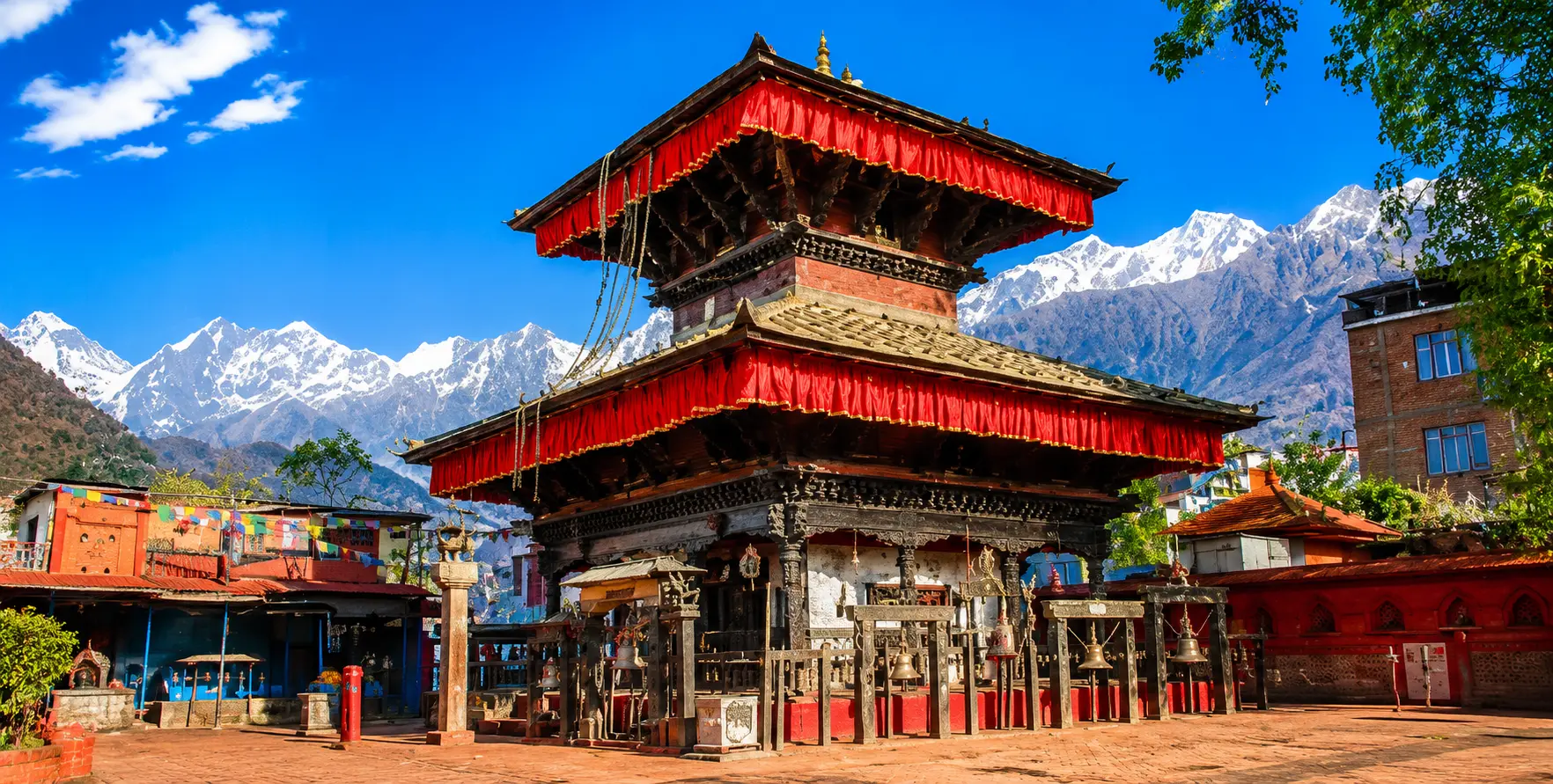
Why Choose Nepal Vehicle Hiring Pvt. Ltd. for Your Sunauli Transfer? For many travellers, the Sunauli to Pokhara transfer is their first impression of organised travel, the first professional transport service they use in the country, and the one that most directly shapes their initial sense of what Nepal vehicle hire can and should be.  epal e cle Hiring Pvt. Ltd. has designed its Sunauli to Pokhara car service specifically around the needs of travellers who are arriving in Nepal for the first time by land — drivers who are familiar with the Belahiya border area and know exactly where to wait for clients after immigration, vehicles that are clean and air-conditioned and well-maintained, pricing that is transparent and agreed in advance with no surprises at the journey’s end, and the 24-hour support on WhatsApp that keeps travellers connected to the Nepal Vehicle Hiring Pvt. Ltd. team from the moment they confirm their booking.

With over 8,000 satisfied customers, a 5.0 TripAdvisor rating, and 200+ verified five-star reviews, Nepal Vehicle Hiring Pvt. Ltd. delivers a Sunauli-to-Pokhara private vehicle service that turns a potentially stressful border-to-destination transit into a smooth, informative, and genuinely pleasant introduction to Nepal’s extraordinary road landscape.

Book Your Sunauli to Pokhara Private Vehicle Now

Website: vehiclehiringnepal.com/sunauli-to-pokhara-car/

WhatsApp (24/7 — Border Pickup Available)

Email: [email protected]

Pickup: Nepal Immigration Checkpoint, Belahiya (Sunauli Nepal side)

Drop: Any Pokhara hotel — Lakeside, Damside, New Bus Park or custom address

Vehicles: Sedan/SUV | Toyota Fortuner 4WD | Land Cruiser | Hiace Van (groups)

All-Inclusive Rate: Driver + Fuel + Hotel Delivery — No Hidden Extras

Optional Stops: Tansen heritage town | Rani Mahal | Waling riverside | Lumbini detour

Frequently Asked Questions — Sunauli to Pokhara Vehicle Hire

How long does the Sunauli to Pokhara drive take?

By private vehicle from Nepal Vehicle Hiring Pvt. Ltd., the Sunauli to Pokhara drive takes approximately 4 to 5 hours, including one rest stop, covering around 178 to 188 km via the Siddhartha Highway.  Under optimal conditions, Nepal Vehicle Hiring Pvt. service page cites 3 to 4 hours as a realistic best-case time.  By public bus, it takes 6-8 hours.

What is the Sunauli to Pokhara vehicle hire cost?

A private sedan or SUV from Nepal Vehicle Hiring Pvt. Ltd. for the Sunauli to Pokhara transfer costs approximately US$209 all-inclusive.   Toyota Fortuner 4WD is NPR 14,000–50,000.   Hiace van for groups of 8–14 is NPR 22,000–30,000. All rates include river, fuel, and hotel delivery in Pokhara.

Can I get a Nepal visa at Sunauli border?

Yes — Nepal visa on arrival is available at the Belahiya immigration checkpoint (Sunauli Nepal side).Costs 6: USD 25 (15 days), USD 40 (30 days), USD 120 (90-day multiple entry).  Bring two passport photos and the fee in  D, INR, or NPR. Processing takes 15 to 60 minutes, depending on the queue. Nepal Vehicle Hiring Pvt. Ltd.‘s driver waits on the Nepal side until you complete all border formalities.

Can I stop at Lumbini on the way from Sunauli to Pokhara?

Yes—Nepal Vehicle Hiring Pvt. Ltd. offers a combined Sunauli-to-Lumbini-to-Pokhara transfer that includes a visit to the Buddha’s birthplace Sacred Garden and Monastic Zone before continuing to Pokhara.  Plan for a morning border crossing (by 8– AM at the latest) to allow adequate time for both Lumbini and the Pokhara journey within one day. —Contact WhatsApp to book this combined service.

How do I book the Sunauli to Pokhara vehicle service?

Book via WhatsApp, by phone, by email at [email protected], or through the Nepal Vehicle Hiring website.  Please provide your planned border crossing, approximate arrival time on the Nepal side, group size, vehicle preference, and any planned stops.

Is a 4WD jeep necessary for Sunauli to Pokhara?

No — the Siddhartha Highway is paved for its entire length, and a standard sedan or SUV is entirely adequate for this route in normal dry-season conditions.   4WD vehicle provides additional confidence during monsoon season and is recommended if you plan to continue from Pokhara directly to mountain destinations like Muktinath or Ghandruk. If your Sunauli trip also involves visiting Rani Mahal (rough approach road), a 4WD Fortuner is advisable.

Conclusion: Begin Nepal the Right Way

The Sunauli to Pokhara private vehicle hire is more than a transfer — it is the opening chapter of your Nepal experience, the journey through which the flat, sun-scorched Terai plains transform before your eyes into the extraordinary hill landscape of the Siddhartha Highway, through which Tansen’s carved wooden heritage announces the depth of Nepal’s Newari civilization, through which the Kali Gandaki River previews the extraordinary mountain waterway system that shapes so much of Nepal’s geography, through which the Annapurna range finally reveals itself above Pokhara in a first mountain encounter that most visitors describe as one of the most unexpectedly powerful moments of their entire Nepal trip.

Nepal Vehicle Hiring Pvt. Ltd. makes this journey smooth, reliable, and genuinely rewarding—from the Belahiya border pickup to the Pokhara drop—off at your hotel— with transparent pricing, professional drivers, well-maintained vehicles, and 2-hour support that makes every Nepal transport journey a confident decision. Visit vehiclehiringnepal.com/sunauli-to-pokhara-car/ or message us on WhatsApp to book your Sunauli to Pokhara private vehicle today. Nepalis are waiting — and it begins at the border.
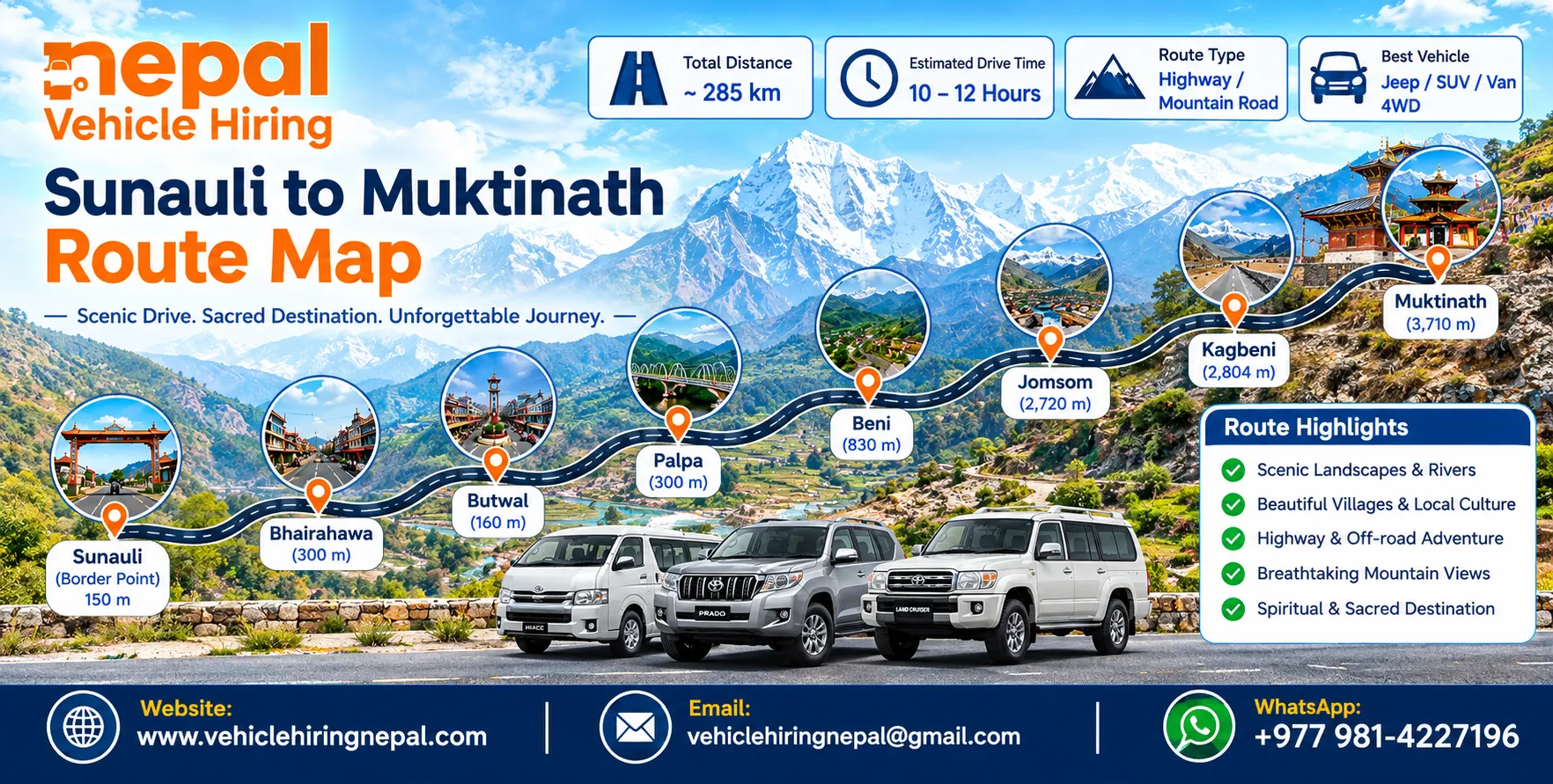
Sunauli to Kathmandu Jeep

Book a Sunauli Border to Kathmandu Jeep with a private 4WD jeep, Scorpio SUV, Hiace van, or car for a safe, comfortable, and reliable transfer from the Nepal-India border to Kathmandu.

Why the Sunauli Border to Kathmandu Jeep Is the Smart Choice for Nepal Travellers

The Sunauli border stands as one of the busiest and most important entry points between Nepal and India, welcoming thousands of tourists, pilgrims, traders, and business travellers daily. Whether you have just crossed from India after clearing immigration or are returning home, getting from Sunauli to Kathmandu takes more than a standard car.

The route winds through the hilly Kathmandu Valley, passes scenic river gorges, climbs and descends significant passes, and ends on the flat, fertile Terai plains. A professional Sunauli border to Kathmandu jeep with high ground clearance, 4WD capability, and experienced Himalayan drivers ensures safety, comfort, and peace of mind.

At vehiclehiringnepal.com, we specialise in Sunauli border to Kathmandu jeep services using our carefully maintained fleet of Toyota Land Cruisers, Hiluxes, Fortuners, and Mahindra Scorpios. These vehicles are built for Nepal’s diverse road conditions—from the winding Prithvi Highway to the flat East-West Highway and the final descent into Siddharthanagar.

Our battle-hardened drivers know every twist, temporary construction zone, and real-time update from the Department of Roads. In 2026, with ongoing highway widening projects and occasional monsoon disruptions, a professional Sunauli border-to-Kathmandu jeep remains the safest, most comfortable option for anyone wanting a private, flexible transfer rather than crowded public buses or shared vans.

The beauty of these journeys lies in their varied landscapes. You start in the bustling border area of Bhairahawa and Butwal, climb into the Mahabharat hills, enjoy striking views of the Trishuli River, and finally descend into the green Terai plains. Many travellers combine a Sunauli border-to-Kathmandu jeep with short treks or luxury packages from sister companies like treknepalhimalayas.com and alpineluxurytreks.com, making it the perfect gateway to Nepal’s Himalayan adventures.

Book a Sunauli Border to Kathmandu Jeep with a private 4WD jeep, Scorpio SUV, Hiace van, or car for a safe, comfortable, and reliable transfer from the Nepal-India border to Kathmandu.

Current Sunauli Border to Kathmandu Road Conditions

The route from Sunauli (Belahiya) to Kathmandu covers approximately 260–285 km and usually takes 8–12 hours depending on traffic, weather, and road conditions. The road is generally well maintained but includes a mix of paved highways, ongoing widening projects, and occasional seasonal challenges.

Recent Department of Roads updates highlight that while major sections remain operational, the Prithvi Highway (especially Mugling–Naubise) experiences periodic landslides and dry landslides after heavy rains. The East-West Highway is expanding more slowly, with temporary gravel patches and construction diversions. Our 4WD hire in Nepal drivers monitor these conditions daily and provide live GPS updates to every client, ensuring smooth transfers even during disruptions.

What Makes Professional 4WD Hire in Nepal Essential for Sunauli to Kathmandu Jeep

Without a proper Sunauli-Kathmandu jeep, the journey becomes stressful. The Prithvi Highway features narrow sections, sharp curves, and cliff-edge drops. The East-West Highway has construction zones and seasonal mud after rains.

Mahindra Scorpios and Toyota Fortuners with 180–221mm ground clearance, locking differentials, and reinforced chassis are ideal. Our drivers have logged thousands of kilometres on this exact route and adjust speed, stop at safe viewpoints, and keep you safe.

Many travellers report that switching from a regular car to a professional jeep significantly reduces discomfort, especially on the Daunne Hill section, where mud and potholes appear during upgrades. The private nature means you control your pace, stop for photos, and enjoy authentic local food instead of crowded highway parks.

Welcome gate at the Sunauli border

The Best Vehicles for Sunauli Border to Kathmandu Jeep Services

At vehiclehiringnepal.com, every Sunauli border to Kathmandu jeep is selected for reliability:

  • Mahindra Scorpio: Our most popular choice — 180–200mm clearance, powerful engine, and excellent value. Ideal for families and groups that want a balance of power and comfort on hilly sections.
  • Toyota Fortuner: 221mm clearance, spacious seating for 5–7 passengers, and refined AC. Perfect for longer journeys with luggage.
  • Toyota Hilux: 280mm ground clearance and strong off-road credentials make it the go-to for any rough patches or monsoon conditions.
  • Toyota Land Cruiser: Legendary durability for the toughest stretches, with 225mm clearance and full-time 4WD.

All vehicles come with professional drivers, full fuel, driver allowance, tolls, parking, and basic first-aid kits. We offer one-way transfers, multi-day rentals, and customised itineraries.

Sunauli to Kathmandu Jeep

Detailed Route Breakdown for Sunauli to Kathmandu Jeep

Sunauli to Butwal (Siddhartha Highway): The final Nepal entry is flat and scenic. Pass through rural villages and rice paddies. Our drivers recommend early departures to avoid border queues.

Butwal to Mugling (East-West Highway): The main highway section. Ongoing widening projects create temporary diversions. Enjoy the contrast as you move from tropical plains to the approaching hills.

Mugling to Naubise (Prithvi Highway): The highlight. Follow the Trishuli River through pine forests and terraced farms. Stop at scenic viewpoints and the famous Malekhu River fish restaurant.

Naubise to Kathmandu (Tribhuvan Highway): Descent into the valley. Traffic is heavier here, but professional drivers and early starts keep you on schedule.

Final Arrival in Kathmandu: Drop-off at your hotel in Thamel, Kathmandu, or anywhere you specify. Flexible timing is standard.

Expert Tips for a Comfortable Sunauli Border to Kathmandu Jeep Journey

  • Best Departure Time: Leave Kathmandu at 5:00–6:00 AM to beat valley traffic.
  • Best Season: September–April for clear skies and stable roads. Avoid heavy monsoon (June–August) unless flexible rebooking is available.
  • What to Pack: Comfortable clothes, motion-sickness remedies (for the hilly section), rain gear, and snacks. All vehicles are air-conditioned.
  • Permits & Border Logistics: Our drivers drop you off directly at the Belahiya immigration gate and help with luggage.
  • Acclimatisation & Comfort: The temperature drops in the hills and rises in the Terai — the jeep’s climate control keeps you comfortable.
  • Group & Luggage: Most vehicles seat 4–7 comfortably with ample roof rack space.

Private 4WD jeep and Scorpio providing transport from Sunauli Border to Kathmandu along Nepal's highway

How to Book a Professional Sunauli Border to Kathmandu Jeep with Us

Booking is straightforward. Visit vehiclehiringnepal.com, select your dates and group size, and receive an instant quote. We confirm availability, provide detailed itineraries, and offer 24/7 support on WhatsApp.

Payment is secure, and we provide real-time road updates.

Many clients also combine a Sunauli border to Kathmandu jeep with accommodation, meals, or onward travel to Pokhara or Lumbini for full packages.

Why Choose Professional Sunauli Border to Kathmandu Jeep Over Public Options

Public buses take 10–12+ hours, share space, and lack flexibility. Private Sunauli border to Kathmandu jeep offers door-to-door service, climate-controlled comfort, scenic stops, and safety on Nepal’s challenging highways. It is a smart choice for busy travellers, families, and anyone returning from India after crossing the border.
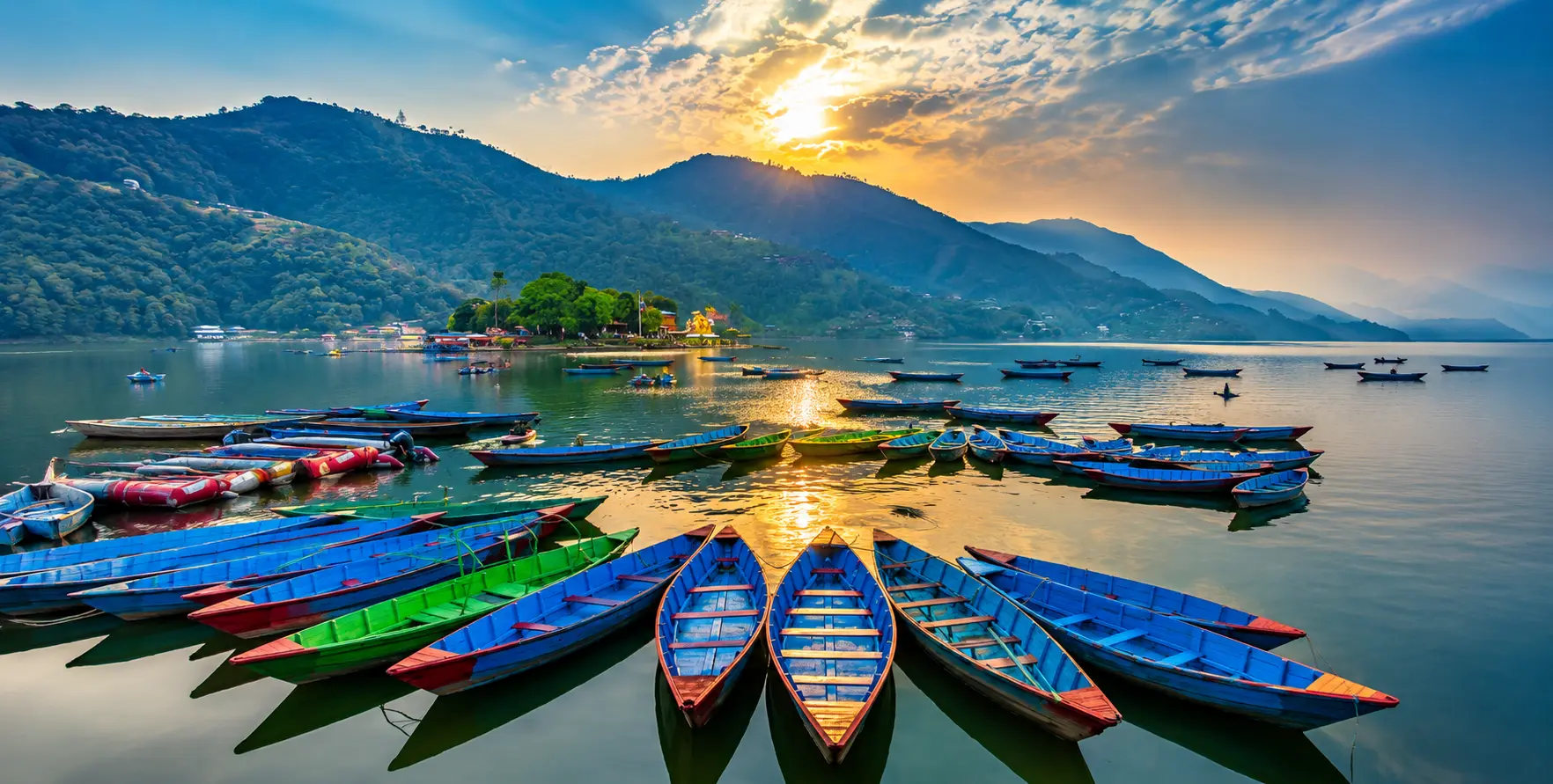
The Scenic Beauty Along Sunauli Border to Kathmandu Jeep Routes

The journey transforms from the flat, fertile Terai plains to the green hills of the Kathmandu Valley. You will see the Trishuli River, the Mahabharat mountain range, and lush countryside. Photography stops are encouraged, and our drivers know the best viewpoints without rushing you.

How Recent Monsoon Disruptions  Have Impacted Sunauli to Kathmandu Jeep Travel

The Prithvi Highway has faced multiple disruptions from dry landslides and heavy rains, including blockages near Mugling and Naubise. The Department of Roads has deployed hundreds of excavators, and many sections have reopened after debris clearance. However, occasional nighttime closures and one-way restrictions can extend travel time.

Professional 4WD hire in Nepal drivers with real-time updates keep clients informed and prevent unnecessary delays.

The Role of Professional Drivers in Handling Sunauli to Kathmandu Jeep Road Conditions

Our drivers have logged thousands of kilometres on this exact route and are trained to recognise landslide-prone areas. They monitor weather forecasts, communicate with ACAP and Department of Roads authorities, and make split-second decisions on safe stopping points. This expertise turns potentially dangerous road conditions into smooth, stress-free transfers.

Book a Sunauli Border to Kathmandu Jeep with a private 4WD jeep, Scorpio SUV, Hiace van, or car for a safe, comfortable, and reliable transfer from the Nepal-India border to Kathmandu.

Seasonal Considerations and Road Conditions for Sunauli to Kathmandu Jeep

Spring (March–May) and autumn (September–November) offer the clearest skies, driest roads, and most reliable conditions. Spring brings blooming landscapes, while autumn provides crisp air and fewer crowds. Monsoon (June–September) carries the highest risk of landslides, especially on the Prithvi Highway, but our flexible policies and experienced drivers help keep you safe when travel is necessary.

What to Expect During a Typical Sunauli Border to Kathmandu Jeep Tour

A typical day on our Sunauli border to Kathmandu jeep follows a relaxed yet exciting rhythm. After a comfortable night in Kathmandu, we pick you up early and drive along the Prithvi Highway to Besisahar. From there, the journey becomes more adventurous as you enter the Marsyangdi Valley.
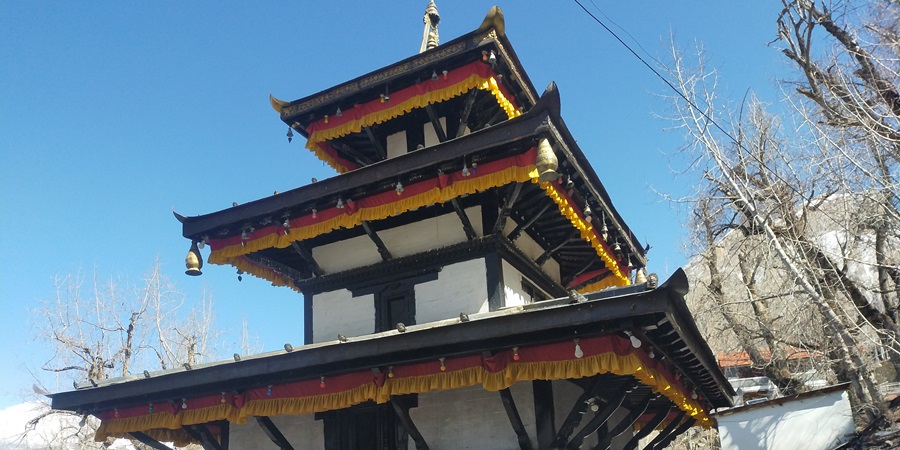
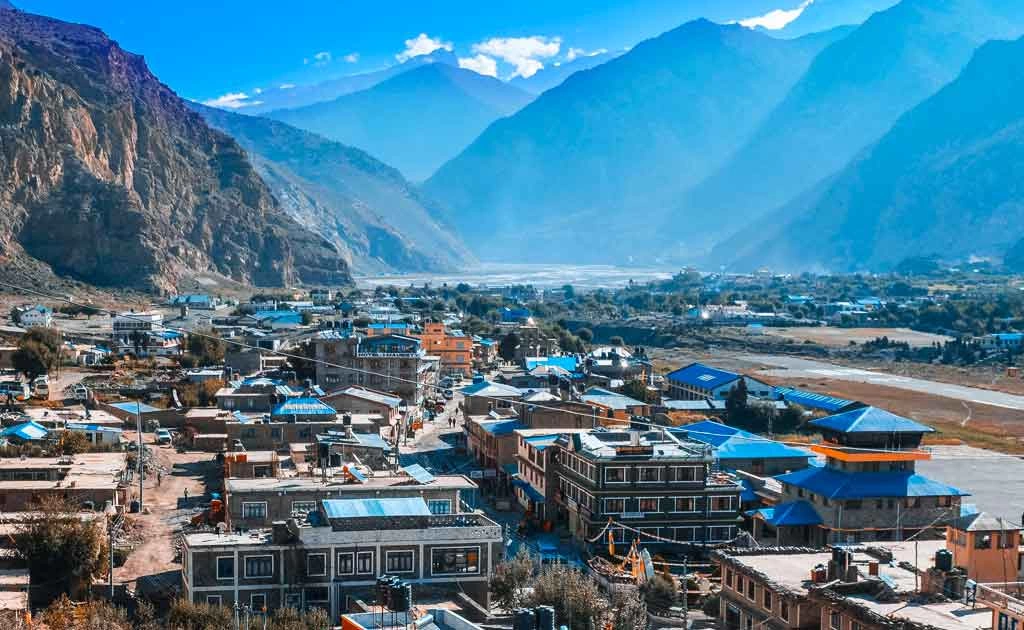
Expect stops at local viewpoints, quick village visits for cultural interaction, and plenty of time to enjoy the scenery from the vehicle’s air-conditioned comfort.

By the time you reach Manang, you will have covered hundreds of kilometres and gained a real appreciation for the Himalayas’ scale. The high trails ahead will reward you with solitude and fresh air, while the descent back offers the most dramatic scenery of all. Throughout the tour, our drivers ensure your safety, provide cultural insights, and keep the journey enjoyable with music and stories of the region.

Nepal Tour Package

How Professional 4WD Hire in Nepal Ensures Safe Annapurna Circuit Road Conditions

At vehiclehiringnepal.com, every 4WD hire in Nepal has locking differentials, a reinforced chassis, and professional drivers with thousands of hours on these exact routes. We monitor conditions in real time and adjust routes accordingly. For example, during the July monsoon disruptions, we kept clients informed via WhatsApp and offered alternatives where possible.

Tips for Safe Sunauli Border to Kathmandu Jeep Travel

  • Always travel with a licensed, experienced 4WD hire-in-Nepal driver.
  • Carry extra water, snacks, and a first-aid kit.
  • Choose vehicles with high ground clearance (200mm+).
  • Book 4–6 weeks in advance during peak season.
  • Combine with luxury trekking packages from treknepalhimalayas.com for the best hybrid experience.
  • Check daily road updates with us on WhatsApp

Swayambhunath visit during Kathmandu Pokhara Tour

Expert Insights: Is the Sunauli to Kathmandu Jeep Route Ruined by Construction?

Many travellers ask whether ongoing widening projects have ruined the journey. The honest answer is no — when planned smartly. The high sections remain spectacular and untouched.

Many trekkers now start at Chame, take the NATT high route, and fly out of Jomsom. This approach delivers the classic experience with modern convenience.

Frequently Asked Questions About Sunauli Border to Kathmandu Jeep

How long does the Sunauli to Kathmandu jeep take?
8–12 hours,s depending on conditions and traffic.

Is the vehicle private?
Yes — fully private for your group.

What vehicles do you offer?
Mahindra Scorpio, Toyota Fortuner, Hilux, and Land Cruiser.

Can I stop for meals?
Yes — we suggest authentic local stops like Malekh Fish Restaurant.

Do you handle border drop-off?
Yes — direct to Belahiya gate.

Is it safe during monsoon?
Yes, with a professional 4WD and real-time updates.

Can families travel comfortably?
Absolutely — Fortuner and Scorpio are ideal.

What about luggage?
Ample space with roof racks.

When should I book?
At least 3–4 weeks in advance during peak season.

Are fuel and tolls included?
Yes — full fuel and all tolls included.

Chat with us