Kathmandu to Pokhara Road Trip Guide

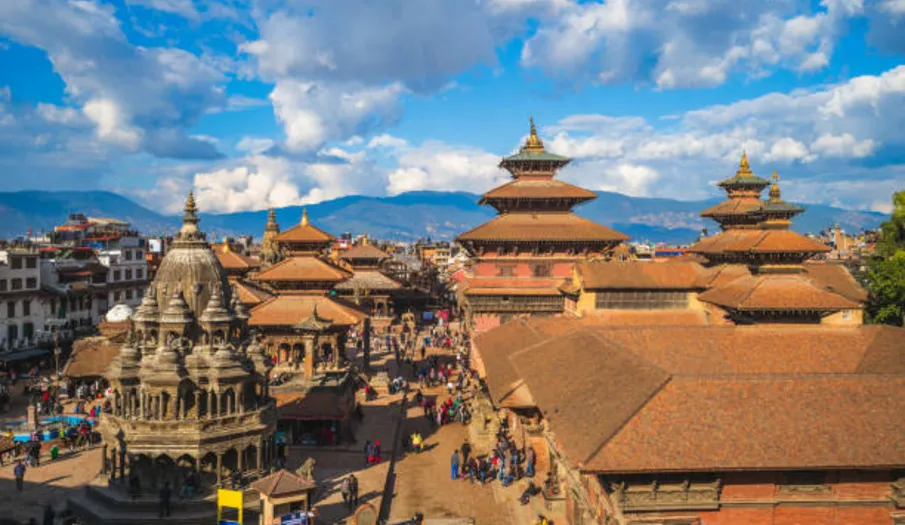
Patan Durbar Square in the Kathmandu Valley

The Ultimate Kathmandu to Pokhara Road Trip Guide: 200km Through Nepal’s Soul

The 200-kilometer stretch between Kathmandu and Pokhara is more than a journey—it’s a sensory immersion into everything Nepal offers. From the chaotic energy of the capital to the serene lakeside tranquility of Nepal’s adventure hub, this road trip has become the country’s most iconic overland route.

In 2024, over 300,000 travelers chose to take this journey by road rather than fly, and for good reason. When you’re enclosed in a private vehicle with the freedom to stop whenever you please, the Kathmandu-Pokhara corridor transforms from a simple transfer into a memorable expedition through Nepal’s heart.

Why This Route Matters More Than Ever

The completion of significant stretches of the Prithvi Highway has made this journey smoother, safer, and more enjoyable than ever before. Yet most tourists—especially first-timers—view it as merely a transit point between two cities. That’s a missed opportunity.

The reality? The journey is the destination.

The Route Overview: What to Expect

Distance: 200 km
Driving Time: 6-8 hours (with stops)
Best Season: October-November, February-March
Difficulty Level: Easy to Moderate
Recommended Vehicle: Sedan, SUV, or Hiace minibus, depending on group size

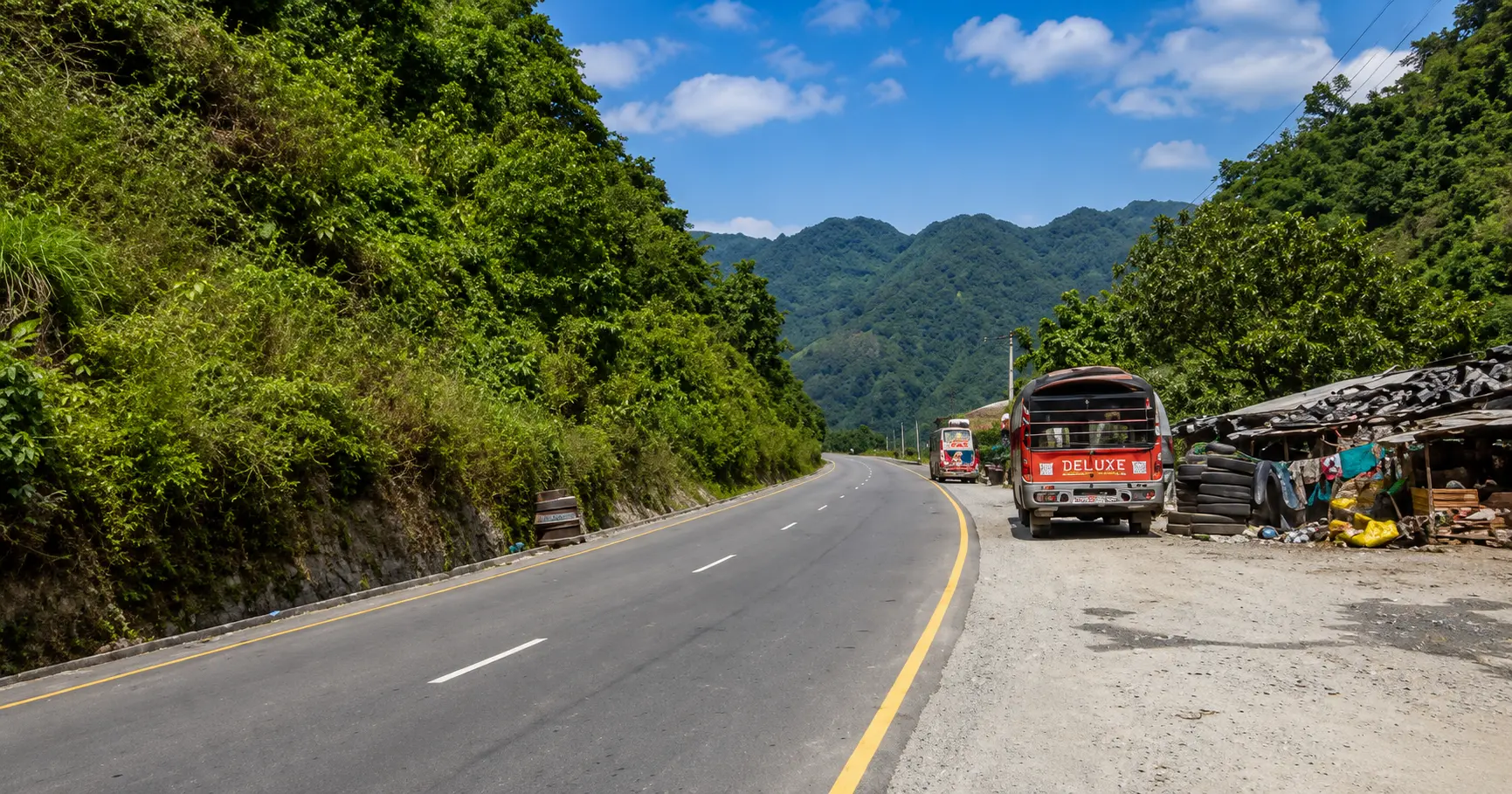
The route primarily follows the Prithvi Highway, named after the Hindu Earth Goddess. Ironically, despite its spiritual name, the highway is one of Nepal’s most dramatic representations of human engineering against nature.

The Route Breakdown: Five Acts of a Mountain Drama

The Kathmandu Valley Exit (0-30km)

Your journey begins in the controlled chaos of Kathmandu’s ring road. The energy is frenetic—motorcycles weaving between buses, street vendors calling out from corners, the smell of diesel exhaust mingling with incense from roadside shrines.

Within 30 kilometers, the urban sprawl gives way to agricultural fields. This is where many tourists gasp—the sudden transition from city to countryside. You’ll pass through suburbs like Thankot, where the air begins to clear, and the mountains start to become visible.

Key Stop: Thankot (15km from Kathmandu)

If you’re traveling in the early morning, the views from Thankot are spectacular. This small settlement marks the gateway to the hills, and the Kathmandu Valley recedes behind you. It’s the perfect place for a brief stretch and a photo capturing the valley’s vastness.

Pro Tip: Skip the tourist restaurants here; they’re overpriced. If you want local food, head 2km farther into the village.

The Descent into the Trishuli Gorge (30-90km)

This is where the drive becomes genuinely exciting. The road winds down into one of Nepal’s most dramatic geographical features—the Trishuli River Gorge. The Trishuli River, sacred in Hindu mythology, carved this canyon over millennia.

The descent is controlled but dramatic. Your driver will navigate hairpin turns that offer glimpses of the river far below, terraced farms clinging to near-vertical slopes, and small settlements built into the mountainside in ways that seem to defy gravity.

Key Stops:

  • Chisapani (45km): A small cluster of restaurants overlooking the gorge. The dal bhat here is authentic and affordable (~NPR 200-300 per person). The Chisapani area is also historically significant—during the British colonial period, this was a trading post.
  • Trishuli Bazaar (65km): A small town that straddles the Trishuli River. If you’re interested in river activities like rafting, this is where companies operate. Many travelers rent rafts here for a 2-3-hour journey while their driver enjoys a leisurely lunch and a rest.
  • Malekhu (80km): Famous for one thing—fish. Specifically, freshwater fish from the Trishuli River. Malekhu has become synonymous with authentic fish restaurants, and for good reason. The local specialty is saag machi (fish with spinach) and tama ko achar (fermented bamboo shoot curry). These restaurants are legendary among Nepali travelers. We recommend Shyam Dai ko Bhanchha Ghar, a family-run establishment where the owner’s mother cooks with recipes passed down three generations.

Why Stop in Malekhu?

Beyond the food, Malekhu represents something important: the intersection of rural Nepal and modern commerce. The town has remained relatively untouched by over-tourism, making it an authentic experience. Eating here supports local families directly—your meal money goes to the woman who cooked it, not to a corporate chain.

Pro Tip: If you visit during monsoon (June-September), arrive early. The river can swell dramatically, and landslides occasionally block sections of the road. Your driver will know current conditions, but it’s worth asking.

The Mugling Junction—The Crossroads of Nepal (90-120km)

Mugling Junction is where the Kathmandu-Pokhara and Kathmandu-Chitwan routes split. For many travelers, this is an insignificant waypoint. In reality, it’s a microcosm of Nepal’s logistical geography.

Here’s what you need to know:

  • No reason to stop for long. Unlike tourist guides that romanticize every junction, Mugling is genuinely unremarkable. The town exists for logistics, not experience.
  • This is where your driver makes critical decisions. Depending on the weather, time of day, and fuel levels, your driver might adjust the route. Trust their judgment—they navigate this junction hundreds of times yearly.
  • If you need a bathroom break, there are clean public facilities. Don’t expect luxury, but hygiene standards are acceptable.

The Climb to the Pokhara Plateau (120-180km)

After Mugling, the road begins a gradual ascent toward the Pokhara Valley. This section is less dramatic than the Trishuli Gorge descent but more diverse in scenery.

You’ll pass through:

  • Damauli: A junction town known for its fruit stands. If it’s mango season (May-June), stop here. Local mangoes are first-rate, and vendors have perfected the art of ripeness assessment. A kilogram of top-end mangoes costs NPR 100-200.
  • Nadi and Ridi: These towns mark the transition from subtropical to temperate climate. You’ll notice the vegetation changing—pine forests begin to appear, and the air becomes noticeably cooler.
  • Bandipur (optional detour, 15km east): If you have 1-2 hours, this is worth it. Bandipur is a restored 18th-century Newari trading town that froze in time until the 1990s. The hillside bazaar, with its Newari-style buildings, temples, and local crafts, is the most authentic and well-preserved heritage site between Kathmandu and Pokhara. A private rental gives you the flexibility to make this detour without losing time—something impossible on a shared bus.

Arrival in Pokhara (180-200km)

The final stretch brings you into the Pokhara Valley. The landscape opens up. You’ll see Phewa Lake in the distance—a sparkling mirror reflecting the Annapurna Range beyond.

Your first view of the Annapurnas from the road is genuinely moving. Many travelers photograph this exact moment.

Pokhara’s entry is less chaotic than Kathmandu’s but still requires navigating lakeside traffic. Your driver will take you directly to your accommodation.
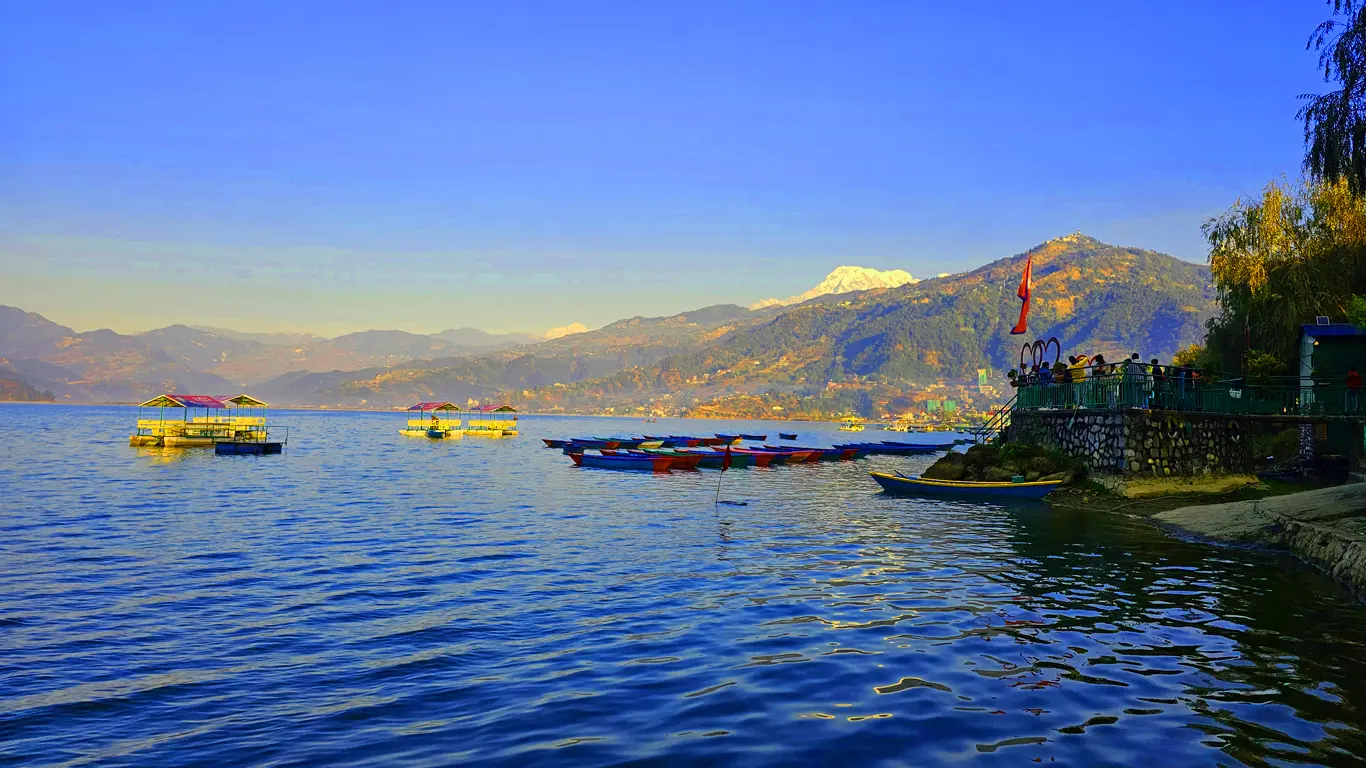
Kathmandu to Pokhara Road Trip

The Practical Details Every Traveler Needs to Know

1. Fuel and Stops

The Prithvi Highway has fuel stations at regular intervals, but it’s not like highways in developed countries. Fuel availability depends on:

  • Time of day (some stations close at 6 PM)
  • Season (monsoon occasionally cuts off supply lines)
  • Political situations (occasional fuel strikes)

A reliable rental company maintains its own fuel reserves for clients, ensuring you never get stranded. This is a significant advantage of hiring a professional service.

2. Timing Your Journey

  • Early morning departure (5-6 AM): You’ll reach Pokhara by early afternoon, minimizing exposure to afternoon traffic and heat.
  • Late morning departure (9-10 AM): You’ll arrive in Pokhara by late afternoon or evening. Roads can be congested from 3-5 PM.
  • Never start after 2 PM: You’d arrive in darkness, and mountain roads are dangerous at night. Professional rental companies enforce this policy for safety.

3. Weather Considerations

  • Monsoon (June-September): Roads remain open, but landslides are possible. The journey may take 1-2 hours longer. Visibility is reduced, but the gorge is lush and beautiful.
  • Autumn (September-November): Perfect conditions. Clear visibility, comfortable temperatures, and no weather hazards.
  • Winter (December-February): Roads are clear, but mornings are foggy. Departing by 6 AM avoids the worst fog. Nights are cold but not impassable.
  • Spring (March-May): Good conditions, but heat in the lower elevations can be intense. Travel early in the morning.

4. Vehicle Selection Matters

For this specific route:

  • Sedan (Toyota Corolla, Honda Civic): Adequate for paved sections, slightly uncomfortable on rougher patches. Best for 1-3 passengers.
  • SUV (Toyota Fortuner, Mahindra Scorpio): Ideal. Better suspension for comfort on all road conditions. Excellent for families or groups requiring luggage space.
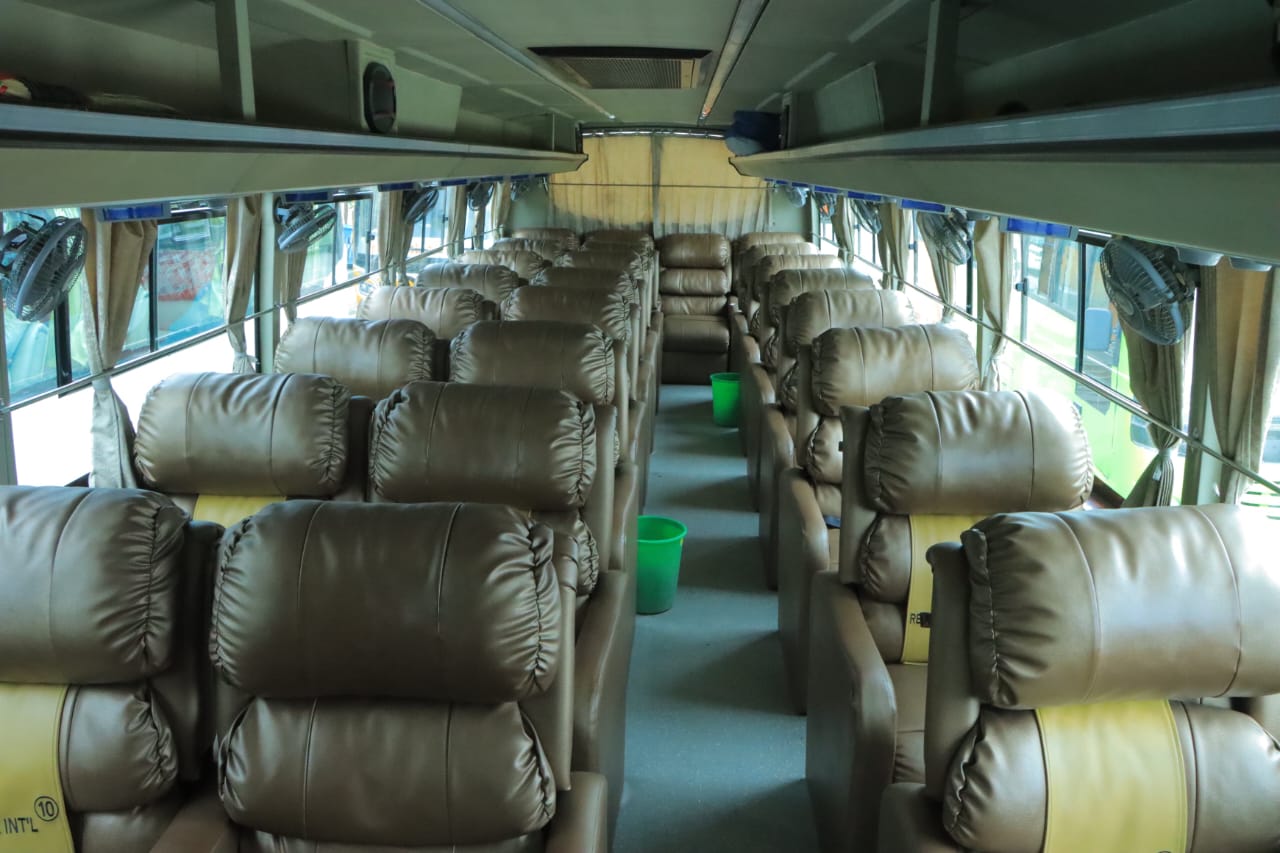
  • Hiace Minibus: Perfect for groups of 4+: more comfortable seating, greater luggage capacity, and air conditioning.
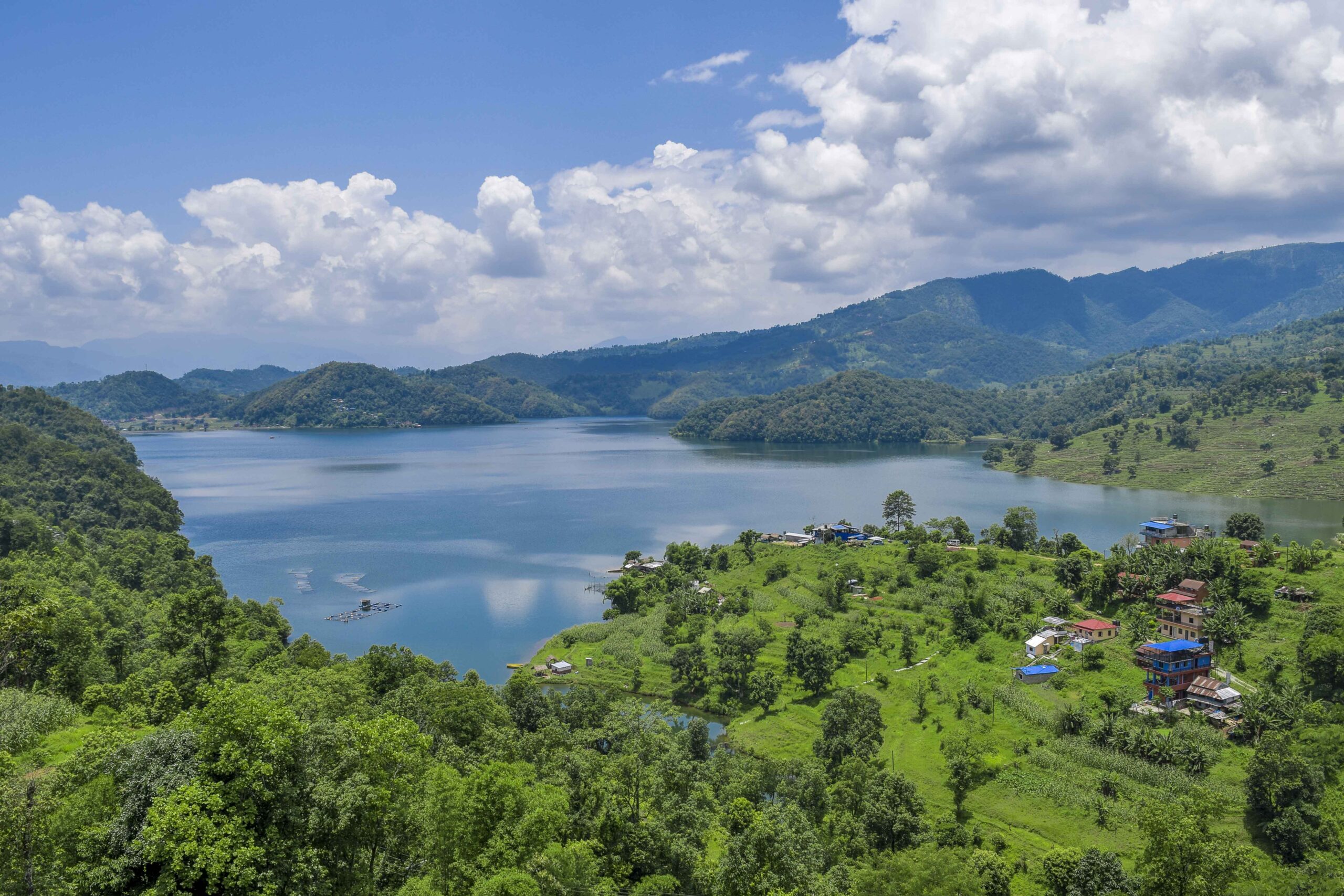
Begnas Lake Pokhara

What You’ll Actually Experience (Beyond the Guidebook)

This is what most travel guides won’t tell you:

The sensory overload of the river gorge: If you’re not expecting it, the dramatic vertical drop beside the road can be unsettling. It’s safe—the engineering is solid—but your body doesn’t know that. Many first-time travelers grip the door handles.

This is normal.

The kindness of random encounters: You’ll likely see other travelers, local families, monks, and nomadic communities. There’s a peculiar openness on this route. People smile.

Conversations happen. This is Nepal’s hospitality on full display.

The light in the gorge at sunset: If you’re driving in the late afternoon, the light in the Trishuli Gorge becomes golden and almost otherworldly. It’s one of the most photogenic moments of any journey in Nepal.

The realization that you’ve seen more in 6-8 hours than on a typical week-long vacation: The Kathmandu-Pokhara route compresses Nepal’s geographical and cultural diversity into a single day. You’ve descended through three climate zones, seen three different architectural styles, encountered multiple ethnic groups, and tasted regional cuisine. This is micro-tourism at its best.

Maximizing Your Experience: Strategic Stops

Rather than a non-stop 6-hour slog, structure your journey around experiences:

Itinerary A: Culture and History (7 hours total)

  • 5:30 AM: Depart Kathmandu
  • 7:00 AM: Arrive Thankot (sunrise photos, 20 min)
  • 9:00 AM: Reach Chisapani (breakfast, 30 min)
  • 10:30 AM: Trishuli Bazaar (explore, 30 min)
  • 12:00 PM: Malekhu (lunch, 60 min)
  • 1:30 PM: Continue to Pokhara
  • 4:30 PM: Arrive Pokhara

Itinerary B: Adventure and Nature (8 hours total)

  • 6:00 AM: Depart Kathmandu
  • 8:00 AM: Arrive Malekhu (breakfast, 30 min)
  • 10:00 AM: Trishuli Bazaar (50 min exploration)
  • 11:00 AM: River rafting (2 hours while vehicle travels with support team)
  • 1:00 PM: Lunch, continue to Pokhara
  • 5:00 PM: Arrive Pokhara

Itinerary C: In-depth Heritage (9 hours total)

  • 5:30 AM: Depart Kathmandu
  • 8:00 AM: Chisapani (breakfast, 30 min)
  • 10:30 AM: Malekhu (lunch and local exploration, 90 min)
  • 1:30 PM: Detour to Bandipur (2 hours exploring heritage town)
  • 4:00 PM: Continue to Pokhara
  • 6:00 PM: Arrive Pokhara

Sarangkot Pokhara

Why Private Vehicle Rental Changes Everything

This brings us to a critical point: how you travel matters as much as where you travel.

A shared tourist bus operates on a fixed schedule—7 AM departure, no flexibility, bathroom breaks at predetermined rest stops. You’re at the mercy of 30 other passengers’ schedules.

A private rental offers:

  • Flexibility: Stop whenever something catches your eye
  • Comfort: Climate control, individual space, personalized comfort
  • Safety: Vetted driver trained in mountain safety protocols
  • Local knowledge: Your driver knows which restaurants are authentic, which views are worth photographing, and which detours are worthwhile
  • Pace control: You choose the pace—leisurely or efficient

For a family or group, a private rental costs approximately $80-120 for the entire vehicle (not per person), compared to $15-20 per person on a shared bus. When you account for the experience improvement, it’s a trivial upgrade.

The Kathmandu-Pokhara Route in Your Nepal Journey

Most travelers use this route as a transit to Pokhara’s adventure activities (paragliding, zip-lining, rafting). But the route itself is the adventure.

Some of our most satisfied customers tell us that their favorite Nepal memory wasn’t in Pokhara, Kathmandu, or the mountains—it was this single day on the road, watching the country unfold from a comfortable vehicle, stopping whenever something captured their attention.

That’s the magic of the Kathmandu-Pokhara road trip.

Ready to Experience This Journey?

Don’t treat the Kathmandu-Pokhara drive as a transfer. Treat it as an experience.

Book a private rental vehicle and customize your itinerary. Choose your departure time, your stops, and your pace. Our professional drivers know every kilometer of this route—they’ll enhance the experience with local insights you’d never find in a guidebook.

The Kathmandu-Pokhara route is waiting. The question is: will you rush through it, or will you truly experience it?

Book your Kathmandu Pokhara route  Veh — Call or WhatsApp
Email: [email protected]
Website: www.vehiclehiringnepal.com
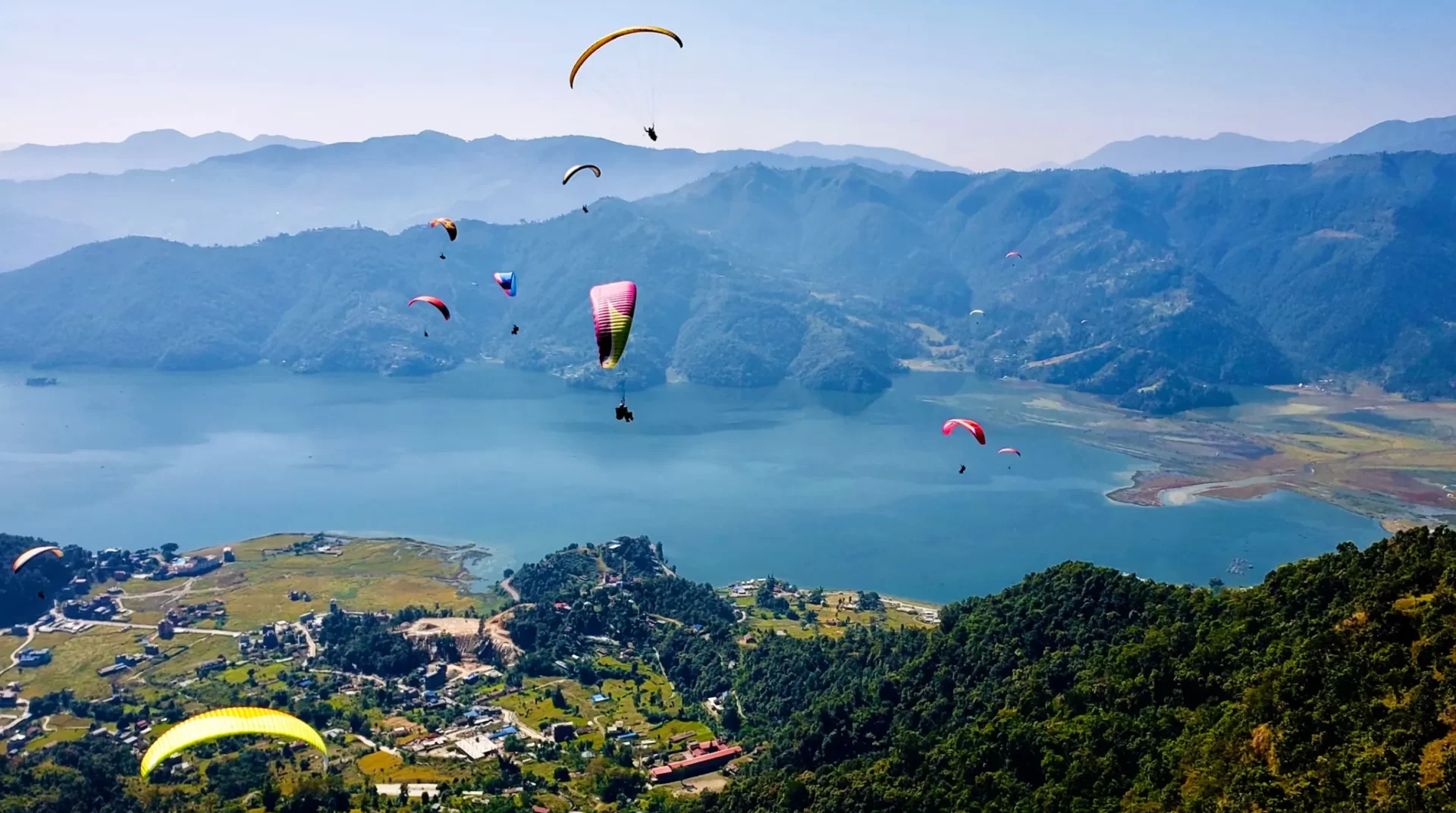
Pokhara to Sarangkot Jeep

FAQS

1. How long does the Kathmandu to Pokhara road trip take?

The journey typically takes 6 to 8 hours, depending on traffic, road conditions, and the number of stops. During monsoon or peak travel hours, it can extend to 8–9 hours.

2. What is the distance between Kathmandu and Pokhara?

The total distance is approximately 200 kilometers via the Prithvi Highway, Nepal’s main route connecting the capital to the western region.

3. Is the road from Kathmandu to Pokhara safe?

Yes, the route is generally safe, especially with experienced drivers. However, sections along the Trishuli River Gorge can be narrow and winding, so hiring a professional driver is strongly recommended.

4. What is the best time to travel from Kathmandu to Pokhara by road?

The best seasons are autumn (September–November) and spring (February–April), when the weather is clear, and the mountain views are at their best.

5. Which is better: a private vehicle or a tourist bus?

A private vehicle offers flexibility, comfort, and the ability to make personalized stops, while a tourist bus is more budget-friendly but less flexible. For a richer experience, private travel is highly recommended.

6. Where are the best places to stop during the journey?

Top stops include:

  • Thank you for the valley views
  • Chisapani for breakfast
  • Malekhu for fresh river fish
  • Bandipur for cultural exploration

7. Can I do rafting during the Kathmandu to Pokhara trip?

Yes, you can stop at the Trishuli River for 2–3 hours of rafting. Many travelers combine road travel with a short rafting adventure.

8. What type of vehicle is best for this route?

  • Sedan: Suitable for 1–3 passengers
  • SUV (e.g., Scorpio, Fortuner): Best balance of comfort and performance
  • Hiace Van: Ideal for groups of 4 or more

SUVs are generally recommended for mixed road conditions.

9. Is it better to travel early in the morning or later in the day?

An early morning departure (5–7 AM) is ideal. It helps avoid traffic, reduces travel time, and allows you to reach Pokhara before evening.

10. What makes the Kathmandu to Pokhara road trip special?

This journey offers a compressed experience of Nepal—river valleys, terraced farms, mountain views, and local culture—all in a single day. Driving along Phewa Lake, with views of the Annapurna range, is often the highlight.
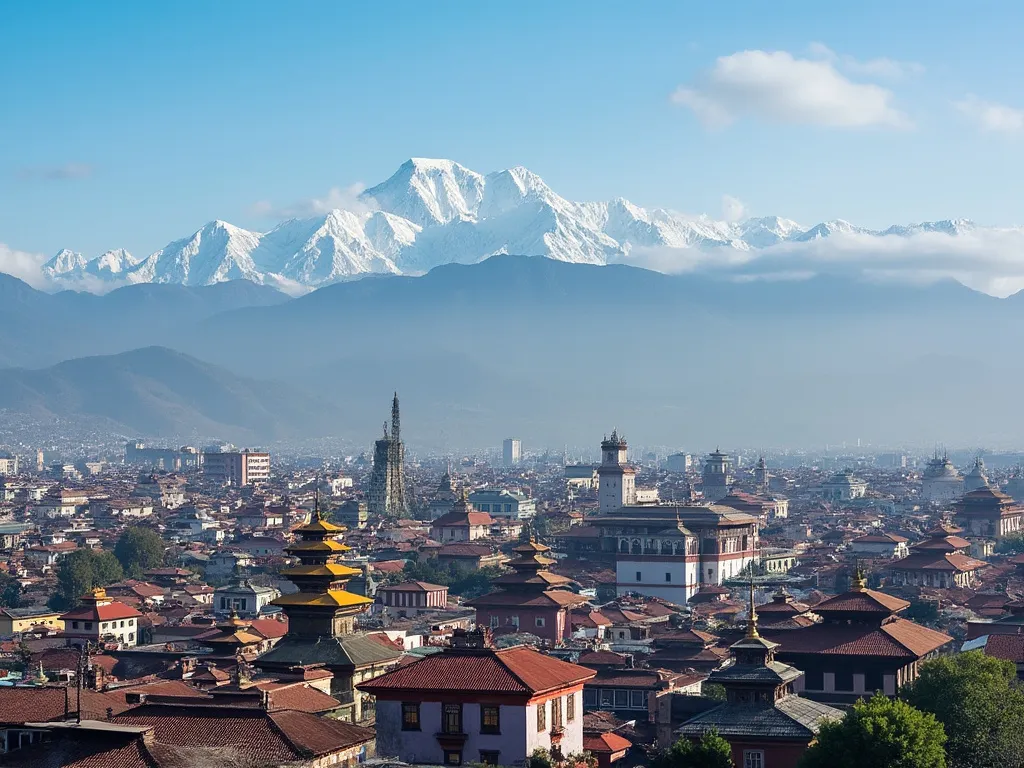
Kathmandu to Sundarijal Trek Transfer

Kathmandu to Sundarijal Trek Transfer: Complete Vehicle Guide

Patan Durbar Square in the Kathmandu Valley

Sundarijal — whose very name translates to “beautiful water” in Nepali — is one of the most accessible and beloved trekking gateways in the entire Kathmandu Valley. Located on the northeastern edge of Kathmandu, just 17 to 26 kilometres from the city centre, Sundarijal is the starting point for some of Nepal’s finest short treks, including the immensely popular Chisapani–Nagarkot Trek, the Gosaikunda Lake Trek, the Helambu Circuit, and the Langtang–Gosaikunda–Sundarijal Loop.

The village sits on the boundary of Shivapuri Nagarjun National Park, one of Nepal’s most biodiverse protected areas. It serves as the principal eastern trailhead for the vast forest and mountain landscape that stretches northward from the valley rim. The famous Sundarijal waterfall, the Shivapuri ridgeline trail, and the ancient Tamang villages of Mulkharka and Chisapani are all within reach of trekkers who start their journey here.

For every trekker who chooses Sundarijal as their starting point, the first step is the transfer from Kathmandu to the trailhead. At Nepal Vehicle Hiring Pvt Ltd, we provide professional, reliable, and affordable trek transfer services for this route. This 2026 guide covers everything you need to know: vehicle options, costs, the route, treks departing from Sundarijal, and how the Sundarijal trek transfer stays smooth from the first kilometre.

About Sundarijal – Nepal’s Most Accessible Trek Gateway

Sundarijal is a small village and recreational area on the northeastern outskirts of Kathmandu city, situated at an altitude of approximately 1,350 meters above sea level. It sits at the edge of Shivapuri Nagarjun National Park. This 159-square-kilometre protected area encompasses the Shivapuri ridge (2,732 m), the Nagarjun Forest Reserve, and some of the most biodiverse temperate forests in the Kathmandu Valley.

The area is famous for its natural waterfall, the Sundarijal water reservoir (one of Kathmandu’s main water supply sources), excellent birdwatching, and its position as the entry point for several multi-day treks into the hills north of Kathmandu. At the National Park boundary checkpoint at Sundarijal, all trekkers must present their permits before entering the forest.

Sundarijal Key FactsDetails
Distance from KathmanduApproximately 17–26 km (by road via Jorpati)
Drive Time (Private Vehicle)30 to 50 minutes
AltitudeApproximately 1,350 meters (4,430 feet)
DistrictKathmandu District, Bagmati Province
National ParkShivapuri Nagarjun National Park
Name MeaningBeautiful Water (Sundari = beautiful, Jal = water)
Famous ForWaterfall, reservoir, trek gateway, birdwatching, Shivapuri hiking
Main TreksChisapani–Nagarkot, Gosaikunda, Helambu, Langtang Loop, Shivapuri Day Hike
Trailhead Entry FeeNPR 500–1,000 (Shivapuri National Park entry fee)

Why Choose a Private Vehicle Transfer to Sundarijal?

Direct Hotel Pickup – No Bus Station Hassle

Public microbuses to Sundarijal depart from Ratnapark or Jorpati in Kathmandu. For trekkers with large backpacks, trekking poles, and all their gear, navigating crowded public microbuses across Kathmandu city in the early morning is stressful and inconvenient.

A private vehicle from Nepal Vehicle Hiring picks you up directly from your hotel in Thamel or anywhere in Kathmandu. It takes you directly to the Sundarijal trailhead — effortlessly and on your schedule.

Ideal for Groups and Trekking Teams

Most trekkers heading to Sundarijal travel in groups — a trekking party of 4 to 10 people with a guide and porter. A private jeep or Hiace van carries the entire group together, with all luggage and equipment, in a single comfortable vehicle. This is far more practical and cost-effective than splitting the group across multiple taxis or cramming everyone onto a public microbus.

Flexible Departure Time

Trekkers often have important pre-departure tasks on the morning of the trek — collecting the last permit, a final breakfast, and a porter briefing. A private vehicle from Nepal Vehicle Hiring departs at the time that suits you, not according to a public bus schedule. Many trekkers prefer a 7:00 AM or 7:30 AM departure to reach Sundarijal by 8:00 or 8:30 AM and start the day with a full day ahead.

Return Transfer from Sundarijal or Other Endpoints

Many Sundarijal-connected treks end at a different point — Nagarkot, Dhulikhel, Melamchi, or Dhunche. Nepal Vehicle Hiring arranges return transfers from all these endpoints to match your trek itinerary. Booking both the outbound Sundarijal transfer and the return vehicle in a single arrangement with us simplifies your entire trekking logistics.

Short Distance but Big Convenience Difference

While Sundarijal is only 17 to 26 km from Kathmandu, arriving at the trailhead refreshed, unhurried, and with all your gear organised can significantly enhance the start of a multi-day trek rather than arriving listless after a crowded, confusing public transport journey. The investment in a private vehicle is small relative to the total cost of a Himalayan trek, and the comfort and efficiency gain is substantial.

Nepal Tour Package

Kathmandu to Sundarijal Trek Transfer – Journey Facts

DetailInformation
Road DistanceApproximately 17–26 km (via Jorpati–Sundarijal route)
Drive Time (Private Car/Jeep)30 to 50 minutes
Drive Time (Taxi/Microbus)40 to 60 minutes (with traffic)
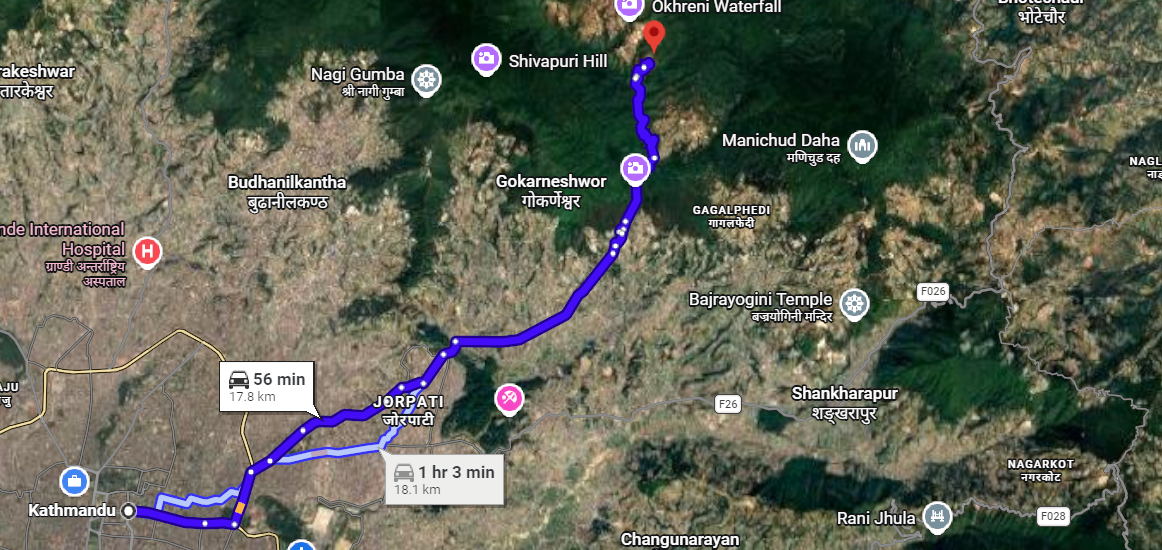
RouteKathmandu → Boudhanath → Jorpati → Gokarna → Sundarijal
Road ConditionPaved throughout; some sections are rough near the Sundarijal gate
Departure Point (Public)Ratnapark or Jorpati Microbus Stand
Departure Point (Private)Hotel pickup anywhere in Kathmandu
Recommended Departure Time6:30 AM – 8:00 AM for the full first trekking day
Trailhead EntryShivapuri National Park checkpoint, Sundarijal gate
Permit RequiredShivapuri National Park entry permit (+ TIMS for multi-day treks)

Vehicle Options: Kathmandu to Sundarijal Trek Transfer

Nepal Vehicle Hiring Pvt Ltd offers the following private vehicle options for the Kathmandu to Sundarijal trek transfer:

Vehicle TypeCapacityOne-Way Cost (NPR)Round Trip (NPR)Best For
Taxi (Local)1–3 passengersNPR 800–1,500NPR 1,500–2,500Solo or couple, budget option
Private Car (Sedan/SUV)2–4 passengersNPR 1,500–3,000NPR 2,500–5,000Small groups, comfortable
Private JJeep(4WD)4–6 passengersNPR 3,000–5,000NPR 5,000–8,500Trekking groups with gear
Toyota Hiace Van7–12 passengersNPR 6,000–10,000NPR 10,000–16,000Large trekking groups/teams
Coaster Bus15–20 passengersNPR 14,000–20,000NPR 22,000–32,000School/corporate trekking groups
Sharing Microbus (per seat)OpenNPR 50–100/personN/ABudget solo travellers only

Note: All private vehicle prices include driver and fuel. Prices may vary slightly by season and demand. Contact Nepal Vehicle Hiring for confirmed quotes.

Swayambhunath visit during Kathmandu Pokhara Tour

Private Car Transfer: Kathmandu to Sundarijal

A private car is the ideal choice for solo trekkers, couples, and small groups of up to 4 people. Because the Kathmandu-to-Sundarijal road is fully paved and well-maintained, a standard private car handles the route with ease and comfort.

What Is Included in Your Private Car Transfer

  • Hotel pickup anywhere in Kathmandu – Thamel, Boudhanath, Lazimpat, or any guesthouse
  • Air-conditioned private sedan or SUV
  • Experienced driver familiar with the Kathmandu to Sundarijal route and the trailhead drop-off
  • Fuel and all applicable charges included
  • Drop-off directly at the Sundarijal National Park gate/trailhead
  • Waiting service or return pickup available on request

Private Car Cost Table – Kathmandu to Sundarijal 2026

Car TypeOne Way (NPR)One Way (USD)Round Trip (NPR)Capacity
Standard Sedan (Dzire/Etios)NPR 1,500–2,500USD 11–19NPR 2,500–4,0002–3 pax
SUV / CrossoverNPR 2,500–3,000USD 19–22NPR 4,000–5,0003–4 pax
Top-end SUVNPR 3,000–4,000USD 22–30NPR 5,000–7,0004 pax

Private Jeep Transfer: Kathmandu to Sundarijal

A private 4WD jeep is the most popular choice for trekking groups heading to Sundarijal. It offers more interior space for passengers and gear, a higher seating position, and more boot capacity for full trekking backpacks. For groups of 4 to 6 trekkers, a private jeep offers excellent value and comfort.

Why Trekking Groups Prefer a Jeep

  • Ample interior space for 4 to 6 trekkers with large backpacks, trekking poles, and day packs
  • A high roof lets you load trekking poles and awkward gear comfortably.
  • More boot and roof rack space for porters’ loads and group equipment
  • Professional 4WD driver experienced with Sundarijal trek group transfers
  • When split across a group of 4 to 6 people, the per-person cost is very affordable

Nepal Tour Package

Private Jeep Cost Table – Kathmandu to Sundarijal

Jeep TypeOne Way (NPR)One Way (USD)
Standard Jeep (Scorpio/Bolero)NPR 3,000–4,500USD 22–40
4WD Jeep (Hilux/Fortuner)NPR 4,000–5,500USD 30–50
Top-end 4WD (Land Cruiser)NPR 5,000–7,000USD 37–80

Toyota Hiace Van Transfer: Kathmandu to Sundarijal

For larger trekking teams, guided group expeditions, school trekking programs, and corporate team-building treks to Shivapuri or the Chisapani–Nagarkot route, the Toyota Hiace van is the most practical single-vehicle solution. It seats 7 to 12 passengers comfortably, including full trekking gear, and is the preferred vehicle for Nepal’s trekking agencies organising group treks from the Sundarijal trailhead.

DetailInformation
Seating Capacity7 to 12 passengers comfortably
Luggage SpaceLarge rear storage + roof rack for trekking bags
Air ConditioningFull front and rear AC
One-Way CostNPR 6,000–10,000 (USD 45–75)
Round Trip CostNPR 10,000–16,000 (USD 75–120)
Best ForTrekking groups, guided tours, school programs, corporate treks
PickupHotel anywhere in Kathmandu – door-to-door service

Kathmandu to Sundarijal Route Breakdown

The route from Kathmandu to Sundarijal is straightforward, fully paved, and passes through some of the most interesting parts of the northeastern Kathmandu Valley. Here is a stage-by-stage guide:

Stage 1: Kathmandu City Centre to Boudhanath – Approx. 8 km (15 minutes)

The journey heads northeast from Kathmandu’s tourist district of Thamel, along the busy Ring Road, toward Boudhanath Stupa, one of the world’s great Buddhist monuments and a UNESCO World Heritage Site. Even in the early morning, passing the great white dome of Boudha on the way to the trailhead is a meaningful and visually stunning experience that sets a spiritual tone for the trek ahead.

Stage 2: Boudhanath to Jorpati – Approx. 3 km (10 minutes)

From Boudhanath, the road continues northeast to Jorpati, a busy local junction that serves as the main intersection for vehicles heading to Sundarijal, Sankhu, and Gokarna. Your Nepal Vehicle Hiring driver will navigate this junction with ease. For trekkers taking public transport, Jorpati is where you change from the Boudha microbus to the Sundarijal-bound local bus.

Stage 3: Jorpati to Gokarna – Approx. 5 km (10 minutes)

Continuing northeast from Jorpati, the road passes through the Gokarna Forest area — a beautiful patch of forested land surrounding the Gokarna Mahadev Temple, one of the most important Shiva temples in the Kathmandu Valley. The forest road section here is peaceful and lined with tall trees, giving the first hint of the forested landscape that will dominate the trek ahead.

Stage 4: Gokarna to Sundarijal Trailhead – Approx. 7 km (10 to 15 minutes)

The final section from Gokarna climbs steadily northeast through residential areas and agricultural land toward the Sundarijal village and the National Park entrance gate. The road narrows slightly as it approaches the trailhead and the gradient increases. Your driver drops you off directly at the Sundarijal checkpoint — the official start of the trek into Shivapuri Nagarjun National Park.

Route Overview: Kathmandu to Sundarijal Route Map

Kathmandu to Sundarijal Trek Transfer

Treks That Start from Sundarijal Trailhead

Sundarijal is the starting point or a key stop for several of Nepal’s most rewarding short and medium treks. Here is a comprehensive overview of all trekking routes accessible from Sundarijal:

Chisapani–Nagarkot Trek (2 to 4 Days)

The Chisapani–Nagarkot Trek is the most popular multi-day trek starting from Sundarijal. Starting at the Sundarijal National Park gate, the trail climbs steeply through dense Shivapuri forest to Mulkharka, then on to Chisapani (2,215 m), a ridge-top village with spectacular panoramic views of the Langtang and Annapurna Himalayan ranges. From Chisapani, the route continues east to Nagarkot via Chisapani, Kutumsang, and the Shivapuri–Palanchok ridgeline.

Trek DetailInformation
Duration2 to 4 days
DifficultyEasy to Moderate
Start PointSundarijal trailhead
End PointNagarkot (vehicle return to Kathmandu)
Maximum Altitude2,215 m (Chisapani)
HighlightsShivapuri forest, Chisapani views, Tamang villages, Nagarkot sunrise
Required PermitsShivapuri NP entry permit, TIMS card
Return VehicleNepal Vehicle Hiring Nagarkot to Kathmandu transfer

Sundarijal to Gosaikunda Lake Trek (5 to 7 Days)

The Gosaikunda Lake Trek via Sundarijal is one of Nepal’s most beautiful and spiritually significant treks. Starting from Sundarijal, the trail climbs through Mulkharka, Chisapani, and Kutumsang before reaching Tharepati (3,490 m), then crossing the spectacular Lauribina Pass (4,610 m) to reach the sacred Gosaikunda Lake (4,380 m). The lake is one of Nepal’s holiest sites for Hindu pilgrims and a place of extraordinary natural beauty, surrounded by permanent snowfields.

Trek DetailInformation
Duration5 to 7 days (one way via Sundarijal start)
DifficultyModerate to Challenging
Start PointSundarijal
End PointDhunche or Syabrubesi (vehicle return to Kathmandu)
Maximum Altitude4,610 m (Lauribina Pass)
HighlightsGosaikunda sacred lake, Lauribina Pass, alpine meadows, Langtang views
Required PermitsShivapuri NP entry, Langtang NP entry, TIMS card
Return VehicleNepal Vehicle Hiring Dhunche/Syabrubesi to Kathmandu transfer

Helambu Circuit Trek (5 to 7 Days)

The Helambu Circuit begins at Sundarijal and traverses the culturally rich Helambu region northeast of Kathmandu, through traditional Hyolmo (Sherpa) villages including Melamchigaon, Tarke Gyang, and Sermathang. The circuit is renowned for its Buddhist culture, ancient gompas, apple orchards, and excellent mountain views of the Langtang and Jugal ranges. The trek ends at Melamchi Bazaar, from where a vehicle transfer returns you to Kathmandu.

Trek DetailInformation
Duration5 to 7 days
DifficultyModerate
Start PointSundarijal
End PointMelamchi Bazaar (vehicle return to Kathmandu)
Maximum Altitude3,600 m (Tharepati)
HighlightsHyolmo Sherpa villages, Buddhist gompas, apple orchards, mountain views
Required PermitsShivapuri NP entry, TIMS card
Return VehicleNepal Vehicle Hiring Melamchi to Kathmandu transfer

Langtang–Gosaikunda–Helambu–Sundarijal Loop Trek (10 to 14 Days)

The grand Langtang–Gosaikunda–Helambu Loop is one of Nepal’s classic long-distance treks, and Sundarijal is the finishing point of this circuit. Trekkers begin in Syabrubesi (jeep transfer from Kathmandu), trek through the Langtang Valley to Gosaikunda, cross the Lauribina Pass, descend through the Helambu region, and finish at Sundarijal. Nepal Vehicle Hiring arranges the outbound Kathmandu-to-Syabrubesi jeep transfer at the start and the return Sundarijal-to-Kathmandu vehicle transfer at the end in a single coordinated booking.

Trek DetailInformation
Duration10 to 14 days
DifficultyModerate to Challenging
Start PointSyabrubesi (outbound jeep transfer from Kathmandu)
End PointSundarijal (return car/jeep to Kathmandu)
Maximum Altitude4,610 m (Lauribina Pass)
HighlightsLangtang Valley, Gosaikunda Lake, Helambu villages, complete circuit
Required PermitsLangtang NP entry, Shivapuri NP entry, TIMS card

Kathmandu to Sundarijal Trek Transfer

Shivapuri Peak Day Hike (1 Day)

Sundarijal is also the most common starting point for the popular day hike to Shivapuri Peak. The trail climbs through the Shivapuri National Park forest to Shivapuri Peak at 2,732 meters, offering outstanding 360-degree views of the Langtang, Ganesh Himal, and Annapurna ranges, as well as the entire Kathmandu Valley below.

This is one of the finest day hikes available from Kathmandu, easily completed with a morning vehicle transfer to Sundarijal and a return car in the afternoon.

Hike DetailInformation
Duration1 day (6 to 8 hours hiking)
DifficultyModerate
Start / EndSundarijal (round trip or end at Budhanilkantha)
Maximum Altitude2,732 m (Shivapuri Peak)
HighlightsPanoramic Himalayan views, Shivapuri NP forest, Nagi Gompa
PermitsShivapuri NP entry permit (NPR 500–1,000)
VehicleOne-way transfer to Sundarijal + return from Budhanilkantha

All Treks from Sundarijal – Quick Reference

TrekDurationDifficultyEnd PointReturn Vehicle
Chisapani–Nagarkot Trek2–4 daysEasy–ModerateNagarkotNagarkot → Kathmandu
Gosaikunda Lake Trek5–7 daysModerate–HardDhunche or SyabrubesiDhunche → Kathmandu
Helambu Circuit Trek5–7 daysModerateMelamchi BazaarMelamchi → Kathmandu
Langtang–Gosaikunda Loop10–14 daysModerate–HardSundarijalSundarijal → Kathmandu
Shivapuri Peak Day Hike1 dayModerateSundarijal/BudhanilkanthaCar to Kathmandu
Mulkharka Village HikeHalf dayEasySundarijalSame-day return
Namo Buddha–Sundarijal Circuit6–8 daysModerateSundarijalSundarijal → Kathmandu

Permits Required for Sundarijal and Shivapuri National Park

All visitors entering Shivapuri Nagarjun National Park through the Sundarijal gate,  for a day hike or a multi-day trek, must pay the National Park entry fee at the checkpoint. Trekkers on multi-day routes also require TIMS cards and any relevant protected-area permits for the regions they pass through.

PermitCostRequired ForWhere to Get
Shivapuri Nagarjun NP EntryNPR 500 (Nepali citizens: NPR 100)All visitors entering the park at the Sundarijal gatePaid at the Sundarijal checkpoint
TIMS CardNPR 2,000 (foreigners)All trekkers on multi-day routesNepal Tourism Board, Thamel, Kathmandu
Langtang NP PermitNPR 3,000 (foreigners)Gosaikunda and Langtang Loop treksNepal Tourism Board, Kathmandu
ACAP PermitNPR 3,000 (foreigners)Not required for Sundarijal routesN/A for Sundarijal treks

Note: Permit fees are subject to change. Always carry original permit documents. Nepal Vehicle Hiring can advise on the specific permits required for your chosen trek on request.

Attractions Along the Kathmandu to Sundarijal Route

Boudhanath Stupa

One of the world’s largest Buddhist stupas and a UNESCO World Heritage Site, Boudhanath lies directly along the Kathmandu-Sundarijal route. The great white dome, encircled by monasteries and prayer flags, with the all-seeing eyes of Buddha gazing out from the tower, is one of Nepal’s most iconic and moving sights. Even a brief early morning stop at Boudha on the way to the trailhead is a deeply memorable experience.

Gokarna Mahadev Temple

The Gokarna Mahadev Temple is one of the most sacred Shiva temples in the Kathmandu Valley, set within the beautiful Gokarna Forest on the road to Sundarijal. The temple complex dates back to the Licchavi period and is especially important for Nepali Hindus. The forested setting alongside the Bagmati River is peaceful and beautiful.

A brief stop here adds cultural depth to the trek transfer journey.

Sundarijal Waterfall

The Sundarijal waterfall is the village’s namesake attraction — a beautiful cascade fed by streams descending from the Shivapuri ridge. The waterfall is a short walk from the road near the village centre and a popular destination for Kathmandu day trippers, picnickers, and families. For trekkers passing through, it is a lovely final glimpse of civilisation before entering the national park forest.

Shivapuri National Park Boundary Gate

The National Park entrance gate at Sundarijal is where every trek into this extraordinary forest and mountain landscape officially begins. National Park wardens staff the gate, check permits, and register trekkers. The gate marks the transition from the urban Kathmandu Valley to the pristine forest of the Shivapuri ridge—a transition that happens within 40 kilometres of one of South Asia’s largest cities, making it genuinely remarkable.

Best Time for Kathmandu to Sundarijal Trek Transfer

Autumn (September to November) – Best Season

Autumn is the finest season for trekking from Sundarijal. Post-monsoon skies are crystal clear, the forest is lush and green after the summer rains, and the mountain panoramas from Chisapani and the Shivapuri ridge are outstanding. October and November are peak months for all Sundarijal-connected treks.

Book your vehicle transfer in advance.

Spring (March to May) – Excellent

Spring offers warm, comfortable trekking conditions. The rhododendron forests within Shivapuri National Park are in full bloom in March and April, filling the trail with colour. Mountain views are generally excellent—a superb time for all Sundarijal treks.

Winter (December to February) – Good

Winter trekking from Sundarijal is peaceful and uncrowded. The road transfer is short and easy year-round. Higher points on the Chisapani and Gosaikunda routes can be cold, with possible snow above 3,000 meters.

Warm gear is essential. Mountain views can be exceptional in winter clarity.

Monsoon (June to August) – Possible with Caution

The Sundarijal to Chisapani trail passes through a lush, green, and bird-rich forest during the monsoon. Leeches are active above Mulkharka in the monsoon months. The Gosaikunda and higher routes involve exposed ridgelines where monsoon visibility can be poor.

The road transfer itself is always fine year-round — only trekking conditions above Chisapani are affected.

What to Pack for the Kathmandu to Sundarijal Trek Transfer

  • National Park entry permit (obtained in advance or at the gate for Shivapuri) and TIMS card for multi-day treks
  • Full trekking backpack packed the night before – ready to go at hotel pickup time.
  • Daypack accessible in the vehicle with water bottle, snacks, camera, and documents
  • Warm layers and a rain jacket – Shivapuri forest is cooler and wetter than Kathmandu city
  • Trekking boots (worn on the day of departure for easy transition from vehicle to trail)
  • Trekking poles: pack them so you can retrieve them without unpacking the whole bag.
  • Nepali cash for National Park permit payment (if not prepaid), porter wages, and teahouse stops
  • Sunscreen and sunglasses – UV intensity increases above the valley rim
  • Insect repellent – leech repellent sock spray is useful for the monsoon and post-monsoon season
  • Emergency contact numbers, including Nepal Vehicle Hiring driver number for return pickup coordination

Expert Tips for the Kathmandu to Sundarijal Trek Transfer

  • Book your private vehicle transfer at least 24 to 48 hours in advance – same-day bookings are sometimes possible for short Sundarijal transfers, but availability cannot be guaranteed.
  • Depart from Kathmandu between 6:30 AM and 7:30 AM to reach Sundarijal by 7:30–8:30 AM, leaving a full day for the first trekking stage.
  • Ask your driver to make a brief stop at Boudhanath if you have not yet visited the stupa – it is directly on the route and takes only 10 to 15 minutes.
  • For the Gosaikunda or Helambu treks, book your return vehicle transfer from Dhunche or Melamchi with Nepal Vehicle Hiring before you leave Kathmandu – coordination is much easier before the trek begins.
  • Carry all required permits when you get into the vehicle – the Sundarijal checkpoint is strict, and returning to Kathmandu for a forgotten permit wastes half a day of trekking.
  • For the Langtang–Gosaikunda Loop, Nepal Vehicle Hiring can arrange both the Kathmandu-Syabrubesi outbound jeep and the Sundarijal-Kathmandu return vehicle in a single combined booking.
  • If your trekking group includes porters, ensure the vehicle you book has enough luggage space for both trekking bags and porter loads – a Hiace van is recommended for groups with 2 or more porters.
  • The Shivapuri National Park gate staff are very particular about permits – have both the NP permit and TIMS card ready before the vehicle arrives at the gate.

How to Book Your Kathmandu to Sundarijal Trek Transfer

Booking your trek transfer vehicle with Nepal Vehicle Hiring Pvt Ltd is simple:

  • Step 1: Contact us via phone, WhatsApp, or at vehiclehiringnepal.com
  • Step 2: Share your trek date, departure hotel in Kathmandu, group size (trekkers + porters + guide), and which trek you are starting
  • Step 3: Choose your vehicle – private car, jeep, or Hiace Jeep
  • Step 4: Also, please mention your return transfer needs – we coordinate the return vehicle from Nagarkot, Dhunche, Melamchi, or anywhere your trek ends
  • Step 5: Receive your booking confirmation with driver details, vehicle information, and pickup time
  • Step 6: Your driver arrives at your hotel at the agreed time – load up and begin your Sundarijal adventure

We recommend booking 24 to 48 hours in advance for weekday departures and 3 to 5 days ahead during peak trekking season (October, November, March, April).

Frequently Asked Questions (FAQ)

How far is Kathmandu from Sundarijal?

The road distance from central Kathmandu to the Sundarijal trailhead is approximately 1- 26 kilometres via the Jorpati–Gokarna road. The drive takes 30 to 50 minutes by private vehicle.

How much does a private car transfer from Kathmandu to Sundarijal cost?

A private car from Kathmandu to Sundarijal costs approximately NPR 1,500- 4,000 (USD 11–30) one way, depending on the car type. A private jeep costs NPR 3,000- 7,000 (USD 22–52). All prices include driver and fuel.

Can I take a public bus from Kathmandu to Sundarijal?

Yes. Public microbuses run from Ratnapark to Jorpati for NPR 30–50, and from Jorpati to Sundarijal for NPR 50–100. However, for trekkers with full backpacks and gear, public transport is highly inconvenient. A private vehicle transfer is strongly recommended.

Which treks start from Sundarijal?

The main treks starting from Sundarijal are: the Chisapani–Nagarkot Trek (2 to 4 days), the Gosaikunda Lake Trek (5 to 7 days), the Helambu Circuit (5 to 7 days), the Langtang–Gosaikunda–Sundarijal Loop (10 to 14 days), and the Shivapuri Peak Day Hike (1 day).

Do I need a permit to enter Shivapuri National Park at Sundarijal?

Yes. All visitors entering Shivapuri Nagarjun National Park at the Sundarijal gate must pay an entry fee of NPR 500 for foreign visitors (NPR 100 for Nepali citizens). The gate checkpoint collects the fee.

Multi-day trekkers additionally need a TIMS card and relevant park permits for connected areas.

Can Nepal Vehicle Hiring arrange both the Sundarijal transfer and the return vehicle from Nagarkot or Dhunche?

Yes. Nepal Vehicle Hiring coordinates complete trekking transport packages — outbound transfers to Sundarijal and return transfers from any trek endpoint, including Nagarkot, Dhunche, Syabrubesi, and Melamchi. We coordinate timing with your trek guide to ensure your return vehicle is waiting when you arrive.

How many people can a private jeep carry for the Sundarijal trek transfer?

A standard 4WD jeep comfortably carries 4 to 6 passengers with full trekking bags. For larger groups with porters and a guide, a Toyota Hiace van (7 to 12 passengers) is the most practical choice.

Is the road to Sundarijal accessible year-round?

Yes. The Kathmandu-to-Sundarijal road is paved throughout and accessible year-round to all vehicle types. It is not affected by seasonal road closures or monsoon landslides as it lies within the Kathmandu Valley.

The trek itself may be affected by weather above the valley rim, but the vehicle transfer is always straightforward.

Book Your Kathmandu to Sundarijal Trek Transfer with Nepal Vehicle Hiring

The trek from Sundarijal is one of the most rewarding ways to step out of Kathmandu’s urban energy and into the forested hills, ancient villages, and Himalayan panoramas of the Shivapuri and Helambu region. Whether you are setting out on a two-day Chisapani sunrise hike, a seven-day Gosaikunda pilgrimage trek, or the full Langtang–Gosaikunda loop, the adventure begins the moment your Nepal Vehicle Hiring vehicle leaves your hotel.

Our professional drivers, reliable private vehicles, and complete trekking transport coordination — including return pickups from all trek endpoints — make Nepal Vehicle Hiring Pvt Ltd the preferred transfer partner for trekkers throughout Nepal.

Contact Nepal Vehicle Hiring Pvt Ltd today at vehiclehiringnepal.com to book your Kathmandu-to-Sundarijal transfer and begin your Himalayan adventure.

WhatsApp: +977 981-4227196
Email: [email protected]

Kathmandu to Dolakha Vehicle Rental: Car, Jeep, Van, Hiace and Bus Hire

Kathmandu to Dolakha Vehicle Rental  – Car, Jeep, Van, Hiace & Bus Hire

Patan Durbar Square in the Kathmandu Valley

Introduction

Are you planning a trip from Kathmandu to Dolakha in 2026-27 and looking for a reliable, comfortable, and affordable vehicle rental? Nepal Vehicle Hiring Pvt Ltd provides the best private vehicle hire service from Kathmandu to Dolakha, covering cars, jeeps, Hiace vans, coasters, and tourist buses.

Dolakha is one of Nepal’s most spiritually significant and scenically rewarding districts. Home to the revered Dolakha Bhimsen Temple in Charikot, the magnificent Kalinchowk Bhagwati Temple (3,842 m), and the historic Jiri bazaar — Dolakha draws pilgrims, trekkers, and adventure travellers from across Nepal and the world.

Whether you are a devotee visiting Bhimsen Baba, a trekker heading to Kalinchowk, or a family on a weekend escape from Kathmandu, hiring a private vehicle is the most comfortable and time-efficient way to travel to Dolakha.

Explore our full fleet: Nepal Vehicle Hiring – Jeep | Hiace Van Hire | Bus Hire Nepal

Kathmandu to Dolakha Vehicle Rental – Route Overview

RouteKathmandu → Dolakha (Charikot / Bhimeshwar)
DistanceApprox. 170–182 km by road
Travel TimeApprox. 4–5 hrs (private vehicle) | 6–7 hrs (public bus)
Road TypeAraniko Highway + hilly mountain roads
Vehicle OptionsCar, Jeep (4WD), Hiace Van, Coaster, Bus
Best ForPilgrims, trekkers, families, tourist groups
AvailabilityDaily – 24/7 booking available
ContactWhatsApp | vehiclehiringnepal.com

Why Hire a Private Vehicle from Kathmandu to Dolakha?

While public buses run from Gongabu New Bus Park or Koteshwor in Kathmandu to Charikot (Dolakha), a private vehicle rental offers undeniable advantages in 2026:

  • Comfort & Space: Travel in a clean, private vehicle without overcrowding or fixed stops.
  • Faster Journey: A private car or jeep covers the 170–182 km in 4–5 hours vs 6–7+ hours by local bus.
  • Door-to-Door Pick-Up: Your driver picks you up from your hotel in Kathmandu and drops you off anywhere in Dolakha/Charikot.
  • Flexible Sightseeing: Stop at Dhulikhel, Dolalghat, Sunkoshi River viewpoints, or roadside dhabas as you wish.
  • 4WD for Kalinchowk: Jeep hire is essential for the Charikot to Kuri Village off-road section (15 km) leading to Kalinchowk.
  • Group & Family Travel: From a 4-seat car to a 45-seat tourist bus — we have the right vehicle for every group size.
  • Safe & Professional Drivers: All our drivers are licensed, experienced, and familiar with the Araniko Highway and Dolakha’s mountain roads.

Nepal Tour Package

Available Vehicles for Kathmandu to Dolakha Hire

Nepal Vehicle Hiring offers a complete range of vehicles to match every budget and group size. Here is a full comparison of available options:

Vehicle TypeCapacityBest ForRoad Suitability
Car (Sedan/SUV)1–4 paxSolo / CouplesPaved roads
Jeep (4WD Scorpio/Sumo)1–6 paxTrekkers / KalinchowkAll terrain
Toyota Land Cruiser1–6 paxTop-end GroupsAll terrain
Hiace Van8–13 paxFamilies / GroupsPaved + moderate
Coaster20–25 paxLarge groupsPaved roads
Tourist Bus30–45 paxSchools / ToursHighway only

1. Car Hire – Kathmandu to Dolakha

A comfortable sedan or SUV is ideal for solo travellers and small families (up to 4 passengers). The Kathmandu–Charikot highway is paved and manageable for standard cars. However, if you plan to go beyond Charikot to Kuri Village or Kalinchowk, a 4WD jeep is strongly recommended for the off-road section.

2. Jeep Hire (4WD) – Kathmandu to Dolakha

The Mahindra Scorpio, Sumo, Bolero, and Toyota Land Cruiser are the most popular choices for trips from Kathmandu to Dolakha — especially for trekkers heading to Kalinchowk. A 4WD jeep comfortably seats 6 passengers and handles the rugged Charikot–Kuri Village mountain road with ease. Visit our Jeep Hire page for details.

3. Hiace Van Hire – Kathmandu to Dolakha

A Toyota Hiace van (8–13 passengers) is perfect for medium-sized groups, school excursions, and pilgrimage parties. Hiace vans offer superior comfort on paved roads and are widely used for day trips to Charikot and visits to the Dolakha Bhimsen Temple. Check our Hiace Van Hire service for availability.

4. Coaster & Tourist Bus – Kathmandu to Dolakha

For groups of 20 or more, our Coaster (20–25 passengers) and Tourist Bus (30–45 passengers) offer the most economical per-head cost for the Kathmandu-Dolakha journey. Ideal for corporate tours, religious yatras, and school trips. Explore our Bus Hire Nepal and Coaster Hire Nepal pages.

Swayambhunath visit during Kathmandu Pokhara Tour

Kathmandu to Dolakha Route Details 2026-2027

The drive from Kathmandu to Dolakha (Charikot) follows the Araniko Highway (BP Highway) eastward through some of Nepal’s most stunning landscapes.

Key Points Along the Kathmandu–Dolakha Route

  • Kathmandu (Koteshwor / Kalanki) → Departure point. Start your journey east via Ring Road.
  • Dhulikhel (30 km) → Hilltop viewpoint with stunning Himalayan panoramas. Optional short stop.
  • Dolalghat (57 km) → Confluence of the Sunkoshi and Indrawati rivers. Popular picnic and rafting destination.
  • Khadichaur / Mude (79–90 km) → Midway rest stop with roadside restaurants and tea houses.
  • Jiri Junction (approx. 185 km) → Historic starting point of the original Everest Base Camp trekking route.
  • Charikot / Bhimeshwar (182 km) → District headquarters of Dolakha. Home to the famous Dolakha Bhimsen Temple and gateway to Kalinchowk.

Top Attractions in Dolakha Worth Visiting

Dolakha is a treasure trove of natural beauty, religious heritage, and adventure. Here are the must-visit places your vehicle hire will take you to:

1. Dolakha Bhimsen Temple (Charikot)

One of Nepal’s most sacred Hindu temples, Dolakha Bhimsen Temple sits in the heart of Charikot Bazaar. Dedicated to Lord Bhimsen (one of the Pandavas from the Mahabharata), the temple houses a unique triangular stone statue believed to represent three divine incarnations.

According to tradition, sweat appearing on the idol’s forehead is considered a warning of impending national disaster. The temple draws thousands of devotees year-round, especially during Hindu festivals.

2. Kalinchowk Bhagwati Temple (3,842 m)

Situated at 3,842 meters above sea level in the Gaurishankar Conservation Area, the Kalinchowk Bhagwati Temple is one of the most popular short-trek and pilgrimage destinations near Kathmandu. The temple is devoted to Goddess Bhagwati (Kali) and offers 360-degree panoramic views of the Gaurishankar, Langtang, Ganesh Himal, Jugal Himal, and even the Everest range on clear days.

A cable car service (NPR 600 per person) connects Kuri Village to the temple. In winter, the area receives snow and offers skiing opportunities.

3. Charikot Bazaar

Charikot, the administrative headquarters of Dolakha District, is a vibrant Newari market town at about 1,554 m. It serves as the base camp for Kalinchowk treks and features local restaurants, guesthouses, and cultural heritage. The town’s old Newari architecture, traditional crafts, and local markets make it worth exploring.

4. Kuri Village

Located 15 km from Charikot on an off-road mountain track (requiring a 4WD jeep), Kuri Village (2,300 m) is the base for Kalinchowk treks. A traditional mountain settlement surrounded by rhododendron forests and Himalayan views, Kuri Village offers cosy lodges and a peaceful escape from city life.

5. Jiri – Gateway to Everest Trekking

Located approximately 72 km from Charikot, Jiri was the original starting point for the Everest Base Camp trek before flights to Lukla became common. Today, it is a peaceful hill town with trekking routes, waterfalls, and scenic mountain views. You can extend your Kathmandu–Dolakha vehicle hire to include a visit to Jiri.

Best Time to Travel from Kathmandu to Dolakha

  • Spring (March – May): Ideal for trekking and Kalinchowk visits. Rhododendron forests bloom along the trails. Clear mountain views.
  • Autumn (September – November): Peak season with stable weather, crystal-clear skies, and the best Himalayan views. Festivals like Dashain and Tihar bring thousands of pilgrims to the Dolakha Bhimsen Temple.
  • Winter (December – February): Kalinchowk receives heavy snowfall, attracting visitors for snow play and skiing. Road conditions can be challenging — a 4WD jeep is essential.
  • Monsoon (June – August): Roads may be affected by landslides and heavy rain, especially on mountain sections. Travel is possible but requires caution.

How to Book Your Kathmandu to Dolakha Vehicle Rental

  • Step 1: Browse our vehicle options at com.
  • Step 2: Call or WhatsApp us at +977 981-4227196 with your travel date, group size, and preferred vehicle type.
  • Step 3: Receive a confirmed quote with your driver’s details and pick-up time.
  • Step 4: Your driver arrives at your Kathmandu hotel and transfers you directly to Dolakha in comfort.
  • Step 5: Enjoy a smooth, door-to-door journey with stops along the route at your choice.

Travel Tips for Kathmandu to Dolakha Journey

  • Depart Early: Leave Kathmandu by 6–7 AM to avoid valley traffic and arrive in Charikot by mid-morning for a full day of sightseeing.
  • Book in Advance: During Dashain, Tihar, and winter (Dec–Jan) peak periods, vehicles fill up quickly. Book at least 2–3 days ahead.
  • 4WD for Kalinchowk: If your trip includes Kuri Village or Kalinchowk, always hire a 4WD Jeep — standard cars cannot manage the off-road mountain section.
  • Carry Cash: ATMs are limited in Dolakha/Charikot. Carry sufficient Nepali rupees from Kathmandu.
  • Warm Clothing: Temperatures drop significantly at Kalinchowk (3,842 m), even in spring and autumn. Pack an extra jacket.
  • Permits: Entry to the Gaurishankar Conservation Area (for Kalinchowk) requires a conservation area permit fee, paid locally at the entry point.

Nepal Tour Package

Other Vehicle Rental Services by Nepal Vehicle Hiring

We provide vehicle hire across all major routes in Nepal. Explore our other popular services:

Frequently Asked Questions (FAQs) – Kathmandu to Dolakha Vehicle Rental

How far is Kathmandu from Dolakha (Charikot)?

The road distance from Kathmandu to Dolakha (Charikot) is approximately 170–182 km via the Araniko Highway.

How long does the journey take from Kathmandu to Dolakha by private vehicle?

A private car or jeep takes approximately 4–5 hours. A public bus takes 6–7 hours, depending on road conditions and traffic.

What type of vehicle is best for the trip from Kathmandu to Dolakha?

For Charikot and Dolakha Bhimsen Temple visits, a car, jeep, or hiace van works well. For trips to Kuri Village and Kalinchowk, a 4WD Jeep (Scorpio or Land Cruiser) is essential as the road beyond Charikot is off-road and steep.

Can I hire a vehicle for a one-day Kathmandu-to-Dolakha round trip?

Yes, a one-day round trip is possible — covering Charikot Bazaar and Dolakha Bhimsen Temple. However, for Kalinchowk, an overnight stay in Kuri Village or Charikot is strongly recommended for a fuller experience.

Is Dolakha safe to visit?

Yes, Dolakha is safe to visit. The district has fully recovered from the 2015 earthquake, and infrastructure has been improved. Roads to Charikot are in good condition, and the Kalinchowk cable car resumed full operation in 2018.

How much does a Kathmandu-to-Dolakha vehicle rental cost?

Costs vary by vehicle type, number of passengers, and trip duration. Contact Nepal Vehicle Hiring at +977 981-4227196 or visit vehiclehiringnepal.com for a personalised quote.

Can I visit Jiri from Dolakha on the same trip?

Yes! Jiri is approximately 72 km from Charikot (about 4 hours). You can extend your vehicle hire to include Jiri for a 2–3 day Dolakha–Jiri tour.

Our drivers are familiar with this extended route.

Book Your Kathmandu to Dolakha Vehicle Rental Today

Nepal Vehicle Hiring Pvt Ltd is your most trusted vehicle rental partner for the Kathmandu–Dolakha route in 2026. From comfortable cars for solo travellers to large tourist buses for groups, we have the perfect vehicle for every journey.

With professional drivers, well-maintained fleets, 24/7 customer support, and competitive pricing, we keep every kilometre of your Dolakha journey in safe hands.

WhatsApp: +977 981-4227196
Email: [email protected]

Kathmandu to Arughat Transport

Larkya La Pass: Manaslu Circuit Trek

Kathmandu to Arughat Transport – Manaslu Circuit Trek Guide

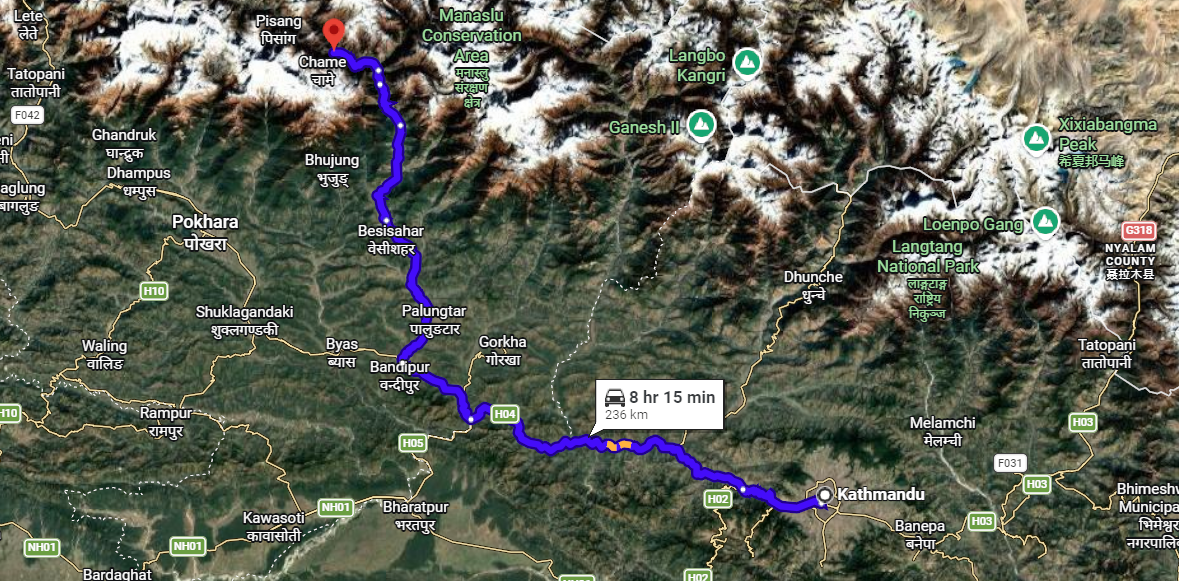
Arughat Bazaar is the last major market town before the road enters the remote Budhi Gandaki River valley – the gateway corridor to the spectacular Manaslu Circuit Trek. Located about 142 km northwest of Kathmandu, Arughat sits at 550 m in the Gorkha District and marks where the paved highway ends and the rugged mountain track to Soti Khola, Jagat, and the Manaslu restricted area begins.

For trekkers heading to the Manaslu Circuit, Arughat is a critical transport milestone – the last town with an ATM, a fuel station, a proper market, and comfortable guesthouse accommodation before the real wilderness begins.

This complete 2026 guide covers all transport options from Kathmandu to Arughat (private jeep, car, and bus) with detailed road information, vehicle prices, trekking permits and practical tips.com website.

About Arughat – Why It Matters for Manaslu Trek

Full Name: Arughat Bazaar, Gorkha District, Gandaki Province

Altitude: 550 m above sea level

Distance from Kathmandu: Approximately 142 km by road

Travel Time: 4.5 to 6 hours from Kathmandu by private vehicle

Road Type: Prithvi Highway + secondary hill road (mostly paved to Arughat)

Trek Connection: Arughat is the last major town before the Manaslu Circuit restricted area. Soti Khola (official trek start) is 25–30 km north of Arughat by a rough jeep track

Key Facilities: ATM (last reliable one), fuel station, pharmacies, teahouses, local market, basic guesthouses

Vehicle Requirement: Sedan cars can reach Arughat. 4WD Jeep required for Soti Khola beyond Arughat

Arughat serves as the essential base camp town for Manaslu Circuit trekkers. Most trekking groups stop here overnight or for a few hours before either continuing to Soti Khola by jeep or beginning to trek. The weekly market (haat bazaar) draws villagers from the surrounding hills and adds vivid, authentic local colour to the town.

The Budhi Gandaki River – which the entire Manaslu Circuit follows – begins its accessible journey just north of Arughat.

Why Book Private Transport from Kathmandu to Arughat?

Private transport from Kathmandu to Arughat is the most practical and comfortable option for trekkers starting the Manaslu Circuit. Here is why:

  • Direct hotel pickup from Kathmandu – no walking to bus stations with a heavy trekking pack in morning darkness
  • Flexible departure time – depart at 5:00 AM to arrive in Arughat in the late morning, with time to explore the market, eat, and rest before continuing.
  • Full luggage space for trekking backpacks, sleeping bags, porters’ loads, and group equipment
  • No vehicle changes or connections – one continuous journey in the same comfortable vehicle
  • Option to continue beyond Arughat to Soti Khola in the same jeep if booked in advance
  • Experienced driver familiar with the Mugling–Arughat road and the Budhi Gandaki valley access route
  • Group travels together – no risk of trekking team members being split between different local buses.
  • Faster than local buses – a private vehicle saves 1 to 2 hours compared to the local bus connection via Gorkha.

Patan Durbar Square in the Kathmandu Valley

Vehicle Options & Prices: Kathmandu to Arughat

Vehicle Hiring Nepal offers a range of vehicles for the Kathmandu-Arughat route. Unlike the Soti Khola extension beyond Arughat, the road to Arughat itself is accessible by most vehicle types:

VehicleCapacityOne-Way Price (USD)Round Trip (USD)Notes
Private car1–3 pax$80 – $105$140 – $200Can reach Arughat – not beyond
Scorpio / SUV4–5 pax$100 – $200$170 – $400Good for Arughat + short Soti sections
4WD Jeep4–6 pax$130 – $250$215 – $450Best for Arughat AND Soti Khola
Toyota Hiace Van7–14 pax$200 – $250$200 – $450Groups to Arughat – NOT beyond

Important: For trekkers planning to continue from Arughat to Soti Khola by vehicle, only a Toyota Land Cruiser or equivalent 4WD is suitable. The road from Arughat to Soti Khola is a rough mountain track requiring high ground clearance and 4WD capability. Book a Land Cruiser from Kathmandu if your plan includes vehicle access to Soti Khola.

Kathmandu-to-Arughat transport

Detailed Road Guide: Kathmandu to Arughat

The Kathmandu to Arughat journey follows the Prithvi Highway before branching north into the Gorkha hills. Here is a complete stage-by-stage breakdown:

Stage 1: Kathmandu to Mugling (115 km | 2.5 hrs)

Depart Kathmandu early – 5:00 to 5:30 AM is recommended for a same-day arrival in Arughat with time to spare. Follow the Prithvi Highway west through Naubise and along the spectacular Trishuli River gorge. The road runs alongside the fast-flowing green river through Malekhu – a popular riverside rest stop with tea houses and fresh fish – before reaching Mugling Junction in approximately 2.5 hours from Kathmandu.

Mugling is a key decision point. For Pokhara-bound traffic, the road continues west. For Arughat and the Manaslu Circuit, turn north at Mugling onto the secondary road towards Gorkha and the Budhi Gandaki valley.

Take a brief tea and snack break at Mugling before continuing – it is the last busy junction town on the route.

Stage 2: Mugling to Gorkha Junction (25 km | 40 min)

From Mugling, head north through increasingly rural hill terrain. The road climbs gently through terraced paddy fields and mixed forest. Gorkha Junction (not Gorkha town itself, which lies 20 km east on a branch road) is the turn-off where the road continues north towards Arughat.

Gorkha town – the historic birthplace of the Shah dynasty and former kingdom that unified Nepal – is worth a side visit if time allows, though it adds 1.5 to 2 hours to your journey.

Stage 3: Gorkha Junction to Khairenitar (20 km | 35 min)

Continue north through the Daraudi River valley. The road passes through Khairenitar – a small town with a few restaurants and tea shops and the site of a well-known agricultural research station. The road remains paved with some rough patches through this section.

On clear days, views of the surrounding Gorkha hills and the first glimpses of snow-capped peaks to the north begin to appear.

Stage 4: Khairenitar to Arughat Bazaar (22 km | 40 min)

The final section descends to Arughat Bazaar on the east bank of the Budhi Gandaki River. This final stretch mixes paved and gravel sections. You pass through Tarkughat – a riverside village – before crossing the Budhi Gandaki and arriving in the main market area of Arughat.

Total journey time from Kathmandu: approximately 4.5 to 6 hours, including the Mugling tea stop.

Arughat to Soti Khola – The Next Stage

For most Manaslu Circuit trekkers, Arughat is not the final destination but a critical stopping point before continuing to Soti Khola – the official first teahouse stop on the Manaslu Circuit. Here is how the Arughat to Soti Khola section works:

Distance: 25–30 km north of Arughat

Travel Time: 2.5 to 3.5 hours by 4WD jeep from Arughat

Road Type: Very rough mountain track – rocky, narrow, cliff-edge sections above the Budhi Gandaki

Vehicle: 4WD Land Cruiser only – no sedan, no Hiace

Options: Continue in the same Kathmandu jeep (if a Land Cruiser is booked) OR hire a local jeep from Arughat Bazaar

Local jeeps are available for hire from Arughat Bazaar to Soti Khola. These are usually shared jeeps departing when full (typically 4 to 8 passengers) at NPR 600 to NPR 900 per seat.

A private local jeep from Arughat to Soti Khola costs approximately USD 50-70. If you have already booked a Land Cruiser from Kathmandu, the same vehicle can continue directly to Soti Khola – the most convenient and cost-effective option for most groups.

Road Conditions: Kathmandu to Arughat

SectionDistanceSurfaceDifficultySeason Notes
Kathmandu – Naubise30 kmPaved – goodEasyStandard highway driving
Naubise – Mugling85 kmPaved – Trishuli GorgeEasyScenic, riverside highway
Mugling – Gorkha Jct.25 kmPaved hill roadEasy–ModClimbing, some curves
Gorkha Jct. – Khairenitar20 kmPaved / gravel mixModerateRural road, some potholes
Khairenitar – Arughat22 kmMixed paved / gravelModerateNarrower village roads
Arughat – Soti Khola28 kmVery rough mountain trackVery Hard4WD only, cliff edges

Local Bus Option: Kathmandu to Arughat

For solo budget trekkers, local bus connections from Kathmandu to Arughat are available. Here is what to know:

Route: Kathmandu (Gongabu Bus Park) → Gorkha → Arughat (with vehicle change at Gorkha or Khairenitar)

Total Time: 6 to 8 hours with connections

Cost: NPR 400–600 Kathmandu to Gorkha + NPR 200–350 Gorkha to Arughat (local jeep)

Frequency: Morning departures only – first bus around 7:00 AM

Luggage: Large trekking packs stored on the roof or in the overcrowded aisle

Drop-off: Arughat main road – no door-to-door service

The local bus is significantly slower and less comfortable than a private vehicle, requires a vehicle change at Gorkha or Khairenitar, and is not recommended for groups with heavy trekking gear. For most trekkers, the cost difference between a local bus and a private vehicle split among 4 to 6 group members is small enough that private transport wins on every other measure.

Nepal Tour Package

Permits Required for the Manaslu Circuit

All trekkers visiting the Manaslu Circuit must carry the following permits. Arrange all permits in Kathmandu before departure – none are available in Arughat or beyond:

PermitCost 2026Where to GetNotes
Manaslu Restricted Area Permit (RAP)USD 100/week (Sep–Nov) | USD 75/week (other months)Dept. of Immigration, Kathmandu (Maitighar)Mandatory for all trekkers beyond Jagat
MCAP – Manaslu Conservation Area PermitNPR 3,000 (~USD 22)Nepal Tourism Board, KathmanduRequired from the Arughat area onwards
TIMS Card – Trekkers ‘ Information Management SystemUSD 10Nepal Tourism Board / TAANRequired for all trekkers
Licensed Guide – MandatoryUSD 25–40/dayLicensed trekking agencyMinimum 2 trekkers + guide required by law

The Manaslu Restricted Area Permit is checked at the checkpoint in Jagat (beyond Soti Khola). All three permits are checked again at Deng, Ghap, and Samagaon checkpoints further north. Trekkers without all three permits will be turned back at Jagat and fined.

Arrange everything in Kathmandu the day before your vehicle departs.

Manaslu Circuit Trek – Overview

Starting from Soti Khola (reached via Arughat), the Manaslu Circuit is widely regarded as one of the finest and most dramatic trekking circuits in the entire Himalaya. Here is a complete overview:

Trek Duration: 14 to 18 days for the full circuit

Max Altitude: Larkya La Pass at 5,106 m

Trek Distance: Approximately 177 km total

Difficulty: Strenuous – for fit, experienced trekkers

Best Season: October–November and March–May

End Point: Besisahar (Annapurna Circuit road) or Dharapani – vehicle back to Pokhara or Kathmandu

YouTube video

DayStageAltitudeDistanceHighlights
Day 1Soti Khola – Machha Khola700m → 869m14 kmRiver gorge, waterfalls, suspension bridges
Day 2Machha Khola – Jagat869m → 1,340m22 kmKali Khola valley, terraced villages
Day 3Jagat – Deng1,340m→1,860m19 kmNarrow gorge, first restricted checkpoint
Day 4Deng – Namrung1,860m→2,630m18 kmDramatic gorge narrows, Tibetan culture begins
Day 5Namrung – Samagaon2,630m→3,530m18 kmManaslu North views, Tibetan villages
Day 6Samagaon (acclimatisation)3,530m–Manaslu Base Camp day hike or Birendra Lake
Day 7Samagaon – Samdo3,530m→3,875m10 kmOpen valley, yak pastures, Tibet border views
Day 8Samdo – Dharamsala3,875m→4,460m10 kmHigh camp below Larkya La
Day 9Larkya La – Bimthang4,460m→5,106m→3,590m20 kmHighest point – stunning 360° Himalayan panorama
Day 10Bimthang – Dharapani3,590m→1,860m22 kmDescent to the Annapurna Circuit junction

Swayambhunath visit during Kathmandu Pokhara Tour

End of Trek: Return Transport from Dharapani to Kathmandu

The Manaslu Circuit ends at Dharapani – a village on the Annapurna Circuit road in Manang District. From Dharapani, trekkers have two main transport options to return to Kathmandu or Pokhara:

From Dharapani, hire a local jeep south to Besisahar (approximately 2-3 hours on the Annapurna Circuit road). From Besisahar, a private vehicle can take you back to Kathmandu in 3.5 to 4 hours via Dumre and the Prithvi Highway.

Vehicle Hiring Nepal can pre-arrange a return vehicle from Besisahar to Kathmandu at the end of your Manaslu Circuit – book this at the same time as your outward Kathmandu to Arughat transport for a smooth round trip.

Option B: Dharapani to Pokhara

Alternatively, continue the local jeep south from Besisahar to Pokhara (approximately 4 to 5 hours total from Dharapani). This is a popular option for trekkers who want to spend a few recovery days in Pokhara after the Manaslu Circuit before flying or driving back to Kathmandu.

Combine Manaslu Circuit with Other Nepal Destinations

The Manaslu Circuit is often combined with other destinations in Nepal for a complete Nepal travel experience. Here are the most popular combinations:

Manaslu Circuit + Annapurna Circuit

The Manaslu Circuit connects directly to the Annapurna Circuit at Dharapani. Many experienced trekkers combine both circuits in a single extended trip of 30 to 35 days – starting the Annapurna Circuit from Besisahar, walking to Manang, crossing the Thorong La to Muktinath, returning east to Dharapani, then beginning the Manaslu Circuit from Dharapani northward and completing it back at Soti Khola.

Vehicle Hiring Nepal can arrange transport for both the start and end of this mega circuit.

Manaslu Circuit + Chitwan Safari

A Chitwan jungle safari is a perfect post-trek addition after the high-altitude Manaslu Circuit. After completing the circuit at Dharapani, return to Kathmandu by private vehicle, rest for a day, then travel south to Chitwan for a 2-night wildlife safari before flying home. The contrast between the Himalayan mountain wilderness and subtropical jungle wildlife is extraordinary.

Manaslu Circuit + Kathmandu Sightseeing

Most trekkers spend 2 to 3 days in Kathmandu before and after the Manaslu Circuit for acclimatisation, permit processing, and exploring the UNESCO heritage sites of the Kathmandu Valley. Vehicle Hiring Nepal offers Kathmandu Valley sightseeing tours covering Pashupatinath, Boudhanath, Swayambhunath, and Patan Durbar Square – ideal for trekkers with pre- or post-trek time in the capital.

Best Time to Travel from Kathmandu to Arughat

October to November (Peak Season – Best)

The finest time for the Kathmandu to Arughat journey and the Manaslu Circuit. Post-monsoon roads are dry and in their best condition. Skies are clear, and the views of Manaslu (8,163 m) from the valley are extraordinary.

The Manaslu Circuit is at its most popular during this period – book vehicles and permits 4 to 6 weeks in advance, as trekking groups fill the restricted-area permit quota.

March to May (Excellent – Spring)

Spring is the second-best season. Rhododendron forests below 3,000 m are in full bloom in March and April. The road from Kathmandu to Arughat is in good condition.

The Manaslu Circuit is significantly less crowded in spring than in October–November, making for a more intimate trekking experience. The Larkya La Pass is generally clear from mid-March.

December to February (Possible – Cold)

Winter travel to Arughat is straightforward – the road is fully accessible. However, the Manaslu Circuit becomes much more challenging in winter. The Larkya La Pass (5,106 m) can be snowbound in January and February.

High camps above 4,000 m are extremely cold (-15 to -25°C at night). Only experienced cold-weather trekkers attempt the full Manaslu Circuit in winter.

June to September (Monsoon – Caution)

The road from Kathmandu to Arughat remains passable during the monsoon,n but landslides can block the track from Arughat to Soti Khola during the active monsoon. The Manaslu Circuit trail has significant landslide and leech issues below 3,000 m in the monsoon. Many trekking agencies do not operate the circuit from June to mid-September.

If you plan to trek in the monsoon, check current trail and road conditions with local sources.

Kathmandu-to-Arughat transport

What to Do in Arughat Bazaar

Arughat is not just a transit point – it is a fascinating, authentic Nepali market town worth exploring before beginning the Manaslu Circuit:

  • ATM withdrawal – the Nepal Bank ATM in Arughat is the last reliable cash point before Samagaon (6-7 days’ trek away). Withdraw sufficient Nepali Rupees for your entire Manaslu Circuit before leaving Arughat – budget NPR 3,000 to NPR 5,000 per person per day for teahouse accommodation and meals.
  • Weekly haat bazaar – if your arrival coincides with the weekly market day, explore the local bazaar where villagers from surrounding hills bring fresh produce, local crafts, and livestock for trade. A vivid and authentic rural Nepal experience
  • Fuel and vehicle check – if continuing to Soti Khola by jeep, fuel up in Arughat. This is the last fuel station before the mountain track.
  • Arughat Gorkha Museum – a small local museum with exhibits on the history of the Gorkha kingdom and the cultural heritage of the Budhi Gandaki valley
  • Budhi Gandaki riverside walk – the river runs directly through Arughat, and a short walk along the riverside gives you your first feel of the wild, green river that will accompany you for the next 14 days of the circuit
  • Stock up on trekking supplies – Arughat has shops selling chocolate bars, biscuits, instant noodles, batteries, and other essentials at significantly lower prices than on the trail.

Accommodation in Arughat

Arughat has a range of simple but adequate guesthouses for trekkers overnighting before beginning the Manaslu Circuit:

  • Basic teahouse rooms: NPR 300 to NPR 600 per person – simple twin rooms with shared bathroom
  • Better guesthouses: NPR 600 to NPR 1,200 per person – cleaner rooms, some with attached bathroom and hot water (bucket)
  • Meals available at all teahouses: dal bhat, noodle soup, fried rice, eggs, chapati, Nepali tea
  • Electricity available in Arughat via grid connection – charge all devices fully here before the trek
  • Mobile signal: NTC and Ncell both work in Arughat – the last reliable signal before the upper valley

What to Pack for the Kathmandu to Arughat Journey

  • All trekking permits (Manaslu RAP, MCAP, TIMS card) – checked at Jagat beyond Soti Khola
  • Nepali Rupees cash – withdraw extra in Kathmandu before departure; top up at the Arughat ATM
  • Snacks and 2 litres of water per person – stops are limited between Mugling and Arughat.
  • Motion sickness tablets – the road from Mugling to Arughat has many winding sections.
  • Light layers – mornings on the drive can be cool in the Trishuli gorge section
  • Offline maps downloaded (Maps.me or Gaia GPS with Manaslu Circuit layer)
  • Trekking guide and porter contact confirmed and ready to meet you in Arughat or Soti Khola
  • Camera and phone fully charged – Trishuli Gorge scenery is beautiful from Mugling onwards

What is Included in Your Vehicle Hire with Vehicle Hiring Nepal?

  • Private vehicle (sedan, SUV, or Land Cruiser 4WD) with an experienced driver
  • Full fuel cost for the Kathmandu to Arughat journey
  • Vehicle insurance for the duration of the journey
  • Pickup from your hotel or guesthouse in Kathmandu
  • Drop-off at Arughat Bazaar main market area or your guesthouse
  • Rest and refreshment stops at Mugling Junction and the Gorkha Junction area
  • Option to continue in the same Land Cruiser from Arughat to Soti Khola (if a 4WD jeep is booked)
  • Pre-arranged return vehicle from Besisahar or Dharapani at the end of your Manaslu Circuit
  • 24/7 WhatsApp support throughout the journey and during your Manaslu trek

Not included: Trekking permits (Manaslu RAP, MCAP, TIMS), licensed guide fees, porter charges, personal meals, teahouse accommodation, and any detour stops beyond the agreed route.

How to Book Your Kathmandu to Arughat Transport

  1. Contact Vehicle Hiring Nepal via WhatsApp at  +977 981-4227196 or visit vehiclehiringnepal.com
  2. Choose your vehicle type – sedan for Arughat only; 4wd jeep if continuing to Soti Khola.
  3. Provide your travel date and preferred departure time (5:00–5:30 AM recommended)
  4. Give your pickup address or hotel name in Kathmandu
  5. Confirm your destination – Arughat only, or Arughat + Soti Khola
  6. Specify group size, number of trekking packs, and any porter luggage
  7. Request a pre-arranged return vehicle from Besisahar or Dharapani if needed
  8. Receive booking confirmation with driver name, contact number, and vehicle details

WhatsApp: +977 981-4227196

Email:[email protected]

Frequently Asked Questions

How long does it take to drive from Kathmandu to Arughat?

The drive from Kathmandu to Arughat takes approximately 4.5 to 6 hours by private vehicle, including a brief stop at Mugling. Departing at 5:30 AM puts you in Arughat between 10:00 and 11:30 AM.

Can a regular car reach Arughat from Kathmandu?

Yes. A regular sedan or standard car can reach Arughat Bazaar from Kathmandu on the mostly paved road via Mugling and Khairenitar. However, beyond Arughat to Soti Khola, only a 4WD Toyota Land Cruiser or equivalent is suitable.

If your plan includes vehicle transport to Soti Khola, book a Land Cruiser from Kathmandu from the start.

Is there a direct bus from Kathmandu to Arughat?

No direct tourist bus runs from Kathmandu to Arughat. Local buses depart from Gongabu Bus Park in Kathmandu to Gorkha, with a vehicle change in Gorkha or Khairenitar for the final section to Arughat. The total journey by local bus takes 6 to 8 hours, including connections, and is not recommended for trekkers with heavy gear.

Do I need a guide for the Manaslu Circuit?

Yes. The Nepalese government requires a licensed trekking guide to accompany all trekkers on the Manaslu Circuit. The restricted area permit also requires a minimum of two trekkers.

Solo trekking without a guide is not permitted on the Manaslu Circuit. You can arrange a licensed guide through a Kathmandu-based trekking agency, and they will typically meet your group in Kathmandu or at Soti Khola.

What is the ATM situation on the Manaslu Circuit?

The last reliable ATM is in Arughat Bazaar. Beyond Arughat, there are no ATMs until Samagaon, where a limited e-banking kiosk is sometimes operational but unreliable. Withdraw all the cash you will need for the entire circuit in Arughat or, even better, in Kathmandu before departure.

Budget NPR 3,000 to NPR 5,000 per person per day for all circuit expenses.

Can I combine the Manaslu Circuit with the Annapurna Circuit?

Yes. The Manaslu Circuit connects to the Annapurna Circuit at Dharapani. Many experienced trekkers do a combined circuit – finishing the Manaslu at Dharapani and immediately beginning the Annapurna Circuit to the south or north, depending on the direction.

This extended circuit takes 30 to 35 days total. Vehicle Hiring Nepal can arrange transport to the start of your combined circuit and return from the finish.

Nepal Tour Package

Final Thoughts

The road from Kathmandu to Arughat is the beginning of one of Nepal’s greatest trekking adventures – a journey that starts in the busy Himalayan capital and ends in the remote, high-altitude wilderness of the Budhi Gandaki valley, with the great Manaslu massif (8,163 m) rising above the horizon ahead. Getting to Arughat comfortably, on time, and with all permits and gear in order sets the foundation for a successful Manaslu Circuit trek.

Vehicle Hiring Nepal provides reliable, experienced transport for the Kathmandu-Arughat route. Our drivers know every junction and village along this road; our vehicles are well-maintained and suited to the terrain, and our 24/7 WhatsApp support means you are never alone on this remote approach journey.

Book your Kathmandu-to-Arughat transport today. WhatsApp: +977 981-4227196 | E-mail: vehiclehiringnepal@gmail.com

Kathmandu to Lukla Road Route Transfer

Lukla

Kathmandu to Lukla Road Route Transfer

For most Everest Base Camp trekkers, reaching Lukla means booking a flight—a thrilling 25- to 35-minute journey in a small STOL aircraft that drops you at 2,860 meters on the world’s most famous and challenging mountain airstrip. But what happens when the weather grounds all flights for days?

What if you want to avoid the uncertainty of Lukla flight cancellations entirely? And what if you seek a deeper, more in-depth entry into the Everest region than any flight can provide?

The answer is the Kathmandu to Lukla road route transfer — an overland journey of approximately 345 km through some of Nepal’s most spectacular and least-visited hill and mountain terrain. This route, now increasingly used as a reliable flight alternative during peak season and monsoon disruptions, follows the BP Koirala Highway to Salleri, then continues on rough 4WD tracks through Kharikhola, Bupsa, Thamdanda, and Surke, bringing you within 1 to 2hours’ walking distance of Lukla itself.

This complete guide covers the entire Kathmandu to Lukla road transfer: every phase of the route, key stops,  costs, vehicle requirements, trekking connections, flight alternatives, road conditions by season, and expert tips from Nepal Vehicle Hiring Pvt Ltd — the most experienced overland transfer company for this unique and adventurous route.

The Critical Question — Is There a Road to Lukla?

This is the first and most important question every trekker asks: Is there actually a road that reaches Lukla?

The honest answer is: almost, but not quite. Road construction from Kathmandu toward Lukla has been ongoing for several years, and the Solukhumbu local government has committed to a 100-kilometre tourism road network from Salleri toward Chaurikharka (the village closest to Lukla Airport).

As of 2026, the motorable road reaches Surke—about 4 km below Lukla by trail, or 1 to 2 hours of uphill walking. From Surke, trekkers walk the final stretch to Lukla on a stone-paved trail.

Further road construction toward Chaurikharka (directly adjacent to Lukla Airport) continues but is not yet complete as of mid-2026. Once this final section is completed, a vehicle will theoretically be able to reach the Lukla area directly- a milestone that will permanently transform access to the Everest region.

Road Status Update: Road construction progress toward Lukla is ongoing, and conditions change regularly. Nepal Vehicle Hiring Pvt Ltd monitors the current motorable endpoint, which may have moved beyond Surke by the time you travel. Always confirm the latest road endpoint with us before planning your overland transfer.

Key Facts at a Glance — Kathmandu to Lukla Road Route

Route Detail    Information
Total Road Distance (KTM to Surke)    345 km — the closest road endpoint to Lukla
Lukla (Tenzing-Hillary Airport) Altitude    2,860 m (9,383 ft) above sea level
Road Journey Duration    15 to 20 hours total (strongly recommended over 2 days)
Phase 1 — KTM to Salleri (Paved)    267 km | 9–10 hours | BP Highway
Phase 2 — Salleri to Surke (Off-road)    78 km | 5–7 hours | Rough off-road track
Walking from Surke to Lukla    3–5 km | 1 to 2 hours on foot
Walking from Thamdanda to Lukla    8 hours on foot (via Paiya and Surke)
4WD Required?    Mandatory beyond Salleri — rough, mountain off-road
Key Road Stops    Dhulikhel, Khurkot, Okhaldhunga, Salleri (Phaplu), Kharikhola, Bupsa,                        Thamdanda, Paiya, Surke
Best Season for Road Transfer   October–May (dry season) — monsoon roads can be impassable
Permits Required   Sagarmatha National Park Permit + TIMS Card

The Bottom Line: The road route from Kathmandu to Surke (the closest road endpoint to Lukla) covers approximately 345 km in 15 to 19 hours of driving — strongly recommended over 2 days. From Surke, a 1- to 2-hour uphill walk along a well-marked trail leads to Lukla airport. This route is a genuine and increasingly popular flight alternative for Everest trekkers.

Why Choose the Road Route to Lukla?

The road route from Kathmandu to Lukla is not for everyone — but for the right traveller, it offers compelling advantages that no flight can match:

Lukla Airport (Tenzing-Hillary Airport) is one of the world’s most weather-sensitive airports. Flights are cancelled or delayed daily during cloudy, foggy, or windy conditions, sometimes for multiple consecutive days. During peak season, stranded trekkers can wait 2 to 5 days at TIA or Ramechhap Airport for weather windows to clear.

The road route is not subject to these aviation weather restrictions. While monsoon road conditions can be challenging, in the dry season (October to May), the road is reliably open, and trekkers can proceed without weather-related uncertainty.

Significant Cost Saving for Groups

A Lukla flight from TIA costs approximately USD 225-240 per person (or USD 176 from Ramechhap). For a group of 6, this means USD 1,350 to USD 1,440 in flight costs alone.

A private jeep from Kathmandu to Surke (carrying up to 6 passengers) costs about USD 450 to USD 600 total—saving USD 750 to USD 900 for the same group. This makes the road route a financially compelling option, particularly for trekking groups and budget-conscious adventurers.

Gradual Acclimatisation: Kathmandu (1,400 m) to Lukla (2,860 m) is a sudden altitude gain of 1,460 meters that can trigger headaches, fatigue, and early altitude sickness symptoms in susceptible trekkers. The route allows a gradual ascent, rising through Salleri (2,350 m) and reaching progressively higher elevations, giving the body more time to adapt before the serious altitude gains of the Khumbu Valley begin.

A Once-in-a-Lifetime Overland Adventure

The Kathmandu-to-Surke overland route passes through Solukhumbu District—one of Nepal’s most culturally authentic and least-touristed regions. The route traverses Rai and Sherpa heartland villages, ancient trading routes, terraced hillsides, pristine river valleys, and high ridges with Everest-range panoramas that most international trekkers never experience. For travellers who want to understand Nepal beyond the tourist trail, this overland journey is extraordinary.

Flight Canceled? Road is the Backup

For trekkers already in Nepal whose Lukla flight has been cancelled for multiple days due to weather, the road route from Kathmandu to Surke is the definitive contingency plan. Instead of sitting in Kathmandu or Ramechhap waiting indefinitely, a jeep transfer gets you moving toward Everest Base Camp on a predictable timeline and preserves your trek itinerary.

Nepal Tour Package

The Route — Phase by Phase Breakdown

The Kathmandu-to-Lukla road route can be divided into five distinct driving phases, plus a final walking section. Each phase has different road characteristics, scenery, and logistical considerations:

PhaseRoute SegmentDistanceDurationRoad TypeKey Challenge
Phase 1Kathmandu → Khurkot126 km3–4 hrsSmooth paved BP HighwayNone — straightforward highway
Phase 2Khurkot → Salleri141 km5–6 hrsPaved with some rough sectionsWinding mountain road, altitude gain
Phase 3Salleri → Kharikhola28 km2 hrsRough off-road trackSteep descents, narrow track
Phase 4Kharikhola → Bupsa/Thamdanda35 km3–4 hrsVery rough off-roadRocky, steep — 4WD low range essential
Phase 5Thamdanda → Surke15 km1–2 hrsExtremely rough off-roadNarrowest, most technical section
WalkingSurke → Lukla4 km1–2 hrsTrekking trailUphill stone path to the airport

Phase 1 — Kathmandu to Khurkot via BP Highway (126 km, 3–4 hours)

The journey begins from Thamel or your hotel in Kathmandu, heading east through Bhaktapur and Dhulikhel before joining the BP Koirala Highway (BP Highway). The BP Highway descends through Banepa, then heads toward the Sunkoshi River at Dolalghat, following the river valley toward Khurkot. This section is fully paved and in generally good condition — a smooth introduction to a progressively more challenging journey.

  • Kathmandu → Dhulikhel (~35 km, 45 min): Araniko Highway, hillside panoramas, Himalayan views on clear mornings
  • Dhulikhel → Dolalghat (~30 km, 45 min): Descending through the river valley, confluence of the Sunkoshi and Indrawati rivers
  • Dolalghat → Khurkot (~61 km, 1.5 hrs): Scenic Sunkoshi riverside drive, lush subtropical corridor

Khurkot is the most popular breakfast stop for travellers on the Kathmandu-Salleri road. Tea shops and basic dhabas open around 5:00 AM; dal bhat, noodles, bread, and tea are available. Many private transfer drivers plan the Khurkot stop for around 5:00–6:00 AM for an early-morning departure from Kathmandu.

Khurkot to Salleri via Okhaldhunga (141 km, 5–6 hours)

Above Khurkot, the BP Highway turns north and begins climbing steeply into the mid-hills of Solukhumbu. The road passes through Ghurmi Junction, where it turns toward Okhaldhunga District, and continues climbing through increasingly remote and beautiful terrain. Views of forested ridges, terraced fields, and distant Himalayan peaks grow more dramatic as altitude increases.

  • Khurkot → Ghurmi Junction (24 km, 1 hr): BP Highway continues — turn north for Okhaldhunga
  • Ghurmi → Okhaldhunga (50 km, 2 hrs): Mountain road, switchbacks, altitude gain, Rai villages
  • Okhaldhunga → Salleri (Phaplu) (67 km, 3 hrs): Solukhumbu district road — some rough patches, spectacular views

Salleri (also called Phaplu) is the headquarters of Solukhumbu District, situated at an elevation of approximately 2,350 meters. It has guesthouses, restaurants, a small hospital, an ATM (Nepal Bank Limited), fuel stations, and trekking supply shops.

Salleri is the end of the paved road from Kathmandu — the logical overnight stop for a 2-day road transfer. Most trekkers arrive in Salleri between 6:00 PM and 8:00 PM on day 1

Cash at Salleri: The Salleri ATM is the last reliable cash machine before Lukla. Withdraw enough NPR to cover your entire Khumbu trek (accommodation, meals, tips, permits) — the ATMs in Lukla and Namche Bazaar are unreliable and frequently out of service.

Phase 3 — Salleri to Kharikhola (28 km, 2 hours, Off-Road Begins)

Leaving Salleri, the paved road ends, and the off-road adventure begins in earnest. The track descends steeply from Salleri toward the Dudh Koshi River valley and then climbs again toward Kharikhola. The road is rough gravel and earth — 4WD mandatory.

The landscape transitions from mid-hill terracing to more dramatic river-gorge scenery, with the first hints of the higher Himalayan terrain ahead.

Phase 4 — Kharikhola to Thamdanda via Bupsa (35 km, 3–4 hours)

This is the most challenging driving section of the entire route. The road above Kharikhola climbs through increasingly remote and dramatic terrain — rocky tracks, steep switchbacks, narrow cliff-edge sections, and high ridgeline traverses. Bupsa (approximately 2,350 m) sits on a high ridge with extraordinary views of the surrounding Solukhumbu landscape.

On exceptionally clear days, Everest’s summit pyramid (8,849 m) is visible from high points on this ridge.

Thamdanda and the Paiya area represent the highest motorable point on this route, at approximately 2,900 meters above sea level. From here, trekkers can begin the 8-hour walk to Lukla via Paiya and Surke, or continue driving the final rough section toward Surke.

Phase 5 — Thamdanda to Surke (15 km, 1–2 hours)

The final driving section from Thamdanda to Surke is the most technically demanding of the entire route. The track is very narrow, rough, and in places barely wider than a single jeep. Low-range 4WD is essential.

An experienced driver who knows this specific route is critical — this is not a section for improvised navigation. Surke village, at approximately 2,290 meters, is where the motorable road ends and the trekking trail to Lukla begins.

Walking — Surke to Lukla (4 km, 1–2 hours)

From Surke, a well-marked stone-and-dirt trail climbs steadily to Lukla airport and the village of Chaurikharka (2,660 m), then on to Lukla itself (2,860 m). The walk takes approximately 1 to 2 hours, depending on fitness and pack weight. This final walk is a gentle introduction to Himalayan trail walking — a pleasant transition from the jeep’s rear seat to the trekking trail that will carry you all the way to Everest Base Camp.

Kathmandu to Lukla Road Route Transfer

Key Stops — Kathmandu to Lukla Road Route

StopDistance from KTMAltitudeRoad TypeKey Notes
Kathmandu (Thamel)Start1,400 mCity roadsDeparture — hotel pickup
Dhulikhel35 km1,550 mPaved highwayHimalayan viewpoint — photo stop
Dolalghat65 km640 mPaved highwaySunkoshi River junction
Khurkot126 km640 mPaved highwayCommon breakfast stop — BP Highway
Ghurmi Junction150 km800 mPaved highwayTurn north toward Okhaldhunga
Okhaldhunga200 km1,700 mPaved with rough patchesDistrict HQ — fuel, basic facilities
Salleri (Phaplu)267 km2,350 mEnd of paved roadSolukhumbu HQ — ATM, guesthouses, fuel
Kharikhola295 km2,100 mOff-road trackTraditional Sherpa / Rai village
Bupsa315 km2,350 mRough off-roadHigh Ridge Village — Everest views on clear days
Thamdanda (Paiya area)330 km2,900 mVery rough off-roadClosest motorable point to Lukla via Paiya
Surke345 km2,290 mVery rough off-roadClosest road endpoint to Lukla — 1–2 hr walk
Lukla (Tenzing-Hillary Airport)350 km effective2,860 mWalking trail onlyTrek start — Everest Base Camp gateway

Swayambhunath visit during Kathmandu Pokhara Tour

All Transport Options — Kathmandu to Lukla 2026

Here is a comprehensive comparison of every transport option for reaching Lukla from Kathmandu:

Transport OptionTotal Duration2026 CostWalking to LuklaBest For
Private Jeep (KTM to Surke)15–19 hrs drive (2 days)USD 450–600 (full vehicle)1–2 hrs walkGroups wanting max road coverage
Private Jeep (KTM to Salleri)9–10 hrs driveUSD 280–350 (full vehicle)2–3 days trekBudget groups; trek from Phaplu
Private Jeep (KTM to Thamdanda)15–18 hrs drive (2 days)USD 380–500 (full vehicle)8 hrs walkAdventurous trekkers
Shared Jeep (KTM to Salleri)10–12 hrsUSD 25–35 per person2–3 days trekSolo/budget travelers
Shared Jeep (KTM to Bupsa/Surke)16–20 hrs (2 days)USD 45–55 per person1–2 hrs walkBudget — close to Lukla
Local Bus (KTM to Salleri)12–15 hrsUSD 15–20 per person2–3 days trekTightest budget — slow
Kathmandu to Lukla — Flight (TIA)30–35 minUSD 225–240 per personNoneFast, scenic — weather dependent
Ramechhap to Lukla — Flight (RHP)20–25 minUSD 176 per personNone (but 4–5 hr road transfer first)Peak season standard
Kathmandu to Lukla — Helicopter45–60 minUSD 2,400–3,000 (charter)NoneLuxury/weather rescue

Private Jeep — Kathmandu to Surke (Best Road Option)

A private 4WD jeep hired in Kathmandu and driven directly to Surke (the closest road endpoint to Lukla) is the most practical and reliable road transfer option for trekking groups in 2026. Nepal Vehicle Hiring Pvt Ltd uses Toyota Land Cruisers, Toyota Hilux, or Mahindra Scorpio 4WD jeeps for this demanding route—all regularly serviced for high-altitude off-road travel.

  • Vehicle: Mahindra Scorpio and 4WD Jeep
  • Capacity: 4–6 passengers comfortably with trekking luggage on the roof rack
  • 2026 Cost: USD 450–600 for the full vehicle (Kathmandu to Surke, one way)
  • Duration: 15 to 19 hours total — always done over 2 days with an overnight at Salleri
  • Includes: Driver, fuel, all road permits, and tolls
  • Pickup: Door-to-door from your hotel in Thamel, Kathmandu

Group Economics: For 6 trekkers sharing a private jeep at a total of USD 500, the per-person cost is just USD 83 — compared to USD 176–240 per person by air. The road route saves the group USD 500–900 while providing an extraordinary overland adventure.

Private Jeep — Kathmandu to Salleri (Budget Road Option)

For trekkers who prefer to trek from Salleri/Phaplu to Lukla (a 2- to 3-day trek that itself forms part of the Everest approach experience), a private jeep to Salleri only is the more economical option.

  • 2026 Cost: USD 280–350 for a full vehicle from Kathmandu to Salleri (one way)
  • Duration: 9 to 10 hours — achievable in a single day with early departure
  • Trek Salleri to Lukla: 2 to 3 days walking through Ringmo, Phaplu, Solu, and Khumbu foothills
  • Best for: Trekkers with flexible schedules who want maximum acclimatisation immersion

Nepal Tour Package

Shared Jeep — Budget Option

Shared jeeps (Tata Sumo or similar) depart from Ratna Park and Old Bus Park in Kathmandu toward Salleri and Phaplu. During peak season, shared jeeps also run through to Bupsa and Surke.

  • Kathmandu to Salleri (shared): USD 25–35 per person
  • Kathmandu to Bupsa/Surke (shared): USD 45–55 per person
  • Departure: Old Bus Park / Ratna Park — early morning, 5:00–6:00 AM
  • Duration: 10–12 hours to Salleri; 16–20 hours to Surke over 2 days
  • Note: Shared jeeps are crammed with passengers and luggage — not comfortable for long journeys with full trekking gear

Local Bus — Kathmandu to Salleri (Cheapest Option)

Local buses run daily from Kathmandu to Salleri at the lowest price but the slowest speed, with frequent passenger stops.

  • Cost: USD 15–20 per person to Salleri
  • Duration: 12 to 15 hours with stops
  • Best for: The tightest budget travellers with maximum time flexibility
  • Not recommended: For trekkers with fixed flight or trek start dates — schedule reliability is poor

Helicopter Charter — Top-end Weather-Proof Option

For travellers whose Lukla flights have been cancelled for 2 or more days, or those with very tight schedules and the budget to match, a helicopter charter from Kathmandu directly to Lukla is the most reliable all-weather option. Nepal Vehicle Hiring Pvt Ltd coordinates helicopter bookings with operators in Pokhara and Kathmandu, combining ground transfers and air arrangements into a single booking.

Manthali Airport

Alternative Road Routes to the Everest Region

Alternative RouteFrom KathmanduDurationWalking to LuklaAdvantage
Jiri to Lukla (Classic)Bus/jeep to Jiri (~180 km)8–9 hrs to Jiri7–9 days trekkingHillary route — maximum cultural immersion
Salleri / Phaplu routeJeep to Salleri (~267 km)9–10 hrs to Salleri2–3 days trekkingShorter trek; good acclimatisation
to Surke (~345 km)15–19 hrs total (2 days)1–2 hrs walkMaximum road — minimum walking
Ramechhap + Lukla FlightRoad to Ramechhap + flight4–5 hrs road + 20 min flightNoneBest balance: shorter road + short flight

The Jiri to Lukla Classic Route — Hillary’s Original Approach

Before Lukla Airport was built in 1964, all Everest expeditions walked from Jiri (2,003 m). This journey takes 7 to 9 days on foot and follows the historic route Edmund Hillary and Tenzing Norgay took before their 1953 summit attempt.

Jiri is approximately 180 km from Kathmandu by road — about 8 to 9 hours by jeep or bus. From Jiri, the classic trekking route passes through Solu District — a culturally rich region of Rai, Sherpa, and Tamang communities — before entering Khumbu and joining the main Lukla-based EBC trail at Phakding or Namche Bazaar.

The Jiri approach adds 7 to 9 days to the total trek. Still, it provides extraordinary cultural depth, superb acclimatisation, and a complete understanding of the Himalayan approach that no flight can replicate. Nepal Vehicle Hiring Pvt Ltd offers private jeep hire from Kathmandu to Jiri, a convenient starting point for this classic route.

Salleri / Phaplu to Lukla Trek (2–3 Days)

For trekkers who use a private jeep from Kathmandu to Salleri on Day 1, the 2- to 3-day trek from Salleri through Ringmo, Junbesi, Nunthala, and Kharikhola to Lukla offers a beautiful cultural introduction to Solu Khumbu without the full 7- to 9-day commitment of the Jiri route. This approach is increasingly popular among Everest trekkers who want the benefits of acclimatisation while minimising time.

Road Conditions — Season Guide

SeasonRoad Phase 1 (KTM–Salleri)Road Phase 2 (Salleri–Surke)Recommendation
Oct – Nov (Post-Monsoon)Excellent — dry, clearGood — dry but roughBest season for road transfer
Dec – Feb (Winter)Good — cold, clearPossible — frost risk at altitudeGood — cold nights at Salleri; Thamdanda may have snow
Mar – May (Spring)Good — dry, warmingGood — dry seasonExcellent — rhododendrons in bloom
Jun – Sep (Monsoon)Fair — some rainy sectionsOften impassable — landslidesNot recommended — road closure risk

Monsoon Season (June–September): The Salleri-Surke off-road section is highly susceptible to landslides and road closures during heavy monsoon rainfall. The paved Kathmandu-to-Salleri section remains generally accessible, but the off-road sections beyond Salleri can be impassable for days at a time. Nepal Vehicle Hiring Pvt Ltd monitors road conditions on this route daily during the monsoon and will advise if overland transfer to Surke is not possible on your planned date. Always have a flight booking as a backup during the monsoon season.

DayRouteDistanceDurationOvernight
Day 1Kathmandu → Salleri (Phaplu)~267 km9–10 hrsSalleri / Phaplu guesthouse (2,350 m)
Day 2Salleri → Kharikhola → Bupsa → Surke → walk to Lukla~83 km + 4 km walk6–8 hrs drive + 1.5 hrs walkLukla (2,860 m) — tea house
Day 3Begin EBC Trek: Lukla → PhakdingTrek starts3–4 hrs walkPhakding (2,610 m)

Day 1 — Kathmandu to Salleri (Overnight)

Depart Kathmandu by 4:30–5:30 AM for the earliest possible start. The Kathmandu to Salleri leg covers 267 km on the BP Highway — a long but entirely paved road journey through spectacular Nepali hill country. Plan for a 30-minute breakfast stop at Khurkot (approximately 7:00–7:30 AM).

Arrive in Salleri between 4:00 PM and 7:00 PM, depending on traffic and road conditions. Overnight in one of Salleri’s clean guesthouses. Withdraw cash from the ATM, have a hot meal, and rest well for the early start on Day 2.

Day 2 — Salleri to Surke, then walk to Lukla.

Depart Salleri by 6:00–7:00 AM. The 78 km off-road drive from Salleri to Surke takes approximately 5 to 7 hours, depending on road conditions. Arrive at Surke approximately 12:00–2:00 PM.

From Surke, the 4 km uphill trail to Lukla takes 1- 2 hours. Most trekkers arrive in Lukla by 3:00–4:00 PM — with time to check into a tea house, explore the village, and prepare for the EBC trek starting the following morning.

Lukla First Night: The Himalayan Lodge, Yeti Mountain Home, and Sherpa Adventure Gear Café are among Lukla’s most popular teahouses. Book in advance during peak season (October–November and March–May), as Lukla accommodation fills up quickly.

Permits Required — Kathmandu to Lukla Road Route

Two permits are mandatory for trekking in the Khumbu / Everest region and are checked at multiple checkpoints on the trail:

Sagarmatha National Park Entry Permit

  • Cost: USD 30 per person for foreign nationals (2026 rate — verify current fee)
  • Where to obtain: Nepal Tourism Board office in Kathmandu or Salleri checkpoint
  • Checked at: Monjo checkpoint (approximately 1 day’s walk from Lukla toward Namche)

TIMS Card — Trekkers’ Information Management System

  • Cost: Approximately USD 10–20 per person for foreign nationals
  • Where to obtain: Nepal Tourism Board or TAAN office in Thamel, Kathmandu

Khumbu Pasang Lhamu Rural Municipality Entry Fee

  • Cost: Approximately NPR 2,000 per person
  • Collected at: Lukla entry — carry NPR cash

Permit Tip: Obtain the Sagarmatha National Park Permit and TIMS Card at the Nepal Tourism Board office in Thamel, Kathmandu, before departing on Day 1. This avoids delays at checkpoints on the road or trail. The Khumbu entry fee is collected at Lukla — carry cash in NPR.

Practical Tips for the Kathmandu to Lukla Road Transfer

  • Depart Kathmandu by 5:00 AM on Day 1 — the 267 km to Salleri requires a full day of driving, and an early start guarantees daytime arrival.
  • Book your jeep 3–5 days in advance during peak season (October–November and March–May) — overland Lukla jeeps are in very high demand during these months.
  • Use a Toyota Land Cruiser or Hilux for the Salleri-to-Surke section — the off-road capability is significantly better than that of a Scorpio on these very rough tracks.
  • Withdraw sufficient NPR cash in Kathmandu: enough for both days of road travel (meals, guesthouses) plus your entire Khumbu trek budget. The Salleri ATM is the last reliable cash point.
  • Obtain a Sagarmatha NP permit and TIMS card in Kathmandu before departure — to avoid checkpoint delays.
  • Pack a travel pillow and motion sickness medication — 15 to 19 hours of winding mountain roads is demanding on the body, especially the off-road sections.
  • Bring warm layers for the overnight stay in Salleri (2,350 m) and the early-morning departure — temperatures drop significantly at altitude overnight.
  • Download offline Google Maps of the Solukhumbu route and Surke area before departing Kathmandu — mobile signal is unreliable beyond Salleri.
  • Eat a proper hot meal in Salleri on Day 1 evening — nutrition and rest are critical before the challenging Day 2 off-road drive.
  • Keep all permits, passport copies, and trek insurance documents in your day bag — not in luggage on the roof rack.
  • Plan flexibility in your itinerary: road closures, weather, and mechanical issues can add unexpected delays. Build in 1 extra day of buffer before your first critical trekking commitment.
  • Inform Nepal Vehicle Hiring Pvt Ltd of your exact trekking plan — we monitor road conditions in real time. We will proactively update you if any section between Salleri and Surke is impassable on your planned date.

Kathmandu to Lukla Road Route Transfer

Road Transfer vs Flight — Which Should You Choose?

Choose the Road Transfer If:

  • Your Lukla flight has been cancelled for 2+ days, and you need to proceed with your trek
  • You are travelling in a group of 4 or more, and cost-saving is important
  • You have 2 extra days in your itinerary and prefer adventure and cultural immersion over speed
  • You want gradual acclimatisation, not a sudden flight from 1,400 m to 2,860 m
  • You are interested in the authentic Solukhumbu hill culture that most EBC trekkers never see
  • You prefer the certainty of arrival time versus the unpredictability of weather-dependent Lukla flights

Choose the Flight If:

  • You have 10 days or fewer for your entire Everest region trek — the road adds 2 days each way
  • You prioritise time at altitude over the overland journey experience
  • You are travelling solo — flight per-person cost advantage is significant at small group sizes
  • It is peak season (October–November) with flights operating reliably from Ramechhap
  • You are not interested in an overland adventure and want the fastest path to EBC

Best of Both Worlds: Many experienced Nepal trekkers combine both — road transfer from Kathmandu to Surke or Salleri (experiencing the overland approach) and helicopter return from Lukla or Phaplu after the trek (saving 2 days on the return journey). Nepal Vehicle Hiring Pvt Ltd can coordinate both the ground transfer in and the helicopter return as a single combined booking.

Why Choose Nepal Vehicle Hiring Pvt Ltd for This Route?

  • Specialist Fleet: Toyota Land Cruiser, Toyota Hilux 4WD, and Mahindra Scorpio — all regularly serviced for the demanding Salleri to Surke off-road sections. We will not send a vehicle on this route unless it is fully prepared for extreme off-road conditions.
  • Route-Expert Drivers: Our drivers have extensive personal experience on the Kathmandu–Salleri–Surke road route. They know the most challenging sections, the best overnight stop in Salleri, the safest driving lines on the Kharikhola-to-Bupsa track, and where current road construction has altered the route.
  • Real-Time Road Monitoring: We track road conditions in Solukhumbu daily, year-round — especially the off-road Salleri–Surke section during the monsoon. You will always know the current road status before you depart.
  • 2-Day Package Available: Nepal Vehicle Hiring Pvt Ltd offers a complete 2-day package, including Day 1: Kathmandu–Salleri driving with overnight accommodation in Salleri, and Day 2: Salleri–Surke driving + walking to Lukla.
  • Flight-Cancellation Response: If your Lukla flight is cancelled and you contact us within hours, Nepal Vehicle Hiring Pvt Ltd mobilises a team for a rapid departure—getting you moving toward Everest the same day rather than waiting indefinitely at the airport.
  • Combined Bookings: We coordinate ground transfers, helicopter returns, Ramechhap airport transfers, and Kathmandu hotel bookings — all managed by one company for your complete Everest region transport logistics.
  • 24/7 Booking and WhatsApp Support: Reach us at any hour — including middle-of-the-night emergency flight-cancellation calls — for immediate assistance.

Frequently Asked Questions — Kathmandu to Lukla Road Route 2026

Is there a road from Kathmandu to Lukla?

As of 2026, the motorable road reaches Surke—about 4 km below Lukla by walking trail, or 1 to 2 hours uphill on foot. Road construction toward Chaurikharka (adjacent to Lukla airport) continues but is not yet complete. Nepal Vehicle Hiring Pvt Ltd will always confirm the current road endpoint before your departure.

How long does the Kathmandu-to-Lukla road journey take?

The total road journey from Kathmandu to Surke (the current road endpoint closest to Lukla) is about 345 km and takes 15 to 19 hours of driving—always done over 2 days, with an overnight in Salleri. From Surke, an additional 1 to 2 hours’ walk reaches Lukla.

What is the 2026 cost of a private jeep from Kathmandu to Surke (near Lukla)?

A private 4WD jeep from Kathmandu to Surke costs approximately USD450- 6000 for the full vehicle (one-way), including driver, fuel, and road tolls. For 6 passengers sharing, this works out to USD 75–100 per person — significantly less than the flight alternative.

What is the cost from Kathmandu to Salleri only?

A private jeep from Kathmandu to Salleri (Phaplu) — the end of the paved road — costs approximately US$350 for the entire vehicle. From Salleri, trekkers walk to Lukla in 2 to 3 days through the Solu foothills.

Is the road to Lukla safe?

The Kathmandu-to-Salleri paved section is well-travelled and safe year-round. The Salleri-to-Surke off-road section is challenging but manageable with an experienced driver in a well-maintained 4WD jeep during the dry season. Monsoon season increases landslide risk on the off-road sections — always verify conditions before travel.

Nepal Vehicle Hiring Pvt Ltd monitors road safety daily.

What happens if my Lukla flight is cancelled and I go by road?

Yes. If your Lukla flight is cancelled due to weather, the road route from Kathmandu to Surke is the definitive overland alternative. Nepal Vehicle Hiring Pvt Ltd can mobilise a vehicle within hours of your flight cancellation notification.

Contact us via WhatsApp immediately if your flight is cancelled and you wish to proceed by road.

Can I take a shared jeep from Kathmandu to Lukla?

Shared jeeps from Kathmandu to Salleri are available from Ratna Park and Old Bus Park at approximately USD 25–35 per person. Shared jeeps to Bupsa and Surke are also available seasonally at USD 45–55 per person. However, shared jeeps are crowded, slow, and unreliable compared to private hire for this demanding route.

What is the Jiri route, and how is it different?

The Jiri route (Kathmandu to Jiri by jeep, then 7–9 days of trekking to Lukla) is the classic pre-airport Everest approach, following the same trail Hillary and Tenzing used before the 1953 summit. Nepal Vehicle Hiring Pvt Ltd provides private jeep hire from Kathmandu to Jiri (~180 km, 8–9 hours) as the starting point for this historic route.

What permits do I need for the Everest region?

You need a Sagarmatha National Park Entry Permit (about USD 30 per person) and a TIMS Card (about USD 10–20 per person), both available at the Nepal Tourism Board office in Kathmandu. Lukla collects a Khumbu Pasang Lhamu Rural Municipality entry fee (approximately NPR 2,000). Carry NPR cash for this fee.

Conclusion

The Kathmandu-to-Lukla road transfer is one of Nepal’s most adventurous and underappreciated travel experiences. As road construction progressively closes the gap between Kathmandu and the world-famous Tenzing-Hillary Airport, this overland journey has evolved from a flight-cancellation emergency into a genuine and increasingly popular alternative transport strategy for Everest Base Camp trekkers.

The route from Kathmandu through the BP Highway, Salleri, and the Solukhumbu off-road tracks to Surke — followed by a 1 to 2 hour walk to Lukla — covers approximately 349 km of diverse, spectacular, and culturally rich terrain. It saves groups significant money compared to flights, provides natural acclimatisation, and offers an in-depth introduction to the Solukhumbu District that no flight passenger will ever experience.

Nepal Vehicle Hiring Pvt Ltd is the most experienced and trusted vehicle hire partner for the Kathmandu-to-Lukla overland route. With specialist 4WD vehicles, route-expert drivers, real-time road monitoring, 2-day package options, and 24/7 emergency response for flight-cancellation scenarios, we ensure your overland Everest approach is as safe, professional, and memorable as the trekking that follows.

Book your Kathmandu to Lukla road transfer — Call or WhatsApp

Chitwan to Kathmandu Airport Transfer

Chitwan

Chitwan to Kathmandu Airport Transfer

Your Chitwan safari is complete — the one-horned rhinoceros sightings, the elephant grass jeep drives through Chitwan National Park, the sunrise over the Rapti River, and the memorable encounters with Nepal’s extraordinary wildlife are memories you will carry for a lifetime. Now comes the critical next chapter: getting from Sauraha (Chitwan) to Tribhuvan International Airport (TIA) in Kathmandu in time for your departing flight.

Don’t take this transfer lightly. The Sauraha to TIA journey is about 147 to 165 km by road—a distance that takes 4 to 6 hours under normal conditions but can stretch to 7 or 8 hours when Kathmandu’s notorious afternoon traffic is factored in. Missing a flight because of poor transfer planning is one of the most frustrating and expensive travel mistakes a visitor to Nepal can make.

This complete 2026 guide covers every aspect of the Chitwan to Kathmandu Airport transfer — all available transport options, 2026 costs, departure time planning, the Kathmandu traffic reality, key stops along the route, Tribhuvan International Airport information, expert tips, and why Nepal Vehicle Hiring Pvt Ltd is the most reliable private transfer partner for this critical journey.

Key Facts at a Glance — Chitwan to Kathmandu Airport 2026

DetailInformation
Distance — Sauraha to TIA147–165 km (depends on exact lodge/hotel location)
Travel Time — Private Car/Jeep4 to 5 hours (traffic-free) — allow 5 to 6 hours to be safe
Kathmandu Traffic WarningAfternoon rush (4–7 PM) can ADD 1–2 hours to journey time
Main RouteSauraha → Narayanghat → Mugling → Prithvi Highway → Kathmandu TIA
Key Stop En RouteMugling (common lunch/rest stop, ~midway point)
Tribhuvan International AirportLocated ~6 km east of Kathmandu city center (Gaushala area)
Alternative — Flight via BharatpurBharatpur (BHR) → TIA: 25 min flight + 1 hr to Bharatpur Airport
Best Departure Time from SaurahaEarly morning: 5:00–6:00 AM recommended for afternoon/evening flights
Recommended TransportPrivate car or jeep — NOT tourist bus for airport transfers

The Most Important Factor — Kathmandu Traffic Planning

If one thing surprises first-time travellers on the Chitwan to Kathmandu Airport route more than anything else, it is Kathmandu’s traffic. The city’s road network — designed for a much smaller population — now carries an enormous volume of vehicles, and congestion can transform a 30-minute Kathmandu cross-city drive into a 2-hour ordeal.

Kathmandu Traffic Patterns — What to Expect

  • Morning (6:00–9:00 AM): Light to moderate traffic — the best time to arrive in Kathmandu city
  • Mid-morning (9:00 AM–12:00 PM): Increasing traffic — manageable, but allow extra time.
  • Afternoon (12:00–4:00 PM): Moderate to heavy traffic — plan cautiously
  • Rush hour (4:00–7:00 PM): SEVERE traffic — Kalanki to TIA can take 1.5 to 2.5 hours alone
  • Evening (7:00–10:00 PM): Easing traffic — generally manageable
  • Night (10:00 PM–5:00 AM): Minimal traffic — the fastest time to arrive at TIA

The Kalanki Bottleneck

Kalanki is the junction where the Prithvi Highway (coming from Chitwan) meets the Kathmandu ring road. It is consistently one of the most congested traffic points in the city — and the unavoidable passage for all vehicles arriving from Chitwan en route to TIA.

During rush hours, waiting at Kalanki alone can cost 45 minutes to 1.5 hours. This single junction is why Nepal Vehicle Hiring Pvt Ltd always advises planning a significant time buffer for airport transfers from Chitwan.

TIA Airport — Distance from Kalanki

The distance from Kalanki to Tribhuvan International Airport is approximately 9 km. Under good traffic conditions, this takes 20 to 30 minutes. During rush hour, the same 9 km can take 1.5 to 2 hours. This reality underscores why departure timing from Sauraha is the single most important planning decision for this transfer.

All Transfer Options — Chitwan to Kathmandu Airport

OptionTravel Time2026 CostReliability for FlightsBest For
Private Sedan Car4–5 hrsUSD 110–150 (full vehicle)High — hotel pickup, flexible1–3 passengers
Private Jeep (4WD)4–5JeepUSD 130–170 (full vehicle)High — hotel pickup, flexible2–6 passengers
Private Hiace Van4.5–5.5 hrsUSD 160–220 (full vehicle)High — hotel pickup, flexible7–14 passengers
Tourist Bus6–8 hrsUSD 10–15 per personLow — fixed schedule, delaysBudget, flexible timing
Local Bus7–9 hrsNPR 800–1,200 per personVery LowBudget only, no flight
Flight (BHR → TIA)25 min flight + 1 hr transferUSD 100–130 per personMedium — weather-dependentTime-critical, luxury

Pokhara to Chitwan

Private Sedan Car — Best for Small Groups (1–3 Passengers)

A private sedan (Toyota Corolla, Hyundai Sonata, Suzuki Swift Dzire, or similar) hired directly from your Sauraha hotel to Tribhuvan International Airport is the most popular and reliable transfer option for couples, solo travellers, and small groups of up to 3 passengers.

  • Vehicle types: Toyota Corolla, Hyundai Sonata, Suzuki Swift Dzire, or similar
  • Capacity: 2–3 passengers comfortably with moderate luggage
  • 2026 Cost: USD 110–150 for the full vehicle (one way — driver, fuel, tolls included)
  • Travel time: 4 to 5 hours in good traffic conditions
  • Pickup: Door-to-door from your hotel or lodge in Sauraha
  • Drop-off: Directly at the TIA international or domestic terminal
  • Best advantage: Air-conditioned comfort, reliable timing, no stops without your approval

Private Jeep (4WD): Versatile Option for Groups

A private 4WD jeep (Toyota Hilux, Mahindra Scorpio, or similar) is an excellent alternative to a sedan, offering more passenger space and luggage capacity with only a modest price top-end. 4WD capability isn’t essential for this paved highway route, but it provides peace of mind on the occasional rough road section near Sauraha.

  • Vehicle types: Mahindra Scorpio 4WD, Toyota Hilux 4WD, or similar
  • Capacity: 4–6 passengers comfortably with full luggage on the roof rack
  • 2026 Cost: USD 130–170 for the full vehicle (one way)
  • Travel time: 4 to 5 hours
  • Best for: Groups of 4–6 travelers or those with heavy luggage, including trekking gear

Private Hiace Van — Best for Large Groups

For groups of 7 or more travelling together from Chitwan to Kathmandu Airport, a Toyota Hiace van is the most economical and practical option. For a group of 12 sharing a Hiace at USD 180, the per-person cost is just USD 15 — comparable to a tourist bus but far more reliable for flight connections.

  • Capacity: Up to 14 passengers with luggage on the roof rack
  • 2026 Cost: USD 160–220 for the full vehicle (one way)
  • Travel time: 4.5 to 5.5 hours
  • Best for: Tour groups, families of 7+, corporate travel parties
  • Advantage: Keeps the entire group together — no splitting across multiple vehicles or buses

Tourist buses from Sauraha to Kathmandu are a popular and affordable option for general travel — but they are entirely unsuitable for airport transfers where a specific arrival time matters. Here is why:

  • Fixed departure schedule — buses leave at set times regardless of your flight time
  • Multiple passenger stops — buses may pick up and drop off additional passengers en route
  • No hotel pickup — you must get yourself to the bus departure point
  • Cannot accommodate last-minute timing changes
  • Average journey 6 to 8 hours — longer than a private vehicle
  • No responsibility for ensuring you reach the airport on time

Chitwan Riverside Bamboo Huts and Reflections

Flight — Bharatpur Airport to TIA (Fastest Option)

For travellers with tight schedules or those willing to pay a top-end for speed, a domestic flight from Bharatpur Airport (BHR) to Tribhuvan International Airport (TIA) is the fastest option, with a flight time of just 25 minutes.

  • Airlines: Buddha Air, Yeti Airlines (Summit Air) — multiple daily flights
  • Flight time: ~25 minutes from Bharatpur (BHR) to Kathmandu (KTM)
  • Distance from Sauraha to Bharatpur Airport: ~20–25 km, approximately 45 minutes to 1 hour by car
  • 2026 Cost: Approximately USD 100–130 per person one way (foreign nationals)
  • Total time including transfers: Approximately 2.5 to 3 hours from Sauraha to TIA
  • Limitation: Flights are weather-dependent — Bharatpur flights can be cancelled or delayed in low visibility or bad weather
  • Best for: Travellers with very early TIA departure times or those willing to pay for speed and certainty

When to Depart Sauraha — Flight-by-Flight Timing Guide

Your departure time from Sauraha (Chitwan) is the most important planning decision for this transfer. Here is a precise departure guide based on your TIA flight time:

Your Flight TimeLatest Depart SaurahaWhy
Morning flight (6:00–9:00 AM)The previous evening (stay overnight near TIA)AA4–5 hr drive is impossible for dawn flights
Mid-morning flight (9:00–11:00 AM)3:00–4:00 AM from SaurahaArrive KTM by 7:30–9:00 AM — 2 hr buffer
Midday flight (11:00 AM–1:00 PM)5:00–6:00 AM from SaurahaArrive KTM by 10–11 AM — safe buffer
Afternoon flight (1:00–5:00 PM)6:00–7:00 AM from SaurahaAvoid the afternoon Kathmandu traffic
Evening flight (5:00–9:00 PM)8:00–9:00 AM from SaurahaEarly enough to avoid rush hour + buffer
Late night/red-eye (9 PM+)10:00–11:00 AM from SaurahaRelaxed departure, avoid afternoon traffic

TIA International Check-in: Most international airlines require check-in completion at least 3 hours before departure. For example, if your international flight departs at 3:00 PM, you must complete check-in by 12:00 PM. This means arriving at TIA by 11:30 AM at the latest, which means leaving Sauraha by 5:30–6:00 AM at the latest.

Nepal Vehicle Hiring Pvt Ltd always plans departure times based on your specific flight schedule, the current traffic forecast, and a built-in safety buffer. We coordinate with you the evening before your transfer to confirm your departure time and ensure our driver arrives at your hotel punctually.

The Route — Sauraha to Tribhuvan International Airport

StopDistance from SaurahaNotes
Sauraha (Chitwan)StartMain tourist hub — lodges, hotels, safari start
Bharatpur City20 kmChitwan district HQ — fuel, ATMs, facilities
Narayanghat25 kmMajor junction — Prithvi Highway starts here
Malekhu95 kmScenic riverside town — optional tea stop
Mugling105 kmStandard lunch stop — halfway point, river confluence
Naubise140 kmKathmandu Valley entry — traffic increases here
Kalanki155 kmKathmandu ring road — notorious traffic bottleneck
Tribhuvan Intl Airport (TIA)160–170 km6 km east of the city centre, Gaushala area

Sauraha to Narayanghat (25 km, 45 min)

The journey begins from your lodge or hotel in Sauraha, the main tourist hub of Chitwan. The road from Sauraha to Bharatpur (Chitwan’s district capital) and on to Narayanghat is a provincial road in good condition.

Narayanghat is a major commercial town where the route joins the Prithvi Highway — the main arterial road between Nepal’s south and Kathmandu. Narayanghat has fuel stations, ATMs, pharmacies, and restaurants.

Narayanghat to Mugling (80 km, 2 hours)

From Narayanghat, the Prithvi Highway heads northeast toward Kathmandu. This is the most scenic section of the Chitwan-to-Kathmandu route. The highway follows the beautiful Trishuli River for much of this stretch, passing through lush subtropical forest, river gorges, and small riverside bazaars.

The road climbs steadily from the Terai lowlands toward the first Himalayan foothills.

Mugling is the standard midpoint rest stop — approximately 105 km from Sauraha and roughly the halfway point to TIA. It is where the Trishuli and Marsyangdi rivers meet. Most private transfers stop here for 15 to 20 minutes to use the toilet facilities, have tea, and enjoy light snacks.

Nepal Vehicle Hiring Pvt Ltd drivers communicate with passengers about rest stop preferences and timing — if your flight is tight, the Mugling stop can be shortened to 5-10 minutes.

Mugling to Naubise (45 km, 1 hour)

Above Mugling, the Prithvi Highway continues climbing through increasingly mountainous terrain with numerous hairpin bends, river crossings, and dramatic valley views. The road quality in this section has improved significantly in recent years and is generally smooth tarmac. At Naubise, the highway enters the Kathmandu Valley corridor — you begin to feel the increase in traffic density as you approach the capital.

Naubise to Kalanki (15 km, 30–90 min depending on traffic)

The final approach to Kathmandu from Naubise is where traffic becomes the critical variable. The road descends into the Kathmandu Valley ring, converging with traffic from all directions at Kalanki. This section — just 15 km — can take 30 minutes on a clear morning or 90 minutes during peak afternoon rush hour.

Nepal Vehicle Hiring Pvt Ltd drivers monitor traffic conditions in real time using apps and local knowledge, selecting alternative approach routes when congestion is heavy.

Kalanki to Tribhuvan International Airport (9 km, 20–90 min)

From Kalanki, the route heads east through Kathmandu city toward TIA. The airport is located in the Gaushala / Sinamangal area, approximately 6 km east of Thamel.

The 9 km from Kalanki to TIA is the most traffic-sensitive section of the journey—in the morning it takes 20 to 30 minutes; in the afternoon rush hour, it can take 1.5 to 2 hours. Nepal Vehicle Hiring Pvt Ltd uses knowledge of Kathmandu’s inner road network to navigate the fastest available route to TIA on the day of travel.

Chitwan to Kathmandu Airport Transfer

Tribhuvan International Airport (TIA) — Essential Information

TIA Terminal DetailInformation
Full NameTribhuvan International Airport (TIA)
IATA CodeKTM
LocationGaushala / Sinamangal area, east Kathmandu
International TerminalTerminal 1 (main international terminal)
Domestic TerminalDomestic terminal — separate building, 200m from the international terminal
Airport-to-Thamel Distance6 km — approximately 20–40 min depending on traffic
Check-in Deadline (International)Minimum 3 hours before departure — arrive at TIA 3–4 hrs early
Check-in Deadline (Domestic)Minimum 1 hour before departure
FacilitiesBanks, ATMs, currency exchange, duty-free, cafes, and  SIM card shops

Arriving at TIA — What to Expect

Tribhuvan International Airport is Nepal’s primary international gateway. The international terminal processes all international departures and arrivals. The domestic terminal, used for domestic flights, is a separate building approximately 200 meters from the international terminal — your Nepal Vehicle Hiring Pvt Ltd driver will drop you at the correct terminal for your flight.

TIA Check-in and Departure Process

  • Arrive at TIA at least 3 hours before international flight departure — check-in queues can be long.
  • Keep your passport, visa, and flight booking confirmation ready at the security checkpoint and at the airport gate.
  • Currency exchange counters and ATMs are available inside the terminal — exchange remaining NPR to USD or other currencies before departing.
  • The duty-free zone inside TIA has a reasonable selection of Nepali handicrafts, pashmina, tea, and local products — budget 30–45 minutes if you wish to shop
  • For outbound international flights, a departure tax is included in most international tickets — confirm with your airline.

TIA Drop-off Point

Nepal Vehicle Hiring Pvt Ltd drivers drop you directly at the departure entrance of the appropriate terminal — international or domestic. The driver will help unload your luggage and ensure you are oriented correctly before departing. If you have any last-minute questions or need assistance, our driver remains contactable via WhatsApp throughout the journey.

bhatarpur airport

Sauraha to Bharatpur Airport — Domestic Flight Transfer

For travellers whose TIA flight timing makes the 4- to 5-hour road journey impractical, or who want the fastest possible transfer, Nepal Vehicle Hiring Pvt Ltd also provides ground transfers from Sauraha to Bharatpur Airport — the first leg of the air transfer to Kathmandu.

Sauraha to Bharatpur Airport Transfer

  • Distance: Approximately 20–25 km from Sauraha to Bharatpur Airport
  • Travel time: 45 minutes to 1 hour by private car
  • 2026 Cost: USD 25–40 for a private car from Sauraha to Bharatpur Airport
  • Bharatpur Airport domestic check-in: Arrive at least 1 hour before flight departure

Bharatpur (BHR) to Kathmandu (KTM) Flight Details

  • Airlines: Buddha Air, Yeti Airlines (Summit Air) — check current schedules
  • Frequency: Multiple daily flights (approximately every 4 hours)
  • Flight duration: 25 minutes
  • Cost: USD 100–130 per person one way for foreign nationals (2026 rate)
  • TIA arrival: Domestic terminal — allow 20–30 minutes to exit arrivals and reach the TIA international terminal

When to Choose Flight over Road Transfer

  • Your international TIA flight departs before 9:00 AM: road transfer from Sauraha overnight, or for fewer passengers a combined transfer to cut the per-passenger cost
  • Ypassengersule has no flexibility — the 25-minute flight dramatically reduces weather and traffic risk.
  • Delays prefer comfort and speed above all — the aerial views of the Annapurna range on the Bharatpur–Kathmandu flight are spectacular.

Weather Risk: Bharatpur domestic flights are weather-dependent and can be cancelled or significantly delayed due to fog (common in winter), heavy cloud cover, or monsoon conditions. For TIA, conditions can change the same day; always have a backup ground transfer plan. Nepal Vehicle Hiring Pvt Ltd can arrange both the Bharatpur flight transfer AND a backup road transfer simultaneously for maximum security.

Booking Your Chitwan to Kathmandu Airport Transfer — Step by Step

Step 1 — Confirm Your TIA Flight Details

Before contacting Nepal Vehicle Hiring Pvt Ltd, have your exact flight details ready: airline, flight number, departure date, departure time (local Nepal time), and terminal (international or domestic). This information is essential for calculating your optimal departure time from Sauraha.

Step 2 — Contact Nepal Vehicle Hiring Pvt Ltd

Reach us via WhatsApp or phone at +977-9851343204. Share your flight details, group size, luggage volume, and pickup address in Sauraha. We will calculate your departure time, recommend the best vehicle type, and provide an all-inclusive quote within minutes.

Step 3 — Confirm Your Booking

Confirm by WhatsApp or email. We accept payment in USD cash, NPR, or bank transfer. We may require a small advance deposit for peak-season bookings.

You will receive a booking confirmation with your driver’s name and WhatsApp contact number.

Step 4 — Evening Before Transfer — Reconfirmation

The evening before your transfer, your Nepal Vehicle Hiring Pvt Ltd driver will contact you to reconfirm the departure time, your hotel address, and any last-minute updates. This is also the time to communicate any changes to luggage or group size.

Step 5 — Transfer Day

Your driver arrives at your hotel at the confirmed time. The vehicle is clean, air-conditioned, and fully fueled. The driver loads your luggage.

You are on the road to Kathmandu Airport — with a professional, experienced driver who knows every kilometre of the route and every alternative road around Kathmandu’s traffic hotspots.

Booking Tip: Book your Chitwan-to-Kathmandu Airport transfer at least 48–72 hours in advance during peak travel seasons. Same-day and last-minute bookings are accommodated, subject to availability, but booking an airport transfer provides peace of mind and ensures the right vehicle is reserved for your group.

Kathmandu to Chitwan Tour Package: Complete Travel Guide

What to Do If Your Flight Changes

Flight changes, cancellations, and rescheduling are a reality of Nepal air travel — especially for international connections. Here is how Nepal Vehicle Hiring Pvt Ltd handles common scenarios:

Flight Delayed — Extra Time Available

If your TIA flight is delayed and you have extra time before check-in, Nepal Vehicle Hiring Pvt Ltd can adjust your Sauraha departure time accordingly, so you can fit in an extra safari activity, enjoy a more relaxed morning at your lodge, or stop for a comfortable Mugling lunch. Contact us via WhatsApp as soon as you receive the delay notification — we coordinate with your driver to adjust timing without penalty.

Flight Cancelled — Needs Rescheduling

If your flight is cancelled (common with Nepal’s domestic and some international carriers in bad weather), Nepal Vehicle Hiring Pvt Ltd can adjust your transfer date to match your rebooked flight at no additional scheduling fee. Road transfer costs remain the same — only the date changes.

Emergency — Missed Flight Due to Unforeseen Circumstances

In the rare event of a vehicle breakdown, road closure, or other emergency en route, Nepal Vehicle Hiring Pvt Ltd maintains a network of backup vehicles and contacts. We will coordinate an alternative vehicle or transport solution and communicate proactively with you throughout any disruption. Our drivers carry tools for minor vehicle issues and have contacts along the route for emergency support.

Practical Tips for Your Chitwan to Kathmandu Airport Transfer

  • Book your transfer AT LEAST 48 hours in advance — this guarantees vehicle availability and allows proper departure time planning around your specific flight.
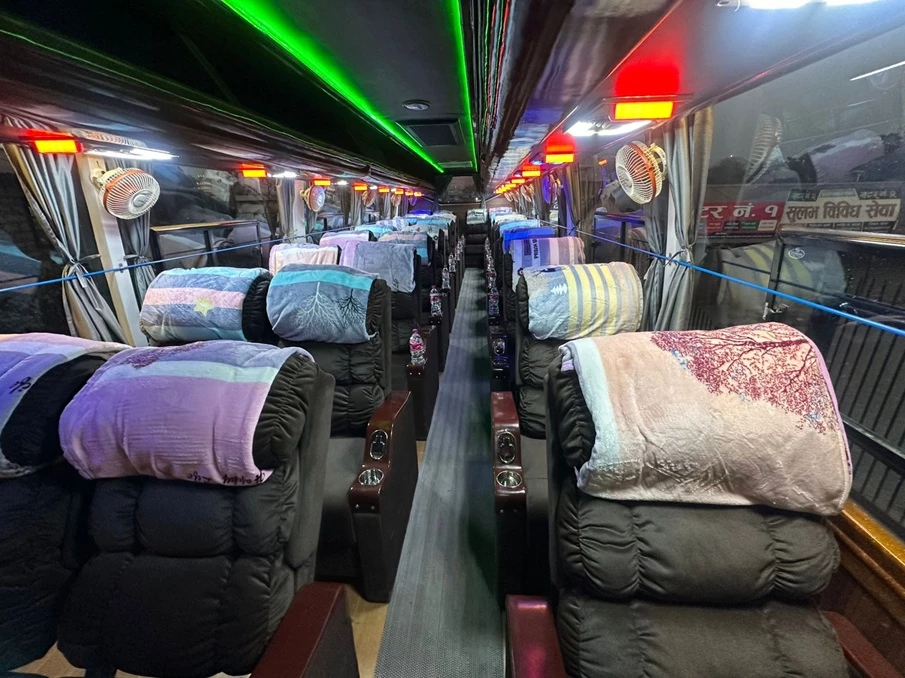
  • Always share your exact flight details (airline, flight number, departure time) with Nepal Vehicle Hiring Pvt Ltd — departure time is calculated based on your specific flight, not a generic estimate.
  • Plan to leave Sauraha early. Kathmandu traffic is unpredictable — an early departure is the most effective risk-mitigation strategy for this transfer.
  • Have your passport, visa, and flight confirmation easily accessible in your day bag — not in checked luggage. Airport security checks begin at the TIA gate entrance.
  • Exchange or withdraw enough NPR before leaving Sauraha for any incidentals — the TIA exchange rate is often less favourable than Sauraha or Narayanghat.
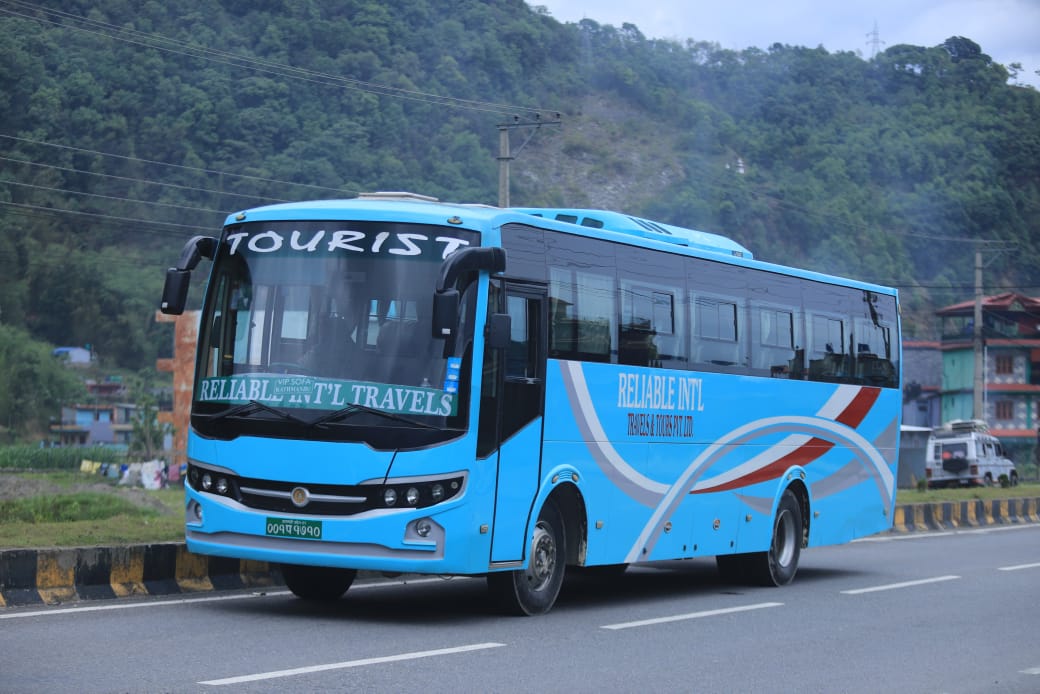
  • Carry a light jacket or layer for the vehicle — air conditioning in private cars and vans can be cold on a 4- to 5-hour journey.
  • Eat a proper meal before departing Sauraha or plan a stop at Mugling — TIA has limited and expensive food options once you pass security.
  • Keep your phone charged — your driver’s WhatsApp contact is your primary line of communication throughout the transfer. Carry a power bank.
  • If flying internationally, reconfirm with your airline whether your flight departs from the international terminal or if any last-minute terminal changes have occurred — TIA procedures can change.
  • For families or groups with young children, communicate this when booking — Nepal Vehicle Hiring Pvt Ltd ensures child-appropriate seating and can plan more frequent rest stops.
  • Do not leave valuable items (passports, laptops, cameras) in the vehicle if making a rest stop — always take your day bag with valuables inside with you.

Chitwan to Kathmandu Airport — Frequently Asked Questions

How far is Sauraha (Chitwan) from Kathmandu Airport (TIA)?

The road distance from Sauraha, Chitwan, to Tribhuvan International Airport (TIA) in Kathmandu is about 147 to 165 km, depending on your hotel’s exact location in Sauraha. The route follows the Prithvi Highway through Narayanghat, Mugling, and Naubise into Kathmandu.

How long does the Chitwan to Kathmandu Airport transfer take?

A private car or jeep transfer takes approximately 4 to 5 hours in good traffic conditions. However, because Kathmandu traffic is unpredictable — especially at the Kalanki junction—Nepal Vehicle Hiring Pvt Ltd advises planning for at least 5 to 6 hours, or adding a 2-hour buffer to the estimated drive time.

What is the 2026 cost of a private car from Chitwan to Kathmandu Airport?

A private sedan hire from Sauraha (Chitwan) to TIA costs approximately USD 110-150 for the full vehicle (one-way), including driver, fuel, and road tolls. A private jeep costs USD 130-170. A Hiace van for larger groups costs USD 160-220.

Can I take a tourist bus from Chitwan to Kathmandu Airport?

Tourist buses are not recommended for airport transfers. They operate on fixed schedules, make multiple stops, take 6 to 8 hours, and cannot guarantee arrival times. The risk of missing your international flight is significant.

Nepal Vehicle Hiring Pvt Ltd strongly recommends private car or jeep hire for Chitwan-to-TIA airport transfers.

What time should I leave Sauraha for a 3:00 PM flight from TIA?

For a 3:00 PM international TIA flight, international check-in closes at 12:00 PM — meaning you must arrive at TIA by 11:30 AM at the latest. Allow 5 to 6 hours for the Sauraha-to-TIA transfer to account for Kathmandu traffic. This means departing from Sauraha between 5:30 and 6:00 AM.

Nepal Vehicle Hiring Pvt Ltd calculates this precisely for every booking.

Is there an alternative to driving — can I fly from Chitwan to Kathmandu?

Yes. Bharatpur Airport (BHR), approximately 20–25 km from Sauraha, has multiple daily domestic flights to TIA Kathmandu. The flight takes only 25 minutes.

Nepal Vehicle Hiring Pvt Ltd provides a Sauraha-to-Bharatpur Airport ground transfer (approximately USD 25–40), after which you fly to TIA on Buddha Air or Yeti Airlines (approximately USD 100–130 per person). This is the fastest option, but it depends on the weather.

What if there is a traffic jam and I might miss my flight?

Nepal Vehicle Hiring Pvt Ltd drivers use real-time traffic monitoring and knowledge of Kathmandu’s inner road network to navigate around congestion. We always calculate departure times with a traffic buffer. In cases of extreme or unexpected congestion, drivers contact us immediately, and we explore all available options, including alternative routes.

That is why we never recommend tourist buses for airport transfers—a private driver has the flexibility and motivation to find solutions.

Can you arrange a Chitwan-to-Kathmandu Airport transfer on short notice?

Yes. Nepal Vehicle Hiring Pvt Ltd accepts same-day and last-minute bookings subject to vehicle availability. However, for the reliability and peace of mind that an airport transfer requires, we recommend booking at least 48 hours in advance.

Contact us immediately via WhatsApp at 977- WhatsApp for urgent transfer requests.

Does the transfer price include drop-off directly at the TIA terminal?

Yes. All Nepal Vehicle Hiring Pvt Ltd airport transfer prices include door-to-door service from your Sauraha hotel directly to the TIA departure terminal — international or domestic as required. No hidden fees or additional charges apply for terminal drop-off.

Why Choose Nepal Vehicle Hiring Pvt Ltd for Your Airport Transfer?

Nepal Vehicle Hiring Pvt Ltd is Kathmandu’s most trusted vehicle hire company, with extensive experience in time-sensitive airport transfers. Here is why travellers choose us for the Chitwan to Kathmandu Airport transfer:

  • Flight-Specific Departure Planning: We calculate your Sauraha departure time based on your exact TIA flight, real-time traffic forecasts, and a built-in safety buffer — not a generic estimate.
  • 24/7 Availability: Airport transfers happen at all hours — 3:00 AM departures, midnight pickups, early morning flights. Nepal Vehicle Hiring Pvt Ltd operates around the clock.
  • Door-to-Door Service: Pick-up from your hotel or lodge in Sauraha, drop-off at the correct TIA terminal, international or domestic. No stops unless requested. Licensed Drivers: Experienced on the Prithvi Highway, knowledgeable about Kathmandu’s inner road network, and skilled at navigating traffic congestion on transfer days.
  • Real-Time Traffic Monitoring: Our drivers use apps and local knowledge to select the fastest available route into Kathmandu and to TIA on the day of travel.
  • Transparent All-Inclusive Pricing: Driver, fuel, tolls, and parking at TIA are all included. The price quoted is the price you pay.
  • Flight Change Flexibility: We accommodate last-minute rescheduling, or delays are our penalty. We coordinate with your driver to adjust timing in real time.
  • Full Fleet: Private sedans (1–3 pax), 4WD jeeps (2–6 pax), Hiace vans (7–14 pax), and coaster buses (15–25 pax) — the right vehicle for every group size.
  • WhatsApp Communication Throughout: We share your driver’s direct WhatsApp number at booking — ensuring continuous communication from departure to TIA drop-off.

Conclusion

The Chitwan-to-Kathmandu Airport transfer is one of Nepal’s most time-critical travel logistics challenges. The 147 to 165 km road journey, combined with Kathmandu’s unpredictable traffic, means this transfer doesn’t reward last-minute planning or budget compromises on transport reliability.

A private car, jeep, or Hiace from Nepal Vehicle Hiring Pvt Ltd gives you the control, flexibility, and professional service that an airport transfer demands. With flight-specific departure planning, door-to-door hotel pickup in Sauraha, experienced drivers who know every kilometre between Chitwan and TIA, and 24/7 booking and communication support, we ensure you arrive at Tribhuvan International Airport on time—every time.

Book your Chitwan to Kathmandu Airport transfer today and end your Nepal adventure the right way: relaxed, on time, and with every detail handled professionally.

Book your transfer now — Call or WhatsApp:+ 977- WhatsApp

Kathmandu to Chame Vehicle Hire

Chame

Kathmandu to Chame Vehicle Hire – Complete Road Guide

Chame is the district headquarters of Manang District and a key access point on the legendary Annapurna Circuit Trek. Situated at an altitude of 2,710 m in the Marsyangdi River valley, Chame is where trekkers first see the dramatic Annapurna range up close and where the classic Annapurna Circuit scenery truly begins.

Getting to Chame from Kathmandu by private vehicle is the fastest and most comfortable way to begin your Annapurna Circuit trek – and in 2026, it has never been easier to arrange.

This complete guide covers everything you need to know about hiring a vehicle from Kathmandu to Chame – route options, road conditions, vehicle types, prices, permits, trekking overview, and practical tips for trekkers in 2026.

Where is Chame and Why Go There?

Location: Chame, Manang District, Gandaki Province, Nepal

Altitude: 2,710 m above sea level

Distance from Kathmandu: Approximately 185–195 km by road

Distance from Besisahar: Approximately 55 km north by mountain road

Travel Time from Kathmandu: 7 to 10 hours by 4WD jeep (road conditions vary significantly)

Road Type: Prithvi Highway (paved) + Annapurna Circuit road (rough mountain track from Besisahar)

Vehicle Required: 4WD Jeep mandatory from Besisahar onwards – sedans cannot reach Chame

Trek: Chame is a Day 4–5 stop on the Annapurna Circuit Trek

Chame sits in the deep Marsyangdi River gorge flanked by the towering Annapurna II (7,937 m), Annapurna IV (7,525 m), and Lamjung Himal (6,983 m). The village has teahouses, a health post, small shops, and nearby hot springs. It is the last significant settlement with reliable facilities before the trek enters the higher, more remote Manang valley.

Why Hire a Private Vehicle to Chame?

The Annapurna Circuit Trek traditionally starts in Besisahar and follows the Marsyangdi River valley on foot to Chame and beyond. However, many modern trekkers choose to hire a private vehicle from Kathmandu or Besisahar directly to Chame to skip the lower, less scenic sections of the circuit and begin trekking from the more spectacular mountain terrain. Here is why hiring a vehicle makes sense:

  • Save 3 to 4 days of trekking on the lower valley section from Besisahar to Chame – now largely a jeep road rather than a traditional trail.
  • The road from Besisahar to Chame has been significantly developed in recent years,s and much of the traditional trail now runs alongside or on the jeep road – less rewarding to walk than it once was
  • Begin your trek from Chame at 2,71 m, where the most dramatic mountain scenery of the Annapurna Circuit begins.
  • Arrive fresher and stronger for the harder high-altitude sections above. home.
  • A private vehicle provides ample space for luggage, trekking gear, sleeping bags, and personal equipment.
  • Depart from your Kathmandu hotel at any time – complete flexibility
  • Experienced driver with knowledge of the rough Besisahar to Chame mountain road
  • Significantly faster than local jeeps or buses on this route

Chame villafge

Vehicle Options & Prices: Kathmandu to Chame

Vehicle Hiring Nepal provides a full range of 4WD vehicles suitable for the Kathmandu-to-Chame mountain route. Note that only 4WD vehicles are suitable beyond Besisahar:

Vehicle TypeCapacityPrice One-Way (USD)Price Round Trip (USD)Notes
Toyota Land Cruiser4–6 pax$600 – $1000$700 – $1500Most popular – best for Chame road
Toyota Land Cruiser Prado4–5 pax$400 – $600$600 – $800Comfortable, capable on rough terrain
Mahindra Bolero / Scorpio4–6 pax$250 – $350$350 – $600Budget option with good clearance
Toyota Hiace (to Besisahar only)7–14 pax$250 – $400$300– $900Cannot proceed beyond Besisahar – jeep needed
Sedan (to Besisahar only)1–3 paxNot suitableNot suitableCannot reach Chame – road too rough

All private vehicle prices include the driver, full fuel for the journey, and vehicle insurance. Round-trip pricing includes the driver staying in Chame or Besisahar during your trek and returning you to Kathmandu after your circuit is complete. Contact us directly for the most accurate 2026 pricing based on your specific travel dates.

Route Overview: Kathmandu to Chame

The journey from Kathmandu to Chame includes two distinct road experiences: the smooth national highway from Kathmandu to Besisahar, and the rough mountain track from Besisahar north to Chame. Understanding this division is essential for planning your journey.

SectionDistanceRoad TypeTravel TimeDifficulty
Kathmandu to Dumre~120 kmPrithvi Highway – paved2.5–3 hrsEasy
Dumre to Besisahar~22 kmSecondary road – mostly paved45 minEasy–Moderate
Besisahar to Khudi~10 kmRough gravel track30–45 minModerate
Khudi to Bahundanda~8 kmRocky Mountain track30–45 minDifficult
Bahundanda to Chamje~12 kmVery rough, narrow gorge road45–60 minVery Difficult
Chamje to Tal~8 kmRiver crossing + rough track45–60 minVery Difficult
Tal to Dharapani~10 kmRocky Gorge track45–60 minDifficult
Dharapani to Chame~15 kmRough mountain road, some paved1–1.5 hrsModerate–Difficult

Total distance: approximately 185- 195 km. Total travel time: 7- 10 hours, depending on road conditions, river levels, and weather. Depart Kathmandu early, between 5:00 and 6:00 AM, to reach Chame before dark.
Nepal Tour Package

Detailed Road Guide: Kathmandu to Chame

Kathmandu to Dumre (120 km | ~2.5–3 hrs)

Depart Kathmandu early – ideally 5:00 to 5:30 AM. Follow the Prithvi Highway west through Naubise, along the scenic Trishuli River gorge, past Malekhu and Mugling (a brief tea stop is recommended), then continue west past Damauli. At Dumre, turn north onto the road heading towards Besisahar.

Dumre is the last town on the highway before the Annapurna Circuit road begins. Fuel up here if needed and stock up on snacks and water.

Dumre to Besisahar (22 km | ~45 min)

From Dumre, the road heads north into the Marsyangdi River valley. The road is mostly paved with some rough sections. Besisahar is the official starting point of the Annapurna Circuit and the district headquarters of Lamjung District.

The town has ATMs (the last reliable ones before Chame), shops, teahouses, and the ACAP permit checkpoint where all trekking permits are first registered.

Stop in Besisahar for: a final ATM withdrawal, permit registration at the ACAP checkpoint, fuel (the last reliable fuel stop), and a light meal if you have not eaten since Kathmandu.

Besisahar to Khudi (10 km | ~30–45 min)

Beyond Besisahar, the road immediately becomes rough. The well-paved highway ends, and the Annapurna Circuit jeep track begins. The road follows the west bank of the Marsyangdi River through green terraced hillsides and small farming villages.

The track is rocky and bumpy, but passable for 4WD vehicles. Khudi is a small village at 790 m with a few teahouses – the Marsyangdi River runs fast and clear below.

Khudi to Bahundanda (8 km | ~30–45 min)

The road becomes noticeably rougher and narrower through this section. The river gorge begins to close in. Bahundanda, at 1,310 m, is a Brahmin village perched on a ridge with excellent views down the Marsyangdi Valley and north towards the Annapurna range.

The road through and beyond Bahundanda requires careful driving on narrow sections above steep drops.

Bahundanda to Chamje (12 km | ~45–60 min)

This is one of the most challenging sections of the drive. The road squeezes through a dramatic, narrow gorge with the Marsyangdi River roaring below. Multiple sections are cut directly into the cliff face.

Your driver will navigate carefully and slowly. During the monsoon, this section is especially prone to rockfalls and road damage. On clear days, the gorge views are spectacular.

Chamje to Tal (8 km | ~45–60 min)

Chamje requires crossing the Marsyangdi River on a bridge to the east bank. From here, the road enters the Manang District. Tal at 1,700 m is a flat, open village situated in a wide river valley – a dramatic contrast to the tight gorge sections below.

A massive ancient landslide formed the village by damming the river and creating the flat basin. A good place for a brief rest and snack break.

Tal to Dharapani (10 km | ~45–60 min)

From Tal, the road continues north through increasingly dramatic Himalayan terrain. Karte, Dharapani, and Bagarchhap are small villages along this section. Dharapani, at 1,860 m, marks the entry into the Manang District proper and serves as an important checkpoint where permits are inspected.

The mountains are now noticeably closer and higher.

Dharapani to Chame (15 km | ~1–1.5 hrs)

The final section to Chame passes through Bagarchhap (affected by the famous 1995 landslide), Danaque, Timang, Thanchowk, and Koto. The Annapurna II (7,937 m) massif begins to dominate the northern skyline as you approach Chame. The road improves slightly in this final section with some paved stretches around Koto and Chame itself.

Arrive in Chame (2,710 m), the district headquarters of Manang. The town has government offices, a health post, multiple teahouses and lodges, small shops, a police checkpoint, and hot springs just outside town. Your trekking adventure begins in earnest from here.

Chame Route
Chame Route

Kathmandu to Chame – Two-Day Option

Many trekkers and drivers prefer to split the long Kathmandu-to-Chame journey into two days for safety and comfort. Here is the recommended two-day itinerary:

Day 1: Kathmandu to Besisahar (142 km | 3.5–4 hrs)

Depart Kathmandu at a comfortable 7:00 AM. Drive via the Prithvi Highway to Dumre, then north to Besisahar. Arrive by late morning.

Spend the afternoon exploring Besisahar, completing permit registrations, visiting the weekly market if timing allows, and resting in preparation for the rough road ahead. Overnight in Besisahar in a comfortable guesthouse – a good rest before the mountain track.

Day 2: Besisahar to Chame (55 km | 4–6 hrs by jeep)

Depart Besisahar by jeep between 6:00 and 6:30 AM. The mountain track from Besisahar to Chame takes 4- 6 hours, depending on road conditions. Arrive in Chame by noon to early afternoon, giving you time to settle in, explore the village, visit the hot springs, and acclimatise to the 2,710 m altitude before trekking the following morning.

The two-day option is strongly recommended for trekkers who want to arrive in Chame well-rested and fully acclimatised, rather than exhausted after a 9- to 10-hour continuous drive.

Road Conditions: What to Expect on the Chame Road

The road from Besisahar to Chame is one of Nepal’s most challenging access roads. Here is what to expect in each season:

October to November (Best Conditions)

The post-monsoon is the best time for the Besisahar-Chame road. Monsoon rains have ended, road surfaces have dried and been partially repaired, and water levels in the Marsyangdi River are dropping. Rockfall risk is reduced.

The road is at its most reliable and passable during this peak trekking season. Still expect rough, bumpy sections throughout, but no major blockages in normal years.

March to May (Good Conditions)

Spring is the second-best season. Winter frosts have cleared, river levels are moderate, and the road is generally in good shape. Snow can occasionally affect the highest sections near Chame in early March, but usually clears by mid-March—a reliable season for vehicle hire.

December to February (Cold – Possible with Caution)

Winter driving to Chame is possible but requires an experienced driver and a suitable vehicle. Ice and frost can make the rocky sections above Chame and near Tal slippery in the early morning. Check conditions with your driver before departure.

The road is usually passable, but avoid arriving in Chame after dark.

June to September (Monsoon – High Risk)

The Besisahar-Chame road is at its most dangerous during the monsoon. Heavy rains cause frequent landslides and rockfalls, and occasional complete road closures along the narrow sections of the gorge between Bahundanda and Tal. Road repairs during the monsoon are ongoing, but closures can last for days.

We strongly advise against attempting the Besisahar to Chame road during active monsoon unless local sources confirm road conditions on the day of travel.

Swayambhunath visit during Kathmandu Pokhara Tour

Trekking Permits Required for Chame and Annapurna Circuit 2026

All trekkers visiting Chame and the Annapurna Circuit must carry valid permits. These must be arranged in Kathmandu or Pokhara before travel – not available at Chame:

PermitCost 2026 (Approx.)Where to GetValid For
ACAP – Annapurna Conservation Area PermitNPR 3,000 (~USD 22)Nepal Tourism Board, Kathmandu or PokharaFull Annapurna Circuit including Chame and Manang
TIMS Card – Trekkers Information ManagementUSD 10Nepal Tourism Board / TAAN officeRequired for all trekkers on the circuit
Manang Restricted Area PermitNot required for the standard Annapurna CircuitN/AOnly needed for restricted side valleys off the main circuit

Permit checkpoints are located at Besisahar, Dharapani, Chame, and Manang. Authorities thoroughly check all permits at each point. Trekkers without valid, stamped permits will be fined or turned back.

Arrange all permits in Kathmandu or Pokhara the day before departure.

The Annapurna Circuit Trek – Overview from Chame

Starting your Annapurna Circuit trek from Chame rather than Besisahar means skipping the lower-valley section and starting directly in the dramatic high-mountain terrain. Here is what lies ahead from Chame:

StageFrom – ToDistanceAltitudeHighlights
Day 1 from ChameChame – Pisang~17 km2,710m → 3,200mPaungda Danda rock face, Lamjung Himal views
Day 2Pisang – Manang~22 km3,200m → 3,500mAnnapurna III, Gangapurna, upper Pisang monastery
Day 3Manang (acclimatisation)–3,500mIce Lake, Gangapurna Lake, Milarepa Cave
Day 4Manang – Yak Kharka~10 km3,500m → 4,018mHigh yak pastures, Annapurna IV views
Day 5Yak Kharka – Thorong Phedi~8 km4,018m → 4,450mLast teahouses before the pass
Day 6Thorong La Pass crossing~16 km4,450m → 5,416m → 3,800mThe highest point of the circuit, descent to Muktinath
Day 7+Muktinath – Jomsom – Pokhara–3,710m → 2,720mSacred temple, apple orchards, Kali Gandaki valley

Total Trek Duration from Chame: Approximately 10 to 14 days to complete the circuit to Pokhara via Muktinath and Jomsom

Highest Point: Thorong La Pass at 5,416 m – one of the highest trekking passes in the world

Trek End Point: Most trekkers end at Nayapul or Pokhara via Jomsom and Muktinath

Kathmandu to Chame Vehicle Hire

Chame Village – What to Expect

Accommodation

Chame has a good selection of teahouses and lodges by Annapurna Circuit standards. Rooms are simple – twin beds, blankets, and basic shared bathrooms. Most teahouses offer hot showers for a small extra charge.

Electricity is available in Chame via the local micro-hydro system. Charge all devices here as power becomes less reliable above Manang.

Food and Dining

Teahouse menus in Chame offer the standard Annapurna Circuit fare – dal bhat (the best value and most filling option), noodle soup, fried rice, pasta, momo, pancakes, porridge, chapati, and Tibetan bread. Dal bhat with unlimited refills is the recommended meal for trekkers needing maximum energy. Apple-based products, including apple pie, apple juice, and apple brandy, become available from Chame onwards.

Hot Springs

Natural hot springs are located just outside Chame village, a short walk from the main teahouse area. After the long drive from Kathmandu, a soak in the hot springs is an excellent way to relax tired muscles and acclimatise before beginning the trek. The hot springs are open daily with a small entry fee.

Mobile Signal and WiFi

Ncell and NTC both have a signal in Chame, though it can be intermittent. Most teahouses offer WiFi for a small fee. Download offline maps (Maps.me or Gaia GPS with the Annapurna Circuit map) before leaving Kathmandu, as the signal becomes very unreliable above Manang.

Banking and ATM

There is no reliable ATM in Chame. The last reliable ATMs on the circuit are in Besisahar and Pokhara. Withdraw sufficient Nepali Rupees in Kathmandu or Besisahar before proceeding.

Budget approximately NPR 3,00- 5,000 per person per day for teahouse accommodation and meals above Besisahar.

Best Time to Hire a Vehicle from Kathmandu to Chame

October to November (Peak Season – Best)

The finest time for the Kathmandu to Chame drive and the Annapurna Circuit Trek. Clear post-monsoon skies offer spectacular views of Annapurna II, IV, and Lamjung Himal from the road and trail. Road conditions are at their most reliable.

The circuit is busy during this season – book your vehicle 3 to 6 weeks in advance. The golden autumn colours of the Marsyangdi valley are striking.

March to May (Excellent – Spring)

Spring is the second-best season for the Annapurna Circuit. Rhododendron forests below 3,000 m are in full bloom from March to April, with clear mornings and excellent mountain views. The Besisahar-Chame road is in good condition after winter.

Slightly less crowded than October–November. Strongly recommended season for the circuit.

December to February (Quiet – Cold)

Winter trekking on the Annapurna Circuit is possible but challenging. The Thorong La Pass can be snowbound or closed in January and February. Chame and Manang are very cold (-10°C to -20°C at night).

The drive from Besisahar to Chame is possible but requires extra care on icy sections. Fewer trekkers and lower teahouse prices make winter an appealing option for experienced cold-weather trekkers.

While the Annapurna Circuit above 3,000 m remains relatively dry during the monsoon, the Besisahar to Chame road is extremely risky from June to September. Frequent landslides can block the road for days. We do not recommend driving to Chame during the active monsoon season.

If trekking in the monsoon, consider flying to Jomsom or Pokhara and starting from Muktinath on the reverse circuit instead.

Kathmandu to Chame Vehicle Hire

Kathmandu to Chame vs Kathmandu to Besisahar – Which is Right for You?

Some trekkers prefer to drive only to Besisahar and walk from there to Chame over 3 to 4 days. Others prefer driving all the way to Chame. Here is how to decide:

FactorDrive to Besisahar OnlyDrive all the way to Chame
Trek starting altitude820 m (Besisahar)2,710 m (Chame) – skip lower valley
Drive difficultyEasy – paved road onlyDifficult – rough mountain track to Chame
Total trek days16–20 days full circuit12–15 days full circuit
Lower valley experienceWalk through the full Marsyangdi gorgeSkip lower valley (now largely jeep road)
Vehicle requiredAny vehicle4WD jeep mandatory
CostLJeep – sedan suitableHigher – jeep required
Physical demandMore walking, gradual ascentHigher altitude start – monitor for AMS
Best forFirst-time circuit trekkers, traditionalistsExperienced trekkers, limited time

Our recommendation: If you have 16 or more days for the circuit, consider driving to Besisahar and walking the full route. If you have 12 to 14 days, driving to Chame allows you to experience the best sections of the circuit without rushing. Either way, Vehicle Hiring Nepal provides the right vehicle for both options.

What to Pack for the Kathmandu to Chame Jeep Ride

  • Pack and organise all trekking gear in your main backpack the night before departure.
  • ACAP permit and TIMS card – essential, must be shown at Besisahar and Dharapani checkpoints
  • Sufficient Nepali Rupees – withdraw in Kathmandu or Besisahar, as there are no reliable ATMs in Chame.
  • Motion sickness tablets – the road beyond Besisahar is extremely rough and windy. ing
  • Snacks and litres of water per person for the full day journey
  • Warm layers – Chame is at 2,710 m and temperatures drop significantly, especially after sunset
  • Camera or phone fully charged – mountain views begin appearing from Tal onwards
  • Offline maps downloaded to phone – signal unreliable above Besisahar
  • Headlamp accessible – in case of late arrival at Chame after dark
  • First aid kit and altitude sickness medication (Diamox) – consult a doctor before travel

What is Included When You Book With Vehicle Hiring Nepal?

  • Private 4WD jeep (Land Cruiser or Jeep equivalent) with experienced mountain road driver
  • Full fuel cost for Kathmandu to Chame and return journey
  • Vehicle insurance for the entire journey duration
  • Hotel pickup from your Kathmandu hotel or guesthouse
  • Drop-off directly at your teahouse in Chame village
  • Rest stops at Mugling, Dumre, and Besisahar
  • Driver staying in Besisahar or Chame during your trek (for round-trip bookings)
  • Return pickup from Chame, Besisahar, or Nayapul at the end of the trek
  • 24/7 WhatsApp support during the journey and throughout your trek

Not included: Trekking permits (ACAP and TIMS), personal meals, teahouse accommodation, porter and guide fees, and any additional detour stops beyond the agreed route.

How to Book Your Kathmandu to Chame Vehicle Hire

  1. Visit vehiclehiringnepal.com or contact us directly on WhatsApp
  2. Select your vehicle type – Land Cruiser or Prado, recommended for the Chame road
  3. Choose your travel date and preferred departure time (5:00–5:30 AM strongly recommended)
  4. Provide your pickup address or hotel name in Kathmandu
  5. Confirm your drop-off destination – Chame, Besisahar, or another Annapurna Circuit point
  6. Specify if you need a round-trip booking with a driver waiting for the post-trek return
  7. Confirm your group size and luggage – trekking packs require adequate boot space
  8. Receive booking confirmation with driver details, vehicle type, and departure plan

WhatsApp: 977 981-4227196
Email: [email protected]
Website: www.vehiclehiringnepal.com

Frequently Asked Questions

Can a regular car reach Chame from Kathmandu?

No. A regular sedan or standard car can travel comfortably from Kathmandu to Besisahar on the paved Prithvi Highway. However, the road from Besisahar to Chame is a rough, rocky mountain track with steep sections, narrow ledges, and occasional river crossings, so it requires a high-clearance 4WD vehicle. A Toyota Land Cruiser or equivalent is the minimum requirement for the Besisahar-Chame section.

How early should I depart from Kathmandu to reach Chame in one day?

To reach Chame in a single day, depart Kathmandu by 5:00 to 5:30 AM at the latest. The journey takes 8 to 10 hours, including rest stops at Mugling and Besisahar. Departing after 6:00 AM risks arriving in Chame after dark, which is not safe on the mountain track sections.

Most trekkers should plan a two-day journey with an overnight in Besisahar.

Do I need to arrange a guide or porter before reaching Chame?

The Annapurna Circuit does not legally require a guide or porter, though both are strongly recommended. You can arrange guides and porters in Kathmandu, Pokhara, or Besisahar. By the time you reach Chame, it becomes harder to find reliable guides or porters as most work out of Pokhara or Kathmandu.

We recommend arranging your guide and porter before departure.

What if the road is blocked by a landslide between Besisahar and Chame?

Landslide blockages are a real possibility, especially after heavy rain. Our drivers are experienced on this route and monitor road conditions before departure.

If a blockage occurs mid-journey, the driver will assess whether to wait for clearance (minor slides are typically cleared within hours), take an alternative route, or arrange for you to continue on foot with your gear while the vehicle waits. We stay in touch with local road crews and will keep you informed via WhatsApp.

Can I combine a Kathmandu-to-Chame vehicle with a Pokhara-to-Nayapul return?

Yes. This is one of the most popular Annapurna Circuit transport combinations. Hire a jeep from Kathmandu to Chame at the start of your trek, and pre-arrange a vehicle from Nayapul (or Jomsom) to Pokhara at the end of your circuit.

Vehicle Hiring Nepal can arrange both legs as part of a single booking – giving you smooth transport at both the start and finish of your Annapurna Circuit trek.

How much does it cost per person for the Kathmandu-to-Chame jeep?

The Land Cruiser jeep costs USD 200-250 for a one-way trip from Kathmandu to Chame. For a group of 4 trekkers sharing the jeep, this works out to approximately USD 50-63 per person – excellent value given the distance, road conditions, and driver expertise involved. For groups of 5 to 6 sharing a single Land Cruiser, the per-person cost drops further to USD 33 to USD 50.

Is altitude sickness a risk when driving directly to Chame?

Yes. Driving directly from Kathmandu (1,400 m) to Chame (2,710 m) in a single day is a significant altitude gain. Most healthy adults tolerate this well, but some individuals may experience mild AMS symptoms – headache, fatigue, or nausea – on the first night in Chame.

To minimise risk, stay well hydrated throughout the drive, avoid alcohol on your first night in Chame, and if symptoms are more than mild, spend an extra night in Chame before beginning the trek upward. Carry Diamox (consult your doctor for dosage) as a precaution.

Final Thoughts

Hiring a private vehicle from Kathmandu to Chame is one of the smartest ways to begin the Annapurna Circuit trek in 2026. By starting at Chame at 2,710 m, you skip the lower valley section of the circuit that has been significantly modified by road construction and begin your trek in the most spectacular and dramatic mountain terrain of the entire route – with Annapurna II towering above you from the very first morning.

The road journey from Kathmandu to Chame is itself a remarkable experience – descending through the Trishuli gorge, crossing the Terai foothills at Dumre, and then climbing through progressively wilder and more remote Himalayan terrain from Besisahar to Chame. With Vehicle Hiring Nepal, you travel with an experienced mountain driver who knows every kilometre of this challenging road and will ensure your group arrives safely, on time, and ready to begin one of the world’s great trekking adventures.

Book your Kathmandu-to-Chame vehicle hire today. We also arrange return transport from Nayapul or Pokhara at the end of your circuit.

Lumbini to Kathmandu Car Rental: Complete Travel Guide

Kathmandu to Lumbini

Lumbini to Kathmandu Car Rental – Complete Travel Guide

After visiting the sacred birthplace of Lord Buddha in Lumbini, the return journey to Kathmandu is a long but beautiful road trip through Nepal’s Terai plains, river valleys, and Himalayan foothills. Hiring a private car from Lumbini to Kathmandu is the most comfortable, flexible, and reliable way to make this journey – whether you are a pilgrim completing your sacred tour, a family traveller, or a trekker heading back to Kathmandu for your next adventure.

This comprehensive 2026 guide covers the route from Lumbini to Kathmandu, all vehicle options and prices, the best time to travel, road conditions, key stops along the way, and practical tips to ensure a smooth, enjoyable journey.

Lumbini to Kathmandu

The return road journey from Lumbini to Kathmandu reverses the outward route: it follows the East-West Highway east from Bhairahawa, then climbs north through Narayangadh and the Prithvi Highway back to Kathmandu.

Distance: Approximately 280–300 km by road

Travel Time: 6 to 8 hours by private car, including rest stops

Main Route: Lumbini – Bhairahawa – Butwal – Narayangadh – Mugling – Naubise – Kathmandu

Road Type: East-West Highway (flat Terai) + Narayangadh Highway + Prithvi Highway (mountain)

Altitude Climb: From Lumbini 100 m (Terai plains) up to Kathmandu 1,400 m

Best Departure: 6:00 – 7:00 AM from Lumbini to arrive in Kathmandu by early to mid-afternoon

Why Choose a Private Car Rental from Lumbini to Kathmandu?

Many travellers choose public buses or shared vehicles for the return journey from Lumbini to Kathmandu. However, a private car rental is a superior option in almost every way. Here is why:

  • Depart from your Lumbini hotel or the sacred garden gate at any time – no fixed bus schedule
  • Door-to-door service – picked up from your Lumbini resort and dropped off at your Kathmandu hotel
  • Comfortable, air-conditioned Vehicle – essential on the hot Terai plains section
  • Full luggage space for pilgrimage items, offerings, purchases, and personal gear
  • Stop at your own convenience – Butwal, Narayangadh, Mugling lunch stops all at your pace
  • Safe and experienced driver familiar with the long Lumbini to Kathmandu route
  • Privacy for families, pilgrimage groups, and couples throughout the journey
  • Faster journey than public buses – a private car saves 1 to 2 hours on this route
  • Option to make meaningful detour stops – Tilaurakot, Pokhara, Chitwan – along the way

Kathmandu to Lumbini Tour Package

Vehicle Options & Prices: Lumbini to Kathmandu

Vehicle Hiring Nepal offers a full fleet of vehicles for the Lumbini-to-Kathmandu route. Choose the Vehicle that best fits your group size, comfort needs, and budget:

Vehicle TypeCapacityPrice (USD)Best For
Sedan Car1–3 passengers$ 170- 252Solo pilgrims, couples, small families
SUV / Jeep (Toyota Fortuner / Prado)4–6 passengers$ 200- 300Families, small groups with gear
Hiace Van (Toyota Hiace)7–14 passengers$ 260- $ 350Pilgrimage groups, tour groups
Coaster Bus (Toyota Coaster)15–22 passengers$ 350- $ 450Large pilgrimage groups, school tours
Full-Size Bus23–35 passengers$ 450- $ 550Monastery groups, large events

All prices include the driver, full fuel cost, and vehicle insurance for the one-way journey from Lumbini to Kathmandu. Round-trip packages (Kathmandu–Lumbini–Kathmandu) are also available at discounted rates. Contact us for a precise quote based on your travel date.

Detailed Road Guide: Lumbini to Kathmandu

The Lumbini-to-Kathmandu road journey has two distinct characters – the flat, fast Terai section and the winding mountain highway section. Here is a complete stage-by-stage breakdown:

Stage 1: Lumbini to Bhairahawa (22 km | 30 min)

Begin your return journey from the Lumbini Development Zone main gate or your hotel in Sauraha village. The road to Bhairahawa (officially Siddharthanagar) is wide, flat, and well-paved. Bhairahawa is the nearest city to Lumbini and a major commercial hub in the western Terai.

Stop in Bhairahawa if you need to: withdraw cash from an ATM, fuel up the Vehicle, purchase snacks or medicine for the journey, or pick up additional passengers. This is the last comfortable urban stop before the long stretch of the Terai highway begins.

Stage 2: Bhairahawa to Butwal (25 km | 30 min)

From Bhairahawa, the road heads northeast to Butwal – a busy gateway town at the base of the Siwalik hills where the Terai plains meet the first Himalayan foothills. Butwal is an important junction – the East-West Highway continues east from here, and the road north climbs into the hills towards Pokhara and the Gandaki region.

Butwal has good restaurants and roadside shops. It is a convenient early-morning tea stop if you left Lumbini at dawn. The road through Butwal can be congested during market hours – your driver will navigate efficiently.

Stage 3: Butwal to Narayangadh / Bharatpur (90 km |1.5 hrs)

This is the longest flat section of the journey – a wide, fast highway through the agricultural Terai heartland of Nepal. Rice paddies, mustard fields, banana plantations, and patches of subtropical forest line both sides of the road. You pass through towns including Sunwal, Triveni, and Dumkibas.

The East-West Highway’s road surface is generally good, allowing steady progress. Watch for slow-moving trucks, farm vehicles, and occasional livestock on the road. The landscape is quintessential Terai Nepal – wide, warm, and agricultural.

Arrival at Narayangadh (also called Bharatpur) – the busy provincial capital of Gandaki Province and a major junction town.

Narayangadh is the ideal midpoint rest stop on the journey from Lumbini to Kathmandu. The town has excellent restaurants serving fresh dal bhat, momo, noodles, and Nepali snacks. Use the facilities here – the mountain road ahead through Mugling has limited comfortable stops.

From Narayangadh, the road turns north onto the Narayangadh–Mugling Highway, leaving the flat Terai behind and beginning the dramatic climb into the mountain terrain of central Nepal.

Stage 4: Narayangadh to Mugling (36 km |45 min)

The road climbs rapidly from the Terai plains into forested hill country. The air becomes noticeably cooler and fresher as you gain altitude. The Trishuli River gorge comes into view as the road reaches Mugling – a busy junction town at the confluence of the Trishuli and Marsyangdi rivers.

Mugling is the most important rest stop on the mountain section. All vehicles stop here for tea, refreshments, or a light meal. The town is famous for its riverside restaurants – fresh fish from the Trishuli River is a local speciality.

Take 20 to 30 minutes here to refresh before the final mountain highway section.

Stage 5: Mugling to Naubise (75 km |1.5 hrs)

From Mugling, join the Prithvi Highway heading east towards Kathmandu. This is the most scenic stretch of the return journey – the highway hugs the banks of the Trishuli River through a dramatic gorge, with green rapids below and forested cliffs above.

Pass through Malekhu – another popular riverside stop with tea houses and fish restaurants – before the road begins its long climb away from the river and up into the Chandragiri foothills towards Naubise. The gorge section offers spectacular views of the river and the verdant mountain landscape. Sit on the right side of the Vehicle for the best river views on this eastward journey.

Stage 6: Naubise to Kathmandu (30 km |45 min)

The final stage climbs over the Chandragiri ridge before descending into the Kathmandu Valley—the road enters Kathmandu’s urban sprawl via Kalanki in the west. Morning and evening rush hours can add 30 to 60 minutes to this final stretch – an early Lumbini departure helps you beat the Kathmandu afternoon traffic.

Your driver will drop you directly at your Kathmandu hotel, guesthouse, or another destination in the valley. Thamel, Boudhanath, Patan, Bhaktapur – all can be your drop point.

Lumbini temple

Key Stops on the Lumbini to Kathmandu Route

StopDistance from LumbiniApprox. Travel TimeWhy Stop Here
Bhairahawa22 km30 minATM, fuel, and early supplies
Butwal47 km1 hrTea break, Junction Town, restaurants
Narayangadh140 km2.5 hrsBest midpoint lunch stop, facilities
Mugling176 km3.5 hrsRiverside tea & snacks, scenic rest
Malekhu206 km4.5 hrsOptional riverside stop, fresh fish
Naubise246 km5.5 hrsLast mountain section before KTM
Kathmandu280 km6–8 hrsFinal destination – hotel drop-off

Best Time to Travel from Lumbini to Kathmandu

October to February (Best Season)

The dry season months offer the most reliable and comfortable driving conditions on the Lumbini-to-Kathmandu route. The East-West Highway is dry and fast, the Prithvi Highway mountain section is clear and safe, and the air quality over the Terai is good. Temperatures are cool and pleasant for travel.

The Kathmandu Valley is at its clearest in October and November, with excellent views of the Himalayas on approach.

March to May (Good Season)

Spring is warm and generally dry in the Terai. The Prithvi Highway is in good condition. Temperatures on the Terai section can reach 35–38°C in April and May – air conditioning in the Vehicle is essential.

A morning departure from Lumbini before 7:00 AM is advisable to complete the Terai stretch in the cooler morning hours.

June to September (Monsoon – Use Caution)

The monsoon season brings heavy rain to both the Terai and the mountain highway sections. The East-West Highway can flood or accumulate standing water in severe storms. The Prithvi Highway through the Trishuli gorge is prone to rockfalls and landslides during the active monsoon season.

Travel is still possible with an experienced driver, but delays are common. A 4WD vehicle is recommended during the monsoon. Always check current road conditions with your driver before departing.
Ashokan Pillar lumbini

Private Car vs Public Bus – Lumbini to Kathmandu

Most travellers returning from Lumbini to Kathmandu choose either private cars or public or tourist buses. Here is a detailed comparison:

FeaturePrivate Car RentalPublic / Tourist Bus
Departure timeAny time you chooseFixed schedule (often 6:00–7:00 AM)
Pickup locationYour Lumbini hotel or resortBhairahawa bus park (taxi required)
Drop-offYour Kathmandu hotel doorBus station (taxi required to the hotel)
Travel time6–7 hours8–10 hours
ComfortAir-conditioned private VehicleShared seating, variable A/C quality
LuggageUnlimited boot spaceLimited hold space, shared
Rest stopsStop whenever and wherever you wantFixed scheduled stops only
Cost (3 pax)USD 170-252 Per VehicleDeluxe Tourist Bus USD 15 per person
Cost (6 pax)USD 200-300 total Per VehicleLuxury Sofa bus USD 20 Per Person
PrivacyComplete privacy for your groupShared with 30–45 other passengers
Detour flexibilityPokhara and Chitwan stops are possibleNo detours

For groups of 3 or more, a private car rental from Lumbini to Kathmandu is usually comparable in total cost to tourist bus tickets – and significantly more comfortable, faster, and flexible. For solo travellers on a strict budget, the tourist bus via Bhairahawa remains an affordable option.

Combine Your Return Journey with Other Destinations

One of the great advantages of hiring a private car from Lumbini to Kathmandu is the ability to make meaningful stops along the way. Here are the most popular combination routes:

Lumbini to Kathmandu via Pokhara

Add a stop in Pokhara to your return journey. From Lumbini, drive northeast to Pokhara (approximately 3.5 to 4 hours), spend 1 to 2 nights in the Lakeside city enjoying Phewa Lake, Annapurna views from Sarangkot, and adventure activities, then continue to Kathmandu the following day (6 to 7 hours). Vehicle Hiring Nepal can arrange a multi-day itinerary from Lumbini to Pokhara to Kathmandu.

Lumbini to Kathmandu via Chitwan

Chitwan National Park lies approximately 120 km northeast of Lumbini – about 2 to 2.5 hours by private Vehicle. Add a 2-night Chitwan jungle safari to your return journey from Lumbini for a classic Nepali travel combination. Drive from Lumbini to Chitwan on Day 1, enjoy a jeep safari and jungle activities on Days 2 and 3, then continue to Kathmandu from Chitwan on Day 4 (3.5 to 4 hours).

Lumbini to Kathmandu via Tilaurakot (Half Day Detour)

Tilaurakot – the ancient palace of King Suddhodana and the childhood home of the Buddha – lies just 27 km from Lumbini. If you haven’t visited this UNESCO-listed archaeological site yet, you can add it as a short early-morning detour before the main drive from Lumbini to Kathmandu. Add approximately 1.5 to 2 hours for the visit.

Lumbini to Kathmandu via Manakamana Temple

The Manakamana Temple – a famous Hindu temple dedicated to a goddess, perched on a hill above the Trishuli River gorge – lies directly on the Prithvi Highway between Mugling and Naubise. Accessible by cable car from Kurintar (approximately 10 minutes each way), Manakamana adds 1.5 to 2 hours to the return journey. This is an extremely meaningful detour for Hindu pilgrims completing their Lumbini pilgrimage.

Lumbini to Kathmandu car – Practical Travel Tips

  • Depart Lumbini by 6:00 to 7:00 AM – this allows you to complete the hot Terai section in the cooler morning hours and arrive in Kathmandu before evening traffic.
  • Carry sufficient cash in Nepali Rupees – ATMs are available in Bhairahawa before the journey, but are limited in hill sections.
  • Fill the vehicle fuel tank in Bhairahawa or Butwal – petrol stations are available but less frequent on the East-West Highway.
  • Carry at least 2 litres of drinking water per person – the Terai section has limited quality drinking-water stops.
  • Pack light snacks for the Vehicle – the route has designated stops, but carrying your own gives more flexibility.
  • Dress in light, breathable clothing for the Terai section and carry a light layer for the cooler mountain section after Narayangadh
  • Inform your Kathmandu hotel of your estimated arrival time so they can prepare your room.
  • If prone to motion sickness, take medication before the Mugling to Kathmandu mountain section, which has many winding bends.
  • The right side of the Vehicle offers the best views of the Trishuli River gorge on the eastward journey from Mugling to Kathmandu

What is Included When You Book With Vehicle Hiring Nepal?

  • Experienced, licensed driver with full knowledge of the Lumbini to Kathmandu route
  • Full fuel cost for the entire one-way journey from Lumbini to Kathmandu
  • Vehicle insurance for the full journey duration
  • Pickup from your hotel, resort, or guesthouse in Lumbini or Sauraha village
  • Drop-off at your chosen hotel, guesthouse, or address in Kathmandu
  • Rest stops at Bhairahawa, Narayangadh, and Mugling at your convenience
  • Assistance with luggage loading and unloading
  • 24/7 WhatsApp support before and throughout the journey
  • Option to add detour stops at Pokhara, Chitwan, or Manakamana (extra cost and time)

Not included: Personal meals at rest stops, hotel accommodation for multi-day combinations, entry fees for any sites visited, and any additional detour destinations beyond the agreed route.

Lumbini to Kathmandu car – Frequently Asked Questions.

How long does it take to drive from Lumbini to Kathmandu?

By private car, the journey from Lumbini to Kathmandu takes approximately 6 to 8 hours, including rest stops at Narayangadh and Mugling. Departing from Lumbini between 6:00 and 7:00 AM typically means arriving in Kathmandu between 1:00 and 3:00 PM.

How much does a private car from Lumbini to Kathmandu cost?

A private sedan for 1 to 3 passengers costs US$220 for a full-vehicle one-way, including driver and fuel. An SUV or Jeep for 4 to 6 passengers costs USD 250-350. A Hiace van for groups of 7 to 14 costs USD 240-350. All prices are for the complete Vehicle, not per person.

Is there a direct bus from Lumbini to Kathmandu?

There is no direct tourist bus from Lumbini to Kathmandu. Travellers using public transport must take a local bus or taxi from Lumbini to Bhairahawa or Butwal, then board a bus or shared jeep to Kathmandu. The total journey by public transport typically takes 9 to 11 hours and involves multiple transfers.

A private car is significantly more convenient and often comparably priced for groups.

Can I stop at Chitwan on the way from Lumbini to Kathmandu?

Yes. Chitwan National Park is approximately 120 km northeast of Lumbini – about 2 to 2.5 hours by private Vehicle. Stopping in Chitwan for 1 to 2 nights is a popular addition to the Lumbini-to-Kathmandu journey.

Vehicle Hiring Nepal can arrange a combined Lumbini-to-Chitwan-to-Kathmandu itinerary with a single vehicle and driver.

What is the best Vehicle for a pilgrimage group from Lumbini to Kathmandu?

For pilgrimage groups of 7 to 14 people, the Toyota Hiace van is the most popular and practical choice. It provides comfortable seating, ample luggage space for offerings and personal items, full air conditioning for the Terai section, and a spacious interior suitable for longer journeys. For groups of 15 to 22 people, we recommend a Toyota Coaster bus.

Can we visit Manakamana Temple on the way back to Kathmandu?

Yes. Manakamana Temple is directly on the Prithvi Highway route and is a very meaningful stop for Hindu pilgrims returning from Lumbini. The cable car ascent takes approximately 10 minutes each way, and a temple visit adds 1.5 to 2 hours to the journey.

Inform Vehicle Hiring Nepal when you book, and we will plan your route accordingly.

Should I book a one-way or round-trip vehicle for Lumbini?

If you are returning to Kathmandu after your visit to Lumbini, a one-way vehicle hire from Lumbini to Kathmandu is the most cost-effective option. If you prefer the same driver and Vehicle for the entire trip – Kathmandu to Lumbini and back – a round-trip booking is available at a discounted rate. Round-trip trips are particularly convenient for pilgrimage groups who want the security of a familiar driver throughout their journey.

Is it safe to drive from Lumbini to Kathmandu in the monsoon?

Travel is possible during the monsoon but requires extra caution. The East-West Highway can flood in severe rain, and the Prithvi Highway mountain section is prone to landslides from June to September. Our experienced drivers monitor road conditions closely and will choose the safest route.

We recommend a 4WD SUV or Jeep during the monsoon for better road handling. Always allow extra time for potential delays.

How to Book Your Car Rental from Lumbini to Kathmandu

  1. Visit vehiclehiringnepal.com or contact us on WhatsApp
  2. Tell us your travel date and preferred departure time from Lumbini
  3. Enter your pickup address in Lumbini (hotel name, Lumbini Development Zone gate, or Sauraha village)
  4. Enter your drop-off address in Kathmandu (hotel name or area)
  5. Select your vehicle type based on your group size
  6. Mention any detour stops required – Pokhara, Chitwan, Manakamana, or Tilaurakot.
  7. Submit your booking or receive instant confirmation via WhatsApp
  8. Receive your driver’s details and departure confirmation the evening before travel

WhatsApp:+977 981-4227196
Email: [email protected]
Website: www.vehiclehiringnepal.com

Final Thoughts

The road from Lumbini to Kathmandu is a journey through the full diversity of Nepal’s landscape – from the sacred, flat Terai plains where the Buddha was born, through subtropical river valleys and mountain gorges, and up into the vibrant capital of Kathmandu. Whether you are completing a spiritual pilgrimage, a family vacation, or an adventurous Nepal road trip, hiring a private car from Lumbini to Kathmandu gives you the comfort, speed, and freedom to travel entirely on your own terms.

Vehicle Hiring Nepal has helped thousands of travellers complete this route safely and comfortably. Our experienced drivers, well-maintained vehicles, and 24/7 support make us the most trusted vehicle hire service for the Lumbini to Kathmandu route.

Book your private car from Lumbini to Kathmandu today. Contact us on WhatsApp at +977 981-4227196 or visit vehiclehiringnepal.com to reserve a vehicle and confirm your journey.

If you are planning a tour in Kathmandu, we warmly welcome you to start your journey with our trusted sister company, Trek Nepal Himalayas. We specialise in organising the best travel experiences in Nepal, including the Everest Base Camp Trek, the Manaslu  Circuit Trek, Kathmandu full-day sightseeing, the Nagarkot sunrise tour, and the Chitwan Jungle Safari.

We operate all these tours year-round with professional service, experienced guides, and well-planned itineraries. Whether you want a budget-friendly adventure or a luxury trekking and lodge experience, we can fully customise your trip to match your comfort and travel style. Our goal is to provide safe, memorable, and high-quality travel experiences across Nepal.

Kathmandu to Pokhara Bus: Traveler’s Complete Guide

Kathmandu to besisahar Bus

Kathmandu to Pokhara Bus Ticket  – Traveler’s Complete Guide

The journey from Kathmandu to Pokhara is one of Nepal’s most popular and heavily travelled routes. Whether you’re a budget backpacker, a trekker heading to the Annapurna region, or a family visiting Lakeside, the bus from Kathmandu to Pokhara is a convenient, affordable, and scenic way to travel.

This complete 2026 guide covers every bus option available, ticket prices, departure times, what to expect on the road, and expert tips to make your journey as smooth and enjoyable as possible.

Trip Glance of Kathmandu to Pokhara by Bus

Distance: Approximately 200 km by road

Travel Time: 6 to 8 hours, depending on bus type and traffic conditions

Main Road: Prithvi Highway – Nepal’s main east-west arterial highway

Departure Point: Kathmandu – tourist buses depart from Kantipath / Thamel area

Arrival Point: Pokhara – tourist buses arrive at the Lakeside (Baidam) area

Highlights: Trishuli River gorge, Malekhu riverside, Mugling Junction, Marsyangdi valley, Pokhara valley

Types of Buses from Kathmandu to Pokhara

In 2026, travellers will have more bus options than ever on the Kathmandu-to-Pokhara route. Here is a complete breakdown of every bus type available:

Bus TypeTravel TimePrice Per PersonSeat TypeBest For
Tourist Bus (standard)7–8 hrsUSD 9- 10Reclining seats, A/CBudget travellers, backpackers
Tourist Bus (deluxe)7–8 hrsUSD 12- 15Wider seats, A/C, more spaceComfort seekers, couples
Luxury Sofa bus6–7 hrsUSD 15- 20Top-end seats, fewer stopsFaster journey, light travellers
Super vip Bus6–7 hrsUSD 25- 30Top-end A/C, lunch includedMaximum comfort, all-inclusive
Night Bus (local)7–9 hrsNPR 600–900Basic seats, no A/CVery budget, overnight travel
Private Car / Jeep5–6 hrsUSD 120- 150Private vehicleGroups, families, trekkers

Vehicle Hiring Nepal specialises in bus tickets, deluxe bus tickets, and private vehicle hire for the Kathmandu-to-Pokhara route. We handle bookings for all major tourist bus operators and can also arrange private vehicles for groups of any size.

Check the Chitwan VIP Sofa Bus Ticket Price and compare luxury bus services, routes, travel time, seating comfort, onboard facilities, and booking options for a comfortable journey to Chitwan.

Tourist Bus – Everything You Need to Know

The tourist bus is the most popular choice for international travellers heading from Kathmandu to Pokhara. Here is a detailed look at what to expect:

Departure Time and Location

Tourist buses from Kathmandu to Pokhara depart daily at 7:00 AM—some deluxe and express services also depart at 8:00 AM. Buses depart from the tourist bus park near Kantipath in central Kathmandu, close to Thamel. Many hotels arrange pickup from the Thamel pickup bus park – ask your hotel or booking agent.

Arrival in Pokhara

Tourist buses arrive directly at the Lakeside (Baidam) area of Pokhara – the heart of the tourist district with hotels, restaurants, and shops right on Phewa Lake. This is a major advantage over local buses, which arrive at the Prithvi Chowk bus station on Pokhara’s outskirts.

Onboard Experience

  • Air conditioning available on all tourist buses (quality varies – bring a light jacket)
  • Reclining seats with reasonable legroom (deluxe buses have wider, more comfortable seats)
  • One designated rest and lunch stop at Mugling junction (approximately halfway)
  • Drinking water is sometimes provided – carry your own to be safe
  • No onboard toilet – scheduled stops are made at roadside facilities
  • Luggage stored in the undercarriage hold – keep valuables with you

Ticket Price

Standard tourist bus: USD 9-10 per person. Deluxe tourist bus: USD 12-15 per person.Luxury sofa bus: USD 15-20. Super luxury sofa bus: USD 25-30, including lunch. Prices are per seat, not per vehicle.

Bus Ticket Price Comparison: All Options 2026

Bus ServiceDepartureArrivalPrice (USD/person)Includes
Standard Tourist Bus7:00 AM2:00–3:00 PM $ 9- 100Seat + luggage storage
Deluxe Tourist Bus7:00 AM2:00–3:00 PM$ 12- 15Wider seat + A/C + water
Luxury Vip sofa7:30 AM1:30–2:30 PM$15-20Faster route, fewer stops
Super Vip Luxury Bus sofa8:00 AM2:00–3:00 PM$ 25- 30Seat + lunch + A/C + water
Local Night Bus7:00 PM3:00–5:00 AM$4 – $7Basic seat only
Private CarFlexibleFlexible$ 120- $ 150Full car, door-to-door
Private Hiace (full vehicle)FlexibleFlexible$130 – $200Full van, door-to-door

Note: Local public buses are available from the Gongabu Bus Park in Kathmandu for as little as NPR 400–600 per person, but they travel much more slowly, are significantly less comfortable, and do not stop at Lakeside Pokhara.

The Route: Kathmandu to Pokhara Road Journey

The Prithvi Highway is one of Nepal’s most scenic drives. Here is what you will see and experience at each stage of the bus journey:

Kathmandu to Naubise (30 km | 45 min)

The bus exits Kathmandu through Kalanki in the west and climbs over the Chandragiri foothills before descending to Naubise. This section can be slow during morning traffic. Clear views back over the Kathmandu Valley are visible from the hill ridge before the descent.

Naubise to Malekhu (50 km | 1 hr)

The road drops into the Trishuli River gorge and runs along the riverbank through beautiful forested hills. Malekhu is a popular roadside stop known for fresh river fish restaurants. You may spot white-water rafters on the Trishuli below.

Sit on the left side of the bus for the best river views.

Malekhu to Mugling Junction (30 km | 45 min)

The gorge narrows, and the river becomes more dramatic. Mugling is the halfway point and the designated lunch stop for all tourist buses. The town has many restaurants – dal bhat, momo, noodles, and tea are all available.

Budget 30–45 minutes here. Please use the facilities; there is no onboard toilet.

Mugling to Damauli (50 km | 1 hr)

From Mugling, the road turns northwest, following the Marsyangdi River valley. Dumre is the turnoff for buses heading to the Annapurna Circuit starting points. Damauli is a pleasant town overlooking the confluence of the Seti and Madi rivers, with panoramic views of the Annapurna range on clear days.

Damauli to Pokhara Lakeside (40 km | 45 min)

The final stretch descends into the wide Pokhara valley. On clear days, the entire Annapurna Himalayan range – including Machhapuchhre (Fishtail) at 6,993 m – fills the horizon ahead. The bus arrives directly at the Lakeside tourist area.

Most hotels are within walking distance or a short taxi ride.

Tourist Bus vs Private Car – Which is Right for You?

Not sure whether to take the tourist bus or hire a private vehicle? Here is a full comparison to help you decide:

FeatureTourist BusPrivate Car / Jeep
Cost$10–$30 per person$120–$160 for the full vehicle (cheaper for 3+ people)
Travel time7–8 hours5–6 hours
DepartureFixed 7:00 AM onlyAny time you choose
PickupSorakhute bus stationYour hotel door
Drop-offLakeside area (Pokhara)Your hotel door in Pokhara
StopsFixed – Mugling onlyStop anywhere, anytime
Luggage spaceUndercarriage holdFull boot space, no limits
PrivacyShared with 30–40 peopleYour group only
FlexibilityFixed scheduleCompletely flexible
Best seat viewWindow seat (left side)Any seat – stop for photos
Best forSolo, budget, backpackersFamilies, groups, trekkers

Our recommendation: For groups of 3 or more, a private car costs the same or less per person as a tourist bus – with door-to-door service, no fixed schedule, and significantly faster travel time. For solo travellers and backpackers, the tourist bus is an excellent value and a great way to meet fellow travellers.

Kathmandu to Pokhara Deluxe Bus

Reeline Bus – Nepal’s Top-end Bus Service

Greenline is Nepal’s most reputable and popular top-end tourist bus service on the Kathmandu-to-Pokhara route. Here is everything you need to know about Greenline:

Ticket Price: USD 30 per person

Departure: 8:00 AM daily from Thamel area (hotel pickup available). Pickup: Approximately 2:00–3:00 PM at Lakeside Pokhara

Included: Air-conditioned top-end bus + complimentary lunch at Mugling + drinking water + WiFi (where available)

Seat Width: Wider, more comfortable seats than standard tourist buses

Booking: Book through Vehicle Hiring Nepal, Greenline offices in Thamel, or online

Greenline is consistently rated the most comfortable and reliable bus service on this route. The complimentary lunch at their partner restaurant in Mugling is a genuine sit-down meal – not just a chai stop. Highly recommended for travellers prioritising the best seat on the Kathmandu to Pokhara Bus

Seat selection on the tourist bus can significantly affect your journey experience. Here is our seat guide:

Left Side Window Seats (Best for Views)

Seats on the left side of the bus (when facing forward) offer the best views of the Trishuli River gorge from Naubise to Mugling. The river runs close to the road on this side, and the views are spectacular. Book your seat early and request a left-side placement when purchasing your ticket.

Front Seats (Best for Legroom and Views)

The front two rows offer the most legroom and the widest windscreen views of the road ahead. However, front seats can be bumpier on rough sections of road. The seat directly behind the driver is not recommended as the driver’s radio and conversations can be distracting.

Rear Seats (Avoid if Possible)

The rear seats above the back axle receive the most road vibration and are the least comfortable on the winding sections near Naubise and Mugling. Avoid rear seats if you are prone to motion sickness.

Motion Sickness Advice

The Kathmandu-Pokhara road has winding sections, particularly between Naubise and Mugling. If you are prone to motion sickness, take medication at least 30 minutes before departure, sit toward the front of the bus, fix your gaze on the road ahead, and keep a window cracked for fresh air. Avoid reading or looking at your phone on winding sections.

Kathmandu to Pokhara Bus

Where to Buy Kathmandu to Pokhara Bus Tickets

There are several easy ways to purchase your Kathmandu to Pokhara bus ticket:

The easiest and most reliable way to book your bus ticket is through Vehicle Hiring Nepal. We sell tourist bus and deluxe bus tickets for all major operators. Please WhatsApp us your travel date and preferred bus type, and we will confirm your seat within minutes.

We can also arrange a hotel pickup from the bus pickup point.

Book at Your Thamel Hotel

Most guesthouses and hotels in Thamel have a front desk or a travel agent who sells tourist bus tickets. This is convenient, but prices are sometimes slightly higher due to the agent’s commission. Always confirm which bus company and seat number you are purchasing.

Buy Direct at the Tourist Bus Park

The tourist bus park on Kantipath is where all tourist buses depart. You can purchase tickets directly at the booking counters on the morning of travel, though popular departures on peak days may sell out. Arrive by 6:30 AM if buying on the day.

Book Online in Advance

Several Nepali travel platforms and Greenline’s own website allow advance online booking. This is recommended during peak trekking season (October–November and March–May) when buses can fill up. However, online booking often requires a Nepali card or bank transfer – WhatsApp booking with Vehicle Hiring Nepal is simpler for international travellers.

Best Time to Take the Kathmandu to Pokhara Bus

October to November (Peak Season)

The most popular time for the Kathmandu-to-Pokhara bus journey is October to November. The skies are clear, Himalayan views from the Pokhara valley are striking, and the road is in excellent condition after the monsoon. Book your bus ticket at least 2–3 days in advance, as buses fill quickly during this peak trekking season.

December to February (Quiet and Clear)

Winter is a beautiful time for the road journey to Pokhara. Traffic is lighter, views of the Annapurna range from the Pokhara valley are among the clearest of the year, and bus tickets are easy to get without booking. Carry a warm jacket as the bus A/C can feel very cold in winter.

March to May (Spring Season)

Spring is excellent for the Pokhara journey with rhododendrons in bloom along the hillsides. The weather is warm and generally dry. Mountain views are good in the morning, but can get hazy by afternoon—a popular season for Annapurna trekkers heading through Pokhara.

June to September (Monsoon)

The Prithvi Highway remains open during the monsoon, but heavy rain can slow the journey. Landslides occasionally block sections of the road, particularly between Naubise and Mugling. Journey times can extend to 9–10 hours during severe rain.

Clouds often obscure mountain views. Buses run daily, but delays are common. Choose a private vehicle for more flexibility when travelling during the monsoon.

Kathmandu to Pokhara Bus: Traveler’s Complete Guide

Kathmandu to Pokhara Bus Journey – Practical Tips

  • Depart as early as possible – the 7:00 AM tourist bus is always best; later departures risk arriving in Pokhara after dark.
  • Book your ticket at least 1–2 days in advance during October–November and March–May peak seasons.
  • Request a left-side window seat for the best views of the Trishuli River between Naubise and Mugling.
  • Bring your own snacks and 1–2 litres of water for the journey – the only scheduled stop is Mugling.
  • Use the toilet at the Mugling rest stop – there are no onboard facilities
  • Keep your daypack with valuables inside the bus cabin – do not put cameras, money, or passports in the luggage hold
  • Wear layers – tourist bus A/C can be aggressively cold, especially in the morning and during winter
  • Take motion sickness medication before departure if needed – the Naubise section is quite winding
  • Download offline maps (Maps.me or Google Maps offline) before departing – signal can be patchy in the gorge
  • Take a photo of your luggage tag when checking baggage into the hold for easy identification at Pokhara

What to Do When You Arrive in Pokhara

Tourist buses drop passengers at the Lakeside (Baidam) bus stop area in Pokhara – the heart of the tourist district. Here is what to do on arrival:

  • Most hotels are within 5–15 minutes walking distance of the Lakeside drop point
  • Taxis are available at the drop point for around NPR 200–400 to most Lakeside hotels
  • Exchange money at Lakeside exchange counters or withdraw from ATMs on the main Lakeside road
  • If arriving in the afternoon on a clear day, take a short walk to the Phewa Lake shore for sunset views of Machhapuchhre and Annapurna.
  • If you are trekking, your trekking agency or guide will meet you at your hotel – confirm meeting time in advance.
  • Pokhara’s Sarangkot viewpoint is best visited the morning after arrival – pre-arrange a taxi or vehicle for a 5:00 AM departure.

Tourist bus and coaster hire in Nepal

Alternative: Bus to Pokhara + Private Jeep Onward

Many smart travellers use a combination approach for Nepal travel – taking the comfortable tourist bus from Kathmandu to Pokhara to save money, then hiring a private jeep from Pokhara for the more adventurous mountain routes onward. This is a popular option for:

  • Trekkers heading to Jomsom, Muktinath, and Mustang – tourist bus to Pokhara, then private jeep from Pokhara
  • Annapurna Circuit trekkers – bus to Pokhara, then jeep to Besisahar or Jagat trailhead
  • Groups where some members want the bus experience, and others prefer vehicle flexibility
  • Budget travellers who want to save on the Kathmandu–Pokhara leg and spend on the Pokhara–Mustang adventure

Vehicle Hiring Nepal can smoothly arrange both legs – a bus ticket from Kathmandu to Pokhara, and a private jeep from Pokhara to your mountain destination. Contact us for a combined package quote.

How to Book Your Kathmandu to Pokhara Bus Ticket

  1. Contact Vehicle Hiring Nepal via WhatsApp or visit vehiclehiringnepal.com
  2. Tell us your travel date and preferred bus type (standard / deluxe /Luxury Vip Sofa bus/ Super Luxury vip sofa bus )
  3. Provide your full name and the number of passengers
  4. We confirm seat availability and send you ticket details
  5. Pay via cash at our Thamel office, online transfer, or on the day of travel
  6. Receive your ticket confirmation with the bus company name, departure time, and pickup point
  7. You or our staff will confirm hotel pickup and bus pickup

WhatsApp: +977 981-4227196
Email: [email protected]

Frequently Asked Questions

What time does the tourist bus leave Kathmandu for Pokhara?

The standard tourist bus departs daily at 7:00 AM from the Sorakhute tourist bus park near Thamel, Kathmandu. Luxury sofa buses and some deluxe services depart at 8:00 AM. There are no afternoon tourist bus departures – only night local buses, which are not recommended for tourists.

How long does the bus take from Kathmandu to Pokhara?

The standard tourist bus takes 7 to 8 hours, including the Mugling lunch stop of approximately 30–45 minutes. Express and Greenline buses can complete the journey in 6- 7 hours. Journey time varies depending on road conditions and traffic.

Where does the tourist bus drop off in Pokhara?

Tourist buses arrive in Pokhara’s Lakeside (Baidam) area, the main tourist district. This is directly beside Phewa Lake with hotels, restaurants, and trekking agencies all within easy walking distance.

Is the tourist bus safe?

Yes. Licensed tourist buses operating on the Kathmandu-to-Pokhara route are well-maintained, regularly inspected, and driven by experienced professional drivers. The Prithvi Highway is Nepal’s main national highway and is in good general condition.

Vehicle Hiring Nepal only sells tickets for reputable, licensed tourist bus operators.

Can I book a bus ticket on the same day of travel?

Yes, in most cases, you can purchase a ticket on the morning of travel at the bus park (arrive by 6:30 AM). However, during peak season (October–November and March–May), buses can sell out. We strongly recommend booking at least 1–2 days in advance through Vehicle Hiring Nepal to guarantee your seat.

Is food included in the bus ticket?

Food is NOT included in standard or deluxe tourist bus tickets – you pay for your own lunch at Mugling. Food IS included in the Super VIP luxury bus ticket at USD 30. The Mugling lunch stop has many restaurants with a wide range of food options.

What is the difference between a tourist bus and a local bus?

Tourist buses are air-conditioned coaches with reclining seats that depart from the Thamel area and drop off at Lakeside Pokhara, designed specifically for international travellers. Local public buses depart from Gongabu Bus Park (far from Thamel), are significantly more crowded and less comfortable, lack A/C, and drop off at Prithvi Chowk bus station in Pokhara, which requires a further taxi ride to Lakeside.

Tourist buses cost more but are worth the extra amount for the comfort and convenience.

Can I take a night bus from Kathmandu to Pokhara?

Local night buses are available, departing around 7:00–9:00 PM and arriving in Pokhara early in the morning, around 3:00–5:00 AM. These are basic local buses without A/C that arrive at Prithvi Chowk in the dark, which isn’t ideal for international travellers unfamiliar with Pokhara. We do not recommend night buses for tourists – the daytime tourist bus journey is far superior.

What if I want to travel with a large group?

For groups of 15 or more, we strongly recommend a private Hiace van or Coaster bus rather than multiple individual bus tickets. A private vehicle is often cost-competitive for large groups, offers door-to-door service, complete departure flexibility, and keeps your entire group together. Contact Vehicle Hiring Nepal for group vehicle quotes.

Final Thoughts

The Kathmandu-to-Pokhara bus journey is a classic Nepal travel experience – a 7-hour ride through some of the most dramatic river-gorge and mountain-valley scenery in South Asia. Whether you choose the budget standard tourist bus, the comfortable Greenline top-end service, or decide to upgrade to a private vehicle, the road from Kathmandu to Pokhara is always an adventure.

Vehicle Hiring Nepal makes booking simple and reliable. We sell tourist bus tickets for all major operators on this route and also offer private cars, Hiace vans, Coaster buses, and jeeps for groups and travellers who want door-to-door flexibility. Whatever your travel style and budget, we have the right option for you.

Book your Kathmandu-to-Pokhara bus ticket or private vehicle today. Contact us on WhatsApp at +977 981-4227196 or visit Nepal Vehicle Hiring

Kathmandu to Mustang (Muktinath)

Muktinath temple of mustang

Mustang – the ancient forbidden kingdom of Nepal – is one of the most extraordinary destinations in the entire Himalayan region. From the sacred pilgrimage site of Muktinath Temple at 3,710 m to the medieval walled city of Lo Manthang at 3,840 m, Mustang draws pilgrims, adventure travellers, and photographers from around the world.

Travelling from Kathmandu to Mustang by private vehicle is a once-in-a-lifetime road adventure that combines dramatic mountain highways, river crossings, and some of Asia’s most remote roads.

This complete guide covers every vehicle option – jeep, car, Hiace van, and bus – with routes, prices, permits, road conditions, best travel times, and expert tips for the journey from Kathmandu to Mustang and Muktinath.

Kathmandu to Mustang

There are two main ways to reach Mustang from Kathmandu by road – both passing through Pokhara and Beni before entering the Kali Gandaki valley and climbing north to the Mustang district.

Total Distance: Approximately 380–420 km from Kathmandu to Jomsom (district headquarters of Mustang)

Kathmandu to Muktinath: Approximately 430–450 km

Total Travel Time: 2 to 3 days by road (usually broken into 2 overnight stops at Pokhara and Tatopani or Ghasa)

Main Route: Kathmandu – Pokhara – Beni – Tatopani – Ghasa – Marpha – Jomsom – Muktinath

Road Type: Prithvi Highway (paved) + Annapurna Circuit Road (gravel / rough mountain track beyond Beni)

Altitude Range: Kathmandu 1,400 m → Jomsom 2,720 m → Muktinath 3,710 m → Lo Manthang 3,840 m

Vehicle Required: 4WD Jeep mandatory beyond Beni – sedans and minivans cannot proceed on the Kali Gandaki gorge road

Two Route Options: Which Way to Mustang?

The standard and most reliable route from Kathmandu to Mustang. Follow the Prithvi Highway to Pokhara (6–7 hrs), rest overnight, then continue west to Beni (2 hrs) and north into the Kali Gandaki gorge towards Tatopani, Ghasa, Marpha, and Jomsom. This is the route all vehicles use to reach Mustang.

Route B: Via Prithvi Highway – Damauli – Beni (Direct, Avoiding Pokhara)

A slightly shorter alternative that bypasses central Pokhara via the Damauli–Baglung highway and reaches Beni from the east. This route saves about 45 minutes but is less commonly used, as most travellers prefer to overnight in Pokhara. It is equally viable for 4WD vehicles.

kathmandu to mustang
Muktinath route map

Vehicle Options: Jeep, Car, Hiace & Bus Compared

Choosing the right vehicle for the Kathmandu-to-Mustang route is critical – this is not a route where all vehicles are equal. Here is a complete comparison of every vehicle option:

VehicleCapacityCan you reach Jomsom?Can you reach Muktinath?Best For
Sedan Car1–3 paxOnly to BeniNoPokhara/Beni only
SUV (light 4WD)4–5 paxBeni to TatopaniRisky in wetSmall groups, dry season only
Land Cruiser (4WD)4–6 paxYes – all yearYesBest choice for Mustang
Toyota Prado (4WD)4–5 paxYes – all yearYesComfort + capability
Hiace Van7–14 paxTo Beni/TatopaniNoGroups to lower Mustang
Tourist Bus25–40 paxTo Pokhara onlyNoBudget Kathmandu–Pokhara leg
Local Jeep (Jomsom)4–6 paxYesYesJomsom–Muktinath last leg

Important: Beyond Beni, only 4WD vehicles with high ground clearance can safely navigate the Kali Gandaki gorge road. We recommend a Land Cruiser or equivalent for the full Kathmandu-to-Muktinath route.

Muktinath temple mustang

Detailed Road Guide: Kathmandu to Mustang

The journey from Kathmandu to Mustang typically takes at least 2 days. Most travellers break the journey into three stages. Here is the full road guide:

Day 1: Kathmandu to Pokhara (200 km | 6–7 hrs)

Depart Kathmandu early morning (6:00–7:00 AM) via the Prithvi Highway. Pass through Naubise, along the scenic Trishuli River gorge, through Malekhu and Mugling (lunch stop), then continue west past Damauli and into the Pokhara valley. Arrive in Pokhara by early to mid-afternoon.

Overnight in Pokhara –a great opportunity to explore Phewa Lake,  the Lakeside area, and enjoy clear Annapurna range views in the morning before your next stage.

Day 2: Pokhara to Tatopani or Ghasa (130 km | 5–6 hrs by 4WD)

Depart Pokhara early (6:00 AM). Drive west to Naya Pul and Baglung, then turn north at Beni – the last major town before the mountain road begins. Beyond Beni, the road follows the Kali Gandaki River north through one of the deepest gorges on Earth – flanked by Dhaulagiri (8,167 m) and Annapurna I (8,091 m) on either side.

Key stops along this section:

  • Beni (830 m) – Last major town; fuel up here; last reliable ATM and mobile signal
  • Tatopani (1,190 m) – Famous natural hot springs, excellent lunch stop
  • Ghasa (2,010 m) – Good mid-mountain overnight option with basic lodges
  • Kalopani (2,530 m) – Spectacular views of Dhaulagiri and Nilgiri from the road
  • Marpha (2,670 m) – Apple orchards, Tibetan architecture, famous apple brandy

Overnight at Tatopani, Ghasa, or Marpha, depending on your pace and preference.

Day 3: Tatopani / Ghasa to Jomsom and Muktinath (80–100 km | 4–5 hrs)

The final mountain stage climbs into the Mustang valley. The road surface becomes increasingly rough and windy as you approach Jomsom. The famous Kali Gandaki wind begins in the early afternoon – a strong, cold headwind that sweeps up the valley daily, making afternoon travel uncomfortable.

Plan to reach Jomsom by midday.

  • Jomsom (2,720 m) – District headquarters of Mustang, airport, lodges, teahouses
  • Kagbeni (2,810 m) – Entry point to Upper Mustang restricted area
  • Muktinath Temple (3,710 m) – Sacred Hindu and Buddhist pilgrimage site, 108 water spouts
  • Ranipauwa (3,760 m) – Village and accommodation area adjacent to Muktinath

Road Conditions: What to Expect on Each Section

SectionDistanceSurfaceDifficultyNotes
Kathmandu – Pokhara200 kmPaved highwayEasyGood condition, Prithvi Highway
Pokhara – Beni62 kmMostly pavedEasy-Moderate. TheBaglung highway has some rough patches
Beni – Tatopani45 kmGravel / rough trackModerateNarrow gorge road, river crossings
Tatopani – Ghasa25 kmRough gravel trackDifficultSteep, narrow, occasional rockfall
Ghasa – Jomsom55 kmVery rough/rocky trackVery DifficultWind from noon, exposed cliff roads
Jomsom – Kagbeni18 kmGravel desert trackModerateFlat valley, sandy sections
Kagbeni – Muktinath22 kmRough rocky switchbacksDifficultHigh altitude, steep climb to 3,710m
Kagbeni – Lo Manthang80 kmRemote desert trackVery DifficultUpper Mustang permit required

The Kali Gandaki gorge road is one of the most dramatic and challenging roads in Nepal. Beyond Beni, a 4WD with high clearance is absolutely mandatory. Road quality improves slightly in the dry season (October–May) and worsens significantly during the monsoon.

Muktinath Temple in Mustang

Permits Required for Mustang and Muktinath 2026

Mustang requires more permits than almost any other region of Nepal. Arrange ALL permits in Kathmandu or Pokhara before departure – none are available on the road:

PermitArea CoveredCost 2026 (Approx.)Where to Obtain
ACAP – Annapurna Conservation Area PermitBeni onwards (Lower Mustang)NPR 3,000  (USD 22)Nepal Tourism Board, Kathmandu or Pokhara
TIMS Card – Trekkers Information ManagementRequired for all trekkersUSD 10Nepal Tourism Board / TAAN office
Upper Mustang Restricted Area PermitKagbeni to Lo ManthangUSD 500 for 10 days (+USD 50 per extra day)Dept. of Immigration, Kathmandu
Upper Mustang requires a licensed guideMandatory for Upper Mustang onlyGuide fee separateLicensed trekking agency

Best Time to Travel from Kathmandu to Mustang 2026

March to May (Excellent)

Spring is one of the best seasons for the Kathmandu-to-Mustang route. Rhododendrons bloom across the Annapurna foothills, skies are clear, temperatures are warm at lower altitudes, and roads are dry and in good condition. The famous Upper Mustang Tiji Festival typically falls in May and is one of Nepal’s most spectacular cultural events.

Book vehicles and accommodation well in advance for this period.

June to August (Unique – Mustang’s Secret Season)

While monsoon makes most of Nepal wet and cloudy, Mustang lies in a rain shadow behind the Annapurna and Dhaulagiri ranges. The Mustang valley receives very little monsoon rain and stays remarkably dry and sunny, while the rest of Nepal is drenched.

This makes June to August a unique and increasingly popular time to visit Mustang. However, the road south of Tatopani can be affected by monsoon landslides – confirm road conditions before departure.

September to November (Best Overall)

The post-monsoon period is arguably the finest time for the full journey from Kathmandu to Mustang. Skies are crystal clear with spectacular views of Dhaulagiri, Annapurna, Nilgiri, and the Mustang plateau. Roads have dried out, and conditions are optimal.

October is the peak month – book vehicles 4–6 weeks in advance. The drive through the golden autumn landscape of the Kali Gandaki valley is memorable.

December to February (Cold but Possible)

Winter travel to Lower Mustang and Jomsom is possible for most of the season. Muktinath and upper areas can be snowbound in December and January – confirm conditions before attempting the Kagbeni–Muktinath switchbacks in winter. Lo Manthang is generally inaccessible by road in deep winter.

Clear, cold, and beautifully quiet – few travellers attempt Mustang in winter.

Kathmandu to Mustang (Muktinath)

Top Destinations in Mustang – Complete Visitor Guide

Muktinath Temple (3,710 m)

One of the most sacred pilgrimage sites in all of Asia, revered by both Hindus and Buddhists. The Mukti Dhaam temple complex contains the sacred flame of natural gas burning from the rock, 108 water spouts of holy Gandaki water, and the Jwala Mai fire temple.

For Hindu pilgrims, a bath in the 108 spouts is considered to wash away all sins. The surrounding high-altitude desert and snow-capped peaks are striking. Entry is free and open to all faiths.

Jomsom (2,720 m)

Mustang’s district headquarters is a busy, surprisingly modern town perched in the wind-scoured Kali Gandaki valley. Jomsom has a domestic airport with daily flights to Pokhara (25 min), plus good hotels, restaurants, and shops. The river splits the town into old and new sections.

The famous afternoon wind can reach 80–100 km/h – plan your activities for the morning.

Marpha (2,670 m)

Often called the most beautiful village in Mustang, Marpha is a medieval, whitewashed Tibetan-style village famous for its apple orchards, apple brandy (local raksi), and the annual autumn apple harvest. The compact village has cobbled lanes, traditional flat-roofed houses, and a beautiful monastery—an ideal overnight stop between Ghasa and Jomsom.

Kagbeni (2,810 m)

The atmospheric medieval village of Kagbeni sits at the confluence of the Kali Gandaki and Kak rivers and marks the entry point to Upper Mustang. The ancient red-walled Kag Chode Thupten Samphel Ling monastery dominates the village. Beyond Kagbeni, a Restricted Area permit for Upper Mustang is required.

The views of the Mustang plateau opening up beyond Kagbeni are extraordinary.

Lo Manthang (3,840 m) – Upper Mustang

The ancient walled capital of the former Kingdom of Mustang, Lo Manthang, is one of the most extraordinary and remote destinations in the entire Himalayan region. The medieval city walls, palace of the Lo Raja (King of Mustang), ancient cave monasteries, and the surrounding lunar landscape of red and ochre cliffs are unlike anything else in Nepal. Requires the USD 500 Upper Mustang Restricted Area Permit.

Tiji Festival – Lo Manthang (May)

The three-day Tiji Festival in Lo Manthang each May is one of Nepal’s most spectacular and authentic cultural festivals. Masked monks perform ancient cham dances recounting the legend of the demon who threatened to destroy Mustang. The festival draws increasing numbers of visitors each year – book vehicles 8–10 weeks in advance if travelling for Tiji.

Muktinath to Thorong La – Annapurna Circuit

Muktinath is also a key waypoint on the famous Annapurna Circuit Trek. Trekkers arriving at Muktinath after crossing the Thorong La Pass (5,416 m) from Manang often take a private jeep down to Jomsom and Pokhara. Vehicle Hiring Nepal can arrange jeep pickups from Muktinath for Annapurna Circuit trekkers on their descent.

Itinerary A: Kathmandu – Muktinath (5 Days)

  • Day 1: Kathmandu to Pokhara by private vehicle (6–7 hrs) – overnight in Pokhara
  • Day 2: Pokhara to Tatopani or Marpha by 4WD jeep (5–6 hrs) – overnight en route
  • Day 3: Drive to Jomsom and Muktinath Temple – full day sightseeing, overnight Muktinath/Ranipauwa
  • Day 4: Explore Muktinath, Kagbeni village – drive back to Jomsom or Marpha, overnight
  • Day 5: Return drive to Pokhara or Kathmandu

Itinerary B: Kathmandu – Lo Manthang – Upper Mustang (9 Days)

  • Day 1: Kathmandu to Pokhara by vehicle – overnight in Pokhara
  • Day 2: Pokhara to Marpha by 4WD jeep – overnight in Marpha
  • Day 3: Marpha to Jomsom to Kagbeni – overnightin  Kagbeni (Upper Mustang permit check)
  • Day 4: Kagbeni to Chele or Syangboche – overnight in Upper Mustang
  • Day 5: Drive to Lo Manthang – full day exploration of the walled city and monasteries
  • Day 6: Lo Manthang day trips – Sky Caves (Chosar), Nyphu Gompa, Nam La
  • Day 7: Return to Kagbeni / Jomsom
  • Day 8: Jomsom to Pokhara by vehicle
  • Day 9: Pokhara to Kathmandu

Itinerary C: Kathmandu – Muktinath with Pokhara Extension (7 Days)

  • Day 1: Kathmandu to Pokhara – city sightseeing, overnight in Pokhara
  • Day 2: Pokhara sightseeing – Sarangkot sunrise, Phewa Lake, World Peace Pagoda
  • Day 3: Pokhara to Tatopani – hot spring soak, overnight in Tatopani
  • Day 4: Tatopani to Jomsom – Marpha apple orchards, overnight Jomsom
  • Day 5: Jomsom to Muktinath – temple visit, Kagbeni, overnight Muktinath
  • Day 6: Return to Pokhara by jeep
  • Day 7: Pokhara to Kathmandu

Mustang

The Kali Gandaki Wind – Essential Travel Tip

The Kali Gandaki valley experiences one of the world’s strongest thermal wind systems. Every afternoon from about 12:00–1:00 PM, a powerful wind sweeps up the valley from south to north at 60–100 km/h. This wind makes driving extremely dangerous and uncomfortable from midday onwards.

  • Always plan to complete driving in the Kali Gandaki valley before midday
  • Depart Tatopani or Ghasa no later than 7:00 AM to reach Jomsom by noon
  • Jomsom airport flights are grounded in the afternoon due to this same wind – another reason to arrive early
  • Morning hours (6:00–11:00 AM) in Mustang are calm, clear, and ideal for driving and trekking
  • Plan all Muktinath temple visits and Kagbeni exploration in the morning

Altitude Sickness – Know Before You Go

Mustang reaches a significant altitude. Muktinath is at 3,710 m and Lo Manthang at 3,840 m. Altitude sickness (Acute Mountain Sickness – AMS) is a real risk for travellers who ascend too quickly.

  • Ascend gradually – do not drive from Pokhara directly to Muktinath in one day.
  • Spend at least one night at Jomsom (2,720 m) before ascending to Muktinath (3,710 m)
  • Stay well hydrated – drink 3–4 litres of water per day at altitude
  • Avoid alcohol for the first 48 hours at altitude
  • Carry Diamox (acetazolamide) – consult your doctor before travel for dosage advice.
  • Know the symptoms of AMS: headache, nausea, dizziness, fatigue, loss of appetite.
  • If symptoms worsen, descend immediately – do not ascend further.

What to Pack for the Kathmandu to Mustang Journey

For the Vehicle Journey

  • Warm clothing and a windproof jacket – the Kali Gandaki valley wind is intense and cold
  • Sunglasses and sunscreen – high-altitude UV radiation is extreme in the Mustang Desert.
  • Sufficient snacks and litres of water per person – stops are limited in the gorge.
  • Motion sickness tablets – the gorge road is very winding
  • Camera with a charged battery – scenery is extraordinary throughout
  • Power bank – limited charging opportunities beyond Jomsom

Documents and Essentials

  • Passport with all required permits (ACAP, TIMS, Upper Mustang if applicable)
  • Emergency cash in Nepali Rupees – ATMs only available in Jomsom (sometimes out of service)
  • Travel insurance covering high-altitude helicopter evacuation (strongly recommended)
  • First aid kit with altitude sickness medication

What is Included in Your Vehicle Hire with Vehicle Hiring Nepal?

  • Private 4WD jeep (Toyota Land Cruiser or equivalent) with experienced Mustang route driver
  • Full fuel cost for the entire journey – Kathmandu to Mustang and return
  • Vehicle insurance coverage
  • Hotel pickup in Kathmandu and drop-off at your Mustang destination
  • Flexible rest stops at Mugling, Pokhara, Tatopani, and Marpha
  • Driver accommodation during your Mustang stay (pre-arranged)
  • 24/7 WhatsApp support throughout the entire journey
  • Option for a multi-day round trip with a driver waiting at Jomsom or Muktinath

Not included: Trekking/restricted-area permits, accommodation, personal meals, entry fees, guide fees, and additional detour stops (available at extra cost).

How to Book Your Vehicle for Kathmandu to Mustang

  1. Visit vehiclehiringnepal.com and select 4WD Jeep hire
  2. Choose your destination: Jomsom / Muktinath / Lo Manthang / Kagbeni
  3. Select your travel dates and preferred departure time from Kathmandu
  4. Specify the number of passengers and luggage requirements
  5. Indicate if you need multi-day driver waiting service at Mustang
  6. Submit your booking form or contact us via WhatsApp for instant confirmation
  7. Receive driver details, vehicle information, and full journey plan

WhatsApp: +977 981-4227196
Email: [email protected]

Frequently Asked Questions

Can I drive from Kathmandu to Muktinath in one day?

No. The journey from Kathmandu to Muktinath is approximately 430–450 km and involves very rough mountain roads beyond Beni. You need at least 2 overnight stops for a safe, comfortable journey. Trying to do this in one day would be exhausting and potentially dangerous.

Is a jeep necessary, or can I take a Hiace van?

A Hiace van can travel comfortably from Kathmandu to Pokhara and from Pokhara to Beni. Beyond Beni, the road through the Kali Gandaki gorge is too rough, narrow, and technical for a Hiace van. A 4WD jeep (Land Cruiser or equivalent) is mandatory from Beni onwards.

Many groups take a Hiace to Pokhara and switch to a local jeep service from there.

Can I fly to Jomsom and hire a jeep from there to Muktinath?

Yes. Tara Air and Summit Air operate daily flights from Pokhara to Jomsom (a 25-minute flight). From Jomsom, a local jeep to Muktinath takes 1.5 to 2 hours via Kagbeni.

This is a popular option for travellers short on time. Vehicle Hiring Nepal can arrange Jomsom-based jeeps for this final leg.

What is the Upper Mustang Restricted Area Permit, and do I need it?

The Upper Mustang Restricted Area Permit costs USD 500 for the first 10 days and is required for all travel north of Kagbeni – including Lo Manthang, Lo Gekar, Ghar Gompa, and the Tibetan border area. If you are only visiting Jomsom, Marpha, Tatopani, and Muktinath (which are in Lower Mustang), you do NOT need this permit – only ACAP and TIMS are required.

Is Mustang safe to visit?

Yes. Mustang is a peaceful and safe destination. The main challenges are road conditions, altitude, and weather – not safety or security: local communities welcome visitors, and the trekking infrastructure is well established.

Standard travel precautions and altitude awareness are all that is required.

How far in advance should I book my vehicle for the Mustang?

During peak season (October–November and April–May), we strongly recommend booking your vehicle 3 to 6 weeks in advance. If you’re travelling for the Tiji Festival in Lo Manthang (May), book 8 to 10 weeks ahead,d as vehicles are in extremely high demand. Outside peak seasons, 1 to 2 weeks’ notice is usually sufficient.

Can I combine Mustang with Pokhara and Annapurna in one trip?

Absolutely. Mustang, Pokhara, and the Annapurna region are all connected, and many travellers combine them in a single extended trip. A popular itinerary is: Kathmandu – Pokhara – Mustang – Muktinath – Pokhara (via Jomsom by vehicle) – return to Kathmandu.

Vehicle Hiring Nepal can arrange multi-destination vehicles for the entire circuit.

Final Thoughts

The road from Kathmandu to Mustang is one of the great overland journeys of Asia – a multi-day adventure through the world’s deepest gorge, past two of the highest mountains on Earth, and into the ancient Tibetan plateau kingdom of Mustang. Whether you are a Hindu or Buddhist pilgrim visiting the sacred waters of Muktinath, an explorer heading to the medieval walled city of Lo Manthang, or simply a traveller seeking the extraordinary, the journey itself is as memorable as the destination.

With a private vehicle from Vehicle Hiring Nepal, you travel at your own pace, stop where you choose, and arrive at each destination with the freedom and comfort that only a private hire can provide. Our experienced Mustang route drivers know every challenging kilometre of this road. They will ensure your journey is safe, smooth, and full of the raw, magnificent beauty of the Himalayan landscape.

Ready to begin your Mustang journey in 2026? Contact Vehicle Hiring Nepal today. WhatsApp: +977 981-4227196 |  Email: [email protected] Website: www.vehiclehiringnepal.com

Chat with us