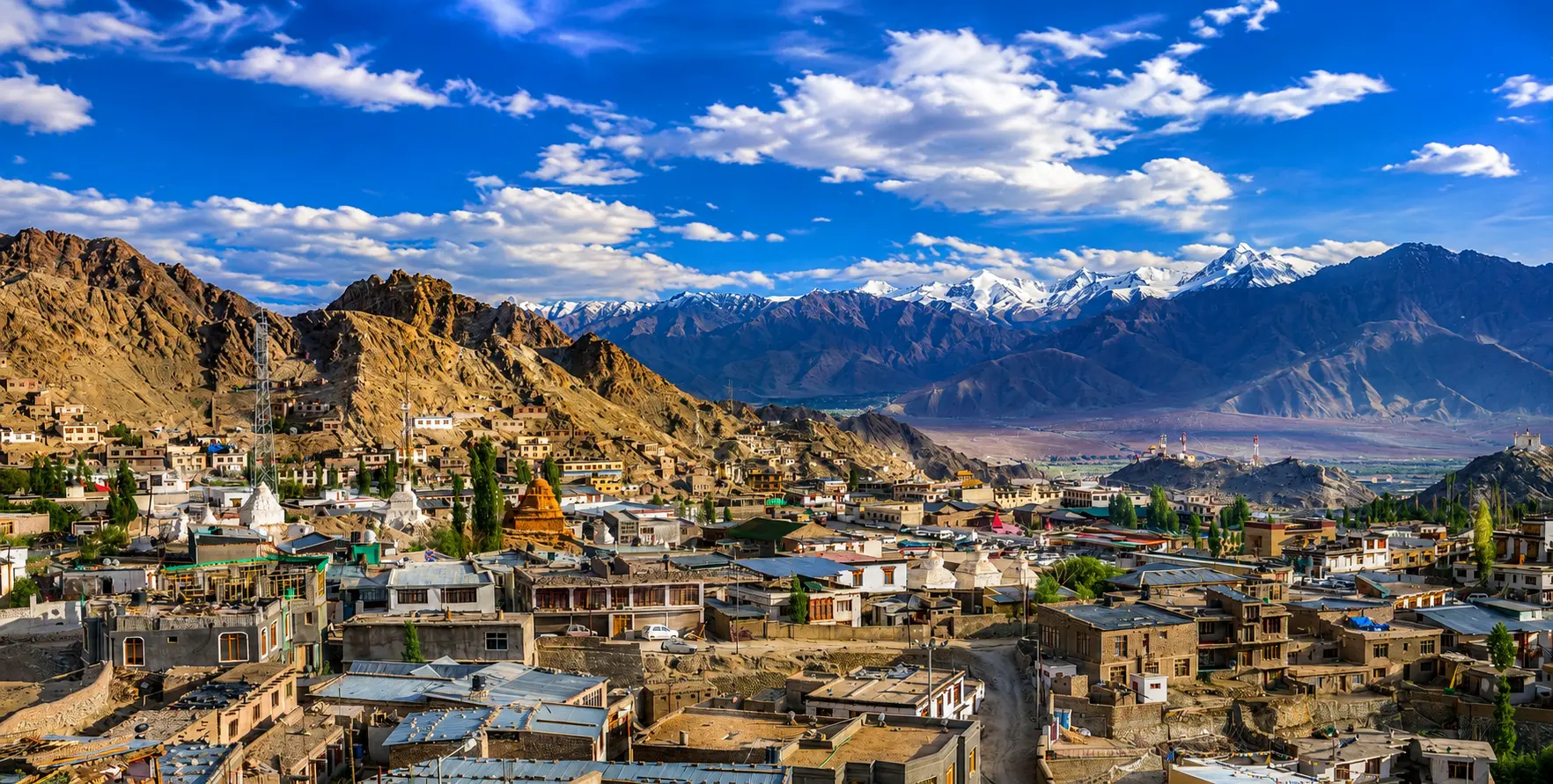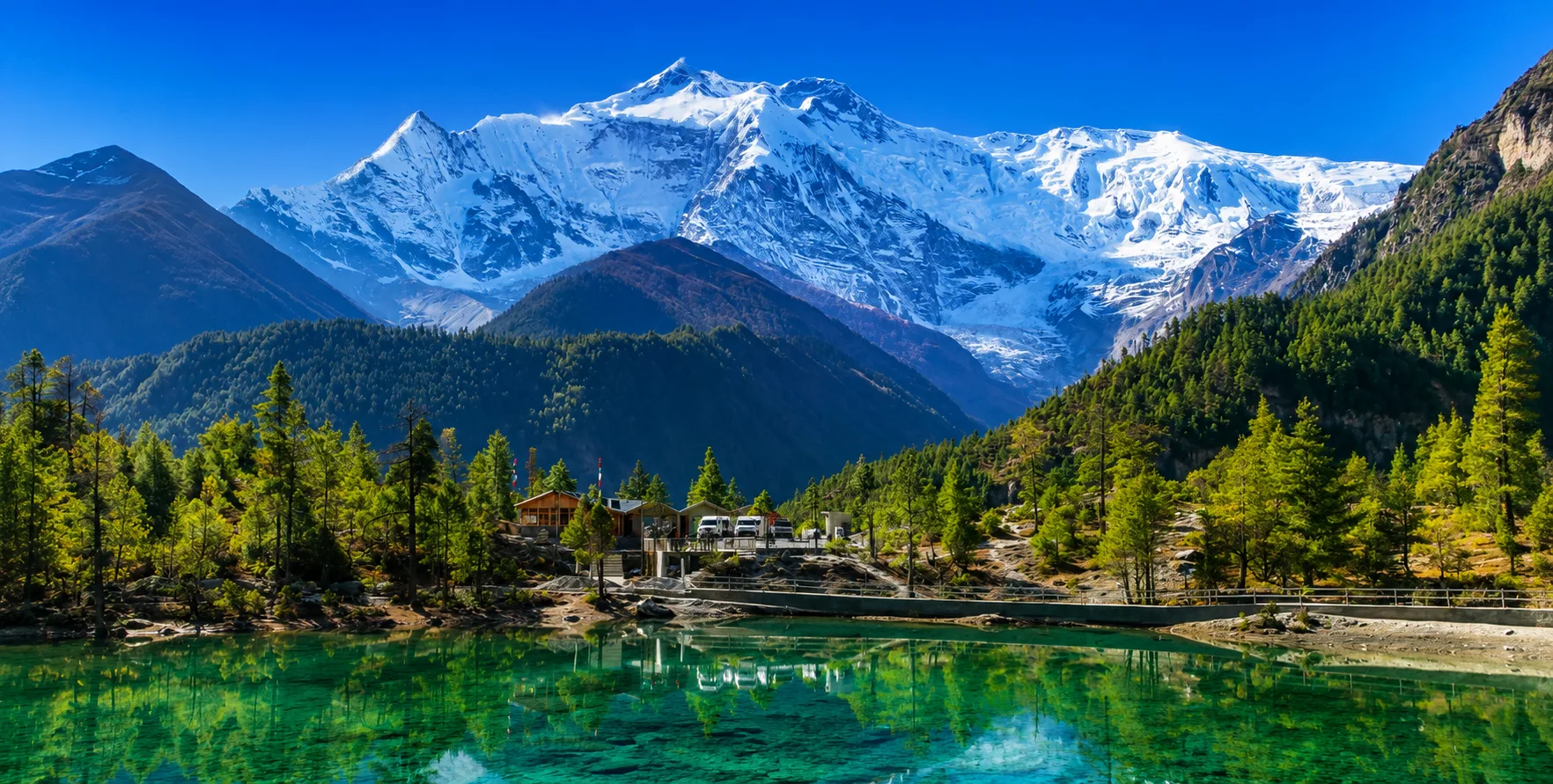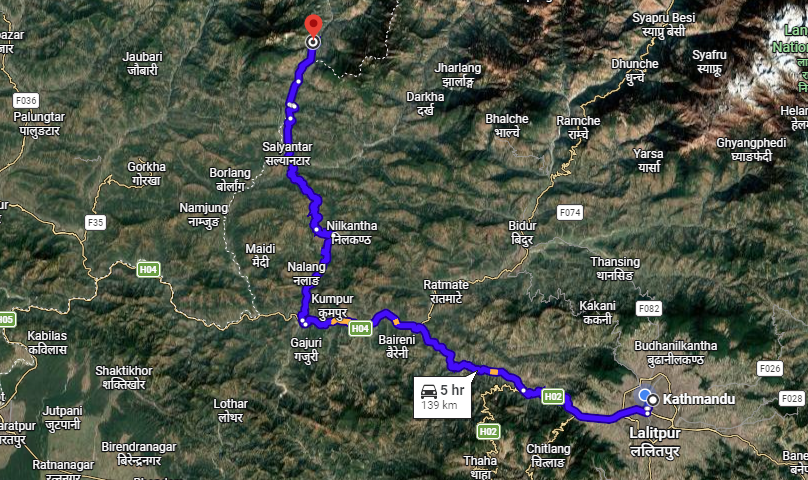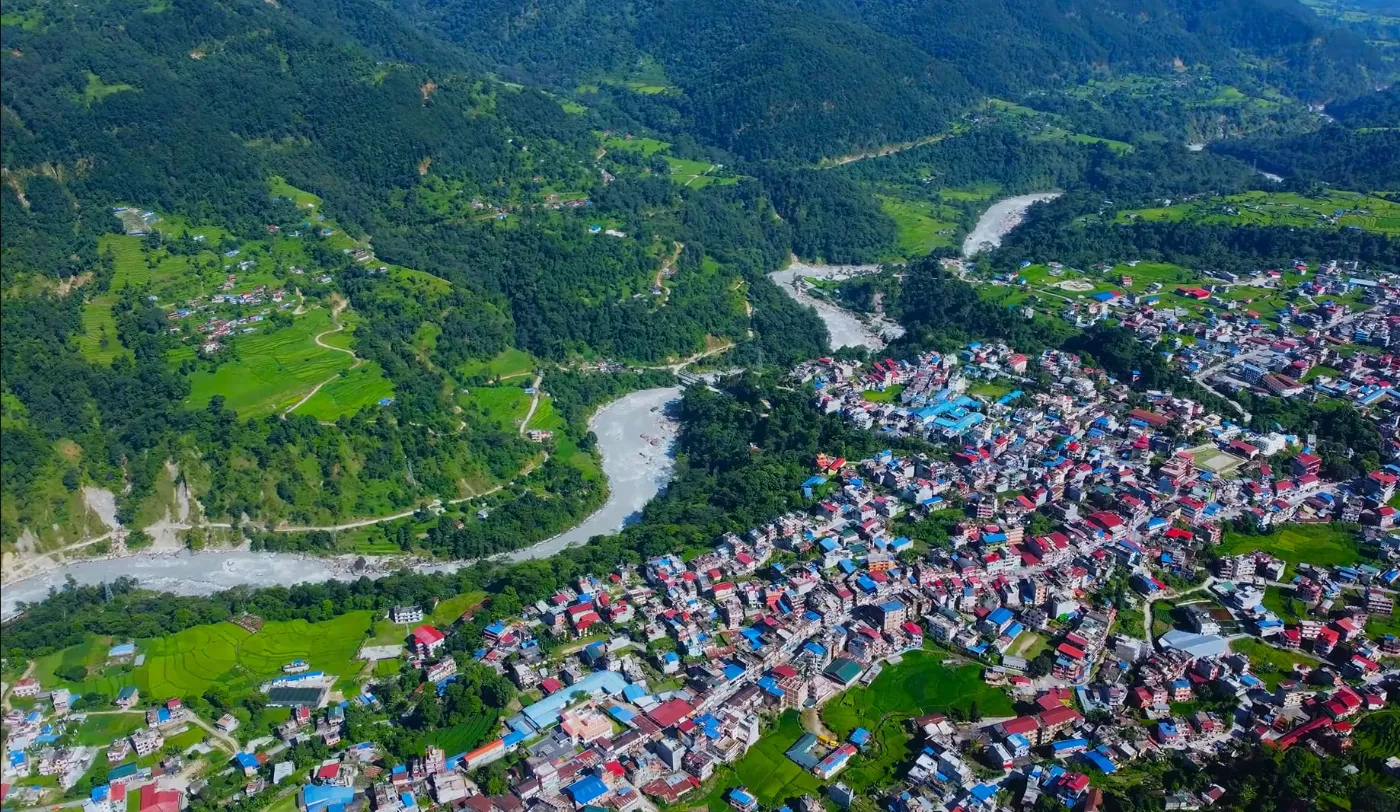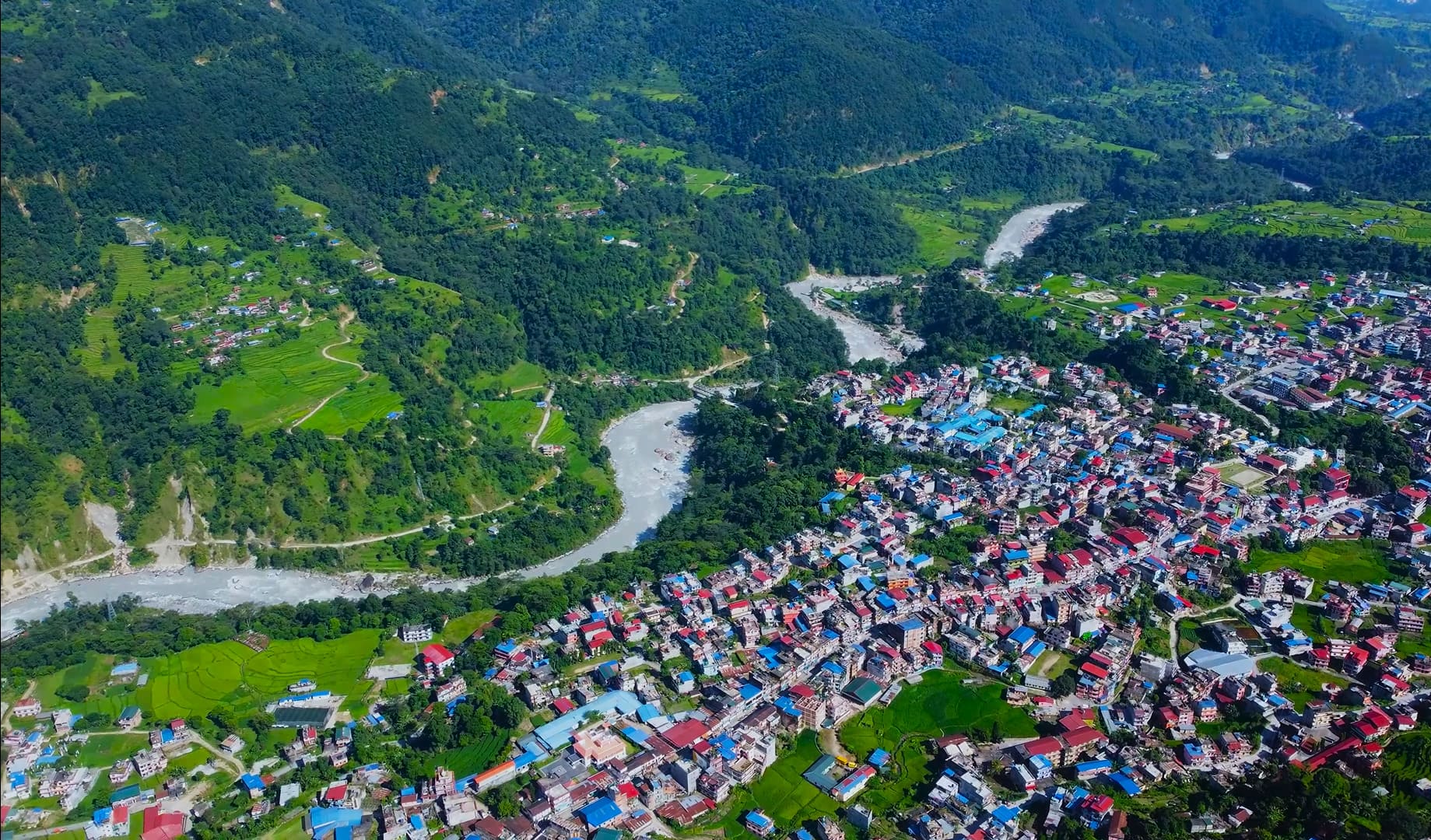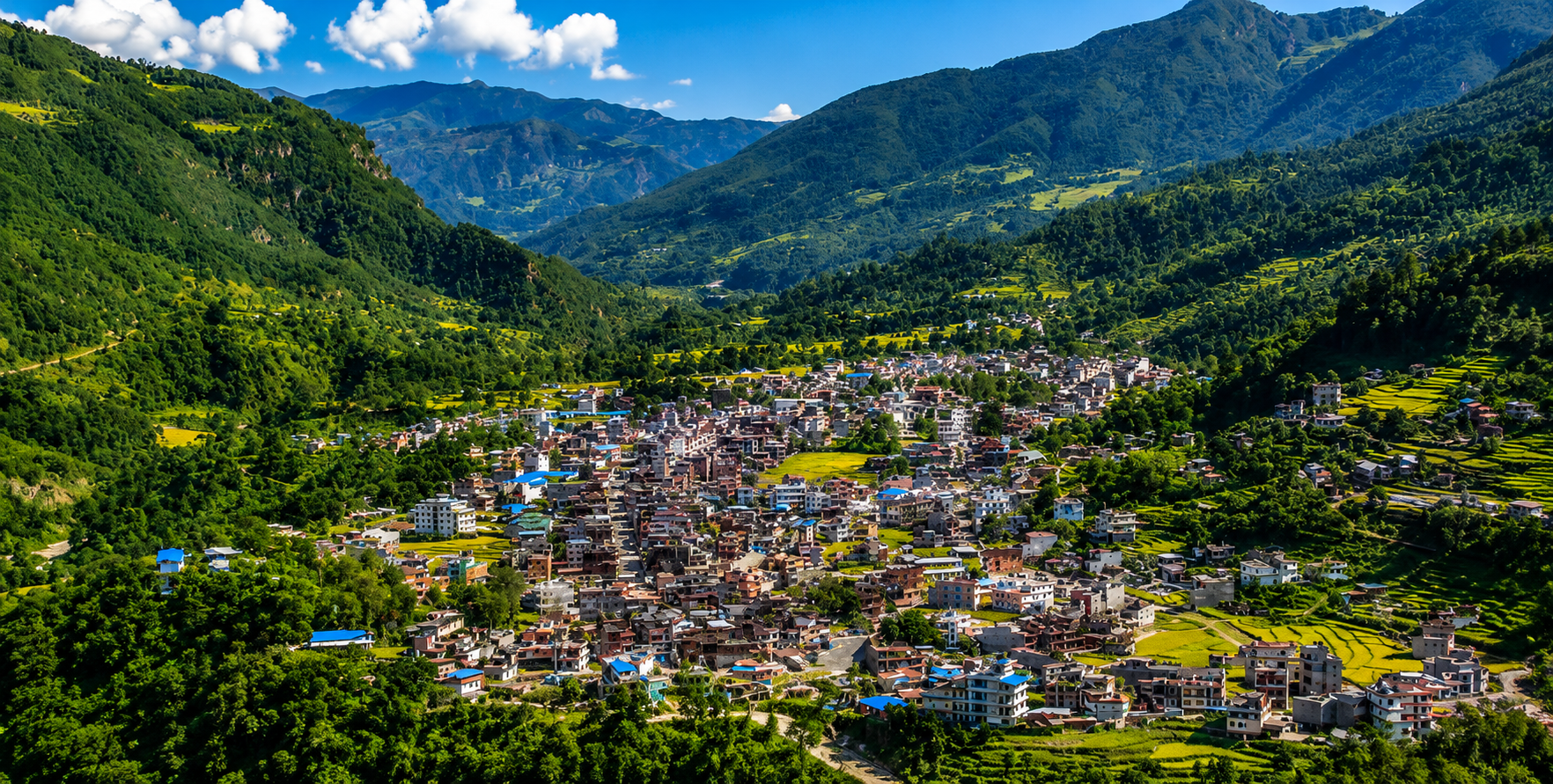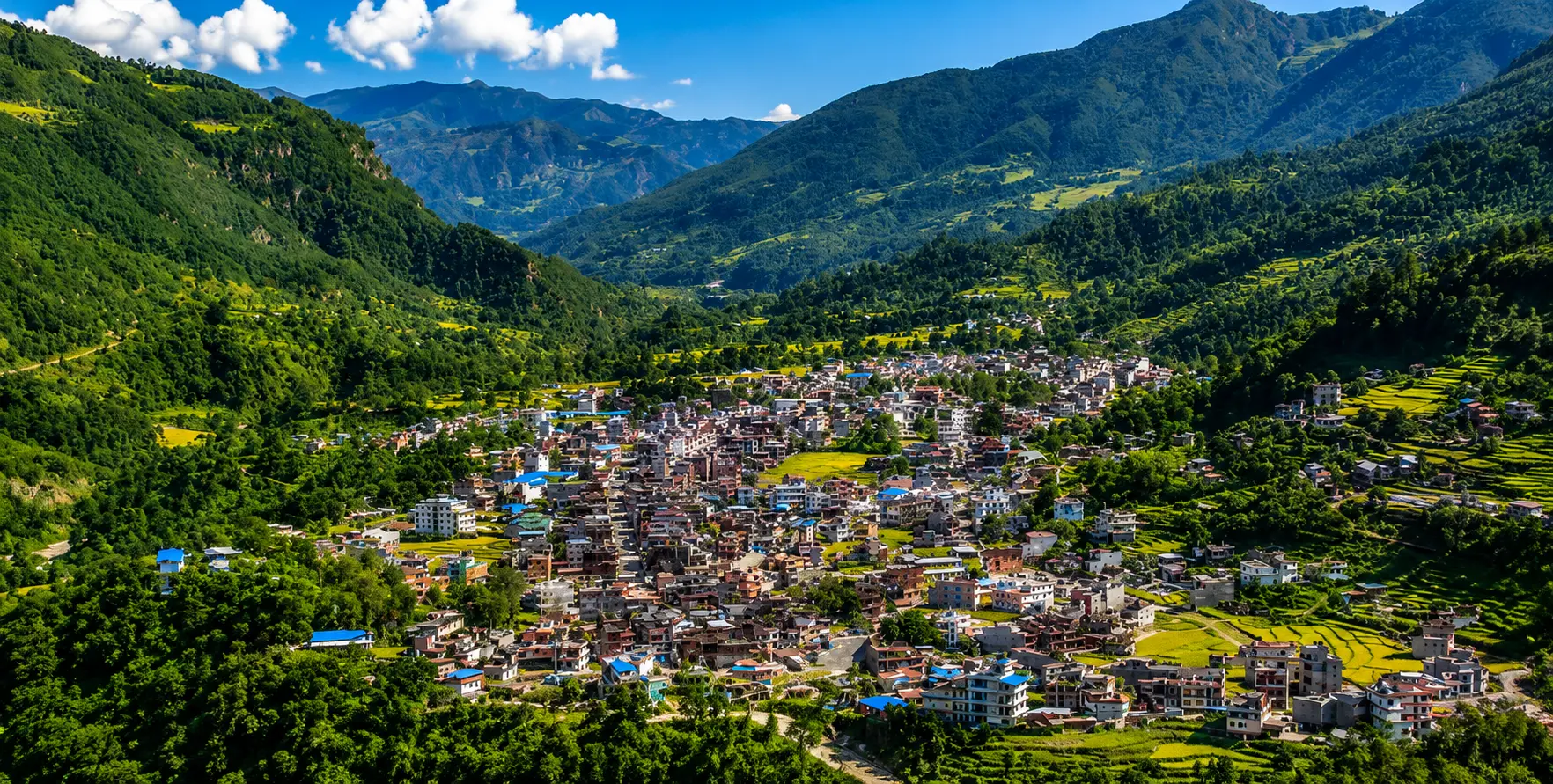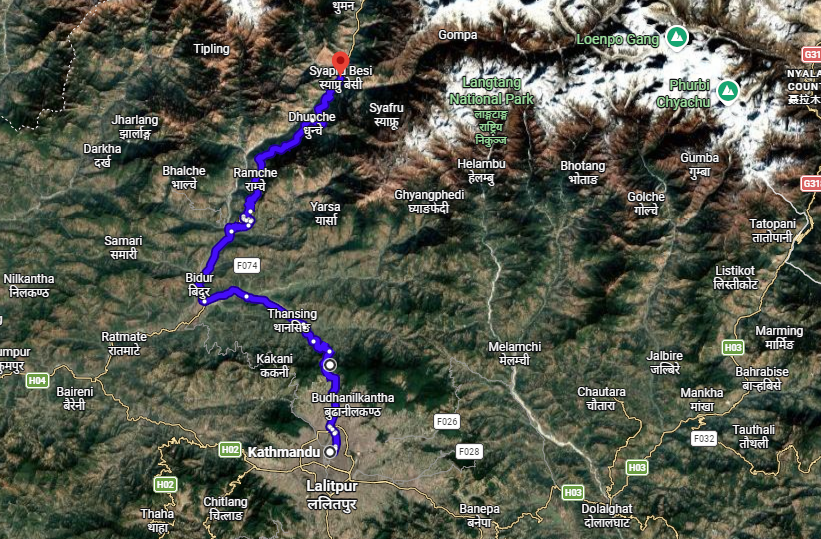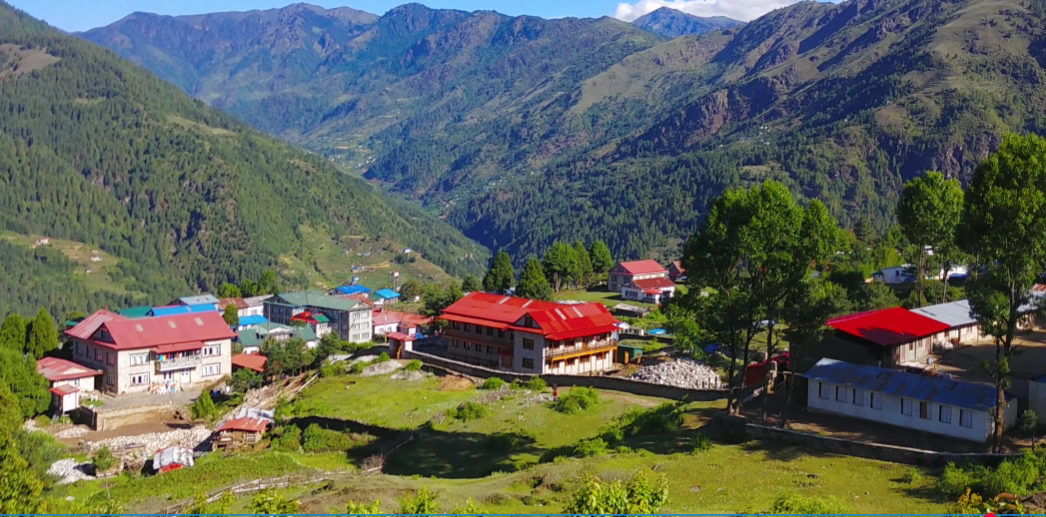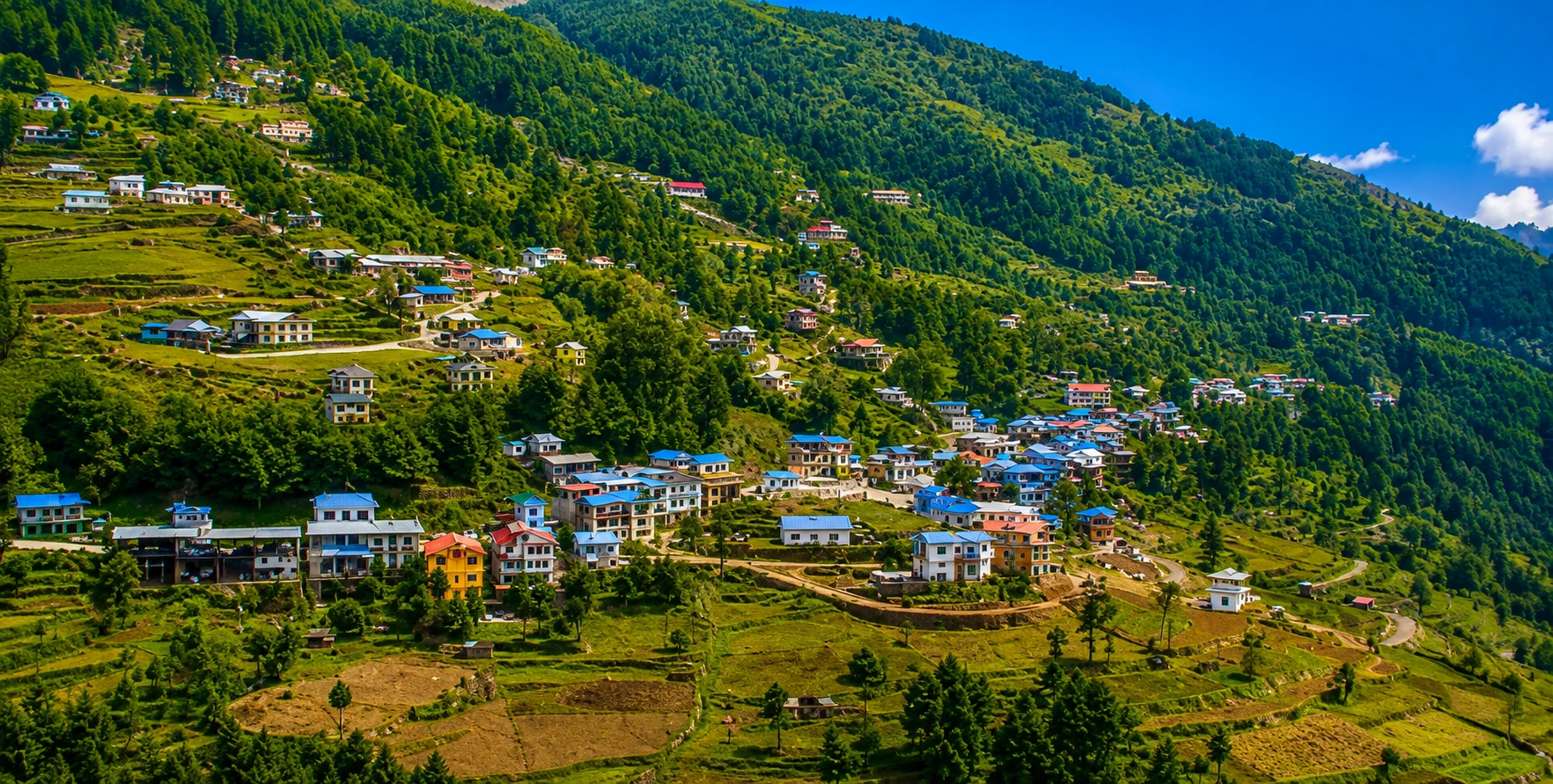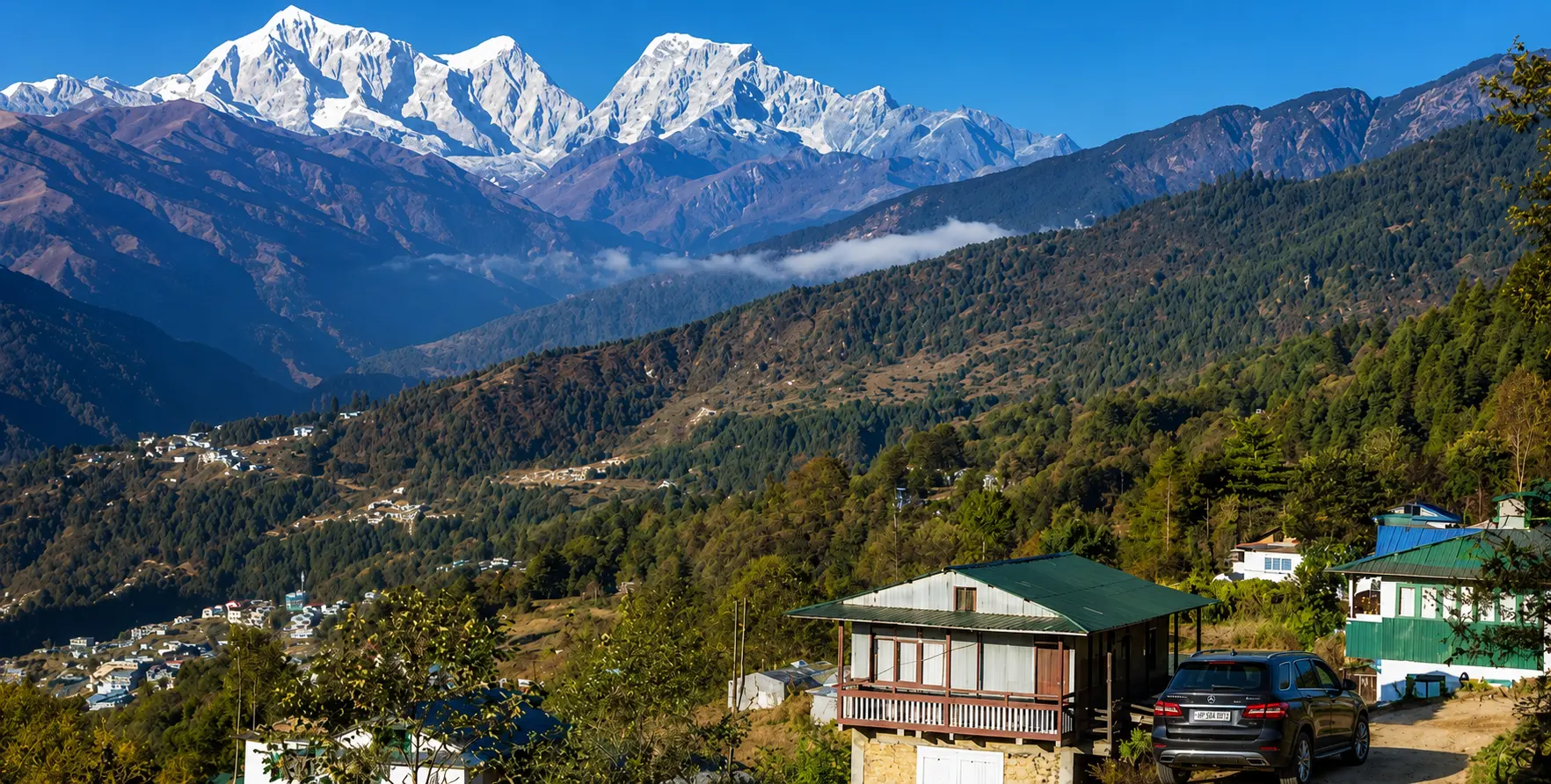
Kathmandu to Manang Jeep Service Guide

Kathmandu to Manang jeep

Kathmandu to Manang Jeep Service Guide

Manang, a renowned high-altitude village situated at 3,519 meters in the Annapurna region, is recognised as one of Nepal’s most scenic and culturally significant destinations. For trekkers planning to explore the Annapurna Circuit, Tilicho Lake, or the Nar Phu Valley, reaching Manang marks the essential starting point of the Himalayan journey.

In 2026, more trekkers choose to hire a private jeep from Kathmandu to Manang, saving 3 to 5 trekking days on the lower Annapurna Circuit, reducing physical strain, and arriving at this acclimatisation hub rested and ready for high-altitude adventure.

This 2026 jeep service guide covers distance, segment-by-segment road conditions, costs, route stops, permits, altitude safety tips, recommended itinerary, and why Nepal Vehicle Hiring Pvt Ltd is the most trusted provider for this challenging high-altitude journey.

Manang — A Destination Overview

Manang (3,519 m / 11,545 ft) serves as the district headquarters of Manang District in Gandaki Province, Nepal. Peaks over 7,000 meters surround it, including Annapurna II, Annapurna III, Gangapurna, and Tilicho Peak, making it one of the most strikingly located villages in the Himalayas.

Manang is the main acclimatisation stop on the Annapurna Circuit, with most trekkers spending at least one rest day before crossing Thorong La Pass (5,416 m). Despite its remote setting, Manang offers guesthouses, bakeries, restaurants, a seasonal ATM, a medical post, and the Himalayan Rescue Association (HRA) altitude clinic.

  • Altitude: 3,519 m (11,545 ft)
  • People: Nyeshang (Manangba) — Tibetan-origin community with unique culture and traditions
  • Key Treks: Annapurna Circuit, Thorong La Pass (5,416 m), Tilicho Lake, Nar Phu Valley, Ice Lake
  • Notable Sites: Gangapurna Lake, Braga Gompa (500-year-old monastery), Praken Gompa, Milarepa Cave, Ice Lake (4,600 m)
  • Facilities: Guesthouses, bakeries, restaurants, HRA medical post, seasonal ATM, charging points

Kathmandu to Manang — Key Facts

DetailInformation
Total Distance250 km (Kathmandu to Manang)
Manang Altitude3,519 m (11,545 ft) above sea level
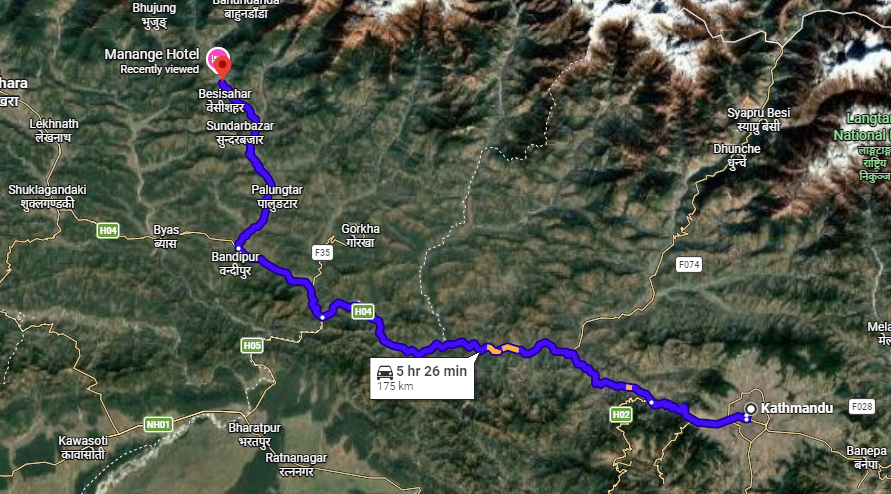
KTM to Besisahar175 km | 5–6 hrs | Paved highway (Prithvi Highway)
Besisahar to Manang75–83 km | 8–12 hrs | Rough off-road — 4WD mandatory
Total Journey Time10–14 hours — strongly recommended over 2 days
Vehicle Required4WD Jeep (Toyota Land Cruiser / Hilux / Scorpio) — mandatory beyond Besisahar
Best SeasonMarch–May (Spring) and September–November (Autumn)
Permits RequiredACAP (Annapurna Conservation Area Permit) + TIMS Card

Manang hidden valley

Why Choose a Jeep from Kathmandu to Manang?

Save 3 to 5 Trekking Days

The lower Annapurna Circuit from Besisahar to Manang covers about 75–83 km of off-road terrain. Walking takes 5 to 7 days. By jeep, the same distance takes 8 to 12 hours, giving you extra days to explore Manang, visit Tilicho Lake, or hike to Ice Lake.

Ideal for Time-Limited Trekkers

Many international visitors have 10 to 14-day itineraries. Driving to Manang lets you focus on the spectacular high-altitude sections above Manang: the Thorong La crossing, Muktinath, and the dramatic Kali Gandaki valley, where the experience is most rewarding.

Off-Road Adventure in Its Own Right

The Kathmandu-to-Manang jeep journey traverses dramatic river gorges, cliff walls, waterfalls, suspension bridges, apple orchards, and arid valleys. For many travellers, this drive is a highlight of their Nepal visit.

Comfort, Luggage Space, and Flexibility

A private jeep offers ample rooftop luggage space for large duffel bags, camera equipment, and extra gear. You can stop for photos at every viewpoint, take breaks at tea houses, and adjust your pace to suit the group, none of which is possible on a public bus.

The Complete Route: Kathmandu to Manang

Kathmandu to Besisahar (Paved, 175 km, 5–6 hours)

The route follows the Prithvi Highway west through Naubise, Malekhu, and Mugling, then turns north at Dumre toward Besisahar. This section is fully paved and generally in good condition. The Trishuli River runs alongside the highway for much of the journey, offering views of white-water rapids and terraced green hillsides.

  • Kathmandu → Naubise: 42 km, 1 hour — first mountain foothills, winding descent
  • Naubise → Mugling: 80 km, 1.5 hours — Trishuli River gorge, classic Nepal highway scenery.
  • Mugling → Dumre: 30 km, 45 minutes — junction town; turn north here for the Annapurna region
  • Dumre → Besisahar: 23 km, 45 minutes — narrower provincial road, paved

Besisahar (760 m) is the last major town before the road turns off-road. Withdraw cash, get permits if needed, fuel up, and eat before continuing.

Besisahar to Manang (Off-Road, 75–83 km, 8–12 hours)

Beyond Besisahar, the paved road ends, and the real Himalayan adventure begins. The route follows the Marsyangdi River valley north, gaining over 2,700 meters of altitude through Nepal’s most dramatic gorges, cliff roads, and alpine terrain.

  • Besisahar → Ngadi / Bulbule: 15 km / 1.5–2 hrs — rocky track begins, suspension bridges
  • Bulbule → Syange: 5 km / 1 hr — narrow gorge, waterfalls, cliff-face driving
  • Syange → Jagat: 12 km / 1.5 hrs — ACAP checkpoint, village bazaar
  • Jagat → Chamche: 3 km / 30 min — enormous cliff walls, massive waterfalls
  • Chamche → Dharapani: 8 km / 1 hr — Manaslu Circuit junction, valley opens up
  • Dharapani → Chame: 16 km / 3.5 hrs — steep ascent, pine forests, Annapurna II emerges
  • Chame → Pisang: 7 km / 1 hr — apple orchards, monastery, panoramic peaks
  • Pisang → Manang: 18 km / 1.5–2 hrs — wide arid valley, yak pastures, dramatic skyline
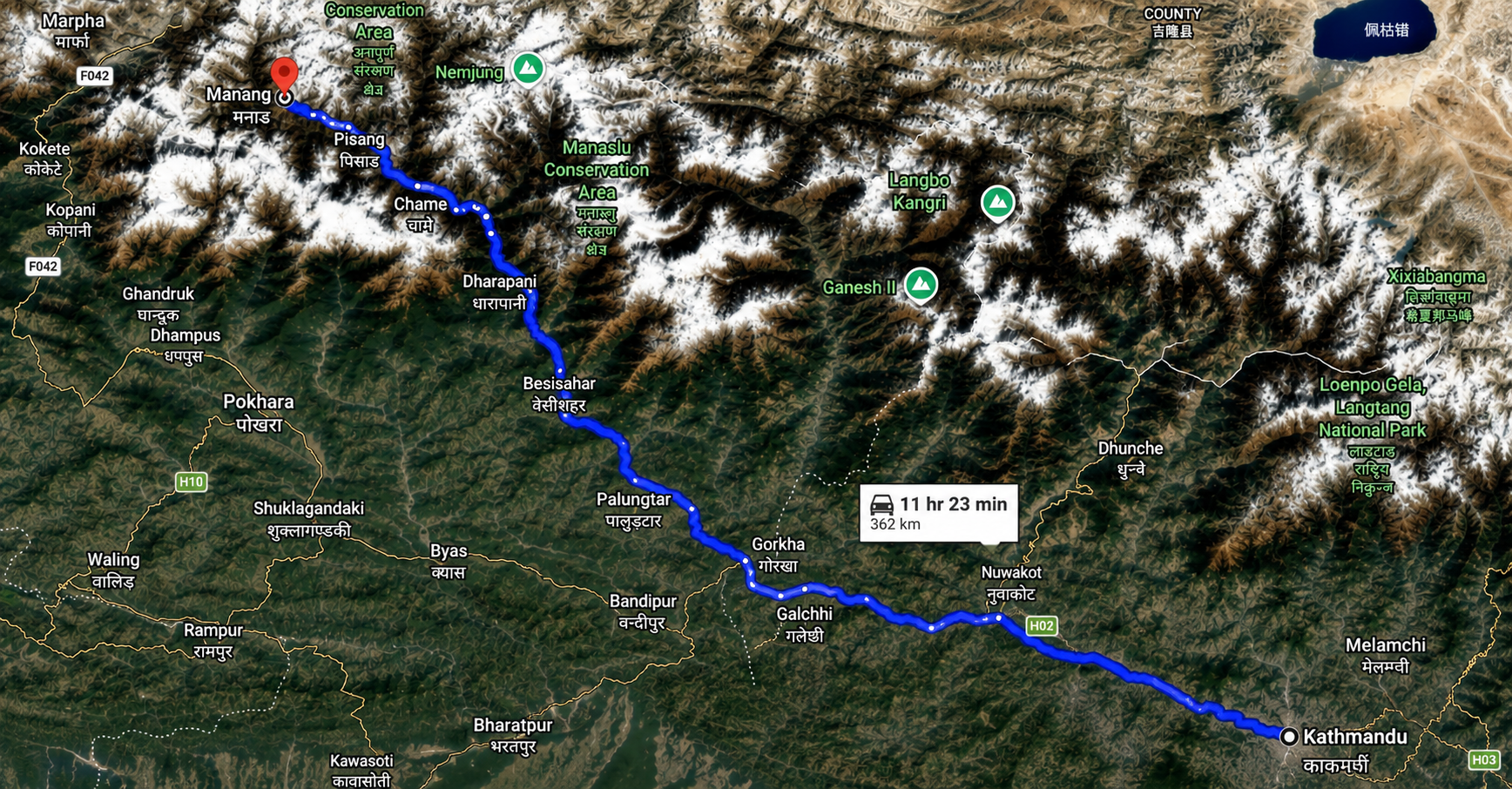
Kathmandu to Manang Jeep Service Guide

Key Stops Along the Route

StopAltitudeDistance  Road TypeHighlights
Besisahar760 m175 kmPaved highwayLast ATM, permits, fuel, supplies
Ngadi / Bulbule840 m190 kmPaved → roughOff-road begins, Marsyangdi River views
Syange1,100 m200 kmRough Gorge RoadNarrow cliffs, waterfalls, suspension bridges
Jagat1,300 m210 kmRough off-roadArmy checkpoint — ACAP permit inspected
Chamche1,430 m215 kmCliff-face roadTowering walls, spectacular waterfalls
Dharapani1,860 m225 kmOff-road mixedManaslu Circuit junction, valley widens
Chame2,670 m238 kmSteep off-roadDistrict HQ, hot springs, apple orchards, guesthouses
Pisang3,200 m244 kmValley roadMonastery, Annapurna II panorama
Manang3,519 m250 kmValley roadTrek hub, Gangapurna Lake, Braga Gompa, HRA clinic

Besisahar (760 m) — The Last Town Before the Off-Road

Besisahar is the headquarters of Lamjung District and the official trailhead of the Annapurna Circuit. It offers ATMs, a hospital, fuel stations, trekking gear shops, and restaurants. This is the final stop for preparation before the road becomes rough and services are limited.

Syange (1,100 m) — Into the Gorge

Syange marks entry into the deep Marsyangdi gorge. The road clings to cliff faces high above the roaring river, with waterfalls tumbling from above. This is one of the most visually thrilling sections of the entire drive.

Jagat (1,300 m) — Army Checkpoint

All vehicles and passengers must present an ACAP permit and a TIMS card at the Jagat checkpoint. The area offers basic tea houses, a small bazaar, and the last reliable mobile coverage before entering more remote areas.

Chamche (1,430 m) — Cliff Road Spectacle

At Chamche, towering cliff walls flank the road, with several large waterfalls visible from the jeep. This is one of the most photographed sections of the Annapurna Circuit drive.

Chame (2,670 m) — Overnight Stop

Chame is the administrative headquarters of Manang District and the largest settlement between Besisahar and Manang. It has natural hot springs, apple orchards, guesthouses, restaurants, and vehicle repair facilities. Most two-day jeep journeys use Chame as the overnight stop.

Views of Annapurna II (7,937 m) from Chame are magnificent.

Manang (3,519 m) — Your Destination

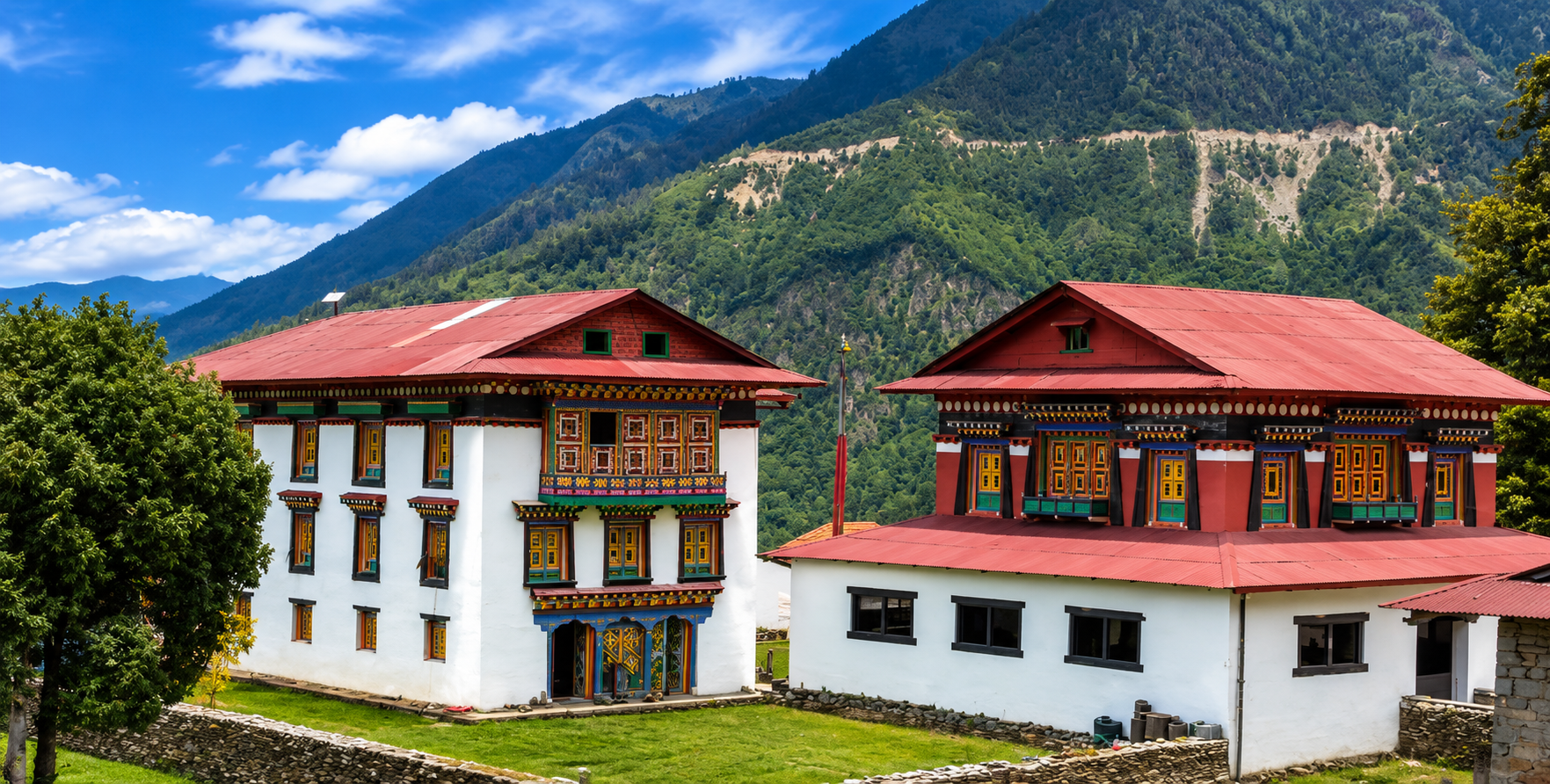
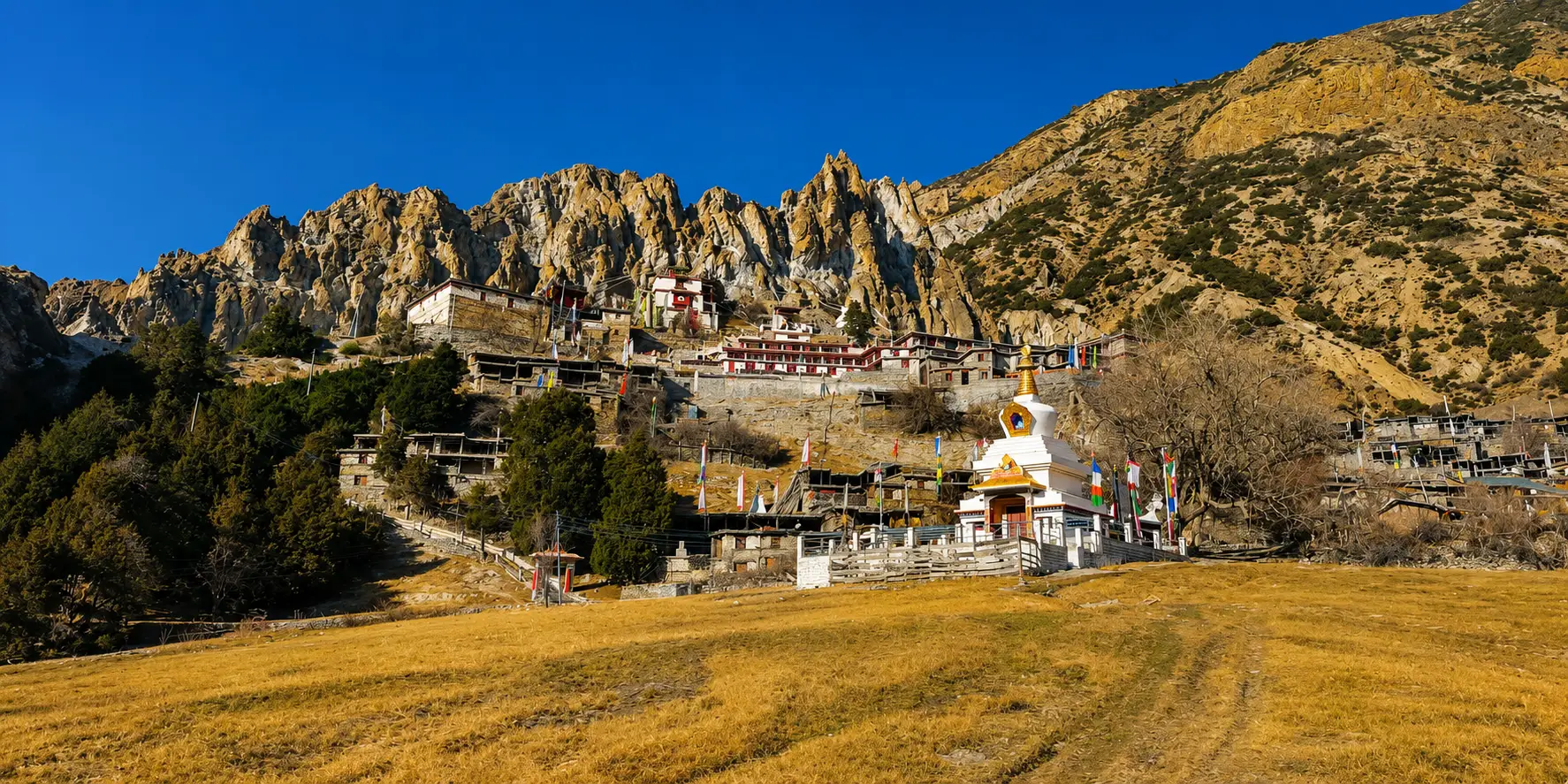
Manang village is the cultural and logistical centre of the upper Marsyangdi valley. Its traditional stone houses, prayer wheels, and views of Annapurna III create a distinctly Himalayan atmosphere. Key attractions include Gangapurna Lake, Braga Gompa monastery, and the Ice Lake day hike to 4,600 m.

Road Conditions — Section by Section

Kathmandu to Besisahar — Prithvi Highway

Fully paved national highway in good condition. Manageable for all vehicle types year-round. Road improvements are ongoing, with some sections widened in recent years.

Besisahar to Jagat — Gorge Road

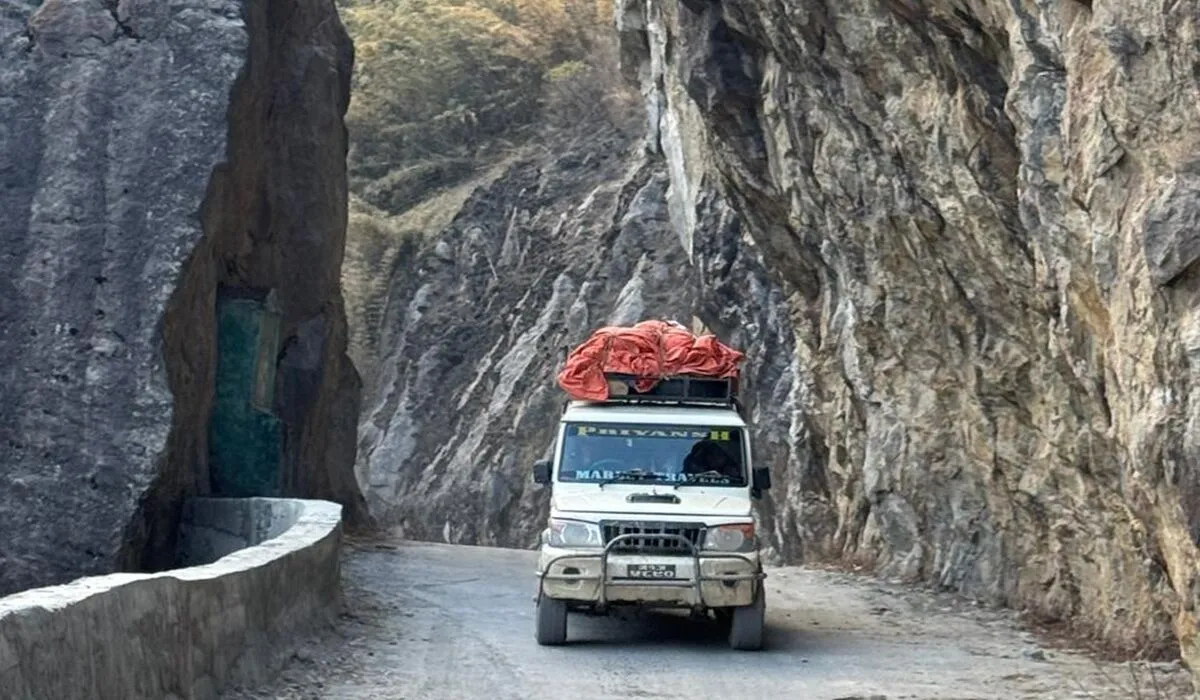
Rocky, narrow off-road track through the Marsyangdi gorge. Technically demanding, cut into cliff faces in places with sheer drops to the river below. 4WD is essential.

Driver skill is critical. Best in the dry season; take extra caution in the monsoon.

Jagat to Chame — Steep Ascent

Alternating rocky track and steep climbs. The road surface varies from a rough boulder track to occasional smoother stretches. Large boulders and monsoon washouts can create obstacles.

The 16 km Dharapani to Chame climb gains ~800 m in altitude — the longest continuous ascent on the route.

Chame to Manang — Valley Road

Above Chame, the terrain widens and becomes more arid. The 30 km Chame to Manang road (via Pisang) is still off-road but comparatively easier — bumpy but manageable for any well-maintained 4WD.

SeasonMonthsRoad ConditionsRecommendation
Spring (Peak)March – MayDry, stableBest — warm, clear skies, rhododendron bloom
MonsoonJune – AugustRisky, landslides are possibleCaution — 4WD essential, verify daily
Autumn (Peak)Sept – NovemberExcellent, dryBest — crystal-clear mountain views
WinterDecember – FebruarySnow risk above ChameCold — possible blockage, plan with flexibility

Manang lake

Jeep Cost Guide — All Route Segments

All prices below are for full private vehicle hire (Toyota Hilux or equivalent 4WD jeep) including driver, fuel, and standard road tolls, unless noted otherwise:

Route SegmentVehicleCost (approx.)
Kathmandu → BesisaharPrivate JeepUSD 180-220 (full vehicle)
Kathmandu → ChamePrivate JeepUSD250- 4000 (full vehicle)
Kathmandu → Manang (direct)Private JeepUSD 350–600 (full vehicle)
Kathmandu → Manang (2-day)Private JeepUSD 500–600 (Full vehicle)
Besisahar → DharapaniPrivate JeepUSD 140–160 (full vehicle)
Besisahar → ChamePrivate JeepUSD 200–220 (full vehicle)
Besisahar → ManangPrivate JeepUSD 330–380 (full vehicle)
Besisahar → ManangShared Jeep seatUSD 25–35 per person

Notes: Peak season (March–May and October–November) prices may be 10–15% higher. Toyota Land Cruiser hire costs approximately 15–20% more than standard Hilux/Scorpio. Two-day packages from Nepal Vehicle Hiring Pvt Ltd include overnight accommodation at Chame within the package price.

Due to the total distance and challenging off-road sections, we strongly recommend splitting the Kathmandu to Manang jeep journey across two days:

Day 1 — Kathmandu to Chame (Overnight)

  • Depart Kathmandu: 5:30–6:00 AM — hotel pickup in Thamel
  • Drive: Prithvi Highway → Dumre → Besisahar (175 km, 5–6 hrs)
  • Stop at Besisahar: ATM withdrawal, permit check, fuel top-up, breakfast or lunch
  • Continue off-road: Besisahar → Syange → Jagat → Chamche → Dharapani → Chame
  • Arrive Chame: 5:00–7:00 PM (~65 km off-road from Besisahar, 4–5 hrs)
  • Overnight at Chame (2,670 m): Guesthouse, hot springs, Annapurna II evening views

Day 2 — Chame to Manang (Arrival Day)

  • Depart Chame: 7:30–8:00 AM after breakfast
  • Drive: Chame → Upper Pisang (optional monastery stop) → Lower Pisang → Manang
  • Off-road distance: 30 km, 2–3 hours
  • Arrive Manang: 10:00–11:00 AM
  • Afternoon: Acclimatisation walk to Gangapurna Lake or Braga Gompa
  • Evening: Rest, attend HRA altitude briefing, plan next day’s activities

Arriving by mid-morning gives you the full afternoon for an acclimatisation hike — the most important preparation before attempting Thorong La Pass (5,416 m).

Altitude Acclimatisation—Essential Safety Information

Manang sits at 3,519 meters. Arriving by jeep means your body has less time to adjust gradually than if you hiked up. Here is critical acclimatisation guidance for jeep travellers:

SAFETY: Do NOT drive to Manang and immediately attempt the Thorong La Pass (5,416 m). A minimum of 1–2 rest days at Manang is mandatory for safe acclimatisation.

  • Drink 3–4 litres of water per day — dehydration accelerates altitude sickness (AMS) symptoms.
  • Avoid alcohol for the first 48 hours at Manang altitude
  • Take a half-day acclimatisation hike on your rest day — Gangapurna Lake (3,700 m) or Ice Lake (4,600 m)
  • Know AMS symptoms: headache, nausea, dizziness, fatigue, loss of appetite. Descend immediately if symptoms worsen.
  • Visit the HRA (Himalayan Rescue Association) clinic in Manang — free altitude sickness talks for all trekkers.
  • Diamox (Acetazolamide) can assist with acclimatisation — consult your doctor before travel.

Nepal Vehicle Hiring Pvt Ltd drivers are trained to recognize altitude symptoms and will pace rest stops during the Day 2 climb from Chame (2,670 m) to Manang (3,519 m) to support gradual adjustment.

Permits Required — Kathmandu to Manang

ACAP — Annapurna Conservation Area Permit

  • Cost: USD 30 per person (foreign nationals) — verify current rate before travel.
  • Where: Nepal Tourism Board office, Bhrikuti Mandap, Kathmandu, OR at Besisahar
  • SAARC nationals: Approximately NPR 200 (discounted rate)
  • Checked at the Jagat Army checkpoint and multiple points on the Annapurna Circuit trail

TIMS Card — Trekkers’ Information Management System

  • Cost: Approximately USD 10–20 per person (foreign nationals)
  • Where: Nepal Tourism Board or TAAN office in Thamel, Kathmandu

Obtain both permits in Kathmandu before departure to save time at Besisahar and ensure smooth passage through all checkpoints.

Essential Travel Tips — Kathmandu to Manang by Jeep

  • Book 3–5 days in advance — private jeeps to Manang are in very high demand during peak season (March–May, September–November).
  • Depart by 5:30–6:00 AM from Kathmandu to reach Chame before dark on Day 1.
  • Withdraw enough NPR in Kathmandu — Manang’s seasonal ATM is unreliable. Carry cash for 10–12 days of trekking expenses.
  • Obtain ACAP and TIMS permits in Kathmandu — avoid queues at Besisahar.
  • Pack a day bag: water, snacks, motion sickness medication, a warm layer, a dust mask, sunscreen, and a camera.
  • Do not rush to Manang in a single day — the 2-day itinerary with an overnight stay in Chame is strongly recommended.
  • Wear layers: temperature drops dramatically from Besisahar (warm) to Chame (cool) to Manang (cold). Carry a fleece or down jacket.
  • Confirm whether meals and overnight stay are included in your quoted package price.
  • Carry printed copies of the permit — originals can be damaged on mountain roads.
  • Inform Nepal Vehicle Hiring Pvt Ltd of your full trekking plan — we can arrange onward transport from Manang to Muktinath or Jomsom after you cross Thorong La.

Onward Options from Manang

  • Trek to Thorong La Pass (5,416 m) and Muktinath: The classic Annapurna Circuit continuation — 2 to 3 days trekking to complete the world-famous high pass.
  • Jeep from Muktinath to Jomsom or Pokhara: After the Thorong La crossing, hire a jeep from Muktinath to Jomsom (1 hour) or Pokhara (6–7 hours).
  • Tilicho Lake Side Trip (2–3 days): One of the world’s highest lakes (4,919 m) — a spectacular detour from Manang before the Thorong La attempt.
  • Ice Lake Day Hike (4–6 hours): Kicho Tal at 4,600 m — ideal acclimatisation hike with panoramic Himalayan views.
  • Return Transfer by Jeep: Nepal Vehicle Hiring Pvt Ltd can arrange return transfers from Manang back to Besisahar and Kathmandu if your plans change.

Why Choose Nepal Vehicle Hiring Pvt Ltd?

  • Specialist High-Altitude Fleet: Toyota Land Cruiser, Toyota Hilux, Mahindra Scorpio — all regularly serviced specifically for off-road mountain travel.
  • Expert Drivers: Licensed, locally trained, extensively experienced on the Annapurna Circuit road — including the gorge sections, cliff roads, and steep Chame ascent.
  • Altitude-Aware Scheduling: Drivers briefed on altitude sickness recognition — rest stops adjusted to support your body’s gradual adjustment.
  • Door-to-Door Hotel Pickup: From Thamel, Boudha, Patan, or the Kathmandu airport area.
  • All-Inclusive Pricing: Includes driver, fuel, road tolls, and vehicle maintenance. Overnight accommodation packages at Chame are available.
  • Permit Assistance: We help arrange ACAP and TIMS permits before you depart from Kathmandu.
  • Real-Time Road Monitoring: Daily updates on Annapurna Circuit road and weather conditions — you are always informed before departure.
  • 24/7 Booking: WhatsApp, phone, email — instant confirmation at any time.
  • Full Annapurna Transport: We also arrange onward jeep transfers from Manang to Jomsom, Muktinath, and Pokhara, as well as return transfers to Kathmandu.

Frequently Asked Questions

How far is Kathmandu from Manang by road?

Approximately 250 km total. The first 175 km (Kathmandu to Besisahar) is a paved highway; the remaining 75–83 km (Besisahar to Manang) is a rough off-road mountain track.

How long does the jeep journey take?

Total driving time is 10 to 14 hours, almost always split across two days. Day 1: Kathmandu to Chame (8–9 hours). Day 2: Chame to Manang (2–3 hours).

What is the cost of a private jeep from Kathmandu to Manang?

A private jeep hire (full vehicle, one way) costs approximately USD 450 to USD 550, including driver, fuel, and road tolls. A two-day stay at Chame costs approximately USD 500 to 600.

Can I go by bus from Kathmandu to Manang?

No. Public buses only reach Besisahar. Beyond Besisahar, the road is entirely off-road and accessible only by a 4WD jeep—either shared or private hire.

What permits are needed?

An ACAP (Annapurna Conservation Area Permit — approximately USD 30) and a TIMS Card (approximately USD 10–20). You can get both at the Nepal Tourism Board office in Kathmandu or in Besisahar.

Should I drive or trek from Besisahar?

If you have 14+ days, walking from Besisahar gives the full Annapurna Circuit experience. If you have 10 days or fewer, driving to Manang saves 3–5 trekking days and lets you focus on the spectacular high-altitude sections above Manang. Many experienced trekkers drive the lower section and trek up from Manang.

Is there an ATM in Manang?

There is a seasonal ATM in Manang (Nepal Investment Bank), but it is frequently out of service. Always withdraw enough NPR in Kathmandu or Besisahar to cover your full trekking budget.

What vehicle is best for this route?

Toyota Land Cruiser is the gold standard for high-altitude Himalayan roads. Toyota Hilux and Mahindra Scorpio 4WD are also excellent options. Nepal Vehicle Hiring Pvt Ltd maintains all these vehicle types, specifically serviced for the Annapurna Circuit’s off-road conditions.
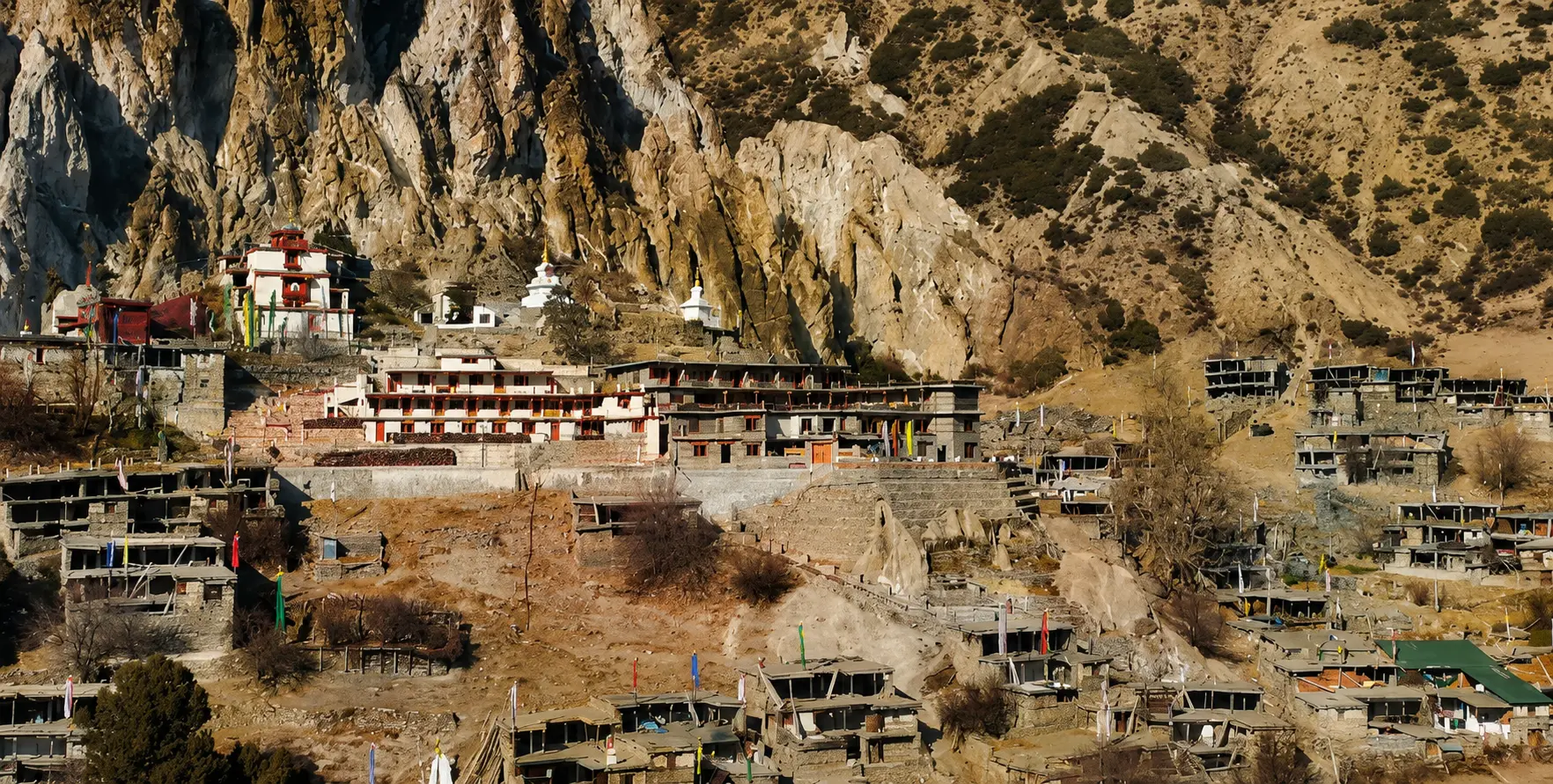
Manang monastreay kingdom

Conclusion

The Kathmandu-to-Manang jeep journey is one of Nepal’s most extraordinary off-road experiences — a 250 km odyssey from the bustling capital city to the serene, high-altitude world of the Annapurna Himalaya. Through the Trishuli River valley, the deep Marsyangdi gorge, cliff-face roads, cascading waterfalls, apple orchards, and arid Tibetan-style valleys, every kilometre brings you closer to some of the most dramatic mountain scenery on earth.

In 2026, hiring a private jeep from Kathmandu to Manang is the preferred choice for time-conscious trekkers, older adventurers, and anyone who wants to begin their Annapurna Circuit experience at altitude—fully rested, fully prepared, and ready for the extraordinary terrain ahead.

Nepal Vehicle Hiring Pvt Ltd is your most trusted partner for the Kathmandu-to-Manang jeep service. With our specialist high-altitude fleet, expert local drivers, altitude-aware scheduling, permit assistance, and 24/7 booking support, we ensure your Manang transfer is the strongest possible start to your Annapurna adventure.

Book your jeep today. Call or  WhatsApp
Website: www.vehiclehiringnepal.com Email:[email protected]
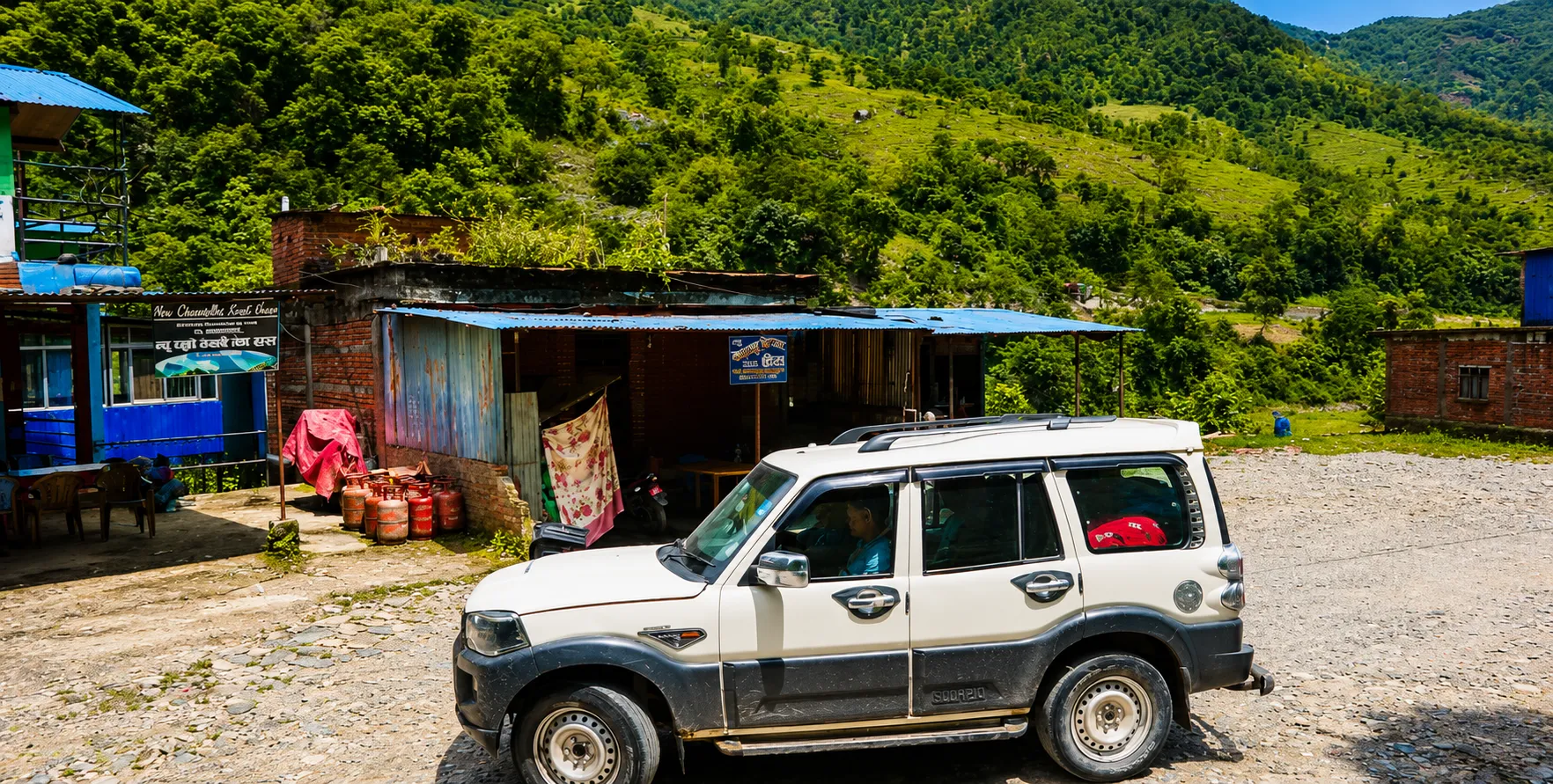
Kathmandu to Soti Khola by Jeep: Complete Route Guide

kathmandu to soti khola by jeep

Kathmandu to Soti Khola by Jeep – Complete Route Guide

Soti Khola is the official starting point of the legendary Manaslu Circuit Trek – one of Nepal’s most dramatic and least-crowded Himalayan trekking routes. Reaching Soti Khola from Kathmandu requires a long off-road jeep journey through remote mountain valleys, steep river gorges, and traditional Gurung villages.

No tourist bus travels all the way to Soti Khola – a private 4WD jeep is the only comfortable, reliable, and safe option for trekkers heading to this remote trailhead.

This complete guide covers the entire route, road conditions, jeep prices, what to pack, trekking permit information, and more.

Trip Glance: Kathmandu to Soti Khola

The journey from Kathmandu to Soti Khola is one of Nepal’s longest and most adventurous overland drives. The route follows the Prithvi Highway west before turning north deep into the Budhi Gandaki River valley – a route that grows increasingly rugged and remote the further you travel.

Base Price: US$250 (Kathmandu to Soti Khola)
Add-On: USD 50 (Soti Khola to Machha Khola)
Distance: Approximately 140–145 km by road
Travel Time: 7 to 9 hours by private jeep (varies with road conditions)
Main Route: Kathmandu – Mugling – Arughat – Lapubesi – Soti Khola
Road Type: Prithvi Highway (paved) + rough mountain dirt track from Arughat onwards
Altitude: Kathmandu 1,400 m down to Soti Khola 700 m
Vehicle Required: 4WD Jeep only – sedans and regular cars cannot reach Soti Khola
Trek Starting Point: Soti Khola is the official first night stop of the Manaslu Circuit Trek

Why a Private Jeep is the Only Option for Soti Khola

Unlike popular routes to Pokhara or Chitwan, the road to Soti Khola is a remote mountain track that requires a robust 4WD vehicle with an experienced mountain driver. Here is why a private jeep is your only practical choice:

  • No tourist buses or reliable public transport run directly to Soti Khola from Kathmandu
  • The road beyond Arughat is unpaved, narrow, rocky, and only suitable for 4WD vehicles with high ground clearance
  • River crossings and seasonal road damage require a driver with specific experience on the Manaslu access route
  • Trekkers carry heavy backpacks and gear – a private jeep provides full luggage space without compromise
  • Group safety – your entire team travels together with no risk of separation on approach roads
  • Departure flexibility – set your own departure time, ideally pre-dawn for an early trailhead arrival
  • The driver can be arranged to wait at Arughat and return you at the end of your Manaslu trek

Machha khola

Detailed Road Guide: Kathmandu to Soti Khola

The journey splits into two very different sections: the paved national highway and the rough mountain track beyond Arughat. Here is a full breakdown of every stage:

Stage 1: Kathmandu to Arughat Bazaar (115 km | 4.5 hrs)

The first section follows the Prithvi Highway from Kathmandu to Mugling, then turns north on a secondary road into the Budhi Gandaki valley. This section is on a paved or compacted gravel road and is relatively comfortable.

Kathmandu to Naubise (30 km | 45 min)

Depart Kathmandu early – ideally 5:30 to 6:00 AM to make the most of daylight on the mountain road. Exit via Kalanki, cross the Chandragiri foothills, and descend to Naubise. The road is winding but paved and in good condition.

Naubise to Mugling (75 km | 1.5 hrs)

Follow the Prithvi Highway along the dramatic Trishuli River gorge – a beautifully forested valley with the fast-flowing green river below. Pass Malekhu, a good spot for an early morning tea stop with riverside views. This stretch is paved and in generally good condition.

Mugling Junction (Brief Stop – 15 to 20 min)

At Mugling, instead of turning west towards Pokhara, turn north towards Gorkha and the Budhi Gandaki valley. This is the last busy junction town on your route – stock up on snacks, water, and any remaining supplies before continuing north.

Mugling to Arughat Bazaar (50 km | 1.5 hrs)

The road from Mugling climbs gradually into increasingly remote hill terrain. The surface mixes paved sections with compacted gravel. You pass through Khairenitar and Tarkughat before reaching Arughat Bazaar – the last significant market town before the Manaslu trekking zone.

Arughat is the ideal place for a proper lunch break. Local restaurants serve dal bhat, noodles, and tea. Withdraw or exchange cash here if needed – there are no ATMs beyond Arughat.

Stage 2: Arughat to Soti Khola (25–30 km | 2.5 to 3.5 hrs)

This is where the real adventure begins. Beyond Arughat, the road transforms into a rough mountain track – rocky, unpaved, and in places cut directly into the cliffside above the Budhi Gandaki River. This section demands a skilled, experienced driver and a capable 4WD vehicle.

Arughat to Lapubesi (15 km | 1.5 hrs)

Cross the suspension bridge over the Budhi Gandaki at Arughat and begin the climb on the east bank. The track is narrow and rocky with steep drops to the thundering river below. The gorge closes in dramatically as you travel north – sheer cliff walls, dense forest, and the roar of white water.

This section requires slow, careful driving.

Lapubesi to Soti Khola (12 km | 1 hr)

The final stretch passes through Lapubesi hamlet and continues north along an increasingly rough track to reach Soti Khola. The river grows louder, the valley narrows, and the scenery grows more dramatic. In places, the track crosses small seasonal streams or skirts around landslide debris.

Your driver will navigate this section with care.

Arrival at Soti Khola – a cluster of teahouses and lodges perched above the Budhi Gandaki, with the great Manaslu massif beginning to dominate the skyline ahead. Your Manaslu Circuit trek begins here.

Kathmandu to Soti Khola By Jeep
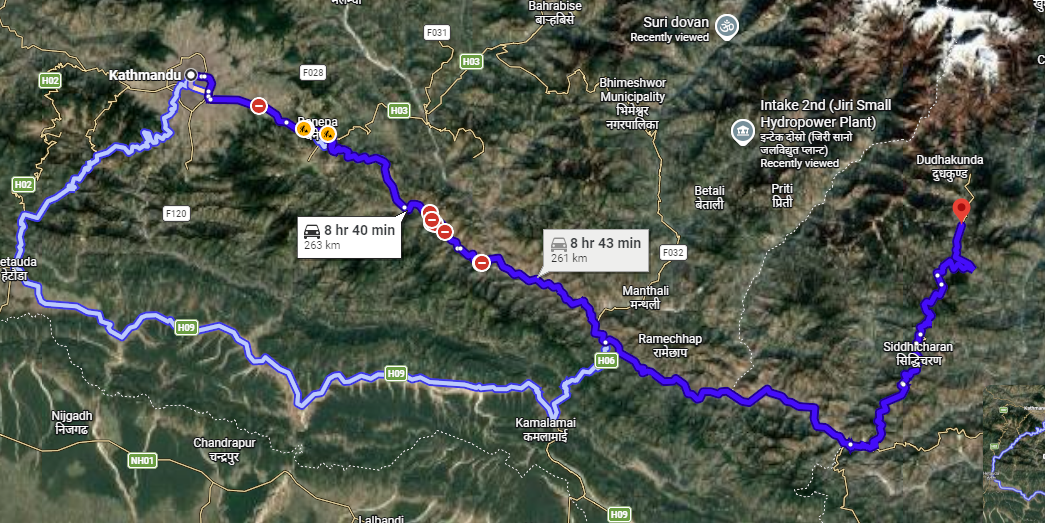
Kathmandu to Soti Khola Route Map

Road Conditions: What to Expect

The road to Soti Khola is one of Nepal’s most challenging access routes. Here is a clear breakdown by section:

SectionRoad SurfaceDifficultyNotes
Kathmandu to MuglingPaved highwayEasyGood condition, normal highway traffic
Mugling to ArughatMixed paved / gravelModerateSome rough sections, narrower road
Arughat to LapubesiRough unpaved dirt trackDifficultRocky, narrow, steep river-edge drops
Lapubesi to Soti KholaVery rough mountain trackVery DifficultBoulders, stream crossings, cliff edges

Road conditions change significantly by season. Dry season (October to May) offers the most reliable access. During the monsoon (June to September), sections beyond Arughat can be washed out or blocked by landslides.

Always confirm road conditions with your driver before departure.

Nepal Tour Package

Best Time to Travel from Kathmandu to Soti Khola

October to November (Best Season)

The post-monsoon dry season is the most popular time for the Manaslu Circuit and the ideal time to drive to Soti Khola. Roads have dried after the monsoon, skies are crystal clear, and the mountain views along the Budhi Gandaki valley are striking. Book your jeep well in advance – demand is very high during peak trekking season.

March to May (Good Season)

Spring is the second-best season for this route. Rhododendrons bloom in the lower forests, conditions are dry, and the road is in good shape after winter. Temperatures are warm but comfortable—a reliable and increasingly popular time for the Manaslu Circuit.

December to February (Possible – Cold)

Winter travel to Soti Khola is possible in most years. The jeep road remains accessible, but morning frost and ice can make rocky sections slippery. The trek itself becomes very cold beyond 3,000 m, and the Larkya La pass may be snowbound.

An experienced driver with cold-weather mountain driving experience is essential.

The monsoon brings frequent landslides and flash floods to the Budhi Gandaki valley. The road beyond Arughat can become completely impassable for days at a time. We strongly advise against attempting this route during the active monsoon season without first checking current road conditions with our team.

Manaslu Circuit Trek

Soti Khola is the gateway to one of Nepal’s most spectacular and least-crowded trekking experiences. Here is a quick overview for those planning the circuit:

Trek Duration: 14 to 18 days for the full Manaslu Circuit
Highest Point: Larkya La Pass at 5,106 m
Trek Distance: Approximately 177 km total circuit
Difficulty: Strenuous – suitable for fit and experienced trekkers
Best Season: October to November and March to May
Permits Required: Restricted Area Permit + MCAP + TIMS card (arranged in Kathmandu)

The Manaslu Circuit passes through remote Gurung and Tibetan Buddhist communities, ancient monasteries perched on cliffsides, dramatic Himalayan gorges, glaciated high-altitude terrain, and the legendary Larkya La pass at 5,106 m. It is widely regarded as one of the finest trekking circuits in the entire Himalayan range and far less crowded than Annapurna or Everest region routes.

Permits Required for the Manaslu Circuit

Arrange all permits in Kathmandu before departure. Arrange these through your trekking agency or Nepal Tourism Board:

PermitCost (Approx.)Where to Get
Manaslu Restricted Area PermitUSD 100 per week (Oct–Nov) / USD 75 (other months)Nepal Immigration, Kathmandu
MCAP – Manaslu Conservation Area PermitNPR 3,000 (approx. USD 23)Nepal Tourism Board
TIMS Card – Trekkers Information Management SystemUSD 10Nepal Tourism Board / TAAN
Guide requirementMinimum 2 trekkers + licensed guide required by lawArrange via a trekking agency

Carry all permits and present them at checkpoints along the Manaslu route. You cannot obtain these permits in Arughat or Soti Khola. Arrange everything before your jeep departs from Kathmandu.

Accommodation at Soti Khola

Soti Khola has simple but functional teahouse lodges – exactly what trekkers need after a long drive. Do not expect hotel comforts here:

  • Basic twin or dormitory rooms with blankets provided
  • Shared bathrooms with cold water (hot water may be available at extra cost)
  • Meals available: dal bhat, noodle soup, eggs, chapati, and Nepali tea
  • Mobile charging available at most teahouses (small fee)
  • Limited mobile signal – NTC has better coverage than Ncell in this valley
  • No ATMs or money exchange beyond Arughat – carry sufficient Nepali Rupees from Kathmandu

What to Pack for the Jeep Journey

  • Full trekking pack with all gear stored inside the jeep – not on the roof rack if avoidable
  • Snacks and at least 2 litres of water per person – stops are very limited beyond Arughat.
  • Motion sickness medication – the mountain road beyond Arughat is very winding and rough.
  • Light fleece or jacket – the Budhi Gandaki gorge can be surprisingly cool even in warm months
  • Camera or phone fully charged – the gorgeous scenery on the approach road is spectacular.
  • Cash in Nepali Rupees for meals, teahouse accommodation, and any unexpected expenses
  • Headlamp in case of late afternoon or evening arrival at Soti Khola
  • All trekking permits are printed and in hand before departing Kathmandu

What is Included When You Book With Vehicle Hiring Nepal?

  • Private 4WD jeep (Land Cruiser or equivalent) with experienced mountain road driver
  • Full fuel cost for the complete Kathmandu to Soti Khola journey
  • Vehicle insurance coverage
  • Pickup from your hotel or guesthouse in Kathmandu
  • Drop-off directly at the Soti Khola teahouse area and trailhead
  • Rest and refreshment stop at Mugling and lunch stop at Arughat Bazaar
  • 24/7 WhatsApp contact and support during your journey
  • Optional: driver stays at Arughat during your trek and returns you post-circuit (pre-arranged)

Not included: Trekking permits, guide fees, porter fees, personal meals, teahouse accommodation, and any additional side trips.

How to Book Your Jeep from Kathmandu to Soti Khola

  1. Visit vehiclehiringnepal.com and select 4WD Jeep hire
  2. Choose your travel date and departure time (recommended 5:30–6:00 AM)
  3. Enter your pickup address in Kathmandu
  4. Enter your destination as Soti Khola, Gorkha District
  5. Specify if you need a return pickup after your Manaslu Circuit trek
  6. Submit your booking form or message us on WhatsApp for instant confirmation

Frequently Asked Questions

Can a regular car reach Soti Khola?

No. The road beyond Arughat is a rough mountain track with boulders, stream crossings, and narrow cliff edges that only 4WD vehicles with high ground clearance can safely navigate. Sedans and standard cars cannot reach Soti Khola.

How early should I depart from Kathmandu?

Depart between 5:30 and 6:00 AM. The journey takes 7 to 9 hours, and you need to arrive at Soti Khola before dark. The mountain track is dangerous to navigate after sunset.

An early departure also helps avoid Kathmandu traffic.

Can I do the Manaslu Circuit without a guide?

No. Nepal government regulations require a minimum group of two trekkers and a licensed trekking guide for the Manaslu restricted area. You cannot enter the zone alone or without a licensed guide. Vehicle Hiring Nepal provides transport only – your trekking agency handles guide and permit arrangements.

Can the driver wait at Soti Khola during my trek?

Yes. We offer a waiting and return service where the driver stays in Arughat (the nearest town with accommodation) during your trek and collects you at a pre-agreed location and date at the end of the circuit. This must be booked in advance.

What if a landslide blocks the road?

Our drivers monitor road conditions before and during the journey. In the event of a landslide or road blockage, your driver will assess the safest course of action – waiting for clearance or finding an alternative approach. We will keep you informed in real time via WhatsApp throughout.

How much does a jeep from Kathmandu to Soti Khola cost?

A private jeep for the full Kathmandu-to-Soti Khola route costs approximately US$250 for the entire vehicle, including driver and fuel. The exact price depends on vehicle type, season, and additional services such as driver waiting or return pickup.

Final Thoughts

The jeep journey from Kathmandu to Soti Khola is a memorable adventure in its own right – a full day of driving that takes you from the busy city streets of Kathmandu through the scenic Trishuli gorge, past the market town of Arughat, and deep into the wild, remote Budhi Gandaki valley. By the time you step out of the jeep at Soti Khola, the river’s roar fills the air, the peaks of the Manaslu massif rise ahead, and your Himalayan adventure has already begun.

Vehicle Hiring Nepal provides the safest, most experienced, and most reliable jeep service on the Kathmandu-to-Soti Khola route. Our mountain drivers know every challenging kilometre of this road and will get your trekking group to the trailhead safely and on schedule.

Ready to start your Manaslu Circuit journey? Book your private jeep today. Contact us on WhatsApp or visit vehiclehiringnepal.com.

Kathmandu to Besisahar Transport Guide

Besisahar

Kathmandu to Besisahar Transport Guide

Planning a trek to the Annapurna Circuit, Tilicho Lake, or Nar Phu Valley? Your journey begins with reaching Besisahar — the gateway town to Nepal’s most iconic trekking regions. This complete Kathmandu-to-Besisahar transport guide covers every travel option, costs, travel times, road conditions, and expert tips to help you reach Besisahar safely and comfortably.

Whether you prefer a budget bus, a private jeep, or a comfortable Hiace van, Nepal Vehicle Hiring Pvt Ltd offers professional drivers, clean vehicles, and transparent pricing.

Overview: Kathmandu to Besisahar at a Glance

Before diving into each transport option, here is a quick overview of the route:

  • Total Road Distance: Approximately 175 km (109 miles)
  • Travel Time by Road: 6 to 8 hours, depending on traffic and road conditions
  • Main Highway: Prithvi Highway (Kathmandu to Dumre), then branching road to Besisahar
  • Key Stop on Route: Muglin (lunch & rest stop), Naubise, Dumre
  • Besisahar Location: District headquarters of Lamjung District, Gandaki Province
  • Trekking Gateway: Annapurna Circuit, Tilicho Lake, Nar Phu Valley, Manaslu Circuit

Why Visit Besisahar?

Besisahar is not just a transit point — it is a vibrant trekking hub with hotels, tea houses, local restaurants, shops, and warm Nepali hospitality. It sits alongside the scenic Marsyangdi River, offering opportunities for rafting and kayaking. Trekkers rest here before starting a multi-day adventure into the Annapurna region.

From Besisahar, you can see stunning views of Annapurna II, Machhapuchhre (Fishtail), and Lamjung Himal. It is the ideal base camp before heading deeper into the Himalayas.

All Transport Options from Kathmandu to Besisahar

Here is a full comparison of every available transport method for this route:

Transport OptionDistanceTravel TimeApprox. CostBest For
Local Bus175 km6–8 hoursUSD 10- 12Budget travelers
Tourist Bus175 km6–7 hours USD 350- 400 per vehicleComfortable group travel
Private Car (Sedan)175 km5–6 hoursUSD 120-140Couples / small groups
Private Jeep (4WD)175 km6–7 hoursUSD 150-200Trekkers / off-road
Hiace Van175 km6–7 hoursUSD 220- 250Groups of 10–14
Helicopter175 km1 hourUSD 5500 (round trip)Top-end/luxury travel

Local Bus — Most Budget-Friendly Option

Local buses depart from Gongabu Bus Park (New Bus Park), located approximately 3 km from Thamel in Kathmandu. You can reach the bus park in 25–30 minutes on foot or by a short taxi ride costing NPR 250–400.

Key facts about the local bus:

  • Departure point: Gongabu Bus Park, Kathmandu
  • Departure times: Morning (early) and some evening departures
  • Travel time: 6 to 8 hours
  • Cost: USD 10 per person
  • Stops: Naubise (toilet break), Muglin (meal stop), Dumre (possible bus change)
  • Note: You may need to change buses at Dumre for the Besisahar route

While local buses are the cheapest option, they can be crowded and slower due to multiple stops. However, they offer a genuine local experience where you can interact with Nepali passengers and enjoy authentic tea house stops along the way.

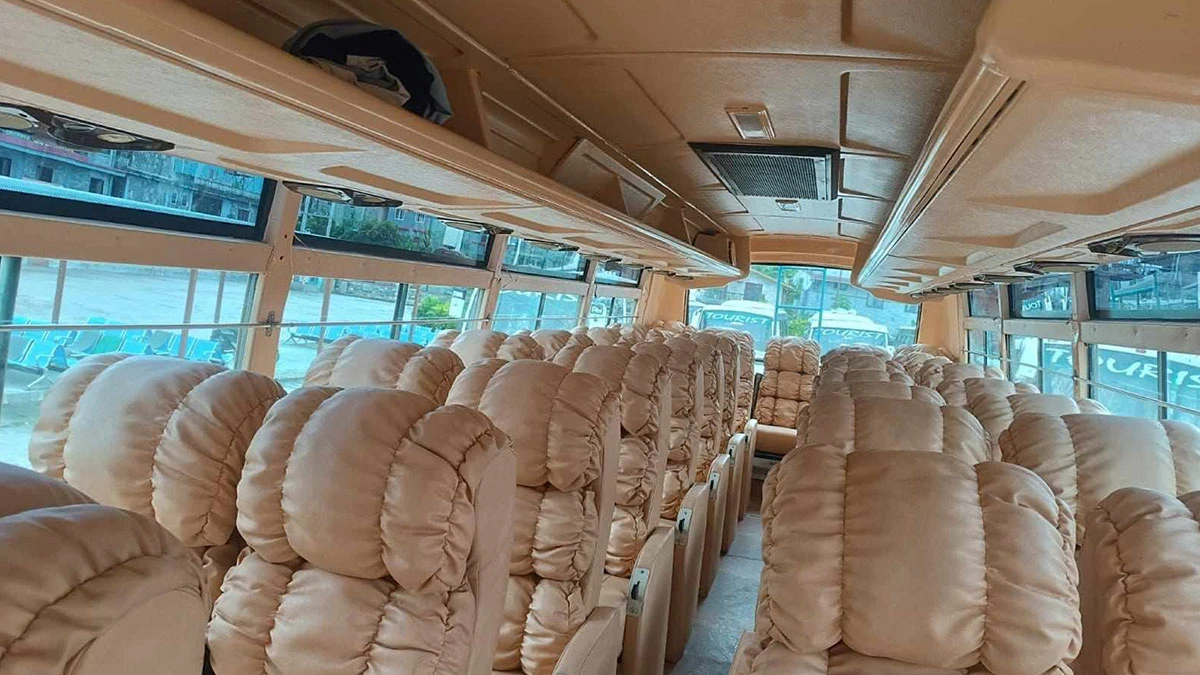
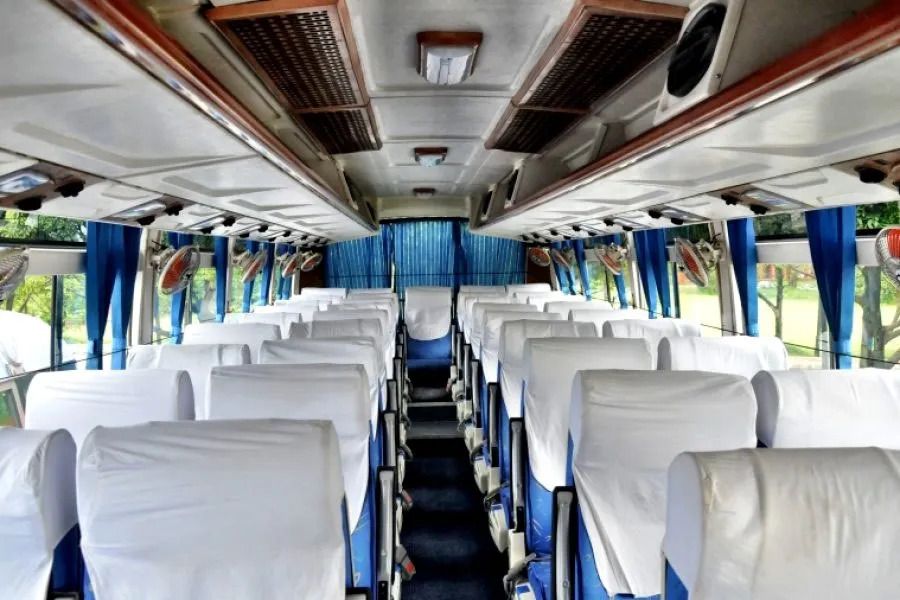
Tourist Bus — Comfortable and Affordable

Tourist buses offer more comfortable seating, a cleaner environment, and fewer unnecessary stops compared to local buses. They are a popular choice among international trekkers who want a balance between cost and comfort.

  • Cost: Full vehicle USD 350-400; private and shared ride NPR 2500 per person (Nepali) / USD 15 per person (foreign nationals)
  • Travel time: 6 to 7 hours
  • Facilities: Comfortable reclining seats, luggage space, water provided
  • Booking: Available at bus park ticket counters or through your trekking agency

Tourist buses typically have three toilets and refreshment breaks — at Naubise, Muglin, and near Besisahar — making the journey manageable even for first-time visitors.

Private Car (Sedan) — Comfortable for Small Groups

Hiring a private car from Kathmandu to Besisahar is one of the most comfortable and flexible options. With a private car, you can stop wherever you wish, travel at your own pace, and enjoy door-to-door pickup and drop-off service.

  • Vehicle type: Sedan car (Toyota Corolla, Hyundai, etc.)
  • Passenger capacity: Up to 3 passengers + driver
  • Cost: Approximately USD 120- 140 (includes driver, fuel, and tolls)
  • Travel time: 5 to 6 hours
  • Best for: Couples, solo travellers, or small families

Nepal Vehicle Hiring Pvt Ltd provides private sedan hire with experienced local drivers who know the route well and can share insights about the landscape and local culture along the way.
Besisahar

Private Jeep (4WD) — Best for Trekkers

A private 4WD jeep is the most popular choice for trekkers heading to Besisahar and beyond. After Dumre, the road narrows and gets rougher in sections, and a 4WD jeep handles it with ease.

  • Vehicle type: Toyota Land Cruiser, Mahindra Scorpio, or similar 4WD
  • Passenger capacity: Up to 7 passengers + driver
  • Cost: Approximately USD 150-200 (full vehicle hire)
  • Shared Jeep: Approximately USD 25 per person
  • Travel time: 6 to 7 hours
  • Best for: Trekking groups, adventure travellers, heavy luggage carriers

If you plan to continue beyond Besisahar toward Chame or Manang, you’ll need a 4WD jeep, as public buses don’t operate on those road sections.

Hiace Van — Ideal for Groups of 10 to 14

A Toyota Hiace van is an excellent option for larger trekking groups or families travelling together. It offers spacious seating with enough room for both passengers and luggage.

  • Vehicle type: Toyota Hiace (14-seater van)
  • Passenger capacity: Up to 14 passengers + driver
  • Cost: Approximately USD 220-250 (full van hire)
  • Shared Hiace: Available for solo or small group travellers at shared rates, USD 25
  • Travel time: 6 to 7 hours
  • Best for: Group trekkers, school/college trips, large families

Nepal Vehicle Hiring Pvt Ltd offers both private and shared Hiace hire with professional, licensed drivers experienced in the Kathmandu-Besisahar route.

Helicopter — Fastest and Most Scenic Option

For travellers who want to skip the long road journey and enjoy aerial views of the Himalayas, a helicopter flight from Kathmandu to Besisahar is a top-end option.

  • Flight time: Approximately 1 hour
  • Cost: Approximately USD 2400-4500 per person (round trip)
  • Capacity: Typically 5 seats per helicopter
  • Views: Spectacular panoramic views of Everest, Annapurna, Manaslu, and the Himalayan ranges
  • Note: Weather-dependent; flights may be cancelled or delayed in poor visibility

This option suits luxury travellers, elderly trekkers, or those with limited time who still want to experience the Annapurna region without the road journey.
Besisahar

Road Conditions: What to Expect

Understanding the road conditions on the route from Kathmandu to Besisahar will help you choose the right vehicle and set realistic expectations for your journey.

  • Kathmandu to Dumre (via Prithvi Highway): Well-paved, mostly smooth tarmac road with moderate traffic. Scenic views of the Trishuli River run alongside this stretch.
  • Dumre to Besisahar: The road narrows after Dumre and can be rough in certain sections, especially during and after the monsoon season. Experienced drivers navigate this with ease.
  • Best travel season: October to December (post-monsoon) offers dry roads and clear mountain views. March to May (spring) is also excellent.
  • Monsoon season (June–September): Roads can be muddy and prone to landslides. Extra caution and a 4WD vehicle are strongly recommended during this period.

Key Stops Along the Kathmandu to Besisahar Route

The journey from Kathmandu to Besisahar passes through some charming towns and scenic viewpoints. Here are the key stops you will encounter:

Naubise

Located about 1 hour from Kathmandu, Naubise is the first major stop on the Prithvi Highway. Most buses and private vehicles stop here for a short break for a toilet and tea. It marks the point where the highway begins to descend through lush hills.

Muglin

Muglin is the most important rest stop on this route, roughly 3 to 4 hours from Kathmandu. This is where travellers enjoy a proper lunch break with dal bhat, momos, and local Nepali food. From Muglin, you can see the Trishuli River, which offers beautiful views.

Dumre

Dumre is the junction town where the Prithvi Highway splits — one direction continues toward Pokhara and the other heads toward Besisahar. If you are taking a local bus, you may need to change buses here to continue to Besisahar.

Besisahar

Besisahar is the final destination — the headquarters of Lamjung District and the official starting point of the Annapurna Circuit Trek. The town has hotels, tea houses, ATMs, medical facilities, gear shops, and restaurants catering to trekkers.

Kathmandu to Besisahar Route Map

Kathmandu to Besisahar Transport Guide

Beyond Besisahar — Continuing Your Journey

Many trekkers choose to travel beyond Besisahar by jeep to reach higher elevations faster. Here are the onward transport options from Besisahar:

  • Besisahar to Syange: 2 to 3 hours by private jeep
  • Besisahar to Dharapani: Private jeep — approximately USD 140–150
  • Besisahar to Chame: Private jeep from Kathmandu — approximately USD 370–380 (or USD 200–220 from Besisahar alone)
  • Besisahar to Manang Village: Private jeep — approximately USD 330–350 from Besisahar

Note: No public buses run beyond Besisahar on the Annapurna Circuit road. A 4WD jeep is the only viable motorised transport for the off-road sections ahead.

Practical Tips for Travelling from Kathmandu to Besisahar

  • Book your transport in advance during peak trekking season (October–November and March–April) as vehicles fill up quickly.
  • Carry cash (NPR) as ATMs may be limited beyond Besisahar.
  • Start early — morning departures are best to avoid traffic and reach Besisahar before evening.
  • Bring snacks, a water bottle, and a light jacket as temperatures cool in mountain areas.
  • Confirm with your driver whether the quoted price includes fuel, tolls, and parking.
  • If you have heavy trekking gear, hire a private jeep or Hiace to accommodate extra luggage.
  • Check weather forecasts before travelling, especially during the monsoon season (June–September).
  • Obtain your TIMS card and ACAP permit in Kathmandu before departing.

Why Choose Nepal Vehicle Hiring Pvt Ltd?

Nepal Vehicle Hiring Pvt Ltd is a trusted, registered vehicle rental company based in Kathmandu, offering reliable transportation for trekkers, tourists, and travellers across Nepal.

  • Fleet: Sedan cars, 4WD jeeps, Hiace vans, coaster buses, and tourist buses
  • Drivers: Professional, licensed, and locally experienced drivers
  • Pricing: Transparent pricing with no hidden fees — fuel, tolls, and driver included
  • Booking: 24/7 booking available via WhatsApp, phone call, or email
  • Service: Door-to-door pickup and drop-off from your hotel in Kathmandu
  • Safety: All vehicles are regularly serviced, inspected, and insured

Whether you are a solo backpacker travelling or with a large group, we have the perfect vehicle to get you to Besisahar comfortably and on time.

Frequently Asked Questions (FAQs)

How far is Kathmandu from Besisahar?

The road distance from Kathmandu to Besisahar is approximately 175 km (109 miles).

How long does it take to travel from Kathmandu to Besisahar?

By road, the journey takes approximately 6 to 8 hours, depending on your mode of transport and road conditions. Is there a direct tourist bus from Kathmandu to Besisahar?

Yes, tourist buses depart from Gongabu Bus Park in Kathmandu and travel directly to Besisahar. You can also take a local bus, though you may need to change at Dumre.

Which is the best mode of transport for trekkers?

For trekkers with luggage, a private 4WD jeep is the most recommended option,n as it offers comfort, flexibility, and the ability to continue beyond Besisahar over rough roads.

Can I hire a private vehicle from Nepal Vehicle Hiring Pvt Ltd?

Absolutely. Nepal Vehicle Hiring Pvt Ltd offers private jeep, HiAce, and van hire from Kathmandu to Besisahar with professional drivers and transparent pricing. Contact us via WhatsApp or call to book instantly.

What is the best time to travel from Kathmandu to Besisahar?

The best times are October to December (post-monsoon, clear skies) and March to May (spring). Avoid or take extra precautions during the monsoon season from June to September.

Conclusion

Travelling from Kathmandu to Besisahar is the first exciting chapter of any Annapurna region adventure. With the right transport choice — whether a budget bus, a comfortable private car, or a rugged 4WD jeep — your journey sets the tone for a memorable trekking experience in Nepal.

Nepal Vehicle Hiring Pvt Ltd is ready to make your Kathmandu-to-Besisahar transfer smooth, safe, and stress-free. With well-maintained vehicles, experienced drivers, and 24/7 customer support, we are your most trusted transport partner in Nepal.

Visit our sister company, Trek Nepal Himalayas & Alpine Luxury Treks, for luxury vacation packages and trekking journeys. There, you may choose from a variety of carefully planned itineraries.

Book your Jeep today— Call or WhatsApp
Website: www.vehiclehiringnepal.com
Email:[email protected]
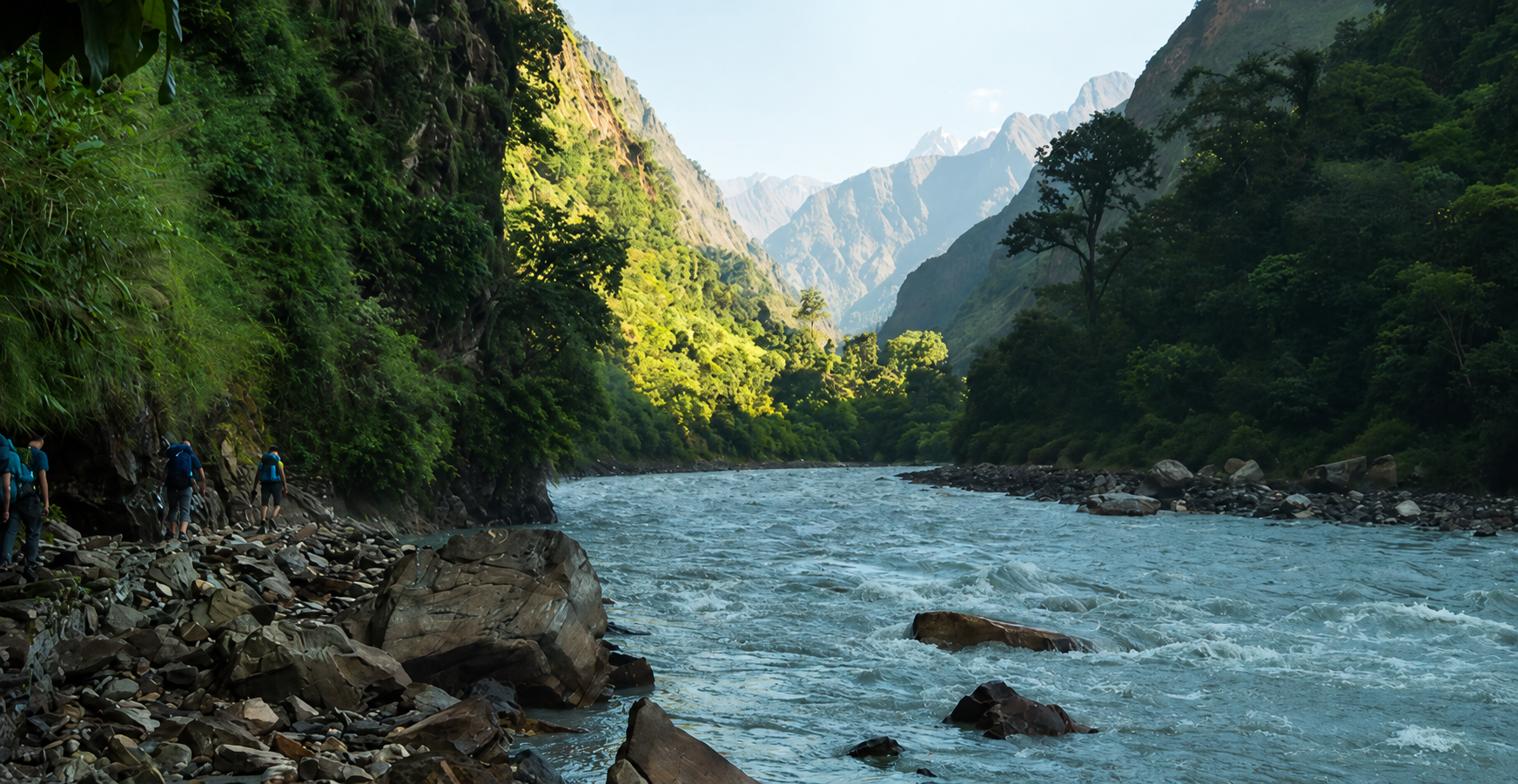
Kathmandu to Ramechhap Airport Transfer: Full Guide

Kathmandu to Ramechhap Airport Transfer Full Guide

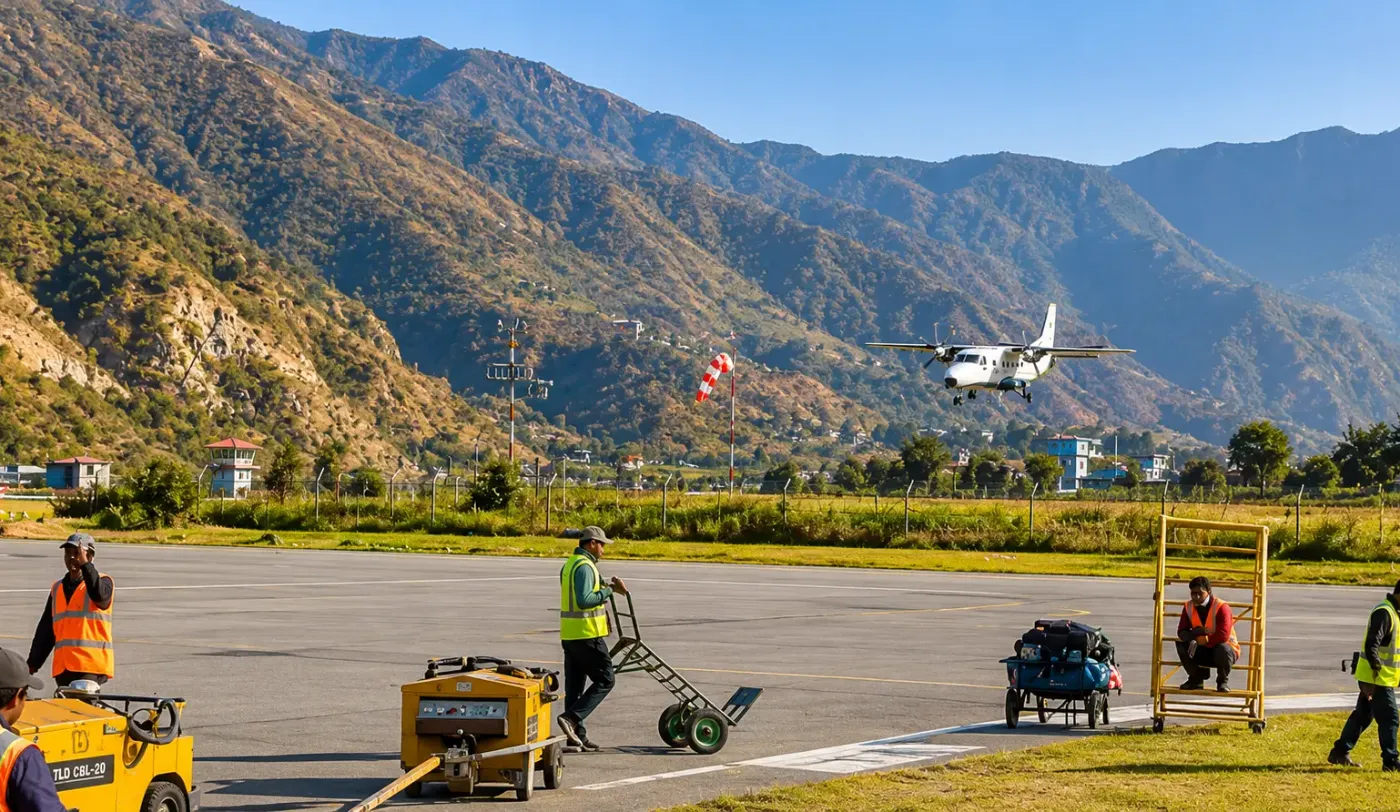
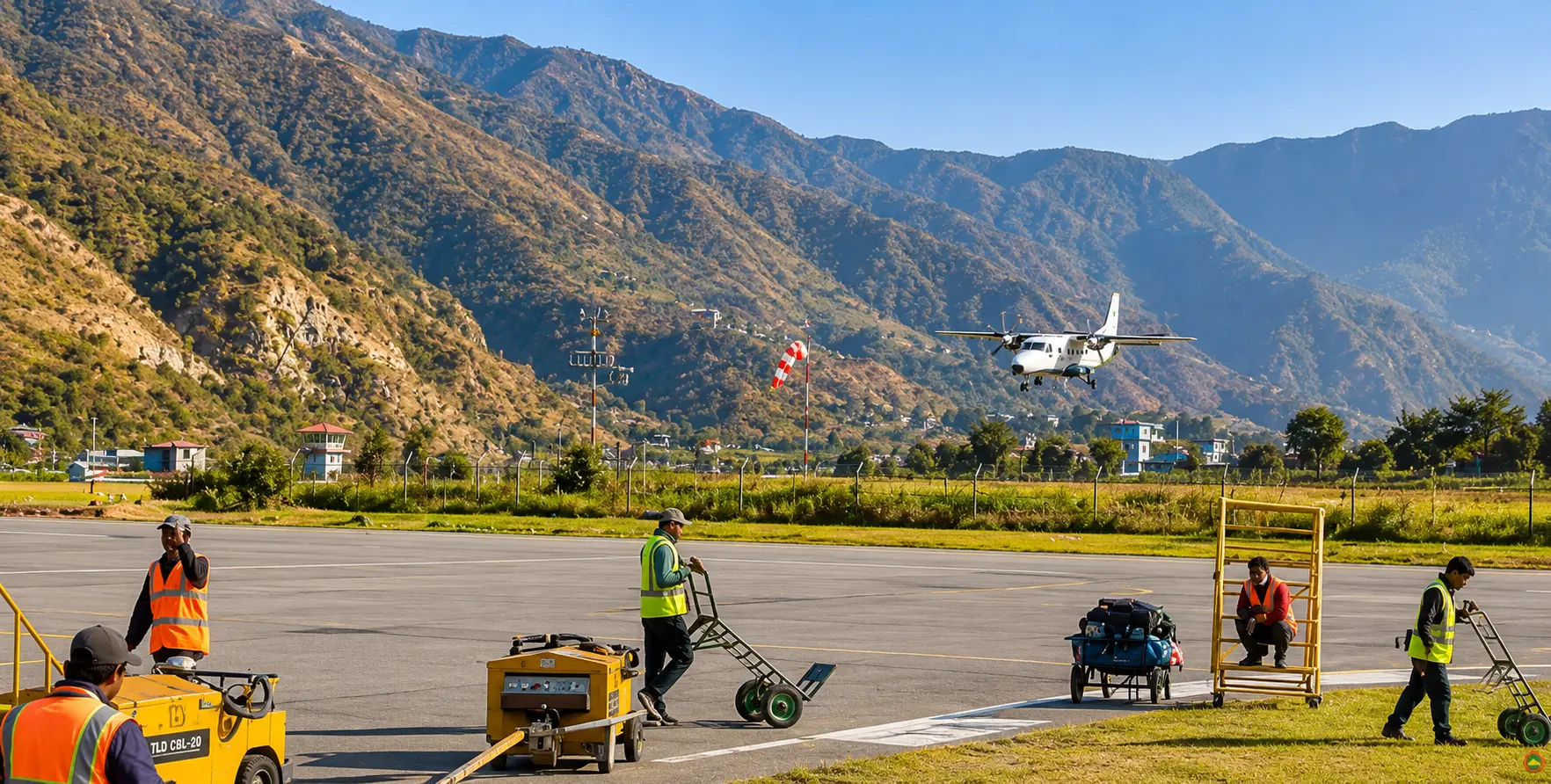
Ramechhap manthali airport

If you are planning to trek to Everest Base Camp, Gokyo Lakes, Three Passes, or another Everest region destination in Nepal, you must plan one critical journey carefully before your trek begins: the transfer from Kathmandu to Ramechhap Airport (also known as Manthali Airport).

Since 2019, the Civil Aviation Authority of Nepal (CAAN) has rerouted most Lukla-bound flights through Ramechhap Airport during peak trekking seasons to reduce congestion at Tribhuvan International Airport in Kathmandu. In 2026, this remains standard practice—and mastering your Kathmandu-to-Ramechhap transfer is essential to start your Everest adventure on time and stress-free.

This complete 2026 guide covers every transfer option available — private jeeps, shared Hiace vans, shared minivans, coaster buses, and helicopter charters — including exact costs, departure times, road conditions, key stops, overnight stay tips, and expert advice from Nepal Vehicle Hiring Pvt Ltd.

What is Ramechhap Airport (Manthali Airport)?

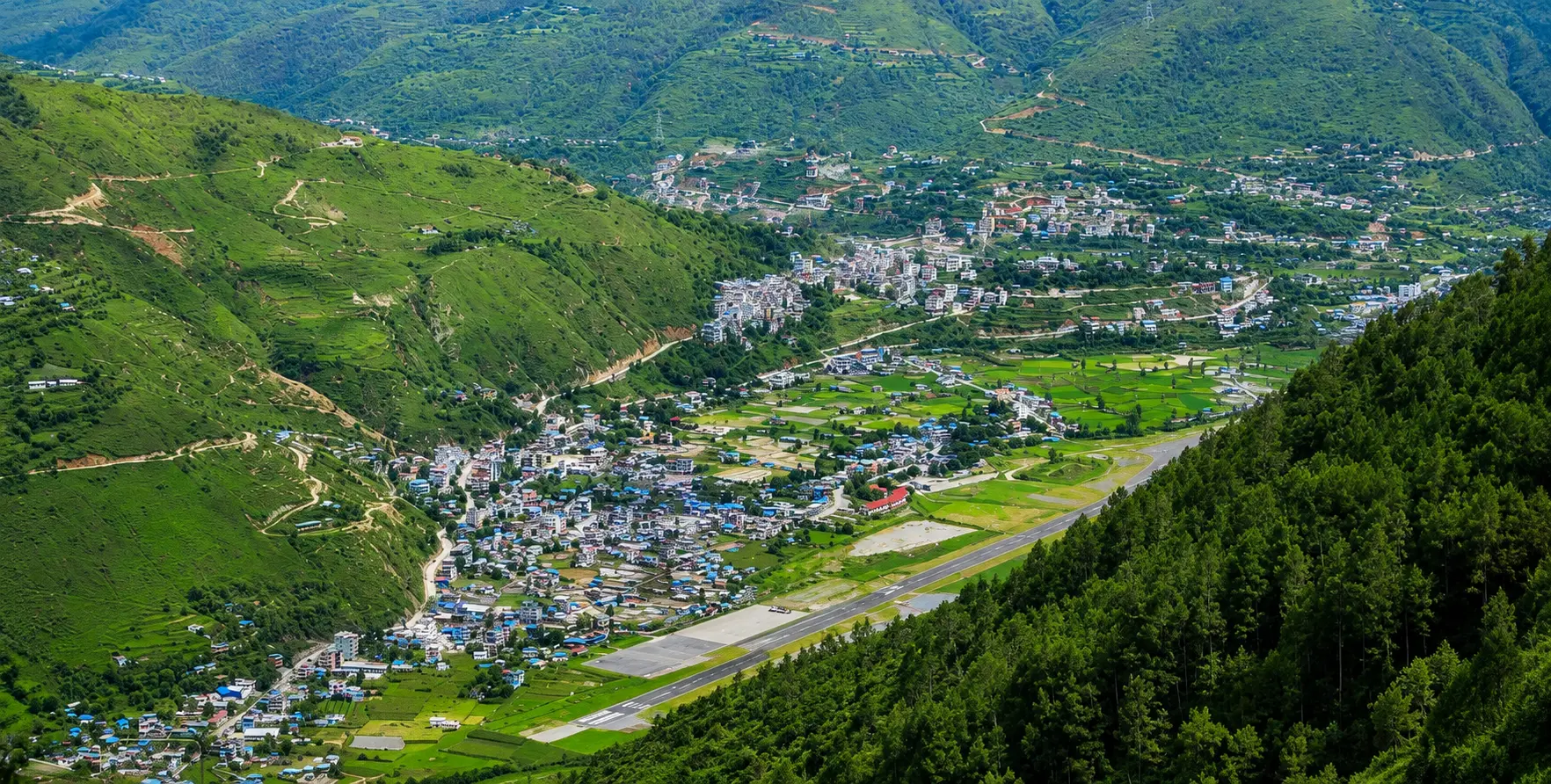
Ramechhap Airport, officially known as Manthali Airport (IATA: RHP), is a small domestic airport located in Manthali, the headquarters of Ramechhap District in Janakpur Province, eastern Nepal.

  • Official Name: Manthali Airport (IATA code: RHP)
  • Location: Manthali town, Ramechhap District, Janakpur Province
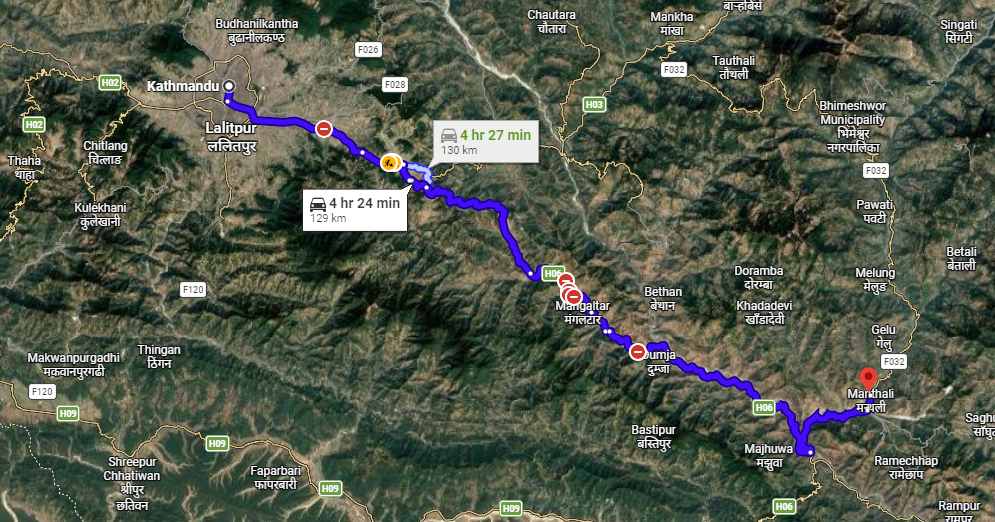
  • Distance from Kathmandu: Approximately 132 km (82 miles) by road
  • Altitude: Approximately 510 meters (1,673 feet) above sea level
  • Purpose: Primary gateway to Lukla Airport and the Everest trekking region during peak season
  • Flight Time to Lukla: Approximately 20 minutes by small STOL aircraft
  • Airlines Operating: Tara Air, Summit Air, Sita Air, and other STOL operators

Ramechhap Airport is seasonal as a Lukla flight hub. CAAN activates the Ramechhap route during the peak trekking seasons when Lukla flight volumes exceed 50 per day — exceeding Kathmandu airport’s handling capacity. Outside of peak season, flights to Lukla still operate from Kathmandu (Tribhuvan International Airport).

When Do Flights Operate from Ramechhap? —  Season Guide

This is the most important question for any Everest trekker in 2026. Lukla flights are diverted to Ramechhap during the two main trekking seasons:

Spring Season (Peak)

  • Period: Mid-March to the end of May (approximately March 15 – May 31)
  • Shared services depart: From approximately April 1 each spring season
  • Flight volume: Can exceed 50 Lukla flights per day — Ramechhap essential

Autumn Season (Peak)

  • Period: October to mid-December (approximately October 1 – December 15)
  • Shared services depart: From approximately October 15 each autumn season
  • Flight volume: High season — Ramechhap reduces Kathmandu congestion significantly

Off-Season (Low Season)

  • Period: June to September (monsoon) and December to February (winter)
  • During these months, flights to Lukla typically operate directly from Kathmandu
  • Always verify with CAAN or your airline which airport your specific flight departs from

IMPORTANT: Always confirm your departure airport — Kathmandu (TIA) or Ramechhap (RHP/Manthali) — with your airline at the time of booking and the day before your flight.

Kathmandu to Ramechhap — Key Facts at a Glance

  • Road Distance: Approximately 132 km (82 miles)
  • Travel Time: 4 to 5 hours by private vehicle; 4.5 to 6 hours by shared transport
  • Main Route: Araniko Highway → Dhulikhel → BP Koirala Highway → Manthali
  • Key Landmarks En Route: Bhaktapur, Banepa, Dhulikhel, Dolalghat, Khurkot, Manthali
  • Standard Departure Time from Kathmandu: 1:00 AM to 2:00 AM (for morning Lukla flights)
  • Arrival at Manthali Airport: Approximately 5:00 AM to 6:30 AM
  • Flight Check-in Time: Arrive at least 1 hour before the scheduled Lukla departure
  • Departure Point in Kathmandu: Thamel area (Garden of Dreams / Keshar Mahal area)

Why Is the Transfer Departure So Early?

One of the most common surprises for first-time Everest trekkers is discovering that the Kathmandu-to-Ramechhap transfer departs at 1:00 AM or 2:00 AM. There are very specific reasons for this:

  • Lukla flights operate only in the early morning when mountain weather is stable, nd wind conditions are favourable. Most Lukla flights depart between 6:00 AM and 9:00 AM.
  • The 132 km road journey takes about 4 to 5 hours, so you’ll need to leave Kathmandu early to arrive with enough time to check in.
  • Arriving at Manthali Airport by 5:30–6:00 AM gives you buffer time to handle last-minute flight changes, weather delays, or check-in queues.
  • If your flight is cancelled due to weather, passengers who arrive early are prioritised for the next available slot — arriving late means being at the back of the queue.
  • Night traffic in Kathmandu and on the BP Highway is minimal, making the drive faster and smoother than a daytime departure.

The early departure is not an inconvenience — it is a strategic necessity. Nepal Vehicle Hiring Pvt Ltd’s drivers are highly experienced and prepared for early-morning departures, ensuring your transfer is handled professionally at any hour.

Ramechhap valley

All Transfer Options — Kathmandu to Ramechhap 2026

Here is a complete 2026 comparison of every available transport option for the Kathmandu to Ramechhap Airport transfer:

Transport OptionDistanceTravel Time2026 Cost (approx.)Best For
Shared Minivan/Hiace 132 km4–5 hoursUSD 225- 30 per personSolo/budget trekkers
Shared Jeep (Sumo) 132 km4–5 hoursUSD 20- 35 per personSmall groups on budget
Private Car (Sedan) 132 km4–5 hoursUSD 120-150 (full vehicle)Couples / 1–3 persons
Private Jeep4WD) 132 km4–4.5 hoursUSD 160-250 (full vehicle)Groups of 4–7 trekkers
Private Hiace Van 132 km4–5 hoursUSD 200- 300 (full vehicle)Groups of 8–14 persons
Coaster / Mini Bus 132 km5–6 hoursUSD 300- 400 (full vehicle)Large groups 15–25 pax
Helicopter (KTM–Lukla) N/A45 minutesUSD 2,400–3,000 (full charter)Luxury / time-critical

Private Jeep — Best Overall for Trekking Groups

A private 4WD jeep is the most recommended transfer option for trekking groups heading to Ramechhap Airport. It combines comfort, speed, and the flexibility to depart at your exact preferred time — crucial when coordinating an early morning flight to Lukla.

  • Vehicle types: Toyota Hilux, Land Cruiser, Mahindra Scorpio
  • Capacity: 4 passengers comfortably with full trekking gear; up to 6–7 persons
  • 2026 Cost: USD 160- 250 (full vehicle, one way — driver, fuel, tolls included)
  • Travel time: 4 to 4.5 hours — the fastest road option
  • Pickup: Door-to-door from your hotel in Thamel or anywhere in Kathmandu
  • Departure time: Tailored to your flight schedule — typically 1:00 AM to 2:00 AM
  • Advantage: No waiting for other passengers, no stops you did not request

Nepal Vehicle Hiring Pvt Ltd provides private jeep transfers 24/7, including the crucial pre-departure transfers required for Lukla flights. All drivers are licensed and locally experienced on the BP Highway and Manthali road.

Private Car (Sedan) — Comfortable for Small Groups

  • Vehicle types: Toyota Corolla, Hyundai, or similar sedan
  • Capacity: 2 to 3 passengers plus luggage
  • 2026 Cost: USD 120-150 (full vehicle, one way)
  • Travel time: 4 to 5 hours
  • Best for: Solo travellers or couples travelling light
  • Note: The road is mostly smooth but has some narrow, winding sections on the BP Highway — a sedan handles it well

Private Hiace Van — Best for Groups of 8 to 14

  • Capacity: Up to 14 passengers with luggage space
  • 2026 Cost: USD 200-300 (full vehicle hire, one way)
  • Travel time: 4 to 5 hours
  • Includes: Driver, fuel, tolls, and all road charges
  • Best for: Trekking groups, organised tours, school or college expeditions
  • Advantage: Economical per-person cost when shared across a large group

Coaster / Mini Bus — For Large Groups of 15 to 25

  • Capacity: 15 to 25 passengers
  • 2026 Cost: USD 300 (full vehicle hire, one way)
  • Travel time: 5 to 6 hours
  • Best for: Very large trekking expeditions, corporate groups, guided tour companies
  • Note: Book well in advance — coaster buses are limited and high in demand during peak season

Shared Minivan / Shared Hiace — Budget Option for Solo Travellers

Shared minivans and Hiace vans are the most popular budget transfer option during peak season. They operate on a fixed daily schedule departing from the Thamel / Garden of Dreams area.

  • Capacity: 8 to 14 seats — you pay per seat
  • Cost: USD 25 per person (per seat)
  • Travel time: 4 to 5 hours
  • Standard Departure: 1:30 AM from Garden of Dreams / Keshar Mahal, Thamel
  • Reporting time: 1:15 AM — arrive early to secure your seat and stow luggage
  • Arrival at Manthali: Approximately 5:10 AM to 6:00 AM
  • Booking: Available through airlines, trekking agencies, or transport companies in Thamel

Shared services are practical and affordable but offer less flexibility. You cannot change the departure time, and you may need to store your luggage compactly to share space with other passengers.

Shared Jeep (Sumo) — Faster Budget Option

  • Capacity: 7 to 9 passengers
  • 2026 Cost: USD 20-35 per person
  • Travel time: 4 to 5 hours
  • Departure: Early morning — 1:00 AM to 2:00 AM from the Machhapokhari / Thamel area
  • Advantage: Faster than minibuses due to smaller size, and easier navigation of the winding BP Highway

Helicopter Charter — Fastest, Most Comfortable Option

For travellers who prefer to skip the road transfer entirely, a direct helicopter charter from Kathmandu (Tribhuvan International Airport) to Lukla is the top-end alternative.

  • Departure: Tribhuvan International Airport (TIA), Kathmandu
  • Destination: Directly to Lukla Airport — no Ramechhap road transfer needed
  • Flight time: Approximately 45 minutes
  • 2026 Cost: USD 2,400 to USD 3,000 for the full charter (5-seater helicopter)
  • Popular operators: Kailash Heli, Fishtail Air, Simrik Air, Altitude Air, Air Dynasty
  • Best for: Luxury travellers, elderly trekkers, time-sensitive itineraries
  • Note: Helicopters are weather-dependent and may not fly in poor visibility or high winds

The Route: Key Stops from Kathmandu to Ramechhap

The journey from Kathmandu to Ramechhap follows the Araniko Highway through Bhaktapur and Banepa,  then joins the scenic BP Koirala Highway (BP Highway) toward Manthali. Here are the key stops along the way:

LocationDistance from KTMKey Notes
Bhaktapur 16 kmAncient UNESCO heritage city — brief pass-through
Banepa 30 kmJunction town — road splits toward Dhulikhel & BP Highway
Dhulikhel 35 kmHill station with Himalayan panoramas; start of BP Highway
Dolalghat 65 kmConfluence of Sunkoshi & Indrawati rivers — scenic rest stop
Khurkot 100 kmRiverside bazaar on Sunkoshi — common breakfast/tea stop
Manthali 130 kmRamechhap district HQ — hotels, tea houses near airport
Ramechhap Airport 132 kmManthali Airport — gateway to Lukla & the Everest region

Kathmandu to Ramechhap Route Map

Kathmandu to Ramechhap Airport Transfer
Kathmandu to Ramechhap Airport Route Map

Bhaktapur (16 km)

The ancient UNESCO World Heritage city of Bhaktapur is the first major landmark you pass through as you leave Kathmandu. At 1:00–2:00 AM, the city is quiet and peaceful — a stark contrast to its lively daytime character with Durbar Square, Nyatapola Temple, and traditional Newari architecture.

Banepa (30 km)

Banepa is the junction town where the Araniko Highway (continuing toward the Tibetan border) branches off, and the road toward Dhulikhel and the BP Highway begins. A brief stretch through Banepa signals you are leaving the Kathmandu Valley corridor.

Dhulikhel (35 km)

Dhulikhel is a charming hill station known for its panoramic views of the Himalayan range. During early morning transfers, travellers are treated to the first glimpses of mountain silhouettes lit by moonlight. After Dhulikhel, the road transitions onto the BP Koirala Highway — narrower, windier, and more scenic.

Dolalghat (65 km)

Dolalghat sits at the confluence of the Sunkoshi and Indrawati rivers and marks the halfway point of the journey. The road descends into the river valley here and follows the Sunkoshi River for a stretch. Many drivers pause here for a short break during pre-dawn transfers.

Khurkot (100 km)

Khurkot is a riverside bazaar along the Sunkoshi River and the most common breakfast stop for Ramechhap transfers. By the time shared transport reaches here around 4:00–4:30 AM, basic tea shops and dhabas start opening. Local dal bhat, bread, and tea are typically available.

Manthali / Ramechhap Airport (132 km)

You have arrived at Manthali — home to Ramechhap Airport. The airport terminal is small and simple with a check-in counter, basic seating, and a few tea stalls outside. Most private jeep transfers reach Manthali between 5:00 AM and 6:00 AM, well ahead of the first Lukla departure.

Bp Highway

Road Conditions — Kathmandu to Ramechhap

Kathmandu to Dhulikhel (Araniko Highway)

This stretch is a six-lane highway from Kathmandu to Bhaktapur, narrowing to a two-lane paved road through Banepa and Dhulikhel. The road is well maintained and smooth, with fast travel even in the early morning.

Dhulikhel to Dolalghat (BP Highway — Upper Section)

After Dhulikhel, the road narrows and becomes more winding, with hairpin bends and steep descents into river valleys. This section is paved but requires careful driving, especially at night. Experienced drivers navigate this confidently at any hour.

Dolalghat to Khurkot (BP Highway — Riverside Section)

The road follows the Sunkoshi River valley — mostly paved with some rough patches. Scenic even at night, with the river visible and audible alongside the road. Occasional roadwork sections may briefly slow progress.

Khurkot to Manthali (Final Section)

The final 30 km into Manthali involves winding hill roads. The surface is a mix of paved and occasional rough stretches. In 2026, authorities noted that this section saw monsoon damage in parts—private vehicles and jeeps handle it comfortably, but buses may be slower.

Monsoon Season Warning (June–September)

During monsoon season, sections of the BP Highway can be affected by landslides, flooding, and road damage. In 2025, authorities imposed time restrictions on passenger vehicles on certain sections due to hazardous conditions. Always verify road status before travelling during monsoon months.

Nepal Vehicle Hiring Pvt Ltd monitors road conditions in real time and will advise accordingly.

Should You Travel Overnight or Stay the Night Before?

This is one of the most common dilemmas for trekkers heading to Ramechhap. Here is a clear breakdown of both options:

Depart Kathmandu between 1:00 AM and 2:00 AM and arrive at Manthali around 5:00–6:30 AM in time for your Lukla flight.

  • Advantage: Does not add an extra day or night cost to your itinerary
  • Advantage: You can rest in Kathmandu the previous evening in comfort
  • Advantage: Night road traffic is minimal — transfer is faster
  • Disadvantage: Early wake-up call (midnight) can be tiring before a demanding trek
  • Best for: Most trekkers — this is the standard and recommended approach

Option B — Travel the Day Before (Stay Overnight at Manthali)

Travel to Ramechhap the afternoon or evening before your flight and stay overnight at a hotel near Manthali Airport.

  • Advantage: A full night’s sleep before your Lukla flight — arrive at the airport rested
  • Advantage: No midnight wake-up or pre-dawn driving anxiety
  • Advantage: If flights are cancelled the previous day, passengers already at Manthali are the priority for next-day slots
  • Disadvantage: Adds one extra night of accommodation costs to your budget
  • Disadvantage: Manthali has limited dining and entertainment options for the evening
  • Best for: Trekkers who have flexibility in their itinerary or are particularly anxious about early morning logistics

Kathmandu to Ramechhap Airport Transfer

Accommodation Near Ramechhap Airport (Manthali)

If you choose to travel the day before and stay overnight near Manthali Airport, here are the main accommodation options:

Hotel / LodgeDistance from AirportNotes
Hotel Everest View Manthali5 min walkPopular trekker lodge, basic facilities
Manthali Airport Hotel3 min walkClosest to the terminal, early check-in available
Green Valley Guest House7 min walkBudget-friendly, local meals served
Hotel Mountain Breeze10 min walkClean rooms, good for groups

Most hotels near Manthali Airport are small trekker lodges or guesthouses. They are basic but clean, with private or shared rooms, local meals, and hot water available. Prices are modest — typically NPR 800 to NPR 2,000 per night.

Booking in advance is strongly recommended during peak trekking season (October–November and March–May) as rooms fill up quickly.

Why Flying from Ramechhap is better than flying from Kathmandu to Lukla

Many trekkers wonder whether flying from Ramechhap is truly worth the extra road transfer. Here is a clear side-by-side comparison of the two options:

Ramechhap (Manthali) to Lukla

  • No air traffic congestion — flights depart on schedule reliably
  • Flight time: Only 20 minutes from Manthali to Lukla
  • Ticket cost: Approximately USD 176 per person (one-way, 2026 rate) — cheaper than Kathmandu
  • Weather-related cancellations are fewer — mountain weather is clearer when departing from a lower altitude
  • No flight backlogs — passengers on the same-day waiting list are cleared the same day

Kathmandu (TIA) to Lukla — Low Season Only

  • Convenient departure from Kathmandu — no road transfer needed
  • Ticket cost: Approximately USD 217 per person (one way) — more expensive
  • Frequent delays and cancellations due to Kathmandu airport congestion
  • Flight backlogs are common during peak season, which can delay treks by 1–2 days
  • Available mainly during the low season (June–September and January–February)

The consensus among experienced Everest trekkers is clear: flying from Ramechhap during peak season is more reliable, more affordable, and less stressful—despite the early-morning road transfer.

Practical Tips for Your Kathmandu to Ramechhap Transfer

  • Confirm your flight departure airport the day before: Always call your airline to verify whether your flight departs from Kathmandu (TIA) or Ramechhap (Manthali/RHP).
  • Book your transfer in advance: During peak season (October–November and March–May), private jeeps and shared vans are in very high demand — book at least 48 to 72 hours ahead.
  • Set multiple alarms for your midnight departure: Missing the transfer can mean missing your entire Lukla flight and delaying your trek itinerary.
  • Pack your day bag the night before: Have your flight documents, permit copies, warm jacket, water bottle, and snacks ready before sleeping.
  • Withdraw cash before departing Kathmandu: There is a limited ATM at Manthali town — carry enough NPR for Manthali breakfast, hotel (if staying overnight), and airport essentials.
  • Eat a light meal before departure. Some tea shops in Khurkot open around 4:00–4:30 AM, but do not rely on them. Carry your own energy bars, nuts, and water.
  • Wear layers: Kathmandu at 1:00 AM is cool; Manthali at 5:00 AM can be cold — especially in October, November, and March. Bring a warm fleece or jacket.
  • Keep all documents accessible: Your Lukla flight ticket, Sagarmatha National Park permit, and TIMS card will be checked at Manthali Airport and at the Monjo checkpoint during the trek.
  • If your flight is cancelled: Stay calm — your airline will reschedule you. Priority is given to passengers already at the airport. Contact Nepal Vehicle Hiring Pvt Ltd if you need a return transfer to Kathmandu or onward logistics.

Permits Required for the Everest Region

Before boarding your Lukla flight from Manthali, ensure you have both mandatory permits:

  • Sagarmatha National Park Entry Permit: Required for all Everest region treks — approximately USD 30-35 per person. Obtainable at the Nepal Tourism Board in Kathmandu or at the Monjo park entry checkpoint during the trek.
  • TIMS Card (Trekkers’ Information Management System): Required for all trekkers — approximately USD 10–20 per person. Obtainable at the NTB or TAAN office in Thamel, Kathmandu.
  • Khumbu Pasang Lhamu Rural Municipality Entry Fee: A local fee charged at Lukla upon arrival — approximately NPR 2,000 per person. Carry cash in NPR.

Authorities check all permits at multiple points along the Everest Base Camp trail. Carry printed or laminated copies — original documents can be damaged by moisture on the trail.

Why Choose Nepal Vehicle Hiring Pvt Ltd for Your Ramechhap Transfer?

Nepal Vehicle Hiring Pvt Ltd is Kathmandu’s most trusted vehicle rental company, specialising in airport transfers, trekking transport, and private vehicle hire across Nepal. Here is why trekkers choose us for the Kathmandu to Ramechhap Airport transfer every season:

  • 24/7 Operations: We specialise in early morning airport transfers — 1:00 AM, 2:00 AM, or any time your flight requires. Our drivers are always punctual and prepared.
  • Full Fleet: Private sedans, 4WD jeeps, Hiace vans, coaster buses, and shared vehicles for every group size and budget.
  • Hotel Pickup: Door-to-door pickup from your hotel in Thamel, Kathmandu — no need to navigate to a pickup point in the middle of the night.
  • Transparent All-Inclusive Pricing: Driver, fuel, tolls, and parking are all included — the price you are quoted is the price you pay, with no hidden charges.
  • Flight-Aligned Scheduling: We coordinate your departure time precisely with your UK flight time to ensure you arrive in Manthali with a comfortable buffer
  • Return Transfers: We also provide return transfers from Ramechhap Airport to Kathmandu after your trek — same reliable service for the journey home.
  • Real-Time Road Monitoring: Our team tracks BP Highway conditions, especially during the monsoon season, and proactively advises on any road closures or delays.
  • WhatsApp Booking: Book instantly via WhatsApp — confirmation within minutes, available 24 hours a day.

Frequently Asked Questions

How far is Kathmandu from Ramechhap Airport?

The road distance from Kathmandu to Ramechhap (Manthali) Airport is approximately 132 km (82 miles) via the Araniko Highway and BP Koirala Highway.

How long does the transfer take?

A private jeep or car takes approximately 4 to 4.5 hours. Shared vans and minibuses take approximately 4.5 to 5 hours. Traffic conditions, especially during daytime, can extend this.

What time should I depart Kathmandu for Ramechhap?

For morning Lukla flights (6:00–9:00 AM), departure from Kathmandu should be between 1:00 AM and 2:00 AM. This allows you to arrive at Manthali Airport around 5:00–6:30 AM with enough time to check in

Is there a direct flight from Kathmandu to Ramechhap?

No. There are currently no direct flights from Kathmandu to Ramechhap Airport. The only way to reach Manthali Airport from Kathmandu is by road.

What is the 2026 cost of a private jeep from Kathmandu to Ramechhap?

In 2026, a private jeep hire (full vehicle,  one-way) costs approximately USD 160, including driver, fuel, and all road tolls. Are Lukla flights cheaper from Ramechhap than from Kathmandu?

Yes. A one-way flight from Ramechhap to Lukla costs approximately USD 176 per person, compared to approximately USD 217 per person from Kathmandu. Flying from Ramechhap saves approximately USD 41 per person per flight, partially offsetting the transfer cost.

What happens if my Lukla flight is cancelled from Ramechhap?

If your flight is cancelled due to weather or technical issues, your airline will reschedule you for the next available slot. Passengers already at Manthali Airport are given priority over new arrivals. Contact Nepal Vehicle Hiring Pvt Ltd if you need accommodation arrangements in Manthali or a return transfer to Kathmandu.

Can I book the Kathmandu to Ramechhap transfer online?

Yes. Nepal Vehicle Hiring Pvt Ltd accepts bookings via WhatsApp, phone, and email 24 hours a day. Confirmation emails are provided within minutes.

We strongly recommend booking at least 48–72 hours in advance during peak trekking season.

Is the transfer available on the return journey (Ramechhap to Kathmandu)?

Absolutely. Nepal Vehicle Hiring Pvt Ltd provides return transfers from Ramechhap Airport back to Kathmandu. After you arrive in Lukla, you can book both the outward and return transfers at the same time.

Conclusion

The Kathmandu to Ramechhap Airport transfer is not just a logistical necessity — it is the first leg of your Everest adventure. With 132 km of scenic Nepali countryside, river valleys, and mountain panoramas between Kathmandu and Manthali, the predawn drive is an experience in itself for trekkers.

In 2026, mastering this transfer is essential to starting your Everest Base Camp, Gokyo, or Three Passes trek without delays or stress. Whether you choose a shared minivan for budget travel or a private jeep for maximum comfort and flexibility, proper planning of your Ramechhap transfer is as important as booking the trek itself.

Nepal Vehicle Hiring Pvt Ltd is your most trusted partner for this critical journey. With 24/7 availability, a full fleet of vehicles, professional, licensed drivers, door-to-door hotel pickup, and transparent, all-inclusive pricing, we ensure your Kathmandu-to-Ramechhap transfer is the smoothest part of your entire Everest adventure.

If you are planning a visit to Everest Base Camp, the Everest View Trek, or an Everest Helicopter Tour, we highly recommend exploring the services of our sister company, Trek Nepal Himalayas & Alpine Luxury Trek. Specialising in luxury trekking and high-end Himalayan experiences, they provide meticulously designed itineraries that combine adventure, comfort, and safety.

Whether you are seeking a challenging trek to iconic peaks or a more relaxed journey with panoramic mountain views and helicopter access, their team ensures a smooth, memorable experience.

From private accommodations and gourmet meals to experienced guides and porters, every aspect of the journey is tailored to meet the highest standards of quality and convenience for travellers who want to experience the Nepal Himalayas in comfort and style. Trek Nepal Himalayan & Alpine Luxury Trek offers the perfect solution.

We encourage you to visit their website and explore their exceptional trekking packages for your next Himalayan adventure.

Book your jeep today — Call or  WhatsApp
Website: www.vehiclehiringnepal.com
E-mail :[email protected]

Kathmandu to Jiri Road Trip Guide

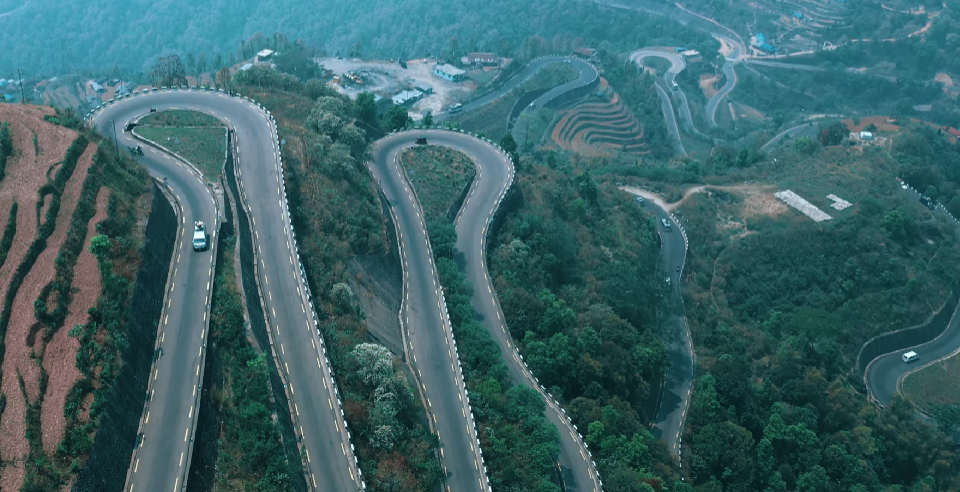
Jiri

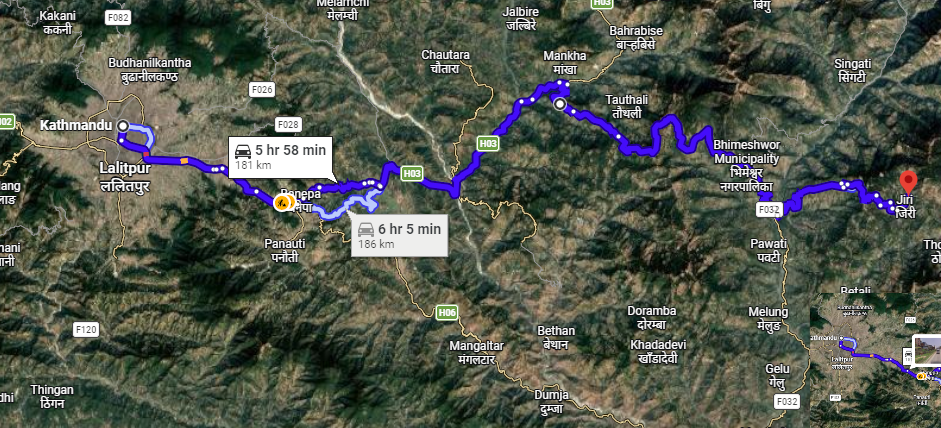
Kathmandu to Jiri Road Trip Guide : Route, Vehicles, Cost & Attractions

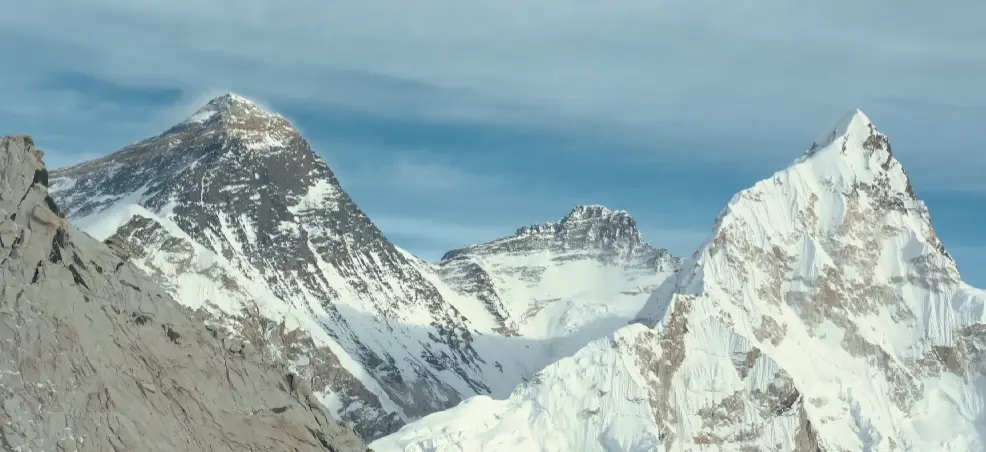
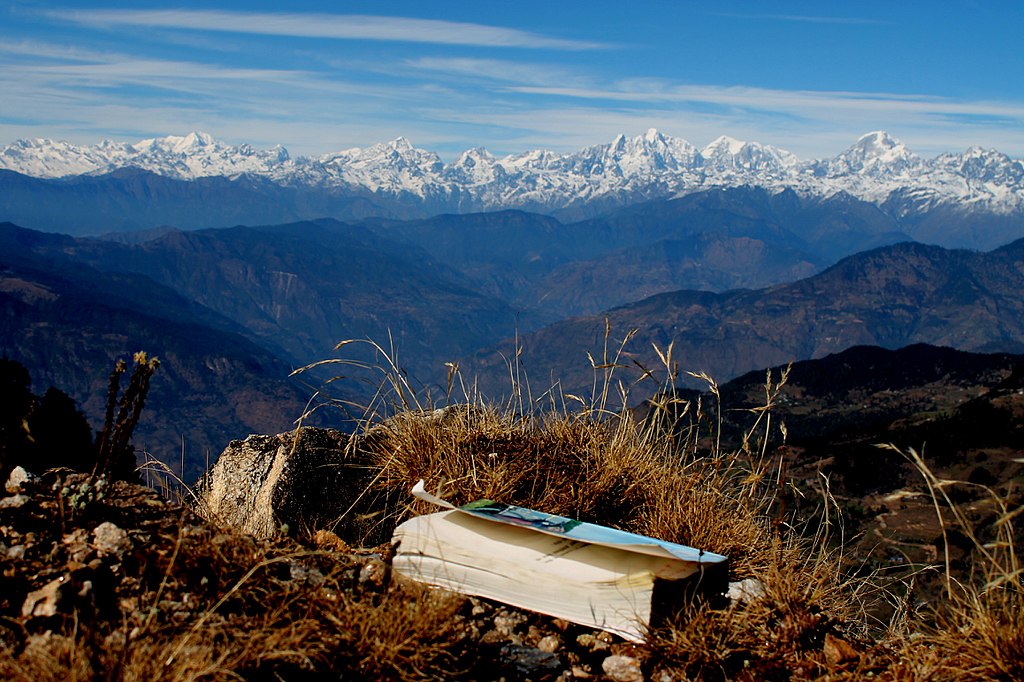
Jiri is one of Nepal’s most historically significant towns. Set in the Dolakha District at an altitude of 1,905 meters above sea level, Jiri is widely known as the Switzerland of Nepal for its stunning rolling hills, lush valleys, and panoramic views of the Himalayan range, including Mount Everest, Cho Oyu, and Makalu.

Before the Lukla airstrip was built, every mountaineer and trekker heading to Everest Base Camp began their journey right here in Jiri on foot.

Today, Jiri remains a beloved destination for trekkers, road trip enthusiasts, and travellers seeking an authentic Nepali mountain experience away from the crowds. The road trip from Kathmandu to Jiri is a classic Nepali journey — scenic, adventurous, and deeply rewarding.

At Nepal Vehicle Hiring Pvt Ltd, we offer professional, reliable vehicle hire services from Kathmandu to Jiri. This comprehensive 2026 guide gives you everything you need to plan your perfect road trip, from vehicle options and costs to route highlights and travel tips.

Why Take a Road Trip from Kathmandu to Jiri?

Experience the Switzerland of Nepal

Jiri’s landscape of terraced hills, alpine meadows, pine forests, and snow-capped mountain backdrops has earned it the nickname the Switzerland of Nepal. A road trip is the most in-depth way to appreciate this stunning scenery.

A Classic Everest Trekking Gateway

Jiri is the original starting point of the historic Jiri to Everest Base Camp Trek — the very same route used by Sir Edmund Hillary and Tenzing Norgay’s 1953 expedition team. Trekkers who start from Jiri gain extra acclimatisation days and experience a richer cultural journey through Sherpa villages.

Scenic River and Valley Drive

The road from Kathmandu to Jiri winds through river gorges, terraced farmland, and traditional Nepali villages, offering a window into authentic rural Nepali life that most tourists never see.

Flexible and Comfortable with Private Vehicle Hire

Hiring a private vehicle from Nepal Vehicle Hiring lets you stop at viewpoints, explore villages, enjoy meals at local teahouses, and travel entirely at your own pace—something a public bus can never offer.

Kathmandu to Jiri – Quick Facts

DetailInformation
Road DistanceApproximately 185–190 km
Travel Time by Jeep/Car6 to 9 hours (depending on road conditions)
Travel Time by Bus8 to 12 hours
Bus Departure PointJadibuti Bus Park (Araniko Bus Park), Kathmandu
Bus Departure Time5:00 AM – 6:00 AM
Jiri Altitude1,905 metres above sea level
DistrictDolakha District, Bagmati Province
Jiri NicknameSwitzerland of Nepal
Primary RouteAraniko Highway → Lamosanghu → Jiri Highway

Kathmandu to Jiri Route Breakdown

The road from Kathmandu to Jiri blends paved urban highways, scenic river-gorge roads, and winding mountain tracks. Here is a full stage-by-stage breakdown of what to expect on this iconic road trip.

Kathmandu to Dhulikhel – Approx. 30 km (1 hour)

Your road trip begins in Kathmandu and heads east on the well-paved Araniko Highway. Your first major stop is Dhulikhel, a charming hilltop town at an elevation of 1,550 meters with spectacular panoramic views of the Himalayan range. If you depart early in the morning, Dhulikhel is an ideal place for a short tea stop and your first Himalayan sunrise of the trip.

Dhulikhel to Lamosanghu (Dolalghat) – Approx. 40 km (1 hour)

From Dhulikhel, the road descends steeply through lush forests to Dolalghat, where the Sun Koshi and Indrawati rivers meet. This stretch is one of the most scenic, with dramatic river gorge views and traditional farming villages clinging to the hillsides. The road is well-paved and in good condition for most of this section.

Lamosanghu to Charikot – Approx. 60 km (2 hours)

From Lamosanghu, the route turns south onto the Jiri Highway. Here, the road begins to climb into the higher hills of Dolakha District. The landscape grows more dramatic—deep green valleys, cascading waterfalls, and terraced fields stretch out below the winding road.

Charikot, Dolakha’s district headquarters, is an excellent stop for lunch.

Charikot to Jiri – Approx. 55 km (2 to 3 hours)

The final stage of the journey from Charikot to Jiri is the most scenic and the most challenging. The road winds through high mountain passes, dense pine forests, and remote Sherpa and Tamang villages. The road surface is rougher in sections, particularly on the Lamosanghu-to-Jiri stretch, which is still undergoing long-term upgrades.

A 4WD vehicle with an experienced driver is recommended for a comfortable experience. You arrive in Jiri in the afternoon, greeted by the peaceful mountain-town atmosphere.

Kathmandu to Jiri Route Map

kathmandu to jiri road trip
Kathmandu to Jiri road map

Road Trip Highlights – What to See Along the Way

LocationDistance from KTMHighlight
Bhaktapur Durbar Square 14 kmUNESCO World Heritage Site – ancient Newari architecture
Dhulikhel 30 kmPanoramic Himalayan sunrise views, peaceful hilltop town
Dolalghat 70 kmConfluence of the Sun Koshi and Indrawati rivers
Lamosanghu 75 kmMajor junction town, last big fuel and food stop
Charikot (Dolakha) 130 kmDolakha District HQ, Dolakha Bhimsen Temple
Dolakha Bhimsen Temple 133 kmOne of Nepal’s most sacred Hindu temples
Suri Danda Viewpoint 170 kmStunning views of the Himalayas, including Gaurishankar
Jiri Bazaar 185 kmHistoric trekking hub, traditional market, Sherpa culture

Bhandar jiri

Vehicle Options for Kathmandu to Jiri Road Trip

Nepal Vehicle Hiring Pvt Ltd offers a complete range of vehicles for the Kathmandu-Jiri route. Whether you are a solo traveller, a couple, a family, or a large trekking group, we have the perfect vehicle for your needs.

Vehicle TypeCapacityTravel TimeApprox. Cost (NPR)Best For
Car (Sedan/SUV)3–4 passengers6–8 hoursUSD120- 1500Couples, small groups
Jeep (4WD)5–6 passengers7–9 hoursUSD 200- 250Trekkers, adventurers
Van (Toyota Hiace)7–9 passengers7–9 hoursUSD 250- 300Families, larger groups
Coaster Bus15–20 passengers8–10 hoursUSD 400- 500Medium trekking groups
Tourist Bus25–30 passengers9–12 hoursUSD 500- 700Large groups
Sharing Jeep7–8 per vehicle8–10 hours USD 25- 35Solo/budget travellers
Local BusOpen10–12 hoursUSD 10Budget travellers

Note: All private vehicle prices include driver and fuel. Prices may vary by season and availability. Contact Nepal Vehicle Hiring for an exact quote for your travel date.

Why Choose a Private Jeep for the Kathmandu to Jiri Road Trip?

A private jeep from Nepal Vehicle Hiring is by far the most popular choice for travellers planning the Kathmandu-to-Jiri road trip. Here is what makes it the ideal vehicle for this route:

  • 4WD capability handles the rough and winding road sections near Charikot and Jiri with ease
  • Hotel pickup directly from your accommodation in Kathmandu – no early morning rush to a bus station
  • Spacious interior with comfortable seating and ample storage for trekking gear and luggage
  • Air-conditioned cabin for a comfortable ride through the warm valley sections
  • Experienced driver who knows every turn of the Kathmandu to Jiri route
  • Complete freedom to stop at viewpoints, temples, villages, and teahouses at your own pace
  • No fixed schedule – depart and arrive at times that suit your itinerary

Kathmandu to Jiri by Bus – Public Transport Guide

For budget travellers who prefer public transport, here is everything you need to know about taking the bus from Kathmandu to Jiri:

Departure Point

All buses to Jiri depart from Jadibuti Bus Park (also known as Araniko Bus Park), located approximately 20 minutes by taxi from Thamel in Kathmandu. A taxi from Thamel to Jadibuti costs approximately NPR 400-600.

Departure Time

Buses depart between 5:00 AM and 6:00 AM daily. Arriving at the bus park by 5:00 AM is strongly recommended to secure a good seat.

Important Bus Travel Tips

  • Book your bus ticket at least one day in advance during peak trekking season (March–May, Sept–Nov)
  • Avoid the very back seats – road vibrations are significantly worse at the rear.
  • Carry cash in Nepali Rupees for ticket purchase and food stops along the way.
  • Bring a face mask or scarf for the dusty road sections
  • Keep essential items in a small day bag accessible during the journey

Kathmandu to Jiri Vehicle Price Guide

VehiclePrice (NPR)Price (USD Approx.)Capacity
Local BusNPR 1,000 peopleUSD 6-10per personOpen
Deluxe BusNPR 2,000 peopleUSD 13- 20 per personOpen
Sharing JeepNPR 3500 peopleUSD 25- 30 per person7–8
Private CarNPR 20,000USD 133- 1503–4
Private JeepNPR 28,000USD 190- 2505–6
Toyota HiaceNPR 33,000USD 220- 3007–9
Coaster BusNPR 45,000USD 300-40015–20
Tourist BusNPR 70000USD 465- 70025–30

Best Time to Drive from Kathmandu to Jiri

Spring (March to May) – Best Season

Spring is the most popular time to visit Jiri and the surrounding Dolakha region. The weather is warm, the roads are dry, and the hillsides are covered in blooming rhododendrons. The mountain views are clear, and the trails are busy with fellow trekkers.

This is the ideal time for a Kathmandu-to-Jiri road trip.

Autumn (September to November) – Best Season

Autumn offers crystal-clear skies, stable weather, and perfect trekking conditions. The roads dry out after the monsoon, and the mountain views are at their finest. Autumn is the second peak season and another excellent time for the road trip.

Winter (December to February) – Good with Preparation

Winter provides quieter roads and fewer crowds. The mountain views are excellent on clear days. However, the higher elevations near Jiri can see snowfall, and road conditions may require a 4WD vehicle.

Bring warm clothing and check road conditions before departure.

The monsoon season brings heavy rainfall, which causes frequent landslides on the Jiri Highway. The Lamosanghu to Jiri section is especially vulnerable during this period. Travel is strongly not recommended.

Nepal Vehicle Hiring advises against taking road trips along this route during the monsoon season.

Top Attractions to Visit in and Around Jiri

Jiri Bazaar – The Heart of Town

Jiri Bazaar is the lively commercial center of the town. The market is a colorful mix of local shops, tea stalls, and teahouses serving traditional Nepali food. The bazaar is an excellent place to observe everyday mountain life, interact with Sherpa and Tamang people, and stock up on supplies before trekking.

Cherdung Cheese Factory

The Cherdung Cheese Factory is one of Jiri’s most unique attractions, established with Swiss development aid decades ago. The factory produces excellent Nepali mountain cheese using traditional Swiss methods. A visit to the cheese factory is a fascinating cultural and culinary experience and a popular short hike from Jiri town.

Jiri Technical School and Vocational Training Center (JTS)

The Jiri Technical School, another Swiss-aided institution, is one of Nepal’s most respected vocational training centers. Visiting this institution gives travelers a deeper appreciation of Nepal’s development history and the positive impact of international cooperation in rural Nepal.

Suri Danda Viewpoint

Located a short drive or hike from Jiri, Suri Danda is a magnificent viewpoint offering panoramic views of the Himalayan range, including the sacred Gaurishankar (7,134 m), Melungtse, and other peaks of the Rolwaling Himal. The sunrise view from Suri Danda is particularly spectacular.

Dolakha Bhimsen Temple

Located approximately 3 kilometers from Charikot on the way to Jiri, the Dolakha Bhimsen Temple is one of Nepal’s most sacred Hindu temples. The temple is famous for its sweating statue of Bhimsen, which is said to perspire during times of national crisis. The site is deeply significant to Nepali Hindus and an essential cultural stop on the road trip.

Gaurishankar Conservation Area

The area around Jiri forms part of the greater Gaurishankar Conservation Area, home to diverse wildlife, rare Himalayan birds, and pristine alpine forests. Nature lovers and birdwatchers will find this area particularly rewarding during spring and autumn.

Trekking Routes Starting from Jiri

Jiri is one of Nepal’s most historically important trekking gateways. Here are the main trekking routes that begin or pass through Jiri:

Classic Jiri to Everest Base Camp Trek

The most famous route from Jiri leads all the way to Everest Base Camp (5,364 m). This classic trek takes approximately 18 to 24 days and is the original approach route used by early Everest expeditions. The journey passes through Solu Khumbu villages, rhododendron forests, and high mountain passes before reaching the iconic base camp.

Jiri to Lukla Trek

A popular option for trekkers who want the classic overland start but prefer to fly back from Lukla. This trek takes approximately 8 to 12 days to reach Lukla, passing through Bhandar, Sete, Junbesi, and Phaplu.

Jiri to Namche Bazaar Trek

For trekkers who want to connect with the main Everest trekking trail at Namche Bazaar, the Jiri to Namche route takes approximately 7 to 9 days on foot through beautiful Sherpa and Rai villages.

Gaurishankar Trek

The Gaurishankar region near Jiri offers excellent lower-altitude trekking through unspoiled forests and traditional villages, with superb views of Gaurishankar and the Rolwaling Himal.

What to Pack for the Kathmandu to Jiri Road Trip

  • Warm jacket or fleece layer – temperatures drop after Chariko,t especially in the mornings
  • Face mask or scarf – dusty roads between Lamosanghu and Jiri
  • Water bottles – stay hydrated throughout the 7 9-hour journey
  • Light snacks – biscuits, nuts, and energy bars for between stops
  • Motion sickness tablets – the winding mountain roads near Charikot and Jiri can be challenging
  • Nepali cash – for meals, snacks, and local purchases at teahouses along the route
  • Camera or smartphone – the road trip scenery is outstanding throughout
  • Small daypack – keep your essentials accessible inside the vehicle
  • Sunscreen and sunglasses – strong UV at altitude, even on cloudy days
  • Valid ID or passport photocopy – useful at checkpoints and teahouses

Expert Road Trip Tips for Kathmandu to Jiri

  • Depart as early as possible – a 5:00 AM or 6:00 AM departure avoids afternoon traffic and road congestion
  • Stop at Dhulikhel for tea and mountain views if the sky is clear – it adds only 15 minutes
  • Fuel up completely in Kathmandu or Lamosanghu – petrol stations are limited after Charikot
  • Carry small denomination Nepali notes for roadside teahouses and toilet stops
  • Check road conditions before departure during winter and early spring – landslides can cause closures
  • Book private vehicles at least 3 to 7 days in advance during peak trekking season
  • Avoid sitting in the very back seats of public buses – the road is rough,h and vibrations are severe
  • Lunch at Charikot is ideal – it is roughly the halfway point and has several good local restaurants
  • If visiting the Dolakha Bhimsen Temple, arrive before noon for the best experience

How to Book Your Kathmandu to Jiri Vehicle with Nepal Vehicle Hiring

Booking your vehicle with Nepal Vehicle Hiring Pvt Ltd is simple and fast. Follow these steps:

  • Step 1: Visit vehiclehiringnepal.com or contact us by phone or WhatsApp
  • Step 2: Share your travel date, number of passengers, and departure location in Kathmandu
  • Step 3: Select your preferred vehicle – car, jeep, van, coaster, or tourist bus
  • Step 4: Receive your booking confirmation with driver details and pickup time
  • Step 5: Enjoy your road trip from Kathmandu to Jiri with complete peace of mind

We recommend booking at least 3 days in advance and 7 days in advance during peak trekking seasons in spring (March to May) and autumn (September to November).

Frequently Asked Questions (FAQ)

How far is Kathmandu from Jiri?

The road distance from Kathmandu to Jiri is approximately 1-o 190 kilometers.

How long does the drive from Kathmandu to Jiri take?

By private jeep or car, it takes 6 to 9 hours. By public bus, it takes 8 to 12 hours, depending on traffic, road conditions, and stops.

What is the best vehicle for the Kathmandu to Jiri road trip?

A 4WD private jeep is the most comfortable and practical option, especially for groups of 4 to 6 passengers. The rough sections of the road near Charikot and Jiri are best handled by a 4WD vehicle.

Where do buses to Jiri depart from in Kathmandu?

All buses to Jiri depart from Jadibuti Bus Park (Araniko Bus Park), approximately 20 minutes by taxi from Thamel. Buses depart between 5:00 AM and 6:00 AM daily.

Is Jiri safe to visit?

Yes. Jiri and the surrounding Dolakha District are safe and welcoming destinations. As with all mountain travel in Nepal, be cautious during the monsoon season (June to August) due to landslide risks on the Jiri Highway.

Can I start the Everest Base Camp trek from Jiri?

Yes. Jiri is the original and most historically authentic starting point for the Jiri-to-Everest Base Camp Trek. The trek from Jiri to Everest Base Camp takes approximately 18 to 24 days through the Solu Khumbu region.

Is there accommodation in Jiri?

Yes. Jiri has several guesthouses, teahouses, and small hotels catering to both trekkers and general travelers. The town has basic but comfortable accommodation suitable for an overnight rest before starting a trek.

Conclusion – Book Your Kathmandu to Jiri Road Trip with Nepal Vehicle Hiring

The road trip from Kathmandu to Jiri  is one of Nepal’s most rewarding overland journeys. From the hilltop views of Dhulikhel and the sacred Dolakha Bhimsen Temple to the Swiss-inspired cheese factory and the legendary trekking trails of the Everest region, Jiri offers experiences that no other destination in Nepal can quite match.

Whether you are a trekker heading out to Everest Base Camp, a family on a cultural road trip, or an adventure traveler exploring Nepal’s mountain highways, the Kathmandu to Jiri route will exceed your expectations.

Nepal Vehicle Hiring Pvt Ltd is your trusted partner for this journey. Contact us today at vehiclehiringnepal.com to book your vehicle and start your Jiri adventure.

Book your jeep today — Call or  WhatsApp
Website: www.vehiclehiringnepal.com
E-mail :[email protected]

Kathmandu | Pokhara | Chitwan | All Destinations Across Nepal

Kathmandu to Phaplu Vehicle Guide

Phaplu

Kathmandu to Phaplu Vehicle Guide: Jeep, Car, Van & Bus Options

Phaplu is a peaceful mountain town in the Solu Khumbu region of eastern Nepal, sitting at an altitude of approximately 2,400 meters above sea level. It serves as a key gateway to the Everest trekking region.

It is a popular alternative starting point for treks such as Everest Base Camp, Pikey Peak, the Three Passes Trek, and the Solu Cultural Trek. For travellers who want to avoid expensive and often unpredictable Lukla flights, the overland journey from Kathmandu to Phaplu by vehicle is one of the best options.

At Nepal Vehicle Hiring Pvt Ltd, we provide reliable, comfortable, and affordable vehicle hire services from Kathmandu to Phaplu. Whether you need a private jeep, a car for a small group, a van for a family, or a bus for a large trekking party, we have the right vehicle. This guide covers everything you need to know before booking a vehicle from Kathmandu to Phaplu in 2026.

Why Choose an Overland Vehicle from Kathmandu to Phaplu?

Reliable Alternative to Lukla Flights

Flights from Kathmandu or Ramechhap to Lukla are often delayed or cancelled because of unpredictable Himalayan weather. Hiring a vehicle to Phaplu eliminates this risk and gives you a dependable travel schedule for your trek.

Scenic and Memorable Journey

The road from Kathmandu to Phaplu passes through the Kathmandu Valley, river gorges, terraced rice paddies, lush forests, and traditional Nepali villages. Every kilometre of this journey offers something beautiful.

Cost-Effective for Groups

Hiring a private vehicle is significantly cheaper than purchasing multiple Lukla flights. For groups of 4 or more travellers, a private jeep or van from Nepal Vehicle Hiring is often the most economical and comfortable choice.

Flexible and Comfortable Travel

A private vehicle hire lets you depart when it suits your schedule, stop for meals and photos whenever you like, and travel with your luggage without the strict weight restrictions of mountain flights.

Kathmandu to Phaplu Distance and Travel Time

Here is a quick summary of the key journey details you need to know:

DetailInformation
Road DistanceApproximately 270 – 295 kilometres
Travel Time by Jeep9 to 11 hours (depending on road conditions)
Travel Time by Car8 to 10 hours
Travel Time by Van/Hiace9 to 10 hours
Travel Time by Bus10 to 12 hours
Jeep Departure Time4:00 AM – 6:00 AM
Departure PointChahabil Chowk or New Bus Park, Kathmandu
Phaplu AltitudeApproximately 2,400 meters above sea level

Kathmandu to Phaplu Route Breakdown

The journey from Kathmandu to Phaplu follows a well-established route through the hills and mountains of eastern Nepal. Here is a stage-by-stage guide to what you will experience along the way.

Kathmandu to Dhulikhel – Approximately 30 km (1 hour)

Your journey begins in Kathmandu and heads east along the Araniko Highway. The road is smooth and paved throughout this section. You pass through the outskirts of the Kathmandu Valley before reaching Dhulikhel, a scenic hilltop town with beautiful views of the Himalayan range, including Langtang and the Rolwaling massif.

Dhulikhel to Khurkot – Approximately 100 km (2.5 hours)

From Dhulikhel, the route joins the BP Highway heading southeast. The road follows the Roshi and Sunkoshi rivers through a picturesque gorge. This section is mostly smooth and offers excellent river-valley scenery.

Khurkot to Okhaldhunga – Approximately 100 km (3 hours)

After Khurkot, the road climbs steeply into the hills. The terrain grows more mountainous, and the road surface gets rougher. You pass through traditional villages and lush forests, getting your first real taste of rural Nepal.

Okhaldhunga to Phaplu – Approximately 60 km (2 hours)

The final stretch is the most challenging and adventurous part of the journey. The road narrows and winds through the mountains. A 4WD vehicle with an experienced driver is essential for this section.

You arrive in Phaplu in the late afternoon, ready to rest and begin your trek the following morning.

Note: Phaplu and Salleri are neighbouring towns, approximately 3-4 kilometres apart. All vehicles travelling to Phaplu will pass through Salleri first.

Kathmandu to Phaplu vehicle

Vehicle Options from Kathmandu to Phaplu

Nepal Vehicle Hiring Pvt Ltd offers a full range of vehicles to suit every group size and budget. Here is a detailed comparison of all vehicle options available for the Kathmandu to Phaplu route:

Vehicle TypeCapacityTravel TimeCost (Approx.)Best For
Car (Sedan/SUV)3–4 passengers8–10 hoursUSD 150- 200Small groups, couples
Jeep (4WD)5–6 passengers9–10 hoursUSD 250- 300Trekkers, adventurers
Van (Toyota Hiace)7–9 passengers9–10 hoursUSD 300- 350Families, larger groups
Coaster Bus15–20 passengers10–11 hoursUDS 350-400Medium trekking groups
Tourist Bus25–30 passengers10–12 hoursUSD 500- 600Large trekking groups
Sharing Jeep7–8 passengers10–12 hoursUSD 20- 35 per personSolo/budget travellers

Note: All private vehicle prices include a professional driver and fuel. Prices may vary slightly depending on the season, road conditions, and vehicle availability. Contact Nepal Vehicle Hiring for an exact quote.

Private Jeep Hire from Kathmandu to Phaplu

A private jeep is the most popular vehicle choice for the Kathmandu-to-Phaplu route. Jeeps are built to handle the rough, unpaved mountain roads you encounter in the latter part of the journey. Here is why a private jeep from Nepal Vehicle Hiring is the right choice:

  • Hotel pickup directly from your accommodation in Kathmandu
  • Spacious, air-conditioned 4WD vehicle with ample luggage space
  • Experienced and licensed driver familiar with the Kathmandu to Phaplu route
  • Flexible departure time to suit your schedule
  • Freedom to stop for sightseeing, meals, and photographs at your own pace
  • Well-maintained vehicle with full insurance coverage

Sharing a Jeep vs a Private Vehicle – Which Should You Choose?

FeatureSharing JeepPrivate Vehicle
CostNPR 3500 (USD 25 per personNPR 43,000 (USD 286- 350)
Departure TimeFixed (4:00–5:30 AM)Flexible
Pickup Shaykya pharmacy, Sorakhutte bus station, Chahabil, or New Bus ParkFrom your hotel
ComfortCrowded (7–8 passengers)Spacious, private
LuggageLimited spaceAmple space
StopsFixed tea stops onlyStop on demand
Best ForSolo budget travellersGroups, families, comfort

For groups of 3 or more travellers, a private jeep or van hire is almost always the smarter and more comfortable choice. The total cost per person is similar to a shared jeep, but you get comfort, flexibility, and door-to-door service.
Kathmandu to Phaplu Vehicle Guide

Kathmandu to Phaplu Vehicle Price

Here is a comprehensive price guide for all vehicle types for the Kathmandu to Phaplu route :

VehiclePrice (NPR)Price (USD Approx.)Seats
Sharing JeepNPR 3500 per personUSD 25- 35 per person7–8
Private CarNPR 30000USD 200- 2503–4
Private JeepNPR 43000USD 286- 3505–6
Toyota HiaceNPR 45000USD 300- 4007–9
Coaster BusNPR 65,000USD 433- 50015–20
Tourist BusNPR 80,000USD 533-100025–30

Alternative route (via Dolakha/Charikot) sharing jeep price: NPR 9,000 per person. Use this route when the BP Highway is closed due to landslides during the monsoon season.

Best Time to Travel from Kathmandu to Phaplu by Vehicle

Spring is Nepal’s peak trekking season. The weather is stable, the skies are clear, and the mountain views are spectacular. Roads are generally in good condition.

This is the best season for hiring a vehicle to Phaplu.

Autumn is the second peak trekking season. After the monsoon, the roads dry out, and visibility is excellent. Temperatures are comfortable, and the mountains are clear.

Another ideal time for the Kathmandu-to-Phaplu vehicle journey.

Winter (December to February) – Possible with Preparation

Winter travel is possible but requires extra preparation. Higher elevation sections of the road may have ice or snow. A 4WD vehicle with an experienced driver is essential.

Warm clothing is a must.

Heavy monsoon rainfall causes frequent landslides and makes the mountain roads extremely dangerous. The BP Highway is often blocked. Travel during this period is strongly discouraged.

What to Expect on the Journey from Kathmandu to Phaplu

Here is a realistic picture of what your journey from Kathmandu to Phaplu will look like:

  • Early morning departure from Kathmandu, usually between 4:00 AM and 6:00 AM
  • Smooth highway driving for the first 2 to 3 hours through the Kathmandu Valley
  • Beautiful river gorge scenery along the Roshi and Sunkoshi rivers
  • Tea and meal stops at local roadside eateries along the way
  • Gradually rougher road as you approach Okhaldhunga
  • Challenging but exciting off-road terrain in the final stretch to Phaplu
  • Glimpses of high Himalayan peaks on clear weather days
  • Arrival in Phaplu in the late afternoon or early evening
  • Total journey time of 9 to 11 hours, depending on road conditions and stops

What to Pack for the Kathmandu to Phaplu Vehicle Journey

  • Warm layers – temperatures drop significantly in the hills and at Phaplu altitude
  • Face mask or scarf – dusty roads, especially on the off-road sections near Phaplu
  • Water bottles – drink regularly throughout the long journey
  • Light snacks – biscuits, nuts, and energy bars for between stops
  • Motion sickness tablets – the winding mountain roads can be challenging
  • Nepali currency (cash) – for food and snacks at teahouses along the route
  • Camera or smartphone – the scenery throughout the journey is stunning
  • Small daypack – keep your essentials handy and accessible inside the vehicle
  • First aid kit – basic medicines and personal health items

Kathmandu to Phaplu Vehicle Guide

Phaplu – What to Do After You Arrive

Rest and Acclimatise Overnight

After the long journey, spending the night in Phaplu is highly recommended. Phaplu sits at about 2,400 meters above sea level, making it a good acclimatisation point before you trek into the higher reaches of the Everest region.

Explore Salleri Town

Salleri, located just 3 to 4 kilometres from Phaplu, is the district headquarters of Solukhumbu. It is a larger town with more accommodation options, shops, restaurants, and services. Many travellers prefer to stay in Salleri and walk to Phaplu the following morning.

Visit Phaplu Airport

Phaplu has a small mountain airport. Although flights are not always scheduled regularly, the airport serves as an emergency exit point for trekkers when weather conditions prevent normal travel.

Start Your Trek

From Phaplu, you can begin your trek toward Namche Bazaar (approximately 3 days of walking), Everest Base Camp, Gokyo Lakes, or the Three Passes. The trail is well-marked, and tea houses are available throughout the route.

Continue to Thamdanda by Vehicle

If you want to get even closer to the Everest region before starting your trek, you can take a jeep from Salleri to Thamdanda. The Salleri to Thamdanda jeep ride takes approximately 5 to 6 hours and covers around 60 to 70 kilometres.

How to Book a Vehicle from Kathmandu to Phaplu with Nepal Vehicle Hiring

Booking your vehicle from Kathmandu to Phaplu with Nepal Vehicle Hiring Pvt Ltd is quick and simple. Follow these easy steps:

  • Contact us via phone, WhatsApp, or through our website at vehiclehiringnepal.com
  • Tell us your travel date, number of passengers, and starting location in Kathmandu
  • Choose your preferred vehicle type – sharing jeep, private jeep, car, van, or bus
  • Receive your booking confirmation with pickup details and departure time
  • Relax and enjoy your journey to Phaplu with our professional driver

We recommend booking 3 to 7 days in advance, especially during peak trekking seasons in spring and autumn, when demand is high.

Frequently Asked Questions (FAQs)

How far is Kathmandu from Phaplu?

The road distance from Kathmandu to Phaplu is approximately 270-295 kilometres, depending on the route taken.

How long does it take to travel from Kathmandu to Phaplu by vehicle?

It takes approximately 9 to 11 hours by jeep or car. Buses take slightly longer, about 10 to 12 hours, depending on road conditions.

What is the cheapest way to travel from Kathmandu to Phaplu?

The cheapest option is a seat on a public shared jeep, which costs NPR 35,00 per person. You can depart from the Sorakhute tourist bus station, Chahabil Chowk, or the New Bus Park in Kathmandu.

Is a 4WD jeep necessary for the Kathmandu-Phaplu route?

Yes, a 4WD jeep is strongly recommended for this route, especially on the rough, unpaved sections near Okhaldhunga and Phaplu. Regular passenger cars may struggle on this terrain.

What is the best vehicle for a group travelling to Phaplu?

For groups of 5 to 6 people, a private jeep is ideal. For groups of 7 to 9, a Toyota Hiace van is the most comfortable option. Larger groups of 15 to 30 can opt for a coaster or tourist bus.

Is there a direct flight from Kathmandu to Phaplu?

Phaplu has a small airport, but scheduled flights are infrequent and often cancelled due to weather. Hiring a vehicle is a much more reliable option.

Can I book a vehicle from Phaplu back to Kathmandu?

Yes. Nepal Vehicle Hiring also provides return vehicle hire from Phaplu to Kathmandu. Contact us to arrange your return journey in advance.

Phaplu monastries

Conclusion – Book Your Kathmandu to Phaplu Vehicle with Nepal Vehicle Hiring

Travelling from Kathmandu to Phaplu by vehicle in 2026 is one of Nepal’s most rewarding and scenic overland journeys. Whether you choose a private jeep, a comfortable car, a spacious van, or a shared seat on a public jeep, the route to Phaplu offers striking landscapes, rich cultural experiences, and a memorable adventure through the heart of the Himalayas.

Nepal Vehicle Hiring Pvt Ltd is your most trusted partner for all vehicle hire services across Nepal. With professional drivers, a well-maintained fleet, and competitive pricing, we make your journey from Kathmandu to Phaplu safe, comfortable, and stress-free.

Contact us today at vehiclehiringnepal.com to book your vehicle and begin your Himalayan adventure.

Nepal Vehicle Hiring Pvt Ltd

vehiclehiringnepal.com

Serving Kathmandu, Pokhara, Chitwan & all major destinations across Nepal

Book your Kathmandu-to-Salleri jeep today and begin your Everest adventure with a memorable road journey.

Book your jeep today — Call or  WhatsApp
Website: www.vehiclehiringnepal.com
E-mail :[email protected]

Kathmandu to Syabrubesi Jeep Guide

Discover the ultimate Nepal Travel Guide for Foreigners with expert advice on visas, trekking, transportation, cultural etiquette, safety, accommodation, and unforgettable destinations across Nepal.

Planning a trek through the striking Langtang Valley, Gosaikunda Lake, or the Tamang Heritage Trail? Your adventure starts with reaching Syabrubesi — the primary trailhead of Nepal’s Langtang region. This updated  Jeep guide covers everything you need: distance, travel time, road conditions, 2026 costs, key stops, permit requirements, and expert booking tips.

Nepal Vehicle Hiring Pvt Ltd provides private jeep hire, shared jeep services, and Hiace van rentals from Kathmandu to Syabrubesi with professional, experienced drivers who know every bend of this iconic mountain road.

Kathmandu to Syabrubesi

  • Road Distance: Approximately 122 km-136 km (76- 80 miles)
  • Altitude of Syabrubesi: 1,462 meters (4,796 feet) above sea level
  • Travel Time by Private Jeep: 5 to 6 hours
  • Travel Time by Shared Jeep: 6 to 7 hours
  • Main Highway: Pasang Lhamu Highway (Langtang Road)
  • Departure Point in Kathmandu: Machhapokhari / Gongabu Bus Park area
  • Key Stops: Tokha, Thana Bhanjyang, Chhahare Bazar, Trishuli Bazaar, Betrawati, Ramche, Dhunche (Phairo landslide zone)
  • Trek Gateways: Langtang Valley Trek, Gosaikunda Lake Trek, Tamang Heritage Trail, Ganja La Pass
  • Permits Required: Langtang National Park permit + TIMS card — obtainable in Kathmandu

Why Choose a Jeep from Kathmandu to Syabrubesi?

Unlike Kathmandu to Pokhara or Kathmandu to Chitwan, no luxury tourist buses or domestic flights go to Syabrubesi. Road travel is the only option — and a jeep is by far the best vehicle for this mountain route.

Key Advantages of a Jeep

  • 2 to 3 hours faster than any bus option
  • 4WD capability handles the rough Ramche landslide zone near Dhunche without difficulty
  • Door-to-door hotel pickup in Thamel — no early morning rush to the bus park
  • Flexible departure time — start at 6:30 AM from your hotel
  • Comfortable, spacious seating with ample room for trekking packs and duffel bags
  • Freedom to stop at Thana Bhanyang  viewpoint, Trishuli for lunch, or any scenic spot along the way
  • Professional, licensed drivers experienced in Nepal’s high-altitude mountain roads
  • Best value for groups of 4 to 7 people sharing the vehicle cost

All Transport Options Compared

Here is a full side-by-side comparison of every available transport option on this route:

TransportDistanceTravel Time2026 CostBest For
Local Bus122 km8–10 hoursUSD 7- 10 per personBudget backpackers
Deluxe Bus122 km7–8 hoursUSD 12- 20 per personComfortable solo travel
Shared Jeep122 km6–7 hoursUSD 20- 30 per personSolo/pairs on budget
Private Jeep122 km5–6 hoursUSD200- 2500 (full vehicle)Groups of 4–7, trekkers
Hiace Van122 km6–7 hoursUSD 250- 300 (full vehicle)Groups of 10–14

Private Jeep — Top Recommendation for Trekking Groups

A private 4WD jeep (Toyota Hilux, Land Cruiser, or Mahindra Scorpio) is the gold standard for this route in 2026. It gives you complete control over your schedule, maximum comfort, and the best handling on rough road sections.

  • Vehicle types: Mahindra Scorpio-Sumo-Pojero
  • Capacity: Comfortable for 4 with full trekking gear; up to 6–7 passengers
  • Cost: USD 200- 250 (full vehicle, one way — fuel, driver & tolls included)
  • Travel time: 5 to 6 hours
  • Pickup: Door-to-door from your hotel in Thamel or anywhere in Kathmandu

With Nepal Vehicle Hiring Pvt Ltd, your private jeep comes with a fully licensed driver familiar with every section of the Pasang Lhamu Highway — including the tricky Ramche section.

Shared Jeep — Best for Solo Travellers on a Budget

Shared jeeps (locally known as Sumos) depart daily from the Machhapokhari area in the early morning and are a popular choice for solo trekkers in 2026.

  • Capacity: 7 to 9 passengers
  • 2026 Cost: NPR4,000 per person (approximately USD 20-30)
  • Travel time: 6 to 7 hours
  • Departure: 6:30 AM to 7:30 AM — book the day before during peak season
  • Tip: Book a window or front seat — middle seats can be cramped for taller travellers

Hiace / EV Van — Best for Large Groups of 10 to 14

  • Capacity: Up to 14 passengers
  • 2026 Cost: USD 250-300 (full van hire, one way)
  • Includes: Driver, fuel, tolls — great value for organised group trekking tours

Route Options:

  • Main Route (Via Galchhi): Kathmandu – Galchhi – Trishuli – Dhunche – Syabrubesi.
  • Alternative (Via Kakani): Kathmandu – Kakani – Pipaltar – Trishuli – Dhunche – Syabrubesi (often preferred by private vehicles to avoid traffic).
  • Shortest Route: Kathmandu – Tokha – Dhikure – Trishuli – Dhunche – Syabrubesi

Key Stops Along the Route

The Pasang Lhamu Highway offers stunning scenery throughout. Here are the main stops from Kathmandu to Syabrubesi:

StopDistance from KTMHighlights
Thana Bhanjyang    21 kmMountain panoramas — Ganesh Himal & Langtang Lirung views
Trishuli Bazaar    72 kmMain rest & lunch stop; Trishuli River scenery
Ramche (Phairo)    105 km3 km landslide zone — off-road, 4WD essential
Dhunche    120 kmLangtang NP checkpoint, last reliable ATM, guesthouses
Syabrubesi    136 kmTrek start — Langtang Valley, Gosaikunda, Tamang Trail

Thana Bhanjyang (21 km)

A hilltop viewpoint offering panoramic views of Ganesh Himal, Langtang Lirung, and Manaslu. Many jeep drivers pause here briefly for photos — a wonderful start to the journey.

Trishuli Bazaar (72 km)

The main midway rest stop is where passengers take a tea break or a proper lunch. The Trishuli River flows beautifully alongside the town. After Trishuli, the road begins climbing into higher terrain.

Ramche / Phairo Landslide Zone (105 km)

This 3 km unpaved stretch just before Syabrubesi is the most challenging section of the entire route. In 2026, it is better maintained than in previous years, but a 4WD jeep is still essential. Experienced drivers navigate it safely every day—even in wet conditions.

Dhunche (120 km)

The headquarters of Rasuwa District and the entry checkpoint for Langtang National Park. The Army Post checks your permits here. Dhunche has the last reliable ATM before Syabrubesi — always withdraw adequate cash here.

Guesthouses, restaurants, and small shops are available.

Syabrubesi (136 km)

You have arrived at the gateway to the Langtang region. Syabrubesi sits at 1,462 meters at the confluence of the Bhote Koshi and Langtang Khola rivers. The village has guesthouses, tea houses, restaurants, a small ATM, trekking gear shops, and nearby natural hot spring baths.

Kathmandu to Syabrubeshi jeep Route

Road Conditions — 2026 Update

Kathmandu to Trishuli Bazaar

Smooth, well-maintained paved road along the Pasang Lhamu Highway. Good for all vehicle types, with beautiful river-valley scenery throughout.

Trishuli Bazaar to Dhunche

The road narrows and climbs steeply with sharp switchbacks. Mostly paved with some rough patches — a 4WD is more comfortable and reliable on this stretch.

Dhunche to Syabrubesi (Ramche Zone)

The most challenging section — approximately 3 km of unpaved, rocky road. In 2026, road conditions are improved but remain rough. 4WD essential.

During monsoon (June–September), this section can be muddy or blocked by landslides — check conditions daily before travel.

Best Travel Seasons

  • October to December: Best conditions — dry roads, clear Himalayan views (highly recommended)
  • March to May: Excellent — blooming rhododendrons line the road
  • December to February: Clear but cold — higher passes may have snow
  • June to September (Monsoon): Landslide risk — 4WD jeep essential; verify road status daily

Permits Required for Langtang Region

  • Langtang National Park Entry Permit: Approximately USD 30 per person — available at the Nepal Tourism Board in Kathmandu or at the Dhunche checkpoint
  • TIMS Card (Trekkers’ Information Management System): Approximately USD 10–20 — available at the NTB or TAAN office in Thamel

Both permits are mandatory and are checked at the Dhunche army post and at multiple points along the trekking trail. Carry them in an easily accessible pocket in your day bag.

Trekking Destinations Accessible from Syabrubesi

Langtang Valley Trek (7–10 days)

Nepal’s third-most-popular trekking destination, the Langtang Valley trek passes through rhododendron forests, glacial valleys, and traditional Tamang villages. Highlights include Kyanjin Gompa (3,870 m) and the summit viewpoints at Kyanjin Ri (4,773 m) and Tserko Ri (4,995 m), offering jaw-dropping views of Langtang Lirung.

Gosaikunda Lake Trek (10–12 days)

A sacred pilgrimage route to the glacial Gosaikunda Lake at 4,380 m. The lake holds deep significance in Hindu and Buddhist traditions and draws thousands of devotees during the Janai Purnima festival. The trail passes through high alpine terrain with stunning mountain views.

Tamang Heritage Trail (7–10 days)

A culturally rich route through authentic Tamang villages — Gatlang, Tatopani, Thuman, and Bridim — is rarely visited by mainstream tourism. Centuries-old monasteries, traditional stone houses, and extraordinary local hospitality make this one of Nepal’s most rewarding cultural treks.

Ganja La Pass Trek (14–16 days)

An advanced route crossing the challenging Ganja La Pass (5,122 m) connecting Langtang Valley to Helambu. Recommended only for experienced trekkers with proper high-altitude gear and acclimatisation time.

Expert Travel Tips for Kathmandu to Syabrubesi jeep

  • Book your jeep 24–48 hours in advance — private and shared jeeps fill up fast during peak season (Oct–Nov and Mar–May)
  • Depart by 6:30–7:00 AM from Kathmandu to arrive in Syabrubesi comfortably before dark.
  • Carry motion sickness medication — over 1,000 twists and turns on the Pasang Lhamu Highway.
  • Pack a dust mask or buff for the unpaved Ramche section, especially in shared jeeps.
  • Withdraw enough Nepali Rupees (NPR) in Kathmandu — the Syabrubesi ATM is limited and may be out of service.ice
  • Carry your own snacks, water, and a light jacket for temperature changes at higher elevations.
  • Obtain your Langtang NP permit and TIMS card in Kathmandu before departure
  • Check current road and weather conditions before travelling during the monsoon season
  • Confirm with your driver whether fuel, tolls, and parking are included in the quoted price

Why Book with Nepal Vehicle Hiring Pvt Ltd?

  • Fleet: Well-maintained Toyota Hilux, Land Cruiser, Scorpio 4WD jeeps, Hiace vans, and coaster buses
  • Drivers: Licensed, experienced, locally knowledgeable — experts on the Pasang Lhamu Highway
  • Transparent Pricing: All-inclusive quotes — fuel, driver, tolls — no hidden charges
  • 24/7 Booking: WhatsApp, phone, or email — available any time of day
  • Hotel Pickup: Door-to-door service from your hotel in Thamel or anywhere in Kathmandu
  • Safety: All vehicles are regularly serviced, inspected, and insured
  • Flexible Stops: Stop at Kakani viewpoints, Trishuli for lunch, or wherever you wish

Frequently Asked Questions

How far is Kathmandu from Syabrubesi?

Approximately 136 km (80 miles) via the Pasang Lhamu Highway.

How long does the private jeep journey take?

A private jeep typically takes 5 to 6 hours in good conditions. A shared jeep takes 6 to 7 hours. The Ramche landslide zone can add time after heavy rain.

What is the cost of a private jeep from Kathmandu to Syabrubesi?

USD 180-200 for the full vehicle (one-way). This includes driver, fuel, and all road tolls. Cost varies by vehicle type and season.

Is there a direct tourist bus to Syabrubesi?

No luxury, air-conditioned tourist bus runs on this route. Deluxe buses are available from Machhapokhari, but private or shared jeeps are far more practical given the road conditions past Dhunche.

What permits do I need?

A Langtang National Park Entry Permit and a TIMS card are mandatory. You can get both at the Nepal Tourism Board office in Kathmandu before departure.

Is the road safe?

Yes — the road is well-travelled and safe year-round. The Ramche landslide zone requires a 4WD vehicle. During monsoon season, always verify road conditions the morning of travel.

Experienced drivers navigate this route daily without issues.

Can I book online?

Yes. Nepal Vehicle Hiring Pvt Ltd accepts bookings via WhatsApp, phone, and email at any time. We recommend booking at least 24 hours in advance during peak trekking season.

Conclusion

The drive from Kathmandu to Syabrubesi by jeep is one of Nepal’s most scenic mountain journeys — 136 km of river gorges, terraced hillsides, ancient Tamang villages, and Himalayan vistas leading you to the gateway of the Langtang region. A private 4WD jeep remains the best, fastest, and most comfortable way to travel this iconic route.

Whether you are heading solo in a shared jeep or travelling with a trekking group in a private vehicle, Nepal Vehicle Hiring Pvt Ltd is your trusted partner for a safe, smooth, and memorable Kathmandu-to-Syabrubesi transfer.

Book your jeep today — Call or WhatsApp
Website: www.vehiclehiringnepal.com
Email:[email protected]
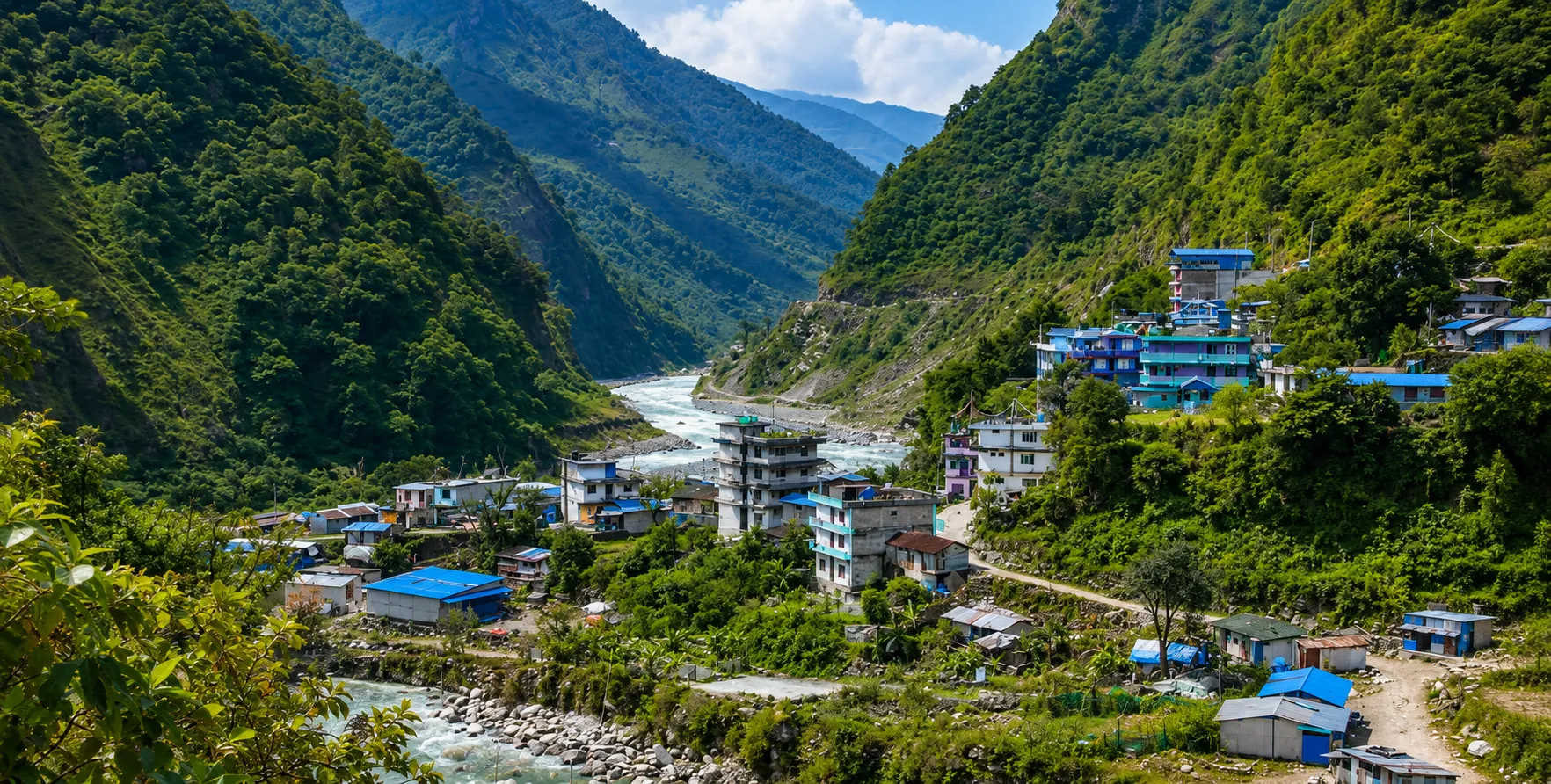
Kathmandu to Salleri Jeep Guide

Salleri bazzer

Kathmandu to Salleri Jeep Guide : Cost, Route, Time & Tips

If you are planning to visit Nepal’s Everest region without flying to Lukla, hiring a jeep from Kathmandu to Salleri is one of the best alternatives. Salleri is the headquarters of Solukhumbu District and serves as a major gateway to popular trekking destinations such as Everest Base Camp, Gokyo Lakes, and the Three Passes Trek. The Kathmandu-to-Salleri jeep ride remains one of Nepal’s most adventurous and scenic overland journeys.

At Nepal Vehicle Hiring Pvt Ltd, we offer reliable private jeep hire services from Kathmandu to Salleri with experienced drivers, well-maintained 4WD vehicles, and flexible departure times. Whether you are a trekker, a tourist, or a local traveller, this guide covers everything you need to know before booking your jeep.

Why Travel from Kathmandu to Salleri by Jeep?

There are several strong reasons why travellers choose a jeep over other modes of transport for this route:

Alternative to Lukla Flights

Lukla flights are often delayed or cancelled because of unpredictable Himalayan weather. A jeep ride to Salleri eliminates this uncertainty and gives you a more reliable travel schedule.

Scenic Overland Experience

The journey takes you through rolling green hills, river valleys, terraced farmlands, dense forests, and charming rural villages. You’ll see Nepal’s authentic beauty beyond the trekking routes.

Budget-Friendly Option

A jeep ride to Salleri is significantly more affordable than a flight to Lukla, making it a popular choice for budget-conscious trekkers.

Gateway to Multiple Trekking Routes

From Salleri, you can access almost all major Everest region treks, including the Everest Base Camp Trek, the Phaplu to Namche Trek, and the Solu Khumbu village treks.

Kathmandu to Salleri Jeep Guide

Kathmandu to Salleri Distance and Travel Time

Understanding the route distance and time helps you plan your journey properly.

Total Road Distance: Approximately 267–270 kilometers
Travel Time by Jeep: 8 to 11 hours (depending on road conditions)
Travel Time by Bus: 10 to 13 hours
Jeep Departure Time: 4:00 AM – 6:00 AM
Departure Point: Sorakhute bus station, Thamel Chahabil Chowk, or New Bus Park, Kathmandu

The route from Kathmandu to Salleri follows the Araniko Highway to Dhulikhel, then connects to the BP Highway via Khurkot and Ghurmi, and continues onward through Okhaldhunga before reaching Salleri. Most of the journey is on a paved road, but the final stretch near Okhaldhunga and Salleri involves rougher, off-road terrain.

Kathmandu to Salleri Jeep Route Breakdown

Here is a detailed breakdown of the route so you know what to expect at each stage:

Kathmandu to Dhulikhel (Approx. 30 km – 1 hour)

Your journey begins in Kathmandu and heads east along the Araniko Highway. The road is smooth and well-paved. You pass through the Kathmandu Valley and arrive at Dhulikhel, a scenic hilltop town with beautiful mountain views.

Dhulikhel to Khurkot (Approx. 100 km – 2.5 hours)

From Dhulikhel, the route joins the BP Highway heading southeast. You travel alongside the Roshi and Sunkoshi rivers. The road is mostly paved at this stage and offers beautiful views of the river valley.

Khurkot to Ghurmi (Approx. 60 km – 2 hours)

The road climbs higher as you leave the river valleys behind. The landscape becomes more mountainous, and the road conditions gradually become rougher.

Ghurmi to Okhaldhunga (Approx. 40 km – 1.5 hours)

This section passes through remote mountain villages and lush forests. You begin to feel the true character of rural Nepal here.

Okhaldhunga to Salleri (Approx. 40 km – 1.5 to 2 hours)

The final leg of the journey involves the most challenging road. The terrain becomes steep and unpaved in sections. A skilled 4WD jeep driver is essential for this stretch.

You arrive at Salleri, the district headquarters of Solukhumbu, in the late afternoon or early evening.

Kathmandu to Salleri Jeep Guide

Kathmandu to Salleri Jeep Price

One of the most common questions travellers ask is about jeep costs. Here is a clear price breakdown for 2026:

Sharing Jeep (Public Jeep)

A shared seat in a public jeep from Kathmandu to Salleri costs between NPR 4,000 per person ( USD 30). Shared jeeps depart early in the morning, usually between 4:00 AM and 5:30 AM, from the Sorakhute Bus Park, Chahabil Chowk, or the New Bus Park in Kathmandu. Each jeep accommodates 7 to 8 passengers.

Private Jeep Hire

If you are travelling as a group or prefer comfort and flexibility, hiring a private jeep is the ideal option. A private jeep from Kathmandu to Salleri costs between US$350, depending on the vehicle type and season.

With a private jeep from Nepal Vehicle Hiring Pvt Ltd, you enjoy:

  • Door-to-door pickup from your hotel in Kathmandu
  • Flexible departure time
  • Spacious, air-conditioned 4WD vehicle
  • Experienced English-speaking driver
  • Freedom to stop for photos, meals, and breaks

Alternative Route Price (Via Dolakha)

If the BP Highway is closed due to landslides (common during the monsoon season), we use an alternative route via Dolakha (Charikot) and Ramechhap. This route is slightly more expensive, typically around NPR 9,000 per person for a shared jeep.

Private Jeep vs Shared Jeep – Which Is Better?

FeaturePrivate JeepSharing Jeep
CostHigher (NPR 440,000- 45,000 total) USD 270- 300Cheaper (NPR 4,000/person) USD 30
Departure TimeFlexibleFixed (4–5 AM)
ComfortSpacious, privateCrowded (7–8 people)
PickupFrom your hotelFixed departure point
Luggage SpaceAmpleLimited
StopsOn demandFixed tea stops only
Best ForGroups, families, and comfort seekersSolo budget travellers

For trekking groups of 3 or more, a private jeep from Nepal Vehicle Hiring is often the smarter, more cost-effective choice when you value comfort and convenience.

Best Time to Travel from Kathmandu to Salleri by Jeep

The timing of your journey matters greatly because of Nepal’s seasonal weather and road conditions.

Spring (March to May) – Best Season

Spring is Nepal’s most popular trekking season. The weather is clear, roads are in good condition, and the scenery is beautiful, with rhododendrons in bloom rhododendrons bloom, making it one of the best times to hire a jeep for the Salleri trek.

Autumn (September to November) – Best Season

Autumn offers stable weather and excellent mountain visibility. Roads are generally dry and in good condition after the monsoon. This is another ideal time for the Kathmandu-to-Salleri jeep journey.

Winter (December to February) – Possible with Caution

Winter travel is possible but cold. Higher elevations may have snow,w and some road sections can be icy. A well-maintained 4WD jeep with an experienced driver is essential.

Monsoon (June to August) – Not Recommended

Monsoon season brings heavy rain, ll which causes landslides and makes road conditions extremely dangerous. The BP Highway is often blocked during this period. Travel is strongly not recommended.

Kathmandu to dhulikhel highway

What to Expect on the Jeep Ride

The Kathmandu-to-Salleri jeep journey is a full-day adventure. Here is what you can expect:

  • Early morning departure from Kathmandu, usually before sunrise.
    Smooth highway driving for the first few hours through the Kathmandu Valley and along the BP Highway.
  • Scenic river views alongside the Sunkoshi and Dudh Koshi rivers.
  • Tea and snack stops at local roadside eateries along the way.
  • Bumpy off-road terrain once you pass Okhaldhunga.
  • Mountain views, including glimpses of the Himalayan range in clear weather.
  • Arrival in Salleri in the late afternoon or early evening.

What to Pack for Kathmandu to Salleri Jeep Journey

Packing the right items will make your jeep ride much more comfortable:

  • Warm layers – temperatures drop in the hills, especially in autumn and winter.
  • Face mask or scarf – dusty roads, especially on the off-road sections.
  • Water bottles – stay hydrated throughout the long journey.
  • Light snacks – biscuits, nuts, energy bars for between stops.
  • Motion sickness tablets – the winding mountain roads can be challenging.
  • Nepali currency (cash) – for meals and snacks at teahouses.
  • Small daypack – keep essentials handy and accessible in the jeep.
  • Camera or phone – the scenery is stunning throughout the route.

Salleri – What to Do After You Arrive

Once you arrive in Salleri, there are several things to do before continuing your trek:

  • Overnight Stay in Salleri: Highlyrecommended to stay overnight in Salleri after the long jeep ride. Salleri has several teahouses and guesthouses offering basic but comfortable accommodation.
  • Visit Phaplu
    Phaplu is about 3 to 4 kilometres from Salleri and serves as the nearest airport in the region. It is a peaceful town offering beautiful Himalayan views and traditional Sherpa culture.
  • Continue Towards Thamdanda
    From Salleri, trekkers can continue by jeep to Thamdanda, which is a popular viewpoint and the next major stop on the route to Lukla and Everest Base Camp. The jeep ride from Salleri to Thamdanda takes approximately 5 to 6 hours.

Nepal Tour Package

How to Book a Jeep from Kathmandu to Salleri with Nepal Vehicle Hiring

Booking your jeep with Nepal Vehicle Hiring Pvt Ltd is simple and simple. Here is how:

  1. Contact us via phone, WhatsApp, or through our website at vehiclehiringnepal.com.
  2. Confirm your travel date and number of passengers.
  3. Choose your jeep type – shared or private.
  4. Receive booking confirmation and pickup details.
  5. Depart from Kathmandu at your confirmed time.

Our fleet of well-maintained 4WD jeeps and experienced bilingual drivers ensures you have a safe, smooth, and enjoyable journey to Salleri.

Frequently Asked Questions (FAQ)

How long does it take to travel from Kathmandu to Salleri by jeep?

It takes approximately 8 to 11 hours to travel from Kathmandu to Salleri by jeep, depending on road conditions and weather.

What is the distance from Kathmandu to Salleri?

The road distance from Kathmandu to Salleri is approximately 270- 300 kilometres.

How much does a jeep from Kathmandu to Salleri cost?

A shared jeep seat costs NPR 4,000 per person. A private jeep hire costs NPR 40,000-45,000 for the full vehicle.

Where does the jeep depart from in Kathmandu?

Shared jeeps depart from Thamel Chahabil Chowk or New Bus Park in Kathmandu. Private jeeps hired through Nepal Vehicle Hiring will pick you up directly from your hotel.

Is the Kathmandu-Salleri road safe?

The route is generally safe when travelled in a well-maintained 4WD jeep with an experienced driver. The road can be challenging during the monsoon season due to landslides, so travel is not recommended.

Can I go to Everest Base Camp from Salleri?

Yes. Salleri serves as a major overland gateway to the Everest region. From Salleri, you can continue by jeep to Thamdanda, then trek to Namche Bazaar and Everest Base Camp.

Conclusion – Book Your Kathmandu to Salleri Jeep with Nepal Vehicle Hiring

Travelling from Kathmandu to Salleri by jeep in 2026 is one of Nepal’s most rewarding overland journeys. Whether you are seeking an alternative to the Lukla flight, exploring Nepal’s scenic highways, or beginning your Everest region trek, a well-planned jeep ride offers comfort, adventure, and value.

Nepal Vehicle Hiring Pvt Ltd is your trusted partner for all jeep and vehicle hire services across Nepal. With our professional drivers, reliable 4WD vehicles, and affordable pricing, we make your journey from Kathmandu to Salleri safe and memorable.

Contact us today at vehiclehiringnepal.com to book your jeep and start your adventure.

Book your private and shared jeep from Kathmandu to Salleri today. Contact us on WhatsApp or visit vehiclehiringnepal.com.

For trekking adventures or luxury holiday packages, visit our sister companies, Trek Nepal Himalayas and Alpine Luxury Treks.

Kathmandu to Lumbini by Private Car, Jeep, Hiace and Bus: Full Vehicle Guide

Lumbini to Kathmandu Bus

Kathmandu to Lumbini by Private car, jeep, Hiace, and bus: full Vehicle Guide – Road Trip to the Birthplace of Buddha

Lumbini is one of the most sacred destinations on earth – the birthplace of Siddhartha Gautama, the founder of Buddhism, and a UNESCO World Heritage Site visited by pilgrims and travellers from every corner of the world. Travelling from Kathmandu to Lumbini by private vehicle is the most comfortable, flexible, and rewarding way to make this meaningful journey. This complete guide covers everything you need to know before you go.

Route Overview: Kathmandu to Lumbini

The road journey from Kathmandu to Lumbini is long but scenic, passing through the mountains, river valleys, and subtropical Terai plains of western Nepal. Most private vehicles follow the Prithvi Highway to Mugling, then head south and west via Butwal to reach Lumbini.

Distance: Approximately 280–300 km by road
Travel Time: 6 to 8 hours by private car (depending on road and traffic conditions)
Main Route: Kathmandu – Mugling – Narayangadh – Butwal – Bhairahawa – Lumbini
Road Type: Prithvi Highway + East-West Highway – national highways, mostly paved
Altitude: From 1,400 m (Kathmandu) down to 100 m (Lumbini Terai plains)

Why Travel from Kathmandu to Lumbini by Private Vehicle?

Given the long distance, choosing a private vehicle over public transport makes the journey far more comfortable, safer, and more enjoyable. Here is why:

  • Depart from your Kathmandu hotel at any time – no fixed bus schedules
  • Direct door-to-door service to your Lumbini hotel or monastery guest house
  • Rest stops at your own pace – stop at scenic spots, riverside dhabas, or local towns
  • Full luggage and equipment space – important for pilgrims carrying offerings or ceremonial items
  • Private and peaceful travel – ideal for spiritual pilgrimages, family trips, and group tours
  • More comfortable than overnight buses on long mountain-to-plains routes
  • Experienced driver who knows the Kathmandu to Lumbini route inside out
  • Option to combine with Pokhara, Chitwan, or Bhairahawa stops along the way

Vehicle Options & Prices: Kathmandu to Lumbini

Vehicle Hiring Nepal offers a full fleet of vehicles for the Kathmandu-Lumbini route. Choose the right vehicle for your group size and comfort needs:

Vehicle TypeCapacityApprox. Price (USD)Best For
Sedan Car1–3 passengers $ 180- 220$180-220Couples, solo pilgrims
SUV / Jeep4–6 passengers$ 230- 250Families, small groups
Hiace Van7–14 passengers$ 270- 320Pilgrimage groups, tour groups
Coaster Bus15–22 passengers$ 330- $ 400Large pilgrimage groups
Full Bus23–30 passengers$ 380- $ 580Monastery groups, school tours

All prices include driver, fuel, and vehicle insurance for a one-way journey. Round-trip packages with driver stay are also available. Contact us for an exact quote based on your travel dates.
kathmandu to lumbini by private car

Road Guide: Kathmandu to Lumbini Milestone by Milestone

The Kathmandu-to-Lumbini drive is a full-day journey. Here is what you will see and experience at each stage of the road:

Kathmandu to Naubise (30 km | 45 min)

Leave Kathmandu early – ideally by 6:00 or 7:00 AM. Exit the city via Kalanki heading west, then climb into the Chandragiri hills before the road descends into Naubise. This section has winding mountain roads with views back towards the Kathmandu Valley.

The road can be slow during morning rush hour – an early departure helps.

Naubise to Mugling (75 km | 1.5 hrs)

One of the most beautiful stretches of the journey. The Prithvi Highway hugs the banks of the Trishuli River through a deep gorge. The river is green and fast-moving – a famous destination for white-water rafting.

You will pass Malekhu, where local restaurants serve fresh river fish (sahar and asla) – a popular stop for Nepali travellers.

Mugling is a busy junction town at the confluence of the Trishuli and Marsyangdi rivers. This is the halfway point and the route’s most popular rest stop. Take a tea break, have a light meal, or stretch your legs before continuing south.

Mugling to Narayangadh / Bharatpur (36 km | 45 min)

From Mugling, head south on the Narayangadh Highway. The road descends rapidly from mountain terrain into the flat Terai lowlands. The landscape transforms from terraced hillsides to open farmland and subtropical forest.

Narayangadh and Bharatpur are busy commercial hubs – your driver will navigate through the town towards the East-West Highway.

Narayangadh to Butwal (90 km | 1.5 hrs)

Join the East-West Highway heading west. This is a long, flat stretch through the Terai plains – rice paddies, mustard fields, and occasional forest patches line the road. The highway is generally in good condition.

Watch for slow trucks and farm vehicles. Butwal is a major Terai city and a gateway to the western hills.

Butwal to Bhairahawa to Lumbini (25 km | 45 min)

From Butwal, head south towards Bhairahawa (also called Siddharthanagar), the nearest city to Lumbini. The road is wide and well-paved. From Bhairahawa, it is just 22 km west to the Lumbini sacred garden.

Your driver will bring you directly to your hotel or to the main gate of the Lumbini Development Zone.
Kathmandu to pokhar4a

Best Time to Visit Lumbini from Kathmandu

October to March (Best Season)

The cool, dry winter months are the best time to visit Lumbini. Temperatures are comfortable (15–28°C during the day), roads are clear, and the Lumbini gardens are peaceful and pleasant. This is also the peak pilgrimage season, with many international Buddhist groups visiting from Sri Lanka, Thailand, Japan, China, Korea, and Myanmar.

April to May (Good but Hot)

The weather is warm and dry, but temperatures can reach 38–42°C in Lumbini during peak summer. Visit early morning and late afternoon to avoid midday heat. The gardens are lush and green, and crowds are smaller than in peak season.

The Terai plains receive heavy monsoon rainfall from June to September. Roads on the East-West Highway can flood in severe rain. Humidity is extreme, and the heat is intense.

Travel is still possible, but not recommended for comfort. If you must travel during the monsoon, choose a Hiace or SUV for better ground clearance.

Top Places to Visit in Lumbini

Lumbini is a deeply spiritual and historically significant destination. Here are the key sites to visit:

Maya Devi Temple

The holiest site in Lumbini – the exact birthplace of Siddhartha Gautama. The ancient temple stands beside the sacred Puskarini Pond, where Queen Maya Devi bathed before giving birth. The Ashoka Pillar, erected by Emperor Ashoka in 249 B.C., marks the precise birthplace.

Entry is free, ree but remove shoes before entering.

The Sacred Garden

Surrounding the Maya Devi Temple, the Sacred Garden is a peaceful park of ancient ruins, meditation spaces, and the sacred Bodhi tree. This is the core pilgrimage zone and a UNESCO World Heritage Site. Visitors are asked to maintain silence and respect the spiritual atmosphere.

Monastic Zone – East and West

The Lumbini Development Zone includes dozens of beautiful monasteries built by Buddhist nations worldwide. The East Zone contains Theravada monasteries (Sri Lanka, Myanmar, Thailand, Cambodia). The West Zone contains Mahayana monasteries (China, Japan, Korea, Vietnam, Germany).

Each monastery has its own unique architectural style – a remarkable journey through global Buddhism.

World Peace Flame

A permanent flame near the Maya Devi Temple symbolises universal peace and the spread of the Buddha’s teachings. The flame is lit day and night and is a powerful symbol for Buddhist pilgrims.

Lumbini Museum

The Lumbini Museum near the entrance of the Development Zone contains archaeological artefacts, ancient coins, terracotta figurines, and exhibits on the history of Lumbini and Buddhist civilisation in Nepal.

Kapilavastu (Tilaurakot)

Just 27 km from Lumbini lies Tilaurakot – believed to be the ancient palace of King Suddhodana, the father of Buddha, where Siddhartha grew up. The archaeological ruins include palace foundations, city walls, and the eastern and western gates. A deeply moving site for Buddhist pilgrims.

Lumbini Travel Tips

  • Depart Kathmandu by 6:00–7:00 AM to arrive in Lumbini by early afternoon and make the most of your first day.
  • Lumbini is a sacred site – dress modestly (cover shoulders and knees), remove shoes at temples, and maintain silence in the Sacred Garden.
  • Carry cash in Nepali Rupees – ATMs are available in Bhairahawa, not always inside Lumbini.
  • Hire a bicycle or electric rickshaw inside the Lumbini Development Zone – the monasteries are spread over a large area (about 3 km north to south)
  • Accommodation options range from monastery guest houses (very affordable, authentic experience) to comfortable hotels in Bhairah.awa
  • The Lumbini Development Zone entry fee is NPR 500 for foreign visitors
  • Visit the Maya Devi Temple early in the morning for a peaceful, crowd-free experience
  • Plan at least 2 nights in Lumbini to explore the monasteries, the Sacred Garden, and Tilaurakot comfortably
  • Carry sunscreen, a hat, and sufficient drinking water – the Terai sun is intense

Kathmandu to Lumbini

Combine Lumbini with Other Destinations

Lumbini’s location in western Nepal makes it easy to combine with other destinations on the same trip:

Lumbini + Pokhara

Pokhara is approximately 140 km northeast of Lumbini (2.5–3 hrs by private vehicle). A Kathmandu – Lumbini – Pokhara – Kathmandu circuit is a popular itinerary for travellers who want to combine pilgrimage, culture, and mountain scenery in one trip.

Lumbini + Chitwan

Chitwan National Park is approximately 120 km east of Lumbini (2–2.5 hrs by road). A Lumbini-to-Chitwan combination allows you to pair a spiritual pilgrimage with a jungle safari. Vehicle Hiring Nepal can arrange multi-destination itineraries.

Lumbini + Kapilavastu (Tilaurakot)

Just 27 km from Lumbini, Tilaurakot is a half-day excursion easily reached by private vehicle. Our drivers know this route and can take you there and back during your stay in Lumbini.

What is Included in Your Vehicle Booking?

  • Experienced, licensed driver with knowledge of the Kathmandu to Lumbini route
  • Full fuel cost for the entire journey (one-way or round-trip)
  • Vehicle insurance coverage
  • Hotel pickup in Kathmandu and drop-off at your Lumbini destination
  • Flexible rest stops at Mugling, Narayangadh, or Butwal
  • 24/7 support before and during travel
  • Option for the driver to stay in Lumbini during your visit for the return trip

Not included: Lumbini Development Zone entry fees, monastery donations, personal meals, accommodation, and any additional site visits (Tilaurakot, Kapilavastu) which can be arranged at extra cost.

How to Book Your Private Vehicle to Lumbini

  1. Visit vehiclehiringnepal.com and select your vehicle type
  2. Choose your travel date and preferred departure time from Kathmandu
  3. Enter your hotel pickup address in Kathmandu
  4. Enter your destination in Lumbini or Bhairahawa
  5. Submit your booking form or contact us via WhatsApp for instant confirmation.
  6. Receive your driver details and journey confirmation

WhatsApp
Email: [email protected]
Website: www.vehiclehiringnepal.com
Kathmandu to Lumbini Tour Package

Frequently Asked Questions

How far is Lumbini from Kathmandu by road?

Lumbini is approximately 280 to 300 km from Kathmandu by road, depending on your exact destination within the Lumbini area.

How long does it take to drive from Kathmandu to Lumbini in a private car?

The journey takes 6approximately 6 hours, including rest stops. The route involves mountain highways near Kathmandu and flat Terai plains in the second half.

Is it better to fly or drive from Kathmandu to Lumbini by private car?

Bhairahawa Airport (now Gautam Buddha International Airport) serves Lumbini with daily flights to Kathmandu, with a flight time of around 5 minutes. However, flights depend on the weather and may be delayed. Many travellers prefer the private car option for its flexibility, cost-effectiveness, and suitability for groups.

Can I visit Lumbini in one day from Kathmandu?

A same-day return from Kathmandu to Lumbini is extremely difficult, given the 6–8 hour drive each way. We strongly recommend at least 2 nights in Lumbini to properly experience the Sacred Garden, monasteries, and nearby Tilaurakoy.

What is the best vehicle for a pilgrimage group to Lumbini?

For pilgrimage groups of 10 or more, the Toyota Hiace van is the most popular and practical choice. It offers comfortable seating, good luggage space for offerings and personal items, and is well-suited to the long Terai highway drive. For larger groups, we offer Coaster buses and full-size buses.

Can I book a multi-city trip – Kathmandu, Lumbini, Pokhara, and Chitwan?

Yes. Vehicle Hiring Nepal specialises in multi-destination vehicle hire across Nepal. We can arrange a full circuit covering Lumbini, Pokhara, and Chitwan in a single booking, with a professional driver for the entire duration of your trip.

Is Lumbini safe to visit?

Yes. Lumbini is a peaceful, well-maintained UNESCO Heritage Site with a strong pilgrimage tradition. It is safe for solo travellers, families, and international groups.

The Bhairahawa area is a modern city with good facilities, hospitals, and police presence.

Final Thoughts

The journey from Kathmandu to Lumbini by private vehicle is more than just a road trip – it is a pilgrimage through Nepal’s spectacular landscape, from the mountain valleys of Kathmandu to the sacred Terai plains where the Buddha was born over 2,500 years ago.

Whether you are travelling as a Buddhist pilgrim, a curious traveller, or a family exploring Nepal’s heritage, a private vehicle gives you the comfort, flexibility, and personal space to make the journey as meaningful as the destination itself.

Book your private vehicle from Kathmandu to Lumbini today. Contact Vehicle Hiring Nepal on WhatsApp or visit vehiclehiringnepal.com to reserve your vehicle and begin your journey to the birthplace of the Buddha.

Visit our sister company, Alpine Luxury Treks, for luxury vacation packages and trekking journeys. There, you may choose from a variety of carefully planned itineraries.

Kathmandu to Chitwan by Car: Complete Travel Guide

Kathmandu to chitwan by car

Kathmandu to Chitwan by Car – Complete Travel Guide

Chitwan National Park is one of Nepal’s most prized destinations – a UNESCO World Heritage Site famous for one-horned rhinoceroses, Bengal tigers, elephants, and lush jungle safari experiences. If you are planning a trip from Kathmandu to Chitwan, hiring a private car is the most comfortable, convenient, and flexible way to travel. This complete guide tells you everything you need to know.

Route Overview: Kathmandu to Chitwan

The journey from Kathmandu to Chitwan follows two main highway options. Most private vehicles take the Prithvi Highway to Mugling, then branch south on the Narayangadh Highway towards Sauraha – the main tourist area of Chitwan.

Distance: Approximately 145–175 km, depending on your destination in Chitwan
Travel Time: 4 to 5 hours by private car
Main Route: Kathmandu – Naubise – Mugling – Narayangadh – Sauraha (Chitwan)
Road Type: Prithvi Highway + Narayangadh Highway – well-paved national highways
Altitude Drop: From 1,400 m (Kathmandu) to 415 m (Chitwan) – subtropical lowland

Why Travel from Kathmandu to Chitwan by Private Car?

Many travellers choose a private car over the tourist bus for this route – and for very good reason. Here is why a private car is the best choice:

  • Flexible departure time – leave at dawn for an early morning jungle safari arrival
  • Door-to-door service – picked up from your Kathmandu hotel, dropped at your Chitwan resort or hotel
  • Comfortable seating with full air conditioning throughout the journey
  • No crowded bus stops or waiting – travel on your own schedule
  • Extra luggage space for wildlife gear, cameras, and binoculars
  • Shorter total travel time compared to public or tourist buses
  • Safe and experienced driver familiar with the mountain-to-plains road
  • Option to stop at scenic viewpoints, waterfalls, or local markets along the way

Vehicle Options & Prices: Kathmandu to Chitwan by car

Vehicle Hiring Nepal offers a full range of vehicles for the Kathmandu-to-Chitwan route. Here are your options:

Vehicle TypeCapacityPrice (USD)Best For
Sedan Car1–3 passengers$ 120- 150Solo travellers, couples
SUV / Jeep4–6 passengers$ 135- 180Families, small groups
Hiace Van7–14 passengers$ 160- 220Tour groups, families
Coaster Bus15–22 passengers$ 200- $ 350Corporate, school groups

All prices include the driver, fuel, and vehicle insurance. Prices may vary slightly by season. Contact us for exact quotes.

The Road: Kathmandu to Chitwan Milestone Guide

Here is a breakdown of the journey section by section, so you know exactly what to expect on the road:

Kathmandu to Naubise (30 km | 45 min)

Depart from Kathmandu via Kalanki. The road climbs through Chandragiri foothills before descending sharply towards Naubise. This first section has winding switchbacks with views over the Bagmati valley.

Take it easy – the bends are tight in the morning.

Naubise to Mugling (75 km | 1.5 hrs)

This is the most scenic stretch of the journey. The road follows the Trishuli River through a dramatic gorge. You will pass Malekhu – a popular riverside rest stop with tea houses and fresh fish stalls.

The Trishuli is also a famous white-water rafting destination, and you may see rafters on the river below.

Mugling is a busy junction town where the road to Pokhara branches left, and Chitwan continues straight south. This is the ideal place for a tea or snack break. Plenty of local restaurants and stalls serve tea, momo, and noodles.

Mugling to Narayangadh (36 km | 45 min)

From Mugling, the road turns south and follows the Narayangadh Highway. The landscape changes dramatically as you descend from the mountains towards the Terai plains. The air becomes warmer and more humid.

You will pass through Bharatpur – the provincial capital of Gandaki – before reaching Narayangadh.

Narayangadh to Sauraha / Chitwan (12–20 km | ~30 min)

The final stretch from Narayangadh takes you east toward Sauraha, the main entry point for Chitwan National Park. The road passes through lush farmland and subtropical forest. You may spot peacocks, deer, or other wildlife even before reaching the park.

Best Time to Travel from Kathmandu to Chitwan

Chitwan is a year-round destination, but the best experience depends heavily on the season. Here is what to expect:

October to February (Best Season)

The dry season offers the best wildlife viewing conditions. Vegetation is lower after the monsoon, making it easier to spot rhinos, tigers, and deer in the grasslands. The weather is cool and pleasant.

Roads are in excellent condition. This is peak tourist season – book vehicles and accommodation in advance.

March to May (Good)

Warm and dry with excellent wildlife viewing. The sal forests are lush and green. Temperatures in Chitwan can reach 35–40°C in April and May – carry plenty of water and sunscreen.

Roads are fully dry and in good condition.

June to September (Monsoon)

Heavy rain transforms Chitwan into a lush, green jungle. The park may partially close during the peak monsoon season. Some roads towards Sauraha can flood.

Travel is still possible, but wildlife sightings may be fewer as dense vegetation provides more cover. If you travel during the monsoon, an SUV or Jeep is recommended.

kathmandu to chitwan by car

Things to Do in Chitwan National Park

Once you arrive in Chitwan by private car, here are the top activities and experiences to plan:

Jungle Safari by Jeep

A 4WD jeep safari is Chitwan’s most popular activity. Drive through the national park’s core buffer zones to spot one-horned rhinos, Bengal tigers, wild elephants, leopards, sloth bears, and hundreds of bird species. Morning safaris (6–9 AM) offer the best wildlife sightings.

Elephant Bathing Experience

Watch and join in bathing Chitwan’s resident elephants at the elephant breeding centre near Sauraha. A memorable family-friendly experience that is ethical and community-supported.

Canoe Ride on the Rapti River

A traditional dugout canoe ride on the Rapti River offers a peaceful and unique perspective of the park. Watch marsh mugger crocodiles sunbathing on the riverbanks, spot gharial crocodiles, and observe river birds and kingfishers up close.

Tharu Cultural Village Walk

Chitwan is home to the indigenous Tharu people who have coexisted with the jungle for centuries. Visit a Tharu village to learn about their unique culture, architecture, and traditional stick dance performance in the evening.

Bird Watching

Chitwan is a world-renowned birdwatching destination with over 650 recorded bird species. The best time for birds is early morning. Highlights include the Giant Hornbill, Bengal Florican, Sarus Crane, and various kingfishers, eagles, and owls.

Chitwan Travel Tips

  • Depart Kathmandu by 7:00–8:00 AM to arrive in Chitwan by early afternoon – enough time to check in and do an afternoon activity.
  • Carry light, neutral-colored clothing for jungle activities – avoid bright colours, which can startle wildlife.
  • Sunscreen, insect repellent, and a wide-brimmed hat are essential in the Terai heat
  • The entry fee for Chitwan National Park is NPR 1,500 (approximately $11) for foreign nationals; this is not included in the vehicle hire price
  • Bring binoculars and a good camera with a zoom lens for wildlife photography.
  • Drink only bottled or purified water in the Terai region
  • Respect wildlife – maintain safe distances and never feed animals
  • Book your resort in Sauraha in advance during the October–February peak season

What is Included in Your Vehicle Booking?

  • Experienced, licensed driver familiar with the Kathmandu to Chitwan route
  • Full fuel cost for the one-way or round-trip journey
  • Vehicle insurance
  • Pickup from your hotel in Kathmandu
  • Drop-off at your hotel or resort in Chitwan / Sauraha
  • Stop at Mugling or Narayangadh for refreshments
  • 24/7 support before and during the journey

Not included: National park entry fees, safari activity costs, meals, personal expenses, and any detour stops (available at additional cost).

How to Book Your Private Car to Chitwan

  1. Visit vehiclehiringnepal.com and browse available vehicles
  2. Select your preferred vehicle type based on group size
  3. Choose your travel date and departure time
  4. Enter your pickup address in Kathmandu and drop-off in Chitwan
  5. Submit your booking or contact us via WhatsApp for instant confirmation
  6. Receive driver details and departure confirmation

WhatsApp

Email:[email protected]
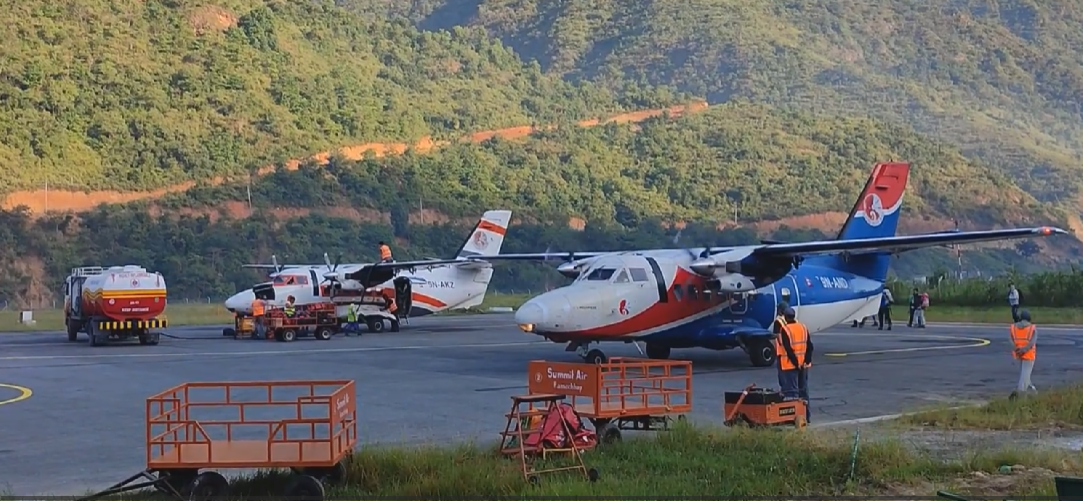
Website: www.vehiclehiringnepal.com

Frequently Asked Questions

How far is Chitwan from Kathmandu by road?

The road distance is approximately 145-175 km, depending on your destination within the Chitwan district. The main tourist area of Sauraha is about 150 km from central Kathmandu.

How long does it take to drive from Kathmandu to Chitwan?

By private car, the journey takes approximately 4 to 5 hours. Tourist buses can take 5 to 7 hours due to scheduled stops and fixed routes.

Is it safe to drive to Chitwan?

Yes. The Prithvi and Narayangadh Highways are well-maintained national highways. Our experienced drivers make this journey regularly and know the road conditions in every season.

Can I book a round trip – Kathmandu to Chitwan and back?

Absolutely. We offer round-trip tours where the driver stays in Chitwan for your visit and brings you back to Kathmandu on your return date. This is often the most convenient and cost-effective option for short 2-day visits

What is the best vehicle for a family trip to Chitwan?

For a family of 4–5 with luggage, we recommend an SUV or Jeep. It provides ample luggage space, comfortable seating, and suits all road conditions, including minor detours around Chitwan.

Can I visit Chitwan in one day from Kathmandu?

A same-day return is possible but not recommended. The driving alone takes 8–10 hours round trip, leaving very little time for the national park experience. We strongly advise a minimum of 2 nights in Chitwan to fully enjoy the jungle activities.

Do I need to book the national park entry separately?

Yes. You pay the national park entry fee separately at the park gate in Sauraha. Vehicle Hiring Nepal handles transportation only – your resort or guide will assist with the park permits.

Final Thoughts

A trip from Kathmandu to Chitwan by private car is the perfect way to begin a jungle adventure in Nepal. The road journey itself is beautiful – descending from the high mountain valley of Kathmandu through dramatic river gorges and subtropical forests into the warm Terai plains of Chitwan.

With Vehicle Hiring Nepal, you get a reliable vehicle, an experienced driver, and door-to-door comfort, so you arrive in Chitwan relaxed and ready for your safari experience. Whether you are visiting for a weekend or a week, we make your Chitwan journey smooth and memorable.

Book your private car from Kathmandu to Chitwan today. Contact us on WhatsApp or visit vehiclehiringnepal.com.

For trekking adventures or luxury holiday packages, visit our sister companies Trek Nepal Himalayas and Alpine Luxury Treks.

Chat with us