Plan a Trip


Nepal Vehicle Rental Service for Every Destination
Nepal Vehicle Rental Service for Every Destination
Nepal’s geography changes faster than almost anywhere on Earth —flat plains, hairpin mid-hill roads, and high-altitude mountain tracks all within a single day’s drive of each other. A car rental service that covers all these destinations properly, with the right vehicle matched to each region’s actual terrain, is exactly what this guide is built around.
This guide works through Nepal region by region — Kathmandu Valley, Pokhara, Chitwan, Lumbini, the Annapurna region, Mustang and Muktinath, Langtang and the Kerung border, the Everest and Solukhumbu approaches, Rolwaling, and the southern border crossings — covering which vehicle fits each destination, permits, cost, and how to plan a multi-region trip using one consistent rental service rather than piecing together different operators for every stop.
Few countries compress this much terrain variety into a single feasible itinerary. Atraveller can travel from Kathmandu’s paved Ring Road to a Chitwan jungle safari, then on to Mustang’s high-desert jeep tracks, all within a two-week trip — a range of driving conditions most travellers encounter in a lifetime of trips elsewhere. That variety is exactly why vehicle choice deserves the same careful attention throughout this guide that it gets in each of our route-specific articles.
Regional Deep Dive: Why Terrain Shapes Everything
It’s worth pausing to appreciate just how much Nepal’s terrain determines every practical decision covered in this guide. The country rises from roughly 60 meters above sea level in the southern Terai to Mount Everest’s 8,849-meter summit over barely 200 kilometres, the steepest elevation gradients on Earth. This compression means a single day’s driving can take a traveller through tropical jungle, temperate hill farmland, and high-alpine terrain, with corresponding changes in road quality, weather, and vehicle requirements at every stage.
This is why vehicle choice in Nepal genuinely can’t be reduced to a single recommendation. A vehicle that handles the flat, paved highways of the Terai comfortably may struggle badly on a rutted Mustang jeep track, while a r. In contrast, an unpaved jeep that’s ideal for high-altitude terrain may be unnecessarily uncomfortable and expensive for a simple Kathmandu Valley day tour. Matching the vehicle to the specific terrain, region by region, is the underlying principle behind everything this guide recommends.
Regional Deep Dive: Road Infrastructure Across Nepal
Nepal’s road network varies enormously in quality and character. The country’s major highways—the Prithvi Highway linking Kathmandu and Pokhara, the East-West Highway spanning the Terai, and the Araniko Highway heading toward the Chinese border—are generally paved and well maintained, though subject to seasonal landslide and erosion damage. Secondary roads reaching mid-hill villages like Ghandruk, Landruk, and Dhunche mix paved and unpaved sections, while the most remote roads — Upper Mustang, Rolwaling, and the final stretches toward the Kerung border — remain genuinely rough, unpaved mountain tracks.
This infrastructure gradient drives our fleet: cars and SUVs for the well-maintained highway network, jeeps for mixed and rough secondary roads, and larger vehicles like Hiace vans and buses matched to highway sections where their size and comfort genuinely help rather than hinder. Each vehicle class in our fleet exists because a specific segment of Nepal’s road network genuinely demands it.
Regional Deep Dive: Seasonal Festival Calendar
Nepal’s festival calendar shapes travel demand across regions in ways worth planning around. Dashain and Tihar in autumn bring a nationwide surge in domestic travel, tightening vehicle availability on nearly every major route. Ram Navami in spring draws pilgrims to Muktinath specifically. Buddha Jayanti brings crowds to Lumbini, and Tiji Festival in May draws visitors to Lo Manthang in Upper Mustang. Checking your travel dates against this festival calendar early helps avoid the worst of the demand-driven vehicle and accommodation shortages during these peak periods.
Comparing Nepal’s Regions by Traveller Experience Level
Beginner-Friendly Regions
Kathmandu Valley, Pokhara, Chitwan, and Lumbini suit first-time Nepal visitors comfortably, with well-developed infrastructure, minimal permit complexity, and vehicle access to nearly every attraction without demanding significant walking or altitude adjustment.
Intermediate Regions
Ghandruk, Landruk, Dhunche, and Syabrubesi require more effort, permits, walking beyond the vehicle drop-off point, and basic altitude awareness, but remain accessible to reasonably fit travellers with moderate trekking experience.
Advanced Regions
Upper Mustang, the full Annapurna Circuit, Rolwaling, and Everest-region approaches demand genuine trekking fitness, more complex permit arrangements, and greater tolerance for remote, sometimes unpredictable conditions. These regions reward experienced travellers with rarer, less-commercialised experiences.
The Role of Local Knowledge in Nepal Travel Planning
Nepal’s rapid infrastructure change new roads reaching further into the hills each year, permit systems being reformed, and seasonal disruptions shifting the practical reality of specific route mean even recently published guides can go stale faster than in more infrastructure-stable countries. This approach, used throughout every guide linked in this article, emphasises current conditions directly with an experienced local operator rather than relying solely on any single published resource, including this one. Nepal rewards travellers who stay genuinely current on regional conditions rather than planning entirely from static, potentially outdated information.
Building Flexibility Into Your Nepal Itinerary
Given how much regional variation this guide has covered — weather, road conditions, permit systems, and vehicle requirements all shifting from one destination to the next — building genuine flexibility into a multi-region Nepal itinerary pays off more here than in most travel planning contexts. A rigid, minute-by-minute schedule leaves little room to adjust for a delayed flight into Jomsom, a monsoon-season road disruption on the Pasang Lhamu Highway, or simply a destination that turns out to deserve more time than initially planned. Travellers with buffer days, particularly in mountain regions, consistently report smoother, less stressful trips than those working from an unforgiving fixed schedule.
A Traveller’s Guide to Matching Itinerary Style to Vehicle Strategy
Not every Nepal trip follows the same shape, and the right vehicle strategy varies considerably depending on what kind of trip you’re actually planning. A short cultural trip focused on Kathmandu Valley and Pokhara looks completely different, logistically, from a multi-week combination of trekking regions, and recognising where your trip falls into early helps avoid both overpaying for capability you don’t need and underpreparing for terrain that genuinely demands it.
The Short Cultural and Sightseeing Trip
For travellers on a trip of a week or less focused on Kathmandu Valley, Pokhara, and perhaps Chitwan, a standard car or SUV covers nearly the entire itinerary comfortably. This is the simplest vehicle-planning scenario in this guide, and most travellers can book a single vehicle type for their whole trip without the multi-region coordination discussed elsewhere in this article.
The Classic Trekking Trip
Travellers travelling to Kathmandu Valley for sightseeing with a single trekking region — most commonly Annapurna or Everest — typically need two vehicle types: a car or SUV for the valley and highway portions, and a jeep for the trekking approach itself. This is the most common trip shape among our clients, and our region-specific guides are written primarily with this traveller in mind.
A smaller but growing group of travellers combines multiple trekking regions, border crossings, or genuinely remote destinations like Rolwaling or Upper Mustang into a single extended trip. These itineraries benefit most from the single-operator consistency argued for throughout this guide, given how many vehicle switches, permit systems, and regional road conditions need coordinating across a trip of this scope.
The Pilgrimage-Focused Trip
Hindu and Buddhist pilgrims often follow a distinct itinerary logic built around specific sacred sites — Pashupatinath and Swayambhunath in Kathmandu, Muktinath in Mustang, Lumbini in the Terai — rather than the standard tourist circuit. Our devotional-travel-focused guides, including the Muktinath temple group hire guide and the Sunauli-border Muktinath pilgrimage guide, are built specifically around this traveller.y One Rental Service Across Every Destination Makes Sense
- Consistent vehicle standards. The same maintenance and safety standards follow you from a Kathmandu Valley day tour to a rough Mustang jeep track.
- One point of contact. Coordinating a multi-region trip through a single operator avoids the friction of re-explaining your itinerary to a new company at every stop.
- Better route knowledge. An operator covering the whole country develops genuine, current knowledge of seasonal road conditions everywhere, not just one region.
- Simpler group logistics. Vehicle switches between regions — jeep to Hiace, Hiace to bus — are far easier to coordinate through one provider than several.
This consistency is a genuine practical advantage, not just a convenience. Travellers who book a rigid, single-purpose transfer for their first Kathmandu leg often find themselves rearranging transport from scratch at every subsequent stop, repeating the same conversations about vehicle type, permits, and route conditions with a new, unfamiliar operator each time. Starting with a provider whose fleet and route knowledge already span the destinations further along your itinerary avoids that repeated friction entirely.
Kathmandu Valley: The Starting Point for Nearly Every Trip
Almost every Nepal itinerary begins or ends in Kathmandu, making this the single most requested region for our fleet. Our Kathmandu sightseeing and Kathmandu historical heritage sites services cover the valley’s UNESCO-listed core, alongside our dedicated Nepal UNESCO World Heritage Sites guided tours, which cover all seven monument zones in depth. A Bhaktapur Durbar Square day tour, sunrise views via Kathmandu to Nagarkot vehicle hire or the dedicated Nagarkot sunrise tour, and reliable Kathmandu airport transfers round out the standard valley itinerary.
Forttravellersss staying in specifineighbourhoodsdsss, our Thamel to airport private vehicle hire guide, airport pickup to Thamel and hotel drop guide, and airport to Patan private vehicle drop guall cover door-to-door logistics for the valley’s most common accommodation areas.
Kathmandu’s role as nearly every trip’s starting point means it’s also where most travellers make their first vehicle-hire decision, often without realising how much that single decision shapes the rest of the trip. Travellers who start with a provider already familiar with their full itinerary—not just the capital—save themselves the repeated cost and friction of re-negotiating transport at every subsequent stop.
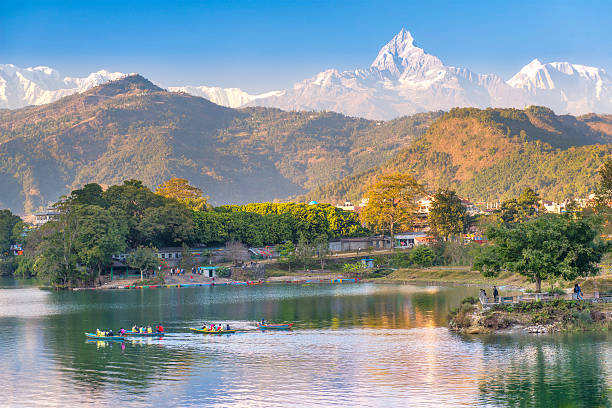
Pokhara: Gateway to the Annapurna Region
Nepal’s second-most-visited city functions as both a destination in its own right and the launch point for most Annapurna-region trekking. Our car hire in Pokhara service covers local transport. In contrast, Kathmandu to Pokhara bus tickets, Kathmandu to Pokhara bus tickets, Pokhara to Kathmandu bus, Kathmandu to Pokhara road trip, Kathmandu to Pokhara vehicle rental, and Kathmandu to Pokhara private Scorpio all cover the connecting highway. Our full Pokhara bus ticket price guide breaks down every fare class for this corridor, and a sunrise trip via Sarangkot sunrise tour vehicle is a near-universal Pokhara add-on.
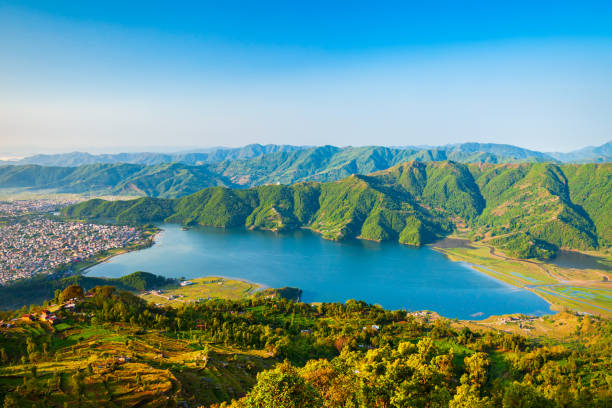
Pokhara’s lakeside setting and mountain backdrop make it a genuinely worthwhile destination even for travellers with no trekking plans at all. Our vehicle fleet reflects that dual role — comfortable cars and SUVs for lakeside sightseeing and day trips, alongside the rugged jeeps needed the moment an itinerary turns toward Ghandruk, Landruk, Sikles, or further into the Annapurna foothills. Many travellers underestimate how much time Pokhara deserves, treating it as a transit point to the mountains rather than a destination worth two or three days on its own merits.
Chitwan: Nepal’s Premier Wildlife Destination
Home to one-horned rhinos and Bengal tigers, Chitwan National Park is Nepal’s most popular wildlife stop, reached via Pokhara to Chitwan bus, Chitwan to Kathmandu bus, our Chitwan VIP bus ticket price guide, Kathmandu to Chitwan VIP Sofa Bus Ticket, or our Kathmandu to Chitwan luxury car hire for travellers wanting a private, more comfortable transfer.
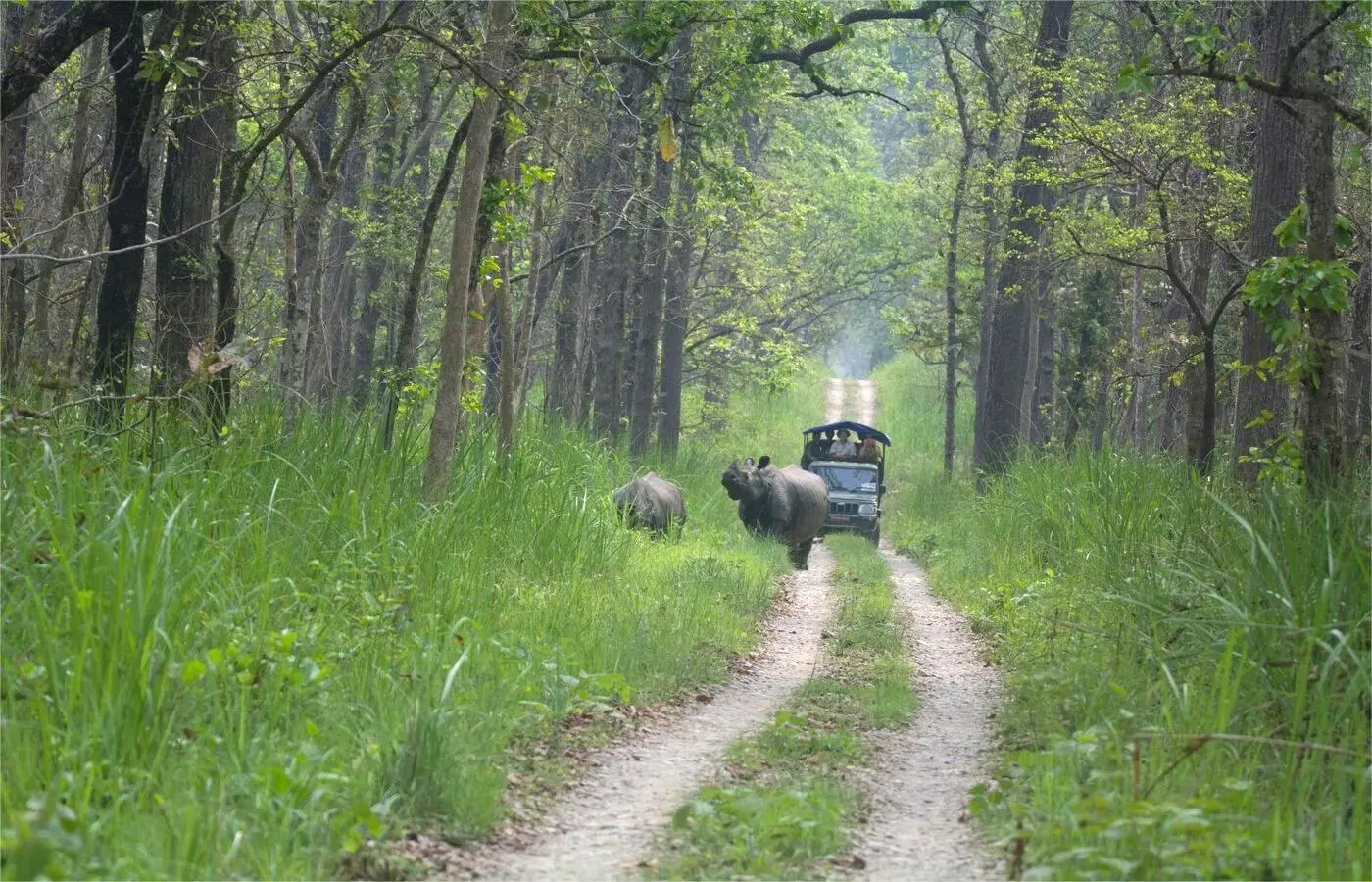
Chitwan’s flat Terai roads are genuinely easy driving by Nepal standards, meaning the vehicle decision here is less about terrain capability and more about comfort and group size — a private car or SUV suits couples and small families, while larger safari groups benefit from a Hiace or coaster, all comfortably covered by the standard highway network connecting Chitwan to both Kathmandu and Pokhara.
Lumbini: The Birthplace of Buddha
This UNESCO World Heritage Site draws pilgrims and history travellers from around the world, reached via Kathmandu to Lumbini bus and Lumbini to Kathmandu bus, or combined with a border crossing via our Sunauli to Pokhara car, Lumbini to Chitwan car, and Bhairahawa to Kathmandu private car guide.
Mantravellers entering Nepal overland from India via Sunauli treat Lumbini as their first stop rather than heading straight to Kathmandu, given its proximity to the border. This entry pattern shapes a genuinely different itinerary structure than the more common Kathmandu-first approach used by travellers flying directly into Tribhuvan International Airport, and our border-region guides are built specifically around this alternate starting point.
The Annapurna Region: Nepal’s Most Varied Trekking Country
From short cultural visits to multi-week circuits, the Annapurna region offers more route variety than anywhere else in Nepal. Our Pokhara to Ghandruk jeep, Kathmandu to Ghandruk private jeep hire, Pokhara to Landruk jeep hire, and Pokhara to Sikles jeep rental cover the popular short-trek gateways. At the same time, Pokhara to Nayapul transportation serves the classic Annapurna Base Camp and Ghorepani-Poon Hill trailhead.
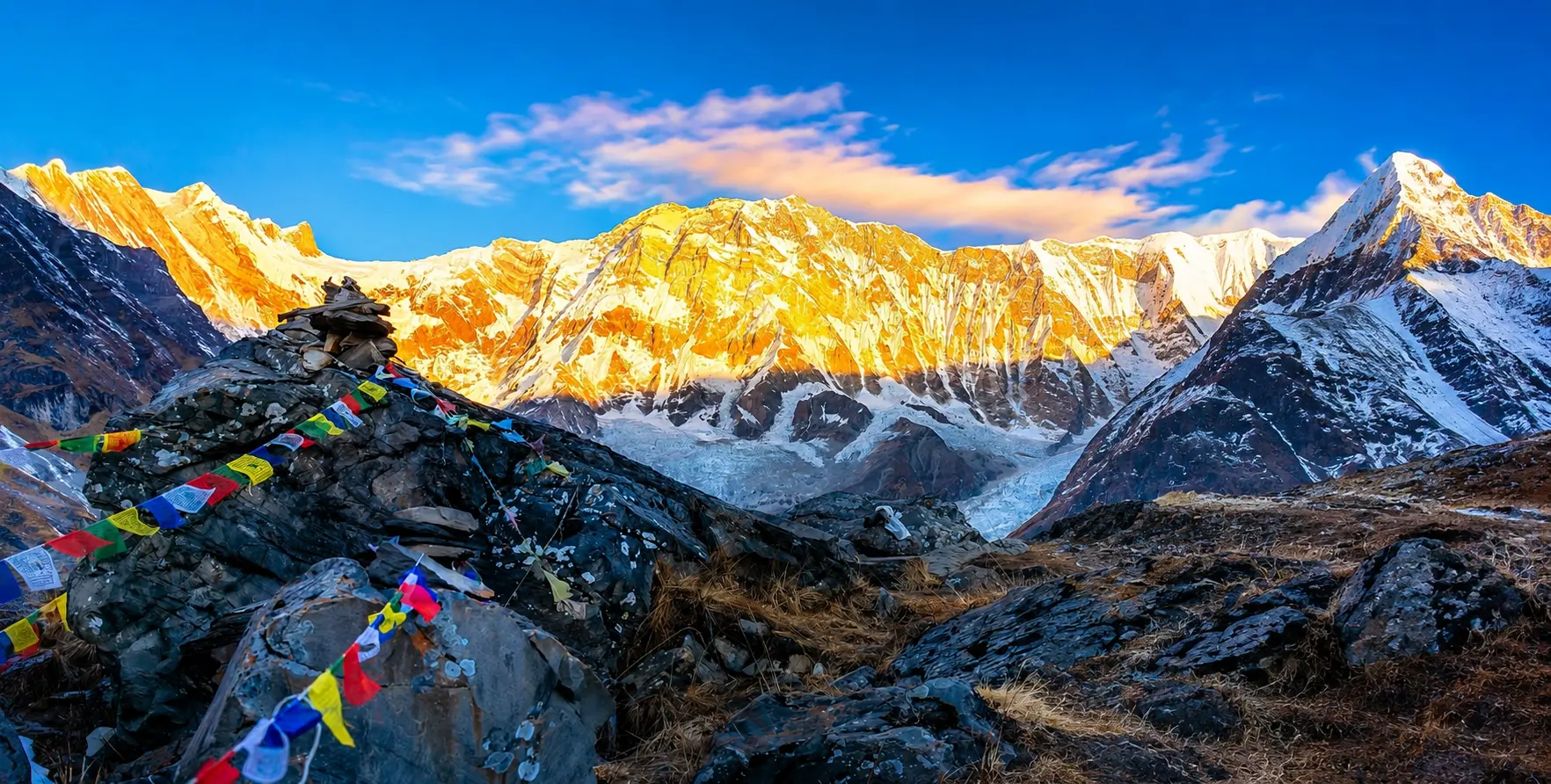
For the full Annapurna Circuit, see Pokhara to Manang transport, Manang to Kathmandu private jeep hire, Kathmandu to Manang jeep, Besisahar to Chame and Upper Pisang, Kathmandu to Besisahar bus ticket, Besisahar private vehicle hire, and our note on why Dharapani is the Annapurna Circuit’s most popular starting point. The ACAP permit guide and full Annapurna Conservation Area overview cover the permit requirements shared across this entire region.
This region alone shows why matching vehicle type to specific sub-destinations matters: a short Ghandruk or Landruk visit is comfortably reached by jeep in a few hours, while the full circuit toward Manang demands sustained multi-day mountain driving through genuinely remote terrain. Treating the entire ‘Annapurna region’ as a single vehicle-planning decision, rather than recognising how differently each sub-destination behaves, is one of the most common planning mistakes we see among first-time Nepal visitors.
Mustang and Muktinath: Nepal’s High-Desert Pilgrimage Region
Few regions have changed as fast as Mustang, especially after the 2026 permit reform covered in our jeep rental for Mustang tour guide. Our Jomsom to Muktinath jeep rental guide and Jomsom Airport to Muktinath vehicle options guide cover the final approach to the temple in full detail, while our best time to visit Muktinath guide and Muktinath temple Hiace hire guide cover seasonal timing and group pilgrimage logistics. We also cover onward journeys, including Kathmandu to Mustang private jeep, Pokhara to Beni jeep hire, Muktinath to Pokhara jeep, and our places to visit in Mustang guide, plus our Muktinath tour from Sunauli border guide for pilgrims approaching from the Indian border rather than Pokhara.
Mustang’s dual identity—a sacred Hindu and Buddhist pilgrimage destination for Muktinath specifically, and a historically restricted high-desert kingdom for Upper Mustang beyond Kagbeni—means two genuinely different traveller profiles use this region, each with different permit requirements, timelines, and vehicle needs. Our region-specific guides above serve both profiles rather than treating Mustang as a single, undifferentiated destination.
Langtang, Rasuwa, and the Kerung Border
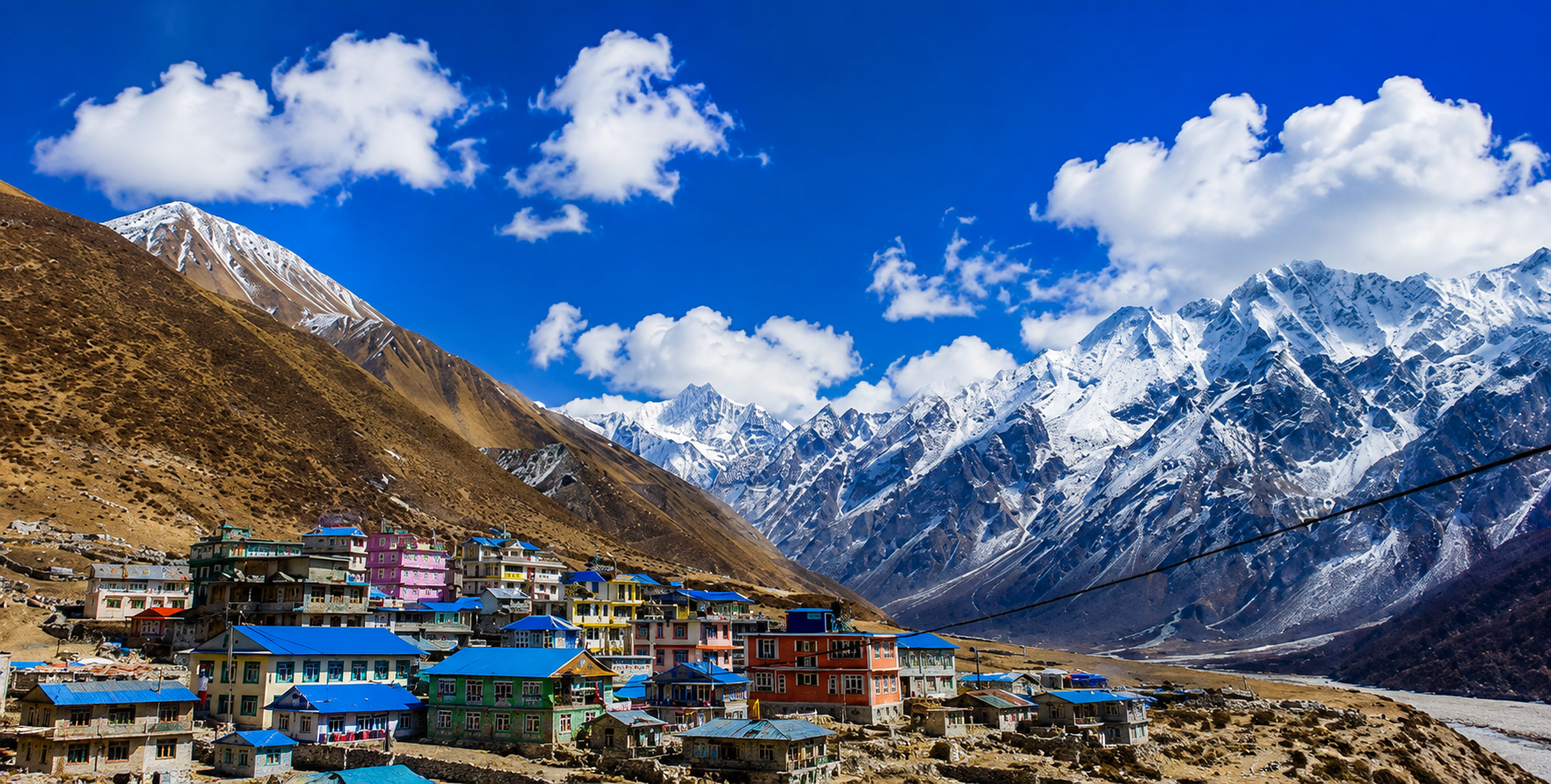
The Pasang Lhamu Highway, covered in full in our dedicated Pasang Lhamu Highway 2026 update guide, connects Kathmandu to both the Langtang trekking region and Nepal’s primary paved border crossing into Tibet. Our Jeep vs Bus to Syabrubesi comparison, Dhunche to Kathmandu jeep guide, Kathmandu to Kerung border transportation guide, Kathmandu to Sundarijal trek transfer, and Nuwakot historical and spiritual sites guide cover this entire region in depth.
This region combines trekking tourism with genuine international trade significance in a way few other Nepal destinations do, and its documented history of monsoon-season road disruption — covered in detail in our dedicated highway update guide — makes current-conditions awareness more important here than almost anywhere else in the country. Our team monitors this route closely given how frequently its status shifts between seasons.
Everest, Solukhumbu, and Other Remote Trekking Gateways
For the Everest region and other remote eastern trekking approaches, see our Everest Base Camp trek page; Kathmandu to Salleri-Phaplu; Kathmandu to Soti Khola for the Manaslu approach; Kathmandu to Gorkha jeep service; and our general trekking services. Our dedicated Rolwaling Valley vehicle service guide covers one of Nepal’s most remote and least commercialised valleys, west of the Khumbu region.
Most Everest region trekking begins with a flight to Lukla rather than an overland approach, so our role here focuses on Kathmandu-side logistics—airport transfers, pre-trek sightseeing, and alternate overland routes like Salleri-Phaplu for trekkers avoiding the Lukla flight risk entirely. Rolwaling and the Manaslu approach via Soti Khola, by contrast, remain genuinely overland-dependent routes where our jeep fleet plays a much more direct role throughout the journey.
Southern Border Crossings and the Terai
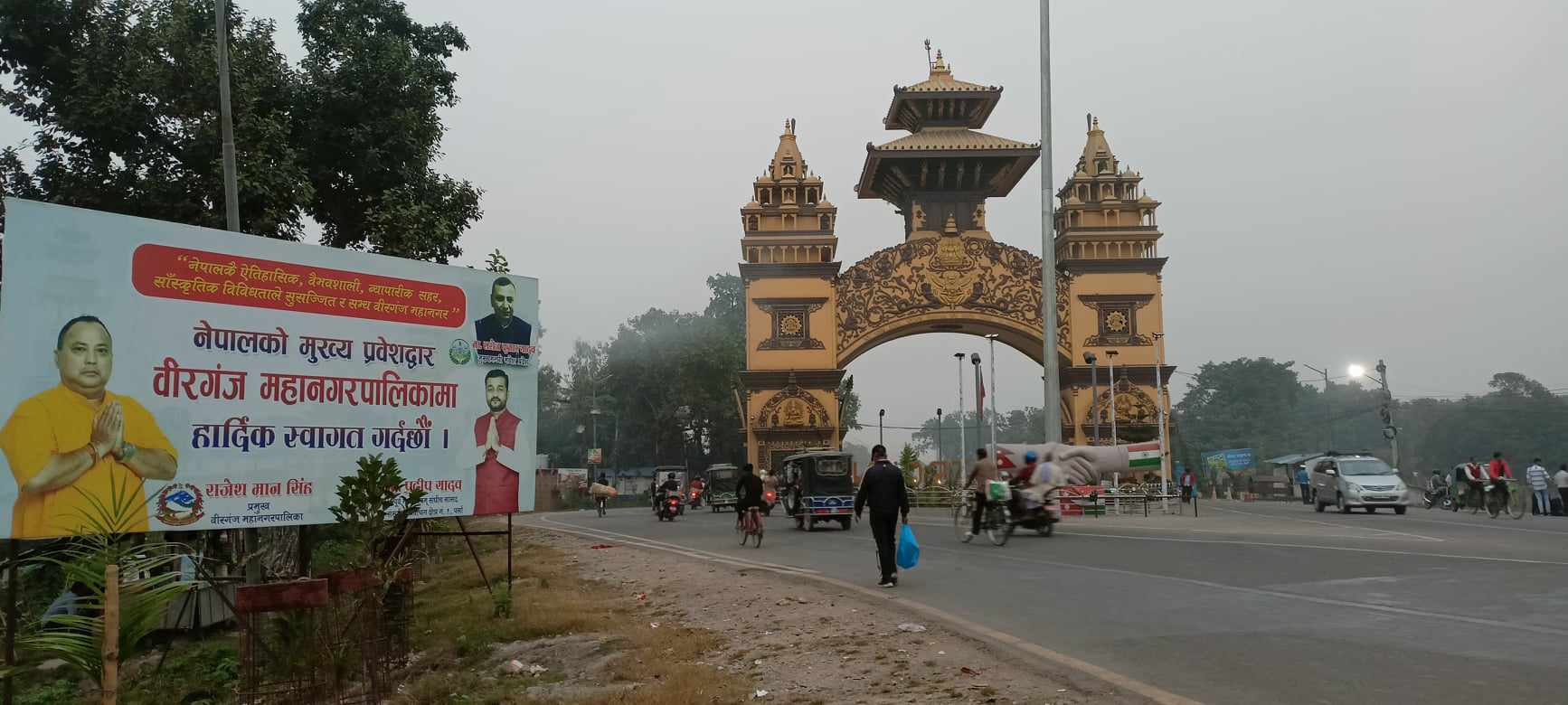
For travellers entering or exiting Nepal overland, see our eastern border vehicle hire guide for the Kakarvitta crossing, Chitwan to Birgunj border transport, Janakpur airport transfer service, and our Bhairahawa to Kathmandu private car guide and Kathmandu to Kerung border transportation guide for the Indian and Chinese border crossings respectively.
Nepal’s Terai belt and its several border crossings serve a genuinely distinct traveller profile from the mountain-focused majority of this guide — overland travellers connecting through India, pilgrims specifically routing through Lumbini, and the smaller but growing number of travellers using the Kerung crossing for onward Tibet travel. Each of these border regions has its own visa, documentation, and vehicle considerations covered in the dedicated guides linked throughout this section.
Choosing the Right Vehicle for Each Destination Type
Flat Highway and City Routes
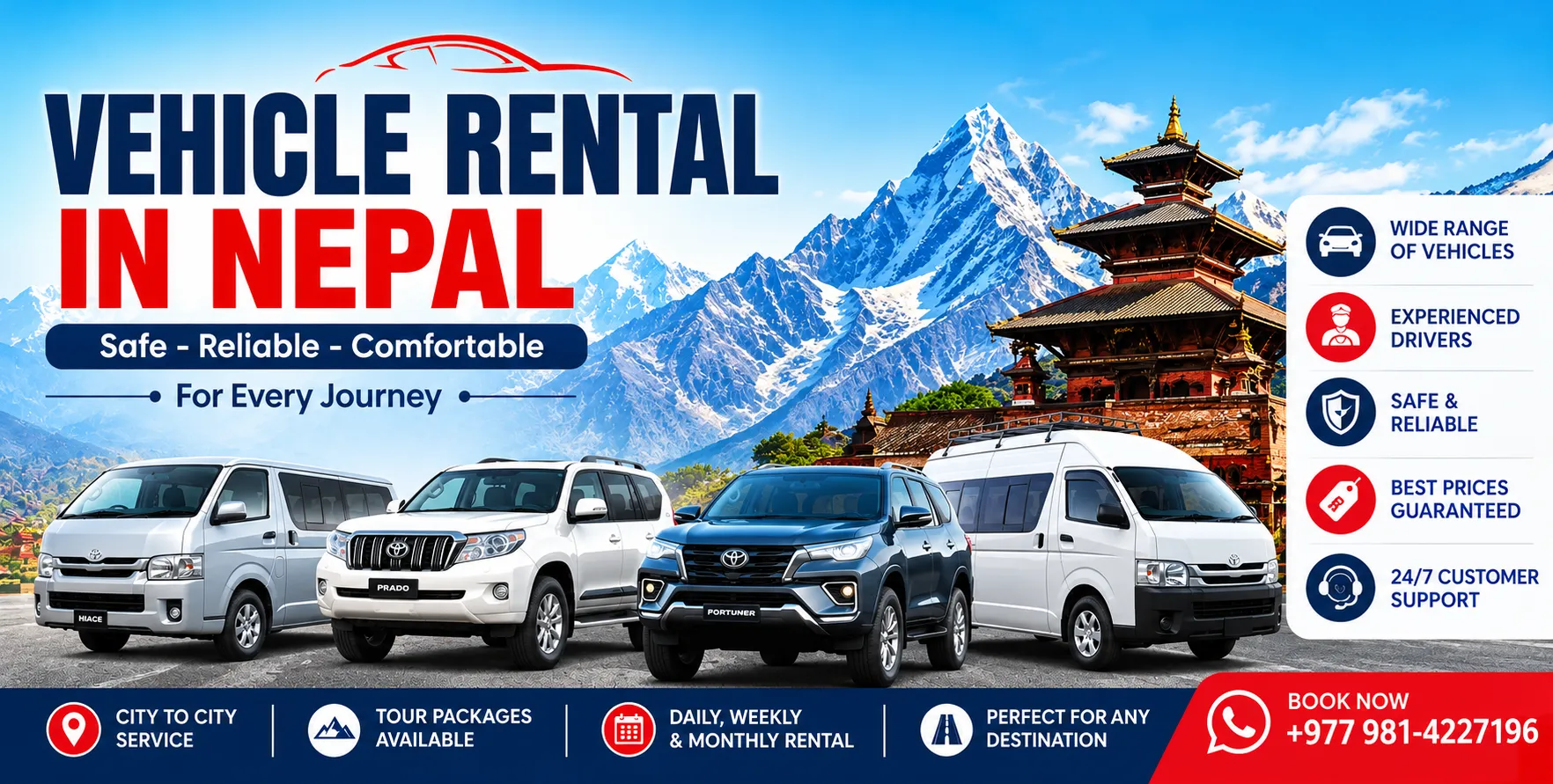
A standard car or our car hire in Nepal service comfortably covers Kathmandu Valley sightseeing, the Terai plains, and most paved highway routes.
Mountain and Off-Road Routes
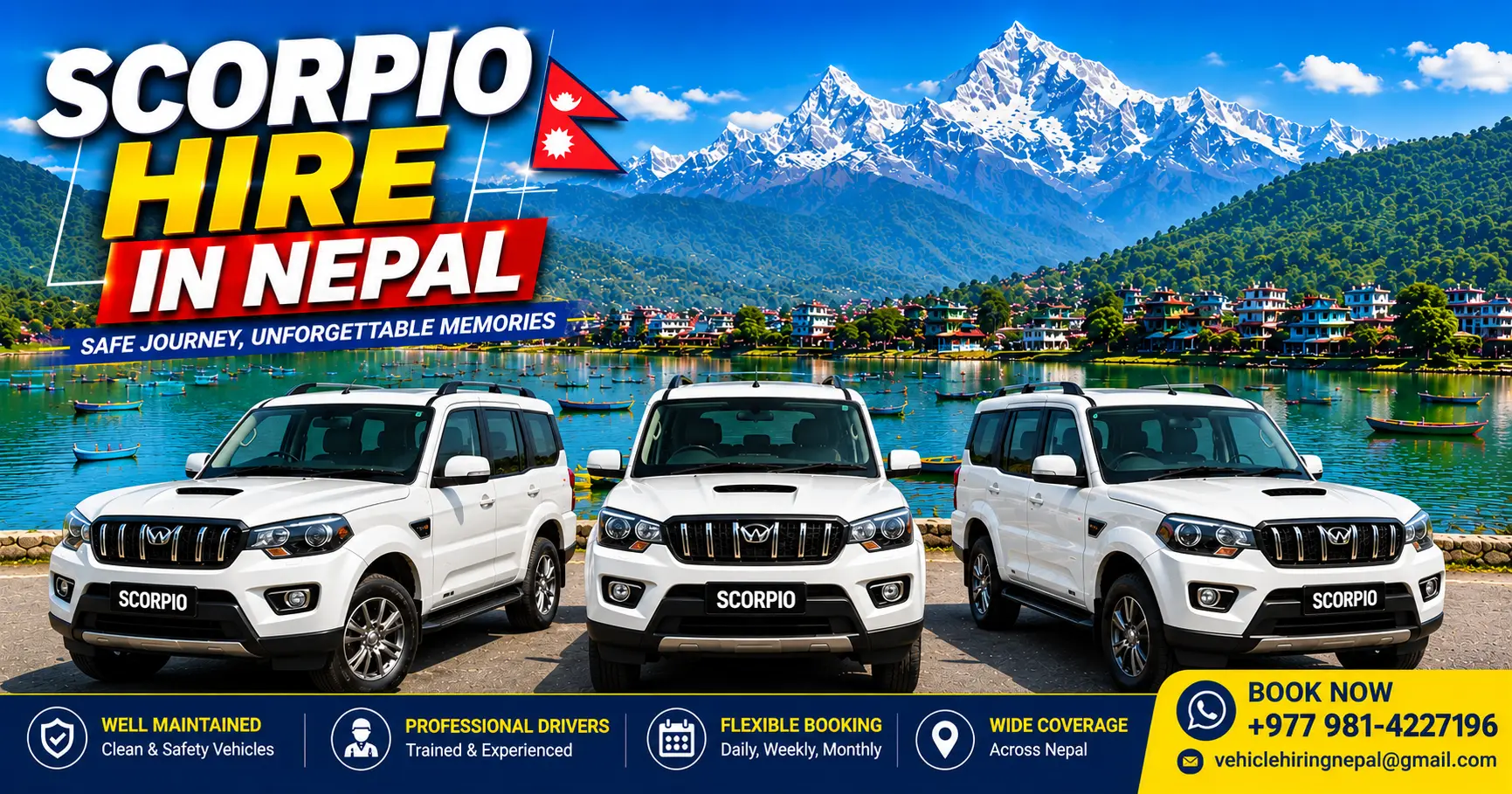
A genuine 4WD, such as our Scorpio jeep hire or Toyota Land Cruiser 4WD hire, is essential for Mustang, the Annapurna Circuit’s early stages, the Rolwaling approach, and the Ramche landslide zone toward Langtan. Why our guides explain this terrain logic in full.
Groups and Families
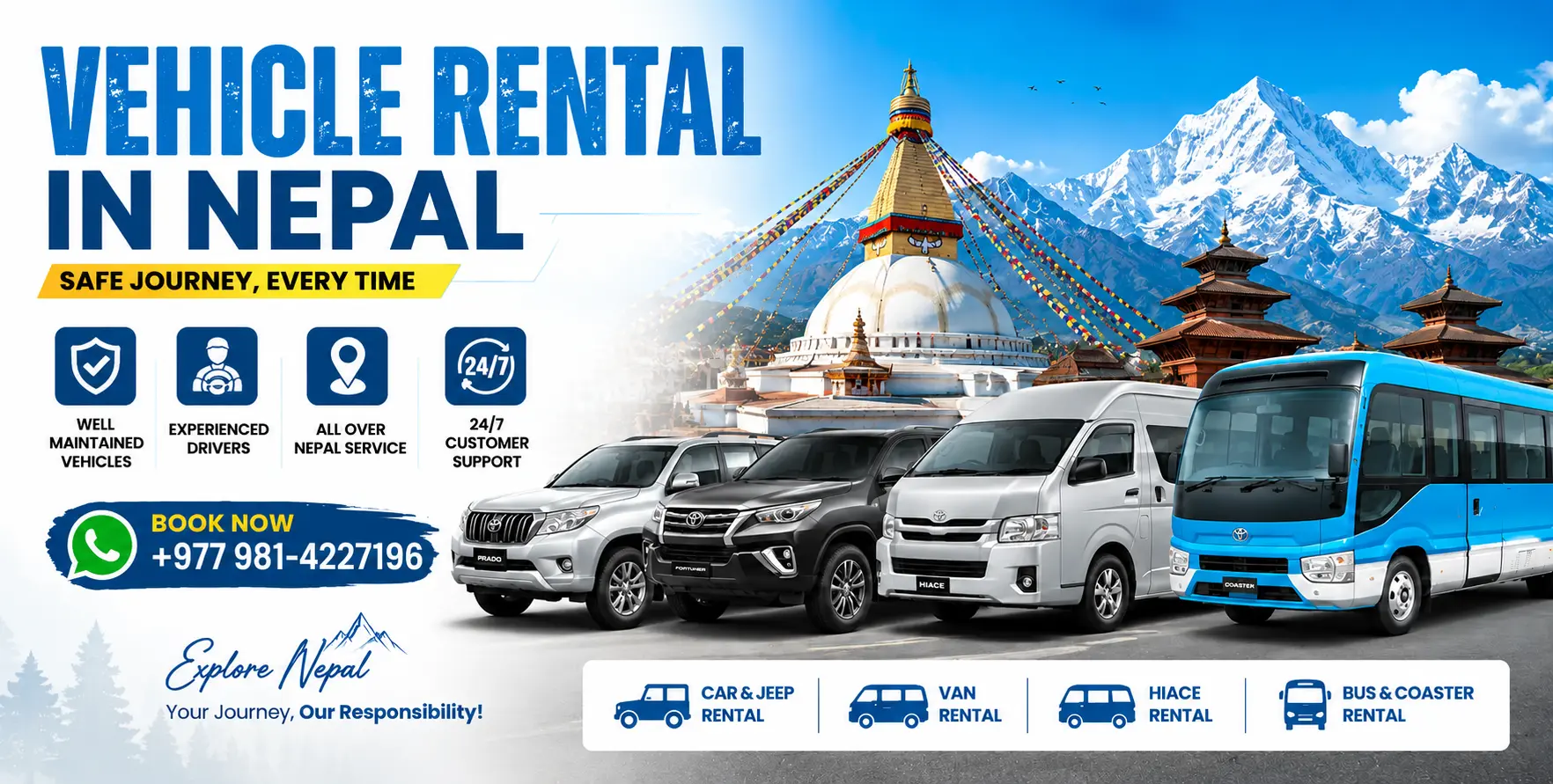
Our Hiace and alternate Hiace van hire listing covers highway-suited group travel, while our bus, coaster, tourist bus hire in Nepal, coaster and tourist bus hire, and VIP Sofa Bus hire in Nepal scale up further for larger groups and tour parties.
Comfort-Oriented Travel
Our SUV rental in Nepal guide and jeep and SUV comparison cover the middle ground between a rugged jeep and a standard car, useful for the Kathmandu-Pokhara highway, Terai routes, and airport transfers where extra comfort matters more than off-road capability.
This four-way framework — highway cars, mountain jeeps, group vans and buses, and comfort SUVs — underlies every recommendation throughout this guide’s region-by-region breakdown above. Rather than memorising a separate vehicle recommendation for each of Nepal’s dozens of individual destinations, most travellers find it easier to internalise this general framework and apply it as their itinerary shifts between terrain types.
Driver Quality Across Every Region
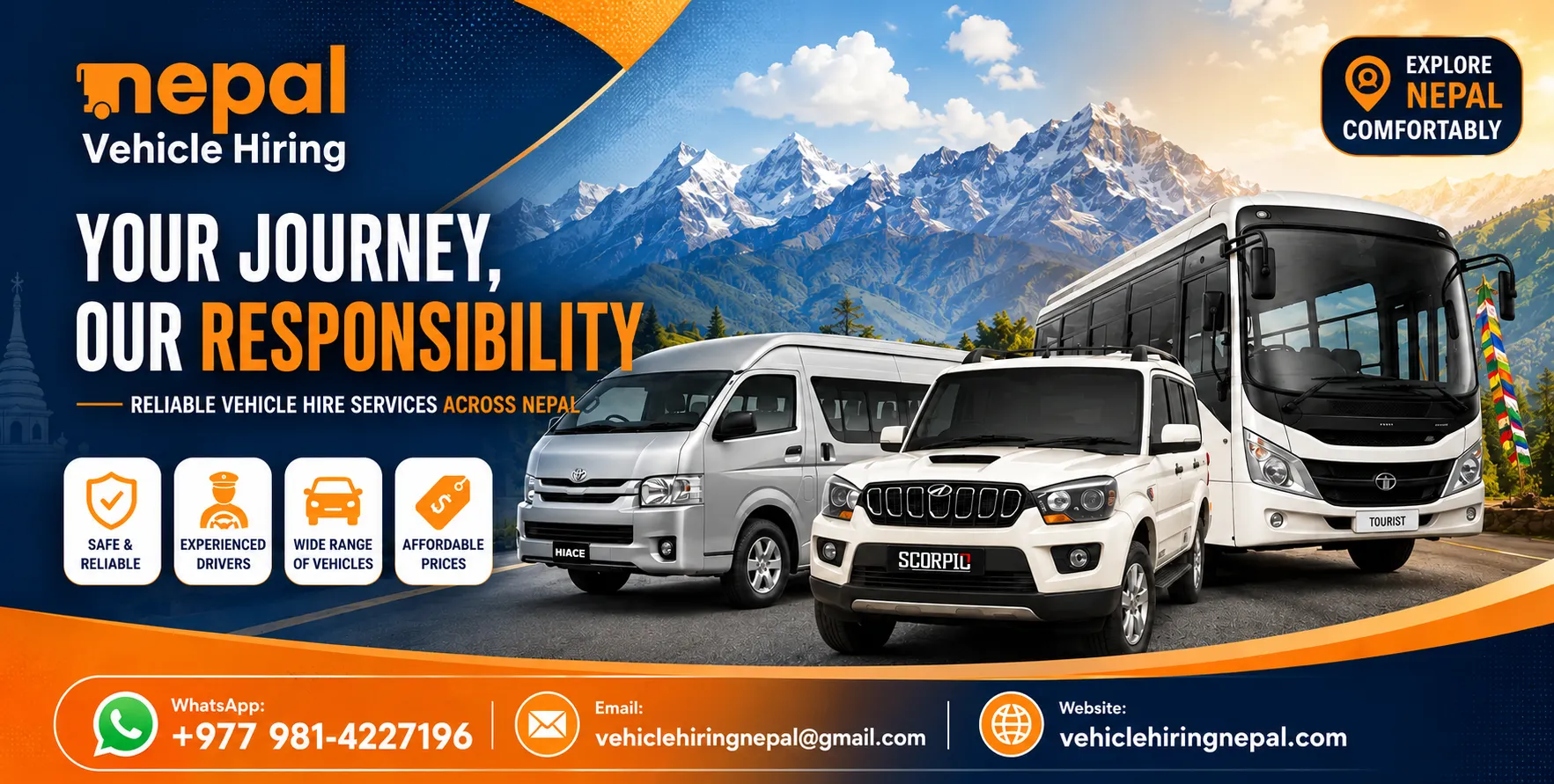
A vehicle is only as good as the person driving it, and this matters even more across a multi-region trip than on a single route. We match drivers to their region of genuine expertise—highway-focused drivers for the Kathmandu-Pokhara-Chitwan corridor, mountain-specialist drivers for Annapurna, Mustang, Langtang, and Rolwaling, and border-crossing-experienced drivers for the Sunauli, Kakarvitta, and Kerung crossings. This specialisation matters because the skills that make someone an excellent highway driver don’t automatically transfer to confident, safe driving on a rough mountain track, and vice versa.
Vehicle Maintenance Standards Across Our Fleet
Because our vehicles are used so differently— from gentle highway cruising to genuinely demanding mountain terrain—maintenance standards are tailored to each vehicle’s actual duty. Jeeps assigned to routes like Mustang, Rolwaling, or the Ramche landslide zone toward Langtang receive more frequent tire and suspension checks than highway-only vehicles, reflecting the different mechanical demands each route places on a vehicle over time.
Sample Multi-Region Itineraries
Classic Two-Week Nepal Circuit
Kathmandu Valley sightseeing (2-3 days), overland to Pokhara (1 day), Annapurna foothills trek via Ghandruk or Landruk (3-4 days), return to Pokhara, then Chitwan safari (2 days) before returning to Kathmandu. This itinerary uses a car or SUV for the valley, a jeep for the Annapurna leg, and a comfortable vehicle again for the Chitwan extension — a natural fit for our standard multi-region vehicle strategy.
Pilgrimage-Focused Itinerary
Kathmandu Valley temples (Pashupatinath, Swayambhunath), overland or flight to Pokhara, Jomsom flight, private jeep to Muktinath, return to Pokhara and Kathmandu. This itinerary is covered extensively across our Muktinath-focused guides, with particular attention to group logistics for temple committees and family pilgrimage groups.
Remote Region Expedition
For experienced travellers, a longer trip combining Upper Mustang’s Lo Manthang with an extension toward Rolwaling or Langtang represents one of the more ambitious itineraries we regularly support, requiring careful sequencing of permits, seasonal timing, and vehicle switches across genuinely different regions of the country.
Border-to-Border Overland Journey
A growing number of travellers enter Nepal overland at Sunauli, pass through Lumbini and Chitwan, continue to Pokhara and Kathmandu, and exit via the Kerung crossing into Tbt — a genuine coast-to-coyle traverse requiring coordination of vehicles, border documentation, and seasonal timing across the length of the country.
Cultural and Religious Significance Across Regions
Nepal’s destinations carry genuinely varied cultural weight beyond their scenic appeal. Kathmandu Valley holds seven UNESCO monument zones and daily religious practice at sites like Pashupatinath and Boudhanath. Lumbini marks the Buddha’s birthplace. Muktinath is sacred to both Hindus and Buddhists simultaneously, a rare distinction shared by very few sites worldwide. Langtang and Rolwaling carry strong Sherpa and Tamang Buddhist heritage, visible in the monasteries and prayer flags along their approach roads. Recognising this cultural dimension—not just the logistical one—shapes how our drivers and guides approach each region, with pacing and respect appropriate to genuinely sacred or historically significant places, not simply points on a transport map.
Accessibility Considerations Across Destinations
Destinations vary considerably in accessibility for travellers with mobility considerations or limited trekking fitness. Kathmandu Valley, Pokhara, Chitwan, and Lumbini are easily reachable by vehicle with minimal walking required. Ghandruk, Landruk, and Muktinath require some walking beyond the vehicle drop-off point but remain manageable for most travellers. Upper Mustang, the Annapurna Circuit’s higher stages, and Rolwaling demand genuine trekking fitness and suit experienced, physically prepared travellers.
Weather Risk Comparison Across Regions
Not every Nepal region carries the same weather risk profile, even within the same season. Kathmandu Valley and the Terai remain comparatively stable year-round, except during monsoon rainfall. Mustang’s rain-shadow position means it stays relatively dry even during monsoon, making it a genuine exception to Nepal’s general seasonal pattern. Langtang, Rolwaling, and the Annapurna foothills, by contrast, sit in more monsoon-exposed terrain with documented landslide and erosion risk during the wettest months, as detailed in our region-specific route guides. Understanding these regional differences, rather than applying a single blanket seasonal rule to the whole country, leads to better-timed multi-region trips.
Environmental and Responsible Travel Across Nepal
Nepal’s conservation areas — Annapurna, Langtang, Gaurishankar (Rolwaling), and Sagarmatha (Everest) — all operate under permit-funded management models supporting local conservation and community development. Responsible travel across every region in this guide means the same basic principles: pack out waste, minimise single-use plastic given limited rural waste infrastructure, and support locally owned guesthouses, guides, and porters wherever your itinerary takes you, since tourism income remains a genuinely important part of these communities’ economies, particularly in more remote regions like Rolwaling and Upper Mustang.
Insurance and Safety Across Every Region
Travel insurance covering trekking activities and emergency evacuation is worth having in place for any itinerary extending beyond Kathmandu Valley and the Terai, given how quickly medical facilities become limited once you’re beyond major towns. Higher-altitude and more remote regions — Mustang, Langtang, Rolwaling, and Everest-region approaches — warrant particular attention to evacuation coverage, given the distance and time to reach advanced medical care from these locations.
Currency and Payment Considerations Across Nepal
Cash remains essential outside Kathmandu and Pokhara’s more developed commercial centres, and ATM access becomes increasingly unreliable the farther a route travels from these two cities. Withdraw sufficient Nepali rupees before departing on any regional leg of your trip, since card payment for local transport, meals, and accommodation is rarely available once you’re on a mountain route or in a smaller border town.
Communication and Connectivity Across Regions
Mobile network coverage is generally reliable in Kathmandu, Pokhara, and most Terai towns. Still, it becomes progressively patchier in mountain regions. It disappears almost entirely in the most remote stretches—beyond Syabrubesi toward the Kerung border, deep in the Rolwaling Valley, or in Upper Mustang beyond Lo Manthang. Travellers planning to stay connected for work or family reasons should set realistic expectations region by region rather than assuming consistent coverage throughout a multi-region trip.
What to Pack for a Multi-Region Nepal Trip
- Layered clothing covering everything from Terai heat to high-altitude mountain cold
- A mix of casual sightseeing clothes and proper trekking gear if your itinerary includes any mountain region
- Sufficient cash in Nepali rupees, budgeted separately for each region given inconsistent access.s
- All relevant permits and documentation organised by region, since each trekking area requires separate paperwork.
- A basic first-aid kit, expanded with altitude-specific supplies if your itinerary includes Mustang, Langtang, or Everest-region apapproacheshotography Across Nepal’s Regions.
Few countries offer the photographic range Nepal does within a single trip — Kathmandu’s dense, temple-filled Durbar Squares, Pokhara’s lakeside mountain reflections, Chitwan’s jungle wildlife, Lumbini’s serene Buddhist gardens, and the stark high-desert canyons of Mustang all within reach of the same overall itinerary. Photographers planning a multi-region trip benefit from packing versatile equipment that handles both dense urban temple scenes and wide-open mountain landscapes, since few single-lens or camera setups excel equally at both.
Traditional Food Across Nepal’s Regions
Nepal’s regional cuisine shifts as noticeably as its terrain. Kathmandu Valley’s Newari food — momos, choila, and bara — gives way to Pokhara’s lakeside fish dishes and trekking-route dal bhat staples, then to Chitwan’s Tharu specialities in the Terai, and the distinctly Tibetan-influenced thukpa, tsampa, and butter tea of Mustang and Langtang. Travellers moving between regions on a multi-region trip experience this culinary variety almost as vividly as the scenery itself, and our drivers are generally happy to recommend favourite roadside stops for regional specialities along every route.
Language and Cultural Etiquette Across Regions
Nepali is the national language, widely understood across every region covered in this guide, with English common in tourist-oriented areas. Regional languages and dialects — Newari in Kathmandu Valley, Gurung and Tamang in the mid-hills, Tibetan-related dialects in Mustang and Langtang — add further variety. A few basic Nepali phrases, particularly the universal greeting ‘Namaste,’ go a long way toward building rapport in every region. Standard etiquette across the country includes removing shoes before entering temples and homes, dressing modestly at religious sites, and always asking permission before photographing people directly.
Common Mistakes When Planning a Multi-Region Trip
- Booking each region’s transport with a different local operator, leading to inconsistent vehicle quality and repeated re-negotiation
- Assuming a single vehicle type suits the entire trip, rather than planning switches between highway and mountain sections
- Underestimating how differently permit systems work across Annapurna, Langtang, Rolwaling, and Everest-region trekking
- Ignoring regional weather risk differences, particularly Mustang’s rain-shadow exception to Nepal’s general monsoon pattern
- Not building buffer time into itineraries that combine multiple remote regions with documented road-condition variability to Start Planning Your Multi-Region Trip.
The most efficient way to plan a trip spanning several of the regions covered in this guide is to start with your must-see destinations, then work backwards through the vehicle, permit, and seasonal logistics each one demands. Our plan your trip tool is built for exactly this kind of multi-region planning conversation, letting you sketch an itinerary and get vehicle and route guidance tailored to your specific combination of destinations rather than working through each region’s guide independently.
Permits by Region
- Annapurna region (Ghandruk, Landruk, Manang, Mustang, Muktinath). ACAP permit, plus a Restricted Area Permit (RAP) for Upper Mustang specifically.
- Langtang region (Syabrubesi, Gosaikunda, Tamang Heritage Trail). Langtang National Park entry permit and TIMS card.
- Rolwaling Valley. Gaurishankar Conservation Area Permit (GCAP) and TIMS card.
- Everest/Solukhumbu region. Sagarmatha National Park entry permit and local area fees.
- Kathmandu Valley, Pokhara, Chitwan, Lumbini, and the Terai. No trekking permits required, though Chitwan National Park charges its own separate entrance fee for safari activities.
Each permit system is administered separately, with its own fee structure, application process, and, in some regions, a distinct set of authorised issuing offices in Kathmandu or Pokhara. Travellers combining multiple trekking regions in one trip — Annapurna and Langtang, for instance — need to budget time and paperwork for each permit system independently rather than assuming a single permit covers the whole country.
Best Time to Travel by Region
Autumn (September-November) and spring (March-May) offer the most stable conditions across nearly every region in Nepal covered in this guide, from Kathmandu Valley sightseeing to the most remote mountain approaches. Monsoon (June-August) brings genuine landslide and road-erosion risk to mountain routes specifically — Langtang’s Pasang Lhamu Highway, the road to Rolwaling, and Annapurna foothill roads all see documented seasonal disruption — while lower-elevation Terai and Kathmandu Valley routes remain comparatively more reliable year-round, aside from monsoon rainfall itself. Winter (December-February) works well for the Terai and Kathmandu Valley but brings serious cold and possible snow closures to high-altitude mountain routes.
This seasonal pattern is consistent enough across regions that a traveller planning a single autumn or spring trip covering multiple destinations can generally expect stable conditions throughout, rather than needing to research each region’s weather pattern separately. The main exceptions worth flagging specifically are Mustang’s rain-shadow climate, which stays relatively dry even during monsoon, and the various documented landslide-prone stretches called out in our region-specific route guides.
Cost Considerations Across Destinations
Vehicle costs generally scale with terrain difficulty and remoteness: Kathmandu Valley and Terai routes on paved highways are the most economical, mid-hill mountain gateways like Ghandruk, Landruk, or Dhunche sit in the middle, and the most remote, difficult roads — Upper Mustang, Rolwaling, and the final stretch to the Kerung border — command the highest rates given the genuine mechanical demands placed on vehicles and drivers. Private charter pricing is set per vehicle rather than per passenger across our fleet, so group travel generally offers the best per-person value in every region.
Budgeting for a multi-region trip is easiest when you separate vehicle costs from permit costs and accommodation, since each scales differently across regions — permit costs, for instance, are relatively fixed regardless of trip length within a region, while vehicle costs scale more directly with distance and road difficulty.
Group vs Solo Travel Across Regions
Solo and paired travellers generally have the most flexibility to mix shared and private transport depending on budget. At the same time, larger groups benefit most from a single consistent operator managing vehicle switches between regions—a Hiace for the Kathmandu-Pokhara highway, then jeeps for a Mustang or Annapurna extension—coordinated through one booking rather than several separate arrangements. This distinction shows up throughout our region-specific guides, several of which dedicate entire sections to group logistics, as solo travellers and 12-person pilgrimage groups need to plan the same underlying route.
Booking Tips for a Multi-Region Nepal Trip
- Book your full itinerary through one operator where possible to simplify vehicle switches between regions.
- Confirm which permits apply to each region on your itinerary well in advance.
- Match vehicle type to terrain honestly — a Hiace or car for highways, a genuine 4WD for mountain routes
- Build extra buffer time into monsoon-season travel on any mountain route
- Ask about current road conditions for any remote route, given how quickly conditions can change on routes like Mustang, Langtang, or Rolwaling
Summary: Which Vehicle for Which Destination
- Kathmandu Valley, Pokhara, Chitwan, Lumbini, and Terai highways: car or SUV for small groups, Hiace or coaster for larger ones
- Ghandruk, Landruk, Sikles, and Annapurna foothills: genuine 4WD jeep
- Mustang, Muktinath, and Upper Mustang: genuine 4WD jeep, with Hiace only for highway approach sections
- Langtang, Syabrubesi, and the Kerung border: genuine 4WD jeep, especially through the Ramche landslide zone
- Rolwaling Valley approach: genuine 4WD jeep, strongly recommended over local bus for comfort
- Border-to-border overland travel: a mix of car, jeep, and Hiace depending on the specific leg
Why Book With Nepal Vehicle Hiring Pvt Ltd
We’re one of the few Nepal operators with genuine, current experience across every region covered in this guide — from a simple Kathmandu Valley day tour to the demanding roads toward Upper Mustang, Rolwaling, and the Kerung border. Every booking includes transparent pricing, a vehicle genuinely matched to your route’s terrain, and drivers experienced on that specific road rather than general country-wide familiarity alone.
Reach out through our contact page to plan your trip, whatever combination of Nepal’s destinations you’re covering.
Explore More: Every Nepal Vehicle Rental Resource
This guide has already linked to most of our route-specific resources throughout. Here’s the complete map organised for quick reference.
Vehicle Fleet
See our jeep, car, Hiace, bus, coaster, car hire in Nepal, car hire in Pokhara, Scorpio jeep hire, Toyota Land Cruiser 4WD hire, Hiace van hire, and adventure bike rental in Nepal.
General Guides
Read our ultimate Nepal vehicle rental guide, why private vehicle hire is the smartest way to travel Nepal, why a genuine 4WD jeep matters, why 4WD is best for Nepal, jeep and SUV comparison, SUV rental in Nepal guide, and luxury trek vehicle hire.
Plan and Learn More
Use our plan your trip tool, browse our Nepal tour package options, learn more about us, or browse our blog for further route guides across the country.
Frequently Asked Questions
Does one operator really cover every Nepal destination? Yes, our fleet and driver network span Kathmandu Valley, Pokhara, Chitwan, Lumbini, Annapurna, Mustang, Langtang, Everest-region gateways, Rolwaling, and the southern border crossings.
What vehicle should I book if my trip covers multiple regions? A combination — typically a car or Hiace for highway sections and a genuine 4WD jeep for any mountain or off-road stretch, coordinated through one booking.
Do permit requirements differ by region? Yes, each trekking region has its own permit system — ACAP for Annapurna and Mustang, Langtang National Park permits for Langtang, GCAP for Rolwaling, and Sagarmatha National Park permits for the Everest region.
Is it cheaper to book each region separately? Usually not — booking a full multi-region itinerary through one operator simplifies logistics and often secures more consistent pricing than piecing together separate local arrangements.
Which season is best for a multi-region Nepal trip? Autumn and spring offer the most reliable conditions across nearly every region; monsoon season carries real disruption risk o, especially on mountain routes s
Can I switch vehicle types mid-trip? Yes, this is standard practice for routes combining highway and mountain sections, such as Kathmandu to Langtang or Pokhara to Muktinath.
Do you serve both trekking and non-trekking travellers? Yes, our fleet covers everything from Kathmandu Valley sightseeing and wildlife safaris to remote high-altitude trekking approaches.
What’s the best vehicle for a family trip in Nepal? A car or SUV for city and highway sections, with a jeep added for any mountain destination on the itinerary.
How far in advance should I book a multi-region itinerary? At least a few weeks ahead for autumn or spring travel, longer if your itinerary includes Upper Mustang, Langtang, or other permit-heavy regions.
Can you arrange border crossing transport as well as domestic routes? Yes, we cover the Sunauli/Bhairahawa, Kakarvitta, Birgunj, and Kerung border crossing, along with all domestic destinations.
Is a private vehicle always better than public transport? Not always — for budget-focused solo travellers on well-served routes, buses and shared jeeps remain genuinely reasonable options covered throughout our route-specific guides.
Do you provide vehicles for both short day trips and multi-week itineraries? Yes, from single-day Kathmandu Valley tours to multi-week combined treks and border-to-border overland trips.
Are drivers familiar with the specific regions they’re assigned to? Yes, we match drivers to regions where they have genuine expertise rather than assigning them generically across the country.
What happens if road conditions change mid-trip? We monitor conditions on remote routes closely and adjust itineraries where needed, with flexibility built into multi-region bookings for exactly this reason.
Wherever your Nepal trip takes you, book your Nepal vehicle rental service through our contact page, and we’ll match the right vehicle to every destination on your itinerary.
- Nepal Vehicle Rental Service for Every Destination
- Regional Deep Dive: Why Terrain Shapes Everything
- Regional Deep Dive: Road Infrastructure Across Nepal
- Regional Deep Dive: Seasonal Festival Calendar
- Comparing Nepal's Regions by Traveller Experience Level
- The Role of Local Knowledge in Nepal Travel Planning
- Building Flexibility Into Your Nepal Itinerary
- A Traveller's Guide to Matching Itinerary Style to Vehicle Strategy
- Kathmandu Valley: The Starting Point for Nearly Every Trip
- Pokhara: Gateway to the Annapurna Region
- Chitwan: Nepal's Premier Wildlife Destination
- Lumbini: The Birthplace of Buddha
- The Annapurna Region: Nepal's Most Varied Trekking Country
- Mustang and Muktinath: Nepal's High-Desert Pilgrimage Region
- Langtang, Rasuwa, and the Kerung Border
- Everest, Solukhumbu, and Other Remote Trekking Gateways
- Southern Border Crossings and the Terai
- Choosing the Right Vehicle for Each Destination Type
- Driver Quality Across Every Region
- Vehicle Maintenance Standards Across Our Fleet
- Sample Multi-Region Itineraries
- Cultural and Religious Significance Across Regions
- Accessibility Considerations Across Destinations
- Weather Risk Comparison Across Regions
- Environmental and Responsible Travel Across Nepal
- Insurance and Safety Across Every Region
- Currency and Payment Considerations Across Nepal
- Communication and Connectivity Across Regions
- What to Pack for a Multi-Region Nepal Trip
- Traditional Food Across Nepal's Regions
- Language and Cultural Etiquette Across Regions
- Common Mistakes When Planning a Multi-Region Trip
- Permits by Region
- Best Time to Travel by Region
- Cost Considerations Across Destinations
- Group vs Solo Travel Across Regions
- Booking Tips for a Multi-Region Nepal Trip
- Summary: Which Vehicle for Which Destination
- Why Book With Nepal Vehicle Hiring Pvt Ltd
- Explore More: Every Nepal Vehicle Rental Resource
- Frequently Asked Questions

Related Blog & Articles
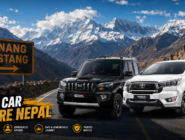
4WD Himalayan Jeep in Nepal
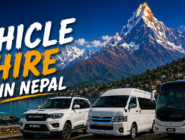
Chitwan to Pokhara Private Vehicle Service Guide
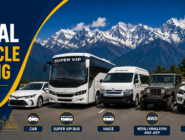
Chitwan to Pokhara Family Vehicle Hire