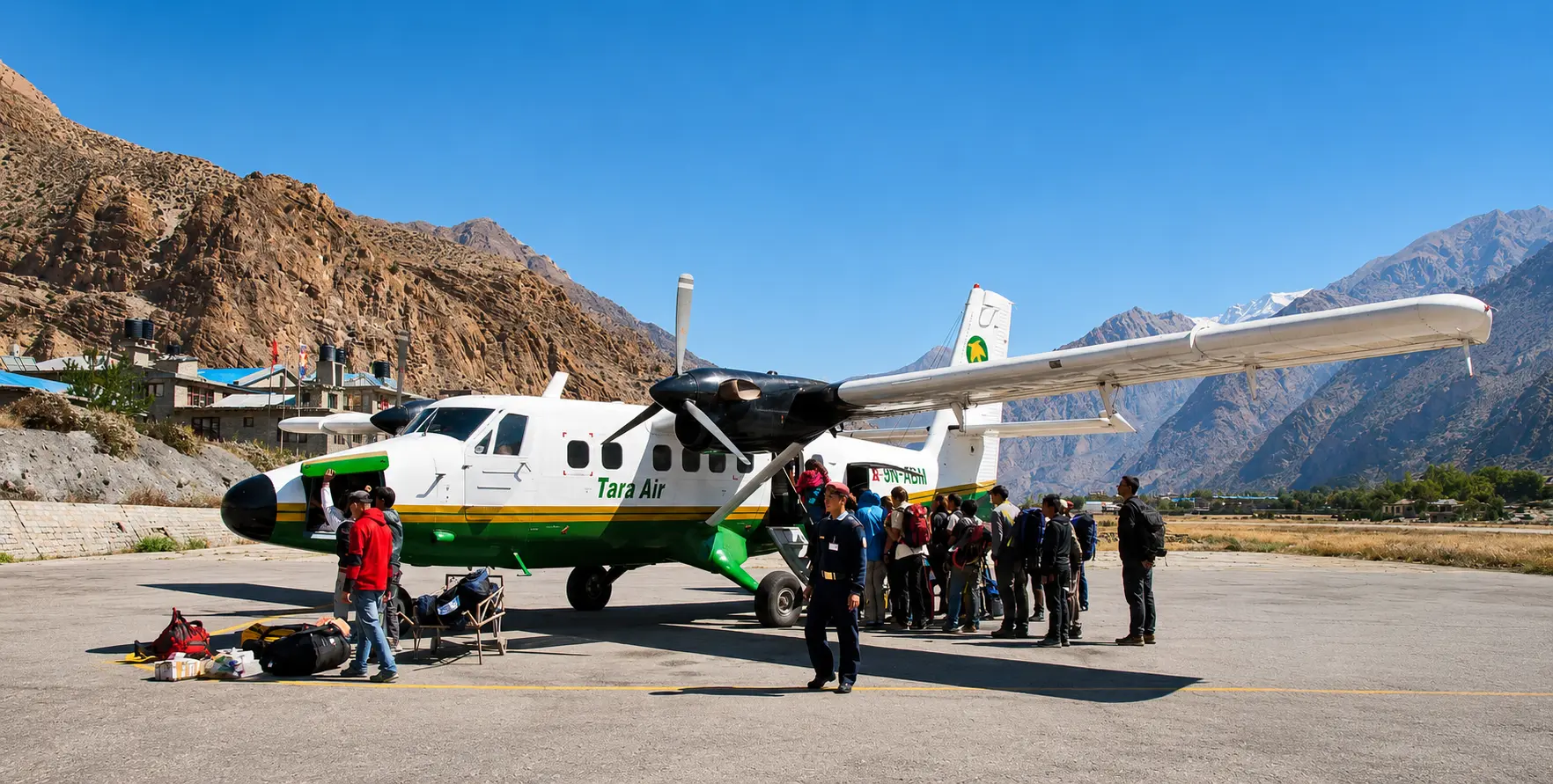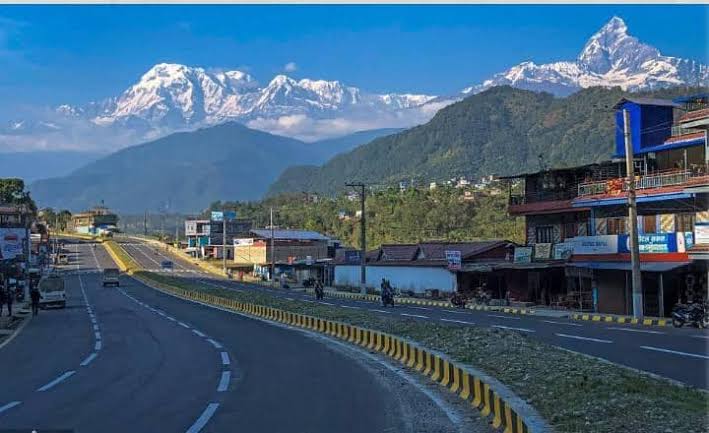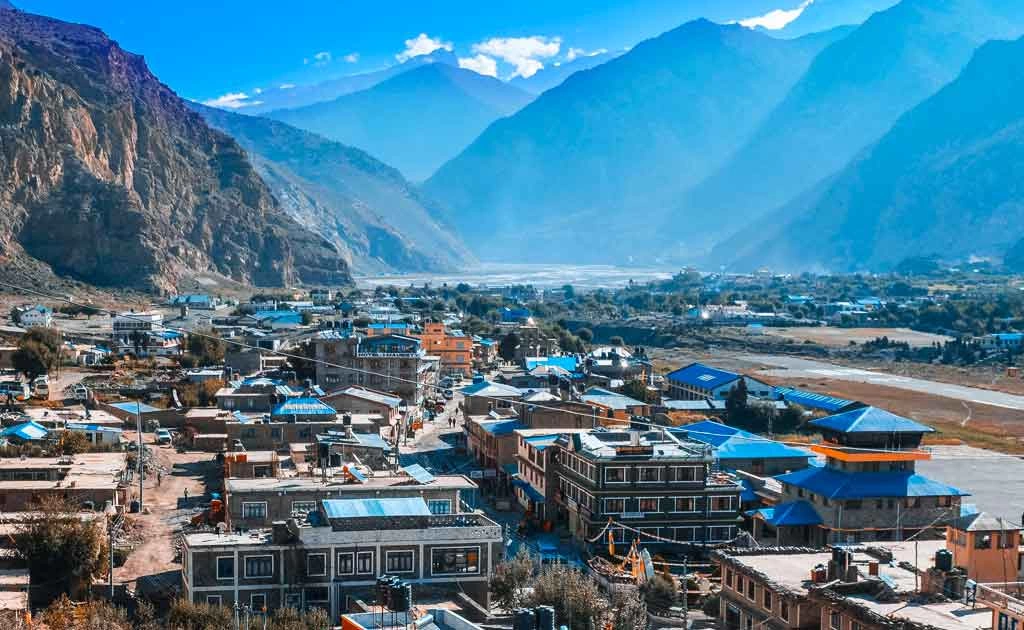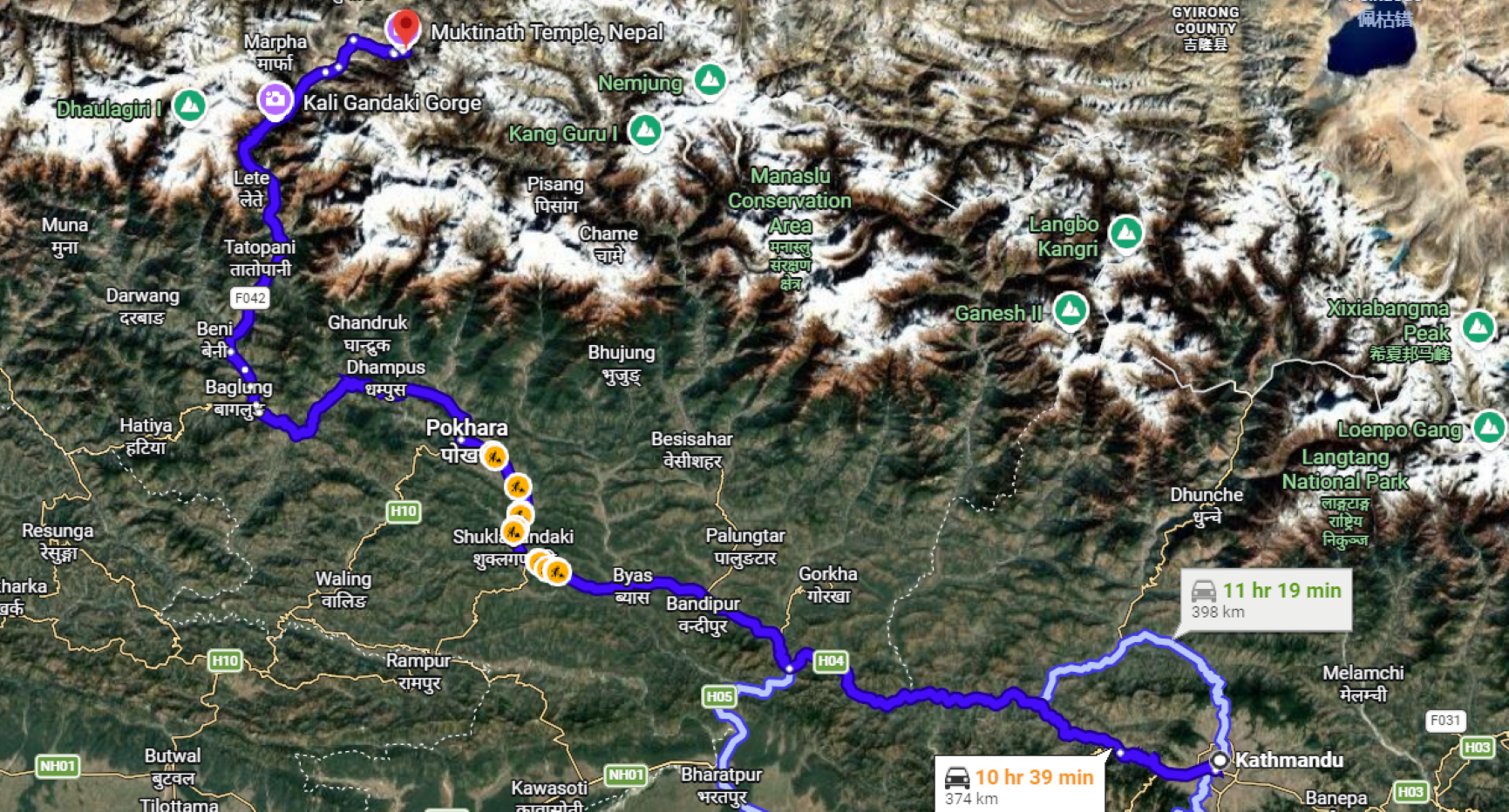
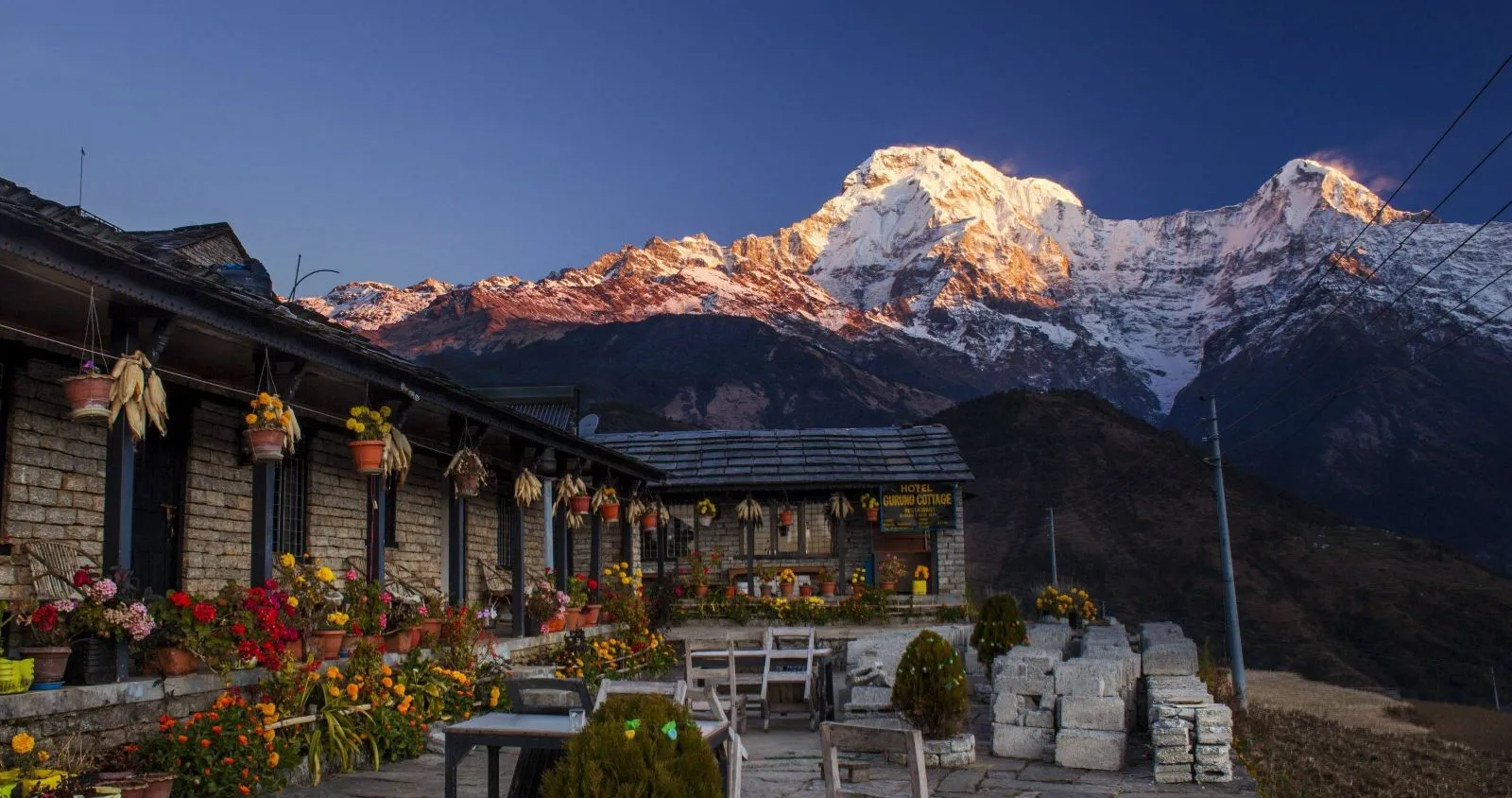
Pokhara to Ghandruk Vehicle Hire

Ghandruk

Pokhara to Ghandruk Vehicle Hire

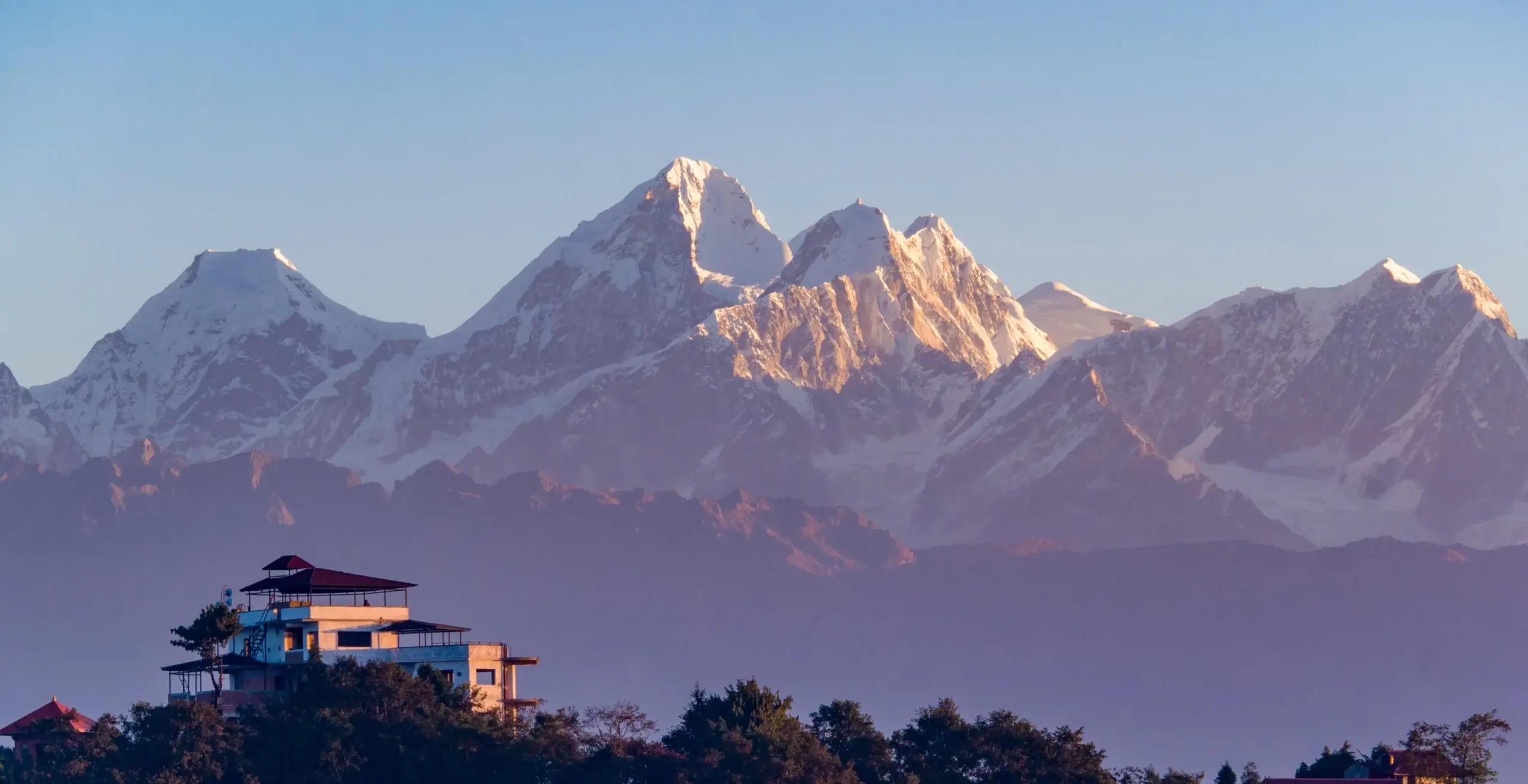
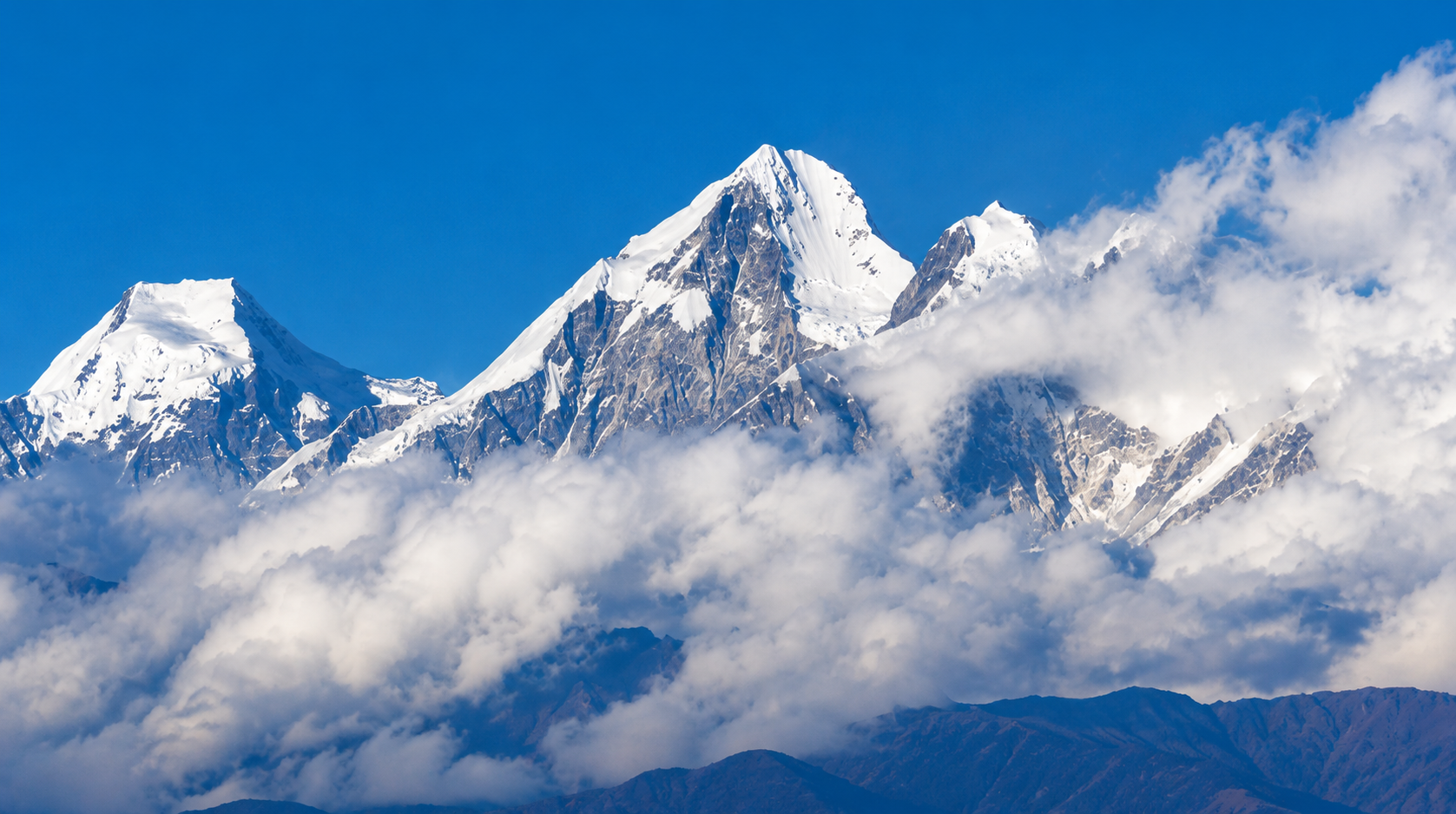
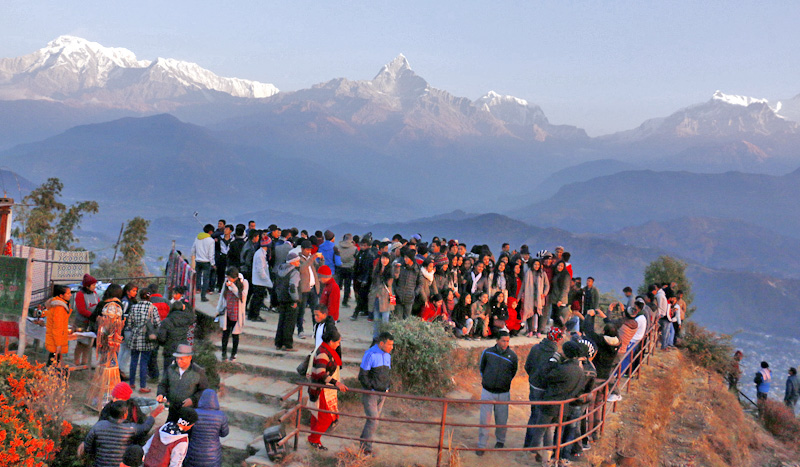
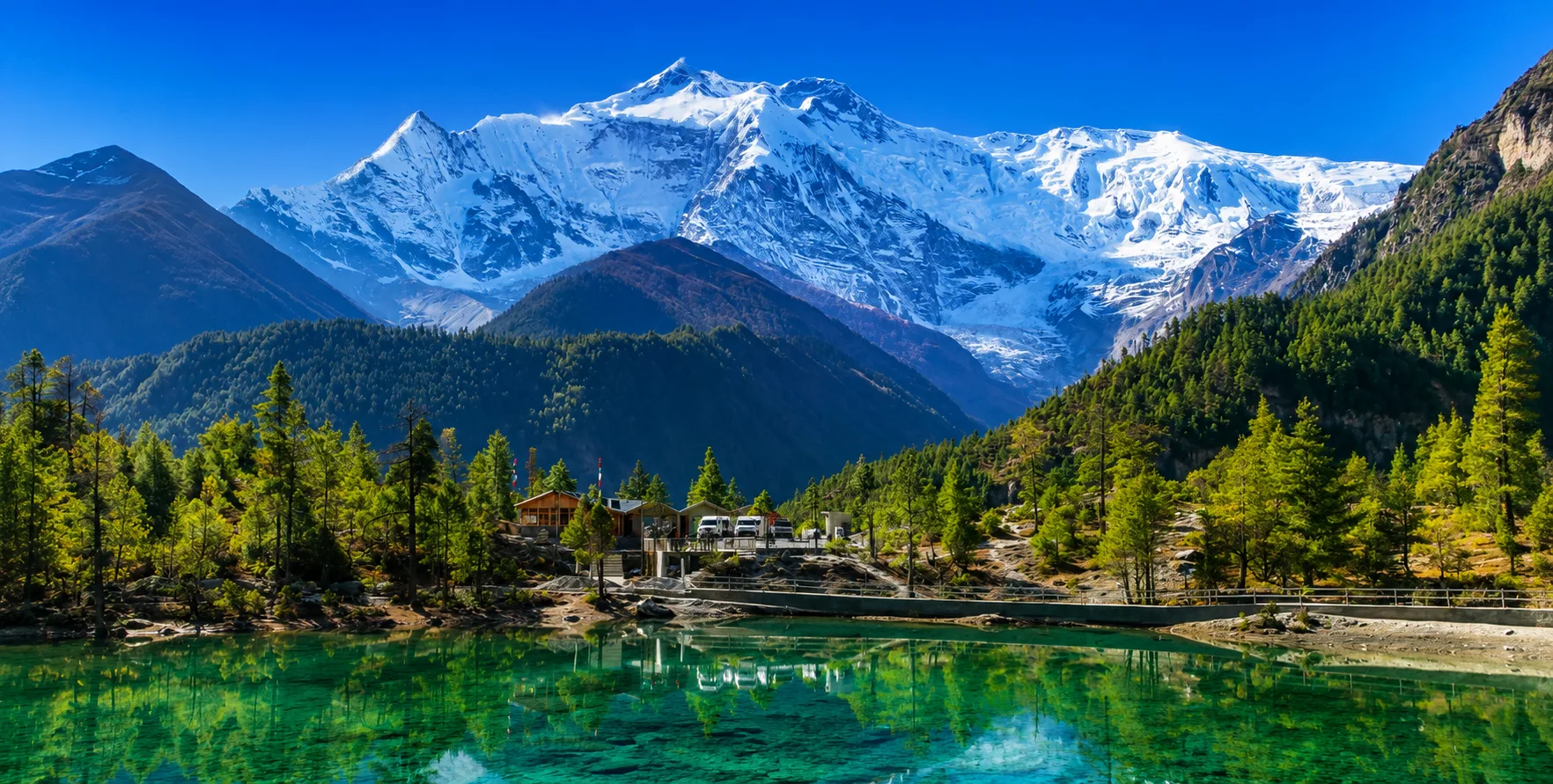
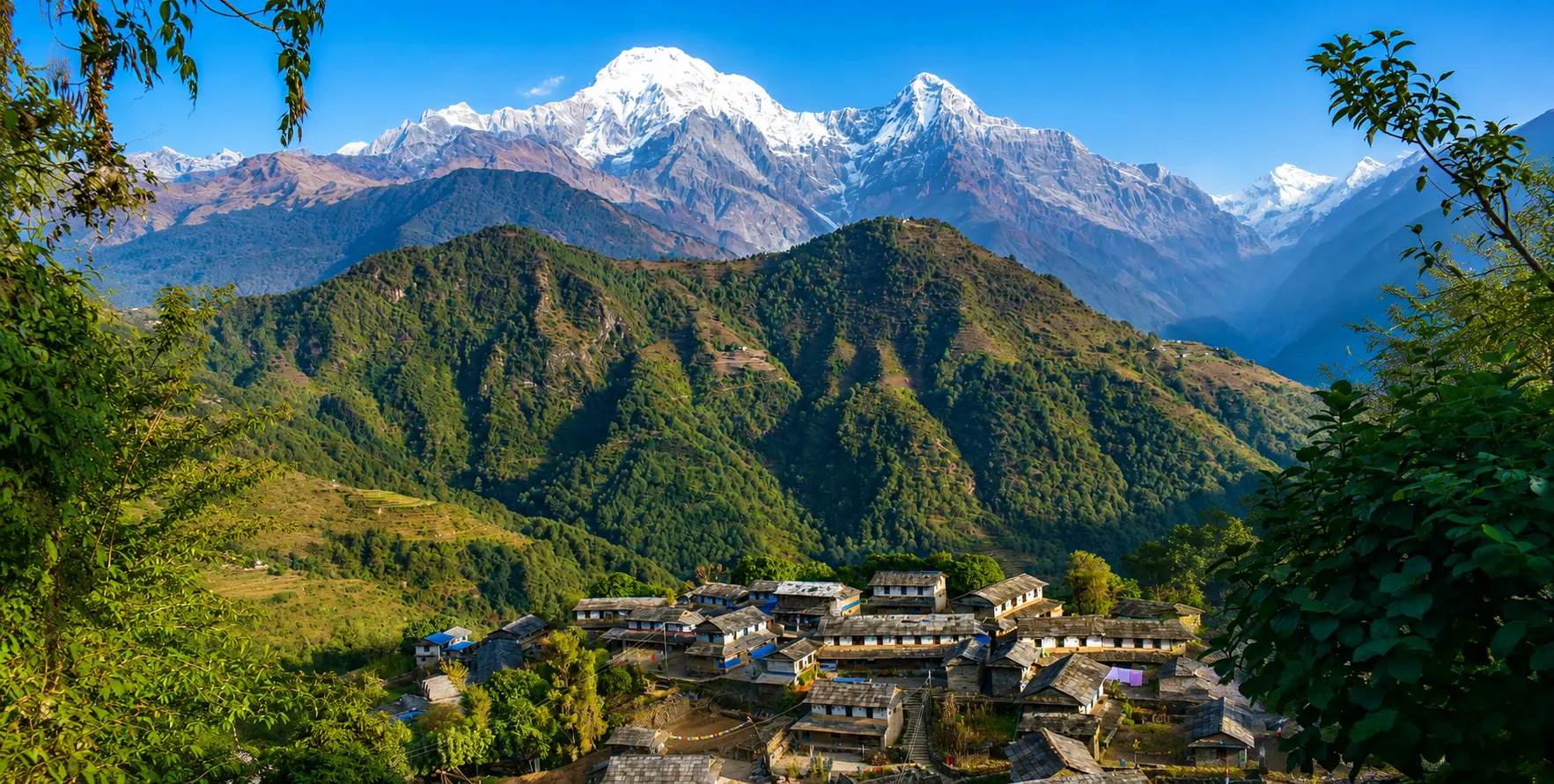
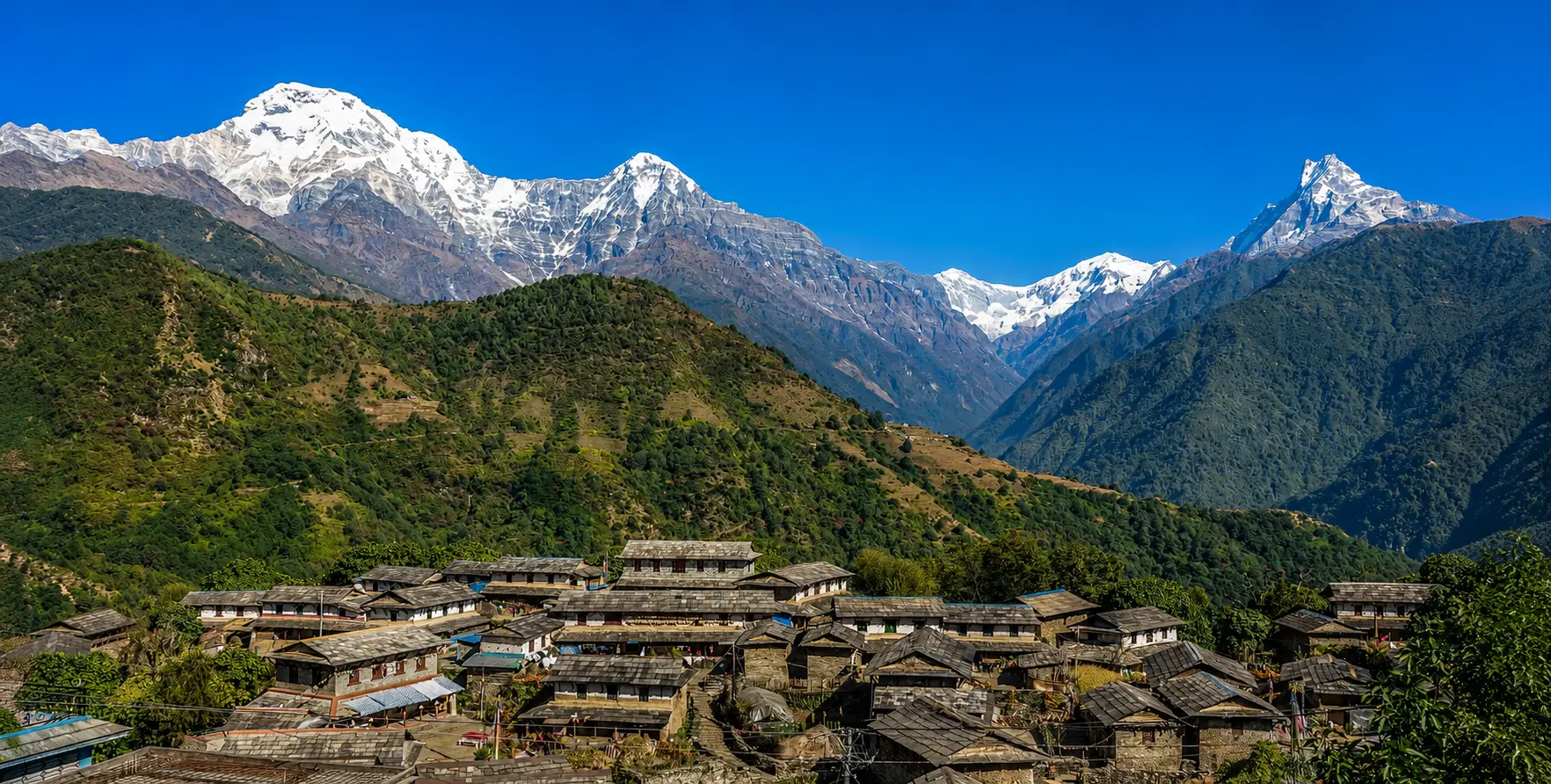
Ghandruk — the ancient cobblestone Gurung village draped across a terraced ridge at 1,940 meters in the Annapurna foothills — is one of Nepal’s most enchanting and rewarding destinations. Framed by the towering pyramids of Annapurna South (7,219 m), Hiunchuli (6,441 m), and the iconic fishtail peak of Machhapuchhre (6,993 m), Ghandruk offers some of the finest close-up Himalayan views available without crossing a single high pass.

A key stop on the Annapurna Base Camp Trek and a gateway to the Ghorepani–Poon Hill Circuit, Ghandruk attracts trekkers, cultural travellers, photographers, and day-trippers from Pokhara year-round. The most efficient, comfortable, and direct way to reach this remarkable Gurung village is by hiring a private vehicle from Pokhara.

This complete 2026 vehicle hire guide covers every transport option from Pokhara to Ghandruk — private jeeps, shared jeeps, local buses, and more — with full route details, 2026 costs, road conditions, key stops, permit information, and expert travel tips from Nepal Vehicle Hiring Pvt Ltd.

Ghandruk — An Introduction

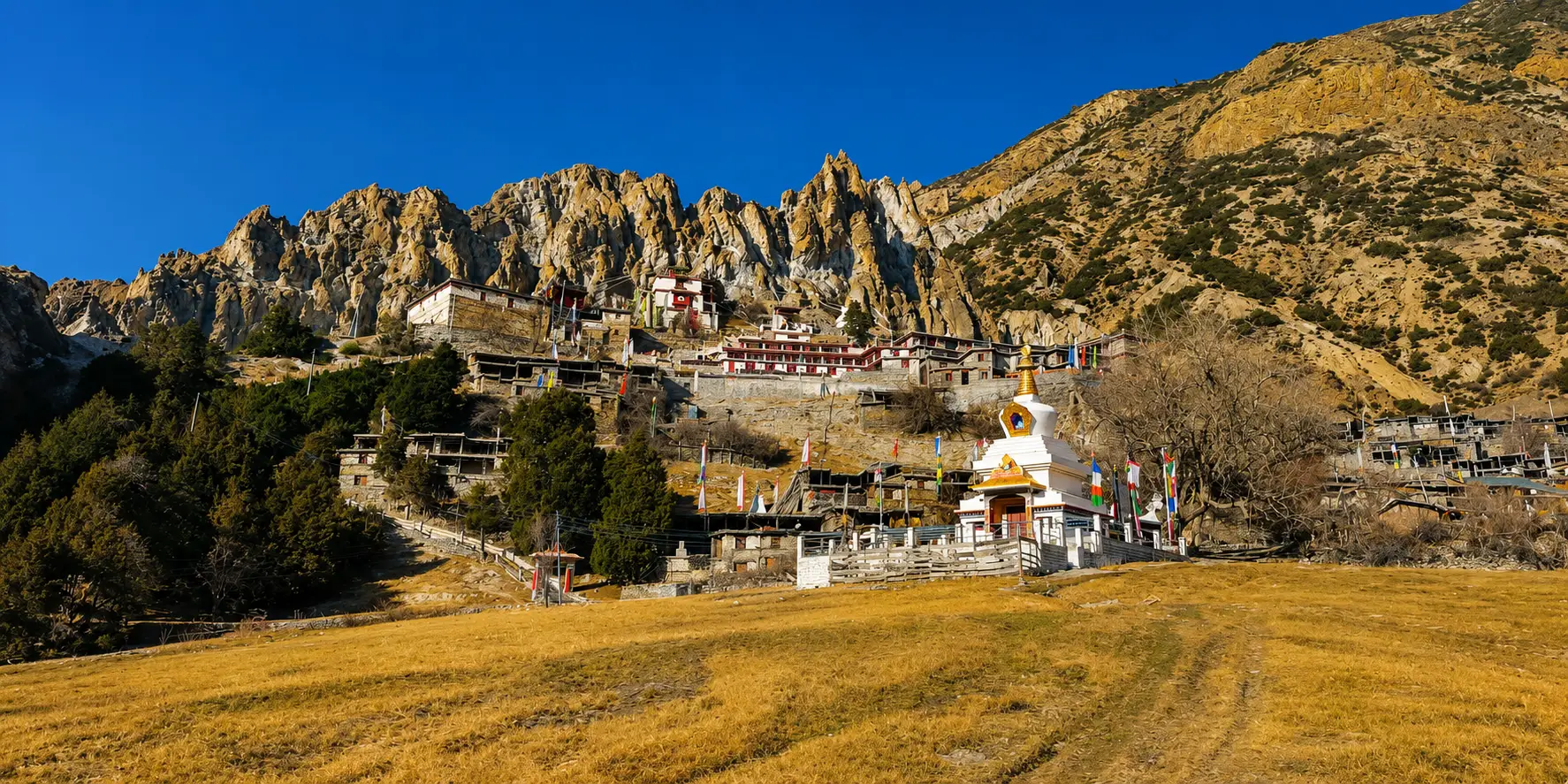
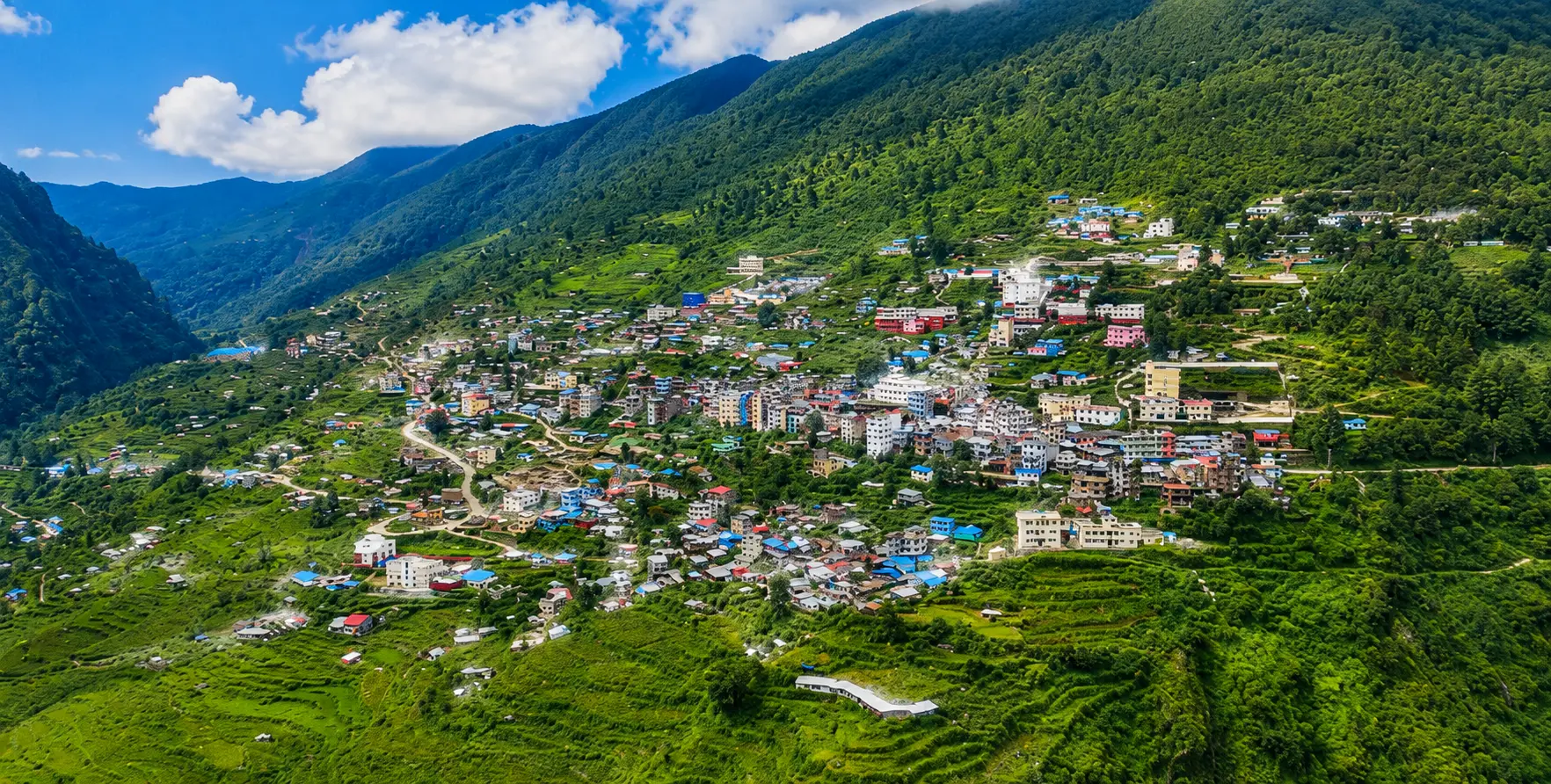
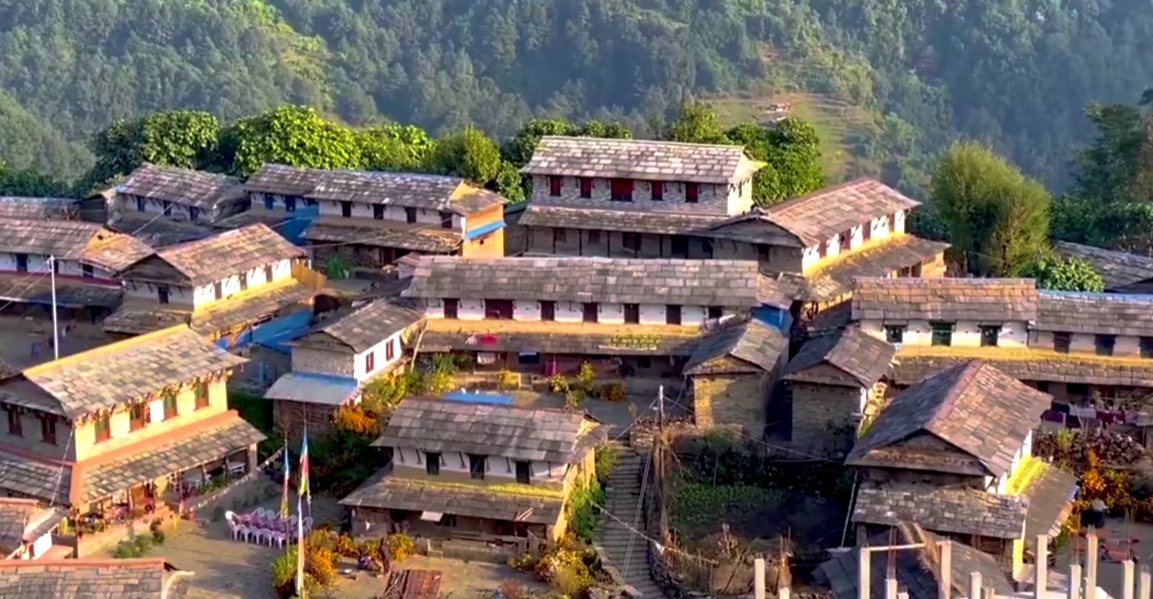
Ghandruk (also spelt Ghandrung) is a large Gurung village situated at 1,940 meters in the Modi Khola valley of the Annapurna Conservation Area, Kaski District, Gandaki Province. It is one of Nepal’s largest Gurung settlements and an important cultural, historical, and trekking hub in the Annapurna region.

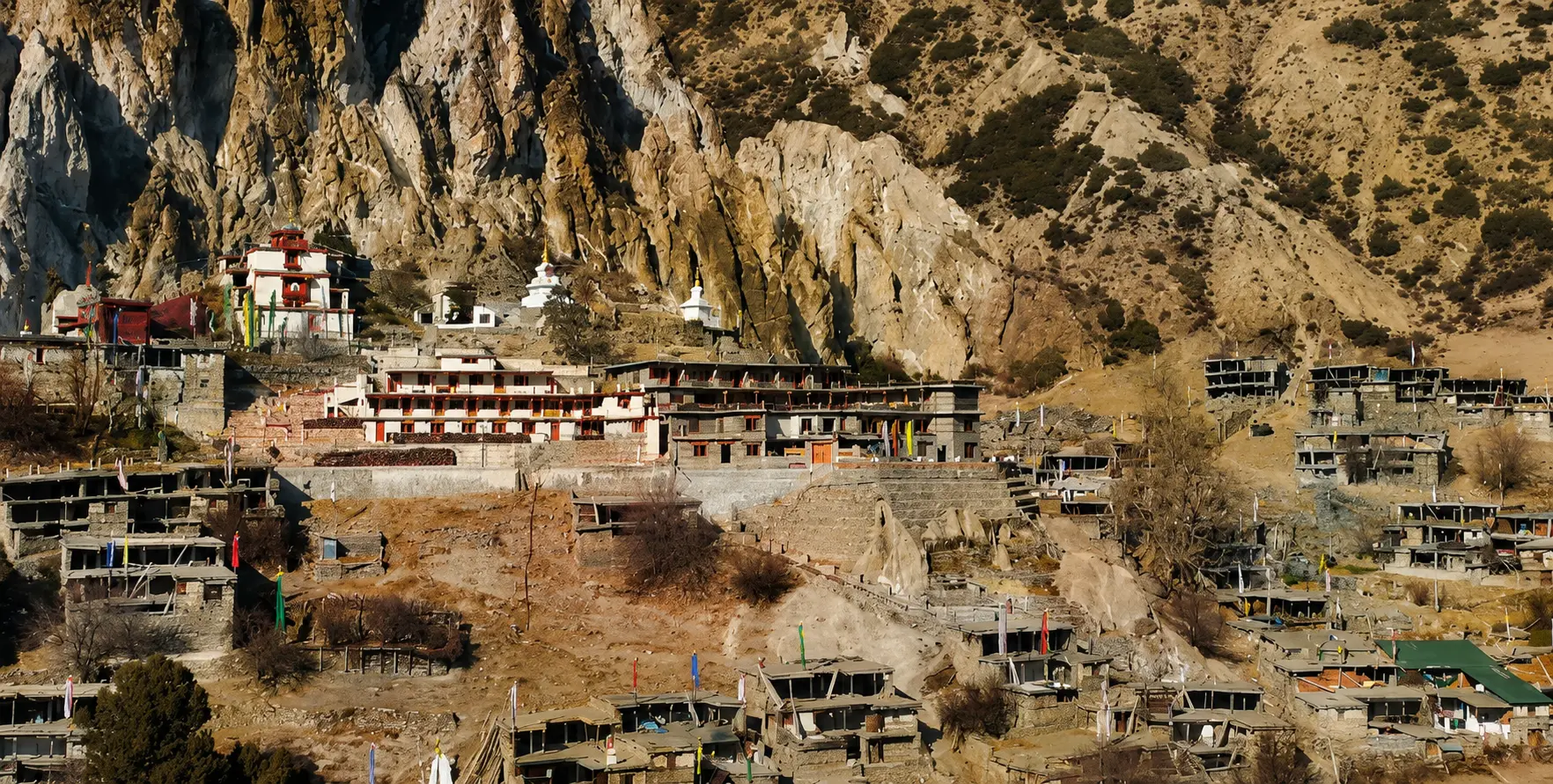
The Gurung people of Ghandruk have a long and proud heritage — historically known as Ghale Gurkhas, they provided many soldiers to the British and Indian Gurkha regiments. The village retains its traditional character with stone-paved paths winding between slate-roofed stone houses, ancient Buddhist and Hindu temples, prayer wheels, and the famous Ghandruk Gurung Museum, which celebrates this rich cultural legacy.

  • Altitude: 1,940 m (6,365 ft) above sea level
  • District: Kaski District, Gandaki Province, Annapurna Conservation Area
  • People: Gurung community — known for Gurkha heritage, traditional dress, and warm hospitality
  • Mountain Views: Annapurna South (7,219 m), Hiunchuli (6,441 m), Machhapuchhre / Fishtail (6,993 m), Gangapurna (7,455 m)
  • Trek Connections: Annapurna Base Camp Trek, Ghorepani–Poon Hill Circuit, Australian Camp day hike, Landruk Loop
  • Facilities: Guesthouses, tea houses, restaurants, Gurung Museum, monastery, basic medical post
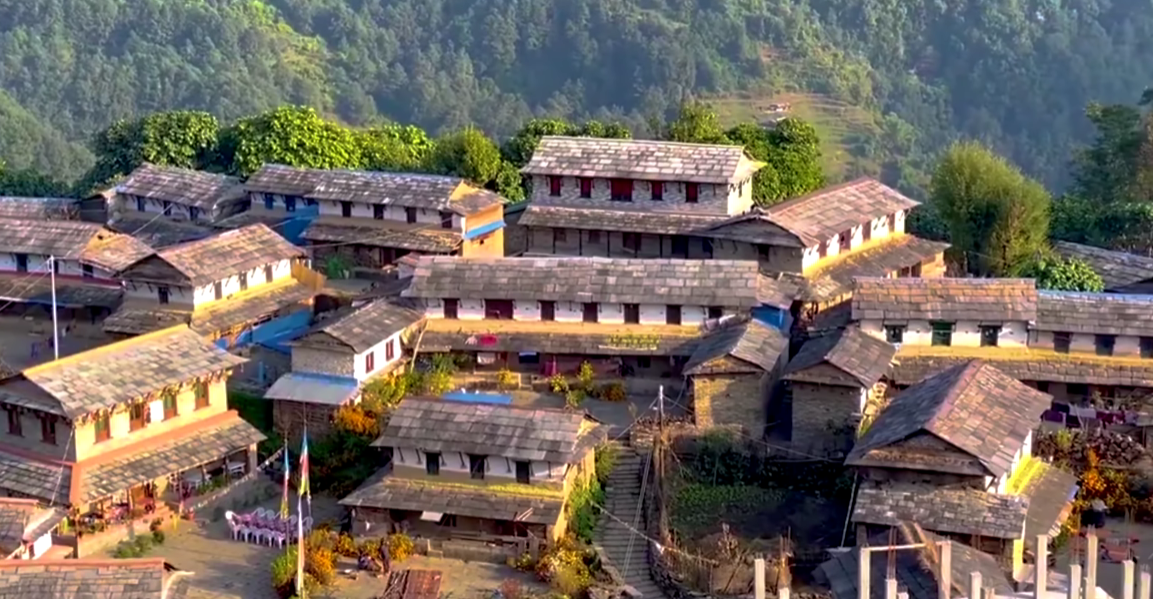
Ghandruk village

Pokhara to Ghandruk — Key Facts at a Glance

Detail Information
Total Distance 55–61 km (Pokhara to Ghandruk)
Ghandruk Altitude 1,940 m (6,365 ft) above sea level
Travel Time 3 to 4 hours, depending on road conditions
Road Type — Pokhara to Nayapul/Birethanti Paved tarmac — Beni Baglung Highway (~42 km)
Road Type — Birethanti to Ghandruk Off-road, gravel, steep and narrow (~15–19 km)
4WD Required? Mandatory from Birethanti / Syauli Bazar onward
Departure Point in Pokhara Lakeside / Prithvi Chowk / your hotel
Best Season October–November (Autumn) and March–May (Spring)
Permits Required ACAP (Annapurna Conservation Area Permit) + TIMS Card

Quick Tip: A 4WD jeep is mandatory from Birethanti onward. Do not attempt the Birethanti-to-Ghandruk road section in a sedan car or standard vehicle — the steep, narrow gravel track requires genuine 4WD capability and an experienced driver.

The Route: Pokhara to Ghandruk — Step by Step

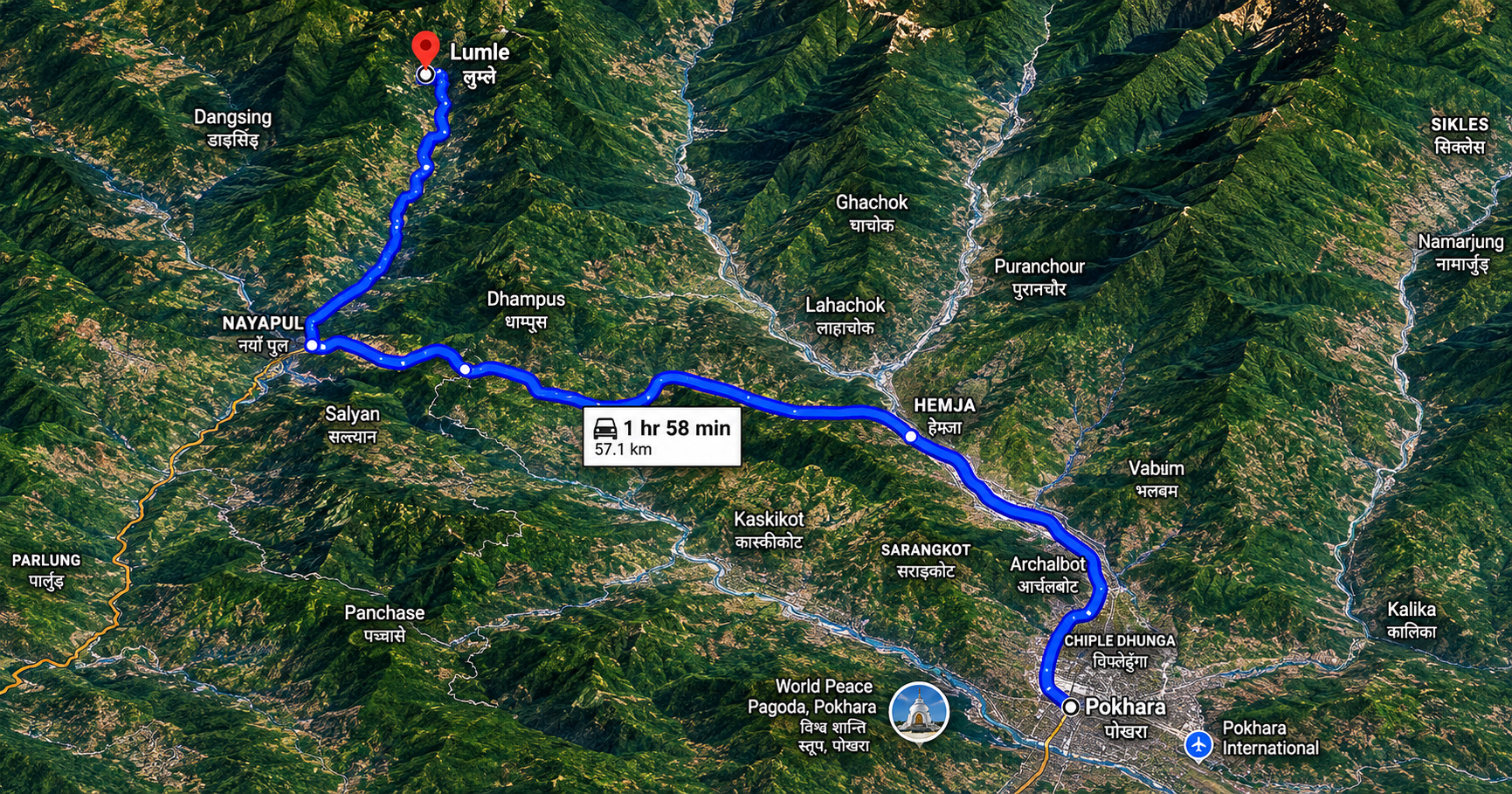
The Pokhara to Ghandruk route follows two distinct road types — a smooth, paved highway for the first 42 km, followed by an exciting off-road mountain track for the final 15-19 km. Understanding the route helps you plan your journey effectively and choose the right vehicle.

Phase 1 — Pokhara to Nayapul / Birethanti (Beni Baglung Highway, 42–44 km, ~1 hour)

Leaving Pokhara, the vehicle heads south on the Beni Baglung Highway — a well-maintained paved road that winds through the hills south of the Pokhara Valley. The route passes through Naudanda and Kande (offering spectacular Annapurna Range panoramas) before descending to Nayapul, the classic starting point for the Annapurna Base Camp Trek.

  • Pokhara (Lakeside) → Naudanda / Kande: ~28 km, 40–45 min — broad hilltop viewpoints, Annapurna Range in full view
  • Kande → Nayapul: 14 km, 20 min — descending through the Modi River valley, terrace farms
  • Nayapul → Birethanti: ~2 km, 5 min — riverside village, ACAP entry checkpoint, last paved section

Phase 2 — Birethanti to Ghandruk (Off-Road, 13–17 km, 2–3 hours)

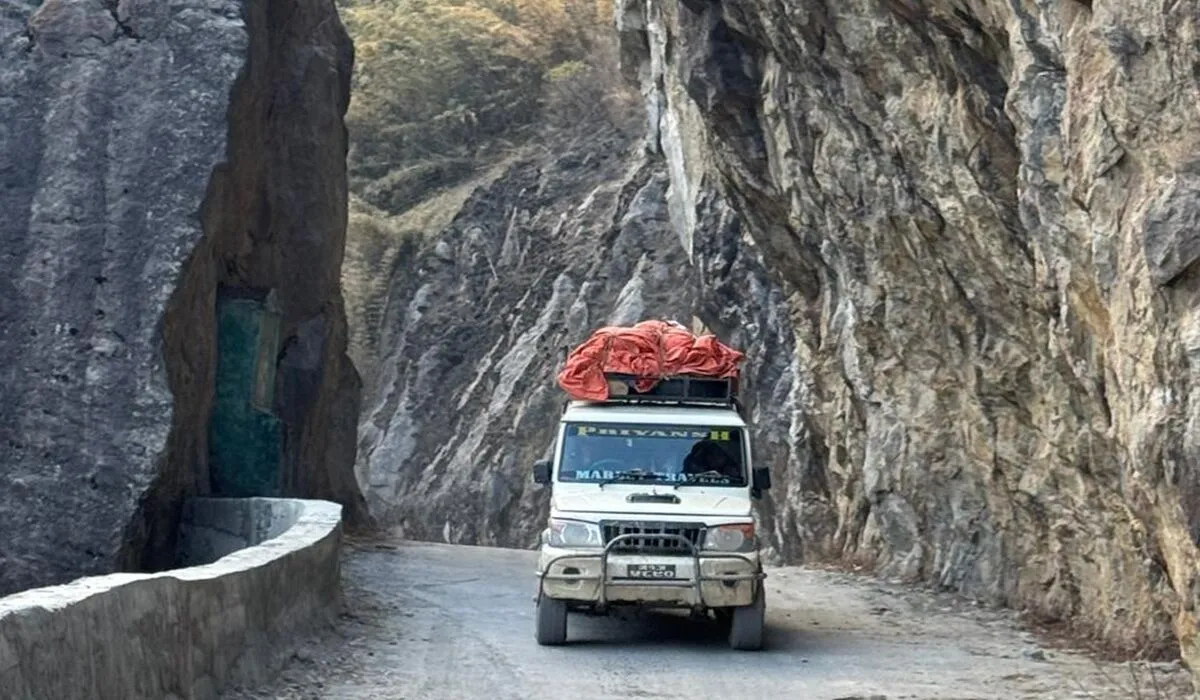
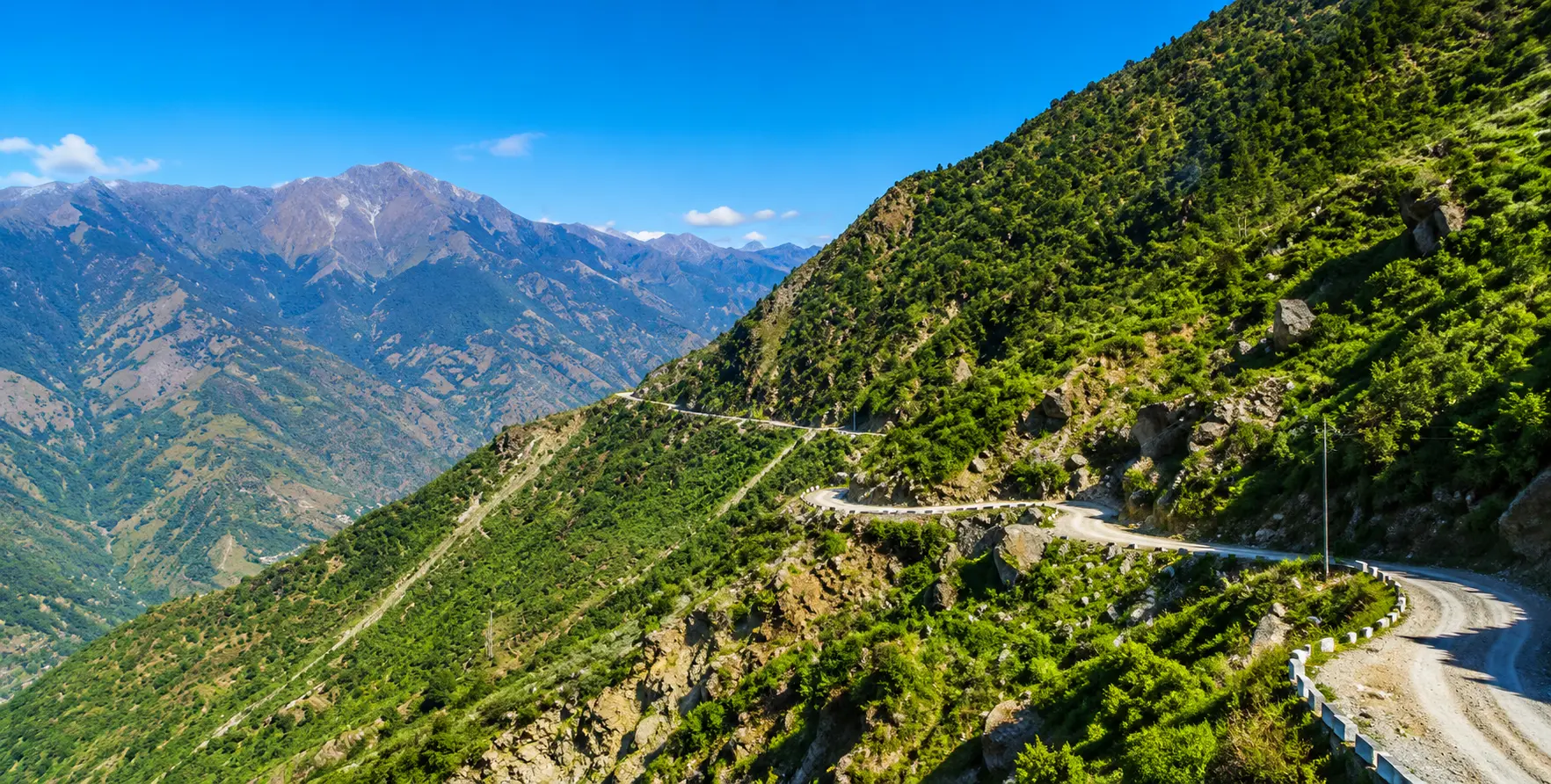
Beyond Birethanti, the smooth highway ends, and the off-road adventure begins. The vehicle climbs steeply on a narrow, gravel-and-earth track through terraced farmland, dense rhododendron and oak forests, and Gurung villages. This section requires a 4WD jeep and an experienced driver familiar with the route.

The effort is well rewarded — every bend in the road reveals a more dramatic Himalayan panorama than the last.

  • Birethanti → Syauli Bazar: ~8 km, 1 hour — rough gravel track, Modi Khola views, initial steep climb
  • Syauli Bazar → Kimche: ~3 km, 30 min — narrowing track, rhododendron canopy, mountain views open up
  • Kimche → Ghandruk: ~2–6 km depending on route, 30–60 min — final steep approach, stone paths, Ghandruk village entrance

Note on the Kimche approach: Some jeeps stop at Kimche (from which Ghandruk is a 30-minute uphill walk) rather than driving directly to Ghandruk village. Confirm with your driver whether the vehicle will go directly to Ghandruk or stop at Kimche.

Nepal Vehicle Hiring Pvt Ltd’s drivers always aim to reach the closest accessible point to Ghandruk village, minimising your walking distance with heavy trekking bags.

Alternative Route — Pokhara via Landruk to Ghandruk

A longer but equally scenic alternative route approaches Ghandruk via Tolka and Landruk, passing through the New Bridge (Jhinu Danda) area. This route is less commonly used for vehicle hire but offers spectacular views of the Modi Khola gorge. It adds approximately 30–45 minutes to the journey.
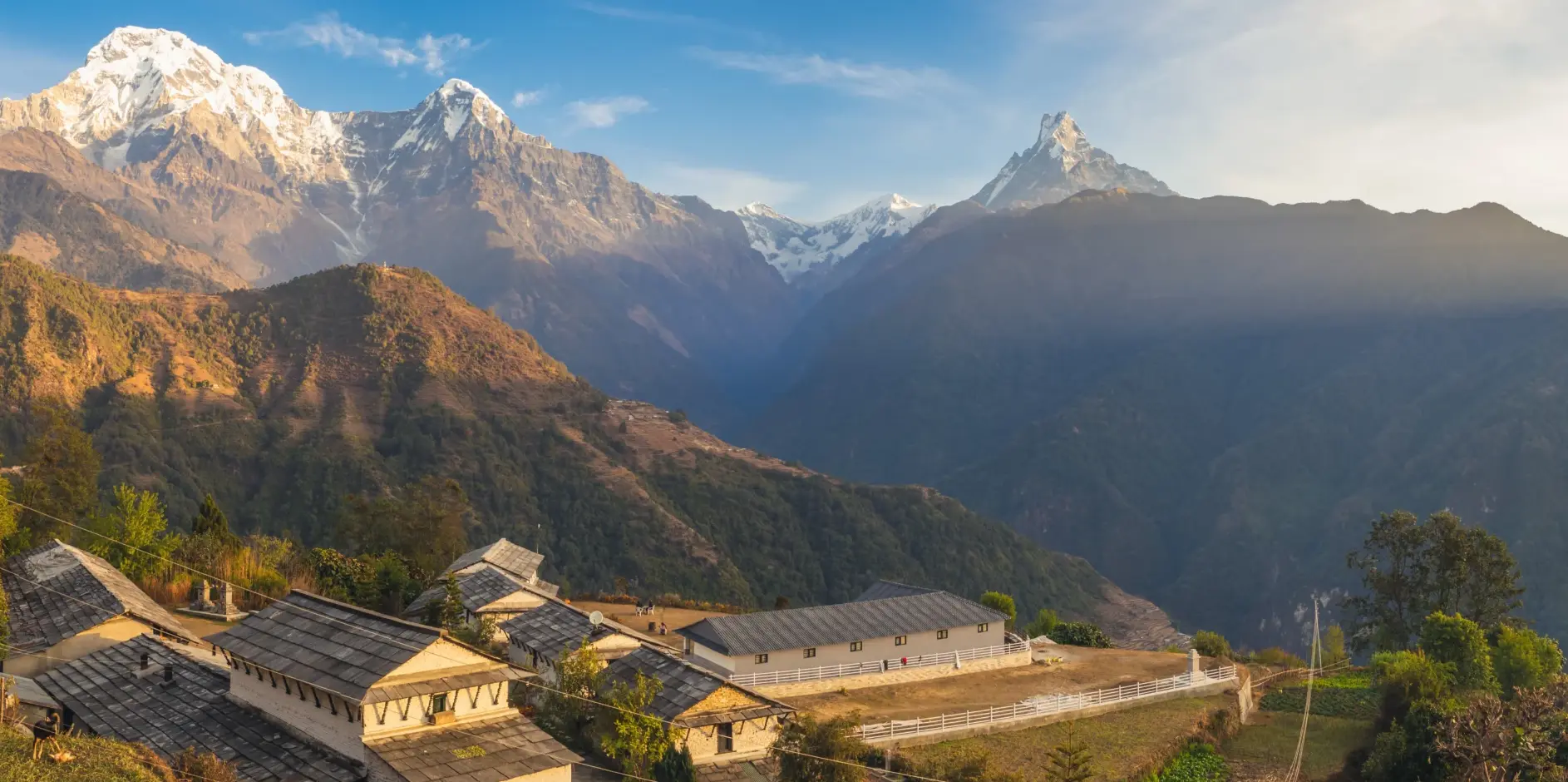
Ghandruk to Pokhara Jeep

Key Stops Along the Route

Stop Distance from Pokhara Road Type Highlights
Pokhara (Lakeside) Start N/A Trek starting point, mountain views, and a lake
Naudanda / Kande 28 km Paved highway Panoramic Annapurna Range viewpoint
Nayapul 42 km Paved highway Classic Annapurna Base Camp trek starts
Birethanti 44 km Paved → rough Modi Khola riverside village, ACAP checkpoint
Syauli Bazar 50 km Off-road gravel Last vehicle access point before steep climb
Kimche 53 km Off-road gravel Alternative route — 30-min walk to Ghandruk
Ghandruk 55–61 km Off-road mountain track Gurung village, Annapurna South, Machhapuchhre views

Naudanda / Kande (28 km from Pokhara)

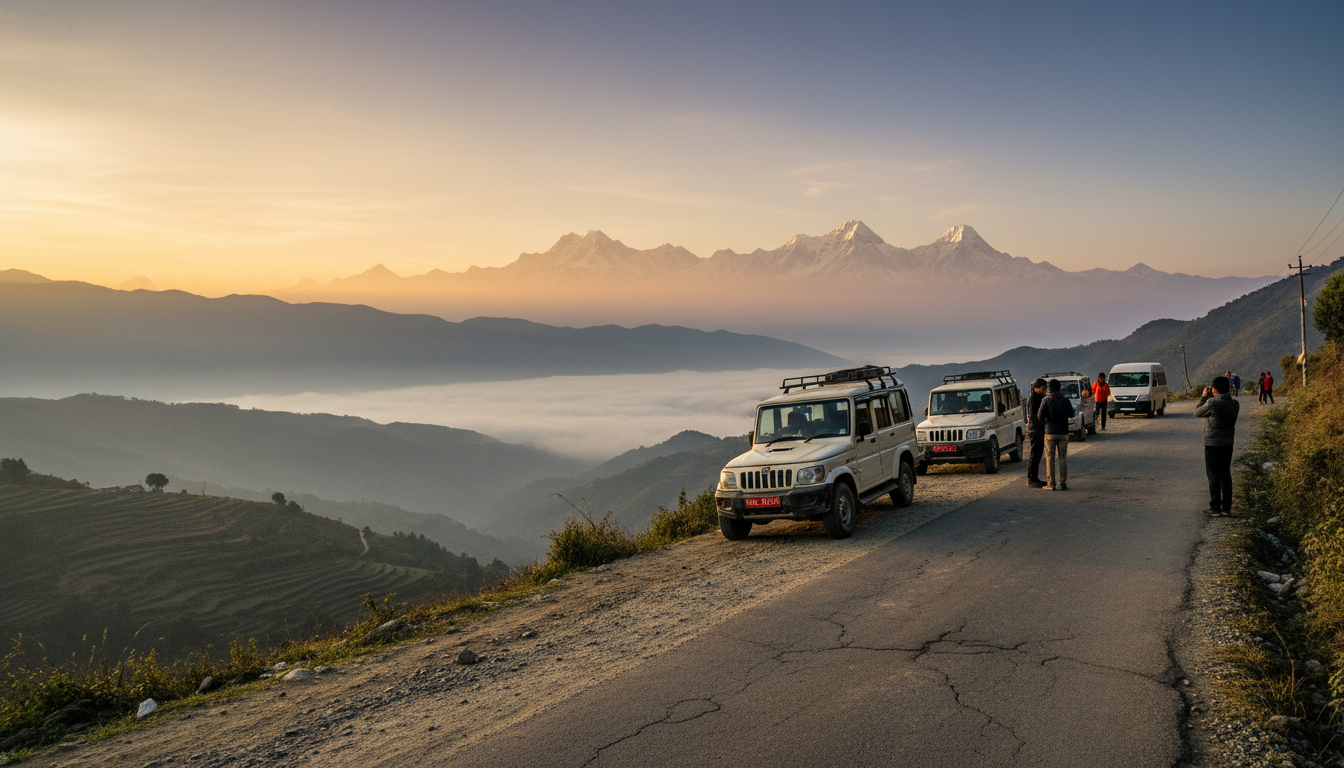
Kande is a hilltop settlement on the Beni Baglung Highway offering one of the most spectacular roadside Himalayan panoramas in the Pokhara region. On a clear morning, the entire Annapurna massif — from Dhaulagiri in the west to Manaslu in the east — is visible from the roadside viewpoints here.

Most private jeep drivers pause here briefly for a photo stop. It is also the trailhead for the Australian Camp day hike.

Nayapul (42 km from Pokhara)

Nayapul is a busy trailhead village at the confluence of the Bhurungdi and Modi rivers. It is the classic starting point for both the Annapurna Base Camp Trek and the Ghorepani–Poon Hill Circuit when approaching on foot. For vehicle-hire travellers, Nayapul is a brief pass-through — though some trekkers choose to walk from Nayapul to Birethanti (15 minutes) and then take a vehicle from Birethanti to Ghandruk.

Birethanti (44 km from Pokhara)

Birethanti is a charming riverside village on the banks of the Modi Khola. This is where the ACAP (Annapurna Conservation Area Project) entry checkpoint is located — all trekkers must have their ACAP permit and TIMS card inspected here. After the checkpoint, the paved road ends, and the off-road track to Ghandruk begins.

Birethanti has tea houses, guesthouses, and a pleasant riverside atmosphere along the Modi Khola.

Syauli Bazar (50 km from Pokhara)

Syauli Bazar is the last significant settlement before the final steep approach to Ghandruk. A small collection of tea houses and local shops marks this point. Most jeep drivers stop here briefly for passengers to use the facilities before the steepest section of the off-road climb.

Kimche (53 km from Pokhara)

Kimche is the point at which many jeep journeys effectively end — the track becomes very steep and narrow in the final section, and some vehicles turn back here. From Kimche, a 30-minute uphill walk on stone steps leads to Ghandruk village. If you are travelling with a heavy trekking bag, ask your driver in advance whether they will attempt the full drive to Ghandruk to stop at Kimche.

Ghandruk (1,940 m — 55–61 km from Pokhara)

You have arrived! Ghandruk village welcomes you with its cobblestone lanes, slate-roofed traditional stone houses, prayer wheels, marigold garlands, and the overwhelming presence of Annapurna South towering directly above. The village’s southern aspect and relatively low altitude mean it enjoys a warm, sunny microclimate even in autumn and early winter, making it comfortable for exploration at any time of day.
Pokhara to Ghandruk Vehicle Hire

All Vehicle Hire Options — Pokhara to Ghandruk 2026

Here is a complete comparison of every vehicle hire option available for the Pokhara to Ghandruk route:

Vehicle Type Capacity 2026 Cost (approx.) Best For
Private Jeep (Scorpio / Hilux) 4–6 passengers USD 100–160 (full vehicle) Groups of 2–6, trekkers with luggage
Shared JJeep(per seat) 7–9 total USD 15–20 per person Solo budget travelers
Local Bus to Nayapul + Shared Jeep Multiple passengers NPR 500 (bus) + USD 12–15 (jeep) Budget backpackers
Private Car (Sedan) 2–3 passengers USD 70–90 (Pokhara to Nayapul only) Light day-trip travellers (not to Ghandruk direct)
Motorbike Hire 1–2 persons USD 15–25/day (self-drive) Experienced riders only — not for luggage

Private Jeep Hire — Best Option for Trekking Groups

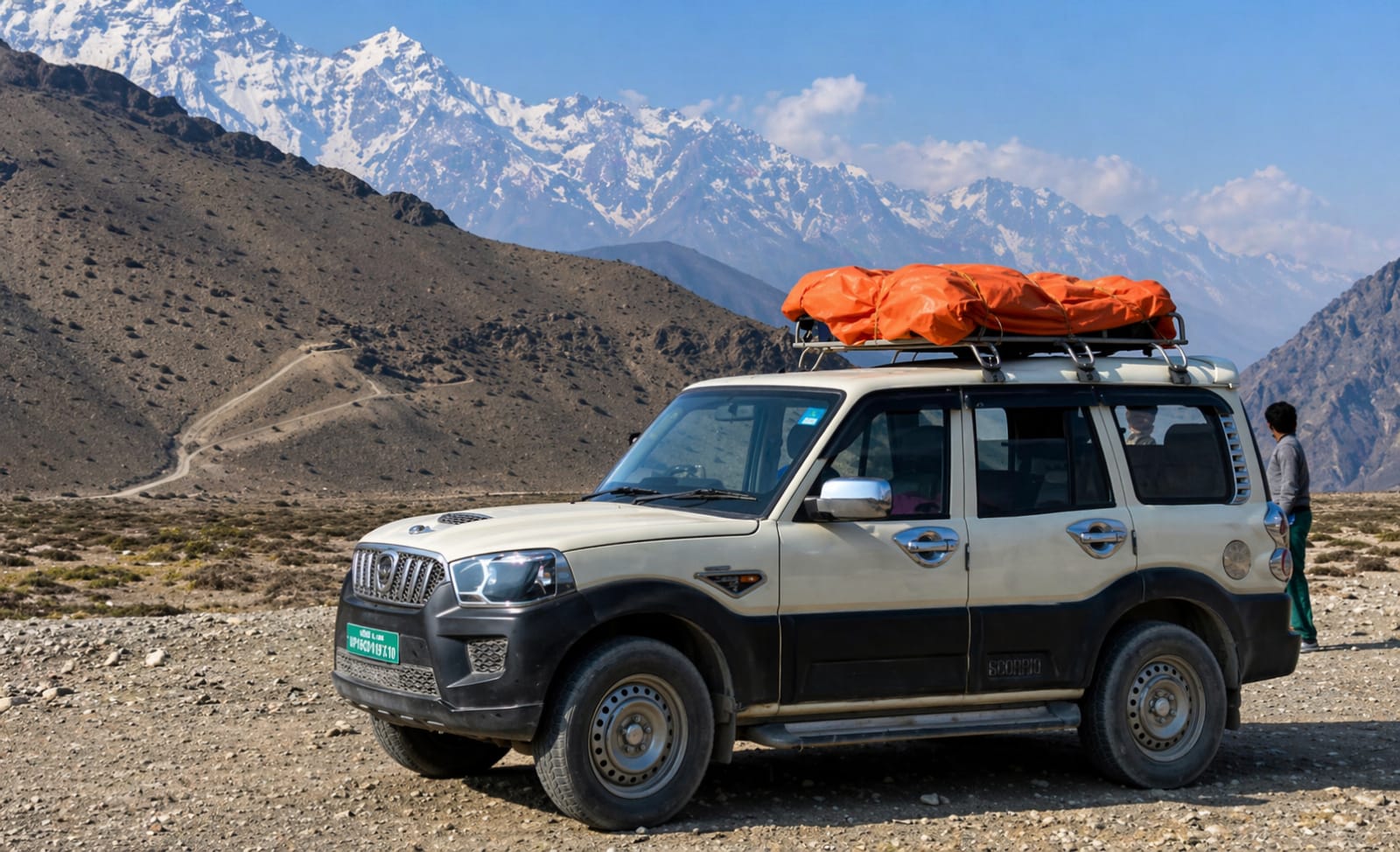
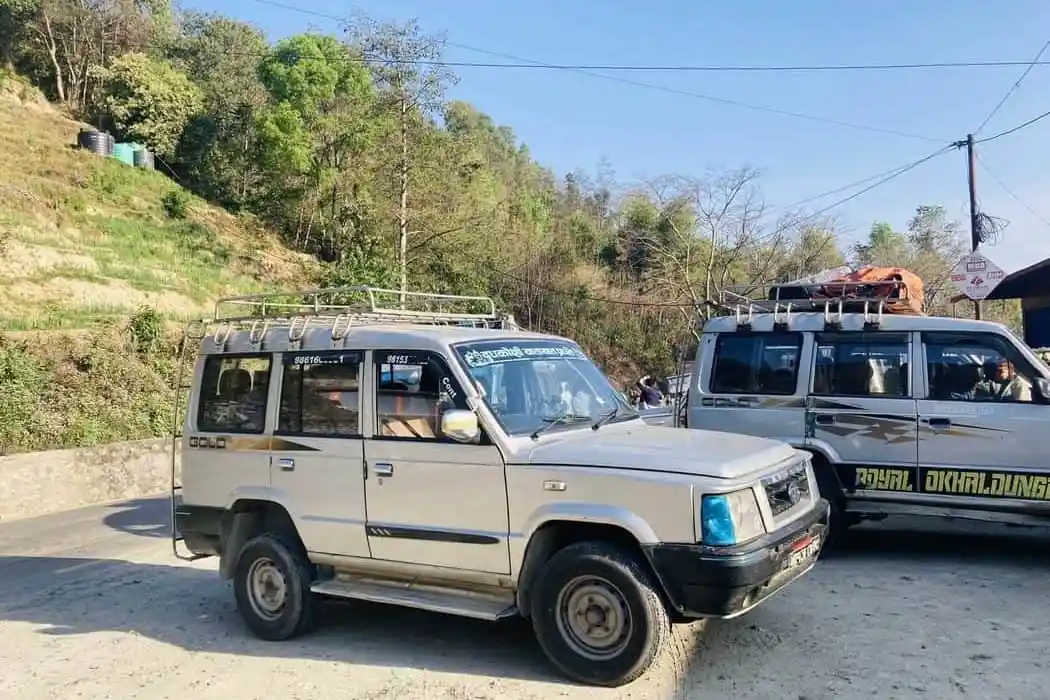
A private 4WD jeep (Mahindra Scorpio, Toyota Hilux, or similar) is the most popular and recommended vehicle hire option for the Pokhara-to-Ghandruk route. It provides door-to-door hotel pickup in Pokhara, direct access to Ghandruk without transfers, comfortable seating for groups of 4 to 6 with trekking gear on the roof rack, and complete flexibility to stop at viewpoints along the way.

  • Vehicle types: Mahindra Scorpio 4WD, Toyota Hilux 4WD, or similar
  • Capacity: 4–6 passengers comfortably; up to 7 with luggage on the roof rack
  • 2026 Cost: USD 145–160 for the full vehicle (one way, including driver and fuel)
  • Travel time: 3 to 4 hours, Pokhara to Ghandruk
  • Pickup: Door-to-door from your hotel in Lakeside, Pokhara
  • Flexibility: Stop at Kande viewpoint, Nayapul, Birethanti, or anywhere along the route
  • Advantage: No vehicle changes, no waiting, direct hotel pickup, ample luggage space

Nepal Vehicle Hiring Pvt Ltd provides private 4WD jeep hire from Pokhara to Ghandruk with experienced drivers fully familiar with the Beni Baglung Highway and the off-road Birethanti–Ghandruk track. All-inclusive — driver, fuel, tolls, and door-to-door service.

Shared Jeep — Budget Option for Solo Travellers

Shared jeeps depart from Pokhara’s Baglung Bus Park and operate on a fill-up-and-go basis. They are the most affordable motorised option for solo travellers or pairs willing to trade comfort and flexibility for cost savings.

  • Departure point: Baglung Bus Park, Pokhara
  • 2026 Cost: USD 15–20 per person (one way)
  • Travel time: 3.5 to 4.5 hours (departs only when full, additional stops en route)
  • Capacity: 7–9 passengers crammed into the vehicle, including the front seat
  • Luggage: Limited space — large trekking bags are difficult to manage
  • Note: No hotel pickup — you must reach Baglung Bus Park independently

Tip for solo travellers: If travelling during peak season (Oct–Nov, Mar–May), shared jeeps are readily available at Baglung Bus Park from early morning. During off-peak times, you may wait 1–2 hours for the vehicle to fill.

Private Car (Sedan) — Pokhara to Nayapul Only

A private sedan car (Toyota Corolla, Hyundai Sonata, or similar) can comfortably drive from Pokhara to Nayapul on the paved Beni Baglung Highway. However, sedans cannot safely navigate the off-road Birethanti-to-Ghandruk track. If you prefer a sedan, the standard approach is to take a sedan from Pokhara to Nayapul or Birethanti, then transfer to a shared or private jeep for the off-road section.

  • Cost: USD 60–80 for a sedan from Pokhara to Nayapul / Birethanti
  • Plus: USD 12–20 per person for shared jeep from Birethanti to Ghandruk
  • Drawback: Requires vehicle transfer at Birethanti — inconvenient with heavy trekking luggage
  • Best for: Day-trip visitors or those travelling very light without trekking gear
Ghandruk village (1)

Road Conditions — Pokhara to Ghandruk

Pokhara to Birethanti (Beni Baglung Highway)

The Beni Baglung Highway from Pokhara to Nayapul and Birethanti is a well-maintained paved road in good condition. It is a two-lane tarmac road for most of its length, widening to broader sections in areas. This stretch is manageable for all vehicle types, including sedans and Hiace vans.

Road improvements have been ongoing, and surface quality has improved significantly over the last two years.

Birethanti to Syauli Bazar (Off-Road Section)

Beyond Birethanti, the paved road ends, and a gravel-and-earth track begins climbing steeply into the Annapurna foothills. The surface is rough with loose stones, ruts, and uneven sections. A high-clearance 4WD vehicle is essential on this section.

During the dry season (October–May), the track is manageable for experienced drivers in a 4WD Scorpio or Hilux. The views of the Modi Khola gorge and terraced hillsides from this section are outstanding.

Syauli Bazar to Ghandruk (Steepest Section)

The final 5 to 8 km of the jeep track above Syauli Bazar, through Kimche to Ghandruk, is the most challenging section of the entire route. The road is very narrow, steep, and rocky in places. Some vehicles stop at Kimche (a 30-minute walk to Ghandruk) rather than attempting the final section.

Nepal Vehicle Hiring Pvt Ltd’s experienced drivers assess conditions on the day and reach the closest accessible point to Ghandruk village.

Season-by-Season Road Conditions

Season Months Road Conditions Visibility / Trek Conditions Recommendation
Autumn (Peak) Oct – Nov Dry, excellent Crystal-clear mountain views Best — book in advance
Spring (Peak) Mar – May Dry, good Rhododendron bloom, clear skies Excellent — very popular
Winter Dec – Feb Cold, occasional frost Clear views, quiet trails Good — fewer crowds, cold
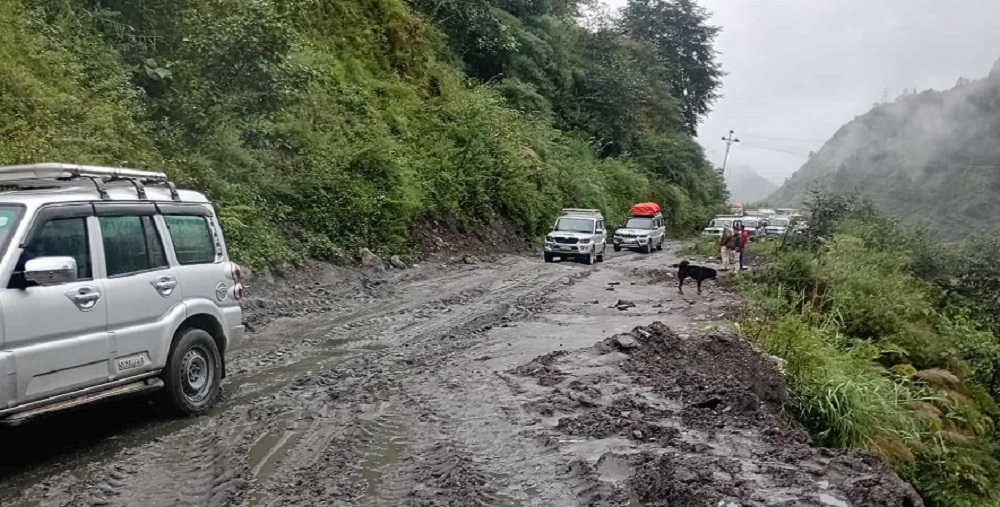
Monsoon Jun – Sep Muddy, landslide risk Limited views, lush green 4WD essential — verify daily

Monsoon Warning (June–September): The Birethanti-Ghandruk off-road track is prone to landslides, mudslides, and surface damage during heavy monsoon rains. Always verify road conditions the day before travel during the monsoon season. Nepal Vehicle Hiring Pvt Ltd monitors road conditions in real time and will advise if travel is not recommended on a specific day.
Ghandruk village

Ghandruk — What to See and Do

Ghandruk is far more than just a trekking transit point. The village is one of the richest cultural and scenic destinations in the Annapurna region — worthy of a dedicated stay of one to three nights. Here are the key attractions and activities:

Attraction / Activity Distance from Village Best For
Gurung Museum Village center Cultural history, Gurung heritage
Ghandruk Monastery 5-min walk Buddhist/Hindu cultural visit
Annapurna South View Village viewpoints Sunrise/sunset panoramic photography
Annapurna Base Camp Trek Starts from Ghandruk Full multi-day Annapurna Base Camp trekking
Ghorepani – Poon Hill Circuit Via upper trail Classic 4–5 day Poon Hill trek loop
Australian Camp Day Hike 1.5–2 hrs from Ghandruk Half-day panoramic viewpoint hike
Modi Khola River Valley Below Ghandruk Scenic walk, river swimming, relaxation
Tadapani Village 2–3 hrs walk Rhododendron forests, mountain views

Gurung Museum — Heart of Ghandruk Culture

The Ghandruk Gurung Museum is one of the finest ethnic museums in the Annapurna Conservation Area. Located in the village centre, the museum displays traditional Gurung costumes, weapons used by Gurkha soldiers, household implements, agricultural tools, musical instruments, and photographs chronicling the village’s proud military history. Entry is free or carries a small donation.

This is a must-visit for any cultural traveller.

Mountain Views — The Ghandruk Panorama

Ghandruk’s position on a broad south-facing terrace at 1,940 meters gives it extraordinary mountain views in multiple directions. Looking north, Annapurna South (7,219 m) and Hiunchuli (6,441 m) rise directly above the village in an almost vertical wall of ice and rock.

To the northeast, the iconic double-summit pyramid of Machhapuchhre (Fishtail, 6,993 m) dominates the skyline. Early-morning and late-afternoon light on these peaks is absolutely striking — one of the finest Himalayan village viewpoints in all of Nepal.

Annapurna Base Camp Trek — The Gateway

Ghandruk is an important junction and resting point on the Annapurna Base Camp (ABC) Trek — one of Nepal’s most popular and spectacular trekking routes. From Ghandruk, the ABC trail continues north through Chhomrong, Dovan, Himalayan Hotel, and Deurali before ascending to the glacial sanctuary of the Annapurna Base Camp at 4,130 meters.

By starting your ABC trek from Ghandruk after a jeep transfer from Pokhara, you save one full day of walking on the lower approach trail.

Ghorepani – Poon Hill Circuit

The classic Ghorepani–Poon Hill loop trek is easily accessible from Ghandruk via the trail to Tadapani and Ghorepani. This 4- to 5-day circuit, culminating in the famous Poon Hill sunrise (3,210 m) with panoramic views of Dhaulagiri, Annapurna, and Machhapuchhre, is one of Nepal’s most beloved short treks.

Many trekkers hire a jeep from Pokhara to Ghandruk and begin the Poon Hill loop from there — creating a circular route that avoids repeating the same trail.

Australian Camp Day Hike

Australian Camp (2,060 m) is a popular viewpoint and tea house plateau above Pokhara, accessible on foot from Kande or Ghandruk in a 2- to 3-hour walk. The viewpoint offers some of the most accessible panoramic Himalayan views in the Annapurna region—perfect for travellers who want dramatic mountain scenery without a multi-day trek.
Pokhara to Ghandruk Vehicle Hire

Permits Required — Pokhara to Ghandruk

The Ghandruk area falls within the Annapurna Conservation Area, and two mandatory permits are required. Both are checked at the ACAP checkpoint in Birethanti:

ACAP — Annapurna Conservation Area Permit

  • Cost: NPR 3,000 per person for foreign nationals (approximately USD 22 — verify current rate)
  • For SAARC nationals: NPR 200 per person
  • Where to obtain: Nepal Tourism Board office in Pokhara (Lakeside), Kathmandu, or at the Birethanti checkpoint
  • Inspected at: Birethanti ACAP checkpoint and multiple points along the Annapurna trails

TIMS Card — Trekkers’ Information Management System

  • Cost: Approximately USD 10–20 per person for foreign nationals
  • Where to obtain: Nepal Tourism Board or TAAN office in Pokhara (Lakeside) or Kathmandu

Permit Tip: Obtain both permits in Pokhara before departing for Ghandruk — the Nepal Tourism Board office in Lakeside, Pokhara, issues both permits easily. This saves time at the Birethanti checkpoint and avoids any risk of being turned back without documents.

What to Pack for the Pokhara to Ghandruk Vehicle Journey

  • ACAP permit and TIMS card: Carry printed copies easily accessible — checked at Birethanti
  • Water and snacks: The vehicle journey takes 3–4 hours with limited stops
  • Camera or phone with a full battery: Kande viewpoint and the off-road approach to Ghandruk offer spectacular photography opportunities
  • Light jacket or fleece: Ghandruk at 1,940 m is noticeably cooler than Pokhara — especially early morning and evening
  • Motion sickness medication: The Beni Baglung Highway and off-road section have numerous switchbacks
  • Nepali Rupees (NPR): Limited ATM access in Ghandruk — carry cash for tea house accommodation and meals
  • Trekking boots or sturdy footwear: The cobblestone paths of Ghandruk can be slippery in wet conditions
  • Sunscreen and sunglasses: High altitude sunlight is intense — even on overcast days
  • Headlamp: Essential if you plan to do early sunrise viewpoint walks

Practical Tips for Your Pokhara to Ghandruk Vehicle Hire

  • Book your vehicle at least 24–48 hours in advance during peak season (October–November and March–May) — private jeeps fill up fast.
  • Depart from Pokhara by 7:00–8:00 AM to arrive in Ghandruk by mid-morning and maximise your time in the village.
  • Confirm with your driver whether the Jeep will reach Ghandruk directly or stop at Kimche; this affects how much walking you’ll do with luggage.
  • Arrange permits in Pokhara before departure — you’ll need ACAP and TIMS permits at the Birethanti checkpoint.
  • Communicate your trekking plan to Nepal Vehicle Hiring Pvt Ltd — if you need a return vehicle from Ghandruk to Pokhara after your trek, book it at the same time.
  • Ask your driver to pause at Kande viewpoint for morning mountain photos — on clear mornings, the Annapurna Range panorama from Kande is outstanding.
  • Pack a small day bag with essentials for the vehicle ride — keep permits, camera, water, and medication accessible, not in the roof rack luggage.
  • Verify road conditions during the monsoon season — the off-road section from Birethanti can become impassable after heavy rain. Nepal Vehicle Hiring Pvt Ltd monitors this route daily.
  • For groups of 8 or more, consider booking a Hiace van from Pokhara to Nayapul and a private jeep for the Birethanti-to-Ghandruk off-road section.
sunrise

Return Journey — Ghandruk to Pokhara

Most trekkers and visitors to Ghandruk need to plan their return journey to Pokhara. Here are the main options:

Nepal Vehicle Hiring Pvt Ltd can arrange a private jeep return from Ghandruk to Pokhara at the same price as the outward journey (US$145 for the full vehicle). This is the most comfortable and convenient return option — especially after a multi-day trek when you have heavy bags and are physically tired. Book the return at the same time as your outward journey to guarantee vehicle availability.

Shared Jeep from Ghandruk to Pokhara

Shared jeeps depart from Ghandruk toward Pokhara in the morning (typically 7:00–10:00 AM) at approximately USD 12–15 per person. These operate on a fill-and-go basis and are a reliable, affordable option during peak season, when many trekkers head back to Pokhara at the same time.

Trek Return — Walk to Nayapul and Bus or Car to Pokhara

Many trekkers prefer to walk the descent from Ghandruk to Birethanti and Nayapul (approximately 3–4 hours) and then take a local bus or car back to Pokhara. This is a pleasant and rewarding option for those whose legs feel strong after their trek — the walk through terraced farms and the Modi Khola valley is beautiful.

Combined Treks — Continue to Ghorepani or Annapurna Base Camp

Many visitors to Ghandruk do not return directly to Pokhara — instead, they continue their trek onward to Ghorepani–Poon Hill (2 days) or Annapurna Base Camp (4–5 days) and arrange a vehicle return from the endpoint of their trek (Nayapul or Pokhara). Nepal Vehicle Hiring Pvt Ltd can arrange pickup from any point on the Annapurna trekking network.

Why Choose Nepal Vehicle Hiring Pvt Ltd for Pokhara to Ghandruk?

  • Specialist 4WD Fleet: Mahindra Scorpio 4WD and Toyota Hilux 4WD — the best vehicles for the Birethanti to Ghandruk off-road section.
  • Experienced Drivers: Our drivers know every curve and condition of the Beni Baglung Highway and the Birethanti–Ghandruk jeep track — including the challenging Syauli Bazar-Kimche section.
  • Hotel Pickup in Pokhara: Door-to-door service from your hotel in Lakeside, Prithvi Chowk, or anywhere in Pokhara.
  • All-Inclusive Pricing: The quoted price includes the driver, fuel, and road tolls. No surprises.
  • Flexible Stops: Stop at Kande viewpoint, Nayapul, or Birethanti for photos or tea — your driver will accommodate any requests along the route.
  • Monsoon Monitoring: Our team tracks daily road conditions on the Ghandruk route and proactively communicates any risks or road closures.
  • Return Trip Booking: Book your outward and return Ghandruk transfers in a single booking — no logistics stress during your trek.
  • 24/7 Booking: WhatsApp, phone, or email — instant confirmation at any time.

Frequently Asked Questions — Pokhara to Ghandruk Vehicle Hire

How far is Pokhara from Ghandruk?

The road distance from Pokhara to Ghandruk is approximately 55-61 km, depending on the exact route taken. The first 42 to 44 km from Pokhara to Birethanti is a paved highway; the remaining 13 to 17 km from Birethanti to Ghandruk is an off-road mountain track.

How long does the vehicle journey from Pokhara to Ghandruk take?

A private jeep hire takes approximately 3 to 4 hours from Pokhara to Ghandruk. A shared jeep takes 3.5 to 4.5 hours. Road conditions — particularly on the off-road Birethanti to Ghandruk section — can add time in wet or monsoon conditions.

What is the 2026 cost of hiring a private jeep from Pokhara to Ghandruk?

A private 4WD jeep hire from Pokhara to Ghandruk costs approximately US$145 for the full vehicle (one-way). This includes driver, fuel, and road tolls. The cost per person for a group of 6 is therefore only USD 24-27 — excellent value compared to other transport options.

Is a 4WD jeep necessary for the Pokhara-Ghandruk route?

A 4WD jeep is necessary from Birethanti onward. The 13- 17 km off-road track from Birethanti to Ghandruk is steep, narrow, and rocky—completely unsuitable for a sedan, standard SUV, or Hiace van. The Pokhara-Birethanti section of the Beni-Baglung Highway is drivable in any vehicle.

Does the Jeep go directly to Ghandruk or stop at Kimche?

This depends on current road conditions and the driver’s assessment. Some jeeps reach Ghandruk village directly; others stop at Kimche (a 30-minute uphill walk to Ghandruk). Nepal Vehicle Hiring Pvt Ltd’s drivers always aim to reach the closest accessible point to Ghandruk village.

Confirm this with your driver before departure.

What permits do I need for Ghandruk?

You need an ACAP (Annapurna Conservation Area Permit — approximately NPR 3,000 / USD 22 per person) and a TIMS Card (approximately USD 10–20 per person). Both are inspected at the Birethanti ACAP checkpoint. Obtain both permits at the Nepal Tourism Board office in Lakeside, Pokhara, before departure.

Can I hire a vehicle directly from Kathmandu to Ghandruk?

Yes. Nepal Vehicle Hiring Pvt Ltd can arrange a private jeep hire from Kathmandu directly to Ghandruk — a journey of approximately 260 to 280 km taking 7 to 8 hours, including the off-road Birethanti to Ghandruk section. This is typically done in combination with a stopover in Pokhara.

Can I book a return vehicle from Ghandruk to Pokhara?

Yes. Nepal Vehicle Hiring Pvt Ltd arranges a private jeep hire from Ghandruk to Pokhara. We recommend booking your return vehicle at the same time as your outward journey to ensure availability—especially during peak trekking season.

What is the best time of year to hire a vehicle to Ghandruk?

October to November (autumn) offers the clearest skies and driest roads — the best season for mountain views and comfortable jeep travel. March to May (spring) is excellent with rhododendron forests in bloom. December to February is quiet with good views, but cold at altitude.

June to September (monsoon) requires extra caution on the off-road section — always verify conditions before travel.

Conclusion

Ghandruk is one of Nepal’s most genuinely rewarding village destinations — a living cultural monument set against the backdrop of some of the world’s highest and most beautiful mountains. Reaching it from Pokhara by private jeep turns what could be a difficult logistical challenge into an exciting, scenic adventure in its own right.

The 55 to 61 km route from Pokhara — starting on the smooth Beni Baglung Highway with sweeping Annapurna panoramas, then transitioning to the thrilling off-road jeep track through rhododendron forest above Birethanti — captures everything extraordinary about travel in the Nepal Himalaya.

Whether you are beginning a multi-day Annapurna Base Camp Trek, starting the Ghorepani–Poon Hill circuit, or simply seeking a memorable day or overnight visit to one of Nepal’s finest Gurung villages, Nepal Vehicle Hiring Pvt Ltd’s private Pokhara to Ghandruk jeep service is the most comfortable, convenient, and reliable way to get there.

Book your jeep today — Call or WhatsApp: +977 981-4227196
Website: www.vehiclehiringnepal.com
E-mail: [email protected]
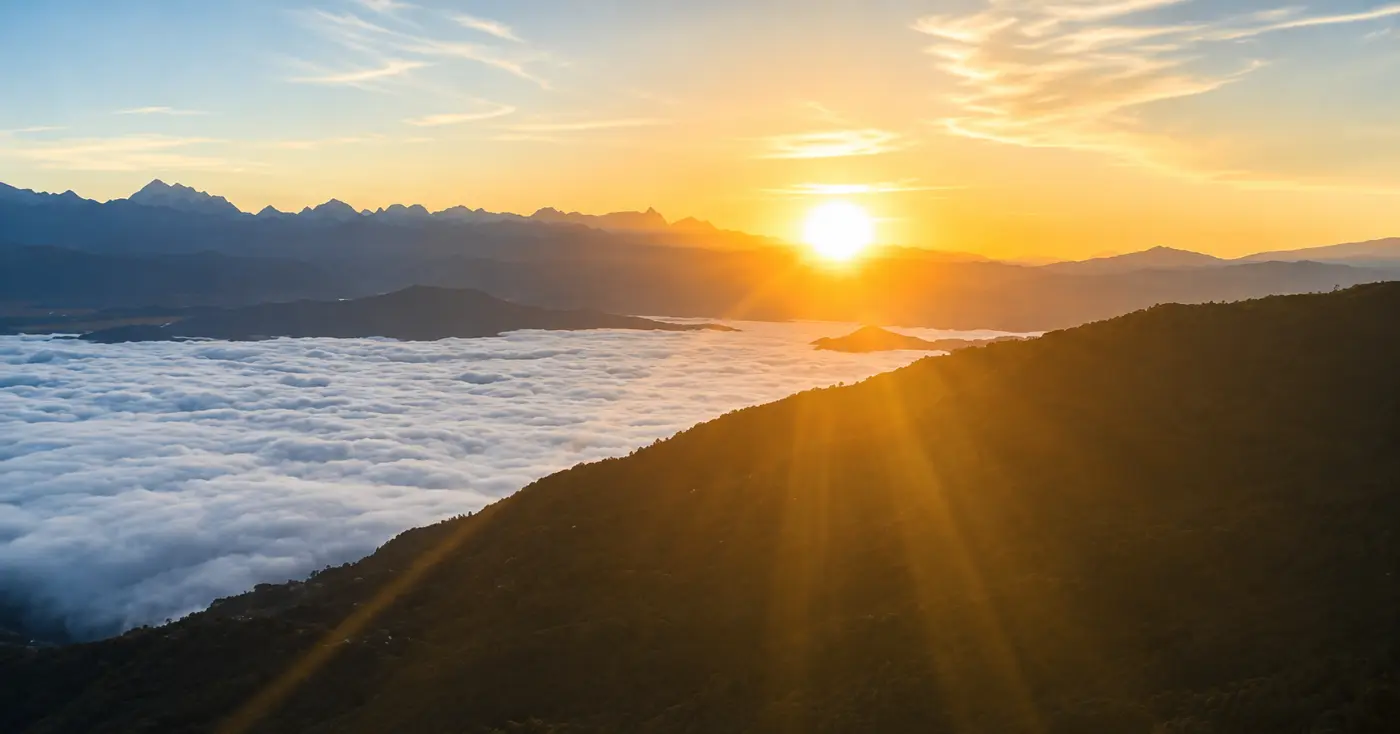
Private Nagarkot Sunrise Tour

nagarkot

Private Nagarkot Sunrise Tour by Car, Jeep, and Hiace Van: Complete Guide

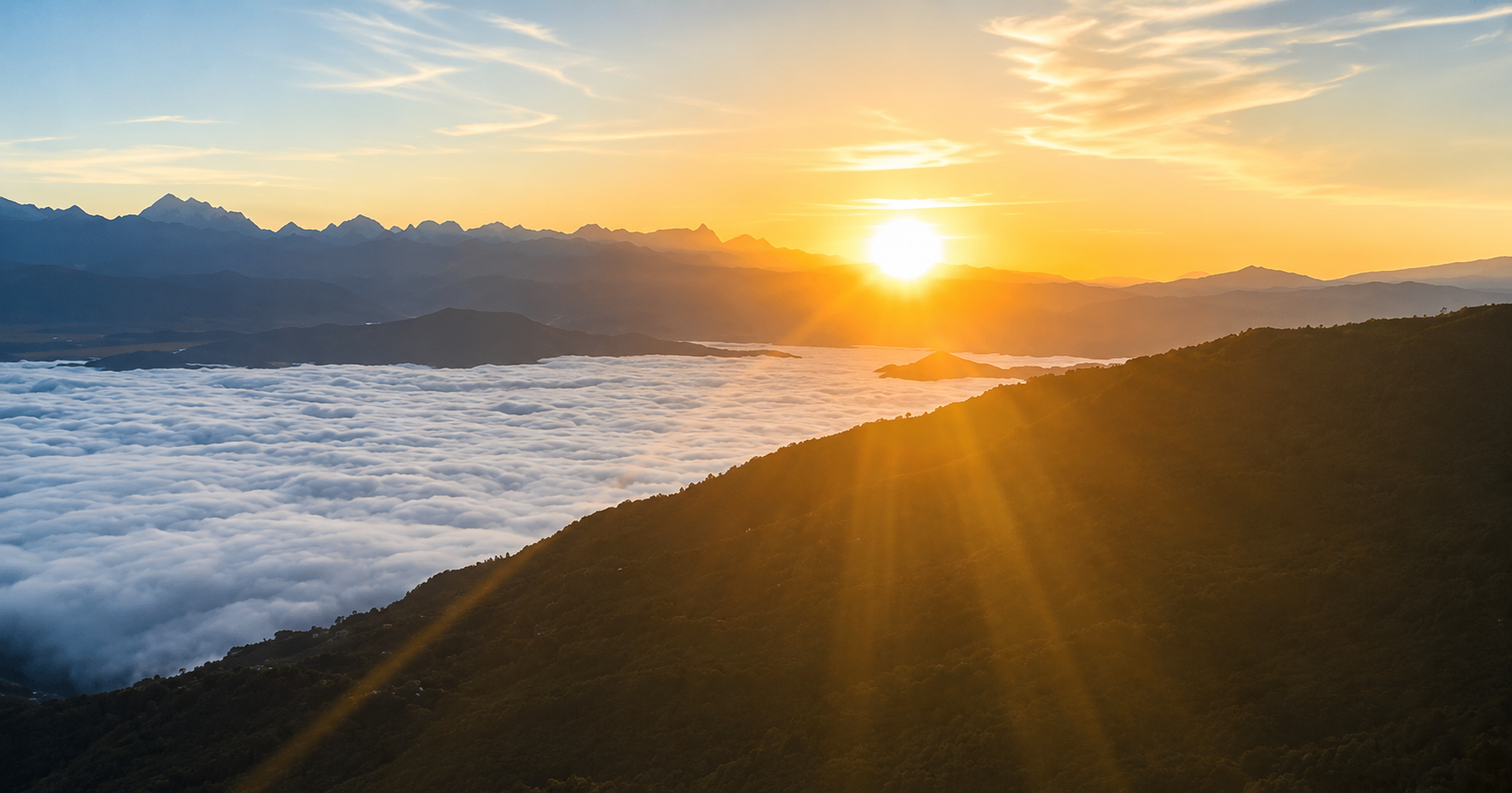
Few experiences in Nepal evoke such awe as watching the sun rise over the Himalayas from Nagarkot. As the first golden light touches peaks like Ganesh Himal, Langtang Lirung, and Manaslu—and even Mount Everest on clear mornings—the world feels briefly transformed into something extraordinary.

Nagarkot is a peaceful hilltop village in the Bhaktapur District, sitting at an altitude of 2,175 meters above sea level, just 32 kilometres east of Kathmandu. It is the most popular and accessible sunrise viewpoint near the capital, offering a panoramic view of eight major Himalayan ranges from a single location.

A private vehicle sunrise tour to Nagarkot is one of the most rewarding experiences on any visit to Kathmandu.

At Nepal Vehicle Hiring Pvt Ltd, we specialize in private vehicle services for the Nagarkot sunrise tour. Whether you need a private car for a couple, a 4WD jeep for a small group, or a Toyota Hiace van for a larger party, we provide comfortable, reliable, and professionally driven vehicles with flexible itineraries.

This 2026 guide covers everything you need to plan your perfect Nagarkot sunrise tour by vehicle.

Why Visit Private Nagarkot for Sunrise?

Panoramic View of Eight Himalayan Ranges

Nagarkot offers one of the widest panoramic views of the Himalayas from any easily accessible viewpoint in Nepal. On a clear morning, you can see eight distinct Himalayan ranges from a single spot: Annapurna, Manaslu, Ganesh Himal, Langtang, Jugal, Rolwaling, Mahalangur (Everest region), and Numbur. This 360-degree mountain panorama is genuinely rare and exceptional.

Glimpse of Mount Everest

On exceptionally clear mornings, particularly in autumn and early spring, Mount Everest (8,849 m) is visible as a distinctive dark pyramid on the far eastern horizon from the Nagarkot View Tower. Seeing the world’s highest peak at sunrise so close to Kathmandu is a memorable, uniquely Nepali experience.

Easily Accessible from Kathmandu

Just 32 kilometres from Kathmandu, Nagarkot is the closest major Himalayan viewpoint, reachable in only 1.5 to 2 hours by private vehicle. This comfortable drive makes early mornings stress-free and accessible for all travellers.

Perfect for All Ages and Groups

The Nagarkot sunrise tour suits solo travellers, couples, families with children, senior travellers, and large tour groups. With a private vehicle from Nepal Vehicle Hiring, the tour is fully customised to your group’s pace, with stops wherever you choose.

Combine with Other Attractions

The Nagarkot sunrise tour pairs well with a morning visit to Bhaktapur Durbar Square, a hike to Changu Narayan Temple, or an exploration of Dhulikhel—turning the sunrise trip into a full, rewarding day tour of the eastern Kathmandu Valley.

Kathmandu to Nagarkot Vehicle

Nagarkot Sunrise Tour – Quick Facts

Detail Information
Nagarkot Distance from Kathmandu Approximately 32 km
Drive Time (Private Vehicle) 1.5 to 2 hours one way
Nagarkot Altitude 2,175 meters (7,135 feet) above sea level
Nagarkot District Bhaktapur District, Bagmati Province
Recommended Hotel Pickup Time 4:00 AM – 4:30 AM (exact time depends on season)
Sunrise Time (approximate) 5:30 AM – 6:30 AM (varies by season)
Nagarkot View Tower Entry Fee NPR 150 (foreigners)
Mountains Visible Everest, Manaslu, Ganesh Himal, Langtang, Annapurna, and more
Tour Duration Half day (4–6 hours) or full day (8–10 hours with add-ons)
Best Season Autumn (Sep–Nov) and Spring (Mar–May)

Private Nagarkot Sunrise Times by Season

Planning your departure time from Kathmandu correctly is essential to arriving in Nagarkot before sunrise. Here is a seasonal guide to approximate sunrise times at Nagarkot:

Month Sunrise Time (Approx.) Recommended Hotel Pickup Conditions
January 7:00 AM 5:00 AM Cold, clear skies, excellent mountain views
February 6:30 AM 4:30 AM Cold but improving, good views
March 6:00 AM 4:00 AM Spring starts, excellent clarity, the best season begins
April 5:40 AM 3:45 AM Peak spring, warm, spectacular mountain views
May 5:25 AM 3:30 AM Late spring, hazy some days, pre-monsoon
June 5:20 AM 3:20 AM Monsoon starts, clouds are frequent
July 5:25 AM 3:25 AM Heavy monsoon; mountain views are often blocked
August 5:40 AM 3:40 AM Late monsoon, some clear mornings possible
September 5:55 AM 3:55 AM Post-monsoon clearing, views improving
October 6:10 AM 4:10 AM Peak autumn season, outstanding mountain views
November 6:25 AM 4:20 AM Excellent clarity, one of the best months
December 6:50 AM 4:45 AM Cold, clear skies, peaceful atmosphere

Note: Sunrise times are approximate and vary slightly by location and year. Nepal Vehicle Hiring will confirm your pickup time based on your tour date.

Vehicle Options for Nagarkot Sunrise Tour

Nepal Vehicle Hiring Pvt Ltd offers three main private vehicle options for the Nagarkot sunrise tour. Here is a complete comparison:

Vehicle Type Capacity Round Trip Cost (NPR) Round Trip Cost (USD) Best For
Private Car (Sedan/SUV) 1–4 passengers NPR 5,000–8,000 USD 37–60 Solo, couple, small family
Private Jeep (4WD) 4–6 passengers NPR 8,000–14,000 USD 60–105 Groups, families, adventurers
Toyota Hiace Van 7–12 passengers NPR 14,000–20,000 USD 105–150 Large families, tour groups
Coaster / Mini Bus 15–25 passengers NPR 25,000–38,000 USD 185–285 School groups, large tours

Note: Prices are for round-trip hotel pickup in Kathmandu and return to Nagarkot. Prices include driver and fuel. Additional charges apply for extended itineraries that include Bhaktapur, Changu Narayan, or Dhulikhel. Contact Nepal Vehicle Hiring for a custom quote.

nagarkot

Nagarkot Sunrise Tour by Private Car

A private car is the most popular choice for couples, solo travellers, and small families of up to 4 people. Nepal Vehicle Hiring offers well-maintained, air-conditioned sedans and SUVs for the Nagarkot sunrise tour.

Why Choose a Private Car

  • Most affordable private vehicle option for small groups
  • Comfortable air-conditioned interior for the early morning drive
  • Experienced driver picks you up directly from your Kathmandu hotel
  • A smooth sedan or SUV is perfectly adequate for the well-maintained Nagarkot road
  • Ideal for couples or families wanting a personal, intimate sunrise experience

Private Car Cost – Nagarkot Sunrise Tour

Car Type Round Trip (NPR) Round Trip (USD) Capacity Includes
Standard Sedan NPR 5,000–6,500 USD 37–49 1–3 pax Driver, fuel, and hotel pickup
SUV/Crossover NPR 6,500–8,000 USD 50–100 3–4 pax Driver, fuel, and hotel pickup
Top-end SUV NPR 8,000–10,000 USD 100–150 4 pax Driver, fuel, and hotel pickup

Chisapani nagarkot trek

Nagarkot Sunrise Tour by Private Jeep

A private 4WD jeep is the preferred vehicle for slightly larger groups and travellers who want the most comfortable and capable option for the Nagarkot road. The road to Nagarkot climbs steeply and winds through the Bhaktapur hills — a jeep handles these conditions with ease and provides a more assured, comfortable ride.

Why Choose a Jeep for Nagarkot

  • Higher ground clearance and 4WD capability for the winding hillside road to Nagarkot
  • More spacious interior — comfortable for 4 to 6 passengers with camera equipment and personal bags
  • Better suspension for the winding road on the pre-dawn drive
  • Professional 4WD mountain driver experienced on the Nagarkot route
  • Ideal for photography groups who want ample space for tripods and equipment
  • Excellent for families with children who need more room and comfort

Nagarkot Sunrise Tour by Toyota Hiace Van

The Toyota Hiace van is the ideal vehicle for groups of 7 to 12 passengers. It is spacious, air-conditioned, comfortable, and economical for larger parties. The Hiace is the best choice for family reunions, school trips, corporate groups, and tour groups looking for a shared private-vehicle experience for the Nagarkot sunrise tour.

Toyota Hiace Key Details

Detail Information
Seating Capacity 7 to 12 passengers
Luggage/Equipment Space Large rear storage + roof rack
Air Conditioning Full AC front and rear
Round Trip Cost NPR 14,000–20,000 (USD 105–150)
Best For Tour groups, families, school trips, corporate tours
Pickup Hotel pickup anywhere in Kathmandu Valley
Departure Time Flexible – as early as 3:30 AM on request

Why Groups Love the Hiace for Nagarkot

  • Seats up to 12 passengers – cost split per head is very economical
  • Spacious enough for camera bags, tripods, and large backpacks
  • Comfortable high seating gives everyone an excellent window view on the drive up
  • A single vehicle for the whole group means no one gets left behind or separated
  • Air conditioning keeps the pre-dawn journey comfortable even in summer

Full Vehicle Comparison: Nagarkot Sunrise Tour

Feature Private Car Private Jeep Hiace Van Coaster/Bus
Capacity 1–4 4–6 7–12 15–25
Round Trip Cost NPR 5,000–8,000 NPR 8,000–14,000 NPR 14,000–20,000 NPR 25,000–38,000
Per Person (group of 4) NPR 1,250–2,000 NPR 2,000–3,500 NPR 1,167–2,857 NPR 1,000–2,533
Comfort High High High Medium-High
Hotel Pickup Yes Yes Yes Yes
Departure Flexibility Full Full Full Full
Luggage/Equipment Good Excellent Excellent Excellent
4WD Capability SUV option Yes (all jeeps) No (paved road) No
Best For Couples, solo Groups, families Larger groups School/corporate

Nagarkot sunrise

Suggested Itinerary: Nagarkot Sunrise Tour by Private Vehicle

Here are two complete itinerary options for your Nagarkot sunrise tour with Nepal Vehicle Hiring — a half-day sunrise-only option and a full-day option that includes the most popular add-on attractions.

Option A: Half-Day Nagarkot Sunrise Tour (4 to 5 Hours)

Time Activity Details
4:00–4:30 AM Hotel pickup in Kathmandu Vehicle arrives at your hotel. Departure for Nagarkot.
5:30–6:00 AM Arrive at Nagarkot View Tower Short walk up to the viewing platform.
5:45–6:30 AM Sunrise over the Himalayas Watch the sunrise paint the peaks in golden light.
6:30–7:30 AM Explore Nagarkot, breakfast Walk around the hilltop. Breakfast at a local café or hotel.
7:30–8:00 AM Depart Nagarkot for Kathmandu Return journey begins.
9:00–9:30 AM Arrive back in Kathmandu Drop off at your hotel.

Option B: Full-Day Nagarkot Sunrise + Bhaktapur Tour (8 to 10 Hours)

Time Activity Details
4:00–4:30 AM Hotel pickup in Kathmandu The vehicle collects you from your hotel for Nagarkot.
5:30–6:00 AM Arrive at Nagarkot View Tower Walk up the steps to the summit viewpoint.
5:45–6:30 AM Sunrise over the Himalayas Panoramic Himalayan sunrise experience.
6:30–7:30 AM Breakfast in Nagarkot Enjoy local tea, coffee, and breakfast with mountain views.
7:30–9:00 AM Drive to Changu Narayan or Bhaktapur 30-min drive to Changu Narayan Temple (UNESCO site).
9:00–11:00 AM Explore Changu Narayan Temple Nepal’s oldest Hindu temple. Ancient Licchavi carvings.
11:00 AM–1:00 PM Bhaktapur Durbar Square UNESCO World Heritage Site. Newari palaces and temples.
1:00–2:00 PM Lunch in Bhaktapur Traditional Newari cuisine at a local restaurant.
2:00–3:00 PM Drive back to Kathmandu Return to your hotel in Kathmandu.

Note: Itinerary timing is approximate and fully flexible. All stops are customizable based on your preferences. Additional entrance fees apply for Bhaktapur Durbar Square (NPR 1,500 for foreigners) and Changu Narayan Temple.

Private Nagarkot Sunrise Tour

Nagarkot Sunrise Tour Package Prices 2026

Nepal Vehicle Hiring offers the following complete tour packages for the Nagarkot sunrise tour. All packages include hotel pickup and drop-off, a private vehicle, and an experienced driver:

Package Vehicle What’s Included Cost (NPR) Cost (USD)
Sunrise Only – Car Private Car (1–4 pax) Hotel pickup, Nagarkot return transfer NPR 5,000–8,000 USD 37–60
Sunrise Only – Jeep Private Jeep (4–6Jeep) Hotel pickup, Nagarkot return transfer NPR 8,000–14,000 USD Jeep05
Sunrise Only – Hiace Toyota Hiace (7–12 pax) Hotel pickup, Nagarkot return transfer NPR 14,000–20,000 USD 105–150
Sunrise + Bhaktapur – Car Private Car (1–4 pax) Nagarkot + Bhaktapur Durbar Square NPR 7,000–10,000 USD 52–75
Sunrise + Bhaktapur – Jeep Private Jeep (4–6Jeep) Nagarkot + Bhaktapur Durbar Square NPR 10,000–15,000 USD 75–Jeep
Sunrise + Changu Narayan + Bhaktapur – Car Private Car Full day – all 3 locations NPR 9,000–12,000 USD 67–90
Sunrise + Changu + Bhaktapur – Jeep Private Jeep Full day – all 3 locations NPR 12,000–18,000 USD 90–135
Sunrise + Changu + Bhaktapur – Hiace Toyota Hiace Full day – all 3 locations (group) NPR 18,000–25,000 USD 135–185

Note: Entrance fees for Bhaktapur Durbar Square (NPR 1,500/foreigner), Changu Narayan Temple (NPR 300/foreigner), and Nagarkot View Tower (NPR 150/foreigner) are not included in vehicle prices.

Key Attractions on the Nagarkot Sunrise Tour

Nagarkot View Tower

The Nagarkot View Tower is the primary sunrise viewpoint and the highest publicly accessible point in Nagarkot village. The tower offers an unobstructed 360-degree panoramic view encompassing eight Himalayan ranges. The viewing platform is a short uphill walk from where the vehicle parks.

Most Nepal Vehicle Hiring drivers know the exact parking point and will guide you to the tower entrance.

Entry fee: NPR 150 for foreign visitors. The tower opens well before sunrise and is staffed by local attendants.

Nagarkot Village

After the sunrise, take time to walk through the peaceful lanes of Nagarkot village. The area around the view tower has several excellent cafés and breakfast spots where you can enjoy tea, coffee, and a fresh Nepali breakfast while still gazing at the mountain panorama. The atmosphere in Nagarkot after sunrise is wonderfully calm and refreshing.

Bhaktapur Durbar Square

Bhaktapur is located approximately 20 kilometers from Nagarkot on the return route to Kathmandu, making it a natural and highly rewarding add-on to the sunrise tour. One of Nepal’s three royal cities and a UNESCO World Heritage Site, Bhaktapur Durbar Square is a magnificent collection of ancient Newari temples, courtyards, palaces, and wooden carvings that showcase the finest medieval craftsmanship in the Kathmandu Valley.

Key highlights within Bhaktapur include Nyatapola Temple (Nepal’s tallest pagoda temple), Bhairabnath Temple, the 55-Window Palace, Taumadhi Square, and the Pottery Square. Entry fee: NPR 1,500 for foreign visitors (valid for multiple entries within the same day).

Changu Narayan Temple

Changu Narayan Temple is Nepal’s oldest Hindu temple, perched on a hilltop at 1,541 meters, and is one of the seven UNESCO World Heritage Sites in the Kathmandu Valley. The temple complex contains some of the finest examples of Licchavi-era stone carvings and woodwork in all of Nepal, dating back to the 4th century AD.

A visit to Changu Narayan is an outstanding cultural experience and a natural midway stop on the full-day tour between Nagarkot and Bhaktapur. Entry fee: NPR 300 for foreign visitors.

Nagarkot to Changu Narayan Hiking Trail

For those who enjoy combining hiking with their sunrise tour, the trail from Nagarkot down to Changu Narayan Temple is one of the finest short hikes near Kathmandu. The 12-kilometer trail descends through pine forests, terraced fields, and traditional Newari villages, taking approximately 3 to 4 hours to complete. Nepal Vehicle Hiring can arrange for your vehicle to meet you at Changu Narayan at the end of the hike rather than at Nagarkot.

Dhulikhel Viewpoint (Extension)

Dhulikhel, located approximately 30 kilometers from Nagarkot, is another outstanding Himalayan viewpoint in the Bhaktapur-Kavre area. Adding a stop in Dhulikhel to your full-day tour creates an exceptional extended Kathmandu Valley viewpoint circuit. The Nepal Vehicle Hiring driver can include a stop in Dhulikhel at your request for a small additional cost.

Himalayan Peaks Visible from Nagarkot

On a clear morning, Nagarkot offers one of the widest panoramic views of the Himalayas from any viewpoint near Kathmandu. Here is a guide to the major peaks visible:

Peak Height Range Direction from Nagarkot
Mount Everest 8,849 m Mahalangur Himal Far east (distant)
Makalu 8,485 m Mahalangur Himal East
Cho Oyu 8,188 m Mahalangur Himal East
Manaslu 8,163 m Mansiri Himal Northwest
Langtang Lirung 7,234 m Langtang Himal North
Dorje Lakpa 6,966 m Jugal Himal North
Ganesh Himal 7,422 m Ganesh Himal Northwest
Rolwaling Peaks ~6,000–7,000 m Rolwaling Himal Northeast
Annapurna Range up to 8,091 m Annapurna Himal Far west (distant)

Note: Visibility of distant peaks such as Everest and Annapurna depends on atmospheric clarity. The best views are in late October through December and March to April. Monsoon season (June–August) often results in cloud cover blocking the mountains.

Nagarkot Sunrise Tour

Best Time for the Nagarkot Sunrise Tour

Autumn (October to November) – Best Season

Autumn is the finest season for the Nagarkot sunrise tour. After the monsoon, the atmosphere is crystal clear, the skies are a deep, brilliant blue, and the mountain views are outstanding. October and November are the peak months for mountain visibility.

This is when you have the best chance of seeing Mount Everest from Nagarkot. Temperatures are mild, and the pre-dawn drive is comfortable.

Spring (March to May) – Excellent

Spring is the second-best season. The weather is warming after winter, rhododendrons are in bloom across the Bhaktapur hills, and the mountain views are generally excellent. March and early April offer particularly clear mornings before the pre-monsoon haze builds in May—a superb time for the tour.

Winter (December to February) – Very Good for Views

Winter mornings in Nagarkot are cold — temperatures can drop below 0°C at the View Tower — but the clarity of the air and the sharpness of the mountain views is exceptional. Snow-capped peaks appear even more dramatic in winter light. Bring warm layers, gloves, and a hat.

Nepal Vehicle Hiring provides warm, comfortable vehicles for the pre-dawn drive.

The summer monsoon brings clouds and rain that frequently obscure views of the Himalayas from Nagarkot. While the lush green monsoon landscape is beautiful, mountain visibility is poor and unpredictable during this period. The sunrise tour is not recommended in June, July, and August unless you are comfortable with the possibility of cloud-covered mountains.

What to Bring for the Nagarkot Sunrise Tour

  • Warm jacket, fleece layer, and windproof outer layer – the View Tower is exposed and cold before sunrise
  • Gloves and a warm hat – essential in winter months, advisable in autumn and spring mornings
  • Camera with fully charged battery – cold mornings drain batteries quickly; bring a spare
  • Wide-angle lens or smartphone with panorama mode for the 360-degree mountain view
  • Tripod – essential for low-light sunrise photography
  • Torch or headlamp – the path to the View Tower is dark in the pre-dawn hours
  • Water bottle and light snacks – for the early morning departure and return drive
  • Nepali cash – for entrance fees (NPR 150 at the View Tower) and breakfast at Nagarkot
  • Valid ID or passport – for the Bhaktapur Durbar Square and Changu Narayan entry (if visiting)
  • Sunscreen and sunglasses – UV intensity is high at Nagarkot altitude after sunrise

Expert Tips for the Nagarkot Sunrise Tour

  • Book your vehicle at least 1 to 2 days in advance; during peak autumn and spring seasons, book 3 to 5 days ahead
  • Confirm your exact pickup time with Nepal Vehicle Hiring on the evening before your tour – our team will check the seasonal sunrise time for your date
  • Dress in layers and add more than you think you need – Nagarkot is significantly colder than Kathmandu at 4 AM, especially in the October to February period
  • Face east at the View Tower for the sunrise and the best mountain panorama – do a full 360 turn to appreciate the complete view
  • Arrive at the View Tower at least 20 to 30 minutes before sunrise to find a good viewing position and allow your eyes to adjust
  • Pre-monsoon haze in April and May can reduce visibility – October and November offer the very best clarity
  • If combining with Bhaktapur, visit the Pottery Square and Taumadhi Square as well as the main Durbar Square – they are nearby and equally magnificent
  • Ask your driver to stop at scenic points on the winding road up to Nagarkot – there are beautiful valley views even before reaching the summit
  • Carry hand warmers or keep hands in pockets during the pre-dawn wait at the View Tower – the wind chill can be significant
  • If your tour includes the Changu Narayan hike, wear comfortable walking shoes and bring a small daypack with water and snacks

How to Book Your Nagarkot Sunrise Tour Vehicle

Booking your Nagarkot sunrise tour vehicle with Nepal Vehicle Hiring Pvt Ltd is simple:

  • Step 1: Contact us via phone, WhatsApp, or at vehiclehiringnepal.com
  • Step 2: Tell us your tour date, number of passengers, hotel name in Kathmandu, and preferred vehicle type
  • Step 3: Choose your itinerary – sunrise only, sunrise and Bhaktapur, or full-day with Changu Narayan
  • Step 4: Receive your booking confirmation with driver details and exact pickup time for your tour date
  • Step 5: Our driver arrives at your hotel on the morning of your tour, 10 minutes before the confirmed pickup time

We recommend booking at least 24 to 48 hours in advance for weekday tours, and 3 to 5 days in advance for weekend tours and peak-season bookings.

Frequently Asked Questions (FAQ)

What time should I leave Kathmandu for the Nagarkot sunrise?

The recommended departure time from your Kathmandu hotel is between 4:00 AM and 4:30 AM for most of the year. In the summer months (May and June) when sunrise is earlier, departure can be as early as 3:30 AM. Nepal Vehicle Hiring will confirm your exact pickup time when you book.

Can I see Mount Everest from Nagarkot?

Yes, on exceptionally clear mornings — particularly in October, November, and March — Mount Everest is visible as a dark pyramid on the far eastern horizon from the Nagarkot View Tower. Visibility depends on atmospheric clarity and weather conditions. Autumn is the most reliable season for an Everest sighting.

How much does the Nagarkot sunrise tour by private car cost?

A round-trip private car for the Nagarkot sunrise tour costs NPR 5,000-8,000 (USD 37–60). A private jeep costs NPR 8,000-14,000 (USD 60–105). A Toyota Hiace for groups costs NPR 14,000-20,000 (USD 105–150).

All prices include driver and fuel.

Is it worth combining the Nagarkot tour with a visit to Bhaktapur?

Yes, absolutely. Bhaktapur Durbar Square is one of Nepal’s greatest cultural treasures and lies directly along the return route from Nagarkot to Kathmandu. Combining both in a single day is extremely efficient and rewarding.

Most travelers who do both describe it as one of the highlights of their entire visit to Nepal.

What is the Nagarkot View Tower entrance fee?

The entrance fee for the Nagarkot View Tower is NPR 150 for foreign visitors. Entry to Bhaktapur Durbar Square costs NPR 1,500 for foreigners (valid for the day). Changu Narayan Temple costs NPR 300 for foreigners.

These fees are not included in the vehicle hire price.

Which vehicle is best for a group of 8 people for the Nagarkot sunrise tour?

A Toyota Hiace van is the perfect choice for 8 people. It seats 7 to 12 passengers comfortably, has ample luggage and equipment space, and is air-conditioned. The round-trip cost of NPR 14,000 to 20,000 split among 8 passengers makes it very economical per person.

Is the road to Nagarkot safe at 4 AM?

Yes. The Nagarkot road is well-maintained and traveled by vehicles every morning for the sunrise tour. Nepal Vehicle Hiring employs experienced drivers who know this route thoroughly, including the winding hillside section leading to Nagarkot village.

Pre-dawn departures are standard and completely safe with a professional driver.

Can I do the Nagarkot tour in the monsoon season?

It is possible, but not recommended, for mountain views. The monsoon months of June, July, and August bring frequent cloud cover that blocks views of the Himalayas from Nagarkot. If you are visiting Nepal during the monsoon and want a green, lush landscape experience, the drive is still beautiful — do not expect to see the mountains.

Book Your Private Nagarkot Sunrise Tour Vehicle with Nepal Vehicle Hiring

The Nagarkot sunrise experience is one of the most magical and accessible Himalayan moments available to any visitor in Nepal. As the first light of dawn spreads across the snow-capped peaks — Ganesh Himal, Langtang, Manaslu, and perhaps even Everest on the far horizon — you understand why travelers return to this hilltop viewpoint again and again.

Whether you arrive in a private car for two, a comfortable jeep for a group of six, or a spacious Hiace van for your family or tour party, Nepal Vehicle Hiring Pvt Ltd ensures your vehicle is waiting at your hotel door in the pre-dawn hours, your driver is experienced and professional, and your journey to Nagarkot and back is smooth, safe, and perfectly timed for the sunrise.

Contact Nepal Vehicle Hiring Pvt Ltd today at vehiclehiringnepal.com to book your Nagarkot sunrise tour vehicle and witness one of Nepal’s most memorable natural spectacles.

Book your Jeep today. Call or WhatsApp: +977 981-4227196
Website: www.vehiclehiringnepal.com
E-mail: [email protected]
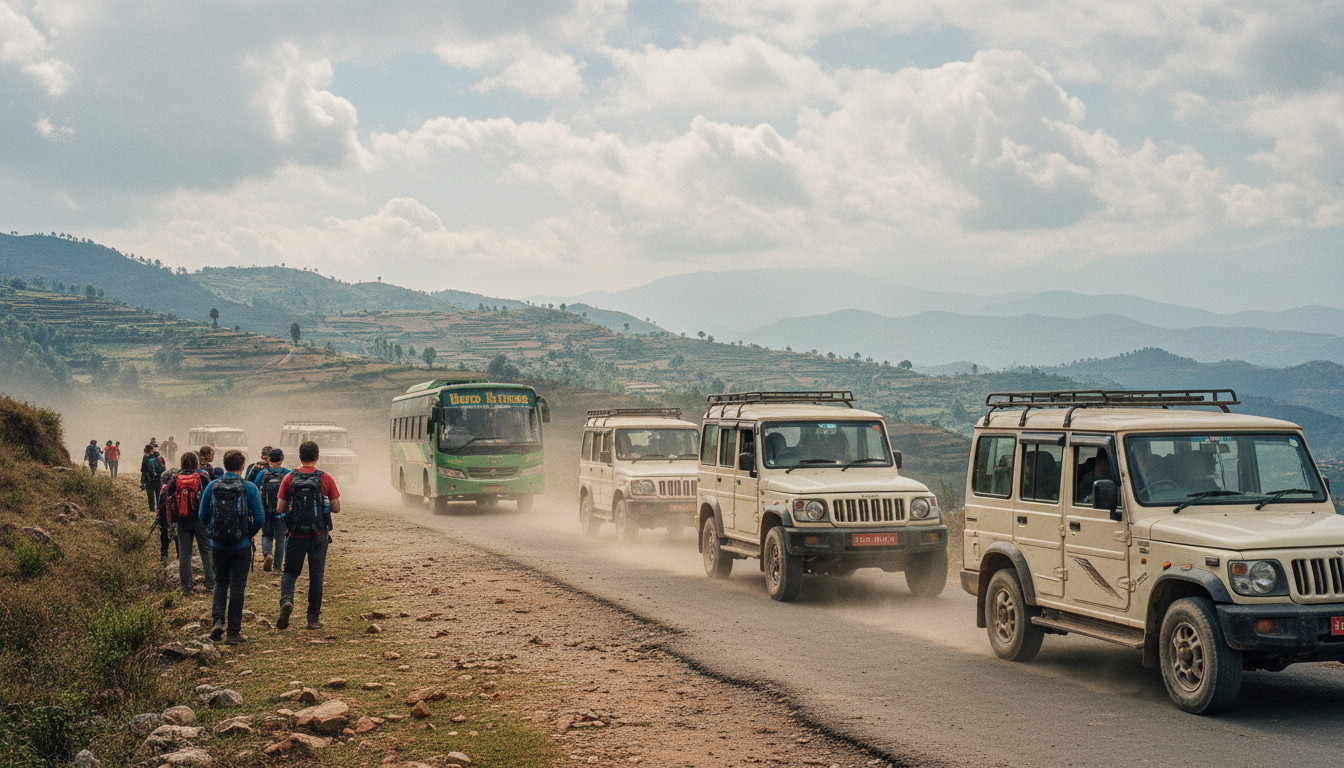
Chitwan to Pokhara Private Vehicle Service Guide

KTM to Chitwan

Chitwan to Pokhara Private Vehicle Service: Car, Jeep, Van & Bus Options

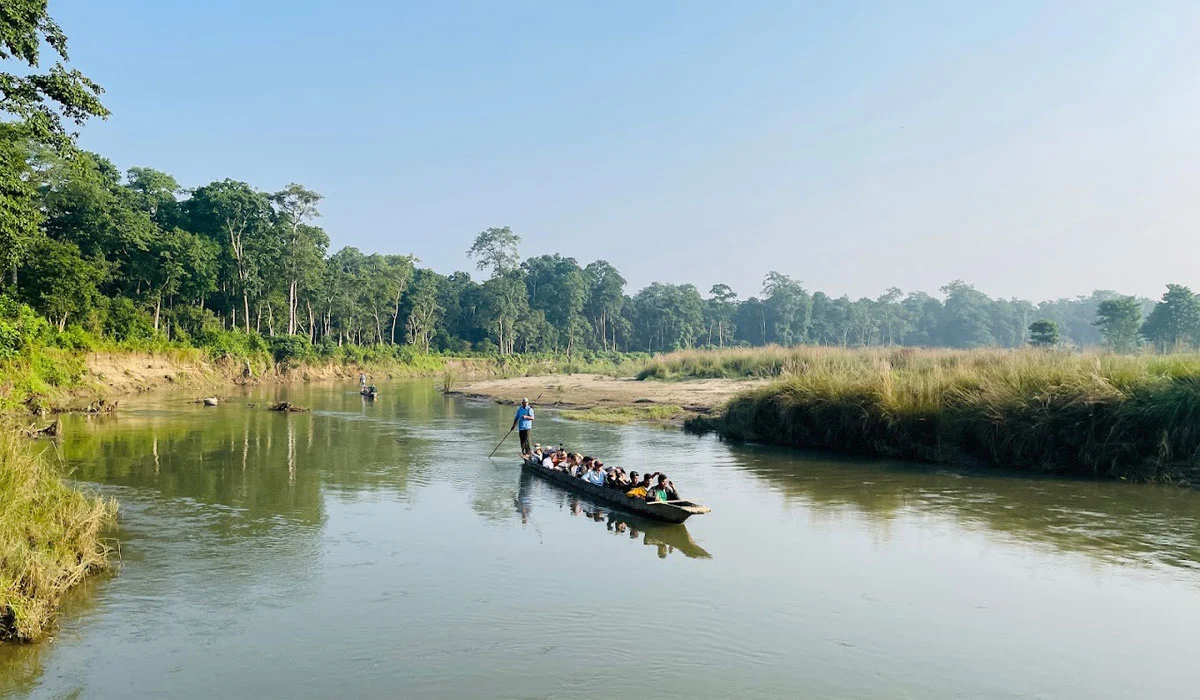
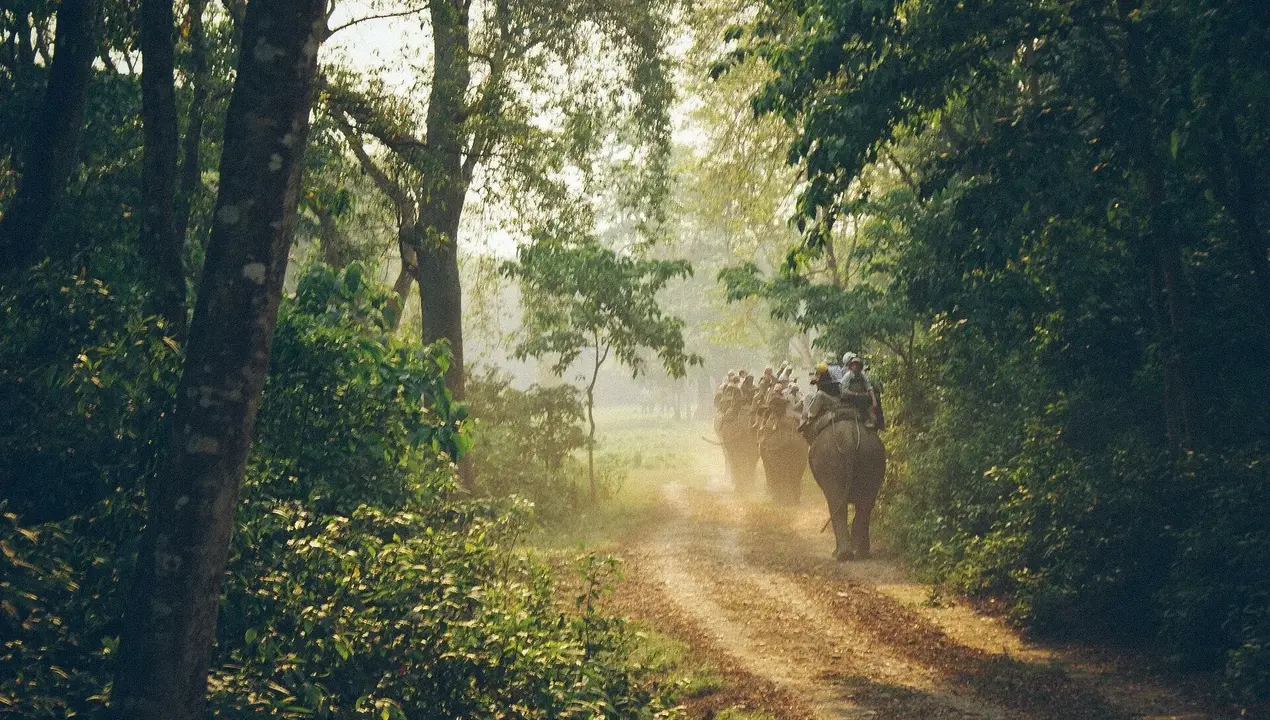
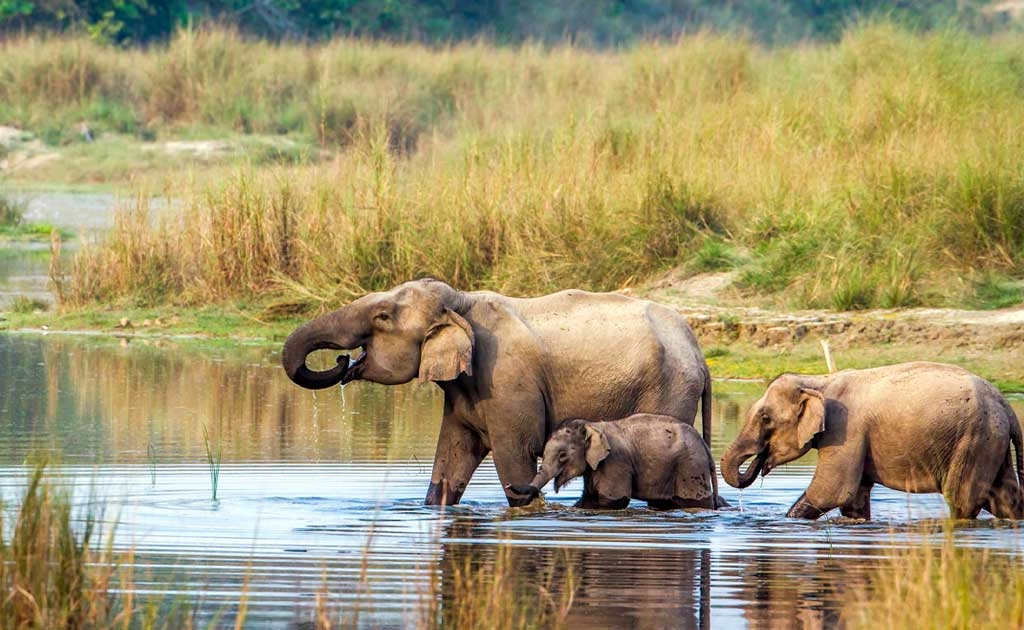
Chitwan National Park is Nepal’s most celebrated wildlife destination and one of South Asia’s premier safari experiences. After days of jungle safaris, elephant encounters, and birding in the verdant Terai lowlands, most travellers continue their Nepal journey to Pokhara — the stunning lakeside city that serves as the gateway to the Annapurna region and some of the world’s finest trekking routes.

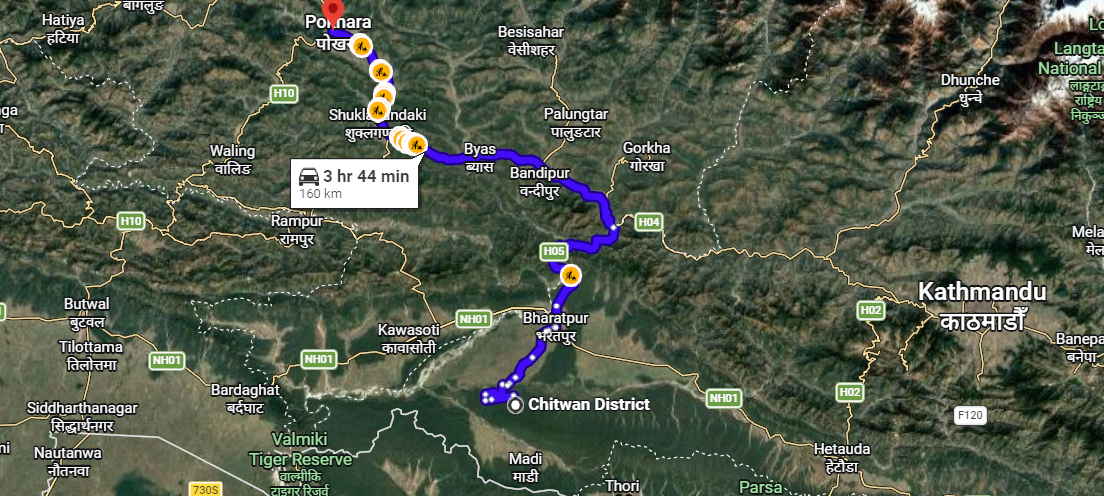
The journey from Chitwan (Sauraha) to Pokhara is approximately 155-160 kilometres and takes 4-6 hours by private vehicle. While public buses are available, a private vehicle service from Nepal Vehicle Hiring Pvt Ltd offers a far superior travel experience—door-to-door hotel transfers, flexible departure times, comfortable air-conditioned seating, and the freedom to stop at attractions along the way.

This comprehensive 2026 guide covers everything you need to know to book the right private vehicle from Chitwan to Pokhara for your group, budget, and travel preferences.

Why Choose a Private Vehicle from Chitwan to Pokhara?

Door-to-Door Hotel Transfer

A private vehicle from Nepal Vehicle Hiring picks you up directly from your resort or hotel in Sauraha or Bharatpur. It drops you off at your exact accommodation in Pokhara Lakeside or anywhere in Pokhara city—no taxi to a bus station, no crowded terminal, no luggage confusion.

Comfort and Air-Conditioned Travel

After the heat and dust of Chitwan jungle safaris, the cool comfort of a private air-conditioned vehicle makes the journey from Chitwan to Pokhara a genuine pleasure. Our well-maintained vehicles offer spacious seating, smooth suspension, and a clean, comfortable environment for the full journey.

Flexible Departure Time

Public buses to Pokhara depart only in the early morning. A private vehicle from Nepal Vehicle Hiring departs at a time that suits you—whether you want an early start to maximise your time in Pokhara or a mid-morning departure after a final breakfast safari in Chitwan.

Freedom to Stop Along the Way

The Chitwan to Pokhara route passes several worthwhile attractions, including Bandipur, the scenic Marsyangdi River valley, and the Prithvi Highway viewpoints. A private vehicle lets you stop at any of these on request—something a public bus can never offer.

Best Value for Groups

When you share the cost of a private car or Jeep among 3 to 6 passengers, it often comes out to be comparable to, or less expensive than, multiple individual bus tickets—while delivering a vastly superior experience in comfort, speed, and convenience.

Safe and Professional Service

Nepal Vehicle Hiring Pvt Ltd employs only licensed, experienced drivers who know the Chitwan-to-Pokhara route well. We regularly maintain all vehicles and keep them fully insured for complete peace of mind throughout your journey.

Chitwan to Pokhara – Journey Quick Facts

Detail Information
Road Distance Approximately 155–160 km
Travel Time (Private Car/Jeep) 4 to 6 hours
Travel Time (Van/Hiace) 5 to 6 hours
Travel Time (Public Bus) 5 to 7 hours
Departure Point Hotel/resort pickup in Sauraha or Bharatpur
Main Route Bharatpur → Mugling → Prithvi Highway → Pokhara
Road Type Mostly paved; some construction sections near Mugling
Chitwan Altitude ~215 meters (Sauraha)
Pokhara Altitude ~820 meters
Best Departure Time 7:00 AM – 9:00 AM recommended

Pokhara to Chitwan

Private Vehicle Options: Chitwan to Pokhara

Nepal Vehicle Hiring Pvt Ltd offers a full fleet of private vehicles for the Chitwan-to-Pokhara route, suitable for groups of all sizes and budgets. Here is a complete breakdown of all options:

Vehicle Type Capacity Travel Time Cost (NPR) Cost (USD) Best For
Private Car (Sedan/SUV) 2–4 passengers 4–5 hours   NPR 13000-        18000 USD 90- 150 Couples, small groups
Private Jeep (4WD) 4–6 passengers 4–5 hours   NPR 12,000–      18,000 USD 90–200 Groups, families
Toyota Hiace (Van) 7–10 passengers 5–6 hours   NPR 21,000–      25,000 USD 140–250 Medium groups
Coaster Bus 15–20 passengers 5–6 hours NPR 30,000–   40,000 USD 225–400 Larger groups
Tourist Bus 25–35 passengers 5–7 hours NPR 45,000–60,000 USD 335–600 Large tour groups, bus
Air Bus (per seat) Open 5–7 hours NPR 1500–1800/person USD 10–20/person Budget travellers

Note: All private vehicle prices include driver, fuel, and toll charges. Prices may vary by season, vehicle availability, and any additional stop requests. Contact Nepal Vehicle Hiring for an exact quote.

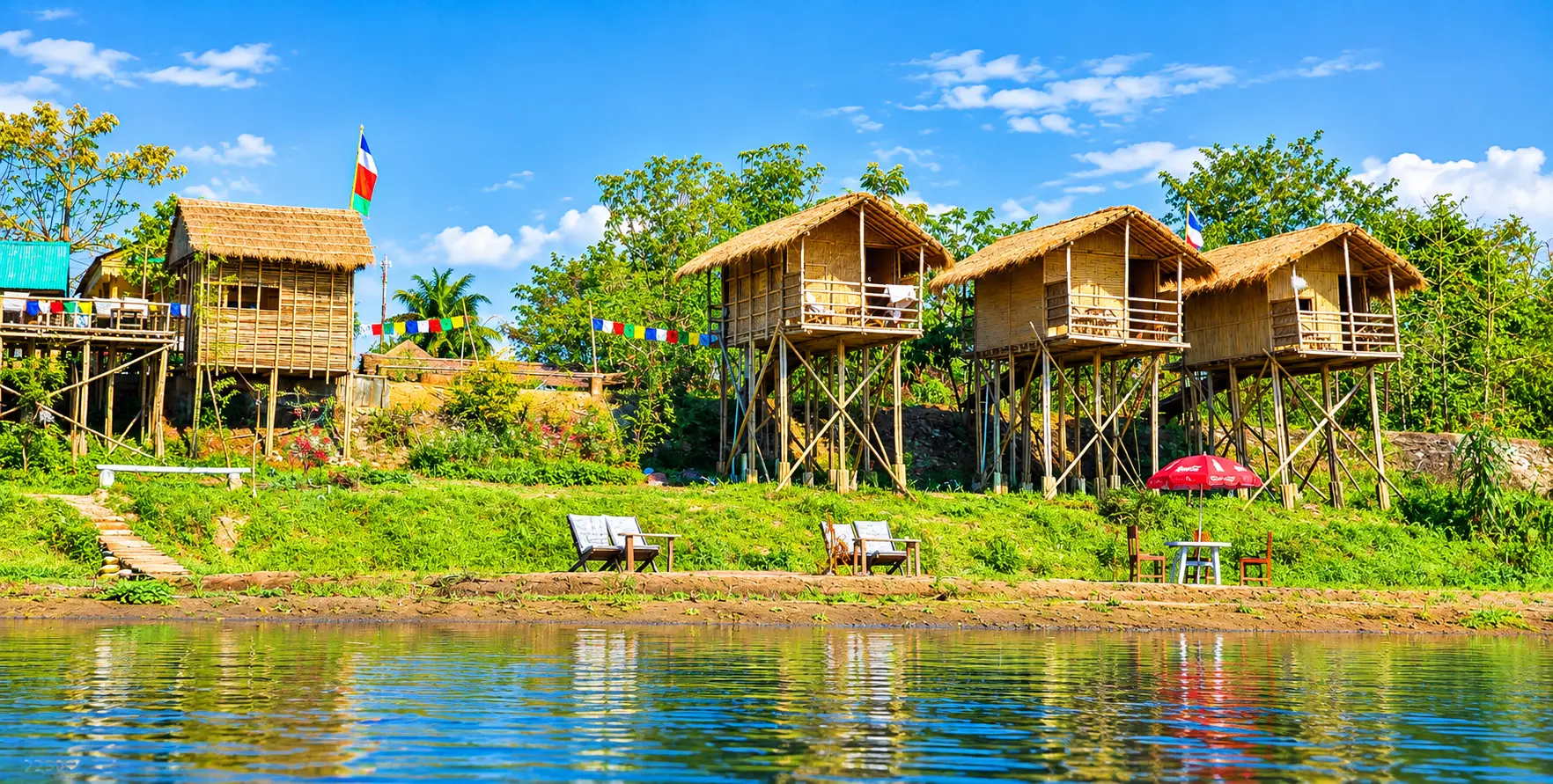
Chitwan Riverside Bamboo Huts and Reflections

Private Car Hire: Chitwan to Pokhara

A private car is ideal for solo travellers, couples, and small groups of up to 4 passengers. Nepal Vehicle Hiring offers well-maintained sedans and SUVs with air conditioning, comfortable seating, and ample boot space for luggage.

What Is Included in Your Private Car Hire

  • Hotel or resort pickup in Sauraha or anywhere in Chitwan / Bharatpur
  • Air-conditioned, well-maintained sedan or SUV
  • Professional, licensed driver experienced on the Chitwan–Pokhara route
  • Fuel and all toll charges included
  • Drop-off at your exact hotel in Pokhara Lakeside or Pokhara city
  • Flexible stops at attractions along the route on request

Private Car Cost – Chitwan to Pokhara 2026

Car Type One Way (NPR) One Way (USD) Capacity
Standard Sedan (Dzire, Etios) NPR 13,000–18,000 USD 90- 120 2–3 passengers
SUV / Crossover NPR 18000–25,000 USD 120- 160 3–4 passengers
Top-end SUV NPR 25,000–27,000 USD 160- 180 4 passengers

Kathmandu to Chitwan Tour Package: Complete Travel Guide

Private Jeep Hire: Chitwan to Pokhara

A private 4WD jeep is the most popular vehicle choice for the Chitwan-to-Pokhara route among trekking groups, families, and adventure travellers. Jeeps offer greater ground clearance and durability on roads with construction detours or rough patches near Mugling.

  • Higher ground clearance handles road construction diversions and rough patches confidently
  • More spacious than a standard sedan – comfortable for 4 to 6 passengers with luggage
  • 4WD capability provides extra security on any unexpected off-road diversions
  • Ideal for groups carrying large trekking bags, camera equipment, or safari luggage
  • Professional 4WD mountain driver familiar with Nepal’s highways and mountain roads

Private Jeep Cost – Chitwan to Pokhara

Jeep Type One Way (NPR) One Way (USD) Round Trip (NPR) Capacity
Standard Jeep (Scorpio/Bolero) NPR18,000-26,000 USD 140-160 NPR 20,000-30,000 4–5 pax
4WD Jeep (Hilux/Fortuner) NPR 25,000-27,000 USD 160-180 NPR 30,000-40,000 5–6 pax
Top-end 4WD (Land Cruiser) NPR 27,000-30,000 USD 180-200 NPR 40,000-50,000 5–6 pax

Toyota Hiace Van Hire: Chitwan to Pokhara

For groups of 7 to 10 passengers, the Toyota Hiace van is the most practical, comfortable, and economical private vehicle option. The Hiace offers ample seating, excellent luggage space, air conditioning, and a smooth ride on the well-paved Prithvi Highway.

Toyota Hiace Key Details

Detail Information
Seating Capacity 7 to 10 passengers comfortably
Luggage Space Large rear boot plus roof rack
Air Conditioning Yes – front and rear AC
Travel Time 5 to 6 hours
One-Way Cost NPR 26,000- 30,000 (USD 160- 300)
Round Trip Cost NPR 40,000- 60,000 (USD 250–600
Best For Families, trekking groups, tour parties

Coaster Bus and Tourist Bus Hire: Chitwan to Pokhara

For larger groups, Nepal Vehicle Hiring offers coaster buses (15- 200 passengers) and full tourist buses (25- 355 passengers) for the Chitwan-Pokhara route. These are popular choices for school groups, corporate tour parties, pilgrim groups, and large trekking expeditions.

Vehicle Capacity One Way (NPR) One Way (USD) Best For
Coaster Bus 15–20 passengers NPR 30,000–40,000 USD 225–300 Medium tour groups
Mini Bus 20–25 passengers NPR 35,000–50,000 USD 260–375 Mid-large groups
Tourist Bus (Full) 25–35 passengers NPR 45,000–60,000 USD 335–450 Large tour groups

Complete Vehicle Comparison: Chitwan to Pokhara 2026

Feature Private Car Private Jeep Toyota Hiace Coaster/Bus Public Bus
Capacity 2–4 4–6 7–10 15–35 Open
One-way Cost NPR13,000- 22,0000 NPR 18,000- 30,000 NPR 26,000- 35,000 NPR 30,000–70,000 NPR 700–1,200/seat
Travel Time 4–5 hrs 4–5 hrs 5–6 hrs 5–6 hrs 5–7 hrs
Hotel Pickup Yes Yes Yes Yes No
Departure Time Flexible Flexible Flexible Flexible Fixed AM only
AC Yes Yes Yes Yes Sometimes
Luggage Space Good Excellent Excellent Excellent Limited
Stop Freedom Full Full Full Full None
Privacy Complete Complete Complete Group only No
Best For Couples/solo Groups/trekkers Families/groups Large groups Budget solo

Chitwan to Pokhara Route Breakdown

The main route from Chitwan to Pokhara follows the East-West Highway from Bharatpur to Mugling, and then the Prithvi Highway from Mugling to Pokhara. Here is a detailed stage-by-stage breakdown:

Stage 1: Sauraha / Bharatpur to Mugling – Approx. 70 km (1.5 hours)

The journey begins in the lush Terai lowlands of Chitwan. From Sauraha, the route heads to Bharatpur (the major city near Chitwan) and then northwest along the East-West Highway toward Mugling. The landscape in this first section is flat, green, and distinctly Terai in character—a complete contrast to the hilly terrain that follows.

Mugling is a busy junction town on the banks of the Trishuli River and a popular stop for tea and breakfast.

Stage 2: Mugling to Pokhara via Prithvi Highway – Approx. 85 km (2.5 to 3 hours)

From Mugling, the route turns west onto the famous Prithvi Highway. This is the most scenic and memorable section of the entire journey. The road follows the Marsyangdi River upstream through a dramatic gorge, with the river tumbling below and green terraced hills rising steeply on either side.

The highway passes through several small towns, including Abu Khaireni and Damauli, before climbing up to Pokhara.

As you approach Pokhara, views of the Annapurna and Machhapuchhre (Fishtail) mountain ranges begin to appear from the highway —a spectacular preview of what awaits in the lake city.

Stage 3: Pokhara Entry and Hotel Drop-off

As you enter Pokhara, the road descends toward Phewa Lake and the Pokhara Lakeside area. The Nepal Vehicle Hiring driver will take you directly to your hotel. The entire journey from Sauraha to Pokhara Lakeside typically takes 4 to 5 hours by private car or Jeep in good road conditions.

Route Overview Table

Stage Route Section Distance Road Condition Notable Highlights
1 Sauraha → Bharatpur ~20 km Good paved road Chitwan plains, wildlife views
2 Bharatpur → Mugling ~70 km Paved, East-West Hwy Terai flatlands, Trishuli River junction
3 Mugling → Abu Khaireni ~30 km Prithvi Hwy, good Marsyangdi River gorge scenery
4 Abu Khaireni → Damauli ~20 km Prithvi Hwy, good Terraced hills, river valley views
5 Damauli → Pokhara ~35 km Good, some construction First Himalayan views, Pokhara entry

Chitwan to Pokhara Private Vehicle Service Guide

Attractions and Stops Along the Chitwan to Pokhara Route

Bandipur – The Hilltop Heritage Village

Bandipur is one of Nepal’s most charming and perfectly preserved hilltop towns, located just off the Prithvi Highway between Mugling and Pokhara. The Newar trading town is a UNESCO-listed heritage candidate with cobblestone streets, traditional Newari architecture, and stunning panoramic views of the Annapurna and Manaslu mountain ranges.

A stop at Bandipur adds approximately 1 to 1.5 hours to the journey but is widely considered one of the most rewarding detours on any Chitwan-to-Pokhara road trip. With a private vehicle from Nepal Vehicle Hiring, you can make this stop entirely on request.

Siddha Cave – Nepal’s Largest Cave

Located near Bandipur, the Siddha Cave is Nepal’s largest and most impressive natural cave system. The cave features remarkable stalactite and stalagmite formations and extends approximately 415 meters into the hillside. A short guided walk through the cave is a memorable experience for all ages.

Mugling Bazaar and Trishuli River

Mugling sits at the confluence of the Trishuli and Marsyangdi rivers and is the classic midway refreshment stop on the Chitwan-to-Pokhara route. The Mugling bazaar is famous throughout Nepal for its fresh fish, Thakali dal bhat, and roadside snacks. The riverside setting, with green hills above and the crystal-clear Trishuli below, is scenic and refreshing.

Marsyangdi River Valley

The stretch of the Prithvi Highway between Mugling and Abu Khaireni follows the Marsyangdi River through one of central Nepal’s most beautiful river gorges. The turquoise river rushing below, the terraced fields clinging to the steep hillsides, and the distant snow-capped peaks create a series of continuously changing, striking views throughout this section.

Damauli

Damauli is the headquarters of Tanahu District and a pleasant stop on the road to Pokhara. The town sits at the confluence of the Seti and Madi rivers and has several good restaurants. From the higher sections of the road near Damauli, the first clear views of the Annapurna Himalayan range emerge on the northern horizon—a thrilling preview of the mountains that define Pokhara.

First Views of the Annapurna Range

As your vehicle climbs the final section of the Prithvi Highway toward Pokhara, stunning views of the Annapurna range—including Machhapuchhre (Fishtail), Annapurna South, and Hiunchuli—come into full view. On a clear day, this first glimpse of the great peaks is one of the most spectacular moments of the entire journey in Nepal.

Pokhara

Best Time to Travel from Chitwan to Pokhara by Private Vehicle

Spring is Nepal’s peak tourist season. The weather is warm, the roads are dry, and the mountain views on the approach to Pokhara are spectacular. Rhododendron forests bloom along the hillsides.

This is one of the best times for the private vehicle journey from Chitwan to Pokhara. Book in advance as demand for private vehicles is high.

Autumn is Nepal’s second peak travel season and arguably the finest time of year for mountain views. The air is clear after the monsoon; the skies are a deep, brilliant blue, and the Annapurna range is perfectly visible from the Prithvi Highway. Road conditions are excellent post-monsoon.

An outstanding time for the journey.

Winter (December to February) – Good

Winter offers clear skies and crisp air. Mountain views are excellent on clear days. The Chitwan-to-Pokhara highway is open year-round, and road conditions are generally good in winter.

Morning fog in the Terai near Chitwan can occasionally delay departure, but it clears by mid-morning. Bring warm layers for Pokhara, which can be cold in January and February.

Monsoon (June to August) – Possible with Caution

The Prithvi Highway can experience landslides during the monsoon season, particularly on the Mugling-to-Pokhara section, which passes through steep hill country. Travel is possible, but you should check road conditions before departure. Nepal Vehicle Hiring monitors road conditions and advises travellers accordingly.

The lush green monsoon landscapes are beautiful despite the weather risks.

Expert Tips for Your Chitwan to Pokhara Private Vehicle Journey

  • Depart between 7:00 AM and 9:00 AM to avoid heavy traffic near Mugling and arrive in Pokhara with time to explore
  • Request a stop at Bandipur if you are interested in Nepali heritage towns — it is the most rewarding detour on this route.
  • Stop at Mugling for breakfast — the fresh fish curry and dal bhat at the Mugling roadside restaurants are a genuine Nepali experience.
  • Book your private vehicle at least 2 to 3 days in advance; during peak seasons (March–May and September–November), book 5 to 7 days ahead.
  • Carry Nepali rupees in cash for food stops, tolls, and any incidental expenses along the route
  • Inform your Nepal Vehicle Hiring driver in advance if you want to stop at Bandipur, Siddha Cave, or any other attraction — all stops are flexible with private hire.
  • Keep a light layer or jacket accessible — Pokhara is noticeably cooler than Chitwan, especially in the evening.
  • If you are prone to motion sickness, take medication before departure — the Mugling to Pokhara section has winding curves.
  • Keep your camera accessible for views of the Marsyangdi River gorge and the Annapurna range on the approach to Pokhara.
  • For large groups, contact Nepal Vehicle Hiring early to confirm vehicle availability, particularly for coasters and tourist buses.

What to Pack for the Chitwan to Pokhara Journey

  • Light layers – the journey moves from the warm Terai to the cooler hills of Pokhara
  • Water bottles – stay hydrated throughout the 4 to 6-hour journey
  • Light snacks – fruits, biscuits, or energy bars for between stops
  • Camera and charger – outstanding scenery throughout, especially on the Prithvi Highway
  • Nepali cash – for meals, tolls, and any roadside purchases
  • Motion sickness tablets, if needed – useful for the winding Mugling to Pokhara section
  • Small day bag – keep essentials within easy reach inside the vehicle
  • Valid ID or passport – for any checkpoint or hotel check-in at the Pokhara end

Chitwan to Pokhara Private Vehicle Service Guide

What to Do When You Arrive in Pokhara

Pokhara Lakeside – The Heart of the City

Your private vehicle from Nepal Vehicle Hiring will drop you directly at your hotel in Pokhara Lakeside, the city’s main tourist area along the northern shore of the beautiful Phewa Lake. Lakeside is home to hundreds of hotels, restaurants, trekking agencies, and shops that cater to travellers from around the world.

Explore Phewa Lake

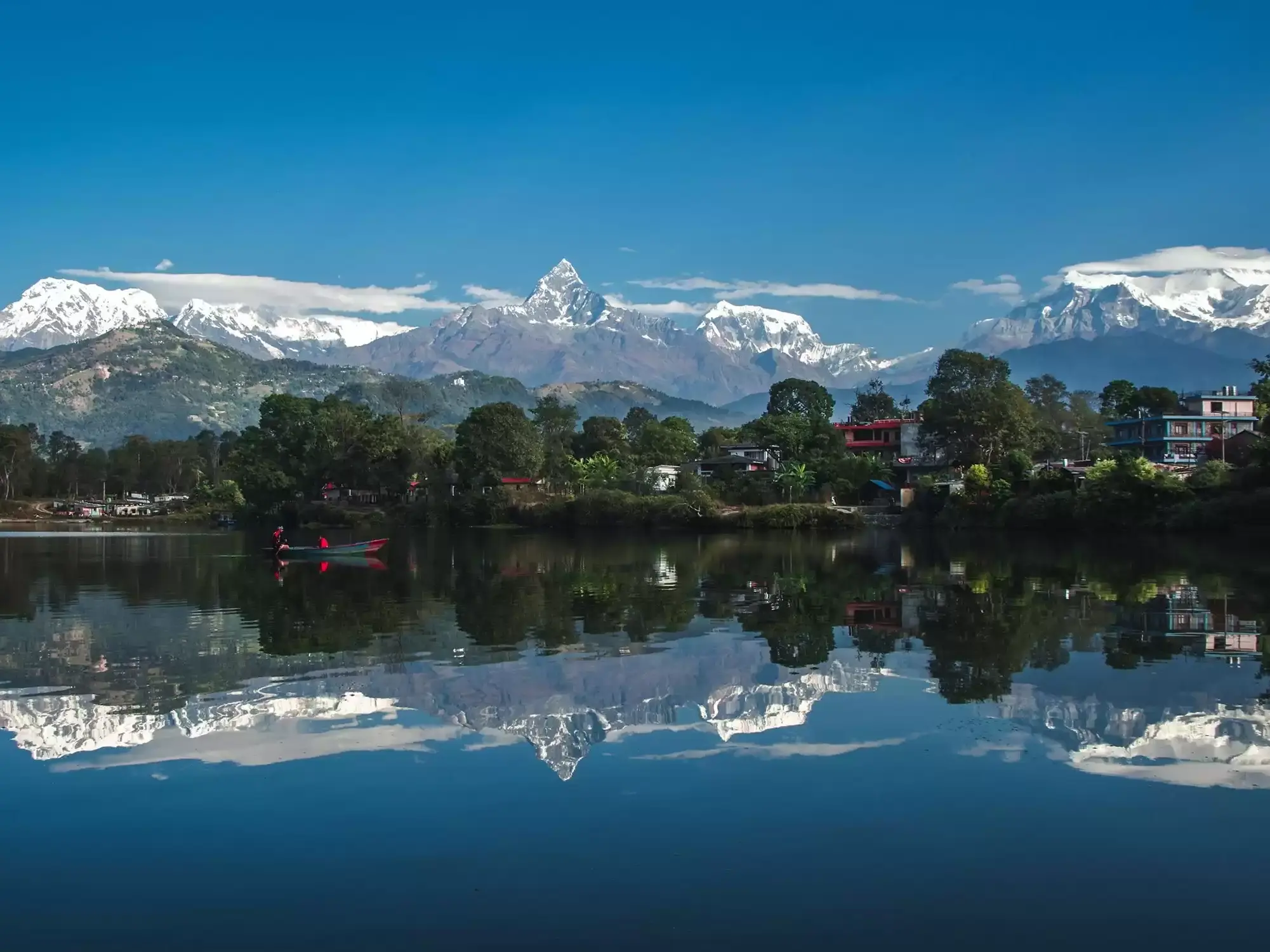
Phewa Lake is Pokhara’s most iconic feature. Rent a boat and row to the small Tal Barahi Temple island in the middle of the lake, or relax at a lakeside café with views of the Annapurna range reflected perfectly in the still water. Phewa Lake is particularly magical at sunrise and sunset.

Sarangkot Sunrise Viewpoint

Sarangkot Hill, a short drive or hike from Pokhara Lakeside, offers the most spectacular sunrise view of the Annapurna and Dhaulagiri ranges anywhere in Pokhara. The panorama includes Machhapuchhre, Annapurna South, Annapurna I, Hiunchuli, and Dhaulagiri. Most hotels in Pokhara can arrange a vehicle to Sarangkot for an early-morning departure.

Paragliding from Sarangkot

Pokhara is one of the world’s premier paragliding destinations. Tandem paragliding flights from Sarangkot over Phewa Lake with the Annapurna range as a backdrop are available daily from Pokhara’s many licensed paragliding operators. It is one of the most memorable experiences available anywhere in Nepal.

Start Your Annapurna Region Trek

Pokhara is the gateway to the entire Annapurna region. The Annapurna Base Camp Trek, Poon Hill Trek, Mardi Himal Trek, Annapurna Circuit Trek, and many other routes all begin from or near Pokhara. Nepal Vehicle Hiring can also arrange onward vehicle transfers from Pokhara to your desired trekking trailhead, such as Nayapul, Kande, or Phedi.

How to Book Your Chitwan to Pokhara Private Vehicle

Booking your private vehicle transfer with Nepal Vehicle Hiring Pvt Ltd is simple:

  • Step 1: Visit vehiclehiringnepal.com or contact us by phone or WhatsApp
  • Step 2: Share your travel date, number of passengers, pickup location in Chitwan/Sauraha, and drop-off location in Pokhara
  • Step 3: Choose your vehicle type – car, jeep, Hiace, Jeep Coaster, or tourist bus
  • Step 4: Receive your confirmed booking with driver name, vehicle details, and pickup time
  • Step 5: Relax and enjoy the scenic journey from Chitwan to Pokhara

We recommend booking at least 2 to 3 days in advance and 5 to 7 days in advance during peak seasons.

WhatsApp: +977 981-4227196
Email: [email protected]
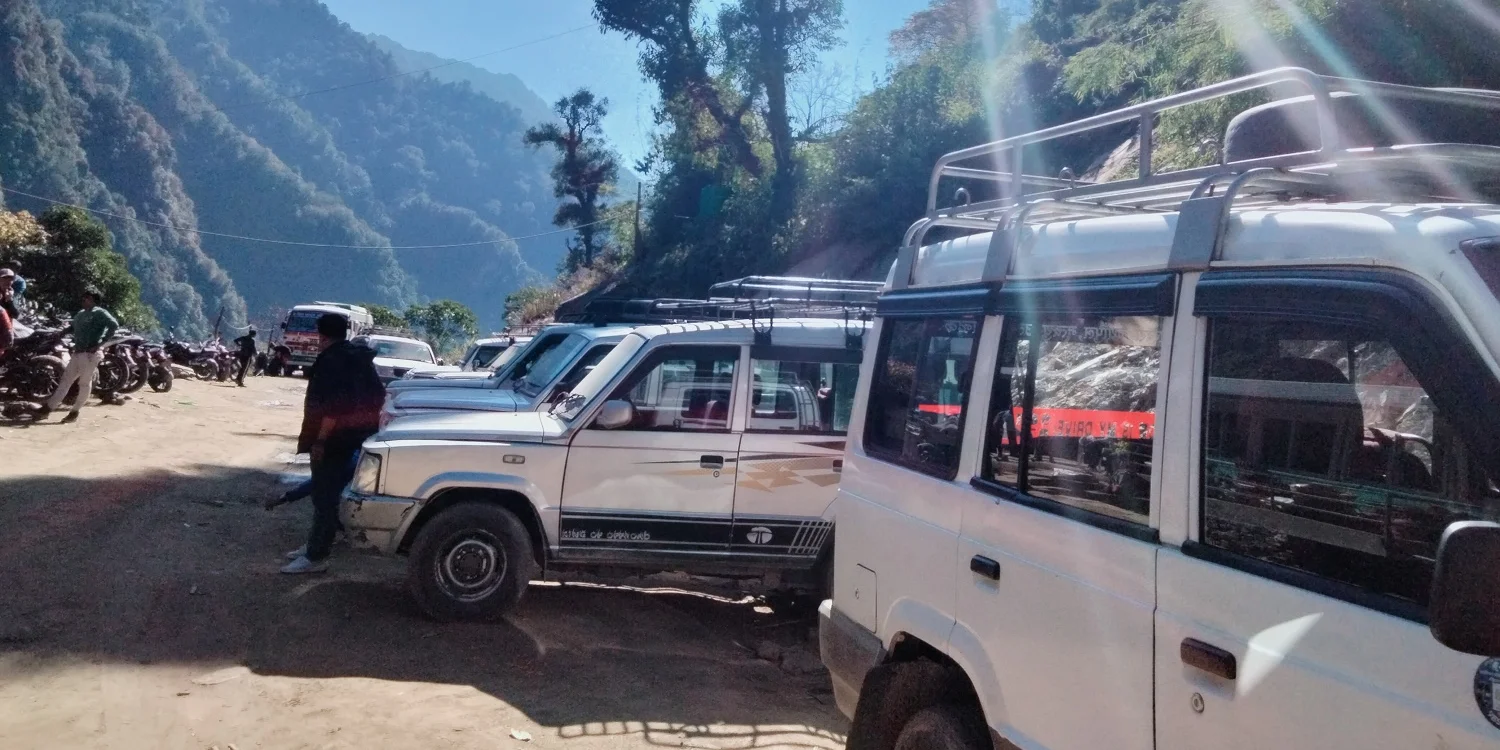
Website: www.vehiclehiringnepal.com

Frequently Asked Questions (FAQ)

How far is Chitwan from Pokhara?

The road distance from Chitwan (Sauraha/Bharatpur) to Pokhara is approximately 155-160 kilometres.

How long does it take to travel from Chitwan to Pokhara by private vehicle?

A private car or jeep takes 5 hours. A Toyota Hiace or larger vehicle takes 5 to 6 hours. Public buses take 5 to 7 hours, depending on stops and traffic.

What is the cost of a private car from Chitwan to Pokhara?

A private sedan costs US$120.  A private jeep costs  USD 120-200. A Toyota Hiace for groups costs  USD 160-250. All prices include driver and fuel.

Is there a flight from Chitwan to Pokhara?

No scheduled domestic flight runs directly from Chitwan to Pokhara. Road transport by private vehicle or bus is the standard route between the two destinations.

Can I stop at Bandipur on the way from Chitwan to Pokhara?

Yes. With a private vehicle from Nepal Vehicle Hiring, you can stop at Bandipur, Siddha Cave, or any other attraction along the route. Inform the driver in advance or request stops during the journey.

Bandipur adds approximately 1 to 1.5 hours to the total travel time.

Where in Chitwan does the vehicle pick me up from?

Nepal Vehicle Hiring provides hotel or resort pickup from anywhere in Sauraha, Bharatpur, or the wider Chitwan area. You don’t need to travel to a bus station or departure terminal.

What is the best vehicle for a family travelling from Chitwan to Pokhara?

For families of up to 4 people, a private car is ideal. For families of 5 to 6 people, a private jeep offers more space. For larger families of 7 to 10 people, a Toyota Hiace is the most comfortable and practical option.

Is the road from Chitwan to Pokhara safe?

The Chitwan-to-Pokhara route via Mugling and the Prithvi Highway is one of Nepal’s major, well-maintained highways. It is generally safe year-round. During the monsoon season, occasional landslides near the Mugling area can cause temporary delays.

Nepal Vehicle Hiring monitors road conditions and keeps all clients informed.

Can I book a return trip from Pokhara to Chitwan?

Yes. Nepal Vehicle Hiring provides private vehicle services in both directions. You can book a one-way transfer from Chitwan to Pokhara or a round-trip package that includes both legs at a discounted combined price.

Book Your Chitwan to Pokhara Private Vehicle with Nepal Vehicle Hiring

The journey from Chitwan to Pokhara is one of Nepal’s classic road trips — transitioning from the wildlife-rich Terai lowlands through the lush Marsyangdi River gorge, past the charming hilltop village of Bandipur, and finally arriving at the lakeside paradise of Pokhara with the great Annapurna peaks rising above the horizon.

With a private vehicle from Nepal Vehicle Hiring Pvt Ltd, this journey is not just a transfer between two cities; it is a memorable part of your Nepal experience. Our professional drivers, comfortable air-conditioned vehicles, and door-to-door hotel service ensure you travel the kilometres from Chitwan to Pokhara in comfort, safety, and style.

Book your Pokhara-to-Nayapul transport today. Contact us on WhatsApp at +977 981-4227196 or visit vehiclehiringnepal.com. We also arrange return pickups from Nayapul at the end of your trek – one less thing to worry about on the trail.

Further information for adventure trekkers

Our top offerings include iconic journeys such as the Annapurna Circuit, the in-depth Mardi Himal Trek, the striking Manaslu Circuit, the exciting Muktinath Yatra, and luxury packages. We can also arrange short hikes, heritage tours, mountain flights, and customised travel plans tailored to your schedule and interests.

Whether you want a budget-friendly trip or a luxury trekking experience with top-end lodges, private guides, and high-end services, we manage every detail professionally. Our goal is to provide a smooth transition from your trekking adventure to a comfortable) and a memorable travel experience in Nepal.

Vehicle Hiring Nepal specialises in trekker transport throughout the Annapurna, Manaslu, and Everest regions. We understand the importance of an early, reliable Day 1 departure, and our experienced drivers know exactly where to drop you off in Nayapul for the smoothest possible start to your journey.

Pokhara to Nayapul Trek Transport: Complete Guide for Trekkers

kathmandu to salleri jeep

Pokhara to Nayapul Transport – Complete Guide for Trekkers

Nayapul is the main trailhead for two of Nepal’s most beloved trekking routes – the Poon Hill Trek (Ghorepani-Poon Hill) and the Annapurna Sanctuary Trek (ABC Trek). Located approximately 42 km from Pokhara, Nayapul is where thousands of trekkers begin their Annapurna adventure each year. Getting from Pokhara to Nayapul quickly, comfortably, and reliably is the first step of your trekking journey.

This complete 2026 guide covers all transport options from Pokhara to Nayapul – private car, taxi, local bus, and Hiace van – with prices, departure times, road conditions, trekking permit tips, and everything you need to know to start your trek on the right foot.

Where is Nayapul, and why is it Important?

Location: Nayapul, Kaski District, Gandaki Province, Nepal

Distance from Pokhara: Approximately 42 km by road

Travel Time: 1 hour to 1.5 hours by private car or taxi

Altitude: 1,070 m above sea level

Road Type: Paved road from Pokhara to Nayapul via Birethanti

Treks Starting Here: Poon Hill Trek (Ghorepani), Annapurna Sanctuary Trek (ABC), Annapurna Circuit (partial start)

Nayapul sits at the confluence of the Modi Khola and Bhurungdi Khola rivers and serves as the official roadhead entry point for the Annapurna Conservation Area. Trekkers cross the suspension bridge at Nayapul, pass through Birethanti village (permit checkpoint), and begin climbing into the Annapurna foothills. It is one of Nepal’s busiest trekking trailheads.

Transport Options: Pokhara to Nayapul

Four main ways to get from Pokhara to Nayapul. Each has its own advantages depending on your group size, budget, schedule, and comfort preferences:

Transport Type Travel Time Cost Comfort Best For
Private Car / Taxi (full vehicle) 1–1.5 hrs USD 40- 60 (full car Excellent Solo, couples, small groups
Private Jeep / SUV 1–1.5 hrs USD 60-80full jeep Excellent Groups 4–6 with heavy gear
Hiace Van (private) 1–1.5 hrs USD 100- 120 full van Very Good Groups of 7–14 trekkers
Coaster Bus 14- 22 people 1.5–2 hrs NPR  150-200Full bus Basic Groups of 14- 22 trekkers
Tourist Bus 1.5–2 hrs NPR 200-300 Full bus Moderate Backpackers, budget groups

For most trekkers, a private car or taxi is the best option. The cost is low (especially split between a group), the journey is fast and direct, and you can depart from your Pokhara hotel at any time – crucial for reaching Nayapul early enough to put in good trekking hours on Day 1.

NAYAPUL

Private Car from Pokhara to Nayapul – Full Details

Why a Private Car is the Best Choice

Most trekkers heading to Nayapul choose a private car or taxi. Here is why it is the best option for most:

  • Direct pickup from your Pokhara hotel or guesthouse – no walk to a bus stop with a heavy pack
  • Depart at your preferred time – early morning departures (6:00–7:00 AM) recommended to maximise Day 1 trekking
  • Fastest option – 1 to 1.5 hours vs 1.5 to 2 hours by local bus
  • Comfortable, air-conditioned vehicle for you and your full group
  • Full luggage space – essential for trekkers with large backpacks and gear
  • Driver drops you right at the Nayapul bridge – no confusion about where to start
  • The same driver can pick you up at Nayapul or Birethanti at the end of your trek
  • Cost split between group members is very affordable – USD 25–40 total for up to 4 people

Private Car Price: Pokhara to Nayapul 2026

Vehicle Capacity One-Way Price Return Trip Price Notes
Sedan Car 1–3 pax USD 40- 60 USD 70- 150 Most popular choice
SUV / Jeep 4–6 pax USD 60- 100 U100- 200200 Best for groups with big packs
Hiace Van 7–14 pax USD 100-50 US170- 27070 Group trekking teams
Coaster Bus 15–22 pax USD 150- 200 USD 260- 300 Large trekking groups

All private vehicle prices are for the full vehicle – not per person. The driver, fuel, and insurance are included. For a group of 4 trekkers sharing a sedan, the cost works out to just USD 6–9 per person – far more convenient than the local bus, which costs very similarly.

Nayapul signboard at the trailhead

Local Bus from Pokhara to Nayapul – Full Details

Departure and Schedule

Local buses from Pokhara to Nayapul depart from the Baglung Bus Park located in Baglung Chowk, Pokhara – approximately 3 km from the Lakeside tourist area. A taxi from Lakeside to the bus park costs around NPR 300- 400.

First Departure: Around 7:00 – 7:30 AM (earliest recommended)

Last Departure: Around 4:00 – 5:00 PM

Frequency: Every 30 to 45 minutes during peak hours

Ticket Price: NPR 150 to NPR 200 per person (approximately USD 1.10 to USD 1.50)

Travel Time: Approximately 1.5 to 2 hours, including stops

Drop-off Point: Nayapul bus stop near the suspension bridge trailhead

What to Expect on the Local Bus

  • Basic seating with limited legroom – difficult with a large trekking backpack
  • No air conditioning – windows open for ventilation
  • Stops at multiple villages along the route – adds time to the journey
  • Luggage stored on the roof or in the aisle – watch your gear carefully
  • Can be crowded during peak trekking season (October–November and March–May)
  • Drops at the main road near Nayapul bridge – same trailhead as private vehicles

The local bus is a genuinely viable option for solo budget trekkers. However, if you are travelling in a group of 2 or more, splitting the cost of a private car is almost always a better value when you factor in the time, convenience, and comfort difference.

The Road: Pokhara to Nayapul Route Guide

The drive from Pokhara to Nayapul follows a well-paved road through the Annapurna foothills southwest of Pokhara. It is a beautiful, scenic drive that gives you the first taste of the mountain landscape you are about to trek into.

Pokhara Lakeside to Naya Pul Road Junction (15 km | 25 min)

Depart from the Lakeside area heading south through Pokhara city. The road passes through the busy Baglung Chowk area – the main junction for traffic heading southwest towards Beni, Baglung, and the Annapurna region. Traffic can be slow through central Pokhara in the early morning – departing before 6:30 AM helps.

Naya Pul Road Junction to Lumle (10 km | 15 min)

Beyond the city outskirts, the road climbs gently into the Annapurna foothills through rice paddies and mixed forest. The Annapurna South (7,219 m) and Machhapuchhre (6,993 m) peaks begin to dominate the northern skyline on clear mornings – a spectacular preview of the mountains you are heading towards. Lumle is known for its connections to British Gurkha training and its agricultural research station.

Lumle to Chandrakot (7 km | 10 min)

The road continues climbing with increasingly dramatic Annapurna views. Chandrakot is a popular alternative starting point for the Poon Hill trek and sits at 1,550 m with panoramic views of the Modi Khola valley below. Some trekkers begin from Chandrakot rather than Nayapul to add an extra day of walking.

Chandrakot to Nayapul (10 km | 15 min)

The road descends from Chandrakot down to the Modi Khola riverbed and follows the river to Nayapul. You can see Nayapul’s white suspension bridge and the first teahouses of Birethanti across the river. Your driver will drop you at the road end near the bridge where your trek officially begins.
Pokhara to Nayapul Trek Transport: Complete Guide for Trekkers

What to Do at Nayapul When You Arrive

Arriving at Nayapul can feel a little chaotic for first-time trekkers. Here is exactly what to do when your vehicle drops you off:

  1. Collect all your gear from the vehicle and thank your driver – confirm return pickup arrangements if pre-arranged
  2. Walk to the suspension bridge – it is visible from the road drop point, approximately 2 to 3 minutes on foot
  3. Cross the suspension bridge over the Modi Khola and enter Birethanti village on the other side
  4. Visit the ACAP checkpoint in Birethanti to register your permits (ACAP permit and TIMS card must be shown here)
  5. Stock up at Birethanti teahouses if needed – this is the last chance to buy snacks, water, chocolate, or forgotten supplies before the trek begins.
  6. Begin your trek from Birethanti – the trail to Tikhedhunga, Ulleri, and Ghorepani begins here.

Important: Do not start trekking until you have passed through the Birethanti ACAP permit checkpoint. They check all trekking permits here, and they must be valid and stamped before you proceed.

Trekking Permits Required for Nayapul Treks

All trekkers entering the Annapurna Conservation Area through Nayapul and Birethanti must carry valid permits. These must be arranged in Kathmandu or Pokhara BEFORE arriving at Nayapul:

Permit Cost 2026 Where to Get Notes
ACAP – Annapurna Conservation Area Permit NPR 3,000 (~USD 22) Nepal Tourism Board, Pokhara or Kathmandu Mandatory for all trekkers
TIMS Card – Trekkers Information Management System USD 10 (free for some nationalities) Nepal Tourism Board / TAAN Required for all trekkers
Note: Children under 10 years Free Show passport at checkpoint No permits needed for under 10s

In Pokhara, you can get ACAP permits and TIMS cards at the Nepal Tourism Board office in Damside, Pokhara (near the lake, about 15 minutes from Lakeside). Arrange permits the day before your trek so you can depart for Nayapul first thing in the morning without delay.

Nayapul serves as the gateway to some of Nepal’s most beloved trekking routes. Here is an overview of the main treks:

Poon Hill Trek (Ghorepani-Poon Hill Trek)

Duration: 4 to 5 days

Difficulty: Easy to Moderate – suitable for beginners

Max Altitude: Poon Hill viewpoint at 3,210 m

Highlights: Sunrise views of Dhaulagiri (8,167 m) and the Annapurna range from Poon Hill, rhododendron forests, and Gurung villages

Route: Nayapul – Tikhedhunga – Ulleri – Ghorepani – Poon Hill – Tadapani – Ghandruk – Kimche – Nayapul

The Poon Hill Trek is Nepal’s most popular short trek and one of the finest mountain viewpoint experiences in the world. The sunrise from Poon Hill with Machhapuchhre, Annapurna South, Hiunchuli, Nilgiri, and Dhaulagiri all glowing in the morning light is an image that stays with trekkers for a lifetime. Accessible for most fitness levels and perfect for first-time Nepal trekkers.

Pokhara to Nayapul Trek Transport: Complete Guide for Trekkers

Annapurna Sanctuary Trek (ABC Trek)

Duration: 10 to 13 days from Nayapul

Difficulty: Moderate to Strenuous

Max Altitude: Annapurna Base Camp at 4,130 m

Highlights: Annapurna Base Camp glacial amphitheatre, Machhapuchhre Base Camp, Chhomrong village, Modi Khola gorge

Route: Nayapul – Birethanti – Tikhedhunga – Ghorepani – Tadapani – Chhomrong – Sinuwa – Dovan – MBC – ABC – return

The Annapurna Sanctuary Trek is one of Nepal’s most dramatic trekking experiences. The route follows the narrow Modi Khola gorge deep into the heart of the Annapurna massif, emerging at a striking glacial amphitheatre surrounded by eight mountains above 6,000 m, including Annapurna I (8,091 m), Annapurna South (7,219 m), Gangapurna (7,454 m), and the iconic Machhapuchhre (Fishtail, 6,993 m).

Annapurna Circuit Trek (Partial Start from Nayapul)

Duration: 16 to 21 days full circuit from Besisahar

Difficulty: Strenuous

Notes: Most trekkers start the Annapurna Circuit from Besisahar (north of Pokhara) but end the circuit at Nayapul after crossing the Thorong La Pass and descending through Muktinath and Tatopani. A private vehicle from Nayapul back to Pokhara completes the circuit.
Annapurna Base Camp Trek

Ghandruk Village Trek (Short Cultural Trek)

Duration: 2 to 3 days

Difficulty: Easy to Moderate

Highlights: Ghandruk – Nepal’s largest Gurung village, Annapurna South close-up views, Gurung culture museum

A shorter and less crowded alternative to the full Poon Hill trek. Ghandruk offers stunning close-up views of Annapurna South and Hiunchuli, authentic Gurung village culture, and a relaxed pace ideal for families or travellers with limited time.

Best Time to Travel from Pokhara to Nayapul

October to November (Best Season)

The post-monsoon season is the finest time for Nayapul treks. The skies are crystal clear, rhododendron forests are vivid green after the rains, and the Annapurna views from Poon Hill and ABC are at their most spectacular. The road from Pokhara to Nayapul is in excellent condition.

Book your transport vehicle in advance as demand is very high during peak season.

March to May (Excellent for Rhododendrons)

Spring is the second-best season and is particularly famous for blooming rhododendron forests along the Ghorepani trail. The forests between Ulleri and Ghorepani turn brilliant red, pink, and white from March to April – one of the most beautiful trekking experiences in Nepal. Mountain views are generally good in the morning before afternoon haze develops.

December to February (Quiet and Cold)

Winter trekking on the Poon Hill route is possible and rewarding – the trail is quiet, the views are sharp, and the atmosphere is peaceful. However, Poon Hill itself can have snow in January, and Ghorepani experiences cold nights. The Annapurna Sanctuary Trek becomes significantly more challenging with snow on the upper sections.

The road from Pokhara to Nayapul remains clear and accessible throughout winter.

June to September (Monsoon – Difficult)

The Annapurna region receives very heavy monsoon rainfall from June to September. Trails become extremely muddy, and leeches are abundant below 2,500 m. Landslides occasionally affect sections of the Nayapul to Tikhedhunga trail.

The road from Pokhara to Nayapul remains passable. Some determined trekkers do attempt Poon Hill in monsoon – the rhododendron forests are lush and vivid green, crowds are non-existent, and teahouse prices drop significantly. However, clouds often obscure the views.

Timing your departure from Pokhara correctly is essential for a successful first day of trekking. Here is our recommended schedule:

Departure from Pokhara Arrival at Nayapul Trekking Hours Day 1 Recommended First Night Stop
5:30 – 6:00 AM 6:45 – 7:30 AM 6–7 hours of trekking Tikhedhunga (1,540 m) or Ulleri (1,960 m)
7:00 – 7:30 AM 8:30 – 9:00 AM 5–6 hours of trekking Tikhedhunga (1,540 m)
8:00 – 9:00 AM 9:30 – 10:30 AM 4–5 hours of trekking Birethanti (1,025 m) or Tikhedhunga
After 10:00 AM After 11:30 AM 2–3 hours of trekking Birethanti only – short first day

We strongly recommend departing Pokhara no later than 7:00 AM to reach Nayapul by 8:30 AM. This gives you 5 to 6 hours of comfortable trekking before arriving at your first teahouse for the night. An earlier 5:30–6:00 AM departure lets you reach Ulleri and get a head start on the famous 3,000+ stone steps the next day.

Pokhara

Returning from Nayapul to Pokhara

At the end of your trek, most trekkers return to the roadhead at Nayapul or Birethanti and need transport back to Pokhara. Here are your options:

The most convenient and reliable return option. When booking your outward transport with Vehicle Hiring Nepal, please tell us your expected return date, and we will arrange a driver to meet you at Nayapul Bridge at a pre-agreed time. You walk down from your final teahouse, cross the bridge, and your vehicle is waiting—no waiting, no bargaining, no uncertainty.

Book Return Transport from Ghandruk or Nayapul

If your return date is uncertain (as it often is on mountain treks), you can contact Vehicle Hiring Nepal via WhatsApp from Ghandruk or Nayapul when you know your actual finish time. We can usually arrange a pickup vehicle from our Pokhara base within 2 to 4 hours of your message.

Local Bus Return from Nayapul to Pokhara

Local buses run from Nayapul to Pokhara’s Baglung Bus Park throughout the day, with the last bus typically departing between 4:00 and 5:00 PM. Tickets cost NPR 150-200. Arrive at the Nayapul bus stop early in the afternoon to ensure you catch a bus back on time. Note: After a full day of trekking descent, a comfortable private car is much more welcome than a crowded local bus.

Alternative Trailheads Near Nayapul

Depending on your trek itinerary, there are several other popular trailheads near Nayapul that Vehicle Hiring Nepal can transport you to from Pokhara:

Trailhead Distance from Pokhara Trek It Opens Vehicle Price (One-Way)
Nayapul 42 km / 1–1.5 hrs Poon Hill, ABC, Ghandruk $ 40- 60 full car
Birethanti 44 km / 1.5 hrs Same as Nayapul (500m further) $40-80 full car
Chandrakot 35 km / 1 hr Poon Hill alternative start (+1 day) $40-100 full car
Phedi 8 km / 20 min Sarangkot, World Peace Pagoda day hike $20–25 full car
Kande 12 km / 30 min Australian Camp, Pothana hike $15–25 full car
Besisahar 75 km / 2–2.5 hrs Annapurna Circuit full trek starts $80–120 full car
Soti Khola 140 km / 7–8 hrs Manaslu Circuit trek starts $200–250 jeep only

What to Bring on the Drive to Nayapul

  • Trekking permits – ACAP and TIMS card (must be arranged in Pokhara the day before)
  • All trekking gear in your main backpack – pack the night before for an early departure
  • Daypack with snacks, water, and essentials for the first day of trekking
  • Cash in Nepali Rupees – take out extra from Pokhara ATMs, as there are no ATMs on the trail
  • Passport or identity document for permit checks at Birethanti checkpoint
  • Light layer or windproof jacket for the early morning drive – Pokhara mornings can be cool
  • Camera or phone fully charged and ready – mountain views begin on the drive to Nayapul
  • Trekking poles if using – keep them accessible rather than buried in your main pack
  • Emergency contact list and your travel insurance emergency number

What is Included When You Book With Vehicle Hiring Nepal?

  • Private vehicle (car, SUV, or Hiace) with an experienced, friendly driver
  • Direct pickup from your Pokhara hotel, guesthouse, or Lakeside location
  • Drop-off directly at the Nayapul suspension bridge trailhead
  • Fuel and vehicle insurance are included in the price
  • Flexible departure time – we accommodate early morning 5:30 AM departures for trekkers
  • Pre-arranged return pickup from Nayapul or Birethanti at the end of the trek (on request)
  • 24/7 support – contact us from anywhere on the trek to arrange or confirm return pickup

Not included: Trekking permits (ACAP and TIMS), personal meals, teahouse accommodation, porter or guide fees, and any additional stops or detours beyond Nayapul.

How to Book Your Transport from Pokhara to Nayapul

  1. Contact Vehicle Hiring Nepal via WhatsApp or visit vehiclehiringnepal.com
  2. Tell us your preferred travel date and departure time from Pokhara
  3. Provide your hotel or pickup address in Pokhara Lakeside
  4. Confirm your group size and luggage (backpack count)
  5. Choose your vehicle type – sedan, SUV, or Hiace for larger groups
  6. Inform us if you need a return pickup at the end of your trek and your estimated finish date
  7. Receive booking confirmation with driver name, contact number, and vehicle details
  8. Your driver will be at your hotel at the agreed departure time – no waiting, no rushing

WhatsApp: +977 981-4227196
Email: vehiclehiringnepal.com
Website: www.vehiclehiringnepal.com

Frequently Asked Questions

How far is Nayapul from Pokhara?

Nayapul is about 42 km from Pokhara’s Lakeside area by road. The journey takes 1 hour to 1.5 hours by private car or taxi, and 1.5 to 2 hours by local bus.

What time should I leave Pokhara to start trekking at Nayapul?

We recommend departing Pokhara between 5:30 and 7:00 AM. This gets you to Nayapul by 7:00 to 8:30 AM and allows 5 to 7 hours of trekking on Day 1 before dark. An early start is especially important if you plan to reach Ulleri (above Tikhedhunga) on Day 1, as the staircase climb takes 2 to 3 hours.

Can I get a shared taxi from Pokhara to Nayapul?

Shared taxis are available from the Baglung Bus Park in Pokhara heading towards Beni and Nayapul. The cost is around NPR 300-500 per seat. However, shared taxis only run when full, can be crowded with trekking packs, and do not depart from Lakeside.

A private vehicle is far more convenient and costs about the same when split between two or more trekkers.

Do I need permits before arriving at Nayapul?

Yes. All trekking permits – ACAP (Annapurna Conservation Area Permit) and TIMS card – must be obtained in Pokhara or Kathmandu before you arrive at Nayapul. The Birethanti checkpoint, immediately after the Nayapul bridge, strictly checks all permits.

Trekkers without valid permits will be turned back or fined. Arrange permits at the Nepal Tourism Board office in Damside, Pokhara, the day before your trek.

Can the driver drop us at Birethanti instead of Nayapul?

The road from Nayapul continues a short distance to Birethanti village (approximately 500 m further along a narrow track). Most drivers can take you directly to Birethanti upon request, saving a few minutes of walking. Confirm this with your driver when booking.

What if my trek takes longer than expected and I need a later pickup?

This is completely normal on mountain treks. WhatsApp our team when you know your actual descent date and expected arrival time at Nayapul, and we will arrange a vehicle accordingly. We can usually organise a pickup within 2 to 4 hours of your message.

There is no penalty for changing your return date.

Is the road from Pokhara to Nayapul paved?

Yes. The road from Pokhara to Nayapul via Lumle and Chandrakot is fully paved and generally in good condition. All standard vehicles, including sedans, can comfortably reach Nayapul year-round.

The road may have occasional potholes or rough patches, especially after the monsoon, but it is not a mountain track requiring a 4WD vehicle.

Can I combine a Pokhara sightseeing tour with a Nayapul drop-off?

Final Thoughts

Yes. If you want to do a quick Pokhara sightseeing stop before beginning your trek, we can arrange a vehicle that includes a visit to Sarangkot for sunrise, Devi’s Fall, or Bindabasini Temple before dropping you at Nayapul. Add approximately 2 to 3 hours to your journey for sightseeing.

This is a popular choice for trekkers flying directly into Pokhara who want to see the city highlights before heading to the trails.

If you are a trekker planning to reach the high altitudes of the Annapurna region, a private four-wheel-drive jeep has its advantages over public transport. Getting to Chame by mountain roads is a notorious bump-fest and unpaved, so the better suspension, climate control, and the necessary legroom of a private jeep are worth their weight in gold compared to crowded local buses.

Plus, you have complete freedom to travel at your own pace, stopping for lunch, a leg stretch, or to take photos of the striking scenery whenever you want.

A direct transfer saves valuable time and energy for the trek ahead by eliminating the hassle of changing vehicles mid-route. The private jeep transfer from Kathmandu to Chame is a worthwhile investment in your comfort and peace of mind, turning what could be a gruelling day of travel into a striking prelude to your Himalayan adventure.

Our top offerings include iconic journeys such as the Annapurna Circuit, the in-depth Mardi Himal Trek, the striking Manaslu Circuit, the exciting Chitwan Jungle Safari, and luxury packages. We can also arrange short hikes, heritage tours, mountain flights, and customised travel plans tailored to your schedule and interests.

Whether you want a budget-friendly trip or a luxury trekking experience with top-end lodges, private guides, and high-end services, we manage every detail professionally. Our goal is to provide a smooth transition from your trekking adventure to a comfortable) and a memorable travel experience in Nepal.

Getting from Pokhara to Nayapul is the very first step of your Annapurna adventure – and it deserves to be done right. A comfortable, timely, and direct private vehicle from your Pokhara hotel to the Nayapul bridge sets the perfect tone for the days of trekking ahead. You arrive fresh, on time, and ready to walk rather than tired from navigating local transport with a heavy backpack.

Vehicle Hiring Nepal specialises in trekker transport throughout the Annapurna, Manaslu, and Everest regions. We understand the importance of an early, reliable departure on Day 1 of your trek, and our experienced drivers know exactly where to drop you off in Nayapul for the smoothest possible start.

Book your Pokhara-to-Nayapul transport today. Contact us on WhatsApp or visit vehiclehiringnepal.com. We also arrange return pickups from Nayapul at the end of your trek – one less thing to worry about on the trail.

Lumbini to Kathmandu Car Rental: Complete Travel Guide

Kathmandu to Lumbini

Lumbini to Kathmandu Car Rental – Complete Travel Guide

After visiting the sacred birthplace of Lord Buddha in Lumbini, the return journey to Kathmandu is a long but beautiful road trip through Nepal’s Terai plains, river valleys, and Himalayan foothills. Hiring a private car from Lumbini to Kathmandu is the most comfortable, flexible, and reliable way to make this journey – whether you are a pilgrim completing your sacred tour, a family traveller, or a trekker heading back to Kathmandu for your next adventure.

This comprehensive 2026 guide covers the route from Lumbini to Kathmandu, all vehicle options and prices, the best time to travel, road conditions, key stops along the way, and practical tips to ensure a smooth, enjoyable journey.

Lumbini to Kathmandu

The return road journey from Lumbini to Kathmandu reverses the outward route: it follows the East-West Highway east from Bhairahawa, then climbs north through Narayangadh and the Prithvi Highway back to Kathmandu.

Distance: Approximately 280–300 km by road

Travel Time: 6 to 8 hours by private car, including rest stops

Main Route: Lumbini – Bhairahawa – Butwal – Narayangadh – Mugling – Naubise – Kathmandu

Road Type: East-West Highway (flat Terai) + Narayangadh Highway + Prithvi Highway (mountain)

Altitude Climb: From Lumbini 100 m (Terai plains) up to Kathmandu 1,400 m

Best Departure: 6:00 – 7:00 AM from Lumbini to arrive in Kathmandu by early to mid-afternoon

Why Choose a Private Car Rental from Lumbini to Kathmandu?

Many travellers choose public buses or shared vehicles for the return journey from Lumbini to Kathmandu. However, a private car rental is a superior option in almost every way. Here is why:

  • Depart from your Lumbini hotel or the sacred garden gate at any time – no fixed bus schedule
  • Door-to-door service – picked up from your Lumbini resort and dropped off at your Kathmandu hotel
  • Comfortable, air-conditioned Vehicle – essential on the hot Terai plains section
  • Full luggage space for pilgrimage items, offerings, purchases, and personal gear
  • Stop at your own convenience – Butwal, Narayangadh, Mugling lunch stops all at your pace
  • Safe and experienced driver familiar with the long Lumbini to Kathmandu route
  • Privacy for families, pilgrimage groups, and couples throughout the journey
  • Faster journey than public buses – a private car saves 1 to 2 hours on this route
  • Option to make meaningful detour stops – Tilaurakot, Pokhara, Chitwan – along the way

Kathmandu to Lumbini Tour Package

Vehicle Options & Prices: Lumbini to Kathmandu

Vehicle Hiring Nepal offers a full fleet of vehicles for the Lumbini-to-Kathmandu route. Choose the Vehicle that best fits your group size, comfort needs, and budget:

Vehicle Type Capacity Price (USD) Best For
Sedan Car 1–3 passengers $ 170- 252 Solo pilgrims, couples, small families
SUV / Jeep (Toyota Fortuner / Prado) 4–6 passengers $ 200- 300 Families, small groups with gear
Hiace Van (Toyota Hiace) 7–14 passengers $ 260- $ 350 Pilgrimage groups, tour groups
Coaster Bus (Toyota Coaster) 15–22 passengers $ 350- $ 450 Large pilgrimage groups, school tours
Full-Size Bus 23–35 passengers $ 450- $ 550 Monastery groups, large events

All prices include the driver, full fuel cost, and vehicle insurance for the one-way journey from Lumbini to Kathmandu. Round-trip packages (Kathmandu–Lumbini–Kathmandu) are also available at discounted rates. Contact us for a precise quote based on your travel date.

Detailed Road Guide: Lumbini to Kathmandu

The Lumbini-to-Kathmandu road journey has two distinct characters – the flat, fast Terai section and the winding mountain highway section. Here is a complete stage-by-stage breakdown:

Stage 1: Lumbini to Bhairahawa (22 km | 30 min)

Begin your return journey from the Lumbini Development Zone main gate or your hotel in Sauraha village. The road to Bhairahawa (officially Siddharthanagar) is wide, flat, and well-paved. Bhairahawa is the nearest city to Lumbini and a major commercial hub in the western Terai.

Stop in Bhairahawa if you need to: withdraw cash from an ATM, fuel up the Vehicle, purchase snacks or medicine for the journey, or pick up additional passengers. This is the last comfortable urban stop before the long stretch of the Terai highway begins.

Stage 2: Bhairahawa to Butwal (25 km | 30 min)

From Bhairahawa, the road heads northeast to Butwal – a busy gateway town at the base of the Siwalik hills where the Terai plains meet the first Himalayan foothills. Butwal is an important junction – the East-West Highway continues east from here, and the road north climbs into the hills towards Pokhara and the Gandaki region.

Butwal has good restaurants and roadside shops. It is a convenient early-morning tea stop if you left Lumbini at dawn. The road through Butwal can be congested during market hours – your driver will navigate efficiently.

Stage 3: Butwal to Narayangadh / Bharatpur (90 km |1.5 hrs)

This is the longest flat section of the journey – a wide, fast highway through the agricultural Terai heartland of Nepal. Rice paddies, mustard fields, banana plantations, and patches of subtropical forest line both sides of the road. You pass through towns including Sunwal, Triveni, and Dumkibas.

The East-West Highway’s road surface is generally good, allowing steady progress. Watch for slow-moving trucks, farm vehicles, and occasional livestock on the road. The landscape is quintessential Terai Nepal – wide, warm, and agricultural.

Arrival at Narayangadh (also called Bharatpur) – the busy provincial capital of Gandaki Province and a major junction town.

Narayangadh is the ideal midpoint rest stop on the journey from Lumbini to Kathmandu. The town has excellent restaurants serving fresh dal bhat, momo, noodles, and Nepali snacks. Use the facilities here – the mountain road ahead through Mugling has limited comfortable stops.

From Narayangadh, the road turns north onto the Narayangadh–Mugling Highway, leaving the flat Terai behind and beginning the dramatic climb into the mountain terrain of central Nepal.

Stage 4: Narayangadh to Mugling (36 km |45 min)

The road climbs rapidly from the Terai plains into forested hill country. The air becomes noticeably cooler and fresher as you gain altitude. The Trishuli River gorge comes into view as the road reaches Mugling – a busy junction town at the confluence of the Trishuli and Marsyangdi rivers.

Mugling is the most important rest stop on the mountain section. All vehicles stop here for tea, refreshments, or a light meal. The town is famous for its riverside restaurants – fresh fish from the Trishuli River is a local speciality.

Take 20 to 30 minutes here to refresh before the final mountain highway section.

Stage 5: Mugling to Naubise (75 km |1.5 hrs)

From Mugling, join the Prithvi Highway heading east towards Kathmandu. This is the most scenic stretch of the return journey – the highway hugs the banks of the Trishuli River through a dramatic gorge, with green rapids below and forested cliffs above.

Pass through Malekhu – another popular riverside stop with tea houses and fish restaurants – before the road begins its long climb away from the river and up into the Chandragiri foothills towards Naubise. The gorge section offers spectacular views of the river and the verdant mountain landscape. Sit on the right side of the Vehicle for the best river views on this eastward journey.

Stage 6: Naubise to Kathmandu (30 km |45 min)

The final stage climbs over the Chandragiri ridge before descending into the Kathmandu Valley—the road enters Kathmandu’s urban sprawl via Kalanki in the west. Morning and evening rush hours can add 30 to 60 minutes to this final stretch – an early Lumbini departure helps you beat the Kathmandu afternoon traffic.

Your driver will drop you directly at your Kathmandu hotel, guesthouse, or another destination in the valley. Thamel, Boudhanath, Patan, Bhaktapur – all can be your drop point.

Lumbini temple

Key Stops on the Lumbini to Kathmandu Route

Stop Distance from Lumbini Approx. Travel Time Why Stop Here
Bhairahawa 22 km 30 min ATM, fuel, and early supplies
Butwal 47 km 1 hr Tea break, Junction Town, restaurants
Narayangadh 140 km 2.5 hrs Best midpoint lunch stop, facilities
Mugling 176 km 3.5 hrs Riverside tea & snacks, scenic rest
Malekhu 206 km 4.5 hrs Optional riverside stop, fresh fish
Naubise 246 km 5.5 hrs Last mountain section before KTM
Kathmandu 280 km 6–8 hrs Final destination – hotel drop-off

Best Time to Travel from Lumbini to Kathmandu

October to February (Best Season)

The dry season months offer the most reliable and comfortable driving conditions on the Lumbini-to-Kathmandu route. The East-West Highway is dry and fast, the Prithvi Highway mountain section is clear and safe, and the air quality over the Terai is good. Temperatures are cool and pleasant for travel.

The Kathmandu Valley is at its clearest in October and November, with excellent views of the Himalayas on approach.

March to May (Good Season)

Spring is warm and generally dry in the Terai. The Prithvi Highway is in good condition. Temperatures on the Terai section can reach 35–38°C in April and May – air conditioning in the Vehicle is essential.

A morning departure from Lumbini before 7:00 AM is advisable to complete the Terai stretch in the cooler morning hours.

June to September (Monsoon – Use Caution)

The monsoon season brings heavy rain to both the Terai and the mountain highway sections. The East-West Highway can flood or accumulate standing water in severe storms. The Prithvi Highway through the Trishuli gorge is prone to rockfalls and landslides during the active monsoon season.

Travel is still possible with an experienced driver, but delays are common. A 4WD vehicle is recommended during the monsoon. Always check current road conditions with your driver before departing.
Ashokan Pillar lumbini

Private Car vs Public Bus – Lumbini to Kathmandu

Most travellers returning from Lumbini to Kathmandu choose either private cars or public or tourist buses. Here is a detailed comparison:

Feature Private Car Rental Public / Tourist Bus
Departure time Any time you choose Fixed schedule (often 6:00–7:00 AM)
Pickup location Your Lumbini hotel or resort Bhairahawa bus park (taxi required)
Drop-off Your Kathmandu hotel door Bus station (taxi required to the hotel)
Travel time 6–7 hours 8–10 hours
Comfort Air-conditioned private Vehicle Shared seating, variable A/C quality
Luggage Unlimited boot space Limited hold space, shared
Rest stops Stop whenever and wherever you want Fixed scheduled stops only
Cost (3 pax) USD 170-252 Per Vehicle Deluxe Tourist Bus USD 15 per person
Cost (6 pax) USD 200-300 total Per Vehicle Luxury Sofa bus USD 20 Per Person
Privacy Complete privacy for your group Shared with 30–45 other passengers
Detour flexibility Pokhara and Chitwan stops are possible No detours

For groups of 3 or more, a private car rental from Lumbini to Kathmandu is usually comparable in total cost to tourist bus tickets – and significantly more comfortable, faster, and flexible. For solo travellers on a strict budget, the tourist bus via Bhairahawa remains an affordable option.

Combine Your Return Journey with Other Destinations

One of the great advantages of hiring a private car from Lumbini to Kathmandu is the ability to make meaningful stops along the way. Here are the most popular combination routes:

Lumbini to Kathmandu via Pokhara

Add a stop in Pokhara to your return journey. From Lumbini, drive northeast to Pokhara (approximately 3.5 to 4 hours), spend 1 to 2 nights in the Lakeside city enjoying Phewa Lake, Annapurna views from Sarangkot, and adventure activities, then continue to Kathmandu the following day (6 to 7 hours). Vehicle Hiring Nepal can arrange a multi-day itinerary from Lumbini to Pokhara to Kathmandu.

Lumbini to Kathmandu via Chitwan

Chitwan National Park lies approximately 120 km northeast of Lumbini – about 2 to 2.5 hours by private Vehicle. Add a 2-night Chitwan jungle safari to your return journey from Lumbini for a classic Nepali travel combination. Drive from Lumbini to Chitwan on Day 1, enjoy a jeep safari and jungle activities on Days 2 and 3, then continue to Kathmandu from Chitwan on Day 4 (3.5 to 4 hours).

Lumbini to Kathmandu via Tilaurakot (Half Day Detour)

Tilaurakot – the ancient palace of King Suddhodana and the childhood home of the Buddha – lies just 27 km from Lumbini. If you haven’t visited this UNESCO-listed archaeological site yet, you can add it as a short early-morning detour before the main drive from Lumbini to Kathmandu. Add approximately 1.5 to 2 hours for the visit.

Lumbini to Kathmandu via Manakamana Temple

The Manakamana Temple – a famous Hindu temple dedicated to a goddess, perched on a hill above the Trishuli River gorge – lies directly on the Prithvi Highway between Mugling and Naubise. Accessible by cable car from Kurintar (approximately 10 minutes each way), Manakamana adds 1.5 to 2 hours to the return journey. This is an extremely meaningful detour for Hindu pilgrims completing their Lumbini pilgrimage.

Lumbini to Kathmandu car – Practical Travel Tips

  • Depart Lumbini by 6:00 to 7:00 AM – this allows you to complete the hot Terai section in the cooler morning hours and arrive in Kathmandu before evening traffic.
  • Carry sufficient cash in Nepali Rupees – ATMs are available in Bhairahawa before the journey, but are limited in hill sections.
  • Fill the vehicle fuel tank in Bhairahawa or Butwal – petrol stations are available but less frequent on the East-West Highway.
  • Carry at least 2 litres of drinking water per person – the Terai section has limited quality drinking-water stops.
  • Pack light snacks for the Vehicle – the route has designated stops, but carrying your own gives more flexibility.
  • Dress in light, breathable clothing for the Terai section and carry a light layer for the cooler mountain section after Narayangadh
  • Inform your Kathmandu hotel of your estimated arrival time so they can prepare your room.
  • If prone to motion sickness, take medication before the Mugling to Kathmandu mountain section, which has many winding bends.
  • The right side of the Vehicle offers the best views of the Trishuli River gorge on the eastward journey from Mugling to Kathmandu

What is Included When You Book With Vehicle Hiring Nepal?

  • Experienced, licensed driver with full knowledge of the Lumbini to Kathmandu route
  • Full fuel cost for the entire one-way journey from Lumbini to Kathmandu
  • Vehicle insurance for the full journey duration
  • Pickup from your hotel, resort, or guesthouse in Lumbini or Sauraha village
  • Drop-off at your chosen hotel, guesthouse, or address in Kathmandu
  • Rest stops at Bhairahawa, Narayangadh, and Mugling at your convenience
  • Assistance with luggage loading and unloading
  • 24/7 WhatsApp support before and throughout the journey
  • Option to add detour stops at Pokhara, Chitwan, or Manakamana (extra cost and time)

Not included: Personal meals at rest stops, hotel accommodation for multi-day combinations, entry fees for any sites visited, and any additional detour destinations beyond the agreed route.

Lumbini to Kathmandu car – Frequently Asked Questions.

How long does it take to drive from Lumbini to Kathmandu?

By private car, the journey from Lumbini to Kathmandu takes approximately 6 to 8 hours, including rest stops at Narayangadh and Mugling. Departing from Lumbini between 6:00 and 7:00 AM typically means arriving in Kathmandu between 1:00 and 3:00 PM.

How much does a private car from Lumbini to Kathmandu cost?

A private sedan for 1 to 3 passengers costs US$220 for a full-vehicle one-way, including driver and fuel. An SUV or Jeep for 4 to 6 passengers costs USD 250-350. A Hiace van for groups of 7 to 14 costs USD 240-350. All prices are for the complete Vehicle, not per person.

Is there a direct bus from Lumbini to Kathmandu?

There is no direct tourist bus from Lumbini to Kathmandu. Travellers using public transport must take a local bus or taxi from Lumbini to Bhairahawa or Butwal, then board a bus or shared jeep to Kathmandu. The total journey by public transport typically takes 9 to 11 hours and involves multiple transfers.

A private car is significantly more convenient and often comparably priced for groups.

Can I stop at Chitwan on the way from Lumbini to Kathmandu?

Yes. Chitwan National Park is approximately 120 km northeast of Lumbini – about 2 to 2.5 hours by private Vehicle. Stopping in Chitwan for 1 to 2 nights is a popular addition to the Lumbini-to-Kathmandu journey.

Vehicle Hiring Nepal can arrange a combined Lumbini-to-Chitwan-to-Kathmandu itinerary with a single vehicle and driver.

What is the best Vehicle for a pilgrimage group from Lumbini to Kathmandu?

For pilgrimage groups of 7 to 14 people, the Toyota Hiace van is the most popular and practical choice. It provides comfortable seating, ample luggage space for offerings and personal items, full air conditioning for the Terai section, and a spacious interior suitable for longer journeys. For groups of 15 to 22 people, we recommend a Toyota Coaster bus.

Can we visit Manakamana Temple on the way back to Kathmandu?

Yes. Manakamana Temple is directly on the Prithvi Highway route and is a very meaningful stop for Hindu pilgrims returning from Lumbini. The cable car ascent takes approximately 10 minutes each way, and a temple visit adds 1.5 to 2 hours to the journey.

Inform Vehicle Hiring Nepal when you book, and we will plan your route accordingly.

Should I book a one-way or round-trip vehicle for Lumbini?

If you are returning to Kathmandu after your visit to Lumbini, a one-way vehicle hire from Lumbini to Kathmandu is the most cost-effective option. If you prefer the same driver and Vehicle for the entire trip – Kathmandu to Lumbini and back – a round-trip booking is available at a discounted rate. Round-trip trips are particularly convenient for pilgrimage groups who want the security of a familiar driver throughout their journey.

Is it safe to drive from Lumbini to Kathmandu in the monsoon?

Travel is possible during the monsoon but requires extra caution. The East-West Highway can flood in severe rain, and the Prithvi Highway mountain section is prone to landslides from June to September. Our experienced drivers monitor road conditions closely and will choose the safest route.

We recommend a 4WD SUV or Jeep during the monsoon for better road handling. Always allow extra time for potential delays.

How to Book Your Car Rental from Lumbini to Kathmandu

  1. Visit vehiclehiringnepal.com or contact us on WhatsApp
  2. Tell us your travel date and preferred departure time from Lumbini
  3. Enter your pickup address in Lumbini (hotel name, Lumbini Development Zone gate, or Sauraha village)
  4. Enter your drop-off address in Kathmandu (hotel name or area)
  5. Select your vehicle type based on your group size
  6. Mention any detour stops required – Pokhara, Chitwan, Manakamana, or Tilaurakot.
  7. Submit your booking or receive instant confirmation via WhatsApp
  8. Receive your driver’s details and departure confirmation the evening before travel

WhatsApp:+977 981-4227196
Email: [email protected]
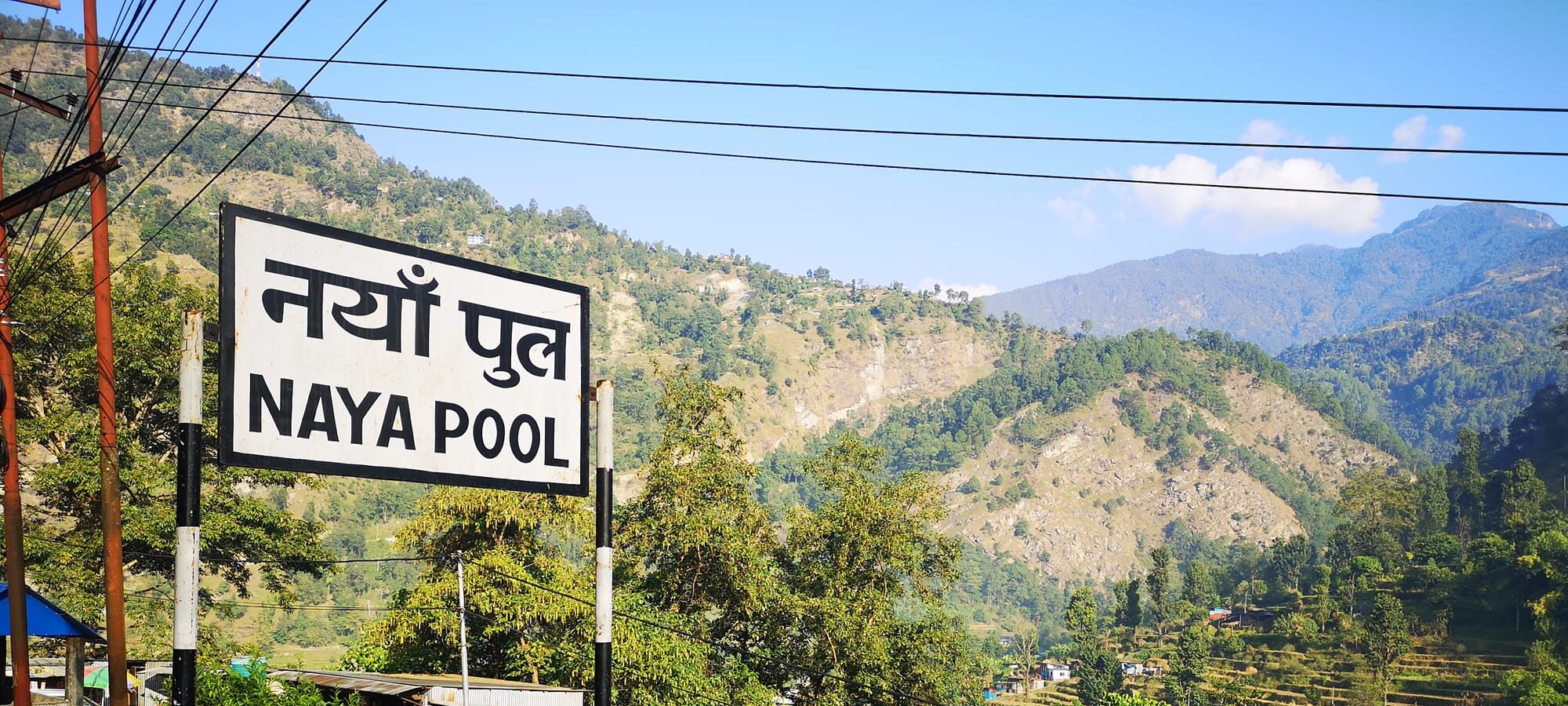
Website: www.vehiclehiringnepal.com

Final Thoughts

The road from Lumbini to Kathmandu is a journey through the full diversity of Nepal’s landscape – from the sacred, flat Terai plains where the Buddha was born, through subtropical river valleys and mountain gorges, and up into the vibrant capital of Kathmandu. Whether you are completing a spiritual pilgrimage, a family vacation, or an adventurous Nepal road trip, hiring a private car from Lumbini to Kathmandu gives you the comfort, speed, and freedom to travel entirely on your own terms.

Vehicle Hiring Nepal has helped thousands of travellers complete this route safely and comfortably. Our experienced drivers, well-maintained vehicles, and 24/7 support make us the most trusted vehicle hire service for the Lumbini to Kathmandu route.

Book your private car from Lumbini to Kathmandu today. Contact us on WhatsApp at +977 981-4227196 or visit vehiclehiringnepal.com to reserve a vehicle and confirm your journey.

If you are planning a tour in Kathmandu, we warmly welcome you to start your journey with our trusted sister company, Trek Nepal Himalayas. We specialise in organising the best travel experiences in Nepal, including the Everest Base Camp Trek, the Manaslu  Circuit Trek, Kathmandu full-day sightseeing, the Nagarkot sunrise tour, and the Chitwan Jungle Safari.

We operate all these tours year-round with professional service, experienced guides, and well-planned itineraries. Whether you want a budget-friendly adventure or a luxury trekking and lodge experience, we can fully customise your trip to match your comfort and travel style. Our goal is to provide safe, memorable, and high-quality travel experiences across Nepal.

Pokhara to Jomsom Jeep Rental Guide

Jomsom Transport From Pokhara Airport

Pokhara to Jomsom Jeep Rental: Complete Guide to Cost, Route & Tips

Jomsom is one of Nepal’s most iconic destinations. Set in the lower Mustang valley at an altitude of 2,720 meters above sea level, it is the headquarters of the Mustang District and the gateway to the legendary Annapurna Circuit Trek, Upper Mustang, Muktinath Temple, and the Kali Gandaki Gorge — the deepest river gorge in the world.

A small airport serves Jomsom with flights from Pokhara, but these mountain flights are notoriously unreliable and often face weather-related cancellations. Hiring a jeep from Pokhara to Jomsom is therefore the preferred choice for thousands of pilgrims, trekkers, and adventurous travellers every year.

The road journey takes you through some of Nepal’s most spectacular scenery — river gorges, waterfalls, terraced hills, and the dramatic high-desert landscape of the Mustang valley.

At Nepal Vehicle Hiring Pvt Ltd, we offer professional private jeep rental services from Pokhara to Jomsom with experienced mountain drivers, well-maintained 4WD vehicles, and full flexibility for stops and sightseeing. This 2026 guide covers everything you need to know before booking your jeep.

For travellers who have completed their trek and plan to explore Kathmandu, we recommend continuing your journey with our trusted sister companies, Trek Nepal Himalayas and Alpine Luxury Treks. We specialise in organising a wide range of travel experiences across Nepal, from classic trekking adventures to cultural and wildlife tours.

Our top offerings include iconic journeys such as the Everest Base Camp Trek, in-depth Kathmandu sightseeing tours, striking Nagarkot sunrise experiences, exciting Chitwan jungle safari, and luxury packages. We can also arrange short hikes, heritage tours, mountain flights, and customised travel plans tailored to your schedule and interests.

Whether you want a budget-friendly trip or a luxury trekking experience with top-end lodges, private guides, and high-end services, we manage every detail professionally. Our goal is to make the transition from your trekking adventure to a comfortable, memorable travel experience in Nepal smooth.

Why Hire a Jeep from Pokhara to Jomsom?

Reliable Alternative to Unreliable Flights

Flights from Pokhara to Jomsom are among the most weather-dependent in Nepal. Strong afternoon winds in the Kali Gandaki valley frequently cause cancellations and lengthy delays. A jeep rental eliminates this uncertainty and gives you full control over your travel schedule.

Experience the Kali Gandaki Gorge

The road from Beni to Jomsom follows the Kali Gandaki River through the world’s deepest gorge, flanked by the Annapurna and Dhaulagiri massifs on either side. This is one of the most dramatic and awe-inspiring road journeys in all of Asia — something a flight completely misses.

Access Mustang Villages Along the Way

A private jeep hire lets you stop freely at iconic villages along the route, such as Tatopani, Ghasa, Kalopani, Larjung, Tukuche, and Marpha. These are rich cultural and natural treasures that air travellers completely bypass.

Ideal for Pilgrims and Families

The Pokhara-Jomsom-Muktinath route is one of Nepal’s most important pilgrimage routes, attracting hundreds of thousands of Hindu and Buddhist pilgrims each year. A private jeep is the most practical and comfortable vehicle for pilgrims of all ages.

Best Value for Groups

When the cost of a private jeep is shared among 4 to 6 passengers, it often works out more economical than multiple individual flight tickets, while offering a far richer and more memorable experience.

Jomsom

Pokhara to Jomsom – Quick Facts

Detail Information
Road Distance Approximately 155–160 km
Travel Time (Private Jeep) 6 to 8 hours
Travel Time (Shared Jeep / Bus) 8 to 10 hours
Departure Point (Pokhara) Zero KM / Prithvi Chowk, Pokhara
Departure Time 6:00 AM – 8:00 AM (recommended early start)
Jomsom Altitude 2,720 metres above sea level
District Mustang District, Gandaki Province
Route Pokhara → Beni → Tatopani → Ghasa → Kalopani → Marpha → Jomsom
Road Type Paved to Beni (104 km), off-road/rough from Beni to Jomsom
Important Note Strong afternoon winds – always depart early morning

Pokhara to Jomsom Jeep Route

The Pokhara to Jomsom route is one of Nepal’s most scenic overland journeys. Here is a detailed stage-by-stage breakdown of the road so you know exactly what to expect:

Pokhara to Beni – Approx. 104 km (3 hours)

The journey begins in Pokhara and heads west along a well-paved highway. You pass through Baglung Bazaar before arriving at Beni, the district headquarters of Myagdi. The road through this first section is smooth and comfortable, offering lovely views of terraced hills and river valleys.

Beni is an excellent stop for breakfast or an early tea break.

Key stop: The Kushma Suspension Bridge — Nepal’s highest and longest suspension bridge — is a short detour from the main road between Pokhara and Baglung. It is well worth the brief stop for a spectacular view.

Beni to Tatopani – Approx. 42 km (2 hours)

After Beni, the road narrows, and the landscape transforms dramatically. You enter the Kali Gandaki River valley, and the road winds through steep, gorge-like terrain. The surface becomes rougher — a mix of gravel, packed earth, and some paved sections.

You pass through the scenic villages of Baglung, Dana, and Ghasa.

At Tatopani, you will find the famous natural hot springs (tatopani means hot water in Nepali). This is an ideal stop for lunch and a refreshing soak in the natural thermal pools. The Rupse Waterfall near Dana is another spectacular attraction along this stretch.

Tatopani to Kalopani – Approx. 30 km (1.5 hours)

From Tatopani, the road continues northward through the spectacular Kali Gandaki Gorge with the massive peaks of Dhaulagiri (8,167 m) and Annapurna I (8,091 m) flanking the route on either side. The valley gradually narrows, and the landscape shifts from lush subtropical greenery to the dry, high-altitude terrain characteristic of the rain-shadowed Mustang region.

Ghasa and Kalopani are picturesque villages in this section,n offering some of the finest mountain views of the entire journey.

Kalopani to Marpha – Approx. 20 km (1 hour)

The road continues through the increasingly arid Mustang landscape past the villages of Lete, Kobang, Larjung, and Tukuche. The Annapurna and Dhaulagiri peaks remain dramatically visible throughout. You arrive at Marpha, one of the most charming and well-known villages in the Mustang valley, famous for its apple orchards, apple brandy, and traditional white-walled Thakali architecture.

Marpha deserves at least 30-30 to 60 minutes of exploration. The lanes between the stone houses, the monasteries, and the apple orchards are all beautiful.

Marpha to Jomsom – Approx. 7 km (30 minutes)

The final short stretch from Marpha to Jomsom runs across the wide, sandy riverbed of the Kali Gandaki. By the time you reach Jomsom, the landscape has fully transformed into a high-altitude semi-desert. Strong winds sweep down the valley from Tibet, and the dry mountains of Upper Mustang rise dramatically to the north.

Jomsom town has a lively bazaar, good accommodation options, a small airport, and serves as the base for visits to nearby Kagbeni, Muktinath, and Upper Mustang.

Route Overview Table

Stage Route Segment Distance Road Type Highlights
1 Pokhara to Beni ~104 km Paved, smooth Kushma bridge, Baglung bazaar
2 Beni to Tatopani ~42 km Rough, gorge road Rupse Waterfall, Tatopani hot springs
3 Tatopani to Kalopani ~30 km Mixed, narrow Kali Gandaki Gorge, Annapurna & Dhaulagiri views
4 Kalopani to Marpha ~20 km Rough, high-altitude Larjung, Tukuche, Marpha apple village
5 Marpha to Jomsom ~7 km Sandy/rough Kali Gandaki riverbed, Jomsom bazaar
kathmandu to mustang
Muktinath route map

Pokhara to Jomsom Jeep Rental Cost

Here is a comprehensive price guide for all vehicle and transport options on the Pokhara to Jomsom route in 2026:

Vehicle / Option Cost (NPR) Cost (USD Approx.) Capacity Notes
Shared Jeep (per seat) NPR 1,500–2,000/person USD 11–15/person 7–8 Departs: Zero KM/Prithvi Chowk
Local Bus (per seat) NPR 800–1,200/person USD 6–9/person Open Slower, more stops
Private Jeep (one way) NPR 18,000–35,000 USD 130–250 4–6 Hotel pickup, flexible stops
Private Jeep (round trip) NPR 28,000–60,000 USD 210–400 4–6 Includes return to Pokhara
Private Jeep to Muktinath (one way) NPR 28,000–60,000 USD 210–300 4–6 Jomsom + Kagbeni + Muktinath
Private Jeep to Muktinath (round trip) NPR 45,000–70,000 USD 335–700 4–6 Full package including return

Note: Prices include driver and fuel. Prices may vary by season, vehicle type, and road conditions. Contact Nepal Vehicle Hiring Pvt Ltd for a confirmed quote for your travel date.

Private Jeep Rental from Pokhara to Jomsom

A private 4WD jeep from Nepal Vehicle Hiring Pvt Ltd is the most comfortable, flexible, and popular way to travel from Pokhara to Jomsom. Here is everything included in your private jeep hire:

  • Direct hotel pickup from your accommodation anywhere in Pokhara
  • Well-maintained 4WD vehicle – Scorpio, Bolero, or Toyota Land Cruiser
  • Experienced mountain driver fully familiar with the Pokhara to Jomsom route
  • Flexible departure time to suit your itinerary
  • Stop on demand at any attraction – Kushma bridge, Tatopani hot springs, Marpha village, Kagbeni
  • Ample luggage space for trekking gear, pilgrim bags, and personal belongings
  • Full driver fuel and expenses are included in the price

Open beni jomsom sadak

Why a 4WD Jeep is Essential for This Route

The road from Beni to Jomsom is an off-road mountain track. From Beni onward, the surface is a mix of rocky terrain, river crossings, gravel, and deeply rutted earth tracks. The Kali Gandaki valley also experiences powerful afternoon winds that raise clouds of dust and sand.

A 4WD vehicle with high ground clearance and an experienced driver is not just recommended—it is essential for a safe, smooth journey.

Sharing Jeep from Pokhara to Jomsom

Sharing jeeps (also called local jeeps or Sumos) depart daily from Zero KM and Prithvi Chowk in Pokhara. They are the most affordable vehicle option and are popular among budget solo travellers and backpackers heading to Jomsom.

Sharing Jeep Key Details

Detail Information
Departure Point Zero KM / Prithvi Chowk, Pokhara
Departure Time 7:00 AM – 9:00 AM
Capacity 7 to 8 passengers per jeep
Travel Time 8 to 10 hours
Cost per Person NPR 1,500–2,000 (approx. USD 11–15)
Luggage Roof rack available for large bags
Stops Fixed tea and meal stops at Tatopani and along the route

Pros of Sharing Jeep

  • Most affordable jeep option – good for solo travellers on a budget
  • Daily departures from central Pokhara
  • Good opportunity to meet other trekkers and travellers
  • 4WD capability handles the rough road from Beni onward

Cons of Sharing Jeep

  • Crowded – up to 7 or 8 passengers in a vehicle designed for comfort with fewer people
  • Fixed departure point – no hotel pickup
  • No freedom to stop at attractions along the route
  • Journey takes 8 to 10 hours due to multiple stops

Jomsom valley

Private Jeep vs Sharing Jeep vs Bus – Full Comparison

Category Private Jeep Sharing Jeep Local Bus
Travel Time 6–8 hours 8–10 hours 9–10+ hours
Cost (per person, group of 4) NPR 4,500–10,000 NPR 1,500–2,000 NPR 800–1,200
Cost (total) NPR 18,000–35,000 Per seat Per seat
Departure Hotel pickup Zero KM / Prithvi Chowk Zero KM / Prithvi Chowk
Departure Time Flexible 7:00–9:00 AM 6:00–8:00 AM
Comfort High Medium Low
Luggage Space Excellent Moderate (roof rack) Limited
Stop Freedom Full – on demand None None
4WD Capability Yes – essential Yes Not always
Privacy Complete Shared (7–8 pax) No
Best For Groups, pilgrims, families Solo budget travellers Cheapest fare only

Top Attractions to Visit Along the Pokhara to Jomsom Route

Kushma Suspension Bridge

The Kushma Suspension Bridge is Nepal’s highest and longest suspension bridge, spanning the Kali Gandaki River gorge near Kushma between Pokhara and Beni. A short detour from the main road, it is a must-stop for views and photography. Adventure seekers can also try bungee jumping and the canyon swing at the bridge.

Rupse Waterfall

Rupse Waterfall: The waterfall cascades directly beside the road and is a natural roadside highlight on the journey to Jomsom.

Tatopani Natural Hot Springs

Tatopani is famous throughout Nepal for its natural geothermal hot springs on the banks of the Kali Gandaki River. This is an ideal lunch stop and the perfect place to soak away the aches of the journey. The hot springs are especially popular with trekkers returning from the Annapurna Circuit.

Ghasa Village

Ghasa is a traditional Thakali village in the Kali Gandaki valley. The stone-paved lanes, ancient water mills, and Mani walls give it a timeless Himalayan atmosphere. The surrounding area offers excellent views of the Annapurna and Dhaulagiri ranges.

Kalopani Viewpoint

Kalopani offers what many consider the finest Himalayan panorama on the entire route, with near-perfect views of Dhaulagiri (8,167 m) and the Annapurna range rising directly above the narrow valley. On a clear morning, the views from Kalopani are simply striking.

Marpha Village – The Apple Village of Nepal

Marpha is arguably the most beautiful village along the entire Pokhara-Jomsom route. Famous for its apple orchards, excellent apple brandy and cider, whitewashed stone houses, and covered lanes, Marpha is a genuinely magical place. Allow 30 to 60 minutes to walk through the village.

Jomsom Bazaar

Jomsom town is Mustang’s commercial and administrative hub. The main bazaar blends Thakali culture with Tibetan influence. The town also has a small museum, a gompa (monastery), and direct views of the dramatic arid mountains of Upper Mustang.

Kagbeni Village

Kagbeni is located approximately 18 km north of Jomsom and serves as the entry point to the restricted Upper Mustang. This medieval walled village, with its ancient monastery and dramatic location at the confluence of the Kali Gandaki and Kak rivers, is one of the most photogenic places in Nepal. Many jeep trips include Kagbeni as a day trip from Jomsom.

Muktinath

Extending Your Jeep Trip to Muktinath

Many travellers hire a jeep from Pokhara to Jomsom and also extend their journey to Muktinath, one of the holiest pilgrimage sites of both Hindus and Buddhists.

Route Extension Distance from Jomsom Time Additional Cost
Jomsom to Kagbeni ~18 km ~45 min Included in most packages
Kagbeni to Muktinath ~18 km ~1 hour NPR 3,000–5,000 additional
Jomsom to Muktinath (direct) ~22 km ~1.5 hours NPR 4,000–6,000 additional

Nepal Vehicle Hiring offers combined Pokhara-to-Jomsom-to-Muktinath jeep packages at a single inclusive price. Contact us for a customised quote for your group.

What to Do When You Arrive in Jomsom

Explore Jomsom Bazaar

Jomsom’s main bazaar is a fascinating blend of Thakali culture, Tibetan influence, and mountain trekker activity. Explore the shops, try local Thakali cuisine, and soak in the high-altitude atmosphere.

Visit Jomsom Museum

The Eco Museum in Jomsom offers an excellent overview of the Mustang region’s natural history, culture, and geology. The display of Shaligram fossils — ancient ammonite fossils found in the Kali Gandaki riverbed and sacred to Hindus — is particularly remarkable.

Day Trip to Kagbeni

Kagbeni, 18 km north of Jomsom by jeep, is an essential half-day excursion. The medieval walled town, the Red Gompa monastery, and the dramatic mountain scenery make it one of the most compelling stops in the entire Mustang region.

Continue to Muktinath Temple

From Jomsom or Kagbeni, continue by jeep to Muktinath Temple (3,710 meters). One of the 108 Divya Desams of Vishnu in Hinduism and a sacred site in Vajrayana Buddhism, Muktinath attracts hundreds of thousands of pilgrims every year. The 108 sacred water spouts, the eternal flame, and the Jwala Devi shrine make it a memorable spiritual experience.

Begin an Annapurna Region Trek

Jomsom is a major trailhead for several important trekking routes, including the Annapurna Circuit Trek, the Dhaulagiri Circuit Trek, and the Upper Mustang Trek. Many trekkers take a jeep to reach Jomsom quickly, then begin their trek from there.

Permits Required for Jomsom and the Mustang Region

All visitors to the Jomsom and Mustang region require specific permits. Here is what you need to arrange in advance:

Permit Cost Where to Obtain Required For
ACAP (Annapurna Conservation Area Permit) NPR 3,000 (foreigners) Nepal Tourism Board, Kathmandu or Pokhara All visitors to Mustang
TIMS Card (Trekkers Information Management System) NPR 2,000 (foreigners) Nepal Tourism Board Trekkers only
Upper Mustang Restricted Area Permit USD 500 (10 days) Nepal Tourism Board Lo Manthang / Upper Mustang only

Note: Permits for Jomsom and Lower Mustang (ACAP + TIMS) are straightforward. You only need the Upper Mustang Restricted Area Permit if you travel north of Kagbeni into Lo Manthang, and it requires a minimum group of 2 people with a licensed guide.

pokhara to kathmandu seorpio

Best Time to Hire a Jeep from Pokhara to Jomsom

Spring (March to May) – Excellent

Spring is the peak trekking season. Roads are dry, the weather is stable, and the Kali Gandaki valley is at its most vibrant. The Annapurna rhododendron forests are in full bloom.

This is one of the best times for the Pokhara-to-Jomsom jeep journey.

Monsoon (June to August) – Possible with Caution

Unlike most mountain regions in Nepal, the Mustang and Jomsom area lies in a rain shadow north of the Himalayan range. It receives significantly less rainfall than the southern Annapurna slopes. The Pokhara to Beni section can be affected by monsoon rains and occasional landslides, but the road to Jomsom generally remains passable.

Always check road conditions before departure.

Autumn (September to November) – Excellent

Autumn offers crystal-clear skies, stable weather, and superb mountain visibility. Roads are in the best post-monsoon condition. The Annapurna and Dhaulagiri peaks are especially spectacular in autumn.

This is the second peak season and an ideal time for a Pokhara-to-Jomsom jeep rental.

Winter (December to February) – Possible with Preparation

Winter is the quietest season. The road to Jomsom is generally open year-round, but higher passes and side routes can be affected by snowfall. The Jomsom valley is cold and windy in winter, but the clear skies offer spectacular mountain views.

A private 4WD jeep with an experienced driver is essential in winter.

The Jomsom Wind Warning – Why You Must Depart Early

The Kali Gandaki valley is famous throughout Nepal for its powerful afternoon winds. Every day, from around noon onward, strong winds funnel through the valley from the Tibetan plateau, creating dusty, difficult, and potentially dangerous driving conditions between Tatopani and Jomsom.

For this reason, all jeeps and vehicles travelling from Pokhara to Jomsom must depart early in the morning, ideally between 6:00 AM and 7:00 AM. This allows you to cover the critical off-road section between Tatopani and Jomsom before the winds intensify.

Nepal Vehicle Hiring advises all passengers to depart from Pokhara by 6:30 AM at the latest for the Pokhara-Jomsom route.

What to Pack for the Pokhara to Jomsom Jeep Journey

  • Warm jacket and layers – Jomsom is at 2,720 m, and the valley is significantly colder than Pokhara.
  • Windproof jacket or layer – the Kali Gandaki valley winds are powerful and dust-laden
  • Face mask, buff scarf, or bandana – essential for the dusty off-road sections from Beni onward
  • Sunglasses – glare from the sandy riverbed and high-altitude sun is intense.
  • Sunscreen (SPF 50+) – UV levels are high at Jomsom altitude
  • Water bottles – carry at least 2 litres; refill at teahouses along the route
  • Light snacks – biscuits, nuts, energy bars for the journey
  • Camera or smartphone – the scenery throughout is first-rate
  • Nepali cash – ATMs are limited in Jomsom and nonexistent on the route
  • Trekking permits – ACAP and TIMS cards (obtain in Pokhara before departure)
  • Motion sickness tablets – the road from Beni to Tatopani is winding and bumpy

Expert Tips for the Pokhara to Jomsom Jeep Journey

  • Depart by 6:00 AM or 6:30 AM from Pokhara – this is not optional but essential to beat the valley winds.
  • Fill up on fuel completely in Pokhara – petrol stations are limited after Beni.
  • Book your private jeep at least 3 to 5 days in advance during spring and autumn peak season.s
  • Carry all required permits from Pokhara – there are checkpoints at Beni and Tatopani.
  • Sit on the right side of the vehicle heading northward for the best river and mountain views.
  • Stop at Marpha for at least 30 minutes – it is the most beautiful village on the entire route.
  • If visiting Muktinath, plan to stay overnight in Jomsom or Kagbeni before the early morning drive.
  • Carry warm layers even in summer – temperatures in Jomsom can be 10 to 15 degrees cooler than Pokhara.
  • Take motion sickness medicine before departure if you are prone to nausea on bumpy roads.
  • Inform your driver if you want to stop at specific locations – a private jeep from Nepal Vehicle Hiring makes all stops on request.

How to Book a Jeep from Pokhara to Jomsom with Nepal Vehicle Hiring

Booking your private jeep from Pokhara to Jomsom with Nepal Vehicle Hiring Pvt Ltd is easy:

  • Step 1: Contact us via phone, WhatsApp, or visit vehiclehiringnepal.com
  • Step 2: Share your travel date, group size, and hotel location in Pokhara
  • Step 3: Choose your jeep package – one-way to Jomsom, combined with Muktinath, or round trip
  • Step 4: Receive your booking confirmation with pickup time and driver details
  • Step 5: Enjoy a safe, comfortable, and scenic jeep journey to Jomsom

We recommend booking at least 3 to 7 days in advance during the spring (March–May) and autumn (September–November) peak seasons.

WhatsApp: +977 981-4227196
Email: [email protected]
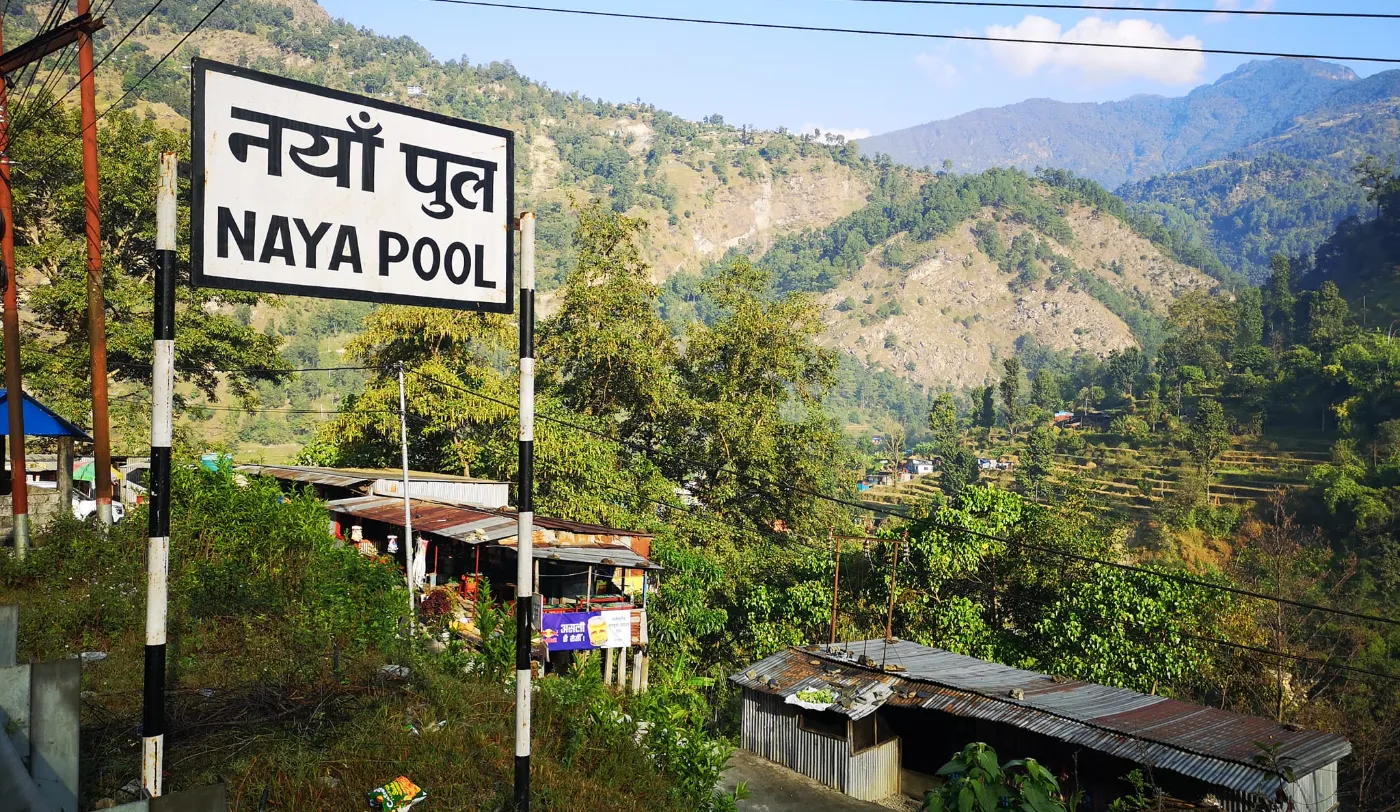
Website: www.vehiclehiringnepal.com

Frequently Asked Questions (FAQ)

How far is Pokhara from Jomsom by road?

The road distance from Pokhara to Jomsom is approximately 155-160 kilometres.

How long does the jeep ride from Pokhara to Jomsom take?

A private jeep takes 6 to 8 hours. A shared jeep or public bus takes 8 to 10 hours, depending on road conditions, stops, and weather.

What is the cost of a private jeep from Pokhara to Jomsom in 2026?

A one-way private jeep rental from Pokhara to Jomsom costs approximately NPR 18,000 to 28,000 (USD 130 to 210), including driver and fuel. A round trip costs NPR 28,000 to 45,000.

Is a 4WD jeep essential for the Pokhara to Jomsom route?

Yes. The road from Beni to Jomsom is an off-road mountain track. A 4WD vehicle with high ground clearance is essential for this section.

Nepal Vehicle Hiring uses only 4WD vehicles for this journey.

Can I go directly from Jomsom to Muktinath by jeep?

Yes. Muktinath is approximately 22 km from Jomsom by jeep via Kagbeni. The drive takes about 1 to 1.5 hours.

Nepal Vehicle Hiring offers combined packages from Pokhara to Jomsom and Muktinath.

Do I need a permit to visit Jomsom?

Yes. All visitors need an ACAP (Annapurna Conservation Area Permit), and trekkers additionally need a TIMS card. You can get both at the Nepal Tourism Board office in Pokhara.

What is the best time to hire a jeep from Pokhara to Jomsom?

Spring (March to May) and Autumn (September to November) are the best seasons. The Jomsom area also sees relatively little monsoon rainfall compared to other parts of Nepal, making summer travel possible with appropriate precautions.

Why do jeeps depart so early from Pokhara?

The Kali Gandaki valley experiences powerful afternoon winds from midday onward. An early morning departure (6:00–7:00 AM) ensures you complete the off-road section between Tatopani and Jomsom before the dangerous winds intensify.

Can I book a return jeep from Jomsom to Pokhara?

Yes. Nepal Vehicle Hiring provides return vehicle hire from Jomsom to Pokhara. Arrange your return in advance to ensure availability.

Book Your Pokhara to Jomsom Jeep Rental with Nepal Vehicle Hiring

The jeep journey from Pokhara to Jomsom is one of Nepal’s most memorable road adventures. Passing through the deepest gorge in the world, past thundering waterfalls, thermal hot springs, ancient Thakali villages, and with the mighty Dhaulagiri and Annapurna peaks towering overhead — it is a journey that far surpasses anything a 25-minute flight could offer.

Whether you are a pilgrim heading to the sacred Muktinath Temple, a trekker starting the Annapurna Circuit, a family on a Mustang adventure, or a traveller simply seeking one of Nepal’s greatest road experiences, Nepal Vehicle Hiring Pvt Ltd has the right jeep and the right driver for your journey.

Kathmandu to Pokhara Bus: Traveler’s Complete Guide

Kathmandu to besisahar Bus

Kathmandu to Pokhara Bus Ticket  – Traveler’s Complete Guide

The journey from Kathmandu to Pokhara is one of Nepal’s most popular and heavily travelled routes. Whether you’re a budget backpacker, a trekker heading to the Annapurna region, or a family visiting Lakeside, the bus from Kathmandu to Pokhara is a convenient, affordable, and scenic way to travel.

This complete 2026 guide covers every bus option available, ticket prices, departure times, what to expect on the road, and expert tips to make your journey as smooth and enjoyable as possible.

Trip Glance of Kathmandu to Pokhara by Bus

Distance: Approximately 200 km by road

Travel Time: 6 to 8 hours, depending on bus type and traffic conditions

Main Road: Prithvi Highway – Nepal’s main east-west arterial highway

Departure Point: Kathmandu – tourist buses depart from Kantipath / Thamel area

Arrival Point: Pokhara – tourist buses arrive at the Lakeside (Baidam) area

Highlights: Trishuli River gorge, Malekhu riverside, Mugling Junction, Marsyangdi valley, Pokhara valley

Types of Buses from Kathmandu to Pokhara

In 2026, travellers will have more bus options than ever on the Kathmandu-to-Pokhara route. Here is a complete breakdown of every bus type available:

Bus Type Travel Time Price Per Person Seat Type Best For
Tourist Bus (standard) 7–8 hrs USD 9- 10 Reclining seats, A/C Budget travellers, backpackers
Tourist Bus (deluxe) 7–8 hrs USD 12- 15 Wider seats, A/C, more space Comfort seekers, couples
Luxury Sofa bus 6–7 hrs USD 15- 20 Top-end seats, fewer stops Faster journey, light travellers
Super vip Bus 6–7 hrs USD 25- 30 Top-end A/C, lunch included Maximum comfort, all-inclusive
Night Bus (local) 7–9 hrs NPR 600–900 Basic seats, no A/C Very budget, overnight travel
Private Car / Jeep 5–6 hrs USD 120- 150 Private vehicle Groups, families, trekkers

Vehicle Hiring Nepal specialises in bus tickets, deluxe bus tickets, and private vehicle hire for the Kathmandu-to-Pokhara route. We handle bookings for all major tourist bus operators and can also arrange private vehicles for groups of any size.

Check the Chitwan VIP Sofa Bus Ticket Price and compare luxury bus services, routes, travel time, seating comfort, onboard facilities, and booking options for a comfortable journey to Chitwan.

Tourist Bus – Everything You Need to Know

The tourist bus is the most popular choice for international travellers heading from Kathmandu to Pokhara. Here is a detailed look at what to expect:

Departure Time and Location

Tourist buses from Kathmandu to Pokhara depart daily at 7:00 AM—some deluxe and express services also depart at 8:00 AM. Buses depart from the tourist bus park near Kantipath in central Kathmandu, close to Thamel. Many hotels arrange pickup from the Thamel pickup bus park – ask your hotel or booking agent.

Arrival in Pokhara

Tourist buses arrive directly at the Lakeside (Baidam) area of Pokhara – the heart of the tourist district with hotels, restaurants, and shops right on Phewa Lake. This is a major advantage over local buses, which arrive at the Prithvi Chowk bus station on Pokhara’s outskirts.

Onboard Experience

  • Air conditioning available on all tourist buses (quality varies – bring a light jacket)
  • Reclining seats with reasonable legroom (deluxe buses have wider, more comfortable seats)
  • One designated rest and lunch stop at Mugling junction (approximately halfway)
  • Drinking water is sometimes provided – carry your own to be safe
  • No onboard toilet – scheduled stops are made at roadside facilities
  • Luggage stored in the undercarriage hold – keep valuables with you

Ticket Price

Standard tourist bus: USD 9-10 per person. Deluxe tourist bus: USD 12-15 per person.Luxury sofa bus: USD 15-20. Super luxury sofa bus: USD 25-30, including lunch. Prices are per seat, not per vehicle.

Bus Ticket Price Comparison: All Options 2026

Bus Service Departure Arrival Price (USD/person) Includes
Standard Tourist Bus 7:00 AM 2:00–3:00 PM $ 9- 10 0 Seat + luggage storage
Deluxe Tourist Bus 7:00 AM 2:00–3:00 PM $ 12- 15 Wider seat + A/C + water
Luxury Vip sofa 7:30 AM 1:30–2:30 PM $15-20 Faster route, fewer stops
Super Vip Luxury Bus sofa 8:00 AM 2:00–3:00 PM $ 25- 30 Seat + lunch + A/C + water
Local Night Bus 7:00 PM 3:00–5:00 AM $4 – $7 Basic seat only
Private Car Flexible Flexible $ 120- $ 150 Full car, door-to-door
Private Hiace (full vehicle) Flexible Flexible $130 – $200 Full van, door-to-door

Note: Local public buses are available from the Gongabu Bus Park in Kathmandu for as little as NPR 400–600 per person, but they travel much more slowly, are significantly less comfortable, and do not stop at Lakeside Pokhara.

The Route: Kathmandu to Pokhara Road Journey

The Prithvi Highway is one of Nepal’s most scenic drives. Here is what you will see and experience at each stage of the bus journey:

Kathmandu to Naubise (30 km | 45 min)

The bus exits Kathmandu through Kalanki in the west and climbs over the Chandragiri foothills before descending to Naubise. This section can be slow during morning traffic. Clear views back over the Kathmandu Valley are visible from the hill ridge before the descent.

Naubise to Malekhu (50 km | 1 hr)

The road drops into the Trishuli River gorge and runs along the riverbank through beautiful forested hills. Malekhu is a popular roadside stop known for fresh river fish restaurants. You may spot white-water rafters on the Trishuli below.

Sit on the left side of the bus for the best river views.

Malekhu to Mugling Junction (30 km | 45 min)

The gorge narrows, and the river becomes more dramatic. Mugling is the halfway point and the designated lunch stop for all tourist buses. The town has many restaurants – dal bhat, momo, noodles, and tea are all available.

Budget 30–45 minutes here. Please use the facilities; there is no onboard toilet.

Mugling to Damauli (50 km | 1 hr)

From Mugling, the road turns northwest, following the Marsyangdi River valley. Dumre is the turnoff for buses heading to the Annapurna Circuit starting points. Damauli is a pleasant town overlooking the confluence of the Seti and Madi rivers, with panoramic views of the Annapurna range on clear days.

Damauli to Pokhara Lakeside (40 km | 45 min)

The final stretch descends into the wide Pokhara valley. On clear days, the entire Annapurna Himalayan range – including Machhapuchhre (Fishtail) at 6,993 m – fills the horizon ahead. The bus arrives directly at the Lakeside tourist area.

Most hotels are within walking distance or a short taxi ride.

Tourist Bus vs Private Car – Which is Right for You?

Not sure whether to take the tourist bus or hire a private vehicle? Here is a full comparison to help you decide:

Feature Tourist Bus Private Car / Jeep
Cost $10–$30 per person $120–$160 for the full vehicle (cheaper for 3+ people)
Travel time 7–8 hours 5–6 hours
Departure Fixed 7:00 AM only Any time you choose
Pickup Sorakhute bus station Your hotel door
Drop-off Lakeside area (Pokhara) Your hotel door in Pokhara
Stops Fixed – Mugling only Stop anywhere, anytime
Luggage space Undercarriage hold Full boot space, no limits
Privacy Shared with 30–40 people Your group only
Flexibility Fixed schedule Completely flexible
Best seat view Window seat (left side) Any seat – stop for photos
Best for Solo, budget, backpackers Families, groups, trekkers

Our recommendation: For groups of 3 or more, a private car costs the same or less per person as a tourist bus – with door-to-door service, no fixed schedule, and significantly faster travel time. For solo travellers and backpackers, the tourist bus is an excellent value and a great way to meet fellow travellers.

Kathmandu to Pokhara Deluxe Bus

Reeline Bus – Nepal’s Top-end Bus Service

Greenline is Nepal’s most reputable and popular top-end tourist bus service on the Kathmandu-to-Pokhara route. Here is everything you need to know about Greenline:

Ticket Price: USD 30 per person

Departure: 8:00 AM daily from Thamel area (hotel pickup available). Pickup: Approximately 2:00–3:00 PM at Lakeside Pokhara

Included: Air-conditioned top-end bus + complimentary lunch at Mugling + drinking water + WiFi (where available)

Seat Width: Wider, more comfortable seats than standard tourist buses

Booking: Book through Vehicle Hiring Nepal, Greenline offices in Thamel, or online

Greenline is consistently rated the most comfortable and reliable bus service on this route. The complimentary lunch at their partner restaurant in Mugling is a genuine sit-down meal – not just a chai stop. Highly recommended for travellers prioritising the best seat on the Kathmandu to Pokhara Bus

Seat selection on the tourist bus can significantly affect your journey experience. Here is our seat guide:

Left Side Window Seats (Best for Views)

Seats on the left side of the bus (when facing forward) offer the best views of the Trishuli River gorge from Naubise to Mugling. The river runs close to the road on this side, and the views are spectacular. Book your seat early and request a left-side placement when purchasing your ticket.

Front Seats (Best for Legroom and Views)

The front two rows offer the most legroom and the widest windscreen views of the road ahead. However, front seats can be bumpier on rough sections of road. The seat directly behind the driver is not recommended as the driver’s radio and conversations can be distracting.

Rear Seats (Avoid if Possible)

The rear seats above the back axle receive the most road vibration and are the least comfortable on the winding sections near Naubise and Mugling. Avoid rear seats if you are prone to motion sickness.

Motion Sickness Advice

The Kathmandu-Pokhara road has winding sections, particularly between Naubise and Mugling. If you are prone to motion sickness, take medication at least 30 minutes before departure, sit toward the front of the bus, fix your gaze on the road ahead, and keep a window cracked for fresh air. Avoid reading or looking at your phone on winding sections.

Kathmandu to Pokhara Bus

Where to Buy Kathmandu to Pokhara Bus Tickets

There are several easy ways to purchase your Kathmandu to Pokhara bus ticket:

The easiest and most reliable way to book your bus ticket is through Vehicle Hiring Nepal. We sell tourist bus and deluxe bus tickets for all major operators. Please WhatsApp us your travel date and preferred bus type, and we will confirm your seat within minutes.

We can also arrange a hotel pickup from the bus pickup point.

Book at Your Thamel Hotel

Most guesthouses and hotels in Thamel have a front desk or a travel agent who sells tourist bus tickets. This is convenient, but prices are sometimes slightly higher due to the agent’s commission. Always confirm which bus company and seat number you are purchasing.

Buy Direct at the Tourist Bus Park

The tourist bus park on Kantipath is where all tourist buses depart. You can purchase tickets directly at the booking counters on the morning of travel, though popular departures on peak days may sell out. Arrive by 6:30 AM if buying on the day.

Book Online in Advance

Several Nepali travel platforms and Greenline’s own website allow advance online booking. This is recommended during peak trekking season (October–November and March–May) when buses can fill up. However, online booking often requires a Nepali card or bank transfer – WhatsApp booking with Vehicle Hiring Nepal is simpler for international travellers.

Best Time to Take the Kathmandu to Pokhara Bus

October to November (Peak Season)

The most popular time for the Kathmandu-to-Pokhara bus journey is October to November. The skies are clear, Himalayan views from the Pokhara valley are striking, and the road is in excellent condition after the monsoon. Book your bus ticket at least 2–3 days in advance, as buses fill quickly during this peak trekking season.

December to February (Quiet and Clear)

Winter is a beautiful time for the road journey to Pokhara. Traffic is lighter, views of the Annapurna range from the Pokhara valley are among the clearest of the year, and bus tickets are easy to get without booking. Carry a warm jacket as the bus A/C can feel very cold in winter.

March to May (Spring Season)

Spring is excellent for the Pokhara journey with rhododendrons in bloom along the hillsides. The weather is warm and generally dry. Mountain views are good in the morning, but can get hazy by afternoon—a popular season for Annapurna trekkers heading through Pokhara.

June to September (Monsoon)

The Prithvi Highway remains open during the monsoon, but heavy rain can slow the journey. Landslides occasionally block sections of the road, particularly between Naubise and Mugling. Journey times can extend to 9–10 hours during severe rain.

Clouds often obscure mountain views. Buses run daily, but delays are common. Choose a private vehicle for more flexibility when travelling during the monsoon.

Kathmandu to Pokhara Bus: Traveler’s Complete Guide

Kathmandu to Pokhara Bus Journey – Practical Tips

  • Depart as early as possible – the 7:00 AM tourist bus is always best; later departures risk arriving in Pokhara after dark.
  • Book your ticket at least 1–2 days in advance during October–November and March–May peak seasons.
  • Request a left-side window seat for the best views of the Trishuli River between Naubise and Mugling.
  • Bring your own snacks and 1–2 litres of water for the journey – the only scheduled stop is Mugling.
  • Use the toilet at the Mugling rest stop – there are no onboard facilities
  • Keep your daypack with valuables inside the bus cabin – do not put cameras, money, or passports in the luggage hold
  • Wear layers – tourist bus A/C can be aggressively cold, especially in the morning and during winter
  • Take motion sickness medication before departure if needed – the Naubise section is quite winding
  • Download offline maps (Maps.me or Google Maps offline) before departing – signal can be patchy in the gorge
  • Take a photo of your luggage tag when checking baggage into the hold for easy identification at Pokhara

What to Do When You Arrive in Pokhara

Tourist buses drop passengers at the Lakeside (Baidam) bus stop area in Pokhara – the heart of the tourist district. Here is what to do on arrival:

  • Most hotels are within 5–15 minutes walking distance of the Lakeside drop point
  • Taxis are available at the drop point for around NPR 200–400 to most Lakeside hotels
  • Exchange money at Lakeside exchange counters or withdraw from ATMs on the main Lakeside road
  • If arriving in the afternoon on a clear day, take a short walk to the Phewa Lake shore for sunset views of Machhapuchhre and Annapurna.
  • If you are trekking, your trekking agency or guide will meet you at your hotel – confirm meeting time in advance.
  • Pokhara’s Sarangkot viewpoint is best visited the morning after arrival – pre-arrange a taxi or vehicle for a 5:00 AM departure.

Tourist bus and coaster hire in Nepal

Alternative: Bus to Pokhara + Private Jeep Onward

Many smart travellers use a combination approach for Nepal travel – taking the comfortable tourist bus from Kathmandu to Pokhara to save money, then hiring a private jeep from Pokhara for the more adventurous mountain routes onward. This is a popular option for:

  • Trekkers heading to Jomsom, Muktinath, and Mustang – tourist bus to Pokhara, then private jeep from Pokhara
  • Annapurna Circuit trekkers – bus to Pokhara, then jeep to Besisahar or Jagat trailhead
  • Groups where some members want the bus experience, and others prefer vehicle flexibility
  • Budget travellers who want to save on the Kathmandu–Pokhara leg and spend on the Pokhara–Mustang adventure

Vehicle Hiring Nepal can smoothly arrange both legs – a bus ticket from Kathmandu to Pokhara, and a private jeep from Pokhara to your mountain destination. Contact us for a combined package quote.

How to Book Your Kathmandu to Pokhara Bus Ticket

  1. Contact Vehicle Hiring Nepal via WhatsApp or visit vehiclehiringnepal.com
  2. Tell us your travel date and preferred bus type (standard / deluxe /Luxury Vip Sofa bus/ Super Luxury vip sofa bus )
  3. Provide your full name and the number of passengers
  4. We confirm seat availability and send you ticket details
  5. Pay via cash at our Thamel office, online transfer, or on the day of travel
  6. Receive your ticket confirmation with the bus company name, departure time, and pickup point
  7. You or our staff will confirm hotel pickup and bus pickup

WhatsApp: +977 981-4227196
Email: [email protected]
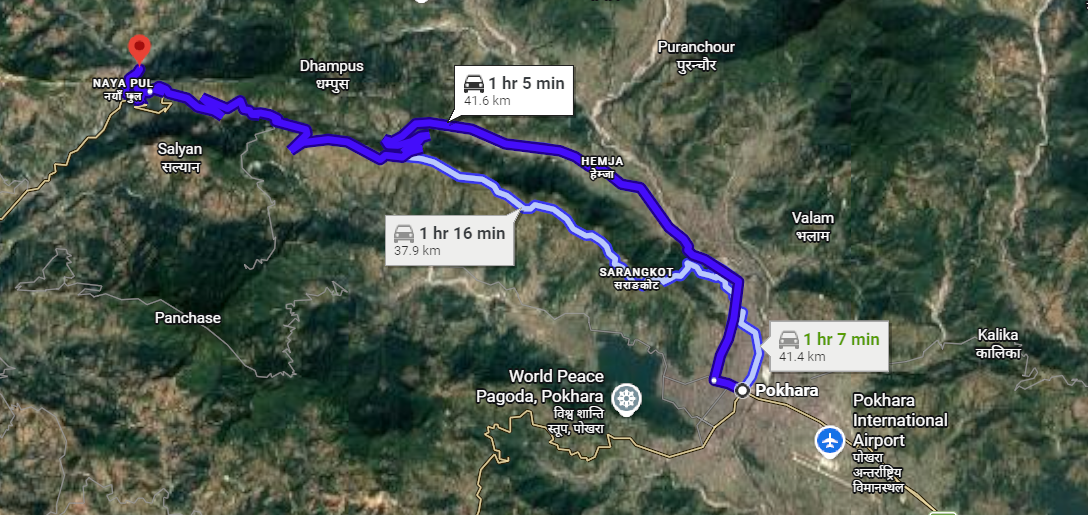
Frequently Asked Questions

What time does the tourist bus leave Kathmandu for Pokhara?

The standard tourist bus departs daily at 7:00 AM from the Sorakhute tourist bus park near Thamel, Kathmandu. Luxury sofa buses and some deluxe services depart at 8:00 AM. There are no afternoon tourist bus departures – only night local buses, which are not recommended for tourists.

How long does the bus take from Kathmandu to Pokhara?

The standard tourist bus takes 7 to 8 hours, including the Mugling lunch stop of approximately 30–45 minutes. Express and Greenline buses can complete the journey in 6- 7 hours. Journey time varies depending on road conditions and traffic.

Where does the tourist bus drop off in Pokhara?

Tourist buses arrive in Pokhara’s Lakeside (Baidam) area, the main tourist district. This is directly beside Phewa Lake with hotels, restaurants, and trekking agencies all within easy walking distance.

Is the tourist bus safe?

Yes. Licensed tourist buses operating on the Kathmandu-to-Pokhara route are well-maintained, regularly inspected, and driven by experienced professional drivers. The Prithvi Highway is Nepal’s main national highway and is in good general condition.

Vehicle Hiring Nepal only sells tickets for reputable, licensed tourist bus operators.

Can I book a bus ticket on the same day of travel?

Yes, in most cases, you can purchase a ticket on the morning of travel at the bus park (arrive by 6:30 AM). However, during peak season (October–November and March–May), buses can sell out. We strongly recommend booking at least 1–2 days in advance through Vehicle Hiring Nepal to guarantee your seat.

Is food included in the bus ticket?

Food is NOT included in standard or deluxe tourist bus tickets – you pay for your own lunch at Mugling. Food IS included in the Super VIP luxury bus ticket at USD 30. The Mugling lunch stop has many restaurants with a wide range of food options.

What is the difference between a tourist bus and a local bus?

Tourist buses are air-conditioned coaches with reclining seats that depart from the Thamel area and drop off at Lakeside Pokhara, designed specifically for international travellers. Local public buses depart from Gongabu Bus Park (far from Thamel), are significantly more crowded and less comfortable, lack A/C, and drop off at Prithvi Chowk bus station in Pokhara, which requires a further taxi ride to Lakeside.

Tourist buses cost more but are worth the extra amount for the comfort and convenience.

Can I take a night bus from Kathmandu to Pokhara?

Local night buses are available, departing around 7:00–9:00 PM and arriving in Pokhara early in the morning, around 3:00–5:00 AM. These are basic local buses without A/C that arrive at Prithvi Chowk in the dark, which isn’t ideal for international travellers unfamiliar with Pokhara. We do not recommend night buses for tourists – the daytime tourist bus journey is far superior.

What if I want to travel with a large group?

For groups of 15 or more, we strongly recommend a private Hiace van or Coaster bus rather than multiple individual bus tickets. A private vehicle is often cost-competitive for large groups, offers door-to-door service, complete departure flexibility, and keeps your entire group together. Contact Vehicle Hiring Nepal for group vehicle quotes.

Final Thoughts

The Kathmandu-to-Pokhara bus journey is a classic Nepal travel experience – a 7-hour ride through some of the most dramatic river-gorge and mountain-valley scenery in South Asia. Whether you choose the budget standard tourist bus, the comfortable Greenline top-end service, or decide to upgrade to a private vehicle, the road from Kathmandu to Pokhara is always an adventure.

Vehicle Hiring Nepal makes booking simple and reliable. We sell tourist bus tickets for all major operators on this route and also offer private cars, Hiace vans, Coaster buses, and jeeps for groups and travellers who want door-to-door flexibility. Whatever your travel style and budget, we have the right option for you.

Book your Kathmandu-to-Pokhara bus ticket or private vehicle today. Contact us on WhatsApp at +977 981-4227196 or visit Nepal Vehicle Hiring

Kathmandu to Mustang (Muktinath)

Muktinath temple of mustang

Mustang – the ancient forbidden kingdom of Nepal – is one of the most extraordinary destinations in the entire Himalayan region. From the sacred pilgrimage site of Muktinath Temple at 3,710 m to the medieval walled city of Lo Manthang at 3,840 m, Mustang draws pilgrims, adventure travellers, and photographers from around the world.

Travelling from Kathmandu to Mustang by private vehicle is a once-in-a-lifetime road adventure that combines dramatic mountain highways, river crossings, and some of Asia’s most remote roads.

This complete guide covers every vehicle option – jeep, car, Hiace van, and bus – with routes, prices, permits, road conditions, best travel times, and expert tips for the journey from Kathmandu to Mustang and Muktinath.

Kathmandu to Mustang

There are two main ways to reach Mustang from Kathmandu by road – both passing through Pokhara and Beni before entering the Kali Gandaki valley and climbing north to the Mustang district.

Total Distance: Approximately 380–420 km from Kathmandu to Jomsom (district headquarters of Mustang)

Kathmandu to Muktinath: Approximately 430–450 km

Total Travel Time: 2 to 3 days by road (usually broken into 2 overnight stops at Pokhara and Tatopani or Ghasa)

Main Route: Kathmandu – Pokhara – Beni – Tatopani – Ghasa – Marpha – Jomsom – Muktinath

Road Type: Prithvi Highway (paved) + Annapurna Circuit Road (gravel / rough mountain track beyond Beni)

Altitude Range: Kathmandu 1,400 m → Jomsom 2,720 m → Muktinath 3,710 m → Lo Manthang 3,840 m

Vehicle Required: 4WD Jeep mandatory beyond Beni – sedans and minivans cannot proceed on the Kali Gandaki gorge road

Two Route Options: Which Way to Mustang?

The standard and most reliable route from Kathmandu to Mustang. Follow the Prithvi Highway to Pokhara (6–7 hrs), rest overnight, then continue west to Beni (2 hrs) and north into the Kali Gandaki gorge towards Tatopani, Ghasa, Marpha, and Jomsom. This is the route all vehicles use to reach Mustang.

Route B: Via Prithvi Highway – Damauli – Beni (Direct, Avoiding Pokhara)

A slightly shorter alternative that bypasses central Pokhara via the Damauli–Baglung highway and reaches Beni from the east. This route saves about 45 minutes but is less commonly used, as most travellers prefer to overnight in Pokhara. It is equally viable for 4WD vehicles.

kathmandu to mustang
Muktinath route map

Vehicle Options: Jeep, Car, Hiace & Bus Compared

Choosing the right vehicle for the Kathmandu-to-Mustang route is critical – this is not a route where all vehicles are equal. Here is a complete comparison of every vehicle option:

Vehicle Capacity Can you reach Jomsom? Can you reach Muktinath? Best For
Sedan Car 1–3 pax Only to Beni No Pokhara/Beni only
SUV (light 4WD) 4–5 pax Beni to Tatopani Risky in wet Small groups, dry season only
Land Cruiser (4WD) 4–6 pax Yes – all year Yes Best choice for Mustang
Toyota Prado (4WD) 4–5 pax Yes – all year Yes Comfort + capability
Hiace Van 7–14 pax To Beni/Tatopani No Groups to lower Mustang
Tourist Bus 25–40 pax To Pokhara only No Budget Kathmandu–Pokhara leg
Local Jeep (Jomsom) 4–6 pax Yes Yes Jomsom–Muktinath last leg

Important: Beyond Beni, only 4WD vehicles with high ground clearance can safely navigate the Kali Gandaki gorge road. We recommend a Land Cruiser or equivalent for the full Kathmandu-to-Muktinath route.

Muktinath temple mustang

Detailed Road Guide: Kathmandu to Mustang

The journey from Kathmandu to Mustang typically takes at least 2 days. Most travellers break the journey into three stages. Here is the full road guide:

Day 1: Kathmandu to Pokhara (200 km | 6–7 hrs)

Depart Kathmandu early morning (6:00–7:00 AM) via the Prithvi Highway. Pass through Naubise, along the scenic Trishuli River gorge, through Malekhu and Mugling (lunch stop), then continue west past Damauli and into the Pokhara valley. Arrive in Pokhara by early to mid-afternoon.

Overnight in Pokhara –a great opportunity to explore Phewa Lake,  the Lakeside area, and enjoy clear Annapurna range views in the morning before your next stage.

Day 2: Pokhara to Tatopani or Ghasa (130 km | 5–6 hrs by 4WD)

Depart Pokhara early (6:00 AM). Drive west to Naya Pul and Baglung, then turn north at Beni – the last major town before the mountain road begins. Beyond Beni, the road follows the Kali Gandaki River north through one of the deepest gorges on Earth – flanked by Dhaulagiri (8,167 m) and Annapurna I (8,091 m) on either side.

Key stops along this section:

  • Beni (830 m) – Last major town; fuel up here; last reliable ATM and mobile signal
  • Tatopani (1,190 m) – Famous natural hot springs, excellent lunch stop
  • Ghasa (2,010 m) – Good mid-mountain overnight option with basic lodges
  • Kalopani (2,530 m) – Spectacular views of Dhaulagiri and Nilgiri from the road
  • Marpha (2,670 m) – Apple orchards, Tibetan architecture, famous apple brandy

Overnight at Tatopani, Ghasa, or Marpha, depending on your pace and preference.

Day 3: Tatopani / Ghasa to Jomsom and Muktinath (80–100 km | 4–5 hrs)

The final mountain stage climbs into the Mustang valley. The road surface becomes increasingly rough and windy as you approach Jomsom. The famous Kali Gandaki wind begins in the early afternoon – a strong, cold headwind that sweeps up the valley daily, making afternoon travel uncomfortable.

Plan to reach Jomsom by midday.

  • Jomsom (2,720 m) – District headquarters of Mustang, airport, lodges, teahouses
  • Kagbeni (2,810 m) – Entry point to Upper Mustang restricted area
  • Muktinath Temple (3,710 m) – Sacred Hindu and Buddhist pilgrimage site, 108 water spouts
  • Ranipauwa (3,760 m) – Village and accommodation area adjacent to Muktinath

Road Conditions: What to Expect on Each Section

Section Distance Surface Difficulty Notes
Kathmandu – Pokhara 200 km Paved highway Easy Good condition, Prithvi Highway
Pokhara – Beni 62 km Mostly paved Easy-Moderate. The Baglung highway has some rough patches
Beni – Tatopani 45 km Gravel / rough track Moderate Narrow gorge road, river crossings
Tatopani – Ghasa 25 km Rough gravel track Difficult Steep, narrow, occasional rockfall
Ghasa – Jomsom 55 km Very rough/rocky track Very Difficult Wind from noon, exposed cliff roads
Jomsom – Kagbeni 18 km Gravel desert track Moderate Flat valley, sandy sections
Kagbeni – Muktinath 22 km Rough rocky switchbacks Difficult High altitude, steep climb to 3,710m
Kagbeni – Lo Manthang 80 km Remote desert track Very Difficult Upper Mustang permit required

The Kali Gandaki gorge road is one of the most dramatic and challenging roads in Nepal. Beyond Beni, a 4WD with high clearance is absolutely mandatory. Road quality improves slightly in the dry season (October–May) and worsens significantly during the monsoon.

Muktinath Temple in Mustang

Permits Required for Mustang and Muktinath 2026

Mustang requires more permits than almost any other region of Nepal. Arrange ALL permits in Kathmandu or Pokhara before departure – none are available on the road:

Permit Area Covered Cost 2026 (Approx.) Where to Obtain
ACAP – Annapurna Conservation Area Permit Beni onwards (Lower Mustang) NPR 3,000  (USD 22) Nepal Tourism Board, Kathmandu or Pokhara
TIMS Card – Trekkers Information Management Required for all trekkers USD 10 Nepal Tourism Board / TAAN office
Upper Mustang Restricted Area Permit Kagbeni to Lo Manthang USD 500 for 10 days (+USD 50 per extra day) Dept. of Immigration, Kathmandu
Upper Mustang requires a licensed guide Mandatory for Upper Mustang only Guide fee separate Licensed trekking agency

Best Time to Travel from Kathmandu to Mustang 2026

March to May (Excellent)

Spring is one of the best seasons for the Kathmandu-to-Mustang route. Rhododendrons bloom across the Annapurna foothills, skies are clear, temperatures are warm at lower altitudes, and roads are dry and in good condition. The famous Upper Mustang Tiji Festival typically falls in May and is one of Nepal’s most spectacular cultural events.

Book vehicles and accommodation well in advance for this period.

June to August (Unique – Mustang’s Secret Season)

While monsoon makes most of Nepal wet and cloudy, Mustang lies in a rain shadow behind the Annapurna and Dhaulagiri ranges. The Mustang valley receives very little monsoon rain and stays remarkably dry and sunny, while the rest of Nepal is drenched.

This makes June to August a unique and increasingly popular time to visit Mustang. However, the road south of Tatopani can be affected by monsoon landslides – confirm road conditions before departure.

September to November (Best Overall)

The post-monsoon period is arguably the finest time for the full journey from Kathmandu to Mustang. Skies are crystal clear with spectacular views of Dhaulagiri, Annapurna, Nilgiri, and the Mustang plateau. Roads have dried out, and conditions are optimal.

October is the peak month – book vehicles 4–6 weeks in advance. The drive through the golden autumn landscape of the Kali Gandaki valley is memorable.

December to February (Cold but Possible)

Winter travel to Lower Mustang and Jomsom is possible for most of the season. Muktinath and upper areas can be snowbound in December and January – confirm conditions before attempting the Kagbeni–Muktinath switchbacks in winter. Lo Manthang is generally inaccessible by road in deep winter.

Clear, cold, and beautifully quiet – few travellers attempt Mustang in winter.

Kathmandu to Mustang (Muktinath)

Top Destinations in Mustang – Complete Visitor Guide

Muktinath Temple (3,710 m)

One of the most sacred pilgrimage sites in all of Asia, revered by both Hindus and Buddhists. The Mukti Dhaam temple complex contains the sacred flame of natural gas burning from the rock, 108 water spouts of holy Gandaki water, and the Jwala Mai fire temple.

For Hindu pilgrims, a bath in the 108 spouts is considered to wash away all sins. The surrounding high-altitude desert and snow-capped peaks are striking. Entry is free and open to all faiths.

Jomsom (2,720 m)

Mustang’s district headquarters is a busy, surprisingly modern town perched in the wind-scoured Kali Gandaki valley. Jomsom has a domestic airport with daily flights to Pokhara (25 min), plus good hotels, restaurants, and shops. The river splits the town into old and new sections.

The famous afternoon wind can reach 80–100 km/h – plan your activities for the morning.

Marpha (2,670 m)

Often called the most beautiful village in Mustang, Marpha is a medieval, whitewashed Tibetan-style village famous for its apple orchards, apple brandy (local raksi), and the annual autumn apple harvest. The compact village has cobbled lanes, traditional flat-roofed houses, and a beautiful monastery—an ideal overnight stop between Ghasa and Jomsom.

Kagbeni (2,810 m)

The atmospheric medieval village of Kagbeni sits at the confluence of the Kali Gandaki and Kak rivers and marks the entry point to Upper Mustang. The ancient red-walled Kag Chode Thupten Samphel Ling monastery dominates the village. Beyond Kagbeni, a Restricted Area permit for Upper Mustang is required.

The views of the Mustang plateau opening up beyond Kagbeni are extraordinary.

Lo Manthang (3,840 m) – Upper Mustang

The ancient walled capital of the former Kingdom of Mustang, Lo Manthang, is one of the most extraordinary and remote destinations in the entire Himalayan region. The medieval city walls, palace of the Lo Raja (King of Mustang), ancient cave monasteries, and the surrounding lunar landscape of red and ochre cliffs are unlike anything else in Nepal. Requires the USD 500 Upper Mustang Restricted Area Permit.

Tiji Festival – Lo Manthang (May)

The three-day Tiji Festival in Lo Manthang each May is one of Nepal’s most spectacular and authentic cultural festivals. Masked monks perform ancient cham dances recounting the legend of the demon who threatened to destroy Mustang. The festival draws increasing numbers of visitors each year – book vehicles 8–10 weeks in advance if travelling for Tiji.

Muktinath to Thorong La – Annapurna Circuit

Muktinath is also a key waypoint on the famous Annapurna Circuit Trek. Trekkers arriving at Muktinath after crossing the Thorong La Pass (5,416 m) from Manang often take a private jeep down to Jomsom and Pokhara. Vehicle Hiring Nepal can arrange jeep pickups from Muktinath for Annapurna Circuit trekkers on their descent.

Itinerary A: Kathmandu – Muktinath (5 Days)

  • Day 1: Kathmandu to Pokhara by private vehicle (6–7 hrs) – overnight in Pokhara
  • Day 2: Pokhara to Tatopani or Marpha by 4WD jeep (5–6 hrs) – overnight en route
  • Day 3: Drive to Jomsom and Muktinath Temple – full day sightseeing, overnight Muktinath/Ranipauwa
  • Day 4: Explore Muktinath, Kagbeni village – drive back to Jomsom or Marpha, overnight
  • Day 5: Return drive to Pokhara or Kathmandu

Itinerary B: Kathmandu – Lo Manthang – Upper Mustang (9 Days)

  • Day 1: Kathmandu to Pokhara by vehicle – overnight in Pokhara
  • Day 2: Pokhara to Marpha by 4WD jeep – overnight in Marpha
  • Day 3: Marpha to Jomsom to Kagbeni – overnightin  Kagbeni (Upper Mustang permit check)
  • Day 4: Kagbeni to Chele or Syangboche – overnight in Upper Mustang
  • Day 5: Drive to Lo Manthang – full day exploration of the walled city and monasteries
  • Day 6: Lo Manthang day trips – Sky Caves (Chosar), Nyphu Gompa, Nam La
  • Day 7: Return to Kagbeni / Jomsom
  • Day 8: Jomsom to Pokhara by vehicle
  • Day 9: Pokhara to Kathmandu

Itinerary C: Kathmandu – Muktinath with Pokhara Extension (7 Days)

  • Day 1: Kathmandu to Pokhara – city sightseeing, overnight in Pokhara
  • Day 2: Pokhara sightseeing – Sarangkot sunrise, Phewa Lake, World Peace Pagoda
  • Day 3: Pokhara to Tatopani – hot spring soak, overnight in Tatopani
  • Day 4: Tatopani to Jomsom – Marpha apple orchards, overnight Jomsom
  • Day 5: Jomsom to Muktinath – temple visit, Kagbeni, overnight Muktinath
  • Day 6: Return to Pokhara by jeep
  • Day 7: Pokhara to Kathmandu

Mustang

The Kali Gandaki Wind – Essential Travel Tip

The Kali Gandaki valley experiences one of the world’s strongest thermal wind systems. Every afternoon from about 12:00–1:00 PM, a powerful wind sweeps up the valley from south to north at 60–100 km/h. This wind makes driving extremely dangerous and uncomfortable from midday onwards.

  • Always plan to complete driving in the Kali Gandaki valley before midday
  • Depart Tatopani or Ghasa no later than 7:00 AM to reach Jomsom by noon
  • Jomsom airport flights are grounded in the afternoon due to this same wind – another reason to arrive early
  • Morning hours (6:00–11:00 AM) in Mustang are calm, clear, and ideal for driving and trekking
  • Plan all Muktinath temple visits and Kagbeni exploration in the morning

Altitude Sickness – Know Before You Go

Mustang reaches a significant altitude. Muktinath is at 3,710 m and Lo Manthang at 3,840 m. Altitude sickness (Acute Mountain Sickness – AMS) is a real risk for travellers who ascend too quickly.

  • Ascend gradually – do not drive from Pokhara directly to Muktinath in one day.
  • Spend at least one night at Jomsom (2,720 m) before ascending to Muktinath (3,710 m)
  • Stay well hydrated – drink 3–4 litres of water per day at altitude
  • Avoid alcohol for the first 48 hours at altitude
  • Carry Diamox (acetazolamide) – consult your doctor before travel for dosage advice.
  • Know the symptoms of AMS: headache, nausea, dizziness, fatigue, loss of appetite.
  • If symptoms worsen, descend immediately – do not ascend further.

What to Pack for the Kathmandu to Mustang Journey

For the Vehicle Journey

  • Warm clothing and a windproof jacket – the Kali Gandaki valley wind is intense and cold
  • Sunglasses and sunscreen – high-altitude UV radiation is extreme in the Mustang Desert.
  • Sufficient snacks and litres of water per person – stops are limited in the gorge.
  • Motion sickness tablets – the gorge road is very winding
  • Camera with a charged battery – scenery is extraordinary throughout
  • Power bank – limited charging opportunities beyond Jomsom

Documents and Essentials

  • Passport with all required permits (ACAP, TIMS, Upper Mustang if applicable)
  • Emergency cash in Nepali Rupees – ATMs only available in Jomsom (sometimes out of service)
  • Travel insurance covering high-altitude helicopter evacuation (strongly recommended)
  • First aid kit with altitude sickness medication

What is Included in Your Vehicle Hire with Vehicle Hiring Nepal?

  • Private 4WD jeep (Toyota Land Cruiser or equivalent) with experienced Mustang route driver
  • Full fuel cost for the entire journey – Kathmandu to Mustang and return
  • Vehicle insurance coverage
  • Hotel pickup in Kathmandu and drop-off at your Mustang destination
  • Flexible rest stops at Mugling, Pokhara, Tatopani, and Marpha
  • Driver accommodation during your Mustang stay (pre-arranged)
  • 24/7 WhatsApp support throughout the entire journey
  • Option for a multi-day round trip with a driver waiting at Jomsom or Muktinath

Not included: Trekking/restricted-area permits, accommodation, personal meals, entry fees, guide fees, and additional detour stops (available at extra cost).

How to Book Your Vehicle for Kathmandu to Mustang

  1. Visit vehiclehiringnepal.com and select 4WD Jeep hire
  2. Choose your destination: Jomsom / Muktinath / Lo Manthang / Kagbeni
  3. Select your travel dates and preferred departure time from Kathmandu
  4. Specify the number of passengers and luggage requirements
  5. Indicate if you need multi-day driver waiting service at Mustang
  6. Submit your booking form or contact us via WhatsApp for instant confirmation
  7. Receive driver details, vehicle information, and full journey plan

WhatsApp: +977 981-4227196
Email: [email protected]
Frequently Asked Questions

Can I drive from Kathmandu to Muktinath in one day?

No. The journey from Kathmandu to Muktinath is approximately 430–450 km and involves very rough mountain roads beyond Beni. You need at least 2 overnight stops for a safe, comfortable journey. Trying to do this in one day would be exhausting and potentially dangerous.

Is a jeep necessary, or can I take a Hiace van?

A Hiace van can travel comfortably from Kathmandu to Pokhara and from Pokhara to Beni. Beyond Beni, the road through the Kali Gandaki gorge is too rough, narrow, and technical for a Hiace van. A 4WD jeep (Land Cruiser or equivalent) is mandatory from Beni onwards.

Many groups take a Hiace to Pokhara and switch to a local jeep service from there.

Can I fly to Jomsom and hire a jeep from there to Muktinath?

Yes. Tara Air and Summit Air operate daily flights from Pokhara to Jomsom (a 25-minute flight). From Jomsom, a local jeep to Muktinath takes 1.5 to 2 hours via Kagbeni.

This is a popular option for travellers short on time. Vehicle Hiring Nepal can arrange Jomsom-based jeeps for this final leg.

What is the Upper Mustang Restricted Area Permit, and do I need it?

The Upper Mustang Restricted Area Permit costs USD 500 for the first 10 days and is required for all travel north of Kagbeni – including Lo Manthang, Lo Gekar, Ghar Gompa, and the Tibetan border area. If you are only visiting Jomsom, Marpha, Tatopani, and Muktinath (which are in Lower Mustang), you do NOT need this permit – only ACAP and TIMS are required.

Is Mustang safe to visit?

Yes. Mustang is a peaceful and safe destination. The main challenges are road conditions, altitude, and weather – not safety or security: local communities welcome visitors, and the trekking infrastructure is well established.

Standard travel precautions and altitude awareness are all that is required.

How far in advance should I book my vehicle for the Mustang?

During peak season (October–November and April–May), we strongly recommend booking your vehicle 3 to 6 weeks in advance. If you’re travelling for the Tiji Festival in Lo Manthang (May), book 8 to 10 weeks ahead,d as vehicles are in extremely high demand. Outside peak seasons, 1 to 2 weeks’ notice is usually sufficient.

Can I combine Mustang with Pokhara and Annapurna in one trip?

Absolutely. Mustang, Pokhara, and the Annapurna region are all connected, and many travellers combine them in a single extended trip. A popular itinerary is: Kathmandu – Pokhara – Mustang – Muktinath – Pokhara (via Jomsom by vehicle) – return to Kathmandu.

Vehicle Hiring Nepal can arrange multi-destination vehicles for the entire circuit.

Final Thoughts

The road from Kathmandu to Mustang is one of the great overland journeys of Asia – a multi-day adventure through the world’s deepest gorge, past two of the highest mountains on Earth, and into the ancient Tibetan plateau kingdom of Mustang. Whether you are a Hindu or Buddhist pilgrim visiting the sacred waters of Muktinath, an explorer heading to the medieval walled city of Lo Manthang, or simply a traveller seeking the extraordinary, the journey itself is as memorable as the destination.

With a private vehicle from Vehicle Hiring Nepal, you travel at your own pace, stop where you choose, and arrive at each destination with the freedom and comfort that only a private hire can provide. Our experienced Mustang route drivers know every challenging kilometre of this road. They will ensure your journey is safe, smooth, and full of the raw, magnificent beauty of the Himalayan landscape.

Ready to begin your Mustang journey in 2026? Contact Vehicle Hiring Nepal today. WhatsApp: +977 981-4227196 |  Email: [email protected] Website: www.vehiclehiringnepal.com
Kathmandu to Manang Jeep Service Guide

Kathmandu to Manang jeep

Kathmandu to Manang Jeep Service Guide

Manang, a renowned high-altitude village situated at 3,519 meters in the Annapurna region, is recognised as one of Nepal’s most scenic and culturally significant destinations. For trekkers planning to explore the Annapurna Circuit, Tilicho Lake, or the Nar Phu Valley, reaching Manang marks the essential starting point of the Himalayan journey.

In 2026, more trekkers choose to hire a private jeep from Kathmandu to Manang, saving 3 to 5 trekking days on the lower Annapurna Circuit, reducing physical strain, and arriving at this acclimatisation hub rested and ready for high-altitude adventure.

This 2026 jeep service guide covers distance, segment-by-segment road conditions, costs, route stops, permits, altitude safety tips, recommended itinerary, and why Nepal Vehicle Hiring Pvt Ltd is the most trusted provider for this challenging high-altitude journey.

Manang — A Destination Overview

Manang (3,519 m / 11,545 ft) serves as the district headquarters of Manang District in Gandaki Province, Nepal. Peaks over 7,000 meters surround it, including Annapurna II, Annapurna III, Gangapurna, and Tilicho Peak, making it one of the most strikingly located villages in the Himalayas.

Manang is the main acclimatisation stop on the Annapurna Circuit, with most trekkers spending at least one rest day before crossing Thorong La Pass (5,416 m). Despite its remote setting, Manang offers guesthouses, bakeries, restaurants, a seasonal ATM, a medical post, and the Himalayan Rescue Association (HRA) altitude clinic.

  • Altitude: 3,519 m (11,545 ft)
  • People: Nyeshang (Manangba) — Tibetan-origin community with unique culture and traditions
  • Key Treks: Annapurna Circuit, Thorong La Pass (5,416 m), Tilicho Lake, Nar Phu Valley, Ice Lake
  • Notable Sites: Gangapurna Lake, Braga Gompa (500-year-old monastery), Praken Gompa, Milarepa Cave, Ice Lake (4,600 m)
  • Facilities: Guesthouses, bakeries, restaurants, HRA medical post, seasonal ATM, charging points

Kathmandu to Manang — Key Facts

Detail Information
Total Distance 250 km (Kathmandu to Manang)
Manang Altitude 3,519 m (11,545 ft) above sea level
KTM to Besisahar 175 km | 5–6 hrs | Paved highway (Prithvi Highway)
Besisahar to Manang 75–83 km | 8–12 hrs | Rough off-road — 4WD mandatory
Total Journey Time 10–14 hours — strongly recommended over 2 days
Vehicle Required 4WD Jeep (Toyota Land Cruiser / Hilux / Scorpio) — mandatory beyond Besisahar
Best Season March–May (Spring) and September–November (Autumn)
Permits Required ACAP (Annapurna Conservation Area Permit) + TIMS Card

Manang hidden valley

Why Choose a Jeep from Kathmandu to Manang?

Save 3 to 5 Trekking Days

The lower Annapurna Circuit from Besisahar to Manang covers about 75–83 km of off-road terrain. Walking takes 5 to 7 days. By jeep, the same distance takes 8 to 12 hours, giving you extra days to explore Manang, visit Tilicho Lake, or hike to Ice Lake.

Ideal for Time-Limited Trekkers

Many international visitors have 10 to 14-day itineraries. Driving to Manang lets you focus on the spectacular high-altitude sections above Manang: the Thorong La crossing, Muktinath, and the dramatic Kali Gandaki valley, where the experience is most rewarding.

Off-Road Adventure in Its Own Right

The Kathmandu-to-Manang jeep journey traverses dramatic river gorges, cliff walls, waterfalls, suspension bridges, apple orchards, and arid valleys. For many travellers, this drive is a highlight of their Nepal visit.

Comfort, Luggage Space, and Flexibility

A private jeep offers ample rooftop luggage space for large duffel bags, camera equipment, and extra gear. You can stop for photos at every viewpoint, take breaks at tea houses, and adjust your pace to suit the group, none of which is possible on a public bus.

The Complete Route: Kathmandu to Manang

Kathmandu to Besisahar (Paved, 175 km, 5–6 hours)

The route follows the Prithvi Highway west through Naubise, Malekhu, and Mugling, then turns north at Dumre toward Besisahar. This section is fully paved and generally in good condition. The Trishuli River runs alongside the highway for much of the journey, offering views of white-water rapids and terraced green hillsides.

  • Kathmandu → Naubise: 42 km, 1 hour — first mountain foothills, winding descent
  • Naubise → Mugling: 80 km, 1.5 hours — Trishuli River gorge, classic Nepal highway scenery.
  • Mugling → Dumre: 30 km, 45 minutes — junction town; turn north here for the Annapurna region
  • Dumre → Besisahar: 23 km, 45 minutes — narrower provincial road, paved

Besisahar (760 m) is the last major town before the road turns off-road. Withdraw cash, get permits if needed, fuel up, and eat before continuing.

Besisahar to Manang (Off-Road, 75–83 km, 8–12 hours)

Beyond Besisahar, the paved road ends, and the real Himalayan adventure begins. The route follows the Marsyangdi River valley north, gaining over 2,700 meters of altitude through Nepal’s most dramatic gorges, cliff roads, and alpine terrain.

  • Besisahar → Ngadi / Bulbule: 15 km / 1.5–2 hrs — rocky track begins, suspension bridges
  • Bulbule → Syange: 5 km / 1 hr — narrow gorge, waterfalls, cliff-face driving
  • Syange → Jagat: 12 km / 1.5 hrs — ACAP checkpoint, village bazaar
  • Jagat → Chamche: 3 km / 30 min — enormous cliff walls, massive waterfalls
  • Chamche → Dharapani: 8 km / 1 hr — Manaslu Circuit junction, valley opens up
  • Dharapani → Chame: 16 km / 3.5 hrs — steep ascent, pine forests, Annapurna II emerges
  • Chame → Pisang: 7 km / 1 hr — apple orchards, monastery, panoramic peaks
  • Pisang → Manang: 18 km / 1.5–2 hrs — wide arid valley, yak pastures, dramatic skyline

Kathmandu to Manang Jeep Service Guide

Key Stops Along the Route

Stop Altitude Distance   Road Type Highlights
Besisahar 760 m 175 km Paved highway Last ATM, permits, fuel, supplies
Ngadi / Bulbule 840 m 190 km Paved → rough Off-road begins, Marsyangdi River views
Syange 1,100 m 200 km Rough Gorge Road Narrow cliffs, waterfalls, suspension bridges
Jagat 1,300 m 210 km Rough off-road Army checkpoint — ACAP permit inspected
Chamche 1,430 m 215 km Cliff-face road Towering walls, spectacular waterfalls
Dharapani 1,860 m 225 km Off-road mixed Manaslu Circuit junction, valley widens
Chame 2,670 m 238 km Steep off-road District HQ, hot springs, apple orchards, guesthouses
Pisang 3,200 m 244 km Valley road Monastery, Annapurna II panorama
Manang 3,519 m 250 km Valley road Trek hub, Gangapurna Lake, Braga Gompa, HRA clinic

Besisahar (760 m) — The Last Town Before the Off-Road

Besisahar is the headquarters of Lamjung District and the official trailhead of the Annapurna Circuit. It offers ATMs, a hospital, fuel stations, trekking gear shops, and restaurants. This is the final stop for preparation before the road becomes rough and services are limited.

Syange (1,100 m) — Into the Gorge

Syange marks entry into the deep Marsyangdi gorge. The road clings to cliff faces high above the roaring river, with waterfalls tumbling from above. This is one of the most visually thrilling sections of the entire drive.

Jagat (1,300 m) — Army Checkpoint

All vehicles and passengers must present an ACAP permit and a TIMS card at the Jagat checkpoint. The area offers basic tea houses, a small bazaar, and the last reliable mobile coverage before entering more remote areas.

Chamche (1,430 m) — Cliff Road Spectacle

At Chamche, towering cliff walls flank the road, with several large waterfalls visible from the jeep. This is one of the most photographed sections of the Annapurna Circuit drive.

Chame (2,670 m) — Overnight Stop

Chame is the administrative headquarters of Manang District and the largest settlement between Besisahar and Manang. It has natural hot springs, apple orchards, guesthouses, restaurants, and vehicle repair facilities. Most two-day jeep journeys use Chame as the overnight stop.

Views of Annapurna II (7,937 m) from Chame are magnificent.

Manang (3,519 m) — Your Destination

Manang village is the cultural and logistical centre of the upper Marsyangdi valley. Its traditional stone houses, prayer wheels, and views of Annapurna III create a distinctly Himalayan atmosphere. Key attractions include Gangapurna Lake, Braga Gompa monastery, and the Ice Lake day hike to 4,600 m.

Road Conditions — Section by Section

Kathmandu to Besisahar — Prithvi Highway

Fully paved national highway in good condition. Manageable for all vehicle types year-round. Road improvements are ongoing, with some sections widened in recent years.

Besisahar to Jagat — Gorge Road

Rocky, narrow off-road track through the Marsyangdi gorge. Technically demanding, cut into cliff faces in places with sheer drops to the river below. 4WD is essential.

Driver skill is critical. Best in the dry season; take extra caution in the monsoon.

Jagat to Chame — Steep Ascent

Alternating rocky track and steep climbs. The road surface varies from a rough boulder track to occasional smoother stretches. Large boulders and monsoon washouts can create obstacles.

The 16 km Dharapani to Chame climb gains ~800 m in altitude — the longest continuous ascent on the route.

Chame to Manang — Valley Road

Above Chame, the terrain widens and becomes more arid. The 30 km Chame to Manang road (via Pisang) is still off-road but comparatively easier — bumpy but manageable for any well-maintained 4WD.

Season Months Road Conditions Recommendation
Spring (Peak) March – May Dry, stable Best — warm, clear skies, rhododendron bloom
Monsoon June – August Risky, landslides are possible Caution — 4WD essential, verify daily
Autumn (Peak) Sept – November Excellent, dry Best — crystal-clear mountain views
Winter December – February Snow risk above Chame Cold — possible blockage, plan with flexibility

Manang lake

Jeep Cost Guide — All Route Segments

All prices below are for full private vehicle hire (Toyota Hilux or equivalent 4WD jeep) including driver, fuel, and standard road tolls, unless noted otherwise:

Route Segment Vehicle Cost (approx.)
Kathmandu → Besisahar Private Jeep USD 180-220 (full vehicle)
Kathmandu → Chame Private Jeep USD250- 4000 (full vehicle)
Kathmandu → Manang (direct) Private Jeep USD 350–600 (full vehicle)
Kathmandu → Manang (2-day) Private Jeep USD 500–600 (Full vehicle)
Besisahar → Dharapani Private Jeep USD 140–160 (full vehicle)
Besisahar → Chame Private Jeep USD 200–220 (full vehicle)
Besisahar → Manang Private Jeep USD 330–380 (full vehicle)
Besisahar → Manang Shared Jeep seat USD 25–35 per person

Notes: Peak season (March–May and October–November) prices may be 10–15% higher. Toyota Land Cruiser hire costs approximately 15–20% more than standard Hilux/Scorpio. Two-day packages from Nepal Vehicle Hiring Pvt Ltd include overnight accommodation at Chame within the package price.

Due to the total distance and challenging off-road sections, we strongly recommend splitting the Kathmandu to Manang jeep journey across two days:

Day 1 — Kathmandu to Chame (Overnight)

  • Depart Kathmandu: 5:30–6:00 AM — hotel pickup in Thamel
  • Drive: Prithvi Highway → Dumre → Besisahar (175 km, 5–6 hrs)
  • Stop at Besisahar: ATM withdrawal, permit check, fuel top-up, breakfast or lunch
  • Continue off-road: Besisahar → Syange → Jagat → Chamche → Dharapani → Chame
  • Arrive Chame: 5:00–7:00 PM (~65 km off-road from Besisahar, 4–5 hrs)
  • Overnight at Chame (2,670 m): Guesthouse, hot springs, Annapurna II evening views

Day 2 — Chame to Manang (Arrival Day)

  • Depart Chame: 7:30–8:00 AM after breakfast
  • Drive: Chame → Upper Pisang (optional monastery stop) → Lower Pisang → Manang
  • Off-road distance: 30 km, 2–3 hours
  • Arrive Manang: 10:00–11:00 AM
  • Afternoon: Acclimatisation walk to Gangapurna Lake or Braga Gompa
  • Evening: Rest, attend HRA altitude briefing, plan next day’s activities

Arriving by mid-morning gives you the full afternoon for an acclimatisation hike — the most important preparation before attempting Thorong La Pass (5,416 m).

Altitude Acclimatisation—Essential Safety Information

Manang sits at 3,519 meters. Arriving by jeep means your body has less time to adjust gradually than if you hiked up. Here is critical acclimatisation guidance for jeep travellers:

SAFETY: Do NOT drive to Manang and immediately attempt the Thorong La Pass (5,416 m). A minimum of 1–2 rest days at Manang is mandatory for safe acclimatisation.

  • Drink 3–4 litres of water per day — dehydration accelerates altitude sickness (AMS) symptoms.
  • Avoid alcohol for the first 48 hours at Manang altitude
  • Take a half-day acclimatisation hike on your rest day — Gangapurna Lake (3,700 m) or Ice Lake (4,600 m)
  • Know AMS symptoms: headache, nausea, dizziness, fatigue, loss of appetite. Descend immediately if symptoms worsen.
  • Visit the HRA (Himalayan Rescue Association) clinic in Manang — free altitude sickness talks for all trekkers.
  • Diamox (Acetazolamide) can assist with acclimatisation — consult your doctor before travel.

Nepal Vehicle Hiring Pvt Ltd drivers are trained to recognize altitude symptoms and will pace rest stops during the Day 2 climb from Chame (2,670 m) to Manang (3,519 m) to support gradual adjustment.

Permits Required — Kathmandu to Manang

ACAP — Annapurna Conservation Area Permit

  • Cost: USD 30 per person (foreign nationals) — verify current rate before travel.
  • Where: Nepal Tourism Board office, Bhrikuti Mandap, Kathmandu, OR at Besisahar
  • SAARC nationals: Approximately NPR 200 (discounted rate)
  • Checked at the Jagat Army checkpoint and multiple points on the Annapurna Circuit trail

TIMS Card — Trekkers’ Information Management System

  • Cost: Approximately USD 10–20 per person (foreign nationals)
  • Where: Nepal Tourism Board or TAAN office in Thamel, Kathmandu

Obtain both permits in Kathmandu before departure to save time at Besisahar and ensure smooth passage through all checkpoints.

Essential Travel Tips — Kathmandu to Manang by Jeep

  • Book 3–5 days in advance — private jeeps to Manang are in very high demand during peak season (March–May, September–November).
  • Depart by 5:30–6:00 AM from Kathmandu to reach Chame before dark on Day 1.
  • Withdraw enough NPR in Kathmandu — Manang’s seasonal ATM is unreliable. Carry cash for 10–12 days of trekking expenses.
  • Obtain ACAP and TIMS permits in Kathmandu — avoid queues at Besisahar.
  • Pack a day bag: water, snacks, motion sickness medication, a warm layer, a dust mask, sunscreen, and a camera.
  • Do not rush to Manang in a single day — the 2-day itinerary with an overnight stay in Chame is strongly recommended.
  • Wear layers: temperature drops dramatically from Besisahar (warm) to Chame (cool) to Manang (cold). Carry a fleece or down jacket.
  • Confirm whether meals and overnight stay are included in your quoted package price.
  • Carry printed copies of the permit — originals can be damaged on mountain roads.
  • Inform Nepal Vehicle Hiring Pvt Ltd of your full trekking plan — we can arrange onward transport from Manang to Muktinath or Jomsom after you cross Thorong La.

Onward Options from Manang

  • Trek to Thorong La Pass (5,416 m) and Muktinath: The classic Annapurna Circuit continuation — 2 to 3 days trekking to complete the world-famous high pass.
  • Jeep from Muktinath to Jomsom or Pokhara: After the Thorong La crossing, hire a jeep from Muktinath to Jomsom (1 hour) or Pokhara (6–7 hours).
  • Tilicho Lake Side Trip (2–3 days): One of the world’s highest lakes (4,919 m) — a spectacular detour from Manang before the Thorong La attempt.
  • Ice Lake Day Hike (4–6 hours): Kicho Tal at 4,600 m — ideal acclimatisation hike with panoramic Himalayan views.
  • Return Transfer by Jeep: Nepal Vehicle Hiring Pvt Ltd can arrange return transfers from Manang back to Besisahar and Kathmandu if your plans change.

Why Choose Nepal Vehicle Hiring Pvt Ltd?

  • Specialist High-Altitude Fleet: Toyota Land Cruiser, Toyota Hilux, Mahindra Scorpio — all regularly serviced specifically for off-road mountain travel.
  • Expert Drivers: Licensed, locally trained, extensively experienced on the Annapurna Circuit road — including the gorge sections, cliff roads, and steep Chame ascent.
  • Altitude-Aware Scheduling: Drivers briefed on altitude sickness recognition — rest stops adjusted to support your body’s gradual adjustment.
  • Door-to-Door Hotel Pickup: From Thamel, Boudha, Patan, or the Kathmandu airport area.
  • All-Inclusive Pricing: Includes driver, fuel, road tolls, and vehicle maintenance. Overnight accommodation packages at Chame are available.
  • Permit Assistance: We help arrange ACAP and TIMS permits before you depart from Kathmandu.
  • Real-Time Road Monitoring: Daily updates on Annapurna Circuit road and weather conditions — you are always informed before departure.
  • 24/7 Booking: WhatsApp, phone, email — instant confirmation at any time.
  • Full Annapurna Transport: We also arrange onward jeep transfers from Manang to Jomsom, Muktinath, and Pokhara, as well as return transfers to Kathmandu.

Frequently Asked Questions

How far is Kathmandu from Manang by road?

Approximately 250 km total. The first 175 km (Kathmandu to Besisahar) is a paved highway; the remaining 75–83 km (Besisahar to Manang) is a rough off-road mountain track.

How long does the jeep journey take?

Total driving time is 10 to 14 hours, almost always split across two days. Day 1: Kathmandu to Chame (8–9 hours). Day 2: Chame to Manang (2–3 hours).

What is the cost of a private jeep from Kathmandu to Manang?

A private jeep hire (full vehicle, one way) costs approximately USD 450 to USD 550, including driver, fuel, and road tolls. A two-day stay at Chame costs approximately USD 500 to 600.

Can I go by bus from Kathmandu to Manang?

No. Public buses only reach Besisahar. Beyond Besisahar, the road is entirely off-road and accessible only by a 4WD jeep—either shared or private hire.

What permits are needed?

An ACAP (Annapurna Conservation Area Permit — approximately USD 30) and a TIMS Card (approximately USD 10–20). You can get both at the Nepal Tourism Board office in Kathmandu or in Besisahar.

Should I drive or trek from Besisahar?

If you have 14+ days, walking from Besisahar gives the full Annapurna Circuit experience. If you have 10 days or fewer, driving to Manang saves 3–5 trekking days and lets you focus on the spectacular high-altitude sections above Manang. Many experienced trekkers drive the lower section and trek up from Manang.

Is there an ATM in Manang?

There is a seasonal ATM in Manang (Nepal Investment Bank), but it is frequently out of service. Always withdraw enough NPR in Kathmandu or Besisahar to cover your full trekking budget.

What vehicle is best for this route?

Toyota Land Cruiser is the gold standard for high-altitude Himalayan roads. Toyota Hilux and Mahindra Scorpio 4WD are also excellent options. Nepal Vehicle Hiring Pvt Ltd maintains all these vehicle types, specifically serviced for the Annapurna Circuit’s off-road conditions.
Manang monastreay kingdom

Conclusion

The Kathmandu-to-Manang jeep journey is one of Nepal’s most extraordinary off-road experiences — a 250 km odyssey from the bustling capital city to the serene, high-altitude world of the Annapurna Himalaya. Through the Trishuli River valley, the deep Marsyangdi gorge, cliff-face roads, cascading waterfalls, apple orchards, and arid Tibetan-style valleys, every kilometre brings you closer to some of the most dramatic mountain scenery on earth.

In 2026, hiring a private jeep from Kathmandu to Manang is the preferred choice for time-conscious trekkers, older adventurers, and anyone who wants to begin their Annapurna Circuit experience at altitude—fully rested, fully prepared, and ready for the extraordinary terrain ahead.

Nepal Vehicle Hiring Pvt Ltd is your most trusted partner for the Kathmandu-to-Manang jeep service. With our specialist high-altitude fleet, expert local drivers, altitude-aware scheduling, permit assistance, and 24/7 booking support, we ensure your Manang transfer is the strongest possible start to your Annapurna adventure.

Book your jeep today. Call or  WhatsApp
Website: www.vehiclehiringnepal.com Email:[email protected]

Jeep vs Bus to Syabrubesi

Syabrubesi way (1)

Jeep vs Bus to Syabrubesi: Which is Better for Your Langtang Trek?

Syabrubesi is the principal gateway to some of Nepal’s most beautiful trekking regions — the Langtang Valley Trek, the Tamang Heritage Trail, the Gosaikunda Lake Trek, and the Ganjala Pass Trek. At an altitude of 1,550 meters in the Rasuwa District, this scenic mountain village lies about 122 kilometres north of Kathmandu.

Unlike popular destinations such as Pokhara or Lukla, the Kathmandu-Syabrubesi route has no flights or luxury tourist coaches. Your main transport options are a jeep or a bus — and choosing between them can genuinely shape how your trekking adventure begins.

This 2026 guide by Nepal Vehicle Hiring Pvt Ltd gives you a thorough and honest comparison of all transport options across every factor that matters: cost, travel time, comfort, road conditions, departure points, flexibility, and which option suits each type of traveller.


About Syabrubesi – Gateway to the Langtang Region

Syabrubesi is a charming village at the confluence of the Bhote Koshi and Langtang Khola rivers, surrounded by dense forests and dramatic gorge scenery in the Rasuwa District. It is the official trailhead for the Langtang Valley Trek, Tamang Heritage Trail, and Gosaikunda Lake Trek.

Because there are no flights and no luxury coach services to Syabrubesi, every trekker must choose between a jeep and a bus. Understanding your options in detail is essential to starting your trek on the right foot.

Key Fact Detail
Altitude 1,550 metres above sea level
Distance from Kathmandu Approximately 122 km
District Rasuwa District, Bagmati Province
Main Treks Langtang Valley, Tamang Heritage Trail, Gosaikunda, Ganjala Pass
Flight Option None – road transport only
Nearest Town Dhunche (approximately 10 km before Syabrubesi)
Best Seasons Spring (March–May) and Autumn (September–November)

The Route: Kathmandu to Syabrubesi – Stage by Stage

The main route follows the Pasang Lhamu Highway (Langtang Road) from Kathmandu through Tokha and Dhikure, Trishuli Bazaar, Betrawati, and Dhunche before descending to Syabrubesi. Private vehicles use an alternate route, Kakani and Galchhi

Stage Route Section Distance Road Condition
1 Kathmandu to Tokha and Dhikure 45.5 km Paved, smooth, good condition
2 Dhukure to Trishuli Bazaar 12.5 to 13.7 km Paved, scenic river gorge, good
3 Trishuli to Ramche 33 km Narrower, winding, moderate condition
4 Ramche to Dhunche (Landslide Zone) 15.5 km Rough, unpaved sections – 4WD recommended
5 Dhunche to Syabrubesi 17 km Steep, narrow, bumpy mountain road

Syabrubesi

Public Bus from Kathmandu to Syabrubesi

Then, descending is the most affordable way to reach Syabrubesi. It suits solo budget travelers and those who enjoy the authentic local experience of traveling on Nepali mountain roads.

Bus Departure Details and Fares

Bus Type Departure Point Departure Time Est. Arrival Fare (NPR)
Local Bus Machhapokhari, Gongabu BP 6:00–7:00 AM 4:00–5:00 PM 700–1,000
Express Bus Machhapokhari, Gongabu BP 7:00–8:00 AM 3:30–4:30 PM 1,500-2,000
Deluxe Bus Gongabu Bus Park 6:00–8:30 AM 3:00–4:00 PM 2,000-25,00

Pros of Taking the Bus

  • Most affordable option – NPR 700 to 2,000 per person
  • Authentic local travel experience – meet Nepali locals and fellow trekkers
  • Regular daily departures – multiple buses every morning
  • No advance booking required in the off-season
  • Good for solo travelers on the tightest budget

Cons of Taking the Bus

  • Longest travel time – 8 to 10 hours or more
  • Crowded, with frequent stops for local pickups and drop-offs
  • Fixed departure point at Machhapokhari – no hotel pickup
  • Limited luggage space – large trekking bags can be difficult to manage
  • The rough Ramche section is significantly more uncomfortable on a bus
  • Back seats are especially rough – avoid them if possible

pokhara to kathmandu seorpio

Sharing Jeep from Kathmandu to Syabrubesi

The sharing jeep (known locally as a Sumo) is the favourite option of experienced trekkers. It is significantly faster than the bus and takes the shorter Tokha–Dhikure route, saving 2 to 3 hours of travel time.

Sharing Jeep Key Details

Detail Information
Departure Point Machhapokhari / Gongabu area, Kathmandu
Departure Time 6:00 AM – 11:30 AM (departs when full)
Capacity 7 to 9 passengers per jeep
Travel Time 6 to 7 hours
Cost per Person NPR 2,000 – 3,000 (approx. USD 15–20)
Route Tokha – Dhikure – Trishuli – Dhunche – Syabrubesi (shorter route)
Stops Tea break at Trishuli, lunch stop, Dhunche checkpoint

Pros of the Sharing Jeep

  • 2 to 3 hours faster than the public bus
  • Higher ground clearance – handles the Ramche landslide better than buses.
  • More comfortable than a local bus with fewer passengers
  • More affordable than a private jeep for solo travelers
  • Uses the shorter Tokha–Dhikure route for maximum efficiency

Cons of the Sharing Jeep

  • Middle and rear seats can be cramped, especially for tall travellers
  • Departs only when all seats are filled – possible waiting time
  • No hotel pickup – you must travel to Machhapokhari yourself
  • Less luggage space compared to a private vehicle

Private Jeep Hire from Kathmandu to Syabrubesi

A private jeep from Nepal Vehicle Hiring Pvt Ltd is the top-end travel option for the Kathmandu-Syabrubesi route. It is the best choice for groups of 4 or more, families, and all trekkers who value comfort, speed, and full flexibility.

Private Jeep Key Details

Detail Information
Vehicle Type 4WD Toyota Hilux, Land Cruiser, or Scorpio
Pickup Directly from your hotel in Kathmandu
Departure Time Fully flexible – as early as 5:30 AM
Capacity 4 to 6 passengers comfortably
Travel Time 5 to 6 hours
Cost (Full Vehicle) NPR 25000 – 30,000 one way (approx. USD 180-200)
Stops Completely on demand – wherever you choose
Luggage Space Excellent – full boot and roof rack available

Pros of the Private Jeep

  • Fastest option available – arrive 2 to 4 hours earlier than bus travelers
  • Door-to-door pickup from your hotel anywhere in Kathmandu
  • Full control over departure time – no early bus station rush
  • Stop freely at any viewpoint, temple, or restaurant along the route
  • Spacious, air-conditioned 4WD vehicle with ample luggage space
  • Experienced driver with full knowledge of the Syabrubesi route
  • 4WD capability for confident navigation of the Ramche landslide zone
  • Complete privacy – travel only with your own group
  • Best per-person value for groups of 4 or more

Cons of the Private Jeep

  • Higher total cost – NPR 25,000 to 30,000 for the full vehicle
  • Advance booking is recommended during peak trekking seasons

Complete Head-to-Head Comparison

Category Private Jeep Sharing Jeep Public Bus
Travel Time 5–6 hours 6–7 hours 8–10 hours
Cost (Per Person est.) NPR 3,000–6,250 (group of 4–6) NPR 3000 NPR 700–1,000
Cost (Total) NPR 2,7000-30,000
(USD 180- 200)
Per seat only Per seat only
Departure Point Hotel pickup Machhapokhari Machhapokhari / Gongabu
Departure Time Flexible 6:00 AM–11:30 AM 6:00 AM–8:30 AM
Comfort Level High Medium Low to Medium
Luggage Space Excellent Moderate Limited
Flexibility Full Moderate None
Privacy Complete Shared (7–9 pax) None (30+ passengers)
4WD Road Handling Excellent Good Adequate
Scenic Stop Freedom Yes – on demand Limited No
Best For Groups, families Solo / budget + speed Solo budget travellers

Who Should Choose Which Option?

Choose a Private Jeep If…

  • You are travelling in a group of 4 or more people
  • You are traveling as a family with children or elderly members
  • You want the fastest, most comfortable journey possible
  • You want hotel pickup and a flexible departure time
  • You have large trekking bags, camping gear, or extra luggage
  • You want to stop freely at viewpoints and cultural sites along the route

Choose a Sharing Jeep If…

  • You are a solo travellers who wants speed without the full private vehicle cost
  • You want to save 2 to 3 hours compared to the bus
  • You are comfortable sharing with 6 to 8 other passengers
  • You do not mind making your own way to Machhapokhari early in the morning

Choose the Bus If…

  • You are travelling solo on the tightest possible budget
  • You enjoy the authentic local experience of Nepali mountain bus travel
  • You are not in a hurry and can comfortably handle 8 to 10 hours on the road
  • You do not have oversized luggage that would be difficult on a bus

Road Conditions: Kathmandu to Syabrubesi 2026

Kathmandu to Trishuli Bazaar

The Tokha-Chhahare-Dhukure road is the most efficient shortcut from Kathmandu to Trishuli, covering approximately 35 km. Starting from Tokha in northern Kathmandu, the route climbs steeply to Gurje Bhanjyang ( m), offering panoramic views of the Langtang and Ganesh Himal ranges.

The route then descends via sharp hairpin bends to Chhahare in Nuwakot, continues along a flatter, faster stretch through Dhukure, and ends in Bidur/Trishuli.

Trishuli to Ramche

From Trishuli, the road climbs through spectacular river gorge scenery alongside the Trishuli River. The road narrows and becomes windier but is generally in reasonable condition. This section takes approximately 2 to 2.5 hours.

Ramche to Dhunche – The Landslide Zone

The approximately 3 km Ramche landslide zone near Dhunche remains the most technically challenging part of the route as of 2026. Road improvement work is ongoing but sections are rough and unpaved. High ground clearance and 4WD capability are strongly recommended here. Jeeps handle this section noticeably better than buses.

Ramche to Syabrubesi

The final descent involves steep switchbacks and a narrow mountain road above a dramatic gorge. The views here are spectacular. The road is rough but fully navigable with an experienced driver.

Monsoon Warning (June–August): Heavy rainfall significantly increases the risk of landslides on this route. The Ramche and Dhunche sections are especially affected. Nepal Vehicle Hiring strongly advises against travel on this route during the monsoon season.

Kathmandu to Syabrubesi Route Map

Jeep vs Bus to Syabrubesi

Cost Breakdown: All Options 2026

Option Cost (NPR) Cost (USD Approx.) Notes
Local Bus NPR 700–1,500/person USD 5–8/person Cheapest, slowest, most stops
Express Bus NPR 1,500–2,000/person USD 9–13/person Fewer stops, slightly faster
Deluxe Bus NPR 2,000–25,00/person USD 13–16/person Best bus option, 2×2 seating
Sharing Jeep NPR 25,00 –3,000/person USD 15–20/person Best value for speed and cost
Private Jeep per person) NPR 4,500–6,250/person USD 33–47/person Based on the full vehicle cost, split 4 ways
Private Jeep (full vehicle) NPR 27,000-3,0000 USD 180-200 Includes driver and fuel, all-inclusive

Note: All prices are based on market rates. Prices may vary by season, fuel costs, and vehicle condition. Contact Nepal Vehicle Hiring for an exact quote.

Best Time to Travel from Kathmandu to Syabrubesi

Peak trekking season. Roads are dry, skies are clear, and the Langtang region is at its most beautiful. Book private jeeps well in advance as demand is very high.

Post-monsoon season with excellent visibility and stable weather. Roads are in their best condition. The second peak season – booking is again recommended.

Winter (December to February) – Possible with Preparation

Roads are quieter and less crowded, but snowfall can affect the upper sections near Dhunche and Syabrubesi. A 4WD private jeep with winter-ready tyres and an experienced driver is essential.

Active landslide season. The Ramche zone and road between Dhunche and Syabrubesi are extremely hazardous. Nepal Vehicle Hiring does not operate this route during the monsoon season.

Practical Travel Tips for Kathmandu to Syabrubesi

  • Sit on the LEFT side of the vehicle for the best river gorge and mountain views throughout
  • Book your private jeep at least 3 to 7 days ahead during spring and autumn peak seasons
  • For the bus or a shared jeep, arrive at Machhapokhari by 6:00 AM sharp to get the best seats.
  • Carry sufficient Nepali cash for the full trip – no ATMs between Trishuli and Syabrubesi
  • Take motion sickness tablets before departure – the road from Trishuli onward is very winding
  • Carry a face mask or scarf for dusty sections near Ramche
  • Obtain your Langtang National Park permit and TIMS card in Kathmandu before departure
  • Bring at least 1.5 litres of water – refill at teahouses in Trishuli and Dhunche
  • Confirm road conditions before departure if travelling in April or November
  • Book official tickets only – avoid random brokers near the Gongabu bus park to prevent overcharging

Frequently Asked Questions

How long does the Kathmandu-to-Syabrubesi journey take?

By private jeep: 6 hours. By sharing a jeep: 6-7 hours. By public bus: 8-10 hours.

How much does a jeep to Syabrubesi cost?

A shared jeep seat costs NPR 25,00 to 3,000 per person. A private jeep hire costs NPR 25,000-30,000 for the full vehicle.

Where does the bus to Syabrubesi depart from?

All buses and shared jeeps depart from Machhapokhari Bus Park (near Gongabu/New Bus Park), approximately 15 to 20 minutes by taxi from Thamel.

Is there a flight from Kathmandu to Syabrubesi?

No. There are no domestic flights to Syabrubesi. Road transport is the only option.

Which is better – jeep or bus for the Langtang trek?

For groups of 4 or more, a private jeep is best. For solo travelers wanting speed, the sharing jeep is ideal. For the tightest budgets, the public bus works.

Nepal Vehicle Hiring offers the best overall travel experience with a private jeep.

Can I book the return journey from Syabrubesi to Kathmandu?

Yes. Nepal Vehicle Hiring provides return vehicle services from Syabrubesi to Kathmandu. Arrange this in advance before you depart from Kathmandu.

What permits are required for the Langtang region?

You need a Langtang National Park Entry Permit and a TIMS (Trekkers Information Management System) card. Both travellers can get them in Kathmandu from the Nepal Tourism Board office or through your trekking agency.

Our Final Verdict: Jeep or Bus to Syabrubesi?

Traveller Profile Best Choice Key Reason
Group of 4+ trekkers Private Jeep Fastest, hotel pickup, full flexibility, best group value
Solo traveller – tight budget Local / Deluxe Bus Lowest fare, authentic local experience
Solo traveller – wants speed Sharing Jeep Saves 2–3 hours vs bus at reasonable cost
Family with children or elderly Private Jeep Comfort, space, safety, no crowding
Couple or 2–3 travellers Sharing a Jeep or a Private Jeep Sharing a jeep for budget; private for comfort
Large group 10+ Private Van / Bus Contact Nepal Vehicle Hiring for group quotes

Book Your Kathmandu to Syabrubesi Vehicle with Nepal Vehicle Hiring

The Kathmandu-to-Syabrubesi journey is the exciting first chapter of every Langtang region trekking adventure. Whether you choose the budget-friendly public bus, the speedy shared jeep, or a comfortable private jeep, Nepal Vehicle Hiring Pvt Ltd has the right vehicle and driver for your journey.

Our professional drivers know every turn on the Kathmandu-Syabrubesi route. Our well-maintained 4WD fleet handles the Ramche landslide zone with confidence. And our flexible booking service means you travel on your terms, at your pace.

Contact Nepal Vehicle Hiring Pvt Ltd today at vehiclehiringnepal.com to book your vehicle in Syabrubesi and start your Langtang adventure the right way.

Book your jeep day— Call or WhatsApp
Website: www.vehiclehiringnepal.com
E-mail :[email protected]
Chat with us