Places to Visit in Mustang Nepal: Budget Travel Guide

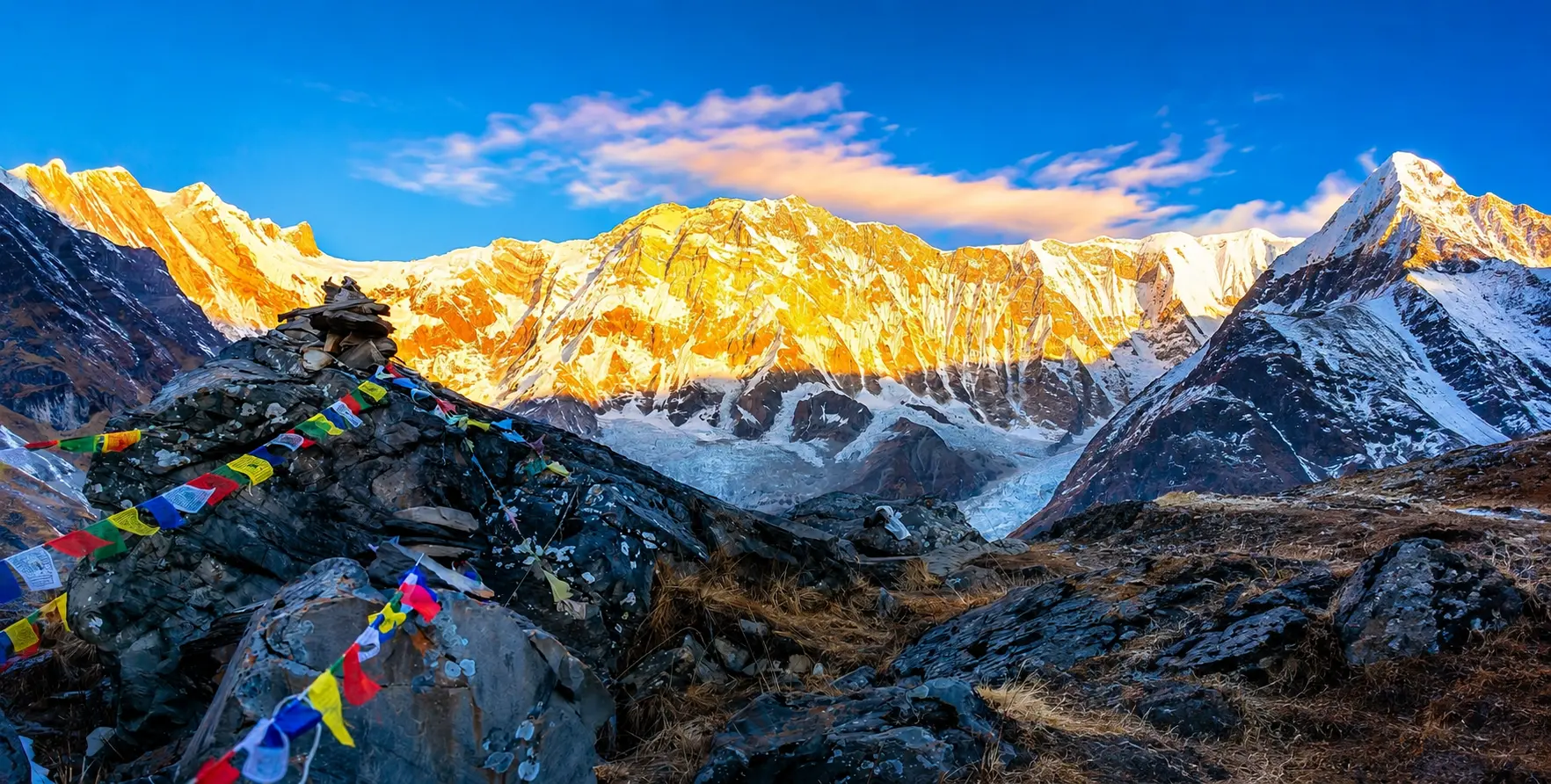
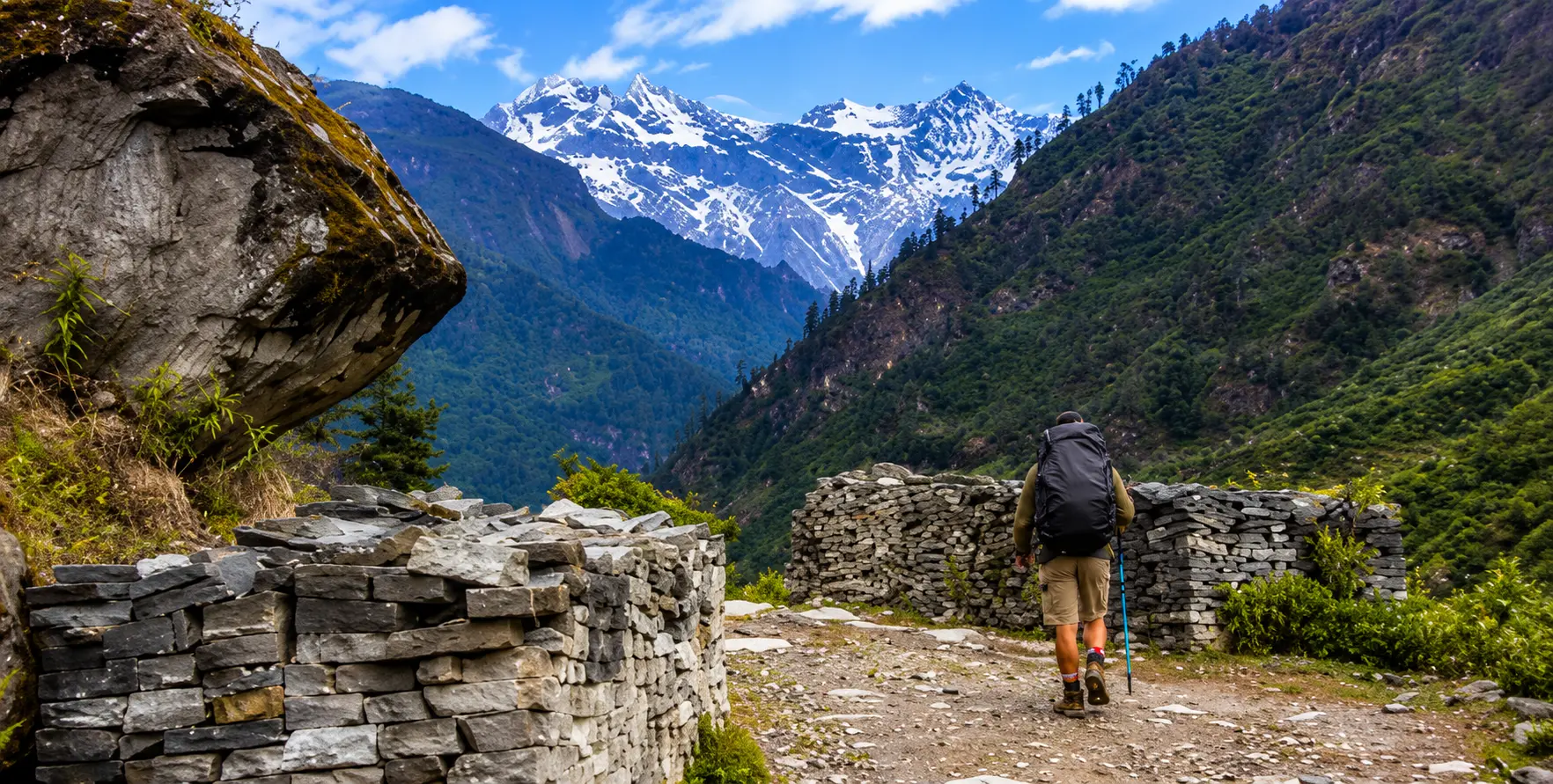
Discover the best places to visit in Mustang Nepal, from the ancient kingdom of Lo Manthang and sacred Muktinath Temple to Jomsom, Kagbeni, Marpha, and the spectacular landscapes of Upper and Lower Mustang.

Places to Visit in Mustang Nepal: Budget Travel Guide 

When travelers hear that Upper Mustang requires a USD 500 restricted area permit, many immediately assume that the entire Mustang region of Nepal is beyond the reach of budget-conscious travelers. This assumption is both understandable and fundamentally incorrect — because Nepal’s Mustang region is not a single uniform landscape with a single price tag, but rather a vast and extraordinarily diverse highland territory divided into Lower Mustang and Upper Mustang sections that differ dramatically in terms of permit requirements, costs, accessibility, and the specific character of the cultural and natural experiences they offer. Lower Mustang, encompassing the famous destinations of Jomsom, Marpha, Muktinath, and Kagbeni, requires no special restricted area permit at all — only the standard Annapurna Conservation Area Permit (ACAP) that applies throughout the Annapurna region — and delivers one of the most spectacular and culturally rich landscapes in all of Nepal at a cost that any genuine budget traveler can manage with basic planning.

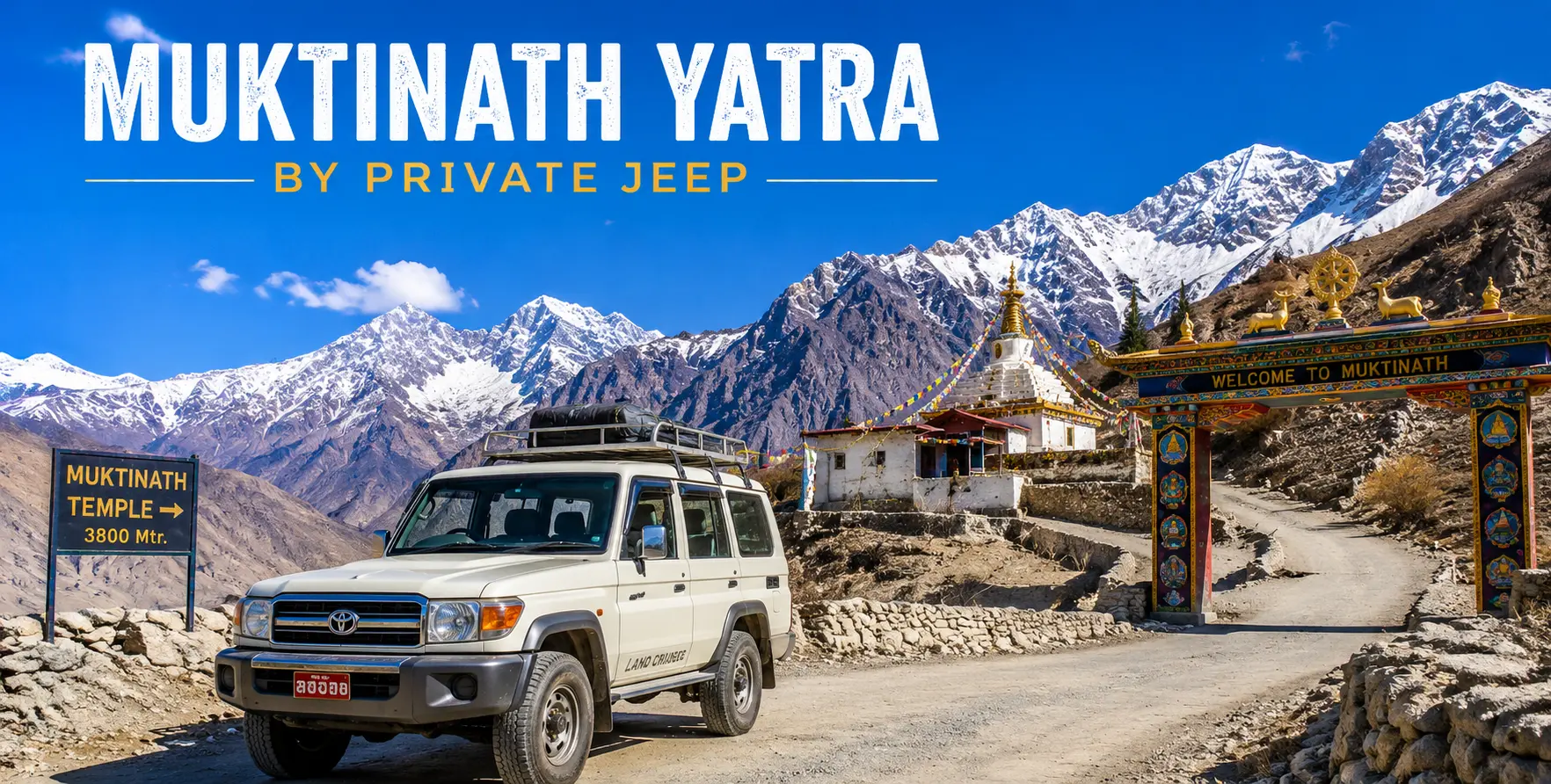
The critical distinction between Lower Mustang and Upper Mustang is the single piece of information that unlocks budget travel in this region. Lower Mustang sits on the Nepali side of the Thorong La pass area within the Kali Gandaki gorge — the world’s deepest gorge — and is freely accessible to all trekkers and visitors with the standard ACAP permit. The spectacular Muktinath Temple at 3,800 metres, the medieval village of Kagbeni that guards the entrance to the upper valley, the apple-orchard paradise of Marpha, the windy but magnificent district headquarters of Jomsom, and the dramatic Kali Gandaki Valley itself — all of these extraordinary destinations are in Lower Mustang, require no special permits beyond the ACAP, and are accessible via the Pokhara to Muktinath jeep hire service or by trekking the classic Annapurna Circuit route.

Upper Mustang — the ancient Kingdom of Lo sealed from the outside world until 1992, featuring the walled medieval capital of Lo Manthang and the extraordinary red-cliff desert landscape that many visitors describe as the closest thing to Tibet accessible anywhere — does require the USD 500 restricted area permit and a licensed guide, making it genuinely more expensive. But even Upper Mustang can be approached with budget consciousness through the right transport choices, the right season, and a realistic understanding of what the permit actually covers and why it represents reasonable value for what it provides.

This deep-research guide covers every significant place to visit in Mustang Nepal for travelers at every budget level — from the backpacker arriving by overnight bus from Kathmandu through Pokhara to the traveler splurging on a private Land Cruiser expedition from Nepal Vehicle Hiring Pvt. Ltd. through the desert plateau of Upper Mustang. Throughout, the transport choices that make each destination accessible are clearly identified, with Nepal Vehicle Hiring Pvt. Ltd. providing the specific vehicle services — from Pokhara car hire to specialized Upper Mustang jeep expeditions — that make these extraordinary destinations reachable.
Discover the best places to visit in Mustang Nepal, from the ancient kingdom of Lo Manthang and sacred Muktinath Temple to Jomsom, Kagbeni, Marpha, and the spectacular landscapes of Upper and Lower Mustang.

Mustang Budget Travel — Quick Reference 2026

Lower Mustang: Jomsom, Marpha, Muktinath, Kagbeni — No special permit required (ACAP only: NPR 3,000)

Upper Mustang: Lo Manthang, Tsarang, Ghami, Chhoser — Restricted Area Permit: USD 500 for 10 days

Getting There: Pokhara → Jomsom flight (35 min, USD 120–175) OR Pokhara → Jomsom by jeep (8–9 hrs)

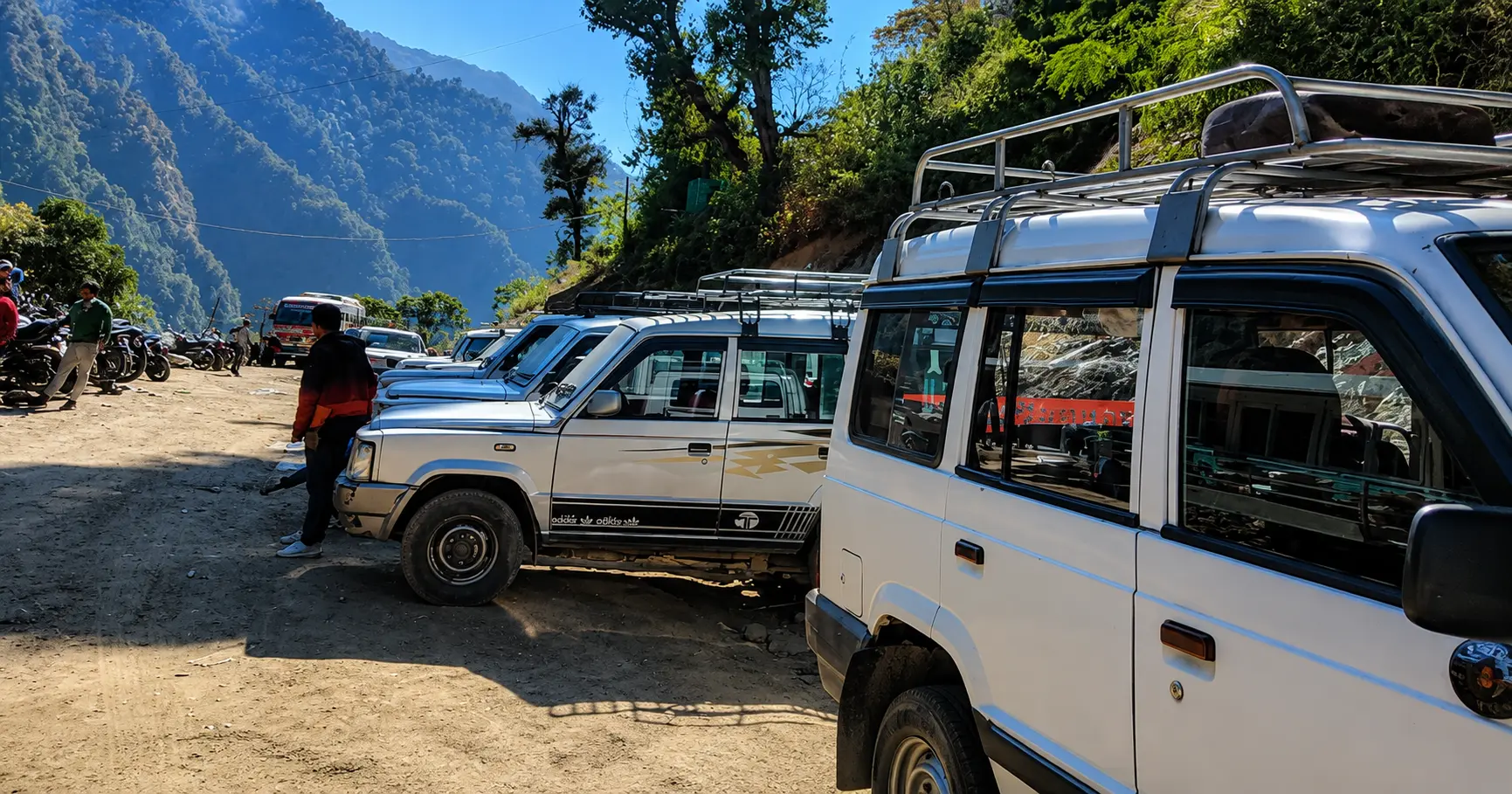
Budget Jeep Option: Pokhara to Muktinath by private jeep (NPR 25,000–35,000 full vehicle)

Budget Accommodation: NPR 500–1,500/night in Jomsom, Marpha, Kagbeni teahouses

Budget Meals: Dal Bhat NPR 350–600 in Lower Mustang | NPR 600–1,000 in Upper Mustang

Best Season: March–May (spring) and September–November (autumn) — June–August also good

Vehicle Hire: Nepal Vehicle Hiring Pvt. Ltd. | +977 9851013196 | vehiclehiringnepal.com

Understanding the Mustang Region — Lower vs Upper
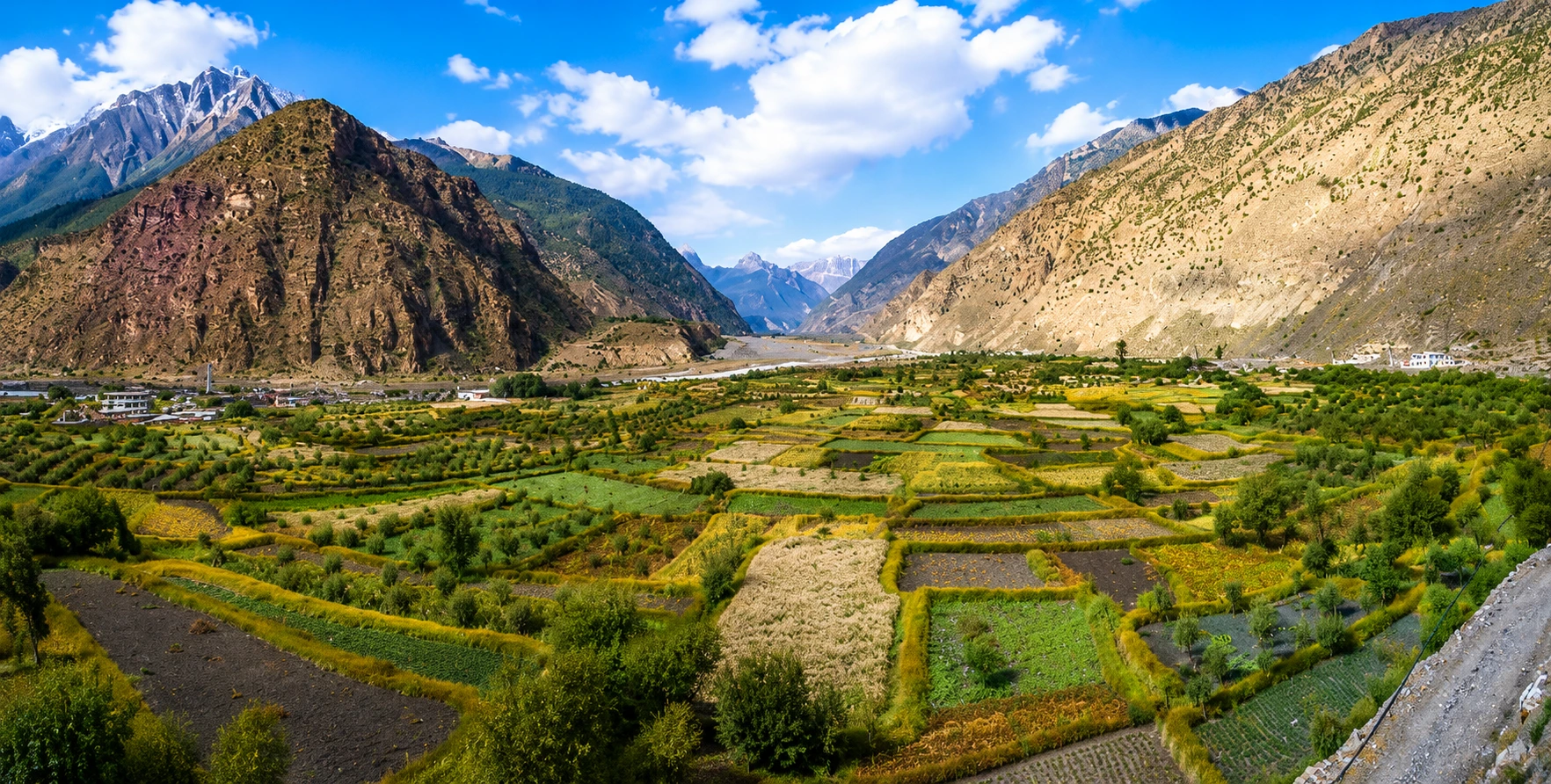
Discover the best places to visit in Mustang Nepal, from the ancient kingdom of Lo Manthang and sacred Muktinath Temple to Jomsom, Kagbeni, Marpha, and the spectacular landscapes of Upper and Lower Mustang.

Lower Mustang: Budget-Friendly and Spectacular

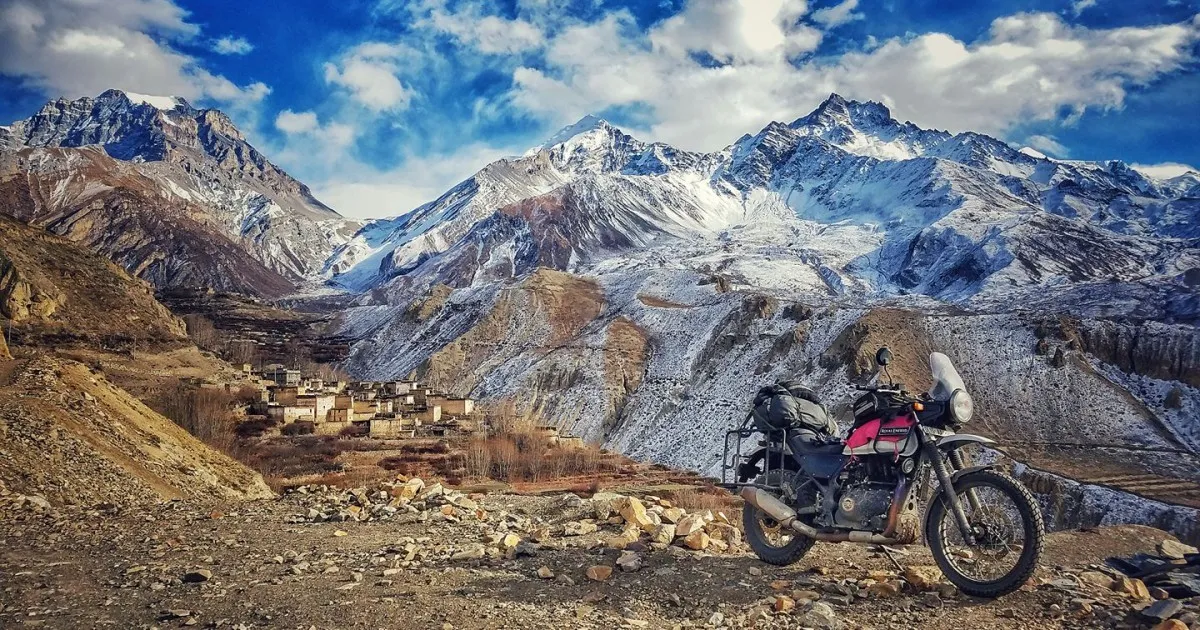
Lower Mustang encompasses the southern portion of the Mustang District, roughly from the Kali Gandaki River junction near Ghasa northward through Jomsom to Kagbeni and west to Muktinath.  It sits broadly within the Annapurna Conservation Area (ACAP) and is governed by the same permit rules that apply to the Annapurna Circuit Trek and the Ghorepani Poon Hill Trek. For foreign nationals in 2026, the ACAP permit costs NPR 3,000 — an entirely reasonable amount for access to one of Nepal’s most dramatic and beautiful highland landscapes. The landscape of Lower Mustang is itself extraordinary: the Kali Gandaki gorge — carved between the flanking massifs of Dhaulagiri at 8,167 meters and Annapurna at 8,091 meters — is the world’s deepest gorge and creates a valley of raw geological drama that frames every journey through this region with mountain scales that defy ordinary comprehension.

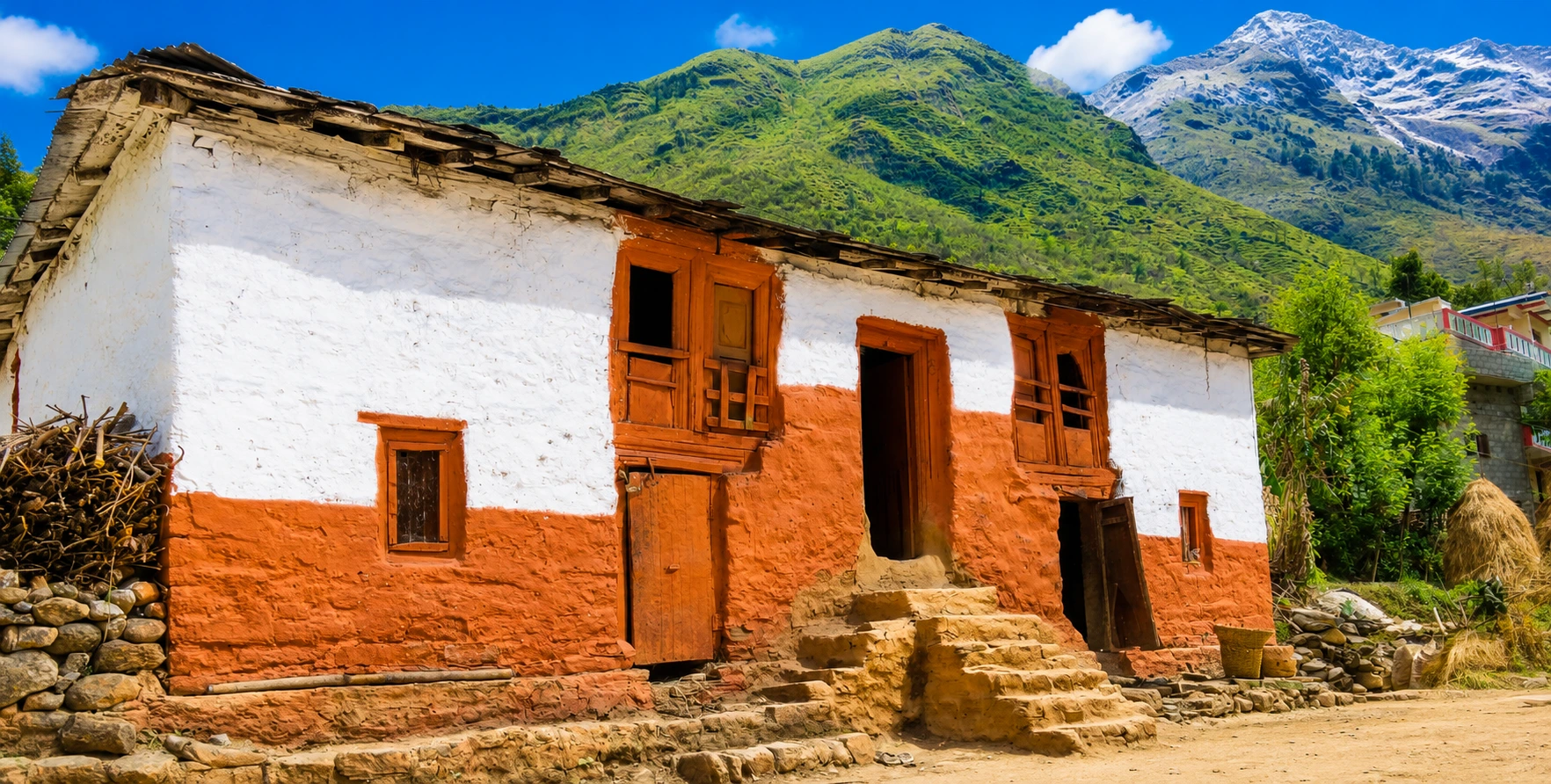
The villages of Lower Mustang — Jomsom, Marpha, Tukuche, Kagbeni — are themselves among the finest examples of Thakali cultural architecture in Nepal, characterized by flat-roofed houses, narrow covered alleyways that protect against the fierce afternoon winds, whitewashed walls with dark-framed windows, and the distinctive stone-paved lane networks that give each village its characteristic labyrinthine character. The Thakali people of Lower Mustang are historically among Nepal’s most successful trader communities, who built their wealth through the ancient salt trade between Tibet and the Indian plains along the Kali Gandaki corridor. This trade gave the region its prosperity and shaped its distinctive cultural character.
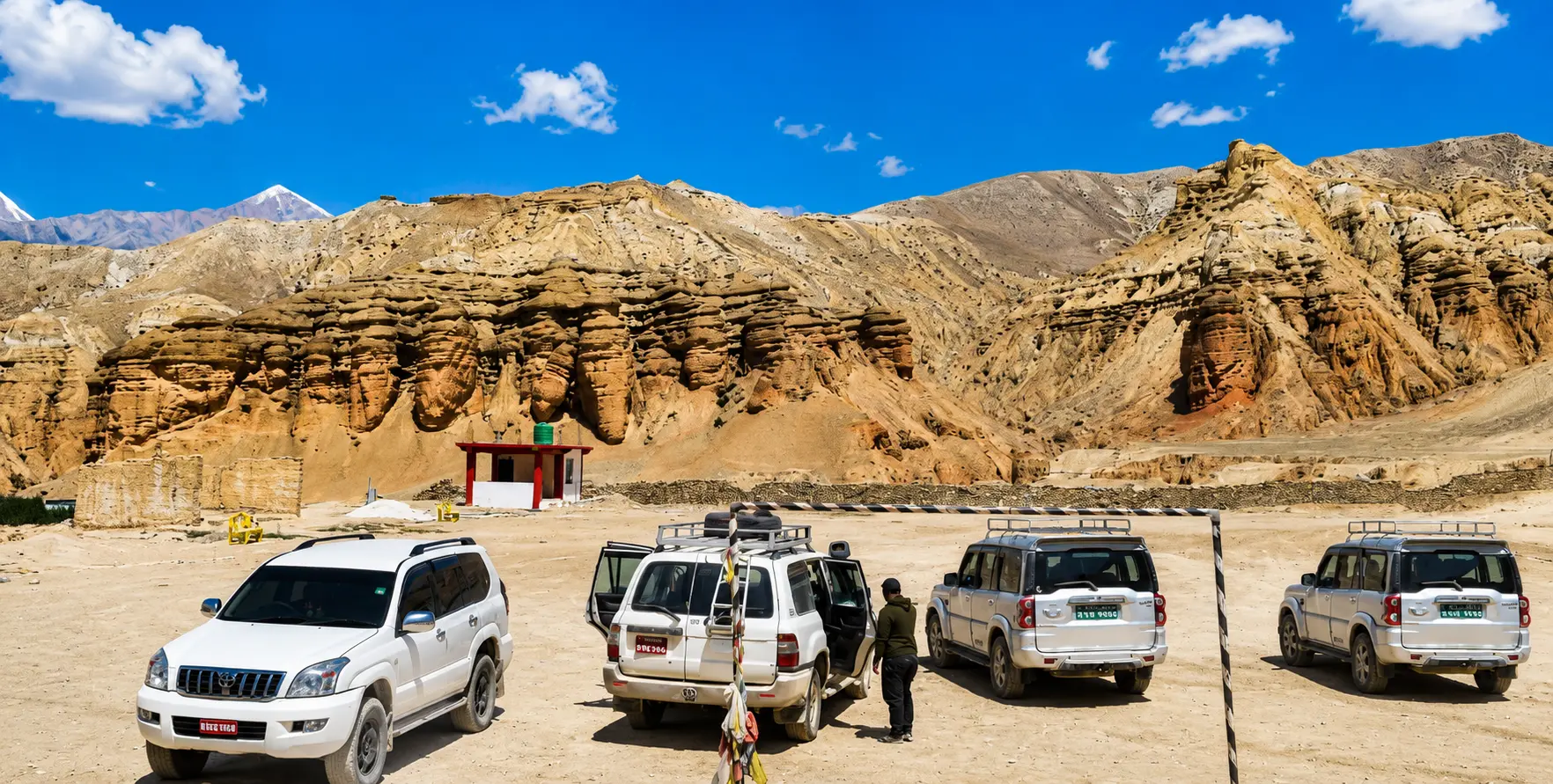
Explore the best places to visit in Mustang Nepal, from the ancient walled city of Lo Manthang to Muktinath Temple, Jomsom, Kagbeni, Marpha, and the breathtaking landscapes of Upper and Lower Mustang.

Upper Mustang: Worth Saving For

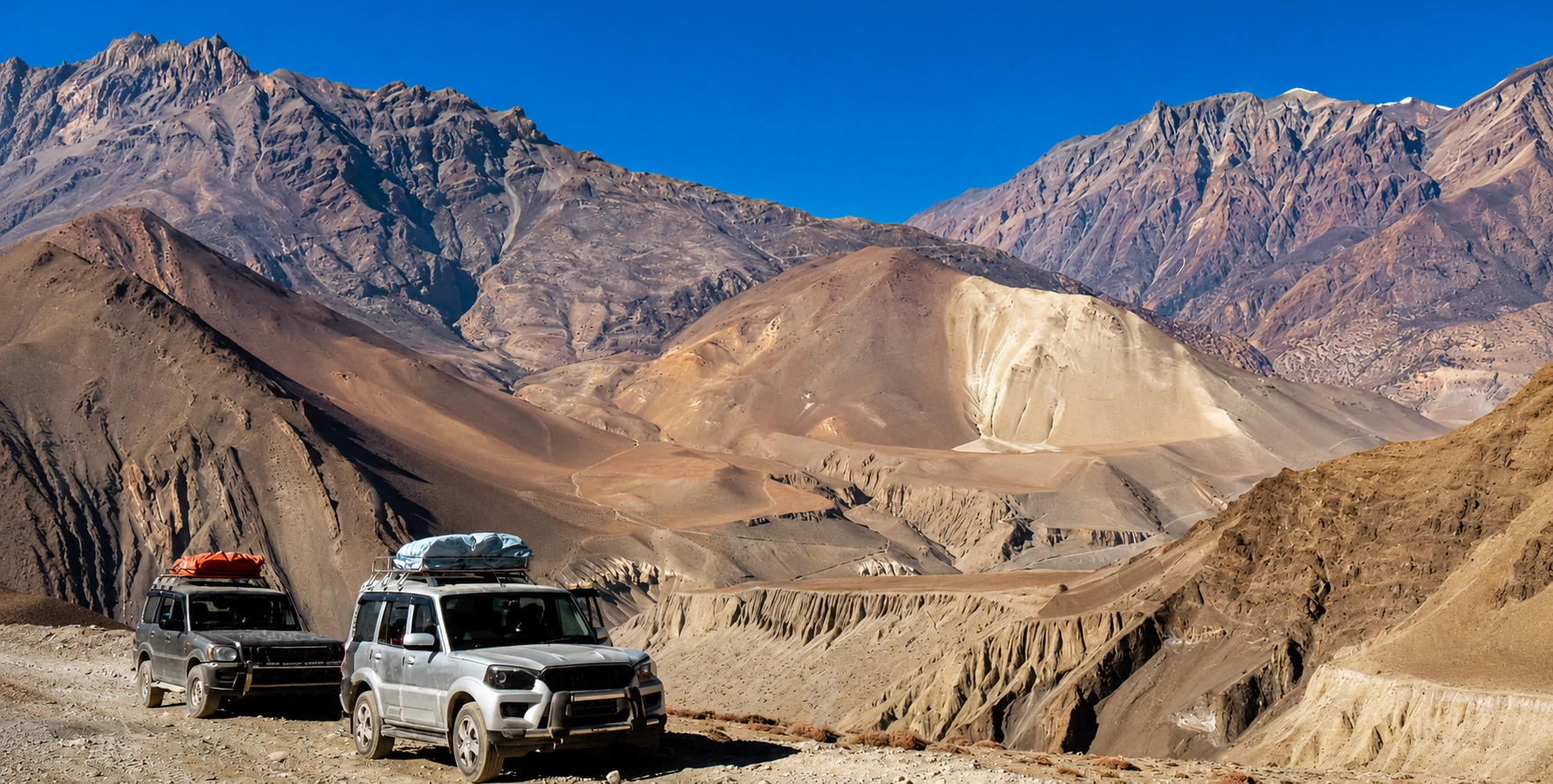
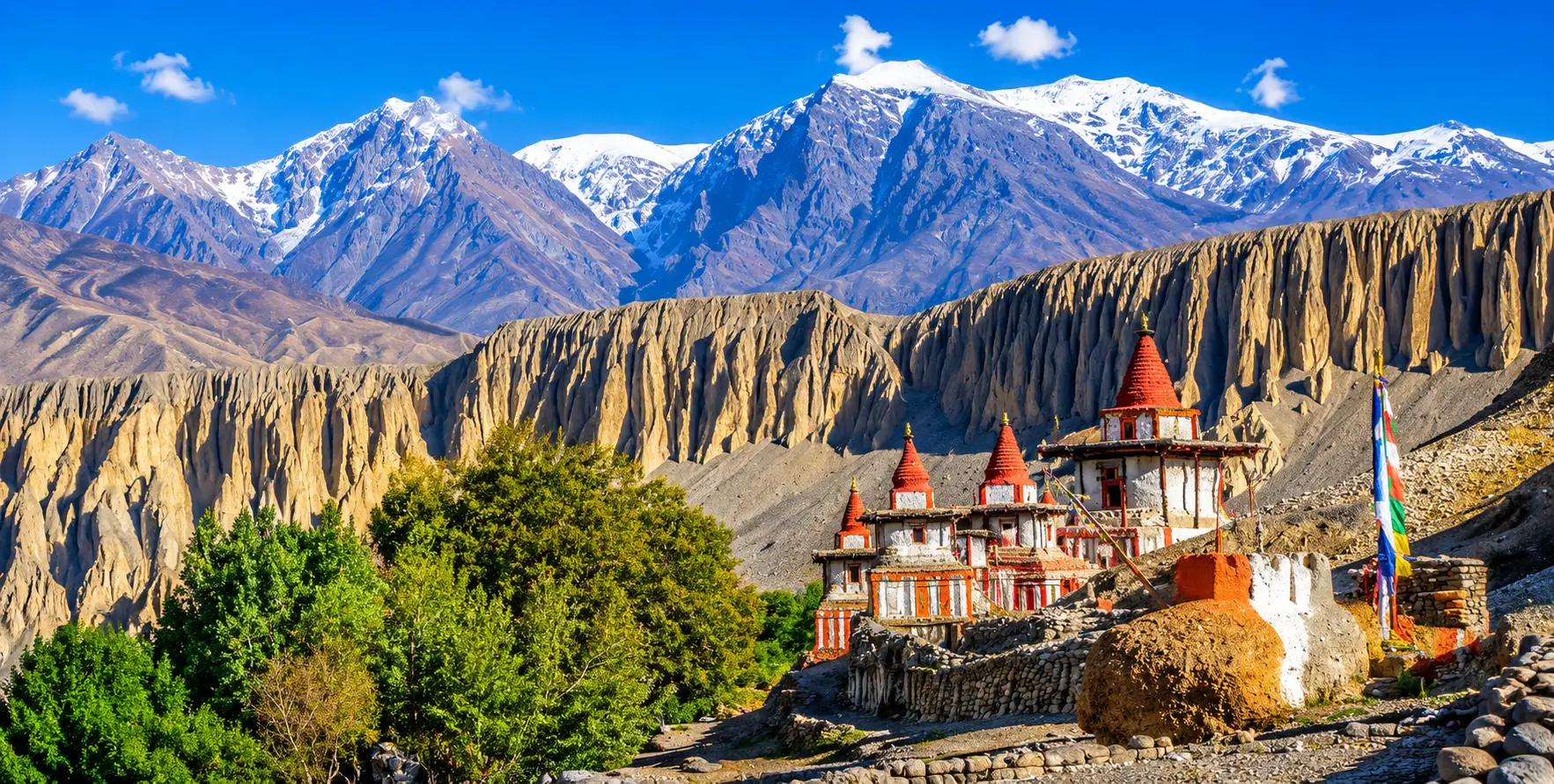
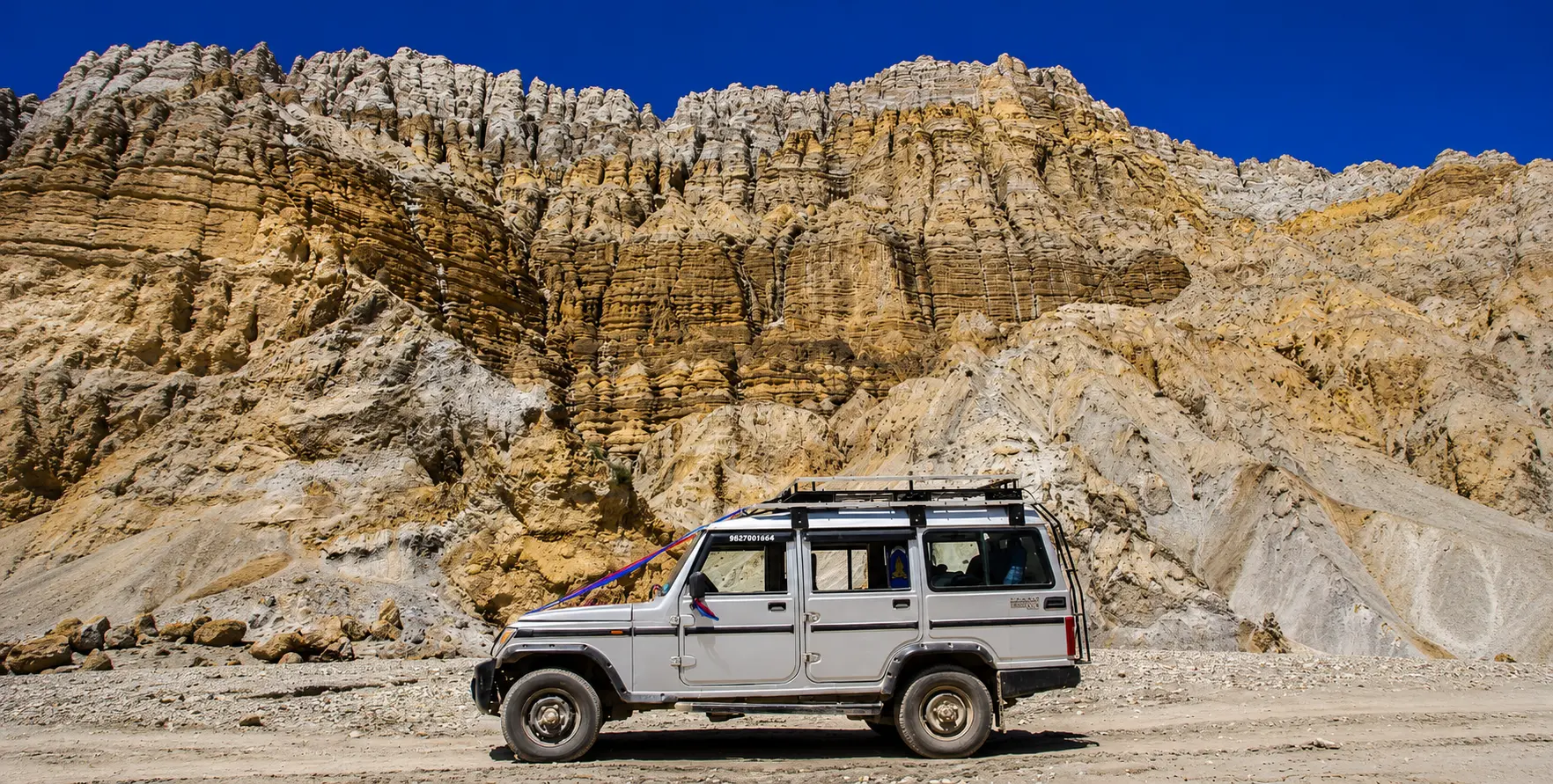
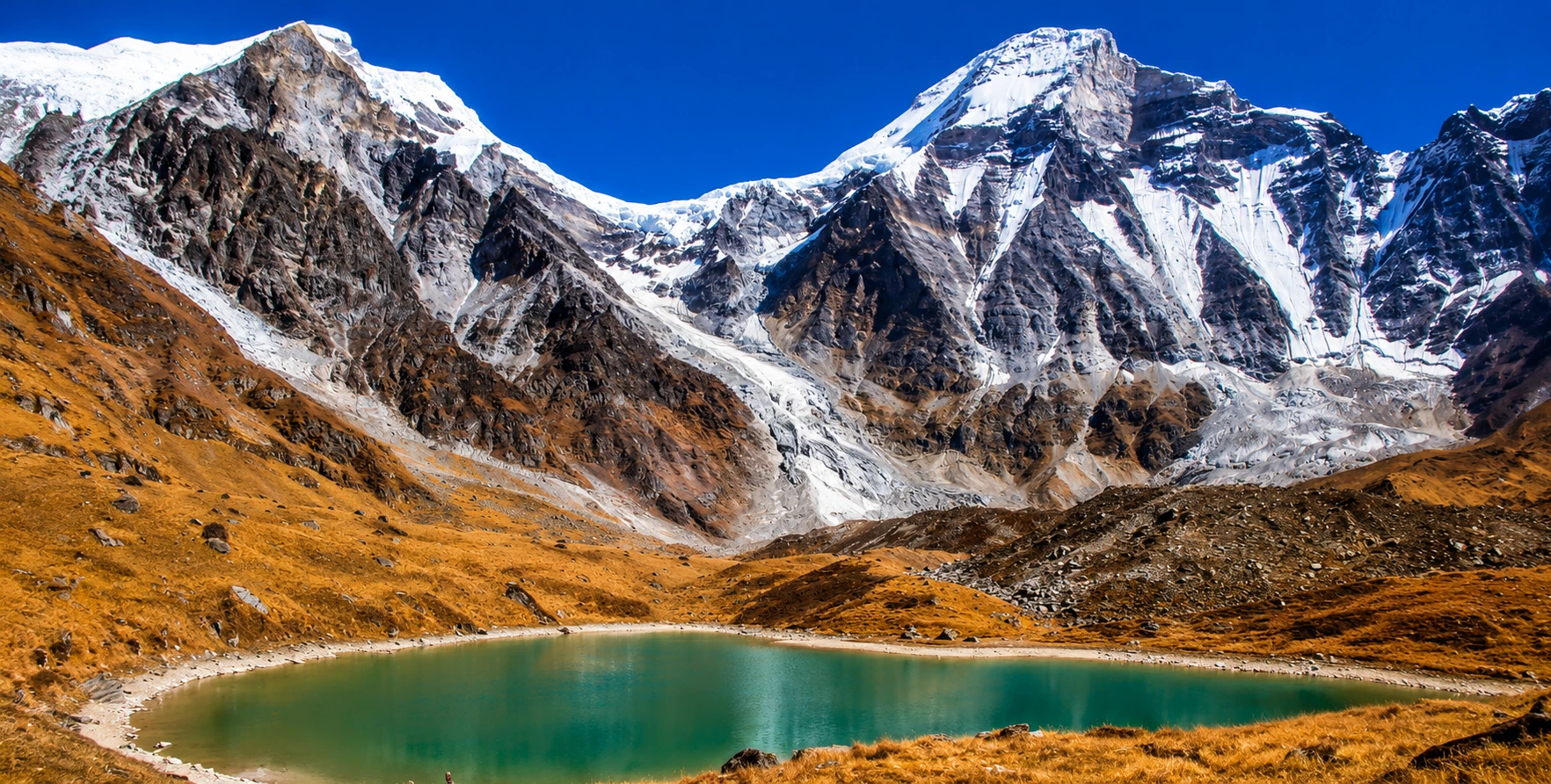
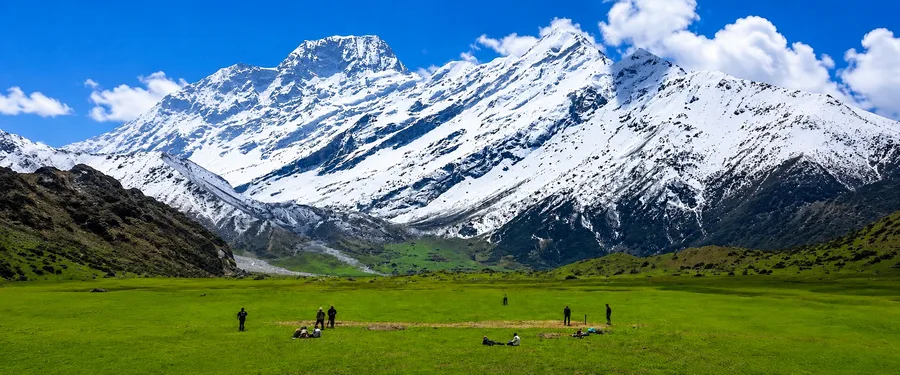
Upper Mustang begins north of Kagbeni at the official restricted area checkpoint and extends to the Tibetan border.  The landscape transforms dramatically above Kagbeni: the lush terraced farmland and forested hillsides of the Kali Gandaki valley give way to a high-altitude desert plateau of extraordinary visual character — eroded red, orange, and ochre cliffs, ancient cave complexes carved into cliff faces, wind-sculpted badlands, and the sparse, light-catching texture of a landscape that many visitors describe as the most Mars-like accessible on earth. This is the landscape that has made Upper Mustang one of the world’s most celebrated and sought-after adventure photography and cultural travel destinations, and the USD 500 restricted area permit exists specifically to limit visitor numbers and protect the extraordinary cultural and environmental integrity of this genuinely unique landscape.

For budget-conscious travelers, the Upper Mustang permit represents a real cost threshold — USD 500 per person for the first 10 days, with USD 50 per day for each additional day — that makes Upper Mustang a deliberate financial commitment rather than a casual addition to an itinerary. However, there are meaningful strategies for managing this cost: travelling in a group of four to six shares the 4WD jeep expedition costs that are the primary Upper Mustang transport expense; travelling outside the absolute peak October and March-April windows may find slightly better rates on accommodation; and careful planning of the permit days to match the actual time needed — typically eight to ten days for a complete Upper Mustang circuit — avoids unnecessary permit overage charges.


Budget Places to Visit in Lower Mustang — No Special Permit Needed

Jomsom — The Windy Gateway Town

Jomsom at 2,720 meters is the district headquarters of Mustang District and the primary transport hub for the entire Mustang region. In this town, the famous Jomsom Airport handles flights from Pokhara, and the road from Pokhara ends at the northern terminus of the vehicle-accessible route. Jomsom is not a sightseeing destination in the conventional sense — it is a functional, somewhat wind-battered administrative and transport town — but its setting is absolutely extraordinary. The town sits in the Kali Gandaki Valley with the massive wall of Nilgiri (7,061 m) rising directly to the east and the Annapurna range visible on the southern horizon, creating a mountain backdrop of raw scale and power that reminds the visitor at every moment that they are in one of the most geographically extraordinary places on earth.
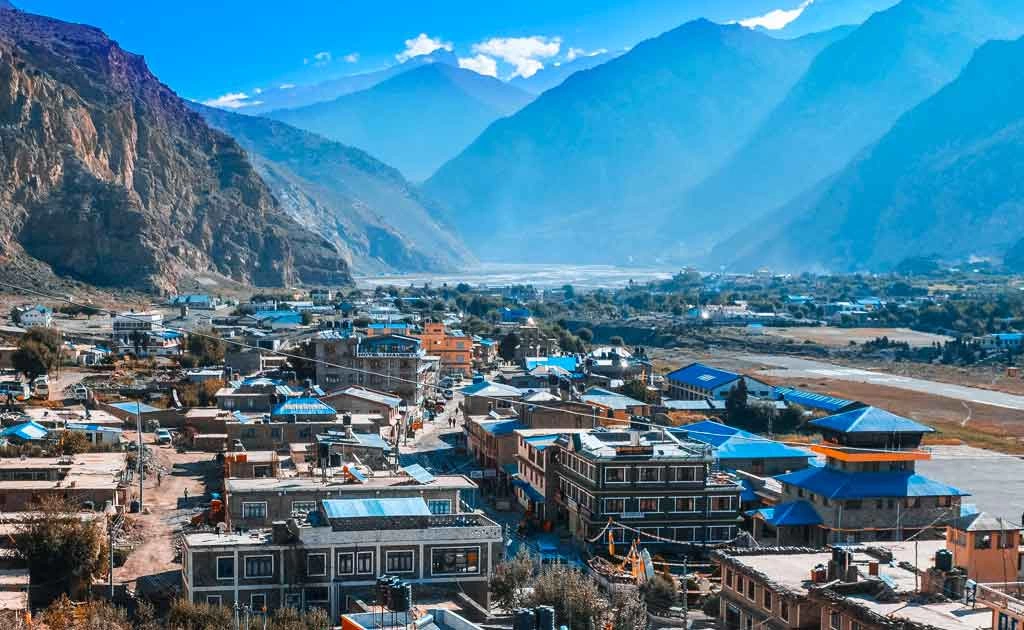
Explore the best places to visit in Mustang Nepal, from the ancient walled city of Lo Manthang to Muktinath Temple, Jomsom, Kagbeni, Marpha, and the breathtaking landscapes of Upper and Lower Mustang.

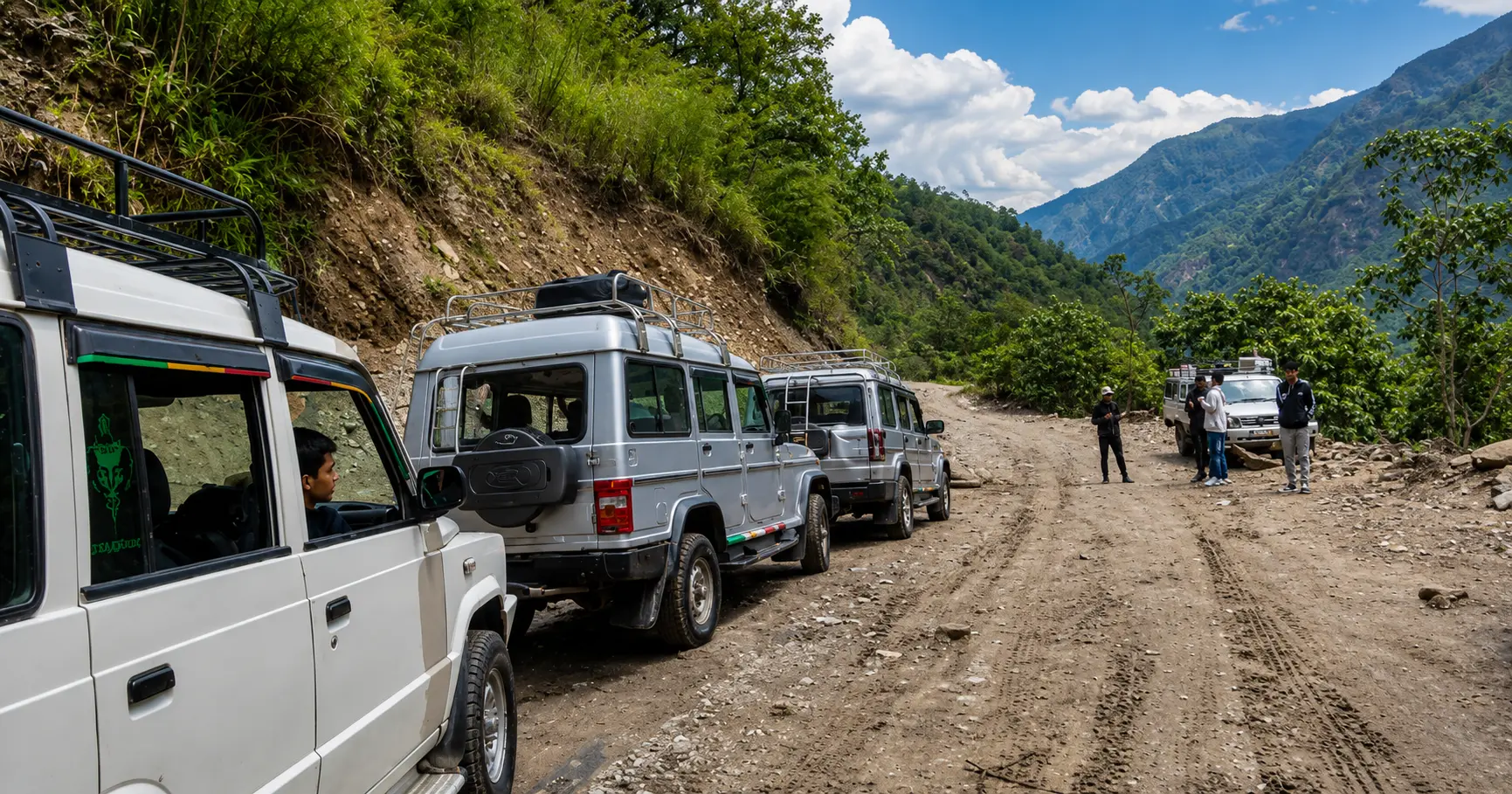
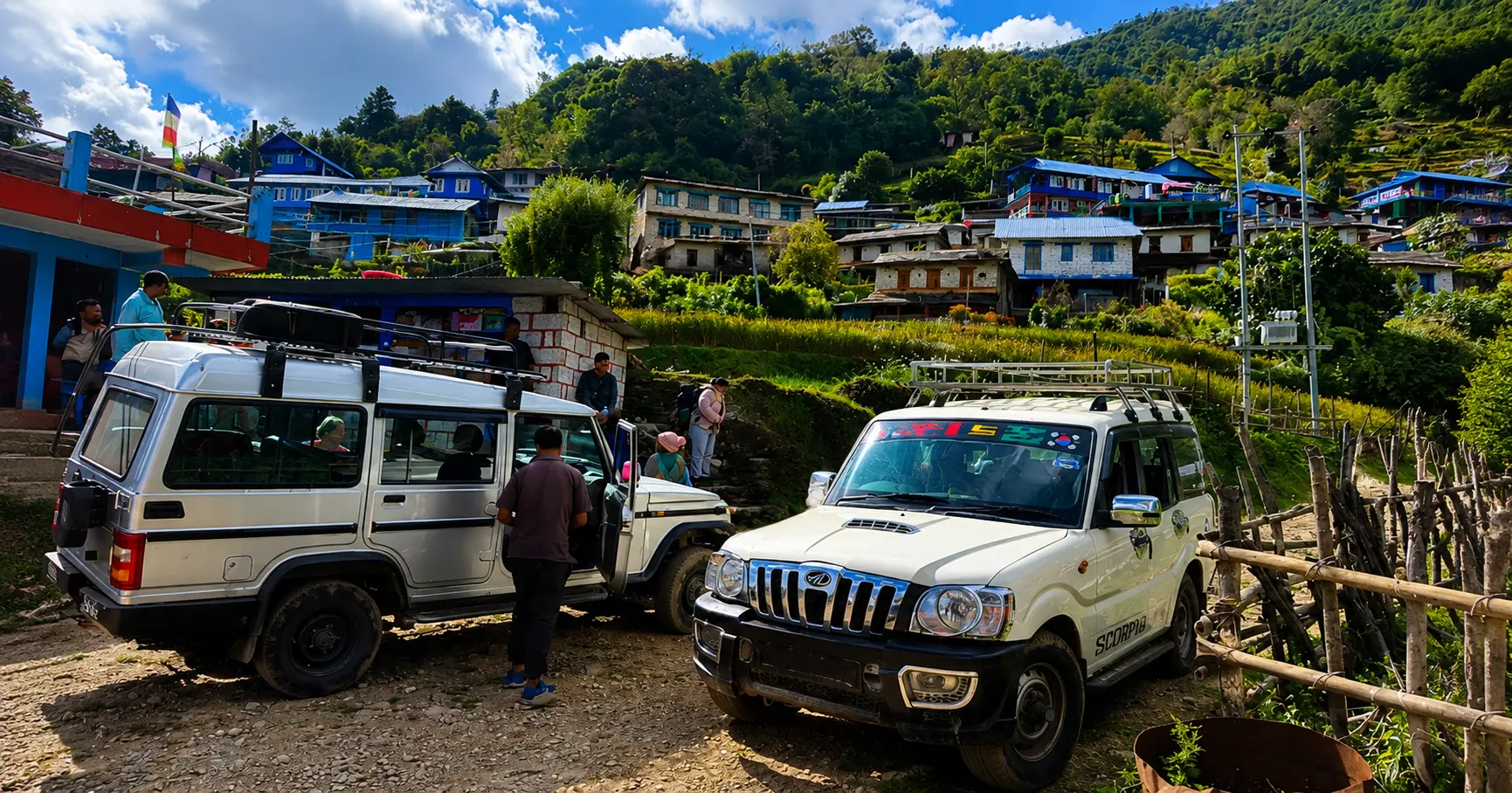
The Jomsom to Pokhara journey can be made by the famous small-aircraft flight (USD 120–175 per person, roughly 20 minutes of spectacular mountain flying) or by the progressively improving road via private jeep hire from Nepal Vehicle Hiring Pvt. Ltd.. The Pokhara to Jomsom road follows the Kali Gandaki gorge for approximately 150 km and takes eight to nine hours in a capable 4WD vehicle.  For budget travelers, sharing a Fortuner jeep hire from Pokhara with three or four companions produces per-person costs of NPR 6,000–8,000 — competitive with public jeep alternatives while delivering the comfort of a private vehicle.

In Jomsom itself, budget accommodation is readily available at the numerous teahouses along the main street, with basic rooms starting from NPR 500–800 per night. Meals are modest — standard dal bhat (Nepal’s national dish of rice, lentil soup, and vegetable curry, with unlimited refills) is available at most Jomsom teahouses for NPR 400–600 and provides excellent caloric value for trekkers. The famous Jomsom local apple products — fresh apples in season, apple juice, apple cider vinegar, and the celebrated Marpha apple brandy (available at shops in both Jomsom and Marpha) — are not to be missed and represent excellent value for quality.

Marpha Village — The Apple Capital of Nepal

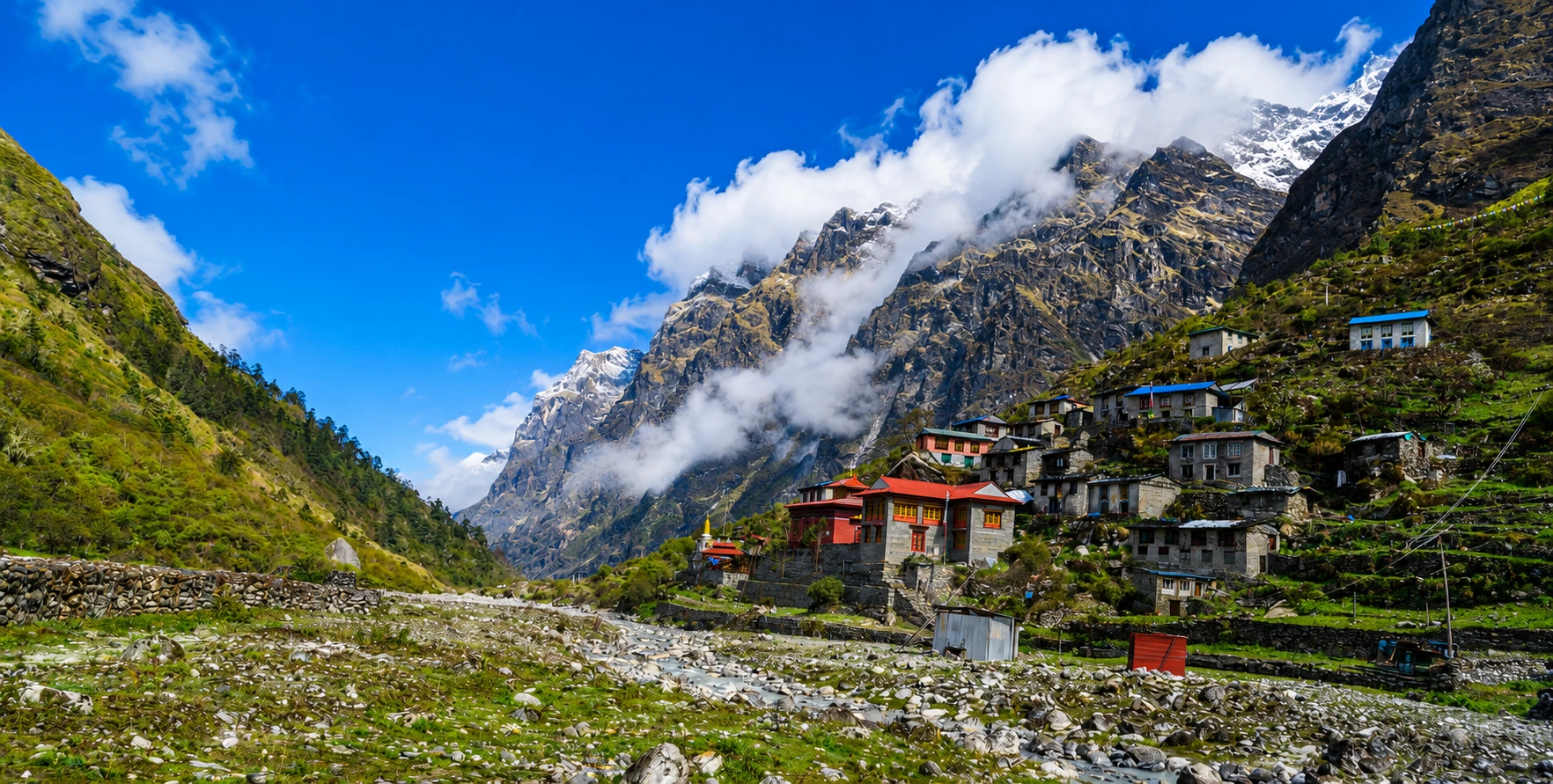
Marpha village, approximately 5 kilometers south of Jomsom at 2,670 mmeters is widely regarded as one of the most beautiful traditional villages in the entire Mustang District and one of the finest examples of Thakali architecture in Nepal. The village is celebrated throughout Nepal for its extraordinary apple orchards — the hillside orchards that surround Marpha produce some of the finest apples in the country. The village’s apple-based products (fresh apple, dried apple chips, apple juice, apple wine, apple brandy, and apple pie at the village teahouses) are a major part of both its economy and its appeal to visitors. Walking through Marpha’s narrow, paved, whitewashed alleyways — completely protected from the fierce Kali Gandaki afternoon winds by their covered passage design — is one of the most pleasant and immersive village-walking experiences available anywhere in Nepal.
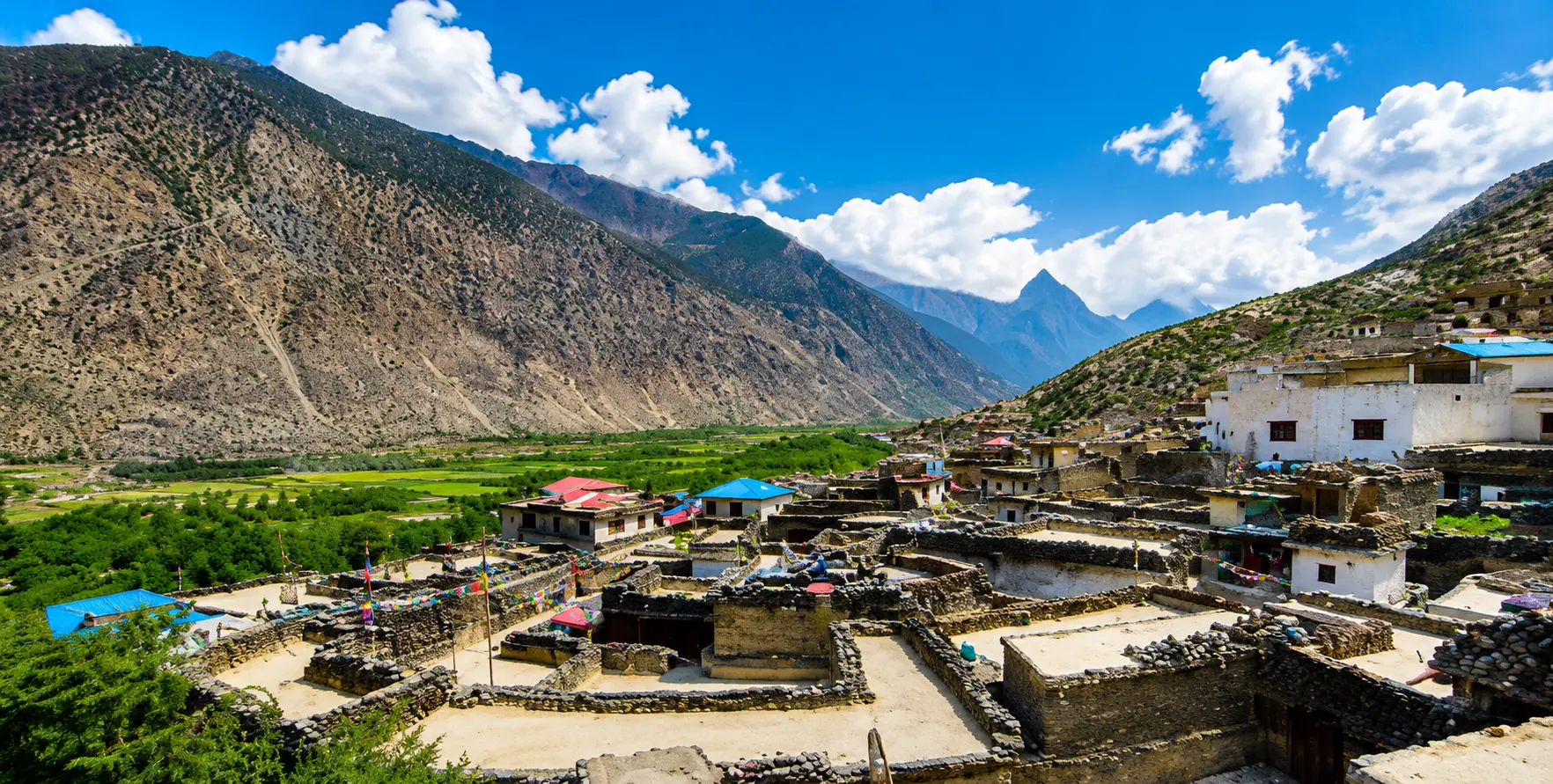
Discover the best places to visit in Mustang Nepal, from the ancient kingdom of Lo Manthang and sacred Muktinath Temple to Jomsom, Kagbeni, Marpha, and the spectacular landscapes of Upper and Lower Mustang.

The Marpha Monastery perched above the village on a hillside provides an excellent vantage point for photography of the village roofscape and the surrounding valley. In contrast, the village’s water-powered prayer wheel — a technical and spiritual curiosity — demonstrates the ingenuity with which Thakali communities have traditionally harnessed the Kali Gandaki’s resources. Marpha is easily reached from Jomsom on foot in approximately one and a half hours, making it an excellent first-morning walk for travelers arriving by the early Jomsom flight or by the overnight jeep service from Pokhara. Budget accommodation in Marpha includes several comfortable teahouses at NPR 600–1,200 per night, and trekkers have described the village’s apple pie as the finest available anywhere on the Annapurna Circuit route.

Muktinath Temple — The Sacred Pilgrimage Destination

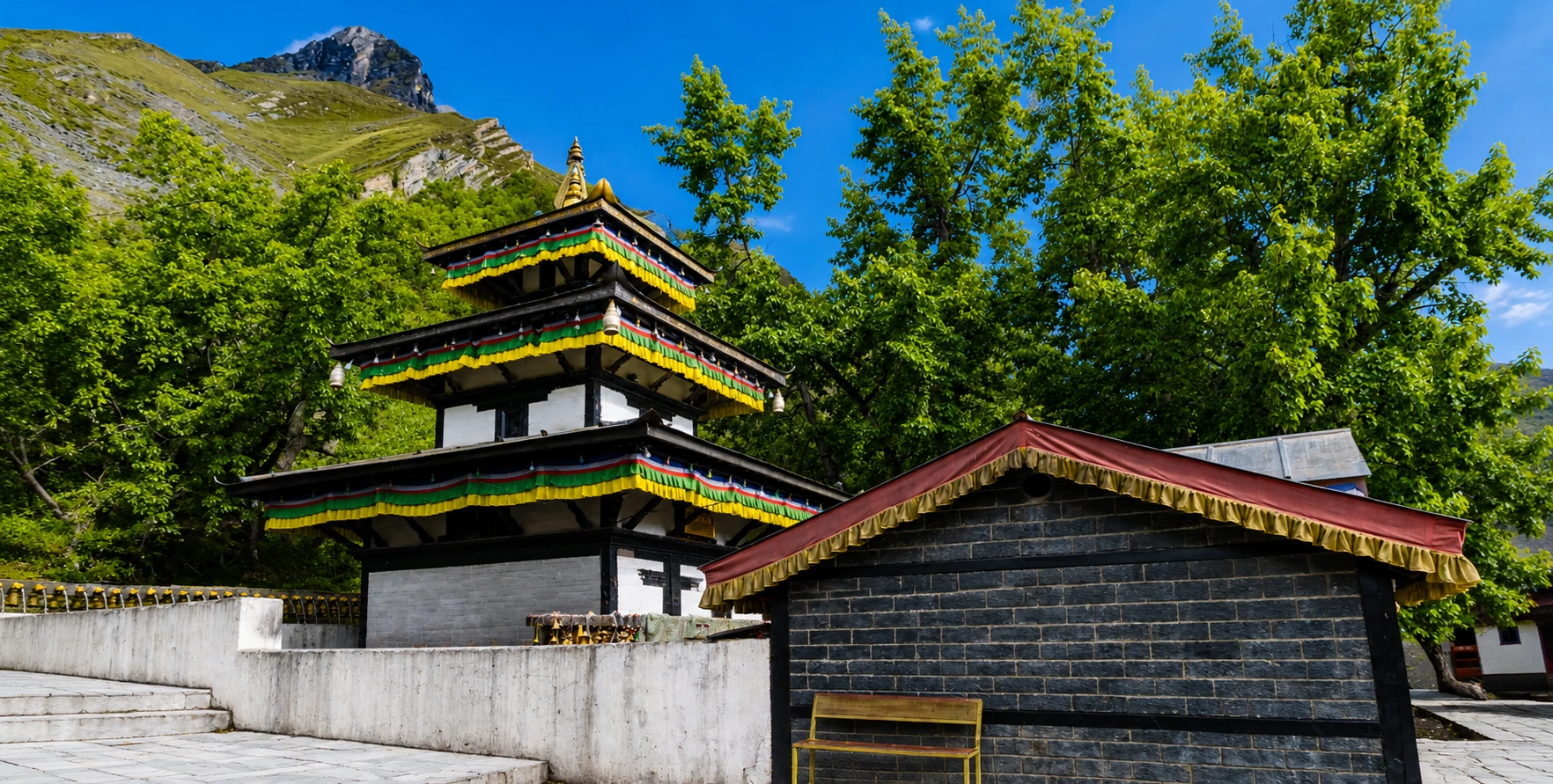
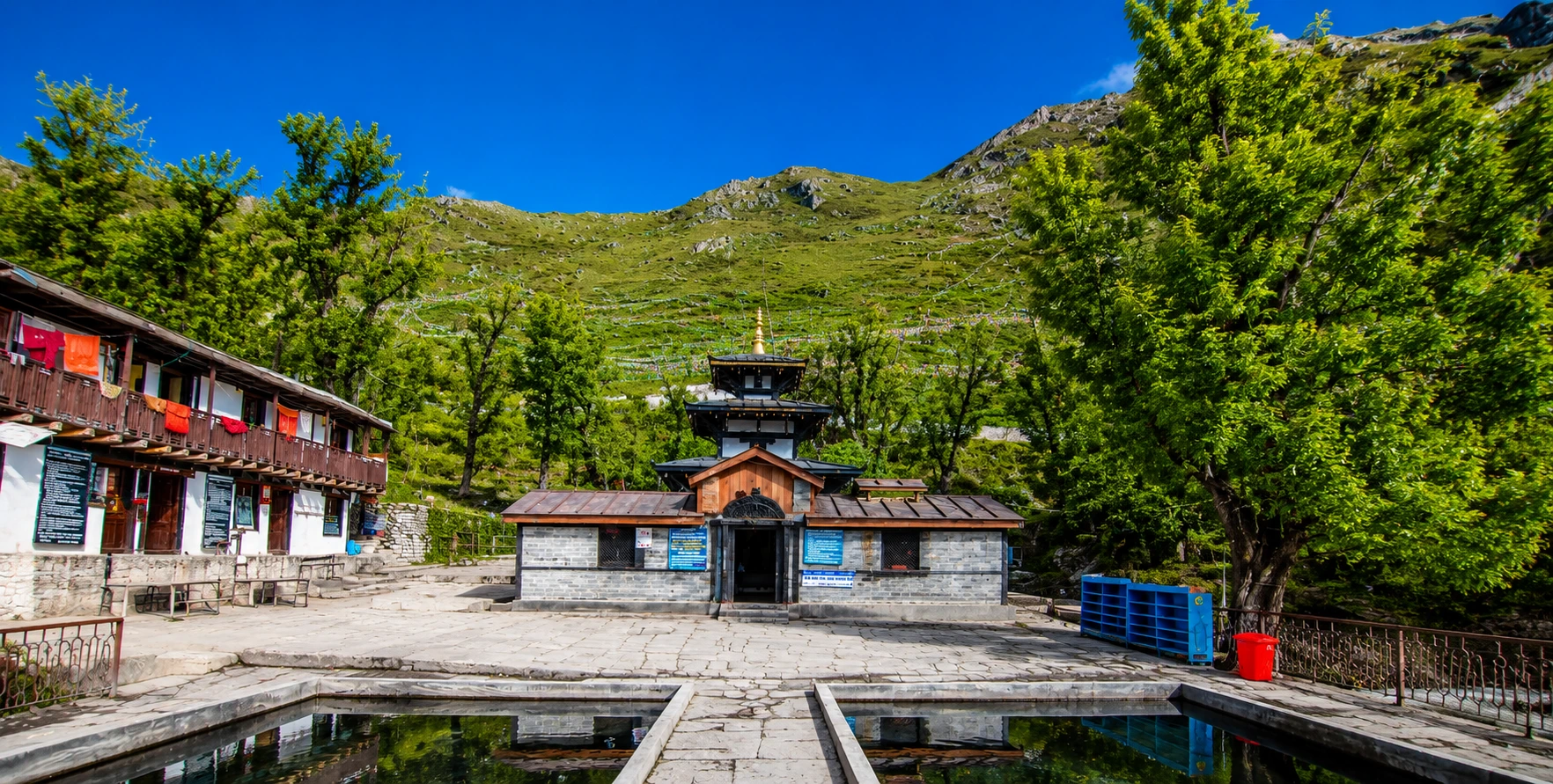
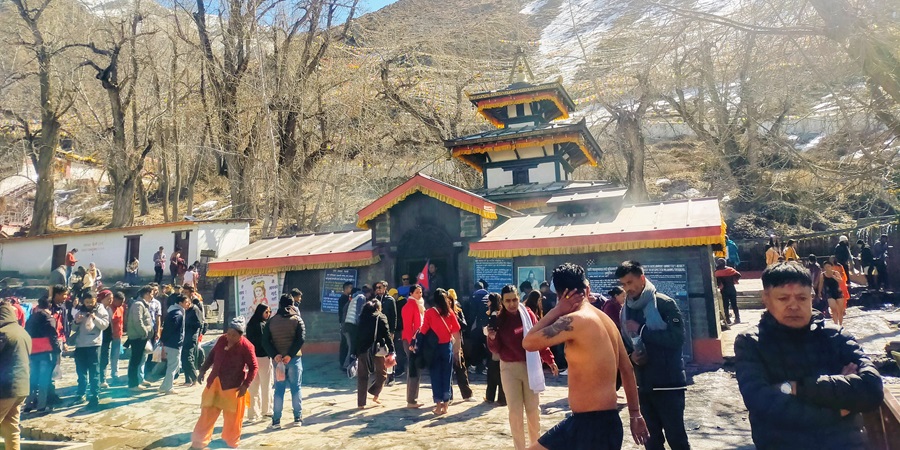
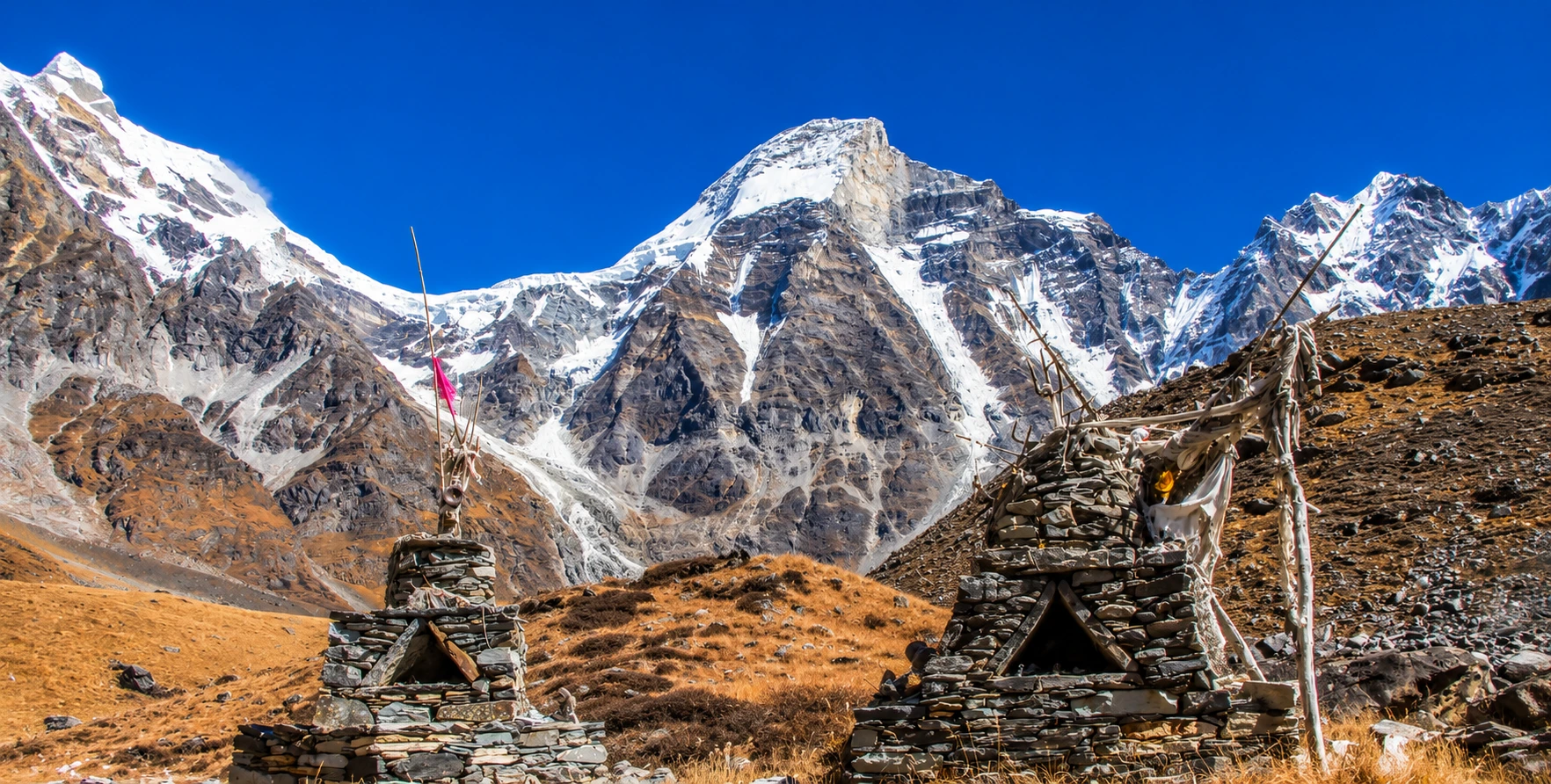
Muktinath Temple at 3,800 meters is, without question, the single most significant and most visited destination in the Mustang region for most travelers — a sacred site of profound importance to both Hinduism and Buddhism that draws pilgrims from across Nepal and India in enormous numbers throughout the year. The temple complex is dedicated to Vishnu in the Mukti Nath manifestation. It is one of the 108 Divya Desams (sacred Vishnu shrines) recognized in Vaishnavite Hindu tradition — its status in Hindu devotional geography is equivalent to, or in some traditions surpasses, many of the better-known Himalayan pilgrimage sites. For Buddhists, the same complex is sacred as a Dakini place associated with the goddess Jwala Mai, and the permanent flame burning at the site — fed by natural gas seeping through the rock — is regarded as a manifestation of the divine that transcends sectarian boundaries.
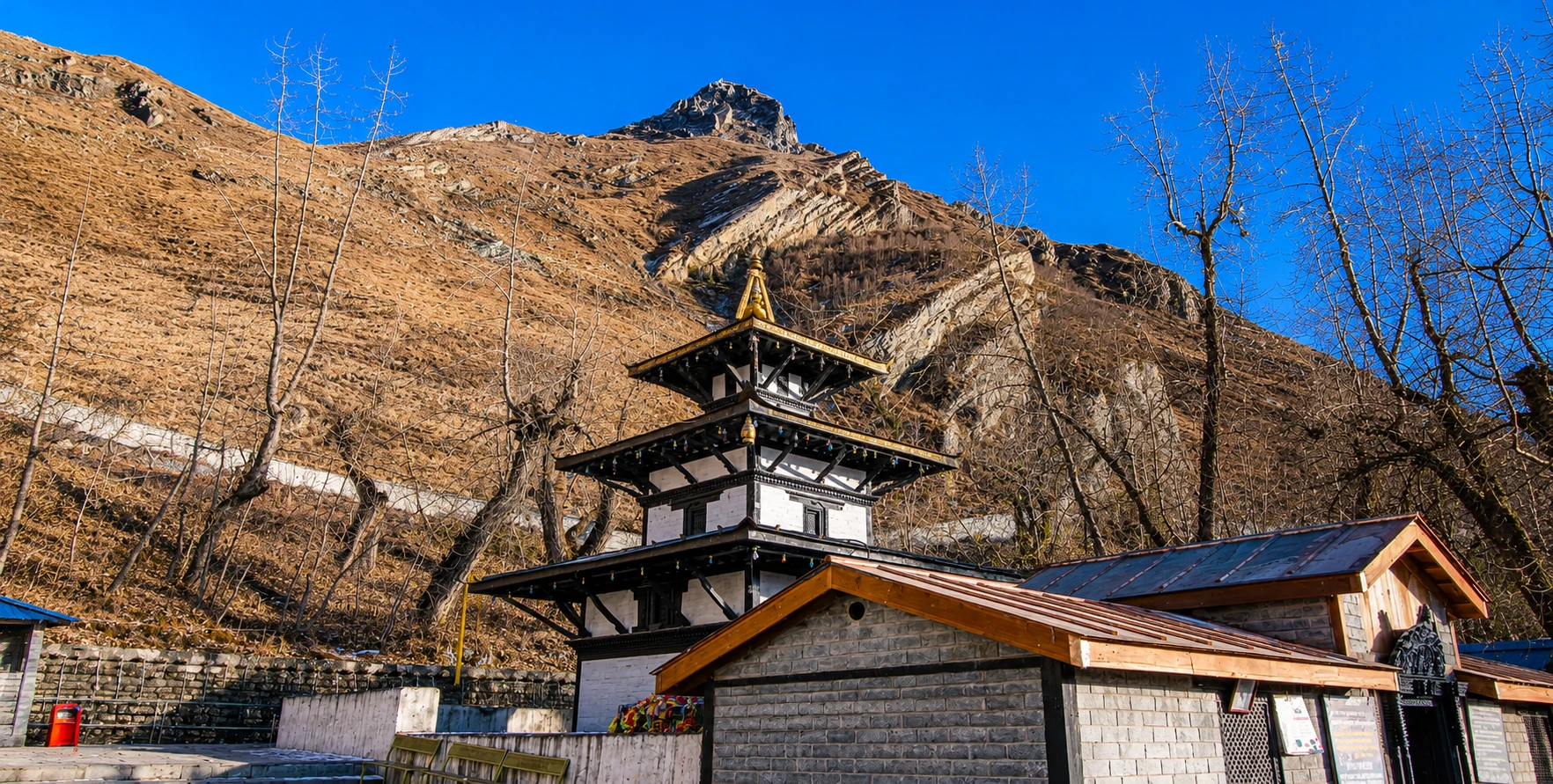
Explore the best places to visit in Mustang Nepal, from the ancient walled city of Lo Manthang to Muktinath Temple, Jomsom, Kagbeni, Marpha, and the breathtaking landscapes of Upper and Lower Mustang.

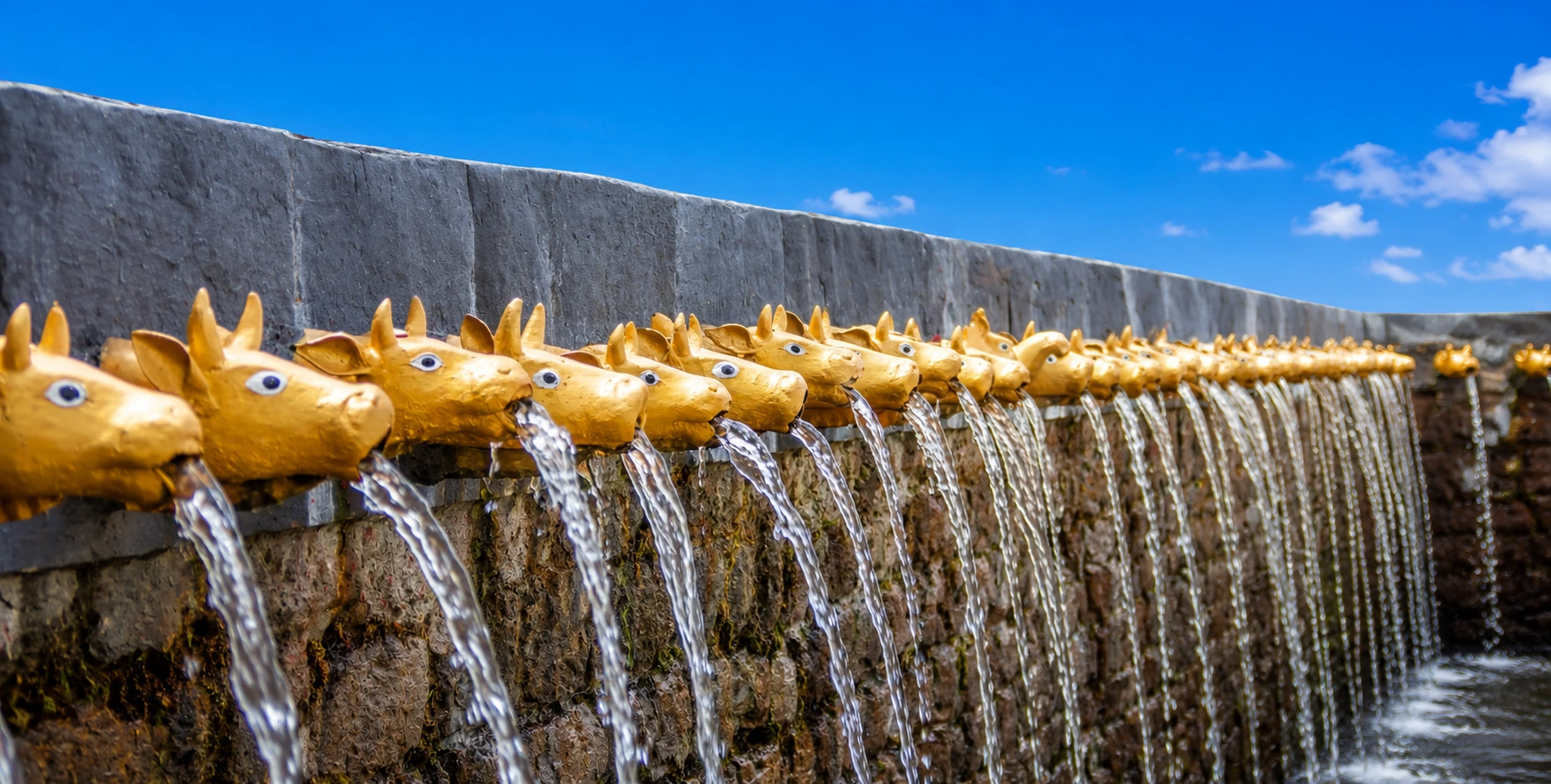
The 108 water spouts that surround the main Muktinath temple courtyard — each carved in the form of a bull’s head and dispensing the sacred Gandaki River water that is itself considered holy — provide the primary devotional experience for pilgrims, who circulate the spouts and douse themselves in the icy water as an act of purification. The sight of hundreds of pilgrims performing this circumambulation, many of them older men and women from remote Indian villages who have traveled days or weeks to reach this point, gives Muktinath an atmosphere of concentrated devotional energy that is among the most powerful available at any Himalayan sacred site.

Muktinath is accessible from Jomsom by a road that has improved significantly in recent years, with a local jeep transfer from Jomsom to Muktinath available for NPR 1,500–2,500 per person in shared jeeps (or approximately NPR 8,000–14,000 for the full vehicle in a private jeep booking). Alternatively, many trekkers choose to walk the approximately 5-kilometer climb from Ranipauwa (the village below Muktinath where vehicles park) to the temple complex, a one- to one-and-a-half-hour uphill walk through prayer-flag-decorated hillside terrain that is rewarding in itself. Those traveling directly from Pokhara can book the Pokhara to Muktinath jeep hire service from Nepal Vehicle Hiring Pvt. Ltd. for NPR 25,000–35,000 for the full vehicle — one of the most popular long-distance private jeep routes in Nepal.

Budget accommodation in the Ranipauwa village below the Muktinath temple — where almost all accommodation for Muktinath visitors is located — starts from NPR 600–1,000 per night for basic but clean teahouse rooms, with more comfortable options available at NPR 1,500–2,500. The village is small, and the accommodation options concentrated, making it easy to shop around on arrival. The cold at night at 3,800 meters is significant — rooms with attached bathroom and hot shower, available at NPR 1,200–2,000, are worth the additional cost for the hot water access after a day of walking or jeep travel in the mountain air.
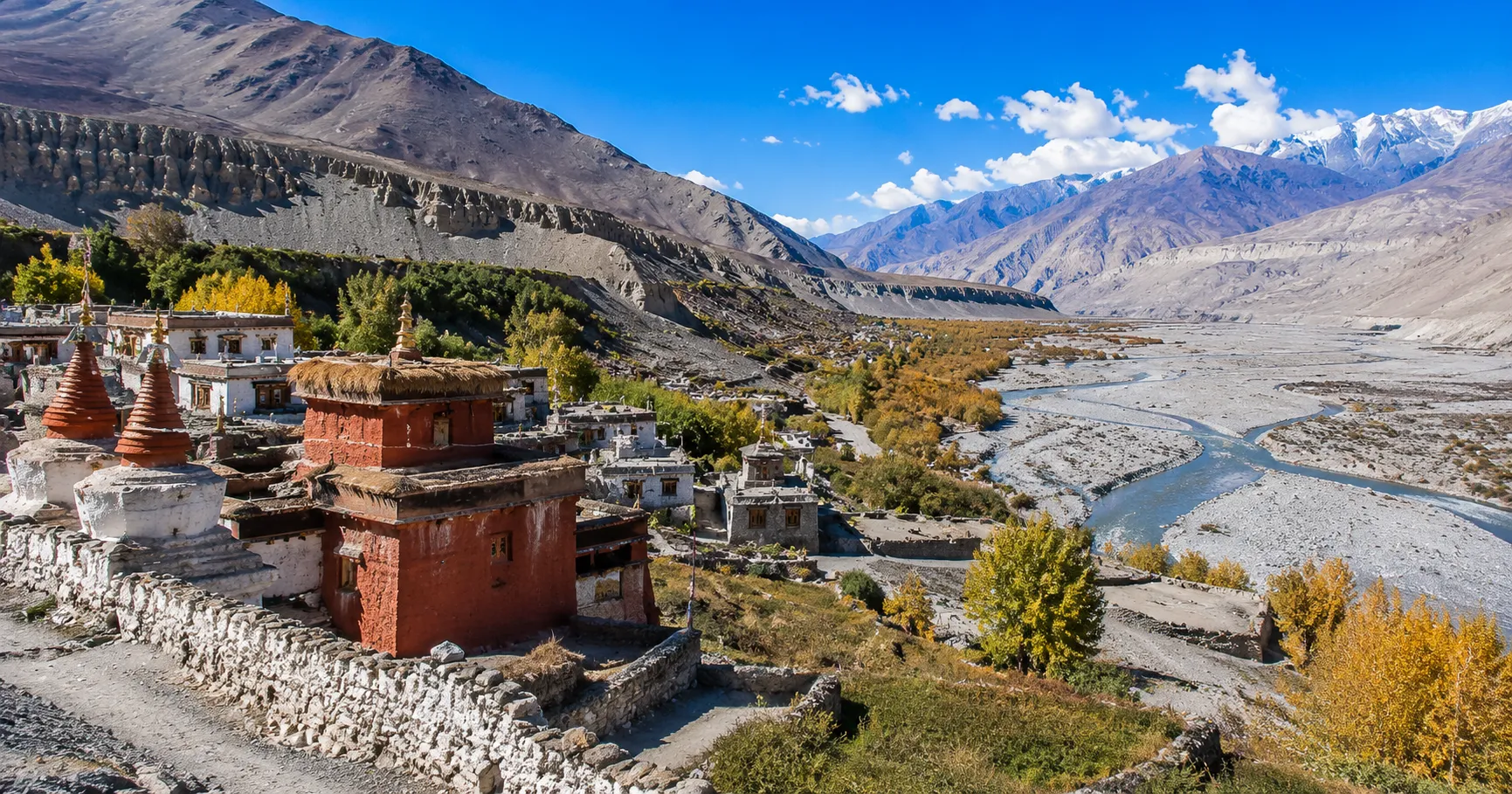
Places to visit in Mustang Nepal featuring Lo Manthang, Muktinath Temple, Jomsom, Kagbeni, Marpha, and dramatic Himalayan landscapes

Kagbeni — The Medieval Gateway to Upper Mustang

Kagbeni, at approximately 2,810 meters, is one of the most fascinating and atmospheric villages in the entire Mustang region — a compact, medieval-character settlement at the junction of the Kali Gandaki and Jhong Khola rivers that serves simultaneously as the last major Lower Mustang village and the official restricted area checkpoint beyond which Upper Mustang begins. For budget travelers who do not hold the Upper Mustang restricted area permit, Kagbeni represents the furthest north that the standard ACAP permit allows — and it is an outstanding destination in its own right, offering an authentic and genuinely atmospheric taste of the Upper Mustang cultural landscape without the financial commitment of the restricted area permit.

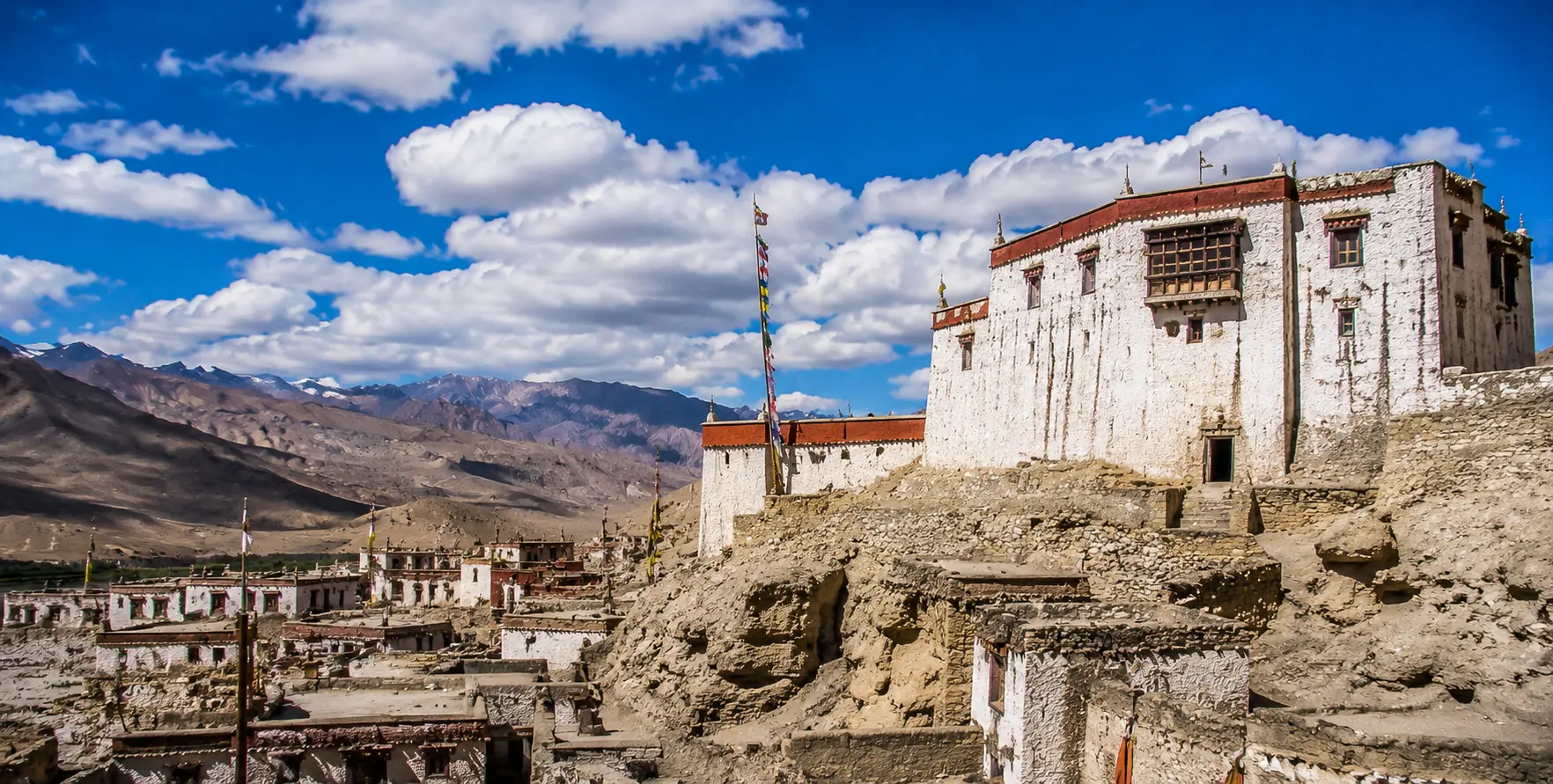
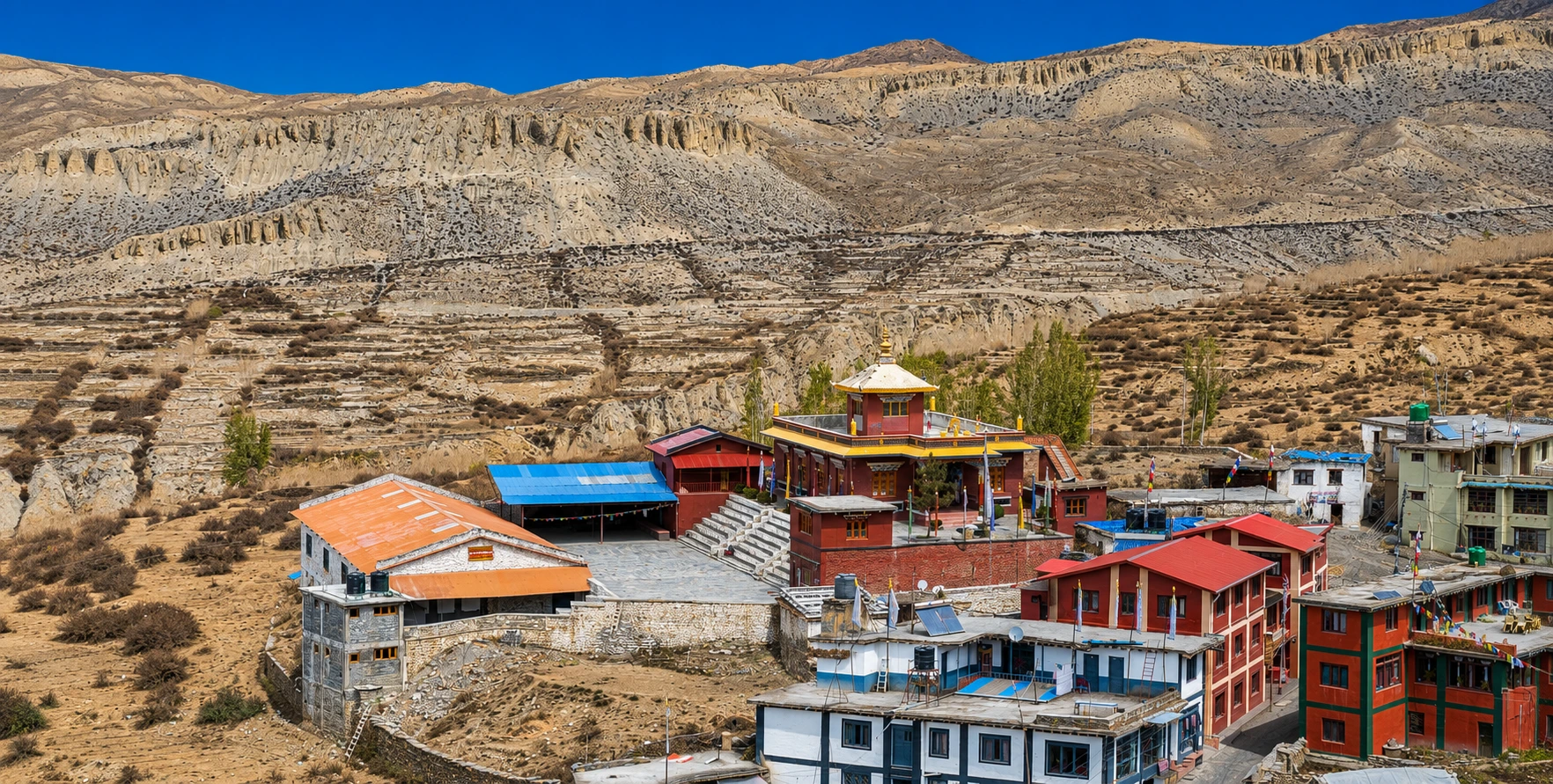
The village of Kagbeni is visually extraordinary: its dense cluster of red-painted fortress walls, flat-roofed mud-brick houses, and narrow alleyways gives it an unmistakably medieval character that is closer to the architectural atmosphere of a Tibetan village than to anything in the Lower Mustang towns below. The Kag Chode Thubten Samphel Ling Monastery — a large, active Sakya monastery perched dramatically above the village — is one of the most impressive religious buildings in the Mustang region and welcomes respectful visitors. The view northward from Kagbeni into the beginning of the Upper Mustang plateau gives a tantalizing preview of the red-cliff desert landscape that characterizes the restricted area beyond, and many visitors report that simply sitting by the Kagbeni checkpoint and looking north is one of the most striking atmospheric moments of their entire Nepal journey.

Kagbeni is approximately 2 hours’ walk from Jomsom on the flat river valley track, or reachable by the local jeep service in approximately 30 to 45 minutes. Budget teahouse accommodation in Kagbeni starts from NPR 500–800 per night, and several teahouses offer rooftop seating with exceptional views of the surrounding landscape — particularly rewarding in the late afternoon when the light turns the surrounding cliffs warm shades of amber and gold.
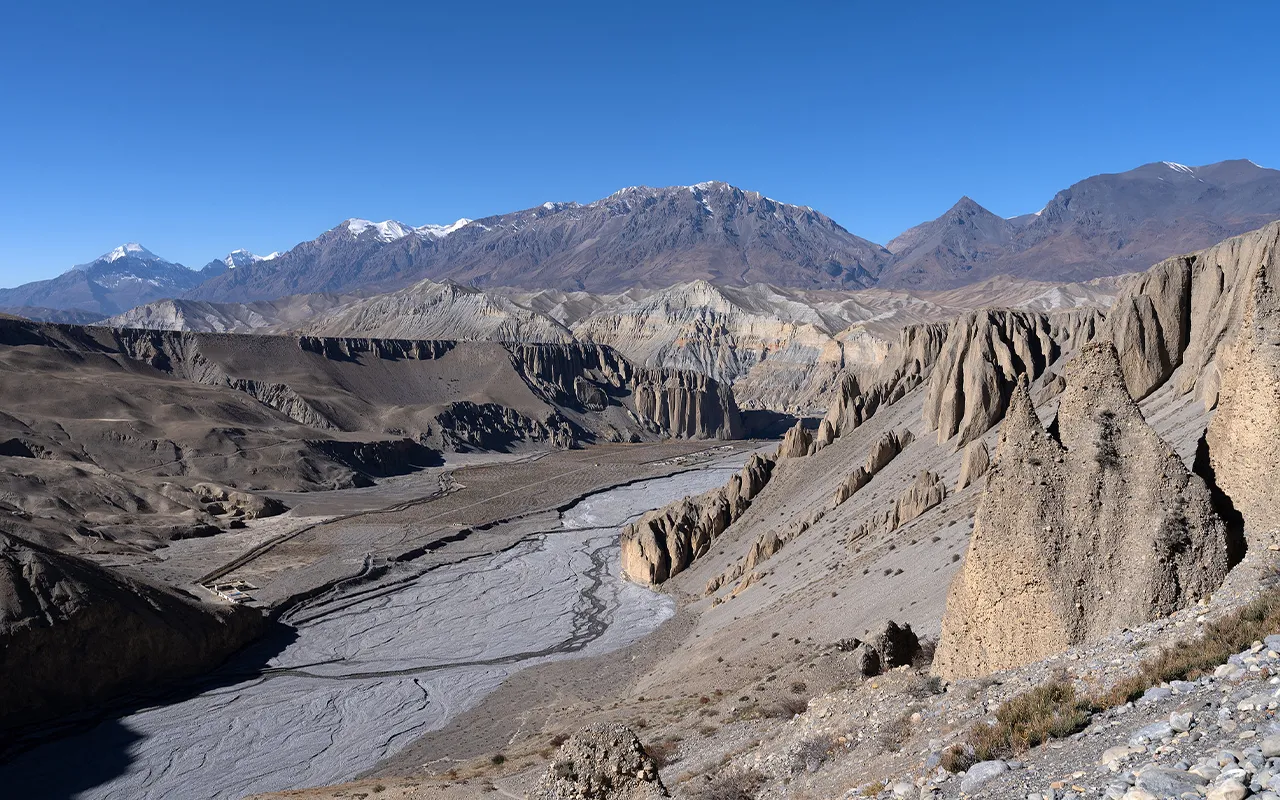
Places to visit in Mustang Nepal featuring Lo Manthang, Muktinath Temple, Jomsom, Kagbeni, Marpha, and dramatic Himalayan landscapes

The Kali Gandaki Gorge — A Landscape That Defies Comprehension

The Kali Gandaki Gorge itself — the extraordinary geological feature that runs through the heart of Lower Mustang and whose character defines the visual experience of the entire region — is one of Nepal’s most overwhelming natural landscapes and one that requires no permit of any kind beyond the standard ACAP to experience. At its deepest measurement points, the gorge plunges approximately 6,000 meters from the flanking summits of Dhaulagiri and Annapurna to the river bed below, making it the world’s deepest gorge by some definitions — a geological wonder of a scale that only becomes comprehensible when standing on the valley floor and craning upward at the walls that seem to go on forever.

The gorge’s most distinctive and practically important characteristic for Mustang travelers is the daily wind pattern that has shaped life in this valley for millennia: from late morning through the afternoon, a powerful up-valley wind — locally known as the Kali Gandaki updraft — funnels through the gorge with remarkable regularity and intensity, sometimes reaching speeds of 60 to 80 kilometers per hour. The traditional communities of the Mustang region have structured their entire daily schedule around this wind pattern — early morning travel and activity, with rest and shelter from midday onwards — and experienced travelers quickly learn to adopt the same approach. The most rewarding time to walk in the Kali Gandaki valley is the early morning before 9 or 10 AM, when the air is still, the light is warm on the valley walls, and the extraordinary landscape can be appreciated without the distraction and discomfort of the afternoon wind.
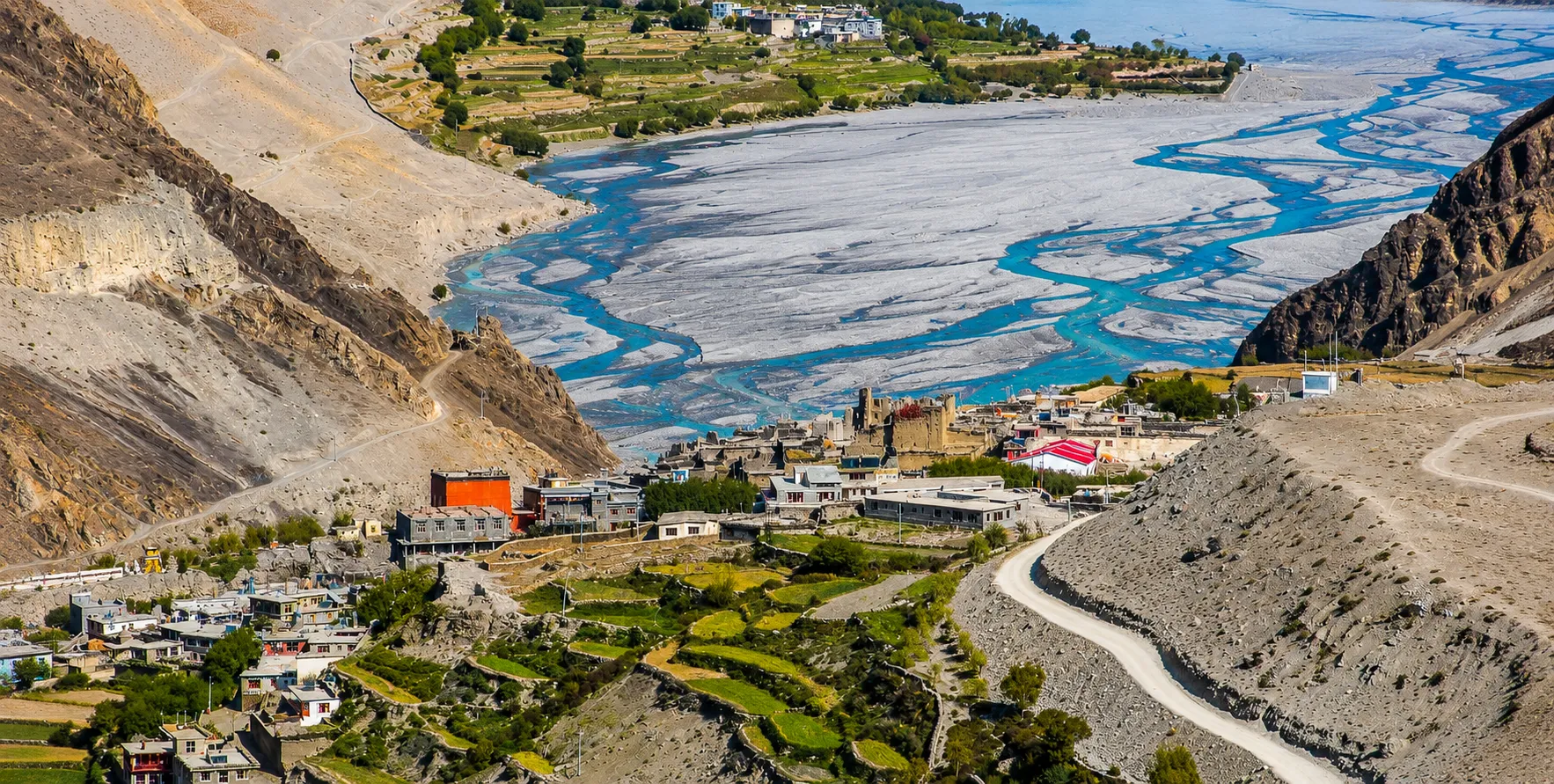
Explore the best places to visit in Mustang Nepal, from the ancient walled city of Lo Manthang to Muktinath Temple, Jomsom, Kagbeni, Marpha, and the breathtaking landscapes of Upper and Lower Mustang.

Tukuche and Lete — The Forgotten Villages of Lower Mustang

South of Jomsom and Marpha, the villages of Tukuche and Lete are among the most rewarding and least visited destinations in Lower Mustang — traditional Thakali communities whose historical importance in the trans-Himalayan salt trade made them among the wealthiest villages in nineteenth-century Nepal and whose architectural legacy reflects that prosperity in extraordinary detail. Tukuche in particular is celebrated for its large, well-preserved Thakali merchant houses — some of the finest examples of this domestic architectural tradition anywhere in Nepal — and for the Himalayan Distillery that has produced the famous Mustang brandy since 1975, still offering tours and tastings to visitors. The village’s location on the classic Annapurna Circuit trekking route means that it sees significant foot traffic from passing trekkers, but most move through without stopping for more than a brief rest — making the village a rewarding destination for travelers who take the time to explore its lanes and architectural heritage at a slower pace.


Upper Mustang — Making the Forbidden Kingdom Affordable

Lo Manthang — The Walled City of the Forbidden Kingdom

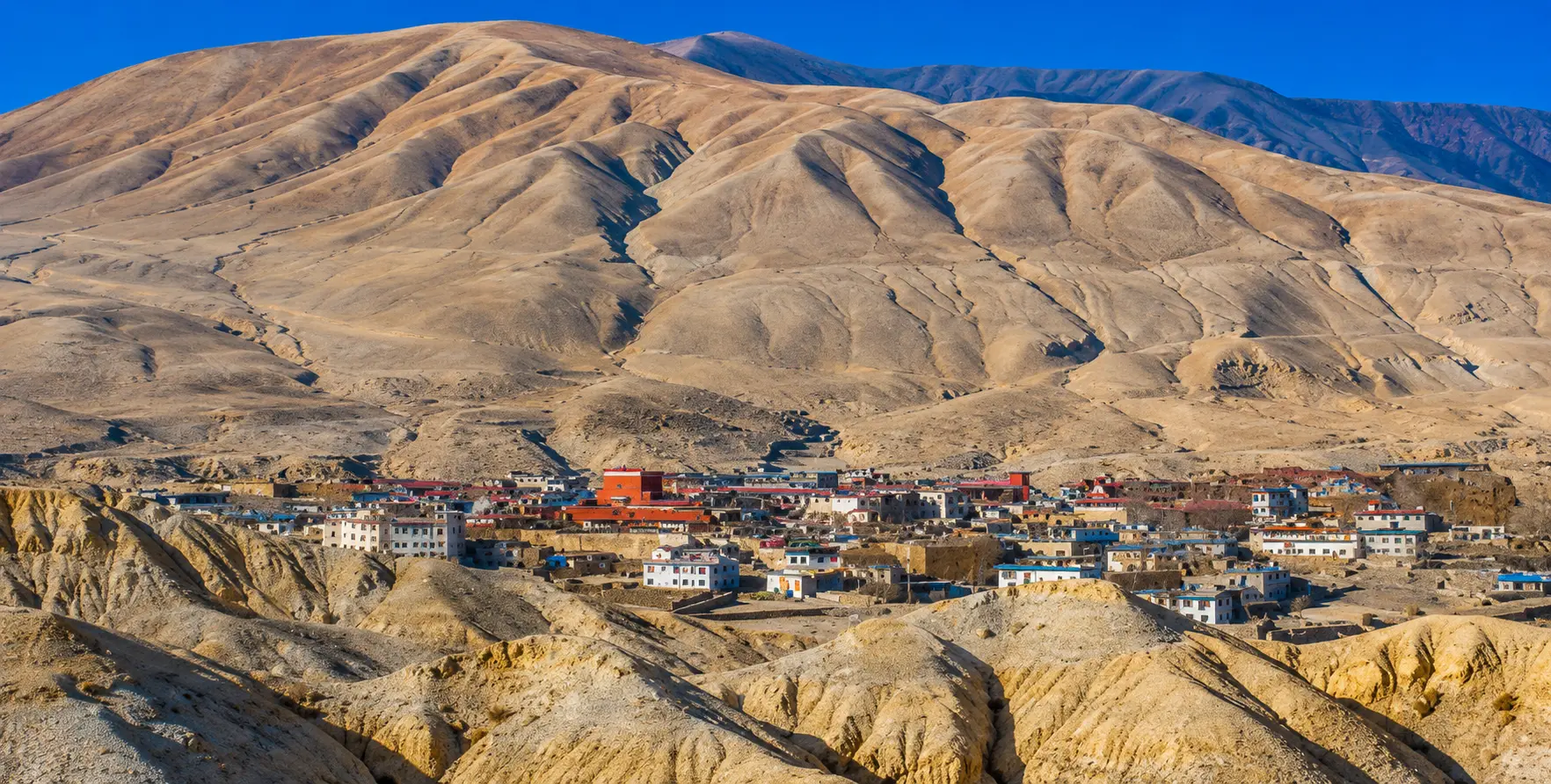
Lo Manthang at 3,840 meters is the ancient walled capital of the Kingdom of Lo — a living medieval city of extraordinary historical and cultural significance that remains one of the most remote, most authentic, and most overwhelmingly atmospheric destinations in all of Nepal. The city’s whitewashed defensive walls, enclosing a dense settlement of traditional Tibetan-influenced buildings, four major monasteries, the five-story royal palace of the King of Mustang, narrow winding alleyways, and the daily rhythms of a community whose cultural life continues largely as it has for centuries, create an experience that is genuinely unlike anything else accessible by road anywhere in the Himalayan world.

The most budget-conscious approach to Lo Manthang is the shared jeep expedition from Jomsom — organizing a group of four to six travelers to share the cost of a Land Cruiser or Fortuner hire from Jomsom to Lo Manthang and back, which reduces the per-person vehicle cost significantly while maintaining the efficiency of vehicle transport on the rough Upper Mustang plateau tracks. Nepal Vehicle Hiring Pvt. Ltd. provides specialized Upper Mustang jeep expedition services with Land Cruiser vehicles and drivers specifically experienced on the plateau tracks beyond Kagbeni — drivers who understand the afternoon wind schedule, know the locations of the few fuel sources, and have navigated the plateau’s more challenging sections in all seasonal conditions.

The three great monasteries of Lo ManthangThupchen Gompa, Jampa Lhakhang, and Chode Gompa — are among the finest examples of Tibetan Buddhist religious art and architecture accessible anywhere outside Tibet itself. Thupchen Gompa, in particular, houses a remarkable collection of murals painted in the fifteenth and sixteenth centuries that are considered among the most significant surviving examples of Tibetan Buddhist painting in the Himalayan world, and has been the subject of major international conservation efforts. Visiting all three monasteries during a Lo Manthang stay is both free of additional charge beyond the RAP permit and deeply rewarding for anyone with any interest in Himalayan Buddhist art and culture.
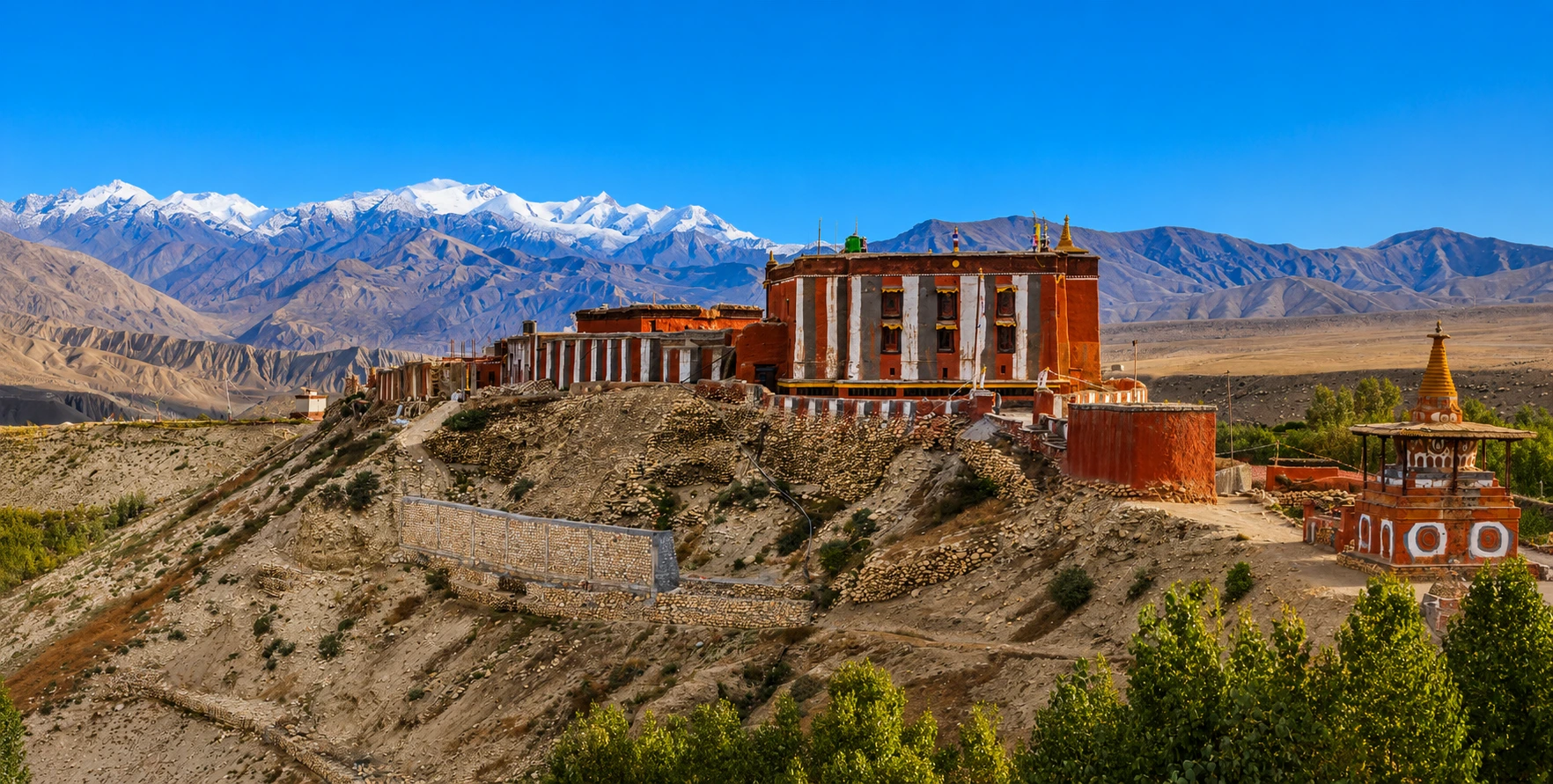
Explore the best places to visit in Mustang Nepal, from the ancient walled city of Lo Manthang to Muktinath Temple, Jomsom, Kagbeni, Marpha, and the breathtaking landscapes of Upper and Lower Mustang.

Tsarang — The Ancient Sub-Capital

Tsarang at 3,560 meters, approximately 8 kilometers south of Lo Manthang, is one of Upper Mustang’s most significant historical sites and an important destination for travelers spending more than a day or two in the restricted area. The village is dominated by the magnificent ruins of the Tsarang Fort and the Tsarang Monastery — a remarkable Sakya monastery built in the fourteenth century whose assembly hall contains exceptional thankas and wall paintings. The cliff-top location of Tsarang above the Mustang valley provides some of the finest panoramic views of the Upper Mustang landscape available from any easily accessible vantage point, and the walk from Lo Manthang to Tsarang — approximately two to three hours on a clear plateau track — is one of the most beautiful and meditative walks in the entire region.

The Sky Caves of Mustang — Ancient Cliff Dwellings

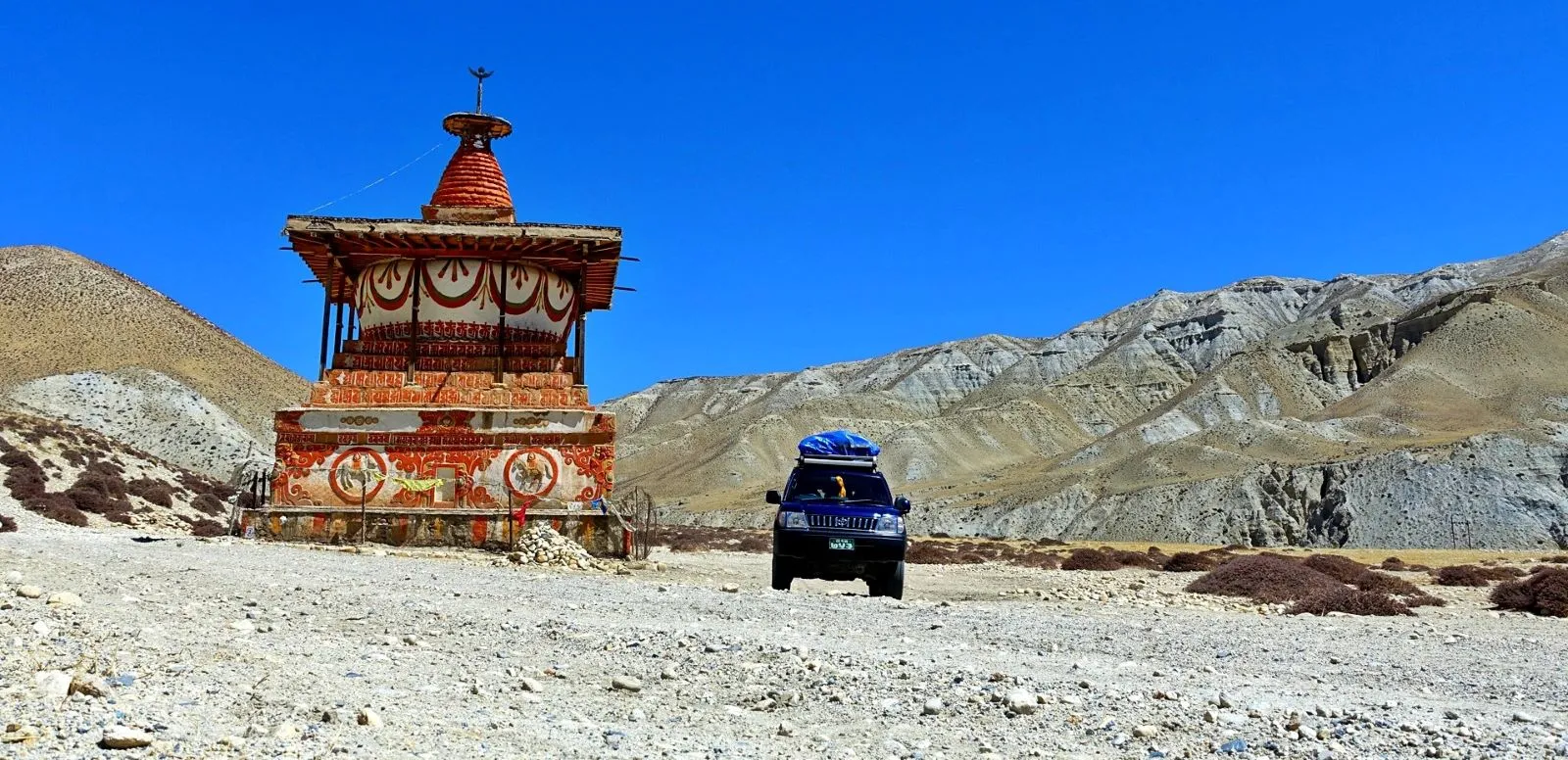
One of the most extraordinary and least widely known attractions of the Mustang region is its collection of sky caves — ancient cliff-dwelling complexes carved or naturally formed in the vertical face of the red and ochre cliffs that characterize the Upper Mustang landscape. These caves, some dating back more than two thousand years and many accessible only by rope or ladder, have yielded extraordinary archaeological discoveries in recent decades: manuscripts, human remains, ritual objects, and painted artifacts that suggest sophisticated human habitation at these extraordinary heights long before the recorded history of the Mustang kingdom. The most accessible and most famous sky cave concentration is found near the village of Chhoser north of Lo Manthang, where a cluster of cave complexes includes several with painted interiors and significant archaeological content. Day excursions to the Chhoser area from Lo Manthang, typically by local jeep hire from the Lo Manthang parking area, are included in most Upper Mustang itineraries and add a dimension of archaeological and historical intrigue to the region’s already rich experiential portfolio.
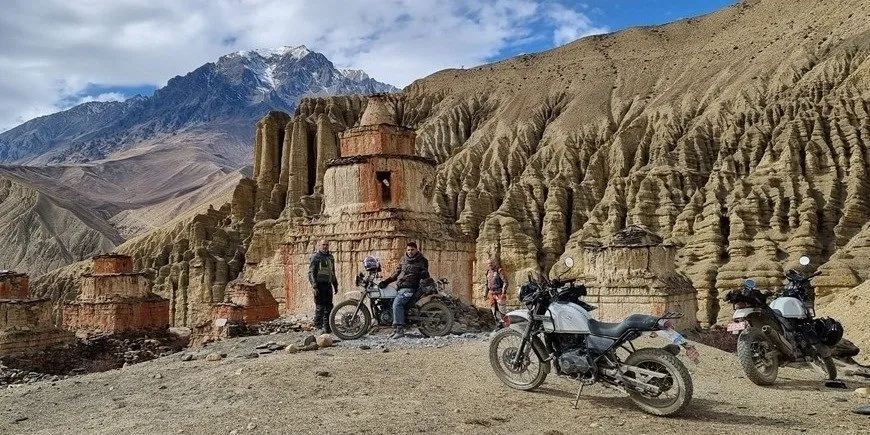
Explore the best places to visit in Mustang Nepal, from the ancient walled city of Lo Manthang to Muktinath Temple, Jomsom, Kagbeni, Marpha, and the breathtaking landscapes of Upper and Lower Mustang.

The Ghami Monastery and the Long Mani Wall

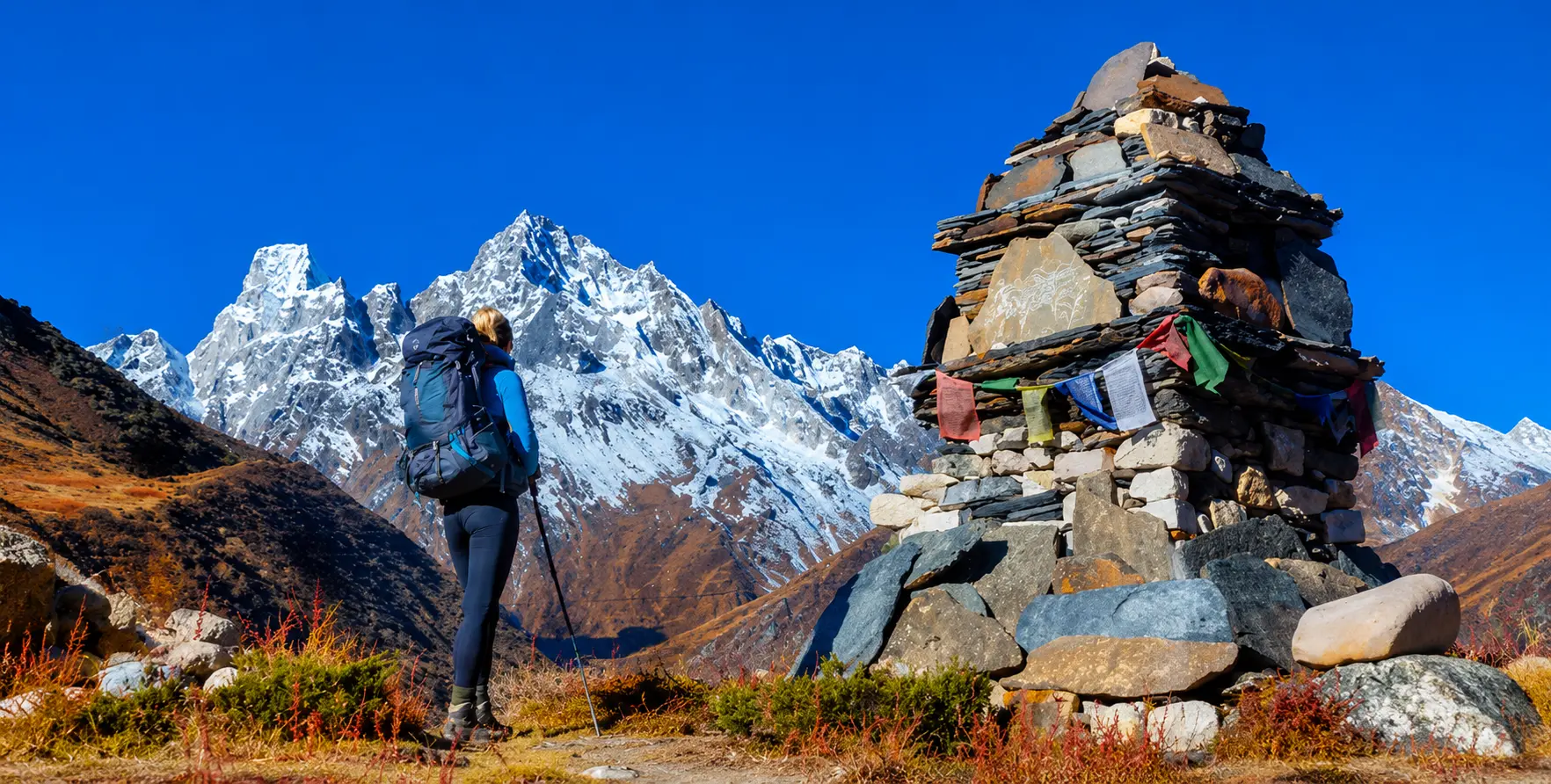
Ghami village at approximately 3,520 metres on the classic Upper Mustang jeep and trek route between Kagbeni and Lo Manthang is home to two of the region’s most notable cultural landmarks: the Ghami Monastery, one of the oldest in Mustang, and the Long Mani Wall — a centuries-old prayer wall more than 400 metres in length, covered in thousands of mani stones inscribed with the Buddhist mantra Om Mani Padme Hum and stretching across the plateau in a structure that is simultaneously one of the longest and one of the most devotionally charged religious objects in the entire Himalayan world. The Ghami Mani Wall is always circumambulated in a clockwise direction, and passing through Ghami without pausing to walk its length is to miss one of Upper Mustang’s most quietly extraordinary experiences.

How to Reach Mustang — Budget Transport Options 2026

The Budget Route: Kathmandu to Pokhara to Jomsom

The most budget-conscious route to the Mustang region from Kathmandu runs as follows: an overnight tourist bus from Kathmandu to Pokhara (NPR 1,000–1,500, approximately 6–7 hours); a day in Pokhara to obtain permits and rest; and then either the early morning Pokhara to Jomsom flight (USD 120–175 per person, 20 minutes of spectacular mountain flying) or the longer Pokhara to Jomsom by road option (shared jeep NPR 1,500–2,000 per person, 8–9 hours, or private jeep hire from Nepal Vehicle Hiring Pvt. Ltd. at NPR 22,000–30,000 for the full vehicle). The flight is significantly faster and provides extraordinary aerial views of the Annapurna range. Still, the road journey through the Kali Gandaki gorge is itself one of Nepal’s most dramatic and rewarding overland experiences. It is often preferred by travelers who want to begin the Mustang experience as early as possible.

For the most budget-efficient option overall — for solo travelers or couples — sharing a Pokhara to Muktinath private jeep hire with other travelers met in Pokhara Lakeside is consistently the most cost-effective private vehicle solution. Nepal Vehicle Hiring Pvt. Ltd. can sometimes facilitate connections between travelers with compatible Mustang itineraries who want to share vehicle costs — contact the team at +977 9851013196 or vehiclehiringnepal.com to enquire about this possibility for your travel dates.

The Mid-Budget Route: Direct Pokhara to Muktinath Jeep Hire

For travelers whose primary Mustang goal is Muktinath Temple and the Lower Mustang villages — the most common Lower Mustang itinerary — the Pokhara to Muktinath direct private jeep hire is the most time-efficient and comfortable option. The Nepal Vehicle Hiring Pvt. Ltd. service covers approximately 165 km via Beni and the Kali Gandaki gorge in a day, delivering travelers directly to Ranipauwa below the Muktinath temple for NPR 25,000–35,000 all-inclusive in a Toyota Fortuner. For a group of five or six sharing the vehicle, the per-person cost of NPR 4,200–7,000 is genuinely competitive with shared jeep alternatives while providing the significant advantages of hotel pickup in Pokhara, flexible timing, and direct delivery to the destination.

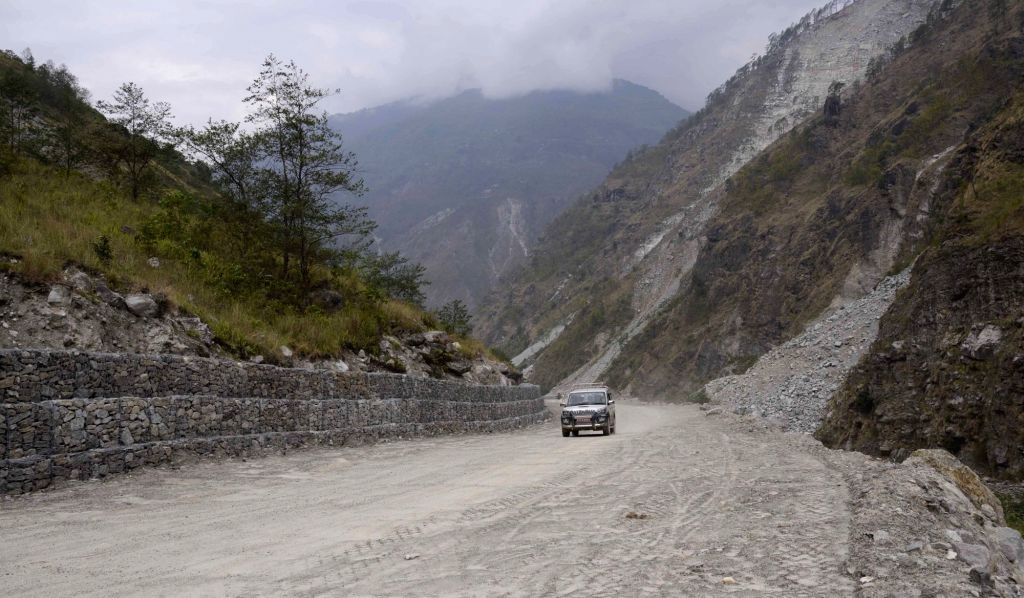
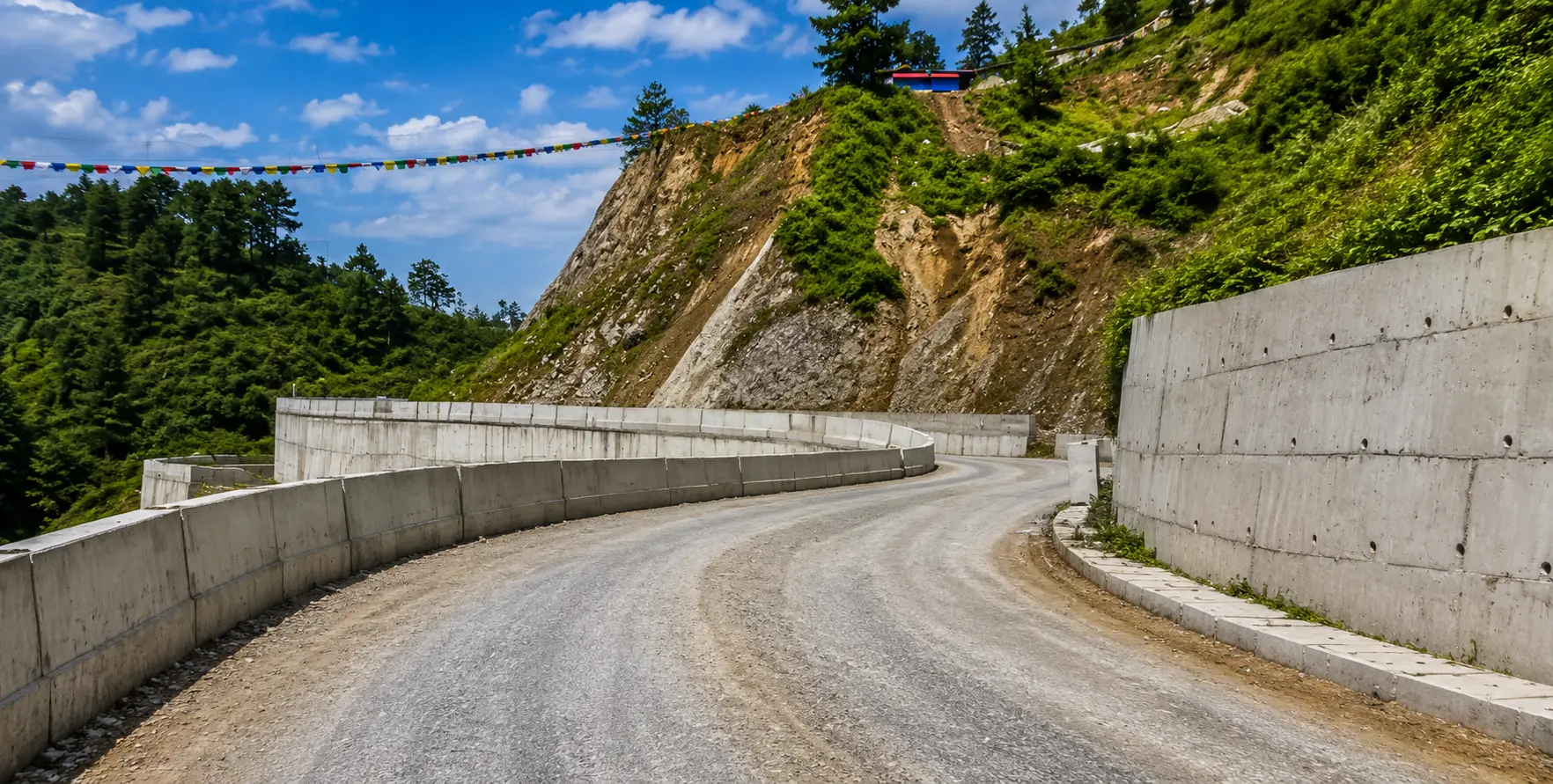
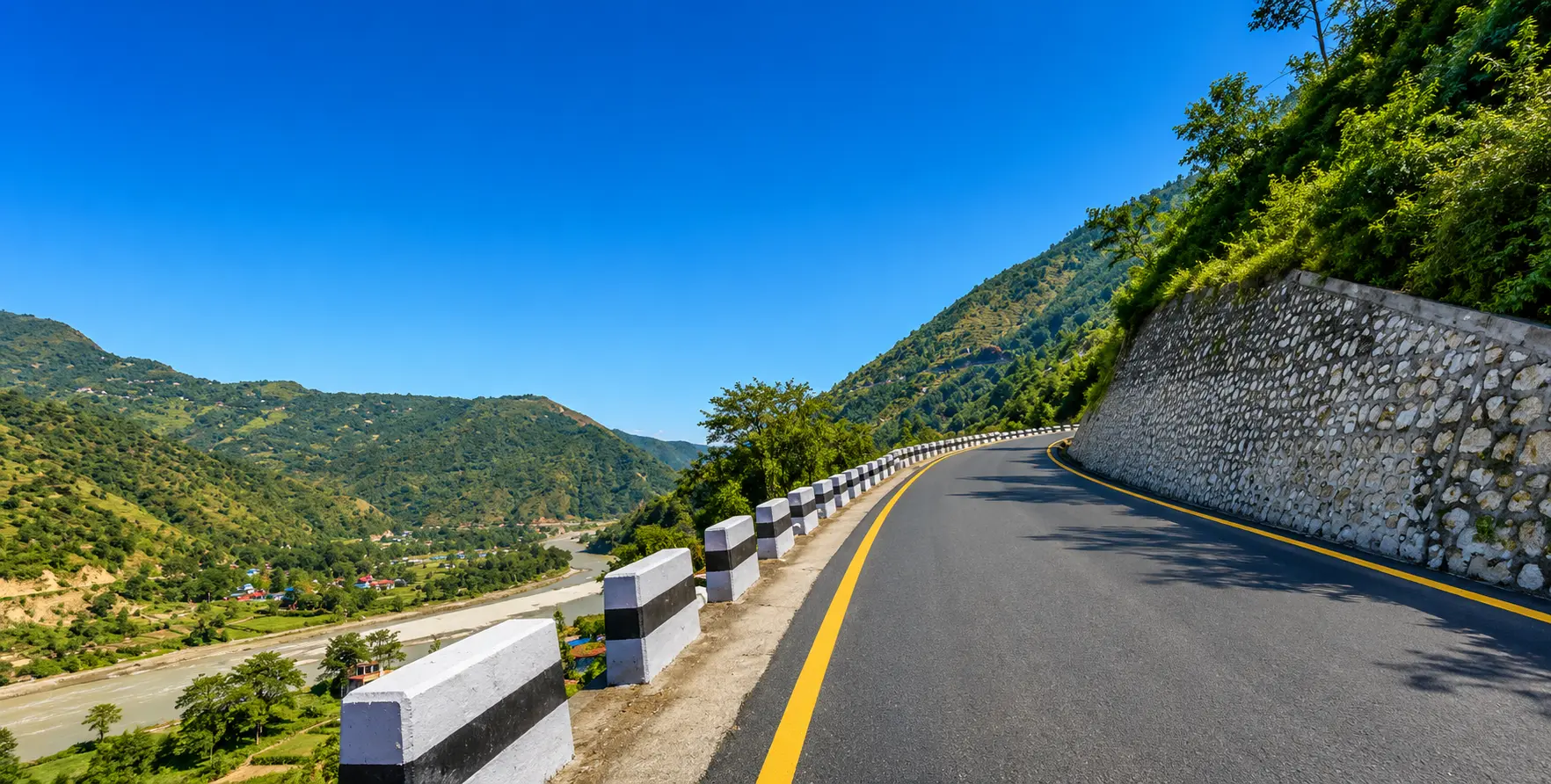
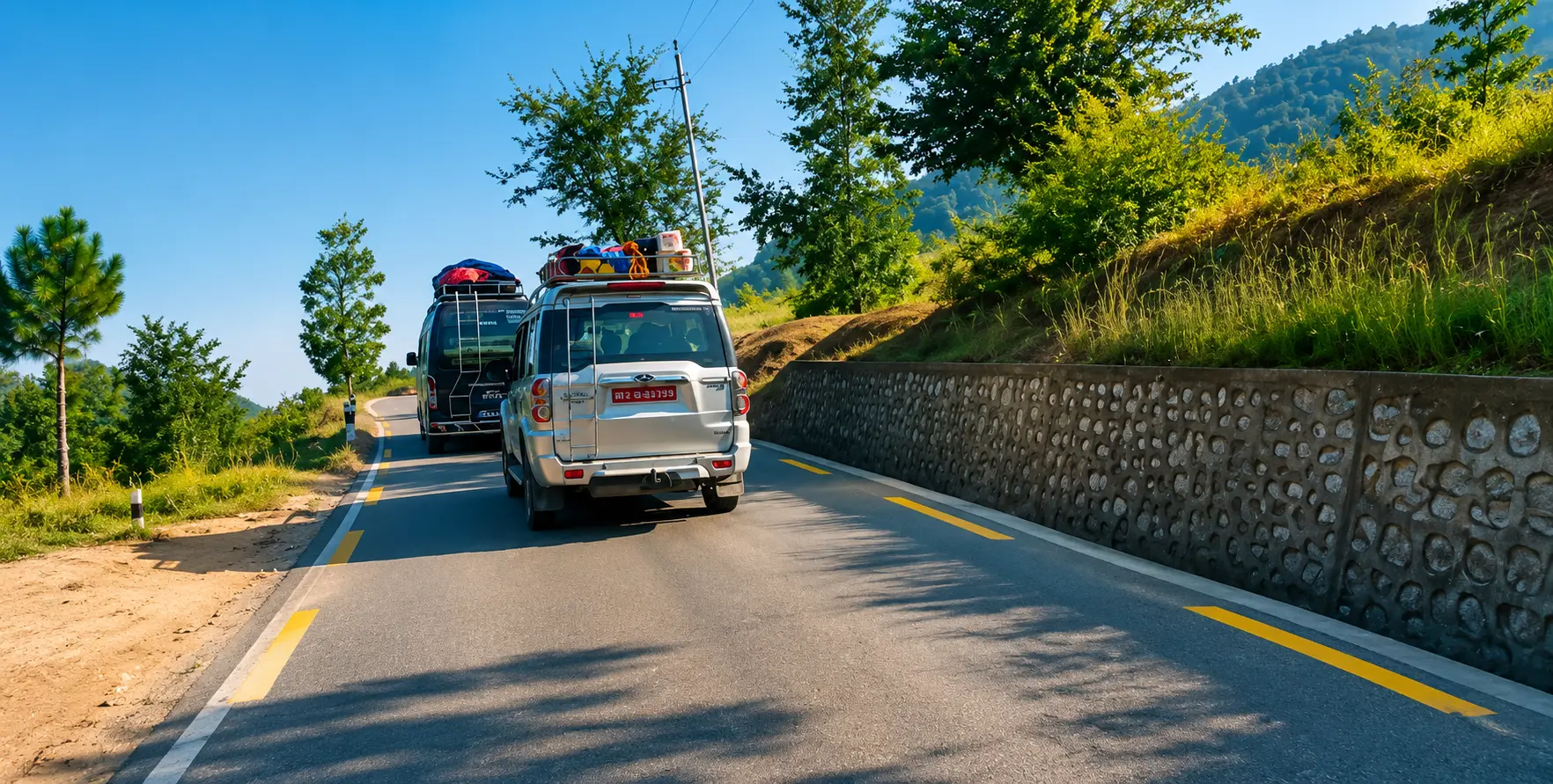
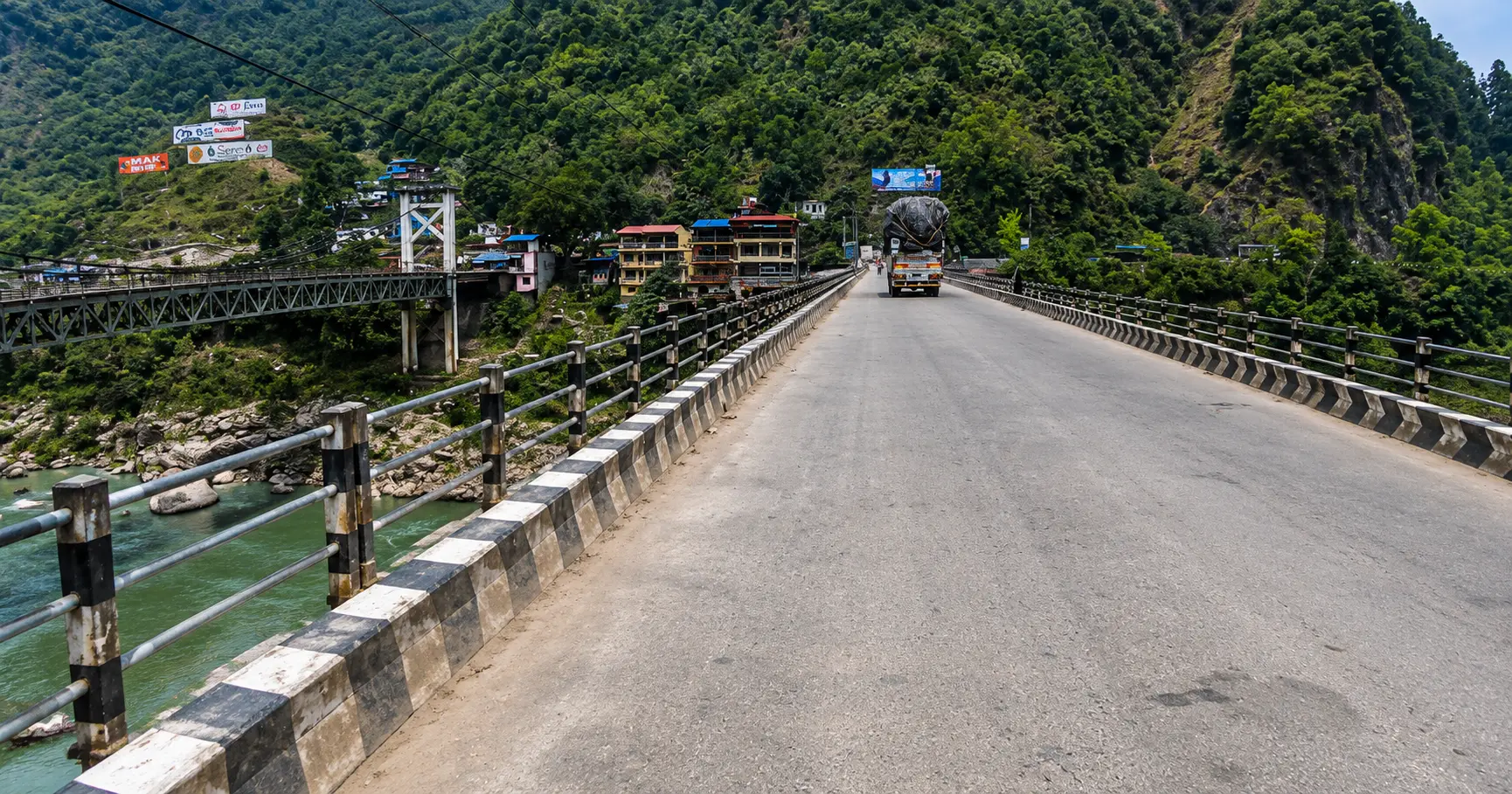
The Pokhara to Muktinath road journey itself is one of Nepal’s most dramatically scenic drives — the progressive entry into the Kali Gandaki gorge, the views of Dhaulagiri and Annapurna growing larger as the vehicle climbs northward, the passage through Tatopani and Ghasa, the apple orchards of Marpha, and the final approach through the increasingly arid and wind-swept Mustang plateau terrain to the temple — provides a visual narrative of Nepal’s extraordinary geographic diversity that no other single road journey can replicate. Nepal Vehicle Hiring Pvt. Ltd.’s drivers on this route are experienced with the specific character of the Kali Gandaki road. They will typically suggest a morning departure from Pokhara by 7:00 AM to ensure arrival at Muktinath before the afternoon winds become strongest.
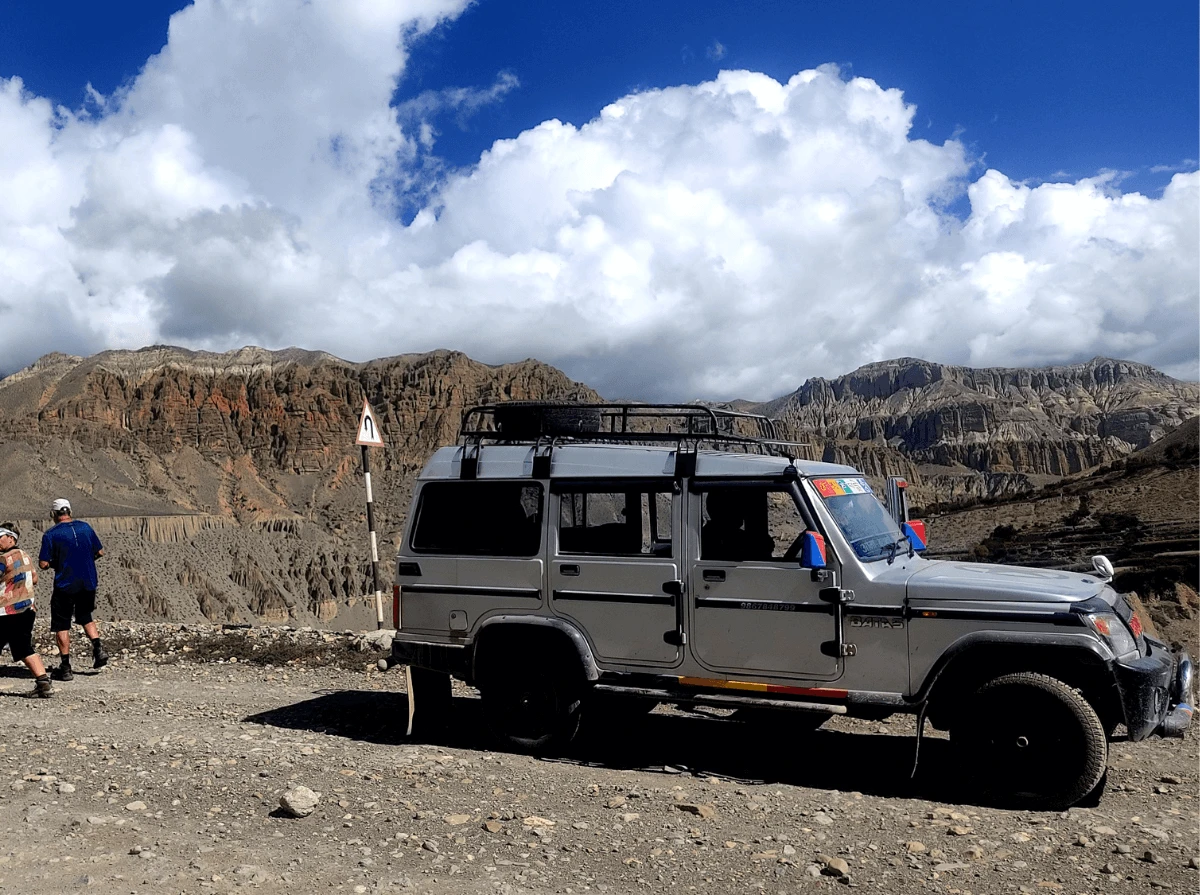
Explore the best places to visit in Mustang Nepal, from the ancient walled city of Lo Manthang to Muktinath Temple, Jomsom, Kagbeni, Marpha, and the breathtaking landscapes of Upper and Lower Mustang.

Permits Required for Mustang — 2026 Complete Guide

ACAP Permit — Required for All of Mustang

The Annapurna Conservation Area Permit (ACAP) at NPR 3,000 for foreign nationals is the foundational permit required for entry to any part of the Mustang region, both Lower and Upper. This permit is obtained from the Nepal Tourism Board office in Kathmandu or the NTNC office in Pokhara before departure. SAARC nationals pay NPR 200 for the ACAP. The permit covers the entire Annapurna Conservation Area including all of Lower Mustang and the approach roads.

TIMS Card — Required for Trekking

The TIMS Card (NPR 2,000 for individual trekkers, NPR 1,000 with a registered agency) is required for all trekkers in Nepal’s major trekking areas, including Mustang. Like the ACAP, it is best obtained in Kathmandu or Pokhara before departure.

Upper Mustang Restricted Area Permit — For Lo Manthang and Beyond

The Restricted Area Permit (RAP) for Upper Mustang has changed significantly in 2026. The 2026 policy requires all foreign nationals to pay USD 500 per person for the first 10 days in the restricted area, plus USD 50 per day for each additional day. Crucially, the 2026 regulation requires that all Upper Mustang visitors be accompanied by a licensed guide arranged through a registered agency — independent trekking or jeep touring in Upper Mustang without a licensed guide is not permitted. The RAP cannot be obtained independently; it must be arranged through a registered trekking agency. This guide and agency requirement is a genuine additional cost consideration for budget travelers planning Upper Mustang.

The mandatory guide requirement for Upper Mustang does not apply to Lower Mustang — Jomsom, Marpha, Muktinath, Kagbeni, and the Kali Gandaki valley south of the Kagbeni checkpoint can all be visited independently with only the ACAP and TIMS card. This makes Lower Mustang genuinely budget-accessible in a way that Upper Mustang, with its USD 500 RAP and mandatory guide, is not. Budget travelers should plan their Mustang itinerary with this distinction clearly in mind.
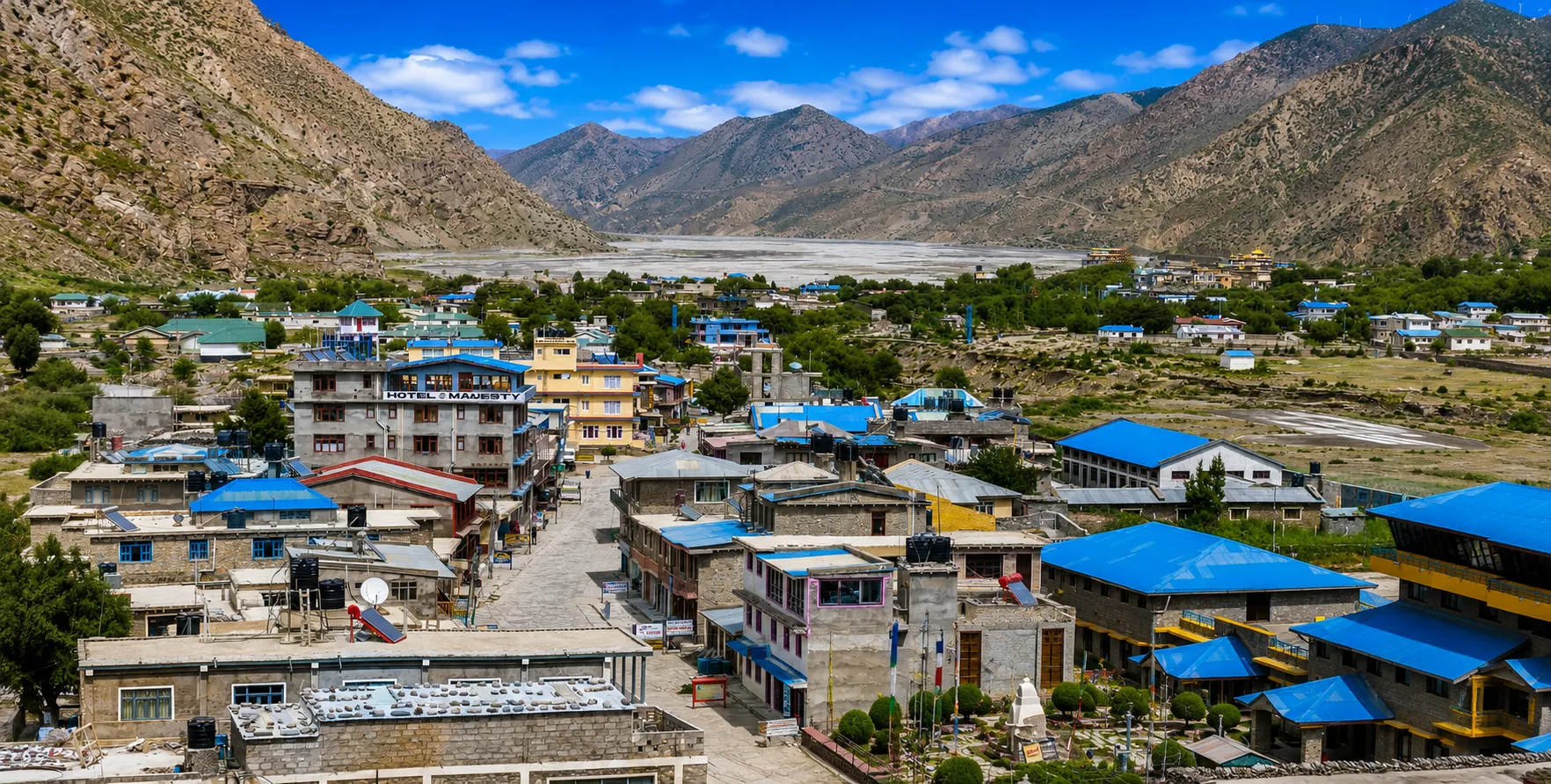
Explore the best places to visit in Mustang Nepal, from the ancient walled city of Lo Manthang to Muktinath Temple, Jomsom, Kagbeni, Marpha, and the breathtaking landscapes of Upper and Lower Mustang.

Budget Accommodation and Food in Mustang

Teahouse Culture — Mustang’s Budget Accommodation Network

The teahouse accommodation network of Mustang is well-developed throughout Lower Mustang and increasingly developed in Upper Mustang, and represents the backbone of budget travel in the region. In Lower Mustang villages — Jomsom, Marpha, Kagbeni, Ranipauwa, Tukuche — basic but functional teahouse rooms with shared bathroom facilities start from NPR 500–800 per night, with attached bathroom and hot shower available at NPR 800–1,500. These prices are broadly similar to teahouse rates elsewhere in the Annapurna and Everest trekking regions, though energy costs in remote locations mean that some services carry a premium.

In Upper Mustang — particularly in Tsarang and Lo Manthang — accommodation is more limited and consequently more expensive, with basic double rooms starting from approximately NPR 1,000–1,500 and running to NPR 2,500–4,000 for the best available rooms in the village. The accommodation market in Lo Manthang has improved considerably in recent years as the region’s tourism infrastructure has developed. Still, it remains genuinely basic compared to the more established trekking circuits. The policy in most Upper Mustang teahouses is that accommodation is provided at very low or zero cost to guests who eat their meals at the same establishment. This common Himalayan teahouse arrangement means that the accommodation cost is effectively bundled with the meal cost, and negotiating them separately is often impractical.
Explore the best places to visit in Mustang Nepal, from the ancient walled city of Lo Manthang to Muktinath Temple, Jomsom, Kagbeni, Marpha, and the breathtaking landscapes of Upper and Lower Mustang.

Eating on a Budget in Mustang

Dal bhat — Nepal’s national dish and the single most important element of budget eating throughout the country — is universally available in Mustang teahouses and represents the best caloric and nutritional value available at any price point in the region. A standard dal bhat in Lower Mustang teahouses costs NPR 400–600 and includes unlimited rice and lentil soup refills, along with seasonal vegetable curry and often a side of pickle — enough calories for a full day of mountain trekking or vehicle travel. In Upper Mustang, dal bhat prices rise to approximately NPR 700–1,000, reflecting the higher logistics cost of supplying remote villages.

Beyond dal bhat, Mustang-specific food specialties represent budget-friendly culinary experiences that should not be missed. The famous Marpha apple products — apple pie at teahouses (NPR 150–300), dried apple snacks (NPR 100–200 per packet), apple juice (NPR 150–250 per glass) — are widely available in Jomsom and Marpha at modest prices. Thakali cuisine — the traditional cooking of Mustang’s Thakali community, characterized by well-spiced meat dishes, thick dal, and buckwheat bread — is available at specialty Thakali restaurants in Jomsom and at some teahouses in Marpha, and provides an outstanding introduction to a regional cuisine that is entirely distinct from standard Nepali teahouse fare.
Discover the best places to visit in Mustang Nepal, from the ancient kingdom of Lo Manthang and sacred Muktinath Temple to Jomsom, Kagbeni, Marpha, and the spectacular landscapes of Upper and Lower Mustang.

Best Season and Timing for Budget Mustang Travel

The Mustang region has one of the most distinctive and genuinely helpful seasonal patterns of any Nepal trekking destination — its position in the rain shadow of the Annapurna and Dhaulagiri ranges means that Lower Mustang and Upper Mustang remain accessible and enjoyable throughout the year, including the monsoon months of June through September when most of Nepal’s trekking destinations are significantly less rewarding due to rainfall, cloud cover, and leeches.

The spring season from March through May is Mustang’s most celebrated time — the Kali Gandaki valley is clear, the rhododendron forests on the approach from Pokhara are in bloom, and the famous Tiji Festival of Lo Manthang (typically held in May, though exact dates vary annually) brings three days of extraordinary costumed dance, mask ritual, and religious ceremony that represents the single most spectacular cultural event accessible anywhere in Nepal. For budget travelers who can plan their trip around the Tiji Festival dates, the combination of the festival atmosphere and the spring clarity makes May one of the very best months to visit Upper Mustang — though accommodation in Lo Manthang is at a premium during Tiji and should be booked well in advance.
 

Explore the best places to visit in Mustang Nepal, from the ancient walled city of Lo Manthang to Muktinath Temple, Jomsom, Kagbeni, Marpha, and the breathtaking landscapes of Upper and Lower Mustang.

The autumn season from September through November provides the most consistently clear mountain visibility and the most reliable walking and driving conditions on both the Kali Gandaki road and the Upper Mustang plateau tracks. October is consistently rated as the finest single month for Mustang travel — the air is clear and cool, the landscape has been freshened by the tail end of the monsoon, and the afternoon winds, while still present, are at their least ferocious of the year. The Pokhara to Muktinath jeep hire and the Upper Mustang jeep expedition services from Nepal Vehicle Hiring Pvt. Ltd. see their highest demand during October and November — early booking is essential for this period.

The monsoon season from June through September, rather than being avoided as it is in most Nepal trekking regions, is actively recommended by experienced Mustang travelers for the Upper Mustang experience specifically. While the approach road from Pokhara through the Kali Gandaki can be affected by occasional landslides during heavy monsoon rainfall, the Upper Mustang plateau itself receives very little monsoon rain, and the Lower Mustang villages provide a genuine off-season tranquility with significantly lower accommodation prices and a complete absence of the crowds that characterize the peak months.


Nepal Vehicle Hiring Pvt. Ltd. — Your Mustang Transport Partner

Reaching the extraordinary destinations of Mustang from Pokhara or Kathmandu requires the right vehicle, an experienced driver, and a transport provider who understands the specific demands of Mustang’s roads. Nepal Vehicle Hiring Pvt. Ltd. provides the complete range of Mustang transport services — from the Pokhara to Muktinath jeep hire that serves Lower Mustang visitors to the specialized Upper Mustang Land Cruiser expedition service that takes permitted travelers through the full restricted area to Lo Manthang.

The company’s car hire in Pokhara service covers all Pokhara-based transfers and sightseeing, with experienced drivers available from your Lakeside hotel at any time. For travelers who begin their Nepal journey in Kathmandu, the Kathmandu sightseeing tour, the Bhaktapur Durbar Square day tour, and the Nagarkot sunrise tour are all available before the onward journey to Pokhara and Mustang. Nepal Vehicle Hiring Pvt. Ltd.‘s 8,000+ satisfied customers, 5.0 TripAdvisor rating, and 200+ verified five-star reviews reflect a consistent standard of service that makes it Nepal’s most trusted private vehicle hire provider — particularly for the demanding mountain routes of the Mustang region.

Book Your Mustang Vehicle with Nepal Vehicle Hiring Pvt. Ltd.

Website: www.vehiclehiringnepal.com

Phone / WhatsApp: +977 9851013196 (24/7 Support)

Email: [email protected]

Office: Bhagawatisthan, Thamel, Kathmandu, Nepal

Pokhara to Muktinath Jeep: Toyota Fortuner | NPR 25,000–35,000 (full vehicle)

Pokhara to Jomsom Road: Toyota Fortuner/Land Cruiser | NPR 22,000–30,000

Upper Mustang Expedition: Land Cruiser | NPR 35,000–55,000/day

Budget Group Sharing: Per-person cost NPR 4,000–7,000 for groups of 5–6
Explore the best places to visit in Mustang Nepal, from the ancient walled city of Lo Manthang to Muktinath Temple, Jomsom, Kagbeni, Marpha, and the breathtaking landscapes of Upper and Lower Mustang.

Pre-Mustang Kathmandu and Pokhara Activities

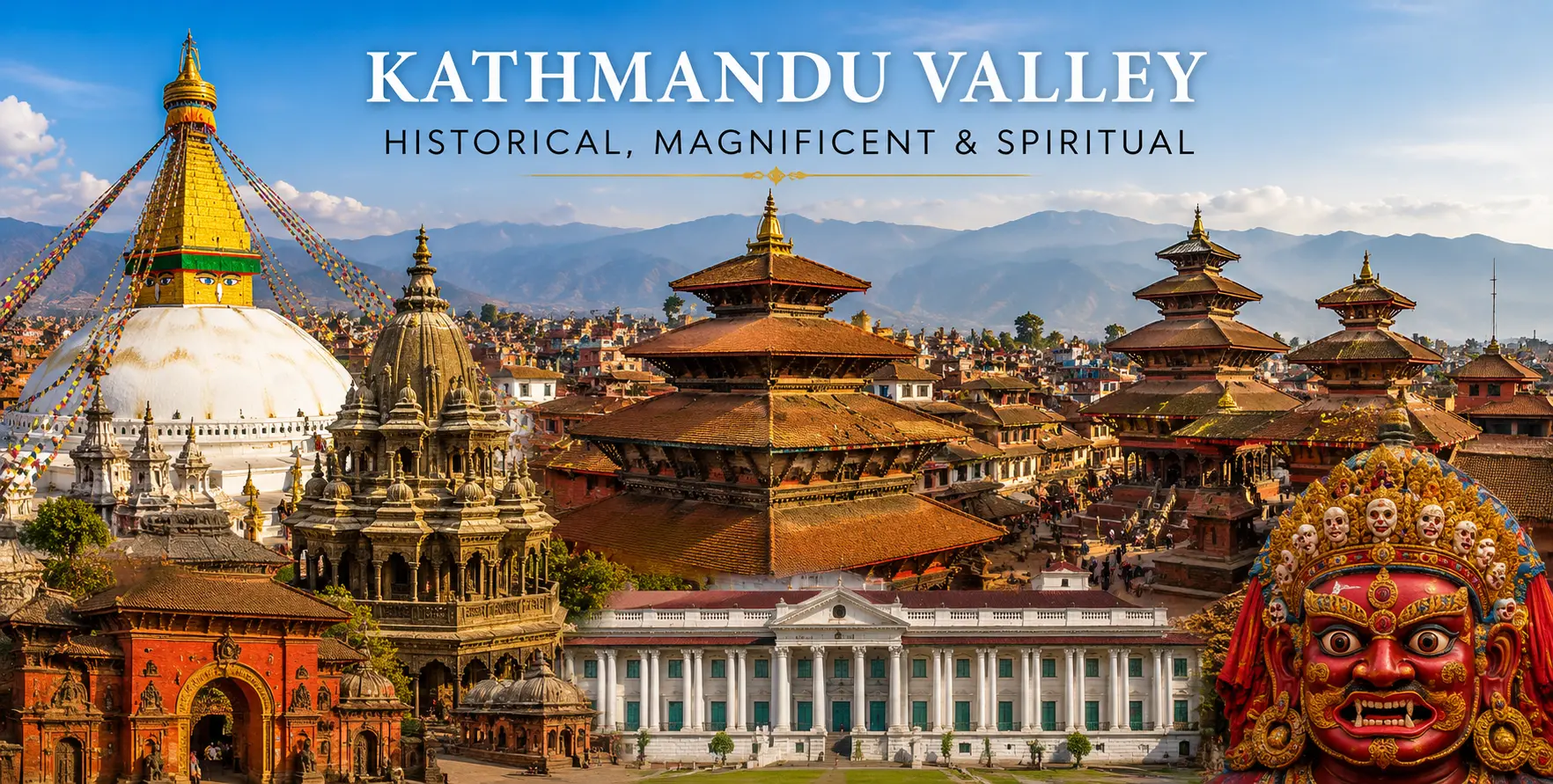
Most travelers visiting Mustang spend time in either Kathmandu or Pokhara before heading into the Mustang region, and both cities reward the time invested in pre-Mustang exploration. In Kathmandu, the Kathmandu sightseeing tour from Nepal Vehicle Hiring Pvt. Ltd. covers Boudhanath, Pashupatinath, Swayambhunath, and Patan in a single comfortable day by private vehicle. The Bhaktapur Durbar Square day tour adds Nepal’s finest medieval city to the pre-Mustang cultural circuit. In contrast, th the Nagarkot sunrise tour from Nepal Vehicle Hiring Pvt. Ltd. provides a first glimpse of the Himalayan range that Mustang will bring the traveler directly into

In Pokhara, the day before the Mustang departure is best used for permit collection at the Pokhara NTNC office and a restful evening at Lakeside. The car hire in Pokhara service from Nepal Vehicle Hiring Pvt. Ltd. is available for Pokhara city sightseeing — Sarangkot viewpoint, World Peace Pagoda, the International Mountain Museum, and Phewa Lake — before the Mustang departure. The Sarangkot sunrise from Pokhara provides the finest preview available of the Annapurna and Dhaulagiri ranges that frame the Mustang journey, and many experienced Mustang travelers specifically recommend starting the Pokhara stay with the Sarangkot sunrise to orient themselves to the mountain geography they are about to enter at ground level.

The Kathmandu to Pokhara private vehicle hire from Nepal Vehicle Hiring Pvt. Ltd. connects the two cities efficiently along the Prithvi Highway — a 200 km journey of five to seven hours that can incorporate stops at the famous riverside restaurants at Malekhu and the celebrated curd vendors at Mugling. Booking the Kathmandu to Pokhara jeep hire and the Pokhara to Muktinath transfer together through Nepal Vehicle Hiring Pvt. Ltd. creates a fully coordinated transport chain from Kathmandu all the way to Muktinath with a single trusted provider — the most efficient and stress-free way to organize the complete Nepal and Mustang journey.
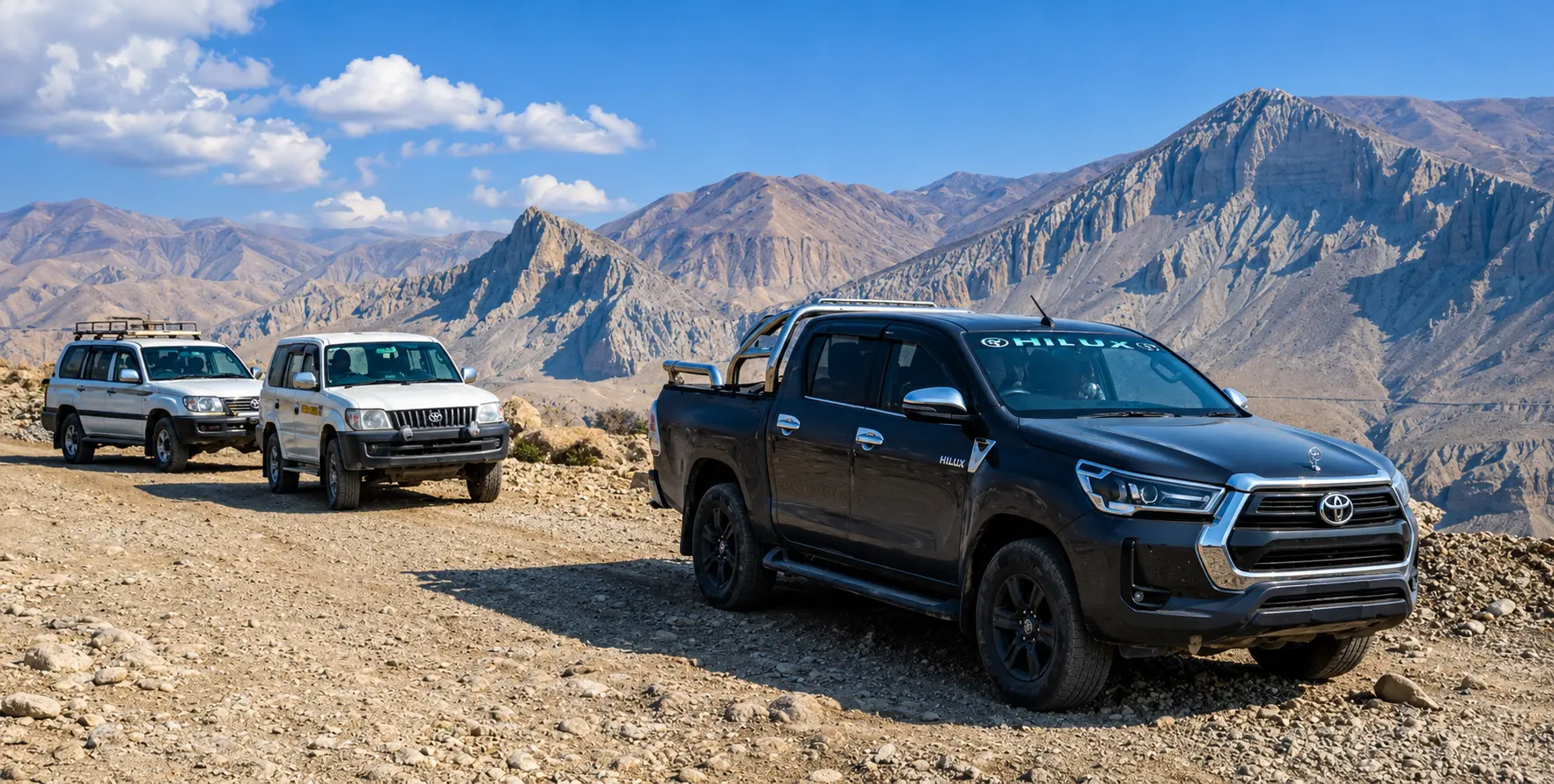
Explore the best places to visit in Mustang Nepal, from the ancient walled city of Lo Manthang to Muktinath Temple, Jomsom, Kagbeni, Marpha, and the breathtaking landscapes of Upper and Lower Mustang.

Frequently Asked Questions — Mustang Budget Travel 2026

Can I visit Mustang without a special permit?

Yes — Lower Mustang, including Jomsom, Marpha, Muktinath, Kagbeni, and the Kali Gandaki gorge, requires only the standard ACAP permit at NPR 3,000 for foreign nationals, with no special restricted area permit. Only Upper Mustang — north of Kagbeni, including Lo Manthang — requires the USD 500 Restricted Area Permit. Budget travelers who restrict their Mustang itinerary to Lower Mustang can experience extraordinary destinations with minimal permit costs.

How much does it cost per day to travel in Lower Mustang on a budget?

A realistic budget daily cost in Lower Mustang for an independent traveler in 2026 is approximately NPR 2,500–4,000 per day, covering a basic teahouse room at NPR 600–1,000, two meals at NPR 500–1,200 each, and incidental costs. The ACAP permit at NPR 3,000 is a one-time cost spread across the trip. Transport within Lower Mustang — shared jeeps between villages — is NPR 200–500 per person per short journey, making it very affordable.

What is the cheapest way to get from Pokhara to Muktinath?

The cheapest single option is the public/shared jeep from Pokhara to Muktinath, costing approximately NPR 1,500–2,500 per person with multiple stops and a 9–12 hour journey. For groups of four or more, private jeep hire from Nepal Vehicle Hiring Pvt. Ltd. at NPR 25,000–35,000 for the full Fortuner produces a per-person cost of NPR 5,000–8,750 — significantly more comfortable, faster (7–8 hours), and with hotel pickup included. The Pokhara to Muktinath private jeep is the best value option for groups.

Is the Tiji Festival worth planning around?

Absolutely — the Tiji Festival in Lo Manthang is considered one of the most extraordinary cultural events accessible in Nepal and the Himalayan world. The three-day festival of masked dance, ritual music, and costumed ceremony in the courtyard of the Lo Manthang monastery complex draws visitors from across the world specifically to witness it. However, it requires the Upper Mustang RAP permit at USD 500, a licensed guide, and advance accommodation booking. For travelers with the budget for Upper Mustang, the Tiji Festival timing — typically late May — is one of the most compelling reasons to choose that specific travel window.

Is Mustang safe for budget solo travelers?

Lower Mustang is entirely safe and appropriate for solo budget travelers with standard Nepal trekking experience. The routes are well-marked, teahouses are consistently available, mobile phone coverage exists in most Lower Mustang villages including Jomsom and Ranipauwa, and the Kali Gandaki road is well-served by shared vehicles. The main practical challenges for solo travelers are the afternoon winds, which make exposed walking uncomfortable, and the altitude, which requires appropriate acclimatization (Muktinath is at 3,800 m). Upper Mustang requires a licensed guide by regulation and should not be attempted independently regardless of experience.

How do I book the Pokhara to Muktinath jeep from Nepal Vehicle Hiring?

Contact Nepal Vehicle Hiring Pvt. Ltd. via WhatsApp at +977 9851013196, by email at [email protected], or through vehiclehiringnepal.com.  Provide your departure date from Pokhara, group size, vehicle preference, and any planned stops along the Kali Gandaki route. The team confirms bookings and provides the driver’s contact details. Book at least 2–3 days in advance during peak season (October and March–May), or same-day during off-peak periods.


Conclusion: Mustang Is More Accessible Than You Think

The single most important takeaway from this guide is one that too many potential visitors to the Mustang region miss: most of Mustang’s most extraordinary destinations are entirely accessible on a genuine budget.  The Kali Gandaki gorge, Muktinath Temple, Marpha village, Kagbeni, and Jomsom — each remarkable in its own right, together constituting one of the finest concentrations of natural and cultural highlights available in any single Nepal travel corridor — all lie in Lower Mustang and require nothing beyond the standard ACAP permit at NPR 3,000. The USD 500 restricted area permit of Upper Mustang opens the extraordinary additional dimension of Lo Manthang and the ancient forbidden kingdom. Still, it is not a prerequisite for a Mustang experience of genuine depth and lasting impact.

Whether you arrive by shared jeep from Pokhara on the most budget-conscious arrangement possible, or by private Fortuner jeep hire from Nepal Vehicle Hiring Pvt. Ltd. with the flexibility and comfort that a quality private vehicle provides, the destinations of Mustang deliver an experience that is in all the ways that matter — the scale of the landscape, the depth of the cultural heritage, the spiritual power of the pilgrimage sites, the extraordinary quality of the light on the red cliffs and the desert plateau — entirely worth the journey. Contact Nepal Vehicle Hiring Pvt. Ltd. at +977 9851013196 or vehiclehiringnepal.com for Kathmandu sightseeing tours, Bhaktapur day trips, Nagarkot sunrise, and all Nepal vehicle hire needs to plan your Mustang vehicle hire today.
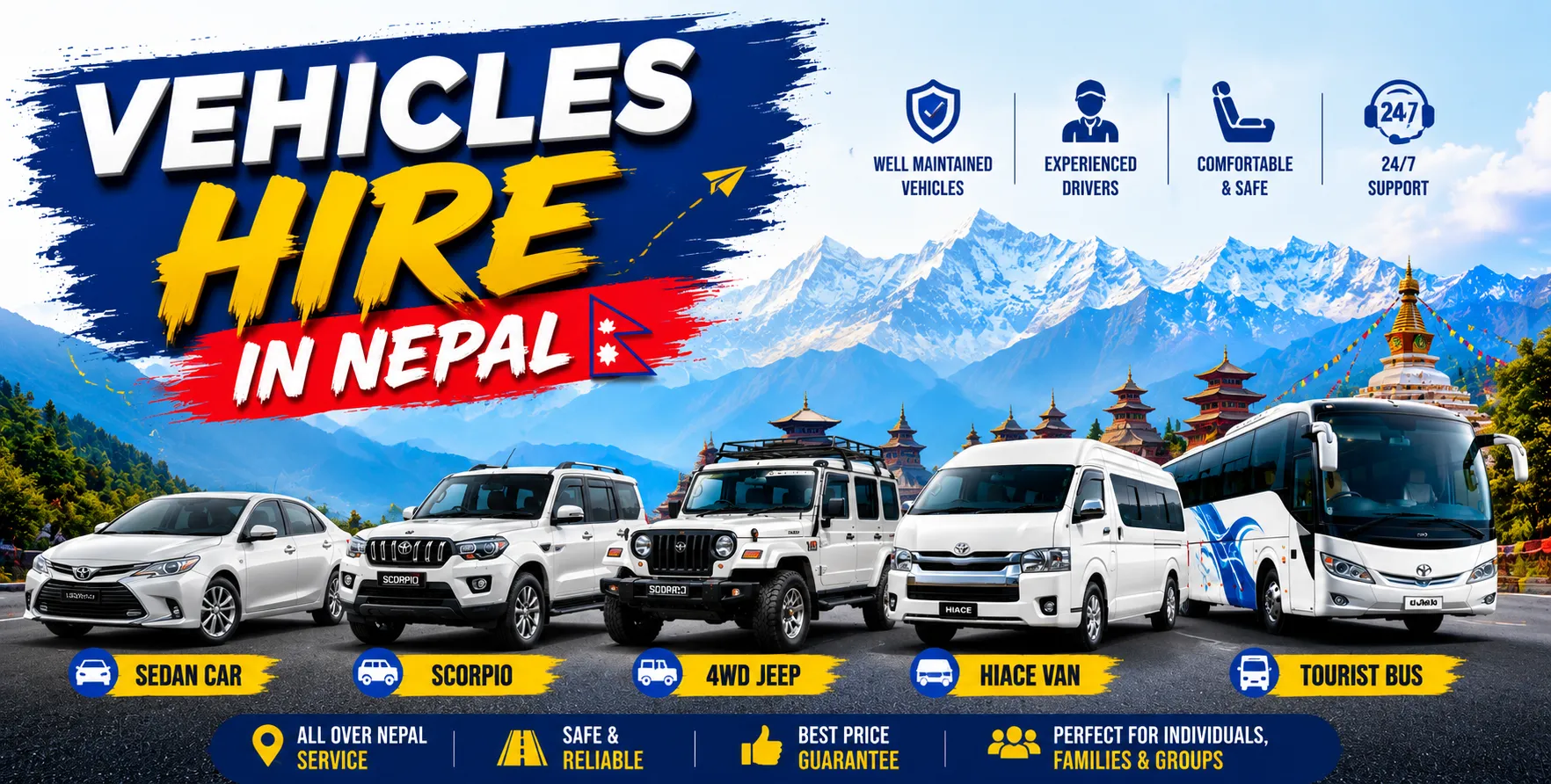
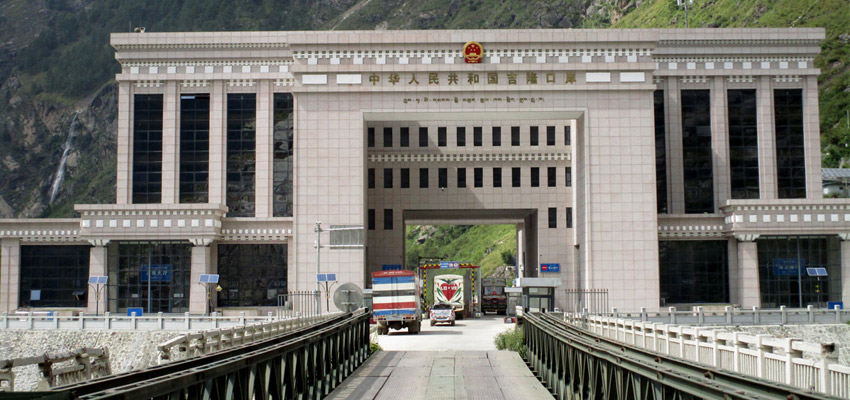
Kerung to Sunauli Border Transfer After Kailash Yatra

Book a reliable Kerung to Sunauli Border transfer after Kailash Yatra with private cars, 4WD jeeps, Scorpio SUVs, Hiace vans, or buses. Enjoy flexible pickup, comfortable travel, and experienced drivers for your return journey across Nepal.

Kerung to Sunauli Border Transfer After Kailash Yatra 2026/27

There is a particular quality of experience that belongs only to the return journey from Kailash Mansarovar. This quality distinguishes it from every other return journey a person makes in their lifetime. Those who have completed the 52-kilometre parikrama around Mount Kailash at altitudes approaching 5,700 metres at the Dolma La Pass, who have bathed in the icy sacred waters of Lake Mansarovar at 4,590 metres as the first light of dawn illuminates the snow peaks reflected in the lake’s impossible blue surface, who have prostrated themselves before the world’s most holy mountain as four of humanity’s greatest religious traditions agree it to be — these pilgrims return across the Kerung border into Nepal carrying something different from what they brought across in the outbound direction. The weight of the journey is different. The quality of attention is different. And the vehicle that carries them from the Rasuwagadhi border crossing southward through Nepal’s mountains and Terai plains to the Sunauli border, and then back to India, is part of this experience rather than separate from it.

Nepal Vehicle Hiring Pvt Ltd (vehiclehiringnepal.com) provides the complete return vehicle transfer service for Kailash Yatra pilgrims crossing back into Nepal at Rasuwagadhi from the Kerung/Kyirong side — covering the full southward journey from the Nepal border checkpoint through Syabrubesi, Dhunche, and the Pasang Lhamu Highway corridor to Kathmandu, and continuing the next day from Kathmandu southward through Narayangarhhat and the East-West Highway to Bhairahawa and the Sunauli border crossing. Our private jeeps, Hiace vans, coasters, and buses serve Kailash Yatra return pilgrims of every group size, with vehicles and drivers specifically briefed for this return pilgrimage corridor and its particular character — the physical exhaustion of completing one of the world’s most demanding pilgrimages, the emotional intensity of the return from a sacred experience of extraordinary depth, and the simple practical need for a comfortable, reliable vehicle that arrives at the Rasuwagadhi checkpoint on time and carries the group safely and smoothly back to the Indian border.

This complete guide covers every dimension of the Kerung to Sunauli return vehicle transfer — the route in full detail, the vehicle options and costs for every group size, the typical return itinerary timeline that most Kailash Yatra operators build into their packages, the extended Nepal stay options that many returning pilgrims choose for thanksgiving visits to Kathmandu’s sacred sites, the practical considerations specific to the return journey’s character, and the complete Nepal vehicle hire network that Nepal Vehicle Hiring Pvt Ltd provides beyond the pilgrimage corridor for pilgrims who wish to extend their Nepal experience in either direction.

Book a reliable Kerung to Sunauli Border transfer after Kailash Yatra with private cars, 4WD jeeps, Scorpio SUVs, Hiace vans, or buses. Enjoy flexible pickup, comfortable travel, and experienced drivers for your return journey across Nepal.

The Return Route: Kerung to Sunauli in Full Detail

Overview of the Complete Return Journey

The return journey from Kerung (Kyirong) to Sunauli follows the same geographic corridor as the outbound journey in reverse, but with a significantly different experiential character. As described by multiple current Kailash Yatra operators including Alpine Eco Trek, the return from the Kailash region typically involves a drive from Darchen through Saga back to Kerung on the Tibet side, taking 8 to 9 hours, followed by the border crossing at Rasuwagadhi the following morning and a return drive to Kathmandu via Syabrubesi. Su-Yatra’s detailed itinerary confirms that the Kerung to Kathmandu return drive is structured as a 7-hour journey covering 172 kilometers from the border, with the road narrow and winding in the beginning section through the Rasuwa District gorge before becoming easier on the Pasang Lhamu Highway’s lower sections toward Kathmandu.

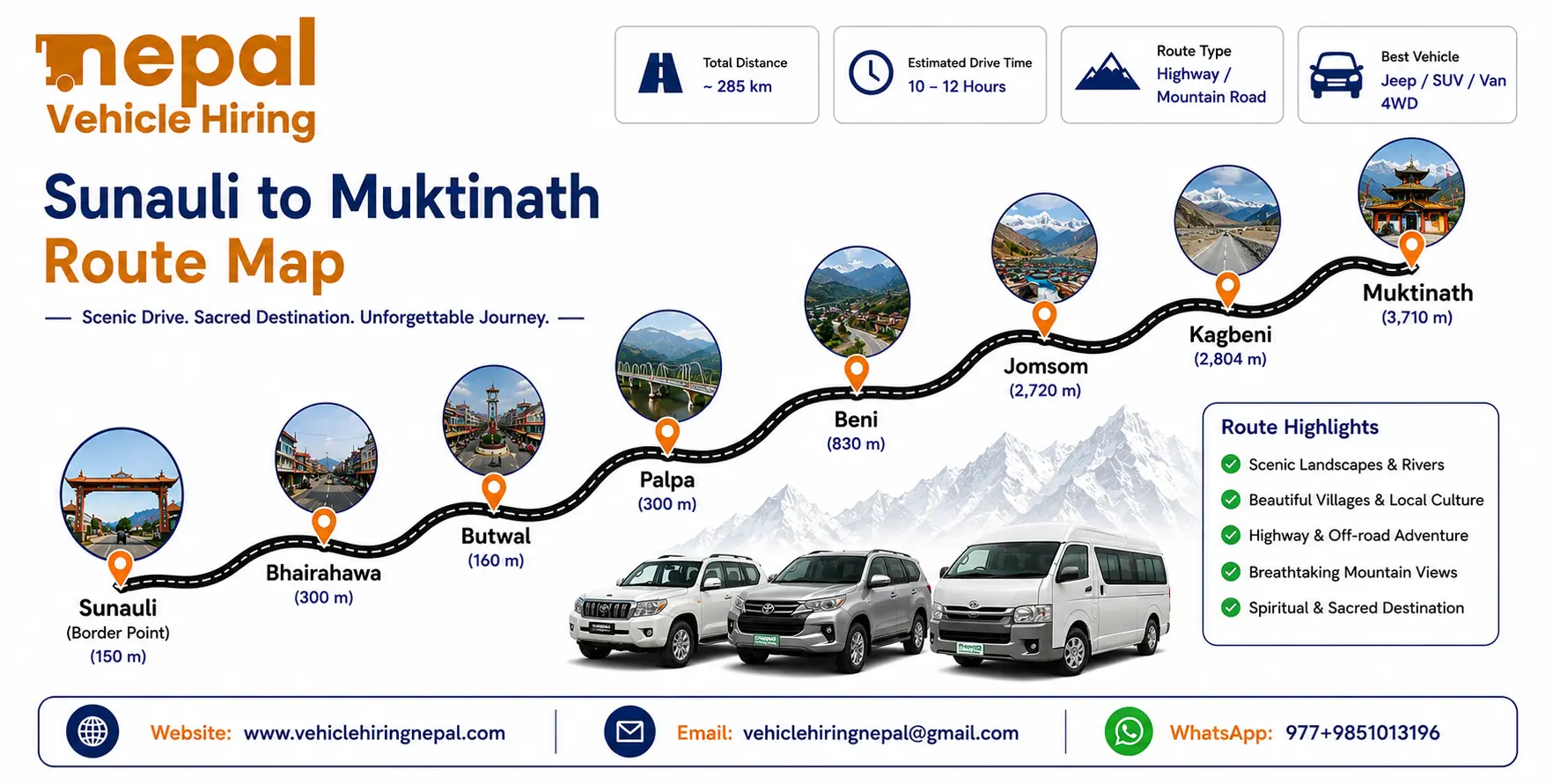
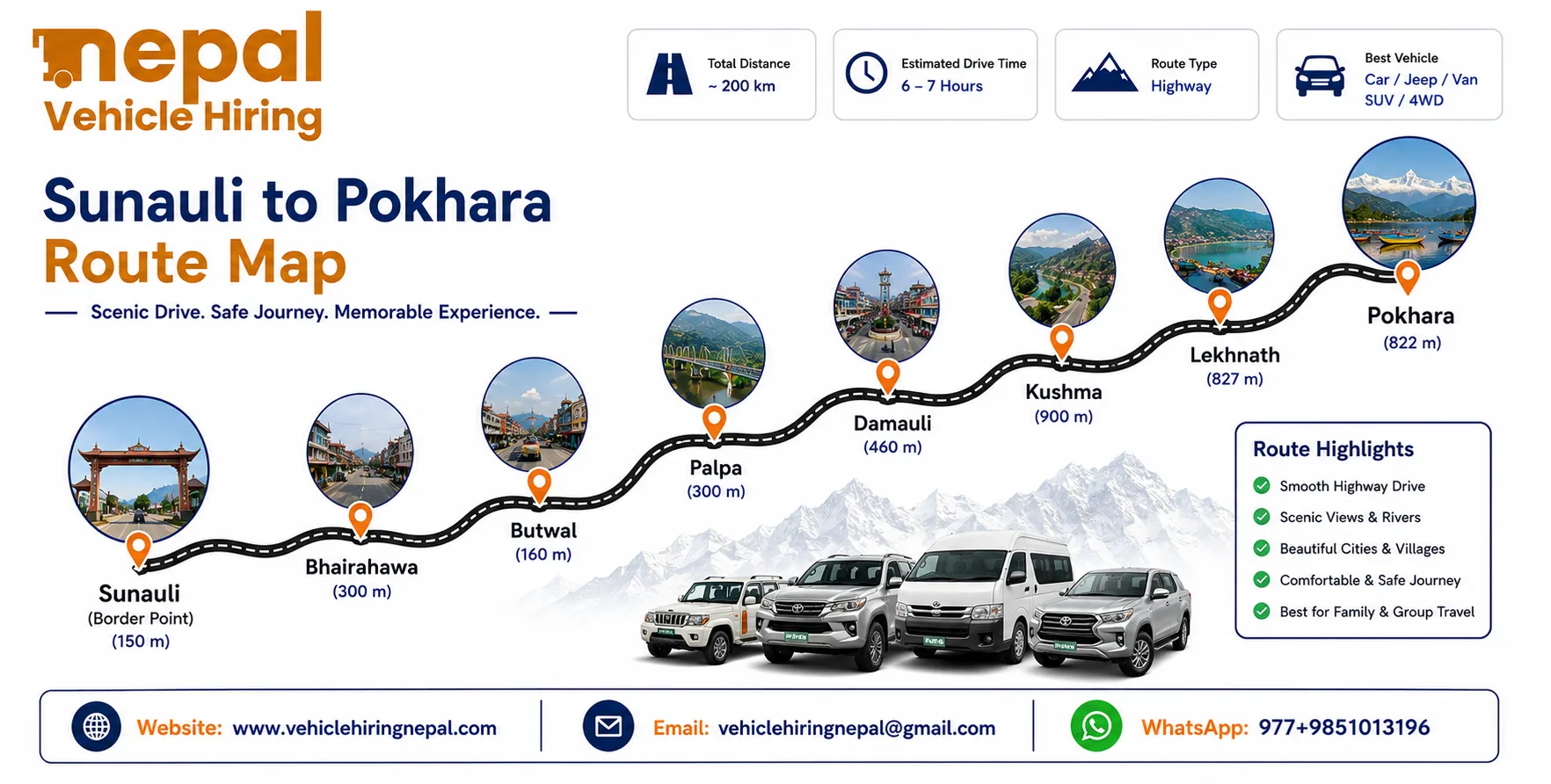
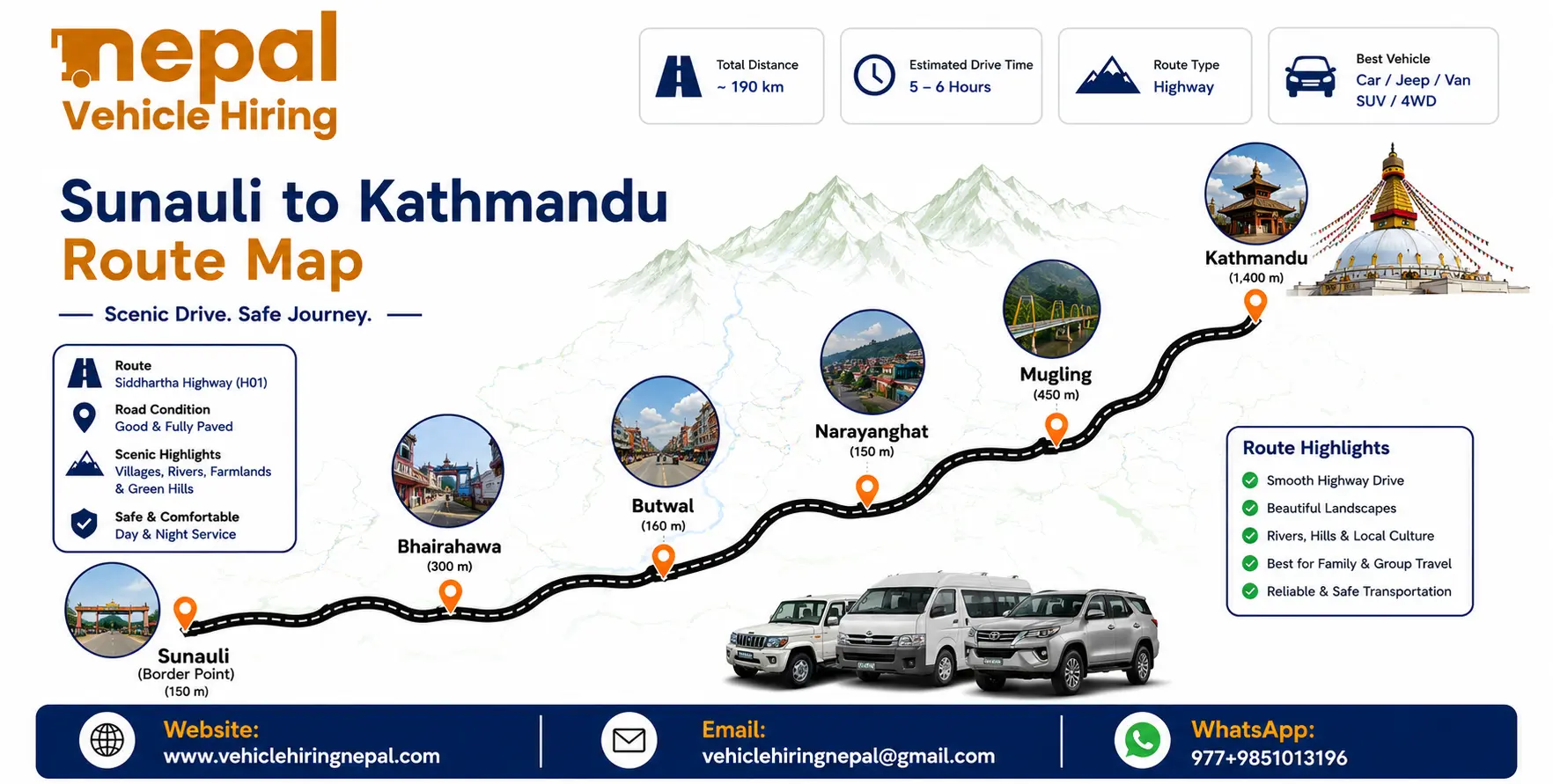
The complete Kerung to Sunauli vehicle transfer within Nepal involves two principal driving stages separated by at least one night in Kathmandu. Stage 1 covers the border crossing at Rasuwagadhi, the drive from Rasuwagadhi through Syabrubesi and the Pasang Lhamu Highway corridor to Kathmandu — approximately 180 to 200 kilometers taking 6 to 8 hours. Stage 2, the following day or after a multi-night Kathmandu thanksgiving stay, covers the Kathmandu to Sunauli southward journey via the Prithvi Highway to Narayangarh and then the East-West Highway through Butwal to Bhairahawa and the border — approximately 280 to 300 kilometers taking 6 to 8 hours. The combined two-stage Nepal transit from Kerung to Sunauli therefore typically occupies 2 to 4 days depending on how many nights the group elects to spend in Kathmandu for post-pilgrimage thanksgiving and rest.

Stage 1: Rasuwagadhi Border to Kathmandu

Crossing back into Nepal at Rasuwagadhi after completing the Tibet side of the Kailash Yatra, pilgrims are met by the Nepal-side vehicle arranged by their tour operator — which may be the same vehicle provided by Nepal Vehicle Hiring Pvt Ltd that brought them northward on the outbound journey, or a replacement vehicle for the return leg if the original vehicle returned to Kathmandu during the group’s Tibet transit. Nepal Vehicle Hiring Pvt Ltd coordinates this pickup arrangement in advance of the return border crossing date, with the driver or convoy of vehicles positioned at the Rasuwagadhi checkpoint at the expected crossing time. For pilgrims whose Tibet-side schedule has been affected by weather, altitude health concerns, or other schedule variations, we maintain flexible pickup arrangements with confirmation by WhatsApp from the border once the group’s exact crossing time is known.

The drive from Rasuwagadhi to Syabrubesi covers approximately 23 kilometers on the rough road along the Bhote Koshi gorge — the same road traversed on the outbound journey, now experienced in the downward direction. Most groups make a brief stop at Syabrubesi for lunch and a moment’s rest before continuing the longer drive southward on the Pasang Lhamu Highway toward Kathmandu. The Syabrubesi-to-Kathmandu section covers approximately 130 kilometers and takes 5 to 6 hours, passing through Dhunche, Trishuli Bazaar, and the progressively more urban landscape of the Kathmandu approach through Nuwakot and the Ring Road entry. Most groups arrive in Kathmandu in the late afternoon or early evening after crossing the border in the morning and lunching at Syabrubesi — a timing that allows a comfortable hotel check-in and a first evening’s rest in Kathmandu before the thanksgiving pilgrimage activities of the following days begin.

Nepal Vehicle Hiring Pvt Ltd provides 4WD jeep hire for the Rasuwagadhi to Kathmandu return stage at approximately NPR 18,000 to NPR 25,000 for the full vehicle — the same rate structure as the outbound Kathmandu to Syabrubesi transfer, reflecting the identical road and distance involved. For larger groups using Hiace van hire, the return stage costs NPR 22,000 to NPR 30,000. All return stage vehicles are confirmed with hotel drop addresses in Kathmandu at the time of booking, and drivers are briefed on the specific hotel or accommodation arrangement for each group.

Stage 2: Kathmandu to Sunauli

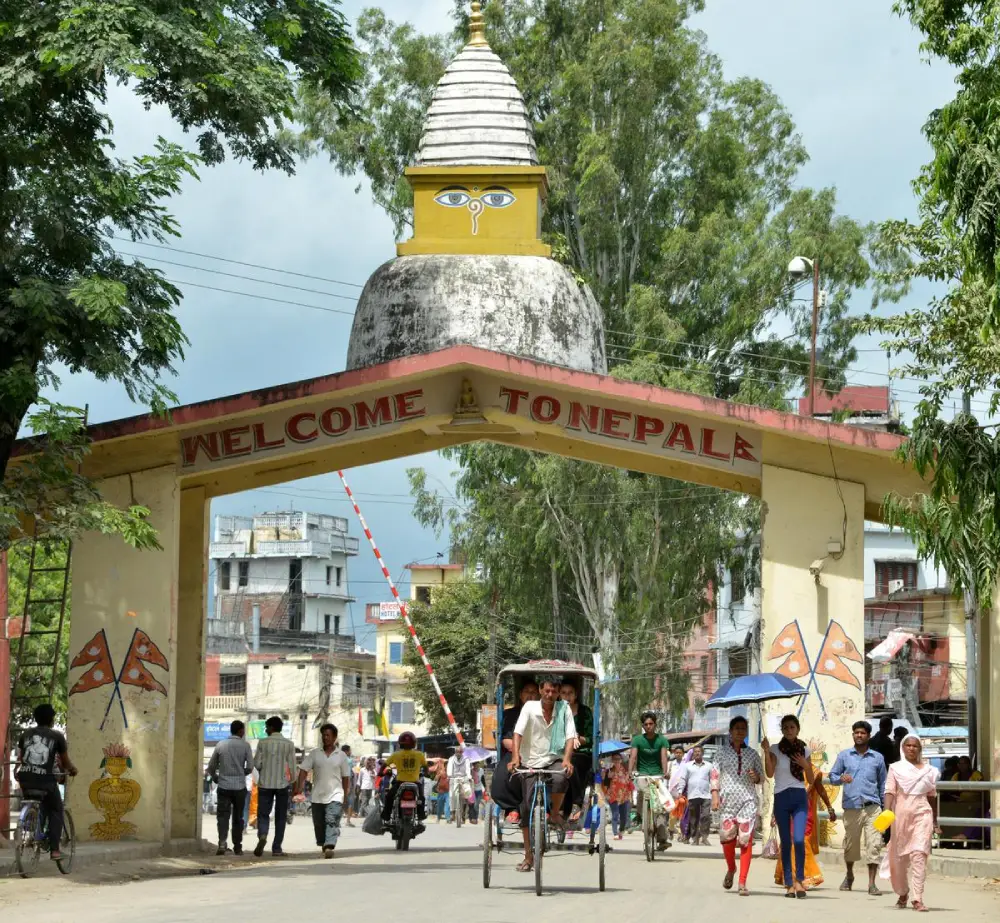
The second major stage of the Kerung to Sunauli return journey — Kathmandu southward to the Sunauli India border — follows the same route as the outbound Sunauli-to-Kathmandu journey in reverse, covering approximately 280 to 300 kilometers via the Prithvi Highway and the Siddhartha Highway corridor through Pokhara or the alternative via Narayangarh and Butwal. According to Rome2Rio’s route data, the driving time for this stage is approximately 6 to 8 hours under normal road conditions, making an early morning Kathmandu departure (typically 5:00 to 6:00 AM) the standard timing that delivers the group to the Sunauli border crossing by early afternoon — sufficient time to complete Nepal exit immigration, cross into India, and continue to the first Indian overnight destination before dark.

For the return Kathmandu to Sunauli stage, Nepal Vehicle Hiring Pvt Ltd provides the same range of vehicle options as the outbound direction — private car or SUV for small groups at NPR 18,000 to NPR 28,000, private jeep for medium groups at NPR 25,000 to NPR 35,000, Hiace van for larger parties at NPR 30,000 to NPR 45,000, and coaster or bus for very large groups at the rates appropriate to vehicle size. The route selection — Siddhartha Highway direct through Pokhara versus the longer but sometimes better-maintained route via Narayangarh — is discussed at booking based on current road condition information and any specific group requirements for stops along the way.

Book a reliable Kerung to Sunauli Border transfer after Kailash Yatra with private cars, 4WD jeeps, Scorpio SUVs, Hiace vans, or buses. Enjoy flexible pickup, comfortable travel, and experienced drivers for your return journey across Nepal.

The Thanksgiving Stay: Kathmandu After Kailash

The days in Kathmandu after returning from Kailash Mansarovar carry a different but equally profound spiritual significance from the pre-pilgrimage Kathmandu preparation days. Where the outbound Kathmandu stay was characterized by anticipation, preparation, and the building of devotional momentum toward the sacred journey ahead, the return Kathmandu stay is characterized by gratitude, reflection, and the rituals of thanksgiving that the completion of a great pilgrimage traditionally demands. Most Kailash Yatra itineraries — from Namaste Nepal Trekking’s standard package to Mount Kailash overland programs — build 1 to 2 nights of Kathmandu time into the return schedule specifically for thanksgiving ceremonies and rest before the final southward journey to Sunauli. Nepal Vehicle Hiring Pvt Ltd provides Kathmandu sightseeing by private vehicle for these post-Kailash Kathmandu days, tailored to the specific devotional priorities of returning pilgrims.

The central thanksgiving activity for Hindu Kailash returnees in Kathmandu is a return visit to Pashupatinath Temple — coming back to the same sacred Shiva temple where many groups began their devotional Kathmandu preparation on the outbound journey, now to offer the thanksgiving puja that completes the pilgrimage cycle in Nepal. The quality of this return Pashupatinath visit is distinctly different from the outbound one: where the outbound visit carried the energy of departure and petition — seeking Shiva’s blessing for the journey ahead — the return visit carries the fullness of completion, the gratitude of those who have stood before Kailash and returned safely, and the solemn joy of a vow fulfilled that most pilgrims describe as the most emotionally intense religious experience of their entire Kailash journey.

Beyond Pashupatinath, Nagarjuna Travels’ return itinerary confirms that returning Kailash pilgrims spend their final Kathmandu days in free time for shopping (Thamel’s extensive range of religious artefacts, prayer beads, thangka paintings, and ritual items makes it the finest place in Nepal for post-pilgrimage shopping), for any remaining temple visits that the outbound schedule did not accommodate, and for the personal reflection and journaling that many pilgrims specifically prioritise after completing an experience of this depth. Nepal Vehicle Hiring Pvt Ltd’s Kathmandu city vehicle service accommodates these diverse post-Kailash Kathmandu activities with flexibility — our drivers for thanksgiving itineraries are briefed on the devotional character of the group’s requirements and maintain the patience and respect appropriate for passengers in a state of post-pilgrimage spiritual intensity.

The return visit to Pashupatinath after completing Kailash Yatra is considered the most auspicious final act of the complete pilgrimage — closing the sacred circle that began with the Shiva puja at departure and completing it with thanksgiving at one of Shiva’s most powerful earthly abodes.

Book a reliable Kerung to Sunauli Border transfer after Kailash Yatra with private cars, 4WD jeeps, Scorpio SUVs, Hiace vans, or buses. Enjoy flexible pickup, comfortable travel, and experienced drivers for your return journey across Nepal.

Vehicle Options for the Kerung to Sunauli Return

Private Jeep — The Return Standard

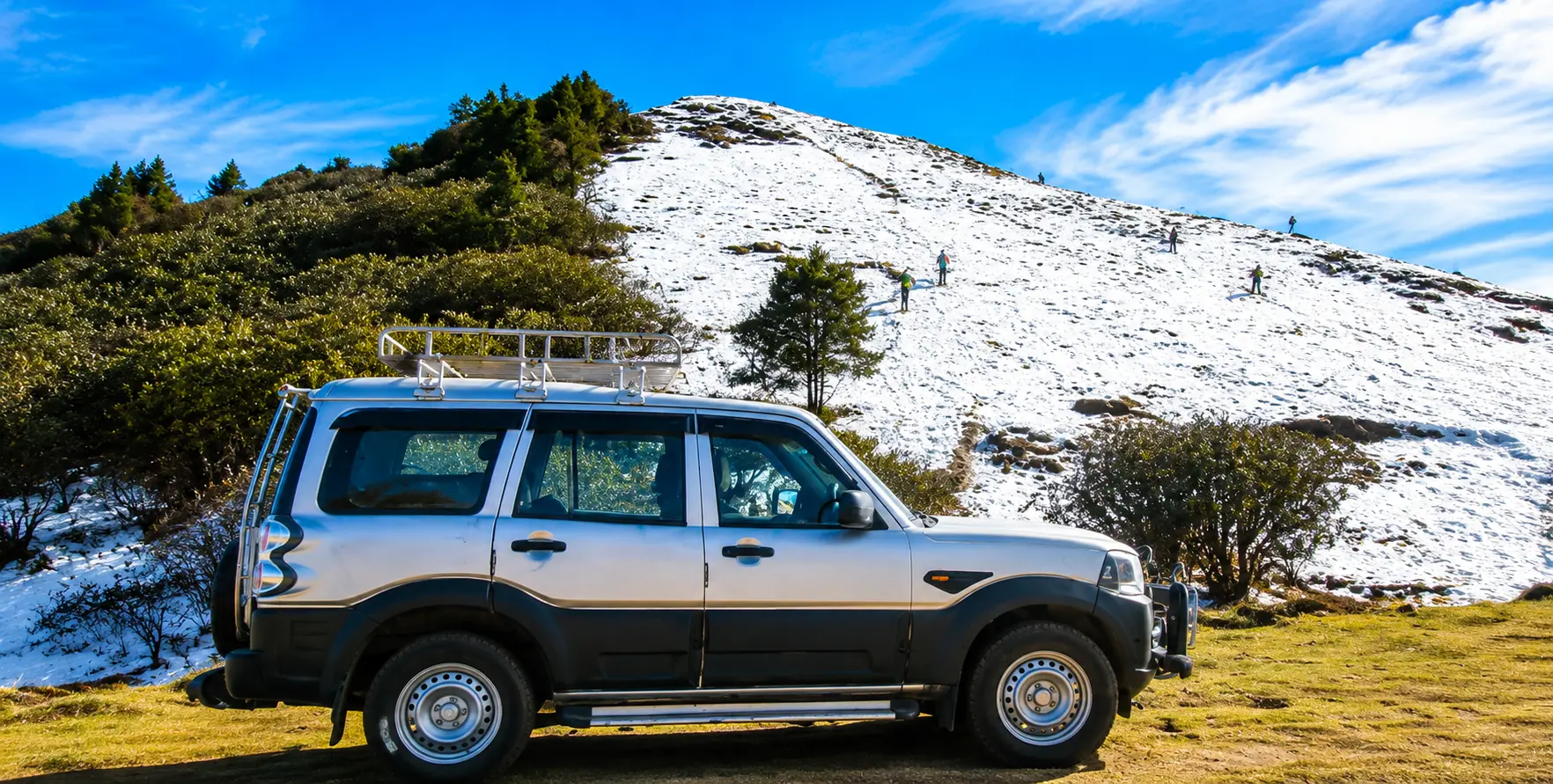
The private 4WD jeep remains the most appropriate and most commonly used vehicle for the Kerung to Sunauli return journey’s most demanding sections — particularly the Rasuwagadhi to Syabrubesi gorge road and the Syabrubesi to Kathmandu Pasang Lhamu Highway approach. For groups of up to 7 passengers, the Land Cruiser Prado or equivalent provides the interior comfort that physically tired pilgrims returning from one of the world’s most demanding high-altitude pilgrimages genuinely need — the suspension quality to manage the rough road sections without jarring fatigue, the climate control to manage the temperature transition from Kathmandu’s warm evenings to the cool Syabrubesi valley, and the luggage capacity to accommodate the religious artefacts and sacred items that most Kailash pilgrims acquire during their journey. Nepal Vehicle Hiring Pvt Ltd’s return jeep service costs approximately NPR 18,000 to NPR 25,000 for the Rasuwagadhi to Kathmandu stage and NPR 25,000 to NPR 35,000 for the Kathmandu to Sunauli stage — approximately USD 130 to USD 260 per vehicle per stage.

Hiace Van — The Group Return Choice

For the larger Kailash Yatra groups of 8 to 14 pilgrims that constitute the majority of organized Yatra parties, the Hiace van hire provides the most practical and cost-effective return vehicle. Monterosa Nepal’s Kailash overland tour description specifically mentions the use of a private tourist coach for the Kerung-to-Kathmandu return drive, and for groups of this size the Hiace’s combination of capacity, comfort, and luggage accommodation is clearly appropriate. Hiace van hire for the return Rasuwagadhi to Kathmandu stage costs NPR 22,000 to NPR 30,000, and for the Kathmandu to Sunauli stage NPR 30,000 to NPR 45,000. Per-person cost for a group of 12 on the complete return (both stages combined) runs approximately NPR 4,333 to NPR 6,250 — a very modest per-person contribution to the overall Kailash Yatra budget.

Coaster and Bus — Large Pilgrimage Groups

For the largest Kailash Yatra groups — organized parties of 20 to 40 pilgrims traveling together as a single group — Nepal Vehicle Hiring Pvt Ltd provides coaster hire (20 to 22 passengers) and bus hire (30 to 40 passengers) for the complete return journey from Rasuwagadhi border to Sunauli. Kailash Journeys’ overland package description confirms that large group Kailash Yatra transport on the Nepal side is typically handled by a private tourist bus for the complete Kathmandu-to-border and border-to-Kathmandu legs, and this is exactly what Nepal Vehicle Hiring Pvt Ltd provides for groups of this scale. Bus hire for the complete two-stage return journey (Rasuwagadhi to Kathmandu and Kathmandu to Sunauli) for a group of 30 runs approximately NPR 100,000 to NPR 140,000 for both stages combined — per-person cost of approximately NPR 3,333 to NPR 4,667, the most economical per-person private vehicle rate of any option available on this corridor.

Book a reliable Kerung to Sunauli Border transfer after Kailash Yatra with private cars, 4WD jeeps, Scorpio SUVs, Hiace vans, or buses. Enjoy flexible pickup, comfortable travel, and experienced drivers for your return journey across Nepal.

Complete Return Journey Cost Guide 2026/27

The following cost breakdown covers all stages of the Kerung to Sunauli return vehicle transfer for 2026/27. All Nepal Vehicle Hiring Pvt Ltd rates are fully inclusive of vehicle, driver, fuel, and applicable tolls.

Rasuwagadhi border to Syabrubesi: Private jeep (5–7 passengers): NPR 5,000 to NPR 8,000 (approximately USD 38 to USD 60). This short but technically demanding gorge section is typically included as part of the Syabrubesi-to-Kathmandu leg booking.

Syabrubesi to Kathmandu (or Rasuwagadhi to Kathmandu combined): Private 4WD jeep (5–7 passengers): NPR 18,000 to NPR 25,000. Hiace van (8–14 passengers): NPR 22,000 to NPR 30,000. Coaster: NPR 35,000 to NPR 48,000. Bus: NPR 50,000 to NPR 70,000. Journey time: 6–8 hours.

Kathmandu sightseeing during Thanksgiving stay (1–2 days): Private car or jeep for full-day temple circuit (Pashupatinath, Boudhanath, Swayambhunath): NPR 5,000 to NPR 10,000 per day for the vehicle. Hiace van for groups: NPR 8,000 to NPR 12,000 per day.

Kathmandu to Sunauli return: Private car/SUV (3–4 passengers): NPR 18,000 to NPR 28,000. Private jeep (5–7 passengers): NPR 25,000 to NPR 35,000. Hiace van (8–14 passengers): NPR 30,000 to NPR 45,000. Coaster (20–22): NPR 40,000 to NPR 58,000. Bus hire (30–40): NPR 55,000 to NPR 80,000. Journey time: 6–8 hours.

Complete return package for a group of 12 (Hiace van, both stages plus Kathmandu sightseeing day): NPR 60,000 to NPR 87,000 total (approximately USD 450 to USD 655) — per-person cost of approximately NPR 5,000 to NPR 7,250 (USD 38 to USD 54) for the complete Nepal-side return vehicle arrangement including Kathmandu sightseeing.

Tip: Book the return vehicle arrangement simultaneously with the outbound booking — before the group departs Kathmandu for Syabrubesi at the start of the Yatra. Confirming the return arrangement in advance eliminates any logistical uncertainty at the end of the pilgrimage when the group crosses back at Rasuwagadhi and immediately needs reliable transport southward.

Book a reliable Kerung to Sunauli Border transfer after Kailash Yatra with private cars, 4WD jeeps, Scorpio SUVs, Hiace vans, or buses. Enjoy flexible pickup, comfortable travel, and experienced drivers for your return journey across Nepal.

Typical Return Itinerary Timeline

The following timeline represents the standard return journey structure used by most Kailash Yatra operators for the Nepal transit on the return from Tibet, consistent with the detailed return itinerary described by Alpine Luxury Treks and confirmed by multiple other current Kailash Yatra package providers.

Return Day 1: Kerung Border Crossing and Syabrubesi

After completing Chinese/Tibetan exit immigration formalities at Kerung and walking across the Friendship Bridge, the group completes Nepal entry immigration at Rasuwagadhi. The Nepal-side vehicle arranged by Nepal Vehicle Hiring Pvt Ltd is waiting at the Nepal customs exit—departure from Rasuwagadhi at approximately 10:00 to 11:00 AM after immigration processing. Drive through the gorge section to Syabrubesi (approximately 1 hour) for lunch at a local restaurant. Continue the Pasang Lhamu Highway southward through Dhunche and Trishuli Bazaar to Kathmandu, arriving at approximately 5:00 to 7:00 PM. Hotel check-in and farewell dinner with the group — most operators organize a celebratory dinner on this first night back in Kathmandu to mark the successful completion of the pilgrimage.

Return Days 2 to 3: Kathmandu Thanksgiving

Most Kailash Yatra packages build 1 to 2 thanksgiving days into the Kathmandu return stay. Day 1 in Kathmandu is typically dedicated to Pashupatinath Temple for the thanksgiving puja — arriving in the early morning when the temple atmosphere is most devotionally intense and when the priests are available for private ritual arrangements. Pavitra Kailash Yatra’s return itinerary confirms a structured program for the Kathmandu return days that covers Pashupatinath, Boudhanath circumambulation, and free time for shopping in Thamel. Nepal Vehicle Hiring Pvt Ltd’s Kathmandu sightseeing vehicles cover these Thanksgiving Day circuits with the same professional, patient service that characterized the outbound Kathmandu preparation days. Some groups also extend their Kathmandu return stay to include a Bhaktapur day tour for the medieval Newar temple complex, or a Nagarkot sunrise tour for a final Himalayan dawn panorama before the southward journey to India.

Return Day 4 (or 3): Kathmandu to Sunauli

Early morning departure from Kathmandu — typically 5:00 to 6:00 AM — for the southward journey to Sunauli. The vehicle follows the Prithvi Highway from Kathmandu toward Narayangarh, then continues via Butwal to Bhairahawa and the Sunauli border crossing. Arrival at Sunauli typically falls between 12:00 noon and 3:00 PM, allowing sufficient time for Nepal exit immigration and the India border crossing procedures before continuing to the first Indian overnight destination by evening. The Kathmandu to Sunauli return vehicle provided by Nepal Vehicle Hiring Pvt Ltd picks up from the group’s Kathmandu hotel, with the driver arriving 10 minutes before the confirmed departure time as standard.

Book a reliable Kerung to Sunauli Border transfer after Kailash Yatra with private cars, 4WD jeeps, Scorpio SUVs, Hiace vans, or buses. Enjoy flexible pickup, comfortable travel, and experienced drivers for your return journey across Nepal.

Extending the Nepal Return: Optional Destinations for Kailash Pilgrims

A significant and growing proportion of Kailash Yatra pilgrims choose to extend their Nepal stay beyond the standard Kathmandu thanksgiving days to visit additional sacred or scenic destinations that Nepal’s extraordinary geography makes accessible within the time of a pilgrimage journey. Nepal Vehicle Hiring Pvt Ltd specifically supports these extensions with the same professionalism and transparency that characterizes all our Kailash Yatra corridor services.

Muktinath — The Sacred Extension

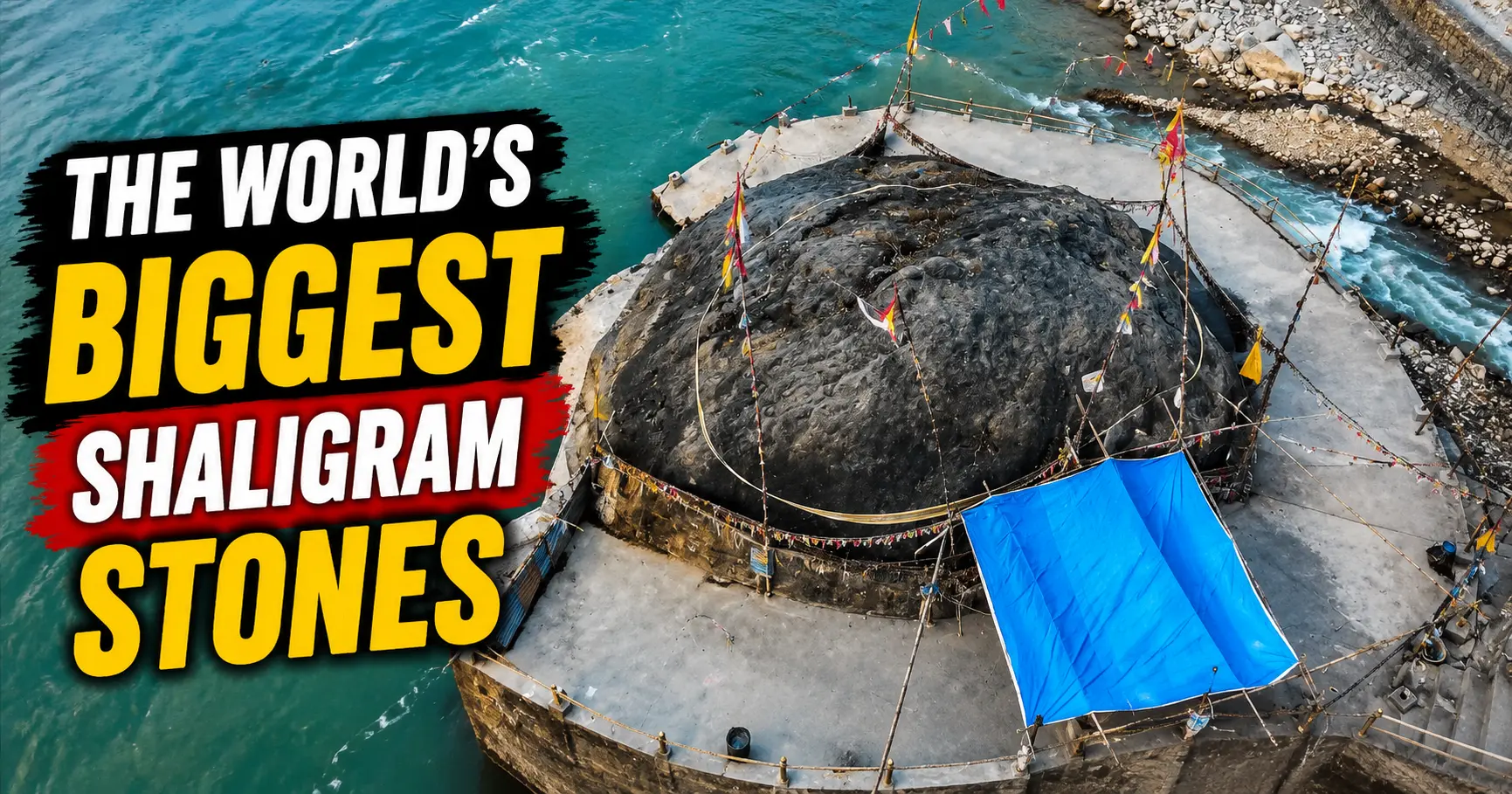
Muktinath Temple at 3,710 meters in the Mustang region is one of Nepal’s most sacred Hindu and Buddhist pilgrimage sites — home to the miraculous natural flame that burns above a water spring, the 108 sacred Muktidhara water spouts, and the presence of the Saligram stones (sacred ammonite fossils associated with Lord Vishnu) that the Gandaki River carries from the nearby fossil beds. For Kailash pilgrims inspired by Shaivite devotion who wish to extend their pilgrimage within Nepal to include a Vaishnavite sacred site of comparable importance, Muktinath offers exactly this — a pilgrimage within a pilgrimage that many Kailash returnees describe as the perfect complement to the Kailash experience. Nepal Vehicle Hiring Pvt Ltd’s Kathmandu to Muktinath jeep service provides the 2-to-3-day private vehicle journey from Kathmandu through Pokhara and the Kali Gandaki corridor to the Muktinath temple gate.

Book a reliable Kerung to Sunauli Border transfer after Kailash Yatra with private cars, 4WD jeeps, Scorpio SUVs, Hiace vans, or buses. Enjoy flexible pickup, comfortable travel, and experienced drivers for your return journey across Nepal.

Pokhara — Lakeside Rest After the Pilgrimage

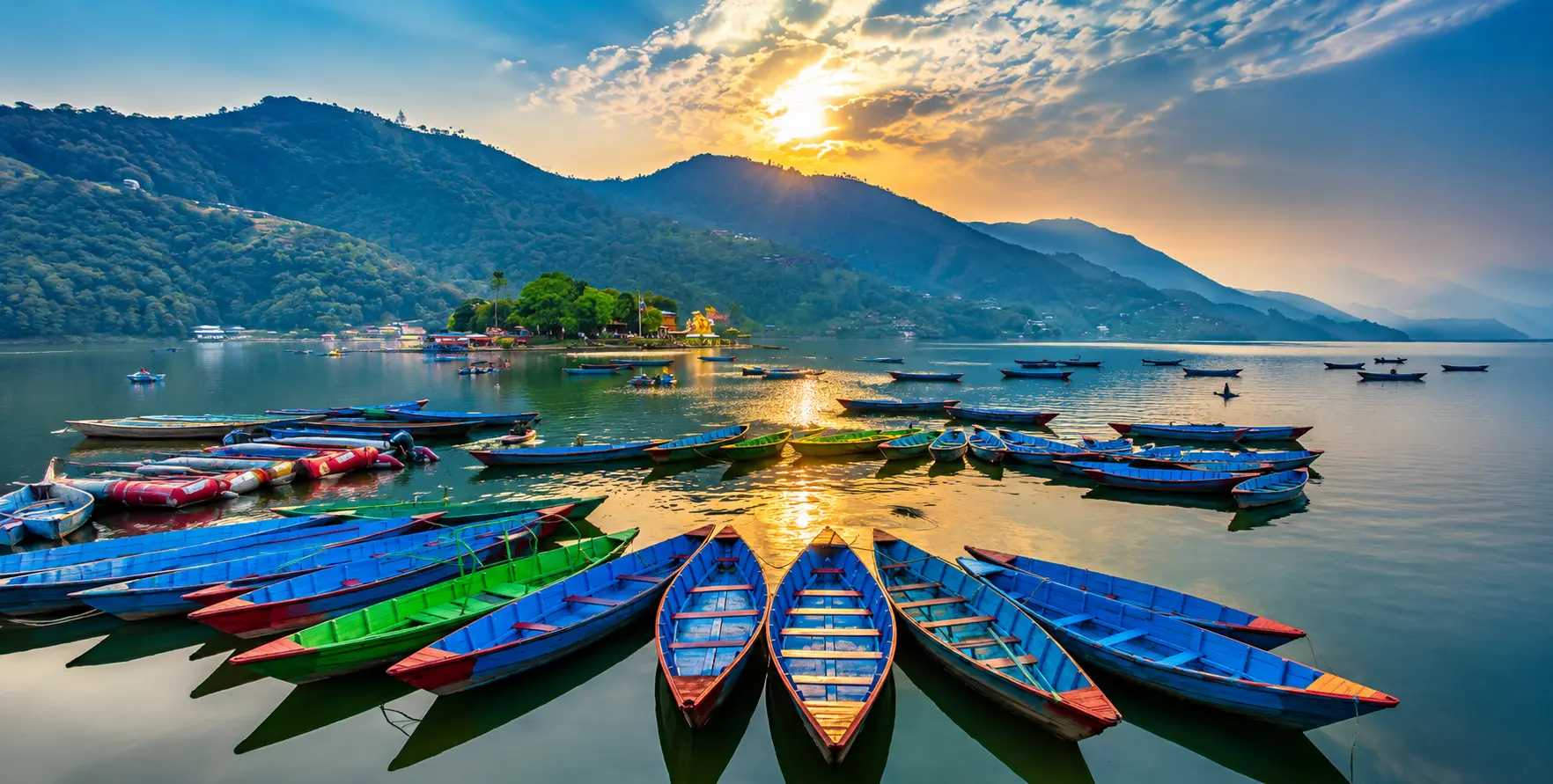
For Kailash returnees who want a period of rest and natural beauty before the final southward journey to Sunauli, Pokhara’s lakeside setting beneath the Annapurna range offers the most restorative Nepal experience available — the profound stillness of Phewa Lake’s reflection of Machhapuchhre (Fishtail Peak) creating an atmosphere of natural meditation that complements the intense spiritual experience of the Kailash journey beautifully. Nepal Vehicle Hiking Pvt Ltd’s Kathmandu to Pokhara private vehicle service provides the 6-to-8-hour scenic drive to Pokhara along the Prithvi Highway, and our Pokhara car hire covers Pokhara city transfers and day excursions. The Sarangkot sunrise tour from Pokhara, with the Annapurna range visible in morning gold above the lake, provides one of Nepal’s most beautiful natural experiences as a post-Kailash meditation in mountain beauty.

Lumbini — The Birthplace of the Buddha

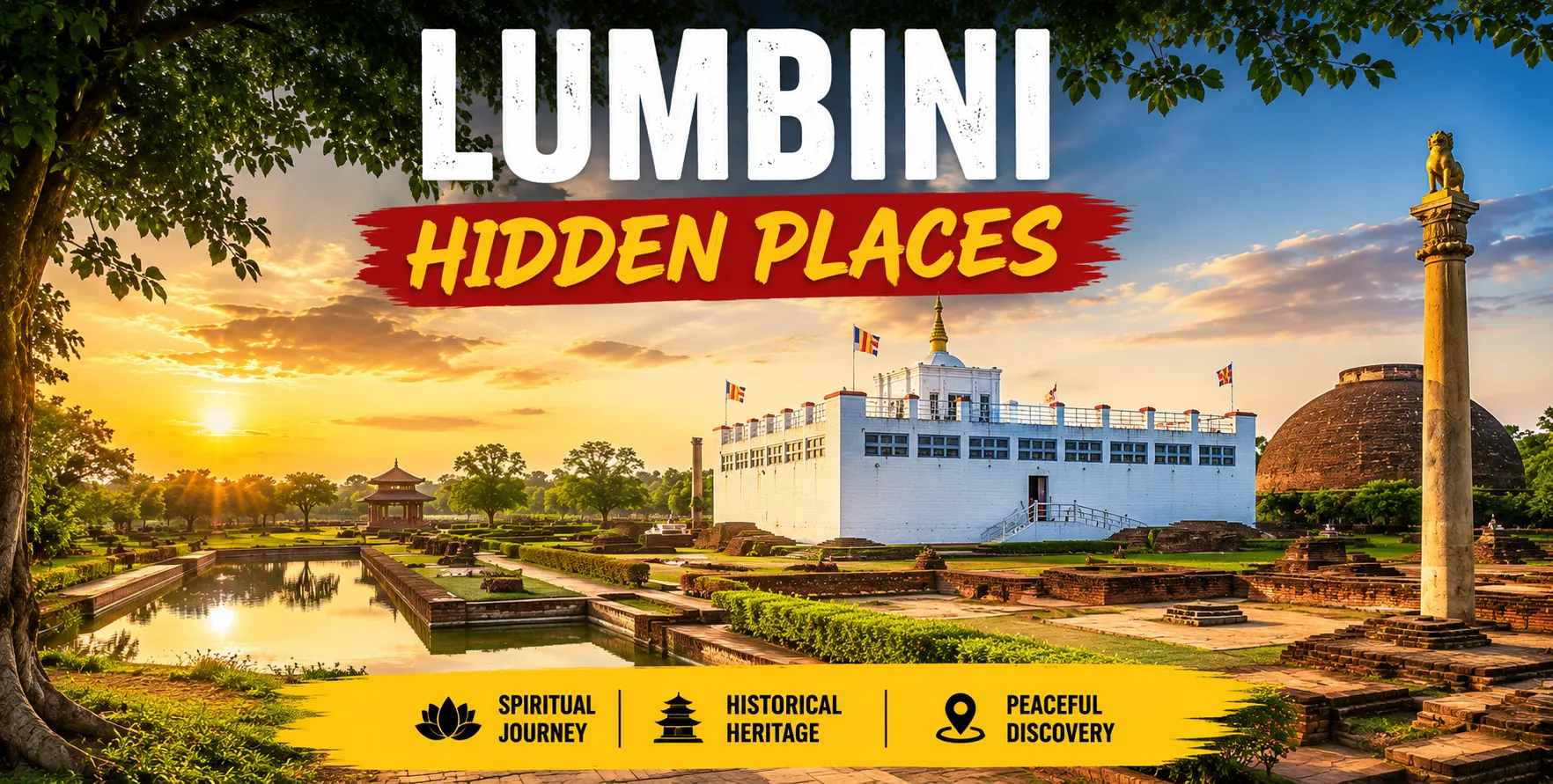
Lumbini, in Rupandehi District just 22 kilometers north of the Sunauli border, is the birthplace of Siddhartha Gautama — the historical Buddha — and one of the world’s most significant Buddhist pilgrimage sites. Conveniently positioned almost directly on the Kathmandu to Sunauli return route, Lumbini allows Kailash Yatra groups with even a half day of flexibility to stop at one of Buddhism’s four holiest sites on their return to India — completing, in the most geographically elegant way possible, a pilgrimage that already touched Buddhist sacred geography at Kailash. Nepal Vehicle Hiring Pvt Ltd can incorporate a Lumbini stop of 2 to 4 hours into the return Kathmandu to Sunauli vehicle booking on request, with the vehicle routing through Bhairahawa and the short 22-kilometer detour to the sacred garden before continuing to the Sunauli border.

Practical Guidance for the Return Journey

  • Confirm the return vehicle pickup at Rasuwagadhi with Nepal Vehicle Hiring Pvt Ltd before departing Kathmandu for Syabrubesi on the outbound leg — the driver should have confirmed contact details for communication from the Tibetan side when the exact return border crossing date becomes known.
  • WhatsApp communication is the most reliable method for coordinating with Nepal Vehicle Hiring Pvt Ltd from the Tibet side — confirm the driver’s WhatsApp number before the outbound border crossing and use it to communicate the exact return date once confirmed in Tibet.
  • Allow 2 to 3 hours at the Rasuwagadhi border crossing for Nepal entry immigration on return — the crossing processes both Nepal citizens and foreign nationals and can have queues, particularly during busy pilgrimage season months.s
  • The Nepal entry at Rasuwagadhi requires no special documentation beyond the same passport or ID used for the outbound Nepal-India-Nepal transit. Still, all group members should have their documents readily accessible rather than packed in checked luggage at the bottom of bags.
  • Plan for physical tiredness on the return leg — pilgrims completing the 52-kilometer Kailash parikrama at high altitude often arrive at the Nepal border in a state of significant physical fatigue. A comfortable vehicle with adequate legroom and smooth driving is not a luxury on this return leg but a genuine wellbeing requirem.ent
  • Inform Nepal Vehicle Hiring Pvt Ltd if any group member has experienced altitude sickness or other health issues during the Tibet portion of the Yatra — this allows the driver to be briefed on any special requirements or the need for monitoring during the Nepal return drive.
  • Carry NPR cash from before the outbound Tibet crossing — on the return, the first Nepal-side ATM is at Dhunche, but having sufficient cash for meals, tips, and any contingencies from the Rasuwagadhi border is advisable.e
  • Book the Lumbini extension or any other Nepal return stop in advance — do not attempt to arrange additional vehicle detours spontaneously at the Sunauli departure time, when the driver’s schedule may not accommodate unplanned extensions.

Book a reliable Kerung to Sunauli Border transfer after Kailash Yatra with private cars, 4WD jeeps, Scorpio SUVs, Hiace vans, or buses. Enjoy flexible pickup, comfortable travel, and experienced drivers for your return journey across Nepal.

Seasonal Considerations for the Kerung to Sunauli Return

The return journey from Kerung to Sunauli is subject to the same seasonal road conditions as the outbound direction, with the same monsoon-season landslide risk on the Pasang Lhamu Highway and the Siddhartha/Prithvi Highway corridors. The most important seasonal consideration specific to the return journey is the timing of Nepal exit at Sunauli relative to the Indian monsoon’s impact on onward transportation in Uttar Pradesh and Bihar — the states through which most Indian pilgrims travel toward their home destinations. During July, August, and early September, the East-West Highway approach to Sunauli from the west can experience disruption from the Indian side’s monsoon flooding in the Bihar plains, creating occasional complications for the final stages of the return journey that are outside Nepal Vehicle Hiring Pvt Ltd’s direct control but that the complete tour operator should brief pilgrims on before departure.

October, which is the finest month for the Nepal approach stages of the Kailash Yatra, is equally the finest month for the return stages — post-monsoon road stability, clear skies over the Pasang Lhamu Highway with the finest mountain views of the year visible from the road’s higher sections, and the cool, pleasant temperatures of Nepal’s autumn making the long vehicle days comfortable rather than fatiguing. October Dashain festival timing can occasionally create additional traffic on the Kathmandu to Sunauli return highway section as Nepalis travel home for the festival from the capital — a factor worth noting in departure timing for groups with firm Sunauli crossing schedules.

Nepal Vehicle Hiring Pvt Ltd: Supporting Every Stage of the Sacred Journey

Nepal Vehicle Hiring Pvt Ltd’s involvement in the Kailash Yatra pilgrimage journey is not limited to the Kerung-to-Sunauli return corridor alone — we support the complete Nepal-side vehicle logistics for the entire pilgrimage, from the first Sunauli border pickup on the outbound leg through the complete Kathmandu-to-Kerung transfer chain, and back through the Kerung-to-Sunauli return. This complete pilgrimage vehicle management capability makes us the natural single transport partner for Kailash Yatra operators who want consistent, accountable vehicle service across every stage of the Nepal transit rather than managing multiple separate operators for different legs.

Beyond the Kailash Yatra corridor, our complete Nepal vehicle network supports pilgrims and travelers who extend their Nepal experience in any direction. Our Kathmandu airport transfer serves pilgrims flying into or out of Nepal for the Yatra. Kathmandu sightseeing by private vehicle covers the Pashupatinath, Boudhanath, and temple circuit on both outbound and return days. Kathmandu to Syabrubesi jeep transfer is the outbound Kerung approach stage. Kathmandu to Muktinath jeep extends the pilgrimage to Nepal’s own high-altitude sacred sites. Kathmandu to Pokhara private vehicle opens the Annapurna region for post-Kailash trekking. Pokhara to Upper Mustang overland jeep connects to the ancient Tibetan-heritage kingdom of Lo Manthang for those extending their Tibetan cultural journey within Nepal. Kathmandu to Besisahar vehicle and Kathmandu to Manang jeep serve Annapurna Circuit trekkers. And our Everest Base Camp Trek approach coordination adds the world’s most famous trekking destination to any extended Nepal pilgrimage itinerary.

Our complete fleet of private cars, 4WD jeeps, Hiace vans, coasters, and buses serves every group size with consistent professional standards. Our Nepal tour packages combine the Kailash Yatra transit with Muktinath, Pokhara, Lumbini, and other sacred and scenic extensions in coordinated multi-stage arrangements. Plan your complete Kailash Yatra Nepal journey — outbound and return — with our team, or contact us directly at +977 9851013196 (WhatsApp) or through vehiclehiringnepal.com to discuss your group’s specific vehicle requirements.

Book a reliable Kerung to Sunauli Border transfer after Kailash Yatra with private cars, 4WD jeeps, Scorpio SUVs, Hiace vans, or buses. Enjoy flexible pickup, comfortable travel, and experienced drivers for your return journey across Nepal.

Kathmandu Thanksgiving in Detail: Sacred Sites for Returning Pilgrims

The 1 to 2 Thanksgiving days that most Kailash Yatra groups spend in Kathmandu after returning from Tibet deserve the same depth of planning attention that the pre-pilgrimage Kathmandu preparation days received. Nepal Vehicle Hiring Pvt Ltd’s Kathmandu sightseeing service for returning Kailash pilgrims is specifically structured around the devotional priorities of groups who have completed the world’s most sacred mountain pilgrimage and who return to Nepal’s capital in a state of profound spiritual openness and gratitude.

Pashupatinath Temple on the Bagmati River banks is, for most Hindu Kailash returnees, the single most important Kathmandu thanksgiving destination — the closing of a sacred arc that began here on the outbound preparation days with prayers of departure and now reaches its completion with prayers of thanksgiving and fulfillment. The quality of a returnee’s Pashupatinath experience is markedly different from the tourist visit: where first-time visitors typically spend their time at the famous burning ghats photographing the funeral pyres and the sadhus on the opposite bank, returning Kailash pilgrims enter the inner sanctuary areas accessible to Hindus, perform elaborate puja with flowers, bilva leaves, and sacred ash, and sit in the temple precincts in a state of meditative absorption that the physically and spiritually exhausted body craves after weeks of intense pilgrimage. Nepal Vehicle Hiring Pvt Ltd’s drivers for Pashupatinath visits are specifically experienced in the temple’s parking and vehicle management requirements, which differ from standard tourist site logistics and require prior knowledge of the access routes and timing protocols that avoid the worst of the temple’s congestion periods.

Book a reliable Kerung to Sunauli Border transfer after Kailash Yatra with private cars, 4WD jeeps, Scorpio SUVs, Hiace vans, or buses. Enjoy flexible pickup, comfortable travel, and experienced drivers for your return journey across Nepal.

Boudhanath Stupa, which many Kailash pilgrims visit on the morning after Pashupatinath thanksgiving, provides a different but equally profound closing experience for those whose Kailash journey was motivated by Buddhist devotion. Walking the kora — the circumambulation path — around Boudhanath’s great dome after having completed the 52-kilometer Kailash parikrama creates an extraordinary experiential connection between the world’s most sacred Buddhist mountain and this greatest of Tibetan Buddhist stupas in the Kathmandu Valley. The monastery community around Boudhanath includes many Tibetan refugee monks whose cultural roots are identical to the communities the pilgrims encountered in Kerung and across the Tibetan plateau, and the morning prayers that drift from the ring of monasteries around the stupa plinth as the circumambulation crowd of devotees moves clockwise in the early light carry the same liturgical content as the butter-lamp ceremonies of the Kailash region itself. For returning Kailash pilgrims, Boudhanath on the thanksgiving morning is not a tourist attraction but a living continuation of the sacred experience — a descent from the roof of the world that lands softly in the most Tibetan of Nepal’s urban sacred spaces before the final southward journey begins. Our Kathmandu vehicle service picks up from any Kathmandu hotel for Boudhanath morning visits, with 6:00 to 7:00 AM departures that time the arrival at the stupa for the finest morning circumambulation atmosphere.

Swayambhunath, the self-arisen stupa on the hilltop above Kathmandu’s western edge, offers returning Kailash pilgrims a final Kathmandu viewpoint that combines its own deep sacred significance with one of the finest panoramic views of the Kathmandu Valley available from any accessible vantage point. The climb up Swayambhunath’s 365 steps — manageable for most Kailash returnees despite the physical weariness of the pilgrimage, and experienced by many as a gentle last act of devotional effort before the return journey home — delivers the pilgrim to a hilltop where the prayer flags and the painted all-seeing eyes of the great stupa’s harmika look out over a valley surrounded by hills, with the Himalayan range visible on clear mornings above the northern rim. Coming here after Kailash — after the enormous, austere, silent Himalayan landscape of Tibet — the green, warm, populated intimacy of the Kathmandu Valley visible from Swayambhunath seems almost impossibly domestic and human, a gentle reminder that the world of ordinary life awaits and is itself sacred in its own lower-altitude, more complicated way.

The Bhaktapur Durbar Square day tour provides returning Kailash groups with the finest Newar architectural heritage experience available anywhere in Nepal — the 55-window palace, the Nyatapola temple, and the extraordinary density of Shiva, Ganesh, and Bhairava shrines packed into the medieval city’s central square creating a concentrated sacred environment that many Kailash returnees find provides a profound last immersion in Nepal’s own Hindu religious tradition before the return to India. Bhaktapur’s Shiva and Bhairava connections are particularly resonant for Kailash pilgrims given their recent experience at Kailash itself, and the town’s relatively quiet, non-tourist-dense character in the early morning hours makes it an excellent final Kathmandu day activity for a group seeking a contemplative rather than a crowded final Nepal heritage experience. For those wanting a Himalayan dawn view on their final Kathmandu morning, the Nagarkot sunrise tour provides the full Nepal Himalayan panorama — from Dhaulagiri in the west through the complete arc of Nepal’s high peaks to Kanchenjunga in the east — as a visually stunning final farewell to the mountain world that the pilgrimage has just emerged from.

Book a reliable Kerung to Sunauli Border transfer after Kailash Yatra with private cars, 4WD jeeps, Scorpio SUVs, Hiace vans, or buses. Enjoy flexible pickup, comfortable travel, and experienced drivers for your return journey across Nepal.

More Nepal Adventures: Connecting the Return to Other Great Journeys

The return from Kailash through Nepal provides natural connection points to many of the country’s other great pilgrimages, trekking routes, and cultural destinations — and Nepal Vehicle Hiring Pvt Ltd’s complete vehicle hire network makes these connections logistically straightforward for groups with additional time and appetite for more Nepal experience.

For trekkers returning from Kailash who want to add a Himalayan trekking experience to their Nepal transit, Kathmandu provides access to several world-class trekking trailheads within easy vehicle reach. The Langtang Valley, Nepal’s closest Himalayan glacier trek to Kathmandu, is accessible via our Kathmandu to Syabrubesi jeep transfer — ironically the same Pasang Lhamu Highway corridor that the Kailash Yatra approach uses to reach Rasuwagadhi, meaning Langtang trekking and Kailash Yatra share their Nepal approach road for much of their length. A week in the Langtang Valley after completing Kailash is a natural continuation of the mountain experience in a distinctly different but equally beautiful Himalayan context.

For the Annapurna region, our Kathmandu to Pokhara vehicle opens the most celebrated trekking corridor in Nepal. From Pokhara, the Pokhara to Nayapul jeep serves Ghorepani Poon Hill and Annapurna Base Camp, the Pokhara to Ghandruk jeep opens the Annapurna foothills cultural circuit, and the Pokhara to Ghorepani direct jeep drive delivers Nepal’s most celebrated sunrise viewpoint in a single vehicle day. For the ultimate Nepal mountain road adventure, our Pokhara to Upper Mustang overland jeep connects returning Kailash pilgrims to the ancient walled city of Lo Manthang through the same Kali Gandaki Gorge that flows from the Tibetan plateau — creating a continuation of the Tibetan cultural landscape that the Kailash experience opened.

For the Everest region, our Everest Base Camp Trek approach coordination manages the Kathmandu to Ramechhap airport transfer for peak-season Lukla flights, or the Kathmandu to Salleri-Phaplu overland service for the road approach to the Solukhumbu gateway. Our Kathmandu to Besisahar vehicle and Kathmandu to Manang jeep serve the Annapurna Circuit, while our Kathmandu to Soti Khola jeep opens the Manaslu Circuit. Our complete trekking transfer network covers every trailhead in Nepal with route-appropriate vehicles and experienced drivers.

For pilgrims wanting to complete their Nepal experience with the finest cultural heritage the country offers, our Kathmandu airport transfer service coordinates departure flights from Tribhuvan International. At the same time, our Nepal tour packages combine Kailash Yatra transit with multi-destination Nepal itineraries covering Kathmandu, Pokhara, Chitwan, Lumbini, and trekking destinations in coordinated arrangements. Plan your complete Nepal return journey with our team — whether it ends at Sunauli, at Kathmandu airport, or continues for another week of Himalayan adventure. Contact Nepal Vehicle Hiring Pvt Ltd at +977 9851013196 (WhatsApp/Viber) or through vehiclehiringnepal.com — our team is ready to serve your group’s every Nepal vehicle need from Kerung to Sunauli and beyond. Our fleet of private cars, 4WD jeeps, Hiace vans, coasters, and buses is ready for every group size, every destination, and every stage of the sacred return journey home.

How long does the return journey from Kerung to Kathmandu take?

The return from Rasuwagadhi border to Kathmandu takes approximately 6 to 8 hours by private vehicle, covering 172 to 200 kilometers. Su-Yatra confirms the Kerung to Kathmandu return as a 7-hour, 172 km drive, with the road narrow and winding in the initial gorge section before becoming more straightforward toward Kathmandu.

How long does the complete Kerung to Sunauli return take?

The complete Kerung to Sunauli return journey spans 2 to 4 days within Nepal: Day 1 — border crossing at Rasuwagadhi and drive to Kathmandu (6–8 hours). Days 2–3 — Kathmandu thanksgiving visits to Pashupatinath, Boudhanath, and free time. Day 3 or 4 — Kathmandu to Sunauli departure (6–8 hours). Most Kailash Yatra operators build 1 to 2 Kathmandu thanksgiving nights into the return schedule.

What vehicle does Nepal Vehicle Hiring Pvt Ltd recommend for the return journey?

For groups of 5–7, a Land Cruiser Prado or equivalent private jeep provides the finest combination of comfort and mountain road capability. For groups of 8–14, a Hiace van is the most cost-effective option; for larger groups of 20+, coaster hire or bus hire serves the group in a single vehicle.

Can we stop at Lumbini on the way back to Sunauli?

Yes — Lumbini is just 22 kilometers from the Sunauli border and can be incorporated as a 2-to-4-hour stop on the Kathmandu-to-Sunauli return journey. Nepal Vehicle Hiring Pvt Ltd arranges Lumbini stops on request at the time of booking, with the vehicle routing through the Lumbini sacred garden before continuing to the Sunauli crossing. This extension adds minimal time and cost to the return vehicle booking.

Can we visit Muktinath or Pokhara on the return before going to Sunauli?

Yes — Nepal Vehicle Hiring Pvt Ltd supports return pilgrimage extensions to Muktinath (via the Kathmandu to Muktinath jeep service) and to Pokhara (via the Kathmandu to Pokhara private vehicle) as coordinated additions to the standard Kerung-to-Sunauli return transfer. Both extensions are popular among Kailash returnees wanting to complete their Nepal pilgrimage experience. Contact us to discuss the combined arrangement.

Conclusion: The Journey Home — Completing the Sacred Circle

The Kerung to Sunauli return transfer is, in the most profound sense, the completion of a sacred circle. This vehicle carries Kailash pilgrims southward from the Nepal-Tibet border through Nepal’s mountains. Terai plains to the India border carry them not back to where they started but to a place they have never quite been before: the world as it appears to those who have stood at its center. Every Kailash Yatra operator who has worked on this route for many years speaks of the particular quality of returning pilgrims — the quiet that has replaced the excited chatter of the outbound journey, the occasional tear that marks the memory of the parikrama’s culminating moments, the sense of completion that radiates from a group of ordinary people who have done something extraordinary together.

Nepal Vehicle Hiring Pvt Ltd is honored to serve these returning pilgrims as the vehicle partner for their Nepal transit home. Our private jeeps, Hiace vans, coasters, and buses carry Kailash returnees with the care, comfort, and professional reliability that their sacred journey deserves. Contact our team today to arrange the complete return vehicle transfer for your Kailash Yatra group, plan your extended Nepal return itinerary including Muktinath, Pokhara, or Lumbini extensions, or visit vehiclehiringnepal.com to explore our complete Nepal pilgrimage and trekking vehicle hire network. Har Har Mahadev.

The Kailash Yatra return journey through Nepal is not an afterthought to the pilgrimage — it is its final chapter. Like every final chapter of a great story, it deserves to be written with the same care and attention as everything that preceded it. The vehicle that carries returning pilgrims from Rasuwagadhi’s border checkpoint southward through Nepal’s extraordinary landscape — through the Rasuwa District gorge, the Trishuli River corridor, the warm lowlands of the Terai, and finally to the Sunauli border and the crossing back to India — is part of the sacred narrative. Nepal Vehicle Hiring Pvt Ltd understands this, and our team treats every Kailash Yatra vehicle booking — outbound or return — with the reverence and professionalism that participation in one of the world’s most important pilgrimage journeys deserves. From the first pickup at Sunauli to the last drop at Sunauli on the return, and from the quiet thanksgiving morning at Pashupatinath to the final farewells at the Nepal border, our vehicles and our people are with you for every kilometer of the sacred Nepal transit. Om Namah Shivaya. Har Har Mahadev. May your Kailash Yatra be blessed, your return be safe, and your next Nepal journey begin soon. Every returning pilgrim who steps back across the Sunauli border carries with them not just the memory of Kailash but the warmth of Nepal’s roads, its people, and its sacred spaces — and Nepal Vehicle Hiring Pvt Ltd is proud to have been the vehicle that made that return journey as smooth, as comfortable, and as dignified as the extraordinary experience it completes deserves.

For the complete range of Nepal vehicle hire services supporting pilgrimage, trekking, and cultural travel, explore our Nepal tour packages, our trekking transfer services, our Kathmandu sightseeing vehicles, our Kathmandu airport transfer service, our Bhaktapur day tour vehicle, our Nagarkot sunrise tour, our Nagarkot vehicle hire, our Pokhara car hire service, our Sarangkot sunrise tour vehicle, and every other private car, jeep, Hiace van, coaster, and bus hire service that Nepal Vehicle Hiring Pvt Ltd provides across the country’s most important roads and most sacred corridors. Plan your trip or contact us — we are ready.

Muktinath Tour from Sunauli Border

Plan a Muktinath Tour from Sunauli with a private 4WD jeep, Scorpio SUV, car, or Hiace van. Travel comfortably through Pokhara and the Mustang region while enjoying scenic landscapes and a meaningful pilgrimage journey.

Muktinath Tour from Sunauli Border — Private Vehicle Hire Guide 2026

Every year, hundreds of thousands of devotees cross the Sunauli border — Nepal’s busiest India-Nepal land crossing — with a single spiritual destination in mind: the sacred temple of Muktinath at 3,710 meters in the Mustang District of Nepal’s Gandaki Province. For Hindu pilgrims, Muktinath is one of the 108 Divya Desams, the sacred abodes of Lord Vishnu that devotees aspire to visit, ranked at the 106th position and among the rarest of all Vishnu shrines because it manifests the divine in a self-existent form — not an image installed by human hands, but a naturally occurring Shaligram Shila, the sacred black fossil stone that Vaishnav tradition treats as a direct physical manifestation of Vishnu himself. For Buddhist pilgrims, the same site holds equal sanctity as a place where Guru Rinpoche is believed to have meditated, and where the eternal natural flame that has burned at the Jwala Mai shrine for centuries represents the co-existence of the five elements in a single sacred space. For the Jomsom and Mustang communities who live in the shadow of the Annapurna range surrounding the temple, Muktinath is simply the center of their world — a place of pilgrimage, festival, and daily devotional life that predates any formalized tourism economy by many generations.

The vehicle hire that carries pilgrims from the Sunauli border crossing to this extraordinary destination is not a minor logistics footnote — it is the beginning of the pilgrimage itself, a journey of approximately 350 to 400 kilometres through some of Nepal’s most scenically and culturally rewarding terrain, from the flat Terai plains through the rising foothills of the Siddhartha Highway, into the lakeside city of Pokhara, and then northward along the Kali Gandaki River valley through the deepest gorge on earth before climbing to the high desert plateau of Mustang and the temple of liberation that gives Muktinath its name. This guide covers every aspect of that journey: the complete route and its character, all transport options and their 2026 costs, the spiritual sites along the way, what the Muktinath darshan itself involves, the permits and documentation required, and how Nepal Vehicle Hiring Pvt Ltd provides the private jeep hire and vehicle packages that carry pilgrims from Sunauli to Muktinath and back with comfort, safety, and professional support.

Plan a Muktinath Tour from Sunauli with a private 4WD jeep, Scorpio SUV, car, or Hiace van. Travel comfortably through Pokhara and the Mustang region while enjoying scenic landscapes and a meaningful pilgrimage journey.

Sunauli — The Gateway That Shapes the Journey’s Beginning

Sunauli (known as Sonauli on the Indian side) is the busiest overland border crossing between India and Nepal, connecting the Uttar Pradesh town of Nautanwa, approximately 90 kilometers from Gorakhpur, with the Nepali border town of Sunauli in Rupandehi District. The crossing functions 24 hours a day, and Indian citizens have a specific documentation advantage here that makes the Nepal entry process particularly straightforward: Indian nationals do not require a visa to enter Nepal, and can cross using a valid Voter ID card or passport — making Sunauli the most accessible international border crossing in South Asia for Indian pilgrims and tourists, without any of the visa application process that complicates international travel elsewhere.

After completing immigration formalities at the border — a process that typically takes 30 to 60 minutes and involves the standard Nepali entry procedures of documentary verification and registration — travelers enter Nepal at the Bhairahawa side of the border, officially in Rupandehi District. Nepal Vehicle Hiring Pvt Ltd provides a border pickup service for Muktinath tour groups arriving at Sunauli — our representative and driver meet the group at the Nepal side of the border, assist with the final Nepal entry registration, and begin the Muktinath journey immediately after clearance without any waiting or separate transport arrangement needed at the border itself. This seamless border-to-vehicle arrangement eliminates one of the most common sources of confusion and delay for first-time India-to-Nepal overland travelers, who frequently find the transition from border formalities to transport onward the most stressful part of the entire Muktinath pilgrimage.

The nearby city of Bhairahawa (also called Siddharthanagar), approximately 4 kilometers from the Sunauli border on the Nepali side, serves as the practical staging point for Muktinath tour vehicle hire arrangements beginning in this area. Bhairahawa has a domestic airport (Gautam Buddha International Airport) with flights to Kathmandu, functioning ATMs, fuel stations, and a growing range of hotels that serve as the first overnight option for pilgrim groups arriving at Sunauli late in the day. Just 22 kilometres from the Sunauli border, the UNESCO World Heritage Site of Lumbini — the birthplace of Lord Buddha — makes a natural and deeply meaningful first stop for pilgrims whose journey has a broad spiritual character, and Nepal Vehicle Hiring Pvt Ltd’s Muktinath tour packages routinely include a Lumbini visit on the outward journey from Sunauli, adding minimal time while delivering one of Nepal’s most profound cultural and religious experiences.

Plan a Muktinath Tour from Sunauli with a private 4WD jeep, Scorpio SUV, car, or Hiace van. Travel comfortably through Pokhara and the Mustang region while enjoying scenic landscapes and a meaningful pilgrimage journey.

Muktinath — The Place of Liberation

Muktinath, whose name translates directly as ‘Lord of Liberation’ (mukti meaning liberation, nath meaning lord), sits at 3,710 meters on the slopes of the Thorong La massif at the northern rim of the Annapurna range in Mustang District. The temple itself — a courtyard complex housing the principal Vishnu shrine alongside dedicated structures for Shaivite, Vaishnavite, and Tibetan Buddhist worship — is reached by a 2-kilometre walk or horse ride from the vehicle stand at Ranipauwa village, rising approximately 100 vertical metres through a landscape that shifts, in the short walk from road to temple, from the open high desert of the Kali Gandaki rain shadow to the lush, poplar-lined courtyard of the sacred complex itself.

The defining physical features of the Muktinath pilgrimage are the 108 Mukti Dhara — stone water spouts arranged in a semicircle around the temple’s outer wall, through which spring water from the surrounding mountain flows continuously regardless of season. Most pilgrims pass under all 108 spouts as part of the darshan ritual, pouring ice-cold Himalayan spring water over themselves in an act of spiritual purification that, at 3,710 meters and in temperatures that can drop well below zero in winter, is as physically bracing as it is spiritually significant. The water is understood in both Hindu and Buddhist tradition as possessing liberation-conferring power — the very essence that gives Muktinath its name.

The Jwala Mai shrine, situated within the same complex, houses the eternal natural flame that burns at the convergence of a natural gas seep and a spring — fire and water co-existing in the same physical space, an occurrence regarded in both Hindu and Buddhist cosmological frameworks as a direct manifestation of the divine. This flame, burning continuously without human maintenance, is one of the most compelling natural religious phenomena in the entire Himalayan world, comparable in its theological significance and its physical uniqueness to the eternal flame at the Gosaikunda sacred site and the temple fire traditions maintained at other great pilgrimage sites across the Himalayan arc.

Beyond its role as the 106th Divya Desam, Muktinath holds an additional significance for Vaishnavite pilgrims: the Shaligram Shilas — the black ammonite fossils found in the Kali Gandaki River below the temple, formed from ancient marine organisms in the prehistoric Tethys Sea that covered this region before the Himalayan uplift — are understood as naturally occurring physical forms of Vishnu, and the riverbed between Kagbeni and Muktinath is one of the only places in the world where Shaligrams of various sizes and forms can be found. Pilgrims collecting Shaligrams from the Kali Gandaki and then ascending to Muktinath for darshan complete, in a single pilgrimage, a devotional circuit that no other place on earth can offer.

The Full Route — Sunauli to Muktinath Step by Step

The overland route from Sunauli to Muktinath covers approximately 350 to 400 kilometers by road, depending on the exact routing taken, and is most comfortably divided into two driving days with an overnight stop in Pokhara. Nepal Vehicle Hiring Pvt Ltd’s standard Muktinath tour vehicle hire from Sunauli follows this two-day route, providing a comfortable pacing that avoids the exhaustion of attempting the full distance in a single day while maximizing time at the Muktinath temple itself on arrival morning.

Day 1: Sunauli Border to Pokhara — The Siddhartha Highway. After clearing the Sunauli border formalities and boarding the private jeep or Hiace van waiting on the Nepal side, the first day’s journey follows the Siddhartha Highway northward from the Terai plains toward Pokhara. The Siddhartha Highway, named after Prince Siddhartha Gautama (Lord Buddha), is one of Nepal’s finest and most historically significant mountain roads, climbing from the flat lowlands of Rupandehi District through the Middle Hills terrain of Palpa District and down to the Pokhara Valley in a series of beautifully engineered curves that were, when the road first opened in the 1960s, one of Nepal’s earliest mountain highway achievements. The total distance from Sunauli to Pokhara via the Siddhartha Highway is approximately 175 to 190 kilometers, typically taking 5 to 7 hours by private vehicle.

The journey’s outstanding midpoint is the town of Tansen (also called Palpa), perched dramatically on a ridge at approximately 1,370 meters with commanding views over the Terai plains below and the Annapurna range above. Tansen is one of Nepal’s finest and most undervisited traditional Newari towns — its narrow stone-paved lanes, traditional dhaka cloth weaving industry, and preserved Newar architecture are comparable in quality to Bhaktapur’s famous medieval character, and the Nepal Vehicle Hiring Pvt Ltd Muktinath tour standard itinerary includes a brief Tansen stop for lunch and exploration before continuing toward Pokhara. Arriving in Pokhara in the early evening, the group checks into their Lakeside hotel for the night — with the Pokhara car hire service available for any optional evening lakeside sightseeing, and the Sarangkot sunrise tour an option for the very early morning of Day 2 for those wanting the famous Annapurna range dawn view before the Muktinath drive departs.

Day 2: Pokhara to Muktinath — The Kali Gandaki Journey. The second day’s drive from Pokhara to Muktinath via Beni, the Kali Gandaki gorge, and Jomsom covers approximately 197 kilometers. It takes 8 to 11 hours depending on road conditions and stop timing — making an early morning departure of 5:00 to 6:00 AM standard for all Muktinath jeep tours. The route initially follows the Pokhara-Baglung Highway westward from Pokhara, passing through Kusma and crossing the Kali Gandaki River at Beni before entering the gorge proper. Beyond Beni, the road enters one of earth’s most geologically extraordinary landscapes: the Kali Gandaki Gorge, carved between the massifs of Dhaulagiri (8,167 m) to the west and Annapurna I (8,091 m) to the east, is by several geological measurements the world’s deepest gorge — the vertical relief from the river surface to the summit of Dhaulagiri exceeds 5,500 metres in less than 30 horizontal kilometres. Driving through this gorge, the scale of the surrounding mountains becomes comprehensible only gradually and incompletely — a single glance cannot take in peaks of this height.

The Kali Gandaki gorge section of the drive passes through the villages of Tatopani (famous for its natural hot springs, a popular dip point for trekkers on the Annapurna Circuit), Dana, Ghasa, Kalopani, Tukuche, and Marpha — a sequence of traditional Thakali villages whose architecture, cuisine (apple orchards, apple brandy, buckwheat pancakes), and Buddhist-influenced culture become progressively more apparent as the road climbs out of the monsoon zone into the rain shadow plateau of Mustang. Marpha is widely considered the most beautiful village on the entire Pokhara-to-Muktinath road — its whitewashed stone houses, covered lanes, and productive apple orchards backed by the dramatic bulk of Nilgiri mountain create a visual composition that rivals any mountain village landscape in Nepal.

From Marpha, the road continues to Jomsom — the district headquarters of Mustang at approximately 2,720 meters, with its own small airport connecting to Pokhara by the famous 20-minute scenic mountain flight. From Jomsom, the final section to Muktinath passes through Kagbeni — the gateway to Upper Mustang’s restricted area and the Shaligram Shila collecting site on the Kali Gandaki riverbed — before climbing steeply to Ranipauwa village at 3,690 meters, from where the 2-kilometer walk or horse ride leads to the Muktinath temple complex itself at 3,710 meters. Nepal Vehicle Hiring Pvt Ltd’s Muktinath jeep package from Sunauli covers the complete Pokhara-to-Muktinath driving section with an experienced driver familiar with the Kali Gandaki route in all seasons.

Plan a Muktinath Tour from Sunauli with a private 4WD jeep, Scorpio SUV, car, or Hiace van. Travel comfortably through Pokhara and the Mustang region while enjoying scenic landscapes and a meaningful pilgrimage journey.

Transport Options — What Nepal Vehicle Hiring Pvt Ltd Provides

The private vehicle hire options for a Muktinath tour from Sunauli cover several vehicle types, each appropriate for different group sizes and comfort requirements.

Private Jeep (Scorpio or Hilux 4WD) — The Standard Muktinath Vehicle. A private 4WD Scorpio or Hilux jeep from Nepal Vehicle Hiring Pvt Ltd carries 4 to 6 passengers with luggage. It is the standard vehicle for the Muktinath road journey from both Sunauli and Pokhara. The 4WD capability is specifically relevant for the Pokhara-to-Muktinath section: while the road has been substantially improved in recent years with more paved sections than before, the stretch from Tatopani to Jomsom still includes unpaved, rough sections — particularly near Kalopani and on the approach to Ranipauwa — where ground clearance and 4WD traction make a meaningful difference in both safety and reliability. The 2026 cost for a private Scorpio or Hilux from Sunauli to Muktinath and back (round trip, covering approximately 700 to 800 km total) is approximately NPR 70,000 to 95,000 (USD 525 to 713) for the full vehicle over the 4 to 5 day standard package duration.

Toyota Hiace Van — For Larger Pilgrimage Groups. For family groups and pilgrimage parties of 7 to 14 people, a Toyota Hiace van from Nepal Vehicle Hiring Pvt Ltd covers the Sunauli-to-Pokhara section of the journey comfortably — the Siddhartha Highway is paved throughout and suitable for the Hiace. For the Pokhara-to-Muktinath section, where the Kali Gandaki gorge road requires higher ground clearance and 4WD capability beyond what a Hiace can provide, we transfer passengers from the Hiace to a private 4WD jeep at Pokhara, with the Hiace waiting in Pokhara for the return journey. This combined Hiace-plus-jeep arrangement is cost-effective for groups larger than 6 and provides the right vehicle for each section of the road.

Tourist Coaster or Bus — For Large Groups. Very large pilgrimage groups of 20 or more people can be served by a tourist coaster or tourist bus for the Sunauli-to-Pokhara highway section, with a fleet of jeeps arranged from Pokhara for the Muktinath mountain section. This combination is the standard arrangement for temple groups, religious societies, and organized pilgrimage parties traveling from India with 20+ members, and Nepal Vehicle Hiring Pvt Ltd coordinates multi-vehicle arrangements of this type with the same transparent, all-inclusive pricing structure used for smaller private bookings.

Private Car — Kathmandu to Pokhara Section. For pilgrims arriving in Kathmandu by domestic flight from other Indian cities and then connecting to the Muktinath journey via Pokhara, our private car hire in Nepal covers the Kathmandu-to-Pokhara section comfortably via the Prithvi Highway, with the Kathmandu airport transfer beginning at the Tribhuvan International arrivals hall.

Plan a Muktinath Tour from Sunauli with a private 4WD jeep, Scorpio SUV, car, or Hiace van. Travel comfortably through Pokhara and the Mustang region while enjoying scenic landscapes and a meaningful pilgrimage journey.

The Lumbini Detour — A Sacred Pairing That Costs Little Time

Just 22kilometerss from the Sunauli border on the road toward Pokhara, the UNESCO World Heritage Site of Lumbini represents one of the most meaningful and most frequently included stops on any Muktinath tour from Sunauli. Lumbini is the birthplace of Siddhartha Gautama, the historical Buddha — the Maya Devi Temple, built over the exact spot where the Buddha’s mother is said to have given birth, stands at the centre of the Lumbini sacred garden alongside the Emperor Ashoka’s commemorative pillar (erected 249 BCE and one of the most significant surviving inscriptions in South Asian history), the sacred Puskarini pond where the newly born Buddha is said to have been bathed, and the remarkable World Peace Pagoda and the numerous monasteries built by Buddhist nations from around the world within the broader Lumbini Development Zone.

For pilgrims whose Muktinath yatra carries both Hindu and Buddhist spiritual significance, Lumbini creates a profound beginning to the journey: starting at the birthplace of the Buddha, then ascending to the temple where Guru Rinpoche meditated and where Vishnu manifests in eternal form, traces a spiritual arc across Nepal’s full religious geography that no other combination of destinations can replicate. Nepal Vehicle Hiring Pvt Ltd includes the Lumbini stop in our standard Sunauli to Muktinath tour package, adding only 1 to 2 hours to the first day’s journey while delivering a UNESCO heritage experience that many pilgrims describe as the most moving stop of the entire yatra. Our Kathmandu to Lumbini bus service covers Lumbini connections from Kathmandu for pilgrims building a broader Nepal itinerary.

Plan a Muktinath Tour from Sunauli with a private 4WD jeep, Scorpio SUV, car, or Hiace van. Travel comfortably through Pokhara and the Mustang region while enjoying scenic landscapes and a meaningful pilgrimage journey.

Pokhara — The Natural Overnight Stop and Its Own Rewards

Pokhara, Nepal’s second city and the tourism hub of the Gandaki province, is the natural and universally recommended overnight stop on the Sunauli-to-Muktinath journey. Set on the shores of Phewa Lake at 827 meters, with the dramatic Annapurna, Machhapuchhre, and Dhaulagiri ranges visible from the lakeside promenade, Pokhara provides the comfortable hotel accommodation, functioning restaurants, and relaxed atmosphere that pilgrims who have just crossed an international border and spent 5 to 7 hours in a vehicle need before the more demanding Kali Gandaki gorge drive the following morning.

Beyond its role as an overnight logistics stop, Pokhara itself contains several pilgrimage and spiritual sites of genuine significance. The Bindhyabasini Temple, one of the oldest Hindu temples in the Pokhara Valley and dedicated to Goddess Bhagwati, is a standard morning visit for Muktinath pilgrims before the day’s drive departs. The Gupteshwar Mahadev Cave, containing a natural Shiva lingam shrine, is another Shaivite pilgrimage site of regional importance. For those with a morning to spare before the Muktinath drive, our Sarangkot sunrise vehicle hire provides the pre-dawn transfer to Sarangkot viewpoint for the famous Annapurna range sunrise panorama — the same peaks that the Muktinath pilgrim will be driving directly into a few hours later, seen from a distance that renders their full scale comprehensible in a way that the gorge-level view cannot.

Nepal Vehicle Hiring Pvt Ltd’s Pokhara car hire service covers all Pokhara sightseeing requirements for groups staying an extra half-day or full day in the city. Our Pokhara to Nayapul transport serves the Ghorepani Poon Hill trek and Annapurna Base Camp trek trailhead transfers for any pilgrims adding a trekking experience to their Muktinath tour. The Annapurna Circuit trek itself ends at Muktinath after crossing the Thorong La pass — meaning that Pokhara is the common base city for both the pilgrimage vehicle approach and the classic circuit trek approach to the same sacred destination.

Plan a Muktinath Tour from Sunauli with a private 4WD jeep, Scorpio SUV, car, or Hiace van. Travel comfortably through Pokhara and the Mustang region while enjoying scenic landscapes and a meaningful pilgrimage journey.

The Kali Gandaki Valley — A Geological and Spiritual Wonder

The drive from Beni northward through the Kali Gandaki Gorge is, by the consistent account of experienced Nepal travel guides and returning pilgrims alike, the single most physically impressive section of the Muktinath road journey — and one of the most extraordinary natural landscapes on earth by any objective measure. The Kali Gandaki River, rising in the trans-Himalayan plateau of Upper Mustang and cutting its ancient course southward through the full height of the Annapurna-Dhaulagiri massif before reaching the plains, has over millions of years carved the gorge that drivers and pilgrims pass through today — a valley whose depth exceeds the height of Mount Everest above sea level at its most extreme points and whose walls rise on both sides to peaks that, at 8,000+ metres, are the sixth and tenth highest points on earth.

The Thakali villages strung along this valley — Tatopani with its hot springs, Dana perched above the river on a rocky bench, Ghasa where the climate shifts from subtropical to alpine, and Kalopani with its direct views of Nilgiri and Tilicho — have historically served as the commercial and hospitality nodes of the old trans-Himalayan salt trade, through which Tibetan salt was exchanged for Nepali grain in a trading pattern that sustained these communities for centuries before the Tibet border closure disrupted it in 1959. The Upper Mustang trek offered by our sister company Trek Nepal Himalayas follows the same valley above Kagbeni into the restricted Mustang District beyond — the ancient walled city of Lo Manthang and the cliff-face cave monasteries of the Mustang plateau represent one of the finest preserved medieval Tibetan Buddhist civilizations remaining anywhere in the Himalayan world. For pilgrims whose Muktinath yatra leaves them wanting more of this extraordinary region, a luxury Mustang trekking experience through Alpine Luxury Treks is available as a premium extension.

Plan a Muktinath Tour from Sunauli with a private 4WD jeep, Scorpio SUV, car, or Hiace van. Travel comfortably through Pokhara and the Mustang region while enjoying scenic landscapes and a meaningful pilgrimage journey.

Jomsom — The Overnight Gateway to Muktinath

Jomsom, the headquarters of Mustang District at approximately 2,720 metres, is far more than a transport waypoint on the road to Muktinath — it is a genuinely fascinating settlement in its own right, whose character has been shaped by its position at the crossroads of ancient trans-Himalayan trade routes, Tibetan Buddhist and Thakali culture, and the more recent trekking economy that has made the Annapurna Circuit trek one of Nepal’s most celebrated long-distance walking routes. The town is divided into new and old sections on opposite banks of the Kali Gandaki River, with the newer commercial area housing the airport, government offices, and a growing range of hotels along the main road, while the older Jomsom across the river retains its traditional stone architecture and quieter atmosphere. Our private jeep hire from Pokhara to Muktinath includes Jomsom as the standard overnight base for the 4- and 5-day tour formats.

The famous Jomsom wind deserves specific mention: the Kali Gandaki valley functions as a natural wind tunnel between the Dhaulagiri and Annapurna massifs, and by mid-morning each day a powerful upstream wind typically builds that is strong enough to lift sand from the dry riverbed and reduce visibility to a few hundred meters. This wind pattern is, in fact, one of the primary reasons that Muktinath tours from Sunauli and Pokhara consistently depart as early as possible — arriving in Jomsom and driving the final section to Ranipauwa before the wind peaks at noon makes the journey dramatically more comfortable than a later departure. Nepal Vehicle Hiring Pvt Ltd schedules all Jomsom-bound departures from Pokhara at 5:00 to 6:00 AM specifically for this reason, and drivers familiar with the valley know exactly where the wind exposure is most intense on the Jomsom approach road.

From Jomsom, the Upper Mustang restricted area begins at Kagbeni — the walled medieval village that marks the boundary between the accessible Mustang lower valley and the restricted kingdom above. While a full Upper Mustang trek to Lo Manthang requires its own separate restricted area permit and is a multi-day expedition beyond the standard Muktinath yatra, the drive to Kagbeni from Jomsom takes only 30 minutes. It includes the famous Kali Gandaki Shaligram collecting site — the sacred riverbed where the black fossil-stone Shaligrams that Vaishnav tradition treats as a physical form of Vishnu are found. Many Muktinath pilgrims stop at Kagbeni for 30 minutes specifically to collect a Shaligram from the riverbed before ascending to the temple above. This devotional practice adds particular significance to the Muktinath darshan for Vaishnavite pilgrims who carry the sacred stone directly from river to temple for blessing.

The Kali Gandaki Gorge Drive — Waterfall Sections and Wildlife

The Kali Gandaki drive from Beni northward is punctuated by natural features that reward attention from any traveler not yet dulled to Nepal’s extraordinary landscape density. The gorge section between Dana and Ghasa is the most dramatically enclosed: here the walls rise fastest, and the river is most compressed, with waterfalls visible on the opposing cliff face that fall hundreds of meters through bare rock before reaching the valley floor. The transition at Ghasa is one of the drive’s most noticeable climate shifts: below Ghasa the vegetation is subtropical and moist, the air warm even in spring; above Ghasa the landscape dries rapidly, alpine shrub replaces forest, and the character of the Himalayan high desert that defines Mustang’s appearance begins to assert itself.

The area around Kalopani and Lete offers the most concentrated wildlife viewing opportunity on the Muktinath vehicle tour route: the open hillsides here are known habitat for Himalayan tahr, and the blue sheep (bharal) whose population has been well-studied in the Annapurna Conservation Area are sometimes visible from the road on the higher slopes. The Nilgiri mountain group — three connected summits reaching 7,061 meters, collectively one of Nepal’s most photographed peak groupings — provides the backdrop for the Kalopani section of the drive, its enormous snow-covered south face appearing directly ahead as the road rounds the final bend before the village. Many Annapurna Circuit trekkers walk past this exact view over several trekking days; Muktinath tour vehicle hire passengers experience it as a single, sustained visual revelation as the valley opens before them.

The apple town of Marpha, approximately 30 minutes before Jomsom, is the single most atmospheric village stop on the entire Pokhara-to-Muktinath road. Established as a Thakali trading community on the edge of the Mustang rain shadow, Marpha’s flat-roofed stone houses, covered stone lanes, and productive apple orchards backed by the snowy Nilgiri massif create one of the most visually complete traditional Himalayan village scenes available from any vehicle-based Nepal route. The apple brandy and cider produced here are sold at roadside stalls — and for groups with a flexible schedule, a 30-minute Marpha stop for apple products and village photography is one of the most consistently memorable non-religious moments of the Muktinath tour from Sunauli.

Plan a Muktinath Tour from Sunauli with a private 4WD jeep, Scorpio SUV, car, or Hiace van. Travel comfortably through Pokhara and the Mustang region while enjoying scenic landscapes and a meaningful pilgrimage journey.

Muktinath Darshan — What the Temple Visit Actually Involves

The physical approach to Muktinath from the vehicle stand at Ranipauwa is a 2-kilometer walk that rises approximately 100 vertical meters through a landscape of terraced fields and poplar trees that, in autumn, turn a vivid gold against the snow-capped backdrop of Thorong Peak and the Annapurna range behind. For pilgrims unable to walk this section, horses are available for hire at Ranipauwa at rates around NPR 300 to 500 for the return ride to the temple — a practical option for older pilgrims, those with mobility considerations, or families with young children who have already made the long journey from Sunauli. The private vehicle from Nepal Vehicle Hiring Pvt Ltd waits at Ranipauwa during the darshan.

The temple complex itself is entered through a traditional Nepali gateway, beyond which the atmosphere changes immediately and unmistakably: prayer flags overhead, the sound of water from the 108 Mukti Dhara spouts, the smell of incense, and the presence of pilgrims from across Nepal, Tibet, and India all create a devotional environment that is simultaneously intimate and universal. The circuit of the 108 water spouts takes approximately 20 minutes of sustained movement, during which each spout pours cold spring water over the pilgrim passing beneath. Most pilgrims then proceed to the main Vishnu shrine — the Muktinath Mandir — for the central darshan, before visiting the Jwala Mai shrine with its eternal natural flame, the Buddhist Gompa within the same complex maintained by Tibetan Buddhist monks, the Mukteshwor Mahadev Temple (Shaivite shrine within the same complex), and several additional sacred points including the Vishnu Paduka (stone footprint of Vishnu), the Swaminarayan meditation spot, and the Narasimha and Guru Ramanujacharya temples.

Most pilgrims spend 2 to 4 hours at Muktinath, completing the full complex circuit before returning to Ranipauwa and the waiting private vehicle for the descent to Jomsom and the overnight stay. The descending drive to Jomsom from Ranipauwa takes approximately 1 hour, and Jomsom — with its growing range of guesthouses and hotels, the famous apple products (apple pie, cider, and brandy) of the Marpha valley, and the dramatic backdrop of Nilgiri mountain — provides the most comfortable overnight base for groups who want to spend more than a single rushed day at the temple and want a morning return visit or additional time in the Kali Gandaki valley before the drive back to Pokhara begins.

Plan a Muktinath Tour from Sunauli with a private 4WD jeep, Scorpio SUV, car, or Hiace van. Travel comfortably through Pokhara and the Mustang region while enjoying scenic landscapes and a meaningful pilgrimage journey.

Permits Required for the Muktinath Journey

The Muktinath journey passes through the Annapurna Conservation Area, Nepal’s largest protected area at 7,629 square kilometers, and as such requires the Annapurna Conservation Area Permit (ACAP) — the same permit described in our dedicated Besisahar private vehicle guide and Annapurna trekking transport guides. The 2026 ACAP fee for foreign nationals is NPR 3,000 (approximately USD 22 to 25) per person. Indian nationals, as SAARC members, pay a reduced rate of NPR 1,000 per person — a significant cost saving compared to the standard non-SAARC rate, and one that makes the ACAP permit particularly affordable for the Indian pilgrim groups that form the largest segment of Muktinath visitors.

A TIMS (Trekkers’ Information Management System) card is also recommended — while the ACAP technically covers the Muktinath area, a TIMS card provides an additional registration record that can be useful if emergency assistance is needed during the journey. Indian nationals on a pure pilgrimage vehicle tour (without any trekking) are sometimes exempt from TIMS requirements in practice. Still, Nepal Vehicle Hiring Pvt Ltd advises confirming the current status of this exemption with a registered trekking agency or through our contact team when booking.

Indian citizens entering Nepal at Sunauli do not require a visa — a Voter ID card or valid passport suffices. The Nepal side of the Sunauli border issues a free Entry/Exit stamp. Nepal Vehicle Hiring Pvt Ltd representatives at the border assist with the documentation process for groups booking our border pickup and Muktinath tour package.

NOTE: ACAP permits for Indian nationals must be obtained before or at the Beni checkpoint — this is the standard collection point for vehicle-based Muktinath visitors entering via the Pokhara-Beni-Jomsom road. Nepal Vehicle Hiring Pvt Ltd drivers on this route know the checkpoint procedure and manage it as a standard part of the transfer.

Private 4WD jeep traveling from Sunauli to Muktinath through Pokhara, Jomsom, and the scenic Mustang region

Standard Muktinath Tour Itineraries from Sunauli

The 4-Day Muktinath Tour — The Most Popular Package. Day 1: Sunauli border to Lumbini (optional 2-hour visit), then Pokhara (overnight). Day 2: Early departure from Pokhara to Muktinath via Beni and the Kali Gandaki gorge — darshan at the temple, overnight in Jomsom or descent to Tatopani. Day 3: Return drive from Jomsom/Tatopani to Pokhara (overnight in Pokhara). Day 4: Pokhara to Sunauli border, return to India. This 4-day format, with a total driving distance of approximately 700 to 800 kilometers round trip, is the most commonly booked Muktinath tour from Sunauli format for pilgrims with limited time who want to complete the yatra efficiently without excessive rushing.

The 5-Day Package — With Pokhara Sightseeing. Adding a half-day of Pokhara sightseeing — Bindhyabasini Temple, Davis Falls, Gupteshwar Mahadev Cave, Taal Barahi on Phewa Lake — and an extended Kali Gandaki valley stop at Tatopani hot springs transforms the 4-day format into a richer 5-day experience that balances pilgrimage with cultural immersion. The Sarangkot sunrise transfer can also be incorporated as an optional pre-departure morning activity from Pokhara.

The 7-Day Extended Package — Adding Kathmandu or Chitwan. For pilgrims with a week available, the 7-day package extends the standard Muktinath tour to include either a Kathmandu heritage circuit — covering Pashupatinath Temple (one of the most important Shiva shrines in the Hindu world), Kathmandu sightseeing, Bhaktapur Durbar Square, and the Nagarkot sunrise view — or a Chitwan National Park addition for a jungle safari that adds Nepal’s finest wildlife destination to the spiritual journey. The Pokhara to Chitwan bus or private vehicle covers this connection, coordinated by Nepal Vehicle Hiring Pvt Ltd as part of the extended Nepal tour package.

Private 4WD jeep traveling from Sunauli to Muktinath through Pokhara, Jomsom, and the scenic Mustang region

Season Guide — Best Time for the Muktinath Yatra from Sunauli

Autumn (October to November) is the peak season for Muktinath darshan from Sunauli and, by most accounts, the finest time for the Kali Gandaki valley drive: post-monsoon air clarity delivers the sharpest mountain views of Dhaulagiri, Annapurna I, Nilgiri, and Thorong Peak, the apple orchards of Marpha are in active harvest with fresh fruit and cider available, and road conditions on the Pokhara-to-Muktinath corridor are at their best after the monsoon’s end. The Annapurna Circuit trek is also at peak season, meaning the valley has a vibrant atmosphere of trekkers and pilgrims without being excessively crowded at the temple itself.

Spring (March to May) is the second peak window: the lower gorge sections bloom with rhododendron, temperatures at Muktinath’s 3,710 meters are milder than in autumn or winter, and the private jeep hire demand from both Indian pilgrim groups and international trekkers is at its second annual maximum. Book at least 2 weeks in advance for spring season Muktinath tour packages.

Winter (December to February) is possible but challenging. The Muktinath temple itself remains open year-round, but winter temperatures at 3,710 meters drop well below -10 to -15 Celsius overnight, and snow on the road above Jomsom occasionally creates access difficulties — particularly in January and early February. Some Pokhara-to-Jomsom flights (the alternative approach) are canceled due to fog during winter months. Pilgrims choosing a winter Muktinath yatra should carry proper cold-weather clothing, confirm current road conditions through Nepal Vehicle Hiring Pvt Ltd before departure, and allow schedule flexibility for any weather-related road adjustments.

Monsoon (June to August) is technically viable for the Muktinath vehicle tour from Sunauli since Muktinath sits in the Mustang rain shadow and receives significantly less precipitation than the Pokhara approaches below. The Kali Gandaki gorge road, however, does carry additional landslide risk on specific sections during heavy monsoon rainfall. Nepal Vehicle Hiring Pvt Ltd monitors conditions and advises on current road status before any monsoon-season departure.

Practical Tips for Indian Pilgrims Traveling from Sunauli

  • Documentation: Indian citizens need a valid Voter ID card or passport for Nepal entry at Sunauli — no visa required. Carry extra photocopies of your ID document for ACAP permit processing and any roadside checkpoints.
  • Currency: Indian Rupees are widely accepted in Nepal at a standard exchange rate, but NPR (Nepali Rupees) are preferred at most establishments. Nepal Vehicle Hiring Pvt Ltd’s tour packages can be paid in INR or USD with advance arrangement.
  • Mobile networks: Indian SIM cards lose coverage shortly after the border. An Ncell or Nepal Telecom SIM purchased at Bhairahawa or the border area provides coverage through Pokhara; above Jomsom, coverage becomes limited.
  • ACAP permit: Ensure the ACAP permit is arranged through Nepal Vehicle Hiring Pvt Ltd or your trekking agency before reaching the Beni checkpoint — our drivers handle this as a standard part of all Muktinath tour bookings.
  • Altitude at Muktinath: At 3,710 meters, Muktinath is high enough for altitude sickness symptoms in some travelers, particularly those arriving by vehicle in a single day from Pokhara. Mild headache and fatigue are common and generally resolve with rest. The standard 4-day itinerary includes an overnight at Jomsom (2,720 m) before the darshan at Muktinath, which provides meaningful altitude adjustment compared to driving directly to the temple.
  • Horse hire at Ranipauwa: Horses are available at Ranipauwa for the 2 km walk to the temple — NPR 300 to 500 for the return trip. This is strongly recommended for elderly pilgrims or those with mobility concerns.
  • Book early for peak season: October-November and March-April are high-demand periods. Contact Nepal Vehicle Hiring Pvt Ltd at +977-9851013196 via WhatsApp or through our plan trip page at least 2 weeks before departure.

Combining Muktinath with Other Nepal Pilgrimage Sites

The Muktinath yatra from Sunauli is most powerfully enriched by combining it with Nepal’s other major Hindu pilgrimage destinations, and Nepal Vehicle Hiring Pvt Ltd’s Nepal tour packages coordinate all transport for any combination of sites. Pashupatinath Temple in Kathmandu — one of the most important Shiva temples in the world and a Divya Desam in itself — is a natural pairing for Vaishnav pilgrims visiting Muktinath, creating a journey that combines the 106th and several other major pilgrimage sites in a single Nepal visit. Kathmandu sightseeing through Nepal Vehicle Hiring Pvt Ltd covers the full Pashupatinath, Guhyeshwari, Budhanilkantha, and Changu Narayan circuit alongside the standard heritage monument zones. The Bhaktapur Durbar Square day tour and Nagarkot sunrise transfer complete a Kathmandu-based extension that is appropriate for any Muktinath pilgrim who also wants a Kathmandu heritage experience.

For pilgrims specifically building a complete Nepal pilgrimage circuit from the Sunauli entry point, the standard recommended combination covers: Sunauli → Lumbini (Buddha birthplace) → Muktinath yatra → Kathmandu (Pashupatinath, Kathmandu sightseeing) → return via Sunauli or Kathmandu airport. The Kathmandu to Pokhara bus service or private vehicle connection links the capital to the Pokhara-Muktinath route. For groups adding Janakpur — the birthplace of Sita Devi in the Terai — a further extension eastward via the Nepal tour package framework creates one of the most comprehensive Hindu pilgrimage circuits available anywhere in South Asia.

Private 4WD jeep traveling from Sunauli to Muktinath through Pokhara, Jomsom, and the scenic Mustang region

Why Choose Nepal Vehicle Hiring Pvt Ltd for Your Muktinath Tour

Nepal Vehicle Hiring Pvt Ltd has been providing Muktinath tour vehicle hire for Indian pilgrim groups from Sunauli, as well as from Pokhara and Kathmandu, throughout our operating history. Our specific Muktinath tour advantages include: a border pickup representative who meets groups at the Nepal side of the Sunauli crossing and manages the entry documentation process; experienced drivers who know the full Siddhartha Highway, Pokhara overnight logistics, and the Kali Gandaki gorge road from Beni to Jomsom with the specific knowledge of seasonal road conditions that the Tatopani-to-Jomsom section requires; and an all-inclusive pricing structure that covers driver, fuel, and road tolls without any hidden additions.

Our fleet includes private 4WD Scorpio and Hilux jeeps for groups of 4 to 6, Toyota Hiace vans for groups of 7 to 14 on highway sections, tourist coasters and tourist buses for large pilgrimage parties, and private sedans for airport transfer connections. Every Muktinath booking includes ACAP permit assistance, route guidance, and direct driver contact details provided 24 hours before departure. Book through WhatsApp at +977-9851343204, through our plan trip page, or via the contact page.


Frequently Asked Questions — Muktinath Tour from Sunauli

How long does it take to reach Muktinath from Sunauli by private vehicle?

The standard itinerary is 2 driving days: Day 1 Sunauli to Pokhara (5 to 7 hours via the Siddhartha Highway), Day 2 Pokhara to Muktinath (8 to 11 hours via Beni and the Kali Gandaki gorge). A private jeep from Nepal Vehicle Hiring Pvt Ltd covers both days.

Do Indian citizens need a visa to cross at Sunauli?

No — Indian nationals do not require a visa for Nepal. A valid Voter ID card or passport is sufficient for the Sunauli border crossing. Nepal issues a free entry stamp on arrival.

What is the 2026 cost of a Muktinath tour by private vehicle from Sunauli?

A complete round-trip Muktinath tour package from Sunauli by private Scorpio or Hilux jeep (4 to 6 passengers) costs approximately NPR 70,000 to 95,000 (USD 525 to 713) for the full 4 to 5 day package. Contact Nepal Vehicle Hiring Pvt Ltd at +977-9851013196 for a specific quote for your group size and dates.

What permits are required for Muktinath?

The Annapurna Conservation Area Permit (ACAP) — NPR 3,000 for foreign nationals, NPR 1,000 for SAARC nationals including Indians — is required. Nepal Vehicle Hiring Pvt Ltd assists with ACAP permit processing for all Muktinath tour bookings.

Can I visit Lumbini on the way to Muktinath from Sunauli?

Yes — Lumbini is only 22 km from the Sunauli border, adding just 1 to 2 hours to the first day’s journey. Nepal Vehicle Hiring Pvt Ltd includes Lumbini in the standard Sunauli to Muktinath tour package.

What is the best time for the Muktinath yatra from Sunauli?

October to November (autumn) and March to May (spring) are the best seasons. Autumn delivers the clearest mountain views and best road conditions. Spring offers rhododendron bloom and milder temperatures at altitude.

Is there a horse ride available at Muktinath temple?

Yes — horses are available for hire at Ranipauwa village (the vehicle stand, 2 km from the temple) for NPR 300 to 500 return. This is particularly recommended for elderly pilgrims and those with mobility concerns.


Conclusion

The Muktinath tour from Sunauli by private vehicle is one of South Asia’s finest pilgrimage journeys. This road trip moves from the plains of Uttar Pradesh through the birthplace of the Buddha, the lakeside city of Pokhara, and the world’s deepest gorge to a temple perched at 3,710 meters where Vishnu, Shiva, and the Buddhist tradition share a single sacred courtyard ringed by the Himalayan range. It is a journey that combines the physical drama of Nepal’s mountain roads with the spiritual depth of one of Hinduism’s most revered pilgrimage destinations. Nepal Vehicle Hiking Pvt Ltd is proud to support this journey through private vehicle hiretour packages, and a professional border-to-temple transport service that makes every Muktinath yatra from Sunauli smooth, safe, and spiritually focused rather than logistically stressful.

Book your Muktinath tour from Sunauli with Nepal Vehicle Hiring Pvt Ltd — call or WhatsApp +977-9851013196, visit vehiclehiringnepal.com, or plan your complete yatra through our plan trip page.

Sunauli to Pokhara Private Vehicle Hire Guide

Book Sunauli to Pokhara Private Vehicle Hire with a private car, 4WD jeep, Scorpio SUV, or Hiace van for a safe, comfortable, and reliable journey from the Nepal-India border to Pokhara.

Sunauli to Pokhara Private Vehicle Hire Guide 2026: Your Nepal Journey Begins at Sunauli Border

Every year, tens of thousands of travelers cross the Sunauli–Belahiya border — the most popular land border crossing between India and Nepal — and begin their Nepal adventure with the immediate question of how to reach their first destination.  or the majority of travellers arriving with Pokhara as their first major stop — and there are many, given that Pokhara is Nepal’s premier adventure and leisure destination, the gateway to the Annapurna Circuit, and one of the most beautiful lakeside cities in South Asia — the single most important initial transport decision is how to cover the 178 to 188 kilometres of Nepali road between Sunauli and Pokhara efficiently, comfortably, and with confidence.

The options available at the border are several — public buses, shared taxis, tourist buses, and private vehicle hire — and they differ so dramatically in comfort, speed, reliability, and overall experience quality that the choice genuinely shapes the tone of the entire Nepal trip for many travelers. A cramped shared taxi or a slow public bus arriving in Pokhara after eight or nine hours of road travel is a profoundly different beginning to a Nepal holiday than a comfortable private car from Nepal Vehicle Hiring Pvt. Ltd. that covers the same route in four to five hours and delivers passengers directly to their Pokhara Lakeside hotel with energy intact and the afternoon light still good for a walk by Phewa Lake.

This comprehensive 2026 guide covers every dimension of the Sunauli to Pokhara private vehicle hire — the border crossing process, the complete route in stage-by-stage detail, the vehicle options, the all-inclusive cost breakdown, the best stops along the way, how to combine Sunauli arrival with onward Kathmandu travel, and the seasonal and practical considerations that make a meaningful difference to journey quality. N Pal Vehicle Hiring Pvt. Ltd. provides the Sunauli to Pokhara car service that most experienced Nepal visitors and travel operators recommend — professional, all-inclusive, and precisely the quality of first Nepal travel experience that the country’s extraordinary destination deserves.

Book Sunauli to Pokhara Private Vehicle Hire with a private car, 4WD jeep, Scorpio SUV, or Hiace van for a safe, comfortable, and reliable journey from the Nepal-India border to Pokhara.

Sunauli to Pokhara Private Vehicle — Quick Reference 2026

Route: Sunauli (Belahiya) Border → Bhairahawa → Butwal → Siddhartha Highway → Pokhara

Distance: 178–188 km via Siddhartha Highway

Drive Time: 4–5 hours by private car/jeep (including one stop)

Best Vehicle: Private car (Sedan/SUV) or 4WD Jeep | Hiace van for groups 6–14

Cost: NPR 10,000–16,000 (sedan/SUV) | NPR 14,000–22,000 (4WD Jeep, all-inclusive)

Border: Sunauli–Belahiya border (open 24 hours, but ideal crossing 7 AM–5 PM)

Drop: Any Pokhara Lakeside hotel, Damside, New Bus Park — door to hotel

Book: Nepal Vehicle Hiring Pvt. Ltd. | +977 9851013196 | vehiclehiringnepal.com/sunauli-to-pokhara-car/

Book Sunauli to Pokhara Private Vehicle Hire with a private car, 4WD jeep, Scorpio SUV, or Hiace van for a safe, comfortable, and reliable journey from the Nepal-India border to Pokhara.

Sunauli–Belahiya Border — Understanding the Crossing

What Is Sunauli and Where Is It?

Sunauli is the Indian border town in Uttar Pradesh (Maharajganj District) facing the Nepali border settlement of Belahiya in Rupandehi District of Lumbini Province. The two settlements together form the most heavily used land border crossing point between India and Nepal — a 24-hour crossing that processes thousands of pedestrians, vehicles, and commercial goods daily. For travelers arriving from Gorakhpur in India (the most common Indian city used as the approach to this border), the journey from Gorakhpur bus stand to the Sunauli border checkpoint takes approximately one to two hours by bus, shared vehicle, or private taxi, covering roughly 90 to 110 kilometers depending on the precise route taken.

The Sunauli border area itself is a busy, functional crossing with money changers, guesthouses, restaurants, and transport options on both sides. The Nepal side — Belahiya — transitions quickly into the bustling city of Bhairahawa (also known as Siddharthanagar), the nearest significant Nepali city and the location of Gautam Buddha International Airport (the airport serving Lumbini, the birthplace of the Buddha, 22 km west of Bhairahawa). The Sunauli to Pokhara private vehicle service from Nepal Vehicle Hiring Pvt. Ltd. picks up from the Nepal side of the border — at the Belahiya immigration checkpoint — immediately after border formalities are completed.

Book Sunauli to Pokhara Private Vehicle Hire with a private car, 4WD jeep, Scorpio SUV, or Hiace van for a safe, comfortable, and reliable journey from the Nepal-India border to Pokhara.

The Border Crossing Process — What to Expect

For most travelers crossing Sunauli–Belahiya in 2026, the border crossing process involves two stages: exit formalities on the Indian side and entry formalities on the Nepali side. Indian citizens do not require a visa for Nepal and may cross freely with a valid Indian passport or government-issued photo ID. Citizens of most other countries can obtain a Nepal visa on arrival at the Belahiya immigration checkpoint — the cost is USD 25 for a 15-day visa, USD 40 for a 30-day visa, and USD 100 for a 90-day multiple-entry visa, payable in US dollars, Indian rupees, or Nepali rupees. A recent passport-sized photo is required; many travelers bring two copies to avoid the slight delay of using the photo machine at the checkpoint.

The visa on arrival process at Sunauli is generally straightforward, with waiting times ranging from fifteen minutes during quiet periods to up to an hour during peak holiday periods and weekends when Indian tourist traffic is highest. The immigration office hours at Sunauli are 7:00 AM to 7:00 PM for tourist visa processing — travelers arriving outside these hours may need to wait for the immigration office to open or may find more limited processing capacity. The border checkpoint itself is technically open 24 hours for cross-border transit. Still, tourist visa processing hours should be confirmed in advance, particularly for early morning or late evening crossings.

Nepal Vehicle Hiring Pvt. Ltd.‘s Sunauli to Pokhara car service drivers are experienced with the Belahiya crossing and will meet clients on the Nepal side of the border after immigration formalities are complete. The pickup point is the Nepal immigration building or the Belahiya bus park area — both clearly marked and easily identified on the Nepal side. For clients who prefer, the driver can also wait on the Nepal side while the client completes Indian exit formalities independently.

Currency Exchange at the Border

The Sunauli–Belahiya border has multiple currency exchange counters on both the Indian and Nepali sides, and exchanging Indian Rupees to Nepali Rupees at the border is straightforward and offers reasonable rates. The official exchange rate in 2026 is approximately 1 Indian Rupee = 1.60 Nepali Rupees (though this fluctuates slightly with market rates). U  dollars, euros, and other major currencies can also be exchanged at the border. However, rates for non-INR currencies are sometimes less favorable than at Bhairahawa town banks or at Pokhara exchange counters. N Pal Vehicle Hiring Pvt. Ltd.‘s Sunauli to Pokhara car service is priced in Nepali Rupees (NPR), and payment is made in NPR — it is worth exchanging at least NPR 5,000 at the border for the vehicle payment and incidental expenses before reaching Pokhara.

Book Sunauli to Pokhara Private Vehicle Hire with a private car, 4WD jeep, Scorpio SUV, or Hiace van for a safe, comfortable, and reliable journey from the Nepal-India border to Pokhara.

The Route: Sunauli to Pokhara Stage by Stage

Distance and Drive Time — The Verified 2026 Numbers

The road distance from Sunauli–Belahiya border to Pokhara is approximately 178 to 188 kilometers via the primary Siddhartha Highway route — Nepal’s main western highway connecting the Terai plains to the Pokhara valley. N Pal Vehicle Hiring Pvt. Ltd.’s own service page confirms a drive time of approximately 3 to 4 hours (under optimal conditions in a private vehicle). In comparison, realistic travel time including one rest stop and the typical traffic and road variation on the Siddhartha Highway makes 4 to 5 hours the more reliable estimate for planning purposes. By public bus, the same journey typically extends to 6 to 8 hours due to multiple stops and the slower average pace of bus travel through the Siddhartha Highway’s hill sections.

The Sunauli to Pokhara route has one of the most dramatic topographic transitions of any major Nepal road journey — beginning on the flat Terai plains at just 93 meters above sea level at Bhairahawa and climbing progressively through the Palpa hills and the Gandaki River watershed to reach Pokhara at approximately 820 meters above sea level. The elevation gain, spread across 100+ kilometers of hill road, is one of the key factors that makes the Sunauli to Pokhara drive so visually rewarding — the landscape transforms progressively from the flat, sun-baked Terai plains through the middle hills’ terraced farmland and river gorges to the dramatically positioned lake valley where Pokhara sits beneath the extraordinary Annapurna backdrop.

Stage 1: Sunauli to Bhairahawa (5 km / 15–20 minutes)

The first stage of the Sunauli to Pokhara journey, after clearing the Belahiya immigration checkpoint, is the short transit through Bhairahawa (Siddharthanagar). This busy Terai city serves as the Rupandehi District headquarters and the commercial hub of the western Terai. Bhairahawa is not a sightseeing destination in itself. Still, it is a functional city with good restaurants, ATMs, pharmacies, and the full range of services that travelers entering Nepal might need. If clients have not yet had breakfast, Bhairahawa offers the first reliable restaurant options after the border, and Nepal Vehicle Hiring Pvt. Ltd. drivers can suggest specific local restaurants based on client preferences. For travelers who are interested in Lumbini — the birthplace of the Buddha, located just 22 kilometers west of Bhairahawa — the Sunauli to Pokhara private vehicle service can incorporate a Lumbini detour on the way to Pokhara for clients who have arranged the timing in advance with the Nepal Vehicle Hiring team.

Stage 2: Bhairahawa to Butwal (22 km / 30–40 minutes)

From Bhairahawa, the road heading northeast toward Pokhara passes through the flat Terai plains for approximately 22 kilometers to Butwal — the second major Terai city on the route and the effective junction where the Siddhartha Highway begins its climb from the plains into the mid-hills. Butwal is an important transport hub in its own right, and the section of road between Bhairahawa and Butwal is a well-maintained national highway in good condition, flat and fast by Nepal road standards. The combined Bhairahawa-Butwal transit adds roughly 30 to 40 minutes to the journey — a straightforward, unremarkable section of urban and near-urban transit that gives way, beyond Butwal, to the entirely different and far more dramatic character of the Siddhartha Highway’s hill section.

Stage 3: Butwal to Palpa/Tansen via Siddhartha Highway (75 km / 1.5–2 hours)

Beyond Butwal, the Siddhartha Highway begins the climb that transforms the Sunauli to Pokhara journey from a straightforward plains transit into one of the most scenically rewarding drives in western Nepal. The highway climbs steeply through a series of switchbacks out of the Terai into the first hill ranges, offering rapidly expanding views over the flat plains below as altitude increases. The road passes through the historic hill town of Tansen (Palpa) — a wonderfully preserved Newari trading town perched on a dramatic ridge at approximately 1,370 meters that has much in common architecturally and culturally with Bandipur and the great Newari heritage towns of the Kathmandu Valley. Tansen is one of the most underrated heritage destinations in western Nepal and makes an outstanding optional stop on the Sunauli to Pokhara road for travelers with time to explore its medieval bazaar, Rani Mahal palace ruins on the Kali Gandaki riverbank, and traditional Dhaka weaving workshops.

The Siddhartha Highway between Butwal and Tansen is one of Nepal’s more dramatically exposed hill roads — the valley below drops steeply on the eastern side of the road for much of this section. While the road is paved and generally well-maintained, it demands the kind of confident mountain road driving at which experienced Nepal Vehicle Hiring Pvt. Ltd. drivers excel. For first-time visitors to Nepal, the transition from the flat Terai to the steep, dramatic Siddhartha Highway hill section within thirty minutes of leaving Butwal is one of the most striking landscape transitions available on any Nepal road journey.

Stage 4: Tansen to Waling and the Kali Gandaki Crossing (50 km / 1–1.5 hours)

From Tansen, the Siddhartha Highway continues northeast through the hill terrain, descending eventually to the Kali Gandaki River — the same river that, in its upper reaches, carves the world’s deepest gorge through the Mustang plateau and flows through Jomsom and Tatopani on the Annapurna Circuit Trek route. The Kali Gandaki bridge crossing marks the effective midpoint of the Sunauli to Pokhara drive. It is a natural stopping point for those who want to stretch their legs and appreciate the river scenery. The town of Waling, near the bridge, has several roadside restaurants and fuel stations and is the most commonly used mid-journey refreshment stop on this route.

Stage 5: Waling to Pokhara (40 km / 45 minutes–1 hour)

The final section from Waling northeastward to Pokhara is the most spectacular finale to the Sunauli to Pokhara journey. The road climbs to the Pokhara valley rim. Then it descends into the broad, lake-filled basin where Pokhara sits, with the Annapurna range becoming progressively more visible and more overwhelming in scale as the vehicle approaches the cityOn a clear day — which in the post-monsoon autumn and winter is the norm rather than the exception — the first clear sighting of Machhapuchhre (Fishtail Mountain, 6,993 m) and the Annapurna massif from the Pokhara approach road is one of the most emotionally stunning mountain arrival moments in all of Nepal.  Nepal Vehicle Hiring Pvt. Ltd. drivers on the Sunauli to Pokhara route know the specific viewpoints on the descent into Pokhara where the Annapurna panorama is best, and routinely pause at these points for clients to photograph and absorb the arrival.

Book Sunauli to Pokhara Private Vehicle Hire with a private car, 4WD jeep, Scorpio SUV, or Hiace van for a safe, comfortable, and reliable journey from the Nepal-India border to Pokhara.

The vehicle then enters Pokhara city and delivers passengers directly to their chosen accommodation — whether Lakeside (the most popular tourist accommodation area), Damside, the New Bus Park area, or any other specific address in the cityThisshis direct hotel delivery is one of the mpracticalable features of the Nepal Vehicle Hiring Pvt. Ltd. Sunauli to Pokhara car service — no navigation of a new city after a long journey, no haggling with local taxis from the bus park, no uncertainty about how to reach a specific accommodation.


Vehicle Options for the Sunauli to Pokhara Journey

Private Sedan or SUV — The Standard Recommendation

For most travelers making the Sunauli to Pokhara journey — individuals, couples, families of up to four, and small groups — a private sedan or SUV is the optimal vehicle choice, providing comfortable air-conditioned cabin space, adequate luggage capacity for standard holiday baggage, and the kind of smooth, quiet ride quality that makes the 4 to 5 hour drive genuinely pleasant rather than merely endurable.  Nepal Vehicle Hiring Pvt. Ltd. operates well-maintained, late-model sedan and SUV vehicles for the Sunauli to Pokhara car hire service, all equipped with air conditioning, adequate boot space, and safety features appropriate for Nepal road travel.

The Siddhartha Highway is paved for its entire length and is in generally good condition — this is not a rough mountain track requiring the off-road capability of a 4WD Land Cruiser or Hilux.   well-maintained sedan or comfortable SUV is genuinely appropriate for this route in the dry season.  For the monsoon season (June–September), an SUV or 4WD vehicle is preferable due to the occasional rough patches that monsoon water damage creates on the Siddhartha Highway’s more exposed sections and the general additional confidence that a more capable vehicle provides in wet hill road conditions.

4WD Jeep — For Larger Groups or Onward Mountain Travelers who plan to continue from Pokhara directly to a mountain destination — Muktinath, Ghandruk, the Annapurna Circuit trailhead at Besisahar, or Jomsom — may find it more practical to book a 4WD Toyota Fortuner or Land Cruiser for the complete journey from Sunauli through Pokhara and onward to their mountain destination, rather than transferring vehicles at Pokhara.  eNepalVehicle Hiring Pvt. Ltd. accommodates this seamlessly — a single 4WD jeep booking covering the full Sunauli to Pokhara plus onward Pokhara to Muktinath or Pokhara to Ghandruk leg in a single combined booking.

Hiace Van — For Groups of 6 to 14

For larger groups — trekking teams, extended families, educational groups, corporate incentive travelers — the Toyota Hiace van accommodating 10 to 14 passengers provides the most practical group transport solution for the Sunauli to Pokhara journey.  The Hiace handles the Siddhartha Highway comfortably and provides generous luggage capacity in the roof rack and boot area, making it ideal for groups carrying trekking gear, camera equipment, or simply the larger luggage volumes that group holidays typically involve.  Nepal Vehicle Hiring Pvt. Ltd. quotes Hiace van rates for the Sunauli to Pokhara group transfer that produce very competitive per-person costs for groups of eight or more.

Book Sunauli to Pokhara Private Vehicle Hire with a private car, 4WD jeep, Scorpio SUV, or Hiace van for a safe, comfortable, and reliable journey from the Nepal-India border to Pokhara.

Cost Guide: Sunauli to Pokhara Private Vehicle Hire 2026

Nepal Vehicle Hiring Pvt. Ltd. quotes Sunauli to Pokhara vehicle hire on an all-inclusive basis — the rate covers the driver, fuel for the complete journey, and hotel delivery at the Pokhara end, with pickup from the Nepal immigration checkpoint at Belahiya.  There are no fuel surcharges, no toll additions, and no undisclosed extras presented at the journey’s end.

Private Sedan or SUV (Sunauli to Pokhara, one-way): NPR 10,000–14,000.  For individuals, couples, or groups of up to four, this is the most popular and best-value vehicle category for the Sunauli to Pokhara car service.  Nepal Vehicle Hiring Pvt. Ltd.’s own service page confirms a USD 120 fixed fare (approximately NPR 16,000 at 2026 exchange rates) for the Sunauli to Pokhara car — competitive with the broader market for quality all-inclusive private car service.

4WD Toyota Fortuner (Sunauli to Pokhara, one-way): NPR 14,000–20,000.  Or, for groups of up to six, or for travelers who specifically prefer a 4WD vehicle for the hill section of the Siddhartha Highway, the Fortuner hire from Sunauli to Pokhara provides additional space, ground clearance, and confidence on the mountain road sections.

Toyota Land Cruiser (Sunauli to Pokhara, one-way): NPR 20,000–28,000.  he premium option — maximum cabin space for groups of up to seven, the most powerful and capable vehicle for hill road conditions, and the prestige and comfort of Nepal’s finest available road vehicle for what is the first major road journey of many Nepal visitors.

Hiace Van (Sunauli to Pokhara, group 8–14): NPR 22,000–30,000.  he group option — per-person cost for a full Hiace van of ten to twelve passengers is approximately NPR 2,000–2,500, making it one of the most economical private vehicle options available anywhere in Nepal’s hire market.

Compared to the public bus alternatives — a direct Sunauli to Pokhara bus costs approximately NPR 600–900 per person but takes 6–8 hours with shared accommodation and fixed stops — the private vehicle service from Nepal Vehicle Hiring Pvt. Ltd. delivers a journey that is approximately 2–4 hours faster, door-to-door from the border checkpoint to the specific Pokhara hotel, and conducted in a private, air-conditioned cabin with complete flexibility over rest stops and pace.  For groups of four or more sharing a Fortuner at NPR 18,000, the per-person cost of NPR 4,500 is only marginally above the tourist bus fare while delivering a fundamentally different travel experience.

Book Sunauli to Pokhara Private Vehicle Hire with a private car, 4WD jeep, Scorpio SUV, or Hiace van for a safe, comfortable, and reliable journey from the Nepal-India border to Pokhara.

Best Stops on the Sunauli to Pokhara Road

Tansen (Palpa) — Western Nepal’s Hidden Heritage Gem

Tansen (also known as Palpa) is unquestionably the finest cultural stop on the Sunauli to Pokhara road — a beautifully preserved Newari hill town perched at 1,370 metres on a ridge above the Kali Gandaki valley, its medieval bazaar of carved wooden windows, ornate temples, and traditional Dhaka fabric workshops rivaling anything in the more famous heritage towns of the Kathmandu Valley.  or travellers with time on the Sunauli to Pokhara journey — those departing the border in the morning and arriving in Pokhara in the late afternoon — a 45-minute to one-hour stop in Tansen’s old bazaar is one of the most rewarding optional detours on this entire corridor.  The private vehicle service from Nepal Vehicle Hiring Pvt. Ltd. accommodates Tansen stops easily — confirm the planned stop at the time of booking.

Rani Mahal — The ‘Taj Mahal of Nepal’

Approximately 15 kilometers below Tansen on the Kali Gandaki riverbank, the Rani Mahal palace — a nineteenth-century neo-classical palace built by Governor Khadga Shamsher Jung Bahadur Rana in memory of his deceased wife — stands dramatically on a promontory above the river in a setting that has earned it the popular title of the ‘Taj Mahal of Nepal.’ While the comparison is inevitably hyperbolic, the building’s combination of European classical architecture, Himalayan setting, and genuinely romantic backstory makes it a fascinating and photogenic stop on the Sunauli to Pokhara route.  The approach road from the highway to Rani Mahal is rough and unpaved — a section that benefits from the ground clearance of a 4WD vehicle. However,gh a careful sedan driver can generally manage it in dry conditions.

Waling — The Mid-Journey Refresh Stop

Waling near the Kali Gandaki bridge is the standard and most practical mid-journey refreshment stop on the Sunauli to Pokhara drive.  Several clean and reliable roadside restaurants at Waling serve hot meals, fresh tea, and cold drinks — and the brief pause at the riverbank is a welcome opportunity to stretch after the Siddhartha Highway’s earlier hill sections.  Nepal Vehicle Hiring Pvt. Ltd. drivers are familiar with the best Waling restaurants. They will recommend their preferred stops based on current quality and the specific meal or refreshment the client wants.

Book Sunauli to Pokhara Private Vehicle Hire with a private car, 4WD jeep, Scorpio SUV, or Hiace van for a safe, comfortable, and reliable journey from the Nepal-India border to Pokhara.

Combining Sunauli Arrival with a Lumbini Visit

Travelers arriving through Sunauli who have Lumbini on their Nepal itinerary — and there are many, given that the birthplace of the Buddha and one of the world’s most sacred sites is located just 22 kilometers west of Bhairahawa — have an excellent option available through Nepal Vehicle Hiring Pvt. Ltd.: a Sunauli to Lumbini to Pokhara combination transfer that collects the client at the Belahiya border, delivers them to Lumbini for a morning or afternoon visit to the Sacred Garden, Maya Devi Temple, and Monastic Zone, and then continues to Pokhara in the same vehicle the same day — a seamlessly organized combined itinerary that is more efficient and comfortable than making the Lumbini visit as a separate day trip.

The Sunauli to Lumbini to Pokhara combined transfer adds approximately 60 to 90 minutes to the total journey time. Still, it eliminates the need for a separate Lumbini transport arrangement. It allows the Lumbini visit to feel like an integral part of the Nepal arrival experience rather than a logistical detour.  Nepal Vehicle Hiring Pvt. Ltd. quotes this combined service at a package rate — contact the team at +977 9851013196 or vehiclehiringnepal.com to discuss your specific timing and itinerary.

Planning Your Sunauli to Pokhara Transfer — Practical Guide

Optimal Departure Time from Sunauli

The best time to cross the Sunauli–Belahiya border and begin the Sunauli to Pokhara private vehicle journey is between 7:00 AM and 10:00 AM.  his window achieves the best combination of conditions: the Nepal immigration office is fully staffed for tourist visa processing, the border traffic is manageable, and a departure from the Nepal side between 8:00 and 11:00 AM allows arrival in Pokhara in the early to mid-afternoon — with daylight remaining for a first walk along Phewa Lake, an orientation of the Lakeside area, or an early evening at one of Pokhara‘s famous rooftop restaurants with the Annapurna range glowing in the evening light.

Departures after noon from the border risk arriving in Pokhara as dark is falling, which is fine practically but misses the atmospheric arrival experience that good light provides.  Departures before 7:00 AM may encounter the more limited immigration processing capacity of the early morning and the pre-dawn traffic of border commerce.

Book Sunauli to Pokhara Private Vehicle Hire with a private car, 4WD jeep, Scorpio SUV, or Hiace van for a safe, comfortable, and reliable journey from the Nepal-India border to Pokhara.

Road Conditions by Season

The Siddhartha Highway between Sunauli and Pokhara is paved for its entire length and is generally one of Nepal’s better-maintained regional highways.  In the dry season — October through May — road conditions are consistently good, and the Sunauli to Pokhara drive is smooth and reliable. During the monsoon season — June through September — sections of the Siddhartha Highway are periodically affected by landslide debris from the hillsides above the road, and the surface quality can deteriorate on some exposed sections. Nepall Vehicle Hiring Pvt. Ltd. monitors current road conditions on the Siddhartha Highway and advises clients on any timing adjustments needed during monsoon season.  The highway’s general character means that even in monsoon the Sunauli to Pokhara private vehicle transfer is reliably completable year-round.

What to Carry for the Border Crossing

  • Valid passport with at least 6 months’ validity remaining
  • Two passport-sized photographs for Nepal visa on arrival (one is minimum, two recommended)
  • Visa fee in cash: USD 25 (15-day), USD 40 (30-day), or USD 100 (90-day multiple entry) — US dollars, Indian rupees, or Nepali rupees accepted
  • Indian rupees or US dollars for currency exchange to Nepali rupees at the border
  • Travel insurance documentation (recommended for Nepal trekking but not required at border)
  • Onward travel booking confirmation (hotel, tour, or guide details — sometimes requested by immigration)
  • Nepal Vehicle Hiring driver’s WhatsApp number (provided at booking confirmation) — contact driver when you are 30 minutes from the border to coordinate pickup timing


Onward from Pokhara — Connecting to Nepal’s Mountain Destinations

Pokhara is not only Nepal’s premier leisure destination but the essential transport hub for western Nepal’s most celebrated mountain trekking regions — and arriving in Pokhara by private vehicle from Sunauli with Nepal Vehicle Hiring Pvt. Ltd. is the first step in a comprehensive transport itinerary that the company can coordinate entirely.  From Pokhara, Nepal Vehicle Hiring Pvt. Ltd. provides the following onward services:

The Pokhara to Muktinath jeep hire — covering the spectacular Kali Gandaki gorge route to the sacred Hindu and Buddhist pilgrimage temple at 3,800meterss — is one of Nepal’s most popular 4WD hire routes and can be booked in combination with the Sunauli to Pokhara transfer as a seamless two-day itinerary.  The Pokhara to Nayapul transfer begins the Poon Hill Trek and Annapurna Base Camp Trek approach. Hire in Pokhara for local sightseeing — the World Peace Pagoda, Bindhabasini Temple, Seti Gorge, International Mountain Museum, and Sarangkot sunrise — is available at daily rates from Nepal Vehicle Hiring Pvt. Ltd..

For travellers who want to visit Kathmandu as part of their Nepal itinerary, Nepal Vehicle Hiring Pvt. Ltd. provides the Pokhara to Kathmandu private jeep hire — 200 km on the Prithvi Highway in 5–7 hours — and from Kathmandu the complete range of Kathmandu Valley sightseeing tours, the Nagarkot sunrise tour, the Bhaktapur Durbar Square day trip, and all trekking trailhead transfers are available through the same provider.

Book Sunauli to Pokhara Private Vehicle Hire with a car, 4WD jeep, Scorpio SUV, Hiace van, or bus. Enjoy safe, comfortable, and reliable travel from the Nepal-India border to Pokhara.

Why Choose Nepal Vehicle Hiring Pvt. Ltd. for Your Sunauli Transfer

The Sunauli to Pokhara border transfer is, for many travelers, the first impression of organized Nepal travel — the first professional transport service they use in the country, and therefore the one that most directly shapes their initial sense of what Nepal vehicle hire can and should be.  epal Vehicle Hiring Pvt. Ltd. has designed its Sunauli to Pokhara car service specifically around the needs of travellers who are arriving in Nepal for the first time by land — drivers who are familiar with the Belahiya border area and know exactly where to wait for clients after immigration, vehicles that are clean and air-conditioned and well-maintained, pricing that is transparent and agreed in advance with no surprises at the journey’s end, and the 24-hour WhatsApp support at +977 9851013196 that keeps travellers connected to the Nepal Vehicle Hiring Pvt. Ltd. team from the moment they confirm their booking.

With over 8,000 satisfied customers, a 5.0 TripAdvisor rating, and 200+ verified five-star reviews, Nepal Vehicle Hiring Pvt. Ltd. delivers the Sunauli to Pokhara private vehicle service that transforms a potentially stressful border-to-destination transit into a smooth, informative, and genuinely pleasant introduction to Nepal’s extraordinary road landscape.

Book Your Sunauli to Pokhara Private Vehicle Now

Website: vehiclehiringnepal.com/sunauli-to-pokhara-car/

Phone / WhatsApp: +977 9851013196 (24/7 — Border Pickup Available)

Email: [email protected]

Pickup: Nepal Immigration Checkpoint, Belahiya (Sunauli Nepal side)

Drop: Any Pokhara hotel — Lakeside, Damside, New Bus Park or custom address

Vehicles: Sedan/SUV | Toyota Fortuner 4WD | Land Cruiser | Hiace Van (groups)

All-Inclusive Rate: Driver + Fuel + Hotel Delivery — No Hidden Extras

Optional Stops: Tansen heritage town | Rani Mahal | Waling riverside | Lumbini detour


Frequently Asked Questions — Sunauli to Pokhara Vehicle Hire

How long does the Sunauli to Pokhara drive take?

By private vehicle from Nepal Vehicle Hiring Pvt. Ltd., the Sunauli to Pokhara drive takes approximately 4 to 5 hours, including one rest stop, covering around 178 to 188 km via the Siddhartha Highway.  ndUnderptimal conditions, Nepal Vehicle Hiring Pvt. Ltd.’s service page cites 3 to 4 hours — a realistic best-case time.  By public bus or shared jeep, the journey takes 6 to 8 hours.

What does the Sunauli to Pokhara vehicle hire cost?

A private sedan or SUV from Nepal Vehicle Hiring Pvt. Ltd. for the Sunauli to Pokhara transfer costs approximately NPR 10,000–14,000 all-inclusive (USD 120 per the Nepal Vehicle Hiring service page).   Toyota Fortuner 4WD is NPR 14,000–20,000.   Hiace van for groups of 8–14 is NPR 22,000–30,000. All rates include driver, fuel, and hotel delivery in Pokhara.

Can I get a Nepal visa at Sunauli border?

Yes — Nepal visa on arrival is available at the Belahiya immigration checkpoint (Sunauli Nepal side).Costs in 2026: USD 25 (15 days), USD 40 (30 days), USD 100 (90-day multiple entry).  Bring two passport photos and the fee in USD, INR, or NPR. Processing takes 15 to 60 minutes depending on the queue. Nepal Vehicle Hiring Pvt. Ltd.‘s driver waits on the Nepal side until you complete all border formalities.

Can I stop at Lumbini on the way from Sunauli to Pokhara?

Yes — Nepal Vehicle Hiring Pvt. Ltd. offers a combined Sunauli to Lumbini to Pokhara transfer that includes a visit to the Buddha’s birthplace Sacred Garden and Monastic Zone before continuing to Pokhara.  Plan for a morning border crossing (by 8–9 AM at the latest) to allow adequate time for both Lumbini and the Pokhara journey within one day. Contact +977 9851013196 to book this combined service.

How do I book the Sunauli to Pokhara vehicle service?

Book via WhatsApp at +977 9851013196, by phone, by email at [email protected], or through the Nepal Vehicle Hiring website.  Provide your planned border crossing date, approximate arrival time on the Nepal side, group size, vehicle preference, and any planned stops (Tansen, Lumbini). The team confirms bookings promptly and sends the driver’s contact details before your departure day.

Is a 4WD jeep necessary for Sunauli to Pokhara?

No — the Siddhartha Highway is paved for its entire length and a standard sedan or SUV is entirely adequate for this route in normal dry-season conditions.   4WD vehicle provides additional confidence during monsoon season and is recommended if you plan to continue from Pokhara directly to mountain destinations like Muktinath or Ghandruk. If your Sunauli trip also involves visiting Rani Mahal (rough approach road), a 4WD Fortuner is advisable.


Conclusion: Begin Nepal the Right Way

The Sunauli to Pokhara private vehicle hire is more than a transfer — it is the opening chapter of your Nepal experience, the journey through which the flat, sun-scorched Terai plains transform before your eyes into the extraordinary hill landscape of the Siddhartha Highway, through which Tansen’s carved wooden heritage announces the depth of Nepal’s Newari civilization, through which the Kali Gandaki River previews the extraordinary mountain waterway system that shapes so much of Nepal’s geography, and through which the Annapurna range finally reveals itself above Pokhara in a first mountain encounter that most visitors describe as one of the most unexpectedly powerful moments of their entire Nepal trip.

Nepal Vehicle Hiring Pvt. Ltd. makes this journey smooth, reliable, and genuinely rewarding — from the Belahiya border pickup to the Pokhara Lakeside hotel delivery, with transparent pricing, professional drivers, well-maintained vehicles, and the 24-hour support that makes every Nepal transport arrangement with us a confident decision. ViVisitehiclehiringnepal.com/sunauli-to-pokhara-car/ or WhatsApp us at +977 9851013196 to book your Sunauli to Pokhara private vehicle today. Nepal waiting — and it begins at the border.


Places to Visit in Mustang Nepal: Budget Travel Guide

Explore the best places to visit in Mustang Nepal with this Upper and Lower Mustang budget travel guide, featuring Lo Manthang, Muktinath, Jomsom, Kagbeni, scenic valleys, cultural sites, and affordable travel tips.

Places to Visit in Mustang Nepal: Budget Travel Guide: Why Mustang Is Nepal’s Most Underrated Budget Destination

When travelers hear that Upper Mustang requires a USD 500 restricted area permit, many immediately assume that the entire Mustang region of Nepal is beyond the reach of budget-conscious travelers. This assumption is both understandable and fundamentally incorrect — because Nepal’s Mustang region is not a single uniform landscape with a single price tag, but rather a vast and extraordinarily diverse highland territory divided into Lower Mustang and Upper Mustang sections that differ dramatically in terms of permit requirements, costs, accessibility, and the specific character of the cultural and natural experiences they offer. Lower Mustang, encompassing the famous destinations of Jomsom, Marpha, Muktinath, and Kagbeni, requires no special restricted area permit at all — only the standard Annapurna Conservation Area Permit (ACAP) that applies throughout the Annapurna region — and delivers one of the most spectacular and culturally rich landscapes in all of Nepal at a cost that any genuine budget traveler can manage with basic planning.

The critical distinction between Lower Mustang and Upper Mustang is the single piece of information that unlocks budget travel in this region. Lower Mustang sits on the Nepali side of the Thorong La pass area within the Kali Gandaki gorge — the world’s deepest gorge — and is freely accessible to all trekkers and visitors with the standard ACAP permit. The spectacular Muktinath Temple at 3,800 metres, the medieval village of Kagbeni that guards the entrance to the upper valley, the apple-orchard paradise of Marpha, the windy but magnificent district headquarters of Jomsom, and the dramatic Kali Gandaki Valley itself — all of these extraordinary destinations are in Lower Mustang, require no special permits beyond the ACAP, and are accessible via the Pokhara to Muktinath jeep hire service or by trekking the classic Annapurna Circuit route.

Upper Mustang — the ancient Kingdom of Lo sealed from the outside world until 1992, featuring the walled medieval capital of Lo Manthang and the extraordinary red-cliff desert landscape that many visitors describe as the closest thing to Tibet accessible anywhere — does require the USD 500 restricted area permit and a licensed guide, making it genuinely more expensive. But even Upper Mustang can be approached with budget consciousness through the right transport choices, the right season, and a realistic understanding of what the permit actually covers and why it represents reasonable value for what it provides.

This deep-research guide covers every significant place to visit in Mustang Nepal for travelers at every budget level — from the backpacker arriving by overnight bus from Kathmandu through Pokhara to the traveler lugging on a private Land Cruiser expedition from Nepal Vehicle Hiring Pvt. Ltd. through the desert plateau of Upper Mustang. Throughout, the transport choices that make each destination accessible are clearly identified, with Nepal Vehicle Hiring Pvt. Ltd. providing the specific vehicle services — from Pokhara car hire to specialized Upper Mustang jeep expeditions — that make these extraordinary destinations reachable.

Places to visit in Mustang Nepal featuring Lo Manthang, Muktinath Temple, Jomsom, Kagbeni, and dramatic Himalayan desert landscapes

Mustang Budget Travel — Quick Reference 2026

Lower Mustang: Jomsom, Marpha, Muktinath, Kagbeni — No special permit required (ACAP only: NPR 3,000)

Upper Mustang: Lo Manthang, Tsarang, Ghami, Chhoser — Restricted Area Permit: USD 500 for 10 days

Getting There: Pokhara → Jomsom flight (35 min, USD 120–175) OR Pokhara → Jomsom by jeep (8–9 hrs)

Budget Jeep Option: Pokhara to Muktinath by private jeep (NPR 25,000–35,000 full vehicle)

Budget Accommodation: NPR 500–1,500/night in Jomsom, Marpha, Kagbeni teahouses

Budget Meals: Dal Bhat NPR 350–600 in Lower Mustang | NPR 600–1,000 in Upper Mustang

Best Season: March–May (spring) and September–November (autumn) — June–August also good

Vehicle Hire: Nepal Vehicle Hiring Pvt. Ltd. | +977 9851013196 | vehiclehiringnepal.com

Places to visit in Mustang Nepal featuring Lo Manthang, Muktinath Temple, Jomsom, Kagbeni, and dramatic Himalayan desert landscapes

Understanding the Mustang Region — Lower vs Upper

Lower Mustang: Budget-Friendly and Spectacular

Lower Mustang encompasses the southern portion of the Mustang District, roughly from the Kali Gandaki River junction near Ghasa northward through Jomsom to Kagbeni and west to Muktinath.  It sits broadly within the Annapurna Conservation Area (ACAP) and is governed by the same permit rules that apply to the Annapurna Circuit Trek and the Ghorepani Poon Hill Trek. For foreign nationals in 2026, the ACAP permit costs NPR 3,000 — an entirely reasonable amount for access to one of Nepal’s most dramatic and beautiful highland landscapes. The landscape of Lower Mustang is itself extraordinary: the Kali Gandaki gorge — carved between the flanking massifs of Dhaulagiri at 8,167 meters and Annapurna at 8,091 meters- is the world’s deepest gorge and creates a valley of raw geological drama that frames every journey through this region with mountain scales that defy ordinary comprehension.

The villages of Lower Mustang — Jomsom, Marpha, Tukuche, Kagbeni — are themselves among the finest examples of Thakali cultural architecture in Nepal, characterized by flat-roofed houses, narrow covered alleyways that protect against the fierce afternoon winds, whitewashed walls with dark-framed windows, and the distinctive stone-paved lane networks that give each village its characteristic labyrinthine character. The Thakali people of Lower Mustang are historically among Nepal’s most successful trader communities, who built their wealth through the ancient salt trade between Tibet and the Indian plains along the Kali Gandaki corridor. This trade gave the region its prosperity and shaped its distinctive cultural character.

Places to visit in Mustang Nepal featuring Lo Manthang, Muktinath Temple, Jomsom, Kagbeni, and dramatic Himalayan desert landscapes

Upper Mustang: Worth Saving For

Upper Mustang begins north of Kagbeni at the official restricted area checkpoint and extends to the Tibetan border.  The landscape transforms dramatically above Kagbeni: the lush terraced farmland and forested hillsides of the Kali Gandaki valley give way to a high-altitude desert plateau of extraordinary visual character — eroded red, orange, and ochre cliffs, ancient cave complexes carved into cliff faces, wind-sculpted badlands, and the sparse, light-catching texture of a landscape that many visitors describe as the most Mars-like accessible on earth. This is the landscape that has made Upper Mustang one of the world’s most celebrated and sought-after adventure photography and cultural travel destinations, and the USD 500 restricted area permit exists specifically to limit visitor numbers and protect the extraordinary cultural and environmental integrity of this genuinely unique landscape.

For budget-conscious travelers, the Upper Mustang permit represents a real cost threshold — USD 500 per person for the first 10 days, with USD 50 per day for each additional day — that makes Upper Mustang a deliberate financial commitment rather than a casual addition to an itinerary. However, there are meaningful strategies for managing this cost: travelling in a group of four to six shares the 4WD jeep expedition costs that are the primary Upper Mustang transport expense; travelling outside the absolute peak October and March-April windows may find slightly better rates on accommodation; and careful planning of the permit days to match the actual time needed — typically eight to ten days for a complete Upper Mustang circuit — avoids unnecessary permit overage charges.

Budget Places to Visit in Lower Mustang — No Special Permit Needed

Jomsom — The Windy Gateway Town

Jomsom at 2,720 meters is the district headquarters of Mustang District and the primary transport hub for the entire Mustang region. In this town, the famous Jomsom Airport handles flights from Pokhara, and the road from Pokhara ends at the northern terminus of the vehicle-accessible route. Jomsom is not a sightseeing destination in the conventional sense — it is a functional, somewhat wind-battered administrative and transport town — but its setting is absolutely extraordinary. The town sits in the Kali Gandaki Valley with the massive wall of Nilgiri (7,061 m) rising directly to the east and the Annapurna range visible on the southern horizon, creating a mountain backdrop of raw scale and power that reminds the visitor at every moment that they are in one of the most geographically extraordinary places on earth.

The Jomsom to Pokhara journey can be made by the famous small-aircraft flight (USD 120–175 per person, roughly 20 minutes of spectacular mountain flying) or by the progressively improving road via private jeep hire from Nepal Vehicle Hiring Pvt. Ltd.. The Pokhara to Jomsom road follows the Kali Gandaki gorge for approximately 150 km and takes eight to nine hours in a capable 4WD vehicle.  For budget travelers, sharing a Fortuner jeep hire from Pokhara with three or four companions produces per-person costs of NPR 6,000–8,000 — competitive with public jeep alternatives while delivering the comfort of a private vehicle.

Places to visit in Mustang Nepal featuring Lo Manthang, Muktinath Temple, Jomsom, Kagbeni, and dramatic Himalayan desert landscapes

In Jomsom itself, budget accommodation is readily available at the numerous teahouses along the main street, with basic rooms starting from NPR 500–800 per night. Meals are modest — standard dal bhat (Nepal’s national dish of rice, lentil soup, and vegetable curry, with unlimited refills) is available at most Jomsom teahouses for NPR 400–600 and provides excellent caloric value for trekkers. The famous Jomsom local apple products — fresh apples in season, apple juice, apple cider vinegar, and the celebrated Marpha apple brandy (available at shops in both Marpha Village — The Apple Capital of Nepal

Marpha village, approximately 5 kilometers south of Jomsom at 2,670 mmeters is widely regarded as one of the most beautiful traditional villages in the entire Mustang District and one of the finest examples of Thakali architecture in Nepal. The village is celebrated throughout Nepal for its extraordinary apple orchards — the hillside orchards that surround Marpha produce some of the finest apples in the country. The village’s apple-based products (fresh apple, dried apple chips, apple juice, apple wine, apple brandy, and apple pie at the village teahouses) are a major part of both its economy and its appeal to visitors. Walking through Marpha’s narrow, paved, whitewashed alleyways — completely protected from the fierce Kali Gandaki afternoon winds by their covered passage design — is one of the most pleasant and immersive village-walking experiences available anywhere in Nepal.

The Marpha Monastery perched above the village on a hillside provides an excellent vantage point for photography of the village roofscape and the surrounding valley. In contrast, the village’s water-powered prayer wheel — a technical and spiritual curiosity — demonstrates the ingenuity with which Thakali communities have traditionally harnessed the Kali Gandaki’s resources. Marpha is easily reached from Jomsom on foot in approximately one and a half hours, making it an excellent first-morning walk for travelers arriving by the early Jomsom flight or by the overnight jeep service from Pokhara. Budget accommodation in Marpha includes several comfortable teahouses at NPR 600–1,200 per night, and trekkers have described the village’s apple pie as the finest available anywhere on the Annapurna Circuit route.

Places to visit in Mustang Nepal featuring Lo Manthang, Muktinath Temple, Jomsom, Kagbeni, and dramatic Himalayan desert landscapes

Muktinath Temple — The Sacred Pilgrimage Destination

Muktinath Temple at 3,800 meters is, without question, the single most significant and most visited destination in the Mustang region for the majority of travelers — a sacred site of profound importance to both Hinduism and Buddhism that draws pilgrims from across Nepal and India in enormous numbers throughout the year. The temple complex is dedicated to Vishnu in the Mukti Nath manifestation. It is one of the 108 Divya Desams (sacred Vishnu shrines) recognized in Vaishnavite Hindu tradition — its status in Hindu devotional geography is equivalent to, or in some traditions surpasses, many of the better-known Himalayan pilgrimage sites. For Buddhists, the same complex is sacred as a Dakini place associated with the goddess Jwala Mai, and the permanent flame burning at the site — fed by natural gas seeping through the rock — is regarded as a manifestation of the divine that transcends sectarian boundaries.

The 108 water spouts that surround the main Muktinath temple courtyard — each carved in the form of a bull’s head and dispensing the sacred Gandaki River water that is itself considered holy — provide the primary devotional experience for pilgrims, who circulate the spouts and douse themselves in the icy water as an act of purification. The sight of hundreds of pilgrims performing this circumambulation, many of them older men and women from remote Indian villages who have traveled days or weeks to reach this point, gives Muktinath an atmosphere of concentrated devotional energy that is among the most powerful available at any Himalayan sacred site.

Places to visit in Mustang Nepal featuring Lo Manthang, Muktinath Temple, Jomsom, Kagbeni, and dramatic Himalayan desert landscapes

Muktinath is accessible from Jomsom by a road that has improved significantly in recent years, with a local jeep transfer from Jomsom to Muktinath available for NPR 1,500–2,500 per person in shared jeeps (or approximately NPR 8,000–14,000 for the full vehicle in a private jeep booking). Alternatively, many trekkers choose to walk the approximately 5-kilometer climb from Ranipauwa (the village below Muktinath where vehicles park) to the temple complex, a one- to one-and-a-half-hour uphill walk through prayer-flag-decorated hillside terrain that is rewarding in itself. Those traveling directly from Pokhara can book the Pokhara to Muktinath jeep hire service from Nepal Vehicle Hiring Pvt. Ltd. for NPR 25,000–35,000 for the full vehicle — one of the most popular long-distance private jeep routes in Nepal.

Budget accommodation in the Ranipauwa village below the Muktinath temple — where almost all accommodation for Muktinath visitors is located — starts from NPR 600–1,000 per night for basic but clean teahouse rooms, with more comfortable options available at NPR 1,500–2,500. The village is small, and the accommodation options concentrated, making it easy to shop around on arrival. The cold at night at 3,800 meters is significant — rooms with an attached bathroom and hot shower, available at NPR 1,200–2,000, are worth the additional cost for the hot water access after a day of walking or jeep travel in the mountain air.


Places to visit in Mustang Nepal featuring Lo Manthang, Muktinath Temple, Jomsom, Kagbeni, and dramatic Himalayan desert landscapes

Kagbeni — The Medieval Gateway to Upper Mustang

Kagbeni, at approximately 2,810 meters, is one of the most fascinating and atmospheric villages in the entire Mustang region — a compact, medieval-character settlement at the junction of the Kali Gandaki and Jhong Khola rivers that serves simultaneously as the last major Lower Mustang village and the official restricted area checkpoint beyond which Upper Mustang begins. For budget travelers who do not hold the Upper Mustang restricted area permit, Kagbeni represents the furthest north that the standard ACAP permit allows — and it is an outstanding destination in its own right, offering an authentic and genuinely atmospheric taste of the Upper Mustang cultural landscape without the financial commitment of the restricted area permit.

The village of Kagbeni is visually extraordinary: its dense cluster of red-painted fortress walls, flat-roofed mud-brick houses, and narrow alleyways gives it an unmistakably medieval character that is closer to the architectural atmosphere of a Tibetan village than to anything in the Lower Mustang towns below. The Kag Chode Thubten Samphel Ling Monastery — a large, active Sakya monastery perched dramatically above the village — is one of the most impressive religious buildings in the Mustang region and welcomes respectful visitors. The view northward from Kagbeni into the beginning of the Upper Mustang plateau gives a tantalizing preview of the red-cliff desert landscape that characterizes the restricted area beyond, and many visitors report that simply sitting by the Kagbeni checkpoint and looking north is one of the most striking atmospheric moments of their entire Nepal journey.

Kagbeni is approximately 2 hours’ walk from Jomsom on the flat river valley track, or reachable by the local jeep service in approximately 30 to 45 minutes. Budget teahouse accommodation in Kagbeni starts from NPR 500–800 per night, and several teahouses offer rooftop seating with exceptional views of the surrounding landscape — particularly rewarding in the late afternoon when the light turns the surrounding cliffs warm shades of amber and gold.

The Kali Gandaki Gorge — A Landscape That Defies Comprehension

The Kali Gandaki Gorge itself — the extraordinary geological feature that runs through the heart of Lower Mustang and whose character defines the visual experience of the entire region — is one of Nepal’s most overwhelming natural landscapes and one that requires no permit of any kind beyond the standard ACAP to experience. At its deepest measurement points, the gorge plunges approximately 6,000 meters from the flanking summits of Dhaulagiri and Annapurna to the river bed below, making it the world’s deepest gorge by some definitions — a geological wonder of a scale that only becomes comprehensible when standing on the valley floor and craning upward at the walls that seem to go on forever.

The gorge’s most distinctive and practically important characteristic for Mustang travelers is the daily wind pattern that has shaped life in this valley for millennia: from late morning through the afternoon, a powerful up-valley wind — locally known as the Kali Gandaki updraft — funnels through the gorge with remarkable regularity and intensity, sometimes reaching speeds of 60 to 80 kilometers per hour. The traditional communities of the Mustang region have structured their entire daily schedule around this wind pattern — early morning travel and activity, with rest and shelter from midday onwards — and experienced travelers quickly learn to adopt the same approach. The most rewarding time to walk in the Kali Gandaki valley is the early morning before 9 or 10 AM, when the air is still, the light is warm on the valley walls, and the extraordinary landscape can be appreciated without the distraction and discomfort of the afternoon wind.

Explore the best places to visit in Mustang Nepal with this Upper and Lower Mustang budget travel guide, featuring Lo Manthang, Muktinath, Jomsom, Kagbeni, scenic valleys, cultural sites, and affordable travel tips.

Tukuche and Lete — The Forgotten Villages of Lower Mustang

South of Jomsom and Marpha, the villages of Tukuche and Lete are among the most rewarding and least visited destinations in Lower Mustang — traditional Thakali communities whose historical importance in the trans-Himalayan salt trade made them among the wealthiest villages in nineteenth-century Nepal and whose architectural legacy reflects that prosperity in extraordinary detail. Tukuche in particular is celebrated for its large, well-preserved Thakali merchant houses — some of the finest examples of this domestic architectural tradition anywhere in Nepal — and for the Himalayan Distillery that has produced the famous Mustang brandy since 1975, still offering tours and tastings to visitors. The village’s location on the classic Annapurna Circuit trekking route means that it sees significant foot traffic from passing trekkers, but most move through without stopping for more than a brief rest — making the village a rewarding destination for travelers who take the time to explore its lanes and architectural heritage at a slower pace.


Places to visit in Mustang Nepal featuring Lo Manthang, Muktinath Temple, Jomsom, Kagbeni, and dramatic Himalayan desert landscapes

Upper Mustang — Making the Forbidden Kingdom Affordable

Lo Manthang — The Walled City of the Forbidden Kingdom

Lo Manthang at 3,840 meters is the ancient walled capital of the Kingdom of Lo — a living medieval city of extraordinary historical and cultural significance that remains one of the most remote, most authentic, and most overwhelmingly atmospheric destinations in all of Nepal. The city’s whitewashed defensive walls, enclosing a dense settlement of traditional Tibetan-influenced buildings, four major monasteries, the five-story royal palace of the King of Mustang, narrow winding alleyways, and the daily rhythms of a community whose cultural life continues largely as it has for centuries, create an experience that is genuinely unlike anything else accessible by road anywhere in the Himalayan world.

The most budget-conscious approach to Lo Manthang is the shared jeep expedition from Jomsom — organizing a group of four to six travelers to share the cost of a Land Cruiser or Fortuner hire from Jomsom to Lo Manthang and back, which reduces the per-person vehicle cost significantly while maintaining the efficiency of vehicle transport on the rough Upper Mustang plateau tracks. Nepal Vehicle Hiring Pvt. Ltd. provides specialized Upper Mustang jeep expedition services with Land Cruiser vehicles and drivers specifically experienced on the plateau tracks beyond Kagbeni — drivers who understand the afternoon wind schedule, know the locations of the few fuel sources, and have navigated the plateau’s more challenging sections in all seasonal conditions.

Explore the best places to visit in Mustang Nepal with this Upper and Lower Mustang budget travel guide, featuring Lo Manthang, Muktinath, Jomsom, Kagbeni, scenic valleys, cultural sites, and affordable travel tips.

The three great monasteries of Lo ManthangThupchen Gompa, Jampa Lhakhang, and Chode Gompa — are among the finest examples of Tibetan Buddhist religious art and architecture accessible anywhere outside Tibet itself. Thupchen Gompa, in particular, houses a remarkable collection of murals painted in the fifteenth and sixteenth centuries that are considered among the most significant surviving examples of Tibetan Buddhist painting in the Himalayan world, and has been the subject of major international conservation efforts. Visiting all three monasteries during a Lo Manthang stay is both free of additional charge beyond the RAP permit and deeply rewarding for anyone with any interest in Himalayan Buddhist art and culture.

Tsarang — The Ancient Sub-Capital

Tsarang at 3,560 meters, approximately 8 kilometers south of Lo Manthang, is one of Upper Mustang’s most significant historical sites and an important destination for travelers spending more than a day or two in the restricted area. The village is dominated by the magnificent ruins of the Tsarang Fort and the Tsarang Monastery — a remarkable Sakya monastery built in the fourteenth century whose assembly hall contains exceptional thankas and wall paintings. The cliff-top location of Tsarang above the Mustang valley provides some of the finest panoramic views of the Upper Mustang landscape available from any easily accessible vantage point, and the walk from Lo Manthang to Tsarang — approximately two to three hours on a clear plateau track — is one of the most beautiful and meditative walks in the entire region.

The Sky Caves of Mustang — Ancient Cliff Dwellings

One of the most extraordinary and least widely known attractions of the Mustang region is its collection of sky caves — ancient cliff-dwelling complexes carved or naturally formed in the vertical face of the red and ochre cliffs that characterize the Upper Mustang landscape. These caves, some dating back more than two thousand years and many accessible only by rope or ladder, have yielded extraordinary archaeological discoveries in recent decades: manuscripts, human remains, ritual objects, and painted artifacts that suggest sophisticated human habitation at these extraordinary heights long before the recorded history of the Mustang kingdom. The most accessible and most famous sky cave concentration is found near the village of Chhoser north of Lo Manthang, where a cluster of cave complexes includes several with painted interiors and significant archaeological content. Day excursions to the Chhoser area from Lo Manthang, typically by local jeep hire from the Lo Manthang parking area, are included in most Upper Mustang itineraries and add a dimension of archaeological and historical intrigue to the region’s already rich experiential portfolio.

Explore the best places to visit in Mustang Nepal with this Upper and Lower Mustang budget travel guide, featuring Lo Manthang, Muktinath, Jomsom, Kagbeni, scenic valleys, cultural sites, and affordable travel tips.

The Ghami Monastery and the Long Mani Wall

Ghami village at approximately 3,520 metres on the classic Upper Mustang jeep and trek route between Kagbeni and Lo Manthang is home to two of the region’s most notable cultural landmarks: the Ghami Monastery, one of the oldest in Mustang, and the Long Mani Wall — a centuries-old prayer wall more than 400 metres in length, covered in thousands of mani stones inscribed with the Buddhist mantra Om Mani Padme Hum and stretching across the plateau in a structure that is simultaneously one of the longest and one of the most devotionally charged religious objects in the entire Himalayan world. The Ghami Mani Wall is always circumambulated clockwise, and passing through Ghami without pausing to walk its length is to miss one of Upper Mustang’s most quietly extraordinary experiences.

How to Reach Mustang — Budget Transport Options 2026

The Budget Route: Kathmandu to Pokhara to Jomsom

The most budget-conscious route to the Mustang region from Kathmandu runs as follows: an overnight tourist bus from Kathmandu to Pokhara (NPR 1,000–1,500, approximately 6–7 hours); a day in Pokhara to obtain permits and rest; and then either the early morning Pokhara to Jomsom flight (USD 120–175 per person, 20 minutes of spectacular mountain flying) or the longer Pokhara to Jomsom by road option (shared jeep NPR 1,500–2,000 per person, 8–9 hours, or private jeep hire from Nepal Vehicle Hiring Pvt. Ltd. at NPR 22,000–30,000 for the full vehicle). The flight is significantly faster and provides extraordinary aerial views of the Annapurna range. Still, the road journey through the Kali Gandaki gorge is itself one of Nepal’s most dramatic and rewarding overland experiences. It is often preferred by travelers who want to begin the Mustang experience as early as possible.

Places to visit in Mustang Nepal featuring Lo Manthang, Muktinath Temple, Jomsom, Kagbeni, and dramatic Himalayan desert landscapes

For the most budget-efficient option overall — for solo travelers or couples — sharing a Pokhara to Muktinath private jeep hire with other travelers met in Pokhara Lakeside is consistently the most cost-effective private vehicle solution. Nepal Vehicle Hiring Pvt. Ltd. can sometimes facilitate connections between travelers with compatible Mustang itineraries who want to share vehicle costs — contact the team at +977 9851013196 or vehiclehiringnepal.com to enquire about this possibility for your travel dates.

The Mid-Budget Route: Direct Pokhara to Muktinath Jeep Hire

For travelers whose primary goal is Muktinath Temple and the Lower Mustang villages — the most common Lower Mustang itinerary — the Pokhara to Muktinath direct private jeep hire is the most time-efficient and comfortable option. The Nepal Vehicle Hiring Pvt. Ltd. service covers approximately 165 km via Beni and the Kali Gandaki gorge in a day, delivering travelers directly below the Muktinath temple for NPR 25,000–35,000 all-inclusive in a Toyota Fortuner. For a group of five or six sharing the vehicle, the per-person cost of NPR 4,200–7,000 is genuinely competitive with shared jeep alternatives while providing the significant advantages of hotel pickup in Pokhara, flexible timing, and direct delivery to the destination.

The Pokhara to Muktinath road journey itself is one of Nepal’s most dramatically scenic drives — the progressive entry into the Kali Gandaki gorge, the views of Dhaulagiri and Annapurna growing larger as the vehicle climbs northward, the passage through Tatopani and Ghasa, the apple orchards of Marpha, and the final approach through the increasingly arid and wind-swept Mustang plateau terrain to the temple — provides a visual narrative of Nepal’s extraordinary geographic diversity that no other single road journey can replicate. Nepal Vehicle Hiring Pvt. Ltd.’s drivers on this route are experienced with the specific character of the Kali Gandaki road and w. They will also suggest a morning departure from Pokhara by 7:00 AM to ensure arrival at Muktinath before the afternoon winds become strongest.

Explore the best places to visit in Mustang Nepal with this Upper and Lower Mustang budget travel guide, featuring Lo Manthang, Muktinath, Jomsom, Kagbeni, scenic valleys, cultural sites, and affordable travel tips.

Permits Required for Mustang — 2026 Complete Guide

ACAP Permit — Required for All of Mustang

The Annapurna Conservation Area Permit (ACAP) at NPR 3,000 for foreign nationals is the foundational permit required for entry to any part of the Mustang region, both Lower and Upper. This permit is obtained from the Nepal Tourism Board office in Kathmandu or the NTNC office in Pokhara before departure. SAARC nationals pay NPR 200 for the ACAP. The permit covers the entire Annapurna Conservation Area including all of Lower Mustang and the approach roads.

TIMS Card — Required for Trekking

The TIMS Card (NPR 2,000 for individual trekkers, NPR 1,000 with a registered agency) is required for all trekkers in Nepal’s major trekking areas, including Mustang. Like the ACAP, it is best obtained in Kathmandu or Pokhara before departure.

Upper Mustang Restricted Area Permit — For Lo Manthang and Beyond

The Restricted Area Permit (RAP) for Upper Mustang has changed significantly in 2026. The 2026 policy requires all foreign nationals to pay USD 500 per person for the first 10 days in the restricted area, plus USD 50 per day for each additional day. Crucially, the 2026 regulation requires that all Upper Mustang visitors be accompanied by a licensed guide arranged through a registered agency — independent trekking or jeep touring in Upper Mustang without a licensed guide is not permitted. The RAP cannot be obtained independently; it must be arranged through a registered trekking agency. This guide and agency requirement is a genuine additional cost consideration for budget travelers planning Upper Mustang.

The mandatory guide requirement for Upper Mustang does not apply to Lower Mustang — Jomsom, Marpha, Muktinath, Kagbeni, and the Kali Gandaki valley south of the Kagbeni checkpoint can all be visited independently with only the ACAP and TIMS card. This makes Lower Mustang genuinely budget-accessible in a way that Upper Mustang, with its USD 500 RAP and mandatory guide, is not. Budget travelers should plan their Mustang itinerary with this distinction clearly in mind.

Places to Visit in Mustang Nepal: Upper & Lower Mustang Budget Travel Guide

Budget Accommodation and Food in Mustang

Teahouse Culture — Mustang’s Budget Accommodation Network

The teahouse accommodation network of Mustang is well-developed throughout Lower Mustang and increasingly developed in Upper Mustang, and represents the backbone of budget travel in the region. In Lower Mustang villages — Jomsom, Marpha, Kagbeni, Ranipauwa, Tukuche — basic but functional teahouse rooms with shared bathroom facilities start from NPR 500–800 per night, with attached bathroom and hot shower available at NPR 800–1,500. These prices are broadly similar to teahouse rates elsewhere in the Annapurna and Everest trekking regions, though energy costs in remote locations mean that some services carry a premium.


In Upper Mustang — particularly in Tsarang and Lo Manthang — accommodation is more limited and consequently more expensive, with basic double rooms starting from approximately NPR 1,000–1,500 and running to NPR 2,500–4,000 for the best available rooms in the village. The accommodation market in Lo Manthang has improved considerably in recent years as the region’s tourism infrastructure has developed. Still, it remains genuinely basic compared to the more established trekking circuits. The policy in most Upper Mustang teahouses is that accommodation is provided at very low or zero cost to guests who eat their meals at the same establishment. This common Himalayan teahouse arrangement means that the accommodation cost is effectively bundled with the meal cost, and negotiating them separately is often impractical.

Eating on a Budget in Mustang

Dal bhat — Nepal’s national dish and the single most important element of budget eating throughout the country — is universally available in Mustang teahouses and represents the best caloric and nutritional value available at any price point in the region. A standard dal bhat in Lower Mustang teahouses costs NPR 400–600 and includes unlimited rice and lentil soup refills, along with seasonal vegetable curry and often a side of pickle — enough calories for a full day of mountain trekking or vehicle travel. In Upper Mustang, dal bhat prices rise to approximately NPR 700–1,000, reflecting the higher logistics cost of supplying remote villages.

Beyond dal bhat, Mustang-specific food specialties represent budget-friendly culinary experiences that should not be missed. The famous Marpha apple products — apple pie at teahouses (NPR 150–300), dried apple snacks (NPR 100–200 per packet), apple juice (NPR 150–250 per glass) — are widely available in Jomsom and Marpha at modest prices. Thakali cuisine — the traditional cooking of Mustang’s Thakali community, characterized by well-spiced meat dishes, thick dal, and buckwheat bread — is available at specialty Thakali restaurants in Jomsom and at some teahouses in Marpha, and provides an outstanding introduction to a regional cuisine that is entirely distinct from standard Nepali teahouse fare.

Explore the best places to visit in Mustang Nepal with this Upper and Lower Mustang budget travel guide, featuring Lo Manthang, Muktinath, Jomsom, Kagbeni, scenic valleys, cultural sites, and affordable travel tips.

Best Season and Timing for Budget Mustang Travel

The Mustang region has one of the most distinctive and genuinely helpful seasonal patterns of any Nepal trekking destination — its position in the rain shadow of the Annapurna and Dhaulagiri ranges means that Lower Mustang and Upper Mustang remain accessible and enjoyable throughout the year, including the monsoon months of June through September when most of Nepal’s trekking destinations are significantly less rewarding due to rainfall, cloud cover, and leeches.

The spring season from March through May is Mustang’s most celebrated time — the Kali Gandaki valley is clear, the rhododendron forests on the approach from Pokhara are in bloom, and the famous Tiji Festival of Lo Manthang (typically held in May, though exact dates vary annually) brings three days of extraordinary costumed dance, mask ritual, and religious ceremony that represents the single most spectacular cultural event accessible anywhere in Nepal. For budget travelers who can plan their trip around the Tiji Festival dates, the combination of the festival atmosphere and the spring clarity makes May one of the very best months to visit Upper Mustang — though accommodation in Lo Manthang is at a premium during Tiji and should be booked well in advance.

The autumn season from September through November provides the most consistently clear mountain visibility and the most reliable walking and driving conditions on both the Kali Gandaki road and the Upper Mustang plateau tracks. October is consistently rated as the finest single month for Mustang travel — the air is clear and cool, the landscape has been freshened by the tail end of the monsoon, and the afternoon winds, while still present, are at their least ferocious of the year. The Pokhara to Muktinath jeep hire and the Upper Mustang jeep expedition services from Nepal Vehicle Hiring Pvt. Ltd. see their highest demand during October and November — early booking is essential for this period.

The monsoon season from June through September, rather than being avoided as it is in most Nepal trekking regions, is actively recommended by experienced Mustang travelers for the Upper Mustang experience specifically. While the approach road from Pokhara through the Kali Gandaki can be affected by occasional landslides during heavy monsoon rainfall, the Upper Mustang plateau itself receives very little monsoon rain, and the Lower Mustang villages provide a genuine off-season tranquility with significantly lower accommodation prices and a complete absence of the crowds that characterize the peak months.

Explore the best places to visit in Mustang Nepal with this Upper and Lower Mustang budget travel guide, featuring Lo Manthang, Muktinath, Jomsom, Kagbeni, scenic valleys, cultural sites, and affordable travel tips.

Nepal Vehicle Hiring Pvt. Ltd. — Your Mustang Transport Partner

Reaching the extraordinary destinations of Mustang from Pokhara or Kathmandu requires the right vehicle, an experienced driver, and a transport provider who understands the specific demands of Mustang’s roads. Nepal Vehicle Hiring Pvt. Ltd. provides the complete range of Mustang transport services — from the Pokhara to Muktinath jeep hire that serves Lower Mustang visitors to the specialized Upper Mustang Land Cruiser expedition service that takes permitted travelers through the full restricted area to Lo Manthang.

The company’s car hire in Pokhara service covers all Pokhara-based transfers and sightseeing, with experienced drivers available from your Lakeside hotel at any time. For travelers who begin their Nepal journey in Kathmandu, the Kathmandu sightseeing tour, the Bhaktapur Durbar Square day tour, and the Nagarkot sunrise tour are all available before the onward journey to Pokhara and Mustang. Nepal Vehicle Hiring Pvt. Ltd.‘s 8,000+ satisfied customers, 5.0 TripAdvisor rating, and 200+ verified five-star reviews reflect a consistent standard of service that makes it Nepal’s most trusted private vehicle hire provider — particularly for the demanding mountain routes of the Mustang region.


Pre-Mustang Kathmandu and Pokhara Activities

Most travelers visiting Mustang spend time in either Kathmandu or Pokhara before heading into the Mustang region, and both cities reward the time invested in pre-Mustang exploration. In Kathmandu, the Kathmandu sightseeing tour from Nepal Vehicle Hiring Pvt. Ltd. covers Boudhanath, Pashupatinath, Swayambhunath, and Patan in a single comfortable day by private vehicle. The Bhaktapur Durbar Square day tour adds Nepal’s finest medieval city to the pre-Mustang cultural circuit. In contrast, the Nagarkot sunrise tour from Nepal Vehicle Hiring Pvt. Ltd. provides a first glimpse of the Himalayan range that Mustang will bring the traveler into the day before the Mustang departure is best used for permit collection at the Pokhara NTNC office and a restful evening at Lakeside. The car hire in Pokhara service from Nepal Vehicle Hiring Pvt. Ltd. is available for Pokhara city sightseeing — Sarangkot viewpoint, World Peace Pagoda, the International Mountain Museum, and Phewa Lake — before the Mustang departure. The Sarangkot sunrise from Pokhara provides the finest preview available of the Annapurna and Dhaulagiri ranges that frame the Mustang journey, and many experienced Mustang travelers specifically recommend starting the Pokhara stay with the Sarangkot sunrise to orient themselves to the mountain geography they are about to enter at ground level.

The Kathmandu to Pokhara private vehicle hire from Nepal Vehicle Hiring Pvt. Ltd. connects the two cities efficiently along the Prithvi Highway — a 200 km journey of five to seven hours that can incorporate stops at the famous riverside restaurants at Malekhu and the celebrated curd vendors at Mugling. Booking the Kathmandu to Pokhara jeep hire and the Pokhara to Muktinath transfer together through Nepal Vehicle Hiring Pvt. Ltd. creates a fully coordinated transport chain from Kathmandu all the way to Muktinath with a single trusted provider — the most efficient and stress-free way to organize the complete Nepal and Mustang journey.


Frequently Asked Questions — Mustang Budget Travel 2026

Can I visit Mustang without a special permit?

Yes — Lower Mustang, including Jomsom, Marpha, Muktinath, Kagbeni, and the Kali Gandaki gorge, requires only the standard ACAP permit at NPR 3,000 for foreign nationals, with no special restricted area permit. Only Upper Mustang — north of Kagbeni, including Lo Manthang — requires the USD 500 Restricted Area Permit. Budget travelers who restrict their Mustang itinerary to Lower Mustang can experience extraordinary destinations with minimal permit costs.

How much does it cost per day to travel in Lower Mustang on a budget?

A realistic budget daily cost in Lower Mustang for an independent traveler in 2026 is approximately NPR 2,500–4,000 per day, covering a basic teahouse room at NPR 600–1,000, two meals at NPR 500–1,200 each, and incidental costs. The ACAP permit at NPR 3,000 is a one-time cost spread across the trip. Transport within Lower Mustang — shared jeeps between villages — is NPR 200–500 per person per short journey, making it very affordable.

What is the cheapest way to get from Pokhara to Muktinath?

The cheapest single option is the public/shared jeep from Pokhara to Muktinath, costing approximately NPR 1,500–2,500 per person with multiple stops and a 9–12 hour journey. For groups of four or more, private jeep hire from Nepal Vehicle Hiring Pvt. Ltd. at NPR 25,000–35,000 for the full Fortuner produces a per-person cost of NPR 5,000–8,750 — significantly more comfortable, faster (7–8 hours), and with hotel pickup included. The Pokhara to Muktinath private jeep is the best value option for groups.

Is the Tiji Festival worth planning around?

Absolutely — the Tiji Festival in Lo Manthang is considered one of the most extraordinary cultural events accessible in Nepal and the Himalayan world. The three-day festival of masked dance, ritual music, and costumed ceremony in the courtyard of the Lo Manthang monastery complex draws visitors from across the world specifically to witness it. However, it requires the Upper Mustang RAP permit at USD 500, a licensed guide, and advance accommodation booking. For travelers with the budget for Upper Mustang, the Tiji Festival timing — typically late May — is one of the most compelling reasons to choose that specific travel window.

Is Mustang safe for budget solo travelers?

Lower Mustang is entirely safe and appropriate for solo budget travelers with standard Nepal trekking experience. The routes are well-marked, teahouses are consistently available, mobile phone coverage exists in most Lower Mustang villages including Jomsom and Ranipauwa, and the Kali Gandaki road is well-served by shared vehicles. The main practical challenges for solo travelers are the afternoon winds, which make exposed walking uncomfortable, and the altitude, which requires appropriate acclimatization (Muktinath is at 3,800 m). Upper Mustang requires a licensed guide by regulation and should not be attempted independently regardless of experience.

How do I book the Pokhara to Muktinath jeep from Nepal Vehicle Hiring?

Contact Nepal Vehicle Hiring Pvt. Ltd. via WhatsApp at +977 9851013196, by email at [email protected], or through vehiclehiringnepal.com.  Provide your departure date from Pokhara, group size, vehicle preference, and any planned stops along the Kali Gandaki route. The team confirms bookings and provides the driver’s contact details. Book at least 2–3 days in advance during peak season (October and March–May), or same-day during off-peak periods.

Places to visit in Mustang Nepal featuring Lo Manthang, Muktinath Temple, Jomsom, Kagbeni, and dramatic Himalayan desert landscapes

Conclusion: Mustang Is More Accessible Than You Think

The single most important takeaway from this guide is one that too many potential visitors to the Mustang region miss: most of Mustang’s most extraordinary destinations are entirely accessible on a genuine budget.  The Kali Gandaki gorge, Muktinath Temple, Marpha village, Kagbeni, and Jomsom — each remarkable in its own right, together constituting one of the finest concentrations of natural and cultural highlights available in any single Nepal travel corridor — all lie in Lower Mustang and require nothing beyond the standard ACAP permit at NPR 3,000. The USD 500 restricted area permit of Upper Mustang opens the extraordinary additional dimension of Lo Manthang and the ancient forbidden kingdom. Still, it is not a prerequisite for a Mustang experience of genuine depth and lasting impact.

Whether you arrive by shared jeep from Pokhara on the most budget-conscious arrangement possible, or by private Fortuner jeep hire from Nepal Vehicle Hiring Pvt. Ltd. with the flexibility and comfort that a quality private vehicle provides, the destinations of Mustang deliver an experience that is in all the ways that matter — the scale of the landscape, the depth of the cultural heritage, the spiritual power of the pilgrimage sites, the extraordinary quality of the light on the red cliffs and the desert plateau — entirely worth the journey. Contact Nepal Vehicle Hiring Pvt. Ltd. at +977 9851013196 or vehiclehiringnepal.com for Kathmandu sightseeing toursBhaktapur day tripsNagarkot sunrise, and all Nepal vehicle hire needs to plan your Mustang vehicle hire today.
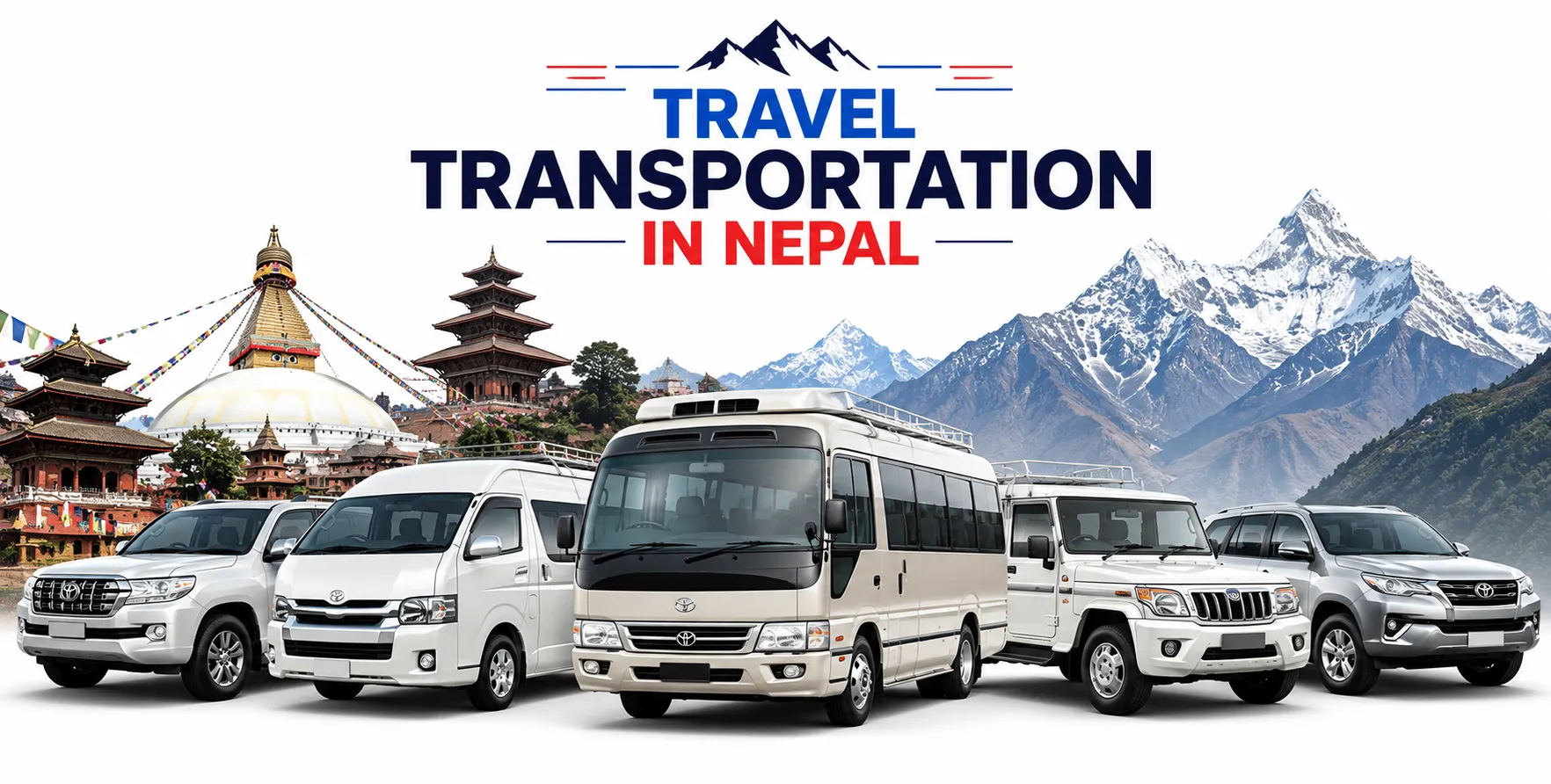
Book Your Mustang Vehicle with Nepal Vehicle Hiring Pvt. Ltd.

Website: www.vehiclehiringnepal.com

Phone / WhatsApp: +977 9851013196 (24/7 Support)

Email: [email protected]

Office: Bhagawatisthan, Thamel, Kathmandu, Nepal

Pokhara to Muktinath Jeep: Toyota Fortuner | NPR 25,000–35,000 (full vehicle)

Pokhara to Jomsom Road: Toyota Fortuner/Land Cruiser | NPR 22,000–30,000

Upper Mustang Expedition: Land Cruiser | NPR 35,000–55,000/day

Budget Group Sharing: Per-person cost NPR 4,000–7,000 for groups of 5–6


Nepalgunj Jamunaha Border Pickup and Drop Vehicle Hire

Nepalgunj Jamunaha Border Pickup and Drop Vehicle Hire

In Nepal’s mid-western Terai region, the city of Nepalgunj stands out as one of the country’s most strategically significant gateway cities in its own right, serving simultaneously as the headquarters of Banke district, a major regional airport hub connecting to some of Nepal’s most remote mountain airstrips, and the gateway to the Jamunaha border crossing connecting directly to Rupaidiha in India’s Uttar Pradesh state. This combination of roles makes reliable ground transport in and around Nepalgunj genuinely important for a wide range of travelers, from cross-border traders and pilgrims to wildlife tourists and those connecting onward to Nepal’s far western mountain districts.

This guide covers everything travelers and businesses need to know about arranging transport.

Nepalgunj Jamunaha border pickup and drop vehicle hire: the city’s geography and significance, the Jamunaha border crossing itself, Nepalgunj airport’s unique role as a hub for remote mountain flights, nearby Bardia National Park, the pilgrimage connection to Ayodhya across the border, and how to arrange reliable transport for business, wildlife tourism, pilgrimage, or cross-border travel through this important mid-western gateway.

Where Is Nepalgunj

Nepalgunj itself serves faithfully as the administrative headquarters of Banke district within Nepal’s broader Lumbini Province, sitting in the mid-western Terai close to the Indian border. The city has developed into one of Nepal’s more significant regional centers, combining administrative, commercial, and transport hub functions in a way that makes it considerably more than simply a border town, despite its position immediately adjacent to the Jamunaha crossing into India.

Nepalgunj’s location places it at a genuinely important crossroads within Nepal’s transport geography, connecting the mid-western Terai to both the Indian border and, via its airport, to some of the most remote mountain districts found anywhere in the country, a dual role that shapes much of the city’s economic and transport significance.

The Jamunaha Border Crossing

The Jamunaha crossing itself connects Nepalgunj directly across to Rupaidiha in India’s neighboring Uttar Pradesh state, forming one of the significant land border crossings along Nepal’s southern frontier. This crossing supports substantial bilateral trade between Nepal and India, alongside significant passenger travel, including a notable pilgrimage dimension given this crossing’s relative proximity to Ayodhya, one of Hinduism’s most significant pilgrimage cities and the traditional birthplace of Lord Ram.

Business travelers, traders, and pilgrims alike rely on this crossing for their respective journeys, and reliable vehicle transport connecting Nepalgunj city, the Jamunaha crossing itself, and onward destinations on both sides of the border forms an essential part of the practical infrastructure supporting this varied cross-border traffic.

Nepalgunj Airport: A Unique Regional Hub

Beyond its considerable border significance alone, Nepalgunj also proudly hosts one of Nepal’s more genuinely important regional airports, serving not only direct flight connections to Kathmandu but also functioning as the primary hub for STOL flights into some of Nepal’s most remote mountain districts, including Simikot in Humla district, Jumla, and other airstrips serving the far-western mountain region. This makes Nepalgunj a genuinely essential transit point for travelers heading toward these remote areas, including pilgrims using the western overland and flight route toward Hilsa and onward into Tibet for the Kailash Mansarovar Yatra, an alternative to the Rasuwagadhi-Kerung route covered in our companion guide.

Pickup and Drop Vehicle Services in Nepalgunj

Reliable pickup and drop vehicle service in Nepalgunj typically serves several distinct traveler needs: airport transfers connecting arriving or departing flights to onward destinations, border crossing transport to and from Jamunaha, and connections toward nearby Bardia National Park for wildlife tourism. Given Nepalgunj’s role as a hub for onward mountain flights, many travelers also require reliable transport to connect between arriving flights from Kathmandu and their onward departure toward Simikot, Jumla, or other remote airstrips, making efficient airport-based transport particularly valuable in this specific location.

Vehicle Options for This Region

Private Car for Airport and Border Transfers

For straightforward airport pickups or border crossing transfers, a standard private car offers a comfortable, efficient option suited to Nepalgunj’s flat Terai setting.

Jeep and SUV for Bardia National Park Access

Travelers heading toward Bardia National Park benefit from a 4WD vehicle, given the less developed road conditions typical of the park’s access routes compared to the main highway corridors.

Vans and Buses for Group and Pilgrimage Travel

Larger pilgrimage groups traveling toward the Jamunaha crossing and onward to Ayodhya, or business delegations engaged in cross-border trade, can be accommodated through larger vehicle bookings suited to their specific group size.

Bardia National Park

A relatively short and manageable distance from Nepalgunj itself, Bardia National Park stands proudly as one of Nepal’s most significant protected wildlife areas overall, home to a substantial Bengal tiger population alongside wild elephants, one-horned rhinoceros, and a wide range of Terai wildlife. Considerably less crowded than Chitwan National Park, Bardia has earned a strong reputation among serious wildlife enthusiasts specifically for its relatively high tiger sighting rates compared to some of Nepal’s more heavily visited parks, making it an increasingly popular addition to itineraries for travelers passing through Nepalgunj.

The Ayodhya Pilgrimage Connection

The Jamunaha-Rupaidiha crossing’s genuinely close relative proximity to the sacred city of Ayodhya, one of Hinduism’s most sacred cities and traditionally regarded as the birthplace of Lord Ram, has made this border crossing a significant route for Hindu pilgrims traveling between Nepal and this major Indian pilgrimage destination. This pilgrimage traffic forms a distinct and significant part of the overall cross-border travel through Jamunaha, alongside the trade and general passenger travel already discussed, and reliable vehicle transport supporting this pilgrimage route adds genuine value for the travelers making this journey.

Onward Mountain Flight Connections

Nepalgunj Airport’s particular role as a hub for flights into Humla, Jumla, and various other remote western Nepal districts makes reliable airport transport in the city particularly valuable for travelers connecting between flights, whether arriving from Kathmandu and continuing onward to Simikot, or completing a remote mountain trip and returning through Nepalgunj toward Kathmandu or elsewhere. This connecting traveler segment differs from the border-crossing and wildlife tourism traffic already discussed, requiring efficient, well-timed airport transfer service given the connection windows involved.

Best Time of Year for This Region

Winter (October to February)

Generally the most comfortable season for travel and wildlife viewing at Bardia, with milder temperatures than this region’s intense summer heat.

Summer (March to June)

Considerably hot given the low-elevation Terai climate, requiring appropriate precautions for travelers visiting during this period.

Monsoon (July to September)

Heavy rainfall affects road conditions throughout the region, with potential delays given the flood-prone terrain characteristic of this part of the Terai.


Cost Factors for Nepalgunj Vehicle Services

Vehicle rental cost depends on vehicle class, trip duration, and whether the booking involves a straightforward airport or border transfer versus an extended itinerary including Bardia National Park. Our team is glad to help coordinate arrangements for travelers planning a visit to this important mid-western gateway region.

How to Book Your Nepalgunj Transport

Booking begins with sharing your travel dates, specific transport needs (airport connection, border crossing transfer, or a wildlife-focused itinerary toward Bardia), and group size. Given this region’s specific local knowledge requirements, advance coordination helps ensure the right vehicle and driver are properly arranged for your itinerary.

Travelers whose itinerary spans both this mid-western region and Nepal’s more established routes may find these related guides useful:

Frequently Asked Questions

How does Nepalgunj connect to remote districts like Humla?

Nepalgunj Airport serves as the primary hub for STOL flights into Simikot, Humla’s headquarters, alongside other remote western Nepal airstrips, making it an essential transit point for travelers heading to these areas.

Can I arrange a vehicle for border crossing transfers at Jamunaha?

Yes. Pickup and drop service can be arranged for travelers crossing at Jamunaha toward Rupaidiha in India, or arriving from India into Nepal at this crossing.

Is Bardia National Park better for tiger sightings than Chitwan?

Bardia is widely regarded among serious wildlife enthusiasts as offering a comparably strong, and in some respects better, tiger sighting experience than Chitwan, alongside considerably lower visitor numbers.

Can I travel from Nepalgunj to Ayodhya in India?

Yes. The Jamunaha-Rupaidiha crossing provides a practical route for pilgrims and travelers heading toward Ayodhya and other destinations in Uttar Pradesh.

Is Nepalgunj a good base for exploring Nepal’s far west?

Yes, particularly given its airport connections to remote mountain districts and its proximity to Bardia National Park, making it a practical hub for various mid-western and far-western Nepal itineraries.

What is the best season to visit this region?

Winter, from October through February, offers the most comfortable travel and wildlife viewing conditions given this region’s hot Terai climate during summer months.

Final Thoughts: A Genuine Crossroads City

Nepalgunj’s combination of border gateway, regional airport hub, and proximity to Bardia National Park makes it a genuinely important crossroads within Nepal’s transport geography, supporting travelers with purposes as varied as cross-border trade, Ayodhya pilgrimage, wildlife tourism, and onward connections to some of the country’s most remote mountain districts. Reliable pickup and drop-off vehicle service in this region supports this genuinely diverse traveler base.

Please do get in touch with Nepal Vehicle Hiring today at +977 9851013196 or visit

vehiclehiringnepal.com to discuss your transport needs for Nepalgunj, Jamunaha, and Nepal’s mid-western region, whether for business travel, cross-border logistics, wildlife tourism, or onward connections toward Nepal’s remote western mountain districts.

The History and Development of Nepalgunj

Nepalgunj’s gradual development into its current role as a genuinely major mid-western Nepal center reflects a similar pattern of gradual Terai settlement seen across much of Nepal’s lowland region, historically limited by malaria before mid-twentieth-century eradication efforts made the area more suitable for permanent settlement. The city’s growth accelerated considerably in subsequent decades, driven by its position as Banke district headquarters, its role as a commercial center for the surrounding agricultural region, and its increasing importance as a transport hub connecting the Terai to Nepal’s remote western mountain districts.

Banke District and Lumbini Province Context

Banke district itself, with the city of Nepalgunj serving as its headquarters, sits comfortably within the broader Lumbini Province, one of Nepal’s seven federal provinces, named for the significant Buddhist pilgrimage site located elsewhere within the same province. This provincial context places Nepalgunj within the same broader administrative region as Lumbini itself. However, the two locations sit a considerable distance apart within the province’s borders, with Nepalgunj representing the province’s mid-western administrative and commercial anchor rather than its most famous tourist destination.

The Rapti and Babai River Systems

The broader Banke district region as a whole, including the areas immediately surrounding Nepalgunj and extending further toward Bardia National Park, is shaped significantly by the Rapti and Babai river systems, which support both the agricultural productivity of the surrounding Terai plains and the wildlife habitat found within Bardia National Park itself. These river systems, part of the broader Gangetic plain drainage network extending into India, have historically shaped settlement patterns and continue to influence the region’s ecology and economic activity today.
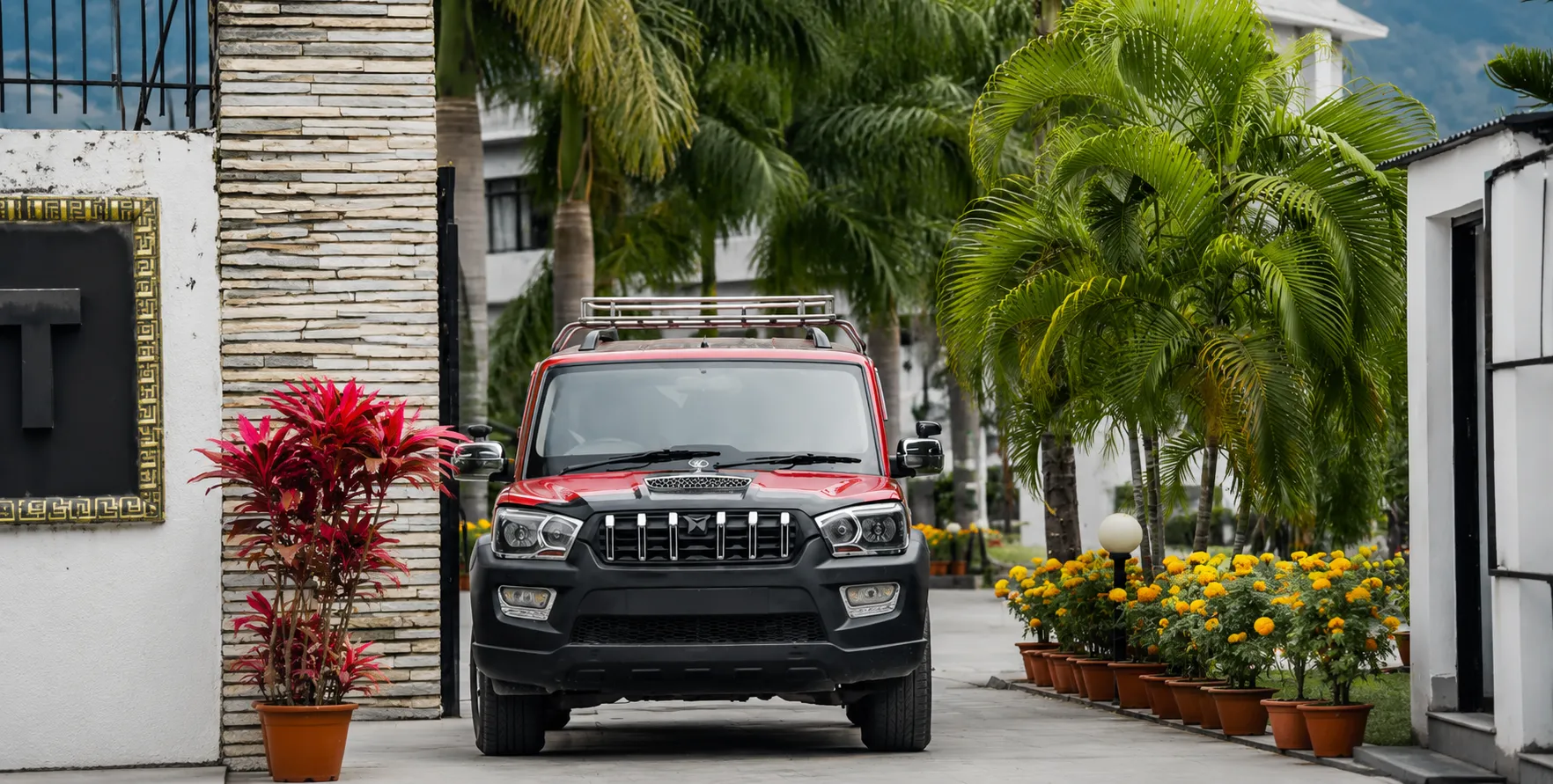
Trade Activity Through the Jamunaha Crossing

The Jamunaha-Rupaidiha crossing itself handles a substantial volume of bilateral trade traffic moving between Nepal and India, reflecting the broader economic interdependence characteristic of the open Nepal-India border. This trade activity has supported Nepalgunj’s development as a significant commercial center, with warehousing, customs facilities, and associated logistics operations developing around the crossing to support this ongoing commercial activity, similar in character to the trade infrastructure found at other significant Nepal-India crossings such as Basbasa near Mahendranagar, covered in our companion guide. However, each crossing serves a distinct catchment area and connects to different parts of India.

Ayodhya’s Religious Significance in Greater Detail

Ayodhya’s longstanding status as one of Hinduism’s seven most sacred and revered cities, and its specific association with Lord Ram’s birthplace, has made it an increasingly significant pilgrimage destination for Hindu devotees from across the subcontinent, including a meaningful number of pilgrims traveling from Nepal via the Jamunaha crossing specifically. This pilgrimage significance has grown considerably in recent years alongside broader development of religious tourism infrastructure at Ayodhya itself, and Nepali pilgrims traveling this route often combine their Ayodhya visit with other significant nearby Hindu pilgrimage sites in the broader Uttar Pradesh region.


Nepalgunj Airport’s Role in Connecting Remote Districts

Nepalgunj Airport’s function as a hub for STOL flights into Nepal’s remote western mountain districts reflects the genuine transport challenges these areas face, given their limited road access and mountainous terrain that makes overland travel from Kathmandu impractical for most travelers. Districts such as Humla, home to Simikot and the gateway to the Hilsa border crossing into Tibet, along with Jumla and other remote western districts, depend heavily on this Nepalgunj air link for passenger travel, cargo transport, and emergency medical evacuation, making Nepalgunj’s airport infrastructure genuinely vital to the functioning of this entire remote region beyond its role serving Banke district and border crossing traffic alone.

Simikot and the Western Route to Kailash

For pilgrims choosing the western route to Mount Kailash via Simikot and the Hilsa border crossing, rather than the Rasuwagadhi-Kerung overland route covered in our companion guide, Nepalgunj serves as an essential transit hub, typically requiring pilgrims to fly from Kathmandu to Nepalgunj before continuing on a smaller aircraft to Simikot itself. This western route offers an alternative pilgrimage path for devotees specifically choosing this option, and reliable ground transport connecting Nepalgunj’s airport terminals supports this connecting traveler segment alongside the city’s other transport roles.

Bardia National Park in Greater Detail

Bardia National Park, Nepal’s largest national park in the Terai region, protects a substantial area of sal forest, grassland, and riverine habitat along the Karnali and Babai river systems, supporting one of the country’s most significant Bengal tiger populations alongside wild elephants, one-horned rhinoceros reintroduced to the park in recent decades, and Gangetic dolphins found in the park’s river systems, a genuinely rare wildlife sighting opportunity not available at Chitwan or most other Nepal wildlife destinations. The park’s lower visitor numbers compared to Chitwan translate into a generally quieter, more exclusive wildlife viewing experience, appealing particularly to serious wildlife photographers and enthusiasts willing to travel to this less-visited part of Nepal specifically for its ecological rewards.

Comparing Bardia to Chitwan and Shuklaphanta

Nepal’s three major Terai wildlife parks, Chitwan, Bardia, and Shuklaphanta, each offer a distinct wildlife tourism experience and level of visitor infrastructure development. Chitwan remains the most accessible and heavily visited, with the most developed tourism infrastructure of the three. Bardia, covered in this guide, offers a middle ground between Chitwan’s accessibility and Shuklaphanta’s relative remoteness, with a strong tiger sighting reputation and moderate tourism development. Shuklaphanta, covered in our companion guide to Mahendranagar and Basbasa, remains the least visited and most remote of the three, appealing specifically to travelers seeking the quietest possible wildlife experience among Nepal’s Terai parks.

Business Travel Considerations for Nepalgunj

Companies engaged in cross-border trade through Jamunaha, or operating commercial activities throughout Banke district and the broader mid-western Terai region, benefit from establishing reliable, ongoing vehicle transport arrangements suited to their specific business travel patterns. Given Nepalgunj’s significant regional commercial role, business travel demand here reflects a broader range of activity than found in some of Nepal’s more purely tourism or trekking-focused transport corridors, including agricultural trade, general commerce, and the logistics supporting onward transport toward the remote western mountain districts already discussed.

A Typical Itinerary Combining Nepalgunj and Bardia

Travelers specifically visiting this region for wildlife tourism typically combine time in or near Nepalgunj with a dedicated excursion into Bardia National Park, often spanning two to three days to allow adequate time for wildlife viewing across the park’s considerable size and varied habitat types. A typical itinerary might include arrival via Nepalgunj Airport, ground transport to a lodge near the park, guided safari activities across several days, and a return journey to Nepalgunj for onward flights or further travel.

Health and Practical Considerations for This Region

Given this region’s low-elevation Terai climate, travelers should prepare for considerably warmer temperatures than found in Kathmandu or Nepal’s hill and mountain regions, particularly during the hot pre-monsoon months. Standard Terai travel precautions, including appropriate insect protection given the region’s proximity to wetland and forest habitat, and adequate hydration given the heat, remain relevant considerations throughout a Nepalgunj and Bardia visit.

Connectivity and Communication in This Region

Mobile network coverage in Nepalgunj itself is generally reliable, reflecting its status as a significant regional center. However, coverage becomes more variable in more rural sections of Banke district and within Bardia National Park itself. Travelers should not assume the same level of connectivity found in Kathmandu throughout this entire region.

Currency and Practical Logistics

Cash in Nepali rupees remains essential throughout Nepalgunj and the surrounding region, with card payment infrastructure considerably more limited than in Kathmandu or Pokhara. Travelers planning cross-border activity toward Rupaidiha or onward to Ayodhya should also consider Indian rupee requirements for that portion of their journey.

Why Choose a Local, Established Vehicle Provider for This Region

Given Nepalgunj’s distance from Kathmandu and Pokhara, and the specific local knowledge required for border crossing procedures, Bardia park access, and general navigation throughout Banke district, working with a vehicle provider genuinely familiar with this specific region offers considerable advantages over attempting to coordinate transport remotely. Local familiarity with current border crossing procedures, seasonal road conditions, and airport connection logistics all matter considerably for a smooth travel experience in this significant but less internationally known part of Nepal.

What to Pack for a Nepalgunj and Bardia Trip

  • Lightweight, breathable clothing given this region’s hot Terai climate, particularly outside the cooler winter months.
  • Insect protection suited to the forest and riverine habitat found throughout Bardia National Park.
  • Sufficient Nepali rupees in cash, and Indian rupees if planning any cross-border activity toward Rupaidiha or Ayodhya.
  • Basic first aid supplies and any personal medication needed given this region’s distance from major medical facilities.
  • Appropriate documentation for cross-border travel if your itinerary includes crossing at Jamunaha into India.

Combining Nepalgunj With Remote Mountain District Travel

Travelers planning trips to Humla, Jumla, Dolpo, or other remote western Nepal districts almost universally pass through Nepalgunj as part of their journey, given the city’s role as the primary air transport hub for this region. Coordinating reliable ground transport between arriving and departing flights at Nepalgunj Airport becomes particularly important for these travelers, since missed connections can have significant knock-on effects given the limited daily flight frequency to many of these remote destinations. A dependable local vehicle service familiar with Nepalgunj Airport’s layout and typical flight schedules helps ensure these connections proceed smoothly.

Trekking and Mountaineering Support Through Nepalgunj

Beyond pilgrimage travel toward Kailash via Simikot, Nepalgunj also serves trekkers and mountaineers heading toward Nepal’s remote western trekking regions, including the Humla and Limi Valley treks, and expeditions toward peaks in the far-western Himalaya considerably less visited than Everest or Annapurna. This trekking and mountaineering traffic forms another distinct segment of travelers passing through Nepalgunj, typically requiring efficient airport transfer and sometimes additional logistics support before continuing to these remote regions.

Local Culture in the Nepalgunj Region

Banke district and the broader mid-western Terai region are home to a culturally diverse population including Tharu indigenous communities, alongside Madhesi communities with close cultural and linguistic ties to neighboring parts of India, and various hill-origin communities who have settled in the region over recent generations. This cultural diversity reflects the broader demographic pattern typical of Nepal’s Terai region generally, shaped by both indigenous settlement and the region’s close historical and ongoing connection to communities across the nearby Indian border.

Government and Administrative Travel Through Nepalgunj

As Banke district headquarters and a significant provincial center within Lumbini Province, Nepalgunj sees regular government and administrative travel connected to provincial and district-level governance, alongside the customs and border security administration necessarily concentrated at a significant crossing point like Jamunaha. This administrative travel forms another distinct segment of transport demand in this region, often requiring flexible, on-demand vehicle arrangements suited to government schedules rather than fixed tourist itineraries.

Seasonal Flight Disruptions and Ground Transport Contingency

Given Nepalgunj’s role as a hub for STOL flights into remote mountain districts, weather-related flight delays and cancellations toward destinations like Simikot and Jumla occur with some regularity, particularly during the monsoon season and periods of unstable mountain weather. Travelers connecting through Nepalgunj toward these remote destinations should build flexibility into their itinerary, and reliable ground transport in Nepalgunj itself becomes particularly valuable during these delay periods, supporting travelers who may need extended, unplanned time in the city while waiting for onward flight conditions to improve.

Wildlife Conservation Efforts at Bardia

Bardia National Park’s conservation significance extends across several fronts, including its role in Nepal’s broader tiger conservation strategy, its successful rhinoceros reintroduction program, and ongoing efforts to protect the Karnali river system’s Gangetic dolphin population, one of the most endangered freshwater dolphin species in the world. These conservation efforts have drawn increasing international research attention to the park in recent years, alongside growing recognition among serious wildlife tourists of Bardia’s genuine ecological significance within Nepal’s protected area network.

A Comparison With Nepal’s Other Border Crossings

Nepal maintains several significant land border crossings with India, each connecting to different Indian states and serving distinct regional purposes. Jamunaha, connecting Nepalgunj to Rupaidiha in Uttar Pradesh, serves the mid-western Terai specifically, distinct from Basbasa near Mahendranagar serving far-western Nepal’s connection to Uttarakhand, and Birgunj further east serving as Nepal’s busiest overall crossing into Bihar, covered in our companion guide to Kathmandu-Hetauda vehicle rental. Understanding these different crossings helps travelers and businesses plan their specific cross-border journey according to their actual origin and destination on both sides of the border.

Supporting Both Nepali and Indian Travelers at This Crossing

The Jamunaha-Rupaidiha crossing serves genuinely bidirectional travel, supporting Nepali citizens traveling into India for work, trade, pilgrimage, or family reasons, alongside Indian citizens traveling into Nepal for similar purposes, reflecting the deeply interconnected nature of communities living on either side of this border. Vehicle transport services in this region should be prepared to serve both directions of this cross-border travel pattern.

Combining Business and Wildlife Tourism in a Single Trip

Some business travelers visiting Nepalgunj for trade or commercial purposes extend their trip with a short wildlife excursion to Bardia, taking advantage of their presence in this otherwise less-visited region to experience its natural attractions alongside their primary business purpose. This kind of combined itinerary requires coordinating both a business-appropriate transport schedule and a separate wildlife-focused excursion, something a locally knowledgeable vehicle provider can help arrange efficiently within a single overall visit.

The Growing Potential for Tourism Development in This Region

As Nepal’s tourism sector continues to mature and travelers increasingly seek alternatives to the country’s most famous, and increasingly crowded, destinations, Bardia National Park’s genuine wildlife attractions, combined with Nepalgunj’s role as a gateway to Nepal’s remote western mountain districts, offer real potential for continued tourism development in the years ahead. This potential development would likely bring improved transport infrastructure and vehicle service options to the region, building on the foundation already provided by Nepalgunj’s established role as a regional hub.

Insurance and Documentation for Cross-Border Travel

Travelers planning to cross at Jamunaha into India, whether for trade, pilgrimage toward Ayodhya, or other purposes, should confirm their travel insurance policy appropriately covers cross-border activity, and ensure all relevant documentation, including passports and any required visas, are properly arranged well in advance of travel.

The Value of Advance Communication for This Region

Given Nepalgunj’s distance from Kathmandu and Pokhara and the specialized local knowledge required for this specific corridor, travelers and businesses planning a visit benefit considerably from early, detailed communication about their specific transport needs, whether airport connection, border-crossing transfer, Bardia wildlife access, or broader business travel throughout Banke district. This advance communication allows appropriate coordination with locally knowledgeable transport partners well before actual travel dates.

Practical Considerations for International Visitors

International visitors planning a trip to this region should note that Nepalgunj and the surrounding area see fewer international tourists than Nepal’s more established destinations, meaning English-language services and general tourism infrastructure remain more limited than visitors accustomed to Kathmandu or Pokhara might expect. This is not a barrier to visiting, but a genuine consideration worth factoring into realistic expectations for anyone planning a trip to this significant but less internationally known part of Nepal.


Combining Vehicle Hire With Our Wider Nepal Network

While Nepalgunj and the Jamunaha border crossing sit at a considerable distance from our core Kathmandu and Pokhara-based operating areas, travelers whose broader Nepal itinerary spans both this mid-western region and more established destinations can still benefit from coordinating their overall trip planning through a single point of contact. Our core services cinclude

Kathmandu sightseeing,

Kathmandu airport transfer,

car hire in Pokhara, and

Kathmandu to Lumbini transport can be coordinated alongside your mid-western Nepal plans, even where the Nepalgunj-specific leg of your journey is arranged through locally based partners more directly familiar with that particular region.

Why Reliable Ground Transport Matters at This Hub

Nepalgunj’s dual role as both a border-crossing gateway and a critical air transport hub for remote mountain districts makes reliable ground transport particularly important here, beyond what a purely tourist-focused route might require. A missed connection between an arriving flight and onward transport, whether toward Bardia, the Jamunaha border, or a connecting flight to Simikot, carries genuine consequences given the limited frequency of onward transport options in each of these directions, making dependable, well-coordinated vehicle service particularly valuable in this specific context.

Seasonal Business Cycles Affecting Transport Demand

Transport demand through Nepalgunj and Jamunaha fluctuates according to several distinct seasonal cycles, including agricultural trading seasons affecting cross-border trade volume, periodic increases in pilgrimage traffic toward Ayodhya tied to significant Hindu festivals, and the broader trekking and mountaineering season affecting traffic toward Nepal’s remote western districts via Nepalgunj’s airport. Vehicle providers serving this region need to remain attentive to these varied demand cycles, distinct from the purely trekking-season-driven patterns seen elsewhere in Nepal’s tourism-focused transport corridors.

The Contrast Between This Region and Nepal’s Mountain Tourism

Nepalgunj and the Jamunaha border crossing offer a useful point of contrast with the mountain trekking and pilgrimage routes covered throughout most of our other guides, a reminder that Nepal’s transport and travel landscape extends well beyond its famous Himalayan attractions into the flat, agriculturally significant, and internationally connected Terai plains along its southern border, while simultaneously serving as a genuine gateway to some of the country’s most remote mountain regions via its unique airport function.

Additional Frequently Asked Questions

How reliable are flights from Nepalgunj to Simikot?

Flights to Simikot and other remote western airstrips are subject to weather-related delays, particularly during monsoon season, and travelers should build flexibility into their itinerary when connecting through Nepalgunj toward these destinations.

Can I arrange a multi-day safari package at Bardia?

Yes. Lodges near the park offer multi-day guided safari itineraries, and reliable ground transport from Nepalgunj supports these longer wildlife-focused visits.

What documentation do I need to cross at Jamunaha into India?

Standard passport and any required Indian visa documentation apply for this crossing, consistent with other formal Nepal-India border crossings. Confirm current requirements before travel.

Is there a significant language barrier in this region?

Nepali remains the primary language, alongside Tharu, Awadhi, and other local languages, with Hindi also widely understood given the proximity to India and ongoing cross-border interaction.

Can business travelers arrange recurring transport for regular trips to this region?

Yes. Companies with regular business activity in Banke district or requiring recurring border-crossing or airport-connection transport can arrange standing vehicle arrangements suited to their ongoing needs.

Is Nepalgunj connected to Kathmandu by road as well as air?

Yes, though the overland journey covers a considerable distance across Nepal’s mid-western region, and most travelers prefer flying given the time this road journey would otherwise require.

A Closing Perspective on This Mid-Western Gateway

Nepalgunj and the Jamunaha border crossing represent a genuinely distinct and multifaceted piece of Nepal’s transport landscape, shaped by cross-border trade, Ayodhya pilgrimage traffic, wildlife tourism at Bardia National Park, and a unique role as the essential air gateway to some of the country’s most remote mountain districts. Understanding this region’s particular character, and working with vehicle transport providers who genuinely understand its specific needs, helps ensure a smooth experience for whatever business, wildlife, pilgrimage, or onward mountain travel purpose brings travelers to this important mid-western corner of the country.

Understanding Nepal’s East-West Geographic Scale

Nepalgunj’s distance from Kathmandu offers a useful reminder of Nepal’s genuine east-west geographic scale, a country that, despite its relatively modest overall area, spans a considerable distance from its far-eastern districts to its mid-western and far-western regions near the Indian border. This scale means travel between different regions of Nepal often requires careful planning around domestic flights or lengthy overland journeys, a consideration worth factoring into any itinerary spanning both this mid-western gateway and the country’s more central regions.

Local Guides and Their Value in This Region

Given the more limited general tourism infrastructure in the Nepalgunj region compared to Kathmandu, Pokhara, or Chitwan, working with a knowledgeable local guide adds particular value for travelers visiting Bardia National Park or exploring the broader Banke district region. Local guides bring genuine wildlife spotting expertise specific to Bardia’s forest and grassland habitat, alongside cultural knowledge of the Tharu, Madhesi, and other communities living in the surrounding area.

The Karnali River and Its Regional Significance

The Karnali River, Nepal’s longest river, flows through the broader region surrounding Bardia National Park, supporting both the park’s ecology, including its notable Gangetic dolphin population, and the broader agricultural and hydropower potential of this part of Nepal. This river system’s significance extends well beyond wildlife tourism alone, forming an important part of the region’s overall economic and environmental context, and its role in shaping Bardia’s distinctive riverine habitat helps explain the park’s particular ecological character compared to Nepal’s other Terai protected areas.

Historical Trade Routes Through This Region

Long before the formal establishment of the modern Jamunaha border crossing, this general region of Nepal’s mid-western Terai served as a historical trade corridor connecting Nepal’s hill regions to the plains and onward into the Indian subcontinent, part of the broader historical trade relationship between Nepal’s hill kingdoms and lowland trade networks in northern India. This historical significance helps explain the long-standing importance of this general border region, predating the specific modern infrastructure now found at Nepalgunj and Jamunaha.

A Sample Itinerary for Travelers Connecting to Humla

A typical itinerary for travelers heading toward Humla and the western Kailash Yatra route might begin with a flight from Kathmandu to Nepalgunj, followed by a connecting flight to Simikot, weather permitting, with Nepalgunj serving as an important buffer point where travelers may need to spend an unplanned night if onward flight conditions are unfavorable. Reliable ground transport and accommodation coordination in Nepalgunj itself becomes genuinely valuable for managing this kind of contingency, given how commonly weather affects the onward Simikot flight specifically.

Final Practical Tips Before You Go

  • Confirm current border crossing requirements and documentation well before your planned Jamunaha transit if continuing into India.
  • Build flexibility into your itinerary if connecting through Nepalgunj toward Simikot or other remote western airstrips, given weather-related flight disruption risk.
  • Book vehicle transport in advance given this region’s distance from our core operating areas and the value of working with genuinely local expertise.
  • Pack for hot Terai conditions, particularly outside the cooler winter months.
  • Consider combining a Bardia National Park wildlife excursion with any business or border-crossing purpose bringing you to this region.

Reflecting on Nepal’s Full Range of Travel Purposes

This guide’s focus on Nepalgunj and Jamunaha, a region defined by trade, pilgrimage, wildlife tourism, and remote mountain air access rather than the trekking and cultural heritage experiences covered throughout most of our other guides, reflects our broader commitment to supporting the full range of genuine travel purposes that bring people to and through Nepal. Business travelers, cross-border traders, Ayodhya pilgrims, wildlife tourists, and mountaineers and trekkers connecting toward Nepal’s remote western districts all deserve the same quality of reliable, well-informed ground transport service as those heading toward Everest or Muktinath, even though this particular corner of Nepal rarely features in the country’s standard tourism marketing.

Thank You for Reading

We hope this guide has provided genuinely useful insight into Nepalgunj, the Jamunaha border crossing, and the broader mid-western Nepal region surrounding them, and we look forward to helping coordinate your own transport needs for whatever business, wildlife, pilgrimage, or onward mountain travel purpose brings you to this distinctive and genuinely important corner of the country.

One Final Practical Note

Before finalizing any travel plans to this region, we recommend confirming current conditions and requirements directly with our team or a locally based partner, given both the seasonal variability of road and flight conditions in this region and the more limited general information available online for this less-visited part of Nepal compared to the country’s more famous destinations.

Wishing You Smooth Travels

From the bustling cross-border trade and pilgrimage activity at Jamunaha to the tiger-rich forests of Bardia National Park and the remote mountain flights departing daily toward Humla and beyond, Nepalgunj and its surrounding region offer a genuinely distinctive slice of Nepal, one shaped as much by international trade, pilgrimage, and remote-area connectivity as by natural beauty and wildlife. We wish you safe, smooth, and well-coordinated travels through this mid-western gateway, whatever purpose brings you here.

Where to Learn More

For travelers wanting to learn more about combining a mid-western Nepal visit with the rest of the country’s attractions, our other guides covering Kathmandu, Pokhara, Chitwan, Lumbini, and Nepal’s major trekking and pilgrimage routes offer a useful starting point for planning the broader portions of a Nepal itinerary, even where the Nepalgunj-specific leg requires its own dedicated local coordination given the region’s distinct character and considerable distance from these more established destinations.

A Brief Word on Regional Pride

Residents of Banke district and the broader mid-western region take genuine pride in their area’s agricultural productivity, cultural diversity, and role as Nepal’s gateway to both India and the country’s remote western mountain districts, and visitors who take time to appreciate this local identity, rather than treating the region purely as a transit point on the way to somewhere else, often find their visit considerably more rewarding as a result.

Supporting NGOs and Development Work Through Nepalgunj

Given the historically lower level of infrastructure development in Nepal’s remote western districts accessible via Nepalgunj’s airport, the city hosts a meaningful presence of non-governmental organizations and development agencies working on rural development, health, and education initiatives throughout the broader mid-western and far-western region. These organizations often require reliable local transport for staff and program activities, forming another distinct segment of transport demand in this region beyond tourism, trade, and general business travel already discussed throughout this guide.

The Broader Significance of Balanced Regional Development

Nepalgunj and the broader Banke district’s continued development reflects broader national conversations in Nepal regarding balanced regional development, given the historical concentration of infrastructure investment and tourism attention around Kathmandu, Pokhara, and the country’s more central and eastern regions. Continued investment in this mid-western region’s transport infrastructure, tourism development around Bardia, and border trade facilities at Jamunaha all form part of this broader development conversation, and reliable vehicle transport services play a genuinely practical role in supporting whatever development this region continues to see in the years ahead.

Building Long-Term Knowledge of This Specialized Corridor

Supporting travelers and businesses in a region as specific and distinct as Nepalgunj and Jamunaha requires genuine, ongoing local knowledge rather than simply extending standard Kathmandu-based tourist transport service into an unfamiliar region. Understanding current border crossing procedures, seasonal road conditions, airport connection logistics for onward remote mountain flights, and the practical needs of the varied traveler base using this corridor, from traders to pilgrims to wildlife tourists to trekkers heading toward Humla, all require a genuinely specialized approach distinct from standard tourism transport service elsewhere in Nepal.

Coordinating With Trekking and Pilgrimage Agencies

Given the specific role Nepalgunj plays for both Kailash Yatra pilgrims using the western Simikot route and trekkers heading toward Humla and other remote western districts, close coordination between ground transport providers and the trekking or pilgrimage agencies organizing these journeys is particularly valuable. This kind of collaborative relationship helps ensure travelers receive consistent, accurate information about flight connections, contingency planning for weather delays, and appropriate ground transport arrangements throughout their time transiting through Nepalgunj.

A Final Word on Value and Perspective

Ultimately, Nepalgunj’s value within Nepal’s broader transport and travel landscape comes from its genuine multifunctionality, serving simultaneously as border gateway, regional commercial centre, and essential air transport hub for some of the country’s most remote districts. Recognizing and properly supporting this multifaceted role, rather than viewing the city purely through a single lens, whether trade, tourism, or transit, reflects a genuinely complete understanding of what makes this mid-western gateway city so significant within Nepal’s overall transport network.

Closing Summary

This guide has covered Nepalgunj’s geography, history, the Jamunaha border crossing’s trade and pilgrimage significance, Bardia National Park’s wildlife attractions, the city’s unique role as a hub for remote western Nepal flights, and practical booking guidance for travelers and businesses needing reliable ground transport in this genuinely important but often overlooked mid-western gateway region.

Final Reflections

Nepalgunj rarely appears on a first-time visitor’s Nepal itinerary. Yet, it quietly supports an extraordinary range of essential travel: cross-border trade and pilgrimage through Jamunaha, wildlife tourism at one of the country’s finest tiger habitats, and the daily flights that keep some of Nepal’s most remote mountain communities connected to the rest of the country. Understanding and properly supporting this multifaceted role is exactly what genuine, locally informed ground transport service in this region should aim to achieve.

Thank you sincerely for reading through this comprehensive guide, and safe, smooth travels wherever your own journey through Nepal’s mid-west ultimately takes you next.

A Note on Future Infrastructure Development

As with many of Nepal’s regional gateway cities, continued investment in Nepalgunj’s airport capacity, road connections, and border facilities at Jamunaha remains an ongoing consideration for Nepali infrastructure planners, given the city’s genuinely significant role connecting the mid-western Terai, the Indian border, and some of the country’s most remote mountain districts within a single, multifaceted transport hub.

A Sincere Thank You

We genuinely appreciate you taking the time to read all the way through this comprehensive guide to Nepalgunj and the Jamunaha border crossing, and we sincerely hope it proves useful in planning whatever journey brings you to this significant mid-western gateway region.

Pokhara to Darchula Jeep Hire | Complete Travel Guide 2026

Pokhara to Darchula Jeep Hire

At the very furthest northwestern tip of Nepal, where the wide Mahakali River separates the country from both India and, further upstream, the historic trade routes leading toward the Tibetan plateau, sits Darchula, the headquarters of Nepal’s most remote far-western hill district. Sitting directly across the river from its twin town of Dharchula in India’s Uttarakhand state, and serving as the gateway to the Api Nampa Conservation Area and the historic Byas Valley trade route, Darchula remains one of the least-visited yet most strategically significant corners of the entire country.

This guide covers everything travelers need to know about arranging.

Pokhara to Darchula jeep hire: the geography and significance of this remote frontier district, realistic route options given the considerable distance and terrain involved, the Api Nampa Conservation Area and its Himalayan peaks, the historic Byas Valley trade culture, the district’s connection to the Lipulekh Pass and Kailash pilgrimage history, and how to plan a realistic itinerary for this genuinely remote part of Nepal.

Where Is Darchula

Darchula district itself sits at the very extreme northwestern corner of Nepal within the broader Sudurpashchim Province, bordered by India to the west and south across the Mahakali River, and reaching toward the Tibetan plateau at its northern extent. Darchula town itself, sometimes called Khalanga, serves as the district headquarters and sits directly across the river from Dharchula in India’s Pithoragarh district; a bridge connects the two towns, and they share a closely intertwined history and culture despite being in different countries.

This far-northwestern position makes Darchula one of the most remote district headquarters in Nepal, considerably more difficult to reach than the far-western Terai gateway cities of Mahendranagar or Nepalgunj covered in our companion guides, given the mountainous terrain and limited road infrastructure connecting this district to the rest of the country.

The Journey From Pokhara to Darchula

Reaching Darchula overland from Pokhara is one of the most genuinely demanding overland journeys available anywhere in the country, given the sheer distance involved and the limited highway infrastructure connecting central Nepal to this remote far-western hill district. The most practical overland route follows the Terai highway network west from Pokhara toward Mahendranagar or Dhangadhi, before turning north onto considerably rougher mountain roads that climb through Baitadi district toward Darchula itself. This journey typically requires two to three days of driving given the distance and road conditions involved, and most travelers instead choose to fly at least part of the distance, connecting through Kathmandu or Dhangadhi before completing the final, most difficult stretch by road.

Given this genuinely considerable distance and the demanding road conditions found on the northern sections of this particular route, a properly equipped four-wheel-drive vehicle and a driver with specific experience on this far-western mountain corridor are essential rather than optional. Our

Jeep Hire in Nepal service can help coordinate this journey. However, we recommend discussing realistic timelines and route options directly with our team given the specific challenges this particular corridor presents.

Book Pokhara to Darchula Jeep Hire with a private 4WD jeep or Scorpio SUV for a safe, comfortable, and reliable long-distance journey to Darchula and Nepal's Far Western region.

Realistic Alternatives: Combining Flights With Ground Transport

Given the considerable time a full overland journey from Pokhara to Darchula requires, most practical itineraries combine domestic flights with ground transport for the final legs of the journey. A common pattern involves flying from Pokhara to Kathmandu, then onward to Dhangadhi, before continuing by jeep along the rough mountain road north toward Darchula itself. This combined approach, while still requiring a demanding final overland stretch, considerably reduces the total journey time compared to attempting the entire distance by road from Pokhara.

Vehicle Options for This Remote Corridor

Toyota Land Cruiser and Prado

Given the genuinely challenging road conditions on the northern stretches of this route, a Land Cruiser or Prado remains the most dependable option, offering the ground clearance and mechanical reliability this remote corridor demands.

Local Jeeps for the Final Mountain Stretch

The final stretch of road climbing from Baitadi toward Darchula itself is often best handled by local jeeps operated by drivers with direct, specific experience on this exact mountain corridor, given how much local knowledge matters on this particular stretch compared to Nepal’s more established highway routes.

Book Pokhara to Darchula Jeep Hire with a private 4WD jeep or Scorpio SUV for a safe, comfortable, and reliable long-distance journey to Darchula and Nepal's Far Western region.

The Api Nampa Conservation Area

Darchula town itself serves proudly as the primary gateway to the entire Api Nampa Conservation Area, established in 2010 to protect the region surrounding Api (7,132 meters) and Nampa (6,757 meters), the westernmost major peaks in the entire Nepal Himalaya. This conservation area protects a genuinely remote and little-visited high-altitude landscape, offering trekkers willing to make the considerable journey to reach it an experience of Himalayan wilderness largely untouched by the tourism development seen in Everest, Annapurna, or even Manaslu further east.

The Byas Valley and Its Historic Trade Culture

Immediately north of Darchula town itself, the Byas Valley, home to the distinctive Byansi or Rung community, carries a genuinely distinctive cultural history tied to the historic salt trade route connecting the Indian plains to the Tibetan plateau. This trade network operated for centuries before the 1962 closure of the Nepal-Tibet border in this region disrupted these traditional trade patterns. The Byansi community’s culture, language, and historical livelihood reflect this unique position straddling three distinct cultural and political zones: Nepal, India, and Tibet, making the Byas Valley one of the more culturally distinctive, if genuinely remote, destinations accessible from Darchula.

Darchula and the Lipulekh Pass Connection

Darchula district’s particular geographic position near the historically significant Lipulekh Pass, a crossing point used for generations by traders and pilgrims moving between India, Nepal, and Tibet, connects this remote district to the broader history of Kailash Mansarovar pilgrimage. Indian pilgrims have historically used a route through Uttarakhand and the Lipulekh Pass as one of the traditional approaches to Kailash, a route geographically distinct from both the Rasuwagadhi-Kerung overland route from Kathmandu and the Simikot-Hilsa western route covered in our companion guides. However, the specific territorial status of the Lipulekh area has been a subject of ongoing discussion between Nepal and India in recent years.

Book Pokhara to Darchula Jeep Hire with a private 4WD jeep or Scorpio SUV for a safe, comfortable, and reliable long-distance journey to Darchula and Nepal's Far Western region.

Best Time of Year for This Region

Spring and Autumn

These seasons generally offer the most stable road and trekking conditions for both the journey to Darchula and any onward trekking toward the Api Nampa Conservation Area.

Monsoon

Heavy rainfall significantly increases landslide risk on the already challenging mountain roads north of Baitadi, making this the least reliable season for this journey.

Winter

Snow at higher elevations can affect trekking access toward Api and Nampa, though the lower Darchula town area generally remains accessible.

Cost Factors and Practical Planning

Given this route’s considerable distance and the specialized local knowledge required for the northern mountain sections, vehicle hire costs for this journey reflect the genuine logistical demands involved rather than standard highway transport pricing. Our team is glad to discuss realistic planning and cost expectations for travelers seriously considering this remote far-western journey.

How to Book This Journey

Given the specialized nature of this route, we strongly recommend contacting our team well in advance to discuss realistic itinerary planning, current road conditions, and whether a combined flight and ground transport approach suits your specific travel dates better than a full overland journey from Pokhara.

Travelers interested in Nepal’s far-western region may find these related guides useful:

Frequently Asked Questions

How long does the journey from Pokhara to Darchula take?

A full overland journey typically takes two to three days given the distance and road conditions, though most travelers combine flights with ground transport to reduce total travel time.

Is Darchula accessible year-round?

The lower town area generally remains accessible year-round, though higher trekking routes toward Api and Nampa can be affected by winter snow.

What makes Darchula significant beyond its remote location?

Darchula serves as the gateway to the Api Nampa Conservation Area, the historic Byas Valley trade culture, and sits near the historically significant Lipulekh Pass connected to Kailash pilgrimage history.

Do I need a 4WD vehicle for this journey?

Yes. The northern sections of this route beyond Baitadi involve genuinely rough mountain roads requiring a proper four-wheel-drive vehicle and an experienced local driver.

Can I fly closer to Darchula to reduce road travel time?

Yes. Flying to Dhangadhi and continuing by road significantly reduces total journey time compared to a full overland trip from Pokhara.

Final Thoughts: Nepal’s Remote Northwestern Frontier

Darchula represents one of the most genuinely remote and least-visited corners of Nepal, offering a rare glimpse of far-western frontier culture, historic trans-Himalayan trade routes, and the little-visited peaks of the Api Nampa Conservation Area for travelers willing to undertake the considerable journey required to reach it. Careful planning, realistic expectations, and an experienced local vehicle provider all matter considerably for anyone seriously considering this remote far-northwestern journey.

Please do get in touch directly with our team at Nepal Vehicle Hiring today at +977 9851013196 or visit

vehiclehiringnepal.com to discuss your travel plans toward Darchula and Nepal’s remote far-northwestern frontier, including realistic route options, current road conditions, and how best to combine flights with ground transport for this genuinely demanding journey.

The History of Darchula District

Darchula district’s history reflects its position as a genuine crossroads between Nepal, India, and the Tibetan plateau, with the Byas Valley’s historic salt and wool trade route operating for centuries before Chinese control over Tibet from the mid-twentieth century onward. The 1962 India-China border conflict disrupted the traditional cross-border trade patterns that had long defined this region’s economy. Before this disruption, communities throughout Darchula district maintained active trading relationships spanning all three neighboring regions, with Tibetan salt and wool traded for grains and manufactured goods from the Indian plains, a pattern of exchange that shaped the district’s cultural and economic character for generations.

Following the disruption of this traditional trans-Himalayan trade, Darchula district’s economy gradually shifted toward alternative livelihoods, including agriculture, seasonal labor migration, and, more recently, the beginnings of tourism development connected to the Api Nampa Conservation Area. However, the tourism sector remains genuinely nascent compared to Nepal’s more established trekking regions.

Twin Towns: Darchula and Dharchula

The relationship between Darchula on the Nepali side and Dharchula on the Indian side of the Mahakali River reflects a genuinely close cross-border community relationship, with residents on both sides sharing family ties, language, and cultural practices that predate the modern international border separating them. This kind of close cross-border community relationship, while not unique to this particular crossing, is particularly pronounced given the towns’ physical proximity and their shared position at the edge of both countries’ respective road networks, making this an area where the formal international border coexists with a genuinely integrated local community life spanning both sides.

Geography of the Api Nampa Conservation Area

The Api Nampa Conservation Area spans a considerable range of elevations from the district’s lower valleys up to the summits of Api and Nampa themselves, protecting a genuinely diverse ecological range within a single conservation area. This geographic diversity supports a range of wildlife and vegetation zones from subtropical forest at lower elevations through to high alpine terrain near the peaks themselves. However, the conservation area’s remote location and limited tourism infrastructure mean far less is documented about its specific wildlife populations compared to Nepal’s more thoroughly studied protected areas further east.

Book Pokhara to Darchula Jeep Hire with a private 4WD jeep or Scorpio SUV for a safe, comfortable, and reliable long-distance journey to Darchula and Nepal's Far Western region.

Trekking Toward Api and Nampa Base Camps

For the genuinely small number of trekkers who make the considerable journey to Darchula specifically to explore the Api Nampa Conservation Area, base camp treks toward either peak offer a genuinely remote high-altitude experience largely free of the crowds found on Nepal’s more established trekking routes. These treks typically require considerably more self-sufficiency and planning than routes like Everest Base Camp or the Annapurna Circuit, given the limited teahouse infrastructure and guide availability in this remote region, and trekkers should generally arrange a fully supported expedition with porters and camping equipment rather than expecting the established teahouse network found further east.

The Byansi or Rung Community

The Byansi people, also widely known as Rung, inhabiting the Byas Valley north of Darchula maintain a distinct language and cultural identity shaped by their historic position along the trans-Himalayan trade route connecting Tibet, Nepal, and India. Traditionally practicing a form of transhumance tied to the seasonal trade patterns already discussed, moving between lower winter settlements and higher summer villages closer to the historic trade routes, the Byansi community’s cultural practices offer a genuinely distinctive window into a way of life shaped by this unique trans-border geography. However, the disruption of traditional trade following the 1962 border closure has required considerable economic adaptation within the community over subsequent decades.

Understanding the Lipulekh Territorial Context

The Lipulekh Pass area itself, near Darchula district’s far northern reaches, has been the subject of ongoing territorial discussion between Nepal and India in recent years, given differing historical claims regarding the exact boundary in this specific area. Travelers researching this region should be aware that this remains a live diplomatic topic between the two countries. Any travel plans involving the immediate Lipulekh area specifically should be approached with appropriate awareness of the current political sensitivity surrounding this exact location, distinct from travel to Darchula town and the broader district more generally, which does not carry the same territorial complexity.

Road Infrastructure Development in Far-Western Nepal

The road connecting Baitadi district all the way through to Darchula has seen gradual improvement in recent years, part of a broader pattern of infrastructure investment extending Nepal’s road network into its most remote hill districts, though this development remains considerably less advanced than the road networks found in central and eastern Nepal. Travelers should expect genuinely rough, sometimes unpaved conditions on significant sections of this route, and should build considerable flexibility into any itinerary given the possibility of weather-related delays or temporary road closures on this still-developing corridor.

Why So Few Travelers Make This Journey

Darchula district’s particular combination of considerable distance from both Kathmandu and Pokhara, genuinely demanding road conditions, and limited tourism infrastructure means the district sees only a small fraction of the visitor numbers found in Nepal’s more established trekking and touring regions. This low visitor volume is, for many of the travelers who do make the journey, precisely the point, offering a genuine sense of remote frontier exploration difficult to find anywhere else in a country whose more famous destinations have grown considerably busier over recent decades. Travelers considering this journey should recognize, however, that this remoteness comes with genuinely limited infrastructure, requiring more self-sufficiency and flexibility than a standard Nepal trekking or touring itinerary.

A Realistic Itinerary Framework

Given the considerable distance and time involved, a realistic itinerary for a Darchula visit from Pokhara might span seven to ten days at minimum, including flights connecting through Kathmandu and Dhangadhi, the demanding overland stretch from Dhangadhi through Baitadi to Darchula itself, time in the district exploring Darchula town and, for well-prepared trekkers, a base camp excursion toward Api or Nampa, and the return journey. Travelers with less time available should focus their visit on Darchula town and the immediate surrounding area rather than attempting a full high-altitude trek, given the additional days this would require.

Health and Safety Considerations for This Remote Region

Given Darchula’s very considerable distance from major medical facilities and the genuinely limited emergency response infrastructure available throughout this remote district, travelers should carry comprehensive travel insurance covering remote area travel and, ideally, emergency evacuation, along with a well-stocked first aid kit and any personal medication required. The self-sufficiency required for this journey extends beyond simply physical preparation to genuine contingency planning for medical or logistical emergencies that would be handled far more readily in Nepal’s more developed trekking regions.

What to Pack for a Darchula Journey

  • Warm, layered clothing given the range of elevations and genuinely cold conditions possible at higher points in the district.
  • A comprehensive first aid kit and any personal medication, given the region’s distance from major medical facilities.
  • Sufficient cash in Nepali rupees, since banking and card payment infrastructure remains extremely limited throughout this remote district.
  • Camping equipment if planning any trek toward Api or Nampa base camps, given the lack of established teahouse infrastructure.
  • A genuine buffer of extra days in your overall itinerary, given the real possibility of weather or road-related delays on this developing corridor.

Why Choose an Experienced Local Vehicle Provider for This Journey

Given the genuinely specialized and demanding nature of the road conditions found north of Baitadi toward Darchula itself, working with a vehicle provider who maintains direct, current knowledge of this specific corridor matters more here than almost anywhere else in Nepal covered throughout our guides. Drivers without recent, specific experience on this exact route may struggle with both the technical driving demands and the practical logistics of fuel availability, rest stops, and realistic timing across this remote corridor. Our team coordinates with locally based drivers who maintain this kind of current, specific knowledge of the Darchula approach road.

Combining Darchula With Broader Far-Western Exploration

Travelers with genuinely substantial time available sometimes choose to combine a Darchula visit with broader exploration of Sudurpashchim Province, potentially including stops in Dhangadhi, Mahendranagar, or the wildlife-focused destinations covered in our companion guides to this broader region. This kind of extended far-western itinerary requires careful planning given the considerable distances and variable road conditions involved across the different districts. Still, it rewards travelers with a genuinely comprehensive view of this least-visited region of Nepal.

Seasonal Trade Fairs and Cultural Events

The Byas Valley and the broader Darchula district as a whole historically hosted seasonal trade fairs tied to the trans-Himalayan trade patterns already discussed, and some of these cultural traditions continue in modified form today, offering occasional cultural events of interest to travelers whose visit happens to coincide with these traditional gathering periods. Travelers interested in experiencing any such events should inquire with local contacts or a knowledgeable guide about current scheduling, since these traditional gatherings do not follow a fixed, widely publicized annual calendar in the way major festivals in Kathmandu or Pokhara typically do.

The Broader Context of Nepal’s Least-Developed Districts

Darchula district ranks among Nepal’s genuinely less-developed districts by most standard socioeconomic measures available, a reality connected to its remote location, difficult terrain, and the disruption of its historic trans-Himalayan trade economy following the 1962 border closure already discussed. This development context shapes the practical realities travelers should expect, including limited accommodation options, basic infrastructure, and a genuine need for self-sufficiency compared to Nepal’s more developed regions, while also reflecting the broader national conversation around balanced regional development touched on in our companion guides covering Nepal’s far-western Terai gateway cities.

Additional Frequently Asked Questions

Is Darchula safe for foreign travelers to visit?

Yes, generally, though travelers should recognize the genuine remoteness and limited infrastructure involved, and should avoid the immediate Lipulekh Pass area given its ongoing territorial sensitivity between Nepal and India.

What accommodation is available in Darchula town?

Basic guesthouse accommodation is available in Darchula town itself, though standards remain considerably more basic than in Nepal’s more developed tourist destinations.

Do I need a special permit to visit Darchula or the Api Nampa Conservation Area?

A conservation area entry permit is required for the Api Nampa Conservation Area specifically, arranged through the relevant conservation office. However, Darchula town itself does not require special permits beyond standard travel documentation.

Can I trek to Api Base Camp independently?

Given the limited infrastructure and guide availability in this remote region, a fully supported trek with local guides and porters is strongly recommended rather than attempting an independent trek without local support.

How does this journey compare in difficulty to Nepal’s other remote trekking regions?

The Darchula approach and any onward trek toward Api or Nampa generally demands greater self-sufficiency and logistical planning than even Nepal’s more remote established trekking regions such as Manaslu or Upper Mustang, given the genuinely limited tourism infrastructure in this specific district.

Comparing Darchula to Nepal’s Other Remote Districts

Darchula’s remoteness places it in a similar category to a handful of Nepal’s other genuinely hard-to-reach districts, including Humla, covered in our companion guide to Nepalgunj as the gateway to that district, and parts of Dolpo further east. Each of these remote districts shares a broadly similar profile: limited road access, genuinely small visitor numbers, and a distinct cultural and geographic character shaped by proximity to the Tibetan plateau and historic trans-Himalayan trade routes. Darchula’s specific distinction lies in its position at the far northwestern corner of the country, its twin-town relationship with India across the Mahakali River, and its connection to the historically significant Lipulekh Pass.

Photography and Documentation of This Remote Region

Given the limited number of visitors who make the journey to Darchula, the district remains relatively undocumented compared to Nepal’s more established tourist destinations, offering photographers and documentarians a genuine opportunity to capture scenes and cultural practices with far less existing visual documentation than found elsewhere in the country. This same limited documentation, however, means travelers should approach trip planning with realistic expectations regarding available information, relying more heavily on direct local knowledge and experienced guides than the extensive trip reports and guidebooks available for Nepal’s more popular routes.

Environmental Considerations in This Remote Ecosystem

The Api Nampa Conservation Area’s relatively undisturbed ecosystem, a direct result of the region’s limited visitor numbers and difficult access, represents a genuinely valuable conservation asset within Nepal’s protected area network. Travelers visiting this region should take particular care to minimize their environmental impact, carrying out all waste management given the limited waste management infrastructure available, and generally treating this little-visited wilderness with the same, if not greater, environmental care expected throughout Nepal’s more established protected areas.

The Value of Local Guides in This Specific Region

Given the genuinely limited documentation and infrastructure available for independent travel planning in Darchula district, working with a local guide who maintains current, direct knowledge of the region offers considerably more value here than in Nepal’s more established trekking areas, where independent travel with only guidebook research remains genuinely feasible. Local guides in this region typically combine practical route knowledge with genuine cultural insight into the Byansi community and the district’s historic trade heritage, adding considerable depth to what would otherwise be a purely transit-focused visit for travelers unfamiliar with the area’s specific history and culture.

Book Pokhara to Darchula Jeep Hire with a private 4WD jeep or Scorpio SUV for a safe, comfortable, and reliable long-distance journey to Darchula and Nepal's Far Western region.

Combining Vehicle Hire With Our Wider Nepal Network

While Darchula sits at a considerable distance from our core Kathmandu and Pokhara-based operating areas, travelers whose broader itinerary spans both this remote far-northwestern district and Nepal’s more established destinations can still benefit from coordinating their overall trip planning through a single point of contact. Our core services covering

Kathmandu sightseeing,

Kathmandu airport transfer, and

car hire in Pokhara can be coordinated alongside your Darchula plans, even where the most remote leg of your journey is arranged through locally based partners more directly familiar with that specific corridor.

A Note on Realistic Trip Planning Timeframes

Travelers seriously considering a Darchula visit should begin planning well in advance, given the specialized logistics involved and the genuine value of consulting with a knowledgeable local operator before finalizing travel dates. Unlike a standard Kathmandu or Pokhara-based booking that can often be arranged with relatively short notice, a Darchula journey benefits considerably from weeks of planning, allowing time to confirm current road conditions, arrange any necessary conservation area permits, and coordinate a realistic itinerary given this route’s genuine logistical demands.

Business and Administrative Travel to Darchula

Beyond the small number of adventure travelers and trekkers who visit Darchula for its conservation area and cultural heritage, the district also sees government and administrative travel connected to its role as district headquarters, alongside occasional NGO and development worker travel given the region’s development needs already discussed. This administrative and development-focused travel forms a distinct segment of transport demand in this remote district, generally requiring the same specialized vehicle and driver expertise already discussed for this challenging corridor.

What Previous Visitors Say About This Remote Journey

The small number of travelers who have made the journey to Darchula consistently describe the experience as genuinely distinct from anywhere else in Nepal, citing both the demanding nature of the journey itself and the rewarding sense of reaching a truly remote frontier largely untouched by the tourism development seen elsewhere in the country. This feedback consistently emphasizes the importance of realistic expectations and thorough preparation, rather than treating this journey as simply a more remote version of Nepal’s standard trekking and touring experiences.

The Historical Salt Trade in Greater Detail

The historic salt trade route through the Byas Valley connected Tibetan salt sources to the grain-producing lowlands of the Indian Terai and Nepali plains, with Byansi traders traditionally leading pack animal caravans across high mountain passes to conduct this seasonal exchange. This trade pattern, common across much of the Himalayan borderland before the mid-twentieth-century political changes already discussed, gave communities like the Byansi a genuinely important economic and cultural role as intermediaries between distinct highland and lowland economies. This role has necessarily evolved considerably since the traditional trade routes closed following the 1962 border disruption.

Comparing Overland and Flight-Based Approaches in Detail

Travelers weighing a full overland journey from Pokhara against a combined flight and ground transport approach should carefully consider both the time savings and cost implications of each option. A full overland journey, while offering a genuinely comprehensive view of Nepal’s changing landscape from the Pokhara valley through the Terai and into the far-western hills, demands considerably more time and physical endurance than most travelers can reasonably allocate to a single leg of their journey. Combining flights with a shorter overland stretch from Dhangadhi remains the more practical choice for most travelers considering this remote destination, reserving the full overland option for those with a specific interest in experiencing the complete geographic transition by road.

Book Pokhara to Darchula Jeep Hire with a private 4WD jeep or Scorpio SUV for a safe, comfortable, and reliable long-distance journey to Darchula and Nepal's Far Western region.

Local Cuisine in Darchula District

Food options in Darchula town and the surrounding district reflect the region’s remote hill setting, with simple, locally produced fare including grains, potatoes, and other crops suited to this hill agricultural environment forming the basis of most meals available to travelers. Given the district’s limited tourism infrastructure, travelers should expect considerably more basic dining options than found in Nepal’s more developed trekking and touring regions, and those planning any extended trek toward Api or Nampa should arrange appropriate food supplies through their guide or expedition support team given the lack of teahouse infrastructure along these routes.

Weather Patterns Specific to This Far-Northwestern Region

Darchula district’s weather reflects its position at the western extent of the Nepal Himalaya, with monsoon patterns and general climate characteristics broadly similar to other far-western hill districts, though local variation tied to the district’s specific elevation range and proximity to the high peaks of the Api Nampa Conservation Area produces its own distinct microclimate effects, particularly at higher elevations approaching the conservation area itself.

Reflecting on the Value of Genuinely Remote Travel

In an era where much of Nepal’s more famous trekking and touring destinations have seen considerable tourism development and rising visitor numbers, Darchula offers a genuinely different kind of travel experience, one defined by remoteness, limited infrastructure, and a real sense of frontier exploration increasingly difficult to find elsewhere in the country. This kind of travel is not for everyone. It demands considerably more preparation, flexibility, and tolerance for uncertainty than a standard Nepal itinerary, but for travelers specifically seeking this kind of experience, few destinations in the country deliver it as genuinely as Darchula and the surrounding Api Nampa Conservation Area.

Final Practical Tips Before You Go

  • Contact our team well in advance to discuss realistic route planning and current road conditions for this specialized corridor.
  • Consider combining flights with ground transport rather than attempting a full overland journey from Pokhara.
  • Arrange any necessary Api Nampa Conservation Area permits well before your planned trekking dates.
  • Work with an experienced local guide, particularly for any trek toward Api or Nampa base camps.
  • Build significant flexibility into your itinerary given the genuine possibility of weather or road-related delays.
  • Arrange comprehensive travel insurance covering remote area travel and emergency evacuation.

The Broader Significance of Documenting Remote Nepal

Guides covering genuinely remote destinations like Darchula serve a purpose somewhat different from those covering Nepal’s more established routes, less about providing exhaustive, turn-by-turn trip planning detail, and more about helping travelers understand what a journey to this kind of destination genuinely involves, so they can make an informed decision about whether this particular kind of remote frontier travel suits their own interests, physical capability, and tolerance for uncertainty. We hope this guide has served that purpose honestly, neither overselling Darchula’s tourism readiness nor discouraging genuinely interested travelers from considering this remarkable, little-visited corner of Nepal.

Understanding Nepal’s Full Geographic and Cultural Range

Darchula district’s genuine remoteness and distinct cultural character, shaped by its historic position at the crossroads of Nepali, Indian, and Tibetan influence, offers a valuable reminder of just how much geographic and cultural diversity exists within Nepal’s relatively modest overall land area. From the high-altitude Sherpa Buddhist culture of the Everest region in the east, to the Hindu and Buddhist pilgrimage traditions of the central hills, to the Byansi trans-Himalayan trade culture of this remote far-northwestern corner, Nepal’s cultural landscape defies any single, simple characterisation, and destinations like Darchula play a genuine role in illustrating this full range for travelers willing to venture beyond the country’s more famous and heavily documented regions.

Coordinating Multi-Region Nepal Itineraries

Travelers whose interest in Nepal extends across this full geographic and cultural range, from mainstream trekking destinations to remote frontier districts like Darchula, benefit from working with a transport and travel planning partner capable of coordinating across this genuinely wide range of regions and logistical requirements. While Darchula itself demands specialized local expertise beyond what any single Kathmandu or Pokhara-based operator can provide directly, coordinating the broader itinerary planning, including flights, core-region ground transport, and connections to locally specialized partners for the most remote legs, through a single point of contact considerably simplifies the overall planning process for travelers pursuing this kind of comprehensive Nepal exploration.

A Final Word on Responsible Travel to This Region

Given Darchula district’s limited tourism infrastructure and the genuine economic needs of communities in this remote region, travelers visiting should approach their trip with particular attention to responsible travel practices, including fair compensation for local guides and services, respectful engagement with Byansi and other local communities, and general awareness that their visit, however modest in scale compared to Nepal’s more famous destinations, represents a genuine economic and cultural interaction with communities who have historically had limited exposure to international tourism compared to much of the rest of the country.

Connectivity and Communication in This Remote District

Mobile network coverage in Darchula town itself is generally available given its role as district headquarters. However, coverage becomes considerably more limited or absent in the more remote sections of the district, including much of the Byas Valley and the higher reaches of the Api Nampa Conservation Area. Travelers should not expect reliable connectivity throughout this journey. They should inform family or travel companions of their general itinerary and expected timeline before departure, given the genuine possibility of extended periods without communication access in this remote region.

Currency and Financial Logistics

Cash in Nepali rupees remains essential throughout Darchula district, with banking and card payment infrastructure considerably more limited than even Nepal’s other remote regions covered throughout our guides. Travelers should carry sufficient cash for their entire planned stay before departing more developed areas, given the genuine difficulty of accessing additional funds once deep into this remote district.

The Road Ahead for Darchula’s Development

As with many of Nepal’s remote far-western districts, continued road infrastructure investment, potential tourism development connected to the Api Nampa Conservation Area, and broader efforts at balanced regional development all represent possible future directions for Darchula district. However, the pace and specific nature of this development remains genuinely uncertain given the district’s considerable remoteness and the complex logistical challenges involved in extending infrastructure investment this far from Nepal’s more developed central regions. Travelers visiting in the current period are, in a genuine sense, experiencing this district in a relatively unchanged state compared to how it might appear following any future development, adding a particular value to visiting sooner rather than later for travelers specifically interested in experiencing this remote frontier character.

Comparing Darchula to the Historical Jiri Approach to Everest

Interestingly, Darchula’s current character in some ways mirrors what the Jiri approach to Everest once represented decades ago, before road development gradually extended access closer to the Everest region and Lukla’s airstrip became the dominant entry point, discussed in detail in our companion guide to the evolving Salleri, Phaplu, Thamdanda, and Surke corridor. Darchula, and Nepal’s far-western remote districts more broadly, may well see a similar gradual transformation over the coming decades as road infrastructure continues to develop, making the current moment a genuinely interesting point in this region’s ongoing development story for travelers who visit now.

Insurance and Emergency Evacuation for This Remote Journey

Given Darchula’s considerable distance from major medical facilities and the genuinely limited emergency response infrastructure available throughout this remote district, comprehensive travel insurance covering remote area travel and emergency evacuation is essential rather than optional for this journey. Unlike Nepal’s more established trekking regions such as Everest, where helicopter rescue services are well developed and rapidly deployable, emergency response in Darchula district remains considerably more limited, and travelers should discuss realistic emergency evacuation expectations with their guide or vehicle provider before departure.

A Note on Group Travel Versus Solo Exploration

Given the genuine logistical challenges and limited infrastructure involved in reaching and exploring Darchula district, group travel with an experienced guide generally offers a more practical and safer approach than solo, fully independent exploration, particularly for travelers without extensive prior experience in genuinely remote, low-infrastructure regions. Solo travelers with significant remote travel experience may still consider an independent approach. Still, they should do so with realistic awareness of the limited support infrastructure available should complications arise during their journey.

Combining This Journey With Photography and Documentary Projects

Given the limited existing documentation of Darchula district and its Byansi cultural heritage, some travelers approach this journey specifically as a photography or documentary project, seeking to capture and share a region of Nepal that remains genuinely underrepresented in the country’s broader tourism and cultural documentation. Travelers pursuing this kind of project should approach their work with appropriate cultural sensitivity and, wherever possible, genuine collaboration with local community members rather than a purely extractive documentary approach, recognizing the value of building respectful, mutually beneficial relationships with the communities whose culture and homeland form the subject of such projects.

Thank You for Reading

We hope this guide has provided a genuinely honest and useful overview of what a journey to Darchula actually involves, from the considerable logistical demands of reaching this remote district through to the genuine cultural and natural rewards awaiting travelers who make the journey. We look forward to helping coordinate whatever portion of this journey falls within our network, and connecting you with the right local partners for the most specialized, remote sections of this remarkable far-northwestern Nepal adventure.

A Closing Perspective

Darchula will likely never become one of Nepal’s mainstream tourist destinations, and this guide has aimed to present that reality honestly rather than overselling the district’s current tourism readiness. For the right kind of traveler, however, one genuinely drawn to remote frontier exploration, historic trans-Himalayan trade culture, and little-visited high-altitude wilderness, few places in Nepal, or arguably anywhere in the Himalaya, offer quite the same combination of genuine remoteness and cultural depth found in this far-northwestern corner of the country.

A Word on Managing Expectations

Perhaps the single most important piece of advice for any traveler seriously considering a Darchula journey is to manage expectations honestly from the outset. This is not a destination that offers the polished, well-signposted trekking infrastructure found on the Everest Base Camp Trek or Annapurna Circuit, nor the relatively straightforward highway access found on routes like Kathmandu to Pokhara or Kathmandu to Hetauda. It demands genuine flexibility, tolerance for uncertainty, and a willingness to rely heavily on local knowledge and guidance rather than fixed, predictable itineraries. Travelers who embrace this reality, rather than fighting against it, consistently report the most rewarding experiences from this remarkable but genuinely demanding journey.

Supporting Sustainable Tourism Growth in Darchula

As interest in genuinely remote and off-the-beaten-path destinations continues to grow among a certain segment of experienced travelers, Darchula district stands to benefit from careful, sustainable tourism development that respects both the region’s fragile high-altitude ecosystem and the cultural integrity of Byansi and other local communities. Travelers who visit responsibly, supporting local guides and services fairly and engaging respectfully with local culture, contribute in a small but genuine way to building the foundation for this kind of sustainable tourism growth, rather than the more extractive, poorly managed tourism development sometimes seen when remote destinations experience sudden, unmanaged visitor growth.

Final Summary

This guide has covered Darchula district’s remote geography and history, realistic route planning from Pokhara given the considerable distance and challenging road conditions involved, the Api Nampa Conservation Area and its little-visited peaks, the historic Byas Valley trade culture and Byansi community, the district’s connection to the Lipulekh Pass and Kailash pilgrimage history, and practical guidance for travelers seriously considering this genuinely demanding but deeply rewarding far-northwestern Nepal journey.

Wishing You Safe and Rewarding Travels

From the twin towns of Darchula and Dharchula straddling the Mahakali River, to the little-visited peaks of Api and Nampa, to the historic trade paths once walked by Byansi traders carrying salt and wool between Tibet and the Indian plains, this remote corner of Nepal offers a genuinely rare glimpse of frontier life largely unchanged by the tourism development seen elsewhere in the country. We wish you safe, well-prepared, and deeply rewarding travels on this remarkable journey, whenever you choose to undertake it.

One Last Practical Note

Before finalizing any travel plans to this remote district, we recommend confirming current conditions and requirements directly with our team or a locally based partner, given the genuinely limited general information available online for this far-northwestern corner of Nepal compared to the country’s more established destinations, and the seasonal variability of road conditions on this still-developing corridor.

Getting in Touch

Whatever stage of planning you are at for a Darchula journey, whether an initial curiosity about this remote district or a firm intention to make the trip in the coming season, our team is glad to share what we know and connect you with the right local expertise for whichever legs of the journey require it.

Annapurna vs Everest Base Camp

Compare Annapurna vs Everest Base Camp in 2026 to choose the right Himalayan adventure based on trekking difficulty, duration, altitude, cost, scenery, accommodation, permits, and travel experience.

Annapurna vs Everest Base Camp: Which Trek Is Right for You?

You have probably had two browser tabs open for a while now — one with Annapurna Base Camp itineraries, the other with Everest Base Camp — flipping back and forth hoping one of them will eventually decide for you. It won’t. Both are genuinely among the finest trekking experiences on earth, and both will leave you a slightly different person than the one who started walking. But they are also genuinely different journeys, asking different things of your body, your wallet, and your schedule, and rewarding you with different kinds of mountain magic in return.

This guide gives you a real, head-to-head comparison across every factor that actually matters for making this decision — altitude and acclimatization, difficulty, duration, cost, scenery, culture, and the practical logistics of simply getting to each trailhead — so you can stop refreshing both tabs and book the trek that’s actually right for you. And because getting to the trailhead is where Nepal Vehicle Hiring Pvt Ltd comes in, we’ll also cover exactly how each journey begins, and how we can get you there.

The Quick Verdict

If you genuinely cannot decide and need a one-line answer: choose Annapurna Base Camp if you want the more accessible, more affordable, and more varied first Himalayan trek — it is shorter, lower, and considerably easier to fit into a busy calendar. Choose Everest Base Camp if the Everest story itself is the reason you are going, and you are ready for a longer, higher, more committing journey through the legendary Khumbu. For most first-time trekkers, Annapurna Base Camp is the better starting point — and a meaningful number of trekkers do exactly that, completing ABC one year and returning for EBC the next, once Nepal has inevitably gotten under their skin.

FactorAnnapurna Base Camp (ABC)Everest Base Camp (EBC)
Max Altitude4,130 m (ABC itself)5,364 m (Base Camp); 5,545 m at Kala Patthar viewpoint
Trek Duration7–12 days typical (5–27 days possible with extensions)10–14 days typical (12–16 days with buffer)
Total Trekking Distance110–115 km130 km
Starting PointPokhara (827 m) — no flight required to begin trekkingLukla (2,860 m) — reached by flight, often via Ramechhap
Formal Acclimatization DaysNot formally built in — altitude risk is lower2 rest days typically built into itinerary (Namche, Dingboche)
Altitude Sickness RiskLower — most nights spent below 3,500 mHigher — sustained high altitude over many days
Difficulty TypeMuscular/endurance — relentless stone staircases (‘Nepali flat’)Respiratory/altitude — thinner air, slower movement
Protected AreaAnnapurna Conservation Area (7,629 sq km)Sagarmatha National Park (smaller, more concentrated)
Primary CultureGurung and Magar villagesSherpa villages and monasteries
Independent Trekking Permitted?No — licensed guide mandatory since late 2023No — licensed guide mandatory since late 2023


Compare Annapurna vs Everest Base Camp in 2026 to choose the right Himalayan adventure based on trekking difficulty, duration, altitude, cost, scenery, accommodation, permits, and travel experience.

Altitude and Acclimatization — Thin Air vs. Burning Legs

The single most consequential difference between these two treks is altitude. Annapurna Base Camp tops out at 4,130 meters, with most nights along the route spent below 3,500 meters. This profile keeps the risk of Acute Mountain Sickness meaningfully lower throughout the trek, even though the trail still gains real altitude and deserves genuine respect. Everest Base Camp, by contrast, reaches 5,364 meters at the base camp itself, and most itineraries include an additional push to the Kala Patthar viewpoint at 5,545 meters for the classic unobstructed Everest panorama — a full 1,234 meters higher than ABC’s maximum point.

This altitude difference is precisely why Everest Base Camp itineraries formally build in two dedicated acclimatization rest days, typically at Namche Bazaar (3,440 m) and Dingboche (4,410 m), while standard Annapurna Base Camp itineraries do not include formal rest days at all — the lower overall altitude profile makes this less critical. However, sensible pacing and hydration still matter throughout. As one experienced comparison puts it plainly: Everest places a premium on your ability to breathe at higher altitude, while Annapurna is more about your ability to keep climbing steeply for long periods. Thin air versus burning legs — you know your own body best.


Difficulty — Two Different Kinds of Hard

Comparing the difficulty of these two treks is genuinely like weighing a marathon against a high-altitude stair-climb. Annapurna’s trails are famous for what trekkers half-jokingly call the ‘Nepalese flat’ — local code for thousands of stone steps that climb relentlessly up and then immediately drop just as relentlessly down, repeatedly, day after day, draining muscular endurance even though the technical walking itself is never difficult. The push from Bamboo to Deurali and the final climb to Annapurna Base Camp are routinely singled out as the most physically demanding sections.

Everest Base Camp’s difficulty profile is different: the walking itself is generally less technically demanding than Annapurna’s staircases, but the sustained high altitude, the longer overall distance, and the cumulative effect of multiple consecutive days above 4,000 meters make it the more demanding trek overall by most experienced accounts. Most trekkers walk 5 to 7 hours daily on the EBC across rocky paths and suspension-bridge crossings, sustaining that effort over 12 to 14 days — a longer war of attrition than ABC’s shorter, steeper bursts.

The honest summary: ABC can feel steeper and more intense on individual days; EBC is harder overall because it asks more of your body for longer, at greater altitude, with less opportunity to walk it off.

Duration and Distance

Annapurna Base Camp can be completed in as few as 5 to 7 days for a fast-paced itinerary, with 7 to 12 days being the more common and comfortable range, and considerably longer options — up to 20 days or more — available for trekkers who want to combine ABC with Poon Hill, the wider Annapurna Circuit, or a Tilicho Lake and Muktinath extension. Everest Base Camp typically requires 10 to 14 days as a standalone trek, with most reputable itineraries allowing 12 to 16 days once flight-delay buffers and proper acclimatization are accounted for. Total trekking distance follows the same pattern: approximately 110-115 km for ABC, versus approximately 130 km for EBC.

Cost — Where the Real Money Goes


Cost CategoryAnnapurna Base Camp (approx.)Everest Base Camp (approx.)
Getting to trailheadBus to Pokhara: USD 8–30, or short flight USD 30–50, plus local jeep to NayapulLukla flight (round trip): USD 350–450+ — the single biggest cost driver
Permits (ACAP + TIMS)USD 35–45 combinedSagarmatha NP permit + TIMS: ~USD 40–55 combined
Licensed guide (mandatory)USD 25–35 per dayUSD 25–35 per day
Teahouse food & lodgingGenerally cheaper — lower altitude, easier logisticsMore expensive at altitude — a meal that costs USD 5–6 in Namche can cost USD 10–12 at Gorak Shep
Typical total independent trek costFrom approximately USD 440–700From approximately USD 1,000–1,500+
Overall cost comparison30–40% cheaper than EBC, as a general ruleMore expensive — driven primarily by the mandatory Lukla flight

The dominant driver of EBC’s higher overall cost is unambiguous: the Lukla flight. At USD 350- 450 or more for a round trip in 2026, this single transport leg alone often costs more than an entire week of food and accommodation on the Annapurna trail. Annapurna Base Camp requires no flight at all to begin trekking — most trekkers travel from Kathmandu to Pokhara by bus (USD 8–30) or short flight (USD 30–50), then continue to the Nayapul or Kande trailhead by private jeep or local transport, a transfer Nepal Vehicle Hiring Pvt Ltd provides directly with hotel pickup in Pokhara.

Food prices rise with altitude on both treks. Still, the effect is considerably more pronounced on EBC simply because the trek spends more time, at greater altitude, in a more logistically remote environment — a plate of dal bhat that costs USD 5–6 in Namche Bazaar can cost USD 10–12 by the time you reach Gorak Shep, just below Base Camp itself.

Scenery — Variety vs. Drama

Annapurna Base Camp’s defining scenic quality is variety: the trek moves through subtropical river valleys, terraced farmland, dense rhododendron forest, and traditional Gurung and Magar villages before the trail finally opens into the Annapurna Sanctuary — a glacial amphitheatre completely encircled by Annapurna I (8,091 m), the sacred fishtail of Machhapuchhre, Hiunchuli, and Gangapurna, with nowhere to look that isn’t a wall of snow and rock. Many trekkers describe the sunrise on Annapurna South from the Base Camp teahouse, washing the peak gold, as one of the most beautiful moments of their lives — delivered, notably, in a more intimate and immersive setting than EBC’s more distant mountain views.

Everest Base Camp’s scenery is more visually uniform but no less dramatic — starkly barren high-altitude terrain, the grinding ice of the Khumbu Glacier, and views of Everest itself alongside Lhotse, Nuptse, Ama Dablam (widely considered the most beautiful peak in the entire Khumbu), Pumori, Cho Oyu, and Makalu. EBC offers something ABC simply cannot: the chance to stand beneath the literal highest point on earth, with expedition tents visible at Base Camp and the legendary Khumbu Icefall grinding audibly below — a different category of experience, carrying historical and mountaineering weight that no other trek on the planet can match.

Culture — Gurung and Magar Villages vs. Sherpa Country

The Annapurna Base Camp route passes predominantly through Gurung and Magar hill communities — villages such as Ghandruk and Chhomrong offering home-cooked dal bhat, traditional stone architecture, and a level of multi-ethnic cultural variety along a single trail that few other routes in Nepal can match. Everest Base Camp, by contrast, travels through the legendary Sherpa heartland of the Khumbu — Namche Bazaar, the unofficial Sherpa capital; Tengboche Monastery, the spiritual centre of the region and the site of the annual Mani Rimdu festival; and a string of villages whose Tibetan Buddhist culture, monasteries, and mountaineering history are inseparable from the Everest story itself, as explored in greater depth in our dedicated guide to Nepal’s sacred mountain geography.

Getting There — The Logistics That Actually Start Your Trek

This is where the two treks diverge most sharply in practical terms, and where Nepal Vehicle Hiring Pvt Ltd’s role in each journey looks quite different.

Reaching the Annapurna Base Camp Trailhead

ABC begins with a road journey from Kathmandu to Pokhara (covered in our dedicated Kathmandu to Pokhara guides), followed by a private jeep or local transport transfer from Pokhara to the trailhead at Nayapul, Kande, or Jhinu Danda — a journey of 45 minutes to 2 hours depending on the exact starting point chosen for your specific itinerary. No flight is required at any stage. Nepal Vehicle Hiring Pvt Ltd provides direct door-to-door private vehicle transfer from your Pokhara hotel to any of these trailheads, full details of which are covered in our dedicated Pokhara to Annapurna Base Camp, Pokhara to Ghandruk, and Pokhara to Kande route guides.

Reaching the Everest Base Camp Trailhead

EBC begins with a flight from Kathmandu to Lukla (2,860 m) — and, importantly for 2026 travelers, during the peak spring and autumn trekking seasons, this flight now frequently departs not from Kathmandu’s main Tribhuvan International Airport but from Ramechhap’s Manthali Airport instead, due to ongoing congestion management at TIA. This means the EBC journey typically begins with a 4- to 5-hour predawn road transfer from Kathmandu to Ramechhap before the Lukla flight itself — a critical logistical step that we cover in exhaustive detail in our dedicated Ramechhap Manthali Airport Transportation guide. Nepal Vehicle Hiring Pvt Ltd specializes in exactly this predawn transfer, with flight-specific departure-time calculations and 24/7 availability.

Plan This Step Carefully: Whichever trek you choose, the trailhead transfer is not a minor afterthought — it is the first real test of your itinerary’s logistics. For EBC specifically, missing your calculated departure window from Kathmandu to Ramechhap can mean missing your Lukla flight entirely. Book this transfer with Nepal Vehicle Hiring Pvt Ltd well in advance of your trek start date.


Permits and the 2026 Mandatory Guide Rule

As of late 2023, independent solo trekking is no longer legally permitted in either the Annapurna Conservation Area or the Sagarmatha (Everest) National Park — a regulation that remains firmly in force in 2026. Every foreign trekker on both routes must now be accompanied by a licensed, government-certified guide, a rule introduced to improve trekker safety and to support local guiding employment. Both treks also require entry permits for their respective conservation areas or national parks, as well as a TIMS card. Neither trek can any longer be undertaken as a fully independent, unguided journey — plan for a licensed guide as a non-negotiable line item in your budget for whichever trek you select.

Best Season for Each Trek

Both treks share broadly the same two recommended windows: spring (March to May) and autumn (September to November). Spring is particularly magical for Annapurna Base Camp, when the lower-altitude rhododendron forests burst into vivid bloom alongside generally stable, warming weather. Autumn is considered the gold-standard season for Everest Base Camp specifically — crystal-clear post-monsoon skies deliver the sharpest possible views of Everest, Lhotse, and Ama Dablam, and it is also the peak season when mountaineering expeditions are visibly preparing at Base Camp itself, adding genuine atmosphere to the EBC experience.


The Decision Matrix

Choose Annapurna Base Camp If You…Choose Everest Base Camp If You…
Are a first-time Himalayan trekker wanting a gentler altitude introductionHave already done a moderate-altitude trek and want the bigger challenge
Have limited time (a week or less can work)Have at least 12–16 days available
Want varied landscapes — subtropical valley to alpine sanctuary in one tripWant sustained, dramatic high-altitude glacial and alpine scenery
Are budget-conscious and want to avoid an expensive mountain flightAre drawn specifically to the global prestige of standing at Everest’s foot
Want a quieter, more flexible itinerary with shorter daily distancesWant Sherpa culture, Tengboche Monastery, and the legendary Khumbu
Prefer strong leg/stair endurance challenges over altitude exposureAre comfortable with — or want to test — sustained high-altitude exposure specifically

Compare Annapurna vs Everest Base Camp in 2026 to choose the right Himalayan adventure based on trekking difficulty, duration, altitude, cost, scenery, accommodation, permits, and travel experience.

Can You Do Both?

Many experienced Himalayan trekkers eventually do exactly that — and Nepal, as more than one returning trekker has observed, has a habit of making that second trip happen faster than expected. A genuinely sensible sequencing strategy for first-timers is to complete Annapurna Base Camp first: it functions as excellent practical preparation for the altitude, teahouse logistics, and daily trekking rhythm that Everest Base Camp will later demand at a higher and more sustained level, while delivering a complete and deeply rewarding Himalayan experience entirely in its own right, regardless of whether a second trip ever follows. There is no ranking between these two treks — only two different kinds of remarkable, and no reason you eventually have to choose only one.


Why Choose Nepal Vehicle Hiring Pvt Ltd for Either Trek

  • Complete Trailhead Coverage: Whether your trek begins in Pokhara (ABC) or requires a predawn transfer to Ramechhap for your Lukla flight (EBC), we provide the right vehicle and departure time for both.
  • Flight-Specific Departure Calculation for EBC: We calculate your exact Kathmandu-to-Ramechhap departure time based on your specific Lukla flight slot — not a generic estimate.
  • Door-to-Door Pokhara Service for ABC: Hotel pickup anywhere in Pokhara, direct to Nayapul, Kande, or Jhinu Danda.
  • All Vehicle Types: Private sedan, 4WD Scorpio, or Hiace van — sized to your group for either trailhead.
  • Transparent All-Inclusive Pricing: Driver, fuel, and tolls included in every quote for both routes.
  • 24/7 Booking: WhatsApp +977-9851013196 — whichever trek you choose, we’ll get you to the start line.


Frequently Asked Questions — ABC vs EBC

Which is more difficult, Annapurna Base Camp or Everest Base Camp?

Everest Base Camp is generally considered more difficult overall, primarily due to its significantly higher altitude (5,364 m vs 4,130 m), longer duration, and sustained high-altitude exposure. Annapurna Base Camp can feel more intense on individual days due to its relentless stone staircases, but EBC asks more of your body for a longer period.

Which trek is cheaper?

Annapurna Base Camp is typically 30-40% cheaper than Everest Base Camp, primarily because EBC requires an expensive round-trip flight to Lukla (USD 350–450+) while ABC requires no flight at all. Independent ABC treks can start from around USD 440–700, while EBC typically starts from USD 1,000–1,500 or more.

Is a guide mandatory for both treks in 2026?

Yes. Since late 2023, independent solo trekking has been legally prohibited in either the Annapurna Conservation Area or the Sagarmatha (Everest) region. A licensed guide is mandatory for both treks.

Which trek is better for a first-time Himalayan trekker?

Annapurna Base Camp is generally recommended as the better first trek — it reaches a lower maximum altitude, carries a lower risk of AMS, offers more flexible, shorter itineraries, and is typically cheaper, making it a gentler and more accessible introduction to high-altitude trekking.

How do I get to the Everest Base Camp trailhead in 2026?

Most EBC treks begin with a flight from Kathmandu to Lukla. During peak spring and autumn seasons, this flight often departs from Ramechhap’s Manthali Airport rather than Kathmandu’s main airport, requiring a predawn 4- to 5-hour road transfer from Kathmandu to Ramechhap first. Nepal Vehicle Hiring Pvt Ltd provides this transfer — see our dedicated Ramechhap Manthali Airport Transportation guide for full details.

Can I do Annapurna Base Camp without taking any flights?

Yes — this is one of ABC’s key advantages. The entire journey from Kathmandu can be completed overland: bus or private vehicle to Pokhara, then jeep transfer to the trailhead at Nayapul, Kande, or Jhinu Danda, with no domestic flight required at any point.

Conclusion

There is no universally correct answer to the Annapurna versus Everest Base Camp question — only the answer that’s correct for you, your fitness, your budget, your available time, and what’s actually pulling you toward Nepal in the first place. If you want a gentler introduction to high-altitude trekking, a more varied landscape, and a friendlier budget, Annapurna Base Camp is calling your name. If the Everest story itself is why you’re reading this, and you’re ready for a longer, higher, more committing journey through the legendary Khumbu, Everest Base Camp is your trek.

Whichever you choose, Nepal Vehicle Hiring Pvt Ltd will get you to the start line — comfortably, on time, and ready to begin. The mountains will take care of the rest.

Book your trailhead transfer — Call or WhatsApp: +977-9851013196
E-mail:[email protected]


Surke Jeep Hire Nepal

Book Surke Jeep Hire Nepal with a private 4WD jeep or Scorpio SUV for comfortable and reliable transport to Surke, Salleri, Phaplu, and the Everest Region trekking trailheads.

Surke Jeep Hire Nepal: Ultimate 4WD Guide to Safe Transfers from Kathmandu to Surke, Current Road Conditions, Scenic Routes & Expert Tips for 2026

Surke (also spelled Surke), a peaceful village in Khumbu Pasanglhamu Rural Municipality just below Lukla at 2,290 meters, has become one of Nepal’s most important roadheads for the Everest region. With the new 64-kilometer jeep track completed in late 2024 and officially opened in January 2025, motor vehicles now reach Surkhe directly from Salleri, making overland travel to the Khumbu Himalayas possible without relying solely on the famous Lukla flight. Whether you are a trekker heading to Everest Base Camp, a family seeking a scenic Himalayan adventure, or a climber preparing for a safe acclimatization, a professional Surke Jeep Hire Nepal service offers the perfect blend of comfort, reliability, and adventure.

At vehiclehiringnepal.com, we specialize in Surke Jeep Hire Nepal using our battle-hardened fleet of Toyota Land Cruisers, Mahindra Scorpios, Toyota Fortuners, and Hiluxes. Our experienced drivers know every twist of the BP Highway, the narrow mountain tracks through Okhaldhunga, and the final 64 km of rugged road to Surkh. In 2026, with ongoing road upgrades and new construction sections, professional Surke Jeep Hire Nepal ensures you arrive safely, comfortably, and ready for whatever adventure awaits — whether that is the classic Everest Base Camp trek or a luxury hybrid journey combining jeep comfort with guided trekking packages from our sister companies treknepalhimalayas.com and alpineluxurytreks.com.

The journey from Kathmandu to Surke is not just a transfer; it is a true Himalayan experience through terraced fields, pine forests, river gorges, and dramatic mountain views. Many travelers split the trip into two days — one to Salleri or Phaplu, and one to Surke — allowing time to rest and enjoy the scenery. Whether you arrive from Kathmandu or need a Surke Jeep Hire Nepal for onward travel, our services provide door-to-door flexibility, real-time road updates, and complete peace of mind.

Book Surke Jeep Hire Nepal with a private 4WD jeep or Scorpio SUV for comfortable and reliable transport to Surke, Salleri, Phaplu, and the Everest Region trekking trailheads.

Why Choose a Private Jeep from Kathmandu to Surke

Choosing a private Surke Jeep Hire Nepal over shared jeeps or public buses offers unmatched comfort, flexibility, and safety for travelers who want a more personalized experience. Private jeeps provide air-conditioned seating for your entire group, ample luggage space with roof racks, professional drivers who adjust speed to road conditions, and the freedom to stop anywhere along the route for breathtaking photos or quick cultural stops.

In 2026, with new road sections like the Kharikhola to Thamdanda upgrade and the final Paiya to Surke track now fully motorable, private Surke Jeep Hire Nepal vehicles handle the rougher off-road sections with ease while keeping you safe during potential monsoon disruptions. Families, couples, and small groups especially benefit from private hire, as it eliminates the unpredictability of shared jeeps that may leave late or split into multiple vehicles. Our drivers, who have logged thousands of kilometers on the exact Kathmandu-to-Salleri-to-Surke route, provide real-time updates via WhatsApp and ensure you reach Surkhe relaxed and ready for your next adventure.

Surkhe Jeep Hire Nepal Overview

Surke Jeep Hire Nepal offers professional rental of 4WD vehicles, specifically equipped and driven for the rugged Himalayan roads leading to Surke, the newest roadhead below Lukla. This service has transformed access to the Everest region, allowing trekkers, mountaineers, and adventurers to reach a comfortable starting point at 2,290 meters instead of relying entirely on flights to Lukla (2,860 meters).

At vehiclehiringnepal.com, our Surke Jeep Hire Nepal services are tailored for 2026 conditions, including the newly opened tracks from Salleri to Surkhe. We maintain a fleet of vehicles with 200–280mm ground clearance, full-time or part-time 4WD systems, and professional drivers trained on these exact routes. Whether you need a one-way transfer from Kathmandu to Surkhe, a multi-day rental for exploration, or a fully customized itinerary, our services deliver reliability, comfort, and expert guidance throughout the journey.

Book Surke Jeep Hire Nepal with a private 4WD jeep or Scorpio SUV for comfortable and reliable transport to Surke, Salleri, Phaplu, and the Everest Region trekking trailheads.

Kathmandu to Surke Distance

The total distance from Kathmandu (starting at Koteshwor) to Surke is approximately 300–325 km depending on the exact route and stopping points. The journey breaks down into two main sections: Kathmandu to Salleri/Phaplu (roughly 267–270 km) on the BP Highway, and Salleri to Surke (64 km) on the new mountain track. This makes Surke Jeep Hire Nepal an ideal gateway for Everest Base Camp trekkers and those seeking an overland adventure through the Solukhumbu region.

Travel Time

Travel time varies by season, vehicle, and road conditions but typically takes 14–18 hours total for a direct drive or 2–3 days when splitting the journey for comfort. Day 1 usually covers the distance from Kathmandu to Salleri or Phaplu in 8–10 hours, with an overnight stay. Day 2 covers the challenging 64 km Salleri to Surkhe in 6–8 hours. Professional Surke Jeep Hire Nepal services from vehiclehiringnepal.com recommend early-morning departures (5:00–6:00 AM) to beat traffic and weather, ensuring you arrive in Surkhe by evening.

Book Surke Jeep Hire Nepal with a private 4WD jeep or Scorpio SUV for comfortable and reliable transport to Surke, Salleri, Phaplu, and the Everest Region trekking trailheads.

Road Route

Kathmandu (Koteshwor) ➜ Dhulikhel

Your journey starts from Koteshwor, the eastern gateway of Kathmandu. The road follows the Araniko Highway to Dhulikhel, a beautiful hill town known for its panoramic Himalayan views. This section is well-paved and takes around 1 to 1.5 hours, depending on traffic. Dhulikhel is a popular stop for breakfast before continuing the drive.

Khurkot (via BP Highway) ➜ Ghurmi

From Dhulikhel, the route joins the scenic BP Highway (B.P. Koirala Highway), one of Nepal’s most beautiful highways. Passing through Khurkot, the road follows winding hills, river valleys, and lush forests before reaching Ghurmi in Okhaldhunga District. This section offers excellent mountain scenery and several roadside restaurants for lunch and refreshments.

Okhaldhunga ➜ Salleri / Phaplu (End of Day 1)

After Ghurmi, the road climbs through Okhaldhunga Bazaar towards Salleri and Phaplu, the administrative and tourism centers of Solukhumbu District. The road becomes steeper and rougher in places, but remains accessible to a 4WD jeep. Most travelers spend the night in Salleri or Phaplu before continuing towards Surke the next morning.

Book Surke Jeep Hire Nepal with a private 4WD jeep or Scorpio SUV for comfortable and reliable transport to Surke, Salleri, Phaplu, and the Everest Region trekking trailheads.

Phaplu ➜ Ringmo

Leaving Phaplu, the route heads north to Ringmo, passing through beautiful Sherpa settlements, pine forests, and cultivated hillsides. The drive is relatively short but offers stunning views of the surrounding mountains. Ringmo is an important village on the road to the Everest region.

Taksindu ➜ Nunthala

The journey continues through Taksindu, home to the famous Taksindu Monastery and a scenic viewpoint overlooking the Himalayan range. From here, the road descends towards Nunthala, a traditional Sherpa and Rai village that serves as an important stop for trekkers and jeep travelers.

Jubing ➜ Kharikhola

From Nunthala, the road continues to Jubing before reaching Kharikhola, one of the most popular overnight stops for trekkers following the classic Everest trail. The route passes through forests, suspension bridges, and picturesque villages, offering spectacular views of the surrounding hills.

Bupsa ➜ Paiya ➜ Surke

The final section passes through Bupsa and Paiya, featuring several steep climbs and rough mountain roads best suited to experienced 4WD drivers. The journey ends at Surke, a small village located below Lukla. From Surke, trekkers can begin their Everest Base Camp trek on foot, avoiding the Lukla flight while enjoying a scenic approach through the lower Khumbu region.

Our recommended route for Surke Jeep Hire Nepal follows this scenic path: From Kathmandu (Koteshwor), you drive the paved Arniko Highway to Dhulikhel (1,550m), then join the BP Highway toward Khurkot, Ghurmi, and Okhaldhunga. Day 1 ends at Salleri (2,360m) or Phaplu (2,413m). On Day 2, the jeep tracks through Ringmo, Taksindu, Nunthala, Jubing, Kharikhola, Bupsa, Paiya, and finally to Surke at 2,290m. This route offers constant views of the Dudh Koshi River, terraced farms, and distant Everest peaks, making it one of Nepal’s most rewarding drives.

Book Surke Jeep Hire Nepal with a private 4WD jeep or Scorpio SUV for comfortable and reliable transport to Surke, Salleri, Phaplu, and the Everest Region trekking trailheads.

Detailed Road Conditions (2026/27)

The Kathmandu-to-Salleri section is mostly paved blacktop in good condition year-round, though some sections near Okhaldhunga may have gravel patches. The Salleri to Surke track is a narrow, winding dirt road with hairpin turns and occasional rocky sections. In 2026, the newly constructed 64 km track from Kharikhola to Thamdanda and from Paiya to Surke is fully motorable for 4WD vehicles, but it remains unpaved, with steep grades and switchbacks. Landslides are common after heavy rains, and monsoon (June–September) can bring temporary closures. Professional Surke Jeep Hire Nepal vehicles with high ground clearance and experienced drivers handle these conditions safely. Recent upgrades have improved reliability, but our team’s daily road updates ensure smooth travel.

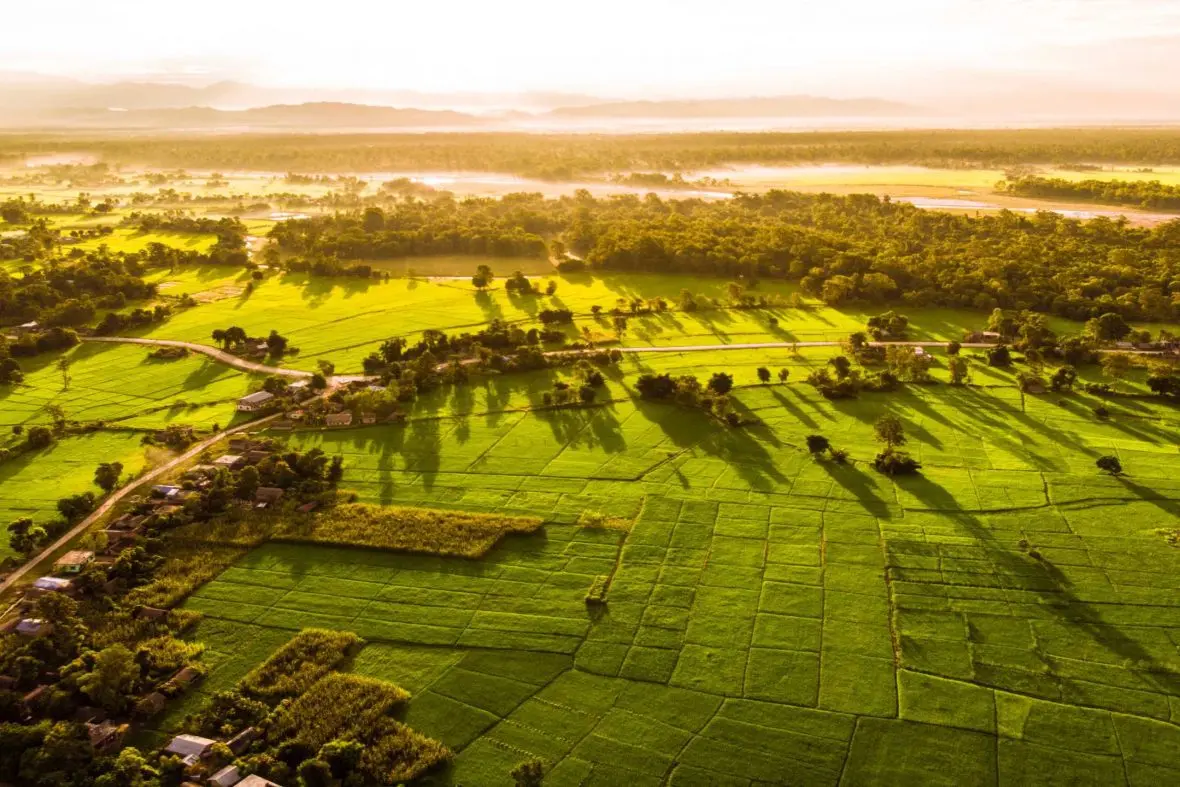
Best Vehicle Options

At vehiclehiringnepal.com, we offer the best vehicles for Surke Jeep Hire Nepal based on terrain demands:

  • Mahindra Scorpio: Excellent value with 180–200mm clearance; ideal for families and groups on the hilly sections.
  • Mahindra Bolero: Strong 4WD capability and spacious seating; perfect for the rougher Salleri to Surke track.
  • Toyota Hiace: Spacious for larger groups (7–15 passengers) with good comfort on longer transfers.
  • Toyota Land Cruiser or Hilux: Top choice for extreme off-road sections with 225–280mm clearance and legendary durability.

All vehicles come with professional drivers, full fuel, tolls, parking, and basic first-aid kits. We offer one-way transfers, multi-day rentals, and customized packages.

Book Surke Jeep Hire Nepal with a private 4WD jeep or Scorpio SUV for comfortable and reliable transport to Surke, Salleri, Phaplu, and the Everest Region trekking trailheads.

Private Jeep Cost Guide (2026)

Private Surke Jeep Hire Nepal typically costs NPR 250,000- 400,000 round-trip for a group of 4–6 passengers (approximately $1,800–$2,900 USD), depending on vehicle type, season, and inclusions. Shared jeeps are cheaper but less comfortable. Our transparent pricing includes driver allowance, tolls, and full fuel.

Shared Jeep vs Private Jeep

Shared jeeps are budget-friendly (around $25–$35 per person) but offer limited flexibility and comfort. Private jeeps provide door-to-door service, air conditioning, and full group control — the smarter choice for comfort and safety on this route.

Family Travel

For families, our Surke Jeep Hire Nepal services are ideal. Vehicles like the Fortuner or Hiace offer ample space for luggage and passengers, while professional drivers ensure safety on the winding tracks. Many families combine the journey with luxury trekking packages from treknepalhimalayas.com.

Group Travel

Groups of 5–7 can book a single private jeep for convenience. Our larger vehicles or multiple vehicles ensure everyone travels together, with ample space for trekking gear and stops along the route.

Book Surke Jeep Hire Nepal with a private 4WD jeep or Scorpio SUV for comfortable and reliable transport to Surke, Salleri, Phaplu, and the Everest Region trekking trailheads.

Airport Transfer Options

We offer seamless Surke Jeep Hire Nepal transfers from Tribhuvan International Airport in Kathmandu to your destination in Surke, with flexible timings and direct drop-off.

Hotel Pickup and Drop-off

Our drivers pick up and drop off from any hotel in Kathmandu, making the entire journey seamless whether you are arriving or departing.

Safety Tips

Always travel with a licensed, experienced driver. Carry extra water, snacks, and a first-aid kit. Choose vehicles with high ground clearance. Book 4–6 weeks in advance during peak season and check daily road updates with us.

Book Surke Jeep Hire Nepal with a private 4WD jeep or Scorpio SUV for comfortable and reliable transport to Surke, Salleri, Phaplu, and the Everest Region trekking trailheads.

Best Time to Travel

The best time for Surke Jeep Hire Nepal is spring (March–May) and autumn (September–November) when roads are dry and clear. Avoid monsoon (June–August) due to landslides unless you have flexible rebooking.

Monsoon Road Information

During the monsoon, landslides and muddy conditions can close sections of the Salleri-to-Surke track. Professional Surke Jeep Hire Nepal provides real-time updates to keep clients informed and offers alternatives where possible.

Winter Travel Advice

Winter (December–February) brings cooler temperatures and the possibility of snow near Salleri and Thamdanda. Experienced drivers and well-maintained 4WD vehicles handle these conditions safely, though early starts and warm clothing are recommended.

Documents Required

Valid passport, visa, and any required permits for restricted areas. Our team assists with documentation for trekking and vehicle registration.

Book Surkhe Jeep Hire Nepal with a private 4WD jeep or Scorpio SUV for comfortable and reliable transport to Surkhe, Salleri, Phaplu, and the Everest Region trekking trailheads.

Vehicle Rental Process

Visit vehiclehiringnepal.com, select your dates and group size, and receive an instant quote. We confirm availability, provide detailed itineraries, and offer 24/7 WhatsApp support (+977 9851013196).

What’s Included

Professional driver, full fuel, tolls, parking, basic first-aid kit, and road condition updates. All vehicles are well-maintained for 2026 conditions.

What’s Excluded

Personal meals, accommodation, trekking permits, and any extra fuel beyond the full tank provided.

Book Surkhe Jeep Hire in Nepal with a private 4WD jeep or Scorpio SUV for comfortable and reliable transport to Surkhe, Salleri, Phaplu, and the Everest Region trekking trailheads.

Why Book with Nepal Vehicle Hiring

We combine superior vehicles, experienced drivers, and deep local knowledge of the route from Kathmandu to Surke. Our 24/7 support and flexible policies make every journey stress-free.

Nearby Attractions

Surke is the perfect starting point for the Everest Base Camp trek (a 1.5–2-hour uphill walk to Lukla), the Gokyo Lakes, and cultural visits to nearby villages. Combine with luxury trekking packages from our sister companies for a complete adventure.

Suggested Itineraries

  • 2-Day Everest Base Camp by Road: Day 1: Kathmandu to Salleri; Day 2: Surke + short trek to Lukla.
  • 3-Day Hybrid Adventure: Jeep to Surke, trek to Gokyo Lakes, and return by jeep.
  • Custom Itinerary: Extend with luxury trekking or mountain biking from treknepalhimalayas.com.

Frequently Asked Questions ( FAQs)

How long does the Kathmandu-to-Surke jeep take? 14–18 hours total, often split into 2 days.

Is the vehicle private? Yes — fully private for your group with a professional driver.

What vehicles do you offer? Mahindra Scorpio, Bolero, Hiace, Fortuner, and Land Cruiser.

Can I do it during monsoon? Only with updated road conditions and professional guidance.

Do you offer airport transfers? Yes — seamless pickup from Tribhuvan Airport to Surkhe.

Is fuel included? Full fuel and all tolls are included in the package.

Can families travel comfortably? Absolutely — spacious vehicles and expert drivers are ideal.

Final Travel Tips

  • Travel early in the morning to avoid afternoon weather.
  • Pack layered clothing, rain gear, and motion-sickness remedies.
  • Combine with trekking packages from treknepalhimalayas.com for the best experience.
  • Always confirm current road conditions with us before departure.

Ready to experience the Everest region by road with professional Surke Jeep Hire Nepal that you can trust? Let vehiclehiringnepal.com turn your travel dreams into reality with safe, scenic, and unforgettable journeys.


Sunauli to Kathmandu Jeep

Book a Sunauli Border to Kathmandu Jeep with a private 4WD jeep, Scorpio SUV, Hiace van, or car for a safe, comfortable, and reliable transfer from the Nepal-India border to Kathmandu.

Why the Sunauli Border to Kathmandu Jeep Is the Smart Choice for Nepal Travelers in 2026

The Sunauli border stands as one of the busiest and most important entry points between Nepal and India, welcoming thousands of tourists, pilgrims, traders, and business travelers daily. Whether you have just crossed from India after clearing immigration or are returning home, reaching Kathmandu from Sunauli requires more than a standard car. The route winds through the hilly Kathmandu Valley, passes scenic river gorges, climbs and descends significant passes, and ends on the flat, fertile Terai plains. A professional Sunauli border to Kathmandu jeep with high ground clearance, 4WD capability, and experienced Himalayan drivers ensures safety, comfort, and peace of mind.

At vehiclehiringnepal.com, we specialize in Sunauli border to Kathmandu jeep services using our carefully maintained fleet of Toyota Land Cruisers, Hiluxes, Fortuners, and Mahindra Scorpios. These vehicles are purpose-built for Nepal’s diverse road conditions — from the winding Prithvi Highway to the flat East-West Highway and the final descent into Siddharthanagar. Our battle-hardened drivers know every twist, temporary construction zone, and real-time update from the Department of Roads. In 2026, with ongoing highway widening projects and occasional monsoon disruptions, a professional Sunauli border-to-Kathmandu jeep remains the safest, most comfortable option for anyone wanting a private, flexible transfer rather than crowded public buses or shared vans.

The beauty of these journeys lies in the variety of landscapes. You start in the bustling border area of Bhairahawa and Butwal, climb into the Mahabharat hills, enjoy breathtaking views of the Trishuli River, and finally descend into the green Terai plains. Many travelers combine a Sunauli border-to-Kathmandu jeep with short treks or luxury packages from sister companies like treknepalhimalayas.com and alpineluxurytreks.com, making it the perfect gateway to Nepal’s Himalayan adventures.

Book a Sunauli Border to Kathmandu Jeep with a private 4WD jeep, Scorpio SUV, Hiace van, or car for a safe, comfortable, and reliable transfer from the Nepal-India border to Kathmandu.

Current Sunauli Border to Kathmandu Road Conditions in 2026

The route from Sunauli (Belahiya) to Kathmandu covers approximately 260–285 km and usually takes 8–12 hours depending on traffic, weather, and road conditions. In 2026, the road is generally well-maintained but features a mix of paved highways, ongoing widening projects, and occasional seasonal challenges.

Recent Department of Roads updates highlight that while major sections remain operational, the Prithvi Highway (especially Mugling–Naubise) experiences periodic landslides and dry landslides after heavy rains. The East-West Highway sees slower expansion progress, with temporary gravel patches and construction diversions. Our 4WD hire in Nepal drivers monitor these conditions daily and provide live GPS updates to every client, ensuring smooth transfers even during disruptions.

What Makes Professional 4WD Hire in Nepal Essential for Sunauli to Kathmandu Jeep

Without a proper Sunauli-Kathmandu jeep, the journey becomes stressful. The Prithvi Highway features narrow sections, sharp curves, and cliff-edge drops. The East-West Highway has construction zones and seasonal mud after rains. Mahindra Scorpios and Toyota Fortuners with 180–221mm ground clearance, locking differentials, and reinforced chassis are ideal. Our drivers, who have logged thousands of kilometers on this exact route, adjust speed, stop at safe viewpoints, and ensure your safety.

Many travelers report that switching from a regular car to a professional jeep reduces discomfort significantly, especially on the Daunne Hill section where mud and potholes appear during upgrades. The private nature means you control your pace, stop for photos, and enjoy authentic local food instead of crowded highway parks.

Book a Sunauli Border to Kathmandu Jeep with a private 4WD jeep, Scorpio SUV, Hiace van, or car for a safe, comfortable, and reliable transfer from the Nepal-India border to Kathmandu.

The Best Vehicles for Sunauli Border to Kathmandu Jeep Services

At vehiclehiringnepal.com, every Sunauli border to Kathmandu jeep is selected for reliability:

  • Mahindra Scorpio: Our most popular choice — 180–200mm clearance, powerful engine, and excellent value. Ideal for families and groups wanting balance of power and comfort on the hilly sections.
  • Toyota Fortuner: 221mm clearance, spacious seating for 5–7 passengers, and refined AC. Perfect for longer journeys with luggage.
  • Toyota Hilux: 280mm ground clearance and strong off-road credentials make it the go-to for any rough patches or monsoon conditions.
  • Toyota Land Cruiser: Legendary durability for the toughest stretches, with 225mm clearance and full-time 4WD.

All vehicles come with professional drivers, full fuel, driver allowance, tolls, parking, and basic first-aid kits. We offer one-way transfers, multi-day rentals, and customized itineraries.

Private 4WD jeep and Scorpio providing transport from Sunauli Border to Kathmandu along Nepal's highway

Detailed Route Breakdown for Sunauli to Kathmandu Jeep

Sunauli to Butwal (Siddhartha Highway): The final Nepal entry is flat and scenic. Pass through rural villages and rice paddies. Our drivers recommend early departures to avoid border queues.

Butwal to Mugling (East-West Highway): The main highway section. Ongoing widening projects create temporary diversions. Enjoy the contrast from tropical plains to approaching hills.

Mugling to Naubise (Prithvi Highway): The highlight. Follow the Trishuli River through pine forests and terraced farms. Stop at scenic viewpoints and the famous Malekhu river fish restaurant.

Naubise to Kathmandu (Tribhuvan Highway): Descent into the valley. Traffic is heavier here, but professional drivers and early starts keep you on schedule.

Final Arrival in Kathmandu: Drop-off at your hotel in Thamel, Kathmandu, or anywhere you specify. Flexible timing is standard.

Expert Tips for a Comfortable Sunauli Border to Kathmandu Jeep Journey

  • Best Departure Time: Leave Kathmandu at 5:00–6:00 AM to beat valley traffic.
  • Best Season: September–April for clear skies and stable roads. Avoid heavy monsoon (June–August) unless flexible rebooking is available.
  • What to Pack: Comfortable clothes, motion-sickness remedies (for the hilly section), rain gear, and snacks. All vehicles are air-conditioned.
  • Permits & Border Logistics: Our drivers handle drop-off directly at the Belahiya immigration gate and assist with luggage.
  • Acclimatization & Comfort: The temperature drops in the hills and rises in the Terai — the jeep’s climate control keeps you comfortable.
  • Group & Luggage: Most vehicles seat 4–7 comfortably with ample roof rack space.

Private 4WD jeep and Scorpio providing transport from Sunauli Border to Kathmandu along Nepal's highway

How to Book Professional Sunauli Border to Kathmandu Jeep with Us

Booking is straightforward. Visit vehiclehiringnepal.com, select your dates and group size, and receive an instant quote. We confirm availability, provide detailed itineraries, and offer 24/7 WhatsApp support (+977 9851013196). Payment is secure, and we provide real-time road updates.

Many clients also combine a Sunauli border to Kathmandu jeep with accommodation, meals, or onward travel to Pokhara or Lumbini for full packages.

Why Choose Professional Sunauli Border to Kathmandu Jeep Over Public Options

Public buses take 10–12+ hours, share space, and lack flexibility. Private Sunauli border to Kathmandu jeep offers door-to-door service, climate-controlled comfort, scenic stops, and safety on Nepal’s challenging highways. It is the smart choice for busy travelers, families, and anyone returning from India after crossing the border.

The Scenic Beauty Along Sunauli Border to Kathmandu Jeep Routes

The journey transforms from the flat, fertile Terai plains to the green hills of the Kathmandu Valley. You will see the Trishuli River, the Mahabharat mountain range, and lush countryside. Photography stops are encouraged, and our drivers know the best viewpoints without rushing you.

How Recent Monsoon Disruptions in 2026 Have Impacted Sunauli to Kathmandu Jeep Travel

In 2026, the Prithvi Highway has faced multiple disruptions from dry landslides and heavy rains, including blockages near Mugling and Naubise. The Department of Roads has deployed hundreds of excavators, and many sections have reopened after debris clearance. However, occasional nighttime closures and one-way restrictions can extend travel time. Professional 4WD hire in Nepal drivers with real-time updates keep clients informed and prevent unnecessary delays.

The Role of Professional Drivers in Handling Sunauli to Kathmandu Jeep Road Conditions

Our drivers have logged thousands of kilometers on this exact route and are trained to recognize landslide-prone areas. They monitor weather forecasts, communicate with ACAP and Department of Roads authorities, and make split-second decisions on safe stopping points. This expertise turns potentially dangerous road conditions into smooth, stress-free transfers.

Book a Sunauli Border to Kathmandu Jeep with a private 4WD jeep, Scorpio SUV, Hiace van, or car for a safe, comfortable, and reliable transfer from the Nepal-India border to Kathmandu.

Seasonal Considerations and Road Conditions for Sunauli to Kathmandu Jeep in 2026

Spring (March–May) and autumn (September–November) offer the clearest skies, driest roads, and most reliable conditions. Spring brings blooming landscapes, while autumn provides crisp air and fewer crowds. Monsoon (June–September) brings the highest risk of landslides, especially on the Prithvi Highway, but our flexible policies and experienced drivers ensure safety when travel is necessary.

What to Expect During a Typical Sunauli Border to Kathmandu Jeep Tour

A typical day on our Sunauli border to Kathmandu jeep follows a relaxed yet exciting rhythm. After a comfortable night in Kathmandu, you are picked up early and driven along the Prithvi Highway to Besisahar. From there, the journey becomes more adventurous as you enter the Marsyangdi Valley. Expect stops at local viewpoints, quick visits to villages for cultural interaction, and plenty of time to enjoy the scenery from the air-conditioned comfort of the vehicle.

By the time you reach Manang, you will have covered hundreds of kilometers and gained a real appreciation for the scale of the Himalayas. The high trails ahead will reward you with solitude and fresh air, while the descent back offers the most dramatic scenery of all. Throughout the tour, our drivers ensure your safety, provide cultural insights, and keep the journey enjoyable with music and stories of the region.

Book a Sunauli Border to Kathmandu Jeep with a private 4WD jeep, Scorpio SUV, Hiace van, or car for a safe, comfortable, and reliable transfer from the Nepal-India border to Kathmandu.

How Professional 4WD Hire in Nepal Ensures Safe Annapurna Circuit Road Conditions

At vehiclehiringnepal.com, every 4WD hire in Nepal is equipped with locking differentials, a reinforced chassis, and professional drivers with thousands of hours on these exact routes. We monitor conditions in real time and adjust routes accordingly. For example, during recent monsoon disruptions in July 2026, we kept clients informed via WhatsApp and offered alternatives where possible.

Tips for Safe Sunauli Border to Kathmandu Jeep Travel

  • Always travel with a licensed, experienced 4WD hire-in-Nepal driver.
  • Carry extra water, snacks, and a first-aid kit.
  • Choose vehicles with high ground clearance (200mm+).
  • Book 4–6 weeks in advance during peak season.
  • Combine with luxury trekking packages from treknepalhimalayas.com for the best hybrid experience.
  • Check daily road updates with us at +977 9851013196.

Book a Sunauli Border to Kathmandu Jeep with a private 4WD jeep, Scorpio SUV, Hiace van, or car for a safe, comfortable, and reliable transfer from the Nepal-India border to Kathmandu.

Expert Insights: Is the Sunauli to Kathmandu Jeep Route Ruined by Construction in 2026?

Many travelers ask whether ongoing widening projects have ruined the journey. The honest answer is no — when planned smartly. The high sections remain spectacular and untouched. Many trekkers now start at Chame, trek the NATT high route, and exit by flight from Jomsom. This approach delivers the classic experience with modern convenience.

Frequently Asked Questions About Sunauli Border to Kathmandu Jeep

How long does the Sunauli to Kathmandu jeep take?
8–12 hours depending on conditions and traffic.

Is the vehicle private?
Yes — fully private for your group.

What vehicles do you offer?
Mahindra Scorpio, Toyota Fortuner, Hilux, and Land Cruiser.

Can I stop for meals?
Yes — we suggest authentic local stops like Malekhu fish restaurant.

Do you handle border drop-off?
Yes — direct to Belahiya gate.

Is it safe during monsoon?
Yes, with professional 4WD and real-time updates.

Can families travel comfortably?
Absolutely — Fortuner and Scorpio are ideal.

What about luggage?
Ample space with roof racks.

When should I book?
At least 3–4 weeks in advance during peak season.

Are fuel and tolls included?
Yes — full fuel and all tolls included.