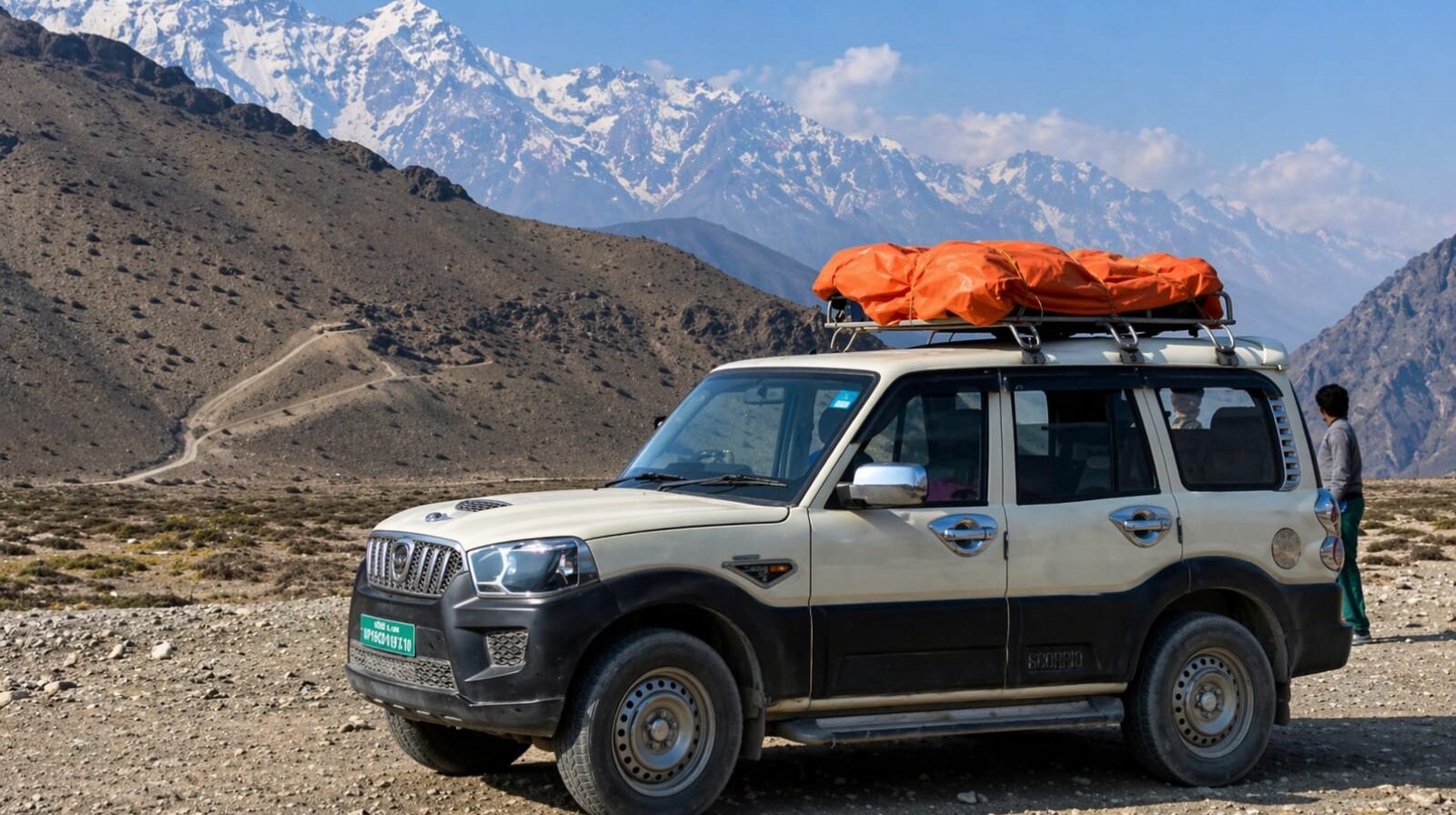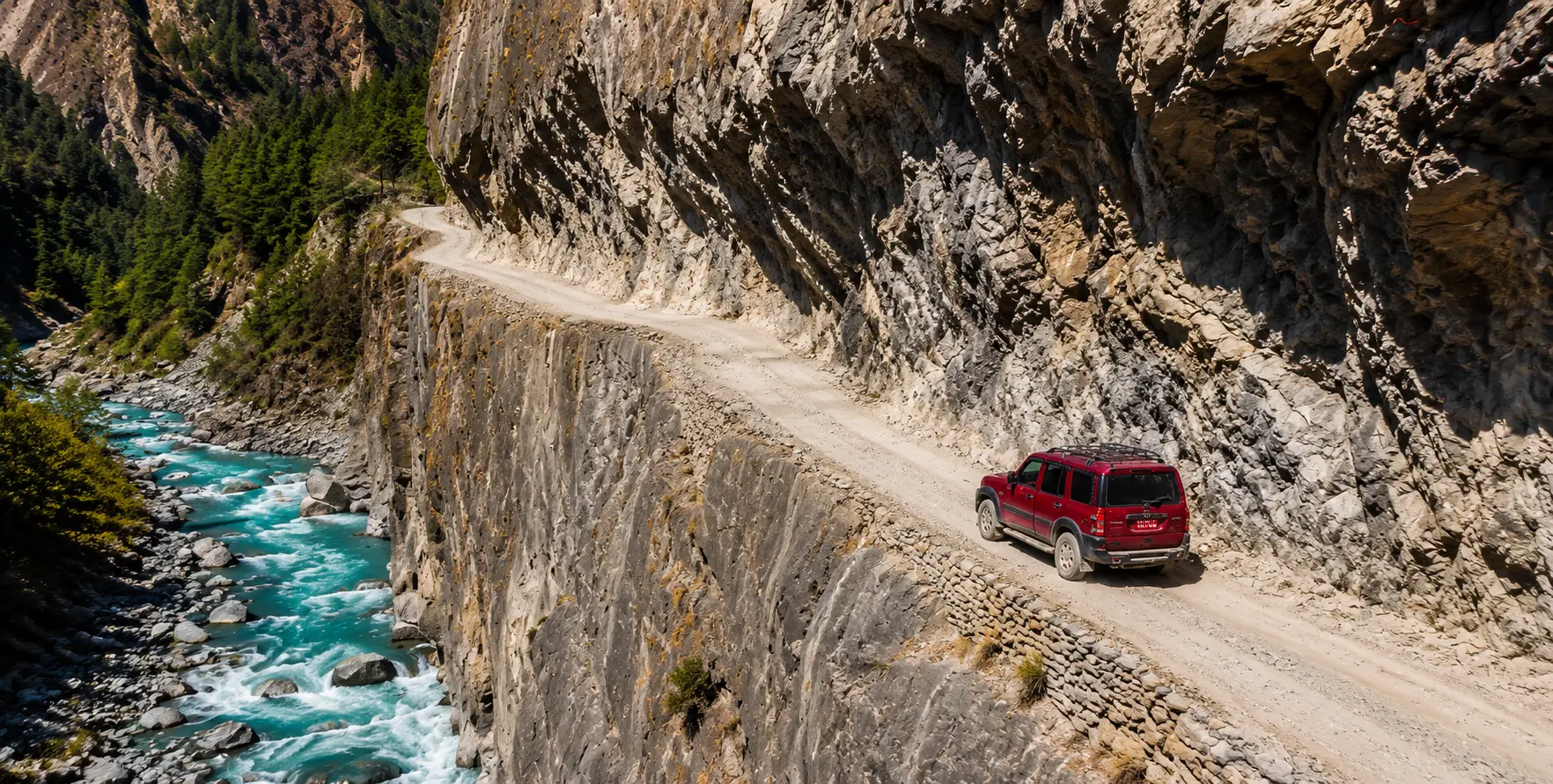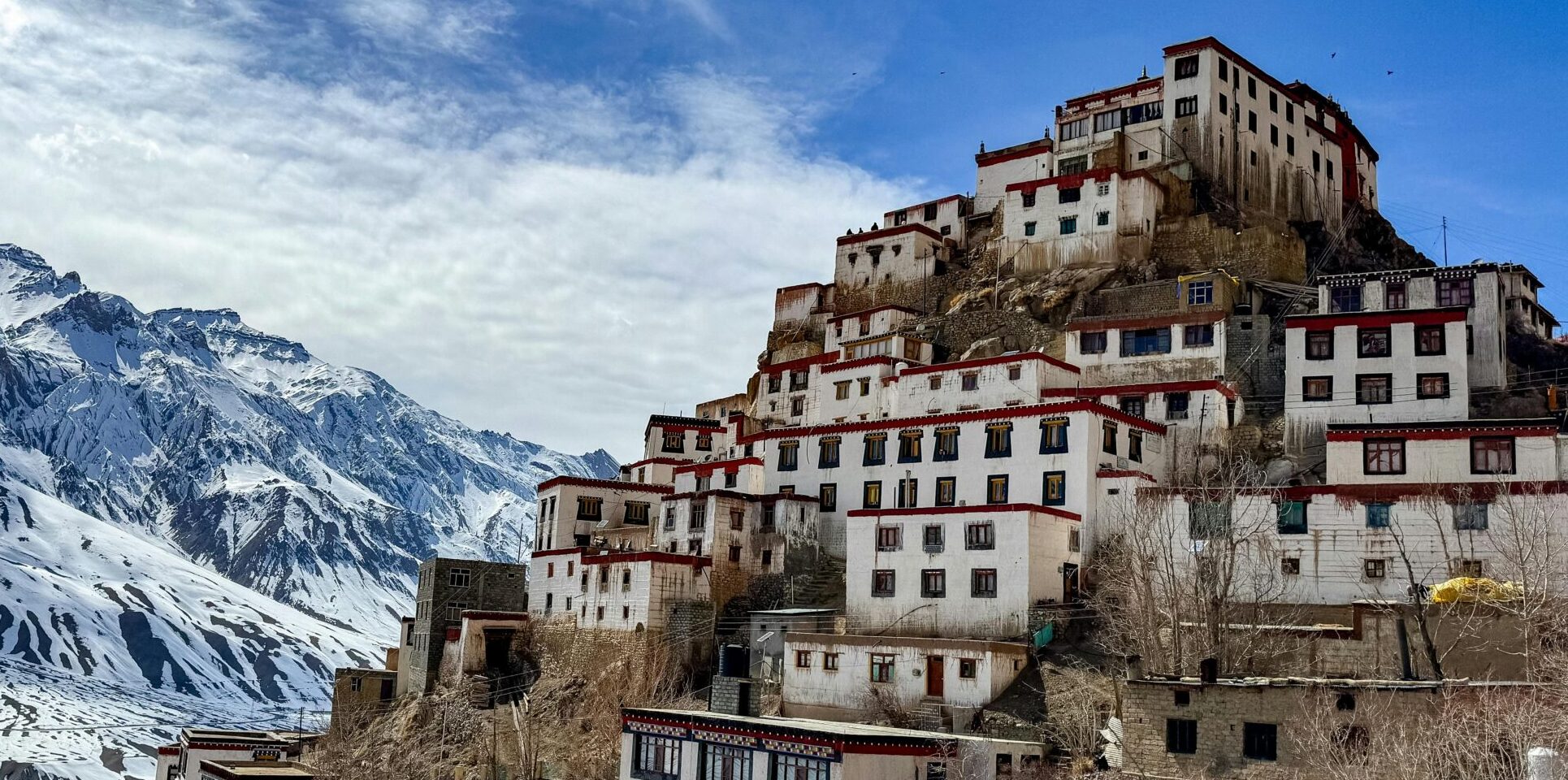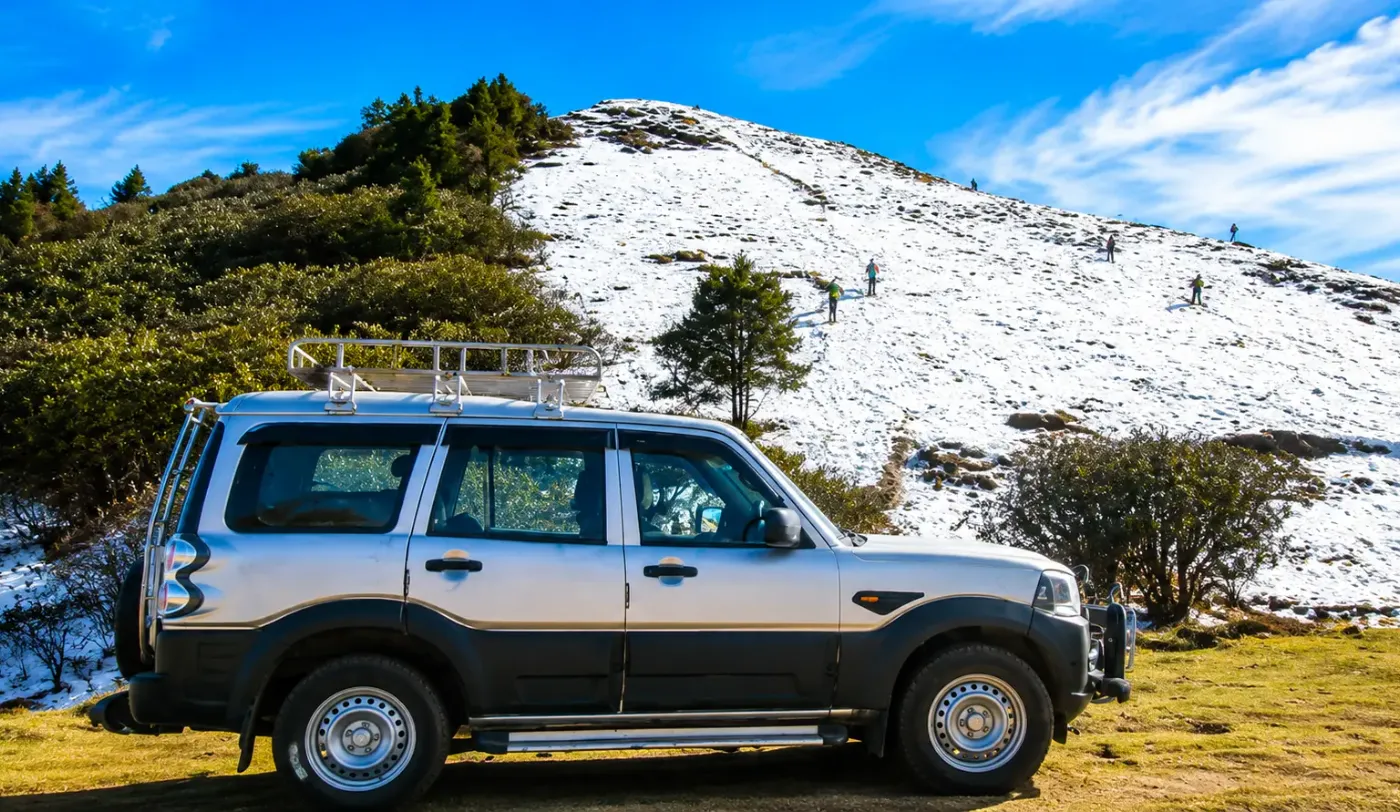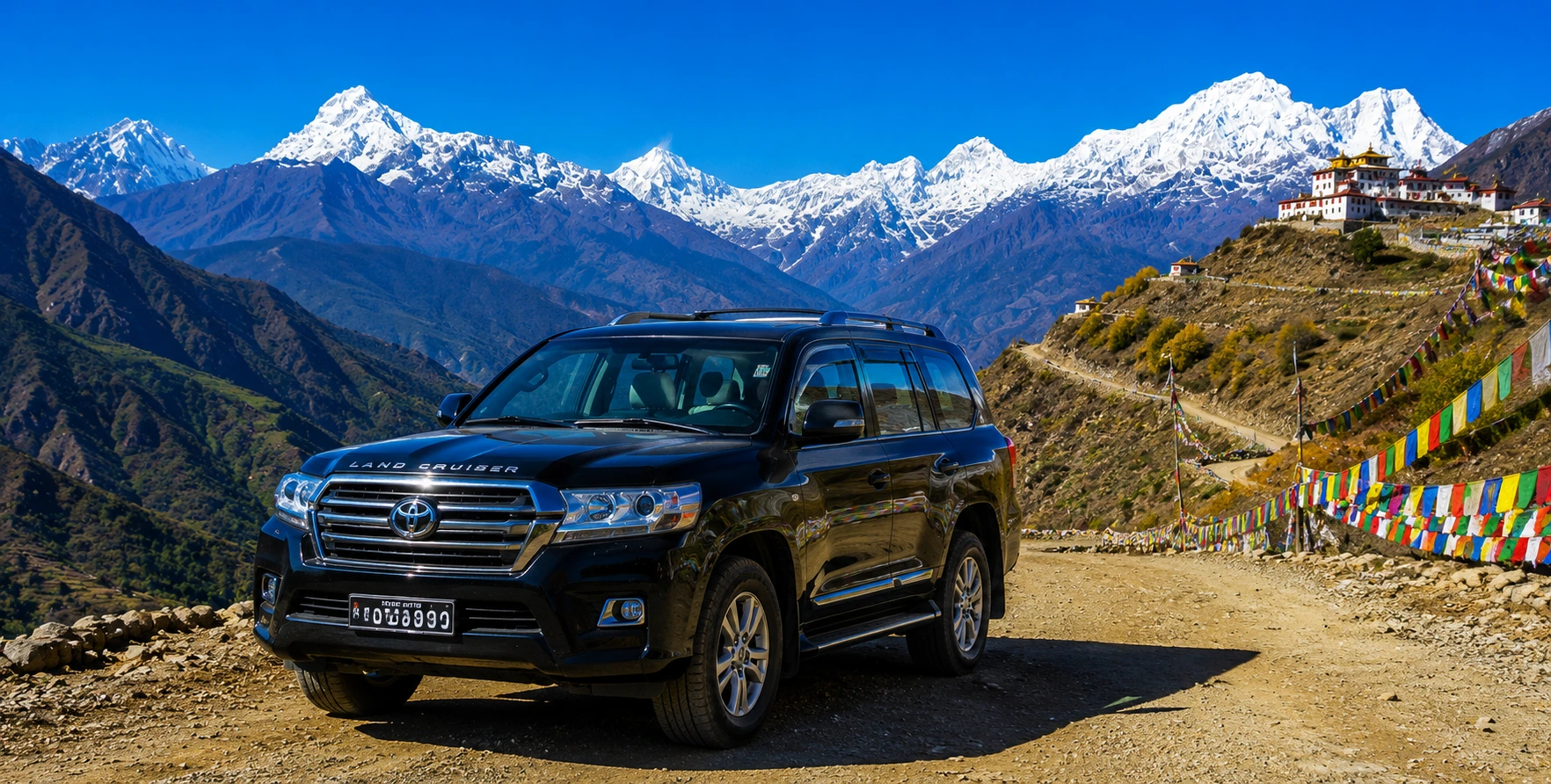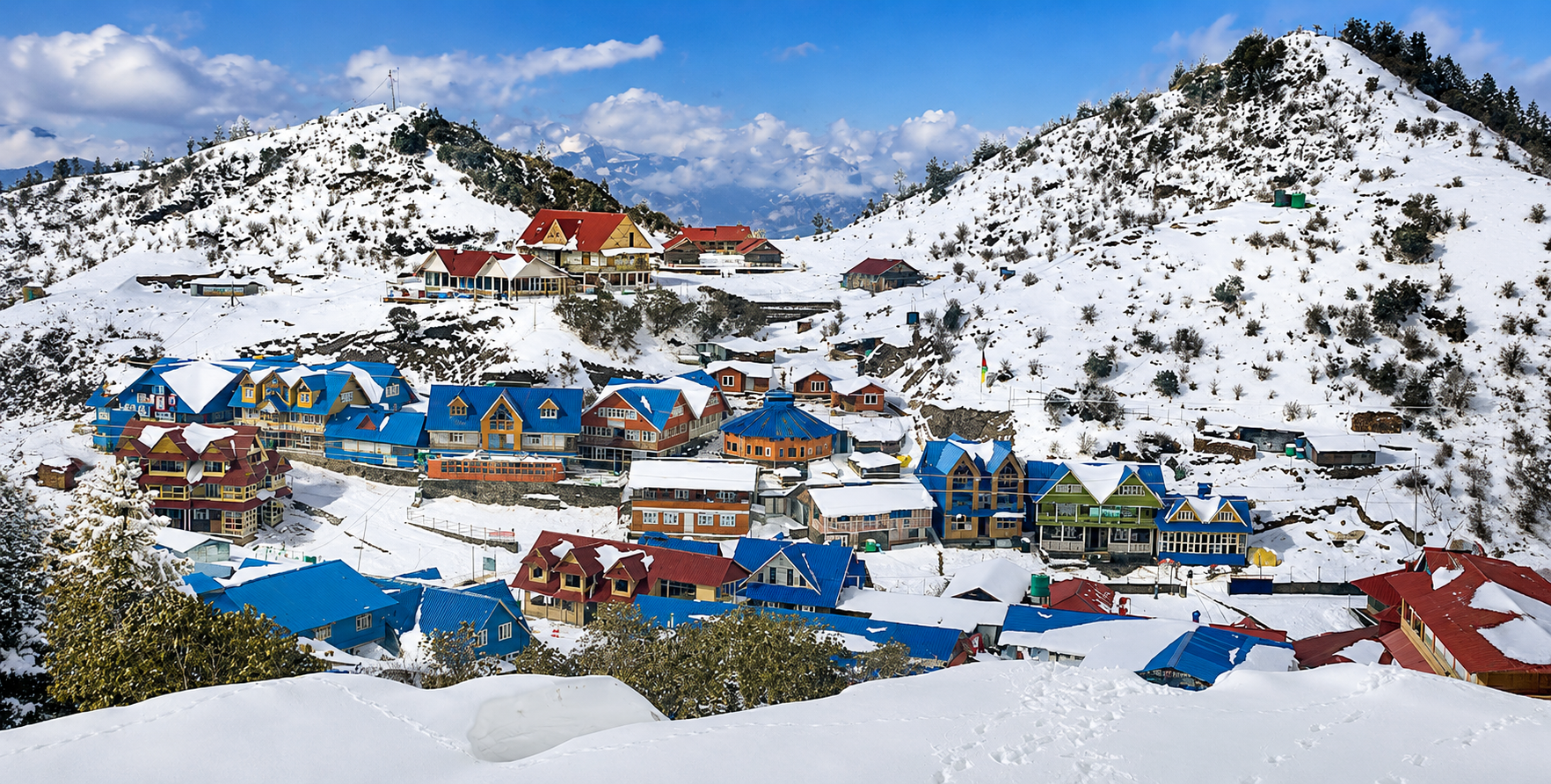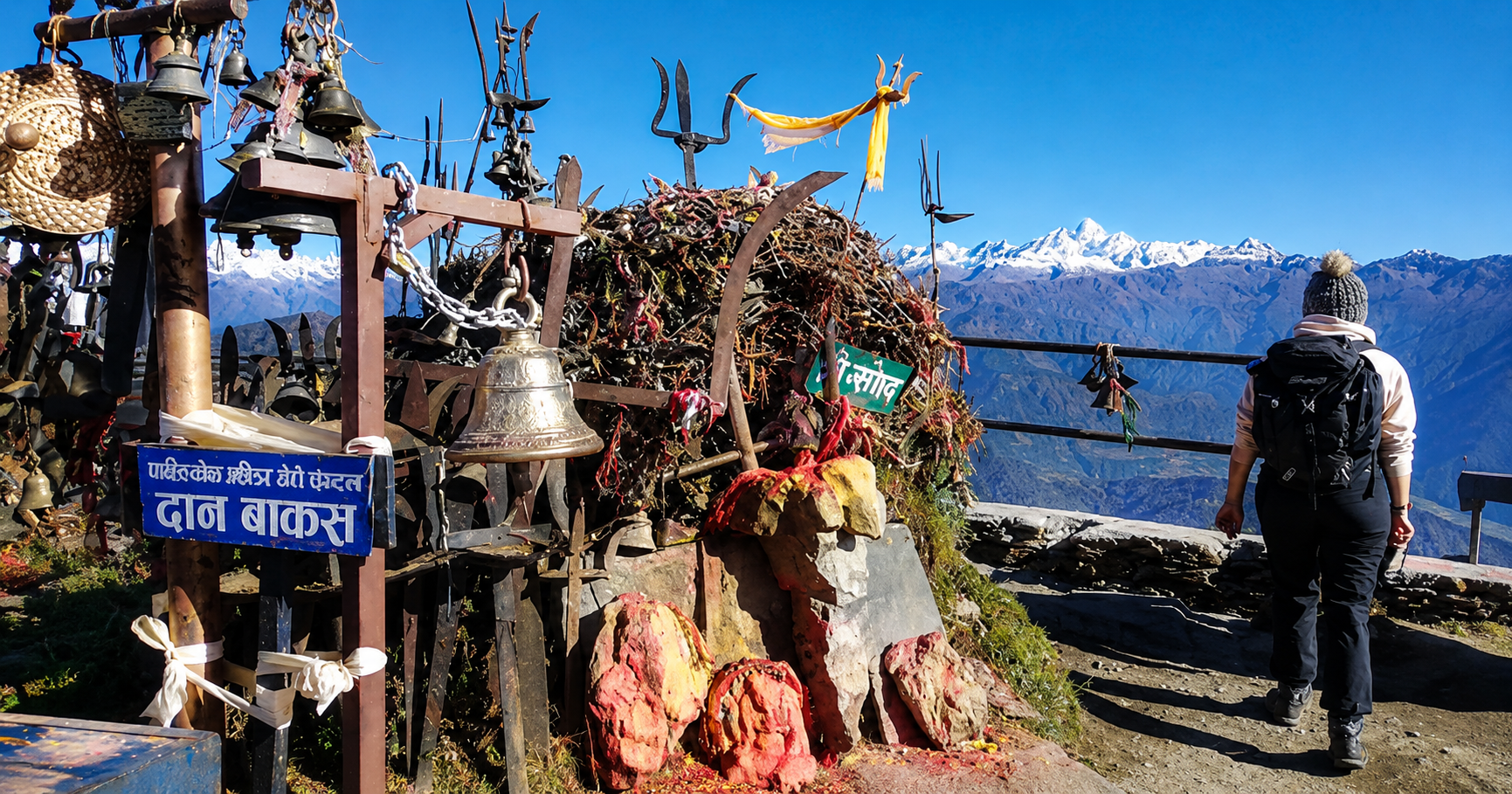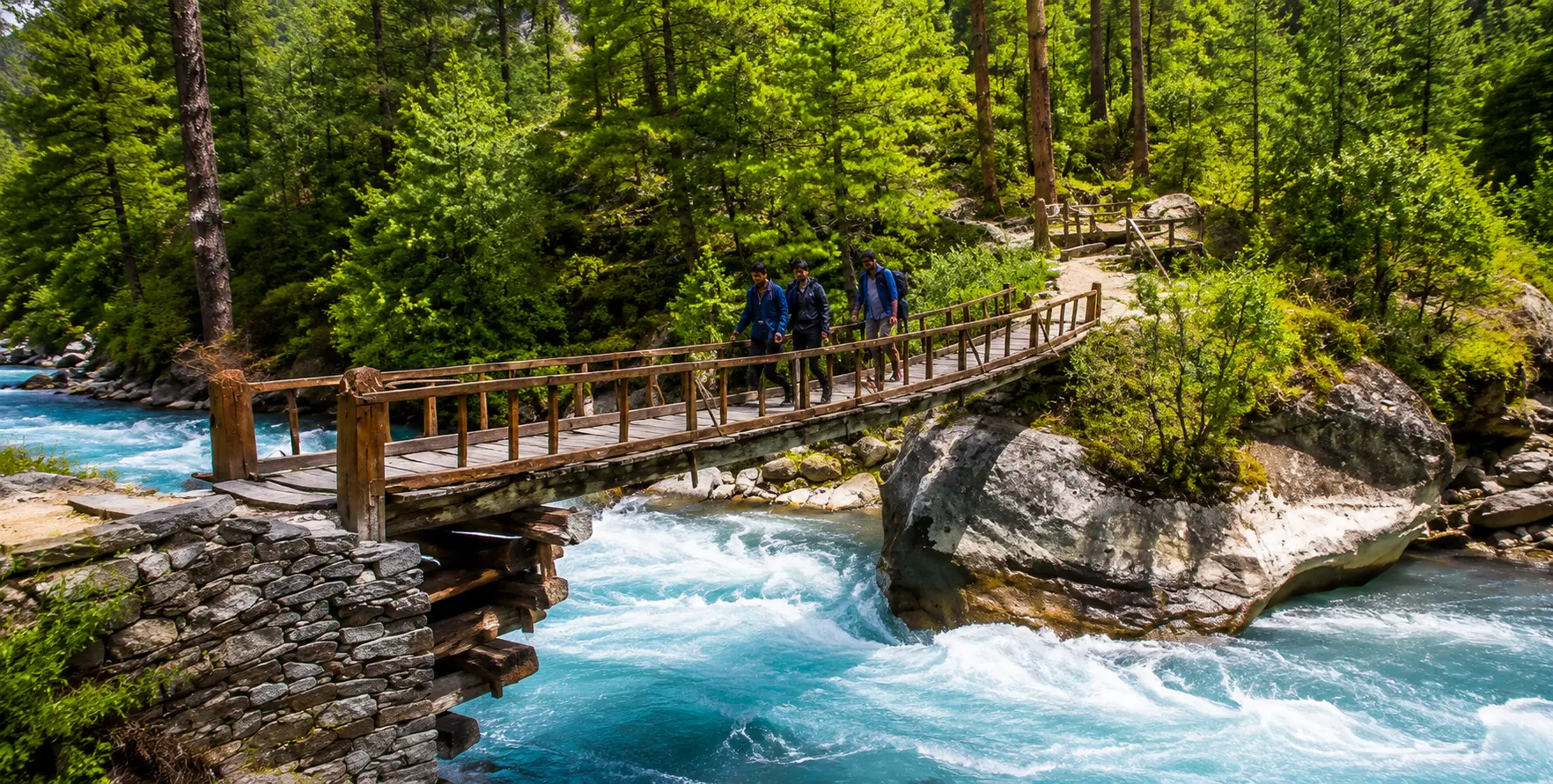
Shey Phoksundo Lake Jeep Tour

Shey Phoksundo Lake Jeep Tour

Shey Phoksundo Lake Jeep Tour: Complete Overland Vehicle Guide from Kathmandu

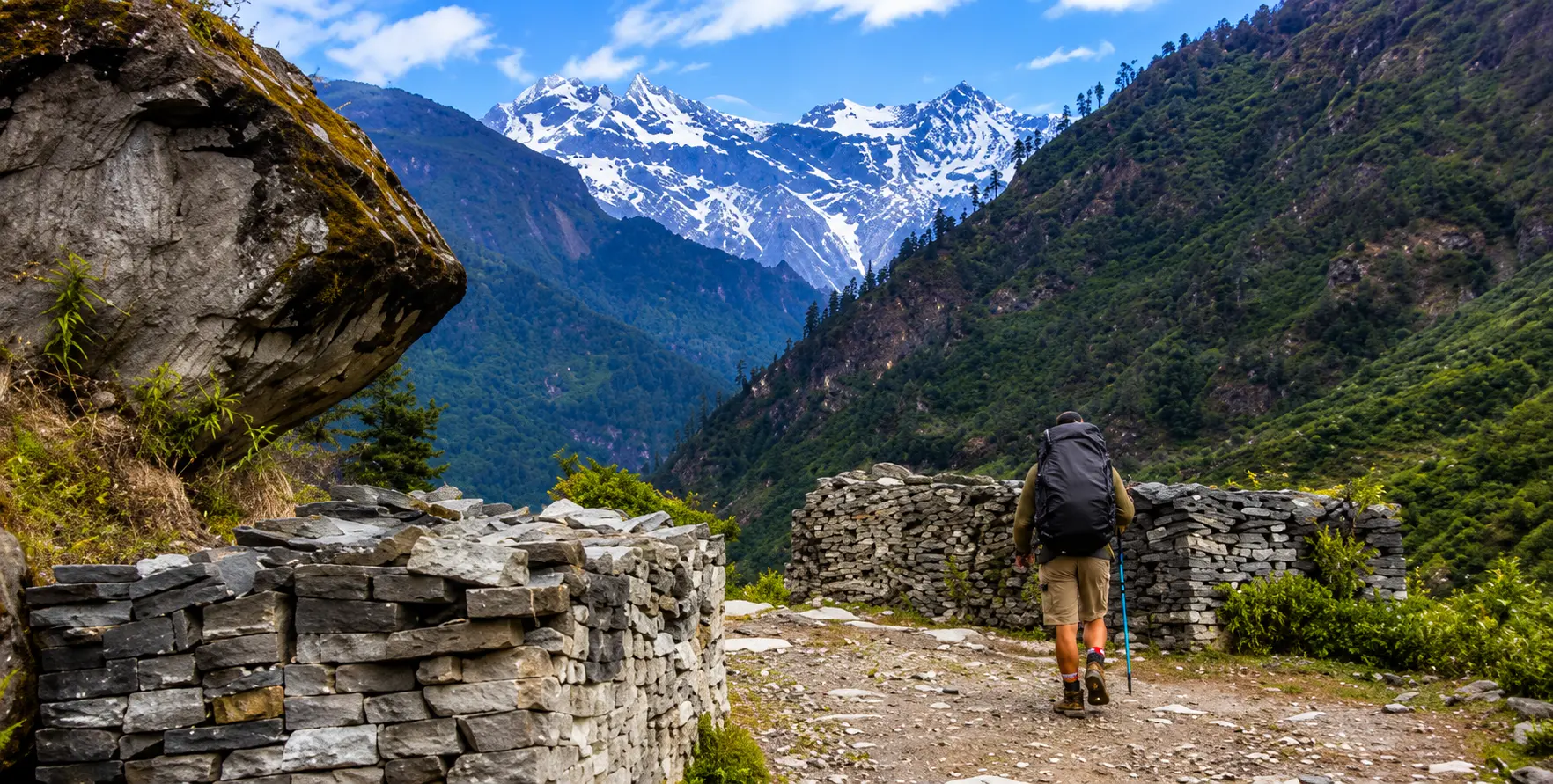
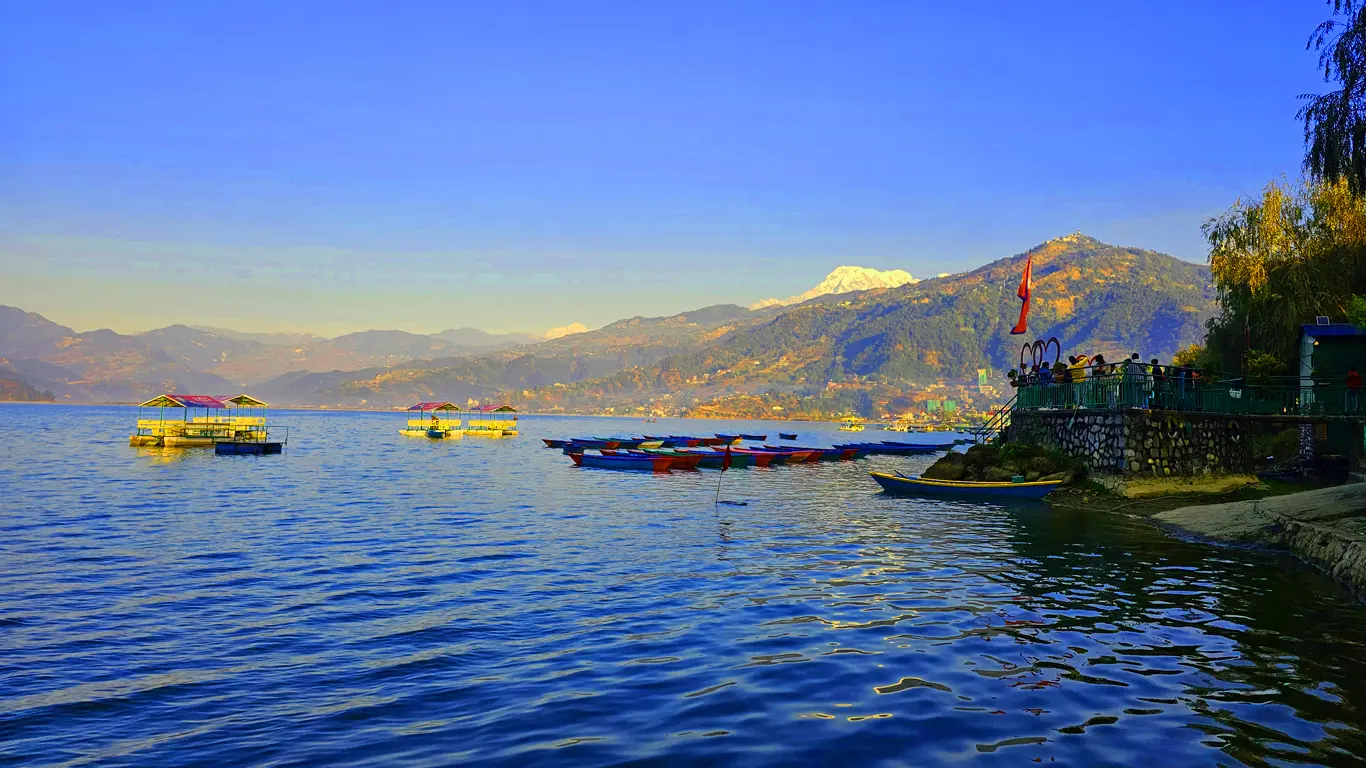
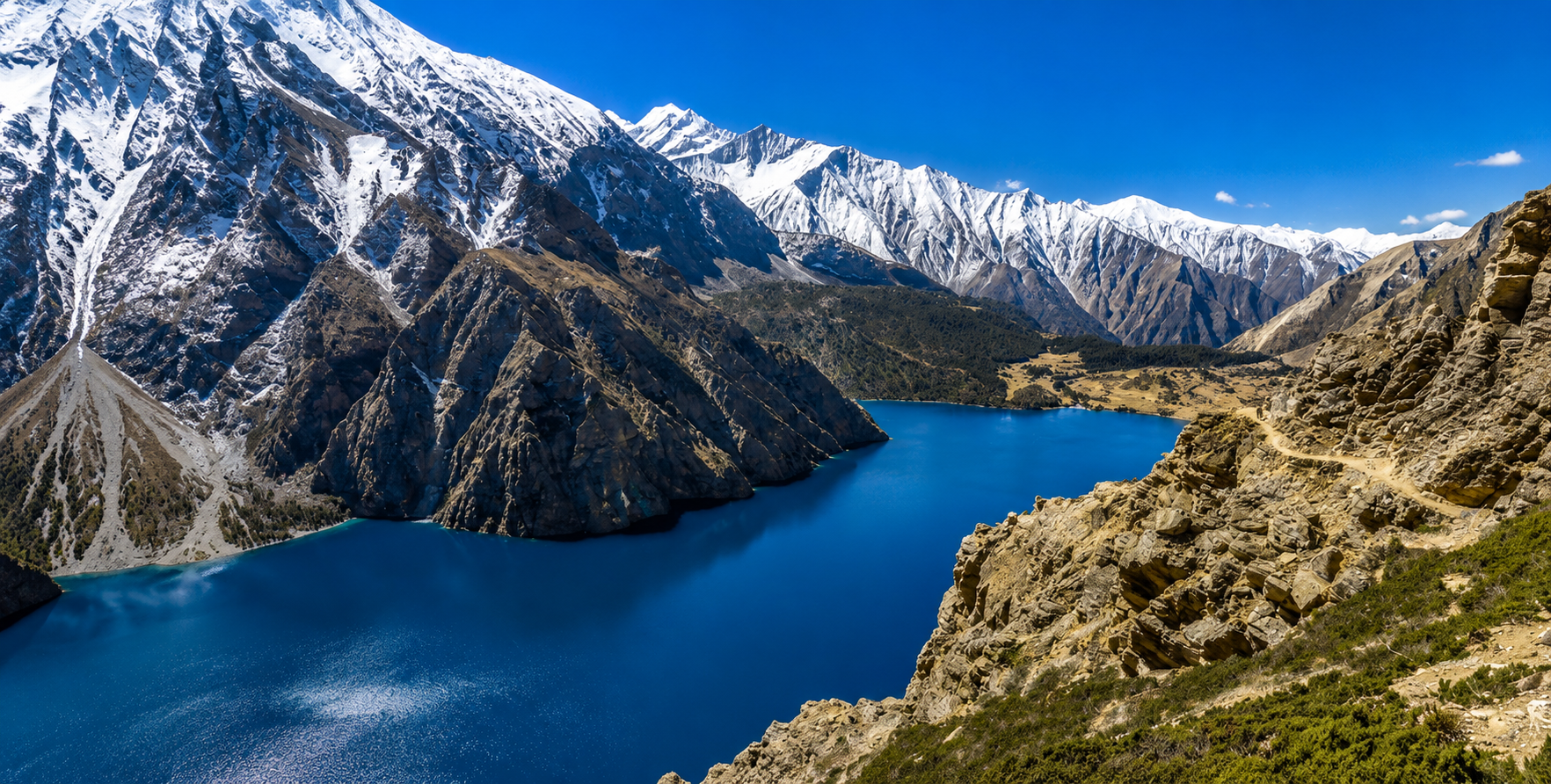
Shey Phoksundo Lake is Nepal’s deepest lake and one of the most extraordinarily beautiful natural phenomena in the entire Himalayan world. Sitting at 3,611 meters above sea level in the heart of the Shey Phoksundo National Park in Dolpa District, the lake’s water is an impossible, otherworldly shade of turquoise-blue — caused by glacial mineral content and the exceptional clarity of high-altitude light — that photographers travel from across the globe to capture.

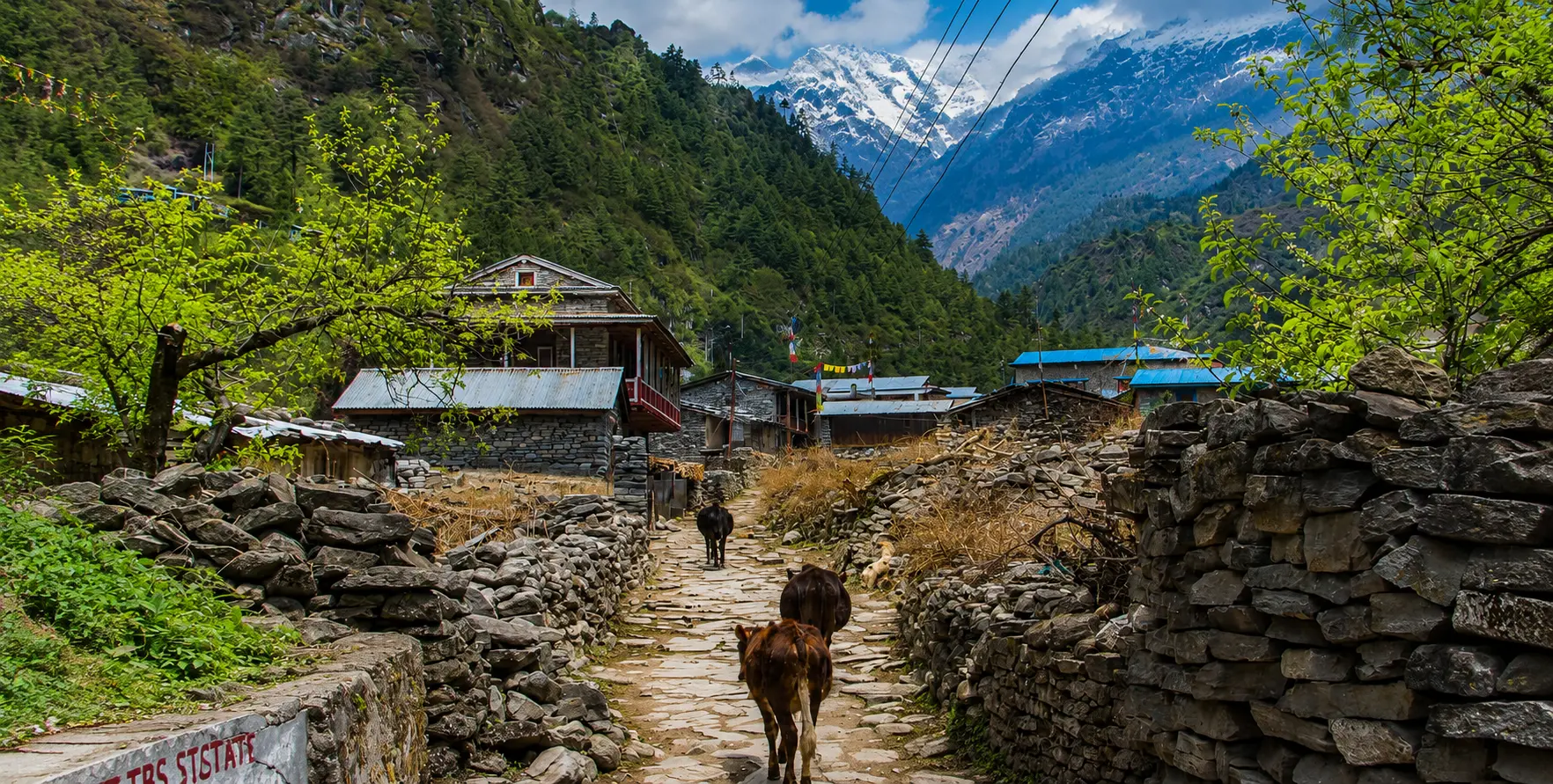
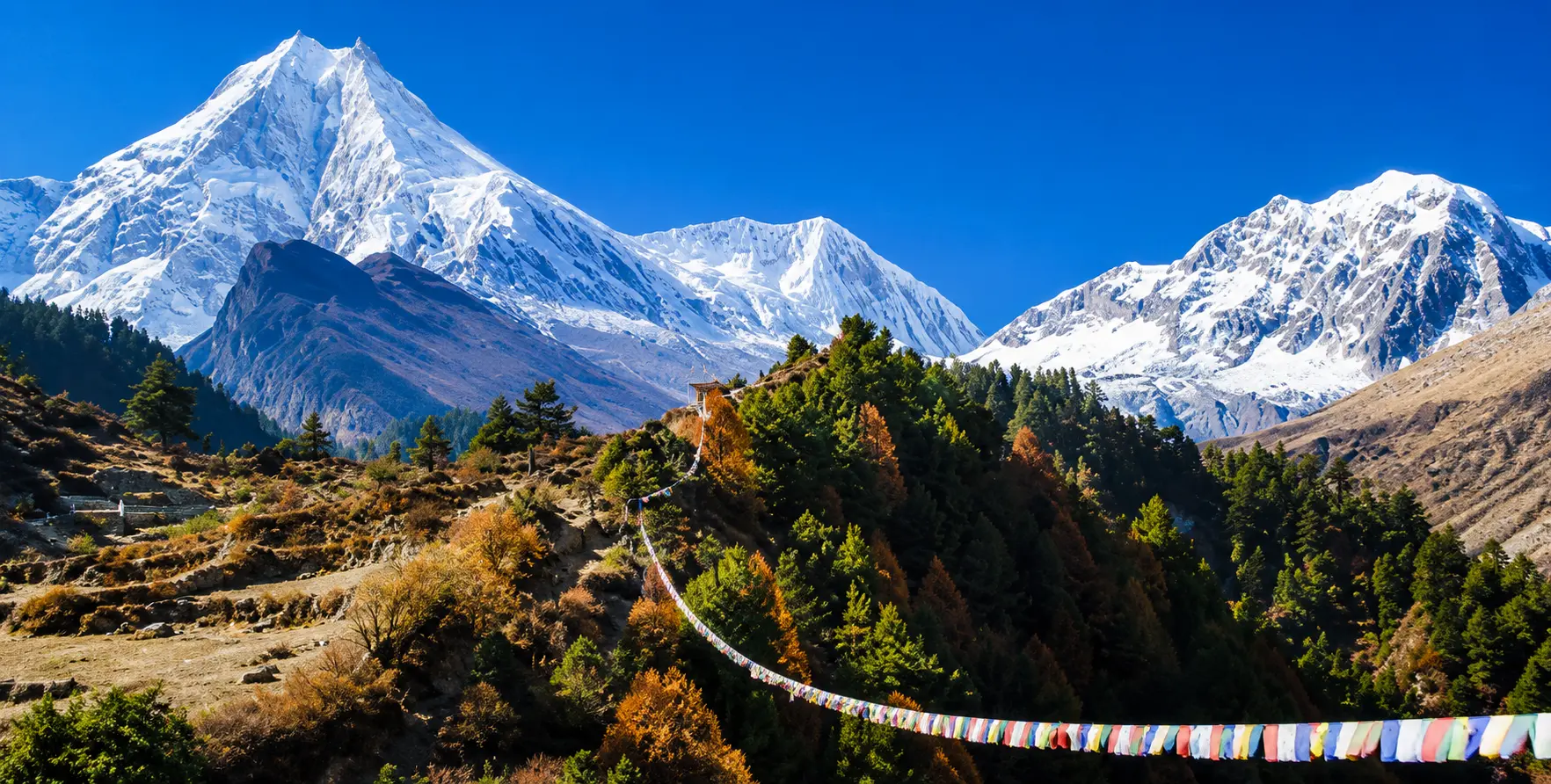
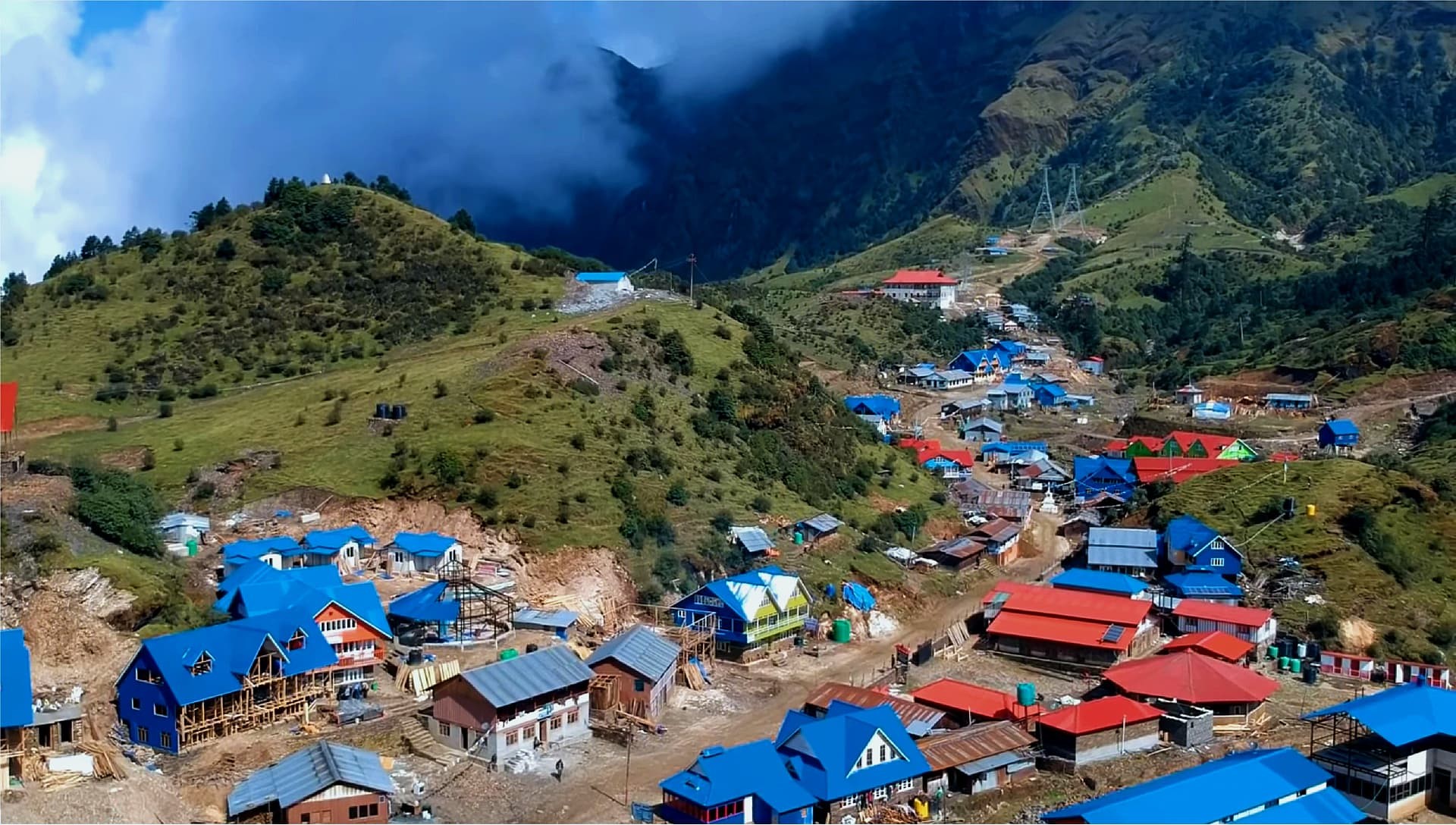
Ancient, eroded cliffs of rust-red and ochre encircle the lake on three sides, dense blue pine forests descend to the shoreline, and the ancient Bon Buddhist village of Ringmo perches on the eastern bank, its prayer flags fluttering above rooftops inhabited for centuries.

Reaching Shey Phoksundo Lake is not a casual undertaking. The lake lies deep within Nepal’s most remote and least accessible national park, in a district that has historically been one of the most difficult destinations in the country to reach.

The standard approach involves two domestic flights (Kathmandu to Nepalgunj, then Nepalgunj to Juphal) followed by 2 to 3 days of trekking through the Shey Phoksundo National Park from Juphal. However, for adventurous overland travellers, a 4WD jeep from Kathmandu via the mid-western Nepal highway network—covering the Surkhet–Dunai section of the Karnali Highway—offers one of Nepal’s greatest overland adventures.

At Nepal Vehicle Hiring Pvt Ltd, we provide professional 4WD jeep transfer services for the Shey Phoksundo Lake jeep tour — from Kathmandu overland to Dunai and Juphal, as well as local jeep transfers within the Dolpa region. This comprehensive guide covers every transport option for visiting Shey Phoksundo Lake, including the overland jeep route, flight connections, local Juphal transfers, vehicle costs, permits, the complete itinerary, and expert advice to make the Phoksundo Lake journey safe, rewarding, and well planned.

About Shey Phoksundo Lake – Nepal’s Turquoise Jewel

Shey Phoksundo Lake (also spelt Toksumdo or Phoksumdo) is the centrepiece of Shey Phoksundo National Park—Nepal’s largest national park, covering 3,555 square kilometres of Trans-Himalayan wilderness in Dolpa District. Nepal designated the lake as part of its first national park in Dolpa in 1984, and it remains one of the country’s most strictly protected and least accessible natural treasures.

American naturalist Peter Matthiessen brought the lake to global attention in his landmark 1978 book ‘The Snow Leopard’, which described his 1973 journey through the Dolpa wilderness in search of the elusive snow leopard. The book is widely considered one of the finest travel and nature narratives ever written about Nepal, and it continues to inspire travellers to undertake the Dolpa pilgrimage decades later.

Shey Phoksundo Lake Key FactsDetails
Altitude3,611 meters (11,847 feet) above sea level
DepthApproximately 145 meters – Nepal’s deepest lake
LengthApproximately 4.8 kilometres
WidthApproximately 1.3 kilometres
DistrictDolpa District, Karnali Province, Nepal
National ParkShey Phoksundo National Park (Nepal’s largest NP)
Water ColourDistinctive turquoise-blue (glacial mineral content)
Adjacent VillageRingmo (ancient Bon Buddhist community)
Nearby MonasteryTshowa Gompa (Bon religion) on the lakeshore
Famous ForExtraordinary turquoise colour, ancient Bon culture, snow leopard habitat
WildlifeSnow leopard, Himalayan wolf, tahr, blue sheep, musk deer, 200+ bird species
Literary ConnectionPeter Matthiessen’s ‘The Snow Leopard’ (1978)

How to Reach Shey Phoksundo Lake: All Options

There are two main ways to reach the Shey Phoksundo Lake area — by domestic flight combination (Kathmandu to Nepalgunj to Juphal) or by the overland 4WD jeep route (Kathmandu to Dunai/Juphal via the Karnali Highway). Here is a complete comparison:

ApproachRouteTimeCost (per person)Best For
Flight Approach (Standard)KTM → Nepalgunj (flight) → Juphal (flight) → Trek2 flight days + 2–3 trek daysUSD 450–550 round-trip flights onlyTrekkers with limited time, standard approach
Overland Jeep (Nepal Vehicle Hiring)KTM → Nepalgunj → Surkhet → Dunai → Juphal (4WD)3–4 driving daysNPR 80,000–130,000 (vehicle, group of 4–5)Adventure travellers/experience seekers
Mixed: Overland in, flight outKTM to Dunai by jeep; return by Juphal flight3 drive + 3 trek daysJeep + 1 return flight setBest of both – adventure in, quick return
Mixed: Flight in + Overland outFly to Juphal; jeep from Dunai to Kathmandu3 trek + 3 drive days1 flight set + Jeep returnScenic arrival by air, epic overland return

The Overland Jeep Route: Kathmandu to Shey Phoksundo Lake

The overland 4WD jeep journey from Kathmandu to Dunai and Juphal — gateway to Shey Phoksundo Lake — is one of Nepal’s greatest adventure road journeys. The route passes through Nepalgunj, Surkhet, and the remote Karnali Highway corridor, crossing some of the country’s most spectacular and least-visited terrain. Here is the complete stage-by-stage overland guide:

Stage 1: Kathmandu to Nepalgunj – Approx. 530 km (2 days)

The first section from Kathmandu heads west on the Prithvi Highway to Narayanghat, then follows the East-West Highway (Mahendra Highway) through the Terai lowlands to Nepalgunj — a bustling commercial city near the Indian border in Banke District. The road is paved and in generally good condition throughout. Day 1 typically reaches Butwal or Bhairahawa (approximately 270 km) with an overnight stop, followed by Day 2 to Nepalgunj (approximately 260 km further).

Nepalgunj serves as the main hub for western Nepal operations and the flight gateway for Juphal. The city has good hotels, restaurants, and facilities for a comfortable last night before the Karnali Highway begins.

Stage 2: Nepalgunj to Surkhet – Approx. 90 km (2.5 to 3 hours)

From Nepalgunj, the route heads northeast through Kohalpur to Surkhet — the headquarters of Karnali Province. The road is paved and in good condition. Surkhet is the last major city on the overland route and the last point with reliable banking, fuel stations, and well-equipped accommodation.

Stock up on cash, fuel, and essential supplies in Surkhet before continuing north on the Karnali Highway.

Stage 3: Surkhet to Kalikot – Approx. 180 km (6 to 8 hours)

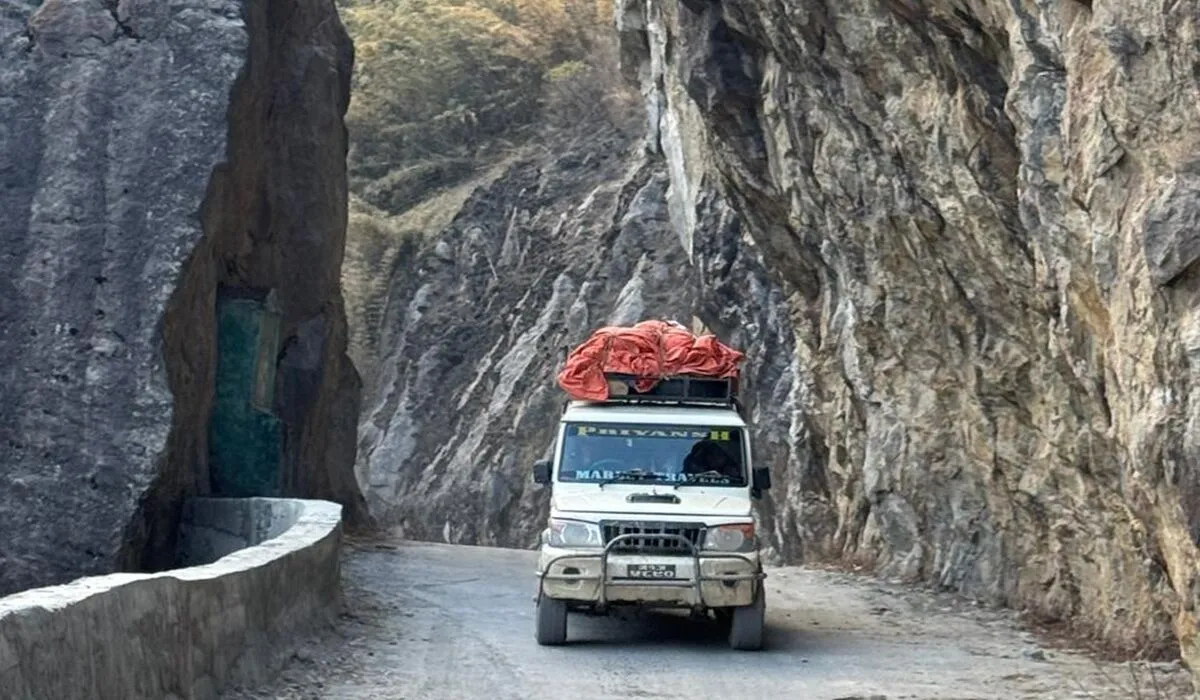
From Surkhet, the route turns north onto the Karnali Highway. This is where the overland adventure truly begins. The highway climbs steeply through the Karnali hills on a rough, unpaved mountain track that winds through dramatic river gorges, remote villages, and dense forest.

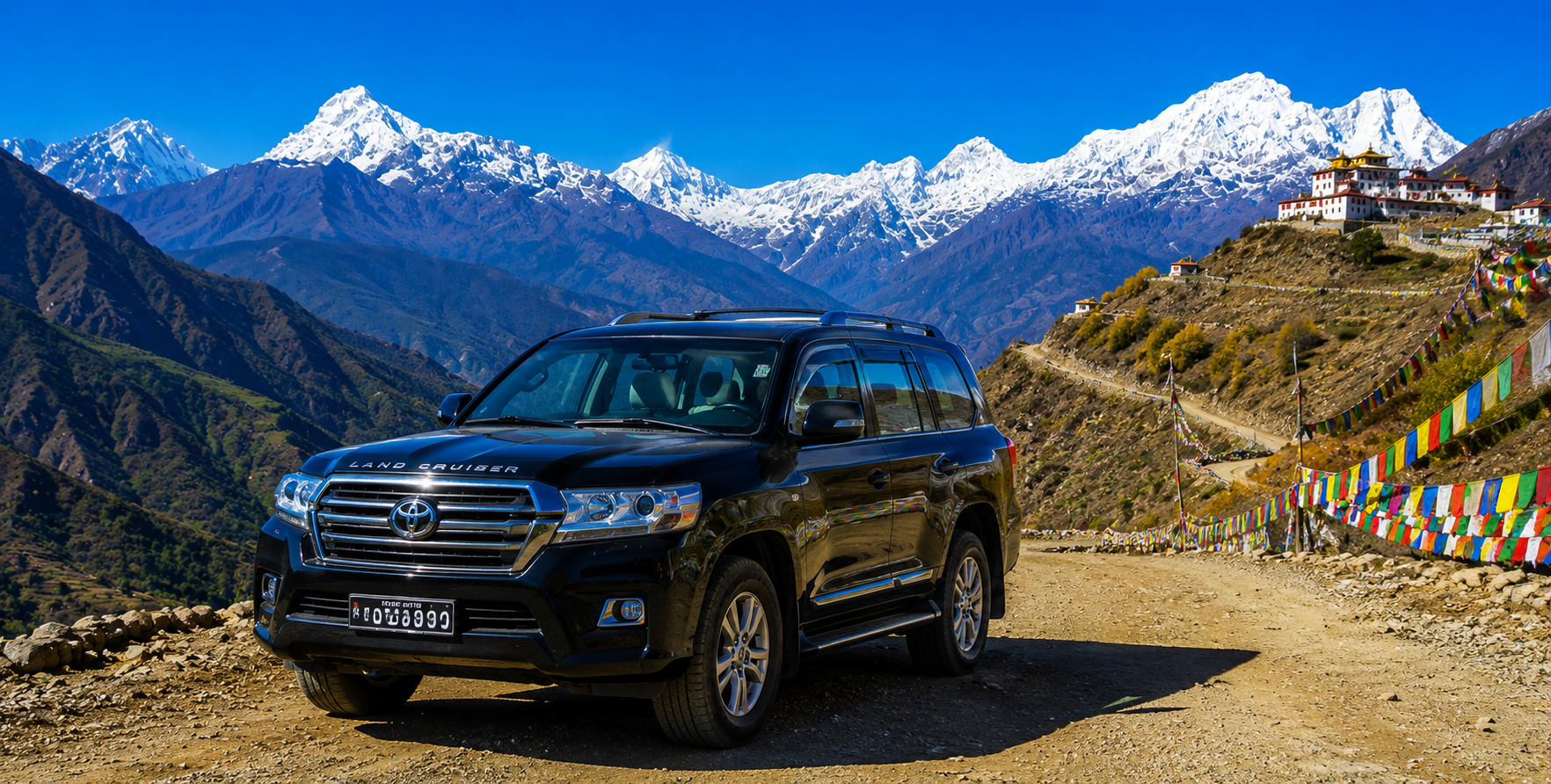
The road surface varies widely—from reasonable gravel sections to deeply rutted tracks and occasional river crossings. From this point forward, a Toyota Hilux or Land Cruiser with an experienced driver is essential.

Stage 4: Kalikot to Dunai – Approx. 100 km (5 to 7 hours)

The final leg of the overland approach passes through some of Nepal’s most remote terrain. The road follows the Karnali River valley through an extraordinary landscape of eroded red and ochre cliffs, traditional stone villages, ancient Buddhist and Hindu temples, and forest sections where wildlife, including Himalayan bears and deer, is occasionally seen.

Dunai (2,140 m) — the district headquarters of Dolpa — sits at the end of the motorable road and is the overnight base before the trek to Phoksundo Lake begins.

Stage 5: Dunai to Juphal – Approx. 14 km (1 to 2 hours)

From Dunai, a local jeep track continues to Juphal (2,475 m) — the site of the small STOL (Short Take-Off and Landing) airstrip that receives flights from Nepalgunj. Juphal is the traditional starting point for the trek to Shey Phoksundo Lake. A local shared jeep or private vehicle covers this short section in 1 to 2 hours on a rough track.

Overland Route Overview: Kathmandu to Dunai/Juphal

StageSectionDistanceRoad ConditionDrive TimeOvernight
1aKathmandu to Butwal/Bhairahawa270 kmPrithvi + Mahendra Hwy – paved6–7 hrsButwal or Bhairahawa
1bButwal to Nepalgunj260 kmMahendra Hwy – paved5–6 hrsNepalgunj
2Nepalgunj to Surkhet90 kmPaved – good2.5–3 hrsSurkhet (or continue)
3Surkhet to Kalikot180 kmKarnali Hwy – rough off-road6–8 hrsKalikot or Dailekh
4Kalikot to Dunai100 kmVery rough mountain track5–7 hrsDunai
5Dunai to Juphal14 kmRough jeep track1–2 hrsJuphal (trek start)
TOTALKathmandu to Juphal914 kmMixed – 4WD essential from Surkhet3–4 driving days3 nights en route

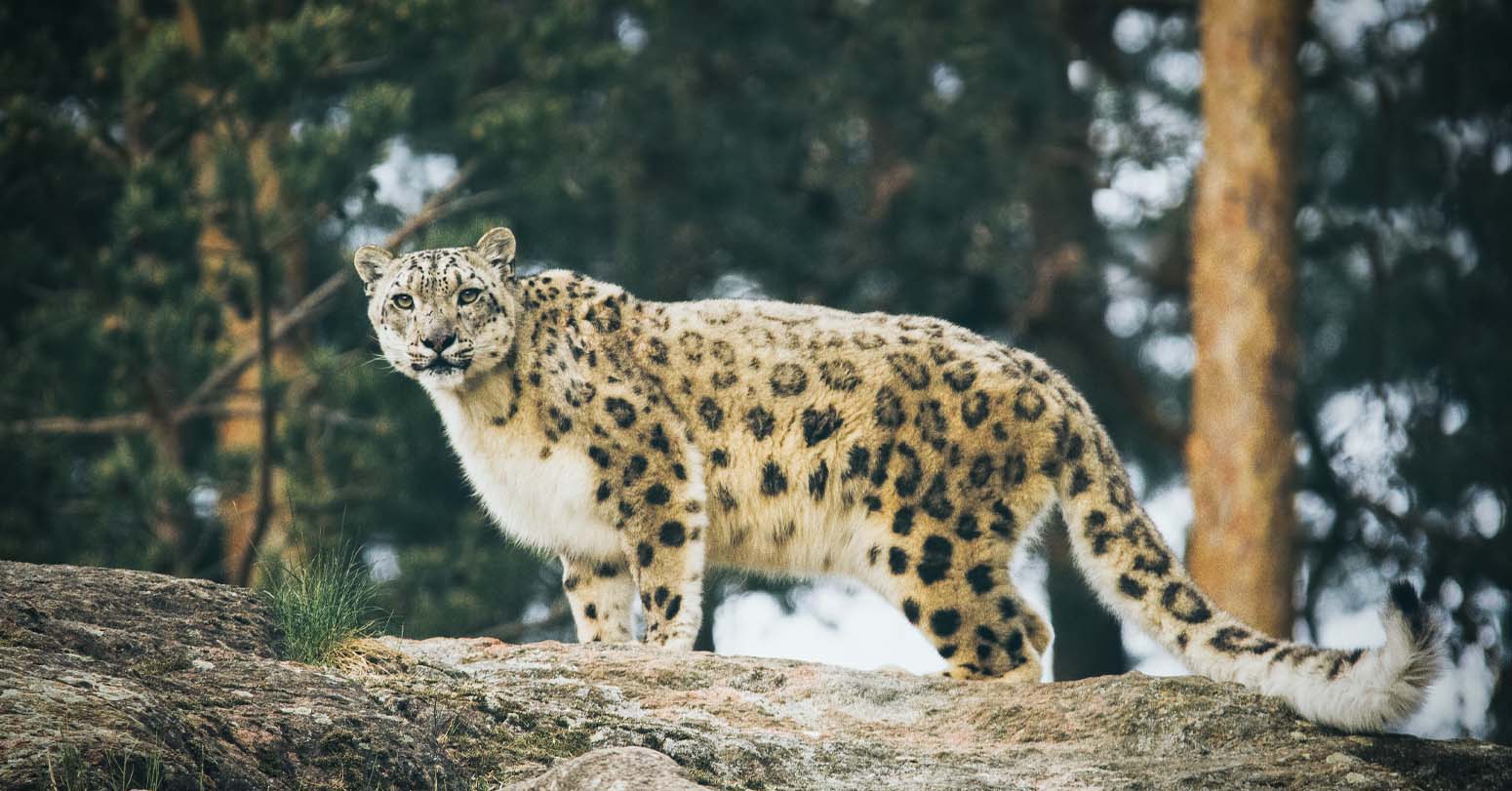
Snow leopard Wildlife in Shey Phoksundo National Park

Local Jeep Transfers: Juphal, Dunai, and Sulighat Area

Once you arrive at Juphal (by flight or overland), jeep transfers are available within the Dolpa area for getting to the trek starting point:

Local TransferDistanceDrive TimeCost (NPR)Notes
Juphal to Dunai14 km1–2 hoursNPR 500–1,000/pax (sharing)Rough track – connects airstrip to district HQ
Dunai to Sulighat6 km30–45 minNPR 300–600/pax (sharing)Starting point for the park trail
Juphal to Sulighat20 km2–3 hoursNPR 800–1,500/pax (sharing)Combined transfer to the main trek trailhead
Private Jeep Juphal to DunaiAll seatsNPR 4,000–7,000 (vehicle)USD 30–52Comfortable, flexible – Nepal Vehicle Hiring

Shey Phoksundo Lake Itinerary: Trek Stages from Juphal

After flying to Juphal and then taking a jeep, the trek to Shey Phoksundo Lake follows a beautiful trail through Shey Phoksundo National Park. Here is the standard trek itinerary:

DayTrek StageDistanceWalking TimeAltitudeHighlights
Day 1Juphal → Dunai14 km (or jeep)3–4 hrs (or 1.5 hr jeep)2,475→2,140 mJuphal airstrip, Dolpa entry, Bheri River
Day 2Dunai → Chhepka14 km5–6 hrs2,140→2,660 mShey Phoksundo NP entry, forest trails
Day 3Chhepka → Phoksundo Lake (Ringmo)12 km5–6 hrs2,660→3,611 mDramatic gorge, Phoksundo Falls, lake arrival
Day 4Phoksundo Lake ExplorationDay hikeFull day3,611 mLake circuit, Ringmo village, Tshowa Gompa
Day 5Phoksundo Lake → Chhepka12 km4–5 hrs3,611→2,660 mReturn through the gorge and forest
Day 6Chhepka → Dunai14 km5–6 hrs2,660→2,140 mDescend through the national park
Day 7Dunai → Juphal (jeep) → Fly Nepalgunj → KathmanduJeep + flights1 hr + 2 flights2,140→1,400 mReturn journey – Juphal morning flight

This is the standard 9-day Shey Phoksundo Lake itinerary from Kathmandu, including travel days—total trekking: 7 days from Juphal. You can extend the itinerary for Upper Dolpa exploration (requires an additional Upper Dolpa Restricted Area Permit, USD 500).

For adventurous travellers who want the full Dolpa experience, Nepal Vehicle Hiring recommends the following combined overland jeep approach with flight return:

DayActivityTransportNight
Day 1Kathmandu to Butwal/Bhairahawa4WD JeepButwal
Day 2Bhairahawa to Nepalgunj4WD JeepNepalgunj
Day 3Nepalgunj to Surkhet to Kalikot4WD Jeep – Karnali Hwy beginsKalikot
Day 4Kalikot to Dunai4WD Jeep – very roughDunai
Day 5Dunai to Sulighat (jeep) + Trek to ChhepkaLocal jeep + trekChhepka
Day 6Trek Chhepka to Phoksundo LakeTrekRingmo
Day 7Phoksundo Lake exploration day–Ringmo
Day 8Trek Phoksundo to ChhepkaTrekChhepka
Day 9Trek Chhepka to DunaiTrekDunai
Day 10Dunai to Juphal (jeep) + morning flight Juphal to NepalgunjJeep + STOL flightNepalgunj
Day 11Nepalgunj to Kathmandu flightDomestic flightKathmandu

Permit flight for Shey Phoksundo Lake Tour

PermitCostRequired ForWhere to Obtain
Shey Phoksundo National Park EntryUSD 30 (foreigners), NPR 100 (citizens)All visitors to Shey Phoksundo NPPaid at the park entry checkpoint near Dunai/Sulighat
Lower Dolpo Restricted Area PermitUSD 20 per weekAll visitors to Lower Dolpa, including Phoksundo LakeDepartment of Immigration, Kathmandu, Nepal Tourism Board
TIMS CardNPR 2,000 (foreigners)All trekkersNepal Tourism Board, Kathmandu
Upper Dolpo Restricted Area PermitUSD 500 (10 days) + USD 50/extra dayOnly for trekkers going north of Phoksundo Lake into Upper DolpaDepartment of Immigration, Kathmandu (min. group of 2 + guide)
Vehicle Movement Permit (overland)Arranged by Nepal Vehicle Hiring4WD vehicles on Karnali HighwayNepal Vehicle Hiring manages this

IMPORTANT: The Lower Dolpo Restricted Area Permit (USD 20/week) is significantly cheaper than the Upper Dolpo permit (USD 500/10 days) and covers the standard Phoksundo Lake trek. You must obtain all permits in Kathmandu before departure. Nepal Vehicle Hiring can advise on the exact permit requirements for your specific itinerary.

Key Attractions of the Shey Phoksundo Lake Tour

Shey Phoksundo Lake – The Turquoise Jewel

The lake itself is the defining attraction of the entire journey. Nothing quite prepares first-time visitors for the intensity of the colour; the water is a shade of turquoise-blue that seems almost artificially vivid in the high-altitude sunlight.

The lake changes colour throughout the day: deep cobalt blue in the early morning, brilliant turquoise at midday, steel grey at dusk. The surrounding red-ochre cliffs and the dense blue pine forest along the shores create a landscape unlike any other in Nepal.

Ringmo Village – Ancient Bon Community

Ringmo is a small village on the eastern shore of Phoksundo Lake, home to approximately 50 families who have maintained the ancient Bon Buddhist tradition for centuries. The stone houses, mani walls, prayer flags, and the beautiful Thshowa Gompa monastery create a deeply moving atmosphere of timeless spirituality. Interaction with Ringmo villagers offers a rare glimpse into one of Nepal’s most ancient and most isolated living cultures.

Phoksundo Waterfall

The Phoksundo Falls — where the lake’s outflow drops dramatically over a series of waterfalls into the gorge below — is one of the most spectacular natural features of the entire approach to the trek. The water has a distinctive deep blue-green colour from the minerals carried from the lake.

The falls are visible from the trek approach to the lake and are a mandatory stop for photos. Tshowa Gompa – Ancient Bon Monastery

The Tshowa Gompa on the lakeshore at Ringmo is one of Nepal’s oldest and most sacred Bon Buddhist monasteries. The Bon religion is the ancient pre-Buddhist spiritual tradition of Tibet and Nepal — older than Buddhism itself and still actively practised by the Ringmo community.

The gompa contains ancient thangka paintings, ritual objects, and manuscripts of enormous cultural significance. Visiting Tshowa Gompa with respectful curiosity is one of the most rewarding cultural experiences available anywhere in the Himalayan region.

Wildlife of Shey Phoksundo National Park is one of Nepal’s most biodiverse protected areas and is internationally renowned as prime snow leopard habitat; the elusive cat is present in the park, though rarely seen. More commonly observed wildlife includes the Himalayan wolf, Himalayan tahr, blue sheep (bharal), musk deer, Himalayan bear, and red panda. Over 200 bird species have been recorded, including Himalayan griffon, lammergeier, wood snipe, Tibetan partridge, and the rare Pallas’s cat. The park’s Trans-Himalayan plateau ecosystem is one of Asia’s richest high-altitude ecosystems.

The Karnali Highway (Overland Route)

For those taking the overland jeep approach, the Karnali Highway from Surkhet to Dunai is a major road — one of Nepal’s most remote and spectacular. The highway passes through ancient hill kingdoms (Kalikot and Jumla areas), dramatic Karnali River gorges, traditional stone-built villages unchanged by modern development, and some of Nepal’s least untouched natural landscapes.

Travellers who make this overland journey consistently describe it as one of the most extraordinary road experiences of their lives.
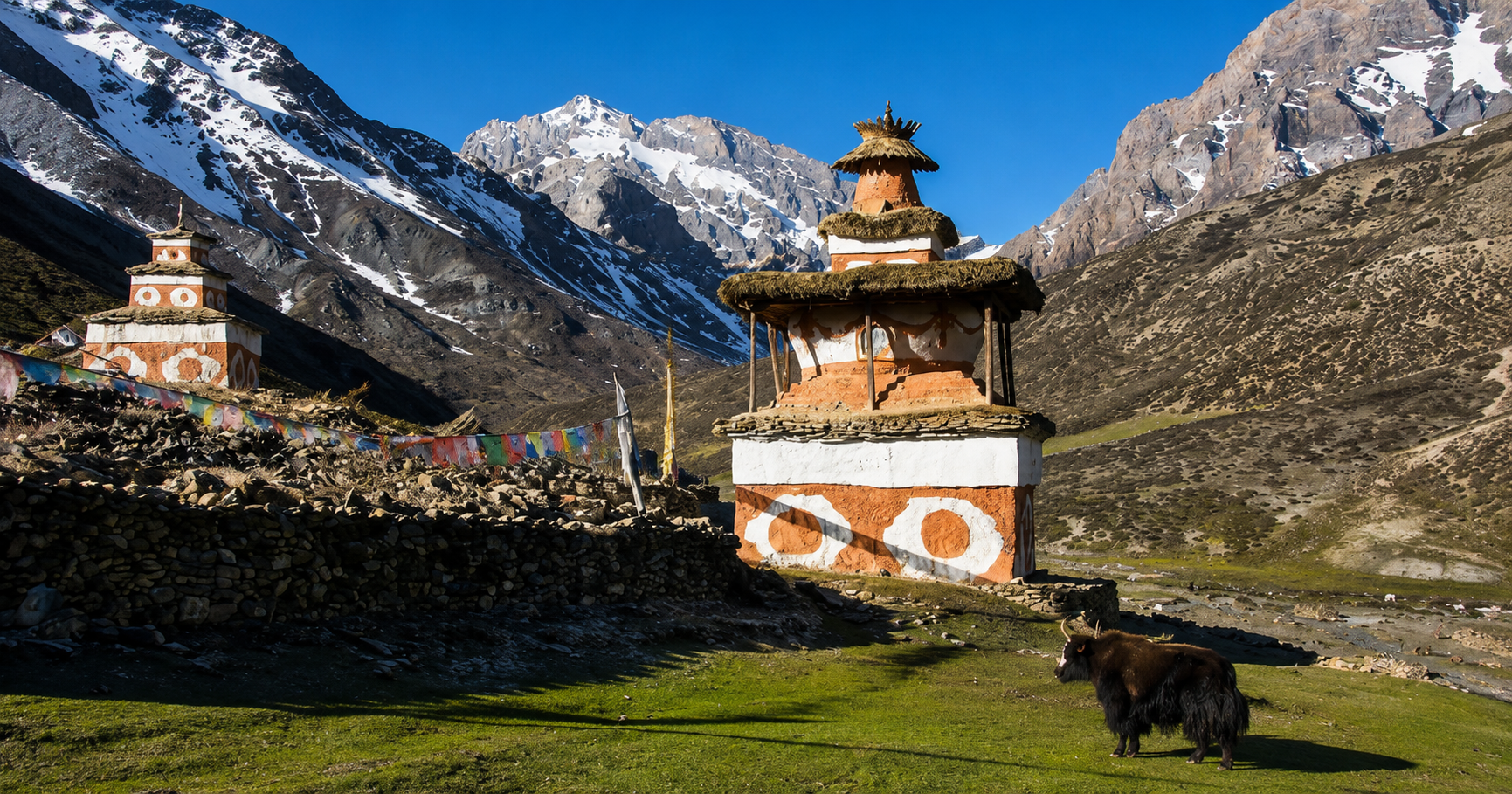
Dolpa-Shey Phoksundo Lake Jeep Tour

Best Season for the Shey Phoksundo Lake Jeep Tour

Spring (April to June) – Best for Overland and Trek

Spring is the recommended season for the Shey Phoksundo Lake tour. The Upper Dolpa region lies in a rain shadow north of the main Himalayan range. It receives significantly less monsoon rain than the rest of Nepal, making it an attractive destination even in early summer.

The Karnali Highway is in good condition by April after winter, and the Phoksundo Lake area is at its most vivid turquoise in the clear spring light. May and June are particularly good months before the lower Karnali Highway sections become more difficult with monsoon rains.

Autumn (September to November) – Excellent

Autumn is the second prime season. Post-monsoon clarity delivers exceptional visibility at the lake and along the Karnali Highway. October and November are peak months.

The Karnali Highway is in its best post-monsoon condition in September and October. Phoksundo Lake in autumn light offers some of Nepal’s best natural photography opportunities in monsoon (July to August) – Partially Possible

The Dolpa. region receives significantly less monsoon rainfall than southern Nepal due to its rain-shadow position. Phoksundo Lake and the trekking trail remain largely accessible. However, landslides can affect the lower Karnali Highway from Surkhet to Dunai during the monsoon.

Nepal Vehicle Hiring advises on current conditions before confirming overland jeep bookings during the monsoon season.

Winter (December to March) – Difficult

High passes and some sections of the Karnali Highway above 3,000 meters can be snowbound in winter. Snow can close the Juphaa airstrip, and travel to Phoksundo Lake is not recommended for most travellers. Specialist winter expedition groups with appropriate equipment may attempt the overland in late February/early March when conditions begin to improve.

Essential Packing List for the Shey Phoksundo Lake Jeep Tour

For the Overland Jeep Journey (Karnali Highway)

  • Lower Dolpo Restricted Area Permit + Shey Phoksundo NP permit + TIMS Card – obtained in Kathmandu
  • Sufficient NPR cash for the entire expedition – NO ATMs exist from Surkhet to Kathmandu on the return.
  • Warm down jacket and thermal base layers – Dunai nights are cool; lake altitude nights are cold.
  • Face mask or buff – the Karnali Highway is extremely dusty in the dry section.
  • Water bottles (2 litres minimum) and purification tablets
  • Energy snacks and emergency food rations for the overland driving days
  • Power bank (multiple) – charging is unavailable on the Karnali Highway
  • Offline Maps.me map of the Dolpa region – no mobile data beyond Surkhet
  • Basic first aid kit + altitude medication (Diamox) for the lake altitude

For the Trek to Phoksundo Lake

  • Full trekking gear, including a down sleeping bag (rated to -10°C for lake altitude)
  • Waterproof trekking boots and gaiters
  • Sun protection – sunscreen SPF 50+, lip balm, sunglasses, sun hat
  • Camera with multiple batteries and a power bank – the lake photography is extraordinary
  • Trekking poles – the gorge trail approaches the lake involves steep sections
  • Nepal trekking permits – all carried in a waterproof document pouch

Expert Tips for the Shey Phoksundo Lake Jeep Tour

  • Begin permit collection in Kathmandu at least 3 to 5 business days before departure – the Lower Dolpo Restricted Area Permit takes time to process
  • Book the overland jeep at least 2 to 3 weeks in advance – the Karnali Highway requires careful vehicle preparation and an experienced driver.
  • Always request a Toyota Hilux or Land Cruiser for the Karnali Highway – no other vehicle is suitable for the Surkhet-Dunai section.
  • For the flight approach, always build in 2 buffer days for Juphal flight delays – Juphal is one of Nepal’s most weather-sensitive airstrips, and morning fog or wind frequently delays departures.
  • Carry all cash from Kathmandu – there are absolutely no ATMs or banking facilities beyond Surkhet.
  • Phoksundo Lake is best photographed in the morning, when the water is a deep cobalt blue, and the light is clear; afternoon clouds can reduce the turquoise intensity.
  • Spend at least 2 full days at the lake (not just 1) – the different light conditions, the walk around the lake, and the Ringmo village visit all require time to appreciate properly.
  • Respect the Bon Buddhist culture of Ringmo village – always ask permission before photographing villagers and never enter the Tshowa Gompa without invitation from the monks.
  • Nepal Vehicle Hiring provides complete expedition logistics for the overland Phoksundo tour – vehicle, driver, fuel planning, Karnali permit, and coordination with the local jeep in Dunai for the final approach.

How to Book Your Shey Phoksundo Lake Jeep Tour with Nepal Vehicle Hiring

Booking the Shey Phoksundo Lake jeep tour with Nepal Vehicle Hiring Pvt Ltd requires careful planning due to the remoteness and complexity of this destination:

  • Step 1: Contact us at vehiclehiringnepal.com or via WhatsApp as early as possible – ideally 3 to 4 weeks before your planned departure
  • Step 2: Share your planned dates, group size, and preferred approach (overland flight + Uphaluphal, or combined)
  • Step 3: Nepal Vehicle Hiring prepares a complete expedition plan with vehicle options, route, overnight stops, permit guidance, and cost breakdown
  • Step 4: Begin permit collection in Kathmandu with our guidance – we provide the exact documentation checklist
  • Step 5: Vehicle pre-expedition service and driver briefing at the Nepal Vehicle Hiring base in Kathmandu
  • Step 6: Depart Kathmandu for the greatest natural beauty destination in western Nepal

We recommend booking at least 3 to 4 weeks in advance for the overland Phoksundo jeep tour and at least 2 weeks in advance for Juphal flight-based tours.

Frequently Asked Questions (FAQ)

How deep is Shey Phoksundo Lake?

Shey Phoksundo Lake is approximately 145 meters deep — making it Nepal’s deepest lake. It sits at 3,611 meters above sea level in the Dolpa District.

How do I get to Shey Phoksundo Lake from Kathmandu?

There are two main approaches: (1) By flight from Kathmandu to Nepalgunj (~55 min flight), then Nepalgunj to Juphal (~25 min STOL flight), followed by 2 to 3 days of trekking. (2) By overland 4WD jeep — Kathmandu to Dunai via Nepalgunj, Surkhet, and the Karnali Highway (3 to 4 driving days), then a short local jeep and trek to the lake.

How much does the Shey Phoksundo Lake tour cost in 2026?

The overland jeep tour from Kathmandu costs approximately NPR 80,000 to 300,000 for a vehicle (Toyota Hilux or Land Cruiser) with 4 to 5 passengers for the full Kathmandu-to-Dunai journey. The round-trip flight costs approximately USD 450- 500 per person (Kathmandu–Nepalgunj–Juphal–Nepalgunj–Kathmandu).

What permits are needed for Shey Phoksundo Lake?

You need a Lower Dolpo Restricted Area Permit (USD 20 per week per person), a Shey Phoksundo National Park Entry Permit (USD 30), and a TIMS Card (NPR 2,000). You must obtain all of these in Kathmandu before departure.

Is a guide mandatory for the Shey Phoksundo Lake trek?

Yes. A licensed, government-approved guide is mandatory for all trekking in the Dolpa restricted area. The guide also helps you navigate permit checkpoints and understand local culture and trail conditions.

What is the best time to visit Shey Phoksundo Lake?

Spring (April to June) and Autumn (September to November) are the best seasons. The Dolpa region’s rain-shadow position makes it accessible even in the early monsoon season (June), when other trekking areas in Nepal are closed. October offers exceptional clarity and lake colour.

Can Nepal Vehicle Hiring arrange the complete Shey Phoksundo tour, including permits and a vehicle?

Yes. Nepal Vehicle Hiring Pvt Ltd provides complete expedition logistics for the Shey Phoksundo Lake overland jeep tour, including the 4WD vehicle and an experienced Karnali Highway driver, fuel planning, Karnali permit processing guidance, coordination with local Dunai and Juphal jeep operators, and full itinerary support. Contact us at vehiclehiringnepal.com for a detailed expedition quote.

Book Your Shey Phoksundo Lake Jeep Tour with Nepal Vehicle Hiring

Shey Phoksundo Lake is one of those rare natural destinations that genuinely exceeds all expectations. The turquoise water, the ancient Bon village of Ringmo, the silence of the Dolpa wilderness, the snow leopard’s domain on the cliffs above — Phoksundo Lake offers a Nepal experience that is entirely different from the Everest and Annapurna circuits and arguably even more profoundly moving.

Whether you arrive by the dramatic overland 4WD jeep journey along the Karnali Highway, by the classic domestic flight combination to Juphal, or by the best-of-both combined approach, Nepal Vehicle Hiring Pvt Ltd provides reliable, well-prepared, professionally managed vehicle services for the Shey Phoksundo Lake jeep tour.

Contact Nepal Vehicle Hiring Pvt Ltd today at vehiclehiringnepal.com to begin planning your Shey Phoksundo Lake jeep tour and experience Nepal’s greatest hidden natural treasure.
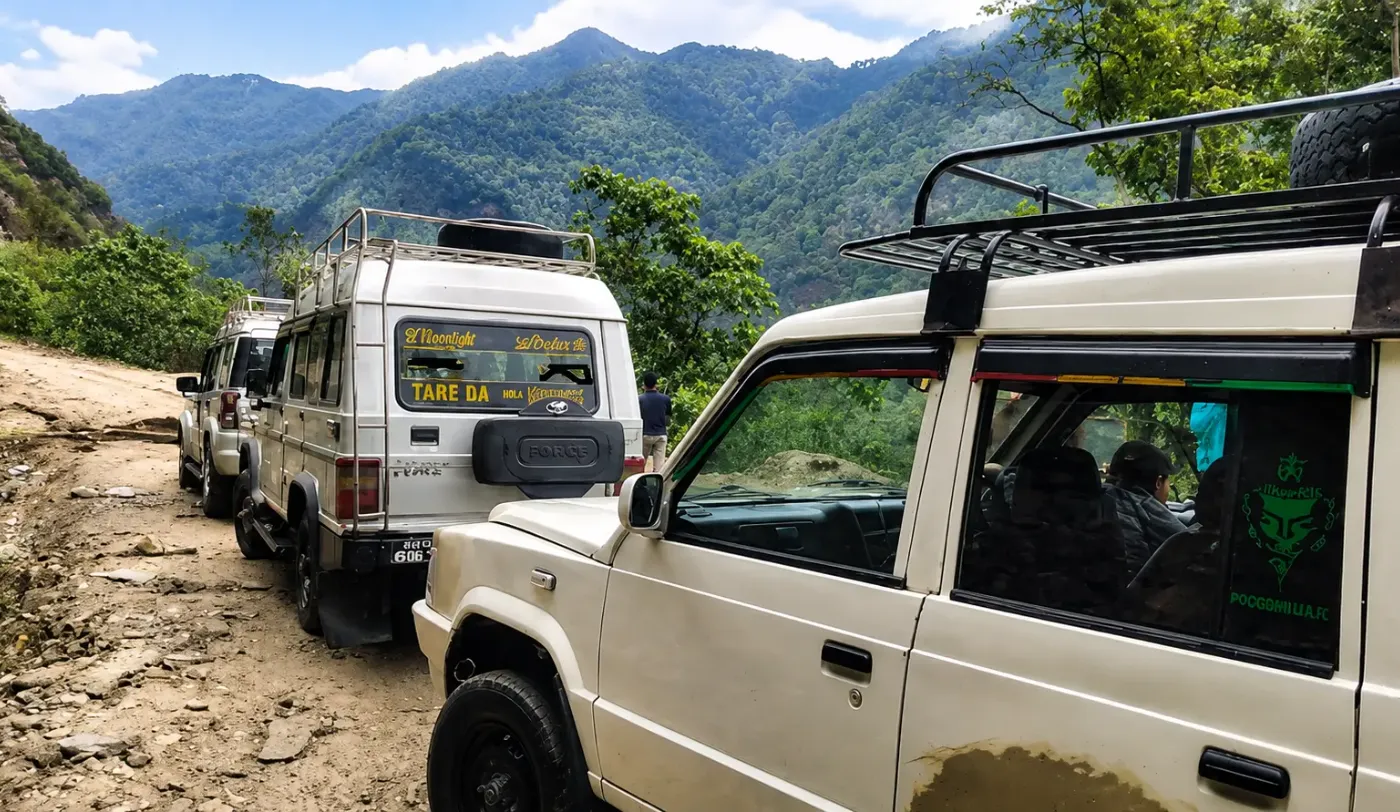
Toyota Hilux, Fortuner or Land Cruiser Hire in Nepal

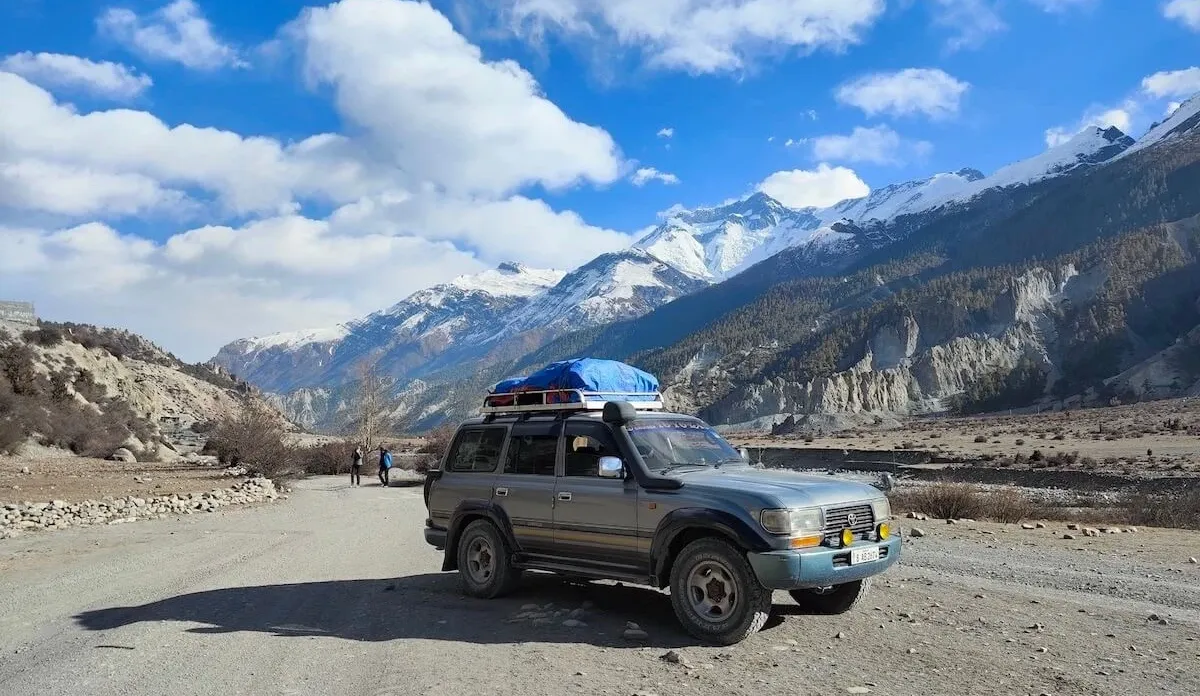
Private jeep on the road to Manang

Toyota Hilux, Fortuner, or Land Cruiser Hire Nepal

When it comes to private vehicle hire in Nepal, Toyota dominates the top-end 4WD segment—and for good reason. Toyota’s engineering reputation for reliability, durability, and off-road performance has been proven on Nepal’s most demanding mountain roads for decades.

But with three distinct 4WD options available—the Toyota Hilux pickup, the Toyota Fortuner SUV, and the Toyota Land Cruiser—choosing the right Toyota for your specific journey in Nepal means understanding the meaningful differences among these vehicles in capability, comfort, capacity, and cost.

Nepal Vehicle Hiring Pvt Ltd operates one of Kathmandu’s most comprehensive Toyota 4WD fleets — Hilux, Fortuner, Land Cruiser 300, and Land Cruiser Prado — all regularly serviced, mechanically inspected, and driven by professional, licensed drivers with extensive local mountain-road experience. Whether you are a trekking group heading to the Annapurna Circuit, a pilgrim family bound for Muktinath, a corporate team on a mountain resort getaway, or an adventure traveller planning a full Upper Mustang expedition, our fleet has the right Toyota for your journey.

This complete guide compares the Toyota Hilux, Fortuner, and Land Cruiser in detail: technical specifications, off-road capabilities, passenger capacity, hire rates, route suitability, and clear guidance on which Toyota suits each type of journey in Nepal.

The Three Toyotas — An Overview

Toyota Hilux 4WD — The Off-Road Workhorse

The Toyota Hilux is one of the world’s most celebrated off-road vehicles and Nepal’s most widely hired top-end 4WD. Built on a ladder-frame chassis designed for demanding off-road use, the Hilux combines exceptional mechanical durability, a powerful 2.8L diesel engine producing 204 PS and 500 Nm of torque, 220 mm ground clearance, and a locking rear differential — giving it genuine all-terrain capability across Nepal’s most challenging mountain roads.

In Nepal’s tourist vehicle hire market, the Hilux occupies the critical middle ground between the affordable Mahindra Scorpio and the top-end Land Cruiser — offering better off-road performance than the Scorpio at a significantly lower cost than the Land Cruiser. Its dual-cab pickup configuration seats 5 to 6 passengers plus the driver, with the bed and rooftop carrier providing generous luggage space for full trekking expeditions.

  • Engine: 2.8L GD-series turbocharged diesel — 204 PS, 500 Nm
  • 4WD: Part-time with locking rear differential — superior traction on loose and wet surfaces
  • Ground clearance: 220 mm — excellent for Nepal’s mountain off-road routes
  • Seating: 5–6 passengers plus driver
  • Body type: Dual-cab pickup — bed and rooftop carrier for luggage
  • 2026 hire rate: NPR 15,000–22,000 per day (driver + fuel included)

Toyota Fortuner 4WD — The Top-end Family SUV

The Toyota Fortuner is a completely different vehicle proposition from the Hilux — a proper 7-seat SUV with a top-end interior, sophisticated suspension, and car-like refinement that makes long highway journeys significantly more comfortable than the Hilux’s commercial-truck-derived ride. The Fortuner shares the Hilux’s 2.8L diesel engine (producing 203 PS and 420 Nm) and offers a similar 221 mm ground clearance.

Still, its fully enclosed SUV body, three-row seating, and top-end cabin appointments give it a distinctly different character.

In Nepal’s vehicle hire market, the Fortuner has become increasingly popular among pilgrim families, corporate tour groups, and top-end tourists who want genuine 4WD capability on mountain roads combined with the comfort and dignity of a proper full-size SUV. For groups where passenger comfort on long journeys matters as much as off-road performance, the Fortuner is often the preferred choice.

  • Engine: 2.8L GD-series turbocharged diesel — 203 PS, 420 Nm
  • 4WD: Part-time with A-TRC (Active Traction Control)
  • Ground clearance: 221 mm — virtually identical to Hilux
  • Seating: 6 passengers plus driver — 7 total in three rows
  • Body type: Full-size 7-seat SUV — proper top-end interior, enclosed cargo area
  • 2026 hire rate: NPR 16,000–24,000 per day (driver + fuel included)

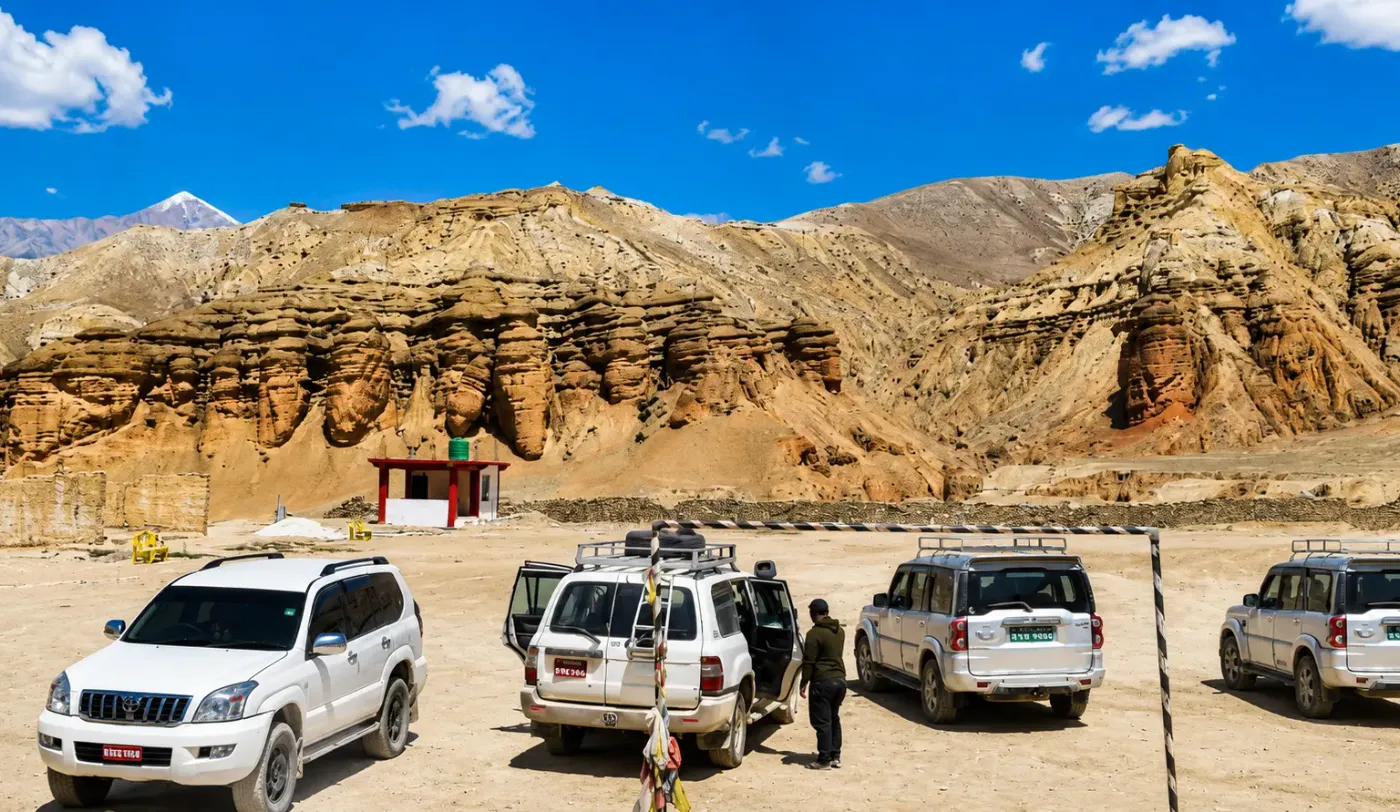
Private jeeps parked in Mustang

Toyota Land Cruiser — The King of Nepal’s Mountain Roads

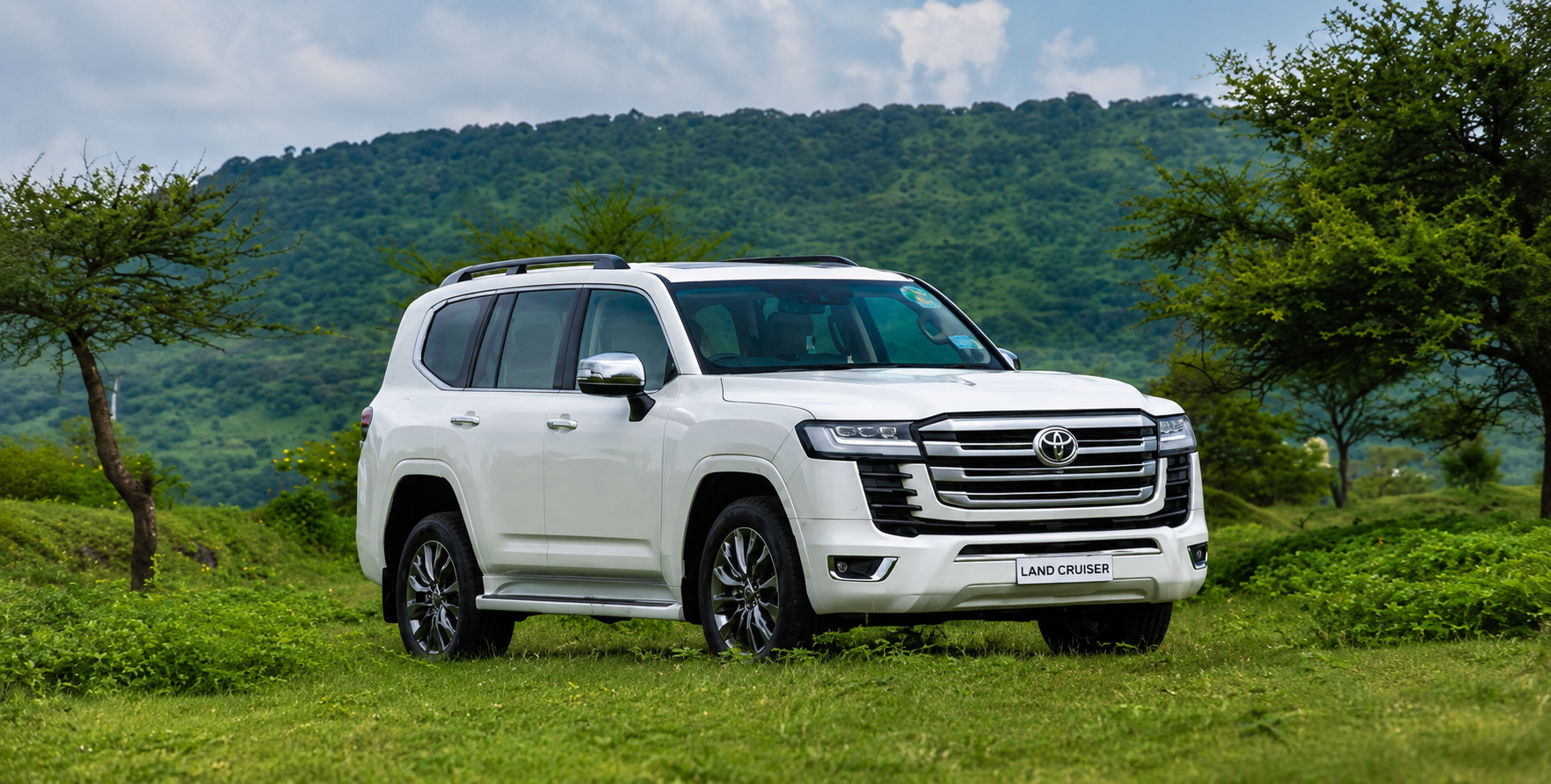
The Toyota Land Cruiser — available in Nepal as the LC300 Series and the Land Cruiser Prado (LC250) — is Nepal’s definitive top-end mountain vehicle and the benchmark by which all other 4WD vehicles are judged. The Land Cruiser 300 Series features a 3.3L twin-turbo diesel engine producing 309 PS and a staggering 700 Nm of torque, full-time 4WD with Kinetic Dynamic Suspension System (KDSS), Crawl Control, Multi-Terrain Select, and the highest ground clearance (225 mm) in the Nepal tourist 4WD fleet.

For Nepal’s most extreme and remote routes — Upper Mustang’s canyon roads, the Rara Lake expedition track, the Tsum Valley approach, and other journeys where road quality is at the absolute limit of what any vehicle can traverse — the Land Cruiser is not just preferred but essential. Its combination of raw power, maximum ground clearance, the most sophisticated 4WD system available, and a top-end leather-appointed interior for 6 to 7 passengers makes it Nepal’s ultimate all-in-one mountain-and-luxury vehicle.

  • Engine: 3.3L twin-turbo diesel (LC300) — 309 PS, 700 Nm — the most powerful in class
  • 4WD: Full-time with KDSS, Crawl Control, Multi-Terrain Select, locking centre differential
  • Ground clearance: 225 mm (LC300) / 218 mm (Prado)
  • Seating: 6–7 passengers plus driver in top-end leather interior
  • Body type: Full-size top-end SUV — commanding presence on Nepal roads
  • hire rate: NPR 25,000–45,000 per day LC300 / NPR 22,000–35,000 Prado (driver + fuel)

Full Technical Comparison — Hilux vs Fortuner vs Land Cruiser

FeatureToyota Hilux 4WDToyota Fortuner 4WDToyota Land Cruiser 300Toyota Prado LC250
Engine2.8L GD diesel (204 PS)2.8L GD diesel (203 PS)3.3L twin-turbo diesel (309 PS)2.8L GD diesel (204 PS)
Torque500 Nm420 Nm at 1,400–3,400 RPM700 Nm500 Nm
4WD SystemPart-time + locking diffPart-time 4WD + A-TRCFull-time KDSS + Crawl ControlFull-time 4WD + KDSS + crawl
Ground Clearance220 mm221 mm225 mm218 mm
Seating5–6 + driver6 + driver = 7 total6–7 + driver6–7 + driver
Body TypePickup truck (dual cab)7-seat SUV7-seat top-end SUV7-seat top-end SUV
Luggage SpaceBed + roof rackRear cargo + roof rackRear cargo + roof rackRear cargo + roof rack
Comfort LevelVery GoodExcellentTop-end / LuxuryTop-end / Luxury
Off-Road RatingExcellentVery GoodOutstandingOutstanding
Nepal Market PriceNPR 96L–1.1 CrNPR 2.7 Cr–2.83 CrNPR 5.39 Cr (LC300)NPR 3.7 Cr (Prado LUX)
Daily Hire RateNPR 15,000–30,000NPR 16,000–40,000NPR 25,000–45,000NPR 22,000–55,000
Best Hire UseTrekking, off-road, all routesTop-end touring, trekking, groupLuxury, extreme off-road, VIPCorporate, luxury, mountain touring

Key Insight: All three vehicles have very similar ground clearance (218–225 mm), and all provide genuine 4WD capability. The real differences lie in passenger comfort (Land Cruiser and Fortuner far superior to the Hilux as passenger vehicles), engine power (the Land Cruiser is dramatically more powerful), off-road sophistication (the Land Cruiser leads), and daily hire cost (the Hilux is the most economical, and the Land Cruiser the most expensive).

Hire Rates — Full Comparison

VehicleDaily Rate (NPR)Daily Rate (USD)
Toyota Hilux 4WDNPR 15,000–30,000USD 115–200
Toyota Fortuner 4WDNPR 16,000–35,000USD 120–250
Toyota Land Cruiser (LC300)NPR 25,000–45,000USD 190–350
Toyota Land Cruiser PradoNPR 22,000–55,000USD 165–450
All above with driver + fuelIncluded in quoted rateIncluded

All Nepal Vehicle Hiring Pvt Ltd rates are all-inclusive: professional licensed driver, fuel, and road tolls are included in every quoted price. The rates above are daily rates for full private hire. Hourly hire is available for city sightseeing and short transfers (minimum 5 hours).

Multi-day package rates for extended circuits and tours are available at negotiated prices — contact Nepal Vehicle Hiring Pvt Ltd for a custom quote.

Route-by-Route Cost Guide — All Toyota Models

RouteHilux 4WDFortuner 4WDLand CruiserPrado
Kathmandu → Pokhara (200 km)NPR 15,000–35,000NPR 17,000–50,000NPR 24,000–60,000NPR 20,000–70,000
Kathmandu → Chitwan (~147 km)NPR 13,000–35,000NPR 15,000–50,000NPR 22,000–60,000NPR 18,000–70,000
Kathmandu → BesisaharNPR 16,000–35,000NPR 18,000–40,000NPR 25,000–50,000NPR 22,000–70,000
Kathmandu → SyabrubesiNPR 14,000–32,000NPR 16,000–40,000NPR 23,000–50,000NPR 20,000–27,000
Kathmandu → Manang (2 days)NPR 32,000–60,000NPR 38,000–70,000NPR 52,000–80,000NPR 45,000–90,000
Pokhara → MuktinathNPR 18,000–30,000NPR 21,000–40,000NPR 30,000–50,000NPR 26,000–+60,000
Pokhara → JomsomNPR 16,000–28,000NPR 19,000–35,000NPR 27,000–40,000NPR 23,000–50,000
Kathmandu → LumbiniNPR 21,000–40,000NPR 24,000–45,000NPR 34,000–50,000NPR 29,000–60,000
KTM → Ramechhap (Manthali)NPR 13,000–30,000NPR 15,000–40,000NPR 21,000–50,000NPR 18,000–60,000
KTM Valley Sightseeing (full day)NPR 10,000–25,000NPR 12,000–35,000NPR 18,000–40,000NPR 15,000–45,000
Upper Mustang (Lo Manthang)NPR 45,000–65,000NPR 50,000–70,000NPR 75,000–100,000NPR 60,000–85,000

All costs are one-way, full private vehicle hire including driver and fuel. ‘Upper Mustang‘ costs include the multiple days required for the full Lo Manthang route. Contact Nepal Vehicle Hiring Pvt Ltd for custom pricing for multi-day, multi-destination packages.

Use Case Guide — Which Toyota is Right for You?

Use CaseBest VehicleWhy
Annapurna Circuit trailhead transferToyota HiluxBest off-road + best value for trekking groups
Langtang / Gosaikunda trek transferToyota HiluxProven on Ramche zone; best balance of cost and capability
Muktinath pilgrimage (Pokhara–Jomsom)Hilux or FortunerFortuner: extra comfort for longer pilgrim groups; Hilux: economy
Upper Mustang expedition (Lo Manthang)Land CruiserMaximum ground clearance and 4WD for extreme canyon roads
Rara Lake remote expeditionLand CruiserOnly vehicle reliably completing this extreme route
Corporate / VIP mountain tourLand Cruiser or PradoTop-end interior + 4WD capability for business guests
Family Nepal sightseeing tourToyota Fortuner7-seat SUV, top-end comfort, city + mountain roads
Photography/film crew transportHilux or Land CruiserOff-road access + cargo space for equipment
Wedding car hireFortuner or Land CruiserElegant appearance, 7-seat spaciousness, top-end finish
Airport group transfer (small group)Hilux or FortunerComfortable, spacious, reliable — hotel pickup
Everest region (Ramechhap transfer)Hilux or SedanPaved BP Highway — 4WD not required; Hilux for added comfort
Extreme budget mountain transferToyota HiluxBest value 4WD with genuine off-road capability

Trekking Groups — Toyota Hilux Is the Professional’s Choice

Nepal’s trekking community strongly prefers the Toyota Hilux for trailhead transfers. The reasons are practical: the Hilux’s bed and rooftop carrier handle the largest trekking duffel bags and expedition equipment without compromise; the proven off-road reliability of the Hilux on the Besisahar-Manang gorge road and the Langtang approach is well-established; and the hire cost savings compared to a Land Cruiser — approximately NPR 8,000–30,000 per day —are meaningful for budget-conscious trekking groups.

The Hilux is the standard vehicle of choice for Nepal’s professional trekking operators on all standard mountain trailhead routes.

Pilgrim Families — Toyota Fortuner Offers Best Comfort

For pilgrim families travelling to Muktinath, Lumbini, Halesi Mahadev, Janakpur, or other sacred destinations in Nepal, the Toyota Fortuner is frequently the preferred choice. The SUV’s three-row seating accommodates families of 6 to 7 people, including elderly grandparents, with good comfort— and the Fortuner’s lower step-in height than a pickup truck makes it much easier for elderly passengers to board.

The fully enclosed cabin protects from road dust on mountain sections, and the top-end interior makes long pilgrimage journeys more dignified and less physically demanding. The Fortuner’s ground clearance (221 mm) is virtually identical to the Hilux’s — all mountain pilgrimage roads, including Jomsom to Muktinath, are well within the Fortuner’s capability.

Corporate and VIP — Land Cruiser or Prado as Standard

For corporate delegations, government officials, senior business executives, and high-profile international visitors, the Toyota Land Cruiser or Prado is the standard vehicle — the only Toyota in the fleet whose interior and presence match the expectations of top-end business travel. The Land Cruiser’s V8 or twin-turbo diesel engine ensures effortless power at any altitude; its KDSS suspension delivers.

The smoothest ride quality in Nepal’s fleet, along with its top-end leather interior and dual-zone climate control, delivers the comfort business travel demands—even on Nepal’s most challenging mountain roads. Nepal Vehicle Hiring Pvt Ltd’s Land Cruiser fleet is frequently booked for corporate retreats to Dhulikhel mountain resorts, executive transfers to Pokhara, and VIP pilgrimages to Muktinath.

Upper Mustang Expeditions — Land Cruiser is Mandatory

The Upper Mustang jeep road from Jomsom to Lo Manthang is Nepal’s most demanding standard 4WD tourist route — a journey through windswept canyon terrain, river crossings, high-altitude desert tracks, and narrow cliff-edge roads that test every aspect of 4WD performance. While the Hilux and Fortuner are both capable on this route, Nepal Vehicle Hiring Pvt Ltd exclusively recommends the Land Cruiser for the full Upper Mustang expedition.

The Land Cruiser’s Crawl Control (which automatically maintains a constant low speed on extreme gradients), Multi-Terrain Select (which optimises traction for specific surface types), and improved ground clearance provide meaningful safety and performance advantages on Lo Manthang’s most challenging sections.

Toyota Hilux vs Fortuner vs Land Cruiser — Head-to-Head Decision Guide

Choose the Toyota Hilux If:

  • Budget is important — the Hilux saves NPR 2,000–5,000/day vs Fortuner and NPR 10,000–30,000/day vs Land Cruiser
  • Your group is 4 to 5 passengers — optimal for the Hilux’s dual cab configuration
  • You need maximum luggage space for trekking gear — the bed and rooftop carrier handle full expedition equipment
  • Your route includes demanding off-road sections — Besisahar to Manang, Langtang, and standard mountain treks
  • You are a trekking group prioritising performance and value over cabin luxury

Prioritising Toyota Fortuner if:

  • Your group is 6 to 7 people — the Fortuner’s three-row seating is ideal for full family or group travel
  • Passenger comfort on long journeys is a priority — the SUV body and refined suspension make the Fortuner significantly more comfortable than the Hilux for passengers
  • You are transporting elderly passengers or families with children — easier boarding, enclosed cabin, superior ride quality
  • Your route combines mountain roads with long highway sections — the Fortuner shines on mixed terrain
  • You want a top-end appearance for a pilgrimage or family tour without Land Cruiser pricing

Choose the Toyota Land Cruiser If:

  • Your destination includes Upper Mustang (beyond Kagbeni to Lo Manthang) or other extreme remote routes
  • Maximum passenger comfort is non-negotiable — VIP, corporate, or luxury tour groups
  • You want the most capable and most powerful 4WD vehicle available in Nepal for complete peace of mind
  • Your route may include genuinely extreme terrain where Crawl Control and Multi-Terrain Select provide meaningful advantage.
  • Budget is not the primary concern, and you want the best Nepal has to offer in private vehicle hire.

Nepal Vehicle Hiring Pvt Ltd’s Honest Recommendation: For 90% of Nepal’s tourist vehicle hire needs — trekking transfers, pilgrimage routes, sightseeing tours — the Toyota Hilux or Fortuner provides everything you need at significantly better value than the Land Cruiser. Choose the Land Cruiser when your route specifically demands it (Upper Mustang, Rara Lake) or when a VIP/corporate presentation is essential.

What is Included in Every Toyota Hire

  • Professional licensed driver with extensive mountain road experience
  • Full fuel for the entire journey — no hidden surcharges
  • All road tolls and standard parking fees
  • Rooftop carrier with securing ropes (Hilux bed + roof rack; Fortuner/LC roof rack)
  • Air conditioning — full cabin dual-zone on Land Cruiser; standard on Hilux and Fortuner
  • 4WD engagement as terrain requires — driver manages 4H/4L/Crawl Control throughout
  • Door-to-door hotel pickup from anywhere in Kathmandu or Pokhara
  • 24/7 WhatsApp driver contact throughout the journey
  • Comprehensive vehicle insurance covering all passengers

Practical Tips for Toyota 4WD Hire in Nepal

  • Book 48–72 hours in advance during peak season (October–November and March–May) — Hilux and Fortuner are both in very high demand.
  • For Upper Mustang: Book a Land Cruiser at least 1 to 2 weeks in advance — Land Cruisers are limited and the most sought-after vehicles in Nepal’s hire fleet.
  • All three Toyotas require the ACAP permit for Annapurna region routes and a TIMS card — obtain both in Kathmandu before departure.
  • For the Besisahar-to-Manang route, the Hilux is the standard recommendation; the Land Cruiser is the luxury upgrade. Both should include a Chame overnight acclimatisation stop.
  • For the Muktinath pilgrimage, acclimatisation is essential — 7-seat comfort + a Jomsom overnight stop for acclimatisation is a must.
  • Depart early: 5:30–66:30 a.m.— morning light, cooler temperatures, minimal traffic.
  • Carry NPR cash from Kathmandu — ATMs disappear beyond Besisahar, Dhunche, and Jomsom. Withdraw enough for the full mountain stay.
  • For multi-day tours: Confirm whether the driver’s overnight accommodation is included in the quoted price — Nepal Vehicle Hiring Pvt Ltd includes this in all extended tour packages.

Why Choose Nepal Vehicle Hiring Pvt Ltd

  • Complete Toyota Fleet: Hilux, Fortuner, Land Cruiser 300, and Land Cruiser Prado — all vehicles, one trusted company.
  • All Vehicles Verified 4WD: Every Toyota in our fleet is confirmed genuine 4WD, regularly serviced, and mechanically inspected before every booking.
  • Honest Vehicle Advice: We recommend the right Toyota for your specific route and budget — not the most expensive option.
  • Experienced Drivers: All drivers have extensive experience on Nepal’s mountain road network, including Upper Mustang, Annapurna Circuit, and Langtang, and possess the specific Crawl Control and KDSS expertise required for Land Cruiser hire.
  • Transparent All-Inclusive Pricing: Driver, fuel, and tolls included — the price quoted is the price you pay.
  • 24/7 Booking: WhatsApp or phone at +977 981-4227196—instant confirmation anytime.

Frequently Asked Questions — Toyota Hire Nepal

What is the difference between the Toyota Hilux and Toyota Fortuner for Nepal hire?

The Hilux is a dual-cab pickup truck with a cargo bed — ideal for trekking groups with bulky equipment. The Fortuner is a 7-seat SUV with a top-end enclosed cabin—ideal for families and groups that prioritise passenger comfort. Both have similar ground clearance (220–221 mm) and 4WD capability.

The Hilux is slightly cheaper to hire; the Fortuner is significantly more comfortable for passengers on long journeys.

Is the Toyota Fortuner suitable for mountain roads in Nepal?

Yes — the Toyota Fortuner with 221 mm ground clearance and 4WD is fully capable on Nepal’s mountain roads, including the Besisahar to Manang off-road route, Jomsom to Muktinath, the Ramche zone near Syabrubesi, and the Ghandruk approach. For Upper Mustang (Lo Manthang) and the most extreme remote routes, the Land Cruiser is preferred, but the Fortuner is also capable.

What is the daily hire rate for a Toyota Land Cruiser in Nepal?

The Toyota Land Cruiser 300 Series daily hire rate is approximately NPR 25,000 to NPR 45,000 (USD 190 to USD 350), all included.

Is the Toyota Hilux or the Land Cruiser better for the Besisahar-Manang route?

Both are excellent choices. The Toyota Hilux 4WD is Nepal Vehicle Hiring Pvt Ltd’s standard recommendation for the Besisahar-to-Manang route — its 220 mm ground clearance and locking rear differential handle the gorge road, the Dharapani-to-Chame steep ascent, and the wide Manang valley road comfortably.

The Land Cruiser is the top-end upgrade — same capability, more comfort, more power. Choose the Hilux for the value; the Land Cruiser for maximum capability and luxury.

Can the Toyota Fortuner reach Upper Mustang (Lo Manthang)?

The Toyota Fortuner can handle the Upper Mustang road, but the Toyota Land Cruiser is strongly recommended for the full Lo Manthang route. The Land Cruiser’s Crawl Control, Multi-Terrain Select, and maximum ground clearance provide meaningful safety and performance advantages on the most extreme canyon road sections in Upper Mustang. For the more accessible parts of Upper Mustang (Jomsom to Muktinath, early Upper Mustang sections), the Fortuner is fully adequate.

How do I book a Toyota Hilux, Fortuner, or Land Cruiser with Nepal Vehicle Hiring Pvt Ltd?

Contact Nepal Vehicle Hiring Pvt Ltd via WhatsApp or phone at +977 981-4227196. Share your travel date, group size, pickup location, and destination. We confirm vehicle availability, recommend the right Toyota for your route, and provide an all-inclusive quote. We send booking confirmation via WhatsApp within minutes.

Luxury 4WD Jeep Hire in Nepal – Premium Land Cruiser, Prado, Fortuner and Off-Road Vehicle Rental with Himalayan Mountain Background

Conclusion

Toyota’s three flagship 4WD vehicles — the Hilux, Fortuner, and Land Cruiser — represent the gold standard of private vehicle hire in Nepal. Each offers genuine 4WD capability, proven reliability on Nepal’s demanding mountain roads, and passenger comfort.

Your choice depends on your priorities: the Hilux for the best value off-road trekking transfer, the Fortuner for the best mix of 4WD capability and 7-seat SUV comfort, and the Land Cruiser for the best mountain-road performance, capability, and luxury.

Nepal Vehicle Hiring Pvt Ltd operates all three Toyota models — Hilux, Fortuner, Land Cruiser 300, and Land Cruiser Prado — as a full professional hire fleet with experienced drivers, transparent all-inclusive pricing, and 24/7 booking availability. Whether you need a Hilux for a trekking group transfer to Besisahar, a Fortuner for a pilgrim family journey to Muktinath, or a Land Cruiser for a luxury expedition to Lo Manthang — Nepal Vehicle Hiring Pvt Ltd has the right Toyota, the right driver, and the right price for your Nepal journey.

Book your Toyota today — Call or WhatsApp: +977 981-4227196

E-mail: [email protected]

VIP Sofa Bus Hire in Nepal: Luxury Bus Rental Service for Comfortable Group Travel

Pokhara

Introduction – Nepal’s Most Comfortable Bus Experience

A profound difference exists between travelling across Nepal and experiencing Nepal. On a standard local bus from Kathmandu to Pokhara, travellers endure cramped 2×2 Seating, erratic air conditioning, unpredictable stops, and 6–8 hours of highway discomfort that drains energy and joy before the journey even begins.

On a Nepal Vehicle Hiring VIP Sofa Bus, the same journey is transformed: wide, deeply cushioned 2×1 sofa-style reclining seats with individual USB charging, WiFi, panoramic windows framing the Trishuli River gorge and the Annapurna massif, and the smooth, whisper-like motion of top-end air suspension — delivering passengers to Pokhara Lakeside not exhausted and stiff, but relaxed, refreshed, and ready for their Himalayan adventure.

Nepal Vehicle Hiring Pvt Ltd operates Nepal’s finest VIP Sofa Bus hire service—a fleet of top-end luxury buses with the most comfortable seating configuration available in Nepal’s bus transport market. Whether you are booking a private full-bus charter for a tour group, a corporate team, a wedding party, or a pilgrimage Yatra, arranging a multi-day Nepal Golden Triangle circuit with consistent VIP travel quality throughout, or seeking the most comfortable individual seats on Nepal’s major intercity routes, our VIP Sofa Bus hire service delivers the standard of luxury travel that Nepal’s magnificent landscapes deserve.

This is your complete guide to VIP Sofa Bus hire in Nepal — covering our bus specifications, the complete amenities that make VIP Sofa Bus travel the finest land transport experience in Nepal, every major route we serve, who benefits most from VIP Sofa Bus hire, seasonal and timing advice, safety standards, and a comprehensive FAQ. By the end of this guide, you will understand exactly why the VIP Sofa Bus has become Nepal’s top-end group transport choice for thousands of satisfied travellers, our operators, and corporate clients every year.

Book your VIP Sofa Bus: Nepal Vehicle Hiring – Bus Hire | All Vehicles | Call/WhatsApp: +977 981-4227196

What Is a VIP Sofa Bus? – Nepal’s Top-end Bus Category Explained

In Nepal, the term “VIP Sofa Bus” refers to a top-end tourist coach category that differs from standard deluxe buses in one key design feature: seating configuration. While standard tourist buses use a 2×2 layout (two seats on each side of the central aisle), the VIP Sofa Bus uses a 2×1 layout—two seats on the left side and a single seat on the right side of the aisle. This seemingly simple change delivers transformative results:

  • Each passenger has up to 35–40% more seat width than on a 2×2 bus
  • The aisle is significantly wider — comfortable for movement and luggage retrieval
  • Total passenger capacity is reduced to 21–30 passengers — fewer passengers means less noise, more privacy, and a more relaxed atmosphere
  • Each seat is a genuine sofa-style unit with deep cushioning, padded armrests, fully adjustable recline, and adjustable headrest — not a repurposed standard bus seat
  • The overall interior feels genuinely top-end-class rather than mass transit

Combined with air suspension, dual-zone climate control, panoramic windows, WiFi, individual USB ports, and a professional bus attendant, the VIP Sofa Bus delivers a land transport experience in Nepal that is incomparably superior to any alternative and genuinely rivals the comfort of a first-class train seat or top-end coach service in more developed transport markets.

Nepal Vehicle Hiring VIP Sofa Bus – Complete  Specifications

Every Nepal Vehicle Hiring VIP Sofa Bus is maintained to the highest standard in Nepal’s tourist bus market. Here are the full specifications:

FeatureNepal Vehicle Hiring VIP Sofa Bus –  Specification
Seating Configuration2×1 (two seats left side, one seat right side) – top-end sofa-style
Total Seating Capacity21 to 30 passengers per bus (varies by bus model)
Seat TypeFull-recline VIP sofa seats with padded armrests, adjustable headrests, deep cushioning, and wide seatback
LegroomSuperior – 2×1 configuration delivers 35-40% more legroom per passenger vs standard 2×2 buses.
Air ConditioningFull dual-zone AC with individual overhead vents at every seat. Heating is available for winter routes.
Air Suspension SystemTop-end air suspension on all wheels – dramatically smooths rough highway sections for maximum passenger comfort.
WiFiOnboard WiFi available on Kathmandu–Pokhara and Kathmandu–Lumbini routes (connectivity varies by location)
USB Charging PortsIndividual USB charging ports at every seat – keep all devices powered throughout the journey
LCD EntertainmentIndividual LCD screens (selected models) or shared screen entertainment systems showing movies, documentaries, and music
Panoramic WindowsLarge panoramic windows with sun shading for optimal scenic views without glare on mountain highway routes
Luggage StorageGenerous underfloor luggage hold (30 kg check-in + 5 kg hand luggage per passenger) + overhead storage racks
Complimentary WaterMineral water bottle provided to every passenger at departure – no additional charge.
StaffProfessional driver + attentive bus attendant on all VIP Sofa Bus services – dedicated to passenger comfort
Night Bus AvailabilityAvailable on Kathmandu–Pokhara and Kathmandu–Lumbini routes – fully reclining seats for overnight comfort.
InsurancePassenger accidental medical insurance is included on all Nepal Vehicle Hiring VIP Sofa Bus hires

Siddhartha Highway

VIP Sofa Bus vs Other Nepal Bus Categories – Complete Comparison

Understanding where the VIP Sofa Bus sits in Nepal’s bus hierarchy helps travellers choose the right option for their journey. Here is a comprehensive comparison of Nepal’s four main bus categories:

FeatureVIP Sofa Bus (2×1)VIP Deluxe Bus (2×2)Standard DeluxeLocal Bus
Seating2×1 sofa recline2×2 reclining2×2 semi-recline2×2 basic
Capacity21–30 pax30–40 pax35–45 pax45–52 pax
Personal SpaceExceptionalGoodStandardCramped
WiFiYes (major routes)Selected routesRarelyNo
USB ChargingEvery seatMost seatsLimitedNo
Air SuspensionYes – top-endStandardBasicNone
LCD EntertainmentYes (selected)LimitedNoNo
Free WaterYesMost servicesNoNo
Price RangeNPR 2,000–3,500NPR 1,200–2,000NPR 800–1,400NPR 300–800
Best ForTop-end tourists, VIP groups, corporates, long routesGroup tours, pilgrimsBudget groups, schoolsLocal commuter travel

Why 2×1 Seating Is a Critical Difference

The 2×1 sofa seating configuration is the defining feature that sets the VIP Sofa Bus apart from every other bus category in Nepal. In a 2×2 bus (30–45 passengers), even the widest reclining seat feels constrained because the passenger to your right occupies the same space that, on a VIP Sofa Bus, would be part of your seat width and armrest area.

In the 2×1 configuration, the right-side single-seat passenger has a completely open view and personal space to their right— no neighbouring passenger, no armrest competition, and a genuine sense of personal space that turns the 6–8-hour Kathmandu–Pokhara journey from an endurance exercise into a pleasure.
In the left-side 2-seat row, the window-seat passenger has a panoramic view and privacy, with the window on one side and the spacious aisle on the other. In contrast, the aisle-seat passenger has the widest aisle on any Nepal bus and the reassurance of the window-seat companion’s presence, without the intrusion of a full 2×2 bus neighbour.

This careful architecture of personal space is no accident—it’s why discerning travellers, top-end tour operators, corporate clients, and experienced Nepal visitors choose the VIP Sofa Bus over every alternative.

When to Choose VIP Sofa Bus Over VIP Deluxe (2×2)

Nepal Vehicle Hiring recommends the VIP Sofa Bus (2×1) over the VIP Deluxe Bus (2×2) in the following circumstances:

  • Long-distance routes (6+ hours): Kathmandu–Pokhara, Kathmandu–Lumbini, Kathmandu–Bardiya — any journey over 6 hours strongly rewards the superior comfort of 2×1 Seating.
  • Seating: The VIP Sofa Bus’s deep recline creates a genuinely restful sleeping position on night services to Pokhara and Lumbini — impossible to replicate on a 2×2 seat.
  • Top-end international tourist groups: For travellers accustomed to first-class trains and top-end coach travel in Europe, North America, or East Asia, the VIP Sofa Bus sets the standard for buses in Nepal.
  • Corporate and diplomatic clients: The VIP Sofa Bus projects a professional standard of travel that reflects well on organisations that use it to transport staff and stakeholders.
  • Senior travellers: The wide sofa seat with full armrests, deep cushioning, and generous legroom provides the most comfortable long-distance bus experience available for elderly passengers in Nepal.

VIP Sofa Bus Hire Routes – Nepal Vehicle Hiring  Complete Network

RouteDistanceTravel TimeNight Bus?Key Highlights & Scenic Stops
Kathmandu – Pokhara200 km6–8 hrsYesPrithvi Hwy, Trishuli gorge, Mugling fish stop, Annapurna views
Pokhara – Kathmandu200 km6–8 hrsYesReverse Prithvi Highway; Himalayan dawn views from Pokhara
Kathmandu – Lumbini280 km8–9 hrsYesTerai highway, Butwal, Bhairahawa, UNESCO Maya Devi Temple area
Kathmandu – Chitwan150 km4–5 hrsNoPrithvi Hwy to Narayanghat; Narayani River; Sauraha lodge drop
Pokhara – Chitwan150 km4–5 hrsNoPrithvi Highway; Dumre junction; Terai plains
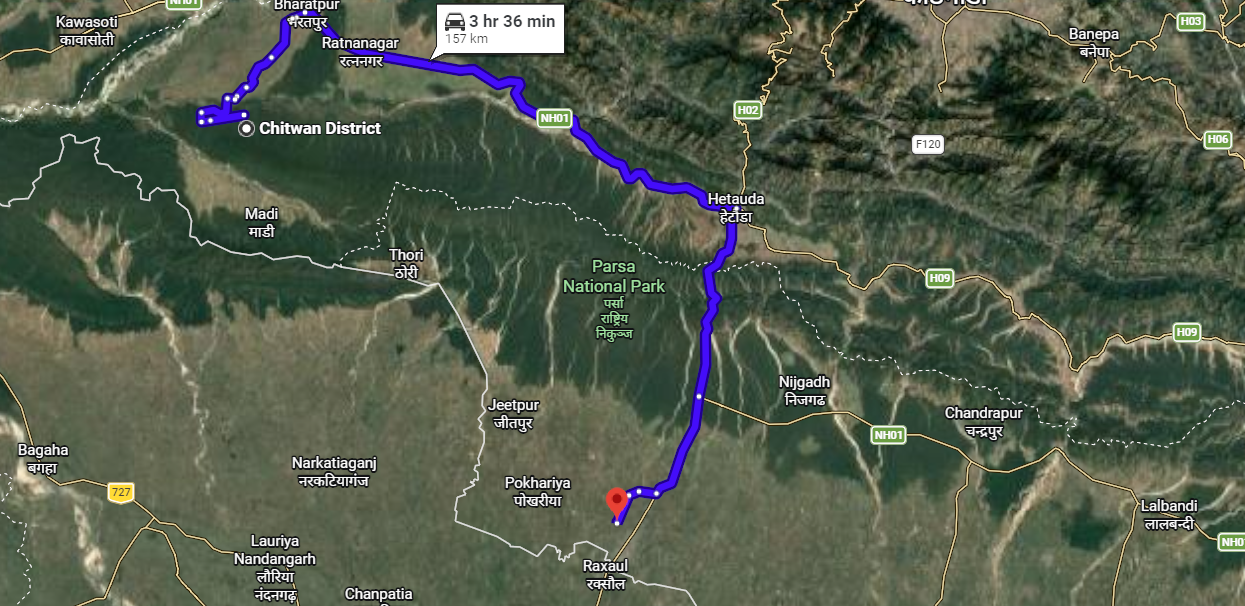
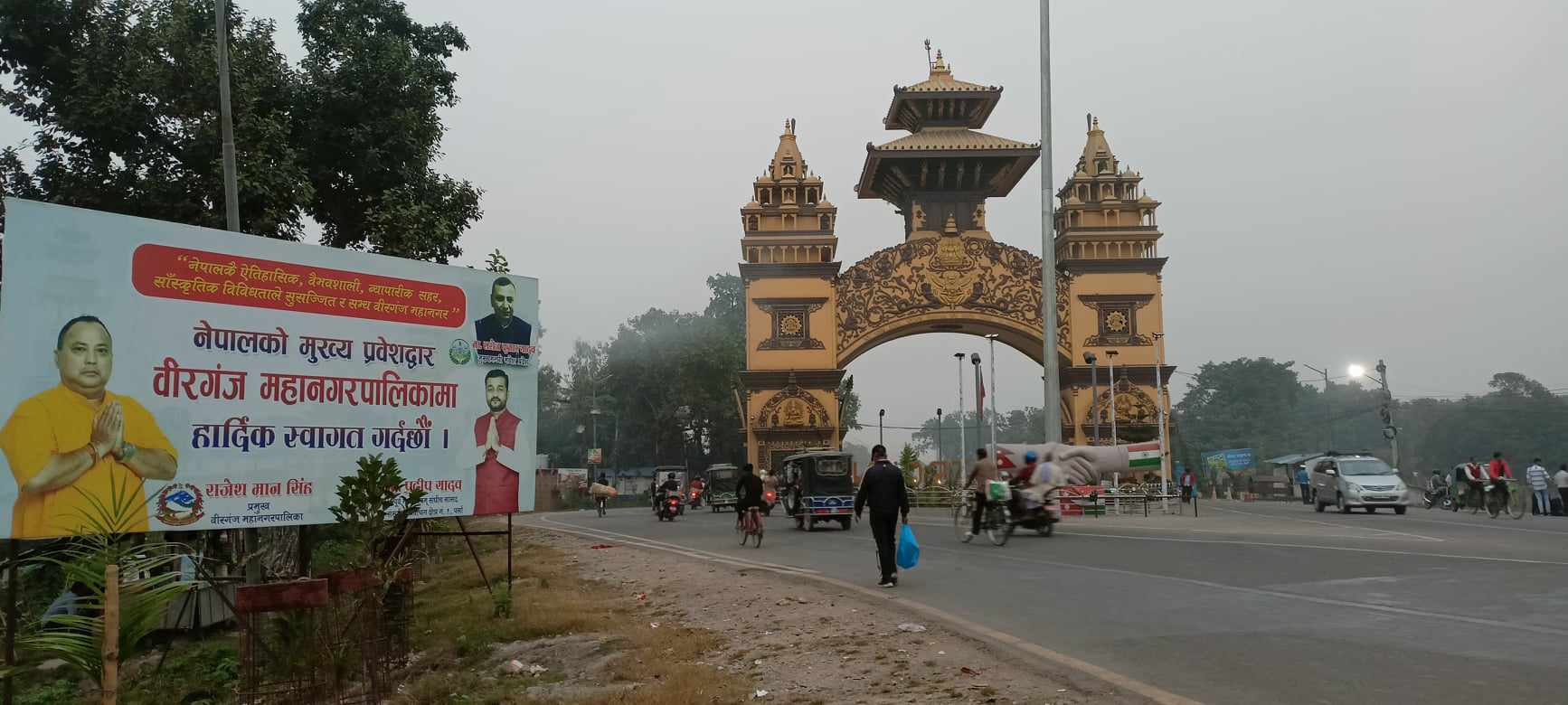
Kathmandu – Birgunj150 km4–5 hrsNoTribhuvan / Mahendra Hwy; Hetauda; India border transport
Kathmandu – Bardiya560 km12–14 hrsYesFar western Terai, national park gateway; long-distance overnight
Kathmandu – Janakpur225 km6–8 hrsNoSindhuli Highway, Madhesh plains; Ram Janaki Temple pilgrimage
Kathmandu – Bhairahawa265 km7–9 hrsYesButwal area; Lumbini access; border crossing to India at Sunauli

The Kathmandu to Pokhara VIP Sofa Bus is Nepal’s most-booked luxury bus service, and the route where the VIP Sofa Bus format was essentially created. The 200 km journey on the Prithvi Highway takes 6–8 hours.

It passes through some of Nepal’s finest highway scenery: the Trishuli River gorge, the Mugling riverside fish restaurants, the Damauli valley, and the striking arrival into Pokhara with the Annapurna and Machhapuchchhre (Fishtail Mountain) massif dominating the northern sky.

Nepal Vehicle Hiring operates morning and evening VIP Sofa Bus services on the Kathmandu–Pokhara route. Morning departures (6:30–7:00 AM from Kathmandu) arrive in Pokhara Lakeside by 2:00–3:00 PM, allowing a full afternoon for lake activities, Sarangkot viewpoint preparation, or resort check-in.

Evening departures (7:00–9:00 PM) arrive in Pokhara early the next morning on the night bus service, with fully reclining VIP sofa seats that make overnight travel genuinely restful. Hotel pick-up from Thamel and other central Kathmandu areas is available for private charter bookings.

Kathmandu to Lumbini – The Sacred Buddhist Pilgrimage Route

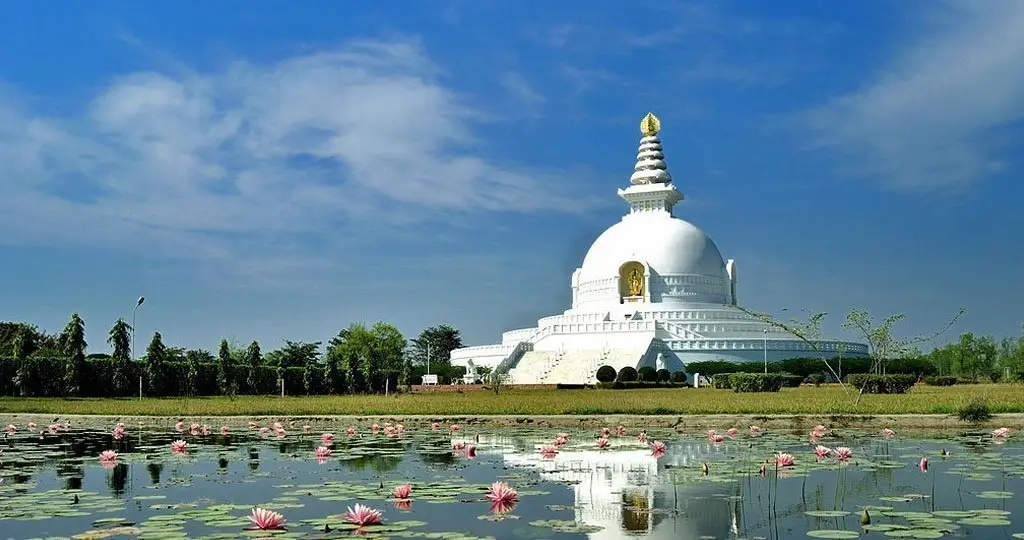
The Kathmandu to Lumbini VIP Sofa Bus covers approximately 280 km on the Prithvi Highway and Mahendra Highway through the flat Terai plains—an 8–9 hour journey that benefits especially from the VIP Sofa Bus’s superior seating comfort. Lumbini, the birthplace of Lord Siddhartha Gautama (the historical Buddha) and a UNESCO World Heritage Site, attracts pilgrim groups from South Korea, Japan, Sri Lanka, Thailand, Tibet, India, and the global Buddhist diaspora — all of whom consistently choose the VIP Sofa Bus as their preferred land transport option from Kathmandu.

Nepal Vehicle Hiring operates morning departures (6:00 AM), arriving in Lumbini by 3:00–4:00 PM, and evening departures (6:00 PM), arriving in Lumbini at approximately 5:00 AM the following morning —ideal for pilgrim groups wanting to be at the Maya Devi Temple at dawn for morning puja. Drop—off at the Lumbini Mayadevi Temple gate (Gate 5 opposite) for all Lumbini services.

Kathmandu to Chitwan – Wildlife Safari Transfer

The Kathmandu to Chitwan VIP Sofa Bus covers approximately 150 km in 4–5 hours via the Prithvi Highway to Mugling and then south to Narayanghat and Sauraha. The route is shorter than the Pokhara run but equally popular — Chitwan National Park is Nepal’s most visited wildlife destination, drawing international safari travellers, school groups, corporate retreat organisers, and family holidaymakers in the thousands year-round.

Nepal Vehicle Hiring’s VIP Sofa Bus service to Chitwan departs in the mornings (7:00 AM from Kathmandu), arriving in Sauraha by 12:00–1:00 P and leaving a full afternoon for jungle activities on arrival day. Return services from Sauraha depart between 7:30 and 8:00 AM and arrive in Kathmandu by early afternoon. A private charter option is available with resort pick-up directly from any Sauraha accommodation.

Night Bus Service – Kathmandu to Pokhara and Lumbini

Nepal Vehicle Hiring’s night VIP Sofa Bus service operates on two routes: Kathmandu to Pokhara (depart 7:00–9:00 PM, arrive 2:00–5:00 AM) and Kathmandu to Lumbini (depart 6:00 PM, arrive ~5:00 AM). On both routes, the VIP Sofa Bus’s fully reclining 2×1 sofa seats provide the most comfortable overnight bus sleep available in Nepal’s bus market—passengers on standard deluxe buses on the same night routes often arrive stiff, unslept, and uncomfortable because partial recline on 2×2 seats isn’t designed for genuine sleeping.

The VIP Sofa Bus night service is strictly limited to flat Terai and low-gradient highway routes where safe, well-lit driving conditions allow overnight operation. Nepal Vehicle Hiring’s categorical policy of no night driving on mountain routes ensures tight services run only where passenger safety is fully assured. All-night services use rotating drivers — two licensed drivers alternate throughout the overnight run to prevent fatigue.

Who Benefits Most from VIP Sofa Bus Hire in Nepal?

Client TypeWhy VIP Sofa Bus is the Perfect Choice
International TouristsNepal Golden Triangle circuits (KTM–Pokhara–Chitwan) in VIP comfort matching their 5-star hotel experience. Private charter available for full-group exclusive travel.
Hindu & Buddhist PilgrimsMuktinath Yatra groups, Lumbini pilgrimages, Pashupatinath, Janakpur – VIP Sofa Bus is ideal for senior devotees who need superior seat comfort on long ritual journeys.
Corporate GroupsStaff outings, NGO field visits, conference transfers, and incentive tours. VIP Sofa Bus projects the professional standard that corporate clients expect in Nepal.
Wedding & Event GroupsWedding guest shuttles, event venue transfers, and baraat (procession) transport. The VIP Sofa Bus’s elegant interior creates a celebratory atmosphere on the way.
Tour OperatorsNepal’s licensed tour operators use VIP Sofa Bus for top-end international tourist circuits: pre-confirmed hotel pick-up, assigned seats, and punctual departures.
School & College GroupsSelect educational institutions book VIP Sofa Bus for top-end annual excursions, heritage trips, and educational tours requiring above-standard comfort.
Senior Traveller GroupsThe VIP Sofa Bus 2×1 seat, with deep recline, armrests, and superior legroom, is the best bus option for elderly travellers on Nepal’s long-distance routes.
Film & Media ProductionsProduction companies, documentary crews, and media groups use Nepal Vehicle Hiring’s VIP Sofa Bus for comfortable, flexible transportation of crew and equipment.

International Tourists – The Nepal Golden Triangle in VIP Style

The Nepal Golden Triangle — the classic Kathmandu–Pokhara–Chitwan circuit completed by most first-time international visitors — becomes a genuinely comfortable overland experience with the VIP Sofa Bus. International tourists arriving from Europe, North America, Japan, South Korea, Australia, and the Gulf countries increasingly expect land transport standards that match their accommodation quality — and after three nights at a Pokhara lakeside boutique lodge, the VIP Sofa Bus is the only Nepal bus option that sustains that standard for the Pokhara–Chitwan and Chitwan–Kathmandu legs.

Nepal Vehicle Hiring works directly with international tour operators, destination management companies (DMCs), and Nepal-based trekking agencies to provide VIP Sofa Bus services that are smoothly integrated into Nepal’s most popular tourism packages. Our pre-confirmed hotel pick-up, assigned seat confirmation, punctual departure, and dedicated bus attendant service ensure that the VIP Sofa Bus component of any Nepal tour package reflects the overall quality of the experience.

Hindu and Buddhist Pilgrim Groups – Comfort for the Devout

Nepal is one of the world’s great pilgrimage nations — and pilgrimage groups often include elderly devotees for whom comfort is not a luxury but a medical necessity. The 8–9 hour Kathmandu–Lumbini journey, the 7–8 hour Kathmandu–Janakpur journey for Ram Navami and Vivah Panchami celebrations, and the multi-day circuits combining Pashupatinath, Muktinath, Lumbini, and Janakpur — these are long, demanding journeys that the VIP Sofa Bus’s superior Seating and air conditioning make genuinely manageable for devotees of all ages and physical conditions.

Nepal Vehicle Hiring understands the specific needs of religious pilgrimage groups: prayer-time stops at key intervals, flexibility for sudden route diversions to additional temples, vegetarian meal preferences at highway restaurants, early-morning departures to accommodate festival timing, and the respect and patience elderly pilgrims require throughout a long journey. Our VIP Sofa Bus attendants are trained to serve all passengers’ needs throughout the pilgrimage journey with genuine attentiveness and cultural sensitivity.

Corporate and NGO Groups – Professional Group Travel Standard

For Nepal’s corporate sector—multinationals, development banks, international NGOs, UN agencies, and domestic corporations—the VIP Sofa Bus provides the professional travel standard executive, technical, and staff groups require for incentive tours, team outings, field visits, and conference transfers. Nepal Vehicle Hiring provides formal corporate booking agreements, GST-compliant invoicing, advance seat-assignment information, and a dedicated operations contact for corporate accounts that require structured vehicle-hire management.

The VIP Sofa Bus’s clean, well-maintained, air-conditioned environment also provides a practical workspace for mobile team briefings, document review, and informal discussion during highway travel- something that’s impossible on a crowded public bus. Many corporate clients report that the 6–8-hour Kathmandu–Pokhara journey in a VIP Sofa Bus becomes a highly productive team-building and planning session, made possible by the private charter, quiet environment, and comfortable Seating.

Seating IP Sofa Bus Charter – The Superior Option for Groups

Nepal Vehicle Hiring’s private charter VIP Sofa Bus—when your group hires the entire bus exclusively—delivers a completely different, superior experience compared to individual seat bookings on shared departure services. Understanding the full value of private charter helps groups make the right decision:

Complete Departure Flexibility

With a private charter, your group sets the departure time, not a fixed schedule. This is particularly valuable for groups combining VIP Sofa Bus travel with hotel checkout times, flight connections, resort check-in requirements, and festival timing.

Nepal Vehicle Hiring’s VIP Sofa Bus charter can depart at any agreed time—5:00 AM for an early Pokhara arrival, 10:00 AM for a mid-morning departure, or a customised schedule that fits your group’s complete itinerary—no waiting for a shared bus to fill with strangers.

Hotel and Resort Pick-Up – Zero Transfer Hassle

On a private charter, Nepal Vehicle Hiring’s VIP Sofa Bus collects your entire group directly from your hotel, resort, or any specified location in Kathmandu, Pokhara, or another city. Your group walks from the hotel lobby to the waiting bus — no secondary taxi transfer to a bus park, no navigating Kathmandu’s morning traffic with heavy bags, and no losing group members in the confusion of public bus departure terminals.

For groups of 15–30 passengers with significant luggage, this hotel-to-destination continuity is not a minor convenience — it eliminates hours of logistical friction.

Custom Intermediate Stops

A private VIP Sofa Bus charter allows your group to stop at any intermediate destination on your route —fr photography, temple visits, river viewpoints, specific restaurants, or unscheduled detours. The Mugling fish stop in Kathmandu–Pokhara, a Manakamana Cable Car visit, a Tribhuvan Highway heritage stop, or a riverside picnic break — all are possible on a private charter and impossible on a scheduled shared departure bus.

Nepal Vehicle Hiring’s experienced drivers know the best intermediate stops on every major Nepal highway route and are happy to recommend options based on your group’s interests.

Group Privacy and Security

On a private VIP Sofa Bus charter, your group occupies the entire bus for the full journey. No strangers, no luggage mix-ups, no conversation privacy concerns, and no vulnerability from unknown co-passengers on long overnight services.

For corporate groups handling sensitive business discussions, diplomatic parties requiring confidentiality, high-value tour groups with professional camera equipment, and family groups travelling with young children, a private charter provides the security and privacy shared bus travel cannot offer.

Consistent Group Cohesion

When your entire group travels together in a single private VIP Sofa Bus, group dynamics remain intact throughout the journey. Tour guides can brief the group during the drive, team leaders can coordinate logistics, pilgrimage groups can hold prayer sessions, and wedding parties can celebrate within the exclusive, private space of your chartered VIP Sofa Bus.

In shared services, groups are split across multiple buses or among passenger seats with strangers, fundamentally disrupting the cohesion that is often the most valuable aspect of group travel.

VIP Sofa Bus Amenities – A Deep Dive into Nepal’s Finest Bus Features

The VIP Sofa Seat – Engineering of Comfort

The defining feature of Nepal’s VIP Sofa Bus is, naturally, the seat itself. Nepal Vehicle Hiring’s VIP sofa seats are purpose-built top-end coach seats — not converted standard bus seats, but specifically engineered units designed for extended highway journeys. Key design features include:

  • Full-recline mechanism: The seatback reclines to about 160 degrees—close to horizontal—creating a genuinely restful sleeping position on overnight services.
  • Deep foam cushioning: Top-end-density foam with fabric or velour upholstery distributes body weight evenly across the seat, eliminating pressure points that cause discomfort on long journeys in standard bus seats.
  • Padded, adjustable armrests: Full-length padded armrests on both sides of each sofa seat—no armrest-sharing with neighbouring passengers—and adjustable height on most models.
  • Adjustable headrest: A multi-position headrest lets each passenger position head and neck support precisely for their sleeping posture and height.
  • Footrest on selected models: Some Nepal Vehicle Hiring VIP Sofa Bus models include integrated leg rests, further improving the overnight sleeping position.

Air Suspension – Why It Matters on Nepal’s Highways

Nepal’s highway network — while significantly improved in recent years — still includes sections with irregular surfaces, bridge transitions, and gradient changes that cause significant jolting to passengers in standard buses with conventional steel-spring suspension. Nepal Vehicle Hiring’s VIP Sofa Buses are equipped with top-end air-suspension systems on all axles, using pressurised air bags rather than metal springs to absorb road irregularities.

The practical result for passengers is dramatic: the air suspension absorbs most of the shaking on sections of the Prithvi Highway that noticeably affect standard buses, delivering a smooth, quiet, gliding sensation that transforms the driver’s experience and greatly reduces passenger fatigue on long journeys.

WiFi – Staying Connected on Nepal’s Highways

Nepal Vehicle Hiring’s VIP Sofa Buses on the Kathmandu–Pokhara and Kathmandu–Lumbini routes have onboard WiFi routers. Coverage quality varies: strong in populated valley sections (Kathmandu, Narayanghat, Mugling, Pokhara approaches) and intermittent in the deep Trishuli River gorge sections, where mobile network coverage is patchy across all operators in Nepal.

Passengers are advised to download content for offline use as a backup before departure, but WiFi is reliably available for most of the journey. USB charging at every seat is more reliable than WiFi for keeping devices powered, and Nepal Vehicle Hiring recommends both as a dual-connectivity solution for VIP Sofa Bus travel.

Panoramic Windows – The Himalayan Living Screen

Nepal’s highway routes are among the most scenically extraordinary road journeys in the world — and the panoramic windows of Nepal Vehicle Hiring’s VIP Sofa Buses are specifically sized to make the most of these views. Larger than standard bus windows, with UV-filtering tinted glass and adjustable sun shading, the panoramic windows frame the Trishuli River gorge, the Annapurna range, the Machhapuchchhre (Fishtail) spire, the Dhaulagiri massif, and the Terai plains in a constantly moving, constantly spectacular natural panorama.

For photographers, the panoramic windows add genuine value, particularly on the Pokhara-Kathmandu route. Complimentary Mineral Water – Hydration as Standard.

Every passenger on every Nepal Vehicle Hiring VIP Sofa Bus service receives a complimentary sealed bottle of mineral water at boarding. This standard complimentary provision—expected on top-end coach services globally but absent on Nepal’s standard bus options—reflects the VIP Sofa Bus’s commitment to passenger care from the first moment of the journey.

On long-distance routes, the bus attendant may provide a second water bottle or light refreshments at the midpoint rest stop. Nepal Vehicle Hiring’s VIP Sofa Bus attendants are trained to monitor passenger comfort, water availability, and AC performance throughout the journey.

VIP Sofa Bus Hire in Nepal – Luxury Travel Experience

Safety Standards – Nepal Vehicle Hiring VIP Sofa Bus

Safety is the unconditional foundation of every Nepal Vehicle Hiring VIP Sofa Bus operation. Our safety standards exceed Nepal’s DoTM regulatory requirements in multiple dimensions:

Safety StandardNepal Vehicle Hiring Protocol
Driver LicensingAll VIP Sofa Bus drivers hold a Class A+ commercial license issued by DoTM (Department of Transport Management) – the highest category for passenger vehicles.
Vehicle RegistrationAll Nepal Vehicle Hiring VIP Sofa Buses hold a current Lal Purja (blue book) and a valid provincial transport route permit for each specific route operated.
Passenger InsurancePassenger accidental medical insurance is included in every Nepal Vehicle Hiring VIP Sofa Bus hire – covering all passengers from departure to destination.
Pre-Journey InspectionFull mechanical inspection performed before every long-distance departure: brakes, tyres, all fluid levels, lights, AC, entertainment, and USB charging systems
Bus AttendantA dedicated bus attendant accompanies the driver on all VIP Sofa Bus services – available to assist passengers throughout the journey.
Night Driving PolicyNight VIP Sofa Bus services operate ONLY on safe, flat, well-lit Terai highway routes (Kathmandu–Pokhara, Kathmandu–Lumbini)—no night mountain driving.
Driver Rest HoursDOTM rest-hour regulations are followed rigorously. Long-distance routes use driver rotation to ensure no fatigue-affected driving at any point.
Emergency EquipmentAll VIP Sofa Bus services carry a first aid kit, emergency contacts (Nepal Vehicle Hiring 24/7 support, traffic police, medical services), and an air extinguisher.
Cleaning ProtocolWe fully clean and sanitise the interior after every trip. We replace or clean seat covers and headrests for each new journey.

Driver Selection and Training

Nepal Vehicle Hiring’s VIP Sofa Bus drivers are selected through a rigorous process that goes well beyond license verification. All drivers undergo: a minimum of 3 years of commercial passenger vehicle driving experience; route-specific knowledge testing on all major Nepal highway routes; a defensive driving assessment; an English communication evaluation for international passenger service; background and reference checks; and ongoing performance monitoring through passenger feedback collected after every trip.

Our VIP Sofa Bus drivers are among the most experienced and professional in Nepal’s commercial vehicle sector.

What to Do If You Have a Safety Concern on Board

If any passenger has a safety concern during a Nepal Vehicle Hiring VIP Sofa Bus journey—such as driver behaviour, vehicle condition, or an emergency—the bus attendant is the first point of contact. The attendant can halt the bus, contact Nepal Vehicle Hiring operations, or contact emergency services immediately.

Nepal Vehicle Hiring’s 24/7 operations line (+977 981-4227196) is available throughout every journey. Nepal Vehicle Hiring registers all VIP Sofa Bus drivers’ journey details in its dispatch system before departure; your group’s location is always known.

How to Book Your VIP Sofa Bus Hire – Complete Booking Guide 2026

Booking TypeDetails & Best Use
Private Charter (Full Bus)The entire VIP Sofa Bus is exclusively for your group. Full control over departure time, hotel pick-up, route stops, and privacy. Best for tour groups, corporations, weddings, and pilgrimages.
Hotel Pick-Up ServiceNepal Vehicle Hiring VIP Sofa Bus collects passengers directly from their hotel in Thamel, Lazimpat, or any location in Kathmandu. No travel to bus parks required.
Advance Booking RequiredPeak season (Dashain, Tihar, Vivah Panchami, Christmas/New Year): 7–14 days in advance. Standard dates: 2–5 days in advance. Large groups (20+ pax): 1–2 weeks.
Night Bus BookingNight VIP Sofa Bus departure from Kathmandu–Pokhara: 7:00–9:00 PM, arriving 2:00–5:00 AM. Night to Lumbini: 6:00 PM, arriving ~5:00 AM. Book 3+ days ahead.
Multi-Day Package BookingNepal Vehicle Hiring provides VIP Sofa Bus for full Nepal circuit packages (KTM–Pokhara–Chitwan–KTM): a single booking, consistent vehicle standards, and a coordinated schedule.

Step-by-Step Booking Process

  • Step 1 – Contact Nepal Vehicle Hiring: Call or WhatsApp +977 981-4227196 or visit com/bus. State your travel date, route, group size, preferred departure time, pick-up address, and whether you need a private charter or are joining a shared departure.
  • Step 2 – Receive Quote and Confirm: Nepal Vehicle Hiring provides a full, transparent pricing quote. For private charters, the quote covers the entire bus hire — per-vehicle pricing, not per-person. For peak season or large groups, you may need to pay a booking deposit.
  • Step 3 – Receive Booking Confirmation: You’ll receive written confirmation with the bus model, seat numbers (where applicable), driver and attendant details, pick-up time and address, departure time, and estimated arrival time.
  • Step 4 – Day Before Reminder: Nepal Vehicle Hiring’s operations team contacts your group lead the evening before travel to confirm pick-up time, luggage requirements, and any last-minute details.
  • Step 5 – Journey Day: The VIP Sofa Bus arrives at your hotel at the confirmed time, and the attendant stores luggage in the underfloor hold. Passengers board, receive complimentary water, and settle into their VIP sofa seats. The journey begins.

Advance Booking Advice by Season

Nepal Vehicle Hiring strongly advises booking in advance based on the travel season:

  • Festival Periods (Dashain Oct, Tihar Oct–Nov, Vivah Panchami Nov–Dec, Ram Navami Apr–May, Chhath Puja Oct–Nov): Book 2–4 weeks in advance — VIP Sofa Bus availability is severely limited during major festivals when all transport fills rapidly.
  • Peak Tourist Season (Oct–Nov, Mar–May): Book 7–14 days in advance for private charter. Individual seat bookings on shared departures: 3–7 days.
  • Standard Season (Jun–Sep, Dec–Feb): Book 2–5 days in advance for most routes. Last-minute availability may be available, but is not guaranteed for the VIP Sofa Bus.
  • Large Groups (20+ passengers): Always book at least 2 weeks in advance, regardless of season — a full VIP Sofa Bus (21–30 seats) for private charter requires logistical preparation.

VIP Sofa Bus Travel Tips – Getting the Most From Your Nepal Bus Journey

Seat Selection Strategy

On a VIP Sofa Bus with 2×1 Seating, seat selection can meaningfully shape your journey experience:

  • Right-side single seats (Column A): Maximum personal space and privacy — no neighbour. However, views from these seats are on the right side of the road, which is the mountainside on the Kathmandu–Pokhara (Trishuli gorge) route, but the less scenic side on some stretches.
  • Left-side window seats (Column B): Best views of the Trishuli River gorge and the Annapurna range approach on Kathmandu–Pokhara. Shared row with one aisle neighbour.
  • Front seats (Rows 1–4): Best views through the front windscreen but most sensation of road motion — less suitable for motion sickness sufferers.
  • Middle seats (Rows 8–15): Smoothest ride quality. Least vibration. Most comfortable for elderly passengers and those prone to motion sickness.
  • Rear seats (Rows 16–end): More road sensation and noise from the rear axle. Generally less comfortable on rough sections. Not ideal for long journeys or motion-sensitive passengers.

What to Pack for Long VIP Sofa Bus Journeys

  • Warm Layer: AC can be cold on VIP Sofa Buses, even in warm weather — always carry a light jacket or fleece, regardless of the season.
  • Travel Pillow and Eye Mask (Night Bus): For overnight services to Pokhara or Lumbini, a personal travel pillow and eye mask can significantly improve the sleeping experience, even in a VIP sofa seat.
  • Ear Plugs or Noise-Canceling Headphones: Entertainment systems, phone conversations, and engine noise can disturb sleep on night buses. Ear protection is recommended for overnight travel.
  • Cash (NPR) for Rest Stops: Highway restaurant stops are cash-only. Carry NPR for meals (NPR 300–700 per person at midpoint restaurant stops) and any purchases.
  • Motion Sickness Medication: The Prithvi Highway’s winding sections between Malakhu and Mugling can cause motion sickness in susceptible travellers. Take medication before boarding if needed.
  • Offline Entertainment Download: Download films, podcasts, or playlists before boarding — WiFi in gorge sections is intermittent.

Rest Stop Guide – Kathmandu to Pokhara VIP Sofa Bus

Nepal Vehicle Hiring’s Kathmandu–Pokhara VIP Sofa Bus makes two scheduled rest stops:

  • Malakhu / Adhibhumi (approx. 80 km, 2 hrs from Kathmandu): Brief comfort stop (15–20 min). Clean facilities. Basic snacks and tea are available.
  • Mugling (approx. 100 km, 2.5 hrs from Kathmandu): Main rest and meal stop (30–45 min). The famous Mugling fish restaurants serve freshly grilled Asla (snow trout arguably Nepal’s finest highway dining experience and one of the most discussed features of the Kathmandu–Pokhara journey among both local and international travellers. Strongly recommended.

Frequently Asked Questions – VIP Sofa Bus Hire in Nepal

What exactly is a VIP Sofa Bus in Nepal?

A VIP Sofa Bus is Nepal’s top-end luxury bus category, distinguished by its 2×1 seating configuration (two seats on the left side, one on the right) rather than the standard 2×2 layout. This gives each of the 21–30 passengers significantly more personal space, wider sofa-style seats with full recline, and a more private, comfortable journey experience.

Additional top-end features include WiFi, USB charging, air suspension, LCD entertainment, panoramic windows, complimentary mineral water, and passenger insurance.

How is a VIP Sofa Bus different from a VIP Deluxe Bus?

The fundamental difference is seating configuration and personal space. A VIP Sofa Bus uses 2×1 Seating (Seating Passengers). In contrast, a VIP Deluxe Bus uses 2×2 Seating (Seating Passengers); the Sofa Bus offers wider seating, a wider aisle, and a more personal, top-end experience.

The VIP Deluxe Bus is more economical and better suited to larger groups. Choose the Sofa Bus when maximum comfort is the priority.

Can I hire a VIP Sofa Bus as a private charter for my group?

Yes — Nepal Vehicle Hiring’s primary VIP Sofa Bus service model is private full-bus charter. Your group hires the entire bus (21–30 seats) exclusively — full control over departure time, hotel pick-up, route stops, and privacy. Private charters are available for all routes and are strongly recommended for tour groups, corporate outings, pilgrimages, weddings, and any group needing full privacy and schedule flexibility.

What routes does Nepal Vehicle Hiring VIP Sofa Bus serve?

Nepal Vehicle Hiring’s VIP Sofa Bus serves all major tourist and pilgrimage routes in Nepal,  including: Kathmandu–Pokhara (most popular), Pokhara–Kathmandu, Kathmandu–Lumbini, Kathmandu–Chitwan, Pokhara–Chitwan, Kathmandu–Birgunj, Kathmandu–Bardiya, Kathmandu–Janakpur, and Kathmandu–Bhairahawa. Custom routes and multi-day circuits are also available on request.

Does Nepal Vehicle Hiring VIP Sofa Bus have WiFi?

Yes — WiFi is available on Nepal Vehicle Hiring VIP Sofa Buses operating the Kathmandu–Pokhara and Kathmandu–Lumbini routes. Coverage is good in populated sections and intermittent in deep gorge areas where mobile network coverage is limited across all Nepal operators. USB charging at every seat is available and fully reliable on all routes; we recommend this as the primary device-charging solution, with WiFi as a supplementary connectivity feature.

How many passengers can a VIP Sofa Bus accommodate?

Nepal Vehicle Hiring’s VIP Sofa Buses accommodate 21 to 30 passengers, depending on the specific bus model. For private charter, the entire bus capacity is available for your group. For groups smaller than 21, the private charter cost covers the full bus — but the superior space and comfort make even small groups of 10–15 passengers choose VIP Sofa Bus private charter over cramped alternatives.

Is the VIP Sofa Bus suitable for elderly passengers?

Yes — the VIP Sofa Bus is the most suitable bus option for elderly passengers in Nepal. The wide 2×1 sofa seat with deep cushioning, full armrests, easy-recline mechanism, and generous legroom provides the most comfortable seating arrangement on Nepal’s bus network.

The air suspension system dramatically reduces road vibration and impact that can cause discomfort for passengers with joint or back sensitivities. Nepal Vehicle Hiring’s bus attendants provide additional assistance for elderly passengers with boarding, luggage, and seating throughout the journey.

Are there night bus services on the VIP Sofa Bus?

Yes — Nepal Vehicle Hiring operates VIP Sofa Bus night services on Kathmandu–Pokhara (depart 7:00–9:00 PM) and Kathmandu–Lumbini (depart 6:00 PM). The 2×1 fully reclining sofa seats create the most comfortable overnight sleeping position available on Nepal’s highway buses.

Night services are operated exclusively on safe, flat, well-lit highway routes — never on mountain or winding hill routes. Two licensed drivers rotate on all night services to prevent driver fatigue.

How far in advance do I need to book a VIP Sofa Bus?

For standard periods: 2–5 days in advance. For peak festival season (Dashain, Tihar, Vivah Panchami): 2–4 weeks ahead. For peak tourist season (Oct–Nov, Mar–May): plan 7–14 days in advance for large groups requiring a charter; at least 2 weeks in advance, regardless of season.

What luggage can I bring on a Nepal Vehicle Hiring VIP Sofa Bus?

Nepal Vehicle Hiring’s VIP Sofa Bus luggage allowance per passenger: 30 kg in the underfloor luggage hold (large bags, trekking equipment, backpacks) + 5 kg hand luggage in the overhead storage rack. For private charter groups, the entire underfloor hold is available — generous for those with trekking packs, camera equipment, or oversized luggage. Confirm unusually large items (e.g., bicycle, large camping equipment) at the time of booking.

What is included and not included in the VIP Sofa Bus hire price?

Included: bus, driver, bus attendant, fuel, passenger accident insurance, complimentary mineral water, WiFi (on major routes), USB charging, and air conditioning. Not included: passenger meals at highway rest stops, porter fees, national park entry fees (for safari routes), and driver/attendant gratuity. A full transparent quote is provided in writing before booking confirmation — no hidden charges.

Can VIP Sofa Bus pick me up from my hotel in Thamel?

Yes — hotel pick-up from Thamel and all central Kathmandu areas is available on private charter bookings. For shared departure services, pick-up is from designated Kathmandu departure points (Sorakhutte/Khusibu area or Gongabu Bus Park, depending on route). Nepal Vehicle Hiring recommends a private charter for convenient hotel pick-up, eliminating the need for a secondary taxi transfer to a bus departure point.

Book Your VIP Sofa Bus Hire in Nepal Today – Nepal Vehicle Hiring

The Nepal Vehicle Hiring VIP Sofa Bus represents the finest land travel experience available in Nepal in 2026. From the moment your group settles into the deeply cushioned 2×1 sofa seats, connects to WiFi and USB charging, receives their complimentary mineral water, and feels the smooth air suspension absorbing the first highway undulation — the difference from every other bus travel experience in Nepal is immediately, undeniably apparent.

Whether your journey is Kathmandu to Pokhara with the Annapurna massif shimmering through panoramic windows, Kathmandu to Lumbini overnight in a reclined sofa-bed on Nepal’s finest night bus, a private charter for your corporate team’s annual outing, a pilgrimage group of senior devotees requiring the most comfortable possible Yatra transport, or an international tour group completing the Nepal Golden Triangle in VIP style — Nepal Vehicle Hiring’s VIP Sofa Bus delivers the quality, professionalism, safety, and comfort that Nepal’s magnificent destinations deserve.

With 24/7 booking, hotel pick-up, private charter flexibility, a top-end maintained fleet, licensed and experienced drivers and attendants, passenger insurance, and competitive, transparent pricing — Nepal Vehicle Hiring is Nepal’s first choice for VIP Sofa Bus hire in 2026. Book your VIP journey today.

Call / WhatsApp: +977 981-4227196 |  Website: vehiclehiringnepal.com  |E-mail: [email protected]  Book VIP Sofa Bus  |  Coaster & Hiace Hire

Besisahar to Manang Jeep

Kathmandu to Manang jeep

Besisahar to Manang Jeep — Complete  Guide

The 75 to 83 kilometres of off-road mountain track between Besisahar and Manang is one of Nepal’s most thrilling, beautiful, and demanding jeep drives. From the moment the paved road ends at Besisahar (760 m) and the 4WD jeep begins its climb into the Marsyangdi River gorge, every kilometre brings a new and more dramatic Himalayan landscape — roaring waterfalls, towering cliff walls, ancient Gurung and Tamang villages, dense rhododendron forests, and finally the wide, arid, Tibetan-flavoured valley of Manang (3,519 m) with its extraordinary mountain panorama.

For Annapurna Circuit trekkers, the Besisahar to Manang jeep journey serves a critical purpose: it saves 5 to 7 days of walking on the lower sections of the circuit while delivering trekkers directly to the acclimatisation hub at Manang — fully rested and ready for the high-altitude challenges of Thorong La Pass (5,416 m) and the upper circuit ahead. For adventurous travellers and road trip enthusiasts, it’s the world’s best off-road driving experience.

This complete guide covers every aspect of the Besisahar to Manang jeep journey: the route in full detail, segment-by-segment road conditions, 2026 costs for both shared and private jeep hire, vehicle recommendations, altitude acclimatisation advice, permits, and why Nepal Vehicle Hiring Pvt Ltd is the most trusted jeep hire provider for this demanding off-road route.

Route Overview — Key Facts

Route DetailInformation
Total Off-Road Distance75–83 km (Besisahar to Manang — entirely off-road)
Manang Altitude3,519 m (11,545 ft) above sea level
Besisahar Altitude760 m (2,493 ft) above sea level
Total Altitude Gain2,759 m — from 760 m to 3,519 m
Travel Time (Dry Season)8 to 12 hours — often done over 2 days
Travel Time (Monsoon)10–14+ hours — road conditions variable
Road Type100% off-road throughout — paved road ends at Besisahar
4WD Required?MANDATORY — no sedan, car, or Hiace can safely complete this route
Best VehiclesToyota Land Cruiser, Toyota Hilux 4WD, Mahindra Scorpio 4WD, Bolero 4WD
Shared Jeep CostNPR 4,500–5,500 / USD 35–45 per person (Besisahar to Manang)
Private Jeep CostNPR 25,000–40,000 / USD 200–330 (full vehicle, Besisahar to Manang)
Best SeasonOctober–December and March–May (dry season)
Permits RequiredACAP + TIMS card — inspected at Jagat Army checkpoint

4WD IS NOT OPTIONAL: The Besisahar to Manang road is 100% off-road. No paved sections exist beyond Besisahar. Sedans, standard SUVs, and Hiace vans CANNOT safely complete this route. A high-clearance 4WD vehicle with an experienced driver is mandatory for the entire journey from Besisahar to Manang.

Why Take a Jeep from Besisahar to Manang?

Save 5 to 7 Trekking Days

The Annapurna Circuit from Besisahar to Manang on foot takes 5 to 7 days of walking through the Marsyangdi River valley. While this is a beautiful, culturally rich trekking section, many time-limited trekkers prefer to cover it by jeep—saving nearly a week that can be spent on the more spectacular high-altitude sections of the circuit above Manang, or on side trips to Tilicho Lake and Ice Lake.

Ideal for Trekkers with 10 Days or Fewer

International visitors with tight vacation schedules of 10 to 14 days cannot afford to spend 5 to 7 of those days walking the lower Annapurna Circuit. A jeep from Besisahar to Manang compresses this section to 1 to 2 days, preserving most of the available trekking time for the genuinely spectacular terrain above Manang — the high alpine pastures, glacial valleys, and, finally, the extraordinary crossing of Thorong La Pass.

An Off-Road Adventure in Its Own Right

For many travellers, the Besisahar-to-Manang jeep drive is not a shortcut—it is the main event. The route passes through some of Nepal’s most dramatic gorge country: cliff-face roads carved into mountainsides hundreds of meters above the Marsyangdi River, enormous waterfalls cascading across the road, suspension bridges, ancient villages unchanged for centuries, and progressively more dramatic Himalayan scenery as altitude increases. Every hour of the drive brings a remarkable change in the landscape.

Gradual Acclimatisation Over Two Days

Split over two days with an overnight stop at Chame (2,670 m), the Besisahar-to-Manang jeep journey offers better acclimatisation than the direct single-day trek from Besisahar. Sleeping at Chame before ascending to Manang (3,519 m) on Day 2 is the standard acclimatisation protocol recommended for jeep travellers — and Nepal Vehicle Hiring Pvt Ltd builds this into all Manang jeep itineraries.

The Route — Segment by Segment

SegmentDistanceDurationAltitudeRoad CharacterDifficulty
Besisahar → Syange20 km2.5–3 hrs760 m → 1,100 mBumpy, narrow, rocky trackChallenging
Syange → Jagat12 km1.5 hrs1,100 m → 1,300 mNarrow gorge, cliff edgesVery Challenging
Jagat → Chamche3 km30–45 min1,300 m → 1,430 mHuge cliff walls, waterfallsChallenging
Chamche → Dharapani8 km1 hr1,430 m → 1,860 mValley opening, off-road mixModerate
Dharapani → Chame16 km3–3.5 hrs1,860 m → 2,670 mSteep ascent, pine forestsVery Challenging
Chame → Pisang7 km1 hr2,670 m → 3,200 mApple orchards, valley roadModerate
Pisang → Manang18 km1.5–2 hrs3,200 m → 3,519 mWide Manang valley, arid roadEasy-Moderate

Besisahar

Segment 1 — Besisahar to Syange (20 km, 2.5–3 hours)

The off-road adventure begins immediately at Besisahar. As the Jeep leaves the last paved street and climbs the rocky track above the Marsyangdi River, the character of the journey changes. The road is narrow, rough, and bumpy — the driver engages 4WD, and the vehicle begins the slow, deliberate progress that characterises the entire Besisahar-Manang journey.

This first section passes through Ngadi and Bulbule — two small villages where the first suspension bridges cross the Marsyangdi. The river gorge begins to deepen and narrow, and the first glimpses of the high peaks above become visible.

By Syange (1,100 m), the gorge has become truly dramatic — waterfalls tumble from cliff faces on both sides and the river far below roars through its rocky channel. The road here is often barely wider than a Jeep itself, with sheer drops to the river on one side and cliff walls on the other.

Segment 2 — Syange to Jagat (12 km, 1.5 hours)

Between Syange and Jagat, the gorge deepens further, and the road becomes progressively more challenging. This section involves some of the narrowest and most technically demanding driving on the entire route — cliff-face roads with loose rock surfaces, multiple stream crossings, and occasional landslide debris that requires careful navigation. The views are extraordinary: massive rock walls hundreds of meters high, multiple waterfalls, and the constant, turbulent presence of the Marsyangdi River below.

Jagat (1,300 m) is the location of the ACAP army checkpoint — all passengers must present their Annapurna Conservation Area Permit (ACAP) and TIMS card here. The checkpoint officers are thorough; always have your permits accessible. Jagat has basic tea houses and a small bazaar — a common rest stop after the demanding Syange-Jagat section.

Segment 3 — Jagat to Chamche (3 km, 30–45 minutes)

The short but visually extraordinary stretch from Jagat to Chamche is arguably the most spectacular 3 kilometres of the entire route. The road passes beneath enormous cliff walls — in some places, 200 to 300 meters of sheer rock tower directly above the vehicle. Multiple large waterfalls cascade across or near the road.

The Chamche area is named for the waterfalls (‘chamche’ means ‘waterfall’ in Nepali), and the concentration of falling water here — particularly impressive during and after the monsoon — makes this one of the most photographed sections of the Annapurna Circuit road.

Segment 4 — Chamche to Dharapani (8 km, 1 hour)

Above Chamche, the gorge gradually widens, and the road quality improves slightly. The valley opens as the route passes through Tal (1,675 m) — a large flat settlement in an ancient glacial lake bed — and continues to Dharapani (1,860 m).

Dharapani is an important junction village where the Annapurna Circuit trail meets the road from Tsum Valley and the Manaslu Circuit. The widening valley and warming landscape around Dharapani feel like a relief after the dramatic gorge sections below.

chame village

Segment 5 — Dharapani to Chame 16 km, 3–3.5 hours) — Hardest Section

The climb from Dharapani to Chame is the most physically demanding section of the route for both vehicle and driver. The road gains approximately 800 meters of altitude in 16 km — a steep, sustained ascent through dense rhododendron and pine forest on a narrow, rocky track that requires constant low-range 4WD engagement. In wet conditions, this section becomes extremely challenging — steep, slippery, and prone to minor landslides.

The reward for the long climb is Chame (2,670 m) — the headquarters of Manang District and the largest settlement between Besisahar and Manang. Chame has natural hot springs, apple orchards beginning to appear, several well-equipped guesthouses, restaurants, a telecommunications office, vehicle repair facilities, and the first genuine mountain views of the journey — Annapurna (7,937 m) appearing above the forest ridgeline to the northeast. Most two-day jeep itineraries overnight in Chame.

Overnight in Chame: Nepal Vehicle Hiring Pvt Ltd strongly recommends an overnight stop in Chame. Sleeping at 2,670 m before continuing to Manang (3,519 m) provides critical acclimatisation and avoids the significant AMS risk of driving directly from Besisahar to Manang in a single day.

Segment 6 — Chame to Pisang (7 km, 1 hour)

Above Chame, the terrain transforms dramatically. The forest gives way to open alpine terrain, and the Manang valley begins to reveal itself. Apple orchards line the road — Chame and the surrounding area are famous for high-altitude apple production, and the apple brandy and cider produced here are among the finest in Nepal.

Pisang (3,200 m) offers a spectacular viewpoint with Annapurna II (7,937 m) dramatically visible, and the Upper Pisang Monastery perched on a ridge above the lower village.

Segment 7 — Pisang to Manang (18 km, 1.5–2 hours)

The final section from Pisang to Manang passes through the wide, increasingly arid Manang valley — a landscape that feels more Tibetan than Nepali. The valley floor is broad and flat between towering 7,000-meter walls on all sides.

The road quality on this section is relatively better than the gorge sections below — still off-road but less technically demanding. Braga village, just before Manang, has the famous Braga Gompa — one of the oldest Buddhist monasteries in the Annapurna region with extraordinary frescoes and a massive collection of clay statues.

Manang (3,519 m) appears around the final bend — a cluster of traditional white-washed stone houses beneath the immense south faces of Annapurna III and Gangapurna.

Key Stops Along the Route

StopAltitudeDistance from BesisaharKey Features & Notes
Besisahar760 mStartLast ATM, fuel, permits, paved road ends here
Ngadi / Bulbule840 m15 kmFirst suspension bridges, Marsyangdi views, off-road starts
Syange1,100 m20 kmDeep gorge entry, towering cliffs, waterfalls begin
Jagat1,300 m32 kmArmy checkpoint — ACAP + TIMS inspected here
Chamche1,430 m35 kmMost dramatic cliff section — huge walls, multiple waterfalls
Dharapani1,860 m43 kmManaslu Circuit junction, wider valley, guesthouses
Bagarchap2,160 m47 kmTraditional stone village, first Tibetan-influenced culture
Chame2,670 m59 kmManang District HQ, hot springs, apple orchards — OVERNIGHT
Pisang3,200 m66 kmUpper + Lower Pisang, monastery, Annapurna II views
Braga3,360 m78 kmAncient cave monastery — 500-year-old Braga Gompa
Manang3,519 m83 kmAcclimatisation hub, Gangapurna Lake, HRA clinic

Besisahar

Shared Jeep — Budget Option

Shared jeeps operate from Besisahar throughout the morning (typically 6:00–9:00 AM) and are the most affordable motorised option. They operate on a fill-and-depart basis —a jeep departs when all seats are taken, typically with 7 to 9 passengers sharing the vehicle.

  • Cost: NPR 4,500–5,500 / USD 35–45 per person (Besisahar to Manang, one way)
  • Departure: From Besisahar jeep stand — morning departures (6:00–9:00 AM typically)
  • Capacity: 7–9 passengers; jeep — cramped with full trekking gear
  • Limitation: No hotel pickup, no flexibility in stops, departs only when full
  • Best for: Solo trekkers or pairs on a budget willing to share with other passengers

A private jeep gives your group complete control over departure time, rest stops, and pace. With Nepal Vehicle Hiring Pvt Ltd’s private jeep hire, you get hotel or guesthouse pickup in Besisahar, freedom to stop at every waterfall, viewpoint, and village, and a driver who prioritises your comfort and safety throughout the journey.

  • Cost: NJourney00–40,000 / USD 190–300 (Besisahar to Manang, full vehicle, one way)
  • Booking: Through Nepal Vehicle Hiring Pvt Ltd — book in Kathmandu or online in advance
  • Departure: Flexible — depart from Besisahar at your preferred time
  • Capacity: 4–6 passengers comfortably with luggage on roof rack
  • Includes: Driver, fuel, all tolls — all-inclusive pricing

Group Value: For 6 trekkers sharing a private jeep at NPR 35,000 (USD 265), the per-person cost is approximately USD 44 — comparable to the shared jeep but with the comfort of a private vehicle, hotel pickup, flexible stops, and a professional driver from Nepal Vehicle Hiring Pvt Ltd.

pokhara to kathmandu seorpio

Vehicle Comparison — Which Jeep for Besisahar to Manang?

Vehicle4WD SystemGround ClearanceCapacityBest For Cost (Besisahar–Manang)
Mahindra ScorpioPart-time 4WD180 mm6–7 passengersBudget groups — standard routeNPR 25,000–40,000 / USD 185–230
Mahindra BoleroPart-time 4WD185 mm7–9 passengersLarger groups, popular Jeep jeepNPR 22,000–35,000 / USD 165–210
Toyota Hilux 4WDPart-time + diff lock220 mm5–6 passengersBest off-road performance, safestNPR 30,000–50,000 / USD 230–350
Toyota Land CruiserFull-time 4WD + crawl225 mm6–7 passengersTop-end comfort + max capabilityNPR 40,000–70,000 / USD 300–410

Nepal Vehicle Hiring Pvt Ltd recommends the Toyota Hilux 4WD or the Toyota Land Cruiser for the Besisahar-Manang route. The Hilux provides the best combination of ground clearance (220 mm), off-road capability, reliability, and passenger comfort for this demanding mountain road. The Land Cruiser is the top-end option — maximum clearance, the most advanced 4WD system, and superior interior comfort for the long journey.

Besisahar to Manang Jeep

Road Journeys — Season Guide

SeasonMonthsRoad ConditionDifficulty LevelRecommendation
Autumn (Best)Oct – NovDry, stableHigh but manageableBest season — dry roads, clear views
WinterDec – FebDry but coldHigh — frost risk above ChameGood — cold nights; possible snow near Manang
Spring (Good)Mar – MayMostly dryHigh but manageableExcellent — warming up, rhododendrons
MonsoonJun – SepMuddy, riskyVery High — landslidesCaution — verify daily; 4WD critical

Autumn — October to November (Best Season)

The best season for the Besisahar-to-Manang jeep. Post-monsoon roads are dry and at their most stable. The air is crystal-clear — mountain views from the upper sections (Chame to Manang) are spectacular.

The waterfalls in the gorge sections are still active but not dangerous. October and November are peak trekking months — shared jeeps are readily available, and the Besisahar to Manang route is busy with Annapurna Circuit trekkers.

Winter — December to February

Dry conditions and clear skies make winter a surprisingly good season for the Besisahar-to-Manang jeep. Jeep sections are dry and manageable. Above Chame and toward Manang, frost and occasional light snowfall are possible — the Toyota Hilux and Land Cruiser handle this without difficulty.

Chame and Manang are cold but well served by guesthouses during the trekking season. Fewer trekkers mean more availability and potentially lower prices.

Spring — March to May

Spring is excellent — warming temperatures, rhododendron forests in bloom on the Dharapani to Chame section, and generally dry road conditions. March and April see heavy Annapurna Circuit trekking traffic — book private jeeps well in advance. The Chamche waterfall sections are particularly beautiful in spring when snowmelt swells the falls.

Monsoon — June to September

Monsoon Warning: The Besisahar to Manang off-road track is prone to landslides, mudslides, and surface damage during heavy monsoon rainfall — particularly the gorge sections between Syange and Dharapani. Road closures after major rainfall events can delay journeys by hours or days. A Toyota Land Cruiser or Hilux is mandatory during the monsoon. Nepal Vehicle Hiring Pvt Ltd monitors road conditions daily and will advise on the current status before departure. Always have a contingency plan during the monsoon.

Permits Required

ACAP — Annapurna Conservation Area Permit

  • Cost: NPR 3,000 per person for foreign nationals (approximately USD 22)
  • SAARC nationals: NPR 200 per person
  • Where to obtain: Nepal Tourism Board office in Kathmandu or Besisahar
  • Inspected at: Jagat Army checkpoint — mandatory; cannot proceed without a valid ACAP

TIMS Card — Trekkers’ Information Management System

  • Cost: Approximately USD 10–20 per person for foreign nationals
  • Where to obtain: Nepal Tourism Board or TAAN office, Thamel, Kathmandu

Get both permits in Kathmandu before departure — saves time at Besisahar and avoids any risk at the Jagat checkpoint. Nepal Vehicle Hiring Pvt Ltd can assist with permit information and directions to the Nepal Tourism Board office.

DayRouteDrive TimeOvernightNotes
Day 1Kathmandu → Besisahar5–6 hrs (paved)Besisahar (760 m)Early 5:30 AM departure from KTM; last ATM here
Day 2Besisahar → Chame7–8 hrs (off-road)Chame (2,670 m)8 hrs through gorge, cliff sections, pine forests
Day 3Chame → Manang3–4 hrs (off-road)Manang (3,519 m)Apple orchards, the  Pisang monastery, and a wide valley
Day 4Manang — rest day—Manang (3,519 m)Acclimatisation — Gangapurna Lake, Braga Gompa
Day 5Begin Annapurna CircuitTrek startsYak Kharka / LedarToward Thorong La Pass (5,416 m)

The 3-day approach (Day 1: Kathmandu to Besisahar; Day 2: Besisahar to Chame; Day 3: Chame to Manang) is the safest and most comfortable itinerary for the Kathmandu-to-Manang jeep journey. Overnight in Chame provides critical altitude acclimatisation before the final ascent to Manang at 3,519 m.

Do NOT drive from Besisahar to Manang in a single day — the combination of 8 to 12 hours of rough driving and a 2,759-meter altitude gain is both physically exhausting and a significant AMS risk. Always split the journey with a journey to Chame (2,670 m).

Manang valley-Besisahar to Manang jeep
Manang valley

Altitude Acclimatisation— Essential Advice

Manang at 3,519 m is well into the high-altitude zone where Acute Mountain Sickness (AMS) is a genuine risk. Arriving by jeep rather than trekking up means your body has had less time to adjust to the altitude. Here is essential acclimatisation advice for jeep travellers to Manang:

  • MANDATORY: Sleep at Chame (2,670 m) on Day 2 before ascending to Manang (3,519 m) on Day 3
  • Drink 3–4 litres of water per day throughout the jeep journey — dehydration worsens AMS
  • Take a rest day in Manang on Day 4 before any further ascent — Gangapurna Lake (3,700 m) or Braga Gompa is an ideal acclimatisation walk.
  • AMS symptoms to watch for: Headache, nausea, fatigue, dizziness, loss of appetite
  • Golden rule: If AMS symptoms worsen — DESCEND IMMEDIATELY
  • Discuss Diamox (Acetazolamide) with your doctor before travel — particularly recommended for those arriving from sea-level cities
  • Visit the HRA (Himalayan Rescue Association) clinic in Manang for free altitude briefings — open daily during trekking season

What to Bring for the Besisahar to Manang Jeep Journey

  • ACAP permit and TIMS card: Easily accessible — inspected at Jagat checkpoint
  • Cash (NPR): Besisahar is the last ATM. Carry enough for Chame and Manang accommodation, meals, and contingencies — minimum NPR 15,000–20,000 per person.
  • Travel pillow or cushion: 8 to 12 hours of rough off-road driving — a neck pillow dramatically improves comfort
  • Warm layers: Temperature drops dramatically from Besisahar (warm) to Chame (cool, 2,670 m) to Manang (cold, 3,519 m). Carry a fleece and a down jacket in the cabin — not in the roof rack luggage
  • Dust buff or mask: The dry sections above Dharapani generate considerable dust — essential for comfort
  • Water bottle (2 litres): Carry water for the journey — rest stops are spaced 2 to 3 hours apart
  • Motion sickness medication: The winding gorge road below Dharapani involves hundreds of turns — essential for sensitive travellers
  • Camera accessible: Keep camera in day bag, not roof luggage — the Chamche waterfall section and Chame-Pisang mountain views are among Nepal’s finest photography subjects
  • Snacks and energy food: Carry provisions for the full day; while tea houses exist in villages, stops are not guaranteed
  • First aid kit: Basic medical supplies including blister treatment, painkillers, and altitude medication

Practical Tips for Besisahar to Manang Jeep

  • Book your private jeep with Nepal Vehicle Hiring Pvt Ltd in Kathmandu before reaching Besisahar — private jeeps in Besisahar during peak season (October–November) are in very high demand and may not be available on the same day.
  • Depart Besisahar by 6:30–7:00 AM on Day 2 — the long Dharapani to Chame ascent must be completed before late afternoon light fades.
  • Take fuel in Besisahar — it is the last reliable fuel point before Manang. Nepal Vehicle Hiring Pvt Ltd ensures all vehicles are fully fueled before departure.
  • At the Jagat checkpoint: Have all permits (ACAP and TIMS) immediately accessible — the army checkpoint can take 20 to 30 minutes at busy times. Passengers without permits will not be allowed through.
  • Chamche waterfall section: Ask your driver to pause for 5 to 10 minutes — this is the most photographed section of the entire route and the experience is worth the brief stop.
  • Chame hot springs: If overnighting at Chame, the natural hot spring baths (a short walk from the main guesthouse area) provide extraordinary relief after a day of rough-road travel.
  • Keep luggage on the roof rack secure and locked — while security on this remote road is generally excellent, valuables should always be kept in your day bag inside the vehicle.
  • Inform your trekking agency or hotel of your planned arrival date in Manang — guesthouses fill quickly during peak season, and booking is strongly recommended.
  • For the return journey: Nepal Vehicle Hiring Pvt Ltd arranges return jeep hire from Manang to Besisahar and Kathmandu — book at the same time as the outward journey.
Manang valley-Besisahar to Manang jeep
Manang Journey

Why Choose Nepal Vehicle Hiring Pvt Ltd

  • Off-Road Route Expertise: Our drivers have extensive personal experience on the Besisahar to Manang route — including the most challenging gorge sections, the steep ascent from Dharapani to Chame, and the high-valley road from Chame to Manang. Every challenging section is familiar territory.
  • Best Vehicles for the Route: Toyota Hilux 4WD and Toyota Land Cruiser — the two most capable and reliable vehicles for the Besisahar to Manang off-road. We never send an underpowered vehicle on this demanding mountain track.
  • Altitude-Safe Itinerary: We always recommend and arrange an overnight stop in Chame — the essential acclimatisation measure for jeep travellers to Manang. We never propose a single-day Besisahar-to-Manang itinerary.
  • All-Inclusive Pricing: Driver, fuel, and road tolls are included in the quoted price — no hidden charges at mountain checkpoints or fuel stops.
  • Kathmandu to Manang Full Package: We coordinate the complete Kathmandu-to-Besisahar highway leg AND the Besisahar-to-Manang off-road section as a single booking — one driver, one price, full route coverage.
  • Real-Time Road Monitoring: Our team tracks road conditions on the Marsyangdi valley route daily — monsoon landslide updates, road closures, and construction delays are communicated proactively before departure.
  • Return Journey Arranged. A Manang-to-Besisahar return jeep at the same time as the outward journey — the vehicle is arranged in Manang when your trek or acclimatisation period is complete.
  • 24/7 Booking: WhatsApp, phone, or email — instant confirmation at any time.

Frequently Asked Questions — Besisahar to Manang Jeep

How far is Besisahar from Manang by road?

The off-road distance from Besisahar to Manang is approximately 75- 83 km. This entire section is an unpaved off-road track — the paved highway ends at Besisahar.

How long does the Besisahar-to-Manang jeep journey take?

In dry-season conditions, the journey takes 8 hours by car. Due to the altitude gain and road conditions, the journey is strongly recommended to be split across two days with an overnight stop at Chame (2,670 m) — Day 1: Besisahar to Chame (7–8 hrs), Day 2: Chame to Manang (2.5–3 hrs).

Is a 4WD jeep really necessary for the drive from Besisahar to Manang?

Yes — absolutely mandatory. The entire Besisahar-to-Manang route is off-road, with rocky, narrow tracks, steep ascents, cliff-edge sections, stream crossings, and high-altitude terrain. Sedans, standard cars, and Hiace vans cannot safely complete this route.

A 4WD vehicle with high ground clearance and an experienced off-road driver is essential.

Which is the best vehicle for the trip from Besisahar to Manang?

The Toyota Hilux 4WD is the best overall choice — with 220 mm of ground clearance, proven off-road reliability, and excellent performance on the steep Dharapani-to-Chame section. The Toyota Land Cruiser is the top-end option for groups wanting maximum capability and interior comfort. The Mahindra Scorpio and Bolero are the budget options — capable but less refined than the Japanese 4WDs.

Do I need to stay overnight at Chame?

Yes — strongly recommended. Besisahar to Manang in a single day (an 8–12-hour drive + 2,759 m of altitude gain) is both exhausting and poses a significant AMS risk. Sleeping at Chame (2,670 m) before ascending to Manang (3,519 m) is the standard safe approach followed by Nepal Vehicle Hiring Pvt Ltd and all responsible operators.

What permits do I need for a Besisahar-to-Manang jeep?

ACAP (Annapurna Conservation Area Permit — NPR 3,000 / ~USD 22 per person) and TIMS Card (USD 10–20 per person). Both are inspected at the Jagat Army checkpoint (approximately 32 km from Besisahar). Obtain both in Kathmandu before departure for the smoothest passage through the checkpoint.

Can I take the Besisahar-Manang jeep during the monsoon season?

Yes, but with significant caution. The gorge sections (Syange to Dharapani) are particularly susceptible to landslides and road damage during the heavy monsoon season. Always verify road conditions with Nepal Vehicle Hiring Pvt Ltd on the morning of travel.

A Land Cruiser or Hilux is essential during the monsoon. Journey times can be significantly longer than in the dry season.

Conclusion

The Besisahar to Manang jeep journey is one of the most extraordinary off-road driving experiences in all of Nepal — 75 to 83 kilometres of raw Himalayan adventure through roaring river gorges, enormous waterfall-draped cliff walls, ancient Gurung villages, dense rhododendron forests, and the wide, arid, mountain-ringed valley of Manang. It challenges both vehicle and driver and rewards them with scenery few roads on earth can match.

For Annapurna Circuit trekkers, it is a practical masterpiece — compressing 5 to 7 days of lower-circuit walking into 2 days of jeep travel, delivering trekkers to Manang rested and acclimatised for the extraordinary high-altitude terrain ahead. For adventure travellers, it is a destination in its own right — an off-road trip of the highest order.

Nepal Vehicle Hiring Pvt Ltd is your most trusted partner for jeep rentals from Besisahar to Manang. With specialist 4WD vehicles, experienced off-road drivers, altitude-safe itinerary design including the essential Chame overnight stop, real-time road monitoring, and the ability to book the complete Kathmandu to Manang journey as a single, smooth package, we ensure your arrival at Manang is exactly as it should be: safe, successful, and ready for the mountains ahead.

Book your Besisahar to Manang jeep — Call or WhatsApp: +977 981-4227196

Gmail: [email protected]

Besisahar to Dharapani Jeep Hire: Complete 4WD Transfer Guide for Annapurna Circuit Trekkers

Dharapani trek start point of annapurna range

The Gateway Drive to Nepal’s Greatest Trek

The Besisahar to Dharapani jeep hire is one of Nepal’s most important and dramatic 4WD transfers — the ride that launches trekkers into the heart of the Annapurna Conservation Area (ACAP) and the iconic Annapurna Circuit, widely regarded as one of the greatest trekking routes on earth. Nepal Vehicle Hiring Pvt Ltd provides the most reliable, professional, and experienced private 4WD jeep hire service for this spectacular off-road mountain route.

Covering approximately 40 km along the roaring Marsyangdi River gorge, the Besisahar–Dharapani jeep track ascends from the green subtropical valleys of Lamjung District (760 m) through a landscape of increasing dramatic grandeur — past traditional Gurung and Magar villages, through narrow gorge sections where waterfalls cascade directly onto the road, along cliff-hugging tracks carved into sheer rock faces, through the ancient salt-trade village of Jagat, and finally to the gateway village of Dharapani (1,860 m) — where the classic Annapurna Circuit trek officially begins for most modern trekkers.

The Besisahar–Dharapani section of the Annapurna Circuit was originally a 2-day stage. However, as road construction extended the jeep track deeper into the Marsyangdi valley over the past decade, this section is now motorable by 4WD — and most trekkers choose to ride by jeep from Besisahar to Dharapani, skipping the dusty, vehicle-trafficked lower trail and beginning their genuine wilderness trekking from Dharapani, where the road ends.
The pristine high-mountain trail to Manang and Thorong La begins. This guide explains everything you need to know to make the most of your jeep transfer from Besisahar to Dharapani.

Book now: Nepal Vehicle Hiring – Jeep | All Vehicles | Call/WhatsApp:+977 981-4227196

Besisahar to Dharapani Jeep Hire – Complete Route Overview

RouteBesisahar (760 m) to Dharapani (1,860 m)
Road DistanceApprox. 40 km off-road mountain track
Travel Time3–4 hours (private jeep) | 4–5 hours (shared jeep)
Road ConditionRough, narrow, unpaved off-road – 4WD MANDATORY
Altitude Gain760 m (Besisahar) to 1,860 m (Dharapani)
Key VillagesBhulbhule, Ngadi, Khudi, Syange, Jagat, Chamje, Tal, Dharapani
Best VehicleToyota Land Cruiser (top-end) | Mahindra Scorpio (most popular)
Permits RequiredACAP (Annapurna Conservation Area Permit) + TIMS Card
Best ForAnnapurna Circuit trekkers starting/skipping lower trail sections
AvailabilityDaily – depart Besisahar early morning for the best conditions
Contact+977 981-4227196| vehiclehiringnepal.com

The Annapurna Circuit – Context for Your Jeep Transfer

Before diving into the details of the Besisahar–Dharapani jeep route, it is essential to understand the context of the Annapurna Circuit itself — Nepal’s most complete trekking experience and arguably the finest long-distance mountain trek in the world.

What Is the Annapurna Circuit?

The Annapurna Circuit is a circular trekking route that circumnavigates the entire Annapurna massif — one of the world’s most spectacular mountain ranges, located in the Gandaki Province of north-central Nepal. The full circuit covers approximately 160–175 km of trekking, ascending from the subtropical Marsyangdi River valley (760 m) in the east, climbing through lush rhododendron and oak forests, crossing the Thorong La Pass (5,416 m) — the world’s highest trekking pass — before descending dramatically into the arid trans-Himalayan Mustang region and the Kali Gandaki valley, Nepal’s deepest gorge.

The circuit takes most trekkers 10–21 days to complete, depending on the starting point and pace.

Why Trekkers Start at Dharapani Instead of Besisahar

The classic starting point for the Annapurna Circuit is Besisahar (760 m) in Lamjung District. However, over the past decade, road construction has progressively extended a jeep track from Besisahar up the Marsyangdi valley, passing through villages that were once pure trekking territory. Today, the road reaches Dharapani (1,860 m) and beyond to Chame and Manang.

As a result, the trail between Besisahar and Dharapani has become increasingly dusty, trafficked by jeeps and motorcycles, and less wilderness-like than it once was. Most experienced trekking guides and agencies now recommend starting the trek from Dharapani, where the road effectively ends as a practical jeep route, and the pristine high-mountain trail to Chame, Manang, and Thorong La Pass begins.

The Annapurna Circuit in Brief – Key Stages After Dharapani

From Dharapani (1,860 m), the Annapurna Circuit progresses through these key stages:

  • Dharapani to Chame (2,670 m): 15 km trekking through rhododendron and pine forests, past Bagarchhap, Danakyu, and Timang villages. Spectacular views of Manaslu and Annapurna II emerge. 5–6hours’s walk.
  • Chame to Upper Pisang (3,300 m): 17 km through narrow gorge, dense forest, and first views of the soaring Annapurna III. 5–hour walk.
  • Upper Pisang to Manang (3,540 m): 20 km across a wide-open glacial valley; Tilicho Peak and Gangapurna dominate the skyline—mandatory acclimatisation at Manang.
  • Manang to Thorong Phedi / High Camp (4,450 m): 12 km across alpine meadows. Views of Annapurna II and Gangapurna Glacier.
  • Thorong La Pass (5,416 m) to Muktinath (3,760 m): The great crossing — 15 km, 8–9 hours. World’s highest trekking pass. Descent to the sacred Muktinath Temple.
  • Muktinath to Jomsom to Pokhara: Most trekkers take a jeep or bus from Jomsom to Pokhara via Marpha, Tatopani, and Beni.

Besisahar

Why Hire a Private 4WD Jeep from Besisahar to Dharapani?

Shared jeeps run from Besisahar to Dharapani—departing when full (typically 6–7 passengers per jeep), with no fixed schedule, no luggage guarantees, and stops at every village along the 40 km route. A private 4WD jeep hire from Nepal Vehicle Hiring transforms the experience entirely:

Departure on Your Schedule – Critical for Trekking Timing

The 40 km off-road Besisahar–Dharapani jeep track takes 3–4 hours under ideal conditions. Combined with a 6–7 hour drive from Kathmandu to Besisahar, a total Kathmandu-to-Dharapani day requires departing Kathmandu by 5:30–6:00 AM. With a private jeep, you control every departure time along the chain.

Shared jeeps from Besisahar often wait until full, which can mean standing at the bus park for 1–2 hours — a significant waste of precious trekking-day time.

No Passenger Overcrowding – Luggage and Comfort Protected

Shared jeeps on the Besisahar–Dharapani route are notoriously overcrowded. Seven passengers in a vehicle designed for six, trekking poles strapped to the roof, backpacks wedged between passengers — the shared jeep experience on this off-road mountain track can be genuinely uncomfortable.

With a private jeep, your group has the vehicle to itself—secure trekking backpacks in the boot or on the roof rack under a tarpaulin. Everyone has a proper seat with adequate legroom.

After a long day of travel from Kathmandu, arriving in Dharapani refreshed and comfortable makes a meaningful difference to your first days of trekking.

Expert Local Driver with Off-Road Mountain Experience

The Besisahar–Dharapani jeep track is not a road for inexperienced drivers. It is narrow, steep, and rutted, with cliff drops on one side and rock faces on the other, and features multiple blind corners, river crossings, and sections that become treacherous after rain.

Nepal Vehicle Hiring’s drivers for this route are experienced mountain specialists who have driven the Marsyangdi valley track many times, know every difficult section, and understand the conditions required for safe passage in different seasons.

Flexible Stops at Key Villages and Viewpoints

The Besisahar–Dharapani route passes through villages that, while now accessible by road, still retain significant cultural, scenic, and experiential value. A private jeep lets you stop at Bhulbhule for ACAP permit registration, photograph the Syange waterfall, briefly explore Jagat’s historic lanes, and pause at Tal’s stunning flat valley and waterfall backdrop—all impossible at your own pace on a shared jeep following a shared schedule.

Vehicle Reliability in Remote Terrain

Breaking down on the Besisahar–Dharapani track deep in a remote mountain gorge, with no phone signal and no passing traffic, is a real possibility with poorly maintained vehicles. Nepal Vehicle Hirings regularly inspects and services its fleet before every mountain-route departure.

All vehicles are fully insured and equipped with basic tools, a spare tyre, and a first-aid kit. Our drivers carry emergency contact numbers and are experienced in handling minor mechanical issues in remote locations.

Combined Kathmandu–Besisahar–Dharapani Service

Many trekkers want the convenience of a single vehicle and driver from Kathmandu all the way to Dharapani — rather than switching from a bus to a shared jeep at Besisahar Bus Park. Nepal Vehicle Hiring offers a combined Kathmandu-to-Besisahar-to-Dharapani private jeep service: one booking, one driver, one vehicle for the entire 220+ km journey. This is the most stress-free, comfortable, and time-efficient way for trekking groups to reach the Annapurna Circuit starting point.

Besisahar

Best 4WD Vehicles for the Besisahar to Dharapani Route

The Besisahar–Dharapani jeep track is one of the most technically demanding roads regularly driven in Nepal. All vehicles MUST be genuine 4WD with high ground clearance — standard AWD crossovers, sedans, and vans are entirely unsuitable for this route. Nepal Vehicle Hiring uses only the following proven mountain vehicles:

VehicleCapacityOff-Road RatingGround ClearanceBest For
Toyota Land Cruiser 4WD1–6 paxExcellent220 mmTop-end trekkers / VIP groups
Mahindra Scorpio 4WD1–6 paxExcellent180–200 mmGroups / Standard trekkers
Mahindra Bolero 4WD1–6 paxExcellent180 mmBudget groups
Tata Sumo 4WD1–7 paxGood165 mmLarge budget groups

Toyota Land Cruiser 4WD – The Ultimate Marsyangdi Valley Vehicle

For the Besisahar–Dharapani route, the Toyota Land Cruiser 4WD is without question the finest available vehicle. Its purpose-built off-road architecture — locking differentials, superior suspension travel, 220 mm of ground clearance, a low-range transfer case, and a proven high-torque diesel engine — handles the roughest sections of the Marsyangdi valley track with capabilities other vehicles cannot match.

Passengers experience significantly less jarring on the rocky sections, and the Land Cruiser’s spacious interior accommodates 6 trekkers with full backpacks in genuine comfort. For groups who have invested in a 15–20-day Annapurna Circuit trek, starting the journey in a Toyota Land Cruiser is an investment in both safety and physical well-being that pays dividends on the first days of trekking.

The Mahindra Scorpio 4WD is the most widely used private jeep on Nepal’s mountain trekking transfer routes, and for good reason. Its powerful diesel engine, 180–200 mm ground clearance, genuine 4WD with switchable low-range, and 6-passenger capacity make it the most cost-effective and reliable vehicle for the Besisahar–Dharapani off-road section.

The Scorpio handles the cliff-edge sections, stream crossings, and steep rock-strewn climbs of the Marsyangdi valley track with proven confidence, and its reputation on Nepal’s mountain roads is unimpeachable. For most trekking groups, the Scorpio represents the optimal balance of off-road capability, passenger comfort, luggage capacity, and value for money.

Mahindra Bolero and Tata Sumo – Budget 4WD Alternatives

For group travelling on tighter budgets, the Mahindra Bolero and Tata Sumo 4WD are reliable budget options for the Besisahar–Dharapani route. Both are genuine 4WD vehicles with adequate ground clearance for the route in dry conditions.

The Bolero and Sumo offer slightly less refined interiors than the Scorpio but equivalent off-road capability under standard Marsyangdi valley conditions. Suitable for trekking groups prioritising comfort. Not recommended during or after heavy rainfall, when the more powerful Scorpio or Land Cruiser provides meaningfully superior traction on wet rock and mud sections.

Besisahar to Dharapani Jeep Hire: Complete 4WD Transfer Guide for Annapurna Circuit Trekkers

Besisahar to Dharapani – Detailed Village-by-Village Route Guide

The 40 km Besisahar–Dharapani off-road route is not merely a transfer — it is a journey through one of Nepal’s most dramatically beautiful and culturally rich river valleys. Here is a complete village-by-village guide to what you will see and experience:

Village / CheckpointDistance from BesisaharAltitudeDrive Time from StartHighlights
Bhulbhule7 km840 m30 minAnnapurna Conservation Area entry; ACAP permit check; first Gurung villages
Ngadi / Khudi10 km790 m45 minMarsyangdi River crossing; local villages; wide valley views
Syange15 km1,100 m1–1.5 hrsDramatic gorge entry; seasonal waterfall over road; Mad Honey hunters’ village
Jagat22 km1,330 m1.5–2 hrsFormer Tibet salt-route checkpoint; suspension bridge; cliff-hugging road
Chamje27 km1,410 m2–2.5 hrsMarsyangdi gorge narrows; dense forest; dramatic canyon views
Tal32 km1,700 m2.5–3 hrsFirst village of Manang District; wide flat valley; impressive waterfall backdrop; palm trees
Dharapani40 km1,860 m3–4 hrsACAP checkpoint; Annapurna Circuit proper begins; Manaslu Circuit junction; stone-paved lanes

Besisahar (760 m) – The Annapurna Circuit Gateway Town

Besisahar is the headquarters of Lamjung District and the traditional starting point of the Annapurna Circuit. A bustling small mountain town straddling the Marsyangdi River (“Turbulent River” in Nepal, named for its powerful, churning currents), Besisahar is the last major town with reliable ATMs, well-stocked shops, pharmacies, and vehicle fuel before entering the Annapurna Conservation Area.

The town’s tea houses, trekking supply shops, and guesthouse lodges are always busy with Annapurna Circuit trekkers preparing for their mountain journey.

Besisahar is also where most Annapurna Circuit trekkers obtain their ACAP (Annapurna Conservation Area Permit) and TIMS Card if they have not already secured them in Kathmandu or Pokhara. Nepal vehicle-hiring drivers wait in Besisahar for the permit process and any last-minute supplies before continuing on the off-road section to Dharapani.

Bhulbhule (840 m) – The ACAP Entry Checkpoint

Just 7 km from Besisahar, Bhulbhule is the official entry checkpoint for the Annapurna Conservation Area (ACAP). All trekkers must have their ACAP permit and TIMS card checked and stamped here — whether arriving by foot or by jeep.

The National Trust for Nature Conservation (NTNC) manages the ACAP checkpoint, and the fees collected directly fund conservation in the Annapurna region, including protecting snow leopards, Himalayan tahr, red pandas, and over 400 bird species. The village itself has several guesthouses and a scenic suspension bridge over the Marsyangdi River, which trekkers cross to begin the trail proper from the east bank.

Khudi and Ngadi – River Valley Villages

Beyond Bhulbhule, the jeep track continues through Khudi (790 m) and Ngadi — traditional Gurung and Magar villages set among rice paddies, banana groves, and millet fields. The Marsyangdi River here is wide and powerful, its glacier-fed waters a magnificent turquoise-grey, flanked by forested hills that hint at the increasingly dramatic landscape ahead.

These lower-valley villages are home to the indigenous Gurung people — a community famous throughout Nepal and around the world for producing the legendary Gurkha soldiers who have served in the British and Indian armies for two centuries. The stone-built homes, water mills (called dhiki or kol), and terraced farmland of these villages are among the most photogenic scenes of the lower circuit.

Syange (1,100 m) – Waterfalls, Gorge Entry, and Mad Honey

At Syange, approximately 15 km from Besisahar, the Annapurna Circuit jeep track enters the first true gorge section of the Marsyangdi valley. The road narrows dramatically as it is carved directly into sheer cliffs above the river, with the gorge walls rising hundreds of meters on either side.

The approach to Syange is marked by a spectacular seasonal waterfall that cascades directly across the road during monsoon and early autumn — passengers in the jeep are drenched as the vehicle passes through, an experience that generates both shock and delight in equal measure. In the dry season, the waterfall is reduced to a trickle, but the rocky overhang above the road remains impressively dramatic.
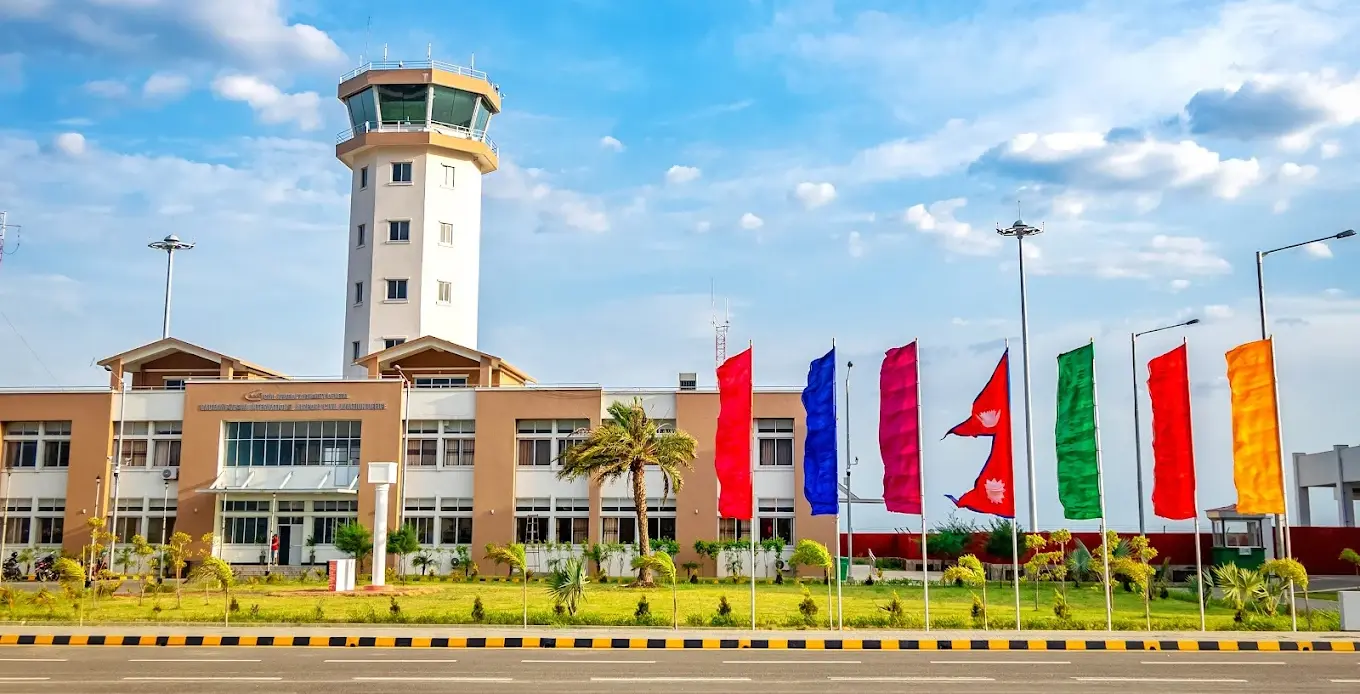
Syange is also associated with Nepal’s legendary “Mad Honey” (Phryngo Mahuri) — a rare hallucinogenic honey produced by the giant Himalayan Cliff Bee (Apis laboriosa) from the nectar of rhododendron flowers. The Gurung honey hunters of Syange and the surrounding cliffs practice the ancient, vertigo-inducing art of cliff-face honey harvesting using traditional rope ladders and smoke pots — a practice documented in the famous Eric Valli National Geographic photographs that brought global attention to this extraordinary Lamjung tradition.

The Gurung people have known the unique psychoactive properties of Mad Honey for millennia, and they use it in very small quantities for medicinal and ritual purposes.

Jagat (1,330 m) – The Ancient Salt Road Checkpoint

Roughly halfway between Besisahar and Dharapani, Jagat is one of the most historically significant villages on the lower Annapurna Circuit. Its name in Nepali means “the world” — reflecting its former importance as a toll and customs post on the ancient Tibet–India salt trade route, where traders from Tibet bringing salt, wool, and dried meat southward paid taxes to the local administration.

The historic trail passed directly through Jagat before descending to the Terai plains.

Today, Jagat retains its stone-built character and its position on a rocky ridge above the Marsyangdi, with the jeep track requiring a suspension bridge crossing and a short, steep climb to reach the village. The approach to Jagat involves some of the most dramatic cliff-edge driving on the entire route — sections where the road is barely wide enough for a single jeep and the drop to the river below is vertigo-inducing.

Chamje (1,410 m) – Into the Deep Gorge

Beyond Jagat, the jeep track descends to Chamje — a small village where the Marsyangdi River gorge narrows to its most extreme point. The gorge walls here are vertical or overhanging in places, with the river far below and the road carved into a thin rock ledge.

Rhododendron, oak, and pine forests cling to every available slope. In spring, the blaze of red and pink rhododendron flowers against the grey cliff walls creates an extraordinary scene of natural beauty.

The sound of the river is constant and powerful at Chamje — the Marsyangdi roaring through the narrows in a permanent white-water thunder that fills the canyon. This is one of the finest sections of the entire Besisahar–Dharapani drive for photography and sheer natural drama.

Tal (1,700 m) – The Flat Valley and the Great Waterfall

At Tal, the dramatic gorge suddenly and unexpectedly opens into a wide, flat valley floor — a geological anomaly formed by an ancient glacial lake that once filled this entire section of the Marsyangdi valley. The name “Tal” literally means “lake” in Nepali, reflecting this origin.

The village sits at the centre of this wide valley on a raised plateau of flat alluvial land, with the Marsyangdi flowing peacefully between engineered embankments (gabions) rather than in its usual fury.

The backdrop to Tal is one of the most iconic natural scenes on the Annapurna Circuit — a magnificent waterfall cascading several hundred meters from the cliff face at the head of the valley, flanked by dense forest. In the foreground, palm trees sway beside traditional stone-built teahouses — an incongruous tropical touch at 1,700 m.

Tal is the first village of Manang District — the cultural transition point from the largely Hindu Lamjung communities of the lower valley to the increasingly Buddhist Gurung and Tibetan-influenced communities of the upper Marsyangdi and Manang.

Dharapani (1,860 m) – Where the Trek Truly Begins

The destination: Dharapani — a small but critically important village at 1,860 meters, marking both the practical end of the Besisahar–Dharapani jeep transfer and the beginning of the pure wilderness trekking section of the Annapurna Circuit. Dharapani is also the junction village for the Manaslu Circuit — the trail to the north leading toward the Nubri Valley and the Manaslu Base Camp region.

The ACAP checkpoint here records all trekkers’ permits and collects conservation-fee data.

Dharapani’s teahouse lodges are simple yet welcoming — and their warm dal bhat, sweet Nepali tea, and campfire evenings mark the beginning of authentic mountain-trekking hospitality. The dramatic view of the Manaslu range (8,163 m) visible to the north from Dharapani is often many trekkers’ first direct sighting of an 8,000-meter peak — a moment of genuine awe that signals the scale and magnificence of what lies ahead on the Annapurna Circuit.Besisahar to Dharapani Jeep Hire

Permits Required for the Besisahar to Dharapani Jeep Route

All visitors to the Annapurna Conservation Area must carry valid permits. These must be obtained BEFORE the jeep departs from Besisahar — the ACAP checkpoint at Bhulbhule will require their presentation. Permits are significantly more expensive and time-consuming to obtain at mountain checkpoints.

Obtain in advance at the NTB (Nepal Tourism Board) offices in Kathmandu, Pokhara, or Besisahar:

PermitRequired ForCost (Foreign)Where to Get
ACAPAll Annapurna Conservation Area visitorsNPR 3,000NTB offices KTM / Pokhara / Besisahar
TIMS CardAll foreign trekkersUSD 20 (~NPR 2,700)NTB / TAAN offices
Manaslu MCAPManaslu Circuit extension onlyNPR 3,000NTB office Besisahar / Kathmandu

ACAP Permit – The Annapurna Conservation Area Entry Pass

The Annapurna Conservation Area Permit (ACAP) is the primary permit required for all visitors entering the Annapurna region — whether on foot or by vehicle. The permit funds the National Trust for Nature Conservation (NTNC), which manages the 7,629 sq. km Annapurna Conservation Area — the largest protected area in Nepal.

The ACAP fees directly support wildlife conservation, trail maintenance, community development, and environmental protection across the entire circuit. Foreign nationals pay NPR 3,000; SAARC nationals pay NPR 1,000; Nepali citizens pay NPR 100.

TIMS Card – Trekker Registration

The TIMS (Trekkers Information Management System) Card is a safety registration system managed by the Nepal Tourism Board. It records trekkers’ personal details, contact information, and trek routes, creating a database that supports search-and-rescue operations in an emergency on the trail.

The TIMS card costs USD 20 for independent trekkers and USD 10 for trekkers using a registered trekking agency. Staff check the card at multiple points along the Annapurna Circuit.

Choosing Your Annapurna Circuit Starting Point – Complete Guide

One of the most important decisions for any Annapurna Circuit trekker in 2026 is where to start the actual trek. The jeep road extension to Dharapani (and beyond to Chame and Manang) has created multiple viable starting points, each with its own advantages and disadvantages. Nepal Vehicle Hiring’s jeep service covers all of these, and our drivers can advise on the best option for your group’s fitness, timeline, and priorities:

Trek Start PointAltitudeProsConsBest For
Besisahar760 mFull circuit; local cultureDusty road walking 40 kmPurist trekkers
Bhulbhule840 mPartial road skip; ACAP startStill near the roadBudget trekkers
Syange1,100 mSkip the dusty lower roadMiss the lower villagesTrekkers with time limits
Jagat1,330 mGood middle-start optionSkip Bhulbhule gorgeModerate trekkers
Dharapani1,860 mPure trekking begins here; the most popular in 2026Miss lower trail entirelyMost trekkers in 2026
Chame2,670 mSkip all road sections; 3 extra daysAltitude gain is fast and expensiveFit/experienced trekkers

Most Annapurna Circuit trekkers in 2026 choose to ride by jeep from Besisahar (or directly from Kathmandu/Pokhara) to Dharapani and begin trekking from there. The reason is straightforward: the 40 km trail from Besisahar to Dharapani now runs alongside a paved road, making it dusty, noisy, and less wild than the original remote trekking trail.

Beyond Dharapani, the road becomes increasingly impractical for most vehicles, and the trail enters genuine wilderness terrain — dense rhododendron forests, dramatic river gorges, traditional alpine villages, and the soaring Himalayan peaks of Annapurna and Manaslu appearing above the treeline. Starting from Dharapani delivers the authentic Annapurna Circuit experience without the compromised lower section.

Chame

Best Time for the Besishahar to Dharapani Jeep Transfer

SeasonMonthsRoad ConditionTrek ConditionsRecommendation
AutumnOct–NovDry & stableBest season: clear viewsHighest recommended
SpringMar–MayGoodRhododendrons; warmHighly recommended
WinterDec–FebCold; possible iceQuiet; snow above 3,500 mModerate; experienced only
MonsoonJun–SepLandslide risk; muddyLeeches; road closuresNot recommended

Autumn Season – October to November

Without question, October and November are the finest months for the Besisahar–Dharapani jeep transfer and the Annapurna Circuit. The monsoon has ended, the roads have dried, the rivers run clear, and the skies are crystal blue with the full panorama of the Annapurna massif, Manaslu, and Lamjung Himal visible in sharp relief.

The rhododendron forest along the route has its deepest autumn foliage, and the waterfalls — including the spectacular one above Syange — are still running strongly from late monsoon discharge but not overflowing onto the road. October and November are peak trekking season — Nepal Vehicle Hiring strongly recommends booking your Besisahar–Dharapani jeep transfer at least 1 week in advance during this period.

Spring Season – March to May

Spring is the second great trekking season for the Annapurna Circuit. March and April bring the extraordinary spectacle of rhododendron forests in full bloom along the Besisahar–Dharapani route — the hillsides between Syange and Tal ablaze with red, pink, and white flowers against the snow-covered mountain backdrop.

Temperatures are warm and pleasant at lower elevations (excellent for the jeep ride), and trail conditions above Dharapani improve progressively as the month advances. May is warm and slightly hazy, but still good — and the Haribodhini Ekadashi festival at Muktinath (usually April–May) draws enormous numbers of pilgrims to the upper Mustang end of the circuit, adding a vibrant cultural dimension to the trek.

Winter – December to February

Winter travel on the Besisahar–Dharapani route is possible but requires extra caution and preparation. The lower sections (Besisahar to Tal) remain drivable in most years because the altitude is too low for significant snowfall. However, the track can be icy in shaded sections and slippery after overnight frost.

Above Dharapani on the trek itself, snow accumulates heavily at altitude, and the Thorong La Pass is frequently closed from December through February. Winter trekkers on the circuit typically need more time, experience, and appropriate equipment.

The road section from Besisahar to Dharapani is quieter in winter — a significant benefit for those who prefer solitude, lower costs, and an uncrowded trail.

Monsoon – June to September

The monsoon season is not recommended for hiring a jeep between Besisahar and Dharapani. Heavy rainfall causes frequent landslides on the cliff-face sections between Syange and Jagat, which can block the road for hours or days. The track becomes extremely muddy and slippery, significantly increasing the risk of vehicle incidents.

The waterfalls — spectacular in the dry season — become dangerous flood cascades that can overwhelm the road. Leeches are rampant on the lower trails from Bhulbhule to Dharapani during the monsoon months.

For determined monsoon trekkers, the Annapurna region’s rain shadow effect (Manang and Mustang districts receive relatively little monsoon rain) makes the upper circuit passable — but reaching Dharapani safely from Besisahar by jeep in July or August requires experienced drivers and close monitoring of road conditions.

Packing and Preparation Guide – Besisahar to Dharapani Jeep Transfer

The Besisahar–Dharapani jeep transfer is the gateway to a major Himalayan trek. Being well-prepared before the jeep departs sets the tone for your entire Annapurna Circuit experience:

Trekking Permits and Documents

  • ACAP Permit: NPR 3,000 (foreign). Obtain in Kathmandu, Pokhara, or Besisahar. Carry the original certificate.
  • TIMS Card: USD 20. Obtain from the NTB offices in Kathmandu or Pokhara. Required from Bhulbhule checkpoint onwards.
  • Passport: Original passport required at all ACAP checkpoints along the circuit.
  • Travel Insurance: Must cover trekking above 5,000 m and helicopter evacuation. Verify your policy before departure from Kathmandu.

Cash and Banking

  • Besisahar ATMs: The last reliable ATM on the Annapurna Circuit is in Besisahar. Draw sufficient Nepali rupees for your entire trek — including accommodation, meals, hot showers, charging fees, and tips. Budget approximately NPR 2,500–4,000 per day for teahouse costs in the lower circuit, rising to NPR 4,000–6,000+ in upper Manang.
  • Small Denominations: Carry notes in small denominations (NPR 100, 200, 500) — teahouses on the trail have limited change.

Essential Gear for the Jeep Ride and First Trek Days

  • Layered Clothing: The Besisahar–Dharapani jeep ride passes through subtropical (760 m) to lower temperate (1,860 m) zones —pack light clothes for the jeep ride, with layers for Dharapani evenings.
  • Trekking Poles: Secure them in the jeep boot or tie them to the roof rack; don’t put them between passengers.
  • Hydration: Carry 1–2 litres of water for the 3–4 hour jeep ride. Water refills are available at all villages along the route.
  • Snacks: Energy bars, biscuits, or fruit for the jeep ride. Restaurants are available at Bhulbhule, Jagat, and Tal.
  • Camera / Drone: The Syange waterfall, Jagat gorge, and Tal valley backdrop make for extraordinary photo opportunities. Have your camera accessible during the jeep ride.

How to Book Your Besisahar to Dharapani Jeep Hire

  • Step 1 – Browse Fleet: Visit com/jeep and review our 4WD fleet.
  • Step 2 – Contact Us: Call or WhatsApp +977 981-4227196 with: your trek start date, number of passengers, volume of luggage and trekking packs, preferred vehicle (Scorpio / Land Cruiser), and whether you need the combined Kathmandu–Besisahar–Dharapani service or only the Besisahar–Dharapani section.
  • Step 3 – Confirm Permits: Confirm that all passengers have valid ACAP and TIMS permits, or advise Nepal Vehicle Hiring to factor in permit acquisition time in Besisahar.
  • Step 4 – Receive Booking Confirmation: We provide your driver’s name, vehicle registration, pick-up location, and departure time.
  • Step 5 – Depart Early: Meet your driver at the agreed point — in Besisahar, ata  Kathmandu hotel, or at Pokhara — and depart as early as possible (6–7 AM maximum) to complete the off-road Besisahar–Dharapani section before the afternoon.

Essential Travel Tips –Besisahar to Dharapani Jeep Transfer

  • Depart Besisahar by 8 AM: The off-road section to Dharapani takes 3–4 hours in good conditions. Departing by 8 AM gets you to Dharapani by noon–1 PM, leaving a full afternoon to rest, settle into your guesthouse, and prepare for the next day’s trek.
  • Obtain Permits Before Besisahar: Getting ACAP and TIMS permits in Kathmandu or Pokhara saves significant time in Besisahar. The NTB office in Kathmandu’s Pradarshani Marg and Pokhara’s Damside area both process permits within 30 minutes on weekday mornings.
  • Sit on the Right Side: For the best views of the Marsyangdi gorge and the waterfalls on the approach to Syange, sit on the right side of the jeep (facing forward) — this is the mountain/river side on the northbound journey from Besisahar to Dharapani.
  • Avoid Sharing Your Jeep with Freight: Local shared jeeps on this route often carry local produce, building materials, and supplies alongside passengers. A private Nepal Vehicle Hiring jeep carries only your group — no freight, no unexpected co-passengers, no impromptu collections along the road.
  • Notify Your Trek Agency or Guesthouse: If your trekking agency or Dharapani guesthouse is expecting you, send your estimated arrival time from Besisahar. Phone signal is available in most villages, but may be unavailable in deep, narrow gorges.
  • Check Weather Forecasts: In monsoon and shoulder seasons, check weather forecasts before departure. Heavy overnight rain can cause landslides that block the Syange–Jagat section for several hours. Nepal Vehicle Hiring’s drivers monitor road conditions and advise on safe departure timing.
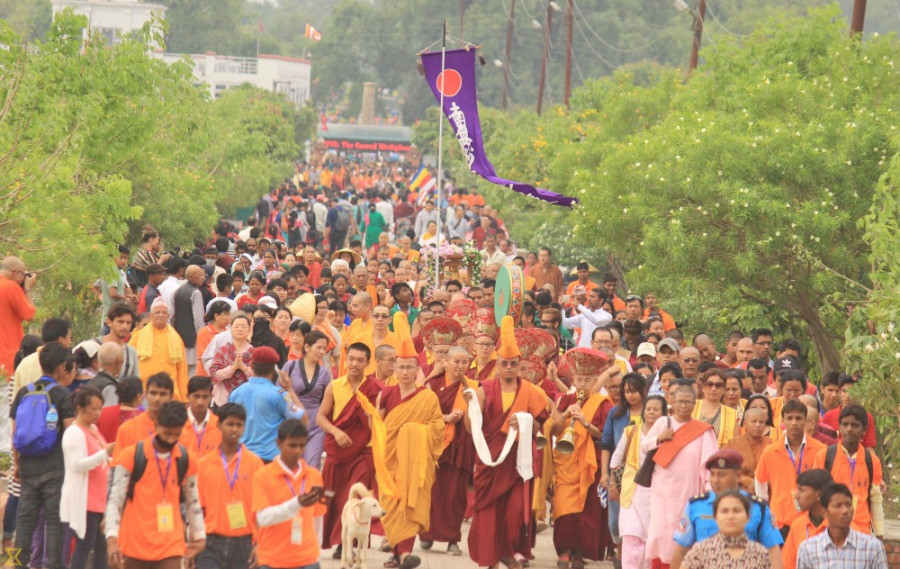
  • Budget Extra Time in Besisahar: Plan to spend 1–2 hours in Besisahar for permit checks, last-minute supply purchases, a proper breakfast, and vehicle loading. Rushing this preparation phase adds stress to the entire trek.

Nepal Vehicle Hiring covers the full range of transport options for Annapurna Circuit trekkers and all other Nepal routes:

Frequently Asked Questions – Besisahar to Dharapani Jeep Hire

How far is Besisahar from Dharapani?

The road distance from Besisahar to Dharapani is approximately 40 km along an off-road mountain track that follows the Marsyangdi River valley through Bhulbhule, Syange, Jagat, Chamje, and Tal. Despite the relatively short distance, the rough terrain means the drive takes 3–4 hours by private jeep.

Is a 4WD jeep truly necessary for the Besisahar- Dharapani route?

Yes — absolutely. The Besisahar–Dharapani track is entirely off-road, narrow, rocky, and steep in multiple sections. Standard cars, sedans, SUVs without 4WD, and vans cannot safely navigate this route.

Use only genuine 4WD vehicles with high ground clearance — Toyota Land Cruiser, Mahindra Scorpio, Bolero, or Tata Sumo. Nepal Vehicle Hiring operates exclusively genuine 4WD jeeps for this route.

Can I go from Kathmandu directly to Dharapani by private jeep in one day?

Yes — the combined Kathmandu-Dharapani journey (approx. 220 km) can be completed in a single long day with a very early departure from Kathmandu (5:30–6:00 AM). Expect to arrive at Dharapani in 9–12 hours, including the off-road section from Besisahar. Nepal Vehicle Hiring provides this combined single-day service on request.

Departing earlier is strongly recommended, as it lets you complete the off-road Besisahar–Dharapani section before the afternoon, when road traffic and weather conditions can be less favourable.

Can I continue by jeep from Dharapani to Chame or Manang?

Yes — the jeep road continues beyond Dharapani to Chame (2,670 m, 17 km) and to Manang (3,540 m, 50+ km) in good conditions. However, Nepal Vehicle Hiring and the most experienced trekking guides strongly recommend starting the trek in Dharapani rather than in Chame or Manang.

The trail from Dharapani to Chame passes through some of the most beautiful forest terrain on the entire circuit — driving past it means missing superb biodiversity, wildlife, and classic mountain village culture. Additionally, driving to Manang without proper acclimatisation increases the risk of altitude sickness.
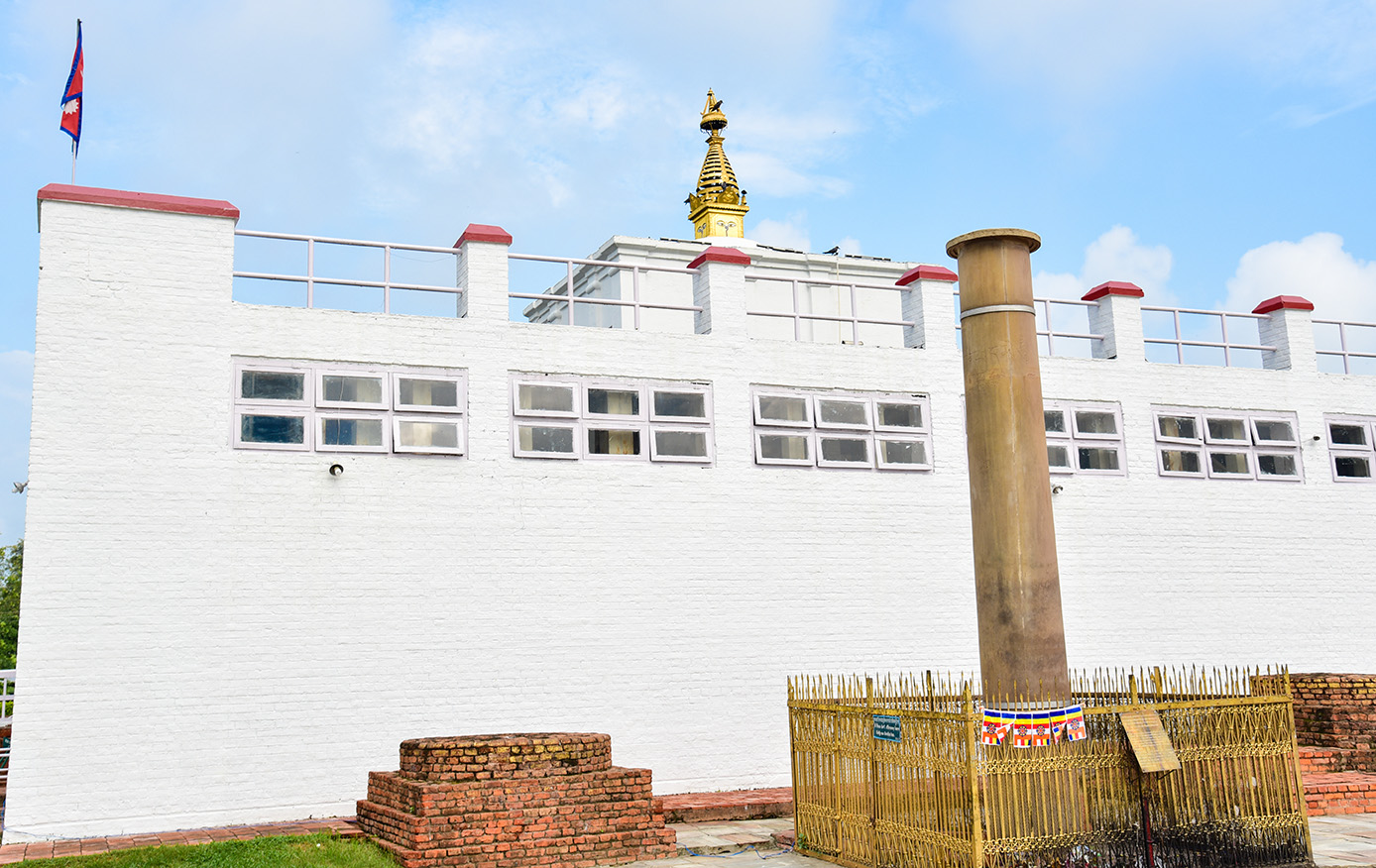
What happens if the road is blocked by a landslide between Besisahar and Dharapani?

Landslide blockages are a real possibility on the Syange–Jagat section, particularly during and after heavy monsoon rainfall. If a blockage occurs, options include: (a) waiting for the road clearance team (typically 2–6 hours for minor blockages), (b) trekking around the blockage on foot, loading equipment after the cleared section, or (c) in extreme cases, returning to Besisahar to overnight and retry the following morning.

Nepal Vehicle Hiring’s drivers are experienced in managing these situations and carry emergency contact numbers. We monitor road conditions before departure and advise clients on the safest timing.

Where can I get ACAP permits and TIMS cards near Besisahar? You can get

ACAP permits and TIMS cards at the NTB office in Besisahar Bazaar (open during standard office hours, Monday–Friday). You can also get them in Kathmandu (Pradarshani Marg area) and Pokhara (Damside), which Nepal Vehicle Hiring recommends as the fastest option. Some private trekking agencies also process permits for clients in advance.
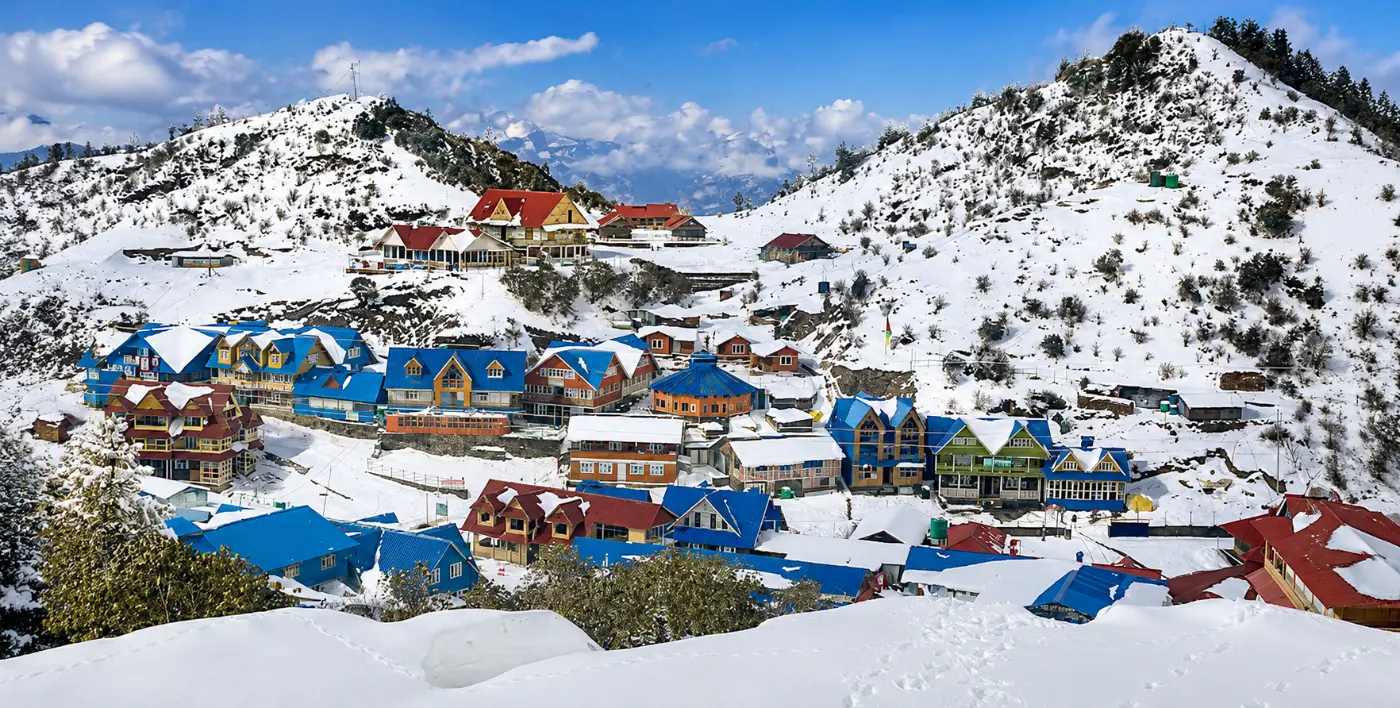
The ACAP checkpoint at Bhulbhule requires both the ACAP certificate and TIMS card — have both ready before passing this checkpoint.
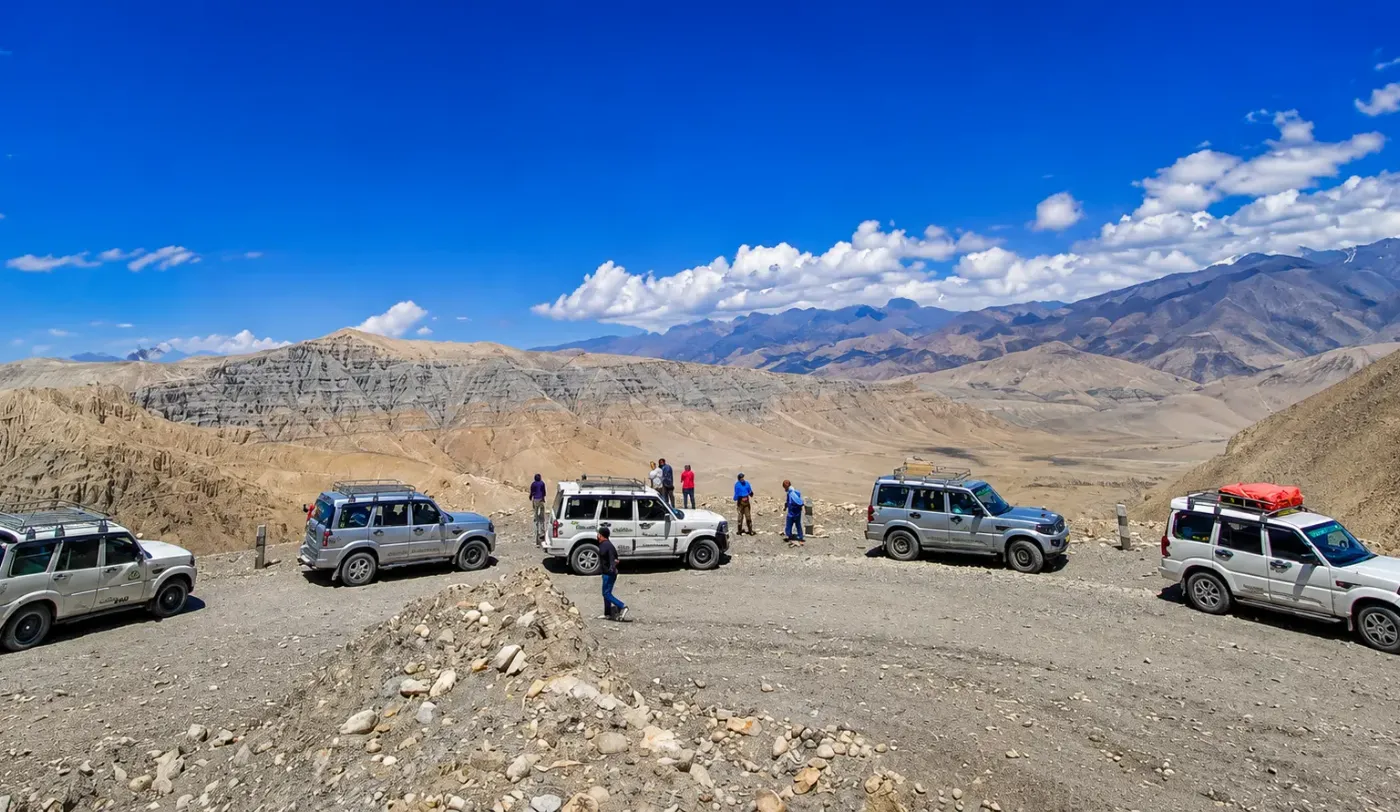
How many people can fit in a private jeep from Besisahar to Dharapani?

A Mahindra Scorpio or Bolero comfortably seats 6 passengers with full trekking backpacks in the boot or on the roof rack. A Toyota Land Cruiser also seats 6 in comfort. If your group is larger than 6, we arrange a second jeep — both departing together to maintain the group dynamic throughout the drive.

Nepal Vehicle Hiring does not overload vehicles — passenger safety and comfort on off-road sections require proper seating for all passengers.

What is included in the Nepal Vehicle Hiring jeep hire price?

Our Besisahar to Dharapani jeep hire rate includes a 4WD vehicle, a professional mountain driver, fuel, and vehicle insurance. Not included: passenger food and refreshments en route, ACAP and TIMS permit fees, and driver gratuity.— We provide a fully transparent quote before booking confirmation to avoid surprise charges on the day.

Can I book the jeep from Pokhara to Besisahar and then to Dharapani?

Yes — Nepal Vehicle Hiring provides a complete private jeep service from Pokhara to Besisahar to Dharapani. The journey from Pokhara to Besisahar takes approximately 3–4 hours via Dumre (paved road), followed by a 3–4-hour off-road section to Dharapani. Total Pokhara–Dharapani journey: approximately 6–8 hours.

Contact us on WhatsApp to arrange this combined service.

Is the Besisahar-to-Dharapani route safe for families and less-experienced travellers?

The jeep ride itself is safe with an experienced driver. However, it is genuinely rough and adventurous, not the kind that suits travellers prone to severe motion sickness or those who are highly anxious about heights and cliff-edge tracks. The gorge section between Syange and Jagat has several dramatic cliff-edge moments that some passengers find startling.

Children and older travellers generally manage well with a calm, experienced driver. If motion sickness is a concern, take medication before departure from Besisahar and sit in the front passenger seat for the most stable ride.

Book Your Besisahar to Dharapani Jeep Hire Today

The Besisahar to Dharapani jeep transfer is the first great adventure of the Annapurna Circuit — 40 km of off-road mountain driving through waterfalls, cliff-face gorges, ancient salt-route villages, and the roaring Marsyangdi River that is, in itself, a memorable experience. Nepal Vehicle Hiring Pvt Ltd provides Nepal’s most trusted, experienced, and professionally equipped 4WD jeep service for this spectacular route.

Whether you are a solo trekker, a group of friends, a family on an adventure journey, or a professional trekking agency arranging transport for your clients, our Toyota Land Cruisers and Mahindra Scorpios, our expert mountain drivers, and our 24/7 booking and support service ensure that your Annapurna Circuit begins exactly as it deserves — in safety, comfort, and genuine mountain adventure.

The trek of a lifetime begins with the right vehicle. Book your Besisahar-to-Dharapani jeep hire today.

Call / WhatsApp:+977 981-4227196  |  Website: vehiclehiringnepal.com  |  Book Your 4WD Jeep Now  |  Nepal Trekking Packages

Chitwan to Birgunj Border Transport: Complete Private Vehicle Hire Guide

Chitwan to Birgunj Border Transport

Your Gateway from Chitwan to India

Whether you have just completed your Chitwan National Park wildlife safari, finished your trekking adventure in Nepal, or wrapped up a business trip across the country—if your next stop is India, the Birgunj–Raxaul border crossing is Nepal’s busiest, best-connected, and most traveller-friendly land border with India. And the most comfortable, direct way to reach it from Chitwan is by private vehicle hire with Nepal Vehicle Hiring Pvt Ltd.

Nepal Vehicle Hiring offers the most reliable, professional, and affordable Chitwan to Birgunj border transport service. Whether you are travelling solo in a private car, with family in a comfortable SUV, or with a large group in a Hiace van or tourist bus, our door-to-door service from your Chitwan resort or Sauraha hotel to the Birgunj border gate takes the stress out of your Nepal-India overland crossing.

The Chitwan to Birgunj route covers approximately 150–160 km via the Mahendra Highway — Nepal’s famous East-West Highway that traverses the flat Terai plains of southern Nepal. In a private vehicle, the journey takes a comfortable 3–4 hours, compared to 4–5 hours by public bus — and with the critical advantage of a direct, non-stop ride from your hotel lobby to the border gate, with no shared vehicles, no uncertain connections, and no last-minute scrambling at Birgunj Bus Park.

Birgunj is much more than just a border checkpoint. As Nepal’s “Commercial Capital” and “Gateway of Nepal”, Birgunj is a fascinating, vibrant Terai city handling over 56% of Nepal’s total trade with India.

Its colonial-era Clock Tower (GhantaGhar), sacred temples, bustling markets, proximity to Gadhimai Temple and Parsa National Park, and its legendary border energy make it an experience in itself — not just a transit point. With a private vehicle from Nepal Vehicle Hiring, you arrive in Birgunj refreshed, on time, and free to explore before crossing.

This comprehensive guide covers everything you need to know about Chitwan to Birgunj border transport—route details, vehicle options, border crossing procedures, onward connections from Raxaul to India, a Birgunj city guide, travel tips, and a complete FAQ.

Book your transport now: Nepal Vehicle Hiring | Jeep Hire Nepal | Hiace Van Hire | Bus Hire Nepal | Call/WhatsApp: +977 981-4227196

Chitwan to Birgunj Border Transport – Route Overview

RouteSauraha / Chitwan National Park -> Birgunj Metropolitan City
Total DistanceApprox. 150-160 km via Mahendra Highway (East-West Highway)
Travel Time3-4 hours by private vehicle | 4-5 hours by public bus
Road TypeMahendra Highway (paved, good condition); flat Terai plains
Border CrossingBirgunj (Nepal) / Raxaul (India, Bihar State)
Border HoursNepal side (Birgunj): 4:00 AM – 8:00 PM | India side (Raxaul): 5:00 AM – 11:00 PM
Vehicle OptionsCar, Jeep (Jeep, Hiace Van, Coaster, Tourist Bus
Pick-UpAny Sauraha hotel, resort, or Chitwan location
Drop-Off OptionsBirgunj city, Birgunj Bus Park, Birgunj-Raxaul Border Gate, Simara Airport
AvailabilityDaily – 24/7 booking, hotel pick-up included
Contact+977 981-4227196 | vehiclehiringnepal.com

KTM to Chitwan

Why Choose a Private Vehicle for Chitwan to Birgunj Transport?

Public buses connect Chitwan (Bharatpur) to Birgunj, but the experience contrasts sharply with a private vehicle hire. Here is a comprehensive comparison of why Nepal Vehicle Hiring’s private transport service is the choice of every discerning traveller making this border crossing:

Direct, Door-to-Door Service from Your Sauraha Resort

The biggest practical advantage of a private vehicle is the pick-up from your exact hotel or resort in Sauraha, Tandi, or anywhere in Chitwan. After your wildlife safari, the last thing you want is to figure out how to get from your jungle lodge to a public bus park in Bharatpur at 6 AM.

Our driver arrives at your hotel door at the agreed time, loads your luggage, and takes you directly to the Birgunj border gate — or to any drop-off point you specify: Birgunj Bus Park, Birgunj city hotel, the border immigration office, or Simara Airport (for domestic connections).

Significant Time Saving on the Mahendra Highway

Private vehicles cover the Chitwan–Birgunj route in 3–4 hours, compared to 4.5–5.5 hours by public bus (which makes multiple unscheduled stops along the Mahendra Highway at Hetauda, Pathlaiya, and suburban Birgunj). For travellers with a fixed flight, a bus connection from Birgunj to India, or a timed border crossing — this 1–2 hour time saving is genuinely meaningful, especially when the border closes at 8 PM on the Nepal side.

Comfort in the Terai Climate

Chitwan and the Terai plains are among Nepal’s hottest regions, with temperatures regularly exceeding 38–42°C from March to October. Our fully air-conditioned private vehicles make the 3–4 hour journey genuinely comfortable. Public buses on the Mahendra Highway are overcrowded, rarely air-conditioned, and can transform the Terai heat into a genuinely exhausting pre-border experience.

Luggage Safety and Security

Most travellers on the Chitwan–Birgunj route carry substantial luggage — safari bags, trekking equipment, souvenir purchases, business samples, or family travel bags. In a private vehicle, your luggage travels securely in the boot under your direct supervision throughout the journey. On public buses, luggage is often loaded onto rooftop racks in the rain, mixed with other passengers’ bags, and subjected to rough handling at every bus-park stop.

Border Timing Flexibility

The Nepal side of the Birgunj–Raxaul border closes at 8:00 PM. If your public bus is delayed, you miss the border entirely and must overnight in Birgunj.

With a private vehicle and a fixed departure time from Chitwan, your driver manages the timing and ensures you arrive at the border gate with sufficient time to complete immigration and customs before closing. Our drivers are experienced with the border timing requirements and factor in Birgunj city traffic on the approach.

Custom Stop Options

On a private vehicle, you control the journey. Stop for breakfast at Hetauda, lunch at Pathlaiya, or fuel at Narayanghat — all at your pace. Our drivers are happy to accommodate any reasonable stop along the Mahendra Highway.

This is particularly valued by travellers who want to photograph the Terai landscape, visit a roadside temple, or stretch their legs between Chitwan and Birgunj.

Group Economics – Better Value for 5+ Passengers

For groups of 5 or more passengers, a private jeep or Hiace van becomes genuinely cost-competitive with multiple public bus tickets — and delivers incomparably better comfort, security, directness, and flexibility. A single Hiace van (13 passengers), shared among a group, significantly reduces the per-person cost while providing the full benefits of private transport.

Chitwan

Available Vehicles – Chitwan to Birgunj Border Transport

Nepal Vehicle Hiring maintains a complete, well-maintained, air-conditioned fleet for the Chitwan–Birgunj route. Every vehicle is driven by a professional, licensed driver with experience on the Mahendra Highway:

VehicleCapacityComfortJourney TimeBest For
Sedan / Hatchback1-4 pax4 Star3-3.5 hrsSolo / Couples
SUV / Scorpio1-6 pax4 Star3-3.5 hrsFamilies / Groups
Land Cruiser 4WD1-6 pax5 Star3-3.5 hrsVIP / Top-end
Toyota Hiace Van8-13 pax4 Star3.5-4 hrsTour Groups
Coaster20-25 pax4 Star4-4.5 hrsLarge Groups
Tourist Bus30-45 pax3-4 Star4.5-5 hrsSchool / Corporate

Private Car / Sedan – Best for Solo Travellers and Couples

A private sedan or hatchback car is the most intimate and comfortable option for solo travellers, couples, and small families of up to 4. The Chitwan–Birgunj Mahendra Highway is entirely paved and flat, making a standard car perfectly suited to this route. Fully air-conditioned, clean, and driven by a professional driver, our private car hire offers the most personal, flexible border transport experience at the most competitive price for small groups.

SUV / Jeep – The All-Round Best Choice

For families of 5–6 passengers and groups with more luggage, a Mahindra Scorpio, Toyota Land Cruiser, or similar SUV is the most popular choice for the Chitwan–Birgunj route. Higher seating position, more luggage space, powerful air conditioning for the Terai heat, and the proven comfort of Nepal’s best mountain and highway 4WDs make these the most requested vehicles for this transfer. View our Jeep Hire page for the full fleet.

Toyota Land Cruiser – The VIP Border Transfer

For travellers seeking the highest level of comfort on the Chitwan–Birgunj run — business executives, diplomatic visitors, VIP safari guests, or anyone who wants the very best — the Toyota Land Cruiser 4WD is the ultimate choice. Its supremely comfortable leather interior, top-tier climate control, generous luggage space, and whisper-smooth ride on the flat Terai highway make the 3–4 hour journey genuinely comfortable.

Toyota Hiace Van – Perfect for Medium Tour Groups

Our Toyota Hiace van (8–13 passengers) is the ideal solution for medium-sized tour groups, families travelling together, and organised pilgrim parties heading to India. The Hiace provides comfortable individual seating, air conditioning, and ample luggage space in the rear for all 8–13 passengers.

Popular among tour operators, Indian pilgrim groups returning from Muktinath or Pashupatinath, and corporate travel parties. View our Hiace Van Hire page.

Coaster and Tourist Bus – Large Group Border Transport

For groups of 20 or more—school excursions, corporate tours, wedding parties, and large pilgrim groups—our Coaster (20–25 passengers) and Tourist Bus (30–45 passengers) offer the most economical and practical border transport solution. The Mahendra Highway is fully bus-accessible, and our professional drivers navigate it with confidence at any group size. View Coaster Hire Nepal and Bus Hire Nepal.

Birgunj-Chitwan to Birgunj Border Transport

Chitwan to Birgunj – Detailed Route & Key Stops

The Chitwan to Birgunj route travels entirely on the Mahendra Highway (East-West Highway / NH01) — Nepal’s most important highway, stretching the full length of the Terai from Mechi in the east to Mahakali in the west. The section from Narayanghat (Chitwan) to Birgunj passes through some of Nepal’s most productive agricultural land, with the flat, wide Terai plains framed by the distant forested Chure Hills to the North. Here is the complete route broken down by segment:

SegmentDistanceTimeKey Landmark / Note
Sauraha to Bharatpur18 km25-30 minCity gateway; Chitwan Hospital; Narayanghat junction
Bharatpur to Narayanghat5 km10 minBusy junction on Mahendra Highway; fuel & snacks
Narayanghat to Hetauda60 km1-1.5 hrsMahendra Highway east; Makwanpur district; forested Terai
Hetauda to Pathlaiya Junction22 km25-30 minIndustrial area; Pathlaiya Junction (BP Highway / Mahendra)
Pathlaiya to Birgunj35 km40-50 minFlat Terai plains; approach to Parsa District; Birgunj suburbs
Birgunj City Centre to Border Gate3 km10-15 minShankaracharya Gate; Nepal Immigration; Raxaul (India) begins

Sauraha to Bharatpur – Leaving the Jungle Behind

The journey begins at your Sauraha resort or hotel, located on the northern edge of Chitwan National Park. Your Nepal Vehicle Hiring driver picks you up at the agreed time and drives the 18 km to Bharatpur City—the fast-growing regional capital of Gandaki Province and home to Bharatpur Airport (BHR), which offers domestic flights to Kathmandu—bharatpur-Narayanghat forms the key junction where the route transitions onto the Mahendra Highway heading east.

The Narayani River, flowing south from the Himalayas through Chitwan, is crossed on a modern bridge at Narayanghat — marking the symbolic departure from the lush jungle region into the broader Terai plains.

Narayanghat to Hetauda – The Heart of the Terai

Heading east from Narayanghat, the Mahendra Highway enters a wide, flat agricultural landscape of rice paddies, mustard fields, and Terai villages. The 60 km stretch to Hetauda is the most peaceful and scenic section of the drive — the road is smooth, wide, and flanked by the dense sal forests of the Parsa Wildlife Reserve to the south.

Hetauda (450 m) is the industrial capital of Madhesh Province, known for its cement factories, industrial estates, and as the site of Nepal’s historic ropeway (cable goods transport system), which once connected the Terai to Kathmandu before highways replaced it. Hetauda is a good midpoint rest stop with restaurants and fuel stations.

Hetauda to Pathlaiya Junction – Gateway to Parsa

From Hetauda, the highway continues east to Pathlaiya. At this strategically important junction, the Tribhuvan Highway (Nepal’s oldest road, linking Birgunj to Kathmandu via the scenic Bhimphedi Pass) meets the Mahendra Highway. Pathlaiya marks the entry into Parsa District — Birgunj’s home district and one of Nepal’s most significant commercial and industrial zones.

The Birgunj Industrial Corridor begins here, with large factories, warehouses, and the infrastructure of Nepal’s busiest trade artery becoming increasingly visible as you approach the city.

Pathlaiya to Birgunj – The Commercial Capital Approaches

The final 35 km from Pathlaiya to Birgunj is through the flat, densely populated Parsa District, passing through suburban industrial areas, truck depots, and commercial zones that serve the Birgunj–Raxaul trade corridor. The approach to Birgunj city is busy with commercial traffic — heavy trucks, tankers, and freight vehicles from India and Nepal forming a constant stream between the border and Nepal’s interior.

Your driver navigates this efficiently, reaching central Birgunj via the inner ring road, avoiding the heaviest freight routes.

Birgunj City Centre to the Border Gate

The final 3 km from Birgunj city centre to the Shankaracharya Gate (Nepal–India Border) passes through the most vibrant part of the city — the bustling GhantaGhar area (Clock Tower junction), the colourful Rani Bazaar, and the lanes of small traders, money changers, and travel agents that service the enormous cross-border traffic. Your driver can drop you at any point in the city or take you directly to the immigration office entrance at the border gate — whichever suits your travel plan.

Chitwan to Birgunj Border Transport

About Birgunj – Nepal’s Commercial Capital and Gateway to India

Birgunj is no ordinary border town. As a Metropolitan City (declared 2017) and Nepal’s most important commercial centre outside Kathmandu, Birgunj offers genuine substance, fascinating contradictions, and significant historical depth. Understanding Birgunj before you arrive transforms what might seem like a transit point into a genuinely rewarding destination in its own right.

Historical Background

Birgunj’s importance dates to the late 19th-century Rana era, when the Rana Prime Ministers (who ruled Nepal for 104 years from 1846 to 1951) recognised its value as Nepal’s primary trade gateway to British India. The city was one of Nepal’s first three municipalities, established under Prime Minister Mohan Shumsher Jang Bahadur Rana.

Its strategic position on the Indian border in Bihar — connecting Nepal directly to the Gangetic Plain and India’s vast market and rail network — made it the natural hub for Nepal’s international trade for over a century. Today, the Birgunj Integrated Check Post (ICP) and Sirsiya Dry Port — Nepal’s only rail-linked inland container depot — handle most of Nepal’s containerised imports from India, making Birgunj the nation’s economic engine.

Birgunj’s Economic Importance

Few statistics capture Birgunj’s centrality to Nepal’s economy more vividly: over 56–60% of Nepal’s total trade with India passes through the Birgunj Customs Office — Nepal’s largest revenue-collecting customs point. The Sirsiya Dry Port has direct rail connectivity to India’s major ports at Kolkata and Visakhapatnam.

Nepal imports fuel, vehicles, machinery, construction materials, textiles, and consumer goods primarily through Birgunj. The city’s industrial estates house sugar mills, cement factories, pharmaceutical plants, and light manufacturing units — making it a genuinely industrious urban centre rather than merely a border bazaar.

Birgunj’s Cultural Character

Culturally, Birgunj blends Nepali Terai culture, Maithili traditions, Hindi-speaking communities, and Indian commercial influences to create a unique urban character unlike any other Nepali city. Hindi is widely spoken alongside Nepali and Maithili, making the city exceptionally accessible for Indian visitors.

The food culture blends Nepali dal bhat with North Indian cuisine—samosas, jalebis, chaat, and thalis are readily available alongside traditional Nepali dishes. The city’s mosques, Hindu temples, and Buddhist chaityas reflect this crossroads community’s multi-religious heritage.

Key Attractions in Birgunj – What to See and Do

If your Chitwan to Birgunj transport arrives with time to spare before your border crossing or onward connection, Birgunj offers a surprisingly rewarding set of attractions and experiences. Here is a complete guide to the city’s highlights:

Attraction / LandmarkDistance from City Centre & Description
Birgunj GhantaGhar (Clock Tower)City centre | Iconic 1976 colonial-era landmark; heart of Birgunj; illuminated at night; best photo stop
Shankaracharya Gate1 km | Grand border gate between Nepal & India; symbolic arch; heavy pedestrian & vehicle traffic
Ghadiarwa Pokhari1.5 km | Serene pond with Hindu shrine; morning yoga & walking culture; popular Chhath Puja site
Shri Gahawa Mai TempleCity | The original temple after which Birgunj was once called ‘Gawaha’; important local shrine
Rani Bazaar MarketCity centre | Famous market for local handicrafts, spices, textiles, and traditional Nepali cuisine
Gadhimai Temple13 km from Birgunj at Kalaiya | One of South Asia’s largest Hindu pilgrimages; Gadhimai Mela every 5 years
Parsa National Park15 km | Buffer zone of Chitwan; tiger, rhino, elephant, leopard; less crowded than Chitwan proper
Simraungadh Ruins40 km | Ancient 12th-14th century capital of the Mithila Kingdom; archaeological ruins; rare historical site
Simara Airport20 km | Nearest airport; Buddha Air daily flights to Kathmandu; convenient domestic connection

Birgunj GhantaGhar (Clock Tower) – Heart of the City

The Birgunj GhantaGhar — Clock Tower — is the city’s undisputed heart and most recognisable landmark. Established in 1976 with help from Japanese schoolchildren from Yogano, Japan (who raised funds and provided a Seiko clock face), the clock tower stands at the city’s main junction as both a practical orientation point and a symbol of civic identity.

Renovated in 2021 to restore full operation, the GhantaGhar is beautifully illuminated at night and surrounded by Birgunj’s most active market zone in Birgunj —tuk-tuks, street vendors, tea stalls, and the constant energy of a city that never really slows down. It is a superb street photography location and the best place to absorb Birgunj’s distinctly border-town atmosphere.

Shankaracharya Gate – The Symbolic Gateway Between Nepal and India

The Shankaracharya Gate is a large ceremonial arch marking the formal boundary between Nepal and India at the Birgunj–Raxaul crossing. Named after Adi Shankaracharya, the revered 8th-century Hindu philosopher and reformer, the gate is a constant scene of cross-border activity — pedestrians, vehicles, traders, pilgrims, and families crossing in both directions throughout the day.

The gate is a photo landmark of Birgunj, and approaching it in a Nepal Vehicle Hiring private car is the most comfortable and organised way to reach this busy international crossing point.

Ghadiarwa Pokhari – The Sacred Pond

Ghadiarwa Pokhari (pond) is a surprisingly serene urban oasis in the heart of bustling Birgunj—a large, tree-fringed pond with a Hindu shrine island and a popular walking circuit beloved by locals for morning exercise, yoga, and evening relaxation. The pond is especially significant during Chhath Puja—one of the most important festivals in the Terai region.

Thousands of devotees gather at dawn and dusk to worship the Sun God, standing waist-deep in the water with offerings of fruit and lit lamps. If your arrival in Birgunj coincides with Chhath Puja (October–November), witnessing this festival at Ghadiarwa Pokhari is a profoundly moving experience.

Gadhimai Temple – A Major Pilgrimage in Easy Reach

Located approximately 13 km from Birgunj in Kalaiya town, the Gadhimai Temple is one of the most significant Hindu pilgrimage sites in Nepal and South Asia. Dedicated to Goddess Gadhimai—a powerful form of the Mother Goddess—the temple hosts the Gadhimai Mela every 5 years, drawing an estimated 2–8 million pilgrims from across Nepal, India, and the global Hindu diaspora, making it potentially the largest religious gathering in the world.

Nepal Vehicle Hiring can arrange a side trip to Gadhimai Temple as part of your Chitwan–Birgunj transport on request.

Parsa National Park – A Less-Visited Wildlife Sanctuary

Immediately adjacent to Chitwan National Park and forming its eastern buffer zone, Parsa National Park (494 sq. km) protects a significant portion of Nepal’s remaining Terai wildlife. Tigers, one-horned rhinoceroses, Asian elephants, leopards, gharial crocodiles, sloth bears, and four-horned antelopes inhabit its dense sal forests and grasslands.

Far less visited than Chitwan, Parsa offers an uncrowded, authentic wildlife experience for travellers with an extra day before crossing the border. Vehicle Hiring can arrange a combined Chitwan–Parsa–Birgunj itinerary on request.

Simraungadh – The Lost Kingdom

Located approximately 40 km from Birgunj, the ruins of Simraungadh (Simrongarh) represent one of Nepal’s most historically significant and least-visited archaeological sites. Simraungadh was the capital of the Mithila Kingdom (12th–14th centuries CE) — a powerful Hindu kingdom that controlled much of the Nepal Terai and influenced art, literature, and religion across a vast region.

The brick ruins of palace complexes, temples, and fortification walls are scattered across a forested area, offering a hauntingly beautiful glimpse into a largely forgotten chapter of Himalayan history—a perfect half-day excursion for history-minded travellers with time in Birgunj.

 Birgunj Border

Birgunj–Raxaul Border Crossing – Complete Guide for Travellers

The Birgunj–Raxaul border crossing is Nepal’s busiest, most important, and most traveller-ready land border with India. It handles a massive daily volume of commercial freight, passenger vehicles, and pedestrian crossings. Understanding the crossing procedures before you arrive eliminates delays and stress:

ItemDetail
Nepal Border (Birgunj)Birgunj Immigration Office, near Shankaracharya Gate; Nepal Armed Police Force; 4:00 AM – 8:00 PM daily
India Border (Raxaul)Indian Immigration & Customs, Raxaul, East Champaran, Bihar; SSB (Sashastra Seema Bal); 5:00 AM – 11:00 PM
Indian Visa RequirementForeign nationals (except Indian citizens) require a valid Indian visa. Obtain BEFORE arriving. E-visa accepted.
Indian CitizensNo visa required for Nepal or India. Official ID (Aadhaar/Voter ID/Passport) needed. Get immigration stamp.
Nepal Visa on Arrival (non-Indian)Available at Birgunj immigration for most nationalities. USD 25/15-day | USD 40/30-day | USD 100/90-day
Indian Currency RestrictionCarrying INR notes above Rs 100 into Nepal is restricted/illegal. Change currency before entry at Birgunj banks.
Customs DeclarationDeclare goods above permitted limits (NPR 25,000 for Nepalis; USD 500 for tourists). Electronics may require declaration.
Vehicle at BorderNepal-registered vehicles cannot typically cross into India. Nepal Vehicle Hiring drops at Birgunj border gate.

Step-by-Step Border Crossing Procedure

Here is the complete step-by-step process for crossing from Nepal (Birgunj) into India (Raxaul):

  • Step 1 – Arrival at Birgunj Border Gate: Your Nepal Vehicle Hiring driver drops you at the Birgunj Immigration Office near the Shankaracharya Gate. Nepal-registered vehicles do not cross into India, so the driver assists with luggage to the immigration entrance.
  • Step 2 – Nepal Immigration Departure Stamp: Present your passport to the Nepal Department of Immigration officer at the Birgunj office. The officer reviews your Nepal entry stamp and issues a departure stamp. Indian citizens: present your Aadhaar card, Voter ID, or passport. Make sure you get an entry stamp when entering Nepal—exiting without one can result in fines and delays.
  • Step 3 – Walk Across the Border: From the Nepal immigration office, walk through the Shankaracharya Gate and across the short no-man’s-land between the two countries to the Indian immigration office in Raxaul. This short walk (200–400 metres) is usually shared with a stream of pedestrians, cyclists, and motorcycle riders crossing in both directions.
  • Step 4 – Indian Immigration Entry: Present your passport and valid Indian visa at the Indian immigration counter in Raxaul. Indian citizens: no visa required — proceed to the Indian nationals counter with your ID document. Foreign nationals with Indian e-visa: ensure your e-visa is for land border entry at Raxaul (not all Indian e-visas permit land border entry — check carefully before booking).
  • Step 5 – Indian Customs: Clear Indian customs and the baggage screening area. Declare goods above permitted limits. Personal items and standard tourist belongings are typically waved through without issue for regular travellers.
  • Step 6 – Onward Transport from Raxaul: Once through customs, you are in Raxaul, Bihar, India. Local auto-rickshaws, taxis, and buses are immediately available for onward connections to Patna, Motihari, and beyond.

Nepal Visa Information for Incoming Travellers (Raxaul to Birgunj)

For travellers arriving at Birgunj from India (Raxaul), entering Nepal by land, the following visa information applies in 2026:

  • Most foreign nationals can obtain a Nepal Visa on Arrival at the Birgunj Immigration Office. Fees: USD 25 (15 days) | USD 40 (30 days) | USD 100 (90 days). Carry passport photos and USD cash.
  • Indian nationals: No visa required for Nepal. Present a valid photo ID (Aadhaar, Voter ID, or Passport) and ensure you get an official immigration entry stamp at the Birgunj office—skip the informal crossing lane some locals use.
  • Note on Indian Currency: Carrying Indian Rupee notes in denominations above Rs 100 into Nepal is illegal. Change or spend larger Indian currency notes before entering Nepal.

Pokhara to Chitwan

Onward Transport from Raxaul to India – Complete Connections Guide

Once across the border at Raxaul, India’s extensive transport network opens up. Here are the key onward connections available from Raxaul:

Destination (India)Distance from RaxaulApprox. TimeTransport Option
Patna110 km3-4 hrsBus/taxi from Raxaul
Motihari40 km1-1.5 hrsAuto / local bus
Varanasi (Benares)285 km5-7 hrsBus or train from Patna
Lucknow430 km7-9 hrsTrain or bus from Patna
Kolkata630 km10-14 hrsTrain (overnight) or bus
Delhi1,100 km16-20 hrsOvernight train from Patna or Muzaffarpur

Raxaul to Patna – The Main Hub Connection

The 110 km journey from Raxaul to Patna is the primary onward route for most travellers crossing from Nepal into India via Birgunj. Patna (the capital of Bihar) has a major railway junction connecting to Delhi, Kolkata, Mumbai, Varanasi, Lucknow, and most of India’s major cities. Shared taxis and buses depart frequently from Raxaul bus stand for Patna (3–4 hours).

Patna Junction railway station offers the most comfortable and time-efficient onward connections to the rest of India. Book Indian railway tickets in advance on the IRCTC platform (irctc.co.in) — particularly important for overnight trains to Delhi and Kolkata.

Raxaul to Varanasi – The Pilgrim Route

Many Hindu pilgrims completing a Nepal pilgrimage circuit (Muktinath–Pashupatinath–Lumbini–Janakpur–Birgunj) continue onward to the holy city of Varanasi (Benares) — one of the world’s oldest continuously inhabited cities and the holiest site in Hinduism. The 285 km journey from Raxaul to Varanasi takes 5–7 hours by road directly, or via Patna by train (2.5–3 hours by Rajdhani or Shatabdi Express).

Nepal Vehicle Hiring can advise on the best onward connection options based on your travel dates and destinations.

Direct Cross-Border Transport Services

Several Nepal–India cross-border bus services operate directly between major Nepali cities and Indian destinations. From Birgunj Bus Park, direct buses run to Patna, Kolkata, and other destinations in Bihar and UP.

These cross-border bus services handle immigration stops (where all passengers exit for border formalities) and are significantly more convenient than managing the crossing independently. Our Nepal Vehicle Hiring driver can drop you at the Birgunj Bus Park for onward cross-border bus connections on request.

Chitwan Riverside Bamboo Huts and Reflections

Other Vehicle Hire Routes Connecting Through Chitwan & Birgunj

Nepal Vehicle Hiring covers the full network of Nepal transport routes. Many travellers combine the Chitwan–Birgunj transport with broader Nepal itineraries. Here are the most popular connecting routes:

Kathmandu to Birgunj Vehicle Hire

For travellers arriving in Kathmandu and heading directly to the Indian border, Nepal Vehicle Hiring offers direct Kathmandu to Birgunj private vehicle hire—approximately 135–150 km via the Tribhuvan Highway or Mahendra Highway (via Hetauda), taking 4–6 hours. This is especially popular for Indian nationals flying into Kathmandu and exiting Nepal by land at Birgunj. See our Jeep Hire page.

Chitwan to Kathmandu Luxury Car Hire

For travellers completing the reverse journey — returning from the Indian border through Chitwan to Kathmandu — Nepal Vehicle Hiring offers the most comfortable Chitwan to Kathmandu luxury car hire. See our dedicated blog for full details and vehicle options on this route.

Pokhara to Chitwan to Birgunj – The Nepal Circuit

For travellers completing Nepal’s famous Golden Triangle circuit (Kathmandu–Pokhara–Chitwan) before exiting at Birgunj, Nepal Vehicle Hiring can arrange the complete transport chain: Pokhara to Chitwan (5 hours), overnight Chitwan safari, then Chitwan to Birgunj border (3.5 hours) — all in well-maintained private vehicles with professional drivers. Contact us to plan the full circuit.

Birgunj to Lumbini Vehicle Hire

For Indian pilgrims entering Nepal at Birgunj–Raxaul and heading to Lumbini (birthplace of Lord Buddha), Nepal Vehicle Hiring provides direct Birgunj to Lumbini private vehicle hire (approximately 230 km, 5–6 hours via Mahendra Highway). Lumbini is Nepal’s most sacred Buddhist site and a UNESCO World Heritage Site, drawing pilgrims from across Asia. See our vehicle hire services.

Explore all our services:

What to Pack – Chitwan to Birgunj Border Travel Checklist

Being well prepared before your Chitwan to Birgunj transport ensures a smooth, stress-free border crossing and onward journey to India. Here is a comprehensive packing and documentation checklist:

Essential Documents

  • Valid Passport: With at least 6 months of validity beyond your intended stay and enough blank visa pages.
  • Nepal Entry/Exit Stamps: Make sure you receive an official Nepal entry stamp when entering the country. Exiting without a stamp can result in fines and delays.
  • Indian Visa (Foreign Nationals): A valid Indian visa (regular or e-visa). CRITICAL: Verify your e-visa permits land border entry at Raxaul — not all Indian e-visas do.
  • Indian Citizens: Valid Aadhaar Card, Voter ID, or Passport. At least one official government-issued photo ID with your current address.
  • Travel Insurance: Carry proof of comprehensive travel insurance including medical evacuation coverage.
  • Flight / Onward Transport Bookings: Copies of your Indian rail/bus tickets, onward flight booking, or hotel reservations for Indian immigration.

Money & Banking

  • Nepali Rupees: Settle all Nepal expenses before the border. Change remaining NPR to INR at Birgunj banks or forex counters before crossing.
  • Indian Rupees (below Rs 100 denominations): Carrying INR above Rs 100 into Nepal is illegal. Ensure any Indian currency you carry into Nepal on return follows this rule.
  • USD / Major Foreign Currency: Useful for Nepal Visa on Arrival (if applicable) and as a backup currency in India.
  • Debit/Credit Cards: International VISA/Mastercard cards work at major ATMs in Birgunj and at Patna/Raxaul. Inform your bank before travel.

Health, Comfort & Safety

  • Water Bottle: The Terai heat is intense — carry 1–2 litres of water for the 3–4 hour Chitwan–Birgunj drive.
  • Snacks: Fruit, nuts, or biscuits for the drive. Substantial food stops are available at Hetauda and Pathlaiya.
  • Medications: Personal prescription medications, basic pain relief, and anti-diarrhoeal tablets (especially important for the Terai heat and change in cuisine).
  • Sunscreen & Hat: The Terai sun is strong — particularly on outdoor portions of the border walk.
  • Lightweight Modest Clothing: Modest dress (covered shoulders and legs) is respectful in both Nepal and India, especially at border immigration offices and temples.
  • Phone Charger & Power Bank: Indian mobile SIM connectivity is available immediately in Raxaul. A charged device is essential for navigation, bookings, and communication.

Essential Travel Tips for Chitwan to Birgunj Border Transport

Timing – The Most Important Factor

The Nepal side of the Birgunj–Raxaul border closes at 8:00 PM. This single fact should govern your entire Chitwan departure timing.

Nepal Vehicle Hiring recommends departing Sauraha by 12:00–1:00 PM at the latest to arrive at the border by 4:00–5:00 PM — giving you ample time for border formalities (which can take 1–2 hours at peak times) and the first section of onward transport from Raxaul before nightfall. Departing earlier (9:00–10:00 AM) is ideal, as this gives you time to explore Birgunj city and the Gadhimai area before the border crossing.

Book in Advance – Especially for Festival Seasons

The Terai region experiences massive seasonal surges in cross-border traffic during Dashain, Tihar, Chhath Puja, Holi, and Diwali. During these periods, the Birgunj–Raxaul border sees extraordinary volumes — queues at immigration can stretch for hours. Nepal Vehicle Hiring recommends booking your Chitwan–Birgunj transport at least 3–5 days in advance during festival periods and departing as early as possible on the day of crossing to beat festival crowds.

Check Your Indian Visa Type Before Arriving

This is one of the most frequently overlooked details for foreign nationals crossing from Nepal to India at Raxaul: not all Indian e-visas permit land border entry. Standard Indian tourist e-visas issued online typically permit entry at designated airports and selected ports of entry — but the Raxaul land border may or may not be included depending on your nationality and the specific visa type.

Verify this on the official Indian government visa portal or contact the Indian Embassy/Consulate before booking your Chitwan–Birgunj transport. Arriving at the border with an e-visa that doesn’t permit land entry will result in denial and a return to Birgunj.

Carry Sufficient Cash in the Right Currencies

The Birgunj–Raxaul crossing area has money exchange counters and ATMs, but they can be congested during peak travel periods. Carry Nepali rupees for any Birgunj city expenses, and have Indian rupees (below Rs 100 notes for Nepal) or US dollars ready for immediate use in Raxaul. Major currency exchange services are available on both the Nepal and India sides of the border but operate on their own schedules.

Simara Airport – Domestic Flight Alternative

If you prefer to fly from Chitwan to Kathmandu rather than travel overland, Simara Airport (SIF) is located approximately 20 km north of Birgunj. It offers daily Buddha Air flights to Kathmandu (25 minutes). Nepal Vehicle Hiring can arrange a combined Chitwan-Simara Airport transfer on request—either as a standalone service or as part of the Chitwan–Birgunj route with a Simara Airport drop-off.

How to Book Your Chitwan to Birgunj Border Transport

Booking your private Chitwan to Birgunj border transport with Nepal Vehicle Hiring is quick, straightforward, and fully confirmed before your travel day:

  • Step 1 – Browse Our Fleet: Visit com and browse our vehicle options — from private cars and jeeps to Hiace vans, coasters, and tourist buses.
  • Step 2 – Contact Us: Call or WhatsApp +977 981-4227196 with: your travel date, preferred departure time from Sauraha/Chitwan, hotel or resort name for pick-up, number of passengers and luggage, preferred vehicle type, and exact drop-off point in Birgunj (city, bus park, border gate, or Simara Airport).
  • Step 3 – Receive Confirmation: We send a booking confirmation with your driver’s name, vehicle registration, and exact pick-up time at your Chitwan hotel.
  • Step 4 – On Travel Day: Your driver arrives at your resort punctually. Your driver loads your luggage, sets the air conditioning, and begins your direct Chitwan–Birgunj border transfer smoothly.
  • Step 5 – Border Drop-Off: Your driver navigates Birgunj traffic efficiently and drops you at a specified location—whether that is the immigration office at the Shankaracharya Gate, the Birgunj Bus Park, a city hotel, or Simara Airport.

Frequently Asked Questions – Chitwan to Birgunj Border Transport

How far is Chitwan from Birgunj?

The road distance from Chitwan (Sauraha) to Birgunj is approximately 150–160 km via the Mahendra Highway (East-West Highway). The exact distance varies slightly depending on your pick-up location within the broader Chitwan area.

How long does the Chitwan to Birgunj journey take by private vehicle?

A private car, jeep, or van covers the route in 3–4 hours, depending on the time of day and any stops along the Mahendra Highway. Public buses take 4–5 hours and involve multiple unscheduled stops. Departing in the morning avoids the busiest midday traffic on the highway and in the Birgunj city approach.

Is a 4WD jeep necessary for Chitwan to Birgunj?

No — the Mahendra Highway from Chitwan to Birgunj is entirely paved and flat. A standard car, sedan, or SUV handles this route perfectly well. 4WD is not required for this highway route (unlike mountain routes such as Muktinath or Kalinchowk).

A jeep or SUV is, however, more comfortable for larger groups and provides more luggage space.

Do Nepal-registered vehicles cross into India at Raxaul?

In most cases, Nepal-registered private vehicles do not enter Indian territory at Raxaul. Nepal Vehicle Hiring drops passengers at the Birgunj Immigration Office and border gate. Onward transport in India is arranged separately from the Indian side of the crossing (auto-rickshaws, Indian taxis, and buses from Raxaul bus stand).

What is the Birgunj border crossing closing time?

The Nepal immigration office at Birgunj closes at 8:00 PM daily. The Indian side (Raxaul) closes at 11:00 PM. Nepal Vehicle Hiring strongly recommends arriving at the Birgunj border by 4:00–5:00 PM at the latest to allow ample time for both Nepal and Indian immigration formalities without rushing.

Can I get an Indian visa at the Raxaul border?

Most foreign nationals cannot obtain Indian visas on arrival at the Raxaul land border. All non-Indian passport holders need a valid Indian visa obtained in advance—either a regular visa from an Indian embassy/consulate or an approved e-visa with land border entry permissions. Indian citizens do not require a visa for Nepal or India.

Always check current Indian government visa policies at the official Indian Embassy website before travel.

Can Nepal Vehicle Hiring arrange a combined Chitwan wildlife safari and Birgunj border transfer?

Yes — this is one of our most popular combined bookings. We can arrange safari accommodation, jeep safari, and border transport as a smooth package: arrive from Kathmandu or Pokhara, spend 2–3 nights on a wildlife safari in Sauraha, then transfer to the Birgunj border at the end of your Nepal stay. Contact us at +977 981-4227196 to plan your complete Nepal end-to-end itinerary.

What happens if I miss the Birgunj border closing time?

If you arrive at the Birgunj border after the Nepal immigration office closes (8:00 PM), you will need to overnight in Birgunj and cross the following morning. Birgunj has a range of hotels from budget guesthouses to mid-range options in the city centre.

Nepal Vehicle Hiring’s drivers are always aware of border timing and factor it into the departure schedule from Chitwan — but if unforeseen delays occur, our team can help you find accommodation in Birgunj on short notice.

Can I book Chitwan to Birgunj transport for a large pilgrim group?

Yes — Nepal Vehicle Hiring frequently handles large pilgrim group transfers on this route. Indian pilgrims completing Nepal Yatra circuits (visiting Pashupatinath, Muktinath, Lumbini, and Janakpur before exiting at Birgunj) are among our most regular clients.

We can accommodate groups of any size — from 5 to 50+ passengers — with the appropriate fleet of jeeps, Hiace vans, coasters, and tourist buses. Early booking (2–4 weeks for large groups) is strongly recommended during pilgrimage festival seasons.

Does Nepal Vehicle Hiring provide the service in reverse – Birgunj to Chitwan?

Yes — we provide Birgunj to Chitwan transport for travellers entering Nepal from India and heading to Chitwan National Park for a wildlife safari. Pick-up from the Birgunj border gate, Birgunj Bus Park, or any Birgunj hotel, with direct drop-off at your Sauraha resort. Contact us at +977 981-4227196 to book your arrival transfer.

Are there any additional costs beyond the vehicle hire rate?

Our Chitwan to Birgunj vehicle hire rate includes the vehicle, professional driver, fuel, and all highway tolls. Not included: personal meals and refreshments en route, Nepal border exit fees (if any apply to your nationality), and driver gratuity. We provide a full, transparent quote at the time of booking—there are no surprise charges on the day of travel.

Book Your Chitwan to Birgunj Border Transport Today

Nepal Vehicle Hiring Pvt Ltd is your most trusted, professional, and reliable partner for the Chitwan to Birgunj border transport in 2026. Whether you are a solo traveller returning to India after a Nepal adventure, a family completing the Nepal Golden Triangle, an Indian pilgrim finishing a sacred Yatra circuit, or a large tour group requiring multiple vehicles — we have the right vehicle, the right driver, and the right experience to make your Nepal exit smooth, comfortable, and completely stress-free.

Our 24/7 availability, hotel pick-up from anywhere in Sauraha and Chitwan, transparent fixed pricing, flight- and border-timing awareness, and complete fleet from private cars to tourist buses make Nepal Vehicle Hiring the first choice of travellers, tour operators, and travel agencies across Nepal for the Chitwan–Birgunj border route.

Don’t leave your Nepal exit to chance. Book your private transport today and arrive at the Birgunj border gate refreshed, on time, and ready for your Indian adventure.

Call / WhatsApp: +977 981-4227196 |E-mail: [email protected]  |  Website: vehiclehiringnepal.com  |  Book Car or Jeep  |  Book Hiace Van  |  Book Bus or Coaster

Gautam Buddha Airport to Lumbini Vehicle: Complete Transfer Guide

Gautam buddha International Airport

Gautam Buddha Airport to Lumbini Vehicle – Complete Transfer Guide

Landing at Gautam Buddha International Airport in Bhairahawa and heading to the Buddha’s sacred birthplace in Lumbini? You are just 22 kilometres away from one of the most spiritually significant places on earth. The transfer from Gautam Buddha Airport to Lumbini is short and simple, taking approximately 25 to 35 minutes by private vehicle, making it one of the most convenient airport-to-sacred-site transfers in Nepal.

Whether you are arriving as a Buddhist pilgrim, a Hindu devotee, a heritage traveller, or simply a curious visitor, this complete 2026 guide covers everything you need to know about booking your vehicle from Gautam Buddha Airport to Lumbini – transport options, prices, what to expect at the airport, what to see in Lumbini, and how to arrange your transfer with Vehicle Hiring Nepal.

Gautam Buddha International Airport – Overview

Official Name: Gautam Buddha International Airport (IATA: BWA)

Location: Siddharthanagar (Bhairahawa), Rupandehi District, Lumbini Province, Nepal

Distance to Lumbini: 22 km west of the airport – approximately 25 to 35 minutes by vehicle

Airport Type: Regional International Airport – fully operational for domestic and select international flights

Domestic Airlines: Yeti Airlines, Shree Airlines, Buddha Air – multiple daily flights from Kathmandu (35 min)

International: Select charter and scheduled international services from India and beyond

New Terminal: The new modern terminal building opened in 2022 with improved facilities for arrivals

Airport Facilities: Arrivals hall, baggage claim, currency exchange counter, café, official taxi desk, car park

Gautam Buddha International Airport is named in honour of Siddhartha Gautama – the Buddha – who was born at Lumbini, just 22 km west of the airport. This naming reflects the airport’s primary purpose as the aviation gateway for the millions of Buddhist and Hindu pilgrims who visit Lumbini each year from India, Sri Lanka, Thailand, Myanmar, Japan, South Korea, China, and across the world.

For many pilgrims, stepping off the aircraft at Gautam Buddha Airport is itself the first moment of the pilgrimage – the Buddha’s land begins at the runway.

Distance and Travel Time: Gautam Buddha Airport to Lumbini

Distance: Approximately 22 km by road

Travel Time: 25 to 35 minutes by private vehicle in normal traffic

Road Type: Fully paved road throughout – no rough sections

Route: Airport → Bhairahawa city → Siddhartha Highway west → Lumbini Development Zone gate

Best Departure: Immediately on collecting luggage – no reason to delay for such a short journey

The road from Gautam Buddha Airport to Lumbini is one of Nepal’s most straightforward airport transfers. The route passes through the commercial heart of Bhairahawa, then continues west on the Siddhartha Highway through the flat Terai agricultural landscape to the Lumbini Development Zone. The road is fully paved and in good condition throughout, and in normal traffic, the journey rarely takes more than 35 minutes.

lubini

Vehicle Options & Prices: Airport to Lumbini

Vehicle Hiring Nepal provides reliable, comfortable vehicles for groups of all sizes travelling from Gautam Buddha Airport to Lumbini. Here are your options and 2026 prices:

Vehicle TypeCapacityPrice (USD)Price (NPR)Best For
Sedan Car (Toyota Corolla / Suzuki Swift)1–3 paxUSD 40–50NPR 2,000–8,000Solo pilgrims, couples, small families
SUV / Toyota Fortuner / Jeep4–5 paxUSD 22–80NPR 3,000–9,000Families, small groups with luggage
Toyota Hiace Van7–14 paxUSD 35–100NPR 4,800–10,000Pilgrim groups, tour groups
Toyota Coaster Bus15–22 paxUSD 55–150NPR 7,500–15,000Large pilgrim groups, monastery parties
Full-Size Bus23–45 paxUSD 90–200NPR 12,000–25,000Very large groups, such as school or temple tours

All prices include the driver, fuel for the short airport-to-Lumbini journey, and vehicle insurance. These are one-way transfer prices. Return transfer pricing (Lumbini back to Gautam Buddha Airport) is available at the same rates.

Book both directions together for a combined discount and guaranteed return vehicle. Contact us for your exact 2026 quote.

Gautam Buddha Airport to Lumbini Vehicle

The Road: Gautam Buddha Airport to Lumbini

Airport Exit to Bhairahawa City (5 km | ~10 min)

From the airport departure zone, your driver heads west through the airport approach road and into the commercial heart of Bhairahawa city – officially called Siddharthanagar. Bhairahawa is a busy, modern Terai city with wide roads, commercial markets, hotels, banks, hospitals, and good amenities.

If you need to make final purchases, withdraw Nepali Rupees from an ATM, or stock up on offerings for the temple (marigold garlands, incense, fruit) before arriving in Lumbini, Bhairahawa is the ideal place. Alert your driver, and they will stop at any location in the city.

Bhairahawa City to Lumbini Road Junction (10 km | ~15 min)

Continuing west, the road passes through Bhairahawa’s outer commercial areas and transitions into the flat, open agricultural landscape of the western Terai. Rice paddies, mustard fields, and the occasional mango orchard line both sides of the road.

The sky is wide and the horizon flat – the characteristic landscape of the Lumbini plains that stretches all the way to the Indian border south of Lumbini. The road is paved and in good condition throughout.

Lumbini Road Junction to the Development Zone Gate (7 km | ~10 min)

From the main road junction, the Lumbini access road leads south through increasingly peaceful, tree-lined terrain. The landscape becomes notably quieter as the sacred zone approaches.

The famous Lumbini Master Plan – the UNESCO-supported development blueprint designed by Japanese architect Kenzo Tange – is visible in the widening, tree-lined central canal that runs through the heart of the Development Zone. Your driver will take you to your hotel, monastery guest house, or directly to the main gate of the Lumbini Development Zone.

Arriving at Lumbini – What to Expect at the Development Zone

The Lumbini Development Zone is a planned sacred park of approximately 6 square kilometres divided into three main areas. Understanding the layout before you arrive helps you make the most of your time:

The Sacred Garden (Core Zone)

At the heart of the Development Zone lies the Sacred Garden – the most ancient and spiritually charged area of Lumbini. The Sacred Garden contains the Maya Devi Temple (marking the exact birthplace of the Buddha), the Ashoka Pillar (erected in 249 BCE), the Puskarini Pond (where Queen Maya Devi bathed before giving birth and where the infant Buddha was first bathed), and the ancient brick ruins of monasteries dating from the 3rd century BCE to the 9th century CE. This is the starting point for all pilgrims.

Entry to the Sacred Garden requires removing footwear. The atmosphere inside is one of profound peace and concentrated spiritual power – particularly in the early morning before large groups arrive. Your vehicle can drop you at the Sacred Garden gate, which is a short walk from the Maya Devi Temple.

The Monastic Zone – East and West

Extending north of the Sacred Garden along a central canal, the Monastic Zone is divided into the East Zone (Theravada Buddhist countries – Sri Lanka, Myanmar, Thailand, Cambodia, Vietnam) and the West Zone (Mahayana Buddhist countries – China, Japan, South Korea, Germany, France, and others). Each monastery reflects its home country’s Buddhist tradition in its architecture.

Walking through the Monastic Zone is like a journey through global Buddhism – over 40 monasteries from dozens of nations, each one a masterpiece of its national sacred architecture.

A bicycle or electric rickshaw is the most practical way to explore the full extent of the Monastic Zone, which stretches approximately 3 km from the Sacred Garden to the northern boundary. You can hire a bicycle near the Development Zone gate for a small fee.

The Lumbini Village Area

Just outside the southern boundary of the Development Zone, the Lumbini village area contains most of the hotels, guesthouses, and monastery guest houses used by pilgrims and visitors. Your vehicle will drop you at your specific accommodation address in this area.

Lumbini Development Zone Entry Fee

Visitor CategoryEntry Fee (NPR)Entry Fee (USD approx.)Notes
Foreign National (non-SAARC)NPR 500USD 4All international visitors outside South Asia
SAARC National (India, etc.)NPR 200USD 1.50India, Bangladesh, Pakistan, Sri Lanka, etc.
Nepali CitizenNPR 50NPR 50Nepali national ID required
Children under 10 yearsFreeFreeAll nationalities

The entry fee is paid at the main gate of the Lumbini Development Zone and is valid for the full day. This fee is separate from any monastery entry fees (most individual monasteries are free to enter, with donation boxes available). The entry fee is not included in your vehicle hire price – have Nepali Rupees or USD ready at the gate.

Gautam Buddha Airport to Lumbini Vehicle

Top Sacred Sites to Visit in Lumbini

Once your vehicle drops you at Lumbini, here is a guide to the most important sites to visit during your stay:

Maya Devi Temple – The Exact Birthplace

The most sacred site in Lumbini is the exact location where Queen Maya Devi gave birth to Prince Siddhartha Gautama, the future Buddha, around 623 BCE. The ancient temple complex protects the Marker Stone – the specific stone that marks the precise birthplace – and the ruins of earlier temples built over this sacred ground since the 3rd century BCE.

Adjacent is the sacred Puskarini Pond. The Ashoka Pillar stands just outside the temple enclosure, its Brahmi inscription from 249 BCE confirming this as the authentic birthplace. Remove footwear before entering.

Photography inside the inner sanctum is restricted.

Ashoka Pillar

The sandstone pillar erected by Emperor Ashoka during his pilgrimage to Lumbini in 249 BCE is one of the oldest surviving historical monuments in Nepal. The pillar bears an inscription in Brahmi script identifying this as the birthplace of the Buddha and recording Ashoka’s exemption of Lumbini from taxes in recognition of its sacred status. The pillar has been partially restored and now stands approximately 7 meters tall, surrounded by a protective railing.

World Peace Flame

The World Peace Flame monument near the Maya Devi Temple burns with a permanent flame symbolising peace and the light of the Buddha’s teachings radiating across the world. The flame is particularly beautiful at dusk, when the warm evening light catches it against the backdrop of the ancient sacred garden.

Chinese Monastery (Zhong Hua Buddhist Monastery)

One of the most visually magnificent structures in the entire Monastic Zone, the Chinese monastery is a full-scale recreation of a traditional Chinese imperial Buddhist temple complex – sweeping curved rooflines, red lacquer pillars, gilded Buddha images, and serene meditation gardens. Chinese Buddhist monks and nuns actively maintain the monastery, and it is open to all visitors.

Royal Thai Buddhist Monastery

The Thai monastery is another architectural highlight of the West Monastic Zone – a gleaming white building with traditional Thai Buddhist architectural details including distinctive tiered spires (prangs), golden Buddha images, and beautifully maintained gardens. The monastery compound contains some of the finest Buddhist art in Lumbini.

Kapilavastu / Tilaurakot (27 km from Lumbini)

For pilgrims who wish to follow the full extent of the sacred sites associated with the Buddha’s life, Tilaurakot – identified as the ancient royal city of Kapilavastu where Prince Siddhartha grew up – lies 27 km west of Lumbini. The archaeological ruins include the remains of the palace walls, city gates, moat, and meditation garden where the young Siddhartha is believed to have had his early encounters with human suffering that set him on the path to Enlightenment.

Your Vehicle Hiring Nepal driver can take you to Tilaurakot as a half-day excursion from Lumbini.

Gautam Buddha Airport to Lumbini Vehicle

The Pilgrimage Experience – Making the Most of Your Lumbini Visit

Best Time of Day to Visit the Sacred Garden

Early morning is the best time to visit the Maya Devi Temple and Sacred Garden. Arrive at the garden gate between 6:00 and 6:30 AM, when the site opens and the morning light is soft and golden.

At this hour, the garden is relatively quiet, the atmosphere most contemplative, and the ancient stones of the birthplace most accessible without crowds. The afternoon (2:00 to 5:00 PM) is also good, but can be busy with larger tour groups.

The hour before sunset – approximately 4:30 to 6:00 PM – sees the most beautiful light in the garden.

How Long to Spend in Lumbini

A single day at Lumbini – arriving at the airport in the morning and leaving in the evening – allows time to visit the Sacred Garden and a portion of the Monastic Zone. For a meaningful pilgrimage experience, we strongly recommend at least 2 nights in Lumbini.

Two full days let you visit the Maya Devi Temple at dawn, explore both Monastic Zones by bicycle, take a half-day excursion to Tilaurakot, and experience the Sacred Garden’s beautiful evening light twice. Three nights is ideal if you also want to visit Devghat and the surrounding area.

Traditional Pilgrimage Offerings

If you are visiting as a Hindu or Buddhist pilgrim, traditional offerings for Lumbini include marigold garlands (purchased from flower sellers near the Development Zone gate), incense sticks, camphor, small ghee lamps, fruit (particularly coconuts and bananas), and red or saffron cloth. Buddhist pilgrims typically offer butter lamps (available at the monasteries), khata (white ceremonial scarves), and small monetary donations in the donation boxes at each monastery altar.

You can buy offerings in Lumbini village just outside the main gate.

Accommodation in Lumbini

Lumbini offers accommodation across a wide range of options – from peaceful monastery guest houses to comfortable hotels. Here is what is available within and around the Development Zone:

Accommodation TypePrice Per Night (USD)LocationBest For
Budget GuesthouseUSD 8–20Lumbini village, outside the zoneBackpackers, budget pilgrims
Monastery Guest HouseUSD 10–35Inside monasteries in the zoneBuddhist practitioners, pilgrims seeking immersion
Mid-range HotelUSD 30–70Lumbini village / BhairahawaFamilies, independent travellers
Lumbini Garden New HotelUSD 70–130Inside Development ZoneBest hotel in Lumbini, pool, garden, comfort
Bhairahawa City HotelsUSD 30–10022 km from LumbiniBetter facilities, wider choice, day-trip basis

For the most authentic pilgrimage experience, staying in a monastery guesthouse within the Development Zone is highly recommended. Several monasteries – including the Sri Lankan, Myanmar, and Korean monasteries – operate simple yet clean guesthouses open to visitors of all faiths. Monasteries sometimes offer meals at the refectory.

Book well in advance for the October-to-February peak pilgrimage season.

From Lumbini – Onward Transport Options

After your visit to Lumbini, Vehicle Hiring Nepal can arrange onward transport to any destination in Nepal. Here are the most frequently requested onward journeys:

DestinationDistance from LumbiniTravel TimeApprox. Price (USD)Notes
Gautam Buddha Airport (return)22 km east30 minUSD 40–50Return flight to Kathmandu
Chitwan National Park130 km east2–2.5 hrsUSD 90–120Jungle safari destination
Kathmandu300 km7–8 hrsUSD150–250Capital – via the Mugling Highway
Pokhara200 km4–5 hrsUSD 150–200Via Butwal and Prithvi Highway
Bhairahawa City Hotels22 km east30 minUSD 40–100City accommodation, airport next day
Tilaurakot (day trip)27 km west40 minUSD 40–80Half-day excursion from Lumbini
Devghat Sacred Site120 km east2 hrsUSD70–80Sacred river confluence near Narayangadh

Practical Tips for Your Airport to Lumbini Transfer

  • Pre-book your vehicle before your flight departs – Vehicle Hiring Nepal’s driver will be waiting at the arrivals exit with your name board as soon as you collect your bags.
  • Carry Nepali Rupees for the Lumbini Development Zone entry fee (NPR 500 for most foreigners), offerings, bicycle hire, and small purchases – currency exchange is available at the airport.
  • The airport journey to Lumbini takes 25 to 35 min, but the Terai can be very hot – the vehicle’s air conditioning will be a welcome relief, especially from April to September.
  • Inform your driver if you need to stop in Bhairahawa city for an ATM, pharmacy, or supplies – they will stop without hesitation.
  • If arriving on an early morning flight (7:00 to 8:00 AM), you can be at the Lumbini Development Zone gate by 8:30 AM – early enough for the most peaceful morning visit to the Maya Devi Temple.
  • Tell your driver your hotel name and full address in Lumbini at the time of booking – some accommodations are within the Development Zone and require navigating the internal road system.
  • For larger groups arriving with many bags, request a Hiace van rather than a sedan to ensure comfortable luggage storage for the full group.
  • If any group members have mobility limitations, inform us at the time of booking – we can provide a vehicle with easier access and ask your driver to assist with temple access logistics.

Gautam Buddha Airport to Lumbini Vehicle

Lumbini for Different Types of Visitors

Buddhist Pilgrims

For Buddhist pilgrims arriving at Gautam Buddha Airport, Lumbini represents the most sacred destination in the Buddhist world – the actual birthplace of the historical Buddha. The entire journey from the airport to the Sacred Garden is a pilgrimage from the very first moment.

Many devout Buddhists make prostrations (full-body bows) upon entering the Sacred Garden. The monastery zone offers the opportunity to connect with Buddhist communities from your home country in an extraordinary setting of spiritual power.

Hindu Devotees

For Hindu pilgrims, Lumbini holds significance as the birthplace of the great teacher, whom many Hindus consider the ninth avatar of Lord Vishnu. The Hindu tradition deeply respects the site, and many Indian pilgrims include Lumbini in their Nepal pilgrimage circuit alongside Pashupatinath Temple in Kathmandu and Muktinath in Mustang. Lumbini’s devotional atmosphere is familiar and welcoming to Hindu pilgrims.

Heritage and Cultural Travelers

For travellers interested in history, archaeology, and world heritage, Lumbini offers one of Asia’s finest concentrations of ancient sacred archaeology and living religious tradition. The excavated remains beneath the Maya Devi Temple represent some of the oldest brick structures in Nepal.

The Ashoka Pillar inscription is one of the earliest examples of writing in the Subcontinent. The architectural diversity of the Monastic Zone represents a remarkable cross-section of 21st-century Buddhist sacred architecture from across the global Buddhist world.

Families with Children

Lumbini is an excellent destination for families with children. The Development Zone is flat, spacious, and easy to navigate. The peaceful garden atmosphere, colourful monastery buildings, bicycle rides along the central canal, and the chance to witness living pilgrimage traditions from many countries make Lumbini an enriching educational experience for children of all ages.

Children under 10 enter the Development Zone free.

Best Time to Visit Lumbini via Gautam Buddha Airport

October to February (Best Season)

The dry winter months are the finest time for both air travel to Bhairahawa and visiting Lumbini. The weather is clear, cool (15 to 25°C), and comfortable for outdoor pilgrimage activities. The Development Zone gardens are green and lush after the monsoon.

Domestic flights to Bhairahawa from Kathmandu are most reliable in winter, with few weather-related delays. This is peak international pilgrimage season – the Lumbini garden sees its largest international groups during November, December, January, and February. Book accommodation well in advance.

March to May (Good – Warming Up)

Spring is a pleasant time to visit. Temperatures are rising but not yet extreme (25-35°C). The gardens are beautiful in March and April.

Domestic flights are reliable. May can be hot (35 to 38°C), but the early-morning Sacred Garden visit remains manageable. Fewer crowds than peak season.

June to September (Monsoon – Possible)

The monsoon brings heavy humidity to the Terai, but Lumbini itself remains accessible year-round. The gardens are intensely green. However, domestic flights to Bhairahawa are more likely to be delayed by weather during the monsoon.

If your flight is delayed or cancelled, Vehicle Hiring Nepal can help you reschedule your airport transfer. The main challenge in the monsoon is the heat and humidity rather than any access issues – Lumbini itself never closes.

What is Included in Your Airport Transfer

  • Meet and greet service – your driver waits at the arrivals exit with a sign bearing your name
  • Flight tracking – your driver monitors your actual arrival time and adjusts waiting time accordingly if your flight is early or delayed
  • Private, air-conditioned vehicle for the full airport-to-Lumbini journey
  • Full fuel cost included – no extra charges
  • Vehicle insurance for the journey
  • Luggage assistance – driver helps load and unload bags
  • Direct drop-off at your specific hotel, monastery guest house, or the Lumbini Development Zone main gate
  • Optional stop in Bhairahawa city for ATM, supplies, or currency exchange if needed
  • 24/7 WhatsApp contact for any queries or last-minute changes

Not included: Development Zone entry fee (NPR 500 for most foreigners), temple offerings, pilgrimage supplies, personal meals, accommodation, and any additional stops beyond the agreed route.

Ashokan Pillar lumbini

How to Book Your Gautam Buddha Airport to Lumbini Vehicle

  • Contact Vehicle Hiring Nepal via WhatsApp at +977 981-4227196 or visit vehiclehiringnepal.com
  • Provide your flight details – airline name, flight number, and scheduled arrival time at Bhairahawa.
  • Confirm your group size and the number of bags or pieces of luggage
  • Choose your vehicle type based on group size – sedan, SUV, Hiace, or Coaster
  • Provide your exact destination in Lumbini – hotel name, monastery name, or Development Zone gate
  • Mention if you need any stops in Bhairahawa city en route
  • Specify if you need a return transfer from Lumbini to the airport at the end of your stay
  • Receive instant booking confirmation with your driver’s name, vehicle details, and WhatsApp contact

Frequently Asked Questions

How far is Gautam Buddha Airport from Lumbini?

Gautam Buddha International Airport is approximately 22 km east of the Lumbini Development Zone main gate. By private vehicle, the drive takes 25 to 35 minutes under normal traffic conditions.

How much does a vehicle from Gautam Buddha Airport to Lumbini cost?

A pre-booked private sedan car from Vehicle Hiring Nepal costs USD 40 to USD 50 (approximately NPR 2,000 to NPR 3,000) for 1 to 3 passengers. An SUV costs USD 22- 32 for up to 5 passengers.

A Toyota Hiace van for groups of 7 to 14 costs USD 35 to USD 50. All prices include driver, fuel, and insurance. The airport official taxi desk charges approximately NPR 1,500 to NPR 2,500 for the same journey by metered taxi.

Is there a direct bus from Bhairahawa Airport to Lumbini? No direct public bus service runs from Gautam Buddha Airport to Lumbini. Local tempos (electric three-wheelers) and auto rickshaws operate in Bhairahawa city, but are impractical for getting from the airport with luggage. The most convenient and affordable option for most travellers arriving with baggage is a pre-booked private vehicle or the official airport taxi.

Can I visit Lumbini as a day trip from Bhairahawa?

Yes. If you are staying in a Bhairahawa city hotel – for example, when transiting through the area or flying in and out the same day – a day trip to Lumbini and back is very easy. The 22 km drive takes just 25 to 35 minutes each way.

Vehicle Hiring Nepal can arrange a Bhairahawa-to-Lumbini-and-return transfer for the day. We recommend arriving in Lumbini between 7:00 and 8:00 AM for a peaceful early-morning experience and returning in the late afternoon.

What if my flight arrives very early or very late?

Vehicle Hiring Nepal operates 24 hours a day, 7 days a week. Domestic flights to Bhairahawa typically operate from approximately 6:30 AM to 6:00 PM. For any flight in this window, our drivers are available, and your driver will track your flight status in real time.

If your flight is delayed, your driver waits. If your flight lands early, they will be ready. Provide your flight number when you book.

Can I include Tilaurakot in my airport transfer to Lumbini?

Yes. Tilaurakot – the ancient royal palace city where the Buddha grew up – is 27 km west of Lumbini. We can arrange your airport transfer to include a stop at Tilaurakot en route or as a half-day excursion from your Lumbini hotel on a subsequent day.

This adds approximately 1.5 to 2 hours to your transfer and a small additional cost. Inform us at the time of booking.

Can I book a return transfer from Lumbini back to the airport?

Yes. Vehicle Hiring Nepal provides return transfers from Lumbini to Gautam Buddha Airport for your departure flight. For early-morning flights (7:00 to 8:00 AM), you will need to depart Lumbini between 5:30 and 6:00 AM – we provide early-morning transfers for all flight times.

Book your return transfer at the same time as your arrival transfer for the best combined rate.

What is the best thing to do on the day I arrive in Lumbini?

If you arrive at Bhairahawa Airport on a morning flight and reach Lumbini between 8:00 and 9:00 AM, your ideal Day 1 plan is to check into your hotel, drop off your luggage, and immediately walk or cycle to the Sacred Garden for your morning visit. The Maya Devi Temple and Ashoka Pillar are most peaceful from 8:00 to 11:00 AM.

Have lunch near the Development Zone gate, rest during the midday heat, then explore one section of the Monastic Zone in the late afternoon. Watch the sunset light on the Sacred Garden. Day 1 is complete.

Final Thoughts

The transfer from Gautam Buddha Airport to Lumbini is one of Nepal’s most meaningful journeys – short in distance but profound in destination. In just 22 kilometres and 30 minutes, you travel from the airport that bears the Buddha’s name to the actual ground where he was born. No other airport-to-sacred-site transfer in the world carries quite the same weight.

Vehicle Hiring Nepal makes this transfer smooth, reliable, and comfortable. Your driver is at the arrivals exit when you land; the vehicle is cool and clean; the price is agreed before you board; and you arrive in Lumbini ready to begin your pilgrimage, without travel stress.

Whether you are arriving as a devout Buddhist pilgrim, a Hindu devotee, a heritage traveller, or a curious visitor, we are honoured to be the first vehicle to carry you to the birthplace of the Buddha.

Book your Gautam Buddha Airport-to-Lumbini vehicle transfer today. WhatsApp:+977 981-4227196 | Website: www.vehiclehiringnepal.com | Email: [email protected]. We are available 24 hours a day.

Kalinchowk Scorpio and Jeep Hire: Private 4WD Guide to Kalinchowk Bhagwati Temple

Scorpio jeeps on the road in Mustang

Nepal’s Most Beloved Weekend Pilgrimage Destination

Set at a commanding 3,842 meters above sea level on a rocky mountain ridge in the Dolakha District of Bagmati Province, the Kalinchowk Bhagwati Temple is one of Nepal’s most beloved, most accessible, and most spiritually powerful pilgrimage destinations. For residents of Kathmandu — only 150 km to the northeast — Kalinchowk offers the perfect mix of high-altitude adventure, sacred Hindu pilgrimage, striking Himalayan panoramas, and winter snowfall, all within reach for a weekend trip.

Nepal Vehicle Hiring Pvt Ltd offers the finest Kalinchok Scorpio and jeep hire service — your most reliable, comfortable, and expert private 4WD vehicle service for the journey to Kalinchowk.

The Kalinchowk experience is, in essence, a journey of three extraordinary acts: First, the 5–6-hour scenic drive from Kathmandu along the Araniko Highway through medieval Bhaktapur, across the Sunkoshi River gorge at Dolalghat, and through the Newari mountain town of Charikot. Second, the steep, striking 15–18 km off-road ascent from Charikot to Kuri Village — a 4WD Scorpio or Land Cruiser adventure through pine and rhododendron forest to the isolated mountain village at 2,300 m.

And third, the pre-dawn hike or cable car ascent to the temple summit — arriving as the first golden light of sunrise transforms the snow-covered peaks of Gaurishankar, Everest, Langtang, Jugal Himal, and Ganesh Himal into a landscape of transcendent, burning beauty.

The central reason a Mahindra Scorpio OR, 4WD is essential for this journey — and why it has become Nepal’s most iconic domestic road-trip vehicle pairing — is the Charikot-to-Kuri Village off-road section. This 15–18 km mountain track is steep, narrow, rocky, and in the winter months covered in snow and ice.

No standard car, van, or microbus can navigate it. The Scorpio’s genuine 4WD system, powerful diesel engine, 180–200 mm ground clearance, and proven mountain reliability make it the vehicle of choice for 95% of Kalinchowk visitors — and Nepal Vehicle Hiring operates a fully maintained, professionally driven fleet dedicated to this route.

Book your Kalinchowk Scorpio or jeep hire now: Nepal Vehicle Hiring – Jeep | All Vehicles | Call/WhatsApp: +977 981-4227196

E-mail: [email protected]

Kalinchok Scorpio & Jeep Hire – Complete Route Overview

Full RouteKathmandu -> Banepa -> Dolalghat -> Charikot -> Kuri Village -> Kalinchowk Temple
Total DistanceApprox. 150 km (Kathmandu to Kalinchowk)
Kathmandu to Charikot132 km via Araniko Highway | 5–6 hours on paved road
Charikot to Kuri Village15–18 km steep off-road mountain track | 1.5–2 hours
Kuri to Temple2 km hike (45–60 min) OR cable car (NPR 500 two-way, 10 min)
AltitudeCharikot: 1,554 m | Kuri Village: 2,300 m | Kalinchowk Temple: 3,842 m
Temperature RangeSummer: up to 29°C | Winter nights: as low as –10°C to –15°C
Best VehicleMahindra Scorpio 4WD (most popular) | Toyota Land Cruiser (top-end)
Recommended Stay1 Night 2 Days (most popular) | 2 Night 3 Days (for winter snow experience)
Best SeasonsWinter (Dec–Feb) for snow | Autumn (Oct–Nov) for Himalayan views | Spring (Mar–May) for rhododendrons
AvailabilityDaily – 24/7 hotel pick-up from Kathmandu
Contact+977 981-4227196 | vehiclehiringnepal.com
Kalinchok Scorpio and Jeep Hire
Kalinchok Bhagawati Temple

About Kalinchowk Bhagwati Temple – History, Significance & Spiritual Importance

The Sacred Geography of Kalinchowk

Kalinchowk Bhagwati Temple sits on a rocky summit ridge within the Gaurishankar Conservation Area (GCA) — a 2,179 sq. km protected zone declared by the Government of Nepal in 2010 to safeguard one of the most ecologically and culturally significant landscapes in the Himalayan region. The Gaurishankar Conservation Area is named for the majestic Gaurishankar peak (7,134 m) visible from the temple summit — a twin-peaked mountain considered sacred by both Hindu and Buddhist traditions as the earthly embodiment of Shiva and Parvati united.

Within the conservation area, the Sunkoshi (Sun Koshi) and Tamakoshi (Tama Kosi) rivers originate — two of Nepal’s major river systems flowing southward through Dolakha and Sindhupalchok districts to join the Koshi system and eventually the Ganges in India.

The temple’s elevation of 3,842 meters (12,605 feet) places it firmly in sub-alpine terrain — above the treeline in winter when deep snow covers the ridge and the surrounding rhododendron and pine forests are white-laden and ice-crystal quiet. In spring and autumn, the ridge is carpeted in flowering rhododendron species (Rhododendron arboreum, R. campanulatum) — Nepal’s national flower — alongside juniper, dwarf bamboo, and alpine grasses.

The Himalayan Monal (Danphe), Nepal’s vibrantly coloured national bird, is frequently sighted in the forest between Kuri Village and the temple trail.

Historical and Religious Background

The Kalinchowk Bhagwati Temple is dedicated to Goddess Bhagwati — one of the most powerful and widely revered manifestations of the divine feminine in Hinduism, representing the supreme Mother Goddess in her aspect as protector, destroyer of evil, and granter of boons. Bhagwati (also known as Durga, Shakti, or Kali in her various forms) is the central deity of the Shakta tradition. This Hindu theological stream regards the Goddess as the ultimate reality and the source of all creation.

The temple is considered one of the Shakti Peethas — sacred sites of the Goddess — within Nepal’s broader network of Shakti pilgrimage sites. Historical and local accounts suggest the site has been a place of worship for many centuries, with the present temple structure established in the 19th century to serve the growing pilgrim community.

The temple became formally incorporated into the Gaurishankar Conservation Area in 2010, ensuring its environmental and cultural heritage is protected for future generations.

The Kalinchowk Bhagwati is particularly famous throughout eastern Nepal for one central spiritual belief: that the Goddess at Kalinchowk fulfils the sincere prayers and desires of devotees who make the difficult pilgrimage to her mountain shrine. This belief — rooted in centuries of devotional tradition and countless personal testimonies — drives tens of thousands of pilgrims to the temple every year, with the largest gatherings during Dashain (October), Navaratri (spring and autumn), Maghe Sankranti (January), and Teej (September).

The temple’s remoteness and the physical effort required to reach it are themselves considered part of the tapasya (spiritual austerity) that purifies the devotee and makes the prayer more powerful.

Architectural Features of the Temple

The Kalinchowk Bhagwati Temple is a relatively modest stone structure, as befits a high-altitude mountain shrine that must withstand severe winter conditions. Its architecture reflects the traditional Himalayan hill temple style — a compact, sturdy stone building with a corrugated metal roof (replacing the original stone slate), wooden door frames carved with traditional motifs, prayer flags fluttering from the roof and surrounding poles, and a simple forecourt for devotees to make offerings.

The main sanctum houses the idol of Goddess Bhagwati, a lack stone image adorned with red cloth, gold jewellery, and fresh flower garlands replenished by the temple priests. The surrounding forecourt has smaller shrines to associated deities — Ganesh (for obstacle removal), Navagraha (the nine planetary deities), and subsidiary forms of the Goddess.

Bells of various sizes hang from the entrance gate, rung by devotees as they enter to announce their presence to the Goddess and to ward off negative energies from the sacred precinct.

The 360-degree panoramic view from the temple forecourt is arguably the most extraordinary feature of the Kalinchowk site — a gift of geography that amplifies the spiritual experience with a reminder of the sublime scale of the Himalayan world. On the clearest days (typically October, November, March, and the occasional February morning after a strong cold front), the visible peaks include: Gaurishankar (7,134 m), Mt Everest (8,849 m) — visible as a distant dark pyramid on the northeast horizon, Langtang Lirung (7,234 m), Dorje Lakpa (6,966 m), Ganesh Himal (7,422 m), Jugal Himal (6,935 m), Shishapangma (8,027 m, Tibet), Langtang II, and the broad sweep of the Kathmandu Valley spread below to the southwest.

Scorpio jeep beside a snow-covered hillside

Among all vehicles used for the Kathmandu–Kalinchowk journey, the Mahindra Scorpio 4WD has become virtually synonymous with the route — to the point where locals, travel agents, and pilgrims across Nepal refer to a Kalinchowk trip simply as “going by Scorpio.” This association is neither accidental nor merely traditional — it is the product of the Scorpio’s remarkable suitability for the specific challenges of the Charikot–Kuri Village off-road section:

Genuine 4-Wheel Drive with Low-Range Transfer Case

The Mahindra Scorpio’s switchable 4WD system — providing both 4H (high-range 4WD) and 4L (low-range 4WD) — is the fundamental technical requirement for the Charikot–Kuri Village mountain track. Low-range 4WD delivers maximum torque multiplication for steep uphill sections with minimal forward speed — essential for crawling over boulders and rock steps on the upper sections of the off-road track.

High-range 4WD provides additional traction on the moderately rough lower sections. Standard SUVs with AWD (all-wheel drive) systems are NOT equivalent to true 4WD — they lack the low-range transfer case that the Kuri Village ascent demands in winter and on wet rock.

Ground Clearance – The Critical Number

The Scorpio’s 180–200 mm of ground clearance is the minimum required for safe passage on the Charikot–Kuri road. The track has numerous exposed rock ledges, embedded boulders, deep ruts, and sudden drop-offs where a vehicle with lower clearance would ground out or lose traction.

By comparison, a standard sedan has 130–150 mm of clearance (dangerously insufficient), and a standard city SUV (crossover) has 160–170 mm of clearance (marginal at best). The Scorpio’s engineering is calibrated for this case—its approach and departure angles let it climb over and descend from obstacles that would stop lower-slung vehicles.

Seven-Passenger Capacity – Maximum Group Value

A key economic advantage of the Scorpio for Kalinchowk groups is its comfortable 6–7 passenger capacity. For a group of 7 friends or family members, the total private Scorpio hire cost is shared across all 7 seats, making the per-person cost comparable to or even cheaper than multiple shared jeep tickets — while delivering the incomparably superior experience of a private vehicle with full control over timing, stops, and comfort.

Nepal Vehicle Hiring’s Scorpios can accommodate 7 adults with day bags; for overnight trips with more luggage, we recommend a maximum of 6 passengers to keep luggage comfortable.

Proven Reliability in Extreme Cold

In December and January, the Kuri Village track can be snow-covered, ice-patched, and sub-zero. The Scorpio’s diesel engine delivers reliable cold-start performance at these temperatures, unlike petrol engines that can struggle in extreme cold.

With snow chains fitted, the Scorpio has proven year after year that it can complete the full Charikot–Kuri round trip safely even in heavy snowfall conditions — though our drivers monitor conditions carefully and will make the professional call to park at Deurali if the final section becomes unsafe.

Cost-Effectiveness for Private Groups

Compared to the Toyota Land Cruiser (the top-end alternative), the Mahindra Scorpio offers similar off-road capability at a more accessible price point — making private Kalinchok jeep hire genuinely affordable for groups of 5–7. Nepal Vehicle Hiring’s Scorpio hire rate is among the most competitive in Kathmandu for this route. See our Jeep Hire page for current pricing.

Complete Vehicle Guide – Kalinchok Scorpio and Jeep Hire 2026

VehicleCapacityOff-Road RatingWinter Snow CapabilityBest For
Mahindra Scorpio 4WD6–7 paxExcellentWith snow chainsFamilies / Friend groups
Toyota Land Cruiser 4WD1–6 paxOutstandingBest in classVIP / Top-end pilgrims
Mahindra Bolero 4WD6–7 paxExcellentWith snow chainsBudget groups
Hiace Van (to Charikot)8–13 paxHighway onlyNot suitable beyond CharikotLarge groups (Charikot base)
MMinibus/ Coaster20–30 paxHighway onlyNot suitable for off-roadLarge group highway transfer

Kalinchowk Scorpio and Jeep Hire: Private 4WD Guide to Kalinchowk Bhagwati Temple

Toyota Land Cruiser 4WD – The Kalinchowk Top-end Experience

For pilgrim families, VIP guests, and those who want the absolute pinnacle of comfort, reliability, and off-road safety on the Kalinchowk route, the Toyota Land Cruiser 4WD stands alone. Its outstanding 220 mm ground clearance, locking front and rear differentials, superior suspension with adjustable ride height, and vast torque reserve make the Charikot–Kuri Village section feel almost effortless compared to lesser vehicles.

The Land Cruiser’s leather-appointed cabin, powerful dual-zone climate control, and noise suppression mean passengers arrive at Kuri Village in remarkable comfort after the bumpy mountain track, which is especially important for elderly devotees, children, and anyone with joint or back sensitivities.

Mahindra Scorpio 4WD – Nepal’s Kalinchowk Workhorse

The Mahindra Scorpio is the undisputed workhorse of the Kalinchowk route and the most widely trusted private vehicle for this journey throughout Nepal. It is the vehicle our drivers know best on this specific road, the vehicle our fleet is most thoroughly trained for, and the vehicle that delivers the best balance of capability, comfort, and value for the typical Kalinchowk group of 4–7 passengers.

Nepal Vehicle Hiring’s Scorpios are maintained to a higher standard than the local rental market — clean interiors, regular service intervals, pre-trip mechanical inspection, and snow chains available from November through February.

Mahindra Bolero 4WD – The Budget 4WD Option

The Mahindra Bolero 4WD shares the Scorpio’s 4WD drivetrain architecture and provides genuine off-road capability for the Kalinchowk route at a slightly reduced price point. The Bolero’s interior is more utilitarian than the Scorpio’s, but it carries 6–7 passengers with comparable mechanical safety on off-road tracks. Recommended for pilgrim groups and budget-conscious families who prioritise cost savings over cabin refinement.

Hiace Van and Mini Bus – For Groups to Charikot Only

For large groups of 8–30 passengers, Nepal Vehicle Hiring provides Toyota Hiace van (8–13 pax) and Mini Bus / Coaster (20–30 pax) transfers from Kathmandu to Charikot on the paved Araniko Highway. From Charikot, the group is transferred to separate local Scorpios for the off-road section to Kuri Village (local shared Scorpios are available from Charikot).

This two-vehicle system is the practical solution for large groups — see our Hiace Van Hire and Coaster Hire pages.

Kathmandu to Kalinchowk – Detailed Route & Segment Guide

The Kathmandu–Kalinchowk road journey offers progressively intensifying scenery — from the cultural richness of the Kathmandu Valley to the dramatic river gorges of the middle hills, and finally to the extraordinary off-road mountain ascent to Kuri Village. Here is the complete route, segment by segment:

Segment / CheckpointDistanceTravel TimeRoad Condition & Key Feature
Kathmandu to Bhaktapur15 km30–40 minPaved Araniko Highway; UNESCO World Heritage City
Bhaktapur to Banepa12 km20–25 minPaved highway; Sanga Giant Shiva Statue en route
Banepa to Dolalghat30 km40–50 minPaved hilly road; Sunkoshi River confluence; scenic gorge
Dolalghat to Mude35 km50–60 minWinding mountain road; forested valleys; Mude rest stop
Mude to Charikot40 km60–75 minHilly paved road; Dolakha district entry; Bhimsen Temple
Charikot to Kuri Village15–18 km1.5–2 hrsSTRICT OFF-ROAD: steep, rocky, narrow – 4WD with high clearance MANDATORY
Kuri Village to Temple2 km45–60 min hike / 10 min cable carHike through rhododendron forest OR cable car (NPR 500 two-way)

Kathmandu to Bhaktapur – Cultural Gateway (15 km | 30–40 min)

The journey departs from your Kathmandu hotel and heads east on the Araniko Highway—Nepal’s famous road to China —following the ancient trade route between the Kathmandu Valley and Tibet. The first major landmark is the historic Bhaktapur (Bhadgaon) — a UNESCO World Heritage City and the most perfectly preserved medieval Newari kingdom-city in the world.

Bhaktapur’s extraordinary Durbar Square, Nyatapola Temple (five-story pagoda), Taumadhi Tole, and the 55-Window Palace are among Nepal’s greatest cultural treasures.

While a full Bhaktapur visit is a separate half-day experience, the drive through the city’s outer ring offers glimpses of its distinctive brick-and-timber architecture, the traditional pottery market at Kumale Tole, and the towering Nyatapola pagoda visible above the rooflines. Your Kalinchowk Scorpio driver can arrange a short Bhoto stop on request.

Banepa to Dolalghat – The Sunkoshi River Gorge (42 km | 60–75 min)

Beyond Banepa — a busy market town 27 km from Kathmandu — the Araniko Highway begins its descent toward the Sunkoshi River at Dolalghat. The Sanga area on this section is home to the spectacular Kailashnath Mahadev Statue — at 43 meters, one of the tallest Shiva statues in the world — visible in its entirety from the highway and a magnificent roadside spectacle.

Dolalghat (57 km from Kathmandu) sits at the confluence of the Sunkoshi and Indrawati rivers — a scenic gorge location popular for picnics, river swimming, and rafting. The suspension bridges over the Sunkoshi at Dolalghat are frequently photographed, and the riverside tea houses are a classic first stop for Kalinchowk groups.

Mude Rest Stop – The Halfway Point (90 km from KTM)

Approximately 90 km from Kathmandu, the Mude rest stop has become a beloved institution on the Kalinchowk Scorpio journey. A cluster of roadside restaurants and tea houses perched on a hillside with sweeping valley views, Mude is the natural halfway lunch or breakfast stop for groups departing Kathmandu early.

The views from Mude — particularly in clear autumn weather — often include the first glimpse of the high Himalayan peaks to the north, which can really raise excitement levels in the jeep as Kalinchowk draws closer. Mude’s dal bhat, thukpa, and fresh chai are excellent value, and the restaurant owners have decades of experience serving Kalinchowk-bound pilgrims and tourists.

Charikot (Bhimeshwar) – The District Capital at 1,554 m

Charikot is the headquarters of Dolakha District — a characterful mountain town built around the ancient Dolakha Bhimsen Temple. At 1,554 m, Charikot’s climate is already noticeably cooler than Kathmandu’s, and the surrounding hills and valleys strongly hint at the dramatic landscapes ahead.

The Dolakha Bhimsen Temple is one of Nepal’s most sacred and mysterious religious sites — an ancient pagoda housing a unique triangular black stone idol of Lord Bhimsen, believed by devotees to represent three divine manifestations simultaneously.

The legendary “sweating idol” phenomenon — where the idol’s surface reportedly becomes moist before major national events — has been documented and discussed by scholars and devotees for centuries, adding an extraordinary mystical dimension to Charikot’s religious heritage. Most Kalinchowk groups visit the Bhimsen Temple on the return journey on Day 2, bookending the day with spiritual significance at both the mountain summit (Kalinchowk Bhagwati) and the valley shrine (Dolakha Bhimsen).

Charikot to Kuri Village – The Essential 4WD Section (15–18 km | 1.5–2 hrs)

The moment your Nepal Vehicle Hiring Scorpio or Land Cruiser leaves the paved Araniko Highway at Charikot and heads northeast onto the mountain track toward Kuri Village, the journey’s character transforms completely. The road immediately narrows to a single-vehicle width, the surface becomes compacted gravel and exposed rock, and the ascent steepens dramatically.

Dense pine and rhododendron forest closes in on both sides of the track, interrupted by occasional valley viewpoints where the full sweep of the surrounding mountain landscape becomes visible — Dolakha’s ridge systems extending in every direction, with the high peaks of the Gaurishankar massif growing progressively closer and more magnificent as altitude is gained.

The Deurali checkpoint — about 15 km from Charikot — is the final major waypoint before Kuri Village, and in winter, the point where snow chains are fitted to the Scorpio’s tyres if snow covers the upper section of the track. Beyond Deurali, the track climbs through its final steep, rocky 3 km section to Kuri Village (2,300 m).

The arrival at Kuri Village, after 6–7 hours of driving from Kathmandu, is always a moment of genuine relief, excitement, and awe — the village’s cluster of mountain lodges, prayer flags, and the towering snow-covered ridge of Kalinchowk above creating an atmosphere of achieved pilgrimage that begins the moment you step out of the jeep.

Kalinchok Scorpio and Jeep Hire

Kuri Village – Your Mountain Base Camp at 2,300 m

Kuri Village is a small but perfectly equipped mountain settlement that has evolved over the past decade into one of Nepal’s most popular weekend escape destinations for Kathmandu residents. There are 15–20 lodges and guesthouses, ranging from simple dormitory teahouses to surprisingly comfortable private-room lodges with attached bathrooms, electric heaters or bukhari (wood-burning stoves), dining halls, and outdoor fire pit/campfire facilities — the essential Kuri Village evening experience.

On winter weekends, the campfire courtyard of every Kuri lodge becomes the social heart of the village — groups singing, roasting corn and sweet potatoes, making snowmen, sledging on improvised slides, and sharing hot raksi (local spirit) and butter tea under a sky of extraordinary star density at this altitude away from light pollution.

In December and January, Kuri Village often has 50–100 cm of snowfall—the entire village transforms into a white landscape of extraordinary photogenic beauty. Snow-laden rhododendron branches arch over the village paths, the rooftops are buried under heavy snow caps, and the surrounding forest is a silent, crystal wonderland.

For most Kathmandu residents who have never experienced significant snowfall, Kuri Village in January offers Nepal’s closest and most accessible snow experience —no special trekking permits, no altitude sickness risk, and no extended holiday—just a Scorpio and two days.

Kalinchowk Bhagwati Temple – Complete Darshan and Visitor Guide

How to Reach the Temple from Kuri Village

From Kuri Village, the Kalinchowk Bhagwati Temple is accessible by two routes:

  • The Hike (2 km | 45–60 minutes): A well-worn stone-stepped and earthen trail climbs steeply from Kuri Village through the upper edge of the rhododendron and juniper forest before emerging onto the open rocky ridge leading to the temple. The hike gains approximately 1,500 m from Kuri to the temple summit. In clear autumn and spring weather, the trail is a magnificent experience in its own right — a gradual unfolding of the Himalayan panorama as altitude is gained, with Gaurishankar appearing first over the ridge and the full panorama expanding as the final approach to the temple opens up. In winter, the hike requires crampons or good-grip boots and is not recommended after heavy recent snowfall unless you have experienced local guides.
  • The Cable Car (NPR 500 two-way | ~10 minutes): Inaugurated in 2018, the Kalinchowk Cable Car has made the temple genuinely accessible to elderly devotees, families with young children, and pilgrims of all physical abilities. The cable car runs from the Kuri Village base station to a point approximately 10–15 minutes’ walk below the temple. The cable car cabin holds approximately 6 passengers per run and operates from approximately 7:00 AM to 5:00 PM daily (check locally for 2026 operating hours, as winter weather can temporarily suspend service). From the cable car’s upper station, a 10–15 minute walking path leads to the temple forecourt.
Kalinchok Scorpio and Jeep Hire
Kalinchowk Bhagwati Temple

The Sunrise Darshan – The Greatest Kalinchowk Experience

Without question, the pre-dawn sunrise hike or the early cable car to Kalinchowk Temple is the defining experience of any visit to Kalinchowk. Departing Kuri Village at 4:30–5:00 AM (with headlamps), pilgrims and trekkers ascend in the dark to reach the temple forecourt as dawn approaches.

The sunrise spectacle at Kalinchowk is extraordinary — the Himalayan peaks first catching the alpenglow (sunrise reddening) before the valley is lit, the snow surfaces burning gold and crimson. At the same time, the sky transitions from deep blue to lavender to orange.

Gaurishankar’s double summit glows like twin torches in the first light, and on clear days, Everest’s distant dark pyramid is visible to the northeast.

After darshan and sunrise, devotees perform puja (ritual worship) at the temple—offering flowers, incense, oil lamps, and prayers to Goddess Bhagwati, and receiving prasad (blessed food offerings) distributed by the temple priests. The priests perform morning aarti (lamp ceremony) at dawn, and the sight of the butter lamps flickering in the mountain wind against the backdrop of snow peaks is one of the most moving religious experiences available in the Nepal hills.

Temple Etiquette and Visiting Guidelines

  • Remove footwear before entering the main temple sanctum.
  • Modest dress is required — shoulders and legs covered for both men and women.
  • Photography is generally permitted in the forecourt and approach; ask the priest before photographing inside the sanctum.
  • Walk clockwise around the temple and any chorten (Buddhist stupa) structures on the ridge.
  • Carry out all waste — the temple conservation area has strict littering prohibitions enforced by local volunteers and NTNC rangers.
  • Animal sacrifice is practised at the temple during major festivals (Dashain, Navaratri) — prepare children and sensitive visitors if visiting then.

kuri valley-Kalinchok Scorpio and Jeep Hire

Full Guide to Kalinchowk Attractions – Complete Visitor Table

Attraction / SiteDistance & Highlights
Kalinchowk Bhagwati Temple (3,842 m)Summit | Main pilgrimage shrine; Goddess Bhagwati idol; 360-degree Himalayan panorama incl. Gaurishankar, Everest, Langtang, Jugal, Ganesh Himal
Kuri Village (2,300 m)Base camp | Traditional mountain village; campfire lodges; snowfall Dec–Feb; rhododendron forest; Himalayan ridge views
Kalinchowk Cable CarKuri base | NPR 500 two-way (2026); 10-minute ride; aerial views of Gaurishankar Conservation Area; walk 10–15 min from cable car top to temple
Dolakha Bhimsen TempleCharikot | One of Nepal’s most sacred Bhimsen shrines; ‘sweating idol’ legend; 15th-century pagoda; annual festival
Charikot Bazaar (Bhimeshwar)132 km from KTM | Dolakha District HQ; old Newari market town; local restaurants; mid-trip rest stop
Sanga Shiva Statue25 km from KTM on Araniko Highway | One of the world’s tallest Shiva statues (Kailashnath Mahadev, 43 m); roadside photo stop
Sunkoshi River Valley at Dolalghat57 km | Scenic confluence of Sunkoshi and Indrawati rivers; picnic spot; rafting; dramatic gorge views
Gaurishankar Conservation AreaSurrounding Kuri & Kalinchowk | 2,179 sq. km protected zone; Gaurishankar peak (7,134 m); Sun Koshi & Tama Koshi river origins; rich wildlife
Deurali Village15 km from Charikot | Last paved road point in winter; snow chains required from here in Dec–Feb; scenic ridgeline views

Best Time for Kalinchok Scorpio & Jeep Hire – Seasonal Guide

SeasonMonthsKalinchok ExperienceOff-Road ConditionRecommendation
WinterDec–FebHeavy snowfall; Kuri becomes a snow paradise; ski-like activitiesSnow chains required; possible Deurali ParkMOST POPULAR – Book 1–2 weeks ahead
AutumnOct–NovCrystal Himalayan panorama; ideal temple darshan; cool & clearDry & excellentBEST FOR VIEWS – Highly recommended
SpringMar–MayRhododendron bloom; warm days; good mountain clarityGood – some muddy sectionsExcellent for nature & pilgrims
SummerJun–SepGreen & lush; cloudy; limited mountain viewsRoad usable; light landslide riskQuiet season; manageable

The winter months — particularly December and January — are by far the most popular season for the Kalinchowk Scorpio hire from Kathmandu. The reason is simple and irresistible: Kuri Village and the Kalinchowk ridge receive heavy, reliable snowfall during these months, transforming the mountain into what countless visitors describe as “Nepal’s Switzerland” or “our own snow paradise”.

For most residents of subtropical Kathmandu—who have never experienced significant snow—a weekend at Kuri Village in January is a unique, exhilarating, and deeply memorable experience.

During peak winter weekends (especially after significant snowfall), demand for Kalinchowk Scorpio hire vastly exceeds supply. Nepal Vehicle Hiring urges all winter visitors to book their Scorpio at least 1–2 weeks in advance — and preferably 2–3 weeks for specific January weekends immediately following snowfall reports. The most experienced and sought-after drivers on this route are booked weeks in advance during the winter peak season.

Autumn (October–November) – Best for Himalayan Views

October and November deliver the clearest, most spectacular Himalayan panoramas from Kalinchowk — the post-monsoon atmosphere is razor-sharp, the peaks are free of cloud, and visibility can extend to Everest, Shishapangma (Tibet), and multiple 7,000+ m peaks. The off-road Charikot–Kuri track is in its best dry-season condition, and the rhododendron forests are displaying their deepest autumn foliage.

The Dashain festival season (usually in October) brings the largest annual pilgrimage to the temple — an extraordinary occasion of collective devotion that transforms the atmosphere around Kuri Village and the Kalinchowk summit. Book at least 5–7 days in advance for October during the Dashain and Navaratri periods.

Spring (March–May) – Rhododendrons and Warm Trekking

Spring brings spectacular rhododendron blooms to the forests between Charikot and Kuri Village — Nepal’s national flower in vivid red, pink, and white — transforming the off-road ascent into a floral tunnel of extraordinary beauty. March and April are warm by day (comfortable for driving and hiking) with good mountain clarity on clear mornings.

The spring Chaitra Dashain and Navaratri festivals (usually in March–April) bring significant numbers of pilgrims to Kalinchowk. The Kuri–Temple hike is most pleasant in April—warm, colourful, and with reliable morning views before afternoon clouds build.

Summer / Monsoon (June–September) – The Quiet Green Season

Summer is the quietest season at Kalinchowk and the most challenging for the Charikot–Kuri off-road track. Heavy monsoon rainfall creates muddy, slippery conditions on the unpaved Kuri section, and landslides are a low risk on steeper sections of the road. Mountain views from the temple are largely obscured by cloud during monsoon months.

However, the lush green landscape along the lower Araniko Highway is exceptionally beautiful in the rain, meaning lower accommodation prices and a peaceful Kuri Village atmosphere. Nepal Vehicle Hiring’s drivers assess road conditions carefully before each summer departure and advise clients on safety and suitability.

OptionDurationBest For
1 Night 2 DaysDay 1: KTM → Kuri | Day 2: Temple → KTMMost popular. Temple darshan + sunrise viewpoint + Dolakha Bhimsen Temple on return
2 Nights 3 DaysDay 1: KTM → Kuri | Day 2: Temple + Kuri explore | Day 3: Temple → KTMBest for winter snow experience. Two mornings at Kuri; snow play on Day 2; darshan on Day 2 or Day 3 at sunrise
Day Trip (Summer only)Depart 4:30–5 AM; return by 10 PMOnly possible May–September. Very long and tiring. Not recommended. 1N2D is far superior.

1 Night 2 Days – The Classic Kalinchowk Scorpio Itinerary

This is the most popular Kalinchowk itinerary for Kathmandu visitors and the format used by the vast majority of Nepal Vehicle Hiring clients:

  • Day 1 – Morning: Depart Kathmandu hotel by 6:30–7:00 AM in the private Scorpio. Drive Araniko Highway: Bhaktapur, Banepa, Sanga Shiva stop (photo), Dolalghat Sunkoshi River viewpoint, Mude rest stop (breakfast or snack).
  • Day 1 – Midday: Arrive at Charikot (12:00–1:00 PM) for lunch. Optional visit to Dolakha Bhimsen Temple in Charikot Bazaar (30 min). Continue the off-road Scorpio climb to Kuri Village, arriving by 3:00–4:00 PM. Check into the lodge.
  • Day 1 – Afternoon/Evening: Explore Kuri Village and surroundings. Snow play and photography in winter. Sunset views from the village ridge. Campfire dinner at the lodge with hot Thakali/Nepali food.
  • Day 2 – Pre-Dawn: Wake at 4:30–5:00 AM. Hike or take the first cable car to Kalinchowk Bhagwati Temple. Watch sunrise over the Himalayas. Perform darshan and puja. Receive prasad from the temple priest.
  • Day 2 – Morning: Descend to Kuri Village for breakfast (9:00–10:00 AM). Check out of the lodge. Board the Scorpio for the return.
  • Day 2 – Return:  Take the Scorpio down the off-road track to Charikot. Visit Dolakha Bhimsen Temple for darshan (if not done on Day 1). Lunch at Charikot. Drive back along the Araniko Highway to Kathmandu, arriving by 6:00–7:00 PM.

2 Night 3 Days – The Full Winter Snow Experience

For winter visitors who want to maximise the Kuri Village snow experience, night photography, and two separate temple visits, the 2 Night 3 Days itinerary is the ideal choice:

  • Day 1: Kathmandu to Kuri Village (same as 1N2D Day 1). Arrive afternoon. Snow activities. Campfire dinner.
  • Day 2: Pre-dawn sunrise hike to Kalinchowk Temple (main darshan). Return to Kuri for breakfast. Full day of snow play, photography, forest walks, and exploration around Kuri Village. Second campfire dinner. Night sky photography (Kuri’s 2,300 m altitude gives superb Milky Way visibility on clear nights away from city lights).
  • Day 3: Optional second sunrise temple hike OR relaxed morning. After breakfast, depart from Kuri by Scorpio. Charikot: Dolakha Bhimsen Temple darshan. Lunch. Return to Kathmandu by evening.

Complete Packing Guide for Your Kalinchowk Trip

CategoryEssential Items
Clothing (Winter)Heavy down jacket, thermal inner layers (top & bottom), fleece mid-layer, waterproof outer shell, gloves, wool hat/beanie, warm socks (2–3 pairs), waterproof hiking boots
Clothing (Spring/Autumn)Light trekking shirt, fleece jacket, windproof outer layer, light trekking trousers, comfortable hiking shoes, thin gloves, sun hat
FootwearWaterproof ankle-support hiking boots mandatory (not trainers) for Kuri–Temple hike in all seasons. In winter: boots with a good grip for icy/snowy trails
Documents & MoneyNational ID or Passport (for lodge check-in), cash in Nepali rupees (Charikot last ATM), cable car fee (NPR 500), lodge payment (NPR 800–1,500/night)
Health & SafetyPersonal medications, basic first aid, lip balm & sunscreen (high UV at altitude), altitude sickness tablets if prone, water purification tablets
Photography GearCamera with fully charged batteries (cold drains batteries fast in winter), extra batteries, lens cloth, wide-angle lens for panorama
MiscellaneousHeadlamp with spare batteries (for pre-dawn hike to temple), water bottle (keep close to body in winter to prevent freezing), energy snacks, power bank

Winter Kalinchowk Special Guide – Snow, Chains, and Cold Weather Tips

Winter (December–February) is Kalinchowk’s peak season for snow lovers, but it requires specific preparation, vehicle equipment, and realistic expectations. Here is a complete winter-specific guide from Nepal Vehicle Hiring:

Winter FactorWhat to Know / What to Do
Snow ChainsMANDATORY from December to February. Nepal Vehicle Hiring fits snow chains at Deurali (15 km before Kuri) if snow is present. Included in winter hire rate.
Deurali to Kuri (snow)If heavy snow blocks the final stretch (Deurali to Kuri), the driver parks at Deurali; passengers continue by local shared transport or on foot. The driver and vehicle wait at Deurali.
Temperature at KuriNight: –10°C to –15°C in Jan–Feb. Pack a heavy down jacket, thermal layers, gloves, a hat, and waterproof boots. No exception.
Temperature at Temple–15°C to –20°C on clear winter mornings at Kalinchowk summit (3,842 m). Sunrise hike requires full cold-weather gear.
Road Check Before BookingNepal Vehicle Hiring monitors road conditions daily in winter. We advise clients on the current snow depth and whether Kuri Village is drivable or requires Deurali Park.
Weekend BookingWinter weekends (Fri–Sun) after snowfall are Nepal’s most popular Kalinchowk dates. Book 1–2 WEEKS in advance. Last-minute winter bookings are almost impossible.
Cable Car in WinterThe cable car operates year-round but may suspend service during heavy snowfall or extreme wind. Always have the hike as a backup plan in winter.

What to Expect at Kuri Village in Peak Winter

When Kuri Village is under significant snowfall — typically 50–100+ cm in January and February after major snowfall events — the experience is genuinely extraordinary. The entire village is blanketed in deep, powdery white, the pine trees bent under snow loads, the surrounding hills an unbroken white canvas with the Gaurishankar massif gleaming above. Activities available in winter Kuri Village include:

  • Snow play and snowball fights across the village’s open areas
  • Improvised sledging using plastic sheets and laundry tubs (local providers rent equipment)
  • Snow trekking and photography along forest trails
  • Snowman building and snow sculpture contests
  • Night sky photography — extraordinary clarity in winter at altitude
  • Campfire evenings with traditional Nepali mountain food, hot butter tea, raksi, and music
  • Sunrise at Kalinchowk Temple with snow-covered peaks — the defining Kalinchowk experience

How to Book Your Kalinchok Scorpio or Jeep Hire with Nepal Vehicle Hiring

  • Step 1 – Browse Fleet: Visit com/jeep and review our Kalinchowk-ready 4WD fleet.
  • Step 2 – Contact Us: Call or WhatsApp +977 981-4227196 with: travel date, group size (up to 7 for Scorpio / up to 6 for Land Cruiser), your Kathmandu hotel pick-up address, chosen itinerary (1N2D or 2N3D), and whether you need snow chains (December–February automatically included in winter hire).
  • Step 3 – Confirm Kuri Lodge: Nepal Vehicle Hiring can assist with Kuri Village lodge recommendations and bookings. In winter peak season, book your Kuri lodge simultaneously with the Scorpio — lodges fill as fast as jeeps on snowfall weekend dates.
  • Step 4 – Receive Confirmation: Your booking confirmation includes the driver’s name, vehicle registration, and pick-up time.
  • Step 5 – Day of Travel: Driver arrives at your Kathmandu hotel at the agreed time. Scorpio is fully prepared, inspected, and ready. The vehicle carries snow chains for the entire winter season. Your Kalinchowk adventure begins.

Frequently Asked Questions – Kalinchok Scorpio & Jeep Hire

How far is Kalinchowk from Kathmandu?

The total distance from Kathmandu to Kalinchowk (Kuri Village) is approximately 150 km — 132 km on the paved Araniko Highway to Charikot, plus 15–18 km of off-road mountain track to Kuri Village. The total journey takes 6–8 hours one way, including the off-road section and a mid-trip rest stop.

Is a Scorpio or 4WD jeep truly mandatory for Kalinchowk?

Yes — unconditionally mandatory from Charikot to Kuri Village. The 15–18 km off-road mountain track has steep gradients, rocky surfaces, narrow ledge sections, and, in winter, heavy snow and ice that make it impassable for standard cars, SUVs without 4WD, vans, and microbuses.

Only genuine 4WD vehicles with high ground clearance — primarily the Mahindra Scorpio, Bolero, and Toyota Land Cruiser — can navigate this section year-round. Nepal Vehicle Hiring does not offer non-4WD vehicles for the Charikot–Kuri section under any circumstances.

What is the cable car cost at Kalinchowk?

The Kalinchowk Cable Car costs approximately NPR 500 for a two-way ticket in 2026 (prices may vary slightly—confirm locally on arrival in Kuri Village). The cable car runs from approximately 7:00 AM to 5:00 PM daily, subject to weather and technical operation. In heavy snowfall or high wind, the cable car may temporarily suspend service.

Nepal Vehicle Hiring recommends having a hike as a backup plan, especially for winter visits.

How cold does it get at Kuri Village and Kalinchowk in winter?

In December and January, temperatures at Kuri Village (2,300 m) can drop to –10°C to –15°C overnight. At the Kalinchowk Temple summit (3,842 m), pre-dawn temperatures during the sunrise hike can drop to –15°C to –20°C on clear nights, with wind chill. Kuri lodges provide blankets and electric heaters or wood-burning stoves, but winter visitors must bring a heavy down jacket, thermal underlayers, and warm gloves.

When should I book for the winter snowfall experience?

For the most popular December–January winter-snowfall weekends, Nepal Vehicle Hiring strongly recommends booking at least 1–2 weeks in advance, and 2–3 weeks in advance for specific high-demand dates (particularly immediately after snowfall news spreads on social media). Winter weekends at Kalinchowk are the most in-demand vehicle hire dates in Nepal’s domestic tourism calendar — last-minute bookings on snowfall weekends are rarely available.

Can I do a day trip to Kalinchowk from Kathmandu?

A same-day return is theoretically possible in summer (May–September) with a 4:30–5:00 AM departure from Kathmandu, arriving at Kuri by 11:00 AM and returning to Kathmandu by 10:00 PM. However, this 17–18-hour day is extremely exhausting and leaves minimal time for temple darshan and the Kuri Village experience.

Nepal Vehicle Hiring strongly recommends the 1 Night 2 Days itinerary for all seasons — it delivers a vastly superior experience for a very reasonable added cost of one night’s lodge accommodation (NPR 800–1,500).

What is included in Nepal Vehicle Hiring’s Scorpio hire rate?

Our Kalinchowk Scorpio hire rate includes the vehicle, a professional mountain driver, fuel for the full round trip, snow chains (fitted at Deurali in the winter months), and all vehicle running costs. Not included: cable car entry fee (NPR 500), Kuri Village lodge accommodation, meals en route and in Kuri, Dolakha Bhimsen Temple entrance (if applicable), and driver gratuity. We provide a fully transparent quote before confirmation.

Can Nepal Vehicle Hiring arrange the Kuri Village lodge along with the Scorpio hire?

Yes — Nepal Vehicle Hiring can recommend and help book Kuri Village lodges alongside your Scorpio hire. In winter peak season, we strongly encourage booking both the vehicle and lodge in the same transaction, as popular Kuri lodges fill as quickly as jeeps on high-demand snowfall weekends. Contact us on WhatsApp, and our team will coordinate both bookings for you.

How many passengers can fit in a Scorpio for the Kalinchowk trip?

The Mahindra Scorpio officially seats 7 passengers. For a 1-night trip with day bags only, 7 passengers are comfortable. For a 2-night trip with larger overnight luggage, Nepal Vehicle Hiring recommends a maximum of 6 passengers to ensure adequate luggage space and comfortable seating throughout the 6–8-hour journey.

For groups of 8 or more, we arrange two Scorpios.

Can I combine a visit to Kalinchowk with a visit to the Dolakha Bhimsen Temple?

Yes — and this is our most recommended itinerary combination. Dolakha Bhimsen Temple is located in Charikot Bazaar — directly on the Kalinchowk route — and adds only 30–45 minutes to the journey.

Most groups visit the Bhimsen Temple either on the way to Kuri Village (Day 1) or on the return to Kathmandu (Day 2). The spiritual double — Kalinchowk Bhagwati (mountain summit) and Dolakha Bhimsen (valley shrine) — makes the Kalinchowk Scorpio tour one of the most complete pilgrimage experiences in eastern Nepal.

What is Deurali, and why is it significant in winter?

Deurali is a small settlement approximately 15 km from Charikot on the Kuri Village track — the last point before the road climbs into the heaviest snow zone in winter. It serves as the snow-chain fitting stop for Nepal Vehicle Hiring’s Scorpios — our driver assesses the snow depth and fits chains here if the final 3 require them.

During extreme snowfall when the Deurali–Kuri section is completely buried, Deurali becomes the vehicle parking point, and passengers continue to Kuri Village on foot (30–40 minutes through snow), by local snowcat (if available), or by shared local tractor. The Nepal Vehicle Hiring driver remains at Deurali and assists passengers on return.

Book Your Kalinchok Scorpio or Jeep Hire Today – Nepal Vehicle Hiring

Nepal Vehicle Hiring Pvt Ltd is Kathmandu’s most trusted, most experienced, and most professionally equipped Scorpio and jeep hire service for Kalinchowk in 2026. Whether you are a Hindu devotee seeking the blessings of Kalinchowk Bhagwati Mata, a Kathmandu family wanting your children’s first snowfall experience at Kuri Village, a photographer chasing the golden Gaurishankar sunrise, a group of friends escaping the city for a campfire mountain weekend, or a nature lover seeking the rhododendron-covered trails of the Gaurishankar Conservation Area — Nepal Vehicle Hiring’s Scorpios, Land Cruisers, and expert mountain drivers are ready to take you there.

With 24/7 booking availability, hotel pick-up from anywhere in Kathmandu, snow chains for winter travel, the best-maintained 4WD fleet on the Kalinchowk route, experienced, professional mountain drivers, and transparent, competitive pricing, Nepal Vehicle Hiring is the first choice for thousands of Kalinchowk visitors every year. Book early — especially for winter weekends. Availability is strictly limited during the peak snowfall season.

Call / WhatsApp: +977 981-4227196  | E-mail: [email protected]

Book Scorpio or Land Cruiser |  Book Hiace or Coaster

Kathmandu Airport to Pokhara Vehicle Rental

Patan Durbar Square in the Kathmandu Valley

Kathmandu Airport to Pokhara Vehicle Rental – Complete Guide

You have just landed at Tribhuvan International Airport (TIA/KTM) in Kathmandu — Nepal’s gateway to the world — and your next destination is the magnificent lakeside city of Pokhara, Nepal’s adventure and tourism capital. Whether you are a first-time visitor to Nepal, a seasoned trekker heading to the Annapurna or Dhaulagiri circuits, a couple on a romantic Himalayan getaway, or a pilgrim travelling onward to Muktinath, Nepal Vehicle Hiring Pvt Ltd offers the most reliable, comfortable, and professional private vehicle rental service from Kathmandu Airport to Pokhara.

The drive from Kathmandu to Pokhara is one of Nepal’s most iconic and scenic road journeys, covering approximately 200–210 km via the famous Prithvi Highway through lush river gorges, terraced hillsides, traditional mountain villages, and alongside the dramatic Trishuli River. The journey takes 6–8 hours by private vehicle — and with the right vehicle, the right driver, and optional scenic stops along the way, the drive itself becomes a memorable part of your Nepal experience.

Nepal Vehicle Hiring provides airport meet-and-greet service at TIA’s international and domestic arrivals, direct hotel drop-off in Pokhara, and a complete fleet ranging from luxury sedans and 4WD jeeps to Hiace vans, coasters, and tourist buses—ensuring every traveller and group size finds the perfect vehicle for this landmark journey.

Book now: Nepal Vehicle Hiring | Jeep Hire | Hiace Van Hire | Bus Hire | Call/WhatsApp: +977 981-4227196

Kathmandu Airport to Pokhara Vehicle Rental – Route Overview

DetailInformation
Start PointTribhuvan International Airport (TIA/KTM) – Kathmandu
End PointPokhara (Lakeside, Hotel, Phewa Lake, or Pokhara Airport)
DistanceApprox. 200–210 km via Prithvi Highway
Travel Time6–8 hours by private vehicle (traffic dependent)
Road TypeTribhuvan Highway to Naubise + Prithvi Highway (H02) to Pokhara
Vehicle OptionsSedan, SUV, Jeep (4WD), Hiace Van, Coaster, Tourist Bus
Best ForTourists, pilgrims, trekkers, families, groups, honeymoon couples
Scenic StopsDaman, Mugling, Trishuli River, Manakamana, Damauli
Availability24/7 – Airport meet-and-greet included
Contact+977 981-4227196 | vehiclehiringnepal.com

airport arrival pickup

About Tribhuvan International Airport (TIA/KTM)

Tribhuvan International Airport (IATA: KTM | ICAO: VNKT) is Nepal’s only international airport, located 5.56 km east of Kathmandu city, in the heart of the Kathmandu Valley. Named after the late King Tribhuvan of Nepal, the airport has been Nepal’s primary air gateway since 1949 and today connects Kathmandu to over 40 international destinations in 17 countries, as well as to all major domestic airports across Nepal.

The airport operates two terminals—the International Terminal (handling all international arrivals and departures) and the Domestic Terminal (located approximately 500 meters north and connected by a free shuttle bus). TIA sits at an elevation of 4,390 feet (1,338 m) and handled nearly 9 million passengers in 2023.

It remains Nepal’s principal entry point for international visitors, including those heading to Mount Everest Base Camp, the Annapurna Circuit, Pokhara, Chitwan, and other major destinations.

Nepal Vehicle Hiring maintains a dedicated airport meet-and-greet service at TIA. Your driver will be in the international or domestic arrivals hall with a clearly marked name board, ready to help with luggage and depart for Pokhara immediately upon your arrival, regardless of flight delays or schedule changes.

Why Choose a Private Vehicle from Kathmandu Airport to Pokhara?

Travellers have several options for the Kathmandu–Pokhara journey: tourist buses, domestic flights, or private vehicles. Here is why a private vehicle rental from Nepal Vehicle Hiring is the superior choice for most travellers:

Direct Airport Pick-Up – No Waiting, No Connections

Tourist buses depart from fixed locations in Thamel, Kathmandu—requiring a separate taxi ride from TIA Airport, then queuing for tickets and waiting for departure times. With a private vehicle rental, your driver is at the airport arrivals the moment you land—no connection, no delay, and no carrying your bags through a busy city to a bus park.

Total Comfort for a Long Journey

The Kathmandu–Pokhara road journey takes 6–8 hours. In a private, air-conditioned vehicle, you travel in complete comfort with reclining seats, personal space, and climate control. Tourist buses, however comfortable, still mean sharing space with up to 45 other passengers on a long mountain highway drive.

Flexible Scenic Stops on the Prithvi Highway

The Prithvi Highway between Kathmandu and Pokhara passes some of Nepal’s finest roadside attractions. With a private vehicle, you can stop at Mugling for the famous freshwater fish lunch, take the Manakamana Cable Car to the hilltop temple, pause at scenic Trishuli River viewpoints, or visit Bandipur’s 18th-century Newari bazaar — none of which are possible on a fixed-schedule tourist bus.

Door-to-Door Delivery in Pokhara

Tourist buses drop at fixed stops in Pokhara’s bus park — requiring a further taxi or rickshaw ride to your Lakeside hotel. Your Nepal Vehicle Hiring driver delivers you directly to your hotel, resort, or any Pokhara destination — one vehicle, door-to-door, from TIA Airport to your Pokhara hotel entrance.

Ideal for Groups, Families, and Trekkers

Our fleet accommodates every group size — from 1–4 passengers in a luxury sedan, to 8–13 in a Hiace van, to 30–45 in a tourist bus. Nepal Vehicle Hiring offers tailored vehicle options for trekkers with large backpacks, families with children, elderly travellers, and business groups.

Flight Delay Protection

International flights to Kathmandu frequently arrive late due to weather and transit connections. Nepal Vehicle Hiring monitors your flight status in real time and adjusts your driver’s airport arrival accordingly — at no extra charge. Your vehicle is ready when you are, no matter when you land.

Onward Connections Beyond Pokhara

Nepal Vehicle Hiring can arrange smooth onward vehicle hire from Pokhara to Muktinath, Chitwan, Lumbini, Beni, or any other destination — all pre-arranged in a single booking at Kathmandu Airport. One trusted company handles your entire overland journey in Nepal.

Kathmandu Airport to Pokhara Vehicle Rental

Complete Vehicle Fleet – Kathmandu Airport to Pokhara

Nepal Vehicle Hiring maintains a comprehensive, well-maintained fleet of air-conditioned vehicles for the Kathmandu–Pokhara route. Every vehicle is regularly serviced, inspected before each journey, and staffed by a professional, licensed driver:

VehicleCapacityACLuggageBest For
Luxury Sedan1-4 paxYes2-3 bagsSolo / Couples
SUV / Scorpio 4WD1-5 paxYes3-4 bagsSmall Families
Land Cruiser 4WD1-6 paxYes4-5 bagsVIP / Top-end
Toyota Hiace Van8-13 paxYesLargeGroups / Families
Coaster20-25 paxYesExtra largeLarge Groups
Tourist Bus30-45 paxYesCargo holdSchool / Corporate

Luxury Sedan – The Smart Choice for Solo Travellers & Couples

A private luxury sedan or hatchback is the most efficient and cost-effective vehicle for 1–4 passengers making the Kathmandu–Pokhara journey. Comfortable reclining seats, powerful air conditioning, excellent fuel efficiency, and smooth highway handling make the sedan the top choice for couples, solo travellers, and small families on the Prithvi Highway. Our sedan fleet includes well-maintained Toyota Corollas, Hyundai Tucsons, and similar modern models.

SUV / Jeep (Scorpio / Land Cruiser) – Top-end Family Travel

For families of 4–6 and groups needing a higher seating position, more luggage space, and a more top-end ride, our Mahindra Scorpio, Toyota Land Cruiser, and similar SUV/4WD jeeps deliver an outstanding highway experience. The Land Cruiser, in particular, is the choice of discerning travellers seeking the highest comfort and reliability on the 200+ km Prithvi Highway journey. View our Jeep Hire page to see our full Jeep fleet.

Toyota Hiace Van – Best for Medium Tour Groups

Our Toyota Hiace (8–13 passengers) is the most popular vehicle for small tour groups, family reunions, trekking teams, and school trips, making it ideal for the Kathmandu–Pokhara journey. Spacious, air-conditioned, and driven by an experienced highway driver, the Hiace offers excellent value per head for groups. Ample luggage space accommodates full trekking backpacks.

See our Hiace Van Hire page.

Coaster (20-25 Passengers) – For Large Group Tours

The Coaster mini-bus is ideal for corporate tours, travel agency groups, cultural delegations, and large family parties of 20–25 passengers. Comfortable reclining seats, reliable air conditioning, and a dedicated professional driver make the 6–8-hour Prithvi Highway journey genuinely enjoyable for larger groups. View our Coaster Hire Nepal page.

Tourist Bus (30- 45 Passengers) – School & Corporate Groups

For school trips, corporate events, religious yatras, and large institutional tours, our full-size tourist buses (30–45 passengers) offer the most economical per-head rate on the Kathmandu–Pokhara route. All buses are air-conditioned,  have luggage holds,  and are driven by experienced highway drivers. See our Bus Hire Nepal page.

The Prithvi Highway – A Journey Through Nepal’s Heartland

The road from Kathmandu to Pokhara via the Prithvi Highway (NH-02) is one of Nepal’s most celebrated and scenic drives — not just a transfer, but a journey through the magnificent heart of the country. Completed in 1974, the Prithvi Highway stretches 174 km from Naubise (west of Kathmandu) to Pokhara, following river valleys, cutting through forested gorges, passing ancient temples, and revealing increasingly spectacular Himalayan scenery as it approaches Pokhara.

Begnas Lake Pokhara

Route Segment by Segment

Stop / LandmarkDistance from KTMTime from KTMHighlights
Naubise Junction27 km40–50 minPrithvi Hwy begins, Tribhuvan Hwy ends
Malekhu Bazaar65 km1.5–2 hrsRiver rafting viewpoint, tea stop
Mugling Junction110 km2.5–3.5 hrsFamous freshwater fish restaurants; river confluence
Manakamana Temple120 km3–4 hrsOptional cable car to hilltop Hindu temple (1.5–2 hrs)
Abu Khaireni145 km3.5–4.5 hrsJunction town; detour north to Gorkha District
Dumre Junction155 km4–5 hrsTurn off for Bandipur (8 km uphill)
Damauli / Syangja170 km4.5–5.5 hrsGandaki River views; gateway to western hills
Pokhara Valley Approach195–210 km6–8 hrsPhewa Lake glimpse; Annapurna range first appears

Mugling – The Highway’s Most Famous Food Stop

Approximately midway between Kathmandu and Pokhara, Mugling Bazaar sits at the confluence of the Trishuli and Marsyangdi rivers — one of Nepal’s most famous roadside dining locations. The town is universally celebrated for its freshwater fish restaurants, serving freshly grilled Asla (snow trout) and Mahaseer (golden mahseer), caught from the cold mountain rivers and prepared on the spot with mustard, cumin, and green chillies.

Stopping at Mugling for a fish lunch or hot tea with views of the river confluence is one of the quintessential pleasures of the Kathmandu–Pokhara road journey — and a tradition your Nepal Vehicle Hiring driver will happily facilitate.

Manakamana Temple – The Wish-Fulfilling Goddess

Located above the Trishuli River gorge, approximately 120 km from Kathmandu, the Manakamana Temple is one of Nepal’s most visited pilgrimage sites. Dedicated to Goddess Manakamana (a manifestation of Parvati/Bhagwati), the temple sits at 1, a n elevation of 302 m on a hilltop.

It is reached by cable car (Nepal’s first, opened in 1998), rising 1.2 km from the valley floor. Devotees believe the goddess will fulfil a sincere wish made at Manakamana. The cable car journey itself offers extraordinary aerial views of the Trishuli gorge, the Marsyangdi River, and the Annapurna and Ganesh Himal ranges.

A stop at Manakamana adds approximately 1.5–2 hours to the journey and is highly recommended for first-time travellers.

The Trishuli River – White Water Drama Along the Highway

For much of the Prithvi Highway between Naubise and Mugling, the road hugs the dramatic Trishuli River gorge — a wild, churning, emerald-green mountain river. The Trishuli is one of Nepal’s most popular white-water rafting rivers, and from your private vehicle, you can watch rafting groups navigating the class III-IV rapids below.

On clear days, the forested hillsides above the gorge offer glimpses of snow-capped peaks. The scenery along the Trishuli is perhaps the most consistently dramatic portion of the entire Kathmandu–Pokhara drive.

Bandipur – The Queen of Hills (Optional Detour)

Located 8 km north of Dumre junction (155 km from Kathmandu), the beautifully preserved 18th-century Newari hill town of Bandipur is one of Nepal’s finest undiscovered destinations — a traffic-free bazaar at 1,317 m with extraordinary Himalayan views, ancient temples, and the vast Siddha Cave. For travellers with time, an overnight stop in Bandipur between Kathmandu and Pokhara can turn the journey into a multi-day exploration of Nepal’s heritage heartland.

Ask Nepal Vehicle Hiring about our Kathmandu-to-Bandipur vehicle hire with an onward transfer to Pokhara.

Pokhara – Nepal’s Tourism Capital and Your Destination

After 6–8 hours on the Prithvi Highway, your Nepal Vehicle Hiring driver will take you to Pokhara — Nepal’s second-largest city and undisputed tourism capital, set on the shores of the beautiful Phewa Lake, with the spectacular Annapurna Himalayan range dominating the northern horizon. At 820 m above sea level, Pokhara enjoys a pleasant, subtropical climate and is the starting point for the world’s most popular trekking routes — the Annapurna Circuit, Annapurna Base Camp, Ghorepani-Poon Hill, and the Mustang road to Muktinath.

Pokhara is a city for everyone: adventurers, pilgrims, families, honeymooners, photographers, foodies, and those simply seeking peaceful lakeside days under one of the world’s most dramatic mountain backdrops. The Lakeside (Baidam) district offers the finest concentration of hotels, restaurants, cafes, shops, and tour agencies in Nepal outside Kathmandu.

Pokhara to Pumdikot Mahadev Temple Jeep

Top Attractions in Pokhara – Complete Guide

AttractionHighlights & Why Visit
Phewa LakeNepal’s second-largest lake (5.7 sq km); boating, Tal Barahi Temple island, Annapurna reflections at dawn
Sarangkot Viewpoint360-degree sunrise panorama of Annapurna, Dhaulagiri & Machhapuchchhre; top paragliding launch site
World Peace PagodaBuddhist stupa atop a forested hill; panoramic Phewa Lake and Annapurna views; peaceful meditation spot
Davis Falls (Patale Chango)Unique waterfall that disappears into an underground tunnel, next to Gupteshwor Cave with its fascinating geography.
Gupteshwor Mahadev CaveSacred Shiva cave temple beneath Davis Falls, one of Nepal’s longest caves, and an underground pool
International Mountain MuseumFirst-rate mountaineering museum; exhibits on Himalayan history, culture, summit records, and peak geology
Bindabasini TempleOne of Pokhara’s oldest temples, dedicated to Goddess Bhagwati; morning puja at dawn is very atmospheric
Mahendra Cave & Bat CaveNatural limestone cavern; thousands of resident bats; accessible underground cave walk for families
Begnas & Rupa LakesQuieter sister lakes east of Pokhara; ideal for fishing, kayaking, and peaceful lakeside relaxation.
Seti River GorgeNarrow white river gorge cutting invisibly through Pokhara city; viewing platforms at multiple street-level bridges.

Kathmandu Airport to Pokhara Vehicle

Phewa Lake – The Heart of Pokhara

Pokhara’s defining landmark, Phewa Lake (Phewa Tal) spans 5.7 square kilometres and lies at the city’s heart. On a clear morning, the lake’s calm surface becomes a perfect mirror for the snow-capped Annapurna range — one of the most photographed reflections in all of Asia.

The Tal Barahi Temple, perched on a small island at the lake’s centre, is accessible only by wooden rowboat and is one of Pokhara’s most important Hindu shrines. The Lakeside promenade runs along the eastern shore — lined with cafes, restaurants, kayak rental shops, and peaceful resting spots.

Sarangkot Viewpoint – Sunrise Over the Himalayas

Located at 1,600 meters on a ridge north of Phewa Lake, Sarangkot is Pokhara’s premier viewpoint. The 360-degree panorama takes in the Pokhara Valley to the south and an astonishing, unimpeded view of the Annapurna Massif, Dhaulagiri, and the iconic pyramid of Machhapuchhre (Fishtail) to the north. It is also one of the world’s top launch sites for commercial paragliding.

World Peace Pagoda (Shanti Stupa)

Perched on a forested ridge overlooking Phewa Lake, this brilliant white Buddhist stupa was built by Japanese monks to promote world peace. Accessible via a short hike from the lake or by vehicle, it offers phenomenal sunset views over Pokhara city and the Himalayas.

Davis Falls & Gupteshwor Mahadev Cave

Davis Falls (locally known as Patale Chango) is a unique waterfall where the Pardi Khola stream vanishes into an underground tunnel. Just across the road lies Gupteshwor Mahadev Cave, a 3-km-long cavern containing a sacred Shiva lingam and a viewing platform that looks up at the roaring waters of Davis Falls from below.

Suggested 5-Day Kathmandu to Pokhara Itinerary

To help you plan your journey, here is a popular 5-day itinerary that maximises your time in Pokhara after arriving from Kathmandu Airport:

DayItinerary HighlightsVehicle / Notes
Day 1TIA Airport -> Pokhara via Prithvi Hwy; Mugling fish lunch; arrive Lakeside PMSedan / Jeep / Hiace
Day 2Sarangkot sunrise (5 AM); Phewa Lake boating; World Peace Pagoda; Lakeside eveningHire a city vehicle in Pokhara
Day 3Davis Falls, Gupteshwor Cave, Bindhyabasini Temple, International Mountain MuseumLocal taxi or Nepal VH vehicle
Day 4Begnas Lake day trip or Dhampus Gurung village hike; afternoon freeNepal VH Jeep or day hire
Day 5Free morning; optional paragliding (Sarangkot); departure to Kathmandu or onwardPokhara to KTM return vehicle

Kathmandu Airport to Pokhara Vehicle

Book Your Kathmandu Airport to Pokhara Vehicle Today

The journey from Kathmandu Airport to Pokhara is the beginning of your great Nepal adventure. Do not leave it to chance. With a private vehicle from Nepal Vehicle Hiring, you can enjoy a comfortable, safe, and fully personalised journey along the magnificent Prithvi Highway.

Whether you need a luxury sedan for two, a robust 4WD jeep for a family, or a spacious tourist bus for a large group, our fleet is ready, and our drivers are waiting to welcome you at TIA.

If you plan to explore Kathmandu, we recommend continuing your journey with our trusted sister company, Trek Nepal Himalayas. We specialise in organising a wide range of travel experiences across Nepal, from classic trekking adventures to cultural and wildlife tours.

We look forward to driving you to Pokhara!

Kathmandu to Pokhara VIP Sofa Tourist Bus Ticket

Check the Chitwan VIP Sofa Bus Ticket Price and compare luxury bus services, routes, travel time, seating comfort, onboard facilities, and booking options for a comfortable journey to Chitwan.

Kathmandu to Pokhara VIP Sofa Tourist Bus Ticket

The Kathmandu to Pokhara journey is one of Nepal’s most-travelled tourist routes in Nepal —and for good reason. The 200 km drive along the Prithvi Highway connects Nepal’s capital with its adventure capital, passing through the stunning Trishuli River gorge, the mid-hills landscape of Naubise, and the sprawling green valleys of the western hills before arriving in Pokhara’s legendary lakeside district, with its panoramic Annapurna views.

For independent travellers and budget trekkers, the tourist bus is the most popular way to make this journey — and in 2026, the VIP Sofa Bus has emerged as the clear favourite among international visitors. Offering wide, deeply reclining sofa-style seats in a 2×1 configuration (one seat on one side of the aisle, two on the other), air conditioning, mineral water, USB charging, and a significantly more comfortable ride than the standard tourist bus — all at a fare that remains very affordable — the VIP Sofa Bus represents outstanding value on Nepal’s popular highway route.

This complete 2026 guide covers everything about the Kathmandu to Pokhara VIP sofa tourist bus ticket: all bus types and their differences, exact 2026 fares for Nepali and foreign nationals, departure points and times, the route and stops, major bus companies, booking methods, tips for avoiding scams, a comparison with private jeep hire, and the complete information you need to book the right bus for your Pokhara journey.

Route Overview — Kathmandu to Pokhara by Bus

Route DetailInformation
RouteKathmandu to Pokhara via Prithvi Highway
Road Distance200 km (124 miles)
Advertised Travel Time7 to 8 hours
Realistic Travel Time8 to 10 hours (including stops, traffic, and road conditions)
Morning Departure (Day Bus)7:00 AM from Sorhakhutte Tourist Bus Park, Thamel area
Morning Departure (Coaster/VIP)9:00 AM from Sorhakhutte
Night Bus Departure7:00 PM from Jorpati / Sorhakhutte
Arrival in PokharaTypically 3:00–5:00 PM (morning bus) or 2:00–4:00 AM (night bus)
Departure Point in KathmanduTourist Bus Park, Sorhakhutte (near Thamel / Balaju)
Arrival Point in PokharaTourist Bus Park, Lakeside, Pokhara
Meals IncludedMineral water (all buses); breakfast + lunch (Super VIP/top-end only)

WARNING: Realistic Travel Time: Bus companies advertise 7 hours for the Kathmandu-Pokhara journey, but the realistic 2026 travel time is 8 to 10 hours due to ongoing Prithvi Highway road construction, Kathmandu morning traffic, and the standard 45-minute Mugling rest stop. Plan accordingly — do not book tight afternoon connections on arrival in Pokhara.

Bus Types — Complete Guide to All Options

Bus TypeSeatsSeating Config2026 Fare (Nepali)2026 Fare (Foreign)Best For
Regular Tourist / Deluxe Bus35–45 seats2×2 standardNPR 1,000–1,200USD 12–15Budget travelers
Super Deluxe Bus30–35 seats2×2 widerNPR 1,200–1,400USD 14–17Mid-range budget
VIP Sofa Bus25–30 seats2×1 sofaNPR 1,600–1,800USD 17–20Comfortable, value-for-money
Super VIP / Top-end Sofa Bus21–25 seats2×1 luxury sofaNPR 2,000–2,500USD 20–27Top-end comfort
Greenline / Luxury Coach30–35 seats2×2 luxury reclinerN/AUSD 25–35Full service — meals included
Night VIP Sofa Bus25–30 seats2×1 sofa + blanketNPR 1,600–1,800USD 17–20Budget overnight

Kathmandu to Pokhara Deluxe Bus

Regular Tourist Bus / Deluxe Bus

The standard tourist bus (sometimes called the deluxe bus) is a full-size 35- to 45-seat coach with 2×2 seating — two seats on each side of the central aisle. These are the most affordable options and have been the backbone of the Kathmandu-Pokhara tourist bus market for decades.

Seats are padded but relatively narrow by modern standards. Air conditioning varies — some buses are air-conditioned, some are not. Mineral water is not always included.

The regular tourist bus is a reasonable option for budget travellers who prioritise price above comfort.

Super Deluxe Bus

The super deluxe bus is a newer-generation vehicle with wider 2×2 seating and generally better on-board facilities than the standard deluxe. Seats are described as sofa seats, wider than standard but still in a 2×2 configuration. Air conditioning is standard.

Mineral water is typically included. The super deluxe sits between basic and VIP — good value for travellers who want an upgrade from standard seating without paying full VIP sofa prices.

The VIP Sofa Bus category has transformed the Kathmandu-Pokhara tourist bus market since 2022. The defining characteristic of the VIP Sofa Bus is its 2×1 seating configuration—one wide sofa seat on the left side of the aisle and two on the right —for a total of 25 to 30 seats. This layout gives every passenger significantly more lateral space than a 2×2 bus, and the wide, deeply reclining sofa seats provide genuine comfort on what is otherwise a demanding 8- 10-hour mountain highway journey.

  • Seats: 25–30 per bus (compared to 35–45 on regular buses)
  • Configuration: 2×1 — one seat left, two seats right of the central aisle
  • Seat style: Wide reclining sofa seats with individual armrests
  • Air conditioning: Full cabin — front and rear vents
  • Legroom: Generous — the 2×1 layout means the aisle seat is not cramped
  • Mineral water: 1 bottle per person included
  • USB charging: Available on most buses
  • 2026 Fare: NPR 1,600–1,800 per person (Nepali) / USD 17–20 (foreign nationals)

TIP: Best Value Pick: For most international travelers, the VIP Sofa Bus (USD 17–20) offers the ideal balance of comfort and cost. The seating upgrade over a standard tourist bus (USD 12–15) is significant, and the price difference is modest — typically only USD 5–8 per person. For an 8 to 10 hour journey, the VIP Sofa seat is worth every additional rupee.

Super VIP / Top-end Sofa Bus

The Super VIP or Top-end Sofa Bus is the top tier of the shared bus market — offering the largest individual seats, maximum legroom, the smoothest ride, and top-end on-board service. Some Super VIP operators include breakfast at a highway restaurant and a lunch stop with the ticket price. With only 21 to 25 seats per bus, these vehicles provide a noticeably less crowded atmosphere.

  • Seats: 21–25 per bus — significantly less crowded
  • Configuration: 2×1 extra-wide luxury sofa
  • Features: Maximum legroom, reclining seats, full A/C, blanket (night), water, sometimes breakfast + lunch
  • 2026 Fare: NPR 2,000–2,500 (Nepali) / USD 20–27 (foreign nationals)
  • Best for:  Travellers who want the closest shared-bus experience to private vehicle comfort

Greenline Luxury Coach — Top-end Full Service

Greenline is Nepal’s best-known top-end tourist bus operator and the original luxury option on the Kathmandu-Pokhara route. Greenline offers a full-service experience with breakfast at a highway restaurant and lunch included in the ticket price — the only shared bus service to do so consistently. The coaches are well-maintained, air-conditioned, and operated by professional staff.

  • Seats: 30–35 (2×2 luxury recliner seats)
  • 2026 Fare: USD 25–35 per person (foreign nationals) — includes breakfast and lunch
  • Departure: 7:00 AM from Sorhakhutte / Greenline office
  • Best for travellers who want a fully managed, top-end bus experience with meals included
  • Booking: Available online at the Greenline website or through Thamel travel agents

Night Bus — The Overnight Option

Night buses depart from Jorpati (northeast Kathmandu) at approximately 7:00 PM and arrive in Pokhara around 2:00 to 4:00 AM. Night buses are available in both VIP Sofa and regular configurations. They include blankets for passengers.

  • Departure: 7:00 PM from Jorpati (some routes from Sorhakhutte)
  • Arrival in Pokhara: ~2:00–4:00 AM
  • 2026 Fare: NPR 1,600–1,800 (Nepali) / USD 17–20 (foreign nationals) — same as day VIP
  • Advantage: Save the night’s accommodation; arrive early and gain a full Pokhara day
  • Disadvantage: Road is bumpy — most travellers find sleeping difficult; dark, scenic route missed
  • Best for: Budget-conscious travellers willing to trade sleep quality for accommodation cost savings

Kathmandu to Besisahar Sofa Bus

VIP Sofa Bus vs Regular Tourist Bus — Feature Comparison

FeatureRegular Tourist BusVIP Sofa BusSuper VIP / Top-end
Seat WidthNarrow standardWide sofa — significantly more comfortableExtra-wide luxury sofa
Seat ReclineMinimalFull reclineFull deep recline
LegroomLimitedGenerous — 2×1 layout gives full aisle spaceMaximum legroom
Air ConditioningSometimesYes — full cabin A/CYes — climate-controlled
Mineral WaterNot alwaysYes — 1 bottle includedYes — included
USB ChargingNoMost buses — yesYes
Blanket (Night)NoYesYes — top-end quality
Meals IncludedNoNo (stops at restaurants)Some — breakfast + lunch included
Number of Seats35–4525–3021–25
2026 Foreign FareUSD 12–15USD 17–20USD 20–35

The comparison above makes clear why the VIP Sofa Bus has become the default choice for international travellers on the Kathmandu-Pokhara route. The seat quality difference alone — wide, reclining vs narrow standard — is substantial on an 8- to 10-hour journey, and the top-end is only USD 5 to USD 8 per person.

For anyone who values their physical comfort over 8+ hours of highway driving, the VIP Sofa Bus is the clear choice.

Fares — Complete Price Guide

Bus fares on the Kathmandu-Pokhara route vary depending on the bus type, the booking source, and whether you are a Nepali citizen or a foreign national. Here is the comprehensive 2026 fare guide:

  • Regular Tourist / Deluxe Bus: USD 12–15 per person
  • Super Deluxe Bus: USD 14–17 per person
  • VIP Sofa Bus: USD 17–20 per person — MOST POPULAR for international travellers
  • Super VIP / Top-end Sofa Bus: USD 20–27 per person
  • Greenline Luxury Coach: USD 25–35 per person (breakfast + lunch included)
  • Night VIP Sofa Bus: USD 17–20 per person

For Nepali Citizens (NPR Fares)

  • Regular / Deluxe Bus: NPR 1,000–1,200 per person
  • Super Deluxe Bus: NPR 1,200–1,400 per person
  • VIP Sofa Bus: NPR 1,600–1,800 per person
  • Super VIP / Top-end Sofa Bus: NPR 2,000–2,500 per person

WARNING: Overcharging Warning: Some hotels and Thamel travel agents charge NPR 2,500 or more (USD 20+) for standard VIP Sofa Bus tickets that should cost NPR 1,600–1,800 (USD 17–20). This is a well-known tourist area markup. To get the fair price, book directly at the Sorhakhutte counter, contact bus companies directly by phone or WhatsApp, or book through Nepal Vehicle Hiring Pvt Ltd who provide transparent, no-markup ticket pricing.

TIP: Fair Price Check: The standard VIP Sofa Bus ticket for foreign nationals should cost USD 17 to USD 20 in 2026-2027. If a hotel or agent quotes you USD 25 or more for a VIP Sofa Bus (not Greenline), you are likely being overcharged. Ask specifically which bus company and what the fare includes before paying.

Departure Points — Where to Catch the Bus in Kathmandu

Departure PointAreaBus Types AvailableTiming
Sorhakhutte Bus ParkNear Thamel / BalajuAll VIP sofa, tourist, deluxe buses7:00 AM (main departure)
SorhakhutteNear ThamelCoaster VIP buses9:00 AM
JorpatiNortheast KathmanduNight buses + some VIP services7:00 PM night departure
Gongabu Bus ParkNew Bus Park (2 km N of Thamel)Local and some tourist busesVarious morning times
En-route pickup pointsBalaju, Swayambhunath, KalankiBuses stop at multiple pointsAfter Sorhakhutte’s departure

Kathmandu to Pokhara VIP Sofa Tourist Bus Ticket

Sorhakhutte (Tourist Bus Park) — The Main Departure Hub

Sorhakhutte Tourist Bus Park, located just outside Thamel near Balaju (approximately a 10–15 minute walk or 5-minute taxi from Lakeside Thamel), is the central departure hub for all tourist buses and VIP Sofa Buses on the Kathmandu-Pokhara route. Major tourist bus companies line up their vehicles here from around 6:00 AM onward, and most foreign travellers board the bus here.

Getting to Sorhakhutte from Thamel: A taxi from the heart of Thamel to Sorhakhutte costs approximately NPR 200 to NPR 350 (USD 1.50–2.50). Allow 15 to 20 minutes for the journey, and arrive at Sorhakhutte at least 15 to 20 minutes before your 7:00 AM departure to locate your specific bus, load luggage on the roof rack, and take your seat.

Jorpati — Night Bus and Some VIP Services

Jorpati, located in northeast Kathmandu (Boudha area), is the primary departure point for night buses and some VIP services. The night bus route passes through Boudha, Chhabahil, Sukedhara, Maharajgunj, Basundhara, Samakhusi, Gongabu, Balaju, Swayambhunath, and Kalanki before joining the Prithvi Highway. Travellers staying near Boudha or Jorpati can board here; those in Thamel can board at one of the en-route stops (typically Basundhara or the Gongabu area).

En-Route Boarding Points

All morning buses from Sorhakhutte pick up additional passengers at several points along the route out of Kathmandu — Balaju, Swayambhunath, and Kalanki are the main boarding stops. If your hotel is on this route (western Kathmandu), you may be picked up without travelling to Sorhakhutte. Ask your bus company when booking whether en-route pickup is possible from your location.

The Journey — Route Stops from Kathmandu to Pokhara

Stop on the RouteDistance from KTMApprox. TimeWhat Happens
Sorhakhutte (Thamel)Start7:00 AMDeparture — luggage loaded on the roof
Balaju / Kalanki5–10 km7:15–7:45 AMThe bus collects additional passengers
Naubise42 km8:30–9:00 AMExit Kathmandu Valley — foothills views begin
Malekhu / Benighat82 km10:00–10:30 AMTrishuli River views — some buses stop here
Mugling (Lunch)110 km11:30 AM–12:30 PMMain 30–45 min rest stop — food, toilet
Dumre Junction140 km1:30–2:00 PMAnnapurna Circuit jeep turnoff point
Pokhara (Lakeside)200 km3:00–5:00 PMFinal destination — Pokhara Lakeside

Kathmandu — Early Morning Chaos and Calm

The 7:00 AM departure from Sorhakhutte is a lively, slightly chaotic affair — dozens of buses loading simultaneously, tour group leaders calling names, porters hoisting duffel bags onto roof racks, and tea sellers with thermos flasks threading through the crowd. By 7:15 AM, most buses are moving, clearing Kathmandu’s inner suburbs before the city’s morning traffic builds.

The first hour through Kalanki and Naubise offers views of the first Himalayan foothills rising above the valley rim.

Naubise — Exit from Kathmandu Valley

At approximately 42 km, Naubise marks the point where the Prithvi Highway descends from the Kathmandu Valley into the river-gorge country below. Road quality here has improved significantly in recent years, but ongoing construction creates rough sections and occasional delays. Below Naubise, the highway follows the beautiful Trishuli River westward, one of Nepal’s premier white-water rafting rivers, through a deep gorge of dramatic scenery.

Mugling — The Essential Rest Stop

Mugling, at approximately 110 km from Kathmandu (roughly halfway), is the standard lunch and rest stop for all Kathmandu-Pokhara buses. Most buses stop here for 30 to 45 minutes — enough time for a proper Nepali lunch (dal bhat, curries, noodles), toilet facilities, and a brief walk to stretch your legs after 3 to 4 hours of highway driving.

The Mugling area is famous for fresh river fish and the quality dal bhat served at many highway restaurants. Not all tickets include the meal — budget NPR 3300- 6000 (USD 2–4.50) for lunch at Mugling.

Dumre to Pokhara — Final Approach

Above Mugling, the highway continues westward through Dumre Junction (where the road north to Besisahar and the Annapurna Circuit branches off). After Dumre, the road climbs through the beautiful western hill country before descending into the broad Pokhara Valley.

The first views of Machhapuchhre (Fishtail, 6,993 m) typically appear approximately 30 km before Pokhara — the distinctive double-summit pyramid rising above the horizon on clear days is one of the most anticipated sights of the entire journey.

Arrival at Pokhara Tourist Bus Park

Buses terminate at the Pokhara Tourist Bus Paed in the Lakeside area, within walking distance of most Pokhara tourist hotels, guesthouses, and restaurants. Many hotels and guesthouses send representatives to the bus park to help guests identify their accommodation. Taxis waiting outside the bus park charge NPR 200–400 (USD 1.50–3) to most Lakeside hotels — agree on the fare before boarding.

Tourist bus and coaster hire in Nepal

Major Bus Companies — 2026 & 2027 Guide

Bus Company / ServiceTypeFare (Foreign)DepartureNotable Features
Greenline BusesLuxury coachUSD 25–357:00 AMBreakfast + lunch included, top-end service
Namaste Nepal / VariousVIP Sofa BusUSD 17–207:00 AMMost popular tourist bus category
Hike On Treks / TravelsVIP + Super VIPUSD 20–277:00 AM & 7:00 PMOnline booking, night bus available
Nepal Vehicle RentalTop-end SofaUSD 17–257:00 AM & 9:00 AM2×1 sofa, 25–30 seats
Local Tourist OperatorsDeluxe / SuperUSD 12–177:00 AMBudget — 2×2 seating
Night Bus VIP SofaVIP Sofa (Night)USD 17–207:00 PMOvernight — blanket included, save hotel cost

Note: Bus company names on the Kathmandu-Pokhara route change frequently — operators rebrand, merge, or change names year to year. What remains consistent is the bus type (VIP Sofa, Super Deluxe, etc.) and the departure time (7:00 AM from Sorhakhutte for day buses). When booking, focus on confirming the bus type and seat configuration rather than the company name.

How to Book Your VIP Sofa Bus Ticket

Booking MethodConveniencePriceBest For
Nepal Vehicle Hiring (WhatsApp)Easy — instant replyFair, no commissionBundled with jeep tours and transfers
Directly at the Sorhakhutte counterIn person onlyLowest — no commissionWalk-up same day if available
Hotel booking deskConvenient — arrangedHigher (NPR 500+ markup)Convenience — book from the hotel
Online (bus website)Easy — bookingFairPlanning — confirm the company exists
Thamel travel agentsEasyHigher — commissionPopular with independent travellers

Step-by-Step Booking Guide

Booking a VIP Sofa Bus ticket from Kathmandu to Pokhara is straightforward if you know the process:

  • Step 1 — Decide your travel date and time (morning 7:00 AM, day bus, or 7:00 PM, night bus)
  • Step 2 — Choose your bus type: VIP Sofa (USD 17–20), Super VIP (USD 20–27), or Greenline (USD 25–35)
  • Step 3 — Book via WhatsApp to Nepal Vehicle Hiring Pvt Ltd, directly at the Sorhakhutte counter, or through a reputable Thamel travel agent
  • Step 4 — Pay and receive your ticket — keep it safely accessible for boarding
  • Step 5 — Morning of travel: Set an alarm for 6:00 AM; get to Sorhakhutte Bus Park by 6:40–6:45 AM
  • Step 6 — Find your company’s vehicle in the bus park (your ticket shows the company name); hand luggage to the roof rack handler
  • Step 7 — Board, find your seat number, and enjoy the scenic Prithvi Highway journey

WhatsApp
Email: [email protected]

TIP: Booking Timing: During peak season (October–November and March–May), VIP Sofa buses fill up quickly — particularly for the 7:00 AM departure. Book at least 1 to 2 days in advance to secure your preferred seat. The window and front seats sell out fastest.

Best Time to Take the Kathmandu to Pokhara Bus

October to November (Peak Season)

The most popular time for the Kathmandu-to-Pokhara bus journey is October to November. The skies are clear, Himalayan views from the Pokhara valley are striking, and the road is in excellent condition after the monsoon. Book your bus ticket at least 2–3 days in advance, as buses fill quickly during this peak trekking season.

December to February (Quiet and Clear)

Winter is a beautiful time for the road journey to Pokhara. Traffic is lighter, views of the Annapurna range from the Pokhara valley are among the clearest of the year, and bus tickets are easy to get without booking. Carry a warm jacket as the bus A/C can feel very cold in winter.

March to May (Spring Season)

Spring is excellent for the Pokhara journey with rhododendrons in bloom along the hillsides. The weather is warm and generally dry. Mountain views are good in the morning, sometimes hazy by afternoon—a popular season for Annapurna trekkers heading through Pokhara.

June to September (Monsoon)

The Prithvi Highway remains open during the monsoon, but heavy rain can slow the journey. Landslides occasionally block sections of the road, particularly between Naubise and Mugling. Journey times can extend to 9–10 hours during severe rain.

MCloud often obscures mountain views. Buses run daily, but delays are common. Choose a private vehicle for more flexibility when travelling during the monsoon.

Seat Selection — Getting the Best Seat on the VIP Sofa Bus

Best Seats on a 2×1 VIP Sofa Bus

  • Front seats (rows 1–3): Best panoramic views through the windshield, ideal for photography; however, motion-sickness sufferers may find the front too visually active.
  • Left-side window seats: Views of the Trishuli River gorge on the outward journey — particularly scenic between Naubise and Mugling.
  • Right-side window seats: Views of the Himalayan foothills on the approach to Pokhara — Machhapuchhre appears on the right side as you near Pokhara.
  • Solo seat (single seat on the left side in a 2×1 configuration): Maximum personal space — ideal for solo travellers who want a guaranteed seat and no neighbour
  • Avoid: The very rear seats (rows 6–8 from the back) — most road bumps are felt at the back; less comfortable over long distances.

WARNING: Motion Sickness: The Prithvi Highway between Kathmandu and Pokhara has several winding, hilly sections — particularly the Naubise descent and the road between Mugling and Dumre. If you are susceptible to motion sickness, take medication before boarding, choose a front window seat, keep your eyes on the road horizon, and avoid reading or using your phone during winding sections.

VIP Sofa Bus vs Private Jeep — Which Should You Choose?

FactorVIP Sofa Tourist BusPrivate Jeep (Nepal Vehicle Hiring)
Cost (2 passengers)USD 34–40 totalUSD 130–160 total
Cost (6 passengers)USD 102–120 totalUSD 160–200 total
Cost per person (6 pax)USD 17–20 per personUSD 27–33 per person
Departure timeFixed — 7:00 AMFully flexible — any time
Hotel pickupNo — must reach SorhakhutteYes — door-to-door
Private spaceShared with 25–30 othersYour group only
StopsFixed — Mugling + highway stopsStop anywhere, anytime
Luggage controlRoof rack — shared spaceFull roof rack — your bags only
Travel time8–10 hours5–6 hours (faster, direct route)
Bandipur / side trip en routeNot possibleYes — any detour possible
Best forSolo/pairs on budgetGroups wanting speed + flexibility

When to Choose the VIP Sofa Bus

  • Travelling solo or as a pair: the bus’s per-person cost advantage is greatest for 1 to 2 travellers
  • On a tight budget — USD 17–20 per person is an unbeatable value for the level of comfort provided.
  • No specific schedule requirement — happy to depart at 7:00 AM and arrive whenever the bus arrives.
  • Enjoying the local experience and sharing the journey with other travellers from around the world.
  • No add-on stops required —travelling straight from Kathmandu to Pokhara without side trips.

When to Choose a Private Jeep from Nepal Vehicle Hiring Pvt LtdTravelling

  • g in a group of 4 or more, the cost per person is comparable to a group at large.
  • Wanting hotel pickup in Thamel — no early morning taxi to Sorhakhutte required.
  • Flexible departure time — depart at 6:00 AM, 8:00 AM, or any time that suits your schedule.
  • Planning stops along the way — Manakamana Cable Car, Bandipur heritage town, or riverside rafting viewpoints.
  • Carrying significant luggage — full roof rack for your group only, no scrambling for roof space.
  • Connecting to the onward trailhead — a private jeep can continue from Pokhara directly to Kande, Nayapul, Ghandruk, or Ulleri without changing vehicles.

TIP: Combined Option: Many group travelers use the VIP Sofa Bus for the Kathmandu-Pokhara leg (to save money) and then book a private jeep from Nepal Vehicle Hiring Pvt Ltd for the Pokhara-to-trailhead section (where flexibility and off-road capability matter more). Nepal Vehicle Hiring Pvt Ltd can coordinate your Pokhara trailhead jeep to meet you at the Pokhara Tourist Bus Park on arrival.

Kathmandu to Pokhara VIP Sofa Tourist Bus Ticket

What to Do When You Arrive in Pokhara

Tourist buses drop passengers at the Lakeside (Baidam) bus stop area in Pokhara – the heart of the tourist district. Here is what to do on arrival:

  • Most hotels are within 5–15 minutes walking distance of the Lakeside drop point
  • Taxis are available at the drop point for around NPR 200–400 to most Lakeside hotels
  • Exchange money at Lakeside exchange counters or withdraw from ATMs on the main Lakeside road
  • If arriving in the afternoon on a clear day, take a short walk to the Phewa Lake shore for sunset views of Machhapuchhre and Annapurna
  • If you are trekking, your trekking agency or guide will meet you at your hotel – confirm meeting time in advance.
  • Pokhara’s Sarangkot viewpoint is best visited the morning after arrival – pre-arrange a taxi or vehicle for a 5:00 AM departure.

Avoiding Common Tourist Bus Scams and Problems

  • Overpricing by hotels: Always compare the hotel-quoted bus ticket price with the standard fare (USD 17–20 for VIP Sofa) if the hotel quotes USD 25+ for a VIP Sofa Bus, book directly or contact Nepal Vehicle Hiring Pvt Ltd.
  • Seat substitution: Some operators sell ‘VIP’ tickets but put passengers on standard buses at departure. Always inspect the bus and confirm the seating configuration (2×1 sofa seats) before handing over any luggage.
  • Company name changes: Bus companies rebrand frequently. Focus on the bus type and seat confirmation, not the company name, when booking.
  • Luggage safety: Keep a padlock on your checked luggage (roof rack bags). While theft is rare, large duffel bags on open roof racks are vulnerable at rest stops.
  • Valuables in day bag: Never put passport, camera, laptop, or cash in the roof rack luggage. Keep all valuables in your small day bag under your seat inside the bus.
  • Rest stop purchases: Highway restaurants in Mugling are at standard tourist prices. Budget NPR 400–700 (USD 3–5) for a proper lunch. Cheaper local options are available if you look slightly off the main tourist strip.
  • Arrival location touts: When you arrive at the Pokhara Tourist Bus Park, you will likely be met by aggressive hotel touts and taxi drivers. Stay calm, secure your bags from the roof-rack handlers first, and walk slightly outside the immediate crowd to negotiate a fair, fixed-rate taxi (NPR 200–400) directly to your Lakeside hotel.

Alternative: Bus to Pokhara + Private Jeep Onward

Many smart travellers use a combination approach for Nepal travel – taking the comfortable tourist bus from Kathmandu to Pokhara to save money, then hiring a private jeep from Pokhara for the more adventurous mountain routes onward. This is a popular option for:

  • Trekkers heading to Jomsom, Muktinath, and Mustang – tourist bus to Pokhara, then private jeep from Pokhara
  • Annapurna Circuit trekkers – bus to Pokhara, then jeep to Besisahar or Jagat trailhead
  • Groups where some members want the bus experience, and others prefer vehicle flexibility
  • Budget travellers who want to save on the Kathmandu–Pokhara leg and spend on the Pokhara–Mustang adventure

Vehicle Hiring Nepal can smoothly arrange both legs – a bus ticket from Kathmandu to Pokhara, and a private jeep from Pokhara to your mountain destination. Contact us for a combined package quote.

Kathmandu to Pokhara VIP Sofa Tourist Bus Ticket

Frequently Asked Questions

What time does the VIP Sofa tourist bus leave Kathmandu for Pokhara?

The standard tourist bus departs daily at 7:00 AM from the Sorakhute tourist bus park near Thamel, Kathmandu. Luxury soft buses and some deluxe services depart at 8:00 AM. There are no afternoon tourist bus departures – only night local buses, which are not recommended for tourists.

How long does the bus take from Kathmandu to Pokhara?

The standard tourist bus takes 7 to 8 hours, including the Mugling lunch stop of approximately 30–45 minutes. Express and Greenline buses can complete the journey in 6 to 7 hours. Journey time varies depending on road conditions and traffic.

Where does the tourist bus drop off in Pokhara?

Tourist buses arrive in Pokhara’s Lakeside (Baidam) area, the main tourist district. This is directly beside Phewa Lake with hotels, restaurants, and trekking agencies all within easy walking distance.

Is the tourist bus safe?

Yes. Licensed tourist buses operating on the Kathmandu-to-Pokhara route are well-maintained, regularly inspected, and driven by experienced professional drivers. The Prithvi Highway is Nepal’s national highway and is in good general condition.

Vehicle Hiring Nepal only sells tickets for reputable, licensed tourist bus operators.

Can I book a bus ticket on the same day of travel?

Yes, in most cases, you can purchase a ticket on the morning of travel at the bus park (arrive by 6:30 AM). However, during peak season (October–November and March–May), buses can sell out. We strongly recommend booking at least 1–2 days in advance through Vehicle Hiring Nepal to guarantee your seat.

Is food included in the bus ticket?

Food is NOT included in standard or deluxe tourist bus tickets – you pay for your own lunch at Mugling. Food IS included in the Super VIP luxury bus ticket at USD 30. The Mugling lunch stop has many restaurants with a wide range of food options.

What is the difference between a VIP Sofa tourist bus ticket and a local bus?

Tourist buses are air-conditioned coaches with reclining seats that depart from the Thamel area and drop off at Lakeside Pokhara, designed specifically for international travellers. Local public buses depart from Gongabu Bus Park (far from Thamel), are significantly more crowded and less comfortable, lack A/C, and drop off at Prithvi Chowk bus station in Pokhara, which requires a further taxi ride to Lakeside.

Tourist buses cost more but are worth the extra amount for the comfort and convenience.

Can I take a night bus from Kathmandu to Pokhara?

Local night buses are available, departing around 7:00–9:00 PM and arriving in Pokhara early in the morning, around 3:00–5:00 AM. These are basic local buses without A/C that arrive at Prithvi Chowk in the dark, which isn’t ideal for international travellers unfamiliar with Pokhara. We do not recommend night buses for tourists – the daytime tourist bus journey is far superior.

What if I want to travel with a large group?

For groups of 15 or more, we strongly recommend a private Hiace van or Coaster bus rather than multiple individual bus tickets. A private vehicle is often cost-competitive for large groups, offers door-to-door service, complete departure flexibility, and keeps your entire group together. Contact Vehicle Hiring Nepal for group vehicle quotes.

Book Your Kathmandu to Pokhara VIP Sofa Tourist Bus Ticket with Nepal Vehicle Hiring

The Kathmandu to Pokhara VIP Sofa Bus is Nepal’s best-value top-end shared transport, with ideal reclining seats, powerful air conditioning, large tinted windows, and the scenic Prithvi Highway journey through the Trishuli River gorge for just NPR 12,000-20,000 per person. For solo travellers, couples, and budget-conscious independent travellers, the VIP Sofa Bus is the clear best choice for the Kathmandu-to-Pokhara journey.

For groups, families, and travellers who want door-to-door hotel service with complete flexibility, Nepal Vehicle Hiring’s private vehicle services remain the top-end option — picking you up from your Kathmandu hotel and delivering you to your Pokhara resort entrance in 4 to 5 hours without the morning bus park rush.

Contact Nepal Vehicle Hiring Pvt Ltd today at vehiclehiringnepal.com to book your Kathmandu to Pokhara VIP Sofa Bus ticket or private vehicle transfer — and begin your Annapurna range adventure in the most comfortable way possible.

WhatsApp: +977 981-4227196
Email: [email protected]

Chat with us