Religious Tour Transport in Nepal

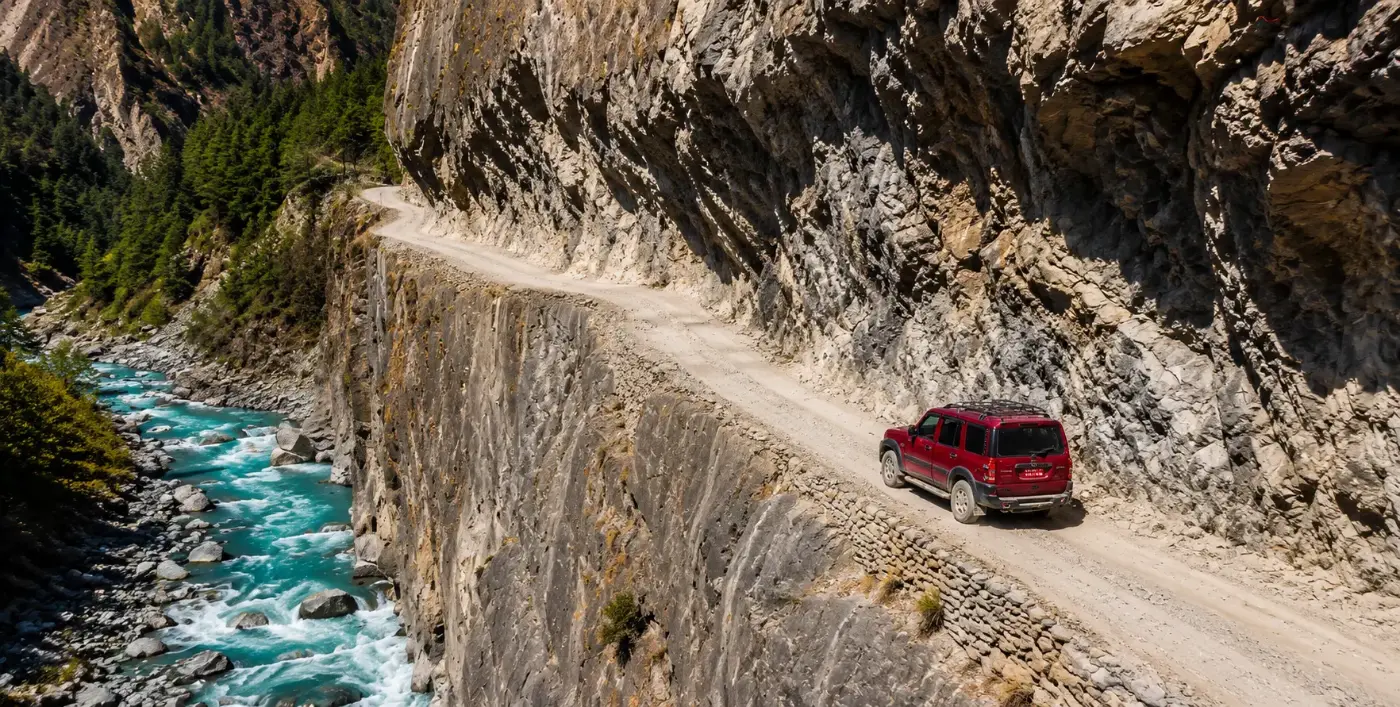
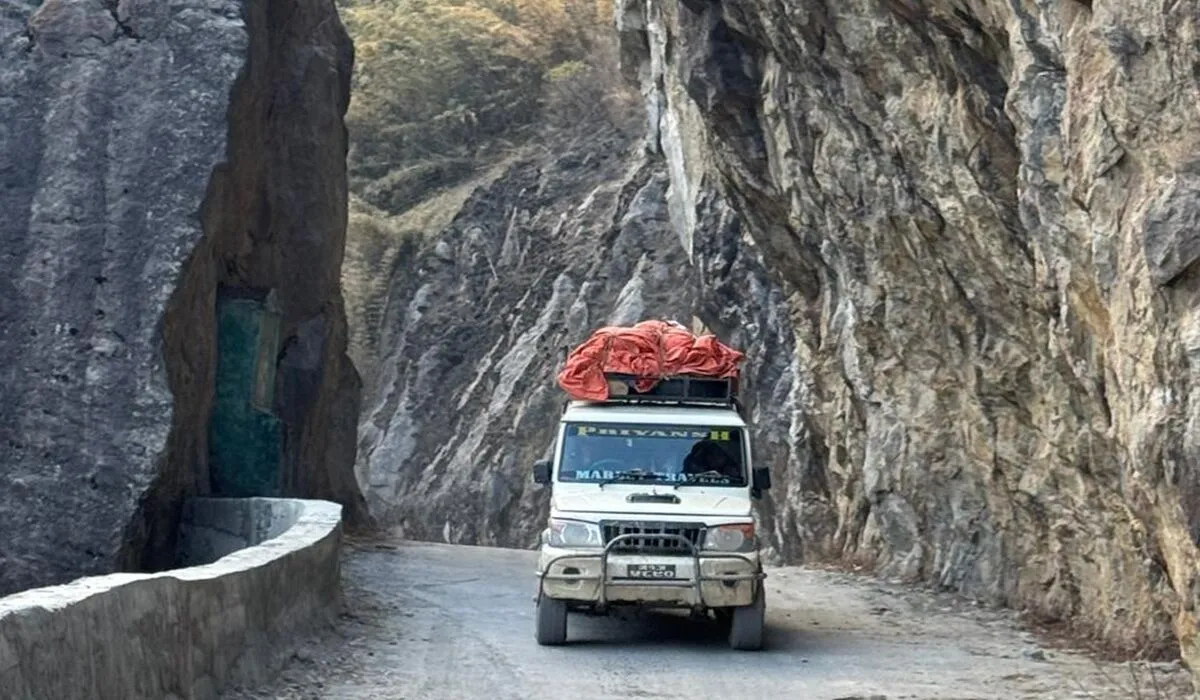
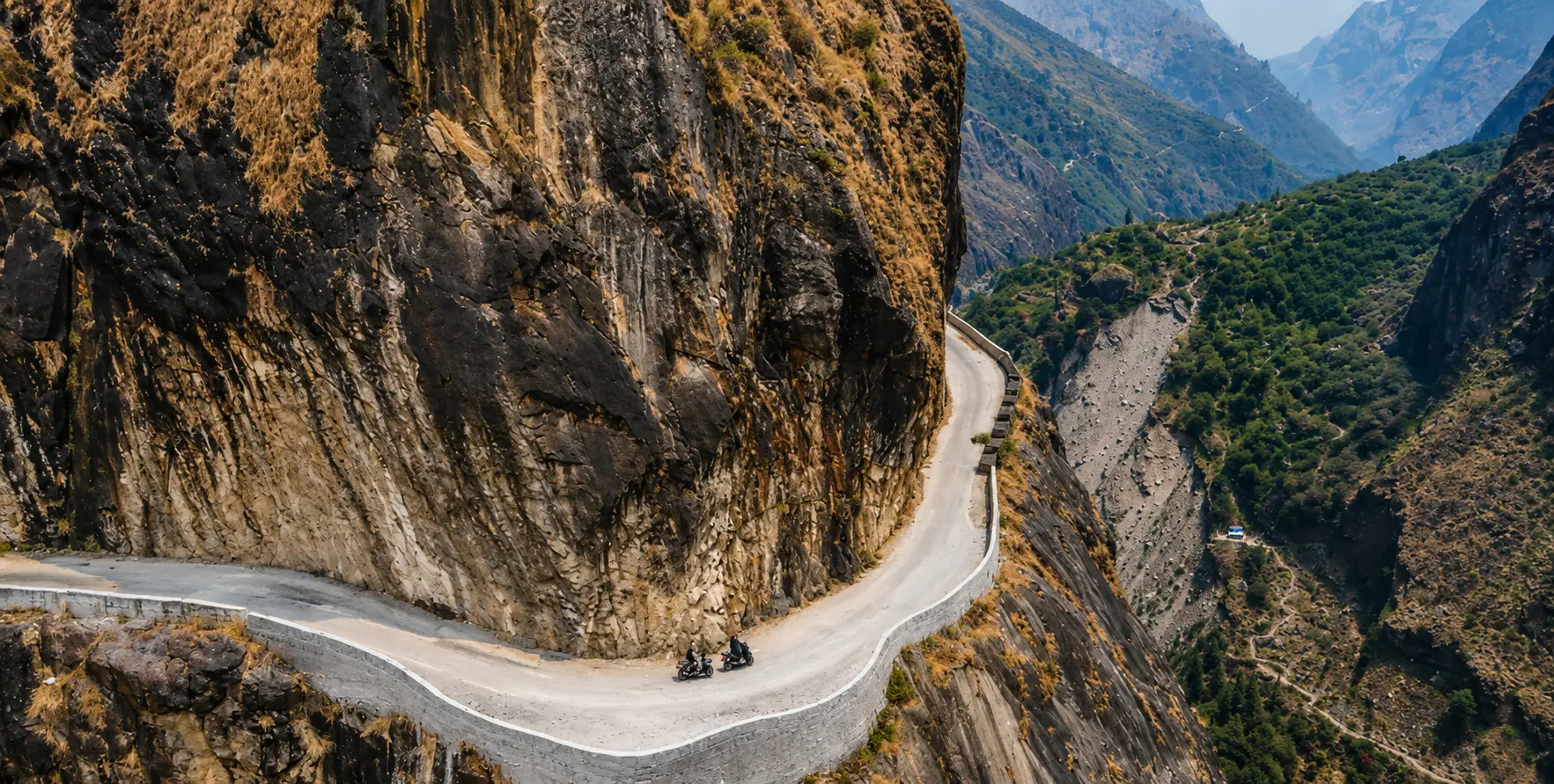
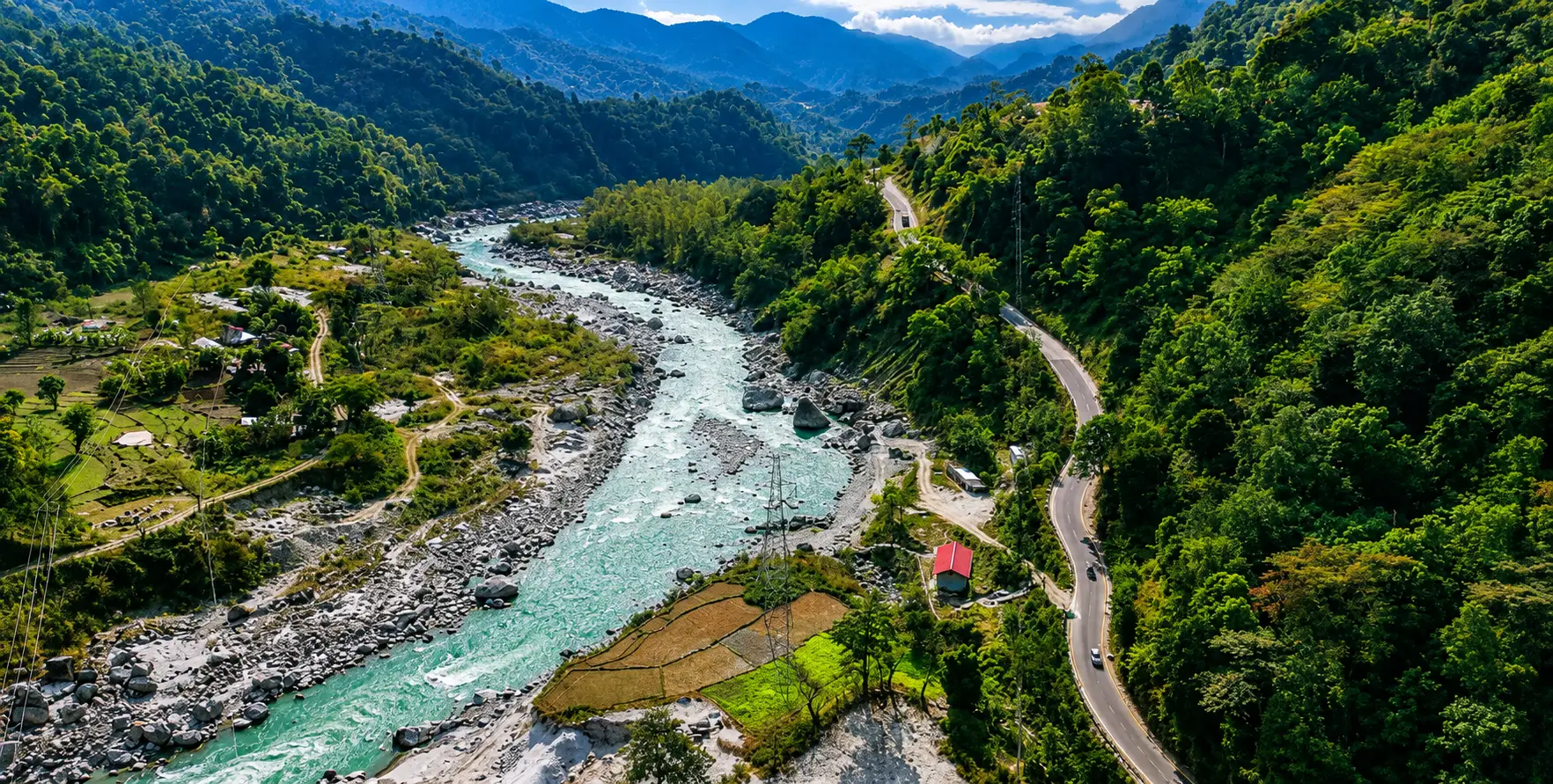
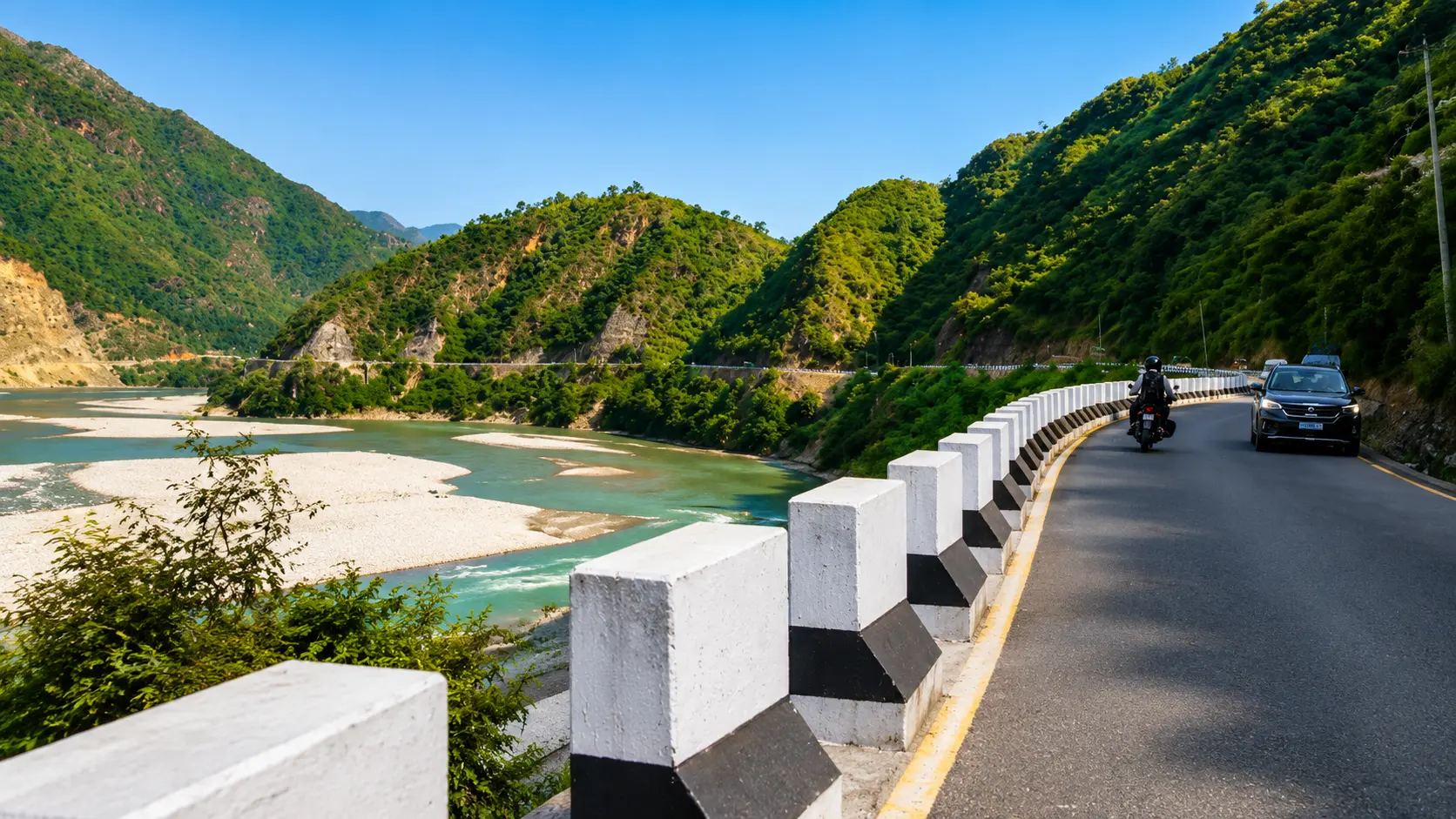
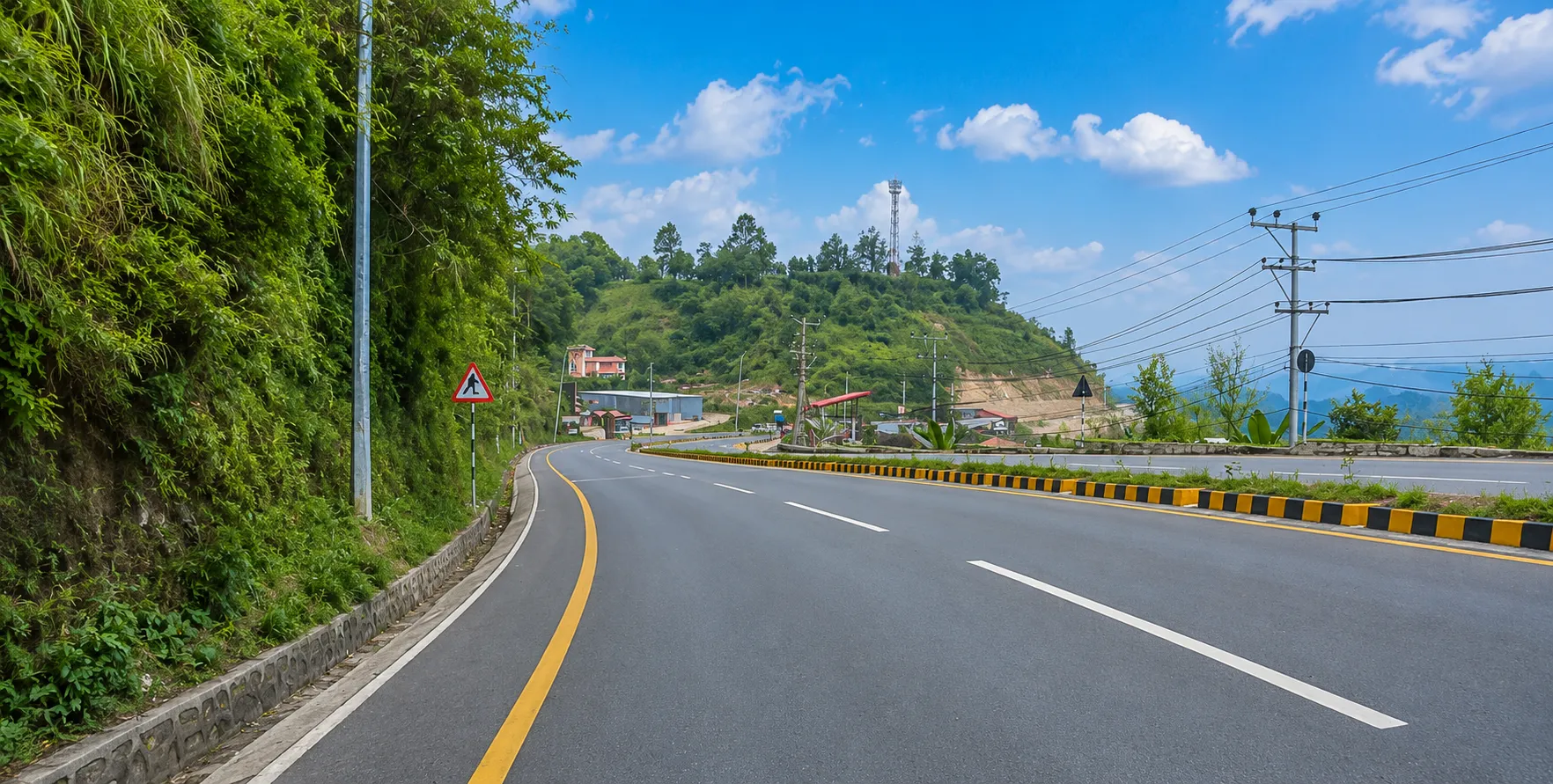
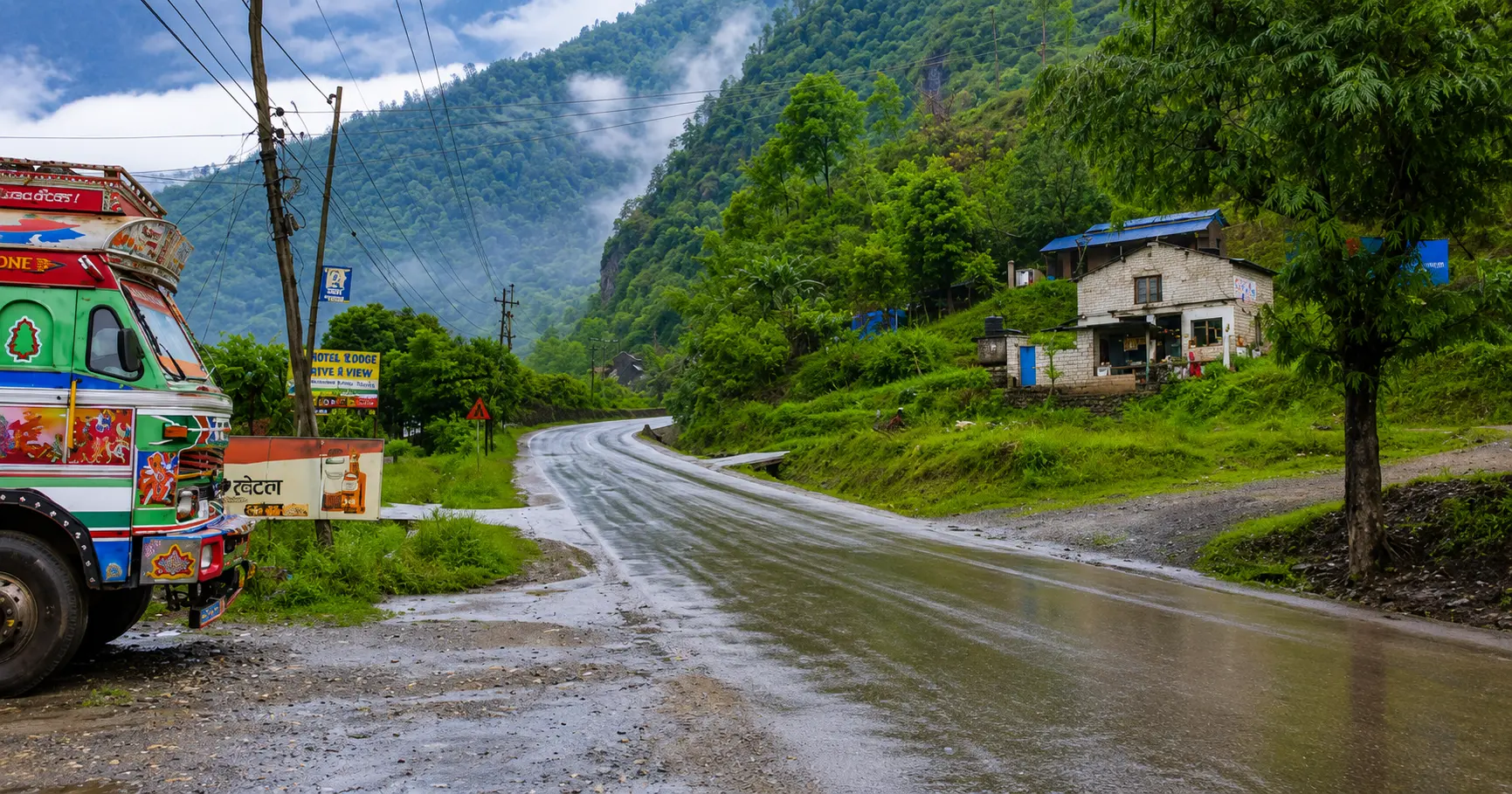
Prithivi highway road png

Religious Tour Transport Nepal: Complete Vehicle Hire Guide

Nepal is one of Asia’s most profoundly sacred landscapes — the birthplace of the Buddha, home to some of Hinduism’s holiest temples, the gateway to the Kailash Mansarovar pilgrimage, and a country where Hindu and Buddhist devotion have coexisted in extraordinary creative synthesis for more than two thousand years. Every year, millions of pilgrims from India, Nepal, and across the global Hindu and Buddhist world travel to Nepal’s sacred sites—and every one of them needs transport.

The right religious tour transport in Nepal is not merely a logistical convenience — it is essential to a spiritually complete pilgrimage.

Nepal Vehicle Hiring Pvt. Ltd., based in Thamel, Kathmandu, has served religious tour groups, individual pilgrims, and spiritual travellers across Nepal’s complete sacred landscape. Our fleet of private cars, 4WD jeeps, Hiace vans, Coaster buses, and full tourist buses covers every transport need, from smooth Terai highways to rough mountain roads leading to Muktinath Temple at 3,710 meters and the Kerung border for the Kailash Yatra.

Our dedicated Nepal Nekhor tour is designed specifically for the Nepal pilgrimage circuit. Our Muktinath Yatra itinerary covers Nepal’s most popular sacred journey. For spiritual journey planning and expert-guided pilgrimage packages, we also recommend partnering with Trek Nepal Himalayas and Alpine Luxury Treks, two of Nepal’s finest pilgrimage and trekking specialists.

This complete guide covers every major pilgrimage destination, every vehicle type, every sacred circuit, the transport needs of both Hindu and Buddhist pilgrims, group travel tips, and how Nepal Vehicle Hiring makes every sacred journey in Nepal — from a single Kathmandu sightseeing temple visit to a 14-day Nepal Nekhor circuit — as smooth and spiritually focused as possible.

Why Religious Tour Transport Matters in Nepal

For a pilgrim, the journey to a sacred site is itself a form of spiritual practice. The vehicle’s quality, comfort and respectful approach to each sacred site shape the experience’s spiritual quality. A driver who doesn’t know that Pashupatinath’s evening Aarti begins at a fixed time, or who parks a kilometre from Muktinath’s entrance because he doesn’t know the access road, causes not just inconvenience but genuine spiritual loss.

Nepal Vehicle Hiring’s religious tour drivers understand the specific needs of pilgrimage groups — temple opening hours, Aarti timings, offering traditions, and cultural protocols. Our Nepal Nekhor tour service, Muktinath Yatra itinerary, and Nepal holiday tour packages incorporate this understanding into every sacred journey.

From the Kathmandu airport transfer that begins the pilgrimage to the final car or bus hire that returns pilgrims home, we treat every kilometre as part of the sacred journey.
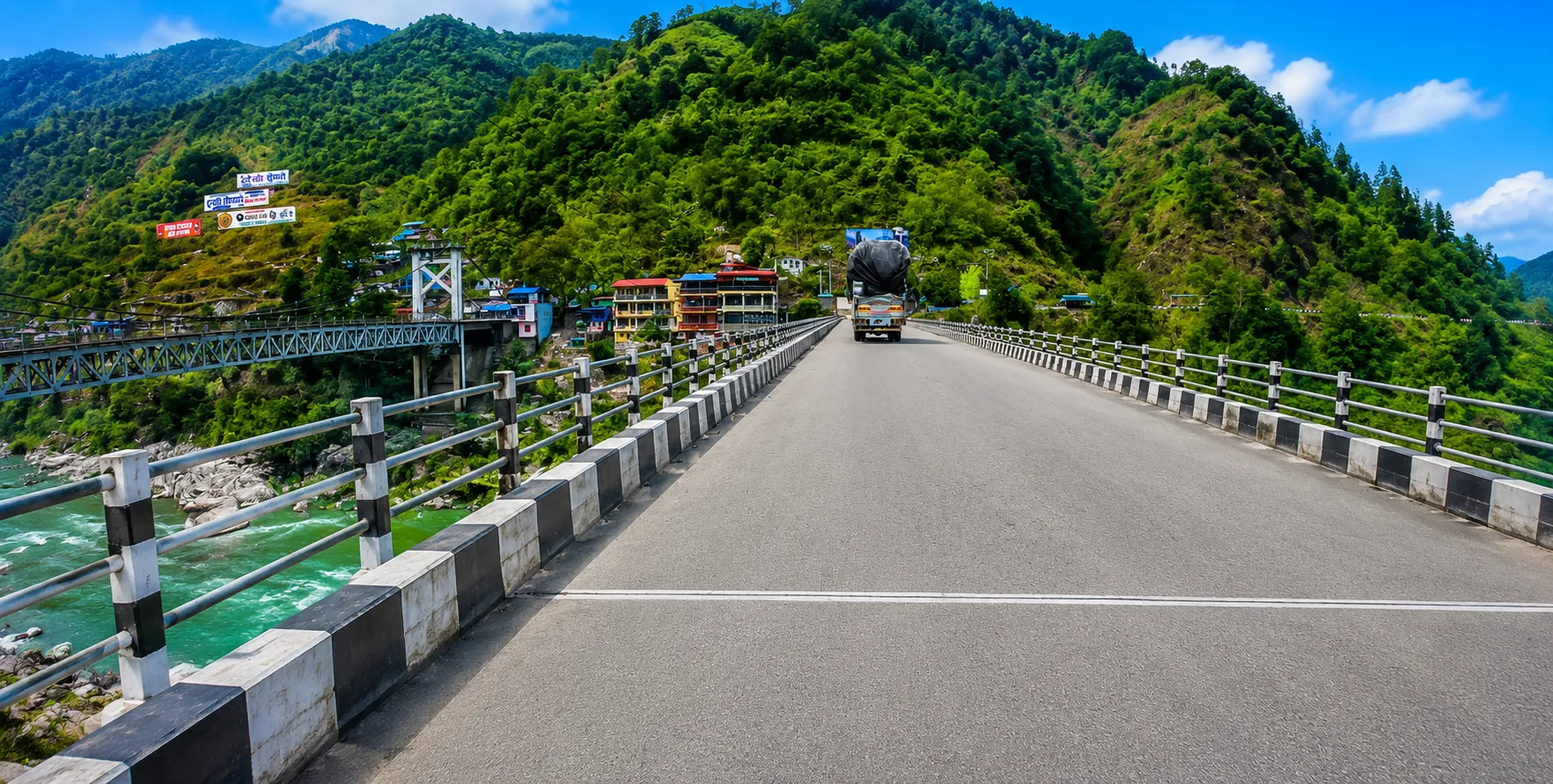
Muglin

Nepal’s Major Religious Pilgrimage Sites and Transport Requirements

Pashupatinath Temple, Kathmandu

Pashupatinath on the Bagmati River is Nepal’s holiest Hindu shrine and one of the world’s most important Shiva temples. A UNESCO World Heritage Site, it draws hundreds of thousands of pilgrims during Maha Shivaratri, Teej, and Bala Chaturdashi. The evening Aarti on the Arya Ghat begins at a fixed time (approximately 6:00–7:30 PM depending on the season) — pilgrims must arrive by 5:30 PM for darshan before the ceremony.

Our Kathmandu sightseeing service ensures pilgrims reach Pashupatinath on time. Our Kathmandu airport transfer brings arriving pilgrims directly from Tribhuvan International Airport on time. The Bhaktapur Durbar Square day tour combines with Pashupatinath for a full valley sacred circuit, and the Nagarkot sunrise tour via our Kathmandu to Nagarkot vehicle can precede the Pashupatinath evening visit on the same day.

Swayambhunath Stupa, Kathmandu

Swayambhunath Stupa — the ancient Buddhist hilltop shrine called the Monkey Temple — is over 2,500 years old and one of Nepal’s most important Buddhist pilgrimage sites. Our Kathmandu sightseeing service includes Swayambhunath on the standard sacred-site circuit.

Our private car hire serves small groups of 2 to 4 pilgrims for a focused Swayambhunath visit, while our Hiace van hire accommodates groups of 8 to 14 and our Coaster bus hire handles parties of 15 to 25. Groups above 25 should book our full bus hire for Kathmandu Valley circuits.

Boudhanath Stupa, Kathmandu

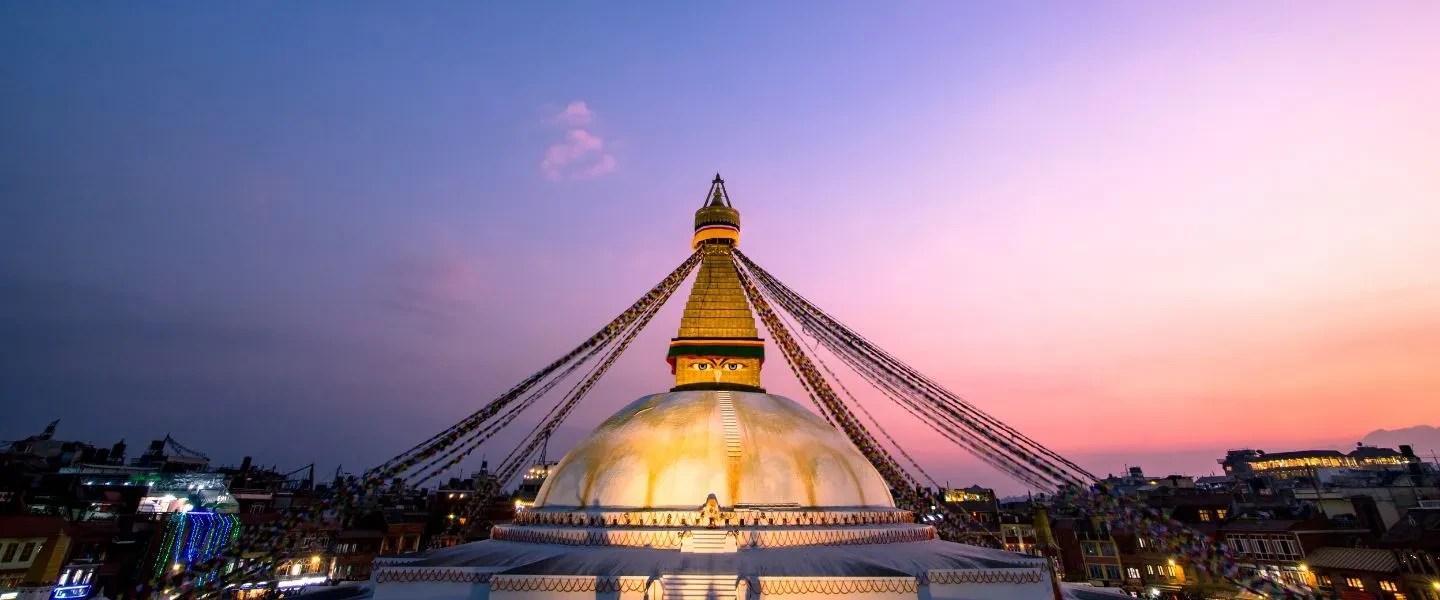
Boudhanath — the largest stupa in Nepal and one of the largest in the world — is the spiritual heart of Tibetan Buddhism in Nepal. The morning and evening kora (circumambulation) circuit draws Tibetan Buddhist pilgrims from Nepal, India, Tibet, and across the global Himalayan diaspora. Our Kathmandu sightseeing service includes Boudhanath.

Buddhist pilgrim groups often combine it with Namobuddha Monastery (35 km east of Kathmandu) in a single-day circuit using our private jeep hire or car hire in Nepal. Our Bhaktapur Durbar Square day tour also includes Changu Narayan Temple for Buddhist history enthusiasts. For in-depth Buddhist pilgrimage packages, visit Trek Nepal Himalayas.
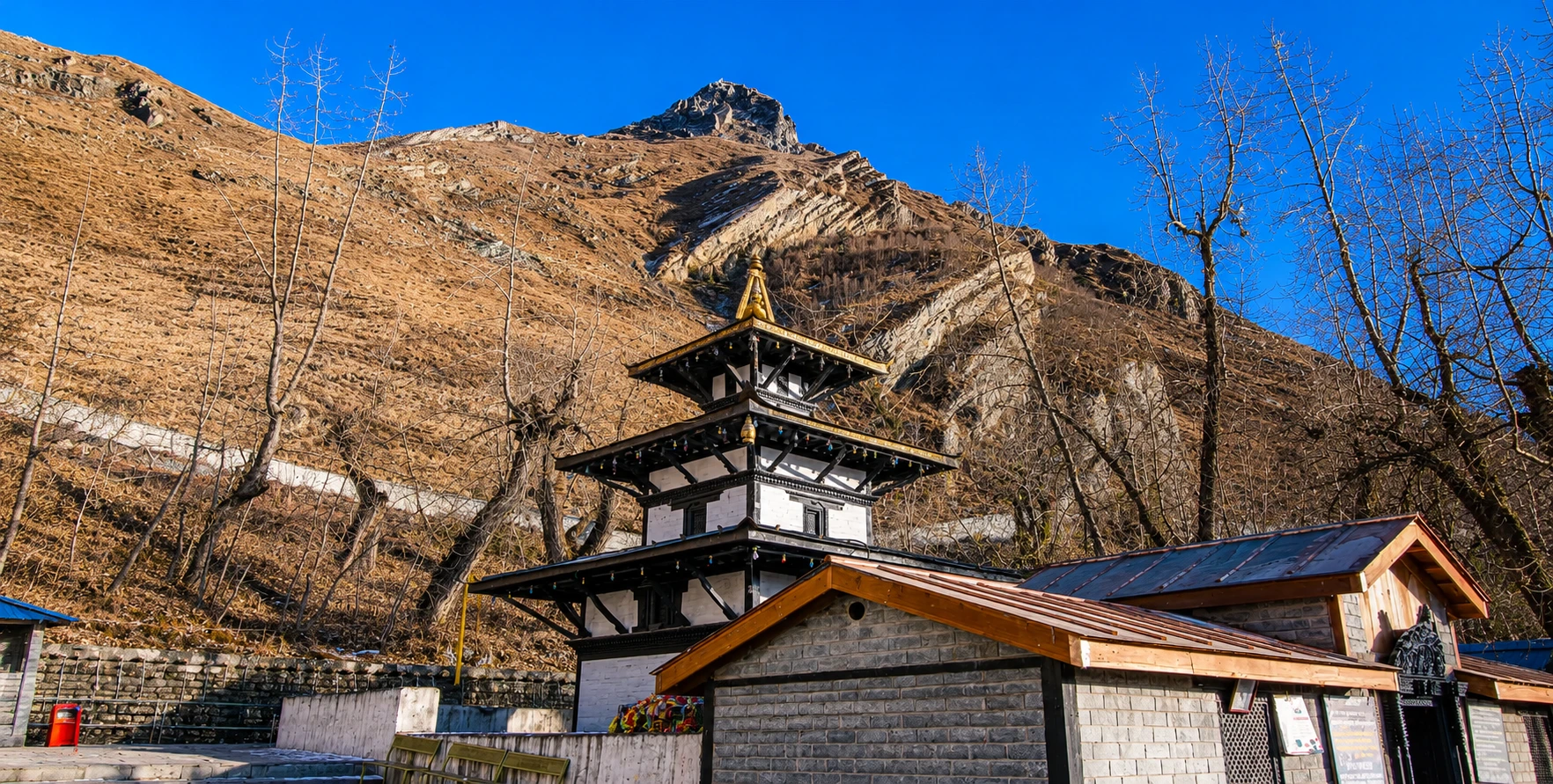
Book Religious Tour Transport in Nepal with private cars, 4WD jeeps, SUVs, Hiace vans, Coaster buses, and tourist buses. Travel comfortably to Pashupatinath, Lumbini, Muktinath, Janakpur, Manakamana, Halesi Mahadev, and other sacred destinations with experienced drivers.

Muktinath Temple (3,710 m), Mustang District

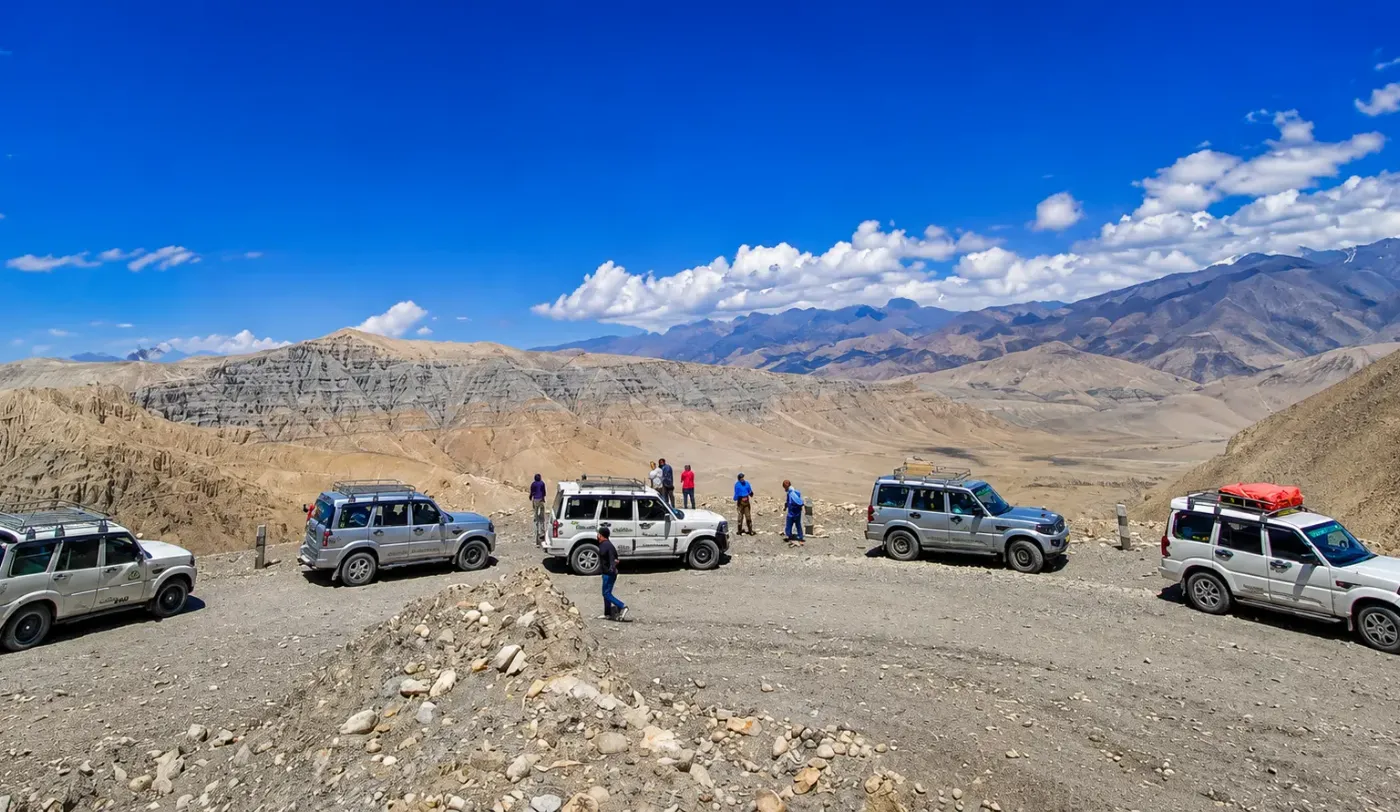
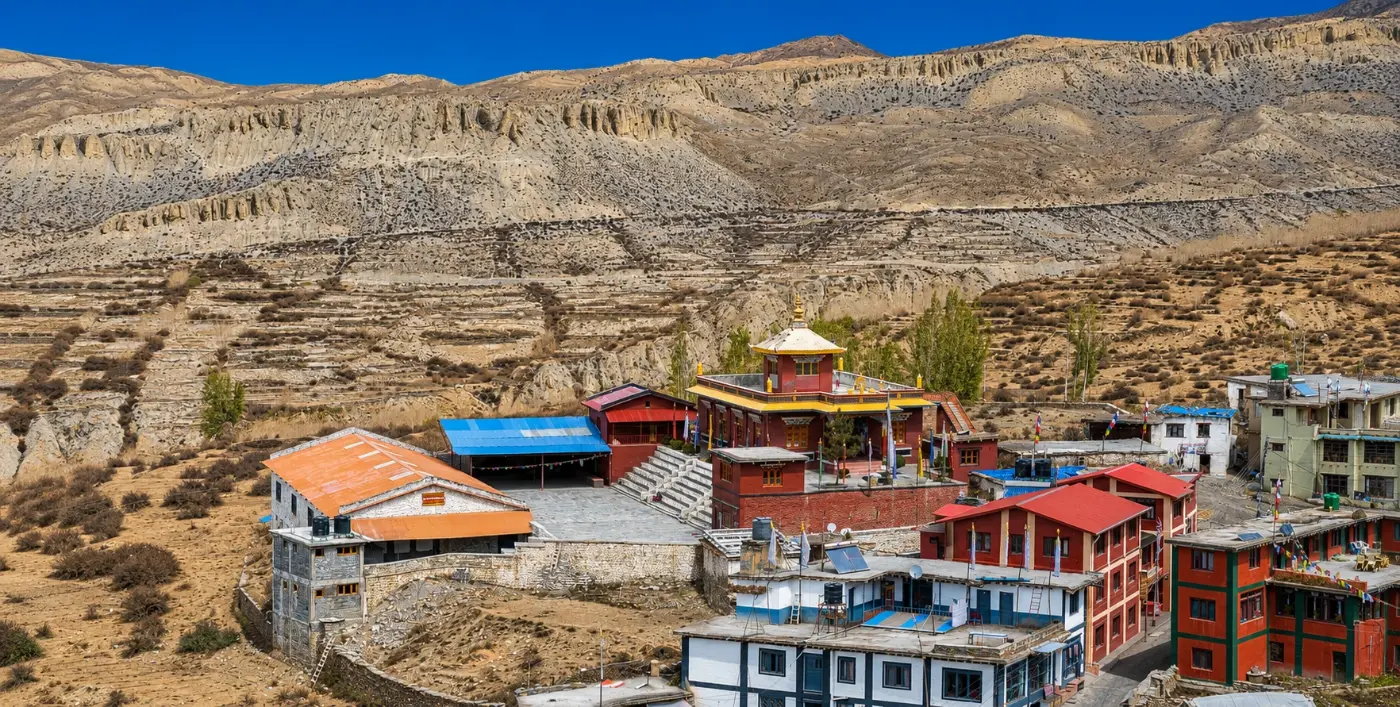
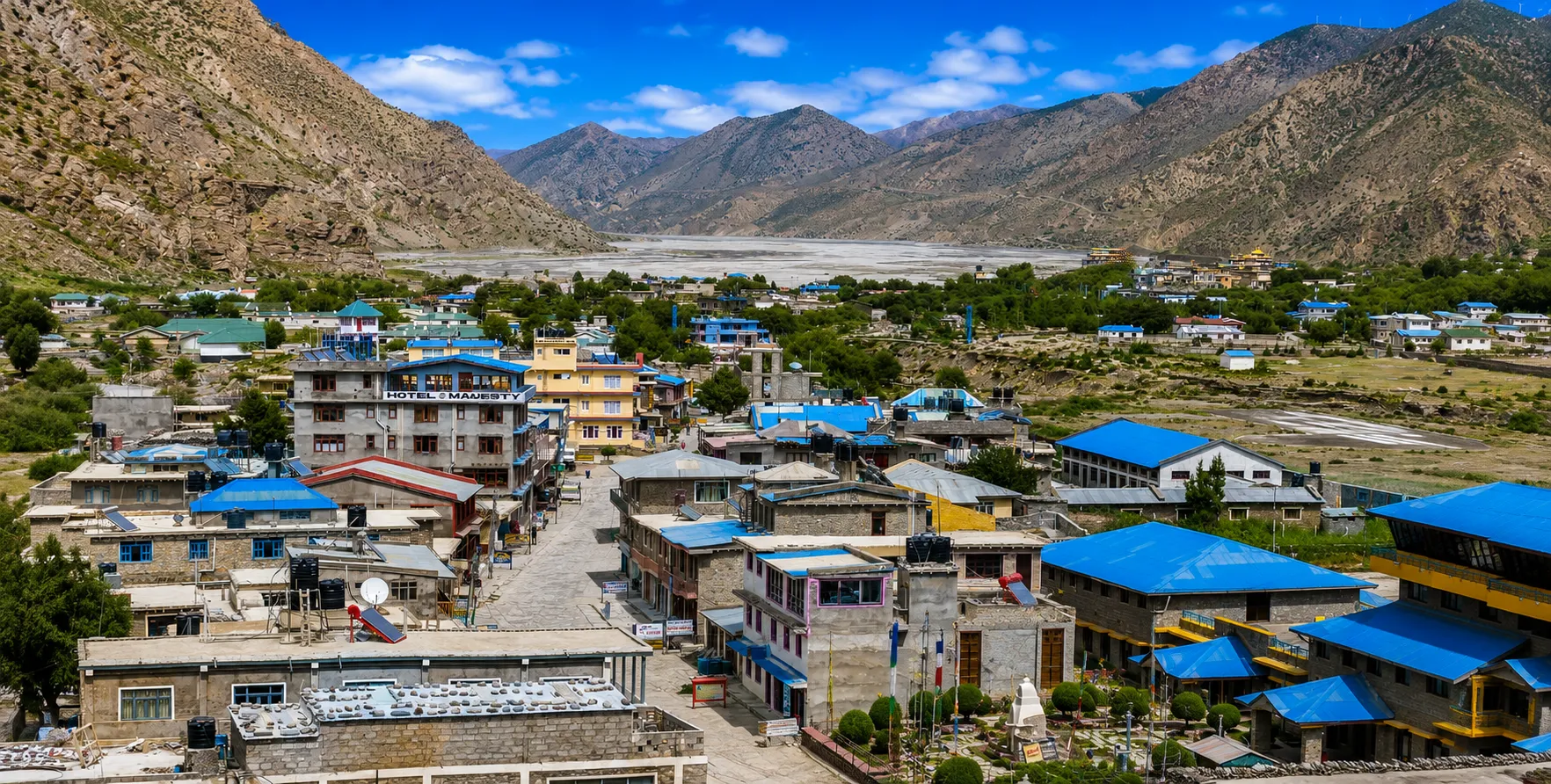
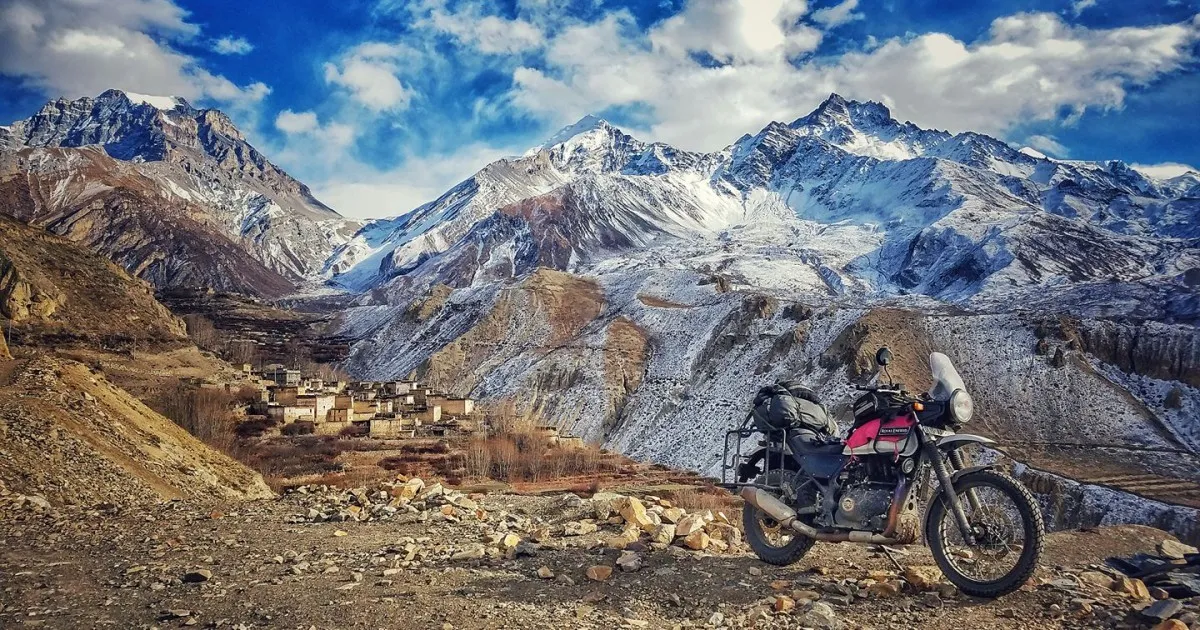
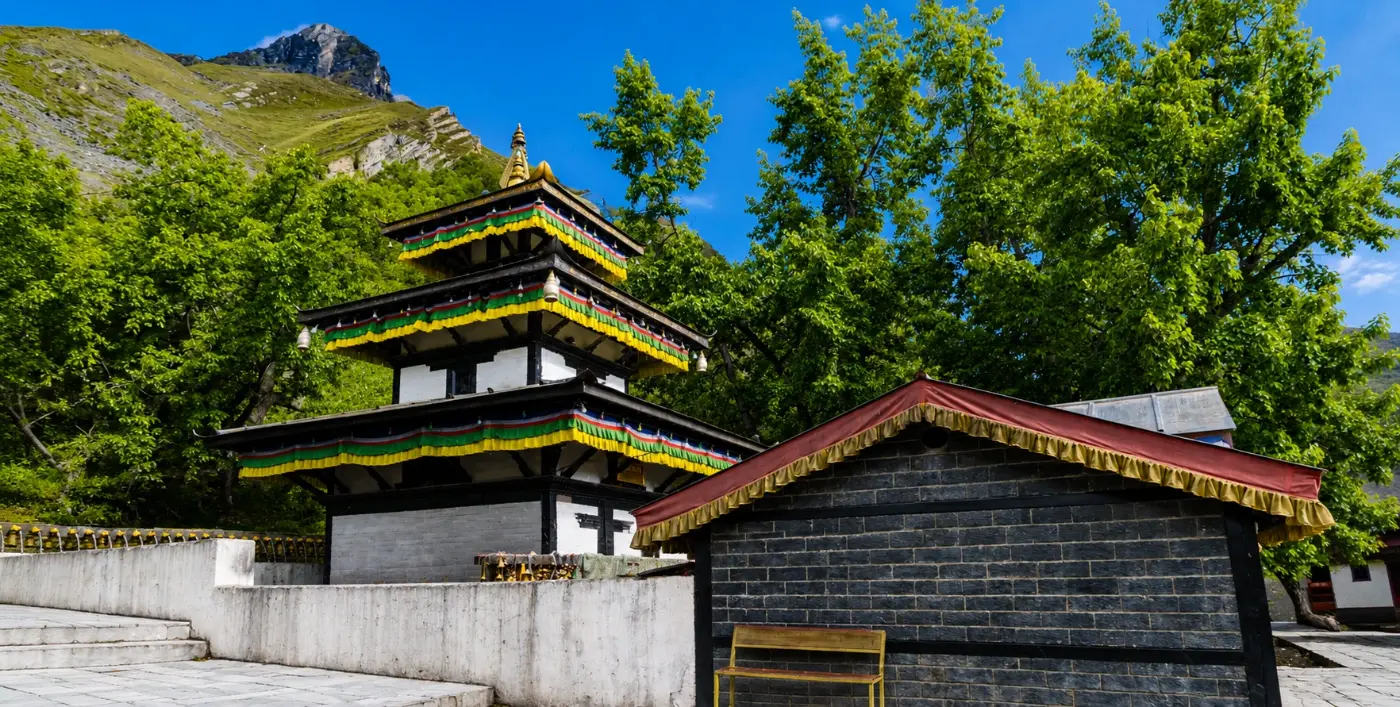
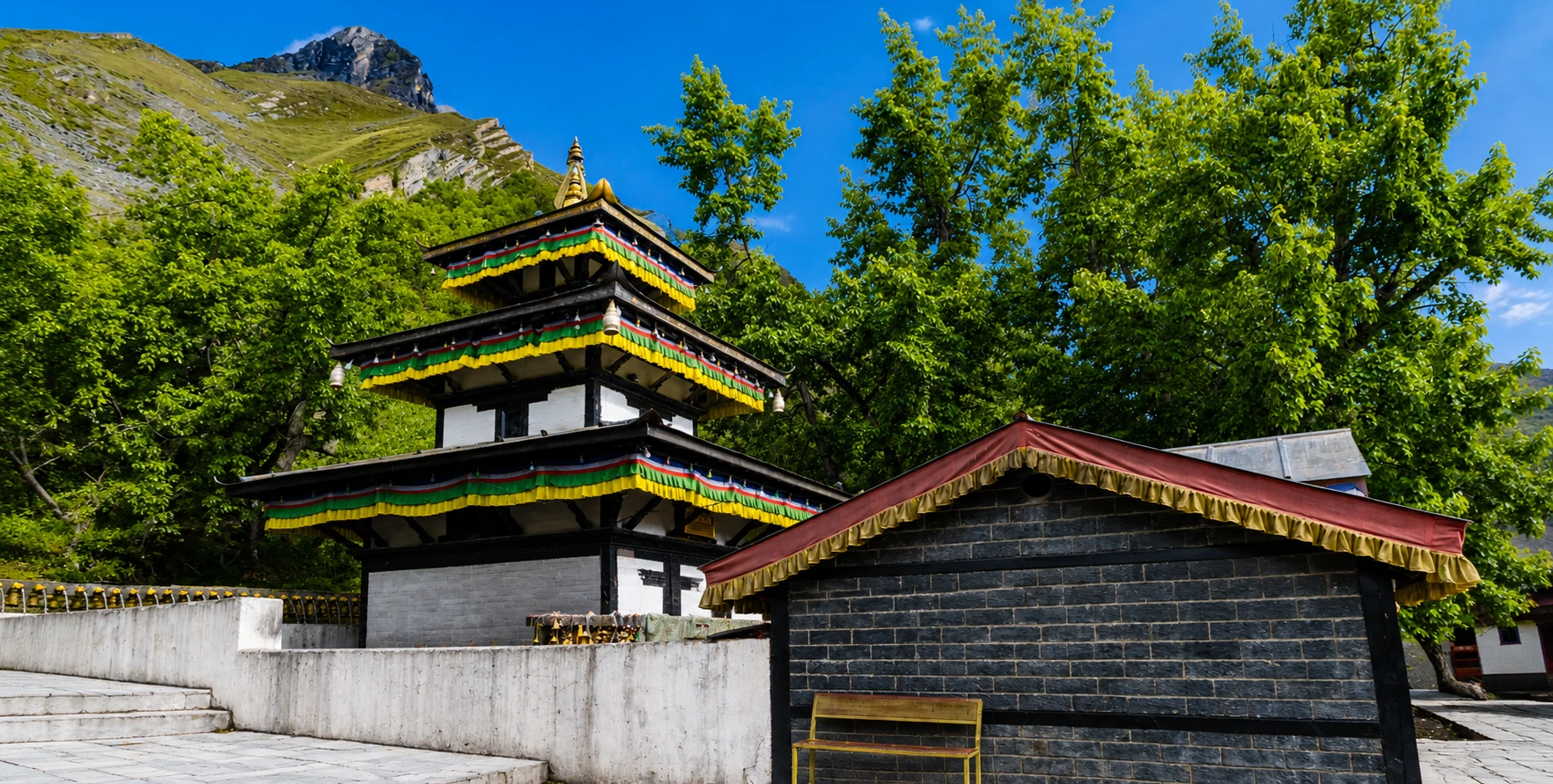
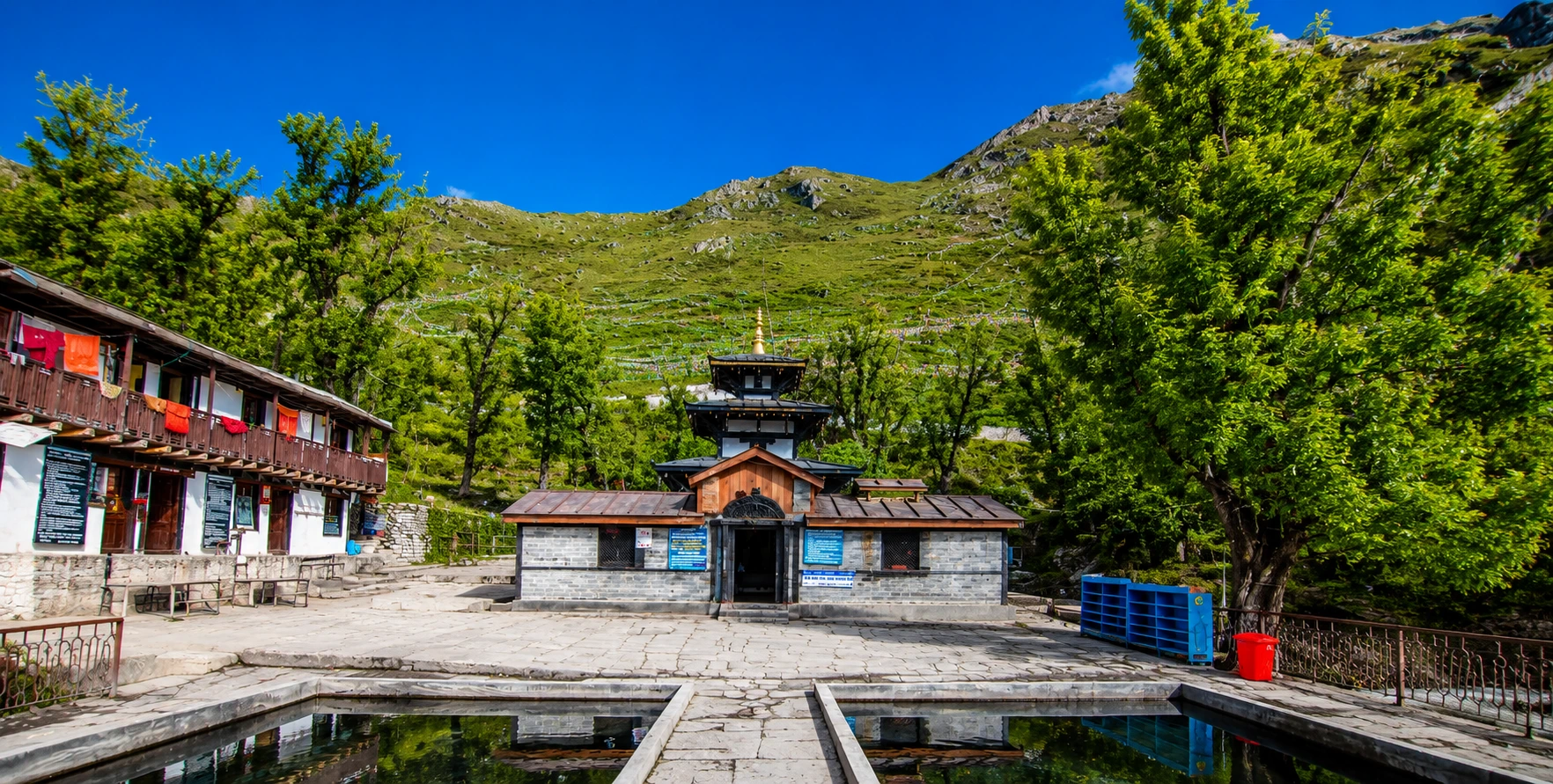
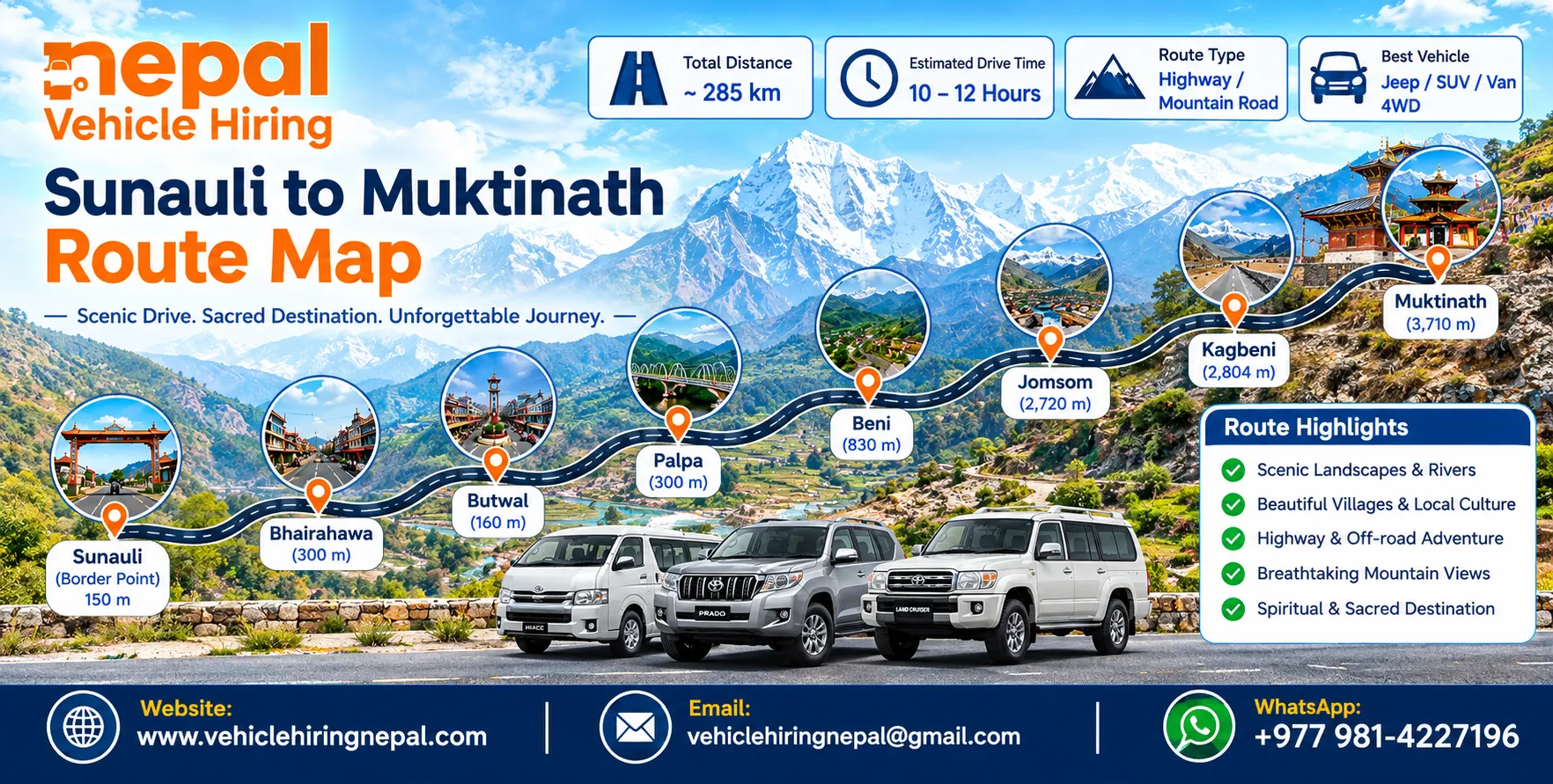
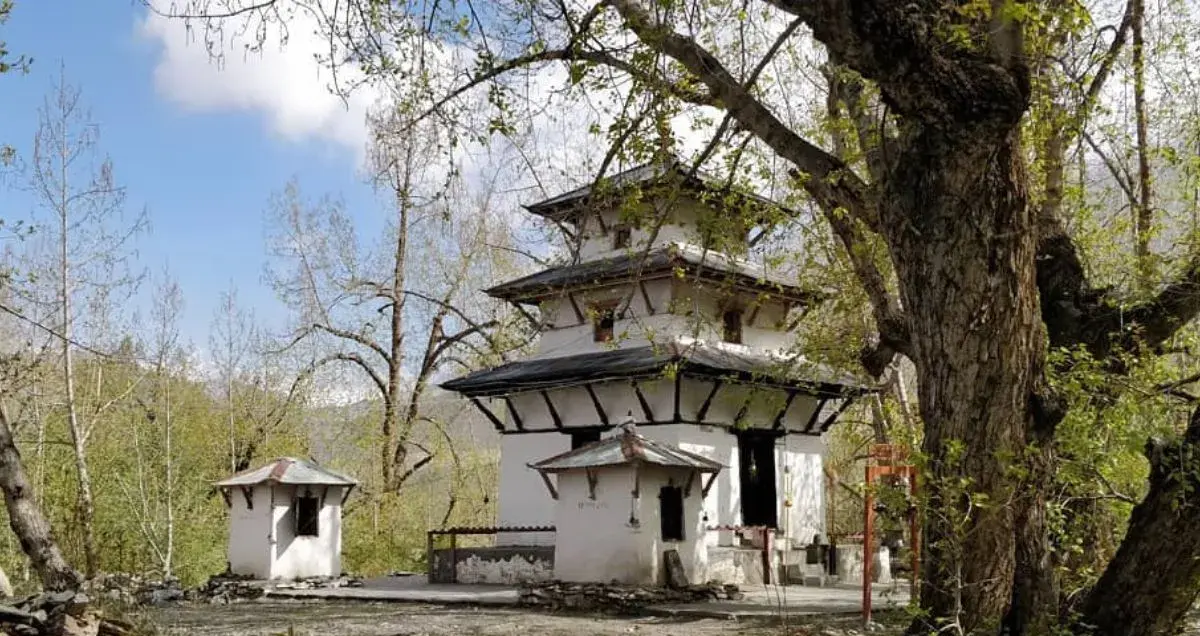
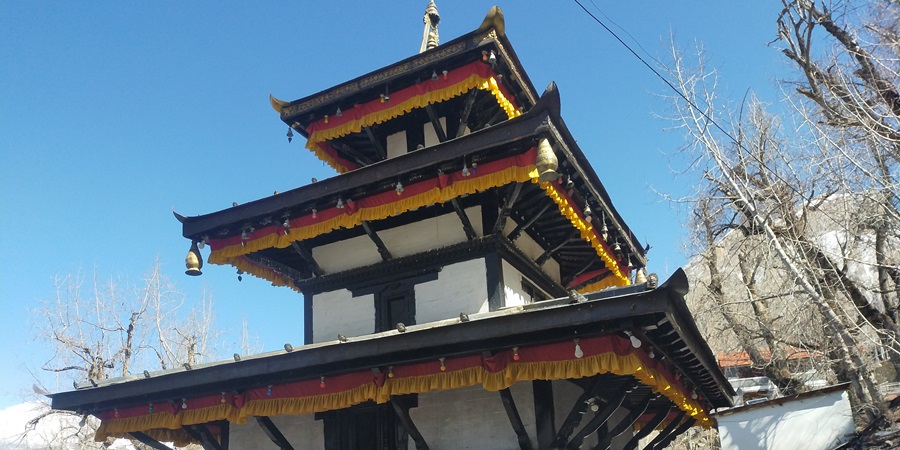
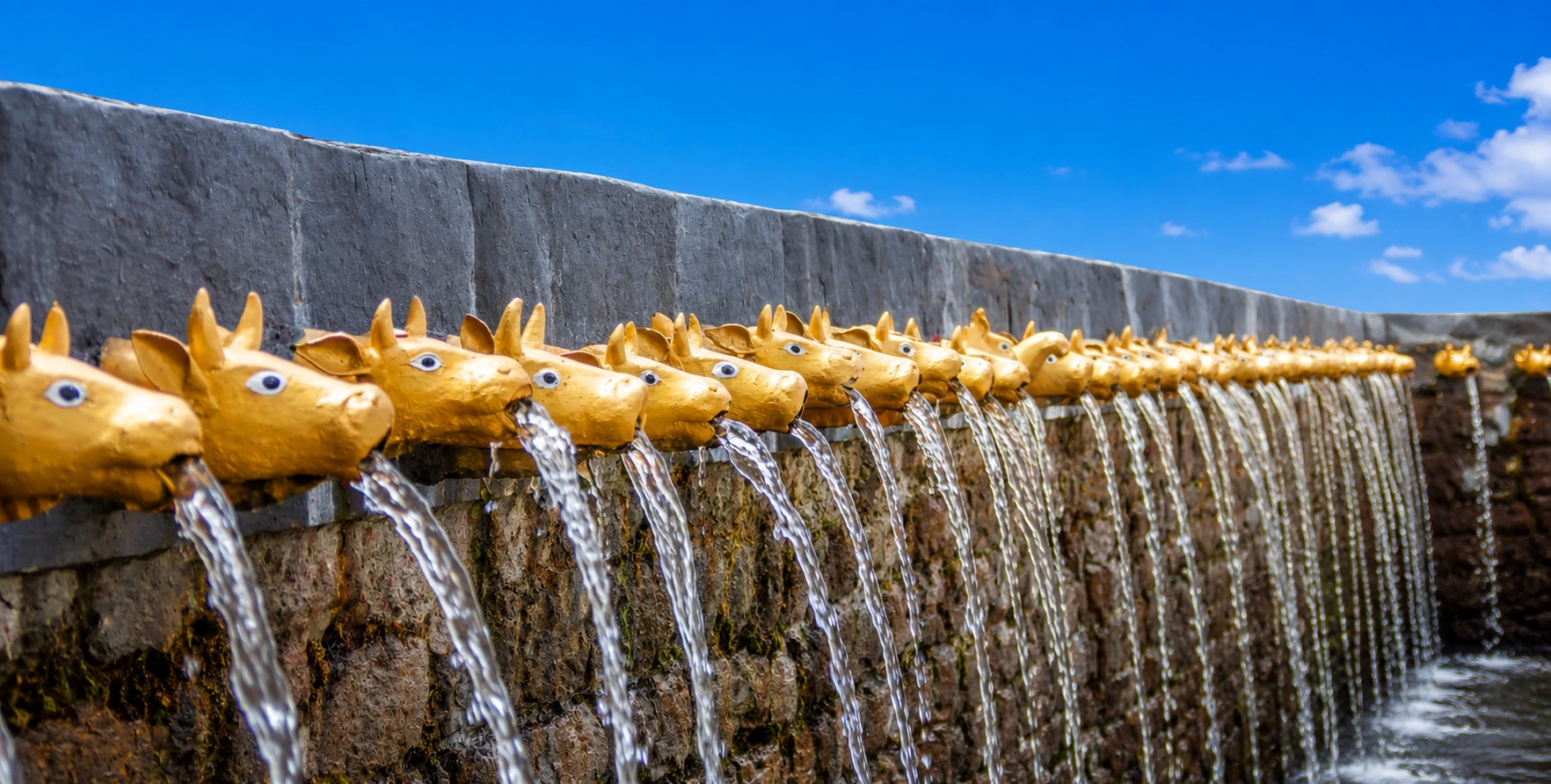
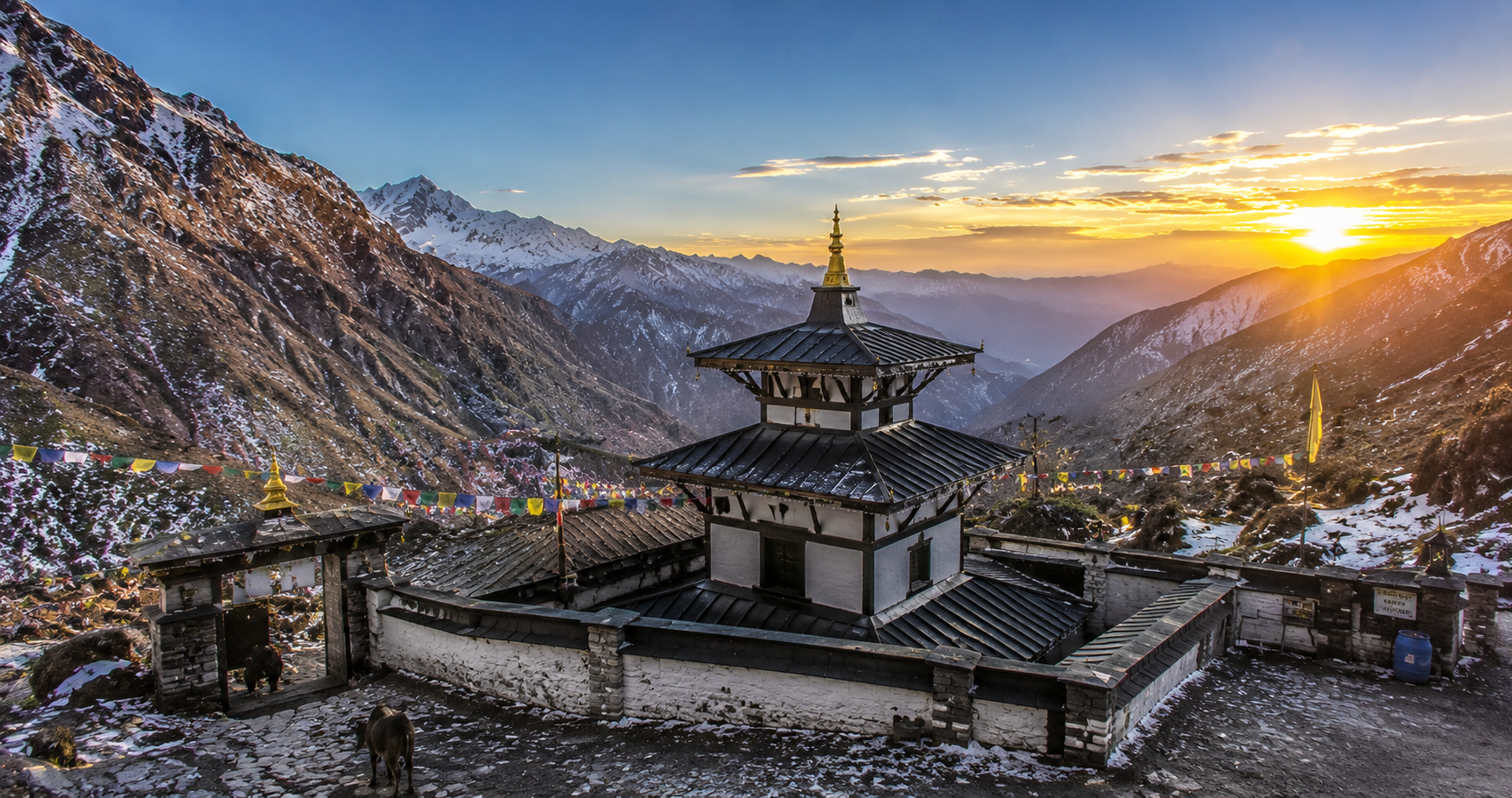
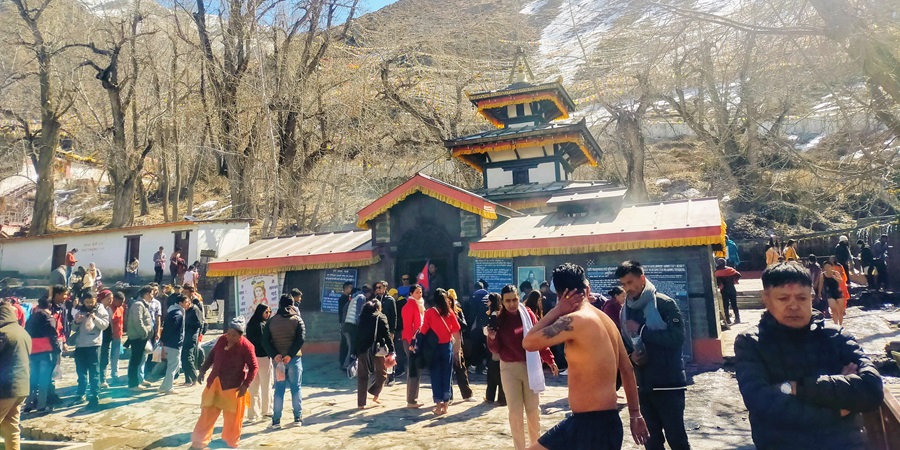
Muktinath is Nepal’s most logistically demanding sacred destination — 108 water spouts, an eternal natural flame, and a Vishnu temple complex at 3,710 meters that draws hundreds of thousands of Hindu and Buddhist pilgrims annually. Transport requires a highway vehicle to Beni or Jomsom, then a 4WD mountain-road transfer from Jomsom to Muktinath.

Nepal Vehicle Hiring’s dedicated Muktinath Yatra itinerary covers the complete pilgrimage transport. The Pokhara-to-Mustang jeep service handles the mountain approach from Pokhara, while the Kathmandu-to-Mustang private jeep covers the full overland journey from the capital.

Our Hiace van hire serves pilgrim groups on the highway sections (Kathmandu to Pokhara, Pokhara to Beni), and our 4WD jeep hire handles the Beni-to-Jomsom-to-Muktinath mountain road. Our Pokhara-to-Nayapul transportation covers the Pokhara-side approach. For top-end guided Muktinath pilgrimage packages, Alpine Luxury Treks offers outstanding luxury spiritual journeys.

Lumbini, Rupandehi District — Birthplace of the Buddha

Lumbini — birthplace of Siddhartha Gautama — is one of the most sacred Buddhist sites in the world. The Maya Devi Temple, Ashoka Pillar, and surrounding international Buddhist monasteries make it a must-visit for Buddhist pilgrims from every country—approximately 300 km from Kathmandu (6 to 8 hours by highway via Bharatpur and Butwal).

Nepal Vehicle Hiring’s Hiace van hire covers medium pilgrim groups (8 to 14) on the Kathmandu-to-Lumbini highway. Our Coaster bus hire serves groups of 15 to 25, and our full bus hire accommodates large parties of 25 or more. Our dedicated Nepal Nekhor tour includes Lumbini as a central stop.

For Indian pilgrims crossing the border at Sunauli-Bhairahawa, our Hiace van hire or car hire in Nepal provides immediate border-to-Lumbini transport (30 to 45 minutes). The Kathmandu to Pokhara bus leg can be combined with our Pokhara-to-Lumbini Hiace van hire for a Pokhara-inclusive Lumbini circuit.

For expert Buddhist pilgrimage programming, Trek Nepal Himalayas offers exceptional Lumbini-centred spiritual tours.

Janakpur, Dhanusha District — Birthplace of Goddess Sita

Janakpur — ancient Janakpuri, birthplace of Goddess Sita — is a vibrant Maithili pilgrimage city in the eastern Terai. The Janaki Mandir draws pilgrims especially during Ram Navami (March/April) and Vivah Panchami (November/December). Approximately 225 km from Kathmandu (5 to 6 hours by highway).

Nepal Vehicle Hiring provides private car hire, Hiace van hire, and Coaster bus hire for the Kathmandu-to-Janakpur pilgrimage journey. Our Nepal Nekhor tour and Nepal holiday tour packages incorporate Janakpur into the eastern Terai sacred circuit. Our Nepal tour package can combine Janakpur with Lumbini into a full Terai pilgrimage circuit, using our full bus hire for large groups and Hiace van hire for medium parties.

Manakamana Temple, Gorkha District

The Manakamana Temple — the wish-fulfilling goddess shrine accessible via cable car from Kurintar on the Prithvi Highway — is one of Nepal’s most visited pilgrimage sites, especially on Saturdays and during Dashain and Tihar. The Kurintar base station sits approximately 104 km from Kathmandu, directly on the Kathmandu to Pokhara route.

Nepal Vehicle Hiring incorporates the Manakamana cable car stop into all Kathmandu-Pokhara religious tour itineraries. Our car hire in Nepal, Hiace van hire, and Coaster bus hire all pause at Kurintar for the cable car ascent. The visit adds approximately 2 to 3 hours to the Kathmandu-to-Pokhara journey.

We can incorporate the Manakamana stop into our Kathmandu-to-Pokhara bus service when pre-arranged. After visiting Manakamana, pilgrims continuing to Muktinath via Pokhara complete one of Nepal’s finest single-journey pilgrimage sequences.

Dakshinkali Temple, Pharping

Dakshinkali — the tantric Kali shrine 22 km south of Kathmandu at the foot of the Pharping hills — is among Nepal’s most authentically traditional pilgrimage sites, particularly busy on Tuesdays and Saturdays. Nepal Vehicle Hiring’s Kathmandu sightseeing service and private jeep hire cover the 45-minute drive from Thamel, easily combined with Pharping’s cave monasteries and the Chobar Gorge into a full southern Kathmandu Valley sacred circuit.

Our car hire in Nepal serves individual pilgrims and couples for this half-day circuit.
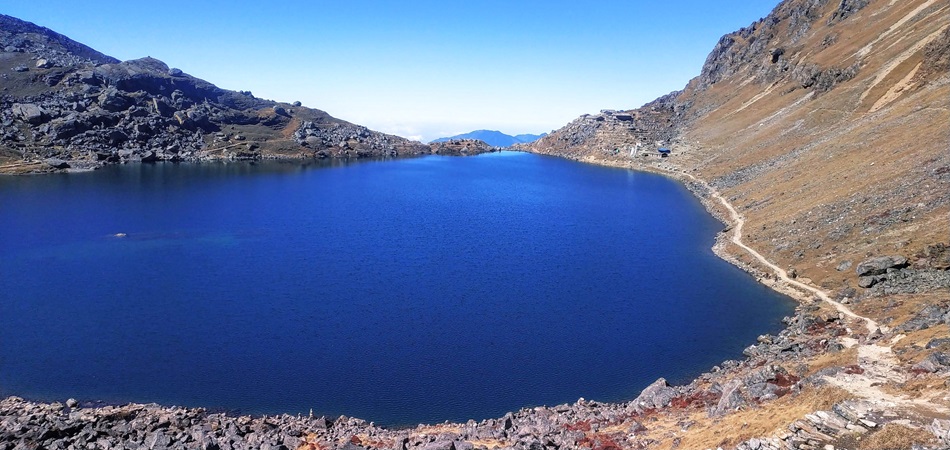
Book Religious Tour Transport in Nepal with private cars, 4WD jeeps, SUVs, Hiace vans, Coaster buses, and tourist buses. Travel comfortably to Pashupatinath, Lumbini, Muktinath, Janakpur, Manakamana, Halesi Mahadev, and other sacred destinations with experienced drivers.

Gosaikunda Lake (4,380 m), Rasuwa District

Gosaikunda — the sacred alpine lake where Shiva struck frozen ground with his trident to create water — draws tens of thousands of Hindu pilgrims during Janai Purnima (July/August full moon). The road approach runs via Syabrubesi, where Nepal Vehicle Hiring provides private jeep hire and trekking transport. Our Kathmandu airport transfer plus dedicated 4WD jeep hire to Syabrubesi is the standard pilgrim approach for this sacred high-altitude lake.

Halesi Maratika Cave, Khotang District

Halesi Maratika is sacred to both Hindus (as Shiva’s meditation cave) and Tibetan Buddhists (as where Guru Padmasambhava achieved the immortal-life siddhi). The approach combines domestic flights (Kathmandu to Lamidanda or Tumlingtar) with ground transport — our trekking transport services coordinate the ground component. For the Everest region approach, our transport connects to the eastern hill road network serving Halesi and nearby Barah Kshetra.

Devghat, Chitwan — Sacred River Confluence

Devghat, near Narayanghat, is one of Nepal’s most sacred cremation and pilgrimage sites, located at the Trishuli-Kali Gandaki confluence about 150 km from Kathmandu. Our Hiace van hire and car hire in Nepal cover the highway journey.

Devghat is naturally combined with a Chitwan National Park visit — our Nepal tour package and Nepal holiday tour incorporate both. The Coaster bus hire serves larger pilgrim parties on the Kathmandu-to-Devghat-to-Chitwan circuit.

Bindabasini Temple, Pokhara

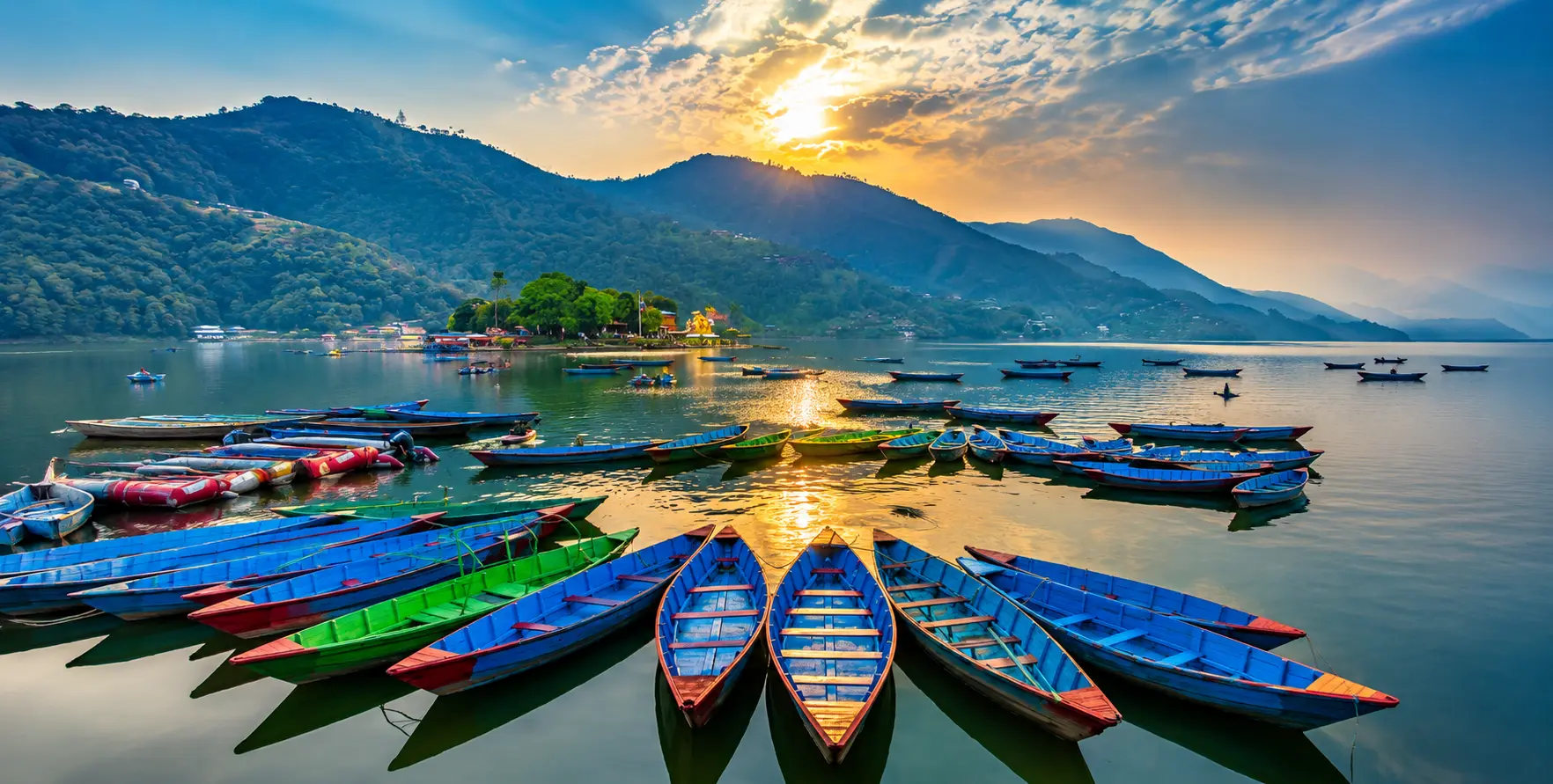
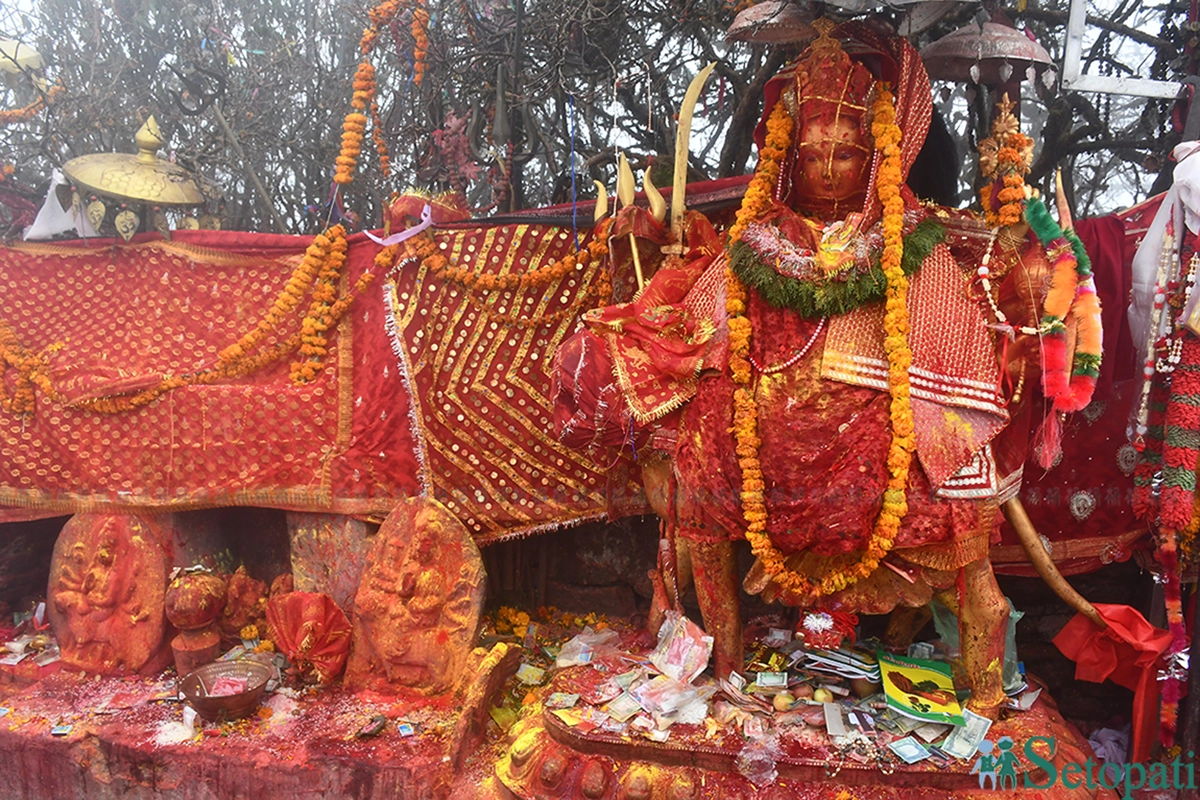
The Bindabasini Temple — Pokhara’s most important Hindu shrine dedicated to the goddess Bhagwati — is the sacred heart of the city. We can configure our Sarangkot sunrise tour vehicle and Pokhara to Nayapul transportation to include Bindabasini as part of a full Pokhara sacred circuit, alongside Tal Barahi island temple and Gupteshwar Mahadev cave. The Pokhara-to-Mustang jeep service passes through Pokhara on every Muktinath pilgrimage journey.
Book Religious Tour Transport in Nepal with private cars, 4WD jeeps, SUVs, Hiace vans, Coaster buses, and tourist buses. Travel comfortably to Pashupatinath, Lumbini, Muktinath, Janakpur, Manakamana, Halesi Mahadev, and other sacred destinations with experienced drivers.

Pathivara Devi Temple (3,794 m), Taplejung

Pathivara Devi — the powerful goddess shrine at 3,794 meters in far eastern Nepal — draws hundreds of thousands of devotees annually. The approach combines highway driving to Taplejung with a 2- to 3-day trek. Nepal Vehicle Hiring’s car hire in Nepal, Hiace van hire, and trekking transport services cover the entire approach.

We can configure our Nepal tour package to include Pathivara for groups targeting eastern Nepal’s sacred landscape.

Budhanilkantha — The Reclining Vishnu

Budhanilkantha — the magnificent 5-meter reclining Vishnu carved in black stone at the base of Shivapuri Hill — is a Licchavi-period masterpiece and one of Nepal’s most powerful Vishnu shrines. The Kathmandu sightseeing service and private jeep hire cover the 8 km drive from Thamel to Budhanilkantha, often combined with the Nagarkot sunrise tour and Bhaktapur Durbar Square day tour into a comprehensive Kathmandu Valley sacred circuit.

Nepal Vehicle Hiring Fleet for Religious Tours

Private Car Hire: Individual Pilgrims and Small Families

Our car hire in Nepal is ideal for solo pilgrims, couples, and families of 2 to 4 on Kacred circuits in the Kathmandu Valley and highway routes. Perfect for: Pashupatinath and Boudhanath in a single day; Bhaktapur Durbar Square day tour; Nagarkot sunrise tour via Kathmandu to Nagarkot vehicle; Sarangkot sunrise tour from Pokhara; and the Kathmandu airport transfer on arrival.

For mountain sacred sites (Muktinath, Gosaikunda approach), upgrade to our 4WD jeep hire.

4WD Jeep Hire: Mountain Sacred Sites

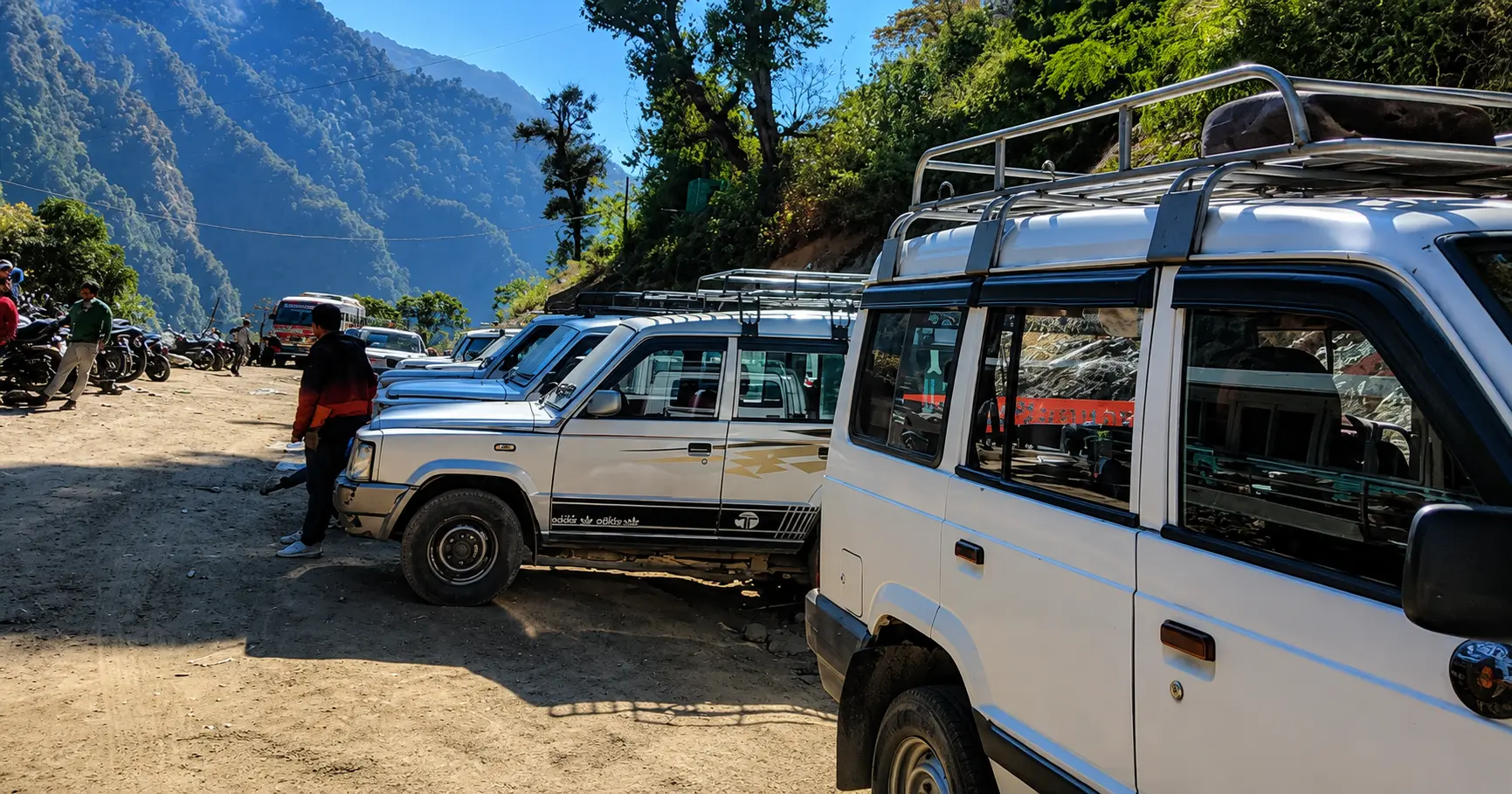
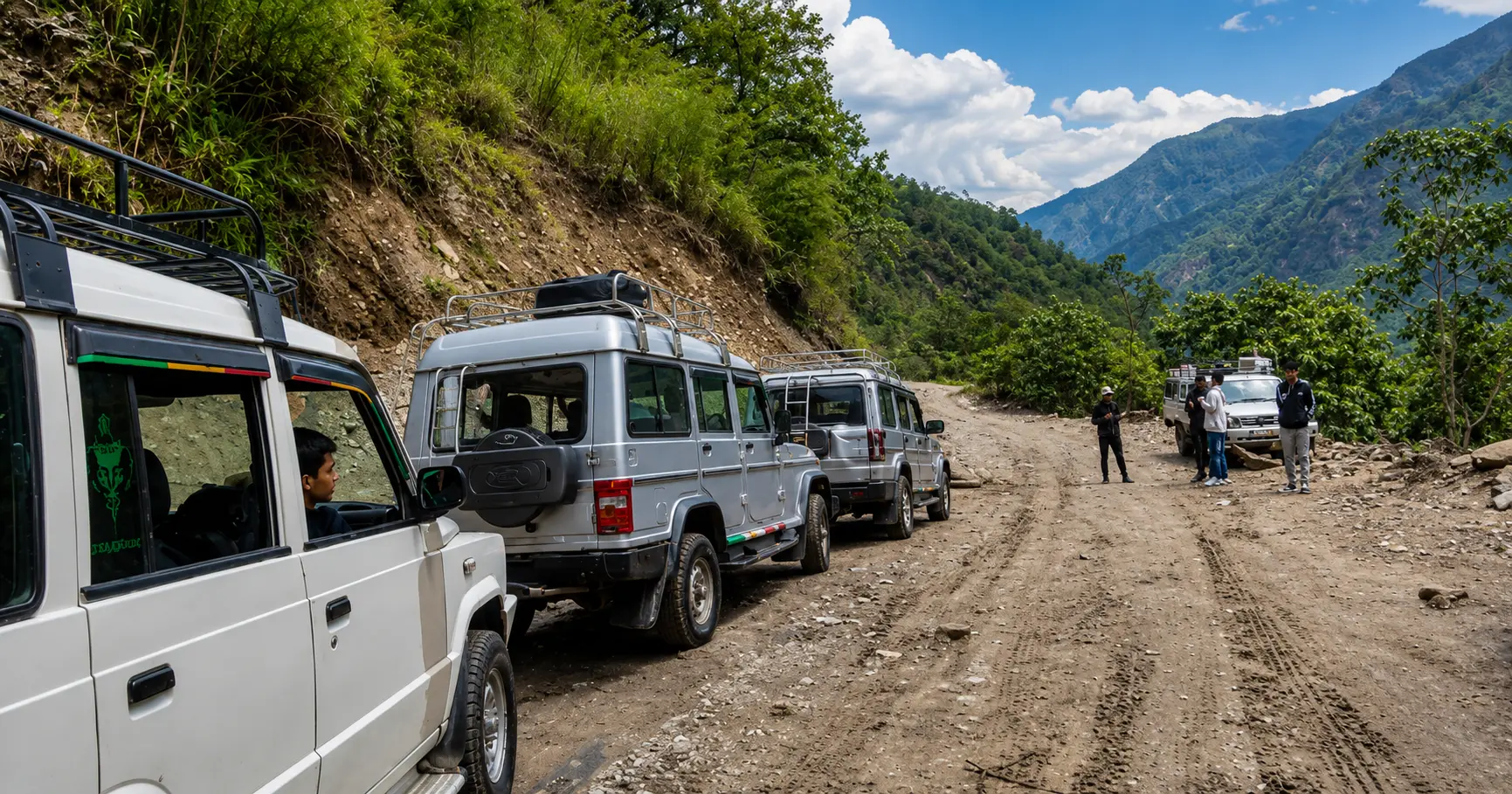
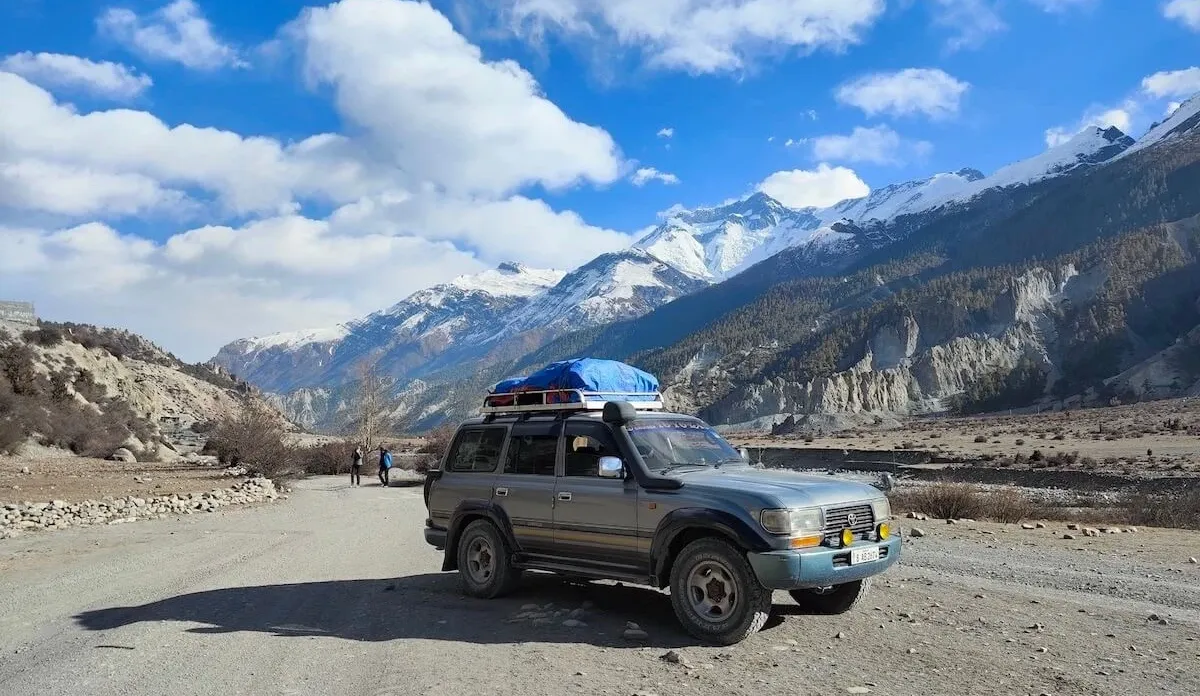
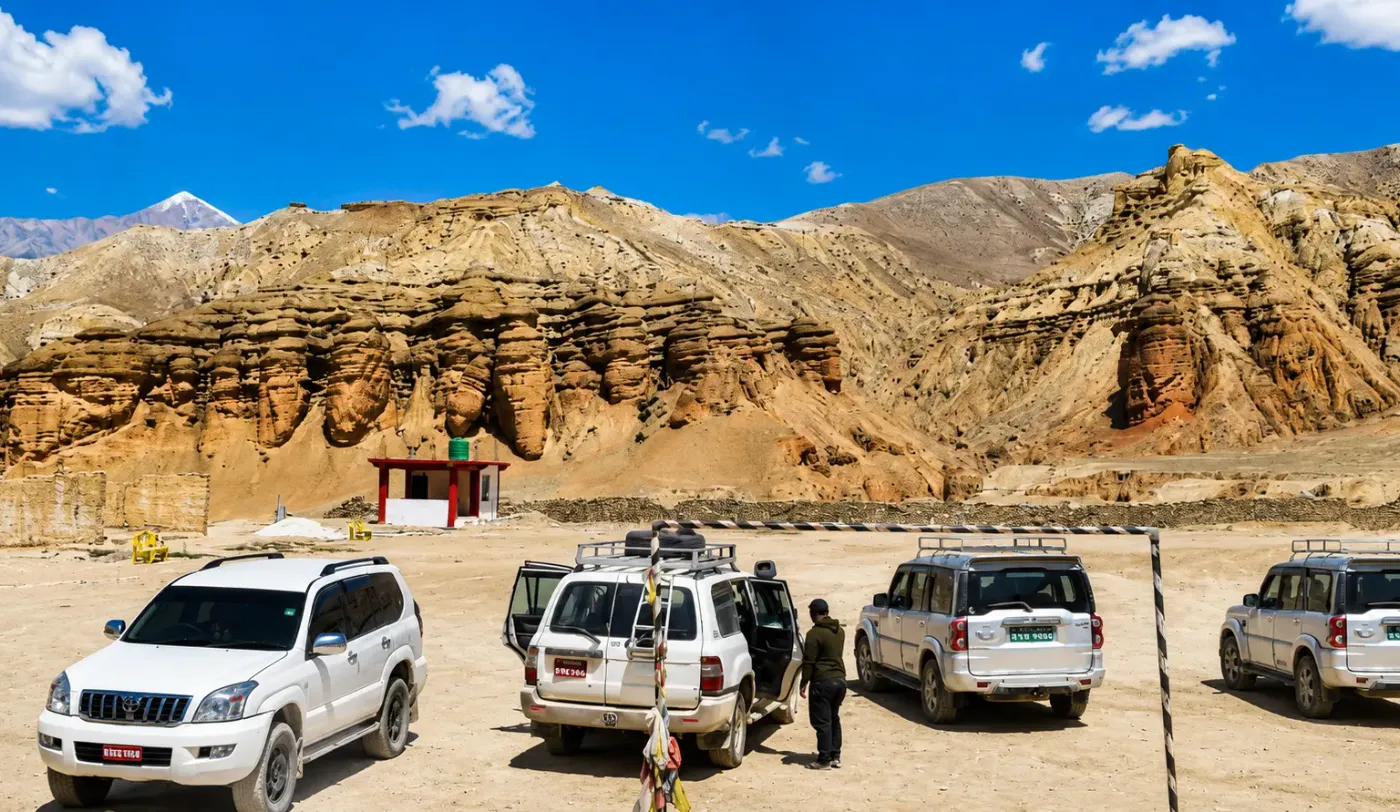
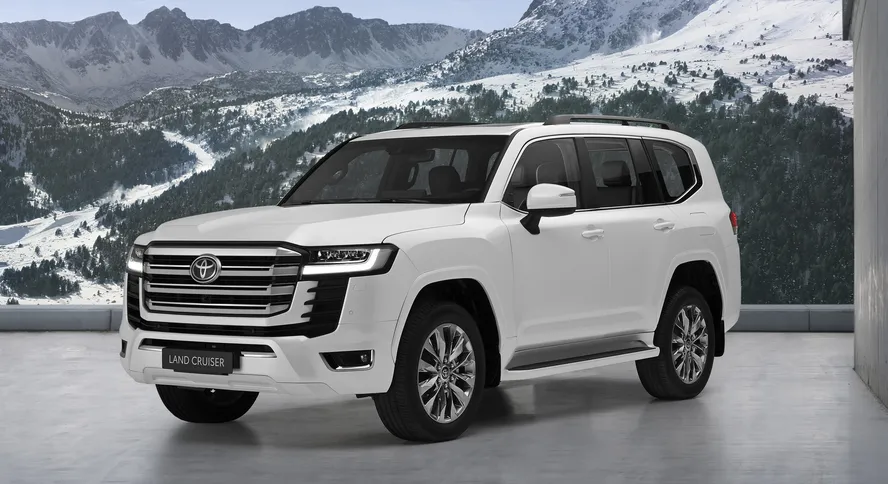
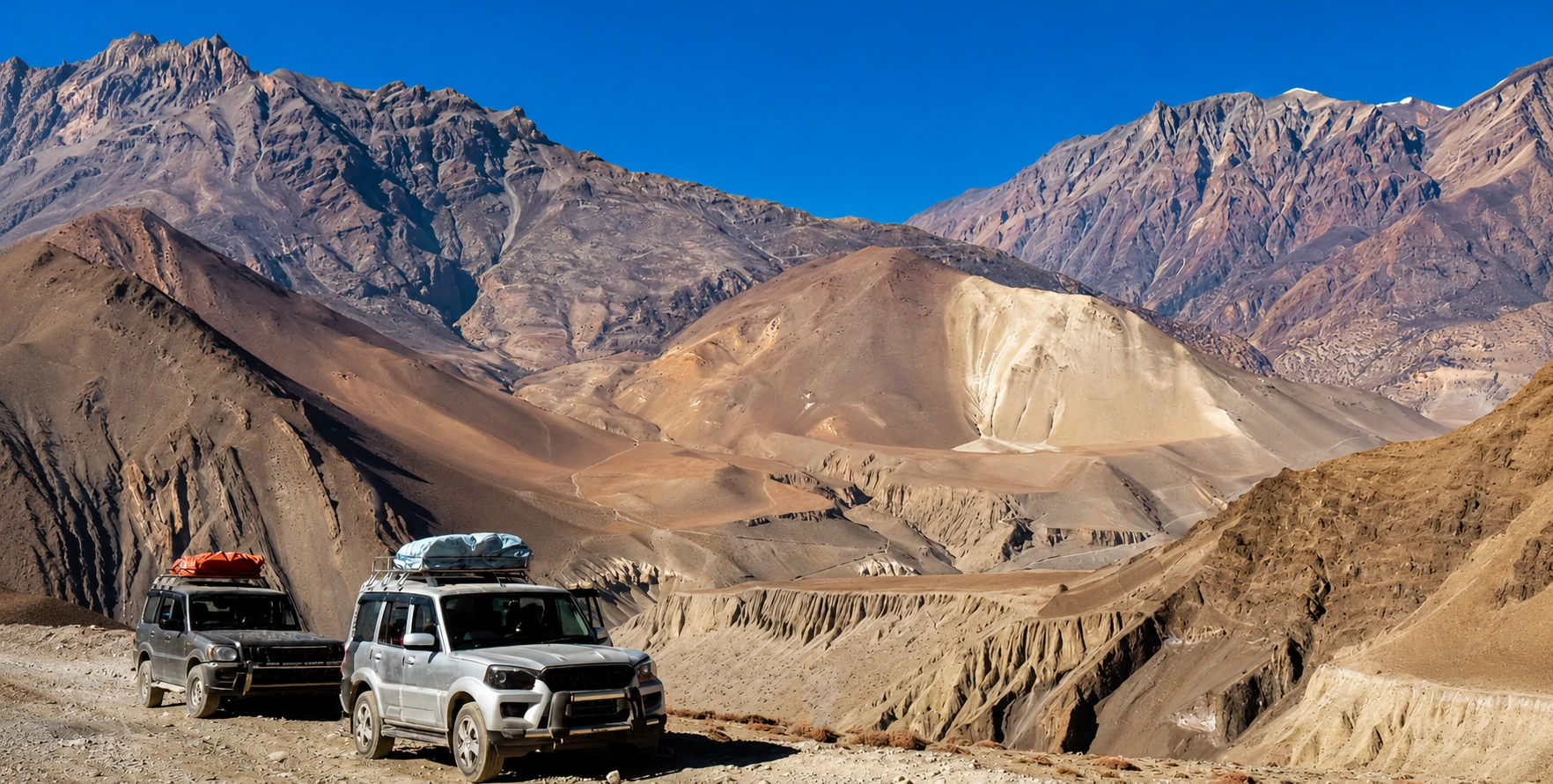
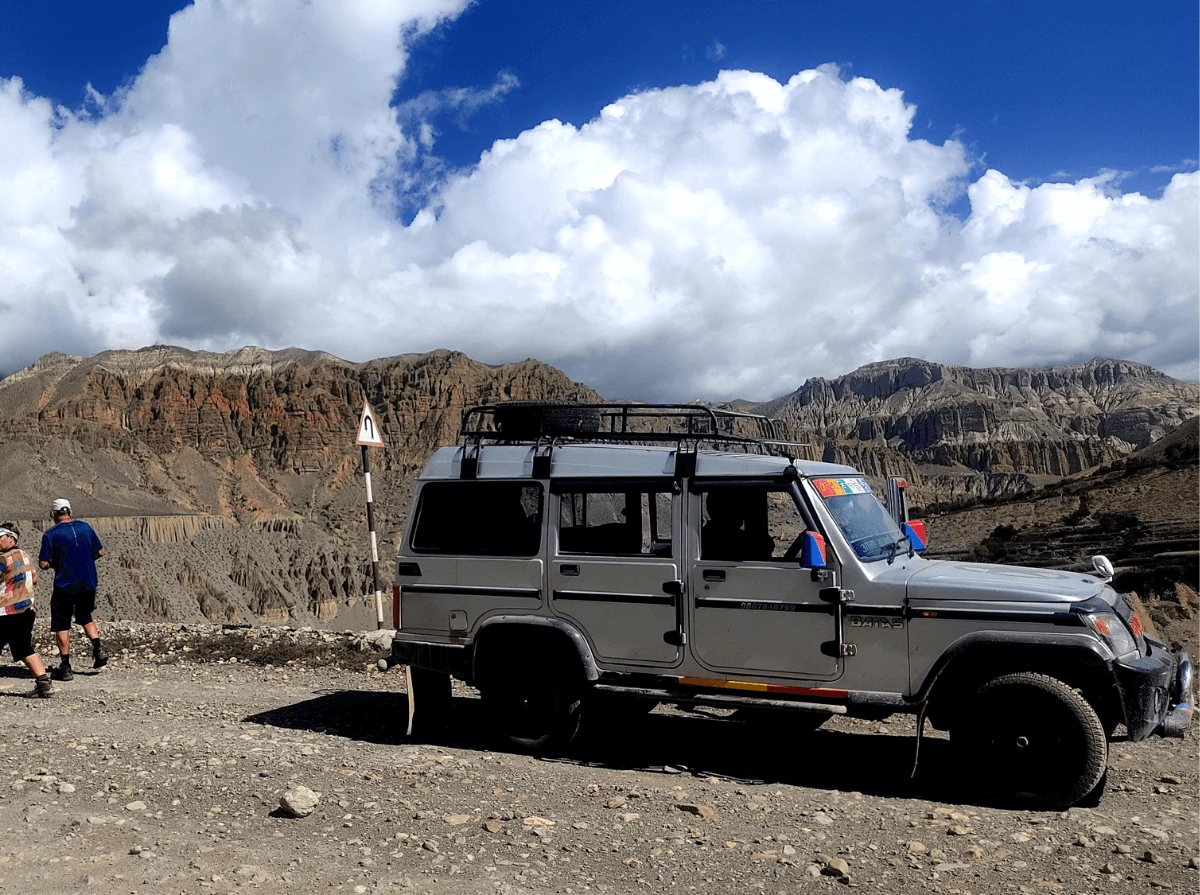
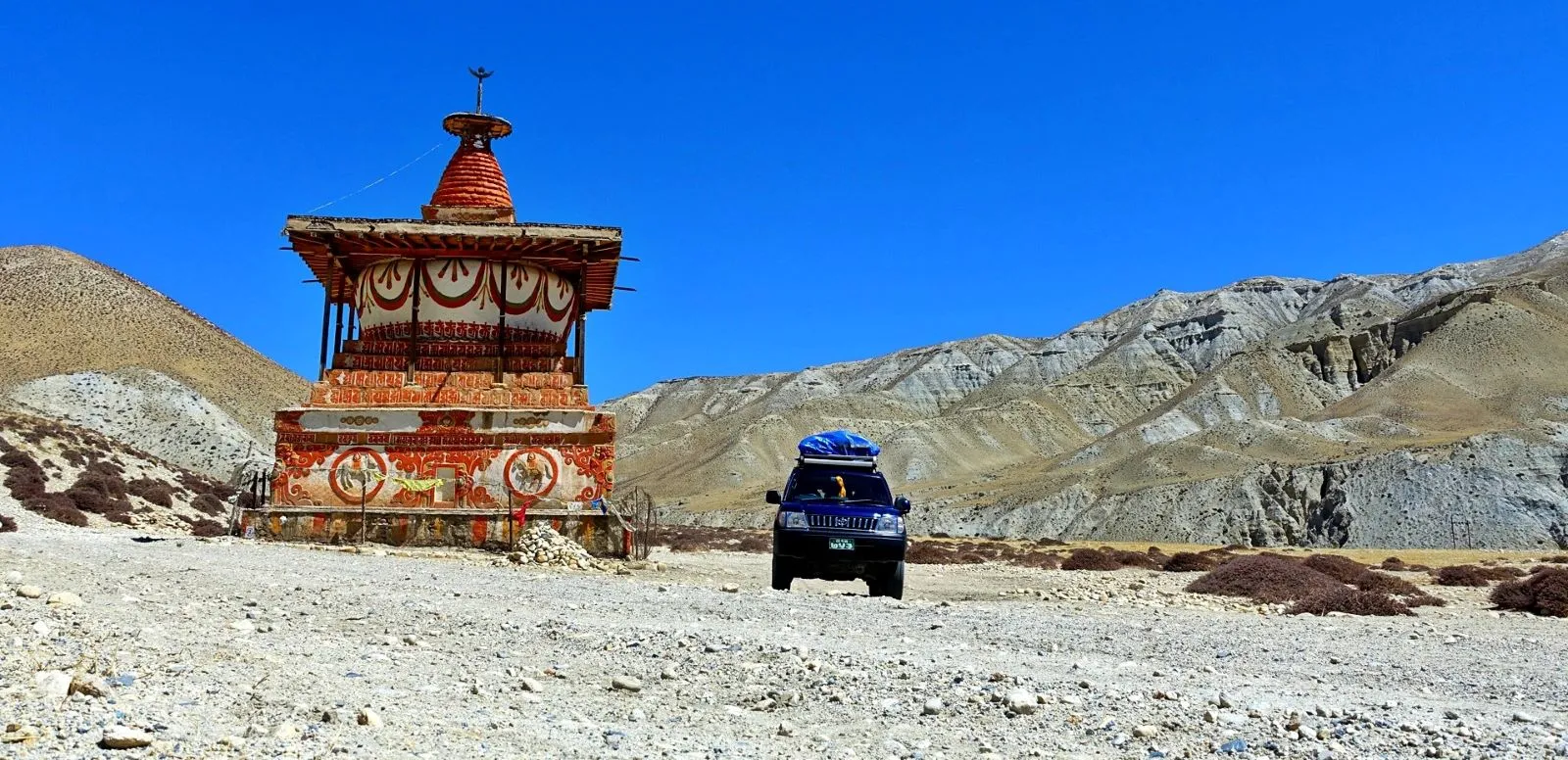
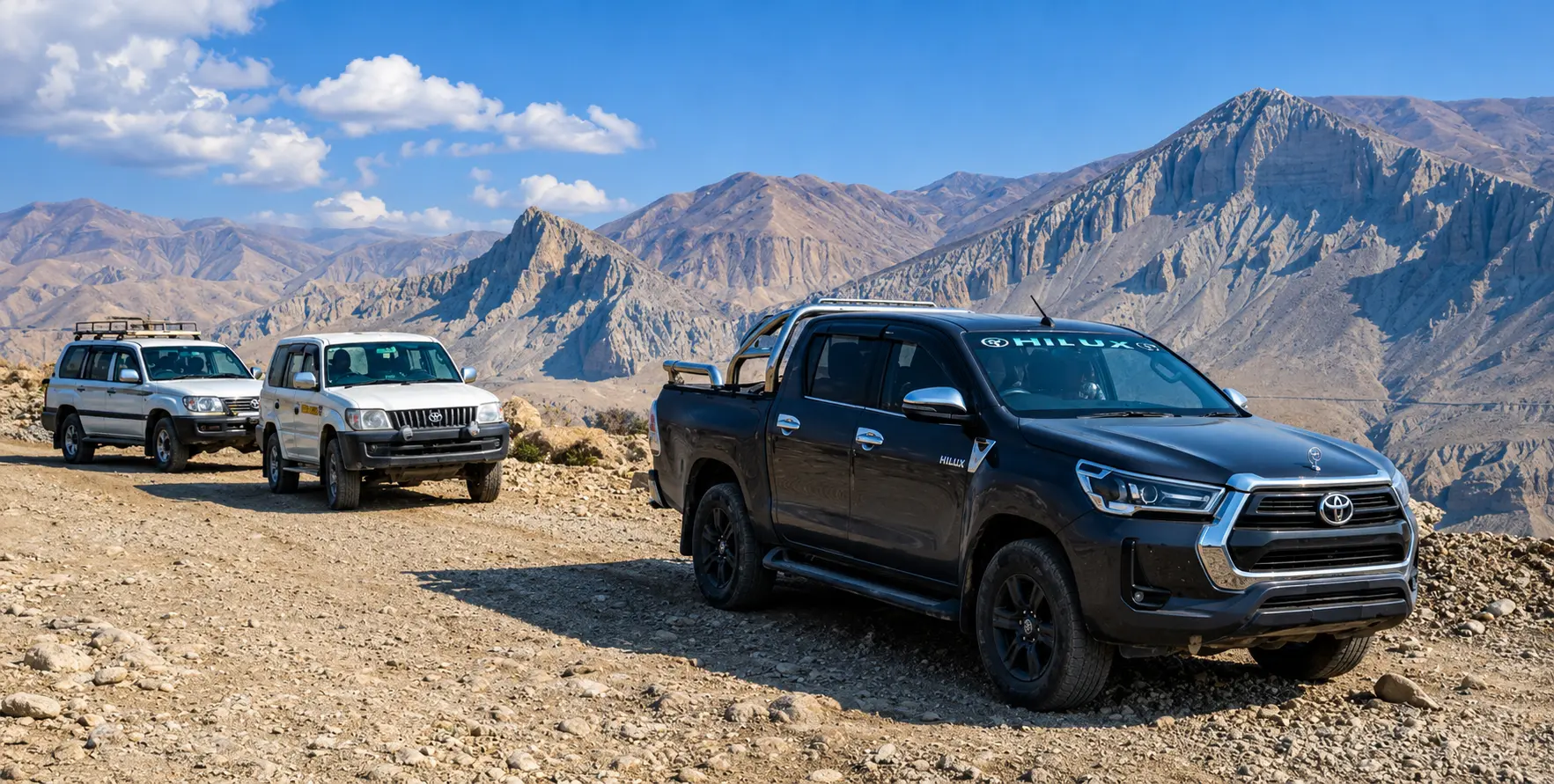
Our 4WD jeep hire is essential for: the Muktinath Yatra itinerary; the Pokhara to Mustang jeep; the Kathmandu to Mustang private jeep; the Kathmandu to Manang jeep; the Besisahar private vehicle service; and all trekking approach routes via our trekking transport services. Our Mahindra Scorpio (5 to 7 passengers) and Toyota Land Cruiser (4 to 5 passengers) handle every mountain road in Nepal, from the Kali Gandaki gorge to the Bhotekoshi canyon.

Toyota Hiace Van Hire: The Pilgrim Group Standard

The Hiace van hire (8 to 14 passengers) is our most-booked vehicle for Nepal religious tours—comfortable on highways, capable on approach roads, and economical for mid-size pilgrim groups. It covers: Kathmandu to Pokhara (with Manakamana Temple stop); Pokhara to Beni/Jomsom (for the Muktinath Yatra itinerary); Kathmandu to Lumbini; Kathmandu to Janakpur; and the complete Nepal Nekhor pilgrimage circuit highway sections.

The Kathmandu to Besisahar bus ticket pairs with the Hiace for the Annapurna region approach.

Coaster Bus Hire: Mid-Size Pilgrimage Groups

The Coaster bus hire (15 to 25 passengers) is ideal for temple trust groups, community pilgrimages, and organised religious tour operators. It pairs with jeeps for mountain sites: coasters to Beni, jeeps for the Muktinath mountain approach. The Coaster bus hire covers the Kathmandu–Pokhara Prithvi Highway (with Manakamana stop), the Kathmandu–Lumbini Terai route, and the Kathmandu–Janakpur east-west circuit.

Full Bus Hire: Large Pilgrimage Parties

For parties of 25 to 45 pilgrims—organised yatra groups, temple trusts, corporate religious tours—our full bus hire provides air-conditioned comfort on all Nepal highway corridors. The Kathmandu to Pokhara bus, Kathmandu-to-Lumbini route, and Kathmandu-to-Janakpur highway all serve large pilgrimage groups. Our fleet of 4WD jeeps serves Mountain sections (Muktinath, Manang) after the bus drops the group at the mountain-road start point.

Complete Religious Tour Circuits and Vehicle Plans

Circuit 1: Nepal Nekhor — The Complete Sacred Nepal

The Nepal Nekhor tour — Nepal’s complete pilgrimage circuit — typically takes 10 to 14 days. Classic route: Kathmandu (Pashupatinath, Swayambhunath, Boudhanath, Budhanilkantha) → Manakamana → Pokhara → Jomsom → Muktinath → Pokhara → Lumbini → Janakpur → Kathmandu.

Vehicle plan: Car hire or Hiace for Kathmandu Valley; Hiace van hire Kathmandu to Pokhara (Manakamana stop); 4WD jeep for Pokhara to Muktinath via Pokhara to Mustang jeep; Hiace or Coaster for Pokhara to Lumbini; Hiace for Lumbini to Janakpur; car hire or Hiace for Janakpur to Kathmandu return. For expert-guided Nepal Nekhor packages, Trek Nepal Himalayas offers outstanding, planned sacred-circuit itineraries.

Circuit 2: Hindu Pilgrimage Triangle — Kathmandu, Pokhara, Muktinath

Nepal’s most popular 5 to 7 day Indian pilgrim circuit. Transport: Airport transfer on arrival → Kathmandu sightseeing (Pashupatinath, Swayambhunath, Boudhanath) → Kathmandu to Pokhara bus or Hiace hire with Manakamana stop → Sarangkot sunrise tour from Pokhara → Muktinath Yatra itinerary by Pokhara to Mustang jeep → return to Kathmandu via Kathmandu to Pokhara bus or Hiace van hire.

For a top-end guided version of this circuit, Alpine Luxury Treks provides exceptional high-end pilgrimage experiences.

Circuit 3: Buddhist Pilgrimage — Kathmandu, Lumbini, Himalayan Monasteries

Buddhist pilgrim groups combine Kathmandu Valley Buddhist sites with Lumbini and optional Himalayan monastery visits. Transport: Airport transfer → car hire or Hiace van hire for Boudhanath, Swayambhunath, Namobuddha day circuit → Hiace van hire or Coaster bus hire Kathmandu to Lumbini → Hiace van hire Lumbini to Pokhara → trekking transport services for Langtang monastery approach → Kathmandu to Pokhara bus return leg.

For Everest region’s Tengboche Monastery, our Everest Base Camp trek transport covers the airport approach. For planned Buddhist pilgrimage programming, visit Trek Nepal Himalayas and Alpine Luxury Treks.

Circuit 4: Kailash Mansarovar Yatra — The Supreme Hindu Pilgrimage

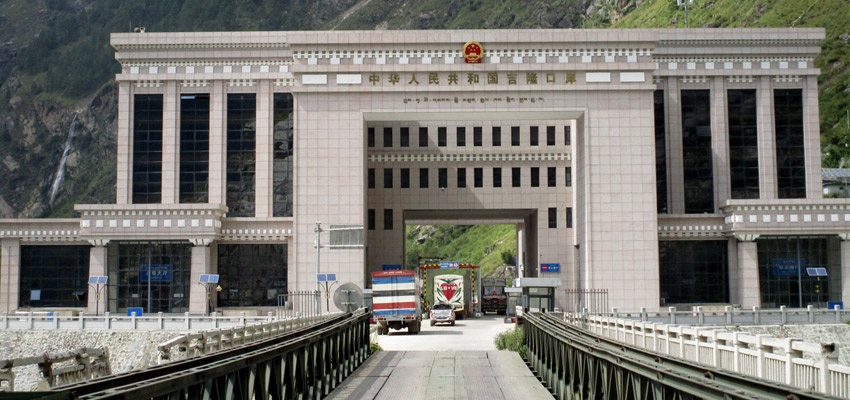
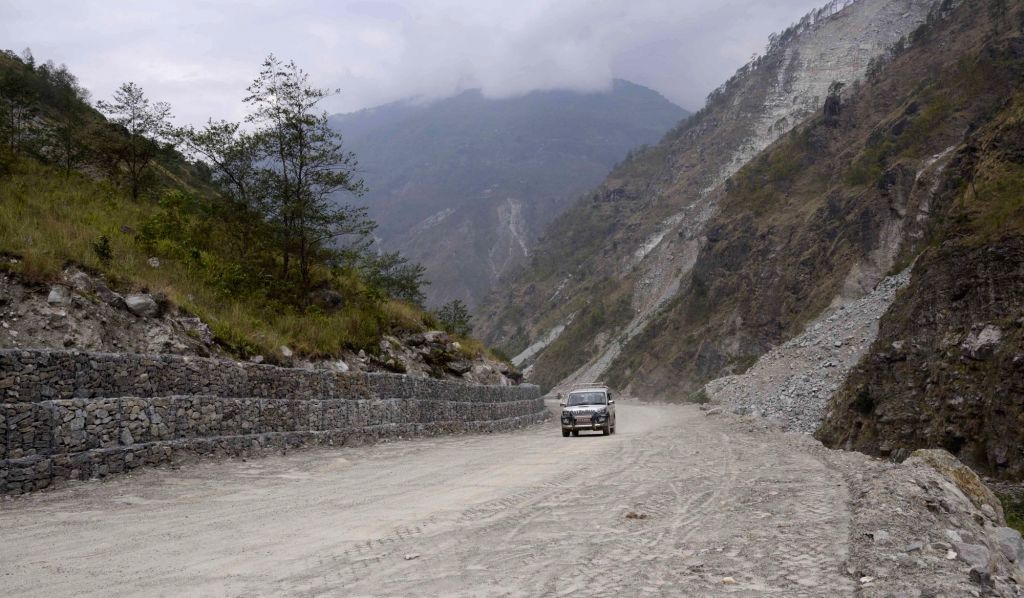
The Nepal leg of the Kailash Mansarovar Yatra crosses the Rasuwagadhi–Kerung border. Transport: Airport transfer → Kathmandu sightseeing (Pashupatinath, Boudhanath while Tibet permits are processed) → private luxury jeep hire from Kathmandu to the Kerung border (175 km, 6 to 9 hours via Dhunche and Syabrubesi) → Tibet-side continuation by Tibet operator vehicles. Our Bhaktapur Durbar Square day tour and Nagarkot sunrise tour offer meaningful pre-Kailash Kathmandu Valley experiences while we process permits.

Circuit 5: Eastern Nepal Sacred Circuit — Janakpur, Halesi, Pathivara

Eastern Nepal’s pilgrimage circuit connects Janakpur (Sita’s birthplace) → Halesi Maratika Cave (Khotang) → Barah Kshetra (Sunsari) → Pathivara Devi Temple (Taplejung). Transport: Hire a Hiace van hr car in Nepal on the Mahendra Highway for Janakpur and Barah Kshetra; domestic flights plus trekking transport services for Halesi and Pathivara.

We can tailor our Nepal tour package to this specialist eastern circuit, and our Nepal holiday tour can combine sacred sites in east and west Nepal into a comprehensive 14-day pilgrimage.

Vehicle Selection by Group Size for Religious Tours

  • 1 to 4 pilgrims: Private car hire (valleys and highways). Mountain sacred sites: 4WD jeep hire.
  • 4 to 7 pilgrims: 4WD jeep hire for all routes, including mountain approaches. Best economics and full mountain-road capability.
  • 8 to 14 pilgrims: Toyota Hiace van hire for highways. Combine with 4WD jeeps for mountain sections.
  • 15 to 25 pilgrims: Coaster bus hire for highways. Two to three 4WD jeeps for mountain sections.
  • 25 to 45 pilgrims: Full bus hire for all highways—Fleet of 4WD jeeps for mountain sacred sites.
  • 45+ pilgrims: Multiple bus combinations. Contact us via the Plan Your Trip page for customised large-group religious tour transport.

Seasonal Guide for Religious Tour (customised)d

Spring (March to May): Hindu Festival Season

Spring is peak Hindu pilgrimage season. Maha Shivaratri (February/March) draws hundreds of thousands to Pashupatinath — the largest single-day pilgrimage event in Nepal. Ram Navami (March/April) is Janakpur’s premier festival.

Our Hiace van hire, Coaster bus hire, and bus hire book out well in advance — book 2 to 3 months ahead for Maha Shivaratri transport. Our Nepal Nekhor tour and Muktinath Yatra itinerary are in highest demand from March through May.

Kathmandu-to-Manang jeep and Besisahar private vehicle services also peak in spring for Annapurna region sacred-site approaches.

Monsoon (June to September): Sacred Water Season

Janai Purnima (July/August) brings Gosaikunda pilgrimage season — our trekking transport services and 4WD jeep hire cover the Kathmandu-to-Syabrubesi approach. Krishna Janmashtami (August) draws pilgrims to Patan’s Krishna Mandir — our Kathmandu sightseeing service times evening arrivals at Patan Durbar Square for festival lighting.

Upper Mustang and Muktinath remain excellent monsoon destinations — our Muktinath Yatra itinerary, Pokhara to Mustang jeep, and Kathmandu to Mustang private jeep all operate through monsoon in the rain-shadow northern regions.

Autumn (October to November): Dashain and Tihar

Dashain (October) and Tihar (October/November) are Nepal’s grandest religious festivals, so booking 2 to 3 months in advance is essential. Our full bus hire, Coaster bus hire, Hiace van hire, 4WD jeep hire, and car hire all reach maximum demand during this window.

Our Kathmandu airport transfer is especially in demand as pilgrims arrive from India and across the Nepali diaspora. Contact us immediately through the Plan Your Trip page for Dashain and Tihar transport.

Winter (December to February): Buddhist Pilgrimage Season

Winter is the finest season for Buddhist pilgrimage travel — particularly Lumbini, where cool, dry weather makes the garden complex and monasteries ideal for contemplative visits. Our Hiace van hire, Coaster bus hire, and car hire in Nepal provide full Lumbini transport throughout winter.

Kathmandu Valley Buddhist sites — Boudhanath, Swayambhunath — are best visited in winter’s quiet clarity. Our Kathmandu sightseeing service and Bhaktapur Durbar Square day tour serve Buddhist pilgrims who want unhurried, reflective Kathmandu Valley experiences.

Practical Advice for Religious Tour Groups

Temple Timing — The Most Critical Factor

Nepal Vehicle Hiring drivers are briefed on the fixed schedules of all major sacred sites:

  • Pashupatinath evening Aarti: 6:00–7:30 PM (season-dependent). Arrive by 5:30 PM for darshan.
  • Manakamana cable car: 9:00 AM to 5:00 PM. Allow 3 hours for the round trip, including the temple visit.
  • Muktinath temple: Daily 5:00 AM to 7:00 PM. Morning darshan (6:00–8:00 AM) is most auspicious.
  • Lumbini Maya Devi Temple: 6:00 AM to 6:00 PM. Morning visits recommended before tour groups arrive.
  • Janaki Temple (Janakpur): 5:00 AM–12:00 PM and 2:00 PM–9:00 PM. Evening Aarti at 7:30 PM.
  • Bindabasini Temple (Pokhara): Opens at 5:00 AM. Best visited on the morning of the Sarangkot sunrise tour

Elderly and Mobility-Limited Pilgrims

Many pilgrimage groups include elderly devotees. Our Hiace van hire and Coaster bus hire are the most accessible vehicles — wider doors, manageable step heights, space for walking aids.

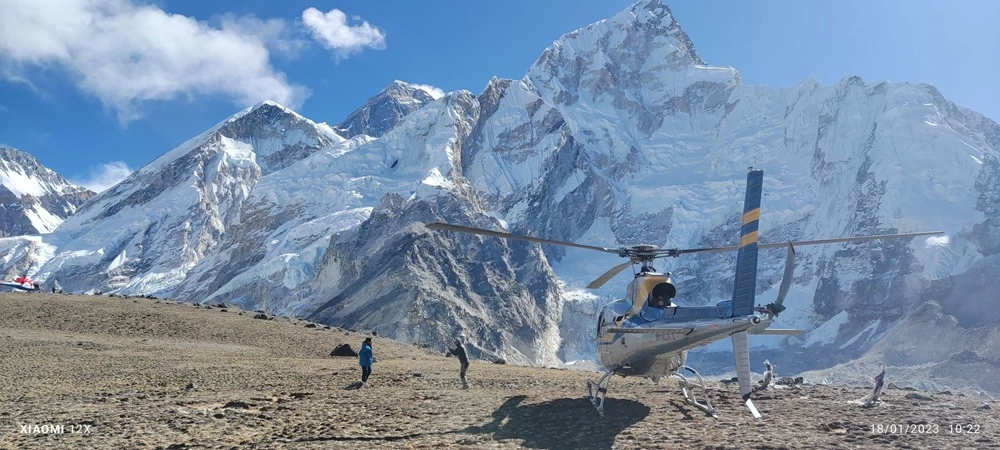
For elderly pilgrims unable to complete the full Pokhara-to-Muktinath jeep journey, Nepal Vehicle Hiring coordinates helicopter options (Pokhara to Muktinath direct)and combines them with our car hire in Nepal for ground transport in Kathmandu and Pokhara. Contact us through the Plan Your Trip page to plan mobility-accessible religious tours.

Puja Materials and Offering Logistics

Pilgrim groups carry significant puja materials — flowers, fruits, incense, coconuts, sindoor, ghee lamps. Our vehicles are configured for puja-material luggage, and our drivers know where to buy offerings en route: flower vendors at the Pashupatinath gate, coconuts at the Muktinath bazaar, and incense at Boudhanath.

Notify us at booking if your group carries large offering quantities. Our Hiace van hire and Coaster bus hire have the best overhead storage and passenger-area space for managing puja materials during multi-site religious circuits.

Border Crossings for Indian Pilgrim Groups

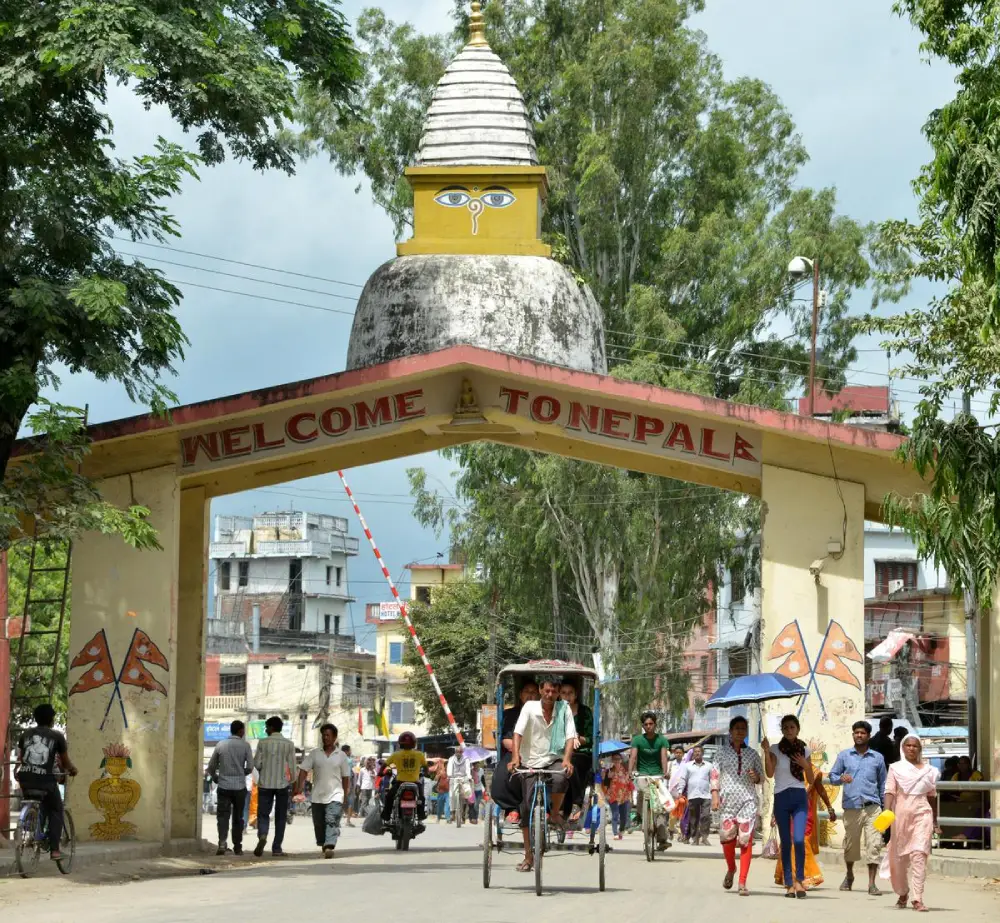
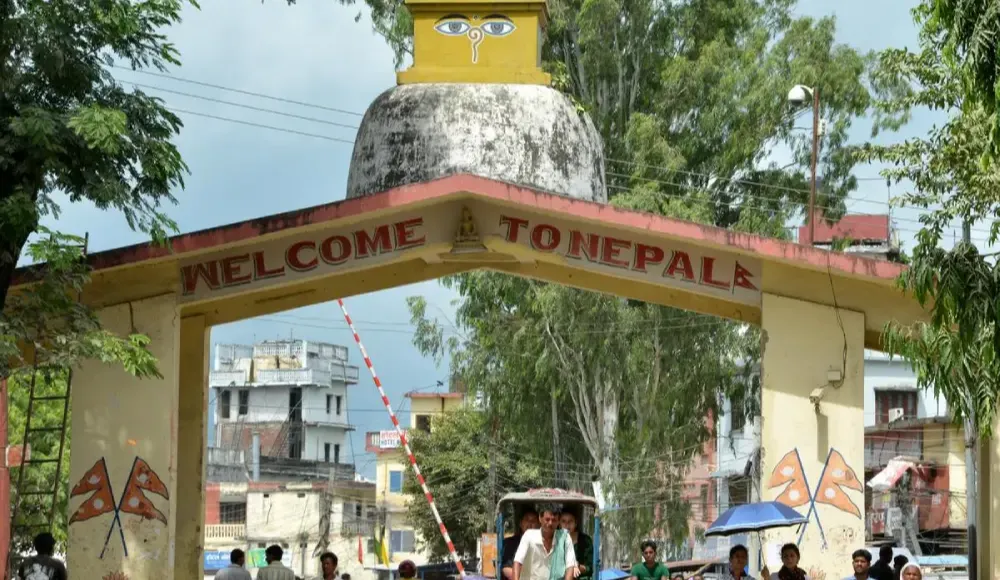
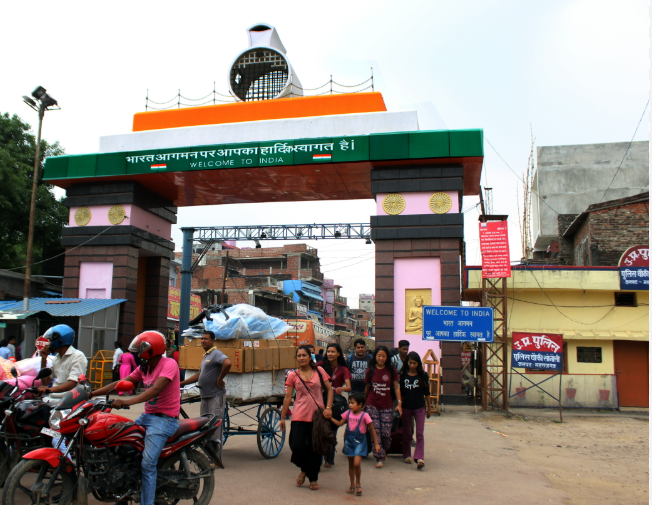
Nepal Vehicle Hiring serves Indian pilgrim groups crossing at all main Nepal-India border points. Our Hiace van hire, Coaster bus hire, and bus hire pick up groups at Nepal’s border cities and provide complete transport throughout the Nepal pilgrimage circuit.

Our Nepal Nekhor tour coordinates transport for Indian pilgrim groups from the border through the full Nepal sacred circuit and back. The Sunauli-Bhairahawa crossing (closest to Lumbini) connects to our Lumbini-circuit services in 30 to 45 minutes by our car hire in Nepal or Hiace van hire.

Why Choose Nepal Vehicle Hiring for Your Religious Tour

  • Temple-knowledgeable drivers: Aarti timings, darshan protocols, offering market locations, and parking access at every major sacred site.
  • Complete fleet under one provider: Airport transfer on arrival through to Muktinath Yatra jeep and Lumbini bus hire — one booking, one contact throughout.
  • All-in transparent pricing: Vehicle, driver, fuel, and driver accommodation for multi-day tours. No end-of-journey surprises.
  • 24/7 availability during festival seasons: Round-the-clock operations management for Maha Shivaratri, Dashain, and other peak pilgrimage periods.
  • Multi-language drivers: Nepali, Hindi, and English for Indian pilgrim groups, Nepali domestic pilgrims, and international spiritual travellers

For religious tour packages that combine that combine our transport with expert spiritual guides and top-end accommodation, we recommend partnering with Trek Nepal Himalayas and Alpine Luxury Treks—two outstanding Nepal pilgrimage specialists whose sacred-journey expertise complements our transport infrastructure. Both offer integrated itineraries that use Nepal Vehicle Hiring’s ground transport as their backbone.

Frequently Asked Questions: Religious Tour Transport Nepal

Which vehicle is best for a Muktinath pilgrimage?

For 2 to 6 pilgrims: our 4WD jeep hire via the Muktinath Yatra itinerary. For 8 to 14: Hiace van hire to Jomsom with jeeps for Jomsom-to-Muktinath. For 15 to 25: hire a coaster bus to Beni, with jeeps for the mountain section.

For 25+: full bus hire to Beni with a fleet of 4WD jeeps.

Can Nepal Vehicle Hiring serve Indian pilgrim groups from the border?

Yes. We serve Indian pilgrim groups at all major Nepal-India border crossings. Our Hiace van hire, Coaster bus hire, and bus hire pick up groups at border cities and provide complete transport on our Nepal Nekhor tour and other pilgrimage circuits throughout Nepal.

How far in advance should I book for festival seasons?

Maha Shivaratri (February/March), Ram Navami (March/April), and Dashain (October): 2 to 3 months in advance. Regular pilgrimage season (non-festival): 2 to 4 weeks is sufficient. Contact us via the plan your trip page as early as possible for festival-season pilgrimages.

Does Nepal Vehicle Hiring arrange religious tour guides?

Nepal Vehicle Hiring provides transport and experienced drivers. For licensed religious tour guides providing spiritual and cultural context, we recommend Trek Nepal Himalayas and Alpine Luxury Treks — both have excellent specialist guides for Hindu and Buddhist pilgrimage tours in Nepal.

Can I book a complete Nepal Nekhor pilgrimage circuit?

Yes — the Nepal Nekhor tour is one of our most frequently booked multi-day religious tour services. We coordinate all vehicle transitions —airport transfer, Kathmandu sightseeing, Kathmandu to Pokhara bus or Hiace hire, Muktinath Yatra jeep, Lumbini bus, Janakpur transport, and return to Kathmandu—as a single coordinated package.

What is the most comfortable vehicle for long pilgrimage routes?

For long, multi-day pilgrimage routes like the full Nepal Nekhor circuit, the Toyota Land Cruiser (our top-end 4WD jeep hire option) offers maximum comfort on the mountain sections. In contrast, our Coaster bus hire provides the most spacious option for larger groups on the highway legs. The Hiace van hire is the most versatile all-round choice for medium groups on mixed highway and mountain itineraries.

Book Your Nepal Religious Tour Transport

Nepal Vehicle Hiring Pvt. Ltd., based in Thamel, Kathmandu, is your complete religious tour transport partner across Nepal’s entire sacred landscape. Our full range of relevant services:

For expert-guided pilgrimage packages and spiritual journey itineraries, visit our trusted partners:

Nepal’s sacred landscape awaits — from Pashupatinath’s Aarti at dawn to Muktinath’s 108 water spouts at 3,710 meters, from the Maya Devi Temple at Lumbini to the high alpine waters of Gosaikunda, from Janakpur’s Janaki Mandir to the tantric goddess shrines of Dakshinkali. Nepal Vehicle Hiring will take you to every sacred kilometre — in the right vehicle, at the right time, with the dignity every pilgrimage deserves.

Understanding Nepal’s Hindu and Buddhist Sacred Geography

Nepal’s status as one of the world’s great pilgrimage nations is rooted in a geography that seems almost deliberately arranged for spiritual encounter. The country spans from the steaming Terai plains — where the Buddha was born at Lumbini and where ancient Hindu river confluences like Devghat and Triveni Sangam create sacred tirtha — northward through the Himalayan middle hills where hundreds of mountain temples and goddess shrines mark the ridgelines, to the high-altitude trans-Himalayan plateau where tantric cave monasteries, sacred alpine lakes, and the gateway to Kailash itself await.

In between, the great rivers descending from the Himalayas — the Kali Gandaki, the Marsyangdi, the Trishuli, the Arun — are themselves sacred in Hindu cosmology, their confluences and source regions among the most venerated in the Subcontinent.

For the Hindu pilgrim, Nepal is above all the land of Pashupati — the Pashupatinath Temple on the Bagmati River in Kathmandu is the country’s most sacred site and one of the holiest Shiva temples in the entire world, visited by Shiva devotees from across South Asia and the global Hindu diaspora. Nepal is also the gateway to Muktinath, Mukti Kshetra (Place of Liberation), where Shaivite and Vaishnavite pilgrims seek moksha, and where the eternal flame and 108 water spouts represent a miraculous convergence of fire and water, considered one of the rarest divine signs.

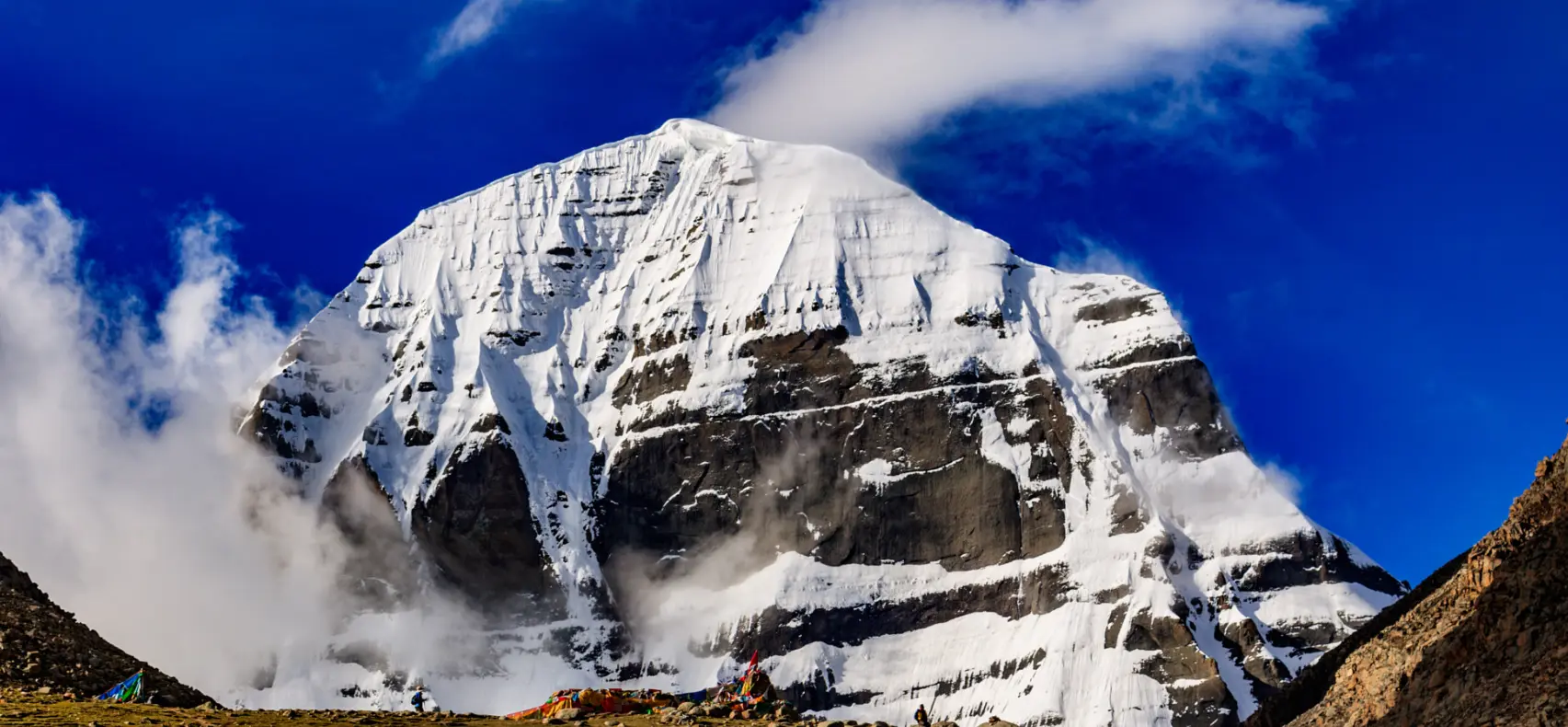
Nepal is the traditional overland gateway to the Kailash Mansarovar circuit in Tibet—the most sacred pilgrimage in Hinduism, where Lord Shiva is believed to reside eternally on the cosmic mountain at the roof of the world.

For the Buddhist pilgrim, Nepal holds a different but equally profound sacred geography. Lumbini in the Terai plains is the physical birthplace of Siddhartha Gautama—one of the Four Sacred Buddhist Sites (alongside Bodh Gaya in India, Sarnath, and Kushinagar) that make up the most important pilgrimage circuit in the Buddhist world.

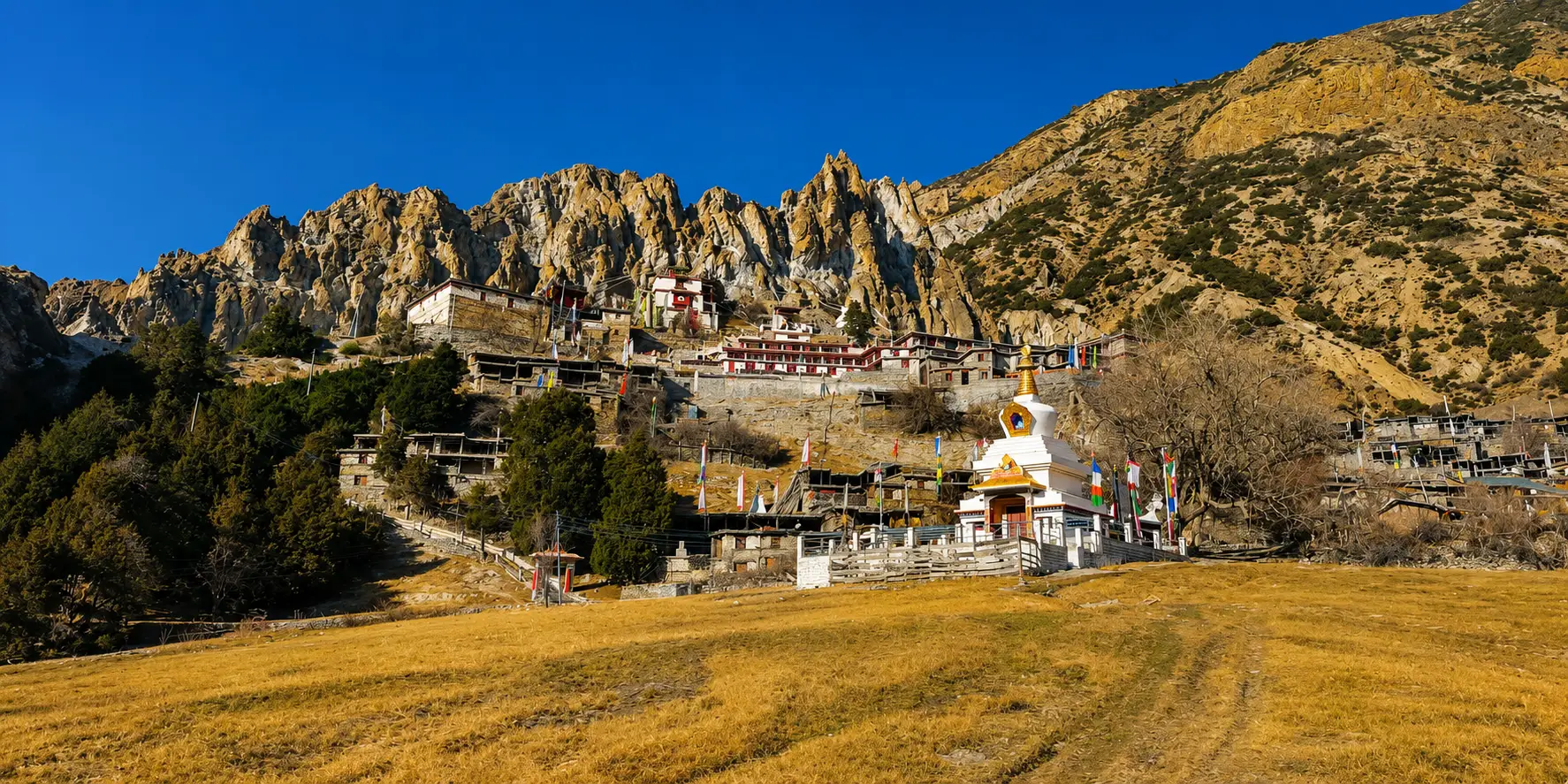
The Kathmandu Valley’s great stupas — Boudhanath and Swayambhunath — are among the most venerated Buddhist sites in the Himalayan world, drawing Tibetan Buddhist pilgrims from Nepal, India, Tibet, Bhutan, and across the global Himalayan diaspora. Nepal’s high Himalayan monasteries (Tengboche in the Khumbu, Braga in Manang, Thubchen and Chode in Lo Manthang) represent the living tradition of Himalayan Buddhism, which survives most intact in the mountain regions where Tibetan cultural influence once reached and where the modern Chinese state’s cultural policies have not penetrated.

Understanding this sacred geography shapes every decision Nepal Vehicle Hiring makes about religious tour transport. Our Nepal Nekhor tour routes, our Muktinath Yatra itinerary, and our broader pilgrimage transport services are designed around the actual spiritual logic of Nepal’s sacred landscape — connecting the sites that belong together in the pilgrim’s experience, in the right sequence, at the right times of day, with enough time at each location for genuine devotional engagement rather than rushed sightseeing.

Nepal’s Sacred Calendar: Festival Dates and Transport Planning

Nepal’s religious festival calendar is one of the most complex and densely packed in Asia—a continuous sequence of Hindu and Buddhist celebrations that unfolds throughout the year, with each festival creating its own pilgrimage demand and transport logistics requirements. For religious tour operators and individual pilgrims, aligning travel dates with specific festival windows transforms the Nepal pilgrimage experience from a visit to sacred sites into genuine participation in living religious traditions.

Maha Shivaratri (February to March)

Maha Shivaratri — the Great Night of Shiva, falling on the fourteenth night of the waning moon in the Hindu month of Phalgun (February or March) — is Nepal’s most important single pilgrimage day and the largest gathering at Pashupatinath Temple of the entire year. The night before Shivaratri, sadhus (Hindu holy men) begin arriving at Pashupatinath from across India and Nepal, many having walked for weeks or months to be present.

By the morning of Shivaratri, the Pashupatinath complex and its surroundings can hold hundreds of thousands of devotees. Cannabis (legal during Shivaratri as an offering to Shiva) is openly consumed, bonfires burn, drums sound through the night, and the entire area becomes one of the most extraordinary human gatherings on earth.

Nepal Vehicle Hiring’s transport demand during Shivaratri hits its annual peak—vehicles on every route from Kathmandu airport to Pashupatinath are in maximum demand for the week around the festival. Book religious tour transport three to four months in advance during this window.

Ram Navami (March to April)

Ram Navami — the birthday of Lord Rama, celebrated on the ninth day of Chaitra (March or April) — is Janakpur’s most important festival and draws pilgrim numbers to the Janaki Mandir that strain the city’s entire transport and accommodation infrastructure. The festival celebrates not only Rama’s birth but also, in Janakpur’s tradition, the divine connection between Rama and Sita—who was born in this very city.

Vivah Panchami in November and December celebrates their marriage, and together these two festivals define Janakpur’s year. Nepal Vehicle Hiring’s Kathmandu-to-Janakpur transport in the Ram Navami window books out quickly — direct booking through our plan your trip page is essential.

Buddha Jayanti (April to May)

Buddha Jayanti — the anniversary of the Buddha’s birth, Enlightenment, and parinirvana, all said to have occurred on the full moon of Vaishakha (April or May) — is the most important festival in the Buddhist calendar and draws pilgrims from every Buddhist country in the world to Lumbini. The Maya Devi Temple at Lumbini is the primary focus, with the surrounding garden and international monastery zone hosting prayers, processions, and cultural performances for several days around the full moon.

Nepal Vehicle Hiring’s Kathmandu-to-Lumbini and Pokhara-to-Lumbini transport services are in high demand among Buddhist pilgrims during Buddha Jayanti. Our Hiace van hire and Coaster bus hire book out well in advance during this period—book two to three months ahead for any Lumbini transport during Buddha Jayanti.

Janai Purnima and Gosaikunda (July to August)

Janai Purnima — the sacred thread festival on the full moon of Shrawan (July or August) — is the annual pilgrimage season for Gosaikunda Lake in Rasuwa District. Tens of thousands of Hindu pilgrims trek to the sacred lake for ritual bathing during the monsoon season, believing the arduous monsoon journey itself magnifies the pilgrimage’s spiritual merit.

Nepal Vehicle Hiring’s trekking transport services and 4WD jeep hire for the Kathmandu-to-Syabrubesi approach support the Gosaikunda pilgrimage season—the road to Syabrubesi is the vehicle access point from which the trail to Gosaikunda begins. The monsoon makes the Syabrubesi road more variable than in the dry season, and our experienced drivers’ real-time road-condition monitoring is especially valuable during this window.

Dashain (September to October)

Dashain — the fifteen-day autumn festival of the goddess Durga, Nepal’s most important national holiday — generates the largest single sustained movement of people across the country each year. Families travel from Kathmandu to their ancestral villages across Nepal; temples receive their highest annual pilgrim counts; and the goddess shrines at Dakshinkali, Manakamana, Bindabasini, and hundreds of village goddess temples across the country are thronged with devotees performing the Dashain Tika (blessing) and animal offerings that are the festival’s defining practices.

Nepal Vehicle Hiring’s entire fleet is in maximum demand during Dashain—booking three to four months in advance is the only reliable strategy for securing vehicles during this period. Our Nepal Nekhor tour, Muktinath Yatra, and all multi-day religious circuit services see peak demand in the week before and after Tika day.

Tihar (October to November)

Tihar — the five-day Festival of Lights, Nepal’s second most important festival — celebrates Lakshmi (the goddess of wealth), Yama (the god of death), crows, dogs, and cows in a sequence of rituals that illuminate Nepal’s cities and villages with oil lamps and electric lights. The main pilgrimage destination during Tihar is Pashupatinath, where Yama Panchami (the day of Yama) draws large crowds, and Lakshmi Puja brings families and businesses to perform wealth-blessing rituals.

Nepal Vehicle Hiring’s Kathmandu sightseeing service and Kathmandu airport transfer operate throughout Tihar, and our Hiace van hire and Coaster bus hire serve religious tour groups who time their Nepal visits around this extraordinary festival of lights.

Vivah Panchami (November to December)

Vivah Panchami — the anniversary of the divine marriage of Ram and Sita, celebrated in Janakpur on the fifth day of Margashirsha (November or December) — is Janakpur’s second-largest annual festival and one of Nepal’s most regionally distinctive religious celebrations. A grand procession reenacting the wedding of Ram and Sita moves through Janakpur’s streets, with thousands of participants dressed as figures from the Ramayana.

Nepal Vehicle Hiring’s Kathmandu-to-Janakpur transport service — whether by our car hire in Nepal for small groups or our Hiace van hire and Coaster bus hire for larger parties — books out well in advance for this period.

Religious Tour Transport for International Pilgrims: Country-by-Country Guide

Indian Pilgrims: The Largest Group

Indian pilgrims constitute the single largest group of religious tour visitors to Nepal — drawn primarily by the Hindu pilgrimage circuit of Pashupatinath, Muktinath, Manakamana, and Lumbini, and by the Kailash Mansarovar Yatra overland route through Nepal. Nepal Vehicle Hiring serves Indian pilgrim groups at all Nepal-India border entry points.

For groups crossing at Sunauli-Bhairahawa (the most common India-Nepal border for pilgrims from Uttar Pradesh, Bihar, and Madhya Pradesh), our Hiace van hire and Coaster bus hire provide immediate Bhairahawa-to-Lumbini transport (30 to 45 minutes) and onward Lumbini-to-Kathmandu service for the complete Nepal pilgrimage circuit. For groups crossing at Raxaul-Birgunj (closest for Bihar and Jharkhand pilgrims travelling to Kathmandu directly), our full bus hire and Coaster bus hire provide Birgunj-to-Kathmandu transport (approximately 150 km, 4 to 5 hours on the Tribhuvan Highway).

Booking through our plan your trip page is essential for Indian pilgrim group transport — our Hindi-speaking team is available for direct consultation.

Sri Lankan, Thai, and Southeast Asian Buddhist Pilgrims

Theravada Buddhist pilgrims from Sri Lanka, Thailand, Myanmar, Cambodia, and Vietnam visit Nepal primarily for Lumbini — the birthplace of their religion’s founder. The country’s national monasteries in the Lumbini Sacred Garden are managed by their respective national Buddhist councils and attract devotees from home communities.

Nepal Vehicle Hiring’s Kathmandu airport transfer and Hiace van hire or Coaster bus hire services connect international Buddhist pilgrims from Tribhuvan International Airport to Lumbini via the Terai highway. For small groups, our car hire in Nepal provides intimate, flexible transport between Kathmandu and Lumbini.

For specialist Buddhist pilgrimage packages that combine Lumbini with Kathmandu’s Buddhist sites and optional Himalayan monastery visits, our recommended partners, Trek Nepal Himalayas and Alpine Luxury Treks, offer outstanding planned itineraries.

Tibetan Buddhist Pilgrims from India and the Global Diaspora

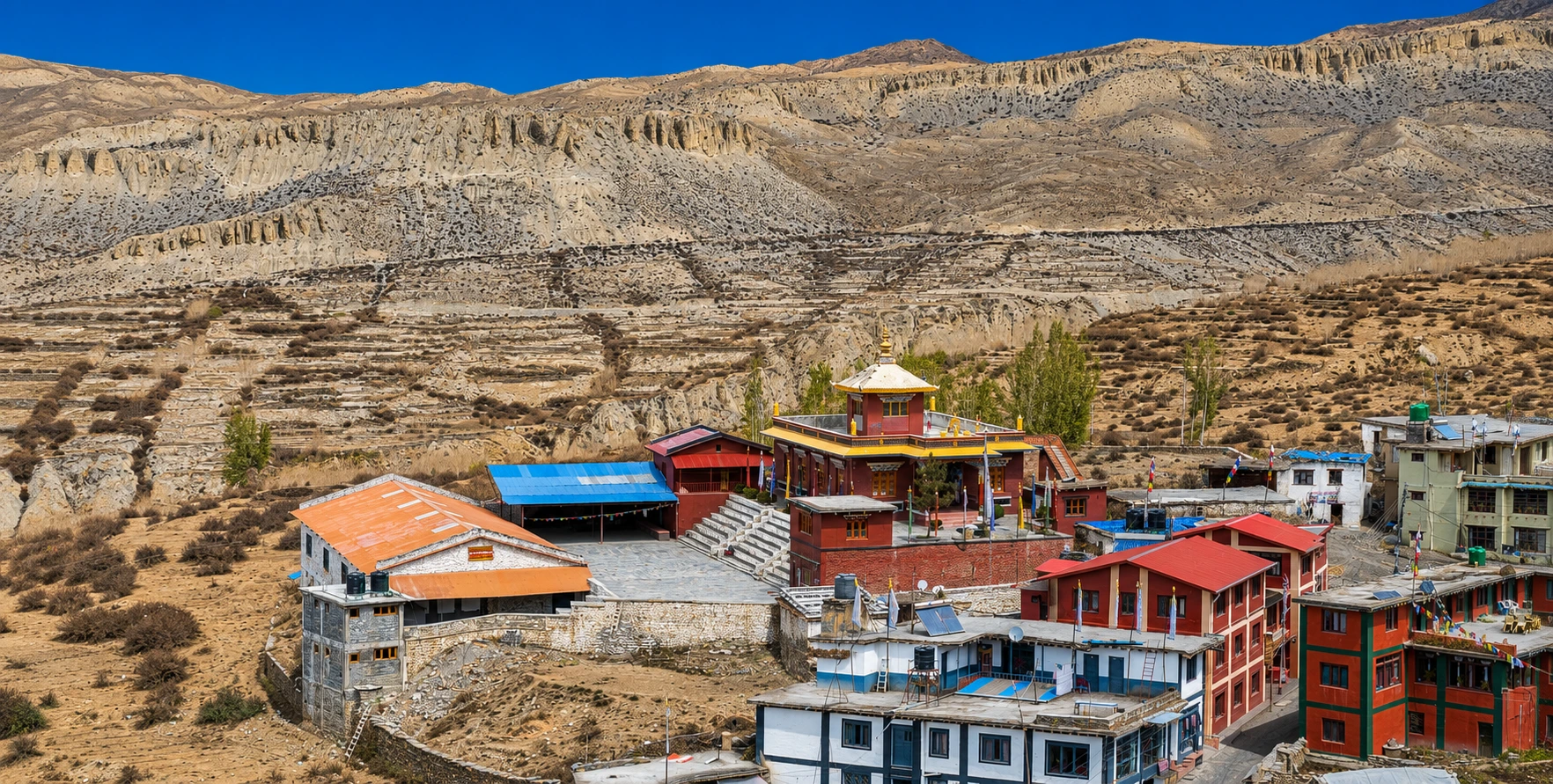
Tibetan Buddhist pilgrims — whether from the Tibetan community in exile in Dharamsala, India, or from the global Tibetan diaspora in Europe, North America, and Australia — visit Nepal primarily for Boudhanath Stupa and the Kathmandu Valley’s Tibetan Buddhist institutions. Nepal Vehicle Hiring’s Kathmandu airport transfer and Kathmandu sightseeing service cover the Boudhanath circuit, while our trekking transport services and 4WD jeep hire extend to the Tibetan Buddhist monastery complexes of the high Himalayan region — Braga Gompa in Manang, the monasteries of Lo Manthang in Upper Mustang (via our Kathmandu to Mustang private jeep and Pokhara to Mustang jeep services), and the Langtang region’s monastery circuit via our Kathmandu-to-Syabrubesi 4WD jeep service.

Japanese, Korean, and East Asian Buddhist Pilgrims

East Asian Buddhist pilgrims—primarily from Japan, Korea, Taiwan, and China—visit Nepal mainly for Lumbini, where their national monasteries in the Sacred Garden maintain outstanding temple compounds that serve as both pilgrimage destinations and cultural embassies. Japanese pilgrims often combine Lumbini with Kathmandu’s Swayambhunath and the Kopan Monastery (north Kathmandu) as a focused three-to-four-day Buddhist circuit.

Nepal Vehicle Hiring’s Kathmandu airport transfer by private car, Kathmandu sightseeing service, and Hiace van hire for the Kathmandu-to-Lumbini leg serve these groups efficiently.

The Spiritual Logic of Nepal’s Pilgrimage Routes

One aspect of religious tour transport planning that distinguishes Nepal Vehicle Hiring’s approach from generic vehicle hire services is our attention to the spiritual logic underlying Nepal’s pilgrimage routes — the theological and ritual reasons why sacred sites are visited in a specific sequence, at specific times of day, with specific ritual preparations.

The classic Char Dham pilgrimage concept — the four sacred dhams (divine abodes) that together constitute the supreme Hindu pilgrimage circuit — has a Himalayan variant that runs through Nepal. Nepal’s Char Dham equivalent includes Pashupatinath (Shiva dham), Muktinath (Vishnu dham), Janakpur (Shakti dham of Sita), and Lumbini (the Buddhist dham that all Hindus also venerate as a tirtha).

Our Nepal Nekhor tour service is explicitly designed around this four-dham logic — sequencing the vehicle journey to move between these four supreme sacred destinations in a theologically coherent order that mirrors the traditional pilgrimage logic of South Asian sacred geography.

The direction of travel also matters in pilgrimage logic. Most Hindu pilgrims approach the Himalayan sacred sites (Muktinath, Gosaikunda) from south to north — moving from the plains into the mountains mirrors the cosmological movement from the material world toward the divine.

Our transport services respect this directional logic: for the Muktinath Yatra, our standard approach routes pilgrim groups from Kathmandu (south) northward through Pokhara to the Kali Gandaki and upward to Muktinath, rather than the reverse. For the Nepal Nekhor circuit, the standard sequence visits Kathmandu first (the most accessible sacred centre), then north and west to Muktinath before returning south to Lumbini and east to Janakpur — a circuit that follows both geographic efficiency and ritual logic.

The timing of arrival at each sacred site also carries ritual significance, and our drivers are briefed to support it. The dawn darshan at Muktinath — when the 108 water spouts catch the first light and the surrounding Himalayan peaks glow in the morning pink — is considered the most auspicious moment of the day for this temple’s specific energy.

Arriving late and catching only the midday visit significantly reduces the experience’s depth. Nepal Vehicle Hiring’s departure timing recommendations — the 6:30 AM Pokhara departure for Muktinath via the Muktinath Yatra itinerary, the early morning departure for Pashupatinath on festival days — are not merely logistical recommendations but spiritual ones, aligned with the ritual logic of each sacred site.

Combining Nepal Religious Tours with Trekking and Nature Experiences

Many international pilgrims who visit Nepal for religious purposes discover that the country’s natural landscape — its mountains, rivers, forests, and national parks — enriches the spiritual experience in ways they did not anticipate. The sight of the Annapurna range from Pokhara’s Sarangkot viewpoint at dawn, the approach to Muktinath through the world’s deepest gorge, and the walk from the Syabrubesi road to Gosaikunda Lake through rhododendron forest—each has its own spiritual depth alongside its natural beauty.

Nepal Vehicle Hiring’s transport services smoothly connect religious and natural experiences. For pilgrims adding a Chitwan National Park wildlife experience to a Lumbini pilgrimage (a natural combination for those travelling the Terai highway), our Nepal tour package covers both in a single coordinated transport arrangement.

For pilgrims extending the Muktinath Yatra into a broader Annapurna region experience — perhaps adding the Kathmandu to Manang jeep for a drive through the circuit, or the Pokhara to Nayapul transportation for a day walk in the Annapurna foothills — our trekking transport services and 4WD jeep hire cover every extension. And for the growing number of international spiritual travellers who seek the Everest Base Camp trek as a personal spiritual challenge rather than a sporting one, our Everest Base Camp trek transport covers the approach logistics.

For pilgrims and spiritual travellers who want professional guidance on the nature and trekking aspects of their Nepal journey alongside the religious component, our partner organisations, Trek Nepal Himalayas and Alpine Luxury Treks, offer outstanding combined organisational and trekking itineraries that draw on Nepal Vehicle Hiring’s transport infrastructure. Trek Nepal Himalayas specializes in trekking-integrated pilgrimage packages that combine sacred site visits with high-altitude wilderness experiences.

Alpine Luxury Treks offers top-end comfort-level Nepal journeys for spiritual travellers who want the depth of the pilgrimage experience without compromising on accommodation and transport quality.

Sample Religious Tour Transport Itineraries: Day-by-Day Planning

5-Day Express Hindu Pilgrimage (Kathmandu and Muktinath)

  • Day 1: Arrive in Kathmandu. Airport transfer by private car or Hiace van. Afternoon: Pashupatinath Temple (mandatory Aarti attendance at sunset). Hotel Thamel.
  • Day 2: Full-day Kathmandu sightseeing — Swayambhunath, Boudhanath, Budhanilkantha, Patan Durbar Square. Private car or Hiace van hire.
  • Day 3: Depart at 6:30 AM from Pokhara by Hiace van hire or Kathmandu to Pokhara bus with Manakamana Temple cable car stop (2 to 3 hours). Arrive in Pokhara in the afternoon. Visit Indrasarani Temple and Tal Barahi boat temple.
  • Day 4: Departat  6:00 AM by 4WD jeep hire on Muktinath Yatra itinerary — Pokhara to Jomsom to Muktinath (7 to 9 hours). Temple darshan, 108 water spouts, eternal flame puja, overnight in Muktinath or Jomsom.
  • Day 5: Return from Muktinath to Pokhara by 4WD jeep (7 to 9 hours) or fly from Jomsom to Pokhara (20 minutes). Pokhara to Kathmandu by Kathmandu to Pokhara bus or Hiace van hire. Airport transfer to international departure.

10-Day Complete Nepal Nekhor Pilgrimage

  • Days 1 to 2: Arrive in Kathmandu. Airport transfer. Pashupatinath Aarti. Kathmandu sightseeing — Swayambhunath, Boudhanath, Budhanilkantha, Bhaktapur Durbar Square day tour, Nagarkot sunrise tour.
  • Day 3: Depart Kathmandu by Hiace van hire to Pokhara via Manakamana Temple stop (8 to 9 hours total). Arrive in Pokhara.
  • Day 4: Sarangkot sunrise tour vehicle from Pokhara. Pokhara sacred sites — Bindabasini, Gupteshwar Mahadev, Tal Barahi.
  • Days 5 to 6: Pokhara to Muktinath by Pokhara to Mustang jeep (2 days via Muktinath Yatra itinerary with overnight at Jomsom). Full Muktinath darshan — 108 spouts, eternal flame, temple circuit.
  • Day 7: Return from Muktinath to Pokhara by 4WD jeep hire. Overnight in Pokhara.
  • Day 8: Pokhara to Lumbini by Hiace van hire (4 to 5 hours). Afternoon and evening in Lumbini — Maya Devi Temple, Ashoka Pillar, international monasteries.
  • Day 9: Full-day Lumbini — sacred garden, eternal flame, meditation, monastery visits. Depart in the evening for Janakpur by hired Hiace van via the Mahendra Highway (5 to 6 hours).
  • Day 10: Janakpur — Janaki Mandir morning darshan, Vivah Mandap, Ram Sita Bibah sacred sites. Return to Kathmandu by car hire in Nepal or Hiace van hire (5 to 6 hours). Airport transfer to departure.

7-Day Buddhist Pilgrimage Circuit

  • Day 1: Arrive in Kathmandu. Airport transfer. Evening Boudhanath kora — circumambulation in the golden hour light.
  • Day 2: Kathmandu Buddhist circuit by private car hire — Swayambhunath, Namobuddha Monastery day trip, Kopan Monastery.
  • Day 3: Kathmandu to Lumbini by Hiace van hire (6 to 8 hours on Terai highway). Evening: Lumbini — Maya Devi Temple.
  • Day 4: Full-day Lumbini — sacred garden and international monasteries of Myanmar, Korea, Japan, China, Sri Lanka, Thailand.
  • Day 5: Lumbini to Pokhara by Hiace van hire (4 to 5 hours). Pokhara — World Peace Pagoda visit (Buddhist stupa above Phewa Lake). Book a vehicle for the Sarangkot sunrise tour the next morning.
  • Day 6: Sarangkot sunrise tour. Pokhara to Kathmandu by bus or hire a Hiace van. Evening return to Boudhanath for closing kora.
  • Day 7: Morning Bhaktapur Durbar Square day tour (Changu Narayan UNESCO Buddhist heritage). Afternoon Pashupatinath. Airport transfer. Departure.
Kathmandu Airport Pickup to Thamel and Hotel Drop Guide

Airport pickup

Kathmandu Airport Pickup to Thamel & Hotel Drop: Complete Guide

After a long flight, the last thing you want is confusion outside the arrivals hall. A pre-booked airport pickup to Thamel and hotel drop service means someone will be waiting for you by name the moment you clear customs, whether your hotel is in the middle of Thamel’s alleys or somewhere quieter across the valley in Lazimpat, Boudha, Patan, or Bhaktapur.

This guide explains what happens after you land, how long immigration and baggage claim really take, what a private pickup includes, and how drop-off works if your hotel isn’t in Thamel.

What Happens After You Land at Tribhuvan International Airport

Before you even reach your driver, every arriving passenger goes through a few steps. Most travellers eligible for Visa on Arrival use the electronic kiosks in the arrivals hall to submit their details (or skip this step entirely if they completed the online visa form in advance), then go to the payment counter, and finally to an immigration desk for stamping.

Normally, this process takes about 30 to 60 minutes; during Nepal’s peak trekking seasons of autumn (September to November) and spring (March to May), it can stretch to 60 to 120 minutes if several international flights land close together.

After immigration, you’ll collect your bags at baggage claim and pass through customs before entering the public arrivals hall, where your driver will be waiting.

Book Kathmandu Airport pickup to Thamel with a private car, SUV, jeep, or Hiace van. Enjoy reliable flight monitoring, meet-and-greet service, comfortable travel, and direct door-to-door hotel transfers.

Why Pre-Book Your Airport Pickup

  • No searching for transport after a long flight. You walk out of arrivals, and your name is already on a board.
  • Avoids the tout crowd. The arrivals area outside TIA can be crowded with drivers competing for fares; a pre-arranged pickup means you walk past that entirely.
  • Fixed price, agreed in advance—no negotiation needed after a tiring journey, and no surprises at drop-off.
  • Flight delays are tracked. A professional pickup service adjusts for late or early landings instead of leaving you stranded if your flight isn’t on schedule.

Our Kathmandu airport transfers service is built around exactly this arrival experience — a driver with a name board, real-time flight tracking, and a vehicle ready the moment you’re through customs.

How the Meet-and-Greet Works

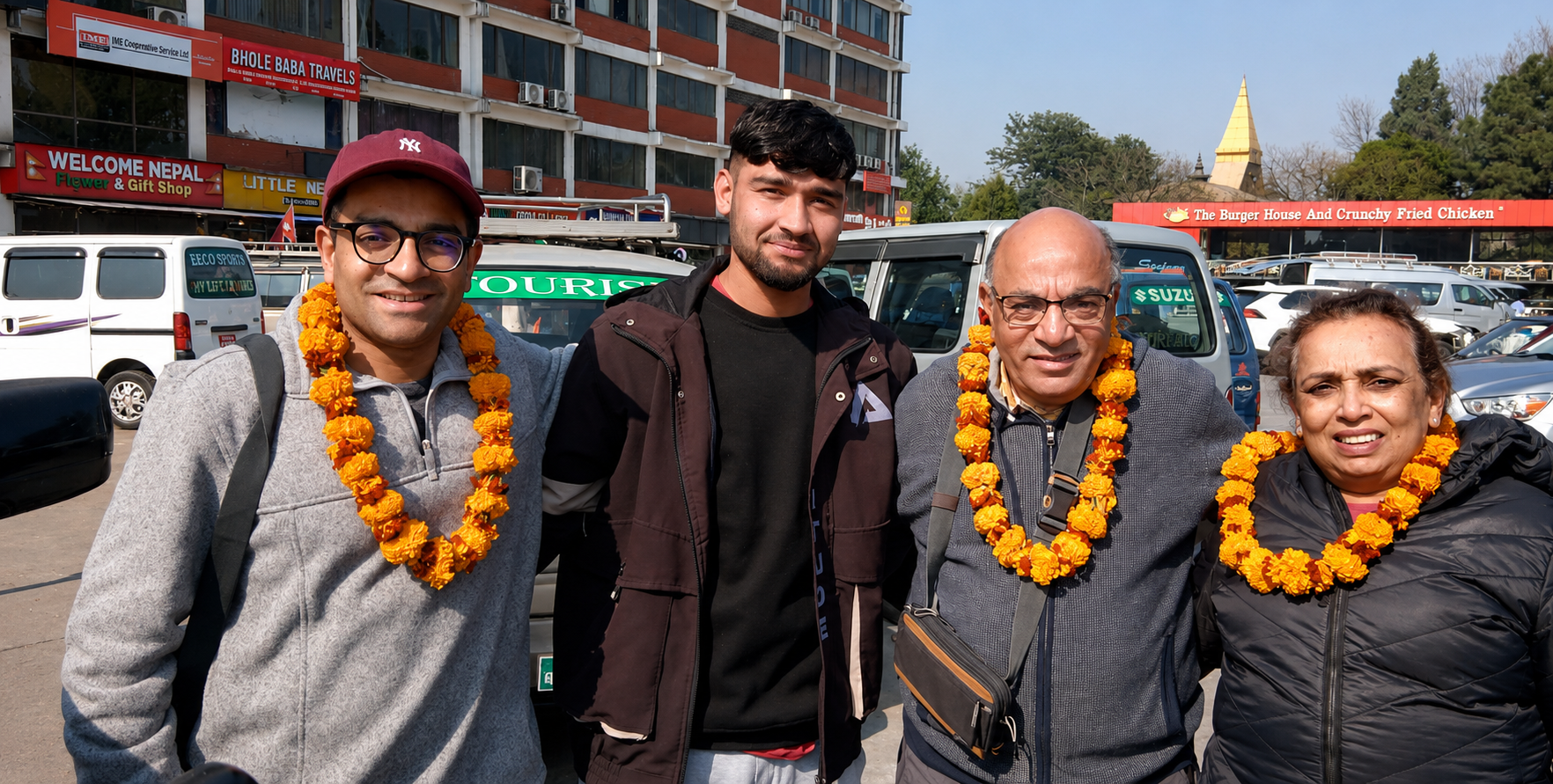
Once you share your flight number and arrival time when booking, your driver plans their arrival at the terminal to match — usually waiting just outside the exit doors of the public arrivals area, since drivers generally aren’t permitted inside the secure arrivals hall itself. They’ll hold a name board with your name or your group’s name clearly visible.

If you have a local phone number or WhatsApp active on landing, most drivers will also text or call to confirm they’ve spotted you, which is especially useful during Kathmandu’s busier arrival windows when the crowd outside can be thick.

Gautam,Buddhai,Airport,In,Bhairahawa,,Nepal.,The,International,Terminal,Is

Drop-Off: Thamel and Beyond

While Thamel remains the most common destination for first-time visitors, many travellers stay elsewhere in the Kathmandu Valley—and a private pickup service should cover them just as reliably.

Thamel

The classic backpacker and trekker hub, roughly 5 to 6 kilometres from the airport. Expect 15 to 40 minutes depending on traffic, with narrow lanes near many guesthouses that drivers navigate regularly.

Lazimpat and Durbarmarg

Home to many mid-range and upscale hotels, these areas sit slightly closer to the airport via the eastern approach roads and often offer a smoother, faster drop than going deep into Thamel’s alleys.

Boudhanath and Pashupatinath Areas

Popular with travellers staying near these major religious sites, both are closer to the airport than Thamel, making them one of the shortest drop-off routes.

Patan (Lalitpur)

A quieter alternative to Kathmandu’s tourist core, Patan sits across the Bagmati River and typically takes a bit longer than a Thamel drop due to the extra river crossing and city traffic.

Bhaktapur

Travellers heading straight to Bhaktapur’s heritage hotels can combine their pickup with a stop in Bhaktapur Durbar Square on the way, since the drive takes roughly 45 minutes to an hour, depending on the route.

Nepal Tour Package

Choosing the Right Vehicle for Your Pickup

A private car is comfortable and fits solo travellers, couples, or small families with standard luggage. Larger groups or those with extra trekking gear often prefer a jeep for higher clearance on some hotel access roads.

In contrast, groups of six or more — common with trekking teams or tour groups arriving together — are usually better served by a Hiace van, which keeps everyone and their bags in a single vehicle instead of splitting across multiple cars.

Cost of Airport Pickup and Hotel Drop

Like the reverse Thamel-to-airport journey, pickup and drop-off pricing is generally set per vehicle rather than per passenger, which keeps costs predictable for groups. Rates depend on vehicle type, exact hotel location, and whether the booking includes name-board meet-and-greet service. Drop-off points farther from the airport, such as Patan or Bhaktapur, are usually priced slightly higher than a straightforward Thamel or Lazimpat route because of the extra distance and time.

What to Do If Your Flight Is Delayed

Share your flight number at the time of booking so your pickup can be tracked automatically. A professional airport transfer service will monitor your actual landing time rather than the originally scheduled one, adjusting the driver’s arrival so you’re not left waiting — or worse, so no one is there when you finally clear immigration.

If your delay is significant, it’s worth sending a quick message to your driver or the booking contact once you have new landing details.

Combining Your Pickup With a First Look at the City

If your hotel check-in time is still hours away, or you’d rather not waste your first daylight hours resting, consider extending your pickup into a short city introduction. Many arriving guests add a stop at Kathmandu’s historical heritage sites or take a broader Kathmandu sightseeing loop on the way to their hotel, turning a routine transfer into the trip’s first stop.

Since your vehicle and driver are already private for the journey, this usually only adds modest time and cost compared to booking a separate tour later.

Swayambhunath visit during Kathmandu Pokhara Tour

Airport Pickup vs Arranging Transport After Landing

Arranging transport after landing — whether a prepaid taxi counter or a street taxi outside — works, but means navigating a crowded arrivals area with your luggage, comparing prices, and hoping a driver understands your hotel’s exact location, especially for addresses tucked away in Thamel’s backstreets or a lesser-known guesthouse in Patan.

A pre-booked private pickup removes all of that: your destination is confirmed in advance, your fare is fixed, and your driver already knows the way. For a broader look at why more travellers choose private vehicles across Nepal rather than arranging transport on the fly, see our guide on why private vehicle hire is the smartest way to travel Nepal.

Booking Tips for a Smooth Arrival

  • Share your flight number, airline, and expected landing time when booking
  • Give your exact hotel name and neighbourhood, not just “Thamel” or “Kathmandu,” since many properties share similar names
  • Keep a local contact number or WhatsApp active if possible for last-minute coordination
  • Have small NPR or USD cash on hand for anything needed before you reach your hotel, since not all counters near arrivals accept cards reliably
  • If travelling with a group, confirm ahead whether you need one large vehicle or multiple cars so nobody is left waiting at the curb

Why Book With Nepal Vehicle Hiring Pvt Ltd

We handle pickups and hotel drop-offs across the entire Kathmandu Valley daily, not just Thamel, with drivers who track flights, hold clear name boards, and know how to find addresses down narrow lanes that don’t always show up cleanly on maps. Every booking includes transparent pricing agreed before you land.

Browse our Car, Jeep, and Hiace fleet pages to choose the right vehicle, or check our ultimate Nepal vehicle rental guide for a full picture of transport options once you’ve settled in.

Frequently Asked Questions

Where exactly will my driver meet me? Just outside the public exit doors of the arrivals hall, holding a name board, since drivers cannot enter the secure arrivals area itself.

How long does immigration take on arrival? Typically 30 to 60 minutes during normal periods, and 60 to 120 minutes during Nepal’s peak autumn and spring seasons.

Can I book a hotel drop outside Thamel? Yes — pickups and drop-offs cover the whole Kathmandu Valley, including Lazimpat, Boudha, Patan, and Bhaktapur.

What happens if my flight is delayed? Share your flight number at booking so your pickup is tracked and adjusted automatically to your actual landing time.

Is pickup priced per person or per vehicle? Per vehicle, which is usually more economical for families or groups than arranging individual taxis.

Landing in Kathmandu soon? Book your airport pickup to Thamel or any other hotel drop-off in advance through our contact page and start your trip with someone already waiting for you at arrivals.

For travellers who have completed their trek and plan to explore Kathmandu, we recommend continuing your journey with our trusted sister companies, Trek Nepal Himalayas and Alpine Luxury Treks. We specialise in organising a wide range of travel experiences across Nepal, from classic trekking adventures to cultural and wildlife tours.

Our top offerings include iconic journeys such as the Everest Base Camp Trek, in-depth Kathmandu sightseeing tours, striking Nagarkot sunrise experiences, and exciting Chitwan jungle safari and luxury packages. We can also arrange short hikes, heritage tours, mountain flights, and customised travel plans tailored to your schedule and interests.

Whether you are looking for a budget-friendly trip or a luxury trekking experience with top-end lodges, private guides, and high-end services, we manage every detail professionally. Our goal is to make your transition smooth.

Kathmandu Airport to Patan Private Vehicle Drop Guide

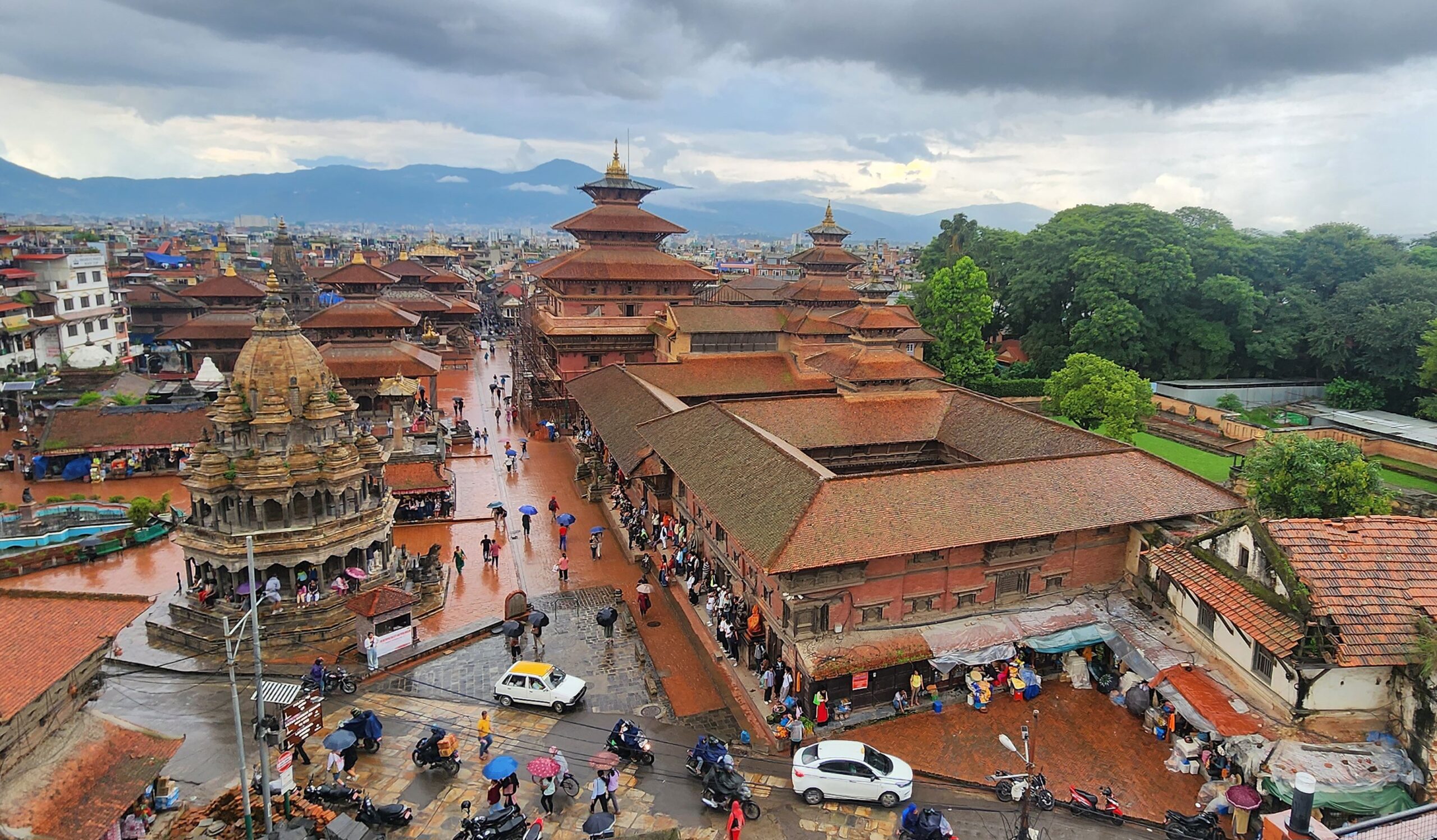
Patan Durbar Square in the Kathmandu Valley

Kathmandu Airport to Patan Private Vehicle Drop Guide: Complete Guide

Not every traveler lands in Kathmandu heading for Thamel. A growing number of visitors choose a Kathmandu airport-to-Patan private vehicle drop instead, skipping the backpacker crowds entirely in favor of Lalitpur’s quieter courtyards, Newari architecture, and one of the best-preserved Durbar Squares in the valley.

This guide covers the real distance and drive time from Tribhuvan International Airport to Patan, what to expect along the way, costs, and why more culturally-minded travelers are choosing this as their first stop in Nepal.

Why Choose Patan Over Thamel

Patan, also known as Lalitpur or by its old Newari name Yala, sits just across the Bagmati River from central Kathmandu. Where Thamel is loud, commercial, and built around trekking shops and backpacker cafes, Patan feels older and calmer — narrow brick streets, centuries-old temples, and the Patan Durbar Square, widely considered one of the finest collections of Newari architecture in the Kathmandu Valley.

Many travelers who plan to spend real time exploring Nepal’s art, history, and craftsmanship base themselves here instead.

Our Kathmandu airport transfers service covers Patan drop-offs just as reliably as Thamel, with drivers familiar with hotel and guesthouse locations around Patan Durbar Square, Pulchowk, and Jawalakhel.

Book a Kathmandu Airport to Patan Private Vehicle Drop Guide with a car, SUV, jeep, or Hiace van. Enjoy reliable airport pickup, comfortable travel, and convenient door-to-door transfers to Patan hotels and nearby destinations.

Distance and Route From the Airport to Patan

By road, Tribhuvan International Airport to Patan covers roughly 7 to 9 kilometers, slightly farther than a straight-line Thamel run but often no slower in practice, since the route can avoid some of central Kathmandu’s most congested junctions. Drivers typically head south through Sinamangal and Koteshwor before crossing toward Kupondole or Thapathali to reach Patan, choosing whichever bridge crossing over the Bagmati River is running clearest at the time.

In light traffic, the drive takes around 20 to 25 minutes. During Kathmandu’s busier daytime hours, expect 35 to 45 minutes, and closer to an hour if you land during evening rush.

What You’ll Pass Along the Way

Depending on the exact route, the drive to Patan often passes near Thapathali and the Bagmati riverbank, giving a first glimpse of the city’s daily rhythm before arriving in Patan’s noticeably quieter streets. Once you’re within Lalitpur, hotels cluster mainly around Patan Durbar Square, Pulchowk, Jawalakhel, and Kupondole, each just a short final stretch from the main crossing points.

Gautam,Buddhai,Airport,In,Bhairahawa,,Nepal.,The,International,Terminal,Is

Cost of an Airport-to-Patan Private Vehicle Drop

As with other airport transfers, pricing is set per vehicle rather than per passenger, which keeps things straightforward for couples, families, or groups traveling together. Because Patan sits slightly farther from the airport than central Thamel, fares typically run a little higher than a straightforward Thamel drop, though the difference is modest. Confirm the exact rate at booking, since it depends on vehicle type and specific hotel location within Patan.

Choosing the Right Vehicle

A private car is a comfortable fit for couples or small families arriving with standard luggage. Larger families or those combining the airport drop with an onward trip may prefer a jeep, while groups of six or more — common with cultural tour groups heading straight into Patan’s art and craft circuit — are better served by a Hiace van, keeping everyone together in one vehicle from the terminal to their hotel door.

Nepal Tour Package

Best Time to Land for a Smooth Drive to Patan

Flights landing before 9 AM or after 8 PM generally reach Patan in well under half an hour. If your arrival falls in the middle of the day, particularly between 11 AM and 6 PM, build extra buffer time into your plans, especially if you’re hoping to check in, freshen up, and still catch the afternoon light over Patan Durbar Square.

Things to Do Once You’ve Settled in Patan

Patan rewards travelers who take their time. Once you’ve dropped your bags, the Durbar Square itself is walkable from most central hotels, along with the Patan Museum, the Golden Temple (Hiranya Varna Mahavihar), and the Kumbeshwar Temple. Many visitors also use Patan as a base for day trips back into central Kathmandu or onward toward the valley’s edges.

If you’d rather not handle the return trip into Kathmandu on your own, our Kathmandu sightseeing service can be arranged from a Patan base just as easily as from Thamel, and a stop at Kathmandu’s historical heritage sites pairs naturally with a Patan stay, given how much of the valley’s heritage architecture sits within a short drive.

Patan vs Thamel vs Other Drop-Off Points

Patan suits travelers prioritizing culture, quiet streets, and easy access to museums and traditional craft workshops over nightlife or trekking gear shops.

Thamel remains the default for trekkers and budget travelers who want the widest choice of gear shops, budget guesthouses, and travel agencies within walking distance of each other.

Lazimpat, Boudha, and Bhaktapur each serve more specific purposes — upscale hotels, proximity to major religious sites, or a heritage-town base respectively — and our drivers cover all of them with the same reliability as a Patan or Thamel run.

Swayambhunath visit during Kathmandu Pokhara Tour

Booking Tips for Your Patan Arrival

  • Share your flight number and landing time so your pickup adjusts automatically to delays.
  • Give your hotel’s exact name and neighborhood within Patan — Durbar Square, Pulchowk, Jawalakhel, and Kupondole all have distinct access routes.
  • Keep a local contact number or WhatsApp active for last-minute coordination with your driver.
  • Ask about a name-board meet-and-greet if this is your first time in Nepal
  • Carry some NPR cash for any small purchases before you reach your hotel

Why Book With Nepal Vehicle Hiring Pvt Ltd

Our drivers cover Patan drop-offs daily, not just the well-worn Thamel route, and know how to navigate the narrower lanes around Patan Durbar Square that don’t always show up cleanly on GPS. Every booking includes transparent, upfront pricing agreed before you land.

Compare vehicle options on our Car, Jeep, and Hiace pages, or read our ultimate Nepal vehicle rental guide for a full picture of transport across the country once you’ve settled in.

Frequently Asked Questions

How far is Patan from the airport? Roughly 7 to 9 kilometers by road, taking about 20 to 45 minutes depending on traffic.

Is Patan a good base instead of Thamel? Yes, especially for travelers prioritizing culture, quiet streets, and easy access to museums and traditional craft areas over trekking shops and nightlife.

Is the drop-off priced differently than a Thamel run? Slightly higher in most cases, reflecting the marginally longer distance and river crossing.

Can I combine my Patan drop-off with sightseeing? Yes, many travelers add a stop at nearby heritage sites on the way if their schedule allows.

What vehicle should I book for a family of five with luggage? A jeep comfortably covers a family this size with standard trekking or travel luggage.

Heading to Lalitpur on your next trip? Book your Kathmandu Airport to Patan Private Vehicle Drop Guide in advance through our contact page and start your stay in Patan without any transport guesswork.

For travelers who have completed their trek and are planning to explore Kathmandu, we recommend continuing your journey with our trusted sister companies Trek Nepal Himalayas and Alpine Luxury Treks. We specialize in organizing a wide range of travel experiences across Nepal, from classic trekking adventures to cultural and wildlife tours.

Our top offerings include iconic journeys such as the Everest Base Camp Trek, in-depth Kathmandu sightseeing tours, striking Nagarkot sunrise experiences, and exciting Chitwan jungle safari and luxury packages. In addition, we can arrange short hikes, heritage tours, mountain flights, and customized travel plans tailored to your schedule and interests.

Whether you are looking for a budget-friendly trip or a luxury trekking experience with top-end lodges, private guides, and high-end services, we ensure every detail is professionally managed. Our goal is to provide a smooth transition from yo.

Manang to Kathmandu Private Jeep Hire Guide

Book a Manang to Kathmandu Private Jeep Hire with a reliable 4WD vehicle or Scorpio SUV. Explore route details, road conditions, travel time, pickup options, and comfortable transport after the Annapurna Circuit Trek.

Manang to Kathmandu Private Jeep Hire Guide: Complete Route, Cost & Booking Guide

After weeks in the high Annapurna, most trekkers want a fast, comfortable ride back to the capital. That’s why Manang to Kathmandu private jeep hire has become the preferred way to finish an Annapurna Circuit trek, a Nar Phu Valley expedition, or a Tilicho Lake side trip.

Instead of retracing days of walking or squeezing into a crowded local bus, you step straight from the mountains into a private 4×4 and get door-to-door to your Kathmandu hotel or the airport.

This guide breaks down everything you need to know about the journey — distance, road conditions, timing, cost, permits, and how it compares to other transport options — so you can plan the final leg of your Himalayan trip with confidence.

Book a Manang to Kathmandu Private Jeep Hire with a reliable 4WD vehicle or Scorpio SUV. Explore route details, road conditions, travel time, pickup options, and comfortable transport after the Annapurna Circuit Trek.

Why Choose a Private Jeep From Manang to Kathmandu

Manang sits at roughly 3,540 meters deep in the Marsyangdi Valley, and the route back to Kathmandu is long, high-altitude, and only partially paved. A private jeep solves three problems at once:

  • Comfort after a long trek. Your legs have already done the work; you don’t have to walk back down to Besisahar over several more days.
  • You choose the departure time, decide where to stop for photos, meals, or monastery visits, and aren’t tied to a fixed public bus schedule.
  • Safety on a demanding road. The stretch between Manang and Besisahar includes gravel switchbacks, river crossings, and narrow cliff-edge sections that experienced local drivers navigate far more safely than self-drivers or shared-vehicle drivers.

At Nepal Vehicle Hiring Pvt Ltd, our dedicated Manang to Kathmandu jeep service is built specifically for this overland transfer, using rugged, well-maintained 4×4 vehicles suited to Annapurna’s mountain tracks.

Kathmandu to Manang jeep

Route Overview: Manang – Chame – Besisahar – Dumre – Kathmandu

The overland journey covers approximately 230–265 kilometres, though the exact figure depends on the final drop point in Kathmandu and seasonal road diversions. It runs through four distinct stages, each with a different road character.

Manang to Chame (Roughly 2–3 Hours)

The first stretch follows the upper Marsyandi Valley on a gravel 4×4 track, passing pine forests, waterfalls, and mani walls. This section offers some of the best mountain panoramas of the entire drive, with Annapurna II, Annapurna IV, and Lamjung Himal visible for long stretches. It’s also the roughest section, so a genuine high-clearance jeep — not a standard sedan — is essential here.

Chame to Besisahar (Roughly 4–5 Hours)

From Chame, the road descends through a series of hairpin bends hugging steep valley walls, dropping in elevation as the landscape shifts from alpine terrain to greener mid-hill villages. Expect occasional landslide-prone patches, particularly just after monsoon season, and short stops as the road narrows near cliff edges. This is broadly the same stretch covered in our guide to the Besisahar to Chame and Upper Pisang jeep route, just travelled in reverse.

Besisahar to Dumre to Kathmandu (Roughly 6–7 Hours)

Once you reach Besisahar — the traditional gateway of the Annapurna Circuit — the road turns to smooth blacktop for the remainder of the trip. The jeep joins the Prithvi Highway near Dumre. It follows the Trishuli and Marsyangdi rivers most of the way back into the Kathmandu Valley, passing Mugling and Malekhu, both popular roadside stops for fresh fish and tea.

Book a Manang to Kathmandu Private Jeep Hire with a reliable 4WD vehicle or Scorpio SUV. Explore route details, road conditions, travel time, pickup options, and comfortable transport after the Annapurna Circuit Trek.

How Long Does the Trip Take?

Door to door, the full Manang to Kathmandu private jeep transfer takes around 12–14 hours of total driving time.  Many travellers split the journey over two days, overnighting in Besisahar or Bhulbhule to avoid the exhausting stretch and enjoy the ride in daylight rather than driving mountain roads after dark. If you’re on a tight schedule, our drivers can also complete the route in one long day, departing Manang before sunrise.

Cost of a Private Jeep From Manang to Kathmandu

A private jeep on this route typically costs around US$558 per vehicle (one-way) and comfortably fits up to 6 passengers, plus backpacks and trekking gear. Because the price is per jeep rather than per person, the cost per traveller drops significantly for groups of four to six, often coming out cheaper than four or five individual seats on a shared jeep once time, comfort, and door-to-door convenience are factored in.

For larger groups finishing a trek together, we also offer a Hiace van for parties of seven or more.

Rates can vary slightly based on season, fuel prices, and specific drop-off location in Kathmandu (Thamel, the airport, or elsewhere in the valley), so it’s worth confirming current pricing directly when booking.

Book a Manang to Kathmandu Private Jeep Hire with a reliable 4WD vehicle or Scorpio SUV. Explore route details, road conditions, travel time, pickup options, and comfortable transport after the Annapurna Circuit Trek.

Best Time of Year for This Route

  • Autumn (September–November): The most popular and reliable window, with clear skies, stable roads, and minimal landslide risk.
  • Spring (March–May): Good visibility and blooming rhododendrons, though afternoon winds can pick up in the upper valley.
  • Winter (December–February): Snow and ice are common near Manang and Chame; only experienced 4×4 drivers with the right vehicle and tyres should attempt this stretch, which is another reason a professionally operated 4WD jeep matters more here than a standard car.
  • Monsoon (June–August): The Besisahar-to-Chame section becomes prone to landslides and slippery surfaces. Travel is still possible but requires flexibility around delays.

Permits and Documents You’ll Need

Since the route runs through the Annapurna Conservation Area, make sure you’re carrying:

  • ACAP (Annapurna Conservation Area Permit): Approximately NPR 3,000 (about USD 25) per person.
  • TIMS Card: Roughly NPR 1,000–2,000 depending on category.
  • Passport and any trekking permits already issued during your Annapurna Circuit trek.

If you obtained these at the start of your trek in Kathmandu or Pokhara, you likely already have everything you need for the exit journey — don’t leave the originals behind at a teahouse. For background on how this protected area works and why these permits exist, our Annapurna Conservation Area guide covers the region’s conservation model in detail.

Book a Manang to Kathmandu Private Jeep Hire with a reliable 4WD vehicle or Scorpio SUV. Explore route details, road conditions, travel time, pickup options, and comfortable transport after the Annapurna Circuit Trek.

What to Pack for the Ride

  • Warm, layered clothing — temperatures swing sharply between Manang’s alpine air and the lowland heat near Kathmandu
  • Snacks and drinking water, since options thin out between Chame and Besisahar
  • Cash in Nepali rupees — ATMs are unreliable or nonexistent for much of the route
  • Motion sickness tablets if you’re sensitive to winding mountain roads
  • A power bank, sunglasses, and a light dust mask for the gravel sections

Private Jeep vs Shared Jeep vs Local Bus

Travellers finishing the Annapurna Circuit in Manang generally have three transport choices. A private jeep offers a fixed departure time, direct door-to-door service, and the comfort of travelling only with your own group, ideal after weeks of trekking.

Shared jeeps depart from Besisahar once full; they’re cheaper per seat but come with unpredictable wait times, cramped seating, and no guarantee of comfort on the rough upper sections. Local buses are the most budget-friendly option but only run from Besisahar onward, meaning you’d still need separate transport for the Manang-to-Besisahar leg, plus longer overall travel time and more stops.

For a broader comparison of options across Nepal’s road network, our ultimate Nepal vehicle rental guide explains how car, jeep, van, and bus hire differ across routes.

Manang hidden valley

Alternative: Flying Out via Hongde Airport

If time is extremely limited, a short domestic flight from Hongde (near Manang) to Pokhara is occasionally available, followed by road transport from Pokhara to Kathmandu. However, this route depends on the weather, seat availability is limited, and flights are frequently cancelled or delayed due to mountain winds—making the overland jeep a more dependable choice for travellers who need certainty in their return schedule, especially those with international flights to catch.

Exploring More of the Annapurna Region En Route

Because the Manang-to-Kathmandu drive passes through some of the Annapurna Circuit’s most storied villages, many travellers break the journey with short stops or side trips. Dharapani, often cited as the most popular starting point of the Annapurna Circuit, lies just off the main route, while those with extra time sometimes combine this transfer with a visit to Sikles or explore transport options from Pokhara to Manang if approaching from the other direction on a future trip.

If your itinerary allows a detour toward Mustang instead, our guide to 4WD jeep hire in Upper Mustang covers that equally dramatic alternative route.

Manang Valley Tour Jeep Rental for Himalayan Mountain Travel in Nepal

Why Book Your Jeep With Nepal Vehicle Hiring Pvt Ltd

We operate well-maintained 4×4 jeeps with drivers who know the Manang–Besisahar–Kathmandu road personally — not just the highway sections, but the tricky gravel switchbacks above Chame where inexperienced drivers struggle most. Every booking includes:

  • Transparent, upfront pricing with no hidden charges
  • Experienced high-altitude drivers familiar with seasonal road conditions
  • Flexible departure times, including early-morning starts
  • Door-to-door drop-off anywhere in the Kathmandu Valley, including the international airport
  • 24/7 customer support before and during your journey

Whether you’re finishing the full Annapurna Circuit, returning from Tilicho Lake, or wrapping up a Nar Phu Valley trek, you can compare our full range of vehicles on the Jeep page or reach out directly through our contact page to lock in your preferred date.

Frequently Asked Questions

How far is Manang from Kathmandu by road? The driving distance is about 230–265 kilometres, depending on the exact route and final drop-off point in Kathmandu.

Can a normal car make this journey? No. The Manang-to-Besisahar section requires a genuine 4×4 with high ground clearance; a standard car or sedan cannot safely handle this terrain.

Is it better to split the drive over two days? Many travelers prefer this, overnighting around Besisahar to avoid a single 12–14 hour drive and to enjoy the scenery in daylight. However, you can also do it in one day with an early departure.
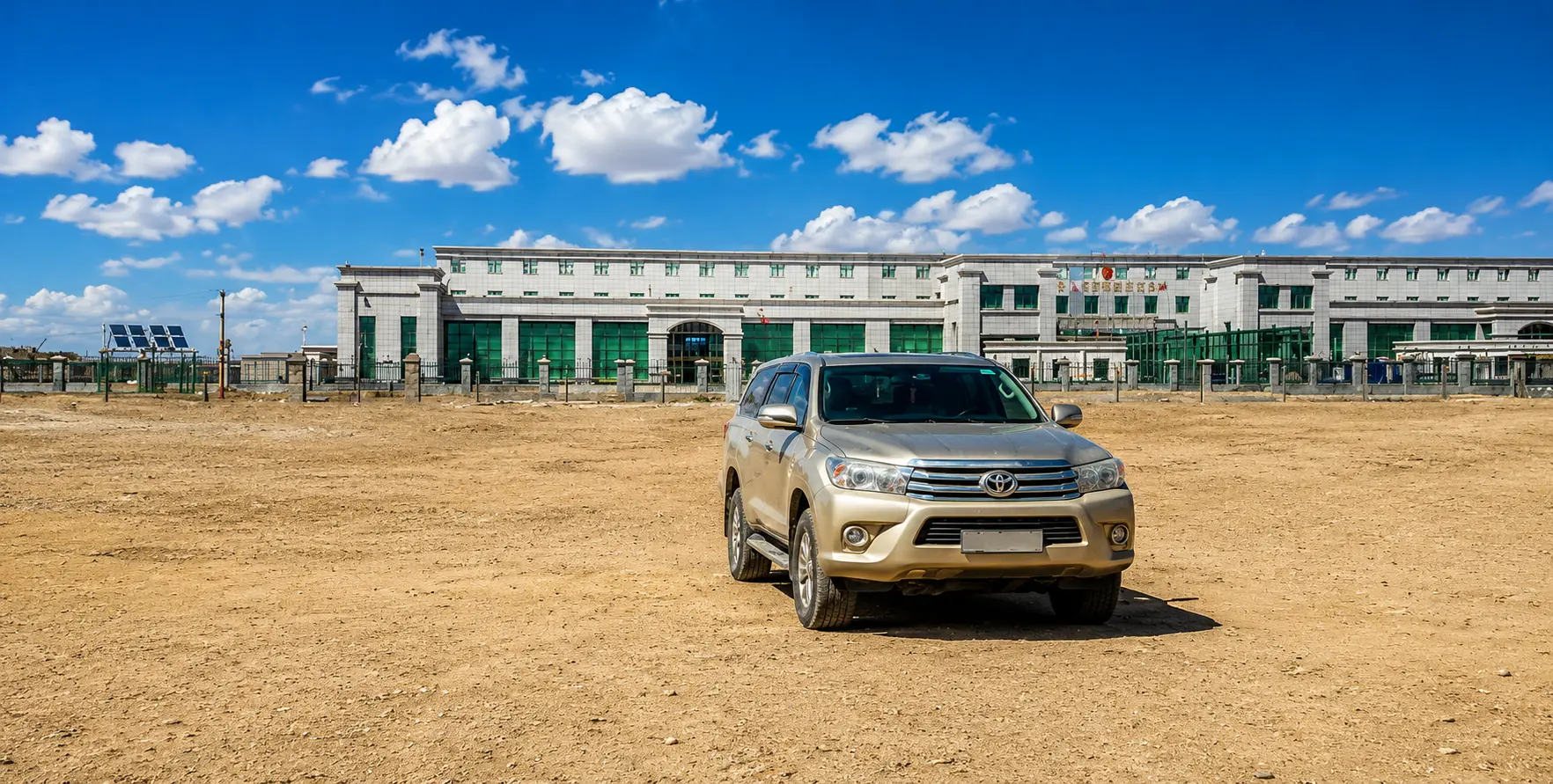
Do I need any special permits for the drive itself? The ACAP and TIMS card you obtained for trekking cover the route, since it runs through the Annapurna Conservation Area.

Ready to book your private jeep hire from Manang to Kathmandu? Contact Nepal Vehicle Hiring for current rates, availability, and a driver who knows this route inside out.

Nepal UNESCO World Heritage Sites: Vehicle Tour Guide

Private jeeps parked in Mustang

Nepal UNESCO World Heritage Sites: Best Vehicle for Sightseeing

Few countries pack as much recognized heritage into as small an area as Nepal. Touring them properly comes down to one practical decision: private vehicle hire for UNESCO World Heritage sites sightseeing versus stitching together taxis, tuk-tuks, and public buses between temples that are each worth hours of unhurried exploring.

This guide breaks down Nepal’s UNESCO-listed sites, how they cluster around the Kathmandu Valley, and how to plan an efficient, comfortable route between them by private car, jeep, or van.

How Many UNESCO World Heritage Sites Does Nepal Have?

Nepal holds four UNESCO World Heritage properties: two cultural (the Kathmandu Valley and Lumbini) and two natural (Sagarmatha National Park and Chitwan National Park). Because the Kathmandu Valley listing is itself made up of seven separate monument zones, Nepal is often described informally as having ten heritage sites in total — and seven of them sit within a short drive of each other inside the valley.

Why a Private Vehicle Is the Best Way to See Them

  • One driver, multiple sites in a day. The seven Kathmandu Valley monument zones can realistically be split across one or two focused days by private vehicle, something public transport makes far more tiring.
  • No walking between distant sites with a camera bag and water bottles. Some monument zones, like Changu Narayan, sit outside the city core and are impractical to reach without a vehicle.
  • Flexible pacing. Spend an extra 30 minutes at Bhaktapur’s pottery square or skip ahead if a site is quieter earlier in the day — your schedule, not a bus timetable.
  • Comfortable transitions. Kathmandu’s heat, dust, and traffic make an air-conditioned vehicle between stops a real difference over a full sightseeing day.

Our Kathmandu sightseeing and Kathmandu historical heritage sites services are both built specifically around covering these UNESCO zones efficiently, with drivers who know the entrance points, parking, and quietest visiting hours for each site.

Scorpio jeeps on the road in Mustang

The Seven UNESCO Monument Zones of the Kathmandu Valley

Kathmandu Durbar Square

Also called Hanuman Dhoka, this was the seat of the old Malla and Shah kings, home to the Kumari Ghar (residence of Nepal’s living goddess), the Kaal Bhairav statue, and the Taleju Temple. It’s usually the natural starting point for a valley heritage tour, given its central location.

Patan Durbar Square

Roughly 20 minutes from central Kathmandu, Patan is widely considered the finest collection of Newari architecture in the valley, alongside the Patan Museum and the Golden Temple.

Bhaktapur Durbar Square

The best-preserved of the three Durbar Squares, roughly 45 minutes to an hour outside central Kathmandu. Our Bhaktapur Durbar Square day tour covers this in full, including the pottery square and traditional woodcarving workshops.

Swayambhunath

Known to many visitors as the ‘Monkey Temple,’ this hilltop stupa is one of the oldest Buddhist monuments in the valley, with sweeping views over Kathmandu from its terrace.

Boudhanath

The largest stupa in Nepal and a major center of Tibetan Buddhism, surrounded by monasteries, prayer wheels, and rooftop cafes ideal for watching the evening circumambulation ritual.

Pashupatinath Temple

One of the holiest Hindu temple complexes in the world, set along the Bagmati River, with cremation ghats, ashrams, and centuries of inscriptions layered throughout the grounds.

Changu Narayan

Widely regarded as the oldest Hindu temple still in active use in the Kathmandu Valley, set on a hilltop outside Bhaktapur with intricate stone and wood carvings — and, being the most remote of the seven, the site most travelers only reach with a private vehicle rather than public transport.

Suggested Itinerary by Private Vehicle

Day 1: Kathmandu Durbar Square in the morning (before the midday heat), then Swayambhunath, followed by Pashupatinath and Boudhanath in the afternoon and early evening, when the stupa’s lighting and rhythm of prayer are especially atmospheric.

Day 2: Head out to Bhaktapur Durbar Square for a slower, more in-depth morning, then continue to Changu Narayan before looping back through Patan Durbar Square in the afternoon.

Splitting the seven sites this way avoids rushing through any single square and keeps driving time between clusters efficient rather than repeatedly criss-crossing the valley.

Beyond the Valley: Lumbini and Chitwan

Nepal’s other two cultural and natural UNESCO properties sit outside the Kathmandu Valley. Lumbini, the birthplace of Lord Buddha, is reachable by road via our Kathmandu to Lumbini bus and Lumbini to Kathmandu bus services, best planned as an overnight trip given the distance.

Chitwan National Park, Nepal’s premier wildlife reserve and home to one-horned rhinos and Bengal tigers, is commonly combined with a Pokhara stay via our Pokhara to Chitwan bus route.

The fourth site, Sagarmatha National Park surrounding Mount Everest, isn’t vehicle-accessible in the same way — reaching it involves a flight to Lukla followed by trekking. If that’s part of your plans, our Everest Base Camp trek page and general trekking services cover the logistics around that journey.

Choosing the Right Vehicle for a Heritage Tour

A private car suits couples or small families comfortably covering the valley’s monument zones over one or two days. Groups touring together, especially those combining heritage sites with a Lumbini or Chitwan extension, often prefer a jeep for the added comfort on longer stretches. For larger tour groups, our Hiace vans and coaster buses keep everyone together across a multi-site itinerary without needing to coordinate several vehicles.

Practical Tips for Visiting Nepal’s Heritage Sites

  • Most sites charge a separate entrance fee for foreign visitors, often higher for non-SAARC nationals — carry small NPR notes for these.
  • Dress modestly at religious sites, and be prepared to remove shoes before entering certain temple courtyards.
  • Photography is generally welcome outdoors but restricted inside some inner sanctums, particularly at Pashupatinath.
  • Visit Kathmandu Durbar Square and Swayambhunath early to avoid both heat and crowds.
  • Evenings at Boudhanath, during the lamp-lighting and walking ritual, are worth timing your visit around

Why Book With Nepal Vehicle Hiring Pvt Ltd

Our drivers know the entrance points, best parking, and typical crowd patterns for all seven Kathmandu Valley monument zones, along with the longer routes out to Lumbini and Chitwan. Every booking includes transparent pricing agreed in advance and flexibility to adjust your itinerary as you go.

For a broader look at planning a multi-day route around Nepal, see our ultimate Nepal vehicle rental guide and our thoughts on why private vehicle hire is the smartest way to travel Nepal. You can also browse our full Nepal tour package options if you’d rather book a complete heritage itinerary in one go.

Frequently Asked Questions

How many UNESCO World Heritage Sites does Nepal have? Four properties in total — the Kathmandu Valley, Lumbini, Sagarmatha National Park, and Chitwan National Park — with the Kathmandu Valley counted as seven individual monument zones.

Can I see all seven Kathmandu Valley sites in one day? It’s possible but rushed; splitting them across two focused days by private vehicle allows a much more comfortable pace.

Do I need a vehicle to reach Changu Narayan? It’s the most remote of the seven monument zones and is difficult to reach efficiently without a private vehicle.

Is Lumbini worth a day trip from Kathmandu? Given the distance, an overnight trip is generally more comfortable than a rushed same-day trip.

What vehicle works best for a family heritage tour? A private car or jeep comfortably covers most families across a two-day Kathmandu Valley itinerary.

Ready to explore Nepal’s UNESCO World Heritage Sites at your own pace? Book your private vehicle hire for UNESCO World Heritage Sites sightseeing through our contact page and let a local driver handle the routes while you focus on the history.

For travelers who have completed their trek and are planning to explore Kathmandu, we recommend continuing your journey with our trusted sister companies Trek Nepal Himalayas and Alpine Luxury Treks. We specialize in organizing a wide range of travel experiences across Nepal, from classic trekking adventures to cultural and wildlife tours.

Our top offerings include iconic journeys such as the Everest Base Camp Trek, in-depth Kathmandu sightseeing tours, striking Nagarkot sunrise experiences, and exciting Chitwan jungle safari and luxury packages. In addition, we can arrange short hikes, heritage tours, mountain flights, and customized travel plans tailored to your schedule and interests.

Whether you are looking for a budget-friendly trip or a luxury trekking experience with top-end lodges, private guides, and high-end services, we ensure every detail is professionally managed. Our goal is to provide a smooth transition from your trekking adventure to a comfortable) and a memorable travel experience in Nepal.

Thamel to Airport Drop: Private Vehicle Hire Guide

Muglin

Thamel to Airport Drop: Private Vehicle Hire Guide

Whether you’re heading home after a trek or catching an early connecting flight, private vehicle hire from Thamel to the airport is becoming the preferred way for travellers to reach Tribhuvan International Airport (TIA) without the stress of hailing a street taxi or bargaining over fares with a suitcase in hand. Kathmandu’s short but often chaotic roads mean the last leg of your trip deserves as much planning as the flight itself.

This guide covers the real distance and travel time between Thamel and the airport, what a private vehicle drop actually costs, how it compares to taxis and shuttles, and how to time your departure so traffic doesn’t cost you your flight.

Why Choose a Private Vehicle for Your Airport Drop

Thamel is Kathmandu’s main tourist hub, and nearby hotels, guesthouses, and travel desks can arrange airport transport. A private vehicle stands apart from a street taxi or shared shuttle in a few important ways:

  • Fixed, upfront pricing. No last-minute haggling at the airport gate or worrying about a meter running high in traffic.
  • A driver who’s expecting you. Your pickup time and hotel address are confirmed in advance, so you don’t have to wander through Thamel’s narrow lanes trying to flag down a cab with luggage.
  • Flight-time awareness. Drivers familiar with TIA’s security and check-in queues plan pickup times around Kathmandu’s unpredictable traffic.
  • Comfort for groups and families. A private car, jeep, or van avoids the cramped seating and luggage limits of shared shuttles.

At Nepal Vehicle Hiring Pvt Ltd, our Kathmandu airport transfers service is built specifically around this short but important route, with drivers who track flight schedules and know every shortcut between Thamel and the terminal.

Bg highway

Distance and Route Overview

Thamel sits only about 5 to 6 kilometres from Tribhuvan International Airport, which makes the route sound trivial on paper. In practice, Kathmandu’s road network means this short distance can take anywhere from 15 minutes to nearly an hour depending on the time of day.

Most private vehicles take one of two routes: through Kantipath and the Ring Road, or via Lazimpat and the eastern approach roads, with drivers choosing whichever is running clearer at the time of pickup.

The airport itself sits at roughly 1,390 meters elevation, ringed by hills that give arriving flights a scenic final descent — a nice first impression of Nepal before the short drive into the city.

How Long Does the Drive Actually Take?

In the early morning or late evening, a private vehicle can cover the Thamel-to-airport route in 15 to 20 minutes. During Kathmandu’s daytime traffic window — roughly 10 AM to 7 PM — the same drive can stretch to 40 minutes or, on a bad day, close to an hour.

For this reason, most experienced operators recommend leaving Thamel at least 2.5 to 3 hours before an international flight and around 2 hours before a domestic one, building in a traffic buffer rather than cutting it close.

Cost of Private Vehicle Hire for the Airport Drop

Private vehicle transfers between Thamel and the airport are generally priced as a flat rate per vehicle rather than per person, keeping costs predictable and often cheaper than multiple individual taxi fares for a group. Rates vary depending on vehicle type — a standard car costs less than a jeep or a Hiace van — and whether the booking includes extras like a meet-and-greet inside the arrivals hall or a name board pickup.

Confirm your exact fare when booking, since it can shift slightly with fuel prices and vehicle demand during Nepal’s peak trekking seasons.

Choosing the Right Vehicle for Your Drop

Private Car

Ideal for solo travellers, couples, or small families with standard luggage. Our car hire fleet comfortably fits up to three passengers with bags.

Jeep or SUV

A better fit if you’re arriving straight off a trek with duffel bags, trekking poles, and extra gear, or if you want higher ground clearance for a bumpy hotel access road. See our full jeep fleet for options.

Hiace Van

The practical choice for groups of six or more heading to the airport together after a shared trek or tour. Our Hiace vans keep everyone and their luggage in one vehicle, so you don’t have to split into multiple taxis.

Best Time to Travel to Avoid Traffic

If your flight timing allows flexibility, avoid scheduling your airport drop between 10 AM and 1 PM or 4 PM and 7 PM, when Kathmandu’s roads around Kantipath and Ring Road are most congested. Early morning departures (before 8 AM) and late evening transfers (after 8 PM) are consistently the smoothest, with travel times close to the 15-minute minimum.

Early Morning and Late-Night Flight Considerations

Nepal has many early-morning domestic flights, especially for mountain routes and connections to Pokhara or Lukla, along with international departures that often leave in the small hours. A private vehicle booking is especially useful here, since street taxis can be scarce in Thamel before sunrise, while a pre-booked driver shows up at your hotel door at the agreed time, regardless of the hour.

Combine Your Arrival With a City Tour on the Way In

If you’re landing in Kathmandu with time before checking in, consider turning the airport pickup into the start of your trip rather than a straight transfer. Many guests combine their arrival with a stop at Kathmandu sightseeing highlights, a half-day at Bhaktapur Durbar Square, or a trip up to catch sunrise views on a Kathmandu-to-Nagarkot vehicle hire before settling into Thamel.

Since the vehicle and driver are already private and flexible, adding a stop costs far less hassle than arranging it separately later.

Private Vehicle vs Taxi vs Bus vs Hotel Shuttle

Street or prepaid taxis are widely available and reasonably cheap, with a government-regulated prepaid counter inside the arrivals hall for arriving passengers. They work well for simple, single-traveller trips. Still, drop-off pickups from Thamel usually mean flagging one down or calling ahead, with less certainty around driver reliability or vehicle condition.

Public buses toward Ratnapark are by far the cheapest option, but they require walking with luggage to a bus stop, dealing with crowds, and a longer, less direct journey, so they’re not practical with heavy bags or a tight flight window.

Hotel shuttles are convenient if your hotel offers one, though they’re often shared with other guests, run on the hotel’s schedule rather than yours, and can cost as much as a private vehicle without the same flexibility.

Private vehicle hire sits in the middle: a fixed price agreed in advance, a driver dedicated solely to your group, flexible pickup times, and the option to add stops or upgrade to a larger vehicle if your group or luggage grows. For a deeper look at why more travellers across Nepal are choosing this option, see our guide on why private vehicle hire is the smartest way to travel Nepal.

Booking Tips for a Smooth Airport Drop

  • Share your exact flight number and departure time when booking so the driver can adjust pickup for any schedule changes.
  • Confirm your Thamel hotel or guesthouse address clearly, including any landmark, since many alleys aren’t well signed.
  • Keep valuables and travel documents in hand luggage, not checked bags, in the vehicle.
  • Ask about a meet-and-greet or name board service if you’re being picked up on arrival rather than dropped off for departure.
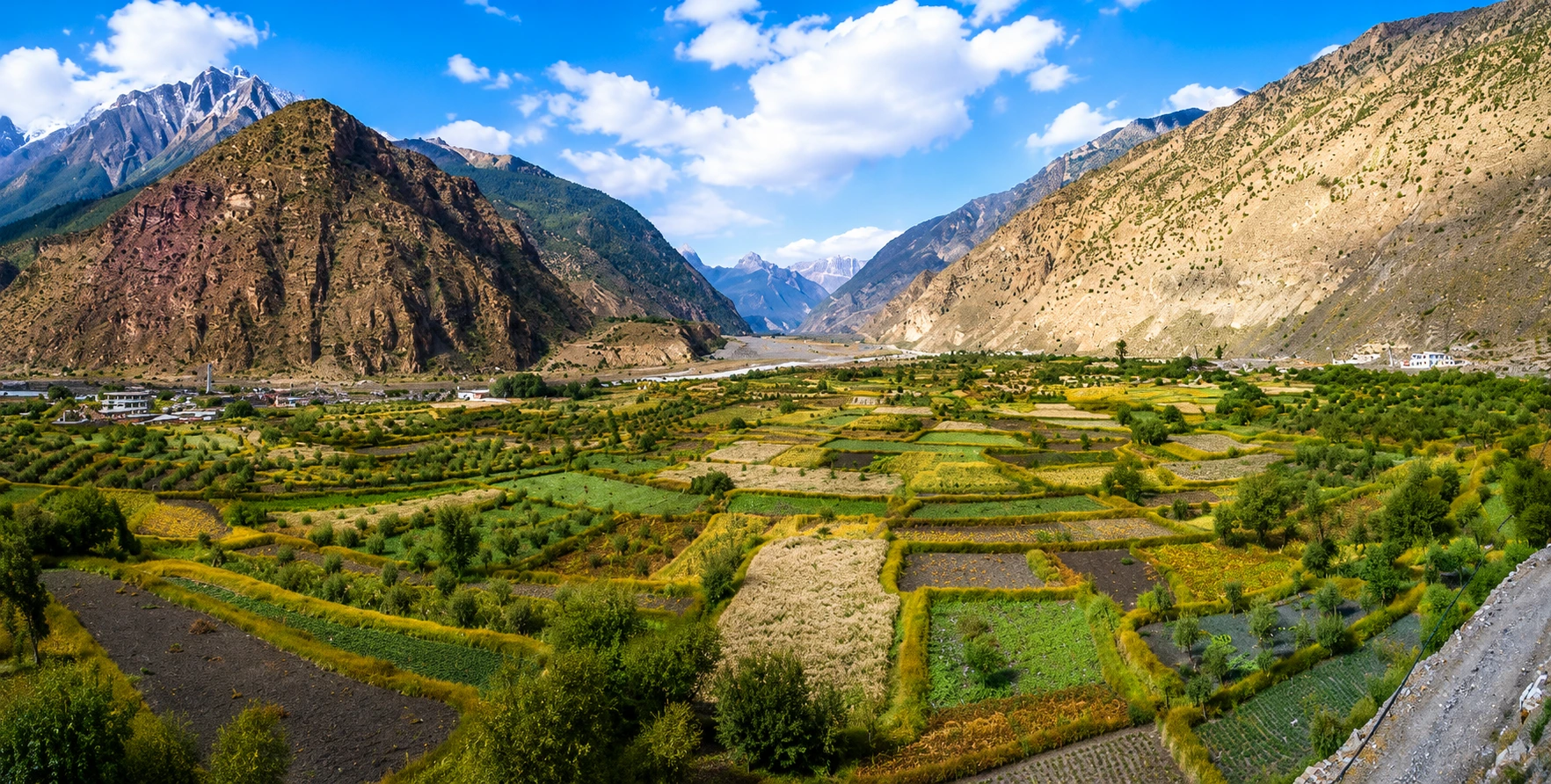
  • Build in extra buffer time during Nepal’s peak tourist seasons (autumn and spring), when both traffic and airport queues tend to be heavier.

Why Book With Nepal Vehicle Hiring Pvt Ltd

Our drivers handle the Thamel-to-airport route daily and plan pickup times around real traffic patterns rather than guesswork. Every booking includes a confirmed vehicle, transparent pricing, and a driver who arrives on time, whether you’re departing at 5 AM for a mountain flight or being collected after a late-night international arrival.

Compare our full range of vehicles on the Car, Jeep, and Hiace pages, or browse our ultimate Nepal vehicle rental guide for a full breakdown of options across the country.

Frequently Asked Questions

How far is Thamel from Tribhuvan International Airport? Around 5 to 6 kilometres, though travel time varies significantly with traffic.

How early should I leave Thamel for an international flight? Aim to depart at least 2.5 to 3 hours before departure to allow for traffic and airport check-in queues.

Is a private vehicle more expensive than a taxi? Pricing is often comparable, especially for groups, since you pay per vehicle rather than per person and avoid fare negotiation.

Can I book a larger vehicle for a group finishing a trek together? Yes — Hiace vans are available for groups of six or travelling to the airport together.

Can I add a sightseeing stop on the way to my hotel after landing? Yes, many travellers combine their arrival transfer with a stop at Kathmandu’s heritage sites or a short trip toward Nagarkot before checking in.

Planning your next trip to or from Kathmandu? Book your Thamel-to-airport private vehicle hire in advance through our contact page and travel the last leg of your journey without the stress of last-minute taxis.

For travellers who want to complete their trek and explore Kathmandu, we recommend continuing your journey with our trusted sister companies Trek Nepal Himalayas and Alpine Luxury Treks. We specialise in organising a wide range of travel experiences across Nepal, from classic trekking adventures to cultural and wildlife tours.

Our top offerings include iconic journeys such as the Everest Base Camp Trek, in-depth Kathmandu sightseeing tours, striking Nagarkot sunrise experiences, and exciting Chitwan jungle safari and luxury packages. We can also arrange short hikes, heritage tours, mountain flights, and customised travel plans tailored to your schedule and interests.

Whether you want a budget-friendly trip or a luxury trekking experience with top-end lodges, private guides, and high-end services, we manage every detail professionally. Our goal is to provide a smooth transition from your trekking adventure to a comfortable) and a memorable travel experience in Nepal.

Luxury Trek in Nepal

Book luxury trek vehicle hire in Nepal with premium Land Cruisers, Toyota Prados, Fortuners, and luxury 4WD SUVs. Enjoy private, comfortable, and reliable transportation for Everest, Annapurna, Langtang, Manaslu, Mustang, and other Himalayan adventures.

Luxury trek in Nepal vehicle hire: The Complete Vehicle Hire Guide

Nepal’s trekking landscape has undergone a quiet but profound revolution over the past decade. The image of the classic Himalayan trekker — dusty boots, a battered pack, basic teahouse accommodation, and a spirit of cheerful endurance in the face of cold shared bathrooms and limited menus — has not disappeared.

Still, it now shares the trail with a different breed of mountain traveller. The luxury trekker arrives in a well-appointed Toyota Land Cruiser, stays in lodges with en-suite bathrooms and heated rooms, dines on carefully prepared meals that balance Nepali authenticity with international dietary standards, and moves through the mountains accompanied by a private guide, personal porter, and the reassurance of a coordinated support team managing every logistical detail.

This is not roughing it dressed up as luxury — it is a genuinely distinct category of Nepal travel experience, one that has grown into a significant and rapidly expanding segment of the country’s tourism economy.

The luxury trek in Nepal is defined by a specific set of characteristics that distinguish it from standard trekking: accommodation in handpicked top-end lodges rather than basic teahouses, with private rooms, attached bathrooms, hot water and reliable power as standard; expert private guides with deep knowledge of the region and its cultural heritage; personal porter support so trekkers carry only a light day pack; high food standards on the trail, often including specially organised lunches and celebratory dinners at key milestones; helicopter transfers for approach and exit where this improves the itinerary; and door-to-door vehicle transport for every stage of the journey that does not involve flying or walking.

This last element — top-end vehicle hire for the ground transport stages of a luxury Nepal trek — is the specific focus of this guide. Nepal Vehicle Hiring Pvt Ltd (vehiclehiringnepal.com) has built its luxury trek vehicle hire service around the particular demands that this sophisticated, experience-conscious traveller brings to ground transport: vehicles whose quality matches the standard of the lodges they connect, drivers whose professionalism matches the quality of the guiding team, and a transport coordination capability that integrates smoothly with the broader luxury trek itinerary rather than creating friction at the boundary between the trek’s top-end experience and its more utilitarian-feeling transport logistics.

What follows is a comprehensive, deeply researched guide to luxury trek vehicle hire in Nepal, covering every major luxury trekking region — the Everest region, Annapurna, Upper Mustang, Langtang, and beyond — with specific route information, vehicle recommendations, accurate costs in NPR and USD, and the practical knowledge that distinguishes a truly well-planned luxury Nepal trek from one that gets the destination right but fumbles the journey to it.

Book luxury trek vehicle hire in Nepal with premium Land Cruisers, Toyota Prados, Fortuners, and luxury 4WD SUVs. Enjoy private, comfortable, and reliable transportation for Everest, Annapurna, Langtang, Manaslu, Mustang, and other Himalayan adventures.

What Defines a Luxury Trek in Nepal: The Full Picture

Before examining vehicle hire in detail, it is worth establishing a clear, honest understanding of what luxury trekking in Nepal actually means, since the term is applied inconsistently across the Nepal tourism market, sometimes describing a genuinely elevated experience and sometimes marketing modest upgrades with top-end language.

Genuine luxury trekking in Nepal is characterised by elements working together as a coherent whole rather than as isolated upgrades to an otherwise standard experience. The accommodation standard is the most visible marker: authentic luxury lodge trekking in Nepal means staying in properties such as the Yeti Mountain Home chain in the Everest region, the ATTA Himalayan lodges, the Ker & Downey mountain properties in the Annapurna foothills, or the custom lodge networks that specialist operators have developed in Langtang, Upper Mustang, and the Manaslu region.

These lodges offer private rooms with attached bathrooms, hot-water showers that reliably deliver hot water, heated rooms or, at minimum, superior insulation against mountain temperatures, proper beds rather than basic sleeping platforms, and food service that treats dietary requirements, allergies, and personal preferences as normal guest care rather than exceptional accommodation.

The guiding standard is the second defining element. A luxury trek allocates one private guide per group rather than one guide per multiple groups — ensuring that the trekker’s experience of every monastery, village, viewpoint, and cultural encounter is mediated by a knowledgeable, attentive, and personally engaged professional whose entire attention is on this specific group’s experience and wellbeing.

The best luxury trek guides combine technical mountain knowledge with genuine cultural depth, English and often additional language skills, first aid and altitude medicine competence, and the hospitality instinct that turns a walking day into a rich, layered experience rather than a simple traverse from one lodge to the next.

On a luxury trek, porters carry most of the gear, so trekkers carry only a light day pack—typically 5 to 8 kilograms—with personal essentials, a camera, water, and a layer or two. In contrast, le all main luggage, including sleeping bag, personal clothing, and equipment, is carried by dedicated porters.

This single element transforms the physical experience of trekking more profoundly than almost any other luxury upgrade, since walking all day without a heavy pack loaded on one’s back changes the quality of attention one can bring to the surrounding landscape and cultural encounters in ways that are genuinely revelatory for trekkers accustomed to carrying their own loads.

The transport element — which is where Nepal Vehicle Hiring Pvt Ltd focuses its luxury trek service — encompasses several distinct stages depending on the specific trek. An airport-to-hotel transfer in a top-end vehicle sets the initial tone of the experience.

City and heritage sightseeing days take place in top-end private cars or SUVs Trailhead transfers — the drives from Kathmandu or Pokhara to the trek starting point — use vehicles appropriately matched to the road conditions of each specific route, from smooth-riding SUVs for well-maintained highway corridors to properly equipped Toyota Land Cruisers for demanding mountain tracks. And exit transfers from trek finishing points back to city bases complete the circle with the same quality as the initial arrival.

Siddhartha Highway

Why Vehicle Quality Matters More on a Luxury Trek

Vehicle quality and the overall luxury trek experience are more closely linked and consequential than many trekkers initially appreciate, especially those who treat ground transport as purely logistical—a means to reach the starting point with no bearing on the experience itself. In the luxury trek context, this assumption requires significant revision.

Consider the typical itinerary structure of a luxury trek in Nepal. A traveller arrives at Tribhuvan International Airport after a long international flight — often 12 to 20 hours or more from Western origins — and the vehicle waiting at arrivals is the first physical encounter with their Nepal experience.

The vehicle’s quality, cleanliness, and comfort, along with the driver’s professional presentation and communication skills, create an immediate impression that either confirms or complicates the top-end expectations a luxury trek package has set. A well-maintained Toyota Land Cruiser Prado or Toyota Fortuner, spotlessly clean, with a professionally presented driver holding a clearly visible name board, immediately conveys that the delivery matches the standard set in the booking.

A less well-maintained or less appropriate vehicle creates an instant incongruity that sets a less confident tone for everything that follows.

The trailhead transfer stage is often the most demanding vehicle element of a luxury trek, and it’s where the gap between appropriate and inappropriate vehicle hire becomes most significant. Routes like Pokhara to Nayapul for the Annapurna luxury lodge circuit, or the overland approach from Pokhara to Jomsom for an Upper Mustang luxury jeep tour, or the Kathmandu to Syabrubesi transfer for a Langtang luxury lodge trek, involve hours of mountain road driving in conditions that demand genuine 4WD capability, high ground clearance, and experienced drivers familiar with the specific road’s seasonal quirks and technical demands.

A luxury trekker who has paid USD 3,000 to USD 8,000 or more for their overall Nepal adventure package deserves a trailhead transfer vehicle that matches this investment in quality rather than undermining it with a crowded, inadequate, or poorly maintained alternative.

The return transfer, at the end of the trek, carries its own emotional weight. A trekker finishing a multi-day luxury Himalayan experience and descending to the roadhead after days of extraordinary physical and cultural immersion is in a particular emotional state — physically tired, often deeply moved by the experience, already beginning to process the memories of what they have just lived through.

The vehicle that meets them at this moment and carries them back to civilisation is the physical element of the entire Nepal experience. A comfortable, spacious, well-maintained top-end vehicle, with a driver who understands that the moment calls for quiet, comfortable travel, provides the right container for this transition.

An uncomfortable or poorly coordinated return transfer creates an unnecessarily jarring end to an experience that deserves better.

Prithivi highway road png

Everest Region luxury trek in Nepal vehicle hire

The Luxury EBC Experience

The Everest Base Camp luxury trek has become one of the most sought-after top-end adventure experiences in global travel. This journey takes travellers to the foot of the world’s highest mountain in the company of expert Sherpa guides, with nights spent in the finest lodges available on the Khumbu trail, and typically with a helicopter transfer for at least one leg of the journey to combine dramatic aerial views of the Khumbu with significant time savings.

The luxury EBC market has grown significantly in recent years, with the Yeti Mountain Home lodge chain and several other top-end operators setting quality benchmarks that now attract a sophisticated international clientele willing to invest USD 2,500 to USD 8,500 per person for the complete experience.

The role of ground vehicle hire on an Everest luxury trek differs from other regions because the Khumbu approach’s dominant transport mode is the domestic flight from Kathmandu to Lukla. This 30-to-40-minute flight replaces what would otherwise be a 3-to-5-day walk from the roadhead.

In luxury EBC packages, this Lukla flight is often replaced or supplemented with a helicopter transfer directly from Kathmandu, eliminating the flight-cancellation uncertainty that plagues Lukla’s Tenzing-Hillary Airport and reducing the approach to a dramatic 45-minute helicopter flight over the Nepal hills and into the Khumbu glacier terrain. The helicopter return from Gorakshep after reaching Base Camp — a USD 800 to USD 1,200 per-person expense that saves 4 to 5 days of descent walking — has become a signature element of the luxury EBC experience.

Ground Vehicle Hire for Everest Luxury Treks

Despite the dominance of helicopter and domestic flight transport on the Khumbu approach, top-end vehicle hire plays a critical role at several stages of an Everest luxury trek itinerary. The airport arrival transfer from Tribhuvan International Airport to a five-star Kathmandu hotel — Hyatt Regency, Marriott, or Dwarika’s — sets the top-end standard from the first moment.

Pre-trek Kathmandu heritage sightseeing in a private top-end vehicle. The transfer to the domestic terminal for the Lukla flight or helicopter. Any Kathmandu Valley day trips incorporated into the itinerary before or after the trek.

And the final return journey from any trek finishing point or helicopter landing location back to the hotel. All these stages benefit from the same standard of vehicle and driver established elsewhere in the overall luxury trek package.

For trekkers who choose the overland alternative to the Everest region—starting in Salleri or Jiri rather than flying or helicoptering to Lukla—the vehicle hire becomes considerably more substantial. The overland route from Kathmandu to Salleri covers about 180 to 185 kilometres on a road that shifts from highway to rough mountain track, requires a proper 4WD jeep, and takes 8 to 10 hours.

A private 4WD jeep for this route costs approximately NPR 25,000 to NPR 35,000 one way. In the luxury trek context, this overland approach can be structured with top-end amenities — a picnic lunch at a scenic stop, a briefing by the guide on the Sherpa culture ahead, carefully planned rest stops — that transform the transit day into part of the experience rather than merely a logistical stage.

Annapurna Region Luxury trek in Nepal vehicle hire

Annapurna Luxury Lodge Trekking

The Annapurna region hosts the most developed luxury lodge trekking infrastructure of any Nepal destination, with multiple purpose-built top-end lodge networks specifically designed for the growing market of comfort-conscious international trekkers. The Annapurna foothills circuit — sometimes called the ‘tea house to lodge circuit’ — connects a series of top-end properties in the villages of Landruk, Ghandruk, Australian Camp, and surrounding areas in a 5- to 8-day itinerary that offers first-rate Annapurna massif views at relatively modest altitude, making it Nepal’s most accessible luxury trekking option in terms of physical demands.

For this circuit, vehicle hire is limited but important: a top-end SUV or jeep transfer from Pokhara to the trailhead at Phedi, Nayapul, or Ghandruk, plus a return pickup from the finishing trailhead.

The Annapurna Base Camp luxury trek reaches the famous 4,130-meter sanctuary amid the Annapurna peaks, offers a significant physical challenge, and remains one of Nepal’s most popular top-end trek destinations because of the extraordinary glacial amphitheatre at Base Camp itself. For this route, the trailhead transfer from Pokhara to Nayapul (42 km, 1.5 to 2 hours, NPR 3,000 to NPR 5,000 by private car or SUV) is one of Nepal’s most straightforward luxury trek vehicle hire arrangements, accessible on a well-maintained paved road in any standard top-end vehicle.

The luxury dimension of this transfer comes from the quality of the vehicle’s interior — the comfort of the seats for the drive, the reliability of the air conditioning, the luggage management capability — rather than from any off-road challenge.

The Annapurna Circuit luxury trek — a 15-to-20-day journey over the 5,416-meter Thorong La Pass — involves more complex vehicle hire arrangements, since the circuit enters the high mountains from Besisahar (accessible from Pokhara in 3 to 4 hours by private car or SUV, NPR 6,000 to NPR 12,000) and typically exits near Muktinath or Jomsom on the western side. For luxury trekkers, the approach to Besisahar in a top-end vehicle and the exit transfer from Jomsom or Muktinath back to Pokhara (NPR 28,000 to NPR 45,000 by 4WD jeep for the overland return) bracket an experience that includes top-end lodge stays throughout the circuit — the finest available rooms in Chame, Manang, Muktinath, Marpha, and Jomsom, combined with private guiding and porter support across the full crossing.

Upper Mustang Luxury Jeep Tour

Upper Mustang represents the most distinctive luxury vehicle hire scenario in Nepal trekking: a destination where the jeep is not just the trailhead transfer but the primary mode of exploration throughout the adventure. The luxury Upper Mustang jeep tour is built around a top-end 4WD vehicle — typically a Toyota Land Cruiser Prado or VX — that carries a small group of high-value travellers from Pokhara through the Kali Gandaki Gorge to Lo Manthang, serving as both transport and mobile base for daily excursions to the sky caves, monasteries, and plateau viewpoints that define the Upper Mustang experience.

In this context, the vehicle’s quality is inseparable from the overall experience. The difference between a well-maintained Toyota Land Cruiser Prado with a reclining rear-seat configuration and a basic working jeep with standard fixed seating is felt acutely over the 8 to 10 hours of driving the Pokhara-to-Lo Manthang overland journey requires.

Luxury Upper Mustang tour operators increasingly specify top-end Land Cruiser models for this reason, and the NPR 80,000 to NPR 150,000 round-trip vehicle hire cost for a private Land Cruiser on this route is a justified top-end when considered as a proportion of the total luxury package cost.

Langtang and Other Regions: Luxury Trek Vehicle Hire

Langtang Luxury Lodge Trek

The Langtang Valley, just 60 to 70 kilometres north of Kathmandu as the crow flies, has seen a growing luxury lodge infrastructure in recent years, supported by the valley’s gradual recovery from the devastating 2015 earthquake and the increasing sophistication of operators serving this comparatively accessible Himalayan destination. Luxury lodge trekking in Langtang typically involves the Kathmandu to Syabrubesi vehicle transfer (122 km, 6 to 8 hours, NPR 15,000 to NPR 25,000 by private jeep) as the approach stage, followed by lodge accommodation at top-end properties in Gatlang, Thulo Syabru, and Kyanjin Gompa — the latter at 3,870 meters with stunning Langtang Lirung glacier views.

For luxury Langtang trek clients, Nepal Vehicle Hiring Pvt Ltd provides top-end SUV or Land Cruiser transfers for the Kathmandu-to-Syabrubesi approach, with particular attention to the rough sections near Dhunche, where road quality deteriorates significantly. The choice between a top-end SUV (Toyota Fortuner or Prado) and a standard jeep for this route is one where Nepal Vehicle Hiring Pvt Ltd often recommends the Prado based on its superior ride quality on the mixed surfaces of the Syabrubesi road — the additional cost over a standard jeep is modest relative to the overall luxury package investment. The comfort difference over a 6-to-8-hour drive is significant.

Manaslu Circuit Luxury Trek

The Manaslu Circuit luxury trek has emerged as one of Nepal’s most compelling top-end trekking options for experienced trekkers who want the remoteness and cultural richness of this restricted-area route,e combined with the comfort of carefully selected upper-tier accommodation. The approach from Kathmandu to the Soti Khola or Arughat trailhead requires a full-day 4WD jeep transfer of about 150 to 165 kilometres (7 to 9 hours; NPR 20,000 to NPR 32,000 by private jeep), making it one of the more demanding approach-vehicle arrangements in Nepal’s luxury trek portfolio.

Nepal Vehicle Hiring Pvt Ltd recommends Land Cruiser-category vehicles for the Manaslu approach because the road becomes increasingly rough beyond Gorkha town and the journey is long, placing sustained demands on both vehicle and driver. The restricted-area permit requirements (Manaslu Conservation Area Permit and Restricted Area Permit), combined with the mandatory guide requirement, mean luxury Manaslu trek clients typically already work with a specialist operator that coordinates permits, guides, and vehicles as an integrated package.

Luxury Trek Vehicle Hire: Route Summary Table

The following table provides a comprehensive overview of vehicle hire requirements for Nepal’s major luxury trekking regions, with indicative costs:

Luxury TrekTrailhead / TransferFromVehicleDistanceDurationCost NPRCost USD
Annapurna Base CampPokhara → NayapulPokharaPrivate Car / SUV42 km1.5–2 hrsNPR 3,000–5,000$22–$60
Annapurna Foothills LodgePokhara → Ghandruk / PhediPokharaPrivate SUV / Jeep40–55 km1.5–3 hrsNPR 4,000–8,000$30–$100
Annapurna Circuit LuxuryPokhara → BesisaharPokharaPrivate Car / SUV106 km3–4 hrsNPR 6,000–12,000$45–$150
Annapurna Circuit Luxury (exit)Jomsom → Pokhara overlandJomsom4WD Jeep (Land Cruiser)143 km6–8 hrsNPR 28,000–38,000$210–$350
Everest (Overland via Salleri)Kathmandu → SalleriKathmandu4WD Jeep185 km8–10 hrsNPR 25,000–60,000$188–$400
Langtang Luxury LodgeKathmandu → SyabrubesiKathmanduSUV122 km6–8 hrsNPR 15,000–30,000$112–$300
Upper Mustang Luxury JeepPokhara → Lo Manthang (round)PokharaLand Cruiser VX / Prado500 km rtMulti-dayNPR 80,000–120,000$600–$900
Manaslu Circuit LuxuryKathmandu → Arughat / Soti KholaKathmandu4WD Jeep / Land Cruiser150–165 km7–9 hrsNPR 20,000–32,000$150–$240
Ghorepani Poon HillPokhara → NayapulPokharaPrivate Car / SUV42 km1.5–2 hrsNPR 3,000–5,000$22–$60
Mardi HimalPokhara → KandePokharaPrivate Car / SUV25 km45 min–1 hrNPR 2,500–8,000$19–$60
Kathmandu hotel ↔ 5-star, airportTribhuvan Airport transfersKathmanduCar/Jeep5–10 km20–60 minNPR 2,000–10,000$15–$60
Full golden circuit (multi-day)Ktm → Pokhara → Chitwan → KtmKathmandu Ca /Jeep500+ kmMulti-dayNPR 60,000–200,000$450–$900

Nepal Vehicle Hiring Pvt Ltd’s Luxury Trek Fleet

Book luxury trek in Nepal vehicle hire with premium Land Cruisers, Toyota Prados, Fortuners, and luxury 4WD SUVs. Enjoy private,

Toyota Land Cruiser VX and Prado — The Gold Standard

For Nepal’s most demanding luxury trek vehicle hire requirements — the Upper Mustang multi-day jeep tour, the overland approach to remote Everest region trailheads, the long cross-country transfers connecting Kathmandu with distant starting points — the Toyota Land Cruiser family represents the vehicle category that the combination of top-end interior quality and genuine mountain off-road capability demands. The Land Cruiser VX, Nepal’s flagship hire vehicle for the highest tier of top-end travel, offers a cabin environment of genuine luxury quality — full leather seating, multi-zone climate control, advanced infotainment, and noise insulation that transforms even a rough mountain road into a comparatively serene ride — built on a chassis and drivetrain that have been setting the standard for high-altitude, off-road reliability in the Himalayan region for decades.

The Land Cruiser Prado sits at a more accessible price point within the Land Cruiser family while keeping all the core off-road attributes that make this family the right choice for Nepal’s most demanding luxury trek routes. For multi-day Upper Mustang jeep tours and long cross-country luxury transfers, experienced Nepal luxury travel operators default to the Prado because it delivers the right combination of cabin quality and mountain-road capability without requiring the highest tier of vehicle expenditure.

Daily hire rates for the Land Cruiser Prado outside Kathmandu Valley range from NPR 35,000 to NPR 60,000, reflecting both the vehicle’s capability and the sustained top-end of operating it on Nepal’s more demanding routes.

Book luxury trek in Nepal vehicle hire with premium Land Cruisers, Toyota Prados, Fortuners, and luxury 4WD SUVs. Enjoy private, comfortable, and reliable transportation for Everest, Annapurna, Langtang, Manaslu, Mustang, and other Himalayan adventures.

Toyota Fortuner — Accessible Top-end for Most Luxury Routes

For the majority of luxury trek vehicle hire requirements — the Annapurna region trailhead transfers on well-maintained roads, the Kathmandu to Syabrubesi approach for Langtang luxury lodge treks, cross-city transfers between five-star properties, and similar routes where off-road capability is important but not pushed to its limits — the Toyota Fortuner delivers an outstanding top-end experience at a hire cost meaningfully below the Land Cruiser family. The Fortuner’s genuine 4WD capability, seven-seat capacity, quality interior, and strong diesel engine make it the most versatile vehicle in Nepal’s luxury hire fleet, capable of handling most luxury trek scenarios with competence and comfort.

Many luxury trek operators specify the Toyota Fortuner as their standard ground transport vehicle for Annapurna and Langtang region transfers because it meets the quality standard these travellers expect without the added cost of Land Cruiser-tier hire on routes that don’t genuinely require that capability. The Fortuner’s daily hire rate of NPR 12,000 to NPR 30,000 within Kathmandu Valley and NPR 18,000 to NPR 50,000 on longer outside-valley routes makes it the most cost-effective genuine top-end option in Nepal’s luxury hire market.

Matching Vehicle to Route: The Critical Decision

The most important practical decision in luxury trek vehicle hire planning is matching the right vehicle to the route’s demands—a decision that requires an honest assessment of road conditions rather than simply choosing the most prestigious or comfortable available option. The Toyota Fortuner is the right vehicle for the Pokhara-to-Nayapul trailhead transfer; the Land Cruiser or Prado is the right vehicle for the Pokhara-to-Lo Manthang overland journey.

Using a Fortuner on the Lo Manthang approach creates an incongruity between the vehicle’s capabilities and the route’s demands; using a Land Cruiser VX for the short Pokhara-to-Nayapul paved-road transfer adds cost without meaningful benefit.

Nepal Vehicle Hiring Pvt Ltd’s approach to luxury trek vehicle hire is specifically built around this matching principle. When a luxury trek operator or individual client shares their full itinerary, our team first maps each vehicle stage to its actual road conditions, then recommends the vehicle category that delivers the right mix of capability, comfort, and cost-efficiency for each segment.

This analysis sometimes results in recommending different vehicles for different stages of the same trek itinerary — a top-end SUV for the city and highway stages, upgrading to a Land Cruiser specifically for the more demanding mountain approaches — rather than applying a single vehicle category across the complete journey.

Luxury Trek Vehicle Hire vs Standard Jeep Hire: The Real Differences

Understanding what differs between luxury and standard vehicle hire in Nepal helps luxury trek operators and individual travellers decide where the top-end is justified and where a standard option can meet a stage of the journey without compromising overall experience quality.

The most fundamental differences operate at four levels simultaneously. Vehicle condition and age are the first: a luxury hire vehicle in Nepal’s genuine top-end fleet is typically a more recent model year, maintained to a higher standard, presented in immaculate cleanliness, and equipped with functioning air conditioning, entertainment, and navigation technology as reliable amenities rather than aspired-to features that may or may not work on the day.

The difference between a 2023 Toyota Land Cruiser Prado in excellent condition and a 2015 Mahindra Scorpio in standard working condition shows up hour after hour on a long mountain-road journey, adding up over a full trekking-day transfer.

Driver quality is the second and arguably most important differentiator. A luxury vehicle hire driver in Nepal Vehicle Hiring Pvt Ltd’s top-end fleet has been selected and ongoing-trained specifically for the demands of high-value client service: professional presentation standards, English communication that goes beyond basic directions to genuine conversational capability, the route-specific experience on the particular mountain roads of the relevant luxury trek region, and the service instinct that means anticipating a client’s needs — stopping for photographs without being asked, suggesting the best rest stop for lunch, managing the journey’s pace with the trekker’s comfort as the primary variable — rather than simply navigating competently from A to B.

The booking and coordination experience represents the third differentiator. Standard jeep hire in Nepal’s market is often arranged informally, with limited documentation, unclear inclusions, and limited recourse if something goes wrong.

Luxury trek vehicle hire through Nepal Vehicle Hiring Pvt Ltd provides confirmed booking documentation with specific vehicle and driver details, clear all-inclusive pricing in both NPR and USD, 24-hour customer support throughout the journey, and the accountability of a professional operator who manages the complete ground transport chain rather than a sequence of independently sourced vehicles.

The integration with the broader luxury trek itinerary is the fourth differentiator. A vehicle hire provider experienced in serving luxury trek operators understands that ground transport is one element in a carefully coordinated top-end experience, and that its timing, quality, and professionalism must mesh smoothly with guide handovers, lodge check-in times, helicopter coordination, and the overall pace and atmosphere of the trek.

Nepal Vehicle Hiring Pvt Ltd’s experience serving luxury Nepal trek operators across all major regions lets our team coordinate vehicle timing and logistics with the precision top-end trek operators require in every component of their product.

Luxury vs Standard Vehicle Hire: Direct Comparison

DimensionStandard Jeep HireNepal VHL Luxury Trek Hire
Vehicle ageOften 2015–2020 models2020–2025 models, newest available
Interior conditionBasic, worn, functionalImmaculate — detailed before every booking
Air conditioningPresent but reliability variableFully serviced, guaranteed reliable
Driver EnglishBasic to moderateFluent conversational English
Driver presentationCasualProfessional attire, groomed, punctual
Route knowledgeGeneral Nepal drivingSpecific experience on each luxury trek road
Booking documentationOften informal/verbalConfirmed in writing with full details
Pricing transparencyVariable, negotiatedAll-inclusive, documented NPR & USD
24hr supportTypically unavailableFull 24-hour customer support line
Vehicle trackingNoneDriver contact provided pre-journey
Luggage managementRoof rack / cramped interiorAmple interior space + roof storage
Integration with trek operatorNoneFully coordinated with trek itinerary

Book luxury trek vehicle hire in Nepal with premium 4WD jeeps, Land Cruisers, Prados, Fortuners, and luxury SUVs for comfortable trekking transfers and Himalayan tours.

Helicopter Transfers and Their Relationship to Ground Vehicle Hire

Helicopter transfers have become a defining element of Nepal’s luxury trekking market, increasingly used either as the primary approach and exit transport for the Everest and Upper Mustang regions or as a hybrid component that combines overland vehicle travel with a helicopter segment at the most scenic or time-sensitive point of the journey. Understanding how helicopter transfers interact with ground vehicle hire helps luxury trek operators design itineraries that use each transport mode most effectively.

The most common helicopter integration scenario in Nepal’s luxury trek market is the ‘drive in, fly out’ or ‘fly in, drive out’ arrangement, where a trekker uses overland vehicle transport for one leg of the journey to maximise round-level experience of the approach, and a helicopter for the other leg to save time, add aerial views, or avoid a repetitive retracing of the outbound route. For an Upper Mustang luxury jeep tour, a trekker might drive the full Pokhara to Lo Manthang route overland (2 to 3 days each way) for maximum immersion, or fly one way and drive the other for a mixed experience combining both modes.

For the Everest Base Camp luxury trek, the most sophisticated current approach involves a helicopter from Kathmandu to Lukla on arrival—replacing the often-delayed domestic flight with a more reliable, dramatically scenic aerial approach—followed by trekking the full Khumbu route to Base Camp in the ascent direction. A helicopter return from Gorakshep directly to Kathmandu, eliminating the repetitive descent and uncertainty of flying.

In this structure, the ground vehicle hire role focuses on transfers from the Kathmandu hotel to the helicopter departure point, and on any Kathmandu Valley sightseeing days that bookend the trek.

Nepal Vehicle Hiring Pvt Ltd coordinates ground vehicle arrangements for helicopter transfer itineraries with the same precision and timing awareness that helicopter operators require from their own ground staff. When a helicopter departure is scheduled for 6:00 AM from a Kathmandu helipad, the vehicle transfer from the hotel must arrive at 5:30 AM at the latest — and Nepal Vehicle Hiring Pvt Ltd treats this timing as an absolute rather than a guideline, with drivers briefed and positioned well in advance of every such early departure.
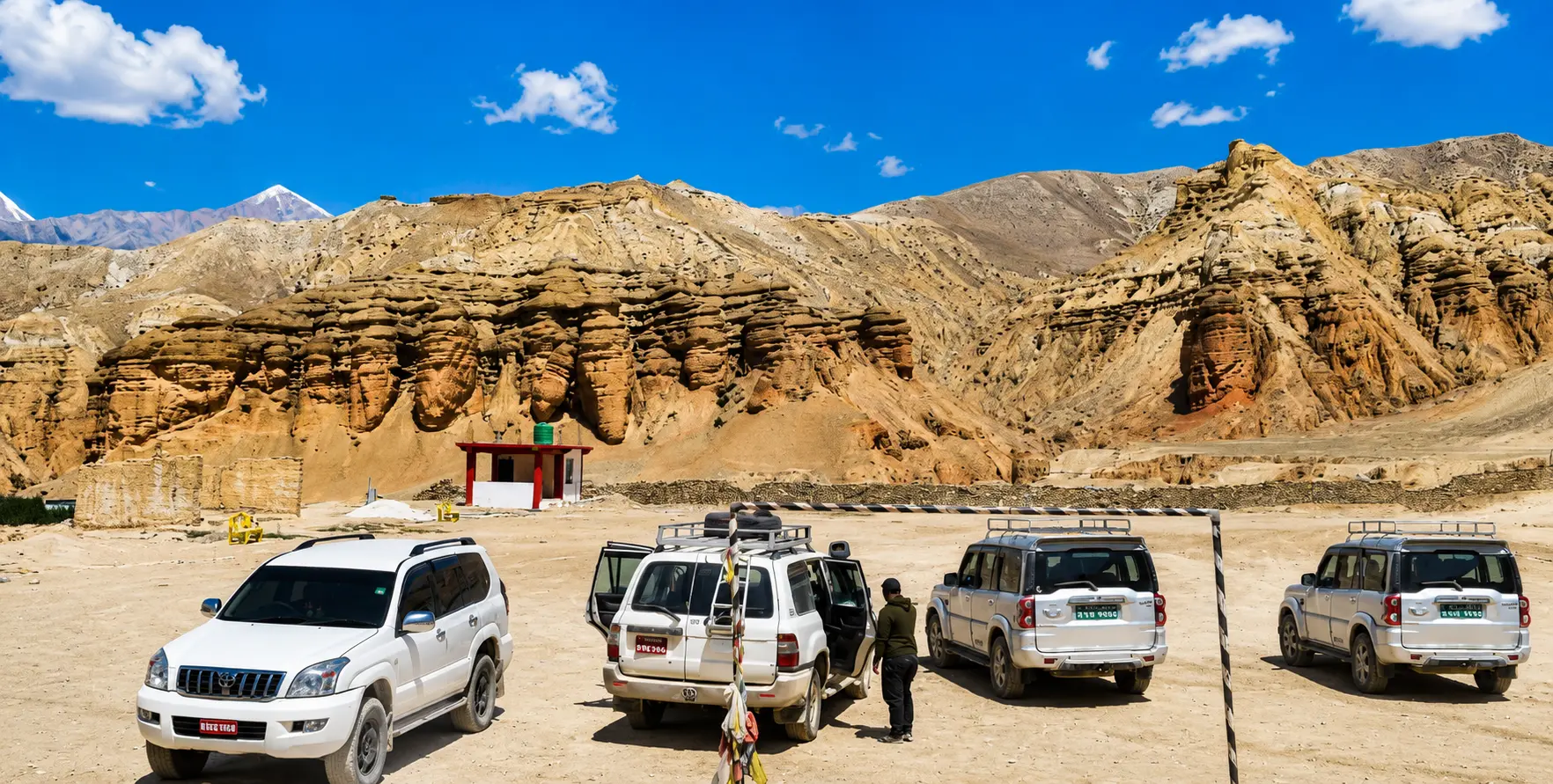
This reliable integration of timing between ground transport and helicopter operations is exactly the kind of detail that distinguishes a fully professional luxury trek support operation from a loosely coordinated collection of separate services.

Complete Cost Framework: Luxury Trek Vehicle Hire

This document consolidates the full range of luxury trek vehicle hire costs available through Nepal Vehicle Hiring Pvt Ltd, organised by tier and use case. All costs are fully inclusive of vehicle, driver, fuel, and applicable tolls. These represent current market rates:

Vehicle TierVehicleWithin Kathmandu (NPR/day)Outside Valley (NPR/day)USD/day (outside)
Ultra Top-endToyota Land Cruiser VXNPR 40,000–55,000NPR 50,000–70,000$375–$525
Top-endToyota Land Cruiser PradoNPR 35,000–50,000NPR 40,000–60,000$300–$450
Top-end SUVToyota FortunerNPR 12,000–30,000NPR 18,000–40,000$135–$280
Corporate/VIPMercedes-Benz GLENPR 20,000–35,000NPR 30,000–50,000$225–$375
Corporate/VIPBMW X5NPR 20,000–35,000NPR 30,000–50,000$225–$375
Access Top-endMahindra XUV700NPR 9,000–16,000NPR 14,000–26,000$105–$165

Booking Your Luxury Trek Vehicle Hire: Best Practices

Successfully integrating luxury vehicle hire into a Nepal trek package requires more planning and coordination than standard jeep hire. The following guidance reflects Nepal Vehicle Hiring Pvt Ltd’s accumulated experience serving luxury trek operators and top-end individual travellers across Nepal’s full range of trekking destinations.

Book as Part of the Trek Package, Not as an Afterthought

The most common vehicle hire planning mistake in the luxury trek context is treating the vehicle transport stages as an afterthought — logistics to be organised after the main trek components (guide, lodge, permits) are confirmed. This approach consistently produces sub-optimal results because vehicle availability for specific top-end models during peak season is more constrained than many travellers appreciate, and because many travellers schedule vehicle hire and coordination too late, requiring coordination.

Hiring Pvt Ltd recommends booking all vehicle hire stages at the same time as the overall luxury trek package, with vehicle type and route details specified alongside the trek itinerary itself.

Specify the Complete Itinerary, Not Just the Trailhead Transfer

A full luxury trek Nepal itinerary typically involves multiple vehicle stages beyond the main trailhead transfer: airport arrival pickup, hotel to heritage site for pre-trek sightseeing, hotel to domestic airport or helicopter pad for the Lukla approach, return vehicle from trek exit trailhead, hotel to airport for departure. Each stage benefits from the same vehicle quality and driver coordination as the main trailhead transfer, and booking all stages together through Nepal Vehicle Hiring Pvt Ltd ensures consistent quality across the journey and often yields better overall pricing than booking each stage separately.
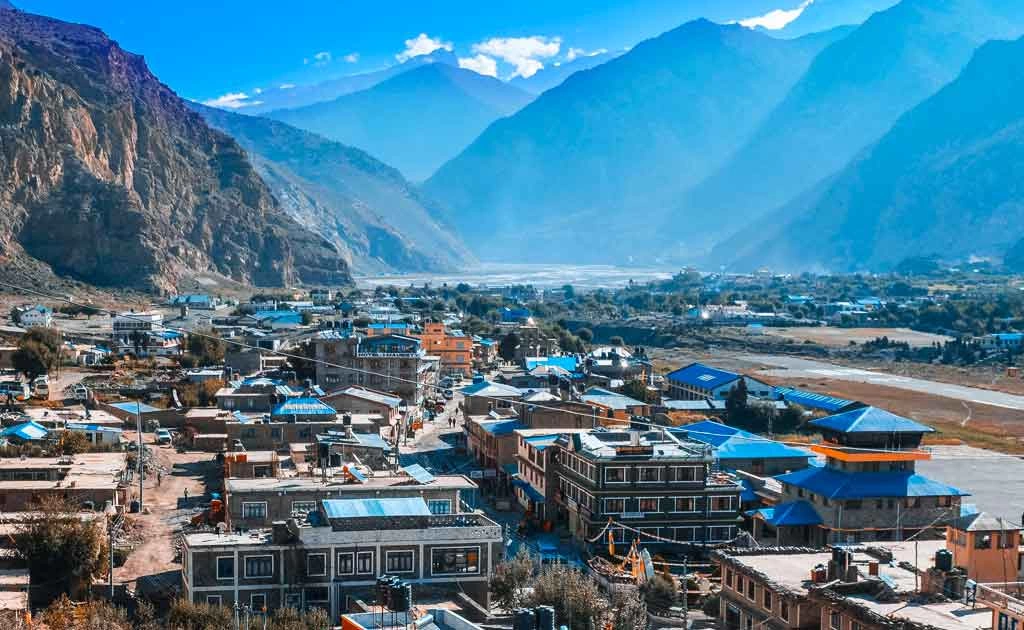
Advance Notice Requirements

During Nepal’s peak luxury trek seasons — October through November and March through April — top-end Land Cruiser and Prado vehicles are in particularly high demand, with operators booking them well in advance for extended multi-day commitments. The following booking timelines are recommended for guaranteed vehicle availability at the preferred quality tier during peak season:

  • Toyota Land Cruiser VX or Prado (multi-day mountain trek): Minimum 2 to 3 weeks’ advance notice in peak season
  • Toyota Fortuner (standard luxury trailhead transfer): Minimum 1 week’s advance notice in peak season
  • Mercedes-Benz, BMW, or similar European luxury (Kathmandu city use): Minimum 1 week’s advance notice
  • Complete golden triangle circuit (multi-day): Minimum 2weeks’s advance notice in peak season
  • Outside peak season: 3 to 5 days’ advance notice is generally sufficient for all vehicle categories

Frequently Asked Questions

What vehicle do you recommend for an Annapurna luxury lodge trek trailhead transfer?

For the Annapurna luxury lodge trek’s Pokhara to Phedi or Nayapul trailhead transfer, we recommend a Toyota Fortuner or equivalent top-end SUV. The road is paved and well-maintained, so you don’t need a full Land Cruiser; the Fortuner offers excellent comfort and quality on this route at a more cost-effective rate. For Ghandruk trailhead access, which involves a rougher approach road, a Land Cruiser Prado performs better.

What does Nepal Vehicle Hiring Pvt Ltd’s luxury trek vehicle hire include?

All luxury trek vehicle hire through Nepal Vehicle Hiring Pvt Ltd includes: the vehicle itself in immaculate condition, a professional English-speaking driver with route-specific experience, fuel for the full agreed journey, all applicable road tolls and vehicle checkpost fees, and 24-hour customer support throughout the engagement. Not included: guide and porter costs, accommodation, meals, trekking permits, and helicopter transfers, which are coordinated separately.

Can I combine ground vehicle hire with helicopter transfers for a luxury Everest trek?

Yes — this is an increasingly common and highly recommended arrangement. Nepal Vehicle Hiring Pvt Ltd coordinates the ground vehicle stages (airport arrival, Kathmandu hotel sightseeing transfers, helipad transfers) while helicopter operators manage the Khumbu flight stages. We work closely with established helicopter operators to ensure timing integration between ground transport and departure/arrival schedules, which is especially important for early-morning helicopter departures.

What is the cost difference between a Land Cruiser and a standard jeep for an Upper Mustang luxury tour?

A standard Mahindra Scorpio or equivalent jeep for a Pokhara to Lo Manthang round trip typically costs NPR 55,000 to NPR 80,000. A Toyota Land Cruiser Prado for the same route costs NPR 80,000 to NPR 120,000. The top-end—roughly NPR 25,000 to NPR 40,000 (approximately USD 188 to USD 300)—reflects significantly superior cabin quality, ride comfort, and safety features for what is typically a 2- to 3-day driving itinerary each way. In the context of a complete luxury Upper Mustang package costing USD 2,500 to USD 5,000 per person, this vehicle top-end represents excellent value for the comfort upgrade it delivers.

How far in advance should I book luxury trek vehicle hire?

During peak trekking seasons (October–November, March–April), Land Cruiser and Prado vehicles should be booked 2 to 3 weeks in advance. Toyota Fortuner and other top-end SUVs require at least 1 week’s notice in peak season. Outside peak season, 3 to 5 days’ advance notice is generally sufficient.

For full multi-day circuit bookings with a dedicated vehicle for 5 to 10 days, book early. Contact vehiclehiringnepal.com to check current availability for your specific dates and requirements.

Is a luxury vehicle hire worth the top-end over a standard jeep for Nepal trekking?

For airport transfers and short city-to-trailhead runs on well-maintained paved roads, a Land Cruiser’s top-end over a standard jeep may offer more comfort than the route strictly demands. For multi-day mountain journeys, long cross-country transfers, demanding off-road routes like the Upper Mustang approach, and any occasion where the vehicle transport is a significant part of the overall luxury travel day rather than a brief functional transit, the top-end of a quality vehicle is consistently justified by the meaningfully superior experience it delivers.

Nepal Vehicle Hiring Pvt Ltd can advise on the specific cost-benefit for each stage of your planned itinerary.

Conclusion: Completing the Luxury Trek Experience

A luxury trek in Nepal is defined by the consistency of quality across every element of the experience — not just the lodge accommodation, not just the guiding excellence, not just the iconic mountain scenery, but every stage of every day, including the hours spent in a vehicle moving between the moments that trekkers will remember most vividly. The Land Cruiser that delivers a trekker to the Annapurna foothills, rested and comfortable after a smooth upland drive from Pokhara.

The top-end SUV that carries a post-trek family from the Kathmandu Valley heritage circuit back to Dwarika’s for their final elegant Nepal dinner. The immaculately presented driver waits at Tribhuvan International Airport arrivals, holding a name board that signals, before a single word is spoken, that everything ahead has been arranged with care.

Nepal Vehicle Hiring Pvt Ltd has built its luxury trek vehicle service around the understanding that top-end travel clients bring top-end expectations to every interaction with the support infrastructure around their adventure — and that meeting those expectations consistently and reliably, at every vehicle stage of every luxury trek journey, is what distinguishes a truly professional service from one that gets most things right while allowing a few transport stages to fall below the standard the overall experience has set. Our luxury fleet, driver team, and coordination approach are designed with this consistency in mind, ensuring the vehicle dimension of Nepal’s finest trekking adventures delivers the same quality as every other element.

Places to Visit in Mustang Nepal: Budget Travel Guide

Discover the best places to visit in Mustang Nepal, from the ancient kingdom of Lo Manthang and sacred Muktinath Temple to Jomsom, Kagbeni, Marpha, and the spectacular landscapes of Upper and Lower Mustang.

Places to Visit in Mustang, Nepal: Budget Travel Guide

When travellers hear that Upper Mustang requires a USD 500 restricted area permit, many immediately assume the entire Mustang region of Nepal is out of reach for budget-conscious travellers. This assumption is both understandable and fundamentally incorrect — because Nepal’s Mustang region is not a single uniform landscape with a single price tag, but rather a vast and extraordinarily diverse highland territory divided into Lower Mustang and Upper Mustang sections that differ dramatically in terms of permit requirements, costs, accessibility, and the specific character of the cultural and natural experiences they offer.

Lower Mustang, encompassing the famous destinations of Jomsom, Marpha, Muktinath, and Kagbeni, requires no special restricted area permit at all — only the standard Annapurna Conservation Area Permit (ACAP) that applies throughout the Annapurna region — and delivers one of the most spectacular and culturally rich landscapes in all of Nepal at a cost that any genuine budget traveller can manage with basic planning.

The key difference between Lower Mustang and Upper Mustang is the one piece of information that unlocks budget travel in this region. Lower Mustang sits on the Nepali side of the Thorong La pass area within the Kali Gandaki gorge — the world’s deepest gorge — and is freely accessible to all trekkers and visitors with the standard ACAP permit.

The spectacular Muktinath Temple at 3,800 metres, the medieval village of Kagbeni that guards the entrance to the upper valley, the apple-orchard paradise of Marpha, the windy but magnificent district headquarters of Jomsom, and the dramatic Kali Gandaki Valley itself — all of these extraordinary destinations are in Lower Mustang, require no special permits beyond the ACAP, and are accessible via the Pokhara to Muktinath jeep hire service or by trekking the classic Annapurna Circuit route.

Upper Mustang — the ancient Kingdom of Lo sealed from the outside world until 1992, featuring the walled medieval capital of Lo Manthang and the extraordinary red-cliff desert landscape that many visitors describe as the closest thing to Tibet accessible anywhere — does require the USD 500 restricted area permit and a licensed guide, making it genuinely more expensive. But even Upper Mustang can be approached budget-consciously with the right transport choices, the right season, and a realistic understanding of what the permit covers and why it offers reasonable value.

This deep-research guide covers every significant place to visit in Mustang, Nepal, for travellers at every budget level — from the backpacker arriving by overnight bus from Kathmandu through Pokhara to the traveller splurging on a private Land Cruiser expedition from Nepal Vehicle Hiring Pvt. Ltd. through the desert plateau of Upper Mustang. The transport choices that make each destination accessible are clearly identified, with Nepal Vehicle Hiring Pvt. Ltd. providing the specific vehicle services—from Pokhara car hire to specialised Upper Mustang jeep expeditions—that make these extraordinary destinations reachable.

Discover the best places to visit in Mustang Nepal, from the ancient kingdom of Lo Manthang and sacred Muktinath Temple to Jomsom, Kagbeni, Marpha, and the spectacular landscapes of Upper and Lower Mustang.

Mustang Budget Travel — Quick Reference

Lower Mustang: Jomsom, Marpha, Muktinath, Kagbeni — No special permit required (ACAP only: NPR 3,000)

Upper Mustang: Lo Manthang, Tsarang, Ghami, Chhoser — Restricted Area Permit: USD 500 for 10 days

Getting There: Pokhara → Jomsom flight (35 min, USD 120–175) OR Pokhara → Jomsom by jeep (8–9 hrs)

Budget Jeep Option: Pokhara to Muktinath by private jeep (NPR 25,000–40,000 full vehicle)

Budget Accommodation: NPR 500–1,500/night in Jomsom, Marpha, Kagbeni teahouses

Budget Meals: Dal Bhat NPR 350–600 in Lower Mustang | NPR 600–1,000 in Upper Mustang

Best Season: March–May (spring) and September–November (autumn) — June–August also good

Vehicle Hire: Nepal Vehicle Hiring Pvt. Ltd. | WhatsApp | vehiclehiringnepal.com

Understanding the Mustang Region — Lower vs Upper

Discover the best places to visit in Mustang Nepal, from the ancient kingdom of Lo Manthang and sacred Muktinath Temple to Jomsom, Kagbeni, Marpha, and the spectacular landscapes of Upper and Lower Mustang.

Lower Mustang: Budget-Friendly and Spectacular

Lower Mustang covers the southern part of the Mustang District, roughly from the Kali Gandaki River junction near Ghasa north through Jomsom to Kagbeni, and west to Muktinath.  It sits broadly within the Annapurna Conservation Area (ACAP) and is governed by the same permit rules that apply to the Annapurna Circuit Trek and the Ghorepani Poon Hill Trek. For foreign nationals in 2026, the ACAP permit costs NPR 3,000—a reasonable amount for access to one of Nepal’s most dramatic and beautiful highland landscapes.

Lower Mustang’s landscape is extraordinary: the Kali Gandaki gorge is carved between the flanking massifs of Dhaulagiri (8,167 meters) and Annapurna (8,091 meters), the world’s deepest gorge,  creating a valley of raw geological drama that frames every journey through this region with mountain scales that defy ordinary comprehension.

The villages of Lower Mustang — Jomsom, Marpha, Tukuche, Kagbeni — are themselves among the finest examples of Thakali cultural architecture in Nepal, characterized by flat-roofed houses, narrow covered alleyways that protect against the fierce afternoon winds, whitewashed walls with dark-framed windows, and the distinctive stone-paved lane networks that give each village its characteristic labyrinthine character. The Thakali people of Lower Mustang are historically among Nepal’s most successful trader communities, who built their wealth through the ancient salt trade between Tibet and the Indian plains along the Kali Gandaki corridor.

This trade brought prosperity to the region and shaped its distinctive cultural character.

Explore the best places to visit in Mustang Nepal, from the ancient walled city of Lo Manthang to Muktinath Temple, Jomsom, Kagbeni, Marpha, and the breathtaking landscapes of Upper and Lower Mustang.

Upper Mustang: Worth Saving For

Upper Mustang begins north of Kagbeni at the official restricted area checkpoint and extends to the Tibetan border.  The landscape transforms dramatically above Kagbeni: the lush terraced farmland and forested hillsides of the Kali Gandaki valley give way to a high-altitude desert plateau of extraordinary visual character — eroded red, orange, and ochre cliffs, ancient cave complexes carved into cliff faces, wind-sculpted badlands, and the sparse, light-catching texture of a landscape that many visitors describe as the most Mars-like accessible on earth. This landscape has made Upper Mustang one of the world’s most celebrated and sought-after adventure photography and cultural travel destinations, and the USD 500 restricted-area permit exists specifically to limit visitor numbers and protect this genuinely unique cultural and environmental integrity.

For budget-conscious travellers, the Upper Mustang permit represents a real cost threshold—USD 500 per person for the first 10 days, plus USD 50 per day for each additional day—that makes Upper Mustang a deliberate financial commitment rather than a casual addition to an itinerary. However, there are meaningful strategies for managing this cost: travelling in a group of four to six shares the 4WD jeep expedition costs that are the primary Upper Mustang transport expense; travelling outside the absolute peak October and March-April windows may find slightly better rates on accommodation; and careful planning of the permit days to match the actual time needed — typically eight to ten days for a complete Upper Mustang circuit — avoids unnecessary permit overage charges.

Budget Places to Visit in Lower Mustang — No Special Permit Needed

Jomsom — The Windy Gateway Town

At 2,720 meters, Jomsom is the district headquarters of Mustang District and the primary transport hub for the entire Mustang region. In this town, the famous Jomsom Airport handles flights from Pokhara, and the road from Pokhara ends at the northern terminus of the vehicle-accessible route.

Jomsom is not a sightseeing destination in the conventional sense — it is a functional, somewhat wind-battered administrative and transport town — but its setting is absolutely extraordinary. The town sits in the Kali Gandaki Valley with the massive wall of Nilgiri (7,061 m) rising directly to the east and the Annapurna range visible on the southern horizon, creating a mountain backdrop of raw scale and power that reminds the visitor at every moment that they are in one of the most geographically extraordinary places on earth.

Explore the best places to visit in Mustang Nepal, from the ancient walled city of Lo Manthang to Muktinath Temple, Jomsom, Kagbeni, Marpha, and the breathtaking landscapes of Upper and Lower Mustang.

The Jomsom to Pokhara journey can be made by the famous small-aircraft flight (USD 120–200 per person, roughly 20 minutes of spectacular mountain flying) or by the progressively improving road via private jeep hire from Nepal Vehicle Hiring Pvt. Ltd.. The Pokhara to Jomsom road follows the Kali Gandaki gorge for approximately 150 km and takes eight to nine hours in a capable 4WD vehicle.  For budget travellers, sharing a Fortuner jeep hire from Pokhara with three or four companions costs NPR 6,000–8,000 per person—competitive with public jeep alternatives while offering the comfort of a private vehicle.

In Jomsom, budget accommodation is readily available at the numerous teahouses along the main street, with basic rooms starting at NPR 500–800 per night. Meals are modest — standard dal bhat (Nepal’s national dish of rice, lentil soup, and vegetable curry, with unlimited refills) is available at most Jomsom teahouses for NPR 400–600 and provides excellent caloric value for trekkers.

The famous Jomsom local apple products — fresh apples in season, apple juice, apple cider vinegar, and the celebrated Marpha apple brandy (available at shops in both Jomsom and Marpha) — are not to be missed and represent excellent value for quality.

Marpha Village — The Apple Capital of Nepal

Marpha village, about 5 kilometres south of Jomsom at 2,670 meters, is widely regarded as one of the most beautiful traditional villages in Mustang District and one of Nepal’s finest examples of Thakali architecture. The village is celebrated throughout Nepal for its extraordinary apple orchards—the hillside orchards surrounding Marpha produce some of the country’s finest apples.
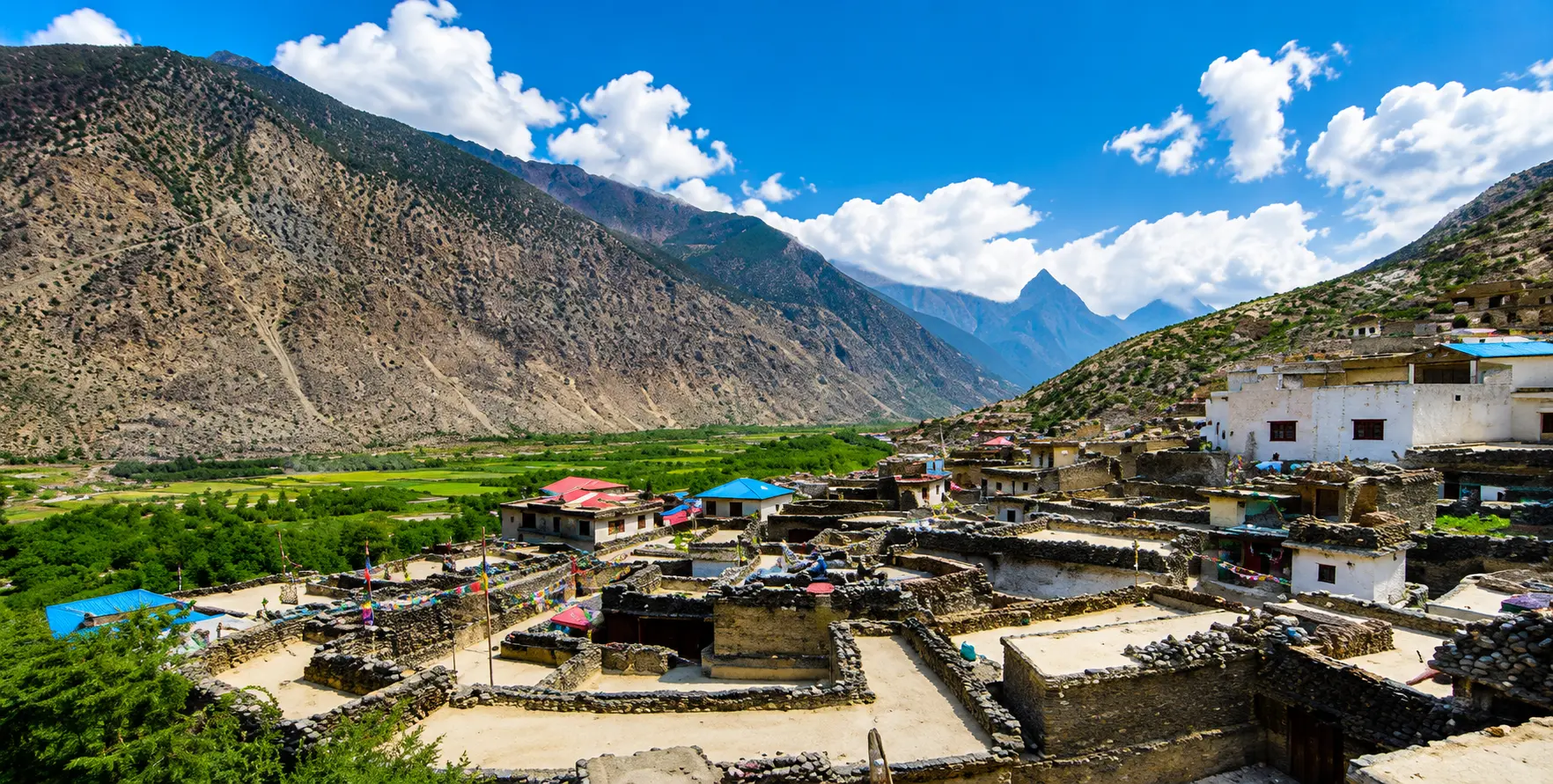
The village’s apple-based products (fresh apples, dried apple chips, apple juice, apple wine, apple brandy, and apple pie at the village teahouses) are central to both its economy and its appeal to visitors. Walking through Marpha’s narrow, paved, whitewashed alleyways—completely protected from the fierce Kali Gandaki afternoon winds by their covered passage design—is one of the most pleasant and in-depth village-walking experiences in Nepal.

Discover the best places to visit in Mustang Nepal, from the ancient kingdom of Lo Manthang and sacred Muktinath Temple to Jomsom, Kagbeni, Marpha, and the spectacular landscapes of Upper and Lower Mustang.

The Marpha Monastery, perched on a hillside above the village, offers an excellent vantage point for photographing the village roofscape and the surrounding valley. In contrast, the village’s water-powered prayer wheel — a technical and spiritual curiosity — demonstrates the ingenuity with which Thakali communities have traditionally harnessed the Kali Gandaki’s resources.

Marpha is easily reached from Jomsom on foot in about 1.5 hours, making it an excellent first-morning walk for travellers arriving on the early Jomsom flight or the overnight jeep service from Pokhara. Budget accommodation in Marpha includes several comfortable teahouses at NPR 600–1,200 per night, and trekkers have described the village’s apple pie as the finest available anywhere on the Annapurna Circuit route.

Muktinath Temple — The Sacred Pilgrimage Destination

Muktinath Temple at 3,800 meters is, without question, the most significant and most visited destination in the Mustang region for most travellers—a sacred site of profound importance to both Hinduism and Buddhism that draws pilgrims from across Nepal and India in enormous numbers throughout the year. The temple complex is dedicated to Vishnu in the Mukti Nath manifestation.

It is one of the 108 Divya Desams (sacred Vishnu shrines) recognised in Vaishnavite Hindu tradition—its status in Hindu devotional geography is equivalent to, or in some traditions surpasses, many better-known Himalayan pilgrimage sites. For Buddhists, the same complex is sacred as a Dakini place associated with the goddess Jwala Mai, and the permanent flame burning at the site — fed by natural gas seeping through the rock — is regarded as a manifestation of the divine that transcends sectarian boundaries.

Explore the best places to visit in Mustang Nepal, from the ancient walled city of Lo Manthang to Muktinath Temple, Jomsom, Kagbeni, Marpha, and the breathtaking landscapes of Upper and Lower Mustang.

The 108 water spouts that surround the main Muktinath temple courtyard — each carved in the form of a bull’s head and dispensing the sacred Gandaki River water that is itself considered holy — provide the primary devotional experience for pilgrims, who circulate the spouts and douse themselves in the icy water as an act of purification. The sight of hundreds of pilgrims performing this circumambulation, many of them older men and women from remote Indian villages who have travelled days or weeks to reach this point, gives Muktinath an atmosphere of concentrated devotional energy among the most powerful at any Himalayan sacred site.

Muktinath is accessible from Jomsom by a road that has improved significantly in recent years, with a local jeep transfer from Jomsom to Muktinath available for NPR 1,500–2,500 per person in shared jeeps (or approximately NPR 8,000–20,000 for the full vehicle in a private jeep booking). Alternatively, many trekkers walk the approximately 5-kilometre climb from Ranipauwa (the village below Muktinath where vehicles park) to the temple complex, a rewarding one- to one-and-a-half-hour uphill walk through prayer-flag-decorated hillside terrain.

Those travelling directly from Pokhara can book the Pokhara-to-Muktinath jeep hire service from Nepal Vehicle Hiring Pvt. Ltd. for NPR 25,000–40,000 for the full vehicle—one of Nepal’s most popular long-distance private jeep routes.

Budget accommodation in the Ranipauwa village below the Muktinath temple — where almost all accommodation for Muktinath visitors is located — starts from NPR 600–1,000 per night for basic but clean teahouse rooms, with more comfortable options available at NPR 1,500–2,500. The village is small, and the accommodation options are concentrated, making it easy to shop around on arrival. The cold at night at 3,800 meters is significant—rooms with attached bathrooms and hot showers are available at NPR 1,200–2,000 and are worth the extra cost for hot water after a day of walking or jeep travel in the mountain air.

Places to visit in Mustang Nepal featuring Lo Manthang, Muktinath Temple, Jomsom, Kagbeni, Marpha, and dramatic Himalayan landscapes

Kagbeni — The Medieval Gateway to Upper Mustang

Kagbeni, at approximately 2,810 meters, is one of the most fascinating and atmospheric villages in the entire Mustang region — a compact, medieval-character settlement at the junction of the Kali Gandaki and Jhong Khola rivers that serves simultaneously as the last major Lower Mustang village and the official restricted area checkpoint beyond which Upper Mustang begins. For budget travellers who do not hold the Upper Mustang restricted area permit, Kagbeni represents the furthest north that the standard ACAP permit allows — and it is an outstanding destination in its own right, offering an authentic and genuinely atmospheric taste of the Upper Mustang cultural landscape without the financial commitment of the restricted area permit.

The village of Kagbeni is visually extraordinary: its dense cluster of red-painted fortress walls, flat-roofed mud-brick houses, and narrow alleyways gives it an unmistakably medieval character that is closer to the architectural atmosphere of a Tibetan village than to anything in the Lower Mustang towns below. The Kag Chode Thubten Samphel Ling Monastery — a large, active Sakya monastery perched dramatically above the village — is one of the most impressive religious buildings in the Mustang region and welcomes respectful visitors.

The view north from Kagbeni into the beginning of the Upper Mustang plateau offers a tantalising preview of the red-cliff desert landscape that characterises the restricted area beyond, and many visitors report that simply sitting by the Kagbeni checkpoint and looking north is one of the most striking atmospheric moments of their entire Nepal journey.

Kagbeni is about a 2-hour walk from Jomsom along the flat river-valley track, or reachable by local jeep in about 30 to 45 minutes. Budget teahouse accommodation in Kagbeni starts from NPR 500–800 per night, and several teahouses offer rooftop seating with exceptional views of the surrounding landscape — particularly rewarding in the late afternoon when the light turns the surrounding cliffs warm shades of amber and gold.
Places to visit in Mustang Nepal featuring Lo Manthang, Muktinath Temple, Jomsom, Kagbeni, Marpha, and dramatic Himalayan landscapes

The Kali Gandaki Gorge — A Landscape That Defies Comprehension

The Kali Gandaki Gorge itself — the extraordinary geological feature that runs through the heart of Lower Mustang and defines the region’s visual experience — is one of Nepal’s most overwhelming natural landscapes, and it requires no permit beyond the standard ACAP. At its deepest measurement points, the gorge plunges approximately 6,000 meters from the flanking summits of Dhaulagiri and Annapurna to the riverbed below, making it the world’s deepest gorge by some definitions — a geological wonder of a scale that only becomes comprehensible when standing on the valley floor and craning upward at the walls that seem to go on forever.

The gorge’s most distinctive and practically important characteristic for Mustang travellers is the daily wind pattern that has shaped life in this valley for millennia: from late morning through the afternoon, a powerful up-valley wind — locally known as the Kali Gandaki updraft — funnels through the gorge with remarkable regularity and intensity, sometimes reaching speeds of 60 to 80 kilometres per hour. The traditional communities of the Mustang region have structured their entire daily schedule around this wind pattern—early morning travel and activity, with rest and shelter from midday onward—and experienced travellers quickly learn to adopt the same approach.

The best time to walk in the Kali Gandaki valley is early morning b, before 9 or 10 AM, when the air is still, the light is warm, and you can appreciate the extraordinary landscape without the distraction and discomfort of the afternoon wind.

Explore the best places to visit in Mustang Nepal, from the ancient walled city of Lo Manthang to Muktinath Temple, Jomsom, Kagbeni, Marpha, and the breathtaking landscapes of Upper and Lower Mustang.

Tukuche and Lete — The Forgotten Villages of Lower Mustang

South of Jomsom and Marpha, the villages of Tukuche and Lete are among the most rewarding and least visited destinations in Lower Mustang — traditional Thakali communities whose historical importance in the trans-Himalayan salt trade made them among the wealthiest villages in nineteenth-century Nepal and whose architectural legacy reflects that prosperity in extraordinary detail. Tukuche is celebrated for its large, well-preserved Thakali merchant houses—some of the finest examples of this domestic architectural tradition anywhere in Nepal—and for the Himalayan Distillery, which has produced the famous Mustang brandy since 1975 and still offers tours and tastings to visitors.

The village sits on the classic Annapurna Circuit trekking route, so it sees significant foot traffic from passing trekkers. Still, most move through without stopping for more than a brief rest—making it a rewarding destination for travellers who take the time to explore its lanes and architectural heritage at a slower pace.

Upper Mustang — Making the Forbidden Kingdom Affordable

Lo Manthang — The Walled City of the Forbidden Kingdom

At 3,840 meters, Lo Manthang is the ancient walled capital of the Kingdom of Lo — a living medieval city of extraordinary historical and cultural significance that remains one of Nepal’s most remote, most authentic, and most atmospheric destinations. The city’s whitewashed defensive walls, enclosing a dense settlement of traditional Tibetan-influenced buildings, four major monasteries, the five-story royal palace of the King of Mustang, narrow winding alleyways, and the daily rhythms of a community whose cultural life continues largely as it has for centuries, create an experience that is genuinely unlike anything else accessible by road anywhere in the Himalayan world.

The most budget-conscious approach to Lo Manthang is the shared jeep expedition from Jomsom — organising a group of four to six travellers to share the cost of a Land Cruiser or Fortuner hire from Jomsom to Lo Manthang and back, which reduces the per-person vehicle cost significantly while maintaining the efficiency of vehicle transport on the rough Upper Mustang plateau tracks. Nepal Vehicle Hiring Pvt. Ltd. provides specialised Upper Mustang jeep expedition services with Land Cruiser vehicles and drivers experienced on the plateau tracks beyond Kagbeni, who understand the afternoon wind schedule, know the locations of the few fuel sources, and have navigated the plateau’s more challenging sections in all seasonal conditions.

The three great monasteries of Lo Manthang — Thupchen Gompa, Jampa Lhakhang, and Chode Gompa — are among the finest examples of Tibetan Buddhist religious art and architecture accessible anywhere outside Tibet itself. Thupchen Gompa, in particular, houses a remarkable collection of murals painted in the fifteenth and sixteenth centuries, considered among the most significant surviving examples of Tibetan Buddhist painting in the Himalayan world, and has been the subject of major international conservation efforts.

Visiting all three monasteries during a Lo Manthang stay is free beyond the RAP permit and deeply rewarding for anyone interested in Himalayan Buddhist art and culture.
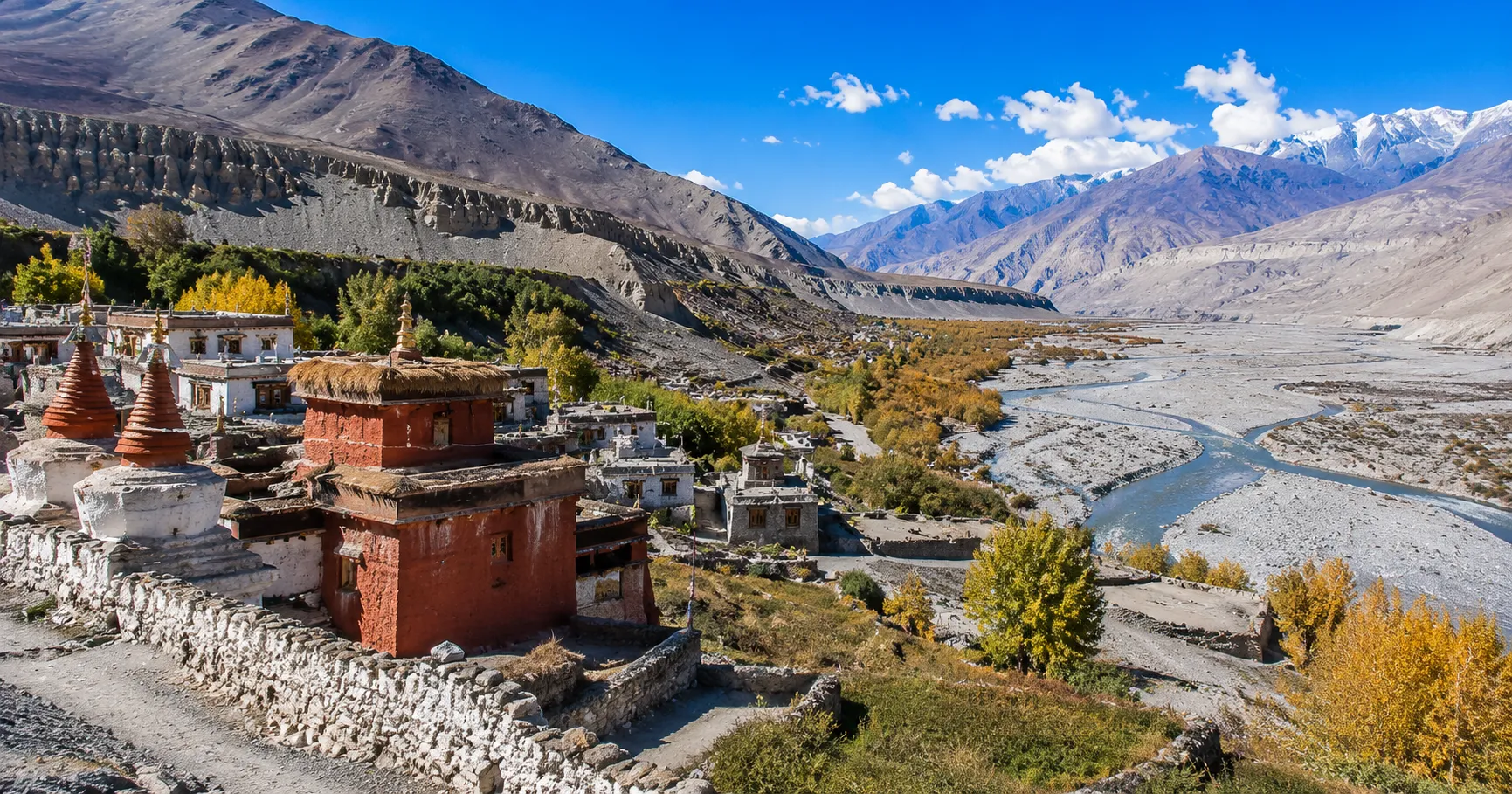
Explore the best places to visit in Mustang Nepal, from the ancient walled city of Lo Manthang to Muktinath Temple, Jomsom, Kagbeni, Marpha, and the breathtaking landscapes of Upper and Lower Mustang.

Tsarang — The Ancient Sub-Capital

At 3,560 meters and about 8 kilometres south of Lo Manthang, Tsarang is one of Upper Mustang’s most significant historical sites and an important destination for travellers spending more than a day or two in the restricted area. The village is dominated by the magnificent ruins of the Tsarang Fort and the Tsarang Monastery — a remarkable Sakya monastery built in the fourteenth century whose assembly hall contains exceptional thangkas and wall paintings.

The cliff-top location of Tsarang above the Mustang valley provides some of the finest panoramic views of the Upper Mustang landscape available from any easily accessible vantage point, and the walk from Lo Manthang to Tsarang — approximately two to three hours on a clear plateau track — is one of the most beautiful and meditative walks in the entire region.

The Sky Caves of Mustang — Ancient Cliff Dwellings

One of the Mustang region’s most extraordinary and least-known attractions is its collection of sky caves—ancient cliff-dwelling complexes carved or naturally formed in the vertical face of the red and ochre cliffs that characterise the Upper Mustang landscape. These caves, some dating back more than two thousand years and many accessible only by rope or ladder, have yielded extraordinary archaeological discoveries in recent decades: manuscripts, human remains, ritual objects, and painted artefacts that suggest sophisticated human habitation at these extraordinary heights long before the recorded history of the Mustang kingdom.

The most accessible and famous sky cave concentration is near the village of Chhoser, north of Lo Manthang, where a cluster of cave complexes includes several with painted interiors and significant archaeological content. Most Upper Mustang itineraries include day excursions to the Chhoser area from Lo Manthang, typically by local jeep hire from the Lo Manthang parking area, adding archaeological and historical intrigue to the region’s already rich experiential portfolio.

Explore the best places to visit in Mustang Nepal, from the ancient walled city of Lo Manthang to Muktinath Temple, Jomsom, Kagbeni, Marpha, and the breathtaking landscapes of Upper and Lower Mustang.

The Ghami Monastery and the Long Mani Wall

Ghami village at approximately 3,520 metres on the classic Upper Mustang jeep and trek route between Kagbeni and Lo Manthang is home to two of the region’s most notable cultural landmarks: the Ghami Monastery, one of the oldest in Mustang, and the Long Mani Wall — a centuries-old prayer wall more than 400 metres in length, covered in thousands of mani stones inscribed with the Buddhist mantra Om Mani Padme Hum and stretching across the plateau in a structure that is simultaneously one of the longest and one of the most devotionally charged religious objects in the entire Himalayan world. Pilgrims always circumambulate the Ghami Mani Wall clockwise, and passing through Ghami without pausing to walk its length means missing one of Upper Mustang’s most quietly extraordinary experiences.

How to Reach Mustang — Budget Transport Options

The Budget Route: Kathmandu to Pokhara to Jomsom

The most budget-conscious route to the Mustang region from Kathmandu runs as follows: an overnight tourist bus from Kathmandu to Pokhara (NPR 1,000–1,500, approximately 6–7 hours); a day in Pokhara to obtain permits and rest; and then either the early morning Pokhara to Jomsom flight (USD 120–200 per person, 20 minutes of spectacular mountain flying) or the longer Pokhara to Jomsom by road option (shared jeep NPR 1,500–2,000 per person, 8–9 hours, or private jeep hire from Nepal Vehicle Hiring Pvt. Ltd. at NPR 22,000–40,000 for the full vehicle). The flight is significantly faster and provides extraordinary aerial views of the Annapurna range.

Still, the road journey through the Kali Gandaki gorge is itself one of Nepal’s most dramatic and rewarding overland experiences. Travellers often prefer it to start the Mustang experience as early as possible.

For the most budget-efficient option overall—for solo travellers or couples—sharing a Pokhara to Muktinath private jeep hire with other travellers met in Pokhara Lakeside is consistently the most cost-effective private-vehicle solution. Nepal Vehicle Hiring Pvt. Ltd. can sometimes facilitate connections between travellers with compatible Mustang itineraries who want to share vehicle costs — contact the team on WhatsApp or vehiclehiringnepal.com to enquire about this possibility for your travel dates.

The Mid-Budget Route: Direct Pokhara to Muktinath Jeep Hire

For travellers whose primary Mustang goal is Muktinath Temple and the Lower Mustang region, the most common Lower Mustang itinerary—the Pokhara-to-Muktinath direct private jeep hire — is the most time-efficient and comfortable option. The Nepal Vehicle Hiring Pvt. Ltd. service covers approximately 165 km via Beni and the Kali Gandaki gorge in a day, delivering travellers directly to Ranipauwa below the Muktinath temple for NPR 25,000–40,000 all-inclusive in a Toyota Fortuner.

For a group of five or six sharing the vehicle, the per-person cost of NPR 4,200–7,000 is genuinely competitive with shared jeep alternatives while providing the significant advantages of hotel pickup in Pokhara, flexible timing, and direct delivery to the destination.

The Pokhara to Muktinath road journey itself is one of Nepal’s most dramatically scenic drives — the progressive entry into the Kali Gandaki gorge, the views of Dhaulagiri and Annapurna growing larger as the vehicle climbs northward, the passage through Tatopani and Ghasa, the apple orchards of Marpha, and the final approach through the increasingly arid and wind-swept Mustang plateau terrain to the temple — provides a visual narrative of Nepal’s extraordinary geographic diversity that no other single road journey can replicate. Nepal Vehicle Hiring Pvt. Ltd.’s drivers know the Sanakphu Road well and typically suggest leaving Pokhara by 7:00 AM to ensure you arrive at Muktinath before the afternoon winds pick up.

Explore the best places to visit in Mustang Nepal, from the ancient walled city of Lo Manthang to Muktinath Temple, Jomsom, Kagbeni, Marpha, and the breathtaking landscapes of Upper and Lower Mustang.

Permits Required for Mustang — Complete Guide

ACAP Permit — Required for All of Mustang

The Annapurna Conservation Area Permit (ACAP), NPR 3,000 for foreign nationals, is the foundational permit required to enter any part of the Mustang region, both Lower and Upper. Obtain this permit from the Nepal Tourism Board office in Kathmandu or the NTNC office in Pokhara before departure. SAARC nationals pay NPR 200 for the ACAP.
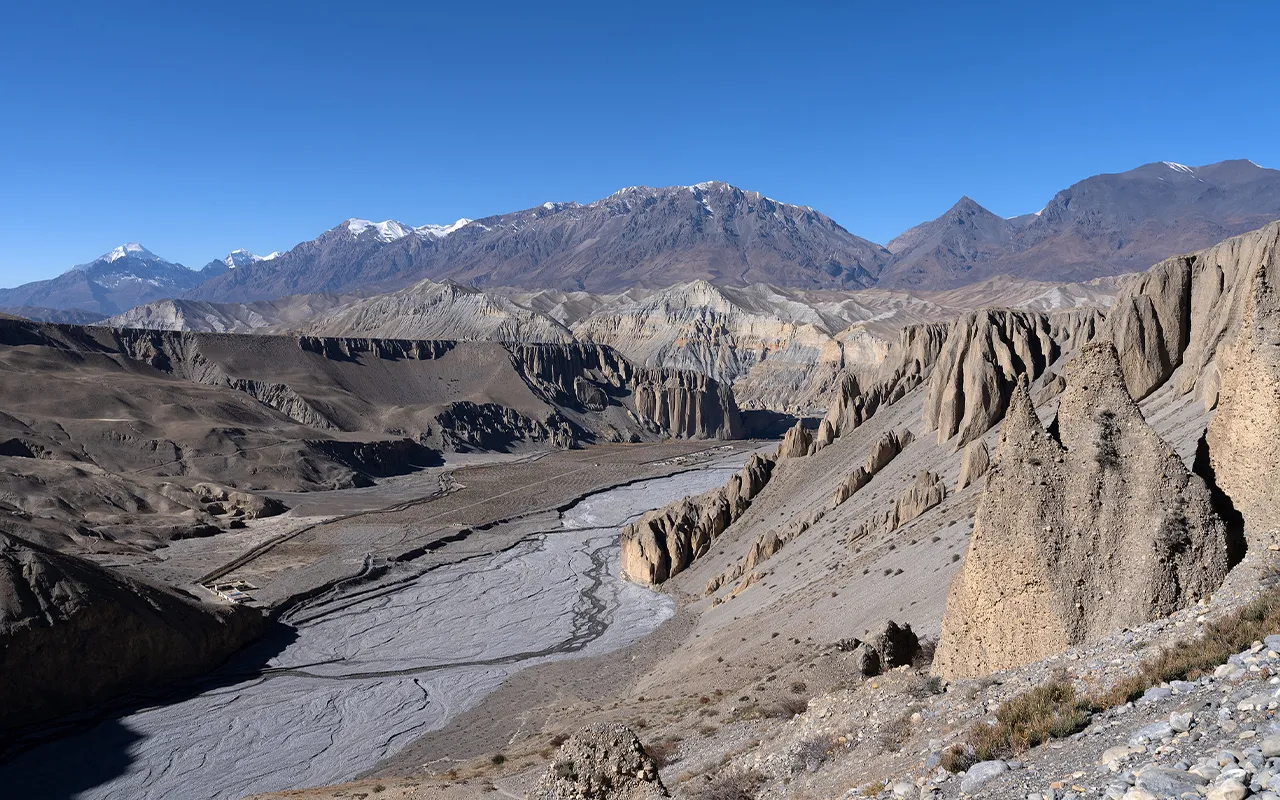
The permit covers the entire Annapurna Conservation Area, including all of Lower Mustang and the approach roads.

TIMS Card — Required for Trekking

The TIMS Card (NPR 2,000 for individual trekkers, NPR 1,000 with a registered agency) is required for all trekkers in Nepal’s major trekking areas, including Mustang. Like the ACAP, it is best obtained in Kathmandu or Pokhara before departure.
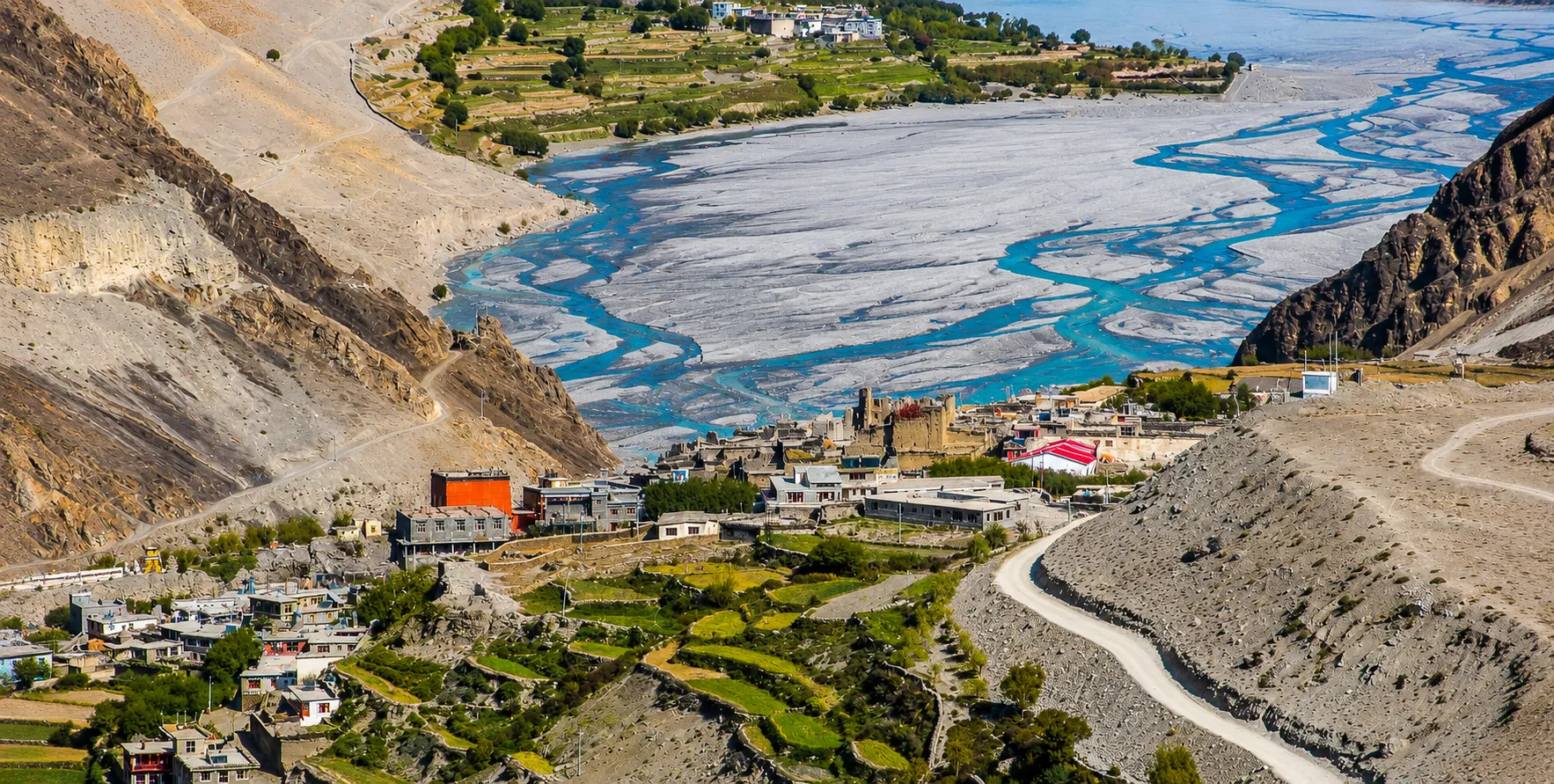
Upper Mustang Restricted Area Permit — For Lo Manthang and Beyond

The Restricted Area Permit (RAP) for Upper Mustang has changed significantly in 2026. The 2026 policy requires all foreign nationals to pay USD 500 per person for the first 10 days in the restricted area, plus USD 50 per day for each additional day. Crucially, the 2026 regulation requires that all Upper Mustang visitors be accompanied by a licensed guide arranged through a registered agency — independent trekking or jeep touring in Upper Mustang without a licensed guide is not permitted.
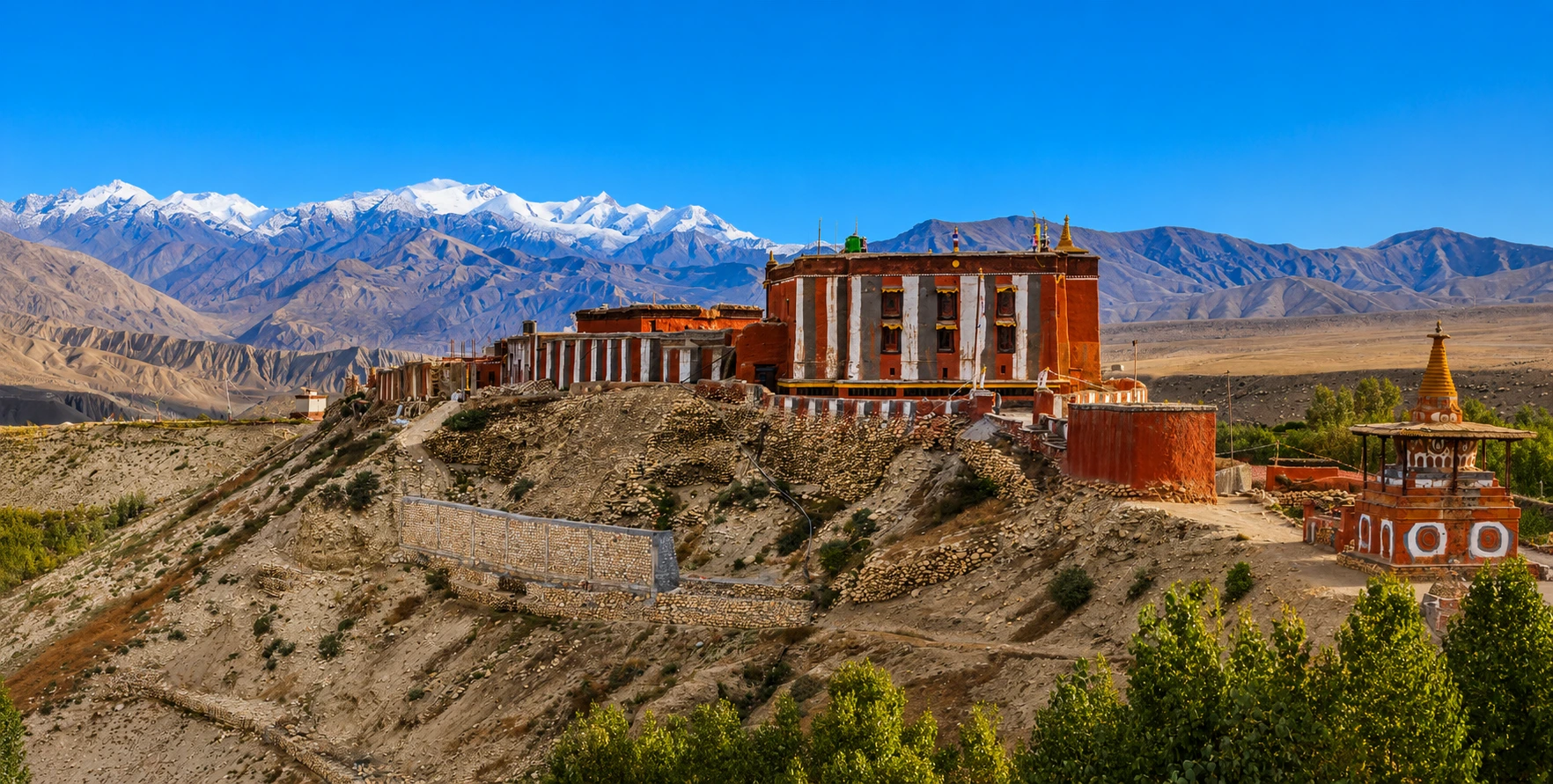
You cannot obtain the RAPd independently; you must arrange it through a registered trekking agency. This guide and agency requirement is a genuine additional cost consideration for budget travellers planning Upper Mustang.

The mandatory guide requirement for Upper Mustang does not apply to Lower Mustang — Jomsom, Marpha, Muktinath, Kagbeni, and the Kali Gandaki valley south of the Kagbeni checkpoint can all be visited independently with only the ACAP and TIMS card. This makes Lower Mustang genuinely budget-accessible, unlike Upper Mustang, with its USD 500 RAP and mandatory guide.

Budget travellers should plan their Mustang itinerary with this distinction clearly in mind.

Explore the best places to visit in Mustang Nepal, from the ancient walled city of Lo Manthang to Muktinath Temple, Jomsom, Kagbeni, Marpha, and the breathtaking landscapes of Upper and Lower Mustang.

Budget Accommodation and Food in Mustang

Teahouse Culture — Mustang’s Budget Accommodation Network. Mustang’s teahouse accommodation network is well developed throughout Lower Mustang and increasingly so in Upper Mustang, and it forms the backbone of budget travel in the region. In Lower Mustang villages — Jomsom, Marpha, Kagbeni, Ranipauwa, Tukuche — basic but functional teahouse rooms with shared bathroom facilities start from NPR 500–800 per night, with attached bathroom and hot shower available at NPR 800–1,500. These prices are broadly similar to teahouse rates elsewhere in the Annapurna and Everest trekking regions, though energy costs in remote locations mean that some services carry a top-end.

In Upper Mustang — particularly in Tsarang and Lo Manthang — accommodation is more limited and consequently more expensive, with basic double rooms starting from approximately NPR 1,000–1,500 and running to NPR 2,500–4,000 for the best available rooms in the village. The accommodation market in Lo Manthang has improved considerably as the region’s tourism infrastructure has developed.

Still, it remains genuinely basic compared to the more established trekking circuits. Most Upper Mustang teahouses offer accommodation at very low or zero cost to guests who eat their meals there. This common Himalayan teahouse arrangement bundles accommodation costs with meals, so negotiating them separately is often impractical.

Explore the best places to visit in Mustang Nepal, from the ancient walled city of Lo Manthang to Muktinath Temple, Jomsom, Kagbeni, Marpha, and the breathtaking landscapes of Upper and Lower Mustang.

Eating on a Budget in Mustang

Dal bhat — Nepal’s national dish and the single most important element of budget eating throughout the country — is universally available in Mustang teahouses and represents the best caloric and nutritional value available at any price point in the region. A standard dal bhat in Lower Mustang teahouses costs NPR 400–600 and includes unlimited rice and lentil soup refills, plus seasonal vegetable curry and often a side of pickle—enough calories for a full day of mountain trekking or vehicle travel.

In Upper Mustang, dal bhat prices rise to approximately NPR 700–1,000, reflecting the higher logistics cost of supplying remote villages.

Beyond dal bhat, Mustang-specific food specialities offer budget-friendly culinary experiences you shouldn’t miss. The famous Marpha apple products — apple pie at teahouses (NPR 150–300), dried apple snacks (NPR 100–200 per packet), apple juice (NPR 150–250 per glass) — are widely available in Jomsom and Marpha at modest prices.

Thakali cuisine—the traditional cooking of Mustang’s Thakali community, characterised by well-spiced meat dishes, thick dal, and buckwheat bread—is available at speciality Thakali restaurants in Jomsom and some teahouses in Marpha, offering an outstanding introduction to a regional cuisine distinct from standard Nepali teahouse fare.

Discover the best places to visit in Mustang Nepal, from the ancient kingdom of Lo Manthang and sacred Muktinath Temple to Jomsom, Kagbeni, Marpha, and the spectacular landscapes of Upper and Lower Mustang.

Best Season and Timing for Budget Mustang Travel

The Mustang region has one of the most distinctive and genuinely helpful seasonal patterns of any Nepal trekking destination — its position in the rain shadow of the Annapurna and Dhaulagiri ranges means that Lower Mustang and Upper Mustang remain accessible and enjoyable throughout the year, including the monsoon months of June through September when most of Nepal’s trekking destinations are significantly less rewarding due to rainfall, cloud cover, and leeches.

The spring season from March through May is Mustang’s most celebrated time — the Kali Gandaki valley is clear, the rhododendron forests on the approach from Pokhara are in bloom, and the famous Tiji Festival of Lo Manthang (typically held in May, though exact dates vary annually) brings three days of extraordinary costumed dance, mask ritual, and religious ceremony that represents the single most spectacular cultural event accessible anywhere in Nepal. For budget travellers who can plan around the Tiji Festival dates, the festival atmosphere and spring clarity make May one of the best months to visit Upper Mustang—though accommodation in Lo Manthang is in high demand during Tiji and should be booked well in advance.

Explore the best places to visit in Mustang Nepal, from the ancient walled city of Lo Manthang to Muktinath Temple, Jomsom, Kagbeni, Marpha, and the breathtaking landscapes of Upper and Lower Mustang.

The autumn season from September through November offers the clearest mountain visibility and the most reliable walking and driving conditions on both the Kali Gandaki road and the Upper Mustang plateau tracks. October is consistently rated the finest single month for Mustang travel—the air is clear and cool, the landscape has been freshened by the tail end of the monsoon, and the afternoon winds, while still present, are at their least ferocious of the year.

The Pokhara-to-Muktinath jeep hire and Upper Mustang jeep expedition services from Nepal Vehicle Hiring Pvt. Ltd. see their highest demand in October and November—early booking is essential for this period.

Rather than avoiding the monsoon season from June through September, experienced Mustang travellers actively recommend it for the Upper Mustang experience. While the approach road from Pokhara through the Kali Gandaki can be affected by occasional landslides during heavy monsoon rainfall, the Upper Mustang plateau itself receives very little monsoon rain, and the Lower Mustang villages provide a genuine off-season tranquillity with significantly lower accommodation prices and a complete absence of the crowds that characterise the peak months.

Nepal Vehicle Hiring Pvt. Ltd. — Your Mustang Transport Partner

Reaching Mustang’s extraordinary destinations from Pokhara or Kathmandu requires the right vehicle, an experienced driver, and a transport provider that understands the specific demands of Mustang’s roads. Nepal Vehicle Hiring Pvt. Ltd. provides a full range of Mustang transport services—from Pokhara-to-Muktinath jeep hire for Lower Mustang visitors to specialised Upper Mustang Land Cruiser expeditions that take permitted travellers through the full restricted area to Lo Manthang.

The company’s Pokhara car hire service covers all Pokhara-based transfers and sightseeing, with experienced drivers available at any time from your Lakeside hotel. For travellers starting their Nepal journey in Kathmandu, we offer Kathmandu sightseeing tours, Bhaktapur Durbar Square day tours, and Nagarkot sunrise tours before your onward journey to Pokhara and Mustang.

Nepal Vehicle Hiring Pvt. Ltd.‘s 8,000+ satisfied customers, 5.0 TripAdvisor rating, and 200+ verified five-star reviews reflect a consistent standard of service that makes it Nepal’s most trusted private vehicle hire provider — particularly for the demanding mountain routes of the Mustang region.

Book Your Mustang Vehicle with Nepal Vehicle Hiring Pvt. Ltd.

Website: www.vehiclehiringnepal.com

WhatsApp (24/7 Support)

Email: [email protected]

Office: Bhagawatisthan, Thamel, Kathmandu, Nepal

Pokhara to Muktinath Jeep: Toyota Fortuner | NPR 25,000–45,000 (full vehicle)

Pokhara to Jomsom Road: Toyota Fortuner/Land Cruiser | NPR 22,000–30,000

Upper Mustang: Land Cruiser | NPR 35,000–70,000/day

Budget Group Sharing: Per-person cost NPR 4,000–7,000 for groups of 5–6

Explore the best places to visit in Mustang Nepal, from the ancient walled city of Lo Manthang to Muktinath Temple, Jomsom, Kagbeni, Marpha, and the breathtaking landscapes of Upper and Lower Mustang.

Pre-Mustang Kathmandu and Pokhara Activities

Most travellers visiting Mustang spend time in either Kathmandu or Pokhara before heading into the Mustang region, and both cities reward the time invested in pre-Mustang exploration. In Kathmandu, the Kathmandu sightseeing tour from Nepal Vehicle Hiring Pvt. Ltd. covers Boudhanath, Pashupatinath, Swayambhunath, and Patan in a single comfortable day by private vehicle.

The Bhaktapur Durbar Square day tour adds Nepal’s finest medieval city to the pre-Mustang cultural circuit. In contrast, th the Nagarkot sunrise tour from Nepal Vehicle Hiring Pvt. Ltd. provides a first glimpse of the Himalayan range that Mustang will bring the traveller directly into

In Pokhara, the day before the Mustang departure is best used for permit collection at the Pokhara NTNC office and a restful evening at Lakeside. The car hire service from Nepal Vehicle Hiring Pvt. Ltd. is available for Pokhara city sightseeing, Sarangkot viewpoint, World Peace Pagoda, the International Mountain Museum, and Phewa Lake before the Mustang departure.

Sarangkot sunrise from Pokhara offers the best preview of the Annapurna and Dhaulagiri ranges that frame the Mustang journey, and many experienced Mustang travellers recommend starting their Pokhara stay with Sarangkot sunrise to orient themselves to the mountain geography they are about to enter at ground level.

The Kathmandu to Pokhara private vehicle hire from Nepal Vehicle Hiring Pvt. Ltd. connects the two cities efficiently along the Prithvi Highway, a 200 km journey that takes five to seven hours and can include stops at the famous riverside restaurants at Malekhu and the celebrated curd vendors at Mugling. Booking the Kathmandu to Pokhara jeep hire and the Pokhara to Muktinath transfer together through Nepal Vehicle Hiring Pvt. Ltd. creates a fully coordinated transport chain from Kathmandu to Muktinath with a single trusted provider—the most efficient and stress-free way to organise the complete Nepal and Mustang journey.

Explore the best places to visit in Mustang Nepal, from the ancient walled city of Lo Manthang to Muktinath Temple, Jomsom, Kagbeni, Marpha, and the breathtaking landscapes of Upper and Lower Mustang.

Frequently Asked Questions — Mustang Budget Travel

Can I visit Mustang without a special permit?

Yes — Lower Mustang, including Jomsom, Marpha, Muktinath, Kagbeni, and the Kali Gandaki gorge, requires only the standard ACAP permit (NPR 3,000 for foreign nationals), with no special restricted-area permit. Only Upper Mustang — north of Kagbeni, including Lo Manthang — requires the USD 500 Restricted Area Permit. Budget travellers who limit their Mustang itinerary to Lower Mustang can reach extraordinary destinations with minimal permit costs.

How much does it cost per day to travel in Lower Mustang on a budget?

A realistic budget daily cost in Lower Mustang for an independent traveller in 2026 is about NPR 2,500–4,000 per day, covering a basic teahouse room (NPR 600–1,000), two meals (NPR 500–1,200 each), and incidentals. The ACAP permit costs NPR 3,000 and is a one-time fee spread across the trip. Transport within Lower Mustang — shared jeeps between villages — is NPR 200–500 per person per short journey, making it very affordable.

Is the Tiji Festival worth planning around?

Absolutely — the Tiji Festival in Lo Manthang is considered one of the most extraordinary cultural events accessible in Nepal and the Himalayan world. The three-day festival of masked dance, ritual music, and costumed ceremony in the courtyard of the Lo Manthang monastery complex draws visitors from across the world specifically to witness it.

However, it requires an Upper Mustang RAP permit (USD 500), a licensed guide, and advance accommodation booking. Fortravellerss with the budget for Upper Mustang, the Tiji Festivalitimingg—typically late May—is one of the most compelling reasons to choose that travel window.

Is Mustang safe for budget solo travellers?

Lower Mustang is safe and suitable for solo budget travellers and offers a standard Nepal trekking experience. Routes are well-marked, teahouses are consistently available, mobile phone coverage exists in most Lower Mustang villages, including Jomsom and Ranipauwa, and the Kali Gandaki road is well served by shared vehicles.

The main practical challenges for solo travellers are the afternoon winds, which make exposed walking uncomfortable, and the altitude, which requires appropriate acclimatisation (Muktinath is at 3,800 m). Upper Mustang requires a licensed guide by regulation and should not be attempted independently regardless of experience. book ao I book a Pokhara-to-Mukti with Nepal Vehicle Hiring?

Contact Nepal Vehicle Hiring Pvt. Ltd. via WhatsApp, by email at [email protected], or through vehiclehiringnepal.com.  Provide your departure date from Pokhara, group size, vehicle preference, and any planned stops along the Kali Gandaki route. The team confirms bookings and provides the driver’s contact details. Book at least 2–3 days in advance during peak season (October and March–May), or same-day during off-peak periods.

Conclusion: Mustang Is More Accessible Than You Think

The most important takeaway from this guide is one too many potential visitors to the Mustang region miss: most of Mustang’s most extraordinary destinations are genuinely budget-friendly.  The Kali Gandaki gorge, Muktinath Temple, Marpha village, Kagbeni, and Jomsom — each remarkable in its own right, together constituting one of the finest concentrations of natural and cultural highlights available in any single Nepal travel corridor — all lie in Lower Mustang and require nothing beyond the standard ACAP permit at NPR 3,000. The USD 500 restricted area permit for Upper Mustang opens an extraordinary additional dimension: Lo Manthang and the ancient forbidden kingdom. Still, it is not a prerequisite for a Mustang experience of genuine depth and lasting impact.

Whether you arrive by shared jeep from Pokhara on the most budget-conscious arrangement possible, or by private Fortuner jeep hire from Nepal Vehicle Hiring Pvt. Ltd. with the flexibility and comfort that a quality private vehicle provides, the destinations of Mustang deliver an experience that is in all the ways that matter — the scale of the landscape, the depth of the cultural heritage, the spiritual power of the pilgrimage sites, the extraordinary quality of the light on the red cliffs and the desert plateau — entirely worth the journey. Contact Nepal Vehicle Hiring Pvt. Ltd. at +977WhatsApp or visit vehiclehiringnepal.com for Kathmandu sightseeing tours, Bhaktapur day trips, Nagarkot sunrise, and all Nepal vehicle hire needs, and plan your Mustang vehicle hire today.

Kerung to Sunauli Border Transfer After Kailash Yatra

Book a reliable Kerung to Sunauli Border transfer after Kailash Yatra with private cars, 4WD jeeps, Scorpio SUVs, Hiace vans, or buses. Enjoy flexible pickup, comfortable travel, and experienced drivers for your return journey across Nepal.

Kerung to Sunauli Border Transfer After Kailash Yatra

The return journey from Kailash Mansarovar has a unique quality that belongs only to it. This quality distinguishes it from every other return journey a person makes in their lifetime.

Those who have completed the 52-kilometre parikrama around Mount Kailash at altitudes approaching 5,700 metres at the Dolma La Pass, who have bathed in the icy sacred waters of Lake Mansarovar at 4,590 metres as the first light of dawn illuminates the snow peaks reflected in the lake’s impossible blue surface, who have prostrated themselves before the world’s most holy mountain as four of humanity’s greatest religious traditions agree it to be — these pilgrims return across the Kerung border into Nepal carrying something different from what they brought across in the outbound direction. The weight of the journey is different.

The quality of attention is different— the vehicle that carries them from the Rasuwagadhi border crossing southward through Nepal’s mountains. The journey from the Terai plains to the Sunauli border, and then back to India, is part of this experience, not separate from it.

Nepal Vehicle Hiring Pvt Ltd (vehiclehiringnepal.com) provides the complete return vehicle transfer service for Kailash Yatra pilgrims crossing back into Nepal at Rasuwagadhi from the Kerung/Kyirong side — covering the full southward journey from the Nepal border checkpoint through Syabrubesi, Dhunche, and the Pasang Lhamu Highway corridor to Kathmandu, and continuing the next day from Kathmandu southward through Narayangarhhat and the East-West Highway to Bhairahawa and the Sunauli border crossing. Our private jeeps,  Hiace vans, coasters, and buses serve Kailash Yatra return pilgrims of every group size, with vehicles and drivers specifically briefed for this return pilgrimage corridor and its particular character — the physical exhaustion of completing one of the world’s most demanding pilgrimages, the emotional intensity of the return from a sacred experience of extraordinary depth, and the simple practical need for a comfortable, reliable vehicle that arrives at the Rasuwagadhi checkpoint on time and carries the group safely and smoothly back to the Indian border.

This complete guide covers every dimension of the Kerung to Sunauli return vehicle transfer — the route in full detail, the vehicle options and costs for every group size, the typical return itinerary timeline that most Kailash Yatra operators build into their packages, the extended Nepal stay options that many returning pilgrims choose for thanksgiving visits to Kathmandu’s sacred sites, the practical considerations specific to the return journey’s character, and the complete Nepal vehicle hire network that Nepal Vehicle Hiring Pvt Ltd provides beyond the pilgrimage corridor for pilgrims who wish to extend their Nepal experience in either direction.

Mount Kailash Tour

The Return Route: Kerung to Sunauli in Full Detail

Overview of the Complete Return Journey

The return journey from Kerung (Kyirong) to Sunauli follows the same geographic corridor as the outbound journey in reverse, but with a significantly different experiential character. As described by multiple current Kailash Yatra operators including Alpine Eco Trek, the return from the Kailash region typically involves a drive from Darchen through Saga back to Kerung on the Tibet side, taking 8 to 9 hours, followed by the border crossing at Rasuwagadhi the following morning and a return drive to Kathmandu via Syabrubesi.

Su-Yatra’s detailed itinerary confirms that the Kerung-to-Kathmandu return drive is a 7-hour journey covering 172 kilometres from the border, with the road narrow and winding in the beginning section through the Rasuwa District gorge before easing on the Pasang Lhamu Highway’s lower sections toward Kathmandu.

The complete Kerung to Sunauli vehicle transfer within Nepal involves two principal driving stages separated by at least one nig t in Kathmandu. Stage 1 covers the border crossing at Rasuwagadhi, the drive from Rasuwagadhi through Syabrubesi and the Pasang Lhamu Highway corridor to Kathmandu — approximately 180 to 200 kilometres, taking 6 to 8 hours.

Stage 2, the following day or after a multi-night Kathmandu thanksgiving stay, covers the Kathmandu-to-Sunauli southward journey via the Prithvi Highway to Narayangarh, then the East-West Highway through Butwal to Bhairahawa and the border—approximately 280 to 300 kilometres, taking 6 to 8 hours. The combined two-stage Nepal transit from Kerung to Sunauli therefore typically takes 2 to 4 days, depending on how many nights the group elects to spend in Kathmandu for post-pilgrimage thanksgiving and rest.

Stage 1: Rasuwagadhi Border to Kathmandu

Crossing back into Nepal at Rasuwagadhi after completing the Tibet side of the Kailash Yatra, pilgrims are met by the Nepal-side vehicle arranged by their tour operator — which may be the same vehicle provided by Nepal Vehicle Hiring Pvt Ltd that brought them northward on the outbound journey, or a replacement vehicle for the return leg if the original vehicle returned to Kathmandu during the group’s Tibet transit. Nepal Vehicle Hiring Pvt Ltd coordinates this pickup arrangement before the return border-crossing date, with the driver or convoy positioned at the Rasuwagadhi checkpoint at the expected crossing time.

For pilgrims whose Tibet-side schedule has been affected by weather, altitude health concerns, or other schedule changes, we keep pickup arrangements flexible and confirm via WhatsApp from the border once we know the group’s exact crossing time.

The drive from Rasuwagadhi to Syabrubesi covers about 23 kilometres on the rough road along the Bhote Koshi gorge—the same road traversed on the outbound journey, now in the downward direction. Most groups make a brief stop at Syabrubesi for lunch and a moment’s rest before continuing the longer drive southward on the Pasang Lhamu Highway toward Kathmandu.

The Syabrubesi-to-Kathmandu section covers about 130 kilometres and takes 5 to 6 hours, passing through Dhunche, Trishuli Bazaar, and the increasingly urban landscape of the Kathmandu approach via Nuwakot and the Ring Road entry. Most groups arrive in Kathmandu in the late afternoon or early evening after crossing the border in the morning and lunching at Syabrubesi — a timing that allows a comfortable hotel check-in and a first evening’s rest in Kathmandu before the thanksgiving pilgrimage activities of the following days begin.

Nepal Vehicle Hiring Pvt Ltd provides 4WD jeep hire for the Rasuwagadhi to Kathmandu return stage at approximately NPR 18,000 to NPR 25,000 for the full vehicle — the same rate structure as the outbound Kathmandu to Syabrubesi transfer, reflecting the identical road and distance involved. For larger groups using Hiace van hire, the return stage costs NPR 22,00  to NPR 30,000. All return-stage vehicles are confirmed with hotel drop addresses in Kathmandu at the time of booking, and drivers are briefed on each group’s specific hotel or accommodation arrangement.

Stage 2: Kathmandu to Sunauli

The second major stage of the Kerung to Sunauli return journey — Kathmandu southward to the Sunauli India border — follows the same route as the outbound Sunauli-to-Kathmandu journey in reverse, covering approximately 280 to 300 kilometres via the Prithvi Highway and the Siddhartha Highway corridor through Pokhara, or via Narayan arh and Butwal. According to Rome2R’s route data, the driving time for this stage is approximately 6 to 8 hours under normal road conditions, making an early morning Kathmandu departure (typically 5:00 to 6:00 AM) the standard timing that delivers the group to the Sunauli border crossing by early afternoon — sufficient time to complete Nepal exit immigration, cross into India, and continue to the first Indian overnight destination before dark.

For the return Kathmandu to Sunauli stage, Nepal Vehicle Hiring Pvt Ltd provides the same range of vehicle options as the outbound direction — private car or SUV for small groups at NPR 18,000 to NPR 28,000, private jeep for medium groups at NPR 25,000 to NPR 35,000, Hiace van for larger parties at NPR 30,000 to NPR 45,000, and coaster or bus for very large groups at the rates appropriate to vehicle size. The route selection — Siddhartha Highway direct through Pokhara versus the longer but sometimes better-maintained route via Narayangarh — is discussed at booking based on current road condition information and any specific group requirements for stops along the way.

Welcome gate at the Sunauli border

The Thanksgiving Stay: Kathmandu After Kailash

The days in Kathmandu after returning from Kailash Mansarovar carry a different but equally profound spiritual significance from the pre-pilgrimage Kathmandu preparation days. While the outbound Kathmandu stay was marked by anticipation, preparation, and building devotional momentum for the sacred journey ahead, the return stay is marked by gratitude, reflection, and the rituals of thanksgiving that completing a great pilgrimage traditionally demands.

Most Kailash Yatra itineraries — from Namaste Nepal Trekking’s standard package to Mount Kailash overland programs — build 1 to 2 nights of Kathmandu time into the return schedule specifically for thanksgiving ceremonies and rest before the final southward journey to Sunauli. Nepal Vehicle Hiring Pvt Ltd provides private Kathmandu sightseeing for these post-Kailash days, tailored to returning pilgrims’ devotional priorities.

The central thanksgiving activity for Hindu Kailash returnees in Kathmandu is a return visit to Pashupatinath Temple—returning to the same sacred Shiva temple where many groups began their devotional Kathmandu preparation on the outbound journey, now to offer the thanksgiving puja that completes the pilgrimage cycle in Nepal. The quality of this return Pashupatinath visit is distinctly different from the outbound one: where the outbound visit carried the energy of departure and petition — seeking Shiva’s blessing for the journey ahead — the return visit carries the fullness of completion, the gratitude of those who have stood before Kailash and returned safely, and the solemn joy of a vow fulfilled that most pilgrims describe as the most emotionally intense religious experience of their entire Kailash journey.

Beyond Pashupatinath, Nagarjuna Travels’ return itinerary confirms that returning Kailash pilgrims spend their final Kathmandu days in free time for shopping (Thamel’s extensive range of religious artefacts, prayer beads, thangka paintings, and ritual items makes it the finest place in Nepal for post-pilgrimage shopping), for any remaining temple visits that the outbound schedule did not accommodate, and for the personal reflection and journaling that many pilgrims specifically prioritise after completing an experience of this depth. Nepal Vehicle Hirin  Pvt Ltd’s Kathmandu city vehicle service accommodates these diverse post-Kailash Kathmandu activities with flexibility — our drivers for thanksgiving itineraries are briefed on the devotional character of the group’s requirements and maintain the patience and respect appropriate for passengers in a state of post-pilgrimage spiritual intensity.

The return visit to Pashupatinath after completing Kailash Yatra is considered the most auspicious final act of the complete pilgrimage, completing the sacred circle that began with the Shiva puja at departure and ending with thanksgiving at one of Shiva’s most powerful earthly abodes.

Vehicle Options for the Kerung to Sunauli Return

Private Jeep — The Return Standard

The private 4WD jeep remains the most appropriate and most commonly used vehicle for the Kerung to Sunauli return journey’s most demanding sections — particularly the Rasuwagadhi to Syabrubesi gorge road and the Syabrubesi to Kathmandu Pasang Lhamu Ghway approach. For groups of up to 7 passengers, the Land Cruiser Prado or equivalent provides the interior comfort that physically tired pilgrims returning from one of the world’s most demanding high-altitude pilgrimages genuinely need — the suspension quality to manage the rough road sections without jarring fatigue, the climate control to manage the temperature transition from Kathmandu’s warm evenings to the cool Syabrubesi valley, and the luggage capacity to accommodate the religious artefacts and sacred items that most Kailash pilgrims acquire during their journey.

Nepal Vehicle Hirin  Pvt Ltd’s return jeep service costs approximately NPR 18,000 to NPR 25,000 for the Rasuwagadhi to Kathmandu stage and NPR 25,000 to NPR 35,000 for the Kathmandu to Sunauli stage — approximately USD 130 to USD 300 per vehicle per stage.

Hiace Van — The Group Return Choice

For larger Kailash Yatra groups of 8 to 14 pilgrims, which make up most organised Yatra parties, Hiace van hire offers the most practical and cost-effective return vehicle. Monterosa Nepal’s Kailash overland tour description specifically mentions using a private tourist coach for the Kerung-to-Kathmandu return drive.

For groups this size, the Hiace’s capacity, comfort, and luggage space are clearly appropriate. Hiace van hire for the return Rasuwagadhi-to-Kathmandu stage costs NPR 22,000 to NPR 40,000, and for the Kathmandu-to-Sunauli stage NPR 30,00  to NPR 45,000. Per-person cost for a group of 12 on the complete return (both stages combined) runs approximately NPR 4,333 to NPR 6,250 — a very modest per-person contribution to the overall Kailash Yatra budget.

Coaster and Bus — Large Pilgrimage Groups

For the largest Kailash Yatra groups — organised parties of 20 to 40 pilgrims travelling together as a single group — Nepal Vehicle Hiring Pvt Ltd provides coaster hire (20 to 22 passengers) and bus hire (30 to 40 passengers) for the complete return journey from Rasuwagadhi border to Sunauli. Kailash Journeys’ overland package description confirms that, on the Nepal side, a private tourist bus typically handles large-group Kailash Yatra transport for the full Kathmandu-to-border and border-to-Kathmandu legs, which is exactly what Nepal Vehicle Hiring Pvt Ltd provides for a group of this scale.

Bus hire for the complete two-stage return journey (Rasuwagadhi to Kathmandu and Kathmandu to Sunauli) for a group of 30 runs approximately NPR 100,000 to NPR 140,000 for both stages combined — per-person cost of approximately NPR 3,333 to NPR 4,667, the most economical per-person private vehicle rate of any option available on this corridor.

Book a reliable Kerung to Sunauli Border transfer after Kailash Yatra with private cars, 4WD jeeps, Scorpio SUVs, Hiace vans, or buses. Enjoy flexible pickup, comfortable travel, and experienced drivers for your return journey across Nepal.

Complete Return Journey Cost Guide

The following cost breakdown covers all stages of the return vehicle transfer from Kerung to Sunauli. All Nepal Vehicle Hiring Pvt Ltd rates are fully inclusive of vehicle, driver, fuel, and applicable tolls.

Rasuwa Gandaki border to Syabrubesi: Private jeep (5–7 passengers): NPR 5,000 to NPR 8,000 (approximately US  38 to USD 60). This short but technically demanding gorge section is typically included in the Syabrubesi-to-Kathmandu leg booking.

Syabrubesi to Kathmandu (or Rasuwagadhi to Kathmandu combined): Private 4WD jeep (5–7 passengers): NPR 18,00  to NPR 25,000. Hiace van (8–14 passengers: NPR 22,00  to NPR 30,000. Coaster: NPR 35,00  to NPR 48,000. Bus: NPR 50,00  to NPR 70,000. Journey time: 6–8 hours.

Kathmandu sightseeing during Thanksgiving stay (1–2 days): Private car or jeep for full-day temple circuit (Pashupatinath, Boudhanath, Swayambhunath): NPR 5,000 to NPR 10,000 per day or per vehicle. Hiace van for groups: NPR 8,000 to NPR 12,000 per day.

Kathmandu to Sunauli return: Private car/SUV (3–4 passengers): NPR20,00  to NPR 28,000. Private jeep (5–7 passengers): NPR 25,00  to NPR 35,000. Hiace van (8–14 passengers): NPR 30,00  to NPR 45,000. Coaster (20–22): NPR 40,00  to NPR 58,000. Bus hire (30–40): NPR 55,00  to NPR 80,000. Journey time: 6–8 hours.

Complete return package for a group of 12 (Hiace van, both stages plus Kathmandu sightseeing day): NPR 60,000 to NPR 87,000 total (approximately USD 450 to USD 655) — per-person cost of approximately NPR 5,000 to NPR 7,250 (USD 38 to USD 54) for the complete Nepal-side return vehicle arrangement including Kathmandu sightseeing.

Tip: Book the return vehicle arrangement simultaneously with the outbound booking — before the group departs Kathmandu for Syabrubesi at the sta t of the Yatra. Confirming the return arrangement in advance eliminates logistical uncertainty at the end of the pilgrimage, when the group crosses back at Rasuwagadhi and immediately needs reliable transport south.

Typical Return Itinerary Timeline

The following timeline represents the standard return journey structure used by most Kailash Yatra operators for the Nepal transit on the return from Tibet, consistent with the detailed return itinerary described by Alpine Luxury Treks and confirmed by multiple other current Kailash Yatra package providers.

Return Day 1: Kerung Border Crossing and Syabrubesi

After completing Chinese/Tibetan exit immigration formalities at Kerung and walking across the Friendship Bridge, the group completes Nepal entry immigration at Rasuwagadhi. The Nepal-side vehicle arranged by Nepal Vehicle Hiring Pvt Ltd waits at the Nepal customs exit; departure from Rasuwagadhi is approximately 10:00 to 11:00 AM after immigration processing.

Drive through the gorge section to Syabrubesi (approximately 1 hour) for lunch at a local restaurant. Continue the Pasang Lhamu Highway southward through Dhunche and Trishuli Bazaar to Kathmandu, arriving at approximately:00 to 7:00 PM.

Hotel check-in and farewell dinner with the group — most operators organise a celebratory dinner on this first night back in Kathmandu to mark the successful completion of the pilgrimage.

Return Days 2 to 3: Kathmandu Thanksgiving

Most Kailash Yatra packages build 1 to 2 thanksgiving days into the Kathmandu return stay. Day 1 in Kathmandu is typically dedicated to Pashupatinath Temple for the thanksgiving puja—arriving early in the morning when the temple atmosphere is most devotionally intense, and priests are available for private ritual arrangements.

Pavitra Kailash Yatra’s return itinerary confirms a structured program for the Kathmandu return days that covers Pashupatinath, Boudhanath circumambulation, and free time for shopping in Thamel. Nepal Vehicle Hiring Pvt Ltd’s Kathmandu sightseeing vehicles cover these Thanksgiving Day circuits with the same professional, patient service that characterised the outbound Kathmandu preparation days.

Some groups also extend their Kathmandu return stay to include a Bhaktapur day tour for the medieval Newar temple complex, or a Nagarkot sunrise tour for a final Himalayan dawn panorama before the southward journey to India.

Return Day 4 (or 3): Kathmandu to Sunauli

Early morning departure from Kathmandu — typically 5:00 to 6:00 AM — for the southward journey to Sunauli. The vehicle follows the Prithvi Highway from Kathmandu toward Narayangarh, then continues via Butwal to Bhairahawa and the Sunauli border crossing.

Arrival at Sunauli typically falls between 12:00 noon and 3:00 PM, allowing sufficient time for Nepal exit immigration and India border-crossing procedures before continuing to the first Indian overnight destination by evening. The Kathmandu-to-Sunauli return vehicle provided by Nepal Vehicle Hiring Pvt Ltd picks up from the group’s Kathmandu hotel, with the driver arriving 10 minutes before the confirmed departure time as standard.

Book a reliable Kerung to Sunauli Border transfer after Kailash Yatra with private cars, 4WD jeeps, Scorpio SUVs, Hiace vans, or buses. Enjoy flexible pickup, comfortable travel, and experienced drivers for your return journey across Nepal.

Extending the Nepal Return: Optional Destinations for Kailash Pilgrims

A significant and growing proportion of Kailash Yatra pilgrims choose to extend their Nepal stay beyond the standard Kathmandu thanksgiving days to visit additional sacred or scenic destinations that Nepal’s extraordinary geography makes accessible within the time of a pilgrimage journey. Nepal Vehicle Hiring Pvt Ltd specifically supports these extensions with the same professionalism and transparency that characterises all our Kailash Yatra corridor services.

Muktinath — The Sacred Extension

Muktinath Temple at 3,710 meters in the Mustang region is one of Nepal’s most sacred Hindu and Buddhist pilgrimage sites — home to the miraculous natural flame that burns above a water spring, the 108 sacred Muktidhara water spouts, and the presence of the Saligram stones (sacred ammonite fossils associated with Lord Vishnu) that the Gandaki River carries from the nearby fossil beds. For devotion-inspired Shaivite pilgrims who want to extend their Nepal pilgrimage to include a Vaishnavite sacred site of comparable importance, Muktinath offers exactly that—a pilgrimage within a pilgrimage that many Kailash returnees describe as the perfect complement to the Kailash experience.

Nepal Vehicle Hiring Pvt Ltd’s Kathmandu-to-Muktinath jeep service offers a 2-to-3-day private journey from Kathmandu through Pokhara and the Kali Gandaki corridor to the Muktinath temple gate.

Pokhara — Lakeside Rest After the Pilgrimage

For Kailash returnees who want a period of rest and natural beauty before the final southward journey to Sunauli, Pokhara’s lakeside setting beneath the Annapurna range offers the most restorative Nepal experience available — the profound stillness of Phewa Lake’s reflection of Machhapuchhre (Fishtail Peak) creating an atmosphere of natural meditation that complements the intense spiritual experience of the Kailash journey beautifully. Nepal Vehicle Hiking Pvt Ltd’s Kathmandu-to-Pokhara private vehicle service offers a 6-to-8-hour scenic drive along the Prithvi Highway, and our Pokhara car hire covers city transfers and day excursions.

The Sarangkot sunrise tour from Pokhara, with the Annapurna range visible in morning gold above the lake, provides one of Nepal’s most beautiful natural experiences as a post-Kailash meditation in mountain beauty.

Lumbini — The Birthplace of the Buddha

Lumbini, in Rupandehi District just 22 kilometres north of the Sunauli border, is the birthplace of Siddhartha Gautama — the historical Buddha — and one of the world’s most significant Buddhist pilgrimage sites. Conveniently positioned almost directly on the Kathmandu to Sunauli return route, Lumbini allows Kailash Yatra groups with even a half day of flexibility to stop at one of Buddhism’s four holiest sites on their return to India — completing, in the most geographically elegant way possible, a pilgrimage that already touched Buddhist sacred geography at Kailash.

Nepal Vehicle Hiring Pvt Ltd can add a 2- to 4-hour Lumbini stop to the return Kathmandu-to-Sunauli vehicle booking on request, routing through Bhairahawa and a short 22-kilometre detour to the sacred garden before continuing to the Sunauli border.

Practical Guidance for the Return Journey

  • Confirm the return vehicle pickup at Rasuwagadhi with Nepal Vehicle Hiring Pvt Ltd before departing Kathmandu for Syabrubesi on the outbound leg — the driver should have confirmed contact details for communication from the Tibetan side when the exact return border crossing date becomes known.
  • WhatsApp is the most reliable way to coordinate with Nepal Vehicle Hiring Pvt Ltd from the Tibet side—confirm the driver’s WhatsApp number before the outbound border crossing and use it to share the exact return date once confirmed in Tibet.
  • Allow 2 to 3 hours at the Rasuwagadhi border crossing for Nepal entry immigration on return — the crossing processes both Nepal citizens and foreign nationals and can have queues, particularly during busy pilgrimage season months.
  • The Nepal entry at Rasuwagadhi requires no special documentation beyond the same passport or ID used for the outbound Nepal-India-Nepal transit. Still, all group members should have their documents readily accessible rather than packed in checked luggage at the bottom of bags.
  • Plan for physical tiredness on the return leg — pilgrims completing the 52-kilometre Kailash parikrama at high altitude often arrive at the Nepal border in a state of significant physical fatigue. A comfortable vehicle with adequate legroom and smooth driving isn’t a luxury on this return leg; it’s essential for well-being. rent
  • Inform Nepal Vehicle Hiring Pvt Ltd if any group member has experienced altitude sickness or other health issues during the Tibet portion of the Yatra — this allows the driver to be briefed on any special requirements or the need for monitoring during the Nepal return drive.
  • Carry NPR cash from before the outbound Tibet crossing — on the return, the first Nepal-side ATM is at Dhunche, but having sufficient cash for meals, tips, and any contingencies from the Rasuwagadhi border is advisable.
  • Book the Lumbini extension or any other Nepal return stop in advance — do not attempt to arrange additional vehicle detours spontaneously at the Sunauli departure time, when the driver’s schedule may not accommodate unplanned extensions.

Book a reliable Kerung to Sunauli Border transfer after Kailash Yatra with private cars, 4WD jeeps, Scorpio SUVs, Hiace vans, or buses. Enjoy flexible pickup, comfortable travel, and experienced drivers for your return journey across Nepal.

Seasonal Considerations for the Kerung to Sunauli Return

The return journey from Kerung to Sunauli faces the same seasonal road conditions as the outbound journey, with the same monsoon-season landslide risk on the Pasang Lhamu Highway and the Siddhartha/Prithvi Highway corridors. The most important seasonal consideration for the return journey is the timing of Nepal exit at Sunauli relative to the Indian monsoon’s impact on onward transportation in Uttar Pradesh and Bihar—the states through which most Indian pilgrims travel to their home destinations.

During July, August, and early September, the East-West Highway approach to Sunauli from the west can experience disruption from the Indian side’s monsoon flooding in the Bihar plains, creating occasional complications for the final stages of the return journey that are outside Nepal Vehicle Hiring Pvt Ltd’s direct control but that the complete tour operator should brief pilgrims on before departure.

October, which is the finest month for the Nepal approach stages of the Kailash Yatra, is equally the finest month for the return stages — post-monsoon road stability, clear skies over the Pasang Lhamu Highway with the finest mountain views of the year visible from the road’s higher sections, and the cool, pleasant temperatures of Nepal’s autumn making the long vehicle days comfortable rather than fatiguing. October Dashain festival timing can occasionally create additional traffic on the Kathmandu to Sunauli return highway section as Nepalis travel home for the festival from the capital — a factor worth noting in departure timing for groups with firm Sunauli crossing schedules.

Nepal Vehicle Hiring Pvt Ltd: Supporting Every Stage of the Sacred Journey

Nepal Vehicle Hiring Pvt Ltd’s involvement in the Kailash Yatra pilgrimage isn’t limited to the Kerung-to-Sunauli return corridor—we support complete Nepal-side vehicle logistics for the entire pilgrimage, from the first Sunauli border pickup on the outbound leg through the full Kathmandu-to-Kerung transfer chain, and back through the Kerung-to-Sunauli return. This complete pilgrimage vehicle management capability makes us the natural single transport partner for Kailash Yatra operators who want consistent, accountable vehicle service across every stage of the Nepal transit rather than managing multiple separate operators for different legs.

Beyond the Kailash Yatra corridor, our complete Nepal vehicle network supports pilgrims and travellers who extend their Nepal experience in any direction. Our Kathmandu airport transfer serves pilgrims flying into or out of Nepal or the Yatra. Kathmandu sightseeing by private vehicle covers Pashupatinath, Boudhanath, and the temple circuit on both outbound and return days.

Kathmandu to Syabrubesi jeep transfer is the outbound Kerung approach stage. Kathmandu to Muktinath jeep extends the pilgrimage to Nepal’s own high-altitude sacred sites. Kathmandu to Pokhara private vehicle opens the Annapurna region for post-Kailash trekking.

Pokhara to Upper Mustang overland jeep connects to the ancient Tibetan-heritage kingdom of Lo Manthang for those extending their Tibetan cultural journey within Nepal. Kathmandu to Besisahar vehicle and Kathmandu to Manang jeep serve Annapurna Circuit trekkers.

And our Everest Base Camp Trek approach coordination adds the world’s most famous trekking destination to any extended Nepal pilgrimage itinerary.

Our complete fleet of private cars, 4WD jeeps, Hiace vans, coasters, and buses serves groups of all sizes to consistent professional standards. Our Nepal tour packages combine the Kailash Yatra transit with Muktinath, Pokhara, Lumbini, and other sacred and scenic extensions in coordinated multi-stage arrangements.

Plan your complete Kailash Yatra Nepal journey — outbound and return — with our team, or contact us directly on WhatsApp or through vehiclehiringnepal.com to discuss your group’s specific vehicle requirements.

Kathmandu Thanksgiving in Detail: Sacred Sites for Returning Pilgrims

The 1 to 2 Thanksgiving days most Kailash Yatra groups spend in Kathmandu after returning from Tibet deserve the same planning attention as the pre-pilgrimage Kathmandu preparation days. Nepal Vehicle Hiring Pvt Ltd’s Kathmandu sightseeing service for returning Kailash pilgrims is designed around the devotional priorities of groups who have completed the world’s most sacred mountain pilgrimage and return to Nepal’s capital in a state of profound spiritual openness and gratitude. For most Hindu Kailash returnees,

Pashupatinath Temple on the Bagmati River banks is the single most important Kathmandu thanksgiving destination—the closing of a sacred arc that began here on the outbound preparation days with prayers of departure and now reaches its completion with prayers of thanksgiving nd fulfilment. The quality of a returnee’s Pashupatinath experience is markedly different from the tourist visit: where first-time visitors typically spend their time at the famous burning ghats photographing the funeral pyres and the sadhus on the opposite bank, returning Kailash pilgrims enter the inner sanctuary areas accessible to Hindus, perform elaborate puja with flowers, bilva leaves, and sacred ash, and sit in the temple precincts in a state of meditative absorption that the physically and spiritually exhausted body craves after weeks of intense pilgrimage.

Nepal Vehicle Hiring Pvt Ltd’s drivers for Pashupatinath visits are experienced in the temple’s parking and vehicle management requirements, which differ from standard tourist-site logistics and require prior knowledge of access routes and timing protocols to avoid the temple’s worst congestion periods.

Book a reliable Kerung to Sunauli Border transfer after Kailash Yatra with private cars, 4WD jeeps, Scorpio SUVs, Hiace vans, or buses. Enjoy flexible pickup, comfortable travel, and experienced drivers for your return journey across Nepal.

Boudhanath Stupa, which many Kailash pilgrims visit on the morning after Pashupatinath thanksgiving, provides a different but equally profound closing experience for those whose Kailash journey was motivated by Buddhist devotion. Walking the ko, the circumambulation path around Boudhanath’s great dome, after completing the 52-kilometre Kailash parikrama creates an extraordinary experiential connection between the world’s most sacred Buddhist mountain and this greatest Tibetan Buddhist stupa in the Kathmandu Valley.

The monastery com unity around Boudhanath includes many Tibetan refugee monks whose cultural roots are identical to the communities the pilgrims encountered in Kerung and across the Tibetan plateau, and the morning prayers that drift from the ring of monasteries around the stupa plinth as the circumambulation crowd of devotees moves clockwise in the early light carry the same liturgical content as the butter-lamp ceremonies of the Kailash region itself., for returning Kailash pilgrims, Boudhanath on the morning of thanksgiving is not a tourist attraction but a living continuation of the sacred experience, a descent from the roof of the world that lands softly in the most Tibetan of Nepal’s urban sacred spaces before the final southward journey begins. Our Kathmandu vehicle service picks up from any Kathmandu hotel for Boudhanath morning visits, with 6:00 to 7:00 AM departures timed to arrive at the stupa for the best morning circumambulation atmosphere.

Swayambhunath, the self-arisen stupa on the hilltop above Kathmandu’s western edge, offers returning Kailash pilgrims a final Kathmandu viewpoint that combines deep sacred significance with one of the finest panoramic views of the Kathmandu Valley from any accessible vantage point. The climb up Swayambhunath’s 365 steps — manageable for most Kailash returnees despite the physical weariness of the pilgrimage, and experienced by many as a gentle last act of devotional effort before the return journey home — delivers the pilgrim to a hilltop where the prayer flags and the painted all-seeing eyes of the great stupa’s harmika look out over a valley surrounded by hills, with the Himalayan range visible on clear mornings above the northern rim.

Coming here after Kailash — after the enormous, austere, silent Himalayan landscape of Tibet — the green, warm, populated intimacy of the Kathmandu Valley visible from Swayambhunath seems almost impossibly domestic and human, a gentle reminder that the world of ordinary life awaits and is itself sacred in its own lower-altitude, more complicated way.

The Bhaktapur Durbar Square day tour provides returning Kailash groups with the finest Newar architectural heritage experience available anywhere in Nepal — the 55-window palace, the Nyatapola temple, and the extraordinary density of Shiva, Ganesh, and Bhairava shrines packed into the medieval city’s central square, creating a concentrated sacred environment that many Kailash returnees find provides a profound last immersion in Nepal’s own Hindu religious tradition before the return to India. Bhaktapur’s Shiva and Bhairava connections resonate particularly with Kailash pilgrims, given their recent experience at Kailash itself, and the town’s relatively quiet, non-tourist-dense character in the early morning makes it an excellent final Kathmandu-day activity for a group seeking a contemplative rather than a crowded final Nepal heritage experience.

For those wanting a Himalayan dawn view on their final Kathmandu morning, the Nagarkot sunrise tour provides the full Nepal Himalayan panorama — from Dhaulagiri in the west through the complete arc of Nepal’s high peaks to Kanchenjunga in the east — as a visually stunning final farewell to the mountain world that the pilgrimage has just emerged from.

Book a reliable Kerung to Sunauli Border transfer after Kailash Yatra with private cars, 4WD jeeps, Scorpio SUVs, Hiace vans, or buses. Enjoy flexible pickup, comfortable travel, and experienced drivers for your return journey across Nepal.

More Nepal Adventures: Connecting the Return to Other Great Journeys

The return from Kailash through Nepal naturally connects to many of the country’s other great pilgrimages, trekking routes, and cultural destinations — and Nepal Vehicle Hiring Pvt Ltd’s complete vehicle hire network makes these connections logistically straightforward for groups with extra time and a desire for more Nepal.

For trekkers returning from Kailash who want to add a Himalayan trek to their Nepal transit, Kathmandu offers access to several first-rate trailheads within easy reach by vehicle. The Langtang Valley, Nepal’s closest Himalayan glacier trek to Kathmandu, is accessible via our Kathmandu to Syabrubesi jeep transfer — ironically the same Pasang Lhamu Highway corridor that the Kailash Yatra approach uses to reach Rasuwagadhi, meaning Langtang trekking and Kailash Yatra share their Nepal approach road for much of their length.

A week in the Langtang Valley after completing Kailash is a natural continuation of the mountain experience in a distinctly different but equally beautiful Himalayan context.

For the Annapurna region, our Kathmandu-to-Pokhara vehicle opens Nepal’s most celebrated trekking corridor. From Pokhara, the Pokhara to Nayapul jeep serves Ghorepani Poon Hill and Annapurna Base Camp, the Pokhara to Ghandruk jeep opens the Annapurna foothills cultural circuit, and the Pokhara to Ghorepani direct jeep drive delivers Nepal’s most celebrated sunrise viewpoint in a single-vehicle day.

For the ultimate Nepal mountain road adventure, our Pokhara to Upper Mustang overland jeep connects returning Kailash pilgrims to the ancient walled city of Lo Manthang through the same Kali Gandaki Gorge that flows from the Tibetan plateau — continuing the Tibetan cultural landscape the Kailash experience opened.

For the Everest region, our Everest Base Camp Trek approach coordination manages the Kathmandu to Ramechhap airport transfer for peak-season Lukla flights, or the Kathmandu to Salleri-Phaplu overland service for the road approach to the Khumbu gateway. Our Kathmandu-to-Sarisahar vehicle and Kathmandu-to-Manang jeep serve the Annapurna Circuit, while our Kathmandu-to-Soti Khola jeep opens the Manaslu Circuit.

Our complete trekking transfer network covers every trailhead in Nepal with route-appropriate vehicles and experienced drivers.

For those who want to complete their Nepal experience with the country’s finest cultural heritage, our Kathmandu airport transfer service coordinates departure flights from Tribhuvan International Airport. At the same time, our Nepal tour packages combine Kailash Yatra transit with multi-destination Nepal itineraries covering Kathmandu, Pokhara, Chitwan, Lumbini, and trekking destinations, all coordinated around your complete Nepal return journey with our team — whether it ends at Sunauli, at Kathmandu airport, or continues for another week of Himalayan adventure.

Contact Nepal Veh cle Hiring Pvt Ltd on WhatsApp or through vehiclehiringnepal.com — our team is ready to serve your group’s every Nepal vehicle need from Kerung to Sunauli and beyond. Our fleet of private cars, 4WD jeeps, Hiace vans, coasters, and buses is ready for groups of any size, any destination, and any stage of the sacred return journey home.

How long does the return journey from Kerung to Kathmandu take?

The return from the Rasuwagadhi border to Kathmandu takes about 6 to 8 hours by private vehicle, covering 172 to 200 kilometres. Su-Yatra confirms the Kerung to Kathmandu return as a 7-hour, 172 km drive, with the road narrow and winding in the initial gorge section before becoming more straightforward toward Kathmandu.

How long does the complete Kerung to Sunauli return take?

The complete Kerung to Sunauli return journey spans 2 to 4 days within Nepal: Day 1 — border crossing at Rasuwagadhi and drive to Kathmandu (6–8 hours). Days 2–3 — Kathmandu: visits to Pashupatinath, Boudhanath, and free time. Day 3 or 4 — Kathmandu to Sunauli departure (6–8 hours).

Most Kailash Yatra operators build 2 Kathmandu Thanksgiving nights into the return schedule.

What vehicle does Nepal Vehicle Hiring Pvt Ltd recommend for the return journey?

For groups of 5–7, a Land Cruiser Prado or equivalent private jeep offers the best mix of comfort and mountain-road capability. For groups of 8–1, a Hiace van is the most cost-effective option; for larger groups of 20+, a coaster or bus is the best single-vehicle option.

Can we stop at Lumbini on the way back to Sunauli?

Yes — Lumbini is just 22 kilometres from the Sunauli border and can be incorporated as a 2-to-4-hour stop on the Kathmandu journey.  From Kathmandu to Sunauli, Nepal Vehicle Hiring Pvt Ltd can arrange a Lumbini stop upon request af booking, routing the vehicle through the Lumbini sacred garden before continuing to the Sunauli crossing. This extension adds minimal time and cost to the return vehicle booking.

Can we visit Muktinath or Pokhara on the return before going to Sunauli?

Yes — Nepal Vehicle Hiring Pvt Ltd supports return pilgrimage extensions to Muktinath (via the Kathmandu to Muktinath jeep service) and to Pokhara (via the Kathmandu to Pokhara private vehicle) as coordinated additions to the standard Kerung-to-Sunauli return transfer. Both extensions are popular with Kailash returnees who want to complete their Nepal pilgrimage experience. Contact us to discuss the combined arrangement.

Conclusion: The Journey Home — Completing the Sacred Circle

The Kerung-to-Sunauli return transfer is, in the most profound sense, the completion of a sacred circle. This vehicle carries Kailash pilgrims southward from the Nepal-Tibet border through Nepal’s mountains.

The Terai plains nd the India border carry them not back to where they started, but to a place they have never quite been before: the world as it appears to those who have stood at its centre. Every Kailash Yat operator who has worked on this route for many years speaks of the particular quality of returning pilgrims — the quiet that has replaced the excited chatter of the outbound journey, the occasional tear that marks the memory of the parikrama’s culminating moments, the sense of completion that radiates from a group of ordinary people who have done something extraordinary together.

Nepal Vehicle Hiring Pvt Ltd is honoured to serve these returning pilgrims as their vehicle partner for their transit home from Nepal. Our private jeeps,  Hiace vans, coasters, and buses carry Kailash returnees with the care, comfort, and professional reliability that their sacred journey deserves.

Contact our team today to arrange complete return vehicle transfers for your Kailash Yatra group, plan extended Nepal return itineraries including Muktinath, Pokhara, or Lumbini extensions, or visit vehiclehiringnepal.com to explore our full Nepal pilgrimage and trekking vehicle-hire network. Har Har Mahadev.

The Kailash Yatra return journey through Nepal is not an afterthought to the pilgrimage — it is its final chapter. Like every final chapter of a great story, it deserves the same care and attention as everything that came before.

The vehicle that carries returning pilgrims from Rasuwagadhi’s border checkpoint southward through Nepal’s extraordinary landscape — through the Rasuwa District gorge, the Trishuli River corridor, the warm lowlands of the Terai, and finally to the Sunauli border and the crossing back to India — is part of the sacred narrative.

Nepal Vehicle Hiring Pvt Ltd understands this, and our team treats every Kailash Yatra vehicle booking — outbound or return — with the reverence and professionalism that participation in one of the world’s most important pilgrimage journeys deserves.

From the first pickup at Sunauli to the last drop at Sunauli on the return, and from the quiet thanksgiving morning at Pashupatinath to the final farewells at the Nepal border, our vehicles and our people are with you for every kilometre of the sacred Nepal transit. Om Namah Shivaya. Har Har Mahadev.

May your Kailash Yatra be blessed, your return be safe, and your next Nepal journey begin soon. Every returning pilgrim who steps back across the Sunauli border carries with them not just the memory of Kailash but the warmth of Nepal’s roads, its people, and its sacred spaces — and Nepal Vehicle Hiring Pvt Ltd is proud to have been the vehicle that made that return journey as smooth, as comfortable, and as dignified as the extraordinary experience it completes deserves.

For the complete range of Nepal vehicle hire services supporting pilgrimage, trekking, and cultural travel, explore our Nepal tour packages, our trekking transfer services, our Kathmandu sightseeing vehicles, our Kathmandu airport transfer service, our Bhaktapur day tour vehicle, our Nagarkot sunrise tour, our Nagarkot vehicle hire, our Pokhara car hire service, our Sarangkot sunrise tour vehicle, and every other private car, jeep, Hiace van, coaster, and bus hire service that Nepal Vehicle Hiring Pvt Ltd provides across the country’s most important roads and most sacred corridors. Plan your trip or contact us — we are ready.

Muktinath Tour from Sunauli Border

Plan a Muktinath Tour from Sunauli with a private 4WD jeep, Scorpio SUV, car, or Hiace van. Travel comfortably through Pokhara and the Mustang region while enjoying scenic landscapes and a meaningful pilgrimage journey.

Muktinath Tour from Sunauli Border — Private Vehicle Hire Guide

Every year, hundreds of thousands of devotees cross the Sunauli border—Nepal’s busiest India-Nepal land crossing—with one spiritual destination in mind: the sacred temple of Muktinath at 3,710 meters in the Mustang District of Nepal’s Gandaki Province. For Hindu pilgrims, Muktinath is one of the 108 Divya Desams, the sacred abodes of Lord Vishnu that devotees aspire to visit, ranked at the 106th position and among the rarest of all Vishnu shrines because it manifests the divine in a self-existent form — not an image installed by human hands, but a naturally occurring Shaligram Shila, the sacred black fossil stone that Vaishnav tradition treats as a direct physical manifestation of Vishnu himself.

For Buddhist pilgrims, the same site holds equal sanctity as a place where Guru Rinpoche is believed to have meditated, and where the eternal natural flame that has burned at the Jwala Mai shrine for centuries represents the co-existence of the five elements in a single sacred space. For the Jomsom and Mustang communities living in the shadow of the Annapurna range around the temple, Muktinath is the centre of their world—a place of pilgrimage, festival, and daily devotional life that predates any formalised tourism economy by many generations.

The vehicle hire that carries pilgrims from the Sunauli border crossing to this extraordinary destination is not a minor logistics footnote — it is the beginning of the pilgrimage itself, a journey of approximately 350 to 400 kilometres through some of Nepal’s most scenically and culturally rewarding terrain, from the flat Terai plains through the rising foothills of the Siddhartha Highway, into the lakeside city of Pokhara, and then northward along the Kali Gandaki River valley through the deepest gorge on earth before climbing to the high desert plateau of Mustang and the temple of liberation that gives Muktinath its name.

This guide covers every aspect of that journey: the complete route and its character, all transport options and their costs, the spiritual sites along the way, what the Muktinath darshan itself involves, the permits and documentation required, and how Nepal Vehicle Hiring Pvt Ltd provides the private jeep hire and vehicle packages that carry pilgrims from Sunauli to Muktinath and back with comfort, safety, and professional support.

Plan a Muktinath Tour from Sunauli with a private 4WD jeep, Scorpio SUV, car, or Hiace van. Travel comfortably through Pokhara and the Mustang region while enjoying scenic landscapes and a meaningful pilgrimage journey.

Sunauli — The Gateway That Shapes the Journey’s Beginning

Sunauli (known as Sonauli on the Indian side) is the busiest overland border crossing between India and Nepal, connecting the Uttar Pradesh town of Nautanwa, approximately 90 kilometres from Gorakhpur, with the Nepali border town of Sunauli in Rupandehi District. The crossing functions 24 hours a day, and Indian citizens have a specific documentation advantage here that makes the Nepal entry process particularly straightforward: Indian nationals do not require a visa to enter Nepal and can cross using a valid Voter ID card or passport — making Sunauli the most accessible international border crossing in South Asia for Indian pilgrims and tourists, without any of the visa application process that complicates international travel elsewhere.

After completing immigration formalities at the border—a process that typically takes 30 to 60 minutes and includes standard Nepali entry procedures, such as document verification and registration—travellers enter Nepal on the Bhairahawa side of the border, officially in Rupandehi District. Nepal Vehicle Hiring Pvt Ltd provides a border pickup service for Muktinath tour groups arriving at Sunauli — our representative and driver meet the group at the Nepal side of the border, assist with the final Nepal entry registration, and begin the Muktinath journey immediately after clearance without any waiting or separate transport arrangement needed at the border itself.

This smooth border-to-vehicle arrangement eliminates one of the most common sources of confusion and delay for first-time India-to-Nepal overland travellers, who often find the transition from border formalities onward to transport the most stressful part of the Muktinath pilgrimage.

The nearby city of Bhairahawa (also called Siddharthanagar), about 4 kilometres from the Sunauli border on the Nepali side, serves as the practical staging point for Muktinath tour vehicle hire arrangements. Bhairahawa has a domestic airport (Gautam Buddha International Airport) with flights to Kathmandu, ATMs, fuel stations, and a growing range of hotels that serve as the first overnight option for pilgrim groups arriving late in the day at Sunauli.

Just 22 kilometres from the Sunauli border, the UNESCO World Heritage Site of Lumbini — the birthplace of Lord Buddha — makes a natural and deeply meaningful first stop for pilgrims whose journey has a broad spiritual character, and Nepal Vehicle Hiring Pvt Ltd’s Muktinath tour packages routinely include a Lumbini visit on the outward journey from Sunauli, adding minimal time while delivering one of Nepal’s most profound cultural and religious experiences.

Plan a Muktinath Tour from Sunauli with a private 4WD jeep, Scorpio SUV, car, or Hiace van. Travel comfortably through Pokhara and the Mustang region while enjoying scenic landscapes and a meaningful pilgrimage journey.

Muktinath — The Place of Liberation

Muktinath, whose name translates directly as ‘Lord of Liberation’ (mukti meaning liberation, nath meaning lord), sits at 3,710 meters on the slopes of the Thorong La massif at the northern rim of the Annapurna range in Mustang District. The temple itself — a courtyard complex housing the principal Vishnu shrine alongside dedicated structures for Shaivite, Vaishnavite, and Tibetan Buddhist worship — is reached by a 2-kilometre walk or horse ride from the vehicle stand at Ranipauwa village, rising approximately 100 vertical metres through a landscape that shifts, in the short walk from road to temple, from the open high desert of the Kali Gandaki rain shadow to the lush, poplar-lined courtyard of the sacred complex itself.

The defining physical features of the Muktinath pilgrimage are the 108 Mukti Dhara — stone water spouts arranged in a semicircle around the temple’s outer wall, through which spring water from the surrounding mountain flows continuously regardless of season. Most pilgrims pass under all 108 spouts as part of the darshan ritual, pouring ice-cold Himalayan spring water over themselves in an act of spiritual purification that, at 3,710 meters and in temperatures that can drop well below zero in winter, is as physically bracing as it is spiritually significant.

In both Hindu and Buddhist tradition, the water is understood to possess liberation-conferring power—the very essence that gives Muktinath its name.

Within the same complex, the Jwala Mai shrine houses the eternal natural flame that burns where a natural gas seep meets a spring—fire and water coexisting in the same physical space, an occurrence both Hindu and Buddhist cosmological frameworks regard as a direct manifestation of the divine. This flame, burning continuously without human maintenance, is one of the most compelling natural religious phenomena in the Himalayan world, comparable in theological significance and physical uniqueness to the eternal flame at the Gosaikunda sacred site and the temple fire traditions maintained at other great pilgrimage sites across the Himalayan arc.

Beyond its role as the 106th Divya Desam, Muktinath holds an additional significance for Vaishnavite pilgrims: the Shaligram Shilas — the black ammonite fossils found in the Kali Gandaki River below the temple, formed from ancient marine organisms in the prehistoric Tethys Sea that covered this region before the Himalayan uplift — are understood as naturally occurring physical forms of Vishnu, and the riverbed between Kagbeni and Muktinath is one of the only places in the world where Shaligrams of various sizes and forms can be found. Pilgrims collect Shaligrams from the Kali Gandaki and then ascend to Muktinath for darshan, completing, in a single pilgrimage, a devotional circuit no other place on earth can offer.

Muktinath Tour from Sunauli Border

The Full Route — Sunauli to Muktinath Step by Step

The overland route from Sunauli to Muktinath covers about 350 to 400 kilometres by road, depending on the exact route taken, and is best split into two driving days with an overnight stop in Pokhara. Nepal Vehicle Hiring Pvt Ltd’s standard Muktinath tour vehicle hire from Sunauli follows this two-day route, offering comfortable pacing that avoids the exhaustion of covering the full distance in a single day while maximising time at the Muktinath temple on arrival morning.

Day 1: Sunauli Border to Pokhara — The Siddhartha Highway. After clearing the Sunauli border formalities and boarding the private jeep or Hiace van waiting on the Nepal side, the first day’s journey follows the Siddhartha Highway northward from the Terai plains toward Pokhara. The Siddhartha Highway, named after Prince Siddhartha Gautama (Lord Buddha), is one of Nepal’s finest and most historically significant mountain roads, climbing from the flat lowlands of Rupandehi District through the Middle Hills terrain of Palpa District and down to the Pokhara Valley in a series of beautifully engineered curves that were, when the road first opened in the 1960s, one of Nepal’s earliest mountain highway achievements.

The total distance from Sunauli to Pokhara via the Siddhartha Highway is approximately 175 to 190 kilometres, typically taking 5 to 7 hours by private vehicle.

The journey’s outstanding midpoint is the town of Tansen (also called Palpa), perched dramatically on a ridge at approximately 1,370 meters with commanding views over the Terai plains below and the Annapurna range above. Tansen is one of Nepal’s finest and most undervisited traditional Newari towns — its narrow stone-paved lanes, traditional dhaka cloth weaving industry, and preserved Newar architecture are comparable in quality to Bhaktapur’s famous medieval character, and the Nepal Vehicle Hiring Pvt Ltd Muktinath tour standard itinerary includes a brief Tansen stop for lunch and exploration before continuing toward Pokhara.

Arriving in Pokhara in the early evening, the group checks into their Lakeside hotel for the night — with the Pokhara car hire service available for any optional evening lakeside sightseeing, and the Sarangkot sunrise tour an option for the very early morning of Day 2 for those wanting the famous Annapurna range dawn view before the Muktinath drive departs.

Day 2: Pokhara to Muktinath — The Kali Gandaki Journey. The second day’s drive from Pokhara to Muktinath via Beni, the Kali Gandaki Gorge, and Jomsom covers about 197 kilometres. It takes 8 to 11 hours depending on road conditions and stop timing — making an early morning departure of 5:00 to 6:00 AM standard for all Muktinath jeep tours.

The route initially follows the Pokhara-Baglung Highway westward from Pokhara, passing through Kusma and crossing the Kali Gandaki River at Beni before entering the gorge proper. Beyond Beni, the road enters one of Earth’s most geologically extraordinary landscapes: the Kali Gandaki Gorge, carved between the massifs of Dhaulagiri (8,167 m) to the west and Annapurna I (8,091 m) to the east, is by several geological measurements the world’s deepest gorge — the vertical relief from the river surface to the summit of Dhaulagiri exceeds 5,500 metres in less than 30 horizontal kilometres.

Driving through this gorge, the scale of the surrounding mountains becomes comprehensible only gradually and incompletely — a single glance cannot take in peaks of this height.

The Kali Gandaki gorge section of the drive passes through the villages of Tatopani (famous for its natural hot springs, a popular dip point for trekkers on the Annapurna Circuit), Dana, Ghasa, Kalopani, Tukuche, and Marpha — a sequence of traditional Thakali villages whose architecture, cuisine (apple orchards, apple brandy, buckwheat pancakes), and Buddhist-influenced culture become progressively more apparent as the road climbs out of the monsoon zone into the rain shadow plateau of Mustang. Marpha is widely considered the most beautiful village on the entire Pokhara-to-Muktinath road — its whitewashed stone houses, covered lanes, and productive apple orchards backed by the dramatic bulk of Nilgiri mountain create a visual composition that rivals any mountain village landscape in Nepal.

From Marpha, the road continues to Jomsom — the district headquarters of Mustang at approximately 2,720 meters, with its own small airport connecting to Pokhara by the famous 20-minute scenic mountain flight. From Jomsom, the final section to Muktinath passes through Kagbeni — the gateway to Upper Mustang’s restricted area and the Shaligram Shila collecting site on the Kali Gandaki riverbed — before climbing steeply to Ranipauwa village at 3,690 meters, from where the 2-kilometre walk or horse ride leads to the Muktinath temple complex itself at 3,710 meters.

Nepal Vehicle Hiring Pvt Ltd’s Muktinath jeep package from Sunauli covers the full Pokhara-to-Muktinath drive with an experienced driver familiar with the Kali Gandaki route in all seasons.

Pokhara to Sunauli Car

Transport Options — What Nepal Vehicle Hiring Pvt Ltd Provides

Private vehicle hire options for a Muktinath tour from Sunauli include several vehicle types, each suited to different group sizes and comfort needs.

Private Jeep (Scorpio or Hilux 4WD) — The Standard Muktinath Vehicle. A private 4WD Scorpio or Hilux jeep from Nepal Vehicle Hiring Pvt Ltd carries 4 to 6 passengers with luggage. It is the standard vehicle for the Muktinath road journey from both Sunauli and Pokhara.

The 4WD capability is specifically relevant for the Pokhara-to-Muktinath section: while the road has been substantially improved in recent years with more paved sections than before, the stretch from Tatopani to Jomsom still includes unpaved, rough sections — particularly near Kalopani and on the approach to Ranipauwa — where ground clearance and 4WD traction make a meaningful difference in both safety and reliability. The 2026 cost for a private Scorpio or Hilux from Sunauli to Muktinath and back (round trip, covering approximately 700 to 800 km total) is approximately NPR 70,000 to 95,000 (USD 525 to 713) for the full vehicle over the 4 to 5 day standard package duration.

Toyota Hiace Van — For Larger Pilgrimage Groups. For family groups and pilgrimage parties of 7 to 14 people, a Toyota Hiace van from Nepal Vehicle Hiring Pvt Ltd covers the Sunauli-to-Pokhara section comfortably—the Siddhartha Highway is paved throughout and suitable for the Hiace. For the Pokhara-to-Muktinath section, where the Kali Gandaki gorge road requires higher ground clearance and 4WD capability beyond what a Hiace can provide, we transfer passengers from the Hiace to a private 4WD jeep at Pokhara, with the Hiace waiting in Pokhara for the return journey.

This combined Hiace-plus-jeep arrangement is cost-effective for groups larger than 6 and provides the right vehicle for each section of the road.

Tourist Coaster or Bus — For Large Groups. A tourist coaster or bus can serve large pilgrimage groups of 20 or more people on the Sunauli-to-Pokhara highway section, with a fleet of jeeps arranged from Pokhara for the Muktinath mountain section. This combination is the standard arrangement for temple groups, religious societies, and organised pilgrimage parties travelling from India with 20+ members, and Nepal Vehicle Hiring Pvt Ltd coordinates multi-vehicle arrangements of this type with the same transparent, all-inclusive pricing structure used for smaller private bookings.

Private Car — Kathmandu to Pokhara Section. For pilgrims arriving in Kathmandu by domestic flight from other Indian cities and then connecting to the Muktinath journey via Pokhara, our private car hire in Nepal covers the Kathmandu-to-Pokhara section comfortably via the Prithvi Highway, with the Kathmandu airport transfer beginning at the Tribhuvan International arrivals hall.

Kathmandu to Muktinath Bus

The Lumbini Detour — A Sacred Pairing That Costs Little Time

Just 22 kilometres from the Sunauli border on the road toward Pokhara, the UNESCO World Heritage Site of Lumbini represents one of the most meaningful and most frequently included stops on any Muktinath tour from Sunauli. Lumbini is the birthplace of Siddhartha Gautama, the historical Buddha — the Maya Devi Temple, built over the exact spot where the Buddha’s mother is said to have given birth, stands at the centre of the Lumbini sacred garden alongside the Emperor Ashoka’s commemorative pillar (erected 249 BCE and one of the most significant surviving inscriptions in South Asian history), the sacred Puskarini pond where the newly born Buddha is said to have been bathed, and the remarkable World Peace Pagoda and the numerous monasteries built by Buddhist nations from around the world within the broader Lumbini Development Zone.

For pilgrims whose Muktinath yatra carries both Hindu and Buddhist spiritual significance, Lumbini creates a profound beginning to the journey: starting at the birthplace of the Buddha, then ascending to the temple where Guru Rinpoche meditated and where Vishnu manifests in eternal form, traces a spiritual arc across Nepal’s full religious geography that no other combination of destinations can replicate. Nepal Vehicle Hiring Pvt Ltd includes the Lumbini stop in our standard Sunauli to Muktinath tour package, adding only 1 to 2 hours to the first day’s journey while delivering a UNESCO heritage experience that many pilgrims describe as the most moving stop of the entire yatra.

Our Kathmandu-to-Lumbini bus service offers Lumbini connections from Kathmandu for pilgrims building a broader Nepal itinerary.

Plan a Muktinath Tour from Sunauli with a private 4WD jeep, Scorpio SUV, car, or Hiace van. Travel comfortably through Pokhara and the Mustang region while enjoying scenic landscapes and a meaningful pilgrimage journey.

Pokhara — The Natural Overnight Stop and Its Own Rewards

Pokhara, Nepal’s second city and the tourism hub of the Gandaki province, is the natural and universally recommended overnight stop on the Sunauli-to-Muktinath journey. Set on the shores of Phewa Lake at 827 meters, with the dramatic Annapurna, Machhapuchhre, and Dhaulagiri ranges visible from the lakeside promenade, Pokhara provides comfortable hotel accommodation, functioning restaurants, and a relaxed atmosphere that pilgrims who have just crossed an international border and spent 5 to 7 hours in a vehicle need before the more demanding Kali Gandaki gorge drive the following morning.

Beyond its role as an overnight logistics stop, Pokhara itself contains several pilgrimage and spiritual sites of genuine significance. The Bindhyabasini Temple, one of the oldest Hindu temples in the Pokhara Valley and dedicated to Goddess Bhagwati, is a standard morning visit for Muktinath pilgrims before the day’s drive departs.

The Gupteshwar Mahadev Cave, containing a natural Shiva lingam shrine, is another Shaivite pilgrimage site of regional importance. For those with a morning to spare before the Muktinath drive, our Sarangkot sunrise vehicle hire provides the pre-dawn transfer to Sarangkot viewpoint for the famous Annapurna range sunrise panorama — the same peaks that the Muktinath pilgrim will be driving directly into a few hours later, seen from a distance that renders their full scale comprehensible in a way that the gorge-level view cannot.

Nepal Vehicle Hiring Pvt Ltd’s Pokhara car hire service covers all Pokhara sightseeing requirements for groups staying an extra half-day or full day in the city. Our Pokhara to Nayapul transport serves the Ghorepani Poon Hill trek and Annapurna Base Camp trek trailhead transfers for any pilgrims adding a trekking experience to their Muktinath tour.

The Annapurna Circuit trek itself ends at Muktinath after crossing the Thorong La pass — meaning that Pokhara is the common base city for both the pilgrimage vehicle approach and the classic circuit trek approach to the same sacred destination.

Muktinath temple

The Kali Gandaki Valley — A Geological and Spiritual Wonder

The drive from Beni northward through the Kali Gandaki Gorge is, by the consistent account of experienced Nepal travel guides and returning pilgrims alike, the single most physically impressive section of the Muktinath road journey — and one of the most extraordinary natural landscapes on earth by any objective measure. The Kali Gandaki River, rising in the trans-Himalayan plateau of Upper Mustang and cutting its ancient course southward through the full height of the Annapurna-Dhaulagiri massif before reaching the plains, has, over millions of years,s carved the gorge that drivers and pilgrims pass through today — a valley whose depth exceeds the height of Mount Everest above sea level at its most extreme points and whose walls rise on both sides to peaks that, at 8,000+ metres, are the sixth and tenth highest points on earth.

The Thakali villages strung along this valley — Tatopani with its hot springs, Dana perched above the river on a rocky bench, Ghasa where the climate shifts from subtropical to alpine, and Kalopani with its direct views of Nilgiri and Tilicho — have historically served as the commercial and hospitality nodes of the old trans-Himalayan salt trade, through which Tibetan salt was exchanged for Nepali grain in a trading pattern that sustained these communities for centuries before the Tibet border closure disrupted it in 1959.

The Upper Mustang trek offered by our sister company,ny Trek Nepal Himalaya, follows the same valley above Kagbeni into the restricted Mustang District beyond— the ancient walled city of Lo Manthang and the cliff-face cave monasteries of the Mustang plateau represent one of the finest preserved medieval Tibetan Buddhist civilisations remaining anywhere in the Himalayan world. For pilgrims whose Muktinath yatra leaves them wanting more of this extraordinary region, Alpine Luxury Treks offers a luxury Mustang trekking experience as a top-end extension.

Plan a Muktinath Tour from Sunauli with a private 4WD jeep, Scorpio SUV, car, or Hiace van. Travel comfortably through Pokhara and the Mustang region while enjoying scenic landscapes and a meaningful pilgrimage journey.

Jomsom — The Overnight Gateway to Muktinath

Jomsom, the headquarters of Mustang District at approximately 2,720 metres, is far more than a transport waypoint on the road to Muktinath — it is a genuinely fascinating settlement in its own right, whose character has been shaped by its position at the crossroads of ancient trans-Himalayan trade routes, Tibetan Buddhist and Thakali culture, and the more recent trekking economy that has made the Annapurna Circuit trek one of Nepal’s most celebrated long-distance walking routes. The town is divided into new and old sections on opposite banks of the Kali Gandaki River, with the newer commercial area housing the airport, government offices, and a growing range of hotels along the main road, while the older Jomsom across the river retains its traditional stone architecture and quieter atmosphere.

Our private jeep hire from Pokhara to Muktinath includes Jomsom as the standard overnight base for the 4- and 5-day tour formats.

The famous Jomsom wind deserves special mention: the Kali Gandaki valley acts as a natural wind tunnel between the Dhaulagiri and Annapurna massifs, and by mid-morning each day a powerful upstream wind typically builds, strong enough to lift sand from the dry riverbed and reduce visibility to a few hundred meters. This wind pattern is one reason Tuktinath tours from Sunauli and Pokhara consistently depart as early as possible, arriving in Jomsom and driving the final section to Ranipauwa before the wind peaks at noon, making the journey much more comfortable than a later departure.

For this reason, Nepal Vehicle Hiring Pvt Ltd schedules all Jomsom-bound departures from Pokhara between 5:00 and 6:00 AM, and drivers familiar with the valley know exactly where the wind is strongest on the Jomsom approach road.

From Jomsom, the Upper Mustang restricted area begins at Kagbeni — the walled medieval village that marks the boundary between the accessible Mustang lower valley and the restricted kingdom above. While a full Upper Mustang trek to Lo Manthang requires a separate restricted-area permit and is a multi-day expedition beyond the standard Muktinath yatra, the drive from Jomsom to Kagbeni takes only 30 minutes.

It includes the famous Kali Gandaki Shaligram collecting site — the sacred riverbed where the black fossil-stone Shaligrams that Vaishnav tradition treats as a physical form of Vishnu are found. Many Muktinath pilgrims stop at Kagbeni for 30 minutes specifically to collect a Shaligram from the riverbed before ascending to the temple above.

This devotional practice adds particular significance to the Muktinath darshan for Vaishnavite pilgrims who carry the sacred stone directly from the river to the temple for blessing.

The Kali Gandaki Gorge Drive — Waterfall Sections and Wildlife

The Kali Gandaki drive from Beni northward is punctuated by natural features that reward any traveller not yet dulled by Nepal’s extraordinary landscape density. The gorge section between Dana and Ghasa is the most dramatically enclosed: here the walls rise fastest, and the river is most compressed, with waterfalls visible on the opposing cliff face that fall hundreds of meters through bare rock before reaching the valley floor.

The transition at Ghasa is one of the drive’s most noticeable climate shifts: below Ghasa the vegetation is subtropical and moist, the air warm even in spring; above Ghasa the landscape dries rapidly, alpine shrub replaces forest, and the character of the Himalayan high desert that defines Mustang’s appearance begins to assert itself.

The area around Kalopani and Lete offers the best wildlife-viewing opportunity on the Muktinath vehicle tour route: the open hillsides here are known habitat for Himalayan tahr, and the blue sheep (bharal), whose population has been well studied in the Annapurna Conservation Area, are sometimes visible from the road on the higher slopes. The Nilgiri mountain group — three connected summits reaching 7,061 meters, collectively one of Nepal’s most photographed peak groupings — provides the backdrop for the Kalopani section of the drive, its enormous snow-covered south face appearing directly ahead as the road rounds the final bend before the village.

Many Annapurna Circuit trekkers walk past this exact view over several trekking days; Muktinath tour vehicle hire passengers experience it as a single, sustained visual revelation as the valley opens before them.

The apple town of Marpha, approximately 30 minutes before Jomsom, is the single most atmospheric village stop on the entire Pokhara-to-Muktinath road. Established as a Thakali trading community on the edge of the Mustang rain shadow, Marpha’s flat-roofed stone houses, covered stone lanes, and productive apple orchards, backed by the snowy Nilgiri massif, create one of the most complete traditional Himalayan village scenes on any vehicle-based Nepal route.

The apple brandy and cider produced here are sold at roadside stalls — and for groups with a flexible schedule, a 30-minute Marpha stop for apple products and village photography is one of the most consistently memorable non-religious moments of the Muktinath tour from Sunauli.

Plan a Muktinath Tour from Sunauli with a private 4WD jeep, Scorpio SUV, car, or Hiace van. Travel comfortably through Pokhara and the Mustang region while enjoying scenic landscapes and a meaningful pilgrimage journey.

Muktinath Darshan — What the Temple Visit Actually Involves

The physical approach to Muktinath from the vehicle stand at Ranipauwa is a 2-kilometre walk that rises about 100 vertical meters through terraced fields and poplar trees that, in autumn, turn vivid gold against the snow-capped backdrop of Thorong Peak and the Annapurna range behind. For pilgrims unable to walk this section, horses are available for hire at Ranipauwa at rates around NPR 300 to 500 for the return ride to the temple — a practical option for older pilgrims, those with mobility considerations, or families with young children who have already made the long journey from Sunauli.

The private vehicle from Nepal Vehicle Hiring Pvt Ltd waits at Ranipauwa during the darshan.

The temple complex itself is entered through a traditional Nepali gateway, beyond which the atmosphere changes immediately and unmistakably: prayer flags overhead, the sound of water from the 108 Mukti Dhara spouts, the smell of incense, and the presence of pilgrims from across Nepal, Tibet, and India all create a devotional environment that is simultaneously intimate and universal.

The circuit of the 108 water spouts takes approximately 20 minutes of sustained movement, during which each spout pours cold spring water over the pilgrim passing beneath. Most pilgrims then proceed to the main Vishnu shrine — the Muktinath Mandir — for the central darshan, before visiting the Jwala Mai shrine with its eternal natural flame, the Buddhist Gompa within the same complex maintained by Tibetan Buddhist monks, the Mukteshwor Mahadev Temple (Shaivite shrine within the same complex), and several additional sacred points including the Vishnu Paduka (stone footprint of Vishnu), the Swaminarayan meditation spot, and the Narasimha and Guru Ramanujacharya temples.

Most pilgrims spend 2 to 4 hours at Muktinath, complete the full complex circuit, return to Ranipauwa, wait for their private vehicle, and descend to Jomsom for the overnight stay. The descending drive to Jomsom from Ranipauwa takes approximately 1 hour, and Jomsom — with its growing range of guesthouses and hotels, the famous apple products (apple pie, cider, and brandy) of the Marpha valley, and the dramatic backdrop of Nilgiri mountain — provides the most comfortable overnight base for groups who want to spend more than a single rushed day at the temple and want a morning return visit or additional time in the Kali Gandaki valley before the drive back to Pokhara begins.

Plan a Muktinath Tour from Sunauli with a private 4WD jeep, Scorpio SUV, car, or Hiace van. Travel comfortably through Pokhara and the Mustang region while enjoying scenic landscapes and a meaningful pilgrimage journey.

Permits Required for the Muktinath Journey

The Muktinath journey passes through the Annapurna Conservation Area, Nepal’s largest protected area at 7,629 square kilometres, and as such requires the Annapurna Conservation Area Permit (ACAP) — the same permit described in our dedicated Besisahar private vehicle guide and Annapurna trekking transport guides. The 2026 ACAP fee for foreign nationals is NPR 3,000 (approximately USD 22 to 25) per person.

Indian nationals, as SAARC members, pay a reduced rate of NPR 1,000 per person—a significant cost saving compared to the standard non-SAARC rate, making the ACAP permit particularly affordable for the Indian pilgrim groups that make up the largest segment of Muktinath visitors.

A TIMS (Trekkers’ Information Management System) card is also recommended — while the ACAP technically covers the Muktinath area, a TIMS card provides an additional registration record that can be useful if emergency assistance is needed during the journey. Indian nationals on a pure pilgrimage vehicle tour (without any trekking) are sometimes exempt from TIMS requirements in practice.

Still, Nepal Vehicle Hiring Pvt Ltd advises confirming the current status of this exemption with a registered trekking agency or through our contact team when booking.

Indian citizens entering Nepal at Sunauli do not need a visa—a Voter ID card or valid passport suffices. The Nepal side of the Sunauli border issues a free Entry/Exit stamp. Nepal Vehicle Hiring Pvt Ltd representatives at the border assist with the documentation process for groups booking our border pickup and Muktinath tour package.

NOTE: ACAP permits for Indian nationals must be obtained before or at the Beni checkpoint — this is the standard collection point for vehicle-based Muktinath visitors entering via the Pokhara-Beni-Jomsom road. Nepal Vehicle Hiring Pvt Ltd drivers on this route know the checkpoint procedure and handle it as part of the standard transfer.

Muktinath temple

Standard Muktinath Tour Itineraries from Sunauli

The 4-Day Muktinath Tour — The Most Popular Package. Day 1: Sunauli border to Lumbini (optional 2-hour visit), then Pokhara (overnight). Day 2: Early departure from Pokhara to Muktinath via Beni and the Kali Gandaki Gorge — darshan at the temple, overnight in Jomsom or descent to Tatopani.

Day 3: Return drive from Jomsom/Tatopani to Pokhara (overnight in Pokhara). Day 4: Pokhara to Sunauli border, return to India.

This 4-day format, with a total driving distance of approximately 700 to 800 kilometres round trip, is the most commonly booked Muktinath tour from Sunauli for pilgrims with limited time who want to complete the yatra efficiently without excessive rushing.

The 5-Day Package — With Pokhara Sightseeing. Adding a half-day of Pokhara sightseeing — Bindhyabasini Temple, Davis Falls, Gupteshwar Mahadev Cave, Taal Barahi on Phewa Lake — and an extended Kali Gandaki Valley stop at Tatopani hot springs transforms the 4-day format into a richer 5-day experience that balances pilgrimage with cultural immersion. You can also add the Sarangkot sunrise transfer as an optional pre-departure morning activity from Pokhara.

The 7-Day Extended Package — Adding Kathmandu or Chitwan. For pilgrims with a week available, the 7-day package extends the standard Muktinath tour to include either a Kathmandu heritage circuit — covering Pashupatinath Temple (one of the most important Shiva shrines in the Hindu world), Kathmandu sightseeing, Bhaktapur Durbar Square, and the Nagarkot sunrise view — or a Chitwan National Park addition for a jungle safari that adds Nepal’s finest wildlife destination to the spiritual journey. Nepal Vehicle Hiring Pvt Ltd coordinates the Pokhara to Chitwan bus or private vehicle transfer as part of the extended Nepal tour package.

Private 4WD jeep traveling from Sunauli to Muktinath through Pokhara, Jomsom, and the scenic Mustang region

Season Guide — Best Time for the Muktinath Yatra from Sunauli

Autumn (October to November) is the peak season for Muktinath darshan from Sunauli and, by most accounts, the finest time for the Kali Gandaki valley drive: post-monsoon air clarity delivers the sharpest mountain views of Dhaulagiri, Annapurna I, Nilgiri, and Thorong Peak, the apple orchards of Marpha are in active harvest with fresh fruit and cider available, and road conditions on the Pokhara-to-Muktinath corridor are at their best after the monsoon’s end. The Annapurna Circuit trek is also at peak season, meaning the valley has a vibrant atmosphere of trekkers and pilgrims without being excessively crowded at the temple itself.

Spring (March to May) is the second peak window: the lower gorge sections bloom with rhododendrons. Temperatures at Muktinath’s 3,710 meters are milder than in autumn or winter, and demand for private jeep hire from both Indian pilgrim groups and international trekkers peaks again. Book at least 2 weeks in advance for spring season Muktinath tour packages.

Winter (December to February) is possible but challenging. The Muktinath temple itself remains open year-round, but winter temperatures at 3,710 meters drop well below -10 to -15 Celsius overnight, and snow on the road above Jomsom occasionally creates access difficulties — particularly in January and early February.

Some Pokhara-to-Jomsom flights (the alternative approach) are cancelled due to winter fog.g Pilgrims choosing a winter Muktinath yatra should carry proper cold-weather clothing, confirm current road conditions through Nepal Vehicle Hiring Pvt Ltd before departure, and allow schedule flexibility for any weather-related road adjustments.

Monsoon (June to August) is technically viable for the Muktinath vehicle tour from Sunauli since Muktinath sits in the Mustang rain shadow and receives significantly less precipitation than the Pokhara approaches below. The Kali Gandaki gorge road, however, does carry additional landslide risk on specific sections during heavy monsoon rainfall. Nepal Vehicle Hiring Pvt Ltd monitors conditions and advises on current road status before any monsoon-season departure.

Practical Tips for Indian Pilgrims Travelling from Sunauli

  • Documentation: Indian citizens need a valid Voter ID card or passport for Nepal entry at Sunauli — no visa required. Carry extra photocopies of your ID document for ACAP permit processing and any roadside checkpoints.
  • Currency: Nepal widely accepts Indian Rupees at standard exchange rates, but most establishments prefer NPR (Nepali Rupees). Nepal Vehicle Hiring Pvt Ltd offers tour packages payable in INR or USD with advance arrangement.
  • Mobile networks: Indian SIM cards lose coverage shortly after the border. An Ncell or Nepal Telecom SIM purchased at Bhairahawa or the border area provides coverage through Pokhara; above Jomsom, coverage becomes limited.
  • ACAP permit: Ensure the ACAP permit is arranged through Nepal Vehicle Hiring Pvt Ltd or your trekking agency before reaching the Beni checkpoint — our drivers handle this as a standard part of all Muktinath tour bookings.
  • Altitude at Muktinath: At 3,710 meters, Muktinath is high enough to trigger altitude sickness symptoms in some travellers, particularly those arriving by vehicle from Pokhara in a single day. Mild headache and fatigue are common and generally resolve with rest. The standard 4-day itinerary includes an overnight in Jomsom (2,720 m) before darshan at Muktinath, providing meaningful altitude adjustment compared to driving directly to the temple.
  • Horse hire at Ranipauwa: Horses are available at Ranipauwa for the 2 km walk to the temple — NPR 300 to 500 for the return trip. This is strongly recommended for elderly pilgrims or those with mobility concerns.
  • Book early for peak season: October-November and March-April are high-demand periods. Contact Nepal Vehicle Hiring Pvt Ltd on WhatsApp via WhatsApp or through our plan trip page at least 2 weeks before departure.

Combining Muktinath with Other Nepal Pilgrimage Sites

The Muktinath yatra from Sunauli is most enriching when combined with Nepal’s other major Hindu pilgrimage destinations, and Nepal Vehicle Hiring Pvt Ltd’s Nepal tour packages coordinate transport for any combination of sites. Pashupatinath Temple in Kathmandu — one of the most important Shiva temples in the world and a Divya Desam in itself — is a natural pairing for Vaishnav pilgrims visiting Muktinath, creating a journey that combines the 106th and several other major pilgrimage sites in a single Nepal visit.

Kathmandu sightseeing through Nepal Vehicle Hiring Pvt Ltd covers the full Pashupatinath, Guhyeshwari, Budhanilkantha, and Changu Narayan circuit alongside the standard heritage monument zones. The Bhaktapur Durbar Square day tour and Nagarkot sunrise transfer complete a Kathmandu-based extension for any Muktinath pilgrim who also wants a Kathmandu heritage experience.

For pilgrims specifically building a complete Nepal pilgrimage circuit from the Sunauli entry point, the standard recommended combination covers: Sunauli → Lumbini (Buddha birthplace) → Muktinath yatra → Kathmandu (Pashupatinath, Kathmandu sightseeing) → return via Sunauli or Kathmandu airport. The Kathmandu-to-Pokhara bus service or private vehicle connection links the capital to the Pokhara-Muktinath route.

For groups adding Janakpur—the birthplace of Sita Devi in the Terai—a further eastward extension within the Nepal tour package framework creates one of the most comprehensive Hindu pilgrimage circuits in South Asia.

Why Choose Nepal Vehicle Hiring Pvt Ltd for Your Muktinath Tour

Nepal Vehicle Hiring Pvt Ltd has provided Muktinath vehicle hire for Indian pilgrim groups from Sunauli and Kathmandu throughout our operating history. Our specific Muktinath tour advantages include: a border pickup representative who meets groups at the Nepal side of the Sunauli crossing and manages the entry documentation process; experienced drivers who know the full Siddhartha Highway, Pokhara overnight logistics, and the Kali Gandaki gorge road from Beni to Jomsom, with the specific knowledge of seasonal road conditions that the Tatopani-to-Jomsom section requires; and an all-inclusive pricing structure that covers driver, fuel, and road tolls without any hidden additions.

Our fleet includes private 4WD Scorpio and Hilux jeeps for groups of 4 to 6; Toyota Hiace vans for groups of 7 to 14 on highway sections; tourist coasters and tourist buses for large pilgrimage parties; and private sedans for airport transfer connections. Every Muktinath booking includes ACAP permit assistance, route guidance, and direct driver contact details provided 24 hours before departure.

Book via WhatsApp, the tour plan page, or the contact page.

Frequently Asked Questions — Muktinath Tour from Sunauli

How long does it take to reach Muktinath from Sunauli by private vehicle?

The standard itinerary is 2 driving days: Day 1 Sunauli to Pokhara (5 to 7 hours via the Siddhartha Highway), Day 2 Pokhara to Muktinath (8 to 11 hours via Beni and the Kali Gandaki gorge). A private jeep from Nepal Vehicle Hiring Pvt Ltd covers both days.

Do Indian citizens need a visa to cross at Sunauli?

No — Indian nationals do not require a visa for Nepal. A valid Voter ID card or passport is sufficient for the Sunauli border crossing. Nepal issues a free entry stamp on arrival.

What does a private-vehicle Muktinath tour from Sunauli cost in 2026?

A complete round-trip Muktinath tour package from Sunauli by private Scorpio or Hilux jeep (4 to 6 passengers) costs approximately NPR 70,000 to 95,000 (USD 525 to 713) for the full 4 to 5 day package. Contact Nepal Vehicle Hiring Pvt Ltd on WhatsApp for a specific quote for your group size and dates.

What permits are required for Muktinath?

The Annapurna Conservation Area Permit (ACAP) — NPR 3,000 for foreign nationals, NPR 1,000 for SAARC nationals including Indians — is required. Nepal Vehicle Hiring Pvt Ltd assists with ACAP permit processing for all Muktinath tour bookings.

Can I visit Lumbini on the way to Muktinath from Sunauli?

Yes — Lumbini is only 22 km from the Sunauli border, adding just 1 to 2 hours to the first day’s journey. Nepal Vehicle Hiring Pvt Ltd includes Lumbini in its standard Sunauli-to-Muktinath tour package.

What is the best time for the Muktinath yatra from Sunauli?

October to November (autumn) and March to May (spring) are the best seasons. Autumn delivers the clearest mountain views and best road conditions. Spring offers rhododendron bloom and milder temperatures at altitude.

Is there a horse ride available at Muktinath temple?

Yes — horses are available for hire at Ranipauwa village (the vehicle stand, 2 km from the temple) for NPR 300 to 500 return. This is particularly recommended for elderly pilgrims and those with mobility concerns.

Conclusion

The Muktinath tour from Sunauli by private vehicle is one of South Asia’s finest pilgrimage journeys. This road trip moves from the plains of Uttar Pradesh through the birthplace of the Buddha, the lakeside city of Pokhara, and the world’s deepest gorge to a temple perched at 3,710 meters where Vishnu, Shiva, and the Buddhist tradition share a single sacred courtyard ringed by the Himalayan range.

This journey combines the physical drama of Nepal’s mountain roads with the spiritual depth of one of Hinduism’s most revered pilgrimage destinations. Nepal Vehicle Hiking Pvt Ltd is proud to support this journey with private vehicle hire, tour packages, and professional border-to-temple transport, making the Muktinath Yatra from Sunauli smooth, safe, and spiritually focused, not logistically stressful.

Book your Muktinath tour from Sunauli with Nepal Vehicle Hiring Pvt Ltd — call or WhatsApp, visit vehiclehiringnepal.com, or plan your complete yatra through our plan trip page.

Chat with us