Everest Range Vehicle Service Guide for Trek and Tour Access
Everest Range travel works best when the vehicle plan matches the road, the season, and the trekking route. In the Everest region, a 4WD jeep is often the most practical option for overland access to Salleri, Phaplu, Thamdanda, Surke, and other trail-connected destinations.
Everest Range Vehicle Service Guide for Trek and Tour Access
The Everest region is one of Nepal’s most famous travel zones, but it is also one of the most logistically demanding. Roads are improving in some sections, but the final approach to trekking areas still requires careful planning, capable vehicles, and drivers who understand mountain conditions. For travellers starting from Kathmandu, a private jeep service can turn a difficult overland journey into a smoother and more predictable trip.
Everest-related transport is not just about reaching a destination; it is about making the whole journey easier, safer, and better aligned with your trek or tour. That matters because Everest travel often depends on flight alternatives, trekking starts, seasonal road changes, and remote trailheads.
Why Everest needs vehicles
The Everest region isn’t served by a single road. Instead, travellers often use a mix of paved highway, rough hillside track, and trekking trail to reach the final approach points. This means the right vehicle is not a luxury; it is a practical necessity for many itineraries.
For trekking travellers, overland vehicle service is especially useful when you want to avoid the Lukla flight or carry equipment for a longer trip. A jeep can take you farther into Solukhumbu than a standard car, saving time, reducing dependence on flights, and giving you more control over the schedule. If you are comparing transport options, related pages such as
makes sense, especially for itinerary-based travel, guided trekking, or top-end Himalayan packages.
Main Everest routes
Most overland routes into the Everest region start in Kathmandu and head toward Salleri, Phaplu, Thamdanda, or Surke. These points matter because they are key trail-access gateways for Everest trekking when you are not flying directly to Lukla.
Kathmandu to Salleri is a classic road-based entry point, and many travellers use it as a stepping stone for the Everest Base Camp trek. From there, routes continue farther by road or on foot, depending on current road conditions and your chosen itinerary.
In practical terms, this means your transport provider should know not only where to drive, but also where the trail begins and how weather can change access.
Some travellers prefer Thamdanda or Surke because those points reduce the walking section after the drive. Others still choose Salleri or Phaplu because the road is easier to manage or because their schedule is built around a longer trek. In both cases, the best service matches the route to the trek rather than forcing one vehicle plan on every traveller.
Overland access options
Overland Everest access is the biggest transport trend for travellers who want to avoid the Lukla flight. The road journey from Kathmandu to the lower Everest region can be long, but it gives travellers more flexibility and often more predictable planning than relying on airport conditions. This is especially helpful during weather disruptions or high flight demand.
The most important thing to understand is that you cannot drive all the way to Everest Base Camp. You can drive as far as the road allows, then continue on foot through the trekking network. For many travellers, this is a better experience because it combines scenic road travel with a gradual trek.
If your trip centres on an overland EBC journey, the vehicle becomes part of the trek. That is why pages like
are useful models for how road-to-trek transport should be presented across regions, even though the Everest route has its own specific road logic. The Everest route is longer and rougher in its final stages, which makes 4WD selection even more important.
Best vehicle choices
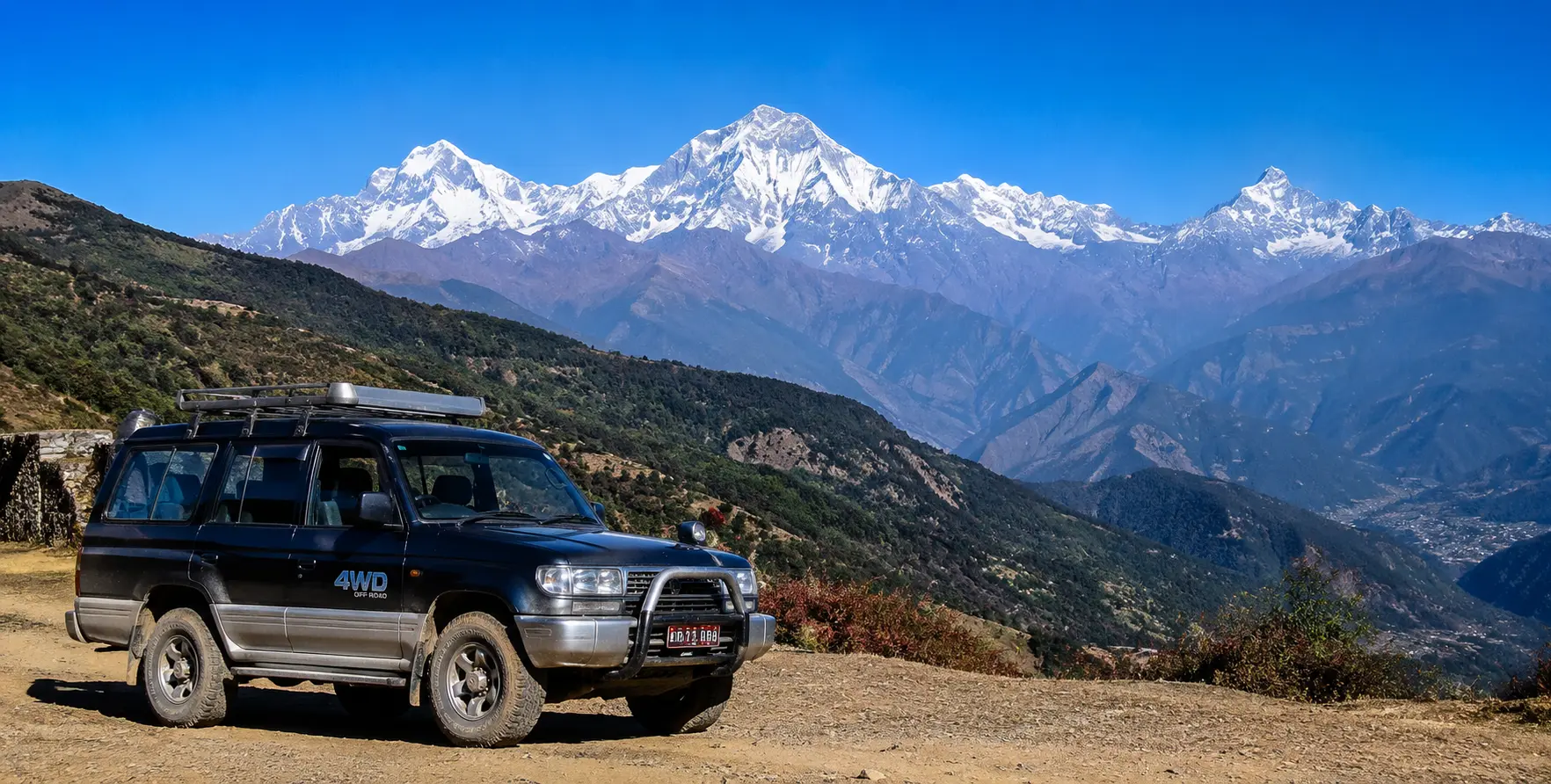
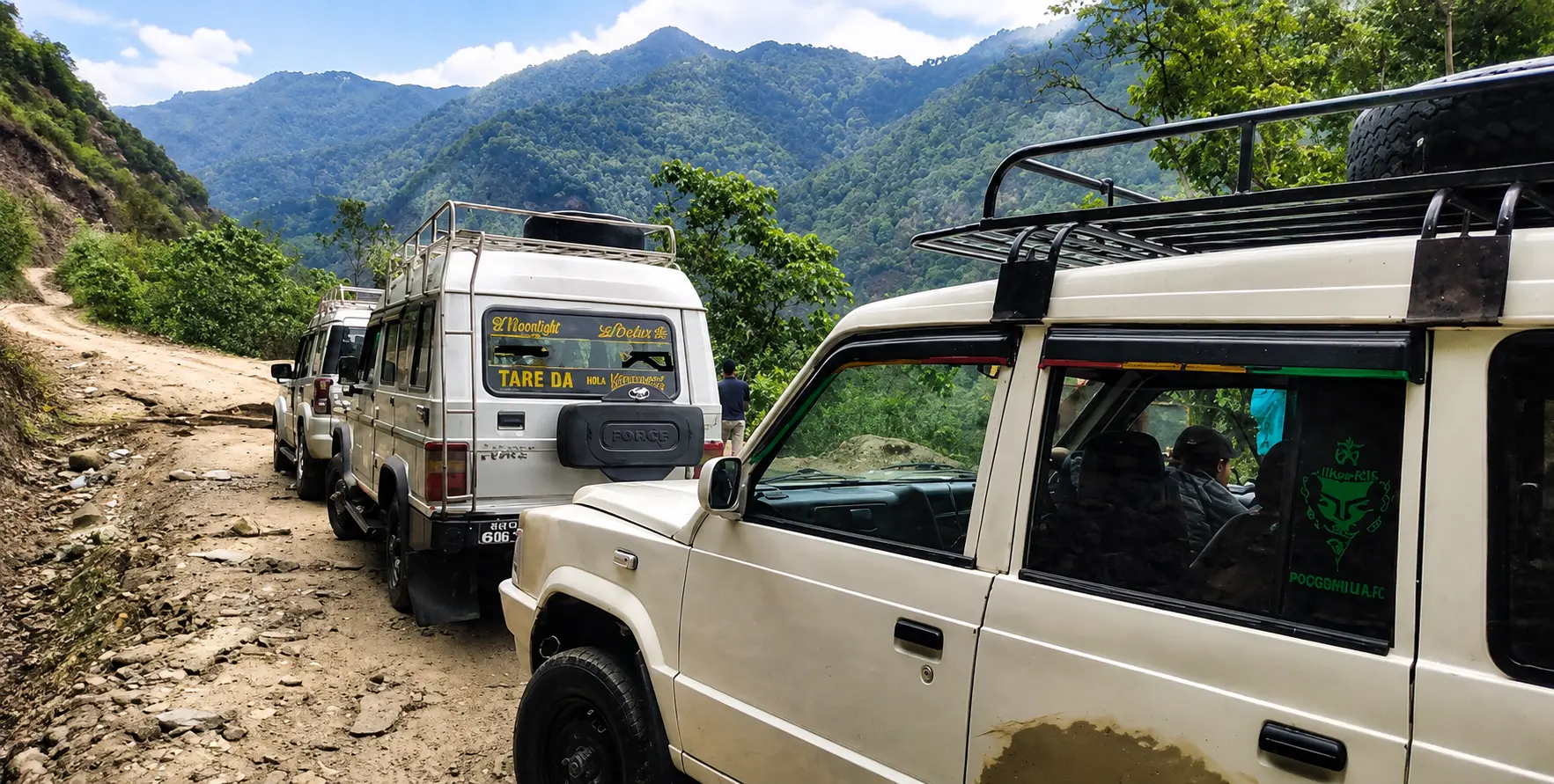
For Everest region travel, not every vehicle is suitable. A small car may work for easier city transfers, but the road to the lower Solukhumbu and the off-road sections beyond require stronger suspension, higher clearance, and better traction. That is why a 4WD jeep is usually the first recommendation for this route.
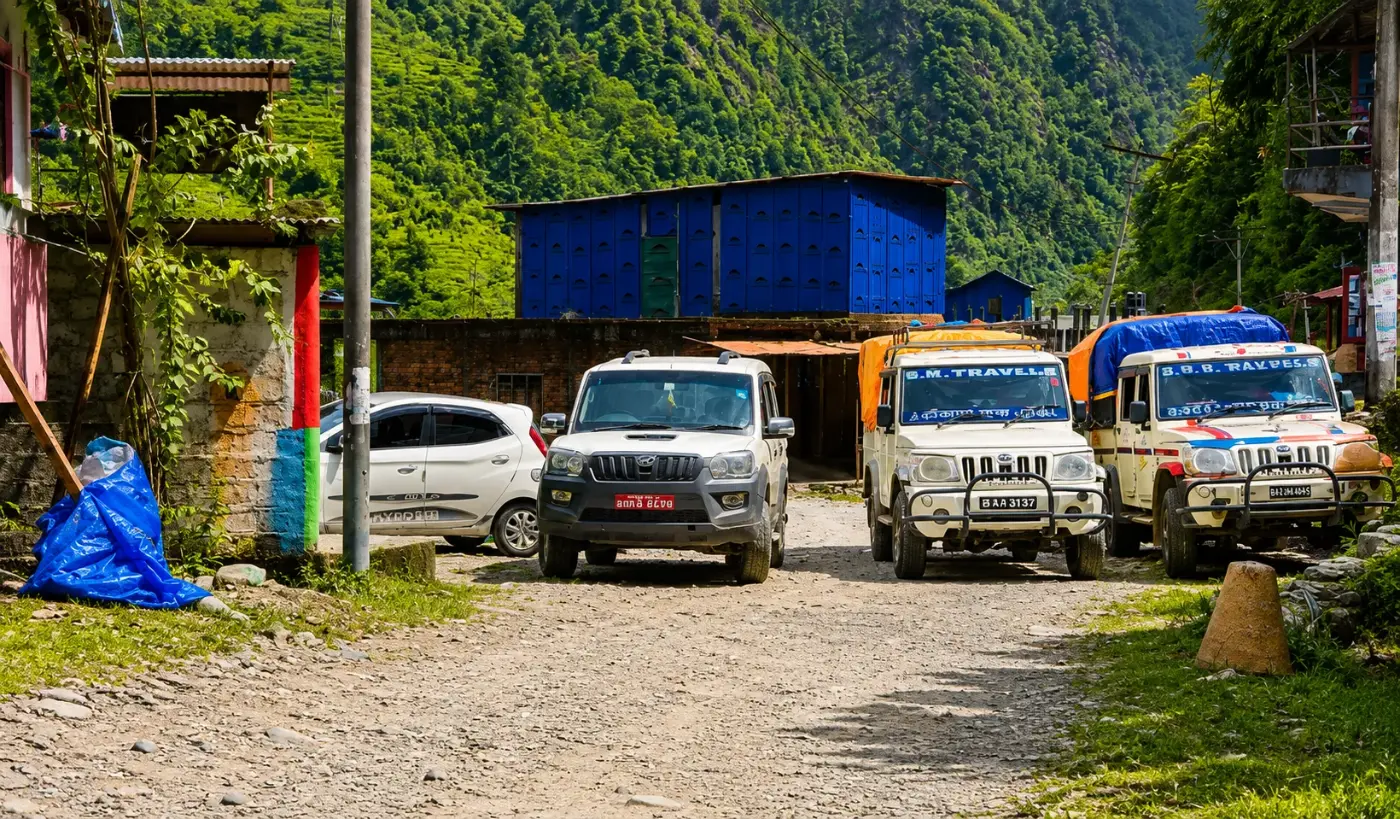
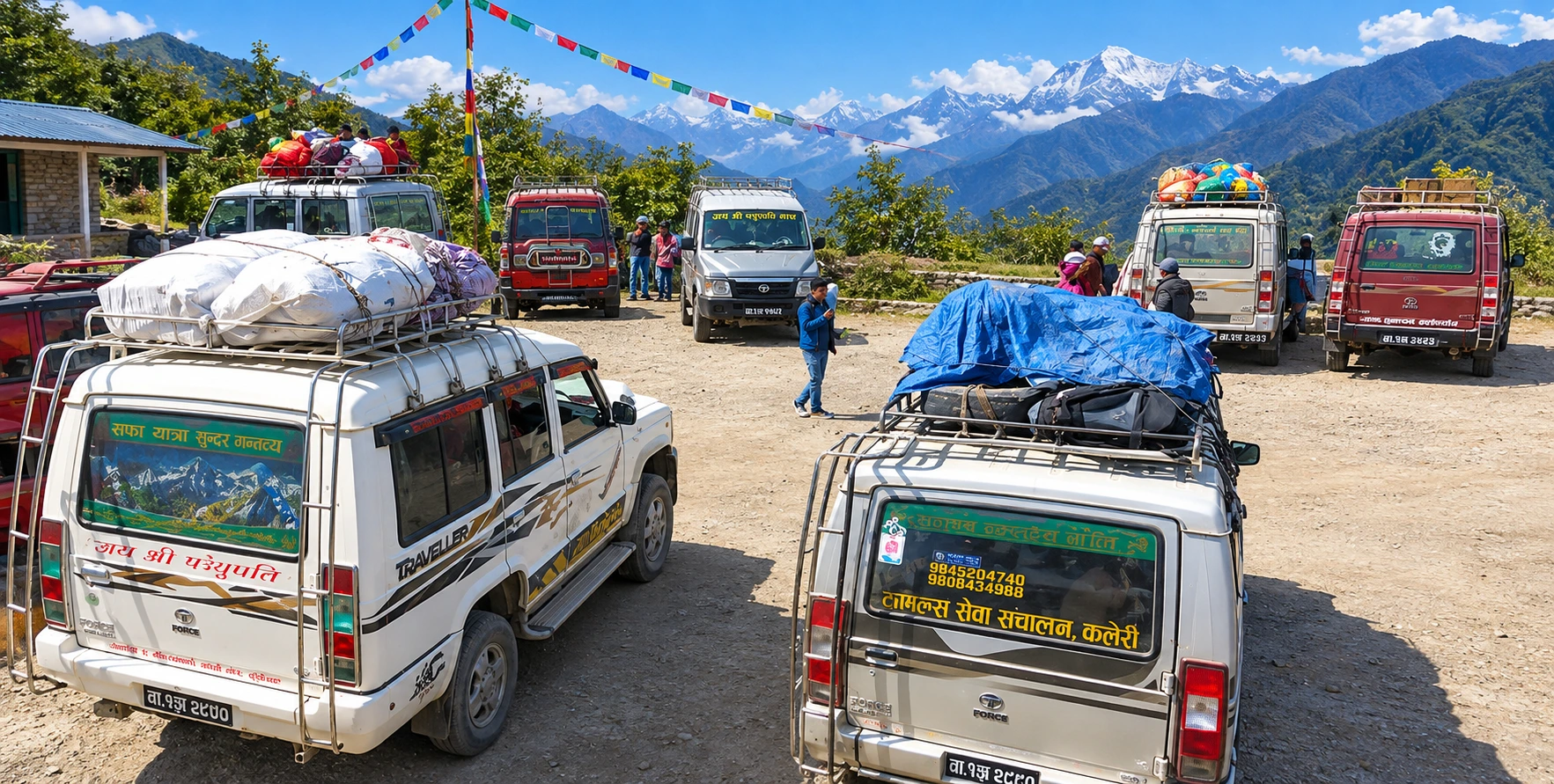
A Scorpio-type vehicle is often a practical choice for many travellers because it balances space, cost, and mountain-road ability. For more demanding stretches or larger groups, a more robust 4WD can be a smarter option, especially when the road surface becomes rough, narrow, or weather-affected. The final decision should depend on how far you are driving, how many people are travelling, and how much luggage you carry.
It is also important to think about the driver’s experience. In Everest transport, a knowledgeable mountain driver is as valuable as the vehicle because road conditions can change quickly. If you are booking a trek transfer, the service should clearly communicate the route, pickup point, and road endpoint before the trekking segment begins.
Travel time and road conditions
Travel time to Everest trailhead zones can vary significantly depending on the road, season, and weather. Kathmandu to Salleri is commonly described as an all-day drive, and the trip can become longer if road conditions worsen. Further sections toward Thamdanda and Surke are more demanding and may require extra time even if the distance seems shorter on paper.
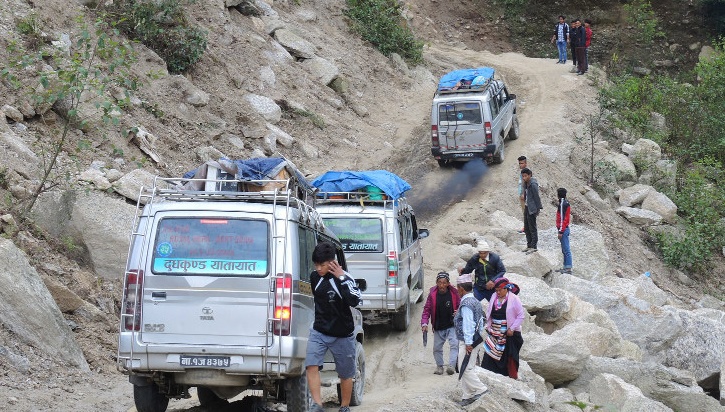
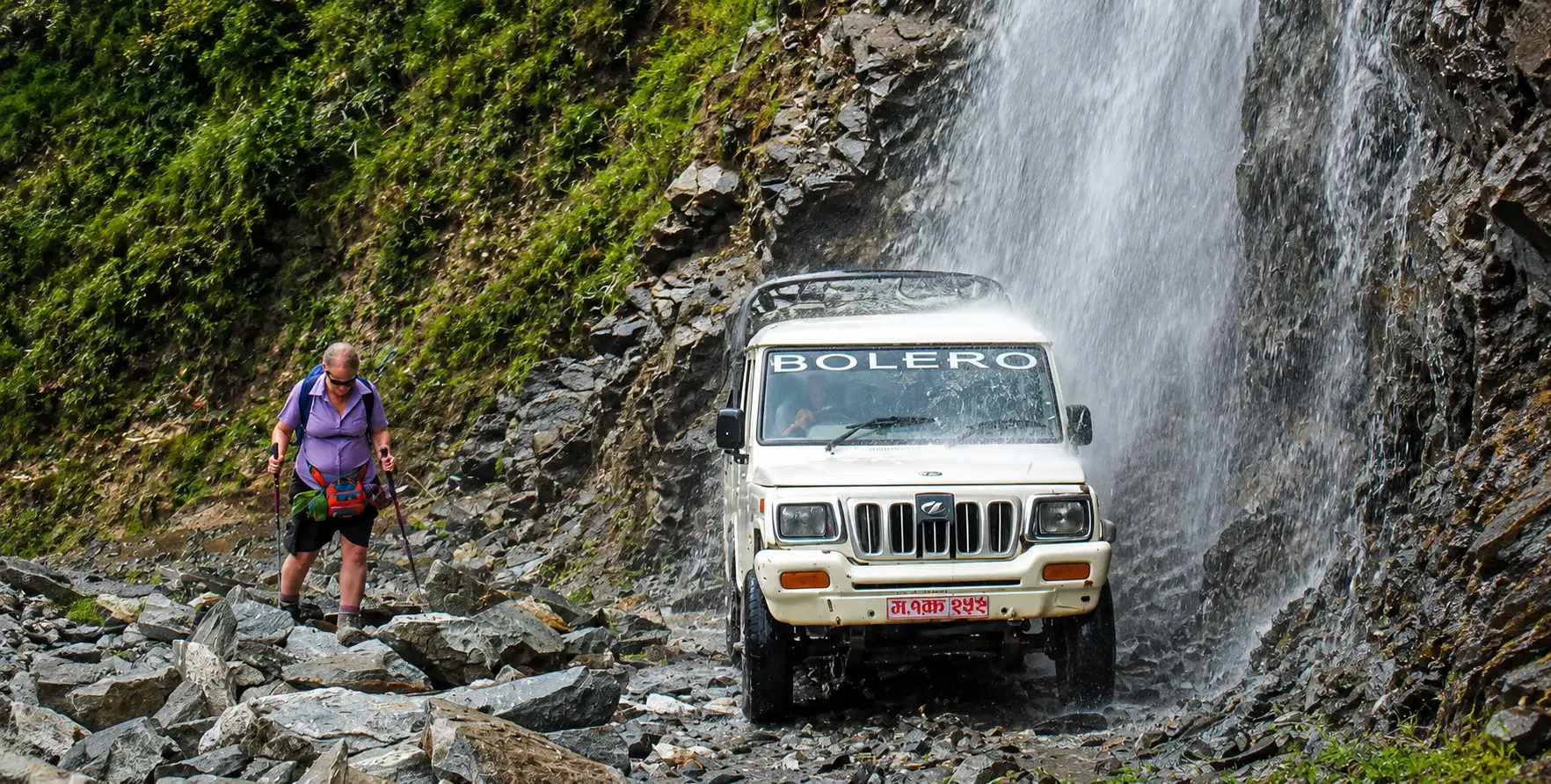
Road quality changes as you leave the main highway and enter the Solukhumbu hills. Some stretches are smoother and more predictable, while others are rough, dusty, rocky, or affected by rain and landslides. This is why Everest travel planning should never assume a simple road transfer without backup time.
Season also matters. In drier months, the road is more manageable, while monsoon conditions can increase the chance of delays and slow driving. A reliable transport provider should understand seasonal patterns and adjust departure times accordingly.
Trek and tour use cases
Everest vehicle service isn’t just for base camp trekkers. It is also useful for sightseeing tours, village visits, Sherpa cultural routes, monastery travel, and combined road-plus-trek itineraries. Some travellers want a scenic overland journey first, then a shorter trek; others want a simple, efficient transfer to the region.
For trekkers, the most common use is reaching the start of the walk without flying. That may mean going by jeep to Salleri or a farther road endpoint before continuing on foot. For non-trekkers, it may mean reaching viewpoints, lodges, or local settlements in the lower Everest zone with maximum comfort and minimum hassle.
This is also where linking vehicle service to trekking packages adds value. Travellers exploring Everest via Trek Nepal Himalayas
may need transport that connects smoothly with guide arrangements, trail logistics, and itinerary timing. Likewise, luxury-oriented travellers looking at Alpine Luxury Treks
may want a top-end overland experience that begins with private vehicle service and continues into planned trekking or tour planning.
Cost factors
Everest transport pricing depends on route length, road difficulty, vehicle type, passenger count, and whether the trip is one-way or round-trip. A Kathmandu-to-Everest gateway transfer costs more than a city rental because of the distance, fuel use, and wear on rough roads. If the plan includes waiting time, multiple stops, or return service, the price usually rises accordingly.
The most expensive part of the route is often not the fuel alone, but the combination of rough terrain and long driving hours. Vehicles on Everest routes need more maintenance attention because mountain roads are tough on tyres, suspension, and brakes. That is why a realistic quote should reflect true road conditions rather than just a straight-line distance estimate.
For travellers comparing options, it helps to think in terms of value, not just the lowest fare. A cheaper vehicle that cannot handle the route well can cost more in delays, discomfort, or missed connections. This is one reason why route-specific pages such as
The best 4WD jeep for Everest Base Camp trek transfers can handle rough mountain roads, carry trekking luggage comfortably, and get you to the right trailhead without unnecessary delays. For Everest travellers, the vehicle isn’t just a ride; it is the first major part of the trek.
That is why the choice between a standard car, a local shared vehicle, and a proper 4WD jeep can shape the entire experience from Kathmandu to the lower Everest region.
The Everest Base Camp trek has become more flexible in recent years because travellers now have several road-based access options. Instead of relying only on the Lukla flight, many trekkers start by road through Salleri, Phaplu, Kharikhola, Thamdanda, Surke, or other access points. That shift has made 4WD jeep travel more important than ever for visitors who want a safer, more reliable overland route.
A good jeep transfer service helps you avoid the uncertainty that can come with mountain travel. Roads in the Everest region may be rough, partially unpaved, or weather-affected, so a strong vehicle and an experienced driver make a big difference. For travellers planning an overland route, it also helps to compare vehicle options through related pages such as
Why 4WD matters for the best 4WD jeep for Everest Base Camp transfers
A 4WD jeep is the right choice for Everest transfers because road conditions aren’t always stable or smooth. The route from Kathmandu to the lower Everest access points often starts on paved highway sections, then turns to winding hill roads, gravel, rocky patches, and uneven off-road stretches. A 4WD system gives better grip and more confidence when the road becomes difficult.
The Everest region is especially suited to 4WD travel because the journey is long and rough, so comfort and control matter equally. A vehicle with higher ground clearance, stronger suspension, and mountain-road capability is much better suited than a standard city car. This isn’t just about comfort; it is also about staying on schedule and avoiding unnecessary stops caused by vehicle limitations.
For many trekkers, the jeep is also the bridge between Kathmandu and the trekking trail. You drive as far as the road allows and then continue on foot. That makes the jeep a core part of the EBC plan rather than a side service.
If your trip starts with a road-based trek, a proper 4WD can save time, reduce stress, and improve the overall journey.
Best route choices
The best route for an Everest Base Camp transfer depends on how much walking you want to do after the drive. The most common road-access points are Salleri, Phaplu, Kharikhola, Thamdanda, and Surke. These points are all used because they connect the road with the lower Everest trekking path.
Kathmandu to Salleri is one of the best-known road options and is often the first choice for travellers who want to avoid the Lukla flight. Salleri has become an established entry point because it gives trekkers a practical start to the Everest journey while keeping the first part of the trip on land.
From there, some travellers continue on foot, while others arrange another vehicle section depending on road conditions.
Phaplu is another strong option, especially if you plan around road access and want a more relaxed start. Thamdanda and Surke are useful if you want to shorten the trekking approach and get closer to the main trail quickly. Choosing the right route often matters more than choosing the fanciest vehicle because the right access point reduces unnecessary backtracking.
Jeep types
The best 4WD jeep for Everest transfers is usually a strong mountain SUV or off-road-capable jeep with enough space for passengers and bags. Popular vehicle styles in Nepal often include Scorpio-type jeeps and similar 4WD models because they balance cost, reliability, and road performance. These vehicles are commonly used for trekking transfers because they handle rough surfaces and remain comfortable for long-distance travel.
For small groups, a mid-size 4WD jeep is usually ideal. It offers enough space for travellers and luggage without being too large for the narrow road sections common in the Everest region. For larger groups or travellers carrying more equipment, a larger 4WD option may be better, especially on long routes with unpredictable road conditions.
The right jeep should also have good maintenance records, proper insurance, and a driver who knows the mountain route well. A powerful vehicle isn’t enough if the operator doesn’t understand the road, the weather, or the best stopping points. In Onerest travel, mechanical reliability matters much more than seating comfort.
Private versus shared
Travellers usually choose between private jeep hire and shared jeep service. A private jeep offers the most flexibility: you can start early, stop when needed, and travel with your own group. It is the best option for families, photographers, trekkers with large baggage, and anyone who values control over timing.
Shared jeep service is usually more budget-friendly, but it is less convenient. Departure times, route pace, and passenger mix are usually fixed, which can be tiring on a long road journey to Everest. A shared jeep may make sense for budget travellers, but it is usually less comfortable for those who want a smooth start to trekking.
For Everest Base Camp transfers, private hire often provides better value in practice because it reduces delays and supports a more relaxed itinerary. This matters when you link the road transfer with trekking days, acclimatisation, or local overnight stays. Many travellers prefer to acclimatise in the vehicle to avoid unnecessary problems at the start of the trek.
Road conditions
Road conditions are one of the most important reasons to choose a 4WD jeep for Everest transfers. The drive from Kathmandu toward the Everest region may start on smoother roads, but as you go farther, the road surface can change. Gravel, dust, bumps, and seasonal damage are all common, especially beyond the more developed highway sections.
In many cases, travellers report that the drive from Kathmandu to Salleri takes roughly a full day. That can vary with traffic, weather, and the driver’s pace. Once you move deeper into the Everest access network, road quality matters even more, especially if you are aiming for Kharikhola, Thamdanda, or Surke.
Seasonal planning matters too. Dry periods are generally easier for road travel, while monsoon and post-monsoon conditions can slow the drive and increase the chance of disruptions. A good operator should always check route conditions before departure and be ready to adjust the schedule if needed.
Transfer planning
A well-planned Everest transfer should match the road route with the trek route. The vehicle should not only take you somewhere convenient; it should take you to the right point for your actual trekking plan. This is especially important if you want to avoid the Lukla flight and begin the trek by road.
Some trekkers prefer a longer road start to reduce dependence on flights and improve acclimatisation. Others prefer a shorter road journey to get closer to the trek and acclimatise faster; both approaches are valid, but they require different jeep plans. This is why experienced transport providers usually ask where the trek begins and how much walking the traveller wants after the road ride.
are especially useful for matching route, cost, and vehicle type. For Everest trekkers, route-specific planning often makes the trip successful.
Cost factors of the best 4WD jeep for Everest Base Camp transfers
The cost of a 4WD jeep transfer to Everest Base Camp depends on route length, vehicle type, road conditions, season, and whether the service is private or shared. Longer routes and rougher roads usually increase the price because they require more fuel and cause more wear. This can also mean more wear and tear, which can make it more expensive than shared service, but it also offers better control and comfort.
The biggest pricing differences come from distance and road conditions. A transfer to Salleri differs from a transfer to a farther point like Thamdanda or Surke because the road quality and driving time vary. Travellers should always ask what is included in the quote so they can compare services fairly.
A realistic price should also reflect the driver’s experience and the vehicle’s condition. On mountain roads, a cheap option driver’s poorly maintained vehicle can become expensive in other ways. That is why many travellers prefer a trusted 4WD service over the lowest possible price.
Safety and comfort for the best 4WD jeep for Everest Base Camp transfers
Safety is one of the biggest reasons to book a quality 4WD jeep. Everest roads can be steep, narrow, and affected by changing weather, so the driver’s experience matters just as much as the vehicle itself. A well-trained mountain driver knows when to slow down, where to stop, and how to handle rough sections safely.
Comfort is also important because the journey can be long. Passengers benefit from good seating, enough legroom, stable suspension, and space for trekking bags. If you are carrying mountain gear, sleeping bags, or camera equipment, a jeep that handles both people and luggage well is a major advantage.
When comparing transport options, think beyond the route and consider the full travel experience. A smooth jeep ride can make the first day of the Everest trek more enjoyable and less tiring. That, in turn, can improve the rest of the trekking journey.
Best booking tips
Book early if you’re travelling during a busy trekking season. Demand for Everest road transfers rises quickly because many trekkers now prefer road access instead of flights. Early booking also gives you more choice in vehicle type and departure time.
Everest region Nepal – The World’s Greatest Mountain Journey
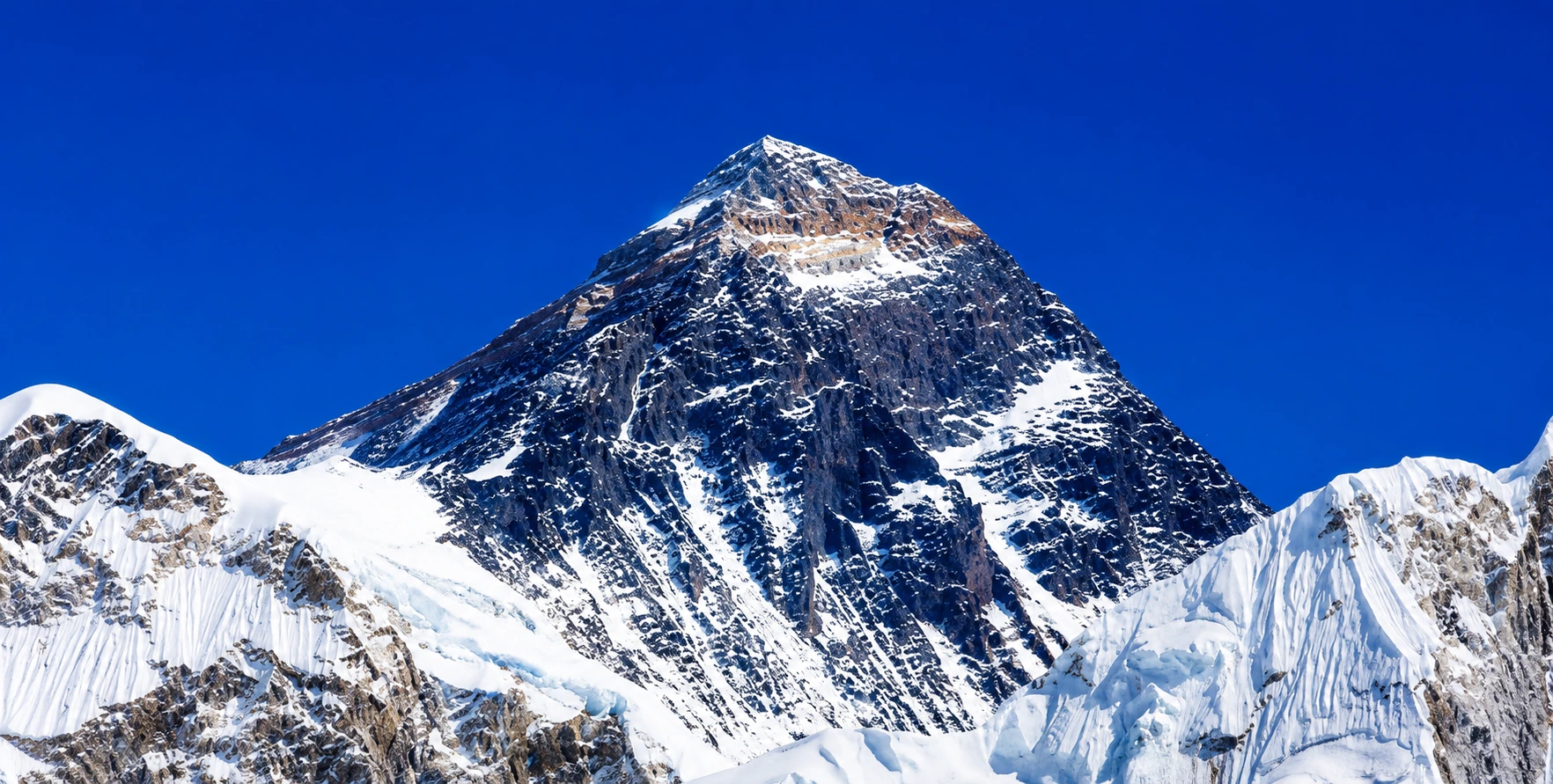
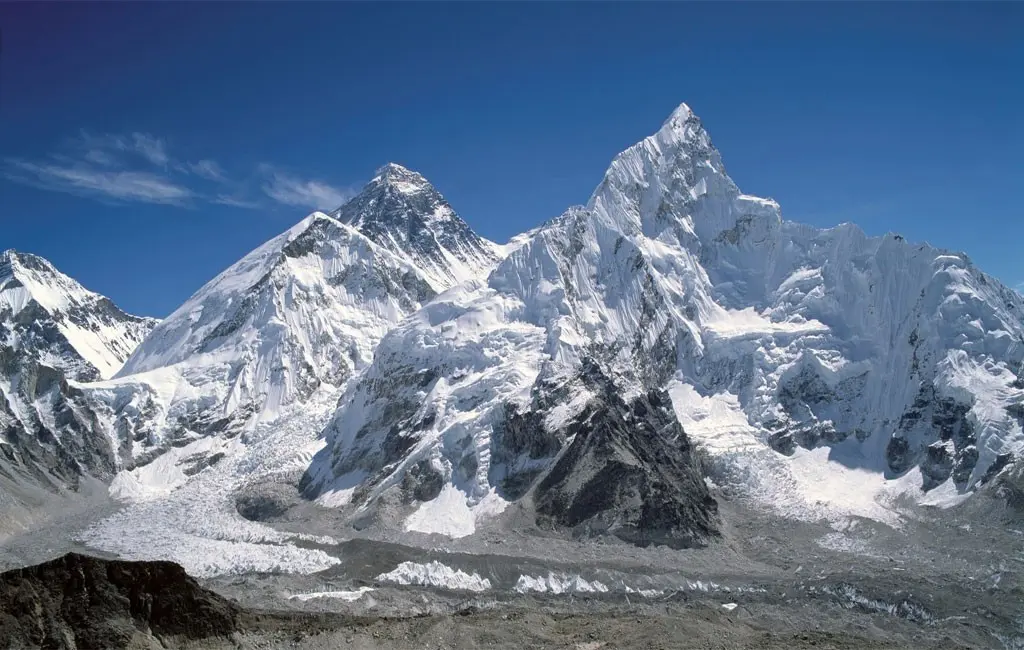
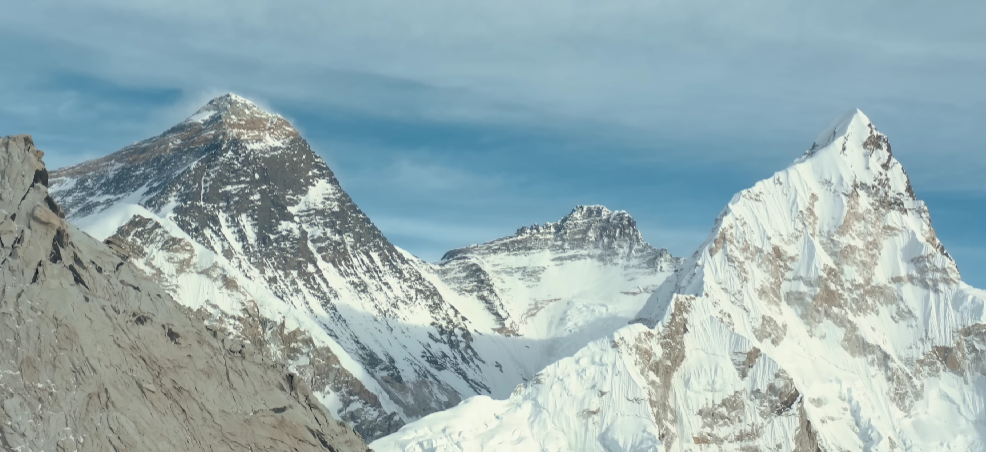
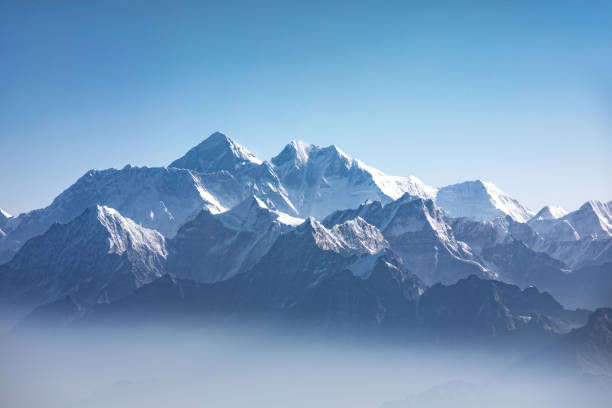
There is a moment, experienced by trekkers the world over, that happens somewhere on the trail between Namche Bazaar and Tengboche — a moment when the forest opens and the full panoramic enormity of the Khumbu Himalaya is suddenly, utterly, overwhelmingly present: Everest (8,849 m) above the Lhotse-Nuptse wall, Ama Dablam’s perfect Matterhorn-like spire filling the left horizon, Thamserku and Kangtega to the right, and the Khumbu Valley floor far below threaded with the silver ribbon of the Dudh Koshi River. Trekkers have been stopping at this viewpoint for six decades, pressing their hands together in the same involuntary gesture of reverence, making the same quiet sounds of disbelief.
In 2026, as in 1966, the view has not dimmed by a single degree.
The Everest region (Khumbu) — Nepal’s most iconic and most visited trekking destination — is simultaneously the world’s greatest mountain landscape, the homeland of the extraordinary Sherpa people, a UNESCO World Heritage Site (Sagarmatha National Park, inscribed 1979), and the base from which every attempt on the world’s highest mountain (8,849 m) has been launched since Sir Edmund Hillary and Tenzing Norgay Sherpa’s first summit on May 29, 1953. But the Everest region is far more than one famous peak and one famous base camp — it is a network of Sherpa villages, ancient monasteries, turquoise glacial lakes, soaring high passes, and trekking circuits of varying duration and difficulty that offer some of the most rewarding mountain experiences available anywhere on Earth, at every level from first-time trekker to hardened Himalayan veteran.
This guide is the most comprehensive resource on the Everest region — covering the complete EBC trek route day by day, the 2026 permit system (including the new digital Trek Card), the Manthali flight situation and Salleri road alternative that Nepal Vehicle Hiring services, the Gokyo Lakes circuit, the Three High Passes Trek, the Sherpa cultural heritage, and the complete vehicle hire coordination that Nepal Vehicle Hiring provides for all Kathmandu to Manthali and Kathmandu to Salleri transfers.
The Everest region, Nepal – Geography, Scale, and Why It Is Different
Sagarmatha National Park – A UNESCO World Heritage Himalayan Ecosystem
The Everest region’s trekking circuits take place within Sagarmatha National Park (1,148 sq. km), inscribed as a UNESCO World Heritage Site in 1979 for its outstanding natural significance — containing the world’s highest peaks, extraordinary alpine biodiversity, and the traditional cultural landscape of the Sherpa people in a single protected area. The park’s altitudinal range, from the lower Khumbu valleys at 2,800 m to the summit of Everest at 8,849 m, encompasses every vegetation and climate zone, from subtropical forest to permanent ice, within a single, concentrated geography.
This biodiversity profile includes Himalayan Musk Deer, Red Pandas (below 3,000 m), Snow Leopards, Himalayan Tahr, Langur monkeys, over 150 bird species, including the Himalayan Monal pheasant (Nepal’s national bird), and rare high-altitude plant species found nowhere else on Earth.
The park’s lower valleys — particularly the forests between Lukla and Namche and around Tengboche — are beautifully forested with birch, pine, rhododendron, and fir trees, creating an approach to the high Khumbu wilderness that is far more varied and alive than the barren glacier approaches to 8,000 m peaks in other mountain ranges. The Tengboche Monastery at 3,867 m, framed by Ama Dablam and sitting in a clearing above the treeline with Everest, Lhotse, and Nuptse visible behind it, is one of the most dramatically sited monasteries in the world — and one of the most photographed single scenes in all of Nepal.
The Peaks – What You Are Walking Towards
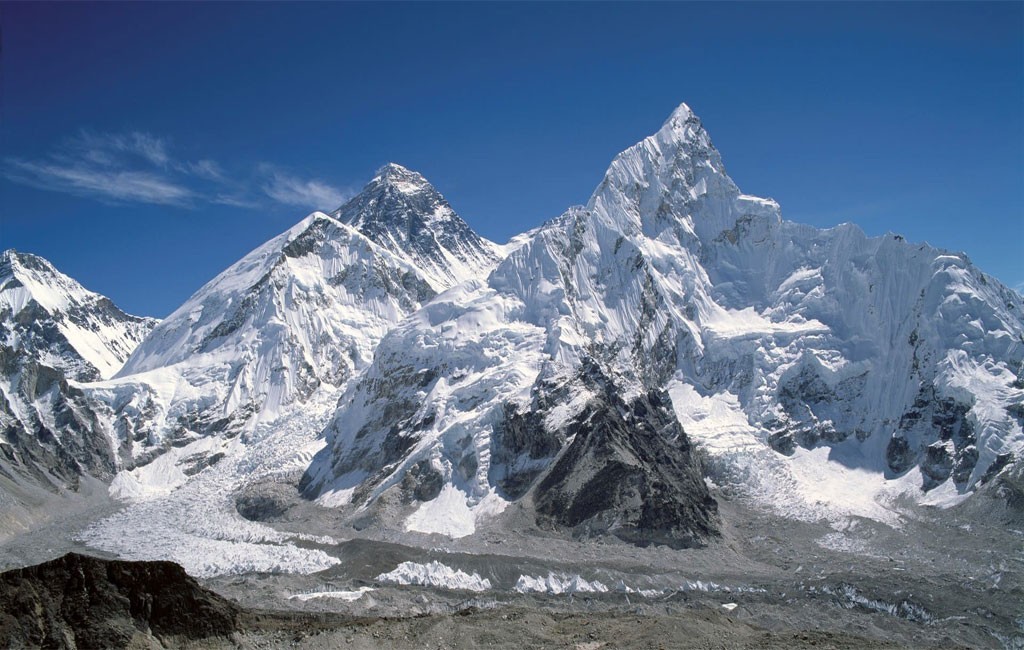
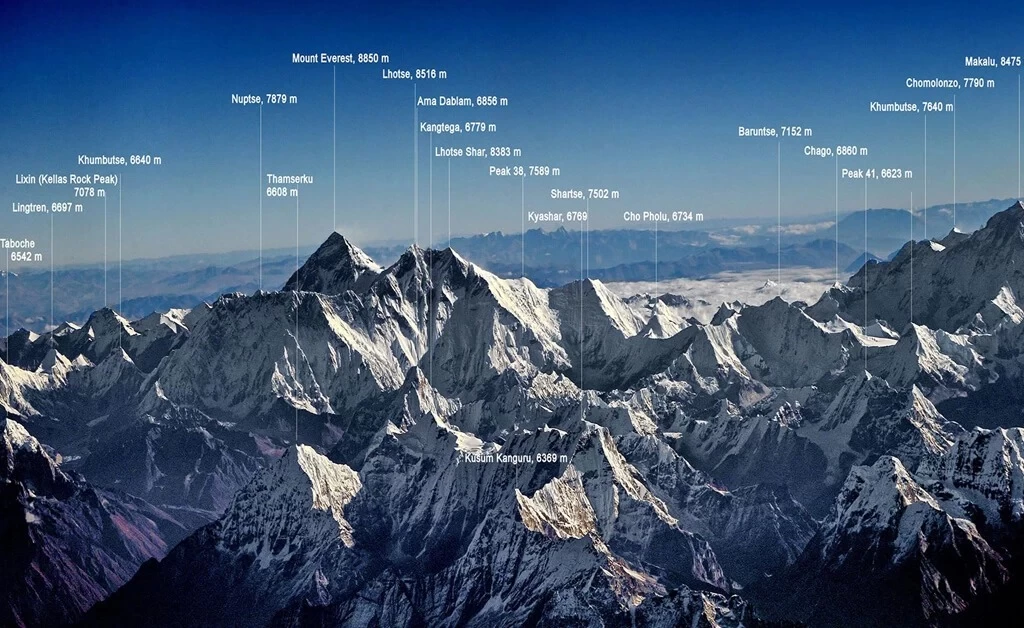
The Khumbu Valley contains five of the world’s fourteen 8,000+ meter peaks: Everest (8,849 m, world No. 1), Lhotse (8,516 m, No. 4), Makalu (8,485 m, No. 5), Cho Oyu (8,201 m, No. 6), and Kangchenjunga, nearby in the broader region. The standard EBC trekking route passes directly below four of these giants — a concentration of extreme altitude within a single trekking circuit that is unique in world mountaineering geography.
The peaks visible from standard EBC viewpoints include not only these giants but also the aesthetically magnificent Ama Dablam (6,812 m) — widely considered the most beautiful mountain in the world by mountaineers and photographers — whose shark-fin profile appears over the shoulder of every view of the upper Khumbu.
Viewpoint / Peak
Altitude
Trek
What You See
Kala Patthar
5,545 m
EBC Standard
The closest full view of the Everest summit available without technical climbing. Also: Lhotse, Nuptse, Pumori, Ama Dablam. Sunrise from here is the single greatest morning of most trekkers’ lives.
Gokyo Ri
5,357 m
Gokyo / Three Passes
360-degree panorama including four 8,000 m peaks simultaneously: Everest, Lhotse, Makalu, Cho Oyu. Gokyo turquoise lakes below. Often considered the finest mountain panorama in all Nepal.
Chukhung Ri
5,550 m
Three Passes / EBC option
Quieter alternative to Kala Patthar. Close-up views of Lhotse South Face (4th highest peak), Ama Dablam, Makalu, Island Peak—dramatic eastern perspective on Khumbu.
Hotel Everest View
3,880 m
Namche acclimatisation
World’s highest-altitude hotel (Guinness-certified). Perfectly framed view of Everest, Lhotse, and Ama Dablam over the Khumbu Valley—an ideal acclimatisation day destination from Namche.
Island Peak (Imja Tse)
6,189 m
Island Peak Climbing
Most popular trekking peak in Nepal. Technical climbing with fixed ropes, crampons, and an ice axe is required. Extraordinary summit panorama. 3–5 days climbing extension on EBC itinerary.
Getting to the Everest Region – The Manthali Flight and the Road Alternative
The Lukla Flight Situation in 2026 – Manthali, Not Kathmandu
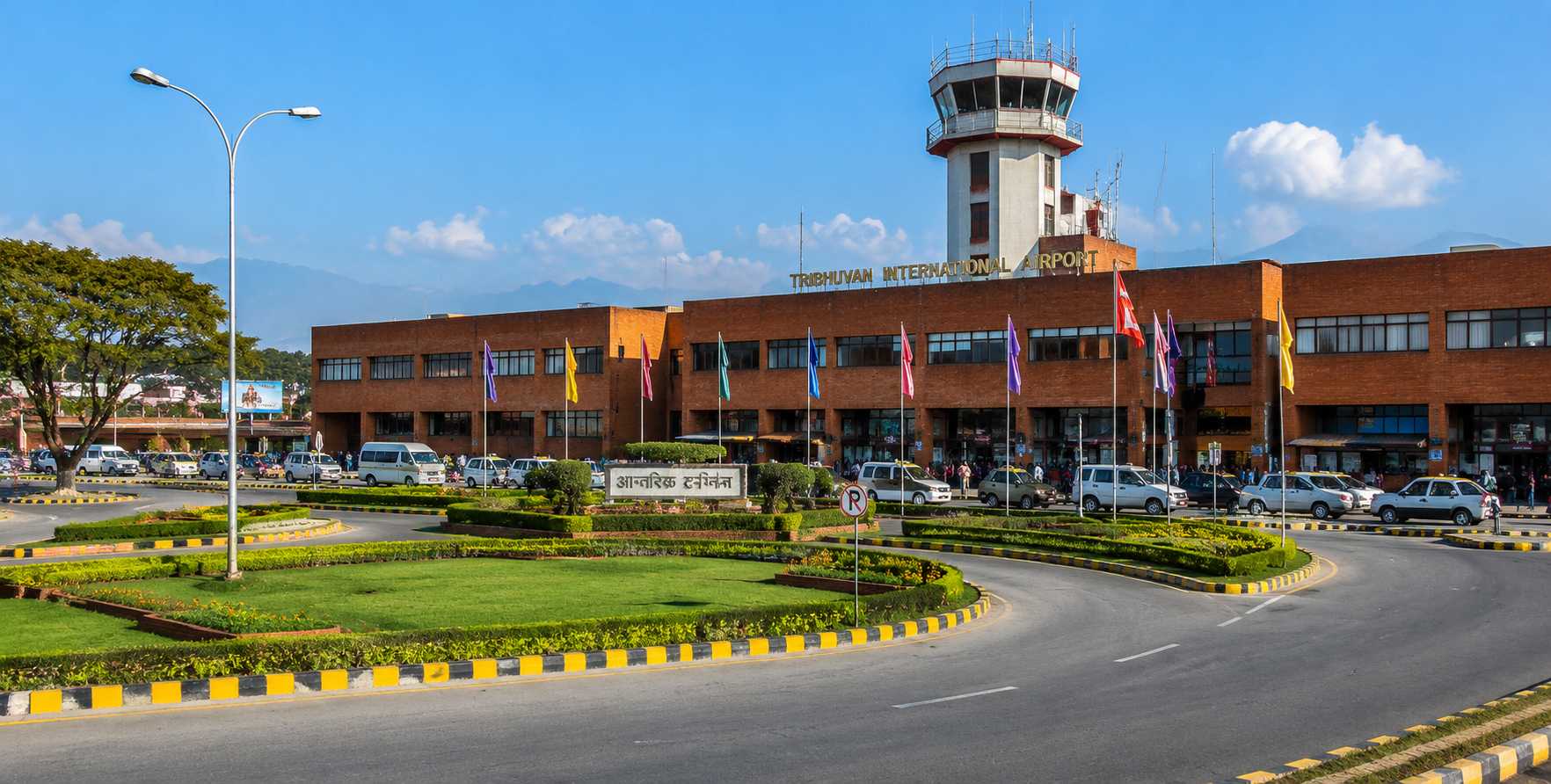
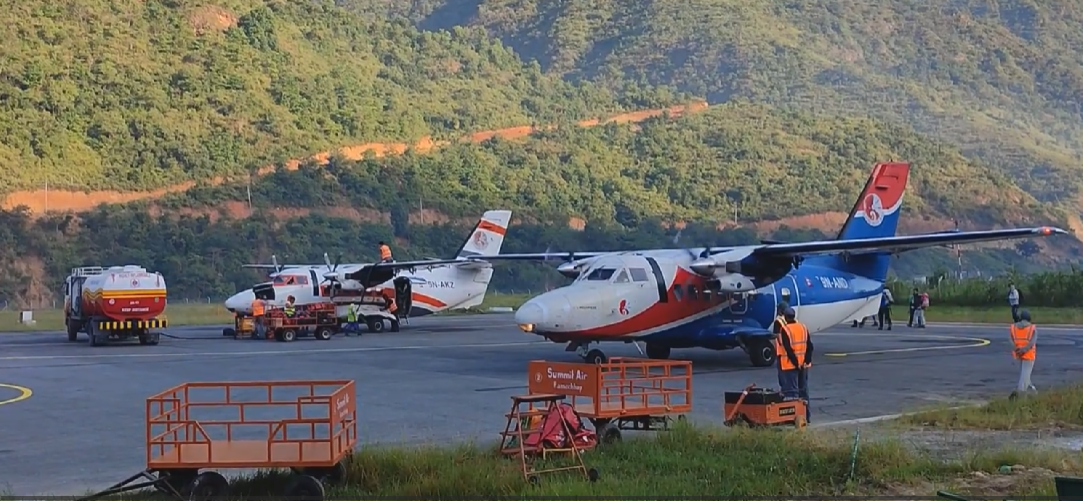
One of the most practical updates for any Everest region trekker is a logistics change that has been in place since 2019 but still catches first-time visitors off guard. All Lukla flights depart from Manthali (Ramechhap) domestic airport, not from Kathmandu’s Tribhuvan International Airport.
As one respected 2026 Everest travel specialist confirms: “All Lukla flights continue to depart from Manthali (Ramechhap), not from Kathmandu’s Tribhuvan International Airport. This change, implemented in 2019, requires a five-hour pre-dawn drive from Kathmandu to the domestic airport before the flight to Lukla.”
The practical implication: trekkers must depart their Kathmandu hotel between 2:00–3:00 AM to complete the 4–5-hour drive to Manthali in time for the morning flight window (Lukla flights operate only in the early morning when weather conditions are stable — typically 6:00–10:00 AM). Nepal Vehicle Hiring provides 24/7 Kathmandu hotel-to-Manthaliport transfer — the pre-dawn departure is our most frequently booked Everest region service, and our drivers are experienced with the early-morning highway conditions on the Kathmandu-Manthali route.
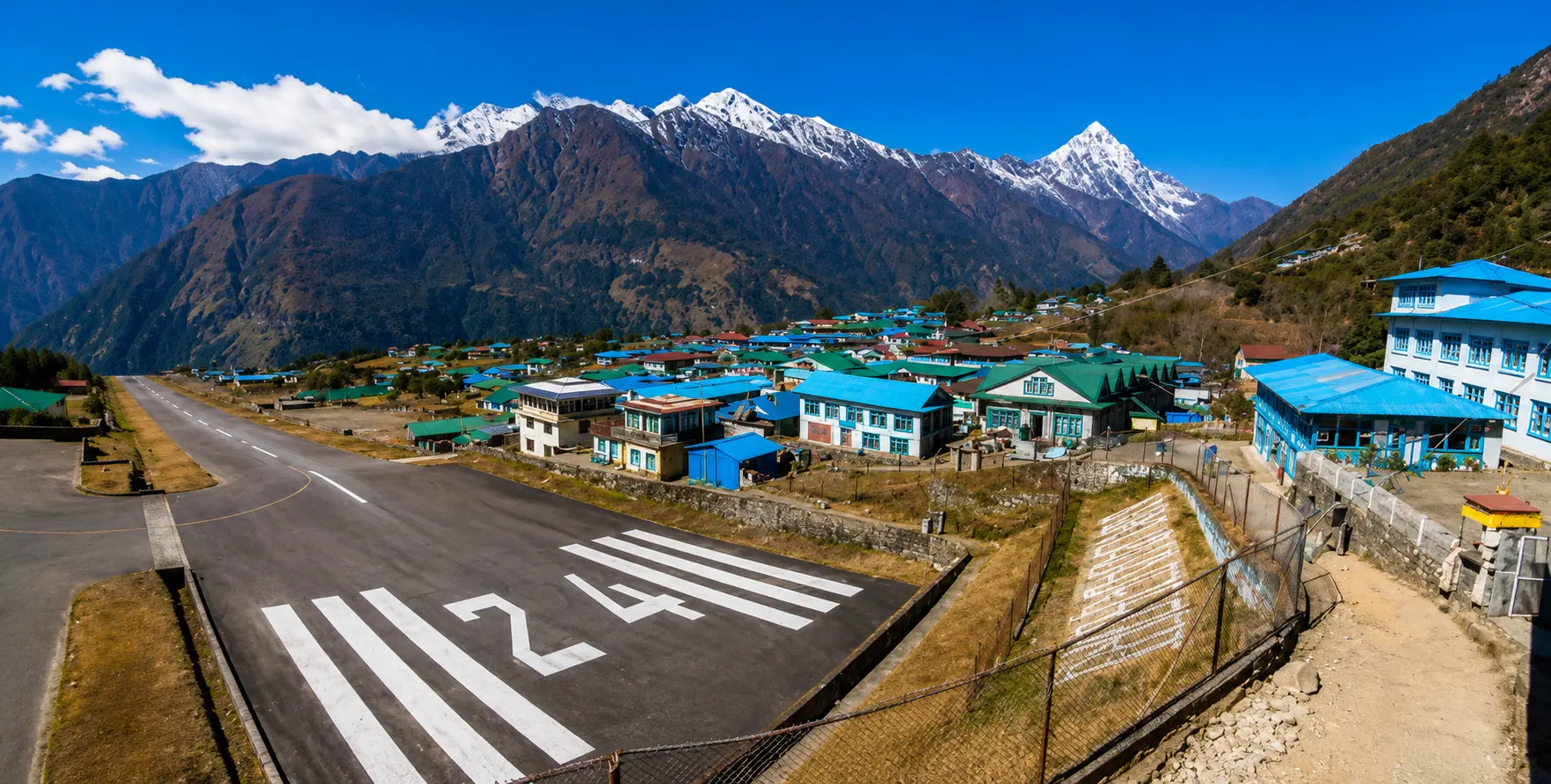
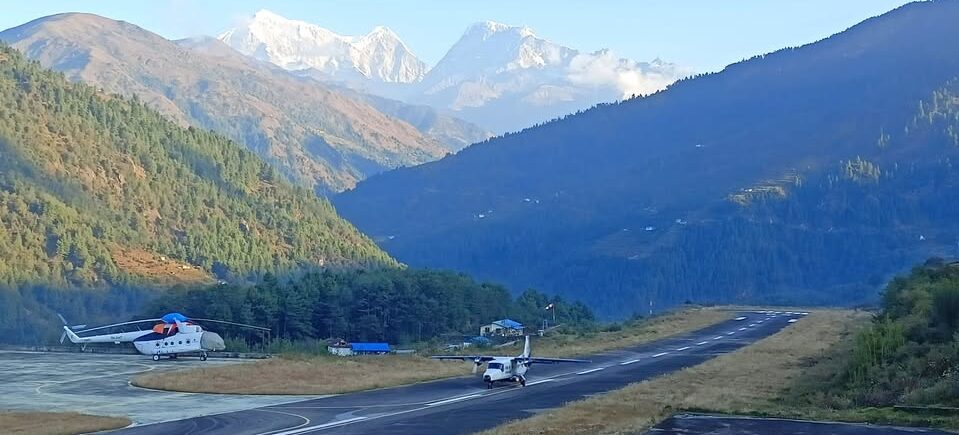
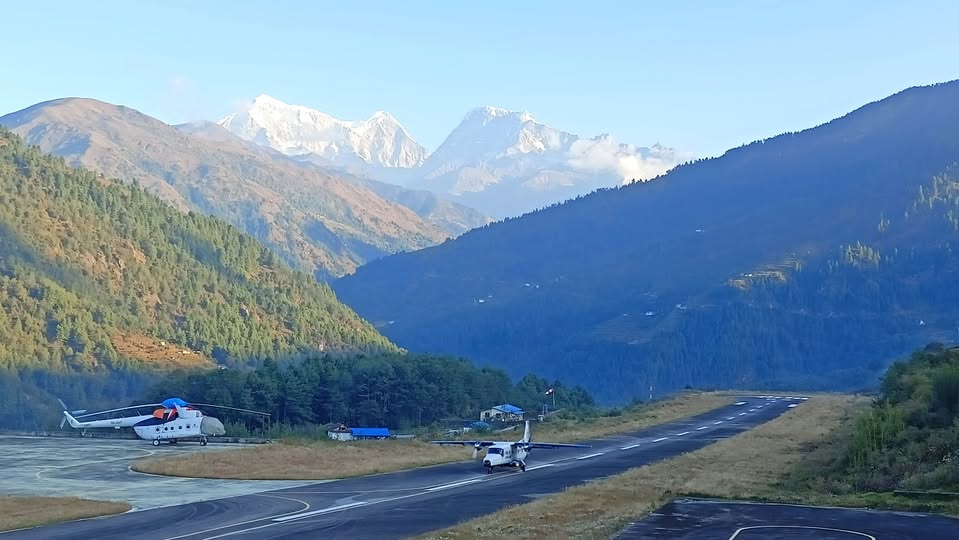
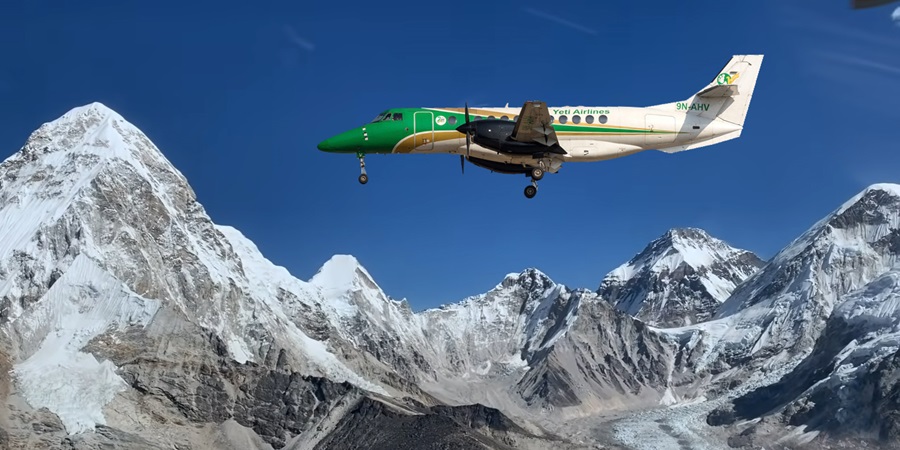
The 20-minute mountain flight from Manthali to Lukla is one of aviation’s great experiences — a twin-otter approach between mountain walls to the 527-meter sloped runway cut into the Khumbu hillside, landing at Lukla’s Tenzing-Hillary Airport (2,860 m) in a descent that brings trekkers instantly, physically, and emotionally into the Himalayan world.
The Road Alternative – Kathmandu to Salleri and Phaplu by Nepal Vehicle Hiring Jeep
As Lukla flight cancellations due to weather have disrupted itineraries for thousands of trekkers over the years, the road alternative via Salleri and Phaplu is rapidly gaining popularity — and Nepal Vehicle Hiring’s Kathmandu-to-Salleri/Phaplu private jeep service is one of our most requested Everest region offerings. The road journey from Kathmandu to Salleri covers about 100 km via the Madhya Pahadi Highway, passing through Bhaktapur, Dhulikhel, Khurkot, and Ghurmi, and takes 0 hours by private vehicle.
From Salleri (2,398 m) or Phaplu (2,413 m), trekkers follow the original Everest route before Lukla Airport existed — the trail walked by Hillary’s 1953 expedition, passing through traditional Rai and Sherpa cultural landscapes of the lower Solu region before joining the main Khumbu trail at Namche Bazaar in approximately 3–4 days of trekking. This road option offers several advantages in 2026: it is immune to flight cancellations, provides 2–3 extra acclimatisation days on the lower trail, passes through less-visited lower Solu cultural landscapes, and costs significantly less than the Lukla flight.
The major seasonal limitation is that the Madhya Pahadi Highway is not recommended during monsoon season (June–September) when the gravel road surface becomes dangerously muddy. For October–May travel, the Salleri road is a genuinely excellent Lukla alternative.
Nepal Vehicle Hiring can also arrange an extended drive beyond Salleri to Kharikhola and Surke (within a 2–3-hour walk of Lukla) — the most direct road-accessible point to Lukla itself, useful for groups who have experienced flight cancellations and need to re-enter the Khumbu trail as close to Lukla as possible by vehicle. Contact our operations team on WhatsApp for current road conditions and vehicle options.
The Classic Everest Base Camp Trek – Day-by-Day Guide
The standard Everest Base Camp trek is a 12–14 day, 130+ km round trip from Lukla, described by trekkers, mountaineers, and travel writers as the most magnificent walk in the world. Its combination of extraordinary mountain scenery, rich Sherpa cultural heritage, living Buddhist monasteries, and the unique emotional charge of approaching the base of the world’s highest mountain creates an experience unlike any other trekking journey on Earth.
Day
Stage
Altitude
Distance / Time
Key Highlights
1
Kathmandu to Manthali drive, then fly to Lukla
2,860 m
4–5 hr drive + 20 min flight
2–3 AM departure from KTM; dramatic Lukla runway landing; Sherpa porters and guides assemble
1–2
Lukla to Phakding to Namche Bazaar
3,440 m
~15 km / 7–8 hrs
Dudh Koshi gorge; Hillary Suspension Bridge; first Everest glimpse; ACAP and Khumbu permit checks at Monjo
3–4
Namche Bazaar – ACCLIMATISATION (2 nights)
3,440 m
Day hike 4–5 hrs
Sherpa Capital; day hike to Hotel Everest View (3,880 m) for first full Everest view; Sherpa Museum; Saturday market
5
Namche to Tengboche
3,867 m
~13 km / 5–6 hrs
Ama Dablam fills the horizon; descent to Dudh Koshi then forest climb; Tengboche Monastery – evening puja
6
Monastery to Dingboche
4,410 m
~11 km / 5–6 hrs
Pangboche Monastery (oldest in Khumbu); transition to alpine desert above treeline; Island Peak and Lhotse views
7
Dingboche – ACCLIMATISATION (2nd rest day)
4,410 m
Chukhung Ri side trip
Mandatory rest day; optional Chukhung Ri hike (5,550 m) for Ama Dablam and Lhotse South Face views
EVEREST BASE CAMP; Khumbu Icefall above; Nuptse, Lhotse, Pumori close; return to Gorak Shep overnight
10
Gorak Shep – Kala Patthar (pre-dawn) – descent to Pheriche
5,545 m
~15 km / 8–9 hrs
3:30–4 AM start; KALA PATTHAR SUNRISE – Everest summit gold-lit; 360-degree panorama; descend to Pheriche
11
Pheriche to Namche Bazaar
3,440 m
~22 km / 7–8 hrs
Long descent; knees tested; atmosphere thickens; Namche hot shower and celebration dinner
12
Namche to Lukla
2,860 m
~19 km / 7–8 hrs
Full descent day; final suspension bridges; Lukla arrival – group celebration with crew
13
Fly Lukla to Manthali + drive to Kathmandu
1,350 m
20 min flight + 4–5 hr drive
Morning flight weather-dependent; Nepal VH vehicle waiting at Manthali for KTM hotel drop
Namche Bazaar – The Sherpa Capital
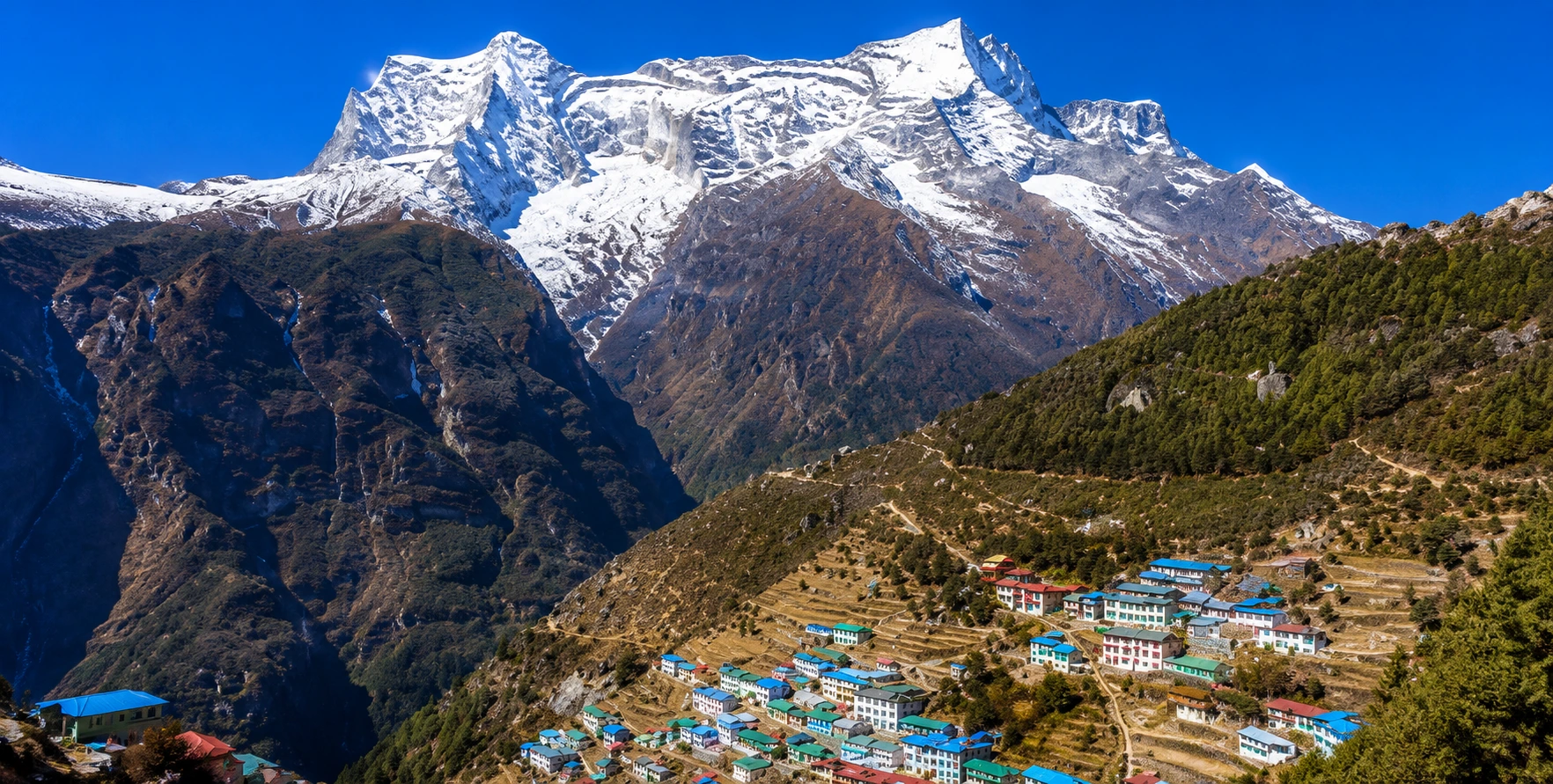
Namche Bazaar (3,440 m) is the beating heart of the Khumbu trekking world — an an amphitheatre-shaped town of brightly painted buildings clinging to a dramatic hillside curve above the Bhote Koshi and Dudh Koshi confluence. As the largest Sherpa settlement in the Khumbu region, Namche is simultaneously a traditional cultural hub and a remarkably sophisticated mountain-resort town — offering high-speed satellite WiFi (in 2026), ATMs, excellent bakeries, climbing equipment shops, well-stocked pharmacies, the Sherpa Culture Museum, a Sagarmatha National Park visitor centre, cafes serving espresso and apple pie, and pubs alongside the prayer wheels, mani walls, and Buddhist monasteries that represent its more ancient identity.
The Saturday Market at Namche — where villagers from the surrounding Khumbu communities gather to trade crops, household goods, and Tibetan handicrafts — is one of Nepal’s most authentic and colourful market experiences, operating essentially unchanged since the Malla period.
The mandatory acclimatisation at Namche (2 nights) is not merely a safety protocol — it is an invitation to understand what the Khumbu actually is before proceeding higher. The day hike to Hotel Everest View (3,880 m) — the world’s highest-altitude hotel (Guinness-certified) — provides the first full frontal view of Everest itself above the Khumbu Valley, framed alongside Lhotse, Nuptse, Ama Dablam, and Thamserku.
The Khumbu, near the village of Htolary’s School and Hospital, built with Sir Edmund Hillary’s Himalayan Trust funding, and the Khumjung Monastery with its famous Yeti scalp — are a 2–3-hour walk from Namche and offer the most rewarding Sherpa cultural immersion available, with standard acclimatisation.
Tengboche – The Spiritual Heart of the Khumbu
Tengboche Monastery (3,867 m) occupies one of the most dramatically beautiful positions of any religious building anywhere in the world: a forest clearing on a ridge above the Imja Khola valley, with Ama Dablam rising directly behind it and Everest, Lhotse, Nuptse, Kwangde, Thamserku, and Kangtega surrounding it on three sides in a panorama that has inspired everyone from seasoned mountaineers to first-time trekkers to moments of profound stillness. Tengboche Monastery is the largest in the Khumbu region, founded in 1916, and an active centre of Sherpa Nyingma Buddhist practice—the same branch of Tibetan Vajrayana Buddhism that provides the spiritual and cultural framework for Sherpa communities throughout the Khumbu.
Evening puja (prayer ceremony) at Tengboche Monastery, when it is open to respectful visitors, is one of the most moving spiritual experiences available on the EBC trek — monks in maroon robes chanting in the candlelit interior, butter lamps glowing, the deep resonance of Tibetan horns and drums, and outside the Monastery windows, the enormous black silhouettes of the surrounding peaks cutting the star-filled sky. This is the Khumbu at its most profoundly itself — a place where the sacred and the magnificent are genuinely, physically the same thing.
Kala Patthar – The Greatest Sunrise on Earth
Every trekker who reaches the Everest region eventually confronts the same paradox: Everest’s summit is not visible from Everest Base Camp itself. Nuptse’s massive south face blocks the view. The summit appears only as a small triangle of rock above the Lhotse-Nuptse ridge.
The place where Everest is truly seen — summit to snowfields, its full pyramidal enormity revealed — is Kala Patthar (5,545 m), the black rocky ridge above Gorak Shep that has become the single most celebrated viewpoint in the Himalaya.
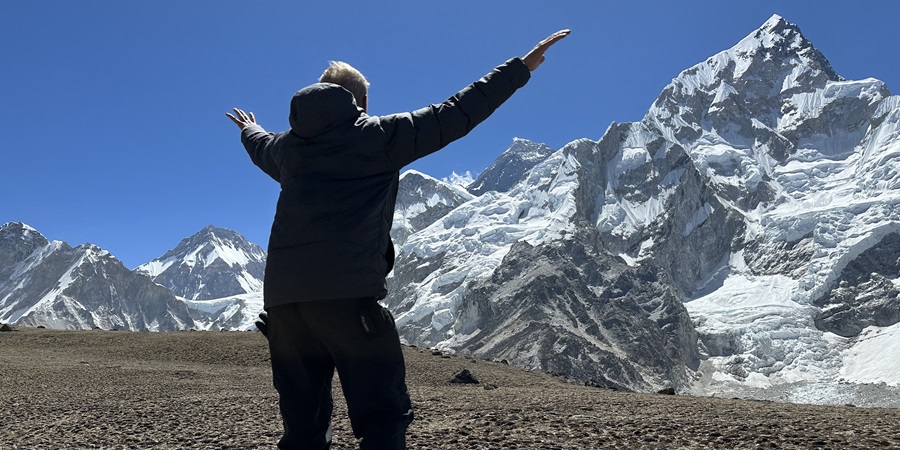
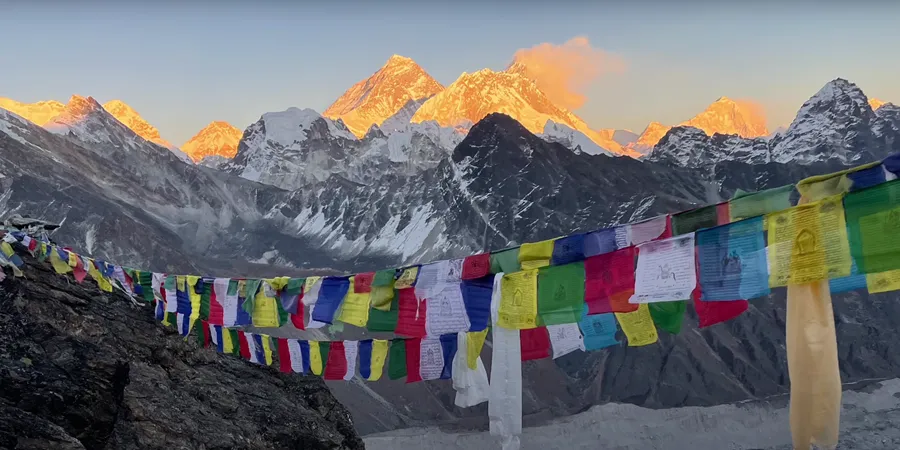
The standard approach to Kala Patthar for the dawn panorama begins at 3:30–4:00 AM from Gorak Shep — a two-hour headtorch ascent through pre-dawn darkness and cold, arriving at the rocky summit as the first pink light strikes Everest’s summit triangle, turning it from grey to gold, then to blazing white as the sun rises behind the Lhotse-Nuptse massif. The experienced trekking specialist confirms: “The pre-dawn ascent under stars, followed by a sunrise erupting gold across the Khumbu, is the single greatest morning of most trekkers’ lives.” The 360-degree panorama from Kala Patthar includes Everest, Lhotse, Nuptse, Pumori, Ama Dablam, Cho Oyu, and the full sweep of the Khumbu glacier below—a view no photograph ever fully captures, and no one who has stood there ever forgets.
The Permit System – Everything That Has Changed
The Everest region permit system has changed significantly in the last three years, and 2026 introduces further digital tracking requirements. Here is the current, accurate picture as of :
Permit
Cost
Where to Get
Notes
Sagarmatha National Park Entry Permit
NPR 3,000 + 13% VAT = NPR 3,390
NTB Kathmandu OR Monjo checkpoint
Getting to Kathmandu – long queues at Monjo in peak season. Digital QR Trek Card issued.
Khumbu Pasang Lhamu Rural Municipality Permit
NPR 2,000–3,000 (~USD 15–22)
Lukla (on arrival) or Monjo checkpoint
Cannot get to Kathmandu. New since 2023. Digital Trek Card with QR code. Scanned at Namche and Pangboche.
TIMS Card
NOT required for Everest region
N/A for Everest
TIMS is required for the Annapurna and Langtang regions and has not been required for EBC since 2025.
Licensed Guide
Via trekking agency package
Hire through a registered Nepal trekking agency
Mandatory and enforced at Monjo and Lukla checkpoints (2026). Cannot solo trek without a guide.
Travel Insurance (helicopter evacuation)
Varies – confirm helicopter cover
Purchase before departure from Nepal
Mandatory. Must cover helicopter evacuation to a minimum of 6,000 m. Insurers check this: Lukla and Namche b
FNMIS Registration
Free
Online via DOI before travel
All tourists visiting Nepal from January 1, 2026, must register on FNMIS (Foreign National Management Information System) through the Department of Immigration before arrival.
The New Digital Trek Card System – QR Code Tracking
A major 2026 development is the digitalisation of the Khumbu Pasang Lhamu Rural Municipality permit into a Trek Card with a QR code, as one boots-on-the-ground Kathmandu operator reports: “This permit has gone digital. You will be issued a Trek Card with a QR code. Scanners scan this code at various points along the trail to track your location for safety. There are scanners in Namche and Pangboche. Trekkers must ensure their Trek Card QR codes are scanned at designated points—skipping a scan can trigger a missing-person alert in the safety system, causing unnecessary concern for both the trekker and their emergency contacts. Nepal Vehicle Hiring advises all Everest region clients to carry permits in a waterproof, easily accessible location and to present them promptly at all checkpoints.
Licensed Guide Mandatory – Enforced at Monjo and Lukla
Since the Nepal Tourism Board’s mandatory guide policy (2023), solo trekking without a licensed guide has been increasingly enforced in the Everest region in 2026. While the Khumbu local government has historically resisted the national guide mandate, checkpoints at Monjo and Lukla now check guide credentials more strictly.
Solo trekkers attempting to proceed without a guide are increasingly required to hire a local guide at the gate or join a group. Nepal Vehicle Hiring partners with registered trekking agencies that can arrange licensed, English-speaking Khumbu-experienced guides alongside vehicle hire bookings — contact us on WhatsApp for combined transport and guide arrangements.
The Gokyo Lakes Circuit – The Everest Region’s Most Beautiful Secret
While the Everest Base Camp route carries the name recognition and the majority of trekkers, the Gokyo Valley is widely regarded by experienced Himalayan trekkers as the most scenically extraordinary section of the entire Everest region — and the route to Gokyo Ri (5,357 m) is considered by many to offer the finest accessible mountain panorama in Nepal, surpassing even Kala Patthar for the sheer range of its views.
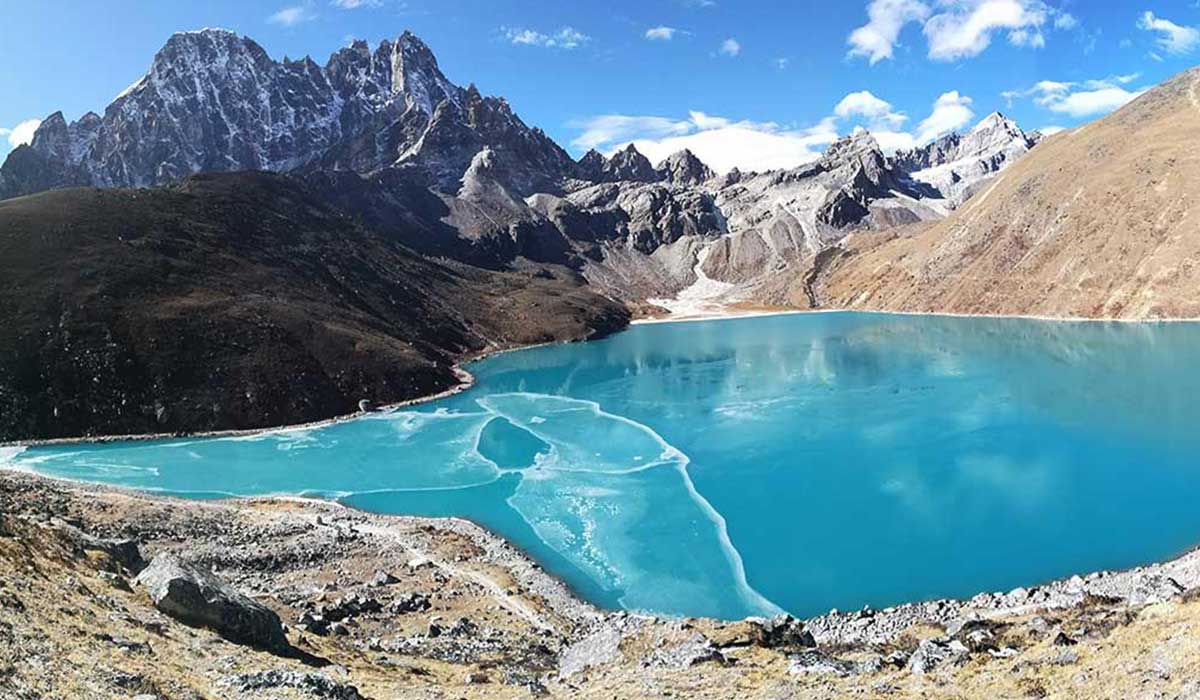
The Gokyo Lakes — a chain of six glacially-fed turquoise lakes at altitudes between 4,700 and 5,000 m alongside the Ngozumpa Glacier, Nepal’s largest glacier — sit in a landscape of such concentrated beauty that trekkers who have visited both EBC and Gokyo consistently rate Gokyo’s visual impact as the greater of the two. The lakes themselves are sacred in Hinduism and Buddhism — bathing in them is believed to cleanse spiritual impurity, and they draw Hindu pilgrims as well as trekkers during the Janai Purnima festival each August.
The emerald and turquoise water against the black moraine, the white glacier, and the overwhelming peaks above create a scene that multiple Himalayan travel writers have described as the most beautiful single landscape in Nepal.
From Gokyo Ri’s summit (5,357 m), the panorama includes four 8,000 m peaks simultaneously — Everest (8,849 m), Lhotse (8,516 m), Makalu (8,485 m), and Cho Oyu (8,201 m) — framed above the turquoise lakes below. This is the only readily accessible viewpoint anywhere in the Himalaya from which four 8,000 m peaks are simultaneously visible — a fact making Ri one of the most photographically and experientially extraordinary points available to any non-technical mountaineer in the world.
The Gokyo circuit typically adds 3–5 days to a standard EBC itinerary (for a total of 17–19 days from Kathmandu) or can be trekked independently in 10–12 days as a pure Gokyo circuit without the standard EBC approach.
The Three High Passes Trek – The Complete Everest Circuit
The Everest Three High Passes Trek — crossing Kongma La (5,535 m), Cho La (5,420 m), and Renjo La (5,360 m) in a single circuit — is the most comprehensive and demanding trekking adventure available in the Everest region without technical climbing. The 18–21 day circuit encompasses every major experience the Khumbu has to offer: EBC, Kala Patthar, Gokyo Lakes, Gokyo Ri, the Ngozumpa Glacier, three high passes, ancient Sherpa trade routes, and both the famous and completely off-the-beaten-path sections of the Khumbu — including the Thame Valley (birthplace of Tenzing Norgay) and the remote Imja and Gokyo valleys that see only a fraction of the traffic of the main EBC corridor.
Pass
Altitude
Trek
Connects
Difficulty & Character
Kongma La
5,535 m
Three Passes
Chukhung to Lobuche
The highest of the three. Steep icy ascent. Moraine crossing. Memorial chortens of Sherpa climbers. Tough but not technical.
Cho La
5,420 m
Three Passes
Dzongla to Thangnak (Gokyo side)
Rocky and icy descent. Small glacier crossing – crampons helpful. Connects EBC route to Gokyo Valley.
Renjo La
5,360 m
Three Passes
Thame Valley to Gokyo Valley
Most scenic of the three. Emerald Gokyo Lakes visible below; Everest, Cho Oyu, Makalu panorama from summit. Quietest pass.
Kongma La – The Highest and Most Demanding Pass
At 5,535 m, Kongma La is the highest of the three passes and the one most likely to involve genuine physical difficulty — steep icy ascents, rocky moraine crossings, and significant altitude exertion on an approach where trekkers will already have spent 8–10 days above 4,000 m. The pass connects Chukhung in the Imja Valley to Lobuche on the EBC route, crossing a ridge with memorial chortens honouring Sherpa climbers and expedition members who have died on Everest and surrounding peaks a sobering and profoundly moving reminder that this beautiful landscape carries a genuine human cost alongside its magnificent surface.
The views from the Kongma La summit include Makalu, Lhotse, Nuptse, Ama Dablam, and the full sweep of the Khumbu glacier.
Cho La – The Ice and Gokyo Gateway
The Cho La (5,420 m) is the most technically challenging of the three passes for most trekkers — its short glacier crossing and icy, rocky descent require careful footwork and, ideally, crampons or microspikes, particularly in the pre-dawn cold when trekkers traditionally attempt it. The pass connects the EBC route (Dzongla) to the Gokyo Valley (Thangnak) — and the moment of crossing brings one of the most dramatic landscape transitions on any Nepal trekking circuit: the rocky, glacier-dominated EBC approach disappears behind, and the serene, lake-dotted Gokyo Valley opens ahead.
Renjo La – The Scenic Pinnacle
The Renjo La (5,360 m) is the most scenically rewarding of the three passes and also the quietest — connecting the Thame Valley to the Gokyo Valley via a historically significant old trade route used by Sherpa traders and Tibetan merchants for centuries. From the Renjo La summit, the view of the Gokyo Lakes directly below — turquoise against the dark moraine — combined with the panorama of Everest, Cho Oyu, and Makalu is regarded by experienced Himalayan photographers as one of the most visually perfect compositions in Nepal’s mountain landscape.
Sherpa Culture – The Human Heart of the Everest Region
The Sherpa people — the Tibetan Buddhist ethnic community who have inhabited the Khumbu Valley for approximately 400–500 years, having migrated from the Kham region of eastern Tibet — are the human dimension of the Everest region, transforming a mountain landscape into a living cultural world. Their name in Tibetan means ‘people from the east’ (Shar = east, Pa = people), and their cultural identity is inseparably woven with the Khumbu landscape they inhabit — the sacred peak Khumbila (5,765 m) is the guardian deity of the Khumbu Valley, never climbed out of respect for its sacred status, watching over the entire region from above Namche Bazaar.
Sherpa culture is Nyingma Tibetan Buddhism practiced in the Himalayan environment — with mani walls (stones carved with Om Mani Padme Hum), chortens (Buddhist stupas), prayer flags, monastery complexes, and the annual Mani Rimdu festival at Tengboche and Thame monasteries defining the cultural and spiritual texture of every village on the trek. The Pangboche Monastery — the oldest in the Khumbu Valley — houses relics of a skull and a hand believed to be from a Yeti and is among the most culturally significant sites on the entire trail.
The Sherpa relationship with mountaineering is the best-known dimension of their culture internationally. Since Tenzing Norgay Sherpa’s first Everest summit alongside Hillary in 1953, Sherpas have carried, guided, fixed ropes, managed logistics, and summited Everest more times than any other group, setting records that redefine what is physically possible at extreme altitude.
The memorial chortens above Namche and along the high trail record the human cost of this achievement — and the Sherpa Culture Museum in Namche Bazaar provides essential context for the entire Everest region’s history from the 1953 expedition to the present summit season. The most significant act of cultural respect any EBC trekker can offer is to learn the names and histories of the Sherpa guides who accompany them, engage with monastery and village culture, and understand that the mountains they visit are not merely a landscape but a living, sacred homeland.
When to Go – Everest Region Seasonal Guide
Season
Months
Trail Condition
Weather / Views
Advice
Autumn
Oct–Nov
Dry and stable
Crystal clear; best views; cold nights above 4,500 m
BEST SEASON. Book teahouses and guides 4–6 weeks ahead. Namche requires a 6-week lead in October.
Spring
Mar–May
Good; melting snow above 5,000 m
Good views; morning clear; afternoon cloud; spring flowers
2nd-best season; also the peak climbing season. Busier on upper trail Apr–May. Book 3–4 weeks ahead.
Winter
Dec–Feb
Snow above 4,000 m; Kala Patthar icy
Coldest; severe at night (-20C above 5,000 m); very clear days
Only experienced winter trekkers. Most teahouses above Dingboche close. Requires a down sleeping bag rated to -25C.
Monsoon
Jun–Sep
Muddy lower trails; unstable above 4,500 m
Cloud; limited views; heavy rain below Namche
Not recommended. Upper Khumbu above 4,000 m is drier in the monsoon but not reliably clear.
Autumn (October–November) – The Definitive Khumbu Season
October is the single most popular and most competitive month for Everest region trekking in Nepal. As Everest Holiday confirms, Namche Bazaar lodges require a 6-week booking in October, compared to same-day availability in September.
Teahouse accommodation at Tengboche, Dingboche, Lobuche, and Gorak Shep fills weeks in advance during peak October-November season — with the top-end teahouses (those with attached bathrooms and better beds at altitude) booked months in advance by organised groups. Nepal Vehicle Hiring advises: book all Manthali transfers and Salleri road transfers at least 3–4 weeks ahead for October and November.
The Khumbu Icefall’s condition at Everest Base Camp is at its most photogenic in October — the autumn climbing post-monsoon season sees expedition teams still at base camp in early October, and the tents, lines, and activity create a dramatically alive scene at the EBC itself.
Spring (March–May) – The Climbing Season
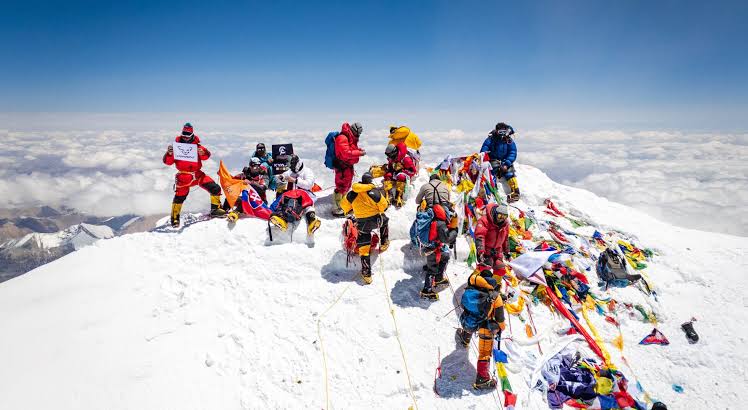
Spring is the primary Everest summit season — when hundreds of expedition teams from dozens of countries establish their camps on the South Col route, creating a unique atmosphere in the upper Khumbu of extreme-altitude professional preparation that adds a compelling dimension to the trekking experience. The Everest Base Camp in late April and May 2026 will be busy with expedition teams — tents, fixed lines, radio communications, and the occasional helicopter rotation — creating a completely different atmosphere from the quiet post-season base camp of October.
Spring mountain views are excellent in the mornings before the clouds build from midday; the rhododendron forests between Lukla and Namche bloom magnificently in March and April. Book teahouses and vehicles 3–4 weeks in advance for spring.
Physical Preparation – What the Research Says You Actually Need
The EBC trek requires no technical climbing skills — but it demands sustained aerobic fitness and mental resilience over 12–14 days at progressively increasing altitude. As experienced Kathmandu operators confirm, you need to be patient for two weeks, drink 3–4 litres of water a day, skip alcohol above Lukla, and trust your guide when they tell you to slow down.
The most common reason EBC treks end early isn’t inadequate fitness—it is rushing the acclimatisation schedule.
Cardiovascular Base: 6–8 weeks of consistent Zone 2 (moderate aerobic) training before departure. Long: Take long,w walks with a weighted pack (10–15 kg), cycle, swim times per week. Build to 4–5 hours of continuous activity at moderate intensity.
Knee and Hip Strength: The descent from Kala Patthar to Namche and Lukla involves thousands of meters of altitude loss. Lunges, step-ups, single-leg squats, and core work reduce knee impact. Begin knee strengthening at least 3 months before departure.
Altitude Preparation: If possible, spend 1–2 nights at altitude above 2,500 m before the trek begins. Kathmandu (1,350 m) provides minimal acclimatisation; Nagarkot (2,175 m), overnight via Nepal Vehicle Hiring jeep hire, offers a small but meaningful step in altitude preparation.
Altitude Medication: Consult your doctor about Diamox (Acetazolamide) for AMS prevention. Standard protocol is 125 mg twice daily starting hours before ascent above 3,000 m. Not a substitute for proper acclimatisation; it can assist adjustment.
Oxygen Saturation Monitoring: Good trekking operators carry pulse oximeters and check blood oxygen saturation twice daily from Namche onward. Normal SpO2 at sea level: 98–100%. At Namche (3,440 m, 85–95% is normal. Below 75% at any altitude = descend immediately and seek medical assessment.
Altitude Sickness – The Most Important Safety Information on the EBC Trek
Acute Mountain Sickness (AMS) is the primary safety challenge on the EBC trek — and the most common reason treks are cut short. It happens when you ascend too quickly for your body to acclimatise. At Everest Base Camp (5,364 m), the air contains approximately 50% of the oxygen available at sea level.
The body adjusts through acclimatisation by decreasing red blood cell production, breathing more deeply, and making physiological changes that take at least days per 1,000 m of sleeping altitude gain above 3,000 m.
AMS Symptoms (mild): Persistent headache, fatigue, nausea, loss of appetite, disturbed sleep, dizziness. Normal response: rest at current altitude. Do NOT ascend until all symptoms resolve.
HACE (High-Altitude Cerebral Oedema): SSevere headache unresponsive to paracetamol, loss of coordination (ataxia), altered consciousness, drowsiness. Emergency. Descend immediately and call for helicopter evacuation.
HAPE (High-Altitude Pulmonary Oedema): Breathlessness at rest, dry persistent cough, pink/frothy sputum, bluish lips. Emergency. Descend immediately – HAPE is the most common cause of altitude-related death in Nepal.
The Golden Rule: NEVER ascend when you have AMS symptoms. NEVER. No mountain view, no itinerary pressure, no group decision-making is worth your life. The mountain will be there tomorrow.
Emergency Resources: HAMS (High Altitude Mountain Sickness) clinics at Namche Bazaar and Pheriche on the EBC route. Nepal Police: 100. Tourist Police: +977-1-4700750. CIWEC Hospital Kathmandu: +977-1-4435232. Helicopter evacuation covered by comprehensive travel insurance.
Nepal Vehicle Hiring – Everest Region Transfer Services
Nepal Vehicle Hiring provides the complete private vehicle transfer solution for all Everest region access routes in 2026:
Kathmandu Hotel to Manthali (Ramechhap) Airport Transfer: The essential pre-dawn service. Departs 2:00–3:00 AM from any Kathmandu hotel. Private car, Scorpio, or Hiace van available. All vehicles are air-conditioned. Driver experienced with the Manthali and early-morning conditions. Journey time: 4–5 hours.
Manthali Airport to Kathmandu Hotel (Return Transfer): Nepal Vehicle Hiring vehicles wait at Manthali for returning trekkers’ Lukla flight arrival. Post-trek return to Kathmandu hotel. Journey time: 4–5 hours. Fully coordinated with flight timings.
Kathmandu to Salleri / Phaplu (Road Alternative): 270 km, 8–10 hours via Madhya Pahadi Highway. Private Scorpio or Land Cruiser recommended. Available October–May only (not during monsoon). Nepal Vehicle Hiring’s Scorpio/Bolero 4WDs handle the entire route, including the rough sections near Salleri.
Kathmandu to Kharikhola / Surke (Extended Road): Extended road alternative that puts trekkers within a 23-hour walk of Lukla. Available on request with Nepal Vehicle Hiring for groups avoiding flight disruption.
Flight Delay / Cancellation Emergency Response: Nepal Vehicle Hiring’s 24/7 operations line on WhatsApp coordinates alternative transport arrangements for Manthali-based trekkers when Lukla flights are cancelled, including activating the emergency Salleri road option.
No — as of 2026, all Lukla flights depart from Manthali (Ramechhap) Airport, not Kathmandu’s Tribhuvan International Airport. Trekkers must complete a 4–5-hour pre-dawn drive from Kathmandu to Manthali (departing around 2:00–3:00 AM) before the 20-minute flight to Lukla. Nepal Vehicle Hiring provides 24/7 Manthali transfer service for all EBC-bound trekkers.
What permits are required for the Everest Base Camp trek in 2026?
Two permits are required: (1) Sagarmatha National Park Entry Permit – NPR 3,390 (incl. VAT) — obtain at NTB Kathmandu before departure or at Monjo checkpoint; (2) Khumbu Pasang Lhamu Rural Municipality Permit – NPR 2,000–3,000 — issued only in Lukla or Monjo, in digital Trek Card with QR code format. TIMS is no longer required for the Everest region.
What is the difference between EBC and Kala Patthar – which is better?
Both are essential — but they offer different experiences. Everest Base Camp (5,364 m) is historically and emotionally significant — standing on the launchpad of every Everest expedition, with the Khumbu Icefall directly above. However, you can’t see Everest’s summit from EBC (Nuptse blocks it).
Kala Patthar (5,545 m) provides the closest, clearest full view of Everest’s summit available without technical climbing, plus the finest 360-degree Khumbu panorama. The standard itinerary visits both on consecutive days — always include both.
Is the road to Salleri a viable alternative to the Lukla flight?
Yes — the Kathmandu to Salleri / Phaplu road route (270 km, 8–10 hours) is a genuine and increasingly popular Lukla flight alternative, particularly for October–May travel. It provides 2–3 extra acclimatisation days on the lower Solu trail, avoids flight cancellations, and costs less.
Nepal Vehicle Hiring’s Scorpio or Land Cruiser jeep hire covers the entire Kathmandu-to-Salleri route. The road is not recommended during the monsoon (June–September).
How difficult is the Everest Base Camp trek?
The EBC trek is rated Moderate-Strenuous. It requires no technical climbing skills, no ropes or crampons (except on Three Passes variants), and is accessible to any reasonably fit adult with 6–8 weeks of cardiovascular preparation.
The challenges are duration (12–14 days of 5–7 hours of daily hiking, altitude (5,545 m at Kala Patthar, where 50% of sea-level oxygen is available), and mental endurance—the acclimatisation schedule is non-negotiable; rushing it causes the most premature trek endings.
What makes the Gokyo Lakes worth visiting instead of just EBC?
The Gokyo circuit visits the Ngozumpa Glacier (Nepal’s largest), five sacred turquoise glacial lakes, and Gokyo Ri (5,357 m) — the only accessible viewpoint in the Himalaya from which four 8,000 m peaks are simultaneously visible. Many experienced Himalayan trekkers rate the view from Gokyo Ri as surpassing even that of Kala Patthar in scenic impact.
The Three Passes Trek combines EBC and Gokyo into a single circuit, offering the complete Everest region experience in 18–21 days.
Can Nepal Vehicle Hiring coordinate both Manthali transfers and guide arrangements?
Yes — Nepal Vehicle Hiring provides integrated Everest region transport coordination: Kathmandu hotel to Manthali (pre-dawn), Manthali to Kathmandu on return, and Salleri road transfers. We partner with registered Kathmandu trekking agencies for guide and permit arrangements and can coordinate the complete logistics chain for your Everest trek as a single booking. Contact Nepal Vehicle Hiring on WhatsApp or vehiclehiringnepal.com.
Begin Your Everest Region Journey with Nepal Vehicle Hiring
The Everest region is Nepal’s greatest gift to the trekking world — a landscape of overwhelming mountain scale and beauty, inhabited by one of the world’s most extraordinary cultural communities, accessible to any committed trekker willing to invest the time and preparation and to respect the journey’s demands. The walk to Everest Base Camp is not merely a physical achievement — it is a transformation: a sustained encounter with human insignificance in the face of the planet’s grandest geography and with human capability in the face of extreme altitude, leaving everyone who completes it fundamentally changed.
Nepal Vehicle Hiring Pvt Ltd’s Everest region transfer services — Manthali pre-dawn transfers, Salleri road alternatives, and return Manthali pickups — form the logistical foundation of every Nepal Vehicle Hiring EBC trekking journey. Our 24/7 operations team, experienced pre-dawn drivers, 4WD jeep fleet, and emergency response coordination ensure your Everest journey begins and ends without transport stress—leaving you free to focus entirely on one of the greatest walks of your life.
Pokhara to Everest Region Transport – Complete Guide
The Everest region – home to the world’s highest mountain, the legendary Sherpa culture, the famous Hillary Step, and the iconic viewpoints of Kala Patthar and Gokyo Ri – is the most sought-after trekking destination in Nepal and one of the most iconic adventure destinations on earth. For travellers already in Pokhara after exploring the Annapurna region, how to get from Pokhara to the Everest region is both common and important.
Unlike the Annapurna region, which sits right on Pokhara’s doorstep, the Everest region lies on the opposite side of Nepal, requiring a journey back through or via Kathmandu. Multiple transport options exist for this cross-country journey, each with different prices, travel times, comfort levels, and conveniences.
This complete 2026 guide covers every tourist transport option from Pokhara to the Everest region – bus, private car, domestic flight, and combinations – with prices, journey details, and expert advice from Vehicle Hiring Nepal.
For travellers looking for the best trekking and planning to explore Kathmandu, we recommend continuing your journey with our trusted sister companies, Trek Nepal Himalayas and Alpine Luxury Treks. We specialise in organising a wide range of travel experiences across Nepal, from classic trekking adventures to cultural and wildlife tours.
Whether you are looking for a budget-friendly trip or a luxury trekking experience with top-end lodges, private guides, and high-end services, we manage every detail professionally. Our goal is to provide a smooth transition from your trekking adventure to a comfortable) and a memorable travel experience in Nepal.
Understanding the Geography: Why Pokhara to Everest is Not Direct
Many travellers are surprised to learn that getting from Pokhara to the Everest region isn’t a straightforward, direct journey. Here is why:
Everest Region Location: Eastern Nepal, Koshi Province, Solukhumbu District
Direct Distance: Approximately 200 km as the crow flies – but there is no direct road
Road Route via Kathmandu: Approximately 600–650 km total: Pokhara → Kathmandu (200 km) → Kathmandu to Salleri or Phaplu (330 km) or fly to Lukla
The Key Hub: Kathmandu is the unavoidable transit hub for all Pokhara to Everest region journeys
Whether you travel by bus, private car, or a combination of flights, Kathmandu serves as the central transit point between Pokhara in the west and the Everest region in the east. From Kathmandu, travellers either fly to Lukla (the primary gateway for Everest treks) or take a vehicle south and east to Salleri, Phaplu, or Jiri – the road access points to the lower Everest region.
All Transport Options: Pokhara to Everest Region
Route Option
Mode
Total Time
Total Cost (est.)
Best For
Pokhara → Kathmandu (bus) → fly Lukla
Bus + flight
1.5–2 days
USD 25–40 bus + USD 160–190 flight/person
Budget travellers, backpackers
Pokhara → Kathmandu (private car) → fly to Lukla
Car + flight
1–1.5 days
USD 80–110 car + USD 160–190 flight
Families, groups, comfort
Fly Pokhara → Kathmandu → fly Lukla
Flight + flight
Same day
USD 80–110 + USD 160–190/person
Fast, short on time
Pokhara → KTM (car) → drive to Salleri/Phaplu
Car + car
2–3 days
USD 80–110 + USD 180–250 vehicle
Trekkers starting the lower circuit
Pokhara → KTM (car) → drive to Jiri
Car + car
2 days
USD 80–110 + USD 130–170 vehicle
Jiri route for traditional trekkers
Pokhara → KTM (bus) → drive to Salleri
Bus + jeep
3 days
USD 15–25 bus + USD 180–250 vehicle
Budget group, lower Everest entry
Option A: Pokhara to Kathmandu + Fly to Lukla (Most Popular)
The most popular route for travellers heading from Pokhara to the Everest region is to first travel from Pokhara to Kathmandu, spend a night in Kathmandu, and then fly from Kathmandu to Lukla the following morning. This is the standard route for most Everest Base Camp trekkers starting from Pokhara.
Stage 1: Pokhara to Kathmandu
Transport Mode
Travel Time
Price
Departure
Comfort
Private Car / SUV (1–5 pax)
5–6 hrs
USD 80–120full car
Any time
Excellent – door-to-door
Private Hiace Van (7–14 pax)
5–6 hrs
USD 130–190 full van
Any time
Excellent – group together
Tourist Bus (shared)
7–8 hrs
USD 10–15 per person
7:00 AM fixed
Good – shared with others
Greenline Luxury Bus (shared)
6–7 hrs
USD 25–30 per person
8:00 AM fixed
Very Good – includes lunch
Domestic Flight
25 min
USD 80–110 per person
Multiple daily
Fastest – no road scenery
Stage 2: Kathmandu to Lukla by Flight
Airlines: Tara Air, Summit Air, Sita Air – daily flights in season
Flight Duration: 35 to 45 minutes
Ticket Price 2026: USD 160 to USD 200 per person, one-way
Departure: Multiple flights 6:00 to 11:00 AM – all flights complete before noon due to mountain weather
Lukla Airport: Tenzing-Hillary Airport at 2,860 m – famous as one of the world’s most extreme airports
Booking: Book at least 2 to 4 weeks in advance in peak season (March–May and October–November)
Cancellation Risk: Moderate to high – Lukla flights are weather-dependent and frequently delayed in monsoon and winter
Vehicle Hiring Nepal provides private car or bus transfers from Pokhara to Kathmandu. We do not sell Lukla flight tickets but can advise on booking. The Lukla flight must be booked through a licensed travel agency or directly with Tara Air / Summit Air.
Option B: Fly Pokhara to Kathmandu + Fly to Lukla (Same Day)
For travellers with very limited time who want to reach the Everest region as quickly as possible, you can fly from Pokhara to Kathmandu and then from Kathmandu to Lukla the same day, subject to flight timing.
Pokhara to Kathmandu flight: First flights depart approximately 6:30 to 7:00 AM, arriving in Kathmandu 7:00 to 7:30 AM
Transfer to domestic terminal: 15 to 20 minutes by taxi within Tribhuvan Airport
Kathmandu to Lukla: Flights depart from 6:00 to 10:30 AM – connecting from Pokhara in time for a 9:00–11:00 AM Lukla flight is possible
Total flight cost: USD 80–110 (Pokhara–KTM) + USD 160–190 (KTM–Lukla) = USD 240–300 per person
Risk: If your Pokhara–Kathmandu flight is delayed, you may miss your Lukla flight – allow buffer time
This same-day flight combination is possible but involves risk. We recommend arriving in Kathmandu the evening before and flying to Lukla the following morning for a stress-free start to your Everest trek. Vehicle Hiring Nepal can arrange airport transfers within Kathmandu for the domestic terminal connection.
Option C: Pokhara to Kathmandu + Drive to Salleri / Phaplu
For trekkers who want to begin the Everest region experience at a lower altitude and take the traditional lower Solu Khumbu approach, driving from Kathmandu to Salleri or Phaplu is an increasingly popular alternative to flying to Lukla. This route avoids unreliable Lukla flights and provides more gradual altitude acclimatisation.
Kathmandu to Salleri by Private Vehicle
Distance: Approximately 330 km from Kathmandu to Salleri
Travel Time: 8 to 10 hours by private jeep or car
Road Type: Kathmandu to Khimti (paved) + Khimti to Salleri (rough mountain road – 4WD recommended)
Vehicle: Toyota Land Cruiser or SUV recommended for the Khimti to Salleri section
Price: USD 180 to USD 250 for a private Land Cruiser from Kathmandu to Salleri
Altitude: Salleri at 2,420 m – good acclimatisation point before trekking higher
Kathmandu to Phaplu by Private Vehicle
Distance: Approximately 300 km
Travel Time: 7 to 9 hours
Road Type: Paved to Khimti, then rough mountain road
Price: USD 170 to USD 350 private vehicle
Altitude: Phaplu at 2,413 m – district hospital, small airport
Both Salleri and Phaplu are in the Solu Khumbu district and serve as alternative entry points to the Everest trekking region that avoid the Lukla flight. From Salleri or Phaplu, trekking routes head north to Namche Bazaar and the Khumbu Valley.
This lower entry takes 2 to 3 additional trekking days compared to starting in Lukla. Still, it provides important acclimatisation and passes through beautiful lower Solu villages that most Everest trekkers rarely see.
Option D: Pokhara to Kathmandu + Drive to Jiri (Classic Route)
Jiri is the traditional starting point of the Everest trek – the route walked by Sir Edmund Hillary and Tenzing Norgay’s expedition support team in 1953 and by all Everest trekkers until Lukla Airport opened in 1964. The Jiri to Namche Bazaar route takes 8 to 10 days of trekking but offers a rich, diverse cultural experience through the Jirel, Sherpa, and Tamang communities of the lower Solu Khumbu.
Kathmandu to Jiri Distance: Approximately 188 km
Travel Time: 5 to 7 hours by private vehicle
Road Type: Araniko Highway to Lamosangu, then Jiri road – rough sections
Price: USD 130 to USD 170 by private car or USD 170 to USD 250 by Land Cruiser
Trek from Jiri to Namche: 8 to 10 days walking (vs 2 days from Lukla)
Best For: Traditionalists, trekkers wanting the full Everest experience, those with time
Complete Journey Plans: Pokhara to Everest Region
Plan A: Standard Fast Route (3 Days to Namche)
Day 1: Pokhara to Kathmandu by private car (5–6 hrs) – overnightin Thamel
Day 2: Kathmandu sightseeing and trek preparation – permits, gear, briefing
Day 3 AM: Fly Kathmandu to Lukla (35–45 min, depart 6:30–9:00 AM)
Day 3: Trek Lukla to Phakding (2,610 m) – 3 to 4 hours trekking
Day 4: Trek Phakding to Namche Bazaar (3,440 m) – 5 to 6 hours
Plan B: Comfortable 3-Day Approach via Kathmandu
Day 1: Pokhara to Kathmandu by tourist bus (7–8 hrs) or private car (5–6 hrs)
Day 2: Kathmandu – Pashupatinath, Boudhanath sightseeing, permits, equipment
Day 3: Fly Kathmandu to Lukla – begin trek to Phakding
Day 4: Phakding to Namche Bazaar
Day 5: Namche acclimatisation day
Plan C: Budget Route via Bus
Day 1: Tourist bus Pokhara to Kathmandu (7–8 hrs, USD 10–15)
Day 2: Kathmandu preparation day
Day 3: Fly from Kathmandu to Lukla and trek to Phakding
Plan D: Adventure Route via Jiri or Salleri (Road to Everest)
Day 1: Private vehicle Pokhara to Kathmandu (5–6 hrs)
Day 2: Kathmandu to Salleri by private vehicle (8–10 hrs) or Jiri (5–7 hrs)
Day 3 onwards: Trek from Salleri/Jiri to Namche Bazaar (8–10 days)
Pokhara to Kathmandu – Vehicle Options and Prices
The first leg of any Pokhara-to-Everest-region journey is the Pokhara-to-Kathmandu transfer. Here are all your options:
Vehicle / Service
Capacity
Price
Travel Time
Best For
Private Sedan Car
1–3 pax
USD 80–150 full car
5–6 hrs
Couples, solo with luggage, fast travel
Private SUV / Fortuner
4–5 pax
USD 100–180 full car
5–6 hrs
Families, small groups
Private Hiace Van
7–14 pax
USD 130–200 full van
5–6 hrs
Trekking groups, large families
Private Coaster Bus
15–22 pax
USD 175–280 full bus
6–7 hrs
Large groups, expeditions
Standard Tourist Bus
Per seat
USD 10–15/person
7–8 hrs
Solo budget traveler
Greenline Luxury Bus
Per seat
USD 25–30/person
6–7 hrs
Comfort-seeking solo/couple
Domestic Flight (Pokhara-KTM)
Per seat
USD 80–200/person
25 min
No time for road, time-critical
Kathmandu to Lukla – Flight Information
The Kathmandu-to-Lukla domestic flight is the most critical and weather-sensitive transport link in the Everest region. Here is everything you need to know:
Airlines and Flight Details
Airlines: Tara Air (most popular), Summit Air, Sita Air
Aircraft Type: Twin Otter (small 19-seat turboprop) – designed specifically for mountain airports
Duration: 35 to 45 minutes, Kathmandu to Lukla
Route: Kathmandu (TIA) → Lukla (Tenzing-Hillary Airport, 2,860 m)
Departure Time: All Lukla flights depart from 6:00 to 11:00 AM – no afternoon flights due to mountain weather
Ticket Price: USD 160 to USD 250 per person one-way in 2026 (peak season top-end applies)
Luggage Limit: 15 kg per person, including hand luggage – strict weight limits
Excess Luggage: USD 2 to USD 3 per kg approximately
Lukla Flight Reliability
The Kathmandu-to-Lukla route is one of the most frequently delayed domestic routes in Nepal. Understanding the reliability issues is essential for planning:
Weather window: All flights operate early in the morning before mountain clouds and wind develop. After 11:00 AM, Lukla frequently becomes inaccessible.
Cancellation rate: In peak season (March–May and October–November), delays are common but usually short (same day). During the monsoon (June–September) and winter (December–February), cancellations are frequent and can last for multiple days.
Booking lead time: Book Lukla flights 2 to 4 weeks in advance in peak season – seats sell out quickly
Always build 1 to 2 extra days into your itinerary as a buffer for Lukla flight delays – this is essential for all Everest trekkers.
If your Lukla flight is cancelled, Vehicle Hiring Nepal can assist with alternative transport or same-day accommodation changes in Kathmandu.
Helicopter Alternative to Lukla
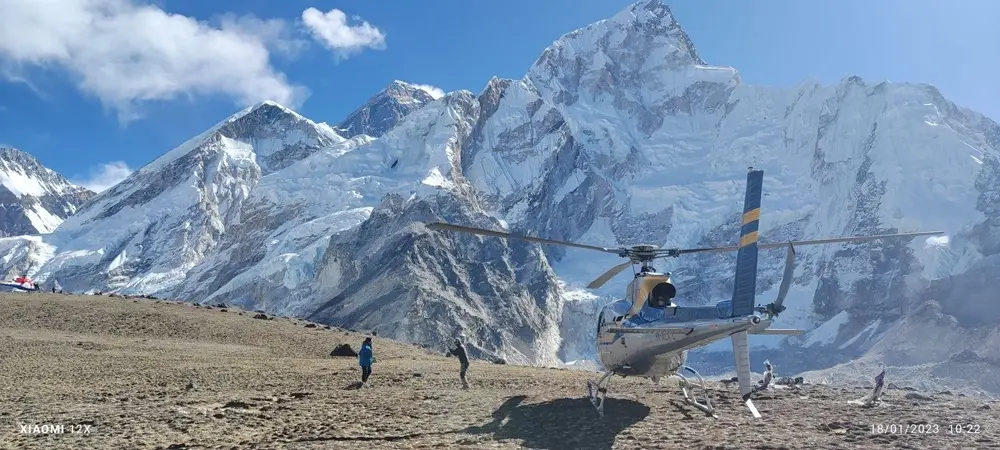
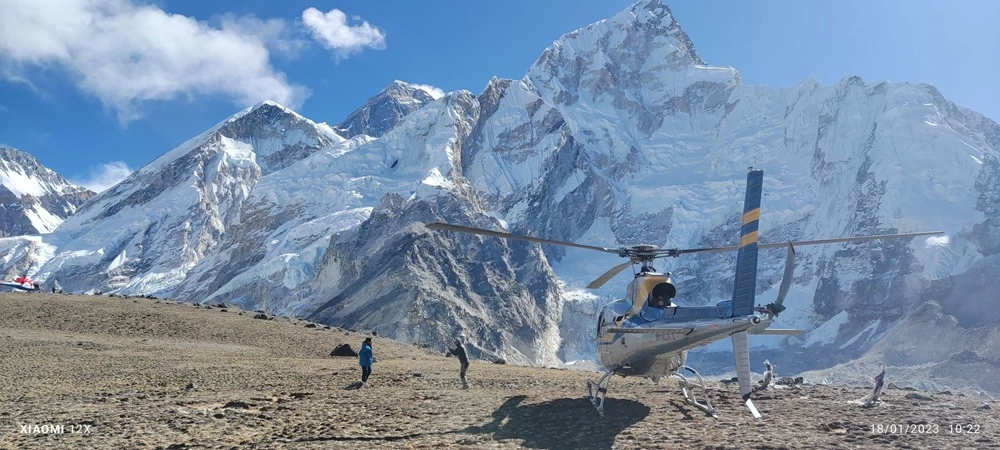
For travellers with budget flexibility, a private helicopter charter from Kathmandu to Lukla (or directly to Namche Bazaar at 3,440 m or even to Everest Base Camp at 5,364 m) is available. Helicopter service completely bypasses flight delays and delivers passengers in 20 to 25 minutes, with no weather restrictions.
Cost: USD 1,200-2,000 for a helicopter charter (shared among 4-5 passengers). Vehicle Hiring Nepal can connect you with licensed helicopter charter operators in Kathmandu.
Kathmandu to Salleri / Phaplu – Vehicle Hire Guide
For trekkers choosing the road access route to the Everest region from Kathmandu, here is the vehicle guide for the Kathmandu to Salleri and Kathmandu to Phaplu routes:
Route
Distance
Travel Time
Vehicle
Price (USD)
Road Condition
Kathmandu → Jiri
188 km
5–7 hrs
Sedan or SUV
USD 130–280
Paved to Lamosangu, then rough
Kathmandu → Salleri
330 km
8–10 hrs
Land Cruiser
USD 180–250
Rough from Khimti – 4WD needed
Kathmandu → Phaplu
300 km
7–9 hrs
Land Cruiser
USD 170–230
Rough mountain road – 4WD needed
Kathmandu → Kinja
230 km
6–8 hrs
Land Cruiser
USD 150–250
Rough section from Lamosangu
The Everest Region – What Awaits You
After the transport journey from Pokhara to the Everest region, here is what awaits trekkers and adventurers:
The Everest Base Camp Trek is the world’s most famous trek – a pilgrimage to the foot of the world’s highest mountain through the landscape of the legendary Sherpa culture, ancient monasteries, and the raw beauty of the Khumbu valley. Standing at Kala Patthar with Everest rising above you is one of the defining experiences of a lifetime of travel.
The Gokyo Lakes offer many trekkers an alternative to the EBC route with arguably better Everest views from Gokyo Ri. The five turquoise glacial lakes of the Gokyo valley are among the most beautiful natural features in the entire Khumbu region.
Three Passes Trek
Duration: 18 to 21 days
Passes: Renjo La (5,360 m), Cho La (5,420 m), Kongma La (5,535 m)
Difficulty: Very Strenuous – experienced high-altitude trekkers only
The Three Passes Trek is the finest and most demanding long-distance route in the Khumbu – crossing three high mountain passes while visiting EBC, Gokyo Lakes, and multiple Sherpa villages. It is widely considered one of the great trekking circuits in the Himalayan world.
Everest Panorama Trek (Shorter Option)
Duration: 7 to 10 days
Max Altitude: Tengboche Monastery (3,867 m) or Dingboche (4,410 m)
Best For: Trekkers with limited time or who want the Khumbu experience without going all the way to EBC
The Everest Panorama Trek offers magnificent views of the Everest region, including Ama Dablam, Lhotse, Nuptse, and Everest itself, without the full commitment of the EBC route. Ideal for travellers combining Pokhara and Everest in a 3-week Nepal itinerary.
Trekking Permits for the Everest Region
Permit
Cost 2026
Where to Get
Notes
Sagarmatha National Park Entry Permit
NPR 3,000 (USD 22) for foreigners
Nepal Tourism Board, Kathmandu, or at the Monjo checkpoint
Mandatory – checked at Monjo gate near Namche
TIMS Card – Trekkers Information Management
USD 10
Nepal Tourism Board / TAAN, Kathmandu or Pokhara
Required for all trekkers on the EBC route
Khumbu Pasang Lhamu Rural Municipality Fee
NPR 2,000 (USD 15)
Paid at the checkpoint near Lukla or Phakding
Local municipality entry fee – newer requirement
Arrange all permits in Kathmandu before departing for Lukla. The Nepal Tourism Board office in Kathmandu (Pradarshani Marg) is the best place to get both the Sagarmatha National Park permit and TIMS card in a single visit. Permit checks are thorough at the Monjo checkpoint near Namche Bazaar.
Combining Pokhara and Everest in One Nepal Trip
Many travellers want to experience both the Annapurna region (from Pokhara) and the Everest region on a single trip to Nepal. Here are the most practical combined itineraries:
Nepal Classic Circuit – 21 to 25 Days
Days 1–2: Arrivein Kathmandu – sightseeing, permits
Days 3–4: Kathmandu to Pokhara by private vehicle or bus
Days 5–7: Pokhara – Annapurna region activity (Poon Hill trek or Sarangkot/sightseeing)
Day 8: Pokhara to Kathmandu by private vehicle or bus
Day 9: Kathmandu overnight
Day 10: Fly Kathmandu to Lukla – begin Everest Base Camp Trek
Days 10–22: Everest Base Camp Trek (12-day round-trip to Lukla)
Days 1–3: Kathmandu – arrive, sightseeing, permits
Day 4: Kathmandu to Besisahar by Hiace (Annapurna Circuit start)
Days 4–20: Full Annapurna Circuit (via Thorong La to Muktinath, Jomsom, Nayapul)
Day 21: Nayapul to Pokhara – rest in Pokhara Lakeside
Day 22: Pokhara to Kathmandu by private vehicle
Day 23: Kathmandu – rest, restock, permits
Day 24: Fly Kathmandu to Lukla – Everest trek begins
Days 24–36: Everest Base Camp Trek
Day 37: Fly Lukla to Kathmandu – depart Nepal
Short Nepal – Pokhara + Everest Panorama – 18 Days
Days 1–2: Kathmandu
Day 3: Pokhara by vehicle
Days 4–5: Pokhara sightseeing
Day 6: Pokhara to Kathmandu
Day 7: Fly to Lukla – Everest Panorama Trek begins
Days 7–15: Everest Panorama Trek to Tengboche and back to Lukla
Day 16: Fly Lukla to Kathmandu
Days 17–18: Kathmandu – depart
Best Time for Pokhara to Everest Region Transport
October to November (Peak Season – Best)
The finest season for both Pokhara and the Everest region. Clear skies, brilliant mountain views, and optimal trekking conditions. Lukla flights are most reliable in October and November.
Book all transport – Pokhara-to-Kathmandu vehicle, Lukla flights, and trekking permits – at least 4 to 6 weeks in advance, as demand is at its highest.
March to May (Excellent – Spring Season)
Spring is excellent for both regions. Rhododendrons bloom magnificently in the lower Khumbu valleys. Everest can be climbed in May – the mountain is alive with expedition activity.
Lukla flights are generally reliable in the morning window. Book 4 to 6 weeks ahead.
December to February (Cold – Possible)
Winter is possible for experienced trekkers. Lukla flights are less reliable in January–February because of the weather. The Everest region is cold and clear – some say the mountain views are the finest of the year in December: very few trekkers and a unique, quiet atmosphere.
June to September (Monsoon – Not Recommended for Everest)
The Everest region receives significant monsoon rainfall from June through September. Trail conditions are difficult, leeches are present at lower altitudes, and Lukla flights are highly unreliable. Unlike Upper Mustang, which is dry during the monsoon, the Khumbu Valley receives full monsoon rain—so it’s not recommended for the standard Everest region trek.
Some experienced trekkers do the Three Passes route during the monsoon for its unique atmosphere, but it is not for beginners.
Practical Tips: Pokhara to Everest Region
Always plan 1 to 2 buffer days in Kathmandu before your Lukla flight – delays are common, and starting an Everest trek stressed by flight delays is not ideal.
Book Lukla flights as early as possible – seats fill up 4 to 6 weeks ahead in peak season
The 15 kg luggage limit on Lukla flights is strict – pack your main trekking pack carefully and hire a porter for any excess gear.
Obtain a Sagarmatha National Park permit and a TIMS card in Kathmandu on the day before your Lukla flight.
Take the private car option from Pokhara to Kathmandu if you have trekking gear and large bags – the tourist bus luggage hold has limited space, and your gear is not well-protected
Arrange your Kathmandu accommodation before leaving Pokhara – Thamel fills up fast in peak season.
If your Lukla flight is cancelled on your first attempt, remain calm – delays of 1 to 2 days are very common. Have a book, a local SIM card, and a plan to explore Kathmandu while you wait.
The road route via Salleri or Jiri avoids all flight uncertainty – strongly consider this option if you have 10 to 12 days for the lower approach.h
Travel insurance covering helicopter evacuation from the Khumbu is essential for all Everest region trekkers.s
What Vehicle Hiring Nepal Provides for This Route
Vehicle Hiring Nepal specialises in the ground transport portion of the Pokhara to Everest region journey:
Private car, Hiace van, or bus transfer from Pokhara to Kathmandu – all vehicle types and group sizes
Airport transfers within Kathmandu – hotel to domestic terminal for Lukla flight
Kathmandu to Jiri / Salleri / Phaplu vehicle hire for road-access Everest routes
Return transport from Kathmandu to Pokhara at the end of your Everest trip
24/7 support – if your Lukla flight is cancelled, contact us for same-day Kathmandu accommodation transfer or itinerary adjustment assistance
We do not sell Lukla flight tickets or arrange trekking permits – these must be obtained through licensed travel agencies and the Nepal Tourism Board. However, we can recommend reliable partners for both.
How to Book Your Pokhara to Everest Region Transport
Contact Vehicle Hiring Nepal via WhatsApp or visit vehiclehiringnepal.com
Please tell us your current location (Pokhara) and your Everest Region destination plan.
Confirm your travel dates – Pokhara departure date and Kathmandu overnight date.
Choose your Pokhara to Kathmandu vehicle – car, Hiace, or bus, depending on the group size.e
Specify whether you need a Kathmandu airport transfer for your morning flight to Lukla.
Specify whether you need a Kathmandu-to-Jiri or Kathmandu-to-Salleri vehicle for the road access option.
Receive booking confirmation with driver details and complete journey plan.
Frequently Asked Questions
Is there a direct road from Pokhara to the Everest region?
No. No direct road connects Pokhara to the Everest region. All road routes must pass through or via Kathmandu. The shortest road route is approximately km5- 650 km total (Pokhara → Kathmandu → Salleri/Jiri) and takes 3 days of driving.
Most trekkers take the Pokhara-to-Kathmandu road or bus, then fly from Kathmandu to Lukla.
How many days should I budget for travel from Pokhara to Lukla?
Budget for a minimum of 2 days: Day 1 – Pokhara to Kathmandu (5 to 8 hours depending on transport); Day 2 – Kathmandu preparation and fly to Lukla (morning flight). We recommend 3 days to allow a full day in Kathmandu for sightseeing, permit processing, and gear preparation without rushing.
What if I only have 2 weeks in Nepal – can I do both Pokhara and Everest?
Yes, but it requires a tight schedule. A 14-day itinerary combining Pokhara and Everest Panorama Trek is possible: 2 days in Kathmandu, 1 day Pokhara to Kathmandu transfer (or fly 25 min), 2 days Pokhara sightseeing, 1 day back to Kathmandu, 1 day fly to Lukla, 7 days Everest Panorama Trek to Tengboche and return to Lukla, fly back to Kathmandu, depart. This is achievable with good planning and no flight delays.
Is the road from Kathmandu to Salleri better than the Lukla flight?
The road to Salleri avoids all flight uncertainty and provides a more gradual altitude acclimatisation – both significant advantages. The disadvantage is that it adds 8 to 10 hours of rough-road driving and 2 to 3 days of lower-altitude trekking before reaching the classic Everest scenery above Namche.
For trekkers with 18 or more days available, the road to Salleri is a genuinely superior experience. For those with 12 to 14 days, the Lukla flight is more practical.
Final Thoughts
Getting from Pokhara to the Everest region requires planning. Still, the journey itself – through Kathmandu, with its UNESCO heritage sites, and the final dramatic flight over mountain valleys to Lukla – is part of the Everest adventure. The view of Everest and Ama Dablam from your first high ridge above Namche Bazaar makes every hour of travel from Pokhara feel like the most worthwhile journey you have ever made.
Vehicle Hiring Nepal handles ground transport for Pokhara-to-Everest journeys with the reliability and expertise we bring to every Nepal route. From your Pokhara hotel to Kathmandu, from Kathmandu airport to your Thamel hotel, and from Kathmandu to the Jiri or Salleri trailhead – we have the right vehicle, the right driver, and the right support for every leg of your journey.
Overland Everest Base Camp Transfer Kathmandu: Complete 4WD Jeep Guide
Everest Base Camp is the world’s most iconic trekking destination: a 5,364-meter glacial amphitheatre at the foot of the world’s highest mountain, surrounded by the Khumbu Icefall, the Western Cwm, and a ring of spectacular Himalayan peaks including Lhotse, Nuptse, Pumori, Ama Dablam, and Cho Oyu. Every year, tens of thousands of trekkers from around the world make the journey to stand at the base of Mount Everest and look up at the world’s highest mountain.
For most of these trekkers, the journey begins with a flight from Kathmandu to Lukla — a 35-minute mountain hop that drops them at 2,860 meters, at the start of the classic Khumbu trail. But Lukla flights are notoriously unreliable. Weather cancellations, mechanical delays, and seasonal congestion regularly strand trekkers in Kathmandu for days, disrupting carefully planned itineraries and frustrating even the most patient adventurers.
There is a better way. The overland transfer from Kathmandu to the Everest Base Camp trailheads — by private 4WD jeep along the BP Highway through Dhulikhel, Khurkot, Okhaldhunga, Salleri, Phaplu, and onward to Thamdanda or Surke — is the original, the reliable, and for those who experience it, the most rewarding approach to Everest.
Before Lukla airport was built, every Everest expedition walked in from the lowlands. Now, the road has been extended deep into the Solukhumbu hills, bringing the trailhead closer than ever and making the overland option genuinely competitive in terms of time, cost, and experience.
At Nepal Vehicle Hiring Pvt Ltd, we specialise in professional 4WD jeep transfers for the overland Everest Base Camp route. This comprehensive 2026 guide covers everything — the route, every trailhead option, vehicle costs, the overland itinerary, road conditions, permits, and the expert tips that separate a smooth overland Everest adventure from a difficult one.
The Tenzing-Hillary Airport at Lukla (IATA: LUA) is one of the world’s most weather-sensitive airstrips. Scheduled Lukla flights from Kathmandu are cancelled or delayed with extraordinary frequency, sometimes for multiple consecutive days, due to cloud cover, wind, and poor visibility.
In peak trekking season, a 3-day Lukla flight delay can derail an entire carefully planned EBC itinerary. The overland jeep transfer eliminates this risk. Your journey begins when you leave your Kathmandu hotel and ends when the jeep drops you at the trailhead — no aviation weather uncertainty involved.
Significant Cost Savings
A one-way Kathmandu-to-Lukla flight costs approximately USD 200 to 254, significantly higher than in previous years due to increases in costs. A round-trip Lukla flight therefore costs USD 400-500 per person.
By comparison, a shared jeep seat from Kathmandu to Salleri costs NPR 3,000 to 4,500 (approximately USD 22 to 34 per person), and a private 4WD jeep from Kathmandu to Thamdanda costs NPR 28,000 to 40,000 for the full vehicle. For trekking groups of 4 or more, the overland option offers substantial savings compared with multiple flights to Lukla.
Natural Acclimatisation advantage
The overland approach to Everest Base Camp offers a significant acclimatisation advantage over the Lukla flight route. Rather than being dropped at 2,860 meters (Lukla) in 35 minutes from Kathmandu at 1,400 meters, the overland trekker gains altitude gradually over 2 to 4 days of trekking from the roadhead at Salleri (2,398 m), Phaplu (2,400 m), Thamdanda (2,580 m), or Surke (2,290 m).
This natural altitude gain significantly reduces the risk of acute mountain sickness and improves the overall Khumbu trekking experience.
The Road as Part of the Adventure
The overland drive from Kathmandu to the Everest region trailheads is itself a genuinely remarkable journey. The BP Highway climbs through the Kathmandu Valley, descends to the Sun Koshi River at Khurkot, crosses into Okhaldhunga District, and winds through increasingly remote hill country, with views of the distant Himalayan peaks growing more dramatic with every hour.
Trekkers who take this route invariably describe it as the start of the adventure, not merely the journey to get there.
The Original Everest Approach
Before Lukla airport was constructed in the 1960s, every Everest expedition and early trekking group walked in from Jiri or from the Terai, taking 14 to 16 days to reach Namche Bazaar on foot. The overland route reconnects modern trekkers with this original approach—the same valleys, villages, and cultural landscape the pioneering Everest expeditions traversed. The Jiri-to-Salleri-to-EBC route is the most historically significant approach to the world’s highest mountain.
Overland EBC Trailheads: Complete Comparison
As of 2026, the road network in the Solukhumbu region has extended significantly beyond its previous limit at Salleri and Phaplu. Here is a complete guide to every overland trailhead option for the Everest Base Camp trek:
Trailhead
Distance from KTM
Drive Time
Altitude
Days Trek to Lukla
Days Trek to EBC
Jeep Road Status
Jiri
187 km
6–8 hours
1,905 m
8–10 days
18–22 days
Paved highway
Salleri
267 km
9–11 hours
2,398 m
2 days
14–16 days
Paved + rough track
Phaplu
290 km
9–11 hours
2,400 m
2 days
14–16 days
Rough jeep track
Thamdanda
358 km
14–17 hours
2,580 m
1 day
13–15 days
New rough road (4WD only)
Surke
370 km
15–17 hours
2,290 m
1-day walk to Phakding
12–14 days
New rough road (4WD only)
Ramechhap (Manthali Airport)
132 km
3–4 hours
480 m
Flight to Lukla
12–14 days
Paved highway
Note: Thamdanda and Surke roads were newly constructed in 2026 and are rough and still developing; a 4WD jeep is mandatory. Ramechhap is an alternative flight transfer option — not a full overland route, but included for comparison.
The Overland Route: Kathmandu to Thamdanda (Main Route)
The primary overland route to the closest Everest trailhead (Thamdanda/Surke) follows the BP Highway from Kathmandu through Dhulikhel, then heads east into the Solukhumbu hills via Khurkot, Ghurmi, Okhaldhunga, Salleri, and Phaplu before reaching the end of the motorable road near Thamdanda. Here is the stage-by-stage breakdown:
The journey begins in Kathmandu, heading east on the Araniko Highway. The road is smooth and well paved as it climbs from the Kathmandu Valley through Bhaktapur and along the valley rim to Dhulikhel at 1,550 meters. Dhulikhel is an excellent first stop for tea and the first panoramic mountain views of the journey — on a clear morning, the Himalayas from Annapurna to the Everest massif are visible from the Dhulikhel ridge.
Stage 2: Dhulikhel to Khurkot via Dolalghat – 70 km (2.5 hours)
From Dhulikhel, the road descends to Dolalghat at the confluence of the Sun Koshi and Indrawati rivers, then continues south on the BP Highway to Khurkot. This section passes through the dramatic Sun Koshi gorge — one of the most scenic river valleys in Nepal.
The road is paved and in good condition, with the river visible below and densely forested hillsides above. Khurkot is a junction town and a good stop for mid-morning snacks.
Stage 3: Khurkot to Okhaldhunga – 100 km (3 hours)
After Khurkot, the route turns east off the BP Highway toward Okhaldhunga. This section climbs steeply into the Okhaldhunga hills along increasingly narrow, winding roads. The landscape transforms from river gorge to high hill country.
Okhaldhunga town, at approximately 1,720 meters, is the last major town on the route with reliable fuel stations, restaurants, and accommodation. It is an important checkpoint stop.
Stage 4: Okhaldhunga to Salleri – 40 km (2 hours)
The road from Okhaldhunga continues east through remote mountain villages and dense forest toward Salleri at 2,398 meters — the district headquarters of Solukhumbu. This section is where the road surface becomes significantly rougher and a 4WD vehicle becomes essential. The views of the distant snow peaks grow increasingly impressive as you gain altitude.
Salleri is a small but well-equipped town with guesthouses, shops, and the ACAP permit checkpoint.
Stage 5: Salleri to Phaplu – 3 km (15 minutes)
Phaplu is located just 3 kilometres from Salleri and has a small STOL airstrip (Phaplu Airport) that serves occasional flights from Kathmandu and Lukla. Many trekkers use Phaplu as their starting point, and it has several good guesthouses and a medical facility, making it a practical overnight base before beginning the trek.
Stage 6: Phaplu to Thamdanda – 65 km (4 to 5 hours)
Beyond Phaplu, the road continues along an increasingly rough, newly developed jeep track through the villages of Ringmo and Junbesi before reaching Thamdanda at approximately 2,580 meters. This section of road, developed progressively since 2020, is now drivable by a 4WD jeep but remains rough, narrow, and demanding.
Thamdanda is the current de facto end of the motorable road for the EBC overland approach, placing trekkers just 1 to 2 days’ walk from the established EBC trail at Phakding.
Stage 7: Thamdanda to Surke (Extension – Optional)
The road continues a further 12 km beyond Thamdanda toward Surke — a small village at approximately 2,290 meters that sits directly on the main EBC trekking trail between Chaurikharka/Lukla and Phakding. Reaching Surke by jeep effectively drops trekkers onto the main EBC trail without any approach hiking, making it the most direct possible overland access to the established Khumbu trek route.
As of early 2026, the Thamdanda to Surke road is passable by a capable 4WD but is rough and not always reliable.
Route Overview Table: Kathmandu to Thamdanda
Stage
Section
Distance
Road
Time
Key Notes
1
Kathmandu to Dhulikhel
30 km
Paved – smooth
1 hr
Mountain views, first tea stop
2
Dhulikhel to Khurkot
70 km
Paved BP Highway
2.5 hrs
Sun Koshi gorge scenery
3
Khurkot to Okhaldhunga
100 km
Paved, narrowing
3 hrs
Last major fuel stop
4
Okhaldhunga to Salleri
40 km
Rough – 4WD needed
2 hrs
Solukhumbu entry, ACAP checkpoint
5
Salleri to Phaplu
3 km
Rough track
15 min
District HQ, airport, guesthouses
6
Phaplu to Thamdanda
65 km
Very rough – 4WD only
4–5 hrs
New road, rough surface
7
Thamdanda to Surke (opt.)
12 km
Rough developing road
1–1.5 hrs
Drops onto the main EBC trail
TOTAL
Kathmandu to Thamdanda
358 km
Mixed
14–17 hrs
Split across 2 days is recommended
Why Nepal Vehicle Hiring’s Private 4WD Jeep is Essential
The overland EBC transfer is not a standard city taxi journey. The section from Okhaldhunga to Thamdanda traverses some of the most demanding unpaved mountain roads in Nepal. Here is why Nepal Vehicle Hiring’s professional 4WD fleet is the right choice:
280mm ground clearance on the Toyota Hilux — handles the deeply rutted Phaplu to Thamdanda road sections
Pre-expedition service on all vehicles —tyres, brakes, fluids, and air filters checked before every overland EBC transfer
Experienced drivers who have made the Kathmandu to Thamdanda route multiple times — know every road condition, fuel stop, and overnight point.
Adequate boot space for full trekking bags, porter loads, and group equipment
Emergency kit including basic tools and puncture repair — standard fitment on all overland EBC vehicles
The driver maintained mobile and radio communication with Nepal Vehicle Hiring operations throughout the journey.
Overland vs Lukla Flight: Cost Comparison
Transport Option
Cost Per Person
Round Trip Per Person
Notes
Kathmandu to Lukla (direct flight)
USD 200–254 one way
USD 400–508
Weather-dependent, frequent delays
Ramechhap to Lukla (STOL flight)
USD 130–180 one way
USD 260–360
KTM to Ramechhap jeep extra
Kathmandu to Ramechhap (jeep)
NPR 2,500–4,000/pax
–
Add-on to the Ramechhap option
Kathmandu to Salleri (sharing jeep)
NPR 3,000–4,500/pax (USD 22–34)
NPR 6,000–9,000
Budget overland, 10–11 hrs
Kathmandu to Thamdanda (sharing jeep)
NPR 4,000–5,500/pax (USD 30–41)
NPR 8,000–11,000
Best overland value, 14–17 hrs
Kathmandu to Thamdanda (private Hilux, 5 pax split)
NPR 7,200–10,000/pax (USD 54–75)
NPR 14,400–20,000/pax
Private comfort, reliable 4WD
Overland travel vs Lukla flight: USD 125- 450+ per person, depending on group size and vehicle type. For a group of 5 trekkers taking a private Hilux to Thamdanda, the overland option saves approximately USD 1,625-2,375 compared to 5 round-trip Lukla flights.
The Classic Jiri Route – Original Everest Approach
Before the road network extended to Salleri, Phaplu, and Thamdanda, Jiri (1,905 metres, about 187 km from Kathmandu) was the closest roadhead to the Everest region. The Jiri to Everest Base Camp route is the most historically significant trekking route in Nepal, used by the 1953 Hillary/Tenzing expedition and all early Everest-climbing teams.
The Jiri route begins at Jiri and takes 18 to 22 days to reach EBC, passing through Sete, Junbesi, Salleri, Phaplu, Lukla, Namche Bazaar, and the full Khumbu trail. It is longer but offers the richest cultural experience of any EBC approach — passing through more diverse ethnic communities, more spectacular lower-altitude landscapes, and more traditional villages than the shorter Salleri or Thamdanda routes.
Jiri Route Details
Information
Kathmandu to Jiri Distance
187 km
Drive Time
6 to 8 hours
Road Condition
Paved highway to Jiri – most comfortable overland option
Jiri to Lukla (trekking)
8 to 10 days
Jiri to EBC (total trekking)
18 to 22 days
Private Jeep Cost from KTM to Jiri
NPR 15,000–22,000
Sharing Jeep Cost (per person)
NPR 800–1,200 per person
Historical Significance
Original Everest expedition approach route
Best For
Experienced trekkers with 20+ days available
Ramechhap / Manthali Airport: The Hybrid Option
Ramechhap (Manthali Airport) is located approximately 132 km from Kathmandu on the BP Highway and serves as an alternative departure airport for Lukla flights. During peak trekking seasons (spring and autumn), many Lukla flights are operated from Ramechhap rather than Kathmandu to reduce air traffic congestion at Tribhuvan International Airport.
The Kathmandu-to-Ramechhap jeep transfer, combined with a Ramechhap-to-Lukla flight, is the most popular hybrid option for trekkers who want to reduce the cost of the Lukla flight while keeping the shorter approach to EBC. Nepal Vehicle Hiring provides this transfer as a standard service.
Detail
Information
Kathmandu to Ramechhap Distance
132 km
Drive Time
3 to 4 hours
Road Type
Paved BP Highway – comfortable for any vehicle
Recommended Departure Time
2:00 AM – 4:00 AM (flights depart early morning)
Private Jeep Cost
NPR 12,000–18,000 (one way)
Private Car Cost
NPR 8,000–12,000 (one way)Shared
g Jeep Cost
NPR 1,500–2,500 per person
Ramechhap to Lukla Flight
USD 130–180 one way
Total Savings vs KTM Lukla Flight
USD 20–74 per person on flight + jeep cost
Nepal Vehicle Hiring Service
24/7 transfers, including pre-dawn departures
IMPORTANT: Ramechhap flights often depart between 5:30 AM and 7:00 AM. This means departing from Kathmandu between 2:00 AM and 3:30 AM. Nepal Vehicle Hiring provides pre-dawn Ramechhap transfers as standard — our drivers are experienced in early-morning airport transfers.
Suggested Overland EBC Itinerary (via Thamdanda)
The following itinerary uses the Kathmandu to Thamdanda overland jeep transfer as the approach to EBC:
Day
Activity
Overnight
Altitude
Day 1
Drive Kathmandu to Okhaldhunga (overnight en route)
Okhaldhunga
1,720 m
Day 2
Drive Okhaldhunga to Thamdanda (via Salleri, Phaplu)
Thamdanda
2,580 m
Day 3
Trek Thamdanda to Phakding (via Surke or Chheplung)
Phakding
2,610 m
Day 4
Trek Phakding to Namche Bazaar
Namche Bazaar
3,440 m
Day 5
Acclimatisation day in Namche Bazaar
Namche Bazaar
3,440 m
Day 6
Trek Namche to Tengboche
Tengboche
3,860 m
Day 7
Trek Tengboche to Dingboche
Dingboche
4,360 m
Day 8
Acclimatization day in Dingboche
Dingboche
4,360 m
Day 9
Trek Dingboche to Lobuche
Lobuche
4,940 m
Day 10
Trek Lobuche to Gorak Shep – visit EBC
Gorak Shep
5,164 m / EBC 5,364 m
Day 11
Kala Patthar sunrise (5,545 m) – descend to Pheriche
Pheriche
4,243 m
Day 12
Trek Pheriche to Namche Bazaar
Namche Bazaar
3,440 m
Day 13
Trek Namche to Phakding to Surke
Surke/Thamdanda
2,290 m
Day 14
Jeep Thamdanda to Kathmandu (via Salleri and Okhaldhunga)
Kathmandu
–
Day 15
Reserve day – weather/pace buffer
Flexible
–
Total overland EBC trip duration: 14 to 16 days, including 2 driving days each way. Compared to 12 to 14 days for the Lukla flight route, the overland option adds 2 days of driving but removes flight uncertainty, provides better acclimatisation, and costs significantly less.
Permits Required for Overland EBC Transfer and Trek 2026
Permit
Cost
Required For
Where to Obtain
Sagarmatha National Park Entry
USD 30 per person
All visitors to the Khumbu region / EBC trail
National Park checkpoint (Monjo)
Khumbu Pasang Lhamu Rural Municipality Permit
USD 30 per person
Entering the Khumbu area
Local Municipality checkpoints
TIMS Card
NPR 2,000 (foreigners)
All trekkers on multi-day routes
Nepal Tourism Board, Kathmandu
Restricted Area Permit
Not required for standard EBC route
Only for off-route or restricted zones
Not applicable to standard EBC
Vehicle Movement Permit
Arranged by Nepal Vehicle Hiring
4WD vehicles on the Okhaldhunga/Salleri roads
Nepal Vehicle Hiring handles
Obtain all trekking permits in Kathmandu before departure. The Nepal Tourism Board office in Thamel is the most convenient place to collect permits. You pay Sagarmatha National Park entry and Khumbu municipality permits at the trail checkpoints.
Choosing Your Trailhead: Which is Best for You?
Trailhead
Drive Time
Trek to EBC
Acclimatisation
Cost (Private Jeep)
Best For
Jiri
6–8 hrs
18–22 days
Best – gradual
USD 200- 250
Max acclimatisation, historic route
Salleri
9–11 hrs
14–16 days
Very good
NPR 200- 300
Balanced time and acclimatisation
Phaplu
9–11 hrs
14–16 days
Very good
300-350
Best facilities at the trailhead
Thamdanda
14–17 hrs
12–14 days
Good
350-450
Closest road to the EBC trail
Surke
15–17 hrs
12–13 days
Good
350-500
Directly on the EBC trail (Phakding access)
What to Pack for the Overland EBC Transfer
All trekking permits arranged in Kathmandu before departure – TIMS card from Nepal Tourism Board
Warm layers for the overnight stop in Okhaldhunga (1,720 m) – nights are cool
Full EBC trekking gear packed in your main bag – placed in vehicle boot or roof rack
Small daypack accessible in the vehicle with water, snacks, documents, and a camera
Face mask or buff scarf – the road beyond Okhaldhunga is dusty on the dry sections.
Motion sickness tablets – the mountain road from Okhaldhunga to Salleri is winding and bumpy.
Nepali cash for overnight accommodation in Okhaldhunga or Salleri + trail expenses
Water bottles – refill at teahouses in Okhaldhunga, Salleri, and Phaplu
Sunscreen and sunglasses – UV intensity increases significantly from Salleri altitude upward
Altitude medicine (Diamox) for the Khumbu portion – consult a doctor before departure
Power bank for phone and headtorch charging – power cuts are common in Okhaldhunga
Offline map of the region downloaded (Maps.me) – mobile data absent beyond Salleri
Best Season for the Overland EBC Transfer
Autumn (October to November) – Best Season
Autumn is the finest season for the overland EBC transfer and trek. Post-monsoon roads are at their best, freshly graded after the summer rains. Skies are crystal clear from Kathmandu to the Khumbu, Everest is fully visible from Kala Patthar, and the mountain panoramas throughout the trek are outstanding.
October is peak season — book your private jeep well in advance.
Spring (March to May) – Excellent
Spring is the second peak EBC trekking season. The overland roads are dry and in good condition. Rhododendron forests bloom magnificently along the lower Solukhumbu trail sections.
Mountain views are generally excellent. April is the prime Everest climbing season — the mountain is busy, but conditions are ideal. May sees some pre-monsoon cloud development at lower altitudes.
Winter (December to February) – Possible with Preparation
The overland roads to Salleri and Phaplu are generally open in winter. The road beyond Phaplu to Thamdanda may have frost and icy sections in December and January. The EBC trek in winter is cold, quiet, and spectacular for mountain views — but be prepared for temperatures at Gorak Shep below -20°C at night.
Professional guidance is essential in winter.
Monsoon (June to August) – Not Recommended
The monsoon season makes the roads beyond Okhaldhunga particularly hazardous due to landslides, deep road rutting, and slippery surfaces. The EBC trail itself is leechy, wet, and cloudy above Namche. Nepal Vehicle Hiring does not recommend the overland EBC transfer during the core monsoon months.
Expert Tips for the Overland EBC Jeep Transfer
Book your private jeep at least 5 to 7 days in advance during October, November, March, and April — Thamdanda-bound vehicles are in high demand during peak season.
Split the drive over 2 days, with an overnight in Okhaldhunga — the Kathmandu-Thamdanda journey (358 km, 14–17 hours) is too long for a single day, and arriving at the trailhead exhausted is not ideal preparation for the trek.
Carry all Kathmandu permits from the Nepal Tourism Board before departure — there is no permit facility at Salleri, Phaplu, or Thamdanda.
The Phaplu to Thamdanda road (65 km, 4–5 hours) is the most demanding section — always use a Toyota Hilux or Land Cruiser for this leg, not a standard Scorpio.
On the return journey, Nepal Vehicle Hiring coordinates your jeep pickup from Thamdanda or Surke with your trek guide — confirm the exact finishing date before starting the trek.
Carry significantly more cash than you think you need from Kathmandu — there are no ATMs between Okhaldhunga and Namche Bazaar on the trek.
The Ramechhap hybrid option (early morning jeep transfer + Manthali Airport flight) is recommended for trekkers who want to save money on Lukla flights without committing to the full overland approach.
For groups of 4 or more, a private Toyota Hilux to Thamdanda almost always saves money compared to multiple round-trip flights to Lukla.
Nepal Vehicle Hiring provides the return transfer from Thamdanda to Kathmandu as part of the same booking—arrange this before you start the trek so your driver is waiting when you finish.
How to Book Your Overland EBC Transfer with Nepal Vehicle Hiring
Booking your overland EBC jeep transfer with Nepal Vehicle Hiring Pvt Ltd is straightforward:
Step 1: Contact us via phone, WhatsApp, or at vehiclehiringnepal.com
Step 2: Share your travel date, trailhead preference (Jiri / Salleri / Phaplu / Thamdanda / Surke / Ramechhap), group size, and hotel in Kathmandu
Step 3: Choose your vehicle – shared jeep, private Scorpio, Hilux/Fortuner, or Land Cruiser
Step 4: Confirm return transfer requirement – we arrange return pickup from Thamdanda or Surke at the end of your trek
Step 5: Receive your booking confirmation with driver details, vehicle information, and pickup time
Step 6: Your driver picks you up at the agreed time and begins your overland Everest adventure
For Ramechhap pre-dawn transfers, Nepal Vehicle Hiring provides 2:00 AM to 4:00 AM departures as standard. Confirm your Ramechhap flight time when booking.
Frequently Asked Questions (FAQ)
Can I reach Everest Base Camp without flying to Lukla?
Yes. The overland jeep transfer from Kathmandu to Thamdanda or Surke, followed by 12 to 14 days of trekking, is a completely viable alternative to the Lukla flight. As of 2026, the road extends near Surke, which drops trekkers directly onto the main EBC trail near Phakding, just 2 days from Namche Bazaar.
How long does the overland jeep transfer from Kathmandu to Thamdanda take?
The total distance is approximately 358 km. By private jeep, it takes 14 hours. Nepal Vehicle Hiring strongly recommends splitting this into 2 driving days with an overnight stop in Okhaldhunga.
How much does the private jeep from Kathmandu to Thamdanda cost?
A private Toyota Hilux or Fortuner from Kathmandu to Thamdanda costs approximately NPR 36,000 to 50,000 (USD 270 to 375). A Toyota Land Cruiser costs NPR 45,000 to 65,000. A shared jeep seat costs NPR 4,000 to 5,500 per person.
Is the overland EBC route cheaper than flying to Lukla?
Yes, significantly. A round-trip flight from Lukla costs USD 400-508 per person in 2026. The overland option costs USD 30-75 per person (sharing a jeep) or USD 54-150 per person (private jeep, split across a group). The overland option saves USD 250-450 per person compared to flying.
What is the best vehicle for the Kathmandu-to-Thamdanda overland transfer?
The Toyota Hilux (280mm ground clearance, locking rear differential) is the best all-round vehicle for this route. The Toyota Land Cruiser offers maximum comfort. Standard jeeps (Scorpio, Bolero) are adequate for Salleri but struggle on the rougher stretch from Phaplu to Thamdanda.
Nepal Vehicle Hiring recommends a HiLux or Land Cruiser for the full Thamdanda transfer.
Do I need permits before the overland EBC jeep transfer?
Yes. You must obtain the TIMS card from the Nepal Tourism Board in Kathmandu before departure. You pay the Sagarmatha National Park entry permit (USD 30) and Khumbu Municipality permit (USD 30) at trail checkpoints.
Obtain these from the Nepal Tourism Board before leaving Kathmandu.
What is the Ramechhap option, and is it worth it?
The Ramechhap hybrid option involves a 3- to 4-hour jeep transfer from Kathmandu to Manthali Airport in Ramechhap, followed by a Ramechhap-to-Lukla STOL flight (USD 130 to 180 one-way vs USD 200 to 254 from Kathmandu). It is worth it for trekkers who want to keep the short Khumbu approach while reducing flight costs.
The main drawback is the extremely early morning departure (2:00 to 4:00 AM) to reach Ramechhap in time for morning flights.
Can Nepal Vehicle Hiring arrange the return jeep from Thamdanda after the trek?
Yes. Nepal Vehicle Hiring coordinates the return transfer from Thamdanda or Surke at the end of your EBC trek. We stay in communication with your trek guide throughout the trek to confirm your return date and ensure the vehicle is waiting when you arrive at the trailhead.
Book Your Overland EBC Transfer with Nepal Vehicle Hiring
The overland approach to Everest Base Camp is not just a transport solution — it is the beginning of the adventure itself. The long drive through the Kathmandu Valley, the Sun Koshi gorge, the Okhaldhunga hills, and the Solukhumbu forests is Nepal at its most authentic and most unhurried.
By the time your jeep drops you at Thamdanda, and you take your first steps toward the world’s highest mountain, you will already have seen Nepal in a way that no Lukla flight passenger ever could.
Nepal Vehicle Hiring Pvt Ltd provides Nepal’s most reliable 4WD jeep transfers for the overland EBC route. Our Hilux and Land Cruiser fleet, experienced mountain drivers, flexible booking arrangements, and return transfer coordination make us the preferred vehicle partner for trekkers, expedition travellers, and adventure travellers heading overland to Everest.
Contact Nepal Vehicle Hiring Pvt Ltd today at vehiclehiringnepal.com to book your overland Everest Base Camp transfer and begin the world’s greatest trek the right way — on the road.
For travellers who have completed their trek and plan to explore Kathmandu, we recommend continuing your journey with our trusted sister company, Trek Nepal Himalayas. We specialise in organising a wide range of travel experiences across Nepal, from classic trekking adventures to cultural and wildlife tours.
Whether you are looking for a budget-friendly trip or a luxury trekking experience with top-end lodges, private guides, and high-end services, we manage every detail professionally. Our goal is to provide a smooth transition from your trekking adventure to a comfortable) and a memorable travel experience in Nepal.
The Easiest Way to Meet the Highest Mountain on Earth
The Everest mountain flight is the simplest way to face the highest mountain on Earth. In roughly one hour, a small turboprop aircraft lifts off from Kathmandu, turns east along the great Himalayan wall, and carries you level with Everest, Lhotse, Makalu and a long procession of snow giants before returning you to the capital while most visitors are still finishing breakfast.
No trekking permit to arrange, no altitude to acclimatise to, and no multi-week itinerary to protect. All it asks of you is an early alarm, a window seat and a reasonably clear morning.
Yet the flight itself is only the middle of the story. The beginning is a quiet pre-dawn pickup from your hotel in Thamel, a short drive through empty streets to the domestic terminal, and a check-in queue that moves faster when you arrive on time and relaxed.
The end is the part many travellers forget to plan: what you do with the rest of a morning that has already delivered the trip’s most spectacular view. This guide covers both halves.
It explains how the flight works, which airlines operate it, what it costs in US dollars, which seat to request, when to go, and how to avoid small mistakes that cost people their best views. It also shows how a punctual private vehicle from Nepal Vehicle Hiring Pvt. Ltd. makes the whole morning smooth and unhurried, from your hotel door to the last temple on your Kathmandu tour.
Everything here is written to stay useful for years. Fares and schedules move slightly with seasons and airline policies, so treat every number as a realistic range and confirm the final figure when you book.
The principles — go early, choose the right season, understand the seating, protect your timing on the ground — never change. If you would like help planning the road side of your morning, message us on WhatsApp or write to [email protected], and our team will build the plan around your flight reporting time.
What Exactly Is the Everest Mountain Flight Nepal?
A Scenic Flight, Not a Landing
The Everest mountain flight is a dedicated scenic flight, not a regular transport service. It takes off from Tribhuvan International Airport in Kathmandu, flies east parallel to the Himalayan range, approaches the Everest region, turns, and flies back along the same line. It does not land anywhere in the mountains.
The aircraft stays well clear of the peaks while still getting close enough that Everest, its neighbours and the long glacial valleys below are clearly visible from the cabin windows. Think of it as a one-hour guided tour of the Himalaya, delivered from the air, with the pilots and cabin crew acting as your hosts and spotters.
Because it is purely scenic, the flight has a different rhythm from a normal domestic hop. Passengers sit so everyone has a window. The crew gives a short briefing about which side of the aircraft sees what at each stage.
A map or peak identification card is commonly handed out so you can match the white summits to their names, and many operators add a small certificate of completion after landing. On good mornings, the captain may also invite passengers to the cockpit one at a time for a few moments of the pilot’s own view, although this is always at the crew’s discretion and never guaranteed.
The Aircraft, the Altitude and the Terminal
Mountain flights use small turboprop aircraft whose slim cabins make a guaranteed window seat for everybody possible. Depending on the airline and the day, this can be a smaller Beechcraft-class aircraft carrying around eighteen passengers or a slightly larger ATR turboprop.
Cruising altitude is high enough to clear the foothills and give a sweeping perspective on the range. The aircraft stays comfortably pressurised, so you don’t need oxygen or worry about altitude sickness. You remain in an ordinary air-conditioned cabin throughout.
Departures leave from the domestic terminal of Tribhuvan International Airport, not the international terminal. This matters more than it sounds, because the two buildings are separate, and an arrival at the wrong entrance on a 5:30 AM taxi ride has ruined more than one morning.
Your driver should know the exact drop-off point for scenic flight passengers, which is one of the small advantages of using a transport company that handles early airport runs every week rather than an occasional taxi. Our airport and city transfer drivers are briefed on the domestic terminal approach, the parking area and the best waiting position so that your pickup after landing is as quick as your drop-off before departure.
The Flight Minute by Minute
Before Take-Off: Pickup, Check-In and Boarding
Most scenic flights depart between roughly 6:30 and 7:30 in the morning, because the Himalayan air is calmest and clearest soon after sunrise and clouds tend to build from mid-morning onward. Working back from that, hotel pickups are usually arranged between about 5:15 and 6:00 AM.
The drive from the heart of Thamel to the domestic terminal takes only fifteen to twenty-five minutes at that hour, but you want a cushion for check-in, security screening and the walk to the departure gate. Arriving about an hour before the scheduled departure is the standard guidance, and arriving earlier on your first Nepal morning removes the stress of an unfamiliar airport.
Boarding is orderly but quick. You’ll be seated in your window seat, the crew will check the cabin, and the aircraft will taxi to the runway. Because mountain flights are scenic services, the operators watch the weather closely before departure.
If visibility to the east is poor, flights can be held, delayed or cancelled, which is why the earliest departures of the day are the most reliable. A flexible attitude and a vehicle that can wait or reschedule easily are real assets on a morning like this, and they’re part of why a private transfer beats a quick taxi.
In the Air: The Outbound and Return Legs
Shortly after take-off, the aircraft climbs over the Kathmandu Valley rim and turns east. In the first half of the flight, the mountains appear on the left-hand side of the cabin, beginning with the Langtang and Jugal ranges and moving through the great peaks of the Rolwaling and then the Khumbu region.
Around the turning point near the Everest region,n the crew announces the closest approach to the highest peaks. The aircraft then turns, and on the return leg the mountains appear on the right-hand side of the cabin, giving passengers on that side their close-up views.
Over the course of the flight, both sides see the whole range, but each side sees different sections up close.
On a good morning, the sequence feels almost theatrical. Foothills glow with early light, white ridges line up on the horizon, and the peaks gradually separate into individual summits as the aircraft draws closer.
Passengers move toward the cockpit one by one when invited, cameras come out, and the cabin falls into a delighted, slightly breathless quiet. Within an hour, the aircraft is back above the valley, the Kathmandu skyline reappears, and the landing is as smooth as any domestic arrival.
By the time you collect your belongings, the morning has barely begun.
Which Peaks Will You See?
The Great Names of the Himalaya From One Window
One of the joys of the flight is how many famous mountains appear in a single morning. Commonly seen peaks include Gaurishankar, the twin-summited sacred mountain on the border region; Dorje Lhakpa and the Langtang group near the start of the route; Cho Oyu, the sixth-highest mountain in the world; Nuptse and Lhotse, the immense walls that surround the approach to Everest; Pumori, the elegant pyramid above the Khumbu glacier; Ama Dablam, often named the most beautiful mountain in the Himalaya; Makalu, the fifth-highest mountain on Earth; and, on clear days, Mount Everest itself at about 8,849 metres. Operators often describe the line-up as twenty or more recognisable summits.
What surprises many first-time flyers is that Everest does not dominate the skyline as a postcard suggests. Because the neighbouring peaks are also enormous and some, like Nuptse and Lhotse, stand directly in front of it, Everest can appear as a dark, modest summit behind a white wall.
That is exactly why the crew’s briefing and the identification card matter. Once you know to look for Everest’s black pyramid beside the long wall of Lhotse, the identification clicks into place, and the mountain’s true scale sinks in.
The same is true of Makalu, whose sharp four-sided shape stands apart to the east, and of Ama Dablam, instantly recognisable by its pointed summit and hanging glacier.
If the peaks you see on your flight whet your appetite for the mountains on the ground, you can explore the region by road. Overland approaches such as the classic Jiri trailhead or the higher starting points of Salleri and Phaplu are reached by four-wheel-drive jeep from Kathmandu, and our jeep and trekking transfers cover them with a Scorpio or Bolero jeep and an experienced driver.
For a shorter taste of Himalayan scenery near Kathmandu, the Nagarkot sunrise tour is a classic add-on, and many travellers book it on a different morning from their mountain flight to double their dawn views.
Left Side or Right Side: Choosing Your Seat
How the Seating Really Works
Every passenger on a dedicated scenic aircraft has a window seat, the biggest difference from an ordinary flight. The question that sparks the most debate among travellers is whether the left or the right side is better. The honest answer is that it depends on what you want from the flight.
Because the aircraft flies east with the Himalaya to the north, the left side sees the range first and, on the outbound leg, the broader panorama. After the turning point, the aircraft reverses direction, and the right side gets its turn.
Both sides see the full range during the flight, and on many mornings passengers swap places or lean across during the turn at the crew’s invitation.
A useful rule of thumb that experienced flyers share is to ask for the left side if you want the sweeping, whole-range view and the first sight of Everest, and the right side if you want closer, more detailed views on the return. If you are travelling as a couple or a family, booking one seat on each side lets you share photos afterwards.
Whatever seat you get, follow the crew’s guidance, since they know the day’s routing. Sitting behind the propeller line, when you can, also keeps the blades out of your photographs. None of these choices will make or break the flight, because most passengers come away delighted regardless of seat number.
Window Etiquette and Cockpit Visits
A little cabin etiquette makes the flight better for everyone. Move slowly and calmly during cockpit visits, remove lens hoods or reflections when photographing through the window, and take turns so those on the opposite side can see.
When offered, the cockpit visit lasts only a few minutes per person, so have your camera ready and your photos planned. Remember, this is a courtesy extended by the crew rather than a guaranteed part of the ticket, so don’t be disappointed if the schedule or weather makes it impossible on your particular morning.
Everest Mountain Flight Airlines: Who Flies and How to Compare
The Main Operators
Several Nepali airlines operate scenic Everest flights from Kathmandu. The carriers most commonly associated with the regular morning departures are Buddha Air, Yeti Airlines and Shree Airlines, and some seasons or travel agents also list departures with other operators such as Simrik Air.
Each flies the same basic route along the Himalayan wall and back, so the central experience — a window seat, an hour in the air, and a line-up of the world’s greatest peaks — is shared across all of them. What differs is the detail: the exact aircraft type, the number of departures each morning, the cabin service style, the extras included in the ticket, and the policy for weather delays and cancellations.
Because those details change over time, the most reliable way to choose is to compare a few practical questions rather than rely on any ranking. How many departures does the airline run each morning, and what is the earliest?
More departure slots mean a better chance of rescheduling onto another flight on the same trip if weather interferes. Is the ticket sold with a printed peak map, in-flight commentary and a certificate? What is the stated policy if the flight is cancelled for weather, and what is the policy if you cancel yourself?
And does the quoted price include airport taxes and a private hotel transfer, or are those extras? Answering these questions takes ten minutes and prevents the surprise charges and misunderstandings that give the whole experience a bad start.
Direct Airline Booking Versus Agent Packages
You can buy a mountain flight ticket directly from an airline or its sales channels, through your hotel, or through a travel agency that sells a package including the transfer. Direct tickets can look cheaper on paper, but the flight-only price rarely includes the pre-dawn ride to the domestic terminal or the ride back.
Agent packages bundle the ticket with a hotel pickup and often a guaranteed seating arrangement, which suits travellers who want a single point of contact. Neither approach is universally better. What matters is that the reporting time, pickup time, and transfer details are written down clearly before the day of the flight.
Nepal Vehicle Hiring Pvt. Ltd. concentrates on the ground side of the morning. If you already have a flight ticket from an airline, hotel, or agent, send us your reporting time and hotel location, and we will plan a punctual pickup and a driver who waits for your return.
If you prefer to arrange everything in one conversation, message us on WhatsApp, and our team will explain how we coordinate with your flight booking. Private vehicle options range from a comfortable car for a couple to a Hiace van or Coaster bus for a group so that the same company can handle your airport transfer and onward sightseeing.
Everest Mountain Flight Price in US Dollars
What the Flight Typically Costs
For foreign nationals, the Everest mountain flight typically costs roughly USD 170 to USD 280 per person, depending on the airline, the season, and whether the price includes a private hotel transfer, airport taxes and extras such as a flight certificate. Entry-level flight-only fares sit at the lower end of that range, while packages that include a private pickup, a guaranteed seat arrangement and assistance at the terminal sit toward the middle or upper end.
Indian nationals commonly pay a lower fare when they present valid identification at booking. Children’s fares and infant policies differ by airline, so always confirm them in advance rather than assuming a discount.
These figures are indicative, not fixed. Airlines revise fares from time to time, and taxes and fuel components can shift the final amount. The constant is that the flight is excellent value compared with the cost and effort of seeing the same mountains by any other route.
A helicopter tour that lands in the Everest region costs several times more per person, and a trek to Everest Base Camp takes weeks. One morning and a modest ticket give you the full Himalayan panorama, which is why mountain flights remain the most popular scenic experience for visitors with limited time.
What Is Usually Included and What Is Not
A typical mountain flight ticket includes the flight itself, domestic airport taxes, and the seat. Many packages also include hotel transfers, an Everest flight certificate, and a printed peak identification map. Meals and drinks, personal expenses, entrance fees at any monuments you visit afterwards, and travel insurance are usually not included.
Read the inclusion list carefully, because a cheaper headline price with no transfer can end up costing more than a package that includes everything once you add a taxi to and from the terminal at pre-dawn rates.
Our Ground Transport Prices at a Glance
If you arrange your own flight ticket, Nepal Vehicle Hiring Pvt. Ltd. can help with the ground side. For the hotel-to-terminal-and-back run with the driver waiting during your flight, indicative prices are from about USD 30 to USD 35 by car for up to four passengers, USD 45 to USD 50 by jeep (Scorpio or Bolero) for up to five, USD 65 to USD 70 by Hiace van for groups of up to fourteen, and USD 90 to USD 120 by Coaster bus for groups of fifteen to twenty-two.
If you add a half-day Kathmandu sightseeing tour after landing, the combined morning-to-afternoon service is roughly USD 80 to USD 90 by car, USD 110 to USD 115 by jeep, USD 150 to USD 160 by Hiace and USD 230 to USD 240 by Coaster. These ranges depend on pickup location, waiting time, and the exact route, and we confirm the final price in writing when you book.
Our rates sit slightly above the cheapest budget transport in Nepal, and we explain why in the pricing and value section below.
Best Time of Year and Best Time of Day
The Two Best Seasons
Everest mountain flights operate year-round, but view quality changes dramatically with the season. The two outstanding periods are October to December and March to May. After the monsoon washes dust from the air, autumn air is transparent, peaks stand out in sharp detail, and mornings are cool and calm.
October and November are the clearest of all, and December adds crisp, snowy views with colder mornings. Spring brings warmer air, blooming valleys and generally good views in March and April, though haze can build by May as the pre-monsoon heat rises.
September can be excellent on certain mornings, as the monsoon retreats and the air begins to clear, but it is more weather-dependent. January and February are often very clear but colder and occasionally affected by winter fog around Kathmandu, which can delay the first departures.
The summer monsoon months from June to August bring cloud and rain to much of the Himalaya, reducing the chances of seeing Everest clearly. However, flights still operate and some mornings are surprisingly bright.
If your dates are flexible, plan your Kathmandu stay around the autumn and spring windows, and reserve your mountain flight for your first or second morning so that you can reschedule if the weather misbehaves.
Why Mornings Matter
Mountain flights fly early for a good reason. The Himalayan air is usually calmest and clearest between sunrise and about mid-morning. As the sun heats the lowlands and valleys, convective cloud begins to build, and by late morning the great peaks can disappear behind rising haze or cumulus.
The earliest scheduled departure therefore has the best statistical chance of delivering a clear view, which is why experienced travellers prefer the first slot even though it means a very early start. If your airline offers several departures, choose the earliest one and confirm your pickup accordingly.
Being on time is equally important. If your vehicle is late, check-in can become rushed, boarding can be missed, and operators do not hold scenic flights for latecomers in the way that long-haul airlines might. A punctual, experienced driver is therefore part of the flight experience, not an optional extra.
The drivers at Nepal Vehicle Hiring Pvt. Ltd. plan the pre-dawn run by arriving before the agreed time, knowing the quietest route to the domestic terminal, and keeping a clear line of communication open with you on WhatsApp.
How to Book: Timing, Documents and Practical Steps
How Far in Advance to Book
In the busy autumn and spring seasons, booking your Everest mountain flight two to three days ahead is a sensible minimum, and a week or more is wiser if you have fixed dates or are travelling as a group. Outside peak seasons, same-day or next-day bookings are often possible, but the earliest departures fill first.
Booking early also improves your odds of reserving a preferred seat side, and it gives you time to reschedule if a morning is cancelled for weather. When you travel in a group or with family, book all seats together so that you fly on the same departure.
Documents and What to Bring
Carry your passport or valid photo ID as required by the airline for domestic check-in, along with your ticket confirmation and your driver’s your driver’s contact number. Bring a light jacket or fleece, because early mornings in Kathmandu can be cool, particularly from October to March.
Wear comfortable clothing and shoes, because you will be walking through the terminal and possibly standing in line. Bring a camera or phone with plenty of battery and memory, a soft cloth to wipe the window if needed, and a small bag for belongings.
Leave bulky luggage at the hotel, since cabin space on small aircraft is limited and security checks are quicker with less baggage.
The Role of Your Driver on Flight Morning
A good driver does far more than steer. On a mountain flight morning, the driver confirms the pickup time the night before, arrives early, loads your belongings, takes the quickest route to the right terminal entrance, and waits nearby so you can walk out and find your vehicle immediately after landing.
If your flight is delayed or cancelled, the driver adjusts rather than disappears, which is exactly why a pre-booked private service beats a spontaneous taxi. Our drivers are accustomed to early airport runs, understand the domestic terminal layout, and stay in touch via WhatsApp and phone so they can handle any change in your flight plan calmly.
Weather, Delays and Cancellations
Why Flights Are Sometimes Cancelled
Scenic flights operate in clear-visibility conditions, because the whole point is to see the mountains. If visibility to the east is poor, low cloud covers the foothills, or airport conditions are unsuitable, the operator may delay or cancel the flight.
This is a safety-first decision and a normal part of mountain flying in Nepal, not an airline failure. Early morning departures have the best on-time record, which is another reason to choose the first slot of the day.
What Usually Happens If Your Flight Is Cancelled
Major operators and many agents say that a weather cancellation leads to either a refund or a free reschedule to another available departure. Policies differ, however, and a few products state that a flight that does operate will not be refunded merely because clouds limited the views on the day.
Read the terms before you pay, ask specifically what happens if the flight is cancelled and what happens if it flies in poor visibility, and keep a spare day in your itinerary. If you are cancelled, rebooking for the following morning is usually the quickest solution, and a flexible driver can adjust your pickup time with a message.
Customer cancellations follow different rules from weather cancellations. Some packages refund fully when cancelled more than twenty-four hours before departure, others refund only a portion, and no-shows are generally not refunded. If your plans are uncertain, choose a product with a flexible policy, and tell your driver and transport provider as soon as your plans change so that the vehicle can be rescheduled without penalty on the ground side.
Photography Tips for the Everest Mountain Flight
Getting Sharp, Reflection-Free Photos Through the Window
Photographing through an aircraft window rewards a few simple habits. Turn off the flash, because it reflects off the glass and ruins the shot. Get close to the window without pressing the lens against it, because engine vibration transfers through contact and softens the image.
If the glass is dirty or scratched, wipe the inside gently and choose a slightly different angle to reduce glare. Avoid wearing bright clothing that reflects in the window, and shoot with a fast shutter speed because the aircraft is moving and vibrating.
If you use a phone, tap on the mountains to set focus and exposure, and take several frames rather than just one.
Capturing the Memory and Not Just the Image
Many travellers spend the whole flight behind the lens and miss the experience itself. A better balance is to take a burst of photographs at the key moments — the first appearance of the range, the closest approach to Everest, the cockpit visit — and then put the camera down and look.
The scale of the Himalaya is difficult for any lens to capture, and the memory of seeing it directly is worth more than a hundred identical photographs. Share the view with your companions, point out peaks to each other, and let the experience settle.
After landing, you’ll still have a full morning ahead, and photos of Kathmandu’s heritage sites will complement your mountain pictures.
Getting to the Domestic Terminal: Your Private Vehicle Plan
Choosing the Right Vehicle for Your Group
Four vehicle types cover every mountain flight morning. A car suits solo travellers, couples and small families of up to four, offering comfortable air-conditioned seating and ample space for day bags.
A jeep — a Scorpio or Bolero — suits up to five passengers who want extra headroom, a higher seating position and a more relaxed ride, and it is also the right choice when your wider itinerary includes hill roads. A Hiace van carries up to fourteen passengers and is ideal for family gatherings, friends travelling together and small tour groups.
A Coaster bus carries fifteen to twenty-two and keeps larger groups, corporate teams and school parties together in one vehicle. You can see the whole selection on our vehicle hire page.
For most mountain flight passengers, the decision is simple. Two or three people take a car. A family of five takes a jeep.
A group of ten takes a Hiace. Twenty colleagues on an incentive trip take a Coaster. The price per person falls as the group grows, so shared vehicles are increasingly economical for larger parties.
Because all four vehicle types are maintained to the same standard and driven by experienced professionals, the only question is how many seats you need and how much space your belongings take.
Around 5:15 to 5:45 AM your driver picks you up, loads your small bag and drives you 15 minutes to the domestic terminal for check-in, security and boarding. You board for a departure around 6:30 to 7:30. The driver parks nearby and waits.
After landing, around 8:00 to 9:00 AM, you walk out to find the same vehicle ready, and you either return directly to your hotel for breakfast or continue on a sightseeing tour. The whole sequence flows without a single negotiation, because everything has been arranged in advance.
We handle weather or schedule changes just as smoothly. If your flight is delayed, the driver waits and keeps you informed. If it is cancelled, you message us, and we either take you back to the hotel or reschedule the pickup for the next morning at no additional hassle.
This flexibility is why many travellers prefer a pre-booked vehicle to a taxi flagged at dawn. Message us on WhatsApp or [email protected], and we will prepare the plan.
Why Not Just Take a Taxi?
A taxi can get you to the airport, but it cannot promise to be at your door at 5:15 AM, wait for three hours, and be at the exit when you land. Pre-dawn taxis in Kathmandu are scarce, fares are negotiated on the spot, and a driver who leaves after dropping you gives you no easy way back.
If you arrange a taxi for the return, you may stand outside with other travellers hunting for the same limited cars. A scheduled private vehicle removes those uncertainties and gives you a named driver, a confirmed price and a direct phone number.
The small extra cost buys a smooth start to a morning you have spent real money and planning on.
Combining the Flight With Kathmandu Sightseeing
The Classic Mountain Flight and UNESCO Tour Morning
The most popular combination is to follow the mountain flight with a Kathmandu sightseeing tour covering the valley’s four great heritage sites. After landing at about 8:30 to 9:00 AM, you return to your hotel for a quick breakfast and refresh, then head out with the same driver at a relaxed pace.
The tour includes Pashupatinath Temple, Nepal’s most sacred Hindu shrine on the Bagmati River; Boudhanath Stupa, one of the world’s largest Buddhist stupas; Swayambhunath, the hilltop Monkey Temple with views over the valley; and Patan Durbar Square, the finest concentration of Newari temple architecture in Kathmandu. Entrance fees are paid separately at each site, and the driver handles parking and timing so that you spend your energy on the sights rather than logistics.
Doing the flight first and the temples second works well because the mountain view is time-critical. If the sky is clear, you have captured it before the weather changes, and the cultural sites are available all day.
The morning mood also flows naturally: a pre-dawn flight over the abode of snow, followed by incense, prayer flags, and ancient courtyards below. A single vehicle booking for the whole morning avoids waiting for separate cars and gives you a driver who has been with you since the first pickup and understands your pace.
Adding Bhaktapur and Nagarkot
Travellers with a few extra days can add the Bhaktapur Durbar Square day tour to see the best-preserved medieval city in the valley, with its pottery square, five-storey temple, and stepped palace courtyards. The Nagarkot sunrise tour is the natural companion to the mountain flight for travellers who want to see the Himalaya twice, once from the air and once from a ridge-top viewpoint, with a very different perspective each time.
Because both trips start before dawn or early in the morning, schedule them on different days from your flight so you aren’t exhausted. A sensible plan is to fly on your first clear morning, tour the temples the same day, and keep Bhaktapur or Nagarkot for the following morning.
Our drivers know the roads, timings and parking at all of these sites, and they can adjust the order if a particular morning looks clearer than expected. For example, if the sky is brilliant at Nagarkot at sunrise, they can advise you to book the mountain flight for the same dawn window instead of waiting.
This kind of day-by-day flexibility is easy to manage when a single transport company coordinates your whole stay, and it is one of the main advantages of building your Kathmandu programme through Nepal Vehicle Hiring Pvt. Ltd..
Beyond Kathmandu: Extending Your Himalayan Journey
Pokhara, Chitwan and Lumbini
Many travellers use the mountain flight as the opening scene of a longer Nepal journey. From Kathmandu, a private transfer to Pokhara takes about five to six hours on the Prithvi Highway and delivers you to a lakeside city with its own spectacular Annapurna panorama.
The car hire in Pokhara service covers Sarangkot sunrise, Phewa Lake, the World Peace Pagoda and the lakeside neighbourhoods. From there, the road leads onward to the Terai: the Buddhist birthplace at Lumbini, which our Lumbini to Chitwan car service connects with Chitwan National Park and its famous rhinoceros and tiger habitat.
A typical sequence is mountain flight and Kathmandu heritage, then Pokhara for lakes and mountains, then Chitwan for wildlife, then Lumbini for pilgrimage, all linked by private vehicles.
Heritage Hill Towns and the India Border
Travellers who enjoy quieter, older Nepal can add the heritage hill town of Bandipur. Our Kathmandu to Bandipur heritage day trip climbs to a car-free Newari bazaar with a mountain-view ridge, and it makes an excellent overnight between Kathmandu and Pokhara.
If you are entering Nepal overland from India, the Sunauli to Pokhara car service delivers you from the border to Pokhara through the Palpa hills, and a mountain flight from Kathmandu then becomes the grand finale of your Nepal journey rather than the introduction. Whichever order you choose, our team can coordinate all the transfers through one WhatsApp conversation so that every vehicle is waiting when you arrive.
Trekking Roadheads for the Inspired
For some travellers, seeing Everest from the air sparks a longer ambition. If you are tempted to walk in the Himalaya after your flight, the road journeys to the trailheads are some of the most scenic and demanding in the country.
The Syabrubesi jeep guide explains the Langtang approach in detail, and our jeep transfers to other trailheads cover the Annapurna, Manaslu and Everest region roadheads with Scorpio and Bolero jeeps driven by experienced mountain drivers. Even if you do not trek this time, the flight gives you a memorable preview of what the trails lead to.
Families, Seniors, Children and First-Time Flyers
Is the Mountain Flight Suitable for Everyone?
The mountain flight is one of Nepal’s most accessible adventures. No physical exertion beyond walking through the terminal and boarding the aircraft, no altitude to adjust to, and no technical skill required.
That makes it suitable for most families with children, for older travellers who cannot trek, and for visitors with limited mobility who want to see the Himalaya without climbing a single step on a trail. The cabin is comfortable, the flight is short, and the crew is accustomed to assisting passengers of all ages.
If anyone in your party has a medical condition or special need, mention it when booking and discuss it with the airline.
Tips for Nervous Flyers and Young Children
First-time or nervous flyers often find the mountain flight gentler than expected because the aircraft flies smoothly in the calm morning air and the views hold your attention. Choose the earliest departure, when conditions are most stable, sit with a companion, and listen to the crew briefing.
Children usually enjoy the window seat, the cockpit visit when offered, and the simple wonder of seeing real mountains from above. Bring a small snack, a light layer for the terminal, and any comfort items that help younger passengers.
A private vehicle with a patient driver reduces stress on the ground, since there is no rush to find a taxi and no negotiation with children waiting beside you.
Families travelling together often fit well in a jeep or Hiace van, with room for strollers, day bags, and a comfortable, unhurried ride. Grandparents appreciate the higher seating of a jeep for easy entry, while a car offers the most economical choice for a small group.
If you are unsure which vehicle suits your family, message our team with the ages and number of people in your party, and we will recommend the right size.
Mountain Flight, Helicopter, Lukla Flight or Trek: Which Is Right for You?
Mountain Flight Versus Helicopter Tour
The two aerial options differ in character, not quality. The fixed-wing mountain flight is a one-hour panoramic flight that takes in the whole range from the cabin of a small passenger aircraft, with every passenger in a window seat and a price within reach of most travellers.
A helicopter tour is a more flexible, more expensive experience that can fly to specific locations, hover for photographs and, in some cases, land at viewpoints in the Everest region. Still, it carries only a handful of passengers and costs several times more per person.
If your budget is limited, if you want to see the whole range, or if you are travelling with a larger group, the mountain flight is the sensible choice. If you want a specific landing or a private charter experience, the helicopter is a better fit.
Mountain Flight Versus the Lukla Flight and Trekking
The Lukla flight is a different kind of journey entirely. It is a short flight to a mountain airstrip that serves as the gateway for the Everest Base Camp trek, and it is a transport service rather than a sightseeing flight.
Trekking to Everest Base Camp takes around two weeks and delivers a profound, physically demanding experience that no flight can match. For travellers with only a few days in Nepal, a mountain flight offers the most Himalaya for the least time.
For travellers with three weeks and the fitness for trekking, the mountain flight can still be a worthwhile first day, giving you a preview from the air before you arrive on the ground.
Mountain Flight Versus Nagarkot Sunrise
The Nagarkot sunrise tour is a ridge-top viewpoint experience about an hour from Kathmandu, offering a long, distant panorama of the eastern Himalaya at dawn. It is cheaper than the mountain flight, requires no airport procedures, and suits travellers who prefer to stay on the ground.
The mountain flight, by contrast, takes you far closer to the peaks and offers a perspective that no viewpoint on the valley rim can match. Many visitors do both, treating them as complementary rather than competing: Nagarkot for a tranquil dawn view with tea in hand, and the mountain flight for the closer, more dramatic encounter. Our transport can cover either or both on separate mornings.
Sample Itineraries Built Around the Mountain Flight
Three Days in Kathmandu
On Day 1, arrive at Tribhuvan Airport, settle into your hotel, and rest. On Day 2, take the early mountain flight, return for breakfast, and spend the late morning and afternoon on a Kathmandu UNESCO sightseeing tour covering Pashupatinath, Boudhanath, Swayambhunath and Patan.
On Day 3, choose between the Bhaktapur day tour and the Nagarkot sunrise before your onward journey. A single car or jeep and one driver can cover all three days, with airport transfers bookending the stay.
Five Days: Kathmandu and Pokhara
Spend your first two days as above, then take a private transfer to Pokhara on Day 3 with a stop at a riverside restaurant. On Day 4, enjoy Sarangkot sunrise, Phewa Lake and the old bazaar using Pokhara car hire.
On Day 5, return to Kathmandu by road or fly, ending your trip with either a final evening in Thamel or a departure transfer. This itinerary gives you the Himalaya from the air, from a ridge, and from a lakeshore, plus the cultural contrasts of the capital and the lake city.
Eight to Ten Days: Mountains, Wildlife and Pilgrimage
Begin with the mountain flight and Kathmandu heritage, then travel to Pokhara for lakes and mountain viewpoints. Continue to Chitwan for a jungle safari, then to Lumbini for the birthplace of the Buddha, and finally return to Kathmandu for your departure.
A single transport partner coordinating all these legs means one booking conversation, one payment structure and a consistent standard of vehicle and driver across the whole trip.
Groups, Families and Corporate Travellers
Hiace Vans and Coaster Buses for Group Flights
Group travel is where a well-organised ground plan makes the largest difference. A group of eight to fourteen arrives together in one Hiace van, checks in together and returns together after landing, which keeps everyone on schedule and in good spirits.
A group of fifteen to twenty-two uses a Coaster bus for the same smooth flow. Both vehicle types suit early pre-dawn runs, the waiting period during the flight, and the sightseeing tours afterwards; the price per person drops sharply as the group size rises.
For very large groups that must be split across several flights, we can coordinate multiple vehicles with synchronised timing through one WhatsApp contact.
Corporate Incentives, Conferences and Wedding Parties
Businesses use the mountain flight as an incentive reward, a conference excursion or a team-building morning. Wedding parties and family reunions use it as a shared adventure that guests remember for years.
In every case, the key to success is a clear, written timeline: pickup times by vehicle, reporting times at the terminal, expected return times and the sightseeing or lunch plan afterwards. Our team prepares that timeline and shares it with the group organiser in advance.
If you are planning a group event, email [email protected] with your numbers and dates, and we will respond with a proposal.
Pricing and Value: Why Our Rates Sit Slightly Above the Cheapest Options
An Honest Note on Price
You will find cheaper transport in Kathmandu, and we want to be straightforward about that. Our prices sit slightly above the lowest budget quotes you may see online or on the street.
The difference reflects what you actually receive: regularly serviced, clean vehicles; experienced, courteous drivers; fuel, tolls, and parking included in the quoted price; built-in waiting time; and a team that answers WhatsApp messages around the clock. On a morning as time-sensitive as a mountain flight, a vehicle that arrives early, a driver who knows the terminal, and a plan that survives a delay are worth more than the small extra cost.
The prices in this guide are shown as ranges in US dollars because the final figure depends on pickup location, number of passengers, waiting time and any extra stops. We confirm the exact amount in writing before you travel, and the quoted price is the price you pay, with no surprise additions at the end.
If you compare quotes, compare what is included — fuel, tolls, waiting time, a named driver, a direct contact number — rather than just the headline price. Many travellers find that a slightly higher, clearly inclusive price is better value than a lower price with hidden extras.
Frequently Asked Questions About the Everest Mountain Flight
Q: How long is the Everest mountain flight?
The flight lasts about 50 to 60 minutes, and the whole experience takes around 3 hours from hotel pickup to hotel return, including transfers, check-in, and boarding. You can then fill the rest of the morning with a Kathmandu sightseeing tour.
Q: How much does the Everest mountain flight cost?
For foreign nationals, it is typically around USD 250 to USD 280 per person, depending on the airline and whether the price includes a private transfer. Indian nationals often pay a lower fare with valid identification. Always confirm the total price and inclusions at booking, and compare what is covered rather than only the headline number.
Q: Will I actually see Mount Everest?
On a clear morning, yes. Everest is often not the most prominent peak because Lhotse and Nuptse stand in front of it, but the crew points it out, and the identification card helps. The earliest departures and the autumn and spring seasons give the best chances.
If the weather prevents a clear view, the flight may be cancelled, delayed or rescheduled according to the airline’s policy.
Q: Does every passenger get a window seat?
Yes, on the dedicated scenic aircraft, every passenger has a window seat. On the outbound leg, the left side sees the range first; on the return, the right side does. Both sides see the whole range over the flight.
You can request a preferred side when booking, though it is not always guaranteed.
Q: Can I visit the cockpit?
Often, but not always. Crews often invite passengers to the cockpit one at a time for a brief look, subject to the captain’s discretion and the day’s conditions. Treat it as a bonus, not a promise.
Q: What is the best time of year for the flight?
October to December and March to May are the best seasons, with October and November the clearest. Always choose the earliest departure of the day, because mornings are calmest and clearest. The monsoon months are hazier, but some mornings are still bright.
Q: What happens if the flight is cancelled for weather?
The usual practice is a refund or a free reschedule to another departure, but policies differ by operator and package. Read the terms, ask how poor-visibility flights are handled, and keep a spare day in your schedule. Tell your driver promptly so that we can adjust your pickup.
Q: How do I get to the airport at that hour?
Arrange a private transfer in advance. We offer cars, jeeps, Hiace vans and Coaster buses with a driver who picks you up early, waits during the flight and brings you back. Contact us on WhatsApp or by email at [email protected].
Q: Is the flight suitable for children and older travellers?
Yes. It requires no trekking, no altitude adjustment and very little walking. Mention any medical needs when booking, and consider a jeep or Hiace for easy seating and a calm ride on the ground.
Q: Can I combine the flight with other tours?
Absolutely. The most popular combination is the flight followed by Kathmandu UNESCO sightseeing, and many travellers add the Bhaktapur tour or Nagarkot sunrise on other days. We can also arrange onward transfers to Pokhara, Chitwan and Lumbini through one booking.
Conclusion: One Morning, One Memorable View
The Everest mountain flight compresses a lifetime wish into a single morning. In an hour, you see the highest mountains on Earth from a window seat, with no trek, no altitude and no complicated planning, and you are back in time to explore the temples, courtyards and cafes of Kathmandu.
The difference between a good morning and a great one lies in the details: choosing the earliest departure, understanding the seating, reading the weather policy, and having a reliable vehicle waiting at your door at the right time. Those details are small, but together they determine whether you arrive calm and early or flustered and late.
That is where Nepal Vehicle Hiring Pvt. Ltd. fits in. We provide the car, jeep, Hiace van, or Coaster bus; an experienced driver; a clear USD price range; and an always-open WhatsApp line to make your mountain-flight morning smooth from first pickup to last temple.