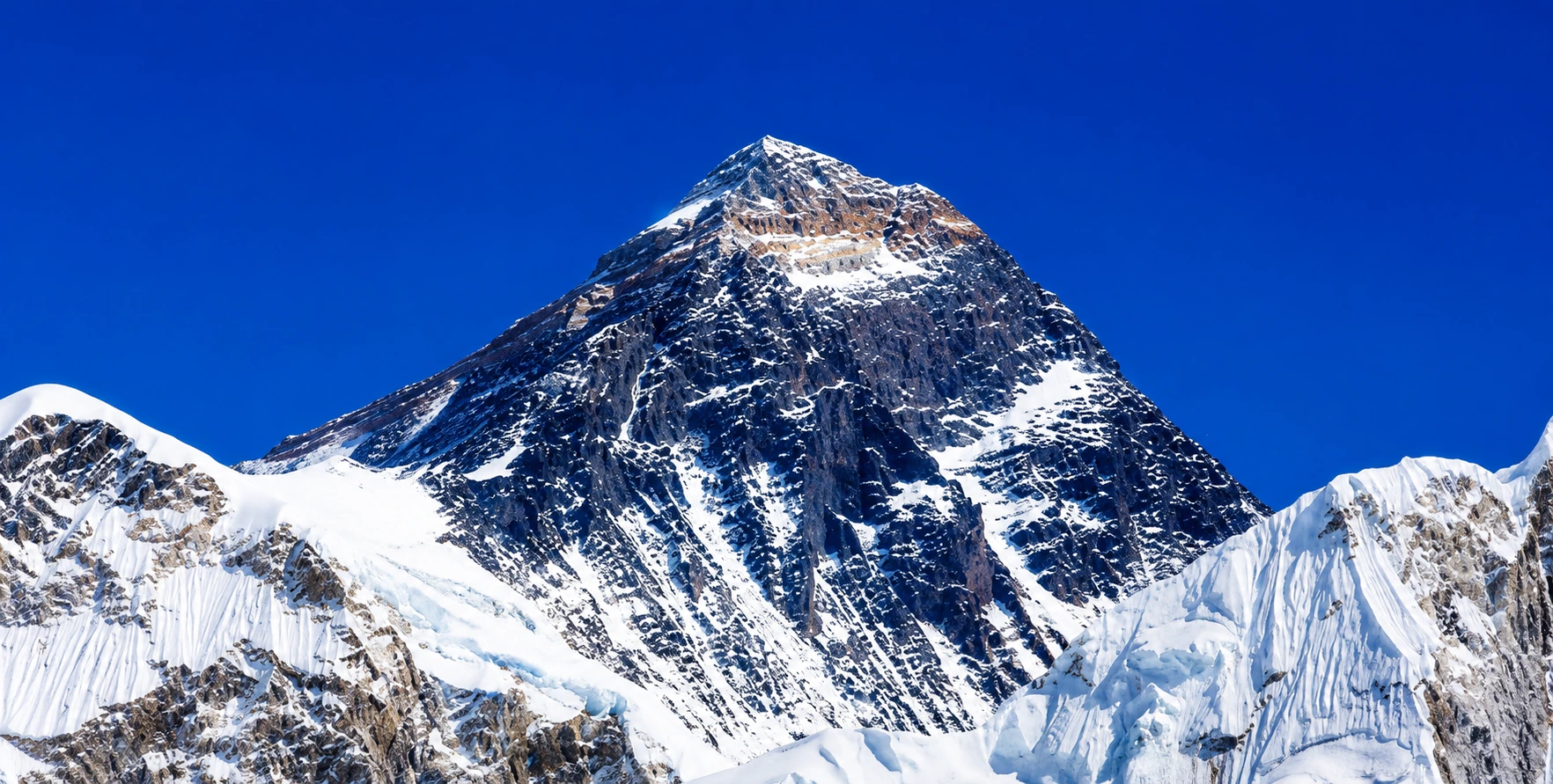
Ramechhap Private Car Transfer for Everest Trekking

Ramechhap Private Car Transfer for Everest Trekking: The Complete Guide

For many Everest trekkers, the adventure now starts in the middle of the night. During the busiest trekking periods, flights to Lukla, the gateway to the Khumbu, often operate from Ramechhap Airport at Manthali instead of Kathmandu.

That means a drive of about four to five hours from your Kathmandu hotel, usually leaving around 1:00 to 2:00 am so you reach the airport before the first morning flights. A Ramechhap private car transfer turns that early start into a calm, comfortable ride instead of a stressful scramble.

This guide explains how the transfer works: why Lukla flights use Ramechhap, the route and drive time, what time to leave, which vehicle to choose, USD price ranges, what to expect at Manthali Airport, and how to handle the return trip and weather delays. At Nepal Vehicle Hiring, we run private cars, Mahindra Scorpios, jeeps, and Toyota Hiace vans to Ramechhap for trekkers, families, and trekking agencies.

Have your flight details? Message us on WhatsApp or email [email protected], or use our trip planner.

Ramechhap Transfer at a Glance

  • Start: your hotel in Kathmandu, Thamel, Patan, Boudha or Bhaktapur
  • End: Ramechhap Airport (Manthali), Ramechhap district
  • Approximate distance: about 130–135 km
  • Route: Kathmandu – Bhaktapur – Banepa – Dhulikhel – BP Highway – Sunkoshi valley – Khurkot – Manthali
  • Typical drive time: about 4 to 5 hours
  • Usual departure: around 1:00 to 2:00 am for morning Lukla flights
  • Road: paved but winding, especially through the hills
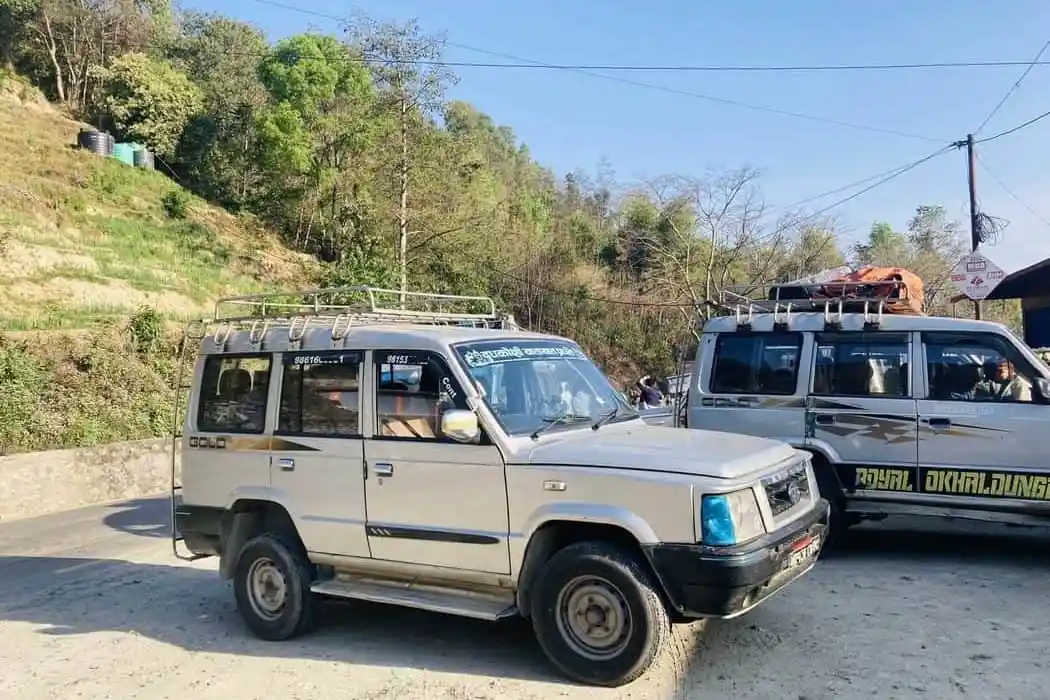
  • Best vehicles: private car for 1–3 trekkers, Scorpio or jeep for small groups, Hiace for larger groups
  • Private car price range: about USD 110–140 one way

Why Do Lukla Flights Leave From Ramechhap?

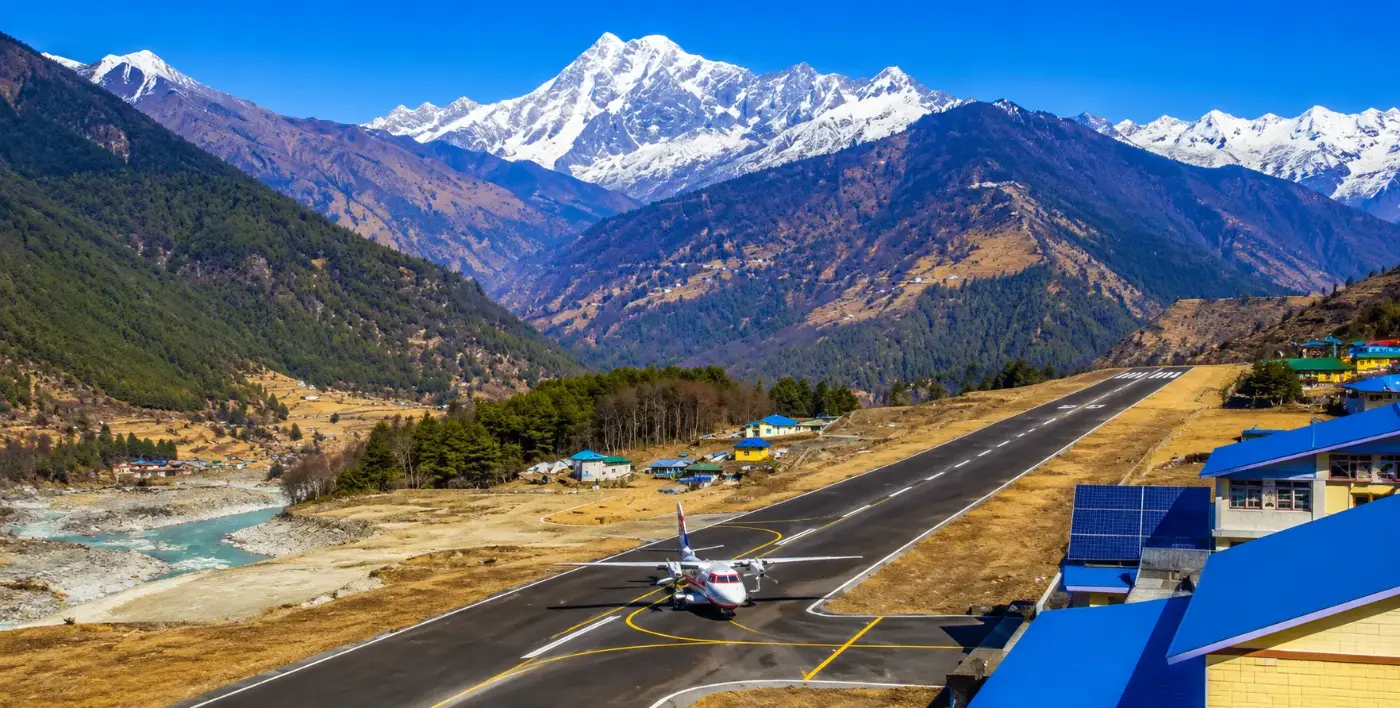
Lukla’s Tenzing-Hillary Airport is reached by small aircraft that fly by sight, so flights operate in the clearer morning hours. During peak trekking periods, Kathmandu’s single runway gets extremely busy. To ease congestion, aviation authorities have moved Lukla flights to Ramechhap’s Manthali Airport during busy seasons in recent years, typically for much of the spring and autumn trekking seasons.

From Manthali, the flight to Lukla takes only around 15 to 20 minutes, shorter than from Kathmandu. The trade-off is the long overnight drive to reach Manthali. Arrangements are decided each season, so your airline or trekking agency will confirm whether your flight departs from Kathmandu or Ramechhap.

Once you know, we’ll plan your transfer around it.

NOTE: Always confirm the departure airport and reporting time with your airline or agency a day or two before. We adjust pick-up times to match.

Why Choose a Private Car Over a Shared Van?

Your Own Schedule

Shared vans leave at a fixed time and pick up at several hotels, which adds time to an already early start. A private car picks you up at the exact time you need, from your hotel door, and drives straight to the airport.

Rest on the Way

The first part of the drive is in darkness. In a private vehicle, you can recline, use a neck pillow and sleep, without other passengers getting on and off.

Room for Trekking Bags

Lukla flights have strict baggage limits, but you’ll still carry a duffel and a daypack. A private car or Scorpio has space for your gear without squeezing.

Flexible If Plans Change

Weather can delay or cancel flights to Lukla. With a private vehicle, the driver can wait or bring you back to Kathmandu on your schedule, by arrangement.

The Route From Kathmandu to Manthali

Kathmandu to Dhulikhel

The journey starts east through Bhaktapur and Banepa on the Araniko Highway, then on to Dhulikhel. At night, the roads are quiet, and this section is quick.

BP Highway Through the Hills

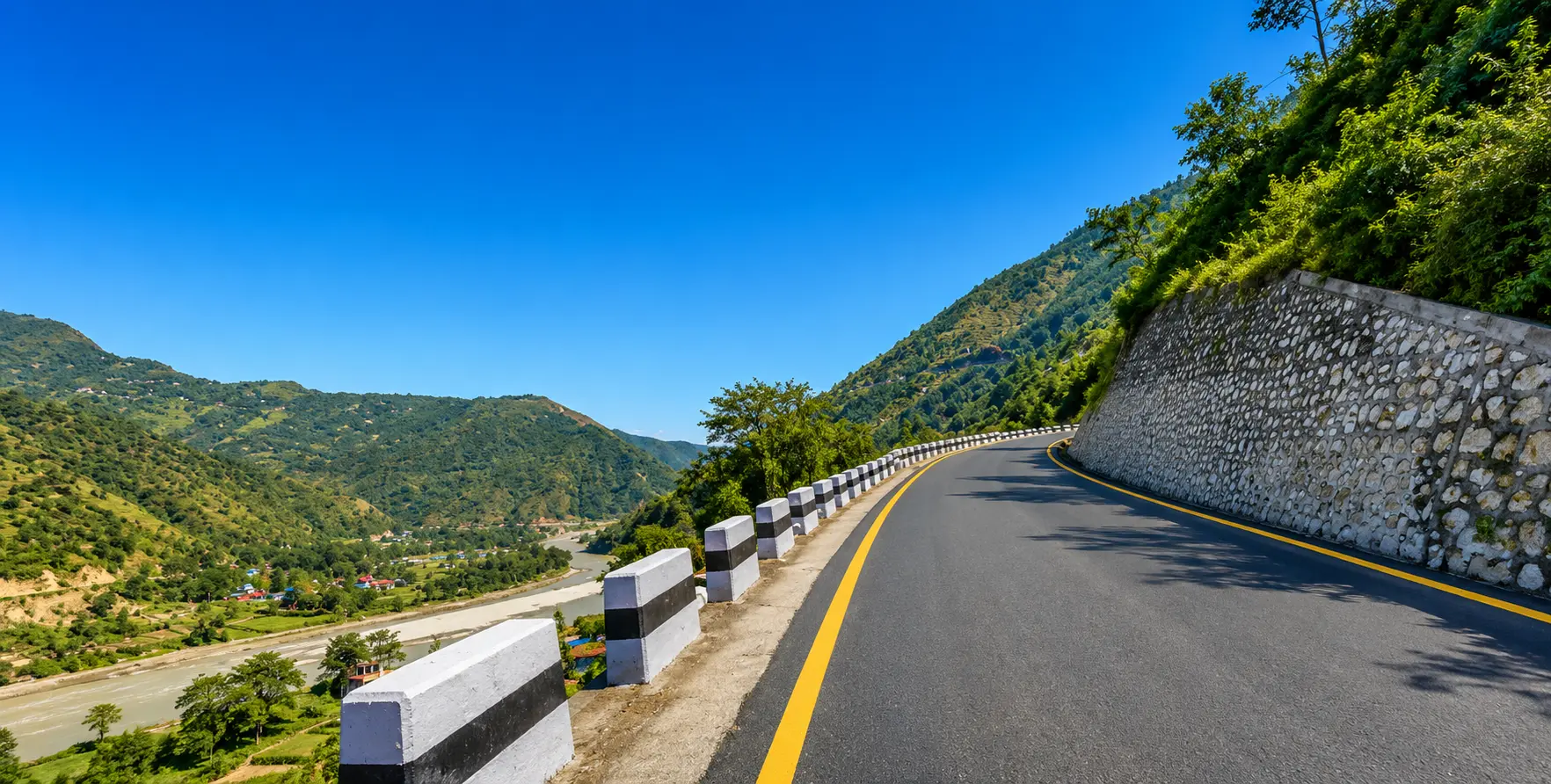
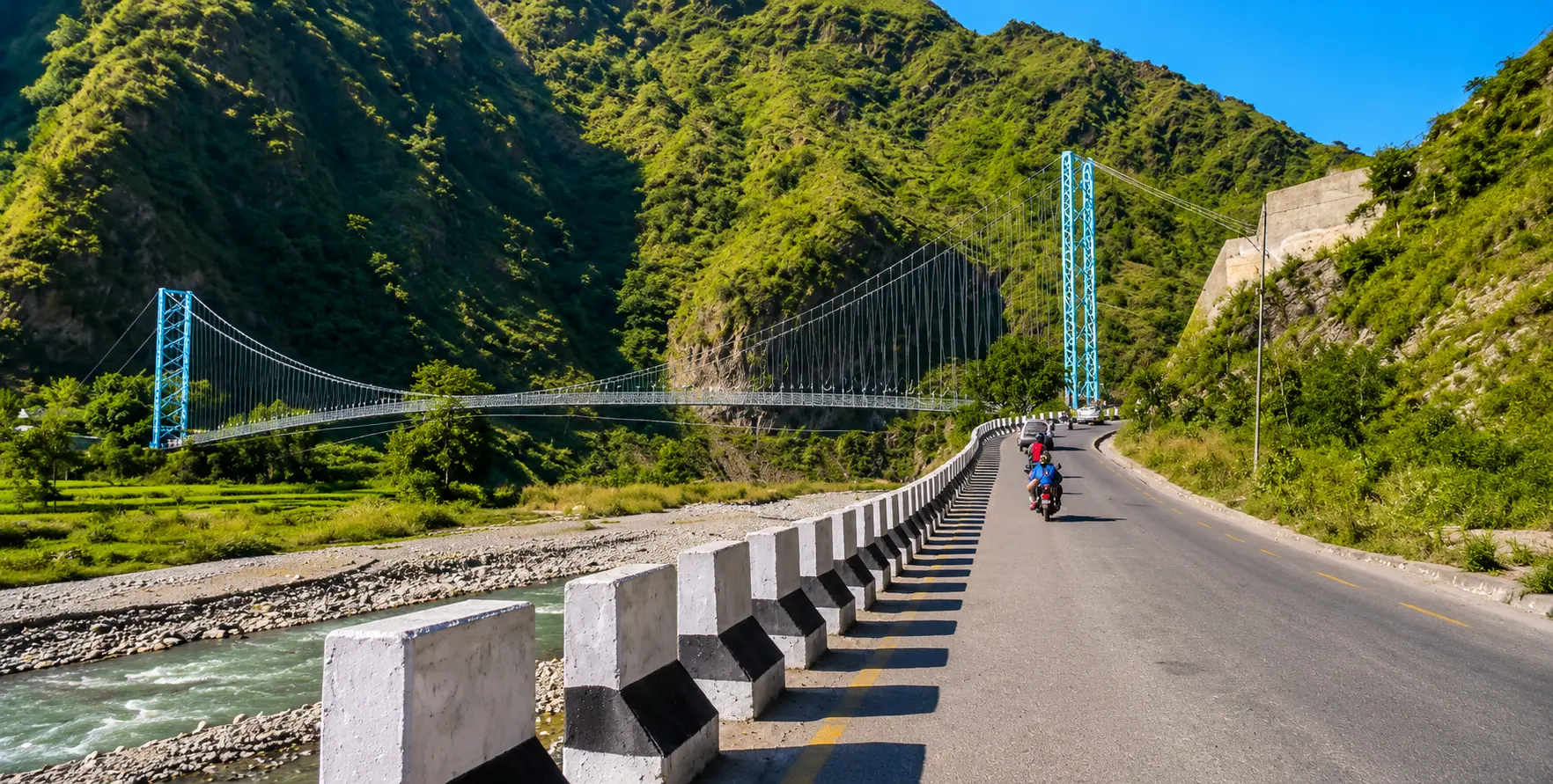
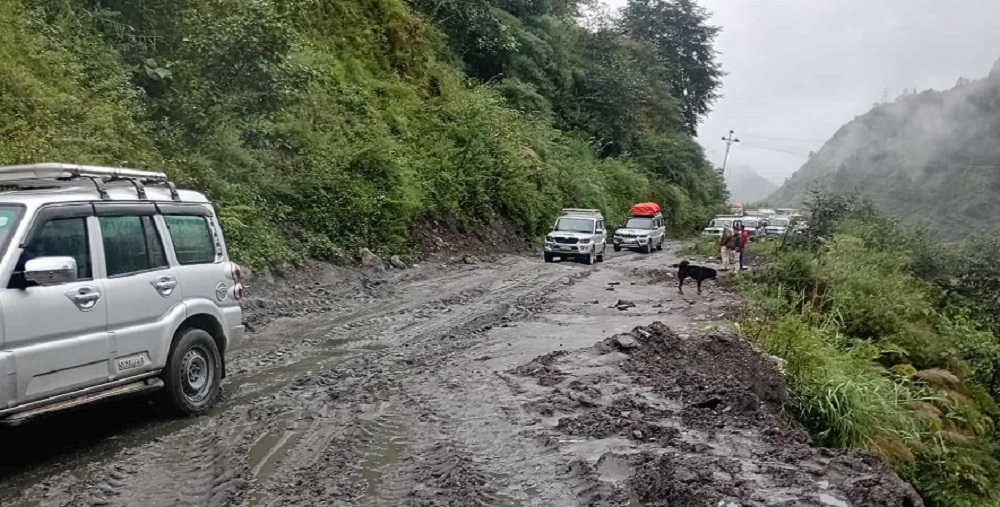
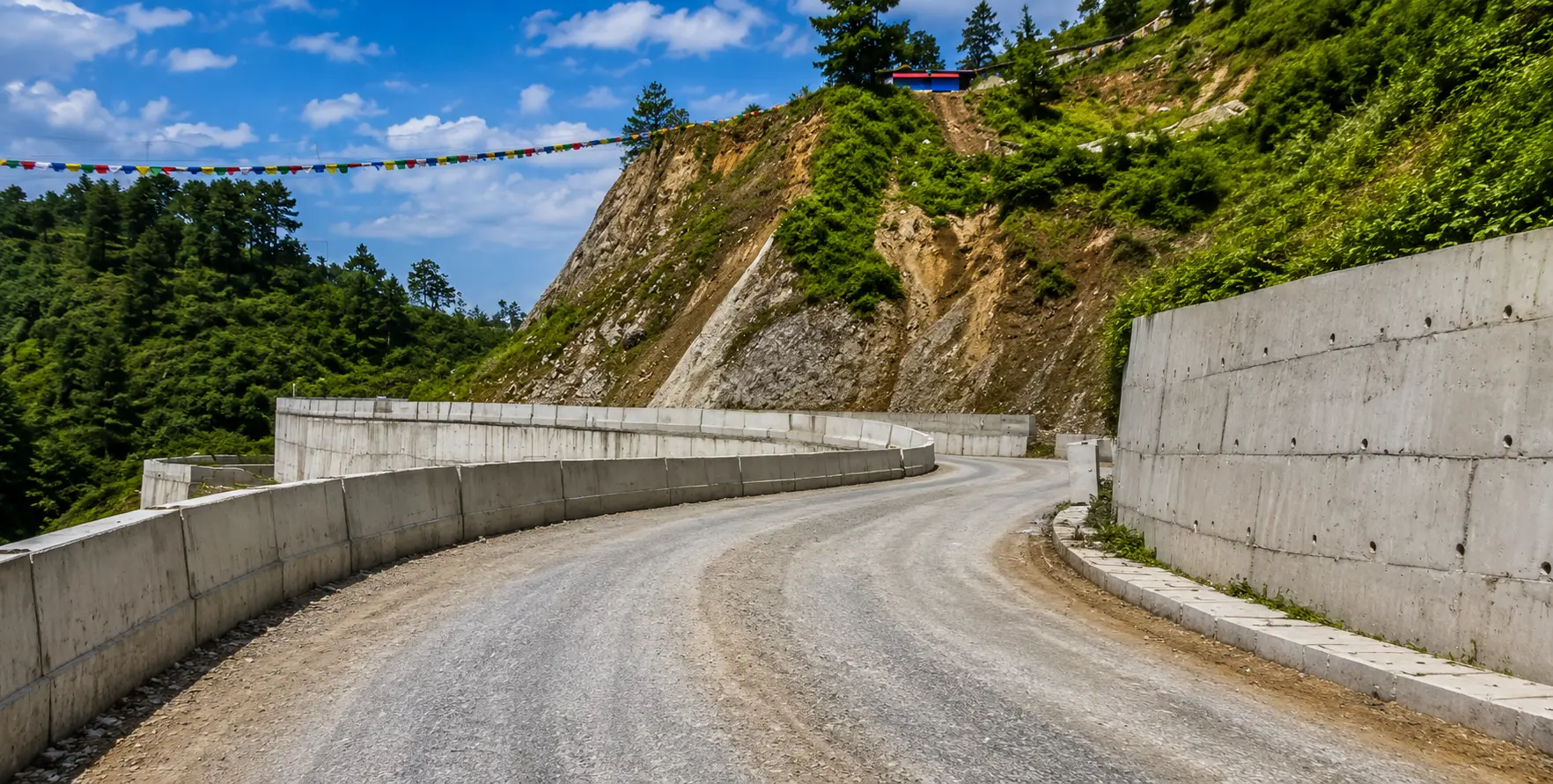
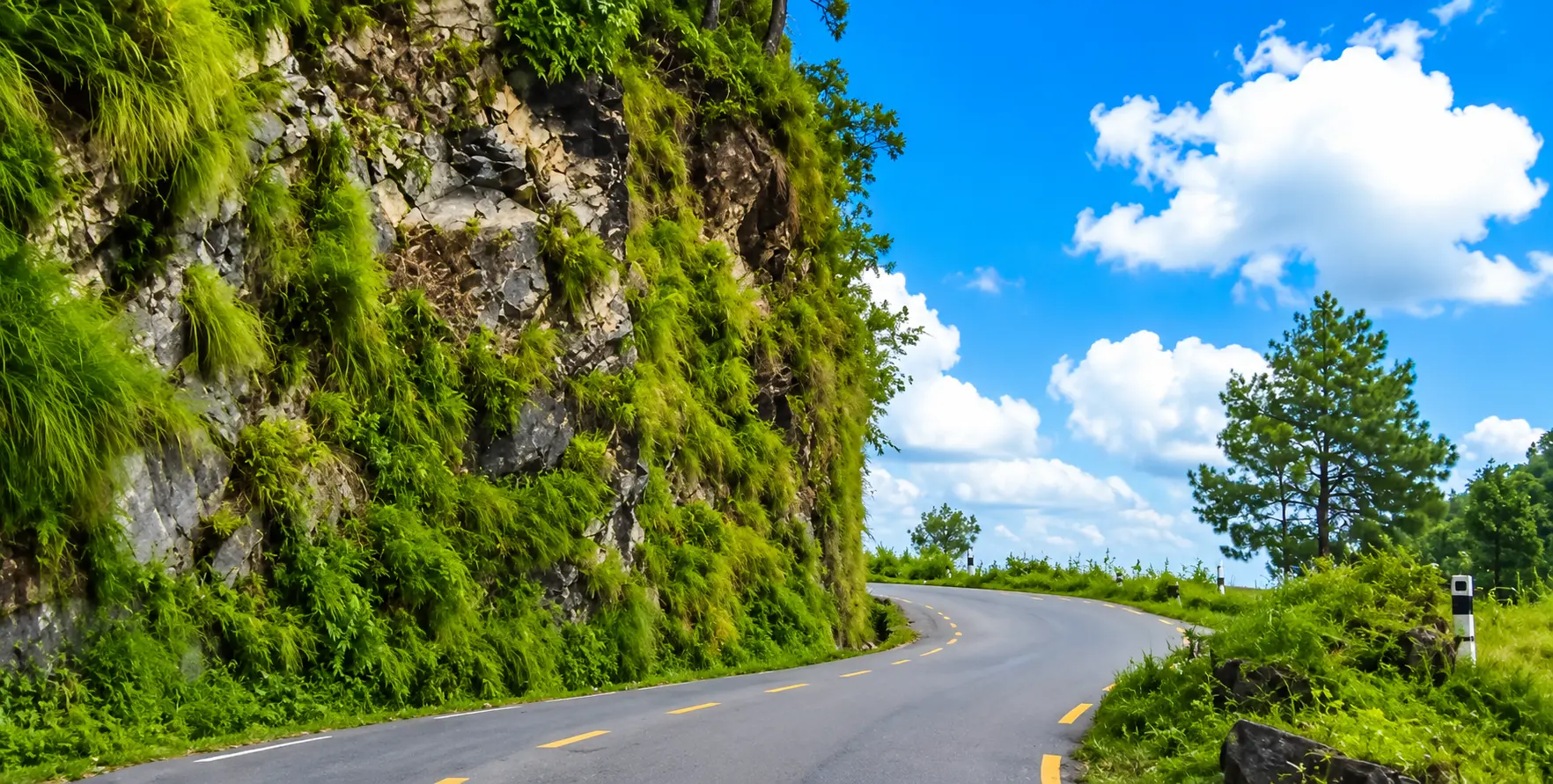
From Dhulikhel, the road joins the BP Highway and winds through hills and forest, descending toward the Sunkoshi River. The road is paved but has many bends, so take motion sickness medicine before departure if you need it.

Sunkoshi Valley to Khurkot

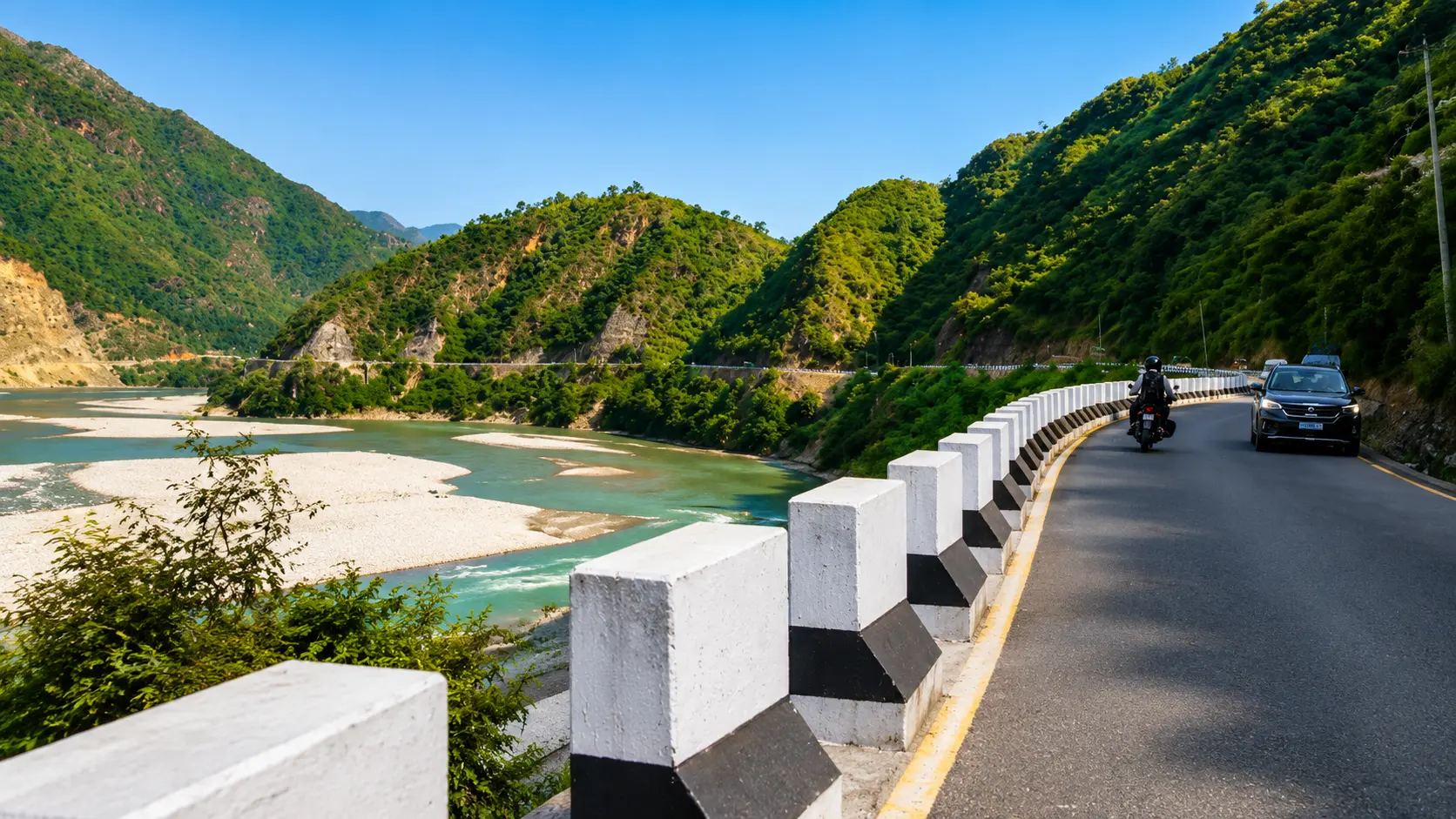
The highway follows the Sunkoshi Valley to the Khurkot area. This is a pleasant, flatter stretch beside the river.

Khurkot to Manthali

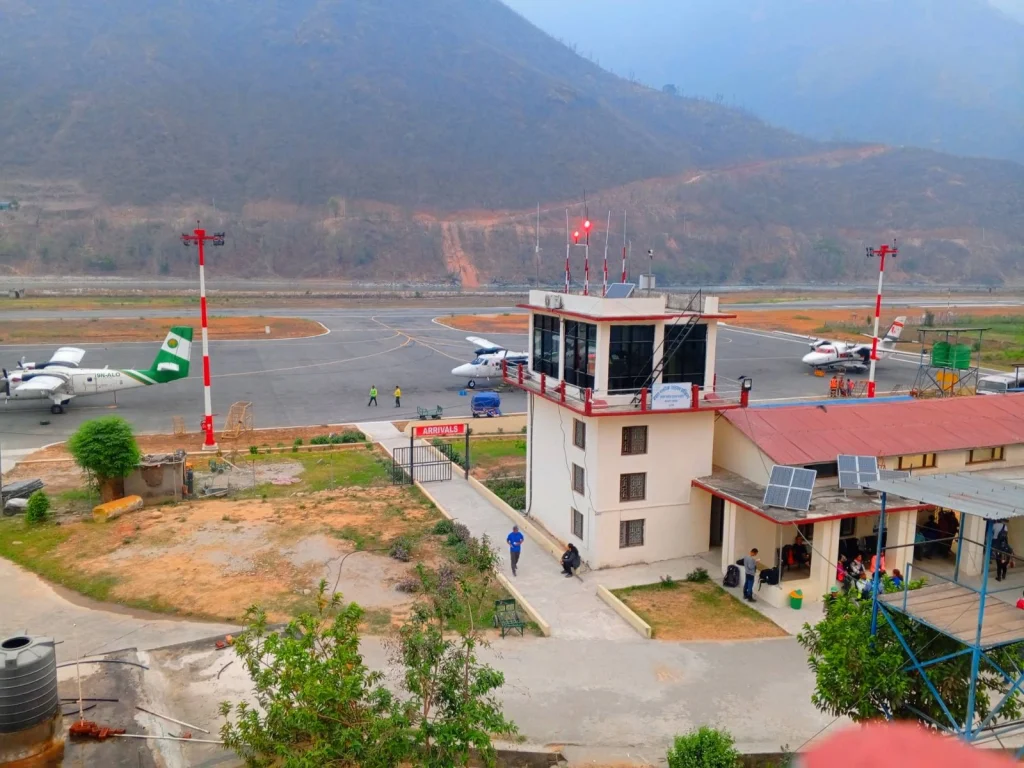
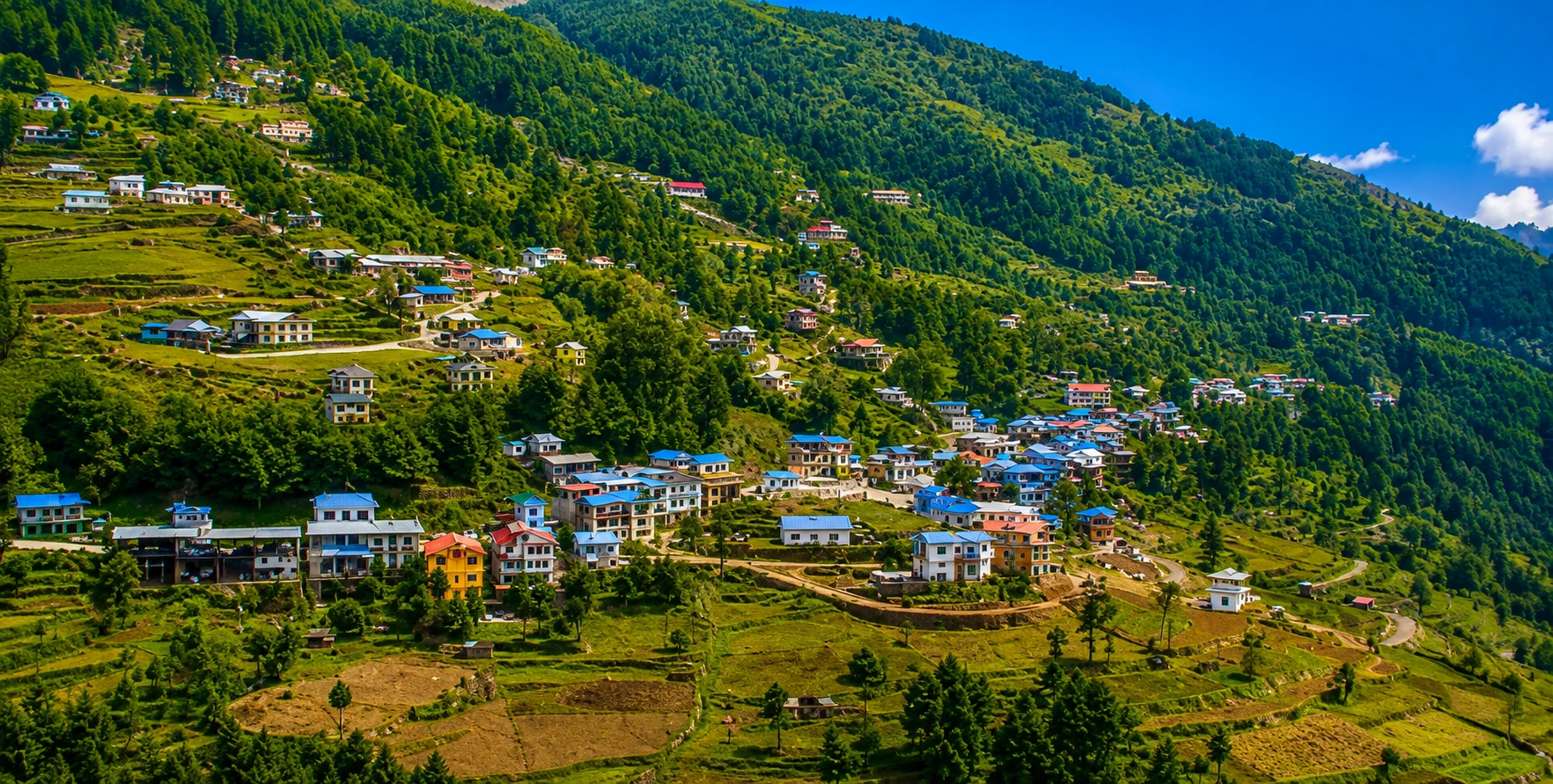
From the Khurkot area, a branch road crosses the river and heads to Manthali, the headquarters of Ramechhap district. The airport is in the Tamakoshi valley, at only around 474 meters above sea level, so it’s warmer than Kathmandu.

NOTE: Road works and conditions change. Our drivers drive this route often and check the latest conditions before your transfer.

What Time Should You Leave Kathmandu?

Most Lukla flights from Manthali leave in the early morning, when the weather is usually best. To reach the airport before check-in, most trekkers leave Kathmandu around 1:00 to 2:00 am. The exact time depends on your flight time, your airline’s reporting time, and where you’re staying.

  • First flights of the day: usually a pick-up around 1:00 am
  • Later morning flights: a pick-up around 2:00 to 3:00 am may be enough
  • Staying in Bhaktapur or Boudha: you’re on the eastern side of the valley, so that pick-up can be slightly later

Share your flight details and hotel when you book, and we’ll confirm the best pick-up time. Our price includes the night departure, with no hidden late-night surcharge.

TIP: Pack the night before, set two alarms, and have your daypack, passport,t and permits ready by the door. Your driver will message you when they arrive.

Which Vehicle Is Best for the Ramechhap Transfer?

Private Car (1–3 Trekkers)

A private car is ideal for solo trekkers, couples, es and small groups with duffels and daypacks. It is smooth and quiet on paved roads, making it easier to sleep through the night drive. It is our most popular choice for Ramechhap.

Mahindra Scorpio (2–5 Trekkers)

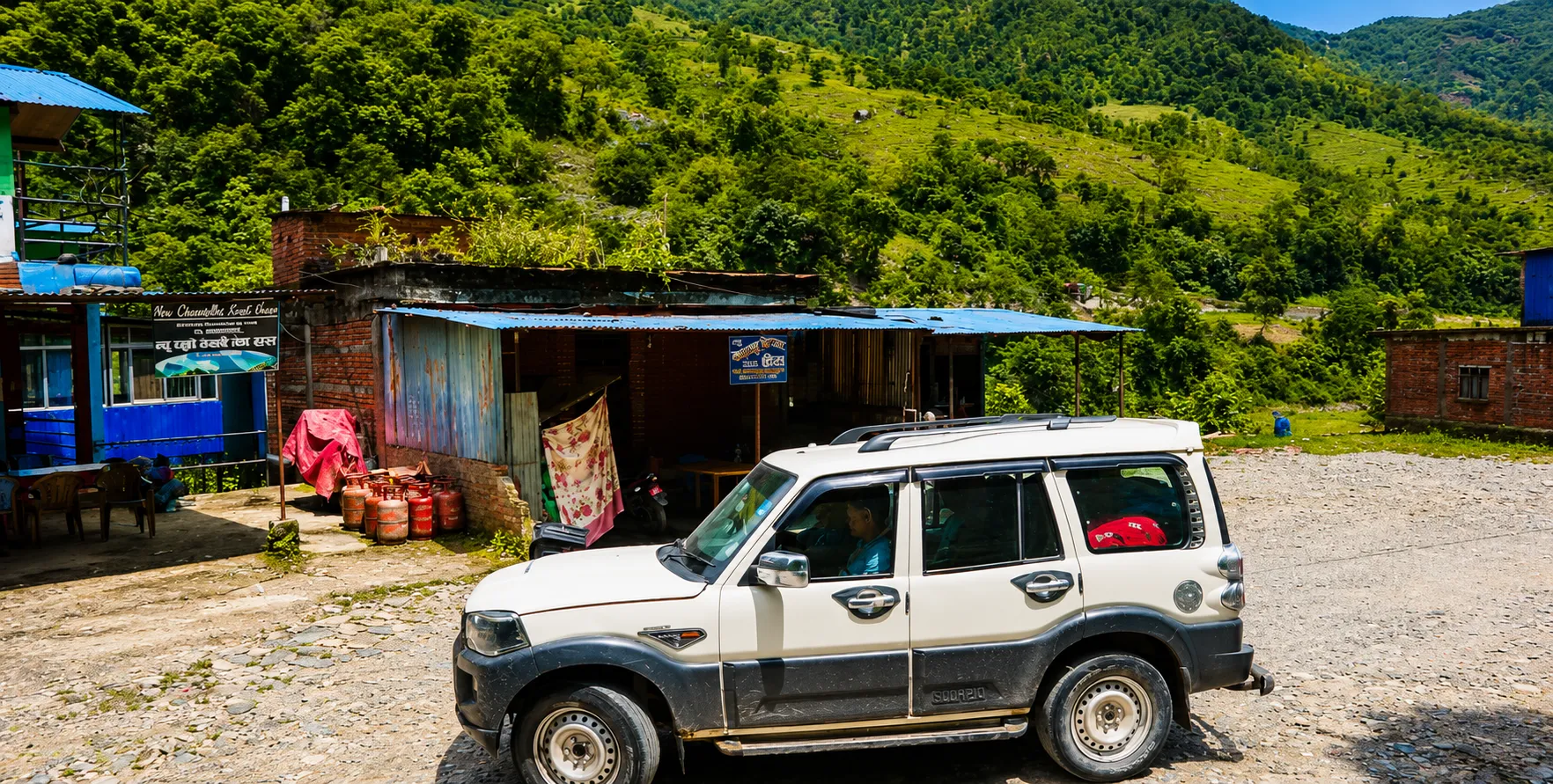
The Scorpio gives more legroom, a higher seating position, and extra luggage space. It suits groups of three to five, or couples who want more room to rest during the drive.

4WD Jeep (Up to 6 Trekkers)

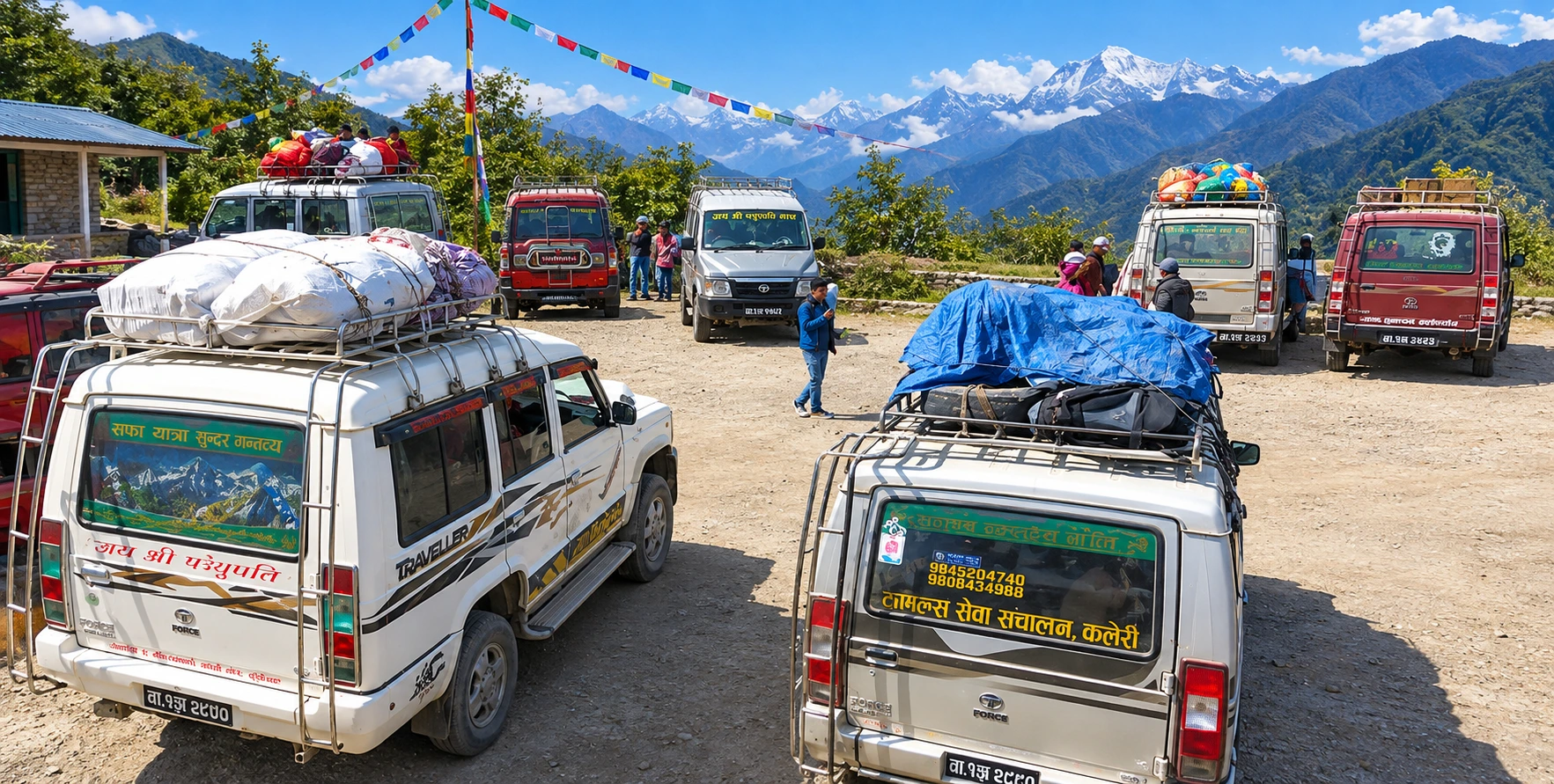
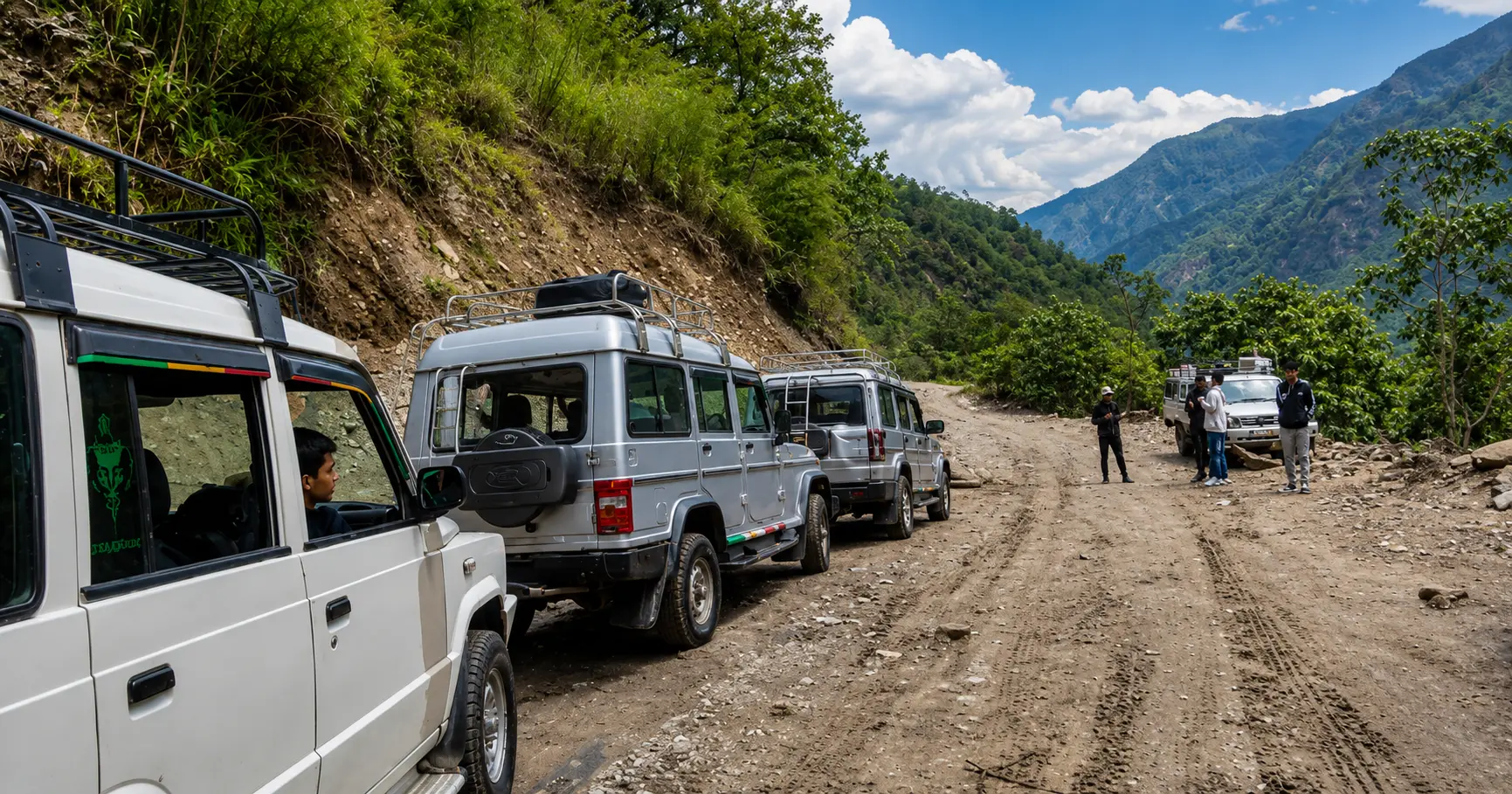
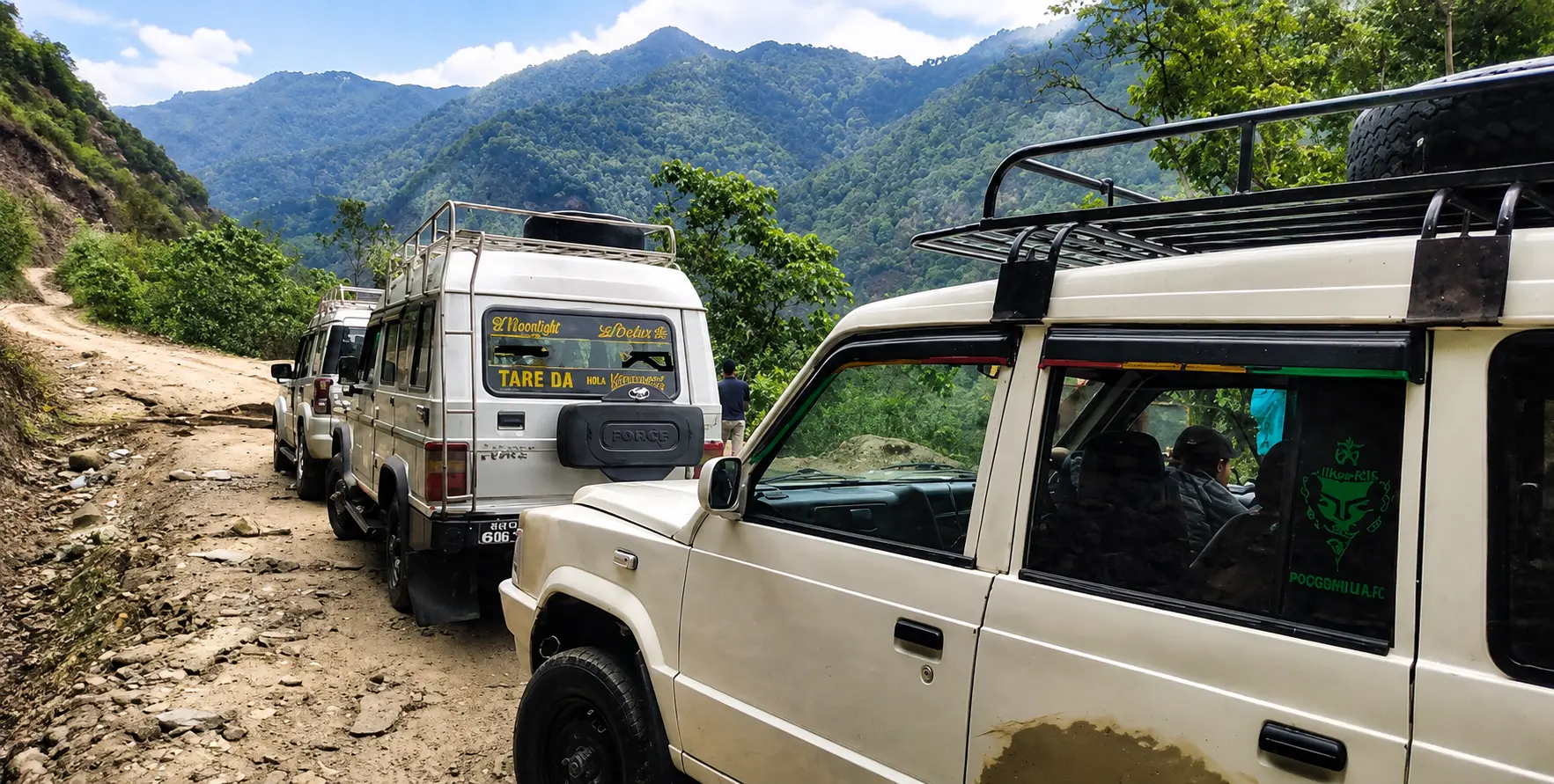
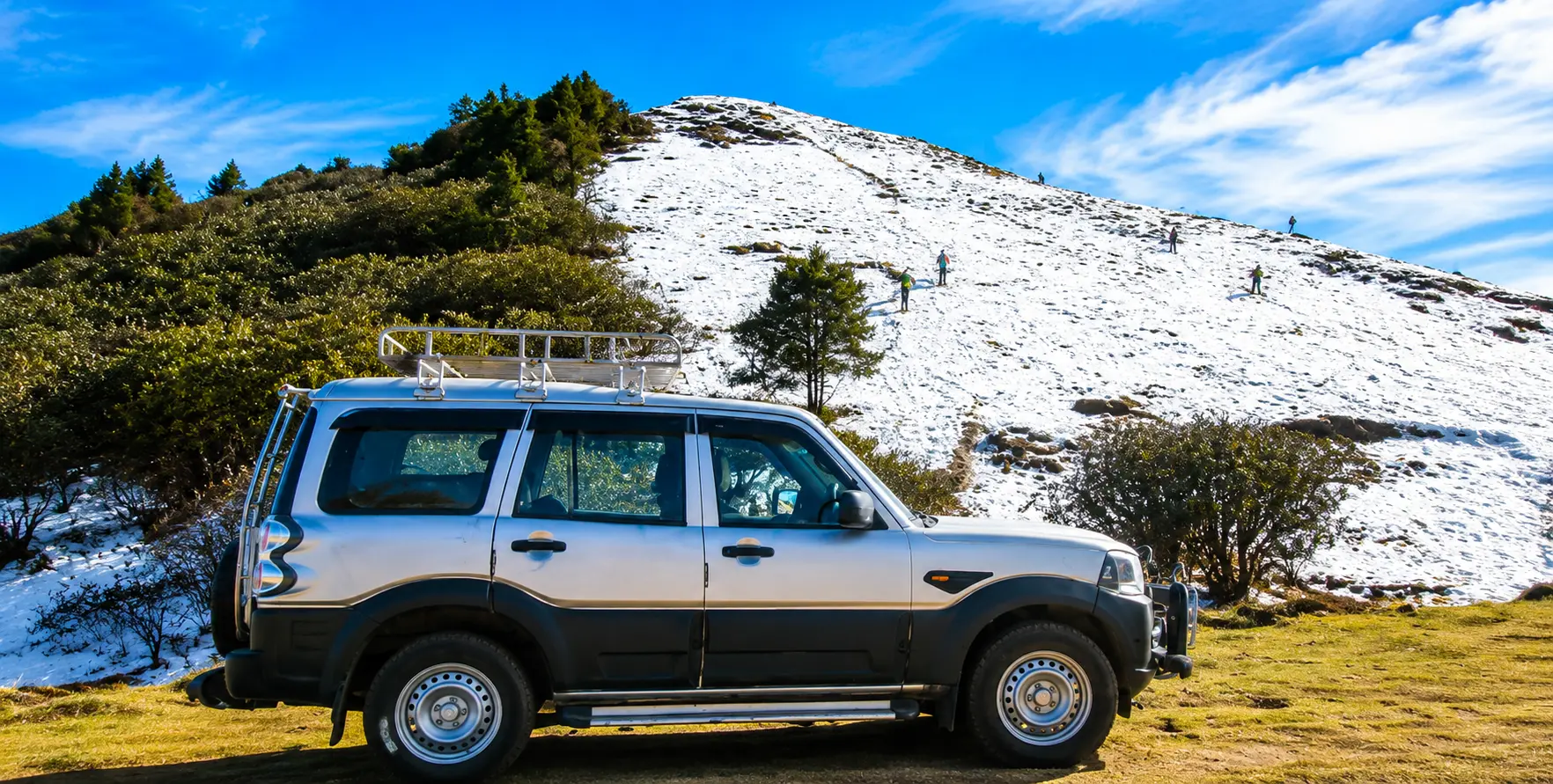
A jeep carries up to six trekkers with bags on the roof rack. It is a good choice for slightly larger groups or when road works create rough sections.

Toyota Hiace (6–12 Trekkers)

For trekking groups with guides and porters, a Toyota Hiace keeps everyone together with plenty of space for duffels. Agencies use it regularly for group departures.

Coaster and Bus (Large Groups)

Large expeditions, school groups, and multiple-agency groups can travel by coaster bus or tourist bus. We plan drop-offs carefully at Manthali, where the terminal area is small.

Ramechhap Private Car Transfer Price (USD)

Our prices include a private vehicle, an experienced driver, fuel, the driver’s costs, insurance, road taxes, parking, the night departure, re and hotel pick-up. They sit a little above the cheapest local options because we use well-maintained vehicles and drivers who know this route at night, and we plan your timing around your flight.

One-Way, Kathmandu to Ramechhap (Manthali)

  • Private car (1–3 passengers): USD 110–140
  • Mahindra Scorpio (1–5 passengers): USD 130–165
  • 4WD jeep (1–6 passengers): USD 130–165
  • Toyota Hiace (6–12 passengers): USD 150–190
  • Coaster bus (15–25 passengers): USD 250–320
  • Tourist bus (26–40 passengers): USD 320–400

Return and Extras

  • Ramechhap to Kathmandu after your trek: same price range as one-way
  • Round trip booked together: ask for a combined discount
  • Driver waiting at Manthali in case of flight cancellation, then return to Kathmandu: by arrangement, from about USD 30–50 extra
  • Kathmandu airport pick-up on arrival day: see our airport transfer rates

Sharing a car or Scorpio with your trekking partners brings the per-person cost close to a shared van, with far more comfort. Get your exact quote on WhatsApp.

At Manthali Airport

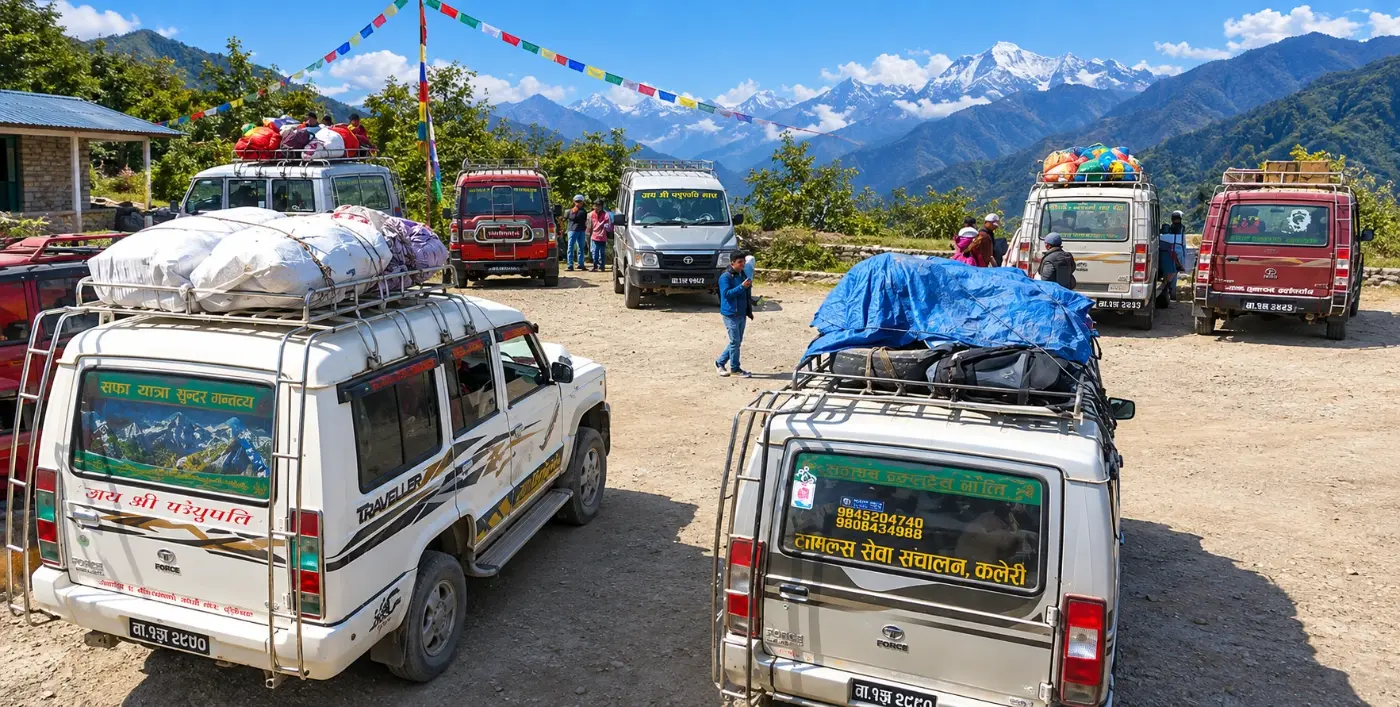
Ramechhap Airport is small and simple. In peak season it gets very busy early in the morning, as trekkers, guides and porters gather for the first flights. Here’s what to expect:

  • Check-in: follow your airline’s and guide’s instructions; arrive by the reporting time
  • Baggage limits: small aircraft have strict weight limits for checked bags and hand luggage, so check with your airline
  • Food and drink: basic tea shops and snacks are usually available nearby, but not full meals
  • Facilities: limited seating and toilets; bring patience
  • Luggage storage: usually not available, so leave extra bags at your Kathmandu hotel
  • Weather waits: delays of a few hours are common when cloud or wind affects Lukla

Your driver drops you at the terminal and helps unload. If your trekking agency has a staff member at the airport, they will usually take over from there.

The Flight to Lukla and the Everest Trek

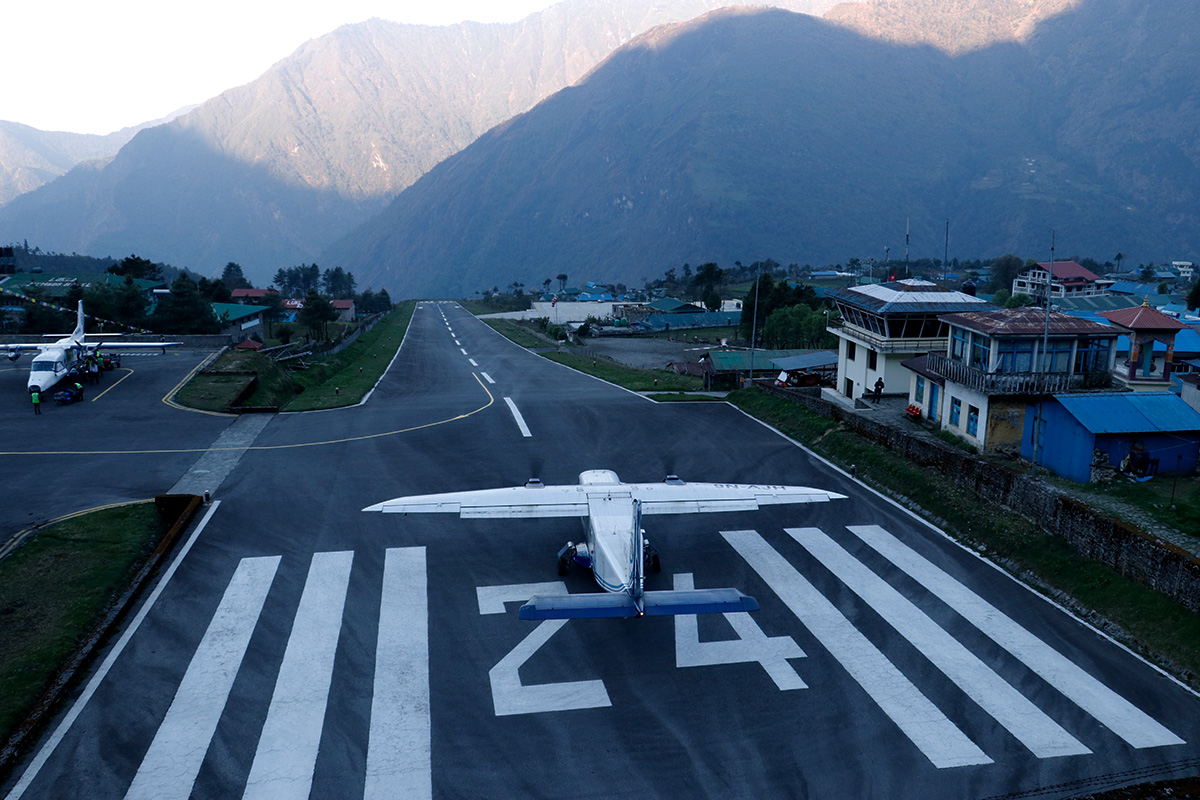
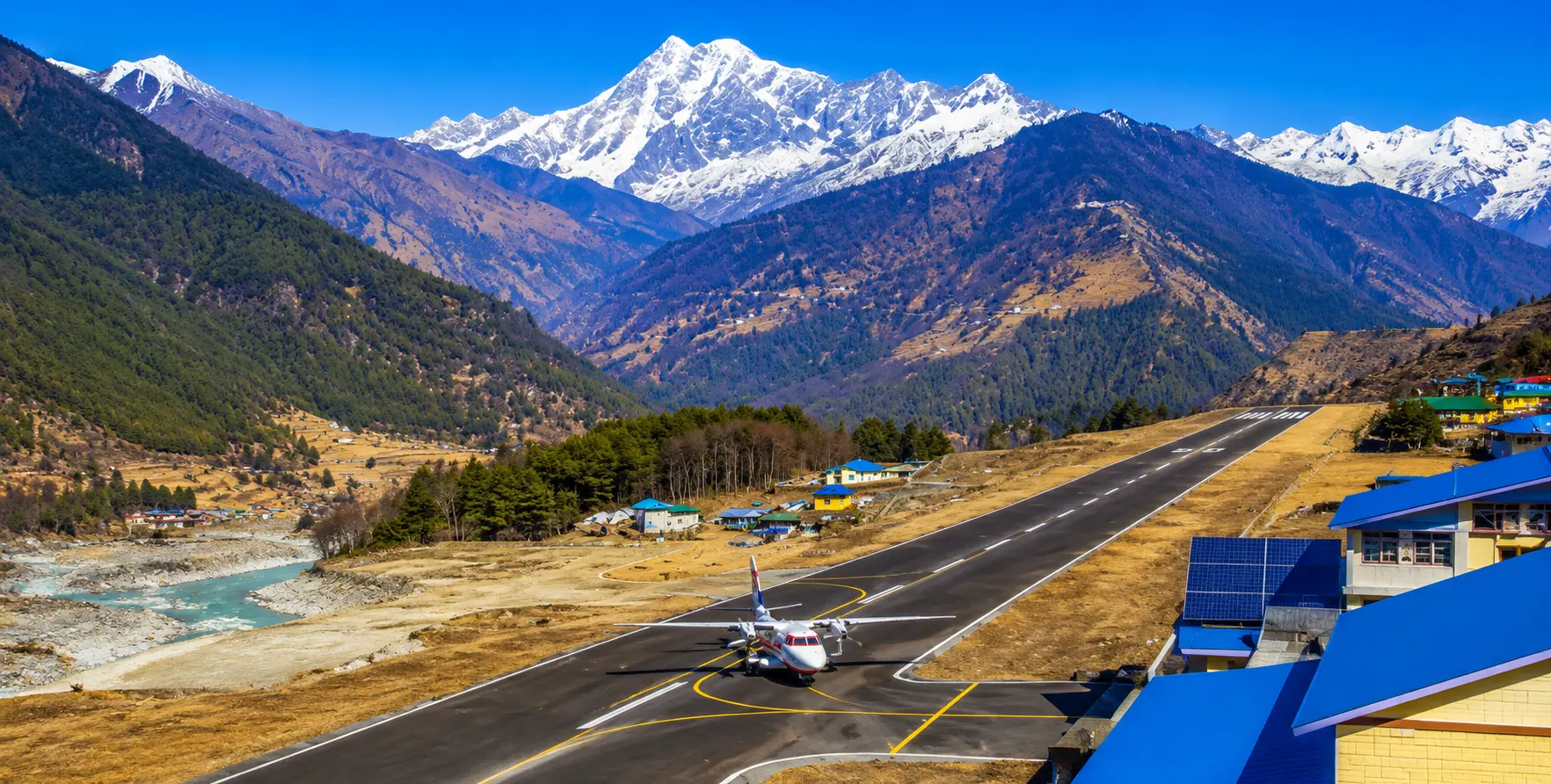
From Manthali, the short flight to Lukla (around 2,860 m) is one of the world’s most challenging landings on a steep runway on a mountainside. From Lukla, trekkers walk to Phakding and Namche Bazaar, then continue toward Tengboche, Dingboche, Lobuche and Gorak Shep for the Everest Base Camp trek and Kala Patthar.

Our sister company, Trek Nepal Himalayas, runs guided Everest Base Camp treks and the comfortable Everest Base Camp luxury lodge trek, while Alpine Luxury Treks specializes in top-end trekking experiences. We handle all road transfers at both ends.

The Return From Ramechhap to Kathmandu

After your trek, you’ll fly from Lukla back to Manthali in the morning, then drive to Kathmandu. The return drive is in daylight and usually takes four to five hours, so you’ll typically reach Kathmandu around midday or early afternoon.

  • Book your return car in advance and share your expected flight date
  • Message us when you land at Manthali; our driver will be waiting
  • If weather delays your Lukla flight, tell us, and we’ll reschedule the pick-up
  • Keep at least one or two spare days before an international flight from Kathmandu

When you get back to Kathmandu, we can drop you at your hotel or the airport for your onward flight.

If Your Lukla Flight Is Delayed or Canceled

Weather at Lukla or Manthali can delay flights for hours, and sometimes cancel them for the day. It’s part of trekking in the Everest region. Here’s how we help:

  • Waiting option: by arrangement, your driver can wait at Manthali until your flight is confirmed
  • Return to Kathmandu: if flights are canceled, we can drive you back to your hotel the same day
  • Next-day transfer: we can rebook your transfer for the following night
  • Stay locally: some trekkers choose to stay in Manthali to be close to the airport for the next morning

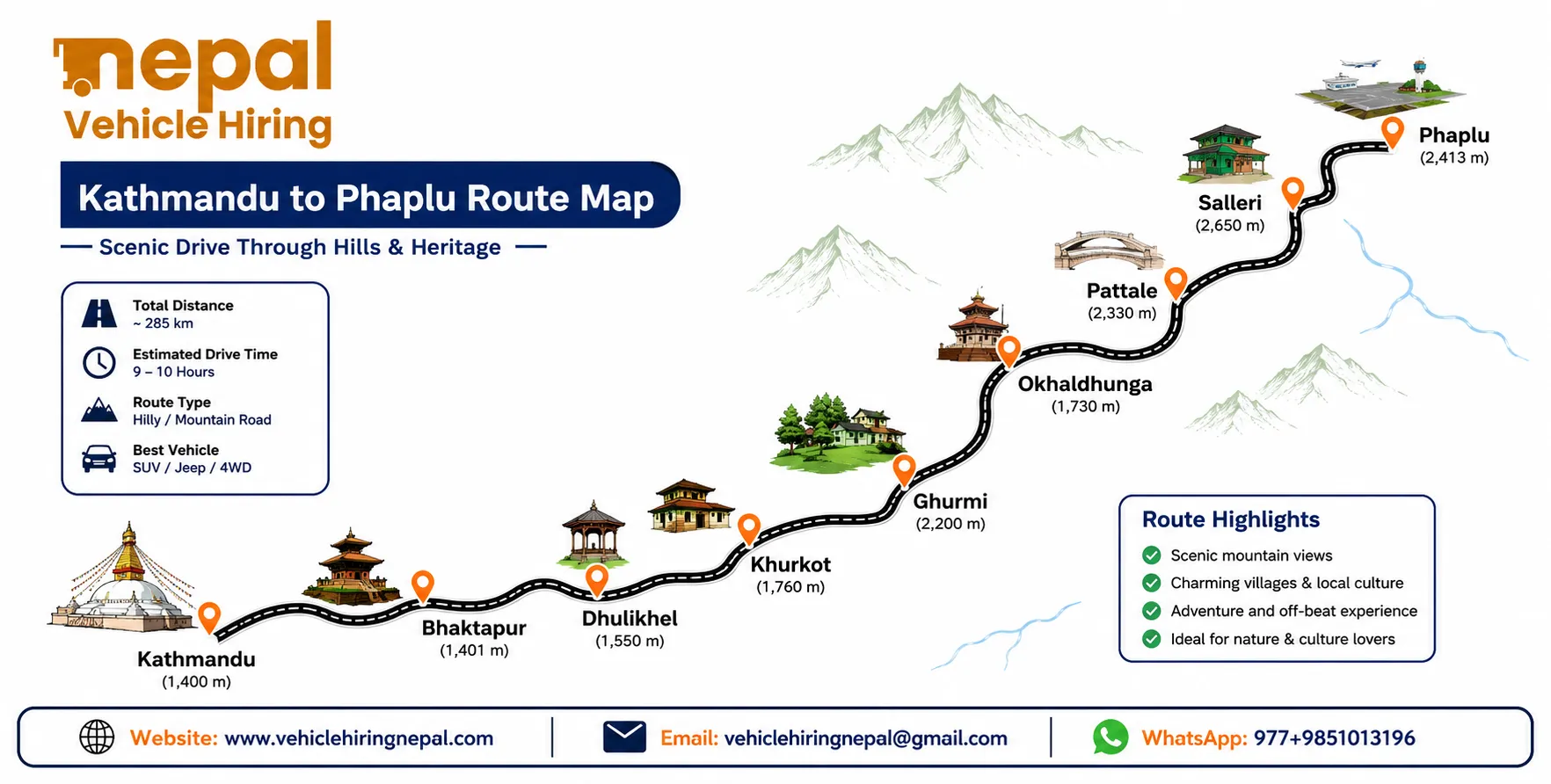
If you’re delayed on the return, message us on WhatsApp, and we’ll move your pick-up to the new date. We also offer transfers to Phaplu and Salleri, another road route into the Everest region.

Ramechhap vs Kathmandu: How the Two Lukla Departures Compare

Flying From Kathmandu

  • No overnight drive; a short airport transfer from your hotel
  • Longer flight, around 30 to 35 minutes
  • Operates outside the busiest periods, when authorities allow

Flying From Ramechhap (Manthali)

  • About four to five hours by road, usually overnight
  • Shorter flight, around 15 to 20 minutes
  • Used during peak trekking seasons to ease congestion in Kathmandu
  • Basic airport facilities and an early start

You usually don’t choose your airline or agency; they tell you which airport your flight uses. Either way, we can handle the road transfer, a Kathmandu airport drop, or a private car to Ramechhap.

Staying in Manthali the Night Before

Some trekkers prefer to drive to Manthali the afternoon before their flight and sleep near the airport. This avoids the middle-of-the-night departure and gives a little more sleep. Manthali has several simple hotels and guesthouses, and the airport is a short drive or walk away.

  • Advantage: more rest and no 1:00 am alarm
  • Advantage: you’re already in place if the weather clears early
  • Disadvantage: an extra night’s accommodation and basic facilities
  • Disadvantage: less time in Kathmandu before the trek

We can drive you to Manthali in the afternoon by private car, Scorpio, or Hiace. The price range is the same as the night transfer. Please tell us your preference when you book.

Tips for a Comfortable Night Drive

  • Sleep early: go to bed by early evening the night before
  • Eat lightly: a light dinner helps on the winding road
  • Motion sickness: take medication before departure if you need it, and ask for the front seat
  • Comfort items: bring a neck pillow, eye mask and earplugs in your daypack
  • Layers: Kathmandu nights can be cool, while Manthali is warmer at low altitude
  • Snacks and water: carry breakfast snacks, as airport food is limited
  • Valuables: keep your passport, permits, flight ticket, and money with you
  • Toilet: use the hotel toilet before you leave; your driver will stop if needed

Packing and Baggage Limits

The small aircraft that fly to Lukla have strict baggage limits, typically a modest allowance for checked luggage plus a small handbag. Your airline or trekking agency will confirm the exact limit. Excess baggage may be charged or, at busy times, sent on a later flight.

  • Pack trekking gear in a soft duffel within the weight limit
  • Carry essentials such as medicines, a warm layer, documents and electronics in your daypack
  • Leave city clothes and souvenirs at your Kathmandu hotel
  • Weigh your bags in Kathmandu before departure

Our drivers can drop excess luggage back at your hotel by arrangement. A Scorpio or jeep gives extra space for groups with lots of gear.

Everest Base Camp Trek Overview

Most trekkers flying from Ramechhap are heading for the Everest Base Camp trek, one of the world’s great walks. After landing in Lukla, the classic route follows the Dudh Koshi valley to Phakding and climbs to Namche Bazaar, the Sherpa capital, where most trekkers spend an acclimatization day.

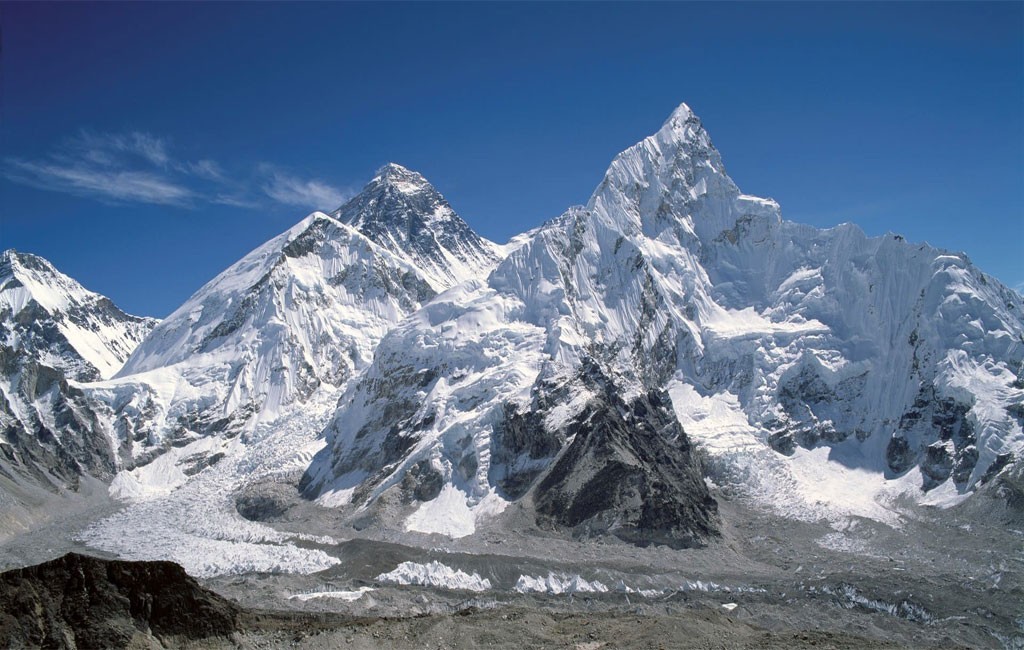
The trail continues to Tengboche Monastery, then Dingboche, Lobuche and Gorak Shep, with a side trip to Everest Base Camp and a sunrise climb of Kala Patthar for close views of Everest, Lhotse, Nuptse and Ama Dablam.

The full round trip from Lukla usually takes around 12 days of walking, depending on acclimatization and side trips. Our sister company, Trek Nepal Himalayas, runs guided treks, including the Everest Base Camp luxury lodge trek for travelers who want more comfort. Alpine Luxury Treks also offers top-end Everest itineraries.

Other routes in the region include the Rolwaling Valley trek for experienced trekkers.

Arrival in Kathmandu Before Your Everest Trek

Most trekkers spend at least one or two nights in Kathmandu before heading to Ramechhap. This gives time to recover from the international flight, meet your trekking agency, check gear, and sort permits.

Staying on the eastern side of the valley, near Boudha or Bhaktapur, can shorten your Ramechhap departure.

Group and Agency Transfers

Trekking agencies regularly book group transfers to Ramechhap, often with several groups on the same morning. We provide:

Agencies can book through our contact page or WhatsApp, with USD invoicing for repeat clients.

Safety on the Night Drive

Night driving on hill roads requires experience and care. Our Ramechhap transfers follow strict standards:

  • Experienced night drivers who know the BP Highway and the Manthali road well
  • Rested drivers: drivers sleep before a night transfer, and we never schedule back-to-back long shifts
  • Serviced vehicles with good headlights, tires, brakes, and working seat belts
  • Steady speed: no racing to the airport; we build time into the pick-up instead
  • Seat belts: fitted and recommended for every passenger
  • Insured, licensed vehicles under our company name

If you feel tired or unwell during the drive, tell the driver. They will stop safely whenever needed.

Best Seasons for Everest Trekking and Ramechhap Flights

Autumn

Autumn is the most popular Everest trekking season, with stable weather, clear mountain views,s and comfortable temperatures. It is also when Lukla flights are most likely to operate from Ramechhap, and demand for transfers is highest. Book early.

Spring

Spring is the second peak season, with warmer temperatures and blooming rhododendrons in the lower valleys. Lukla flights often use Ramechhap at this time too. Afternoon clouds can build, so morning flights are the norm.

Winter

Winter is cold at high altitude but often very clear. Fewer trekkers mean quieter trails. Flights may operate from Kathmandu or Ramechhap depending on the arrangements that season.

Monsoon

The monsoon brings frequent cloud and rain, and Lukla flights are often delayed or canceled. Fewer trekkers visit, and landslides can affect road conditions Leave plenty of spare days if you trek at this time.

What Is Included

Included

  • Private vehicle and experienced driver
  • Fuel, driver’s wage and meals
  • Insurance, road taxes and parking
  • Night or early-morning departure with no surcharge
  • Hotel pick-up in the Kathmandu Valley and drop-off at Manthali Airport
  • Help with luggage at both ends

Not Included

  • Lukla flight tickets and excess baggage charges
  • Trekking permits and fees
  • Your meals and drinks
  • Waiting time beyond the agreed arrangement
  • Tips for the driver (optional)

Your Driver

Night transfers need a special kind of driver: calm, patient, and familiar with every bend of the route. We choose our Ramechhap drivers for their experience on the BP Highway and the road into Manthali, and for their care with tired passengers in the early hours.

  • Licensed and experienced on night routes
  • Punctual pick-ups, with a message on arrival
  • Smooth, steady driving so you can rest
  • Basic English and knowledge of the airport drop-off
  • Help with bags at the hotel and the airport

Why Our Prices Are a Little Higher

You can find cheaper transfers to Ramechhap, especially shared vans. Our prices are slightly higher because they include a private vehicle on your schedule, a rested, experienced night driver, well-maintained vehicles, no late-night surcharge, and an office that tracks your transfer and your return flight. For an early start that determines whether you make your Lukla flight, reliability is worth the difference.

Plan More Adventures in Nepal

After the Everest region, there is much more to explore. We provide transport across Nepal, including:

Browse our Nepal tour packages or start planning with our trip planner.

Key Takeaways

  • Lukla flights often leave from Ramechhap’s Manthali Airport during busy trekking seasons.
  • The drive from Kathmandu is about 130–135 km and takes four to five hours.
  • Most trekkers leave Kathmandu around 1:00 to 2:00 am for morning flights.
  • A private car costs about USD 110–140 one way; a Scorpio or jeep costs about USD 130–165.
  • Manthali Airport is basic, so bring snacks and leave extra luggage in Kathmandu.
  • Book your return pick-up and keep spare days for weather delays.

A Typical Ramechhap Transfer Night

  • Evening: pack your duffel within the airline weight limit and leave extra luggage with your hotel. Our office confirms your pick-up time.
  • Around 1:00 am: your driver messages you on arrival at your Kathmandu hotel. Bags go into the car,r and you settle in with a neck pillow.
  • First hour: quiet roads east through Bhaktapur and Banepa to Dhulikhel.
  • Middle of the night: the winding BP Highway descends through the hills toward the Sunkoshi. Most passengers sleep.
  • Pre-dawn: along the river to Khurkea, then across to Manthali.
  • Around 5:00 to 6:00 am: arrival at Ramechhap Airport. Your driver helps unload, and you check in with your airline or meet your guide.
  • Morning: the short flight to Lukla, weather permitting, and the start of your Everest trek.

Times vary with your flight and hotel location, but this gives a good idea of what to expect. Book your private car, Scorpio, or jeep, and we’ll plan the details.

About Manthali and Ramechhap

Manthali is the headquarters of Ramechhap district, set in the warm Tamakoshi river valley at low altitude. It is a small, busy town with shops, simple restaurants,s and guesthouses. Its airport was built for local flights but now plays a major role in Everest tourism during peak seasons.

Because Manthali sits at only around 47 meters, mornings are warm compared with Kathmandu and very warm compared with Lukla. Dress in layers so you can add warm clothing once you arrive in the mountains. If you have time while waiting for a delayed flight, the riverside areas and local markets offer a glimpse of everyday life in Nepal’s middle hills.

Other Ways Into the Everest Region by Road

Flights to Lukla are the fastest way into the Khumbu, but not the only one. For trekkers who prefer to avoid flights or want a longer walk-in, there are road options:

  • Phaplu and Salleri: drive to the Solukhumbu district headquarters, then walk or take onward transport toward Lukla. See our Kathmandu to Phaplu and Salleri
  • Kharikhola and Surke area: rough roads now reach closer to Lukla, followed by a walk of a day or more, by 4WD jeep
  • The classic Jiri walk-in: the historic route used by early Everest expeditions, now shortened by roads

These routes take longer but avoid flight delays and offer quieter trails through Sherpa and Rai villages. Ask us about road access and current conditions before you plan.

Helicopter Options From Manthali

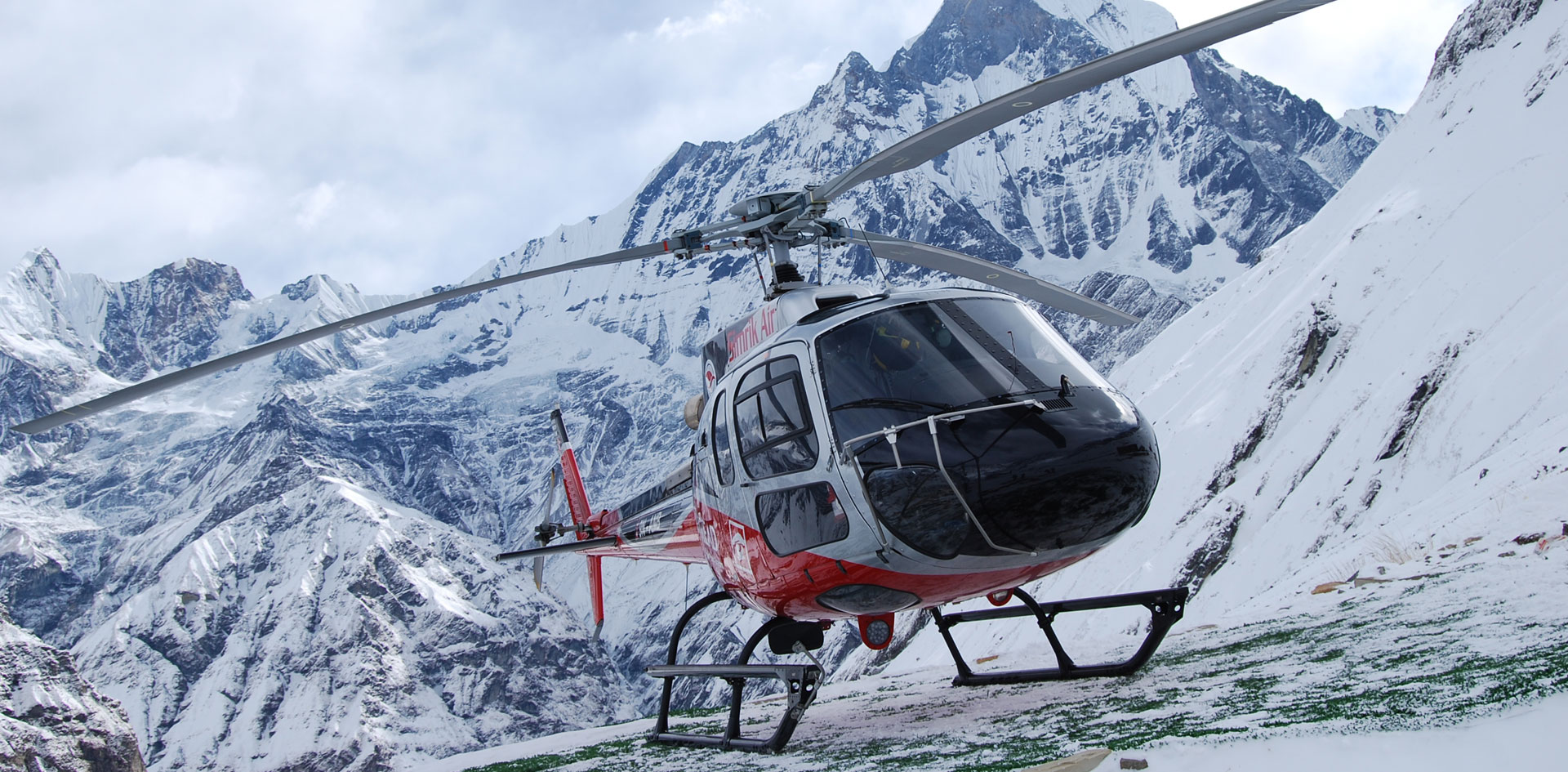
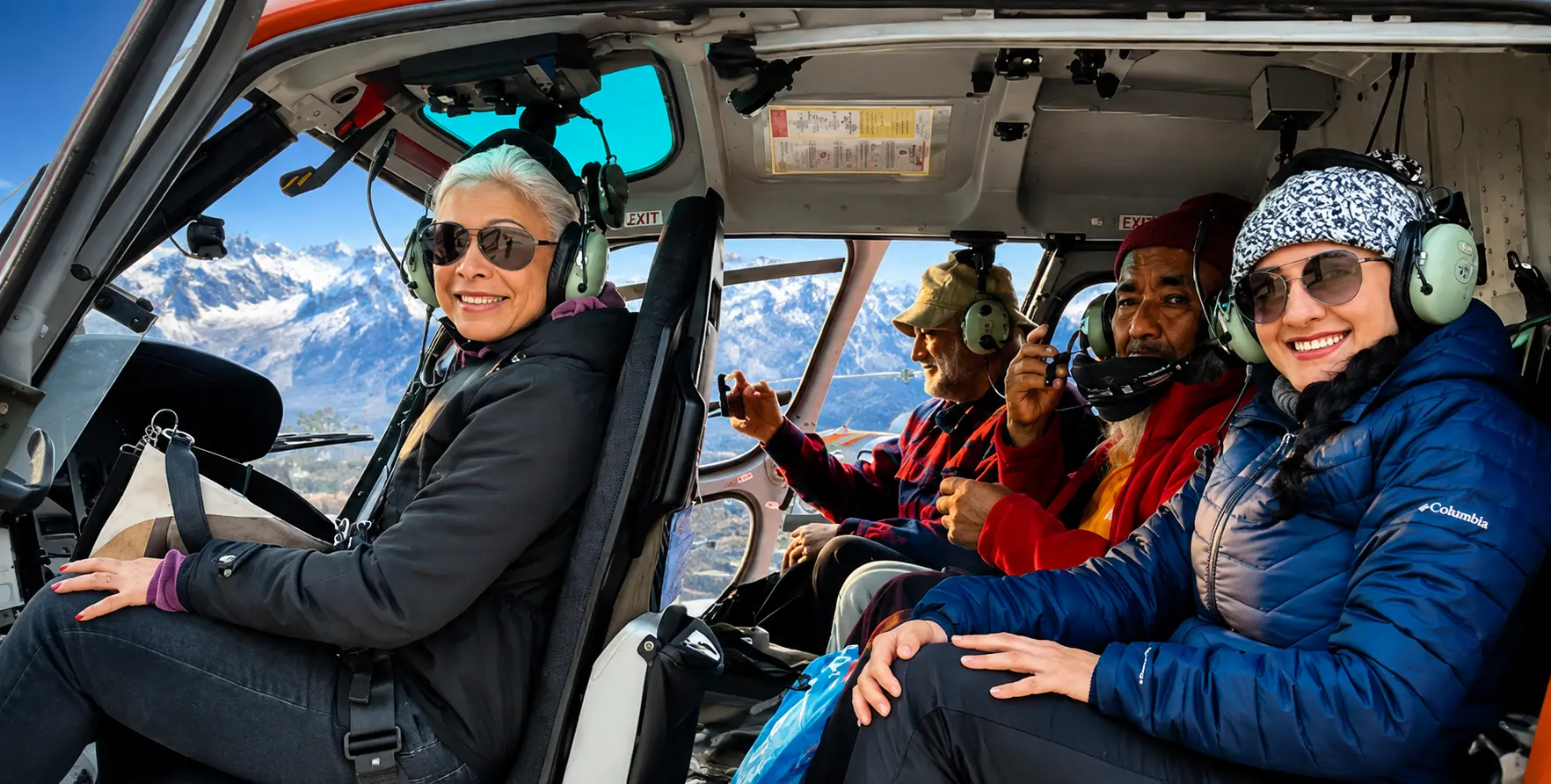
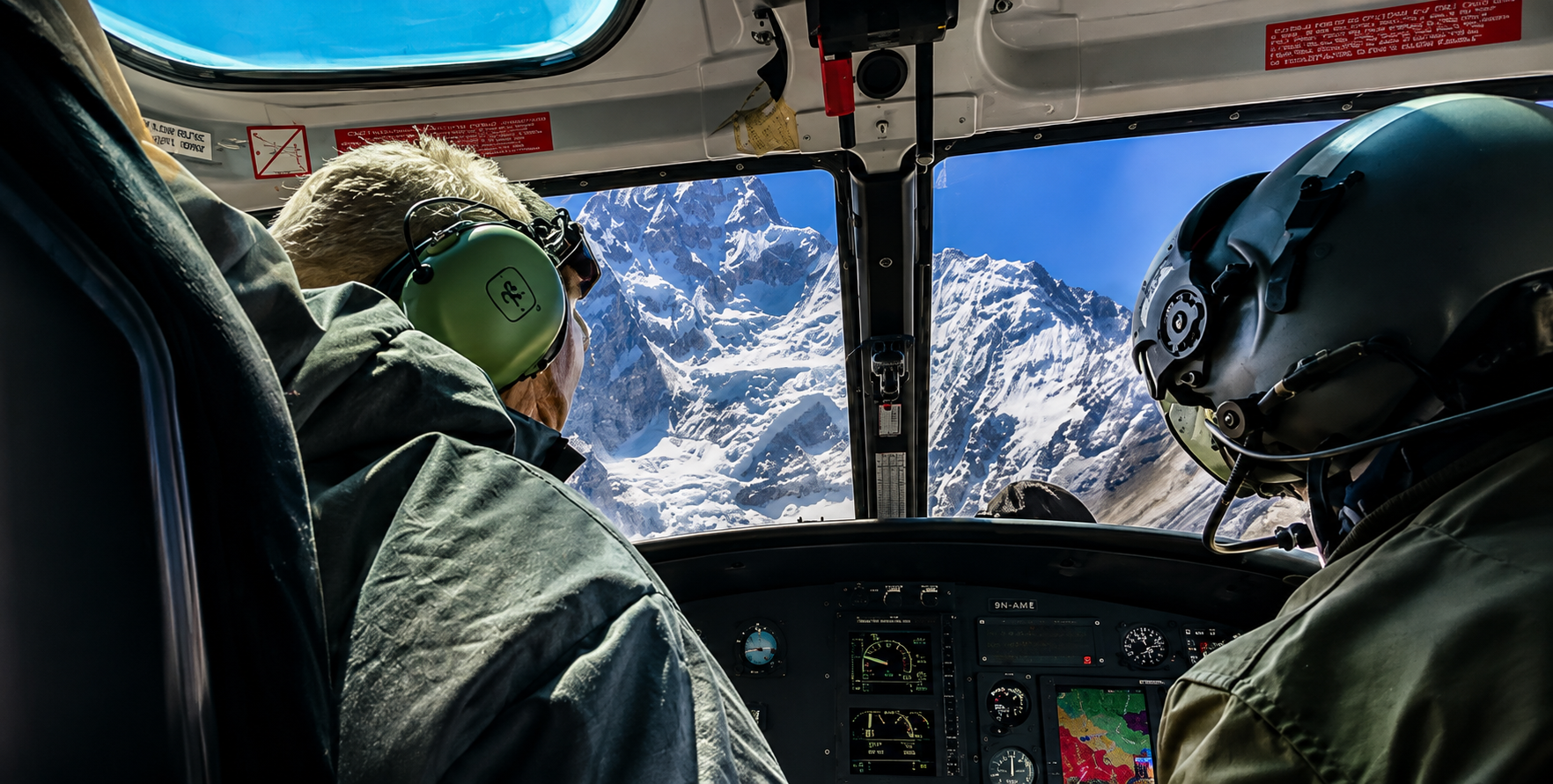
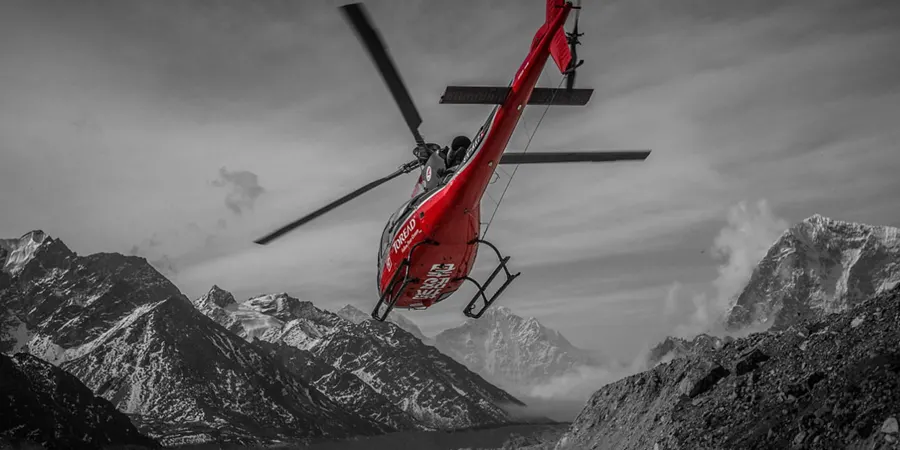
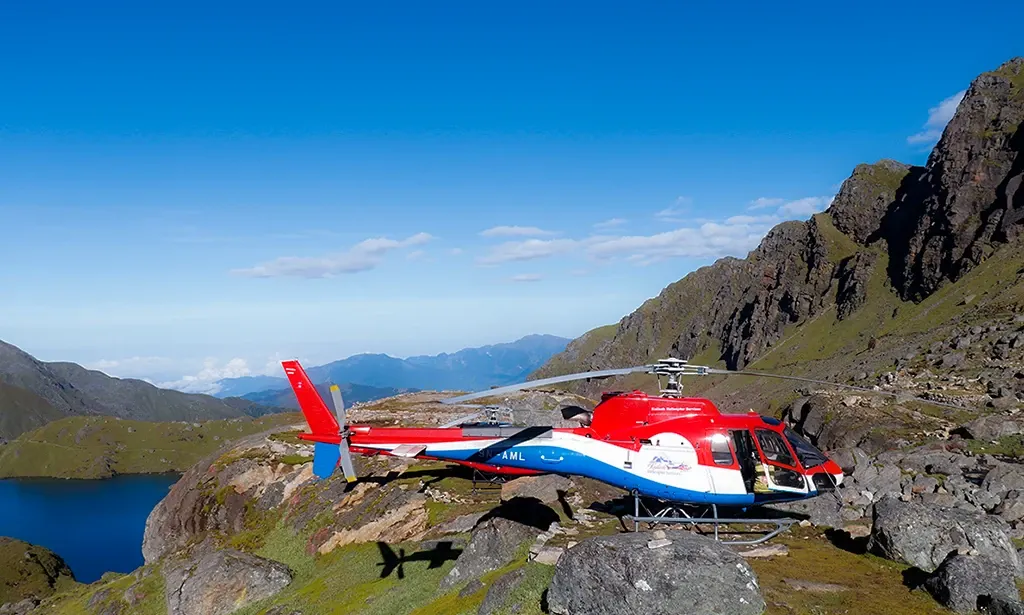
When weather delays fixed-wing flights for a long time, some trekkers choose a helicopter between Manthali and Lukla. Helicopters can sometimes fly in conditions that ground small planes, but they are also weather-dependent and cost extra. Airlines and trekking agencies arrange this, not transport companies.

If you’re considering this, check your travel insurance and speak with your agency. We’ll adjust your road transfer to match whatever you decide.

Spare Days and Travel Insurance

Weather delays on Lukla flights are common in both directions. The most important planning rule for any Everest trek is to keep spare days, ideally at least one or two, before your international flight home.

  • If your return flight from Lukla is delayed, you’ll still have time to drive back to Kathmandu.
  • If you finish early, enjoy extra time with a Kathmandu sightseeing day or a trip to Nagarkot.
  • Make sure your travel insurance covers trekking at high altitude and flight disruptions.on
  • Keep our number handy so we can move your return transfer quickly.

Families and Older Trekkers

The night drive is tiring for anyone, so families and older trekkers benefit most from a private vehicle. A Mahindra Scorpio or Hiace offers more comfortable seats and space to rest. We can provide child seats on request for families traveling with children.

Consider staying in Manthali the night before to avoid the 1:00 am start.

For older trekkers heading to Everest, our sister companies offer comfortable lodge-based itineraries, including the Everest Base Camp luxury lodge trek, with gentler daily stages and better accommodation.

Solo Trekkers

A private car for one person costs more than a seat in a shared van, but it offers a pick-up time that suits your flight, a direct journey, nd space to sleep. Many solo trekkers share a car with others on the same flight, often arranged through their trekking agency or hotel. Ask us, and we’ll help you find the best option for your budget.

Responsible Trekking in the Khumbu

  • Use refillable bottles and purified water
  • Carry out batteries and non-burnable waste
  • Respect Sherpa culture, walk clockwise around stupas and mani walls, and ask before photographing people.
  • Support local lodges, guides and porters, and tip fairly
  • Ascend slowly and respect acclimatization on days

Questions to Ask Before Booking Any Transfer

  • What time will you collect me, and how did you calculate it?
  • Is the price all-inclusive, with no night surcharge?
  • Is the driver rested and experienced on the night route?
  • What happens if my flight is canceled?
  • Can you also arrange my return pick-up?

We’re happy to answer all of these. Ask on WhatsApp or email.

Common Mistakes to Avoid

  • Assuming your flight leaves from Kathmandu: always confirm the departure airport, as it changes by season.
  • Booking a shared van for a first-flight slot: multiple hotel pick-ups can make you late
  • Overpacking: excess baggage can be charged or delayed on Lukla flights
  • No spare days: weather delays are common, so never book an international flight the day after your planned return
  • Skipping breakfast supplies: food at Manthali is basic, so pack snacks
  • Leaving the return pick-up to the last minute: book it with your outbound transfer

Avoid these, and your journey to and from the Everest region will be far smoother. If you’re unsure about any part of the plan, ask us before you book.

A Word for Trekking Agencies

If you run a trekking company, reliable Ramechhap transfers are essential to keeping your clients happy and your guides on schedule. We work with agencies throughout the busy seasons, handling multiple pick-ups on the same night, matching vehicles to group sizes and coordinating return transfers as each group’s flights from Lukla are confirmed.

Share your departure list with us and our office will manage the rest. Repeat agency partners receive consolidated USD invoices, priority vehicle allocation during peak weeks, and a dedicated contact who knows your groups and your guides.

Our Promise

Your vehicle will arrive on time, with a rested driver who knows the route. We’ll plan your pick-up around your flight, keep in touch through the night, and be waiting when you return from the mountains. We aim to make the road the easiest part of your Everest journey.

Where to Stay in Kathmandu Before a Ramechhap Departure

Your hotel choice can make the night transfer a little easier. Ramechhap lies to the east, so hotels on the eastern side of the Kathmandu Valley shorten the drive.

  • Thamel: the most popular base for trekkers, with gear shops and agencies close by. Easy to reach at night, though slightly further from the eastern exit.
  • Boudha: peaceful, close to the great stupa and on the eastern side of the city, a good choice for early departures.
  • Bhaktapur: a heritage town right on the road to Dhulikhel, which can save time on the night drive.
  • Near the airport: convenient if you’re arriving the day before and leaving that night.

Wherever you stay, we’ll pick you up from your door. If you have a free day before your transfer, our Kathmandu sightseeing service can show you the city’s highlights at a relaxed pace.

Lukla Airport: What to Expect on Arrival

Tenzing-Hillary Airport at Lukla sits at around 2,860 meters on a mountainside, with a short, steep runway. Landing there is a memorable experience. Once you land, you’ll collect your bags in a small arrivals area and meet your guide and porters if you haven’t already.

Lukla is a busy little town full of lodges, cafés and trekking shops. Most trekkers have breakfast or a cup of tea here before setting off toward Phakding, a gentle first day of walking that helps with acclimatization. The air is noticeably cooler than in Manthali, so have a warm layer ready in your daypack.

Preparing for Altitude on the Everest Trek

The Everest Base Camp trek climbs from around 2,860 meters at Lukla to more than 5,000 meters at Gorak Shep and Kala Patthar. Altitude is the biggest challenge, so preparation matters.

  • Build fitness before your trip with regular walking and hill climbs
  • Follow a sensible itinerary with acclimatization days at Namche Bazaar and Dingboche
  • Drink plenty of water and eat well on the trail
  • Know the signs of altitude sickness and descend if symptoms worsen
  • Speak to your doctor about altitude medication before traveling

A well-organized, experienced guide makes a huge difference. Our sister company, Trek Nepal Himalayas, designs Everest itineraries with proper acclimatization built in.

Food on the Road and at the Airport

Most of the outbound drive happens at night, when roadside restaurants are closed. Eat a light dinner before bed and pack snacks and water for the drive and the airport. Many hotels in Kathmandu will prepare a packed breakfast for early departures if you ask the day before.

At Manthali, small tea shops near the terminal usually serve tea, coffee, biscuits, and simple snacks. On the return drive in daylight, your driver can stop at restaurants along the BP Highway and around Dhulikhel for a proper meal of dal bhat, noodles or momos.

Seeing the Route in Daylight on the Way Back

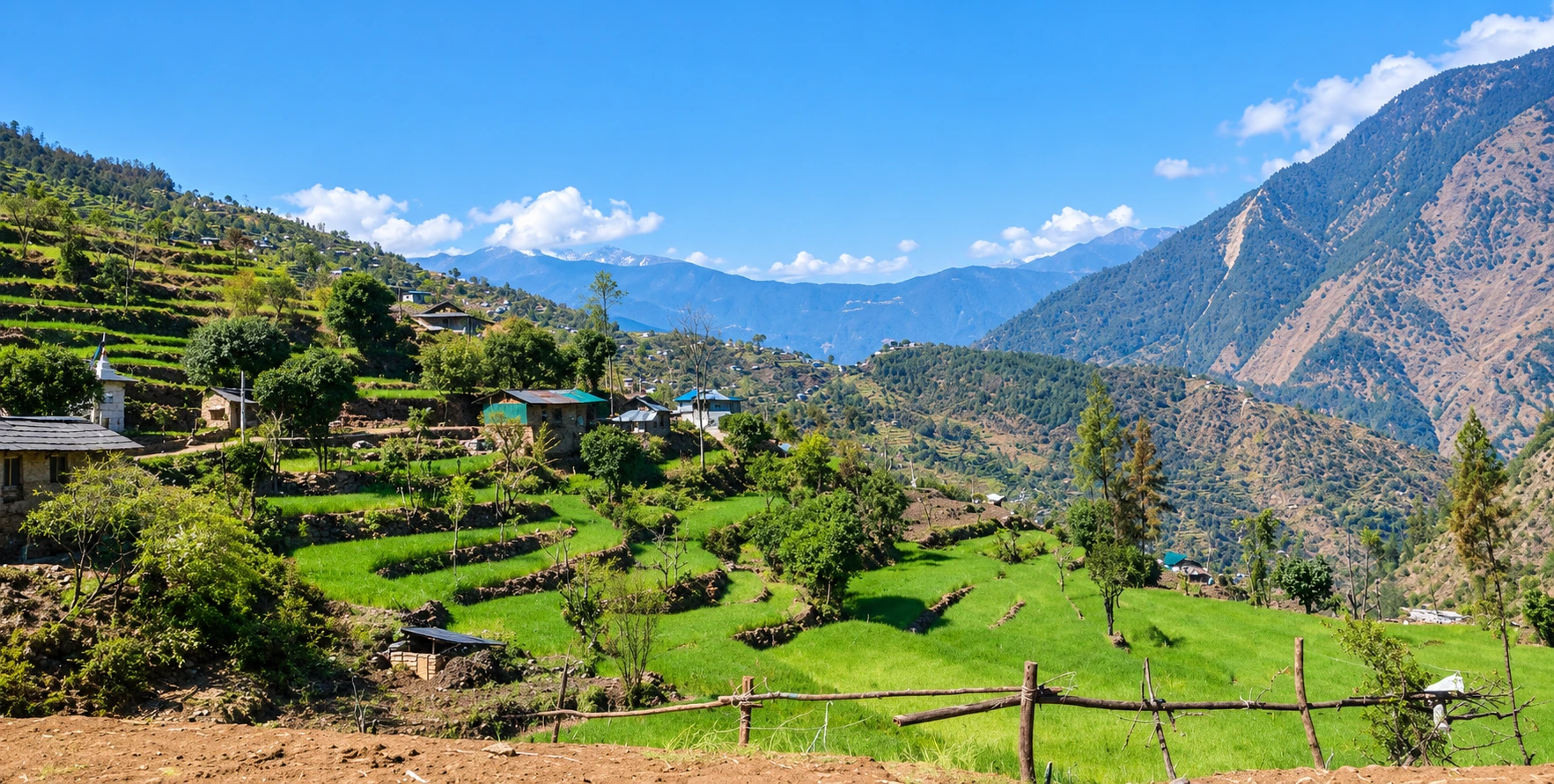
On the outbound journey,y you’ll probably sleep through the scenery. The return drive is different. In daylight, the road from Manthali follows the Sunkoshi River past terraced hillsides and small riverside towns, then climbs through forest and farmland on the BP Highway.

Near Dhulikhel, on clear days, the Himalayan range appears on the northern horizon, a final mountain view after your trek.

If you have time and energy, ask your driver to stop in Dhulikhel or Bhaktapur for lunch or a short walk before returning to your Kathmandu hotel. It’s a gentle way to ease back into city life after the Khumbu. You can add our Bhaktapur Durbar Square tour to the return trip.

Busy Seasons and Festivals

Peak trekking seasons bring large numbers of trekkers to Manthali every morning, and transfers book up quickly. Major festivals such as Dashain and Tihar also increase traffic on Nepal’s roads. If your trek falls in a busy period, book your transfer as soon as your flight is confirmed and allow extra time for the drive.

In the monsoon, landslides can affect hill roads, so build in flexibility.

What Our Guests Value Most

Everest trekkers who use our Ramechhap transfers often mention punctual night pick-ups, a quiet, comfortable car that lets them sleep, drivers who help with bags at the airport, and knowing their return pick-up is already arranged. Many also appreciate being able to message our office at any hour if their flight changes.

Before-You-Go Checklist

  • Confirm your flight airport and reporting time with your airline or agency
  • Confirm your pick-up time with us the evening before
  • Weigh your duffel within the baggage limit
  • Pack passport, permits, tickets, cash, and medicines in your daypack
  • Prepare a neck pillow, snacks and water for the drive
  • Leave extra luggage with your Kathmandu hotel

Your First Days on the Everest Trail

After the drive to Manthali and the short flight, your trek begins almost immediately. The first walking day from Lukla to Phakding is gentle, descending slightly through Sherpa villages, mani walls, and prayer wheels along the Dudh Koshi River. It’s a good way to stretch your legs after a night in the car and a morning at the airport.

On the second day, the trail crosses high suspension bridges, enters Sagarmatha National Park and climbs steeply to Namche Bazaar, the bustling Sherpa town at around 3,440 meters. Most itineraries include a rest and acclimatization day here, with a short hike to viewpoints for the first close views of Everest, Lhotse and Ama Dablam. From Namche, the classic route continues to Tengboche and on toward Everest Base Camp.

Other Treks Starting From Lukla

Ramechhap transfers aren’t only for Everest Base Camp. The Lukla flight is the gateway to several other routes in the Khumbu:

  • Gokyo Lakes: turquoise glacial lakes and the Gokyo Ri viewpoint, often combined with the Cho La pass
  • Three Passes trek: a challenging circuit over Kongma La, Cho La and Renjo La for experienced trekkers
  • Everest View trek: a short trek to Namche and Tengboche for travelers with limited time
  • Comfort lodge treks: easier daily stages and better lodges, such as the Everest Base Camp luxury lodge trek
  • Expeditions: climbing peaks such as Island Peak and Lobuche East

Whatever your route, road transfers work the same way. Our sister companies can arrange guides and itineraries, and we handle the road sections at both ends.

How We Track Your Return Flight

Coming back from the Everest region is where planning really pays off. Lukla flights depend on the morning weather, so your return date may change by a day or more. Here’s how we manage it:

  • Before you trek: we record your expected return flight date and airline
  • During the trek: message us on WhatsApp when your return flight is confirmed, or ask your guide to contact us
  • On the day: our driver waits at Manthali for your arrival and checks with you when you land
  • If you’re delayed: we move your pick-up to the new date at no extra cost when you let us know in advance
  • If you return early: tell us, and we’ll bring the pick-up forward if possible

This flexible approach means you don’t need to worry about transport while you’re in the mountains.A car will ber waiting when you land.

Cold Pre-Dawn Starts

In winter and early spring, Kathmandu can be cold in the early hours, and Lukla is much colder than either Kathmandu or Manthali. Wear a warm layer for the drive, keep a down jacket in your daypack for arrival in Lukla, and use the vehicle heater if you need it. By the time you reach Manthali, temperatures are usually milder, so dress in layers you can easily add or remove.

Planning the Whole Everest Trip With One Transport Partner

An Everest trek usually involves several road journeys: an airport pick-up when you arrive in Nepal, sightseeing in Kathmandu, the night transfer to Ramechhap, the return from Manthali after the trek, and a final airport drop. Booking each one separately means more messages, more driver,s and more chances for something to slip.

With Nepal Vehicle Hiring, you can arrange every leg in one booking. We meet you at Tribhuvan International Airport for pick-up, show you Kathmandu’s heritage sites, drive you to Manthali for your Lukla flight, and wait for you when you return from the mountains.

A single office tracks your whole journey, keeps in touch on WhatsApp, and adjusts transfers if your flights change. For trekkers, families and agencies alike, it’s the simplest way to keep the logistics of an Everest trip under control.

If you’re combining Everest with other parts of Nepal, such as a few days in Pokhara or a jungle safari in Chitwan, we can include those transfers too. Share your full itinerary through our trip planner, and we’ll send one clear USD quote for everything.

Accessibility and Special Requirements

If anyone in your group has limited mobility, a medical need, or special requirements, please tell us when you book. We can choose a vehicle with easier access, plan extra stops on the drive, and make sure your driver helps with bags and boarding at Manthali. For families, child seats are available on request.

Our aim is for everyone in your group to travel comfortably and safely, whatever their needs.

Why Book Your Ramechhap Transfer With Us

  • Night transfer specialists who drive the Manthali route regularly
  • Full fleet: cars, Scorpios, jeeps, Hiace vans, coasters and buses
  • Flight-aware planning based on your airline’s reporting time
  • Clear USD pricing, with no late-night surcharge
  • Return pick-ups after your Everest trek
  • 24/7 support on WhatsApp

See our trekking transport, car hire in Nepa,l and Nepal tour package pages for more.

How to Book

  • Step 1: Send your flight date and time, airline, hotel, number of passengers and luggage to WhatsApp or email.
  • Step 2: We confirm the vehicle and pick-up time and send a USD quote.
  • Step 3: Confirm with a small advance.
  • Step 4: We receive your driver’s name and phone number the evening before.
  • Step 5: Your driver arrives at your hotel at the agreed time.

You can also use our trip planner or contact page.

Frequently Asked Questions

How far is Ramechhap from Kathmandu?

About 130–135 km by road, usually four to five hours by private car.

What time do I need to leave Kathmandu?

Usually around 1:00-2:00 am for morning Lukla flights. We confirm the exact time based on your flight.

How much does a private car to Ramechhap cost?

About USD 110–140 one way for up to three passengers. A Scorpio or jeep costs about USD 130–165.

Is there an extra charge for the night departure?

No. Our prices include early-morning and night departures for Ramechhap transfers.

Do all Lukla flights leave from Ramechhap?

Not always. During busy seasons, Lukla flights are moved to Ramechhap. Confirm your departure airport with your airline or agency.

Can the driver wait if my flight is canceled?

Yes, by arrangement. We can wait and bring you back to Kathmandu or rebook for the next day.

Can you pick us up at Ramechhap after the trek?

Yes. Share your expected return flight date ,and we’ll be there when you land.

Is there luggage storage at Manthali Airport?

Generally no. Leave any extra luggage at your Kathmandu hotel.

Can I stay in Manthali the night before instead?

Yes. We can drive you to Manthali in the afternoon so you can sleep near the airport and avoid the night departure.

Which vehicle is best for a group of six with porters?

A Toyota Hiace is ideal for groups with guides, porters, and duffels.

Can you take us to Phaplu instead of Ramechhap?

Yes. We run road transfers to Phaplu and Salleri, another way into the Everest region.

Can you drop us at Kathmandu airport after the return drive?

Yes, but keep spare days before international flights in case of weather delays. We can also arrange an airport drop from your hotel.

Book Your Ramechhap Private Car Transfer

Start your Everest adventure rested and on time, with one private vehicle, one experienced drive,r and a pick-up time planned around your flight.

WhatsApp

Email: [email protected]

Online: Plan your trip | Contact us | Nepal Vehicle Hiring

Send your flight details tod,ay and we’ll reply with the right vehicle, pick-up ti,me and a clear USD quote.

From a quiet street in Kathmandu in the middle of the night to the runway at Lukla in the morning sun, the journey to the Everest region is unlike any other. With the right vehicle, an experienced driver and a pick-up time planned around your flight, you can arrive at Manthali relaxed and ready for the mountains.

We look forward to starting your Everest adventure with you and welcoming you back after the trek.
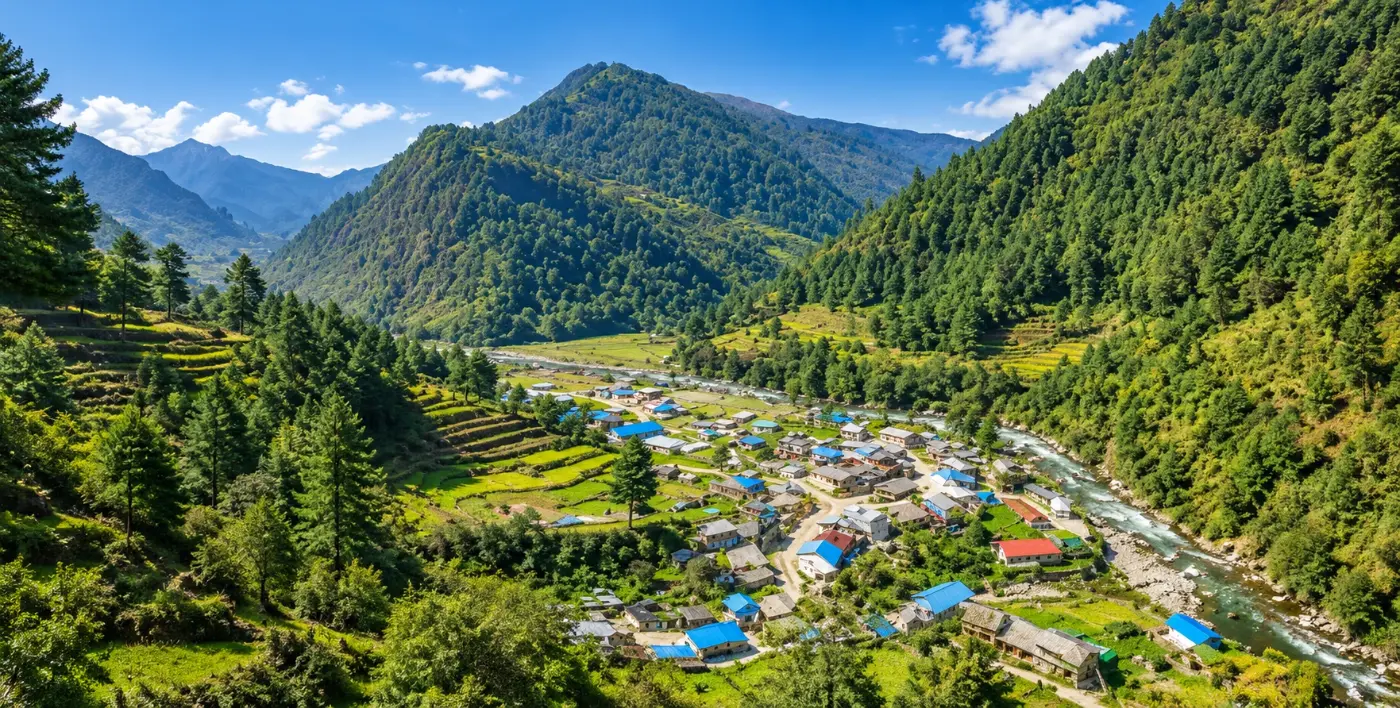
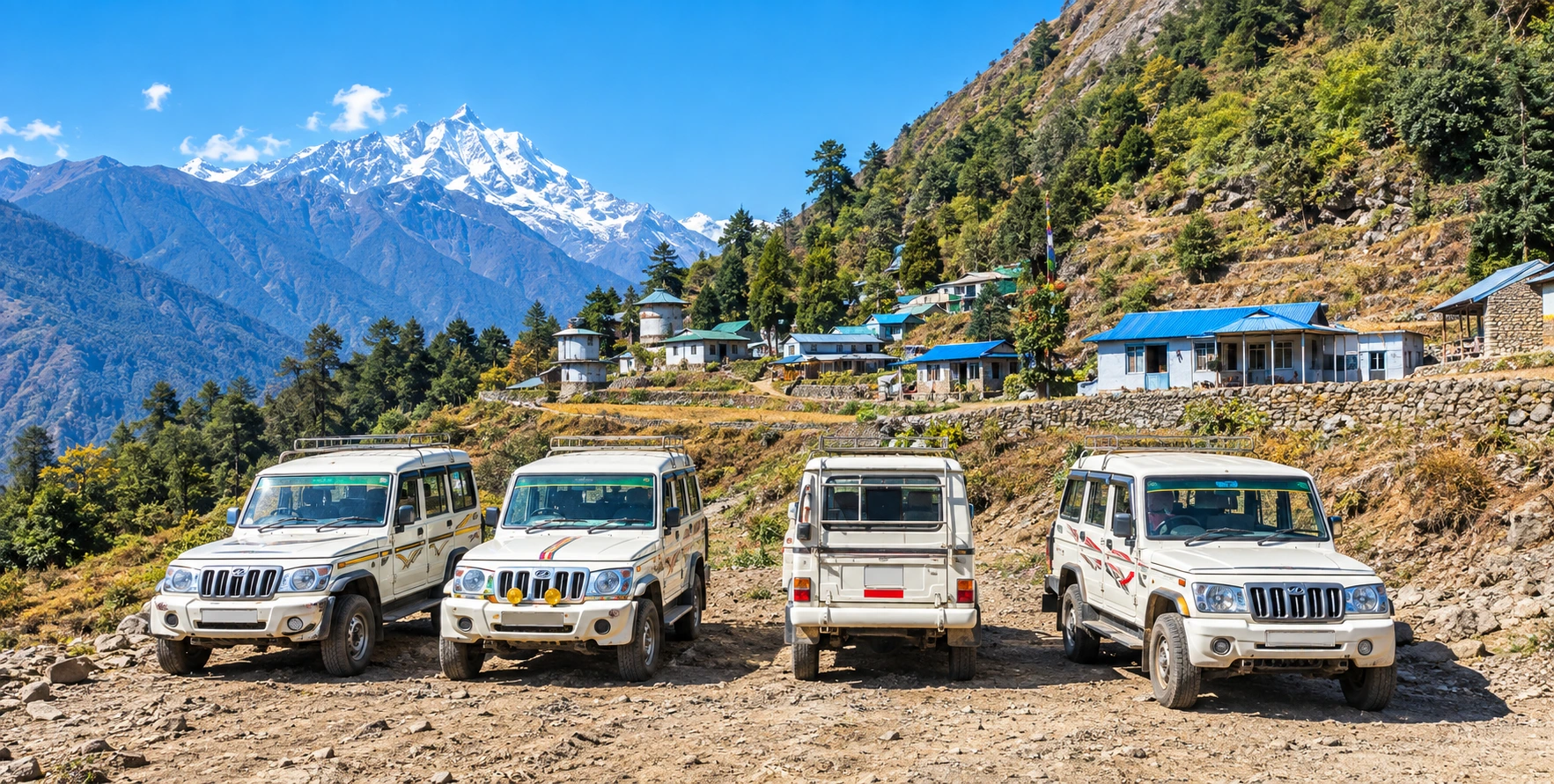
Kathmandu to Bhandar Jeep Transfer for Everest Trek

Book Kathmandu to Bhandar Jeep Transfer for Everest Trek with a private 4WD jeep or Scorpio. Travel comfortably toward Bhandar with an experienced driver, convenient pickup, luggage space, and transport suitable for mountain roads.

Kathmandu to Bhandar Jeep Transfer for the Classic Everest Trek

Before Lukla Airport opened in 1964 and transformed the Everest Base Camp approach into the 10-to-14-day, flight-aided journey most contemporary trekkers experience, every Everest-bound climber, expedition member, and intrepid traveller walked the full route from the road head near Jiri northeastward through the Solu region’s ridge-and-valley landscape to the Khumbu highlands. Sir Edmund Hillary and Tenzing Norgay Sherpa walked this route in 1953 on their way to make history at 8,848.86 meters.

Their footsteps followed the same mid-hill terrain — the same suspension bridges over the Dudh Koshi’s tributaries, the same rhododendron-forested ridges, the same traditional Tamang, Jirel, Rai, and Sherpa villages — that the classic Everest trekking route via Jiri and Bhandar still offers the modern trekker who chooses history, cultural depth, and gradual acclimatisation over the efficiency of the Lukla flight.

Bhandar (2,190 m) in the Dolakha District of Bagmati Province has emerged as the most practically important trailhead on this classic route — the point where the road from Kathmandu via Jiri effectively ends and the Everest Base Camp Trek on foot truly begins. As multiple current Everest trekking operators confirm, while Jiri (1,905 m) was historically ‘the gateway to Everest’ as the road terminus, the road has now been extended beyond Jiri to Bhandar — making Bhandar the current effective starting point for trekkers who want to follow the classic Hillary route while saving one day of road walking that the Jiri-to-Bhandar section would otherwise require.

Most 18-day classic Everest itineraries in 2026 now begin with a jeep drive from Kathmandu directly to Bhandar, treating the Jiri-to-Bhandar road extension as part of the vehicle transfer rather than Day 1 of trekking.

Nepal Vehicle Hiring Pvt Ltd (vehiclehiringnepal.com) provides private jeep transfer from Kathmandu to Bhandar for classic Everest trekkers. The same professional, all-inclusive, route-experienced 4WD jeep hire service serves our established Kathmandu to Salleri and Phaplu overland service.

This complete guide covers everything a classic Everest trekker needs to know about the Kathmandu to Bhandar private jeep transfer: the complete route, distance, journey time, vehicle options, accurate NPR and USD costs, road character, the specific advantages of Bhandar over Jiri as the trek starting point, the classic Everest route that begins from Bhandar’s trailhead, and the broader Nepal vehicle network that supports classic Everest trekkers before and after this extraordinary overland journey.

Book Kathmandu to Bhandar Jeep Transfer for Everest Trek with a private 4WD jeep or Scorpio. Travel comfortably toward Bhandar with an experienced driver, convenient pickup, luggage space, and transport suitable for mountain roads.

Bhandar: The Modern Trailhead of the Classic Everest Route

Where Is Bhandar?

Bhandar (also spelt Bhandara or Bhandaar) is a small village in the Dolakha District of Bagmati Province, situated at approximately 2,190 meters above sea level on a ridge above the Likhu Khola valley. It lies approximately 25 kilometres northeast of Jiri — the previous road terminus that Hillary and Tenzing used as their 1953 departure point — and is the current end point of the road extension that has progressively pushed the Solu-Khumbu access road further northeastward from Kathmandu since the 1980s.

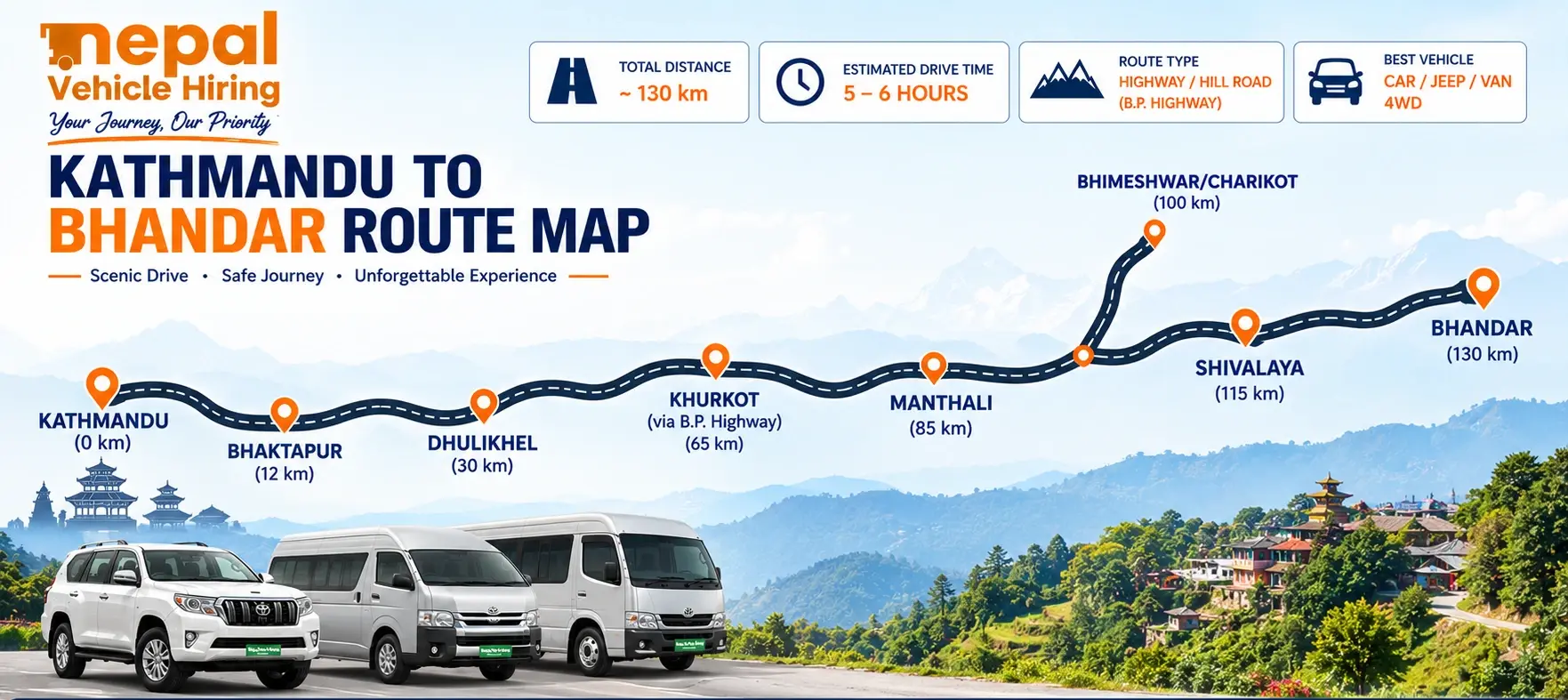
As Landmark Discovery Treks’ Bhandar-Everest route description confirms, the road from Kathmandu follows the Kodari Highway toward Tibet to Khadichaur, then turns east and follows a rough secondary road through the mid-hills to Bhandar—where the trek now begins. The distance from Kathmandu to Bhandar is about 213 kilometres, and the private jeep journey takes 8 to 9 hours, depending on road conditions and the season.

Why Start at Bhandar Rather Than Jiri?

The road extension from Jiri to Bhandar has significantly changed how trekkers approach the classic Everest route—saving a full day of walking on a section that now follows the road rather than a traditional trail. As Nepal Peak Adventure’s 2026 route guide confirms, most 17-to-18-day classic Everest itineraries now begin with a drive to Bhandar rather than Jiri, since the Jiri-to-Bhandar section now follows the road construction rather than the original hillside trail that made the full walking approach meaningful.

By starting the trek at Bhandar, trekkers immediately step onto trail terrain that road construction has not altered — the Bhandar to Sete ridge climb, the descent to Kinja, and the forested hillsides of the Solu region beyond offer the genuine classic Everest route experience from the first steps.

The acclimatisation argument still favours starting as low as possible for altitude-sensitive trekkers. Still, Bhandar’s 2,190 meters is only slightly higher than Jiri’s 1,905 meters—a 285-meter difference that doesn’t create a meaningful acclimatisation distinction for most healthy adult trekkers. The walking-time savings (one full day eliminated) matter far more for itinerary planning than the minimal altitude difference between the two starting points.

Book Kathmandu to Bhandar Jeep Transfer for Everest Trek with a private 4WD jeep or Scorpio. Travel comfortably toward Bhandar with an experienced driver, convenient pickup, luggage space, and transport suitable for mountain roads.

The Complete Drive: Kathmandu to Bhandar Route in Detail

Route Overview: 213 km, 8–9 Hours

The Kathmandu to Bhandar road journey covers about 213 kilometres and takes 8 to 9 hours by private jeep, according to multiple operators. The route follows the BP Highway (also called the Dolalghat Highway) eastward from Kathmandu through Dhulikhel and the Sun Koshi River gorge, then turns northeast onto the Sagarmatha Highway.

This road serves the complete Solu-Khumbu corridor, including Jiri, Bhandar, Salleri, and Phaplu. Himalayan Masters’ current itinerary description confirms the full route as: Kathmandu → Dhulikhel → Khadichaur Bazaar → Mude → Charikot → Tamakoshi Bazaar → Jiri → Shivalaya → Bhandar.

The journey’s first section from Kathmandu to Dhulikhel (approximately 35 km, 1.5 hours) follows the established BP Highway through the eastern Kathmandu Valley rim — a smooth, well-maintained sealed road that passes through the historic town of Banepa and the viewpoint settlement of Dhulikhel, from where the Himalayan panorama, including Gaurishankar, Melungtse, and, on clear mornings, even Everest itself, is visible above the mid-hill ridges to the northeast. From Dhulikhel, the route descends to Khadichaur and the Sun Koshi River gorge before following the river corridor eastward through the scenic BP Highway lower section to Mude junction (approximately 100 km from Kathmandu), where the Sagarmatha Highway turns northward toward the Solu-Khumbu region.

The Sagarmatha Highway section from Mude junction to Charikot (Dolakha District headquarters), Jiri, and Bhandar is the most scenically varied and most characterful portion of the complete drive — passing through the Dolakha District’s terraced hillsides, traditional market towns, and the progressively more remote and forested terrain that approaches the Solu region. The road passes through Charikot at approximately 1,980 meters (the same Charikot that serves as the junction for the Rolwaling Valley approach), continues through the Tamakoshi River valley, reaches Jiri Bazaar at approximately 1,905 meters (a pleasant mid-hills market town worth a lunch stop), and then follows the road extension through Shivalaya to Bhandar at 2,190 meters.

Road Character: What to Expect

The Kathmandu to Bhandar road splits into three distinct road-character sections, and the private jeep handles each very differently. The Kathmandu to Khadichaur section (approximately 85 km) is sealed BP Highway in good condition — smooth, fast, and entirely appropriate for any well-maintained vehicle.

The Khadichaur to Jiri section (approximately 103 km via Mude and Charikot) is sealed Sagarmatha Highway of variable quality—generally adequate but with some rough sections, construction-affected areas, and the characteristic winding of a hill road built in stages over several decades. The Jiri to Bhandar extension (approximately 25 km) is the most recent and most demanding section — a rough secondary road through hilly terrain that rewards a 4WD vehicle’s ground clearance and suspension quality over a sedan’s more limited capability.

⚠ Note: A 4WD jeep is strongly recommended for the complete Kathmandu to Bhandar journey — specifically for the Jiri to Bhandar extension section w, which is rough, narrow in places, and may involve muddy or loose sections after rainfall. Nepal Vehicle Hiring Pvt Ltd’s Kathmandu to Bhandar jeep hire specifically assigns 4WD vehicles for this route to ensure reliable completion of the final road section.

Everest expeditions

Vehicle Options and Costs: Kathmandu to Bhandar

The following costs represent current market rates for private vehicle hire on the Kathmandu to Bhandar route. Current operator pricing confirms USD 325 for a private jeep from Kathmandu to Salleri-Phaplu, accommodating up to 7 people; Bhandar, at 213 km, is slightly shorter than Salleri-Phaplu at 267 km, so Bhandar transfer pricing is slightly below the Salleri rate. All Nepal Vehicle Hiring Pvt Ltd rates include the vehicle, driver, fuel, and tolls.

Private 4WD jeep —  Mahindra Scorpio (4–6 passengers): NPR 22,000 to NPR 32,000 per vehicle (approximately USD 165 to USD 240). Per-person cost for a group of 5: NPR 4,400 to NPR 6,400. This is the recommended vehicle for the complete Kathmandu to Bhandar route.

Nepal Vehicle Hiking Pvt Ltd’s 4WD jeep hire service provides Land Cruiser and Scorpio options with drivers experienced on the BP Highway and Sagarmatha Highway corridor.

Private car / top-end SUV: NPR 16,000 to NPR 22,000. Handles the Kathmandu to Jiri sealed road section well; the Jiri to Bhandar extension in good dry-season conditions. Not recommended for monsoon-season transfers. Nepal Vehicle Hiring Pvt Ltd offers private car hire for this route under good road conditions.

Hiace van (8–12 passengers): NPR 28,000 to NPR 40,000 per vehicle. Suitable for the sealed Kathmandu to Jiri section; the Jiri to Bhandar extension may require extra care in wet conditions, given the van’s lower ground clearance compared to a 4WD jeep. Best for larger trekking groups in the dry season.

Nepal Vehicle Hiring Pvt Ltd’s Hiace van hire service covers this route for groups who need the larger capacity.

Public transport comparison: Daily buses from Kathmandu’s Gongabu Bus Park to Jiri cost about NPR 500 to NPR 800 per person and take 7 to 8 hours. No direct scheduled public bus service reaches Bhandar — trekkers must take local transport from Jiri for the final 25 km to Bhandar, adding 1 to 2 additional hours and a vehicle change.

A private jeep remains the most reliable single-vehicle option for the full Kathmandu-to-Bhandar trailhead transfer.

Tip: For a trekking group of 5 sharing a private Land Cruiser from Kathmandu to Bhandar at NPR 28,000, the per-person cost is NPR 5,600 (approximately USD 42) — less than the cost of a one-way Lukla domestic flight, yet delivering the complete classic Hillary route starting point with no flight cancellation risk, better acclimatisation, and the incomparably richer Solu-Khumbu cultural approach.

Everest bace camp

The Classic Everest Route from Bhandar: What Trekkers Are Heading Toward

Bhandar to Namche Bazaar: The Solu Section

From Bhandar’s trailhead, the Everest Base Camp Trek via the classic Jiri-Bhandar route traverses the Solu region’s remarkable landscape over 6 to 7 days before connecting with the main Khumbu trail at Surke or Phakding. The route from Bhandar follows a characteristically demanding Solu terrain pattern—repeated steep descents into river gorges followed by equally steep ascents onto ridge tops, with every valley crossing requiring significant altitude gain and loss that builds the leg strength and cardiovascular fitness the Khumbu’s higher elevations will later reward.

Day 1 from Bhandar leads to Sete (2,575 m) over approximately 6 to 7 hours — descending first to the Bhandar Khola suspension bridge before climbing the steep zigzag path to the Bhandar Changma ridge at approximately 2,900 meters and then descending to the Kinja valley (1,570 m) before the final climb to Sete. This first day’s altitude profile—descending from 2,190 m to 1,570 m and then climbing to 2,575 m—establishes the classic Solu pattern that continues for the next several days and provides a depth of lower-altitude acclimatisation that the Lukla flight approach cannot replicate.

Day 2 from Sete crosses the Lamjura Bhanjyang at 3,metres — the highest point of the complete Solu section and the first genuine high-altitude challenge of the classic route — before descending to Junbesi (2,670 m), the most beautiful village in the Solu region, with its ancient monastery, traditional Sherpa architecture, and apple orchards that provide fresh fruit in season.

The progression from Junbesi through Nunthala, Bupsa, and Kharikhola to the Surke junction — where the classic Jiri route meets the Khumbu trail from Lukla — takes 4 to 5 additional days of walking through a progressively more Sherpa-dominated cultural landscape. The Gokyo Lake Trek and the Three Passes Trek both use the same Khumbu trail from Lukla northward that the classic route joins at Surke or Phakding — meaning that trekkers approaching via Bhandar join the standard trail at Phakding or Namche and continue on the same high-altitude path as Lukla-arriving trekkers from that point forward, with the significant advantage of the additional acclimatisation and cultural depth that the Solu section has provided.

The Acclimatisation Advantage of the Bhandar Start

The biggest medical and physical advantage of starting the Everest Base Camp trek from Bhandar rather than flying to Lukla is the extra acclimatisation the 6-to-7-day Solu section provides. Lukla-arriving trekkers begin at 2,860 meters and climb toward Namche at 3,440 meters within 2 days — a rapid altitude gain that the mandatory Namche acclimatisation day only partially addresses.

Bhandar-starting trekkers reach Namche after 8 to 10 days of walking that already includes multiple altitude cycles from 1,500 meters to 3,530 meters and back, building broader altitude adaptation across a wider range before they reach the Khumbu’s most demanding elevations. The result is a lower incidence of altitude sickness at Namche and beyond for classic-route trekkers than for Lukla-arriving trekkers.

This clinically meaningful difference makes the Bhandar approach not only more culturally rich but also physiologically safer for trekkers who are concerned about altitude sensitivity c

Book Kathmandu to Bhandar Jeep Transfer for Everest Trek with a private 4WD jeep or Scorpio. Travel comfortably toward Bhandar with an experienced driver, convenient pickup, luggage space, and transport suitable for mountain roads.

Kathmandu to Bhandar vs Kathmandu to Salleri: Choosing Your Everest Approach

Nepal Vehicle Hiring Pvt Ltd provides both the Kathmandu to Bhandar jeep transfer for the classic Jiri-Bhandar Everest approach and the established Kathmandu to Salleri and Phaplu overland jeep service for the alternative southern Solu-Khumbu approach. Understanding the differences between these two vehicle transfers and the trekking routes they serve helps trekkers choose an itinerary that genuinely matches their priorities.

Kathmandu to Bhandar (213 km, 8–9 hours, NPR 22,000 to NPR 45,000 jeep): Serves the classic Jiri-Bhandar Everest route — the original Hillary-and-Tenzing approach, emphasising cultural immersion in the Tamang, Jirel, and Sherpa communities of the Solu Khumbu mid-hills, maximum acclimatisation through the altitude cycles of the Solu section, and the specifically historical dimension of following the most famous mountain journey in human history from near its beginning. Best for trekkers with 18 to 22 days available, a strong interest in cultural depth, and a preference for the most authentic classic Everest experience available.

Kathmandu to Salleri or Phaplu (267 km, 9–11 hours, US$350 jeep): Serves the alternative southern approach that joins the Khumbu trail at Surke, closer to Lukla, saving 3 to 4 days of Solu trekking compared to the Bhandar start while still providing meaningful lower-altitude acclimatisation above the Lukla-arriving trekker’s starting point. Best for trekkers with 14 to 18 days available who want overland acclimatisation advantages without the time investment of the full Solu section.

Tip: If your schedule allows 18 to 22 days for the complete Everest Base Camp trek, choose the Kathmandu to Bhandar jeep transfer and follow Hillary’s footsteps through the Solu section. If you have only 14 to 16 days, the Kathmandu to Salleri-Phaplu jeep offers a meaningful overland approach while saving 3 to 4 days. Contact us on WhatsApp, and the Nepal Vehicle Hiring Pvt Ltd team will discuss the best starting point for your schedule and fitness level.

Book Kathmandu to Bhandar Jeep Transfer for Everest Trek with a private 4WD jeep or Scorpio. Travel comfortably toward Bhandar with an experienced driver, convenient pickup, luggage space, and transport suitable for mountain roads.

The BP Highway and Sagarmatha Highway: Nepal’s Scenic Everest Approach Road

The road from Kathmandu to Bhandar is not merely a vehicle transfer but a scenic journey in its own right — one of Nepal’s most characterful overland drives, combining the BP Highway’s Sun Koshi River gorge scenery with the Sagarmatha Highway’s hill-country landscape in a sustained 8-to-9-hour visual experience that provides genuine psychological and emotional preparation for the mountain world ahead. Trekkers who sleep through the drive in the hope of conserving energy for the trail consistently report that they have missed one of Nepal’s finest overland experiences — the terraced hillsides of the Dolakha District, the dramatic gorge sections where the road clings to the cliff face above the Sun Koshi, and the progressive deepening of the Himalayan character as the route approaches the Solu region.

Khadichaur Bazaar is typically the lunch stop for Kathmandu-to-Bhandar private jeep transfers—a roadside market town on the Sun Koshi where simple restaurants serve the region’s standard traveller fare: excellent dal bhat and noodle soups. Nepal Vehicle Hiring Pvt Ltd drivers for this route know the best lunch stops at Khadichaur.

It can time the stop for maximum efficiency within the 8-to-9-hour journey. Jiri Bazaar, at about the 7-hour mark, is an alternative later-day stop for groups who prefer a larger town with a wider range of services.

For example, the market town has several guesthouses and restaurants that also offer overnight stays if groups want to split the Kathmandu to Bhandar journey over two days.

Seasonal Guide for the Kathmandu to Bhandar Drive

Autumn, from September through November, is the best season for the Kathmandu to Bhandar drive and the classic Everest route from Bhandar—post-monsoon road surfaces at their best, mountain views of extraordinary quality, and the Solu region’s landscape at its most vivid. October is Nepal’s peak trekking month and the most popular departure time for classic Everest route trekkers — book the private jeep 2 weeks in advance.

Spring, from March through May, brings the rhododendron bloom season that transforms the forested sections of the BP Highway and Sagarmatha Highway in March and April, adding spectacular colour to an already beautiful drive. Road conditions are generally good in spring, and the Jiri to Bhandar extension section is firm and dry after the winter. Pre-monsoon conditions from late May can affect road quality on some sections.

Monsoon from June through August brings the highest road disruption risk—the Sagarmatha Highway and the Jiri to Bhandar extension are subject to landslides and road damage during sustained heavy rainfall, and Nepal Vehicle Hiring Pvt Ltd monitors conditions before confirming monsoon-season departures from Bhandar. Experienced trekkers still use the classic Everest route year-round and plan specifically for monsoon conditions.

Winter from December through February is cold but generally road-safe on the main Kathmandu to Jiri section, with the Jiri to Bhandar extension potentially frosty in the early morning. The classic Everest route in winter offers the year’s best mountain clarity but requires cold-weather gear beyond standard trekking kit.

Book Kathmandu to Bhandar Jeep Transfer for Everest Trek with a private 4WD jeep or Scorpio. Travel comfortably toward Bhandar with an experienced driver, convenient pickup, luggage space, and transport suitable for mountain roads.

Practical Tips for the Kathmandu to Bhandar Jeep Transfer

  • Depart Kathmandu by 6:00 a.m. to arrive at Bhandar before dark — the 8-to-9-hour journey means a 6:00 a.m. departure gets you there around 2:00 to 3:00 p.m., with ample time for guesthouse check-in and trail prep before dark.
  • Book at least 1 week in advance for standard season travel, 2 weeks for October and April peak season — Nepal Vehicle Hiring Pvt Ltd’s Bhandar-route jeeps are in demand during the classic Everest trekking season
  • Carry NPR cash from Kathmandu — Bhandar has no ATMs, and you’ll need cash for guesthouse, food, and porter fees on the first days of the classic Everest route.
  • Pack a small daypack with immediate access items — water, snacks, motion sickness tablets, and a light jacket — separately from the main trekking pack in the vehicle boot.
  • Consider the Jiri lunch stop for a proper meal break at the halfway mark rather than roadside snacking — Jiri Bazaar has adequate restaurants, ts and a 30-to-45-minute stop refreshes both driver and passengers for the final section.
  • Obtain permits in Kathmandu before departure — the Sagarmatha National Park entry permit (NPR 3,390) and TIMS card are available from the Nepal Tourism Board in Kathmandu and should be arranged before departure from Bhandar.e
  • Confirm trekking agency and guide arrangements before the vehicle departure date — Nepal Vehicle Hiring Pvt Ltd coordinates with trekking agencies for combined vehicle-and-guide classic Everest packages on request.
  • Communicate with Nepal Vehicle Hiring Pvt Ltd via WhatsApp for real-time road condition updates if the departure date falls after recent rainfall; the Jiri to Bhandar extension’s condition varies more with th weather than the main highway section. ons

Nepal Vehicle Hiring Pvt Ltd: Complete Everest and Nepal Transport Network

Nepal Vehicle Hiring Pvt Ltd’s Kathmandu-to-Bhandar jeep transfer service is part of Nepal’s most comprehensive trekking transport network. Our established Kathmandu to Salleri and Phaplu overland service provides the alternative southern Solu-Khumbu approach. Our Everest Base Camp Trek support covers the complete Khumbu access chain, including the Ramechhap Airport pre-dawn transfer for peak-season Lukla flights.

For other great Nepal treks, our network covers: Kathmandu to Syabrubesi jeep for the Langtang Valley Trek; Kathmandu to Besisahar vehicle and Kathmandu to Manang jeep for the Annapurna Circuit Trek; Kathmandu to Soti Khola jeep for the Manaslu Circuit Trek; Pokhara to Nayapul transport for the Annapurna Base Camp Trek; and Pokhara to Upper Mustang overland jeep for the Upper Mustang Trek.

Our Kathmandu city services cover airport transfers, Kathmandu sightseeing, Bhaktapur day tour, Nagarkot sunrise tour, and Nagarkot vehicle hire. Our Kathmandu-to-Pokhara private vehicle services provide intercity transport.

From Pokhara: Sarangkot sunrise vehicle, Pokhara to Ghandruk jeep, Pokhara to Ghorepani Poon Hill jeep for the Ghorepani Poon Hill Trek, Pokhara car hire, and Kathmandu to Muktinath jeep for the Muktinath Tour. Our fleet of private cars, 4WD jeeps, Hiace vans, coasters, and buses serves groups of all sizes.

Our Nepal tour packages and trekking transport services coordinate complete multi-stage journeys. Plan your complete Nepal trip or contact us at +WhatsApp. Visit vehiclehiringnepal.com to book.

Book Kathmandu to Bhandar Jeep Transfer for Everest Trek with a private 4WD jeep or Scorpio. Travel comfortably toward Bhandar with an experienced driver, convenient pickup, luggage space, and transport suitable for mountain roads.The Classic Everest Route in Full: From Bhandar to Base Camp

The complete classic Everest Base Camp Trek from Bhandar to Base Camp and back to Lukla takes about 18 to 22 days of walking—one of the world’s most comprehensive and historically resonant mountain journeys. Understanding the full itinerary helps trekkers appreciate where the Kathmandu-to-Bhandar transfer begins, and why the overland approach’s acclimatisation advantages compound day by day as altitude rises through the Solu and Khumbu sections.
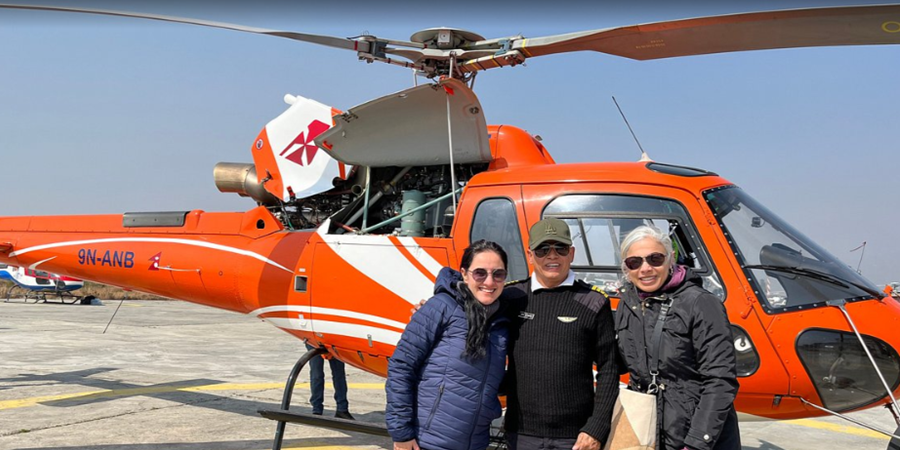
Bhandar to Sete (Day 1, 2,575 m, 6–7 hours): The first trail day from Bhandar immediately establishes the Solu region’s character — a descent to the Bhandar Khola suspension bridge, followed by a climb through the Bhandar Changma ridge section to approximately 2,900 meters, then a descent to Kinja at 1,570 meters, and a final climb to Sete. This altitude profile—descending 600 meters and climbing 1,000 meters in a single day—physically prepares trekkers for the sustained ups and downs that characterise the full Solu section.

Sete to Junbesi via Lamjura La (Day 2–3, 2,670 m): The ascent to the Lamjura Bhanjyang Pass at 3,530 meters is the highest point of the Solu section and the first genuine high-altitude challenge. The pass’s prayer flag-decorated saddle offers the first clear view of the Solu Khumbu’s northern mountain horizon, with Gaurishankar (7,150 m) and Melungtse dominating the western skyline.

The descent to Junbesi — the Solu region’s most beautiful and most culturally rich village — takes 3 to 4 hours through increasingly open terrain. Junbesi’s Sherpa community, ancient Thubtencholing Monastery (one of the largest in the Solu region), and traditional stone-and-timber architecture create the most in-depth cultural encounter in the early stages of the classic route.

Junbesi to Surke junction (Days 4–6): The route from Junbesi continues through Ringmo, Nunthala, Bupsa, and Kharikhola to the Surke junction where the classic Jiri route meets the standard Khumbu trail from Lukla. This section traverses the transition zone between the lower Solu’s agricultural mid-hill landscape and the upper Solu’s increasingly Sherpa-dominated alpine terrain — the villages becoming progressively more Buddhist in character, the forests progressively more pine and rhododendron above the temperate oak, and the Dudh Koshi River’s tributary gorges becoming progressively more dramatic as the trail approaches the main Khumbu corridor.

The Three Passes Trek and the Gokyo Lake Trek both pass through the Khumbu above Namche — trekkers who complete the classic Bhandar approach have earned their entry to this high-altitude landscape through a progression of physical and cultural preparation that the Lukla-arriving trekker has bypassed.

Namche Bazaar to Everest Base Camp (Days 7–14 from Namche): From Namche Bazaar at 3,440 meters, the classic and Lukla-approach trekking routes merge — the same trail continuing through Tengboche (3,870 m), Dingboche (4,410 m), Lobuche (4,910 m), and Gorak Shep (5,170 m) to Everest Base Camp at 5,364 meters. Every responsible Everest Base Camp itinerary includes a two-day acclimatisation rest in Namche and a mandatory rest day in Dingboche, regardless of the approach route.

The Khumbu Icefall visible from the Base Camp approach, the Kala Patthar viewpoint at 5,545 meters, and the full panorama of the Everest massif—Nuptse, Lhotse, Everest, and the Khumbu Glacier— make up the classic Everest Base Camp Trek’s culminating experience.

What Makes the Bhandar Approach Unique: Cultural and Historical Dimensions

The cultural dimension of the classic Everest route from Bhandar most fundamentally distinguishes it from the flight-to-Lukla approach—and makes the Kathmandu-to-Bhandar jeep transfer the beginning of an experience rather than merely a transfer to a trailhead. The Solu region’s communities — Tamang, Jirel, Rai, Brahmin, Chhetri, and Sherpa peoples living in traditional villages whose cultural practices, agricultural economies, and religious expressions have evolved over centuries in this specific landscape — offer a quality of cultural encounter that the Khumbu’s teahouse-economy Sherpa communities, while equally fascinating, present through the lens of 60 years of intensive trekking-industry adaptation.

The Jirel people of the Jiri-Bhandar-Shivalaya area are among Nepal’s smallest ethnic communities—a Tibeto-Burman-speaking group whose cultural traditions, language, and festival practices differ from both the Tamang people to the west and the Sherpa people to the north, and whose community is concentrated almost entirely within this Dolakha-Ramechhap corridor. Encountering Jirel culture in the villages between Bhandar and Sete offers an ethnographic experience that other Nepal trekking routes rarely provide, a genuinely rare cultural encounter available only on this trail.

The historical dimension is equally compelling. Hillary and Tenzing’s 1953 route from Jiri — documented in detail in multiple expedition accounts and subsequent trekking literature — passed through exactly the villages and ridgelines that the Bhandar approach traverses today.

The expedition camped in the same valley floors and crossed the same passes that modern classic-route trekkers use 73 years later. Following this route is not merely a logistical choice but a direct historical engagement with the most famous mountain achievement in human history — an engagement that the Lukla flight’s efficiency necessarily forecloses.

Nepal Vehicle Hiring Pvt Ltd’s private jeep from Kathmandu to Bhandar is the first stage of this historical journey.

Book Kathmandu to Bhandar Jeep Transfer for Everest Trek with a private 4WD jeep or Scorpio. Travel comfortably toward Bhandar with an experienced driver, convenient pickup, luggage space, and transport suitable for mountain roads.

Combining the Classic Everest Route with Other Nepal Treks

Many trekkers who choose the classic Bhandar approach for its historical authenticity and cultural richness also extend their Nepal journey to include other major trekking routes—Nepal’s extraordinary diversity of mountain landscapes makes multi-trek itineraries one of the country’s most compelling travel propositions. Nepal Vehicle Hiring Pvt Ltd coordinates vehicle arrangements for these multi-trek combinations with the same professional efficiency as the Bhandar jeep transfer.

The most natural post-Everest classic route extension is a Pokhara Annapurna adventure — a return to Kathmandu from the Khumbu (by Lukla flight after the trek) followed by a Kathmandu to Pokhara private vehicle journey and the beginning of the Annapurna Circuit Trek via our Kathmandu to Besisahar vehicle service or the Annapurna Base Camp Trek via our Pokhara to Nayapul transport service. For trekkers whose Nepal schedule allows 35 to 45 days—enough for both the classic Everest and a second major circuit—this Everest-plus-Annapurna combination offers one of the most comprehensive Himalayan trekking experiences anywhere in the world.

The Manaslu Circuit Trek via our Kathmandu to Soti Khola jeep service offers a third trekking circuit option that pairs particularly well with the classic Everest route’s cultural depth — the Manaslu Circuit’s restricted-zone character and its Nubri Buddhist cultural landscape providing a Himalayan wilderness experience of similar quality but distinctly different cultural character from the Khumbu Sherpa world that the classic Everest route concludes in. For adventurous trekkers combining Everest and Manaslu in a single extended Nepal season, Nepal Vehicle Hiring Pvt Ltd coordinates the vehicle arrangements for both approach transfers and all return pickups as a single coordinated booking.

For trekkers extending into western Nepal after the Everest classic route, our Kathmandu to Muktinath private jeep serves the Mustang pilgrimage at 3,710 meters, and our Pokhara to Upper Mustang overland jeep serves the extraordinary Upper Mustang Trek to Lo Manthang through the Kali Gandaki Gorge. For eastern Nepal extensions, our coordination covers the approach to the Kanchenjunga Base Camp Trek in the Taplejung corridor—one of Nepal’s most remote and spectacular eastern Himalayan circuits.

Our Nepal tour package plan-your-trip service coordinates complete trekking and vehicle arrangements from a single booking, making even the most ambitious Nepal trekking itinerary manageable through one professional transport partner.

Post-Trek Return: Bhandar to Kathmandu and Beyond

Most classic Everest route trekkers complete their journey by flying from Lukla to Kathmandu — the Lukla-to-Kathmandu domestic flight is the most efficient return option for trekkers who hike the Khumbu via the Solu section but understandably prefer not to retrace the difficult 10-day walk on the return. Nepal Vehicle Hiring Pvt Ltd’s Kathmandu airport transfer service meets returning classic Everest trekkers at the Kathmandu domestic terminal after the Lukla flight.

It delivers them to their Thamel or Boudha hotel in a comfortable private car or jeep — the final ground transport link that completes the classic Everest journey from Kathmandu hotel door to Kathmandu hotel door via the Hillary route.

For trekkers who choose to retrace the complete classic route on foot all the way back to Bhandar and Kathmandu by jeep — a decision that some historically committed trekkers make for the completeness it delivers — Nepal Vehicle Hiking Pvt Ltd provides the return Bhandar to Kathmandu private jeep pickup at the same cost as the outbound transfer (NPR 22,000 to NPR 40,000 per vehicle). We recommend pre-booking the return Bhandar to Kathmandu vehicle at the same time as the outbound Kathmandu to Bhandar jeep transfer.

Nepal Vehicle Hiring Pvt Ltd holds the return vehicle available with WhatsApp coordination from the trail, as the return date becomes clear during the trek. For trekkers returning via Kathmandu to Salleri Phaplu — those who enter the Khumbu via the classic Bhandar route but exit via Surke, Salleri, and Phaplu — our established Salleri-Phaplu return pickup service is available at the corresponding rates.

Book Kathmandu to Bhandar Jeep Transfer for Everest Trek with a private 4WD jeep or Scorpio. Travel comfortably toward Bhandar with an experienced driver, convenient pickup, luggage space, and transport suitable for mountain roads.

Pre-Trek Kathmandu Preparation: Getting Ready for the Classic Everest Journey

The 1 to 3 days in Kathmandu before the Bhandar jeep departure are among the most practical parts of the classic Everest journey—covering permit processing, final gear acquisition, cultural orientation, and the specific prep that maximises the likelihood of a successful and enjoyable Solu-Khumbu experience. Nepal Vehicle Hiring Pvt Ltd’s Kathmandu sightseeing vehicles serve classic Everest trekkers during these preparation days with a private car or jeep covering the UNESCO World Heritage circuit — Pashupatinath Temple, Boudhanath Stupa, Swayambhunath, and Patan Durbar Square — in a well-organised cultural day that introduces trekkers to the Buddhist and Hindu traditions they will encounter throughout the Solu-Khumbu cultural landscape.

Boudhanath Stupa resonates with classic Everest-bound trekkers—the great Tibetan Buddhist stupa whose Sherpa community has made Boudha a second home since the 1950s refugee migrations—and offers a direct cultural introduction to the people and traditions that characterise the Khumbu’s upper settlements. Circumambulating Boudhanath’s kora before departing for Bhandar is not merely a tourist activity but a genuine cultural orientation for the Sherpa villages that lie 18 to 22 days of walking ahead.

Our Bhaktapur Durbar Square day tour complements the Buddhist heritage circuit with the extraordinary Newar Hindu cultural complex of the medieval city — and the Nagarkot sunrise tour vehicle provides a final pre-departure Himalayan panorama from the valley rim that includes the Everest massif on the northeast horizon, visible as a tiny triangular peak above the main Himalayan ridgeline — the distant mountain that the Bhandar jeep departure will begin the journey toward in earnest the following morning.

Permit processing — the Sagarmatha National Park entry permit (NPR 3,390) and TIMS card — typically takes 1 to 2 hours at the Nepal Tourism Board office in Bhrikutimandap, Kathmandu. Nepal Vehicle Hiring Pvt Ltd advises all Bhandar-departure trekkers to complete permit processing the day before the jeep departs, not on the morning of departure—the 6:00 a.m. hotel pickup required for the Bhandar drive leaves no time for permit-office visits before the road journey begins.

Processing delays at the Nepal Tourism Board are common during peak trekking season, when hundreds of Everest-bound trekkers queue for permits on the same morning.

For classic Everest route trekkers who want to include a Pokhara acclimatisation-and-preparation day as part of their Nepal itinerary before the Bhandar departure — using Pokhara’s lower altitude and lakeside relaxation environment as a pre-trek rest base — Nepal Vehicle Hiring Pvt Ltd’s Kathmandu to Pokhara private vehicle service and the Sarangkot sunrise vehicle coordinate smoothly with the subsequent Kathmandu to Bhandar departure. Our Pokhara car hire service covers all Pokhara city and local transport during this acclimatisation stay, and our Nepal tour packages incorporate Pokhara preparation days into the complete classic Everest itinerary for trekkers who want the most comprehensively organised pre-trek schedule.

Contact Nepal Vehicle Hiring Pvt Ltd on WhatsApp to discuss a complete Kathmandu-to-Bhandar vehicle arrangement and any pre-trek Kathmandu or Pokhara vehicle services that will make the start of the classic Everest journey as excellent as its history deserves.

Frequently Asked Questions

Before the FAQ, it is worth summarising the complete Nepal Vehicle Hiring Pvt Ltd vehicle network that supports the Kathmandu to Bhandar classic Everest transfer—because most trekkers who make this extraordinary journey also need vehicles for multiple stages of their Nepal adventure beyond the single Bhandar transfer. Our network provides the most comprehensive coverage available, starting at Tribhuvan International Airport.

Fr Airportom the first Kathmandu airport transfer through pre-trek Kathmandu sightseeing and Nagarkot sunrise tour, the Kathmandu to Bhandar jeep departure, the post-Everest Lukla flight airport pickup, and any Pokhara extension via our Kathmandu to Pokhara private vehicle — including Pokhara to Ghorepani Poon Hill jeep for the Ghorepani Poon Hill Trek, Pokhara to Ghandruk jeep, or Pokhara to Nayapul transport for the Annapurna Base Camp Trek — our trekking transport services and Nepal tour packages coordinate every vehicle requirement across the complete Nepal journey from arrival to final departure. The Kathmandu to Syabrubesi jeep serves the Langtang Valley Trek for trekkers looking to add a third circuit.

Our coasters and buses serve large groups. Plan your complete trip with our team or contact us on WhatsApp to book.

The Kathmandu to Bhandar private jeep transfer is the modern equivalent of what Hillary and Tenzing’s expedition arranged in 1953 — a vehicle from Kathmandu to the nearest road point, and then the great walk into the Khumbu on foot. The vehicle is faster now, the road is longer, and the trailhead is at Bhandar rather than Jiri.

But the essential gesture — the transition from city road to mountain trail, from vehicle to footstep, from the familiar world to the extraordinary one — remains exactly as it was on the day that changed mountaineering history. Nepal Vehicle Hiring Pvt Ltd is honoured to support the first stage of this journey.

How far is Kathmandu to Bhandar and how long does it take?

Bhandar is about 213 kilometres via the BP Highway and Sagarmatha Highway through Dhulikhel, Khadichaur, Charikot, and Jiri. Multiple current operators confirm 8 to 9 hours by private jeep. Nepal Vehicle Hiring Pvt Ltd recommends departing Kathmandu at 6:00 a.m. to arrive at Bhandar before dark, with time for guesthouse check-in.

Why start the Everest trek at Bhandar rather than Jiri?

The road has been extended from Jiri to Bhandar, making Bhandar the practical trailhead today. As multiple 2026 classic Everest route operators confirm, the Jiri-to-Bhandar section now largely follows the new road rather than a traditional trail, eliminating its trekking value.

Starting in Bhandar saves a trekking day and lets you hit genuine trail terrain right away. Nepal Vehicle Hiring Pvt Ltd’s Kathmandu-to-Bhandar jeep transfer takes trekkers directly to this ideal starting point.

How much does the Kathmandu to Bhandar private jeep cost?

NPR 22,000 to NPR 40,000 for a private 4WD jeep (4–6 passengers), approximately USD 165 to USD 280. Per person for a group of 5: NPR 4,400 to NPR 6,400. All Nepal Vehicle Hiring Pvt Ltd rates include the vehicle, driver, fuel, and tolls. Contact WhatsApp for a specific quote.

What is the difference between the Bhandar route and the Salleri route to Everest?

The Bhandar route (213 km, 8–9 hours jeep) serves the classic Jiri-Bhandar Everest approach—18 to 22 days total —following Hillary’s 1953 route. The Salleri-Phaplu route (267 km, 9–11 hours jeep via our Kathmandu to Salleri Phaplu service) serves the southern Solu-Khumbu approach—14 to 18 days total —joining the Khumbu trail closer to Surke and Phakding.

Both offer land acclimatisation advantages over the Lukla flight; Bhandar provides more cultural depth, and Saand Leri saves 3 to 4 days.

Do I need permits for the classic Everest trek from Bhandar?

Yes — you need the Sagarmatha National Park entry permit (NPR 3,390 for foreign nationals) and a TIMS card. You can get both from the Nepal Tourism Board office at Bhrikutimandap in Kathmandu before departure.

You can also get permits at checkpoints along the route, but getting them in Kathmandu before the Bhandar drive saves check-in time. Under the 2023 regulations, a licensed guide is mandatory for all foreign trekkers in Nepal’s national parks.

Is the Kathmandu to Bhandar road safe for jeep travel?

Yes — local and tourist vehicles travel the route regularly year-round. The Kathmandu-to-Jiri section on the BP Highway and Sagarmatha Highway is safe in all seasons. The Jiri-to-Bhandar extension is a rougher secondary road that works best in dry conditions and may be affected by monsoon rainfall.

Nepal Vehicle Hiking Pvt Ltd monitors current road conditions before every Bhandar departure and can advise on optimal timing. A 4WD jeep is recommended to complete the full route. reliably

Conclusion: Begin Hillary’s Route with the Right Private Jeep

The Kathmandu to Bhandar jeep transfer is more than a vehicle hire — it is the modern beginning of one of the world’s most historically resonant trekking journeys. The road that Hillary and Tenzing walked in 1953 has been extended to Bhandar, allowing today’s classic Everest trekkers to begin where the legend truly started — not at Lukla’s crowded airport but at a mid-hills trailhead where the genuine Solu-Khumbu landscape, the traditional Tamang and Sherpa cultural communities, and the progressive altitude gain that the mountain demands begin from the very first step.

Nepal Vehicle Hiring Pvt Ltd’s private 4WD jeep hire service offers ideal trailhead delivery: experienced drivers on the BP and Sagarmatha Highway corridor, a Land Cruiser or Scorpio 4WD for the demanding Jiri-Bhandar extension section, transparent all-inclusive pricing, and hotel-to-trailhead service that starts every classic Everest adventure on the right note.

Contact Nepal Vehicle Hiring Pvt Ltd on WhatsApp to book your private jeep transfer from Kathmandu to Bhandar today. Plan your complete classic Everest trek journey, including vehicle, guide, and permit coordination. Or explore our Kathmandu to Salleri Phaplu overland service for the alternative Solu-Khumbu approach.

Visit vehiclehiringnepal.com — the vehicle hire partner for every Nepal Himalayan adventure, classic or contemporary.

Kathmandu to Paiya Jeep Transfer for Trekkers

Book Kathmandu to Paiya Jeep Transfer with a private 4WD jeep or Scorpio for convenient travel toward the Everest region. Arrange reliable road transport with an experienced driver, suitable luggage space, and pickup options based on the current route condition.

Kathmandu to Paiya Jeep Transfer for Trekkers: Complete Guide

Paiya (2,730 m) is a small Sherpa village in Solukhumbu District, sitting at one of Nepal’s most strategically important trekking junctions—the meeting point of the vehicle road from Salleri and the trail continuing toward Surke, Lukla, and the Khumbu, for trekkers who want to reach the Everest region without flying into Lukla — avoiding the weather delays and expensive helicopter alternatives that make Lukla flights so unpredictable — the Kathmandu-to-Paiya jeep transfer is the definitive overland alternative: a 1010-o 114-hour drive covering approximately 320 kilometres via the BP Highway and Salleri, dropping trekkers at Paiya, from where it is a 45-minute to 1-hour walk to Surke and a further 45-minute walk to Lukla.

Progressive road improvements have transformed the route in recent years. On December 8, 2024, the road from Paiya to Surke was completed, meaning jeeps can now drive all the way to Surke (2,290 m)—about 15 kilometres beyond Paiya and just a 45-minute walk from Lukla.

This extension makes the overland Everest approach more practical than ever for trekkers planning the Everest Base Camp trek, Gokyo Lakes, Three Passes, and the Mera Peak climb via the Paiya approach — a popular alternative that enters Hinku Valley from the south.

Nepal Vehicle Hiring Pvt. Ltd., based in Thamel, Kathmandu, provides dedicated 4WD jeep hire and trekking transport services for the Kathmandu-to-Paiya and Kathmandu-to-Surke overland trek approach. We maintain our Mahindra Scorpio and Toyota Land Cruiser specifically for the Salleri-to-Paiya off-road section, and our drivers know the route in all seasons.

This complete 2026/27 guide covers the full road, vehicle costs, seasonal conditions, the treks Paiya serves, and exactly how the jeep transfer fits into your EBC or Mera Peak itinerary.

Where is Paiya and Why Does It Matter for Trekkers?

Paiya (2,730 m) lies in the Solukhumbu District of Province No. 1 in eastern Nepal — on the lower trail section of the Solukhumbu approach to the Everest region. It sits on the route Edmund Hillary and Tenzing Norgay used on their 1953 Everest expedition from Jiri, and on which thousands of trekkers walked annually before the Lukla flight became the standard EBC approach.

The village sits on the Takshindu-Nunthala-Jubhing-Paiya-Surke-Chaurikharka trail section. This lower Khumbu trail connects the Solu District road network (accessible via Salleri and Phaplu) with the Khumbu proper above Lukla. Before the jeep road reached Thamdanda and then Paiya and Surke, trekkers had to walk this entire section from Salleri—a 3- to 4-day walk that added significant time to any Everest region itinerary.

Today, the jeep road to Paiya and then Surke lets trekkers skip the 3- to 4-day lower Solu approach on foot and start their Khumbu experience from a much higher point. Surke (2,290 m) is essentially the gateway to the Lukla-and-above trail network.

For trekkers who want the classic lower Solu approach, they can still walk from Salleri — but those who want to reach Lukla and the Khumbu as efficiently as possible can now take a private jeep to Surke.

Paiya is also the primary starting point for the Mera Peak via Hinku Valley route. Trekkers flying to Lukla and then walking south to Paiya, then entering the Hinku Valley via Pangom — or driving to Paiya by jeep and beginning the Mera approach directly — both use Paiya as the gateway village for the Mera Peak south approach.

Book Kathmandu to Paiya Jeep Transfer with a private 4WD jeep or Scorpio for convenient travel toward the Everest region. Arrange reliable road transport with an experienced driver, suitable luggage space, and pickup options based on the current route condition.

Kathmandu to Paiya: Distance, Drive Time and Route

Total distance Kathmandu to Paiya: approximately 320 kilometres. Total drive time: approximately 10 to 14 hours depending on road conditions, traffic, and the section beyond Salleri. Nepal Vehicle Hiring recommends a 2-day approach with an overnight in Salleri for maximum comfort and a more predictable arrival — single-day driving from Kathmandu to Paiya is technically possible with a 4:00 a.m. Thamel departure, but is very long and tiring.

SectionDistanceRoad TypeDrive TimeNotes
Kathmandu to Khurkot 126 kmBP Highway (blacktop)2.5–3 hrsSmooth concrete, Sun Koshi Valley
Khurkot to Ghurmi 40 kmBP Highway, smooth1 hrFollow the Sunkoshi River north
Ghurmi to Okhaldhunga 50 kmProvincial road1.5–2 hrsRoad turns north toward Solu
Okhaldhunga to Salleri 54 kmPaved provincial1.5–2 hrsPasses Dhap viewpoint (Everest visible on clear days)
Salleri to Thamdanda 70 kmOff-road gravel — 4WD4–5 hrsThrough Phaplu, Ringmu, Sherpa villages
Thamdanda to Paiya 10 kmOff-road track — 4WD45 min–1 hrRoad endpoint (historically); now continuing to Surke
Paiya to Surke (EXTENDED — Dec 2024) 15 kmOff-road track — 4WD1 hrRoad completed December 8, 2024; 45-min walk to Lukla

Nepal Tour Package

Vehicle Requirements: Why 4WD is Essential Beyond Salleri. The Kathmandu-to-Salleri section on the BP Highway is smooth blacktop accessible to all vehicle types. Beyond Salleri, the road is strictly 4WD territory — rough gravel, steep gradients, river crossings, and the narrow-track character of the Solu-Khumbu road extension make standard cars and Hiace vans unsuitable for the Salleri-to-Paiya section.

  • High ground clearance: the road surface between Salleri and Paiya has uneven sections, drainage washouts, and rock outcrops — standard passenger car clearance is insufficient
  • 4WD traction: steep gradient climbs and loose surface descents require all-wheel-drive engagement on multiple sections
  • Experienced eastern Nepal driver: the Salleri-to-Paiya section is remote and requires a driver who knows the road’s current condition, the key checkpoints, and emergency protocols
  • Adequate luggage space: trekkers typically carry large expedition-weight packs (60 to 80 litres) plus porter bags — our
  • ur jeeps accommodate full trekking kit for groups of up to 6

Nepal Vehicle Hiring deploys exclusively from our 4WD jeep hire fleet for all Paiya- and Surkhet-bound journeys — Mahindra Scorpio (5 to 7 passengers) and Toyota Land Cruiser (4 to 5 passengers). For groups of 8 to 14 trekkers, our Hiace van hire covers the Kathmandu-to-Salleri highway section, with 4WD jeeps taking over from Salleri for the off-road mountain section.

Jeep Transfer Costs: Kathmandu to Paiya and Surke

RouteVehicleAll-In Price/VehiclPerson
Kathmandu to Salleri (1-way)Mahindra ScorpioUS$350
Kathmandu to Thamdanda (1-way)Mahindra ScorpioNPR 22,000–45,000
Kathmandu to Paiya (1-way)Mahindra ScorpioNPR 26,000–50,000
Kathmandu to Surke (1-way)Mahindra ScorpioNPR 28,000–60,000
Kathmandu to Paiya (1-way)Toyota Land CruiserNPR 34,000–90,000
Kathmandu to Salleri, Hiace (highway only)Hiace van hireNPR 18,000–50,000

All prices are all-inclusive — vehicle, experienced driver, fuel, and driver accommodation and meal allowance for multi-day journeys. Contact us via our Plan Your Trip page for confirmed pricing.

Book Kathmandu to Paiya Jeep Transfer with a private 4WD jeep or Scorpio for convenient travel toward the Everest region. Arrange reliable road transport with an experienced driver, suitable luggage space, and pickup options based on the current route condition.

Section-by-Section Road Guide: Kathmandu to Paiya

Kathmandu to Khurkot (126 km, 2.5–3 hours): The BP Highway

The journey begins on the BP Highway (Prithvi Rajmarg) — heading east from Kathmandu through Bhaktapur, Dhulikhel, and Bhakundebesi along the Sun Koshi valley. The road is a fully paved concrete highway in good condition — the easiest and most comfortable section of the full journey.

At Khurkot junction, the highway continues east along the Sun Koshi while the Paiya-bound route turns north toward Ghurmi. Nepal Vehicle Hiring drivers use Khurkot as the standard first fuel stop and rest break—about 2.5 to 3 hours from Thamel.

Khurkot to Salleri via Ghurmi and Okhaldhunga (144 km, 3–4 hours)

From Khurkot, the route heads north along the Sun Koshi River to Ghurmi Bazaar, where the road divides — left for Jiri (the classic EBC approach starting point) and right for the Everest Solu approach via Okhaldhunga and Salleri. The Okhaldhunga section is a provincial road that is largely paved but narrower and busier than the BP Highway.

The approach to Dhap village (2,970 m) is the first high-altitude point on the journey — from Dhap on clear days, Everest and the Solu Himalayan range are visible to the northeast, providing the first dramatic confirmation of the mountain world ahead. Salleri (2,390 m) — the administrative headquarters of Solukhumbu District — is the standard overnight stop for the two-day Kathmandu-to-Paiya approach.

It has hotels, restaurants, ATMs, and mobile signal — the last reliable services before the off-road section begins.

Salleri to Thamdanda (70 km, 4–5 hours): The Off-Road Begins

North of Salleri, the paved road ends and the Solukhumbu off-road track begins. The road passes through Phaplu (Phaplu Airport is here—domestic flights from Kathmandu are possible directly to Phaplu as an alternative to the full road journey), then continues through Ringmu (where the classic Jiri-to-Everest trail joins the road from the west) and eastward through Sherpa villages toward Thamdanda.

This section is the most demanding of the approach — rough gravel, steep switchbacks, narrow sections where vehicles must pull aside for oncoming traffic, and river crossings at several points. The landscape is extraordinarily beautiful: forested ridges, terraced Sherpa farmland, rhododendron forests in spring, and the first distant views of major Himalayan peaks above the valley walls. Drive time: 5 hours for the 70-kilometre section.

Thamdanda to Paiya (10 km, 45 minutes–1 hour)

From Thamdanda (2,344 m), the road continues east through dense forest and steep hillside terrain to Paiya (2,730 m). The 10-kilometre section gains nearly 400 meters of altitude on a rough mountain track.

Paiya is a small Sherpa village with basic teahouse accommodation and the junction from which the trail branches—north toward Surke and Lukla, east toward Pangom and the Hinku Valley for Mera Peak. Most trekking groups choose to overnight at Paiya or push on to Surke depending on energy levels and timing.

Paiya to Surke (15 km, 1 hour) — Road Completed December 2024

As of December 8, 2024, the road extends from Paiya a further 1 kilometre to Surke (2,290 m) — essentially at the foot of Lukla. Trekkers dropped at Surke face approximately 45 minutes to 1 hour of walking to reach Lukla and the Sagarmatha National Park entrance gate at Chaurikharka.

This extension has dramatically changed the economics of the overland EBC approach; getting within 1 hour’s walk of Lukla by road is genuinely competitive with the flight option in total time and cost, especially when you factor in Lukla flight weather delays.

Why Drive to Paiya Instead of Flying to Lukla?

For most EBC trekkers, the Kathmandu-to-Lukla domestic flight is the default approach. But the Paiya jeep transfer is a genuinely compelling alternative in the following situations:

  • Lukla weather delays: Lukla is one of the world’s most weather-dependent airports. In peak season, flight delays of 1 to 4 days are common. Trekkers with fixed return dates cannot afford these delays—the jeep transfer provides schedule certainty that no flight can match.
  • Cost savings: the Kathmandu-to-Lukla domestic flight costs approximately NPR 18,000 to 25,000 per person. A private jeep for 5 people to Paiya/Surke costs NPR 26,000 to 60,000 per vehicle  — comparable or cheaper than the flight for groups of 4 or more.
  • Cultural experience: the BP Highway and Solu-Khumbu road pass through the Sun Koshi Valley, the Okhaldhunga Hills, and the classic Solu Sherpa heartland — providing a genuine Nepal landscape experience that the 35-minute Lukla flight entirely bypasses.
  • Mera Peak trekkers: those approaching via the Hinku Valley Mera route start from Paiya — the jeep transfer is the standard approach for this itinerary
  • Trekkers who specifically want the lower Solu trail experience: starting from Salleri or Phaplu and walking the classic approach adds 3 to 4 days of lower-Khumbu trail walking that EBC purists value.
  • Ramechhap: an alternative some trekkers use the Paiya jeep rather than the Ramechhap airport option — both avoid TIA congestion, but the Paiya jeep serves trekkers specifically wanting the Solu-approach entry into the Khumbu

Book Kathmandu to Paiya Jeep Transfer with a private 4WD jeep or Scorpio for convenient travel toward the Everest region. Arrange reliable road transport with an experienced driver, suitable luggage space, and pickup options based on the current route condition.

Treks Served by the Kathmandu-to-Paiya Jeep Transfer

Everest Base Camp Trek (Solu Approach)

The EBC trek via the Paiya/Surke approach starts from Surke — a 45-minute walk from the jeep drop — and then follows the standard EBC trail north through Chaurikharka, Lukla, Namche Bazaar, Tengboche, Dingboche, Lobuche, and Gorakshep to Everest Base Camp (5,364 m) and Kala Patthar (5,555 m). The Solu approach saves 3 to 4 days of lower Solu walking compared to starting from Salleri on foot, while providing a less crowded lower trail experience than the standard Lukla-flight start.

Nepal Vehicle Hiring’s Everest Base Camp trek transport service covers the complete Kathmandu-to-Paiya/Surke jeep transfer for EBC-bound trekkers.

Mera Peak Climb via Paiya (Hinku Valley Route)

The Mera Peak via Paiya route is one of Nepal’s most rewarding and least crowded high-altitude trekking experiences — entering the Hinku Valley from the south via Pangom (2,846 m), Ningsow/Sibuje (3,150 m), Chhatra Khola, and Kothe before reaching Mera Base Camp and the Mera Peak summit at 6,476 m. The Kathmandu-to-Paiya jeep transfer supports this approach: trekkers are dropped at Paiya and begin the Pangom trail the following morning.

The Mera Peak via Paiya route offers a far more in-depth experience of the lower Hinku Valley than the standard Lukla-flight approach, and Nepal Vehicle Hiring coordinates this approach specifically for Mera Peak climbing groups.

Phaplu to EBC Classic Route

Trekkers wanting the classic full Solu approach — walking from Phaplu through Ringmu, Takshindu, Nunthala, Jubhing, Paiya, Surke, and Chaurikharka to Lukla over 4 to 5 days — can be dropped at Phaplu or Salleri by the Kathmandu jeep transfer and begin walking from there. Nepal Vehicle Hiring’s Salleri one-way jeep hire provides the road approach without losing the lower-trail experience this itinerary values.

Gokyo Lakes and Three Passes Trek

Trekkers approaching Gokyo Lakes (4,700 m) or the Three Passes Trek (Renjo La 5,360 m, Cho La 5,420 m, Kongma La 5,535 m) via the Surke/Paiya road approach follow the same EBC route from Surke to Namche Bazaar, then branch west or east as their specific circuit requires. The jeep transfer to Surke serves all Khumbu circuit treks equally.

Seasonal Conditions: Kathmandu to Phakding Road 2026/27

SeasonMonthsRoad ConditionTrekking SuitabilityBooking Lead Time
SpringMar–MayGood — dry, stableExcellent. Rhododendron forests, clear skies3–5 weeks
MonsoonJun–AugChallenging — landslides, erosionNot recommended for EBC; Mera Peak July–Aug possible1–2 weeks; check conditions
Post-MonsoonSep–OctRepaired but rough patchesBest overall: clearest skies, lush green4–6 weeks
Autumn PeakOct–NovGood post-repairPeak season: finest mountain clarity, full teahouse service5–7 weeks
WinterDec–FebGenerally open, coldQuiet, fewer trekkers, Khumbu accessible1–2 weeks

The monsoon is the most significant seasonal risk for the Salleri-to-Paiya off-road section. Landslides and road erosion are common during heavy monsoon rain, and the Solu-Khumbu road can close temporarily for 1–2 days after major rain events. Nepal Vehicle Hiring monitors this road daily during the May-to-October active season and provides current road condition assessments before any booking departure.

Nepal Vehicle Hiring recommends spreading the Kathmandu-to-Paiya journey across two days for maximum comfort and predictable arrival at the trailhead:

  • Day 1: Depart Kathmandu by 6:30 a.m. toto. BP Highway east through Bhaktapur, Dhulikhel, along the Sun Koshi to Khurkot junction (fuel and rest stop, 20 minutes). Continue to Ghurmi; turn north. Okhaldhunga lunch stop. Arrive Salleri b66:00 p.m. to:00 p.m. Overnight in Salleri — hotel with proper rooms, ATM, hot food.
  • Day 2: Depart at 7:00 a.m. by 4WD jeep (same vehicle, same driver). Through Phaplu, Ringmu, and forest sections to Thamdanda (lunch stop, 30 minutes). Continue off-road to Paiya — arrive 4:00 p.m. to 4:00 p.m. Overnight at Paiya guesthouse. Begin trekking Day 1 from Paiya the following morning.

For trekkers who want Surke on Day 2, depart at 6:30 a.m., arrive in Surke by 4 p.m., stay in Surke, then begin the trail walk the following morning. Both configurations use the same jeep and driver from Nepal Vehicle Hiring across the two-day approach.

Permits for the EBC/Mera Peak Trek via Paiya

PermitCost (2026)Where to GetNotes
Sagarmatha National Park PermitNPR 3,000 per foreignerNTB office Kathmandu or Monjo checkpointRequired for EBC trekkers entering from Surke/Chaurikharka
TIMS CardNPR 2,000 per personNTB office, K.P. Indu or SalleriTrekkers Information Management System
Makalu Barun National Park PermitNPR 3,000 per foreignerNTB Kathmandu or park officeRequired for Mera Peak via Hinku Valley (Pangom route)
Khumbu Pasang Lhamu FeeNPR 2,000 per personLukla or Namche Bazaar checkpointLocal area fee for Khumbu trekking

Nepal Vehicle Hiking recommends arranging the SNP permit and TIMS card at the Nepal Tourism Board office in Kathmandu before departure. Contact us through our partner agencies for permit coordination.

Salleri: The Overnight Stop on the Kathmandu–Paiya Route

Salleri (2,390 m) is the administrative headquarters of Solukhumbu District and the most important staging town on the Kathmandu-to-Paiya jeep route. Understanding what Salleri offers makes the overnight stop more than just a logistics pause:

  • Accommodation: several hotels and guesthouses in the NPR 500 to 2,000 per room range — proper beds, attached or shared bathrooms, hot food. The Hotel Everest View and Hotel Khumbu are the standard trekker options—better quality accommodation than anything available beyond Salleri on the off-road section.
  • Banking: Salleri has ATMs (NIC Asia, Nepal SBI) — the last reliable ATMs before Paiya. Withdraw sufficient NPR cash for the complete trek from Salleri; no ATMs exist between Salleri and Namche Bazaar.
  • Trekking permits: the TIMS card and Sagarmatha National Park permit can be arranged at the Salleri checkpoint for trekkers who did not obtain them in Kathmandu — though we recommend Kathmandu for a smoother checkpoint passage.
  • Phaplu Airport: Salleri’s Phaplu Airport (5 km from town) serves domestic flights from Kathmandu — an alternative access option for trekkers who prefer flying to Phaplu and then driving the Phaplu-to-Paiya section by 4WD jeep (approximately 3 to 4 hours). Nepal Vehicle Hiking can arrange Phaplu pickup vehicles for trekkers arriving by domestic flight.
  • Mobile signal and WiFi: Salleri has reliable mobile signal (NCell and NTC). Use the Salleri overnight to download offline maps (Maps.me, Gaia GPS), communicate with home, and charge all electronics before the remote section begins.

Frequently Asked Questions: Kathmandu to Paiya Jeep Transfer

How long is the drive from Kathmandu to Paiya?

The drive takes about 10 to 14 hours, depending on road conditions and stops. Nepal Vehicle Hiring recommends spreading this over two days: Day 1, Kathmandu to Salleri (8 to 10 hours); Day 2, Salleri to Paiya (3 to 4 hours). A single-day drive is possible with a 4:00 a.m. departure, but it’s exhausting before a multi-week trek.

Is a 4WD jeep necessary all the way from Kathmandu?

A 4WD is mandatory from Salleri northward — the Salleri-to-Paiya road is a rough off-road track requiring 4WD traction and high ground clearance. The Kathmandu-to-Salleri section on the BP Highway is accessible for all vehicles — Nepal Vehicle Hiring uses our 4WD jeep hire fleet for the complete journey. For groups of 8 to 14, our Hiace van hire covers the Kathmandu-to-Salleri highway section, with 4WD jeep transfer at Salleri.

Can I drive all the way to Lukla by jeep now?

The road to Surke (2,290 m) was completed in December 2024 and is about a 45-minute walk from Lukla. As of 2026, there is no road directly into Lukla — the final section from Surke to Lukla requires walking the trail. Nepal Vehicle Hiring drops trekkers at Paiya or Surke, depending on current road conditions; Surke is the standard endpoint in good dry-season conditions.

Why choose the jeep transfer over flying to Lukla?

Key reasons: schedule certainty (jeep transfers can’t be cancelled like flights), better value for groups of 4+, the cultural experience of the BP Highway and Solu District, and the specific Mera Peak/Hinku Valley approach that starts at Paiya. For trekkers with flexible timing and solo or pair groups, the Lukla domestic flight remains the faster option.

What happens at Paiya — is there accommodation?

Paiya has basic teahouse accommodation — simple rooms and dal bhat meals in the NPR 300 to 600 range. It is a small but functional trekker guesthouse hub. Most trekkers overnight at Paiya after the jeep drop and begin the Surke/Pangom trail the following morning.

The short drive extension to Surke (15 km from Paiya) gives another teahouse option closer to Lukla if time and energy allow.

Does Nepal Vehicle Hiring do return pickups from Paiya?

Yes — Nepal Vehicle Hiring can pre-book a return pickup in Paiya or Surke for a specific date that matches your trek completion schedule. This is the most reliable return option — confirmed before departure from Kathmandu, eliminating the uncertainty of finding shared transport at the trailhead end. Contact us through our Plan Your Trip page to book both the outbound and return jeep together.

Book Your Kathmandu to Paiya Jeep Transfer

Nepal Vehicle Hiring Pvt. Ltd., Thamel, Kathmandu — your specialist for the Kathmandu-to-Paiya and Kathmandu-to-Surke jeep transfer. Hotel door pickup from Thamel, experienced Solu-Khumbu route driver, maximum road penetration to the trailhead.

Visit our Plan Your Trip page with your Kathmandu departure date, group size, trek destination (EBC, Mera Peak, Gokyo), and preferred drop-off point (Paiya or Surke). We respond within 24 hours with a confirmed vehicle, driver, all-in price, and departure time. The Everest region is calling — Nepal Vehicle Hiring drives you to the starting line.

Startingolu-Khumbu Landscape: What to Expect on the Drive

The Kathmandu-to-Paiya jeep journey passes through some of eastern Nepal’s finest mid-hill landscape — a succession of river valleys, forested ridges, terraced farmland, and Sherpa villages that introduces trekkers to the cultural region’s and natural character of the region before they have walked a single metre. Understanding what to look for at each stage makes the drive itself a rewarding experience rather than time to sleep through.

The Sun Koshi Valley (Kathmandu to Khurkot)

The BP Highway from Kathmandu follows the Sun Koshi River through a deep gorge landscape of subtropical forest and terraced hillsides. The Sun Koshi — one of Nepal’s seven Koshi tributaries — carries a powerful flow year-round, and the gorge walls rise dramatically on both sides of the road.

The river is used for white-water rafting (the Sun Koshi rapids are among Nepal’s most popular commercial rafting runs), and the highway crosses several suspension bridges above the turbulent water. In the morning light, the gorge is particularly photogenic — Nepal Vehicle Hiring drivers always pause at the best viewpoint near Dolalghat for the first clear river photo opportunity.

The Okhaldhunga Hills (Khurkot to Salleri)

North of Khurkot, the landscape shifts from the Sun Koshi gorge to the broader mid-hill terrain of Okhaldhunga District—terraced rice and millet fields, rhododendron forests at higher elevations, and the characteristic Newari and Rai village architecture of eastern Nepal’s hills. The approach to Dhap (2,970 m) marks the journey’s first genuinely high-altitude point, where vegetation shifts to oak and rhododendron forest and, on clear days, the first snow-capped peaks become visible.

The Dhap viewpoint — where the road reaches its highest point before descending to Salleri — is one of the best accessible mountain viewpoints in eastern Nepal: Everest, Lhotse, Makalu, and Numbur (6,959 m, Solukhumbu’s most sacred peak) are all theoretically visible from this point on clear pre-monsoon and post-monsoon mornings.

The Solu Sherpa Heartland (Salleri to Thamdanda)

Beyond Salleri, the road enters the traditional Sherpa heartland of Solu — the lower-altitude, more temperate homeland of the Sherpa people, distinct from the high-altitude Khumbu above. The Solu Sherpa villages along the road — Ringmu (where the classic Jiri trail joins) and the farmsteads en route to Thamdanda — represent the agricultural foundation of Sherpa culture that the high-altitude trading and mountaineering reputation has somewhat overshadowed.

The houses here are more substantial than the Khumbu stone construction above Namche — wooden-framed, with carved window details, surrounded by potato and buckwheat fields. Buddhist chortens, mani walls with carved prayer stones, and prayer flags mark every village junction.

The landscape is lush in spring and post-monsoon, dramatic in winter when snow covers the higher ridges.

The Forest Section (Thamdanda to Paiya)

The final 1 kilometre from Thamdanda to Paiya passes through dense mixed forest of rhododendron, oak, and hemlock at these altitudes, which frames the road in spring with extraordinary floral colour (rhododendron bloom peaks in March and April, turning the hillsides red and pink above the road). Birdlife in this section is exceptional: Nepal has over 800 bird species, and the Solu-Khumbu forest zone is one of the country’s finest birding corridors.

Observant passengers are likely to spot red-billed choughs, Himalayan bulbuls, pheasants (including the danphe, Nepal’s national bird), and various flycatcher and warbler species. Nepal Vehicle Hiring drivers will briefly pause the vehicle for exceptional wildlife sightings upon request.

Book Kathmandu to Paiya Jeep Transfer with a private 4WD jeep or Scorpio for convenient travel toward the Everest region. Arrange reliable road transport with an experienced driver, suitable luggage space, and pickup options based on the current route condition.

Comparing the Paiya Jeep Transfer with the Ramechhap Airport Option

EBC trekkers in 2026 have two main alternatives to the standard Kathmandu-TIA domestic Lukla flight: the Paiya jeep transfer and the Ramechhap (Manthali) airport option. Understanding the differences helps trekkers choose the right approach.

Ramechhap Airport (Manthali) Option

The Ramechhap option involves a 3:30 a.m. private vehicle departure from Thamel to Manthali Airport about 44 to 5 hours), arriving in time for a morning domestic flight to Lukla (20 to 25 minutes from Manthali). Nepal Vehicle Hiring’s Everest Base Camp trek transport covers this Ramechhap vehicle.

The advantage: the flight to Lukla is short (25 minutes), and trekkers arrive in Lukla by mid-morning. The disadvantage: the Kathmandu departure is 2:30 a.m., and the Lukla flight remains weather-dependent from the Manthali side.

Paiya Jeep Transfer Option

The Paiya jeep option involves a 6:00 a.m. Thamel departure (at 6:00 a.m.), a 10- to 14-hour two-day drive via Salleri, and arrival at Paiya or Surke — 45 minutes to 1 hour’s walk from Lukla. The advantages: no flight-weather dependency, comparable or lower per-person cost for groups of 4+, a genuine introduction to the Solu-Khumbu cultural and natural landscape, and a trailhead that offers the Mera Peak Hinku Valley approach no flight can match.

The downside: total elapsed time from Kathmandu is 1.5 to 2 days, compared with the Manthali option’s single morning.

Which option is right for you: choose Ramechhap if you have a tight trekking schedule and can handle the 2:30 a.m. departure; choose Paiya 2:3030 a.m. jeep if you have 2 days to spare, value the overland experience, are a group of 4+ finding per-person costs competitive, or are specifically doing the Mera Peak via Hinku Valley approach.

The December  Road Extension: What Changed at Surke

The completion of the Paiya-to-Surke road on 8 December 2024 was a significant moment in the development of the Everest region’s ground access: the moment when the jeep road effectively reached the foot of Lukla for the first time. Understanding what this road extension means for trekkers helps calibrate the current state of the Kathmandu-to-Paiya/Surke approach.

Before, the road endpoint was at Thamdanda or Paiya, requiring trekkers to walk the final section from Paiya through the Kharikhola-Surke trail—a 3- to 4-hour walk to Surke, plus 45 minutes from Surke to Lukla. The total walk from the Paiya road endpoint to Lukla was about 4 to 5 hours—a manageable half-day, but a significant final leg after 10 to 14 hours of driving.

After December, the road endpoint is Surke — reducing the walk from the jeep drop to Lukla to 45 minutes to 1 hour. This is a transformative improvement: trekkers arriving at Surke in the afternoon can walk to Lukla and check into a teahouse by early evening, or overnight at Surke and walk to Lukla in the morning before starting the Namche ascent.

The Surke endpoint makes the overland EBC approach genuinely competitive with the Lukla flight in terms of the starting-point experience—the first day’s walk from Surke to Namche Bazaar is the same whether the trekker arrived by jeep at Surke or by plane at Lukla.

The road condition report confirms the Kathmandu-to-Surke road was in good, drivable condition. Nepal Vehicle Hire provides daily road reports for this section and will advise on current conditions and whether Surke or Paiya is the appropriate vehicle endpoint at the time of any booking.

Practical Tips for the Kathmandu to Paiya Jeep Transfer

  • Depart Kathmandu early: a 6:00 a.m. Thamel departure gets you there by 4:00 -:00 p.m., with time for a proper lunch and an early bed before Day 2. A 7:00 a.m. A 7:00 a.m. departure is too late for comfort; push it to 6:00 a.m.
  • Carry snacks and water. 6:00 a.m. BP Highway: the Khurkot junction is the first reliable food stop (approximately 3 hours from Kathmandu). Carry energy bars, biscuits, and 1 litre of water from Kathmandu for the morning highway section.
  • Withdraw NPR at Salleri ATMs: this is the last reliable ATM before Namche Bazaar (which itself only has unreliable ATMs). Withdraw enough NPR for your complete trek — accommodation, food, permit top-ups, and tips. Budget NPR 2,500 to 4,000 per person per day for the EBC teahouse circuit.
  • Download offline maps beforehand. In Kathmandu: mobile signal is available in Salleri and intermittently in Phaplu, but disappears on the off-road section and trail. Download the Maps.me Solukhumbu trekking map and the Gaia GPS EBC/Mera Peak tracks before departure.
  • Pack your trek gear in accessible order: when the jeep drops you at Paiya or Surke, you begin trekking immediately. Keep your essentials, first-day snacks, water filter, and layers at the top of your pack — not buried under gear you won’t need until camp 3.
  • Nepal Vehicle Hiring will advise on road conditions before departure: the Salleri-to-Paiya off-road section is the variable element — current condition depends on recent rain and maintenance. Our operations team checks road status from Kathmandu before every Paiya-bound departure and will advise on any known issues or required modifications. Trekking Start Point: What the Village Offers

Paiya (2,730 m) is small but fully functional as a trekking start point—more developed than many villages at this altitude in Nepal because of its position on the vehicle road and the classic Solu-Khumbu trail. The village has 4 to 6 teahouses and guesthouses offering basic accommodation (NPR 300 to 700 per room) and standard trekking menus (dal bhat, pasta, noodle soup, fried rice, pancakes, eggs).

The Paiya guesthouses have seen a significant increase in their trekker client base since the road extension brought vehicles from Kathmandu directly to their doorstep.

From Paiya, two trails diverge: north toward Surke (2,290 m, approximately 1.5 hours downhill) and then Chaurikharka and Lukla; and east toward Pangom (2,846 m, approximately 4 to 5 hours) for the Mera Peak Hinku Valley approach. The trail to Surke passes through Kharikhola (2,072 m) and Bupsa (2,361 m) before reaching Surke.

Most trekkers can walk from the jeep drop-off at Paiya to Surke in 2 to 3 hours, making a same-day Paiya-arrival-to-Surke-overnight a realistic schedule when the jeep arrives at Paiya by 3:00 p.m.

The Paiya area is als3:00 p.mle for its connectivity to the

Takshindu Gompa — a significant Nyingma Buddhist monastery on the ridge above the Dudh Koshi valley, approximately 2 to 3 hours’ walk north of Paiya. For trekkers with a specific interest in Buddhist heritage, a brief detour to Takshindu is worth the extra half-day before descending into the Dudh Koshi valley below. The monastery sits on a high ridge, offering sweeping views of the Khumbu peaks above and the Solu hills below.

Mera Peak via Paiya: The Jeep Transfer That Makes This Route Possible

The Mera Peak climb via the Hinku Valley, starting from Paiya, is one of Nepal’s most sought-after alternative high-altitude trekking routes. It avoids the crowded Lukla-start approach while offering a lower-valley circuit experience and a genuinely wilderness approach to one of Nepal’s highest trekking peaks (6,476 m). The Kathmandu-to-Paiya jeep transfer is what makes this route logistically practical.

The standard Mera Peak via Paiya approach: day 1 — jeep arrives Paiya, overnight Paiya teahouse; day 2 — walk from Paiya to Pangom (2,846 m, approximately 5 to 6 hours via the Hinku entry trail); day 3 — Pangom to Ningsow/Sibuje (3,150 m); day 4 — Ningsow to Chhatra Khola (3,150 m); day 5 — Chhatra Khola to Kothe (3,691 m); day 6 — Kothe to Thaknak (4,358 m); day 7 — Thaknak to Mera Base Camp (5,300 m); day 8 — Base Camp to Mera High Camp (5,780 m); day 9 — Summit day and return to high camp. The full circuit (Kathmandu by jeep to Paiya, then Mera Peak and descent to Lukla for the return flight) is approximately 17 to 20 days total.

For the Mera Peak approach, Nepal Vehicle Hiring’s Kathmandu-to-Paiya jeep transfer is the only vehicle required—dropped at Paiya, trekkers begin the Pangom trail the following morning; only return from Lukla after the summit uses the standard Lukla-to-Kathmandu domestic flight or the Lukla-to-Surke walk and Surke-to-Kathmandu jeep return (also bookable with Nepal Vehicle Hiring). Contact us through our trekking transport services page for the complete Mera Peak approach logistics.

The Everest Region’s Road Development: Context for the Paiya Route

The Kathmandu-to-Paiya jeep road is part of a broader road development program that has progressively extended vehicle access into the Everest region. Over the last decade, this development has transformed trekking approach economics in this part of Nepal. Understanding this context helps trekkers appreciate what the current road network means and where it may go next.

The Solu-Khumbu road development began with improvements to the way to Khurkot, then the provincial road extension to Salleri and Phaplu, then the off-road track development toward Thamdanda, Paiya, and ultimately Surke. Each extension has been driven bf local development needs (reducing the isolation of Solukhumbu District communities), Nepal government infrastructure investment, and the tourism sector’s appetite for overland Everest access.

As of 2026, the road ends at Surke — 45 minutes from Lukla. Reaching Lukla itself is both technically possible and politically contentious. Lukla’s economy depends largely on the Khumbu Gateway Airport, a role a road would significantly disrupt.

Local community sentiment is mixed, and the Nepal government has not committed to extending the road beyond Surke. Nepal Vehicle Hiring will update this guide as the road development situation evolves.

For 2026 trekkers, the practical summary is: the road ends at Surke, 45 minutes from Lukla, which is an excellent starting point for the overland EBC approach. Nepal Vehicle Hiking’s Kathmandu-to-Surke jeep transfer — dropping trekkers at Surke in the afternoon and allowing a same-day walk to Lukla or a next-morning departure — provides the most efficient and competitive overland alternative to the Lukla domestic flight.

Nepal Vehicle Hiring’s Eastern Nepal Transport Network

Nepal Vehicle Hiring’s transport services extend well beyond the Kathmandu-to-Paiya route into the broader eastern Nepal transport network. For trekkers and travellers whose Nepal circuit includes the Everest region alongside other eastern Nepal destinations, our complete eastern network covers:

  • Kathmandu to Ramechhap/Manthali: for Lukla domestic flight staging, the 130 km, 4 to 5-hour drive that serves the alternative Lukla flight approach. Our Everest Base Camp trek transport service coordinates this.
  • Kathmandu to Tumlingtar: 280 km, 7 to 8 hours — the approach for the Makalu Base Camp Trek and the Arun Valley trekking routes in far eastern Nepal.
  • Kathmandu to Dharan: 350 km, 7 to 8 hours — the eastern Terai hub city and approach for Taplejung and the Kanchenjunga Circuit.
  • Kathmandu to Taplejung: 530 km, 12 to 14 hours — the Kanchenjunga Base Camp and Kanchenjunga Conservation Area approach for Nepal’s third-highest mountain circuit.
  • Kathmandu to Biratnagar: the eastern Nepal airport city and access point for Ilam tea gardens and the far eastern Nepal circuit.

Nepal Vehicle Hiring’s jeep hire, car hire, Hiace van, Coaster bus, and full-bus services cover these eastern Nepal routes as part of our comprehensive Nepal trekking transport network. Contact us for current pricing and road condition information for any eastern Nepal destination.

Book Kathmandu to Paiya Jeep Transfer with a private 4WD jeep or Scorpio for convenient travel toward the Everest region. Arrange reliable road transport with an experienced driver, suitable luggage space, and pickup options based on the current route condition.

What Makes Nepal Vehicle Hiring the Right Choice for the Paiya Jeep Transfer

Both formal operators like Nepal Vehicle Hiring and informal local jeep services assembled at the last minute serve the Kathmandu-to-Paiya route. Understanding what distinguishes our service helps trekkers make an informed booking decision.

Nepal Vehicle Hiring’s Paiya jeep transfer advantages: confirmed hotel pickup from your Thamel address at the agreed time (critical for the early morning 6:00 a.m. departure); a Solu-Khu6:00 a.m.te-specialist driver with experience on the Salleri-to-Paiya off-road section in all conditions; current road condition intelligence from our operations team based on daily driver reports (not online sources that may be weeks out of date); all-inclusive pricing confirmed in writing before departure; and 24/7 support throughout the journey. If the road has been damaged since your booking and your point is temporarily inaccessible, our operations team will advise you immediately and offer either a modified endpoint (Thamdanda or Salleri) or a rebooking for a later date.

For trekkers who have experienced the frustration of informal Nepal jeep arrangements — the driver who shows up late, the vehicle that breaks down 5 kilometres in, the road reported clear that turns out to be closed — Nepal Vehicle Hiring’s managed service provides the certainty that multi-week trekking itineraries cannot afford to lose to logistics failures. A missed jeep departure on Day 1 of an EBC trek with a fixed return flight can cascade into a genuinely difficult situation; Nepal Vehicle Hiring’s reliability at the start ensures the most controllable element of the trek—the approach vehicle—isn’t the last thing you want to worry about.

Solu-Khumbu Trail: What You Miss on the Jeep (And Why That’s Fine)

The Kathmandu-to-Paiya jeep transfer skips approximately 3 to 4 days of trail walking that the classic full Solu-Khumbu approach from Jiri or Salleri on foot covers. For most EBC trekkers with 12 to 16 days of total trek time, this is a straightforward and sensible time trade-off. But understanding what the jeep transfer bypasses helps trekkers who specifically want the full classic experience make an informed choice.

The classic Solu-Khumbu approach — either from Jiri (6 to 7 days to Namche Bazaar on foot) or from Salleri (3 to 4 days to Namche via Paiya and Surke) — passes through some of Nepal’s finest and most authentic trail landscapes. The section from Salleri through Solu Sherpa villages to Paiya covers terraced farmland, Buddhist monasteries (including the beautiful Takshindu Gompa above Nunthala), and the gradual transition from the subtropical lower hills to the temperate mid-mountain zone.

Trekkers who walk this section get a genuine introduction to Solukhumbu’s human and cultural geography, which the jeep transfer compresses into roadside glimpses rather than day-long immersions.

Practical recommendation: trekkers with 18 to 22 days and a specific interest in the classic approach should consider starting from Salleri, with the Nepal Vehicle Hiring jeep dropping them at Salleri rather than Paiya. Trekkers with 12 to 15 days and a primary goal of Everest Base Camp or Kala Patthar should take the jeep to Paiya or Surke and save the 3 to 4 lower-trail days for more time in the Khumbu.

Both the classic approach and the jeep transfer are valid choices—they prioritise different elements of the Everest region experience. Prioritise the Sagarmatha National Park: Starting at the Right Entry Point

The Sagarmatha National Park entry gate for trekkers approaching from Paiya and Surke is at Chaurikharka (approximately 2,660 m), just below Lukla — a 20 to 30 minute walk from Lukla’s main street. All trekkers entering the Khumbu must show their park permit here, whether they arrived by flight at Lukla or by road at Surke.

Trekkers approaching from Paiya/Surke who have not already obtained the SNP permit in Kathmandu can purchase it at the Yhaurikharka checkpoint — though processing is slower here than at the Kathmandu NTB office and can cause delays if the checkpoint officer is managing multiple groups simultaneously. We recommend obtaining the Sagarmatha National Park permit and TIMS card in Kathmandu before departure for the Paiya jeep transfer—both for faster checkpoint processing and because the Kathmandu NTB office can process permits in 20 minutes, compared to the variable wait at mountain checkpoints.

Our operations team coordinates permit office addresses and opening hours for clients booking the Paiya jeep transfer.

The SNP permit (NPR 3,000 per foreign national ) and the KPCAP fee (NPR 2,000 per person) apply equally to trekkers entering via the Paiya/Surke road approach as to those flying to Lukla. There is no reduced or alternative permit for the overland approach — all foreign nationals entering Sagarmatha National Park pay the standard fee regardless of how they reached the park boundary.

Book Kathmandu to Paiya Jeep Transfer with a private 4WD jeep or Scorpio for convenient travel toward the Everest region. Arrange reliable road transport with an experienced driver, suitable luggage space, and pickup options based on the current route condition.

From Surke to Phortse Bazaar: The First Day of EBC Trekking

For trekkers dropped at Surke by a Nepal Valley hiring jeep, the first day of Khumbu trekking connects Surke to Lukla and then begins the Namche ascent, setting the tone for the entire Everest Base Camp experience. Understanding this first day helps trekkers arrive in Surke prepared.

From (2,290 m), the trail climbs steadily for 45 minutes to 1 hour to Lukla (2,860 m). The trail passes through Chaurikharka  (Sagarmatha National Park checkpoint) and reaches Lukla.

It arrives at the main street — a compact, busy trekker hub with teahouses, equipment shops, bakeries, and the famous Tenzing-Hillary Airport visible on the ridge above. Most trekkers arriving by jeep choose to stay overnight in Lukla on the first night before starting the Namche ascent the next morning.

The Lukla-to-Namche section (approximately 20 km, 6 to 7 hours, 880 m altitude gain) is one of the Everest trek’s most iconic days — descending into the Dudh Koshi gorge, crossing the famous Hillary Suspension Bridge (there are several, but the one near Phakding at approximately 2,652 m is the most photographed), and then beginning the long sustained climb through pine and rhododendron forest to Namche Bazaar (3,440 m). For trekkers arriving at Surke by jeep in the late afternoon of their Day 2 drive, the Namche ascent typically happens on Day 3 of the total itinerary — arriving in Namche in the afternoon for the mandatory acclimatisation.

The overall EBC itinerary from the jeep acclimatisation to Everest Base Camp (5,364 m) and return to Lukla for the domestic flight back to Kathmandu takes approximately 14 to 16 days of trekking — essentially the same as the standard flight-to-Lukla EBC itinerary, since the jeep transfer replaces the Lukla flight rather than adding extra trekking days. Nepal Vehicle Hiking’s Kathmandu-to-Paiya jeep transfer is therefore a genuine flight alternative, not an itinerary extension.

Nepal Vehicle Hiring’s Complete Everest Region Transport

Nepal Vehicle Hiring provides complete ground transport support for every Everest region trekking approach. Beyond the Kathmandu-to-Paiya jeep transfer, our Everest region transport services include:

  • Kathmandu to Ramechhap/Manthali airport vehicle — the 3:00 a.m. Thamel departure for the 3:00 a.m. Manthali-to-Lukla domestic flight approach. Our Everest Base Camp trek transport service is the standard booking for this configuration.
  • Kathmandu to Jiri vehicle — for trekkers doing the full classic Jiri-to-Namche Bazaar 6 to 7 day approach on foot. Jiri (1,905 m) is approximately 180 km from Kathmandu on the BP Highway, accessible by private car hire or Hiace van hire in 5 to 6 hours.
  • Kathmandu to Salleri one-way jeep — for trekkers walking the Phaplu-to-Paiya-to-Lukla classic Solu approach, dropped at Salleri for the 3 to 4 day walk north.
  • Return jeep from Paiya/Surke to Kathmandu — pre-booked return vehicle for trekkers descending from Lukla to Surke after the EBC trek and returning to Kathmandu overland. Scheduled on a specific date from Kathmandu before departure.
  • Kathmandu airport transfer for EBC heli return clients — our Kathmandu airport transfer meets trekkers arriving by helicopter at TIA after the helicopter return from Gorakshep, then drives them to Thamel. Our Everest Base Camp trek heli return service page covers the full helicopter return logistics.
  • Post-trek Kathmandu vehicle services — Kathmandu sightseeing for recovery-day cultural visits, Bhaktapur Durbar Square day tour, and the final international departure airport transfer.

Nepal Vehicle Hiring’s Everest region transport is available for all trek types and group sizes, from solo trekkers to large expedition teams. Contact us via  WhatsApp for current road conditions, available vehicles, and confirmed pricing for any Everest region transport requirement.

Nepal Luxury Helicopter Tour: Private Charter

Discover the Nepal 1-Day Helicopter Tour Cost for popular destinations such as Everest, Annapurna, Langtang, and Gosaikunda. Compare flight routes, landing options, helicopter types, group and private charter prices, and booking tips.

Nepal Luxury Helicopter Tour — The Complete Private Charter Guide

Nepal offers two fundamentally different helicopter tour experiences, both using the same aircraft, flying the same routes, and reaching the same mountains. The first is the shared-seat tour — scheduled-fill departures where up to five passengers who don’t know each other share the helicopter on a fixed timetable optimised for the operator’s revenue per flight hour.

The second is the private helicopter charter — where the entire aircraft is yours and your companions’ exclusively, departing when you choose, pausing where the light is perfect, allowing as much time at Hotel Everest View as your coffee and conversation require, and returning to Kathmandu on a schedule that fits your morning rather than a seat-fill manifest.

The mountain looks the same from either window. What differs is everything surrounding the flight — the architecture of the experience around the aerial component, the control over the day’s rhythm, the privacy of the Himalayan encounter, and the standard of service at every touchpoint from the hotel-to-helipad VIP transfer to the post-flight Kathmandu heritage sightseeing car hire.

This is the complete guide to Nepal luxury helicopter tours — the private-charter format, the top-end experience tier, the multi-destination luxury combinations, and how Nepal Vehicle Hiring Pvt Ltd and Alpine Luxury Treks together deliver the ground transport and guided experience standard that makes Nepal’s finest aerial Himalayan tours genuinely first-rate.

Private Charter vs Shared Tour — The Fundamental Distinction

The Nepal helicopter tour market presents a specific marketing challenge: shared-seat and private-charter products are often described in identical language — ‘Everest Base Camp helicopter tour with Hotel Everest View breakfast’. Still, they differ operationally and experientially in ways that matter significantly to the luxury traveller.

In a shared-seat helicopter tour, the operator fills the 5-seat aircraft with passengers who may not know each other, departing on fixed morning time slots scheduled to maximise daily departures. Each passenger pays for their seat, the route is fixed, the stops are time-managed for efficiency, and breakfast at Hotel Everest View proceeds at a pace that lets the operator return the helicopter for the next scheduled departure.

The experience is genuine — the mountains are the same — but the social context is that of a group tour, the timing is the operator’s, and the level of personalisation is necessarily limited.

In a private helicopter charter, the operator flies your group — one to five people of your choosing — exclusively in the full aircraft for the duration of the tour. You depart at a time you confirm in advance rather than on a fixed schedule.

You can request additional hovering time over Kala Patthar for photography. Your breakfast at Hotel Everest View proceeds as usual. If the morning light is better from a specific approach angle, the pilot can accommodate the request.

If a member of your group wants to sit quietly at the lakeside for an additional 15 minutes rather than rushing to the return departure, there is no shared-charter departure time to miss. This is the experience that the luxury Nepal helicopter tour market specifically delivers.

Price comparison 2026: Shared EBC seat: USD 1,240 to 1,395 per person. Private EBC charter: USD 5,450 to 6,500 for the full helicopter (1 to 5 pax).

The math of the private charter becomes compelling for groups of 4 or 5: at 5 pax, the private charter divides to USD 1,090 to 1,300 per person—equivalent to or below the shared seat price, with total exclusivity, schedule flexibility, and VIP service. For couples, the top-end is approximately USD 1,500 to 2,000 above the shared option — the cost of genuine privacy and personalisation for one of Nepal’s most significant travel experiences.

Everest expeditions

The Luxury Everest Helicopter Tour — Kala Patthar at 5,545 Meters

The luxury private charter Everest Base Camp helicopter tour is the definitive high-altitude aerial Nepal experience — landing at Kala Patthar (5,545 meters), the highest point accessible by helicopter in the standard Nepal helicopter tour industry, for ground-level views of Everest’s south face at a proximity available nowhere else without a minimum of 10 days of high-altitude trekking and acclimatisation. The private charter format delivers this experience with the specific additional qualities that distinguish luxury from standard.

The standard private luxury EBC helicopter tour itinerary: Hotel pickup by Nepal Vehicle Hiring Pvt Ltd‘s VIP transfer vehicle at the confirmed time (typically 5:00 to 6:00 a.m. for optimal light). Helipad arrival and pilot briefing. Helicopter departure northeast from Kathmandu.

Aerial transit over the Kathmandu Valley rim and the mid-hill country of Solu Khumbu. Namche Bazaar flyover (3,440 m) — the Sherpa trading hub visible in its characteristic horseshoe of ridgeline. Syangboche and Hotel Everest View (3,962 m) for a gourmet mountain breakfast with unobstructed Everest, Lhotse, and Ama Dablam panorama.

Ascent to Kala Patthar (5,545 m) for the ground landing and Everest south 6:00 a.m.ews at the closest possible helicopter approach. Return to Kathmandu, with the full morning still available for sightseeing or a heritage experience.

The enhancements available in the private charter format that the shared tour does not include: extended photography time at Kala Patthar (negotiated in advance with the pilot, subject to safety and fuel considerations); approach flight path variations for specific photographic compositions; the complete breakfast at Hotel Everest View at your own pace; the option to include a Namche Bazaar landing for a brief ground-level Sherpa town visit (additional charge); and the return flight route variation that can include a Gokyo Lakes aerial approach as an alternative to the direct Namche return (additional fuel charge). Alpine Luxury Treks confirms and prices all variations at booking.

2026 Luxury Private EBC Helicopter Charter Price: USD 5,450 (1 pax exclusive solo charter) to USD 6,500 for up to 5 pax private group. Top-end operators with the Airbus H130 (panoramic windows, wider cabin) may price private charters at USD 7,000 to 8,000. VIP ground transport supplements: Nepal Vehicle Hiring Pvt Ltd hotel-to-helipad Land Cruiser Prado transfer: NPR 8,000 to 12,000 (USD 60 to 90).

Book through Alpine Luxury Treks and Nepal Vehicle Hiring Pvt Ltd jointly for complete end-to-end luxury coordination.

Everest bace camp

The Luxury Everest Trek with Helicopter Return

The most complete Khumbu luxury experience in Nepal is the luxury Everest Base Camp trek with helicopter return — a format that combines the route’s cultural depth and physical achievement with a dramatic aerial departure from the world’s highest mountain environment. Trek Nepal Himalayas’ comprehensive EBC trek with helicopter return package uses top-end lodge accommodation throughout the trekking leg—replacing standard teahouse beds with mountain lodges that offer significantly higher comfort and privacy—and coordinates the Lukla-to-Kathmandu helicopter return through verified operators.

The full package cost reflects this top-end standard and is available through Trek Nepal Himalayas’ dedicated luxury portfolio.

The trek-and-fly format offers clear advantages over the helicopter-only day tour: 7 to 14 days of progressive altitude gain provides physical acclimatisation, making the Kala Patthar landing a comfortable, unhurried experience rather than a brief hypoxic stop at 5,545 meters for passengers who flew from sea level that morning. The trekking route’s cultural encounters—Sherpa villages, Buddhist monasteries, the extraordinary community of Namche Bazaar—add depth to the Khumbu experience that no helicopter circuit can replicate.

And the helicopter return turns the descent from a fatiguing 4- to 5-day walk on tired legs into an aerial panorama of the Khumbu glacier system that, viewed from above after walking through it on foot, offers an extraordinary sense of completeness.

Alpine Luxury Treks offers the top-end-tier version of this combination, with upgraded lodge accommodation throughout, private guide service, and full ground transport integration through Nepal Vehicle Hiring Pvt Ltd’s VIP vehicle hire. Our Kathmandu airport transfer on international arrival, Kathmandu heritage sightseeing car hire for pre-trek cultural days, and the return hotel transfer from the helipad after the helicopter return complete the full luxury Khumbu itinerary.

Everest mountain range

Luxury Annapurna Base Camp Helicopter Tour

The luxury private charter Annapurna Base Camp helicopter tour from Pokhara delivers the Annapurna Sanctuary’s extraordinary mountain panorama — Annapurna I, Machhapuchhre, Gangapurna, and the full sanctuary wall of 7,000-meter peaks — in the private charter format luxury travel experience. At Annapurna Base Camp (4,130 m), the private charter format allows extended ground time at the landing zone for photography, meditation, or simply the unhurried experience of being at 4,130 meters in the bowl of the world’s 10th highest mountain — a stillness and space that the time-managed shared tour format necessarily compromises.

The Annapurna private charter from Pokhara costs approximately USD 4,200 to 4,500 for the full helicopter — significantly less than the EBC equivalent at 4,130 versus 5,545 metres — and can be extended to include the Mardi Himal viewpoint (4,500 m), a Ghandruk village landing for a Gurung cultural encounter at 1,940 m, and a Poon Hill aerial approach that provides the Chomolungma panorama from above rather than the ground-level hillside. Alpine Luxury Treks offers these Annapurna luxury helicopter combinations as customised private charter itineraries.

For Kathmandu-based guests adding the Annapurna helicopter tour to a broader Nepal visit, Nepal Vehicle Hiring Pvt Ltd covers the Kathmandu-to-Pokhara private vehicle transfer for the inter-city leg, the Pokhara car hire for the hotel-to-helipad pre-dawn transfer, and Pokhara lakeside sightseeing on the days surrounding the helicopter tour. The Sarangkot sunrise vehicle from Pokhara offers a classic ground-level Annapurna dawn panorama to complement the aerial view.

Nepal Luxury Helicopter Honeymoon Packages

Nepal has established itself as one of Asia’s finest honeymoon destinations — combining the drama of the Himalayan landscape with the cultural warmth of Nepali hospitality and the practical accessibility of a country whose luxury accommodation sector has matured significantly in recent years. A private helicopter charter has become a central element of Nepal’s finest honeymoon packages — offering couples an experience of extraordinary intimacy and grandeur that, shared with no other passengers, creates the kind of memory wedding anniversaries are measured against.

The luxury Everest honeymoon helicopter tour — a private charter for two, departing at the couple’s preferred time, with a champagne breakfast at Hotel Everest View, extended hovering time at Kala Patthar for couple photography, and the return flight timed for a post-tour Kathmandu candlelit dinner — is one of the most consistently requested luxury Nepal packages. Alpine Luxury Treks specialises in curating these complete honeymoon helicopter experiences, coordinating the charter with Nepal’s finest Kathmandu hotel accommodation and Nepal Vehicle Hiring Pvt Ltd’s VIP Land Cruiser Prado transfer for the hotel-to-helipad leg.

The Annapurna honeymoon helicopter package from Pokhara — private charter to ABC landing with a Ghandruk Gurung village landing, Phewa Lake aerial approach on return, and the Sarangkot sunrise transfer the morning before — combines the Annapurna aerial experience with Pokhara’s lakeside setting in a honeymoon format of exceptional scenic richness. Both Kathmandu and Pokhara’s finest luxury hotels serve as the accommodation base, connected by Nepal Vehicle Hiring Pvt Ltd’s private vehicle from Kathmandu to Pokhara.

The Pokhara-to-Chitwan jungle safari bus provides the third leg of a luxury Nepal honeymoon triangle—mountains, lakes, and wildlife—that no other destination in Asia can replicate in a single itinerary.

Corporate and Incentive Helicopter Tours

Nepal’s corporate and incentive travel market has recognised the private helicopter tour as one of the finest team and client reward experiences available in South Asia — an event that combines genuine adventure, the emotional impact of the world’s highest mountain landscape, and a shared experience of unusual intensity that corporate team-building programs consistently rate among the most effective bonding activities available at any price point. A corporate group of 10 takes the EBC luxury helicopter tour in two back-to-back private charters of 5, arriving at Kala Patthar as a complete team, with the shared reference point of the Everest ground-level encounter providing the conversation and connection the best incentive programs aim to create.

Nepal Vehicle Hiring Pvt Ltd provides a full corporate helicopter transport package: Kathmandu airport VIP transfers for the arriving delegation; a Land Cruiser Prado or Fortuner convoy for group movement to the helipad; a Hiace van fleet for larger groups; and evening dinner transfer coordination through our contact team. The Kathmandu sightseeing program—pre- and post-helicopter—includes the Bhaktapur heritage tour, Nagarkot sunrise, and Patan Durbar Square, complementing the corporate Program alongside the helicopter centrepiece.

Luxury Upper Mustang Helicopter Tour — Lo Manthang from the Air

The Upper Mustang helicopter tour in private charter format from Pokhara is Nepal’s finest cultural helicopter experience — an aerial approach to the walled city of Lo Manthang, the capital of the former Kingdom of Mustang, whose medieval Tibetan-Buddhist architecture, ancient cave dwellings, and extraordinary high-altitude desert landscape have no equivalent anywhere in the accessible Himalayan world. The private charter format for the Upper Mustang tour allows extended ground time in Lo Manthang — enough for a genuine exploration of the walled city’s three main monasteries, the Maharaja’s palace, and the main bazaar — rather than the brief stop shared tours allow.

The route from Pokhara to Lo Manthang passes over the Kali Gandaki gorge, the world’s deepest, between Dhaulagiri (8,167 m) and Annapurna I (8,091 m), and the extraordinary Mustang plateau landscape: the ochre and crimson cliff formations, the ancient cave systems visible in the cliffs of the Kali Gandaki valley, and the prayer flag lines of Kagbeni and Chele far below the helicopter. This vast landscape—unique in Nepal—defines the Upper Mustang trek, and the private helicopter charter delivers it in compressed aerial form for guests whose time or physical condition doesn’t allow the 10 to 12-day trekking format.

Alpine Luxury Treks coordinates the Upper Mustang private charter alongside luxury lodge accommodation in Jomsom for guests who want an overnight Mustang experience.

Rara Lake Luxury Helicopter Tour — Nepal’s Most Remote Jewel

Rara Lake, in Mugu District of Nepal’s far-western Karnali Province, is Nepal’s largest lake and one of its most extraordinarily beautiful natural environments — a 10-kilometre-long, deep-blue glacial lake at 2,990 metres, surrounded by Himalayan fir and blue pine forests, alpine meadows, and snow peaks, within the Rara National Park that protects the entire watershed in one of Nepal’s most genuinely remote protected areas. Reaching Rara Lake by road and trail from Kathmandu takes 5 to 7 days each way.

By luxury helicopter charter, the same journey covers the 300-kilometre distance from Nepalgunj (the nearest major airport hub) in approximately 40 to 55 minutes.

The luxury Rara Lake helicopter tour from Kathmandu or Nepalgunj has become one of Nepal’s most exclusive and most sought-after aerial experiences — combining the dramatic Himalayan approach over the Karnali River valleys and the far-western Nepal landscape with the arrival at a lake that, in terms of colour, setting, and complete absence of commercial tourism infrastructure, provides an experience of genuine Himalayan wilderness beauty. The lake’s Nepalgunj-to-Rara helicopter charter costs approximately USD 2,500 to 3,500 for a private helicopter.

A full day at the lake — with a lakeside lunch, wildlife observation (Rara National Park hosts Himalayan black bear, red panda, Tibetan wolf, and diverse bird communities), and late afternoon return flight — is the standard luxury format.

Nepal Vehicle Hiring Pvt Ltdcolour-codes Kathmandu-to-Nepalgunjnj private vehicle hire for groups choosing the road approach to the Nepalgunj flight hub, and Kathmandu airport transfer for guests flying Kathmandu-to-Nepalgunj domestically before the Rara helicopter. Alpine Luxury Treks coordinates the complete Rara Lake luxury helicopter itinerary — Kathmandu hotel pickup, domestic flight to Nepalgunj, Rara helicopter charter, full day at the lake, and return — through our plan trip page.

Experience a Nepal Luxury Helicopter Tour with private and premium helicopter services to Everest, Annapurna, Muktinath, Langtang, and other spectacular Himalayan destinations. Enjoy breathtaking mountain views, flexible itineraries, and optional landing experiences.

Nepal Luxury Helicopter for Milestone Celebrations

The Kathmandu-to-Nepalgunj luxury private helicopter tour has become one of the world’s most distinctive milestone celebration experiences—for significant transfers, wedding anniversaries, retirement celebrations, and bucket-list achievements. Alpine Luxury Treks coordinates these moments.

The combination of its visual drama (the world’s highest mountain seen from the air), its physical accessibility (a half-day experience and requiring fitness), and the fact that most people in the world will never see Everest at all, let alone from a helicopter at 5,545 meters) creates a milestone experience that few experiences anywhere can match.

A 60th birthday celebrated at Kala Patthar with a private helicopter, champagne, and the specific intimacy of a mountain that requires no explanation. A 30th wedding anniversary at Hotel Everest View, the same panorama as the table, the same coffee, and thirty years between then and now.

A retirement from a 40-year career marked by the single most dramatic and most beautiful view available to a human being at altitudes measured in technical climbing. These are the moments the Nepal luxury helicopter tour — in private charter format, with VIP ground transport from Nepal Vehicle Hiring Pvt Ltd and full experience coordination by Alpine Luxury Treks — delivers.

Contact our team at +977 981-4227196 to begin planning your Nepal milestone celebration.

Practical logistics for a milestone celebration helicopter charter from Nepal Vehicle Hiring Pvt Ltd’s perspective: Land Cruiser Prado VIP pickup at the hotel at the confirmed time, driver in formal attire, and a vehicle interior prepared with the discretion private celebration occasions require. Kathmandu airport transfer on international arrival for the full delegation.

Kathmandu sightseeing car hire for heritage days before the celebration. Bhaktapur heritage tour and Nagarkot sunrise transfer as context-building days before the helicopter event. Post-celebration Kathmandu to Pokhara private vehicle for the lakeside recovery and the Annapurna helicopter follow-up if the group wants to extend the aerial Himalayan experience to a second mountain range.

Plan the entire celebration through our plan trip page.

The Manaslu Circuit and Helicopter Rescue — Nepal’s Mountain Safety Network

The Manaslu Circuit trek — one of Nepal’s most spectacular and most demanding remote trekking experiences, accessible via our Soti Khola jeep hire and Manaslu trek transport service — is one of Nepal’s treks that mandates helicopter evacuation insurance for all trekking permits. This requirement exists because the Manaslu Conservation Area’s remote character and the circuit’s crossing of the Larkya La Pass at 5,106 meters create conditions where high-altitude medical emergencies cannot be reached by road ambulance, and where helicopter evacuation is the only practical emergency response.

Nepal’s military and commercial helicopter fleet provides this evacuation capability—the same helicopters and pilots that operate luxury helicopter tours also serve this critical emergency rescue function.

Understanding this dual function of Nepal’s helicopter industry — luxury tourism and emergency mountain rescue — gives the luxury helicopter tour an additional dimension of meaning. The Airbus H125 that carries the luxury charter group to Kala Patthar at 5,545 meters is the same aircraft type that extracts altitude-sick trekkers from the Khumbu in medical emergencies.

The pilot who navigates the private charter tour to Hotel Everest View has likely also performed emergency evacuations from remote mountain locations in Nepal. Nepal’s helicopter industry is not merely a tourism service. Still, aa genuine mountain safety infrastructure, and the luxury helicopter tour operates within and supports it.

Alpine Luxury Treks arranges comprehensive helicopter evacuation insurance for all Himalayan trekking package. Nepall Vehicle Hiring Pvt Ltd maintains emergency contact protocols for all clients on mountain road transfers via WhatsApp at +977 981-4227196.

Everest range

Luxury Langtang and Gosaikunda Helicopter Tours

The Langtang Valley helicopter tour, available as a private charter from Kathmandu, offers an aerial approach to the Kyanjin Gompa (3,862 m) monastery, the Langtang glacier, and the surrounding 7,000-meter peaks of the Langtang range. The luxury private charter format for Langtang includes extended time at the Kyanjin Gompa landing zone for the monastery visit, a glacial viewpoint walk from the helicopter landing, and the optional extension to a higher viewpoint for Langtang Lirung (7,234 m) approach photography.

The private Langtang charter costs approximately USD 3,500 to 4,500 from Kathmandu. After the August 2026 flood disrupted access to Syabrubesi Road, the Langtang helicopter tour has become the primary way to reach the valley for those unwilling to wait for road restoration.

The Gosaikunda luxury helicopter tour—a private charter to the sacred glacial lake at 4,380 meters in Rasuwa District—offers access to one of Nepal’s most significant Hindu pilgrimage sites in a format that is particularly meaningful for elderly or mobility-limited pilgrims for whom the 3- to 4-day trek from Dhunche is not viable. The lake’s turquoise surface, the surrounding peak panorama, and the religious atmosphere of the Gosaikunda shoreline—where pilgrims have offered prayers for centuries at the water’s edge—create a compelling luxury helicopter destination that combines natural beauty and spiritual significance in one place.

The private Gosaikunda charter costs approximately USD 3,000 to 4,000 from Kathmandu. Nepal Vehicle Hiring Pvt Ltd provides VIP hotel-to-helipad transfer for both tours.

The Airbus H130 — Nepal’s Top-end Helicopter for Luxury Tours

While the Airbus H125 is Nepal’s most widely used high-altitude helicopter, the Airbus H130 represents the top-end tier of the Nepal helicopter fleet—a specifically designed touring helicopter whose engineering prioritises passenger comfort and viewing quality alongside the high-altitude performance required for Himalayan operations. The H130’s key advantages over the H125 include: a wider cabin with space for up to 7 passengers (versus the H125’s 5-passenger maximum); panoramic windows extending into the ceiling, which let passengers look upward at mountain peaks above the helicopter’s flight altitude; a quieter cabin thanks to the shrouded Fenestron tail rotor; and a higher level of interior finish and seating comfort for charter clients.

For the private charter luxury helicopter tour market in Nepal, the H130 is the most refined available aerial touring platform—delivering the Himalayan landscape through windows designed specifically for mountain sightseeing rather than adapted from a utility aircraft specification. The H130 charter top-end over the H125 is approximately USD 500 to 1,000 per full charter, reflecting both the larger aircraft’s higher operating costs and the genuinely superior passenger experience it delivers.

For luxury clients and honeymoon packages where window views and cabin comfort directly affect the experience, the H130 top-end is routinely the right choice. Alpine Luxury Treks can confirm H130 availability with specific operators when coordinating luxury helicopter bookings.

Luxury Multi-Destination Helicopter Circuits

The private charter format enables multi-destination helicopter circuits that are impossible in the shared-seat model — combining multiple Himalayan regions in a single aerial day or across a multi-day luxury Nepal itinerary.

The Ultimate Nepal Helicopter Circuit. Kathmandu departure by private helicopter → Everest Base Camp aerial approach and Kala Patthar landing (5,545 m) → Hotel Everest View luxury breakfast (3,962 m) → aerial transit to the Langtang massif for the Kyanjin Gompa approach → return to Kathmandu. Total flight time: approximately 4 to 5 hours with ground stops.

This circuit — combining the two most significant Nepal helicopter destinations in a single charter day — is the most expensive and most comprehensive single-day aerial Nepal experience available. Available from Alpine Luxury Treks on request with advance coordination.

The Annapurna-Mustang Luxury Circuit from Pokhara. Pokhara departure → Annapurna Base Camp landing (4,130 m) → aerial transit northward through the Kali Gandaki gorge → Lo Manthang Upper Mustang landing → return to Pokhara via the Kali Gandaki valley panorama. This single-day circuit delivers both the Annapurna Sanctuary’s mountain bowl experience and the Mustang plateau’s cultural landscape in one extraordinary aerial day.

Requires a full-day private charter commitment of approximately 3 to 4 flight hours plus ground time—price: approximately USD 7,000 to 9,000 for the full circuit. Pokhara car hire and the Kathmandu-to-Pokhara private vehicle cover the ground connections.

The Himalayan Four — Everest, Annapurna, Mustang, and Chitwan. A 4-day luxury Nepal circuit combining the Everest helicopter tour (day 1 from Kathmandu), the Kathmandu to Pokhara private vehicle transfer (day 2), the Annapurna-Mustang circuit helicopter day (day 3 from Pokhara), and the Pokhara to Chitwan bus or private vehicle for the Chitwan jungle safari (day 4). This circuit—covering the world’s highest mountain, the world’s 10th highest mountain, Nepal’s finest medieval walled city, and South Asia’s finest wildlife park—offers the most comprehensive luxury Nepal experience in four days.

Experience a Nepal Luxury Helicopter Tour with private and premium helicopter services to Everest, Annapurna, Muktinath, Langtang, and other spectacular Himalayan destinations. Enjoy breathtaking mountain views, flexible itineraries, and optional landing experiences.

Luxury Photography Helicopter Tours

Nepal is one of the world’s foremost destinations for Himalayan landscape and mountain photography, and a private helicopter charter provides an aerial platform no other access method can match. The combination of the Airbus H125’s or H130’s stable hovering capability, the altitude access above 5,000 meters, the golden hour light available on morning departure slots, and the charter’s flexibility for approach angle customisation and extended hovering time creates conditions for Himalayan aerial photography that professional mountain photographers consistently describe as unreplicable by any ground-based or alternative aerial method.

Nepal’s most experienced aerial photography helicopter operators accommodate specific photographic requirements: window removal on one side of the aircraft for clear-glass metering on specific photography charter flights (available from specific operators on advance request — not standard on all tours); flight path variations to position the subject mountain in specific quadrants of the frame; approach altitudes adjusted for the specific composition requested by the photographer; and hovering time extended beyond the standard tour duration for the light conditions the shoot requires. These photography-optimised charter arrangements are top-end-priced above the standard private charter rate — typically by an additional USD 500 to 1,500 depending on the specific modifications required.

For professional photographers on assignment—magazine editorial, film production, scientific research, or commercial photography commissions—Nepal’s helicopter charter market provides both the aviation capacity for the specific mission and the operator flexibility to accommodate non-standard flight requirements that photography-optimised charters do not. Alpine Luxury Treks has experience coordinating aerial photography and helicopter charters for professional clients, working with Nepal’s CAAN-licensed operators to match specific photographic mission requirements with operators who have the right experience and flexibility.

Nepal Vehicle Hiring Pvt Ltd provides the ground transport — VIP vehicle hire, airport transfers, and Kathmandu sightseeing — for all photography mission clients.

Experience a Nepal Luxury Helicopter Tour with private and premium helicopter services to Everest, Annapurna, Muktinath, Langtang, and other spectacular Himalayan destinations. Enjoy breathtaking mountain views, flexible itineraries, and optional landing experiences.

Luxury Helicopter Tour Cancellation Policy — What to Know

One of the most important and most frequently overlooked aspects of booking a Nepal luxury helicopter tour is the cancellation policy — specifically the distinction between weather-related cancellations (which reputable operators handle as a full refund or free reschedule) and client-initiated cancellations (which typically incur a 30 to 100 per cent fee of the booking amount depending on lead time). Understanding this policy before booking, rather than after, is fundamental to luxury travel planning in a destination where weather cancellations are genuinely common.

The Nepal helicopter industry’s weather-cancellation standard, as practised by reputable CAAN-licensed operators, is: if the operator cancels due to weather, the client receives a full refund or a free reschedule to an available date. This is the correct and industry-standard approach.

Operators who retain any portion of the booking on a weather cancellation — or who cite technical ‘service fee’ retentions that are effectively weather cancellation penalties — are not operating to the standard that a luxury helicopter charter client should accept. Alpine Luxury Treks works exclusively with operators whose weather cancellation policy meets this full-refund standard, and Nepal Vehicle Hiring Pvt Ltd applies the same transparent, no-hidden-penalty pricing to all ground transport bookings associated with helicopter tour days.

For client-initiated cancellations, the standard luxury helicopter charter cancellation schedule is: cancellation more than 30 days before departure — full refund minus administrative fees. Cancellation 15 to 30 days before — 50 per cent of charter value forfeited. Cancellation less than 15 days before — 100 per cent forfeit.

This schedule applies specifically to the helicopter charter itself. Nepal Vehicle Hiking Pvt Ltd vehicle hire bookings associated with helicopter tour days follow our own cancellation policy, which is more flexible than the helicopter operators’ and allows free rescheduling with 48 hours’ notice for standard car hire and airport transfer bookings.

Luxury Helicopter Tour Safety — What Distinguishes the Best Operators

Nepal’s helicopter tour safety record is genuinely strong by comparison with high-risk aviation environments worldwide — the industry’s CAAN regulatory framework, mandatory high-altitude pilot certification, and the established operational procedures of Nepal’s major helicopter operators collectively create a safety standard that has supported hundreds of EB hours and other mountain helicopter flights with an accident rate far lower than the layperson’s perception of Himalayan aviation risk might suggest. Understanding the specific safety elements that distinguish top-end luxury operators from the broader market is worth it.

The first is pilot experience specificity: at the top-end tier, pilots assigned to EBC private charter flights have a minimum number of Khumbu-specific flight hours that may substantially exceed the CAAN minimums. A pilot with 500 logged Khumbu hours has encountered the specific turbulence, approach angle, and performance-margin conditions of the Khumbu valley in a far wider range of conditions than a pilot with 50 logged hours — and this experience differential is most apparent at the margins, in the conditions where marginal go/no-go decisions are made.

Alpine Luxury Treks works with operators who can specifically confirm assigned pilot Khumbu-hours on request.

The second is aircraft maintenance transparency: top-end operators maintain their own engineering teams. They can produce aircraft maintenance logs for inspection on request, confirming that the specific helicopter assigned to a private charter has completed all scheduled maintenance to CAAN requirements and the operator’s higher internal standard.

For private charter clients paying USD 5,000 to 8,000 for an exclusive helicopter day, this transparency is a reasonable minimum expectation that reputable operators should meet without hesitation.

The third is communication equipment quality: top-end operators fit. They can equip helicopters with upgraded GPS, altimeter, and communication equipment above the CAAN minimum specification — ensuring the pilot’s situational awareness and ground communication capabilities at 5,000 to 5,500 meters meet the highest available standard.

For Nepal Vehicle Hiring Pvt Ltd‘s ground transport component of the luxury helicopter day, our drivers maintain WhatsApp contact throughout the tour, providing real-time communication with the client group from the pre-dawn hotel pickup to the post-tour return transfer.

The Complete Luxury Nepal Itinerary — 7 Days of Top-end Experience

For international luxury travellers visiting Nepal for a comprehensive 7-day top-end experience, the following itinerary combines the finest helicopter, trekking, cultural, and wildlife experiences Nepal offers at the highest available standard, supported throughout by Nepal Vehicle Hiring Pvt Ltd‘s VIP vehicle and Alpine Luxury Treks‘ guided top-end experiences.

Day 1 — Kathmandu Arrival and Heritage. VIP airport transfer from Tribhuvan International Airport in a Land Cruiser Prado. Afternoon Kathmandu sightseeing in a private car to Boudhanath and Pashupatinath—dinner at Kathmandu’s finest restaurant.

Day 2 — Bhaktapur Heritage and Nagarkot Sunset. Morning Bhaktapur heritage day tour in a private car. Late afternoon Nagarkot sunset transfer. Overnight in Nagarkot for the Himalayan sunrise panorama.

Day 3 — EBC Private Helicopter Tour. Pre-dawn VIP hotel-to-trek transfer. Private Everest Base Camp helicopter charter with Kala Patthar landing and Hotel Everest View luxury breakfast. Return to Kathmandu by mid-morning.

Afternoon visit to Patan Durbar Square by private car.

Day 4 — Kathmandu to Pokhara. Private vehicle transfer from Kathmandu to Pokhara via Prithvi Highway, with a Manakamana Temple cable car stop—Pokhara lakeside afternoon. Sarangkot sunrise vehicle pre-booked for dawn.

Day 5 — Sarangkot Sunrise and ABC Helicopter. Pre-dawn Sarangkot sunrise vehicle. Return to the hotel for breakfast—Annapurna Base Camp private helicopter charter. Return to Pokhara by noon.

Lakeside afternoon.

Day 6 — PPokharato Chitwan. Private vehicle from Pokhara to Chitwan. Afternoon Chitwan jungle safari — rhino and elephant tracking, birdwatching.

Day 7 — From Chitwan to Kathmandu and Departure. Morning Chitwan canoe safari. Private vehicle—Pokhara to Kathmandu. VIP departure transfer from the hotel door to the airport.

Dawn on Dawn complete through our plan trip page.

VIP Ground Transport — Nepal Vehicle Hiring Pvt Ltd’s Luxury —Annapurna luxury helicopter tour experience demands a consistent service standard from the first hotel pickup to the final airport transfer — and the ground transport legs that connect Kathmandu’s five-star hotels to the helipad are the first and last touchpoints of the luxury experience. Nepal Vehicle Hiring Pvt Ltd’s VIP vehicle hire service delivers these airport touchpoints at the standard that luxury helicopter tour clients expect.

VIP Hotel-to-Helipad Transfer. Our Land Cruiser Prado hire or Toyota Fortuner, with a uniformed, English-speaking driver positioned at the hotel entrance 10 minutes before the confirmed departure time, navigates Kathmandu’s pre-dawn traffic to the helipad with the reliability 5:00 a.m. helicopter tour departures require. We share the driver’s mobile number the evening before, and our contact team is reachable at +977 981-4227196 at any hour for pre-departure confirmation.

Kathmandu Heritage Sightseeing by VIP Vehicle. Our Kathmandu sightseeing car hire for luxury guests includes the full UNESCO heritage circuit: Patan Durbar Square, Boudhanath, Swayambhunath, and the Bhaktapur heritage day tour—in a private top-end car with hotel-door pickup at 5:00 a.m., on-demand, and a dedicated driver. We share the flexibility of luxury international transfer. Our Kathmandu airport transfer service includes uniformed meet-and-greet inside the arrivals hall for luxury guests — name-board reception, luggage trolley assistance, and escorted transit to the waiting Land Cruiser Prado or Fortuner.

For international flight arrivals, the airport pickup is the first Nepal experience for luxury helicopter tour guests—and it sets the service tone that the helicopter tour itself confirms.

Nepal’s luxury helicopter tour industry has grown substantially in the past five years, driven by three converging forces: Nepal’s growing reputation as a luxury travel destination (not only an adventure backpacker destination), the maturation of the domestic helicopter fleet to include aircraft specifically optimised for high-altitude flying, and the broader globalisation of high-net-worth traveller itineraries, which now include Nepal alongside the Maldives, Bhutan, and the Serengeti as a standard element of the top-end Asia circuit. This growth has created genuine competition among Nepal’s luxury helicopter operators — a market dynamic that has improved service standards, driven aircraft fleet upgrades, and produced the kind of tourism product sophistication that international luxury travel managers and concierge services now confidently recommend to their highest-value clients.

Alpine Luxury Treks has grown alongside this market evolution and maintains the operator relationships and service-standard knowledge that allow us to consistently match clients with the Nepal luxury helicopter experience that best fits their specific requirements. Nepal Vehicle Hiring Pvt Ltd provides smooth ground-transport integration that makes the helicopter day one element of a comprehensive Nepal visit, rather than an isolated aerial excursion disconnected from everything else the country offers.

Together, through our plan trip page, we plan and deliver Nepal luxury experiences that match the world’s finest service standards for overall service quality—and surpass most of them in the one dimension no other destination can match: the view from above the highest mountains on earth.

Experience a Nepal Luxury Helicopter Tour with private and premium helicopter services to Everest, Annapurna, Muktinath, Langtang, and other spectacular Himalayan destinations. Enjoy breathtaking mountain views, flexible itineraries, and optional landing experiences.

Ground-transport Luxury Helicopter Tour

  • Contact Alpine Luxury Treks or Trek Nepal Himalayas for the helicopter: Alpine Luxury Treks specialises in private charter coordination, including H130 availability, photography charter modifications, and multi-destination luxury circuits.
  • Book Nepal Vehicle Hiring Pvt Ltd for ground transport: Contact us at +977 981-4227196 or through our plan trip page to arrange VIP hotel-to-helipad transfer, Kathmandu sightseeing, and all inter-city vehicle hire.
  • Book at least 1 to 2 months ahead for spring and 3 to 4 weeks ahead for autumn: Private charter luxury helicopter demand from international luxury travellers peaks in spring and autumn. Specific aircraft preferences (H130, photography-modified) require advance communication with the operator.
  • Allow 2 weather buffer days: Mountain flying depends on the weather. A luxury Nepal visit should include at least 2 additional days beyond the helicopter tour day to allow for potential rescheduling.
  • Confirm the complete package inclusions: Specifically: aircraft type, Kala Patthar landing (EBC), ground stop duration, breakfast quality and setting, weather cancellation and refund policy, and all VIP ground transport arrangements.
  • Arrange comprehensive travel insurance: Must cover helicopter operations above 3,300 ft, emergency medical care in remote Nepal, and cancellation/interruption for weather-related schedule changes.

Frequently Asked Questions — Nepal Luxury Helicopter Tours

What is the price difference between a shared and private helicopter tour in Nepal?

Shared EBC seat: USD 1,240 to 1,395 per person. Private EBC charter: USD 5,450 to 6,500 for the full helicopter (1-5 pax). At 5 pax, the private charter is cost-competitive with shared pricing while providing complete exclusivity.

For 2 people, the private charter top-end is approximately USD 1,500 to 2,000 for full privacy and schedule flexibility.

What makes a Nepal luxury helicopter tour different from a standard tour?

The private charter format delivers complete schedule flexibility, no strangers in the aircraft, extended photography time at high-altitude stops, pacing control at Hotel Everest View breakfast, pilot request options for approach-angle variations, and the consistent VIP service that luxury ground transport and top-end operators provide at every touchpoint.

Which helicopter is best for a luxury helicopter tour in Nepal?

The Airbus H130 offers the best luxury touring experience—panoramic ceiling windows, a wider cabin, quieter flight, and up to 7 passengers. The H125 is equally reliable at high altitude. Alpine Luxury Treks can confirm H130 availability for specific tour dates.

Can a Nepal luxury helicopter approach-angle be used for a honeymoon?

Yes — private EBC and Annapurna helicopter charters with champagne breakfast, photography time, and VIP ground transport are among Nepal’s most popular honeymoon experiences. Contact Alpine Luxury Treks and Nepal Vehicle Hiring Pvt to coordinate the complete honeymoon package.

What ground transportation is included with the helicopter tour?

Ground transport is booked separately. Nepal Vehicle Hiring Pvt Ltd provides the VIP hotel-to-helipad transfer, Kathmandu airport transfers, and all sightseeing and inter-city vehicle hire through our plan trip page or +977 981-4227196.

Conclusion

The Nepal luxury helicopter tour — in private charter format, with top-end ground transport, coordinated through experienced luxury operators, and experienced in the full context of a comprehensive Nepal visit — is one of the world’s finest singular travel experiences: the highest mountain terrain on earth, from a platform that places you above it and within it simultaneously, with no other passengers in the aircraft and no other agenda but the quality of the encounter. Alpine Luxury Treks and Nepal Vehicle Hiring Pvt Ltd coordinate the complete luxury Nepal helicopter experience—from VIP airport transfer on international arrival to a private helicopter charter above the world’s highest mountains, and post-tour Kathmandu heritage sightseeing that completes a Nepal visit to the highest possible standard.

Plan your Nepal luxury helicopter tour with Nepal Vehicle Hiring Pvt Ltd — call or WhatsApp +977 981-4227196, visit vehiclehiringnepal.com, or begin your complete luxury Nepal itinerary through our plan trip page.

Nepal Helicopter Tours: Everest, Annapurna and Muktinath

Experience a Nepal Helicopter Tour to Everest, Annapurna, and Muktinath. Enjoy breathtaking Himalayan views, convenient one-day travel, scenic helicopter flights, and optional landing experiences for trekking, sightseeing, and pilgrimage.

Nepal Helicopter Tour — Complete Guide: Everest, Annapurna, Muktinath and Beyond

A Nepal helicopter tour is one of the most dramatic and most time-efficient ways to experience the Himalayan landscape — compressing into a single morning what the most celebrated trekking routes take 10 to 14 days to reach on foot, and delivering aerial views of the highest mountain terrain on earth from a perspective available in no other way. The Everest Base Camp helicopter tour, the Annapurna Base Camp helicopter charter, the Muktinath aerial approach, the Langtang Valley flight, and a growing range of regional aerial experiences make Nepal the world’s finest destination for high-altitude helicopter tourism — and 2026 represents the most mature, most diverse, and most professionally operated iteration of this industry in Nepal’s history.

This complete guide covers every major Nepal helicopter tour destination and format: the full details of the most popular routes, the 2026 prices for both shared and private charter formats, the aircraft used, the safety standards under Nepal’s Civil Aviation Authority regulation, the best seasons for guaranteed mountain visibility, and how to combine a helicopter tour with the ground transport services that Nepal Vehicle Hiring Pvt Ltd provides — from the Kathmandu airport transfer to the helicopter departure terminal, to the pre-tour Kathmandu sightseeing car hire and the post-tour heritage day tour that complete a comprehensive Nepal visit.

Why a Nepal Helicopter Tour — The Case for Aerial Himalaya

The Himalayan landscape from the air is fundamentally different from the same landscape on foot —not a lesser experience, but a different one that offers its own revelations. At trekking altitude and pace, the mountain world reveals itself progressively: a day’s walk brings the next ridge into view, the valley opens as the trail gains height, and the summit panorama is earned over days of approach rather than arriving suddenly from above.

From a helicopter at 4,000 to 5,500 meters, the same landscape presents its full spatial extent simultaneously — the Khumbu Icefall and the upper Western Cwm visible directly ahead as the helicopter approaches, the Lhotse-Nuptse wall filling the frame to the right, and the full Himalayan skyline stretching east and west in a panorama that no single mountain viewpoint at ground level can equal.

For a growing category of Nepal visitors, the helicopter tour isn’t an alternative to trekking, but the right choice for their situation. Elderly travellers who have always wanted to see Everest but cannot manage the 14-day EBC trek; travellers with limited holiday time who want the Himalayan experience within a single day; people with physical conditions that prevent high-altitude trekking; corporate incentive groups whose itinerary requires Himalayan access without trekking logistics; and photographers whose specific requirements for aerial mountain composition cannot be met from any ground-level viewpoint — all of these visitor profiles find in the Nepal helicopter tour the ideal format for their Himalayan encounter.

The Everest Base Camp helicopter tour consistently ranks as one of Asia’s most-reviewed and highest-rated single-day experiences—not despite its brevity, but because of the intensity and concentration of the aerial Himalayan experience it delivers. Alpine Luxury Treks provides the luxury tier of this experience, coordinated with Nepal Vehicle Hiring Pvt Ltd’s hotel-to-helipad transfer service for all Kathmandu-based helicopter tour departures.

Kathmandu to Muktinath Bus

Everest Base Camp Helicopter Tour — Nepal’s Most Celebrated Aerial Experience

The Everest Base Camp helicopter tour is, by significant margin, Nepal’s most popular and most requested helicopter experience — a single-day aerial journey from Kathmandu to the world’s highest mountain that provides aerial views of Everest, Lhotse, Nuptse, Pumori, and the complete Khumbu ice system, culminating in a landing at Kala Patthar (5,545 metres) for ground-level Everest views and breakfast at the famous Hotel Everest View in Syangboche (3,962 metres). The standard flight route from Kathmandu covers about 145 kilometres each way and takes 55 to 70 minutes per leg—a 4 to 5 hour total round trip, including ground time at multiple stops.

The Standard EBC Helicopter Tour Itinerary (Day Trip from Kathmandu): Kathmandu departure by helicopter (approximately 6:00 to 7:00 a.m. to beat cloud build-up) → flight northeast over the Lamjura and Dudh Koshi river valleys → Lukla Airport (visible from the air, with its famous short mountain runway) → Phakding village → Namche Bazaar (the main Sherpa trading hub at 3,440 m) → Syangboche and Hotel Everest View (breakfast at 3,962 m) → Everest Base Camp aerial approach and circuit → Kala Patthar landing (5,545 m) for ground-level Everest views → return flight to Kathmandu. Total duration: approximately 4 to 5 hours from hotel departure to hotel return.

Everest Base Camp Helicopter Tour Prices: Shared charter (up to 5 passengers): USD 1,240 to 1,395 per person, depending on operator and season. This is the standard and most popular format—the helicopter carries up to 5 passengers who typically don’t know each other but share the same route, stops, and overall experience.

Private charter (up to 5 passengers, full helicopter exclusive use): USD 5,450 to 6,500 for the full helicopter, regardless of passenger count. This works out to USD 1,090 to 1,300 per person for a group of 5, making the private charter competitive with shared pricing for groups of 4 to 5 while offering full schedule flexibility and privacy. Solo private charter: approximately USD 5,450 to 6,500 for exclusive use.

What Is Included in the Standard EBC Helicopter Tour: Helicopter flight both ways; breakfast at Hotel Everest View (Syangboche); all landing fees and government aviation permits; experienced CAAN-certified mountain pilot; emergency oxygen aboard; CAAN safety insurance. What is typically NOT included: hotel-to-helipad ground transport (book separately through Nepal Vehicle Hiring Pvt Ltd at +977 981-4227196); travel insurance covering high-altitude helicopter evacuation; personal spending at the hotel.

Nepal Vehicle Hiring Pvt Ltd provides the hotel-to-helicopter departure transfer from any Kathmandu hotel to the helipad for all EBC helicopter tour clients. Our private car hire ensures pre-dawn departure — most EBC helicopter tours require 5:00 to 6:00 a.m. hotel pickup — with a verified vehicle and a driver confirmed the evening before. Book alongside your helicopter tour booking through our plan trip page or +977 981-4227196.

Experience a Nepal Helicopter Tour to Everest, Annapurna, and Muktinath. Enjoy breathtaking Himalayan views, convenient one-day travel, scenic helicopter flights, and optional landing experiences for trekking, sightseeing, and pilgrimage.

Trek and Fly — The EBC Helicopter Return Option

The most financially efficient and experientially complete way to combine Nepal’s most famous trek with its most celebrated aerial experience is the Trek and Fly format — walking the Everest Base Camp trek to EBC over 7 to 14 days and returning to Kathmandu by helicopter from Lukla, Namche, or EBC itself. This format offers the best of both experiences: the trek’s progressive altitude acclimatisation, the cultural depth of the Sherpa villages, the physical achievement of reaching Base Camp on foot — and then the helicopter’s dramatic aerial departure from the Khumbu, saving 4 to 5 days of descent walking on legs that have already been pushed hard.

A return helicopter from Lukla costs about USD 300 to 400 per person for a shared Lukla-to-Kathmandu flight, and USD 1,200 to 1,500 per person from Namche Bazaar or EBC. Trek Nepal Himalayas offers the EBC trek with helicopter return as a dedicated package, and Alpine Luxury Treks provides the luxury version with top-end lodge accommodation throughout the trekking leg.

Nepal Vehicle Hiring Pvt Ltd covers the Kathmandu ground-transport legs: airport transfer on international arrival, Kathmandu sightseeing car hire for pre-trek heritage days, and return hotel car hire from the helipad at the end of the journey.

Annapurna Base Camp Helicopter Tour — The Southern Himalayan Spectacle

The Annapurna Base Camp helicopter tour from Pokhara is the second most popular Nepal helicopter experience—and, in terms of cost-to-spectacular-views ratio, many experienced helicopter tour operators consider it the best-value aerial Himalayan experience in Nepal. The Annapurna Base Camp helicopter tour from Pokhara covers about 45 kilometres to the Annapurna Sanctuary landing zone at 4,130 metres and takes 5 to 35 minutes each way.

The visible mountain panorama from the helicopter en route and at the base camp landing includes Annapurna I (8,091 m — the world’s 10th highest mountain), Annapurna South (7,219 m), Machhapuchhre (6,993 m — the sacred fishtail peak visible from Pokhara’s lakeside), Gangapurna (7,455 m), and Hiunchuli (6,441 m) — eight of the world’s fourteen 8,000-metre peaks visible in the wider aerial panorama.

Muktinath

Annapurna Base Camp Helicopter Tour Prices from Pokhara: Shared tour: USD 265 to 350 per person (approximately NPR 35,000 to 45,000 for Nepali nationals). Private charter from Pokhara: USD 4,200 to 4,500 for the full helicopter, up to 5 passengers.

From Kathmandu (including Pokhara flight or transfer): approximately USD 500 to 650 per person for a shared package including Kathmandu-Pokhara transfer. The ABC helicopter tour can be done as a half-day experience from Pokhara—departing at 6:00 a.m. and returning by 10:10:00 a.m., leaving the afternoon free for lakeside recreation, Sarangkot visits, or onward travel.

Nepal Vehicle Hiring Pvt Ltd covers the full Kathmandu-to-Pokhara ground connection for ABC helicopter tour clients: our Kathmandu to Pokhara private vehicle or Kathmandu to Pokhara bus for the intercity transfer, our Pokhara car hire for the hotel-to-helipad pre-dawn transfer, and our Sarangkot sunrise vehicle for the sunrise viewpoint addition the morning before the helicopter tour.

Muktinath Helicopter Tour — The Sacred Yatra by Air

The Muktinath helicopter tour — a helicopter flight from Pokhara to the sacred Muktinath temple complex at 3,710 meters in the Mustang District — serves a specific and rapidly growing segment of the Nepal helicopter tour market: Hindu and Buddhist pilgrims for whom the Muktinath darshan is a spiritual priority but for whom the road journey via the Kali Gandaki gorge (7 to 9 hours one way) is too demanding. The helicopter turns this multi-day pilgrimage road circuit into a 4- to 5-hour round-trip experience that delivers the darshan without the physical toll of the road journey.

The helicopter flight from Pokhara to Ranipauwa (the Muktinath helipad, about 1 kilometre below the temple) takes about 30 to 40 minutes. It offers an aerial view of the Kali Gandaki Valley, including the Dhaulagiri north face, the Nilgiri massif, and the characteristic flat-topped butte formations of the Mustang landscape.

The Muktinath helicopter package typically includes: Pokhara-to-Ranipauwa return flight, 2 to 3 hours at Ranipauwa for temple darshan (the 108 Mukti Dhara water spout circuit, Jwala Mai eternal flame, and Vishnu Mandir), and the return flight to Pokhara. For Indian pilgrim groups, the complete Muktinath helicopter circuit is available as an add-on to or replacement for the overland road tour.

2026 Muktinath Helicopter Tour Price from Pokhara: Approximately USD 250 to 400 per person for shared format (3 to 5 pax). Private charter from Pokhara: USD 2,500 to 3,500 for a full helicopter. For the complete Muktinath yatra circuit including Kathmandu-to-Pokhara transfer, contact Nepal Vehicle Hiring Pvt Ltd for coordinated transport and operator recommendations.

Muktinath temple

Langtang Valley Helicopter Tour

The Langtang Valley helicopter tour from Kathmandu offers an aerial view of one of Nepal’s finest and most accessible trekking valleys—the Langtang range, with Ganesh Himal, Langtang Lirung (7,234 m), and the Tibetan border peaks visible in the background. The helicopter departs from Kathmandu’s helipad and covers the Pasang Lhamu Highway corridor in minutes, arriving at the Kyanjin Gompa helipad (3,862 m) in about 30 to 40 minutes.

The standard Langtang helicopter tour includes aerial views of the rebuilt Langtang Village (almost destroyed in the 2015 earthquake), Kyanjin Gompa monastery, and the surrounding Langtang glacier terrain.

The Langtang helicopter tour is particularly valuable for travellers whose Langtang trekking plans were disrupted by the August flood, which severely damaged Syabrubesi and the Pasang Lhamu Highway road access. For those who planned a Langtang trek in autumn and found road access suspended, the helicopter approach provides continued access to the Langtang highland environment without relying on the damaged road corridor.

Nepal Vehicle Hiring Pvt Ltd provides the Kathmandu hotel-to-helipad transfer for all Langtang helicopter tour departures.

2026 Langtang Helicopter Tour Price: Approximately USD 900 to 1,200 per person (shared, 5 pax). Private charter from Kathmandu to Kyanjin Gompa: USD 3,500 to 4,500.

Upper Mustang Helicopter Tour

The Upper Mustang helicopter tour from Pokhara provides an aerial perspective on one of Nepal’s most restricted and most visually dramatic regions — the ancient Tibetan-influenced walled city of Lo Manthang, the ochre and red sandstone cliffs of the Mustang plateau, and the high-altitude desert landscape that gives the Upper Mustang its extraordinary and completely Nepal-atypical visual character. The helicopter covers the Upper Mustang approach in approximately 50 to 60 minutes from Pokhara, flying over the Jomsom-Kagbeni corridor and continuing north to Lo Manthang, the capital of the former Kingdom of Mustang.

The Upper Mustang helicopter tour typically includes a landing in Lo Manthang, exploration of the walled city’s ancient monasteries and the Maharaja’s palace, and a return flight over the Kali Gandaki Valley panorama. For travellers who cannot commit to the Upper Mustang trek’s multi-day format (typically 10 to 12 days from Pokhara) but who want to experience the walled city and plateau landscape, the helicopter provides a viable one-day alternative.

Alpine Luxury Treks specialises in the top-end Upper Mustang experience, combining helicopter access with luxury lodge accommodation in Lo Manthang.

Upper Mustang Helicopter Tour Price: Approximately USD 600 to 900 per person (shared). Private charter from Pokhara: USD 4,500 to 6,000.

Dharapani trek start point of annapurna range

Gosaikunda Helicopter Tour

Gosaikunda Lake, at 4,380 meters in the Rasuwa District, is one of Nepal’s most important Hindu pilgrimage lakes. This sacred glacial tarn attracts hundreds of thousands of pilgrims for the annual Janai Purnima festival (typically in August) and offers a magnificent high-altitude trekking destination year-round.

After the August 2026 flood damaged road access to Syabrubesi and the Pasang Lhamu Highway, the helicopter approach to Gosaikunda from Kathmandu has become a more viable alternative to the disrupted road-and-trek route.

The Gosaikunda helicopter tour from Kathmandu takes approximately 30 to 40 minutes each way, covering the Rasuwa District’s Himalayan landscape and providing aerial views of the Langtang range, Jugal Himal, and the sacred lake itself — a striking turquoise body of water surrounded by bare rocky peaks and permanent snowfields that, in aerial perspective,e reveals its glacial origin with immediate clarity. The standard tour includes a lakeside landing and 30 to 60 minutes at the lake for photography and religious observance, before the return flight to Kathmandu.

Gosaikunda Helicopter Tour Price: Approximately USD 800 to 1,100 per person (shared, 5 pax). Private charter from Kathmandu: USD 3,000 to 4,000. Nepal Vehicle Hiring Pvt Ltd provides Kathmandu hotel-to-helipad transfers and return transfers for all Gosaikunda helicopter tour clients.

The Helicopter Aircraft — What You Fly In

Nepal’s helicopter tour industry uses specifically selected aircraft models that are engineered for high-altitude mountain performance — not the same helicopters that serve urban transport or oil-platform roles in other countries, but purpose-optimised mountain aviation platforms whose operational ceiling and power-to-weight ratio allow safe operation in the thin air above 5,000 meters where the world’s highest mountain terrain is found.

Airbus H125 (formerly Eurocopter AS350B3e/Ecureuil). The Airbus H125 is Nepal’s most widely used helicopter tour aircraft and arguably the world’s finest high-altitude helicopter. Its single Turbomeca Arriel 2D engine delivers 847 shaft horsepower, tuned specifically for high-altitude performance.

Its maximum operating altitude of 23,000 feet (approximately 7,010 meters) exceeds even the Kala Patthar landing altitude of 5,545 meters by a comfortable margin. Its four- to five-passenger capacity (excluding pilot) is standard for Nepal helicopter tour formats.

The H125’s performance envelope was validated in 2005 when a modified version landed on the summit of Mount Everest, the world’s highest helicopter landing, at 8,850 meters.

Airbus H130 (formerly Eurocopter EC130). The Airbus H130 is a slightly larger mountain helicopter also used in Nepal’s helicopter tour sector, with an 8-passenger capacity and panoramic windows that provide superior photographic and viewing access compared to the H125. Its quieter main rotor system and wider cabin make it popular for top-end helicopter tour experiences where passenger comfort and photographic quality are priorities. Several helicopter tour operators focus on the H130 in the private charter market.

Both aircraft are CAAN (Civil Aviation Authority of Nepal) certified and maintained under Nepal’s aviation safety regulatory framework. All pilots operating high-altitude helicopter tours in Nepal hold specific high-altitude mountain flying certifications in addition to standard commercial helicopter pilot licenses. All flights operating above 4,000 meters must carry emergency oxygen equipment as a mandatory safety requirement.

Experience a Nepal Helicopter Tour to Everest, Annapurna, and Muktinath. Enjoy breathtaking Himalayan views, convenient one-day travel, scenic helicopter flights, and optional landing experiences for trekking, sightseeing, and pilgrimage.

Safety on Nepal Helicopter Tours — What CAAN Regulation Means

Nepal’s helicopter tour industry operates under the Civil Aviation Authority of Nepal (CAAN) regulatory framework, which sets minimum standards for aircraft maintenance, pilot certification, operational procedures, and passenger safety. Understanding what CAAN regulations mean in practice—and what to look for in a reputable helicopter tour operator—helps travellers choose their Nepal helicopter tour with confidence.

Pilot Certification. Nepal’s CAAN requires mountain helicopter pilots to hold specific high-altitude flying endorsements in addition to the standard commercial helicopter pilot license. This endorsement certifies that the pilot has completed specific training in high-altitude flight characteristics—reduced air density at altitude that significantly changes helicopter performance, downdraft and turbulence patterns in mountain valleys, and the visual flight rules that govern mountain approach and landing in Nepal’s limited-instrument airport environment.

Aircraft Maintenance Standards. CAAN requires licensed aircraft maintenance engineers to perform and certify all scheduled maintenance on commercially operated helicopters. Nepal’s major helicopter tour operators — Simrik Air, Dynasty Aviation, Kailash Helicopter, Fishtail Air, and others — maintain their own engineering teams and maintenance facilities to CAAN’s required standards. Before booking any Nepal helicopter tour, confirm that the operator’s aircraft carry current CAAN airworthiness certificates.

Passenger Weight Requirements. All Nepal helicopter tours weigh passengers before boarding — this is not a formality but a genuine flight safety requirement. At high altitude, where reduced air density limits the helicopter’s lifting capacity, the total payload weight directly affects the aircraft’s performance margin.

CAAN regulations set maximum payload limits for specific aircraft-altitude combinations, and operators must enforce these limits regardless of the passenger situation. Travellers significantly above average weight may be required to purchase an additional seat or book a private charter.

Weather-Dependent Operations. All Nepal helicopter tours are subject to weather cancellation without advance notice. Mountain weather changes rapidly, and pilot-in-command judgment governs go/no-go decisions. A reputable operator will not fly when conditions are marginal — and will either reschedule or refund according to their booking policy when weather causes cancellation.

Confirm the operator’s weather cancellation and refund policy before booking.

Experience a Nepal Helicopter Tour to Everest, Annapurna, and Muktinath. Enjoy breathtaking Himalayan views, convenient one-day travel, scenic helicopter flights, and optional landing experiences for trekking, sightseeing, and pilgrimage.

Best Season for Nepal Helicopter Tours

Spring (March to May) — Peak Season. Post-winter clarity and the longest daylight hours make March to May Nepal’s finest helicopter tour season. The Himalayan peaks are free of monsoon cloud, air clarity is exceptional (particularly in March and early April, before pre-monsoon haze builds in late April and May), and rhododendron forests below the Himalayan snowline are in spectacular bloom through April.

This is the most popular and most heavily booked season — book helicopter tours at least 1 to 2 months ahead for spring.

Autumn (October to November) — The Clearest Sky Season. Post-monsoon air clarity in October and November is, by many experienced Nepal operators’ judgment, the finest of the year; the monsoon has washed the atmosphere clean of dust and haze. The specific combination of reduced post-monsoon humidity and winter-approaching air stability creates visibility conditions that let the full 40400-kilometre Himalayan skyline be seen from Kathmandu on the clearest days.

Helicopter tours in October typically offer the sharpest, most distant mountain views. This is also peak trekking season, when the Everest Base Camp trek, Annapurna Circuit, and Langtang Valley trek are at peak demand — book well ahead.

Winter (December to February) — Cold but Clear. Winter provides good mountain visibility (less haze than spring). Still, cold temperatures at altitude make ground stops—particularly the Kala Patthar landing on the EBC tour—genuinely cold and require proper winter gear. Helicopter tour prices in winter may be slightly lower than peak season, and availability is better.

The risk of flight cancellation due to high-altitude wind increases in January and February.

Monsoon (June to August) — Not Recommended. The monsoon season (mid-June to mid-September) brings persistent cloud cover to Nepal’s middle and upper elevations, making visual mountain flying both unsafe and visually unrewarding. Helicopter tours are technically available but have very high weather-related cancellation rates. Only the Muktinath and Upper Mustang tours, which operate in rain-shadow territory, have reasonable monsoon-season success rates.

Experience a Nepal Helicopter Tour to Everest, Annapurna, and Muktinath. Enjoy breathtaking Himalayan views, convenient one-day travel, scenic helicopter flights, and optional landing experiences for trekking, sightseeing, and pilgrimage.

Booking a Nepal Helicopter Tour — The Practical Guide

Book Through a Registered Nepal Operator. Nepal’s CAAN licensing system requires helicopter tour operators to be registered with specific government approvals. Book through a CAAN-licensed Nepal helicopter tour company or through a registered trekking agency that coordinates with licensed operators. Avoid informal intermediaries who may not be officially registered.

Book the Ground Transport Separately. Helicopter tour packages typically do not include hotel-to-helipad ground transport. Book the early-morning private car hire from Nepal Vehicle Hiring Pvt Ltd to ensure the pre-dawn hotel pickup is professionally managed—a 5:30 a.m. helicopter departure requires a confirmed Driver in position, not a taxi hailed from the street in the dark.

Allow a Weather Buffer Day. The most common helicopter tour disappointment is a weather cancellation on the day of the booked tour followed by a departure from Nepal before the reschedule date. Build a minimum of one buffer day into any Nepal itinerary that includes a helicopter tour — and for the EBC tour specifically, which requires clear conditions between Kathmandu and the Khumbu, a two-day buffer is advisable.

Confirm the Package Inclusions. Helicopter tour quotes vary widely in what is included. Confirm specifically: whether breakfast at Hotel Everest View is included; whether the Kala Patthar landing is included or an additional charge; the specific aircraft type; the sharing arrangement; and the full weather cancellation and refund policy.

For All-in Coordination. Nepal Vehicle Hiring Pvt Ltd coordinates the ground transport legs of Nepal helicopter tour itineraries — hotel-to-helipad transfers, pre-tour Kathmandu sightseeing, Bhaktapur heritage tours, and post-tour airport transfers. Contact our team at +977 981-4227196 or through our plan trip page.

Combining Helicopter Tours with Nepal Trekking

The most compelling Nepal adventure formats combine helicopter tours with ground-level trekking—using the helicopter for dramatic aerial access and the trek for an in-depth cultural and physical experience on the ground. Several proven combinations deliver the best of both formats.

EBC Trek and Helicopter Return. The Everest Base Camp trek on the way up (7 to 14 days, Lukla to EBC) and helicopter return from Lukla or Namche — saving 4 to 5 days of descent on fatigued legs. Our Nepal Himalayas EBC trek with helicopter return package is the most professionally structured version of this combination.

Annapurna Circuit Trek with ABC Helicopter Day. The Annapurna Circuit trek via our Private vehicle to Besisahar for the approach, combined with an ABC helicopter tour from Pokhara at the end as an aerial closeout to the trekking experience.

Ghorepani Trek and ABC Helicopter. The shorter Ghorepani Poon Hill trek from Nayapul via our Pokhara to Nayapul transport (5 to 7 days) combined with an ABC helicopter day from Pokhara provides the Annapurna region experience across two different modes — walking through the rhododendron forests to Poon Hill and flying to the base camp — in a format accessible to a wider range of fitness levels.

Manaslu Circuit with Helicopter Rescue Option. The Manaslu Circuit trek via our Manaslu trek transport includes a helicopter evacuation insurance requirement—as a safety provision, Nepal’s Manaslu Conservation Area mandates that all trekkers carry insurance covering helicopter evacuation, making the helicopter not just a tourism option but a standard safety backstop for this trek.

Kali Gandaki Gorge — The World’s Deepest Gorge from the Air

One of the most dramatic visual experiences of any Nepal helicopter tour involving the Mustang or Muktinath corridor is the aerial perspective on the Kali Gandaki River gorge — the deepest river gorge in the world by the metric of the vertical distance between the river and the highest adjacent peaks. The Kali Gandaki flows between Dhaulagiri (8,167 m) to the west and Annapurna I (8,091 m) to the east, with the river at about 1,000 meters elevation and the adjacent summits rising more than 7,000 meters above it—a vertical differential that th other river-to-peak combination in the world matches.

From a helicopter passing above the gorge, this scale is perceivable in a way that the road journey through the gorge — which shows only the immediate valley walls rather than the summit panorama above — does not reveal.

The helicopter approach to Muktinath or Upper Mustang passes over the Kali Gandaki corridor’s most spectacular sections — the gorge narrows that the road squeezes through at Ghasa and Dana, the Tukuche plain where the valley briefly opens before narrowing again toward Kagbeni, and the dramatic cliff-face villages of the middle Kali Gandaki visible as tiny clusters of flat-roofed stone houses on the valley walls far below the helicopter. For photographers with wide-angle lenses, the helicopter passage over this section in good morning light delivers compositions of extraordinary scale — the river thread far below, the gorge walls rising to the frame edges, and the Dhaulagiri and Annapurna summits in the background providing context for the geological event that carved this remarkable valley.

Experience a Nepal Helicopter Tour to Everest, Annapurna, and Muktinath. Enjoy breathtaking Himalayan views, convenient one-day travel, scenic helicopter flights, and optional landing experiences for trekking, sightseeing, and pilgrimage.

The Syangboche Hotel Everest View — The World’s Highest Hotel Breakfast

One of the most specific and most consistently appreciated inclusions in the standard Everest Base Camp helicopter tour package is the breakfast at Hotel Everest View in Syangboche (3,962 m) — often described as the world’s highest permanently staffed hotel and certainly one of the world’s finest breakfast settings. A Japanese development company built the hotel in the early 1970s, and it has operated continuously since, maintaining a remarkable standard of service despite its location 13 kilometres above sea level and access only by helicopter or on foot.

The hotel’s panoramic glass dining room faces Everest, Lhotse, and Ama Dablam—the three peaks that define the classic Khumbu mountain skyline—from a viewing distance and perspective no other fixed building in the world can match.

The helicopter tour breakfast at Hotel Everest View is not merely a meal but a 30- to 45-minute experience in one of Nepal’s most extraordinary physical settings: sitting at a table with a hot meal and coffee, looking at Mount Everest at eye level from 3,962 meters, in a building that has been doing exactly this for 50 years. For travellers who have flown specifically to Nepal for the Himalayan experience but cannot commit to the 14-day EBC trek, this breakfast is—paradoxically—one of the closest any visitor can get to being in the Khumbu.

Alpine Luxury Treks offers a top-end version of this experience, and Trek Nepal Himalayas’ luxury EBC trek with helicopter return includes an aerial flight and an overnight for the trekking team before the return flight.

Experience a Nepal Helicopter Tour to Everest, Annapurna, and Muktinath. Enjoy breathtaking Himalayan views, convenient one-day travel, scenic helicopter flights, and optional landing experiences for trekking, sightseeing, and pilgrimage.

Aerial Nepal — What You See on the Kathmandu to Khumbu Helicopter Route

The Kathmandu-to-Khumbu helicopter route for the Everest Base Camp tour covers terrain that is simultaneously one of Nepal’s most studied landscapes and one of its least directly observed at the specific scale the helicopter provides. The 1145-kilometre flight northeast from Kathmandu passes over the following landmarks in sequence, each visible from the helicopter window on a clear morning.

Departing the Kathmandu Valley, the helicopter immediately climbs above the ring of hills that contains the capital — the Shivapuri range to the north and the Chandragiri and Nagarjun hills to the west visible in the departure panorama. The Sunkoshi River valley appears to the southeast below the Arniko Highway corridor, and the main Himalayan range first appears ahead as the helicopter gains altitude above the hill country.

The Rolwaling range — home to the Rolwaling Valley trek — is visible to the northeast, with Gauri Shankar’s twin summits (7,134 m) particularly prominent. The Lamjura Pass area — the overland approach to the Khumbu used by the historic Jiri-to-Everest trekking route — is visible in the hills below as the helicopter crosses the Dudh Koshi River watershed.

As the Khumbu approaches, the scale shift is rapid and dramatic: the lower-elevation ridge and valley topography of the mid-hills gives way to the vertical relief of the high Himalaya — the Kongde Ri ridge rising directly from the valley floor to above 6,000 metres, the Namche Bazaar amphitheatre visible in the hillside horseshoe of its characteristic topography, and then the first direct sightline to Everest’s summit pyramid appearing above the Nuptse-Lhotse wall as the helicopter gains the altitude of the Syangboche bench. This visual sequence — the progressive revelation of the world’s highest mountain from a moving aircraft over 55 to 70 minutes — is one of Nepal’s finest sustained viewing experiences, and it justifies the EBC helicopter tour as a primary Nepal experience rather than a tourist shortcut.

Helicopter Tours for Photography — Nepal’s Aerial Composition

Nepal’s helicopter tours offer photographic opportunities unavailable from ground level anywhere in the world—aerial compositions of the Himalayan range from altitudes and angles only aircraft can provide—and the helicopter’s slow, manoeuvrable flight makes it more photographically productive than any fixed-wing aircraft pass.

The Airbus H125’s panoramic windows — taller and wider than typical aviation windows — provide good photographic access from the passenger seats. However, the helicopter’s Plexiglas windows introduce a small degree of optical distortion that the most demanding photographers should account for in lens selection and focus settings.

The private helicopter charter format lets passengers request specific flight paths, hover positions, and approach angles that deliver the most productive photographic results — a service available from top-end operators that cater specifically to aerial photography clients and that Alpine Luxury Treks can coordinate as part of their helicopter tour arrangements.

The golden hour light of early morning — the standard helicopter departure window for both weather and photography reasons — provides the finest directional light for Himalayan aerial photography: warm, low-angle illumination that casts shadows on the glacier seracs and summit ice, reveals the three-dimensional texture of the mountain faces, and produces the warm colour temperature that makes Himalayan photography at its most visually powerful. The pre-dawn hotel-to-helipad transfer from Nepal Vehicle Hiring Pvt Ltd is timed to position the helicopter for this golden-hour departure window, requiring a 5:00 to 5:30 a.m. hotel pickup, and our car hire service delivers the confirmed, waiting vehicle that early-morning logistics require.

Experience a Nepal Helicopter Tour to Everest, Annapurna, and Muktinath. Enjoy breathtaking Himalayan views, convenient one-day travel, scenic helicopter flights, and optional landing experiences for trekking, sightseeing, and pilgrimage.

Nepal Helicopter Tours for Special Needs Visitors

One of the most significant, yet often overlooked, advantages of Nepal helicopter tours is their accessibility for visitors who cannot participate in Nepal’s trekking experiences due to physical limitations. Elderly travellers using mobility aids, visitors recovering from surgery or managing chronic health conditions, and those with altitude sensitivity that prevents overnight stays at high elevation can all access the Himalayan panorama through a helicopter tour that would otherwise be unreachable by any other means.

The Everest Base Camp helicopter tour, for a visitor in a wheelchair, a 70-year-old on their 50th wedding anniversary trip, or a traveller whose knee surgery means the EBC trek is no longer possible, delivers the same aerial view of the world’s highest mountain that the trekker earns on foot — not a lesser experience in terms of the mountain itself, but a different access format that opens the Himalayan encounter to a vastly wider range of visitors. Nepal’s helicopter tour operators accommodate mobility-limited passengers with specific boarding assistance at the helipad.

Nepal Vehicle Hiring Pvt Ltd’s airport transfer service and private car hire are configured to accommodate mobility aids and special assistance requirements when confirmed at booking — contact our team in advance to arrange the appropriate vehicle and assistance.

For families with young children who want to provide a Himalayan experience appropriate for a child’s attention span and physical capability, the helicopter tour — a 4 to 5 hour total experience with the most dramatic visual impact concentrated into the flight segments — is frequently more suitable than a multi-day trek that asks more of children’s physical endurance than the mountain rewards. The Nepal tour package available through Nepal Vehicle Hiring Pvt Ltd’s plan trip page can combine helicopter tours with heritage city sightseeing, Chitwan wildlife safari, and Lumbini pilgrimage into a comprehensive family Nepal itinerary that works for children and adults alike.

Experience a Nepal Helicopter Tour to Everest, Annapurna, and Muktinath. Enjoy breathtaking Himalayan views, convenient one-day travel, scenic helicopter flights, and optional landing experiences for trekking, sightseeing, and pilgrimage.

Helicopter Tour vs Mountain Flight — Understanding the Difference

Two different aerial Himalayan experiences from Kathmandu are often confused by first-time Nepal visitors: the helicopter tour and the fixed-wing mountain flight. Understanding the difference is essential for booking the right experience.

Mountain Flight (Fixed-Wing Aircraft). Buddha Air, Yeti Airlines, and other domestic carriers operate the Kathmandu mountain flight on fixed-wing turboprop aircraft—typically the Beechcraft 1900D or similar 18-passenger commuter aircraft. The flight departs Tribhuvan International Airport and follows a specific aerial corridor east, offering views of Everest and the Khumbu massif from an approximate cruising altitude of 8,500 meters.

Each passenger gets a window seat with a mountain view for about 1 to 2 minutes before the next passenger rotates. The mountain flight costs approximately USD 170 to 220 per person, takes about 1 hour total, and does not land in the mountain region.

It is the most affordable aerial Himalayan experience and suits visitors who want mountain views without the higher cost of a helicopter tour.

Helicopter Tour. The helicopter tour involves a dedicated charter or shared helicopter flight that operates at a lower altitude than the mountain flight, follows a different and more customizable route, lands at specific high-altitude points (Kala Patthar, Syangboche, Kyanjin Gompa, Ranipauwa), and provides ground-level access to the mountain environment rather than an aerial-only view. The helicopter tour costs 5 to 8 times as much as the mountain flight.

Still, it offers a fundamentally different, more in-depth experience—not just a window view of Everest from cruising altitude, but a landing below the peak itself. For visitors who want to physically stand in the Himalayan environment without trekking, the helicopter tour is the appropriate choice.

Ground Transport Integration — Nepal Vehicle Hiring Pvt Ltd’s Role

Every Nepal helicopter tour begins and ends with a ground transport leg that is as important to the day’s success as the flight itself. A 5:30 a.m. hotel pickup in a vehicle that does not arrive, a rush to the helipad that causes the group to miss the departure window, or a long wait for transport at the helipad on return — any of these ground transport failures creates exactly the kind of logistical stress that the helicopter tour is designed to eliminate.

Nepal Vehicle Hiring Pvt Ltd’s hotel-to-helipad transfer service is specifically structured to eliminate these failure points.

Our standard helicopter tour ground transport service includes: driver confirmation the evening before the departure day, with driver name and vehicle registration communicated by WhatsApp; vehicle positioned at the hotel entrance 5 to 10 minutes before the confirmed pickup time; direct route to the helipad with the driver’s familiarity with Kathmandu’s specific early morning traffic patterns; and return pickup confirmed from the helipad or a return hotel drop as a pre-arranged part of the booking. Our car hire in Nepal and airport transfer services cover all of this—professional, on-time, and confirmed at every step.

Beyond the helicopter day itself, Nepal Vehicle Hiring Pvt Ltd covers the full Kathmandu ground experience: heritage sightseeing, a Bhaktapur day tour, Nagarkot sunrise, and Kathmandu airport transfers on arrival and departure. For helicopter tour clients who extend their Nepal visit to Pokhara or Chitwan, our Kathmandu to Pokhara bus, Pokhara car hire, and Pokhara to Chitwan bus complete the full circuit. Plan through our trip page or call +977 981-4227196.

Complete Nepal Ground Transport for Helicopter Tour Visitors

Helicopter tour visitors to Nepal typically combine their aerial Himalayan experience with Kathmandu’s heritage circuit and sometimes a Pokhara or Chitwan extension. Nepal Vehicle Hiring Pvt Ltd covers every ground transport leg: Kathmandu airport transfer on international arrival, car hire in Nepal for city days, Kathmandu sightseeing, Bhaktapur heritage tour, Nagarkot sunrise, hotel-to-helipad transfer, Kathmandu to Pokhara bus or private vehicle for Pokhara extension, Pokhara car hire for lakeside days, Sarangkot sunrise vehicle for the Annapurna range dawn view, Pokhara to Chitwan bus for wildlife extension, and final Kathmandu airport transfer at departure.

Hiace van hire for groups, tourist coaster for medium groups, and bus hire for large parties. Plan everything through our plan trip page or WhatsApp +977 981-4227196.

Frequently Asked Questions — Nepal Helicopter Tours

How much does a Nepal helicopter tour cost?

Shared EBC helicopter tour: USD 1,240 to 1,395 per person. Private EBC charter: USD 5,450 to 6,500. Shared Annapurna Base Camp helicopter from Pokhara: USD 265 to 350 per person. Muktinath helicopter from Pokhara: USD 250 to 400 per person.

What is the best helicopter tour in Nepal?

The EBC helicopter tour is Nepal’s most celebrated for the Kala Patthar landing at 5,545 m and Everest views. The ABC helicopter tour offers the best value for spectacular mountain views from Pokhara. Upper Mustang is best for cultural landscapes.

The best tour depends on your priorities — altitude, culture, or value.

Are Nepal helicopter tours safe?

Yes — reputable operators use CAAN-certified aircraft (primarily Airbus H125) with high-altitude certified pilots, emergency oxygen aboard, and strict weather minimums. Choose a CAAN-registered operator with verifiable safety records. All flights are weather-dependent and will be cancelled or rescheduled when conditions are unsafe.

When is the best time for a Nepal helicopter tour?

Spring (March to May) and autumn (October to November) offer the clearest mountain views and most reliable flight conditions. October typically delivers the finest post-monsoon clarity.

How do I arrange ground transport for a Nepal helicopter tour?

Contact Nepal Vehicle Hiring Pvt Ltd at +977 981-4227196 or through our plan trip page to arrange hotel-to-helipad private car hire for early morning helicopter tour departures from Kathmandu or Pokhara.

Can children and older adults do a Nepal helicopter tour?

Yes — helicopter tours are specifically suitable for visitors who cannot trek. Children and elderly passengers are welcome. Weight limits apply (all passengers are weighed before boarding).

Confirm special assistance requirements when booking.

Conclusion

A Nepal helicopter tour delivers what no other travel experience can replicate: the world’s highest mountain landscape from the air, a Himalayan summit panorama from a standing point above 5,000 meters, and the perspective on planet Earth that altitude and aviation provide. Whether it’s the EBC helicopter tour’s Kala Patthar landing, the Annapurna Base Camp helicopter’s southern Himalayan spectacle, the Muktinath aerial darshan, or the Langtang Valley helicopter approach, each Nepal helicopter tour format offers its own irreplaceable experience.

Every helicopter tour includes a ground transport leg that Nepal Vehicle Hiring Pvt Ltd delivers professionally, on time, and at an all-inclusive rate. Get a transparent price for your Nepal helicopter tour ground transport with Nepal Vehicle Hiring Pvt Ltd — call or WhatsApp +977 981-4227196, visit vehiclehiringnepal.com, or plan your complete Nepal helicopter and ground tour experience through our plan trip page.

Nepal 1-Day Helicopter Tour Cost

Discover the Nepal 1-Day Helicopter Tour Cost for popular destinations such as Everest, Annapurna, Langtang, and Gosaikunda. Compare flight routes, landing options, helicopter types, group and private charter prices, and booking tips.

Nepal 1-Day Helicopter Tour Cost

Nepal’s helicopter tour industry has evolved dramatically over the past decade from a niche luxury offering for a handful of high-budget travellers into a mainstream Nepal tourism product serving tens of thousands of visitors annually — from Everest Base Camp helicopter tours that allow travellers to reach 5,364 metres in under an hour to sacred lake tours over Gosaikunda and cultural flyovers of the ancient Mustang Kingdom that would require weeks of trekking to access on foot. In Nepal, helicopter tours are one of the best-value offerings in adventure tourism globally—delivering Himalayan experiences of extraordinary visual power and physical authenticity at price points that, while not budget travel, are accessible to a much broader traveller profile than the expedition-style trekking they compress.

This comprehensive guide covers every major Nepal one-day helicopter tour route and its verified cost structure — the Everest Base Camp helicopter tour, the Annapurna Base Camp helicopter tour, the Langtang and Gosaikunda helicopter tour, the Mustang helicopter tour, and several specialist routes including the Everest sunrise helicopter and the Manaslu helicopter circuit. For each route, we provide per-person costs for different group sizes.

These factors drive price variation between operators, what standard packages include (and don’t), the best season for each route, and how Nepal Vehicle Hiring Pvt. Ltd. provides the ground transport infrastructure—Kathmandu sightseeing tours, trekking trailhead transfers, and airport connections—that completes every Nepal helicopter tour experience.

Nepal Helicopter Tour Cost — Quick Reference

Everest Base Camp Helicopter Tour: USD 1,150-1,500 per person (group of 4-5)

Everest Sunrise Helicopter Tour: USD 1,300-1,700 per person (group of 4-5)

Annapurna Base Camp Helicopter Tour: USD 900-1,200 per person (group of 4-5)

Gosaikunda + Langtang Valley Helicopter Tour: USD 900-1,100 per person (group of 4)

Mustang (Muktinath) Helicopter Tour: USD 800-1,100 per person (group of 4-5)

Everest Solo Charter (1 person): USD 4,000-5,500 | Couple: USD 2,500- 3,500.

All tours depart from Tribhuvan Airport, Kathmandu | Duration: 4-6 hours total

Ground Transport: Nepal Vehicle Hiring Pvt. Ltd. | +977 981-4227196 | vehiclehiringnepal.com

How Nepal Helicopter Tour Pricing Works

The Group Sharing Model — The Key to Affordable Prices

The charter model drives the fundamental economics of Nepal helicopter tour pricing — most operators price their tours by the helicopter rather than by the passenger. A standard Bell 407 or Airbus AS350 B3 helicopter — the two most commonly used aircraft on Nepal tourist routes — seats four to five passengers plus the pilot.

The total charter cost is fixed regardless of how many passengers share it. The per-person cost, therefore, falls dramatically as group size increases: a USD 5,000 total helicopter charter divided by five passengers costs USD 1,000 each, while divided by two passengers it costs USD 2,500 each.

For travellers who cannot fill a helicopter with their own group, most operators offer group joining—a system where individual travellers or small groups are matched with others on the same route to share the helicopter and split the cost. Group-joining departures for popular routes like the Everest Base Camp helicopter tour and Annapurna Base Camp helicopter tour are scheduled almost daily during the peak October and April seasons, and solo travellers who book in advance can typically join a group departure at the standard per-person shared rate.

The group-joining system also applies to Langtang and Gosaikunda helicopter tours and the Mustang helicopter tour from Pokhara.

What Drives Price Variation Between Operators

Nepal helicopter tour prices vary significantly between operators for reasons that travellers should understand before booking. The primary cost drivers are: the aircraft type and age — newer aircraft with more modern avionics and better high-altitude performance capability command higher charter rates; the pilot experience — pilots with more hours on Himalayan routes, particularly the high-altitude approaches to Everest Base Camp and similar landing sites, are both more expensive and significantly more valuable for safety; the CAAN certification and maintenance standard of the operator; and the inclusions in the package — landing fees, park permits, breakfast at the landing site, and guide accompaniment all add to the base charter cost and are bundled differently by different operators.

The cheapest available Nepal helicopter tour rates reflect genuine compromises in one or more of these factors — older aircraft, less experienced pilots, minimal inclusions, or operators with less robust CAAN compliance. The most expensive rates reflect top-end everything — new aircraft, senior pilots, maximum inclusions, and the market positioning of Nepal’s top-end helicopter tour operators.

Most travellers find the sweet spot in mid-range pricing from established operators with strong safety records, current CAAN certification, and competitive group joining rates. Saving USD 100 to 200 per person by choosing an unverified, cheap operator for a Himalayan helicopter flight is a safety compromise that Nepal Vehicle Hiring Pvt. Ltd. consistently advises against when referring clients to helicopter tour operators when booking ground transport services.

Mustang

Everest Base Camp Helicopter Tour

Route Overview: Kathmandu to EBC

The Everest Base Camp helicopter tour is Nepal’s most popular and most iconic helicopter tour — a half-day flight from Kathmandu that delivers passengers to Everest Base Camp at 5,364 meters and the Kalapathar viewpoint area at 5,545 meters — the highest accessible point on any standard Nepal helicopter tour, with the closest aerial views of Mount Everest at 8,849 meters available from any commercial aviation route. The standard EBC helicopter tour departs Kathmandu early in the morning, flies to Lukla for a fuel stop, then continues to the Gorak Shep landing area near Everest Base Camp for a 20- to 40-minute exploration stop before returning to Kathmandu.

Alternatively, some operators fly direct from Kathmandu to EBC on high-altitude-capable aircraft, without the Lukla fuel stop. Total flight time is about 4 to 6 hours, with the helicopter tour complete by mid-morning.

The mountains visible on the Everest Base Camp helicopter tour include Mount Everest (8,849 m), Lhotse (8,516 m), Nuptse (7,861 m), Ama Dablam (6,812 m), Pumori (7,161 m), Cho Oyu (8,188 m), and the full panorama of the Khumbu Himalaya stretching eastward to the Tibetan border — arguably the finest single concentration of high Himalayan scenery accessible by any form of transport. The ground-level Everest Base Camp landscape — the Khumbu Glacier terminal moraine, the Base Camp tents of current expeditions visible in season, the extraordinary wind-sculpted topography of the high Khumbu — is visible from the landing area in a way that the standard Everest Base Camp Trek approach on foot also delivers, but in a fraction of the time.

Everest Base Camp Helicopter Tour Cost

Per person, group of 5 (sharing): USD 1,150-1,300. The most economical rate for the EBC helicopter tour — five passengers sharing the Bell 407 or AS350 produces the lowest per-person cost. Most group-joining departures are priced in this range for a shared seat.

Per person, group of 4 (sharing): USD 1,300-1,500. Most EBC helicopter tours have a standard group size of four passengers plus the pilot in a five-seat helicopter. This is the most commonly quoted group tour rate.

Per person, group of 3: USD 1,600-1,900. Smaller groups cost more per person. Some operators will match a group of three with an additional solo traveller to reach the standard four-person group rate.

Per person, couple (2 people): USD 2,200-2,800. Couples chartering the helicopter privately produce a significantly higher per-person cost. Some operators offer a ‘couple sharing’ arrangement where two couples share the helicopter.

Solo private charter: USD 4,000-5,500. The full helicopter charter for one person only. Quoted less commonly as most solo travellers use group joining, but available for clients who require maximum flexibility on timing and route.

Everest Sunrise Helicopter Tour — Top-end Option

The Everest sunrise helicopter tour is a top-end variation of the standard EBC tour, timed to land at Kalapathar or Gorak Shep at dawn for light on the Everest face. This extraordinary phenomenon makes Everest dawn photography among the finest in the Himalayan world. The sunrise tour requires an earlier departure from Kathmandu (typically 5:00 to 5:30 a.m.) and careful timing to arrive at the landing site during the brief alpenglow window before full daylight.

This top-end product commands a 10 to 20 per cent higher rate than the standard EBC tour—approximately USD 1,300 to 1,700 per person for a group of four to five—reflecting the added operational complexity and the top-end visual experience it delivers.

photo

Annapurna Base Camp Helicopter Tour

Route Overview: Kathmandu or Pokhara to ABC

The Annapurna Base Camp helicopter tour departs from either Kathmandu (about a 45-minute flight to ABC) or Pokhara (about a 20- to 25-minute flight to ABC), with the Pokhara departure costing significantly less because of the shorter total flight time and lower fuel use. Annapurna Base Camp at 4,130 metres sits in one of the world’s most dramatic natural amphitheatres — a circular basin of Himalayan peaks including Annapurna I (8,091 m), Annapurna South (7,219 m), Hiunchuli (6,441 m), Gangapurna (7,455 m), and Machhapuchhre (6,993 m) — the fishtail peak that is Pokhara’s iconic skyline profile and one of Nepal’s most recognisable mountain silhouettes.

The helicopter landing at ABC allows 20 to 40 minutes of exploration in the extraordinary amphitheatre — the same high-altitude mountain cirque that the Annapurna Base Camp Trek reaches after 6 to 8 days of walking.

Annapurna Base Camp Helicopter Tour Cost

From Pokhara, per person, group of 4-5: USD 600-850. The shortest and most economical approach to ABC by helicopter — Pokhara’s proximity to the Annapurna range means a 20- to 25-minute flight to ABC rather than the 45 minutes from Kathmandu. The Pokhara-to-ABC helicopter tour is the most affordable major helicopter tour in Nepal per person.

From Kathmandu, per person, group of 4-5: USD 900-1,200. The longer flight from Kathmandu to ABC costs more but allows you to combine the tour with the Kathmandu sightseeing circuit for travellers not visiting Pokhara separately.

From Pokhara, solo charter: USD 2,500-3,200. The private charter option for maximum flexibility. Car hire: Car Pokhara from Nepal Vehicle Hiring Pvt. Ltd. provides hotel-to-helipad transfers for all Pokhara helicopter tour departures.

The ABC helicopter tour from Pokhara also commonly includes a flyover of Ghorepani Poon Hill. This famous 3,210 m rhododendron-forested ridge provides the finest accessible views of the Dhaulagiri, Annapurna, and Machhapuchhre ranges. Adding this viewpoint extends the flight time by about 15 to 20 minutes and adds about USD 50 to 100 per person to the standard ABC rate.

Upper Mustang Trek

Gosaikunda and Langtang Valley Helicopter Tour — Costs

As detailed in the Langtang Gosaikunda helicopter tour guide, the standard Gosaikunda and Langtang Valley helicopter tour from Kathmandu costs about USD 900 to 1,100 per person for a group of four, USD 1,300 per person for a group of two, and USD 2,500 for a solo private charter. Our tour covers two landing sites — Gosaikunda Lake at 4,380 m (the sacred alpine lake of Hindu and Buddhist significance) and Kyanjin Gompa at 3,830 m in the Langtang Valley — in a half-day tour departing Kathmandu at approximately 6:30 to 7:00 a.m. and returning by mid-morning.

The Kathmandu-to-Syabrubesi jeep hire from Nepal Vehicle Hiring Pvt. Ltd., at NPR 14,000 to 18,000, offers a ground-transport alternative for travellers choosing the full Langtang Valley Trek instead of, or after, the helicopter tour.

Mustang Helicopter Tour — Costs

Route Overview: Pokhara to Muktinath and Mustang

The Mustang helicopter tour operates primarily from Pokhara — the nearest major city to the Mustang District — and covers the extraordinary landscape of the upper Kali Gandaki gorge and the ancient Mustang Kingdom (Lo Manthang region). The most popular Mustang helicopter tour route combines a landing at Muktinath (3,800 m) — one of the most sacred pilgrimage sites in both Hindu and Buddhist traditions, associated with the eternal fire that burns at the temple complex — with a scenic flight over the extraordinary desert landscape of the Kali Gandaki gorge, the world’s deepest gorge by some measurements, and the ancient walled city of Lo Manthang in Upper Mustang.

The Mustang helicopter tour delivers an extraordinary landscape and cultural experience—the arid, Tibetan-plateau character of Upper Mustang, the ancient cave monasteries and traditional architecture of the Mustang Kingdom, and the sacred fire of Muktinath.

The Pokhara to Muktinath jeep hire from Nepal Vehicle Hiring Pvt. Ltd. is the ground-transport alternative for travellers who prefer the road approach to Muktinath. The increasingly well-maintained road via Beni, Ghasa, and the Kali Gandaki gorge takes travellers to Jomsom, where a local vehicle covers the final section to Muktinath. Nepal Vehicle Hiring Pvt. Ltd. provides car hire in Pokhara, including all Pokhara-area transport and hotel-to-helipad transfers for the Mustang helicopter tour.

Mustang Helicopter Tour Cost

Muktinath day tour from Pokhara, per person, group of 4-5: USD 800-1,100. The most economical Mustang helicopter option — the Muktinath landing and Kali Gandaki Gorge flyover without the Upper Mustang Lo Manthang extension. Approximately 3 to 4 hours total.

Upper Mustang (Lo Manthang) tour from Pokhara, per person, group of 4-5: USD 1,100-1,500. The extended Mustang tour, including the Lo Manthang flyover requires the Upper Mustang restricted area permit (USD 500 per person per 10 days),,which adds significantly to the total tour cost.

Solo charter, Muktinath from Pokhara: USD 2,800-3,500. Full private charter for one person. The car hire in Pokhara from Nepal Vehicle Hiring Pvt. Ltd. provides hotel-to-helipad service at NPR 600 to 1,200 for this departure.

Discover the Nepal 1-Day Helicopter Tour Cost for popular destinations such as Everest, Annapurna, Langtang, and Gosaikunda. Compare flight routes, landing options, helicopter types, group and private charter prices, and booking tips.

Manaslu Circuit and Tsum Valley Helicopter Tour — Costs

The Manaslu helicopter tour is a specialist route covering the Manaslu Conservation Area — the remote, spectacular mountain landscape surrounding Manaslu at 8,163 m, Nepal’s eighth-highest peak. The route typically includes a landing at Sama Gaon (3,520 m) — the highest permanently inhabited village on the Manaslu Circuit and the cultural centre of the area’s Tibetan-heritage community — and a scenic flight over the Manaslu Glacier and the extraordinary Tsum Valley restricted area.

This route is less commonly operated than the Everest, Annapurna, or Gosaikunda tours and is typically available on a private charter basis from Kathmandu. Cost: approximately USD 2,500 to 3,500 per person for a group of four, reflecting the longer flight distance from Kathmandu and the route’s specialist nature.

The Kathmandu-to-Arughat jeep hire from Nepal Vehicle Hiring Pvt. Ltd. is the ground-transport starting point for the full Manaslu Circuit Trek alternative.

What Is Typically Included — And What Is Not

Standard Inclusions

  • Helicopter charter (the aircraft and pilot for the full round-trip route)
  • National Park entry permit (Sagarmatha/Langtang/Annapurna depending on route)
  • Landing fees at all designated stopping points
  • One crew member or guide accompanying the flight
  • Basic flight insurance coverage (operator liability — NOT personal travel insurance)
  • Hotel pickup from the hotel to the helipad (check with operator — not always included)
  • Breakfast at the primary landing site (Lukla for EBC, Kyanjin for Langtang — included by many operators but verify)

Standard Exclusions

  • Personal travel insurance with emergency helicopter evacuation coverage — MUST be arranged independently; legally required for trekking permits in Nepal.
  • Personal guide or photographer accompanying the flight (available at additional cost from most operators)
  • Meals and drinks beyond the included breakfast at landing sites
  • Ground transport to and from the helipad airport — book with Nepal Vehicle Hiring Pvt. Ltd. at +977 981-4227196
  • Upper Mustang restricted area permit (USD 500 per person per 10 days) for tours extending to Lo Manthang
  • Rescue or evacuation costs above the operator’s basic insurance limit

Discover the Nepal 1-Day Helicopter Tour Cost for popular destinations such as Everest, Annapurna, Langtang, and Gosaikunda. Compare flight routes, landing options, helicopter types, group and private charter prices, and booking tips.

Best Season for Nepal Helicopter Tours

October and November — Peak Season for All Routes

October and November are the best months for every Nepal helicopter tour route — the post-monsoon atmospheric clarity of this period delivers maximum mountain visibility and photographic quality at every landing site. October is considered the best month for Himalayan aerial photography, when the air is clear after the monsoon’s cleansing and autumn light gives landscapes a golden glow.

Helicopter availability peaks in October (operators schedule extra aircraft and crews to meet demand), but you must book at least two to three weeks in advance, especially for Everest Base Camp helicopter tour departures, where five-seat helicopters fill quickly with group-joining bookings. All Nepal Vehicle Hiring Pvt. Ltd. ground transport services — Kathmandu sightseeing tours, Bhaktapur day tours, Nagarkot sunrise tours, trekking trailhead transfers — see their highest demand in October. Book early.

Spring — March, April, May

Spring is the second-best period for Nepal helicopter tours — the weather is broadly stable through April, visibility is excellent in the mornings (afternoon cloud builds from May onward), and the rhododendron forests visible from the helicopter approach corridors are in spectacular bloom in March and April, adding a spectacular floral dimension to the approach views that the autumn season cannot provide. April is widely considered the best spring month—the summit conditions for Himalayan mountaineering are at their optimum (making the EBC helicopter tour particularly rewarding, as Base Camp is typically populated with expedition teams preparing for summit bids), and Nepal’s overall travel infrastructure is fully operational after the winter quiet season.

Monsoon and Winter

The monsoon season (June to September) generally produces the least reliable helicopter tour weather; clouds and precipitation can ground helicopters for days at a time, so booking with a flexible cancellation/rescheduling policy is essential for monsoon-season helicopter tours. However, early morning windows are often clear before the day’s moisture builds, and operators experienced in the Himalayan flying environment can often complete helicopter tours early in the morning even during the nominal monsoon season.

Winter (December to February) brings cold and occasional snowfall to high landing sites. Still, clear, exceptionally transparent air between weather events keeps winter EBC helicopter tours running regularly, and the extra-cold, extra-clear atmosphere creates extraordinary photographic conditions for those willing to brave the cold at high landing sites.

Dharapani trek start point of annapurna range

Ground Transport Before and After the Helicopter Tour

Every Nepal helicopter tour begins and ends at a ground-level location—the helipad, the hotel, the Kathmandu sightseeing circuit, or the trekking trailhead—that offers an alternative ground-level experience to the aerial one. Nepal Vehicle Hiring Pvt. Ltd. provides these ground-transport connections with the same professional quality that defines its trekking trailhead transfer service.

Book the Kathmandu hotel-to-Tribhuvan Airport transfer for early-morning helicopter departures, the airport return pickup after the tour, and the Kathmandu sightseeing tour in the afternoon after the helicopter’s mid-morning return—all via WhatsApp at +977 981-4227196 for smooth same-day coordination.

For travellers who want to combine the helicopter tour with overland trekking — seeing the Everest region first by air and then walking from Lukla (accessed by domestic flight from Kathmandu), or seeing Annapurna Base Camp from the air and then trekking from Pokhara via Nayapul, or seeing the Langtang Valley by helicopter and then trekking from Syabrubesi — Nepal Vehicle Hiring Pvt. Ltd. provides the trailhead jeep transfers that begin all of these overland journeys. The Kathmandu to Besisahar jeep hire for the Annapurna Circuit, the Kathmandu to Syabrubesi jeep transfer for the Langtang trek, and the Pokhara car hire for the Annapurna approach are all available from the same trusted provider at all-inclusive transparent rates.

Book Nepal Vehicle Hiring Pvt. Ltd. for All Ground Transport

Website: www.vehiclehiringnepal.com Phone / WhatsApp: +977 981-4227196 (24/7 — Airport Transfers from 55 a.m.

Email: [email protected]

Office: Bhagawatisthan, Thamel, Kathmandu, Nepal

Hotel to Tribhuvan Airport (Helicopter Departure): NPR 600-1,200

Kathmandu Sightseeing Tour (Post-Helicopter Afternoon): Full Heritage Circuit

Kathmandu to Syabrubesi: NPR 14,000-26,000 | Besisahar: NPR 18,000- 27,000

Pokhara Car Hire: Full day from NPR 10,000| Annapurna/Mustang approach routes

Bhaktapur Day Tour | Nagarkot Sunrise Tour | All Trekking Trailhead Transfers

Discover the Nepal 1-Day Helicopter Tour Cost for popular destinations such as Everest, Annapurna, Langtang, and Gosaikunda. Compare flight routes, landing options, helicopter types, group and private charter prices, and booking tips.

How to Book a Nepal Helicopter Tour — Step by Step

Step 1: Choose Your Route and Season

Begin with the route that best matches your Nepal itinerary, available time, and budget. For travellers visiting Kathmandu only, the Everest Base Camp helicopter tour or the Gosaikunda and Langtang Valley helicopter tour are the most accessible departure options; for travellers visiting Pokhara, the Annapurna Base Camp helicopter tour from Pokhara is the most economical and logistically straightforward option.

Confirm that your Nepal visit falls within the recommended season for your chosen route — October through November and March through May are the most reliable months for all Nepal helicopter tours.

Step 2: Select a CAAN-Certified Operator

Verify that your chosen helicopter tour operator holds current Civil Aviation Authority of Nepal (CAAN) certification for tourism charter operations. Major certified operators active in 2026 include Simrik Air, Kailash Helicopter Services, Fishtail Air, Manang Air, and Heli Everest, among others.

Check the CAAN website (caan.gov.np) to verify operator status before booking. Fishtail’s CAAN certification number should be readily available from any legitimate operator on request—if an operator can’t or won’t provide it, treat that as a red flag.

Step 3: Confirm Group Joining or Private Charter

Determine whether you want to join an existing group (the most economical option for solo travellers and small groups) or book a private charter. For group joining, provide your preferred travel date, and the operator will confirm availability in a group departure.

For private charters, provide your date and group size for a specific charter quotation. Most operators can confirm group-joining availability within 24 to 48 hours of inquiry, and booking two to three weeks in advance is recommended for October, November, and April peak-season departures.

Step 4: Arrange Travel Insurance

Before confirming any Nepal helicopter tour booking, arrange personal travel insurance that explicitly covers emergency helicopter evacuation from altitude. Nepal’s mountain rescue services—including voluntary rescue organisations that coordinate with CAAN-certified operators—require documented insurance coverage before initiating rescue operations.

Insurance for a Nepal trekking and helicopter tour typically costs USD 50 to 150, depending on coverage level and trip duration—a modest cost relative to the helicopter tour itself and an essential part of responsible Nepal mountain travel.

Step 5: Book Ground Transport with Nepal Vehicle Hiring

When booking the helicopter tour, arrange the hotel-to-airport transfer for the morning of departure with Nepal Vehicle Hiring Pvt. Ltd. at +977 981-4227196. Helicopter tours typically require a 5:30 to 6:00 a.m. pickup for 6:30 to 7:00 a.m. departures. Nepal Vehicle Hiring Pvt. Ltd. offers 24-hour WhatsApp booking and provides early-morning airport pickups at the same all-inclusive, transparent rates that apply to all ground transport services.

After the helicopter tour returns (typically by 10:00 to 11:00 a.m.), the same team can arrange the Kathmandu afternoon sightseeing tour, the Bhaktapur Durbar Square day tour, or the onward Kathmandu to Pokhara private transfer — creating a smoothly organised Nepal day from the pre-dawn airport transfer to the evening hotel return.

Discover the Nepal 1-Day Helicopter Tour Cost for popular destinations such as Everest, Annapurna, Langtang, and Gosaikunda. Compare flight routes, landing options, helicopter types, group and private charter prices, and booking tips.

Helicopter Tour Safety in Nepal — What Every Traveller Must Know

Nepal’s Helicopter Safety Record and CAAN Oversight

Nepal’s helicopter aviation sector operates under the Civil Aviation Authority of Nepal (CAAN), the government body that certifies operators, approves aircraft airworthiness, licenses pilots, and sets operational standards for commercial helicopter flights. CAAN certification is the primary safety assurance mechanism available to helicopter operators, ensuring they meet national and pilot requirements within Nepal’s commercial aviation Framework (caan.gov.np).

The Himalayan operating environment places specific demands on helicopter aviation that distinguish Nepal flying from standard commercial helicopter operations elsewhere. High altitude significantly reduces helicopter performance — air at 5,000 meters is about half the density of sea-level air, reducing lift, engine power output, and the helicopter’s maximum payload capacity.

Weather changes rapidly in the mountains — what begins as a clear morning flight can quickly turn into cloud or turbulence in approach corridors, and experienced Himalayan pilots’ ability to read these weather patterns and make appropriate go/no-go decisions is the most practically important pilot quality in Nepal helicopter tour operations. Operators with the best safety records on Nepal’s helicopter tour routes are those whose pilots have the most accumulated Himalayan hours and the most conservative weather assessment protocols—qualities that correlate with, but are not guaranteed by, CAAN certification alone.

Emergency Evacuation Insurance — Non-Negotiable

Emergency helicopter evacuation insurance is not optional for any Nepal mountain activity—it is a legally required condition for trekking permit issuance and a practical necessity for anyone taking helicopter tours that land at high altitude. The insurance covers a medical emergency at a high-altitude landing site that requires helicopter evacuation—a situation where the evacuation helicopter cost alone can exceed USD 5,000 to 10,000, and uninsured travellers face potentially catastrophic personal financial liability on top of the medical emergency itself.

Major travel insurance providers with Nepal mountain coverage include World Nomads, Battleface, IMG Global, Allianz, and numerous others — verify that your specific policy explicitly covers helicopter evacuation from altitudes above 4,000 m (or above 5,000 m for Everest Base Camp helicopter tours) before purchasing.

Weather Cancellation Policies — What to Expect

Nepal helicopter tour operators apply weather cancellation protocols that prioritise safety over schedule. If the flight conditions at any point on the route do not meet the operator’s safety threshold on the morning of the scheduled departure, the flight will be cancelled or postponed. This is the correct outcome from a safety perspective.

Still, travellers should build date flexibility into their Nepal itinerary—leaving a one- to two-day buffer after the scheduled helicopter tour departure before other fixed commitments (international flights, hotel checkout) is the most practical protection against weather delays. Most reputable operators offer a full refund or free rescheduling for weather cancellations — confirm this policy explicitly at booking.

Weather-related cancellations are not the operator’s fault and are non-negotiable — the mountain weather that grounds one helicopter also affects every other operator’s helicopter that day.

Combining Nepal Helicopter Tours with Heritage Tourism

Kathmandu Heritage Sites — The Perfect Complement

The Kathmandu Valley‘s extraordinary concentration of UNESCO World Heritage Sites — seven monuments spanning 1,400 years of Newar civilisation in an area of 570 square kilometres — provides the most culturally rich complement to any Nepal helicopter tour. The Kathmandu sightseeing tour from Nepal Vehicle Hiring Pvt. Ltd., covering Boudhanath Stupa — the world’s largest stupa and the spiritual centre of Nepal’s Tibetan Buddhist community — Pashupatinath Temple on the sacred Bagmati River, Swayambhunath on its forested hill above the valley, and Patan Durbar Square with its extraordinary concentration of Newari temple architecture, can all be visited in a single day by private vehicle.

The afternoon following the helicopter tour’s mid-morning return is a perfect time for this cultural immersion.

The Bhaktapur Durbar Square day tour — visiting Nepal’s finest medieval city, whose 55 Chowks and dense network of temples, courtyards, and traditional Newari houses are virtually unchanged since the sixteenth century — is an extraordinary companion experience to the aerial Himalayan tour. The contrast between Bhaktapur’s concentrated human achievement in heritage architecture and the Himalayas’ vast natural scale, seen from the helicopter, creates a Nepal experience of remarkable breadth.

The Nagarkot sunrise tour—a pre-dawn departure from Kathmandu for a Himalayan panorama from the valley’s eastern rim—offers a ground-level Himalayan view that complements the helicopter tour’s aerial perspective and is bookable through Nepal Vehicle Hiring Pvt. Ltd. for the evening before or after the helicopter departure.

Pokhara Sightseeing Before the Annapurna Helicopter

For travellers combining the Annapurna Base Camp helicopter tour from Pokhara with time in Nepal’s second city, Pokhara car hire from Nepal Vehicle Hiring Pvt. Ltd. covers the full Pokhara sightseeing circuit — the World Peace Pagoda above Phewa Lake, Bindhabasini Temple, Seti Gorge, Gupteshwor Cave, and the International Mountain Museum — in a single comfortable day by private vehicle. The famous Sarangkot sunrise — a 4:30 a.m. departure from Lakeside for the dawn of the Annapurna range, Lakeside side, 1,592 m ridge above Lakeside city — is a ground-level Lakeside Annapurna mountain experience that complements the aerial ABC helicopter view and is arranged by the Nepal Vehicle Hiring Pvt. Ltd. Pokhara team at the same all-inclusive transparent rate that governs all car hire in Pokhara services.

Discover the Nepal 1-Day Helicopter Tour Cost for popular destinations such as Everest, Annapurna, Langtang, and Gosaikunda. Compare flight routes, landing options, helicopter types, group and private charter prices, and booking tips.

The Everest Base Camp Helicopter Tour — A Deeper Look

What You Actually See at Gorak Shep and EBC

The Gorak Shep landing area at approximately 5,140 meters — the highest helicopter landing point on the standard EBC tour — sits on a flat glacial sand plain between the Khumbu Glacier and the rocky moraine that separates the glacier from the approach trail. From this extraordinary vantage point, the South Col of Everest is directly visible above the Western Cwm, with the Lhotse face rising to the right and Nuptse’s great ridge dominating the skyline to the left.

The Khumbu Icefall — the famously dangerous section of glacier that expedition climbers must navigate to reach Camp I on the South Col route — is visible below the Western Cwm, its chaotic towers of ice and crossing ladders visible from the Gorak Shep area as a dramatic white cascade descending from the upper glacier. For many visitors, this first direct view of the Everest climbing route — seeing the actual line of the world’s most attempted mountain summit — is the most affecting visual experience of the entire helicopter tour.

Everest Base Camp itself — the flat moraine area at approximately 5,364 meters where expedition teams establish seasonal camps — is a 20- to 30-minute walk from the Gorak Shep landing area, accessible on foot during the helicopter landing stop. In the pre-monsoon climbing season (March to May), Base Camp fills with expedition tents, team mess tents, communication equipment, and the full infrastructure of multiple international expeditions preparing for summit bids—a genuinely extraordinary human scene in one of the world’s most extreme environments.

Post-monsoon (September to November), Base Camp is typically cleared, but the landscape itself—the moraine, the glacier, the icefall, and the mountain walls—remains fully present and accessible. The Kathmandu-to-Lukla flight plus the full Everest Base Camp Trek takes 12 to 14 days to reach the same point the helicopter reaches in under an hour— a comparison that underscores the extraordinary logistical compression the helicopter tour represents.

Kalapathar — The Finest Everest Viewpoint

While the EBC helicopter tour primarily lands at Gorak Shep, some operators offer a Kalapathar flyover or landing option—the 5,545 m rocky peak above Gorak Shep, widely regarded as the finest accessible viewpoint of Mount Everest’s complete south face. From Kalapathar, Everest’s famous South Summit, the Hillary Step (now the Hillary Headwall after its 2015 restructuring), and the Summit Pyramid are all visible in a single dramatic aerial composition that shows the complete climbing route from Base Camp to the summit.

The Kalapathar viewpoint is also the most commonly used location for the iconic photograph of Everest and its neighbouring peaks against the deep blue, high-altitude sky that defines the classic Everest photography aesthetic. If your operator offers the Kalapathar extension, it is worth the additional time and cost for the superior Everest viewing perspective it provides.

The Lukla Fuel Stop — A Mountain Airstrip Experience

Most Everest Base Camp helicopter tours from Kathmandu include a refuelling stop at Lukla — the famous mountain airstrip at 2,860 meters that serves as the main gateway for the Khumbu trekking region and is consistently rated among the world’s most dramatic commercial airport approaches. The Tenzing-Hillary Airport at Lukla, named after the first Everest summiteers, has a runway of only 527 metres that ends in a steep drop-off at its lower end and a cliff face at its upper end, with a 12 per cent gradient that makes each landing and takeoff a dramatic visual spectacle.

The helicopter fuel stop at Lukla typically allows 10 to 15 minutes on the ground—enough time to watch the airstrip operation, photograph the extraordinary mountain setting, and stretch before continuing to EBC. This brief Lukla stop is one of the EBC helicopter tour’s distinctive experiences, offering insight into the Khumbu trekking gateway that most helicopter tour operators treat as a logistics stop but that passengers recognise as one of the tour’s genuine supplementary highlights.

The Annapurna Base Camp Experience From the Air

The Annapurna Sanctuary — Nature’s Amphitheatre

Annapurna Base Camp at 4,130 meters sits within what mountaineers have famously called the Annapurna Sanctuary — a natural high-mountain amphitheatre of extraordinary visual drama, created by the circular arrangement of Himalayan peaks that surrounds the upper Modi Khola glacier basin on virtually every compass point. The encircling peaks — Annapurna I at 8,091 m to the north, Annapurna South at 7,219 m and Hiunchuli at 6,441 m to the south, Gangapurna at 7,455 m and Annapurna III at 7,555 m to the northeast, and the incomparable Machhapuchhre (Fishtail Mountain) at 6,993 m guarding the southern entrance to the sanctuary — create a complete circle of Himalayan summits that the helicopter tour sees from directly within, rotating in a 360-degree sweep that the standard ABC Trek approach on foot delivers with the same completeness after 6 to 8 days of walking.

The Machhapuchhre (Fishtail Mountain) visible from the helicopter approach to ABC deserves particular attention—its distinctive twin-peaked summit profile appears as a perfectly symmetrical fishtail from the Lakeside. Still, from the helicopter, it reveals a complex three-dimensional structure. Lakesides around the peak, Fishtail of Nepal’s most distinctive and most photographed mountain forms.

The mountain is a sacred peak closed to climbing by the Nepal government since the 1960s — its unsummited fishtail in a landscape where virtually every other major peak has been climbed multiple times gives Machhapuchhre a particular mystique that the helicopter tour approach to ABC — flying directly beneath and around the peak — conveys with extraordinary intimacy.

Ghorepani Poon Hill From the Air

The Ghorepani Poon Hill flyover option available on some Annapurna Base Camp helicopter tours from Pokhara adds a significant cultural and natural dimension to the ABC aerial experience — the famous Poon Hill at 3,210 m, the most popular sunrise viewpoint in the Annapurna Conservation Area, is visible from the helicopter approach corridor between Pokhara and ABC. The rhododendron forests that blanket the Ghorepani ridge in spectacular bloom from March through May are among Nepal’s finest botanical landscapes.

The ground-level Ghorepani Poon Hill Trek from Pokhara via Nayapul takes 4 to 5 days—the helicopter flyover compresses the entire trek’s approach into a few minutes of aerial perspective that many travellers find inspires them to return to Nepal specifically to walk the route they saw from above.

Ground Transport Packages Around Nepal Helicopter Tours

The Complete Nepal Tour Package with Nepal Vehicle Hiring

Nepal Vehicle Hiring Pvt. Ltd. provides ground transport for the complete Nepal journey that surrounds the helicopter tour experience — from the first day’s airport pickup through the Kathmandu sightseeing circuit covering Boudhanath, Pashupatinath, Swayambhunath and Patan, the early morning Nagarkot sunrise tour, the Bhaktapur Durbar Square day tour, and then the helicopter departure day’s hotel-to-airport transfer. After the helicopter tour returns, the same Nepal Vehicle Hiring Pvt. Ltd. team provides the Kathmandu to Pokhara private transfer (if the itinerary continues to Pokhara), the Pokhara car hire for the Sarangkot sunrise and Lakeside sightseeing, and any trekking trailhead transfers — to Besisahar for the Annapurna Circuit, to Syabrubesi for the Langtang Valley Trek, or to Arughat for the Manaslu Circuit.

All services through a single trusted provider, coordinated via WhatsApp at +977 981-4227196, 24 hours a day.

The Nepal Vehicle Hiring Pvt. Ltd. team at vehiclehiringnepal.com can also connect helicopter tour clients with trusted, CAAN-certified helicopter tour operators in Kathmandu and Pokhara when booking ground transport services—providing valuable local knowledge for visitors planning their helicopter tour alongside their Nepal ground itinerary. With 8,000+ satisfied customers, a 5.0 TripAdvisor rating from 200+ verified reviews, and Company Registration No. 219204, Nepal Vehicle Hiring Pvt. Ltd. delivers the most professional, reliable, and transparently priced private vehicle hire service across every Nepal tourism route — from Kathmandu heritage sightseeing to the most remote trekking trailheads in the Himalayan north.

Nepal Helicopter Tour Cost Summary — Quick Reference

Everest Base Camp Helicopter Tour (from Kathmandu): USD 1,150-1,300 per person (group of 5) | USD 1,300-1,500 (group of 4) | USD 4,000-5,500 (solo)

Everest Sunrise Helicopter Tour (from Kathmandu): USD 1,300-1,700 per person (group of 4-5) | 10-20% top-end over standard EBC rate

Annapurna Base Camp Helicopter Tour (from Pokhara): USD 600-850 per person (group of 4-5) | USD 2,500-3,200 (solo)

Annapurna Base Camp Helicopter Tour (from Kathmandu): USD 900-1,200 per person (group of 4-5)

Gosaikunda and Langtang Valley Helicopter Tour (from Kathmandu): USD 900-1,100 per person (group of 4) | USD 1,300 (group of 2) | USD 2,500 (solo)

Muktinath/Mustang Helicopter Tour (from Pokhara): USD 800-1,100 per person (group of 4-5) | USD 2,800-3,500 (solo)

Upper Mustang (Lo Manthang) Helicopter Tour (from Pokhara): USD 1,100-1,500 per person (group of 4-5) + USD 500 Upper Mustang restricted area permit

Manaslu/Tsum Valley Helicopter Tour (from Kathmandu): USD 2,500-3,500 per person (group of 4) | Specialist/private charter route

All ground transport surrounding Nepal helicopter tours — hotel to helipad transfers, Kathmandu sightseeing tours, Bhaktapur day trips, Nagarkot sunrise, trekking trailhead transfers — contact Nepal Vehicle Hiring Pvt. Ltd. at +977 981-4227196 or vehiclehiringnepal.com.

Frequently Asked Questions — Nepal Helicopter Tour Costs

What is the cheapest Nepal helicopter tour?

The Annapurna Base Camp helicopter tour from Pokhara is the most affordable major Nepal helicopter tour — approximately USD 600 to 850 per person for a group of four to five. The Gosaikunda and Langtang Valley helicopter tour from Kathmandu is similarly priced at USD 900 to 1,100 per person for a group of four.

The most expensive option is the solo private charter Everest Base Camp tour, priced at USD 4,000 to 5,500.

What is included in the Nepal helicopter tour price?

Standard inclusions typically cover the helicopter charter, national park permit, landing fees, one crew member or guide, and basic flight insurance. What is typically NOT included: personal travel insurance (arrange separately — essential), meals beyond the included breakfast at landing sites, personal photography guides, and hotel-to-helipad ground transport. Nepal Vehicle Hiring Pvt. Ltd. (+977 981-4227196) handles the ground transport component for all Nepal helicopter tour routes.

How early should I book a Nepal helicopter tour?

For October and April peak season departures — especially Everest Base Camp and Annapurna Base Camp helicopter tours — book at least two to three weeks in advance to secure your preferred date in a group joining departure. For the quieter months (November, March, May, and September), one week’s notice is typically sufficient. For the Janai Purnima festival period (Gosaikunda tour in July/August), book four to six weeks in advance.

Can I do a helicopter tour in the monsoon season?

Nepal helicopter tours are possible in the monsoon season (June to September) but require flexible date planning and a confirmed cancellation/rescheduling policy with the operator. Most successful monsoon helicopter tours depart very early (5:30 to 6:30 a.m.) to take advantage of the clear morning windows before the day’s moisture builds into cloud.

The operator will assess conditions on the morning of the scheduled departure and make the go/no-go decision — a reputable operator will not fly in unsafe conditions regardless of booking pressure.

How long does an Everest Base Camp helicopter tour take?

The Everest Base Camp helicopter tour is a half-day experience — the helicopter departs Kathmandu at approximately 6:30 to 7:00 a.m., lands at Gorak Shep near EBC for 20 to 40 minutes of exploration, and returns to Kathmandu by 10:00 to 11:00 a.m. Total flight time is approximately 2.5 to 3.5 hours,s including the Lukla fuel stop. The afternoon is free for Kathmandu sightseeing tours or other activities.

Conclusion: Nepal Helicopter Tours — Extraordinary Value

Nepal’s one-day helicopter tours offer one of the finest value propositions in adventure tourism globally—delivering Himalayan experiences of extraordinary visual power and physical authenticity at price points that, while not budget travel, are genuinely accessible. From the USD 600 per person Annapurna Base Camp tour from Pokhara to the USD 1,500 per person Everest Base Camp sunrise experience, the Nepal helicopter tour market offers a range of price points and route options that can accommodate most travellers’ budgets and itinerary structures.

To maximise value, focus on group size—sharing a helicopter with four to five people reduces per-person costs to the lowest possible level—and operator quality—verify CAAN certification and pilot experience before booking the mountain flight that defines the Nepal helicopter tour’s safety.

For all ground transport surrounding the Nepal helicopter tour experience — the early morning Kathmandu hotel to airport transfer, the Kathmandu sightseeing tour and Bhaktapur Durbar Square day trip in the days surrounding the flight, the Nagarkot sunrise tour for the first Himalayan panorama, the Kathmandu to Syabrubesi jeep hire for the Langtang trek alternative, the car hire in Pokhara for the Annapurna circuit, and every other Nepal private vehicle hire service — contact Nepal Vehicle Hiring Pvt. Ltd. at +977 981-4227196 or vehiclehiringnepal.com.

Everest Base Camp Trek with Helicopter Return

Everest expeditions

Everest Base Camp Trek Heli Return Service: Complete Guide

The Everest Base Camp trek with helicopter return is one of Nepal’s most popular and practical trekking packages—combining the full emotional and physical journey to the foot of the world’s highest mountain with a dramatic, time-saving helicopter flight back to Kathmandu from the high Khumbu plateau. For trekkers who want the complete EBC experience without the three-day descent slog back to Lukla, or for those with limited time who need to be back in Kathmandu by a specific date, the heli return transforms an already extraordinary adventure into something genuinely special.

The helicopter return from Everest Base Camp typically departs from Gorakshep (5,140 m) or Kala Patthar (5,555 m) — the highest points of the standard EBC trek — and flies directly to Kathmandu, covering about 140 kilometres of air distance in 45 to 90 minutes, depending on the route and any required intermediate stops. The views during the flight — Everest’s summit pyramid, the Khumbu Icefall, the great cwm, Lhotse’s south face, Ama Dablam, Makalu, Cho Oyu, and the entire Khumbu Himal spread below — are unlike anything seen from any commercial flight anywhere in the world.

Nepal Vehicle Hiring Pvt. Ltd., based in Thamel, Kathmandu, provides the ground transport component of the EBC helicopter return package. These critical logistics begin and end every EBC heli trek: the Kathmandu airport transfer that starts the adventure, the Ramechhap staging vehicle (increasingly important as domestic flights shift to Ramechhap airport), and the Kathmandu arrival transfer after the helicopter lands at Shyangboche or Kathmandu.

This complete guide covers every element of the EBC heli return service—helicopter route options, costs, ground transport logistics, permits, the booking process, and what to expect at each stage.

Book an Everest Base Camp Trek Heli Return for a convenient helicopter flight after completing the trek. Enjoy spectacular Himalayan views while reducing the time required for the return journey.

Why Choose the Helicopter Return for EBC?

The EBC trek with helicopter return solves the single most common frustration of the Everest Base Camp experience: the descent after reaching EBC (5,364 m) and summiting Kala Patthar (5,555 m) — the emotional and physical peak of the entire journey — trekkers on the standard route face three to four more days of walking back to Lukla before the flight to Kathmandu. This descent covers approximately 65 kilometres of trail and passes through terrain already seen on the way up.

For many trekkers, particularly those with specific return-flight commitments, limited leave from work, or physical fatigue from the high-altitude approach, this descent is the least rewarding part of the experience.

  • Time saving: 3 to 4 days of trekking replaced by a 45 to 90 minute helicopter flight
  • Comfort saving: eliminates knee-intensive 3,000 m descent from Gorakshep to Lukla on hard rocky trail
  • Flexibility: allows trekkers to depart from exactly the highest point of the trek — Kala Patthar or Gorakshep — rather than having to descend for any reason
  • Aerial experience: the helicopter flight over the Khumbu from above is itself one of Nepal’s finest experiences — no commercial flight comes close to the mountain proximity
  • Medical benefit: for trekkers who have pushed hard at altitude, eliminating the descent reduces the cumulative physical stress of the journey
  • Schedule certainty: returning by helicopter on a pre-booked specific date allows trekkers to commit to onward international flights with more confidence than the weather-dependent Lukla domestic flights

The helicopter return does cost significantly more than the walking descent and Lukla flight combination — but for most trekkers who have invested the time, cost, and energy of the full EBC journey, the additional cost of the helicopter return is among the most obviously worthwhile travel upgrades available.

Book an Everest Base Camp Trek Heli Return for a convenient helicopter flight after completing the trek. Enjoy spectacular Himalayan views while reducing the time required for the return journey.

Helicopter Return Routes: Options and Differences

The most popular helicopter return route lifts directly from Gorakshep (5,140 m) or the Kala Patthar plateau after the summit sunrise viewing, flying southeast through the Khumbu valley, past Namche Bazaar, and across the middle hills to Kathmandu. Direct flight time is approximately 45 to 60 minutes.

Some helicopters make a brief stop at Pheriche (4,371 m) for weight redistribution — the high-altitude air is thinner, and helicopters carry fewer passengers per load at 5,000+ metres than at lower altitudes. The Pheriche stop adds 15 to 30 minutes but does not significantly reduce the experience.

Helicopters landing at Kathmandu for the EBC heli return use the Shyangboche helipad above Namche Bazaar as an intermediate stop in some configurations, or fly directly to the domestic terminal helipad at Tribhuvan International Airport. Nepal Vehicle Hiring’s Kathmandu airport transfer meets heli-return passengers at the TIA helipad. It takes them directly to their Thamel hotel, eliminating the taxi-queue confusion many returning trekkers face after the flight.

Option 2: Gorakshep to Lukla (Partial Heli — Budget Option)

A more economical helicopter return flies from Gorakshep south to Lukla (2,860 m) — a 20 to 30 minute flight — from where the trekker then takes the standard domestic flight from Lukla to Kathmandu (approximately 35 minutes, NPR 18,000 to 25,000). This option costs about 40 to 50 per cent less than the full Gorakshep-to-Kathmandu helicopter, making it viable for budget-conscious trekkers who still want to avoid the three-day walking descent.

The trade-off: the Lukla domestic flight adds Lukla airport weather uncertainty (Lukla is one of the world’s most weather-dependent airports) and the Lukla waiting experience.

Option 3: Kala Patthar to Kathmandu (Top-end — Best Views)

Some top-end heli return packages lift from the Kala Patthar summit plateau (5,555 m) — the highest point of the standard EBC trek — immediately after sunrise, providing an aerial transition from the trek’s emotional peak directly into the helicopter flight. The views in the first few minutes after liftoff from Kala Patthar — Everest’s summit (8,849 m) at approximately eye level and only 10 kilometres away, the Khumbu Icefall directly below, the Western Cwm visible — are among the most extraordinary available in any helicopter flight anywhere in the world.

This top-end option costs 15-25 per cent more than the Gorakshep departure.

EBC Heli Return Costs 2026/27: Complete Breakdown

Helicopter RouteGroup Sharing (per person)Private Charter (per Charter)Flight Time
Gorakshep to Kathmandu (direct)USD 1,000–1,400USD 2,500–3,50045–75 min
Gorakshep to Lukla onlyUSD 450–650USD 1,200–1,80020–30 min
Kala Patthar to Kathmandu (top-end)USD 1,200–1,600USD 3,000–4,20055–90 min
Pheriche to KathmanduUSD 700–950USD 1,800–2,50030–50 min

Note: Helicopter costs are for the flight only. These are approximate 2026 market rates and vary by operator, season, and availability. Group-sharing helicopters (typically 5 passengers per Bell 407 or AS350) are the standard budget option.

Private charters offer schedule control but cost 2 to 3 times as much per person. The total EBC trek with heli return package costs (including accommodation, meals, guides, porters, permits, domestic flights, and helicopter) range from about USD 1,800 to USD 3,200 per person, depending on duration, services included, and agency.

Everest bace camp

Ground Transport: Where Nepal Vehicle Hiring Fits In

The helicopter return is the most dramatic element of the EBC heli trek, but the ground transport logistics that wrap around it are equally important to the overall experience. Nepal Vehicle Hiring provides the critical vehicle services at both ends of the EBC heli trek:

Kathmandu to Ramechhap (Manthali Airport): The New EBC Ground Approach

A significant change in Nepal’s EBC trek logistics in recent years is the shift of many Lukla domestic flights from Kathmandu’s Tribhuvan International Airport (TIA) to Ramechhap’s Manthali Airport — approximately 130 kilometres east of Kathmandu. The Civil Aviation Authority of Nepal has managed TIA congestion by relocating some Lukla morning flights to Ramechhap, which has a shorter approach path and less conflict with international flights.

For EBC trekkers, this means the Kathmandu-to-Lukla journey now commonly involves: Nepal Vehicle Hiring: private vehicle from your Thamel hotel to Ramechhap airport (130 km, approximately 4 to 5 hours, departing at 2:30 to 3:00 a.m. for early morning flight check-in) → domestic flight: 3:00 a.m. Ramechhap to Lukla (25 to 30 minutes) → trek begins at Lukla. Our Everest Base Camp trek transport service covers the Kathmandu-to-Ramechhap vehicle as a standard EBC approach option.

The Ramechhap approach requires a very early morning departure from Kathmandu — typically 2:30 to 3:30 a.m. for a 6:00 to 7:30 a.m. Ramechhap flight check-in: 3:30 a.m. Vehicle hire: 7:30 a.m. ground transport includes a confirmed hotel pickup at the pre-agreed early-morning time; a comfortable vehicle with enough luggage space for a full trekking kit; an experienced driver who knows the Ramechhap road and its current conditions; and a direct drop-off at the Manthali Airport terminal. Our car hire in Nepal serves solo trekkers and couples, while our Hiace van hire handles group trekking parties.

Kathmandu Airport Transfer on Helicopter Return

After the helicopter lands at Tribhuvan International Airport’s helipad (or the Shyangboche-to-TIA staged return), Nepal Vehicle Hiring’s Kathmandu airport transfer provides the final ground transport: a confirmed private vehicle meeting returned trekkers at the helipad arrival point and delivering them directly to their Thamel hotel. This eliminates the post-trek exhaustion of navigating Kathmandu’s taxi queue while carrying trekking bags after 10 to 14 days at altitude.

Our driver is confirmed and waiting when the helicopter lands — pre-arranged at booking, not dependent on finding transport on arrival.

Post-Trek Kathmandu Transport

Trekkers returning from EBC by helicopter typically spend 1 to 2 recovery days in Kathmandu before international departure. Nepal Vehicle Hiring’s complete Kathmandu service supports this recovery period: our Kathmandu sightseeing service for light recovery-day cultural visits (Pashupatinath, Boudhanath, Thamel shopping), our Bhaktapur Durbar Square day tour for a rewarding half-day cultural excursion, and our airport transfer for the final international departure.

Book an Everest Base Camp Trek Heli Return for a convenient helicopter flight after completing the trek. Enjoy spectacular Himalayan views while reducing the time required for the return journey.

Standard EBC Trek with Helicopter Return: 12-Day Itinerary

The following is the most popular EBC heli return itinerary structure for 2026/27:

  • Day 1: Arrive in Kathmandu. Nepal Vehicle Hiring airport transfer. Trek briefing. Gear check.
  • Day 2: Kathmandu to Lukla — Nepal Vehicle Hiring vehicle to Ramechhap at 3:00 a.m. or TIA for direct Lukla flight (35 min). Trek3:00 a.m.Lukla (2,860 m) to Phakding (2,610 m). 3 to 4 hours walking.
  • Day 3: Phakding to Namche Bazaar (3,440 m). 5 to 6 hours. Entry into Sagarmatha National Park at Monjo.
  • Day 4: Namche acclimatisation day. Everest View Hotel visit (3,880 m). Sherpa Museum. Full Everest panorama.
  • Day 5: Namche to Tengboche (3,860 m). 5 to 6 hours. Tengboche Monastery — the Khumbu’s most beautiful monastery beneath Ama Dablam.
  • Day 6: Tengboche to Dingboche (4,410 m). 5 to 6 hours. Entering the high alpine zone.
  • Day 7: Dingboche acclimatisation day. Nagarjun Hill (5,100 m) optional hike for Lhotse and Makalu views.
  • Day 8: Dingboche to Lobuche (4,910 m). 5 to 6 hours. Khumbu Glacier lateral moraine.
  • Day 9: Lobuche to Gorakshep (5,140 m). Afternoon: Everest Base Camp (5,364 m) visit. 7 to 8 hours total.
  • Day 10: Pre-dawn ascent to Kala Patthar (5,555 m) for sunrise. Everest at eye level. Helicopter return from Gorakshep to Kathmandu at approximately 8:00–9:00 a.m. 45- to 75-minute flight. Nepal Vehicle H8:00–9:00 a.m. transfer to Thamel hotel. Arrive in Kathmandu by midday.
  • Day 11: Rest and recovery in Kathmandu. Optional: Kathmandu sightseeing, Pashupatinath, Boudhanath.
  • Day 12: Nepal Vehicle Hiring; airport transfer. International departure.

This 12-day itinerary saves 3 to 4 days compared to the walking descent and Lukla flight return. It is the most popular EBC heli return configuration.

Permits Required for the EBC Trek with Helicopter Return

PermitCostWhere to GetNotes
Sagarmatha National Park EntryNPR 3,000 per foreignerNTB office Kathmandu or Monjo checkpointRequired for all EBC trekkers
Khumbu Pasang Lhamu Rural Municipality FeeNPR 2,000 per personLukla or Namche checkpointLocal area conservation fee
TIMS CardNPR 2,000 per personNTB office KathmanduTrekkers Information Management System
Helicopter Landing PermitIncluded in helicopter costArranged by helicopter operatorRequired for Khumbu helipad landings

Nepal Vehicle Hiring recommends arranging the Sagarmatha National Park permit and TIMS card at the Nepal Tourism Board office in Kathmandu before departure. Our partner agencies coordinate permit processing as part of the complete EBC package — contact us through our plan your trip page.

Book an Everest Base Camp Trek Heli Return for a convenient helicopter flight after completing the trek. Enjoy spectacular Himalayan views while reducing the time required for the return journey.

Choosing a Helicopter Operator: What to Look For

Nepal’s helicopter industry has multiple licensed operators serving the EBC return route. When selecting a helicopter operator for the Gorakshep-to-Kathmandu flight, trekkers should verify:

  • Civil Aviation Authority of Nepal (CAAN) license: all legitimate Nepal helicopter operators are licensed by CAAN. Ask for the operator’s CAAN registration number.
  • Aircraft type: Bell 407, Airbus AS350/355 (Ecureuil), or Robinson R66 are the standard EBC route aircraft. All are appropriate for high-altitude Khumbu operations. Avoid unlicensed or very small piston-engine helicopters for the high-altitude leg.
  • Weight limits: group-sharing helicopters are strictly weight-limited at high altitude — typically 4 to 5 passengers maximum at Gorakshep altitude. Verify group size and weight allowance before booking.
  • Weather cancellation policy: Khumbu weather is highly variable,  and helicopter operations depend on it. Confirm the operator’s rebooking policy for weather cancellations—reputable operators provide alternative-date rebooking at no additional charge.
  • Insurance: verify that the helicopter operator carries appropriate passenger liability insurance. Nepal trekking insurance for the walker’s section does NOT automatically cover the helicopter flight — confirm with your travel insurer that helicopter return flights are included in your policy.

Weather Windows and Optimal Departure Timing

The helicopter return from Gorakshep or Kala Patthar is weather-dependent — morning weather in the Khumbu is critical, as afternoon clouds and wind typically make helicopter operations difficult or impossible above 4,000 m. The optimal window for helicopter lift from Gorakshep is 7:00 to 10:00 a.m.—after the sunrise viewing on Kala Patthar; by 10:00 a.m., afternoon weather builds.

Nepal Vehicle Hiring times Kathmandu airport transfers around the helicopter’s actual landing time at TIA, which can vary by 1 to 2 hours depending on morning conditions in the Khumbu.

Spring (March to May): Most Reliable Flying Season

Spring is the preferred season for EBC trekking and the helicopter return. Pre-monsoon morning windows at the Khumbu are reliable and clear — typically stable from before dawn until 10:00 to 11:00 a.m. The panoramic views during the helicopter ride at 11:000 a.mht in spring clarity — Everest, Lhotse, Makalu, Cho Oyu all simultaneously visible — are at their finest.

Spring is Nepal Vehicle Hiring’s busiest EBC ground transport period — book 4 to 6 weeks in advance.

Autumn (September to November): The Other Prime Season

Post-monsoon autumn delivers the Khumbu’s finest mountain clarity — the monsoon rains scrub the atmosphere clean, producing peak views on the helicopter return that rival spring. October and November are the EBC trek’s peak months, and the helicopter return service is fully operational. Weather windows in October are slightly longer than in spring.

Book 5 to 7 weeks in advance for October and November helicopter return slots.

The monsoon brings unpredictable, frequently closed weather in the Khumbu, making helicopter operations unreliable. EBC trekking and helicopter return services technically operate during monsoon, but with significantly higher rates of weather-related cancellations and delays. Not recommended for fixed-schedule travellers.

Winter (December to February): Cold but Possible

Winter EBC trekking and helicopter return operate less frequently. Cold temperatures, strong high-altitude winds, and shorter helicopter weather windows make the winter heli return less reliable than spring and autumn. For experienced cold-weather trekkers not constrained by schedule, winter’s extraordinary snow clarity and empty trails offer a unique EBC experience.

Book an Everest Base Camp Trek Heli Return for a convenient helicopter flight after completing the trek. Enjoy spectacular Himalayan views while reducing the time required for the return journey.

Practical Tips for the EBC Helicopter Return

  • Book the helicopter return slot from Kathmandu — not from Lukla: helicopter seat allocation for the EBC return is arranged through Kathmandu-based operators before the trek begins, not from Gorakshep on the day. Attempting to arrange the heli return upon arrival at Gorakshep risks no availability or a significant cost top-end.
  • Pack a lightweight summit day bag: on the Kala Patthar summit morning and helicopter return day, you need only your warm layers, camera, documents, and water. Your main trekking pack is sent down by porter to Lukla for the separate luggage flight — only carry-on items go on the helicopter.
  • Confirm your international travel insurance covers helicopter repatriation: many standard travel policies exclude helicopter flights. Verify with your insurer before departure.
  • Arrive at the Gorakshep helipad early: the helicopter picks up passengers based on a coordinated schedule that can change with weather conditions. Be at the designated helipad 30 to 45 minutes before the estimated arrival time.
  • Weight limit compliance: individual weight limits on group-sharing EBC helicopters are strict — typically 80 to 90 kg per passenger, including carry-on bag. Overweight passengers require booking an additional seat or seat fraction, which adds cost.
  • Nepal Vehicle Hiring Kathmandu transfer confirmation: before leaving Kathmandu for the trek, confirm your helicopter return date and expected arrival time with Nepal Vehicle Hiring — we schedule your TIA pickup vehicle around the helicopter’s actual landing time.

Nepal Vehicle Hiring Ground Transport for EBC Trek

Nepal Vehicle Hiring provides the complete ground transport framework for the EBC heli return trek:

Book an Everest Base Camp Trek Heli Return for a convenient helicopter flight after completing the trek. Enjoy spectacular Himalayan views while reducing the time required for the return journey.

Frequently Asked Questions: EBC Trek Heli Return Service

How much does the EBC helicopter return cost?

The helicopter-only cost (Gorakshep to Kathmandu, group sharing) is approximately USD 1,000 to USD 1,400 per person. The full EBC trek with a heli-return package (including accommodation, meals, guides, porters, permits, Lukla domestic flight, and helicopter) ranges from about USD 1,800 to USD 3,200 per person, depending on duration, services included, and operator. Prices from local Nepal operators are typically lower than international booking platforms.

Where does the helicopter land in Kathmandu after the EBC return?

Most EBC return helicopters land at the helipad at Tribhuvan International Airport (TIA) in Kathmandu, where passengers clear domestic arrival formalities and then collect their luggage (sent separately from Lukla by cargo flight). Some operators use the Shyangboche airstrip above Namche Bazaar as an intermediate staging point. Nepal Vehicle Hiring’s airport transfer meets passengers at the TIA helipad and delivers them directly to the hotel.

What is the Ramechhap airport and why is it relevant?

Ramechhap’s Manthali Airport (RHP) is approximately 130 km east of Kathmandu and has been designated as the alternative departure point for Lukla domestic flights to manage TIA congestion. Some EBC approach flights now depart from Ramechhap rather than Kathmandu, requiring a 2:30 to 3:30 a.m. departure from Thamel by a Nepal Vehicle Hiring vehicle at 3:30 a.m. to reach Ramechhap for the 6:00 to 7:30 a.m. flight check-in.

Our Everest Base Camp trek 7:30 a.m. service covers this Ramechhap approach.

Is the helicopter return weather-dependent?

Yes. Khumbu helicopter operations depend on the weather, and morning departure windows (7:00 to 10:00 a.m.) are essential. Reputable operators include a 10:00 a.m. layover rebooking in their terms.

If the helicopter cannot fly on the scheduled date, operators offer the next available morning window at no additional cost. Nepal Vehicle Hiring adjusts the Kathmandu arrival transfer timing when operators confirm the revised flight schedule.

Can I book the helicopter return and ground transport separately?

Yes — Nepal Vehicle Hiring provides the ground transport component (Kathmandu-Ramechhap staging, TIA arrival transfer) independently of the helicopter booking. Contact us through our Plan Your Trip page with your helicopter return operator, expected TIA landing time, and Thamel hotel address to book the airport transfer element.

Do I need separate insurance for the helicopter flight?

Yes — verify with your travel insurer that helicopter flights are covered. Many standard trekking insurance policies cover helicopter rescue (medical evacuation) but not planned helicopter return flights. The helicopter return is a tourism service, not a rescue — ensure your policy specifically covers tourism helicopter flights in Nepal.

Book Your EBC Trek Ground Transport with Nepal Vehicle Hiring

Nepal Vehicle Hiring Pvt. Ltd., based in Thamel, Kathmandu, provides the ground transport for every stage of the EBC heli return trek:

  • WhatsApp / Call: +977 981-4227196

Visit our Plan Your Trip page with your EBC trek dates, group size, Kathmandu hotel address, and Lukla flight departure point (TIA or Ramechhap). We confirm vehicle, driver, and all-in pricing within 24 hours. The highest mountain on Earth is waiting — Nepal Vehicle Hiring handles every ground kilometre of the journey to reach it.

Book an Everest Base Camp Trek Heli Return for a convenient helicopter flight after completing the trek. Enjoy spectacular Himalayan views while reducing the time required for the return journey.

The Khumbu Region: What You See on the Helicopter Return Flight

The helicopter return from Gorakshep or Kala Patthar to Kathmandu is not simply a means of transport — it is one of the most extraordinary aerial experiences available anywhere on Earth. Knowing what you will see at each stage of the flight helps passengers prepare their cameras and fully appreciate the landscapes unfolding below and around the aircraft.

Phase 1: Liftoff from Gorakshep (5,140 m) — The Khumbu Icefall

As the helicopter rises from the Gorakshep plateau, the first and most overwhelming view is directly to the north: the Khumbu Icefall. The icefall — a cascade of broken seracs and crevassed glacial ice that descends from the Western Cwm between Everest and the Nuptse-Lhotse wall — is the most dangerous section of the South Col route to Everest’s summit.

From ground level at Gorakshep or Base Camp, the icefall is impressive but foreshortened. From the helicopter at liftoff altitude, the full scale of the icefall suddenly becomes breathtakingly apparent — a frozen river of ice several hundred meters wide and 600 meters tall, surrounded by peak walls that rise another 3,000 meters above it.

Mount Everest’s summit pyramid, cleared of the ridgeline foreshortening that limits ground-level views, appears in its full 8,849-meter form directly above. This moment — helicopter airborne, icefall revealed, summit visible — is almost universally described by EBC heli return passengers as the single most powerful visual moment of the entire Nepal experience.

Phase 2: Khumbu Valley to Pheriche (5,140 to 4,371 m)

The helicopter flies south from Gorakshep, following the Khumbu glacier’s lateral moraine, then the valley trail below. Looking down, passengers can see the trail they walked—the yak pastures of Lobuche, the memorial chorten at Thukla—now shrunk to toy scale.

The massive south face of Lhotse (8,516 m) fills the eastern horizon, and Ama Dablam (6,812 m)—the mountain many EBC trekkers describe as the most beautiful they have ever seen—appears to the southeast in the distinctive shark-fin profile that makes it unmistakable. If the helicopter makes the standard Pheriche weight redistribution stop, passengers have a brief on-ground moment at 4,371 m with views across the Imja Khola valley toward Island Peak (6,189 m) and Baruntse (7,129 m).

Phase 3: Namche Bazaar and the Middle Khumbu (4,371 to 3,440 m)

Continuing south from Pheriche, the helicopter descends through the Khumbu Valley, passing above the famous Tengboche Monastery ridge— a natural amphitheatre bounded by Ama Dablam, Thamserku, Kangtega, and Kwangde. The red-roofed monastery, clearly visible below, is the same one trekkers visit on Day 5 of the standard itinerary.

Approaching Namche Bazaar (3,440 m), the dramatic cliff-face ‘bowl’ of the Sherpa capital becomes visible — the horseshoe of ridges surrounding the tiered town that gives Namche its distinctive character from the air. The Dudh Koshi gorge below Namche, with the classic EBC trail switchbacking down to the valley floor, is visible in full perspective — the same trail trekkers walked for three to four days in each direction condensed to a few minutes of aerial observation.

Phase 4: Sagarmatha National Park Exit to the Middle Hills

Below Namche, the helicopter exits the high Khumbu region, and the landscape shifts dramatically from the alpine zone to the mid-hills of the Solu-Khumbu District. Vegetation shifts from alpine scrub to pine and rhododendron forest, then to the terraced agricultural hillsides of the lower Dudh Koshi valley.

The flight passes over or near Lukla — the Hillary Tenzing airport on its ridge visible from the air, the drama of the Lukla runway’s slope and drop at its southern end clear from above. For passengers who flew out of Lukla at the trek’s start, the aerial view of the airport they arrived at puts that experience in geographic context.

Phase 5: The Terai and Kathmandu Valley Approach

The final phase of the helicopter return flight descends from the Khumbu middle hills over the lower river valleys toward the Kathmandu Valley. Approaching from the east, the valley rim appears suddenly, and the flight drops into the bowl of the Kathmandu Valley — the city’s urban density visible in striking contrast to the mountain wilderness of the previous ten days.

The approach to TIA passes over or near some of the valley’s most recognisable landmarks: the Boudhanath Stupa’s white dome may be visible to the north, and the Pashupatinath temple complex visible to the east of the airport. The helicopter lands at TIA’s helipad, and Nepal Vehicle Hiring’s confirmed driver is waiting at the arrival point.

Book an Everest Base Camp Trek Heli Return for a convenient helicopter flight after completing the trek. Enjoy spectacular Himalayan views while reducing the time required for the return journey.

Everest Base Camp: What You Are Returning From

For travellers reading this guide before making the EBC journey, understanding what the helicopter return brings you back from—the achievement it concludes—gives the heli service its full emotional context.

Everest Base Camp (5,364 m) is not the summit of Mount Everest — it is the staging camp on the Khumbu glacier from which summit expeditions depart. The camp sits at the foot of the Khumbu Icefall, surrounded by the glacier’s chaotic surface of moraine debris and crevassed ice, with the South Face of the Nuptse-Lhotse wall dominating the southern skyline and the Khumbu Icefall rising directly above toward the Western Cwm and ultimately Everest’s summit.

In April and May, Base Camp is an active city of expedition tents, support helicopters, equipment supplies, and the concentrated energy of mountaineers preparing to attempt one of the most demanding physical challenges in human experience. In the post-monsoon season, Base Camp is quieter and more accessible for trekkers to explore.

Kala Patthar (5,555 m) — the small peak above Gorakshep where EBC trekkers watch the Everest sunrise — is the highest point on the standard EBC trek, 191 meters above Base Camp, and the best viewpoint for Mount Everest’s summit from the Nepal side. The sunrise from Kala Patthar, when Everest’s summit pyramid catches the first light while the valleys below are still in deep shadow, is universally described as one of the most moving natural spectacles accessible to non-technical hikers anywhere in the world.

The helicopter return from Kala Patthar plateau immediately after this sunrise experience — from perhaps the most emotionally intense moment of the trek — creates one of the greatest sequential experiential contrasts in adventure travel: the silence of the mountain dawn at 5,555 m, followed within 30 minutes by the rotor sound of liftoff and then the aerial panorama of the entire Himalayan range spreading away in every direction as the helicopter climbs.

The Sherpa Community and the EBC Trek Economy

The Everest Base Camp trek is the backbone of the Khumbu region’s economy—an industry that has transformed the Sherpa communities of Namche Bazaar, Tengboche, Dingboche, and Gorakshep from subsistence farming and trans-Himalayan trading communities into one of Asia’s most economically sophisticated mountain communities. The Sherpa people — originally a Tibetan ethnic group that migrated to the Khumbu from eastern Tibet about 500 years ago — have built a remarkable mountain services industry around their natural high-altitude capability, cultural knowledge of the terrain, and extraordinary mountain craftsmanship.

The helicopter return service, while time-saving for trekkers, has economic implications for the Sherpa communities that service the trek. The standard descent from Gorakshep to Lukla (3 to 4 days) generates lodge, porter, and guide income for the communities along the trail. Heli return trekkers bypass this section, reducing revenue for teahouses and porters in the Lobuche-Lukla corridor.

Most responsible EBC trekking operators address this by building additional porter payments, teahouse tips, and lodge donations into the heli-return package—effectively compensating the trail communities for the nights not spent on the descent. Nepal Vehicle Hiring encourages heli-return clients to tip their Sherpa guides and porters generously at Gorakshep before helicopter departure, acknowledging the full value of the support they provided for the entire trek.

The Khumbu region’s infrastructure—trails, suspension bridges, teahouses, and the Lukla airport—has been substantially built and maintained with revenue generated by EBC trekking. The helicopter return service, despite bypassing some of this infrastructure on the descent, remains part of the EBC trekking ecosystem that funds it all. Every trekker — whether walking out or flying out — contributes to the economic foundation of one of Nepal’s most extraordinary mountain communities.

Everest mountain range

EBC Trek with Heli Return: Different Package Options

Budget Package (Group Sharing, Ramechhap Approach)

The most economical EBC heli return package uses Ramechhap (Manthali) airport for the Lukla approach flight (cheaper domestic fare than TIA), group-sharing accommodation in teahouses throughout the trek, and a group-sharing helicopter return (4 to 5 passengers sharing one aircraft).

This configuration delivers the full EBC experience at the lowest cost — approximately USD 1,800 to USD 2,200 per person for a full 12-day package including all permits, domestic flights, accommodation, meals, guides, porters, and helicopter return. Nepal Vehicle Hiring’s Ramechhap staging vehicle (the 3:00 a.m. Kathmandu departure) is the key ground transp3:00 a.m.nt of this configuration.

Standard Package (TIA Approach, Group Sharing Helicopter)

The standard EBC heli return package uses Tribhuvan International Airport (TIA) for the Lukla domestic flight—more convenient for Kathmandu-to-airport logistics, with a more comfortable morning departure time (5:30 to 6:30 a.m. vs 2:30 to 3:00 a.m. for Ramechhap).

Group-sharing helicopter returns from Gorakshep. Cost range: approximately USD 2,200 to USD 2,700 per person for the complete package. Nepal Vehicle Hiring’s airport transfer from Thamel to TIA is a comfortable 30-minute drive at a civilised pace.

Top-end Package (Private Helicopter, Kala Patthar Liftoff)

The top-end EBC heli return package provides a private helicopter charter (the trekking group has the aircraft exclusively), with the option of a Kala Patthar-top liftoff immediately after the sunrise viewing rather than descending to Gorakshep.

The private Charter eliminates the weight-redistribution stop at Pheriche, gives the group full control of departure timing, and provides the most dramatic possible aerial start—rising from 5,555 m with Everest at eye level. Cost range: approximately USD 3,000 to USD 4,500 per person for the top-end full package. This configuration is most popular with couples on anniversary and special-occasion EBC journeys, small family groups, and corporate incentive trek groups.

Completing the Nepal Experience After the Helicopter Return

Most EBC heli return trekkers land back in Kathmandu with 1 to 3 days before their international departure—a valuable recovery and exploration window that Nepal Vehicle Hiring’s Kathmandu services can fill with genuinely rewarding experiences.

The Kathmandu Valley’s UNESCO World Heritage Sites — Pashupatinath Temple (one of the world’s most important Shiva shrines), Boudhanath Stupa (the largest stupa in Nepal, with extraordinary Tibetan Buddhist community energy), Swayambhunath (the ancient hilltop stupa with valley panorama views), and Patan Durbar Square (the finest collection of Newari architecture in Nepal) — are all within comfortable recovery-day driving range. Our Kathmandu sightseeing service covers all four in a single manageable day.

The Bhaktapur Durbar Square day tour dedicates a full half-day to Nepal’s best-preserved medieval city — an ideal contrast to the high-altitude wilderness you just experienced. For a final Himalayan dawn before departure, our Nagarkot sunrise tour via Kathmandu to Nagarkot vehicle delivers the full Himalayan panorama at 2,175 m — Manaslu, Ganesh Himal, Langtang Lirung, and Dorje Lakpa all visible on clear mornings — as a perfect final Nepal mountain experience before the international flight home.

Nepal Vehicle Hiring’s final airport transfer from your Thamel hotel to Tribhuvan International Airport for your international departure is the last kilometre of the EBC heli return experience — and we make sure it is as smooth and confident as the first. Confirmed vehicle, confirmed timing, a comfortable transfer, and the peace of mind that the ground transport element of one of the world’s great adventure journeys has been professionally managed from beginning to end.

Physical Preparation for the EBC Trek with Heli Return

The helicopter return service saves the physical demands of the descent — but the ascent to EBC and Kala Patthar still requires genuine physical preparation. Understanding what the body experiences on the way up helps trekkers prepare appropriately and make the most of the time-saving advantage of a heli return.

The EBC trek climbs from Lukla (2,860 m) to Kala Patthar (5,555 m) over 8 to 9 walking days — an altitude gain of 2,695 meters spread across approximately 60 kilometres of trail. The key physiological challenge is not the walking distance or gradient (neither is technically demanding for reasonably fit hikers) but the progressive altitude.

Each successive night is spent at a higher altitude than the last, placing increasing demands on the body’s oxygen delivery system. The mandatory acclimatisation day at Namche Bazaar (Day 4 in the standard itinerary) and the additional acclimatisation day at Dingboche (Day 7) are essential rest days built into the itinerary for physiological reasons — they cannot be shortened without significantly increasing altitude sickness risk.

Recommended physical preparation for the EBC heli return trek: 3 to 4 months of progressive cardio fitness training (hiking, cycling, running) before departure; at least 4 to 6 weeks of regular hiking with a loaded pack (10 to 12 kg) on varied terrain; basic strength training for leg and core muscles that support the daily 5 to 7 hours of trail walking. You can’t train altitude fitness at sea level—the body acclimatises on the mountain—but baseline cardio fitness improves acclimatisation and reduces the risk of AMS symptoms.

The Manthali/Ramechhap Airport: A Complete Guide for EBC Trekkers

Ramechhap’s Manthali Airport (IATA: RHP) has become an increasingly important element of the EBC trek logistics as the Civil Aviation Authority of Nepal manages TIA congestion by redirecting Lukla morning flights to Manthali. Understanding what the Manthali approach involves helps EBC trekkers plan their Kathmandu departure night correctly.

Manthali Airport is about 130 kilometres east of Kathmandu, at an altitude of about 480 meters above sea level. The drive from Thamel to Manthali takes 4 to 5 hours on the highway east through Dhulikhel and Sindhuli — a route that passes through beautiful mid-hill country but is almost entirely driven in the dark for the early morning Lukla flight connection.

Nepal Vehicle Hiring’s Manthali approach vehicles are typically confirmed for a 2:30 to 3:00 a.m. Thamel hotel pickup, reaching Manthali by 7:00 a.m. for the 8:00 to 9:00 a.m. flights to Lukla. The airline decides between TIA and Manthali for the Lukla approach based on that season’s flight allocation.

Nepal Vehicle Hiring advises all EBC trekkers to confirm their Lukla flight departure airport with their airline at least 48 hours before departure, as the TIA/Manthali allocation can change.

Our Everest Base Camp trek transport service covers both options — the TIA approach with a comfortable 5:30 a.m. Thamel pickup, or the Manthali approach with a 5:30 a.m. or 3:00 a.m. pickup. Both options are confirmed at booking; the 3:00 a.m. driver is guaranteed to be at the hotel door at the agreed time.

Manthali Airport is a small regional airport with basic facilities—a single terminal building with check-in counters, limited food and beverage options, and outdoor waiting areas. Trekkers should bring their own snacks and water for the pre-dawn journey and airport wait.

The flight to Lukla from Manthali takes about 20 to 25 minutes—slightly shorter than the TIA-to-Lukla flight —and uses a different approach path that gives passengers a distinctive view of the Solu-Khumbu mountain approaches.

Everest range

Comparing the EBC Heli Return with Other Himalayan Helicopter Experiences

The Everest Base Camp helicopter return is Nepal’s most famous helicopter experience in Nepal —but not the only one. Understanding how it compares with other Nepal helicopter options helps trekkers and travellers choose the right aerial experience for their interests and budget.

EBC Heli Return vs Muktinath Helicopter

The Muktinath pilgrimage helicopter — from Pokhara directly to Muktinath Temple (3,710 m) — is a short 40 to 50 minute flight over the Annapurna range that serves elderly and mobility-limited pilgrims who cannot make the ground journey via the Kali Gandaki gorge road. The Muktinath helicopter is a pilgrimage service and a practical access solution, not an adventure experience.

Nepal Vehicle Hiring coordinates Muktinath helicopter services alongside ground transport for our Muktinath Yatra itinerary. The EBC return helicopter, by contrast, is a top-end adventure conclusion — the aerial perspective on a completed mountain journey rather than a substitute for one.

EBC Heli Return vs Everest Mountain Flight

The Everest Mountain Flight — operated by several Kathmandu-based airlines in small propeller aircraft from TIA — provides a 1-hour aerial tour that approaches the Everest massif from the south at approximately 8,000 to 8,500 meters altitude, giving passengers close-range mountain views without landing in the Khumbu.

At approximately USD 160 to USD 220 per person, it costs a fraction of the EBC return helicopter fare and requires no trekking. For travellers who cannot commit to the full EBC trek, the mountain flight is the fastest way to experience Everest up close.

The helicopter return from Gorakshep, however, approaches from inside the Khumbu rather than from outside — the difference between watching the mountain from a window seat and leaving from its base.

EBC Heli Return vs Helicopter Base Camp Tour

A third option — the direct Kathmandu-to-EBC helicopter tour (no trekking required) — takes visitors from Kathmandu directly to Gorakshep or Kala Patthar by helicopter for a brief on-ground stop and panoramic views, then returns to Kathmandu.

At approximately USD 1,000 to USD 1,500 per person for the 4 to 5 hour round trip, this option delivers the aerial perspective and the brief high-altitude experience without the 10 to 14 day trekking investment. The trade-off is obvious: the helicopter tour provides the view but not the journey — the weeks of walking, the cultural immersion in Sherpa villages, the progressive altitude acclimatisation, and the earned right to stand at EBC that makes the heli return so emotionally powerful as a conclusion.

Planning Timeline: When to Book the EBC Heli Return Package

The EBC heli return is one of Nepal’s most in-demand trekking products, and the logistics involve multiple coordinating elements — international flights, domestic flights, trekking permits, accommodation booking, guide and porter arrangements, and the helicopter slot itself. Planning the timeline correctly prevents the most common booking failures:

  • 6 to 8 months before departure: book international flights. March to May and October to November EBC departure slots fill far in advance. Book international flights first.
  • 4 to 6 months before departure: EBC trekking package booking with a licensed Nepal operator. Confirm that the package includes the helicopter return slot and ground transport.
  • 3 to 4 months before departure: Sagarmatha National Park permit, TIMS card, and KPCAP (Khumbu Pasang Lhamu) permit. You can technically arrange these closer to departure, but early processing reduces risk.
  • 2 to 4 months before departure: book the domestic flight to Lukla (TIA or Ramechhap). Lukla flight seats fill quickly for the October and April/May peak windows.
  • 4 to 8 weeks before departure: Nepal Vehicle Hiring ground transport confirmation — Ramechhap staging vehicle, Kathmandu airport transfer for helicopter return. Contact us via WhatsApp at +977 981-4227196 or the Plan Your Trip page.
  • 2 to 4 weeks before departure: confirm that your travel insurance covers helicopter return flights. If not, arrange supplemental coverage.
  • 48 hours before departure: confirm the TIA or Ramechhap Lukla flight departure airport with the airline. Confirm Nepal Vehicle Hiking pickup time with our operations team.

EBC Heli Return: What Trekkers Say

The EBC trek with helicopter return has built a strong word-of-mouth reputation among Nepal trekking veterans as the finest way to complete the Everest experience. Recurring themes in testimonials from heli return clients:

  • ‘The moment the helicopter lifted off Gorakshep and Everest appeared at eye level was the single most powerful travel moment of my life. Nothing I had seen from the trail — not even the Kala Patthar sunrise — prepared me for that aerial perspective.’ — EBC heli return, October 2025
  • ‘I had walked to Base Camp twice before and descended on foot both times. The third time I did the heli return, and I genuinely wish I had done it the first time. It is not cheating — it is experiencing the journey in two completely different dimensions, ground and air.’ — EBC veteran, April 2025
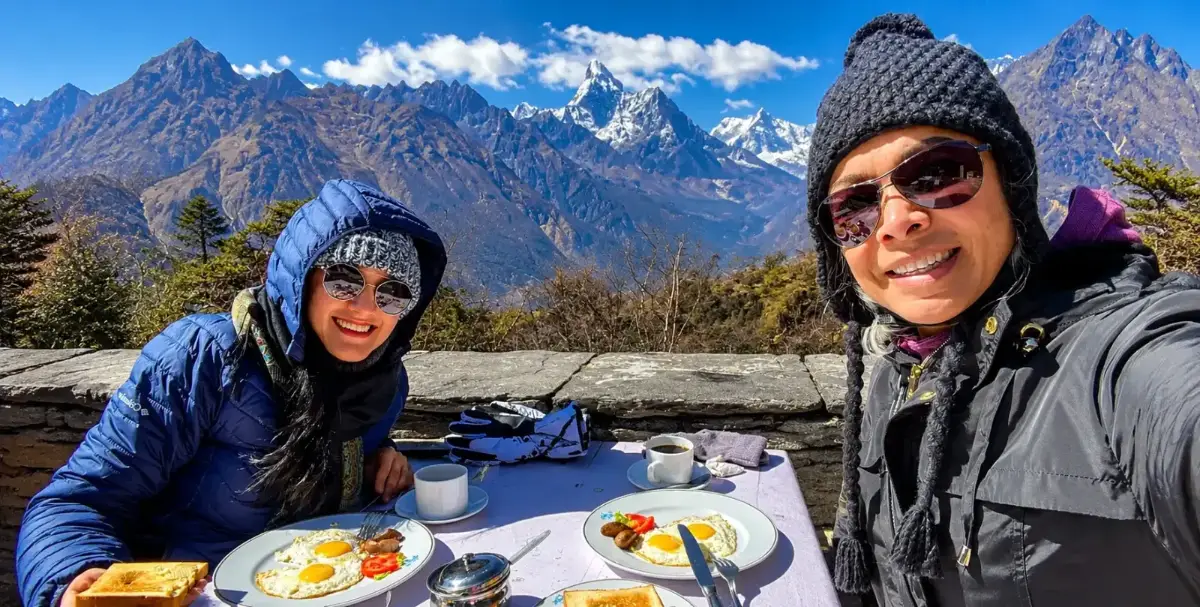
  • ‘The practical benefit was that I was back in Kathmandu by midday on Day 10, had a proper shower, ate a real meal, and was able to call my family with full voice instead of the exhausted whisper I had on previous descents. The helicopter return gave me the physical recovery time I needed before my international flight.’ — Business traveller, November 2025
  • ‘Our Nepal Vehicle Hiring driver was at the TIA helipad when we landed at 10:30 a.m. — I genuinely did not expect that level of c10:30 a.m.n. We were in our Thamel hotel by 11:30 a.m. Extraordinary.’ — Group of four, May 202611:300 a.m. National Park: Context for the EBC Journey

The entire Everest Base Camp trek takes place within Sagarmatha National Park—the UNESCO World Heritage Site that encompasses the upper Khumbu Valley and some of the world’s highest terrain. Understanding the park’s significance gives the EBC journey its proper conservation and cultural context.

Sagarmatha National Park was established in 1976 and inscribed as a UNESCO World Heritage Site in 1979, recognising both its extraordinary natural environment and its cultural significance as the homeland of the Sherpa people. The park covers 1,148 square kilometres of high Himalayan terrain, from about 2,845 metres to Everest’s summit at 8,849 metres—the world’s highest protected area.

It encompasses eight peaks above 7,000 metres, dozens of glaciers, and the entire watershed of the upper Dudh Koshi River.

The park’s entry permit fee (NPR 3,000 for foreign nationals, as of 2026) directly funds conservation management, trail maintenance, the park’s ranger network, and community support programs for the Sherpa communities within the park boundaries. Trekkers using the heli return service still pay the full park entry permit — the helicopter return does not reduce the park contribution.

Nepal Vehicle Hiring encourages all EBC clients to treat the permit fee as the conservation investment it is: Sagarmatha National Park is one of the world’s great protected areas, and trekking revenue sustains it and supports its continued management.

The park’s wildlife — snow leopard, Himalayan tahr, red panda, musk deer, Himalayan black bear, and over 100 bird species including the danphe (Himalayan monal, Nepal’s national bird) — exists in this form because the park’s protection prevents the hunting and habitat destruction that would otherwise devastate populations at these altitudes. EBC trekkers who keep their eyes open on the trail—particularly in the forest sections below Namche and the high pastures above Dingboche—have real chances of wildlife sightings that no helicopter flight can deliver.

Nepal Vehicle Hiring’s Role in the EBC Ecosystem

Nepal Vehicle Hiring is a ground transport specialist — we move trekkers from their Kathmandu or Pokhara hotels to every trail access point and from every trek exit to their next destination. We are not a trekking agency, a helicopter operator, or a permit agent. But in the EBC heli return context, we are the essential logistical backbone that connects every other element of the experience.

Without a confirmed, reliable 3:00 a.m. Ramechhap pickup, trekkers scrambling for tra3:00 a.mt 2:00 a.m. risk missing their Lukla flight and losing a 2:00 a.m.day at the start of a carefully planned 10- to 12-day itinerary. Without a confirmed TIA helipad transfer on the return day, trekkers arriving by helicopter after 10 days at altitude face the Kathmandu taxi queue in the most vulnerable physical state of the entire journey.

Nepal Vehicle Hiring’s role at both ends of the EBC heli return experience is brief but consequential; the adventure doesn’t happen on the ground. Still, it is what makes the adventure logistically possible.

Our EBC transport clients consistently cite two things above all others: the 3:00 a.m. Ramechhap pickup being precisely on time (a missed 3:00 a.m. start has cascading consequences for the entire trek that no subsequent recovery can fully address), and the TIA helipad pickup being confirmed and waiting when the helicopter lands (the moment when physical exhaustion is greatest and the desire to be driven to a hotel is most acute). These two moments—a pre-dawn vehicle at a Thamel hotel door and a confirmed driver at an airport helipad—are Nepal Vehicle Hiring’s core contribution to the EBC heli return experience, and we take both seriously.

One-Day Everest Base Camp Helicopter Tour

Everest expeditions

Everest Helicopter Tour: One-Day Full Guide

Everest helicopter tour has become one of Nepal’s most sought-after experiences: a single morning that takes you from the streets of Kathmandu to the foot of Everest itself and back again, all before lunch. It is not a substitute for the Everest Base Camp Trek in any deeper sense; the two experiences serve different travellers with different goals, but for time-limited visitors, older travellers, families, or anyone pairing a shorter Nepal itinerary with a bucket-list mountain view, it remains one of the most efficient and genuinely spectacular ways to experience the Himalayas.

This guide covers everything travellers need to know about the one-day Everest helicopter tour heading into the Khumbu: the route and typical timeline, what is included, private versus shared group options, cost factors, seasonal and weather considerations, safety and altitude notes, and how ground transport and airport logistics fit around the flight itself. Nepal Vehicle Hiring works alongside our sister trekking companies to coordinate the ground transport side of this experience, and this guide draws on that combined view of how the tour actually works in practice.

What Is the Everest Helicopter Tour

The Everest helicopter tour is a single-day scenic flight departing from Kathmandu, flying over the foothills and mid-hill villages of the Solukhumbu region before entering the high Himalaya and approaching Everest, Lhotse, Nuptse, and surrounding peaks up close. Most itineraries include a landing near Everest Base Camp or at a high viewpoint such as Kala Patthar for photographs, followed by a second landing at the Everest View Hotel in Syangboche for a mountain-view breakfast, before returning to Kathmandu.

The entire experience, door to door, typically takes three to four hours, making it a feasible half-day activity even for travellers with a tight overall Nepal itinerary.

This tour has grown steadily over the past decade, driven by rising demand from time-limited international travellers and improved helicopter fleet availability and operator experience on this high-altitude route. Looking ahead, continued growth in Nepal’s top-end tourism segment, along with Pokhara’s expanding international airport, is expected to keep demand for this experience strong, particularly among travellers pairing it with luxury lodge trekking or broader Himalayan touring itineraries.

YouTube video

The Route: What You Actually See

A typical Everest helicopter tour departs from Kathmandu, usually from either Tribhuvan International Airport’s domestic terminal or a private helipad depending on the operator, and climbs out over the Kathmandu Valley before turning east toward the Solukhumbu region. The early part of the flight passes over the mid-hill landscape familiar to trekkers on the classic Jiri approach.

The terrain rises sharply as the helicopter enters the higher Khumbu region, passing Lukla and Namche Bazaar from the air.

The flight typically continues up the Khumbu valley, offering aerial views of Tengboche Monastery, Ama Dablam, and the approach to Everest Base Camp itself, before landing at or near Kala Patthar, the classic ground-level viewpoint for Everest’s summit, or in some itineraries closer to Everest Base Camp directly, subject to weather and specific operator routing. After a roughly ten- to fifteen-minute landing for photos, most tours continue to the Everest View Hotel in Syangboche, above Namche Bazaar, for a mountain-view breakfast before returning to Kathmandu.

A Typical One-Day Timeline

While exact timing varies by operator and weather conditions, a standard Everest helicopter tour day typically follows a similar pattern. An early departure, usually between 5:30 and 6:30 in the morning, takes advantage of the clearest flying conditions before daytime cloud typically builds over the mountains.

The flight to the Everest Base Camp or Kala Patthar area takes about 50 minutes to just over an hour, depending on the route and aircraft. After a short landing for photographs, the helicopter continues to Syangboche for a breakfast stop lasting thirty to forty-five minutes at the Everest View Hotel, one of the highest-altitude hotels in the world, before the return flight to Kathmandu, arriving back mid-morning.

Most travellers return to their Kathmandu hotel by nine or ten in the morning, freeing the rest of the day for other activities.

What Is Typically Included

  • Round-trip helicopter transport from Kathmandu to the Everest region and back.
  • A landing near Everest Base Camp or Kala Patthar for photos, subject to the day’s weather.
  • A breakfast stop at the Everest View Hotel in Syangboche, with panoramic Himalayan views from one of the world’s highest hotels.
  • Oxygen supply on board for passenger comfort at altitude, standard on most reputable operators’ aircraft.
  • A pilot experienced in high-altitude Himalayan flying, given the specialised skill required for this route.

Travellers should confirm with their chosen operator exactly what the quoted price includes, since airport transfer to the helicopter departure point, breakfast, and any hotel pickup are sometimes quoted separately rather than bundled into a single package price.

Everest Helicopter Tour Nepal with Mount Everest Himalayan Mountain View

Private Charter Versus Shared Group Tours

Everest helicopter tours are typically offered in two main formats, each suited to a different type of traveller and budget. A shared group tour, usually seating up to five passengers depending on aircraft and weight restrictions, splits the total charter cost across the group, making it the more affordable per-person option.

However, departure times are fixed and cannot be adjusted around an individual traveler’s schedule. A private charter, booked for a single party rather than shared with strangers, costs considerably more in total but offers full flexibility over departure time and, in some cases, the option to customise the route or duration of ground stops, an appealing option for honeymooners, small families, or corporate groups wanting a fully private experience.

Pricing for the Everest helicopter tour depends heavily on whether a traveller books a shared seat or a private charter, and on broader fuel and operating cost trends within Nepal’s aviation sector. Shared group tours have historically offered significantly better value per person, while private charters, booked for exclusive use of the aircraft, command a considerable top-end because the helicopter and crew cost a lot regardless of passenger count.

As demand grows, driven by expanding top-end tourism and improved aircraft availability, travellers should expect pricing to remain season-sensitive, with peak spring and autumn dates commanding higher rates and requiring earlier booking than quieter shoulder-season periods. Confirm exact pricing directly with operators or through a trusted local coordinator at the time of booking, since rates shift with fuel costs and demand.

Best Time of Year and Time of Day

Autumn (September to November) and spring (March to May) offer the clearest, most stable weather for this tour, with the highest likelihood of unobstructed mountain views and minimal flight delays. Morning departures are essential year-round, since cloud cover over the high Himalaya typically builds through the late morning and early afternoon, reducing visibility and increasing the chance of a shortened or rerouted flight later in the day.

Winter can offer exceptionally clear, cold-weather visibility. However, flights are more susceptible to delays from localised weather systems. At the same time, the monsoon season between June and August brings the least reliable flying conditions and the highest rate of cancellations or postponements.

Everest Helicopter Tour Nepal with Mount Everest Himalayan Mountain View

Weather Delays and Flexibility

Given the technical demands of flying in the high Himalaya, weather-related delays and cancellations are a real possibility on any Everest helicopter tour booking, so travellers should build flexibility into their broader Nepal itinerary rather than scheduling this tour for their last morning before an international departure. Reputable operators monitor mountain weather closely and will postpone or reschedule a flight rather than risk passenger safety, and travellers booking through a trusted local coordinator benefit from real-time communication about weather-related changes rather than discovering a cancellation only on arrival at the helipad.

Altitude and Health Considerations

While the tour lasts only a few hours, the landing points, Kala Patthar or the Everest Base Camp area, are over 5,000 meters. The Everest View Hotel, at nearly 3,900 meters, is a genuine high-altitude environment where some travellers may notice mild effects such as shortness of breath or lightheadedness, even during a brief visit.

Onboard oxygen helps most passengers manage this, and the short duration of ground time at the highest points limits sustained exposure. Travellers with underlying heart or lung conditions should consult a doctor before booking, and pregnant travellers or those with significant health concerns are generally advised against high-altitude landings without specific medical clearance.

Ground Transport and Airport Logistics

Reaching the helicopter departure point on time, especially given the early-morning departure typical of this tour, depends on reliable ground transport from your Kathmandu hotel. Our

Kathmandu airport transfer service is well suited to early-morning pickup, ensuring travellers reach the helipad with time to spare for check-in and weight verification before departure. Travellers combining the helicopter tour with a wider Kathmandu Valley itinerary often pair it with our

Kathmandu sightseeing tour or

Bhaktapur Durbar Square tour later the same day, given that most helicopter tours return to Kathmandu by mid-morning, leaving the rest of the day free.

Everest bace camp

Combining the Helicopter Tour With a Trekking or Touring Itinerary

More and more travellers combine the Everest helicopter tour with a broader Nepal itinerary rather than booking it as a standalone activity. For trekkers who have just completed the

Everest Base Camp Trek or

Everest Base Camp Luxury Lodge Trek on foot, a helicopter return flight from Base Camp itself, rather than the multi-day walk back to Lukla, has become an increasingly popular way to save time on the return leg while still completing the full trekking approach in one direction. Alpine Luxury Treks’

helicopter tour packages are specifically designed to integrate with this kind of combined trekking and flying itinerary, and our ground transport services handle the corresponding airport and Kathmandu-based logistics on either end.

Comparing the Helicopter Tour to the Full Trek

It is worth being clear-eyed about what the helicopter tour offers compared to the full Everest Base Camp Trek, since the two experiences are genuinely different, not just faster or slower versions of the same thing. The trek offers sustained, gradual immersion in Sherpa culture, days of walking through changing landscapes, overnight stays in mountain villages, and the particular sense of achievement that comes from reaching Base Camp on foot after weeks of effort.

The helicopter tour offers none of this cultural or physical immersion. Still, it delivers an extraordinary, concentrated dose of Himalayan scenery, including aerial perspectives on the mountains unavailable from the ground, all in a single morning.

For travellers who genuinely cannot spare two to three weeks, or whose physical circumstances make a multi-day trek impractical, the helicopter tour offers a legitimate, spectacular alternative, not a consolation prize.

Safety Standards and Choosing a Reputable Operator

Given the real technical demands and complexity of high-altitude helicopter flying, choosing an operator with a strong, verifiable safety record, experienced Himalayan pilots, and well-maintained aircraft matters far more here than for most tourism activities. Before booking, travellers should ask specifically about pilot experience on this route, the aircraft’s service history, and the operator’s weather-related cancellation policy, rather than choosing purely on price.

Working with a trusted local coordinator familiar with reputable operators removes much of the guesswork for first-time visitors unfamiliar with Nepal’s aviation sector.

What to Wear and Bring

  • Warm layers, since temperatures at Base Camp or the Kala Patthar landing point can be well below freezing, even during the flight’s short time on the ground.
  • Sunglasses and sun protection, given the intensity of high-altitude sunlight and glare off snow and ice.
  • A camera or fully charged phone, since photography opportunities are a primary reason most travellers book this tour.
  • Comfortable, weather-appropriate footwear for the brief walk around the landing area and breakfast stop.
  • Any personal medication, particularly for travellers with respiratory or cardiac conditions who have received medical clearance for the altitude involved.

Booking Requirements and Practical Considerations

Most operators require passport details and, in some cases, weight information in advance for load planning, given the strict weight limits of high-altitude helicopter operations. Book at least several days ahead, and much earlier during peak autumn and spring weeks when demand is highest.

Given the likelihood of weather-related rescheduling, travellers are strongly advised to build at least one buffer day into their Kathmandu itinerary around this tour, rather than scheduling it on the same day as an international departure.

Outlook for Everest Helicopter Tourism

Several trends point toward continued growth in Everest helicopter tourism. Nepal’s broader shift toward top-end ground and air transport standards, discussed extensively across our other guides on luxury vehicle hire and airport transfer, mirrors a parallel rise in demand for time-efficient, high-comfort ways to experience the Himalaya.

Pokhara’s expanding international airport is also expected to gradually increase interest in helicopter tours based there, particularly toward the Annapurna range, potentially expanding the range of one-day Himalayan flight experiences available to travellers who begin their trip outside Kathmandu. As always, travellers should confirm current pricing, operator options, and any regulatory changes directly closer to their travel dates, since Nepal’s aviation sector continues to evolve alongside broader tourism growth.

The Aircraft: What Actually Flies This Route

Everest helicopter tours in Nepal typically use high-altitude capable helicopters such as the Airbus H125 (AS350), a single-engine aircraft favoured across the Himalaya for its strong power-to-weight ratio at extreme altitude, where thinner air reduces rotor lift efficiency compared to sea-level operations. These aircraft are also the mainstay of Nepal’s mountain rescue and expedition support operations, meaning the same helicopters and often the same pilots flying scenic Everest tours are also those responsible for high-altitude rescue work on Everest and other 8,000-meter peaks during the climbing season, a reassuring indicator of the aircraft and crew experience involved in this specific type of flying.

Pilot Training and Himalayan Flying Expertise

Flying a helicopter safely at the altitudes involved in an Everest tour, often exceeding 5,000 meters at the highest landing points, requires specialised training well beyond standard commercial helicopter piloting. Mountain pilots in Nepal typically build this expertise over years of flying progressively more demanding routes, often starting with lower-altitude tourism and cargo flights before qualifying for high-altitude rescue and tourism work in the Everest and Annapurna regions.

This specialised skill set is a key reason the cost reflects not just the aircraft itself, but the rarity and value of pilots qualified to fly it safely.

Everest Helicopter Tour offers a breathtaking one-day journey with stunning views of Mount Everest and the Himalayan range.

Everest View Hotel: Breakfast at the Top of the World

The Everest View Hotel, perched at Syangboche above Namche Bazaar at nearly 3,900 meters, holds a long-standing reputation as one of the highest-altitude hotels in the world, originally built with Japanese investment specifically to offer travellers unable to trek the full route to Base Camp a genuine Everest view without the physical demands of high-altitude walking. The hotel’s terrace offers a sweeping panorama including Everest, Lhotse, Ama Dablam, and Thamserku, and the breakfast stop included on most helicopter tours has become as much a part of the experience’s appeal as the Base Camp landing itself, offering a relaxed, unhurried moment to take in the mountain views before the return flight to Kathmandu.
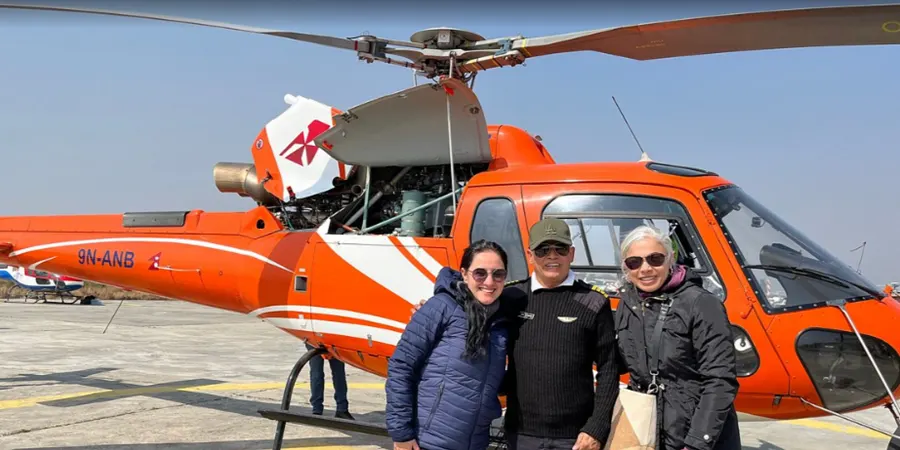
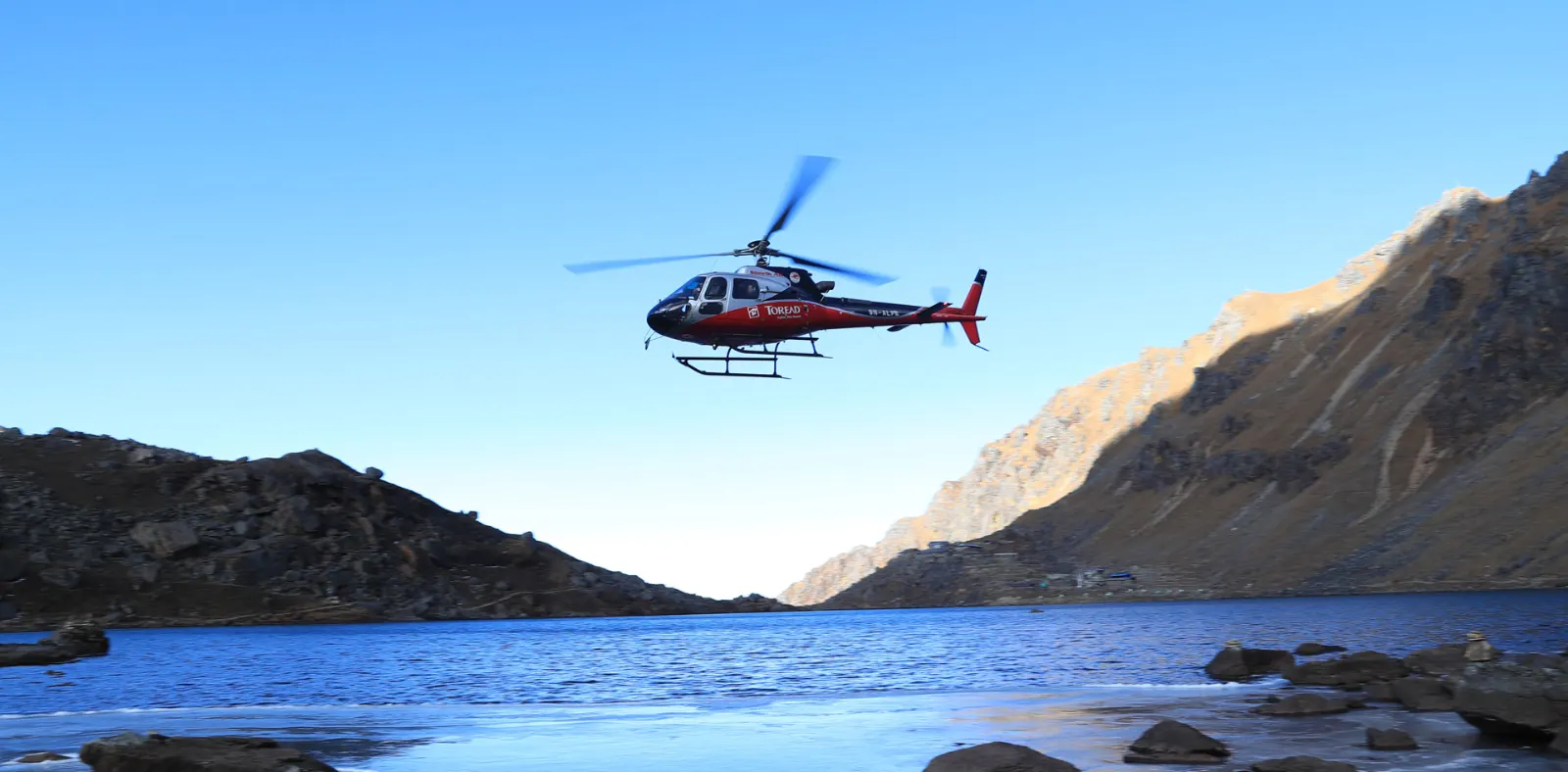
A History of Everest Tourism by Air

Scenic mountain flights over Everest have a longer history than many travellers realise, predating modern helicopter tours by decades. Fixed-wing mountain flights, which offer views of Everest from altitude without landing, became popular among tourists visiting Kathmandu as early as the 1970s and remain available today as a lower-cost alternative for travellers who want an aerial Everest view without the cost of a full helicopter charter.

The helicopter landing tour itself developed more recently, as improved aircraft capability, growing high-end tourism demand, and the established success of helicopter rescue operations in the region combined to make a landing tour both technically feasible and commercially viable. What was once a niche, expensive novelty has become one of Nepal’s signature top-end tourism products over the past fifteen to twenty years.

Environmental Considerations of Helicopter Tourism

As with any form of aviation, helicopter tourism carries an environmental footprint worth acknowledging honestly. Fuel consumption for high-altitude helicopter flights is significant given the power required to operate effectively in thin mountain air, and the growing popularity of this tour format has prompted discussion within Nepal’s tourism and conservation community about balancing this top-end, low-impact-on-the-ground tourism against its aviation emissions footprint compared to trekking.

Proponents of helicopter tourism argue that a single shared flight carrying several passengers concentrates emissions into a short, efficient trip, compared with the cumulative footprint of flights, teahouse heating, and portering involved in a multi-week trek for the same number of travellers. However, this remains a genuinely debated point within sustainable tourism circles, not a settled question.

Photography Tips for the Everest Helicopter Tour

Since photography is a primary motivation for most travellers booking this tour, a few practical tips can help you make the most of the limited time at each stop. Window seats offer the best unobstructed views during flight, and confirming seating arrangements with your operator in advance is worth doing if photography is a priority.

At the Base Camp or Kala Patthar landing, the ten-to-fifteen-minute window moves quickly, so having your camera settings and any necessary lens changes ready before landing helps you maximise usable time for photos instead of fumbling with equipment once you’re on the ground. The Everest View Hotel breakfast stop offers a more relaxed pace for photography, given its longer duration, and the terrace itself provides one of the most reliably clear and well-composed vantage points on the entire tour.
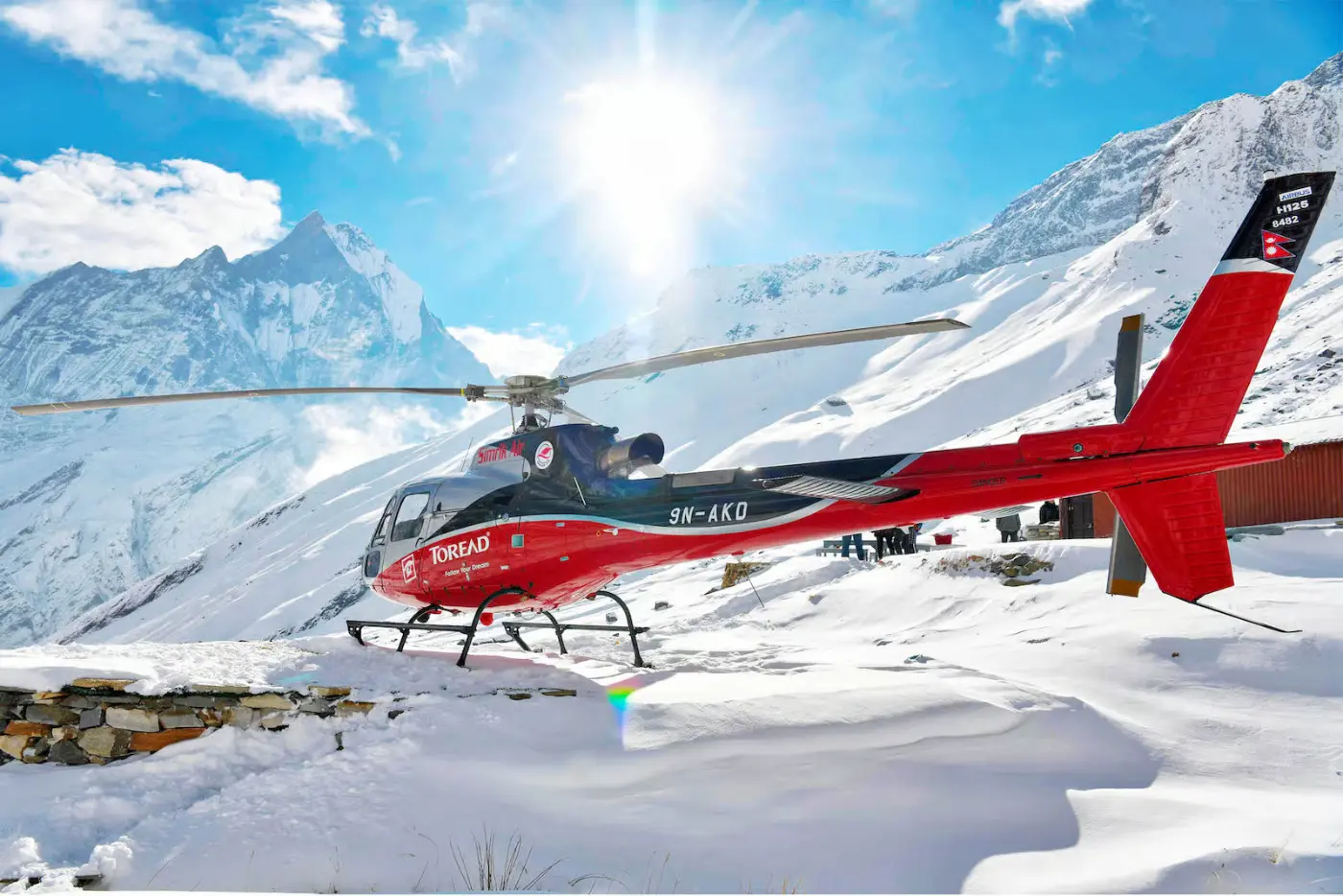
Corporate and Special Occasion Bookings

Beyond individual leisure travellers, the Everest helicopter tour has become an increasingly popular choice for corporate incentive groups, honeymoon couples, and special occasion celebrations such as milestone birthdays or anniversaries. Private charter bookings for these occasions sometimes include additional customisation, such as champagne or a special breakfast arrangement at the Everest View Hotel, coordinated in advance with the operator.

Corporate groups visiting Nepal for conferences or incentive travel often add this tour as a signature activity, as it delivers a genuinely memorable shared experience in a single morning without disrupting the rest of a business itinerary.

Alternative Helicopter Tour Variations

Everest and Gokyo Combined Tours

Some operators offer an extended variation of the standard tour that includes a pass over or near the Gokyo Lakes region in addition to the standard Everest Base Camp and Kala Patthar route, offering views of Cho Oyu alongside Everest and Lhotse within a single, longer flight. This variation typically extends total flight time and cost compared to the standard tour.
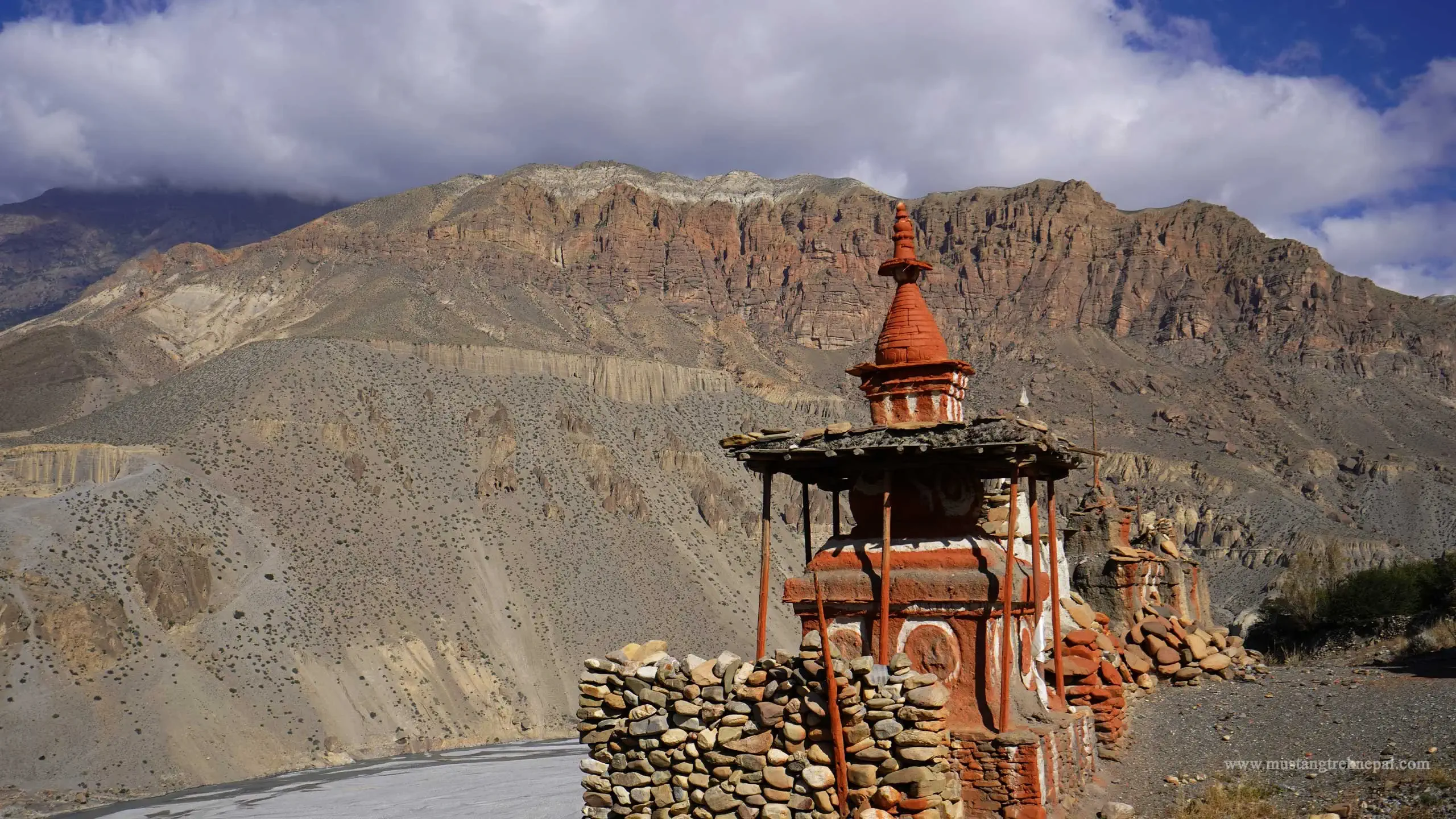
Still, it appeals to travellers who want the broadest possible aerial overview of the Khumbu’s major landmarks in one trip.

Everest Helicopter Tour Nepal with Mount Everest Himalayan Mountain View

Everest Base Camp Trek Return Flights
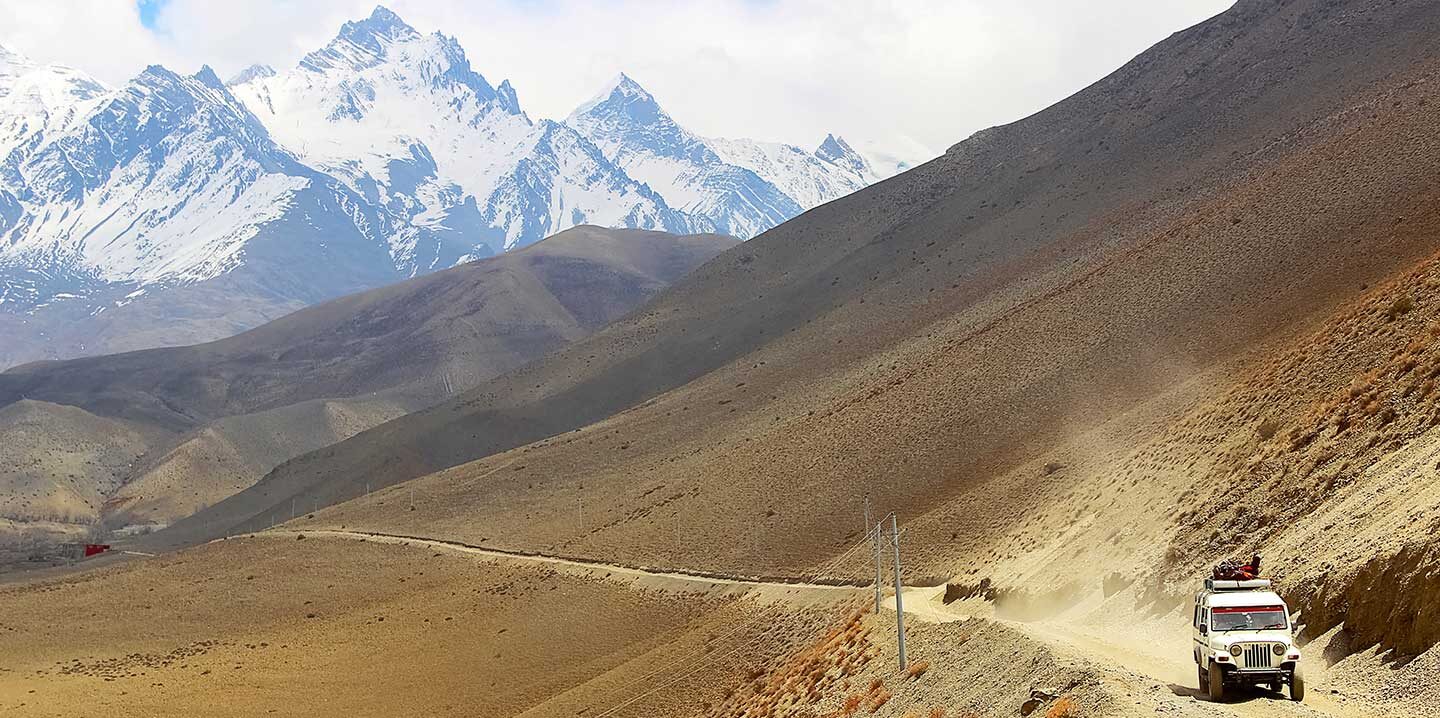
Rather than a dedicated round-trip tour from Kathmandu, many trekkers who have walked to Everest Base Camp on foot arrange a one-way helicopter flight for their return journey, landing at or near Base Camp to pick them up before flying directly back to Kathmandu or Lukla. This variation is technically a different product from the standalone scenic tour, since it serves primarily as a time-saving return transport option rather than a dedicated sightseeing experience. However, it includes much of the same scenery.
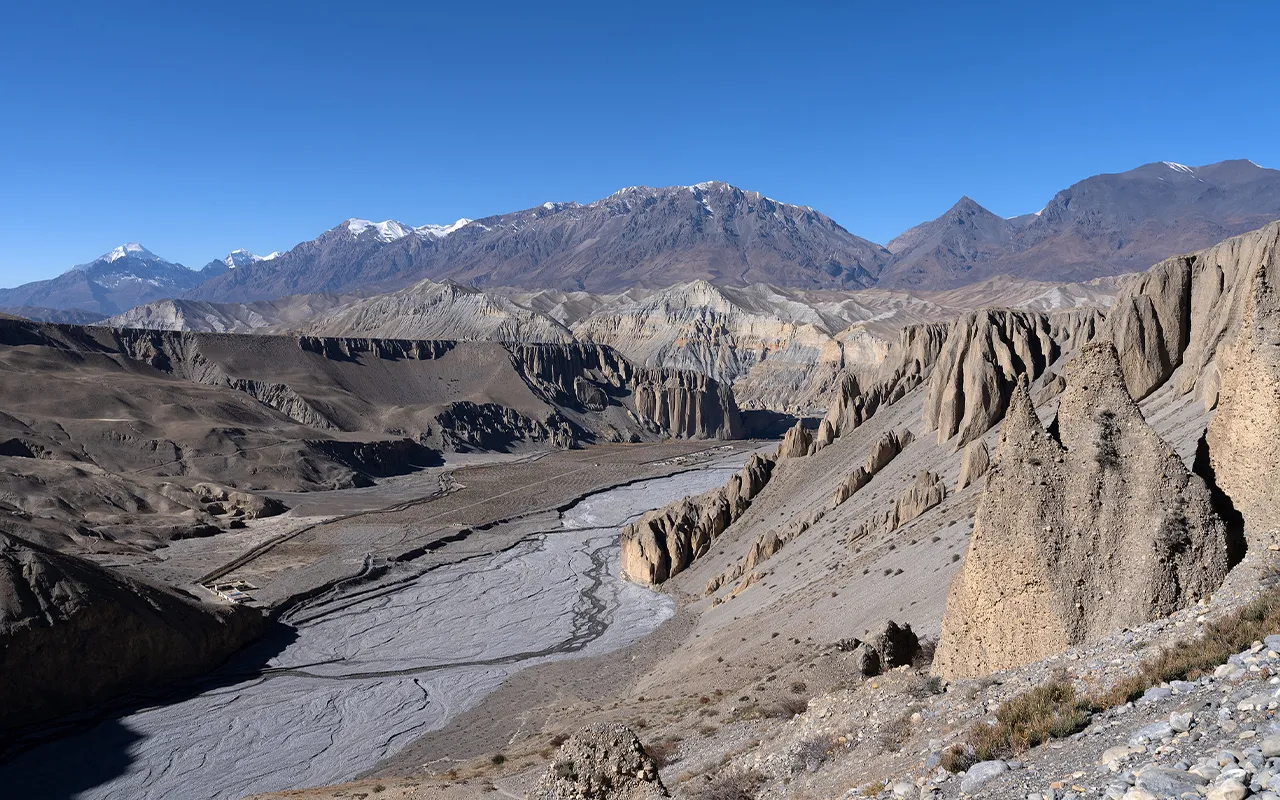
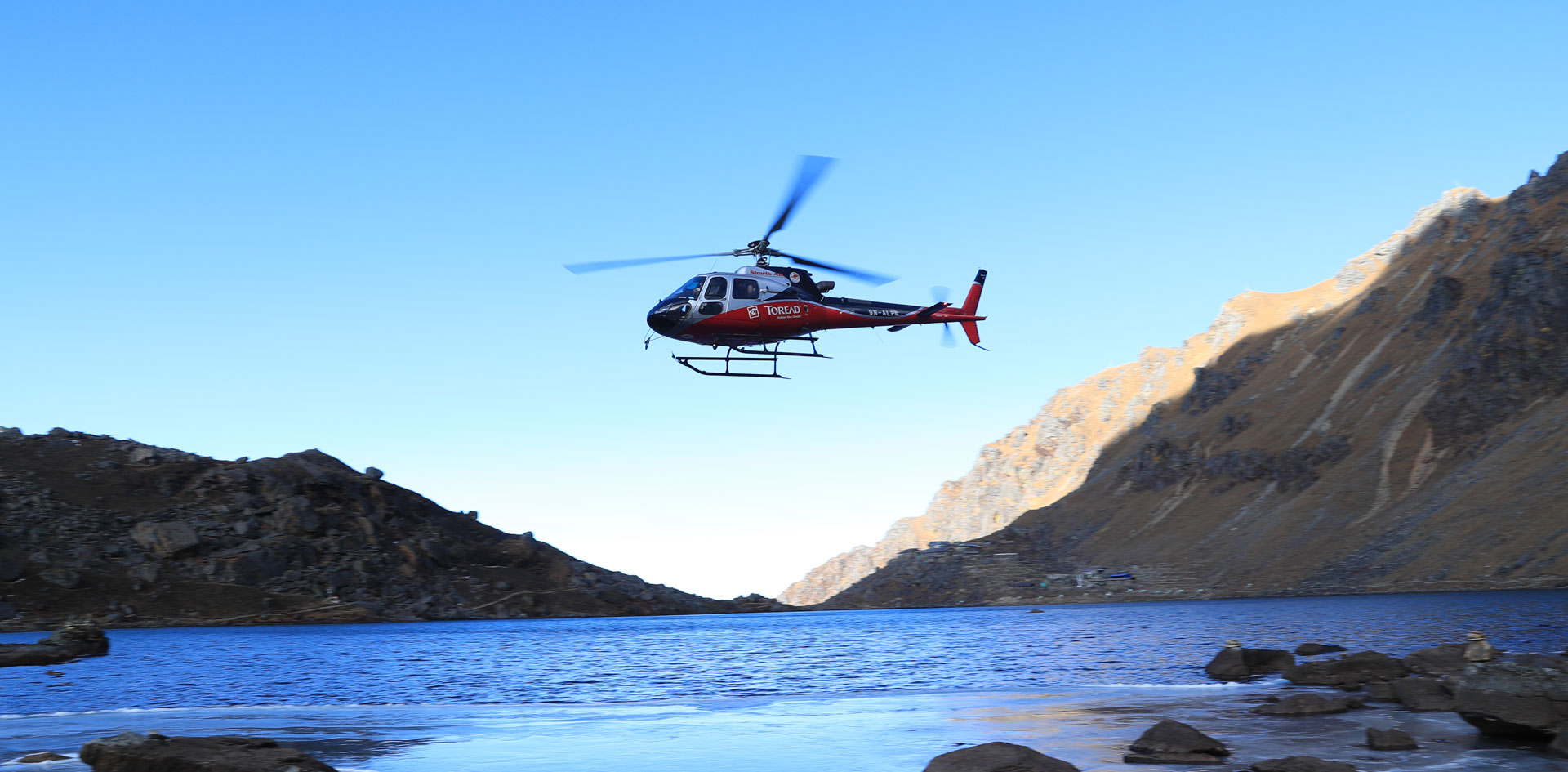
Annapurna Helicopter Tours as a Comparison

Nepal’s Annapurna region offers a similar one-day helicopter tour product, typically departing from Pokhara rather than Kathmandu, with landings near Annapurna Base Camp or at high viewpoints offering views of the Annapurna massif and Machapuchare. Travellers splitting their time between Kathmandu and Pokhara sometimes consider both the Everest and Annapurna helicopter tour options. However, the Everest version remains more established and more heavily booked, given the singular draw of the world’s highest peak.
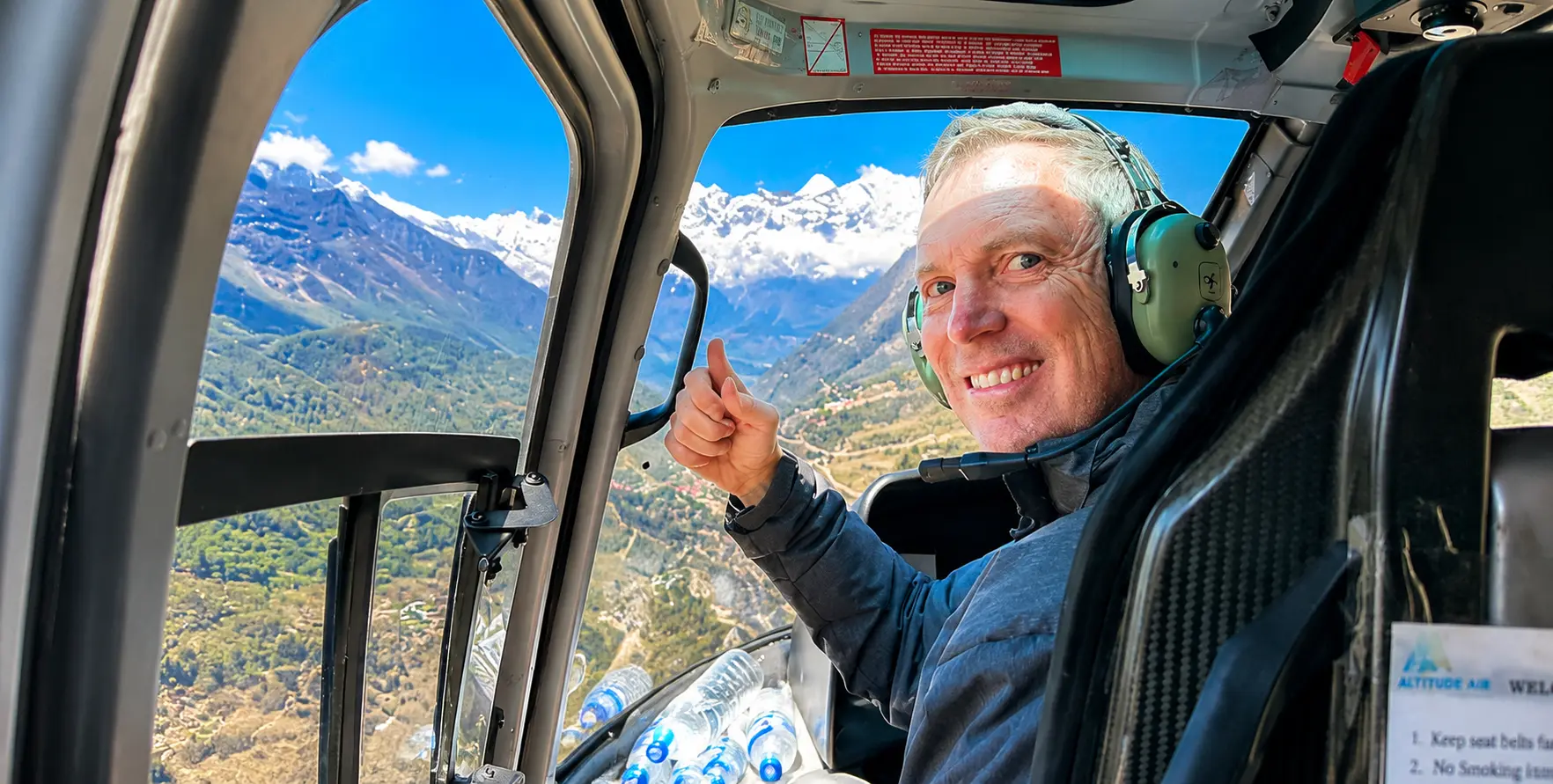
How Weight Restrictions Affect Booking

Because helicopters have reduced lift capacity at high altitude, Everest helicopter tours apply strict weight limits to passengers and carried items, generally more restrictive than typical commercial aviation allowances. Operators typically request passenger weight in advance during booking, and travellers should expect luggage to be limited to a small daypack rather than full trekking gear, given that this tour does not involve an overnight stay or extended time on the ground.

Understanding and accurately reporting weight information during booking helps operators plan flights safely and avoids last-minute complications at the helipad on departure morning.

The Role of Local Coordination in a Smooth Experience

Because the Everest helicopter tour involves coordination across an early-morning airport or helipad transfer, weather-dependent scheduling, and sometimes same-day changes if conditions shift, working with a knowledgeable local coordinator rather than booking blind through an unfamiliar overseas agent tends to produce a smoother overall experience. A local team familiar with current operator reputations, realistic weather patterns for your specific travel dates, and the practical logistics of early-morning Kathmandu transfers can help set realistic expectations and respond quickly if a reschedule becomes necessary, rather than leaving travellers to navigate an unfamiliar situation without local support.

Comparing Operators: What Actually Varies

While the core route and structure of the Everest helicopter tour is broadly similar across operators, meaningful differences exist in fleet age and maintenance standards, pilot experience specifically on this route rather than general helicopter flying hours, cancellation and rescheduling policies, and the level of communication provided in the days leading up to the flight. Travellers researching operators should look beyond marketing materials and ask specific questions about aircraft type and age, pilot experience on Himalayan routes, and what happens in practice if weather forces a delay, including whether alternative dates are offered without a high additional cost.

Time-of-Day Considerations Beyond the Morning Departure

While nearly all Everest helicopter tours depart early to take advantage of the clearest flying conditions, the timing within that morning window can still matter. Flights departing at first light, often around 5:30 or 6:00 a.m., generally enjoy the calmest air and clearest visibility.

At the same time, later morning departures, even by an hour or two, can encounter earlier cloud build-up during certain seasons, particularly in the shoulder months bridging peak and off-peak periods. Travellers with flexible bookings should generally choose the earliest available departure slot offered by their chosen operator.

Everest Helicopter Tour Nepal with Mount Everest Himalayan Mountain View

What Makes This Tour Different From a Standard Scenic Mountain Flight

Distinguish the full Everest helicopter tour, with landing stops at Base Camp or Kala Patthar and breakfast at the Everest View Hotel, from simpler scenic mountain flights that circle the Everest region without landing, a lower-cost option offered by fixed-wing aircraft or shorter helicopter flights departing from Kathmandu. These non-landing options offer aerial views of Everest and the surrounding peaks at a fraction of the cost and time commitment, making them a reasonable alternative for travellers on a tighter budget or schedule who still want an aerial Everest experience without the full landing tour’s cost and complexity.
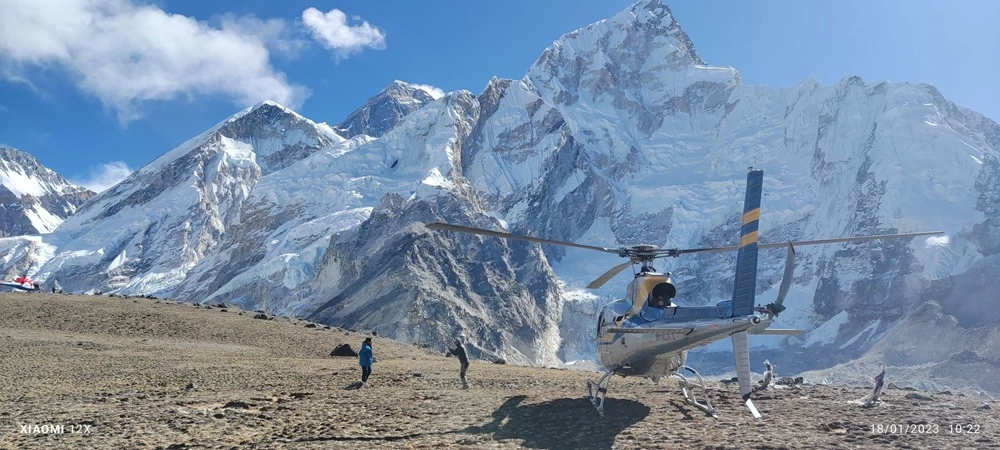
Booking Through a Trekking Agency Versus Direct With an Operator

Travellers can typically book the Everest helicopter tour either directly with a helicopter operator or through a trekking or touring agency that books on their behalf, often as part of a broader itinerary. Booking through an established agency, particularly one already coordinating other elements of a Nepal trip such as ground transport or a broader trekking package, can simplify logistics considerably, ensuring the helicopter tour is scheduled sensibly around other commitments and that any weather-related changes are communicated promptly through a single point of contact rather than requiring the traveller to manage multiple separate bookings independently.

A Day-Before Checklist for a Smooth Experience

  • Confirm your exact pickup time and location with your ground transport provider the evening before, given the early morning departure.
  • Double-check that your operator has your accurate weight information on file to avoid last-minute complications at the helipad.
  • Pack warm layers and sun protection the night before, along with a fully charged camera or phone.
  • Confirm your operator’s weather rescheduling policy and keep the following day free where possible in case of postponement.
  • Bring your passport, as most operators require ID for manifest and load-planning purposes.

What Previous Travellers Commonly Say About the Experience

Feedback and reviews from travellers who have completed the Everest helicopter tour consistently highlight a few recurring themes. Many describe the first clear view of Everest’s summit from the aircraft window as genuinely emotional, even for travellers who didn’t expect such a strong reaction.

The brief landing near Base Camp or Kala Patthar is frequently described as surreal, given how quickly it arrives after leaving Kathmandu, a sharp contrast to the weeks of walking required to reach the same vantage point on foot. The breakfast stop at the Everest View Hotel is often cited as an unexpectedly relaxed highlight, giving you time to absorb the mountain panorama rather than rush through a brief photo stop.
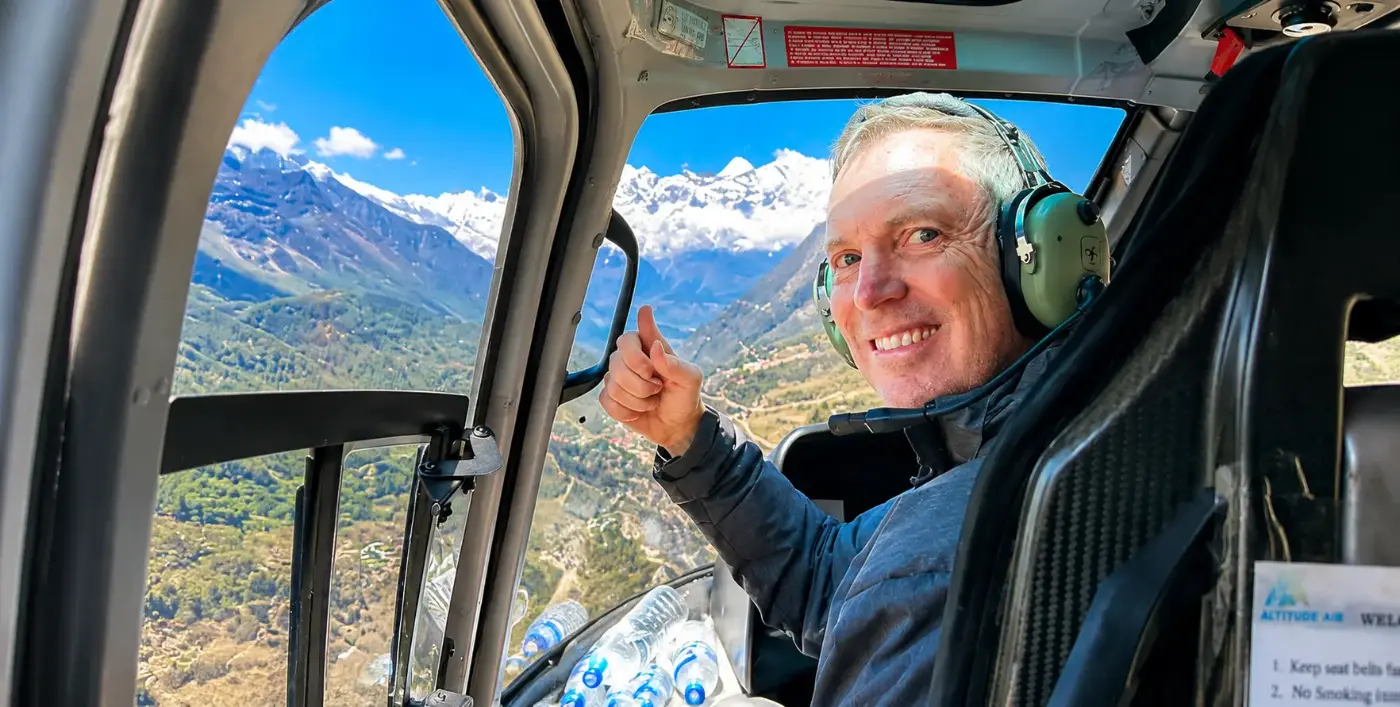
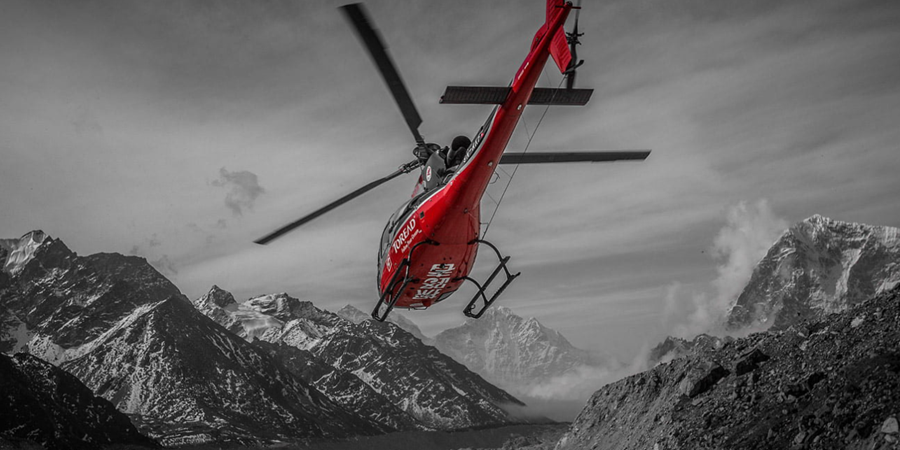
Understanding the Value Proposition Compared to Trekking

For travellers weighing the cost of a helicopter tour against a full trek, it helps to think of the two experiences as serving fundamentally different purposes rather than as directly comparable products at different price points. The trek delivers weeks of cultural immersion, physical achievement, and gradual, earned arrival at Base Camp.

In contrast, the helicopter tour delivers a concentrated, efficient aerial and ground experience of the same broad region within a single morning. Travellers who have already trekked in the region and want to revisit the experience without another multi-week commitment, or those for whom a multi-week trek is genuinely not feasible due to time or physical circumstances, find that the helicopter tour offers a legitimate, complete experience in its own right rather than a lesser substitute.

Seasonal Booking Patterns and Availability

Demand for the Everest helicopter tour closely follows Nepal’s broader tourism seasonality, with the clearest weather and highest booking volume in the peak autumn months of October and November, followed by the spring window from March through May. During these peak periods, popular morning departure slots can book out several days or even weeks in advance, especially for shared group tours where operators must coordinate multiple passengers into a single flight.

Travellers with fixed, non-negotiable travel dates during peak season should book as early as possible, while those with more flexibility can sometimes secure better availability and even modest pricing advantages during shoulder-season weeks just outside the busiest periods.

Combining the Tour With a Broader Kathmandu Itinerary

Since most Everest helicopter tours return to Kathmandu by mid-morning, travellers frequently use the remainder of the day for other activities rather than treating the tour as a full-day commitment. A relaxed afternoon exploring Kathmandu’s Durbar Squares, visiting Pashupatinath or Swayambhunath, or simply resting before an evening flight all fit comfortably around a morning helicopter tour.

Travellers on a tight Nepal schedule sometimes use this flexibility to fit the tour into an itinerary that might otherwise seem too short for an Everest region experience, making it a particularly efficient addition for business travellers or those on limited-duration visits.

Why This Tour Appeals Particularly to First-Time Visitors to Nepal

For travellers visiting Nepal for the first time, often with limited days available and uncertain whether they will return for a longer, more dedicated trekking trip in future, the Everest helicopter tour offers a way to experience the country’s single most iconic landmark without gambling significant portions of a first visit on a multi-week trek. This has made the tour particularly popular among travellers combining Nepal with a wider regional itinerary spanning India, Bhutan, or Tibet, where a shorter overall Nepal stay makes a multi-week trek impractical. Still, an Everest experience remains a firm, non-negotiable priority.

A Note on Realistic Expectations

While marketing materials for the Everest helicopter tour understandably emphasise its spectacular scenery, setting realistic expectations matters for genuine traveller satisfaction. Weather can affect visibility and, occasionally, the exact landing location or duration of ground stops, and travellers should understand that a shortened or slightly modified itinerary due to weather is a normal, safety-driven outcome rather than a failure of the tour itself.

Approaching the experience with genuine flexibility and choosing an operator that communicates honestly about these possibilities, rather than overpromising guaranteed conditions, leads to a much more satisfying overall experience.

Insurance Considerations for Helicopter Tours

While helicopter tours in Nepal operate under commercial aviation regulations with their own safety and insurance requirements, travellers are still advised to confirm that their personal travel insurance policy covers helicopter tourism activities specifically, since some standard travel insurance policies exclude aviation activities beyond scheduled commercial flights or require an additional rider for this kind of adventure activity. Confirming this detail before booking avoids any ambiguity about coverage in the unlikely event of an incident, and reputable operators can generally confirm their own liability and passenger insurance arrangements upon request.

How This Fits Into Nepal’s Broader Top-end Tourism Trend

The growing popularity of the Everest helicopter tour sits squarely within the broader shift toward top-end, time-efficient travel experiences across Nepal’s evolving tourism sector, a trend covered in depth in our guide on why luxury vehicle hire is transforming Nepal travel. Just as top-end ground transport has reshaped expectations around airport transfers and trekking logistics, helicopter tours represent the aviation equivalent of the same underlying shift: travellers increasingly expect Nepal’s most iconic experiences to be accessible in a format that respects their time constraints without sacrificing authenticity or spectacle.

Final Practical Advice Before Booking

  • Choose an operator based on safety reputation and pilot experience, not price alone.
  • Book during the clearest possible season, spring or autumn, for the highest chance of an uninterrupted experience.
  • Build at least one buffer day into your Kathmandu itinerary in case of weather-related rescheduling.
  • Confirm exactly what is included in your quoted price, including ground transport, breakfast, and any hotel pickup.
  • Coordinate your early-morning airport or helipad transfer well in advance to avoid a stressful start to the day.

Cultural Sensitivity During Ground Stops

Even during brief landing stops at Base Camp, Kala Patthar, or the Everest View Hotel, travellers pass through a landscape with deep cultural and religious significance to local Sherpa communities, as well as active mountaineering operations during peak climbing season. Being mindful of expedition camps and personnel if visible near a Base Camp landing, avoiding disruptive behaviour near prayer flags or chortens encountered at any stop, and generally treating these fleeting visits with the same respect afforded to the region by trekkers who arrive on foot, helps preserve the experience’s integrity for both visitors and the communities whose homeland forms its backdrop.

The Broader Appeal of a Single Memorable Morning

There is something distinct about an experience compressed into a single morning that trekking, by its nature, cannot replicate: an intensity and immediacy that comes from encountering one of the world’s most extraordinary landscapes with almost no build-up, stepping from a Kathmandu hotel lobby into the presence of the world’s highest mountain within the space of a single flight. This immediacy is precisely what draws many travellers to the Everest helicopter tour, even when a longer trek might otherwise appeal, recognising that some experiences are valuable specifically because of, rather than despite, their brevity.

Combining With Nepal’s Other Signature Experiences

Travellers building a broader Nepal itinerary around an Everest helicopter tour often pair it with other signature experiences that similarly compress iconic Himalayan scenery into a manageable timeframe, such as a sunrise visit to Nagarkot for wider Himalayan range views, a scenic flight or shorter trek in the Annapurna region from Pokhara, or a cultural circuit through the Kathmandu Valley’s ancient Durbar Squares. Combining several of these compressed, high-impact experiences lets travellers with limited time build a genuinely rich Nepal itinerary without the multi-week commitment of a single long trek, an increasingly common approach for repeat visitors and time-constrained first-time travellers alike.

Everest Helicopter Tour Nepal with Mount Everest Himalayan Mountain View

Final Considerations Before You Book

The Everest helicopter tour rewards travellers who set realistic expectations, choose the right season, and book with a reputable, safety-focused operator, offering one of the most efficient and genuinely spectacular ways to experience Nepal’s highest mountains. As demand grows alongside Nepal’s broader top-end tourism development, early booking, careful operator selection, and sensible itinerary flexibility around weather remain the three factors most within a traveller’s control to ensure the experience lives up to its considerable promise.

Frequently Asked Questions

How long does the Everest helicopter tour take?

The full experience, from departure in Kathmandu to return, typically takes three to four hours, including landing stops at the Everest Base Camp or Kala Patthar area and a breakfast stop at the Everest View Hotel.

Is the helicopter tour safe?

Reputable operators with experienced high-altitude pilots and well-maintained aircraft maintain strong safety records. However, travellers should research an operator’s reputation and safety history before booking, given the technical demands of this route.

What happens if the weather is bad on my scheduled day?

Reputable operators will postpone or reschedule the flight rather than risk passenger safety. We strongly recommend building flexibility into your itinerary rather than scheduling this tour on your last day in Nepal.

Can I do the helicopter tour if I have no trekking experience?

Yes. The tour requires no trekking or physical fitness beyond walking a short distance at the landing points, making it accessible to a much wider range of travellers than the full trek.

Is it better to book a shared or private helicopter tour?

A shared group tour offers better value per person but fixed departure times, while a private charter costs more but offers full scheduling flexibility. The right choice depends on your budget and how much control you want over timing.

Do I land directly at Everest Base Camp?

Most tours land near the Base Camp area or at Kala Patthar, depending on weather and the operator’s routing that day, rather than at a single fixed landing spot.

Can this tour be combined with a trek I am already doing?

Yes. Many trekkers use a helicopter flight for the return leg after walking to Everest Base Camp, saving several days compared to walking both directions.

What should I do if I have a heart or lung condition?

Consult a doctor before booking, given the altitude reached at the landing points. Onboard oxygen helps manage general altitude effects, but discuss specific medical conditions with a physician in advance.

How far in advance should I book?

Book at least several days ahead, and much earlier during peak autumn and spring, when demand is high and daily flight slots are limited, making early booking especially important.

Do I need special clothing for the high-altitude landing?

Warm layers are essential, since temperatures at the landing points can be well below freezing even during the tour’s short ground stops.

Can children join the Everest helicopter tour?

Children can generally join, subject to the operator’s own age and weight policies. However, the altitude at the landing points warrants the same general health caution as for any traveller, and parents should confirm specific age restrictions with their chosen operator.

Does the tour operate every day of the year?

Tours generally operate year-round, weather permitting. However, frequency and reliability are highest in spring and autumn, while the monsoon months are least consistent due to persistent cloud cover and rain.

Can I request a specific landing point, such as Kala Patthar versus Everest Base Camp itself?

Some operators offer some choice or accommodate specific requests when weather and aircraft capability allow. However, the pilot makes the final decision on the day based on real-time conditions.

Travellers should treat any specific landing point as a preference rather than a guarantee, discuss it openly with the operator during booking rather than assume it in advance, since final routing always depends on the pilot’s real-time safety judgment on the day of the flight.

What is the typical group size on a shared helicopter tour?

Shared tours typically accommodate up to five passengers per aircraft, subject to combined passenger weight limits; the exact number depends on the specific helicopter model and the combined weight of the passengers booked for that flight.

Will I definitely see Everest’s summit clearly?

On a clear day, yes, but visibility depends entirely on weather conditions at the time of your flight, which is why morning departures during the spring and autumn seasons offer the best overall likelihood of clear views.

Is the Everest helicopter tour worth the cost compared to a scenic mountain flight without landing?

This depends on your priorities: a landing tour offers ground time near Base Camp and breakfast at the Everest View Hotel, a considerably richer experience than a non-landing scenic flight, but at a higher price point that should be weighed against your specific interest in the landing experience itself.

Everest Helicopter Tour Nepal with Mount Everest Himalayan Mountain View

Final Thoughts: A Morning You Will Not Forget

The Everest helicopter tour compresses into a single memorable morning an experience that would otherwise take weeks of dedicated trekking to reach, offering aerial views of the world’s highest peaks, a landing within sight of Everest Base Camp, and breakfast at one of the highest-altitude hotels on earth, all before most travellers would normally finish their coffee. Getting the logistics right, from a reliable early-morning airport transfer to choosing a reputable operator and building weather flexibility into your schedule, ensures this compressed experience delivers on its promise.

For many travellers, it becomes not a lesser alternative to the full trek, but a genuinely complete and deeply memorable way to encounter the Everest range on its own terms, one clear morning and a single memorable flight at a time.

Contact Nepal Vehicle Hiring today at +977 981-4227196 or visit

vehiclehiringnepal.com to arrange your early-morning airport transfer and coordinate your Everest helicopter tour alongside the rest of your Kathmandu itinerary, whether that includes valley sightseeing, a trekking extension, or a broader regional journey through Nepal, Tibet, and Bhutan.

We look forward to helping you plan this memorable morning in the mountains.

Annapurna vs Everest Base Camp

Dharapani trek start point of annapurna range

Annapurna vs Everest Base Camp: Which Trek Is Right for You?

You have probably had two browser tabs open for a while now — one with Annapurna Base Camp itineraries, the other with Everest Base Camp — flipping back and forth, hoping one of them will eventually decide for you. It won’t.

Both are genuinely among the finest trekking experiences on earth, and both will leave you a slightly different person than the one who started walking. But they are also genuinely different journeys, asking different things of your body, wallet, and schedule, and rewarding you with different kinds of mountain magic.

This guide gives you a real, head-to-head comparison across every factor that actually matters for making this decision — altitude and acclimatisation, difficulty, duration, cost, scenery, culture, and the practical logistics of simply getting to each trailhead — so you can stop refreshing both tabs and book the trek that’s actually right for you. Because Nepal Vehicle Hiring Pvt Ltd handles the journey, we’ll also cover exactly how each trip begins and how we can get you there.

The Quick Verdict

If you genuinely cannot decide and need a one-line answer: choose Annapurna Base Camp if you want the more accessible, more affordable, and more varied first Himalayan trek — it is shorter, lower, and considerably easier to fit into a busy calendar. Choose Everest Base Camp if the Everest story itself is the reason you are going, and you are ready for a longer, higher, more committing journey through the legendary Khumbu.

For most first-time trekkers, Annapurna Base Camp is the better starting point — and a meaningful number of trekkers do exactly that, completing ABC one year and returning for EBC the next, once Nepal has inevitably gotten under their skin.

FactorAnnapurna Base Camp (ABC)Everest Base Camp (EBC)
Max Altitude4,130 m (ABC itself)5,364 m (Base Camp); 5,545 m at Kala Patthar viewpoint
Trek Duration7–12 days typical (5–27 days possible with extensions)10–14 days typical (12–16 days with buffer)
Total Trekking Distance110–115 km130 km
Starting PointPokhara (827 m) — no flight required to begin trekkingLukla (2,860 m) — reached by flight, often via Ramechhap
Formal Acclimatisation DaysNot formally built in — altitude risk is lower2 rest days typically built into itinerary (Namche, Dingboche)
Altitude Sickness RiskLower — most nights spent below 3,500 mHigher — sustained high altitude over many days
Difficulty TypeMuscular/endurance — relentless stone staircases (‘Nepali flat’)Respiratory/altitude — thinner air, slower movement
Protected AreaAnnapurna Conservation Area (7,629 sq km)Sagarmatha National Park (smaller, more concentrated)
Primary CultureGurung and Magar villagesSherpa villages and monasteries
Independent Trekking Permitted?No — licensed guide mandatory since late 2023No — licensed guide mandatory since late 2023

Compare Annapurna vs Everest Base Camp in 2026 to choose the right Himalayan adventure based on trekking difficulty, duration, altitude, cost, scenery, accommodation, permits, and travel experience.

Altitude and Acclimatisation — Thin Air vs Burning Legs

The biggest difference between these two treks is altitude. Annapurna Base Camp tops out at 4,130 meters, with most nights spent below 3,500 meters along the route. This profile keeps the risk of Acute Mountain Sickness meaningfully lower throughout the trek, even though the trail still gains real altitude and deserves genuine respect.

Everest Base Camp, by contrast, reaches 5,364 meters at the base camp itself, and most itineraries include an additional push to the Kala Patthar viewpoint at 5,545 meters for the classic unobstructed Everest panorama — a full 1,234 meters higher than ABC’s maximum point.

This altitude difference is precisely why Everest Base Camp itineraries formally build in two dedicated acclimatisation rest days, typically at Namche Bazaar (3,440 m) and Dingboche (4,410 m), while standard Annapurna Base Camp itineraries do not include formal rest days at all — the lower overall altitude profile makes this less critical. However, sensible pacing and hydration still matter throughout.

As one experienced comparison puts it plainly: Everest places a top-end on your ability to breathe at higher altitude, while Annapurna is more about your ability to keep climbing steeply for long periods. Thin air versus burning legs — you know your own body best.

Difficulty — Two Different Kinds of Hard

Comparing the difficulty of these two treks is genuinely like weighing a marathon against a high-altitude stair-climb. Annapurna’s trails are famous for what trekkers half-jokingly call the ‘Nepalese flat’ — local code for thousands of stone steps that climb relentlessly up and then immediately drop just as relentlessly down, repeatedly, day after day, draining muscular endurance even though the technical walking itself is never difficult.

People routinely single out the push from Bamboo to Deurali and the final climb to Annapurna Base Camp as the most physically demanding sections.

Everest Base Camp’s difficulty profile is different: the walking is generally less technically demanding than Annapurna’s staircases, but the sustained high altitude, longer overall distance, and cumulative effect of multiple consecutive days above 4,000 meters make it the more demanding trek overall, according to most experienced accounts. Most trekkers walk 5 to 7 hours daily on the EBC across rocky paths and suspension-bridge crossings, sustaining that effort over 12 to 14 days — a longer war of attrition than ABC’s shorter, steeper bursts.

The honest summary: ABC can feel steeper and more intense on individual days; EBC is harder overall because it asks more of your body for longer, at greater altitude, with less opportunity to walk it off.

Duration and Distance

Annapurna Base Camp can be completed in as few as 5 to 7 days for a fast-paced itinerary, with 7 to 12 days being the more common and comfortable range, and considerably longer options — up to 20 days or more — available for trekkers who want to combine ABC with Poon Hill, the wider Annapurna Circuit, or a Tilicho Lake and Muktinath extension. Everest Base Camp typically requires 10 to 14 days as a standalone trek, with most reputable itineraries allowing 12 to 16 days once flight-delay buffers and proper acclimatisation are accounted for.

Total trekking distance follows the same pattern: approximately 110-115 km for ABC, versus approximately 130 km for EBC.

Annapurna vs Everest Base Camp

Cost — Where the Real Money Goes

Cost CategoryAnnapurna Base Camp (approx.)Everest Base Camp (approx.)
Getting to trailheadBus to Pokhara: USD 8–30, or short flight USD 30–50, plus local jeep to NayapulLukla flight (round trip): USD 350–450+ — the single biggest cost driver
Permits (ACAP + TIMS)USD 35–45 combinedSagarmatha NP permit + TIMS: ~USD 40–55 combined
Licensed guide (mandatory)USD 25–35 per dayUSD 25–35 per day
Teahouse food & lodgingGenerally cheaper — lower altitude, easier logisticsMore expensive at altitude — a meal that costs USD 5–6 in Namche can cost USD 10–12 at Gorak Shep
Typical total independent trek costFrom approximately USD 440–700From approximately USD 1,000–1,500+
Overall cost comparison30–40% cheaper than EBC, as a general ruleMore expensive — driven primarily by the mandatory Lukla flight

The dominant driver of EBC’s higher overall cost is unambiguous: the Lukla flight. At USD 350- 450 or more for a round trip in 2026, this single transport leg alone often costs more than an entire week of food and accommodation on the Annapurna trail.

Annapurna Base Camp requires no flight at all to begin trekking — most trekkers travel from Kathmandu to Pokhara by bus (USD 8–30) or short flight (USD 30–50), then continue to the Nayapul or Kande trailhead by private jeep or local transport, a transfer Nepal Vehicle Hiring Pvt Ltd provides directly with hotel pickup in Pokhara.

Food prices rise with altitude on both treks. Still, the effect is considerably more pronounced on EBC simply because the trek spends more time, at greater altitude, in a more logistically remote environment — a plate of dal bhat that costs USD 5–6 in Namche Bazaar can cost USD 10–12 by the time you reach Gorak Shep, just below Base Camp itself.

Scenery — Variety vs Drama

Annapurna Base Camp’s defining scenic quality is variety: the trek moves through subtropical river valleys, terraced farmland, dense rhododendron forest, and traditional Gurung and Magar villages before the trail finally opens into the Annapurna Sanctuary — a glacial amphitheatre completely encircled by Annapurna I (8,091 m), the sacred fishtail of Machhapuchhre, Hiunchuli, and Gangapurna, with nowhere to look that isn’t a wall of snow and rock. Many trekkers describe the sunrise on Annapurna South from the Base Camp teahouse, washing the peak gold, as one of the most beautiful moments of their lives, delivered, notably, in an in-depth setting, an EBC’s more distant mountain views.

Everest Base Camp’s scenery is more visually uniform but no less dramatic — starkly barren high-altitude terrain, the grinding ice of the Khumbu Glacier, and views of Everest itself alongside Lhotse, Nuptse, Ama Dablam (widely considered the most beautiful peak in the entire Khumbu), Pumori, Cho Oyu, and Makalu. EBC offers something ABC simply cannot: the chance to stand beneath the highest point on earth, with expedition tents visible at Base Camp and the legendary Khumbu Icefall grinding audibly below—a different category of experience, with historical and mountaineering weight no other trek on the planet can match.

Culture — Gurung and Magar Villages vs Sherpa Country

The Annapurna Base Camp route passes predominantly through Gurung and Magar hill communities — villages such as Ghandruk and Chhomrong offering home-cooked dal bhat, traditional stone architecture, and a level of multi-ethnic cultural variety along a single trail that few other routes in Nepal can match. Everest Base Camp, by contrast, travels through the legendary Sherpa heartland of the Khumbu — Namche Bazaar, the unofficial Sherpa capital; Tengboche Monastery, the spiritual centre of the region and the site of the annual Mani Rimdu festival; and a string of villages whose Tibetan Buddhist culture, monasteries, and mountaineering history are inseparable from the Everest story itself, as explored in greater depth in our dedicated guide to Nepal’s sacred mountain geography.

Annapurna vs Everest Base Camp

Getting There — The Logistics That Actually Start Your Trek

This is where the two treks diverge most sharply in practical terms, and where Nepal Vehicle Hiring Pvt Ltd’s role in each journey looks quite different.

Reaching the Annapurna Base Camp Trailhead

ABC begins with a road journey from Kathmandu to Pokhara (covered in our dedicated Kathmandu to Pokhara guides), followed by a private jeep or local transport transfer from Pokhara to the trailhead at Nayapul, Kande, or Jhinu Danda — a journey of 45 minutes to 2 hours depending on the exact starting point chosen for your specific itinerary. No flight is required at any stage.

Nepal Vehicle Hiring Pvt Ltd provides direct, door-to-door private vehicle transfers from your Pokhara hotel to any of these trailheads, with full details in our dedicated Pokhara to Annapurna Base Camp, Pokhara to Ghandruk, and Pokhara to Kande route guides.

Reaching the Everest Base Camp Trailhead

EBC begins with a flight from Kathmandu to Lukla (2,860 m) — and, importantly for 2024 travellers, during the peak spring and autumn trekking seasons, this flight now often departs not from Kathmandu’s main Tribhuvan International Airport but from Ramechhap’s Manthali Airport instead, due to ongoing congestion management at TIA. This means the EBC journey typically begins with a 4- to 5-hour predawn road transfer from Kathmandu to Ramechhap before the Lukla flight itself — a critical logistical step that we cover in exhaustive detail in our dedicated Ramechhap Manthali Airport Transportation guide.

Nepal Vehicle Hiring Pvt specialises in exactly this predawn transfer, with flight-specific departure-time calculations and 24/7 availability.

Plan This Step Carefully: Whichever trek you choose, the trailhead transfer is not a minor afterthought — it is the first real test of your itinerary’s logistics. For EBC specifically, missing your calculated departure window from Kathmandu to Ramechhap can mean missing your Lukla flight entirely. Book this transfer with Nepal Vehicle Hiring Pvt Ltd well in advance of your trek start date.

Permits and the 2026 Mandatory Guide Rule

As of late 2023, independent solo trekking is no longer legally permitted in either the Annapurna Conservation Area or the Sagarmatha (Everest) National Park — a regulation that remains firmly in force in 2026. Every foreign trekker on both routes must now be accompanied by a licensed, government-certified guide, a rule introduced to improve trekker safety and to support local guiding employment. Both treks also require entry permits for their respective conservation areas or national parks, as well as a TIMS card.

Neither trek can any longer be undertaken as a fully independent, unguided journey — plan for a licensed guide as a non-negotiable line item in your budget for whichever trek you select.

Annapurna vs Everest Base Camp

Best Season for Each Trek

Both treks share broadly the same two recommended windows: spring (March to May) and autumn (September to November). Spring is particularly magical for Annapurna Base Camp, when the lower-altitude rhododendron forests burst into vivid bloom alongside generally stable, warming weather.

Autumn is considered the gold-standard season for Everest Base Camp specifically — crystal-clear post-monsoon skies deliver the sharpest possible views of Everest, Lhotse, and Ama Dablam, and it is also the peak season when mountaineering expeditions are visibly preparing at Base Camp itself, adding genuine atmosphere to the EBC experience.

The Decision Matrix

Choose Annapurna Base Camp If You…Choose Everest Base Camp If You…
Are a first-time Himalayan trekker wanting a gentler altitude introductionHave already done a moderate-altitude trek and want the bigger challenge
Have limited time (a week or less can work)Have at least 12–16 days available
Want varied landscapes — subtropical valley to alpine sanctuary in one tripWant sustained, dramatic high-altitude glacial and alpine scenery
Are budget-conscious and want to avoid an expensive mountain flightAre drawn specifically to the global prestige of standing at Everest’s foot
Want a quieter, more flexible itinerary with shorter daily distancesWant Sherpa culture, Tengboche Monastery, and the legendary Khumbu
Prefer strong leg/stair endurance challenges over altitude exposureAre comfortable with — or want to test — sustained high-altitude exposure specifically

Compare Annapurna vs Everest Base Camp in 2026 to choose the right Himalayan adventure based on trekking difficulty, duration, altitude, cost, scenery, accommodation, permits, and travel experience.

Can You Do Both?

Many experienced Himalayan trekkers eventually do exactly that — and Nepal, as more than one returning trekker has observed, tends to make that second trip happen faster than expected. A genuinely sensible sequencing strategy for first-timers is to complete Annapurna Base Camp first: it functions as excellent practical preparation for the altitude, teahouse logistics, and daily trekking rhythm that Everest Base Camp will later demand at a higher and more sustained level, while delivering a complete and deeply rewarding Himalayan experience entirely in its own right, regardless of whether a second trip ever follows.

There is no ranking between these two treks — only two different kinds of remarkable, and no reason you eventually have to choose only one.

Why Choose Nepal Vehicle Hiring Pvt Ltd for Either Trek

  • Complete Trailhead Coverage: Whether your trek begins in Pokhara (ABC) or requires a predawn transfer to Ramechhap for your Lukla flight (EBC), we provide the right vehicle and departure time for both.
  • Flight-Specific Departure Calculation for EBC: We calculate your exact Kathmandu-to-Ramechhap departure time based on your specific Lukla flight slot — not a generic estimate.
  • Door-to-Door Pokhara Service for ABC: Hotel pickup anywhere in Pokhara, direct to Nayapul, Kande, or Jhinu Danda.
  • All Vehicle Types: Private sedan, 4WD Scorpio, or Hiace van — sized to your group for either trailhead.
  • Transparent All-Inclusive Pricing: Driver, fuel, and tolls included in every quote for both routes.
  • 24/7 Booking: WhatsApp — whichever trek you choose, we’ll get you to the start line.

Frequently Asked Questions — ABC vs EBC

Which is more difficult, Annapurna Base Camp or Everest Base Camp?

Everest Base Camp is generally considered more difficult overall, mainly because of its significantly higher altitude (5,364 m vs 4,130 m), longer duration, and sustained high-altitude exposure. Annapurna Base Camp can feel more intense on individual days because of its relentless stone staircases, but it also demands more of your body over a longer period.

Which trek is cheaper?

Annapurna Base Camp is typically 30–0% cheaper than Everest Base Camp, mainly because EBC requires an expensive round-trip flight to Lukla (USD 350–450+) while ABC requires no flight at all. Independent ABC treks can start from around USD 440–700, while EBC typically starts from USD 1,000–1,500 or more.

Is a guide mandatory for both treks?

Yes. Since late 2023, independent solo trekking has been legally prohibited in either the Annapurna Conservation Area or the Sagarmatha (Everest) region. A licensed guide is mandatory for both treks.

Which trek is better for a first-time Himalayan trekker?

Annapurna Base Camp is generally recommended as the better first trek; it reaches a lower maximum altitude, carries a lower risk of AMS, offers more flexible, shorter itineraries, and is typically cheaper, making it a gentler, more accessible introduction to high-altitude trekking.

How do I get to the Everest Base Camp trailhead ?

Most EBC treks begin with a flight from Kathmandu to Lukla. During peak spring and autumn seasons, this flight often departs from Ramechhap’s Manthali Airport rather than Kathmandu’s main airport, requiring a predawn 4- to 5-hour road transfer from Kathmandu to Ramechhap first. Nepal Vehicle Hiring Pvt Ltd provides this transfer — see our dedicated Ramechhap Manthali Airport Transportation guide for full details.

Can I do Annapurna Base Camp without taking any flights?

Yes — this is one of ABC’s key advantages. You can complete the entire journey from Kathmandu overland: bus or private vehicle to Pokhara, then a jeep transfer to the trailhead at Nayapul, Kande, or Jhinu Danda, with no domestic flight required at any point.

Conclusion

There is no universally correct answer to the Annapurna versus Everest Base Camp question — only the answer that’s correct for you, your fitness, your budget, your available time, and what’s actually pulling you toward Nepal in the first place. If you want a gentler introduction to high-altitude trekking, a more varied landscape, and a friendlier budget, Annapurna Base Camp is calling your name.

If the Everest story itself is why you’re reading this, and you’re ready for a longer, higher, more committing journey through the legendary Khumbu, Everest Base Camp is your trek.

Whichever you choose, Nepal Vehicle Hiring Pvt Ltd will get you to the starting line — comfortably, on time, and ready to begin. The mountains will take care of the rest.

Book your trailhead transfer — Call or WhatsAppE-mail:[email protected]

Everest Region Road Access and Jeep Rental Guide

Explore the complete Everest Region Road Access and Jeep Rental Guide with the best road routes, private 4WD jeep hire, travel times, road conditions, and transportation options to Salleri, Surke, and the Everest Base Camp trekking region.

Everest Region Road Access and Jeep Rental Guide

Kathmandu → Salleri → Phaplu → Khari Khola → Thamdanda → Surke — The Complete Alternative to the Lukla Flight

Everest Region Road Access — Quick Reference

Primary Road Gateway: Salleri (2,375 m) and Phaplu (2,413 m) — Solukhumbu District
Distance Kathmandu to Salleri/Phaplu: 266–270 km via BP Koirala Highway
Drive Time: 8–10 hours by private 4WD jeep (Kathmandu to Salleri)
2026 Road End: Thamdanda (2,780 m) — extended toward Surke/Paiya near Lukla
Vehicle: 4WD Jeep ESSENTIAL — Toyota Fortuner, Land Cruiser or Hilux
Private Jeep Cost: NPR 28,000–45,000 (Kathmandu to Salleri/Phaplu, one-way)
Extended to Kharikhola/Thamdanda: NPR 38,000–60,000
Why Use Road: Flight cancellations at Lukla are frequent — road is the weather-proof alternative
Trek Permits: Sagarmatha National Park Permit + TIMS + Khumbu Pasang Lhamu Fee
Book: Nepal Vehicle Hiring Pvt. Ltd. | WhatsApp | [email protected]

Introduction: The Road That Changes Everything for Everest Trekkers

For decades, there was only one way to begin the Everest Base Camp Trek: fly from Kathmandu to Lukla on one of the world’s most storied and most nerve-wracking mountain flights — a 35-minute journey in a small Twin Otter aircraft onto a 527-metre runway perched at 2,860 metres on a Himalayan hillside, with a 12 per cent gradient, a sheer drop at the lower end, and a reputation as one of the most dangerous commercial airports on the planet. For most trekkers, the Lukla flight was simply part of the Everest experience — celebrated, feared, endured, and ultimately remembered as one of the trip’s most viscerally exciting moments of the enti e trip.

But the weather made no concessions to schedules or itineraries, and for many trekkers the reality of the Lukla flight was days of delays, canceled bookings, cascading itinerary failures, and the particular misery of sitting in Kathmandu or Ramechhap Airport watching the mountain clouds that stood between them and the world’s greatest trek.

A genuine, increasingly well-developed alternative exists. The road to the Everest region — specifically the route via the BP Koirala Highway from Kathmandu through the Solu Khumbu region to Salleri, Phaplu, Khari Khola, Thamdanda, and now reaching within striking distance of Surke near Lukla — has become a serious, viable, and in many respects superior alternative to the famous flight for trekkers who want to skip the Lukla air lottery and instead experience the extraordinary cultural and geographic landscape of the Solu Khumbu foothills before ascending into the high Humbu on foot.

Nepal Vehicle Hiring Pvt. Ltd. provides the private 4WD jeep service that makes this alternative not just possible but genuinely comfortable, flexible, and rewarding.

This deep-research guide covers the complete picture of Everest region road access and jeep rental in 2026 — the current state of the road network, the specific routes and their drive times, why the road option is gaining rapidly in popularity among experienced Everest trekkers, the vehicle requirements for each section, the complete 2026 cost picture, the permits required, and how Nepal Vehicle Hiring Pvt. Ltd. delivers the most reliable, well-organized version of the Kathmandu to Salleri and Kathmandu to Phaplu jeep transfer that anchors this whole alternative approach to the Everest Base Camp Trek.

Explore the complete Everest Region Road Access and Jeep Rental Guide with the best road routes, private 4WD jeep hire, travel times, road conditions, and transportation options to Salleri, Surke, and the Everest Base Camp trekking region.

The Lukla Flight Problem — Why Trekkers Are Choosing the Road

Lukla Airport: The Statistics Behind the Stress

Tenzing-Hillary Airport at Lukla has been consistently rated as one of the world’s most dangerous commercial airports for decades, and the operational challenges that make it so stem not just from the runway’s physical characteristics but from a meteorological and geographical situation that creates fundamental unpredictability. The airport operates entirely on visual flight rules —meaning that if visibility at either Lukla or Kathmandu’s Tribhuvan International Airport falls below minimum standards, all flights are cancelled, and the backlog of waiting passengers builds rapidly.

During the monsoon season (June–September), flights can be grounded for days at a time. During spring trekking season (March–May), the afternoon cloud buildup narrows the morning flight window, and any delay cascades through the entire day’s schedule.

Even in the supposedly reliable autumn season (October–November), fog and cloud over the Kathmandu Valley can ground the early morning flights that most Lukla schedules rely on.

The practical consequence for trekkers is significant: a meaningful percentage of EBC trekkers experience at least one or two days of Lukla flight delay during their trip, and those whose schedules are not sufficiently flexible — who have pre-booked Kathmandu hotel checkout dates, international flight connections, or work commitments — face the specific anguish of watching their trek shrink day by day as the weather refuses to cooperate. Since the Lukla flight was restructured to operate primarily from Ramechhap Airport (to reduce Kathmandu airspace congestion), the situation has become more complex: trekkers now need to reach Ramechhap (about 130 km from Kathmandu by road, an extra logistical step) for their Lukla flight.

This reorganisation solves some problems but adds transport complexity and another potential point of failure in the Lukla flight system.

Explore the complete Everest Region Road Access and Jeep Rental Guide with the best road routes, private 4WD jeep hire, travel times, road conditions, and transportation options to Salleri, Surke, and the Everest Base Camp trekking region.

The Road as the Weather-Proof Alternative

The road to the Everest region via Salleri and Phaplu is completely independent of the weather conditions that ground Lukla flights. A private 4WD jeep from Nepal Vehicle Hiring Pvt. Ltd. departs your Kathmandu hotel at the agreed time, drives the BP Koirala Highway regardless of cloud, fog, or precipitation, and delivers trekkers to their chosen road-end point on a schedule that depends only on road conditions — which, while variable, do not produce the complete groundings that weather delivers to the Lu la flight system.

This weather independence is, for many trekkers, the single most compelling advantage of the road approach — the certainty of departure and arrival that the flight cannot guarantee.

Beyond the weather advantage, the road to Salleri and Phaplu offers something the Lukla flight cannot: the extraordinary human and cultural landscape of the Solukhumbu region. This mid-hill country lies between Kathmandu and the high Khumbu that 90 per cent of Everest Base Camp trekkers fly over without ever experiencing. The BP Highway corridor passes through Rai and Tamang villages, Sherpa settlements, rhododendron forests, and the Solu plateau—a landscape of authentic Himalayan mid-hill culture that trekkers who experience it on the road approach as one of the most unexpectedly rewarding dimensions of the whole Everest journey.

Explore the complete Everest Region Road Access and Jeep Rental Guide with the best road routes, private 4WD jeep hire, travel times, road conditions, and transportation options to Salleri, Surke, and the Everest Base Camp trekking region.

The  Road Network — Current Access Points and Distances

The BP Koirala Highway — Nepal’s Most Important Trekking Road

The BP Koirala Highway is the backbone of Everest region road access —a major inter-regional road connecting Kathmandu to Nepal’s eastern hill districts via Banepa, Dhulikhel, Khurkot, and Okhaldhunga, then entering the Solukhumbu District toward Salleri. This is the same highway locals use to travel to the eastern hills, with commercial traffic serving the Solukhumbu region’s increasingly growing economy and the growing number of Everest Base Camp trekkers who have discovered this road alternative.

In 2026, the BP Highway is paved for most of its length and is one of Nepal’s better-quality regional road connections. This standard enables the consistent eight- to ten-hour drive time between Kathmandu and Salleri in a capable private vehicle.

Explore the complete Everest Region Road Access and Jeep Rental Guide with the best road routes, private 4WD jeep hire, travel times, road conditions, and transportation options to Salleri, Surke, and the Everest Base Camp trekking region.

The BP Highway route exits Kathmandu eastward through Banepa and Dhulikhel — the same initial section used for the Kathmandu to Nagarkot tour and the Bhaktapur day trip before branching away from the valley rim — and then descends into the Sun Koshi River valley before climbing again into the mid-hill terrain of Okhaldhunga and Sol khumbu districts. The drive through these mid-hill landscapes, particularly the Sun Koshi gorge and the increasingly remote Solu Khumbu foothills, is one of Nepal’s most visually varied and culturally rewarding road journeys.

This experience stands on its own as a worthy part of the Everest trek, not just a means to an end.

Kathmandu to Salleri — The Primary Gateway (267 km)

Salleri (2,375 m), the headquarters of Solukhumbu District, is the primary gateway for the Everest region road approach and the most established point where trekkers in private jeeps arrive to begin their walk toward the Khumbu. The distance from Kathmandu to Salleri is approximately 266.9 to 270 km, depending on the specific route and measurement.

By private 4WD jeep from Nepal Vehicle Hiring Pvt. Ltd., the journey takes about eight to nine hours with a single rest stop, and you must depart Kathmandu by 5:00 AM to arrive in Salleri before dark.

Explore the complete Everest Region Road Access and Jeep Rental Guide with the best road routes, private 4WD jeep hire, travel times, road conditions, and transportation options to Salleri, Surke, and the Everest Base Camp trekking region.

Salleri itself is a well-developed small district town with comfortable guesthouse accommodation, restaurants, ATMs, pharmacies and the full range of services one expects from a district headquarters. It serves as an excellent overnight base before continuing on foot or by vehicle toward the higher Khumbu.

Trek to begin walking from Salleri face approximately three to four trekking days to reach Namche Bazaar — the famous trading hub and acclimatisation top of the Everest Base Camp Trek — passing through the extraordinary cultural landscape of the Solu Khumbu foothills in a way the Lukla flight entirely skips. Those who walk it consistently describe this lower-Khumbu section through Phaplu, Ringmo, Takshindu La, Nunthala, and Phakding as one of the finest and most culturally authentic parts of the entire Everest region trekking experience.

Kathmandu to Phaplu — The Airport Alternative (268 km)

Phaplu (2,413 m) sits approximately 5 km above Salleri on the same road and is perhaps most familiar to trekkers as the location of Phaplu Airport — one of three small airports in the Solukhumbu District, handling flights from Kathmandu on small aircraft when weather permits By private jeep, Phaplu is reached in essentially the same time as Salleri — approximately eight to nine hours from Kathmandu — and represents, for many trekkers, the preferred road terminus because of its slightly higher elevation starting point for the walk-in and the marginally more established trekking infrastructure relative to Salleri The private jeep cost to Phaplu from Kathmandu is essentially identical to the Salleri cost — the additional 5 km does not materially change the vehicle pricing.

Private 4WD jeep driving on the mountain road to the Everest Region with panoramic Himalayan scenery

From Phaplu, you can walk all the way into the Khumbu on the classic lower-Sotakeute, or take a local jeep transfer north to Khari Khola to shorten the approach-day walk. This combination — private jeep from Kathmandu to Phaplu for the comfortable, efficient main journey, followed by a shorter local jeep transfer from Phaplu to Khari Khola — is one of the most popular and practical itinerary structures for trekkers using the road approach to the Everest region in 2026.

Salleri to Khari Khola — The Extended Road (19 km beyond Salleri)

Khari Khola (approximately 2,070 m) lies 19 kilometres north of Salleri along a significantly rougher road than the BP Highway section used for the Kathmandu to Salleri leg. This extension, though short, takes about 45 minutes to an hour in a capable 4WD jeep because of the road quality and gradient.

From Khari Khola, trekkers join the classic trail about two trekking days from Namche Bazaar—significantly reducing the approach walk compared to starting from Salleri or Phaplu, while still experiencing a meaningful section of lower Khumbu landscape. Khari Khola is particularly popular with EBC trekkers on tighter schedules who want to cut approach days while still using the road alternative to Lukla flights.
Private 4WD jeep driving on the mountain road to the Everest Region with panoramic Himalayan scenery

Thamdanda — The 2026 Road End (2,780 m)

Thamdanda, at 2,780 meters, is the current furthest practical vehicle endpoint for Everest region road access in 2026—a small settlement where the road currently terminates and where the walk to Paiya and beyond begins. The drive from Kathmandu to Thamdanda covers approximately 320 to 330 km. In a capable 4WD jeep, it takes ten to twelve hours, making it a very long single-day drive that many operators recommend splitting into two days with an overnight stop in Salleri or Khari Kola.

From Thamdanda, it is about four to five hours of walking to Surke, and another hour to Lukla. Arriving in Lukla by road thus avoids the famous airport entirely—entering it from below on foot rather than above by aircraft.

The road extension to Thamdanda is genuinely transformative for Everest Base Camp trekkers who use it. By driving to Thamdanda and walking the remaining sections to Surke and Lukla, the total approach walking distance from the road-end to Namche Bazaar is reduced to approximately one trekking day — a dramatic reduction from the three to four days of approach walking needed from Salleri, and a compelling option for any trekker who wants the complete freedom of the road approach without the additional days of lower-altitude walking.

Explore the complete Everest Region Road Access and Jeep Rental Guide with the best road routes, private 4WD jeep hire, travel times, road conditions, and transportation options to Salleri, Surke, and the Everest Base Camp trekking region.

The Road to Surke — The Near-Future Extension

According to road development reports from the Khumbu Pasang Lhamu Rural Municipality, the road is being progressively extended from Thamdanda toward Surke (approximately 2,310 m), a village immediately below Lukla Airport.  Survey work for this extension is complete, and construction is ongoing, with the road reaching parts of the Surke approach area in 20 5-2026. When complete, the Surke extension will make the road approach essentially equivalent to the Lukla flight in terms of access: trekkers arriving by jeep from Kathmandu will reach the same point as those arriving by aircraft, but without the weather dependency, the flight cost, and the airport anxiety. This development is widely regarded as one of the most significant changes in Everest region trekking logistics in many years.

Cost Comparison: Road vs Lukla Flight

The cost comparison between the road approach to the Everest region and the Lukla flight is more nuanced than a simple number comparison, but directionally very clear  A one-way Lukla flight from Kathmandu (or from Ramechhap, plus the Kathmandu to Ramechhap vehicle transfer) costs foreign nationals approximately USD 180 to 220 per person each way — making the round-trip flight cost approximately USD 360 to 440 per person, exclusive of the booking fees, hotel nights during weather delays, and the cost of the Ramechhap transfer that is now required for most morning flights.

Explore the complete Everest Region Road Access and Jeep Rental Guide with the best road routes, private 4WD jeep hire, travel times, road conditions, and transportation options to Salleri, Surke, and the Everest Base Camp trekking region.

A private 4WD jeep from Nepal Vehicle Hiring Pvt. Ltd. from Kathmandu to Salleri or Phaplu costs approximately NPR 28,000 to 45,000 (USD 200 to 300) for the entire vehicle — which, shared between a group of four to six trekkers, produces a per-person cost of approximately USD 35 to 70 each way  Even for a solo traveller paying the full vehicle cost, the one-way jeep rental at USD 200 to 300 is still lower than a single one-way Lukla flight, and t. The road saves the second flight entirely.

For groups of four or more, the economic case for the road is overwhelming — the total vehicle hire cost for a group return journey is often lower than the cost of a single person’s round-trip Lukla flights.

The Cultural Dimension: What the Flight Misses

Perhaps the most compelling case for the road approach to the Everest region is not the cost or the weather independence, but what the road shows you that the Lukla flight skips entirely. The BP Highway corridor from Kathmandu through the Solu Khumbu foothills passes through one of Nepal’s most culturally rich and least touristically developed landscapes — Rai villages with their distinctive cultural traditions and local deities, Sherpa communities in the mid-hills that preceded the high Khumbu settlement and maintain a more diverse economic base than the trek-focused higher villages, Tamang communities with their Buddhist monasteries and chorten networks, and the extraordinary Solu plateau landscape with its apple orchards, Takshindu La pass (3,071 m) panoramas, and the famous Takshindu Monastery that has been welcoming travelers on this ancient route for centuries.

Trekkers who drive to Salleri and walk in through the lower Solu Khumbu are essentially recreating the experience of the historic Jiri to Everest Base Camp route — the route used by the earliest serious trekkers to the Everest region before Lukla Airport was built in 1964 and by Sir Edmund Hillary’s support teams in the years following the first Everest ascent. This historic route through the lower Khumbu is currently walked by fewer than 5 per cent of EBC trekkers — and those who choose it consistently describe it as the most authentic and culturally rich section of their entire Nepal experience.

Private 4WD jeep driving on the mountain road to the Everest Region with panoramic Himalayan scenery

The Jeep Rental: Vehicle Requirements for Each Road Section

The BP Koirala Highway from Kathmandu to Salleri and Phaplu is paved for the majority of its length and is in generally good condition by Nepal mid-hill road standards. In the dry season, well-maintained standard vehicles can manage the route.

Still, Nepal Vehicle Hiring Pvt. Ltd. recommends a 4WD Toyota Fortuner or Land Cruiser for all Everest region road transfers for consistent reasons: the BP Highway includes several sections of rough or damaged surface that benefit from higher ground clearance; the route passes through areas with periodic landslide risk where a robust vehicle provides greater safety margin; and the very long drive time of eight to ten hours makes the comfort and stability of a quality 4WD vehicle significantly more valuable for trekkers who need to arrive at the road end in reasonable condition for the walking that follows.

The Toyota Fortuner — the most popular option in Nepal Vehicle Hiring Pvt. Ltd.’s fleet for this route — offers the right mix of cabin comfort for the long journey, enough luggage space for trek gear, and genuine 4WD capability for the road’s variable sections. For groups of six or seven, the Toyota Land Cruiser is the recommended upgrade—its larger cabin, superior engine torque for long, sustained mountain grades, and top-end passenger space make it the first choice for full groups undertaking the Kathmandu to Salleri jeep rental.

Private 4WD jeep driving on the mountain road to the Everest Region with panoramic Himalayan scenery

Salleri to Khari Khola and Thamdanda — 4WD Mandatory

Beyond Salleri and Phaplu, the road toward Khari Khola and Thamdanda becomes progressively rougher and more technically demanding, transitioning from the relatively well-maintained BP Highway standard to a rough jeep track that requires genuine 4WD capability to navigate reliably. This section—particularly the Khari Khola to Thamdanda segment—involves narrow mountain tracks, significant gradient changes, river proximity, and a road surface that deteriorates substantially during and after the monsoon.

We recommend a Toyota Hilux 4WD or Land Cruiser for the Khari Khola to Thamdanda section, as its higher ground clearance and more robust off-road drivetrain provide the additional capability this terrain demands.

Nepal Vehicle Hiring Pvt. Ltd. currently operates the Kathmandu to Salleri/Phaplu transfer using its main 4WD fleet from the capital. For the extension from Salleri to Khari Khola and Thamdanda, the company coordinates with local operators who use vehicles adapted for the upper road section—ensuring the right vehicle type for each segment of the journey.

Trekkers who want to travel beyond Phaplu to Khari Khola or Thamdanda should discuss this with the Nepal Vehicle Hiring Pvt. Ltd. team when booking so they can coordinate the full vehicle arrangement in advance.

The Everest Region Road Transfer — Stage by Stage

Stage 1: Kathmandu to Banepa and Dhulikhel (31 km / 1 hour)

The Kathmandu to Salleri jeep departs from your hotel in Kathmandu at the recommended time and heads eastward through the capital toward Banepa and Dhulikhel — the same initial stretch used for the Bhaktapur heritage tour and the eastern valley rim approach before branching onto the Highway southward. The Kathmandu Valley exit via Banepa is straightforward and well-paved, with the road reaching Dhulikhel at approximately 1,550 meters — a popular starting point for the BP Highway’s descent toward the Sun Koshi valley.

Private 4WD jeep driving on the mountain road to the Everest Region with panoramic Himalayan scenery

Stage 2: Dhulikhel to Khurkot via Sun Koshi (70 km / 2.5 hours)

From Dhulikhel, the BP Koirala Highway descends through switchbacks to the Sun Koshi River valley at Dolalaghat bridge, then climbs again through the mid-hill terrain of Sindhuli District toward Khurkot. This section of approximately 70 kilometres contains some of the most varied and visually rich landscape of the entire Kathmandu to Salleri road journey — the Sun Koshi River gorge scenery, the progressive change in vegetation character from the Kathmandu Valley‘s temperate zone to the subtropical character of the lower river valleys, and the first encounters with the Tamang and Rai communities whose villages line the highways it climbs toward the Solukhumbu District border  Khurkot is the junction where the BP Highway meets the Khurkot Ghurmi Madhya Pahadi Highway, marking the transition into the final section toward Okhaldhunga and Solukhumbu.

Private 4WD jeep driving on the mountain road to the Everest Region with panoramic Himalayan scenery

Stage 3: Khurkot to Salleri via Okhaldhunga (166 km / 4.5–5 hours)

The longest and most scenic section of the Kathmandu to Salleri drive runs from Khurkot through Okhaldhunga and into Solukhumbu District toward Salleri. This section covers about 166 kilometres. It takes four to five hours in a capable private 4WD jeep.

The road climbs progressively through the Solu Khumbu foothills, passes the district headquarters of Okhaldhunga, and continues through the increasingly Sherpa-influenced cultural landscape of the upper Solu region before reaching Salleri. This section also passes through the zone most susceptible to seasonal landslides—an important consideration for monsoon-season travel planning, when Nepal Vehicle Hiring Pvt. Ltd.‘s real-time road condition monitoring is most valuable for ensuring a safe, efficient journey.

Permits Required for the Everest Region Trek via Road Access

Sagarmatha National Park Entry Permit

All trekkers entering the Everest region need a Sagarmatha National Park Entry Permit, including those using the road approach via Salleri and Phapu  The cost is NPR 3,000 for foreign nationals  Trekkers can obtain the permit at the Nepal Tourism Board office in Kathmandu or at the National Park entry checkpoints on the trail  Trekkers using the road approach from Salleri or Phaplu enter the Sagarmatha National Park boundary later in the trek than those flying to Lukla—typically on the classic route—and the permit is checked at the Monjo checkpoint  The most reliable approach is to obtain this permit in Kathmandu before the Salleri jeep transfer.

Khumbu Pasang Lhamu Rural Municipality Fee

A Khumbu Pasang Lhamu Rural Municipality Trekking Fee of NPR 2,000 per person is levied on all trekkers entering the Khumbu Pasang Lhamu municipality area — which includes the upper Everest region above Mo jo. This fee funds local development and conservation within the municipality and is collected at the Monjo checkpoint on the classic EBC route.

Trekkers using the road approach from Salleri pass through this checkpoint the same way as those arriving from Lukla and pay the same fee.

TIMS Card

The TIMS Card (NPR 2,000 for individual trekkers) must be obtained from the Nepal Tourism Board in Kathmandu before departure  As with all Nepal trekking permits, obtaining this card in Kathmandu the day before the Salleri jeep transfer is the most reliable and time-efficient approach  Nepal Vapproachiring Pvt. Ltd. includes permit reminders in all Everest region transfer booking confirmations.

Private 4WD jeep driving on the mountain road to the Everest Region with panoramic Himalayan sceneryCost Guide: Everest Region Jeep Rental 2026 (Verified Rates)

The following cost information for Everest region jeep rental reflects all-inclusive pricing from Nepal Vehicle Hiring Pvt. Ltd., covering the driver, fuel, vehicle insurance, and hotel pickup from anywhere in Kathmandu.

Kathmandu to Salleri or Phaplu — One-Way: NPR 28,000 to 45,000 | NPR 35,000 to 60,000. These reflect the long distance of about 267 km, requiring a 9- to 10-hour drive, and the fuel consumption of a 4W operating on mixed BP Highway terrain for a full day.

Kathmandu to Khari Khola — One-Way: NPR 35,000 to 48,000 (Toyota Fortuner or Hilux)  The extension from Salleri to Khari Khola (19 km on rough road) adds about NPR 7,000 to 12,000 to the Salleri base rate, reflecting additional vehicle time and road difficulty.

Kathmandu to Thamdanda — One-Way (Full Road Extension): NPR 45,000 to 60,000. This complete Everest region road jeep rental package covers the entire current road extent from Kathmandu to the trek start point closest to Lukla . he rate reflects the very long single-day or two-day journey and the significantly more demanding road conditions on the upper section.

Return Pickup (Salleri/Phaplu to Kathmandu): US$350 (4Wd Jeep) — slightly lower than outbound due to the partial uphill character of the Salleri approach road. As with all Nepal Vehicle Hiring Pvt. Ltd. services, you can pre-book the return pickup and adjust the date via  WhatsApp during the trek.

Per-person economics for groups: for a group of four sharing a Fortuner jeep rental to Salleri, the per-person one-way cost is approximately NPR 7,000 to 8,750 (USD 51 to 64) — dramatically less than the USD 180 to 220 Lukla flight and with a significantly better journey experience included.

Everest expeditions

Planning Your Everest Region Road Transfer — Practical Guide

Optimal Departure Timing

The Kathmandu to Salleri jeep transfer requires the earliest departure of any standard Nepal trekking trailhead transfer — Nepal Vehicle Hiring Pvt. Ltd. recommends departing your Kathmandu hotel at 5:00 AM or earlier for the Salleri route. This early start is non-negotiable for a single-day transfer — the nine to ten hour drive time means that a 5:00 AM departure from Kathmandu delivers trekkers to Salleri by approximately 2:00 to 4:00 PM, leaving adequate time to check into accommodation before dark  Departures after 6:00 AM risk arriving in Salleri after nightfall, which is uncomfortable and adds no trekking value.

Two-Day Transfer Option for Thamdanda

For trekkers who want to reach the road end at Thamdanda rather than beginning their walk from Salleri, a two-day transfer is the preferred arrangement — Day 1 from Kathmandu to Salleri overnight, Day 2 from Salleri to Thamdanda in a local jeep, arriving at the walk-in point in the morning with a full day’s walking available  Nepal Vehicle Hiring Pvt. Ltd. coordinates the full two-day arrangement, including the Salleri accommodation recommendation and the local jeep coordination for the upper section.

Pre-Transfer Kathmandu Activities

Trekkers arriving in Kathmandu with one or two days before the Salleri transfer have excellent sightseeing options. Nepal Vehicle Hiring Pvt. Ltd.‘s Kathmandu sightseeing tour covers Boudhanath Stupa, Pashupatinath Temple, Swayambhunath, and Patan Durbar Square in a si. le day  The Bhaktapur Durbar Square day tour and Nagarkot sunrise tour are further excellent options for pre-trek engagement with Nepal’s extraordinary heritage.

Nepal Vehicle Hiring Pvt. Ltd. — The Trusted Everest Road Access Partner

Nepal Vehicle Hiring Pvt. Ltd. brings to the Everest region road transfer service the same qualities that have made it Nepal’s most trusted private vehicle hire company across its full range of services: meticulously maintained 4WD vehicles — Toyota Fortuner, Toyota Land Cruiser, and Toyota Hilux — experienced drivers with specific knowledge of the BP Koirala Highway and the Solukhumbu District road network, transparent all-inclusive pricing, and the 24-hour support on WhatsApp that keeps clients informed and connected throughout one of Nepal’s most logistically demanding trekking transfer journeys.

Whether you are planning a Kathmandu to Salleri jeep hire to begin the Everest Base Camp Trek by road, a private jeep rental to Phaplu,  as the weather-independent alternative to the Lukla flight, or a complete Kathmandu to Thamdanda vehicle service that takes you to within walking distance of the famous Lukla Airport approach trail, Nepal Vehicle Hiring Pvt. Ltd. has the vehicle, the driver, and the operational expertise to make the journey reliable, comfortable, and genuinely enriching.

Book Your Everest Region Jeep Rental with Nepal Vehicle Hiring

Website: www.vehiclehiringnepal.com
WhatsApp(24/7 — 5 AM Departures Available)
✉Email: [email protected]
Office: Bhagawatisthan, Thamel, Kathmandu, Nepal
Fleet: Toyota Fortuner 4WD | Toyota Land Cruiser | Toyota Hilux 4WD
Routes: Kathmandu → Salleri | Kathmandu → Phaplu | → Khari Khola | → Thamdanda
Return Pickup: Salleri/Phaplu to Kathmandu — pre-book, date-flexible via WhatsApp
8,000+ Happy Customers | 5.0 TripAdvisor | 200+ Verified Reviews
All-Inclusive Pricing | Hotel Pickup | Experienced Mountain Drivers
Licensed & Registered | Company Reg. No. 219204 | Best Value Guaranteed

Frequently Asked Questions — Everest Region Road Access and Jeep Rental

How far is it by road from Kathmandu to Salleri or Phaplu?

The road distance from Kathmandu to Salleri is approximately 266.- 270 km via the BP Koirala Highway. Phaplu is about 5 km further, making the total distance to Phaplu about 272 km.  By private 4WD jeep from Nepal Vehicle Hiring Pvt. Ltd., the drive takes eight to nine hours with a single rest stop, requiring a 5:00 AM departure from Kathmandu for a comfortable pre-dark arrival.

Is the road approach to the Everest region better than the Lukla flight?

The road approach is better in specific and significant ways  For example: it is completely weather-independent (no cancellations), substantially less expensive for groups of 3 or more, and delivers trekkers through the extraordinary Solu Khumbu cultural landscape that the flight skips entirely  The Lukla flight is better when time is the absolute priority and budget is secondary — it delivers trekkers to the heart of the Khumbu in 35 minutes instead of 8 hours  For most independent trekkers and groups traveling in 2026, the combination of private jeep transfer to Salleri or Phaplu followed by the walk-in through the lower Khumbu represents the most rewarding, most reliable, and most cost-effective approach to the Everest Base Camp Trek.

Can I drive all the way to Lukla?

Not yet, but the road is getting closer. the road extends to approximately Thamdanda (2,780 m) and partially toward Surke (near Lukla)  From Thamdanda, it takes about four to five hours to walk to Surke and one more hour to Lukla  Complete road access to Lukla or Surke is expected within the next few years as road construction continues  Nepal Vehicle Hiring Pvt. Ltd. provides the most current road-end information at the time of booking.

How much does a Kathmandu-to-Salleri jeep rental cost?

A private Toyota Fortuner 4WD jeep from Nepal Vehicle Hiring Pvt. Ltd., from Kathmandu to Salleri or Phaplu, costs approximately NPR 28,000 to 45,000 (USD 200–400), all-inclusive, for the full vehicle  For a group of four sharing the vehicle, the per-person cost is approximately NPR 7,000 to 8,750—significantly less than the USD 180 to 220 cost of a Lukla flight per person  Contact Nepal Vehicle Hiring Pvt. Ltd. on WhatsApp for a quote based on your dates and group size.

What vehicle is best for the Kathmandu to Salleri road?

A Toyota Fortuner 4WD is the standard recommendation for the Kathmandu to Salleri transfer for groups of two to five, or groups of six or seven. The Toyota Land Cruiser provides the best cabin space and performance for the long journey.  For the extension beyond Salleri toward Khari Khola and Thamdandawe, we specifically recommend the Toyota Hilux 4Wd for its high ground clearance and mechanical robustness on the more demanding upper road.

Conclusion: The Road Is Open — The Everest Adventure Begins Here

The Everest region road access represents one of the most significant and positive changes in Nepal trekking logistics of the past decade. The road to Salleri, Phaplu, Khari Khola, and now Thamdanda has transformed what was once a binary choice — fly to Lukla or don’t go to Everest — into a genuine and in many ways superior alternative that is weather-independent, cost-effective for groups, and culturally enriching in ways the flight cannot replicate The ancient Solu Khumbu landscape that the road corridor reveals — the Rai villages, the Sherpa settlements, the rhododendron forests, the Takshindu Monastery, the extraordinary mid-hill cultural geography that Hillary’s earliest support teams walked through — is waiting to be rediscovered by the 95 percent of Everest trekkers who have never seen it.

Nepal Vehicle Hiring Pvt. Ltd. is the trusted jeep rental partner that makes this road approach comfortable, reliable, and well-organised—with hotel pickup and the extraordinary BP Highway journey to the Salleri or Phaplu road-end, and back again at the trek’s end with the same quality vehicle and driver. Contact us today on WhatsApp  or vehiclehiringnepal. om. The road to Everest is open — and it is extraordinary.

Chat with us