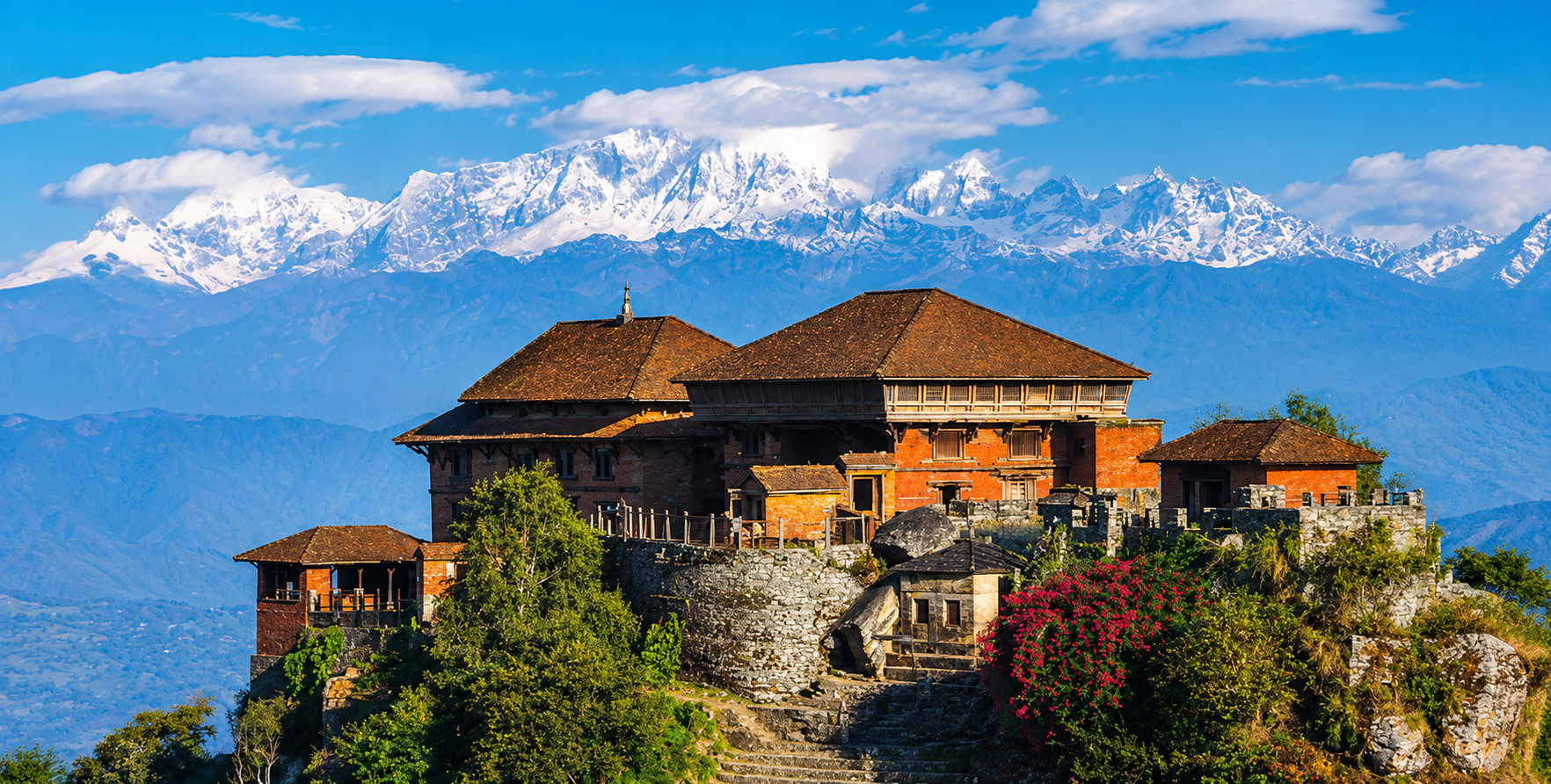
Kathmandu to Gorkha Jeep Service: The Complete Guide

Kathmandu to Gorkha Jeep Service

Why Gorkha Should Be on Every Nepal Itinerary

Gorkha is one of Nepal’s most historically and spiritually significant destinations in Nepal —yet it remains one of the country’s best-kept secrets among international tourists. While Kathmandu, Pokhara, and Chitwan attract the lion’s share of visitor attention, the ancient hilltop city of Gorkha quietly holds the keys to Nepal’s greatest story: the unification of the nation.

From Gorkha — from its magnificent hilltop palace-fortress now known as Gorkha Durbar — King Prithvi Narayan Shah launched his ambitious and ultimately successful campaign in the 18th century to unite the dozens of independent principalities of the Himalayan region into a single kingdom. The name ‘Gorkha’ itself resonates through world history, having given its name to the legendary Gurkha soldiers who have served in the British and Indian armies for over two centuries and earned a global reputation for extraordinary courage, loyalty, and fighting ability.

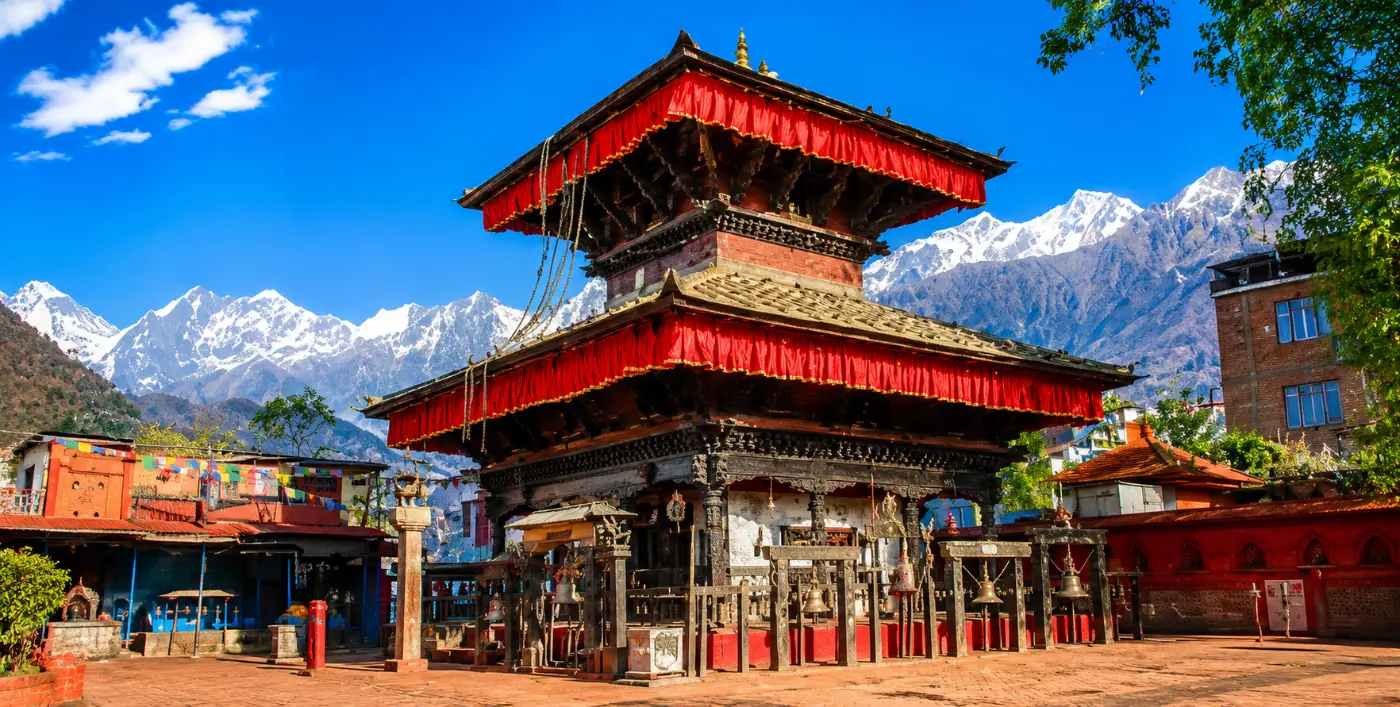
Beyond its royal and military heritage, Gorkha District is home to the sacred Manakamana Temple—one of Nepal’s most important Hindu pilgrimage sites —dedicated to the wish-fulfilling goddess Bhagwati. It is also the gateway to two of Nepal’s most spectacular and less-trodden trekking routes: the Manaslu Circuit Trek and the Tsum Valley Trek, both of which begin in Gorkha District and offer extraordinary Himalayan experiences in areas still largely untouched by mass tourism.

For all these reasons—historical depth, spiritual significance, natural grandeur, and trekking access—the journey from Kathmandu to Gorkha rewards every type of traveller. The most comfortable, flexible, and efficient way to make that journey is to hire a private jeep or vehicle from Nepal Vehicle Hiring Pvt. Ltd., your trusted transportation partner in Nepal.

This complete guide covers everything you need to know: the full route with distances and highlights, road conditions along the Prithvi Highway, the cost of private jeep hire for different vehicle types, the key attractions in Gorkha, the best time to visit, practical travel tips, and answers to the most common questions about the Kathmandu to Gorkha jeep service.

Kathmandu to Gorkha — Quick Reference

Destination: Gorkha Bazar, Gorkha District, Gandaki Province, Nepal
Altitude: Gorkha Bazar approx. 1,000 m | Gorkha Durbar approx. 1,100 m
Total Distance: Approx. 139–145 km from Kathmandu (Thamel) to Gorkha Bazar
Total Drive Time: 4–5 hours (one way, direct route via Prithvi Highway + Gorkha spur road)
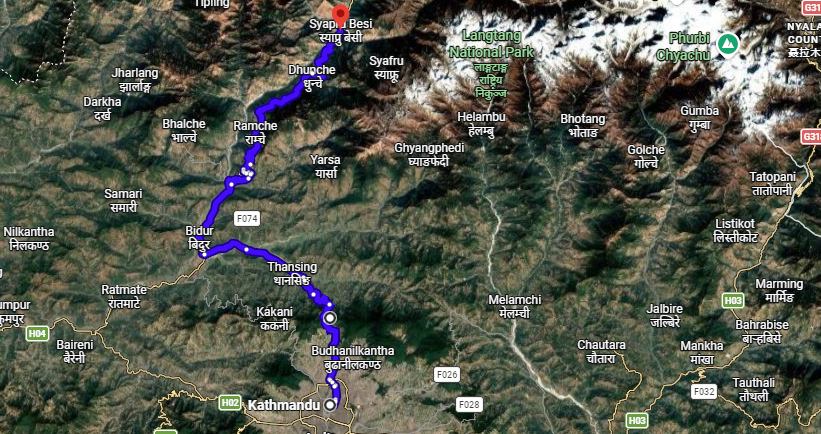
Route: Kathmandu → Nagdhunga → Naubise → Malekhu → Kurintar → Anbu Khaireni → Gorkha
Vehicle: Car, Jeep, Hiace, Coaster, or Bus — road is paved and suitable for all vehicle types
Permits: No trekking permits needed for Gorkha Bazar/Durbar visit | Manaslu/Tsum require special permits
Best Season: October–December and February–May (avoid heavy monsoon July–August)
Key Attractions: Gorkha Durbar, Gorakhnath Cave, Manakamana Temple, Old Bazaar, Manaslu/Tsum trekking
Book With: Nepal Vehicle Hiring Pvt. Ltd. | +977 981-4227196

Gorkha: The Birthplace of Modern Nepal

Historical Significance — Where Nepal Was Born

To understand Gorkha is to understand Nepal itself. For centuries, the Kathmandu Valley and the surrounding Himalayan region were divided into dozens of small, often warring principalities — each with its own king, culture, and ambitions.

The Gorkha Kingdom, ruled by the Shah dynasty from the small but strategically positioned hilltop fortress now known as Gorkha Durbar, was one of these principalities. But it differed from others in one crucial respect: it was far more ambitious.

In 1743, a young prince named Prithvi Narayan Shah ascended the throne of Gorkha at just 20 years old; at that moment, he devoted his entire life—his military genius, his diplomatic cunning, and his extraordinary personal will—to a single goal: unifying all the Himalayan principalities into one nation. Over the next 25 years, through a combined military strategy, careful alliance-building, and sheer determination, he succeeded.

By 1769, Kathmandu, Patan, and Bhaktapur had fallen to his forces, and Prithvi Narayan Shah became the first king of unified Nepal.

The palace from which he launched this world-changing campaign — Gorkha Durbar — still stands today on its hilltop above Gorkha Bazar, in remarkable condition. It is not merely a museum piece: it is the nation’s literal birthplace and one of the most historically charged sites in the subcontinent.

Walking through its courtyards and temples, with the panoramic Himalayan skyline spread across the northern horizon, is an experience of rare historical power.

The name ‘Gorkha’ carries global resonance in another dimension too. When the British East India Company encountered the Gorkha warriors during the Anglo-Nepalese War (1814–1816), they were so impressed by their fighting qualities that they immediately began recruiting them into their own army.

The ‘Gurkha’ soldiers — a British corruption of ‘Gorkha’ — went on to serve with extraordinary distinction in conflicts across Asia, Africa, and Europe, earning Victoria Crosses and an unparalleled reputation for courage. Today, Gurkha regiments continue to serve in the British Army, and the Gorkha connection is a source of immense pride throughout the district.

Gorkha’s Geography and Character

Gorkha District is part of Gandaki Province (Province No. 4). It covers dramatic terrain ranging from the subtropical Terai lowlands in the south to the high Himalayan peaks—including Manaslu (8,163 m), the eighth-highest mountain in the world—in the north.

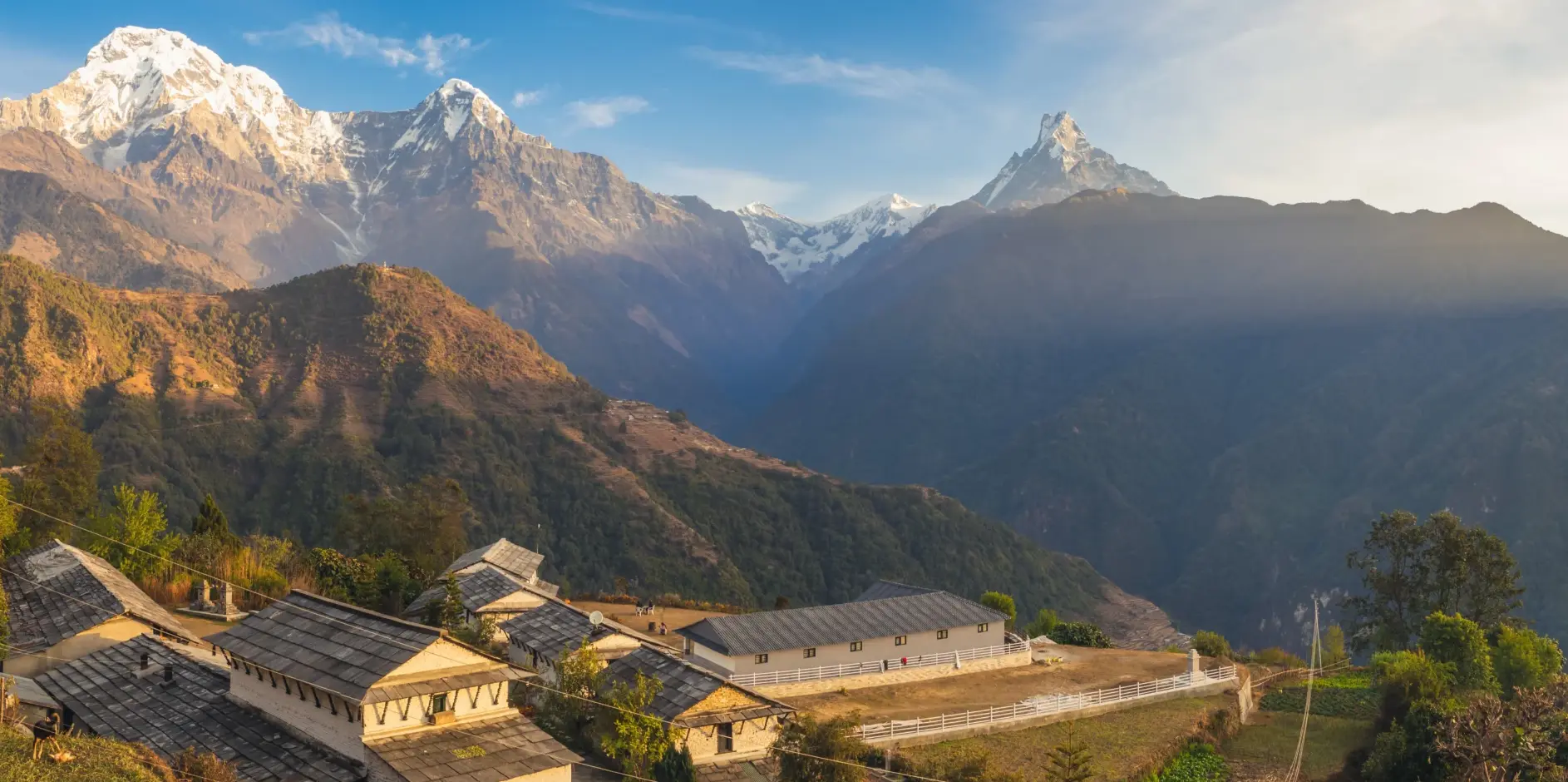
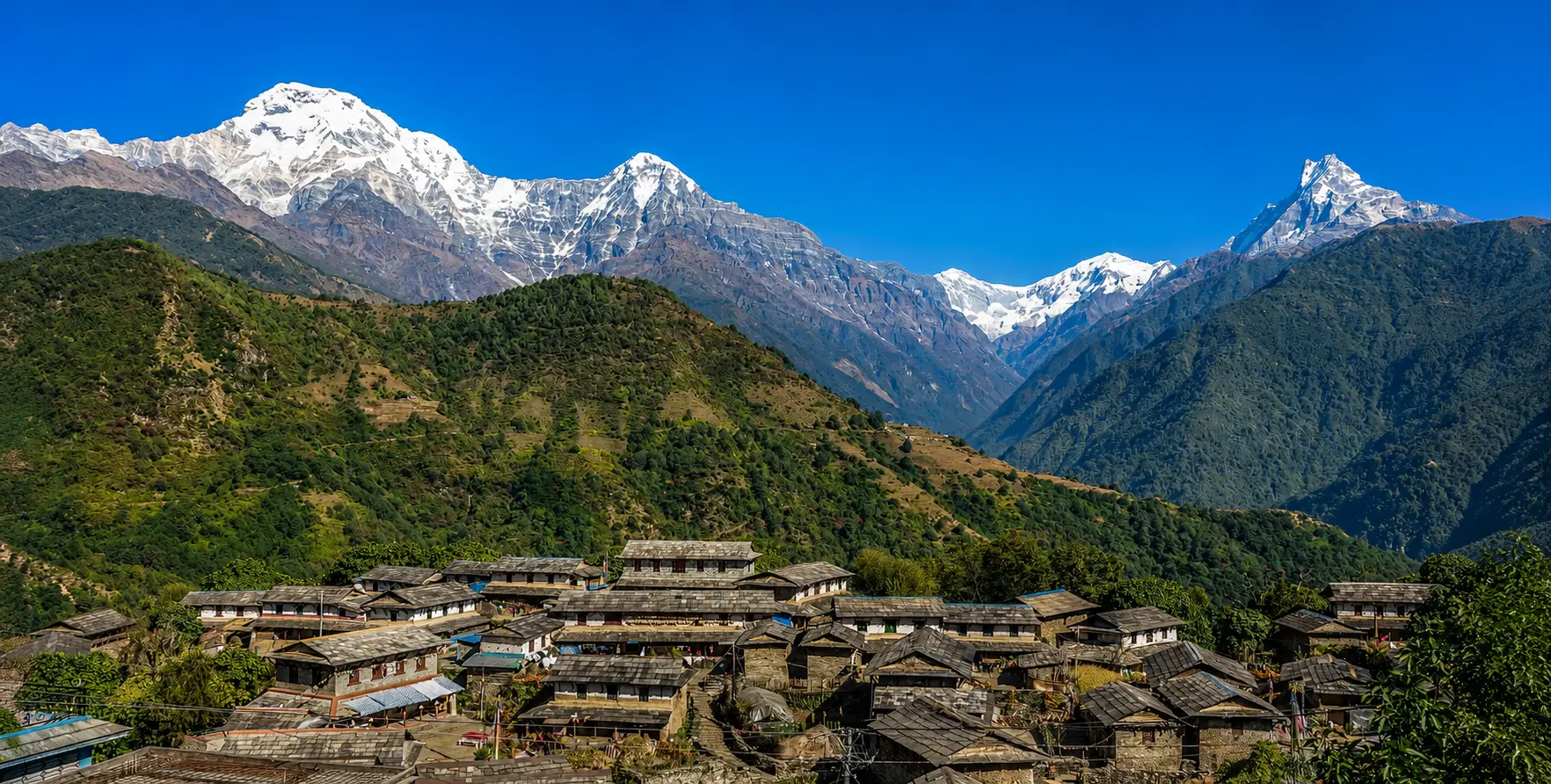
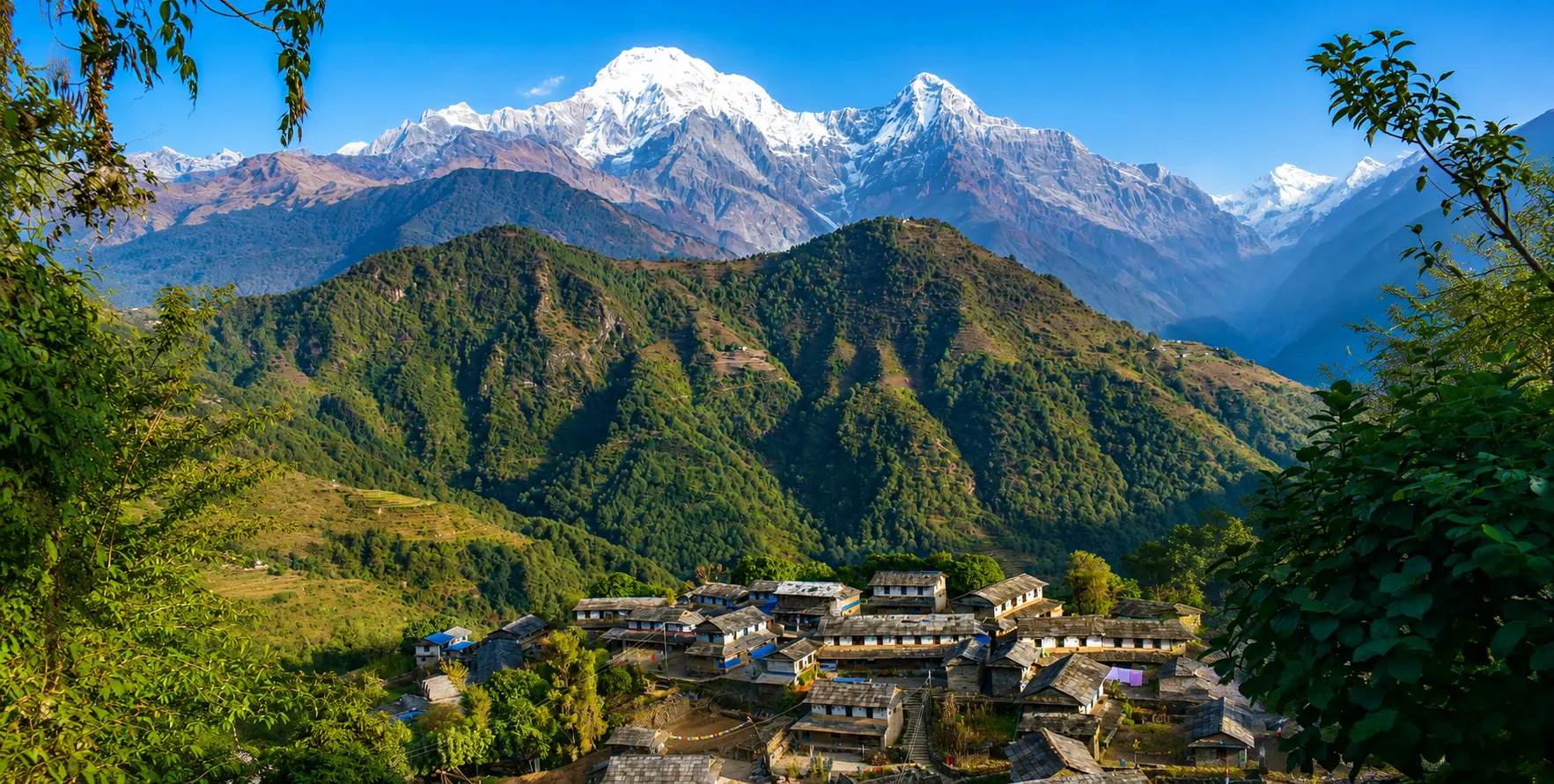
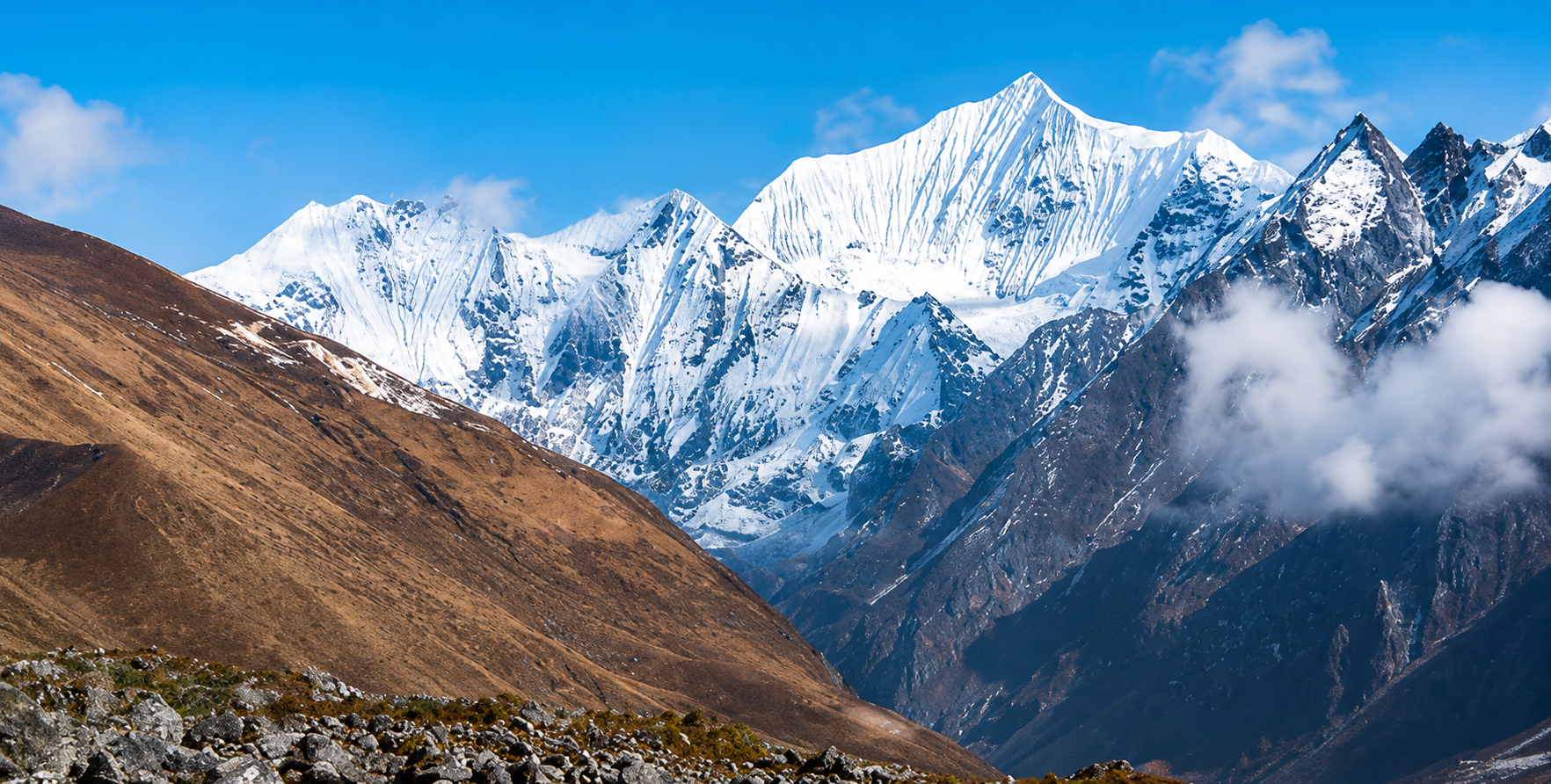
The district headquarters, Gorkha Bazar, sits at approximately 1,000 meters above sea level on a broad ridgeline above the Modi Khola and Daraudi River valleys, with spectacular views northward toward the snow-capped peaks of the Manaslu, Ganesh Himal, and Himalchuli ranges.

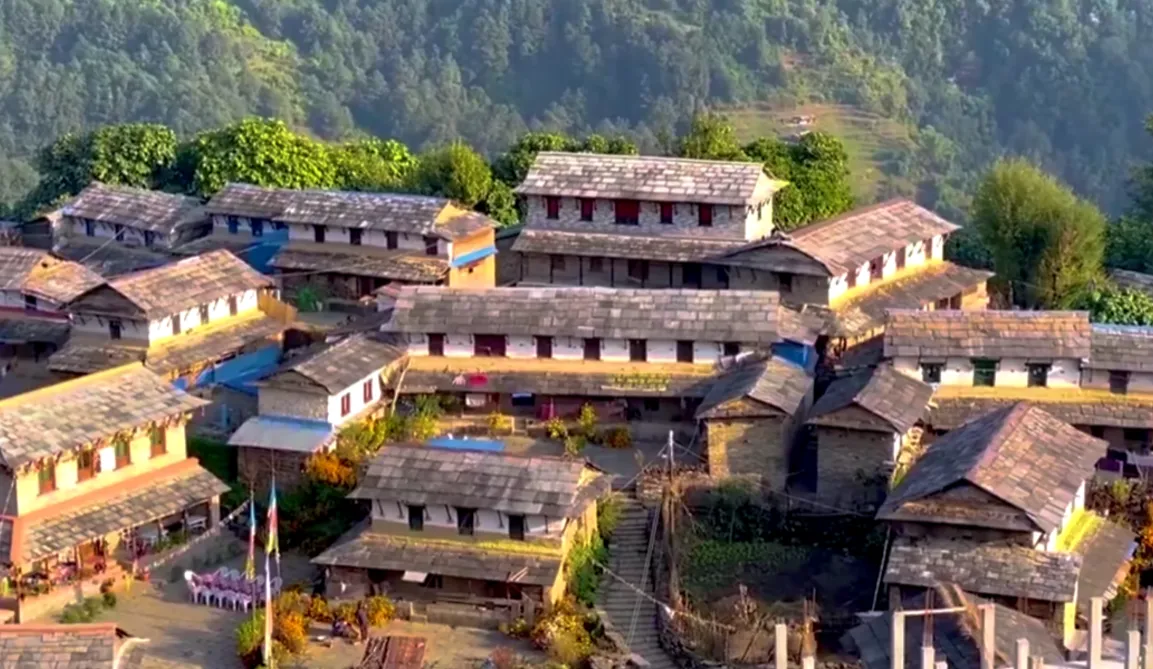
The district’s population comprises Brahmin, Chhetri, Gurung, Magar, Newar, and Tamang communities, each contributing to a rich cultural mosaic evident in the district’s festivals, architecture, food, and daily life. The town is compact and pleasant — a genuine Nepali hill town with a market area, several good hotels and restaurants, and an atmosphere that feels more authentic than the heavily visited hubs of Kathmandu or Pokhara.

Gorkha as a Trekking Gateway

Beyond its historical and spiritual appeal, Gorkha is the primary gateway to two of Nepal’s finest restricted trekking routes. The Manaslu Circuit Trek — a spectacular 14–18 day trek around the world’s eighth-highest mountain, passing through remote Buddhist villages, ancient monasteries, and the dramatic Larkya La Pass (5,106 m) — begins in Arughat and Soti Khola in Gorkha District.

The Tsum Valley Trek, an even more remote and culturally extraordinary journey into a hidden Tibetan-influenced valley near the Nepal-Tibet border, also departs from Gorkha District. For trekkers planning either of these routes, private jeep hire from Kathmandu to Gorkha and beyond is an essential part of the journey.
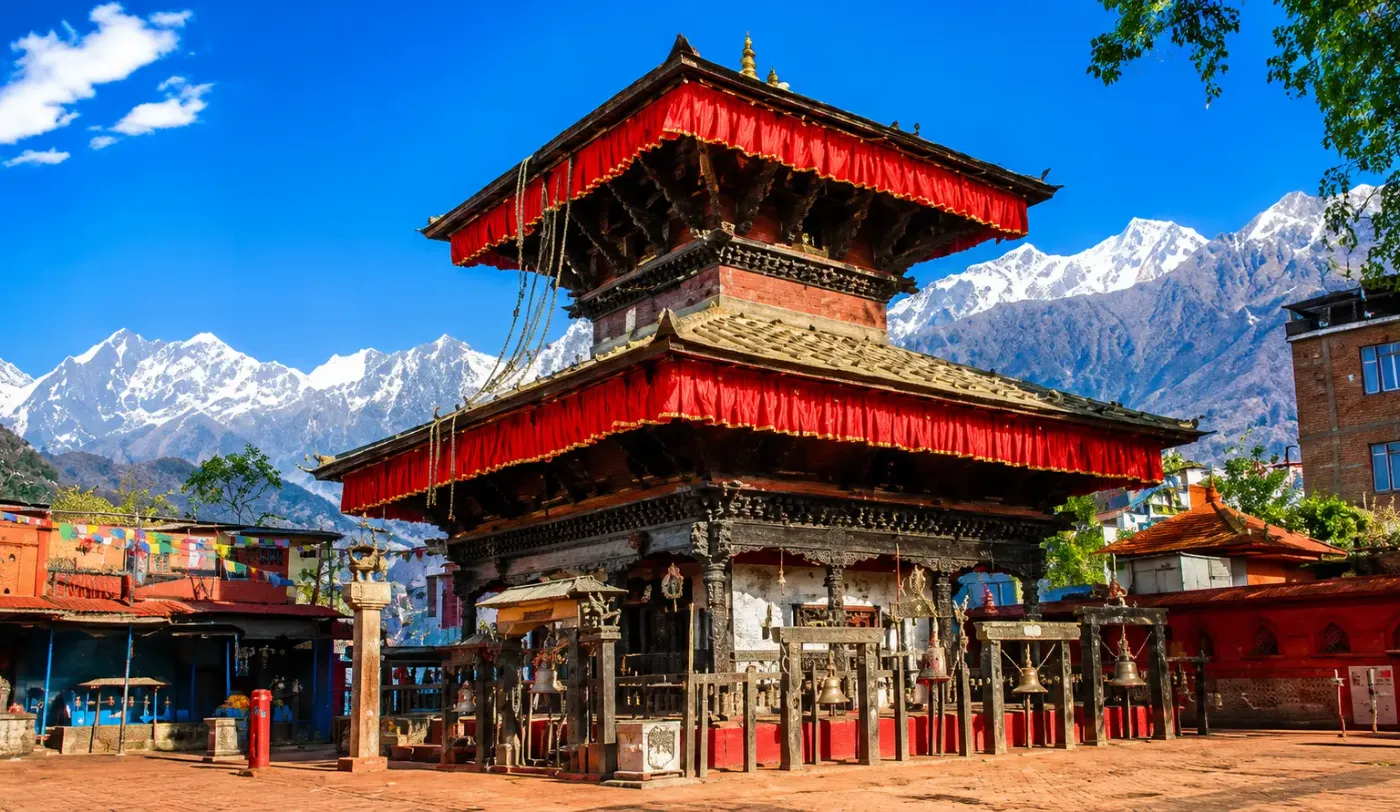
Manakamana Temple in Gorkha

The Complete Route: Kathmandu to Gorkha by Jeep

Route Overview

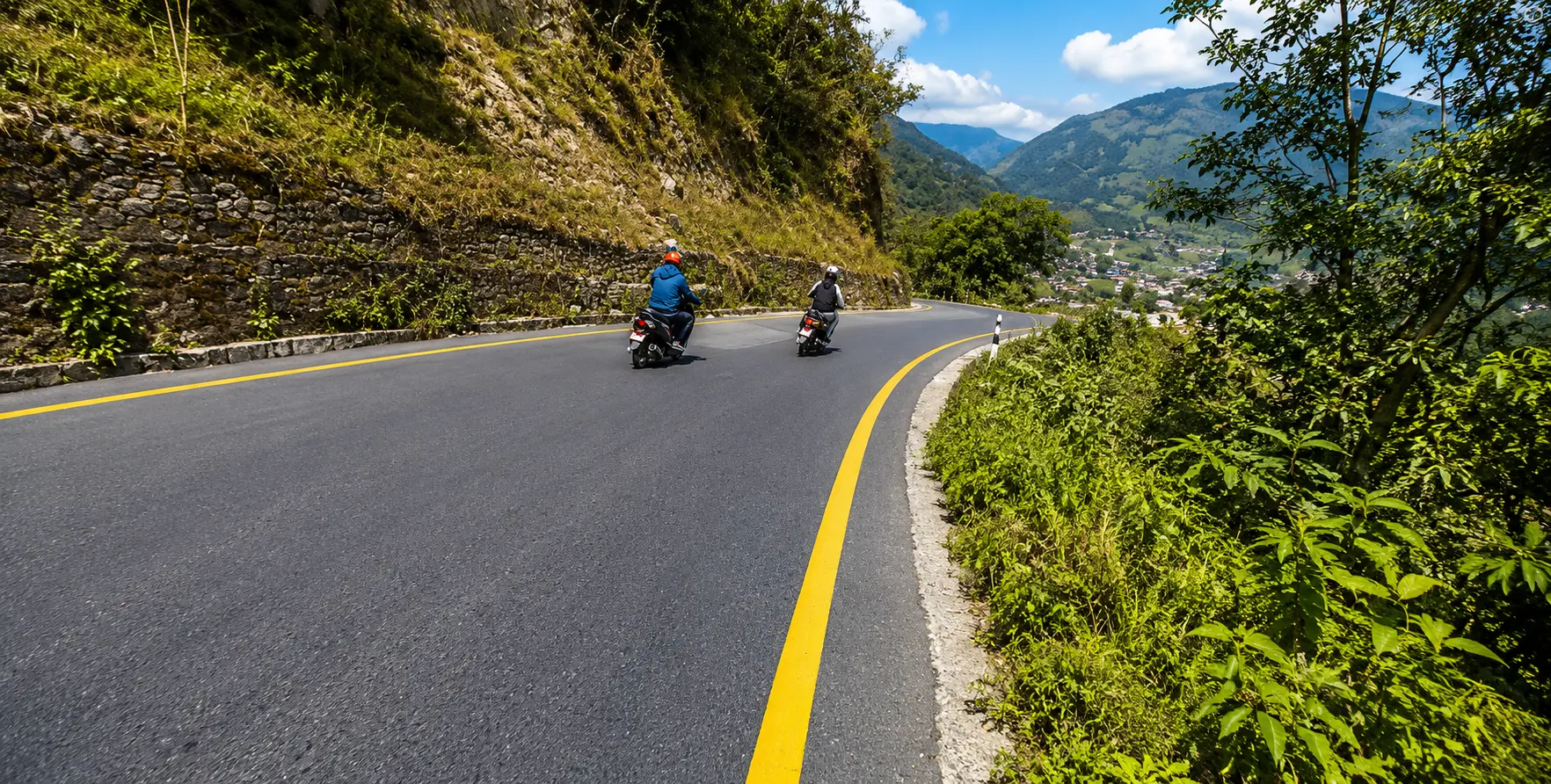
The journey from Kathmandu to Gorkha follows the famous Prithvi Highway (NH17) westward from Kathmandu to Anbu Khaireni, where a spur road branches north to Gorkha Bazar. The Prithvi Highway is one of Nepal’s most important and well-maintained road arteries, connecting Kathmandu with Pokhara and passing through spectacular Himalayan river gorge scenery along the way.

The total distance from Kathmandu to Gorkha Bazar is approximately 139–145 km, making it one of the shorter major destination drives from the capital.

Route SegmentDistanceRoad TypeEst. Drive Time
Kathmandu (Thamel) → Nagdhunga Checkpoint15 kmCity roads + valley exit — paved30–45 min
Nagdhunga → Naubise Junction10 kmWinding hill descent — paved tarmac20–30 min
Naubise → Malekhu (Trishuli River)45 kmPrithvi Highway — excellent tarmac, river valley45–60 min
Malekhu → Kurintar (Manakamana Base)25 kmPrithvi Highway — paved, river gorge section25–35 min
Kurintar → Anbu Khaireni Junction15 kmPrithvi Highway — paved15–20 min
Anbu Khaireni → Gorkha Bazar24 kmGorkha spur road — paved, hilly35–50 min
TOTAL: Kathmandu → Gorkha Bazar139–145 kmPaved highway + spur road4–5 hours

Note: Drive times are estimates for normal traffic conditions. Morning traffic leaving Kathmandu (7:00–9:00 AM) and festival season congestion at Kurintar/Manakamana can add 30–60 minutes to the total journey time. An early start from Kathmandu (6:30–7:00 AM) is always recommended.

Stage-by-Stage Route Narrative

Stage 1 — Kathmandu to Nagdhunga (15 km, 30–45 min): The journey begins at your hotel in Thamel or anywhere in Kathmandu and heads westward through the city toward the Kathmandu Valley rim. The road climbs steeply to the Nagdhunga pass — the western gateway of the Kathmandu Valley at approximately 2,100 meters — before descending dramatically down the Chandragiri hillside toward Naubise.

On a clear day, the views from the Nagdhunga area back over the Kathmandu Valley and westward toward the distant Himalayan peaks are spectacular. The driver will navigate the city traffic efficiently, and once past Nagdhunga, the drive opens up significantly.

Stage 2 — Naubise to Malekhu (45 km, 45–60 min): Below Nagdhunga, the road descends to Naubise Junction — where the Tribhuvan Highway (the old Kathmandu–India road) branches south — and then joins the Prithvi Highway following the Trishuli River westward. This section of the drive is one of the most scenically dramatic in Nepal.

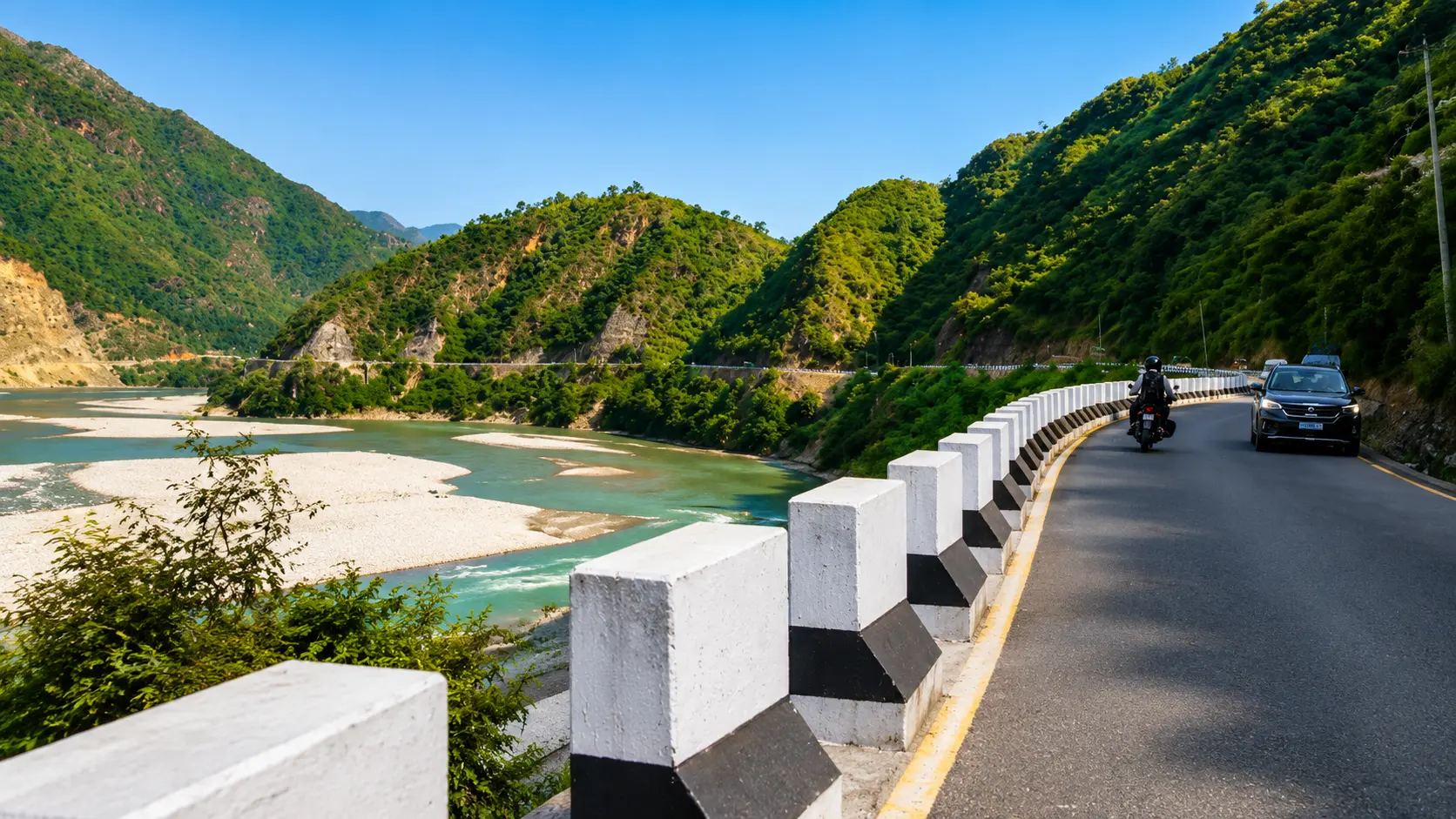
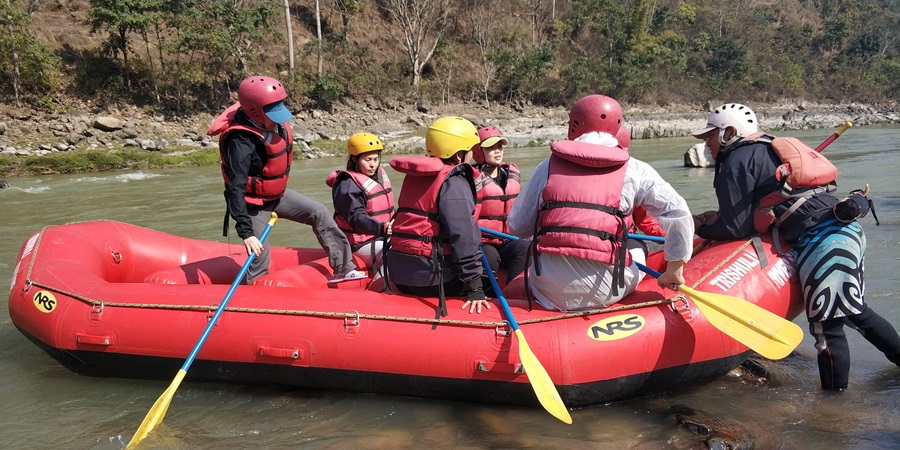
The highway clings to the cliff faces above the rushing Trishuli River, passing through tunnels, over steel bridges, and alongside vertical gorge walls draped in subtropical vegetation. The river itself is a spectacular torrent of blue-green glacial water, and on weekends you will often see groups of rafters and kayakers on the water below.

The towns of Galchhi, Gajuri, and Malekhu are important stopping points along this section.

Stage 3 — Malekhu to Kurintar (25 km, 25–35 min): The road continues through the deepening Trishuli gorge, now with the river on one side and increasingly dramatic cliff faces on the other. Kurintar is the base station for the Manakamana Cable Car and is located approximately 104 km from Kathmandu.

If your itinerary includes a Manakamana Temple visit — and it is highly recommended — Kurintar is where you will leave the highway, park the vehicle, and take the cable car up to the temple (approximately 10 minutes, 2.8 km). The Kurintar cable car station has a parking area where your driver will comfortably wait.

Stage 4 — Kurintar to Anbu Khaireni Junction (15 km, 15–20 min): Beyond Kurintar, the Prithvi Highway continues westward through the Marsyangdi and Modi River confluence area to Mugling — the famous junction town — and then on to Anbu Khaireni, where the Gorkha spur road branches northward off the main highway. This junction is well-marked and about from Kathmandu.

Stage 5 — Anbu Khaireni to Gorkha Bazar (24 km, 35–50 min): The final stretch from Anbu Khaireni to Gorkha Bazar follows a paved but hilly, winding spur road northward, climbing from the valley floor at about 600 meters to Gorkha Bazar at about 1,000 meters. This section passes through traditional villages, terraced agricultural land, and subtropical forest, with increasingly dramatic views northward toward the Manaslu and Ganesh Himal ranges appearing as the road gains elevation.

The road is paved throughout and accessible to all vehicle types, though the climb and curves make a comfortable vehicle particularly welcome.

Kathmandu to Gorkha: Checkpoint Distance & Time Table

Key CheckpointKm from KathmanduAltitudeDrive Time from Kathmandu
Nagdhunga (Valley Exit)15 km2,100 m30–45 min
Naubise Junction25 km900 m45–60 min
Malekhu70 km540 m1.5–2.0 hrs
Kurintar (Manakamana Base)104 km480 m2.5–3.0 hrs
Mugling Junction110 km400 m2.5–3.0 hrs
Anbu Khaireni Junction115 km540 m3.0–3.5 hrs
Gorkha Bazar139–145 km1,000 m4.0–5.0 hrs
Gorkha Durbar (hilltop)~141–147 km1,100 m4.0–5.0 hrs + 45 min walk

Road Conditions: Kathmandu to Gorkha

Overall Road Quality Assessment

The Kathmandu-Gorkha route is one of Nepal’s best-maintained intercity routes. The majority of the journey follows the Prithvi Highway — a national highway of significant strategic importance that the Department of Roads regularly maintains.

Unlike many Nepal mountain destinations that require 4WD vehicles and rough off-road driving, the Kathmandu to Gorkha journey is accessible to standard cars, jeeps, Hiace vans, and buses, with no significant technical road challenges. This makes Gorkha one of the most comfortable and accessible destinations for all travellers, including families, elderly visitors, and pilgrims.

Kathmandu to Naubise — City and Valley Exit

The first section through Kathmandu city can be slow because of traffic, especially during the morning peak (8:00–10:00 AM) and evening peak (4:00–7:00 PM). The Nagdhunga pass area is well-maintained, and the road is good throughout. A 6:30–7:00 AM departure beats most city traffic and gets you past Nagdhunga well before congestion builds.

This section is suitable for all vehicle types.

Naubise to Kurintar — Prithvi Highway Gorge Section

This is the most scenically spectacular section of the drive, and the road is generally in good condition year-round. The highway follows the Trishuli River gorge and is subject to occasional landslides during and immediately after the monsoon (June–September). The Department of Roads clears landslides relatively promptly, but monsoon-season travellers should allow extra time.

During the dry season (October–May), the road is excellent, and the drive is fast and enjoyable. This section is fully suitable for cars, jeeps, vans, and buses.

Kurintar to Anbu Khaireni — Continued Highway

This short section continues along the well-maintained Prithvi Highway and is in good condition year-round. Traffic around Mugling junction can be heavy, particularly on weekends and public holidays, as Mugling is a major truck stop and transit point. Allow extra time on Friday afternoons and weekends.

Anbu Khaireni to Gorkha Bazar — Gorkha Spur Road

The 24 km spur road from Anbu Khaireni to Gorkha Bazar is paved throughout and is accessible to all vehicle types, including standard cars and tourist buses. The road climbs steadily and winds through several switchbacks on the ascent to Gorkha, but these are manageable for any competent driver.

Road conditions on this section are generally good, but can deteriorate slightly during the monsoon due to water runoff and occasional minor landslides in the steeper sections. Nepal Vehicle Hiring Pvt. Ltd. monitors road conditions and will advise on any seasonal issues before your departure.

Vehicle Suitability for Kathmandu to Gorkha
Standard Car (Sedan/SUV): FULLY SUITABLE — paved road throughout
4WD Jeep (Fortuner/Hilux): IDEAL — comfortable and handles all conditions
Hiace Van (up to 14 pax): FULLY SUITABLE — excellent for larger groups
Coaster Bus (15–25 pax): SUITABLE — all roads can accommodate
Tourist Bus (30+ pax): SUITABLE — widely used on this route
Unlike on high-altitude mountain routes, a 4WD is NOT mandatory for Gorkha — but is always preferred for comfort on the spur road’s switchbacks.

Nepal Tour Package

Kathmandu to Gorkha Jeep Service Cost

Private Vehicle Hire — One Way, Kathmandu to Gorkha

A private vehicle hire from Kathmandu to Gorkha gives you full control over your journey: hotel pickup at your chosen time, the flexibility to stop at Manakamana Temple or other roadside highlights, your own schedule throughout the day, and door-to-door delivery to your hotel or lodge in Gorkha Bazar. This is the most popular and recommended option for families, groups, pilgrims, and trekkers beginning the Manaslu or Tsum Valley routes.

Vehicle TypePassenger CapacityOne-Way Cost (Kathmandu→Gorkha)Round Trip Cost
Private Car (Sedan / SUV)1–4 passengersNPR 8,000–15,000 / USD 58–100NPR 14,000–25,000
4WD Jeep (Scorpio/Bolero)1–5 passengersNPR 10,000–20,000 / USD 73–150NPR 17,000–30,000
4WD Jeep (Fortuner/Hilux)1–6 passengersNPR 13,000–17,000 / USD 95–124NPR 21,000–28,000
Hiace Van7–14 passengersNPR 16,000–25,000 / USD 116–200NPR 26,000–40,000
Coaster Bus15–25 passengersNPR 22,000–30,000 / USD 160–218NPR 36,000–50,000

Included in private hire price: Driver service, fuel for full journey, vehicle insurance, hotel pickup from anywhere in Kathmandu (Thamel area and beyond), parking at Kurintar if visiting Manakamana, all tolls and road fees.

Not included: Manakamana Cable Car ticket (approx. NPR 1,650 per person return), passenger meals and accommodation, Gorkha Durbar entry fee (if applicable), driver meals and accommodation for multi-day bookings.

Gorkha as a Day Trip from Kathmandu

Given the relatively short distance and drive time (4–5 hours each way), Gorkha makes an excellent and achievable day trip from Kathmandu — particularly if combined with a Manakamana Cable Car visit at Kurintar. A typical Kathmandu day trip itinerary: depart Kathmandu by 6:30 AM, visit Manakamana Temple at Kurintar (cable car ride + darshan + return cable car, approximately 2–3 hours), arrive Gorkha Bazar for lunch, visit Gorkha Durbar (1–2 hours walk + exploration), and return to Kathmandu by 7:00–8:00 PM.

This is a long but highly rewarding day that covers two of Nepal’s most significant historical and spiritual sites.

For a more relaxed experience, we recommend spending one or two nights in Gorkha to fully absorb the Durbar, the old bazaar, the Gorakhnath Cave, and the Manaslu range’s extraordinary sunrise views. Nepal Vehicle Hiring Pvt. Ltd. can arrange your return vehicle for any date you specify.
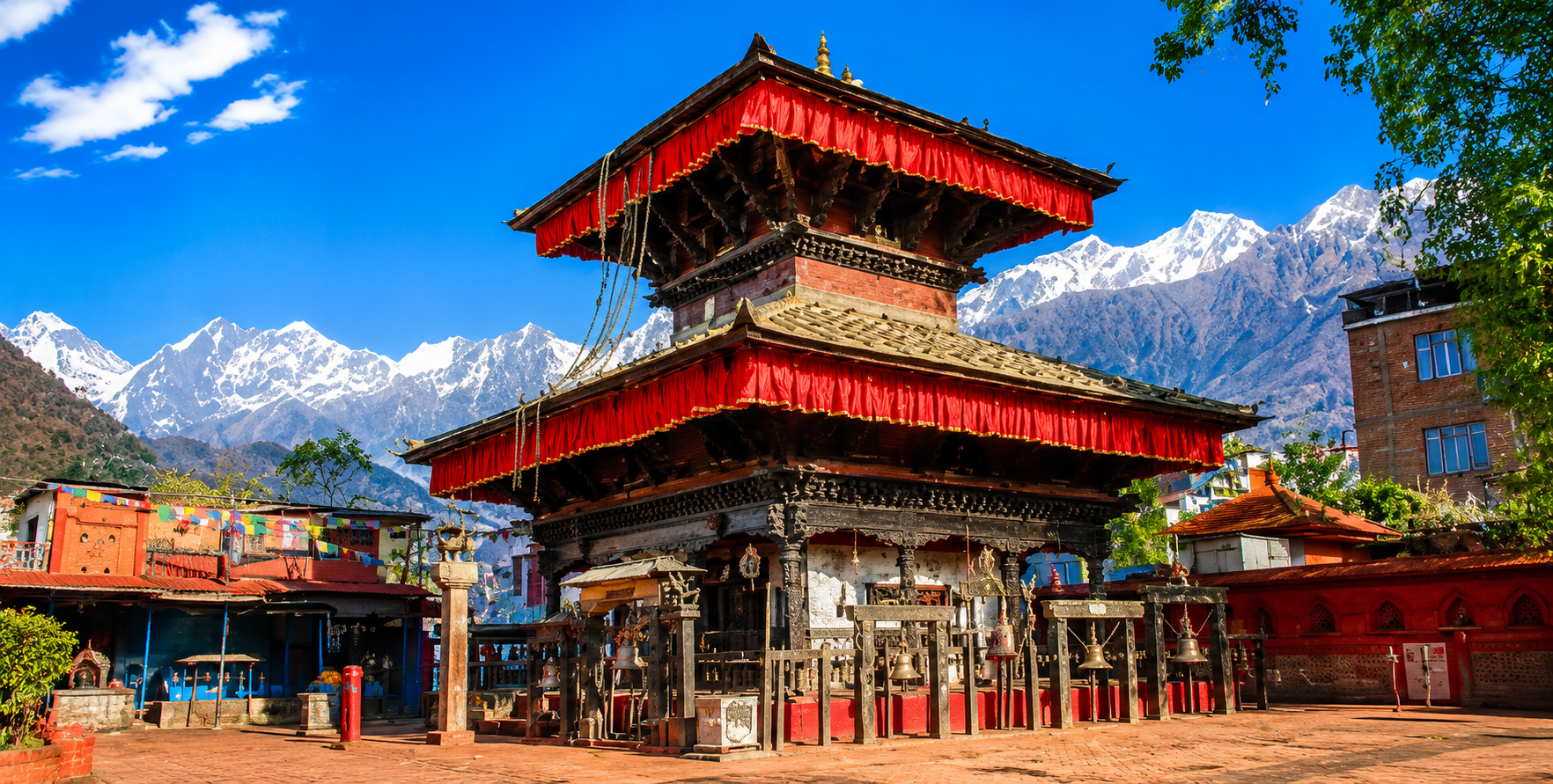
Kathmandu to Gorkha Jeep Service

Key Attractions in Gorkha — What to See and Do

1. Gorkha Durbar — The Palace-Fortress That Built a Nation

Gorkha Durbar is the undisputed highlight of any visit to Gorkha and one of Nepal’s most significant historical monuments. Perched on a dramatic hilltop at approximately 1,100 meters — about 45 minutes to one hour on foot from Gorkha Bazar along a well-maintained, stone-paved path with beautiful views — the Durbar complex includes several distinct structures of great historical and religious significance.

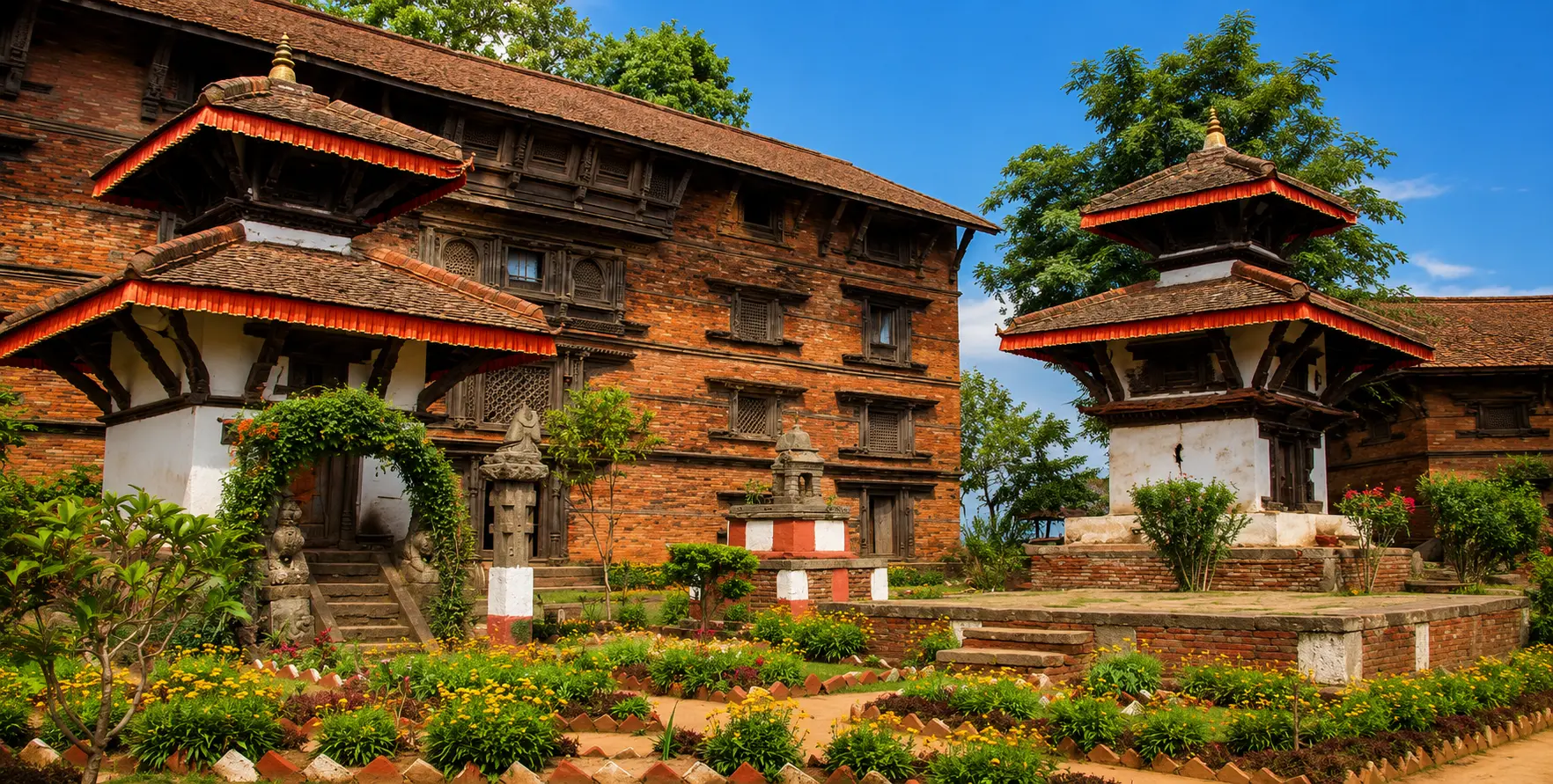
The Palace (Durbar) itself was built in the 16th century during the reign of Ram Shah and served as the royal residence of the Gorkha Shah kings for over two centuries, until Prithvi Narayan Shah moved the capital to Kathmandu in 1769. The architecture is a superb example of Newari craftsmanship; intricately carved wooden windows, doors, and struts adorn the multi-storied structures, built from warm-red brick on a commanding stone foundation. The panoramic views from the Durbar hilltop are extraordinary.

On clear days, the entire central Himalayan arc from Dhaulagiri to Langtang is visible, with Manaslu and Ganesh Himal dominating the northern skyline.

The Durbar complex also contains two important temples: the Gorkha Kalika Temple — a Tantric goddess temple that houses the tutelary deity of the Shah kings and is accessible only to Hindus — and the Gorakhnath Temple, a small but highly sacred shrine dedicated to the sage Gorakhnath, believed to be the divine guardian of the Gorkha kingdom and the source of the name ‘Gorkha’ itself. The Gorakhnath Temple marks the site of the sage’s footprint, preserved in stone, and is an important pilgrimage site for devotees.

2. Gorakhnath Cave — Sacred Sanctuary of the Guardian Sage

Immediately adjacent to the Gorkha Durbar, the Gorakhnath Cave is one of the district’s most sacred sites. According to legend, the saint and yogi Gorakhnath — a revered figure in the Nath tradition of Hindu asceticism — meditated in this cave for many years.

The cave is believed to have been deliberately chosen by Prithvi Narayan Shah’s ancestors as the site for their kingdom’s fortress precisely because of its sacred association with Gorakhnath. The cave is small but richly decorated with offerings, oil lamps, and ritual objects, and the atmosphere of concentrated spirituality is palpable. Non-Hindu visitors may observe respectfully from the exterior.

3. Manakamana Temple — The Wish-Fulfilling Goddess

Although technically located at Kurintar — about 30–35 km south of Gorkha Bazar on the Prithvi Highway — the Manakamana Temple is the most famous attraction in Gorkha District, and nearly every visitor to Gorkha combines it with a Durbar visit. The temple is dedicated to the goddess Manakamana (Bhagwati) — a manifestation of Parvati, the consort of Lord Shiva — who is believed to grant devotees’ wishes.

The name ‘Manakamana’ comes from the Sanskrit words ‘mana’ (heart/desire) and ‘kamana’ (wish), meaning ‘fulfiller of heart’s desires.’

The temple sits at an altitude of 1,302 meters on a ridge above the Trishuli River. It is the first cable car system — a 2. m ropeway built with Austrian engineering that takes about 5 minutes each way.

The cable car ride itself is an extraordinary experience, offering panoramic views over the river gorge, the surrounding Gorkha hills, and northward toward the distant snowy peaks of Manaslu and the Himalayan chain. The temple complex at the top is a major pilgrimage centre, drawing tens of thousands of devotees annually.

The temple is open daily from approximately 7:00 AM to 6:00 PM. Cable car tickets cost approximately NPR 1,650 per person (return) for foreign visitors. Animal sacrifice (primarily goats and chickens) is a traditional practice at the temple, and visitors should be prepared to observe this as part of the authentic pilgrimage experience.

4. Gorkha Museum — Preserving the Royal Heritage

The Gorkha Museum, located within the Gorkha Durbar complex, houses an important collection of artefacts related to the history of the Shah dynasty and the unification of Nepal. The collection includes royal weapons, official seals, photographs, traditional musical instruments, garments, and other items that illuminate daily life and the political history of the Gorkha kingdom.

For visitors interested in the historical dimensions of Gorkha’s significance, the museum provides essential context that greatly enriches the Durbar experience.

5. The Old Bazaar (Gorkha Bazar) — Authentic Nepali Hill Town Life

The old market area of Gorkha Bazar is a genuinely authentic, un-touristed Nepali hill town centre, in contrast to the heavily touristed markets of Kathmandu and Pokhara. The main street is lined with traditional shops selling local produce, hardware, textiles, spices, and foodstuffs alongside several restaurants and teahouses serving excellent dal bhat and local specialities.

The older buildings in the bazaar retain traditional Newari and hill-town characteristics largely lost elsewhere. Spending an hour wandering the bazaar, chatting with local shopkeepers, and having tea at a teahouse is an authentic and rewarding experience in Nepal.

6. Ligligkot — Ancient Hilltop Fort with Panoramic Views

Ligligkot is an ancient hilltop fortress approximately 3–4 km from Gorkha Bazar, accessible by a pleasant hiking trail. The site is historically significant as the seat of a pre-Shah ruler of the Gorkha area, and it is famous for an ancient tradition: a running race was held at Ligligkot each year, with the winner declared the local king.

Today, this tradition continues as a celebrated annual race. The hilltop offers outstanding panoramic views of the entire Gorkha District, the river valleys below, and the Himalayan peaks to the north.

7. Gateway to Manaslu Circuit & Tsum Valley Treks

For trekkers planning the Manaslu Circuit Trek or Tsum Valley Trek, Gorkha is not just a destination but the essential gateway. From Gorkha Bazar, the road continues north to Arughat (further), then to Soti Khola and Machha Khola—the starting points of the Manaslu Circuit. Nepal Vehicle Hiring Pvt. Ltd. can extend your jeep hire from Kathmandu through Gorkha to Soti Khola or Machha Khola, providing complete door-to-trailhead transportation for your trek.
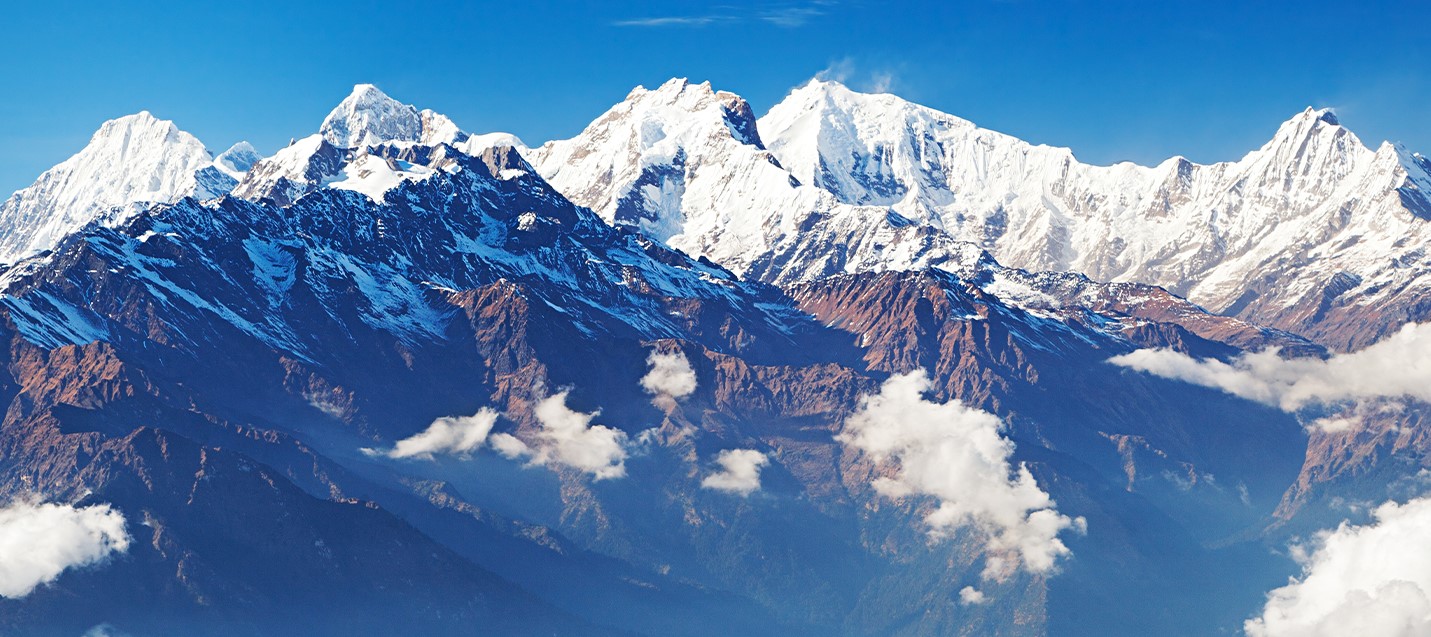
Kathmandu to Gorkha Jeep Service

Best Time to Travel from Kathmandu to Gorkha

October to December — Post-Monsoon Autumn (IDEAL)

Autumn is the prime time for the Kathmandu-to-Gorkha trip and for travel throughout the Gorkha region. The monsoon rains have ended, clearing the air of haze and dust, and the mountains stand in crystal-clear definition against brilliant blue skies.

The Manaslu and Ganesh Himal ranges—visible from Gorkha Durbar—are at their most spectacular in September and November. Temperatures in Gorkha Bazar are pleasantly warm during the day (18–25°C) and cool at night (8–12°C).

The festival season of Dasain and Tihar (October–November) adds rich cultural colour to a Gorkha visit, with traditional celebrations particularly vibrant in hill towns such as Gorkha Bazar. This is also the prime season for the Manaslu Circuit Trek.

February to May — Spring (EXCELLENT)

Spring is the second peak season for Gorkha visits. Temperatures warm progressively from February through May, and the surrounding hills are adorned with blooming rhododendrons and wildflowers that add spectacular colour to the drive and the views from Gorkha Durbar. The mountain views are generally clear in the mornings before afternoon cloud build-up.

This is also an excellent trekking season for the Manaslu Circuit and Tsum Valley routes, making spring the busiest period for trekkers passing through Gorkha.

December to January — Winter (GOOD)

Winter brings cool, dry, clear conditions that are excellent for mountain photography and uncrowded exploration of the Durbar. Temperatures in Gorkha Bazar can drop to 5–8°C during the day in January, with cold nights (0–5°C). Mountain views are often exceptional in winter because of the dry, clear air.

Manakamana Temple is best visited in winter on weekdays, when the cable car queues are shorter, and the surrounding views are stunning in the clear winter light.

June to September — Monsoon (POSSIBLE)

The monsoon season brings heavy rainfall to Gorkha District. While the landscape becomes lush and spectacularly green, travel is difficult on the Prithvi Highway gorge section and occasional road damage occurs on the Anbu Khaireni spur road.

Monsoon can affect travel, but the Pashupatinath Temple remains extremely busy throughout the monsoon, with local pilgrims visiting during festivals. For those travelling during the monsoon, Vehicle Hiring Pvt. Ltd. provides up-to-date road condition reports and monsoon-season driving expertise to ensure safe, efficient travel.

Why Choose Nepal Vehicle Hiring Pvt. Ltd. for Kathmandu to Gorkha

Nepal Vehicle Hiring Pvt. Ltd. is Kathmandu’s most trusted private vehicle hire company, with an unmatched track record of safe, professional, and customer-focused service. Our fleet covers every size and style of vehicle for the Kathmandu-to-Gorkha route— from compact private cars for solo travellers to spacious Hiace vans and Coaster buses for pilgrim groups, family parties, or trekking teams.

Why Nepal Vehicle Hiring Is Your Best Choice for Gorkha
50,000+ satisfied customers | 5.0 TripAdvisor rating | 15,000+ verified reviews
Complete fleet: Car | Jeep | Hiace | Coaster | Tourist Bus — all well-maintained
Experienced drivers familiar with the Prithvi Highway and the Gorkha spur road
Bilingual drivers — English, Nepali, Hindi — can brief you on route history and highlights
Hotel pickup from anywhere in Kathmandu (Thamel, Lazimpat, Durbar Marg, all areas)
Flexible itinerary — Manakamana Cable Car stop, Kurintar riverside, scenic viewpoints
Transparent all-inclusive pricing — no hidden charges; fuel;; nd driver always included
24/7 WhatsApp support: +977 981-4227196
Can extend hire beyond Gorkha to Arughat, Soti Khola, and Machha Khola for the Manaslu Trek
Licensed & registered | Company Reg. No. 219204 | Bhagawatisthan, Thamel, Kathmandu

Our Vehicle Fleet for the Kathmandu to Gorkha Route

VehicleCapacityBest ForKey Features
Private Car (Sedan/SUV)1–4 paxCouples, small families, business travellersComfortable, fuel-efficient, AC, good for smooth highway driving
4WD Jeep (Fortuner/Hilux)1–6 paxFamilies, small groups, trekkersSpacious, AC, handles all road types, luggage capacity
4WD Land Cruiser1–7 paxLarger groups want maximum comfortTop-end comfort, excellent luggage space, and powerful
Hiace Van7–14 paxPilgrim groups, trekking teams, family reunionsEconomical per person, AC, rear luggage area
Coaster Bus15–25 paxLarge pilgrim groups, tour groupsCost-effective for large groups, comfortable seating
Tourist Bus (shared)IndividualBudget solo travellersCheapest option — not private, less flexible

Special Service: Gorkha Pilgrimage Package

Nepal Vehicle Hiring Pvt. Ltd. offers a popular Gorkha Pilgrimage Package that combines the Kathmandu-to-Gorkha journey with a dedicated stop at the Manakamana Temple in Kurintar. The package includes hotel pickup in Kathmandu, a scheduled stop at Kurintar for a cable car visit to Manakamana Temple (cable car ticket purchased separately), a continuation to Gorkha Bazar, vehicle waiting time during your Gorkha Durbar visit, and a return drive to Kathmandu.

This is the most efficient and comfortable way to cover both major Gorkha attractions in a single day trip. Contact our team for pricing on pilgrimage packages.

Swayambhunath visit during Kathmandu Pokhara Tour

How to Book Your Kathmandu to Gorkha Jeep Service

Step-by-Step Booking Process

  • Step 1 — Contact Nepal Vehicle Hiring Pvt. Ltd. via WhatsApp (+977 981-4227196), phone call, email ([email protected]), or through the website contact form at vehiclehiringnepal.com.
  • Step 2 — Share your travel details: travel date, number of passengers, pickup address/hotel name in Kathmandu, preferred departure time, whether you want one-way or return service, and if you wish to include a Manakamana Cable Car stop at Kurintar.
  • Step 3 — Select your vehicle from the available fleet options based on your group size and comfort preference. Our team will recommend the best match.
  • Step 4 — Receive your booking confirmation via WhatsApp or email, including the driver’s name, vehicle plate number, driver’s contact number, and confirmed pickup time.
  • Step 5 — On the day of travel, be ready at your hotel lobby 5–10 minutes before the agreed pickup time. Your driver will WhatsApp you when they are 10 minutes away.
  • Step 6 — Relax and enjoy the journey! Your driver will handle all navigation and can advise on the best stops, meal options, and historical context along the route.
  • Step 7 — For return journeys, your driver will drop you at your Gorkha hotel and return on your specified date — or the same vehicle can take you back to Kathmandu the same day if booked as a day trip.

Booking Tips

  • Book at least 2–3 days in advance during peak season (October–November and March–May).
  • For Manaslu Circuit or Tsum Valley trekkers, book your jeep to Gorkha or beyond (Arughat/Soti Khola) as a package with your trekking permits to ensure coordinated logistics.
  • Specify your preferred departure time when booking — 6:30 AM is recommended for Kathmandu to Gorkha to ensure arrival with full daylight and time for Durbar exploration.
  • If combining Manakamana and Gorkha Durbar in one day, allow at least 2 hours for the cable car visit (including queue time on busy weekends and festival days) and at least 1.5–2 hours for the Durbar visit plus the 45-minute walk up.

Practical Travel Tips: Kathmandu to Gorkha

What to Carry

  • Cash in Nepali Rupees (NPR) — Gorkha Bazar has ATMs (Nepal Bank and NIC Asia), but carry some cash from Kathmandu as a backup.
  • Manakamana Cable Car ticket — approximately NPR 1,650 per person, return, for foreign nationals (2026 rate).
  • Comfortable walking shoes — the path from Gorkha Bazar to Gorkha Durbar is an approximately 45-minute uphill walk on stone steps and a wide path. Good footwear is essential.
  • Sunscreen and hat — the hilltop Durbar is fully exposed, and midday sun at 1,100 meters can be intense.
  • Light jacket — mornings can be cool, particularly during October–February visits.
  • Camera or phone fully charged — the mountain views from Gorkha Durbar are exceptional and warrant serious photography.
  • Water bottle — hydration is important, particularly on the uphill walk to the Durbar.

Manakamana Temple Visit — Important Notes

  • Cable car operating hours: approximately 9:00 AM – 5:30 PM (last cable car down around 5:00 PM). Do NOT arrive at Kurintar after 4:00 PM if you plan to visit — the cable car will be closing.
  • Weekends and public holidays have extremely long cable car queues (1–3-hour waits). Visit on a weekday if possible for significantly shorter queues.
  • Saturdays are the busiest days at Manakamana — hundreds of devotees bring animals for sacrifice. Expect large crowds and animal sacrifice if you visit on a Saturday.
  • Dress conservatively for the temple visit — shoulders and knees covered for both men and women.
  • Your vehicle driver will park at Kurintar and wait. Confirm waiting time and any extra charges for extended stops when booking.

The Gorkha Durbar Walk — What to Expect

  • The walk from Gorkha Bazar to Gorkha Durbar takes about 45–60 minutes at a comfortable pace, with a climb of about 100 vertical meters on a well-maintained, stone-paved road lined with trees.
  • The path is not strenuous but requires reasonable fitness and comfortable footwear — flip-flops and high heels are not appropriate.
  • A vehicle road also reaches the Durbar parking area from the north side of Gorkha Bazar — VIPs and physically limited visitors use this. Ask your driver if this alternative approach is possible for your group.
  • The Gorkha Kalika Temple inside the Durbar complex is open only to Hindu worshippers. Non-Hindus may view the exterior but must not enter.
  • Remove shoes before entering any temple area within the Durbar complex.

Food and Accommodation in Gorkha

Gorkha Bazar has several good hotels and guesthouses offering comfortable rooms for overnight stays. The Gorkha Hill Resort, Gorkha Gaun Resort, and Hotel Gorkha Inn are popular options with good mountain views and reasonable rates (NPR 1,500–4,000/room depending on standard). Several restaurants in the bazaar serve excellent dal bhat, momos, noodle dishes, and local specialities.

The standard and accommodation in Gorkha are authentic and genuine, less polished than the tourist facilities in Kathmandu or Pokhara, but warm, clean, and excellent value.

Kathmandu to Gorkha: Transport Options Compared

Transport OptionCostTimeComfortFlexibilityBest For
Private Jeep/Car — Nepal Vehicle HiringNPR 9,000–25,0004–5 hrs★★★★★★★★★★Best overall — families, groups, pilgrims, trekkers
Hiace Van (private) — Nepal Vehicle HiringNPR 17,000–30,0004–5 hrs★★★★★★★★★★Groups of 7–14, pilgrim groups, trekking teams
Tourist Bus (Kathmandu–Gorkha spur)NPR 400–600/seat5–6 hrs★★★☆☆★★☆☆☆Budget individual travellers

Frequently Asked Questions

How far is Gorkha from Kathmandu, and how long does the drive take?

Gorkha Bazar is approximately 139–145 km from Kathmandu (Thamel) by road. The drive takes approximately 4–5 hours under normal traffic conditions, following the Prithvi Highway to Anbu Khaireni, then the Gorkha spur road northward. With a 6:30–7:00 AM departure from Kathmandu, you can expect to arrive in Gorkha Bazar by 11:00 AM–12:00 noon, with plenty of time to explore.

Do I need a 4WD jeep for the Kathmandu-Gorkha route?

No — unlike many Nepal mountain destinations, the Kathmandu to Gorkha route is fully paved throughout and is accessible to standard cars, jeeps, vans, and buses. A 4WD is not mandatory.

However, a jeep or SUV is more comfortable on the winding Gorkha spur road and is recommended for groups that want a more comfortable, versatile vehicle. Nepal Vehicle Hiring Pvt. Ltd. offers both standard cars and 4WD jeeps for this route.

Can I combine Manakamana Temple and Gorkha Durbar in a one-day trip from Kathmandu?

Yes, this is a very popular and achievable combination. Depart Kathmandu by 6:30 AM, stop at Kurintar for the Manakamana Cable Car (allow 2–3 hours including the ride, temple darshan, and return cable car), continue to Gorkha Bazar for lunch and then Gorkha Durbar (allow 2–3 hours including the walk and exploration), and return to Kathmandu by 7:00–9:00 PM.

It is a long but extremely rewarding day that covers two of Nepal’s most significant sites. Nepal Vehicle Hiring Pvt. Ltd. offers this as a specific Gorkha Day Trip package.

Is Gorkha suitable for families with children and elderly travellers?

Absolutely. The Kathmandu-Gorkha road is paved, comfortable, and accessible. Gorkha Bazar is a pleasant and safe town. The Manakamana Cable Car is a very family-friendly attraction suitable for all ages. The walk to Gorkha Durbar (45–60 minutes uphill) may be too demanding for elderly visitors or very young children, but an alternative vehicle road exists. Contact Nepal Vehicle Hiring Pvt. Ltd. to discuss mobility options for group members with mobility limitations.

What should I do if I’m starting the Manaslu Circuit Trek from Gorkha?

Nepal Vehicle Hiring Pvt. Ltd. offers extended jeep hire services from Kathmandu through Gorkha to the Manaslu Trek starting points: Arughat (approx. 40 km north of Gorkha), Soti Khola (approx. 70 km from Gorkha), and Machha Khola (approx. 80 km from Gorkha). The road beyond Gorkha is rougher and requires a 4WD vehicle.

We can also arrange your required Manaslu Restricted Area Permit, ACAP permit, and TIMS card as part of your booking. Contact our team for a full Manaslu trekking transportation package.

How much does the Manakamana Cable Car cost?

As of 2026, the Manakamana Cable Car costs approximately NPR 1,650 per person for the return journey for foreign nationals. SAARC nationals pay approximately for a return journey.  For a Nepal journey, subsidised rates apply. Children under a certain height ride free or at a reduced rate.

Cable car operating hours are approximately 9:00 AM to 5:30 PM daily. The ride takes approximately 10 minutes each way.

How do I book the Kathmandu-to-Gorkha jeep service with Nepal Vehicle Hiring?

Booking is simple and fast. Contact Nepal Vehicle Hiring Pvt. Ltd. via WhatsApp at +977 981- 4227196, by phone, email at [email protected], or through the contact form at vehiclehiringnepal.com. Share your travel date, group size, pickup location in Kathmandu, and preferred departure time.

Our team will respond within minutes during business hours and confirm your booking with the driver’s details. We recommend booking 2–3 days in advance during peak season.

Conclusion: Gorkha — Where Nepal’s Greatest Story Began

Gorkha is a destination unlike any other in Nepal. While most of Nepal’s famous tourist sites are defined primarily by natural scenery or Buddhist heritage, Gorkha’s) greatness is rooted in political history — in the extraordinary story of how one small kingdom on a Himalayan hilltop gave birth to an entire nation.

Standing at Gorkha Durbar, looking north across the river valleys toward the snow-crowned peaks of Manaslu and the Himalayan giants, with the wind carrying the whispers of prayer flags and the sound of temple bells from below, it is impossible not to feel the weight of that story and the extraordinary human will that drove it.

Add to this the spiritual grandeur of Manakamana Temple — where thousands of devotees come to seek the blessings of the wish-fulfilling goddess — the authentic warmth of Gorkha Bazar, the dramatic scenery of the Prithvi Highway gorge drive, and the extraordinary trekking possibilities into the wild Manaslu and Tsum Valley wilderness beyond, and Gorkha emerges as one of the most multi-dimensionally rewarding destinations in Nepal.

Reaching Gorkha comfortably and efficiently is straightforward with Nepal Vehicle Hiring Pvt. Ltd. Whether you are a solo pilgrim wanting a private car for the day, a family of six needing a comfortable Fortuner for a Manakamana–Gorkha combination trip, a group of 14 trekkers requiring a Hiace Van to the Manaslu trailhead, or a large pilgrim party of 25 needing a comfortable Coaster bus, we have the right vehicle, the right driver, and the right service for your journey.

Book your Kathmandu to Gorkha jeep service with Nepal Vehicle Hiring Pvt. Ltd. today — and let us take you to where Nepal’s greatest story was written.

Book Your Kathmandu to Gorkha Jeep Service Today!

Website: www.vehiclehiringnepal.com
Phone / WhatsApp: +977 981-4227196 (Available 24/7)
✉ Email:[email protected]
Office: Bhagawatisthan, Thamel, Kathmandu, Nepal
Fleet: Car | 4WD Jeep (Fortuner/Hilux/Land Cruiser) | Hiace Van | Coaster | Tourist Bus
50,000+ Happy Customers | 5.0 TripAdvisor Rating | 15,000+ Verified Reviews
Route: Kathmandu → Kurintar (Manakamana) → Gorkha Bazar → Gorkha Durbar
Day Trip & Overnight Options | Hotel Pickup from Kathmandu | Transparent Pricing
Manaslu Trek Transport: Kathmandu → Gorkha → Arughat → Soti Khola → Machha Khola
Licensed & Registered | Company Reg. No. 219204 | Best Price Guaranteed
Why Choose a 4WD Jeep for Mountain Roads in Nepal?

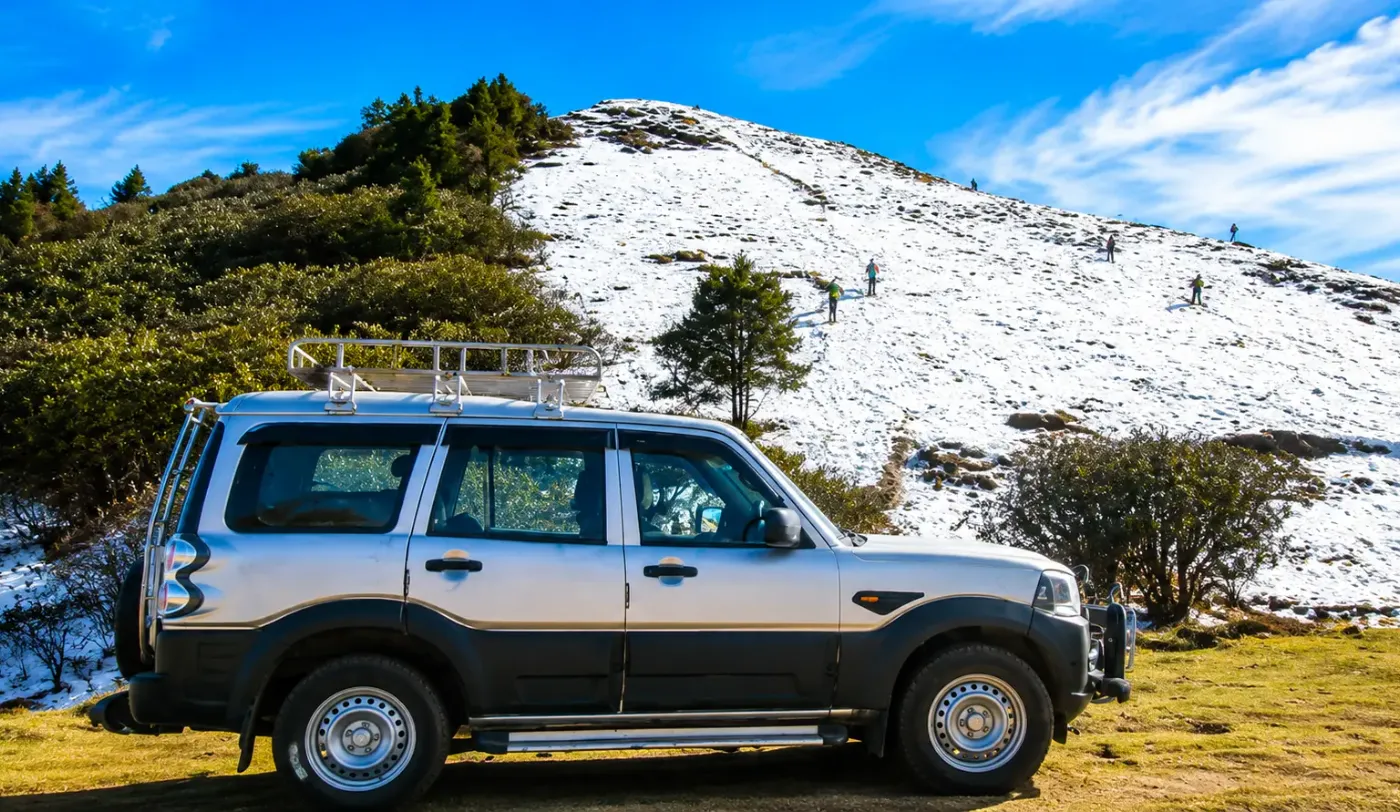
Scorpio jeep beside a snow-covered hillside

Why Choose a 4WD Jeep for Nepal’s Mountain Roads?

Nepal’s mountain roads are unlike almost anywhere else on Earth. Within a few hours of leaving a paved highway, a road can climb thousands of meters in elevation, narrow to a single rocky lane clinging to a cliff edge, cross seasonal streams with no bridge, and pass through landslide-prone gorges where the surface itself was carved by hand and bulldozer rather than engineered to international standards.

On these roads, the choice of vehicle is not a matter of comfort preference – it is a matter of whether your journey is possible at all.

This guide explains exactly why a 4WD jeep – typically a Toyota Land Cruiser, Land Cruiser Prado, Mahindra Scorpio, or Bolero in the Nepali context – is the right, and often the only, choice for Nepal’s mountain routes, where 4WD is essential, and how to decide which vehicle your specific journey requires.

What Makes Nepal’s Mountain Roads So Demanding?

To understand why 4WD matters, it helps to understand exactly what these roads involve:

  • Extreme gradients – mountain roads frequently climb or descend at gradients far steeper than anything found on a standard highway, sometimes exceeding what a 2WD vehicle’s drivetrain can manage on loose surfaces
  • Unpaved and semi-paved surfaces – many mountain roads beyond the major highways are gravel, rock, or compacted earth tracks rather than asphalt
  • River and stream crossings – seasonal streams cross many mountain roads directly, with no bridge, requiring the vehicle to drive directly through moving water and uneven riverbed
  • Landslide-prone sections – the Himalayan geology is young and unstable; rockfall and landslide debris regularly affect the surface and width of mountain roads
  • Narrow, exposed cliff-edge sections – many roads are cut into the side of steep valleys with sheer drops on one side and minimal margin for error
  • High altitude and rough switchbacks – roads climbing to passes above 3,000 m involve constant tight switchback turns that demand a vehicle with a tight turning radius and strong low-speed control.
  • Seasonal extremes – monsoon rain turns dry tracks into mud; winter brings ice and occasional snow to higher sections

What a 4WD Jeep Provides That a Standard Vehicle Cannot

Power Distribution to All Four Wheels

A 2WD vehicle sends engine power to only two wheels, meaning if those two wheels lose traction on loose gravel, mud, or wet rock, the vehicle can become stuck even on a relatively gentle slope. A 4WD jeep distributes power to all four wheels, dramatically increasing traction on loose, slippery, or uneven surfaces – exactly the conditions found on most Nepali mountain roads beyond the main highways.

High Ground Clearance

Jeeps like the Toyota Land Cruiser and Mahindra Scorpio sit significantly higher off the ground than sedans or standard SUVs This clearance is essential for navigating rutted tracks, large embedded rocks, and the uneven surfaces common on mountain roads – a sedan’s low underbody would scrape, snag, or become high-centred on obstacles a jeep clears with ease.

Low-Range Gearing

Many 4WD jeeps include a low-range gear setting that provides immense torque at low speeds – critical for crawling up steep, loose-surface inclines or carefully descending steep grades without relying solely on the brakes. Standard road vehicles lack this capability.

Robust Suspension and Chassis

Mountain jeeps are built with reinforced suspension systems designed to absorb the constant impact of rough, rocky surfaces over thousands of kilometres without mechanical failure – a critical safety factor on roads where a breakdown could leave passengers stranded far from any assistance.

Engine Power for Steep, Sustained Climbs

The diesel engines found in Land Cruisers, Scorpios, and similar mountain vehicles are tuned for high torque at low RPM – exactly what is needed for sustained steep climbs at altitude, where thinner air also reduces engine performance in any vehicle. A 4WD jeep’s engine matches the demands of mountain driving in a way a standard sedan engine does not.

Share jeep

Where 4WD is Essential in Nepal – Route by Route

Not every road in Nepal requires a 4WD jeep. Major highways like the Prithvi Highway (Kathmandu–Pokhara) and the East-West Highway across the Terai are fully paved and accessible by any standard vehicle. 4WD becomes essential once you leave these main arteries.

Here is a guide to where 4WD is mandatory:

Route4WD Required?Why
Kathmandu – Pokhara (Prithvi Hwy)NoFully paved national highway
Kathmandu – Chitwan / Lumbini (Terai)NoFlat, paved highway throughout
Beni – Jomsom – Muktinath (Kali Gandaki)YesRough gorge track, river-edge sections, no paving
Jomsom – Kagbeni – Lo Manthang (Upper Mustang)YesRemote high-plateau track, extremely rough
Besisahar – Chame – Manang (Annapurna Circuit)YesRough mountain track, switchbacks, stream crossings
Arughat – Soti Khola (Manaslu approach)YesCliff-edge gorge track, very narrow
Pokhara – Sikles / Ghasa / GhandrukYesSteep, rocky foothill tracks
Dharan – Taplejung (Pathivara approach)YesLong winding mountain road, landslide-prone
Kathmandu – Jiri / Salleri (Everest road access)YesRough mountain road beyond Lamosangu

As a general rule, any route beyond Nepal’s two or three fully paved national highways that climbs into hill or mountain terrain should be assumed to require a 4WD vehicle unless specifically confirmed otherwise.

The Risk of Using the Wrong Vehicle

Travellers sometimes attempt to save money by booking a standard sedan or van for a route that actually requires 4WD. The consequences can include:

  • Getting stuck – a 2WD vehicle losing traction on a loose or wet incline can become completely immobilised, sometimes requiring a tow from another vehicle that may not be readily available in remote areas
  • Vehicle damage –low-ground-clearance vehicles risk damaging the underbody, exhaust system, or suspension on rocky and rutted surfaces.
  • Safety risk – loss of control on narrow, cliff-edge mountain roads is far more likely in a vehicle without adequate traction and stability.
  • Trip delays – a stuck or damaged vehicle can cause hours or even days of delay in remote mountain areas where mechanics and spare parts are scarce.
  • Stranding – in the most remote sections of Upper Mustang or the Manaslu approach, a breakdown without 4WD recovery capability can leave a group genuinely stranded.

The relatively small cost difference between hiring a sedan and a proper 4WD jeep is insignificant compared to the risk of an interrupted or unsafe journey on routes where 4WD is genuinely required.

Comparing 4WD Vehicle Options in Nepal

VehicleCapacityStrengthsBest Routes
Toyota Land Cruiser4–6 paxMost powerful and capable, best for the toughest routesUpper Mustang, Manang, Kali Gandaki gorge
Toyota Land Cruiser Prado4–5 paxTop-end comfort with strong 4WD capabilityMuktinath, Mustang, for comfort-focused travellers
Toyota Fortuner5–6 paxGood value 4WD, comfortable highway rideBesisahar–Chame, foothill routes
Mahindra Scorpio6–9 paxPowerful engine, high clearance, widely used regionallyEastern Nepal hill roads, Pathivara, Ilam
Mahindra Bolero4–6 paxRugged and affordable 4WD optionBudget groups on rough but shorter routes

4WD and Altitude: A Connected Challenge

Most routes requiring 4WD in Nepal also involve significant altitude gain – the Kali Gandaki gorge climbs from 820 m at Pokhara to over 3,700 m at Muktinath; the Annapurna Circuit road climbs to 3,500 m at Manang; Upper Mustang reaches 3,840 m at Lo Manthang. This connection is not coincidental: rough, undeveloped roads and high mountain terrain go hand in hand in Nepal’s geography.

A capable 4WD jeep with a powerful engine also performs better at altitude, where thinner air reduces engine power output in any vehicle. The combination of strong torque, 4WD traction, and engine power suited to high-altitude operation makes the Land Cruiser and similar jeeps the standard choice for Nepal’s highest and most demanding mountain routes.

Seasonal Considerations for 4WD Travel

Monsoon (June to September)

4WD becomes even more critical during the monsoon, when rain transforms dry mountain tracks into mud and increases landslide risk. Experienced 4WD drivers know how to read changing road conditions and adjust their approach to wet, slippery sections that would stop a 2WD vehicle entirely.

Winter (December to February)

Higher-altitude sections of mountain roads, particularly above 3,000 m, can develop ice and occasional snow in winter. 4WD with appropriate tyres provides significantly better control on these surfaces than any 2WD vehicle.

Post-Monsoon and Spring (October–November, March–May)

These are the best seasons for mountain road travel, with the driest and most stable surface conditions. Even in good conditions, however, the fundamental terrain – steep gradients, rough surfaces, river crossings – still requires 4WD capability on the routes listed above.

How to Decide if You Need a 4WD Jeep

Use this simple decision framework when planning your Nepal vehicle hire:

  1. Is your entire route on a major paved highway (Prithvi Highway, East-West Highway)? If yes, a standard sedan or van is sufficient.
  2. Does your route include any unpaved mountain section, river crossing, or climb above approximately 2,500 m on a non-highway road? If yes, 4WD is required.
  3. Are you travelling during or shortly after monsoon season on any hill or mountain road? If yes, 4WD strongly reduces risk even on routes that might be passable in the dry season with a 2WD vehicle.
  4. Is your destination in a restricted or remote area (Upper Mustang, Manaslu region, far eastern hill districts)? If yes, 4WD is mandatory and often the only realistic option.
  5. Still unsure? Contact Vehicle Hiring Nepal and describe your exact route – our team will confirm whether 4WD is needed based on current road conditions.

Why Book Your 4WD Jeep with Vehicle Hiring Nepal

  • Full fleet of Toyota Land Cruisers, Prados, Fortuners, and Mahindra Scorpios maintained specifically for mountain route reliability
  • Drivers with deep experience on Nepal’s most demanding roads – Kali Gandaki gorge, Upper Mustang, Manaslu approach, Annapurna Circuit, eastern hill districts
  • Honest advice on which vehicle your specific route actually requires – we will never recommend an underpowered vehicle to save you a small amount of money at the cost of your trip’s reliability
  • Vehicles equipped and maintained for the specific demands of altitude, rough terrain, and remote operation
  • 24/7 WhatsApp support throughout your journey, with drivers who understand how to respond to changing mountain road conditions

How to Book Your 4WD Jeep

  1. Contact Vehicle Hiring Nepal via WhatsApp at +977 981-4227196 or visit vehiclehiringnepal.com
  2. Describe your planned route and destination
  3. We confirm whether 4WD is required and recommend the appropriate vehicle
  4. Provide your travel dates, group size, and pickup location
  5. Receive your booking confirmation with vehicle details and driver information

WhatsApp: +977 981-4227196
Email: [email protected]

Frequently Asked Questions

Can a standard SUV serve as a substitute for a true 4WD Jeep on mountain roads?

It depends on the specific SUV and route. Some SUVs offer genuine 4WD or all-wheel-drive systems with reasonable ground clearance and can handle moderate mountain roads.

However, for the most demanding routes – Upper Mustang, the Kali Gandaki gorge, the Manaslu approach – a true 4WD jeep like the Toyota Land Cruiser remains the safest and most reliable choice. Always confirm the specific drivetrain and ground clearance of any SUV before relying on it for serious mountain terrain.

Is 4WD necessary even in the dry season?

Yes, on the routes this guide identifies as requiring 4WD. While dry-season conditions are more favourable, the fundamental terrain challenges – steep gradients, loose rock and gravel surfaces, narrow cliff-edge sections, and river crossings – remain regardless of season. 4WD provides essential traction and control on these surfaces even when dry.

Does 4WD guarantee a completely safe journey on Nepal’s mountain roads?

4WD significantly improves safety and reliability but does not eliminate all risk. Mountain road travel in Nepal always carries inherent risk because of landslides, weather, and challenging terrain. An experienced, professional driver combined with a properly maintained 4WD vehicle is the best way to minimise risk.

Still, travellers should always follow their driver’s guidance, allow flexibility in their schedule for weather delays, and carry appropriate travel insurance.

How much more does a 4WD jeep cost compared to a standard vehicle?

4WD jeeps typically cost 20 to 40 per cent more than equivalent-capacity standard vehicles for the same route, reflecting the vehicle’s higher value, increased fuel consumption, and the specialised driving skill required. For routes where 4WD is genuinely necessary, this additional cost is a worthwhile investment in the safety and reliability of your journey, not an optional upgrade.

Final Thoughts

Nepal’s mountain roads are part of what makes the country’s most extraordinary destinations – Upper Mustang, the Annapurna Circuit, Muktinath, the remote eastern hills – genuinely special and relatively untouched by mass tourism. But that same ruggedness that preserves their character also demands the right vehicle to reach them safely and reliably.

A 4WD jeep is not a luxury upgrade on these routes – it is the fundamental tool that makes the journey possible at all.

Vehicle Hiring Nepal maintains a full fleet of Toyota Land Cruisers, Prados, Fortuners, and Mahindra Scorpios specifically suited to Nepal’s mountain terrain, with experienced drivers who have navigated these roads for years. Whatever mountain destination you are planning to reach, talk to us first – we will make sure you have the right vehicle for the road ahead.

Book your 4WD jeep today. WhatsApp: +977 981-4227196| Website: www.vehiclehiringnepal.com | Email: [email protected]

Why Private Vehicle Hire Is the Smartest Way to Travel Nepal

Why private vehicle hire is the smartest way to travel in Nepal: The Decision That Shapes Every Other Decision

Before a single temple is visited, before a single mountain peak appears on the horizon, before a single trek begins — every traveller to Nepal makes one decision that will quietly shape the quality, safety, and success of their entire trip: how will I actually get around? It rarely receives the attention it deserves. Travellers spend weeks researching trekking routes, comparing hotels, and reading about festivals and food — then, almost as an afterthought, book whatever transport seems cheapest or most obvious.

In most countries, this casual approach to transport planning is harmless. In Nepal, it is arguably the single most consequential logistical decision of the entire journey.

Nepal does not have a forgiving transport infrastructure. It is one of the most topographically extreme nations on Earth. This landscape climbs from the steamy Terai plains at near sea level to the summit of Mount Everest at 8,849 m within a horizontal distance of barely 150 km. Its roads are carved

through some of the planet’s youngest, most geologically unstable mountains, are routinely severed by monsoon landslides, and, according to the World Health Organisation’s most recent data, carry one of the highest road fatality rates in Asia — at 28.2 deaths per 100,000 population, nearly double the Asia-Pacific regional average of 15.2. Against this backdrop, the question of which vehicle, with which driver, on which route,e stops being a matter of preference and becomes a matter of genuine consequence — for your safety, your time, your budget, and the overall quality of memories you carry home.

This in-depth guide from Nepal Vehicle Hiring Pvt Ltd makes the complete, evidence-based case for why private vehicle hire is the smartest way to travel Nepal in 2026 — examining the country’s unique geography and road safety data, a full and honest cost comparison against every alternative, the often-underestimated value of time and flexibility, the psychological and physical wellbeing dimension of comfortable travel, and practical guidance for matching the right vehicle to the right traveller.

This is not a simple sales pitch — it is a thorough, transparent analysis designed to help you make the right transport decision for your specific journey in Nepal, whichever option you ultimately choose.

Explore your options: Nepal Vehicle Hiring | Jeep Hire | Bus & Hiace Hire | Call/WhatsApp: +977 981-4227196

Prithivi highway road png

Understanding Nepal’s Geography – Why ‘Normal’ Transport Rules Don’t Apply

To understand why private vehicle hire occupies such a uniquely important position in Nepal travel, it helps to understand precisely why Nepal’s roads behave so differently from roads in most of the world.

A Country Built on the World’s Youngest Mountains

The Himalayas are the youngest major mountain range on the planet — still actively rising as the Indian tectonic plate continues to collide with the Eurasian plate at roughly 4–5 cm per year. This ongoing geological Youth means Nepal’s mountain slopes are inherently unstable, steep, and prone to erosion and landslides in a way that older, more settled mountain ranges (the Alps, the Appalachians) are not.

Roads cut into these slopes are cut into rock and soil that, geologically speaking, is still being formed. This reality has direct, daily consequences for anyone travelling by road in the hilly and mountainous regions.

The Monsoon Factor – Six Months of Compounding Risk

Nepal’s monsoon season (roughly June to September) delivers extraordinarily heavy, geographically concentrated rainfall — areas like Lumle near Pokhara receive over 5,000 mm of rain annually, among the highest rainfall totals anywhere in Asia. Research published in the Journal of Sustainable Development and Peace examining the Mugling–Narayanghat road corridor — one of Nepal’s most heavily used highway sections — found that rainfall is the primary trigger of landslides along this route, compounded by geological structure, rock weathering, and slope conditions.

Separate academic analysis has documented that the density of landslide events in Nepal roughly quadrupled between 2011 and 2020, with researchers linking much of this increase to lingering soil instability from the 2015 Gorkha earthquake combined with rising monsoon intensity — a sobering reminder that Nepal’s road risk profile is not static; it has been actively worsening in recent years even as the country’s tourism numbers grow.

Roads That Were Never Designed for High-Volume Tourism

Much of Nepal’s road network was constructed primarily to connect rural communities to district headquarters and basic services — not to carry the volume and diversity of tourist traffic the country now receives. The Department of Roads’ own infrastructure data show that only 17% of Nepal’s roads meet a 3-star or better international safety rating for pedestrians, and only 35% for vehicle occupants—meaning the vast majority of the network falls below internationally recognised safety benchmarks.

Combined with only 78 fatalities recorded per 1,000 km of road network — among the highest road-infrastructure fatality densities in the Asia-Pacific region— the picture is clear: Nepal’s roads are not a forgiving environment for poorly chosen, poorly maintained, or poorly driven vehicles.

A Tourism Boom Meeting Infrastructure Strain

This challenging infrastructure picture exists alongside genuinely strong tourism growth. Nepal welcomed 1,158,459 international tourists in 2025, with February 2026 arrivals exceeding pre-pandemic benchmarks for the first time. In Mustang district alone, the Beni–Jomsom road corridor recorded more than seven lakh (700,000) tourist movements in the 2025/26 season, with over 27,000 vehicles carrying nearly 130,000 visitors during the single peak month of Jestha.

Industry analysis makes it clear that this surge is placing increasing pressure on road infrastructure, safety systems, and transport management — with the sustainable development of transport networks described as essential to ensuring smooth access and long-term tourism stability. In other words, the roads are getting busier far faster than they are getting safer or wider — making the quality of your specific vehicle and driver more important than ever, not less.

The Safety Case – What the Data Actually Shows

Safety is not an abstract consideration in travel planning in Nepal — it is a documented, quantifiable, and genuinely significant factor that should directly inform your choice of transport. Here is what the most current data and official travel advisories actually say:

Nepal Road Safety Indicator Data Point
Estimated annual road fatalities (WHO)Approx. 8,000 deaths per year
Fatality rate per 100,000 population28.2 – nearly double the Asia-Pacific average of 15.2
Fatalities per 1,000 km of road78 – among the highest road-infrastructure fatality densities in the region
Annual growth rate of road fatalities (2016-2021)+5.4% per year
Roads rated 3-star+ for vehicle occupant safetyOnly 35% of Nepal’s road network
Economic cost of crashes (2021)Approx. USD 3 billion – about 7% of Nepal’s GDP
Vehicle type most associated with serious tourist-affecting accidentsOverloaded, poorly maintained public/local buses – rarely registered tourist vehicles

What Official Government Travel Advisories Say

Independent of any commercial interest, multiple national governments issue explicit guidance on this exact question. The UK Foreign, Commonwealth & Development Office states plainly that “bus accidents are common in Nepal… buses are often overcrowded, poorly regulated and poorly maintained… tourist buses usually offer a higher standard of comfort and safety.” The Australian Government’s Smartraveller service advises travellers to “avoid public buses and vans. They’re overcrowded and poorly maintained.

Intercity buses often have serious accidents,” while also separately noting that accidents involving private hire cars and jeeps can occur and advising passengers to ask drivers to slow down if concerned — a reminder that vetting your specific operator matters even within the private hire category.

Long-time Nepal travel community discussion on platforms like Tripadvisor consistently reinforces this same pattern from a ground-level, experiential perspective: “Nepal unfortunately has many road accidents involving buses. These are almost always ‘regular’ buses, not ‘tourist’ buses… I cannot recall a serious accident involving a tourist bus in which passengers were injured.

This is an important distinction: the safety gap in Nepal is not simply ‘bus versus private vehicle’ — it is fundamentally about vehicle registration status, maintenance standards, driver licensing category, and operator accountability. A reputable, registered tourist vehicle — whether a private jeep, a Hiace van, or a VIP tourist bus — sits in a categorically different risk tier from an unregistered local public bus.

Why Private Vehicles Outperform on This Specific Risk Profile

Several structural factors explain why registered private vehicle hire consistently outperforms public and informal transport options on safety:

  • Maintenance accountability: A private hire company’s entire business model depends on vehicle reliability and passenger safety. Public buses, by contrast, frequently operate under thin margins that incentivise deferred maintenance and overloading.
  • Driver licensing and vetting: Reputable Nepal vehicle hire operators require Class A+ commercial licensing, route-specific experience verification, and ongoing performance monitoring — standards rarely enforced uniformly across the informal public transport sector.
  • No overloading: A private vehicle carries exactly the passengers and luggage it is rated for. Overloading — a documented major contributor to Nepal’s bus accident rate — is structurally impossible when you control the booking.
  • Daylight-only and weather-aware driving: Private operators can adjust departure timing around weather and daylight; fixed-schedule public services often cannot.
  • Single-group luggage and passenger control: No risk of unknown co-passengers, unsecured shared rooftop luggage, or unpredictable mid-route stops to pick up additional, unvetted passengers.

Bg highway

The Real Cost Comparison – Why ‘Cheaper’ Often Isn’t

The most common objection to private vehicle hire is straightforward: surely it costs more than public transport? On a pure per-ticket basis for a solo traveller, this is often true. But a genuinely honest cost comparison must account for far more than the headline fare:

FactorLocal Public BusTourist / Deluxe BusSelf-Drive RentalPrivate Vehicle Hire
Upfront CostLowestLow-ModerateModerateModerate-Higher
Per-Group Cost (4-6 pax)Adds up fast per ticketAdds up per ticketFixed + fuel + riskOften the cheapest per-head for groups
Hidden CostsTime loss, theft risk, discomfortFixed schedule constraintsFines, accident liability, fuel, navigation stressNone – fully transparent quote
Schedule ControlNone – fixed departuresLimited – fixed departuresFull – but you bear all riskFull – departs when you say
Driver Local ExpertiseVariableGoodNone – you navigateRoute-specific, vetted, experienced
Door-to-DoorNo – bus park onlyNo – fixed terminalsYes, if confident drivingYes – hotel to hotel
Insurance & LiabilityUnclearStandardYour full liabilityVehicle + passenger insurance included
Suitable for Mountain Off-RoadNoNoNot recommendedYes – purpose-built 4WD fleet

The Group Economics That Change Everything

For solo backpackers on the tightest possible budget, a local bus ticket will always be the cheapest line-item cost. But the moment a group of 4 or more travels together — which describes the overwhelming majority of Nepal visitors, whether families, friend groups, or trekking parties — the economics shift decisively.

A private Mahindra Scorpio or Bolero hired for a group of 6–7 splits its total cost across every passenger, frequently landing at a per-person rate comparable to, or even below, individual tourist bus tickets — while delivering door-to-door service, full luggage security, and a private, comfortable cabin that no shared bus or shared jeep can match at any price.

The Hidden Costs Rarely Counted

A complete cost analysis must include the expenses that rarely appear in a simple fare comparison but are entirely real:

  • Lost time has economic value: A public bus journey that takes 9 hours instead of a private vehicle’s 6–7 hours represents 2–3 hours of holiday time permanently lost — time that could have been spent at a destination, resting, or pursuing an activity.
  • Secondary transport to bus parks: Public buses depart from fixed terminals, often requiring a separate taxi to reach the departure point — a cost and time burden that hotel-to-hotel private pickup eliminates.
  • Theft and loss risk: Rooftop luggage on shared buses, mixed among strangers’ bags, carries a documented risk of theft that does not exist when your private vehicle carries only your group’s belongings inside a locked, attended cabin.
  • Missed connections: A delayed public bus that causes a missed domestic flight or a missed trekking permit deadline can cost vastly more than any transport fare saved.
  • Health and recovery costs: Arriving exhausted, dehydrated, or injured from a rough, overcrowded journey can compromise the days that follow — a cost rarely tallied but very real.

Self-Drive Rental – Why It Rarely Makes Financial Sense in Nepal

For travellers considering self-drive rental as a ‘cheaper’ private alternative, the honest assessment is sobering. Nepal’s inconsistent road rule enforcement, lack of lane discipline, narrow mountain roads with blind corners and no barriers, and the unfamiliarity of foreign visitors with local driving culture combine to create a meaningfully higher personal risk and liability burden that a hired driver fully absorbs.

Add the requirement for an International Driving Permit, the complexity of foreign driving licence conversion, and the very real financial exposure in the event of an accident (vehicle damage, third-party liability, and — in cases involving livestock such as Nepal’s protected sacred cows — direct compensation obligations to owners), and self-drive frequently ends up costing more, in both money and stress, than simply hiring a professional driver.

Time and Flexibility – The Resource You Cannot Buy Back

Every traveller has a finite, non-renewable resource that no amount of money can purchase more of: the days of their actual trip. Nepal’s unpredictable road conditions make flexibility and real-time problem-solving capabilities among the most underrated benefits of private vehicle hire.

ScenarioWhy Private Vehicle Hire Wins
Sudden landslide or road closureThe driver reroutes in real time using local knowledge; the operations team coordinates alternatives—a scheduled bus stops, leaving passengers stranded for hours.
Tight international flight connectionThe driver calculates departure time backwards from your exact flight; the driver monitors traffic and adjusts pace. Buses run fixed schedules regardless of your itinerary.
Sudden bandh (general strike)Registered tourist vehicles with green plates are typically exempt or can use back routes; public transport usually stops entirely.
Elderly or mobility-limited travellersDoor-to-door pickup, no crowded bus-park transfers, and driver assistance with luggage and boarding at every stop.
Spontaneous photo or viewpoint stop.Stop anywhere, any time, for as long as you like – impossible on a fixed-route bus.
Group travel: valuable equipment.Luggage stays in a locked, single-group vehicle the entire journey – no rooftop strapping of strangers’ bags.
Mountain or off-road trailhead access4WD with an experienced driver is often the only way to reach the destination.

The Compounding Value of Door-to-Door Service

Public and tourist bus services operate from fixed terminals, not your hotel—a detail that sounds minor until you are navigating Kathmandu’s chaotic early-morning traffic with heavy luggage, searching for a departure point in an unfamiliar city at 6 AM, possibly in the rain. A private vehicle collects you directly from your hotel lobby. It delivers you directly to your destination—eliminating an entire category of logistical friction, lost time, and unnecessary stress that compounds across every leg of a multi-stop Nepal itinerary.

Real-Time Adaptability in an Unpredictable Country

Beyond landslides and weather, Nepal’s transport landscape includes periodic bandhs (general strikes) and political demonstrations that can disrupt travel with limited notice. Current 2026 travel guidance notes that registered tourist vehicles can often continue operating or use alternative routes during such disruptions, whereas standard public transport services typically halt entirely.

A private vehicle hire company with an active 24/7 operations team monitoring conditions can adapt your itinerary in real time— rerouting around a closure, adjusting timing around a protest, or simply making the judgment call your fixed-schedule bus ticket cannot.

The Wellbeing Dimension – Comfort Is Not a Luxury, It Is a Safety Factor

It is tempting to frame comfort as a secondary, almost indulgent consideration next to safety and cost. In Nepal’s specific travel context, this framing is genuinely mistaken. Physical comfort and rest are directly connected to the safety and success of everything that follows a long journey,p, especially since many Nepal itineraries combine long transit days with strenuous activities such as trekking, high-altitude acclimatisation, or early pilgrimage starts.

Altitude, Fatigue, and the Compounding Risk of a Rough Journey

Many of Nepal’s most rewarding destinations — Muktinath, Kalinchowk, Upper Mustang, the Annapurna and Langtang trailheads — sit at significant altitudes, where dehydration, exhaustion, and poor sleep directly worsen the risk of acute mountain sickness. A traveller who arrives at a high-altitude starting point after 9 cramped, jolting hours on an overcrowded public bus, unable to properly hydrate or rest,

begins their trek or pilgrimage from a meaningfully worse physical baseline than one who arrives in a private vehicle with air conditioning, proper seating, and the ability to stop for water, food, and rest exactly when needed. This is not a marginal comfort difference — it is a genuine contributor to acclimatisation success and overall trip safety.

The Particular Vulnerability of Night Bus Travel

Nepal travel guidance is consistently clear on one specific point: avoid overnight public buses where possible. As one detailed transport analysis puts it: “the reality is that most passengers get very little sleep regardless of seat quality… night bus travel carries specific safety concerns… the risk of theft is higher on overnight journeys, particularly for luggage stored on the roof of the bus, and there is the documented danger of drivers falling asleep.” A private vehicle hire — with a single, vetted, accountable driver, secured luggage inside the cabin, and the flexibility to schedule rest stops — removes nearly every one of these specific, well-documented risk factors.

Travelling with Children, Elderly Family Members, or Health Considerations

For families travelling with children, groups including elderly parents or grandparents, or any traveller managing a condition, a private vehicle hire becomes the clear choice. The ability to stop immediately for a bathroom break, manage motion sickness, adjust air conditioning to a comfortable temperature, recline properly for rest, and avoid the physical jostling of an overcrowded public bus represents a fundamentally different and more humane way to experience Nepal’s long-distance road journeys.

The Driver – Nepal’s Most Underrated Safety and Cultural Asset

It is easy to focus entirely on the vehicle itself and overlook the single most important variable in the entire equation: the driver. On Nepal’s demanding road network, driver experience and route-specific knowledge are not a minor add-on — they are arguably the single largest determinant of journey safety.

Route-Specific Knowledge That Cannot Be Replicated

A professional Nepal Vehicle Hiring driver assigned to, for example, the Besisahar–Dharapani off-road section of the Annapurna Circuit, or the Charikot–Kuri Village track to Kalinchowk, typically has driven that exact route dozens or hundreds of times. This driver knows precisely which blind corners require a horn warning, which river crossings become impassable after specific rainfall thresholds,

where the road surface deteriorates seasonally, and when local conditions mean a planned route should be altered entirely. This is knowledge built over years, route by route — and it is simply unavailable to a self-driving tourist or, frequently, to a public bus driver rotating across multiple unfamiliar routes.

A Cultural Bridge, Not Just a Transport Service

Beyond pure safety, an experienced Nepal driver functions as a genuine cultural and logistical resource throughout the journey — explaining roadside landmarks, advising on the best stop for lunch, helping navigate permit checkpoints, providing real-time updates on destination conditions, and often becoming a trusted, friendly presence that significantly enriches the overall travel experience in a way no anonymous bus ticket ever could.

Access – Reaching Places Public Transport Simply Cannot

Perhaps the most practical argument for private vehicle hire is the simplest: for a large share of Nepal’s most rewarding destinations, private 4WD vehicle hire is not merely the smartest option — it is the only option. Public buses do not, and structurally cannot, serve:

  • Off-road mountain trailheads: Besisahar to Dharapani (Annapurna Circuit), Pokhara to Ulleri or Ghorepani (Poon Hill), and Charikot to Kuri Village (Kalinchowk) — all require a genuine 4WD with high ground clearance, which standard buses lack.
  • High-altitude pilgrimage routes: Muktinath via the Kali Gandaki valley, and the new Upper Mustang Korala border route, demand experienced 4WD drivers on terrain no public service touches.
  • Remote cultural and heritage circuits: The Tamang Heritage Trail gateway at Syabrubesi and dozens of similar community-tourism routes depend entirely on private vehicle access.
  • Time-sensitive multi-stop circuits: Combining Kathmandu Valley heritage sites, Chitwan wildlife safari, Lumbini pilgrimage, and a Pokhara extension within a single trip is realistically achievable only with a coordinated private-vehicle itinerary.

For travellers whose Nepal itinerary includes any of these destinations — which describes most visitors pursuing the country’s signature trekking, pilgrimage, and adventure experiences — the ‘public transport versus private hire’ debate is, in practical terms, already settled before it begins.

Who Benefits Most – Matching the Right Traveller to the Right Choice

Traveller TypeWhy Private Vehicle Hire Is the Smart Choice
First-time visitor to NepalRemoves the steepest part of the learning curve – navigation, language, fare negotiation, and route safety are all handled for you
Family with children or seniorsSafety margin, comfort, and flexibility matter more than marginal savings; door-to-door service eliminates risky transfers
Trekking groups4WD access to remote trailheads is often the only way to reach the starting point at all, saving days of walking time
Business and diplomatic travellersTime efficiency, professional presentation, and itinerary control are non-negotiable.
Photographers and content creatorsFull control over timing for golden-hour light, unlimited stops, no fixed-schedule constraints
Pilgrims and spiritual travellersMulti-stop temple circuits, flexible prayer-time pacing, and respectful, patient drivers
Budget-conscious groups of 4-7Per-head cost frequently matches or beats public transport once time, safety, and convenience are weighted in

Private vehicle hire is not a one-size-fits-all prescription — a solo backpacker on an extremely tight budget travelling only between Kathmandu and Pokhara may reasonably choose a tourist bus and travel perfectly safely and happily. But for the substantial majority of Nepal’s visitors — families, groups, trekkers, pilgrims, business travellers, photographers, and anyone valuing time, safety, and genuine flexibility — the evidence consistently points in one direction.

How to Choose the Right Private Vehicle Hire Partner in Nepal

Given that the safety benefits of private vehicle hire depend heavily on choosing a genuinely reputable, properly registered operator, here is what to verify before booking:

  • Green tourist number plates: Nepal’s government issues distinct green plates for registered tourist vehicles — a basic but important verification point.
  • Driver licensing category: Confirm Class A+ commercial licensing for bus and large vehicle drivers, and appropriate categories for jeeps and cars.
  • Passenger and vehicle insurance: A reputable operator will confirm this in writing before travel, without hesitation.
  • Transparent, written pricing: No hidden charges, with the full quote — vehicle, driver, fuel, insurance — provided in advance.
  • Route-specific driver experience: Particularly important for off-road, high-altitude, or extreme routes such as Upper Mustang, Kalinchowk in winter, or the Annapurna Circuit access roads.
  • 24/7 operations support: A genuine emergency rerouting contact, not just a booking phone number.

Nepal Vehicle Hiring Pvt Ltd meets every one of these standards across our complete fleet — from private cars and 4WD jeeps to Hiace vans, Coasters, and VIP Sofa Buses — supported by our complete vehicle hire services and an experienced, route-vetted driver team.

Frequently Asked Questions – Private Vehicle Hire in Nepal

Is private vehicle hire really safer than public buses in Nepal?

Yes — official government travel advisories from the UK, Australia, and others, along with documented road safety data, consistently confirm this. The core safety gap isn’t vehicle type alone, but registration, maintenance accountability, driver licensing, and overloading practices—all areas where registered private tourist vehicles consistently and measurably outperform informal public transport.

Is private vehicle hire significantly more expensive than public transport?

For a solo traveller on the cheapest possible budget, yes, on a pure per-ticket basis. But for any group of 4 or more, the per-person cost of private hire is frequently comparable to or lower than individual public or tourist bus fares — once you also factor in the real value of saved time, eliminated secondary transport costs, luggage security, and avoided missed-connection risk, private hire is very often the more economical choice overall.

Can private vehicle hire reach Nepal’s mountain trekking trailheads?

Yes — and for many of Nepal’s most popular trailheads (Besisahar, Ulleri, Ghorepani, Syabrubesi, Kalinchowk’s Kuri Village), private 4WD vehicle hire is not just the best option; it is the only practical option, since public buses do not serve these off-road mountain access routes.

What about a self-drive rental as a cheaper private alternative?

Self-driving is generally not recommended in Nepal due to inconsistent road-rule enforcement, narrow, unmarked mountain roads, an unfamiliar local driving culture, and significant personal liability exposure in the event of an accident. Hiring a professional local driver transfers this risk and stress away from the traveller and often proves more cost-effective once insurance, fuel, and liability are fully accounted for.

Does private vehicle hire help during landslides, strikes, or other disruptions?

Yes — this is one of its most significant practical advantages. A private operator with 24/7 operations support can reroute, reschedule, or adapt your journey in real time. In contrast, fixed-schedule public transport services typically halt entirely during such disruptions, leaving passengers stranded without support.

Is private vehicle hire worth it for a short Kathmandu–Pokhara trip only?

Even for this relatively straightforward route, private hire offers meaningful advantages: hotel-to-hotel pickup, flexible departure timing, the ability to stop at viewpoints or for photography, and a 6–8-hour journey time versus 7–9+ hours on public buses. For groups of 4 or more, the per-person cost difference versus a tourist bus is often minimal.

Conclusion – Travel Nepal the Smart Way

Nepal rewards travellers who come prepared for its unique demands — a country of extraordinary beauty built on extraordinarily young, unstable mountains, where road conditions, monsoon weather, and infrastructure capacity all combine to make transport one of the most consequential decisions of any visit.

The evidence — from official government travel advisories, independent road safety statistics, and the lived experience of millions of travellers — converges clearly: private vehicle hire delivers a meaningfully safer, more time-efficient, more flexible, more comfortable, and very often more cost-effective way to experience Nepal than public buses, informal shared transport, or self-drive rental.

Nepal Vehicle Hiring Pvt Ltd brings together a maintained, fully insured fleet spanning private cars, 4WD jeeps, Land Cruisers, Hiace vans, Coasters, and VIP Sofa Buses, professional, route-experienced drivers, transparent pricing, and 24/7 operational support — the complete package that makes private vehicle hire genuinely the smartest way to travel in Nepal.

Call / WhatsApp: +977 981-4227196 |  Website: vehiclehiringnepal.com  |  Book Your Private Vehicle  |  Explore All Services

Kathmandu to Ghandruk Private Jeep: The Complete Guide

Kathmandu to Ghandruk Private Jeep hire -mountain peak with clear blue sky in the Himalayas

Kathmandu to Ghandruk Private Jeep hire-Why Ghandruk Deserves a Private Jeep from Kathmandu.

Set at an altitude of 2,012 meters (6,601 feet) in the foothills of the magnificent Annapurna range, Ghandruk is one of Nepal’s most beloved and best-preserved Gurung villages. With ancient cobblestone lanes winding between centuries-old, slate-roofed stone houses, extraordinary panoramic views of Annapurna South, Machapuchare (Fishtail), Hiunchuli, and Gangapurna, and a deep, living connection to proud Gurung cultural heritage, Ghandruk is far more than a trekking waypoint.

It is a destination in its own right — a place where mountain grandeur and authentic Himalayan village life meet in perfect, unhurried harmony.

For travellers coming from Kathmandu, reaching Ghandruk requires a two-stage journey: first from Kathmandu to Pokhara (approximately 200 km), and then from Pokhara through the Annapurna foothills to Ghandruk (approximately 55–61 km). In total, the Kathmandu-Ghandruk distance by road is approximately 260–265 km, making it a full-day journey.

While public buses and shared jeeps are budget options for individual travellers, hiring a private jeep from Kathmandu to Ghandruk — with a single professional driver handling the entire journey — offers an unmatched combination of comfort, flexibility, and door-to-door convenience.

This complete guide covers everything you need to know about planning and booking a Kathmandu to Ghandruk private jeep: the full route with distances and highlights, road conditions for each segment, pricing for different vehicle types, required permits, the best time to travel, what to expect in Ghandruk, and why Nepal Vehicle Hiring Pvt. Ltd. is the trusted choice for this iconic Nepal journey.

Whether you are heading to Ghandruk as a standalone cultural destination, as the starting point for the Annapurna Base Camp trek, as a first night on the Poon Hill route, or simply for a spectacular Himalayan village experience, this guide will prepare you perfectly.

Kathmandu to Ghandruk — Quick Reference

Destination: Ghandruk Village, Kaski District, Gandaki Province
Altitude: 2,012 m (6,601 ft) above sea level
Total Distance: Approx. 260–265 km (Kathmandu to Ghandruk)
Total Drive Time: 9–12 hours (one way, including Pokhara transit)
Route: Kathmandu → Mugling → Pokhara → Nayapul → Birethanti → Syauli Bazar → Ghandruk
Vehicle: 4WD Jeep recommended (Fortuner, Hilux, Scorpio) — essential for the final 10 km
Permits: ACAP (NPR 3,000/person) + TIMS Card (NPR 2,000/person)
Best Season: October–December and March–May
Gateway To: Annapurna Base Camp, Poon Hill, Gurung Heritage Trail
Book With: Nepal Vehicle Hiring Pvt. Ltd. |+977 981-4227196

Kathmandu to Ghandruk Private Jeep hire -Scenic Himalayan valley landscape

Ghandruk Village: Understanding Your Destination

A Living Cultural Treasure at the Foot of the Annapurnas

Ghandruk is not simply a village on a trekking map—it is one of the most culturally significant and visually spectacular communities in Nepal. Located about 32 km northwest of Pokhara in Kaski District, Ghandruk is Nepal’s second-largest Gurung village and the heart of Gurung cultural heritage in the Annapurna region.

Its population of around 1,200 people maintains a way of life shaped by centuries of mountain living, Gurung tradition, and the unique geography of the Annapurna Conservation Area.

The village is architecturally distinctive — steep, flagstone-paved lanes connect clusters of closely built stone houses with flat slate roofs, traditional wooden windows, and gardens planted with marigolds and other mountain flowers. The surrounding landscape is a patchwork of terraced fields cultivating corn, millet, wheat, and potatoes, interspersed with patches of rhododendron and oak forest.

The overall impression is of a village that has organically grown from and with its landscape over many centuries, rather than being imposed upon it.

Ghandruk’s most striking attribute is its mountain panorama. From various points in the village — and especially from the lodges and viewpoints on the upper ridge — the entire southern face of the Annapurna Massif is visible in extraordinary detail. Annapurna South (7,219 m) dominates the northern skyline.

The perfect pyramid of Machapuchare (Fishtail, 6,993 m) rises to the east. Hiunchuli (6,441 m) and Gangapurna (7,455 m) complete a mountain panorama that rivals anything in the Himalayan world. On clear mornings, the peaks glow in shades of pink and gold at sunrise — a sight of heartbreaking beauty.

The Gurung People: Culture, Heritage, and Hospitality

The Gurung people — or Tamu, as they call themselves — are one of Nepal’s most prominent ethnic groups, with a proud warrior heritage and a rich spiritual and artistic tradition. Gurung men have served with extraordinary distinction in the Gurkha regiments of the British and Indian armies since the early 19th century, and the Ghandruk area has produced some of Gurkha history’s most decorated soldiers.

Walking through Ghandruk, you will often see elders wearing military medals or decorations, and the local Gurkha Memorial Museum commemorates this remarkable legacy.

Gurung culture is also defined by its distinct language, music, festivals, and spiritual practices—a blend of Tibetan Buddhism, animist Bon traditions, and Hindu influences. The village gompa (monastery) at Ghandruk is the spiritual centre of community life, and the annual festivals of Lhosar (Gurung New Year), Tamu Lhosar, and Rodhi celebrations bring the village to life with music, dance, and traditional dress.

Visitors who time their trip with these festivals witness Ghandruk at its most vibrant and authentic.

The Gurung people’s hospitality is legendary among trekkers. Local families run Ghandruk’s teahouses and lodges and take pride in providing genuine warmth, excellent food, and personal attention to guests. Tasting local food — dhido (millet porridge), gundruk soup (fermented greens), and locally made raksi (grain spirit) — while sitting on a lodge terrace with a direct view of Annapurna South is a quintessential Nepal experience.

Why Ghandruk Is the Perfect Short Himalayan Destination

  • Low altitude (2,012 m) means no risk of altitude sickness — suitable for all ages and fitness levels.
  • Road access now reaches the village directly so you can visit without trekking.
  • First-rate mountain views of multiple 7,000 m+ peaks from the village itself.
  • Rich, authentic Gurung cultural experience — far more genuine than tourist-facing Pokhara.
  • Gateway to multiple major treks: Annapurna Base Camp, Poon Hill/Ghorepani, Mardi Himal, Gurung Heritage Trail.
  • Excellent accommodation ranging from family-run teahouses to comfortable lodge rooms.
  • Close enough for a day trip from Pokhara — or a comfortable 2–3-day Kathmandu weekend escape.
Ghandruk
4WD Jeep Rental Nepal

The Complete Route: Kathmandu to Ghandruk by Private Jeep Hire

Route Overview

The journey from Kathmandu to Ghandruk has two distinct phases: the first follows Nepal’s main Prithvi Highway westward from Kathmandu to Pokhara (approximately 200 km), and the second follows the Annapurna feeder roads southward from Pokhara through the foothills to Ghandruk (approximately 55–65 km). These two phases differ entirely: the highway drive is fast and straightforward, while the Ghandruk approach becomes progressively more adventurous and mountain-road in nature.

Route SegmentDistanceRoad TypeEst. Drive Time
Kathmandu (Thamel) → Mugling Junction110 kmPrithvi Highway — good tarmac2.0–2.5 hrs
Mugling → Pokhara (Lakeside)90 kmPrithvi Highway — paved, scenic river valley1.5–2.0 hrs
Pokhara → Nayapul / Birethanti42 kmBeni Baglung Highway — paved, smooth1.0–1.5 hrs
Birethanti → Syauli Bazar / Kimche10 kmNarrow mountain road — paved then rough0.5–1.0 hrs
Syauli Bazar / Kimche → Ghandruk5–8 kmOff-road mountain track — 4WD essential0.5–1.0 hrs
TOTAL: Kathmandu → Ghandruk260–265 kmMixed highway and off-road9–12 hours

Note: All times are approximate for a direct journey. Add 30–60 minutes for meal stops, permit checks at Birethanti, and roadside scenic pauses. Departing Kathmandu between 5:30 and 6:00 AM is strongly recommended to arrive in Ghandruk in daylight.

Stage-by-Stage Route Narrative

Stage 1 — Kathmandu to Mugling (110 km, approx. 2–2.5 hours): The journey begins at your hotel in Thamel or wherever you are staying in Kathmandu. Heading west through the city, you join the Prithvi Highway — Nepal’s main arterial road connecting Kathmandu to Pokhara and the western regions.

The road initially climbs out of the Kathmandu Valley through the town of Thankot before descending dramatically into the Trishuli River Valley. The Prithvi Highway then follows the Trishuli River gorge westward, offering a spectacular drive through steep, forested hillsides.

Mugling is the major junction town at the confluence of the Trishuli and Marsyangdi rivers — a busy roadside settlement with restaurants where many drivers stop for an early breakfast.

Stage 2 — Mugling to Pokhara (90 km, approx. 1.5–2 hours): West of Mugling, the highway leaves the Trishuli River and crosses into the Modi Khola watershed, passing through the town of Dumre and continuing through rolling countryside to Pokhara. This section passes through some of Nepal’s most productive agricultural land — wide river valleys with rice paddies, banana plantations, and traditional Brahmin and Chhetri villages.

As you approach Pokhara, you get your first distant glimpses of the Annapurna and Dhaulagiri ranges on the northern horizon. The drive is comfortable on well-maintained tarmac throughout.

Stage 3 — Pokhara to Nayapul / Birethanti (42 km, approx. 1–1.5 hours): From Pokhara, the jeep heads south along the Beni–Baglung Highway, following the Modi Khola River valley upstream toward the Annapurna foothills. This is a smooth, scenic drive through rice terraces, riverside villages, and gradually ascending hills.

Nayapul (approx. 1,070 m) is the traditional gateway town for the Annapurna Base Camp and Poon Hill treks, and Birethanti (approx. 1,025 m), just beyond it, is the ACAP permit checkpoint where all trekkers and jeep passengers must show their permits. If you have not yet obtained your ACAP and TIMS permits, Birethanti is the last point where you can do so.

Stage 4 — Birethanti to Syauli Bazar / Kimche (10 km, approx. 30–60 minutes): Beyond Birethanti, the character of the road changes completely. The paved Beni–Baglung Highway ends, and a narrower, rougher mountain road begins, climbing steeply up the Modi Khola valley through increasingly dramatic Annapurna foothills scenery.

The villages of Hile and Syauli Bazar (also known as Kimche) mark the point where vehicles must switch to 4WD. Views of Machapuchare and the Annapurna range open up spectacularly as you gain altitude.

Stage 5 — Kimche / Syauli Bazar to Ghandruk (5–8 km, approx. 30–60 minutes): The final section of the drive is the most dramatic and the most technically demanding. The jeep track climbs steeply from Kimche (approx. 1,640 m) to Ghandruk (approx. 2,012 m) — a gain of nearly 400 vertical meters over a rough, narrow, unpaved track.

This section requires genuine 4WD capability and an experienced mountain driver. The reward is extraordinary: as the jeep crests the final ridge, Ghandruk village suddenly appears spread across the hillside, with the full wall of the Annapurna range filling the northern horizon in one of the most cinematic arrival moments in all of Nepal travel.

Road Conditions: What to Expect on Each Segment

Kathmandu to Pokhara — Prithvi Highway

The Prithvi Highway is Nepal’s most important road connection and is generally well-maintained with tarmac throughout. The road is two lanes in most sections, widening to a divided carriageway in some newer stretches. The drive follows river gorges with spectacular scenery but also experiences heavy truck and bus traffic, particularly in the morning.

Landslides can occasionally affect sections of the road during and immediately after the monsoon season (June–September). During the winter and dry season (October–May), road conditions are generally excellent throughout. The stretch from Mugling onwards to Pokhara tends to be smoother and faster.

Pokhara to Birethanti — Beni Baglung Highway

This section is paved and in good condition year-round. The road narrows in places as it follows the Modi Khola River valley, and traffic can be congested around the market towns of Lumle and Chandrakot during busy periods. The road passes through several small towns where local buses and motorcycles share the road.

This section is passable in a standard car, though your jeep driver will handle it easily.

Birethanti to Kimche — Mixed Paved and Rough Road

Beyond the Birethanti checkpoint, the road quality deteriorates. Some sections have new tarmac or concrete paving, while others revert to compacted gravel and earth. This section is narrow and requires careful driving, especially when passing oncoming traffic.

In the monsoon, this section is prone to minor landslides and road damage. A standard car can manage this section carefully, but a jeep is more appropriate and comfortable.

Kimche to Ghandruk — 4WD Mountain Track

This final 5–8 km section is the most challenging of the entire Kathmandu to Ghandruk route. The track is unpaved, often rocky, and climbs steeply with tight switchbacks. In dry conditions (October–May), an experienced 4WD driver will navigate it confidently in 30–45 minutes.

During the monsoon, sections of this track can become muddy, rutted, and occasionally blocked by minor landslides. In the worst monsoon conditions, the jeep may only reach Kimche, requiring passengers to walk the final 3–4 hours to Ghandruk village.

Nepal Vehicle Hiring Pvt. Ltd. monitors road conditions and will advise on current access before your departure.

Important Vehicle Requirement
Standard cars and sedans are NOT suitable for the Kimche–Ghandruk section.
Regular Pokhara taxis will not take you to Ghandruk village.
Use only 4WD Jeeps (Fortuner, Hilux, Scorpio, Land Cruiser) for the full route.
Nepal Vehicle Hiring Pvt. Ltd. provides exclusively 4WD vehicles for the Ghandruk route.
Our drivers have specific experience on the Birethanti–Ghandruk mountain track.

Distance, Altitude & Time Reference Table

CheckpointDistance from KathmanduAltitudeDrive Time from Kathmandu
Mugling Junction110 km300 m2.0–2.5 hrs
Dumre140 km380 m2.5–3.0 hrs
Pokhara (Lakeside)200 km820 m4.0–5.0 hrs
Nayapul242 km1,070 m5.5–6.5 hrs
Birethanti (Permit Check)245 km1,025 m5.5–6.5 hrs
Syauli Bazar / Kimche255 km1,640 m7.0–8.0 hrs
Ghandruk Village260–265 km2,012 m9–12 hrs

Note: Times are one-way estimates for departures from Kathmandu at 5:30–6:00 AM. Road conditions, traffic, meal stops, and permit checks will affect actual travel time. During peak season (Oct–Nov, Mar–May), entry to Mugling and Pokhara may be congested.

Stone houses of Ghandruk village

Kathmandu to Ghandruk Private Jeep Hire Cost

Private Jeep Hire — Full Route Kathmandu to Ghandruk

A private jeep hire from Kathmandu to Ghandruk is the most convenient, comfortable, and flexible way to complete this journey. Your vehicle collects you from your hotel in Kathmandu at the agreed time, handles the entire 260+ km journey, and drops you directly at your lodge or teahouse in Ghandruk: no transfers, no missed connections, no shared-vehicle discomfort.

Vehicle TypePassenger CapacityOne-Way Cost (Kathmandu–Ghandruk)Return Cost
4WD Jeep (Scorpio/Bolero)1–5 passengersUSD 230–280 / NPR 31,000–38,000USD 200–250 / NPR 27,000–34,000
4WD Toyota Fortuner1–6 passengersUSD 270–330 / NPR 37,000–45,000USD 240–290 / NPR 33,000–40,000
4WD Toyota Hilux1–5 passengersUSD 260–310 / NPR 35,000–42,000USD 230–270 / NPR 31,000–37,000
4WD Land Cruiser1–7 passengersUSD 320–390 / NPR 43,000–53,000USD 280–340 / NPR 38,000–46,000

What’s Included: Driver service and professional expertise, fuel for the full journey, vehicle insurance, hotel pickup in Kathmandu (Thamel area or any central location), and parking fees at all stops.

What’s Not Included: ACAP permit (NPR 3,000/person), TIMS card (NPR 2,000/person), passenger travel insurance, meals and accommodation for passengers, driver meals and accommodation for multi-day bookings.

Cost Per Person Breakdown (Based on Group Size)

Group SizeVehicle RecommendedTotal Vehicle CostCost Per Person (approx.)
1–2 people4WD ScorpioUSD 250USD 125–250/person
3–4 people4WD FortunerUSD 300USD 75–100/person
5–6 people4WD Land CruiserUSD 350USD 58–70/person
7+ peopleLand Cruiser or HiaceUSD 370–420USD 53–60/person

A private jeep hire becomes increasingly excellent value as the group size increases. For families or groups of 4–6, the per-person cost rivals or beats tourist bus + shared jeep combinations, while delivering vastly superior comfort, flexibility, and door-to-door service.

Kathmandu to Ghandruk via Pokhara Stopover Option

Many travellers choose to break the Kathmandu-to-Ghandruk journey with a night in Pokhara — particularly those who want to obtain their ACAP and TIMS permits in Pokhara, explore Pokhara Lakeside, or prefer a less rushed travel pace. Nepal Vehicle Hiring Pvt. Ltd. can arrange a two-day itinerary: Day 1 — Kathmandu to Pokhara by private vehicle; Day 2 — Pokhara to Ghandruk by private 4WD jeep.

This popular option lets you comfortably explore both Pokhara and Ghandruk. Contact our team to arrange a combined itinerary quote.

Kathmandu to Ghandruk Private Jeep hire-Traditional mountain village in Nepal with local houses and scenic views
Authentic Nepalese Village

Permits Required: Kathmandu to Ghandruk

Ghandruk lies within the Annapurna Conservation Area — Nepal’s largest protected area, covering over 7,629 square kilometres of stunning Himalayan terrain. All visitors to the Annapurna Conservation Area, including those arriving by private vehicle rather than trekking in, must carry valid permits. Obtain these before reaching the permit checkpoint at Birethanti.

PermitWho Needs ItCost Where to Obtain
ACAP (Annapurna Conservation Area Permit)All foreign nationals entering the Annapurna Conservation AreaNPR 3,000 per person (approx. USD 22)Nepal Tourism Board offices in Kathmandu (Pradarshani Marg) or Pokhara (Damside/Lakeside), or at checkpoints
TIMS Card (Trekkers’ Information Management System)All foreign trekkers and visitors in the Annapurna regionNPR 2,000 per person for individuals (NPR 1,000 through registered agencies)Same as ACAP — Nepal Tourism Board offices
ACAP (SAARC Nationals)Visitors from India, Bangladesh, Pakistan, Sri Lanka, Bhutan, the Maldives, and AfghanistanNPR 1,500 per personSame as above
TIMS (SAARC Nationals)SAARC visitorsNPR 1,500 per personSame as above
Nepali NationalsNepali citizensACAP: NPR 100 | No TIMS requiredSame as above

Permit Tips: Obtain both permits on the morning before your planned departure from Kathmandu (the Nepal Tourism Board office in Pradarshani Marg opens at 10:00 AM, so arrive at 9:45 AM during peak season). Alternatively, you can obtain permits at the Pokhara office (Damside) if you stop in Pokhara en route.

Always carry two passport-sized photographs and a photocopy of your passport’s photo page. Keep permits accessible throughout your stay in the Annapurna area — checkpoints at Birethanti and within the ACAP zone are strictly enforced.

Best Time to Hire a Private Jeep from Kathmandu to Ghandruk

October to December — Autumn (IDEAL Season)

The October to December window is widely considered the finest time to visit Ghandruk and the Annapurna region. The monsoon rains have ended, clearing the air of dust and haze, and the Himalayan peaks stand sharp and glittering against vivid blue skies.

Temperatures in Ghandruk at this time are perfect for both driving and exploring the village: pleasant days (15–22°C) and cool, crisp nights (5–10°C). The post-monsoon landscape is incredibly lush and green, with wildflowers still blooming in the lower forests.

October coincides with Nepal’s biggest festivals — Dasain and Tihar — which add extraordinary cultural colour to any visit to Ghandruk, and December brings quiet, clear days ideal for photography.

March to May — Spring (EXCELLENT Season)

Spring is the second peak season for the Kathmandu-to-Ghandruk jeep hire, and arguably the most visually spectacular. The rhododendron forests between 2,000–3,500 m burst into brilliant red, pink, and white blooms in March and April, turning the hillsides along the Ghandruk approach into a living mix of colour.

The mountain views are generally clear in the mornings before afternoon clouds build up, and temperatures are warm and comfortable. The Gurung community celebrates Tamu Lhosar (Gurung New Year) in December, along with various spring festivals that add cultural richness to a spring visit.

December to February — Winter (GOOD for the Adventurous)

Winter offers the clearest skies of the year, with extraordinary mountain views and very few fellow travellers. The roads from Kathmandu to Pokhara and from Pokhara to Birethanti are generally fine in winter.

However, the mountain track from Kimche to Ghandruk can become icy or snow-affected in severe cold, and the final few kilometres may require chains or extra caution. Temperatures in Ghandruk drop to -5 to -10°C at night in January, so warm gear is essential.

For those who value solitude and prefer the village at its quietest, winter is a genuinely rewarding time to visit.

June to September — Monsoon (CHALLENGING but Possible)

The monsoon season transforms the Annapurna foothills into a landscape of extraordinary, almost tropical greenery and cascading waterfalls. However, heavy rainfall frequently damages the mountain road section between Kimche and Ghandruk, and during severe monsoon periods, landslides may block the route, or the jeep may only reach Kimche, requiring a 3–4-hour walk to the village.

If you are committed to travelling during the monsoon, Nepal Vehicle Hiring Pvt. Ltd. can provide real-time road condition updates and help you plan your journey accordingly. Monsoon pricing is also generally lower due to reduced demand.

Kathmandu to Ghandruk Private Jeep hire-Remote Himalayan village with stone houses

What to See and Do in Ghandruk Village

A private jeep from Kathmandu delivers you directly to Ghandruk, setting you up perfectly to explore one of Nepal’s richest and most rewarding mountain villages. Here is a guide to the best experiences the village offers:

The Gurung Museum (Ghandruk Museum)

Located in the heart of the village, the Ghandruk Museum is a treasure trove of Gurung cultural artefacts, traditional dress, weapons, household implements, photographs, and historical records. It also commemorates the remarkable military service of Ghandruk’s Gurkha soldiers, with a dedicated Gurkha Memorial section displaying medals, uniforms, and veterans’ personal accounts. The museum is small but expertly planned and provides essential context for everything you observe in the village.

The Village Walk — Cobblestone Lanes and Mountain Views

The single most rewarding activity in Ghandruk requires only a comfortable pair of shoes and a few hours. The village’s steep flagstone lanes wind between stone houses, past ancient gompas, terraced gardens, and community gathering points, revealing constantly changing views of the surrounding mountains.

The upper part of the village, above the main lodge area, offers the most unobstructed Annapurna panoramas. Sunrise from the upper ridge—when the peaks catch the first golden light—is an experience that consistently leaves visitors speechless.

The Gompa — Ghandruk’s Tibetan Buddhist Monastery

The village gompa is the spiritual and social centre of Gurung community life. The monks who reside here follow a Tibetan Buddhist tradition that incorporates elements of the Gurung animist Bon faith — a distinctive synthesis found throughout the Gurung communities of the Annapurna region. Visitors are welcome to observe prayers (respectfully, from the doorway) and to examine the spectacular thangka paintings, ritual objects, and architectural detailing of the monastery interior.

Day Hikes from Ghandruk

  • Ghandruk to Tadapani (3-4 hours, 2,610 m): A beautiful forest walk climbing through dense rhododendron forest to the viewpoint village of Tadapani, offering 360-degree Himalayan views.
  • Ghandruk to Chhomrong (4-5 hours, 2,170 m): The main route toward Annapurna Base Camp, initially descending to the Modi Khola River before climbing steeply to the large Gurung village of Chhomrong.
  • Ghandruk Viewpoint Walk (1-2 hours): A loop around the upper village to the dedicated sunrise viewpoint, the best spot for Annapurna South and Machapuchare photography.
  • Ghandruk to Birethanti (2-3 hours, descent): A pleasant downhill walk back toward the jeep pickup point, passing through forest and riverside scenery.

Trek Starting Points from Ghandruk

Ghandruk’s greatest asset for trekkers is its strategic location as a hub connecting multiple major Annapurna routes. Arriving by private jeep from Kathmandu, you can begin trekking immediately without the multi-day walk-in that the trailhead at Nayapul requires:

  • Annapurna Base Camp Trek (ABC): Ghandruk → Chhomrong → Sinuwa → Bamboo → Deurali → Machhapuchhare Base Camp → ABC (4,130 m). Approximately 4–5 days from Ghandruk.
  • Poon Hill / Ghorepani Trek: Ghandruk → Tadapani → Ghorepani → Poon Hill (3,210 m). Approximately 2–3 days from Ghandruk.
  • Mardi Himal Trek: Ghandruk → Forest Camp → High Camp → Mardi Himal Base Camp (4,500 m). Approximately 3–4 days from Ghandruk.
  • Gurung Heritage Trail: A cultural circuit visiting traditional Gurung villages,s including Ghandruk, Kimche, Landruk, and Dhampus—approximately 3–5 days.

Local Food and Dining in Ghandruk

Ghandruk’s teahouses and lodges offer a surprisingly wide range of food for such a remote village. Standard teahouse menus include dal bhat (the national dish — lentil soup, rice, and vegetable curry), noodle soup, pasta, fried rice, pancakes, porridge, and fresh apple juice.

For a more authentic Gurung food experience, ask your lodge owner to prepare traditional dishes: dhido (buckwheat porridge eaten with gundruk and pickle), sel roti (ring-shaped rice-flour doughnut), and tongba (warm millet beer) are particular highlights. Many lodges also bake fresh bread and cakes — a delightful treat after a mountain day.

Why Nepal Vehicle Hiring Pvt. Ltd. Is the Right Choice for Kathmandu to Ghandruk

The Kathmandu-to-Ghandruk journey is a full-day, long-distance mountain drive that combines highway travel with challenging off-road tracks. It requires the right vehicle, an experienced and trustworthy driver, and a company with the local knowledge to handle the journey’s demands. Nepal Vehicle Hiring Pvt. Ltd. has delivered this same standard of service to thousands of satisfied customers for years.

Why Trust Nepal Vehicle Hiring for Kathmandu to Ghandruk
50,000+ satisfied customers | 5.0 TripAdvisor |15000+ verified 5-star reviews
All-4WD fleet: Fortuner, Hilux, Land Cruiser, Scorpio — mountain-road ready
Drivers experienced on the Birethanti–Ghandruk mountain track and the full Kathmandu–Pokhara highway
Bilingual drivers — English, Nepali, Hindi — can explain route highlights and cultural context
Hotel pickup in Kathmandu (Thamel) or anywhere in Kathmandu Valley
Flexible itinerary — stop at viewpoints, temples, or river cafes along the way
Real-time road condition monitoring — we advise on any monsoon or seasonal issues
Transparent all-inclusive pricing — fuel, driver, vehicle — no hidden charges
24/7 support: +977 981-4227196
Licensed & registered company | Reg. No. 219204 | Bhagawatisthan, Thamel, Kathmandu

Our Vehicle Fleet for the Kathmandu to Ghandruk Route

VehicleCapacityRoute SuitabilityBest For
Toyota Fortuner 4WD1–6 paxExcellent — handles full highway + mountain track perfectlySmall groups, families, and comfortable group travel
Toyota Hilux 4WD1–5 paxExcellent — powerful, good load capacityCouples, trekkers with heavy gear
Toyota Land Cruiser 4WD1–7 paxOutstanding — the gold standard for mountain roadsLarger groups want maximum comfort
Mahindra Scorpio 4WD1–5 paxGood — cost-effective for budget-conscious travellersSolo/couple, budget-aware groups

How to Book Your Kathmandu to Ghandruk Private Jeep

  • Step 1 — Contact Nepal Vehicle Hiring Pvt. Ltd. via WhatsApp (+977 981-4227196), phone, email [email protected], or website (vehiclehiringnepal.com).
  • Step 2 — Share your travel date, group size, pickup hotel name and address in Kathmandu, preferred departure time, and whether you need one-way or return vehicle service.
  • Step 3 — Confirm your vehicle preference (Fortuner, Hilux, or Land Cruiser is recommended for this route).
  • Step 4 — Receive your booking confirmation with the driver’s name, vehicle plate number, driver’s phone number, and pickup time.
  • Step 5 — Obtain your ACAP and TIMS permits the day before departure from the Nepal Tourism Board office at Pradarshani Marg, Kathmandu (open from 10:00 A; go early during peak season).
  • Step 6 — Be ready in your hotel lobby at least 10 minutes before the agreed pickup time (recommended departure time from Kathmandu: 5:30–6:00 AM).
  • Step 7 — Your driver will call/WhatsApp you when they are 10 minutes from your hotel. Your Ghandruk adventure begins!
Nepal Tour Package
4WD Jeep Rental Nepal

Practical Tips for Your Kathmandu to Ghandruk Private Jeep Journey

Departure Time — Start as Early as Possible

A 5:30–6:00 AM departure from Kathmandu is ideal. This early start lets you pass the Mugling junction before the main truck and bus traffic builds up, reach Pokhara by midday for a comfortable lunch stop, and arrive in Ghandruk with 2–3 hours of daylight to spare for settling in and exploring the village. Departures after 7:00 AM risk traffic delays around Mugling and a stressful evening arrival on the mountain track.

The Mugling Stop — Breakfast on the River

Most Kathmandu–Pokhara drivers know the best riverside restaurants at Mugling, where you can have an early breakfast of roti, eggs, and tea while watching the Trishuli River rush past. This is a standard and enjoyable stop, adding about 20–30 minutes to the journey. If your driver suggests a specific restaurant, trust their recommendation — they know the clean, reliable spots that have served Kathmandu–Pokhara travellers for years.

The Pokhara Midday Stop — Optional Lakeside Visit

If your schedule allows, a 45–60-minute stop in Pokhara at the Lakeside (Phewa Lake) is a lovely addition to the journey. You can have lunch with a view of the lake, get your ACAP and TIMS permits at the Pokhara Tourism Board office if you haven’t already, and stretch your legs before the more adventurous second half of the drive. Nepal Vehicle Hiring Pvt. Ltd. can add a stop in Pokhara to your itinerary.

What to Pack for the Drive

  • Warm clothing — temperatures in Ghandruk can drop to 5–10°C even in the trekking season. Carry a down jacket and layers in your daypack, not buried in luggage.
  • Cash in Nepali Rupees — the last ATMs are in Pokhara. Stock up there. Ghandruk lodges do not reliably accept cards.
  • ACAP and TIMS permit— must be physically carried (printed documents with passport-sized photos).
  • Snacks and water for the road — the Kimche to Ghandruk section is not a good time to discover you are hungry.
  • Motion sickness tablets — the Birethanti–Ghandruk mountain track involves steep switchbacks.
  • Camera or phone fully charged — the drive through the Prithvi Highway gorge and the final mountain approach to Ghandruk are extraordinarily photogenic.
  • Headlamp or torch — essential equipment for any mountain village stay.

Accommodation in Ghandruk

Ghandruk has a good range of accommodation for a village of its size. Options range from basic teahouses with shared bathrooms (NPR 300–600/room) to comfortable lodge rooms with private bathrooms, hot showers, and terrace views of Annapurna (NPR 800–2,000/room). Popular lodges include Gurung Cottage, Hotel Excellent, and Himalayan Lodge.

During peak season (October–November and March–May), book accommodation in advance — the village fills up quickly. Nepal Vehicle Hiring Pvt. Ltd. can recommend specific lodges based on your budget and preferences.

Altitude and Health at Ghandruk

At 2,012 meters, Ghandruk is well within the altitude range where almost all visitors will feel perfectly comfortable. Some visitors may get mild headaches on the first evening, especially if they come directly from Kathmandu (1,400 meters) in a single day. Still, serious altitude sickness at this elevation is extremely rare.

Staying well hydrated, avoiding alcohol on the first night, and taking a gentle acclimatisation walk rather than a strenuous hike on day one are sensible precautions.

Swayambhunath visit during Kathmandu Pokhara Tour

Frequently Asked Questions — Kathmandu to Ghandruk Private Jeep

Is a private jeep from Kathmandu to Ghandruk possible in one day?

Yes, it is possible, but it requires an early start — ideally 5:30 AM from Kathmandu. The total journey of approximately 260–265 km takes 9–12 hours, depending on traffic, road conditions, and meal stops.

With a 5:30 AM departure, you can expect to arrive in Ghandruk between 3:3 and 5:30 PM, giving you time to settle in before dark. An overnight stopover in Pokhara is recommended for a more relaxed experience.

Can a regular car make the drive from Kathmandu to Ghandruk?

A regular car can comfortably handle the Kathmandu-to-Pokhara highway section and the Pokhara-to-Birethanti section. However, the Kimche-Ghandruk section (the final 5–8 km) requires a 4WD vehicle with adequate ground clearance. Nepal Vehicle Hiring Pvt. Ltd. provides 4WD jeeps exclusively for the full Kathmandu-to-Ghandruk route, ensuring your vehicle can complete the journey safely.

What is included in the jeep hire price?

The jeep hire price from Nepal Vehicle Hiring Pvt. Ltd. includes driver service, fuel for the entire journey, vehicle insurance, and parking fees. It does not include ACAP and TIMS permits (NPR 3,000 + NPR 2,000 per person), passenger travel insurance, meals and accommodation for passengers, or driver meals/accommodation for overnight bookings.

Can I arrange a return jeep from Ghandruk to Kathmandu?

Absolutely. Nepal Vehicle Hiring Pvt. Ltd. can arrange a return vehicle hire from Ghandruk to Kathmandu on your preferred date. The return journey is priced similarly to the outward trip.

Many trekkers book a one-way jeep to Ghandruk, complete their Annapurna Base Camp or Poon Hill trek, and then arrange return transport from Nayapul or Pokhara. Contact our team to arrange your preferred return option.

Do I need permits to travel by jeep to Ghandruk (not trekking)?

Yes. All visitors entering the Annapurna Conservation Area — whether travelling by vehicle or on foot — must carry valid ACAP and TIMS permits. The permit checkpoint at Birethanti strictly enforces this requirement and will not allow vehicles to pass without valid permits for all passengers.

Get your permits in Kathmandu (Pradarshani Marg) or Pokhara (Damside) before you leave.

Can I visit Ghandruk as a day trip from Pokhara?

Yes — Ghandruk makes an excellent and popular day trip from Pokhara. The Pokhara to Ghandruk section is approximately 55–61 km and takes 3–4 hours each way by private jeep, leaving ample time in the village before the return drive. Nepal Vehicle Hiring Pvt. Ltd. also offers Ghandruk day trip packages from Pokhara — contact us for pricing.

How far in advance should I book?

During peak trekking seasons (October–November and March–May), book your private jeep at least 3–5 days in advance. Quality 4WD vehicles with experienced drivers on the Ghandruk route are in high demand during peak season. You can often arrange off-season bookings with 24–48 hours’ notice.

Contact Nepal Vehicle Hiring Pvt. Ltd. via WhatsApp to check availability.

Kathmandu to Ghandruk: All Transport Options Compared

OptionTotal CostTotal TimeComfortDoor-to-DoorBest For
Private Jeep — Nepal Vehicle HiringUSD 230–3909–12 hrs★★★★★ YesBest overall — families, groups, comfort travellers
Tourist Bus (Kathmandu–Pokhara) + Shared JeepUSD 15–30/pax13–16 hrs+★★★☆☆ NoBudget solo travellers with time to spare
Flight (Kathmandu–Pokhara) + Private JeepUSD 100–180/pax4–5 hrs★★★★☆ PartialTime-pressed travellers, couples
Tourist Bus + Walking from NayapulUSD 10–20/pax2+ days trek★★☆☆☆ NoBudget trekkers wanting a full experience
Private Car (standard) — NOT recommendedUSD 150–2009–12 hrs★★★☆☆ PartialCannot complete the Kimche–Ghandruk section

Conclusion: Begin Your Annapurna Journey in Style

The Kathmandu to Ghandruk private jeep hire is one of Nepal’s great land journeys — a full-day adventure that begins in the ancient capital of the Himalayas, rolls across the lush valleys of the Gandaki Province, climbs into the rhododendron foothills of the Annapurna range, and delivers you at sunset to one of the most beautiful and culturally vibrant mountain villages on the planet.

Ghandruk rewards the traveler who arrives prepared and present. The stone lanes and Gurung hospitality, the extraordinary mountain panorama, the ancient gompa bells and prayer flags, the taste of fresh-brewed Gurung tea on a lodge terrace with Annapurna South blazing gold in the last light of the day — these are the experiences that remain long after the journey home.

Whether Ghandruk is your final destination or the starting gun for an Annapurna Base Camp, Poon Hill, or Mardi Himal trek, arriving by private jeep from Kathmandu with Nepal Vehicle Hiring Pvt. Ltd. means you arrive rested, comfortable, and ready for the mountain experience ahead. Our professional drivers, well-maintained 4WD fleet, transparent pricing, and 24/7 support take all the logistical stress out of the journey — leaving you free to watch the mountains grow on the horizon and savour the extraordinary privilege of being in Nepal.

Book early, especially in peak season. The mountains will wait — but the best jeeps won’t.

Book Your Kathmandu to Ghandruk Private Jeep Today!
Website: www.vehiclehiringnepal.com
Phone / WhatsApp: +977 981-4227196 (24/7 Support)
Email:[email protected]
Office: Bhagawatisthan, Thamel, Kathmandu, Nepal
Fleet: Toyota Fortuner | Toyota Hilux | Land Cruiser | Mahindra Scorpio (All 4WD)
15,000+ Happy Customers | 5.0 Star TripAdvisor Rating | 5,000+ Verified Reviews
Full Route: Kathmandu → Pokhara → Nayapul → Birethanti → Ghandruk
Hotel Pickup in Kathmandu | Experienced Mountain Drivers | Best Price Guaranteed
One-Way & Return Options | Pokhara Day Trip Packages | Custom Itineraries Available

Kathmandu to Kodari Border Transport

Patan Durbar Square in the Kathmandu Valley

Kathmandu to Kodari Border Transport

At the far northeastern edge of Nepal, where the towering walls of the Sun Koshi gorge funnel the ancient trade route between the Indian subcontinent and the Tibetan plateau, lies Kodari — Nepal’s gateway to China. Situated at 2,515 meters above sea level in the rugged hills of Sindhupalchok District, Kodari is the Nepali side of the Nepal-China international border crossing, connected to the Tibetan town of Zhangmu (Khasa) across the famous Sino-Nepal Friendship Bridge.

The 115-kilometre route from Kathmandu to Kodari follows the Araniko Highway—one of Nepal’s most historically significant roads —built in the 1960s with Chinese assistance on an ancient yak track that for centuries carried Newar merchants, Buddhist pilgrims, and Himalayan trade goods between the Kathmandu Valley and Lhasa. Today, the Araniko Highway remains Nepal’s primary overland link with China, carrying cross-border trade, pilgrims, and travellers through some of the country’s most dramatic gorge scenery.

This complete transport guide covers everything about the Kathmandu to Kodari journey: the full route and its key stops, all vehicle options and costs, the famous Tatopani hot springs, the Kodari border crossing details, road conditions and safety, the best season for travel, and why a private vehicle from Nepal Vehicle Hiring Pvt Ltd is the most reliable and comfortable way to make this extraordinary mountain border journey.

Kodari — Nepal’s Gateway to China

Kodari is a small border village in Sindhupalchok District, Bagmati Province, situated at the end of the Araniko Highway on the banks of the Bhote Koshi (Sun Koshi) River. The village occupies a dramatically narrow section of the river gorge — steep Himalayan walls rise on both sides, the river thunders through the gorge below, and the Sino-Nepal Friendship Bridge spans the border between Nepal and Tibet.

The crossing point at Kodari connects Nepal to Zhangmu (also known as Dram or Khasa in Nepali) on the Chinese side — a bustling trade town in Nyalam County, Shigatse Prefecture, Tibet Autonomous Region. From Zhangmu, China National Highway 318 continues northward toward Shigatse and ultimately Lhasa — the historic overland route that once linked Kathmandu with the Tibetan heartland.

Historical Significance of the Kodari Route

The Kodari road follows one of Asia’s most important trade routes. For centuries before the Araniko Highway was built, Newar merchants from the Kathmandu Valley made the arduous journey on foot and by yak over the Himalayan passes to trade in Lhasa — carrying salt, grain, wool, and luxury goods in both directions.

The route was so important to the Kathmandu Valley economy that the Newar trading communities of Lhasa became a permanent and culturally significant presence in Tibet for hundreds of years.

The Araniko Highway was built between 1963 and 1967 with Chinese technical and financial assistance, transforming the ancient yak track into a motorable road. It was named after Araniko, the famous 13th-century Nepali architect and artist who travelled to the Yuan Dynasty court of Kublai Khan and designed the White Pagoda (Bai Ta) in Beijing, among many other celebrated works of Nepali artistic influence in China.

  • Highway name: Araniko Highway / National Highway 34
  • Built: 1963–1967 with Chinese assistance
  • Named after: Araniko — legendary 13th-century Nepali architect who worked in China
  • Length: 112.83 km (70.11 miles) from Maitighar, Kathmandu to Kodari border
  • Strategic significance: Nepal’s only overland route connecting directly with China
  • China side connection: China National Highway 318 — continuing to Lhasa and Shanghai

Key Facts at a Glance — Kathmandu to Kodari

Route DetailInformation
Total Road Distance115 km (Kathmandu to Kodari border)
Kodari Altitude2,515 m (8,251 ft) above sea level
HighwayAraniko Highway (NH 34) — built by China in the 1960s
Travel Time by Private Vehicle3.5 to 5 hours, depending on road conditions
Road TypePaved — but mountainous, steep, and landslide-prone beyond Barabise
Nepal Border PointKodari / Tatopani border crossing (Sindhupalchok District)
China Side Border TownZhangmu (also called Dram or Khasa) — Tibet, China
Friendship BridgeSino-Nepal Friendship Bridge — spans the Sun Koshi River
Key Stops En RouteBhaktapur, Banepa, Dhulikhel, Panchkhal, Dolalghat, Barabise, Tatopani
4WD Required?Recommended beyond Barabise — steep, narrow mountain road
Best SeasonOctober–May (dry season) — avoid monsoon for safest travel
Border Status (2026)Open for local trade and Nepali-Chinese nationals; tourists verify current status.

Border Status Notice 2026: The Kodari/Tatopani border crossing status for international tourists can change based on Nepal-China bilateral agreements and security considerations. In 2026, the crossing is open to local cross-border trade and to Nepali and Chinese nationals.

International tourists should verify the current border status with Nepal’s Department of Immigration (immigration.gov.np) or the Chinese Embassy in Kathmandu BEFORE planning any crossing. Nepal Vehicle Hiring Pvt Ltd can provide the most current information at the time of booking.

The Route — Kathmandu to Kodari Step by Step

StopDistance from KTMAltitudeRoad TypeKey Notes
Kathmandu (Maitighar)Start (1,400 m)—City roadsDeparture — Thamel hotel pickup
Bhaktapur16 km1,401 mPaved highwayAncient UNESCO heritage city
Banepa30 km1,200 mPaved highwayJunction town — road continues northeast
Dhulikhel35 km1,550 mPaved highwayHimalayan panorama viewpoint — photo stop
Panchkhal50 km868 mPaved highwayDescending valley — Indrawati River views
Dolalghat65 km640 mPaved highwaySunkoshi–Indrawati confluence — scenic rest stop
Lamosangu / Jiri Junction79 km610 mPaved highwayTurn-off for Jiri (Everest lower approach)
Barabise90 km1,000 mPaved — narrows hereLast major town before Tatopani/Kodari
Tatopani107 km1,067 mMountain roadFamous hot springs — purification bathing
Kodari Border115 km2,515 mSteep mountain roadNepal–China border, Sino-Nepal Friendship Bridge

Kathmandu to Kodari Border Transport

Kathmandu to Dhulikhel (35 km, 45 minutes)

The Araniko Highway begins at Maitighar Junction in central Kathmandu and heads northeast through Bhaktapur, Banepa, and Sanga before reaching the hilltop town of Dhulikhel. This initial section is a well-maintained paved highway in excellent condition.

The morning drive from Kathmandu offers progressively better views as you leave the city behind and the Himalayan foothills begin to dominate the horizon. Dhulikhel — a charming traditional town at 1,550 meters — offers one of the finest panoramic Himalayan views accessible by road near Kathmandu, including peaks from Manaslu to Ganesh Himal, and, on clear days, the distant summit of Everest itself.

Nepal Vehicle Hiring Pvt Ltd drivers always pause briefly here on the outward journey for photos.

Dhulikhel to Dolalghat (30 km, 45 minutes)

Below Dhulikhel, the Araniko Highway descends steeply through the Panchkhal valley toward the Indrawati and Sun Koshi river systems. This section offers spectacular views of the deeply incised river valleys, terraced hillsides, and the distant snow-capped ridgeline of the Himalayan range.

Dolalghat, situated at the confluence of the Indrawati and Sun Koshi rivers at 640 meters, is a common brief rest stop — the river confluence here is both scenic and sacred, and many travellers step out for a few minutes to take in the valley panorama.

Dolalghat to Barabise (25 km, 45 minutes)

Above Dolalghat, the route continues northeast along the Sun Koshi River gorge. The road passes through Lamosangu, where a turn-off leads south toward Jiri, the traditional starting point of the Everest trekking approach before Lukla Airport was built.

The road narrows progressively as it approaches Barabise (~90 km from Kathmandu), where the gorge walls begin to steepen and close in on both sides. Barabise is the last significant town before the more challenging section of the highway — with fuel stations, restaurants, and basic facilities for travellers to rest.

Barabise to Tatopani (17 km, 45 minutes)

Beyond Barabise, the Araniko Highway enters its most challenging section. The road becomes narrow, steep, and increasingly exposed — carved into the cliff face above the roaring Bhote Koshi River gorge.

This section is considered one of the most hazardous in Nepal because of its extreme steepness, narrow width, and high risk of landslides during and after monsoon rains. The scenery, however, is extraordinary — towering rock walls, cascading waterfalls, and the turbulent turquoise-green river hundreds of meters below.

A 4WD vehicle with an experienced driver is strongly recommended for this section.

Tatopani (107 km from Kathmandu, 1,067 m altitude) is the most popular destination stop on the entire Kathmandu-Kodari route — home to the famous natural hot spring pools that draw visitors and pilgrims from across Nepal and India. Many day-trip travellers from Kathmandu visit Tatopani specifically for the hot springs and do not continue to the border.

Tatopani to Kodari (8 km, 30 minutes)

The final 8 km from Tatopani to the Kodari border is the steepest and narrowest section of the entire Araniko Highway. The road climbs sharply from Tatopani (1,067 m) to the Kodari border point (2,515 m) — a gain of almost 1,500 meters in just 8 km. The gradient is severe, the road is very narrow (passing two vehicles requires extreme care at some points), and the drop to the river below is daunting.

This section demands a skilled, experienced mountain-road driver and a well-maintained vehicle. Nepal Vehicle Hiring Pvt Ltd assigns drivers with specific experience in this section for all Kodari bookings.

Nepal Tour Package

All Transport Options — Kathmandu to Kodari

Transport OptionCapacity2026 CostTravel TimeBest For
Private Sedan Car1–3 passengersNPR 8,000–15,000 / USD 60–1003.5–4.5 hrsSmall groups, day trip to Tatopani
Private Jeep (4WD)4–6 passengersNPR 12,000–25,000 / USD 90–1603.5–4.5 hrsGroups, off-road reliability, border transfer
Private Hiace Van7–14 passengersNPR 16,000–30,000 / USD 120–2004–5 hrsTrade groups, large pilgrim/tour parties
Private Coaster Bus15–25 passengersNPR 20,000–40,000 / USD 150–2504.5–5.5 hrsLarge organised group
us (Kathmandu–Barabise)Many passengersNPR 350–500 per person5–7 hrsBudget travellers — Barabise only
Shared Jeep (Sumo)7–9 passengersNPR 800–1,200 per person4–5 hrsBudget — departs from New Bus Park
Day Return Package1–6 passengersNPR 15,000–22,000 / USD 115–165Full day (round trip)Tatopani Hot Springs Day Trip

A private 4WD jeep is the most recommended vehicle for the Kathmandu-to-Kodari route. The steep, narrow road beyond Barabise and the extreme gradient of the Tatopani-to-Kodari section are best handled by a 4WD vehicle with good ground clearance and low-range capability.

For groups of 4 to 6, the per-person cost of a private jeep is very competitive with shared transport while offering complete flexibility, hotel pickup, and the ability to stop at Tatopani hot springs for any length of time.

  • Vehicle: Mahindra Scorpio 4WD, Toyota Hilux 4WD
  • Capacity: 4–6 passengers with luggage
  • 2026 cost: NPR 12,000–25,000 / USD 90–180 (full vehicle, one way)
  • Includes: Driver, fuel, road tolls — all-inclusive
  • Hotel pickup: Door-to-door from your hotel in Kathmandu

Private Sedan Car — Suitable for Tatopani

A private sedan is suitable and comfortable for the Kathmandu-Tatopani section of the paved highway. For travellers whose destination is Tatopani hot springs only (not continuing to Kodari), a sedan is perfectly adequate and more economical. The Tatopani-to-Kodari section is steep and manageable in a sedan with an experienced driver in dry conditions, but a 4WD is much preferred for safety and confidence.

  • 2026 cost: NPR 8,000–20,000 / USD 60–140 (Kathmandu to Tatopani/Kodari, one way)
  • Best for: Day trips to Tatopani hot springs; small groups of 1–3

Private Hiace Van — Groups of 7–14

For larger groups, a Toyota Hiace van is the most economical mode of group transport on the Kathmandu-Barabise section of the paved highway. Note that the Hiace van, while capable on the paved road to Barabise, can be challenging on the very steep and narrow Tatopani-to-Kodari section — Nepal Vehicle Hiring Pvt Ltd assesses current road conditions before confirming Hiace hire for the full Kodari route.

  • 2026 cost: NPR 16,000–30,000 / USD 120–225 (full vehicle, one way to Kodari

Tatopani Hot Springs — The Must-Stop Highlight

FeatureDetail
LocationTatopani village, Sindhupalchok District — ~107 km from Kathmandu
Name Meaning‘Tatopani’ = Hot Water in Nepali
TemperatureNatural spring water: 43–46°C (109–115°F)
Religious SignificanceHindus believe bathing here cleanses sins — many pilgrims combine it with the Kodari trip.
SettingRiverside pools on the bank of the Bhote Koshi River — beautiful gorge scenery
FacilitiesPublic and private bathing pools, changing rooms, tea shops, and  basic guesthouses
Entry FeeNPR 100–200 per person
Best Time to VisitOctober–April — avoid monsoon when river levels rise dangerously

The Tatopani hot springs are the most celebrated attraction on the entire Kathmandu-Kodari route and a destination in their own right for many visitors from Kathmandu. Situated beside the Bhote Koshi River in the dramatic gorge below the main road, the natural hot spring pools offer an extraordinary combination of therapeutic mineral water, spectacular mountain-gorge scenery, and the unique atmosphere of a place equally valued by Hindu pilgrims performing ritual purification and by tired hikers and travellers seeking physical rejuvenation.

Geothermally heated groundwater feeds the springs, emerging at 43 to 46°C—warm enough for long, deeply relaxing soaks. The bathing pools — both open-air communal pools and smaller semi-private enclosures — are set directly beside the river, with the sound of rushing water and the sight of towering cliffs creating an experience unlike any spa or wellness facility.

Most Kathmandu-Kodari day-trip travellers plan a 1- to 2-hour stop in Tatopani, and many wish they had planned longer.

Tatopani Day Trip: Nepal Vehicle Hiring Pvt Ltd’s most popular Kathmandu-Kodari booking is the one-day round trip specifically to Tatopani hot springs — depart Kathmandu at 6:30 AM, arrive Tatopani by 10:30 AM, enjoy 2+ hours in the hot springs and lunch at a riverside restaurant, depart Tatopani by 2:00 PM, arrive Kathmandu by 6:00 PM. A perfect restorative day trip from the city.

Swayambhunath visit during Kathmandu Pokhara Tour

The Kodari Border — Nepal–China Crossing

Border DetailInformation
Nepal SideKodari / Tatopani border post — Sindhupalchok District
China SideZhangmu (Dram / Khasa) — Nyalam County, Shigatse Prefecture, Tibet
Friendship BridgeSino-Nepal Friendship Bridge — spans the Sun Koshi (Bhote Koshi) River
Border TypeNepal–China international land border crossing
Local TradeActive daily cross-border trade in Chinese goods
Tourist Status (2026)Verify current entry permissions with immigration before travel — check the latest Nepal government notices.
Common CrossersNepal-China trade business people, Tibetan pilgrims, and overland travellers (when open)
Khasa Market (Chinese Side)Popular for electronics, clothing, and household goods at Chinese prices
Documents RequiredValid passport + China visa for crossing; Nepal ID for Nepali nationals
Nearest Nepal CustomsTatopani Customs Office — all goods are inspected here

The Sino-Nepal Friendship Bridge

The Sino-Nepal Friendship Bridge is the actual point of border crossing between Nepal and China — a modest bridge spanning the Sun Koshi (Bhote Koshi) River with Kodari on the Nepali bank and Zhangmu (Khasa) on the Chinese/Tibetan bank. The bridge was originally built as a symbol of Nepal-China friendship and the conclusion of the Araniko Highway project in the 1960s.

On the Nepal side, the bridge approach is flanked by the Nepal immigration and customs posts. On the Chinese side, it leads directly into the commercial town of Zhangmu.

Zhangmu (Khasa) — The Tibetan Trade Town

Zhangmu (called Khasa in Nepali) is a bustling commercial town on the steep slopes of the Tibetan Plateau, with streets lined with shops selling Chinese electronics, textiles, household goods, and a wide range of consumer products at prices significantly lower than in Kathmandu. For Nepali shoppers and traders, the Khasa market has long been a destination for affordable Chinese goods that are unavailable or more expensive in Nepal.

The town is connected to Lhasa via China National Highway 318 — the famous overland route across the Tibetan plateau.

The April 2015 earthquake severely damaged both Kodari and Zhangmu, temporarily closing the border. The border was subsequently reopened for local trade, and international tourist crossings resumed for a period. In 2026, verify the border’s status for international tourists before travel — Nepal Vehicle Hiring Pvt Ltd maintains current border status information and will advise clients accordingly.

Tibet Overland Travel — Lhasa via Kodari

Before the 2015 earthquake disruptions, the Kodari border was the starting point for one of the world’s most celebrated overland journeys — the Nepal-Tibet Friendship Highway from Kathmandu to Lhasa via Zhangmu, Shigatse, and the Tibetan plateau. The route passes through some of the world’s most extraordinary high-altitude landscapes, including Gyirong Valley, Everest North Base Camp, and the vast open spaces of the Tibetan plateau.

For travellers reaching Kodari to continue to Tibet, Nepal Vehicle Hiring Pvt Ltd can provide the Kathmandu-to-Kodari border transfer as the first leg of their overland Tibet adventure.

Road Conditions — Safety Guide

SectionRoad ConditionRisk LevelNotes
Kathmandu to DhulikhelExcellent pavedLowAraniko Highway — national standard
Dhulikhel to DolalghatGood paved — descendingLow-ModerateWinding valley descent
Dolalghat to BarabisePaved — progressively narrowerModerateRiver gorge begins — traffic from trade trucks
Barabise to TatopaniNarrow mountain roadHighSteep, prone to rockfall — 4WD recommended
Tatopani to KodariVery steep, narrow roadVery HighMost challenging section — expert driving essential
Monsoon Season (Jun–Sep)ALL sectionsVery High — landslidesRoad closures are frequent — verify before travel

Landslide Risk — The Critical Safety Issue

The Araniko Highway beyond Barabise is one of Nepal’s most landslide-prone road sections. The extremely steep Himalayan hillsides on both sides of the Bhote Koshi gorge are inherently unstable — heavy rainfall triggers regular rockfalls and mudslides that can block the road for hours or days.

During and immediately after monsoon season (June–September), landslides commonly close the Barabise to Kodari section. The 2015 Gorkha earthquake caused catastrophic landslide damage to this section, closing the route for months.

Nepal Vehicle Hiring Pvt Ltd monitors road conditions on the Araniko Highway daily throughout the year and will proactively advise clients if the Barabise-Kodari section is unsafe for travel on any given day. During the monsoon, we may recommend limiting the journey to Tatopani (which is generally more accessible) rather than continuing to Kodari.

Trade Truck Traffic

The Araniko Highway carries significant cross-border trade traffic — heavy trucks loaded with Chinese goods heading from Zhangmu toward Kathmandu and beyond. These trucks are slow, wide, and challenging to pass on the narrow mountain road beyond Barabise.

Passing trade trucks on the cliff-edge sections of the Tatopani-Kodari road requires experienced drivers who know the road’s passing points and exercise appropriate caution. Nepal Vehicle Hiring Pvt Ltd’s drivers are familiar with the trade truck traffic patterns on this route.

Season Guide

SeasonMonthsRoad SafetyViewsRecommendation
AutumnOct–NovGood — dryClear Himalayan viewsBest season — dry roads
WinterDec–FebGood — cold, clearExcellent mountain viewsVery good — fewer visitors
SpringMar–MayGood — warmingClear to hazyGood — pleasant temperature
MonsoonJun–SepDangerous — landslidesPoor — cloudsNOT recommended — road closure risk

Monsoon Season Warning (June–September): The Barabise- Kodari section is extremely dangerous during heavy monsoon rainfall. Landslides, rockfalls, and flash flooding can close the road without warning. Nepal Vehicle Hiring Pvt Ltd does NOT recommend the Kathmandu-to-Kodari journey during the peak monsoon months.

If travel during this period is essential, a 4WD vehicle with an experienced driver, real-time road-condition verification on the morning of travel, and a contingency plan to stop at Tatopani or Barabise if the road ahead is blocked are mandatory.

Kathmandu to Kodari Border Transport

What to See and Do on the Kathmandu–Kodari Route

Dhulikhel — Mountain Viewpoint

Dhulikhel’s ridge position at 1,550 meters provides one of the finest accessible Himalayan panoramas near Kathmandu — a sweeping view from Ganesh Himal in the west to Numbur Himal in the east, with Gauri Shankar, Melungtse, and other prominent peaks visible on clear mornings. The traditional Newar town of Dhulikhel also has ancient stone temples, traditional courtyards, and charming lanes, making a 30-minute stop for exploration on the outward journey worthwhile.

Dolalghat — River Confluence

Dolalghat sits at the meeting point of the Sun Koshi and Indrawati rivers — a location of scenic and spiritual significance in Nepali tradition. The riverside area has a pleasant atmosphere for a brief stop, and the sound of the two rivers merging in the forested gorge is calming and beautiful. The Dolalghat suspension bridge offers a good vantage point for photography of the confluence.

Bhote Koshi River — White Water Rafting

The Bhote Koshi River — the fast-flowing river that accompanies the Araniko Highway for much of the Barabise-to-Kodari section — is one of Nepal’s finest and most intense white water rafting rivers. Several adventure sports operators run rafting day trips and multi-day expeditions on the Bhote Koshi.

Combining a Kodari road trip with a Bhote Koshi rafting experience makes for an outstanding two-day Kathmandu day-trip adventure that Nepal Vehicle Hiring Pvt Ltd can arrange as part of a combined transport package.

Tatopani Hot Springs — See Section 5

The Tatopani hot springs (described in full in Section 5 above) are the primary tourist attraction on the entire route and should not be missed. Whether as the final destination for a relaxing day trip from Kathmandu or as an intermediate stop on the way to Kodari, Tatopani’s riverside hot pools are one of Nepal’s most distinctive and therapeutic experiences.

Kodari Border Viewpoint

The Kodari border area itself — even for those not crossing into China — offers a unique experience: the dramatic end-point of the Araniko Highway at the Sino-Nepal Friendship Bridge, the sight of the Bhote Koshi gorge plunging toward the border, and the fascinating cultural atmosphere of a Nepal-China frontier town where trade and culture intersect. You can photograph the bridge from the Nepali side, and the border market area has local vendors and the distinctive feel of a remote Himalayan crossing point.

Practical Tips for Kathmandu to Kodari Transport

  • Depart Kathmandu by 6:30–7:00 AM for a day trip — this reaches Tatopani by 10:30 AM, allowing 2+ hours at the hot springs before the return drive.
  • Book a 4WD jeep rather than a sedan for the full Kodari route — the Tatopani-to-Kodari section is steep and narrow; 4WD and an experienced driver are strongly recommended.
  • Verify border status before travel — check current Nepal-China border policies with the Department of Immigration or the Chinese Embassy in Kathmandu if planning to cross into Tibet.
  • Carry NPR cash — there are no reliable ATMs beyond Barabise. Carry adequate NPR for meals, the Tatopani entry fee, hot-spring bathing, and any purchases en route.
  • Bring swimwear and a towel for Tatopani — changing facilities are available, but a towel and swimwear make the hot-spring experience much more comfortable.
  • Motion sickness medication is essential — the Araniko Highway has hundreds of winding curves, and the steep Tatopani-Kodari section is particularly twisting.
  • Check road conditions on the morning of travel during monsoon and post-monsoon months — Nepal Vehicle Hiring Pvt Ltd monitors the Araniko Highway daily and will advise on current conditions.
  • Bring a warm layer — Kodari at 2,515 m is significantly cooler than Kathmandu (1,400 m), especially on winter mornings and in the open gorge’s wind.
  • Allow adequate time at Tatopani — most travellers feel they had too little time at the hot springs rather than too much. Build 1.5 to 2.5 hours into the Tatopani stop.
  • Photography: The Bhote Koshi gorge from the Tatopani-Kodari road is exceptionally photogenic — keep your camera accessible in the vehicle during the final 15 km.

Why Choose Nepal Vehicle Hiring Pvt Ltd

  • Route-Specific Drivers: Our drivers have extensive personal experience on the full Araniko Highway, including the challenging Barabise-Tatopani-Kodari section. They know the trade truck passing points, the best photo stops, and every checkpoint on the route.
  • 4WD Verified: For the Kodari route, Nepal Vehicle Hiring Pvt Ltd exclusively provides 4WD Scorpions or Hiluxes — never a standard sedan or 2WD — for the steep mountain section beyond Barabise.
  • Real-Time Road Monitoring: We track Araniko Highway conditions, landslide reports, and road closures daily—especially during and after monsoon rainfall. You will always be informed of the current road status before departure.
  • Flexible Itinerary: Whether your destination is Tatopani hot springs only, the Kodari border, or onward to Tibet, Nepal Vehicle Hiring Pvt Ltd designs the transfer around your specific purpose and timing.
  • Day Return Packages: Our Kathmandu-Tatopani-Kodari-return day packages are our most popular Araniko Highway service — full-day private vehicle with driver, all-inclusive, returning to Kathmandu the same evening.
  • Transparent All-Inclusive Pricing: Driver, fuel, road tolls — included in every quote. No hidden charges at mountain checkpoints.
  • 24/7 Booking: WhatsApp or phone at +977 981-4227196 — instant confirmation at any time.

Frequently Asked Questions — Kathmandu to Kodari 2026

How far is Kathmandu from the Kodari border?

The road distance from Kathmandu to the Kodari Nepal-China border is approximately 115 km (71 miles) via the Araniko Highway.

How long does it take to drive from Kathmandu to Kodari?

A private vehicle takes about 3.5 to 5 hours from Kathmandu to Kodari, depending on road conditions, trade-truck traffic, and stops at Tatopani. The Tatopani-to-Kodari final section (8 km) is the slowest due to the steep, narrow road.

What is the cost of a private jeep from Kathmandu to Kodari?

A private 4WD jeep hire from Kathmandu to Kodari costs approximately NPR 12,000 to 25,000 (USD 90 to180) for the full vehicle (one-way). A round-trip day return package including a stop at the Tatopani hot springs costs approximately NPR 15,000 to NPR 30,000 (USD 115 to USD 225).

Is the Nepal-China border at Kodari open to tourists in 2026?

Verify the status of the Kodari/Tatopani border crossing for international tourists with Nepal’s Department of Immigration (immigration.gov.np) or the Chinese Embassy in Kathmandu before travel. The border is open for local cross-border trade. For international tourists, the current status depends on bilateral Nepal-China agreements and may change.

Nepal Vehicle Hiring Pvt Ltd maintains current information and will advise at the time of booking.

What is Tatopani on the Kodari route?

Tatopani is a village approximately 107 km from Kathmandu on the Araniko Highway, famous for its natural geothermal hot spring pools beside the Bhote Koshi River. The springs produce water at 43–46°C and are revered for both their therapeutic properties and their religious significance in the Hindu tradition. Entry costs approximately NPR 100–200 per person.

Most Kathmandu-Kodari day-trip travellers include a 1- 2-hour soak at the hot spring in Tatopani.

Is a D vehicle necessary for the Kathmandu-Kodari route?

A 4WD vehicle is strongly recommended for the full Kathmandu-to-Kodari route — particularly the steep Tatopani-to-Kodari section (8 km with an extreme gradient). For travel only to Tatopani, a standard sedan is adequate in dry conditions. For the full route to Kodari and beyond, a 4WD with an experienced driver is the safe and recommended choice.

When is the best time to visit Kodari and Tatopani?

October to May (dry season) is the best time to visit. Autumn (October–November) and winter (December–February) offer the clearest Himalayan views and safest road conditions. Monsoon season (June–September) is not recommended for the Barabise- Kodari section due to landslide risk.

Can I combine the Kodari trip with white water rafting?

Yes — the Bhote Koshi River alongside the Araniko Highway is one of Nepal’s finest white water rafting rivers. Nepal Vehicle Hiring Pvt Ltd can arrange a combined private vehicle transfer with Bhote Koshi rafting as a one- or two-day adventure from Kathmandu.

Conclusion

The Kathmandu to Kodari journey along the Araniko Highway is one of Nepal’s most historically significant, scenically dramatic, and adventurously challenging road trips — a 115-kilometre journey from the ancient Newari city of Kathmandu to the Nepal-China border at the edge of the Tibetan plateau, through some of the country’s most spectacular gorge scenery, past the famous Tatopani hot springs, and to a frontier crossing that has connected two of Asia’s greatest civilisations for years.

Whether your goal is a relaxing day trip to the Tatopani hot springs, a visit to the dramatic Kodari border and Sino-Nepal Friendship Bridge, onward travel to Tibet via Zhangmu, or simply the pleasure of one of Nepal’s most scenic and historically rich mountain drives, Nepal Vehicle Hiring Pvt Ltd provides the most reliable, experienced, and comfortable private vehicle transport for this extraordinary Araniko Highway journey.

With 4WD vehicles matched to the road’s demands, drivers with specific Kodari route experience, real-time road condition monitoring, flexible day-return packages, and transparent all-inclusive pricing, Nepal Vehicle Hiring Pvt Ltd is your most trusted transport partner for the Kathmandu to Kodari border journey.

Book your Kathmandu to Kodari transfer — Call or WhatsApp: +977 981-4227196

Website: www.vehiclehiringnepal.com   E-mail: [email protected]

Kathmandu to Langtang Trek Vehicle Hire: The Complete Guide

High-quality panoramic view of a colorful mountain village with blue-roof houses below snow-capped Himalayan peaks under a bright blue sky in Nepa

Why the Right Vehicle Makes Your Langtang Trek

The Langtang Valley Trek is one of Nepal’s most celebrated and cherished trekking routes — a striking journey into one of the Himalayas’ most spectacular and culturally rich valleys, just north of Kathmandu. Often described as a ‘valley of glaciers,’ Langtang offers extraordinary high-altitude scenery dominated by the towering Langtang Lirung (7,227 m), Ganesh Himal (7,422 m), and the Jugal Himal range, combined with a deeply authentic encounter with the Tamang people — one of Nepal’s most distinctive and welcoming Himalayan communities.

Unlike trekking routes that require flights to remote mountain airports, the Langtang Valley Trek begins with a road journey directly from Kathmandu — and that road journey is itself a significant, memorable part of the overall experience. The drive from Kathmandu to Syabrubesi — the trailhead village at the gateway of Langtang National Park — covers approximately 120–122 km through a progressively dramatic sequence of landscapes: Kathmandu’s urban sprawl giving way to terraced hillside agriculture, then to the wild gorge of the Trishuli River, then to the increasingly high and remote terrain of the Rasuwa District as you climb toward the Himalayan frontier.

Getting this vehicle journey right — choosing the right vehicle type, booking with a reliable, professional provider, understanding the road conditions and the three available route options, and knowing exactly what to expect at every stage — lays the physical and psychological foundation for your entire Langtang trekking experience. A comfortable, timely, well-managed journey by vehicle means you arrive in Syabrubesi rested and ready to trek.

A poorly planned one — an overcrowded public bus, an inexperienced driver on mountain roads, or a last-minute scramble for shared transport — means you begin your adventure already tired and stressed.

This complete guide to the Kathmandu to Langtang trek vehicle hire covers everything you need: the full route narrative with the three road options, checkpoint distances and altitudes, road conditions by season, private jeep hire costs for all vehicle types, the permits required, the spectacular scenic highlights of the drive, the character of Syabrubesi as your trek starting point, and a clear comparison of all transport options — so you can make the best possible decision for your Langtang journey.

Nepal Vehicle Hiring Pvt. Ltd. — with its trusted 4WD fleet, experienced high-altitude mountain drivers, hotel pickup from anywhere in Kathmandu, and 24/7 WhatsApp support — is the vehicle partner of choice for trekkers heading to Langtang and throughout Nepal.

Kathmandu to Langtang Trek Vehicle — Quick Reference

Trek Trailhead: Syabrubesi Village, Rasuwa District, Bagmati Province
Syabrubesi Altitude: 1,460–1,550 m (4,790–5,085 ft)
Road Distance: Approx. 120–122 km (Kathmandu Thamel to Syabrubesi)
Drive Time: 5–7 hours (private jeep) | 7–10 hours (public/shared bus)
Route Options: 3 routes — Galchhi/Trishuli, Kakani Scenic, Tokha/Bidur
Vehicle Requirement: 4WD Jeep strongly recommended (Fortuner, Hilux, Land Cruiser)
Permits: Langtang National Park Permit (NPR 3,000/person) + TIMS Card (NPR 2,000)
Best Season: October–December and March–May
Trek Gateway To: Langtang Valley, Kyanjin Gompa, Tserko Ri, Tamang Heritage Trail, Helambu
Book With: Nepal Vehicle Hiring Pvt. Ltd. | +977 981-4227196

High-quality panoramic view of a colorful mountain village with blue-roof houses below snow-capped Himalayan peaks under a bright blue sky in Nepal

Langtang Valley: Nepal’s Closest High-Alpine Trekking Destination

Why Langtang Is Called the ‘Valley of Glaciers’

The Langtang Valley is a long north-south glacial valley in the Rasuwa District, carved over millennia by the Langtang Khola River and its tributaries, which descend from the high peaks of the Nepal-Tibet border. The valley floor rises from Syabrubesi at about 1,460 meters to the extraordinary Kyanjin Gompa at 3,870 meters—a gain of over 2,400 vertical meters that takes trekkers through a full spectrum of Himalayan ecological zones in just three to four days of walking.

The name ‘Valley of Glaciers’ reflects the extraordinary concentration of glacial ice in the valley’s upper reaches. The Langtang Glacier, Lirung Glacier, and Yala Glacier all descend from peaks above 6,000 meters that ring the upper valley, creating an ice-carved landscape unlike anything else accessible from Kathmandu in a single day’s drive.

From Kyanjin Gompa, the highest point most trekkers reach, the view northward into the glacial amphitheatre of Langtang Lirung and eastward toward the Tibetan Plateau is one of Nepal’s finest high-altitude panoramas.

The valley gained international attention for devastating reasons in April 2015, when the great Nepal earthquake triggered a catastrophic ice avalanche from Langtang Lirung that buried much of Langtang village and killed hundreds of residents and trekkers. The subsequent recovery and rebuilding of the Langtang Valley community have been among Nepal’s most remarkable post-disaster stories — the Tamang people have rebuilt their villages, reopened their teahouses, and welcomed trekkers back with characteristic warmth and resilience.

Trekking in Langtang today is not only a spectacular adventure but a meaningful act of support for a community that has demonstrated extraordinary strength.

Syabrubesi: Your Trek Gateway Village

Syabrubesi is a small but lively market town at the confluence of the Langtang Khola and Bhote Koshi rivers, serving as the primary gateway to all treks in the Langtang region. Situated at approximately 1,460–1,550 meters in a dramatic river valley surrounded by forested hillsides, Syabrubesi has grown significantly since the 2015 earthquake reconstruction and now offers a good range of accommodation, restaurants, shops, and facilities for trekkers.

The town has a strong Tamang cultural character—most residents are Tamang, and the architecture, food, and community life reflect this distinct Tibetan-influenced culture.

From Syabrubesi, three distinct trekking routes fan outward: the main Langtang Valley Trek heading eastward up the Langtang Khola; the Tamang Heritage Trail heading south through traditional Tamang villages toward Gatlang, Tatopani, and Briddim; and the Helambu Trek heading south over the Lauribina La Pass toward the Helambu Valley and eventually Kathmandu. This makes Syabrubesi one of Nepal’s most strategically important trek trailheads, as a single-vehicle journey from Kathmandu provides access to three distinct and wonderful trekking experiences.

The Langtang Valley Trek — Overview

The classic Langtang Valley Trek itinerary lasts 7 to 10 days in total, including the drive from Kathmandu. After arriving in Syabrubesi by private jeep on Day 1, trekkers follow the Langtang Khola River Valley upstream through the subtropical forest villages of Bamboo and Ramche, climbing through increasingly alpine terrain to Lama Hotel (2,470 m), then Langtang Village (3,430 m, rebuilt after 2015), then Mundu and Kyanjin Gompa (3,870 m).

Optional high-altitude day hikes from Kyanjin include the spectacular Kyanjin Ri (4,773 m) and the extraordinary Tserko Ri (5,033 m) — one of the finest viewpoints in the entire Langtang region. The return follows the same valley route back to Syabrubesi, where a private vehicle picks up trekkers and returns them to Kathmandu.

Kathmandu to Syabrubeshi jeep Route
Kathmandu to Syabrubesi Route

The Complete Route: Kathmandu to Syabrubesi (Three Options)

Route Overview — Three Roads to Syabrubesi

Unlike most Nepal trek trailhead drives, which follow a single road, the Kathmandu-to-Syabrubesi journey offers three distinct route options. Each has a different road quality, scenery, drive time, and suitability for different vehicle types. Understanding these three routes is essential for planning your vehicle hire effectively.

RouteDistanceDrive Time (Private Jeep)Road QualityBest For
Route 1: Galchhi/Trishuli Highway (Standard)120–122 km5–6 hrsBest — mostly paved, smooth highwayAll travellers, first-timers, buses & jeeps
Route 2: Kakani Scenic Route115–118 km6–7 hrsMixed — paved but often rougher, narrowerClear days, mountain view lovers, jeeps only
Route 3: Tokha/Bidur Route118–120 km5.5–6.5 hrsGood — paved highway via TokhaAlternative to Route 1, also bus-friendly

The Galchhi/Trishuli Highway route is the most commonly used and most reliable road from Kathmandu to Syabrubesi. It follows the Prithvi Highway westward from Kathmandu to Galchhi (approximately 70 km), then turns northward onto the Pasang Lhamu Highway — the main road connecting Kathmandu to the Rasuwa District and the Nepal-Tibet border.

This highway follows the spectacular Trishuli River gorge northward through Trishuli Bazaar and Betrawati before climbing steeply to Dhunche and descending to Syabrubesi.

CheckpointDistance from KathmanduAltitudeDrive Time from KTM
Balaju / Ring Road (Kathmandu exit)5 km1,350 m15–20 min
Galchhi Junction (Prithvi Hwy turnoff)68 km800 m1.5–2.0 hrs
Trishuli Bazaar76 km870 m2.0–2.5 hrs
Betrawati88 km1,000 m2.5–3.0 hrs
Kalikasthan95 km1,200 m3.0–3.5 hrs
Ramche (Landslide Zone / NP Entry)108 km1,700 m4.0–4.5 hrs
Dhunche (District HQ / Permit Check)112 km2,030 m4.5–5.0 hrs
Thulo Bharkhu117 km1,800 m5.0–5.5 hrs
Syabrubesi (Trek Trailhead)120–122 km1,460 m5.5–6.5 hrs

Stage 1 — Kathmandu to Galchhi (68 km, ~1.5–2 hours): Leaving Kathmandu through Balaju and heading northwest, the road joins the Prithvi Highway — Nepal’s main arterial highway — and heads through the Trishuli River valley. The first hour is through the urban and semi-urban outskirts of the Kathmandu Valley before the road descends dramatically into the Trishuli gorge.

At Galchhi, you leave the Prithvi Highway and turn northward onto the Pasang Lhamu Highway toward the Langtang region. This section is well-paved and the fastest part of the journey.

Stage 2 — Galchhi to Betrawati via Trishuli Bazaar (20 km, ~1 hour): The Pasang Lhamu Highway follows the west bank of the Trishuli River northward through the dramatic gorge landscape. The Trishuli River is a celebrated whitewater rafting destination, and on weekends, you will often see rafting groups on the turquoise water far below the road.

Trishuli Bazaar is a significant town with restaurants, ATMs, and fuel stations — the last reliable ATM before Syabrubesi. Betrawati, a few kilometres farther north, marks where the valley begins to narrow and the road starts climbing more steeply into the Rasuwa hills.

Stage 3 — Betrawati to Dhunche via Kalikasthan and Ramche (24 km, ~1.5–2 hours): This is the most dramatic and demanding section of the drive. Beyond Betrawati, the road climbs steeply through Kalikasthan — where, on clear days, the first extraordinary views of the Langtang range (Langtang Lirung at 7,227 m and Ganesh Himal at 7,422 m) appear on the northern horizon.

The road then passes through the Ramche Landslide Zone — a 3 km section of unpaved or poorly maintained road that is the most technically challenging part of the entire journey, particularly after rainfall. Nepal Vehicle Hiring Pvt. Ltd.’s 4WD vehicles handle this section comfortably. Dhunche (2,030 m), the district headquarters of Rasuwa, is the Langtang National Park permit checkpoint — all trekkers must show permits here.

Stage 4 — Dhunche to Syabrubesi (10 km, ~45–60 minutes): The final stretch from Dhunche descends steeply from 2,030 meters down to Syabrubesi at 1,460 meters through a series of tight switchbacks with dramatic views of the Bhote Koshi valley and the distant Langtang peaks. The road is narrow and winding but paved.

This section gives you your first clear views of the extraordinary river confluence at Syabrubesi and the forested hillsides that frame the entrance to the Langtang Valley. Arriving in Syabrubesi after this spectacular final descent feels like arriving somewhere genuinely remote and wild — the perfect psychological preparation for the trek ahead.

Route 2: Kakani Scenic Route

The Kakani route branches northward from the Kathmandu Valley via the scenic ridge village of Kakani (2,073 m) — a beautiful hilltop settlement with panoramic Himalayan views that is popular with Kathmandu day-trippers. The road climbs from Kathmandu through Nagarjun Forest Reserve to Kakani, then descends to rejoin the Pasang Lhamu Highway near Trishuli Bazaar.

The Kakani route offers potentially spectacular mountain views (Ganesh Himal, Langtang range, and Manaslu on a clear morning). Still, road conditions are often worse than on the Galchhi Highway, and the road is narrower and more winding throughout.

Nepal Vehicle Hiring Pvt. Ltd. recommends this route only for jeep hire (not buses) and only in the dry season with a clear weather forecast. The total drive time is about 6–7 hours because of slower road sections.

Route 3: Tokha / Bidur Route

The Tokha route exits Kathmandu northward through the Tokha area and descends to Bidur before joining the main Pasang Lhamu Highway near Betrawati. This route is slightly shorter than the Galchhi highway in distance, but not significantly faster because road conditions in the Tokha area can be slow.

Some local buses use it, and it suits jeeps and standard vehicles. Nepal Vehicle Hiring Pvt. Ltd. drivers know all three routes and will recommend the best option based on current road conditions, weather, and your vehicle type.

Langtang valley trek

Road Conditions: Kathmandu to Syabrubesi

Kathmandu to Galchhi — Prithvi Highway

The Prithvi Highway section from Kathmandu to Galchhi is a well-maintained, two-lane tarmac road in good condition year-round. This section carries significant heavy vehicle traffic (trucks, buses) heading toward Pokhara and the western regions. Early morning departures (before 7:00 AM) beat the worst of the truck traffic.

Road conditions on this section are excellent in the dry season and generally good in the monsoon, with occasional traffic delays due to minor accidents or construction works.

Galchhi to Betrawati — Pasang Lhamu Highway (Trishuli Section)

The Pasang Lhamu Highway from Galchhi to Betrawati is paved and in reasonable condition. The road follows the Trishuli River gorge and is occasionally damaged by landslides during and immediately after the monsoon season (June–September).

The road is narrower than the Prithvi Highway with less room for passing vehicles, but experienced mountain drivers navigate it comfortably. This section is suitable for all vehicle types in the dry season. During the monsoon, 4WD vehicles are preferred.

Betrawati to Dhunche — The Mountain Climb

This is the most road-condition-sensitive section of the entire Kathmandu-to-Syabrubesi journey. The road climbs over 1,000 vertical meters from Betrawati to Dhunche through increasingly steep and winding terrain. The Ramche Landslide Zone (approximately 3 km before Dhunche) is the most consistently challenging section — unpaved or poorly maintained, narrow, and prone to post-rain surface damage.

In 2026, this section is reported to be better maintained than in previous years. Still, it remains bumpy and rough, and a 4WD vehicle with an experienced mountain driver has a clear advantage over standard vehicles and buses.

Dhunche to Syabrubesi — Final Descent

The descent from Dhunche to Syabrubesi follows a winding, narrow paved road through multiple steep switchbacks. The road is technically demanding for drivers but manageable for all 4WD vehicles. In the monsoon, this section can be affected by minor landslides from the hillsides above the road.

In the dry season, conditions are generally good. This section is not suitable for large buses.

Road SectionCondition (Dry Season)Condition (Monsoon)4WD Required?
Kathmandu to Galchhi (Prithvi Hwy)Excellent — paved, smoothGood — minor traffic delays possibleNo — all vehicles are suitable
Galchhi to Betrawati (Pasang Lhamu Hwy)Good — paved River Gorge RoadFair — occasional landslide riskRecommended but not mandatory
Betrawati to Ramche (Mountain climb)Fair to Good — winding, pavedChallenging — rough surface, wetStrongly recommended
Ramche Landslide Zone (3 km)Rough — unpaved sectionsVery Challenging — muddy, unstableYES — 4WD essential
Dhunche to Syabrubesi (descent)Good — paved, steep switchbacksFair — minor landslide riskStrongly recommended
Critical Vehicle Warning for Langtang Route
Standard sedans and non-4WD cars are NOT recommended beyond Betrawati.
Large tourist buses cannot safely access the final descent to Dhunche–Syabrubesi.
4WD Jeep (Fortuner, Hilux, Land Cruiser, Scorpio) is the IDEAL vehicle for this route.
All Nepal Vehicle Hiring Pvt. Ltd. jeeps are 4WD and driven by mountain-road specialists.
A private 4WD jeep is 2–3 hours faster than a public bus on the Langtang route.
The Ramche Landslide Zone (3 km) is the most challenging section — 4WD handles it best.

Langtang valley trek

Kathmandu to Syabrubesi Vehicle Hire Cost

Private Jeep Hire — One Way, Kathmandu to Syabrubesi

A private jeep hire from Kathmandu to Syabrubesi is the most popular, comfortable, and efficient way for trekking groups, families, and serious trekkers to reach the Langtang trailhead. Hotel pickup from anywhere in Kathmandu, flexible departure times, stops at viewpoints and tea stalls en route, and door-to-trailhead delivery make private hire the clear choice for anyone who values comfort and convenience over minimal cost.

Vehicle TypeCapacityOne-Way Cost (Kathmandu→Syabrubesi)Return Cost (Syabrubesi→Kathmandu)
4WD Jeep (Scorpio/Bolero)1–5 passengersNPR 18,000–22,000 / USD 130–160NPR 16,000–20,000 / USD 116–145
4WD Toyota Fortuner1–6 passengersNPR 22,000–28,000 / USD 160–204NPR 20,000–25,000 / USD 145–182
4WD Toyota Hilux1–5 passengersNPR 20,000–26,000 / USD 145–189NPR 18,000–23,000 / USD 130–167
4WD Toyota Land Cruiser1–7 passengersNPR 27,000–35,000 / USD 196–254NPR 24,000–32,000 / USD 174–232
Hiace Van (to Dhunche only)7–14 passengersNPR 25,000–32,000 / USD 182–232NPR 22,000–28,000 / USD 160–204

Price Inclusions: Professional driver experienced on mountain roads, fuel for the complete journey, vehicle insurance, hotel pickup from anywhere in Kathmandu (Thamel, Lazimpat, Durbar Marg, all central areas), all road tolls and fees, and a vehicle emergency kit.

Price Exclusions: Langtang National Park permit (NPR 3,000/person), TIMS Card (NPR 2,000/person), passenger meals and accommodation, driver meals and accommodation (for multi-day bookings with vehicle waiting in Syabrubesi).

Cost Per Person by Group Size

Group SizeVehicleTotal Vehicle Cost
1–2 people4WD Scorpio / BoleroNPR 18,000–22,000
3–4 people4WD FortunerNPR 22,000–26,000
5–6 people4WD Land CruiserNPR 26,000–32,000
7–10 peopleHiace Van (to Dhunche)NPR 26,000–32,000

For groups of 4 or more, a private 4WD jeep from Nepal Vehicle Hiring Pvt. Ltd. becomes comparable in per-person cost to shared jeep options — while delivering the enormous advantages of hotel pickup, flexible timing, and guaranteed delivery to Syabrubesi without the uncertainty and discomfort of shared transport.

Langtang valley

Shared Jeep and Bus Options — Budget Alternatives

Transport OptionCostDepartureJourney Time
Private Jeep — Nepal Vehicle HiringNPR 18,000–35,000 (full vehicle)Flexible, hotel pickup5–7 hrs
Shared Jeep (Syabrubesi)NPR 1,400–1,800/person7 AM, Machhapokhari Bus Park6–8 hrs
Tourist Bus (Kathmandu–Syabrubesi)NPR 800–1,200/person6–7 AM, various operators7–10 hrs
Local Public BusNPR 300–500/personEarly AM, Machhapokhari8–12 hrs

Vehicle Waiting Service — Syabrubesi Standby

For trekkers who want their private vehicle to remain in Syabrubesi and be available for immediate return at trek completion (without pre-arranging a separate return vehicle), Nepal Vehicle Hiring Pvt. Ltd. offers a vehicle standby service. The vehicle and driver remain in Syabrubesi for the duration of your trek, ready to depart on your schedule.

This is particularly useful for trekkers with tight return flight schedules. Standby pricing is available on request — contact our team for a customised quote based on your trek duration.

Required Permits: Kathmandu to Langtang The Langtang Valley Trek enters Langtang National Park — Nepal’s fourth-largest national park, covering 1,710 square kilometres of outstanding Himalayan terrain, including glaciers, alpine meadows, dense forests, and the internationally important Langtang Biosphere Reserve. All trekkers entering the park must carry valid permits, which are checked at the Dhunche Army Checkpoint and again at the Langtang National Park entrance.

Since April 2023, trekking in Langtang National Park also requires a licensed guide. Checkpoints enforce this rule strictly, and it is non-negotiable. Nepal Vehicle Hiring Pvt. Ltd. can connect you with trusted licensed guide services as part of your trip planning.

Permit / DocumentWho Needs ItCost Where to Obtain
Langtang National Park Entry PermitAll foreign visitors entering Langtang National Park (including vehicle transit to Syabrubesi)NPR 3,000/person (approx. USD 22)Nepal Tourism Board offices, Kathmandu (Bhrikuti Mandap or Pradarshani Marg) or Trishuli Bazaar checkpoint
TIMS Card (Trekkers’ Information Management System)All foreign trekkersNPR 2,000/person individual (NPR 1,000 through registered agencies)Nepal Tourism Board offices — same locations as above
SAARC Nationals — National Park PermitIndia, Bangladesh, Pakistan, Sri Lanka, Bhutan, Maldives, AfghanistanNPR 1,500/personSame as above
SAARC Nationals — TIMSSAARC visitorsNPR 1,500/personSame as above
Nepali NationalsNepali citizensNPR 100 entry permit | No TIMS requiredSame as above
Licensed Guide (MANDATORY since 2023)Required for ALL trekkers in Langtang National Park — enforced at checkpointsUSD 25–35/day (guide fee)Book through registered trekking agencies in Kathmandu or Pokhara

Permits can be obtained at the Nepal Tourism Board office in Kathmandu (Bhrikuti Mandap, near Tundikhel — open Sunday to Friday, 10:00 AM to 5:00 PM). Carry two passport-sized photographs and your original passport for each permit application. Alternatively, permits can sometimes be obtained at the Dhunche checkpoint, but queues are common during peak season — obtaining permits in Kathmandu the day before departure is strongly recommended.

The mandatory requirement for a licensed guide has been fully enforced since its introduction in April 2023. Trekkers without a licensed guide are turned back at the Langtang National Park checkpoints. Nepal Vehicle Hiring Pvt. Ltd. can provide contact details for reputable licensed guide services in Kathmandu.

Scenic Highlights of the Kathmandu to Syabrubesi Drive

The Kathmandu-to-Syabrubesi vehicle journey is far more than a logistical transfer — it is a spectacular introduction to the landscapes and atmosphere of the Langtang region. Here are the key scenic and cultural highlights to watch for en route:

The Trishuli River Gorge (Galchhi to Betrawati)

After turning north at Galchhi, the road enters the Trishuli River gorge—one of Nepal’s most dramatic river landscapes. The Trishuli River is a major whitewater rafting destination, and its churning blue-green waters, visible far below the road, create a spectacular backdrop to the drive.

The gorge walls rise steeply on both sides, draped in subtropical vegetation, and the road clings to the cliffside in places with vertiginous drops to the river below. On weekends in season, you will often see groups of rafters navigating the rapids — a vivid reminder that Nepal’s adventure tourism extends far beyond trekking.

Trishuli Bazaar — Last Major Town Before the Mountains

Trishuli Bazaar is a significant town approximately 76 km from Kathmandu and the last sizable settlement on the Kathmandu-Syabrubesi route. The town has several good restaurants, ATMs (the last reliable ones before Syabrubesi — withdraw here!), fuel stations, and basic shops. Many drivers stop here for breakfast or an early tea break.

The surrounding area is historically significant as the site of the Trishuli Hydropower Project, one of Nepal’s earliest major hydroelectric developments.

Kalikasthan — First Himalayan Peak Views

Just beyond the village of Kalikasthan, at approximately 1,200 meters, the valley opens. On clear mornings, the first extraordinary views of the Langtang and Ganesh Himal ranges appear on the northern horizon.

Ganesh Himal (7,422 m) — named after the elephant-headed Hindu deity — and Langtang Lirung (7,227 m) are often the first peaks visible, rising white and massive against the blue sky. Ask your Nepal Vehicle Hiring driver to slow down at the Kalikasthan viewpoint for photographs — it is one of the finest roadside Himalayan views accessible from Kathmandu.

The Ramche Landslide Zone — Evidence of Nepal’s Raw Power

The Ramche area, just before Dhunche, is where the road passes through an active landslide zone that has periodically blocked or damaged the Kathmandu–Syabrubesi road over the years. In 2016, a major landslide temporarily dammed the Trishuli River near this area.

In 2026, the road through Ramche is better maintained than in previous years but remains the roughest section of the journey. This is where your 4WD vehicle earns its value — navigating the unpaved, potholed 3 km section with the confidence and capability that a standard car or bus cannot match.

Dhunche — The Mountain Town Gateway

Dhunche (2,030 m) is the district headquarters of Rasuwa District and the Langtang National Park permit checkpoint. The town sits on a broad ridge with stunning views of the surrounding forested mountains and — on clear days — distant Himalayan peaks.

It has a small bazaar, several teahouses and restaurants, a fuel station (the last one before Syabrubesi), and the national park entry gate where they check permits. Most travellers stop briefly in Dhunche for tea and a permit check.

The landscape at Dhunche — pine and rhododendron forests stretching over hillsides in every direction, with mountain peaks rising above the tree line — announces unambiguously that you have arrived in the Himalayas.

Thulo Bharkhu — Valley Views Before the Final Descent

Between Dhunche and Syabrubesi, the road passes through the Thulo Bharkhu area at approximately 1,800 meters — a spectacular viewpoint above the Bhote Koshi valley. Here, looking down into the deep river valley below and north toward the Nepal-Tibet border peaks, the scale and wildness of the Langtang region become fully apparent for the first time.

The descent from Thulo Bharkhu to Syabrubesi, with its numerous steep switchbacks, is exhilarating in a well-driven 4WD vehicle and marks the final chapter of your drive before reaching the trailhead.

Ultra-clear panoramic view of snow-covered Himalayan mountains with rocky foreground, brown hills, and soft clouds under a bright blue sky in Nepal.

Best Time to Travel from Kathmandu to Langtang

October to December — Autumn Peak Season (BEST)

The post-monsoon autumn season is the finest time for the Kathmandu-to-Syabrubesi drive and the Langtang Valley Trek. October and November offer the most reliably clear mountain views — the air has been washed crystal-clean by the monsoon rains, and Langtang Lirung, Ganesh Himal, and the Jugal Himal chain stand in striking clarity above the valleys. Road conditions are at their best after the monsoon damage has been repaired.

Temperatures in Syabrubesi are pleasant (15–22°C by day) and cool at night. The drive through the Trishuli gorge in October is spectacular, with lush monsoon vegetation still green and the river full and dramatic. This is the most popular season for Langtang trekkers — book your vehicle well in advance.

March to May — Spring Season (EXCELLENT)

Spring is the second peak season for Langtang trekking and the Kathmandu–Syabrubesi drive. The rhododendron forests on the hillsides between Betrawati and Dhunche burst into magnificent bloom in March and April, creating a spectacular floral display visible from the road. Mountain views are generally clear in the mornings before afternoon cloud build-up.

Temperatures warm up progressively through May. The Trishuli River is typically lower and calmer in spring, and the road conditions are generally good following the winter dry period.

December to February — Winter (POSSIBLE WITH PREPARATION)

Winter offers the clearest, coldest conditions on the Kathmandu-to-Syabrubesi route. The mountain views from Kalikasthan in December are often extraordinary — sharp and crystal-clear in the dry winter air. However, snow can fall on the road above Dhunche in January, and the descent from Dhunche to Syabrubesi can become icy.

Nepal Vehicle Hiring Pvt. Ltd. monitors winter road conditions and can advise whether chains or other precautions are needed. Syabrubesi itself rarely receives significant snow, but temperatures are cold (5–10°C by day, -5°C or colder at night). The Langtang Valley trek is possible in winter for well-prepared trekkers.

June to September — Monsoon (CHALLENGING)

The monsoon season brings the most challenging road conditions on the Kathmandu-Syabrubesi route. The Ramche Landslide Zone is most active during heavy monsoon rainfall and can block the road for hours or even days. Landslides also affect sections of the Trishuli Gorge Road between Galchhi and Betrawati.

Nepal Vehicle Hiring Pvt. Ltd. monitors road conditions in real time during the monsoon and will advise clients honestly about current conditions before departure. If road conditions permit, a private 4WD jeep is the only practical vehicle choice for monsoon-season travel on this route.

Why Choose Nepal Vehicle Hiring Pvt. Ltd. for Your Langtang Trek Vehicle

The Kathmandu to Syabrubesi road is one of Nepal’s most demanding and interesting vehicle journeys — a full day on mountain roads that transitions from city highway to remote Himalayan valley. It requires an experienced driver, a capable 4WD vehicle, and a company that knows the route thoroughly in all conditions. Thousands of Langtang trekkers have trusted Nepal Vehicle Hiring Pvt. Ltd. to deliver exactly this standard of service.

Why Nepal Vehicle Hiring Is Your Best Partner for Langtang
50,000+ satisfied customers | 5.0  TripAdvisor | 15,000+ verified 5-star reviews
All-4WD fleet — Fortuner, Hilux, Land Cruiser, Scorpio — all mountain-road ready
Drivers with specific experience on the Pasang Lhamu Highway & Ramche section
Bilingual drivers — English, Nepali, Hindi — will brief you on route highlights
Hotel pickup from anywhere in Kathmandu — Thamel, Lazimpat, Durbar Marg, all areas
Flexible departure — leave at 5:30 AM or 7:00 AM — your schedule, your choice
Real-time road condition monitoring — especially critical for monsoon travel
Return vehicle pickup from Syabrubesi on your specified date — pre-arranged and guaranteed
Transparent all-inclusive pricing — fuel, driver, vehicle, tolls — no hidden charges
24/7 WhatsApp support: +977 981-4227196 | Licensed & Registered | Reg. No. 219204
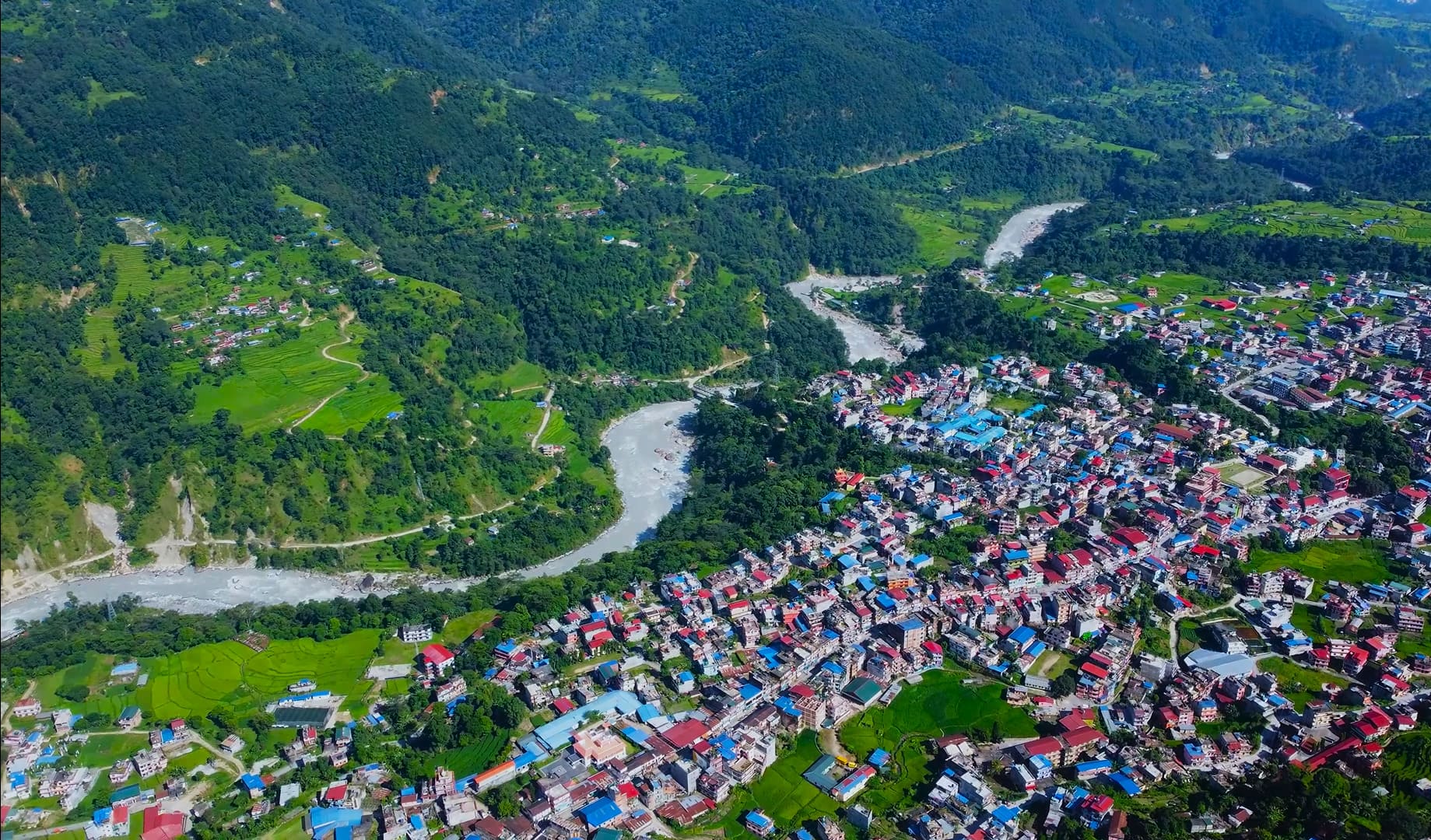
Our Fleet for the Kathmandu to Syabrubesi Route

VehicleCapacityWhy It’s Right for LangtangBest Group Size
4WD Toyota Fortuner1–6 paxPowerful engine handles the Tamche zone, spacious cabin, excellent AC4–6 people ideal
4WD Toyota Hilux1–5 paxHigh ground clearance, proven mountain performer, good luggage space3–5 people ideal
4WD Toyota Land Cruiser1–7 paxTop-end comfort for long mountain drives, maximum reliability5–7 people ideal
4WD Scorpio / Bolero1–5 paxCost-effective, capable 4WD, good for budget-conscious groups2–4 people ideal
Hiace Van (to Dhunche)7–14 paxFor larger groups — note: only to Dhunche, not full Syabrubesi descent7–14 people (to Dhunche)

Step-by-Step Booking Guide

  • Step 1 — Contact Nepal Vehicle Hiring via WhatsApp (+977 981-4227196), phone, email ([email protected]), or Website (vehiclehiringnepal.com).
  • Step 2 — Share your travel date, group size, Kathmandu hotel name/address, preferred departure time, and whether you need one-way drop-off or return pickup (or both).
  • Step 3 — Choose your vehicle from our recommendations based on group size and budget.
  • Step 4 — Receive the booking confirmation with the driver’s name, vehicle plate number, and driver’s WhatsApp contact.
  • Step 5 — Obtain the Langtang National Park permit and TIMS card from the Nepal Tourism Board office in Kathmandu, the day before departure (at Bhrikuti Mandap, open from 10:00 AM).
  • Step 6 — Arrange your licensed guide if you have not already done so (mandatory since April 2023).
  • Step 7 — Be ready in your hotel lobby at the agreed time — typically 5:30–6:30 AM for the Kathmandu-Syabrubesi trip. Your driver WhatsApps when 10 minutes away.
  • Step 8 — Enjoy the spectacular drive! Your driver will suggest the best stops for views, tea, and meals along the way.

Practical Tips for Your Kathmandu to Langtang Trek Vehicle Journey

A 5:30–6:30 AM departure from Kathmandu is strongly recommended for the Langtang trek vehicle journey. This early start beats the worst of Kathmandu’s morning traffic, allows you to reach Trishuli Bazaar by mid-morning for a comfortable breakfast stop, pass through the Ramche section in good daylight, arrive in Dhunche for a late lunch and permit check, and reach Syabrubesi by mid-afternoon with time to settle into your guesthouse before dark.

Departures after 8:00 AM risk arriving in Syabrubesi in the dark — particularly in winter when daylight hours are shorter.

The ATM Stop at Trishuli Bazaar — Essential

No ATMs are operating between Trishuli Bazaar and Kathmandu on the return journey (most ATMs in Dhunche are unreliable). Budget your cash carefully for the full trek: accommodation and meals (approximately NPR 1,500–2,500 per person per day), guide and porter fees (NPR 2,000–3,000/day for a guide, NPR 1,500–2,000/day for a porter), monastery entrance fees, and incidental expenses.

A trekker doing a 7-day Langtang Valley Trek should carry at least NPR 30,000–40,000 per person in cash. Withdraw at the Trishuli Bazaar ATM on the way — do not rely on Dhunche or Syabrubesi machines.

Motion Sickness Preparation

The Kathmandu to Syabrubesi road has over 1,000 turns, bends, and switchbacks — the route is justifiably famous among Nepalese drivers for its twisting mountain-road character, especially the sections above Betrawati and the descent from Dhunche. If you or any member of your group is susceptible to motion sickness, take appropriate medication before departure (30–60 minutes before the journey begins).

The front passenger seat offers the smoothest ride and the least exposure to motion sickness. Nepal Vehicle Hiring Pvt. Ltd. drivers drive smoothly and at a pace appropriate to the conditions, but the mountain road character is inherent to this route.

What to Pack for the Vehicle Journey

  • Motion sickness medication — taken 30–60 minutes before departure if you are susceptible.
  • Langtang National Park permit and TIMS card — must be in your daypack before leaving Kathmandu.
  • Cash in Nepali Rupees — withdraw from Kathmandu; supplement at Trishuli Bazaar ATM.
  • Snacks and water for the road — approximately 1–1.5 litres of water per person for the drive.
  • Light layers and a jacket — Syabrubesi (1,460 m) is noticeably cooler than Kathmandu, especially in the afternoon or in winter.
  • Camera fully charged — the Trishuli Gorge, Kalikasthan mountain views, and the Dhunche–Syabrubesi descent offer excellent photo opportunities.
  • A small bag of personal essentials is accessible during the drive — most luggage can go in the rear storage area.

Altitude and Acclimatisation at Syabrubesi

Syabrubesi, at 1,460 meters, is well within the altitude range; acclimatisation means visitors should feel comfortable, with no altitude symptoms. However, the Langtang Valley Trek climbs significantly from here, reaching Kyanjin Gompa at 3,870 meters, with optional day hikes to 4,700–5,000 meters.

Proper acclimatisation during the trek itself—taking rest days, drinking plenty of water, and acclimatising—is essential. Most 7–10-day Langtang itineraries are appropriately paced for safe altitude gain. Your licensed guide will advise on acclimatisation during the trek.

Frequently Asked Questions

How long does the drive from Kathmandu to Syabrubesibesi take?

In a private 4WD jeep departing Kathmandu at 6:00 AM, the drive to Syabrubesi takes about 5.5–7 hours, including a breakfast stop in Trishuli Bazaar and a permit check in Dhunche. Public buses and shared jeeps take 7–10 hours or more because of multiple stops and slower driving on mountain roads. A private jeep from Nepal Vehicle Hiring Pvt. Ltd. typically saves 2–3 hours compared with public transport.

Is a 4WD vehicle really necessary for the drive from Kathmandu to Syabrubesi?

Yes — a 4WD vehicle is strongly recommended and, by many measures, essential. The Ramche Landslide Zone (3 km before Dhunche) is unpaved and rough, and after rainfall it becomes muddy and unstable. The descent from Dhunche to Syabrubesi involves steep, tight switchbacks.

A standard car will struggle and potentially fail in these sections. All Nepal Vehicle Hiring Pvt. Ltd. vehicles for this route are 4WD Jeeps (Fortuner, Hilux, Land Cruiser, or Scorpio), ensuring your journey is safe and comfortable throughout.

Do I need permits to ride in a private vehicle to Syabrubesi?

Yes. Even if you are travelling to Syabrubesi by private vehicle rather than trekking on foot, you must carry a valid Langtang National Park permit and TIMS card. The Dhunche Army Checkpoint and Langtang National Park entry gate check all passengers — trekkers and vehicle passengers alike.

Obtain your permits from the Nepal Tourism Board office in Kathmandu before your departure day.

Can I arrange a return vehicle pickup from Syabrubesi after my trek?

Absolutely — this is one of Nepal Vehicle Hiring Pvt. Ltd.’s most popular services for Langtang trekkers. Please tell us your expected trek completion date and time when booking, and we will assign a vehicle for your Syabrubesi pickup on that date. Your driver will WhatsApp you the evening before to confirm timing.

If your trek runs over or under schedule, contact us via WhatsApp, and we will adjust the pickup accordingly.

What other treks can I do from Syabrubesi?

Syabrubesi is the gateway to three major trekking routes: the Langtang Valley Trek (the most popular, 7–10 days round trip), the Tamang Heritage Trail (a spectacular cultural circuit through traditional Tamang villages, 5–8 days), and the Helambu Trek (a lower-altitude cultural trek through the Helambu Valley, 5–7 days, finishing near Kathmandu). Nepal Vehicle Hiring Pvt. Ltd. provides vehicle hire for all three route trailheads from Kathmandu and return transport from various finishing points, depending on your chosen route.

How much cash should I carry for the Langtang Trek?

There are no ATMs between Trishuli Bazaar and Kathmandu on the mountain road. Withdraw sufficient NPR in Kathmandu (and top up at Trishuli Bazaar on the way). Budget approximately NPR 1,500–2,500 per person per day for teahouse accommodation and meals on the trek.

A 7-day Langtang trek budget (excluding permits, guide, porter, and vehicle hire) is approximately NPR 15,000–25,000 per person. Carry an additional 20% buffer for unexpected expenses, emergency needs, or extended stays.

How do I book a Kathmandu-to-Syabrubesi jeep with Nepal Vehicle Hiring?

Contact Nepal Vehicle Hiring Pvt. Ltd. via WhatsApp (+977 981-4227196), phone, email ([email protected]), or the booking form at vehiclehiringnepal.com. Share your travel date, group size, Kathmandu hotel address, and preferred departure time. Our team responds within minutes during business hours.

We recommend booking 3–5 days in advance during peak season (October–November and March–May), when 4WD vehicles for the Langtang route are in high demand.

Kathmandu to Syabrubesi: All Transport Options Compared

Transport OptionCostTimeComfortReliabilityDoor-to-DoorBest For
Private Jeep — Nepal Vehicle HiringNPR 18,000–35,0005–7 hrs★★★★★★★★★★ YesGroups, families, and serious trekkers
Shared Jeep (Machhapokhari)NPR 1,400–1,800/person6–8 hrs★★★☆☆★★★☆☆ NoSolo/couple on moderate budget
Tourist BusNPR 800–1,200/person7–10 hrs★★★☆☆★★★☆☆ NoBudget groups, non-time-sensitive
Local Public BusNPR 300–500/person8–12 hrs★★☆☆☆★★☆☆☆ NoExtreme budget, high tolerance for discomfort
Private Car (non-4WD)NPR 12,000–18,0006–8 hrs★★★☆☆★★☆☆☆ PartialNOT recommended — fails at Ramche section

Conclusion: Your Langtang Adventure Starts with the Right Vehicle

The Langtang Valley Trek is one of Nepal’s greatest short Himalayan adventures — a journey into a glacial valley of extraordinary beauty, rich wildlife, and Tamang cultural depth, accessible from Kathmandu in a single day’s drive. The vehicle journey from Kathmandu to Syabrubesi — following the Trishuli River gorge northward through progressively wilder,d more dramatic mountain terrain — is a spectacular experience that deserves to be enjoyed, not endured.

With Nepal Vehicle Hiring Pvt. Ltd., the Kathmandu-to-Syabrubesi drive is exactly that: an experience. A professional 4WD vehicle will collect you from your hotel before dawn. A smooth run through the morning-lit Trishuli gorge.

A breakfast stop at Trishuli Bazaar as the mountains begin to appear on the northern horizon. The confident navigation of the Ramche section would defeat a lesser vehicle. The dramatic first views of Langtang Lirung and Ganesh Himal from Kalikasthan.

The descent into Syabrubesi as afternoon light fills the river valley. Your first cup of Tamang butter tea at a riverside guesthouse, knowing the real walking begins tomorrow.

That is the Langtang experience at its best. And Nepal Vehicle Hiring Pvt. Ltd. is the vehicle partner that makes it possible.

Book your Kathmandu-to-Langtang trek vehicle today. Our team is available 24/7 on WhatsApp; peak season books up fast, and the mountains are waiting.

Book Your Kathmandu-to-Langtang Trek Vehicle Today!

Website: www.vehiclehiringnepal.com
Phone / WhatsApp: +977 981-4227196  (24/7 — we respond fast)
Email: [email protected]
Office: Bhagawatisthan, Thamel, Kathmandu, Nepal
Route: Kathmandu → Galchhi → Trishuli → Betrawati → Dhunche → Syabrubesi
Fleet: 4WD Fortuner | 4WD Hilux | Land Cruiser | Scorpio | Hiace Van
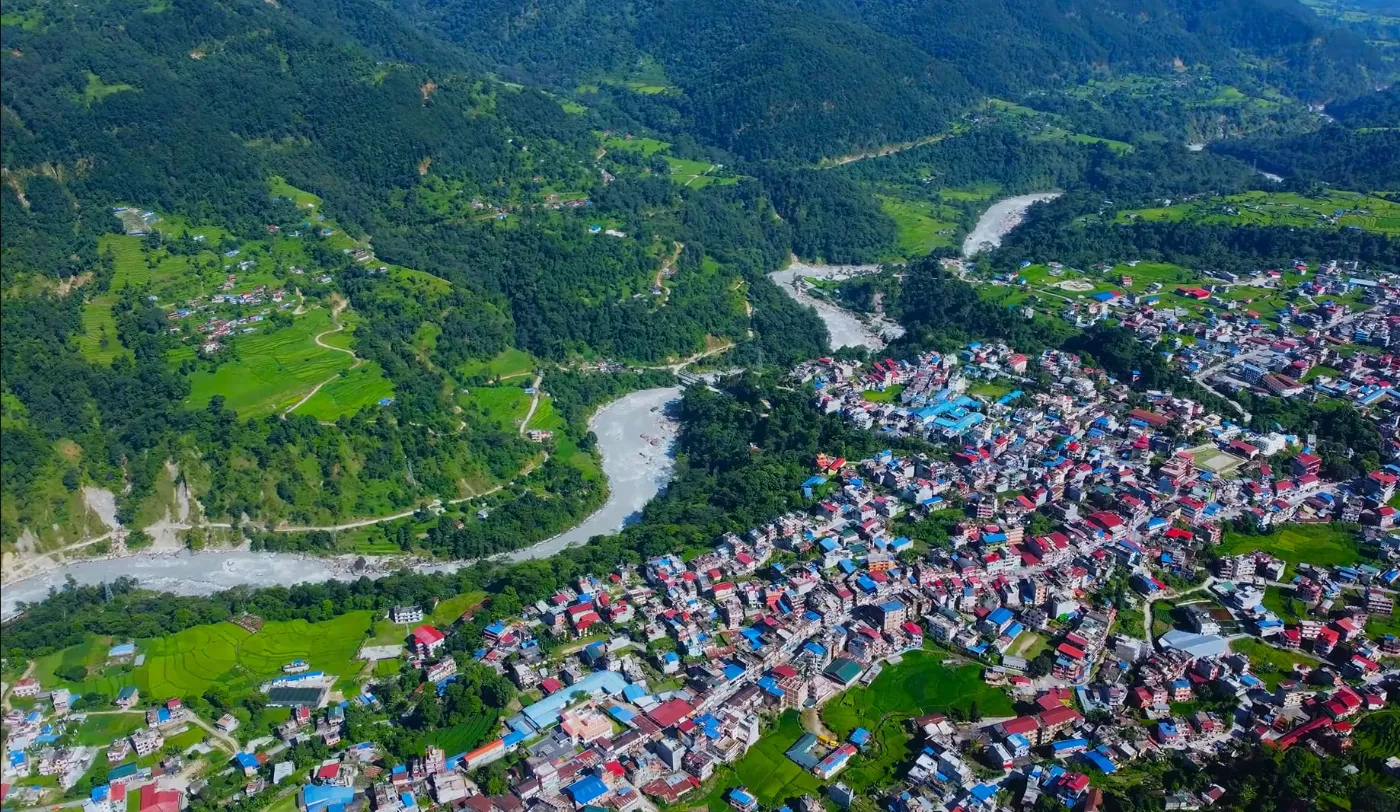
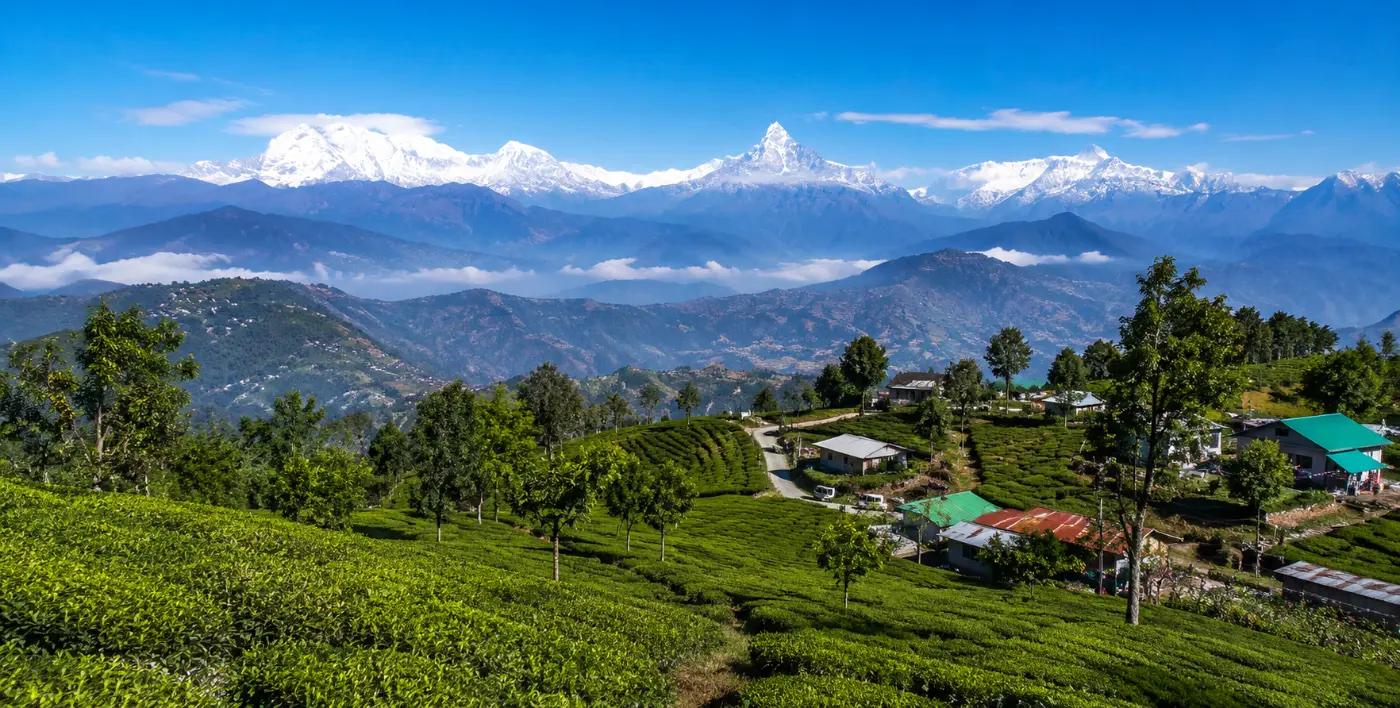
50,000+ Happy Customers | 5.0 TripAdvisor | 15,000+ Verified Reviews
Hotel Pickup from Kathmandu | Flexible Departure | Return Pickup Available
3 Route Options: Galchhi Standard | Kakani Scenic | Tokha/Bidur
Real-Time Road Condition Monitoring | Licensed & Registered | Reg. No. 219204

Kathmandu to Chitwan Transfer

Chitwan

Kathmandu to Chitwan Transfer: Complete Guide to Car, Jeep, Bus & Van Options

Chitwan National Park — Nepal’s first and most celebrated national park, and a UNESCO World Heritage Site — is the country’s most visited wildlife destination and an essential stop on almost every Nepal itinerary. After the temples, monuments, and cultural richness of Kathmandu Valley, the transition to the lush Terai lowlands of Chitwan — with one-horned rhinoceroses grazing in the grasslands, Bengal tigers moving through the forest, wild elephants at the riverside, and over 544 bird species filling the trees — is one of the most dramatic and rewarding journeys in Asia.

The transfer from Kathmandu to Chitwan covers about 150 to 170 kilometres along the Prithvi Highway and the East-West Highway, taking 5 to 7 hours depending on the mode of transport and traffic conditions. In 2026, travellers will have a wide range of transfer options available —from budget-friendly shared tourist buses to top-end private cars, from spacious family jeeps to large Hiace vans for groups, and from VIP sofa coaches to full coaster buses for larger parties.

At Nepal Vehicle Hiring Pvt Ltd, we offer a complete range of Kathmandu-to-Chitwan transfer services, including private cars, jeeps, Hiace vans, coaster buses, and tourist bus ticket booking. This comprehensive 2026 guide covers every available option, including full cost comparisons, departure details, route highlights, the optional Bandipur detour, seasonal guidance, and expert tips to ensure every Kathmandu-to-Chitwan transfer is smooth, comfortable, and genuinely enjoyable.

All Kathmandu to Chitwan Transfer Options –  Quick Comparison

Transfer OptionTimeCostDepartureComfortBest For
Local / Deluxe Bus6–8 hrsNPR 500–900/personGongabu Bus Park (6 AM)LowCheapest shared option
Tourist Bus (Standard)5–7 hrsNPR 1,000–1,300/personSorhakhutte Tourist Park (7 AM)MediumBudget independent
VIP Sofa Bus (2+1)5–6 hrsNPR 1,400–2,000/personSorhakhutte Tourist Park (7 AM)HighComfort-seeking solo/couple
Night BusOvernightNPR 1,000–1,800/personGongabu / Sorhakhutte (7–10 PM)MediumSave hotel cost
Private Car (Sedan/SUV)4–5 hrsNPR 12,000–20,000 (vehicle)Hotel pickupVery HighCouple, small family
Private Jeep (4WD)4–5 hrsNPR 15,000–24,000 (vehicle)Hotel pickupVery HighGroup of 4–6
Toyota Hiace Van5–6 hrsNPR 20,000–30,000 (vehicle)Hotel pickupVery HighGroup of 7–10
Toyota Coaster5–6 hrsNPR 28,000–42,000 (vehicle)Hotel pickupHighGroup of 12–18
Tourist Bus (Private)5–7 hrsNPR 38,000–60,000 (vehicle)Hotel pickupHighGroup of 25–40

Kathmandu to Chitwan – Journey Quick Facts

DetailInformation
Road DistanceApproximately 150–170 km
Drive Time (Private Vehicle)4 to 5 hours
Drive Time (Tourist Bus)5 to 7 hours
Main RouteKathmandu → Prithvi Highway → Mugling → East-West Highway → Bharatpur → Sauraha
Key Rest StopMugling (midpoint) – Trishuli riverside lunch
Tourist Bus DepartureSorhakhutte Tourist Bus Park, Kathmandu – 7:00 AM
Arrival PointSauraha Bus Park or direct to the resort (private vehicle)
Best Departure Time7:00 AM – 8:00 AM for a comfortable daytime journey
Road ConditionMostly paved; ongoing upgrades near Mugling junction
Scenic HighlightTrishuli River gorge, Narayanghat river plains

Private Vehicle Transfer: Kathmandu to Chitwan

Nepal Vehicle Hiring Pvt Ltd provides professional hotel-to-resort private vehicle transfer services for the Kathmandu-to-Chitwan route. All private vehicles include hotel pickup in Kathmandu and direct resort drop-off in Sauraha:

Pokhara to Chitwan

Private Car – Best for Couples and Small Families

A private car is the ideal choice for solo travellers, couples, and small families of up to 4 people seeking comfort, speed, and door-to-door service for the Kathmandu-to-Chitwan transfer.

Car TypeCapacityOne Way (NPR)One Way (USD)Round Trip (NPR)
Standard Sedan (Dzire/Etios)2–3 paxNPR 12,000–15,000USD 90–120NPR 20,000–30,000
SUV / Crossover3–4 paxNPR 14,000–18,000USD 105–150NPR 24,000–40,000
Top-end SUV4 paxNPR 17,000–22,000USD 127–200NPR 29,000–55,000

The private 4WD jeep is the most popular vehicle for the Kathmandu-to-Chitwan transfer, especially for trekking groups heading to or returning from Chitwan. It offers more space, higher seating, and better luggage capacity than a standard car.

Jeep TypeCapacityOne Way (NPR)One Way (USD)Round Trip (NPR)
Standard Jeep (Scorpio/Bolero)4–5 paxNPR 15,000–26,000USD 112–150NPR 26,000–40,000
4WD Jeep (Hilux/Fortuner)5–6 paxNPR 18,000–24,000USD 135–300NPR 31,000–55,000
Top-end 4WD (Land Cruiser)5–6 paxNPR 22,000–30,000USD 165–400NPR 38,000–90,000

Toyota Hiace Van – Best for Groups of 7 to 10

The Toyota Hiace van is the most practical and economical private vehicle for larger family groups and small tour parties travelling from Kathmandu to Chitwan.

DetailInformation
Seating Capacity7 to 10 passengers comfortably
One-Way CostNPR 20,000–30,000 (USD 150–225)
Round Trip CostNPR 34,000–52,000 (USD 255–390)
Air ConditioningFull front and rear AC
Luggage SpaceLarge rear boot + roof rack
Best ForExtended families, small tour groups, mixed groups

Chitwan Riverside Bamboo Huts and Reflections

Coaster Bus and Tourist Bus – Large Groups

For groups of 12 or more, Nepal Vehicle Hiring offers coaster buses and full tourist buses for the Kathmandu to Chitwan transfer:

VehicleCapacityOne Way (NPR)One Way (USD)Best For
Toyota Coaster12–18 paxNPR 28,000–42,000USD 210–315Medium tour groups, corporate
Mini Bus20–25 paxNPR 35,000–50,000USD 260–375Mid-large groups
Tourist Bus (Private)25–40 paxNPR 38,000–60,000USD 285–450Large tour groups, schools

Note: All private vehicle prices include driver, fuel, and toll charges for the one-way journey from Kathmandu to Chitwan/Sauraha. Contact Nepal Vehicle Hiring for confirmed quotes for your specific travel date and group size.

What Is Included in Your Nepal Vehicle Hiring Private Transfer

  • Hotel pickup from your exact accommodation anywhere in Kathmandu – Thamel, Lazimpat, Boudha, or any area
  • Air-conditioned private vehicle – well-maintained and regularly serviced
  • Professional, licensed driver experienced on the Kathmandu to Chitwan Prithvi Highway
  • Fuel, toll charges, and all driver expenses are included in the quoted price
  • Freedom to stop at Mugling, Bandipur, Narayanghat, or any attraction on request
  • Direct drop-off at your resort or hotel entrance in Sauraha, Chitwan
  • Flexible departure time – leave Kathmandu when you are ready
  • 24-hour Nepal Vehicle Hiring operations contact for any in-journey support

Tourist Bus Options: Kathmandu to Chitwan

Shared tourist buses are the most popular choice for independent travellers and backpackers on the Kathmandu-to-Chitwan route. Here is the complete guide to all bus categories:

Bus TypeSeat LayoutTicket Price (NPR)Ticket Price (USD)DepartureComfort
Local / Deluxe Bus2+2NPR 500–900USD 3.7–6.7Gongabu Bus Park, 6 AMLow–Medium
Standard Tourist Bus2+2NPR 1,000–1,300USD 7.5–9.7Sorhakhutte, 7 AMMedium
Super Deluxe Bus2+2NPR 1,200–1,600USD 9–12Sorhakhutte, 7 AMGood
VIP Sofa Bus2+1NPR 1,400–2,000USD 10.5–15Sorhakhutte, 7–8 AMHigh
Night Bus2+1 or 2+2NPR 1,000–1,800USD 7.5–13.5Gongabu/Sorhakhutte, 7–10 PMMedium

Departure point for tourist buses: Sorhakhutte Tourist Bus Park (also called New Bus Park), about 20- 30 minutes by taxi from Thamel (NPR 400–600). Arrive at least 30 minutes before the 7:00 AM departure.

Kathmandu to Chitwan Tour Package: Complete Travel Guide

Complete Transfer Comparison: Kathmandu to Chitwan

FactorVIP Sofa BusPrivate CarPrivate JeepHiace VanLocal Bus
Journey Time5–6 hrs4–5 hrs4–5 hrs5–6 hrs6–8 hrs
Cost (per person, est.)NPR 1,400–2,000NPR 3,000–7,300*NPR 2,500–6,000*NPR 2,000–4,300*NPR 500–900
Hotel PickupSorhakhutte Bus ParkYes – doorYes – doorYes – doorGongabu Bus Park
Drop-offSauraha Bus ParkResort entranceResort entranceResort entranceSauraha Bus Park
Departure TimeFixed 7 AMFully flexibleFully flexibleFully flexibleFixed 6 AM
Luggage SpaceUnderfloorGoodExcellentExcellentVery limited
Stop FreedomNoneFullFullFullNone
PrivacyShared 25–30 paxCompleteCompleteCompleteNo
Best ForSolo/couple budgetCouple/small familyGroups 4–6Groups 7–10Cheapest

* Per-person cost based on typical group size: car per 2–3 pax, Jeep per 4–5 pax, Hiace per 7–9 pax.

Kathmandu to Chitwan Route – Highlights and Stops

The Prithvi Highway from Kathmandu to Chitwan is a beautiful and varied road journey. Here are the key highlights and recommended stops along the way:

Kathmandu Valley Exit – Chandragiri Hills

As the vehicle leaves Kathmandu, the road climbs through the Chandragiri hills at the valley rim before descending steeply through the Naubise area. This transition from Kathmandu’s dense urban bowl to the open river valley below is dramatic and immediate. On clear days, you can see the Himalayan range behind you as you exit the valley.

Prithvi Highway – Trishuli River Gorge

After Naubise, the Prithvi Highway follows the Trishuli River through a spectacular gorge. The road winds alongside the rushing river for approximately 60 kilometres from Naubise to Mugling, with forested hillsides above, cascading side streams, and traditional Nepali villages clinging to the slopes. This is consistently the most scenic section of the entire Kathmandu-to-Chitwan road journey.

Mugling – The Essential Midway Stop

Mugling sits at the confluence of the Trishuli and Marsyangdi rivers, approximately 90-100 km from Kathmandu, and is Nepal’s most famous roadside stop. Almost every tourist bus and private vehicle stops here for 20 to 30 minutes. Riverside restaurants serve fresh fish curry (Mugling fish curry is legendary throughout Nepal), dal bhat, and snacks.

The riverside setting with the two rivers meeting below is scenic and refreshing. For families with children, Mugling is an excellent stretch-your-legs opportunity.

Bandipur – Optional UNESCO Heritage Town Detour

Bandipur is one of Nepal’s most remarkable heritage destinations — a beautifully preserved Newari hilltop trading town about 8 km off the Prithvi Highway between Dumre and Mugling. With its cobblestone main street, traditional Newari architecture, panoramic mountain views of the Annapurna and Manaslu ranges, and the nearby Siddha Cave (Nepal’s largest cave), Bandipur is an outstanding cultural detour that adds approximately 1 to 1.5 hours to the journey.

With a private vehicle from Nepal Vehicle Hiring, this stop is entirely flexible and on request.

Narayanghat – Terai Entry

After Mugling, the route turns south on the East-West Highway and begins the final descent to the Terai lowlands. Narayanghat is the major city at the Terai entry point, situated at the confluence of the Narayani and Rapti rivers. The transition from the hilly gorge terrain to the flat, green Terai landscape is noticeable and dramatic — the temperature rises, the vegetation becomes denser and more tropical, and Nepal’s character shifts completely.

Bharatpur to Sauraha – Chitwan Approach

From Narayanghat, the route continues to Bharatpur — the administrative headquarters of Chitwan District and one of Nepal’s largest cities — before the final approach road to Sauraha, the main tourist gateway to Chitwan National Park. The approach to Sauraha via Bharatpur passes through flat Terai countryside, with occasional views of the Rapti River and the national park forest on the southern horizon.

Route Overview Table: Kathmandu to Sauraha

StageSectionDistanceRoadTimeNotes
1Kathmandu to Naubise30 kmPrithvi Hwy – paved45 minValley exit, Chandragiri Hills
2Naubise to Mugling65 kmPrithvi Hwy – gorge road1.5–2 hrsTrishuli River gorge – most scenic section
3Mugling Rest Stop0 km–20–30 minRiverside lunch or snacks – all vehicles stop
4Mugling to Narayanghat35 kmEast-West Hwy45 minTerai entry, flat lowlands
5Narayanghat to Bharatpur15 kmPaved – good20 minMajor city, East-West Highway
6Bharatpur to Sauraha22 kmGood approach road30 minNational park edge, resort area
TOTALKathmandu to Sauraha~167 kmMostly paved4–5 hrs (private)Classic Nepal highway journey

Which Transfer Option is Right for You?

Your ProfileBest OptionReason
Solo traveller, budgetVIP Sofa Bus (NPR 1,400–2,000)Best comfort-to-cost ratio for single travellers
Couple on a tight budgetTourist Bus or Sofa BusTwo adjacent seats, affordable, morning schedule
A couple wanting comfortPrivate Car (Sedan/SUV)Door-to-door, flexible, fast, private
Family of 4Private SUV or JeepSpace for bags, flexibility, and hotel pickup
Family of 5–6Private Jeep (Hilux/Fortuner)All family together, boot space, fast
Group of 7–10Toyota Hiace VanOne vehicle, hotel pickup, economical per head
Group of 12–18Toyota CoasterAll together, AC, a professional driver
Large group 25+Private Tourist BusMaximum capacity, single vehicle, group cohesion
Night travellerNight Bus (NPR 1,000–1,800)Save accommodation costs, arrive early
Wants Bandipur stopAny private vehicleOnly private vehicles are allowed off-route detours
Chitwan
Chitwan

What Awaits You at Chitwan National Park

After the Kathmandu to Chitwan transfer, one of Nepal’s greatest wildlife experiences awaits:

Chitwan National Park – UNESCO World Heritage Site

Established in 1973, Chitwan National Park covers 952 square kilometres of subtropical lowland forest, grassland, and river systems. It is home to over 700 one-horned rhinoceroses, a significant population of Bengal tigers (over 100 individuals), wild Asian elephants, gharial and mugger crocodiles, and 544 bird species. Chitwan is consistently rated as one of the finest wildlife destinations in Asia.

Jeep Safari – The Premier Chitwan Experience

The open 4WD jeep safari through the national park’s core zones at dawn and dusk is the most popular and rewarding Chitwan activity. Trained naturalist guides know the best wildlife areas and maximise sightings of rhinoceroses, deer, crocodiles, and occasionally tigers. A half-day or full-day jeep safari is the recommended first activity for any visit to Chitwan.

Jungle Walk on Foot

Walking through Chitwan’s forests on foot with an armed guide is the most intimate wildlife experience the park offers. The proximity to nature — smelling the vegetation, hearing the birds, following tracks — creates a thrilling connection with the jungle ecosystem that no vehicle-based safari can replicate.

Dugout Canoe Ride

A silent dawn canoe on the Rapti River is the finest way to observe Chitwan’s riverine wildlife — gharials and mugger crocodiles basking on the banks, river kingfishers, otters, and occasionally elephants drinking at the water’s edge. One of the most peaceful and memorable experiences available in Chitwan.

Tharu Cultural Program

The traditional Tharu community stick dance performed at Chitwan resorts every evening is a colourful, energetic cultural introduction to the indigenous Tharu people, the original inhabitants of the Terai lowlands whose remarkable immunity to malaria allowed them to settle this region for centuries before modern development.

KTM to Chitwan

Best Time for the Kathmandu to Chitwan Transfer

Autumn (October to November) – Best Season

Autumn is the finest time for the Kathmandu-to-Chitwan transfer and a visit to Chitwan. The road is in excellent post-monsoon condition, the weather is comfortable (cool in Kathmandu, warm in Chitwan), and wildlife sightings in the park are excellent after the monsoon vegetation flush.

The Trishuli Gorge section of the Prithvi Highway is particularly beautiful in autumn. This is peak season — book all transport in advance.

Spring (March to May) – Excellent

Spring offers warm weather, good road conditions, and active wildlife. March and April are ideal — temperatures are comfortable, and the park’s wildlife is very visible. May becomes hot in the Terai.

The Prithvi Highway is scenic, with rhododendrons visible on the hillsides above the gorge.

Winter (December to February) – Good

Winter is excellent for Chitwan wildlife—the tall elephant grass is burned in late January, dramatically improving visibility in the park. The road is in good condition year-round. Temperatures in Chitwan are cool and comfortable for wildlife walking.

The Kathmandu-to-Chitwan transfer is comfortable with the right layers of clothing.

Monsoon (June to August) – Possible with Caution

The Prithvi Highway can experience occasional landslides near Mugling during the heavy monsoon season. Chitwan’s core zone is closed from June to August. The road journey is generally fine, but allow extra time.

Nepal Vehicle Hiring monitors conditions and advises clients accordingly.

Expert Tips for the Kathmandu to Chitwan Transfer

  • Book your VIP Sofa Bus seat at least 2 to 3 days in advance during October–November and March–April – the25-5 to 30-seat buses sell out quickly.
  • For private vehicles, book at least 2 to 3 days in advance during the off-peak season and 5 to 7 days in advance during peak trekking and wildlife seasons.
  • Depart Kathmandu between 7:00 AM and 8:00 AM to arrive in Sauraha by early afternoon, with time to settle in and do an afternoon jungle activity.
  • For Sorhakhutte Bus Park departures, take a taxi from Thamel at 6:00 AM to arrive at the bus park with 30 minutes to spare before the 7:00 AM bus.
  • Request a Bandipur heritage town stop if you have a private vehicle – it is directly on the route and is one of Nepal’s most rewarding cultural detours.
  • The Mugling stop is typically 20 to 30 minutes – use it for the famous riverside fish curry or a quick lunch.
  • For families with young children, a private vehicle is strongly recommended – the flexibility to make toilet stops, take snack breaks, and maintain child-friendly pacing makes a significant difference.
  • Confirm your Chitwan resort’s arrival procedure before departure – most resorts send a representative to Sauraha Bus Park for tourist bus arrivals.
  • For private vehicle passengers, Nepal Vehicle Hiring drivers drop you off directly at your resort entrance – no need to navigate the Sauraha bus park.
  • Nepal Vehicle Hiring can book the complete Nepal transport sequence – Pokhara to Chitwan, Chitwan to Kathmandu, or Kathmandu to Chitwan, then Pokhara – in a single coordinated arrangement.

What to Pack for the Kathmandu to Chitwan Transfer

  • Light summer clothing for Chitwan (the Terai is hot and humid)
  • Light jacket for the air-conditioned bus or vehicle cabin
  • Water bottle – stay hydrated during the 4- to 6-hour journey
  • Light snacks – biscuits, fruits, energy bars for the journey
  • Insect repellent – essential from the moment you arrive in Chitwan
  • Camera – the Trishuli River gorge and Mugling riverside are excellent photo subjects
  • Motion sickness tablets, if needed – the Prithvi Highway gorge section has curves
  • Nepali cash – for the Mugling stop and resort arrival expenses
  • Chitwan Resort confirmation and contact number for arrival coordination

How to Book Your Kathmandu to Chitwan Transfer with Nepal Vehicle Hiring

Booking your transfer with Nepal Vehicle Hiring Pvt Ltd is simple:

  • Step 1: Contact us via phone, WhatsApp, or at vehiclehiringnepal.com
  • Step 2: Tell us your travel date, number of passengers, hotel name in Kathmandu, and resort/hotel in Sauraha, Chitwan
  • Step 3: Choose your transfer type – private Jeep, Hiace van, coaster, or tourist bus ticket
  • Step 4: Mention any special requirements – Bandipur stop, child seats, extra luggage, flexible timing
  • Step 5: Receive your booking confirmation with driver details, vehicle information, and exact pickup time
  • Step 6: Your driver arrives at your Kathmandu hotel at the confirmed time and takes you directly to your Chitwan resort

We recommend booking 2 to 3 days in advance for off-peak dates and 5 to 7 days in advance for the October–November and March–April peak seasons.

Frequently Asked Questions (FAQ)

How far is Kathmandu from Chitwan?

The road distance from Kathmandu to Chitwan (Sauraha) is approximately 115- 70 kilometres via the Prithvi Highway and the East-West Highway.

How long does the Kathmandu-to-Chitwan transfer take?

By private car or jeep: 4-5 hours, including a stop in Mugling. By tourist bus: 5-7 hours. By local bus: 6 hours.

How much does a private car from Kathmandu to Chitwan cost in 2026?

A private sedan costs US$120 one way. An SUV costs NPR 14,000 to 22,000. A private jeep costs NPR 15,000 to 26,000. A Toyota Hiace van costs NPR 20,000 to 35,000. All include driver and fuel.

Where does the tourist bus to Chitwan depart from in Kathmandu?

Tourist buses to Chitwan depart from Sorhakhutte Tourist Bus Park (also called New Bus Park) in Kathmandu, approximately 20 to 30 minutes by taxi from Thamel, with daily departures at 7:00 AM. Arrive at least 30 minutes early.

Can I stop at Bandipur on the way from Kathmandu to Chitwan?

Yes, with a private vehicle from Nepal Vehicle Hiring. Bandipur is approximately 8 km off the Prithvi Highway between Dumre and Mugling. A stop in Bandipur adds approximately 1 to 1.5 hours to the journey and is highly recommended for first-time visitors to Nepal.

What is the best transport for a family of 5 from Kathmandu to Chitwan?

A private 4WD jeep (Toyota Fortuner or Hilux) is ideal for 5 people. It includes hotel pickup, resort drop-off, 4 to 5 hours of travel time, full luggage space, and the freedom to stop anywhere. Contact Nepal Vehicle Hiring for a confirmed quote.

Is there a direct flight from Kathmandu to Chitwan?

No scheduled domestic flight runs to Sauraha/Chitwan. Road transport by private vehicle or tourist bus is the standard transfer option. The nearest airport to Chitwan is Bharatpur Airport (used mainly by charter flights).

Can I book a return vehicle from Chitwan to Kathmandu at the same time?

Yes. Nepal Vehicle Hiring provides return transfers from Chitwan to Kathmandu and round-trip packages at a combined price. Book both legs together for a smooth Nepal itinerary.

Contact us at vehiclehiringnepal.com.

Book Your Kathmandu to Chitwan Transfer with Nepal Vehicle Hiring

The Kathmandu to Chitwan transfer is one of Nepal’s great road journeys — a transition from the ancient temples and urban energy of the Kathmandu Valley through the spectacular Trishuli River gorge, past the charming heritage town of Bandipur, and into the warm, lush Terai lowlands where the wildlife of Chitwan National Park awaits. Every kilometre of this 150- to 170-kilometre journey offers something new, and arriving at your Chitwan resort with the afternoon free for a first jungle activity is the perfect beginning to one of Nepal’s finest wildlife experiences.

Whether you travel by the excellent-value VIP Sofa Bus, the door-to-door comfort of a private Jeep, the group convenience of a Toyota Hiace, or the large-group logistics of a coaster or tourist bus — Nepal Vehicle Hiring Pvt Ltd has the right vehicle, the right driver, and the right service for your Kathmandu to Chitwan transfer.

Contact Nepal Vehicle Hiring Pvt Ltd today at vehiclehiringnepal.com to book your Kathmandu-to-Chitwan transfer and begin your Chitwan National Park adventure in complete comfort and style.

Book your Kathmandu-to-Chitwan transfer today. WhatsApp: +977 981-4227196 | Email: [email protected]

Kathmandu to Besisahar Hiace Transfer: Complete Guide

Besisahar

Kathmandu to Besisahar Hiace Transfer – Complete Guide

Besisahar is the official starting point of the world-famous Annapurna Circuit Trek – one of the finest and most celebrated long-distance treks in the Himalayan world. Located approximately 142 km northwest of Kathmandu at 820 m in the Marsyangdi River valley, Besisahar is where thousands of trekkers begin their journey each year, heading north through the Annapurna Conservation Area toward Manang, the Thorong La Pass, and Muktinath.

A Toyota Hiace van transfer from Kathmandu to Besisahar is the most popular and practical transport option for trekking groups of 7 to 14 people beginning the Annapurna Circuit. This complete 2026 guide covers the full route, road conditions, Hiace transfer prices, what to do in Besisahar before your trek, permits, and everything else your group needs to know before hitting the trail.

Why Choose a Hiace Van for the Journey from Kathmandu to Besisahar?

For trekking groups, the Toyota Hiace van is the best choice for the Kathmandu-to-Besisahar transfer. Here is why:

  • Perfect group-size vehicle – seats 7 to 14 trekkers comfortably, with all trekking packs stored in the rear and on the roof rack
  • Keeps the entire trekking group together from Kathmandu to the trailhead – no splitting across multiple taxis or buses
  • Depart from your Kathmandu hotel at any time – no fixed 7:00 AM tourist bus schedule to rush for
  • Direct hotel-to-trailhead service – your driver picks up from your Thamel or Kathmandu hotel and drops you at the Besisahar ACAP permit checkpoint
  • Full luggage space for 7 to 14 trekkers’ large backpacks, sleeping bags, and trekking gear
  • Air-conditioned throughout the 3.5 to 4.5-hour journey
  • Cost per person for a group of 10 to 12 trekkers (USD 11 to USD 17 each) is highly competitive with local bus ticket prices
  • Same driver available for return pickup from Besisahar, Dharapani, or Nayapul at the end of the circuit

Route Overview: Kathmandu to Besisahar

Distance: Approximately 142 km by road

Travel Time: 3.5 to 4.5 hours by Hiace van

Main Route: Kathmandu – Prithvi Highway – Mugling Junction – Dumre – Besisahar

Road Type: Prithvi Highway (paved, excellent) + Dumre–Besisahar road (mostly paved, some rough patches)

Best Departure: 6:00 to 7:00 AM from Kathmandu to arrive in Besisahar by 10:00 to 11:30 AM

Altitude: Kathmandu 1,400 m → Besisahar 820 m (descent through the Prithvi Highway valleys)

Vehicle Suitability: Toyota Hiace is fully suitable – no 4WD required for the Kathmandu to Besisahar road

Hiace Transfer Prices: Kathmandu to Besisahar

VehicleCapacityOne-Way Price (USD)Round Trip (USD)Notes
Toyota Hiace (standard)7–12 paxUSD 120–160USD 200–250Most popular for trekking groups
Toyota Hiace (high-roof)7–14 paxUSD 130–200USD 220–400More headroom – better for taller trekkers
Toyota Coaster Bus15–22 paxUSD 160–250USD 270–440Larger trekking groups or school trips
Sedan Car1–3 paxUSD 100-120USD 130–200Solo trekker or couple – Hiace not needed
SUV / Scorpio4–5 paxUSD 100- 160USD 160–250Small group of 4–5 trekkers

All prices include the driver, full fuel for the Kathmandu-to-Besisahar journey, and vehicle insurance. Round-trip pricing covers the driver waiting in Besisahar or nearby during the start of your trek and returning you (or your group) from Besisahar, Dharapani, or Nayapul at the end of the circuit. Contact Vehicle Hiring Nepal for exact 2026 pricing based on your travel date.

Detailed Road Guide: Kathmandu to Besisahar

Stage 1: Kathmandu to Mugling Junction (115 km | 2.5 hrs)

Depart your Kathmandu hotel early – 6:00 to 6:30 AM is ideal. Head west on the Prithvi Highway through Naubise and along the spectacular Trishuli River gorge through Malekhu to Mugling Junction. The Trishuli gorge section is one of the most scenic stretches of the journey, with the green river running alongside the road through forested cliffs.

Malekhu is a popular early morning tea stop with riverside tea houses and restaurants. Mugling Junction – approximately 2.5 hours from Kathmandu – is the critical turning point. At Mugling, instead of continuing west toward Pokhara, turn north onto the Dumre road heading toward Besisahar and the Annapurna region.

Mugling is an excellent breakfast or snack stop. Take 20 to 30 minutes here – it is the last busy junction town before the quieter Lamjung hill roads begin.

Stage 2: Mugling to Dumre (25 km | 40 min)

From Mugling, the road heads north along the Marsyangdi River valley. The highway is mostly paved, with some rough patches, and it climbs gradually through terraced farmland on the hillside. Dumre is a small but important junction town on the Prithvi Highway where the dedicated Besisahar road branches north.

This is a good final fuel stop and the last chance to purchase any forgotten supplies before Besisahar.

Stage 3: Dumre to Besisahar (22 km | 40 min)

From Dumre, the road heads north into the Marsyangdi River valley. The surface is mostly paved with some rougher compacted gravel sections. The valley is beautiful – green terraced rice paddies and small farming villages.

On clear days, the Annapurna peaks begin to appear in the distance to the north as you approach Besisahar. Arrival at Besisahar – the district headquarters of Lamjung District and the official gateway town to the Annapurna Circuit.

Distance and Time Summary

StageFrom – ToDistanceTimeNotes
1Kathmandu to Mugling115 km2.5 hrsPrithvi Hwy – paved, scenic gorge
2Mugling to Dumre25 km40 minSecondary road – mostly paved
3Dumre to Besisahar22 km40 minHill road – paved with rough patches
TOTALKTM to Besisahar162 km3.5–4.5 hrsIncluding Mugling break
Kathmandu to Besisahar Hiace Transfer-Hiace Hire in Nepal – Comfortable Group Transportation Service
Besisahar-Nepal

About Besisahar – The Annapurna Circuit Gateway

Official Name: Besisahar, Lamjung District, Gandaki Province

Altitude: 820 m above sea level

Population: Approximately 8,000 – district headquarters and market town

Trek Start: Official starting point of the Annapurna Circuit Trek

Permit Check: ACAP (Annapurna Conservation Area Permit) and TIMS card checked here

Facilities: ATMs (last reliable ones before Manang), pharmacies, gear shops, teahouses, restaurants, medical clinic

Besisahar is a genuine Nepali market town – busy, colourful, and full of the daily life of the Lamjung district. For trekkers arriving by Hiace from Kathmandu, it is the transition point between the city world and the mountain world. The Marsyangdi River flows fast and green just below the town.

The hills rise dramatically to the north, and the first Annapurna Circuit trail markers are visible from the main bazaar.

What to Do in Besisahar Before Your Trek

  • Register your ACAP permit at the official ACAP checkpoint in Besisahar – your permit must be stamped here before trekking north.
  • Withdraw cash from the ATM – this is the last reliable ATM until Jomsom (via Manang). Budget NPR 40,000 to NPR 60,000 per person for the full circuit, which includes food, accommodation, and permits
  • Final gear check and purchases – Besisahar has small trekking shops selling forgotten items such as trekking poles, gaiters, gloves, headlamps, and batteries at reasonable prices
  • Eat a proper meal at a Besisahar restaurant before hitting the trail – dal bhat is the recommended pre-trek meal for maximum energy.
  • Confirm your porter and guide arrangements if hiring locally – Besisahar has a small but active porter and guide community.
  • Download offline maps to your phone if not already done – signal becomes unreliable beyond. Chame

Trekking Permits for the Annapurna Circuit

All trekkers on the Annapurna Circuit require two permits. These must be obtained in Kathmandu or Pokhara before departure – they can also be purchased in Besisahar, but it is more convenient to arrange in advance:

PermitCost 2026Where to GetChecked At
ACAP – Annapurna Conservation Area PermitNPR 3,000 (USD 22)Nepal Tourism Board – Kathmandu or Pokhara (or Besisahar checkpoint)Besisahar, Chame, Manang, Muktinath, Tatopani
TIMS Card – Trekkers Information Management SystemUSD 10Nepal Tourism Board / TAAN – Kathmandu or PokharaBesisahar checkpoint and multiple points along the route

Obtain your ACAP permit and TIMS card from the Nepal Tourism Board office in Kathmandu (Pradarshani Marg) or in Pokhara (Damside) before your Hiace transfer departs. The Besisahar checkpoint strictly inspects permits – trekkers without valid permits will be sent back or fined. Allow 30 to 60 minutes at the Nepal Tourism Board office.

Annapurna Circuit Trek – Overview from Besisahar

Starting the full Annapurna Circuit from Besisahar means walking the traditional route. Here is what lies ahead:

DayStageDistanceAltitudeHighlights
Day 1Besisahar – Khudi11 km820m → 790mMarsyangdi valley, waterfalls, subtropical forests
Day 2Khudi – Bahundanda11 km790m → 1,310mRice terraces, first Himalayan foothills views
Day 3Bahundanda – Chamje16 km1,310m→1,430mThe gorge narrows dramatically, with suspension bridges
Day 4Chamje – Tal10 km1,430m→1,700mEnter Manang District, a dramatic gorge
Day 5Tal – Dharapani12 km1,700m→1,860mWide valley, Tibetan culture begins, waterfalls
Day 6Dharapani – Chame15 km1,860m→2,710mApple orchards, forest, and Annapurna II appear
Day 7Chame – Pisang17 km2,710m→3,200mPaungda Danda rock face, Upper Pisang monastery
Day 8Pisang – Manang22 km3,200m→3,500mAnnapurna III, Gangapurna glacier, Braga gompa
Day 9Manang (rest day)–3,500mIce Lake hike, Praken Gompa, HRA altitude briefing
Day 10Manang – Yak Kharka10 km3,500m→4,018mHigh pastures, Chulu peaks
Day 11Yak Kharka – Thorong Phedi8 km4,018m→4,450mLast teahouses before the pass
Day 12Thorong La Pass – Muktinath16 km4,450m→5,416m→3,710mThe highest point of the circuit, the sacred Muktinath temple
Day 13Muktinath – Marpha28 km3,710m→2,670mKali Gandaki gorge, Jomsom, apple orchards
Day 14Marpha – Tatopani30 km2,670m→1,190mDhaulagiri views, hot springs
Day 15Tatopani – Ghorepani18 km1,190m→2,874mSteep climb, rhododendron forests
Day 16Ghorepani – Poon Hill – Nayapul21 km2,874m→3,210m→1,070mPoon Hill sunrise, final descent to Nayapul

Total Trek Duration: 16 to 21 days for the full circuit from Besisahar to Nayapul
Total Distance: Approximately 200 to 230 km on the full circuit
Highest Point: Thorong La Pass at 5,416 m
End Point: Nayapul (near Pokhara) – vehicle back to Pokhara from the trailhead

Way to besisahar

Hiace vs Other Transport Options – Kathmandu to Besisahar

TransportCostTravel TimeGroup SizeComfortBest For
Private Hiace VanUSD 120–200 full van3.5–4.5 hrs7–14 paxExcellentTrekking groups – recommended
Private SUVUSD 100–160 full car3.5–4.5 hrs4–5 paxExcellentSmall groups of 4–5
Private SedanUSD 100–120 full car3.5–4.5 hrs1–3 paxGoodSolo trekker or couple
Local Bus (Kathmandu–Besisahar)NPR 400–600/seat5–7 hrsPer seatBasicVery budget – connections required
Tourist Bus to Pokhara + jeepUSD 10–15 + jeep5–7 hrs totalPer seatVariableBudget solo trekkers

For trekking groups of 7 or more, the private Hiace van is almost always the best choice. It keeps the group together, provides full trekking-pack storage, departs from the hotel at the group’s chosen time, and, at USD 11 to USD 17 per person for a group of 10, is cost-competitive with local buses, without the inconvenience of connections and shared seats.

Drive or Trek from Besisahar? Understanding Modern Options

In 2026, the question for Annapurna Circuit trekkers is not just how to get to Besisahar, but how much of the lower circuit to do by vehicle vs on foot. The road from Besisahar has been extended north through much of the lower circuit, and this changes the trekking decisions for many groups:

Option A: Drive to Besisahar, Trek the Full Circuit (16–20 days)

Take the Hiace from Kathmandu to Besisahar and walk the complete traditional circuit from Besisahar to Nayapul. This is the original Annapurna Circuit experience. The lower sections from Besisahar to Chame now run partly alongside the jeep road, but the trail itself remains separate in most places.

For traditionalists and those who want the full circuit distance, this is still a valid and rewarding option.

Option B: Drive to Chame, Trek Upper Circuit (12–14 days)

Take the Hiace from Kathmandu to Besisahar, then continue by local jeep from Besisahar to Chame (2,710 m), and begin trekking from Chame. This skips the lower Marsyangdi gorge section that is now most heavily affected by road construction. Trekking begins at Chame in the circuit’s most scenic high-altitude section—a popular choice for time-limited trekkers.

Vehicle Hiring Nepal can arrange the Besisahar-to-Chame jeep connection.

Option C: Drive to Manang, Trek from Manang (7–10 days)

The most common choice for time-limited trekkers in 2026. Take the Hiace from Kathmandu to Besisahar, then continue by 4WD jeep from Besisahar to Manang (3,500 m), and begin the circuit in Manang. This puts you immediately in the most dramatic, high-altitude section of the circuit – Thorong La, Muktinath, and the Kali Gandaki gorge. Vehicle Hiring Nepal offers the full Kathmandu-to-Manang multi-vehicle package.

Kathmandu to Besisahar Hiace Transfer-Hiace Hire in Nepal – Comfortable Group Transportation Service

Best Time for Kathmandu to Besisahar Hiace Transfer

October to November (Best)

The post-monsoon season is the finest time for the Annapurna Circuit and the Kathmandu-to-Besisahar transfer. Roads are dry, skies are clear, and the Annapurna range is brilliantly visible. October and November are the busiest months – book your Hiace transfer at least 1 to 2 weeks in advance, as trekking groups are numerous.

The morning drive to Besisahar in October light through the Trishuli gorge is beautiful.

March to May (Excellent – Spring)

Spring is the second-best season. Rhododendron forests along the Prithvi Highway hillsides bloom in March and April. The circuit trail above 2,000 m is lined with flowering rhododendrons.

Mountain views are good in the morning. Roads are dry and in good condition—less crowded than in October–November.

December to February (Good – Cold at High Altitude)

The Kathmandu-Besisahar road is fully accessible in winter. The lower circuit trail from Besisahar to Chame is walkable in winter. However, the Thorong La Pass can be snowbound in January and February – check current conditions before committing to the full circuit crossing in the winter months.

June to September (Monsoon – Caution)

The Prithvi Highway and the Dumre–Besisahar road remain accessible during the monsoon. However, the lower circuit trail from Besisahar through the Marsyangdi gorge has significant landslide and leech issues in the monsoon. Most trekking agencies do not recommend the full Annapurna Circuit during the peak monsoon season.

If trekking in the monsoon, drive to Chame or Manang to start above the worst of the gorge road issues.

Accommodation in Besisahar

Besisahar has good accommodation for trekkers arriving by Hiace from Kathmandu. Here is what is available:

  • Budget teahouses: NPR 300 to NPR 600 per night – simple rooms, shared bathrooms, cold water
  • Mid-range guesthouses: NPR 600 to NPR 1,500 – cleaner rooms, some with attached bathrooms, hot bucket water available
  • Better hotels: NPR 1,500 to NPR 3,000 – more comfortable rooms, hot shower, good restaurant
  • Meals available everywhere: Dal bhat, noodles, Tibetan bread, eggs, tea – the pre-trek dal bhat at a Besisahar restaurant is a deeply satisfying way to fuel up
  • Electricity is reliable in Besisahar – charge all devices fully here before the circuit.
  • Mobile signal: NTC and Ncell both work in Besisahar
  • Note: Prices increase significantly once you are on the circuit above Besisahar – enjoy Besisahar prices while you can

What to Pack for the Kathmandu to Besisahar Hiace Journey

  • All trekking permits – ACAP and TIMS card – can be obtained in Kathmandu the day before departure.
  • Sufficient Nepali Rupees – withdraw extra in Kathmandu and top up at Besisahar ATM
  • Snacks and water for the 3.5 to 4.5-hour van journey – stops are limited between Mugling and Besisahar
  • Motion sickness medication, if needed – the Dumre to Besisahar road has some winding sections
  • Camera with a charged battery – Trishuli gorge scenery from the Hiace is excellent
  • All trekking gear packed and organised in your main backpack – ready to trek on arrival
  • Warm base layers accessible in your daypack – mornings in Besisahar can be cool

Group Trekking Tips for the Hiace Transfer

  • Agree on your departure time as a group the evening before – the 6:00 AM departure window requires everyone to be ready by then.
  • Coordinate pickup points if group members are staying at different hotels in Kathmandu – inform Vehicle Hiring Nepal of all pickup addresses at the time of booking.
  • Assign one group member to serve as the logistics contact with the Vehicle Hiring Nepal driver to ensure smooth communication.
  • Load the heaviest packs into the rear luggage area first, smaller bags on top – your Hiace driver will assist with loading
  • If any group member is prone to motion sickness, reserve the front passenger seat for them.
  • Designate someone to handle the Mugling stop timing – the group should agree in advance on 20 or 30 minutes.
  • Have your ACAP and TIMS permits accessible (not buried in the main pack) for the Besisahar checkpoint.

What is Included in Your Hiace Transfer

  • Toyota Hiace van (standard or high-roof) with an experienced, licensed driver
  • Full fuel cost for the complete Kathmandu to Besisahar journey
  • Vehicle insurance
  • Pickup from your hotel or guesthouse in Kathmandu (Thamel or any area)
  • Drop-off at the Besisahar ACAP checkpoint or the Besisahar main bazaar area
  • Tea stop at Malekhu and a full break at Mugling junction
  • Driver available for return pickup from Besisahar, Nayapul, or Dharapani at the end of the circuit (pre-arrange)
  • 24/7 WhatsApp support before and during the journey

Not included: ACAP permit and TIMS card fees, personal meals, teahouse accommodation, guide and porter fees, and any additional stops beyond the agreed route.

Besisahar town from above

How to Book Your Kathmandu to Besisahar Hiace Transfer

  1. Contact Vehicle Hiring Nepal via WhatsApp at +977 981-4227196 or visit vehiclehiringnepal.com
  2. Confirm your travel date and departure time from Kathmandu (6:00 AM recommended)
  3. Provide all pickup addresses in Kathmandu – hotel names and areas for all group members
  4. Confirm the total group size and the number of trekking packs
  5. Specify destination – Besisahar only, or continuing to Chame or Manang
  6. Request a return pickup arrangement from Nayapul or Dharapani if needed
  7. Receive booking confirmation with driver name, van details, and pickup time

WhatsApp: +977 981-4227196
Email: [email protected]

Frequently Asked Questions

How long does the Hiace transfer from Kathmandu to Besisahar take?

The Hiace van transfer takes approximately 3.5 to 4.5 hours, including a tea break at Malekhu and a 20 to 30-minute break at Mugling junction. Departing Kathmandu at 6:00 AM, most groups arrive in Besisahar between 9:30 and 10:30 AM.

Is a Hiace van the right choice for a group of 6 trekkers?

Yes. A Toyota Hiace comfortably seats 6 to 12 trekkers, with ample space for all luggage. For a group of exactly 6, the Hiace provides spacious seating for everyone, and the per-person cost is USD 20-28 – very reasonable for the convenience and comfort of a private group transfer.

A standard sedan or SUV would be too small for 6 trekkers with full packs.

Can I get permits at Besisahar or must I obtain them in Kathmandu?

You can technically obtain ACAP permits and TIMS cards at the Besisahar permit checkpoint on arrival. However, we strongly recommend getting both permits in Kathmandu at the Nepal Tourism Board office (Pradarshani Marg) before your Hiace departure. This avoids queuing in Besisahar with a fully loaded van, ensures your permits are processed properly, and lets you start trekking immediately upon arrival.

Can the same Hiace driver take us from Besisahar to Chame?

A standard Toyota Hiace van can travel from Besisahar to approximately Khudi or Bahundanda on the very early sections of the mountain track beyond Besisahar. Still, the road beyond becomes too rough and narrow for a Hiace beyond those points.

For travel from Besisahar to Chame or Manang, you’ll need a 4WD Toyota Land Cruiser jeep. Vehicle Hiring Nepal can arrange a Hiace from Kathmandu to Besisahar and a Land Cruiser jeep from Besisahar to Chame as a smooth combined booking.

What is the last ATM before the high sections of the Annapurna Circuit?

The last reliable ATMs are in Besisahar. Manang has a limited e-banking kiosk that is sometimes operational but unreliable. Withdraw all the Nepali Rupees you need for the full circuit in Besisahar – or better yet, in Kathmandu before departure.

Budget NPR 4,000 to NPR 6,000 per person per day for teahouse food and accommodation on the circuit.

What happens at the end of the Annapurna Circuit – how do I get back to Kathmandu?

Most trekkers completing the full Annapurna Circuit end at Nayapul (near Pokhara) after descending from Poon Hill. From Nayapul, Vehicle Hiring Nepal can arrange a private vehicle back to Pokhara Lakeside (45 to 60 minutes), where you can rest, and then a separate vehicle from Pokhara to Kathmandu the following day (6 to 7 hours).

Alternatively, fly from Pokhara to Kathmandu in 25 minutes. Book your return transport when arranging your outward Hiace transfer.

Final Thoughts

The Hiace van transfer from Kathmandu to Besisahar is the essential first step of one of the world’s great trekking adventures. Getting your group from Kathmandu to the Annapurna Circuit trailhead comfortably, on time, and with all gear intact sets the perfect tone for the days and weeks of trekking ahead.

A pre-booked Toyota Hiace with Vehicle Hiring Nepal means no bus park stress, no early morning taxi scramble, no split groups, and no wasted time – just a smooth, direct journey from your Kathmandu hotel to the start of the Marsyangdi valley.

Thousands of trekking groups have trusted Vehicle Hiring Nepal along the Kathmandu-to-Besisahar route. Our Hiace vans are well-maintained, our drivers are experienced on the Prithvi Highway and Dumre road, and our 24/7 WhatsApp support means you are never without help from booking to drop-off.

Book your Kathmandu-to-Besisahar Hiace transfer today. WhatsApp: +977 981-4227196 | Email: [email protected]

Kathmandu to Ilam Vehicle Rental: Car, Scorpio and Hiace Guide

Patan Durbar Square in the Kathmandu Valley

Kathmandu to Ilam Vehicle Rental – Car, Scorpio & Hiace Guide

Ilam is Nepal’s most celebrated tea district – a lush, mist-draped highland in the eastern hills of Koshi Province where rolling tea gardens cascade down terraced slopes, cardamom plantations fill the forest floor with fragrance, and panoramic views of Kanchenjunga (8,586 m) – the world’s third-highest mountain – crown the horizon on clear mornings. Ilam is one of Nepal’s finest and least crowded natural destinations, offering a genuine escape from the mountain-circuit tourist trail into the peaceful beauty of eastern Nepal.

Reaching Ilam from Kathmandu by private vehicle is a long but deeply rewarding road journey of approximately 580-610 km through the Terai plains and eastern hill roads. For this eastern Nepal route, the Mahindra Scorpio and the Toyota Hiace van are the two most popular and practical vehicle choices – powerful enough for the mountain road to Ilam bazaar, spacious enough for group travel, and comfortable for the long highway journey across the Terai.

This complete  guide covers the full route, vehicle options, prices, road conditions, Ilam attractions, and how to book with Vehicle Hiring Nepal.

About Ilam – Nepal’s Tea Garden Paradise

Location: Ilam District, Koshi Province, eastern Nepal

Altitude: Ilam Bazaar at 1,200 m – tea gardens between 900 m and 2,100 m

Distance from KTM: Approximately 580–610 km by road

Famous For: Nepal’s finest orthodox teas, cardamom, Kanchenjunga views, trekking

Key Attractions: Mai Pokhari sacred lake, Shree Antu sunrise hill, Kanyam tea gardens, Phikkal

Travel Time: 12 to 15 hours from Kathmandu – 2-day journey recommended

Best Season: March to May (spring – first flush tea) and October to November (autumn)

Vehicle Options: Kathmandu to Ilam

Mahindra Scorpio – Best Choice for Ilam Road

Capacity: 6 to 9 passengers (7-seat and 9-seat versions)

Engine: 2.2L mHawk turbodiesel – powerful on hill roads

Best for: Groups of 5–8, families, trekkers – ideal for the Ilam hill section

The Mahindra Scorpio is the most popular vehicle on the Kathmandu-Ilam route. Its powerful diesel engine confidently handles the steep, winding road from the Terai plains up to Ilam Bazaar at 1,200 m. Its high ground clearance handles rough patches on eastern hill roads.

The spacious interior comfortably seats 6 to 7 passengers with luggage. For monsoon travel, the Scorpio’s 4WD capability gives it a significant safety advantage on wet hill roads.

Toyota Hiace Van – Best for Larger Groups

Capacity: 7 to 14 passengers

Best for: Groups of 8–14 – tea garden tours, family gatherings, corporate groups

The Toyota Hiace is ideal for larger groups making the Kathmandu-to-Ilam journey. With seating for up to 14 passengers and generous roof rack space for group luggage, the Hiace keeps everyone together for the full 2-day journey. It handles the Ilam hill road competently in dry conditions.

For monsoon travel, two Scorpios are preferred over a single Hiace.

Sedan Car – For Solo Travellers and Couples

Capacity: 1 to 3 passengers

Best for: Solo travellers and couples in the dry season – the Birtamod to Ilam road is manageable in dry conditions.

A sedan suits the main Terai highway section. However, the hill road from Birtamod to Ilam Bazaar and excursions to Mai Pokhari and Shree Antu are better handled by the Scorpio. For groups of 4 or more or monsoon travel, the Scorpio is always preferable.

Nepal Tour Package

Vehicle Rental Prices: Kathmandu to Ilam

VehicleCapacityOne-Way (USD)Round Trip (USD)Notes
Mahindra Scorpio6–9 paxUSD 180–400USD 300–680Best for Ilam Hill Road – recommended
Toyota Hiace Van7–14 paxUSD 200–450USD 340–800Best for groups of 8–14
Sedan Car1–3 paxUSD 140–300USD 240–600Solo/couple – dry season only
SUV4–5 paxUSD 170–300USD 290–800Small group – comfortable and capable
Toyota Coaster Bus15–22 paxUSD 280–450USD 460–800Large group tours to Ilam

All prices include driver, full fuel, and vehicle insurance. The 2-day journey requires an overnight stop; driver accommodation is not included. Contact Vehicle Hiring Nepal for exact pricing.

Kathmandu to Ilam Vehicle Rental: Car, Scorpio and Hiace Guide

Route Overview: Kathmandu to Ilam

Total Distance: Approximately 580–610 km

Total Drive Time: 12 to 15 hours over 2 days

Day 1 Route: Kathmandu – Hetauda – East-West Highway – Itahari – Birtamod (overnight)

Day 2 Route: Birtamod – Kanyam tea gardens – Ilam Bazaar

Overnight Stop: Dharan or Birtamod – approximately 8–9 hours from Kathmandu

Stage-by-Stage Road Guide

Day 1, Stage 1: Kathmandu to Hetauda (95 km | 2.5 hrs)

Depart Kathmandu early – 5:30 to 6:00 AM. Head south through the Kathmandu Valley and descend through the Mahabharat Hills on the Tribhuvan Highway to Hetauda in the Terai. The Tribhuvan Highway is Nepal’s oldest road – winding, historic, and dramatic, with views over the Terai plains from the hill crests.

Hetauda is a good stop for an early-morning breakfast.

Day 1, Stage 2: Hetauda to Itahari via East-West Highway (330 km | 5.5 hrs)

From Hetauda, join the flat East-West Highway and drive east across Nepal’s Terai agricultural heartland. This is the longest section of the journey – a continuous drive through rice paddies, mustard fields, and subtropical forest. Pass through Chitwan, Sarlahi, Mahottari, Dhanusha, and Sunsari districts.

Stop for lunch in the Janakpur area or any larger Terai town. Arrive in Itahari, a busy junction in eastern Nepal. Dharan, 18 km north of Itahari, is the recommended overnight stop with better hotels and a more pleasant atmosphere.

Day 1 Overnight: Dharan or Birtamod

Dharan (Sunsari District) is the recommended overnight stop – a clean, pleasant hill-edge city with good hotels, restaurants, and the famous Budhasubba Temple, worth a brief visit. Alternatively, Birtamod in Jhapa District – 100 km east of Itahari – is closer to Ilam and a good alternative if you prefer a shorter Day 2 drive.

Day 2: Birtamod to Kanyam to Ilam Bazaar (50 km | 2.5–3 hrs)

Depart your overnight stop early – 6:30 to 7:00 AM. From Birtamod, the road heads north into the Ilam hills on the Mechi Highway. The scenery transforms dramatically from the flat Terai into a lush green hill landscape of bamboo, cardamom forest, and the first tea gardens appearing on the slopes.

Kanyam (1,050 m) is the must-stop of the entire journey – the most famous tea garden viewpoint in Nepal, where rolling green tea gardens cascade down the hillside, and the Jhapa Terai plains stretch to the horizon far below. On clear October and November mornings, Kanchenjunga (8,586 m) appears above the northeastern horizon – a striking surprise.

Buy fresh Ilam tea directly from garden stalls here. Continue to the Phikkal ridge viewpoint, then on to Ilam Bazaar at 1,200 m.

Distance and Time Summary

StageFrom – ToDistanceDrive TimeNotes
Day 1-AKathmandu → Hetauda95 km2.5 hrsTribhuvan Hwy – winding, scenic
Day 1-BHetauda → Itahari330 km5.5 hrsEast-West Hwy – fast, flat Terai
Day 1-CItahari → Birtamod80 km1.5 hrsTerai highway – paved
OVERNIGHTDharan / Birtamod––Hotel overnight
Day 2-ABirtamod → Kanyam35 km1.5 hrsHill road – winding, scenic tea gardens
Day 2-BKanyam → Ilam Bazaar15 km45 minSteep hill road – Scorpio ideal
TOTALKathmandu → Ilam580 km12–14 hrs2 days, including overnight

Swayambhunath visit during Kathmandu Pokhara TourWhy the Scorpio Excels on the Ilam Hill Road

  • Powerful mHawk diesel engine handles steep climbs from Terai base to Kanyam and Ilam without strain
  • High ground clearance manages rough patches, eroded edges, and surface irregularities on the hill road
  • 4WD capability (on 4WD versions) – essential safety advantage in monsoon wet conditions
  • Shorter wheelbase than Hiace – easier to navigate tight switchbacks on the Kanyam to Ilam section
  • 7 to 9 seats – perfect group size for most Ilam visitor parties without the bulk of a full Hiace on narrow roads
  • Dominant local vehicle in eastern Nepal hill roads – drivers are highly experienced on this specific route

Road Conditions: Kathmandu to Ilam

SectionRoad TypeConditionNotes
KTM → HetaudaPaved mountain roadGoodWinding but well-maintained
Hetauda → ItahariEast-West HighwayVery GoodFast, flat Terai road
Itahari → BirtamodPaved flat highwayGoodStandard Terai highway
Birtamod → KanyamPaved hill roadModerateWinding climb – Scorpio ideal
Kanyam → Ilam BazaarPaved/rough hill roadModerateSteep, narrow – Scorpio best
Ilam → Mai PokhariRough hill trackDifficult4WD/Scorpio required
Ilam → Shree AntuRough hill trackDifficult4WD/Scorpio required – unpaved

Kathmandu to Ilam Vehicle Rental: Car, Scorpio and Hiace Guide

Top Attractions in Ilam District

Kanyam – Tea Garden Viewpoint (Must-Stop)

Nepal’s most iconic tea garden viewpoint – rolling green tea garden rows cascade down the hillside with the Jhapa plains visible far below. In October and November, Kanchenjunga (8,586 m) appears above the northeastern horizon on clear mornings. Buy fresh first-flush Ilam tea directly from garden stalls – incomparably fresher than anything in Kathmandu shops.

Your vehicle passes through Kanyam on the way to Ilam Bazaar – a stop here is mandatory.

Mai Pokhari – Sacred Alpine Lake (2,100 m)

A Ramsar-listed sacred alpine lake 22 km north of Ilam Bazaar, surrounded by an ancient rhododendron forest. Home to over 100 bird species and a red panda habitat. The spring rhododendron bloom around Mai Pokhari (March to April) is spectacular.

The drive requires the Scorpio on the rough hill track—a deeply peaceful and beautiful destination.

Shree Antu Hill – Kanchenjunga Sunrise

The finest sunrise viewpoint in eastern Nepal is at an elevation of approximately 2,200 m. On clear October and November mornings, Kanchenjunga and the entire eastern Himalayan chain appear above the horizon at dawn – a panorama rivalling Sarangkot and Poon Hill in scale and drama. Requires a Scorpio on a rough hill track from Ilam Bazaar.

Ilam Tea Factory Tour

The Ilam Tea Processing Factory near the bazaar accepts small groups for guided tours showing the full tea processing cycle – withering, rolling, oxidation, and drying. The smell of fresh tea in the factory is extraordinary. Tours are usually arranged informally at the factory gate.

Pashupatinagar – Border Ridge Town

A fascinating border town at 1,700 m on the Nepal-India border with a unique cross-border market character. Views from the border ridge are spectacular. The drive through the cardamom forest to reach it is scenic.

Best Time to Visit Ilam

March to May (Best – First Flush Tea Season)

Spring is the finest time to visit Ilam. The first flush tea harvest (March to April) produces the most prized, delicately aromatic teas. Rhododendron forests around Mai Pokhari are in spectacular bloom.

Roads are dry and in good condition, making it the most celebrated time to visit the Ilam tea gardens.

October to November (Excellent – Clear Mountain Views)

Post-monsoon skies are brilliantly clear. Kanchenjunga views from Shree Antu and Kanyam are at their finest. The second flush tea harvest produces rich, full-bodied teas.

Roads are fully dry and in excellent condition.

December to February (Good – Clear but Cold)

Quiet and cold in Ilam. Upper hills can have frost and occasional snow. Kanchenjunga views in winter are extraordinarily sharp.

Good for independent travellers wanting Ilam without crowds.

June to September (Monsoon – Difficult)

Heavy rainfall has made the Birtamod-Ilam hill road wet and slippery. Scorpio 4WD is most valuable during the monsoon. Tea gardens are intensely green, but mountain views are obscured and not recommended unless specifically wanting the monsoon experience.

Kathmandu to Ilam Vehicle Rental: Car, Scorpio and Hiace Guide

Accommodation in Ilam

  • Budget Guesthouse: NPR 500 to NPR 1,200 – simple rooms, shared bathroom, local meals
  • Mid-range Hotel: NPR 1,500 to NPR 3,500 – attached bathroom, hot water, restaurant
  • Better Hotels: NPR 3,500 to NPR 6,000 – comfortable rooms, tea garden views, WiFi
  • Tea Estate Homestay: NPR 1,500 to NPR 3,000 – authentic experience with a tea farming family
  • Kanyam Teahouse: NPR 800 to NPR 2,000 – simple rooms with iconic tea garden views

Practical Tips for the Kathmandu to Ilam Journey

  • Plan a minimum of 2 days – overnight in Dharan or Birtamod. Trying to do itg it in one day (12+ hours) is exhausting.
  • Depart Kathmandu by 5:30 to 6:00 AM on Day 1 to reach Dharan before dark
  • The East-West Highway section is long – carry music, podcasts, or audiobooks for the group
  • Carry Nepali Rupees cash – ATMs in Dharan, Birtamod, and Ilam Bazaar, but not on the hill road
  • Stock up on water and snacks before leaving Birtamod – the hill road has limited, reliable stops
  • Motion sickness tablets are recommended for the Birtamod to Ilam switchback section
  • Visit Kanyam tea gardens in the morning – best light for photography and mountain views
  • Purchase fresh Ilam tea directly at Kanyam stalls – incomparably better than packaged supermarket tea

What is Included in Your Vehicle Rental

  • Mahindra Scorpio, Toyota Hiace, sedan, or SUV as selected – fully maintained and insured
  • Professional driver experienced on the Kathmandu to Ilam eastern Nepal route
  • Full fuel cost for the complete 2-day journey
  • Vehicle insurance throughout
  • Pickup from your Kathmandu hotel
  • Drop-off at your Ilam Bazaar hotel or any Ilam destination
  • Flexibility for Kanyam, Phikkal, and scenic stops on the hill road
  • Return journey from Ilam to Kathmandu on your chosen date
  • 24/7 WhatsApp support

Nepal Tour Package

How to Book Your Kathmandu to Ilam Vehicle

  1. Contact Vehicle Hiring Nepal via WhatsApp at +977 981-4227196 or visit vehiclehiringnepal.com
  2. Choose a vehicle – Scorpio for groups of 5–8, Hiace for groups of 9–14
  3. Confirm travel dates and departure time from Kathmandu (5:30–6:00 AM recommended)
  4. Provide the pickup address in Kathmandu
  5. Specify overnight stop preference – Dharan or Birtamod
  6. Mention special stops – Mai Pokhari, Shree Antu, Pashupatinagar
  7. Receive a full 2-day journey plan with the driver’s name and vehicle details

Frequently Asked Questions

How far is Ilam from Kathmandu by road?

Ilam is approximately 580-610 km from Kathmandu. The journey takes 2 days: Day 1 covers roughly 470 to 500 km to Dharan or Birtamod (8 to 9 hours), and Day 2 covers the remaining 90 to 115 km to Ilam via the scenic Kanyam hill road (3 to 4 hours).

The Birtamod-to-Ilam hill road has steep inclines, sharp switchbacks, and rough-surface sections that benefit from the Scorpio’s powerful diesel engine, high ground clearance, and 4WD capability. Excursions to Mai Pokhari and Shree Antu require a Scorpio or similar 4WD vehicle on rough tracks. For monsoon travel, the Scorpio’s 4WD is essential for safety.

Can I do Kathmandu to Ilam in one day?

Not comfortably. The total drive is 12 to 15 hours, including the challenging Birtamod-to-Ilam hill section. Two days with an overnight in Dharan or Birtamod is the standard approach – giving everyone a proper rest and allowing a relaxed morning arrival in Ilam.

What is the best tea to buy in Ilam?

The most prized is first-flush orthodox tea (March to April) – light, aromatic, and delicately floral. The second flush (June) is fuller, with muscatel notes. Ilam green tea and silver tips (white tea) are also excellent.

Purchase directly at Kanyam garden stalls or from the Ilam Tea Factory for the freshest product.

Is Ilam suitable for families with children?

Yes – the gentle tea garden walks, cultural richness, fresh mountain air, and beautiful natural setting are excellent for families. The main challenge is the long 2-day drive – plan regular stops along the East-West Highway and keep children engaged with the changing landscape through the windows.

Final Thoughts

The road from Kathmandu to Ilam is one of Nepal’s great east-west journeys – a 2-day traverse from the mountain capital across the vast Terai plains and up into the misty tea-covered hills of eastern Nepal where Kanchenjunga watches over rolling green gardens. Ilam is one of Nepal’s most rewarding and under-visited destinations – a place of quiet beauty, fragrant air, and extraordinary tea.

The Mahindra Scorpio and Toyota Hiace are the perfect vehicles for this journey – powerful on the eastern hill roads, spacious for the group and luggage, and reliable across the long Terai highway. Vehicle Hiring Nepal provides both vehicles with experienced Eastern Nepal drivers who know every switchback of the Kanyam road.

Book your Kathmandu-to-Ilam vehicle rental today. WhatsApp: +977 981-4227196 | E-mail: [email protected]

Kathmandu to Pokhara Transfer by Every Vehicle Type

Patan Durbar Square in the Kathmandu Valley

Kathmandu to Pokhara  All Vehicle Transfer – Complete Guide

The road from Kathmandu to Pokhara is Nepal’s most travelled highway – a 200 km journey along the famous Prithvi Highway that connects the mountain capital with the lakeside city of Pokhara. Every day, thousands of travellers make this journey by a wide variety of vehicles: private sedans, SUVs, Hiace vans, Coaster buses, tourist buses, and public buses. Each vehicle type offers a different experience, price point, and level of comfort and flexibility.

Whether you are a solo backpacker on a tight budget, a family of five, a trekking group of twelve, or a corporate team of thirty, Vehicle Hiring Nepal has the perfect vehicle for your Kathmandu-to-Pokhara transfer. This complete guide covers every vehicle option available on this route – with full pricing, vehicle descriptions, comfort comparisons, and expert advice on choosing the right vehicle for your group and travel style.

Route Overview: Kathmandu to Pokhara

Distance: Approximately 200 km by road

Travel Time: 5 to 8 hours, depending on vehicle type and traffic

Main Road: Prithvi Highway – Nepal’s primary east-west arterial highway

Key Milestones: Naubise – Malekhu – Mugling Junction (midpoint/lunch stop) – Damauli – Pokhara

Best Departure: 6:00 to 7:30 AM from Kathmandu to arrive in Pokhara by early to mid-afternoon

Arrival Point: Tourist buses arrive at Lakeside (Baidam). Private vehicles deliver directly to your hotel

Scenic Highlight: Trishuli River gorge (Naubise to Mugling) and final Pokhara valley approach with Annapurna views

All Vehicle Options at a Glance

Here is a complete overview of every vehicle type available from Kathmandu to Pokhara in 2026 – from the most budget-friendly to the most comfortable:

Vehicle TypeCapacityPrice RangeTravel TimeBest For
Standard Tourist Bus (shared)Per seatUSD 10–15/person7–8 hrsSolo budget travellers, backpackers
Deluxe Tourist Bus (shared)Per seatUSD 15–20/person7–8 hrsComfort-seeking solo/couple travelers
Greenline Luxury Bus (shared)Per seatUSD 25–30/person6–7 hrsTop-end comfort includes lunch
Private Tourist Bus (full)25–40 paxUSD 300–500 full7–8 hrsLarge groups, schools, tours
Sedan Car (private)1–3 paxUSD 80–150 full car5–6 hrsCouples, small families, fast travel
SUV / Scorpio4–5 paxUSD 120–200 full5–6 hrsFamilies, small groups with luggage
Toyota Hiace Van (private)7–14 paxUSD 130–200 full5–6 hrsGroups, trekkers, corporate teams
Toyota Coaster Bus (private)15–22 paxUSD 250–400 full6–7 hrsMedium groups, school trips, tours
Full-Size Bus (private)23–45 paxUSD 250–500 full6–7 hrsLarge groups, pilgrimage parties
Private Jeep4–6 paxUS150- 20000 full5–6 hrsGroups needing onward mountain travel

All private vehicle prices are for the complete vehicle – not per person. All prices include the driver, fuel, and vehicle insurance. Tourist bus prices are per seat on a shared service.

Contact Vehicle Hiring Nepal for your exact 2026 quote based on your travel date and group size.

Begnas Lake Pokhara

Private Sedan Car – Kathmandu to Pokhara

Capacity: 1 to 3 passengers

Price: USD 100 to USD 150 for the full vehicle one-way

Travel Time: 5 to 6 hours

Models: MG, Honda City, Suzuki Ciaz, Hyundai Berza, BYD Accent

Who is the Sedan Car Best For?

The sedan car is the ideal choice for solo travellers, couples, and small families of up to 3 people who want a private, comfortable, and fast journey without paying for a larger vehicle. For a couple splitting the cost of the sedan, the per-person price (USD 40 to USD 55 each) is only marginally higher than a deluxe tourist bus ticket – with enormous advantages in flexibility, speed, and comfort.

Sedan Car Advantages

  • Fastest option for small groups – no scheduled stops, no fixed route, depart from your hotel door.
  • Air-conditioned throughout – drive in comfort regardless of outside temperature
  • Flexible departure time – leave at any hour that suits your schedule
  • Door-to-door service – hotel in Kathmandu to hotel in Pokhara Lakeside without leaving the vehicle
  • Stop anywhere you choose – riverside tea stop at Malekhu, photo stop at the Trishuli gorge, lunch at any Mugling restaurant
  • Private and quiet – perfect for couples, families with small children, and business travellers

Sedan Car Limitations

  • Limited boot space – maximum 2 to 3 standard bags plus daypacks
  • Not suitable for large trekking packs (70L+) for more than 2 passengers
  • Only suitable for 3 passengers maximum – not cost-effective for groups of 4+

Sarangkot Pokhara

SUV and Jeep – Kathmandu to Pokhara

Capacity: 4 to 6 passengers

Price: USD 150 to USD 200 for the full vehicle one-way

Travel Time: 5 to 6 hours

Models: Private 4Wd Jeep, Scorpio, Sumo

Who is the SUV Best For?

The SUV is the most versatile vehicle for the journey from Kathmandu to Pokhara. A family of 4 to 5, a small group of friends or colleagues, or a group of trekkers with large backpacks will find the SUV offers the best balance of space, comfort, and cost per person across the entire route.

SUV Advantages

  • Spacious interior with genuine comfort for 4 to 5 passengers – not cramped like a sedan with 3
  • Large boot space for trekking packs, family luggage, and camera equipment
  • A high seating position gives excellent road views and a commanding driving presence
  • 4WD capability on Land Cruiser models – essential if continuing onward to Mustang, Manang, or other mountain routes from Pokhara
  • All the flexibility advantages of a private car – door-to-door, depart any time, stop anywhere
  • Per-person cost for a group of 5 (USD 22 to USD 29 each) is less expensive than a deluxe tourist bus

Jeep for Onward Mountain Routes

If you are travelling from Kathmandu to Pokhara and then continuing onward to Mustang, Muktinath, Ghasa, or the Annapurna Circuit, it makes sense to book a  4WD jeep for the full journey from the start. The same vehicle can take you from Kathmandu to Pokhara on Day 1, let you rest overnight, and continue into the Kali Gandaki Valley on Day 2 without changing vehicles or drivers.

Pokhara to Sarangkot Jeep

Toyota Hiace Van – Kathmandu to Pokhara

Capacity: 7 to 14 passengers

Price: USD 160  to USD 250 for the full vehicle one-way

Travel Time: 5 to 6 hours

Model: Toyota Hiace (standard and high-roof versions)

Who is the Hiace Best For?

The Toyota Hiace is Nepal’s most popular group vehicle and the top choice for trekking groups, family gatherings, corporate team travel, and tour groups between 7 and 14 people. For a group of 10 trekkers sharing a Hiace, the per-person cost (USD 13 to USD 17 each) makes it far more economical than any other private vehicle option and comparable to individual tourist bus tickets – while offering the huge advantage of keeping the whole group together in one vehicle.

Hiace Advantages

  • Best value per person for groups of 7 to 14 – often cheaper per seat than tourist bus tickets
  • Keeps the entire group together in one vehicle – no splitting across multiple taxis or buses
  • Full group luggage space for trekking packs, camera bags, and personal luggage
  • Air-conditioned throughout with individual seat recline
  • Private departure from your Kathmandu hotel at any time the group chooses
  • Driver familiar with Pokhara hotel locations – direct drop-off for all passengers
  • Flexible for Mugling lunch stop, Malekhu tea break, or any scenic stop along the route

Hiace vs Tourist Bus – Group Decision Guide

For groups of 7 or more, the Hiace van is almost always a better choice than booking individual seats on tourist buses. You keep the whole group together, depart from your hotel (not the bus park), stop whenever you want, and arrive directly at your hotel in Pokhara.

The per-person price is often similar or lower. The only exception is when group members are arriving in Kathmandu at different times and cannot coordinate a group departure, in which case individual tourist bus tickets may be more practical.

Toyota Coaster Bus – Kathmandu to Pokhara

Capacity: 15 to 22 passengers

Price: USD 250 to USD 400 for the full vehicle one-way

Travel Time: 6 to 7 hours

Model: Toyota Coaster (standard 22-seat configuration)

Who is the Coaster Best For?

The Toyota Coaster is the ideal mid-size bus for medium-large groups of 15 to 22 people. School trips, company outings, cultural tour groups, and extended family travel parties all find the Coaster perfectly sized – smaller than a full bus (making it more agile on the highway) but larger than two Hiace vans (keeping the whole group in one vehicle at a lower combined cost).

Coaster Advantages

  • Keeps groups of 15 to 22 together in a single vehicle – avoids the coordination complexity of two separate Hiace vans
  • More comfortable than a full public bus – dedicated seats, better A/C, cleaner vehicle
  • Per-person cost for a full 22-seat Coaster (USD 8 to USD 10.50 each) is competitive with tourist bus tickets.
  • Comfortable reclining seats with good legroom – better than many shared tourist buses
  • Private departure time and door-to-door service
  • Suitable for luggage undercarriage or roof rack for excess baggage

Coaster for School and Cultural Groups

The Toyota Coaster is extremely popular for school excursions, cultural group tours, and religious pilgrimage parties travelling from Kathmandu to Pokhara. The enclosed, supervised environment of a single Coaster bus is far preferable for school groups than multiple separate vehicles. Vehicle Hiring Nepal has a fleet of well-maintained Coaster buses specifically for group transfers on this route.

Full-Size Private Bus – Kathmandu to Pokhara

Capacity: 23 to 45 passengers (various configurations)

Price: USD 250 to USD 360 for the full vehicle one-way

Travel Time: 6 to 7 hours

Types: Standard bus (30 seats), luxury recliner bus (35–40 seats), sleeper bus (for night journeys)

Who is the Full Bus Best For?

Private full-size bus hire is the choice for large groups of 23 or more – corporate tours, monastery groups, large school trips, extended family gatherings, and conference transport. Chartering a private bus gives all passengers the security and convenience of a private vehicle with the economics of group travel.

Full Bus Advantages

  • Most economical option for large groups – per-person cost for a full 40-seat bus can be as low as USD 6-9. The entire large group travels together in one coordinated vehicle.
  • Private charter means no strangers, no shared stops, and departure at your chosen time.
  • Luggage compartment beneath the bus for excess luggage
  • Option for luxury recliner bus with wider seating, A/C and onboard entertainment
  • Can arrange multiple buses for very large groups – Vehicle Hiring Nepal coordinates multi-vehicle convoys

Tourist Bus (Shared) – Kathmandu to Pokhara

Price: USD 10 to USD 30 per person, depending on service level

Travel Time: 7 to 8 hours (standard) / 6 to 7 hours (Greenline luxury)

Departure: 7:00 AM daily from Kantipath tourist bus park (Thamel area)

Arrival: Pokhara Lakeside (Baidam) tourist bus stop

Standard Tourist Bus – USD 10 to USD 15 per person

The standard tourist bus is a shared coach service with reclining seats and air conditioning, departing Kathmandu at 7:00 AM daily and arriving in Pokhara Lakeside between 2:00 and 3:00 PM. It is designed specifically for international travellers and is a significant step up from local Nepali public buses in terms of comfort and convenience.

One scheduled lunch stop at Mugling (30 to 45 min). Luggage is stored in the undercarriage hold. Suitable for solo and budget-conscious travellers seeking a reasonable travel experience at the lowest price.

Deluxe Tourist Bus – USD 15 to USD 20 per person

The deluxe tourist bus offers wider, more comfortable seats with better legroom, improved air conditioning, and sometimes additional services such as bottled water. The vehicle is typically newer and in better condition than the standard tourist bus. Recommended for travellers who want slightly more comfort than the basic tourist bus without paying Greenline prices.

Nepal  Vehicle Hiring  Luxury Bus – USD 25 to USD 30 per person

Nepal’s premier shared tourist bus service on the Kathmandu-to-Pokhara route. Top-end reclining seats, superior air conditioning, complimentary sit-down lunch at Mugling (included in ticket price), drinking water, and a generally higher standard of vehicle and service. Departs at 8:00 AM.

Greenline is consistently rated the most comfortable and reliable shared bus on this route and is the top recommendation for solo or couple travellers who want the best quality shared-bus option.

Tourist Bus vs Private Vehicle – Who Should Choose What?

FactorTourist Bus (Shared)Private Car/Van
Cost for 1 personUSD 10–30 – cheapest optionUS$120 full car – more expensive
Cost for 4 personsUSD 40–120 total (4 x tickets)USD 120–200 full SUV – often comparable
Cost for 10 personsUSD 200–300 total (10 x tickets)USD 130–250 Hiace – usually cheaper
Departure timeFixed – 7:00 or 8:00 AM onlyAny time you choose
Departure locationTourist bus park (Kantipath)Your hotel door
ArrivalLakeside bus stop (walk/taxi to hotel)Your hotel door
Travel time7–8 hours5–6 hours
StopsFixed – Mugling lunch onlyAnywhere, anytime
LuggageUndercarriage hold (limited)Full boot/van space
PrivacyShared with 30–40 strangersYour group only
Best forSolo, budget, backpackers, couplesGroups, families, trekkers

Key insight: For groups of 4 or more, a private SUV or Hiace van is often more economical per person than individual tourist bus tickets – while providing door-to-door service, faster travel time, and complete flexibility. The tourist bus is truly economical only for solo travellers and couples, for whom the cost of a private vehicle cannot be split among multiple passengers.

The Road: Kathmandu to Pokhara Stage by Stage

The Prithvi Highway from Kathmandu to Pokhara is one of Nepal’s most scenic drives. Here is a complete guide to the route regardless of which vehicle you choose:

Kathmandu to Naubise (30 km | 45 min)

Exit Kathmandu heading west through Kalanki. The road climbs over the Chandragiri foothills before descending to Naubise. Morning rush hour can slow this section – a pre-7:00 AM departure helps.

Clear skies give views back over the Kathmandu Valley as you climb the first ridge.

Naubise to Malekhu (50 km | 1 hr)

The road descends into the spectacular Trishuli River gorge and runs along the riverbank through dense forest. Malekhu is a popular tea and snack stop with riverside restaurants known for fresh fish from the Trishuli River. The left side of the vehicle gives the best views of the river – request a left-side seat on the tourist bus if possible.

Malekhu to Mugling Junction (30 km | 45 min)

Continue along the gorge to Mugling – the busy junction town at the confluence of the Trishuli and Marsyangdi rivers. Mugling is the standard and recommended lunch stop for all vehicles – around the 2.5- to 3-hour mark from Kathmandu. Dozens of roadside restaurants serve dal bhat, noodles, momo, and tea.

Budget 30 to 45 minutes here.

Mugling to Damauli (50 km | 1 hr)

From Mugling, the road turns northwest, following the Marsyangdi River valley. Dumre is the junction for the Annapurna Circuit road heading north. Damauli is a pleasant hill town with views over the confluence of the Seti and Madi rivers.

On clear days, the Annapurna range begins to appear on the northern horizon.

Damauli to Pokhara Lakeside (40 km | 45 min)

The final approach descends gently into the Pokhara valley. On clear mornings, the Annapurna range – including the iconic Machhapuchhre (Fishtail) at 6,993 m – fills the horizon ahead. Private vehicles drop you off directly at your Lakeside hotel.

Tourist buses drop off at the Lakeside (Baidam) bus stop area.

Which Vehicle Should You Choose? – Decision Guide

Not sure which vehicle is right for your group? Use this guide:

Solo Traveler

A tourist bus (standard or Greenline) is your best option. The per-seat price is the lowest available, you meet other travellers, and the journey is perfectly comfortable for a solo rider. If you want privacy and speed, and budget is secondary, a solo sedan car booking is also available.

Couple (2 People)

A shared tourist bus offers the best value per person. However, if you value privacy, flexibility, and a faster journey, splitting a sedan car (USD 40 to USD 55 per person) is a worthwhile upgrade for a much better experience.

Family of 4 to 5

A private SUV or Toyota Fortuner is the clear recommendation. At USD 22 to USD 36 per person (split 4 to 5 ways), the cost is competitive with tourist bus tickets while offering door-to-door service, ample luggage space for family bags, car seats for children, the flexibility to stop for children’s needs, and a much faster journey. A family with young children benefits enormously from the flexibility of a private vehicle.

Trekking Group of 6 to14e

Toyota Hiace van is the outstanding choice. It keeps the whole group together, provides ample space for all trekking packs, departs from your Kathmandu hotel at a time that suits your group, and is economical at USD 13 to USD 43 per person (depending on group size). No more herding everyone onto the 7:00 AM tourist bus or coordinating multiple separate taxis.

Large Group of 15 to 22

Toyota Coaster bus is ideal. A single Coaster keeps the full group coordinated in one vehicle, is more comfortable than squeezing into two Hiace vans, and has a per-person cost that is competitive with tourist bus seats. Perfect for school trips, corporate outings, and cultural group tours.

Very Large Group of 23+

Private full-size bus charter. For groups of 23 or more, a dedicated private bus is the most practical and economical solution. Vehicle Hiring Nepal can also arrange multiple vehicles in a convoy for very large groups that exceed a single bus’s capacity.

Kathmandu to Pokhara by All Vehicle Transfer

Best Time to Travel from Kathmandu to Pokhara

October to November (Peak Season)

The finest time for the Kathmandu to Pokhara journey. Post-monsoon skies are crystal clear, the Annapurna and Manaslu ranges are brilliantly visible from the road, and conditions are ideal. Book all vehicle types – especially tourist bus seats and private vehicles – well in advance, as demand is highest during October and November.

Trekking groups and pilgrimage parties quickly fill vehicles during this peak period.

December to February (Winter – Clear and Quiet)

Winter is excellent for the journey with clear skies and light traffic. Mountain views from the Pokhara valley on arrival are among the year’s sharpest. The Prithvi Highway is fully accessible.

Tourist bus availability is easy. Carry a jacket as the vehicle’s A/C can be cold on winter mornings.

March to May (Spring – Good Season)

Spring is the second-best season, with rhododendrons blooming along the hillsides above the Trishuli gorge. Good mountain views in the morning. Roads are dry and in good condition.

Popular with Annapurna region trekkers heading to Pokhara to start their trek.

June to September (Monsoon)

The Prithvi Highway remains open during monsoon, but heavy rain can slow the journey. Landslides occasionally affect sections of the gorge near Naubise and Mugling. Severe rain can extend journey times by 1 to 2 hours.

Mountain views are generally obscured by cloud. Travel is safe but less comfortable. Private vehicles offer more flexibility during the monsoon than fixed-schedule tourist buses.

Practical Tips for Every Vehicle Type

Tips for Tourist Bus Travelers

  • Book your tourist bus ticket 1 to 3 days in advance during October, November, March, and April – buses fill up in peak season.
  • Request a left-side window seat when purchasing – the left side gives the best Trishuli River views between Naubise and Mugling.
  • Arrive at the tourist bus park on Kantipath by 6:30 AM – buses depart at 7:00 AM sharp and do not wait
  • Keep your daypack with valuables inside the bus – put only checked luggage in the undercarriage hold.
  • The Mugling lunch stop is 30 to 45 minutes – use the facility board; there is an onboard toilet.
  • Dress in layers – tourist bus A/C can be very cold, especially in the morning and in winter months

Tips for Private Vehicle Travelers

  • Depart between 6:00 and 8:00 AM to arrive in Pokhara by early to mid-afternoon, leaving time for sightseeing.s
  • Inform your driver at the time of booking if you want specific stops – Malekhu for tea, Mugling for lunch, and Damauli for a scenic break.
  • For large groups using Hiace or Coaster, confirm luggage arrangement before departure – roof rack if needed for trekking .packs
  • If traveling with children, let us know at the time of booking so we can provide an appropriate vehicle with comfortable seating.
  • The left side of any private vehicle also gives the best gorge views between Naubise and Mugling – arrange seating accordingly.
  • If prone to motion sickness, sit in the front passenger seat and take medication 30 minutes before departure.

Booking Your Kathmandu to Pokhara Vehicle Transfer

Vehicle Hiring Nepal makes booking simple for every vehicle type on the Kathmandu to Pokhara route:

Tourist Bus Ticket Booking

Contact us via WhatsApp or our website with your travel date, preferred bus type (standard, deluxe, or Greenline), and number of passengers. We confirm seat availability and send your ticket details. You can collect your physical ticket from our office in Thamel or receive a digital confirmation.

We can arrange hotel pickup to the bus park if needed.

Private Vehicle Booking

Please tell us your group size, preferred vehicle type, travel date, departure time, and pickup and drop-off addresses. We confirm your booking with driver details, vehicle type, and exact pickup time. Your driver will message you the evening before to confirm the arrangement.

Payment can be made in advance or on the day of travel.

  1. Contact us via WhatsApp or visit vehiclehiringnepal.com
  2. Provide your travel date and preferred departure time
  3. Confirm your group size and luggage requirements
  4. Choose your vehicle type – we advise if you are unsure
  5. Provide pickup address in Kathmandu and drop-off hotel in Pokhara
  6. Receive booking confirmation with driver details and vehicle information

WhatsApp: +977 981-4227196

Email: [email protected]

What is Included in Your Private Vehicle Hire

  • Professional, licensed driver with experience on the Kathmandu to Pokhara route
  • Full fuel cost for the complete journey
  • Vehicle insurance
  • Direct pickup from your Kathmandu hotel or specified address
  • Direct drop-off at your Pokhara hotel or any Lakeside address
  • Flexible rest stops at Malekhu, Mugling, Damauli, or any other point on request
  • 24/7 support before and during the journey

Not included for private vehicles: Personal meals at stops, accommodation, and any additional detour stops beyond Pokhara. Tourist bus tickets do not include hotel pickup (unless specified) or food (except Greenline, which includes lunch).

Frequently Asked Questions

What is the cheapest way to travel from Kathmandu to Pokhara?

The cheapest option is the standard tourist bus, priced at USD 1-15 per person. For solo travelers and couples, this is genuinely the most economical choice. However, for groups of 4 or more, a private Hiace or SUV often works out cheaper per person than individual seats on tourist buses while offering much greater comfort and convenience.

What is the fastest way to travel from Kathmandu to Pokhara by road?

A private sedan car or SUV departing early morning (6:00 AM) with no fixed stops completes the journey in 5 to 5.5 hours – the fastest road option. Tourist buses take 7 to 8 hours due to fixed departure times, scheduled stops, and multiple passenger pickups. Flying from Kathmandu to Pokhara takes 25 minutes but requires airport check-in, transfers, and the risk of weather delays.

Is it safe to travel by tourist bus from Kathmandu to Pokhara?

Yes. Licensed tourist buses operating on the Kathmandu-to-Pokhara route are well-maintained, regularly inspected, and driven by experienced professional drivers. Vehicle Hiring Nepal only sells tickets for licensed, reputable tourist bus operators.

The Prithvi Highway is Nepal’s main national highway and is in good general condition year-round.

Can I book a private bus for my school trip from Kathmandu to Pokhara?

Yes. Vehicle Hiring Nepal specializes in group vehicle bookings, including school trips, corporate outings, and cultural tours. For school groups, we recommend the Toyota Coaster for groups of 15 to 22 students or a full-size bus for larger groups.

All our vehicles are fully insured, and our drivers are experienced in meeting group travel requirements. Contact us with your group size and travel date for a customized quote.

Can I bring large trekking packs on the tourist bus?

Yes, but with limitations. Tourist bus luggage storage is in the undercarriage with a limited total capacity. Very large packs (80L+) can sometimes be difficult to accommodate and may require negotiation with the bus driver for roof storage.

For trekking groups with multiple large packs, a private Hiace van is strongly recommended over the tourist bus – it provides unlimited boot space for all your gear with no risk of luggage issues.

What if I miss the tourist bus departure at 7:00 AM?

If you miss the 7:00 AM tourist bus departure, you have limited options for same-day shared transport. Some operators run a second departure at 8:00 AM (Greenline and select deluxe services). Otherwise, you will need to take a taxi or hire a private vehicle.

Contact Vehicle Hiring Nepal if you miss your bus – we can often arrange a private car or shared taxi within 1 to 2 hours.

Can I travel from Kathmandu to Pokhara at night?

Local overnight buses depart from the Gongabu Bus Park in Kathmandu in the evening (7:00 to 9:00 PM) and arrive in Pokhara in the early morning (3:00 to 5:00 AM). These are basic local buses without A/C and are not recommended for international travelers. Arriving in Pokhara before dawn with luggage is not ideal.

The daytime journey on a tourist bus or private vehicle is significantly preferable.

Final Thoughts

The Kathmandu to Pokhara route is one of Nepal’s most iconic and most travelled road journeys – a 200 km passage through mountain foothills, river gorges, and green valleys that ends with one of the world’s most beautiful city approaches as the Annapurna range fills the horizon over Pokhara. Whether you experience it in a private sedan, a family SUV, a group Hiace van, a shared tourist bus, or a chartered private bus, the journey is memorable and the destination magnificent.

Vehicle Hiring Nepal offers every type of vehicle on this route – from individual tourist bus tickets to full private bus charters. Whatever your group size, budget, or travel preferences, we have the right vehicle for your Kathmandu-to-Pokhara transfer. Book with confidence, knowing your vehicle is reliable, your driver is experienced, and your journey will be completed.

Book your Kathmandu-to-Pokhara vehicle transfer today. WhatsApp: +977 981-4227196 | Website: www.vehiclehiringnepal.com | Email: [email protected]. We are available 24 hours a day, 7 days a week.

Chat with us