Kathmandu to Dhulikhel Car Hire – Private Car Rental for a Perfect Day Trip
Looking for reliable, affordable car hire from Kathmandu to Dhulikhel? Nepal Vehicle Hiring Pvt Ltd offers the best private car rental service for this popular scenic route — just 32 km east of Kathmandu via the Araniko Highway.
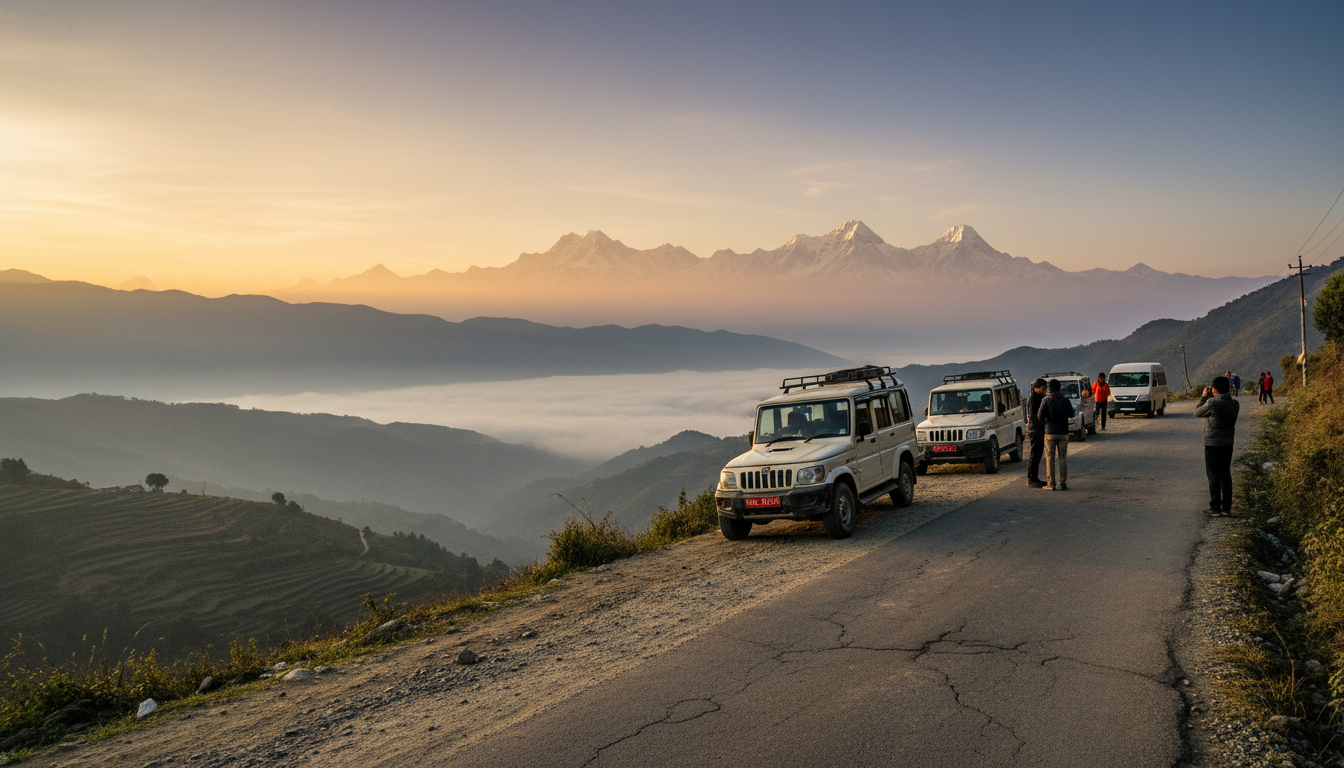
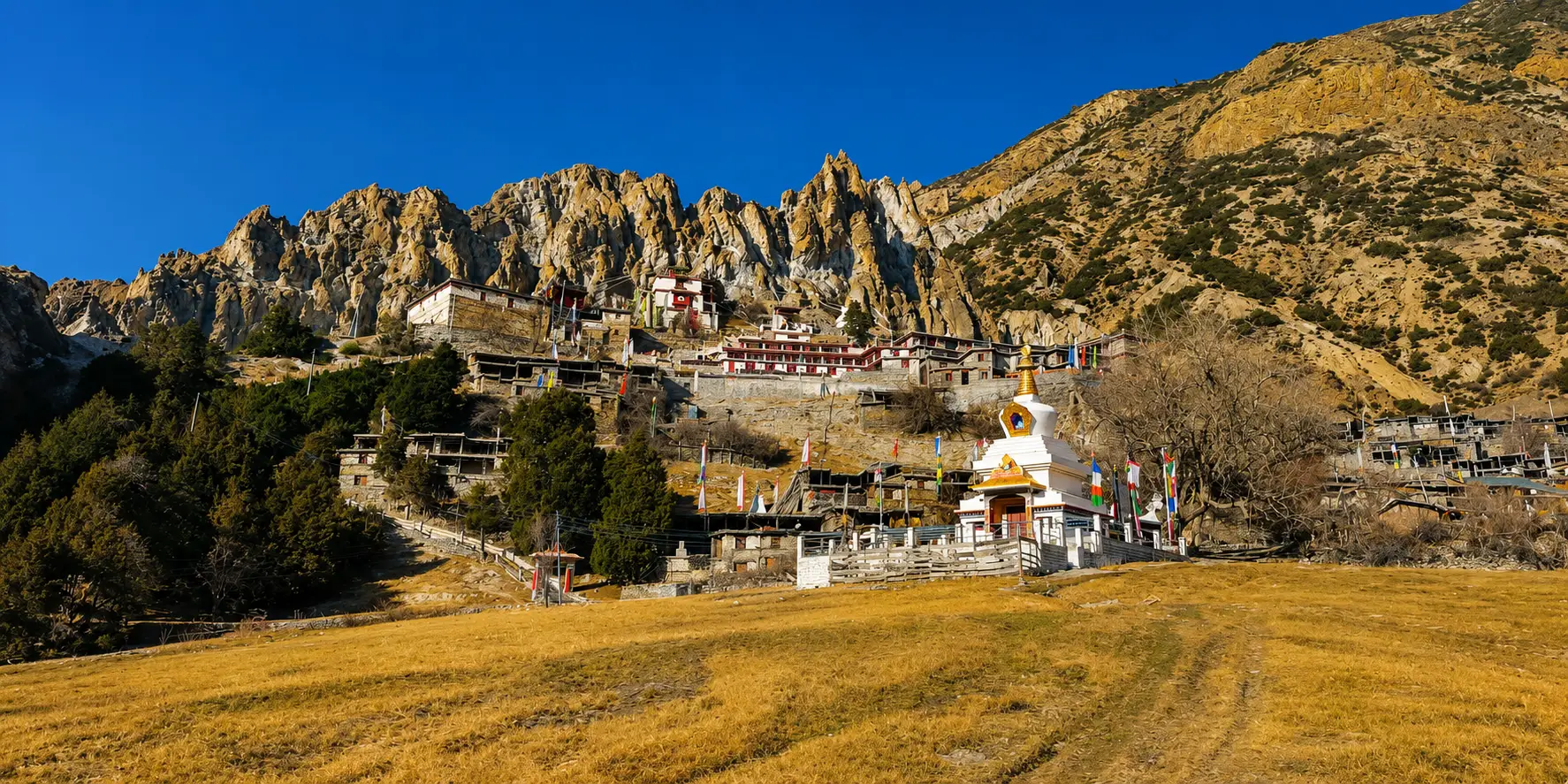
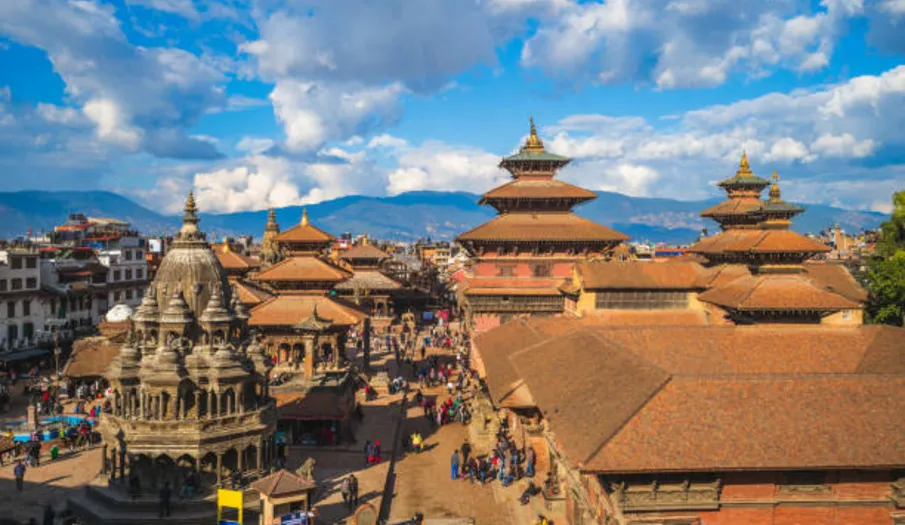
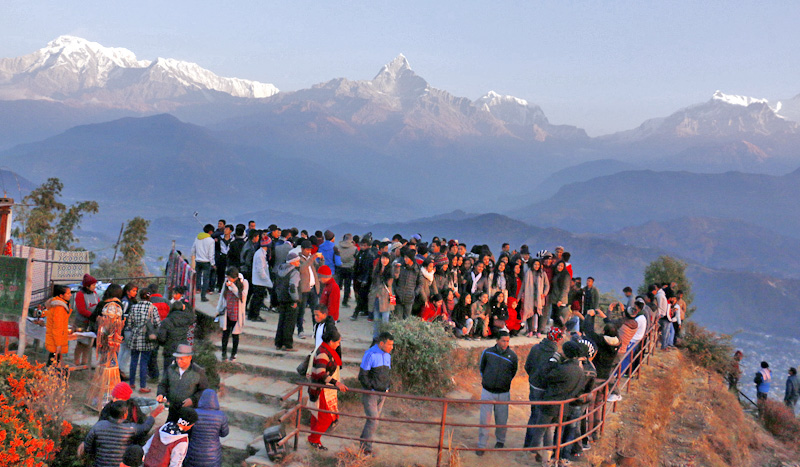
Dhulikhel is a charming hill town in Kavrepalanchok District, sitting at 1,550 meters above sea level. Renowned for panoramic Himalayan sunrise views, ancient Newari architecture, and proximity to the sacred Namobuddha Monastery and the historic town of Panauti, Dhulikhel is one of the most popular and rewarding day trips from Kathmandu—for locals and international tourists alike.
Whether you plan a sunrise drive, a full-day Dhulikhel–Namobuddha–Panauti tour, or a weekend getaway, hiring a private car from Kathmandu ensures you travel in comfort, on your own schedule, with door-to-door pick-up from your hotel.
Day trips, sunrise views, Namobuddha, Panauti, couples, families
Availability
Daily – 24/7 booking, hotel pick-up included
Contact
+977 981-4227196 | vehiclehiringnepal.com
Why Hire a Private Car from Kathmandu to Dhulikhel?
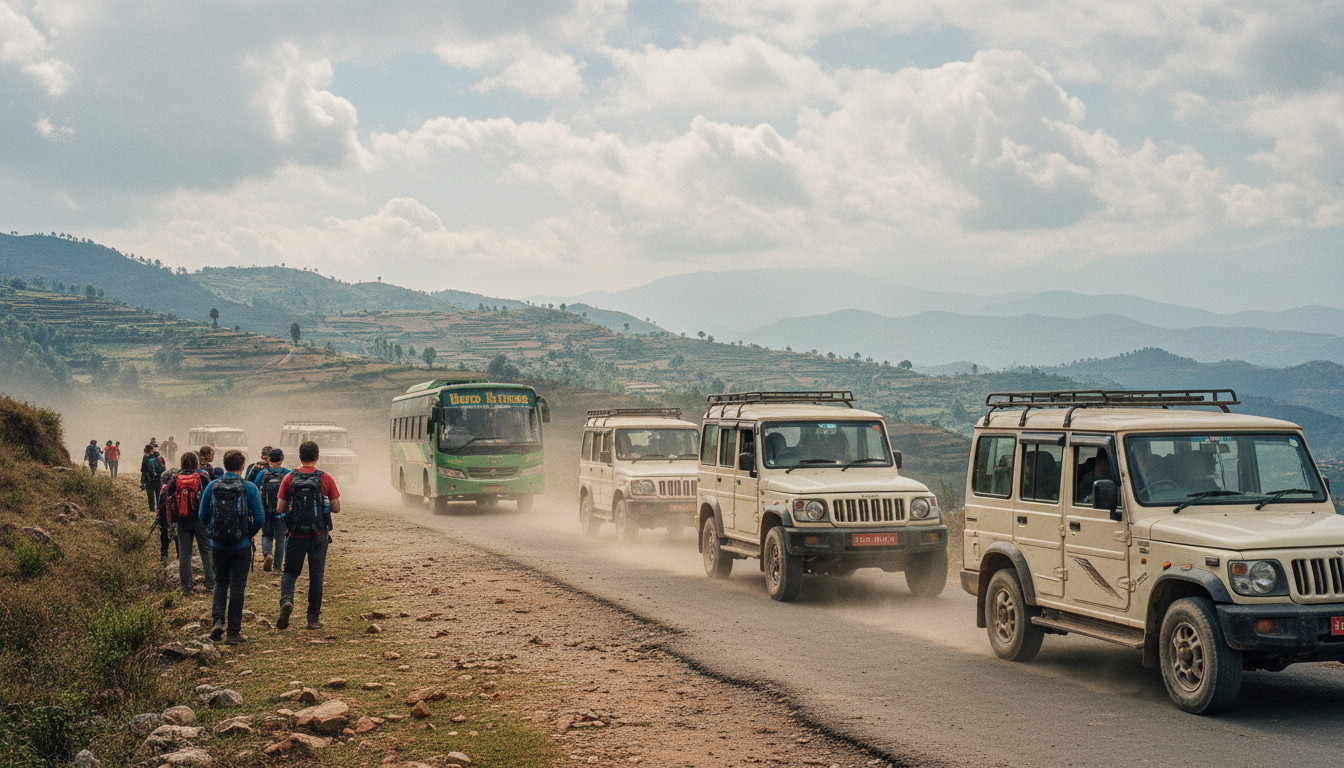
Public buses depart from Ratna Park and Koteshwor in Kathmandu and reach Dhulikhel in roughly 1 hour 45 minutes to 2 hours. However, a private car hire delivers a far superior experience:
Faster Journey: A private car covers the 32 km in just 1–1.5 hours, significantly quicker than public buses (1 hr 49 min+).
Hotel Pick-Up & Drop-Off: Your driver collects you from your Thamel, Lazimpat, or Durbar Marg hotel and drops you back — no navigating bus parks or sharing rides.
Sunrise Timing: For the famous Dhulikhel sunrise, departure from Kathmandu must be by 5–5:30 AM. Only a pre-booked private car ensures reliability.
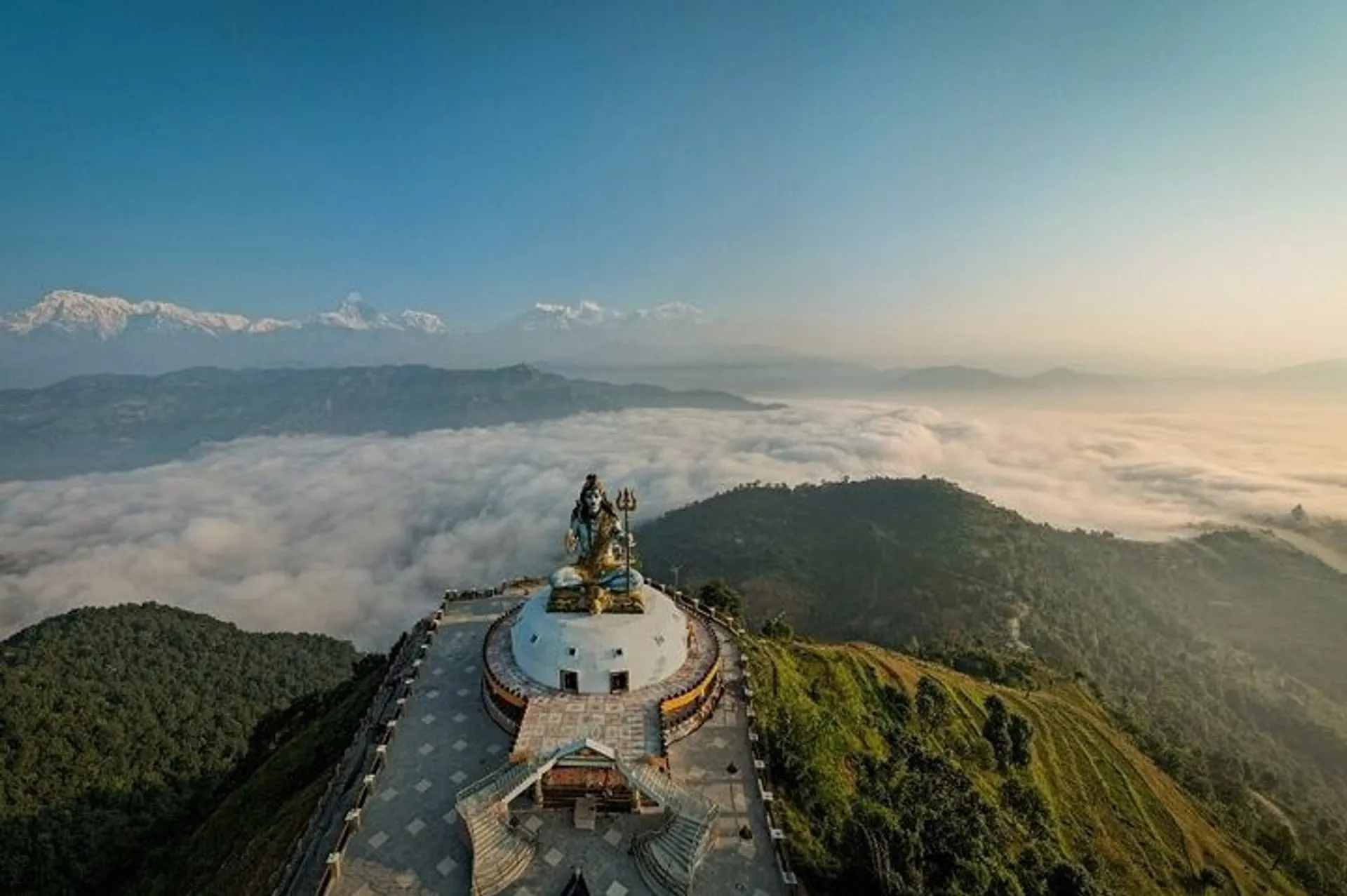
Flexible Stops: Stop at Bhaktapur, Banepa, Sanga (Giant Shiva Statue), or scenic viewpoints along the Araniko Highway at your own pace.
Comfort & Privacy: Ideal for couples on a romantic getaway, families with children, elderly travellers, or groups carrying camera equipment and hiking gear.
Round-Trip Available: Book a full-day car hire and explore Dhulikhel, Namobuddha, and Panaut, then returning then return comfortably to Kathmandu in the evening.
Top Attractions to Visit on Your Dhulikhel Car Hire Trip
Attraction
Highlights
Dhulikhel Sunrise Viewpoint
360° Himalayan panorama: Langtang, Dorje Lakpa, Ganesh Himal, Gaurishankar, Everest on clear days
Namobuddha Monastery
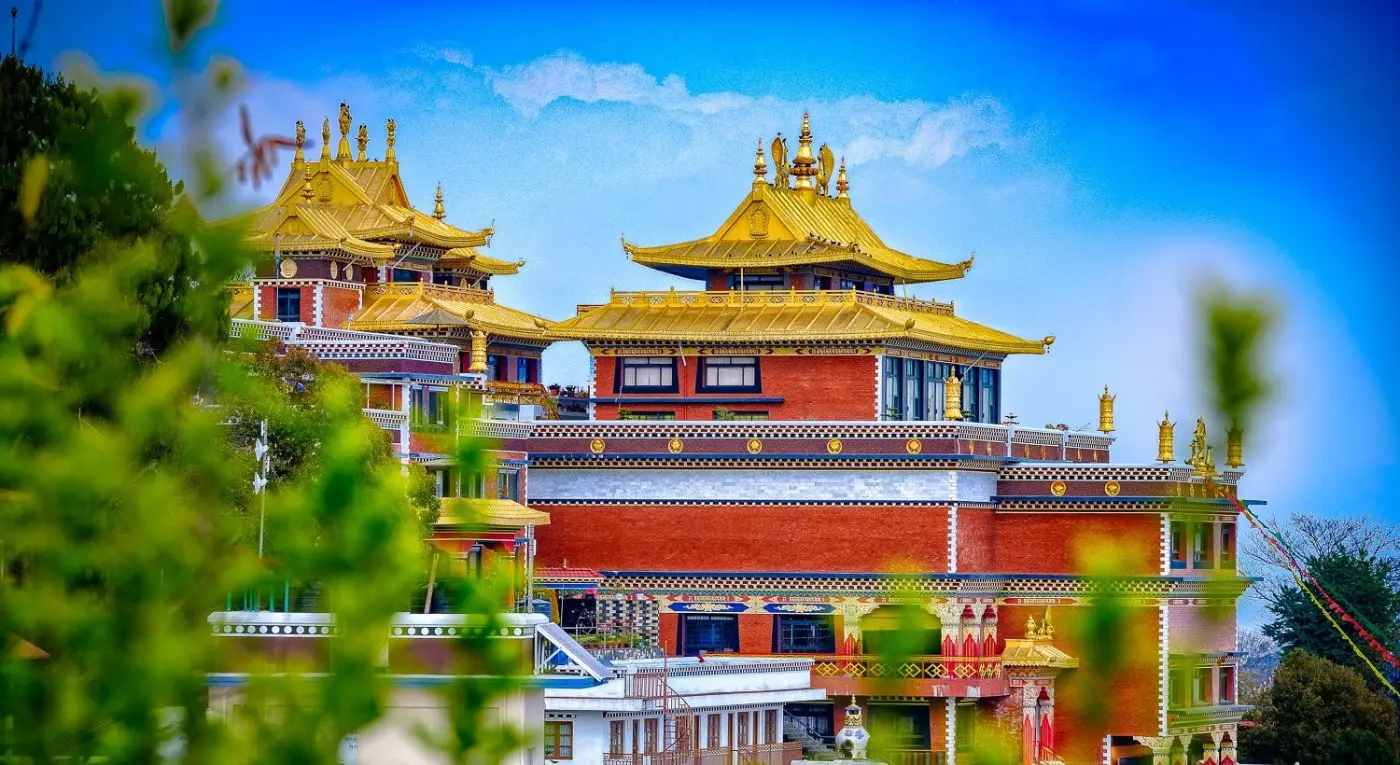
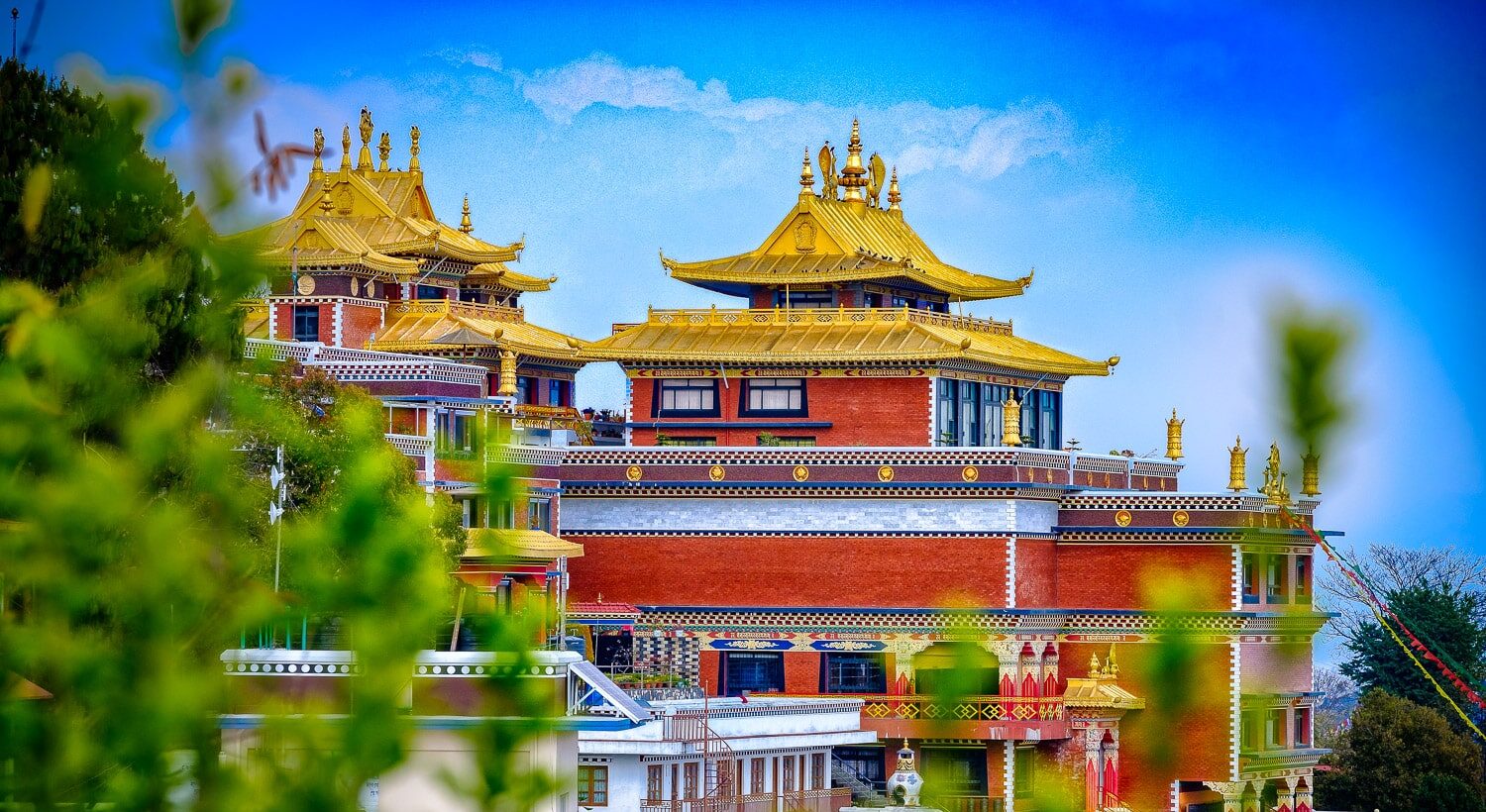
Sacred Buddhist pilgrimage site at 1,750 m with Thrangu Tashi Yangtse Monastery, 12 km from Dhulikhel
Panauti Ancient Town
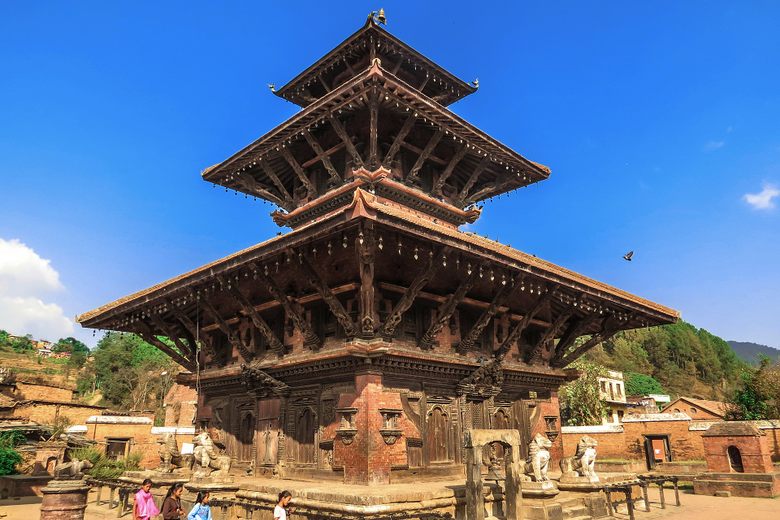
One of Nepal’s oldest Newari towns, Indreshwar Mahadev Temple, 40+ temples, and the Durbar Square complex
Kali Temple
Hilltop Hindu temple with sweeping valley and Himalayan views, ideal at sunrise and sunset
Old Town Dhulikhel
Traditional Newari architecture, Shiva & Ganesh temples, local bazaar, medieval courtyards
Dhulikhel–Namobuddha Hike
10 km trail through forests, terraced fields, and Newari villages; approx. 4 hours one-way
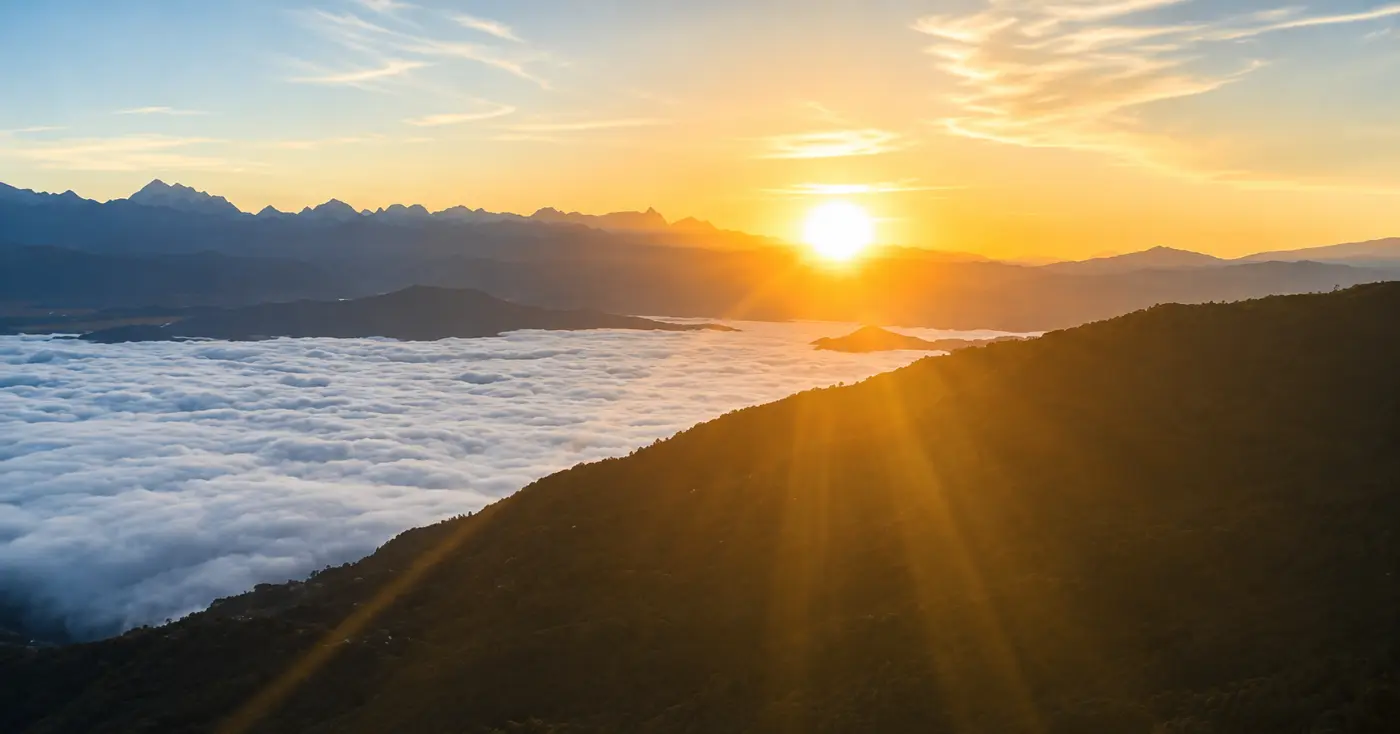
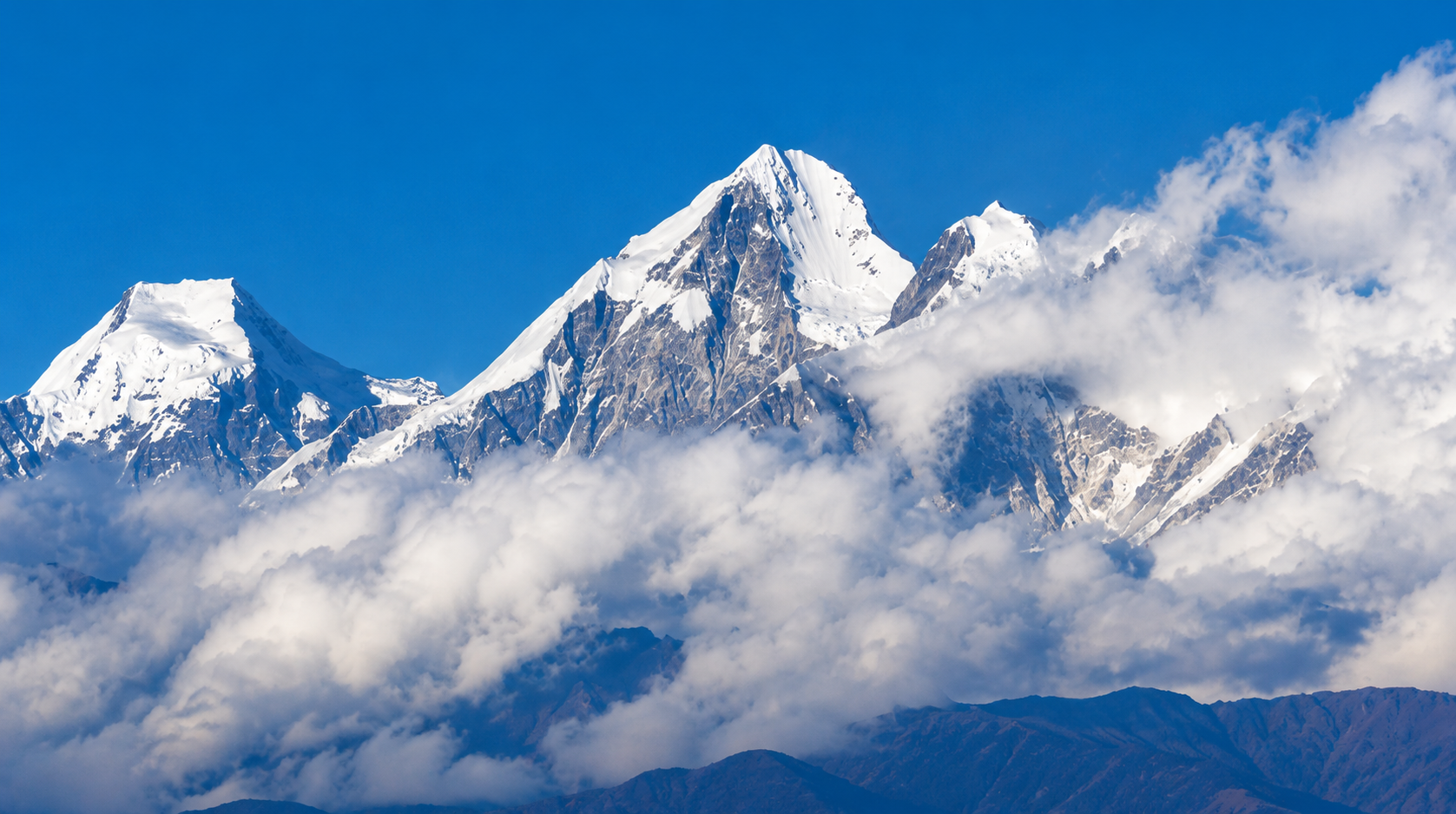
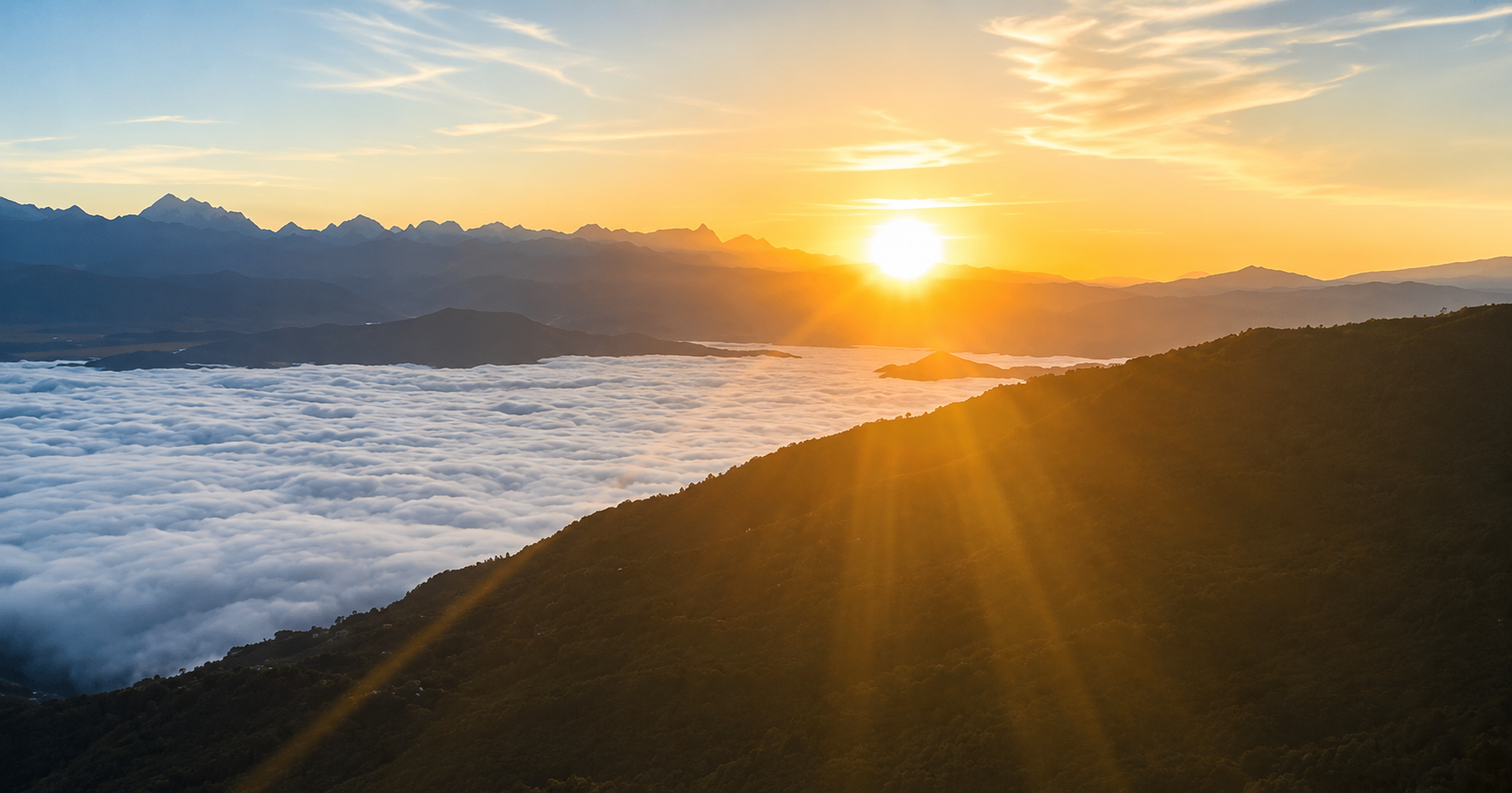
1. Dhulikhel Sunrise Viewpoint: Most visitors hire a car in Dhulikhel for the striking Himalayan sunrise. From the ridge viewpoints above the town, on a clear morning, you can see a magnificent sweep of snow-capped peaks — Langtang Lirung, Dorje Lakpa, Ganesh Himal, and Gaurishankar — and, on the clearest days, a distant glimpse of Mount Everest to the east. The golden light painting the peaks at dawn is one of the most awe-inspiring sights near Kathmandu.
2. Namobuddha Monastery
Located 12 km south of Dhulikhel at an elevation of 1,750 m, Namobuddha is one of the holiest Buddhist pilgrimage sites in Nepal and the Himalayan world. The hilltop is home to the magnificent Thrangu Tashi Yangtse Monastery — a Karma Kagyu tradition Tibetan Buddhist monastery that doubles as a school for novice monks.
According to legend, this is the sacred spot where the Bodhisattva Prince Mahasattva, in a past life, gave his own flesh to save a starving tigress and her cubs — the ultimate act of compassion. The monastery offers 360-degree views of Himalayan peaks and verdant valleys.
3. Panauti Ancient Newari Town
Just 32 km from Kathmandu, Panauti is one of Nepal’s oldest and best-preserved Newari towns, sitting at the confluence of the Roshi and Punyamati rivers at 1,340 m. The town is home to over 40 temples and shrines, including the magnificent 15th-century Indreshwar Mahadev Temple, Bhadrakali Temple, Panauti Durbar Square, and the Panauti Museum.
Its brick-paved lanes, traditional courtyard architecture, and colourful festivals make it a living heritage site that rewards leisurely exploration.
4. Old Town Dhulikhel & Temples
Dhulikhel’s Old Town is a beautifully preserved Newari settlement with cobbled lanes, traditional timber-framed houses, and ancient courtyards. Key temples to visit include the Kali Temple, Shiva Temple, Ganesh Temple, Chandeshwori Temple, and Bhagwati Shiva Temple. The Kali Temple hilltop is a particularly fine viewpoint for both sunrise and sunset over the valley.
5. Dhulikhel to Namobuddha Hiking Trail
For travellers combining a car hire with hiking, the Dhulikhel–Namobuddha–Panauti trail is one of the finest day hikes near Kathmandu. The trail covers approximately 10–12 km through forests, terraced rice fields, orange farms, and traditional Newari villages, reaching the Namobuddha hilltop in about 4 hours. After visiting the monastery, trekkers descend to Panauti (2.5 hours), where the private car awaits to return to Kathmandu.
Kathmandu to Dhulikhel – Scenic Stops Along the Araniko Highway
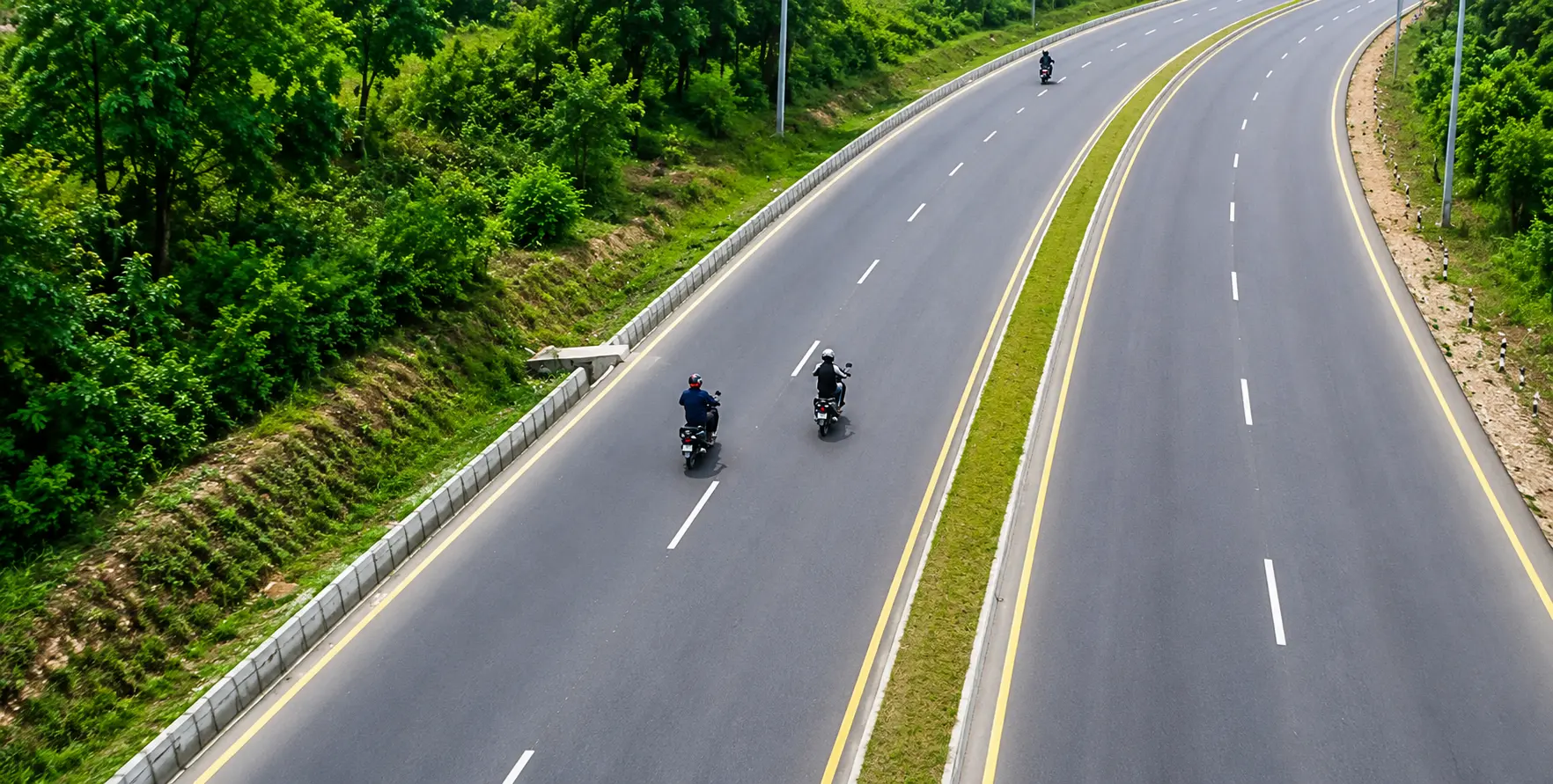
The drive from Kathmandu to Dhulikhel via the Araniko Highway passes through some of Kathmandu Valley’s most scenic and historically rich areas. Your driver can stop at these key points on request:
Sanga (Giant Shiva Statue): Located on the Araniko Highway en route to Dhulikhel, the enormous Kailashnath Mahadev statue — one of the tallest Shiva statues in the world — is a striking roadside landmark and photo stop.
Bhaktapur (optional): The medieval Newari city of Bhaktapur is just 15 km from Kathmandu and a UNESCO World Heritage Site. Ask your driver to include a stop in Bhaktapur for a richer cultural day trip.
Banepa: A bustling market town 27 km from Kathmandu at the junction of the Araniko and BP Highways. A common tea-and-snack stop before reaching Dhulikhel.
Dhulikhel Hilltop Viewpoints: Multiple roadside viewpoints on the approach to Dhulikhel offer excellent Himalayan panoramas — your driver knows the best spots.
Our Car Hire Fleet for Kathmandu to Dhulikhel
Nepal Vehicle Hiring provides well-maintained, comfortable vehicles for the Kathmandu–Dhulikhel route. Choose from our fleet based on your group size and preference:
Sedan / Hatchback Car: Ideal for 1–4 passengers for a comfortable private day trip to Dhulikhel.
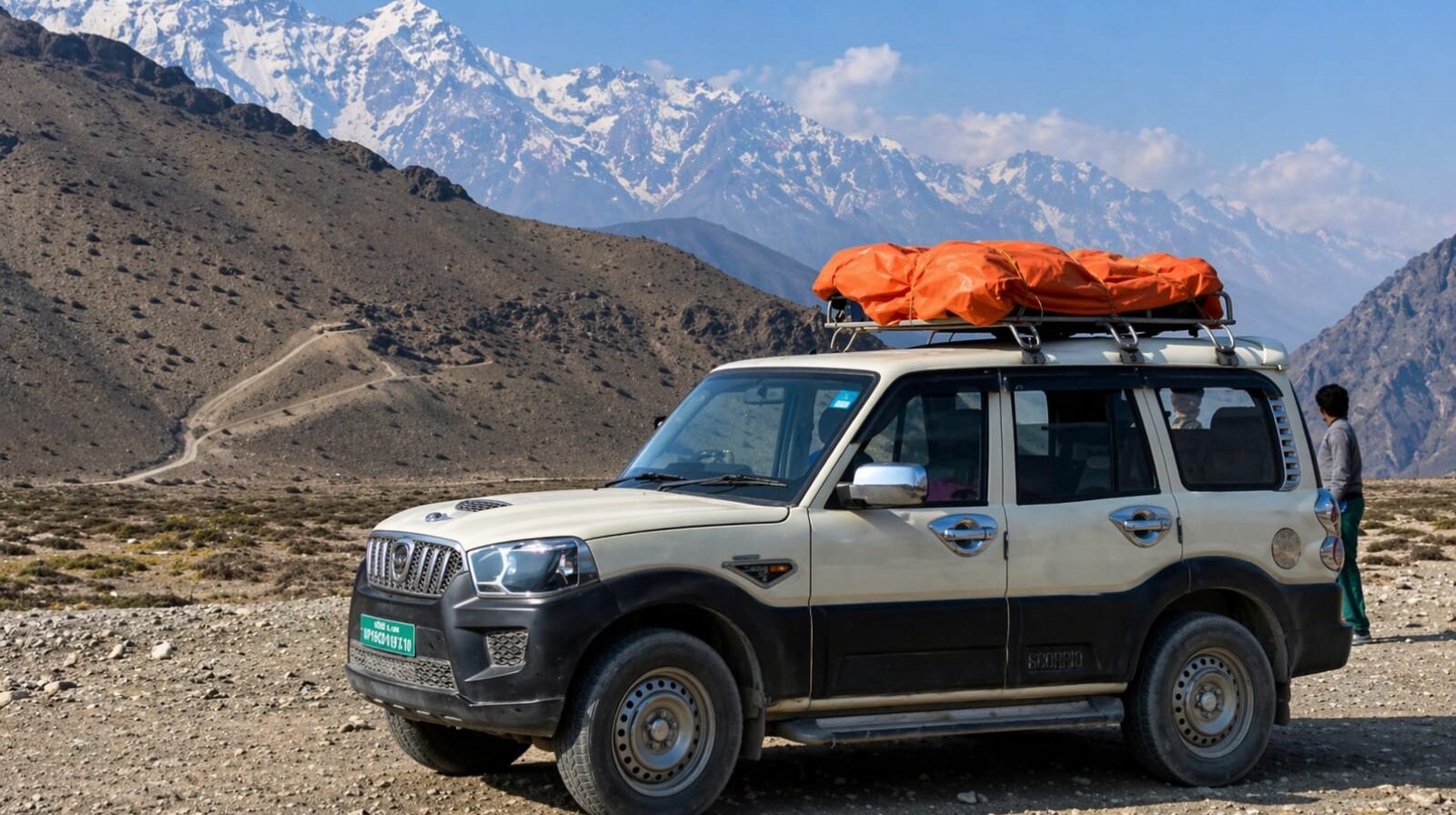
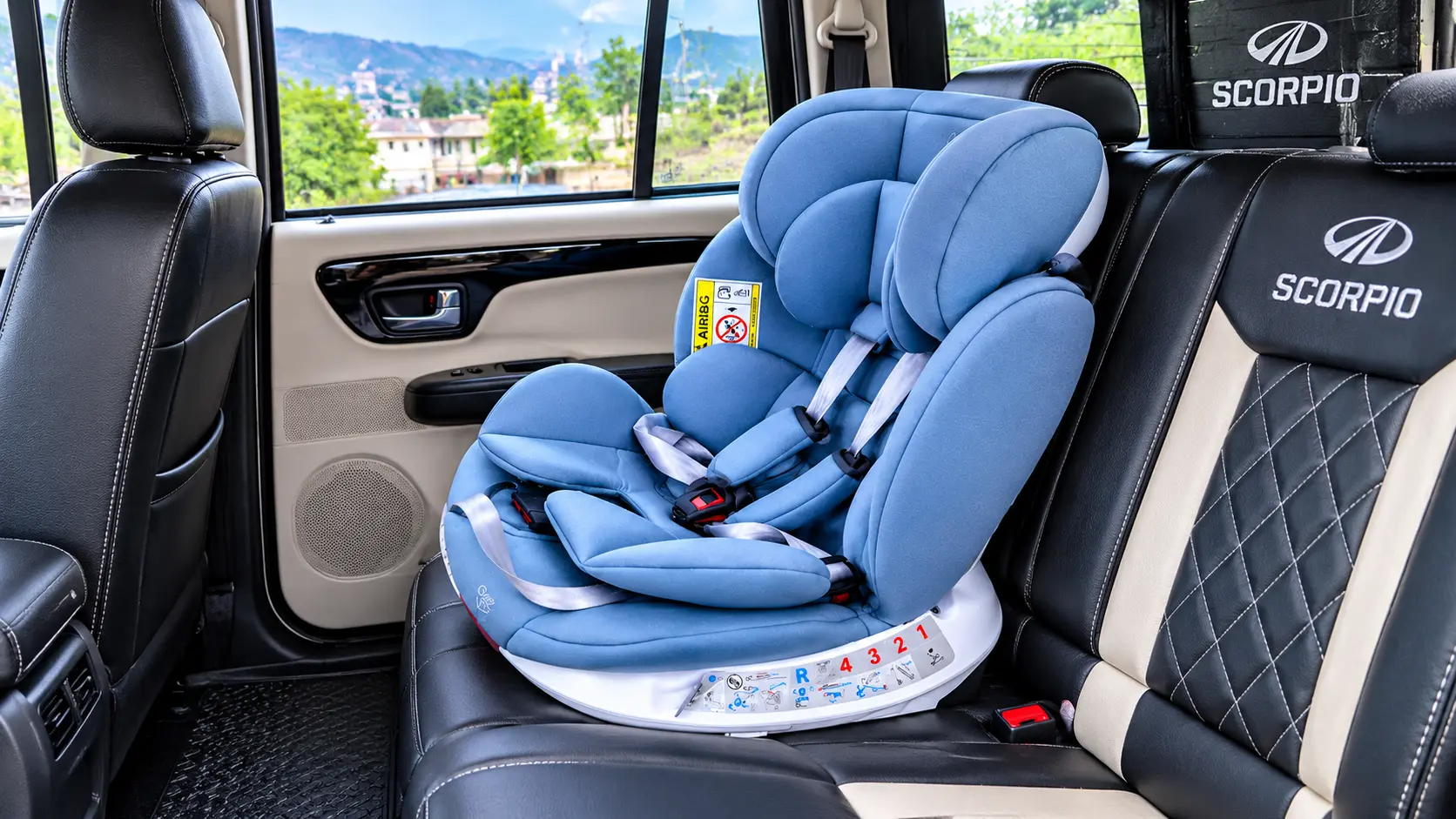
SUV / Jeep (Scorpio, Bolero): Perfect for 4–6 passengers, couples, or those wanting a higher-clearance, more comfortable ride. Great if extending the trip to off-road areas. See our Jeep Hire page.
Hiace Van (8–13 passengers): Ideal for family groups, school day trips, and medium-sized tour parties. View Hiace Van Hire.
Coaster / Mini Bus (20–25 passengers): Best for large groups, corporate excursions, and college trips. See our Coaster Hire
All vehicles include a professional, licensed driver. Air conditioning is standard. Fuel and parking are included in your hire rate.
Best Time to Visit Dhulikhel
Autumn (Oct – Nov): The best season. Crystal-clear skies deliver the sharpest Himalayan views. Ideal for sunrise trips and Namobuddha hikes.
Spring (Mar – May): Warm and pleasant with good visibility. Rhododendrons bloom along the hiking trails to Namobuddha.
Winter (Dec – Feb): Cold mornings but excellent mountain clarity. Sunrise from Dhulikhel in winter is spectacular on a clear day.
Monsoon (Jun – Sep): Lush green scenery, but mountain views are largely obscured by clouds. Road conditions on the Araniko Highway remain good.
Step 2: Call / WhatsApp +977 981-4227196 with your travel date, pick-up time, hotel location, and any stops you’d like (Namobuddha, Panauti, Bhaktapur, etc.).
Step 3: Receive a confirmed booking with driver details and exact pick-up time.
Step 4: Your driver arrives at your hotel on time and takes you to Dhulikhel — and back — on your schedule.
Related Vehicle Hire Services – Nepal Vehicle Hiring
Sunrise Timing: Depart Kathmandu by 5:00–5:30 AM to reach Dhulikhel viewpoints before sunrise (typically around 6:00–6:30 AM).
Best Months: October, November, March, and April offer the clearest mountain views. Avoid the monsoon (June–September) for sunrise trips.
Combine Destinations: A full-day car hire allows you to cover Dhulikhel + Namobuddha + Panauti in a single comfortable day — roughly 7–8 hours total.
Carry Layers: Dhulikhel mornings are cool (especially October–February). A light jacket or fleece is essential for the sunrise viewpoint.
Camera & Binoculars: Bring a good camera and binoculars for the Himalayan panorama. Early morning light is the most spectacular.
Frequently Asked Questions (FAQs) – Kathmandu to Dhulikhel Car Hire
How far is Kathmandu from Dhulikhel?
The road distance from Kathmandu to Dhulikhel is approximately 32 km via the Araniko Highway. By private car, it takes 1 to 1.5 hours, depending on traffic.
Can I hire a car from Kathmandu to Dhulikhel for a sunrise trip?
Yes — a sunrise trip is one of the most popular reasons to hire a private car to Dhulikhel. Your driver will depart from your Kathmandu hotel between 5:00 and 5:30 AM to reach the viewpoints before first light. Book in advance to guarantee your vehicle for an early departure.
Is Dhulikhel a good day trip from Kathmandu?
Absolutely. Dhulikhel is one of the top day-trip destinations from Kathmandu, offering stunning Himalayan views, rich Newari culture, excellent hiking trails to Namobuddha, and the historic town of Panauti — all within a 32 km drive.
Can I combine Dhulikhel, Namobuddha, and Panauti into a single car hire trip?
Yes. This is one of our most popular full-day itineraries. Drive to Dhulikhel (1 hr), then hike or drive to Namobuddha Monastery (30 min drive / 4 hr hike), then visit the ancient town of Panauti (30 min drive from Namobuddha) before returning to Kathmandu in the evening.
Total day: 7–9 hours.
Does Nepal Vehicle Hiring include a driver with the car hire?
Yes. All our car hires include a professional, licensed, experienced driver familiar with the Araniko Highway, Dhulikhel viewpoints, and nearby attractions. The driver also serves as a helpful local guide during your trip.
What is included in the car hire price?
Our Kathmandu-to-Dhulikhel car hire includes driver, fuel, vehicle, and parking fees. Entrance fees (e.g., Namobuddha trail permit, Panauti heritage entry) and meals are not included and are paid separately.
Book Your Kathmandu to Dhulikhel Car Hire Today
Whether it is a solo sunrise escape, a romantic day trip for two, or a family outing combining Himalayan views with cultural heritage, Nepal Vehicle Hiring Pvt Ltd makes your car hire in Dhulikhel smooth and memorable.
Our professional drivers, modern fleet, 24/7 availability, and competitive pricing ensure you spend your time enjoying Dhulikhel — not worrying about transport.
Chitwan to Kathmandu Luxury Car Rental – Private Transfers from Chitwan National Park
Your Chitwan safari is over – the tiger sightings, rhino encounters, and jungle walks are fresh in your memory. Now it is time to travel back to Kathmandu in the style and comfort you deserve. Nepal Vehicle Hiring Pvt Ltd offers the best luxury car rental service from Chitwan to Kathmandu – a smooth, private, door-to-door transfer covering approximately 150- 175 km via the scenic Prithvi Highway in 4 to 6 hours.
Whether you are a couple returning from a luxury jungle resort in Sauraha, a family completing the Nepal Golden Triangle tour (Kathmandu-Chitwan-Pokhara), or a corporate traveller on a tight schedule, our private luxury cars, SUVs, and Toyota Land Cruisers provide an unmatched level of comfort, reliability, and professionalism for your return journey.
Our drivers are experienced on the Prithvi Highway, English-speaking, and dedicated to ensuring your post-safari journey is as enjoyable as the wildlife experience itself.
Why Choose a Luxury Private Car from Chitwan to Kathmandu?
Tourist buses cover the Chitwan-Kathmandu route, but a luxury private car rental delivers a completely superior experience in every way:
Resort Pick-Up: Your driver collects you directly from your Sauraha resort or hotel – no walking to bus parks in the Terai heat.
Air-Conditioned Comfort: Chitwan’s subtropical climate is intensely hot. Our luxury AC vehicles keep the interior cool and comfortable throughout the full 4-6 hour journey.
Direct, Non-Stop Transfer: Travel straight from your Chitwan resort to your Kathmandu hotel, Thamel guesthouse, or Tribhuvan International Airport – one vehicle, zero connections, zero waiting.
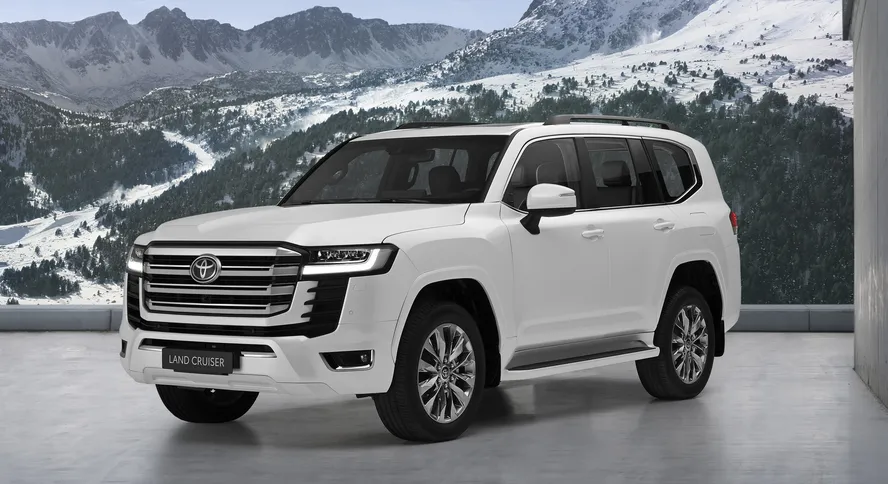
Top-end Fleet: Choose from luxury sedans, SUVs, and Toyota Land Cruiser 4WD vehicles – the finest private cars available on the Nepal highway network.
Professional, Vetted Drivers: All our drivers are licensed, highly experienced on the Prithvi Highway, and fully vetted for guest safety and professionalism.
Flexible Scenic Stops: Pause at the famous Mugling fish restaurants, the Trishuli River viewpoint, or the Manakamana Cable Car station at your own pace – no fixed bus timetable.
Flight-Time Reliability: Especially critical for guests with onward flights from Kathmandu. Our drivers monitor timing and select the optimal route to ensure you reach the airport safely and on schedule.
Luxury Vehicle Options – Chitwan to Kathmandu
Nepal Vehicle Hiring offers a top-end, well-maintained fleet for luxury transfers between Chitwan and Kathmandu. Select the vehicle that matches your group size and comfort preference:
For guests seeking the very best on the Chitwan-Kathmandu route, the Toyota Land Cruiser 4WD is unrivalled. Spacious leather seating, superior suspension that smooths out highway undulations, powerful climate control, and an immaculate professional driver combine to deliver a true VIP private transfer experience.
The Land Cruiser is the preferred choice for honeymooners, VIP guests, and business executives. Explore our Jeep and Land Cruiser hire options.
Our luxury sedans and SUVs offer an excellent balance of style, comfort, and value for couples and families with up to 5 passengers. Fully air-conditioned, regularly serviced, and driven by professional chauffeurs, these are the most popular choice for post-safari returns to Kathmandu.
Travelling as a group? Our Toyota Hiace (8-13 passengers) and Coaster (20-25 passengers) offer the most comfortable large-group transfers on this route, with reclining seats, air conditioning, ample luggage space, and experienced highway drivers. View Hiace Van Hire and Coaster Hire.
Chitwan to Kathmandu – Scenic Route Highlights
The return drive from Chitwan to Kathmandu via the Prithvi Highway takes you through some of Nepal’s most beautiful landscapes. These are the key highlights your driver can stop at on request:
Stop / Landmark
Distance from Chitwan & Highlights
Narayanghat
30 km | Busy junction town; fuel stop and snack break on the Narayani River
Mugling Bazaar
100 km | Famous for fresh fish restaurants by the Trishuli River; popular breakfast/lunch stop
Trishuli River Gorge
100-130 km | Dramatic river gorge with white-water rafting views along the Prithvi Highway
Manakamana Cable Car
130 km | Optional stop: cable car to the hilltop Manakamana Devi Temple (1.5-2 hrs)
Naubise & Thankot
145-160 km | Gateway to Kathmandu Valley; winding hill ascent with spectacular valley views
Mugling – The Prithvi Highway’s Famous Fish Stop
At the confluence of the Trishuli and Marsyangdi rivers, roughly halfway along the route, Mugling Bazaar is legendary among Nepali road travellers for its freshwater fish restaurants. Stopping for a plate of freshly grilled Asla (snow trout) with mustard and cumin is a beloved Prithvi Highway tradition. Your driver will happily arrange this classic mid-journey meal break.
Trishuli River Gorge – Nepal’s Scenic Highway Jewel
For much of the Prithvi Highway between Mugling and Naubise, the road runs alongside the dramatic Trishuli River gorge – offering passengers sweeping views of white-water rapids, forested hillsides, and traditional riverside villages. On clear days, Himalayan peaks shimmer above the valley ridgelines in an extraordinary setting of natural beauty.
Manakamana Cable Car – Optional Pilgrimage Stop
Above the Trishuli gorge, the Manakamana Temple cable car rises 1,300 m to a hilltop temple dedicated to the wish-fulfilling Goddess Bhagwati. One of Nepal’s most-visited pilgrimage sites, it can be incorporated as a 1.5-2-hour optional stop on your luxury car hire itinerary. Please request this when booking.
Who Is This Luxury Car Hire Perfect For?
Post-Safari Travellers: After 2-3 days of Chitwan jungle safari, a private luxury car is the ideal way to unwind on the return journey to Kathmandu.
Honeymooners and Couples: A private, air-conditioned luxury car with a professional driver offers a romantic, intimate return from Chitwan’s jungle lodges.
Nepal Golden Triangle Tourists: Completing Kathmandu-Chitwan-Pokhara? Our luxury car hire connects all three destinations with smooth, comfortable private transfers.
Business and Corporate Travellers: For executives on incentive tours or corporate wildlife retreats, our top-end vehicles and punctual drivers ensure a smooth, professional transfer.
Airport Connections: For guests with onward flights from Tribhuvan International Airport, our reliable luxury transfer with time monitoring ensures you never miss a flight.
Senior Travellers and Families: The safety, door-to-door comfort, and convenience of a luxury private car far surpass those of tourist buses for elderly guests and families with young children.
Travel Tips for Your Chitwan to Kathmandu Journey
Depart Early: Leave Sauraha between 7:00 and 8:00 AM to avoid the Kathmandu Valley evening traffic and enjoy the Prithvi Highway in beautiful morning light.
For Airport Transfers: Allow at least 5-6 hours from Sauraha to Tribhuvan Airport. Book your departure at least 6+ hours before your flight, accounting for potential Kathmandu approach traffic.
Book 24 Hours Ahead: While last-minute bookings are accepted, reserving your luxury vehicle at least one day in advance guarantees your preferred class – especially for Land Cruiser 4WD availability.
Pack the Night Before: Have all luggage ready the night before for a smooth, relaxed early-morning departure from your Chitwan resort.
Warm Layers for Kathmandu: Chitwan’s warm Terai climate contrasts with Kathmandu’s cooler temperatures, especially from October to February. Pack a jacket for arrival in the valley.
How to Book Your Chitwan to Kathmandu Luxury Car Rental
Step 1: Visit com and browse our luxury vehicle options.
Step 2: Call or WhatsApp +977 981-4227196 with your travel date, chosen vehicle, passenger count, Sauraha resort name, and Kathmandu drop-off destination.
Step 3: Receive your booking confirmation with the driver’s name and exact resort arrival time.
Step 4: Your driver arrives at your Chitwan resort, assists with luggage, and transfers you to Kathmandu in luxury and comfort.
Related Vehicle Hire Services – Nepal Vehicle Hiring
Frequently Asked Questions – Chitwan to Kathmandu Luxury Car Rental
How far is Chitwan from Kathmandu by road?
The road distance from Chitwan (Sauraha) to Kathmandu is approximately 150-175 km via the Prithvi Highway, depending on your exact pick-up point in Chitwan and your destination in Kathmandu.
How long does the drive from Chitwan to Kathmandu take?
A private luxury car takes approximately 4-6 hours, depending on traffic (particularly when approaching the Kathmandu Valley) and any scenic stops along the route. Tourist buses typically take 6-7 hours.
What is the most comfortable vehicle available for this route?
The Toyota Land Cruiser 4WD is our top-end vehicle for the Chitwan-Kathmandu route, offering spacious leather seating, top-tier air conditioning, and superior ride quality on the winding Prithvi Highway.
Can I be picked up directly from my resort in Sauraha?
Yes, absolutely. Our drivers can pick you up directly from your resort or hotel anywhere in Sauraha or the Chitwan area. You don’t need to travel to a bus park or shared taxi stand.
Can I stop at Manakamana Temple during the journey?
Yes. We can include a stop at the Manakamana Cable Car and Temple on request, adding about 1.5-2 hours to your journey. Please inform us at the time of booking so we can schedule your departure from Chitwan accordingly.
What is included in the luxury car hire price?
Our hire rate includes the vehicle, professional driver, fuel, and parking charges. Personal expenses, meals, entrance or cable car fees, and driver gratuities are not included. We provide a fully transparent quote before confirmation.
Book Your Chitwan to Kathmandu Luxury Car Rental Today
End your Chitwan National Park experience exactly as it deserves – in a luxury private car, with a professional driver, cool air conditioning, and the spectacular Prithvi Highway scenery rolling past your window. Nepal Vehicle Hiring Pvt Ltd makes your return from Chitwan to Kathmandu as memorable as the safari itself.
With 24/7 availability, direct resort pick-up, a top-end fleet of luxury vehicles, and years of trusted service across Nepal, we are the first choice for post-safari luxury transfers.
Kathmandu to Lumbini Vehicle – Complete Hiring Guide
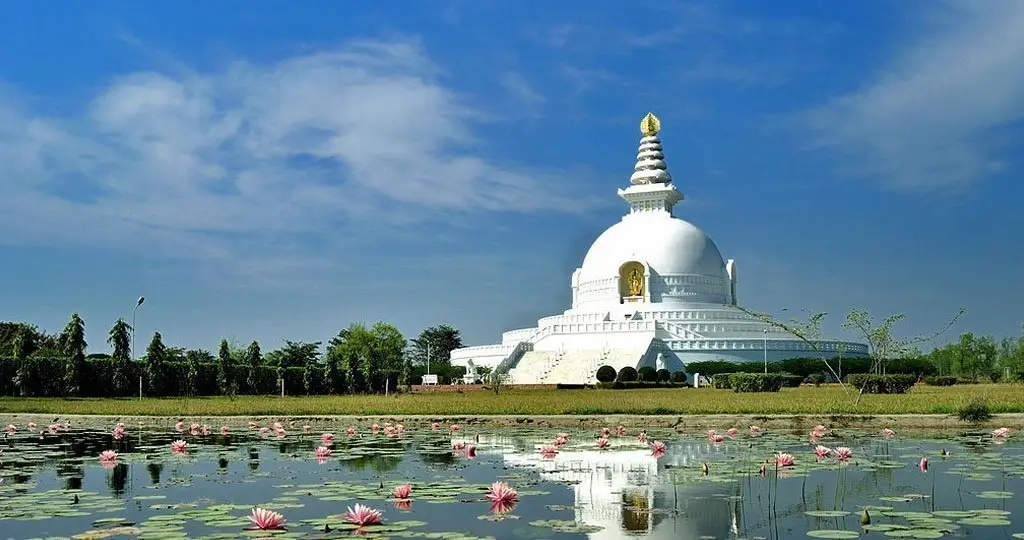
Lumbini – the birthplace of Lord Siddhartha Gautama, the founder of Buddhism – is one of the most spiritually significant destinations on earth and a UNESCO World Heritage Site visited by millions of pilgrims and travellers from across the globe every year. Located in the southwestern Terai plains of Nepal, approximately 280 to 300 km from Kathmandu, Lumbini is best reached by hiring a private vehicle – giving you comfort, flexibility, and door-to-door service on this long but deeply meaningful journey.
Whether you are travelling as a Hindu or Buddhist pilgrim, a family explorer, a heritage traveller, or part of a large tour group, Vehicle Hiring Nepal has the right vehicle for your 2026 journey from Kathmandu to Lumbini. This complete guide covers every vehicle option, the full road route, pricing, travel tips, what to see in Lumbini, and how to book.
Route Overview: Kathmandu to Lumbini
Distance: Approximately 280–300 km by road
Travel Time: 6 to 8 hours by private vehicle, including rest stops
Best Departure: 6:00 to 7:00 AM from Kathmandu to arrive in Lumbini by early afternoon
Altitude Change: From Kathmandu at 1,400 m descending to Lumbini at just 100 m – subtropical Terai lowlands
The Kathmandu to Lumbini road journey is one of Nepal’s most diverse and interesting long-distance drives – beginning in the mountain valley of Kathmandu, descending through the dramatic Trishuli River gorge on the Prithvi Highway, crossing the subtropical Terai plains on the East-West Highway, and finally arriving at the peaceful, flat sacred zone of Lumbini. No section of the journey is dull.
Vehicle Options for Kathmandu to Lumbini
Vehicle Hiring Nepal provides a full range of vehicles for the Kathmandu-to-Lumbini route – from comfortable sedans for solo travellers and couples to large buses for monastery groups and pilgrimage parties. Here is a complete overview:
Sedan Car – Best for Small Groups
A Toyota Corolla, Suzuki Swift, or similar sedan is the ideal vehicle for 1 to 3 passengers making the Kathmandu-to-Lumbini journey. Comfortable, air-conditioned, and economical on fuel for the long Terai highway section. Perfect for couples, solo pilgrims, and small families without excess luggage.
SUV / Jeep – Best for Families and Small Groups
A Toyota Fortuner, Land Cruiser Prado, or similar SUV offers more space, higher ground clearance, and a more comfortable ride for 4 to 6 passengers. The higher seating position provides better views of the passing landscape, and the vehicle handles the full highway route with ease. Ideal for families with children, small trekking groups, and business travellers who need extra luggage space.
Toyota Hiace Van – Best for Groups of 7 to 14
The Toyota Hiace is the most popular vehicle for medium-sized pilgrim groups, school tours, and cultural travel from Kathmandu to Lumbini. With seating for up to 14 passengers, the Hiace offers good interior space, air conditioning, and ample luggage storage. The van rides smoothly on the flat Terai highway section and handles the mountain road from Kathmandu comfortably.
Coaster Bus – Best for 15 to 22 Passengers
The Toyota Coaster is a mid-sized bus well suited to larger pilgrim groups, community tours, and organised religious travel parties. With 20 to 22 comfortable seats, A/C, and ample luggage space, the Coaster handles the full Kathmandu-to-Lumbini route efficiently. Buddhist and Hindu pilgrimage organisations widely use it for this sacred journey.
Full-Size Bus – Best for Large Groups
For larger groups of 25 to 45 passengers – monastery delegations, school groups, corporate tours, and large pilgrimage parties – Vehicle Hiring Nepal provides full-size buses with reclining seats, air conditioning, and full luggage holds. The full-size bus is the most economical per-person option for large groups on the long Kathmandu-to-Lumbini route.
Vehicle Hire Prices: Kathmandu to Lumbini
Vehicle Type
Capacity
One-Way Price (USD)
Round Trip (USD)
Best For
Sedan Car
1–3 pax
$100 – $200
$200 – $400
Solo travellers, couples
SUV / Jeep
4–6 pax
$150 – $250
$250– $550
Families, small groups
Toyota Hiace Van
7–14 pax
$ 200- $ 300
$300 – $600
Pilgrim groups, tours
Coaster Bus
15–22 pax
$300 – $400
$400 – $800
Large pilgrim groups
Full-Size Bus
23–45 pax
$400– $600
$600 – $1200
Monasteries, school tours
All prices include the driver, full fuel cost, and vehicle insurance for the one-way journey from Kathmandu to Lumbini. Round-trip pricing covers the driver staying in Lumbini or Bhairahawa during your visit and returning you to Kathmandu on your chosen departure date. Contact Vehicle Hiring Nepal for an exact 2026 quote based on your travel dates and group size.
Detailed Road Guide: Kathmandu to Lumbini Stage by Stage
The Kathmandu-to-Lumbini journey traverses three distinct road types and landscapes. Here is the complete stage-by-stage breakdown of what to expect:
Stage 1: Kathmandu to Naubise (30 km | 45 min)
Depart your Kathmandu hotel early – 6:00 to 7:00 AM is ideal to avoid peak Kathmandu traffic and complete the hot Terai section in the cooler morning. Exit Kathmandu through Kalanki in the west and climb the Chandragiri foothills before descending to Naubise. This section has winding switchbacks with views back over the Kathmandu Valley.
The road is fully paved and in good condition.
Stage 2: Naubise to Mugling (85 km | 1.5 hrs)
This is the most scenic section of the Kathmandu-to-Lumbini journey. The Prithvi Highway follows the dramatic Trishuli River gorge through forested hills and spectacular cliff scenery. The river runs green and fast below the road – a famous white-water rafting destination.
Pass through Malekhu, a popular roadside stop known for fresh river fish restaurants and riverside tea shops. Arrive at Mugling – a busy junction town at the confluence of the Trishuli and Marsyangdi rivers – for a recommended tea or snack break.
Stage 3: Mugling to Narayangadh (36 km | 45 min)
From Mugling, the road turns south on the Narayangadh Highway, rapidly descending from the mountain gorge into the subtropical Terai plains. The landscape transforms completely – rice paddies and farmland replace forested gorge walls, the air becomes warmer and more humid, and the Himalayan peaks disappear behind you.
Arrive in Narayangadh (Bharatpur), the provincial capital of Gandaki Province and a large, bustling Terai city. This is the ideal midpoint stop for lunch or refreshments.
Stage 4: Narayangadh to Butwal (90 km | 1.5 hrs)
Join the East-West Highway heading west across the vast, flat Terai agricultural plains. This is the longest and most straightforward section of the journey – a wide, fast highway through rice fields, mustard plantations, sugarcane, and subtropical forest patches. Towns of Sunwal, Triveni, and Rampur mark the way.
Butwal is a significant junction city where the Terai highway meets the road heading north into the Palpa hills.
Stage 5: Butwal to Bhairahawa (25 km | 30 min)
From Butwal, head south toward Bhairahawa (officially Siddharthanagar) – the nearest major city to Lumbini. The road is wide and fast. Bhairahawa is the commercial hub of the western Terai with good hotels, restaurants, ATMs, banks, and the newly upgraded Gautam Buddha International Airport.
If any members of your group are flying in or out, Vehicle Hiring Nepal can arrange airport transfers in Bhairahawa.
Stage 6: Bhairahawa to Lumbini (22 km | 30 min)
The final stage from Bhairahawa heads west on a well-paved road through flat agricultural land. As you approach Lumbini, the landscape becomes notably quieter and more peaceful – the sacred zone exerts its own gentle atmosphere even before you arrive. The road leads directly to the main gate of the Lumbini Development Zone.
Your driver will take you to your hotel, monastery guest house, or the sacred garden entrance, whichever you have chosen as your base of accommodation.
Distance and Time: Key Milestones
Stop
Distance from Kathmandu
Approx. Time from KTM
Why Stop
Naubise
30 km
45 min
Last Kathmandu Valley view; winding road begins
Malekhu
80 km
1.5 hrs
Trishuli riverside – tea and fresh fish stop
Mugling Junction
115 km
2.5 hrs
Midpoint snack/tea – junction for Pokhara vs Lumbini road
Narayangadh
151 km
3.5 hrs
Best lunch stop – last large city before the Terai highway
Butwal
241 km
5 hrs
Tea break – Terai gateway, junction town
Bhairahawa
266 km
5.5 hrs
ATM, fuel, airport transfers, and final city stop
Lumbini
288 km
6–8 hrs
Final destination – Sacred Garden, temples, monasteries
Why Hire a Private Vehicle from Kathmandu to Lumbini?
Many travellers ask whether public transport is an option for the Kathmandu to Lumbini journey. While local buses exist, private vehicle hire is superior in almost every way for this long-distance pilgrimage route:
Door-to-door service – your vehicle picks you up from your Kathmandu hotel and drops you at your chosen accommodation in Lumbini with no vehicle changes, no waiting at bus stations, and no carrying of heavy bags across crowded terminals
Depart at your chosen time – a 6:00 AM departure from Kathmandu means arriving in Lumbini by 1:00–2:00 PM, giving you a full afternoon to visit the Sacred Garden and begin your pilgrimage. Public transport cannot match this timing.
Air-conditioned comfort across the hot Terai plains – essential in spring and summer when Terai temperatures reach 38–42°C
Full luggage space for pilgrimage offerings, personal bags, camera equipment, and group supplies
Flexibility to stop at meaningful points – the Devghat sacred confluence, Manakamana Temple, or riverside meal breaks at Malekhu – all on your own schedule.
Privacy for pilgrims and families throughout the journey – no strangers, no overcrowding
Significant time saving – private vehicle in 6 to 7 hours vs public transport in 9 to 12 hours with multiple connections
Same driver available for the return journey, any side trips to Tilaurakot or Devghat, and any emergency assistance
Best Time to Travel from Kathmandu to Lumbini
October to February (Best Season)
The dry winter months are the best time for the Kathmandu-to-Lumbini journey. Roads are dry and in excellent condition, temperatures in the Terai are pleasant and cool (15 to 25°C), and the sky over the Lumbini Sacred Garden is clear and blue.
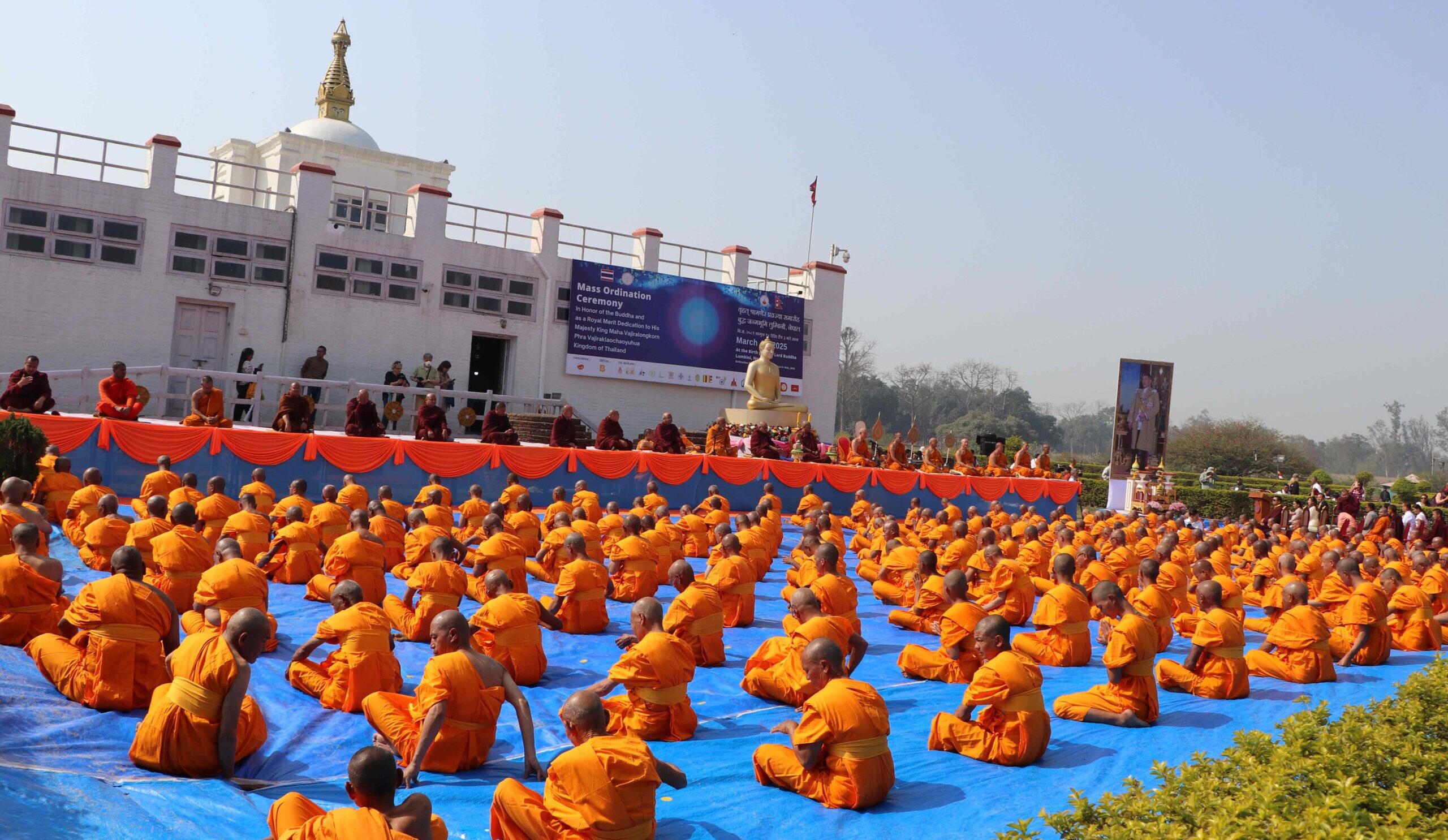
This is also the peak season for international pilgrimage, with large groups arriving from Sri Lanka, Thailand, Myanmar, Japan, South Korea, China, and India. October–November has particularly beautiful light, and the Lumbini gardens are lush after the monsoon. Book vehicles and accommodation well in advance for this period.
March to May (Good – Getting Hot)
Spring is a good time for the journey. Roads are dry and clear. However, temperatures in the Terai rise rapidly in April and May – Lumbini can reach 40–42°C during peak summer.
Depart Kathmandu by 6:00 AM to complete the Terai section in the cooler morning hours. Visit the Sacred Garden early morning (6:00–9:00 AM) and rest during the midday heat. Spring has lighter pilgrimage crowds than the October–November peak.
June to September (Monsoon – Possible with Caution)
The monsoon months bring heavy rain to the Terai, although the Prithvi Highway mountain section is generally passable. The East-West Highway can occasionally flood during severe storms. The Lumbini Sacred Garden is lush and green in the monsoon, but the humidity is intense, and many international pilgrim groups avoid this season.
Travel is possible but not comfortable on the Terai section. Confirm road conditions before departure during the active monsoon.
Top Destinations to Visit in Lumbini
Once your vehicle delivers you to Lumbini, here is a complete guide to the sacred sites and attractions awaiting you:
Maya Devi Temple – The Birthplace
The most sacred site in the entire Lumbini complex is the exact spot where Queen Maya Devi gave birth to Prince Siddhartha Gautama in 623 BCE. The ancient temple surrounds the Marker Stone that pinpoints the precise birthplace.
Adjacent is the sacred Puskarini Pond, where Queen Maya Devi bathed before giving birth and where the newborn prince was first bathed. The Ashoka Pillar, erected by Emperor Ashoka in 249 BCE, stands beside the temple and is one of Nepal’s oldest historical monuments. Entry is free for all.
Remove shoes before entering the sacred area.
The 108 Sacred Water Spouts of Lumbini (Muktinath connection)
The Sacred Garden surrounding the Maya Devi Temple contains the peaceful Puskarini Pond and ancient brick ruins dating to the 3rd century BCE. The atmosphere of the Sacred Garden is one of profound quiet and spiritual power – early morning visits before the crowds arrive are recommended.
The Monastic Zone – East and West
The Lumbini Development Zone contains over 40 monasteries built by Buddhist nations worldwide in two separate zones. The East Zone contains Theravada monasteries representing Sri Lanka, Myanmar, Thailand, Cambodia, Vietnam, and Bangladesh. The West Zone contains Mahayana monasteries representing China, Japan, South Korea, Germany, France, and other Mahayana Buddhist countries.
Each monastery is architecturally unique to its home country’s Buddhist tradition – a remarkable journey through the diversity of global Buddhism. The Chinese and Royal Thai monasteries are particularly stunning.
Lumbini Museum
The Lumbini Museum near the main entrance houses important archaeological finds from the site, including terracotta figurines, ancient coins, architectural remains, and exhibits tracing the 2,600-year history of Lumbini’s significance as a pilgrimage destination. The museum provides essential historical context for understanding the Sacred Garden.
Eternal Peace Flame
The World Peace Flame monument near the Maya Devi Temple burns perpetually as a symbol of universal peace and the spreading light of the Buddha’s teachings. The flame was ignited from the sacred Muktinath eternal flame in Mustang – connecting Nepal’s two most sacred sites in a single unbroken flame.
Kapilavastu / Tilaurakot (27 km from Lumbini)
The ancient city of Tilaurakot – believed to be Kapilavastu, the royal capital where Prince Siddhartha grew up – lies 27 km west of Lumbini. The archaeological site contains remains of palace walls, city gates, and a meditation garden. This is where the young prince lived in luxury for 29 years before his Great Renunciation.
For pilgrims visiting Lumbini, a visit to Tilaurakot is a meaningful extension of the pilgrimage. Your Vehicle Hiring Nepal driver can take you there and back as a half-day excursion.
Accommodation in Lumbini
Lumbini offers a wide range of accommodation from very simple to surprisingly comfortable. Here is what is available:
Type
Price Per Night (USD)
Notes
Best For
Budget Guesthouse
USD 8–20
Simple rooms near the Sauraha village area
Backpackers, budget pilgrims
Mid-Range Hotel
USD 25–60
Good rooms, A/C, hot water, restaurant
Most travellers, families
Monastery Guest House
USD 10–30
Simple rooms inside monastery compounds
Pilgrims, Buddhist practitioners
Lumbini Garden New Hotel
USD 60–120
Best hotel in Lumbini, pool, garden
Comfort seekers, tour groups
Bhairahawa Hotels
USD 30–80
City hotels 22 km away – wider choice
Groups, business travellers
Many Buddhist pilgrimage groups choose to stay in monastery guesthouses within the Lumbini Development Zone for an in-depth spiritual experience. Booking in advance is essential during the October–February peak season. Your Vehicle Hiring Nepal driver knows the best accommodation options and can offer recommendations.
Optional Stops and Extensions Along the Route
One of the great advantages of private vehicle hire for the Kathmandu-to-Lumbini journey is the flexibility to make meaningful stops along the way. Here are the most popular:
Manakamana Temple (Near Mugling – on the route)
The sacred Manakamana Goddess Temple sits on a hilltop above the Trishuli River gorge and is directly accessible from the Prithvi Highway via cable car from Kurintar (approximately 10 km before Mugling). The cable car ride takes 10 minutes each way, and the temple visit adds 1.5 to 2 hours to your journey.
Manakamana is one of Nepal’s most important Hindu temples and a deeply meaningful stop for pilgrims travelling from Kathmandu to Lumbini. Inform Vehicle Hiring Nepal at the time of booking if you wish to include this stop.
Devghat Sacred Confluence (Near Narayangadh)
Devghat lies approximately 10 km north of Narayangadh at the confluence of the Kali Gandaki, Trishuli, and Narayani rivers. It is one of Nepal’s holiest Hindu pilgrimage sites – traditionally believed to be a place where death leads directly to moksha (liberation).
Devghat’s sacred bathing ghats, cremation sites, and ashrams create an atmospheric, spiritually significant stop for Hindu pilgrims. The detour adds approximately 30 to 45 minutes.
Chitwan National Park (En Route – 25 km Detour)
For travellers who want to combine the Lumbini pilgrimage with a wildlife experience, Chitwan National Park is just 25 km east of Narayangadh – easily accessible as a 2- to 3-night extension to the Kathmandu-to-Lumbini journey. Vehicle Hiring Nepal can arrange a Kathmandu-to-Chitwan-to-Lumbini multi-day itinerary.
Tilaurakot from Lumbini (27 km – Half Day)
Tilaurakot – the probable site of Prince Siddhartha’s childhood palace – is a short drive from Lumbini and the most meaningful day excursion from the sacred site. Your Vehicle Hiring Nepal driver will take you there and back. Allow 3 to 4 hours for the round trip, including the site visit.
Lumbini Pilgrimage Practical Tips
Arrive in Lumbini with modest, respectful clothing – cover shoulders and knees in all sacred areas.
Remove shoes before entering the Maya Devi Temple complex and all monastery buildings.
Visit the Maya Devi Temple and Sacred Garden at dawn (6:00–7:00 AM) for a spiritual experience.
Hire a bicycle or an electric rickshaw within the Lumbini Development Zone – the monastic area is 3 km long, and walking in the Terai heat is tiring.
Carry drinking water – the Terai heat is intense, especially from April to September.
The Lumbini Development Zone entry fee is NPR 500 for foreign nationals
Mobile ATMs and exchange counters are available near the main gate – withdraw cash in Bhairahawa for better rates and reliability
Photography is permitted in the garden and monastery exteriors – always ask permission inside monastery halls
The evening light at Lumbini (5:00–6:30 PM) is particularly beautiful – the golden hour transforms the Sacred Garden into a place of extraordinary serenity
Plan a minimum of 2 nights in Lumbini to visit the Sacred Garden, the monastic zones, and Tilaurakot comfortably
Private Vehicle vs Public Bus – Kathmandu to Lumbini
Feature
Private Vehicle (Vehicle Hiring Nepal)
Public / Local Bus
Departure
Any time from your hotel
Fixed – morning only from bus parks
Journey Time
6–7 hours direct
9–12 hours with connections
Comfort
Air-conditioned, private, spacious
Crowded, variable A/C
Luggage
Unlimited boot space
Roof rack or crowded aisle
Door to door
Yes – hotel to hotel
No – bus station to bus station
Rest Stops
Anywhere, anytime
Fixed scheduled stops only
Detour Stops
Manakamana and Devghat are available
No detours possible
Cost (4 pax)
USD 33/person (sharing sedan)
USD 10–15/person
Reliability
Confirmed booking, tracked
Variable delays are common
For pilgrimage groups of 4 or more, a private vehicle is cost-competitive with tourist bus tickets while offering dramatically superior comfort, time-saving, and the ability to stop at sacred sites along the route. For solo or budget travellers, the public bus is economical but significantly slower and less comfortable.
Day 1: Depart Kathmandu at 6:00 AM by private vehicle. Arrivein Lumbini by 1:00–2:00 PM. Afternoon: Maya Devi Temple and Sacred Garden. Evening: monastery walk.
Day 2: Dawn visit to Sacred Garden (6:00 AM). Full day exploring the East and West Monastic Zones. Afternoon: Tilaurakot excursion (3 hrs). Evening: sunset at the Sacred Garden.
Day 3: Final morning prayers at the Sacred Garden. Depart Lumbini by 9:00 AM. Arrive in Kathmandu by 4:00–5:00 PM.
Day 1: Kathmandu to Chitwan (4 hrs). Afternoon jeep safari.
Day 2: Full Chitwan safari day – dawn jeep safari, canoe ride, Tharu cultural show.
Day 3: Chitwan to Lumbini (2.5 hrs). Afternoon: Sacred Garden.
Day 4: Full Lumbini pilgrimage – Monastic Zone and Tilaurakot.
Day 5: Lumbini to Pokhara (4 hrs) – Lakeside sightseeing.
Day 6: Pokhara to Kathmandu (6–7 hrs by vehicle or 25 min flight).
Itinerary D: Lumbini Pilgrimage Circuit – 8 Days
Day 1: Kathmandu to Lumbini by private vehicle.
Day 2: Full Lumbini Sacred Garden, Maya Devi Temple, Monastic Zone.
Day 3: Tilaurakot and Devghat morning – afternoon free at Lumbini.
Day 4: Lumbini to Chitwan (2.5 hrs) – afternoon safari.
Day 5: Full Chitwan jungle day.
Day 6: Chitwan to Pokhara (3.5 hrs) – Phewa Lake and Lakeside.
Day 7: Pokhara – Sarangkot sunrise and sightseeing.
Day 8: Pokhara to Kathmandu (6–7 hrs by vehicle or 25 min flight).
What to Pack for the Kathmandu to Lumbini Journey
Light, breathable cotton or linen clothing for the hot Terai – avoid synthetics that trap heat
Modest clothing for the pilgrimage: long trousers or a skirt; shoulders covered, and all sacred areas covered.
Comfortable sandals or slip-on shoes – you remove footwear frequently at all temples and monasteries.
Wide-brimmed hat and UV-protection sunglasses – Terai sun is intense
High-factor sunscreen (SPF 50+) – apply before leaving the vehicle at each stop
Water bottle – carry at least litres per person for the Terai section
Light snacks for the vehicle journey – the route has good stops at Malekhu and Narayangadh
Nepali Rupees cash – Bhairahawa ATMs are reliable; Lumbini’s are less so
Camera with a charged battery – the Lumbini Sacred Garden and monasteries are extraordinarily photogenic
Small offerings for the temple – flowers, incense, fruit, and a ghee lamp are available in Lumbini village
Personal medications and a basic first aid kit for the long journey
What is Included in Your Vehicle Hire
Professional, licensed driver with full experience of the Kathmandu to Lumbini route
Full fuel cost for the complete one-way journey
Vehicle insurance for the entire journey duration
Pickup from your hotel, guesthouse, or specified address in Kathmandu
Drop-off at your accommodation, the Lumbini Development Zone main gate, or any specified Lumbini address
Rest stops at Malekhu, Mugling, and Narayangadh at your convenience
Driver available for Tilaurakot excursion and local Lumbini transfers during your stay
24/7 WhatsApp contact for booking changes, support, and communication during the journey
Not included: Lumbini Development Zone entry fee (NPR 500), monastery donations and offerings, personal meals, accommodation, guide fees, cable car fees at Manakamana (if visiting), and additional detour destinations beyond the agreed route.
Frequently Asked Questions
How long does it take to drive from Kathmandu to Lumbini?
By private vehicle, the journey takes approximately 6 to 8 hours, including rest stops at Malekhu, Mugling, and Narayangadh. Departing from Kathmandu at 6:00 to 7:00 AM typically means arriving in Lumbini between 1:00 and 3:00 PM. Road conditions and traffic can slightly affect the timing.
What is the best vehicle for a family of 5 travelling to Lumbini?
A Toyota Fortuner SUV or Toyota Land Cruiser Prado is the ideal vehicle for a family of 5 with standard luggage. Both vehicles provide comfortable seating for 5 passengers, good air conditioning, and ample boot space. For a family of 6 or more, the Toyota Hiace van offers more interior space and remains very comfortable on long highway journeys.
Is there a direct tourist bus from Kathmandu to Lumbini?
No dedicated tourist bus service runs directly from Kathmandu to Lumbini, like the Kathmandu-to-Pokhara tourist bus. Local buses are available but require connections in Narayangadh or Butwal, and the total journey takes 10 to 14 hours. For most travellers, especially pilgrims and families, hiring a private vehicle is far superior in time, comfort, and convenience.
Can I visit Tilaurakot on the same day as arriving in Lumbini?
Yes, if you arrive in Lumbini by midday. Tilaurakot is 27 km from Lumbini, and the round trip, including the visit, takes about 3 to 4 hours.
Arriving in Lumbini between 12:00 and 1:00 PM leaves enough time to visit Tilaurakot in the afternoon, then return to Lumbini for the evening atmosphere in the Sacred Garden. Inform your Vehicle Hiring Nepal driver in advance, and they will plan the Tilaurakot timing efficiently.
Can I book a one-way vehicle to Lumbini and return by bus or flight?
Yes. Bhairahawa (Gautam Buddha International Airport) serves Lumbini with domestic flights from Kathmandu operated by Yeti Airlines, Shree Airlines, and Buddha Air, with a flight time of approximately 35 minutes. You can hire a private vehicle one-way from Kathmandu to Lumbini and fly back from Bhairahawa to Kathmandu.
Vehicle Hiring Nepal can arrange airport transfers between Lumbini and Bhairahawa Airport for this combination.
What is the Lumbini Development Zone entry fee for foreigners in 2026?
The entry fee for the Lumbini Development Zone is NPR 500 per person for foreign nationals (approximately USD 4). Nepali citizens pay NPR 100. Children under 10 years enter free. You pay the fee at the main gate, and it’s valid for the full day.
This is separate from any fees charged by individual monasteries (most are free to enter with a small donation box).
How to Book Your Kathmandu to Lumbini Vehicle
Contact Vehicle Hiring Nepal via WhatsApp at +977 981-4227196 or visit vehiclehiringnepal.com
Tell us your travel date and preferred departure time from Kathmandu
Provide your pickup address or hotel name in Kathmandu
Provide your drop-off destination in Lumbini – hotel name, monastery guest house, or Development Zone gate
Confirm your group size and the number of bags or luggage pieces
The journey from Kathmandu to Lumbini by private vehicle is one of Nepal’s most meaningful and memorable road experiences – a 6 to 8-hour passage from the mountain capital through dramatic river gorges and the vast agricultural Terai plains to the flat, sacred land where the Buddha was born over 2,600 years ago. Each kilometre brings you closer to one of humanity’s most important sacred sites.
Vehicle Hiring Nepal has helped thousands of pilgrims, families, and travellers make this journey comfortably and safely. Whether you are travelling alone, with family, or as part of a large pilgrimage group, we have the right vehicle, driver, and service to make your journey from Kathmandu to Lumbini as smooth and meaningful as the destination deserves.
Book your Kathmandu-to-Lumbini vehicle today. Contact us on WhatsApp at +977 981-4227196, visit vehiclehiringnepal.com, or email [email protected]. We are available 24 hours a day, 7 days a week.
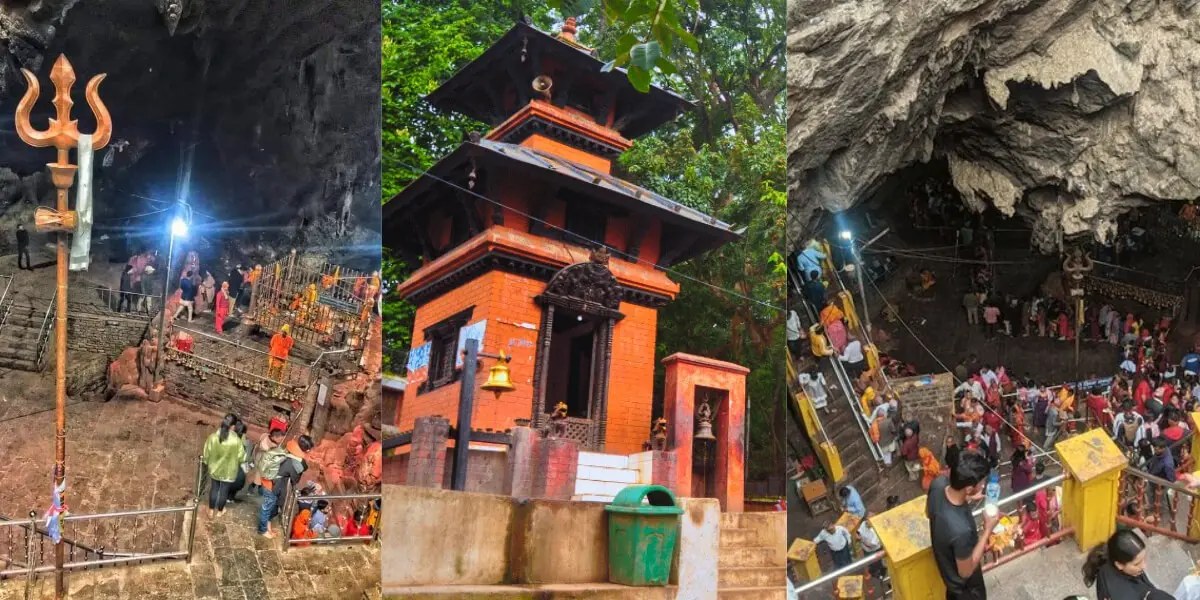
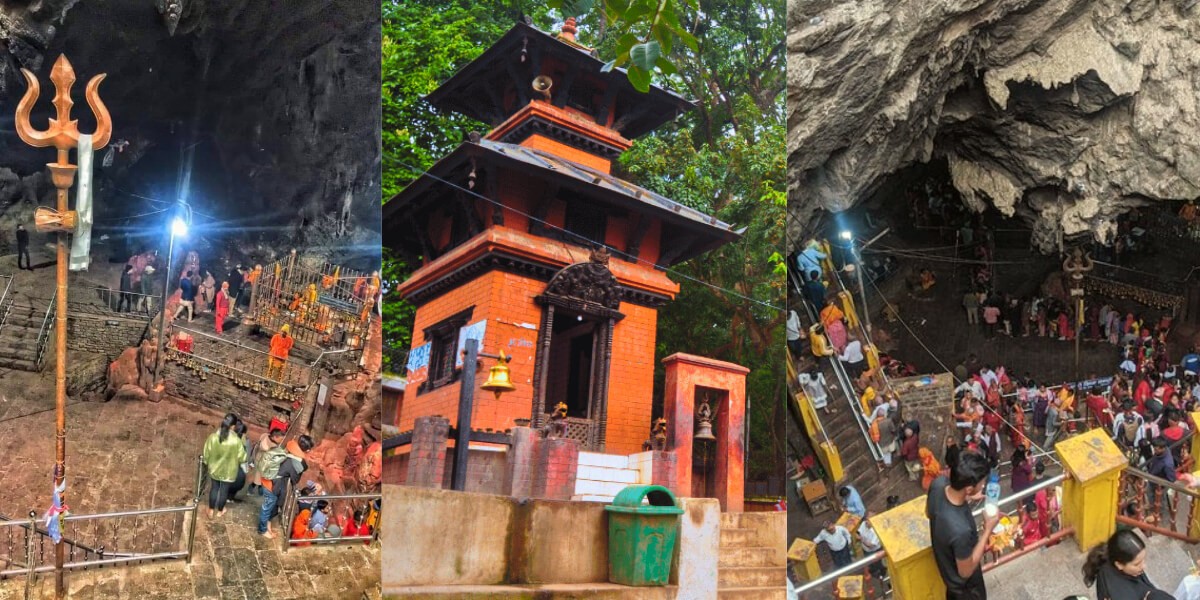
Set in the ancient hills of Khotang District in eastern Nepal, Halesi Mahadev is one of the most spiritually powerful and historically significant pilgrimage destinations in the entire subcontinent. Known as the ‘Pashupatinath of Eastern Nepal’, the sacred Halesi cave complex is simultaneously revered by Hindus, Buddhists, and Kirant people — a rare convergence of three great spiritual traditions in a single sacred place that speaks to the extraordinary depth of Nepal’s religious heritage.
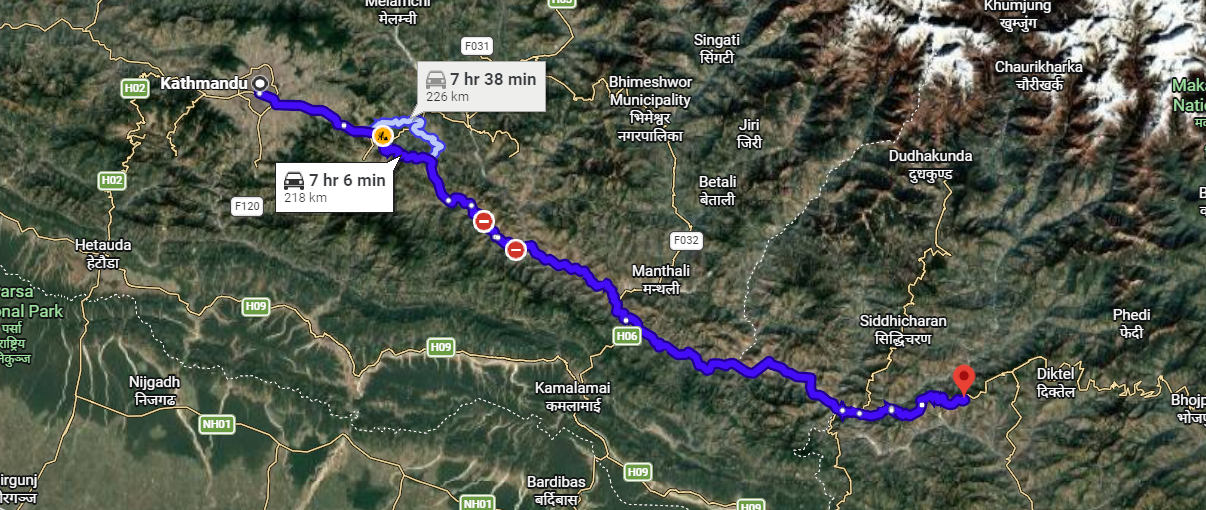
Every year, hundreds of thousands of pilgrims journey from Kathmandu and across Nepal to seek the blessings of Lord Shiva at Halesi Mahadev — particularly during Maha Shivaratri, when the ancient cave temple draws some of the largest religious gatherings in the country. The journey from Kathmandu to Halesi covers about 222 to 230 km through some of eastern Nepal’s most beautiful and culturally rich hill country, and the right mode of transport can make all the difference between a stressful journey and a smooth, spiritually enriching pilgrimage.
This complete transport guide covers every option for travelling from Kathmandu to Halesi Mahadev — private jeeps, private cars, Hiace vans, coaster buses, local buses, domestic flights, and helicopter charters — with full 2026 costs, the complete route breakdown, key stops, road conditions by season, festival timing advice, and expert tips from Nepal Vehicle Hiring Pvt Ltd.
Halesi Mahadev — Sacred Cave of Three Traditions
Halesi Mahadev (also written as Halesi Mahadeva or Halesi Mahadevsthan) is located in Halesi VDC, Khotang District, Sagarmatha Zone, in the hilly region of eastern Nepal. The sacred site sits between the Dudh Koshi River (flowing from the Khumbu Glacier to the east) and the Sun Koshi River (flowing from Tibet to the west)—a geographical position of profound religious significance in both Hindu and Buddhist cosmology.
Hindu Significance — Lord Shiva’s Sanctuary
According to Hindu tradition, Lord Shiva came to the Halesi caves to hide from the demon Bhasmashur, who had received a boon that anyone he touched would turn to ash, and who turned his destructive power against Shiva himself. Halesi became Shiva’s refuge, and the cave became his sacred abode.
The two-foot Shiva Linga inside the main cave is the primary object of worship, and the famous narrow stone passage between two pillars near the Linga is believed to be passable only by those without sin — a test of righteousness that thousands of pilgrims attempt each year.
Buddhist Significance — Guru Rinpoche’s Meditation Cave
For Tibetan Buddhists and followers of Vajrayana Buddhism worldwide, Halesi is equally sacred as the site where Guru Padmasambhava — Guru Rinpoche, the ‘Second Buddha’ who brought Buddhism to Tibet — meditated in the Maratika Cave for three months, attaining the siddhi (spiritual power) of immortality and performing the longevity practices that became the foundation of Tibetan Buddhist longevity rituals. The Maratika Cave, adjacent to the main Halesi complex, is one of the most sacred Buddhist pilgrimage sites in the Himalayan world, attracting Tibetan Buddhist monks, lamas, and devotees from across Nepal, Tibet, India, Bhutan, and the wider global Buddhist community.
Kirant Significance — Ancient Pre-Hindu Heritage
The Kirant Rai people — the original indigenous inhabitants of the Halesi region — regard the cave complex as their most sacred ancestral site, predating both Hindu and Buddhist influence in the region. The Kirant tradition, one of the oldest surviving indigenous spiritual traditions in the Himalayas, venerates Halesi as the abode of Paruhang and Sumnima — the primordial Kirant deities — and the site of creation itself.
This ancient reverence gives Halesi a unique quality found at very few places on earth: it is simultaneously sacred to three completely separate and independently ancient religious traditions.
Lamidanda Airport (KIA) — ~45 km from Halesi; domestic flight from TIA
Helicopter Option
KTM to Halesi: ~2 hours charter — available for pilgrimage tours
Permits Required
None for Halesi temple visit — entry is free
Recommended Transport: A private jeep or car from Nepal Vehicle Hiring Pvt. Ltd. is the best option for pilgrims and visitors travelling from Kathmandu to Halesi Mahadev. With door-to-door hotel pickup, flexible departure times, air conditioning, and professional drivers experienced on this route, a private vehicle turns the 7- to 9-hour journey into a comfortable, memorable road trip through eastern Nepal’s beautiful hill country.
Kathmandu to Halesi Kotang
The Route — Kathmandu to Halesi Mahadev Step by Step
The Kathmandu to Halesi Mahadev road journey follows the Araniko Highway east from Kathmandu through Bhaktapur and Dhulikhel, then transitions onto the BP Koirala Highway toward Khurkot, and finally follows the Mid-Hill Highway north and east toward Okhaldhunga, Jayaram Ghat, and Halesi. The route passes through some of eastern Nepal’s most scenic and least-touristed landscapes — a fitting introduction to the spiritual journey ahead.
The journey begins in Kathmandu’s Thamel district or at your hotel and heads east through Bhaktapur — the ancient UNESCO-listed city of Newari temples and traditional architecture — before passing through Banepa and climbing to the hilltop town of Dhulikhel. On a clear morning, Dhulikhel offers a panoramic view of the eastern Himalayan range — including peaks from Everest to Gaurishankar — and is genuinely one of the most spectacular roadside views in Nepal. Most drivers pause here briefly for photos on early-morning departures.
Dhulikhel to Khurkot (91 km, 2.5 hours)
Below Dhulikhel, the highway descends toward the Sunkoshi River at Dolalghat — the confluence of the Sunkoshi and Indrawati rivers. From here, the BP Koirala Highway follows the Sunkoshi River upstream through a beautiful, lush river gorge before climbing toward Khurkot.
The scenery along this stretch — river rapids, forested gorge walls, traditional Tamang and Rai villages on the hillsides — is consistently beautiful. Khurkot is the standard breakfast stop for Kathmandu-to-Halesi travellers, approximately halfway to Okhaldhunga. Tea shops open from 5:00 AM and serve dal bhat, noodles, bread, and hot tea.
Khurkot to Okhaldhunga (49 km, 1.5 hours)
Above Khurkot, the route turns northeast through Ghurmi Junction and climbs steadily into the mid-hills of Okhaldhunga District. The road quality on this section is generally paved with some rough patches — a preview of the more challenging section ahead.
Okhaldhunga town (approximately 175 km from Kathmandu) is the district headquarters of Okhaldhunga District and the last reliable point for ATM withdrawal, fuel, and substantial facilities before reaching Halesi. Nepal Vehicle Hiring Pvt Ltd drivers always refuel here.
Okhaldhunga to Jayaram Ghat to Halesi (55 km, 2 hours)
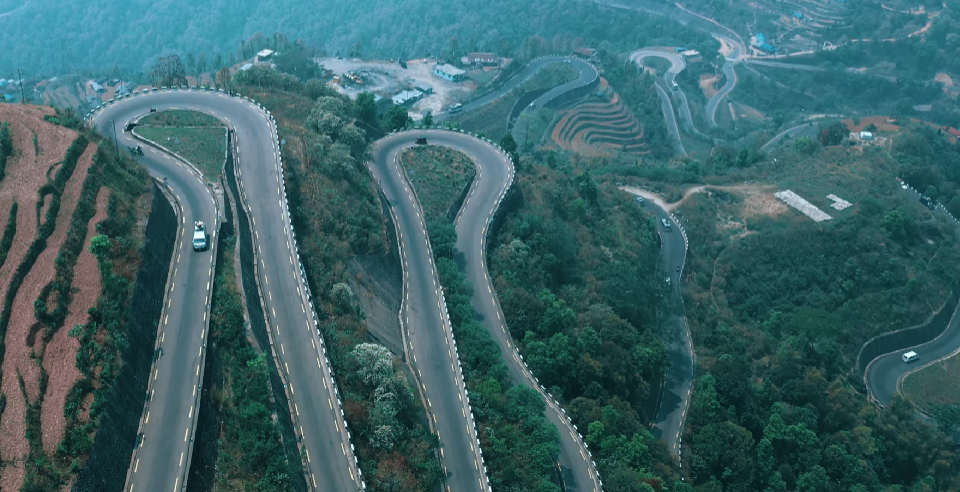
The final stretch from Okhaldhunga to Halesi is the most scenic and the roughest section of the journey. The road descends toward the Dudh Koshi River at Jayaram Ghat—a revered bathing ghat (sacred river bank) where many pilgrims take ritual purification baths before ascending to Halesi Mahadev. The road between Jayaram Ghat and Halesi is rough in places, with unpaved and partially constructed sections that require careful driving.
Nepal Vehicle Hiring Pvt Ltd’s experienced drivers know every bend of this final section and navigate it confidently. Upon arrival in Halesi Bazaar, the distinctive silhouette of the cave temple complex rises on the ridge above—the spiritual goal of the entire journey.
All Transport Options — Kathmandu to Halesi Mahadev
Transport Option
Capacity
Cost (approx.)
Travel Time
Best For
Private Jeep (Scorpio)
4–7 passengers
USD 200–300
7–9 hrs
Groups of 2–7, pilgrims, families
Private Car (Sedan)
2–4 passengers
USD 150–250
7–7.5 hrs
Couples, small families
Private Hiace Van
8–14 passengers
USD 260–400
8–9 hrs
Large pilgrim groups
Private Coaster Bus
15–25 passengers
USD 370–520
9–10 hrs
Very large groups/tours
Local Bus (Kathmandu–Okhaldhunga)
Many passengers
NPR 800–1,200 per person
10–13 hrs
Budget travellers — slow, crowded
Tourist Bus (Seasonal)
Many passengers
NPR 1,500–2,000 per person
9–11 hrs
Budget group travel
Flight (TIA–Lamidanda)
Small aircraft
USD 100–130 per person
~45 min flight + 1.5 hr road
Fast, expensive — weather-dependent
Helicopter (KTM–Halesi)
4–5 passengers
USD 2,500–3,500 (full charter)
~1.5–2 hrs
Luxury / time-critical pilgrimage
Private Jeep — Best Option for Pilgrims and Families
A private 4WD jeep (Mahindra Scorpio, Toyota Hilux, or similar) is the most popular and recommended transport option for the Kathmandu-to-Halesi Mahadev journey. The rough road sections between Jayaram Ghat and Halesi Bazaar benefit from a jeep’s higher ground clearance and 4WD capability, and the comfortable interior makes the 7- to 9-hour journey manageable for pilgrims of all ages.
Vehicle types: Mahindra Scorpio 4WD, Toyota Hilux 4WD, or similar
Capacity: 4–7 passengers comfortably with luggage
Cost: approximately USD 200–300 for the full vehicle, one way
Round-trip cost: approximately USD 300–410
Travel time: 7 to 9 hours one way
Pickup: Door-to-door from your hotel anywhere in Kathmandu
Includes: Driver, fuel, and all road tolls — all-inclusive pricing
Private Car (Sedan) — Comfortable for Small Groups
A private sedan (Toyota Corolla, Hyundai Sonata, or similar) is a comfortable, slightly more economical option for small groups of 2 to 4 people. The sedan handles the paved sections of the highway from Kathmandu to Okhaldhunga comfortably; the rough Jayaram Ghat-Halesi section requires more careful driving but is manageable for experienced drivers on this well-travelled route.
Capacity: 2–4 passengers comfortably
2026 Cost: USD 150–250(one way, full vehicle)
Best for: Couples, small families, 2–4-person pilgrim groups
For pilgrim groups of 8 to 14 people, a Toyota Hiace van is the most economical and practical option. The Hiace’s spacious interior is ideal for families with older adults and children who need more comfort on long journeys.
Capacity: Up to 14 passengers
2026 Cost: USD 260–400 (one way, full vehicle)
Best for: Large pilgrim families, community pilgrimage groups, religious organisations
Note: The Hiace is recommended for the paved organisations — the Jayaram Ghat to Halesi rough section is better navigated by a 4WD jeep
For very large pilgrim groups or organised tours of 15 to 25 people, a coaster bus or tourist bus is the most economical per-person option on the well-maintained highway sections.
Capacity: 15–25 passengers
2026 Cost: USD 370–600 (one way, full vehicle)
Best for: Community groups, temple organisations, large family reunions
Domestic Flight — TIA to organisation
Lamidanda Airport (IATA: LDN) in Khotang District is the nearest domestic airport to Halesi Mahadev, approximately 45 km from the temple by road. Small STOL aircraft operate domestic flights from TIA Kathmandu to Lamidanda.
Airlines: Small aircraft operators — Buddha Air, Tara Air (check current schedules as routes change)
Flight time: Approximately 45 minutes to 1 hour
Cost: Approximately USD 100–130 per person (one way)
Road from Lamidanda to Halesi: ~45 km, approximately 1.5 to 2 hours by jeep or local vehicle
Note: Flights are weather-dependent and may be cancelled during the monsoon or poor visibility; the schedule is limited
Best for: Elderly pilgrims or those with limited time, willing to pay a top-end for faster travel
Helicopter Charter — Top-end Pilgrimage Option
A helicopter charter from Kathmandu to Halesi is available for pilgrims and visitors seeking the fastest and most scenic journey. Some operators land at or near Halesi, reducing total travel time to approximately 1.5 to 2 hours from Kathmandu.
2026 Cost: USD 2,500–3,500 for a full 5-seat helicopter charter (round trip)
Travel time: ~1.5 to 2 hours from Kathmandu to Halesi by helicopter
Aerial views: Spectacular — Everest range, Himalayan foothills, river gorges
Best for: Luxury pilgrimage tours, elderly devotees with mobility limitations, VIP visits, very tight time schedules
Nepal Tour Halesi
Sacred Sites at Halesi Mahadev — What to See and Do
Sacred Site
Type
Significance
Halesi Mahadev Cave (Main)
Hindu / Shiva temple
Lord Shiva cave sanctuary — ‘Pashupatinath of the East.’
Maratika Cave
Buddhist site
Guru Padmasambhava meditation cave — sacred to Tibetan Buddhism
Shiva Linga (Main)
Hindu shrine
Two-foot Shiva Linga inside the main cave — primary worship site
Two Stone Pillars (Narrow Pass)
Sacred gateway
Believed: sinners cannot pass through the test of righteousness
Jayaram Ghat
Riverside pilgrimage point
Sacred bathing ghat on Dudh Koshi river — purification ritual
Halesi Bazaar
Market and pilgrimage hub
Accommodation, prasad shops, local markets, guesthouses
Phulchoki Devi Temple
Hindu shrine
Local goddess temple near Halesi — culturally significant
Kirant Cultural Heritage
Living culture
Home of Kirant Rai people — unique pre-Hindu Himalayan culture
Halesi Mahadev Main Cave — The Inner Sanctuary
The heart of the entire pilgrimage is the main Halesi Mahadev cave — a natural limestone cave of considerable depth and atmospheric power. As pilgrims enter through the cave’s narrow passages and descend toward the inner sanctum, the space’s spiritual intensity is palpable.
The two-foot Shiva Linga in the innermost chamber is the primary deity, adorned with offerings of flowers, dhatura leaves, milk, and water during puja ceremonies. The narrow passage between two stone pillars near the Linga—through which all pilgrims attempt to pass—is the cave’s most famous feature.
Tradition holds that those with pure souls pass through easily; others may struggle. Whether or not one subscribes to this belief, the ritual is a powerful and moving experience for all who undertake it.
Maratika Cave — Buddhist Jewel of Halesi
Adjacent to the main Halesi cave complex, the Maratika Cave is a separate and equally significant sacred site, particularly for Buddhist pilgrims. According to the gma and other Tibetan Buddhist traditions, Guru Padmasambhava and his consort, Mandarava, practised longevity sadhana (spiritual practice) in this cave for three months, received blessings of the Buddha Amitayus (Buddha of Long Life), and attained a rainbow body of immortal light.
A local Buddhist community decorates it with thangka paintings, butter lamps, and ritual offering bowls. Both Hindu and Buddhist pilgrims visit this cave, making it one of Asia’s most remarkable interfaith sacred spaces.
Jayaram Ghat — Sacred River Bathing
Jayaram Ghat, located where the Dudh Koshi River flows through a beautiful gorge approximately 20 km before Halesi, is a sacred bathing ghat where pilgrims traditionally purify themselves before ascending to Halesi Mahadev temple. The river water—crystal-clear mountain water flowing from the Khumbu glaciers—is considered purifying and auspicious, and the ritual bath at Jayaram Ghat is an important part of the traditional Halesi pilgrimage sequence for many devotees.
Diktel and Halesi Bazaar
Halesi Bazaar is the main commercial and accommodation hub serving the temple. It has several guesthouses ranging from basic to reasonably comfortable, restaurants serving Nepali meals, prasad (sacred offering food) shops, and local market stalls. The area is most vibrant during major festival periods — particularly Shivaratri and the Shravan Sombar Mondays — when it fills with pilgrims from across eastern Nepal and beyond.
Religious Festivals at Halesi — Transport Planning Guide
Festival timing is critically important for planning transport to Halesi Mahadev. During major festivals, the roads to Halesi carry many times the normal traffic volume, and accommodation in Halesi Bazaar fills up days or weeks in advance. Here is the key festival calendar:
Festival
Timing (approx.)
Significance at Halesi
Maha Shivaratri
Feb–Mar (Falgun)
Biggest festival — hundreds of thousands of pilgrims; most sacred night
Shravan Sombar
July–August (every Monday in Shravan)
Thousands visit every Monday — peak monsoon pilgrimage
Bala Chaturdashi
November–December
Night-long vigil and morning flower offerings for deceased ancestors
Ram Navami
March–April
Major Hindu festival — large gatherings at Halesi
Teej
August–September
Women’s fasting festival — significant Shiva worship
Dashain
October
Family pilgrimage period — temple visits across eastern Nepal
Maha Shivaratri — The Greatest Pilgrimage
Maha Shivaratri (occurring in February or March each year) is the single most important festival at Halesi Mahadev and one of the largest religious gatherings in eastern Nepal. Hundreds of thousands of devotees converge on Halesi from across the country during this period, creating extraordinary scenes of mass devotion but also significant logistical challenges for travellers.
Shravan Sombar — August Mondays
Every Monday (Sombar) during the Shravan month (July–August), Halesi Mahadev draws large numbers of pilgrims — particularly from the Khotang, Solukhumbu, and Udaypur districts. This is the most popular pilgrimage period during the monsoon. Roads are wet and in rougher condition during the monsoon, making a 4WD jeep particularly valuable for the Jayaram Ghat to Halesi section.
Road Conditions — Season Guide
Season
Months
Road Conditions
Crowd Level
Recommendation
Post-Monsoon / Autumn
Oct – Dec
Good — dry roads
Moderate
Excellent — clear weather, post-Dashain
Winter
Jan – Feb
Good — cold, clear
Low to Moderate
Good — quiet, Shivaratri in Feb is massive
Spring
Mar – May
Good — warming up
Moderate to High
Excellent — dry roads, Ram Navami pilgrimage
Monsoon (Early)
Jun – Jul
Fair — some rain
Moderate
Manageable — Shravan pilgrims peak in July–Aug
Peak Monsoon
Jul – Aug
Rain-affected — rough
Very High (festival)
Caution — Shravan Sombar draws huge crowds; roads are wet
Himalayan sunrise panorama if clear — Everest visible on best days
Day 1 — 9:00–9:30 AM
Khurkot breakfast stop (30–45 min)
Dal bhat / noodles/tea — a common stop for all Halesi travellers
Day 1 — 11:30 AM–12:00 PM
Okhaldhunga — fuel + short rest
Last reliable ATM and fuel point before Halesi
Day 1 — 1:30–3:00 PM
Arrive Halesi Mahadev / Halesi Bazaar
Check in to the guesthouse — freshen up
Day 1 — 4:00–6:00 PM
Evening darshan (worship) at Halesi Mahadev Cave
Main cave temple, Shiva Linga, evening aarti prayers
Day 1 — Evening
Dinner at Halesi Bazaar
Local Dal Bhat, Nepali thali — rest for early morning puja
Day 2 — 5:00–6:00 AM
Morning puja — Halesi Mahadev Temple
Prime darshan time — less crowded, spiritual atmosphere
Day 2 — 7:00–8:00 AM
Visit Maratika Cave (Buddhist / Guru Rinpoche site)
Short walk from the main temple — sacred to both Hindus and Buddhists
Day 2 — 9:00 AM
Jayaram Ghat — holy bath and ritual
Sacred bathing ghat on Dudh Koshi River
Day 2 — 10:00 AM
Depart Halesi for return to Kathmandu
Same route back — arrive in Kathmandu 6:00–8:00 PM
This 2-day itinerary is the most popular format for Kathmandu-to-Halesi Mahadev pilgrimage tours. Day 1 covers the full road journey with an evening darshan at the temple; Day 2 is dedicated to morning puja, visiting all the sacred sites (Maratika Cave, Jayaram Ghat), and the return drive to Kathmandu. Most pilgrims find this 2-day format spiritually complete and logistically comfortable.
Practical Tips for the Kathmandu to Halesi Mahadev Journey
Depart Kathmandu by 5:00–5:30 AM — the 7 to 9 hour journey to Halesi requires an early start to arrive with daylight remaining for evening darshan.
Book your vehicle at least 48–72 hours in advance — and 1 to 2 weeks before major festivals like Shivaratri and Shravan Sombar.
Withdraw adequate NPR cash in Kathmandu or Okhaldhunga — ATM and card facilities at Halesi Bazaar are limited and unreliable during peak festival periods.
Arrange Halesi accommodation in advance — especially for Shivaratri and Shravan Sombar, when guesthouses fill up weeks ahead.
Wear comfortable, modest clothing appropriate for temple worship — many pilgrims wear traditional white or saffron attire for darshan.
Carry a good torch/headlamp — the caves at Halesi are dimly lit, and some passages are narrow and dark.
Remove footwear before entering the main temple cave and all sacred areas — follow the directions of the temple priests and local custom.
Women in their menstrual cycle are traditionally asked not to enter the main cave sanctum — a firmly observed local custom.
Bring prasad (offerings) — flowers (especially dhatura), milk, and fruits are appropriate offerings for Lord Shiva at Halesi.
Carry motion sickness medication — the Khurkot to Okhaldhunga and Okhaldhunga to Halesi sections involve winding mountain roads with numerous switchbacks.
For the Maratika Buddhist Cave, women are traditionally requested to dress modestly and cover their heads with a shawl.
Carry your own drinking water — bottled water is available in Halesi Bazaar, but it is priced higher during festivals.
Combining Halesi Mahadev with Other Eastern Nepal Destinations
The road from Kathmandu to Halesi passes through or near several other significant destinations that can be combined into a multi-day eastern Nepal itinerary:
Dhulikhel (35 km from KTM): Beautiful hill station with Himalayan panoramas — an ideal overnight stop for those who want a relaxed start before the Halesi journey.
Sunkoshi River Rafting (near Dolalghat): The Sunkoshi is one of Nepal’s finest rafting rivers — river camp operators offer multi-day rafting packages that can be combined with a Halesi pilgrimage.
Okhaldhunga (175 km): The district headquarters has cultural sites and market areas worth exploring on an extended itinerary.
Solukhumbu and Everest Region: The road continues from Okhaldhunga toward Salleri and Phaplu — the starting point of the Salleri-to-Lukla overland route to Everest Base Camp. A combined Halesi + Everest region overland trip is a genuinely unique adventure in eastern Nepal.
Taplejung and Kanchenjunga Region: Further east from Khotang District, the Taplejung area is the gateway to the Kanchenjunga Base Camp Trek — a remote and extraordinarily beautiful destination for adventurous trekkers.
Why Choose Nepal Vehicle Hiring Pvt Ltd?
Route Experience: Our drivers have extensive experience on the full Kathmandu-to-Halesi Mahadev route — including the rough final section from Jayaram Ghat to Halesi, which requires the most careful and experienced navigation.
Right Vehicles: Mahindra Scorpio 4WD and Toyota Hilux 4WD for groups of 4–7; sedans for small groups; Hiace and coaster buses for large pilgrim parties — always the right vehicle for the group size and road conditions.
Festival Season Expertise: Nepal Vehicle Hiring Pvt Ltd has extensive experience managing Halesi Mahadev pilgrimages during Shivaratri and Shravan Sombar — we understand the road congestion, accommodation challenges, and timing requirements of festival-season travel.
Door-to-Door Service: Hotel pickup from anywhere in Kathmandu — Thamel, Boudha, Patan, or wherever you are staying.
All-Inclusive Pricing: Driver, fuel, and road tolls included in the quoted price. No hidden charges or surprise costs on arrival.
24/7 Booking: WhatsApp, phone, or email—book anytime and receive confirmation within minutes.
Flexible Itinerary: Whether you need a 1-day express transfer, a 2-day pilgrimage package, or a multi-day eastern Nepal tour including Halesi, we tailor the vehicle hire to your exact itinerary and group requirements.
Return Journey Guaranteed: Your return vehicle from Halesi to Kathmandu is booked at the same time as the outward journey — no searching for transport in Halesi Bazaar after your darshan.
Frequently Asked Questions — Kathmandu to Halesi Mahadev
How far is Kathmandu from Halesi Mahadev?
The road distance from Kathmandu to Halesi Mahadev (Halesi Mahadevsthan) in Khotang District is approximately 222-230 km, depending on the exact route taken and the current state of road construction between Okhaldhunga and Halesi.
How long does it take to drive from Kathmandu to Halesi Mahadev?
A private jeep or car takes approximately 7 to 9 hours from Kathmandu to Halesi Mahadev under normal road conditions. With an early 5:00 AM departure from Kathmandu, most travellers arrive in Halesi between 12:30 PM and 2:30 PM, leaving time for afternoon darshan.
Is a 4WD jeep necessary for the Kathmandu-Halesi route?
A 4WD jeep is highly recommended — and particularly valuable — for the rough road section between Okhaldhunga / Jayaram Ghat and Halesi. The Kathmandu-Okhaldhunga section on the paved BP Highway and Mid-Hill Highway is manageable for all vehicle types. However, for a comfortable and reliable journey all the way to Halesi Bazaar, a 4WD jeep is the best choice.
Can I take a bus from Kathmandu to Halesi Mahadev?
Yes. Local buses from Gongabu Bus Park in Kathmandu serve Okhaldhunga and Diktel (near Halesi) at NPR 800–1,200 per person, taking 10 to 13 hours with multiple stops. However, private vehicle hire is strongly recommended for pilgrim groups—it is faster, more comfortable, offers hotel pickup, and lets you plan your darshan timing precisely.
What is the nearest airport to Halesi Mahadev?
Lamidanda Airport (IATA: LDN) in Khotang District is the nearest domestic airport, approximately 45 km from Halesi Mahadev. Domestic flights from TIA Kathmandu to Lamidanda take approximately 45 minutes. From Lamidanda, a jeep or local vehicle covers the final 45 km to Halesi in 1.5 to 2 hours.
Flights are weather-dependent and subject to limited schedules.
What permits are required for Halesi Mahadev?
No permits or entry fees are required for visiting the Halesi Mahadev temple. The sacred site is open to all pilgrims and visitors free of charge. However, a small donation to the temple fund is appreciated and customary.
When is the best time to visit Halesi Mahadev?
Halesi Mahadev is open and accessible year-round. The best times for road travel are October to June (dry season), when road conditions are at their best. Maha Shivaratri (February–March) is the most spiritually significant festival period, but draws enormous crowds — book transport and accommodation well in advance.
For a quieter but equally spiritual visit, December to February (outside of Shivaratri) offers excellent road conditions and a more peaceful atmosphere.
Can Nepal Vehicle Hiring arrange a complete Halesi pilgrimage package including accommodation?
Yes. Nepal Vehicle Hiring Pvt Ltd can coordinate complete Halesi Mahadev pilgrimage packages, including private vehicle hire from Kathmandu, overnight accommodation in Halesi Bazaar, and return transfer to Kathmandu — all arranged as a single convenient booking. Contact us via WhatsApp or phone for custom package pricing.
Conclusion
The journey from Kathmandu to Halesi Mahadev is much more than a road transfer — it is a pilgrimage through some of eastern Nepal’s most beautiful and culturally rich landscapes, culminating at one of the most spiritually powerful and multi-traditional sacred sites in the entire Himalayan world. Where Hindu, Buddhist, and Kirant spiritual traditions converge in a single cave complex on the banks of the Dudh Koshi River, Halesi Mahadev offers a depth of religious experience that few destinations anywhere can match.
Whether you are a devout pilgrim seeking the blessings of Lord Shiva, a Buddhist practitioner retracing the footsteps of Guru Padmasambhava at Maratika Cave, a cultural traveller interested in the ancient Kirant tradition, or simply an explorer drawn to the extraordinary landscapes of eastern Nepal, the Kathmandu to Halesi Mahadev journey deserves the best possible transport — and that is exactly what Nepal Vehicle Hiring Pvt Ltd provides.
With comfortable private vehicles for every group size, experienced drivers who know every kilometre of this route, all-inclusive transparent pricing, door-to-door hotel pickup in Kathmandu, 24/7 booking support, and festival-season expertise, Nepal Vehicle Hiring Pvt Ltd is your most trusted transport partner for the Halesi Mahadev pilgrimage.
Book your Halesi Mahadev transfer today —WhatsApp:+977 981-4227196 Email: [email protected] Website: www.vehiclehiringnepal.com
Pokhara to Manang Transport – Route, Cost & Trek Guide
Manang is one of the most extraordinary villages in Nepal – a high-altitude Tibetan-influenced settlement at 3,500 m in the heart of the Annapurna Circuit, sitting beneath the towering walls of Annapurna III (7,555 m), Gangapurna (7,455 m), and the Gangapurna Glacier. Every trekker doing the Annapurna Circuit passes through Manang – it is the last major village before the circuit’s highest and most challenging section, and the obligatory acclimatization stop before attempting the Thorong La Pass at 5,416 m.
In 2026, reaching Manang from Pokhara by private Jeep or vehicle is increasingly popular among trekkers who want to skip the lower sections of the Annapurna Circuit (now largely alongside a jeep road) and begin trekking from the spectacular high-altitude terrain above Chame and Manang. This complete guide covers every aspect of the Pokhara-to-Manang journey – transport options, route details, road conditions, costs, the Manang experience, Annapurna Circuit trek stages, altitude safety, permits, and expert tips for 2026.
About Manang – The High-Altitude Gateway
Location: Manang Village, Manang District, Gandaki Province, Nepal
Altitude: 3,500 m above sea level
Distance from Pokhara: Approximately 175–185 km by road via Besisahar
Distance from Besisahar: Approximately 95 km north by mountain road
Travel Time from Pokhara: 8 to 12 hours total by 4WD jeep (usually done in 2 days)
Road Type: Pokhara to Besisahar – paved | Besisahar to Chame – rough mountain track | Chame to Manang – improved track with some paved sections
Vehicle Required: 4WD Jeep mandatory from Besisahar onwards – no sedan, no Hiace beyond Besisahar
Trek Position: Manang is the Day 8–10 stop on the Annapurna Circuit Trek from Besisahar, or Day 5–6 if starting from Chame by vehicle
Population: Approximately 1,500 – Gurung and Tibetan Buddhist community
Manang sits in a wide, open valley at the foot of the Gangapurna Glacier – an extraordinary landscape of raw Himalayan grandeur. The village itself is a dense cluster of flat-roofed stone houses, prayer flags, ancient gompas, and the sounds of yak bells.
Above the village, the Gangapurna Glacier descends in a dramatic cascade of blue ice and grey moraine. To the south, Annapurna III and Gangapurna rise in vertical walls of rock and ice. To the north, the high, dry plateau of the Annapurna Circuit stretches toward Thorong La.
For most Annapurna Circuit trekkers, Manang is the most beautiful and memorable overnight stop on the entire circuit.
Why Drive from Pokhara to Manang by Private Vehicle?
The traditional Annapurna Circuit trek starts in Besisahar and continues to Manang over 8 to 10 days. However, the road from Besisahar to Chame and beyond has improved significantly in recent years, and much of the lower circuit now runs alongside or on a jeep track.
Many experienced trekkers in 2026 choose to drive from Pokhara to Manang (or at least to Chame) and begin the most scenic sections of the circuit on foot. Here is why:
Save 6 to 8 days of walking on the lower circuit sections that now largely follow the jeep road and offer a less traditional trekking atmosphere
Begin trekking at Manang (3,500 m) in the most dramatically beautiful section of the entire Annapurna Circuit
The lower sections from Besisahar to Chame are now widely considered the least rewarding part of the circuit due to road construction and vehicle traffic alongside the trail
A 4WD private jeep gives full luggage space, and group travel together – no splitting the group across multiple local shared jeeps
Flexible departure from your Pokhara hotel – choose your own schedule and rest stop locations
Combine the circuit with Muktinath and Mustang by entering from Pokhara and exiting via Jomsom
Arrive fresher and stronger for the genuinely challenging high-altitude sections above Manang
Vehicle Options & Prices: Pokhara to Manang Transport
The Pokhara-Manang route requires a capable 4WD vehicle from Besisahar onwards. Here are the vehicle options and prices:
Vehicle
Capacity
One-Way Price (USD)
Round Trip (USD)
Notes
Toyota Land Cruiser
4–6 pax
$300 – $500
$700 – $1000
Best vehicle for the full Pokhara–Manang road
Toyota Land Cruiser Prado
4–5 pax
$300 – $500
$600 – $1200
Superior comfort on rough mountain track
Mahindra Bolero / Scorpio
4–6 pax
$170 – $300
$300 – $700
Budget 4WD, capable on this route
Hiace Van (Pokhara–Besisahar only)
7–14 pax
$100–$200
$170–$300
Cannot proceed beyond Besisahar – Jeep required
Sedan Car (Pokhara–Besisahar only)
1–3 pax
$100–$150
$1500–$200
Paved road to Besisahar only – not beyond
All private vehicle prices include driver, full fuel, and vehicle insurance. Round-trip pricing includes the driver staying in Manang or Chame during your trek and returning you to Pokhara or Kathmandu after the circuit. For trekkers completing the full Annapurna Circuit and exiting via Jomsom to Pokhara, a one-way Pokhara-to-Manang booking is all you need.
This is the standard and most commonly used route. The road from Pokhara to Dumre follows the Prithvi Highway and is fast and paved. From Dumre, the road climbs north to Besisahar on a secondary road.
Beyond Besisahar, the rough mountain track begins through the Marsyangdi River valley to Chame and finally Manang.
Route B: Pokhara – Besisahar via Damauli (Alternative)
A slightly shorter alternative that bypasses the longer Pokhara-Prithvi Highway stretch by heading east via Damauli before joining the Besisahar road. Both routes converge at Besisahar. Your driver will choose the best option based on traffic and road conditions on your travel day.
Detailed Road Guide: Pokhara to Manang Stage by Stage
Stage 1: Pokhara to Dumre (75 km | ~1.5 hrs)
Depart your Pokhara hotel early – 5:30 to 6:00 AM is ideal for a two-day journey with an overnight in Besisahar or Chame. Head east on the Prithvi Highway through the Pokhara valley, past Damauli and Dumre.
Dumre is the junction town on the Prithvi Highway where the road branches north toward Besisahar and the Annapurna Circuit. Stock up on snacks here if needed – the highway shops are more convenient than the mountain road ahead.
Stage 2: Dumre to Besisahar (22 km | 45 min)
From Dumre, head north on the secondary road into the Marsyangdi River valley. The road climbs gently through terraced hills and farmland to Besisahar – the district headquarters of Lamjung District and the official starting point of the Annapurna Circuit. The road is mostly paved.
Besisahar has the last reliable ATMs on the circuit, a good selection of teahouses, pharmacies, and a well-stocked market. Stop here to withdraw cash, complete ACAP permit registration at the checkpoint, refuel, and have breakfast or an early lunch before the mountain road begins.
Stage 3: Besisahar to Chame (55 km | 4–6 hrs by 4WD)
This is the most challenging section of the drive. Beyond Besisahar, the paved road ends, and the rough Annapurna Circuit mountain track begins. The route follows the Marsyangdi River north through dramatically deepening gorges.
Key villages and landmarks on this section:
Khudi (790 m) – First village on the track, 10 km from Besisahar
Bahundanda (1,310 m) – Brahmin village on ridge, good views back down valley
Chamje (1,430 m) – Bridge crossing to the east bank, gorge narrows dramatically
Tal (1,700 m) – First village in Manang District, flat valley formed by an ancient landslide dam
Dharapani (1,860 m) – Important permit checkpoint, Manaslu Circuit junction point
Bagarchhap (2,160 m) – First Tibetan-style stone buildings appear
Chame (2,710 m) – District headquarters of Manang, hot springs, good teahouses, end of Day 2 drive
Overnight in Chame (2,710 m) is strongly recommended for acclimatization before continuing to Manang at 3,500 m. Ascending too quickly from Besisahar to Manang in a single day significantly increases the risk of altitude sickness.
Stage 4: Chame to Manang (40 km | 2–3 hrs by 4WD)
The road from Chame to Manang is more manageable than the Besisahar–Chame section, with some paved sections and generally better track surface. The scenery becomes increasingly dramatic as you enter the high-altitude Annapurna landscape. Key stops:
Bhratang (2,850 m) – Apple orchard settlement, dramatic Paungda Danda rock face
Dhukur Pokhari (3,240 m) – Small pond, open plateau, Annapurna III views begin
Upper Pisang (3,310 m) – Beautiful perched Tibetan village with an ancient monastery (worth a stop)
Ngawal (3,657 m) – Spectacular viewpoint village above the main road
Braga (3,475 m) – Ancient cave monastery with some of Nepal’s finest Buddhist art
Manang (3,500 m) – Arrival at the circuit’s most important acclimatization village
Road Conditions: Pokhara to Manang
Section
Distance
Surface
Difficulty
Best Season
Pokhara to Dumre
75 km
Prithvi Hwy – paved
Easy
Good year-round
Dumre to Besisahar
22 km
Secondary road – mostly paved
Easy–Moderate
Good year-round
Besisahar to Bahundanda
15 km
Rough gravel track
Moderate
Muddy in monsoon
Bahundanda to Chamje
10 km
Rocky Mountain track
Hard
4WD essential, rockfall risk
Chamje to Tal
8 km
Very rough, river crossings
Very Hard
Risk in monsoon
Tal to Dharapani
12 km
Rough track, improving
Hard
Best Oct–May
Dharapani to Chame
15 km
Mixed – rough to partly paved
Moderate–Hard
Reliable in the dry season
Chame to Pisang
20 km
Mixed track – some paved
Moderate
Good Oct–May
Pisang to Manang
20 km
Better track – partly paved
Moderate
Good Oct–May, snow risk Dec–Feb
The Besisahar-to-Chame section remains the most challenging part of the drive and requires a fully capable 4WD Land Cruiser with an experienced mountain driver. Road conditions improve significantly from Chame to Manang, where the road has received more investment. Even so, 4WD capability remains essential throughout.
Recommended 2-Day Journey Plan: Pokhara to Manang
A two-day journey with an overnight stop in Chame or Besisahar is strongly recommended for safety, comfort, and gradual acclimatization. Here is the ideal schedule:
All visitors to Manang and the Annapurna Circuit require valid permits. Arrange all permits in Pokhara or Kathmandu before departure – not available in Besisahar or Chame with the same ease:
Permit
Cost 2026
Where to Obtain
Valid For
ACAP – Annapurna Conservation Area Permit
NPR 3,000 (USD 22)
Nepal Tourism Board, Pokhara (Damside office) or Kathmandu
Full Annapurna Circuit from Besisahar to Manang, Thorong La, and Muktinath
TIMS Card – Trekkers ‘ Information Management System
USD 10
Nepal Tourism Board / TAAN office, Pokhara or Kathmandu
Required for all trekkers on the circuit
Note: No Restricted Area Permit needed
Standard Annapurna Circuit is open – no extra restricted permit
–The
Upper Mustang permit (USD 500) is only required if continuing north of Kagbeni.
Permit checkpoints are located at Besisahar, Dharapani, Chame, Manang, and Muktinath. Officials thoroughly inspect all permits at each checkpoint. Obtain your ACAP permit at the Nepal Tourism Board Damside office in Pokhara (open 9:00 AM weekdays) the day before your departure.
Manang valley
Manang Village – Complete Visitor Guide
The Village and Its Surroundings
Manang is a Tibetan-influenced village of flat-roofed stone houses, prayer walls, ancient stupas, and the sounds of yak bells and wind through prayer flags. The village has two main sections: the lower, newer settlement near the main trail and road, and the upper traditional village of Manang proper, with its narrow lanes and ancient architecture.
The upper village has the most atmospheric teahouses, the old gompa, and the best mountain viewpoints. Always walk up to the upper village – it is more beautiful and more authentically preserved than the lower settlement.
Gangapurna Lake
A 20-minute walk from the upper village, Gangapurna Lake sits in a glacial bowl at 3,540 m with the Gangapurna Glacier flowing directly into its ice-blue waters. The reflection of Gangapurna (7,455 m) and Annapurna III in the still morning lake is one of Nepal’s finest mountain-lake scenes.
Visit early in the morning before the wind disturbs the reflection. The walk to the lake is also an excellent acclimatization exercise.
The Gangapurna Glacier Viewpoint
A 45-minute climb above the upper village reaches a dramatic viewpoint directly facing the Gangapurna Glacier – a massive, actively calving glacier flowing from the peak of Gangapurna. The glacier’s scale is astonishing, and the sounds of ice movement and occasional calving crashes add to the experience. This is the best viewpoint easily accessible from Manang and is recommended for an acclimatisation rest day.
Ice Lake (Kicho Tal) Acclimatization Hike
The Ice Lake hike from Manang is the most popular and rewarding acclimatization day hike on the Annapurna Circuit. The trail climbs steeply from the upper village to Ice Lake at 4,600 m – a gain of over 1,000 m – and then descends back to Manang. The round trip takes 5 to 7 hours.
The panoramic view from Ice Lake of the entire Manang Valley, the Annapurna Range, and the Tilicho Massif is extraordinary. This hike is the best way to acclimatise before crossing Thorong La.
Milarepa Cave and Praken Gompa
Above the upper village, a stone staircase leads to the Praken Gompa – one of the oldest and most important Buddhist monasteries on the Annapurna Circuit, perched dramatically on a cliff face. The gompa has ancient thangka paintings, butter lamps, and Buddhist texts.
Adjacent to the gompa is a cave associated with Milarepa, the great Tibetan Buddhist yogi and poet who is said to have meditated here. The climb to the gompa takes 30 to 40 minutes from the village and offers spectacular views of the Gangapurna massif.
Manang HRA (Himalayan Rescue Association)
The Manang HRA office is a critical resource for all Annapurna Circuit trekkers. The HRA operates a clinic that can diagnose and treat altitude sickness, and provides free daily altitude and Thorong La pass briefings every afternoon (usually at 3:00 PM).
Attendance at the HRA briefing is strongly recommended for all trekkers planning to cross the Thorong La. The briefing covers weather forecasts, current pass conditions, AMS symptoms and treatment, and survival advice for the high crossing.
Annapurna Circuit Trek from Manang – Complete Stage Guide
Starting the Annapurna Circuit trek from Manang (reached by vehicle from Pokhara) puts you immediately in the circuit’s most spectacular high-altitude section. Here is the full stage guide from Manang onward:
Day
Stage
Distance
Altitude
Key Highlights
Rest Day
Manang (acclimatization)
–
3,500m
Ice Lake hike, Praken Gompa, Gangapurna Lake, HRA briefing
Day 1
Manang – Yak Kharka
10 km
3,500m → 4,018m
High yak pastures, open plateau, Chulu peaks views
Day 2
Yak Kharka – Thorong Phedi
8 km
4,018m → 4,450m
Last teahouses before the pass, glacier views
Day 3
Thorong Phedi – Thorong La – Muktinath
16 km
4,450m → 5,416m → 3,710m
The highest point of the circuit, the sacred Muktinath temple
Day 4
Muktinath – Jomsom
22 km
3,710m → 2,720m
Kali Gandaki valley, Kagbeni, Marpha apple orchards
Day 5
Jomsom – Marpha – Tatopani
35 km
2,720m → 1,190m
Dramatic Kali Gandaki descent, Dhaulagiri views, hot springs
Day 6
Tatopani – Ghorepani
18 km
1,190m → 2,874m
Steep rhododendron forest climb, Poon Hill viewpoint prep
Day 7
Ghorepani – Poon Hill sunrise – Nayapul
21 km
2,874m → 3,210m → 1,070m
Poon Hill sunrise, descend to Nayapul trailhead
End
Nayapul – Pokhara by vehicle
42 km
1,070m → 820m
Private jeep pickup, return to Pokhara Lakeside
Total trek duration from Manang: 7-9 days, including the mandatory rest/acclimatization day. Vehicle Hiring Nepal can arrange a jeep pickup in Nayapul at the end of your circuit – book this at the same time as your outward transport from Pokhara to Manang.
Altitude Safety: Essential Manang and Thorong La Advice
Manang at 3,500 m and the Thorong La at 5,416 m are serious altitudes that demand careful acclimatization and awareness. This section could save your life – read it carefully:
Golden Rules of Acclimatisation
NEVER ascend more than 500 m per day above 3,000 m – follow the ‘walk high, sleep low’ principle
ALWAYS spend a minimum of 2 nights in Manang before attempting the Thorong La crossing – ideally 2 to 3 nights
The Ice Lake acclimatization hike (climb to 4,600 m and descend to 3,500 m) is the most important preparation you can do in Manang.
Descend 300 to 500 m to sleep if you feel unwell at any altitude above 3,000 m – never push through worsening AMS symptoms.
The Thorong La crossing (5,416 m) must be started before 6:00 AM from Thorong Phedi – afternoon winds and cloud make the crossing dangerous.
Symptoms of Acute Mountain Sickness (AMS)
Headache (most common) – especially a throbbing headache that worsens on movement
Nausea and loss of appetite
Fatigue, weakness, and dizziness disproportionate to exertion
Difficulty sleeping – insomnia and disturbed breathing at altitude
Shortness of breath at rest – this is a serious warning sign; descend immediately
High-Altitude Emergencies – HACE and HAPE
HACE (High-Altitude Cerebral Oedema) – confusion, inability to walk straight, loss of coordination. DESCEND IMMEDIATELY and seek evacuation
HAPE (High-Altitude Pulmonary Oedema) – gurgling or wet sounds in breathing, severe shortness of breath at rest, blue lips. MEDICAL EMERGENCY – immediate descent and evacuation required
Helicopter rescue from Manang and Thorong Phedi is available but expensive (USD 1,500–3,000+) – travel insurance covering helicopter evacuation is essential.
Medications and Prevention
Diamox (acetazolamide) – 125 to 250 mg twice daily starting 24 hours before ascending above 3,000 m. Consult your doctor before travel
Ibuprofen – effective for altitude headache (not a substitute for descending if AMS is severe)
Dexamethasone – emergency treatment for HACE and HAPE, NOT for prevention. Carry only if trained in use.
Stay extremely well hydrated – drink 4-5 litres of water per day at altitudes above Manang.
Avoid alcohol completely for the first 48 hours after arriving in Manang.
Best Time to Travel from Pokhara to Manang
October to November (Peak Season – Best for Circuit)
The finest season for the Pokhara to Manang journey and the Annapurna Circuit. Post-monsoon skies are crystal clear, and views of Annapurna III, Gangapurna, Chulu, and Tilicho from Manang are spectacular. The Thorong La is clear of fresh snow and at its most reliable for crossing.
October and November are the busiest months – teahouses can be full in Manang. Book your vehicle 3-6 weeks in advance. The morning mountain views, driving into the Marsyangdi gorge in October light, are striking.
March to May (Excellent – Spring Circuit)
Spring is the second-best season for the circuit. Rhododendron forests from Besisahar to Chame bloom spectacularly in March and April. Mountain views are excellent in the mornings.
The Thorong La is usually clear from mid-March onwards. Less crowded than October–November and equally beautiful. The road from Besisahar is in good condition after the winter freeze.
December to February (Cold – Experienced Trekkers Only)
Winter is possible but serious. The road from Besisahar can have ice and snow in December and January. Manang can drop to -15 to -25°C at night.
The Thorong La may be snowbound and impassable in January and February. Several trekking deaths have occurred in winter on this pass – only very experienced cold-weather trekkers with proper winter gear should attempt the crossing. The Manang valley is peaceful and beautiful in winter, with almost no visitors.
June to September (Monsoon – Not Recommended)
The Besisahar-Chame road is at its most dangerous during the monsoon. Frequent landslides can close sections for days. The circuit trail above Manang is relatively dry (rain-shadow protection), but the access road is not.
If planning a circuit during the monsoon, consider flying to Pokhara and taking local transport to Besisahar only on confirmed good-road days. Do not attempt the Besisahar–Chame road in active monsoon conditions.
What to Expect in Manang – Practical Information
Accommodation in Manang
Type
Price Per Night (NPR)
Facilities
Best For
Basic Teahouse
NPR 300–600
Simple twin/dorm, shared bathroom, cold water
Budget trekkers
Standard Teahouse Lodge
NPR 600–1,500
Better rooms, hot shower (extra), electricity, WiFi
Most trekkers
Better Teahouses
NPR 1,500–3,000
Attached bathroom, solar hot water, and a good restaurant
Comfort-seeking trekkers
Note: Dal bhat meal
NPR 500–800
Unlimited refills included – best value at altitude
All trekkers
Solar panels and micro-hydro supply electricity in Manang. Power is available for charging during daylight hours. Charge all devices during the day – power is cut or rationed in the evening.
WiFi is available at most teahouses in Manang at a small fee. Mobile signal: NTC works in Manang; Ncell is unreliable above Chame.
Food and Nutrition at Altitude
At 3,500 m, your body needs more calories than at sea level to maintain warmth and energy. Dal bhat (with unlimited refills) is the ideal meal for trekkers at altitude – high-carbohydrate, high-calorie, warm, and nutritious. Eat regularly even if appetite is reduced (a common AMS symptom).
Avoid heavy, fatty foods on the day before the Thorong La crossing. Garlic soup is a traditional altitude remedy widely available at Manang teahouses and worth trying.
ATM and Cash in Manang
Manang has an ATM (eSewa kiosk type) that is sometimes operational but unreliable. Do not count on it. Withdraw all the cash you need in Pokhara or Besisahar before beginning the circuit.
Budget NPR 3,500 to NPR 6,000 per person per day for accommodation and meals in Manang. Prices increase significantly above Besisahar and again above Manang due to the cost of supplying goods by porter or yak to high altitude.
Combine Pokhara to Manang with a Bigger Nepal Itinerary
The Pokhara to Manang journey and Annapurna Circuit trek can be smoothly combined with other Nepal destinations for a complete Nepal travel experience:
The most popular complete circuit: fly or drive from Kathmandu to Pokhara, Jeep to Manang, trek the Annapurna Circuit over the Thorong La, arrive at Muktinath (a sacred pilgrimage site), descend to Jomsom, and return to Pokhara by Jeep. The complete circuit,, including trave,l, takes 12 to 16 days.
Begin with a pilgrimage to Lumbini, transfer to Chitwan for a jungle safari, continue to Pokhara for sightseeing, then take a jeep to Manang for the Annapurna Circuit. This ‘Nepal Triangle’ itinerary covers Buddhist heritage, wildlife safari, mountain scenery, and Himalayan trekking in one comprehensive Nepal journey.
What to Pack for the Pokhara to Manang Journey
For the Jeep Journey
Water – 2 litres per person minimum – limited stops between Besisahar and Chame
Snacks – energy bars, nuts, and chocolate for the 7 to 8-hour drive
Motion sickness tablets – essential for the very rough Besisahar to Chame gorge road
Light warm layer – the gorge can be cool even in warm months
Camera with a charged battery and a spare – the Marsyangdi gorge is spectacular
Offline maps (Gaia GPS or Maps.me with Annapurna Circuit downloaded)
For Manang and the Thorong La
Down jacket (rated to -10°C minimum) – nights in Manang are cold even in October
Thermal base layers (top and bottom) – essential from Chame onwards
Windproof and waterproof outer shell jacket and trousers
Warm trekking gloves and a thicker pair for the Thorong La crossing
Warm hat and neck gaiter – the wind on the Thorong La is severe
Trekking boots with ankle support – not trail runners for the Thorong La
Trekking poles – strongly recommended for the steep Thorong La ascent and descent
Headlamp with spare batteries – you start the Thorong La crossing before dawn
High-altitude sunscreen (SPF 60+) and UV-protection goggles or wraparound sunglasses
Travel insurance documents with emergency helicopter evacuation coverage confirmed
Diamox prescription (consult doctor), personal first aid kit
Cash NPR 50,000+ for the full circuit, including emergencies
What is Included in Your Pokhara to Manang Vehicle Hire
Private 4WD Toyota Land Cruiser or equivalent with an experienced Annapurna Circuit route driver
Full fuel cost for the complete Pokhara to Manang journey
Vehicle insurance for the entire journey duration
Hotel pickup from your Pokhara Lakeside hotel or guesthouse
Drop-off at your chosen teahouse in Manang village
Overnight stop arrangement in Chame (Day 1) – driver knows all Chame teahouses
Brief stops at Besisahar (ATM, permits, breakfast), Tal, and Upper Pisang monastery
Return pickup from Nayapul (end of Annapurna Circuit) or Jomsom (if exiting via Mustang)
24/7 WhatsApp support during the journey and throughout your trek
Not included: ACAP permit and TIMS card (arrange in Pokhara before departure), personal meals, teahouse accommodation, guide fees, porter charges, helicopter evacuation insurance, and any additional detour stops.
Frequently Asked Questions
How long does it take to drive from Pokhara to Manang?
The total driving time from Pokhara to Manang is approximately 8 to 12 hours, including rest stops. We strongly recommend spreading this over 2 days – Pokhara to Chame on Day 1 (7 to 8 hours), overnight in Chame, then Chame to Manang on Day 2 (2 to 3 hours). This two-day approach provides gradual acclimatisation and significantly reduces the risk of altitude sickness when you arrive in Manang.
Can I go directly from Pokhara to Manang in one day?
Technically possible, but strongly not recommended. The drive alone takes 8 to 12 hours, including the rough mountain road, and arriving in Manang at 3,500 m the same day you leave Pokhara at 820 m is a rapid altitude gain that significantly increases the risk of AMS.
A one-day Pokhara-to-Manang push also means very long driving hours on a difficult road, and you arrive in the village exhausted. Always split into two days with an overnight in Chame.
Is the road from Besisahar to Manang open year-round?
The road is generally open from October through May in the dry season. During monsoon (June to September), sections between Besisahar and Chame are prone to landslides and can be closed for days at a time.
In winter (December to February), ice and snow can affect the upper sections near Manang, but the road usually remains passable for capable 4WD vehicles. Always confirm current road conditions with your driver before departure.
What is the difference between starting the Annapurna Circuit at Besisahar vs Manang?
Starting in Besisahar means walking the full traditional circuit – approximately 17 to 21 days in total, covering the entire Marsyangdi Valley from 820 m to 3,500 m on foot. Starting at Manang by vehicle skips the lower 10 to 12 days of the circuit (now largely alongside a jeep road) and begins the trek in the most scenic high-altitude section.
For this reason, most modern trekkers in 2026 start from Chame (by vehicle) or Manang (by vehicle). Both approaches are completely valid – it depends on your available time and what you want from the experience.
Do I need a guide for the Annapurna Circuit?
The Annapurna Circuit does not legally require a guide. However, above Manang and particularly on the Thorong La crossing (5,416 m), a licensed guide is strongly recommended for safety, navigation in poor weather, and altitude emergency response. You can arrange local guides in Besisahar, Chame, or Manang.
Vehicle Hiring Nepal can recommend licensed guide agencies in Pokhara if you need assistance with arranging a guide.
What is the Thorong La pass, and how difficult is it?
Thorong La is the highest point of the Annapurna Circuit at 5,416 m and the trek’s defining challenge. The crossing from Thorong Phedi (4,450 m) to Muktinath (3,710 m) covers about 16 km, with a 966 m ascent and a 1,706 m descent.
In good conditions and with proper acclimatization, most fit, healthy trekkers complete the crossing in 6 to 8 hours. The crossing must begin before 6:00 AM – afternoon winds make the high sections extremely dangerous. In poor weather, the pass can be impassable, and several deaths have occurred due to avalanches and storm exposure.
Can I take a local bus from Pokhara to Manang?
No direct local bus runs from Pokhara to Manang. From Pokhara, local buses run to Besisahar (3-4 hours). From Besisahar, shared local jeeps run to Chame when full (3 to 5 hours, highly unpredictable wait times).
From Chame, another shared jeep to Manang (2-3 hours). This three-vehicle connection is time-consuming, uncomfortable with trekking gear, and unreliable for departure times. A private Land Cruiser from Pokhara to Manang is far superior in every regard.
What happens if my trekking group gets altitude sickness in Manang?
The Himalayan Rescue Association (HRA) clinic in Manang can diagnose and treat mild to moderate AMS. For serious AMS, HACE, or HAPE, immediate descent (by foot or porter carry) to Chame (2,710 m) provides rapid relief.
For severe emergencies, helicopter evacuation can be arranged from Manang or Thorong Phedi – this requires travel insurance covering high-altitude helicopter rescue, which typically costs USD 1,500 to USD 3,000. Never try to push through serious altitude sickness symptoms – descend immediately.
How to Book Your Pokhara to Manang Transport
Contact Vehicle Hiring Nepal via WhatsApp at +977 981-4227196 or visit vehiclehiringnepal.com
Choose your vehicle – the Toyota Land Cruiser is strongly recommended for the full Manang route.
Provide your travel dates and preferred departure time from Pokhara (5:30–6:00 AM recommended)
Give your hotel name and pickup address in Pokhara Lakeside
Confirm your group size and number of trekking packs/porter luggage
Specify if you need an overnight stop arranged in Chame (highly recommended)
Request a return vehicle pickup from Nayapul or Jomsom at the end of your circuit
Receive full booking confirmation with driver details, vehicle type, and day-by-day journey plan
The journey from Pokhara to Manang is one of the great Himalayan road adventures of 2026 – a two-day progression from the beautiful lakeside city of Pokhara through dramatic river gorges, medieval stone villages, and ancient Buddhist culture into the raw, striking high-altitude world of Manang at 3,500 m. And then, from Manang, the greatest section of the Annapurna Circuit awaits – the Thorong La, Muktinath, the Kali Gandaki gorge, and finally Poon Hill and the return to Pokhara.
Vehicle Hiring Nepal makes the Pokhara-to-Manang journey safe, comfortable, and smoothly organized. Our experienced mountain drivers, well-maintained Land Cruisers, and deep knowledge of the Annapurna Circuit access road ensure that your trekking adventure begins the right way – with a reliable vehicle, a knowledgeable driver, and the freedom to focus on the extraordinary landscape unfolding outside the window.
Book your Pokhara-to-Manang transport today and secure your return pickup from Nayapul or Jomsom at the same time. WhatsApp: +977 981-4227196 | Website: www.vehiclehiringnepal.com
Kathmandu to Chisapani Trek Transport – Complete Guide
Chisapani is one of Nepal’s most accessible yet genuinely rewarding short trekking destinations – a hilltop viewpoint village at 2,215 m in the Shivapuri Nagarjun National Park, just 22 km northeast of Kathmandu city. On a clear morning, Chisapani offers one of the most spectacular panoramic Himalayan views within a short journey of the Nepali capital – the entire Langtang range, Jugal Himal, Manaslu, and even the distant Annapurna and Dhaulagiri, visible on exceptional days.
It is Nepal’s finest overnight trek within easy striking distance of Kathmandu.
Getting from Kathmandu to the Chisapani trailhead is the first step of this popular trek. This comprehensive 2026 guide covers every transport option – private car, taxi, local bus, and shared transport – with prices, trailhead information, the Chisapani trekking experience, permits, practical tips, and guidance on booking your vehicle with Vehicle Hiring Nepal.
Where is Chisapani, and Why Trek There?
Location: Chisapani, Shivapuri Nagarjun National Park, Sindhupalchok District, Bagmati Province
Altitude: 2,215 m above sea level
Distance from Kathmandu: Approximately 22 km from Kathmandu city centre by road
Trailhead: Sundarijal (1,460 m) – the most popular starting point, approximately 12 km from Kathmandu
Alternative Trailhead: Chisapani can also be reached from the Nagarkot side or from Panchkal (less common)
Trek Duration: 1 to 2 days for Sundarijal to Chisapani; 3 to 5 days for the full Chisapani–Nagarkot circuit
Trek Difficulty: Easy to Moderate – suitable for beginners, families, and first-time Nepal trekkers
Famous For: Panoramic Langtang and Himalayan views, Shivapuri National Park forests, and authentic Tamang villages
Chisapani translates as ‘cold water’ in Nepali – named for the cold spring that feeds the village. The settlement sits on a wide ridge with a 270-degree mountain panorama and is the first overnight stop on the popular Chisapani–Nagarkot–Dhulikhel trekking circuit.
For visitors with limited time in Nepal, the Chisapani trek offers a genuine mountain experience with outstanding Himalayan views, forest trails, and traditional Tamang village culture – all within 2 hours of Kathmandu.
Starting Points: Sundarijal vs Other Trailheads
You can reach Chisapani on foot in two main ways: from Sundarijal to the south or from Nagarkot to the east. Here is a comparison:
Trailhead
Distance from KTM
Trek to Chisapani
Difficulty
Best For
Sundarijal (1,460 m)
12 km from the KTM centre
4–5 hrs uphill
Moderate
Most popular – forest trail, waterfalls, Shivapuri park
Nagarkot (2,175 m)
32 km from the KTM centre
3–4 hrs mixed
Easy–Moderate
Reverse circuit start, sunrise views at Nagarkot first
Panchkal Road (east)
70 km from KTM
2–3 hrs
Easy
Less common, longer drive
Sundarijal is by far the most popular and most recommended trailhead for the Chisapani trek. The trail from Sundarijal follows the Bagmati River upstream through Shivapuri Nagarjun National Park, passes the Sundarijal waterfall, and climbs through beautiful oak, rhododendron, and pine forest to the Chisapani ridge. Vehicle Hiring Nepal transports most Chisapani trekkers to Sundarijal, the trail’s start.
There are four main ways to get from Kathmandu to Sundarijal, the most popular being the Chisapani trailhead. Here is a full comparison:
Transport Option
Travel Time
Cost
Comfort
Best For
Private Car – Vehicle Hiring Nepal
30–45 min
USD 12–18 (full car)
Excellent
Most trekkers – direct, comfortable, flexible
Private Taxi (negotiate at the hotel)
35–50 min
NPR 800–1,400
Good
Solo, budget, no booking needed
Metered Taxi (Kathmandu street)
35–50 min
NPR 700–1,200
Good
Solo travellers – meter + negotiate
Local Microbus / Tempo
60–90 min
NPR 50–100/seat
Basic
Ultra budget – from Chabahil / Gokarna junction
Hotel-arranged taxi
35–50 min
NPR 1,000–1,800
Good
Convenience – the hotel desk arranges it
For groups of 2 or more, a pre-booked private car from Vehicle Hiring Nepal offers the best combination of price, convenience, and reliability. The driver picks you up from your Thamel hotel, takes you directly to the Sundarijal National Park gate, helps with luggage, and can be pre-arranged to pick you up at Sundarijal (or Nagarkot if doing the circuit) when you return.
Private Car Prices: Kathmandu to Sundarijal
Vehicle
Capacity
One-Way Price (USD)
Return Price (USD)
Notes
Sedan Car
1–3 pax
USD 12–18
USD 20–30
Most popular for Chisapani trekkers
SUV / Toyota Fortuner
4–5 pax
USD 18–25
USD 30–40
Groups with heavier gear
Toyota Hiace Van
7–14 pax
USD 30–45
USD 50–70
Trekking groups, school groups
All prices are for the complete vehicle – not per person. For a group of 3 trekkers sharing a sedan, the per-person cost is USD 4- 6 one-way – far more convenient than navigating local microbuses with trekking packs. Round-trip pricing covers the driver waiting in Sundarijal during your trek and returning you to Kathmandu when you finish (or picking you up from Nagarkot if completing the circuit).
Detailed Route Guide: Kathmandu to Sundarijal
Distance: Approximately 12 km from central Kathmandu (Thamel) to Sundarijal
Travel Time: 30 to 50 minutes by private car, depending on Kathmandu traffic
Road Type: Paved road throughout – no off-road or rough sections
Best Departure: 7:00 to 8:00 AM to reach Sundarijal by 8:00–9:00 AM and start trekking early
Thamel to Chabahil (5 km | ~15 min)
Depart your Thamel hotel and head northeast through central Kathmandu. The route passes Rani Pokhari pond and the old royal palace area before crossing through Chabahil, a Buddhist neighbourhood famous for its ancient Chaitya stupa. Traffic in Kathmandu can be slow in the morning, particularly through the Dilli Bazaar and Chabahil intersections.
Leaving before 7:30 AM helps you avoid the worst of the morning rush hour.
Chabahil to Gokarna (4 km | ~10 min)
From Chabahil, the road heads north through increasingly open, less congested urban areas. The Gokarna Forest Resort and Gokarna Mahadev Temple – one of Kathmandu’s most important Shiva temples – lie just off this road. The area around Gokarna marks the edge of Kathmandu’s urban sprawl.
On the right (east) side, the Gokarna Forest – a rare patch of old-growth forest within the Kathmandu Valley – provides a green fringe to the road.
Gokarna to Sundarijal (3 km | ~10 min)
The final section from Gokarna to Sundarijal climbs gently along the Bagmati River valley into the Shivapuri Nagarjun National Park buffer zone. The landscape becomes noticeably greener and quieter. Sundarijal village is a small settlement at the base of the national park gate with a few teahouses, basic shops, and the national park entry checkpoint.
The famous Sundarijal waterfall is visible from the road shortly before the village – a graceful cascade that also supplies drinking water to Kathmandu city.
Sundarijal – What to Do at the Trailhead
Sundarijal is a small but important gateway village. Here is what to do when your vehicle drops you here:
Pay the Shivapuri Nagarjun National Park entry fee at the gate (see permits section below)
Register your TIMS card at the checkpoint if required
Stock up at the small Sundarijal teahouses – snacks, water, biscuits, and instant noodles available
Fill your water bottle from the clean tap at the park entrance
Confirm your vehicle pickup arrangements with your driver – either return pickup at Sundarijal or pickup at Nagarkot at the end of your circuit.
Begin the trail at the park gate – the path crosses the Bagmati River on a concrete bridge and immediately enters the national park forest.
The walk from the Sundarijal park gate to Chisapani takes most trekkers 4 to 5 hours, with a total elevation gain of approximately 755 m. The trail is well marked and passes through beautiful oak and rhododendron forest, with several small streams and rest points along the way.
Trekking Permits: Kathmandu to Chisapani
The Chisapani trek passes through Shivapuri Nagarjun National Park and requires the following permits:
Permit
Cost
Where to Get
Notes
Shivapuri Nagarjun National Park Entry
NPR 500/person (foreigners) | NPR 100 (Nepali)
Pay at the Sundarijal gate or the Budhanilkantha gate
Mandatory for all visitors entering the park
TIMS Card – Trekkers ‘ Information Management System
USD 10 (or free for some nationalities – confirm)
Nepal Tourism Board / TAAN, Kathmandu
Required for trekkers – obtain before Sundarijal
Note: No ACAP or Restricted Permit
Standard short trek near Kathmandu – no conservation area permit needed
–
Only national park entry + TIMS required
Obtain your TIMS card from the Nepal Tourism Board office in Kathmandu (Pradarshani Marg) or from TAAN before you depart. Pay the national park entry fee directly at the Sundarijal gate. Do not trek into Shivapuri without paying the national park fee – rangers check permits on the trail.
The Trek: Sundarijal to Chisapani
Distance: Approximately 9 km from Sundarijal to Chisapani
Elevation: Sundarijal 1,460 m → Chisapani 2,215 m (gain of 755 m)
Duration: 4 to 5 hours at a comfortable trekking pace
Difficulty: Moderate – steady uphill climb through forest, well-marked trail
Trail Type: Clear footpath through Shivapuri Nagarjun National Park forest
Trail Description: Sundarijal to Chisapani
Sundarijal Gate to Shivapuri Village (3 km | 1 hr)
From the park gate, the trail follows the Bagmati River upstream through lush subtropical forest. The path is wide and well-maintained. You pass the Sundarijal water treatment facility (the main drinking water source for Kathmandu city) before entering the denser forest above.
The first significant climb begins shortly after the gate – steady switchbacks through oak and bamboo forest with the sound of the river below.
Shivapuri Village to Mulkharka (3 km | 1 hr)
The trail continues climbing through the forest and enters the traditional Tamang village of Shivapuri. Small teahouses here offer tea and basic snacks – a good early rest point. Beyond Shivapuri, the trail rises more steeply through rhododendron and alder forest.
The village of Mulkharka (1,895 m) is the last major settlement before Chisapani and an excellent lunch stop. Several teahouses in Mulkharka serve dal bhat, noodles, and hot drinks.
Mulkharka to Chisapani Ridge (3 km | 1.5–2 hrs)
The final section from Mulkharka is the steepest of the trek – a direct climb through pine and rhododendron forest to the Chisapani ridge at 2,215 m. The trail emerges from the forest onto the open ridge, and the mountain panorama suddenly opens up dramatically.
On a clear day, the view from the Chisapani ridge is one of the most striking near-Kathmandu mountain panoramas in Nepal—arrival at Chisapani village, a cluster of simple teahouses and lodges on the ridge top.
Chisapani – Mountain Views and Village Life
The Himalayan Panorama from Chisapani
The mountain panorama from Chisapani’s ridge is extraordinary – arguably the finest Himalayan viewpoint within a day’s trek of Kathmandu. On a clear morning (best from October to February), the following peaks are visible:
Langtang Lirung (7,227 m) – the most prominent peak directly north – enormous and imposing
Ganesh Himal range – a dramatic line of peaks to the northwest, including Ganesh I (7,422 m)
Jugal Himal group – to the northeast, including Dorje Lakpa (6,966 m)
Manaslu (8,163 m) – visible to the west on exceptionally clear days
Himalchuli (7,893 m) and other Annapurna region peaks – visible far to the west in clear winter air
Langtang valley corridor – the deep valley leading north toward Tibet
Sunrise from Chisapani is spectacular – the peaks glow orange and gold as the sun rises from the east. Most trekkers overnight at Chisapani specifically to catch the dawn mountain view, which is substantially better than the afternoon arrival view when clouds frequently build.
Chisapani Village and Tamang Culture
Chisapani is a small ridge village with a predominantly Tamang population. The Tamang people are a Tibetan Buddhist community of the Himalayan foothills – skilled farmers, porters, and increasingly homestay hosts.
Chisapani’s flat-roofed stone houses, with their prayer-flag poles, small vegetable gardens, and wood smoke rising in the cold morning air, embody the classic Himalayan foothills village atmosphere. The villagers are warm and welcoming to trekkers, and many families now offer simple yet authentic homestays.
Teahouses and Lodges at Chisapani
Chisapani has about 8 to 12 teahouses and simple lodges for trekkers staying overnight. The standard is basic but functional:
Simple twin rooms with foam mattresses, pillows, and blankets – sleeping bag recommended for extra warmth
Shared bathrooms with cold water – hot bucket water sometimes available on request at a small extra charge
Dal bhat, noodle soup, fried rice, egg dishes, Tibetan bread, and hot drinks are available at all teahouses
No WiFi – mobile signal available (NTC and Ncell both work at Chisapani)
Electricity via solar panels – charge devices in the afternoon while panels are active
Price: NPR 300 to NPR 700 per person per night, meals NPR 300 to NPR 600 per meal
Trekking Routes: Chisapani and Beyond
Chisapani is not only a destination but a hub connecting multiple trekking routes in the Langtang foothills. Here are the main options:
Route: Day 1 – Drive to Sundarijal, trek to Chisapani (4–5 hrs). Day 2 – Sunrise views, descend to Sundarijal (3–4 hrs), vehicle back to Kathmandu.
The simplest and most popular Chisapani trek – the same trail up and down with sunrise views as the overnight reward. Perfect for first-time Nepal trekkers, families, and visitors with limited time.
Duration: 3 days (2 nights – 1 at Chisapani, 1 at Nagarkot)
Route: Day 1 – Sundarijal to Chisapani. Day 2 – Chisapani to Nagarkot via Chandeswori ridge (5–6 hrs). Day 3 – Nagarkot sunrise, vehicle back to Kathmandu.
The classic Chisapani circuit. From Chisapani, the trail continues east along the ridgeline through a rhododendron forest, passing Thakuri Bhanjyang and Thodung before reaching Nagarkot. The Nagarkot sunrise the following morning offers a second spectacular mountain-view experience.
Vehicle Hiring Nepal can arrange pickup from Nagarkot at the end of this circuit.
Route: Continue from Nagarkot east through the Shivapuri-Nagarjun ridge forest toward Dhulikhel. Passes through Namo Buddha – a highly significant Tibetan Buddhist monastery complex – before ending at Dhulikhel with its own excellent Himalayan views.
This extended circuit is Nepal’s finest ridge trek near Kathmandu – a high-quality multi-day experience through forest, traditional villages, and spectacular mountain viewpoints without needing to travel far from the capital. Namo Buddha is a magnificent bonus – one of the most sacred Tibetan Buddhist pilgrimage sites in the Kathmandu Valley region.
Advanced trekkers can continue north from Chisapani along the Shivapuri ridge and connect to the Langtang Valley trek via Gosaikunda or via remote trails to Lauribinayak. This extended route takes 7 to 10 additional days and requires a guide, camping or teahouse-to-teahouse navigation, and the ACAP permit for Langtang National Park. Vehicle Hiring Nepal can also arrange transport to the Langtang starting point at Syabrubesi.
Best Time for the Kathmandu to Chisapani Trek Transport
October to December (Best Season)
The post-monsoon season is the finest time for the Chisapani trek. October and November offer crystal-clear skies with the Langtang range and the entire northern Himalayan horizon razor-sharp from the Chisapani ridge. The trail through Shivapuri forest is dry and firm underfoot.
December is colder but offers exceptional visibility – sometimes the clearest views of the year, with Manaslu and even distant Annapurna peaks visible. Carry a warm sleeping bag for December nights in Chisapani (temperatures drop to -5°C).
January to February (Very Cold – Clear Views) January and February, from Chisapani, exceptionally clear days can produce the finest mountain views of the year. However, nights are very cold (-8 to -12°C) and the trail above Mulkharka may have ice and frost in the early morning. Carry a high-quality sleeping bag rated to -10°C and appropriate cold-weather trekking clothing.
The trail is quiet with very few other trekkers.
March to April (Excellent – Rhododendrons)
Spring is spectacular for the Chisapani trek. The rhododendron forests between Mulkharka and Chisapani burst into brilliant red and pink blooms from mid-March through April, making them some of the most beautiful trekking forests in the Kathmandu region. Mountain views are good in the morning before afternoon clouds develop.
The trail is warm and dry, perfect for comfortable trekking.
May (Possible but Hazy)
Late spring becomes increasingly hazy. Mountain views are less reliable as pre-monsoon haze builds. The forest is lush and green.
Temperatures are warm at altitude, but can be cool in the lower sections of the trail. Trekking conditions are acceptable, but not ideal for mountain views.
June to September (Monsoon – Avoid)
Monsoon makes the Chisapani trek challenging. The trail becomes slippery with mud, leeches are prolific from the park gate to Mulkharka, and mountain views are almost always obscured by cloud. The forest is beautiful and lush, but the trekking experience is significantly less enjoyable.
If monsoon trekking is unavoidable, bring waterproof gear, leech socks, and good waterproof trekking boots.
Recommended Itineraries: Kathmandu to Chisapani
Itinerary A: Chisapani Day Trip with Overnight (2 Days – Most Popular)
Day 1, 7:00 AM: Private car from Thamel hotel to Sundarijal (40 min)
Day 1, 8:00 AM: Pay park entry fee, begin trek from Sundarijal gate
Day 1, 12:00–1:00 PM: Lunch stop at Mulkharka teahouse
Day 1, 2:00–3:00 PM: Arrive Chisapani – check into teahouse, rest
Day 1, 5:00–6:00 PM: Afternoon viewpoint walk, sunset over Langtang
Day 2, 5:30 AM: Wake for sunrise – panoramic dawn view of Langtang Lirung, Ganesh Himal, Jugal Himal
Day 2, 8:00 AM: Breakfast at the teahouse
Day 2, 9:00 AM: Begin descent to Sundarijal
Day 2, 12:00–1:00 PM: Arrive Sundarijal – private car to Kathmandu
Day 2, 2:00 PM: Back in Thamel – afternoon free for Kathmandu sightseeing
Warm base layers (thermal top and bottom) – Chisapani at 2,215 m is significantly colder than Kathmandu, especially at night and early morning
Insulating mid-layer – fleece or light down jacket
Windproof outer layer – the Chisapani ridge is exposed and can be breezy
Trekking trousers – avoid jeans, which are heavy and uncomfortable when wet
Warm hat, gloves, and neck gaiter – essential for the dawn viewpoint watch
Sun hat and sunglasses for the open ridge sections
Comfortable trekking shoes with ankle support and good grip – the trail can be slippery with leaf litter and occasional mud
Gear and Essentials
Sleeping bag rated to at least 0°C (October–April) or -5°C (November–February) – teahouse blankets alone are insufficient in cold months
Daypack (20–30L) – sufficient for a 2-day trek without porters
Water bottle or hydration system – fill up at Sundarijal before the trail
Water purification tablets or filter – for trail water sources above Mulkharka
Headlamp with spare batteries – for the early sunrise viewpoint walk from the teahouse
Camera with a charged battery and extra storage – the Chisapani panorama is unmissable
Snacks – energy bars, nuts, dry fruit, and chocolate for the trail
First aid kit with blister plasters, ibuprofen, and antiseptic cream
Trekking poles – optional but helpful on the steep Mulkharka to Chisapani final section
Cash NPR – bring enough for park entry, teahouse room, meals, and return vehicle (no ATM in Chisapani)
Shivapuri Nagarjun National Park – Wildlife and Nature
The trail from Sundarijal to Chisapani passes through one of Kathmandu Valley’s most important protected forests – Shivapuri Nagarjun National Park. Established in 2002, the park covers 159 square kilometres of watershed forest that supplies drinking water to Kathmandu and protects significant biodiversity.
Wildlife in Shivapuri
Leopard – resident in the park, rarely seen, but tracks are sometimes visible.
Himalayan Black Bear – sightings occasionally reported in upper forest areas
Wild Boar – common in the lower forest sections, seen regularly on the trail
Barking Deer (Muntjac) – frequently heard and occasionally seen
Langur Monkey – Grey langurs are common in the forest canopy along the trail
Himalayan Tahr – mountain goat species seen on rocky sections above Mulkharka
Jungle Cat and Leopard Cat – nocturnal, rarely seen, but resident
Birdwatching in Shivapuri
Shivapuri Nagarjun National Park is one of the finest birdwatching sites near Kathmandu, with over 300 recorded species. Highlights include:
Himalayan Monal (Danphe) – Nepal’s national bir;, the iridescent male is frequently seen on the upper slopes
Kalij Pheasant – common on the forest floor below Chisapani
Spiny Babbler – Nepal’s only endemic bird species, found in scrub near Mulkharka
Various eagles, hawks, and falcons – raptors- are frequently seen soaring over the ridge
Thrushes, laughing thrushes, minivets, and flycatchers throughout the forest
Early morning (6:00–9:00 AM) is the prime time for birdwatching. Carry binoculars for the trail – Chisapani trekkers often report excellent birding on the Sundarijal-Mulkharka section.
Return Transport: Chisapani / Sundarijal to Kathmandu
At the end of your Chisapani trek, you need transport from Sundarijal (or Nagarkot if completing the circuit) back to Kathmandu. Here are your options:
Pre-Arranged Return Pickup (Best Option)
The most convenient option – book your return vehicle at the same time as your outward journey with Vehicle Hiring Nepal. WhatsApp your driver the morning of your descent to confirm your estimated arrival time at Sundarijal, and your vehicle will be waiting at the park gate when you walk out. No waiting, no taxi negotiation after a full day of trekking.
Taxi from Sundarijal
Taxis are usually available at the Sundarijal park gate, though less reliably than at busier trailheads. A taxi from Sundarijal to Thamel costs NPR 700-1,200. Negotiate before you get in, and confirm the price for your specific hotel address.
Local Microbus from Sundarijal
Local microbuses run from Sundarijal back towards Chabahil and central Kathmandu for NPR 50 to NPR 100 per seat. Frequency is reasonable during daytime hours. Not recommended with large trekking packs as the vehicles are small and crowded.
Nagarkot to Kathmandu (for Circuit Completers)
If you have completed the Chisapani–Nagarkot circuit, Vehicle Hiring Nepal can arrange a return vehicle from Nagarkot to Kathmandu. The drive from Nagarkot to Thamel takes about 1.5 hours and costs US$40 by private car. Book this in advance when arranging your outward transport.
Chisapani Trek vs Nagarkot Sunrise – Which is Better?
Many Kathmandu visitors wonder whether to choose the Chisapani overnight trek or the famous Nagarkot sunrise tour. Here is a direct comparison:
Factor
Chisapani Trek
Nagarkot Sunrise Tour
Distance from KTM
12 km to the trailhead
32 km to Nagarkot
Access
Trek required (4–5 hrs up)
Drive directly to the viewpoint
Physical effort
Moderate trek – 1–2 days
Minimal – arrive by car
Night at altitude
Yes – 2,215 m
Yes – 2,175 m
Mountain view quality
Excellent – Langtang close
Excellent – Annapurna range
Trek experience
Full forest trek
Minimal walking
Cost
Trek + teahouse + vehicle
Vehicle + hotel only
Best for
Trekkers, nature lovers
Non-trekkers, all ages
Wildlife/nature
Shivapuri forest, birds
Limited – resort area
Authenticity
Traditional village
Tourist resort town
Our recommendation: If you want a genuine trekking experience with forests, wildlife, traditional village culture, and magnificent mountain views, choose Chisapani. If you want an easy sunrise viewpoint accessible to all ages and fitness levels, choose Nagarkot. Both are excellent and can be combined in the 3-day Chisapani–Nagarkot circuit.
What is Included in Your Transport Booking with Vehicle Hiring Nepal?
Private car (sedan, SUV, or Hiace) with experienced, licensed driver
Direct pickup from your Kathmandu hotel or guesthouse in Thamel or any area
Drop-off at the Sundarijal National Park gate or the Nagarkot viewpoint area
Fuel and vehicle insurance included
Return pickup from Sundarijal, Nagarkot, or Dhulikhel at the end of your trek (pre-arranged)
24/7 WhatsApp support – contact your driver from the trail to confirm pickup timing
Not included: Shivapuri National Park entry fee (paid at gate), TIMS card, teahouse accommodation, personal meals on the trail, guide or porter fees, and any additional detour stops.
Frequently Asked Questions
How far is Sundarijal (Chisapani trailhead) from Kathmandu?
Sundarijal is approximately 12 km from central Kathmandu (Thamel area). The drive takes 30 to 50 minutes by private car, depending on morning traffic. It is one of the closest trekking trailheads to Kathmandu, making it ideal for trekkers planning early-morning departures.
Can I do the Chisapani trek as a day trip (no overnight)?
Technically possible but not recommended. The round trip from Sundarijal to Chisapani and back (18 km) takes most trekkers 8 to 10 hours. While physically manageable for fit individuals, it leaves no time to enjoy the mountain views from the ridge, which are the main reason to visit Chisapani.
The sunrise view the following morning is the definitive Chisapani experience – it is not possible on a day trip. An overnight stay at Chisapani is strongly recommended.
Is the Chisapani trek suitable for beginners or children?
Yes. The Sundarijal to Chisapani trail is classified as moderate – the gradient is steady but not extreme, the trail is well-marked and clearly defined, and the total distance of 9 km is very manageable. Children aged 10 and above with basic fitness can comfortably complete the trek with appropriate preparation.
The main challenge is the sustained 755 m elevation gain over 9 km – take regular water and snack breaks and allow extra time.
What is the best month for the clearest mountain views from Chisapani?
October, November, and December typically offer the clearest mountain views from Chisapani. October provides lush post-monsoon greenery with excellent visibility. November and December give increasingly sharp mountain definition as the atmosphere clears completely.
January and February can produce the most dramatic views of the entire year on certain days, but with very cold temperatures. March and April are also excellent, with rhododendron blossoms adding colour to the forest.
A guide is not legally required for the standard Sundarijal-to-Chisapani trail, which is well-marked and frequently used. However, for first-time trekkers in Nepal, a local guide (NPR 1,500 to NPR 2,500 per day) adds significant value – knowledge of the trail, cultural insight into the Tamang villages, and assistance in an emergency. For the extended Chisapani–Nagarkot–Dhulikhel–Namo Buddha circuit, a guide is recommended as some sections are less clearly marked.
How does Chisapani compare to other short treks near Kathmandu?
Chisapani is the finest short overnight trek near Kathmandu for mountain views. Nagarkot offers similar views without any trekking. The Champadevi trek (from Pharping to the Champadevi ridge) is shorter and lower, but offers great valley views.
Phulchoki (2,782 m) is accessible by vehicle and has excellent birdwatching. For a first-time Nepal trekking experience that combines forest, village culture, and Himalayan panorama, Chisapani is the outstanding choice within striking distance of Kathmandu.
Can I start the Langtang trek from Chisapani?
Advanced trekkers can continue north from Chisapani on remote trails towards the Langtang Valley. However, this route requires a licensed guide, camping or knowledge of very simple teahouse options, and the Langtang National Park permit (NPR 3,000).
The standard Langtang trek starts from Syabrubesi – reached by jeep or bus from Kathmandu in approximately 7 to 8 hours. Vehicle Hiring Nepal can arrange transport to Syabrubesi for the full Langtang trek.
Final Thoughts
The Chisapani trek is Nepal’s perfect introduction to Himalayan trekking – close enough to Kathmandu to fit into even the tightest travel itinerary, accessible enough for most fitness levels, and rewarding enough in mountain views and forest beauty to leave a permanent impression. The moment you emerge from the Shivapuri forest onto the Chisapani ridge and the full Langtang Himalayan panorama opens before you for the first time – that is a Nepal moment that will stay with you for life.
Vehicle Hiring Nepal makes the transport from Kathmandu to Sundarijal as smooth and convenient as possible. Our drivers know the Sundarijal road, the park gate procedures, and the best time to arrive for your trek. Whether you are heading up for a single overnight or the full Chisapani–Nagarkot–Dhulikhel–Namo Buddha five-day circuit, we provide reliable transport at both ends of your trek.
Book your Kathmandu-to-Chisapani trek transport today. WhatsApp us at +977 981-4227196 or visit vehiclehiringnepal.com. We arrange both outward and return transport – book together for the best combined price.
How to Book Your Kathmandu to Chisapani Trek Transport
Contact Vehicle Hiring Nepal via WhatsApp at +977 981-4227196 or visit vehiclehiringnepal.com
Tell us your preferred travel date and departure time (7:00–8:00 AM recommended)
Provide your hotel name and pickup address in Kathmandu (Thamel or other area)
Confirm your group size and the number of trekking packs
Choose your vehicle type – sedan for 1–3 trekkers, SUV for 4–5, Hiace for groups
Specify your trailhead – Sundarijal (standard) or Nagarkot (reverse circuit start)
Confirm if you need a return pickup – from Sundarijal, Nagarkot, or Dhulikhel
Receive instant booking confirmation with driver name, vehicle details, and departure plan
Kathmandu to Pokhara Baby Seat Vehicle Hire: A Parent’s Road Trip Guide
The road from Kathmandu to Pokhara is one of Nepal’s best-known journeys. It runs for roughly 200 km along the Prithvi Highway, following the Trishuli and Marsyangdi rivers through gorges, terraced hills and busy highway towns before dropping into the lake valley of Pokhara. For adults, it is a scenic day out.
For parents of a baby or toddler, it raises practical questions: Is there a car with a baby seat? Where can we stop to feed and change? How long will it really take?
This guide answers all of them. It covers Kathmandu to Pokhara baby seat vehicle hire with Nepal Vehicle Hiring. You’ll find which vehicle and child seat to choose, a section-by-section road guide written for parents, the best family stops, realistic timings, USD price ranges, and tips to keep little travellers happy.
We run private cars, Mahindra Scorpios, jeeps and Toyota Hiace vans on this route every day, with infant, toddler and booster seats fitted on request.
Typical drive time: about 6 to 8 hours with family stops; longer in the monsoon or on festival days
Road: fully paved highway, with some busy and winding sections; no 4WD needed
Best family vehicles: Mahindra Scorpio or private car; Hiace for bigger families
Child seats: rear-facing infant, convertible, forward-facing harness and booster seats, fitted in the rear
Private car price range: about USD 140–180 one way, plus child seat
Why Book a Private Vehicle With a Baby Seat for This Route?
There are three common ways to travel between Kathmandu and Pokhara: tourist bus, domestic flight and private vehicle. For families with a baby, only one lets you control the whole day.
Tourist Bus
Tourist buses are comfortable for adults and good value. But they leave at fixed times, stop at fixed places and don’t carry child seats. Seat belts may be missing or lap-only, and you can’t stop when your baby needs a change.
Domestic Flight
The flight is short. However, you still need transfers at both ends; weather can cause delays, small aircraft have strict baggage limits, and a pram, travel cot, and car seat add up quickly.
Private Vehicle With a Fitted Baby Seat
A private car, Scorpio or Hiace, picks you up at your hotel door with the seat already fitted. You stop whenever your child needs to feed, sleep, stretch or change. All your luggage stays with you, and the driver drops you at your Pokhara hotel.
You can even break the journey overnight. For parents, it is by far the easiest option.
Choosing the Right Vehicle
Private Car (1 Child, 2 Adults)
A private car is smooth, quiet and economical on the paved highway. It fits one or two child seats in the back and a foldable pram in the boot. Best for couples with one baby and light luggage.
Mahindra Scorpio (Our Family Favourite)
The Scorpio offers a higher seating position, more legroom and a larger boot for a pram, cot and suitcases. Its suspension handles the occasional rough patch comfortably. It is ideal for families of three to five and our most-booked family vehicle on this route.
4WD Jeep
The highway itself doesn’t need 4WD, but if you plan to continue from Pokhara to hill villages, a jeep keeps you in one vehicle for the whole trip, for example to Nayapul for Ghandruk.
Toyota Hiace (Larger Families)
Travelling with grandparents, several children or two families together? A Toyota Hiace gives room for multiple child seats, prams and luggage. We assign a Hiace with working seat belts in the rows where your children will sit.
Child Seats: Which One Does Your Child Need?
International guidance, including recommendations from the American Academy of Paediatrics, follows simple stages. Always follow the limits on the seat label.
Rear-facing infant seat: newborns and babies; keep them rear-facing as long as the seat allows
Convertible seat: rear-facing for babies and toddlers, later forward-facing with a harness
Forward-facing harness seat: toddlers and preschoolers who have outgrown rear-facing
High-back booster seat: school-age children until the adult belt fits correctly, often at around 145 cm
ISOFIX anchor points are uncommon in Nepal, so we install seats with the vehicle seat belt, always in the back. If you bring your own seat, check that it can be belt-installed.
TIP: Send us your child’s age, weight and height when you book. We’ll match the seat to your child’s size, not just their age.
The Road Section by Section: A Parent’s View
Kathmandu to Naubise
The first stretch leaves the Kathmandu Valley through Kalanki, which can be very congested at peak times. Leaving early makes a huge difference. Where small vehicles are permitted, drivers can now use the new Nagdhunga tunnel instead of the old winding pass at the valley rim, which makes the exit smoother.
Larger vehicles may still use the older road. Either way, the road then descends to Naubise, where it joins the Prithvi Highway. Babies often fall asleep on this first descent.
Naubise to Malekhu
The highway follows the Trishuli River through a deep gorge. Views are dramatic, with suspension bridges, rafting boats and terraced slopes. The road bends constantly here, so children prone to motion sickness may feel it.
Ask the driver to go gently and plan a stop at Malekhu, a riverside town known for its fried river fish and tea shops.
Malekhu to Mugling
The road continues along the Trishuli past Kurintar, home of the Manakamana cable car and several riverside resorts with gardens. This is the best stretch for a long family break. Mugling, where the Trishuli and Marsyangdi rivers meet, is the halfway town and a classic lunch stop.
Mugling to Dumre
After Mugling, the highway follows the Marsyangdi valley. This section has been widened and is one of the smoothest parts of the route, giving children a calmer ride. Dumre is the turn-off for the hilltop town of Bandipur.
Dumre to Damauli and Pokhara
The last part runs through Damauli and then climbs gradually into the Pokhara valley. On clear days, Machhapuchhre and the Annapurna range appear ahead, a wonderful moment to wake a sleeping toddler. The road is wide and well paved, and your driver will drop you at your Lakeside hotel.
NOTE: Road works, weather and traffic change regularly. Our drivers check the latest conditions before every departure. See our road condition guide for more.
Best Family Stops Between Kathmandu and Pokhara
Riverside Breakfast Near Malekhu
About two hours from Kathmandu, Malekhu’s riverside restaurants make a good first stop for breakfast, a nappy change and a stretch. Order freshly cooked food and keep little ones well away from the road and riverbank.
Kurintar Resorts and Gardens
Kurintar has several riverside resorts with lawns and shady gardens, ideal for a picnic-style break where toddlers can run around safely. It is one of our drivers’ favourite family stops.
Manakamana Cable Car
The cable car at Kurintar climbs to the hilltop Manakamana temple with sweeping views. Many families enjoy it, though it adds roughly two hours to your day. Small children often love the ride, but check the operator’s current rules for infants and pushchairs.
Your driver waits at the base station.
Mugling Lunch Stop
Mugling is busy but practical, with many restaurants serving dal bhat, noodles and fried rice. Your driver knows which ones are clean and quick.
Bandipur Detour or Overnight
Just above Dumre, Bandipur is a beautifully preserved Newar hill town with car-free streets, old houses and mountain views. It is perfect for families who want to break the journey into two easy half-days. Spend the night, then continue to Pokhara the next morning, refreshed.
Damauli Final Break
A short stop before the last hour into Pokhara lets everyone stretch and freshen up, so you arrive relaxed.
TIP: Clean public toilets and baby-changing facilities are limited on Nepal’s highways. Pack a portable changing mat, wipes and spare clothes in a bag you keep inside the vehicle.
Kathmandu to Pokhara Baby Seat Vehicle Price (USD)
Our prices include a private vehicle, an experienced highway driver, fuel, insurance, road taxes, parking and hotel pick-up and drop-off. They are slightly above the cheapest local offers because we provide checked child seats, vehicles with working rear belts, and drivers used to travelling with families.
One-Way, Kathmandu to Pokhara
Private car (up to 3 passengers): USD 120–160
Mahindra Scorpio (up to 5 passengers): USD 170–180
4WD jeep (up to 6 passengers): USD 180–200
Child Seats
Infant, convertible or harness seat: about USD 10–15 per seat for the trip
Booster seat: about USD 25–30 per seat for the trip
Multi-day hire: reduced daily seat rate
Extras and Variations
Bandipur overnight with the same vehicle: add about USD 80–90 for the extra day
Manakamana cable car stop: no extra vehicle charge for normal waiting; cable car tickets are paid separately
Return Pokhara to Kathmandu: same range as one-way; ask about a return discount.
Send your date and group size on WhatsApp for an exact quote.
Planning the Day Around Your Baby
Departure Time
An early departure is best. Traffic leaving Kathmandu is lighter, the morning air is cooler, and many babies sleep for the first hour or two. Arriving in Pokhara by mid to late afternoon leaves time to settle in before dinner.
Nap Times
Try to match the longest driving stretches with your child’s usual naps. Your driver can push on while your baby sleeps and stop when they wake.
Feeds and Meals
Plan a stop roughly every 1.5 to 2 hours. Breastfeeding mothers will find most highway restaurants have quieter corners or garden seating, and your vehicle offers privacy too. Carry bottles, formula and boiled water from your hotel.
Allow Extra Time
With a baby, the drive often takes longer than the adult average. Build in a buffer and don’t plan anything important for the evening you arrive.
A Sample Family Day: Kathmandu to Pokhara by Scorpio
Here is what a typical family journey with a toddler looks like with our Scorpio and jeep service.
Early morning: your driver arrives at your Kathmandu hotel with a convertible seat already fitted. The pram and bags go in the back, while the day bag stays on the seat next to your child. See our Kathmandu to Pokhara private car.
First hour: you leave the valley before the traffic builds. Many toddlers fall asleep on the descent to Naubise.
Breakfast: a riverside restaurant near Malekhu with tea, toast and eggs.
Mid-morning: window-watching along the Trishuli, spotting rafts, bridges and goats. The driver points out sights.
Late morning: a garden break at a Kurintar resort, where your child can run around safely.
Lunch: Mugling, with simple dal bhat, noodles or fried rice.
Afternoon: often a second nap along the smooth Marsyangdi section.
Arrival: the first view of Machhapuchhre, then drop-off at your Lakeside hotel. Time for an evening stroll by Phewa Lake and dinner. Plan the next day’s sightseeing with a Pokhara car with driver.
Bandipur Overnight: Splitting the Drive in Two
For families with babies, splitting the journey can turn a long day into two relaxed half-days. Bandipur sits on a ridge above Dumre, about two-thirds of the way to Pokhara. Its main street is closed to traffic so that toddlers can walk freely between old Newar houses, small cafés, and temple squares.
On clear mornings, the Himalayan range stretches across the northern horizon.
Your private car, Scorpio or Hiace, stays with you overnight, and your child seat stays fitted. The next morning, you are only a short drive from Pokhara, arriving in time for lunch by the lake. This is one of our most popular options for families with infants.
Families with two or three young children need a little extra planning. The key is enough rear seat belt positions in the right places.
Two children: a private car can usually take two child seats in the outer rear positions, but boot space becomes tight. A Scorpio gives more room.
Three children: we usually recommend a Scorpio or Hiace, so each child has a suitable belted position.
Multiple families: a Hiace or two vehicles travelling together keeps everyone comfortable.
Share each child’s age, weight and height, and we’ll plan the layout. We confirm the vehicle and seat positions before your trip.
Travelling With Grandparents
Multi-generation trips are common on this route. Grandparents appreciate the comfortable seats, easy entry and frequent breaks of a Scorpio or Hiace. Our drivers help with luggage and can drop the family close to restaurant entrances and hotel doors.
For larger reunion groups, we combine a Hiace or coaster bus with a car or Scorpio for the family with a baby seat, so the smallest travellers have the best-fitting seat. One coordinator handles all timings. See our bus hire options for larger groups.
Seasonal Advice for Families
Autumn
Clear skies, dry roads and mild temperatures make autumn the best time for this drive with children. It is also the busiest season, so book your vehicle and child seat well in advance.
Spring
Spring is pleasant and colourful, but the river valleys can be hot around midday. Leave early and use window shades. Keep your baby well hydrated.
Winter
Mornings in Kathmandu are cold and sometimes foggy, while the river valleys are mild. Dress your baby in layers and remove thick jackets before buckling into the seat.
Monsoon
Heavy rain can trigger landslides along the Trishuli gorge, causing delays. Allow plenty of extra time, carry extra food and nappies, and stay flexible. Our team monitors road conditions and will advise on the best departure time.
A sturdy Scorpio or jeep is a good choice in this season.
Before You Leave Kathmandu: Baby Supplies
Kathmandu has well-stocked supermarkets and pharmacies where you can buy nappies, wipes, formula, baby food and snacks. Stock up the day before your drive, as choices along the highway are limited. Your driver can stop at a supermarket on the way out of the city if needed.
Nappies and wipes for the whole day, plus extras for delays
Formula, bottles and boiled water in a flask
Baby food pouches and easy snacks
Bottled water for the whole family
Rehydration salts and children’s medicines advised by your doctor
Plastic bags for used nappies and dirty clothes
If you have time before the drive, a relaxed Kathmandu sightseeing day with the same child seat helps your little one get used to the vehicle.
Common Child Seat Mistakes on Long Drives
Loosening straps for comfort: a loose harness offers far less protection. Keep it snug, even when your child sleeps.
Reclining too far: follow the seat’s recline guide, especially for newborns.
Taking a child out while moving: always stop the vehicle first, even for a quick feed.
Forward-facing too early: keep toddlers rear-facing until the seat’s limit.
Skipping the booster: an adult belt across a small child’s neck or stomach can cause injury.
Heavy items on the parcel shelf: keep them in the boot.
If anything feels wrong with the seat or its fitting, ask your driver to stop and re-check it.
Questions to Ask Any Transport Company Before Booking
Whoever you book with, these questions will help you judge whether they really offer a family-ready service:
Which type of child seat will you provide, and what are its age and weight limits?
Will the seat be fitted before the driver arrives, and in which position?
Does the vehicle have working rear seat belts in the positions my children will use?
How old is the vehicle, and when was it last serviced?
Has the driver driven this route with young children before?
Can we stop whenever we need to, and is there any extra charge for waiting?
Who do we contact if there is a problem on the road?
What happens if the road is closed or delayed by weather?
Long drives mean planning feeds carefully. Never take your baby out of the seat while the vehicle is moving. Ask the driver to stop somewhere safe and quiet first.
Breastfeeding
Nepal is generally relaxed about breastfeeding, but many mothers prefer some privacy. The back seat of a private vehicle with window shades fitted offers a calm, private space. Garden restaurants at Kurintar and Malekhu also offer quieter corners.
Bottle Feeding
Prepare boiled water in a good flask at your Kathmandu hotel, and carry pre-measured formula in a dispenser. Clean bottles at your hotel, as safe washing water is hard to find on the highway. Pack extra in case of delays.
Weaning and Toddler Meals
Plain rice, dal, boiled eggs, chapati and bananas are widely available and gentle on little stomachs. Ask for food without chilli, ‘piro nahalnu’. Bring baby food pouches as a reliable back-up.
Leaving Kathmandu Smoothly
Leaving Kathmandu Smoothly: Kalanki, the main gateway to the west, can be congested from mid-morning onward, and long queues sometimes build on the climb out of the valley. Where small private vehicles are permitted, the new Nagdhunga tunnel offers a quicker and smoother route than the old winding pass, which is good news for babies prone to motion sickness. Larger vehicles may still follow the older road.
Our drivers track traffic and choose the best departure time and route on the day. Leaving early in the morning is still the single best way to beat the traffic and start your family road trip calmly. If you are staying outside the centre, such as in Bhaktapur or Boudha, your driver will plan the fastest way to the highway.
Why Our Prices Are a Little Higher
You can find cheaper ways to get from Kathmandu to Pokhara. Our family service costs a little more because it includes things that matter most when travelling with a baby:
Child seats cleaned, checked and fitted before pick-up
Vehicles chosen for working rear belts and good condition
Drivers selected for calm, careful driving and patience with families
Flexible stops without extra charges for normal waiting
An office team available throughout your journey
For most parents, that peace of mind is worth far more than the price difference.
Safety Tips for Parents on the Prithvi Highway
Always use the child seat, even for short stops between towns
Child seats in the rear only, never in front of an airbag
Harness snug: if you can pinch the strap at the shoulder, tighten it
No bulky jackets under the harness: use a blanket on top instead
Keep loose objects stowed so nothing flies around in a sudden stop
Never leave children alone in the vehicle
Ask the driver to slow down at any time; our drivers expect it on family trips.
Our drivers avoid aggressive overtaking, plan daylight travel and take breaks on long journeys. We would always rather arrive a little later and safely.
Keeping Your Child Comfortable
Motion sickness: sit your child where they can see out of the front window, keep the air fresh and pack sick bags and spare clothes
Temperature: Kathmandu mornings can be cool while the river valleys are warm; dress your baby in layers
Sun: use clip-on window shades on the sunny side
Entertainment: download songs, stories and shows before you leave, as mobile data can drop in the gorge
Snacks and water: buy supplies in Kathmandu supermarkets the day before
Comfort items: a favourite blanket or soft toy helps babies settle in a new seat
Bring Your Own Seat or Rent Ours?
Bringing your own seat means your child is used to it and you know its history. Make sure it can be installed with a three-point seat belt. Renting ours saves carrying bulky gear on flights.
We clean and check our seats between bookings and fit them before your driver arrives. We keep a range of seats, subject to availability, so book early in busy seasons.
Roadside Sights Children Love
The Kathmandu to Pokhara drive is full of things to point out to curious little ones. Turning the drive into a game of spotting things helps the hours pass:
Suspension bridges swaying high above the Trishuli River
Rafts and kayaks bobbing through the rapids
Colourful trucks painted with flowers, eyes and slogans
Goats, buffaloes and cows wandering along the roadside
Terraced rice fields stepping up the hillsides like giant staircases
The cable car gliding up the hill at Kurintar
Waterfalls tumbling down the gorge walls after rain
The first snowy peak as you approach Pokhara, usually Machhapuchhre with its fishtail summit
Ask your driver to slow down or stop safely for a closer look. Our drivers enjoy sharing these moments with young passengers.
Extra Tips for the Return Drive
Leave Pokhara early to avoid afternoon traffic on the climb back into Kathmandu.
Restock supplies in Pokhara the evening before
Keep a buffer day before any international flight from Kathmandu
Plan a different stop, such as Bandipur or a Kurintar resort, to keep the return trip interesting
Keep the same seat and driver if you booked multi-day hire, so your child is already familiar with both
Book your return through our Pokhara to Kathmandu service at the same time as your outbound trip to secure the vehicle and seat.
Pick-Up and Drop-Off
We collect you from any hotel or home in the Kathmandu Valley, including Thamel, Lazimpat, Boudha, Patan and Bhaktapur. Arriving the same day? We can meet you at Tribhuvan International Airport with a Kathmandu airport transfer and continue to Pokha.
However,gh after a long flight, most families prefer a night’s rest in Kathmandu first.
In Pokhara, we drop you at your hotel in Lakeside, Damside or anywhere in the city. If you are continuing to a village or trek start, we can go directly there.
Pokhara Is Worth the Journey for Families
Pokhara is one of Nepal’s most family-friendly destinations. Lakeside is flat and pram-friendly, the air is fresher than Kathmandu, and there are plenty of easy activities:
Rowing boats on Phewa Lake to the Tal Barahi temple island
The World Peace Pagoda, with views over the lake to the Annapurnas
Davis Falls and Gupteshwor Cave
The International Mountain Museum, good on rainy or hot days
Keep the same driver and child seat for your stay with our Pokhara car hire service.
The Return Trip: Pokhara to Kathmandu
The return journey follows the same highway in reverse. The climb back into the Kathmandu Valley can be slow in the afternoon, so we recommend leaving Pokhara early. If you are flying home from Kathmandu, allow a full day’s buffer between the drive and your international flight.
Book the Pokhara to Kathmandu leg with us, and we can keep the same seat and driver if available.
Private Vehicle vs Tourist Bus vs Taxi With a Baby
Tourist Bus
Fixed departure from a bus park, not your hotel
Fixed stops at set times, whatever your baby needs
No child seats; belts may be lap-only or missing
Limited space for prams and cots
Tourist buses are good value for adults, but they make life hard with a baby.
Long-Distance Taxi
Usually small cars with limited boot space
Rarely any child seat, and sometimes no working rear belts
Variable driving standards
Private Hire With a Fitted Seat
Door-to-door from your Kathmandu hotel to your Pokhara hotel
The right child seat for your child’s size, fitted before arrival
Stops whenever needed
Room for prams, cots and luggage
An experienced, careful driver and 24/7 support
For families, private car hire is clearly the most comfortable and safest choice.
Prams, Travel Cots and Baby Gear
A private vehicle makes it easy to bring the gear that keeps your baby comfortable. In a car, plan for a compact foldable pram and soft bags. In a Scorpio or jeep, you’ll have space for a pram, travel cot, and medium suitcases.
Pokhara’s lakes are family-friendly, while temple steps, old town lanes, and viewpoints are easier with a baby carrier. Many families bring both. Your driver will help load and unload at every stop.
Health Preparation for the Journey
Speak to your doctor or a travel clinic before visiting Nepal with a baby. Common advice includes:
Use bottled, filtered or boiled water for drinks and formula
Choose freshly cooked hot food on the highway
Ask about recommended vaccinations, including rabies
Carry a children’s first-aid kit and any regular medicines
Pack rehydration salts in case of an upset stomach
Use a mask in dusty traffic leaving Kathmandu
Kathmandu and Pokhara both have well-equipped private hospitals. If your child feels unwell on the road, our driver will stop and, if needed, take you to the nearest clinic or hospital, and our office will help coordinate.
Family-Friendly Places to Stay in Pokhara
Lakeside: flat walks, gardens, boats and many cafés with children’s menus
Damside: quieter, with views across the lake to the mountains
Hill resorts above the lake: peaceful, with gardens and fresh air, reached easily by car
Begnas Lake area: calm lakes. Lakeside, away from the city bustle
Tell us your hotel and your driver will drop you at the door. During your stay, our Pokhara car hire keeps the same child seat ready for sightseeing, and our Sarangkot sunrise service makes early outings easy.
More Family Journeys We Run With Child Seats
Kathmandu to Pokhara is just one of many family routes we cover with fitted child seats. Popular options include:
Babies chew, sleep and spill on their seats, so cleanliness matters as much as safety. Parents often ask how we keep shared seats clean and safe for the next family, so here is our simple routine. Between bookings, every seat is:
Wiped down, with covers washed regularly
Checked for worn straps, damaged buckles or cracks
Stored indoors away from dust and sun
Withdrawn from use if damaged or involved in a crash
If you notice anything wrong with a seat when your driver arrives, tell them straight away, and we will replace it.
What to Tell Us When You Book
Number of adults and children
Each child’s age, approximate weight and height
Whether you need our seats or are bringing your own
Pick-up address and preferred departure time
Luggage, including pram, cot and number of suitcases
Planned stops, such as Manakamana or a Bandipur overnight
Any special needs, such as motion sickness or a grandparent with limited mobility
With this information, we choose the right vehicle, prepare the seats and brief your driver. Send it on WhatsApp or via our contact page.
Highway Towns at a Glance
Naubise
The junction where the road from Kathmandu meets the Prithvi Highway. It is a busy truck stop rather than a place to linger, so most families drive straight through while their baby is still asleep.
Galchhi and Gajuri
Small roadside towns along the Trishuli River, with tea shops and fruit stalls. In season, you’ll see oranges, bananas and fresh corn sold by the roadside. Buy peeled or cooked snacks only.
Malekhu
Famous for its river fish, Malekhu is the classic first stop for travellers leaving Kathmandu. Restaurants overlook the Trishuli, and there is space to stretch your legs. It is a good place for breakfast and a nappy change.
Kurintar
Home to the Manakamana cable car and several riverside resorts with lawns and shade. Kurintar is the most relaxing stop on the route for families and a good place for a longer break.
Mugling
The halfway town where the Trishuli and Marsyangdi rivers meet. It is busy and practical, with dozens of restaurants. Roads to Chitwan branch off here, so if you are heading to the jungle instead, our Chitwan transport follows this route.
Dumre
The turn-off for Bandipur and the road north toward Besisahar and the Annapurna Circuit. A useful stop if you need fuel or a quick snack.
Damauli
A district town on the Seti and Madi rivers and the last main stop before Pokhara. From here, the road climbs gently into the Pokhara valley with mountain views on clear days.
The Manakamana Cable Car With Children
The Manakamana cable car near Kurintar carries visitors up to a famous hilltop temple dedicated to the goddess Bhagwati. The ride gives sweeping views over the Trishuli valley and the surrounding hills, and on clear days the Himalayan range appears to the north.
Many children love the ride. If you plan to stop, allow around two hours, carry water and snacks, and use a baby carrier rather than a pram for the temple area, which has steps and crowds. Check the operator’s current rules and ticket prices on the day, as these can change.
Your driver waits safely at the base station with your luggage and child seat.
TIP: The temple can be very busy on Saturdays and festival days. Visit on a weekday morning for a calmer experience with little ones.
Your First Day in Pokhara With a Baby
After a long drive, keep the first evening simple. Settle into your hotel, give your baby a bath and a familiar meal, and take a short stroll along the lake as the sun sets behind the hills. An early night means an early start the next day, when the mountains are often at their clearest.
On day two, enjoy a gentle boat ride on Phewa Lake and a visit to the World Peace Pagoda by private car. On day three, try an early Sarangkot sunrise trip while your baby sleeps in their seat, then rest in the afternoon. Our drivers plan sightseeing around nap times so you never feel rushed.
Sample Five-Day Family Itinerary
Day 1:Airport pick-up in Kathmandu with an infant seat and rest at the hotel
Day 3: Kathmandu to Pokhara by Scorpio with a child seat, with stops at Malekhu, Kurintar and Mugling
Day 4: Pokhara lake, World Peace Pagoda and Davis Falls by private car
Day 5:Sarangkot sunrise, then the return drive to Kathmandu or a flight
Want to add Chitwan or Lumbini? We can extend the plan with our Nepal tour packages or a custom route through our trip planner.
A Note on Safety Standards
Child seats greatly reduce risk, but road travel always carries some risk. We reduce it further through calm drivers, checked vehicles, correct seat fitting, daylight travel on the highway and extra time in bad weather. Parents should buckle children in correctly before every drive and follow the seat manufacturer’s instructions.
If anything about the seat, vehicle or driving doesn’t feel right, tell the driver or call our office straight away and we will fix it.
Our Promise to Families
The seat you booked will be the seat in the vehicle: clean, checked and fitted in the rear. Your driver will be patient and careful, will stop whenever your child needs it, and will help with bags and gear. Our office will answer quickly from the moment you land until you leave Nepal.
Many families return for a second trip as their children grow, and we look forward to welcoming yours.
Is Kathmandu to Pokhara by Road Right for Your Family?
Every family is different, and the right choice depends on your children’s ages and temperament. A road trip with a baby seat works especially well if your child sleeps well in the car, you are carrying a lot of baby gear, you want to stop at Kurintar, Manakamana, or Bandipur, or you prefer to avoid the uncertainty of mountain flights.
It may be less suitable for children who suffer badly from motion sickness, or for families with very limited time.
If you’re unsure, tell us about your children and your schedule. Our team has planned this journey for many families with babies and toddlers, and we’ll give you an honest recommendation, even if that means suggesting a flight with an airport transfer and a Pokhara car at each end instead of the drive.
Our aim is simple: a safe, calm and happy journey for every member of your family, from the youngest to the oldest.
Key Takeaways
Kathmandu to Pokhara is about 200 km and usually takes 6 to 8 hours with family stops.
Child seats are rare in buses and taxis, so pre-book a private vehicle with a fitted seat.
Seats are installed with the seat belt in the rear, as ISOFIX is uncommon in Nepal.
A Mahindra Scorpio is our top family choice; use a car for small families and a Hiace for bigger groups.
Expect about USD 150–160 by private car one way, plus USD 25 30for an infant or toddler seat.
Start early, stop every couple of hours, and consider an overnight in Bandipur with a baby.
Why Families Choose Us for Kathmandu to Pokhara
Fitted child seats for every age, cleaned and checked
Family-ready vehicles:cars, Scorpios, jeeps and Hiace vans with working rear belts
How long does Kathmandu to Pokhara take with a baby?
Usually about 6 to 8 hours including family stops. It can take longer in the monsoon, on festival days or if you add the Manakamana cable car.
Can I hire a car with a baby seat from Kathmandu to Pokhara?
Yes. We provide private cars, Scorpios, jeeps and Hiace vans with infant, convertible, harness or booster seats fitted on request.
How much is a private car with a baby seat from Kathmandu to Pokhara?
A private car costs about USD 150–1600 one way, plus about USD 25–30 for an infant or toddler seat.
Is the road safe for babies?
The highway is fully paved, but it has busy and winding sections. A correctly fitted child seat, a careful driver and regular breaks make the journey safe and comfortable.
Is it better to fly or drive with a baby?
Flying is quicker, but driving gives you full control over stops and luggage. Many families find a private road trip easier overall.
Can we stop overnight on the way?
Yes. Bandipur is a popular overnight stop. The same vehicle and seat stay with you.
Do you have seats for twins or several children?
Yes. Please share each child’s details, and we’ll provide the seats and a vehicle with enough belted rear positions.
Can a child sit on my lap?
We strongly advise against it. In a sudden stop, an adult cannot hold a child safely. Always use a child seat.
Can I take the Manakamana cable car with a baby?
Many families do. Use a carrier rather than a pram, avoid the busiest days, and check the operator’s current rules on the day.
Can you meet us at the airport and drive straight to Pokhara?
Yes, though after a long international flight most families prefer a night in Kathmandu first. Book an airport transfer and the Pokhara drive together.
Can we keep the same vehicle and seat in Pokhara?
Yes. With multi-day hire, the vehicle, driver and child seat stay with you for Pokhara sightseeing.
How early should we book?
For autumn, spring and festival periods, book a few weeks ahead, especially for multiple seats. In quieter seasons, a few days is usually enough.
Book Your Family Vehicle From Kathmandu to Pokhara
With the right child seat, a comfortable vehicle and a patient driver, the Kathmandu to Pokhara drive becomes part of your family adventure, with river gorges, hill towns and the first view of the Annapurnas along the way.
Send your date and your children’s ages today, and we’ll reply with the right vehicle, the right seats and a clear USD quote.
From the first sleepy descent out of the Kathmandu Valley to the moment your child spots the fishtail peak of Machhapuchhre above Pokhara, this journey can become one of the happiest memories of your family’s time in Nepal. With a properly fitted child seat, a comfortable family vehicle and a driver who understands young travellers, you can relax and enjoy every kilometre. We look forward to welcoming your family on the road.
Nepal Tour Baby Seat Car & Jeep Hire: The Family Travel Guide
Travelling around Nepal with a baby or young child is a wonderful adventure. Temples, lakes, jungle safaris and mountain views are all within reach, and Nepali people adore children. But one question worries almost every parent before they arrive: how do we travel safely by road with a baby? Child seats are rare in Nepal’s taxis, many local vehicles have no rear seat belts, and mountain roads can be long and winding.
This guide explains how Nepal tour baby seat car and jeep hire works with Nepal Vehicle Hiring. You’ll learn which child seat suits your child’s age and size, which vehicle in our fleet works best, how seats are installed, what to expect on popular family routes, USD price ranges, and practical tips for road trips with little ones.
We provide private cars, jeeps, Mahindra Scorpios and Toyota Hiace vans with infant, toddler and booster seats on request, all with experienced, careful drivers.
In many countries, child seats are standard. In Nepal, it is the exception. Most taxis do not carry child seats, rear seat belts are often missing or broken in older vehicles, and parents commonly hold small children on their laps.
Enforcement of child restraint use is very limited, so safety responsibility falls on parents and the transport company they choose.
Holding a baby on your lap is unsafe during sudden stops, even at low speed. Kathmandu’s traffic involves frequent braking, and highways such as the Prithvi Highway to Pokhara include sharp bends, overtaking trucks and uneven surfaces. A correctly fitted child seat keeps your child secure, comfortable and often more relaxed, so many babies sleep through long drives.
That is why we treat baby seats as a core part of family travel, not an afterthought. When you book a private car or jeep with a child seat through us, we check, fit, and prepare the seat before your driver arrives.
NOTE: Nepal’s road rules require seat belts for front-seat occupants, and children should not ride in the front seat. Rules and enforcement can change, so we always fit child seats in the rear and follow international safety guidance as our standard.
Types of Child Seats We Provide
Child seats are designed for specific ages and sizes. Choosing the right one is the most important safety decision. Here is a simple guide based on widely followed international recommendations, such as those from the American Academy of Paediatrics.
Rear-Facing Infant Seat (Baby Seat)
For newborns and babies, a rear-facing infant seat supports the head, neck and spine in a sudden stop. International guidance recommends keeping children rear-facing for as long as possible, until they reach the maximum height or weight allowed by the seat. Infant seats are ideal for Kathmandu airport transfers, city sightseeing and shorter drives.
Convertible or Toddler Seat
Convertible seats can be used rear-facing for babies and toddlers, then turned forward-facing with a five-point harness once a child outgrows rear-facing limits. They are a good choice for toddlers and preschoolers on longer routes such as Kathmandu to Pokhara or Pokhara to Chitwan.
Forward-Facing Harness Seat
For older toddlers and young children who have outgrown rear-facing, a forward-facing seat with a five-point harness keeps them secure while giving a better view out of the window, which helps with motion sickness on winding roads.
High-Back Booster Seat
Once children outgrow a harness seat, a booster raises them so the adult seat belt fits correctly across the shoulder and hips. Children usually need a booster until the belt fits properly, often around 145 cm (4 feet 9 inches) tall, which many reach somewhere between 8 and 12 years old.
TIP: Tell us your child’s age, weight and height when you book. We will match the seat to your child, not just to their age.
Which Vehicle Is Best With a Baby Seat?
Not every vehicle suits every child seat. The key requirement is a working rear seat belt in the right position, because most vehicles in Nepal don’t have ISOFIX anchor points. All our child seats can be installed using the vehicle seat belt.
Private Car – City Trips and Airport Transfers
A private car is ideal for couples with one child on city tours, airport transfers and highway trips on good roads. It has a smooth ride and enough space for one or two child seats in the back, plus a pram in the boot.
Mahindra Scorpio – Our Top Family Choice
The Mahindra Scorpio combines a comfortable ride with higher ground clearance, more luggage space and rear seat belts. It suits families of three to five on highways and hill roads, from the Kathmandu to Pokhara drive to Sarangkot and Nagarkot.
4WD Jeep – Mountain and Rural Roads
For rough mountain roads, such as routes to trekking villages, a 4WD jeep is the safe option. We fit child seats in rows with working belts. Families heading toward Nayapul for Ghandruk or the Besisahar area usually choose a jeep.
Baby Seat Car and Jeep Hire Prices in Nepal (USD)
Our prices are quoted in US dollars and include a private vehicle, an experienced driver, fuel, the driver’s food and accommodation, insurance, taxes and parking. Child seats are added for a small fee per seat. Final quotes depend on the season, route, and number of days.
Airport Transfers With a Baby Seat
Kathmandu airport to Thamel or city hotel by car: USD 30–35 plus seat
By Mahindra Scorpio or jeep: USD 40–45 plus seat
Popular Family Routes (One-Way, Private Vehicle)
Kathmandu to Pokhara by car: USD 150–160
Kathmandu to Pokhara by Scorpio or jeep: USD 190–200
Kathmandu to Chitwan (Sauraha) by car: USD 180–190
Pokhara to Chitwan by car: USD 150–160
Kathmandu to Nagarkot by car: USD 70–80
Our rates are a little higher than the cheapest local options because we provide clean, checked child seats, vehicles with working rear seat belts, and drivers who understand families’ needs. For parents, that peace of mind is worth every dollar.
How We Install and Check Your Baby Seat
A child seat only protects your child when it is installed correctly. Here is our routine for every family booking:
Seat chosen for your child: based on the age, weight and height you give us
Cleaned and inspected: straps, buckles and shell checked for damage before every trip
Rear seat only: child seats are always fitted in the back, never in front of an airbag
Belt installation: fitted tightly using the vehicle seat belt following the seat’s instructions
Movement check: the seat should not move more than a little side to side at the belt path
Parent check on arrival: our driver shows you the fitting so you can adjust the harness for your child
TIP: Harness straps should be snug. If you can pinch a fold of strap at your child’s shoulder, tighten it a little more. Remove bulky jackets before buckling in and use a blanket over the harness instead.
Bring Your Own Seat or Rent From Us?
Bringing Your Own
Many families bring their own seat. You know its history, your child is used to it, and you know how it fits. Check that it can be installed with a lap-and-shoulder seat belt, because ISOFIX points are uncommon in Nepal.
Most airlines let you check a child seat, often at no extra charge, but check with your airline.
Renting From Us
Renting saves you carrying bulky gear through airports and on flights to Pokhara or Bharatpur. Our seats are ready in the vehicle when you arrive. We keep a selection of infant, convertible, harness and booster seats, subject to availability, so book early, especially for peak seasons.
Either way, our drivers will help install the seat and our vehicles are chosen to have working rear belts in the right positions.
Family Routes With a Baby Seat
Kathmandu Airport Arrival
After a long flight with a baby, the last thing you want is a scramble for a taxi. Our driver meets you outside arrivals at Tribhuvan International Airport with a name board, with the child seat already fitted. Book your Kathmandu airport transfer in advance and share your flight details.
Kathmandu Valley Sightseeing
Swayambhunath, Boudhanath, Pashupatinath and Patan Durbar Square are all short drives apart. A private car with driver lets you stop for feeds, naps and nappy changes whenever needed. Add a Bhaktapur Durbar Square tour for pottery square and the famous juju dhau yoghurt.
Nagarkot Sunrise
Nagarkot on the valley rim offers sunrise views over the Himalaya and is just a short drive from Kathmandu. An overnight stay works better than a pre-dawn start with little ones. Our Nagarkot sunrise trip can include a child seat.
Kathmandu to Pokhara
This is Nepal’s most popular family road trip. The highway follows the Trishuli River through hills and gorges and can take most of the day, depending on traffic and roadworks. A private car or Scorpio with a child seat lets you stop at clean roadside restaurants, take breaks and travel at your child’s pace.
Pokhara is perfect for families: boating on Phewa Lake, the World Peace Pagoda, Davis Falls, the caves and the International Mountain Museum. Hire a Pokhara car with driver for a day or take an early Sarangkot sunrise drive.
Chitwan National Park
Children love jungle walks, canoe rides and spotting rhinos and birds. The drive from Kathmandu or Pokhara to Sauraha is comfortable by private car—Book Pokhara to Chitwan transport and a Chitwan jungle safari with our sister company.
Lumbini
The birthplace of the Buddha is a peaceful, flat area easy to explore with a pram. Travel by private car, not a crowded bus, with our Lumbini transfer.
Road Trip Tips for Parents in Nepal
Start early: traffic is lighter, and children are fresh. Many babies sleep through morning drives.
Plan stops every 1.5 to 2 hours: for feeds, nappy changes and leg stretches. Our drivers know family-friendly restaurants on the main highways.
Carry a day bag in the car: nappies, wipes, spare clothes, snacks, water and a favourite toy.
Bring motion sickness help: winding roads affect some children. Keep sick bags, wipes and a change of clothes handy.
Use sun shades: clip-on window shades keep the sun off your baby on long drives.
Keep loose items secured: in a sudden stop, unsecured objects can fly around the cabin.
Never leave a child alone in the vehicle: even for a moment.
Ask the driver to slow down if needed: our drivers are happy to drive extra gently with young children.
What Makes a Family-Friendly Driver
The driver matters as much as the seat. We choose drivers for family bookings for calm, careful driving and patience. They:
Drive smoothly, with no hard braking or aggressive overtaking
Plan rest stops around your child’s routine
Help carry prams, bags and child seats
Keep the vehicle clean and smoke-free
Speak basic English and can help with local shops and restaurants
Know clean toilets and safe food stops on major routes
If you hire a vehicle for several days, the same driver usually stays with you, so your child gets to know them, which makes every drive easier.
Health and Safety for Babies in Nepal
Every family should speak to their doctor or a travel clinic before visiting Nepal. Common advice includes:
Use bottled, filtered or boiled water for drinking, formula and brushing teeth
Choose freshly cooked hot food and peel fruit
Ask your doctor about recommended vaccinations, including rabies, as stray dogs and monkeys are common
Pack a children’s first-aid kit and any regular medicines
Use a mask in dusty city traffic
Use sunscreen, hats and shade at altitude, where the sun is strong
Know where the nearest hospital is; Kathmandu and Pokhara have good private hospitals
If you plan to visit higher areas, ask your doctor about altitude and young children. Most family tours stay at comfortable altitudes, such as Kathmandu, Pokhara, Chitwan, Nagarkot and Sarangkot.
Packing List for a Nepal Road Trip With a Baby
Your own child seat (optional) or a booking for one of ours
Lightweight foldable pram or baby carrier for temples and narrow lanes
Enough nappies for the first days; brands are available in Kathmandu and Pokhara
Formula, bottles and a sterilising method
Warm layers for cool mornings and evenings
Sun hat, sunscreen and window shades
Mosquito repellent suitable for children, especially for Chitwan
Thermometer, rehydration salts and children’s paracetamol as advised by your doctor
Toys, books and downloaded shows for long drives
Plastic bags for dirty clothes and nappies
Trekking and Mountain Trips With Children
Families with older children often add a short trek. The Ghorepani Poon Hill trek and short village walks around Ghandruk are popular family choices, and you can reach Nayapul by private jeep. For very young children, consider a village stay or a short day hike instead of a multi-day trek.
A Family Road Day: Kathmandu to Pokhara With a Toddler
What does a long road day with a little one actually look like? Here is a typical example from our family bookings.
Early morning: your driver arrives at your Kathmandu hotel with the convertible seat already fitted. Bags and the pram go in the boot, and the day bag goes on the back seat next to your child.
First hour: you leave the valley before the traffic builds. Many toddlers fall asleep on the winding descent toward the Trishuli River.
Breakfast stop: a riverside restaurant with a garden, where your child can run around while you have tea.
Mid-morning: books, songs and window-watching. Your driver points out suspension bridges, rafts on the river and roadside fruit stalls.
Lunch: a family-friendly stop around the halfway point, with simple dal bhat, noodles or fried rice.
Afternoon: often a second nap as the road climbs toward Pokhara.
Arrival: drop-off at your Lakeside hotel, with time for an evening walk by the lake.
Because the vehicle is private, you can shape every part of the day around your child’s routine. If you would rather split the drive, a night in Bandipur turns it into two easy half-days. Book with our Kathmandu to Pokhara service.
Keeping Kids Happy on Long Drives
Audio stories and music: downloaded before you leave, as mobile data can drop in the hills
Window games: count buses, spot cows and goats, look for prayer flags and temples
Small new toys: wrapped surprises handed out every hour or so work wonders
Sticker books and drawing pads: mess-free and quiet
Healthy snacks: biscuits, fruit and crackers from Kathmandu supermarkets
Comfort items: a familiar blanket or soft toy helps with naps in a new seat
Regular breaks: a 10-minute run-around every couple of hours keeps everyone calmer
Bhaktapur and Nagarkot: An Easy Family Overnight
If you have just a few days, a Bhaktapur and Nagarkot overnight is one of the easiest family trips from Kathmandu. The drive is short, so little ones spend more time exploring than sitting in the car.
Start with a morning in Bhaktapur, where the brick squares are largely car-free, and children can watch potters spin clay in Pottery Square. Try the famous creamy juju dhau yoghurt, then continue up to Nagarkot for the afternoon.
Family hotels on the ridge have gardens and terraces, and on clear mornings the Himalaya stretch across the horizon at sunrise, often visible from your room. Book our Bhaktapur tour and Nagarkot trip with a child seat in the same vehicle.
Common Child Seat Mistakes to Avoid
Even experienced parents can slip up when travelling, especially after a long flight. Watch out for these common mistakes:
Loose installation: the seat should not move more than a little at the belt path. Ask the driver to re-tighten it if it feels loose.
Loose harness: straps should be snug against the collarbone, with the chest clip at armpit level.
Bulky clothing: thick jackets compress in a crash and leave the harness too loose. Use a blanket on top instead.
Turning forward too soon: keep babies and toddlers rear-facing until they reach the seat’s rear-facing limit.
Moving to a booster too early: a harness gives more protection; wait until your child truly outgrows it.
Using an adult belt too soon: the shoulder belt should cross the middle of the shoulder and the lap belt should sit low on the hips, not across the stomach.
Front-seat travel: children belong in the back, away from front airbags.
Our drivers know the basics of child seat fitting, but you know your child best. Take a minute to check the fit before every drive.
Should You Fly or Drive With a Baby?
Between Kathmandu and Pokhara, families can either take a short domestic flight or drive. Both work, and the right choice depends on your child.
Flying
The flight is short and saves a long day on the road. However, you still need transfers at both ends; flights can be delayed by weather; baggage limits on small aircraft are strict; and car seats can be awkward to carry. If you fly, book a Kathmandu airport transfer and a Pokhara car with a seat at the other end.
Driving
A private road trip takes longer but gives you complete control: stop whenever your baby needs a feed, nap or change, keep all your gear with you and enjoy river and hill scenery on the way. Many families break the journey with a night in the hilltop town of Bandipur, a car-free, family-friendly heritage village just off the highway. A private car or Scorpio with a fitted child seat makes the drive comfortable.
Family Rest Stops on the Kathmandu to Pokhara Highway
Our drivers know the cleanest and most family-friendly stops on the Prithvi Highway:
Riverside restaurants along the Trishuli: breakfast and tea with river views
Kurintar area: popular lunch stops with gardens where children can stretch their legs
Mugling junction: a busy halfway point with plenty of food options
Bandipur: an optional detour or overnight stop with car-free streets and mountain views
Damauli area: a final stop before the climb into the Pokhara valley
Clean toilets and baby-changing facilities are limited on Nepal’s highways, so carry a portable changing mat and wipes. Your driver will tell you which stops are best.
Prams, Carriers and Getting Around on Foot
Kathmandu’s old-town lanes, temple steps, and uneven pavements are not always pram-friendly. Many families bring both a light foldable pram and a baby carrier. Use the pram in hotels, Pokhara Lakeside, Lumbini’s gardens and flat areas, and switch to the carrier for temples, Bhaktapur’s brick lanes and hill viewpoints.
With a private vehicle, the pram stays in the boot, and the driver drops you close to each site, so you never have to carry gear far. This is a big advantage over walking between sites or bargaining with taxis on the street.
Child-Friendly Places in the Kathmandu Valley
Swayambhunath (Monkey Temple): children love the monkeys, but keep food out of sight and hands away
Boudhanath Stupa: a wide, flat circuit around the stupa that is easy with a pram
Garden of Dreams: a calm, walled garden in Thamel for a quiet break
Central Zoo in Jawalakhel: a favourite with local and visiting children
Patan Durbar Square and museum: open squares and shaded courtyards
Bhaktapur: car-free squares, pottery wheels and the famous yoghurt
A full-day Kathmandu sightseeing car lets you combine a few of these at a relaxed pace, with naps in the car between stops.
Best Seasons for Family Travel in Nepal
Autumn
Clear skies, comfortable temperatures and dry roads make autumn the best time for families. It is also peak season, so book vehicles and child seats early.
Spring
Warm days and flowering rhododendrons make spring lovely, though lowlands such as Chitwan and Lumbini can get hot. Plan early starts and shady breaks.
Winter
Kathmandu and Pokhara are crisp and sunny by day but cold at night. Pack warm layers for babies. The Terai can be foggy in the mornings, which slows driving.
Monsoon
Rain is heavy; roads can be affected by landslides, and journeys take longer. Travel is still possible, especially for city stays, but allow extra time and choose a sturdy Scorpio or jeep for hill roads.
Multi-Generation Family Trips
Nepal is a wonderful destination for grandparents, parents and children travelling together. For these trips, a Toyota Hiace is usually the best choice: everyone travels together, there is room for child seats, prams and luggage, and grandparents get comfortable seats with easy access.
For bigger family reunions or wedding groups, we can combine a Hiace with a coaster bus and use cars or Scorpios for the families with babies. One coordinator manages all vehicles and timings.
If Your Child Feels Unwell on the Road
Children sometimes feel unwell on long drives. Our drivers will stop as soon as it is safe, help you find clean water or a pharmacy, and, if needed, drive you to the nearest clinic or hospital. Kathmandu and Pokhara have well-equipped private hospitals, and our office can help coordinate.
Keep your travel insurance details and your child’s medical information easy to find.
Hygiene and Care of Our Child Seats
Babies touch, chew and sleep on their seats, so hygiene matters as much as safety. Every seat we supply goes through the same simple care routine between bookings.
Covers are washed, and seats are wiped down between bookings
Straps and buckles are checked for wear and correct function
Seats are stored indoors, away from dust and sun
Damaged seats, or seats known to have been in a crash, are removed from use.
Seats are fitted only when needed, so they stay clean between trips.
Taxis, Ride Apps and Private Hire: What Parents Should Know
In Kathmandu and Pokhara, you will see plenty of metered taxis, and ride-hailing apps operate in the bigger cities. They are cheap and handy for adults, but they are not designed for families with babies.
Taxis: usually small cars with limited boot space, no child seats and sometimes no working rear belts
Ride apps: car options vary widely, and you cannot request a child seat
Public and tourist buses: fine for adults, but child seats are hard to fit, and seat belts are often lap-only or missing
Private hire with a seat: a pre-booked car, Scorpio, jeep or Hiace, a fitted child seat and a known driver
For families with babies and toddlers, private hire is the safest and least stressful way to get around Nepal, especially for airport transfers and longer highway journeys.
Quick Child Seat Selector
Use this simple guide when you book. Always follow the limits printed on the seat label, as they vary by model.
Newborn to about 12–15 months: rear-facing infant seat or rear-facing convertible seat
Toddler to preschool: rear-facing convertible seat for as long as limits allow, then forward-facing harness seat
Preschool to early primary: forward-facing harness seat until your child reaches its maximum height or weight
Primary school age: high-back booster seat until the adult belt fits correctly, often around 145 cm tall
Older children: adult belt in the rear seat, with the lap belt low across the hips and the shoulder belt across the chest
Not sure? Share your child’s age, weight, and height when you plan your trip, and we will recommend the right seat.
Kathmandu to Chitwan With Kids
Chitwan is one of Nepal’s most popular family destinations. The drive from Kathmandu runs down to the Terai lowlands, following river valleys to the national park gateway at Sauraha. It is a comfortable trip in a private car or Scorpio, with river views and plenty of lunch stops.
In Sauraha, children can watch elephants bathing, take a canoe ride, visit the community museum and look for rhinos from a jeep safari. Combine your road transfer with a Chitwan jungle safari package. From Chitwan, continue to Pokhara with our Chitwan to Pokhara transfer or head to Lumbini.
TIP: Chitwan is hot in spring and humid in the monsoon. Plan activities for early morning and late afternoon, and pack child-safe mosquito repellent.
Village Stays and Short Hill Trips With Children
Families who want a taste of mountain village life without a long trek have plenty of options. Ghandruk, a large Gurung village with Annapurna views, is reached by jeep from Pokhara via Nayapul, then a short walk. Sarangkot and Nagarkot give mountain sunrises close to the cities, and the Pokhara hills hold many quiet homestay villages.
For these trips, we use a 4WD jeep with a child seat for the rough final section. Our drivers go slowly and stop as needed. Older children might enjoy a short walk on the first stage of the Poon Hill trek or a day hike before returning to Pokhara.
Where to Stay With Kids
Kathmandu: quieter areas such as Lazimpat, Patan or the edges of Thamel are calmer than the busiest tourist lanes
Bhaktapur and Nagarkot: peaceful stays with fresh air and space for kids
Pokhara Lakeside: flat lakeside walks, gardens, boats and plenty of family-friendly cafés
Chitwan (Sauraha): resorts with gardens and pools, close to the jungle
Lumbini: quiet hotels near the sacred garden and monasteries
Please tell us where you are staying, and your driver will pick you up at the door, with the child seat already fitted.
Eating Out With Children on the Road
Nepali food is generally mild and child-friendly. Plain rice, dal (lentil soup), boiled eggs, momos (dumplings), chapati, noodles, curd and fresh fruit are easy to find. Tourist areas in Kathmandu, Pokhara and Sauraha have many cafés with Western food, pasta, pancakes and fresh juices.
Choose busy restaurants where food is freshly cooked
Ask for less spicy food, ‘kam piro’
Avoid raw salads and ice on the road
Bring snacks and baby food for long drives, as highway choices are limited
Carry your own bottled water
School Trips and Children’s Groups
We also arrange transport for schools, youth groups and children’s charities. For these, we assign vehicles with seat belts in every used seat wherever possible and provide booster seats for younger children on request. A Hiace works for small groups, while a coaster or bus suits larger groups, with a lead coordinator on call.
Contact us via the contact page with your group details.
Pokhara With Babies and Toddlers: A Closer Look
Pokhara is probably the most relaxing place in Nepal for young families. The lakeside promenade is flat and pram-friendly, the air is cleaner than in Kathmandu, and there is plenty of space to slow down. With a private car with a child seat, you can explore at your child’s pace:
Phewa Lake: a gentle rowing boat to the Tal Barahi temple island, with life jackets for children
World Peace Pagoda: drive most of the way, then take a short walk for views of the lake and the Annapurna range
Davis Falls and Gupteshwor Cave: short visits that fascinate older toddlers, though cave steps are steep
International Mountain Museum: spacious, indoor and good on a rainy or hot day
Begnas Lake: quieter than Phewa, with peaceful lakeside walks
Sarangkot: a sunrise drive for mountain views; an early start, but children often sleep on the way up
Plan sightseeing in the morning and keep afternoons free for naps. Your driver can bring you back to the hotel whenever needed, then collect you again later for dinner or a sunset view, all with the Sarangkot sunrise or day-hire option.
Lumbini With Young Children
Lumbini, the birthplace of the Buddha, is a calm, flat and spacious destination that suits families well. The sacred garden, the Maya Devi Temple and the international monastery zone are spread across a large area. So a private vehicle, a pram, and plenty of water make the visit much easier.
Lumbini is hot for much of the year, so start early and rest in the middle of the day. A private car with a child seat lets you move between monasteries without long walks in the sun. Book your Lumbini transfer from Kathmandu, Pokhara or Chitwan as part of a wider family tour.
Transfer or Full-Day Hire?
Families can book vehicles in two main ways.
Point-to-Point Transfer
A transfer takes you from one place to another, for example from the airport to your hotel or from Kathmandu to Pokhara. It is the simplest and most economical option when you know exactly where you are going.
Full-Day or Multi-Day Hire
With day hire, the vehicle and driver stay with you all day, and your child seat stays fitted. You can visit several sites, return to the hotel for naps and go out again later. Multi-day hire works the same way across a whole tour, with the same driver throughout.
For families, this is often the most comfortable choice because you never need to reinstall the seat or deal with new drivers.
Child seats greatly improve safety, but road travel always carries some risk. We reduce that risk through careful drivers, checked vehicles, correct seat fitting and sensible planning, such as avoiding night driving on mountain roads and allowing extra time in the monsoon.
Parents remain responsible for buckling children in correctly on every drive and should follow the seat manufacturer’s instructions. If anything about a seat or vehicle doesn’t feel right, tell the driver or call our office straight away. We will fix it.
Key Takeaways
Child seats are rare in Nepal’s taxis, so pre-book a private vehicle with a fitted seat.
Choose the seat for your child’s size: rear-facing infant, convertible, forward-facing harness or booster.
ISOFIX is uncommon, so seats are installed with the vehicle seat belt, always in the rear.
A Mahindra Scorpio is our top family choice, with cars for city trips, jeeps for rough roads and Hiace vans for larger families.
Child seats cost about USD 6–15 per seat per day, added to the vehicle price.
Plan early starts, regular stops, and day hire for the most relaxed family travel.
Why Families Choose Nepal Vehicle Hiring
Child seats for every stage: infant, convertible, harness and booster seats on request
Family-ready vehicles:cars, Mahindra Scorpios, jeeps and Hiace vans with working rear belts
Careful drivers chosen for family trips
Clear USD pricing with no hidden extras
One team for everything: airport, sightseeing, highway transfers and trekking transport
The more we know, the better we can prepare. When you send your enquiry, include:
Number of adults and children
Each child’s age, approximate weight and height
Whether you are bringing your own seats or need ours
Your route, dates and pick-up times, including flight numbers for airport pick-ups
Luggage: number of suitcases, a pram, travel cot or other large items
Any special needs, such as motion sickness, medical needs or a grandparent with limited mobility
With this information,n we choose the right vehicle, prepare the correct seats, ts and brief your driver before the trip.
Our Promise to Families
We know how much trust it takes to hand your child’s safety to a company in another country. That is why our family service is built on a few simple promises: the seat you booked will be the seat in the vehicle; it will be clean, checked and fitted in the rear; your driver will be calm, careful and patient; and our office will answer your messages quickly from arrival to departure.
If anything isn’t right, please tell us, and we will fix it as fast as we can. Many of our family guests come back for a second trip with older children, and that is the best compliment we could ask for.
How to Book a Car or Jeep With a Baby Seat
Step 1: Send your dates, route, number of adults and children, and each child’s age, weight and height on WhatsApp or email.
Step 2: We recommend the vehicle and seat type, and send a USD quote.
Step 3: Confirm with a small advance.
Step 4: We send driver details and confirm the seats before arrival.
Step 5: Your driver arrives with the seat fitted and checks the harness with you.
Yes. We provide private cars, Scorpios, jeeps and Hiace vans with infant, convertible, harness and booster seats on request. Book in advance to secure the right seat.
Do taxis in Nepal have child seats?
Generally no. Most taxis do not carry child seats, and some lack working rear seat belts. A pre-booked private car with a fitted seat is the safer choice.
How much does a baby seat cost?
Child seats usually cost about USD 10–15 per seat per day for infant and harness seats, and USD 6–10 for boosters, added to the vehicle price.
Can a child sit in the front seat?
We always fit child seats in the rear. Children should not sit in front, especially in front of an airbag.
Do your vehicles have ISOFIX?
ISOFIX is uncommon in Nepal, so we install our seats with the vehicle seat belt. If you bring your own seat, make sure it can be installed with a seat belt.
Which vehicle is best for a family with a baby?
A Mahindra Scorpio is our top family choice for highways. A car suits city trips, a jeep suits rough roads, and a Hiace suits bigger families.
Can you provide seats for more than one child?
Yes. Please share each child’s details, and we will provide the right seats and a vehicle with enough belted rear seats.
Is the Kathmandu to Pokhara drive OK with a baby?
Yes, with a child seat, frequent stops and an early start. Many families find it easier than juggling luggage on a flight.
Can I book a baby seat for a Kathmandu airport pick-up?
Yes. Share your flight number and your child’s details, and your driver will meet you in arrivals with the seat already fitted. See our airport transfer service.
Can I hire a jeep with a child seat for mountain roads?
Yes. Our 4WD jeeps can be fitted with child seats in rows with working seat belts, for routes such as Nayapul and Besisahar.
Do I need to bring my own car seat to Nepal?
It is optional. Bringing your own offers familiarity, while renting saves you from carrying bulky gear. Make sure any seat you bring can be installed with a seat belt.
How far ahead should I book a child seat?
For autumn and spring, and for multiple seats, book a few weeks ahead. In quieter seasons, a few days’ notice is usually enough.
Can you provide transport for a family with grandparents and babies?
Yes. A Toyota Hiace is ideal for multi-generation families, with space for child seats, prams and comfortable seating for grandparents.
Book Your Family Vehicle With a Baby Seat
Travelling in Nepal with a baby is easier than many parents expect when you have the right transport. With a correctly fitted child seat, a comfortable vehicle and a careful driver, you can focus on the temples, lakes, wildlife and mountains, and on the smiles your child will get everywhere you go.
Send your route and your children’s ages today, and we’ll reply with the right vehicle, the right seats and a clear USD quote.
Whether it is a quick airport pick-up, a day exploring Kathmandu’s temples, a road trip to Pokhara’s lakes or a jungle adventure in Chitwan, your child deserves the same level of safety on Nepal’s roads as at home. A private car, Scorpio, jeep or Hiace with a properly fitted child seat and a careful driver gives you exactly that, and lets the whole family relax and enjoy the journey.
We look forward to welcoming your family to Nepal and to being part of your children’s first Himalayan adventure. Every family trip we plan starts with one simple message, so reach out whenever you are ready, and we will take care of the rest.
Kathmandu to Sundarijal Trek Transfer: Complete Vehicle Guide
Sundarijal — whose very name translates to “beautiful water” in Nepali — is one of the most accessible and beloved trekking gateways in the entire Kathmandu Valley. Located on the northeastern edge of Kathmandu, just 17 to 26 kilometres from the city centre, Sundarijal is the starting point for some of Nepal’s finest short treks, including the immensely popular Chisapani–Nagarkot Trek, the Gosaikunda Lake Trek, the Helambu Circuit, and the Langtang–Gosaikunda–Sundarijal Loop.
The village sits on the boundary of Shivapuri Nagarjun National Park, one of Nepal’s most biodiverse protected areas. It serves as the principal eastern trailhead for the vast forest and mountain landscape that stretches northward from the valley rim. The famous Sundarijal waterfall, the Shivapuri ridgeline trail, and the ancient Tamang villages of Mulkharka and Chisapani are all within reach of trekkers who start their journey here.
For every trekker who chooses Sundarijal as their starting point, the first step is the transfer from Kathmandu to the trailhead. At Nepal Vehicle Hiring Pvt Ltd, we provide professional, reliable, and affordable trek transfer services for this route. This 2026 guide covers everything you need to know: vehicle options, costs, the route, treks departing from Sundarijal, and how the Sundarijal trek transfer stays smooth from the first kilometre.
About Sundarijal – Nepal’s Most Accessible Trek Gateway
Sundarijal is a small village and recreational area on the northeastern outskirts of Kathmandu city, situated at an altitude of approximately 1,350 meters above sea level. It sits at the edge of Shivapuri Nagarjun National Park. This 159-square-kilometre protected area encompasses the Shivapuri ridge (2,732 m), the Nagarjun Forest Reserve, and some of the most biodiverse temperate forests in the Kathmandu Valley.
The area is famous for its natural waterfall, the Sundarijal water reservoir (one of Kathmandu’s main water supply sources), excellent birdwatching, and its position as the entry point for several multi-day treks into the hills north of Kathmandu. At the National Park boundary checkpoint at Sundarijal, all trekkers must present their permits before entering the forest.
Sundarijal Key Facts
Details
Distance from Kathmandu
Approximately 17–26 km (by road via Jorpati)
Drive Time (Private Vehicle)
30 to 50 minutes
Altitude
Approximately 1,350 meters (4,430 feet)
District
Kathmandu District, Bagmati Province
National Park
Shivapuri Nagarjun National Park
Name Meaning
Beautiful Water (Sundari = beautiful, Jal = water)
Chisapani–Nagarkot, Gosaikunda, Helambu, Langtang Loop, Shivapuri Day Hike
Trailhead Entry Fee
NPR 500–1,000 (Shivapuri National Park entry fee)
Why Choose a Private Vehicle Transfer to Sundarijal?
Direct Hotel Pickup – No Bus Station Hassle
Public microbuses to Sundarijal depart from Ratnapark or Jorpati in Kathmandu. For trekkers with large backpacks, trekking poles, and all their gear, navigating crowded public microbuses across Kathmandu city in the early morning is stressful and inconvenient.
A private vehicle from Nepal Vehicle Hiring picks you up directly from your hotel in Thamel or anywhere in Kathmandu. It takes you directly to the Sundarijal trailhead — effortlessly and on your schedule.
Ideal for Groups and Trekking Teams
Most trekkers heading to Sundarijal travel in groups — a trekking party of 4 to 10 people with a guide and porter. A private jeep or Hiace van carries the entire group together, with all luggage and equipment, in a single comfortable vehicle. This is far more practical and cost-effective than splitting the group across multiple taxis or cramming everyone onto a public microbus.
Flexible Departure Time
Trekkers often have important pre-departure tasks on the morning of the trek — collecting the last permit, a final breakfast, and a porter briefing. A private vehicle from Nepal Vehicle Hiring departs at the time that suits you, not according to a public bus schedule. Many trekkers prefer a 7:00 AM or 7:30 AM departure to reach Sundarijal by 8:00 or 8:30 AM and start the day with a full day ahead.
Return Transfer from Sundarijal or Other Endpoints
Many Sundarijal-connected treks end at a different point — Nagarkot, Dhulikhel, Melamchi, or Dhunche. Nepal Vehicle Hiring arranges return transfers from all these endpoints to match your trek itinerary. Booking both the outbound Sundarijal transfer and the return vehicle in a single arrangement with us simplifies your entire trekking logistics.
Short Distance but Big Convenience Difference
While Sundarijal is only 17 to 26 km from Kathmandu, arriving at the trailhead refreshed, unhurried, and with all your gear organised can significantly enhance the start of a multi-day trek rather than arriving listless after a crowded, confusing public transport journey. The investment in a private vehicle is small relative to the total cost of a Himalayan trek, and the comfort and efficiency gain is substantial.
Kathmandu to Sundarijal Trek Transfer – Journey Facts
Detail
Information
Road Distance
Approximately 17–26 km (via Jorpati–Sundarijal route)
Paved throughout; some sections are rough near the Sundarijal gate
Departure Point (Public)
Ratnapark or Jorpati Microbus Stand
Departure Point (Private)
Hotel pickup anywhere in Kathmandu
Recommended Departure Time
6:30 AM – 8:00 AM for the full first trekking day
Trailhead Entry
Shivapuri National Park checkpoint, Sundarijal gate
Permit Required
Shivapuri National Park entry permit (+ TIMS for multi-day treks)
Vehicle Options: Kathmandu to Sundarijal Trek Transfer
Nepal Vehicle Hiring Pvt Ltd offers the following private vehicle options for the Kathmandu to Sundarijal trek transfer:
Vehicle Type
Capacity
One-Way Cost (NPR)
Round Trip (NPR)
Best For
Taxi (Local)
1–3 passengers
NPR 800–1,500
NPR 1,500–2,500
Solo or couple, budget option
Private Car (Sedan/SUV)
2–4 passengers
NPR 1,500–3,000
NPR 2,500–5,000
Small groups, comfortable
Private JJeep(4WD)
4–6 passengers
NPR 3,000–5,000
NPR 5,000–8,500
Trekking groups with gear
Toyota Hiace Van
7–12 passengers
NPR 6,000–10,000
NPR 10,000–16,000
Large trekking groups/teams
Coaster Bus
15–20 passengers
NPR 14,000–20,000
NPR 22,000–32,000
School/corporate trekking groups
Sharing Microbus (per seat)
Open
NPR 50–100/person
N/A
Budget solo travellers only
Note: All private vehicle prices include driver and fuel. Prices may vary slightly by season and demand. Contact Nepal Vehicle Hiring for confirmed quotes.
Private Car Transfer: Kathmandu to Sundarijal
A private car is the ideal choice for solo trekkers, couples, and small groups of up to 4 people. Because the Kathmandu-to-Sundarijal road is fully paved and well-maintained, a standard private car handles the route with ease and comfort.
A private 4WD jeep is the most popular choice for trekking groups heading to Sundarijal. It offers more interior space for passengers and gear, a higher seating position, and more boot capacity for full trekking backpacks. For groups of 4 to 6 trekkers, a private jeep offers excellent value and comfort.
Why Trekking Groups Prefer a Jeep
Ample interior space for 4 to 6 trekkers with large backpacks, trekking poles, and day packs
A high roof lets you load trekking poles and awkward gear comfortably.
More boot and roof rack space for porters’ loads and group equipment
Professional 4WD driver experienced with Sundarijal trek group transfers
When split across a group of 4 to 6 people, the per-person cost is very affordable
For larger trekking teams, guided group expeditions, school trekking programs, and corporate team-building treks to Shivapuri or the Chisapani–Nagarkot route, the Toyota Hiace van is the most practical single-vehicle solution. It seats 7 to 12 passengers comfortably, including full trekking gear, and is the preferred vehicle for Nepal’s trekking agencies organising group treks from the Sundarijal trailhead.
Detail
Information
Seating Capacity
7 to 12 passengers comfortably
Luggage Space
Large rear storage + roof rack for trekking bags
Air Conditioning
Full front and rear AC
One-Way Cost
NPR 6,000–10,000 (USD 45–75)
Round Trip Cost
NPR 10,000–16,000 (USD 75–120)
Best For
Trekking groups, guided tours, school programs, corporate treks
Pickup
Hotel anywhere in Kathmandu – door-to-door service
Kathmandu to Sundarijal Route Breakdown
The route from Kathmandu to Sundarijal is straightforward, fully paved, and passes through some of the most interesting parts of the northeastern Kathmandu Valley. Here is a stage-by-stage guide:
Stage 1: Kathmandu City Centre to Boudhanath – Approx. 8 km (15 minutes)
The journey heads northeast from Kathmandu’s tourist district of Thamel, along the busy Ring Road, toward Boudhanath Stupa, one of the world’s great Buddhist monuments and a UNESCO World Heritage Site. Even in the early morning, passing the great white dome of Boudha on the way to the trailhead is a meaningful and visually stunning experience that sets a spiritual tone for the trek ahead.
Stage 2: Boudhanath to Jorpati – Approx. 3 km (10 minutes)
From Boudhanath, the road continues northeast to Jorpati, a busy local junction that serves as the main intersection for vehicles heading to Sundarijal, Sankhu, and Gokarna. Your Nepal Vehicle Hiring driver will navigate this junction with ease. For trekkers taking public transport, Jorpati is where you change from the Boudha microbus to the Sundarijal-bound local bus.
Stage 3: Jorpati to Gokarna – Approx. 5 km (10 minutes)
Continuing northeast from Jorpati, the road passes through the Gokarna Forest area — a beautiful patch of forested land surrounding the Gokarna Mahadev Temple, one of the most important Shiva temples in the Kathmandu Valley. The forest road section here is peaceful and lined with tall trees, giving the first hint of the forested landscape that will dominate the trek ahead.
Stage 4: Gokarna to Sundarijal Trailhead – Approx. 7 km (10 to 15 minutes)
The final section from Gokarna climbs steadily northeast through residential areas and agricultural land toward the Sundarijal village and the National Park entrance gate. The road narrows slightly as it approaches the trailhead and the gradient increases. Your driver drops you off directly at the Sundarijal checkpoint — the official start of the trek into Shivapuri Nagarjun National Park.
Route Overview: Kathmandu to Sundarijal Route Map
Treks That Start from Sundarijal Trailhead
Sundarijal is the starting point or a key stop for several of Nepal’s most rewarding short and medium treks. Here is a comprehensive overview of all trekking routes accessible from Sundarijal:
The Chisapani–Nagarkot Trek is the most popular multi-day trek starting from Sundarijal. Starting at the Sundarijal National Park gate, the trail climbs steeply through dense Shivapuri forest to Mulkharka, then on to Chisapani (2,215 m), a ridge-top village with spectacular panoramic views of the Langtang and Annapurna Himalayan ranges. From Chisapani, the route continues east to Nagarkot via Chisapani, Kutumsang, and the Shivapuri–Palanchok ridgeline.
Nepal Vehicle Hiring Nagarkot to Kathmandu transfer
Sundarijal to Gosaikunda Lake Trek (5 to 7 Days)
The Gosaikunda Lake Trek via Sundarijal is one of Nepal’s most beautiful and spiritually significant treks. Starting from Sundarijal, the trail climbs through Mulkharka, Chisapani, and Kutumsang before reaching Tharepati (3,490 m), then crossing the spectacular Lauribina Pass (4,610 m) to reach the sacred Gosaikunda Lake (4,380 m). The lake is one of Nepal’s holiest sites for Hindu pilgrims and a place of extraordinary natural beauty, surrounded by permanent snowfields.
Trek Detail
Information
Duration
5 to 7 days (one way via Sundarijal start)
Difficulty
Moderate to Challenging
Start Point
Sundarijal
End Point
Dhunche or Syabrubesi (vehicle return to Kathmandu)
Maximum Altitude
4,610 m (Lauribina Pass)
Highlights
Gosaikunda sacred lake, Lauribina Pass, alpine meadows, Langtang views
Required Permits
Shivapuri NP entry, Langtang NP entry, TIMS card
Return Vehicle
Nepal Vehicle Hiring Dhunche/Syabrubesi to Kathmandu transfer
The Helambu Circuit begins at Sundarijal and traverses the culturally rich Helambu region northeast of Kathmandu, through traditional Hyolmo (Sherpa) villages including Melamchigaon, Tarke Gyang, and Sermathang. The circuit is renowned for its Buddhist culture, ancient gompas, apple orchards, and excellent mountain views of the Langtang and Jugal ranges. The trek ends at Melamchi Bazaar, from where a vehicle transfer returns you to Kathmandu.
Trek Detail
Information
Duration
5 to 7 days
Difficulty
Moderate
Start Point
Sundarijal
End Point
Melamchi Bazaar (vehicle return to Kathmandu)
Maximum Altitude
3,600 m (Tharepati)
Highlights
Hyolmo Sherpa villages, Buddhist gompas, apple orchards, mountain views
Required Permits
Shivapuri NP entry, TIMS card
Return Vehicle
Nepal Vehicle Hiring Melamchi to Kathmandu transfer
The grand Langtang–Gosaikunda–Helambu Loop is one of Nepal’s classic long-distance treks, and Sundarijal is the finishing point of this circuit. Trekkers begin in Syabrubesi (jeep transfer from Kathmandu), trek through the Langtang Valley to Gosaikunda, cross the Lauribina Pass, descend through the Helambu region, and finish at Sundarijal. Nepal Vehicle Hiring arranges the outbound Kathmandu-to-Syabrubesi jeep transfer at the start and the return Sundarijal-to-Kathmandu vehicle transfer at the end in a single coordinated booking.
Trek Detail
Information
Duration
10 to 14 days
Difficulty
Moderate to Challenging
Start Point
Syabrubesi (outbound jeep transfer from Kathmandu)
End Point
Sundarijal (return car/jeep to Kathmandu)
Maximum Altitude
4,610 m (Lauribina Pass)
Highlights
Langtang Valley, Gosaikunda Lake, Helambu villages, complete circuit
Sundarijal is also the most common starting point for the popular day hike to Shivapuri Peak. The trail climbs through the Shivapuri National Park forest to Shivapuri Peak at 2,732 meters, offering outstanding 360-degree views of the Langtang, Ganesh Himal, and Annapurna ranges, as well as the entire Kathmandu Valley below.
This is one of the finest day hikes available from Kathmandu, easily completed with a morning vehicle transfer to Sundarijal and a return car in the afternoon.
One-way transfer to Sundarijal + return from Budhanilkantha
All Treks from Sundarijal – Quick Reference
Trek
Duration
Difficulty
End Point
Return Vehicle
Chisapani–Nagarkot Trek
2–4 days
Easy–Moderate
Nagarkot
Nagarkot → Kathmandu
Gosaikunda Lake Trek
5–7 days
Moderate–Hard
Dhunche or Syabrubesi
Dhunche → Kathmandu
Helambu Circuit Trek
5–7 days
Moderate
Melamchi Bazaar
Melamchi → Kathmandu
Langtang–Gosaikunda Loop
10–14 days
Moderate–Hard
Sundarijal
Sundarijal → Kathmandu
Shivapuri Peak Day Hike
1 day
Moderate
Sundarijal/Budhanilkantha
Car to Kathmandu
Mulkharka Village Hike
Half day
Easy
Sundarijal
Same-day return
Namo Buddha–Sundarijal Circuit
6–8 days
Moderate
Sundarijal
Sundarijal → Kathmandu
Permits Required for Sundarijal and Shivapuri National Park
All visitors entering Shivapuri Nagarjun National Park through the Sundarijal gate, for a day hike or a multi-day trek, must pay the National Park entry fee at the checkpoint. Trekkers on multi-day routes also require TIMS cards and any relevant protected-area permits for the regions they pass through.
Permit
Cost
Required For
Where to Get
Shivapuri Nagarjun NP Entry
NPR 500 (Nepali citizens: NPR 100)
All visitors entering the park at the Sundarijal gate
Paid at the Sundarijal checkpoint
TIMS Card
NPR 2,000 (foreigners)
All trekkers on multi-day routes
Nepal Tourism Board, Thamel, Kathmandu
Langtang NP Permit
NPR 3,000 (foreigners)
Gosaikunda and Langtang Loop treks
Nepal Tourism Board, Kathmandu
ACAP Permit
NPR 3,000 (foreigners)
Not required for Sundarijal routes
N/A for Sundarijal treks
Note: Permit fees are subject to change. Always carry original permit documents. Nepal Vehicle Hiring can advise on the specific permits required for your chosen trek on request.
Attractions Along the Kathmandu to Sundarijal Route
Boudhanath Stupa
One of the world’s largest Buddhist stupas and a UNESCO World Heritage Site, Boudhanath lies directly along the Kathmandu-Sundarijal route. The great white dome, encircled by monasteries and prayer flags, with the all-seeing eyes of Buddha gazing out from the tower, is one of Nepal’s most iconic and moving sights. Even a brief early morning stop at Boudha on the way to the trailhead is a deeply memorable experience.
Gokarna Mahadev Temple
The Gokarna Mahadev Temple is one of the most sacred Shiva temples in the Kathmandu Valley, set within the beautiful Gokarna Forest on the road to Sundarijal. The temple complex dates back to the Licchavi period and is especially important for Nepali Hindus. The forested setting alongside the Bagmati River is peaceful and beautiful.
A brief stop here adds cultural depth to the trek transfer journey.
Sundarijal Waterfall
The Sundarijal waterfall is the village’s namesake attraction — a beautiful cascade fed by streams descending from the Shivapuri ridge. The waterfall is a short walk from the road near the village centre and a popular destination for Kathmandu day trippers, picnickers, and families. For trekkers passing through, it is a lovely final glimpse of civilisation before entering the national park forest.
Shivapuri National Park Boundary Gate
The National Park entrance gate at Sundarijal is where every trek into this extraordinary forest and mountain landscape officially begins. National Park wardens staff the gate, check permits, and register trekkers. The gate marks the transition from the urban Kathmandu Valley to the pristine forest of the Shivapuri ridge—a transition that happens within 40 kilometres of one of South Asia’s largest cities, making it genuinely remarkable.
Best Time for Kathmandu to Sundarijal Trek Transfer
Autumn (September to November) – Best Season
Autumn is the finest season for trekking from Sundarijal. Post-monsoon skies are crystal clear, the forest is lush and green after the summer rains, and the mountain panoramas from Chisapani and the Shivapuri ridge are outstanding. October and November are peak months for all Sundarijal-connected treks.
Book your vehicle transfer in advance.
Spring (March to May) – Excellent
Spring offers warm, comfortable trekking conditions. The rhododendron forests within Shivapuri National Park are in full bloom in March and April, filling the trail with colour. Mountain views are generally excellent—a superb time for all Sundarijal treks.
Winter (December to February) – Good
Winter trekking from Sundarijal is peaceful and uncrowded. The road transfer is short and easy year-round. Higher points on the Chisapani and Gosaikunda routes can be cold, with possible snow above 3,000 meters.
Warm gear is essential. Mountain views can be exceptional in winter clarity.
Monsoon (June to August) – Possible with Caution
The Sundarijal to Chisapani trail passes through a lush, green, and bird-rich forest during the monsoon. Leeches are active above Mulkharka in the monsoon months. The Gosaikunda and higher routes involve exposed ridgelines where monsoon visibility can be poor.
The road transfer itself is always fine year-round — only trekking conditions above Chisapani are affected.
What to Pack for the Kathmandu to Sundarijal Trek Transfer
National Park entry permit (obtained in advance or at the gate for Shivapuri) and TIMS card for multi-day treks
Full trekking backpack packed the night before – ready to go at hotel pickup time.
Daypack accessible in the vehicle with water bottle, snacks, camera, and documents
Warm layers and a rain jacket – Shivapuri forest is cooler and wetter than Kathmandu city
Trekking boots (worn on the day of departure for easy transition from vehicle to trail)
Trekking poles: pack them so you can retrieve them without unpacking the whole bag.
Nepali cash for National Park permit payment (if not prepaid), porter wages, and teahouse stops
Sunscreen and sunglasses – UV intensity increases above the valley rim
Insect repellent – leech repellent sock spray is useful for the monsoon and post-monsoon season
Emergency contact numbers, including Nepal Vehicle Hiring driver number for return pickup coordination
Expert Tips for the Kathmandu to Sundarijal Trek Transfer
Book your private vehicle transfer at least 24 to 48 hours in advance – same-day bookings are sometimes possible for short Sundarijal transfers, but availability cannot be guaranteed.
Depart from Kathmandu between 6:30 AM and 7:30 AM to reach Sundarijal by 7:30–8:30 AM, leaving a full day for the first trekking stage.
Ask your driver to make a brief stop at Boudhanath if you have not yet visited the stupa – it is directly on the route and takes only 10 to 15 minutes.
For the Gosaikunda or Helambu treks, book your return vehicle transfer from Dhunche or Melamchi with Nepal Vehicle Hiring before you leave Kathmandu – coordination is much easier before the trek begins.
Carry all required permits when you get into the vehicle – the Sundarijal checkpoint is strict, and returning to Kathmandu for a forgotten permit wastes half a day of trekking.
For the Langtang–Gosaikunda Loop, Nepal Vehicle Hiring can arrange both the Kathmandu-Syabrubesi outbound jeep and the Sundarijal-Kathmandu return vehicle in a single combined booking.
If your trekking group includes porters, ensure the vehicle you book has enough luggage space for both trekking bags and porter loads – a Hiace van is recommended for groups with 2 or more porters.
The Shivapuri National Park gate staff are very particular about permits – have both the NP permit and TIMS card ready before the vehicle arrives at the gate.
How to Book Your Kathmandu to Sundarijal Trek Transfer
Booking your trek transfer vehicle with Nepal Vehicle Hiring Pvt Ltd is simple:
Step 1: Contact us via phone, WhatsApp, or at vehiclehiringnepal.com
Step 2: Share your trek date, departure hotel in Kathmandu, group size (trekkers + porters + guide), and which trek you are starting
Step 3: Choose your vehicle – private car, jeep, or Hiace Jeep
Step 4: Also, please mention your return transfer needs – we coordinate the return vehicle from Nagarkot, Dhunche, Melamchi, or anywhere your trek ends
Step 5: Receive your booking confirmation with driver details, vehicle information, and pickup time
Step 6: Your driver arrives at your hotel at the agreed time – load up and begin your Sundarijal adventure
We recommend booking 24 to 48 hours in advance for weekday departures and 3 to 5 days ahead during peak trekking season (October, November, March, April).
Frequently Asked Questions (FAQ)
How far is Kathmandu from Sundarijal?
The road distance from central Kathmandu to the Sundarijal trailhead is approximately 1- 26 kilometres via the Jorpati–Gokarna road. The drive takes 30 to 50 minutes by private vehicle.
How much does a private car transfer from Kathmandu to Sundarijal cost?
A private car from Kathmandu to Sundarijal costs approximately NPR 1,500- 4,000 (USD 11–30) one way, depending on the car type. A private jeep costs NPR 3,000- 7,000 (USD 22–52). All prices include driver and fuel.
Can I take a public bus from Kathmandu to Sundarijal?
Yes. Public microbuses run from Ratnapark to Jorpati for NPR 30–50, and from Jorpati to Sundarijal for NPR 50–100. However, for trekkers with full backpacks and gear, public transport is highly inconvenient. A private vehicle transfer is strongly recommended.
Which treks start from Sundarijal?
The main treks starting from Sundarijal are: the Chisapani–Nagarkot Trek (2 to 4 days), the Gosaikunda Lake Trek (5 to 7 days), the Helambu Circuit (5 to 7 days), the Langtang–Gosaikunda–Sundarijal Loop (10 to 14 days), and the Shivapuri Peak Day Hike (1 day).
Do I need a permit to enter Shivapuri National Park at Sundarijal?
Yes. All visitors entering Shivapuri Nagarjun National Park at the Sundarijal gate must pay an entry fee of NPR 500 for foreign visitors (NPR 100 for Nepali citizens). The gate checkpoint collects the fee.
Multi-day trekkers additionally need a TIMS card and relevant park permits for connected areas.
Can Nepal Vehicle Hiring arrange both the Sundarijal transfer and the return vehicle from Nagarkot or Dhunche?
Yes. Nepal Vehicle Hiring coordinates complete trekking transport packages — outbound transfers to Sundarijal and return transfers from any trek endpoint, including Nagarkot, Dhunche, Syabrubesi, and Melamchi. We coordinate timing with your trek guide to ensure your return vehicle is waiting when you arrive.
How many people can a private jeep carry for the Sundarijal trek transfer?
A standard 4WD jeep comfortably carries 4 to 6 passengers with full trekking bags. For larger groups with porters and a guide, a Toyota Hiace van (7 to 12 passengers) is the most practical choice.
Is the road to Sundarijal accessible year-round?
Yes. The Kathmandu-to-Sundarijal road is paved throughout and accessible year-round to all vehicle types. It is not affected by seasonal road closures or monsoon landslides as it lies within the Kathmandu Valley.
The trek itself may be affected by weather above the valley rim, but the vehicle transfer is always straightforward.
Book Your Kathmandu to Sundarijal Trek Transfer with Nepal Vehicle Hiring
The trek from Sundarijal is one of the most rewarding ways to step out of Kathmandu’s urban energy and into the forested hills, ancient villages, and Himalayan panoramas of the Shivapuri and Helambu region. Whether you are setting out on a two-day Chisapani sunrise hike, a seven-day Gosaikunda pilgrimage trek, or the full Langtang–Gosaikunda loop, the adventure begins the moment your Nepal Vehicle Hiring vehicle leaves your hotel.
Our professional drivers, reliable private vehicles, and complete trekking transport coordination — including return pickups from all trek endpoints — make Nepal Vehicle Hiring Pvt Ltd the preferred transfer partner for trekkers throughout Nepal.
Contact Nepal Vehicle Hiring Pvt Ltd today at vehiclehiringnepal.com to book your Kathmandu-to-Sundarijal transfer and begin your Himalayan adventure.
Kathmandu to Dolakha Vehicle Rental – Car, Jeep, Van, Hiace & Bus Hire
Introduction
Are you planning a trip from Kathmandu to Dolakha in 2026-27 and looking for a reliable, comfortable, and affordable vehicle rental? Nepal Vehicle Hiring Pvt Ltd provides the best private vehicle hire service from Kathmandu to Dolakha, covering cars, jeeps, Hiace vans, coasters, and tourist buses.
Dolakha is one of Nepal’s most spiritually significant and scenically rewarding districts. Home to the revered Dolakha Bhimsen Temple in Charikot, the magnificent Kalinchowk Bhagwati Temple (3,842 m), and the historic Jiri bazaar — Dolakha draws pilgrims, trekkers, and adventure travellers from across Nepal and the world.
Whether you are a devotee visiting Bhimsen Baba, a trekker heading to Kalinchowk, or a family on a weekend escape from Kathmandu, hiring a private vehicle is the most comfortable and time-efficient way to travel to Dolakha.
Why Hire a Private Vehicle from Kathmandu to Dolakha?
While public buses run from Gongabu New Bus Park or Koteshwor in Kathmandu to Charikot (Dolakha), a private vehicle rental offers undeniable advantages in 2026:
Comfort & Space: Travel in a clean, private vehicle without overcrowding or fixed stops.
Faster Journey: A private car or jeep covers the 170–182 km in 4–5 hours vs 6–7+ hours by local bus.
Door-to-Door Pick-Up: Your driver picks you up from your hotel in Kathmandu and drops you off anywhere in Dolakha/Charikot.
Flexible Sightseeing: Stop at Dhulikhel, Dolalghat, Sunkoshi River viewpoints, or roadside dhabas as you wish.
4WD for Kalinchowk: Jeep hire is essential for the Charikot to Kuri Village off-road section (15 km) leading to Kalinchowk.
Group & Family Travel: From a 4-seat car to a 45-seat tourist bus — we have the right vehicle for every group size.
Safe & Professional Drivers: All our drivers are licensed, experienced, and familiar with the Araniko Highway and Dolakha’s mountain roads.
Available Vehicles for Kathmandu to Dolakha Hire
Nepal Vehicle Hiring offers a complete range of vehicles to match every budget and group size. Here is a full comparison of available options:
A comfortable sedan or SUV is ideal for solo travellers and small families (up to 4 passengers). The Kathmandu–Charikot highway is paved and manageable for standard cars. However, if you plan to go beyond Charikot to Kuri Village or Kalinchowk, a 4WD jeep is strongly recommended for the off-road section.
2. Jeep Hire (4WD) – Kathmandu to Dolakha
The Mahindra Scorpio, Sumo, Bolero, and Toyota Land Cruiser are the most popular choices for trips from Kathmandu to Dolakha — especially for trekkers heading to Kalinchowk. A 4WD jeep comfortably seats 6 passengers and handles the rugged Charikot–Kuri Village mountain road with ease. Visit our Jeep Hire page for details.
A Toyota Hiace van (8–13 passengers) is perfect for medium-sized groups, school excursions, and pilgrimage parties. Hiace vans offer superior comfort on paved roads and are widely used for day trips to Charikot and visits to the Dolakha Bhimsen Temple. Check our Hiace Van Hire service for availability.
For groups of 20 or more, our Coaster (20–25 passengers) and Tourist Bus (30–45 passengers) offer the most economical per-head cost for the Kathmandu-Dolakha journey. Ideal for corporate tours, religious yatras, and school trips. Explore our Bus Hire Nepal and Coaster Hire Nepal pages.
Kathmandu to Dolakha Route Details 2026-2027
The drive from Kathmandu to Dolakha (Charikot) follows the Araniko Highway (BP Highway) eastward through some of Nepal’s most stunning landscapes.
Key Points Along the Kathmandu–Dolakha Route
Kathmandu (Koteshwor / Kalanki) → Departure point. Start your journey east via Ring Road.
Dhulikhel (30 km) → Hilltop viewpoint with stunning Himalayan panoramas. Optional short stop.
Dolalghat (57 km) → Confluence of the Sunkoshi and Indrawati rivers. Popular picnic and rafting destination.
Khadichaur / Mude (79–90 km) → Midway rest stop with roadside restaurants and tea houses.
Jiri Junction (approx. 185 km) → Historic starting point of the original Everest Base Camp trekking route.
Charikot / Bhimeshwar (182 km) → District headquarters of Dolakha. Home to the famous Dolakha Bhimsen Temple and gateway to Kalinchowk.
Top Attractions in Dolakha Worth Visiting
Dolakha is a treasure trove of natural beauty, religious heritage, and adventure. Here are the must-visit places your vehicle hire will take you to:
1. Dolakha Bhimsen Temple (Charikot)
One of Nepal’s most sacred Hindu temples, Dolakha Bhimsen Temple sits in the heart of Charikot Bazaar. Dedicated to Lord Bhimsen (one of the Pandavas from the Mahabharata), the temple houses a unique triangular stone statue believed to represent three divine incarnations.
According to tradition, sweat appearing on the idol’s forehead is considered a warning of impending national disaster. The temple draws thousands of devotees year-round, especially during Hindu festivals.
2. Kalinchowk Bhagwati Temple (3,842 m)
Situated at 3,842 meters above sea level in the Gaurishankar Conservation Area, the Kalinchowk Bhagwati Temple is one of the most popular short-trek and pilgrimage destinations near Kathmandu. The temple is devoted to Goddess Bhagwati (Kali) and offers 360-degree panoramic views of the Gaurishankar, Langtang, Ganesh Himal, Jugal Himal, and even the Everest range on clear days.
A cable car service (NPR 600 per person) connects Kuri Village to the temple. In winter, the area receives snow and offers skiing opportunities.
3. Charikot Bazaar
Charikot, the administrative headquarters of Dolakha District, is a vibrant Newari market town at about 1,554 m. It serves as the base camp for Kalinchowk treks and features local restaurants, guesthouses, and cultural heritage. The town’s old Newari architecture, traditional crafts, and local markets make it worth exploring.
4. Kuri Village
Located 15 km from Charikot on an off-road mountain track (requiring a 4WD jeep), Kuri Village (2,300 m) is the base for Kalinchowk treks. A traditional mountain settlement surrounded by rhododendron forests and Himalayan views, Kuri Village offers cosy lodges and a peaceful escape from city life.
Located approximately 72 km from Charikot, Jiri was the original starting point for the Everest Base Camp trek before flights to Lukla became common. Today, it is a peaceful hill town with trekking routes, waterfalls, and scenic mountain views. You can extend your Kathmandu–Dolakha vehicle hire to include a visit to Jiri.
Best Time to Travel from Kathmandu to Dolakha
Spring (March – May): Ideal for trekking and Kalinchowk visits. Rhododendron forests bloom along the trails. Clear mountain views.
Autumn (September – November): Peak season with stable weather, crystal-clear skies, and the best Himalayan views. Festivals like Dashain and Tihar bring thousands of pilgrims to the Dolakha Bhimsen Temple.
Winter (December – February): Kalinchowk receives heavy snowfall, attracting visitors for snow play and skiing. Road conditions can be challenging — a 4WD jeep is essential.
Monsoon (June – August): Roads may be affected by landslides and heavy rain, especially on mountain sections. Travel is possible but requires caution.
How to Book Your Kathmandu to Dolakha Vehicle Rental
Step 2: Call or WhatsApp us at +977 981-4227196 with your travel date, group size, and preferred vehicle type.
Step 3: Receive a confirmed quote with your driver’s details and pick-up time.
Step 4: Your driver arrives at your Kathmandu hotel and transfers you directly to Dolakha in comfort.
Step 5: Enjoy a smooth, door-to-door journey with stops along the route at your choice.
Travel Tips for Kathmandu to Dolakha Journey
Depart Early: Leave Kathmandu by 6–7 AM to avoid valley traffic and arrive in Charikot by mid-morning for a full day of sightseeing.
Book in Advance: During Dashain, Tihar, and winter (Dec–Jan) peak periods, vehicles fill up quickly. Book at least 2–3 days ahead.
4WD for Kalinchowk: If your trip includes Kuri Village or Kalinchowk, always hire a 4WD Jeep — standard cars cannot manage the off-road mountain section.
Carry Cash: ATMs are limited in Dolakha/Charikot. Carry sufficient Nepali rupees from Kathmandu.
Warm Clothing: Temperatures drop significantly at Kalinchowk (3,842 m), even in spring and autumn. Pack an extra jacket.
Permits: Entry to the Gaurishankar Conservation Area (for Kalinchowk) requires a conservation area permit fee, paid locally at the entry point.
Other Vehicle Rental Services by Nepal Vehicle Hiring
We provide vehicle hire across all major routes in Nepal. Explore our other popular services:
Frequently Asked Questions (FAQs) – Kathmandu to Dolakha Vehicle Rental
How far is Kathmandu from Dolakha (Charikot)?
The road distance from Kathmandu to Dolakha (Charikot) is approximately 170–182 km via the Araniko Highway.
How long does the journey take from Kathmandu to Dolakha by private vehicle?
A private car or jeep takes approximately 4–5 hours. A public bus takes 6–7 hours, depending on road conditions and traffic.
What type of vehicle is best for the trip from Kathmandu to Dolakha?
For Charikot and Dolakha Bhimsen Temple visits, a car, jeep, or hiace van works well. For trips to Kuri Village and Kalinchowk, a 4WD Jeep (Scorpio or Land Cruiser) is essential as the road beyond Charikot is off-road and steep.
Can I hire a vehicle for a one-day Kathmandu-to-Dolakha round trip?
Yes, a one-day round trip is possible — covering Charikot Bazaar and Dolakha Bhimsen Temple. However, for Kalinchowk, an overnight stay in Kuri Village or Charikot is strongly recommended for a fuller experience.
Is Dolakha safe to visit?
Yes, Dolakha is safe to visit. The district has fully recovered from the 2015 earthquake, and infrastructure has been improved. Roads to Charikot are in good condition, and the Kalinchowk cable car resumed full operation in 2018.
How much does a Kathmandu-to-Dolakha vehicle rental cost?
Costs vary by vehicle type, number of passengers, and trip duration. Contact Nepal Vehicle Hiring at +977 981-4227196 or visit vehiclehiringnepal.com for a personalised quote.
Can I visit Jiri from Dolakha on the same trip?
Yes! Jiri is approximately 72 km from Charikot (about 4 hours). You can extend your vehicle hire to include Jiri for a 2–3 day Dolakha–Jiri tour.
Our drivers are familiar with this extended route.
Book Your Kathmandu to Dolakha Vehicle Rental Today
Nepal Vehicle Hiring Pvt Ltd is your most trusted vehicle rental partner for the Kathmandu–Dolakha route in 2026. From comfortable cars for solo travellers to large tourist buses for groups, we have the perfect vehicle for every journey.
With professional drivers, well-maintained fleets, 24/7 customer support, and competitive pricing, we keep every kilometre of your Dolakha journey in safe hands.