Chitwan to Birgunj Border Transport – Complete Private Vehicle Hire Guide

Chitwan to Birgunj Border Transport

Your Gateway from Chitwan to India

Whether you have just completed your Chitwan National Park wildlife safari, fulfilled your trekking adventure in Nepal, or finished a business trip across the country — if your next stop is India, the Birgunj–Raxaul border crossing is Nepal’s busiest, best-connected, and most traveller-friendly land border with India. And the most comfortable, direct way to reach it from Chitwan is by private vehicle hire with Nepal Vehicle Hiring Pvt Ltd.

Nepal Vehicle Hiring offers the most reliable, professional, and affordable Chitwan to Birgunj border transport service in 2026. Whether you are travelling solo in a private car, with family in a comfortable SUV, or with a large group in a hiace van or tourist bus — our door-to-door service from your Chitwan resort or Sauraha hotel to the Birgunj border gate takes the stress entirely out of your Nepal-India overland crossing.

The Chitwan to Birgunj route covers approximately 150–160 km via the Mahendra Highway — Nepal’s famous East-West Highway that traverses the flat Terai plains of southern Nepal. In a private vehicle, the journey takes a comfortable 3–4 hours, compared to 4–5 hours by public bus — and with the critical advantage of a direct, non-stop ride from your hotel lobby to the border gate, with no shared vehicles, no uncertain connections, and no last-minute scrambling at Birgunj Bus Park.

Birgunj is much more than just a border checkpoint. As Nepal’s “Commercial Capital” and “Gateway of Nepal”, Birgunj is a fascinating, vibrant Terai city handling over 56% of Nepal’s total trade with India. Its colonial-era Clock Tower (GhantaGhar), sacred temples, bustling markets, proximity to Gadhimai Temple and Parsa National Park, and its legendary border energy make it an experience in itself — not just a transit point. With a private vehicle from Nepal Vehicle Hiring, you arrive at Birgunj refreshed, on time, and with the freedom to explore before crossing.

This comprehensive guide covers everything you need to know about the Chitwan to Birgunj border transport — route details, vehicle options, border crossing procedures, onward connections from Raxaul to India, Birgunj city guide, travel tips, and a complete FAQ.

Book your transport now: Nepal Vehicle Hiring | Jeep Hire Nepal | Hiace Van Hire | Bus Hire Nepal | Call/WhatsApp: +977 9851013196


Chitwan to Birgunj Border Transport – Route Overview 2026-2027

RouteSauraha / Chitwan National Park -> Birgunj Metropolitan City
Total DistanceApprox. 150-160 km via Mahendra Highway (East-West Highway)
Travel Time3-4 hours by private vehicle | 4-5 hrs public bus
Road TypeMahendra Highway (paved, good condition); flat Terai plains
Border CrossingBirgunj (Nepal) / Raxaul (India, Bihar State)
Border HoursNepal side (Birgunj): 4:00 AM – 8:00 PM | India side (Raxaul): 5:00 AM – 11:00 PM
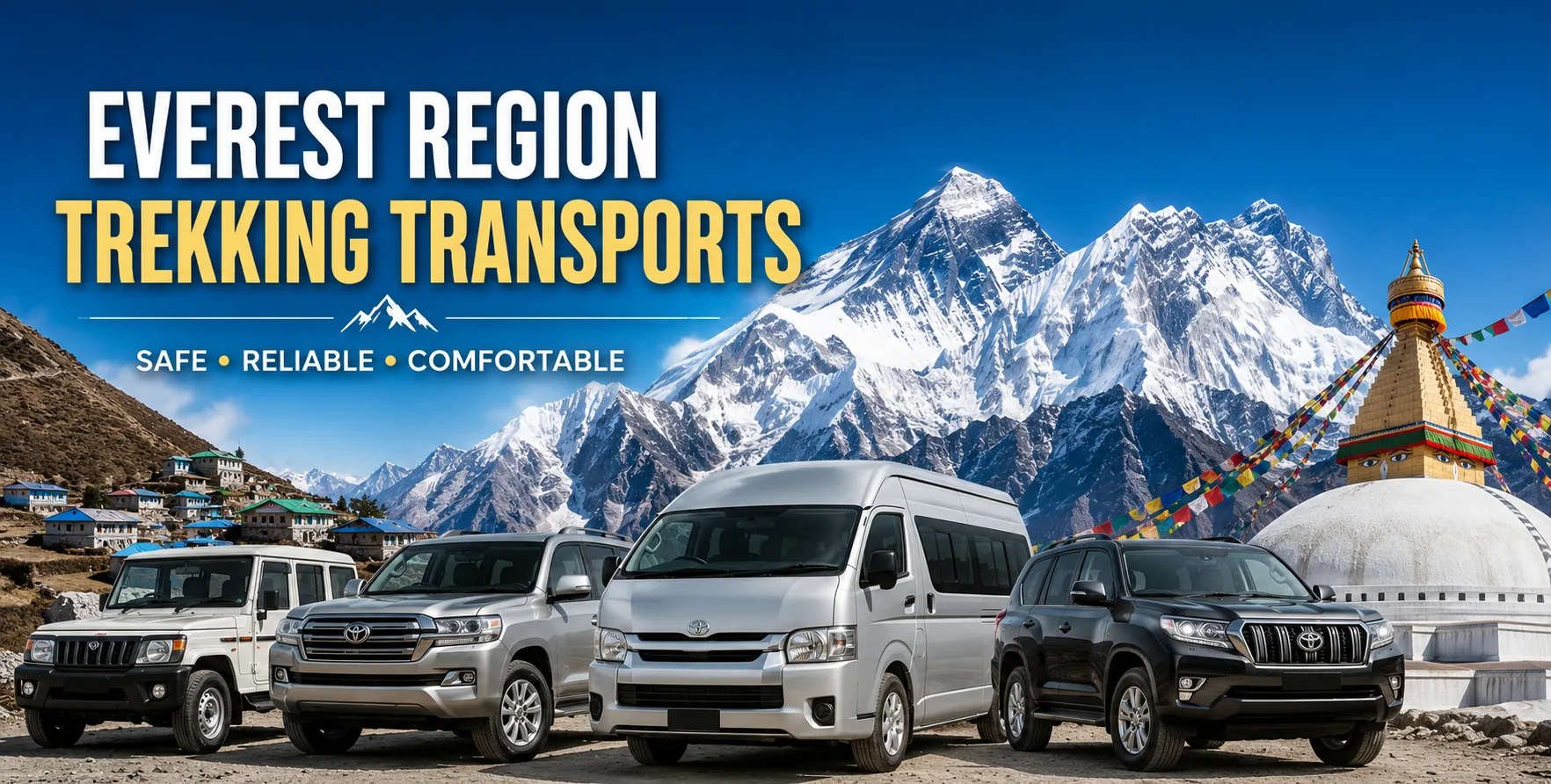
Vehicle OptionsCar, Jeep (4WD), Hiace Van, Coaster, Tourist Bus
Pick-UpAny Sauraha hotel, resort, or Chitwan location
Drop-Off OptionsBirgunj city, Birgunj Bus Park, Birgunj-Raxaul Border Gate, Simara Airport
AvailabilityDaily – 24/7 booking, hotel pick-up included
Contact+977 9851013196 | vehiclehiringnepal.com

Chitwan to Birgunj Border Transport

Why Choose a Private Vehicle for Chitwan to Birgunj Transport?

Public buses connect Chitwan (Bharatpur) to Birgunj, but the experience is a stark contrast to a private vehicle hire. Here is a comprehensive comparison of why Nepal Vehicle Hiring’s private transport service is the choice of every discerning traveller making this border crossing:

Direct, Door-to-Door Service from Your Sauraha Resort

The biggest practical advantage of a private vehicle is the pick-up from your exact hotel or resort in Sauraha, Tandi, or anywhere in Chitwan. After your wildlife safari, the last thing you want to do is figure out how to get from your jungle lodge to a public bus park in Bharatpur at 6 AM. Our driver arrives at your hotel door at the agreed time, loads your luggage, and takes you directly to the Birgunj border gate — or to any drop-off point you specify: Birgunj Bus Park, Birgunj city hotel, the border immigration office, or Simara Airport (for domestic connections).

Significant Time Saving on the Mahendra Highway

Private vehicles cover the Chitwan–Birgunj route in 3–4 hours, compared to 4.5–5.5 hours by public bus (which makes multiple unscheduled stops along the Mahendra Highway at Hetauda, Pathlaiya, and suburban Birgunj). For travellers with a fixed flight, a bus connection from Birgunj to India, or a timed border crossing — this 1–2 hour time saving is genuinely meaningful, especially when the border closes at 8 PM on the Nepal side.

Comfort in the Terai Climate

Chitwan and the Terai plains are among the hottest regions in Nepal, with temperatures regularly exceeding 38–42°C from March to October. Our fully air-conditioned private vehicles make the 3–4 hour journey genuinely comfortable. Public buses on the Mahendra Highway are overcrowded, rarely air-conditioned, and can transform the Terai heat into a genuinely exhausting pre-border experience.

Luggage Safety and Security

Most travellers on the Chitwan–Birgunj route carry substantial luggage — safari bags, trekking equipment, souvenir purchases, business samples, or family travel bags. In a private vehicle, your luggage travels securely in the boot under your direct supervision throughout the journey. On public buses, luggage is often loaded onto rooftop racks in the rain, mixed with other passengers’ bags, and subjected to rough handling at every bus-park stop.

Border Timing Flexibility

The Nepal side of the Birgunj–Raxaul border closes at 8:00 PM. If your public bus is delayed, you miss the border entirely and must overnight in Birgunj. With a private vehicle and a fixed departure time from Chitwan, your driver manages the timing and ensures you arrive at the border gate with sufficient time to complete immigration and customs before closing. Our drivers are experienced with the border timing requirements and factor in Birgunj city traffic on the approach.

Custom Stop Options

On a private vehicle, you control the journey. Stop for breakfast at Hetauda, lunch at Pathlaiya, or fuel at Narayanghat — all at your pace. Our drivers are happy to accommodate any reasonable stop along the Mahendra Highway. This is particularly valued by travellers who want to photograph the Terai landscape, visit a roadside temple, or simply stretch their legs between Chitwan and Birgunj.

Group Economics – Better Value for 5+ Passengers

For groups of 5 or more passengers, a private jeep or hiace van becomes genuinely cost-competitive with multiple public bus tickets — and delivers incomparably better comfort, security, directness, and flexibility. A single Hiace van (13 passengers) shared between a group significantly reduces the per-person cost while providing the full benefits of private transport.


Chitwan to Birgunj Border Transport

Available Vehicles – Chitwan to Birgunj Border Transport

Nepal Vehicle Hiring maintains a complete, well-maintained, air-conditioned fleet for the Chitwan–Birgunj route. Every vehicle is driven by a professional, licensed driver with experience on the Mahendra Highway:

VehicleCapacityComfortJourney TimeBest For
Sedan / Hatchback1-4 pax4 Star3-3.5 hrsSolo / Couples
SUV / Scorpio1-6 pax4 Star3-3.5 hrsFamilies / Groups
Land Cruiser 4WD1-6 pax5 Star3-3.5 hrsVIP / Premium
Toyota Hiace Van8-13 pax4 Star3.5-4 hrsTour Groups
Coaster20-25 pax4 Star4-4.5 hrsLarge Groups
Tourist Bus30-45 pax3-4 Star4.5-5 hrsSchool / Corporate


Private Car / Sedan – Best for Solo Travellers and Couples

A private sedan or hatchback car is the most intimate and comfortable option for solo travellers, couples, and small families of up to 4. The Chitwan–Birgunj Mahendra Highway is entirely paved and flat, making a standard car perfectly suited to this route. Fully air-conditioned, clean, and driven by a professional driver — our private car hire gives you the most personal, flexible border transport experience at the most competitive price for small groups.

SUV / Jeep – The All-Round Best Choice

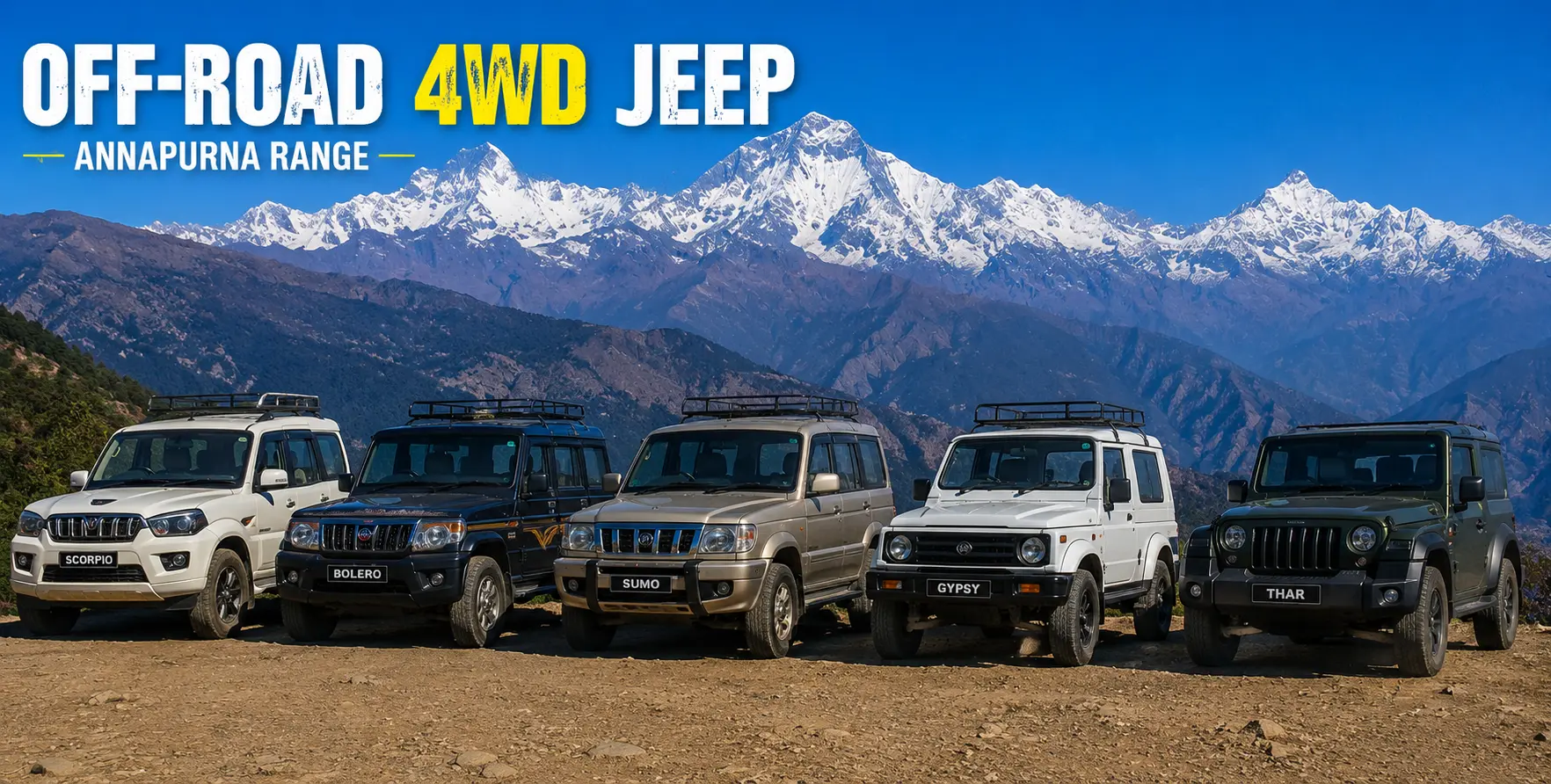
For families of 5–6 passengers and groups carrying larger luggage, a Mahindra Scorpio, Toyota Land Cruiser, or similar SUV is the most popular vehicle choice for the Chitwan–Birgunj route. Higher seating position, more luggage space, powerful air conditioning for the Terai heat, and the proven comfort of Nepal’s best mountain and highway 4WDs make these the most requested vehicles for this transfer. View our Jeep Hire page for the full fleet.

Toyota Land Cruiser – The VIP Border Transfer

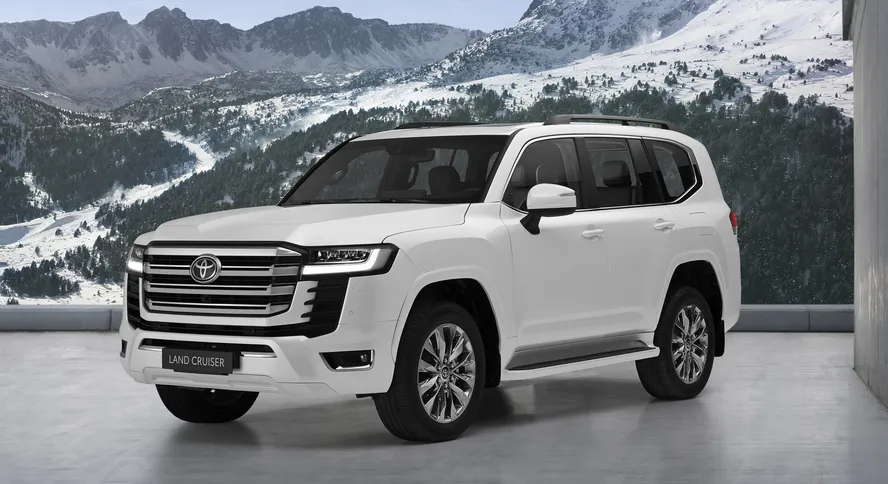
For travellers seeking the highest level of comfort on the Chitwan–Birgunj run — business executives, diplomatic visitors, VIP safari guests, or simply those who want the very best — the Toyota Land Cruiser 4WD is the ultimate choice. Its supremely comfortable leather interior, top-tier climate control, generous luggage space, and whisper-smooth ride on the flat Terai highway make the 3–4 hour journey genuinely luxurious.

Toyota Hiace Van – Perfect for Medium Tour Groups

Our Toyota Hiace van (8–13 passengers) is the ideal solution for medium-sized tour groups, families travelling together, and organised pilgrim parties heading to India. The Hiace provides comfortable individual seating, air conditioning, and ample luggage space in the rear for all 8–13 passengers. Popular among tour operators, Indian pilgrim groups returning from Muktinath or Pashupatinath, and corporate travel parties. View our Hiace Van Hire page.

Coaster and Tourist Bus – Large Group Border Transport

For groups of 20 or more — school excursions, corporate tours, wedding parties, and large pilgrim groups — our Coaster (20–25 passengers) and Tourist Bus (30–45 passengers) provide the most economical and practical border transport solution. The Mahendra Highway is fully bus-accessible and our professional drivers navigate it with confidence at any group scale. View Coaster Hire Nepal and Bus Hire Nepal.

Birgunj-Chitwan to Birgunj Border Transport

Chitwan to Birgunj – Detailed Route & Key Stops

The Chitwan to Birgunj route travels entirely on the Mahendra Highway (East-West Highway / NH01) — Nepal’s most important highway, stretching the full length of the Terai from Mechi in the east to Mahakali in the west. The section from Narayanghat (Chitwan) to Birgunj passes through some of the most productive agricultural land in Nepal, with the flat, wide Terai plains framed by the distant forested Chure Hills to the north. Here is the complete route broken down segment by segment:

SegmentDistanceTimeKey Landmark / Note
Sauraha to Bharatpur18 km25-30 minCity gateway; Chitwan Hospital; Narayanghat junction
Bharatpur to Narayanghat5 km10 minBusy junction on Mahendra Highway; fuel & snacks
Narayanghat to Hetauda60 km1-1.5 hrsMahendra Highway east; Makwanpur district; forested Terai
Hetauda to Pathlaiya Junction22 km25-30 minIndustrial area; Pathlaiya Junction (BP Highway / Mahendra)
Pathlaiya to Birgunj35 km40-50 minFlat Terai plains; approach to Parsa District; Birgunj suburbs
Birgunj City Centre to Border Gate3 km10-15 minShankaracharya Gate; Nepal Immigration; Raxaul (India) begins


Sauraha to Bharatpur – Leaving the Jungle Behind

The journey begins at your Sauraha resort or hotel, located on the northern edge of Chitwan National Park. Your Nepal Vehicle Hiring driver picks you up at the agreed time and navigates the 18 km to Bharatpur City — the fast-growing regional capital of Gandaki Province and home to Bharatpur Airport (BHR), which offers domestic flights to Kathmandu. Bharatpur-Narayanghat forms the key junction where the route transitions onto the Mahendra Highway heading east. The Narayani River, flowing south from the Himalayas through Chitwan, is crossed on a modern bridge at Narayanghat — marking the symbolic departure from the lush jungle region into the broader Terai plains.

Narayanghat to Hetauda – The Heart of the Terai

Heading east from Narayanghat, the Mahendra Highway enters a wide, flat agricultural landscape of rice paddies, mustard fields, and Terai villages. The 60 km stretch to Hetauda is the most peaceful and scenic section of the drive — the road is smooth, wide, and flanked by the dense sal forests of the Parsa Wildlife Reserve to the south. Hetauda (450 m) is the industrial capital of Madhesh Province, known for its cement factories, industrial estates, and as the site of Nepal’s historic ropeway (cable goods transport system), which once connected the Terai to Kathmandu before being replaced by highways. Hetauda is a good midpoint rest stop with restaurants and fuel stations.

Hetauda to Pathlaiya Junction – Gateway to Parsa

From Hetauda, the highway continues east to Pathlaiya — a strategically important junction where the Tribhuvan Highway (the oldest road in Nepal, linking Birgunj to Kathmandu via the scenic Bhimphedi Pass) meets the Mahendra Highway. Pathlaiya marks the entry into Parsa District — Birgunj’s home district and one of Nepal’s most significant commercial and industrial zones. The Birgunj Industrial Corridor begins here, with large factories, warehouses, and the infrastructure of Nepal’s busiest trade artery becoming increasingly visible as you approach the city.

Pathlaiya to Birgunj – The Commercial Capital Approaches

The final 35 km from Pathlaiya to Birgunj is through the flat, densely populated Parsa District, passing through suburban industrial areas, truck depots, and commercial zones that serve the Birgunj–Raxaul trade corridor. The approach to Birgunj city is busy with commercial traffic — heavy trucks, tankers, and freight vehicles from India and Nepal forming a constant stream between the border and Nepal’s interior. Your driver navigates this efficiently, reaching central Birgunj via the inner ring road, avoiding the heaviest freight routes.

Birgunj City Centre to the Border Gate

The final 3 km from Birgunj city centre to the Shankaracharya Gate (Nepal–India Border) passes through the most vibrant part of the city — the bustling GhantaGhar area (Clock Tower junction), the colourful Rani Bazaar, and the lanes of small traders, money changers, and travel agents that service the enormous cross-border traffic. Your driver can drop you at any point in the city or take you directly to the immigration office entrance at the border gate — whichever suits your travel plan.

Chitwan to Birgunj Border Transport


About Birgunj – Nepal’s Commercial Capital and Gateway to India

Birgunj is no ordinary border town. As a Metropolitan City (declared 2017) and Nepal’s most important commercial centre outside Kathmandu, Birgunj is a city of genuine substance, fascinating contradictions, and significant historical depth. Understanding Birgunj before you arrive transforms what might seem like a transit point into a genuinely rewarding destination in its own right.

Historical Background

Birgunj’s importance dates to the late 19th century Rana era, when the Rana Prime Ministers (who ruled Nepal for 104 years from 1846 to 1951) recognised its value as Nepal’s primary trade gateway with British India. The city was one of Nepal’s first three municipalities, established under Prime Minister Mohan Shumsher Jang Bahadur Rana.

Its strategic position at the Indian border of Bihar — connecting Nepal directly to the great Gangetic Plain and India’s vast market and rail network — made it the natural hub for Nepal’s international trade for over a century. Today, the Birgunj Integrated Check Post (ICP) and Sirsiya Dry Port — Nepal’s only rail-linked inland container depot — handle the vast majority of Nepal’s containerised imports from India, making Birgunj the literal economic engine of the nation.

Birgunj’s Economic Importance

Few statistics capture Birgunj’s centrality to Nepal’s economy more vividly than this: over 56–60% of Nepal’s total trade with India passes through the Birgunj Customs Office — Nepal’s largest revenue-collecting customs point. The Sirsiya Dry Port has direct rail connectivity to India’s major ports at Kolkata and Visakhapatnam. Nepal imports fuel, vehicles, machinery, construction materials, textiles, and consumer goods primarily through Birgunj. The city’s industrial estates house sugar mills, cement factories, pharmaceutical plants, and light manufacturing units — making it a genuinely industrious urban centre rather than merely a border bazaar.

Birgunj’s Cultural Character

Culturally, Birgunj is a captivating blend of Nepali Terai culture, Maithili traditions, Hindi-speaking communities, and Indian commercial influences that create a unique urban character unlike any other Nepali city. Hindi is widely spoken alongside Nepali and Maithili, making the city exceptionally accessible for Indian visitors. The food culture combines Nepali dal bhat with North Indian cuisine — samosas, jalebis, chaat, and thali meals are all readily available alongside traditional Nepali dishes. The city’s mosques, Hindu temples, and Buddhist chaityas reflect the multi-religious heritage of this crossroads community.


Key Attractions in Birgunj – What to See and Do

If your Chitwan to Birgunj transport arrives with time to spare before your border crossing or onward connection, Birgunj offers a surprisingly rewarding set of attractions and experiences. Here is a complete guide to the city’s highlights:

Attraction / LandmarkDistance from City Centre & Description
Birgunj GhantaGhar (Clock Tower)City centre | Iconic 1976 colonial-era landmark; heart of Birgunj; illuminated at night; best photo stop
Shankaracharya Gate1 km | Grand border gate between Nepal & India; symbolic arch; heavy pedestrian & vehicle traffic
Ghadiarwa Pokhari1.5 km | Serene pond with Hindu shrine; morning yoga & walking culture; popular Chhath Puja site
Shri Gahawa Mai TempleCity | The original temple after which Birgunj was once called ‘Gawaha’; important local shrine
Rani Bazaar MarketCity centre | Famous market for local handicrafts, spices, textiles, and traditional Nepali cuisine
Gadhimai Temple13 km from Birgunj at Kalaiya | One of South Asia’s largest Hindu pilgrimages; Gadhimai Mela every 5 years
Parsa National Park15 km | Buffer zone of Chitwan; tiger, rhino, elephant, leopard; less crowded than Chitwan proper
Simraungadh Ruins40 km | Ancient 12th-14th century capital of the Mithila Kingdom; archaeological ruins; rare historical site
Simara Airport20 km | Nearest airport; Buddha Air daily flights to Kathmandu; convenient domestic connection


Birgunj GhantaGhar (Clock Tower) – Heart of the City

The Birgunj GhantaGhar — Clock Tower — is the undisputed heart of the city and its most recognisable landmark. Established in 1976 with assistance from Japanese schoolchildren from Yogano, Japan (who raised funds and provided a Seiko clock-face), the clock tower stands at the city’s main junction as both a practical orientation point and a symbol of civic identity.

Renovated in 2021 to restore full working operations, the GhantaGhar is beautifully illuminated at night and surrounded by the most active market zone in Birgunj — tuk-tuks, street vendors, tea stalls, and the constant energy of a city that never really slows down. It is a superb street photography location and the best place to absorb Birgunj’s distinctly border-town atmosphere.

Shankaracharya Gate – The Symbolic Gateway Between Nepal and India

The Shankaracharya Gate is a large ceremonial arch marking the formal boundary between Nepal and India at the Birgunj–Raxaul crossing. Named after Adi Shankaracharya, the revered 8th-century Hindu philosopher and reformer, the gate is a constant scene of cross-border activity — pedestrians, vehicles, traders, pilgrims, and families crossing in both directions throughout the day. The gate serves as the photo-landmark of Birgunj, and approaching it in your Nepal Vehicle Hiring private car is the most comfortable and organised way to reach this busy international crossing point.

Ghadiarwa Pokhari – The Sacred Pond

The Ghadiarwa Pokhari (pond) is a surprisingly serene urban oasis in the heart of bustling Birgunj — a large, tree-fringed pond with a Hindu shrine island and a popular walking circuit beloved by local residents for morning exercise, yoga, and evening relaxation. The pond is particularly significant during Chhath Puja — one of the most important festivals of the Terai region .

when thousands of devotees gather at dawn and dusk to worship the Sun God, standing waist-deep in the water with offerings of fruits and lit lamps. If your arrival in Birgunj coincides with Chhath Puja (October–November), witnessing this festival at Ghadiarwa Pokhari is a profoundly moving experience.

Gadhimai Temple – A Major Pilgrimage in Easy Reach

Located approximately 13 km from Birgunj in Kalaiya town, the Gadhimai Temple is one of the most significant Hindu pilgrimage sites in Nepal and South Asia. Dedicated to Goddess Gadhimai — a powerful form of the Mother Goddess — the temple hosts the Gadhimai Mela every 5 years, drawing an estimated 2–8 million pilgrims from across Nepal, India, and the global Hindu diaspora — making it potentially the largest religious gathering in the world. Nepal Vehicle Hiring can arrange a side trip to Gadhimai Temple as part of your Chitwan–Birgunj transport on request.

Parsa National Park – A Less-Visited Wildlife Sanctuary

Immediately adjacent to Chitwan National Park and forming its eastern buffer zone, Parsa National Park (494 sq. km) protects a significant portion of Nepal’s remaining Terai wildlife. Tigers, one-horned rhinoceroses, Asian elephants, leopards, gharial crocodiles, sloth bears, and four-horned antelopes inhabit its dense sal forests and grasslands. Far less visited than Chitwan, Parsa offers an uncrowded, authentic wildlife experience for travellers with an extra day before their border crossing. Nepal Vehicle Hiring can arrange a combined Chitwan–Parsa–Birgunj itinerary on request.

Simraungadh – The Lost Kingdom

Located approximately 40 km from Birgunj, the ruins of Simraungadh (Simrongarh) represent one of Nepal’s most historically significant and least-visited archaeological sites. Simraungadh was the capital of the Mithila Kingdom (12th–14th centuries CE) — a powerful Hindu kingdom that controlled much of the Nepal Terai and influenced art, literature, and religion across a vast region. The brick ruins of palace complexes, temples, and fortification walls are scattered across a forested area, offering a hauntingly beautiful glimpse into a largely forgotten chapter of Himalayan history. A perfect half-day excursion for history-minded travellers with time in Birgunj.

 Birgunj Border

Birgunj–Raxaul Border Crossing – Complete Guide for Travellers

The Birgunj–Raxaul border crossing is Nepal’s busiest, most important, and most traveller-ready land border with India. It handles a massive daily volume of commercial freight, passenger vehicles, and pedestrian crossings. Understanding the crossing procedures before you arrive eliminates delays and stress:

ItemDetail
Nepal Border (Birgunj)Birgunj Immigration Office, near Shankaracharya Gate; Nepal Armed Police Force; 4:00 AM – 8:00 PM daily
India Border (Raxaul)Indian Immigration & Customs, Raxaul, East Champaran, Bihar; SSB (Sashastra Seema Bal); 5:00 AM – 11:00 PM
Indian Visa RequirementForeign nationals (except Indian citizens) require a valid Indian visa. Obtain BEFORE arriving. E-visa accepted.
Indian CitizensNo visa required for Nepal or India. Official ID (Aadhaar/Voter ID/Passport) needed. Get immigration stamp.
Nepal Visa on Arrival (non-Indian)Available at Birgunj immigration for most nationalities. USD 25/15-day | USD 40/30-day | USD 100/90-day
Indian Currency RestrictionCarrying INR notes above Rs 100 into Nepal is restricted/illegal. Change currency before entry at Birgunj banks.
Customs DeclarationDeclare goods above permitted limits (NPR 25,000 for Nepalis; USD 500 for tourists). Electronics may require declaration.
Vehicle at BorderNepal-registered vehicles cannot typically cross into India. Nepal Vehicle Hiring drops at Birgunj border gate.


Step-by-Step Border Crossing Procedure

Here is the complete step-by-step process for crossing from Nepal (Birgunj) into India (Raxaul):

  • Step 1 – Arrival at Birgunj Border Gate: Your Nepal Vehicle Hiring driver drops you at the Birgunj Immigration Office near the Shankaracharya Gate. Nepal-registered vehicles do not cross into India, so the driver assists with luggage to the immigration entrance.
  • Step 2 – Nepal Immigration Departure Stamp: Present your passport to the Nepal Department of Immigration officer at the Birgunj office. Your Nepal entry stamp is reviewed and a departure stamp is issued. Indian citizens: present your Aadhaar card, Voter ID, or passport. Ensure you obtained an entry stamp when entering Nepal — exiting without one can result in fines and delays.
  • Step 3 – Walk Across the Border: From the Nepal immigration office, walk through the Shankaracharya Gate and across the short no-man’s-land between the two countries to the Indian immigration office in Raxaul. This short walk (200–400 metres) is usually shared with a stream of pedestrians, cyclists, and motorcycle riders crossing in both directions.
  • Step 4 – Indian Immigration Entry: Present your passport and valid Indian visa at the Indian immigration counter in Raxaul. Indian citizens: no visa required — proceed to the Indian nationals counter with your ID document. Foreign nationals with Indian e-visa: ensure your e-visa is for land border entry at Raxaul (not all Indian e-visas permit land border entry — check carefully before booking).
  • Step 5 – Indian Customs: Pass through the Indian customs and baggage screening area. Declare goods above permitted limits. Personal items and standard tourist belongings are typically waved through without issue for regular travellers.
  • Step 6 – Onward Transport from Raxaul: Once through customs, you are in Raxaul, Bihar, India. Local auto-rickshaws, taxis, and buses are immediately available for onwards connections to Patna, Motihari, and beyond.

Nepal Visa Information for Incoming Travellers (Raxaul to Birgunj)

For travellers arriving at Birgunj from India (Raxaul), entering Nepal by land, the following visa information applies in 2026:

  • Most foreign nationals: Can obtain a Nepal Visa on Arrival at the Birgunj Immigration Office. Fees: USD 25 (15 days) | USD 40 (30 days) | USD 100 (90 days). Carry passport photos and USD cash.
  • Indian nationals: No visa required for Nepal. Present a valid photo ID (Aadhaar, Voter ID, or Passport) and ensure an official immigration entry stamp is obtained at the Birgunj office — skip the informal crossing lane that some locals use.
  • Note on Indian Currency: Carrying Indian Rupee notes in denominations above Rs 100 into Nepal is illegal. Change or spend larger Indian currency notes before entering Nepal.


Chitwan to Birgunj Border Transport

Onward Transport from Raxaul to India – Complete Connections Guide

Once across the border at Raxaul, India’s extensive transport network opens up. Here are the key onward connections available from Raxaul:

Destination (India)Distance from RaxaulApprox. TimeTransport Option
Patna110 km3-4 hrsBus / taxi from Raxaul
Motihari40 km1-1.5 hrsAuto / local bus
Varanasi (Benares)285 km5-7 hrsBus or train from Patna
Lucknow430 km7-9 hrsTrain or bus from Patna
Kolkata630 km10-14 hrsTrain (overnight) or bus
Delhi1,100 km16-20 hrsOvernight train from Patna or Muzaffarpur


Raxaul to Patna – The Main Hub Connection

The 110 km journey from Raxaul to Patna is the primary onward route for most travellers crossing from Nepal into India via Birgunj. Patna (the capital of Bihar) has a major railway junction connecting to Delhi, Kolkata, Mumbai, Varanasi, Lucknow, and most of India’s major cities. Shared taxis and buses depart frequently from Raxaul bus stand for Patna (3–4 hours).

Patna Junction railway station offers the most comfortable and time-efficient onward connections to the rest of India. Book Indian railway tickets in advance on the IRCTC platform (irctc.co.in) — particularly important for overnight trains to Delhi and Kolkata.

Raxaul to Varanasi – The Pilgrim Route

Many Hindu pilgrims completing a Nepal pilgrimage circuit (Muktinath–Pashupatinath–Lumbini–Janakpur–Birgunj) continue onward to the holy city of Varanasi (Benares) — one of the world’s oldest continuously inhabited cities and the holiest site in Hinduism. The 285 km journey from Raxaul to Varanasi takes 5–7 hours by road directly, or via Patna by train (2.5–3 hours by Rajdhani or Shatabdi Express). Nepal Vehicle Hiring can advise on the best onward connection options based on your travel dates and destinations.

Direct Cross-Border Transport Services

Several Nepal–India cross-border bus services operate directly between major Nepali cities and Indian destinations. From Birgunj Bus Park, direct buses run to Patna, Kolkata, and other Bihar/UP destinations. These cross-border bus services handle immigration stops (where all passengers exit for border formalities) and are significantly more convenient than managing the crossing independently. Our Nepal Vehicle Hiring driver can drop you at the Birgunj Bus Park for onward cross-border bus connections on request.

Chitwan to Birgunj Border Transport


Other Vehicle Hire Routes Connecting Through Chitwan & Birgunj

Nepal Vehicle Hiring covers the full network of Nepal transport routes. Many travellers combine the Chitwan–Birgunj transport with broader Nepal itineraries. Here are the most popular connecting routes:

Kathmandu to Birgunj Vehicle Hire

For travellers arriving in Kathmandu and heading directly to the Indian border, Nepal Vehicle Hiring provides direct Kathmandu to Birgunj private vehicle hire — approximately 135–150 km via the Tribhuvan Highway or Mahendra Highway (via Hetauda), taking 4–6 hours. This is especially popular for Indian nationals flying into Kathmandu and exiting Nepal by land at Birgunj. See our Jeep Hire page.

Chitwan to Kathmandu Luxury Car Hire

For travellers completing the reverse journey — returning from the Indian border through Chitwan to Kathmandu — Nepal Vehicle Hiring offers the most comfortable Chitwan to Kathmandu luxury car hire. See our dedicated blog for full details and vehicle options on this route.

Pokhara to Chitwan to Birgunj – The Nepal Circuit

For travellers completing Nepal’s famous Golden Triangle circuit (Kathmandu–Pokhara–Chitwan) before exiting at Birgunj, Nepal Vehicle Hiring can arrange the complete transport chain: Pokhara to Chitwan (5 hours), overnight Chitwan safari, then Chitwan to Birgunj border (3.5 hours) — all in well-maintained private vehicles with professional drivers. Contact us to plan the full circuit.

Birgunj to Lumbini Vehicle Hire

For Indian pilgrims entering Nepal at Birgunj–Raxaul and heading to Lumbini (birthplace of Lord Buddha), Nepal Vehicle Hiring provides direct Birgunj to Lumbini private vehicle hire (approximately 230 km, 5–6 hours via Mahendra Highway). Lumbini is Nepal’s most sacred Buddhist site and a UNESCO World Heritage Site, drawing pilgrims from across Asia. See our vehicle hire services.

Explore all our services:


What to Pack – Chitwan to Birgunj Border Travel Checklist

Being well-prepared before your Chitwan to Birgunj transport ensures a smooth, stress-free border crossing and onward India journey. Here is a comprehensive packing and documentation checklist:

Essential Documents

  • Valid Passport: With at least 6 months of validity beyond your intended stay and a sufficient number of blank visa pages.
  • Nepal Entry/Exit Stamps: Ensure you received an official Nepal entry stamp when entering the country. Exit without a stamp can result in fines and delays.
  • Indian Visa (Foreign Nationals): A valid Indian visa (regular or e-visa). CRITICAL: verify your e-visa permits land border entry at Raxaul — not all Indian e-visas do.
  • Indian Citizens: Valid Aadhaar Card, Voter ID, or Passport. At least one official government-issued photo ID with your current address.
  • Travel Insurance: Carry proof of comprehensive travel insurance including medical evacuation coverage.
  • Flight / Onward Transport Bookings: Copies of your Indian rail/bus tickets, onward flight booking, or hotel reservations for Indian immigration.

Money & Banking

  • Nepali Rupees: Settle all Nepal expenses before the border. Change remaining NPR to INR at Birgunj banks or forex counters before crossing.
  • Indian Rupees (below Rs 100 denominations): Carrying INR above Rs 100 into Nepal is illegal. Ensure any Indian currency you carry into Nepal on return follows this rule.
  • USD / Major Foreign Currency: Useful for Nepal Visa on Arrival (if applicable) and as a backup currency in India.
  • Debit/Credit Cards: International VISA/Mastercard cards work at major ATMs in Birgunj and at Patna/Raxaul. Inform your bank before travel.

Health, Comfort & Safety

  • Water Bottle: The Terai heat is intense — carry 1–2 litres of water for the 3–4 hour Chitwan–Birgunj drive.
  • Snacks: Fruit, nuts, or biscuits for the drive. Substantial food stops are available at Hetauda and Pathlaiya.
  • Medications: Personal prescription medications, basic pain relief, and anti-diarrhoeal tablets (especially important for the Terai heat and change in cuisine).
  • Sunscreen & Hat: The Terai sun is strong — particularly on outdoor portions of the border walk.
  • Lightweight Modest Clothing: Modest dress (covered shoulders and legs) is respectful in both Nepal and India, especially at border immigration offices and temples.
  • Phone Charger & Power Bank: Indian mobile SIM connectivity is available immediately in Raxaul. A charged device is essential for navigation, bookings, and communication.


Chitwan to Birgunj Border Transport

Essential Travel Tips for Chitwan to Birgunj Border Transport

Timing – The Most Important Factor

The Nepal side of the Birgunj–Raxaul border closes at 8:00 PM. This single fact should govern your entire Chitwan departure timing. Nepal Vehicle Hiring recommends departing Sauraha by 12:00–1:00 PM at the latest to arrive at the border by 4:00–5:00 PM — giving you ample time for border formalities (which can take 1–2 hours at peak times) and the first section of onward transport from Raxaul before nightfall. Departing earlier (9:00–10:00 AM) is ideal, as this gives you time to explore Birgunj city and the Gadhimai area before the border crossing.

Book in Advance – Especially for Festival Seasons

The Terai region experiences massive seasonal surges in cross-border traffic during Dashain, Tihar, Chhath Puja, Holi, and Diwali. During these periods, the Birgunj–Raxaul border sees extraordinary volumes — queues at immigration can stretch for hours. Nepal Vehicle Hiring recommends booking your Chitwan–Birgunj transport at least 3–5 days in advance during festival periods and departing as early as possible on the day of crossing to beat festival crowds.

Check Your Indian Visa Type Before Arriving

This is one of the most frequently overlooked details for foreign nationals crossing from Nepal to India at Raxaul: not all Indian e-visas permit land border entry. Standard Indian tourist e-visas issued online typically permit entry at designated airports and selected ports of entry — but the Raxaul land border may or may not be included depending on your nationality and the specific visa type. Verify this on the official Indian government visa portal or contact the Indian Embassy/Consulate before booking your Chitwan–Birgunj transport. Arriving at the border with an e-visa that doesn’t permit land entry will result in denial and a return to Birgunj.

Carry Sufficient Cash in the Right Currencies

The Birgunj–Raxaul crossing area has money exchange counters and ATMs, but they can be congested during peak travel periods. Carry Nepali rupees for any Birgunj city expenses, and have Indian rupees (below Rs 100 notes for Nepal) or US dollars ready for immediate use in Raxaul. Major currency exchange services are available at both the Nepal and India sides of the border but operate on their own schedules.

Simara Airport – Domestic Flight Alternative

If you prefer to fly from Chitwan to Kathmandu rather than travel overland, Simara Airport (SIF) is located approximately 20 km north of Birgunj and offers daily Buddha Air flights to Kathmandu (25 minutes). Nepal Vehicle Hiring can arrange a combined Chitwan–Simara Airport transfer on request — either as a standalone service or as part of the Chitwan–Birgunj route with a Simara Airport drop-off.


How to Book Your Chitwan to Birgunj Border Transport

Booking your private Chitwan to Birgunj border transport with Nepal Vehicle Hiring is quick, straightforward, and fully confirmed before your travel day:

  • Step 1 – Browse Our Fleet: Visit com and browse our vehicle options — from private cars and jeeps to hiace vans, coasters, and tourist buses.
  • Step 2 – Contact Us: Call or WhatsApp +977 9851013196 with: your travel date, preferred departure time from Sauraha/Chitwan, hotel or resort name for pick-up, number of passengers and luggage, preferred vehicle type, and exact drop-off point in Birgunj (city, bus park, border gate, or Simara Airport).
  • Step 3 – Receive Confirmation: We send a booking confirmation with your driver’s name, vehicle registration, and exact pick-up time at your Chitwan hotel.
  • Step 4 – On Travel Day: Your driver arrives at your resort punctually. Luggage is loaded, air conditioning is set, and your direct Chitwan–Birgunj border transfer begins seamlessly.
  • Step 5 – Border Drop-Off: Your driver navigates Birgunj traffic efficiently and delivers you to your specified drop-off point — whether that is the immigration office at the Shankaracharya Gate, the Birgunj Bus Park, a city hotel, or Simara Airport.


Frequently Asked Questions – Chitwan to Birgunj Border Transport

How far is Chitwan from Birgunj?

The road distance from Chitwan (Sauraha) to Birgunj is approximately 150–160 km via the Mahendra Highway (East-West Highway). The exact distance varies slightly depending on your pick-up location within the broader Chitwan area.

How long does the Chitwan to Birgunj journey take by private vehicle?

A private car, jeep, or van covers the route in 3–4 hours, depending on the time of day and any stops along the Mahendra Highway. Public buses take 4–5 hours and involve multiple unscheduled stops. Departing in the morning avoids the busiest midday traffic on the highway and in Birgunj city approach.

Is a 4WD jeep necessary for Chitwan to Birgunj?

No — the Mahendra Highway from Chitwan to Birgunj is entirely paved and flat. A standard car, sedan, or SUV handles this route perfectly well. 4WD is not required for this highway route (unlike mountain routes such as Muktinath or Kalinchowk). A jeep or SUV is, however, more comfortable for larger groups and provides more luggage space.

Do Nepal-registered vehicles cross into India at Raxaul?

In most cases, Nepal-registered private vehicles do not enter Indian territory at Raxaul. Nepal Vehicle Hiring drops passengers at the Birgunj Immigration Office and border gate. Onward transport in India is arranged separately from the Indian side of the crossing (auto-rickshaws, Indian taxis, and buses from Raxaul bus stand).

What is the Birgunj border crossing closing time?

The Nepal immigration office at Birgunj closes at 8:00 PM daily. The Indian side (Raxaul) closes at 11:00 PM. Nepal Vehicle Hiring strongly recommends arriving at the Birgunj border by 4:00–5:00 PM at the latest to allow ample time for both Nepal and Indian immigration formalities without rushing.

Can I get an Indian visa at the Raxaul border?

Indian visas cannot be obtained on arrival at the Raxaul land border for most foreign nationals. All non-Indian passport holders require a valid Indian visa obtained in advance — either a regular visa from an Indian embassy/consulate, or an approved e-visa with land border entry permissions. Indian citizens do not require a visa for Nepal or India. Always check current Indian government visa policies at the official Indian Embassy website before travel.

Can Nepal Vehicle Hiring arrange a combined Chitwan wildlife safari and Birgunj border transfer?

Yes — this is one of our most popular combined bookings. We can arrange safari accommodation, jeep safari, and border transport as a seamless package: arrive from Kathmandu or Pokhara, spend 2–3 nights on wildlife safari in Sauraha, then transfer to the Birgunj border at the end of your Nepal stay. Contact us at +977 9851013196 to plan your complete Nepal end-to-end itinerary.

What happens if I miss the Birgunj border closing time?

If you arrive at the Birgunj border after the Nepal immigration office closes (8:00 PM), you will need to overnight in Birgunj and cross the following morning. Birgunj has a range of hotels from budget guesthouses to mid-range options in the city centre. Nepal Vehicle Hiring’s drivers are always aware of the border timing and factor it into the departure schedule from Chitwan — but if unforeseen delays occur, our team can assist you in finding accommodation in Birgunj on short notice.

Can I book Chitwan to Birgunj transport for a large pilgrim group?

Yes — Nepal Vehicle Hiring frequently handles large pilgrim group transfers on this route. Indian pilgrims completing Nepal Yatra circuits (visiting Pashupatinath, Muktinath, Lumbini, and Janakpur before exiting at Birgunj) are among our most regular clients. We can accommodate groups of any size — from 5 to 50+ passengers — with the appropriate fleet of jeeps, hiace vans, coasters, and tourist buses. Early booking (2–4 weeks for large groups) is strongly recommended during pilgrimage festival seasons.

Does Nepal Vehicle Hiring provide the service in reverse – Birgunj to Chitwan?

Yes — we provide Birgunj to Chitwan transport for travellers entering Nepal from India and heading to Chitwan National Park for wildlife safari. Pick-up from the Birgunj border gate, Birgunj Bus Park, or any Birgunj hotel, with direct drop-off at your Sauraha resort. Contact us at +977 9851013196 to book your arrival transfer.

Are there any additional costs beyond the vehicle hire rate?

Our Chitwan to Birgunj vehicle hire rate includes the vehicle, professional driver, fuel, and all highway tolls. Not included: personal meals and refreshments en route, Nepal border exit fees (if any apply to your nationality), and driver gratuity. A full, transparent quote is provided at the time of booking — there are no surprise charges on the day of travel.


Book Your Chitwan to Birgunj Border Transport Today

Nepal Vehicle Hiring Pvt Ltd is your most trusted, professional, and reliable partner for the Chitwan to Birgunj border transport in 2026. Whether you are a solo traveller returning to India after a Nepal adventure, a family completing the Nepal Golden Triangle, an Indian pilgrim finishing a sacred Yatra circuit, or a large tour group requiring multiple vehicles — we have the right vehicle, the right driver, and the right experience to make your Nepal exit smooth, comfortable, and completely stress-free.

Our 24/7 availability, hotel pick-up from anywhere in Sauraha and Chitwan, transparent fixed pricing, flight- and border-timing awareness, and complete fleet from private cars to tourist buses make Nepal Vehicle Hiring the first choice of travellers, tour operators, and travel agencies across Nepal for the Chitwan–Birgunj border route.

Don’t leave your Nepal exit to chance. Book your private transport today and arrive at the Birgunj border gate refreshed, on time, and ready for your Indian adventure.

Call / WhatsApp: +977 9851013196  |E-mail: [email protected]  |  Website: vehiclehiringnepal.com  |  Book Car or Jeep  |  Book Hiace Van  |  Book Bus or Coaster


Gautam Buddha Airport to Lumbini Vehicle – Complete Transfer Guide 2026

Gautam Buddha Airport to Lumbini Vehicle

Gautam Buddha Airport to Lumbini Vehicle – Complete Transfer Guide 2026

Landing at Gautam Buddha International Airport in Bhairahawa and heading to the sacred birthplace of the Buddha in Lumbini? You are just 22 kilometers away from one of the most spiritually significant places on earth. The transfer from Gautam Buddha Airport to Lumbini is short and simple, taking approximately 25 to 35 minutes by private vehicle, making it one of the most convenient airport-to-sacred-site transfers in Nepal.

Whether you are arriving as a Buddhist pilgrim, a Hindu devotee, a heritage traveler, or simply a curious visitor, this complete 2026 guide covers everything you need to know about booking your vehicle from Gautam Buddha Airport to Lumbini – transport options, prices, what to expect at the airport, what to see in Lumbini, and how to arrange your transfer with Vehicle Hiring Nepal.


Gautam Buddha International Airport – Overview

Official Name: Gautam Buddha International Airport (IATA: BWA)

Location: Siddharthanagar (Bhairahawa), Rupandehi District, Lumbini Province, Nepal

Distance to Lumbini: 22 km west of the airport – approximately 25 to 35 minutes by vehicle

Airport Type: Regional International Airport – fully operational for domestic and select international flights

Domestic Airlines: Yeti Airlines, Shree Airlines, Buddha Air – multiple daily flights from Kathmandu (35 min)

International: Select charter and scheduled international services from India and beyond

New Terminal: The new modern terminal building opened in 2022 with improved facilities for arrivals

Airport Facilities: Arrivals hall, baggage claim, currency exchange counter, café, official taxi desk, car park


Gautam Buddha International Airport is named in honor of Siddhartha Gautama – the Buddha – who was born at Lumbini, just 22 km west of the airport. This naming reflects the airport’s primary purpose as the aviation gateway for the millions of Buddhist and Hindu pilgrims who visit Lumbini each year from India, Sri Lanka, Thailand, Myanmar, Japan, South Korea, China, and across the world. For many pilgrims, stepping off the aircraft at Gautam Buddha Airport is itself the first moment of the pilgrimage – the Buddha’s land begins at the runway.


Distance and Travel Time: Gautam Buddha Airport to Lumbini

Distance: Approximately 22 km by road

Travel Time: 25 to 35 minutes by private vehicle in normal traffic

Road Type: Fully paved road throughout – no rough sections

Route: Airport → Bhairahawa city → Siddhartha Highway west → Lumbini Development Zone gate

Best Departure: Immediately on collecting luggage – no reason to delay for such a short journey


The road from Gautam Buddha Airport to Lumbini is one of the most straightforward airport transfers in Nepal. The route passes through the commercial heart of Bhairahawa and then continues west on the Siddhartha Highway, through the flat Terai agricultural landscape, to the Lumbini Development Zone. The road is fully paved and in good condition throughout, and in normal traffic, the journey rarely takes more than 35 minutes.

Gautam Buddha Airport to Lumbini Vehicle

Vehicle Options & Prices: Airport to Lumbini 2026

Vehicle Hiring Nepal provides reliable, comfortable vehicles for groups of all sizes traveling from Gautam Buddha Airport to Lumbini. Here are your options and 2026 prices:

Vehicle TypeCapacityPrice (USD)Price (NPR)Best For
Sedan Car (Toyota Corolla / Suzuki Swift)1–3 paxUSD 15–22NPR 2,000–3,000Solo pilgrims, couples, small families
SUV / Toyota Fortuner / Jeep4–5 paxUSD 22–32NPR 3,000–4,300Families, small groups with luggage
Toyota Hiace Van7–14 paxUSD 35–50NPR 4,800–6,800Pilgrim groups, tour groups
Toyota Coaster Bus15–22 paxUSD 55–80NPR 7,500–10,800Large pilgrim groups, monastery parties
Full-Size Bus23–45 paxUSD 90–130NPR 12,000–17,500Very large groups, such as school or temple tours


All prices include the driver, fuel for the short airport-to-Lumbini journey, and vehicle insurance. These are one-way transfer prices. Return transfer pricing (Lumbini back to Gautam Buddha Airport) is available at the same rates. Book both directions together for a combined discount and guaranteed return vehicle. Contact us for your exact 2026 quote.


Transport Options at Gautam Buddha Airport

When you arrive at Gautam Buddha Airport, you have several transport options to reach Lumbini. Here is a full comparison:

Transport OptionCostTravel TimeComfortReliabilityBest For
Pre-booked Private Vehicle (Vehicle Hiring Nepal)USD 15–5025–35 minExcellentConfirmed – driver tracks flightAll travelers – most recommended
Airport Official Taxi DeskNPR 1,500–2,50025–40 minGoodGood – fixed rateSolo travelers without pre-booking
Metered / Negotiated Taxi (outside)NPR 1,000–2,00025–40 minVariableVariable – negotiate carefullyBudget travelers
Auto Rickshaw (Tempo)NPR 200–40040–60 minBasicLimited with luggageUltra budget, light luggage only
Hotel Pickup (pre-arranged)Free or NPR 1,000+25–35 minGoodGood if pre-confirmed with the hotelTravelers whose hotel offers pickup


For most travelers – especially pilgrims arriving with luggage and offerings after a flight – a pre-booked private vehicle from Vehicle Hiring Nepal is the clear recommendation. Your driver is waiting at the arrivals exit with your name on a board; the price is fixed in advance; the vehicle is air-conditioned and clean; and you are taken directly to your Lumbini hotel or the Development Zone gate without any fuss or negotiation.

Gautam Buddha Airport to Lumbini Vehicle

The Road: Gautam Buddha Airport to Lumbini

Airport Exit to Bhairahawa City (5 km | ~10 min)

From the airport departure zone, your driver heads west through the airport approach road and into the commercial heart of Bhairahawa city – officially called Siddharthanagar. Bhairahawa is a busy, modern Terai city with wide roads, commercial markets, hotels, banks, hospitals, and good amenities. If you need to make any final purchases, withdraw Nepali Rupees from an ATM, or stock up on offerings for the temple (marigold garlands, incense, fruit) before arriving at Lumbini, Bhairahawa city is the ideal opportunity. Alert your driver, and they will stop at any location in the city.

Bhairahawa City to Lumbini Road Junction (10 km | ~15 min)

Continuing west, the road passes through the outer commercial areas of Bhairahawa and transitions into the flat, open agricultural landscape of the western Terai. Rice paddies, mustard fields, and the occasional mango orchard line both sides of the road. The sky is wide and the horizon flat – the characteristic landscape of the Lumbini plains that stretches all the way to the Indian border south of Lumbini. The road is paved and in good condition throughout.

Lumbini Road Junction to the Development Zone Gate (7 km | ~10 min)

From the main road junction, the Lumbini access road leads south through increasingly peaceful, tree-lined terrain. The landscape becomes notably quieter as the sacred zone approaches. The famous Lumbini Master Plan – the UNESCO-supported development blueprint designed by Japanese architect Kenzo Tange – is visible in the widening, tree-lined central canal that runs through the heart of the Development Zone. Your driver will take you to your hotel, monastery guest house, or directly to the main gate of the Lumbini Development Zone.


Arriving at Lumbini – What to Expect at the Development Zone

The Lumbini Development Zone is a planned sacred park of approximately 6 square kilometers divided into three main areas. Understanding the layout before you arrive helps you make the most of your time:

The Sacred Garden (Core Zone)

At the heart of the Development Zone lies the Sacred Garden – the most ancient and spiritually charged area of Lumbini. The Sacred Garden contains the Maya Devi Temple (marking the exact birthplace of the Buddha), the Ashoka Pillar (erected in 249 BCE), the Puskarini Pond (where Queen Maya Devi bathed before giving birth and where the infant Buddha was first bathed), and the ancient brick ruins of monasteries dating from the 3rd century BCE to the 9th century CE. This is the starting point for all pilgrims.

Entry to the Sacred Garden requires removing footwear. The atmosphere inside is one of profound peace and concentrated spiritual power – particularly in the early morning before large groups arrive. Your vehicle can drop you at the Sacred Garden gate, which is a short walk from the Maya Devi Temple.

The Monastic Zone – East and West

Extending north of the Sacred Garden along a central canal, the Monastic Zone is divided into the East Zone (Theravada Buddhist countries – Sri Lanka, Myanmar, Thailand, Cambodia, Vietnam) and the West Zone (Mahayana Buddhist countries – China, Japan, South Korea, Germany, France, and others). Each monastery is architecturally unique to its home country’s Buddhist tradition. Walking through the Monastic Zone is like a journey through global Buddhism – over 40 monasteries from dozens of nations, each one a masterpiece of its national sacred architecture.

A bicycle or electric rickshaw is the most practical way to explore the full extent of the Monastic Zone, which stretches approximately 3 km from the Sacred Garden to the northern boundary. Bicycle hire is available near the Development Zone gate for a small fee.

The Lumbini Village Area

Just outside the southern boundary of the Development Zone, the Lumbini village area contains most of the hotels, guesthouses, and monastery guest houses used by pilgrims and visitors. Your vehicle will drop you at your specific accommodation address in this area.


Lumbini Development Zone Entry Fee 2026


Visitor CategoryEntry Fee (NPR)Entry Fee (USD approx.)Notes
Foreign National (non-SAARC)NPR 500USD 4All international visitors outside South Asia
SAARC National (India, etc.)NPR 200USD 1.50India, Bangladesh, Pakistan, Sri Lanka, etc.
Nepali CitizenNPR 50NPR 50Nepali national ID required
Children under 10 yearsFreeFreeAll nationalities

The entry fee is paid at the main gate of the Lumbini Development Zone and is valid for the full day. This fee is separate from any monastery entry fees (most individual monasteries are free to enter, with donation boxes available). The entry fee is not included in your vehicle hire price – have Nepali Rupees or USD ready at the gate.

Gautam Buddha Airport to Lumbini Vehicle

Top Sacred Sites to Visit in Lumbini

Once your vehicle drops you at Lumbini, here is a guide to the most important sites to visit during your stay:

Maya Devi Temple – The Exact Birthplace

The most sacred site in all of Lumbini is the exact location where Queen Maya Devi gave birth to Prince Siddhartha Gautama, the future Buddha, in approximately 623 BCE. The ancient temple complex protects the Marker Stone – the specific stone that marks the precise birthplace – and the ruins of earlier temples built over this sacred ground since the 3rd century BCE. Adjacent is the sacred Puskarini Pond. The Ashoka Pillar stands just outside the temple enclosure, its Brahmi inscription from 249 BCE confirming this as the authentic birthplace. Remove footwear before entering. Photography inside the inner sanctum is restricted.

Ashoka Pillar

The sandstone pillar erected by Emperor Ashoka during his pilgrimage to Lumbini in 249 BCE is one of the oldest surviving historical monuments in Nepal. The pillar bears an inscription in Brahmi script identifying this as the birthplace of the Buddha and recording Ashoka’s exemption of Lumbini from taxes in recognition of its sacred status. The pillar has been partially restored and now stands approximately 7 meters tall, surrounded by a protective railing.

World Peace Flame

The World Peace Flame monument near the Maya Devi Temple burns with a permanent flame symbolizing peace and the light of the Buddha’s teachings radiating across the world. The flame is particularly beautiful at dusk, when the warm evening light catches it against the backdrop of the ancient sacred garden.

Chinese Monastery (Zhong Hua Buddhist Monastery)

One of the most visually magnificent structures in the entire Monastic Zone, the Chinese monastery is a full-scale recreation of a traditional Chinese imperial Buddhist temple complex – sweeping curved rooflines, red lacquer pillars, gilded Buddha images, and serene meditation gardens. The monastery is actively maintained by Chinese Buddhist monks and nuns and is open to all visitors.

Royal Thai Buddhist Monastery

The Thai monastery is another architectural highlight of the West Monastic Zone – a gleaming white building with traditional Thai Buddhist architectural details including distinctive tiered spires (prangs), golden Buddha images, and beautifully maintained gardens. The monastery compound contains some of the finest Buddhist art in Lumbini.

Kapilavastu / Tilaurakot (27 km from Lumbini)

For pilgrims who wish to follow the full extent of the sacred sites associated with the Buddha’s life, Tilaurakot – identified as the ancient royal city of Kapilavastu where Prince Siddhartha grew up – lies 27 km west of Lumbini. The archaeological ruins include the remains of the palace walls, city gates, moat, and meditation garden where the young Siddhartha is believed to have had his early encounters with human suffering that set him on the path to Enlightenment. Your Vehicle Hiring Nepal driver can take you to Tilaurakot as a half-day excursion from Lumbini.


Gautam Buddha Airport to Lumbini Vehicle

The Pilgrimage Experience – Making the Most of Your Lumbini Visit

Best Time of Day to Visit the Sacred Garden

Early morning is by far the finest time to visit the Maya Devi Temple and Sacred Garden. Arrive at the garden gate between 6:00 and 6:30 AM, when the site opens and the morning light is soft and golden. At this hour, the garden is relatively quiet, the atmosphere most contemplative, and the ancient stones of the birthplace most accessible without crowds. The afternoon (2:00 to 5:00 PM) is also good, but can be busy with larger tour groups. The hour before sunset – approximately 4:30 to 6:00 PM – sees the most beautiful light in the garden.

How Long to Spend in Lumbini

A single day at Lumbini – arriving at the airport in the morning and leaving in the evening – allows time to visit the Sacred Garden and a portion of the Monastic Zone. For a meaningful pilgrimage experience, a minimum of 2 nights in Lumbini is strongly recommended. Two full days allow you to visit the Maya Devi Temple at dawn, explore the full extent of both Monastic Zones by bicycle, make a half-day excursion to Tilaurakot, and experience the beautiful evening light in the Sacred Garden on two occasions. Three nights is ideal for those who also want to visit Devghat and the surrounding area.

Traditional Pilgrimage Offerings

If you are visiting as a Hindu or Buddhist pilgrim, traditional offerings for Lumbini include marigold garlands (purchased from flower sellers near the Development Zone gate), incense sticks, camphor, small ghee lamps, fruit (particularly coconuts and bananas), and red or saffron cloth. Buddhist pilgrims typically offer butter lamps (available at the monasteries), khata (white ceremonial scarves), and small monetary donations in the donation boxes at each monastery altar. Offerings can be purchased in Lumbini village just outside the main gate.


Accommodation in Lumbini 2026

Lumbini offers accommodation across a wide range of options – from peaceful monastery guest houses to comfortable hotels. Here is what is available within and around the Development Zone:

Accommodation TypePrice Per Night (USD)LocationBest For
Budget GuesthouseUSD 8–20Lumbini village, outside the zoneBackpackers, budget pilgrims
Monastery Guest HouseUSD 10–35Inside monasteries in the zoneBuddhist practitioners, pilgrims seeking immersion
Mid-range HotelUSD 30–70Lumbini village / BhairahawaFamilies, independent travelers
Lumbini Garden New HotelUSD 70–130Inside Development ZoneBest hotel in Lumbini, pool, garden, comfort
Bhairahawa City HotelsUSD 30–10022 km from LumbiniBetter facilities, wider choice, day-trip basis


For the most authentic pilgrimage experience, staying in a monastery guesthouse within the Development Zone is highly recommended. Several monasteries – including the Sri Lankan, Myanmar, and Korean monasteries – operate simple yet clean guesthouses open to visitors of all faiths. Meals are sometimes offered at the monastery refectory. Book well in advance for the October-to-February peak pilgrimage season.


From Lumbini – Onward Transport Options

After your visit to Lumbini, Vehicle Hiring Nepal can arrange onward transport to any destination in Nepal. Here are the most frequently requested onward journeys:

DestinationDistance from LumbiniTravel TimeApprox. Price (USD)Notes
Gautam Buddha Airport (return)22 km east30 minUSD 15–22Return flight to Kathmandu
Chitwan National Park130 km east2–2.5 hrsUSD 60–95Jungle safari destination
Kathmandu300 km7–8 hrsUSD 110–145Capital – via the Mugling highway
Pokhara200 km4–5 hrsUSD 85–120Via Butwal and Prithvi Highway
Bhairahawa City Hotels22 km east30 minUSD 15–22City accommodation, airport next day
Tilaurakot (day trip)27 km west40 minUSD 20–30Half-day excursion from Lumbini
Devghat Sacred Site120 km east2 hrsUSD 55–75Sacred river confluence near Narayangadh


Practical Tips for Your Airport to Lumbini Transfer

  • Pre-book your vehicle before your flight departs – Vehicle Hiring Nepal’s driver will be waiting at the arrivals exit with your name board as soon as you collect your bags.
  • Carry Nepali Rupees for the Lumbini Development Zone entry fee (NPR 500 for most foreigners), offerings, bicycle hire, and small purchases – currency exchange is available at the airport.
  • The airport journey from the t to Lumbini journey (25 to 35 min), but the Terai can be very hot – the vehicle’s air conditioning will be a welcome relief, especially from April to September.
  • Inform your driver if you need to stop in Bhairahawa city for an ATM, pharmacy, or supplies – they will stop without hesitation.
  • If arriving on an early morning flight (7:00 to 8:00 AM), you can be at the Lumbini Development Zone gate by 8:30 AM – early enough for the most peaceful morning visit to the Maya Devi Temple.
  • Tell your driver your hotel name and full address in Lumbini at the time of booking – some accommodations are within the Development Zone and require navigating the internal road system.
  • For larger groups arriving with many bags, request a Hiace van rather than a sedan to ensure comfortable luggage storage for the full group.
  • If any group members have mobility limitations, inform us at the time of booking – we can provide a vehicle with easier access and ask your driver to assist with temple access logistics.


Gautam Buddha Airport to Lumbini Vehicle

Lumbini for Different Types of Visitors

Buddhist Pilgrims

For Buddhist pilgrims arriving at Gautam Buddha Airport, Lumbini represents the most sacred destination in the Buddhist world – the actual birthplace of the historical Buddha. The entire journey from the airport to the Sacred Garden is a pilgrimage from the very first moment. Many devout Buddhists make prostrations (full-body bows) upon entering the Sacred Garden. The monastery zone offers the opportunity to connect with Buddhist communities from your home country in an extraordinary setting of spiritual power.

Hindu Devotees

For Hindu pilgrims, Lumbini holds significance as the birthplace of the great teacher, whom many Hindus consider the ninth avatar of Lord Vishnu. The Hindu tradition deeply respects the site, and many Indian pilgrims include Lumbini in their Nepal pilgrimage circuit alongside Pashupatinath Temple in Kathmandu and Muktinath in Mustang. The devotional atmosphere of Lumbini is familiar and welcoming to Hindu pilgrims.

Heritage and Cultural Travelers

For travelers interested in history, archaeology, and world heritage, Lumbini offers one of the finest concentrations of ancient sacred archaeology and living religious tradition in Asia. The excavated remains beneath the Maya Devi Temple represent some of the oldest brick structures in Nepal. The Ashoka Pillar inscription is one of the earliest examples of writing in the Subcontinent. The architectural diversity of the Monastic Zone represents a remarkable cross-section of 21st-century Buddhist sacred architecture from across the global Buddhist world.

Families with Children

Lumbini is an excellent destination for families with children. The Development Zone is flat, spacious, and easily navigable. The peaceful garden atmosphere, the colorful monastery buildings, the bicycle rides along the central canal, and the opportunity to witness living pilgrimage traditions from many different countries make Lumbini an enriching educational experience for children of all ages. Children under 10 enter the Development Zone free.


Best Time to Visit Lumbini via Gautam Buddha Airport

October to February (Best Season)

The dry winter months are the finest time for both air travel to Bhairahawa and visiting Lumbini. The weather is clear, cool (15 to 25°C), and comfortable for outdoor pilgrimage activities. The Development Zone gardens are green and lush after the monsoon. Domestic flights to Bhairahawa from Kathmandu are most reliable in winter with few weather-related delays. This is peak international pilgrimage season – the Lumbini garden sees its largest international groups during November, December, January, and February. Book accommodation well in advance.

March to May (Good – Warming Up)

Spring is a pleasant time to visit. Temperatures are rising but not yet extreme (25-35°C). The gardens are beautiful in March and April. Domestic flights are reliable. May can be hot (35 to 38°C), but the early-morning Sacred Garden visit remains manageable. Fewer crowds than peak season.

June to September (Monsoon – Possible)

The monsoon brings heavy humidity to the Terai, but Lumbini itself remains accessible year-round. The gardens are intensely green. However, domestic flights to Bhairahawa are more likely to be delayed by weather during the monsoon. If your flight is delayed or canceled, Vehicle Hiring Nepal can help you reschedule your airport transfer. The main challenge in the monsoon is the heat and humidity rather than any access issues – Lumbini itself never closes.


What is Included in Your Airport Transfer

  • Meet and greet service – your driver waits at the arrivals exit with a sign bearing your name
  • Flight tracking – your driver monitors your actual arrival time and adjusts waiting time accordingly if your flight is early or delayed
  • Private, air-conditioned vehicle for the full airport-to-Lumbini journey
  • Full fuel cost included – no extra charges
  • Vehicle insurance for the journey
  • Luggage assistance – driver helps load and unload bags
  • Direct drop-off at your specific hotel, monastery guest house, or the Lumbini Development Zone main gate
  • Optional stop in Bhairahawa city for ATM, supplies, or currency exchange if needed
  • 24/7 WhatsApp contact for any queries or last-minute changes


Not included: Development Zone entry fee (NPR 500 for most foreigners), temple offerings, pilgrimage supplies, personal meals, accommodation, and any additional stops beyond the agreed route.

Gautam Buddha Airport to Lumbini Vehicle

How to Book Your Gautam Buddha Airport to Lumbini Vehicle

  • Contact Vehicle Hiring Nepal via WhatsApp at +977 9851013196 or visit vehiclehiringnepal.com
  • Provide your flight details – airline name, flight number, and scheduled arrival time at Bhairahawa.
  • Confirm your group size and the number of bags or pieces of luggage
  • Choose your vehicle type based on group size – sedan, SUV, Hiace, or Coaster
  • Provide your exact destination in Lumbini – hotel name, monastery name, or Development Zone gate
  • Mention if you need any stops in Bhairahawa city en route
  • Specify if you need a return transfer from Lumbini to the airport at the end of your stay
  • Receive instant booking confirmation with your driver’s name, vehicle details, and WhatsApp contact


WhatsApp: +977 9851013196
Email: [email protected]


Frequently Asked Questions

How far is Gautam Buddha Airport from Lumbini?

Gautam Buddha International Airport is approximately 22 km east of the Lumbini Development Zone main gate. The drive takes 25 to 35 minutes by private vehicle under normal traffic conditions.

How much does a vehicle from Gautam Buddha Airport to Lumbini cost?

A pre-booked private sedan car from Vehicle Hiring Nepal costs USD 15 to USD 22 (approximately NPR 2,000 to NPR 3,000) for 1 to 3 passengers. An SUV costs USD 22-32 for up to 5 passengers. A Toyota Hiace van for groups of 7 to 14 costs USD 35 to USD 50. All prices include driver, fuel, and insurance. The airport official taxi desk charges approximately NPR 1,500 to NPR 2,500 for the same journey by metered taxi.

Is there a direct bus from Bhairahawa Airport to Lumbini?

There is no direct public bus service from Gautam Buddha Airport to Lumbini. Local tempo (electric three-wheelers) and auto rickshaws operate in Bhairahawa city, but are impractical for getting from the airport with luggage. The most convenient and affordable option for most travelers arriving with baggage is a pre-booked private vehicle or the official airport taxi.

Can I visit Lumbini as a day trip from Bhairahawa?

Yes. If you are staying in a Bhairahawa city hotel – for example, when transiting through the area or flying in and out the same day – a day trip to Lumbini and back is very easy. The 22 km drive takes just 25 to 35 minutes each way. Vehicle Hiring Nepal can arrange a Bhairahawa-to-Lumbini-and-return transfer for the day. We recommend arriving at Lumbini between 7:00 and 8:00 AM for a peaceful early-morning experience and returning by late afternoon.

What if my flight arrives very early or very late?

Vehicle Hiring Nepal operates 24 hours a day, 7 days a week. Domestic flights to Bhairahawa typically operate from approximately 6:30 AM to 6:00 PM. For any flight in this window, our drivers are available, and your driver will track your flight status in real time. If your flight is delayed, your driver waits. If your flight lands early, they will be ready. Provide your flight number at the time of booking.

Can I include Tilaurakot in my airport transfer to Lumbini?

Yes. Tilaurakot – the ancient royal palace city where the Buddha grew up – is 27 km west of Lumbini. We can arrange your airport transfer to include a stop at Tilaurakot en route or as a half-day excursion from your Lumbini hotel on a subsequent day. This adds approximately 1.5 to 2 hours to your transfer and a small additional cost. Inform us at the time of booking.

Can I book a return transfer from Lumbini back to the airport?

Yes. Vehicle Hiring Nepal provides return transfers from Lumbini to Gautam Buddha Airport for your departure flight. For early-morning flights (7:00 to 8:00 AM), you will need to depart Lumbini between 5:30 and 6:00 AM – we provide early-morning transfers for all flight times. Book your return transfer at the same time as your arrival transfer for the best combined rate.

What is the best thing to do on the day I arrive in Lumbini?

If you arrive at Bhairahawa Airport on a morning flight and reach Lumbini between 8:00 and 9:00 AM, your ideal Day 1 plan is to check into your hotel, drop off your luggage, and immediately walk or cycle to the Sacred Garden for your morning visit. The Maya Devi Temple and Ashoka Pillar are most peaceful from 8:00 to 11:00 AM. Have lunch near the Development Zone gate, rest during the midday heat, then explore one section of the Monastic Zone in the late afternoon. Watch the sunset light on the Sacred Garden. Day 1 is complete.


Final Thoughts

The transfer from Gautam Buddha Airport to Lumbini is one of Nepal’s most meaningful journeys – short in distance but profound in destination. In just 22 kilometers and 30 minutes, you travel from the airport that bears the Buddha’s name to the actual ground where he was born. No other airport-to-sacred-site transfer in the world carries quite the same weight.

Vehicle Hiring Nepal makes this transfer seamless, reliable, and comfortable. Your driver is at the arrivals exit when you land; the vehicle is cool and clean; the price is agreed before you board; and you arrive at Lumbini ready to begin your pilgrimage without any travel stress. Whether you are arriving as a devout Buddhist pilgrim, a Hindu devotee, a heritage traveler, or a curious visitor, we are honored to be the first vehicle to carry you to the birthplace of the Buddha.

Book your Gautam Buddha Airport-to-Lumbini vehicle transfer today. WhatsApp: +977 9851013196 | Website: www.vehiclehiringnepal.com | Email: [email protected]. We are available 24 hours a day.

Kalinchok Scorpio and Jeep Hire – Ultimate Private 4WD Guide to Kalinchowk Bhagwati Temple 2026

Kalinchok Scorpio and Jeep Hire


Nepal’s Most Beloved Weekend Pilgrimage Destination

Nestled at a commanding 3,842 meters above sea level on a rocky mountain ridge in the Dolakha District of Bagmati Province, the Kalinchowk Bhagwati Temple is one of the most beloved, most accessible, and most spiritually powerful pilgrimage destinations in all of Nepal. For the residents of Kathmandu — only 150 km to the northeast — Kalinchowk represents the perfect intersection of high-altitude adventure, sacred Hindu pilgrimage, breathtaking Himalayan panorama, and winter snowfall experience, all within reach of a weekend trip. Nepal Vehicle Hiring Pvt Ltd offers the finest Kalinchok Scorpio and jeep hire service in 2026 — your most reliable, comfortable, and expert private 4WD vehicle service for the journey to Kalinchowk.

The Kalinchowk experience is, in essence, a journey of three extraordinary acts: First, the 5–6-hour scenic drive from Kathmandu along the Araniko Highway through medieval Bhaktapur, across the Sunkoshi River gorge at Dolalghat, and through the Newari mountain town of Charikot. Second, the steep, breathtaking 15–18 km off-road ascent from Charikot to Kuri Village — a 4WD Scorpio or Land Cruiser adventure through pine and rhododendron forest to the isolated mountain village at 2,300 m. And third, the pre-dawn hike or cable car ascent to the temple summit — arriving as the first golden light of sunrise transforms the snow-covered peaks of Gaurishankar, Everest, Langtang, Jugal Himal, and Ganesh Himal into a landscape of transcendent, burning beauty.

The central reason Mahindra Scorpio or Toyota Land Cruiser 4WD is essential for this journey — and why it has become Nepal’s most iconic domestic road-trip vehicle pairing — is the Charikot-to-Kuri Village off-road section. This 15–18 km mountain track is steep, narrow, rocky, and in the winter months covered in snow and ice. No standard car, van, or microbus can navigate it. The Scorpio’s genuine 4WD system, powerful diesel engine, 180–200 mm ground clearance, and proven mountain reliability make it the vehicle of choice for 95% of Kalinchowk visitors — and Nepal Vehicle Hiring operates a fully maintained, professionally driven fleet dedicated to this route.

Book your Kalinchowk Scorpio or jeep hire now: Nepal Vehicle Hiring – Jeep | All Vehicles | Call/WhatsApp: +977 9851013196 

E-mail: [email protected]


Kalinchok Scorpio & Jeep Hire – Complete Route Overview 2026

Full RouteKathmandu -> Banepa -> Dolalghat -> Charikot -> Kuri Village -> Kalinchowk Temple
Total DistanceApprox. 150 km (Kathmandu to Kalinchowk)
Kathmandu to Charikot132 km via Araniko Highway | 5–6 hours on paved road
Charikot to Kuri Village15–18 km steep off-road mountain track | 1.5–2 hours
Kuri to Temple2 km hike (45–60 min) OR cable car (NPR 500 two-way, 10 min)
AltitudeCharikot: 1,554 m | Kuri Village: 2,300 m | Kalinchowk Temple: 3,842 m
Temperature RangeSummer: up to 29°C | Winter nights: as low as –10°C to –15°C
Best VehicleMahindra Scorpio 4WD (most popular) | Toyota Land Cruiser (premium)
Recommended Stay1 Night 2 Days (most popular) | 2 Night 3 Days (for winter snow experience)
Best SeasonsWinter (Dec–Feb) for snow | Autumn (Oct–Nov) for Himalayan views | Spring (Mar–May) for rhododendrons
AvailabilityDaily – 24/7 hotel pick-up from Kathmandu
Contact+977 9851013196 | vehiclehiringnepal.com
Kalinchok Scorpio and Jeep Hire
Kalinchok Bhagawati Temple

About Kalinchowk Bhagwati Temple – History, Significance & Spiritual Importance

The Sacred Geography of Kalinchowk

Kalinchowk Bhagwati Temple sits on a rocky summit ridge within the Gaurishankar Conservation Area (GCA) — a 2,179 sq. km protected zone declared by the Government of Nepal in 2010 to safeguard one of the most ecologically and culturally significant landscapes in the Himalayan region. The Gaurishankar Conservation Area is named for the majestic Gaurishankar peak (7,134 m) visible from the temple summit — a twin-peaked mountain considered sacred by both Hindu and Buddhist traditions as the earthly embodiment of Shiva and Parvati united.

Within the conservation area, the Sunkoshi (Sun Koshi) and Tamakoshi (Tama Kosi) rivers originate — two of Nepal’s major river systems flowing southward through Dolakha and Sindhupalchok districts to join the Koshi system and eventually the Ganges in India.

The temple’s elevation of 3,842 meters (12,605 feet) places it firmly in sub-alpine terrain — above the treeline in winter when deep snow covers the ridge and the surrounding rhododendron and pine forests are white-laden and ice-crystal quiet. In spring and autumn, the ridge is carpeted in flowering rhododendron species (Rhododendron arboreum, R. campanulatum) — Nepal’s national flower — alongside juniper, dwarf bamboo, and alpine grasses. The Himalayan Monal (Danphe), Nepal’s vibrantly coloured national bird, is frequently sighted in the forest between Kuri Village and the temple trail.

Historical and Religious Background

The Kalinchowk Bhagwati Temple is dedicated to Goddess Bhagwati — one of the most powerful and widely revered manifestations of the divine feminine in Hinduism, representing the supreme Mother Goddess in her aspect as protector, destroyer of evil, and granter of boons. Bhagwati (also known as Durga, Shakti, or Kali in her various forms) is the central deity of the Shakta tradition. This Hindu theological stream regards the Goddess as the ultimate reality and the source of all creation.

The temple is considered one of the Shakti Peethas — sacred sites of the Goddess — within Nepal’s broader network of Shakti pilgrimage sites. Historical and local accounts suggest the site has been a place of worship for many centuries, with the present temple structure established in the 19th century to serve the growing pilgrim community. The temple became formally incorporated into the Gaurishankar Conservation Area in 2010, ensuring its environmental and cultural heritage is protected for future generations.

The Kalinchowk Bhagwati is particularly famous throughout eastern Nepal for one central spiritual belief: that the Goddess at Kalinchowk fulfills the sincere prayers and desires of devotees who make the difficult pilgrimage to her mountain shrine. This belief — rooted in centuries of devotional tradition and countless personal testimonies — drives tens of thousands of pilgrims to the temple every year, with the largest gatherings during Dashain (October), Navaratri (spring and autumn), Maghe Sankranti (January), and Teej (September). The temple’s remoteness and the physical effort required to reach it are themselves considered part of the tapasya (spiritual austerity) that purifies the devotee and makes the prayer more powerful.

Architectural Features of the Temple

The Kalinchowk Bhagwati Temple is a relatively modest stone structure, as befits a high-altitude mountain shrine that must withstand severe winter conditions. Its architecture reflects the traditional Himalayan hill temple style — a compact, sturdy stone building with a corrugated metal roof (replacing the original stone slate), wooden door frames carved with traditional motifs, prayer flags fluttering from the roof and surrounding poles, and a simple forecourt for devotees to make offerings.

The main sanctum houses the idol of Goddess Bhagwati — a black stone image adorned with red cloth, gold jewelry, and fresh flower garlands replenished by the temple priests. The surrounding forecourt has smaller shrines to associated deities — Ganesh (for obstacle removal), Navagraha (the nine planetary deities), and subsidiary forms of the Goddess. Bells of various sizes hang from the entrance gate, rung by devotees as they enter to announce their presence to the Goddess and to ward off negative energies from the sacred precinct.

The 360-degree panoramic view from the temple forecourt is arguably the most extraordinary feature of the Kalinchowk site — a gift of geography that amplifies the spiritual experience with a reminder of the sublime scale of the Himalayan world. On the clearest days (typically October, November, March, and the occasional February morning after a strong cold front), the visible peaks include: Gaurishankar (7,134 m), Mt Everest (8,849 m) — visible as a distant dark pyramid on the northeast horizon, Langtang Lirung (7,234 m), Dorje Lakpa (6,966 m), Ganesh Himal (7,422 m), Jugal Himal (6,935 m), Shishapangma (8,027 m, Tibet), Langtang II, and the broad sweep of the Kathmandu Valley spread below to the southwest.

Kalinchok Scorpio and Jeep Hire


Among all vehicles used for the Kathmandu–Kalinchowk journey, the Mahindra Scorpio 4WD has become virtually synonymous with the route — to the point where locals, travel agents, and pilgrims across Nepal refer to a Kalinchowk trip simply as “going by Scorpio.” This association is neither accidental nor merely traditional — it is the product of the Scorpio’s remarkable suitability for the specific challenges of the Charikot–Kuri Village off-road section:

Genuine 4-Wheel Drive with Low-Range Transfer Case

The Mahindra Scorpio’s switchable 4WD system — providing both 4H (high-range 4WD) and 4L (low-range 4WD) — is the fundamental technical requirement for the Charikot–Kuri Village mountain track. Low-range 4WD delivers maximum torque multiplication for steep uphill sections with minimal forward speed — essential for crawling over boulders and rock steps on the upper sections of the off-road track. High-range 4WD provides additional traction on the moderately rough lower sections. Standard SUVs with AWD (all-wheel drive) systems are NOT equivalent to true 4WD — they lack the low-range transfer case that the Kuri Village ascent demands in winter and on wet rock.

Ground Clearance – The Critical Number

The Scorpio’s 180–200 mm of ground clearance is the minimum required for safe passage on the Charikot–Kuri road. The track has numerous exposed rock ledges, embedded boulders, deep ruts, and sudden drop-offs where a vehicle with lower clearance would ground out or lose traction. By comparison, a standard sedan has 130–150 mm of clearance (dangerously insufficient), and a standard city SUV (crossover) has 160–170 mm of clearance (marginal at best). The Scorpio’s engineering is precisely calibrated for this category of use — its approach and departure angles allow it to climb over and descend from obstacles that would completely trap lower-slung vehicles.

Seven-Passenger Capacity – Maximum Group Value

A key economic advantage of the Scorpio for Kalinchowk groups is its comfortable 6–7 passenger capacity. For a group of 7 friends or family members, the total private Scorpio hire cost is shared across all 7 seats, making the per-person cost comparable to or even cheaper than multiple shared jeep tickets — while delivering the incomparably superior experience of a private vehicle with full control over timing, stops, and comfort. Nepal Vehicle Hiring’s Scorpios can accommodate 7 adults with day bags; for overnight trips with larger luggage, we recommend a maximum of 6 passengers to maintain luggage comfort.

Proven Reliability in Extreme Cold

In December and January, the Kuri Village track can be snow-covered, ice-patched, and sub-zero. The Scorpio’s diesel engine delivers reliable cold-start performance at these temperatures, unlike petrol engines that can struggle in extreme cold. With snow chains fitted, the Scorpio has proven year after year that it can complete the full Charikot–Kuri round trip safely even in heavy snowfall conditions — though our drivers monitor conditions carefully and will make the professional call to park at Deurali if the final section becomes unsafe.

Cost-Effectiveness for Private Groups

Compared to the Toyota Land Cruiser (the premium alternative), the Mahindra Scorpio offers similar off-road capability at a more accessible price point — making private Kalinchowk jeep hire genuinely affordable for groups of 5–7. Nepal Vehicle Hiring’s Scorpio hire rate is among the most competitive in Kathmandu for this route. See our Jeep Hire page for current pricing.


Complete Vehicle Guide – Kalinchok Scorpio and Jeep Hire 2026

VehicleCapacityOff-Road RatingWinter Snow CapabilityBest For
Mahindra Scorpio 4WD6–7 paxExcellentWith snow chainsFamilies / Friend groups
Toyota Land Cruiser 4WD1–6 paxOutstandingBest in classVIP / Premium pilgrims
Mahindra Bolero 4WD6–7 paxExcellentWith snow chainsBudget groups
Hiace Van (to Charikot)8–13 paxHighway onlyNot suitable beyond CharikotLarge groups (Charikot base)
Mini Bus / Coaster20–30 paxHighway onlyNot suitable for off-roadLarge group highway transfer

Kalinchok Scorpio and Jeep Hire


Toyota Land Cruiser 4WD – The Kalinchowk Premium Experience

For pilgrim families, VIP guests, and those who want the absolute pinnacle of comfort, reliability, and off-road safety on the Kalinchowk route, the Toyota Land Cruiser 4WD stands alone. Its outstanding 220 mm ground clearance, locking front and rear differentials, superior suspension with adjustable ride height, and vast torque reserve make the Charikot–Kuri Village section feel almost effortless compared to lesser vehicles. The Land Cruiser’s leather-appointed cabin, powerful dual-zone climate control, and noise suppression mean passengers arrive at Kuri Village in remarkable comfort after the bumpy mountain track, which is especially important for elderly devotees, children, and anyone with joint or back sensitivities.

Mahindra Scorpio 4WD – Nepal’s Kalinchowk Workhorse

The Mahindra Scorpio is the undisputed workhorse of the Kalinchowk route and the most widely trusted private vehicle for this journey throughout Nepal. It is the vehicle our drivers know best on this specific road, the vehicle our fleet is most thoroughly trained for, and the vehicle that delivers the best balance of capability, comfort, and value for the typical Kalinchowk group of 4–7 passengers. Nepal Vehicle Hiring’s Scorpios are maintained to a higher standard than the local rental market — clean interiors, regular service intervals, pre-trip mechanical inspection, and snow chains available from November through February.

Mahindra Bolero 4WD – The Budget 4WD Option

The Mahindra Bolero 4WD shares the Scorpio’s 4WD drivetrain architecture and provides genuine off-road capability for the Kalinchowk route at a slightly reduced price point. The Bolero’s interior is more utilitarian than the Scorpio’s, but it carries 6–7 passengers with equivalent mechanical safety on the off-road track. Recommended for pilgrim groups and budget-conscious families who prioritize cost savings over cabin refinement.

Hiace Van and Mini Bus – For Groups to Charikot Only

For large groups of 8–30 passengers, Nepal Vehicle Hiring provides Toyota Hiace van (8–13 pax) and Mini Bus / Coaster (20–30 pax) transfers from Kathmandu to Charikot on the paved Araniko Highway. From Charikot, the group is transferred to separate local Scorpios for the off-road section to Kuri Village (local shared Scorpios are available from Charikot). This two-vehicle system is the practical solution for large groups — see our Hiace Van Hire and Coaster Hire pages.

Kalinchok Scorpio and Jeep Hire

Kathmandu to Kalinchowk – Detailed Route & Segment Guide

The Kathmandu–Kalinchowk road journey is an experience of progressively intensifying scenery — from the cultural richness of the Kathmandu Valley to the dramatic river gorges of the middle hills, and finally to the extraordinary off-road mountain ascent to Kuri Village. Here is the complete route, segment by segment:

Segment / CheckpointDistanceTravel TimeRoad Condition & Key Feature
Kathmandu to Bhaktapur15 km30–40 minPaved Araniko Highway; UNESCO World Heritage City
Bhaktapur to Banepa12 km20–25 minPaved highway; Sanga Giant Shiva Statue en route
Banepa to Dolalghat30 km40–50 minPaved hilly road; Sunkoshi River confluence; scenic gorge
Dolalghat to Mude35 km50–60 minWinding mountain road; forested valleys; Mude rest stop
Mude to Charikot40 km60–75 minHilly paved road; Dolakha district entry; Bhimsen Temple
Charikot to Kuri Village15–18 km1.5–2 hrsSTRICT OFF-ROAD: steep, rocky, narrow – 4WD with high clearance MANDATORY
Kuri Village to Temple2 km45–60 min hike / 10 min cable carHike through rhododendron forest OR cable car (NPR 500 two-way)


Kathmandu to Bhaktapur – Cultural Gateway (15 km | 30–40 min)

The journey departs from your Kathmandu hotel and heads east on the Araniko Highway — Nepal’s famous road to China, following the ancient trade route between the Kathmandu Valley and Tibet. The first major landmark is the historic Bhaktapur (Bhadgaon) — a UNESCO World Heritage City and the most perfectly preserved medieval Newari kingdom-city in the world. Bhaktapur’s extraordinary Durbar Square, Nyatapola Temple (five-story pagoda), Taumadhi Tole, and the 55-Window Palace are among Nepal’s greatest cultural treasures.

While a full Bhaktapur visit is a separate half-day experience, the drive through the city’s outer ring offers glimpses of its distinctive brick-and-timber architecture, the traditional pottery market at Kumale Tole, and the towering Nyatapola pagoda visible above the rooflines. Your Kalinchowk Scorpio driver can arrange a short Bhaktapur photo stop on request.

Banepa to Dolalghat – The Sunkoshi River Gorge (42 km | 60–75 min)

Beyond Banepa — a busy market town 27 km from Kathmandu — the Araniko Highway begins its descent toward the Sunkoshi River at Dolalghat. The Sanga area on this section is home to the spectacular Kailashnath Mahadev Statue — at 43 meters, one of the tallest Shiva statues in the world, visible from the highway in its entirety and a magnificent roadside spectacle. Dolalghat (57 km from Kathmandu) sits at the confluence of the Sunkoshi and Indrawati rivers — a scenic gorge location popular for picnics, river swimming, and rafting. The suspension bridges over the Sunkoshi at Dolalghat are frequently photographed, and the riverside tea houses are a classic first stop for Kalinchowk groups.

Mude Rest Stop – The Halfway Point (90 km from KTM)

Approximately 90 km from Kathmandu, the Mude rest stop has become a beloved institution on the Kalinchowk Scorpio journey. A cluster of roadside restaurants and tea houses perched on a hillside with sweeping valley views, Mude is the natural halfway lunch or breakfast stop for groups departing Kathmandu early. The views from Mude — particularly in clear autumn weather — often include the first glimpse of the high Himalayan peaks to the north, considerably raising excitement levels in the jeep as Kalinchowk draws closer. Mude’s dal bhat, thukpa, and fresh chai are excellent value, and the restaurant owners have decades of experience serving Kalinchowk-bound pilgrim and tourist groups.

Charikot (Bhimeshwar) – The District Capital at 1,554 m

Charikot is the headquarters of Dolakha District — a characterful mountain town built around the ancient Dolakha Bhimsen Temple. At 1,554 m, Charikot’s climate is already noticeably cooler than Kathmandu’s, and the surrounding hills and valleys strongly hint at the dramatic landscapes ahead. The Dolakha Bhimsen Temple is one of Nepal’s most sacred and mysterious religious sites — an ancient pagoda housing a unique triangular black stone idol of Lord Bhimsen, believed by devotees to represent three divine manifestations simultaneously.

The legendary “sweating idol” phenomenon — where the idol’s surface reportedly becomes moist before major national events — has been documented and discussed by scholars and devotees for centuries, adding an extraordinary mystical dimension to Charikot’s religious heritage. Most Kalinchowk groups visit the Bhimsen Temple on the return journey on Day 2, giving the day a bookend of spiritual significance at both the mountain summit (Kalinchowk Bhagwati) and the valley shrine (Dolakha Bhimsen).

Charikot to Kuri Village – The Essential 4WD Section (15–18 km | 1.5–2 hrs)

The moment your Nepal Vehicle Hiring Scorpio or Land Cruiser turns off the paved Araniko Highway at Charikot and heads north-east onto the mountain track toward Kuri Village, the character of the journey transforms completely. The road immediately narrows to a single-vehicle width, the surface becomes compacted gravel and exposed rock, and the ascent steepens dramatically. Dense pine and rhododendron forest closes in on both sides of the track, interrupted by occasional valley viewpoints where the full sweep of the surrounding mountain landscape becomes visible — Dolakha’s ridge systems extending in every direction, with the high peaks of the Gaurishankar massif growing progressively closer and more magnificent as altitude is gained.

The Deurali checkpoint — approximately 15 km from Charikot — is the final significant waypoint before Kuri Village, and in winter, the point where snow chains are fitted to the Scorpio’s tires if snow covers the upper section of the track. Beyond Deurali, the track climbs through its final steep, rocky 3 km section to Kuri Village (2,300 m). The arrival at Kuri Village, after 6–7 hours of driving from Kathmandu, is always a moment of genuine relief, excitement, and awe — the village’s cluster of mountain lodges, prayer flags, and the towering snow-covered ridge of Kalinchowk above creating an atmosphere of achieved pilgrimage that begins the moment you step out of the jeep.

Kalinchok Scorpio and Jeep Hire
Kalinchok kuri valley

Kuri Village – Your Mountain Base Camp at 2,300 m

Kuri Village is a small but perfectly equipped mountain settlement that has evolved over the past decade into one of Nepal’s most popular weekend escape destinations for Kathmandu residents. There are 15–20 lodges and guesthouses, ranging from simple dormitory teahouses to surprisingly comfortable private-room lodges with attached bathrooms, electric heaters or bukhari (wood-burning stoves), dining halls, and outdoor fire pit/campfire facilities — the essential Kuri Village evening experience.

On winter weekends, the campfire courtyard of every Kuri lodge becomes the social heart of the village — groups singing, roasting corn and sweet potatoes, making snowmen, sledding on improvised slides, and sharing hot raksi (local spirit) and butter tea under a sky of extraordinary star density at this altitude away from light pollution.

In December and January, Kuri Village is frequently under 50–100 cm of snowfall — the entire village is transformed into a white landscape of extraordinary photogenic beauty. Snow-laden rhododendron branches arch over the village paths, the rooftops are buried under heavy snow caps, and the surrounding forest is a silent, crystal wonderland. For the majority of Kathmandu’s residents who have never experienced significant snowfall, Kuri Village in January is Nepal’s closest and most accessible snow experience, requiring no special trekking permits, no altitude sickness risk, and no extended holiday — just a Scorpio and two days.


Kalinchowk Bhagwati Temple – Complete Darshan and Visitor Guide

How to Reach the Temple from Kuri Village

From Kuri Village, the Kalinchowk Bhagwati Temple is accessible by two routes:

  • The Hike (2 km | 45–60 minutes): A well-worn stone-stepped and earthen trail climbs steeply from Kuri Village through the upper edge of the rhododendron and juniper forest before emerging onto the open rocky ridge leading to the temple. The hike gains approximately 1,500 m from Kuri to the temple summit. In clear autumn and spring weather, the trail is a magnificent experience in its own right — a gradual unfolding of the Himalayan panorama as altitude is gained, with Gaurishankar appearing first over the ridge and the full panorama expanding as the final approach to the temple opens up. In winter, the hike requires crampons or good-grip boots and is not recommended after heavy recent snowfall unless accompanied by experienced locals.
  • The Cable Car (NPR 500 two-way | ~10 minutes): Inaugurated in 2018, the Kalinchowk Cable Car has made the temple genuinely accessible to elderly devotees, families with young children, and pilgrims of all physical abilities. The cable car runs from the Kuri Village base station to a point approximately 10–15 minutes’ walk below the temple. The cable car cabin holds approximately 6 passengers per run and operates from approximately 7:00 AM to 5:00 PM daily (check locally for 2026 operating hours, as winter weather can temporarily suspend service). From the cable car’s upper station, a 10–15 minute walking path leads to the temple forecourt.
Kalinchok Scorpio and Jeep Hire
Kalinchowk Bhagwati Temple

The Sunrise Darshan – The Greatest Kalinchowk Experience

Without question, the pre-dawn sunrise hike or the early cable car to Kalinchowk Temple is the defining experience of any visit to Kalinchowk. Departing Kuri Village at 4:30–5:00 AM (with headlamps), pilgrims and trekkers ascend in the darkness to be at the temple forecourt as dawn approaches. The sunrise spectacle at Kalinchowk is extraordinary — the Himalayan peaks first catching the alpenglow (sunrise reddening) before the valley is lit, the snow surfaces burning gold and crimson. At the same time, the sky transitions from deep blue to lavender to orange. Gaurishankar’s double summit glows like twin torches in the first light, and on clear days, Everest’s distant dark pyramid is visible to the northeast.

After darshan and sunrise, puja (ritual worship) is performed at the temple — devotees offer flowers, incense, oil lamps, and prayers to Goddess Bhagwati and receive prasad (blessed food offerings) distributed by the temple priests. The priests perform morning aarti (lamp ceremony) at dawn, and the sight of the butter lamps flickering in the mountain wind against the backdrop of snow peaks is one of the most moving religious experiences available in the Nepal hills.

Temple Etiquette and Visiting Guidelines

  • Remove footwear before entering the main temple sanctum.
  • Modest dress is required — shoulders and legs covered for both men and women.
  • Photography is generally permitted in the forecourt and approach; ask the priest before photographing inside the sanctum.
  • Walk clockwise around the temple and any chorten (Buddhist stupa) structures on the ridge.
  • Carry out all waste — the temple conservation area has strict littering prohibitions enforced by local volunteers and NTNC rangers.
  • Animal sacrifice is practiced at the temple during major festivals (Dashain, Navaratri) — prepare children and sensitive visitors if visiting then.


kuri valley-Kalinchok Scorpio and Jeep Hire

Full Guide to Kalinchowk Attractions – Complete Visitor Table

Attraction / SiteDistance & Highlights
Kalinchowk Bhagwati Temple (3,842 m)Summit | Main pilgrimage shrine; Goddess Bhagwati idol; 360-degree Himalayan panorama incl. Gaurishankar, Everest, Langtang, Jugal, Ganesh Himal
Kuri Village (2,300 m)Base camp | Traditional mountain village; campfire lodges; snowfall Dec–Feb; rhododendron forest; Himalayan ridge views
Kalinchowk Cable CarKuri base | NPR 500 two-way (2026); 10-minute ride; aerial views of Gaurishankar Conservation Area; walk 10–15 min from cable car top to temple
Dolakha Bhimsen TempleCharikot | One of Nepal’s most sacred Bhimsen shrines; ‘sweating idol’ legend; 15th-century pagoda; annual festival
Charikot Bazaar (Bhimeshwar)132 km from KTM | Dolakha District HQ; old Newari market town; local restaurants; mid-trip rest stop
Sanga Shiva Statue25 km from KTM on Araniko Highway | One of the world’s tallest Shiva statues (Kailashnath Mahadev, 43 m); roadside photo stop
Sunkoshi River Valley at Dolalghat57 km | Scenic confluence of Sunkoshi and Indrawati rivers; picnic spot; rafting; dramatic gorge views
Gaurishankar Conservation AreaSurrounding Kuri & Kalinchowk | 2,179 sq. km protected zone; Gaurishankar peak (7,134 m); Sun Koshi & Tama Koshi river origins; rich wildlife
Deurali Village15 km from Charikot | Last paved road point in winter; snow chain required from here in Dec–Feb; scenic ridgeline views


Best Time for Kalinchok Scorpio & Jeep Hire – Seasonal Guide 2026

SeasonMonthsKalinchowk ExperienceOff-Road ConditionRecommendation
WinterDec–FebHeavy snowfall; Kuri becomes a snow paradise; ski-like activitiesSnow chains required; possible Deurali parkMOST POPULAR – Book 1–2 weeks ahead
AutumnOct–NovCrystal Himalayan panorama; ideal temple darshan; cool & clearDry & excellentBEST FOR VIEWS – Highly recommended
SpringMar–MayRhododendron bloom; warm days; good mountain clarityGood – some muddy sectionsExcellent for nature & pilgrims
SummerJun–SepGreen & lush; cloudy; limited mountain viewsRoad usable; light landslide riskQuiet season; manageable


The winter months — particularly December and January — are by far the most popular season for the Kalinchowk Scorpio hire from Kathmandu. The reason is simple and irresistible: Kuri Village and the Kalinchowk ridge receive heavy, reliable snowfall during these months, transforming the mountain into what countless visitors describe as “Nepal’s Switzerland” or “our own snow paradise”. For most residents of subtropical Kathmandu — who have never experienced significant snow — a weekend at Kuri Village in January represents a unique, exhilarating, and deeply memorable life experience.

During peak winter weekends (particularly following significant snowfall), demand for Kalinchowk Scorpio hire vastly exceeds supply. Nepal Vehicle Hiring urges all winter visitors to book their Scorpio at least 1–2 weeks in advance — and preferably 2–3 weeks for specific January weekends immediately following snowfall reports. The most experienced and sought-after drivers on this route are booked weeks in advance during the winter peak season.

Autumn (October–November) – Best for Himalayan Views

October and November deliver the clearest and most spectacular Himalayan panoramas from Kalinchowk — the post-monsoon atmosphere is razor-sharp, the peaks free of cloud, and the visibility can extend to Everest, Shishapangma (Tibet), and multiple 7,000+ m peaks. The off-road Charikot–Kuri track is in its best dry-season condition, and the rhododendron forests are displaying their deepest autumn foliage. The Dashain festival season (usually in October) brings the largest annual pilgrimage to the temple — an extraordinary occasion of collective devotion that transforms the atmosphere around Kuri Village and the Kalinchowk summit. Book at least 5–7 days in advance for October during the Dashain and Navaratri periods.

Spring (March–May) – Rhododendrons and Warm Trekking

Spring brings the spectacular rhododendron bloom to the forests between Charikot and Kuri Village — Nepal’s national flower in vivid red, pink, and white, transforming the off-road ascent into a floral tunnel of extraordinary beauty. March and April are warm by day (comfortable for driving and hiking) with good mountain clarity on clear mornings. The spring Chaite Dashain and Navaratri festivals (usually in March–April) bring significant numbers of pilgrims to Kalinchowk. The Kuri–Temple hike is at its most pleasant in April — warm, colorful, and with reliable morning views before afternoon cloud builds.

Summer / Monsoon (June–September) – The Quiet Green Season

Summer is the quietest season at Kalinchowk and the most challenging for the Charikot–Kuri off-road track. Heavy monsoon rainfall creates muddy, slippery conditions on the unpaved Kuri section, and there is a low risk of landslides on steeper sections of the road. Mountain views from the temple are largely obscured by cloud during monsoon months. However, the lush green landscape along the lower Araniko Highway is exceptionally beautiful in the rain, meaning lower accommodation prices and a peaceful Kuri Village atmosphere. Nepal Vehicle Hiring’s drivers assess road conditions carefully before each summer departure and advise clients on safety and suitability.


Kalinchok Scorpio and Jeep Hire

OptionDurationBest For
1 Night 2 DaysDay 1: KTM → Kuri | Day 2: Temple → KTMMost popular. Temple darshan + sunrise viewpoint + Dolakha Bhimsen Temple on return
2 Night 3 DaysDay 1: KTM → Kuri | Day 2: Temple + Kuri explore | Day 3: Temple → KTMBest for winter snow experience. Two mornings at Kuri; snow play on Day 2; darshan Day 2 or Day 3 sunrise
Day Trip (Summer only)Depart 4:30–5 AM; return by 10 PMOnly possible May–September. Very long and tiring. Not recommended. 1N2D is far superior.


1 Night 2 Days – The Classic Kalinchowk Scorpio Itinerary

This is the most popular Kalinchowk itinerary for Kathmandu visitors and the format used by the vast majority of Nepal Vehicle Hiring clients:

  • Day 1 – Morning: Depart Kathmandu hotel by 6:30–7:00 AM in the private Scorpio. Drive Araniko Highway: Bhaktapur, Banepa, Sanga Shiva stop (photo), Dolalghat Sunkoshi River viewpoint, Mude rest stop (breakfast or snack).
  • Day 1 – Midday: Arrive at Charikot (12:00–1:00 PM) for lunch. Optional visit to Dolakha Bhimsen Temple in Charikot Bazaar (30 min). Continue the off-road Scorpio climb to Kuri Village, arriving by 3:00–4:00 PM. Check into the lodge.
  • Day 1 – Afternoon/Evening: Explore Kuri Village and surroundings. Snow play and photography in winter. Sunset views from the village ridge. Campfire dinner at the lodge with hot Thakali/Nepali food.
  • Day 2 – Pre-Dawn: Wake at 4:30–5:00 AM. Hike or take the first cable car to Kalinchowk Bhagwati Temple. Watch sunrise over the Himalayas. Perform darshan and puja. Receive prasad from the temple priest.
  • Day 2 – Morning: Descend to Kuri Village for breakfast by 9:00–10:00 AM. Check out the lodge. Board Scorpio for return.
  • Day 2 – Return: Scorpio descends off-road track to Charikot. Visit Dolakha Bhimsen Temple for darshan (if not done on Day 1). Lunch at Charikot. Drive back along the Araniko Highway to Kathmandu, arriving by 6:00–7:00 PM.

2 Night 3 Days – The Full Winter Snow Experience

For winter visitors who want to maximize the Kuri Village snow experience, night photography, and two separate temple visits, the 2 Night 3 Days itinerary is the ideal choice:

  • Day 1: Kathmandu to Kuri Village (same as 1N2D Day 1). Arrive afternoon. Snow activities. Campfire dinner.
  • Day 2: Pre-dawn sunrise hike to Kalinchowk Temple (main darshan). Return to Kuri for breakfast. Full day of snow play, photography, forest walks, and exploration around Kuri Village. Second campfire dinner. Night sky photography (Kuri’s 2,300 m altitude gives superb Milky Way visibility on clear nights away from city lights).
  • Day 3: Optional second sunrise temple hike OR relaxed morning. After breakfast, depart from Kuri by Scorpio. Charikot: Dolakha Bhimsen Temple darshan. Lunch. Return to Kathmandu by evening.


Complete Packing Guide for Your Kalinchowk Trip

CategoryEssential Items
Clothing (Winter)Heavy down jacket, thermal inner layers (top & bottom), fleece mid-layer, waterproof outer shell, gloves, wool hat/beanie, warm socks (2–3 pairs), waterproof hiking boots
Clothing (Spring/Autumn)Light trekking shirt, fleece jacket, windproof outer layer, light trekking trousers, comfortable hiking shoes, thin gloves, sun hat
FootwearWaterproof ankle-support hiking boots mandatory (not trainers) for Kuri–Temple hike in all seasons. In winter: boots with a good grip for icy/snowy trails
Documents & MoneyNational ID or Passport (for lodge check-in), cash in Nepali rupees (Charikot last ATM), cable car fee (NPR 500), lodge payment (NPR 800–1,500/night)
Health & SafetyPersonal medications, basic first aid, lip balm & sunscreen (high UV at altitude), altitude sickness tablets if prone, water purification tablets
Photography GearCamera with fully charged batteries (cold drains batteries fast in winter), extra batteries, lens cloth, wide-angle lens for panorama
MiscellaneousHeadlamp with spare batteries (for pre-dawn hike to temple), water bottle (keep close to body in winter to prevent freezing), energy snacks, power bank


Kalinchok Scorpio and Jeep Hire

Winter Kalinchowk Special Guide – Snow, Chains, and Cold Weather Tips 2026

Winter (December–February) is Kalinchowk’s peak season for snow lovers, but it requires specific preparation, vehicle equipment, and realistic expectations. Here is a complete winter-specific guide from Nepal Vehicle Hiring:

Winter FactorWhat to Know / What to Do
Snow ChainsMANDATORY from December to February. Nepal Vehicle Hiring fits snow chains at Deurali (15 km before Kuri) if snow is present. Included in winter hire rate.
Deurali to Kuri (snow)If heavy snow blocks the final stretch (Deurali to Kuri), the driver parks at Deurali; passengers continue by local shared transport or on foot. The driver and vehicle wait at Deurali.
Temperature at KuriNight: –10°C to –15°C in Jan–Feb. Pack a heavy down jacket, thermal layers, gloves, a hat, and waterproof boots. No exception.
Temperature at Temple–15°C to –20°C on clear winter mornings at Kalinchowk summit (3,842 m). Sunrise hike requires full cold-weather gear.
Road Check Before BookingNepal Vehicle Hiring monitors road conditions daily in winter. We advise clients on the current snow depth and whether Kuri Village is drivable or requires Deurali park.
Weekend BookingWinter weekends (Fri–Sun) after snowfall are Nepal’s most popular Kalinchowk dates. Book 1–2 WEEKS in advance. Last-minute winter bookings are almost impossible.
Cable Car in WinterThe cable car operates year-round but may suspend service during heavy snowfall or extreme wind. Always have the hike as a backup plan in winter.


What to Expect at Kuri Village in Peak Winter

When Kuri Village is under significant snowfall — typically 50–100+ cm in January and February after major snowfall events — the experience is genuinely extraordinary. The entire village is blanketed in deep, powdery white, the pine trees bent under snow loads, the surrounding hills an unbroken white canvas with the Gaurishankar massif gleaming above. Activities available in winter Kuri Village include:

  • Snow play and snowball fights across the village’s open areas
  • Improvised sledding using plastic sheets and laundry tubs (local providers rent equipment)
  • Snow trekking and photography along forest trails
  • Snowman building and snow sculpture contests
  • Night sky photography — extraordinary clarity in winter at altitude
  • Campfire evenings with traditional Nepali mountain food, hot butter tea, raksi, and music
  • Sunrise at Kalinchowk Temple with snow-covered peaks — the defining Kalinchowk experience


How to Book Your Kalinchok Scorpio or Jeep Hire with Nepal Vehicle Hiring

  • Step 1 – Browse Fleet: Visit com/jeep and review our Kalinchowk-ready 4WD fleet.
  • Step 2 – Contact Us: Call or WhatsApp +977 9851013196 with: travel date, group size (up to 7 for Scorpio / up to 6 for Land Cruiser), your Kathmandu hotel pick-up address, chosen itinerary (1N2D or 2N3D), and whether you need snow chains (December–February automatically included in winter hire).
  • Step 3 – Confirm Kuri Lodge: Nepal Vehicle Hiring can assist with Kuri Village lodge recommendations and bookings. In winter peak season, book your Kuri lodge simultaneously with the Scorpio — lodges fill as fast as jeeps on snowfall weekend dates.
  • Step 4 – Receive Confirmation: Your booking confirmation includes the driver’s name, vehicle registration, and pick-up time.
  • Step 5 – Day of Travel: Driver arrives at your Kathmandu hotel at the agreed time. Scorpio is fully prepared, inspected, and ready. Snow chains are in the vehicle for the entire winter season. Your Kalinchowk adventure begins.


Kalinchok Scorpio and Jeep Hire

Frequently Asked Questions – Kalinchok Scorpio & Jeep Hire 2026

How far is Kalinchowk from Kathmandu?

The total distance from Kathmandu to Kalinchowk (Kuri Village) is approximately 150 km — 132 km on the paved Araniko Highway to Charikot, plus 15–18 km of off-road mountain track to Kuri Village. The total journey takes 6–8 hours one way, including the off-road section and a mid-trip rest stop.

Is a Scorpio or 4WD jeep truly mandatory for Kalinchowk?

Yes — unconditionally mandatory from Charikot to Kuri Village. The 15–18 km off-road mountain track has steep gradients, rocky surfaces, narrow ledge sections, and in winter heavy snow and ice that make it physically impassable for standard cars, SUVs without 4WD, vans, and microbuses. Only genuine 4WD vehicles with high ground clearance — primarily the Mahindra Scorpio, Bolero, and Toyota Land Cruiser — can navigate this section year-round. Nepal Vehicle Hiring does not offer non-4WD vehicles for the Charikot–Kuri section under any circumstances.

What is the cable car cost at Kalinchowk in 2026?

The Kalinchowk Cable Car costs approximately NPR 500 for a two-way ticket in 2026 (prices may vary slightly—confirm locally on arrival in Kuri Village). The cable car runs from approximately 7:00 AM to 5:00 PM daily, subject to weather and technical operation. In heavy snowfall or high wind, the cable car may temporarily suspend service. Nepal Vehicle Hiring recommends always having the hike as a backup plan, particularly for winter visits.

How cold does it get at Kuri Village and Kalinchowk in winter?

In December and January, temperatures at Kuri Village (2,300 m) can drop to –10°C to –15°C overnight. At the Kalinchowk Temple summit (3,842 m), pre-dawn temperatures during the sunrise hike can drop to –15°C to –20°C on clear nights, with wind chill. Kuri lodges provide blankets and electric heaters or wood-burning stoves, but a heavy down jacket, thermal underlayers, and warm gloves are non-negotiable for winter visitors.

When should I book for the winter snowfall experience?

For the most popular December–January winter-snowfall weekends, Nepal Vehicle Hiring strongly recommends booking at least 1–2 weeks in advance, and 2–3 weeks in advance for specific high-demand dates (particularly immediately after snowfall news spreads on social media). Winter weekends at Kalinchowk are the most in-demand vehicle hire dates in Nepal’s domestic tourism calendar — last-minute bookings on snowfall weekends are rarely available.

Can I do a day trip to Kalinchowk from Kathmandu?

A same-day return is theoretically possible in summer (May–September) with a 4:30–5:00 AM departure from Kathmandu, arriving at Kuri by 11:00 AM and returning to Kathmandu by 10:00 PM. However, this 17–18-hour day is extremely exhausting and leaves minimal time for temple darshan and the Kuri Village experience. Nepal Vehicle Hiring strongly recommends the 1 Night 2 Days itinerary for all seasons — it delivers a vastly superior experience for a very reasonable added cost of one night’s lodge accommodation (NPR 800–1,500).

What is included in Nepal Vehicle Hiring’s Scorpio hire rate?

Our Kalinchowk Scorpio hire rate includes the vehicle, a professional mountain driver, fuel for the full round trip, snow chains (fitted at Deurali in the winter months), and all vehicle running costs. Not included: cable car entry fee (NPR 500), Kuri Village lodge accommodation, meals en route and in Kuri, Dolakha Bhimsen Temple entrance (if applicable), and driver gratuity. A full transparent quote is provided before confirmation.

Can Nepal Vehicle Hiring arrange the Kuri Village lodge along with the Scorpio hire?

Yes — Nepal Vehicle Hiring can recommend and assist in booking Kuri Village lodges simultaneously with your Scorpio hire. In winter peak season, we strongly encourage booking both the vehicle and lodge in the same transaction, as popular Kuri lodges fill as quickly as jeeps on high-demand snowfall weekends. Contact us at +977 9851013196, and our team will coordinate both bookings for you.

How many passengers can fit in a Scorpio for the Kalinchowk trip?

The Mahindra Scorpio officially seats 7 passengers. For a 1-night trip with day bags only, 7 passengers are comfortable. For a 2-night trip with larger overnight luggage, Nepal Vehicle Hiring recommends a maximum of 6 passengers to ensure adequate luggage space and comfortable seating throughout the 6–8-hour journey. For groups of 8 or more, two Scorpios are arranged.

Can I combine a visit to Kalinchowk with a visit to the Dolakha Bhimsen Temple?

Yes — and this is our most recommended itinerary combination. Dolakha Bhimsen Temple is located in Charikot Bazaar — directly on the Kalinchowk route — and adds only 30–45 minutes to the journey. Most groups visit the Bhimsen Temple either on the way to Kuri Village (Day 1) or on the return to Kathmandu (Day 2). The spiritual double — Kalinchowk Bhagwati (mountain summit) and Dolakha Bhimsen (valley shrine) — makes the Kalinchowk Scorpio tour one of the most complete pilgrimage experiences in eastern Nepal.

What is Deurali, and why is it significant in winter?

Deurali is a small settlement approximately 15 km from Charikot on the Kuri Village track — the last point before the road climbs into the heaviest snow zone in winter. It serves as the snow-chain fitting stop for Nepal Vehicle Hiring’s Scorpios — our driver assesses the snow depth and fits chains here if the final 3 require them. In periods of extreme snowfall when the Deurali–Kuri section is completely buried, Deurali becomes the vehicle parking point, and passengers continue to Kuri Village on foot (30–40 minutes through snow), by local snowcat (if available), or by shared local tractor. The Nepal Vehicle Hiring driver remains at Deurali and assists passengers on return.


Book Your Kalinchok Scorpio or Jeep Hire Today – Nepal Vehicle Hiring 2026

Nepal Vehicle Hiring Pvt Ltd is Kathmandu’s most trusted, most experienced, and most professionally equipped Scorpio and jeep hire service for Kalinchowk in 2026. Whether you are a Hindu devotee seeking the blessings of Kalinchowk Bhagwati Mata, a Kathmandu family wanting your children’s first snowfall experience at Kuri Village, a photographer chasing the golden Gaurishankar sunrise, a group of friends escaping the city for a campfire mountain weekend, or a nature lover seeking the rhododendron-covered trails of the Gaurishankar Conservation Area — Nepal Vehicle Hiring’s Scorpios, Land Cruisers, and expert mountain drivers are ready to take you there.

With 24/7 booking availability, hotel pick-up from anywhere in Kathmandu, snow chains for winter travel, the best-maintained 4WD fleet on the Kalinchowk route, experienced and professional mountain drivers, and transparent competitive pricing, Nepal Vehicle Hiring is the first choice of thousands of Kalinchowk visitors every year. Book early — especially for winter weekends. Availability is strictly limited during the peak snowfall season.

Call / WhatsApp: +977 9851013196  |  Website: vehiclehiringnepal.com  | E-mail: [email protected]

Book Scorpio or Land Cruiser Book Hiace or Coaster

Kathmandu Airport to Pokhara Vehicle Rental

Kathmandu Airport to Pokhara Vehicle Rental-Vehicle Hire in Nepal – Luxury Car, Sedan, Scorpio, 4WD Jeep, Hiace, Coaster Bus, Tourist Bus and Premium Transportation Service

Kathmandu Airport to Pokhara Vehicle Rental – Complete Guide 2026-2026

You have just landed at Tribhuvan International Airport (TIA/KTM) in Kathmandu — Nepal’s gateway to the world — and your next destination is the magnificent lakeside city of Pokhara, Nepal’s adventure and tourism capital. Whether you are a first-time visitor to Nepal, a seasoned trekker heading to the Annapurna or Dhaulagiri circuits, a couple on a romantic Himalayan getaway, or a pilgrim traveling onward to Muktinath, Nepal Vehicle Hiring Pvt Ltd offers the most reliable, comfortable, and professional private vehicle rental service from Kathmandu Airport to Pokhara.

The drive from Kathmandu to Pokhara is one of Nepal’s most iconic and scenic road journeys, covering approximately 200–210 km via the famous Prithvi Highway through lush river gorges, terraced hillsides, traditional mountain villages, and alongside the dramatic Trishuli River. The journey takes 6–8 hours by private vehicle — and with the right vehicle, the right driver, and optional scenic stops along the way, the drive itself becomes a memorable part of your Nepal experience.

Nepal Vehicle Hiring provides airport meet-and-greet service at TIA’s international and domestic arrivals, direct hotel drop-off in Pokhara, and a complete fleet ranging from luxury sedans and 4WD jeeps to Hiace vans, coasters, and tourist buses — ensuring every type of traveler and group size finds the perfect vehicle for this landmark journey.

Book now: Nepal Vehicle Hiring | Jeep Hire | Hiace Van Hire | Bus Hire | Call/WhatsApp: +977 9851013196

Kathmandu Airport to Pokhara Vehicle Rental – Route Overview

DetailInformation
Start PointTribhuvan International Airport (TIA/KTM) – Kathmandu
End PointPokhara (Lakeside, Hotel, Phewa Lake, or Pokhara Airport)
DistanceApprox. 200–210 km via Prithvi Highway
Travel Time6–8 hours by private vehicle (traffic dependent)
Road TypeTribhuvan Highway to Naubise + Prithvi Highway (H02) to Pokhara
Vehicle OptionsSedan, SUV, Jeep (4WD), Hiace Van, Coaster, Tourist Bus
Best ForTourists, pilgrims, trekkers, families, groups, honeymoon couples
Scenic StopsDaman, Mugling, Trishuli River, Manakamana, Damauli
Availability24/7 – Airport meet-and-greet included
Contact+977 9851013196 | vehiclehiringnepal.com

airport arrival pickup

About Tribhuvan International Airport (TIA/KTM)

Tribhuvan International Airport (IATA: KTM | ICAO: VNKT) is Nepal’s only international airport, located 5.56 km east of Kathmandu city center in the heart of the Kathmandu Valley. Named after the late King Tribhuvan of Nepal, the airport has been Nepal’s primary air gateway since 1949 and today connects Kathmandu to over 40 international destinations in 17 countries, as well as to all major domestic airports across Nepal.

The airport operates two terminals — the International Terminal (handling all international arrivals and departures) and the Domestic Terminal (located approximately 500 meters north and connected by free shuttle bus). TIA sits at an elevation of 4,390 feet (1,338 m) and in 2023 handled nearly 9 million passengers. It remains Nepal’s principal entry point for international visitors, including those heading to Mount Everest Base Camp, the Annapurna Circuit, Pokhara, Chitwan, and other major destinations.

Nepal Vehicle Hiring maintains a dedicated airport meet-and-greet service at TIA. Your driver will be at the international or domestic arrivals hall with a clearly marked name board, ready to assist with luggage and depart for Pokhara immediately upon your arrival — regardless of flight delays or schedule changes.

Why Choose a Private Vehicle from Kathmandu Airport to Pokhara?

Travelers have several options for the Kathmandu–Pokhara journey: tourist buses, domestic flights, or private vehicles. Here is why a private vehicle rental from Nepal Vehicle Hiring is the superior choice for most travelers:

Direct Airport Pick-Up – No Waiting, No Connections

Tourist buses depart from fixed locations in Thamel, Kathmandu — requiring a separate taxi ride from TIA Airport, followed by queuing for tickets and waiting for departure times. A private vehicle rental means your driver is at the airport arrivals the moment you land—no connection, no delay, no carrying your bags through a busy city to a bus park.

Total Comfort for a Long Journey

The Kathmandu–Pokhara road journey takes 6–8 hours. In a private air-conditioned vehicle, you travel in complete comfort with your own reclining seats, personal space, and climate control. Tourist buses, however comfortable, still mean sharing space with up to 45 other passengers on a long mountain highway drive.

Flexible Scenic Stops on the Prithvi Highway

The Prithvi Highway between Kathmandu and Pokhara passes some of Nepal’s finest roadside attractions. With a private vehicle, you can stop at Mugling for the famous freshwater fish lunch, take the Manakamana Cable Car to the hilltop temple, pause at scenic Trishuli River viewpoints, or visit Bandipur’s 18th-century Newari bazaar — none of which are possible on a fixed-schedule tourist bus.

Door-to-Door Delivery in Pokhara

Tourist buses drop at fixed stops in Pokhara’s bus park — requiring a further taxi or rickshaw ride to your Lakeside hotel. Your Nepal Vehicle Hiring driver delivers you directly to your hotel, resort, or any Pokhara destination — one vehicle, door-to-door, from TIA Airport to your Pokhara hotel entrance.

Ideal for Groups, Families, and Trekkers

Our fleet accommodates every group size — from 1–4 passengers in a luxury sedan, to 8–13 in a Hiace van, to 30–45 in a tourist bus. Trekkers with large backpacks, families with children, elderly travelers, and business groups all have a tailored vehicle option with Nepal Vehicle Hiring.

Flight Delay Protection

International flights to Kathmandu frequently arrive late due to weather and transit connections. Nepal Vehicle Hiring monitors your flight status in real time and adjusts your driver’s airport arrival accordingly — at no extra charge. Your vehicle is ready when you are, regardless of when you actually land.

Onward Connections Beyond Pokhara

Nepal Vehicle Hiring can arrange seamless onward vehicle hire from Pokhara to Muktinath, Chitwan, Lumbini, Beni, or any other destination — all pre-arranged in a single booking at Kathmandu Airport. One trusted company handles your entire overland journey in Nepal.

Kathmandu Airport to Pokhara Vehicle Rental

Complete Vehicle Fleet – Kathmandu Airport to Pokhara

Nepal Vehicle Hiring maintains a comprehensive, well-maintained fleet of air-conditioned vehicles for the Kathmandu–Pokhara route. Every vehicle is regularly serviced, inspected before each journey, and staffed by a professional, licensed driver:

VehicleCapacityACLuggageBest For
Luxury Sedan1-4 paxYes2-3 bagsSolo / Couples
SUV / Scorpio 4WD1-5 paxYes3-4 bagsSmall Families
Land Cruiser 4WD1-6 paxYes4-5 bagsVIP / Premium
Toyota Hiace Van8-13 paxYesLargeGroups / Families
Coaster20-25 paxYesExtra largeLarge Groups
Tourist Bus30-45 paxYesCargo holdSchool / Corporate

Luxury Sedan – The Smart Choice for Solo Travelers & Couples

A private luxury sedan or hatchback is the most efficient and cost-effective vehicle for 1–4 passengers making the Kathmandu–Pokhara journey. Comfortable reclining seats, powerful air conditioning, excellent fuel efficiency, and smooth highway handling make the sedan the most popular choice for couples, solo tourists, and small families on the Prithvi Highway. Our sedan fleet includes well-maintained Toyota Corollas, Hyundai Tucsons, and similar modern models.

SUV / Jeep (Scorpio / Land Cruiser) – Premium Family Travel

For families of 4–6 and groups requiring a higher seating position, greater luggage capacity, and a more premium ride quality, our Mahindra Scorpio, Toyota Land Cruiser, and similar SUV/4WD jeeps deliver an outstanding highway experience. The Land Cruiser, in particular, is the choice of discerning travelers seeking the highest comfort and reliability on the 200+ km Prithvi Highway journey. View our Jeep Hire page for the full Jeep fleet.

Toyota Hiace Van – Best for Medium Tour Groups

Our Toyota Hiace (8–13 passengers) is the most popular vehicle for small tour groups, family reunions, trekking teams, and school trips, making the Kathmandu–Pokhara journey. Spacious, air-conditioned, and driven by an experienced highway driver, the Hiace offers excellent value per head for groups. Ample luggage space accommodates full trekking backpacks. See our Hiace Van Hire page.

Coaster (20-25 Passengers) – For Large Group Tours

The Coaster mini-bus is ideal for corporate tours, travel agency groups, cultural delegations, and large family parties of 20–25 passengers. Comfortable reclining seats, reliable air conditioning, and a dedicated professional driver make the 6–8-hour Prithvi Highway journey genuinely enjoyable for larger groups. View our Coaster Hire Nepal page.

Tourist Bus (30-45 Passengers) – School & Corporate Groups

For school trips, corporate events, religious yatras, and large institutional tours, our full-size tourist buses (30–45 passengers) offer the most economical per-head rate on the Kathmandu–Pokhara route. All buses are air-conditioned, equipped with luggage holds, and driven by experienced highway drivers. See our Bus Hire Nepal page.

The Prithvi Highway – A Journey Through Nepal’s Heartland

The road from Kathmandu to Pokhara via the Prithvi Highway (NH-02) is one of Nepal’s most celebrated and scenic drives — not just a transfer, but a journey through the magnificent heart of the country. Completed in 1974, the Prithvi Highway stretches 174 km from Naubise (west of Kathmandu) to Pokhara, following river valleys, cutting through forested gorges, passing ancient temples, and revealing increasingly spectacular Himalayan scenery as it approaches Pokhara.

Kathmandu Airport to Pokhara Vehicle Rental

Route Segment by Segment

Stop / LandmarkDistance from KTMTime from KTMHighlights
Naubise Junction27 km40–50 minPrithvi Hwy begins, Tribhuvan Hwy ends
Malekhu Bazaar65 km1.5–2 hrsRiver rafting viewpoint, tea stop
Mugling Junction110 km2.5–3.5 hrsFamous freshwater fish restaurants; river confluence
Manakamana Temple120 km3–4 hrsOptional cable car to hilltop Hindu temple (1.5–2 hrs)
Abu Khaireni145 km3.5–4.5 hrsJunction town; detour north to Gorkha District
Dumre Junction155 km4–5 hrsTurn off for Bandipur (8 km uphill)
Damauli / Syangja170 km4.5–5.5 hrsGandaki River views; gateway to western hills
Pokhara Valley Approach195–210 km6–8 hrsPhewa Lake glimpse; Annapurna range first appears

Mugling – The Highway’s Most Famous Food Stop

Approximately midway between Kathmandu and Pokhara, Mugling Bazaar sits at the confluence of the Trishuli and Marsyangdi rivers — one of Nepal’s most famous roadside dining locations. The town is universally celebrated for its freshwater fish restaurants, serving freshly grilled Asla (snow trout) and Mahaseer (golden mahseer), caught from the cold mountain rivers and prepared on the spot with mustard, cumin, and green chilies. Stopping at Mugling for a fish lunch or hot tea with views of the river confluence is one of the quintessential pleasures of the Kathmandu–Pokhara road journey — and a tradition your Nepal Vehicle Hiring driver will happily facilitate.

Manakamana Temple – The Wish-Fulfilling Goddess

Located above the Trishuli River gorge, approximately 120 km from Kathmandu, the Manakamana Temple is one of Nepal’s most visited pilgrimage sites. Dedicated to Goddess Manakamana (a manifestation of Parvati/Bhagwati), the temple sits at 1,an elevation of 302 m on a hilltop. It is reached by cable car (Nepal’s first, opened 1998), rising 1.2 km from the valley floor. Devotees believe that the goddess willfulfilll a sincere wish made at Manakamana. The cable car journey itself offers extraordinary aerial views of the Trishuli gorge, the Marsyangdi River, and the Annapurna and Ganesh Himal ranges. A stop at Manakamana adds approximately 1.5–2 hours to the journey and is highly recommended for first-time travelers

The Trishuli River – White Water Drama Along the Highway

For much of the Prithvi Highway between Naubise and Mugling, the road hugs the dramatic Trishuli River gorge — a wild, churning, emerald-green mountain river. The Trishuli is one of Nepal’s most popular white-water rafting rivers, and from your private vehicle, you can watch rafting groups navigating the class III-IV rapids below. On clear days, the forested hillsides above the gorge offer glimpses of snow-capped peaks. The scenery along the Trishuli is perhaps the most consistently dramatic portion of the entire Kathmandu–Pokhara drive.

Bandipur – The Queen of Hills (Optional Detour)

Located 8 km north of Dumre junction (155 km from Kathmandu), the beautifully preserved 18th-century Newari hill town of Bandipur is one of Nepal’s finest undiscovered destinations — a traffic-free bazaar at 1,317 m with extraordinary Himalayan views, ancient temples, and the vast Siddha Cave. For travelers with time, an overnight break in Bandipur between Kathmandu and Pokhara transforms the journey into a multi-day exploration of Nepal’s heritage heartland. Ask Nepal Vehicle Hiring about our Kathmandu-to-Bandipur vehicle hire with an onward Pokhara transfer.

Pokhara – Nepal’s Tourism Capital and Your Destination

After 6–8 hours on the Prithvi Highway, your Nepal Vehicle Hiring driver delivers you to Pokhara — Nepal’s second-largest city and undisputed tourism capital, set on the shores of the beautiful Phewa Lake with the spectacular Annapurna Himalayan range dominating the northern horizon. At 820 m above sea level, Pokhara enjoys a pleasant, subtropical climate and is the starting point for the world’s most popular trekking routes — the Annapurna Circuit, Annapurna Base Camp, Ghorepani-Poon Hill, and the Mustang road to Muktinath.

Pokhara is a city for everyone: adventurers, pilgrims, families, honeymooners, photographers, foodies, and those simply seeking peaceful lakeside days under one of the world’s most dramatic mountain backdrops. The Lakeside (Baidam) district offers the finest concentration of hotels, restaurants, cafes, shops, and tour agencies in Nepal outside Kathmandu.

Pokhara to Pumdikot Mahadev Temple Jeep

Top Attractions in Pokhara – Complete Guide

AttractionHighlights & Why Visit
Phewa LakeNepal’s second-largest lake (5.7 sq km); boating, Tal Barahi Temple island, Annapurna reflections at dawn
Sarangkot Viewpoint360-degree sunrise panorama of Annapurna, Dhaulagiri & Machhapuchchhre; top paragliding launch site
World Peace PagodaBuddhist stupa atop a forested hill; panoramic Phewa Lake and Annapurna views; peaceful meditation spot
Davis Falls (Patale Chango)Unique waterfall disappearing into an underground tunnel, next to Gupteshwor Cave, and fascinating geography.
Gupteshwor Mahadev CaveSacred Shiva cave temple beneath Davis Falls, one of Nepal’s longest caves, and an underground pool
International Mountain MuseumWorld-class mountaineering museum; exhibits on Himalayan history, culture, summit records, and peak geology
Bindabasini TempleOne of Pokhara’s oldest temples, dedicated to Goddess Bhagwati; morning puja at dawn is very atmospheric
Mahendra Cave & Bat CaveNatural limestone cavern; thousands of resident bats; accessible underground cave walk for families
Begnas & Rupa LakesQuieter sister lakes east of Pokhara; ideal for fishing, kayaking, and peaceful lakeside relaxation.
Seti River GorgeNarrow white river gorge cutting invisibly through Pokhara city; viewing platforms at multiple street-level bridges.

Kathmandu Airport to Pokhara Vehicle

Phewa Lake – The Heart of Pokhara

Pokhara’s defining landmark, Phewa Lake (Phewa Tal), spans 5.7 square kilometers and lies at the very heart of the city. On a clear morning, the lake’s calm surface becomes a perfect mirror for the snow-capped Annapurna range — one of the most photographed reflections in all of Asia. The Tal Barahi Temple, perched on a small island at the lake’s center, is accessible only by wooden rowboat and is one of Pokhara’s most important Hindu shrines. The Lakeside promenade runs along the eastern shore — lined with cafes, restaurants, kayak rental shops, and peaceful resting spots.

Sarangkot Viewpoint – Sunrise Over the Himalayas

Located at 1,600 meters on a ridge north of Phewa Lake, Sarangkot is Pokhara’s premier viewpoint. The 360-degree panorama takes in the Pokhara Valley to the south and an astonishing, unimpeded view of the Annapurna Massif, Dhaulagiri, and the iconic pyramid of Machhapuchchhre (Fishtail) to the north. It is also one of the world’s top launch sites for commercial paragliding.

World Peace Pagoda (Shanti Stupa)

Perched on a forested ridge overlooking Phewa Lake, this brilliant white Buddhist stupa was built by Japanese monks to promote world peace. Accessible via a short hike from the lake or by vehicle, it offers phenomenal sunset views over Pokhara city and the Himalayas.

Davis Falls & Gupteshwor Mahadev Cave

Davis Falls (locally known as Patale Chango) is a unique waterfall where the Pardi Khola stream vanishes into an underground tunnel. Just across the road lies Gupteshwor Mahadev Cave, a 3-km-long cavern containing a sacred Shiva lingam and a viewing platform that looks up at the roaring waters of Davis Falls from below.

Suggested 5-Day Kathmandu to Pokhara Itinerary

To help you plan your journey, here is a popular 5-day itinerary that maximizes your time in Pokhara after arriving from Kathmandu Airport:

DayItinerary HighlightsVehicle / Notes
Day 1TIA Airport -> Pokhara via Prithvi Hwy; Mugling fish lunch; arrive Lakeside PMSedan / Jeep / Hiace
Day 2Sarangkot sunrise (5 AM); Phewa Lake boating; World Peace Pagoda; Lakeside eveningHire a city vehicle in Pokhara
Day 3Davis Falls, Gupteshwor Cave, Bindhyabasini Temple, International Mountain MuseumLocal taxi or Nepal VH vehicle
Day 4Begnas Lake day trip or Dhampus Gurung village hike; afternoon freeNepal VH Jeep or day hire
Day 5Free morning; optional paragliding (Sarangkot); departure to Kathmandu or onwardPokhara to KTM return vehicle

Kathmandu Airport to Pokhara Vehicle

Book Your Kathmandu Airport to Pokhara Vehicle Today

The journey from Kathmandu Airport to Pokhara is the beginning of your great Nepal adventure. Do not leave it to chance. With a private vehicle from Nepal Vehicle Hiring, you guarantee a comfortable, safe, and entirely personalized journey along the magnificent Prithvi Highway.

Whether you need a luxury sedan for two, a robust 4WD jeep for a family, or a spacious tourist bus for a large group, our fleet is ready, and our drivers are waiting to welcome you at TIA.

If you are planning to explore Kathmandu, we recommend continuing your journey with our trusted sister companies Trek Nepal Himalayas and Alpine Luxury Treks. We specialize in organizing a wide range of travel experiences across Nepal, from classic trekking adventures to cultural and wildlife tours.

We look forward to driving you to Pokhara!

Kathmandu to Pokhara VIP Sofa Tourist Bus Ticket

Vehicle Hire in Nepal – Luxury Car, Sedan, Scorpio, 4WD Jeep, Hiace, Coaster Bus, Tourist Bus and Premium Transportation Service

Kathmandu to Pokhara VIP Sofa Tourist Bus Ticket

The Kathmandu to Pokhara journey is one of the most traveled tourist routes in Nepal — and for good reason. The 200 km drive along the Prithvi Highway connects Nepal’s capital with its adventure capital, passing through the stunning Trishuli River gorge, the mid-hills landscape of Naubise, and the sprawling green valleys of the western hills before arriving at Pokhara’s legendary lakeside district with its panoramic Annapurna views.

For independent travelers and trekkers on a budget, the tourist bus is the most popular way to make this journey — and in 2026, the VIP Sofa Bus has emerged as the clear favorite among international visitors. Offering wide, deeply reclining sofa-style seats in a 2×1 configuration (one seat on one side of the aisle, two on the other), air conditioning, mineral water, USB charging, and a significantly more comfortable ride than the standard tourist bus — all at a fare that remains very affordable — the VIP Sofa Bus represents outstanding value on Nepal’s most popular highway route.

This complete 2026 guide covers everything about the Kathmandu to Pokhara VIP sofa tourist bus ticket: all bus types and their differences, exact 2026 fares for Nepali and foreign nationals, departure points and times, the route and stops, major bus companies, booking methods, tips for avoiding scams, a comparison with private jeep hire, and the complete information you need to book the right bus for your Pokhara journey.

Route Overview — Kathmandu to Pokhara by Bus

Route DetailInformation
RouteKathmandu to Pokhara via Prithvi Highway
Road Distance200 km (124 miles)
Advertised Travel Time7 to 8 hours
Realistic Travel Time8 to 10 hours (including stops, traffic, and road conditions)
Morning Departure (Day Bus)7:00 AM from Sorhakhutte Tourist Bus Park, Thamel area
Morning Departure (Coaster/VIP)9:00 AM from Sorhakhutte
Night Bus Departure7:00 PM from Jorpati / Sorhakhutte
Arrival in PokharaTypically 3:00–5:00 PM (morning bus) or 2:00–4:00 AM (night bus)
Departure Point in KathmanduTourist Bus Park, Sorhakhutte (near Thamel / Balaju)
Arrival Point in PokharaTourist Bus Park, Lakeside, Pokhara
Meals IncludedMineral water (all buses); breakfast + lunch (Super VIP/premium only)

WARNING: Realistic Travel Time: Bus companies advertise 7 hours for the Kathmandu-Pokhara journey, but the realistic 2026 travel time is 8 to 10 hours due to ongoing Prithvi Highway road construction, Kathmandu morning traffic, and the standard 45-minute Mugling rest stop. Plan accordingly — do not book tight afternoon connections on arrival in Pokhara.

Bus Types — Complete Guide to All Options

Bus TypeSeatsSeating Config2026 Fare (Nepali)2026 Fare (Foreign)Best For
Regular Tourist / Deluxe Bus35–45 seats2×2 standardNPR 1,000–1,200USD 12–15Budget travelers
Super Deluxe Bus30–35 seats2×2 widerNPR 1,200–1,400USD 14–17Mid-range budget
VIP Sofa Bus25–30 seats2×1 sofaNPR 1,600–1,800USD 17–20Comfortable, value-for-money
Super VIP / Premium Sofa Bus21–25 seats2×1 luxury sofaNPR 2,000–2,500USD 20–27Premium comfort
Greenline / Luxury Coach30–35 seats2×2 luxury reclinerN/AUSD 25–35Full service — meals included
Night VIP Sofa Bus25–30 seats2×1 sofa + blanketNPR 1,600–1,800USD 17–20Budget overnight

Kathmandu to Pokhara VIP Sofa Tourist Bus Ticket

Regular Tourist Bus / Deluxe Bus

The standard tourist bus (sometimes called the deluxe bus) is a full-size 35- to 45-seat coach with 2×2 seating — two seats on each side of the central aisle. These are the most affordable options and have been the backbone of the Kathmandu-Pokhara tourist bus market for decades. Seats are padded but relatively narrow by modern standards. Air conditioning varies — some buses are air-conditioned, some are not. Mineral water is not always included. The regular tourist bus is a reasonable option for budget travelers who prioritize price above comfort.

Super Deluxe Bus

The super deluxe bus is a newer-generation vehicle with wider 2×2 seating and generally better on-board facilities than the standard deluxe. Seats are described as ‘mini sofa seats’ — wider than standard but still in a 2×2 configuration. Air conditioning is standard. Mineral water is typically included. The super deluxe occupies the mid-range between basic and VIP — good value for travelers who want an improvement on standard seating without paying full VIP sofa prices.

The VIP Sofa Bus category has transformed the Kathmandu-Pokhara tourist bus market since 2022. The defining characteristic of the VIP Sofa Bus is its 2×1 seating configuration — one wide sofa seat on the left side of the aisle, two on the right, for a total of 25 to 30 seats. This layout gives every passenger significantly more lateral space than a 2×2 bus, and the wide, deeply reclining sofa seats provide genuine comfort on what is otherwise a demanding 8 to 10-hour mountain highway journey.

  • Seats: 25–30 per bus (compared to 35–45 on regular buses)
  • Configuration: 2×1 — one seat left, two seats right of the central aisle
  • Seat style: Wide reclining sofa seats with individual armrests
  • Air conditioning: Full cabin — front and rear vents
  • Legroom: Generous — the 2×1 layout means the aisle seat is not cramped
  • Mineral water: 1 bottle per person included
  • USB charging: Available on most buses
  • 2026 Fare: NPR 1,600–1,800 per person (Nepali) / USD 17–20 (foreign nationals)

TIP: Best Value Pick: For most international travelers, the VIP Sofa Bus (USD 17–20) offers the ideal balance of comfort and cost. The seating upgrade over a standard tourist bus (USD 12–15) is significant, and the price difference is modest — typically only USD 5–8 per person. For an 8 to 10 hour journey, the VIP Sofa seat is worth every additional rupee.


Super VIP / Premium Sofa Bus

The Super VIP or Premium Sofa Bus is the top tier of the shared bus market — offering the largest individual seats, maximum legroom, the smoothest ride, and premium on-board service. Some Super VIP operators include breakfast at a highway restaurant and a lunch stop with the ticket price. With only 21 to 25 seats per bus, these vehicles provide a noticeably less crowded atmosphere.

  • Seats: 21–25 per bus — significantly less crowded
  • Configuration: 2×1 extra-wide luxury sofa
  • Features: Maximum legroom, reclining seats, full A/C, blanket (night), water, sometimes breakfast + lunch
  • 2026 Fare: NPR 2,000–2,500 (Nepali) / USD 20–27 (foreign nationals)
  • Best for: Travelers who want the closest shared-bus experience to private vehicle comfort

Greenline Luxury Coach — Premium Full Service

Greenline is Nepal’s best-known premium tourist bus operator and the original luxury option on the Kathmandu-Pokhara route. Greenline offers a full-service experience with breakfast at a highway restaurant and lunch included in the ticket price — the only shared bus service to do so consistently. The coaches are well-maintained, air-conditioned, and operated by professional staff.

  • Seats: 30–35 (2×2 luxury recliner seats)
  • 2026 Fare: USD 25–35 per person (foreign nationals) — includes breakfast and lunch
  • Departure: 7:00 AM from Sorhakhutte / Greenline office
  • Best for: Travelers who want a fully managed, premium bus experience with meals included
  • Booking: Available online at the Greenline website or through Thamel travel agents

Night Bus — The Overnight Option

Night buses depart from Jorpati (northeast Kathmandu) at approximately 7:00 PM and arrive in Pokhara around 2:00 to 4:00 AM. Night buses are available in both VIP Sofa and regular configurations. They include blankets for passengers.

  • Departure: 7:00 PM from Jorpati (some routes from Sorhakhutte)
  • Arrival in Pokhara: ~2:00–4:00 AM
  • 2026 Fare: NPR 1,600–1,800 (Nepali) / USD 17–20 (foreign nationals) — same as day VIP
  • Advantage: Save a night’s hotel accommodation; arrive early and gain a full Pokhara day
  • Disadvantage: Road is bumpy — most travelers find sleeping difficult; dark, scenic route missed
  • Best for: Budget-conscious travelers willing to trade sleep quality for accommodation cost savings

Kathmandu to Pokhara VIP Sofa Tourist Bus Ticket

VIP Sofa Bus vs Regular Tourist Bus — Feature Comparison

FeatureRegular Tourist BusVIP Sofa BusSuper VIP / Premium
Seat WidthNarrow standardWide sofa — significantly more comfortableExtra-wide luxury sofa
Seat ReclineMinimalFull reclineFull deep recline
LegroomLimitedGenerous — 2×1 layout gives full aisle spaceMaximum legroom
Air ConditioningSometimesYes — full cabin A/CYes — climate-controlled
Mineral WaterNot alwaysYes — 1 bottle includedYes — included
USB ChargingNoMost buses — yesYes
Blanket (Night)NoYesYes — premium quality
Meals IncludedNoNo (stops at restaurants)Some — breakfast + lunch included
Number of Seats35–4525–3021–25
2026 Foreign FareUSD 12–15USD 17–20USD 20–35


The comparison above makes clear why the VIP Sofa Bus has become the default choice for international travelers on the Kathmandu-Pokhara route. The seat quality difference alone — wide, reclining sofa vs. narrow standard — is substantial on an 8- to 10-hour journey, and the premium is only USD 5 to USD 8 per person. For anyone who values their physical comfort over 8+ hours of highway driving, the VIP Sofa Bus is the clear choice.

2026-2027 Fares — Complete Price Guide

Bus fares on the Kathmandu-Pokhara route vary depending on the bus type, the booking source, and whether you are a Nepali citizen or a foreign national. Here is the comprehensive 2026 fare guide:

  • Regular Tourist / Deluxe Bus: USD 12–15 per person
  • Super Deluxe Bus: USD 14–17 per person
  • VIP Sofa Bus: USD 17–20 per person — MOST POPULAR for international travelers
  • Super VIP / Premium Sofa Bus: USD 20–27 per person
  • Greenline Luxury Coach: USD 25–35 per person (breakfast + lunch included)
  • Night VIP Sofa Bus: USD 17–20 per person

For Nepali Citizens (NPR Fares)

  • Regular / Deluxe Bus: NPR 1,000–1,200 per person
  • Super Deluxe Bus: NPR 1,200–1,400 per person
  • VIP Sofa Bus: NPR 1,600–1,800 per person
  • Super VIP / Premium Sofa Bus: NPR 2,000–2,500 per person

WARNING: Overcharging Warning: Some hotels and Thamel travel agents charge NPR 2,500 or more (USD 20+) for standard VIP Sofa Bus tickets that should cost NPR 1,600–1,800 (USD 17–20). This is a well-known tourist area markup. To get the fair price, book directly at the Sorhakhutte counter, contact bus companies directly by phone or WhatsApp, or book through Nepal Vehicle Hiring Pvt Ltd who provide transparent, no-markup ticket pricing.

TIP: Fair Price Check: The standard VIP Sofa Bus ticket for foreign nationals should cost USD 17 to USD 20 in 2026-2027. If a hotel or agent quotes you USD 25 or more for a VIP Sofa Bus (not Greenline), you are likely being overcharged. Ask specifically which bus company and what the fare includes before paying.

Departure Points — Where to Catch the Bus in Kathmandu

Departure PointAreaBus Types AvailableTiming
Sorhakhutte Bus ParkNear Thamel / BalajuAll VIP sofa, tourist, deluxe buses7:00 AM (main departure)
SorhakhutteNear ThamelCoaster VIP buses9:00 AM
JorpatiNortheast KathmanduNight buses + some VIP services7:00 PM night departure
Gongabu Bus ParkNew Bus Park (2 km N of Thamel)Local and some tourist busesVarious morning times
En-route pickup pointsBalaju, Swayambhunath, KalankiBuses stop at multiple pointsAfter Sorhakhutte’s departure

Kathmandu to Pokhara VIP Sofa Tourist Bus Ticket

Sorhakhutte (Tourist Bus Park) — The Main Departure Hub

Sorhakhutte Tourist Bus Park, located just outside Thamel near Balaju (approximately a 10–15 minute walk or 5-minute taxi from Lakeside Thamel), is the central departure hub for all tourist buses and VIP Sofa Buses on the Kathmandu-Pokhara route. This is where all the major tourist bus companies line up their vehicles from around 6:00 AM onward, and where most foreign travelers board the bus.

Getting to Sorhakhutte from Thamel: A taxi from the heart of Thamel to Sorhakhutte costs approximately NPR 200 to NPR 350 (USD 1.50–2.50). Allow 15 to 20 minutes for the journey, and arrive at Sorhakhutte at least 15 to 20 minutes before your 7:00 AM departure to locate your specific bus, load luggage on the roof rack, and take your seat.

Jorpati — Night Bus and Some VIP Services

Jorpati, located in northeast Kathmandu (Boudha area), is the primary departure point for night buses and some VIP services. The night bus route passes through Boudha, Chhabahil, Sukedhara, Maharajgunj, Basundhara, Samakhusi, Gongabu, Balaju, Swayambhunath, and Kalanki before joining the Prithvi Highway. Travelers staying near Boudha or Jorpati can board here; those in Thamel can board at one of the en route stops (typically Basundhara or the Gongabu area).

En-Route Boarding Points

All morning buses from Sorhakhutte pick up additional passengers at several points along the route out of Kathmandu — Balaju, Swayambhunath, and Kalanki are the main boarding stops. If your hotel is on this route (western Kathmandu), you can potentially be picked up without traveling to Sorhakhutte. Ask your bus company when booking whether en-route pickup is possible from your location.

The Journey — Route Stops from Kathmandu to Pokhara

Stop on the RouteDistance from KTMApprox. TimeWhat Happens
Sorhakhutte (Thamel)Start7:00 AMDeparture — luggage loaded on the roof
Balaju / Kalanki5–10 km7:15–7:45 AMThe bus collects additional passengers
Naubise42 km8:30–9:00 AMExit Kathmandu Valley — foothills views begin
Malekhu / Benighat82 km10:00–10:30 AMTrishuli River views — some buses stop here
Mugling (Lunch)110 km11:30 AM–12:30 PMMain 30–45 min rest stop — food, toilet
Dumre Junction140 km1:30–2:00 PMAnnapurna Circuit jeep turnoff point
Pokhara (Lakeside)200 km3:00–5:00 PMFinal destination — Pokhara Lakeside


Kathmandu — Early Morning Chaos and Calm

The 7:00 AM departure from Sorhakhutte is a lively, slightly chaotic affair — dozens of buses loading simultaneously, tour group leaders calling names, porters hoisting duffel bags onto roof racks, and tea sellers with thermos flasks threading through the crowd. By 7:15 AM, most buses are moving — clearing Kathmandu’s western suburbs before the city’s full morning traffic builds. The first hour through Kalanki and Naubise offers views of the first Himalayan foothills rising above the valley rim.

Naubise — Exit from Kathmandu Valley

At approximately 42 km, Naubise marks the point where the Prithvi Highway descends from the Kathmandu Valley into the river-gorge country below. The road quality here has improved significantly in recent years, but ongoing construction creates some rough sections and occasional delays. Below Naubise, the highway follows the beautiful Trishuli River westward — one of Nepal’s premier white-water rafting rivers — through a deep gorge of dramatic scenery.

Mugling — The Essential Rest Stop

Mugling, at approximately 110 km from Kathmandu (roughly halfway), is the standard lunch and rest stop for all Kathmandu-Pokhara buses. Most buses stop here for 30 to 45 minutes — sufficient time for a proper Nepali lunch (dal bhat, curries, noodles), toilet facilities, and a brief walk to stretch legs after 3 to 4 hours of highway driving. The Mugling area is famous for fresh fish from the rivers and the quality dal bhat served at the many highway restaurants. Not all tickets include the meal — budget NPR 300-600 (USD 2–4.50) for lunch at Mugling.

Dumre to Pokhara — Final Approach

Above Mugling, the highway continues westward through Dumre Junction (where the road north to Besisahar and the Annapurna Circuit branches off). After Dumre, the road climbs through the beautiful western hill country before descending into the broad Pokhara Valley. The first views of Machhapuchhre (Fishtail, 6,993 m) typically appear approximately 30 km before Pokhara — the distinctive double-summit pyramid rising above the horizon on clear days is one of the most anticipated sights of the entire journey.

Arrival at Pokhara Tourist Bus Park

Buses terminate at the Pokhara Tourist Bus Park, located in the Lakeside area — walking distance from most Pokhara tourist hotels, guesthouses, and restaurants. Many hotels and guesthouses send representatives to the bus park to help guests identify their accommodation. Taxis waiting outside the bus park charge NPR 200–400 (USD 1.50–3) to most Lakeside hotels — agree the fare before boarding.

Kathmandu to Pokhara VIP Sofa Tourist Bus Ticket

Major Bus Companies — 2026 & 2027 Guide

Bus Company / ServiceTypeFare (Foreign)DepartureNotable Features
Greenline BusesLuxury coachUSD 25–357:00 AMBreakfast + lunch included, premium service
Namaste Nepal / VariousVIP Sofa BusUSD 17–207:00 AMMost popular tourist bus category
Hike On Treks / TravelsVIP + Super VIPUSD 20–277:00 AM & 7:00 PMOnline booking, night bus available
Nepal Vehicle RentalPremium SofaUSD 17–257:00 AM & 9:00 AM2×1 sofa, 25–30 seats
Local Tourist OperatorsDeluxe / SuperUSD 12–177:00 AMBudget — 2×2 seating
Night Bus VIP SofaVIP Sofa (Night)USD 17–207:00 PMOvernight — blanket included, save hotel cost

Note: Bus company names on the Kathmandu-Pokhara route change frequently — operators rebrand, merge, or change names year to year. What remains consistent is the bus type (VIP Sofa, Super Deluxe, etc.) and the departure time (7:00 AM from Sorhakhutte for day buses). When booking, focus on confirming the bus type and seat configuration rather than the company name.

How to Book Your VIP Sofa Bus Ticket

Booking MethodConveniencePriceBest For
Nepal Vehicle Hiring (WhatsApp)Easy — instant replyFair, no commissionBundled with jeep tours and transfers
Directly at the Sorhakhutte counterIn person onlyLowest — no commissionWalk-up same day if available
Hotel booking deskConvenient — arrangedHigher (NPR 500+ markup)Convenience — book from the hotel
Online (bus website)Easy — bookingFairPlanning — confirm the company exists
Thamel travel agentsEasyHigher — commissionPopular with independent travelers


Step-by-Step Booking Guide

Booking a VIP Sofa Bus ticket from Kathmandu to Pokhara is straightforward if you know the process:

  • Step 1 — Decide your travel date and time (morning 7:00 AM, day bus, or 7:00 PM, night bus)
  • Step 2 — Choose your bus type: VIP Sofa (USD 17–20), Super VIP (USD 20–27), or Greenline (USD 25–35)
  • Step 3 — Book via WhatsApp to Nepal Vehicle Hiring Pvt Ltd, directly at the Sorhakhutte counter, or through a reputable Thamel travel agent
  • Step 4 — Pay and receive your ticket — keep it safely accessible for boarding
  • Step 5 — Morning of travel: Set alarm for 6:00 AM; get to Sorhakhutte Bus Park by 6:40–6:45 AM
  • Step 6 — Find your bus company’s vehicle in the bus park (your ticket shows the company name); hand luggage to the roof rack handler
  • Step 7 — Board, find your seat number, and enjoy the scenic Prithvi Highway journey

WhatsApp: +977 9851013196
Email: [email protected]

TIP: Booking Timing: During peak season (October–November and March–May), VIP Sofa buses fill up quickly — particularly for the 7:00 AM departure. Book at least 1 to 2 days in advance to secure your preferred seat. The window and front seats sell out fastest.

Kathmandu to Pokhara VIP Sofa Tourist Bus Ticket

Best Time to Take the Kathmandu to Pokhara Bus

October to November (Peak Season)

The most popular time for the Kathmandu-to-Pokhara bus journey is. Skies are clear, Himalayan views from the Pokhara valley are breathtaking, and the road is in excellent condition after the monsoon. Book your bus ticket at least 2–3 days in advance, as buses fill quickly during this peak trekking season.

December to February (Quiet and Clear)

Winter is a beautiful time for the road journey to Pokhara. Traffic is lighter, views of the Annapurna range from the Pokhara valley are some of the clearest of the year, and bus tickets are easily available without booking. Carry a warm jacket as the bus A/C can feel very cold in winter.

March to May (Spring Season)

Spring is excellent for the Pokhara journey with rhododendrons in bloom along the hillsides. The weather is warm and generally dry. Mountain views are good in the morning, sometimes hazy by afternoon—a popular season for Annapurna trekkers heading through Pokhara.

June to September (Monsoon)

The Prithvi Highway remains open during the monsoon, but heavy rain can slow the journey. Landslides occasionally block sections of the road, particularly between Naubise and Mugling. Journey times can extend to 9–10 hours during severe rain. Mountain views are generally obscured by cloud. Buses run daily, but delays are common. Choose a private vehicle for more flexibility when traveling during the monsoon.

Seat Selection — Getting the Best Seat on the VIP Sofa Bus

Best Seats on a 2×1 VIP Sofa Bus

  • Front seats (rows 1–3): Best panoramic views through the windshield — ideal for photography; however, motion sickness sufferers may find the front too visually active.
  • Left-side window seats: Views of the Trishuli River gorge on the outward journey — particularly scenic between Naubise and Mugling.
  • Right side window seats: Views of the Himalayan foothills on the approach to Pokhara — Machhapuchhre appears on the right side as you near Pokhara.
  • Solo seat (single seat on the left side in a 2×1 configuration): Maximum personal space — ideal for solo travelers who want a guaranteed seat neighbor.
  • Avoid: The very rear seats (rows 6–8 from back) — most road bumps are felt at the back; less comfortable over long distances.

WARNING: Motion Sickness: The Prithvi Highway between Kathmandu and Pokhara has several winding, hilly sections — particularly the Naubise descent and the road between Mugling and Dumre. If you are susceptible to motion sickness, take medication before boarding, choose a front window seat, keep your eyes on the road horizon, and avoid reading or using your phone during winding sections.

Kathmandu to Pokhara VIP Sofa Tourist Bus Ticket

VIP Sofa Bus vs Private Jeep — Which Should You Choose?

FactorVIP Sofa Tourist BusPrivate Jeep (Nepal Vehicle Hiring)
Cost (2 passengers)USD 34–40 totalUSD 130–160 total
Cost (6 passengers)USD 102–120 totalUSD 160–200 total
Cost per person (6 pax)USD 17–20 per personUSD 27–33 per person
Departure timeFixed — 7:00 AMFully flexible — any time
Hotel pickupNo — must reach SorhakhutteYes — door-to-door
Private spaceShared with 25–30 othersYour group only
StopsFixed — Mugling + highway stopsStop anywhere, anytime
Luggage controlRoof rack — shared spaceFull roof rack — your bags only
Travel time8–10 hours5–6 hours (faster, direct route)
Bandipur / side trip en routeNot possibleYes — any detour possible
Best forSolo/pairs on budgetGroups wanting speed + flexibility


When to Choose the VIP Sofa Bus

  • Traveling solo or as a pair — the per-person cost advantage of the bus is maximized for 1 to 2 travelers.
  • On a tight budget — USD 17–20 per person is an unbeatable value for the level of comfort provided.
  • No specific schedule requirement — happy to depart at 7:00 AM and arrive whenever the bus arrives.
  • Enjoying the local experience — sharing the journey with other travelers from around the world.
  • No add-on stops required — traveling straight from Kathmandu to Pokhara without side trips.

When to Choose a Private Jeep from Nepal Vehicle Hiring Pvt Ltd

  • Traveling in a group of 4 or more, the cost per person is comparable to a group at large.
  • Wanting hotel pickup in Thamel — no early morning taxi to Sorhakhutte required.
  • Flexible departure time — depart at 6:00 AM, 8:00 AM, or any time that suits your schedule.
  • Planning stops along the way — Manakamana Cable Car, Bandipur heritage town, or riverside rafting viewpoints.
  • Carrying significant luggage — full roof rack for your group only, no scrambling for roof space.
  • Connecting to the onward trailhead — a private jeep can continue from Pokhara directly to Kande, Nayapul, Ghandruk, or Ulleri without a vehicle change.

TIP: Combined Option: Many group travelers use the VIP Sofa Bus for the Kathmandu-Pokhara leg (to save money) and then book a private jeep from Nepal Vehicle Hiring Pvt Ltd for the Pokhara-to-trailhead section (where flexibility and off-road capability matter more). Nepal Vehicle Hiring Pvt Ltd can coordinate your Pokhara trailhead jeep to meet you at the Pokhara Tourist Bus Park on arrival.

Kathmandu to Pokhara VIP Sofa Tourist Bus Ticket
 

What to Do When You Arrive in Pokhara

Tourist buses drop passengers at the Lakeside (Baidam) bus stop area in Pokhara – the heart of the tourist district. Here is what to do on arrival:

  • Most hotels are within 5–15 minutes walking distance of the Lakeside drop point
  • Taxis are available at the drop point for around NPR 200–400 to most Lakeside hotels
  • Exchange money at Lakeside exchange counters or withdraw from ATMs on the main Lakeside road
  • If arriving in the afternoon on a clear day, take a short walk to the Phewa Lake shore for sunset views of Machhapuchhre and Annapurna
  • If you are trekking, your trekking agency or guide will meet you at your hotel – confirm meeting time in advance
  • Pokhara’s Sarangkot viewpoint is best visited the morning after arrival – pre-arrange a taxi or vehicle for 5:00 AM departure.

Avoiding Common Tourist Bus Scams and Problems

  • Overpricing by hotels: Always compare the hotel’s quoted bus ticket price against the standard fare (USD 17–20 for VIP Sofa) if the hotel quotes USD 25+ for a VIP Sofa Bus, book directly or contact Nepal Vehicle Hiring Pvt Ltd.
  • Seat substitution: Some operators sell ‘VIP Sofa’ tickets but put passengers on standard buses at departure. Always inspect the bus and confirm the seating configuration (2×1 sofa seats) before handing over any luggage.
  • Company name changes: Bus companies rebrand frequently. Focus on the bus type and seat confirmation rather than the company name when booking.
  • Luggage safety: Keep a padlock on your checked luggage (roof rack bags). While theft is rare, large duffel bags on open roof racks are vulnerable at rest stops.
  • Valuables in day bag: Never put passport, camera, laptop, or cash in the roof rack luggage. Keep all valuables in your small day bag under your seat inside the bus.
  • Rest stop purchases: Highway restaurants in Mugling are at standard tourist prices. Budget NPR 400–700 (USD 3–5) for a proper lunch. Cheaper local options are available if you look slightly off the main tourist strip.
  • Arrival location touts: Upon arriving at the Pokhara Tourist Bus Park, you will likely be met by aggressive hotel touts and taxi drivers. Remain calm, secure your bags from the roof rack handlers first, and walk slightly outside the immediate crowd to negotiate a fair, fixed-rate taxi (NPR 200–400) directly to your Lakeside hotel.

Alternative: Bus to Pokhara + Private Jeep Onward

Many smart travelers use a combination approach for Nepal travel – taking the comfortable tourist bus from Kathmandu to Pokhara to save money, then hiring a private jeep from Pokhara for the more adventurous mountain routes onward. This is a popular option for:

  • Trekkers heading to Jomsom, Muktinath, and Mustang – tourist bus to Pokhara, then private jeep from Pokhara
  • Annapurna Circuit trekkers – bus to Pokhara, then jeep to Besisahar or Jagat trailhead
  • Groups where some members want the bus experience, and others prefer vehicle flexibility
  • Budget travelers who want to save on the Kathmandu–Pokhara leg and spend on the Pokhara–Mustang adventure

Vehicle Hiring Nepal can seamlessly arrange both legs – a bus ticket from Kathmandu to Pokhara, and a private jeep from Pokhara to your mountain destination. Contact us for a combined package quote.

Kathmandu to Pokhara VIP Sofa Tourist Bus Ticket

Frequently Asked Questions

What time does the VIP Sofa tourist bus leave Kathmandu for Pokhara?

The standard tourist bus departs daily at 7:00 AM from the Sorakhute tourist bus park near Thamel, Kathmandu. Luxury sofa bus and some deluxe services depart at 8:00 AM. There are no afternoon tourist bus departures – only night local buses, which are not recommended for tourists.

How long does the bus take from Kathmandu to Pokhara?

The standard tourist bus takes 7 to 8 hours, including the Mugling lunch stop of approximately 30–45 minutes. Express and Greenline buses can complete the journey in 6 to 7 hours. Journey time varies depending on road conditions and traffic.

Where does the tourist bus drop off in Pokhara?

Tourist buses arrive at the Lakeside (Baidam) area of Pokhara, which is the main tourist district. This is directly beside Phewa Lake with hotels, restaurants, and trekking agencies all within easy walking distance.

Is the tourist bus safe?

Yes. Licensed tourist buses operating on the Kathmandu-to-Pokhara route are well-maintained, regularly inspected, and driven by experienced professional drivers. The Prithvi Highway is Nepal’s main national highway and is in good general condition. Vehicle Hiring Nepal only sells tickets for reputable, licensed tourist bus operators.

Can I book a bus ticket on the same day of travel?

Yes, in most cases, you can purchase a ticket on the morning of travel at the bus park (arrive by 6:30 AM). However, during peak season (October–November and March–May), buses can sell out. We strongly recommend booking at least 1–2 days in advance through Vehicle Hiring Nepal to guarantee your seat.

Is food included in the bus ticket?

Food is NOT included in standard or deluxe tourist bus tickets – you pay for your own lunch at Mugling. Food IS included in the Super VIP luxury bus ticket at USD 30. The Mugling lunch stop has many restaurants with a wide range of food options.

What is the difference between a VIP Sofa tourist bus ticket and a local bus?

Tourist buses are air-conditioned coaches with reclining seats that depart from the Thamel area and drop off at Lakeside Pokhara – designed specifically for international travelers. Local public buses depart from Gongabu Bus Park (far from Thamel), are significantly more crowded and less comfortable, lack A/C, and drop off at Prithvi Chowk bus station in Pokhara, which requires a further taxi ride to Lakeside. Tourist buses cost more but are worth the extra amount for the comfort and convenience.

Can I take a night bus from Kathmandu to Pokhara?

Local night buses are available, departing around 7:00–9:00 PM and arriving in Pokhara early in the morning, around 3:00–5:00 AM. These are basic local buses without A/C that arrive at Prithvi Chowk in the dark, which is not ideal for international travelers unfamiliar with Pokhara. We do not recommend night buses for tourists – the daytime tourist bus journey is far superior.

What if I want to travel with a large group?

For groups of 15 or more, we strongly recommend a private Hiace van or Coaster bus rather than multiple individual bus tickets. A private vehicle is often cost-competitive for large groups, offers door-to-door service, complete departure flexibility, and keeps your entire group together. Contact Vehicle Hiring Nepal for group vehicle quotes.


Book Your Kathmandu to Pokhara VIP Sofa Tourist Bus Ticket with Nepal Vehicle Hiring

The Kathmandu to Pokhara VIP Sofa Bus is Nepal’s finest value premium shared transport — wide reclining seats, powerful air conditioning, large tinted windows, and the scenic Prithvi Highway journey through the Trishuli River gorge, all for just NPR 12,00 to 2,000 per person. For solo travelers, couples, and budget-conscious independent travelers, the VIP Sofa Bus is the clear best choice for the Kathmandu-to-Pokhara journey.

For groups, families, and travelers who want door-to-door hotel service with complete flexibility, Nepal Vehicle Hiring’s private vehicle services remain the premium option — picking you up from your Kathmandu hotel and delivering you to your Pokhara resort entrance in 4 to 5 hours without the morning bus park rush.

Contact Nepal Vehicle Hiring Pvt Ltd today at vehiclehiringnepal.com to book your Kathmandu to Pokhara VIP Sofa Bus ticket or private vehicle transfer — and begin your Annapurna range adventure in the most comfortable way possible.

WhatsApp: +977 9851013196
Email: [email protected]

Kathmandu to Chitwan VIP Sofa Bus Ticket

Kathmandu to Chitwan VIP Sofa Bus Ticket-VIP Sofa Bus Hire in Nepal – Luxury Travel Experience
Kathmandu to Chitwan VIP Sofa Bus Ticket 2026: Price, Schedule & Complete Guide

Chitwan National Park — Nepal’s most celebrated wildlife sanctuary and a UNESCO World Heritage Site — is one of the most visited destinations in the country and a must-experience on any Nepal itinerary. The park’s extraordinary concentration of one-horned rhinoceroses, Bengal tigers, wild elephants, gharial crocodiles, and over 544 bird species draws visitors from across Nepal and around the world every year.

For the vast majority of travelers heading from Kathmandu to Chitwan, the tourist bus is the most popular, most practical, and most cost-effective transport option. And within the tourist bus category, the VIP Sofa Bus has emerged as Nepal’s premium shared transport choice — offering wide reclining sofa-style seats, air conditioning, and a dramatically more comfortable ride than standard buses, at a price point that remains genuinely affordable for independent travelers.

At Nepal Vehicle Hiring Pvt Ltd, we provide complete Kathmandu-to-Chitwan bus ticket booking services, including VIP Sofa Bus, Super Deluxe, and Deluxe Tourist Bus options. This comprehensive 2026 guide covers everything you need to know — ticket prices, bus types, departure points, schedules, seat comparison, how to book, and the expert tips that make the Kathmandu to Chitwan bus journey smooth and enjoyable.


Kathmandu to Chitwan by Bus – Journey Quick Facts


DetailInformation
DistanceApproximately 150–160 km
Journey Time5 to 7 hours (depending on traffic and bus type)
Departure Point (Tourist Buses)Sorhakhutte / New Bus Park, Kathmandu
Arrival PointSauraha Bus Park (main gateway to Chitwan NP)
Daily Departures7:00 AM (morning) – some night bus options available
RoadPrithvi Highway + East-West Highway – mostly paved, good condition
VIP Sofa Bus Ticket PriceNPR 1,000 – 1,600 per person (depending on operator)
Super Deluxe Bus TicketNPR 800 – 1,250 per person
Deluxe Bus TicketNPR 600 – 900 per person
Private Vehicle AlternativeNPR 8,000–25,000 (door-to-door, Nepal Vehicle Hiring)


Bus Types: Kathmandu to Chitwan 2026

Several categories of tourist buses operate on the Kathmandu-to-Chitwan route. Here is a complete overview from most premium to most basic:

VIP Sofa Bus (2+1 Configuration) – Premium Class

The VIP Sofa Bus is the most comfortable shared bus option on the Kathmandu-to-Chitwan route. The defining feature is the 2+1 seating layout — rather than the standard 2+2 bus configuration, the VIP Sofa Bus has only two seats on one side of the aisle and one seat on the other. This means every passenger has either a window seat or an aisle seat, with no middle seat, and the seats themselves are significantly wider and more generously cushioned than those in standard tourist buses.

VIP Sofa Bus FeaturesDetails
Seating Configuration2+1 (two seats on one side, one seat on the other side)
Total Seats25 to 30 passengers per bus
Seat StyleWide reclining sofa seats with headrest
LegroomExtra legroom – significantly more than standard bus
Air ConditioningFull A/C with individual vents in premium models
WindowLarge tinted windows with curtains
Reading LightsYes – individual reading lights above each seat
Blanket (Night Bus)Provided on night services
USB ChargingAvailable in some premium models
Ticket PriceNPR 1,000 – 1,600 per person (2026)
Best ForComfort-conscious travelers, senior travelers, and long journeys


Super Deluxe Tourist Bus (2+2 Configuration) – Business Class

The Super Deluxe tourist bus is the next tier below the VIP Sofa Bus. It uses a standard 2+2 seating layout with push-back reclining seats, air conditioning, and curtained windows. While not as spacious as the VIP Sofa configuration, the Super Deluxe bus offers a very comfortable ride at a lower price point. It is the most popular overall choice for the Kathmandu-to-Chitwan route.

Super Deluxe Bus FeaturesDetails
Seating Configuration2+2
Total Seats30 to 35 passengers
Seat StylePush-back reclining seats
Air ConditioningFull A/C
LegroomGood – more than local buses
Ticket PriceNPR 800 – 1,250 per person (2026)
Best ForBudget-conscious travelers wanting more than basic comfort


Deluxe Tourist Bus (2+2 Standard) – Economy Class

The Deluxe Tourist Bus is the most widely available and affordable category of tourist bus on the Kathmandu-to-Chitwan route. Standard 2+2 seating, air conditioning (in most models), and basic reclining seats. It is a significant upgrade over local public buses and perfectly adequate for the 5 to 7-hour journey.

Deluxe Bus FeaturesDetails
Seating Configuration2+2
Total Seats35 to 40 passengers
Seat StyleBasic push-back
Air ConditioningYes – most models
Ticket PriceNPR 600 – 900 per person (2026)
Best ForBudget travelers, backpackers, and short trips


Night Bus (Overnight Service)

Night buses from Kathmandu to Chitwan depart in the late evening (typically 8:00 PM to 10:00 PM) and arrive in Sauraha early in the morning. Night buses are available in both Sofa/Deluxe configurations and allow travelers to save a night’s hotel accommodation by sleeping on the bus. Blankets are typically provided on night sofa buses.

Night Bus DetailsInformation
Departure Time8:00 PM – 10:00 PM from Kathmandu
Arrival Time2:00 AM – 4:00 AM at Sauraha
Bus TypeSofa Bus or Deluxe (sleeper-style)
BlanketProvided on premium night buses
Ticket PriceNPR 1,000 – 1,500 per person
Best ForTravelers wanting to save on hotel accommodation costs
NoteEarly morning arrival at Sauraha – confirm resort entry time

Kathmandu to Chitwan VIP Sofa Bus Ticket-Super VIP Bus Hire in Nepal – Premium Luxury Transportation

Complete Bus Type Comparison: Kathmandu to Chitwan 2026

FeatureVIP Sofa BusSuper DeluxeDeluxe BusNight Bus
Seat Layout2+12+22+22+1 or 2+2
Ticket Price (NPR)NPR 1,000–1,600NPR 800–1,250NPR 600–900NPR 1,000–1,500
LegroomExcellentGoodStandardGood
ACPremium A/CFull A/CFull A/CFull A/C
ReclineFull sofa reclinePush-backBasic push-backFull sofa recline
Window CurtainYesYesSometimesYes
Reading LightYesSometimesNoYes
USB ChargingSome modelsRareNoSome models
BlanketNot standardNoNoYes (night service)
Total Seats25–3030–3535–4025–35
Journey ComfortBestVery GoodGoodGood (sleeping)
Best ForComfort seekersBudget + comfortBudgetHotel cost savings


VIP Sofa Bus Ticket Prices: Kathmandu to Chitwan 2026

Ticket prices for the Kathmandu-to-Chitwan VIP Sofa Bus vary slightly among operators. Here is the 2026 price guide across all major bus categories:

Bus CategoryTicket Price (NPR)Ticket Price (USD Approx.)Seat ConfigNotes
Deluxe Tourist BusNPR 600–900USD 4.5–72+2Most common, widely available
Super Deluxe BusNPR 800–1,250USD 6–92+2Good value comfort upgrade
VIP Sofa Bus (2+1)NPR 1,000–1,400USD 7.5–10.52+1Best shared bus comfort
VIP Super Deluxe (premium)NPR 1,250–1,600USD 9.5–122+1Top-tier sofa bus
Night Sofa BusNPR 1,000–1,500USD 7.5–112+1 or 2+2Evening departure, arrives AM
Private Car (Nepal Vehicle Hiring)NPR 8,000–12,000USD 60–901–4 paxDoor-to-door, private
Private Jeep (Nepal Vehicle Hiring)NPR 12,000–18,000USD 90–1354–6 paxDoor-to-door, private
Toyota Hiace Van (Nepal Vehicle Hiring)NPR 18,000–25,000USD 135–1857–10 paxDoor-to-door, private

Note: All tourist bus ticket prices are per-person fares for shared seating. Private vehicle prices from Nepal Vehicle Hiring are for the full vehicle. Contact Nepal Vehicle Hiring for confirmed private vehicle quotes.

Kathmandu to Chitwan VIP Sofa Bus Ticket

Departure Points, Schedule, and Bus Operators

Main Tourist Bus Departure Point – Sorhakhutte / New Bus Park

All tourist buses (Sofa Bus, Super Deluxe, and Deluxe) to Chitwan depart from the Sorhakhutte Tourist Bus Park in Kathmandu, also known as the New Bus Park or Nayabazar Bus Park. This is located approximately 20 to 30 minutes by taxi from Thamel. Most operators have ticket counters at Sorhakhutte.

Departure DetailsInformation
Primary Departure PointSorhakhutte Tourist Bus Park, Kathmandu
Location from Thamel~20–30 minutes by taxi (NPR 400–600 by taxi)
Morning Bus Departure7:00 AM (daily – most operators)
Night Bus Departure8:00 PM – 10:00 PM (select operators)
Arrival at Sauraha (Morning Bus)1:00 PM – 2:30 PM
Arrival at Sauraha (Night Bus)2:00 AM – 4:00 AM
Arrival Point (Chitwan)Sauraha Tourist Bus Park, Chitwan
Sauraha to ResortShort taxi/rickshaw/walk from Sauraha Bus Park


Some Operators Offer HPickup in Thamel

Several tourist bus operators offer complimentary pickup in the Thamel area for passengers, particularly for the VIP Sofa Bus and Super Deluxe categories. This means a bus or minivan collects passengers from their Thamel hotel and transfers them to Sorhakhutte to board the main bus. Ask your operator specifically about this service when booking.


Nepal Vehicle Hiring Note: For travelers who want door-to-door pickup anywhere in Kathmandu and resort entrance pickup in Sauraha, Nepal Vehicle Hiring’s private vehicle service is the most convenient option. Private vehicles depart from your exact hotel at a time you choose and drop you at your resort entrance — no Sorhakhutte morning rush, no waiting for other passengers.


What to Expect on the Kathmandu to Chitwan Bus Journey

Departure: Sorhakhutte Bus Park (7:00 AM)

Buses typically depart at 7:00 AM sharp. Arrive at Sorhakhutte Bus Park at least 30 minutes before departure to find your seat, store your luggage, and settle in. The bus park can be busy in the morning — stay close to your bus operator’s designated boarding area.

Kathmandu to Mugling: 3 to 3.5 Hours

The first section follows the Prithvi Highway west out of Kathmandu, then south along the Trishuli River gorge to Mugling junction. This is the most scenic stretch of the journey — the road passes through the beautiful Trishuli river gorge with dramatic hillsides, cascading rivers, and traditional Nepali villages. Most buses make a 20- to 30-minute meal or tea break at Mugling, the classic midway refreshment stop.

Mugling to Narayanghat / Bharatpur: 1 to 1.5 Hours

After Mugling, the road follows the East-West Highway south through the Narayanghat area. The landscape flattens from the hilly gorge terrain into the broad Terai lowlands. The Narayanghat area marks the beginning of the flat Terai plains, where subtropical vegetation becomes denser and greener.

Narayanghat to Sauraha: 1 to 1.5 Hours

The final stretch from Narayanghat follows the road east to Bharatpur and then south through the Terai flatlands to Sauraha — the main tourist village and gateway to Chitwan National Park. The bus drops passengers at the Sauraha Bus Park, from where resorts are a short walk, rickshaw ride, or taxi ride away (NPR 100 to 300, depending on the resort’s distance).


Journey Stops and Timeline


Approx. TimeLocationNotes
7:00 AMSorhakhutte Bus Park, KathmanduDeparture – be at the bus park by 6:30 AM
7:00–10:30 AMTrishuli River gorge sectionScenic Prithvi Highway, no major stops
10:30–11:00 AMMugling JunctionMain rest stop – 20–30 min meal/tea break
11:00 AM–12:30 PMNarayanghat / Bharatpur approachTerai entry, flatlands begin
12:30–1:00 PMBharatpur to Sauraha final sectionChitwan District entry
1:00–2:30 PMSauraha Bus Park arrivalJourney ends – total 6–7 hours

Kathmandu to Chitwan VIP Sofa Bus Ticket-Tourist Bus Hire in Nepal – Comfortable Travel and Group Transport

How to Book a Kathmandu to Chitwan VIP Sofa Bus Ticket

There are several ways to book a Kathmandu to Chitwan tourist bus ticket in 2026:

Nepal Vehicle Hiring Pvt Ltd provides bookings for tourist buses from Kathmandu to Chitwan, including VIP Sofa Bus, Super Deluxe, and Deluxe categories. By booking through us, you get:

  • Confirmed seats on your preferred bus type and departure date
  • Assistance in selecting the right bus category for your needs and budget
  • WhatsApp and phone booking support in English
  • Bundled option – combine a bus ticket with private vehicle hire for groups traveling together
  • Advice on departure logistics, including Thamel to Sorhakhutte taxi arrangements

Contact Nepal Vehicle Hiring at vehiclehiringnepal.com or via WhatsApp to book your VIP Sofa Bus ticket from Kathmandu to Chitwan.


Option 2: Direct Booking at Sorhakhutte Bus Park

You can purchase tickets at the Sorhakhutte Tourist Bus Park in Kathmandu. Multiple operators have counters at the bus park. Walk-in purchases are possible for most services, except during peak season (October, November, March, April), when seats sell out in advance. Arrive at the bus park early morning (by 6:30 AM) to purchase on the day, or go the previous evening to book for the next morning.

Option 3: Thamel Travel Agents and Tour Desks

Many Thamel guesthouses and travel agencies sell Kathmandu-to-Chitwan tourist bus tickets on behalf of operators. This is convenient, but add a small booking fee (NPR 50-200) on top of the ticket price. Confirm the exact bus company, departure time, and seat class before paying.

Option 4: Online and Digital Booking

Several bus operators in Nepal now accept online bookings via their websites, and digital payments are accepted through eSewa, Khalti, mobile banking, and bank transfers. This is increasingly popular for confirmed advance seat reservations. Contact Nepal Vehicle Hiring for guidance on online booking options for the VIP Sofa Bus.


VIP Sofa Bus vs Private Vehicle: Which is Right for You?

The VIP Sofa Bus is Nepal’s best-value shared-comfort transport. But how does it compare to hiring a private vehicle from Nepal Vehicle Hiring for the same journey?

FactorVIP Sofa BusPrivate Vehicle (Nepal Vehicle Hiring)
Cost Per PerPickupR 1,000–1,600NPR 2,000–4,500 (group of 4–6 split)
PickupSorhakhutte Bus ParkHotel door-to-door in Kathmandu
Drop-offSauraha Bus ParkResort entrance in Sauraha
Departure TimeFixed: 7:00 AMFully flexible
Journey Time6–7 hours4–5 hours (no stops)
ComfortVery Good (sofa seats)Excellent (private AC vehicle)
Luggage SpaceUnderfloor compartmentBoot + roof rack
FlexibilityNone – shared busFull stop anywhere
PrivacyShared with 25–30 paxComplete privacy
Best ForSolo, couple, budgetGroups, families, premium

For solo travelers and couples, the VIP Sofa Bus is an outstanding value. For groups of 4 or more, or travelers who want hotel pickup and direct resort delivery, Nepal Vehicle Hiring’s private vehicle is often the better overall choice.

Vehicle Hire in Nepal – Luxury Car, Sedan, Scorpio, 4WD Jeep, Hiace, Coaster Bus, Tourist Bus and Premium Transportation Service

Expert Tips for the Kathmandu to Chitwan VIP Sofa Bus Journey

  • Book your VIP Sofa Bus seat at least 2 to 3 days in advance during October, November, March, and April peak seasons — the 2+1 buses have only 25 to 30 seats and sell out quickly.
  • Arrive at Sorhakhutte Bus Park at least 30 minutes before the 7:00 AM departure – the morning bus park is busy, and you need time to locate your bus and boarding area.
  • For the best seat on the VIP Sofa Bus, book a single seat on the side (left or right, depending on the bus configuration) – this gives you a window to yourself with no one beside you.
  • The Mugling rest stop is typically 20 to 30 minutes – enough for a quick meal but not a leisurely lunch; bring snacks from Kathmandu for the journey.
  • Store your main luggage in the underfloor compartment, but keep a small bag with essentials (water, snacks, camera, documents) in the overhead rack or under your seat.
  • Sit on the right side (facing south) of the bus for the best Trishuli River gorge views during the pickup from Thamel to Mugling section.
  • Confirm your resort’s Sauraha pick-up arrangement before the trip – most Chitwan resorts send a vehicle or guide to the Sauraha Bus Park to collect guests.
  • Night bus travelers: confirm your resort’s early check-in policy before booking a night bus – arriving at 3:00 AM at a closed resort can be problematic
  • Carry motion sickness tablets if sensitive to winding roads – the Trishuli gorge section between Kathmandu and Mugling has many curves.
  • Bring a light jacket or layer even in summer – the VIP Sofa Bus A/C is powerful, and the cabin can become cold, particularly for the first few hours of the morning departure.


What to Pack for the Kathmandu to Chitwan Bus Journey

  • Valid ID or passport – for any checkpoint along the route
  • Bus ticket (printed or digital screenshot on phone)
  • Water bottle – at least 1 liter; the Mugling stop is the best chance to refill
  • Light snacks – biscuits, nuts, fruits, energy bars for the 6 to 7 hour journey
  • Light jacket or fleece – VIP Sofa Bus A/C can be very cold
  • Earphones and entertainment – downloaded music, podcasts, or movies for the journey
  • Motion sickness tablets, if needed
  • Neck pillow – useful for a comfortable nap on the VIP Sofa Bus during the pickup hour ride
  • Chitwan resort confirmation and contact number – for pickup coordination at Sauraha Bus Park
  • Insect repellent in your bag – useful from the moment you arrive in the Terai
  • Nepali cash (NPR) – for the Mugling meal stop and any expenses on arrival in Sauraha


Chitwan to Kathmandu: Return Bus Ticket

The return journey from Chitwan (Sauraha) to Kathmandu by VIP Sofa Bus follows the same route and schedule in reverse. Key details for the return:

Return Journey DetailsInformation
Departure PointSauraha Bus Park, Chitwan
Departure Time7:00 AM (daily – most tourist bus operators)
Arrival in Kathmandu1:00 PM – 2:30 PM at Sorhakhutte Bus Park
Return VIP Sofa Bus PriceNPR 1,000–1,600 per person
Return Super Deluxe PriceNPR 800–1,250 per person
Night Bus RetPickupending departures, available pickup, arrives Kathmandu early AM
Resort PickupMost resorts arrange pickup from the Sauraha Bus Park – confirm in advance
Booking ReturnBook through Nepal Vehicle Hiring or local operators in Sauraha

Nepal Vehicle Hiring can book both outbound and return Chitwan bus tickets together, or arrange a private vehicle return transfer from Sauraha to Kathmandu for groups who prefer private transport on the way back.

Kathmandu to Chitwan VIP Sofa Bus ticket-

What Awaits You in Chitwan National Park

After the comfortable VIP Sofa Bus journey from Kathmandu, Chitwan offers some of Nepal’s finest wildlife and cultural experiences:

Jeep Safari

The jeep safari is the most popular Chitwan activity — open 4WD jeeps with trained naturalist guides drive through the core areas of the national park at dawn and dusk when wildlife is most active. One-horned rhinoceroses, spotted deer, gharials, and — for the fortunate — Bengal tigers are regular sightings. A half-day or full-day jeep safari should be the first activity booked for any visit to Chitwan.

Jungle Walk on Foot

Walking through the Chitwan forest on foot with an armed guide and naturalist is the most intimate and thrilling wildlife experience the park offers. Close encounters with rhinoceroses and the possibility (however slim) of a tiger sighting make this one of Nepal’s most adrenaline-charged nature experiences. Available in the morning and afternoon.

Dugout Canoe Ride

A silent paddled canoe on the Rapti or Narayani rivers at dawn is the finest way to observe Chitwan’s riverine wildlife — gharial and mugger crocodiles basking on the banks, river birds, otters, and the lush forest reflected in the still water. A peaceful and memorable Chitwan experience for all ages.

Tharu Cultural Program

The traditional Tharu community stick dance performance, held at most Chitwan resorts in the early evening, is a wonderful cultural introduction to the indigenous Tharu people, whose ancestors have called the Terai lowlands home for centuries. The athletic, rhythmic dance is performed with traditional bamboo sticks and is a highlight of any visit to Chitwan.

Elephant Conservation Center

The Elephant Breeding and Conservation Center near Sauraha offers an educational and ethical wildlife encounter, allowing visitors to observe rescued elephants in a conservation setting and learn about Chitwan’s elephant management program.

Chitwan-Kathmandu to Chitwan VIP Sofa Bus ticket

Best Time to Travel from Kathmandu to Chitwan

Autumn (October to November) – Peak Season

Autumn is the finest time to visit Chitwan. Wildlife is highly active and visible after the monsoon vegetation flush, the weather is cool and comfortable, and the park is at its most photogenic. The VIP Sofa Bus is in peak demand — book your seat at least 3 to 5 days in advance.

Spring (March to May) – Excellent

Spring offers warm weather, active wildlife, and clear conditions. March and April are particularly recommended. May is warm and getting hotter in the Terai, but still excellent for wildlife.

Winter (December to February) – Good

Winter is the coolest and least humid time in Chitwan. The tall elephant grass is burned in January and February, dramatically improving visibility in the park. Rhinoceros and deer sightings are excellent. The Terai is pleasantly cool compared to the hot summers.

Monsoon (June to August) – Limited

The Chitwan Terai is extremely hot and humid during the monsoon with heavy rainfall. The park’s core zone is closed from June to August for wildlife conservation. Some outer areas remain accessible, but the full safari experience is not available. The bus journey during the monsoon can see occasional delays near Mugling due to landslides.


Book Your Kathmandu to Chitwan Bus Ticket with Nepal Vehicle Hiring

Nepal Vehicle Hiring Pvt Ltd makes booking your Kathmandu to Chitwan VIP Sofa Bus ticket simple:

  • Step 1: Contact us via phone, WhatsApp, or at vehiclehiringnepal.com
  • Step 2: Share your travel date, number of passengers, and preferred bus class (VIP Sofa / Super Deluxe / Deluxe)
  • Step 3: Receive your booking confirmation with bus company details, departure time, and seat information
  • Step 4: We provide guidance on Thamel to Sorhakhutte taxi logistics for your departure in the morning
  • Step 5: Board your bus at Sorhakhutte at 7:00 AM and enjoy the journey to Chitwan

For groups who prefer private vehicle transfers instead of or in addition to bus tickets, Nepal Vehicle Hiring provides door-to-door private car, jeep, and Hiace van services along the same Kathmandu-to-Chitwan route. Contact us to compare both options for your group.


Frequently Asked Questions (FAQ)

How much does a VIP Sofa Bus ticket from Kathmandu to Chitwan cost in 2026?

VIP Sofa Bus tickets cost between NPR 1,000 and NPR 1,600 per person, depending on the operator and exact bus class. Super Deluxe buses cost NPR 800-1,250 per person. Deluxe buses cost NPR 600-900 per person.

Where does the Kathmandu to Chitwan tourist bus depart from?

All tourist buses depart from Sorhakhutte Tourist Bus Park (also called New Bus Park or Nayabazar Bus Park) in Kathmandu. It is approximately 20 to 30 minutes by taxi from Thamel (NPR 400 to 600 by metered taxi).

What time does the Kathmandu to Chitwan bus depart?

Most tourist buses depart at 7:00 AM daily. Night buses depart between 8:00 PM and 10:00 PM. Arrive at the bus park at least 30 minutes before departure.

How long does the Kathmandu to Chitwan bus journey take?

The journey takes 5 to 7 hours by tourist bus, including a stop at Mugling. VIP Sofa buses and Super Deluxe buses tend to be slightly faster (5 to 6 hours) than local buses.

What is the difference between a VIP Sofa Bus and a Super Deluxe Bus?

The VIP Sofa Bus uses a 2+1 seating configuration with wide, fully reclining sofa-style seats, more legroom, and individual reading lights. The Super Deluxe uses a standard 2+2 layout with push-back reclining seats. The VIP Sofa is more spacious and comfortable, priced at NPR 1,000 to 1,600, compared to NPR 800 to 1,250 for Super Deluxe.

Where does the bus drop me off in Chitwan?

Tourist buses arrive at the Sauraha Tourist Bus Park. Saurah is the main tourist gateway to Chitwan National Park. Most resorts arrange pickup from the bus park — confirm this with your resort before departure. Alternatively, taxis, rickshaws, and walking are available from the bus park to nearby resorts (NPR 100-300, depending on distance).

Can I book a VIP Sofa Bus ticket from Kathmandu to Chitwan in advance?

Yes. Booking is strongly recommended, especially during the October, November, March, and April peak seasons, when the 25- to 30-seat VIP Sofa buses sell out days in advance. Contact Nepal Vehicle Hiring for advance seat booking.

Is the VIP Sofa Bus better than a private vehicle for Kathmandu to Chitwan?

The VIP Sofa Bus is an excellent option for solo travelers and couples who want comfortable shared transport at a budget-friendly price. For families of 4 or more, groups, or travelers who want hotel pickup and resort drop-off, Nepal Vehicle Hiring’s private vehicle is more convenient, faster (4 to 5 hours), and often comparably priced when split across a group.


Book Your Kathmandu to Chitwan VIP Sofa Bus Ticket with Nepal Vehicle Hiring

The Kathmandu to Chitwan VIP Sofa Bus is Nepal’s finest value premium shared transport — wide reclining seats, powerful air conditioning, large tinted windows, and the scenic Prithvi Highway journey through the Trishuli River gorge, all for just NPR 1,000 to 1,600 per person. For solo travelers, couples, and budget-conscious independent travelers, the VIP Sofa Bus is the clear best choice for the Kathmandu-to-Chitwan journey.

For groups, families, and travelers who want door-to-door hotel service with complete flexibility, Nepal Vehicle Hiring’s private vehicle services remain the premium option — picking you up from your Kathmandu hotel and delivering you to your Chitwan resort entrance in 4 to 5 hours without the morning bus park rush.

Contact Nepal Vehicle Hiring Pvt Ltd today at vehiclehiringnepal.com to book your Kathmandu to Chitwan VIP Sofa Bus ticket or private vehicle transfer — and begin your Chitwan National Park adventure in the most comfortable way possible.

E-mail: [email protected]
WhatsApp:tel:+9779851013196

Kathmandu | Pokhara | Chitwan | All Destinations Across Nepal

Toyota Land Cruiser 4WD Hire in Nepal – The Ultimate Mountain Vehicle 2026

Toyota Land Cruiser 4WD Hire in Nepal-Luxury 4WD Jeep Hire in Nepal – Premium Land Cruiser, Prado, Fortuner and Off-Road Vehicle Rental with Himalayan Mountain Background

Toyota Land Cruiser 4WD Hire Nepal | Best Mountain Vehicle 2026

Ask any experienced traveler, trekker, or pilgrimage organizer in Nepal which vehicle they trust for the country’s most challenging mountain roads and remote destinations, and the answer is almost always the same: the Toyota Land Cruiser. For decades, the Land Cruiser has been the defining vehicle of Nepal’s adventure and pilgrimage routes – from the Kali Gandaki gorge to the Manaslu Circuit access roads, from the Mustang desert plateau to the Everest region valleys. It is not simply popular. In Nepal’s mountain terrain, it is irreplaceable.

This complete 2026 guide covers everything you need to know about hiring a Toyota Land Cruiser 4WD in Nepal – its specifications, why it dominates Nepal’s mountain roads, which routes require it, how much it costs to hire, what is included in your booking, and how to reserve one for your 2026 Nepal journey with Vehicle Hiring Nepal.

Why the Toyota Land Cruiser is Nepal’s Most Important Vehicle

Nepal’s geography is extraordinary and unforgiving. The country rises from the flat Terai plains at 100 meters to the world’s highest mountains above 8,000 meters within a horizontal distance of less than 200 kilometers. The roads connecting these extremes are among the most challenging on earth – steep switchbacks cut into cliff faces, rocky river-crossing tracks, narrow gorge roads with sheer drops, and high-altitude desert tracks subject to ice, snow, and erosion.

In this environment, most vehicles fail. Standard sedans cannot cope with the gradient and surface. Standard SUVs lack the ground clearance and mechanical robustness. Minivans and buses are too large for the narrow sections and too low for the rocky tracks. The Toyota Land Cruiser was engineered precisely for these conditions – and Nepal’s mountain roads represent exactly the operating environment for which Land Cruiser engineers designed the vehicle.

The result is a relationship between vehicle and landscape that has lasted over 50 years in Nepal. The Land Cruiser is not just a vehicle here. It is the infrastructure through which remote Himalayan communities access the outside world, through which trekkers reach high-altitude trailheads, and through which pilgrims complete journeys to the most sacred sites on earth.

Toyota Land Cruiser Specifications – Nepal Fleet 2026-2027

Vehicle Hiring Nepal maintains a fleet of Toyota Land Cruisers in Nepal, specifically prepared and maintained for mountain road operation. Here are the key specifications of the vehicles in our fleet:

SpecificationToyota Land Cruiser 200 SeriesToyota Land Cruiser 70 Series (Troopy)
Engine4.5L V8 Turbo Diesel (1VD-FTV)4.2L Turbo Diesel (1HD-FTE)
Power195–202 kW (261–271 hp)151 kW (202 hp)
Torque650 Nm430 Nm
Transmission6-speed automatic5-speed manual
Drive SystemPart-time 4WD with center diff lockPart-time 4WD with diff lock
Ground Clearance225 mm230 mm
Approach Angle32 degrees35 degrees
Seating7–8 passengers4–6 passengers (wagon config)
Boot SpaceLarge – fold-down rear seatsLarge – wagon body purpose-built
Fuel Tank93 litres90 litres
Wading Depth700 mm700 mm
A/CFull climate controlStandard A/C

Both Land Cruiser variants in our fleet are comprehensively serviced before every long-distance mountain journey. Tires are checked and replaced on schedule. Recovery equipment (high-lift jack, tow rope, sand boards) is carried in the vehicle for all remote mountain routes. Our Land Cruisers are equipped with first-aid kits and emergency communication capabilities.

Toyota Land Cruiser 4WD Hire in Nepal – Premium Land Cruiser, Prado, Fortuner and Off-Road Vehicle Rental with Himalayan Mountain Background

What Makes the Land Cruiser Perfect for Nepal’s Mountain Roads

Superior Ground Clearance

With 225 to 230 mm of ground clearance, the Land Cruiser can pass over boulders, ruts, and rough track surfaces that would ground a standard sedan at 150 mm or even a typical city SUV at 180 mm. On the rocky tracks of the Budhi Gandaki valley (Manaslu Circuit access), the Kali Gandaki gorge road (Mustang), or the Soti Khola approach, this clearance is the difference between reaching the destination and getting stuck.

Four-Wheel Drive with Differential Lock

Nepal’s mountain roads frequently involve loose rock, wet clay, steep gradients, and river crossings that overwhelm two-wheel-drive vehicles and even standard 4WD systems without differential locks. The Land Cruiser’s part-time 4WD system with lockable center differential provides maximum traction on the most challenging sections – distributing power to all four wheels and preventing wheel spin when one or more wheels lose grip on loose or uneven surfaces.

Engine Torque and Mountain Gradient Performance

The Land Cruiser’s diesel engine produces massive low-end torque – 650 Nm in the 200 Series – which is exactly what mountain road driving demands. Climbing steep gradients in low range, pulling through deep river crossings, and navigating extended rough terrain all require sustained low-speed high-torque performance. Petrol engines and lower-torque diesels struggle on Nepal’s most demanding climbs. The Land Cruiser’s engine barely notices them.

Long-Range Fuel Capacity

The 93-liter fuel tank of the Land Cruiser 200 Series – combined with the diesel engine’s fuel efficiency – provides a theoretical range of over 800 km between fills. On routes where fuel stations are scarce or unreliable (Mustang, Manaslu, Everest access), this large fuel capacity is a genuine safety and operational advantage. Our drivers always carry additional fuel in jerry cans on the most remote mountain routes.

Structural Strength and Body-on-Frame Construction

Unlike most modern SUVs, which use unibody construction (the body and frame are one unit), the Land Cruiser retains traditional body-on-frame construction – a separate steel ladder frame on which the body is mounted. This construction is significantly stronger under the lateral stresses, impacts, and torsional forces encountered during driving on rough mountain tracks. After a full day on the Besisahar to Chame road or the Arughat to Soti Khola track, the Land Cruiser’s frame is as rigid as when it started. A unibody vehicle in the same conditions would suffer structural fatigue.

Reliability and Mechanical Simplicity

In remote mountain areas of Nepal, there are no roadside mechanics, no Toyota dealerships, and no spare parts shops. Vehicle reliability is not a convenience – it is a safety necessity. The Land Cruiser’s combination of proven mechanical design, robust components, and ease of field repair has made it the most trusted vehicle in remote areas worldwide for over 60 years. Our experienced mountain drivers are also trained in basic field repairs and can address the most common minor mechanical issues without external assistance.

Passenger Comfort on Long Mountain Journeys

Despite its off-road capability, the Land Cruiser 200 Series is a genuinely comfortable vehicle for long-distance travel. The suspension system absorbs the effects of rough road surfaces better than most competitors’. The seats are wide and supportive for multi-hour journeys. The climate control system maintains a comfortable cabin temperature regardless of outside conditions – essential on both the scorching Terai sections and the cold high-altitude plateau approaches to Muktinath and Lo Manthang.

Toyota Land Cruiser 4WD Hire in Nepal featuring three premium off-road SUVs with a Himalayan mountain background for comfortable and adventurous travel

Toyota Land Cruiser Hire Prices – Nepal 2026

Vehicle Hiring Nepal offers competitive and transparent pricing for Land Cruiser hire across all routes in Nepal in 2026. All prices are for the complete vehicle – not per person – and include driver, fuel, and insurance:

Route / JourneyDistancePrice (USD)Notes
Kathmandu to Pokhara200 kmUSD 100–130One-way, paved highway – Land Cruiser is slightly premium over sedan
Kathmandu to Chitwan145–175 kmUSD 90–120One-way, paved highway + resort access road
Kathmandu to Lumbini280–300 kmUSD 130–170One-way, full highway journey
Kathmandu to Chame185 kmUSD 200–250Mountain track from Besisahar – 4WD essential
Kathmandu to Manang175 kmUSD 220–270Full mountain circuit road – 4WD mandatory
Kathmandu to Soti Khola140 kmUSD 150–190Remote mountain track – Land Cruiser only
Kathmandu to Arughat142 kmUSD 130–165Partly paved, partly rough – 4WD recommended
Pokhara to Jomsom190 kmUSD 170–220Kali Gandaki gorge – 4WD mandatory from Beni
Pokhara to Muktinath230 kmUSD 200–260Full Kali Gandaki route – 4WD essential
Pokhara to Manang185 kmUSD 200–260Via Besisahar – 4WD mandatory beyond Besisahar
Muktinath to Pokhara (return)230 kmUSD 200–260Return Kali Gandaki descent
Kathmandu to Mustang/Lo Manthang380–420 kmUSD 500–600Multi-day – upper Mustang remote desert roads
Full-day Kathmandu city tourCityUSD 70–100Sightseeing + heritage sites
Full-day Pokhara area tourCity + hillsUSD 65–90Sarangkot, Sikles, Begnas Lake area
Custom / Multi-day (per day)VariesUSD 100–160/dayAll-inclusive day rate for extended bookings

Round-trip pricing is available for all routes at a discounted combined rate. Multi-day bookings (where the driver stays with you for the duration of a trek or pilgrimage tour) are available at a daily rate that, in most cases, includes the driver’s accommodation and meals. Contact Vehicle Hiring Nepal for a precise quote tailored to your itinerary.

Toyota Land Cruiser 4WD Hire in Nepal| Land Cruiser, Prado & Fortuner Rental

Which Nepal Routes Specifically Require a Land Cruiser?

While the Land Cruiser is the recommended vehicle for virtually all mountain routes in Nepal, the following routes specifically require a capable 4WD, and the Land Cruiser is the gold standard for all of them:

Route / DestinationWhy is the Land Cruiser requiredCannot be Done By
Besisahar to Chame (Annapurna Circuit)Rocky mountain track, cliff-edge sections, stream crossingsSedan, Hiace, standard SUV
Chame to Manang (Annapurna Circuit)High-altitude rough track, snow risk in winterSedan, Hiace
Arughat to Soti Khola (Manaslu)Very rough boulder track, narrow cliff edges, river sectionsSedan, Hiace, standard SUV
Beni to Jomsom (Kali Gandaki gorge)Extremely rough gorge track, rocky, narrow cliff sectionsSedan, Hiace, standard SUV
Jomsom to MuktinathHigh-altitude rocky switchbacks, loose surfacesSedan, Hiace
Kagbeni to Lo Manthang (Upper Mustang)Remote desert track, sand, river crossings, isolationSedan, Hiace, standard SUV
Kathmandu to Soti Khola (Manaslu)Combined highway + remote mountain track accessSedan beyond Arughat
Dhunche / Syabrubesi (Langtang)Steep hill road, narrow sections, rough in the wet seasonSedan in the monsoon
Khodpe / Jagat (Manaslu upper sections)Very rough, isolation, river crossingsAny non-4WD vehicle

Toyota Land Cruiser 4WD Hire in Nepal with Land Cruiser, Prado and Fortuner in Himalayan mountain scenery.

Land Cruiser vs Other 4WD Options in Nepal

Nepal’s vehicle hire market offers several 4WD options beyond the Land Cruiser. Here is an honest comparison:

VehicleGround ClearanceReliabilityComfortCapacityPrice (vs LC)Best For
Toyota Land Cruiser 200225 mmExcellentExcellent7 paxHighestAll mountain routes
Toyota Land Cruiser Prado216 mmVery GoodExcellent7 paxHighMost mountain routes
Toyota Fortuner220 mmGoodVery Good7 paxModerateLower mountain routes
Mahindra Scorpio / Bolero180 mmGoodModerate6 paxLowerBudget, moderate roads
Hyundai Tucson / Creta170 mmGoodGood5 paxLowerCity and highway only
Standard Sedan150 mmGoodVery Good4 paxLowestHighway routes only

The Land Cruiser’s combination of ground clearance, low-range 4WD with differential lock, engine torque, structural strength, and proven mountain reliability places it in a category of its own for Nepal’s most demanding routes. The Prado is a very capable alternative for most routes at a slightly lower price point. The Fortuner and Mahindra options work well for moderate mountain roads but should not be used on the most challenging routes. For remote, technical mountain access roads – Soti Khola, the full Kali Gandaki gorge, Upper Mustang – only the Land Cruiser or Prado should be booked.

The Annapurna Circuit – Pokhara to Manang

The Annapurna Circuit road from Besisahar to Manang is the Land Cruiser’s home territory in central Nepal. The combination of the paved highway section from Pokhara to Besisahar and the progressively rougher mountain track from Besisahar through Chame to Manang at 3,500 m tests every capability of the vehicle. The Land Cruiser handles the transition from highway to mountain track without adjustment – the driver engages 4WD at Besisahar and the vehicle proceeds as confidently on the boulder-strewn gorge sections as it did on the highway.

Mustang and Muktinath – The Kali Gandaki Route

The Kali Gandaki gorge road from Beni to Jomsom and the final switchbacks to Muktinath represent perhaps the most famous Land Cruiser route in Nepal. The gorge sections between Beni and Tatopani – narrow, rocky, with steep drops to the thundering river below – are the defining Land Cruiser roads of Nepal. No other standard vehicle should attempt these sections. The Land Cruiser navigates them with a combination of driver skill and mechanical capability that makes what looks terrifying from the window feel controlled and safe.

Manaslu Circuit Access – Kathmandu to Soti Khola

The most remote and technically demanding access road among Nepal’s popular trekking destinations runs from Arughat north to Soti Khola through the Budhi Gandaki gorge. Sections of this track are cut directly into cliff faces above the river, cross boulder fields, and navigate stream crossings that would stop any vehicle other than a purpose-built 4WD. The Land Cruiser’s combination of approach angle (32 degrees), ground clearance, and differential lock makes these sections manageable with a skilled driver.

Langtang Valley – Kathmandu to Syabrubesi

The road to Syabrubesi – the starting point for the Langtang Valley trek – climbs steeply from the Trishuli Valley through the hills north of Kathmandu. The road is paved for much of its length but steep, narrow, and winding throughout. In monsoon and winter, sections become slippery enough to require 4WD. The Land Cruiser handles this road with ease in all seasons and is the preferred vehicle for trekking groups heading to Langtang.

Everest Region – Kathmandu to Salleri or Phaplu

The road access to the Everest region via the Solu Khumbu area (for trekkers who want to begin from lower altitudes rather than flying to Lukla) runs via Salleri and Phaplu. The road from Kathmandu to Salleri crosses the Lamosangu highway and then climbs into the eastern hills on a route that alternates between paved sections and rough mountain track. The Land Cruiser comfortably handles this route in the dry season and manages well even in wet conditions that defeat other vehicles.

Kathmandu Valley Heritage Circuit

The Land Cruiser is not only a mountain vehicle – it is also a supremely comfortable touring vehicle for the Kathmandu Valley’s heritage destinations. A full-day Kathmandu sightseeing tour by Land Cruiser – Pashupatinath, Boudhanath, Swayambhunath, Patan Durbar Square, Bhaktapur – provides exceptional comfort and flexibility. For heritage travelers who want to cover multiple UNESCO sites in a single day without the physical fatigue of crowded local transport, the Land Cruiser is an excellent choice.

Toyota Land Cruiser 4WD Hire in Nepal

The Land Cruiser and Nepal’s Pilgrimage Routes

Nepal’s most important pilgrimage destinations are in some of its most remote and inaccessible terrain. The Toyota Land Cruiser is the vehicle of choice for the vast majority of organized pilgrimage transport in Nepal:

Muktinath Pilgrimage (Hindu and Buddhist)

Muktinath at 3,710 m is one of the holiest sites in Asia for both Hindu and Buddhist pilgrims. The road from Pokhara to Muktinath via the Kali Gandaki gorge is accessible only to a capable 4WD. For pilgrims who are elderly, physically limited, or traveling in organized groups, the Land Cruiser provides the only practical vehicle-based access to this sacred site. Vehicle Hiring Nepal arranges dozens of Muktinath pilgrimage Land Cruiser journeys each month during peak season.

Lumbini Pilgrimage (Buddhist)

While the road to Lumbini from Kathmandu is primarily a highway, large, organized Buddhist pilgrimage groups from across Nepal, India, and abroad use Land Cruisers and Land Cruiser-based convoys for the Kathmandu-to-Lumbini journey, providing comfortable, air-conditioned transport for senior monks, abbots, and large pilgrimage parties. The Land Cruiser’s 7-seater capacity and premium comfort make it the natural choice for dignitaries and senior religious figures.

Manakamana Temple Access

While the Manakamana Temple itself is reached by cable car, the drive from Kathmandu to Kurintar (the cable car base) follows the Prithvi Highway and is comfortable in any vehicle. However, Land Cruiser hire is popular for the combined Manakamana temple visit and Mugling-area pilgrimage circuit, particularly for groups that continue to Muktinath or Lumbini as part of a larger pilgrimage tour.

Our Land Cruiser Fleet – Vehicle Hiring Nepal Standards

Vehicle Hiring Nepal maintains a professionally managed fleet of Toyota Land Cruisers, operated to the highest standards of maintenance, safety, and cleanliness. Here is what we guarantee on every Land Cruiser booking:

Vehicle Maintenance

  • Full service completed before every long-distance mountain journey – oil, filters, brakes, tires, and belts checked and replaced on schedule.
  • Tire inspection and rotation before every booking – correct tire pressure for mountain road operation.
  • Fuel system check – fuel injectors, fuel filter, and fuel tank are inspected regularly. The he
  • 4The WD system function is tested before all bookings requiring 4WD operation.
  • Brake system inspection – disc brakes front and rear checked for wear and function.
  • Battery and electrical system check – critical in cold, high-altitude conditions.

Safety Equipment Carried on All Mountain Routes

  • High-lift jack and base plate for off-road recovery.
  • Two ropes and shackles.
  • First aid kit.
  • Fire extinguisher.
  • Emergency reflective triangles.
  • Torch and spare batteries.
  • Basic tool kit for field repairs.
  • Jerry can go with extra fuel on routes where fuel availability is limited.

Vehicle Cleanliness and Presentation

  • Interior vacuumed and wiped before every booking.
  • Exterior is washed before every booking.
  • Air conditioning system cleaned and serviced regularly.
  • Seat covers are clean and intact.

Our Land Cruiser Drivers – Experience and Training

A Toyota Land Cruiser is only as good as the driver behind the wheel. Vehicle Hiring Nepal’s Land Cruiser drivers are among the most experienced mountain road drivers in Nepal:

  • Minimum 5 years of mountain road driving experience required for all Vehicle Hiring Nepal Land Cruiser drivers.
  • Specific training on the routes they regularly operate – Kali Gandaki, Manaslu access, Annapurna Circuit, and Everest region roads.
  • First aid training completed and certification current.
  • Full Nepal driving license with heavy-vehicle and 4WD endorsements.
  • Knowledge of basic vehicle maintenance and field repair procedures.
  • Fluency in Nepali and communicative English for client assistance.
  • Familiarity with altitude sickness recognition and emergency response procedures.
  • Regular performance review and client feedback assessment.

Our drivers are not just vehicle operators – they are experienced mountain guides who understand the terrain, the weather patterns, the road conditions in each season, and the timing requirements (such as the Kali Gandaki wind departure rule) that make the difference between a safe, successful journey and a difficult one. Many of our Land Cruiser drivers have been working the same mountain routes for 10 to 20 years and know every kilometer intimately.

What is Included in Your Land Cruiser Hire

  • Toyota Land Cruiser 4WD with a fully licensed and experienced mountain driver.
  • Full fuel cost for the agreed journey or daily hire.
  • Vehicle insurance covering the full journey.
  • 4WD operation on all sections requiring it – no additional charge for 4WD use.
  • All safety equipment listed above.
  • Air conditioning throughout the journey.
  • Pickup from your hotel or specified address in Kathmandu or Pokhara.
  • Drop-off at your destination – resort, trailhead, temple, or city hotel.
  • Flexible rest stops at appropriate points along the route.
  • Driver’s accommodation and meals during overnight stays (for multi-day bookings).
  • 24/7 WhatsApp contact with both the driver and the Vehicle Hiring Nepal support team.

Not included: Passenger meals and accommodation, trekking permits, national park entry fees, temple entry fees, guide and porter fees, and any additional detour stops beyond the agreed route.

Toyota Land Cruiser 4WD Hire in Nepal -Premium Land Cruiser, Prado, Fortuner and Off-Road Vehicle Rental with Himalayan Mountain Background

Land Cruiser Hire – Frequently Asked Questions

How many passengers can a Land Cruiser carry in Nepal?

The Toyota Land Cruiser 200 Series seats 7 to 8 passengers, including the driver. For comfortable mountain road travel with luggage, we recommend a maximum of 5 to 6 passengers in the Land Cruiser to allow adequate space for trekking gear, bags, and the natural movement needed on long, rough road journeys. Overloading a vehicle on mountain roads compromises both safety and comfort.

Is the Land Cruiser always necessary, or can I use a cheaper vehicle?

A: For routes on paved highways – Kathmandu to Pokhara, Kathmandu to Chitwan, Kathmandu to Lumbini – a sedan car or standard SUV is perfectly adequate and more cost-effective. The Land Cruiser becomes necessary when the route includes mountain tracks beyond the paved road – specifically from Besisahar onwards on the Annapurna Circuit, from Beni onwards in the Kali Gandaki, from Arughat to Soti Khola on the Manaslu approach, and on Upper Mustang tracks. When in doubt, ask Vehicle Hiring Nepal, and we will give you an honest recommendation for your specific route.

What is the difference between the Land Cruiser and the Prado for Nepal hire?

The Land Cruiser 200 Series and the Land Cruiser Prado are both excellent mountain vehicles. The 200 Series has a larger V8 engine (more power and torque), slightly more ground clearance, and a larger fuel tank. The Prado has a slightly smaller engine but is still very capable on all standard mountain routes in Nepal. The 200 Series is the preferred choice for the most demanding routes (Upper Mustang, Manaslu, Soti Khola). The Prado is excellent for the Annapurna Circuit, Muktinath via Kali Gandaki, and most other mountain routes at a slightly lower hire price.

Can the Land Cruiser reach Muktinath in all seasons?

The Land Cruiser can reach Muktinath in most conditions year-round. In the dry seasons (October to May), access is reliable and straightforward. During the monsoon (June to September), the Beni to Tatopani section of the Kali Gandaki road can experience landslide closures that require waiting or alternative routing – but the Land Cruiser can navigate the conditions when the road is open. In winter (December to February), the switchbacks from Kagbeni to Muktinath may have ice and snow – the Land Cruiser handles these conditions with the appropriate tire fitting and skilled driving.

How far in advance should I book a Land Cruiser in Nepal?

A: During peak trekking and pilgrimage season (October to November and March to May), Land Cruisers in Nepal are in very high demand. We recommend booking 2 to 4 weeks in advance for peak season travel. For the most popular routes on specific dates – particularly the Muktinath pilgrimage route during Balachaturdashi or the Annapurna Circuit access during October – book 4 to 6 weeks ahead. Outside peak season, 1 to 2 weeks’ notice is usually sufficient.

What happens if the Land Cruiser breaks down on a remote mountain route?

Our Land Cruisers are comprehensively maintained, and breakdowns are rare. In the unlikely event of a mechanical issue on a remote route, your driver carries basic tools and parts for common field repairs. If the issue cannot be resolved in the field, Vehicle Hiring Nepal has a network of contacts and partner drivers on all major mountain routes who can provide assistance or a replacement vehicle. We will ensure you are not stranded. This is precisely why we invest in proper vehicle maintenance and carry backup fuel and recovery equipment on all remote route bookings.

Toyota Land Cruiser 4WD Hire in Nepal-Luxury Car, Sedan, Scorpio, 4WD Jeep, Hiace, Coaster Bus, Tourist Bus and Premium Transportation Service

Other Vehicles Available – Vehicle Hiring Nepal Full Fleet

While the Toyota Land Cruiser is our flagship mountain vehicle, Vehicle Hiring Nepal maintains a complete fleet to cover all group sizes and route types:

VehicleTypeCapacityBest UseRoute Suitability
Toyota Land Cruiser 200 / 704WD SUV4–7 paxMountain routes, pilgrimage, trekking accessAll routes, including the most remote
Toyota Land Cruiser Prado4WD SUV4–7 paxMountain routes, comfort touringAll except the most extreme remote
Toyota Fortuner4WD SUV4–7 paxModerate mountain routes, highwayHighway + moderate mountain
Mahindra Bolero / Scorpio4WD SUV4–6 paxBudget mountain optionHighway + moderate 4WD routes
Toyota Hiace VanMinivan7–14 paxGroup highway travelHighway only
Toyota Coaster BusMid bus15–22 paxGroup highway travelHighway only
Sedan (Corolla / Swift)Sedan1–4 paxCity, highway, airport transfersPaved roads only
Full-Size BusCoach25–45 paxLarge group highwayHighway only

Booking Your Toyota Land Cruiser with Vehicle Hiring Nepal

  1. Contact Vehicle Hiring Nepal via WhatsApp at +977 9851013196 or visit vehiclehiringnepal.com.
  2. Tell us your route – starting point, destination, and any intermediate stops.
  3. Confirm your travel dates and preferred departure time.
  4. Provide your group size and approximate luggage volume.
  5. Specify whether you need a one-way journey, a round trip, or a multi-day hire.
  6. Indicate if your route includes sections requiring 4WD operation – we will confirm the appropriate vehicle.
  7. Receive a detailed quote with the full vehicle specification, driver details, and journey plan.
  8. Confirm your booking with a deposit and receive your final booking confirmation.


Final Thoughts – The Land Cruiser and Nepal

In 50 years of mountain road operation in Nepal, no vehicle has proven more capable, more reliable, or more trusted than the Toyota Land Cruiser. It has carried trekkers to the highest trailheads, pilgrims to the most sacred high-altitude shrines, and travelers through the world’s deepest gorges with a consistency that no other vehicle has matched. In Nepal’s mountain environment, it is not an option among equals – it is the benchmark against which all other vehicles are measured.

Vehicle Hiring Nepal is proud to maintain a fleet of Toyota Land Cruisers operated and maintained to the highest professional standards. Whether you are planning a Muktinath pilgrimage, an Annapurna Circuit trek access journey, a Manaslu Circuit approach, or a multi-destination Nepal tour through mountains and plains, our Land Cruiser fleet and experienced mountain drivers are ready to take you there safely, comfortably, and reliably.
Book your Toyota Land Cruiser hire in Nepal today. WhatsApp: +977 9851013196 | Website: www.vehiclehiringnepal.com | Email: [email protected]

If you are planning to explore Nepal, we recommend continuing your journey with our trusted sister companies Trek Nepal Himalayas and Alpine Luxury Treks. We specialize in organizing a wide range of travel experiences across Nepal, from classic trekking adventures to cultural and wildlife tours.
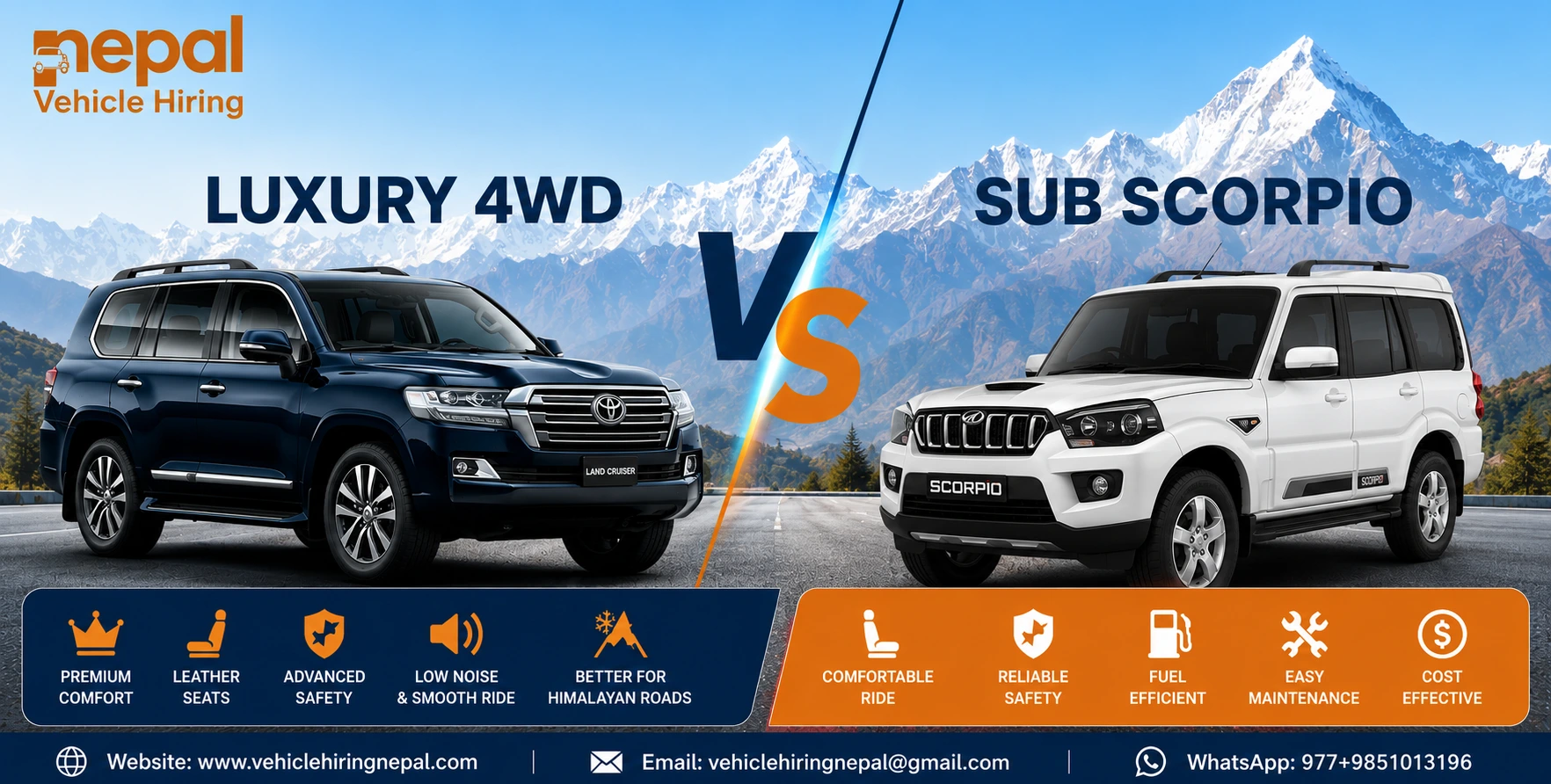
Muktinath to Pokhara and Kathmandu by Jeep – Complete Return Guide 2026

Muktinath-Muktinath to Pokhara and Kathmandu by Jeep

Muktinath to Pokhara and Kathmandu by Jeep – Complete Return Guide 2026

After completing your pilgrimage at the sacred temple complex of Muktinath or finishing the Annapurna Circuit trek, the return journey from Muktinath to Pokhara or Kathmandu is a major logistical step. You have two main options – fly from Jomsom Airport or hire a private jeep to take you back through the magnificent Kali Gandaki gorge. For most travelers, the private jeep is the preferred choice – it is more reliable than the weather-dependent Jomsom flights, it allows you to enjoy the breathtaking return scenery at your own pace, and it gives you the flexibility to stop at Tatopani’s famous hot springs, the medieval village of Marpha, and the dramatic gorge viewpoints along the way.

This complete 2026 guide covers everything you need to know about hiring a jeep from Muktinath back to Pokhara or Kathmandu – routes, distances, travel times, prices, road conditions, the famous Kali Gandaki wind, key stops along the way, and how to book your vehicle with Vehicle Hiring Nepal.


Your Two Return Options: Jeep vs Flight

From Muktinath and Jomsom, travelers have two main ways to return south. Here is a complete comparison:

FactorPrivate Jeep (Muktinath/Jomsom → Pokhara)Flight (Jomsom → Pokhara)
Journey time6–8 hrs (Jomsom to Pokhara)25 minutes
CostUSD 200–280 full jeep (split 4–6 pax)USD 130–160 per person
Weather reliabilityReliable – rarely canceledFrequently delayed/canceled (afternoon wind)
Departure timeFlexible – depart when you chooseEarly morning only (before 10–11 AM wind)
SceneryFull Kali Gandaki gorge experienceAerial views only – weather permitting
Tatopani hot springsYes – stop en routeNot possible
LuggageUnlimited – full jeep bootLimited – weight restrictions apply
Group travelFull group togetherMay need multiple flights
Kathmandu accessJeep continues to KTM after PokharaFlight to Pokhara, then separate KTM transport
Cancellation riskVery lowHigh – Jomsom flights are canceled regularly


Our recommendation: For groups of 3 or more, the private jeep is often comparable in total cost to individual flight tickets and far more reliable. The Jomsom to Pokhara flight is one of the most frequently delayed domestic routes in Nepal due to the famous afternoon Kali Gandaki wind. If your schedule has any flexibility, the jeep is the better choice. If you are very short on time and flying during the reliable morning window, the flight is an option.


Muktinath to Pokhara by Jeep – Route Overview

Starting Point: Ranipauwa / Muktinath (3,710 m) or Jomsom (2,720 m)

End Point: Pokhara Lakeside (820 m)

Total Distance: Approximately 230–250 km from Muktinath to Pokhara

Total Travel Time: 7 to 9 hours from Muktinath (including stops)

From Jomsom: Approximately 190–210 km | 5.5 to 7 hours to Pokhara

Main Road: Muktinath – Kagbeni – Jomsom – Marpha – Ghasa – Tatopani – Beni – Baglung – Pokhara

Road Type: Jeep track (Muktinath to Jomsom) + Kali Gandaki gorge rough road (Jomsom to Beni) + paved highway (Beni to Pokhara)

Critical Timing: MUST depart Muktinath/Jomsom before 9:00 AM to avoid the afternoon Kali Gandaki wind


Muktinath to Kathmandu by Jeep – Route Overview

Starting Point: Ranipauwa / Muktinath (3,710 m)

End Point: Kathmandu (1,400 m)

Total Distance: Approximately 430–450 km

Total Travel Time: 2 to 3 days (recommended) – Muktinath to Pokhara Day 1, Pokhara to Kathmandu Day 2

One-Day Option: Possible but exhausting – 13 to 16 hours of driving – not recommended

Main Route: Muktinath – Jomsom – Beni – Pokhara (overnight) – Prithvi Highway – Kathmandu


The Muktinath-to-Kathmandu journey is almost always recommended as a 2-day trip with an overnight stop in Pokhara. The single-day option involves 13 to 16 hours of continuous driving through some of Nepal’s roughest mountain roads and is extremely tiring. Pokhara is a beautiful city worth at least one night and a morning’s exploration before continuing to Kathmandu.

Muktinath to Pokhara and Kathmandu by Jeep

Jeep Prices: Muktinath Return Journeys 2026


RouteVehicleCapacityPrice (USD)Notes
Muktinath → PokharaLand Cruiser 4WD4–6 paxUSD 200–260Full vehicle one-way, driver + fuel
Muktinath → PokharaLand Cruiser Prado4–5 paxUSD 220–280Premium comfort on rough sections
Muktinath → PokharaMahindra Bolero4–6 paxUSD 170–220Budget 4WD option
Jomsom → PokharaLand Cruiser 4WD4–6 paxUSD 170–220Starting from Jomsom (not Muktinath)
Muktinath → KathmanduLand Cruiser 4WD4–6 paxUSD 380–460Full 2-day journey KTM via Pokhara
Muktinath → KathmanduLand Cruiser 4WD4–6 paxUSD 280–3401 day (not recommended – very long)
Pokhara → Kathmandu (add-on)Sedan / SUV1–5 paxUSD 80–130Second leg after an overnight in Pokhara
Jomsom → Pokhara (local jeep)Shared jeepper seatNPR 1,500–2,000/seatLocal shared option if available


All private vehicle prices are for the full vehicle and include the driver and fuel. For a group of 4 to 6 trekkers or pilgrims sharing a Land Cruiser, the per-person cost of the Muktinath to Pokhara jeep works out to approximately USD 33 to USD 65 per person – making it cost-competitive with individual flight tickets while offering significantly more reliability and flexibility.


The Critical Kali Gandaki Afternoon Wind – What You Must Know

Before planning your departure time from Muktinath, you must understand the Kali Gandaki wind. This is the single most important practical consideration for the return jeep journey.
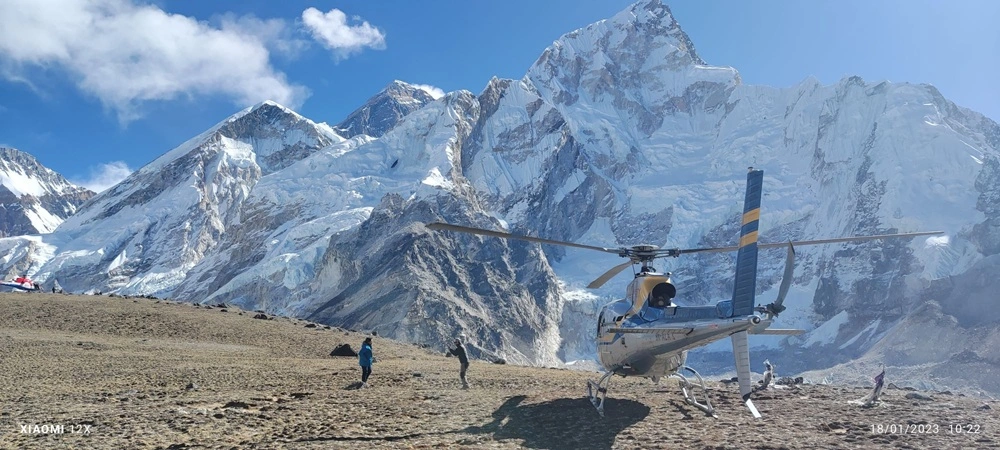
Every day, from approximately 11:00 AM to 12:00 PM, a powerful thermal wind surges up the Kali Gandaki valley from south to north at speeds of 60 to 100 km/h or more. This wind is caused by the massive temperature differential between the hot Terai plains to the south and the cold Himalayan plateau to the north, creating one of the world’s most powerful daily thermal wind systems.

Why the Afternoon Wind Matters for Your Jeep Journey

  • The wind makes driving on the exposed sections of the Kali Gandaki gorge road extremely dangerous and uncomfortable from midday onwards.
  • Visibility drops sharply as the wind picks up thick clouds of dust and sand from the dry valley floor.
  • The wind is bitterly cold even in warm months – temperatures can feel 10 to 15°C colder in strong wind than in still air.
  • The same wind grounds all aircraft at Jomsom Airport daily – another reason flight reliability on this route is poor
  • Sections of the jeep road between Kagbeni and Tatopani are particularly exposed to the wind.

The Golden Rule: Depart Before 9:00 AM

To comfortably complete the exposed Kali Gandaki gorge section before the worst of the wind arrives, all departures from Muktinath or Ranipauwa should be by 7:00 to 8:00 AM at the absolute latest. Departing at 6:30 to 7:00 AM is ideal. This gives you a full 3 to 4 hours of calm morning driving through the gorge before the wind begins to build. Travelers who depart late in the morning or after midday face the wind at its worst on the most exposed sections of the route.

 

Muktinath to Pokhara and Kathmandu by Jeep

Stage-by-Stage Road Guide: Muktinath to Pokhara

Stage 1: Muktinath / Ranipauwa to Jomsom (22 km | 1.5 hrs)

The return journey begins with a descent from Muktinath, at 3,710 m, to Jomsom, at 2,720 m, via the switchback jeep track. The road passes through Kagbeni – the medieval walled village at the confluence of the Kali Gandaki and Kak rivers. Kagbeni is worth a brief 20 to 30-minute stop if you have not already visited – the Kag Chode monastery, the ancient stone lanes, and the sweeping Upper Mustang views are extraordinary. From Kagbeni, the track follows the Kali Gandaki south to Jomsom.

Jomsom is the district headquarters of Mustang and a relatively modern town with a small airport, banks, shops, restaurants, and a hospital. It is the main service center for the upper valley. If you need to refuel, have breakfast, or make any final purchases before the long drive through the gorge, do so in Jomsom.

Stage 2: Jomsom to Marpha (8 km | 20 min)

Just south of Jomsom lies the village of Marpha – widely considered the most beautiful village in the entire Mustang region and one of the finest traditional villages in Nepal. Marpha is famous for its apple orchards, traditional Tibetan-influenced architecture of whitewashed flat-roofed houses and narrow cobbled lanes, and its locally produced apple products – brandy (apple raksi), apple pie, apple cider, and fresh apple juice.

A 20- to 30-minute stop in Marpha is warmly recommended. Walk the main cobbled lane from north to south, pass the ancient Samtenling monastery above the village, and pick up apple brandy or juice for the journey south. The large apple orchard above Marpha turns brilliant gold in autumn – one of the most beautiful sights in all of Mustang.

Stage 3: Marpha to Kalopani (20 km | 40 min)

South of Marpha, the valley widens briefly before the road enters the famous section where the Kali Gandaki gorge reaches its most spectacular dimensions. At Kalopani village (2,530 m), the full panoramic view of Dhaulagiri (8,167 m) and Nilgiri (7,061 m) opens magnificently – two of the world’s highest mountains towering vertically above either side of the valley at what feels like impossibly close range. Stop here for photographs if you did not stop on the way up.

Stage 4: Kalopani to Ghasa (10 km | 30 min)

Below Kalopani, the gorge narrows, and the landscape transforms from the arid Mustang plateau into dense subtropical forest. Ghasa (2,010 m) is a beautiful Thakali village surrounded by oak and rhododendron forest – the transition zone between the dry upper valley and the lush lower gorge. The air becomes noticeably warmer and more humid. The Kali Gandaki River is now loud and powerful below the road.

Stage 5: Ghasa to Tatopani (25 km | 1 hr)

This section passes through the most dramatic section of the Kali Gandaki gorge – narrow cliff walls, cascading waterfalls, including the spectacular Rupse Chhahara falls (visible from the road between Dana and Ghasa), and the river thundering below. Arrive at Tatopani (1,190 m) – a riverside village famous for its natural hot springs.

Tatopani hot springs are the most celebrated rest stop along the entire Muktinath-to-Pokhara route. After the days at high altitude and the long morning drive, a 30 to 60-minute soak in the thermal pools beside the Kali Gandaki River is deeply restorative. The springs are in a developed public bathing area with changing facilities—entry fee: approximately NPR 200 per person. Tatopani also has the best restaurants on this section of the route – excellent dal bhat, fresh fish from the Kali Gandaki, and cold drinks.

Stage 6: Tatopani to Beni (45 km | 1.5 hrs)

From Tatopani, the rough gorge track continues south through increasingly lower, warmer terrain. Pass through the villages of Kopchepani and Baisari before the gorge opens and the road reaches Beni (830 m) – the busy district headquarters of Myagdi District and the southern terminus of the Kali Gandaki jeep road. At Beni, the rough mountain track ends and the paved highway begins. The dramatic gorge experience is complete.

Stage 7: Beni to Pokhara (62 km | 1.5 hrs)

From Beni, the road heads east on the fully paved Baglung Highway through the Modi Khola river valley, past Baglung town and the rolling foothills of the Annapurna region. The road is wide, well-paved, and relatively fast. The Annapurna range and Machhapuchhre (Fishtail) appear ahead as you approach the Pokhara valley from the west. Arrive in Pokhara Lakeside – your driver will take you directly to your hotel.


Key Distances and Timing: Muktinath to Pokhara


StageFrom – ToDistanceDriving TimeAltitude Drop
1Muktinath → Kagbeni18 km45 min3,710m → 2,810m
2Kagbeni → Jomsom4 km15 min2,810m → 2,720m
3Jomsom → Marpha8 km20 min2,720m → 2,670m
4Marpha → Kalopani20 km40 min2,670m → 2,530m
5Kalopani → Ghasa10 km30 min2,530m → 2,010m
6Ghasa → Tatopani25 km1 hr2,010m → 1,190m
7Tatopani → Beni45 km1.5 hrs1,190m → 830m
8Beni → Pokhara62 km1.5 hrs830m → 820m
TOTALMuktinath → Pokhara192 km7.5–9 hrs3,710m → 820m

The total descent from Muktinath to Pokhara is approximately 2,890 meters – one of the most dramatic altitude drops on any single-day road journey in Nepal. You travel from the high-altitude Himalayan desert at 3,710 m to the subtropical Pokhara valley at 820 m in a single day.

Muktinath to Pokhara and Kathmandu by Jeep

Stage-by-Stage Guide: Pokhara to Kathmandu (Day 2)

After an overnight in Pokhara, most travelers continue to Kathmandu by vehicle the following day. Here is the Day 2 guide:

Distance: Approximately 200 km from Pokhara Lakeside to central Kathmandu

Travel Time: 6 to 7 hours, including the Mugling lunch stop

Best Departure: 7:00 to 8:00 AM from Pokhara to arrive in Kathmandu before evening traffic

Main Road: Pokhara – Prithvi Highway – Mugling – Trishuli gorge – Naubise – Kathmandu


Pokhara to Mugling (120 km | 2.5 hrs)

Head east from Pokhara on the Prithvi Highway through the Pokhara foothills, past Damauli and Dumre junction, and along the spectacular Marsyangdi River valley to Mugling junction. Mugling is the standard midpoint lunch stop on the Pokhara to Kathmandu route – numerous restaurants line the highway here serving dal bhat, noodles, and Nepali food. Take 30 to 45 minutes at Mugling.

Mugling to Naubise via Trishuli Gorge (85 km | 1.5 hrs)

From Mugling, the Prithvi Highway follows the beautiful Trishuli River east through a dramatic forested gorge. The river runs green and fast below the road – one of Nepal’s most scenic highway sections. Pass through Malekhu, a riverside town popular for its fresh river fish restaurants and a good tea stop option. The road climbs out of the gorge into the Chandragiri hills, approaching Naubise.

Naubise to Kathmandu (30 km | 45 min – 1.5 hrs traffic dependent)

The final section from Naubise climbs over the Chandragiri foothills and descends into the Kathmandu Valley via Kalanki. This section varies enormously depending on traffic – 45 minutes in clear conditions or up to 1.5 hours in peak hour Kathmandu traffic. A 7:00 AM Pokhara departure means arriving at Naubise around 11:00 to 11:30 AM – usually before the worst of the Kathmandu afternoon traffic builds. Your driver will take you directly to your Thamel hotel or any other Kathmandu address.


  • 5:30–6:00 AM: Complete final morning prayers at Muktinath temple. Collect bags from the teahouse
  • 6:30 AM: Depart Ranipauwa by private jeep – critical early departure to beat the wind
  • 7:15 AM: Brief stop at Kagbeni – monastery visit, Shaligram stone search if desired
  • 8:00 AM: Reach Jomsom – breakfast stop 20–30 min
  • 8:30 AM: Continue south – Marpha apple orchards stop 20 min
  • 9:30 AM: Kalopani – photograph Dhaulagiri panorama
  • 10:30–11:00 AM: Ghasa – the wind begins – push south through the gorge
  • 12:00–1:00 PM: Arrive Tatopani – hot spring soak 45–60 min, lunch
  • 2:30 PM: Depart Tatopani south through the lower gorge to Beni
  • 4:00 PM: Beni – paved road begins, faster progress
  • 5:30–6:00 PM: Arrive Pokhara Lakeside – check in to hotel
  • Evening: Celebrate completing the Muktinath pilgrimage/trek on Lakeside
  • Day 1: Muktinath to Pokhara as per Plan A above
  • Day 1 evening/night: Pokhara Lakeside – rest, dinner, optional Lakeside walk
  • Day 2, 7:00 AM: Depart Pokhara for Kathmandu via Prithvi Highway
  • Day 2, 9:30 AM: Mugling lunch stop
  • Day 2, 12:30 PM: Through the Trishuli gorge section – Malekhu tea stop optional
  • Day 2, 2:00–3:00 PM: Naubise – final climb into Kathmandu Valley
  • Day 2, 3:00–4:30 PM: Arrive Kathmandu Thamel (traffic dependent)

Plan C: Overnight in Tatopani, Then Pokhara (3 Days Relaxed)

  • Day 1: Muktinath to Tatopani – arrive afternoon, soak in hot springs, overnight Tatopani
  • Day 2: Tatopani to Pokhara via Beni – arrive midday, full afternoon Pokhara sightseeing
  • Day 3: Pokhara to Kathmandu or fly from Pokhara to Kathmandu

This relaxed 3-day plan is ideal for pilgrims and trekkers who want to fully savor the descent and recover from the high-altitude experience before jumping back into city life.

Muktinath to Pokhara and Kathmandu by Jeep

Jomsom to Pokhara by Flight – When It Makes Sense

While the private jeep is the recommended option for most travelers, the Jomsom to Pokhara flight does make sense in certain situations:

  • Travelers with very limited time who cannot afford a full day of driving
  • Solo travelers where splitting jeep costs is not possible, and the flight is cost-competitive
  • Travelers with injuries, illness, or physical difficulty that make a long, rough jeep ride difficult
  • Emergency return situations when speed is essential


Important Jomsom Flight Facts for 2026

Airlines: Tara Air and Summit Air (small turboprop aircraft)

Flight Duration: 25 minutes to Pokhara

Ticket Price: Approximately USD 130 to USD 160 per person

Departure: Early morning only – all flights depart between 6:00 and 10:30 AM

Cancellation Rate: Very high – Jomsom is one of Nepal’s most disrupted airports due to the afternoon wind and mountain weather

Luggage Limit: 15 kg per person (strict) – excess luggage charges apply

Booking: Booking strongly recommended – seats sell out during peak season


The most important thing to know about Jomsom flights: if you are booked on a morning Jomsom-to-Pokhara flight and it is canceled due to weather (which happens very frequently), you will need a backup plan. Vehicle Hiring Nepal can arrange a same-day or next-day jeep hire from Jomsom if your flight is canceled. Always have our WhatsApp number saved: +977 9851013196.


Road Conditions: Muktinath to Pokhara


SectionSurfaceDifficulty4WD Required?Season Notes
Muktinath → KagbeniRocky switchback jeep trackHardYesAltitude, rocky, icy in winter
Kagbeni → JomsomGravel valley trackModerateYesSandy, wind-exposed
Jomsom → MarphaMixed trackModerateYesGood in the dry season
Marpha → GhasaRough Kali Gandaki gorge roadVery HardYesNarrow, rocky, cliff-edge drops
Ghasa → TatopaniRough Gorge RoadHardYesWaterfalls, narrow, rockfall risk
Tatopani → BeniImproving the gravel trackModerate–HardYesLower gorge, better surface
Beni → PokharaFully paved highwayEasyNoGood condition year-round


The section from Jomsom to Beni – particularly the gorge sections from Marpha through Ghasa and Tatopani – is the most challenging driving on the entire Muktinath to Pokhara route. A Toyota Land Cruiser or equivalent 4WD is the only appropriate vehicle for this entire journey. The Beni-to-Pokhara section of the paved highway is straightforward for any vehicle.

Muktinath to Pokhara and Kathmandu by Jeep

Key Stops on the Muktinath to Pokhara Return Journey

Kagbeni – Medieval Gateway Village (20–30 min stop)

The atmospheric medieval village of Kagbeni at the confluence of the Kali Gandaki and Kak rivers is one of the most historically interesting villages in all of Mustang. The ancient Kag Chode Thupten Samphel Ling monastery dates to the 15th century and contains important Buddhist art. The narrow stone lanes, traditional flat-roofed houses, mani walls, and the view north into the restricted Upper Mustang all make Kagbeni a deeply rewarding brief stop. Many pilgrims collect Shaligram fossils from the Kali Gandaki riverbed near Kagbeni.

Marpha – Apple Village (20–30 min stop)

Marpha is the most beautiful village in the Mustang valley – a compact, pristine settlement of whitewashed stone houses with carved wooden windows, the cobbled main lane shaded by overhanging eaves, and the Samtenling Gompa perched on the hill above. Marpha is famous throughout Nepal for its apples – the orchards above the village were established with assistance from Swiss development cooperation in the 1960s. The locally distilled apple brandy (known as Marpha raksi or apple raksi) is a regional specialty. Pick up a bottle for the journey south – it is excellent.

Kalopani – The Dhaulagiri Viewpoint (15 min stop)

Kalopani sits in the section of the Kali Gandaki where the gorge opens briefly, and the full scale of Dhaulagiri (8,167 m) and Nilgiri (7,061 m) becomes visible from the valley floor. The vertical distance from the riverbed to the summit of Dhaulagiri above Kalopani is over 5,600 m – one of the most dramatic mountain wall perspectives in the world. Stop here for photographs, even if you paused on the way up.

Tatopani – Hot Springs (45–90 min stop)

Tatopani’s natural hot springs are a must-stop on the return journey. The hot springs pool sits directly beside the Kali Gandaki River, fed by naturally hot geothermal water at approximately 40-45°C. After days at high altitude, the physical and psychological relief of immersing oneself in warm water, surrounded by gorge scenery, is extraordinary. Most trekkers and pilgrims rate the Tatopani hot spring soak as one of the highlights of the entire Muktinath journey. Entry fee approximately NPR 150 to NPR 200. Towels and swimwear required.

Beni – Last Mountain Town (15 min fuel and refresh stop)

Beni marks the end of the rough mountain road and the beginning of the paved highway south. The town sits at the confluence of the Kali Gandaki and Myagdi rivers and is a good, brief stop for fuel, a cold drink, and a comfort break before the easier paved section to Pokhara.


Pokhara – Making the Most of Your Stopover

If doing the recommended 2-day Muktinath-to-Kathmandu journey, your overnight stop in Pokhara is not just a transit point – it is an opportunity to enjoy one of Nepal’s finest cities after your high-altitude pilgrimage or trek. Here is what to do in Pokhara on your overnight stopover:

Phewa Lake at Sunset

After arriving in Pokhara in the late afternoon, a walk along the shores of Phewa Lake at sunset is one of the most restorative experiences the city offers. The reflection of Machhapuchhre and the Annapurna range in the still lake water at sunset – the mountains turning pink and gold against the darkening sky – is one of Nepal’s most beautiful scenes and a magnificent contrast to the stark Mustang desert you have just left.

Lakeside Dining

Lakeside Pokhara has some of Nepal’s finest restaurants, cafes, and bakeries. After days of teahouse food at altitude, a good Lakeside restaurant meal – whether Nepali, Indian, Italian, or Mexican – is deeply appreciated. The Lakeside strip has options for every budget and appetite.

Sarangkot Sunrise (Optional)

If you have time for a 5:00 AM start, the Sarangkot viewpoint above Pokhara offers a spectacular sunrise over the Annapurna range – a beautiful way to begin your Day 2 drive to Kathmandu. A taxi from Lakeside to Sarangkot takes 30 to 40 minutes. Return by 8:00 AM, have breakfast, then depart for Kathmandu.

Muktinath to Pokhara and Kathmandu by Jeep

Alternative Return Route: Via Lo Manthang and Jomsom (Upper Mustang)

For travelers who have visited Upper Mustang (Lo Manthang, Chhoser, Lo Gekar), the return journey to Pokhara follows the same route along the Kali Gandaki southward from Jomsom. The Upper Mustang Restricted Area Permit is required only for the zone north of Kagbeni – once you cross back through Kagbeni heading south, you are in standard Lower Mustang, and the normal route to Pokhara applies. Vehicle Hiring Nepal can arrange combined Upper Mustang and return transport packages.


Tips for the Muktinath to Pokhara and Kathmandu Jeep Journey

  • Always depart Muktinath no later than 7:00 AM – this is the single most important piece of advice for this journey.
  • Book your return jeep at least 1 to 2 days before your planned departure while still at Muktinath or Jomsom – WhatsApp Vehicle Hiring Nepal at +977 9851013196
  • Carry snacks and water for the full morning drive – the first reliable meal stop is Jomsom (30 min) or Marpha (1 hr from Muktinath)
  • Carry warm layers for the early morning departure from Muktinath – at 3,710 m, the pre-dawn air is very cold even in summer.
  • Motion sickness tablets are recommended for the gorge sections – the Marpha-Tatopani road has many sharp bends.
  • Bring a camera with a charged battery – the gorge scenery and mountain views on the descent are extraordinary.
  • If you want to bathe at Tatopani hot springs, carry a change of clothes and a towel in an accessible bag – not buried deep in your main pack
  • The Beni-to-Pokhara road is fast and paved – relax and enjoy the changing landscape as you descend into the Pokhara valley.
  • If you plan to fly Pokhara to Kathmandu on Day 2 instead of driving, confirm your Pokhara arrival time with your airline and book the flight before departing Muktinath


What is Included in Your Return Vehicle Hire

  • Private 4WD jeep (Toyota Land Cruiser or equivalent) with experienced Kali Gandaki and Mustang route driver
  • Full fuel cost for the complete Muktinath/Jomsom to Pokhara journey
  • Vehicle insurance for the full journey
  • Pickup from your teahouse or hotel in Ranipauwa (Muktinath) at your confirmed departure time
  • Drop-off at your chosen hotel or address in Pokhara Lakeside
  • Stops at Kagbeni, Jomsom, Marpha, Kalopani, Tatopani, and Beni at your discretion
  • Option to continue from Pokhara to Kathmandu on the same booking (Day 2 continuation)
  • 24/7 WhatsApp support before and during the journey


Not included: Tatopani hot spring entry fee (NPR 150–200), personal meals, accommodation in Pokhara (if overnight), and any additional detour stops beyond the agreed route.


How to Book Your Muktinath Return Jeep

  1. Contact Vehicle Hiring Nepal via WhatsApp at +977 9851013196 or visit vehiclehiringnepal.com
  2. Confirm your planned departure date from Muktinath and your group size
  3. Specify your starting point – Ranipauwa (Muktinath) or Jomsom
  4. Specify your destination – Pokhara only, or Pokhara overnight and Kathmandu Day 2
  5. Confirm your departure time – we strongly recommend 6:30 to 7:00 AM
  6. Provide your teahouse or hotel name in Ranipauwa for pickup
  7. Book at least 24 to 48 hours before departure – message us from your Muktinath teahouse via WhatsApp
  8. Receive confirmation with your driver’s name and WhatsApp contact number


WhatsApp: +977 9851013196
Email: [email protected]
Website: www.vehiclehiringnepal.com


Frequently Asked Questions

How long does the jeep ride from Muktinath to Pokhara take?

The journey from Muktinath (Ranipauwa) to Pokhara Lakeside takes approximately 7 to 9 hours by private jeep, including a breakfast stop in Jomsom, a brief stop in Marpha, and a recommended soak at the Tatopani hot springs. Departing from Muktinath at 6:30 AM, most travelers arrive in Pokhara between 2:00 and 4:00 PM.

Can I do Muktinath to Kathmandu in a single day by jeep?

Technically possible but not recommended. The total distance from Muktinath to Kathmandu via Pokhara is approximately 430 to 450 km, requiring 13 to 16 hours of continuous driving, including rough mountain sections. Very few drivers and travelers are willing to do this in one day. The two-day option with an overnight in Pokhara is far superior in terms of comfort, safety, and enjoyment.

What happens if the road is blocked by a landslide between Tatopani and Beni?

The Kali Gandaki gorge road between Tatopani and Beni is the most landslide-prone section of the entire route, particularly in and after the monsoon. Our drivers monitor road conditions before departure and maintain contact with local road crews. In the event of a blockage, the driver will assess the situation – waiting for clearance (minor slides are often cleared within a few hours), or advising an overnight stay in Tatopani until the road reopens. We will keep you informed in real time via WhatsApp.

Is it possible to share a jeep from Jomsom to Pokhara with other travelers?

Local shared jeep services run from Jomsom to Beni when they fill up – typically 6 to 8 passengers. From Beni, local buses and shared vehicles continue to Pokhara. This option costs approximately NPR 1,500 to 2,000 per seat from Jomsom to Beni, and NPR 400 to 600 per seat from Beni to Pokhara. The disadvantage is unpredictable departure times (shared jeeps wait until full), no flexibility for stops, and basic comfort. For most travelers, especially those who have just completed a pilgrimage or trek, the comfort and reliability of a private vehicle is worth the additional cost.

Can I fly from Pokhara to Kathmandu instead of driving on Day 2?

Yes. The Pokhara-to-Kathmandu domestic flight takes 25 minutes and is operated multiple times daily by Yeti Airlines, Buddha Air, and other carriers. The ticket price is approximately USD 80-110 per person. If you fly from Pokhara, Vehicle Hiring Nepal can arrange a transfer from your Lakeside hotel in Pokhara to Pokhara Airport on the morning of your departure flight.

What should I do if my Jomsom flight is canceled?

If your Jomsom-to-Pokhara flight is canceled due to weather – which happens very frequently – contact Vehicle Hiring Nepal immediately via WhatsApp at +977 9851013196. We can typically arrange a private jeep from Jomsom to Pokhara with a few hours’ notice, subject to driver availability. This is why we always recommend having our contact saved in your phone before you arrive in Mustang.


Final Thoughts

The return journey from Muktinath to Pokhara and Kathmandu by private jeep is the final chapter of one of Nepal’s most extraordinary travel experiences. Descending from the sacred high-altitude plateau of Muktinath through the world’s deepest gorge, past soaring Himalayan peaks, through dense rhododendron forest, and into the warm riverside town of Tatopani for a hot spring soak – it is a journey that perfectly complements the spiritual intensity of the Muktinath pilgrimage with the raw, magnificent beauty of the Kali Gandaki valley.

Vehicle Hiring Nepal provides the most reliable and experienced jeep service on the Muktinath-to-Pokhara-and-Kathmandu return route. Our drivers know every bend of the Kali Gandaki road, every timing consideration around the afternoon wind, and every stop worth making on the way down. Book your return jeep with us before you head up to Muktinath, so your return journey is arranged and worry-free from the start.

Book your return jeep from Muktinath to Pokhara or Kathmandu today. WhatsApp: +977 9851013196 | Website: www.vehiclehiringnepal.com

Pokhara to Kande Jeep Price – Complete Transport & Trek Guide 2026-2027

Pokhara to Kande Jeep Price

Pokhara to Kande Jeep Price – Complete Transport & Trek Guide 2026-2027

Kande is a prominent, strategic roadhead village nestled beautifully within the middle hills of the Annapurna foothill architecture. Situated approximately 12 to 15 kilometers northwest of the bustling tourist lakeside grid of Pokhara, Kande serves as the premier and most heavily trafficked logistical launchpad for the iconic Australian Camp Trek, Pothana Village, and sections of the newly popularized Mardi Himal ridge route system. For decades, global trekkers, independent backpackers, regional researchers, and domestic holidaymakers have recognized Kande as an unparalleled entry portal into the Annapurna Conservation Area Project (ACAP).

The trek from Kande up to the broad geographic spine of Australian Camp at 2,060 meters above sea level delivers some of the most conceptually striking, immediate, and intimate close-up panoramas of the Annapurna Massif, Mt. Machhapuchhre (the iconic Fishtail peak), and the deep-cut green fault lines of the southern Pokhara Valley basin available anywhere in Nepal within a single day’s excursion.

For travelers, trekkers, and climbing parties descending upon Pokhara, arranging highly specialized, reliable, and safe motorized transport to the Kande trailhead is a crucial first step in planning their wilderness deployment. Navigating the localized ecosystem of private jeeps, suburban street taxis, on-demand ride-sharing networks, public transit lines, and luxury multi-passenger vans requires a definitive, meticulously researched reference.

This encyclopedic transport and trail guide for 2026 provides exhaustive, real-time context on current pricing metrics, road conditions, vehicle categories, trekking route breakdowns, permit configurations, and localized safety parameters to ensure a completely seamless transition from city streets to mountain footpaths.

Where is Kande, and Why Go There?

Geographic Location: Kande Village, Lumle Village Development Committee, Kaski District, Gandaki Province, Western Nepal Basin.

Exact Elevation Metrics: 1,770 meters (5,807 feet) above mean sea level at the highway drop-off point.

Linear & Road Distance: Approximately 12.5 kilometers from Baglung Chowk; roughly 17 to 19 kilometers from the core visual center of Pokhara Lakeside, depending on your hotel’s exact perimeter positioning.

Motorized Transit Time: 20 to 35 minutes via high-performance private 4WD jeep or premium sedan; 45 to 60 minutes via localized public microbus routes encountering multiple intermediate vendor stops.

Current Road Topology: Primarily blacktopped asphalt highway infrastructure along the Pokhara-Baglung corridor, with regional segments undergoing ongoing structural expansions, resulting in localized gravel bypasses and foundational track surfaces.

Recommended Vehicle Class: Standard-layout front-wheel-drive sedans, hatchback taxicabs, and low-clearance passenger cars pass cleanly during dry calendar windows; elevated-clearance SUVs or 4WD jeeps become highly necessary during the intense degradation patterns of the summer monsoon window.

Trekking Connectivity Matrix: Acts as the undisputed principal trailhead for the short-circuit Australian Camp loop, primary access point for Pothana, alternative starting trajectory for the classic Dhampus ridge walks, and an elegant low-altitude runway for the multi-day Mardi Himal base sanctuary pathway.

Core Experiential Fame: Celebrated globally for its rapid transition from vehicle cabins to cinematic mountain environments, dense native rhododendron and sub-alpine oak forest cover, and rich intersectional ethnic cultural landscapes featuring Gurung, Magar, Brahman, and Chhetri homesteading patterns.

Kande sits precisely atop a beautifully defined geographical saddle ridge overlooking the sprawling, fertile valleys of the Modi Khola and the Yamdi Khola. Unlike other, deeper trailheads that require hours of punishing, bone-rattling transit across dangerous unpaved precipices, Kande offers an elegant, remarkably accessible compromise.

The small settlement itself comprises traditional stone-and-corrugated-iron residences, specialized local logistics shops, agricultural depots, tea stalls, and the foundational checkpoint office for the Annapurna Conservation Area Project. It acts as an energetic economic sorting hub where mountain communities meet the modernized transit arteries of the Gandaki Province.

The foundational philosophy of beginning a trek from Kande rests on vertical optimization. Because the village sits at an initial altitude of 1,770 meters, hikers gain a significant physical advantage: they begin their trek already elevated well above the humid valley floor. The climb from Kande to the panoramic meadows of Australian Camp requires only a vertical gain of 290 meters.

This makes it an incredibly safe, physically manageable, and highly rewarding target for multigenerational families, corporate retreat groups, senior travelers, and novice hikers who wish to capture iconic images of 8,000-meter Himalayan giants without exposing themselves to the acute medical risks of high-altitude sickness or extreme cardiovascular exhaustion.

Pokhara to Kande Jeep & Taxi Price 2026-2027

The transport landscape of 2026 reflects shifting economic realities in Nepal, heavily influenced by global fuel fluctuations, infrastructure upgrade levies, and provincial tourist board regularizations. For foreign nationals and domestic tourists alike, understanding standardized rates helps avoid arbitrary street-level overcharging. Below is the definitive pricing matrix for private and shared motorized configurations dispatched from Pokhara to the Kande trailhead.

Vehicle TypePassenger CapacityOne-Way (NPR)One-Way (USD Equivalent)Round-Trip Return (NPR)Strategic Field Notes
Standard Hatchback Taxi1 – 3 PersonsNPR 800 – 1,200USD 6 – 9NPR 1,400 – 2,000Best for light packers; street negotiation mandatory.
Private Sedan / Saloon1 – 3 PersonsNPR 900 – 1,400USD 7 – 10NPR 1,600 – 2,200Pre-booked comfort, full AC, and hotel pickup included.
Mahindra Scorpio SUV / Jeep4 – 6 PersonsNPR 1,200 – 1,800USD 9 – 13NPR 2,000 – 3,000High clearance; recommended for heavy backpacks.
Toyota Land Cruiser 4WD4 – 5 PersonsNPR 1,800 – 2,500USD 14 – 19NPR 3,200 – 4,200Premium off-road luxury; ideal for VIP clients.
Toyota HiAce Passenger Van7 – 14 PersonsNPR 2,000 – 2,800USD 15 – 21NPR 3,500 – 4,500Perfect for organized trekking teams & student groups.
Local Shared Public TempoPer Seat Flat RateNPR 150 – 250USD 1.15 – 2N/ADeparts strictly from Baglung Chowk; highly crowded.
Local Public Bus LinePer Seat Flat RateNPR 100 – 180USD 0.75 – 1.40N/AExtreme budget option; variable schedules; slow speed.


When analyzing these fiscal metrics, travelers must account for variable real-world factors. The rates cited represent standard dry-season operating perimeters. During the peak trekking seasons of autumn (October-November) and spring (March-April), fleet utilization rates are near maximum capacity, which can occasionally put upward pressure on on-demand street hailing. Conversely, pre-booking your vehicle asset through a certified aggregator like Vehicle Hiring Nepal locks in your operational expenditure, shielding you from arbitrary terminal charges or surprise fuel surcharges at drop-off.

Furthermore, ensuring the pricing quote explicitly specifies drop-off within the actual high-altitude village clearing of Kande—rather than the low highway junction—is an essential operational detail that prevents sudden, unwanted extensions to your first-day trekking itinerary.

Pokhara to Kande Jeep Price

All Transport Options: Pokhara to Kande

Every traveler operates under a unique framework of time density, economic limits, and comfort requirements. Selecting the precise mode of transit requires an objective cross-examination of the available options active along the Pokhara-Kande corridor.

Transport MechanismFiscal DemandTemporal VelocityComfort IndexOptimal Demographic Profile
Pre-Booked Private Fleet CarUSD 7 – 13 Total Vehicle20 – 25 MinutesExcellent / Five-StarDiscerning trekkers, families, and precise schedules.
Unmanaged Street Hailed TaxiNPR 800 – 1,500 Variable25 – 30 MinutesModerate / AcceptableSolo travelers or duos willing to haggle dynamically.
Digital Ride-Share (Pathao/InDriver)NPR 600 – 900 Platform Rate20 – 30 MinutesGood / StandardTech-savvy budget travelers with functional local SIMs.
Public Microbus / Shared TempoNPR 150 – 250 Per Person40 – 55 MinutesLow / High DensityUltra-low budget backpackers; immersive local seekers.
Pedestrian Foot Travel from PokharaCompletely Free Fiscal Footprint3.5 – 5 Long HoursPunishing / ExhaustingNot recommended due to heavy roadside exhaust and heat.


Pre-Booked Private Agency Vehicles (The Premium Standard)

Securing an asset via Vehicle Hiring Nepal ensures total logistical control. The client bypasses the chaotic terminal environments of public transport and avoids the fluid, unregulated pricing structures of traditional street-hailing systems. The driver arrives directly at the foyer of your Lakeside hotel at the specified timestamp, assists with heavy technical gear and mountaineering duffels, and uses a thoroughly vetted, mechanically sound vehicle. This option completely removes language-barrier anxieties, as professional agency drivers possess conversational fluency in English and extensive training in safely navigating rural terrain.

Street-Hailed Taxis (The Flexible Alternative)

Hailing a compact taxi directly off the street handles immediate, spontaneous travel urges. However, it requires a firm grasp of localized negotiation practices. Taxis in Pokhara are legally outfitted with electronic distance-fare meters. Yet, drivers almost universally refuse to activate them for out-of-town mountain dispatches, preferring to negotiate a fixed flat rate instead. If you opt for this route, you must firmly establish the final price before setting your footwear inside the vehicle cabin. Be prepared for potential misunderstandings regarding the exact drop-off zone if the driver is unfamiliar with the upper Kande trailhead layout.

Public Transit Systems (The Cultural Deep-Dive)

For those operating on shoestring budgets or individuals attempting an immersive cultural lifestyle experiment, localized microbuses and shared tempos offer a distinct alternative. To engage this system, you must first take a local connector out to the Baglung Chowk transit hub. From there, you locate vehicles bound for Nayapul, Lumle, or Beni, ensuring they drop you off along the Kande highway ridge.

While exceptionally affordable, this method introduces severe logistical compromises: vehicles do not depart until every square inch of passenger space is fully occupied, storage for massive trekking backpacks is highly restricted (often requiring your expensive gear to be lashed open-air onto the roof rack), and the frequent, sudden stopping intervals turn a brief journey into a lengthy, fatiguing experience.

The Road: Pokhara to Kande

The physical corridor spanning Pokhara and Kande is an intriguing engineering blend of urban boulevards, industrial suburbs, agricultural plains, and winding, high-gradient mountain passes. Understanding the specific sections of this 12- to 19-kilometer roadway helps passengers anticipate terrain transitions and mentally prepare for the journey.

Pokhara Lakeside to Baglung Chowk (Distance: 5 km | Time: ~10 mins)

The journey initiates within the pristine tourist pocket of Lakeside, running parallel to the calm waters of Phewa Lake. The vehicle winds through Baidam, then transitions onto the expansive, multi-lane urban asphalt at Zero Kilometer, or Prithvi Chowk. Turning northward, the driver navigates the commercial heartbeat of central Pokhara, passing major municipal landmarks, banks, and supply depots before reaching Baglung Chowk. This initial phase is characterized by typical city traffic, smooth asphalt, traffic wardens, and pedestrians. Departing your hotel before 07:00 AM completely bypasses the school-bus and commercial-commute windows, saving valuable transit time.

Baglung Chowk to the Hemja Plateau (Distance: 4 km | Time: ~8 mins)

Leaving Baglung Chowk, the vehicle enters the Pokhara-Baglung Highway corridor, passing through Hari Chowk as the urban density rapidly thins out. The road drops slightly into the expansive, flat geological terrace of Hemja, locally famed for its intensive agricultural production, traditional brick kilns, and Tibetan refugee settlements (such as Tashiling). The road through Hemja is exceptionally wide, straight, and well-paved, allowing the vehicle to gain uniform velocity. Looking out the right-side windows on a clear morning rewards passengers with breathtaking, unobstructed views of the entire Annapurna range rising sharply above the low-lying agricultural fields.

Hemja to Naudanda and the Final Ascent to Kande (Distance: 6-10 km | Time: 12-17 mins)

At the northern terminus of the Hemja plateau, the geographical environment changes dramatically. The road reaches the base of the mountains near Phedi and initiates a steady, high-angle snake climb into the foothills. The asphalt transitions into a series of sharp switchbacks, hairpins, and steep shelf carvings as it climbs toward the ridge town of Naudanda. Here, the road can become somewhat rough; ongoing highway expansion initiatives mean that certain sections may have exposed gravel, loose shale, or compacted-earth bypasses.

As the vehicle gains altitude, the air temperature drops refreshingly, and the vast urban basin of Pokhara opens up spectacularly behind you. The vehicle passes the scenic ridge of Naudanda and traces the mountain edge for another 3 kilometers until it reaches the final crest at Kande Village. The final approach features a short, steep unpaved track leading from the main highway directly into the designated trekking trailhead parking clearing. Your driver brings the vehicle to a smooth stop, shuts down the engine, and you step out into the crisp, clean mountain air of Kande at 1,770 meters.

kande-Pokhara to Kande Jeep Price
Kande

Trekking from Kande – Australian Camp and Beyond

Kande is not merely a geographic terminus for motor vehicles; it is a vital, dynamic gateway to an extensive network of interconnected wilderness trails stretching deep into the heart of the Annapurna Conservation Area. Below is an exhaustive breakdown of the primary trekking corridors that manifest directly from the Kande trailhead.

The Direct Ascent: Kande to Australian Camp

Trail Distance: Approximately 3.2 kilometers of active walking path.

Vertical Altitude Shift: Kande (1,770m) to Australian Camp (2,060m) — a clean net gain of 290 vertical meters.

Average Completion Duration: 1.5 to 2.5 hours, depending on physical fitness levels and photography stops.

Trail Quality & Terrain: Impeccably laid stone steps, well-beaten earthen pathways, and short sections of exposed tree roots winding through deep forest canopies.

The trek begins immediately behind the Kande parking clearing, marked clearly by an official ACAP information signboard. The initial 45 minutes of the trail feature a steep, uncompromising staircase of hand-carved stone steps that test your cardiovascular system. The path winds directly past local terraced fields, allowing hikers to observe traditional agrarian lifestyles up close. Women tending millet crops, water buffaloes resting in simple stone sheds, and local children walking down to school are common, heartwarming sights.

As you pass the initial ridge line, the path enters a dense forest sanctuary dominated by native rhododendron, moss-covered oak, and sub-tropical pine trees. The tree canopy provides a refreshing shield against the intense morning sun, keeping the ambient temperature on the trail pleasant. During March and April, this forest transforms into a vivid sea of crimson, pink, and white blossoms, creating an unforgettable fairytale aesthetic. The grade softens slightly as you approach the upper ridge—the forest suddenly parts, revealing a wide, flat, grassy meadow. You have arrived at Australian Camp, and the entire snow-clad wall of the Himalayas instantly fills your field of view.

The Extended Ridge Route: Kande to Pothana Village

For hikers who wish to extend their first-day journey beyond Australian Camp, the trail continues along the scenic ridge line toward the traditional settlement of Pothana at 1,990 meters. The path drops slightly into a cool, shadowed forest saddle before tracing an easy, stone-paved contour trail for about 45 minutes. Pothana is an exceptionally beautiful Gurung village characterized by clean, blue-painted stone lodges, neatly manicured paths, and an important ACAP tourist checking station. Pothana offers a slightly quieter, more culturally rich overnight alternative to Australian Camp, while still delivering pristine views of Mt. Machhapuchhre.

The Classic Loop: Kande to Dhampus and Phedi

The Kande-Australian Camp-Pothana track links directly with the historic trail leading down to the grand Gurung settlement of Dhampus (1,700m). This makes a phenomenal 2-day circuit trek. Instead of backtracking down to Kande after your overnight stay, you hike along the forested ridge line to Pothana, then descend a sweeping stone staircase down to the wide, terraced shelf of Dhampus. From Dhampus, a well-engineered trail leads straight down to the highway at Phedi, where your pre-arranged vehicle from Vehicle Hiring Nepal can pick you up for a smooth ride back to Pokhara.

The Grand Alpine Gateway: The Mardi Himal Trek Connection

For serious trekkers bound for the high-alpine sanctuaries of the Mardi Himal Trek (Maximum Altitude: 4,500m at Base Camp), Kande represents the absolute finest logistical starting point. By launching from Kande, trekkers bypass the lower, dusty river valleys of Mardi Pul or low-altitude dirt roads. Day 1 carries the team through Australian Camp to Pothana or Deurali (2,100m). Day 2 branches sharply northward along the pristine wilderness ridge line through Forest Camp (2,550m), leading onward to Low Camp, High Camp, and the spectacular high-altitude viewpoints directly beneath the sheer south face of Mt. Fishtail. This route design ensures optimal, gradual acclimatization and maximizes the time you spend in the forests and high-alpine biomes.

Australian Camp-Pokhara to Kande Jeep Price
Australian Camp

Australian Camp – The View and the Experience

Australian Camp (originally known locally as ‘Thulo Kharka’ or ‘Big Pasture’) owes its modern moniker to the pioneering Australian trekking groups and international aid workers who frequented the area in the late 1970s and 1980s, marveling at its pristine geographic setting. Today, it stands as an elite-tier viewpoint asset in the Gandaki Province.

The Architectural Grandeur of the Mountain Wall

The visual shock of arriving at Australian Camp lies in its spatial immediacy. Unlike views from Pokhara city, where the mountains form a distant backdrop across a wide valley, here you are elevated onto an opposing ridge with only a deep, narrow green chasm separating you from the high-altitude rock faces. The panorama is sweeping and uninterrupted: to your far left stands the massive bulk of Dhaulagiri I (8,167m); directly ahead rises the distinct form of Annapurna South (7,219m) and the towering peak of Annapurna I (8,091m); to your right, the elegant, sharp architecture of Mt. Machhapuchhre (6,993m) pierces the sky, flanked by Annapurna III, Gangapurna, and the far-reaching snow fields of Lamjung Himal.

The Alpenglow Phenomenon: Sunrise and Sunset Protocols

To truly internalize the beauty of Australian Camp, staying overnight is essential. As night approaches, the setting sun casts deep amber, violet, and crimson shadows across the massive glaciers of Annapurna South. But it is the sunrise that draws photographers from around the globe. At 05:30 AM, the air is freezing and crisp. Trekkers gather on the viewing platforms as a deep pre-dawn blue envelops the world. Slowly, the highest tip of Mt.

Machhapuchhre catches the first rays of sunlight, igniting into a brilliant, fiery orange alpenglow. Over the next thirty minutes, this golden wave cascades down the mountain faces, burning away the low valley mists and revealing the raw, glittering white majesty of the ice fields.

Teahouse Infrastructure and Hospitality Standards

The overnight experience at Australian Camp is remarkably comfortable, far exceeding the rustic expectations of traditional remote trekking routes. The lodges here are well-established, offering clean twin-bedded rooms, thick foam mattresses, heavy quilts, and functional attached bathrooms with hot-water heating (powered by solar arrays or gas line inserts).

Most dining rooms are fully enclosed glass structures, allowing you to enjoy a piping hot plate of traditional Dal Bhat (lentil soup, rice, vegetable curry, and pickles), generic continental dishes, or Tibetan bread while remaining shielded from the biting ridge winds. Cellular connectivity is excellent, with robust 4G signals from both Ncell and NTC networks active across the plateau.

Pokhara to Kande Jeep Price
Australian Camp Area

Trekking Permits for Kande and Australian Camp Area

Entering the mountain environment requires compliance with the statutory conservation frameworks managed by the Government of Nepal and the National Trust for Nature Conservation (NTNC). Ignorance of these requirements can result in heavy financial penalties or being denied entry at the Kande gate.

Permit InstrumentStandard Tariff 2026Primary Issuing BureauOperational Scope & Purpose
ACAP Permit (Foreigners)NPR 3,000 Per Person (~USD 22)Nepal Tourism Board Office, Damside, PokharaA mandatory conservation levy for all foreign national hikers entering the boundary.
ACAP Permit (SAARC Nationals)NPR 1,000 Per Person (~USD 7.50)Nepal Tourism Board Office, Damside, PokharaSpecial regional tariff structure for citizens of SAARC countries.
TIMS Card (Trekkers Info System)NPR 2,000 Per Person (~USD 15)Authorized Trekking Agencies / TAAN Office PokharaMandatory safety registration tracking card to monitor wilderness positioning.
Domestic Citizen ACAP LevyNPR 100 Per PersonDirectly at the Kande ACAP Gate CheckpointNominal entry and maintenance fee for Nepalese national tourists.


To secure these permits smoothly, hikers must visit the Nepal Tourism Board office in Pokhara (located near the Damside area) the day before their scheduled departure. The office operates from 09:00 AM to 05:00 PM. You must bring your physical passport, a clear digital or paper photocopy of your visa details, and at least four recent passport-sized photographs. If you book your vehicle and trek package through an authorized full-service provider like Vehicle Hiring Nepal, the agency can handle all permit documentation on your behalf and deliver the finalized paperwork straight to your hotel room to ensure a hassle-free start.

Best Time to Travel from Pokhara to Kande

The climate of the Annapurna foothills is highly cyclical, dictated by the overarching South Asian monsoon system and seasonal altitude shifts. Choosing your travel window correctly shapes your visual outcomes and overall comfort.

The Golden Window: Autumn (October to November)

Autumn is the undisputed premier trekking season. The heavy summer monsoon rains have completely washed the atmosphere clean of dust and haze, resulting in crystal-clear skies and near-perfect visibility. Mountain views are guaranteed almost every single day from sunrise to sunset. The road from Pokhara to Kande is dry and in its best mechanical condition. The teahouses at Australian Camp operate at peak energy, creating a vibrant, international atmosphere. Pre-booking your vehicle during this window is highly critical, as global expeditions heavily book regional transport assets.

The Floral Wonderland: Spring (March to April)

Spring is an extraordinarily beautiful time to visit Kande. The defining characteristic of this window is the spectacular blooming of the rhododendron forests. The entire trail becomes an active botanical display. Daytime temperatures are exceptionally warm and pleasant for hiking, though light afternoon cloud cover can occasionally obscure the highest peaks. The morning mountain views remain incredibly sharp and crisp, making it an elite window for landscape photography and nature enthusiasts.

The Sharp & Frosty Clear: Winter (December to February)

Winter brings cold weather, but it also delivers some of the sharpest, most brilliantly clear morning views of the entire year. Daytime hiking under the winter sun is very comfortable. Still, as soon as the sun dips behind the ridges, temperatures at Australian Camp can plummet to near or below freezing (0°C to -5°C). Snow occasionally dusts the upper meadows of Australian Camp, creating a beautiful winter wonderland. If you pack high-quality thermal base layers and a solid down jacket, winter offers a tranquil, uncrowded experience on the trails.

The Forbidden Window: Summer / Monsoon (June to September)

The monsoon season introduces severe environmental challenges along the Pokhara-Kande corridor. Heavy, relentless rainfall causes localized mudslides, washes out sections of unpaved roads, and turns stone trail stairs into slippery hazards. The mountains are shrouded in thick storm clouds for days on end, and the forests become swarming with active leeches. Transport costs can rise due to the increased need to use high-clearance 4WD jeeps to cross muddy bypasses. Trekking during this window is generally not recommended unless you are an experienced researcher or an off-season adventurer equipped with technical rain gear and a flexible itinerary.

Pokhara to Kande jeep price

To maximize your time and physical energy, your transit schedule should be paired with a well-structured trekking itinerary. Below are four highly optimized, field-tested route blueprints.

Itinerary Alpha: The Ultimate 1-Day Panoramic Day Hike

  • 07:00 AM — Private agency vehicle picks you up from your Lakeside hotel foyer; departs immediately via the highway.
  • 07:30 AM — Arrival at the Kande trailhead parking zone; complete passport registration at the official ACAP checkpoint station.
  • 07:45 AM — Initiate foot travel on the stone stairs, maintaining a steady, regulated pace through the terraced agrarian hamlets.
  • 09:45 AM — Arrive smoothly at the grand plateau of Australian Camp; secure an outdoor table at a local lodge, order hot milk tea, and absorb the massive mountain views.
  • 10:15 AM to 12:15 PM — Two full hours of leisure, photography, and exploration along the ridge lines and viewing platforms.
  • 12:30 PM — Enjoy a fresh lunch at a local teahouse (ordering traditional Dal Bhat or quick noodles).
  • 01:30 PM — Initiate your descent along the shaded forest path back down toward Kande Village.
  • 03:00 PM — Arrive back at Kande trailhead; your private vehicle is waiting in the clearing; transition into the cabin for the drive back.
  • 03:30 PM — Smooth drop-off back at your Lakeside hotel; enjoy a free evening exploring the lakeside restaurants and markets.

Itinerary Beta: The Classic 2-Day Overnight Sunrise Experience (Highly Recommended)

  • Day 1 – 02:00 PM — Vehicle departure from Pokhara Lakeside, taking advantage of open mid-day highway conditions.
  • Day 1 – 02:30 PM — Arrival at Kande; unload gear and initiate the ascent through the cool afternoon forest air.
  • Day 1 – 04:30 PM — Arrive at Australian Camp; check into your private room and watch a spectacular golden sunset over Dhaulagiri and the Annapurnas.
  • Day 1 – 07:00 PM — Gather in the heated lodge dining hall for a hearty mountain dinner and track brief with your team.
  • Day 2 – 05:30 AM — Wake early for the spectacular sunrise display; capture the changing colors of the peaks from the viewing platform.
  • Day 2 – 08:00 AM — Enjoy a relaxed breakfast on the outdoor terrace facing the massive wall of mountains.
  • Day 2 – 09:30 AM — Packing up and initiating a smooth, scenic descent back down the stone steps toward Kande.
  • Day 2 – 11:00 AM — Meet your dedicated Vehicle Hiring Nepal driver at Kande; drive comfortably back to Pokhara, arriving before noon.

Itinerary Gamma: The 3-Day Eco-Cultural Ridge Circuit

  • Day 1 — Private car from Pokhara to Kande; trek to Australian Camp; overnight stay amidst high-altitude panoramic vistas.
  • Day 2 — Sunrise viewing; trek along the forested ridgeline from Deurali to Pothana Village; immerse in local Gurung heritage; overnight stay.
  • Day 3 — Morning trek down through the terraced farmland of Dhampus Village to the roadhead at Phedi; private vehicle pickup and drive back to Pokhara.

Itinerary Delta: The 5-Day Mardi Himal Alpine Ridge Expedition

  • Day 1 — Morning jeep from Pokhara to Kande; trek through Australian Camp to Pothana and onwards to Pritam Deurali (Overnight).
  • Day 2 — Trek from Deurali through dense, mossy rhododendron wilderness up to Forest Camp at 2,550 meters (Overnight).
  • Day 3 — Trek from Forest Camp, climbing past Low Camp into the sub-alpine environment of High Camp at 3,580 meters (Overnight).
  • Day 4 — Pre-dawn alpine push to Mardi Himal Upper Viewpoint / Base Camp at 4,500 meters; descend to Badal Danda or Low Camp (Overnight).
  • Day 5 — Descend via Siding Village or Lwang Phedi; meet your pre-arranged 4WD Jeep from Vehicle Hiring Nepal for an off-road drive back to Pokhara.

Nearby Trekking Trailheads from Pokhara – Price Comparison

To appreciate the logistical and economic brilliance of launching a trek from Kande, it is highly informative to contrast it with other major wilderness trailheads within the Pokhara travel orbit.

Trailhead PortalRoad DistancePrivate Fleet Car PriceSUV / 4WD Jeep PriceTransit DurationPrimary Trek Destinations
Kande Gate12 – 19 kmNPR 900 – 1,400NPR 1,200 – 1,80020 – 35 MinsAustralian Camp, Pothana, Mardi Himal Entry.
Phedi Base9 – 11 kmNPR 600 – 1,000NPR 900 – 1,40015 – 20 MinsDhampus lower route, Sarangkot ridge access.
Nayapul Hub42 kmNPR 2,500 – 3,500NPR 3,500 – 5,0001.5 HoursGhorepani, Poon Hill, Annapurna Sanctuary.
Birethanti Gate44 kmNPR 2,800 – 3,800NPR 4,000 – 5,5001.7 HoursAlternative Poon Hill start, Ghandruk lower tracks.
Kimche Station58 kmN/A (Low Clearance)NPR 5,500 – 7,5002.5 HoursDirect upper motorized route to Ghandruk Village.
Besisahar Hub76 kmNPR 5,500 – 7,000NPR 7,500 – 10,0002.5 – 3 HoursThe official starting point for the Annapurna Circuit.


This analytical data underlines that Kande stands out as the most cost-effective and time-efficient trailhead option anywhere near Pokhara. For travelers with tight schedules or limited budgets, spending thousands of rupees on a grueling, multi-hour road trip to deeper trailheads cuts significantly into actual trekking hours. Kande provides an immediate solution: in less than 40 minutes after leaving your lakeside hotel room, you are walking on a world-class mountain trail, maximizing your time outdoors and protecting your financial resources.

Pokhara to Kande jeep price

Time for Getting the Right Price from Pokhara to Kande

The localized transport ecosystem in Nepal can occasionally feel overwhelming or confusing to international tourists unfamiliar with regional commercial norms. Applying these proven, tactical insider strategies allows you to secure optimal rates with absolute confidence.

  1. Embrace Pre-Booking Protocols: The best way to ensure a stress-free experience is to book your vehicle through an established, legally registered agency such as Vehicle Hiring Nepal. This eliminates the need to engage in exhausting, emotionally draining street-level haggling after a long flight and guarantees a fully vetted driver and a clean vehicle.
  2. Deconstruct the Drop-off Perimeter: When discussing rates with street taxi drivers, explicitly clarify that the price must cover transport all the way to the upper Kande trailhead parking zone next to the ACAP station, rather than a generic drop-off point along the lower highway loop.
  3. Analyze License Plate Classifications: In Nepal, vehicles bearing green-colored license plates are officially registered tourist vehicles. These drivers undergo specialized background checks, carry comprehensive passenger liability insurance policies, and maintain higher standards of vehicle maintenance than local black-plated commuter options.
  4. Coordinate Return Logistics Simultaneously: Transport can be scarce at the Kande trailhead during the afternoon, when multiple trekking groups descend at once. Negotiating a comprehensive round-trip return package with your outward driver ensures that a dedicated vehicle will be waiting for you the moment you step off the trail.
  5. Maintain Baseline Local Currency Reserves: Ensure you carry an adequate supply of physical Nepalese Rupees (NPR) in small denominations (such as 100, 500, and 1,000 rupee notes). Drivers, local checkpoints, and rural teahouses universally reject foreign credit cards, digital international wallets, or large foreign currency notes.

What to Bring for the Pokhara to Kande Trek

Even a short, accessible trek requires careful gear selection. Having the correct personal items ensures your safety and comfort throughout the journey, transforming a good trek into an extraordinary one.

Essential Gear for the Vehicle Journey

  • A lightweight, ergonomically sound daypack (20 to 35 liters) outfitted with a waterproof rain cover.
  • Your physical passport, verified ACAP permit vouchers, and matching TIMS registration cards.
  • A durable, reusable water bottle or hydration bladder filled with clean, filtered water before departing your hotel.
  • A lightweight, wind-resistant outer jacket or softshell fleece layer, as the high-altitude ridge at Kande can be surprisingly breezy and cool compared to the warm valley floor.

Technical Gear for the Trail and Overnight Stay

  • High-quality, broken-in trekking boots or sturdy trail-running shoes featuring deep-groove rubber outsoles for securing solid traction on wet stone steps.
  • A dependable, high-lumen LED headlamp equipped with fresh batteries, which is absolutely mandatory for navigating the pitch-black viewing ridges safely during early sunrise photography pushes.
  • A lightweight travel sleeping bag liner to provide an extra layer of personal hygiene and insulation beneath standard teahouse quilts.
  • A compact personal first-aid pouch containing rehydration salts, blister tape, paracetamol, ibuprofen, anti-diarrheal medication, and your personal prescriptions.
  • High-protection broad-spectrum sunscreen (SPF 50+), UV-blocking polarized sunglasses, and a wide-brimmed sun hat to shield your skin from the intense high-altitude solar radiation.
  • A high-capacity portable power bank with matching charging cables to keep your smartphones and camera batteries functional throughout the cold mountain night.

Pokhara to Kande jeep price

Return Transport: Kande to Pokhara

Successfully concluding your high-altitude trek requires a smooth, predictable exit strategy back to the urban comfort of Pokhara. Carefully planning your return transport prevents unexpected delays at the trailhead.

The Pre-Arranged Return Pickup Strategy

This remains the undisputed standard of convenience. When you book your outward transit with Vehicle Hiring Nepal, you can simultaneously arrange your return pickup window. Because cellular data connectivity is highly functional across the entire Australian Camp and Pothana ridge line, you send a quick WhatsApp message to your assigned driver when you begin your descent from the upper meadows. By the time you complete your walk and arrive at the Kande clearing, your private, Time-conditioned vehicle is already waiting with the engine running, allowing you to load your gear and slide immediately into a comfortable cabin.

Spontaneous Trailhead Hailing

If you choose an open-ended itinerary without a pre-arranged return car, you must rely on locating available vehicles passing through the Kande highway corridor. On busy afternoons during peak trekking season, empty taxis can occasionally be found waiting near the ACAP gate, looking for passengers returning to the city. Standard rates mirror the outward leg (NPR 800-1,200 for a compact car). However, during rainy conditions, late evening hours, or low-season windows, vehicle availability drops drastically, which may leave you waiting at the roadside or forced to negotiate with crowded local public microbuses.

What is Included in Your Vehicle Hire with Vehicle Hiring Nepal

When contracting commercial transport services through a reputable agency, absolute transparency regarding inclusions and exclusions is paramount. Vehicle Hiring Nepal operates under a strict, client-first framework designed to prevent hidden fees or unexpected surcharges.

  • A fully clean, mechanically sound private vehicle tailored precisely to your group size allocation (Premium Sedan, Mahindra Scorpio SUV, or Toyota HiAce Van).
  • The professional services of a highly experienced, background-checked local driver holding valid commercial driving credentials and specialized training in mountain road safety protocols.
  • Direct, on-time pickup from the lobby of your designated hotel or guesthouse in the Pokhara Lakeside perimeter.
  • All associated operational costs, including clean fuel levies, vehicle maintenance allocations, and comprehensive commercial passenger insurance coverages.
  • Full tracking of all regional highway tolls, municipal environment fees, and localized parking assessments encountered along the transit corridor.
  • 24/7 dedicated customer service support via a direct WhatsApp channel, allowing you to modify pickup timestamps or adjust itinerary parameters seamlessly from the trail.

Items strictly excluded from standard vehicle charter quotes include individual ACAP or TIMS permit fees, personal teahouse accommodations, meal and beverage expenses on the trail, professional trekking guide or porter hiring allocations, and voluntary tips for your driver at the end of a successful journey.

How to Book Your Pokhara to Kande Vehicle

Securing your private transport asset for the 2026 trekking season is an efficient, fully digital process that takes less than 5 minutes.

Step 1: Initiate direct communication with the central booking desk of Vehicle Hiring Nepal via our official worldwide WhatsApp hotline at +977 9851013196, or submit an electronic reservation inquiry through our web platform at vehiclehiringnepal.com.

Step 2: Provide your exact requested travel date, along with your preferred departure timestamp from Pokhara (07:00 AM is highly recommended for day hikers, while 02:00 PM is optimal for overnight teahouse trekkers).

Step 3: Specify the full name and physical address of your designated hotel or guesthouse in Pokhara Lakeside to ensure seamless driver routing.

Step 4: Confirm your exact passenger count and provide an estimate of your total baggage volume so our logistical staff can assign the optimal vehicle class.

Step 5: Indicate whether your requirements call for a one-way dispatch or a comprehensive round-trip return package (including details if your exit point branches to an alternative trailhead, such as Phedi or Dhampus).

Step 6: Receive an instantaneous digital confirmation voucher, complete with your assigned driver’s mobile contact number, vehicle license plate details, and an exact flat-rate pricing guarantee, sent directly to your phone.

Comprehensive Appendix: Frequently Asked Questions (FAQ)

Is a 4WD vehicle strictly mandatory to reach the Kande trailhead safely?

No, a 4WD vehicle is not mandatory during the standard dry trekking windows of autumn, winter, and spring. The entire road network linking central Pokhara to the main highway drop-off point at Kande is completely paved with asphalt. Standard front-wheel-drive sedans, local hatchbacks, and tourist vans handle the journey comfortably. However, if you are traveling during the peak monsoon season (June through September), heavy rainfall can cause loose gravel and deep mud to accumulate on the short, unpaved track leading to the upper trailhead parking zone. In those specific conditions, a high-clearance SUV or a 4WD jeep becomes highly recommended to prevent wheel slippage and ensure absolute safety.

Can I buy my mandatory ACAP trekking permit directly at the Kande checkpoint?

No, foreign national tourists cannot purchase their primary ACAP permits at the Kande checkpoint. The office in Kande village functions strictly as a verification and registration post, checking that hikers already possess valid permits. Foreign national trekkers must secure their paperwork at the official Nepal Tourism Board offices in either Pokhara (Damside) or Kathmandu before setting out. Attempting to enter the trail without a pre-purchased permit will result in being turned back or facing double-tariff financial penalties. Nepalese domestic citizens, however, can pay their nominal 100 NPR entry levy directly at the gate.

How difficult is the physical hike from Kande up to Australian Camp?

The hike is classified as moderate in difficulty. The defining physical challenge is the initial 45 minutes, which features a continuous, relatively steep incline up hand-carved stone steps. This section requires a reasonable baseline of cardiovascular fitness. Once you pass this initial ridge and enter the forested zones, the trail grade dynamic softens considerably, transitioning into a gentle, rolling uphill grade. Because the net vertical gain is only 290 meters over three kilometers of trail, anyone capable of walking unassisted up several flights of stairs can complete this trek by maintaining a slow, steady pace and taking frequent hydration breaks.

Are there ATMs or card payment systems available at Australian Camp or Kande?

No, there are absolutely no functioning ATMs or credit card payment terminals anywhere within Kande village or the Upper Australian Camp plateau. The entire economic ecosystem of the mountain foothills operates strictly on physical cash transactions. All teahouses, local transport operators, and checkpoint stations require payment in Nepalese Rupees (NPR). You must withdraw sufficient cash from an ATM in Pokhara Lakeside before boarding your vehicle. It is highly recommended to carry smaller denominations (100, 500, and 1,000 rupee notes), as local mountain vendors often lack sufficient cash reserves to change large 1,000 or 2,000 rupee notes for minor purchases.

Is altitude sickness a common risk on the Australian Camp trek?

No, the medical risk of acute mountain sickness (AMS) is exceptionally low on this route. Standard altitude sickness protocols state that atmospheric pressure drops and fluctuations in oxygen density typically begin to affect the human body after crossing the 2,500-meter altitude threshold. Because Australian Camp sits well below this mark at an elevation of 2,060 meters, it represents a highly safe alpine environment. While you may experience normal physical exertion and heavy breathing due to the steep stone stairs, you will not encounter high-altitude medical complications, making it an ideal choice for families with young children or senior travelers.

What are the typical operating hours for public microbuses departing Pokhara for Kande?

Local public microbuses and shared tempos bound for the Kande corridor operate primarily between 06:00 AM and 05:00 PM daily, departing from the Baglung Chowk transit hub. However, public transport in rural Nepal does not follow a strict, minute-by-minute timetable. Vehicles operate on a high-density filling philosophy, meaning a microbus will remain at the terminal until every seat is occupied before departing. This introduces substantial temporal unpredictability into your travel day. For travelers bound by strict trekking schedules or those seeking pristine morning visibility windows, public transit is rarely practical, making a pre-booked private vehicle the preferred choice.

Can I safely leave my large travel suitcases inside the private vehicle while I trek?

If you arrange a continuous, multi-day round-trip charter package with Vehicle Hiring Nepal, special arrangements can be coordinated regarding your luggage security. However, for standard one-way dispatches or basic day-hike configurations, leaving expensive luggage unattended inside a parked vehicle at the trailhead is not recommended. The absolute finest logistical practice is to leave your primary, heavy travel suitcases in the secure luggage storage room of your Pokhara Lakeside hotel (a service almost universally provided completely free of charge for returning guests). You then set out for Kande, carrying only your lightweight trekking daypack containing your immediate mountain essentials.

Is safe drinking water readily available for purchase along the Kande trail?

Yes, safe drinking water is widely accessible throughout the route. Every teahouse and local shop along the path sells sealed bottles of mineral water. However, to minimize plastic waste within the vulnerable ecosystem of the Annapurna Conservation Area, travelers are strongly encouraged to bring reusable aluminum or hard-plastic water bottles. Most established lodges at Australian Camp and Pothana provide safe, UV-treated, or boiled drinking water filtration stations where you can refill your bottles for a nominal fee. Alternatively, carrying a pack of personal water purification tablets or a high-performance filtration straw allows you to treat local tap water safely.

Book Your Pokhara to Kande Jeep Transfer with Nepal Vehicle Hiring

The jeep transfer from Pokhara to Kande is one of the most rewarding short journeys available from Pokhara Lakeside — a climb through terraced rice fields and forested hillsides to a ridgetop Gurung village where the entire Annapurna Himal fills the morning sky. Whether you are making a sunrise day trip, beginning the Mardi Himal Trek, completing the Kande–Ghandruk circuit, or simply seeking the finest accessible mountain panorama near Pokhara, Dhampus, Kande delivers an experience that is genuinely hard to surpass anywhere in Nepal at this altitude and distance from a major city.

Nepal Vehicle Hiring Pvt Ltd provides the most reliable, comfortable, and professionally driven jeep transfer service for the Pokhara-Kande route. Our 4WD jeeps handle the hillside road with confidence, our experienced drivers know every switchback and viewpoint on the climb, and our flexible booking service ensures your Kande adventure starts exactly as you planned.

Contact Nepal Vehicle Hiring Pvt Ltd today at vehiclehiringnepal.com to book your Pokhara-to-Kande jeep transfer and experience one of the finest mountain vistas accessible from Pokhara.

WhatsApp: +977 9851013196
Email: [email protected]
Website: www.vehiclehiringnepal.com

Pokhara | Kathmandu | Chitwan | All Destinations Across Nepal

Pokhara to Dhampus Jeep Transfer

Pokhara to Dhampus Jeep Transfer

Pokhara to Dhampus Jeep Transfer 2026: Complete Guide to Cost, Route & Gurung Village

Dhampus is one of the most spectacularly positioned villages in the entire Annapurna region — a compact ridge-top Gurung settlement at 1,650 meters above sea level with a panoramic mountain view that stops virtually every visitor in their tracks. Standing in Dhampus on a clear morning, the entire Annapurna massif fills the northern horizon: Annapurna South (7,219 m), Machhapuchhre/Fishtail (6,993 m), Hiunchuli (6,441 m), Annapurna I (8,091 m), and Dhaulagiri (8,167 m) are all visible in a single sweeping panorama that few destinations of such easy accessibility can match anywhere in the world.

Located just 25 to 37 kilometers north of Pokhara Lakeside, Dhampus is one of the closest genuine Himalayan viewpoint villages to Pokhara and one of the finest half-day, day-trip, and trek-starting destinations available from the lakeside city. The jeep transfer from Pokhara to Dhampus takes just 1 to 2 hours and climbs from the valley floor through terraced rice fields, dense subtropical forests, and traditional Gurung homesteads before arriving at the ridge-top village with its staggering mountain backdrop.

At Nepal Vehicle Hiring Pvt Ltd, we provide professional private jeep transfer services from Pokhara to Dhampus, with experienced drivers, comfortable 4WD vehicles, and flexible arrangements for day trips, overnight stays, trek-starting transfers, and return pickups. This comprehensive 2026 guide covers everything — vehicle options, costs, the route, what to see and do in Dhampus, connected treks, permits, seasonal guidance, and expert tips that make every Pokhara-to-Dhampus jeep transfer a smooth and memorable experience.


About Dhampus – The Gurung Ridge Village Above Pokhara

Dhampus (also written as Dampus) is a traditional Gurung community village in Kaski District, Gandaki Province, situated on a long exposed ridge at 1,650 meters above sea level. The village faces directly south toward the Pokhara valley with the Fewa Lake visible far below, and directly north toward the great wall of the Annapurna Himal — a setting of extraordinary natural drama that has made Dhampus one of the most photographed villages in Nepal.

The Gurung people of Dhampus are among Nepal’s most respected and resilient hill communities, with a rich tradition of military service (many Gurung families have Gurkha backgrounds), distinctive cultural festivals, and warm hospitality that has attracted trekkers and travelers for decades. The village offers authentic homestays and simple teahouse lodges that provide a genuine mountain community experience very close to Pokhara.

Dhampus Key FactsDetails
Altitude1,650 meters (5,413 feet) above sea level
DistrictKaski District, Gandaki Province
Distance from Pokhara25–37 km by road (depending on route)
Drive Time (Private Jeep)1 to 2 hours
CommunityGurung (Tamu) people
Famous ForAnnapurna panoramic views, Gurung culture, sunrise viewpoint
Mountain ViewsAnnapurna South, Machhapuchhre (Fishtail), Annapurna I, Dhaulagiri, Hiunchuli
Trek ConnectionsAustralian Camp, Pothana, Mardi Himal, Annapurna Base Camp, Forest Camp
ACAP EntryRequired for trekking beyond Dhampus (NPR 3,000 for foreigners)
Best TimeAutumn (Sep–Nov) and Spring (Mar–May) for mountain views

Dhampus Jeep


Why Choose a Private Jeep Transfer from Pokhara to Dhampus?

4WD Essential for the Final Hillside Road

The road from Pokhara to Dhampus is divided into two clear sections. The first — from Pokhara to Phedi or Hemja — is well-paved and comfortable for any vehicle. The second — the hillside track from Hemja or Dhikur Pokhari up to Dhampus village — is a steep, narrow, rough jeep track with loose gravel, mud patches, and tight switchbacks that require a 4WD vehicle with high ground clearance. A standard car is not suitable for the final section to Dhampus.

Direct Hotel Pickup and Doorstep Drop-off

Your Nepal Vehicle Hiring driver collects you directly from your hotel in Pokhara Lakeside and drives you to the exact entrance of your guesthouse or lodge in Dhampus village. No taxi to a public bus station, no shared transport logistics with luggage — just a smooth, direct hotel-to-doorstep service.

Arrive Refreshed for the Mountain View and Trek

Whether you are visiting Dhampus for the day, the Annapurna sunrise view, or as the starting point for the Australian Camp trek, the Mardi Himal trek, or the Annapurna Base Camp route, arriving by Jeepate jeep means you step out of the vehicle feeling refreshed and ready — not fatigued after a shared public jeep ride with 7 other passengers.

Flexibility for Photography and Stops

The drive from Pokhara to Dhampus passes through beautiful rice terraces, Gurung villages, and forested hillsides, with increasingly impressive mountain views as altitude increases. A private jeep from Nepal Vehicle Hiring allows you to stop at viewpoints and take photographs of the Annapurna range as it comes into view on the way up — something impossible on public transport.

Return Pickup Arranged in Advance

If you are trekking from Dhampus to Australian Camp, Pothana, or completing a circuit, Nepal Vehicle Hiring arranges your return pickup from Dhampus, Pothana, or any nearby road-accessible point at the end of your trek. Book both the outbound and return transfer in a single arrangement before you leave Pokhara.


Pokhara to Dhampus Jeep Transfer – Journey Quick Facts


DetailInformation
Road Distance25–37 km (depending on route: via Phedi or Hemja)
Drive Time (Private Jeep)1 to 2 hours
Route (Most Common)Pokhara → Hemja → Dhikur Pokhari → Dhampus
Alternative RoutePokhara → Phedi → uphill trail (walking) OR Phedi → jeep track → Dhampus
Road TypePaved to Hemja/Phedi; rough jeep track from Hemja to Dhampus
Vehicle Required Jeep A A4WD jeep is mandatory for the final hillside section to Dhampus
Dhampus Altitude1,650 metres above sea level
ACAP EntryRequired for trekking into the ACAP area from Dhampus
Recommended Departure Time6:00 AM – 7:00 AM for sunrise view; 7:30–8:30 AM for day trips
Return Point OptionsDhampus, Pothana, Australian CJeep(road access with jeep)

jeep hire in nepal-Pokhara to Dhampus Jeep Transfer

Vehicle Options: Pokhara to Dhampus Jeep Transfer 2026


Vehicle TypeCapacityOne Way (NPR)Round Trip (JeepBest For
Sharing Jeep (per seat)7–8 totalNPR 400–700/personNPR 700–1,200/personSolo budget travellers
Private Car (to Phedi/Hemja only)2–4 paxNPR 1,500–3,000NPR 2,500–5,000Phedi drop only – not to Dhampus
Private Jeep – Standard (Scorpio)4–5 paxNPR 4,000–6,500NPR 7,000–11,000Small group Jeep day trips
Private Jeep – 4WD Hilux/Fortuner5–6 paxNPR 5,500–8,000NPR 9,500–14,000Best comfort + capability
Private Jeep – Land Cruiser5–6 paxNPR 7,000–10,000NPR 12,000–18,000Premium groups, extended treks


Note: All private vehicle prices include driver and fuel. Prices vary by departure location in Pokhara, season, and vehicle availability. Contact Nepal Vehicle Hiring for a confirmed quote.


Private Jeep Cost Guide: Pokhara to Dhampus 2026


Jeep TypeOne Way (NPR)One Way (USD)Round Trip (NPR)Round Trip (USD)Capacity
Standard (Scorpio/Bolero)NPR 4,000–6,000USD 30–45NPR 7,000–10,000USD 52–754–5 pax
4WD Hilux/FortunerNPR 5,500–8,000USD 41–60NPR 9,500–14,000USD 71–1055–6 pax
Land CruiserNPR 7,000–10,000USD 52–75NPR 12,000–18,000USD 90–1355–6 pax


Pokhara to Dhampus Route Breakdown – Stage by Stage

The drive from Pokhara to Dhampus is short but varied — transitioning from the busy lakeside city, through a pleasant agricultural valley, into the Annapurna foothills, and finally up a steep hillside track to the ridge-top village. Here is the detailed stage-by-stage breakdown:


Stage 1: Pokhara Lakeside to Hemja – Approx. 15–18 km (25–35 minutes)

The journey begins in Pokhara and heads north along the Pokhara-Baglung Highway through the city’s outskirts. You pass the Pokhara Airport area and the small town of Hemja on the northern edge of the Pokhara valley. The road is smooth and well-paved, passing through a pleasant mix of market streets, farmland, and suburban Pokhara. Hemja is the last major junction before the road begins to climb into the hills toward Dhampus.

Stage 2: Hemja to Dhikur Pokhari – Approx. 8–10 km (20–30 minutes)

From Hemja, the road turns northeast and begins to climb the hillside through the village of Dhikur Pokhari (also called Dhikurpokhari). The road narrows, and the surface changes from smooth asphalt to a rougher, patchily paved hillside track. Terraced rice fields spread out on either side, and the first glimpses of the Annapurna range begin to appear above the ridgeline to the north. This section is where the scenery begins to become truly special.

Stage 3: Dhikur Pokhari to Dhampus – Approx. 5–8 km (20–30 minutes)

The final section from Dhikur Pokhari to Dhampus is the most dramatic and most demanding part of the drive. The road climbs steeply up the ridge on a narrow, rough jeep track with loose gravel sections, mud patches after rain, and tight switchbacks. A 4WD jeep with an experienced driver is essential here. As the vehicle climbs, the Annapurna range comes progressively into fuller, more dramatic view until the final arrival in Dhampus, where the entire panorama unfolds in its breathtaking totality.

The vehicle drops you at the entrance of Dhampus village. The main lodges and viewpoint are a short, easy 5- to 10-minute walk from the vehicle drop-off area.

Pokhara to Dhampus Jeep Transfer
Pokhara to Dhampus route map

Route Overview Table: Pokhara to Dhampus


StageSectionDistanceRoadTimeHighlights
1Pokhara to Hemja15–18 kmPaved – smooth25–35 minCity exit, Pokhara valley, Baglung Highway
2Hemja to Dhikur Pokhari8–10 kmNarrowing, partially paved20–30 minTerraced hillside, first mountain views
3Dhikur Pokhari to Dhampus5–8 kmRough jeep track – 4WD needed20–30 minSteep switchbacks, full Annapurna panorama
TotalPokhara to Dhampus28–36 kmMixed1–2 hoursComplete hill climb to Gurung ridge village


Alternative Route: Pokhara to Dhampus via Phedi

The classic trekking approach to Dhampus is via Phedi (also called Pame Phedi), a roadside village at approximately 1,100 meters on the Pokhara-Baglung Highway, approximately 22 km from Pokhara. From Phedi, the traditional trekking trail climbs steeply through forest and terraced farmland to reach Dhampus in approximately 1.5 to 2.5 hours of uphill walking.

This Phedi approach is used by most trekkers who want to include the Dhampus climb as part of their trek rather than drive all the way to the village. Nepal Vehicle Hiring can drop trekkers at Phedi for a shorter drive (approximately 45 minutes) and lower vehicle cost, allowing the uphill walk to Dhampus as the first trekking segment.

Phedi OptionDetails
Distance from Pokhara to Phedi22 km
Drive Time Pokhara to Phedi40–50 minutes
Walk from Phedi to Dhampus1.5 to 2.5 hours uphill (approximately 3–4 km)
Altitude Gain Phedi to Dhampus550 meters
Vehicle Cost (Private Jeep to Phedi)NPR 2,500–4,500 one way
Best ForTrekkers wanting to include the uphill walk, budget-conscious
Trail ConditionStone steps and forest path – moderately steep


What to Do in Dhampus

The Annapurna Panoramic View

The defining experience of Dhampus is the panoramic view of Annapurna from the ridge. The village sits on a long northwest-facing ridge that presents an unobstructed sweep of the Annapurna Himal including Machhapuchhre/Fishtail (6,993 m), Annapurna South (7,219 m), Annapurna I (8,091 m), Hiunchuli (6,441 m), Gangapurna (7,455 m), and Dhaulagiri (8,167 m) on clear days. The morning light on these peaks — particularly the golden alpenglow at sunrise — is extraordinary. Dhampus is consistently rated as one of the finest viewpoints accessible by vehicle from Pokhara.

Sunrise at Dhampus – The Golden Hour View

The Dhampus sunrise experience is the most magical time to be in the village. As the first light of dawn touches the Annapurna snowfields, the peaks transform from grey silhouettes to burning gold and then to brilliant white. The clouds over the Pokhara valley, far below, create a sea of cotton wool beneath the peaks. To witness this sunrise, Nepal Vehicle Hiring can arrange a 5:00 AM to 6:00 AM pre-dawn departure from Pokhara, arriving in Dhampus before first light. It is one of the most spectacular natural experiences available from Pokhara.

Explore Dhampus Gurung Village

Dhampus is a living, breathing Gurung community — not a tourist showpiece. Walking through the village lanes past stone-and-timber houses, prayer-flag-topped stupas, marigold-garden patches, and children playing in the alleys gives an authentic sense of Gurung mountain life. Many village families offer teas and snacks at simple teahouses. The warmth and directness of the Gurung community are among Dhampus’s most appealing qualities for travelers seeking genuine cultural immersion.

Trek to Australian Camp

Australian Camp (2,060 meters) is the most popular short trek from Dhampus — a 1 to 1.5 hour walk through rhododendron and pine forest from Dhampus village. Australian Camp is named for the Australian trekking groups who popularised this viewpoint in the 1980s and 1990s. The Camp sits on a grassy hilltop meadow with even more expansive views of Annapurna than Dhampus itself. A day trip from Pokhara can comfortably include the drive to Dhampus, the walk up to Australian Camp, and the return jeep to Pokhara.

Trek to Pothana

Pothana (1,890 meters) is another beautiful Gurung village, approximately a 30- to 45-minute walk from Dhampus along the ridge trail toward the north. The village is quieter than Dhampus and offers some of the finest mountain views in the region. A leisurely morning walk from Dhampus to Pothana and back before the jeep returns to Pokhara is a perfect half-day activity.

Access Longer Treks: Mardi Himal and ABC

Dhampus serves as an access point for several longer treks in the Annapurna region. The Mardi Himal Trek (5 to 7 days) can be accessed from Dhampus via Forest Camp (2,520 m) and High Camp (3,580 m) to the Mardi Himal Base Camp (4,200 m). The classic Annapurna Base Camp Trek can also be accessed from Dhampus via Australian Camp, Pothana, and then down to Tolka before joining the main Nayapul ABC route. Nepal Vehicle Hiring arranges jeep transfers to Dhampus as the starting point for all these routes.


Trekking Routes Starting or Accessible from Dhampus


TrekDurationDifficultyDhampus RoleMax AltitudeReturn Transport
Dhampus Sunrise Day Trip1 dayEasyDrive to DhampusJeepplore, return to the jeep1,650 mNepal Vehicle Hiring return jeep
Dhampus to Australian CampHalf day / 1 dayEasyStart at Dhampus, walk to the Jeep Camp2,060 mReturn the jeep from Dhampus or walk down to Phedi
Pothana Day Hike1 dayEasyDrive to Dhampus, walk to Pothana, return1,890 mJeepA Vehicle Hiring return jeep from Dhampus
Mardi Himal Trek5–7 daysModerateDrive to Dhampus, trek to Jeeprest Camp4,200 mReturn the jeep from Siding or Low Camp
Dhampus–Landruk–Ghandruk Loop3–4 daysModerateDrive to Dhampus, circuit to GhJeepuk2,540 m (Ghandruk)Return the jeep from Ghandruk
Annapurna Base Camp (via Dhampus)10–14 daysModerate–HardDrive to Dhampus, descend to Tolka, and Jeep the ABC route4,130 m (ABC)Return the jeep from Nayapul or Jhinu Danda


Permits Required for Dhampus and the Annapurna Region

Dhampus village itself does not require a permit. However, trekking beyond Dhampus into the Annapurna Conservation Area — including toward Australian Camp, Pothana, Forest Camp, and all ABC/Mardi Himal routes — requires valid permits:


PermitCostRequired ForWhere to Obtain
ACAP – Annapurna Conservation Area PermitNPR 3,000 (foreigners)All trekking beyond Dhampus into the ACAPNepal Tourism Board, Pokhara Lakeside
TIMS CardNPR 2,000 (foreigners)All trekkers on multi-day routesNepal Tourism Board, Pokhara Lakeside
Dhampus Village EntryNo formal fee currentlyDhampus village visitNo formal permit – respectful visit only


Note: For day trips to Dhampus with no trekking beyond the village, no permits are required. For any trekking, including the walk to Australian Camp or Pothana, carry ACAP and TIMS from Pokhara. The Nepal Tourism Board office in Pokhara Lakeside is open daily from 9:00 AM to 5:00 PM.

Pokhara to Dhampus Jeep Transfer

Suggested Itineraries: Pokhara to Dhampus


Option A: Half-Day Sunrise Trip (6 hours total)


TimeActivity
5:30 AMJeep pickup from Pokhara hotel (pre-dawn departure for sunrise)
7:00–7:30 AMArrive at Dhampus – walk to the village viewpoint before sunrise
7:00–8:00 AMDhampus sunrise over Annapurna range (golden alpenglow)
8:00–9:00 AMVillage walk, breakfast at the teahouse, photography
9:00–9:30 AMDepart from Dhampus for the return to Pokhara
11:00 AMArrive Lakeside Pokhara Lakeside


Option B: Full-Day Dhampus + Australian Camp Day Trip (8–9 hours)


TimeActivity
7:00 AMJeep pickup from Pokhara hotel
8:30–9:00 AMArrive at Dhampus village
9:00–10:30 AMTrek from Dhampus to Australian Camp (1–1.5 hrs uphill)
10:30 AM–12:00 PMAustralian Camp viewpoint, mountain photography, rest
12:00–1:00 PMWalk back to Dhampus (45 min downhill)
1:00–2:00 PMLunch at Dhampus teahouse, village exploration
2:00–2:30 PMDepart from Dhampus for Pokhara
4:00–4:30 PLakeside back in Pokhara Lakeside


Option C: Overnight Dhampus Homestay (2 Days)


Day / TimeActivity
Day 1 – 7:30 AMJeep pickup from Pokhara hotel
Day 1 – 9:00–9:30 AMArrive at Dhampus – check in at homestay or teCampse lodge
Day 1 – AfternoonWalk to Australian Camp + return, village cultural walk
Day 1 – EveningSunset over the Annapurna range from the Dhampus ridge, local dinner
Day 2 – 6:00 AMSunrise view from Dhampus – the finest mountain morning light
Day 2 – MorningWalk to Pothana and return (1.5 hrs), mountain break, Jeep
Day 2 – 11:00 AMDepart from Dhampus, return the jeep to PoLakeside
Day 2 – 1:00 PMArrive back in Pokhara Lakeside

Pokhara to Dhampus Jeep Transfer


Best Time for Pokhara to Dhampus Jeep Transfer

Autumn (October to November) – Best Season

Autumn is the finest season for the Dhampus jeep transfer. Post-monsoon clarity delivers stunning Annapurna views from the village — Machhapuchhre, Annapurna South, and the entire range are perfectly visible. The road conditions are excellent after monsoon road maintenance. The rice terraces on the drive up are freshly harvested, turning the hillsides green. October and November are peak months — book your jeep in advance.

Spring (March to May) – Excellent

Spring is equally magnificent for Dhampus. The rhododendron forests on the Dhampus hillside are in full bloom in March and April — the pink, red, and white flowers alongside the forest trail create an outstanding visual experience. Mountain views are excellent. The air is warm and comfortable—a superb time for the Dhampus sunrise trip.

Winter (December to February) – Very Good

Winter is an excellent time for the Dhampus mountain view experience. The air is crystal clear, the snow-capped peaks appear even more dramatic in winter light, and the village is quiet and peaceful with fewer visitors. Morning departures for the sunrise are cold — bring warm layers — but the rewards are exceptional. The road to Dhampus is generally open in winter but can have muddy or frosty sections in the mornings.

The monsoon season brings clouds and rain that frequently obscure the mountain views from Dhampus. The rough hillside track to the village becomes muddy and can be impassable after heavy overnight rain. While the village itself is beautiful in the green monsoon season, the primary reason most people make the journey — the Annapurna panorama — is typically hidden behind clouds. Nepal Vehicle Hiring advises checking the weather forecast before booking a monsoon-season trip to Dhampus.


What to Pack for the Pokhara to Dhampus Jeep Transfer

  • Warm layers for the early morning – Dhampus at 1,650 m is noticeably cooler than Pokhara, especially at sunrise
  • Camera with a fully charged battery – the Annapurna panorama from Dhampus is world-class photography
  • Wide-angle lens or smartphone panorama mode for the full mountain sweep
  • Trekking shoes or sturdy walking shoes – the paths within Dhampus and to Australian Camp are rocky and uneven
  • Water bottle – refill at teahouses in Dhampus village
  • Light snacks – biscuits and energy bars for the drive and the village walk
  • Nepali cash for teahouse meals, snacks, and ACAP permit payment if trekking
  • ACAP permit and TIMS card if trekking beyond the village (from Nepal Tourism Board, Pokhara)
  • Sunscreen and sunglasses. Lakeside density at 1,650 m is higher than at PokhaLakesideide
  • Rain jacket or light windproof layer – mornings on the ridge can be breezy
  • Motion sickness tablet if needed – the hillside road to Dhampus has steep switchbacks


Expert Tips for the Pokhara to Dhampus Jeep Transfer

  • For the sunrise experience, request a 5:30 AM pickup from your Pokhara hotel – this gives you time to reach the Dhampu Jeep before the first light touches the peaks.
  • Book your jeep at least 24 hours in advance for weekday trips, and 3 to 5 days in advance during the October, November, March, and April peak seasons.
  • For the best mountain photography at Dhampus, position yourself on the north-facing ridge above the main teahouses – this is the classic Dhampus viewpoint.
  • The walk from the vehicle drop-off to the main viewpoint in Dhampus takes 5 minutes and is uphill, comfortable for all fitness levels.
  • If combining Dhampus with the Australian Camp walk, wear comfortable trekking shoes from the vehicle drop-off rather than carrying them in a bag.
  • Ask your driver about road conditions on the morning of departure – heavy overnight rain can affect the final stretch of the hillside road to Dhampus.
  • Carry sufficient Nepali cash from Pokhara – there are no ATMs in Dhampus village.
  • Nepal Vehicle Hiring can arrange a combined Pokhara-to-Dhamphu tour or a return jeep from Ghandruk, Nayapul, or Jhinu Danda at the end of the trekking circuit – book both in advance.
  • For families with young children, the walk from the vehicle to the viewpoint is manageable for children as young as 3 or 4 with adult assistance – Dhampus is one of the most family-friendly mountain viewpoints near Pokhara.


How to Book Your Pokhara to Dhampus Jeep Transfer

Booking your Pokhara to Dhampus jeep transfer with Nepal Vehicle Hiring Pvt Ltd is simple:

  • Step 1: Contact us via phone, WhatsApp, or at vehiclehiringnepal.com
  • Step 2: Share your travel date, group size, hotel in Pokhara, preferred departure time (e.g., 5:30 AM for sunrise or 7:30 AM for a day trip), and whether you need a one-way or round-trip transfer
  • Step 3: Choose your vehicle – private Scorpio, Hilux/Fortuner, or Land Cruiser
  • Step 4: Mention any trek continuation plans – we arrange a combined Dhampus outbound and Ghandruk/Nayapul return in a single booking
  • Step 5: Receive your booking confirmation with driver details, vehicle information, and pickup time
  • Step 6: Your driver arrives at your hotel at the confirmed time and begins your Dhampus adventure

We recommend booking at least 24 hours in advance for weekday trips and 3 to 5 days ahead during peak trekking season (October, November, March, April).

Pokhara to Dhampus Jeep Transfer

Frequently Asked Questions (FAQ)

How far is Pokhara from Dhampus?

The road distance from Pokhara to Dhampus is approximately 37 kilometers, depending on the exact route taken. Via the Hemja–Dhikur Pokhari route, it is approximately 28-36 km. From Phedi, it is approximately 22 km to Phedi, then a further 3 to 4 km of rough jeep track to Dhampus.

How long does the jeep Jeepsfer from Pokhara to Dhampus take?

By private 4WD jeep, the journey takes approximately 1 hour. Travel time varies depending on road conditions, the specific departure point in Pokhara, and whether stops are made along the route.

How much does a private jeep from Pokhara to Dhampus cost in 2026?

A one-way private jeep from Pokhara to Dhampus costs approximately NPR 4,000 to 8,000 (USD 30 to 60) depending on vehicle type. A round-trip private jeep costs NPR 7,000 to 14,000 (USD 52 to 105). All prices include driver and fuel.

Is a 4WD jeep necessary for the Pokhara-to-Dhampus route?

Yes. The final section of the road from Hemja or Dhikur Pokhari up to Dhampus village is a steep, rough jeep track that requires 4WD capability and high ground clearance. Standard cars and 2WD vehicles are not suitable for this section. All Nepal Vehicle Hiring Dhampus transfers use 4WD jeeps.

Can I do a sunrise trip to Dhampus as a day trip from Pokhara?

Yes, absolutely. Nepal Vehicle Hiring offers pre-dawn departures from Pokhara between 5:00 AM and 6:00 AM for the Dhampus sunrise experience. You arrive at Dhampus just as the first light touches the Annapurna peaks and return to Pokhara by late morning.

What can I do in Dhampus?

The main activities in Dhampus are: enjoying the panoramic Annapurna mountain view, watching the sunrise over the peaks, exploring the Gurung village lanes and culture, trekking to Australian Camp (1 to 1.5 hours above Dhampus), walking to Pothana (45 minutes along the ridge), and using Dhampus as the starting point for the Mardi Himal Trek or Annapurna Base Camp route.

Do I need a permit to visit Dhampus?

Dhampus village itself does not require a permit for day visitors. However, trekking beyond Dhampus into the Annapurna Conservation Area — including the walk to Australian Camp, Pothana, or any longer route — requires an ACAP permit (NPR 3,000 for foreigners) and a TIMS card (NPR 2,000). Both are available from the Nepal Tourism Board office in Pokhara Lakeside.

Can Nepal Vehicle Hiring arrange both the Dhampus drop-off and a return jeep from Ghandruk after a trek?

Yes. Nepal Vehicle HJeepg arranges complete trekking transport packages — jeep to Dhampus at the start and return jeep from Ghandruk, Nayapul, or Jhinu Danda at the end of your circuit. Book both in advance before leaving Pokhara.

What are the mountain views from Dhampus?

On a clear morning, Dhampus offers views of Machhapuchhre/Fishtail (6,993 m), Annapurna South (7,219 m), Annapurna I (8,091 m), Hiunchuli (6,441 m), Gangapurna (7,455 m), and Dhaulagiri (8,167 m). Autumn (October–November) and spring (March–April) offer the clearest mountain views.


Book Your Pokhara to Dhampus Jeep Transfer with Nepal Vehicle Hiring

The jeep transfer from Pokhara to Dhampus is one of the most rewarding short journeys available from Pokhara Lakeside — a climb through terraced rice fields and forested hillsides to a ridgetop Gurung village where the entire Annapurna Himal fills the morning sky. Whether you are making a sunrise day trip, beginning the Mardi Himal Trek, completing the Dhampus–Ghandruk circuit, or simply seeking the finest accessible mountain panorama near Pokhara, Dhampus delivers an experience that is genuinely hard to surpass anywhere in Nepal at this altitude and distance from a major city.

Nepal Vehicle Hiring Pvt Ltd provides the most reliable, comfortable, and professionally driven jeep transfer service for the Pokhara-Dhampus route. Our 4WD jeeps handle the hillside road with confidence, our experienced drivers know every switchback and viewpoint on the climb, and our flexible booking service ensures your Dhampus adventure starts exactly as you planned.

Contact Nepal Vehicle Hiring Pvt Ltd today at vehiclehiringnepal.com to book your Pokhara-to-Dhampus jeep transfer and experience one of the finest mountain vistas accessible from Pokhara.

WhatsApp: +977 9851013196
Email: [email protected]
Website: www.vehiclehiringnepal.com

Pokhara | Kathmandu | Chitwan | All Destinations Across Nepal