Kathmandu to Ramechhap Manthali Road Overview – Complete 2026 Transport Guide
Ramechhap and its Manthali Airport have become one of the most talked-about transport topics in Nepal’s trekking community over the past several years — not because the district itself has dramatically changed, but because a significant government policy decision has repositioned Manthali Airport as an alternative hub for Lukla-bound flights during peak trekking seasons. This policy, introduced to reduce severe morning traffic congestion at Kathmandu’s Tribhuvan International Airport during October–November and March–May trekking peaks, means that thousands of Everest region trekkers now make the early-morning drive from Kathmandu to Ramechhap Manthali Airport rather than simply heading to the domestic terminal in Kathmandu.
Understanding the Kathmandu to Ramechhap road — its exact distance, road condition, travel time, the vehicles suited to it, when the diversion policy applies, what to expect at Manthali Airport, and how to book reliable private vehicle transport — has become essential practical knowledge for anyone planning an Everest region trek in 2026 and beyond. This complete guide provides that knowledge in full, drawing on current road conditions and the practical experience of Vehicle Hiring Nepal drivers who make this journey regularly during peak trekking seasons.
Why Manthali Airport Matters — The Lukla Flight Diversion Policy
Nepal’s Civil Aviation Authority of Nepal (CAAN) introduced a policy requiring Kathmandu–Lukla flights to operate from Manthali Airport (Ramechhap) during the peak trekking seasons — typically October–November and March–May — to reduce severe morning congestion at Tribhuvan International Airport (TIA) in Kathmandu. During these peak periods, the domestic terminal at TIA handled an extraordinary volume of early-morning departures simultaneously—Everest flights, Pokhara commuter flights, and charter operations—creating ATC bottlenecks, delayed departures, and systemic inefficiency.
The solution: relocate all Kathmandu-Lukla flights to Manthali Airport for peak season departures, distributing the traffic load across two airports. Manthali’s location in Ramechhap District, approximately 132 km east of Kathmandu, puts it roughly halfway to Lukla by road distance—meaning the total Kathmandu–Manthali–Lukla journey combines a 3- 4-hour pre-dawn road journey with the standard 20–25-minute Manthali–Lukla flight.
For trekkers, this policy means that booking a Kathmandu–Lukla flight during peak season automatically requires arranging transport from Kathmandu to Manthali — a 132 km road journey that must be completed in the early morning hours before the flight departure window. The road journey, the airport logistics, and the entire Manthali experience require specific knowledge and reliable vehicle booking.
Manthali Airport — Key Facts
Official Name: Ramechhap Airport / Manthali Airport (IATA: RHP)
Altitude: Approximately 532 m (1,745 ft) above sea level
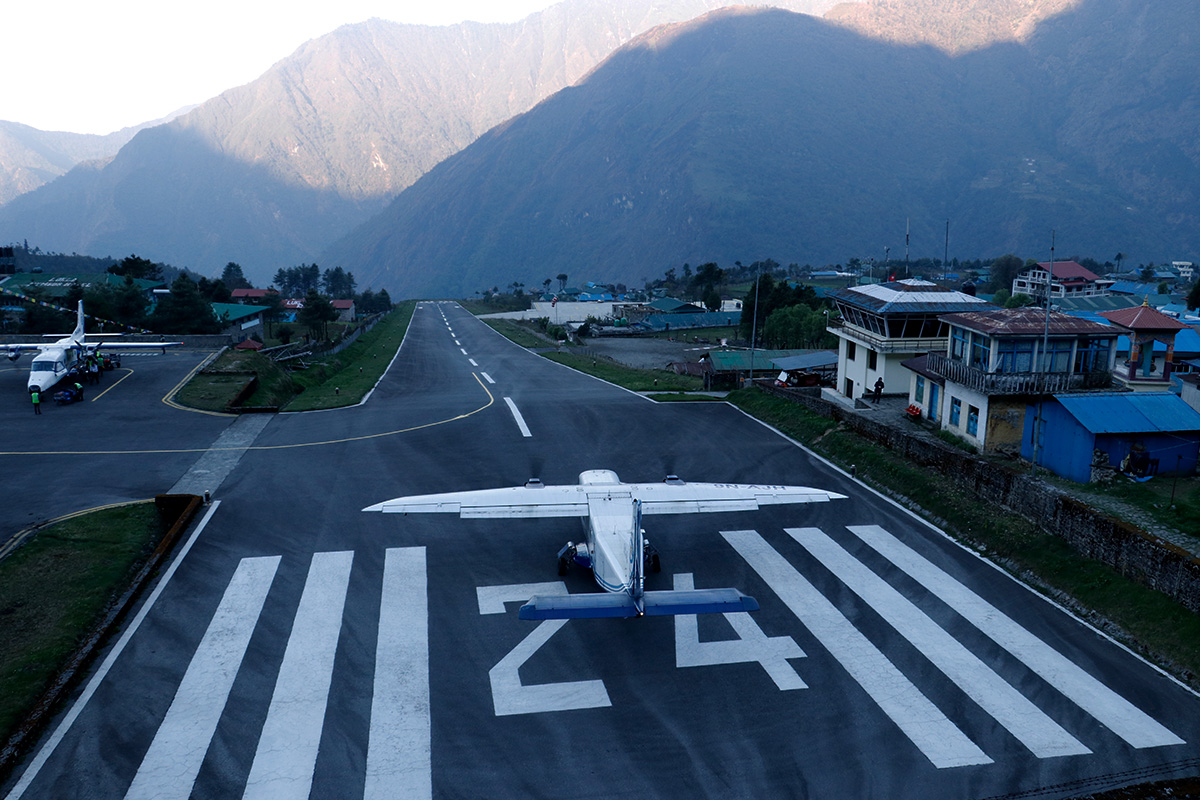
Runway: Grass and tarmac — 900 m long, suitable for Twin Otter and similar aircraft
Airlines Operating (Peak Season Lukla Flights): Tara Air, Summit Air, Sita Air — same operators as the Kathmandu–Lukla route
Flight Duration (Manthali to Lukla): Approximately 20–25 minutes
Flight Timing: All flights before 10:00–10:30 AM — morning weather window only
Facilities: Small terminal building, ticket counter, waiting area, basic café; significantly less developed than TIA domestic terminal
Parking: Vehicle drop-off and waiting area adjacent to terminal; multiple vehicle operators park here during peak season
Manthali Airport is a small regional airstrip that was primarily a domestic connectivity airport for Ramechhap District residents before the Lukla diversion policy elevated its importance to the international trekking community. The terminal facilities are basic by any standard — a waiting room, a small check-in counter, and limited food options. Trekkers arriving from Kathmandu after a 3 to 4-hour pre-dawn drive should bring their own food and water rather than relying on airport facilities.
Kathmandu to Ramechhap Manthali — Route Overview
Total Road Distance: Approximately 132–140 km from central Kathmandu to Manthali Airport
Travel Time: 3 to 4.5 hours depending on traffic and road conditions
Best Departure Time: 1:30 AM to 2:30 AM from Kathmandu for 6:00–7:00 AM flights (allow ample buffer)
Main Route: Kathmandu → Ring Road → Bhaktapur → Banepa → Dhulikhel → Dolalghat → Lamosangu → Manthali
Road Type: Mostly paved — Araniko Highway and BP Highway combination; good condition overall with some rough patches
Mountain Passes: No major passes — relatively flat river valley route with moderate climbs
Key Junction: Lamosangu — where the BP Highway turns south toward Ramechhap
Stage-by-Stage Road Guide: Kathmandu to Manthali
Stage 1: Kathmandu to Banepa / Dhulikhel (30 km | 45 min – 1 hr)
Depart Kathmandu heading east via the Ring Road and Bhaktapur, joining the Araniko Highway eastward through Banepa and Dhulikhel. This first section is the most traffic-affected — Bhaktapur and Banepa are busy even in the early morning hours during peak trekking season as a large volume of vehicles makes this same journey simultaneously. The road is paved and in good condition. Dhulikhel sits on a ridge with fine Himalayan views on clear mornings — though at 1:30–2:00 AM departure times, the mountain panorama must be taken on faith.
At Dhulikhel, the road descends steeply through the Koshi hills before dropping to the Sun Koshi River valley at Dolalghat. This descent section has several tight bends and a notable drop in elevation from Dhulikhel’s ridge to the river valley below. On clear pre-dawn mornings this section offers occasional glimpses of illuminated mountain silhouettes to the north.
Stage 2: Dolalghat to Lamosangu (20 km | 30–40 min)
The road follows the Sun Koshi River east through the Sindhuli Madhyapur area to Lamosangu junction. This river valley section is relatively flat and fast — good paved road with the Sun Koshi River visible on the left in the growing pre-dawn light. Lamosangu is a significant junction town: the Araniko Highway continues north toward the China border at Rasuwagadhi/Kodari, while the BP Highway turns south toward Ramechhap and beyond. Your vehicle takes the BP Highway south at Lamosangu.
Lamosangu has petrol stations, small restaurants, and chai stalls (most open by 4:00–4:30 AM during peak trekking season specifically because of the volume of Manthali-bound traffic), as well as basic facilities. A brief chai stop here is worthwhile — it is the last sizeable service point before Manthali.
Stage 3: Lamosangu to Manthali Airport (47 km | 1.5–2 hrs)
From Lamosangu,u the BP Highway heads south through Ramechhap District. The road climbs out of the Sun Koshi valley and into the Ramechhap hills — a winding section with moderate gradient that is still well paved. This is the most scenic section of the journey as the road passes through terraced hill farmland and small Tamang and Chhetri villages.
The Manthali Airport area is approached from the north, descending back toward the river level. The airport is well-signposted and easily identified during peak season by the concentration of vehicles in the airport area. Airport check-in typically opens 1 to 1.5 hours before the scheduled flight departure — confirm the exact check-in time with your airline when booking the flight.
Complete Distance and Time Table
Stage
From – To
Distance
Drive Time
Road Type / Notes
1A
Kathmandu → Bhaktapur
15 km
30–40 min
Ring Road + city road; traffic likely even at night in peak season
1B
Bhaktapur → Banepa
10 km
20–25 min
Araniko Highway — paved, good condition
1C
Banepa → Dhulikhel
5 km
10 min
Uphill to Dhulikhel ridge — good paved road
1D
Dhulikhel → Dolalghat
15 km
25 min
Steep descent to Sun Koshi — winding, good road
2
Dolalghat → Lamosangu
20 km
30–40 min
BP Highway along Sun Koshi — flat, good road
3
Lamosangu → Manthali Airport
47 km
1.5–2 hrs
BP Highway south — paved hill road, moderate grade
TOTAL
Kathmandu → Manthali
132 km
3–4.5 hrs
All paved; no 4WD required; good condition overall
Road Condition Assessment: Kathmandu to Manthali 2026
One of the most important questions for trekkers planning this journey is the current state of the road. Here is an honest 2026 assessment:
Kathmandu to Banepa (Araniko Highway): Paved, well-maintained national highway. Generally in good condition year-round. No concerns.
Banepa to Dhulikhel: Paved, good condition. Moderate traffic at normal hours; busy during peak trekking season mornings with Manthali-bound vehicles.
Dhulikhel to Dolalghat descent: Paved but winding with tight bends on the steep descent. Good condition. Requires careful driving at speed.
Dolalghat to Lamosangu: Flat river valley road, paved, good condition. Generally the fastest section
Lamosanguhu to Manthali (BP Highway south): Paved throughout but with narrower sections and moderate climbs. Some rough patches after monsoon. Good condition in dry season. Requires attention during heavy rain.
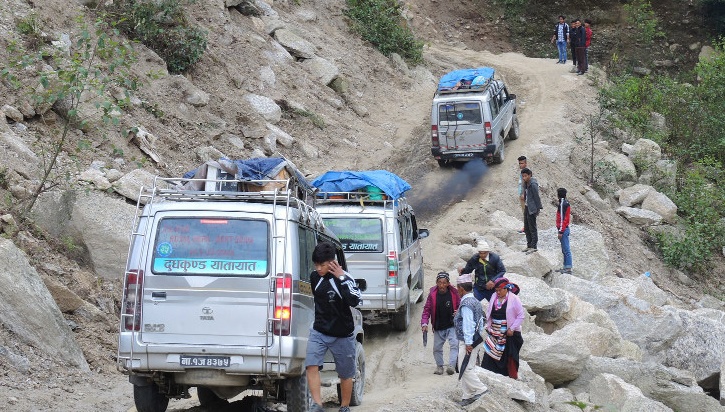
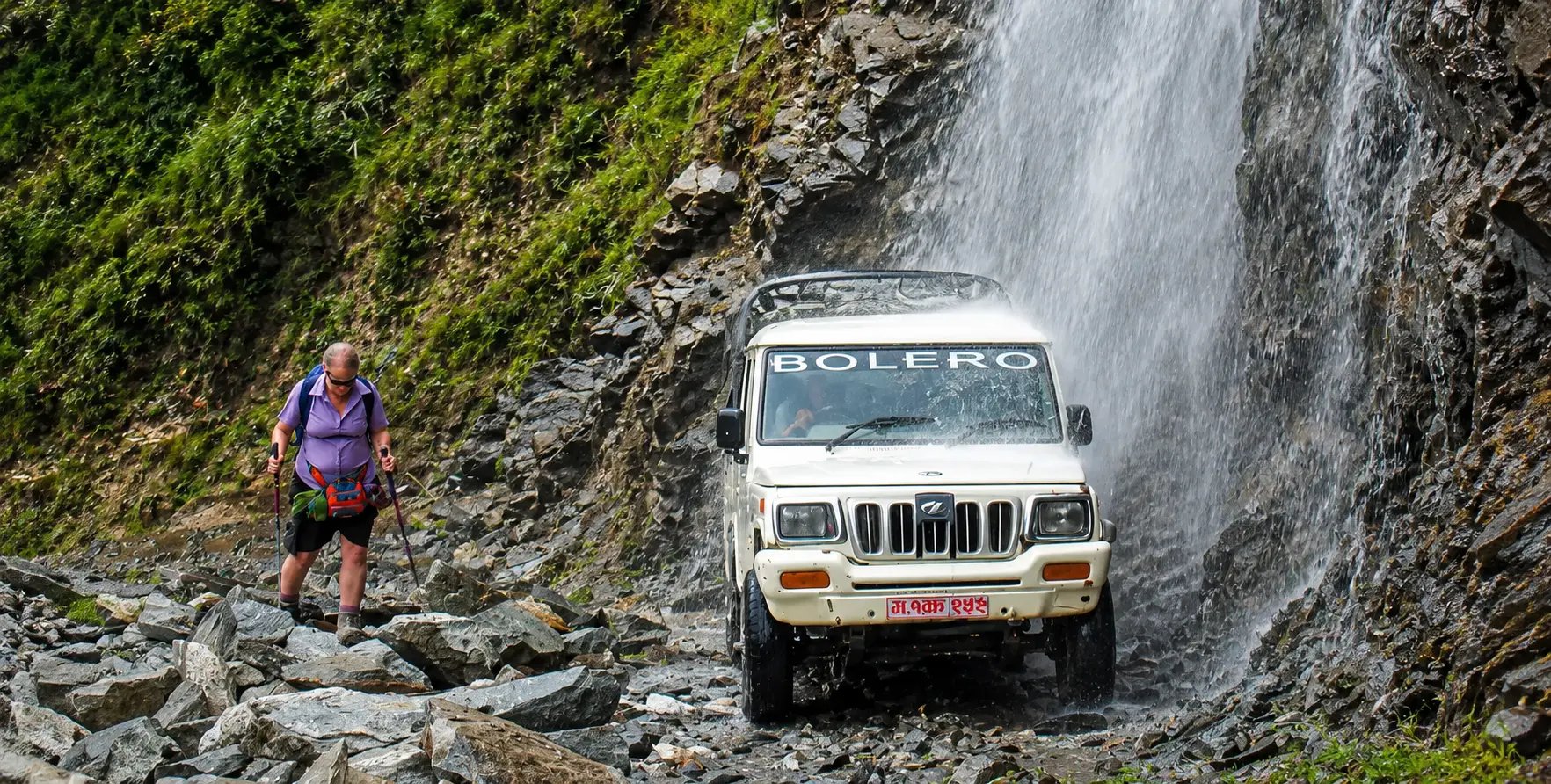
Overall: No 4WD required. Any standard vehicle in good condition can complete this journey. Standard sedans, SUVs, and Hiace vans are all used routinely on this road.
Vehicle Options and Prices: Kathmandu to Manthali 2026
Because the Kathmandu to Manthali road is a paved highway rather than a mountain jeep track, a wider range of vehicles is suitable compared to other Nepal mountain transport routes. The key requirements are reliability, comfort (for a 3–4 AM pre-dawn journey), adequate luggage space for trekking gear, and an experienced driver who knows the road and the Manthali airport area.
Vehicle Type
Capacity
Price (One-Way KTM→Manthali)
Price (Return / Waiting)
Best For
Standard Sedan (Toyota Corolla etc.)
1–3 pax
USD 55–75
USD 90–120 (same-day return)
Solo trekker, couple, minimal luggage
SUV / Toyota Fortuner
4–5 pax
USD 75–100
USD 120–160
Small family, 4–5 trekkers, comfort
Toyota Hiace Van
7–14 pax
USD 110–150
USD 170–230
Group of 7–14 trekkers — most popular
Toyota Coaster Bus
15–22 pax
USD 160–210
USD 250–330
Large trekking group, expedition team
Microbus
5–8 pax
USD 80–110
USD 130–170
Medium group, budget option
Private Sedan + Driver Overnight
1–3 pax
USD 70–90
Driver waits at Manthali
If driver needs to wait for cancellation
Important note on pricing: During the official peak Lukla diversion season (typically mid-October to mid-November and mid-March to mid-May), demand for Kathmandu to Manthali vehicles surges dramatically — hundreds of vehicles make this journey simultaneously on peak departure mornings. Book your vehicle at least 2 to 3 weeks in advance during these periods. Last-minute bookings during peak season are often unavailable or significantly more expensive.
The Pre-Dawn Departure — What to Expect
The single most disorienting aspect of the Kathmandu to Manthali journey for first-time travelers is the departure time. Lukla flights from Manthali typically depart between 6:00 and 10:00 AM — the morning weather window before mountain cloud builds. Check-in at Manthali Airport opens approximately 1 to 1.5 hours before the scheduled departure. Adding the 3 to 4.5-hour drive:
For a 6:00 AM departure: depart Kathmandu no later than 1:30 AM
For a 7:00 AM departure: depart Kathmandu no later than 2:30 AM
For an 8:00 AM departure: depart Kathmandu no later than 3:30 AM
Add 3a 30-minutebuffer for traffic congestion in the Bhaktapur/Banepa area during peak-season mornings
The pre-dawn departure is not merely inconvenient — it is genuinely important for the flight connection. Lukla flights operate on a narrow weather window. If you miss your check-in time because the vehicle departed late or was delayed by traffic, the airline will not hold the flight. Vehicle Hiring Nepal drivers for the Manthali route are briefed on exact departure times and the time criticality of the journey. They arrive at your hotel at the confirmed pickup time without variation.
What to Bring for the Pre-Dawn Journey
A warm layer or jacket — 2:00–3:00 AM in Kathmandu is significantly cooler than the afternoon, and mountain air at the higher sections of the road can be cold.
Water and food — airport facilities are basic; bring breakfast and snacks for the drive, and the airport wait.
Travel documents in a small daypack accessible from the vehicle seat — passport, flight ticket, TIMS card, Sagarmatha National Park permit, and any other trekking permits
Phone fully charged and a portable power bank — you will need navigation, flight information, and communication capability throughout
Sleep — bring a travel pillow and sleep during the drive if possible. Many experienced trekkers use the vehicle journey as an opportunity to rest before the flight and the trek begins.
Peak Season Manthali Flight Schedule and CAAN Diversion Policy
The CAAN diversion policy directing Lukla flights via Manthali is not permanent year-round — it operates during defined peak seasons and is updated annually. Here is the current understanding for 2026:
Peak Autumn Season (Lukla flights via Manthali): Approximately mid-October to mid-November 2026 — the exact dates are announced by CAAN approximately 2 to 4 weeks before each season begins
Peak Spring Season (Lukla flights via Manthali): Approximately mid-March to mid-May 2026 — again, exact dates confirmed closer to the season
Off-Peak Season (Lukla flights from Kathmandu TIA): December through early March; mid-May through early October — during these periods flights operate normally from Kathmandu domestic terminal
Airlines Affected: All scheduled Kathmandu–Lukla operators including Tara Air, Summit Air, and Sita Air when flying in peak season
How to Confirm: Check with your airline directly at the time of booking — they will confirm whether your specific flight departs from Kathmandu TIA or Manthali.
The practical implication: when you book a Lukla flight for October, November, March, or April travel, always ask the airline or your trekking agency explicitly whether the flight departs from Kathmandu or Manthali. Do not assume. The answer determines whether you need to be at the TIA domestic terminal 45 minutes before departure or at Manthali Airport 3 to 4 hours before departure after a pre-dawn vehicle journey.
What Happens at Manthali Airport
For trekkers arriving at Manthali for the first time, managing the airport process smoothly depends on knowing what to expect:
Check-In
Manthali Airport check-in is conducted at a small counter inside the terminal building. The process is similar to any Nepal domestic airport but with significantly less infrastructure. Airlines typically open check-in 60 to 90 minutes before scheduled departure. Arrive at the terminal at least 75 minutes before your flight. Baggage weight is strictly enforced — the 15 kg total per-passenger limit (including hand luggage) applies without exception on the small Twin Otter aircraft used on this route. Excess baggage charges are applied on the spot and must be paid in Nepali Rupees or USD cash.
Luggage
Many trekkers send a portion of their luggage to their Lukla lodge by porter rather than carrying excess baggage on the flight. If you have more than 15 kg total, arrange excess luggage storage at your Kathmandu hotel for collection on return, or ship gear directly with a trekking porter service. Vehicle Hiring Nepal can advise on luggage storage options at the time of vehicle booking.
Flight Cancellations at Manthali
As with Lukla flights everywhere, weather cancellations are a reality at Manthali. If your Manthali–Lukla flight is canceled, the standard procedure is to wait at Manthali for the next available weather window (which may be the following morning) or return to Kathmandu and reschedule. Vehicle Hiring Nepal maintains contact with all groups during Manthali journeys. If your flight is canceled and you need a vehicle back to Kathmandu, contact us immediately at +977 9851013196. We can often arrange a return vehicle within 1 to 2 hours of notice, subject to availability.
Food and Facilities
Manthali Airport has a small café and tea stall that operate during peak-season morning hours. Basic dal bhat, tea, and snacks are available, but selection is limited. Do not rely on the airport for a satisfying pre-trek breakfast — bring your own from Kathmandu or eat at a Lamosangu roadside restaurant during the drive (many are open from 4:00 AM during peak trekking season).
Traffic and Crowd Management on the Manthali Road During Peak Season
One of the practical realities of the Manthali diversion policy that is rarely discussed in trekking planning guides is the sheer volume of simultaneous vehicle traffic on the Kathmandu to Manthali road during peak morning departures. When hundreds of trekkers are all scheduled on Manthali-departing Lukla flights within a 3-hour window, the vehicles carrying them all converge on the same 132 km road at roughly the same time — typically between 1:00 and 4:00 AM.
During the peak weeks, the result can be significant congestion, particularly at the Bhaktapur and Banepa sections where the road narrows through town centers, and at the Lamosangu junction where BP Highway traffic merges. Vehicle Hiring Nepal drivers anticipate this by departing slightly earlier than the minimum required time — building in a 30 to 45-minute buffer specifically for this peak-season traffic factor.
The situation is comparable to the pre-dawn airport rush at major international hubs — predictable, manageable with proper planning, but genuinely problematic if underestimated. Trekkers who book their vehicle at the last minute and depart at the minimum required time frequently arrive at Manthali later than planned.
Comparison: Manthali Route vs Kathmandu Domestic Terminal Route
Factor
Manthali Airport Route
Kathmandu TIA Domestic Route
Departure from hotel
1:30–3:30 AM (flight-dependent)
4:00–5:00 AM (flight-dependent)
Drive to airport
3–4.5 hrs (132 km)
20–30 min from Thamel
Vehicle cost
USD 55–150 (vehicle-dependent)
USD 10–20 (taxi)
Airport facilities
Basic — limited food, small terminal
Full domestic terminal facilities
Flight duration
20–25 min Manthali to Lukla
35–45 min Kathmandu to Lukla
Flight ticket price
Comparable to KTM–Lukla rate
USD 150–195 per person
Cancellation risk
Similar to KTM–Lukla weather risk
Similar weather risk
Applies when
Peak season (Oct–Nov; Mar–May) CAAN diversion policy active
Off-peak season; when policy not active
Planning
Critical — vehicle must be pre-booked
Simple — taxi available same-day
Ramechhap District — Beyond the Airport
For travelers who are not merely transiting through Manthali Airport but have an interest in the Ramechhap District itself, this area has its own historical and cultural character that rewards exploration:
Mandebisthan Mandir: A significant local Hindu temple in Manthali town, one of Ramechhap’s most important sacred sites, dedicated to the goddess Mande Bhagawati
Ramechhap Durbar Square: The historic center of Ramechhap Bazaar, the district headquarters, with traditional Nepali hill town architecture and a small but atmospheric bazaar
Jiri: Located approximately 60 km from Manthali, Jiri is the famous starting point of the traditional Everest trekking route used by Sir Edmund Hillary’s expedition support team and all trekkers before Lukla Airport opened in 1964. Jiri is accessible as a side trip from Manthali for historically minded travelers
Sunkoshi River: The Sun Koshi runs along the northern boundary of Ramechhap District and is one of Nepal’s most popular white-water rafting rivers, with multi-day rafting expeditions departing from Dolalghat on the Kathmandu to Manthali road
Tamang Heritage: The hills south and east of Manthali are a Tamang-dominated cultural landscape with Buddhist gompas, traditional stone architecture, and the distinctive visual culture of the Tamang people — one of Nepal’s most significant Tibeto-Burman indigenous communities
Booking Your Vehicle — Timing and Process
The Kathmandu to Manthali Airport vehicle booking process has specific requirements that differ from standard Nepal vehicle hire due to the early-morning departure and the peak-season demand surge:
Book at least 2 to 3 weeks ahead during peak trekking season (October–November, March–May) — demand for this specific journey is very high, and vehicles fill up quickly
Confirm your flight details at the time of vehicle booking — airline, flight number, scheduled departure time, and whether the flight is confirmed from Manthali or TI.A.
Provide your exact hotel address in Kathmandu for the pickup — the driver needs to arrive at the right place at 1:30–3:00 AM without confusion.
Confirm whether you need a return vehicle (in case of flight cancellation) and what the cancellation return policy is
Share your WhatsApp number with Vehicle Hiring Nepal at booking — the driver will message you on the evening before to confirm the pickup time and their contact details. ils
For groups of 7 or more: the Toyota Hiace is the recommended vehicle — keeps the group together, adequate luggage space, and economical per-person .cost
Vehicle Hiring Nepal’s Manthali Service — What Sets Us Apart
Drivers briefed specifically on the Manthali route timing — they understand the flight connection requirement and the peak-season traffic pattern.
Pre-departure confirmation the evening before — your driver contacts you by 10:00 PM the night before to confirm pickup time and vehicle details
Exact on-time pickup — our drivers arrive at your hotel at the confirmed time, not 15 minutes late
Flight cancellation support — if your Manthali flight is canceled, contact us immediately, and we arrange a return vehicle as soon as possible
WhatsApp contact maintained throughout the journey — live communication from departure to airport arrival.
Transparent pricing — all costs confirmed at booking with no surprise surcharges on the day.
How to Book Your Kathmandu to Manthali Airport Vehicle
Contact Vehicle Hiring Nepal via WhatsApp at +977 9851013196 or visit vehiclehiringnepal.com
Provide your flight details — airline, flight number, scheduled Manthali departure tim.e
Confirm your group size and total luggage (number of large trekking packs)
Choose your vehicle — sedan for 1–3, SUV for 4–5, Hiace for 6–14
Provide your exact Kathmandu hotel name and address for the pre-dawn pickup
Receive booking confirmation with driver name, vehicle type, exact pickup time, and driver’s WhatsApp number
Frequently Asked Questions
How far is Manthali Airport from Kathmandu?
Manthali Airport (Ramechhap Airport) is approximately 132 to 140 km from central Kathmandu by road via the Araniko Highway and BP Highway. The drive takes 3 to 4.5 hours depending on traffic and road conditions. During the trekking season, mornings allow the full 4 to 4.5 hours, including traffic in Bhaktapur and Banepa.
What time should I leave Kathmandu for a 7:00 AM Manthali flight?
For a 7:00 AM flight at Manthali, depart Kathmandu at 2:00 to 2:30 AM maximum — allowing 4 to 4.5 hours of drive time plus the requirement to be at the check-in counter at least 60 to 75 minutes before departure. During peak season with high traffic volumes, departing at 2:00 AM is the safe choice. Vehicle Hiring Nepal will confirm the exact pickup time when you provide your flight details.
Is the Kathmandu to Manthali road good? Does it require 4WD?
The Kathmandu to Manthali road is a paved national and feeder highway throughout. It does not require 4WD — standard sedans, SUVs, and Hiace vans all travel this route routinely. The Lamosangu to Manthali section (BP Highway) has some narrowing and moderate gradients but is well-paved and in good condition for 2026. No sections require off-road capability.
What happens if my Manthali flight is canceled?
If your flight is canceled at Manthali, you have three options: wait at Manthali for the next weather window (possibly the same afternoon or the following morning), return to Kathmandu and reschedule, or consider alternative transport toward the Everest region (drive to Salleri/Phaplu for the road approach). Contact Vehicle Hiring Nepal immediately at +977 9851013196 if you need a return vehicle from Manthali to Kathmandu to maintain cancellation response capacity during peak-season mornings specifically for this situation.
How does the Manthali flight cost compare to the Kathmandu Lukla flight?
The actual flight ticket from Manthali to Lukla is generally comparable in price to the Kathmandu to Lukla flight — approximately USD 100 to USD 140 per person one-way. The additional cost for the Manthali route is the vehicle hire from Kathmandu to Manthali (USD 55 to USD 150 depending on vehicle type, shared across the group). For a group of 6 sharing a Hiace van, the added vehicle cost is approximately USD 20 to USD 25 per person — a modest premium for the 132 km ground journey.
Do all Lukla flights go via Manthali during peak season?
During the CAAN-designated peak season diversion periods (typically mid-October to mid-November and mid-March to mid-May), all scheduled Kathmandu–Lukla flights are directed to depart from Manthali rather than Kathmandu TIA domestic terminal. This applies to Tara Air, Summit Air, and Sita Air — the main Lukla route operators. Outside these peak periods, flights operate from Kathmandu TIA as normal. Always confirm your specific flight’s departure airport with the airline when booking.
Final Thoughts
The Kathmandu to Ramechhap Manthali road journey has become one of the defining logistical experiences of the modern Everest region trekking adventure — an unexpected pre-dawn road trip through the sleeping Kathmandu Valley and the quiet BP Highway that has, for thousands of trekkers in every peak season, become the true beginning of the Everest experience. The darkness, the half-sleeping vehicle, the first glimpse of dawn as you approach Manthali, and the distinctive buzz of a Twin Otter engine warming up on the tarmac—it has its own unique atmosphere. For those who have done it, it is a strangely memorable part of the whole.
Managing it well is simply a matter of preparation: booking your vehicle far enough ahead, confirming your departure time precisely, having your documents and luggage ready the evening before, and trusting a reliable driver who knows exactly when to leave. Vehicle Hiring Nepal provides that reliability for every Manthali-bound group, every peak-season morning.
Langtang Trek Vehicle Hire — Pickup, Drop-Off and Private Jeep Transfer Guide 2026
The Langtang Valley trek holds a specific and irreplaceable position among Nepal’s trekking routes: it is the closest major Himalayan trek to Kathmandu, the most accessible for travelers with limited time, and one of the most culturally rich and scenically rewarding journeys available in the entire country — delivering close views of Langtang Lirung at 7,227 metres, the ancient monastery and yak cheese factory of Kyanjin Gompa at 3,870 metres, and the living Tamang Buddhist culture of Rasuwa District, all within 7 to 10 days from Kathmandu door to Kathmandu door. It does not require a domestic flight. It does not cross any pass above 5,000 meters. And it begins with a single road journey from Kathmandu to the trailhead village of Syabrubesi — a journey that every trekker making this trek must plan carefully, because there are no luxury coach services, no mountain flights, and no rail connections to Syabrubesi. Every Langtang trekker travels this road, and the quality of their vehicle hire directly shapes how their trek begins.
This complete 2026 guide covers every aspect of Langtang trek vehicle hire — the full route from Kathmandu to Syabrubesi, all transport options and their current costs, road conditions and seasonal factors, the return pickup service from Syabrubesi or Dhunche at the trek’s conclusion, how the vehicle hire connects with every variant of the Langtang trekking experience, and why Nepal Vehicle Hiring Pvt Ltd is the preferred private jeep provider for Langtang-bound trekkers departing from Kathmandu. Whether you need a straightforward single-day drop to Syabrubesi for a group of four, a coordinated outward-and-return booking covering both legs of your Langtang Valley trek transfer, or a flexible multi-day arrangement accommodating an extended itinerary that combines Langtang with Gosaikunda and the Helambu circuit, this guide and our team at Nepal Vehicle Hiring have you covered.
Why the Langtang Trek Is Nepal’s Most Accessible Major Himalayan Journey
At approximately 122 to 130 kilometres from the centre of Kathmandu to the trailhead at Syabrubesi, the Langtang Valley trek is physically the closest of Nepal’s five major trekking regions to the capital, requiring no flight, no multi-day overland journey, and no complex multi-leg transport chain — just a single private jeep hire or shared vehicle transfer that, in good conditions, delivers trekkers to Syabrubesi in 6 to 8 hours. This proximity is not the only thing that makes Langtang accessible. Unlike the Everest Base Camp trek, which requires a Lukla flight now frequently departing from Ramechhap, or the Annapurna Circuit, which demands 12 to 18 days for the full loop, the Langtang valley trek can be completed in as few as 7 days including the road journey — making it genuinely realistic for travelers with a week of holiday time who want a proper Himalayan experience, not just a viewpoint visit.
The trek’s altitude profile adds to its accessibility: the highest point on the standard route is Kyanjin Gompa at 3,870 meters, with an optional extension to the Tserko Ri viewpoint at 4,984 meters for those seeking a higher summit experience. Both altitudes are well within the range of a fit, healthy traveler with basic trekking experience and reasonable acclimatization care—no supplemental oxygen, no extreme cold-weather equipment, and no technical climbing skills required. The trail itself passes through dense rhododendron and oak forests in its lower sections, traditional Tamang village communities at mid-altitude, and the wide glacial valley and high alpine pasture of the upper Langtang that have, since the valley’s post-2015 rebuilding, become one of Nepal’s most emotionally resonant trekking environments. Add the Gosaikunda sacred lake extension, the Tamang Heritage Trail circuit, or the Helambu loop to the standard route, and the Langtang trek becomes a 16-day itinerary combining three of Nepal’s most culturally rich and scenically diverse trekking corridors into a single continuous journey.
For all of these reasons, Langtang is consistently recommended as the ideal first major Himalayan trek for travelers based in Kathmandu — and the vehicle hire service from Kathmandu to Syabrubesi is the single transport booking that makes every version of this journey possible. Nepal Vehicle Hiring Pvt Ltd provides this service daily during trekking season, and year-round on booking.
The Route — Kathmandu to Syabrubesi in Full Detail
The Kathmandu to Syabrubesi road journey follows the Pasang Lhamu Highway — named after the first Nepali woman to summit Everest, who was born in the Rasuwa region this road serves — climbing steadily north from Kathmandu through the middle hills of Nuwakot and Rasuwa districts before descending to the Trishuli River valley and climbing again toward the Nepal-Tibet border region. The total road distance is 122 to 130 kilometers depending on the specific routing taken, and the journey takes 6 to 8 hours by private 4WD jeep in good conditions.
Kathmandu to Kakani and Trishuli. The journey begins by leaving Kathmandu’s northern edge through Tokha and ascending toward Kakani at approximately 2,073 meters — a hill station known for its panoramic mountain views and popular with Kathmandu residents as a short day excursion. Nepal Vehicle Hiring Pvt Ltd drivers include Kakani as an optional brief photo stop for groups who want to capture the Langtang Range and Ganesh Himal panorama on a clear morning before the route descends into the Trishuli River valley below. Trishuli Bazaar, the Nuwakot District commercial center at approximately 440 meters, is the standard mid-journey breakfast and refueling stop on this route—a bustling town with well-stocked restaurants, fuel stations, and ATMs that serve as the last major resupply point before Syabrubesi.
Trishuli to Betrawati and Dhunche. Beyond Trishuli, the road climbs steadily northward along the Trishuli River valley, passing through Betrawati and gradually gaining altitude as it enters Rasuwa District and the approaches to Langtang National Park. The road surface on this section is a characteristic Nepal hill road mix: paved for most of its length, but progressively narrower, steeper, and more winding, with seasonal landslide damage affecting specific recurring problem sections, particularly after monsoon rainfall. The notorious Ramche Landslide zone, located approximately 3 kilometers before Dhunche, is a particularly landslide-prone stretch that Nepal Vehicle Hiring Pvt Ltd monitors through our driver network—vehicles are sometimes required to clear this section rapidly during unstable periods. A 4WD jeep with adequate ground clearance and an experienced driver provides meaningfully better safety margins on this section than a standard vehicle. Dhunche, at approximately 1,970 meters, is the Rasuwa District headquarters and the alternative drop-off point for trekkers beginning the Gosaikunda route rather than the Langtang Valley trail — it has a growing range of guesthouses and teahouses, the last functioning ATM before Syabrubesi, and the Langtang National Park entry permit checkpoint where all ACAP and TIMS permits are verified.
Dhunche to Syabrubesi. The final section from Dhunche to Syabrubesi descends from the district headquarters to the valley floor where the Langtang Khola river meets the Bhote Koshi, covering approximately 10 kilometers on a narrow road that drops steeply through forested hillside terrain. Syabrubesi village itself, at approximately 1,460 to 1,550 meters depending on the specific part of the settlement, is a well-established small trekking town with a compact bazaar of teahouses, guesthouses, restaurants, trekking gear shops, money exchange services, and permit checking facilities. It is here that your Langtang trek vehicle hire drop-off from Nepal Vehicle Hiring Pvt Ltd concludes and your Langtang Valley trek begins on foot.
Transport Options and 2026 Costs — Everything on the Table
Unlike the Everest Base Camp trek (which offers the Lukla flight option) or the Annapurna Base Camp trek (accessible from Pokhara by short Pokhara to Nayapul transfer), the Langtang trek has precisely two practical ground transport options: a private jeep hire or a public shared bus. There are no domestic flights to Syabrubesi, no luxury tourist coaches, and no alternative road routes offering meaningfully different options. Understanding exactly what each option offers and costs in 2026 is therefore more important for Langtang-bound trekkers than for almost any other major Nepal trekking destination.
Private Jeep — The Recommended and Most Popular Choice. A private Scorpio or Hilux 4WD jeep from Nepal Vehicle Hiring Pvt Ltd covers the complete door-to-door journey from your Kathmandu hotel to Syabrubesi with one driver, one vehicle, and no intermediate transfers. The 2026 pricing for this service ranges from approximately NPR 15,000 to NPR 22,000 (USD 113 to 165) for the full vehicle one way, carrying 4 to 6 passengers comfortably with full trekking luggage secured on the roof rack. This all-inclusive price covers hotel pickup anywhere in Kathmandu (Thamel, Boudha, Patan, or any city hotel), the full 122 to 130 kilometer journey to Syabrubesi including the Dhunche permit checkpoint section, and driver fuel — no hidden charges. For the return journey from Syabrubesi or Dhunche back to Kathmandu at the trek’s end, a coordinated return booking through Nepal Vehicle Hiring Pvt Ltd is priced at NPR 13,000 to NPR 20,000 (USD 98 to 150) for the full vehicle. It can be arranged as a package with the outward booking through our plan trip page.
Shared Jeep. Shared jeep services from Kathmandu to Syabrubesi operate on a fill-and-depart basis, typically seating 7 passengers and departing from the Machhapokhari or Gongabu areas of Kathmandu. The 2026 cost is approximately NPR 1,400 to NPR 1,800 per person one way (approximately USD 10 to 14). Travel time is broadly similar to a private jeep — 7 to 8 hours — but without fixed departure time guarantees, hotel pickup, or control over who shares your vehicle. For solo budget trekkers comfortable with Nepali shared transport conventions, this is a perfectly workable option during daylight hours in good conditions.
Public Bus. Daily bus services from Kathmandu’s Gongabu Bus Park depart for Dhunche and Syabrubesi at approximately 6:00 to 8:00 AM, with the journey taking 8 to 10 hours by the standard routing. The 2026 bus fare is approximately NPR 1,200 to NPR 1,500 per person (USD 9 to 11). Buses are the cheapest option but the most physically tiring: seats are smaller, the winding mountain road sections are less comfortable in a heavy vehicle than in a 4WD jeep, and bus schedules do not accommodate hotel pickup or flexible departure times. For groups carrying significant trekking equipment, the luggage handling on public buses is considerably less convenient than a private vehicle with its roof rack and dedicated luggage space.
Group Size Scaling. For larger trekking groups — families, company teams, or school groups — Nepal Vehicle Hiring Pvt Ltd provides scaled options beyond the standard 4 to 6 person Scorpio or Hilux jeep. For groups of 7 to 13, our Toyota Hiace van covers the paved sections comfortably and can be paired with a 4WD jeep for the more demanding sections of the approach. For very large groups (14 to 25 people), our tourist coaster service can cover the route as far as Dhunche with a jeep shuttle for the final Dhunche-to-Syabrubesi section. All arrangements are confirmed through our contact team when you make your booking.
Pickup Points — Where Nepal Vehicle Hiring Picks You Up in Kathmandu
One of the genuine practical advantages of booking Langtang trek vehicle hire through Nepal Vehicle Hiring Pvt Ltd rather than arranging shared transport independently is the door-to-door pickup service from any location in Kathmandu. Our drivers collect trekking groups from hotel entrances in Thamel, Boudha, Patan, Lazimpat, Durbarmarg, Baneshwor, and all other Kathmandu neighborhoods with no requirement to navigate to a central bus park with full trekking luggage before the long journey has even begun.
For travelers arriving at Tribhuvan International Airport and heading directly to the Langtang trek the same day or the following morning, our Kathmandu airport transfer service can collect you at the arrivals hall and deliver you either to your Thamel hotel for an overnight before the trek departure, or — for early-arriving flights — directly to Syabrubesi on the same day, combining the airport transfer and the Syabrubesi drop into a single continuous journey. This airport-to-trailhead option is particularly popular with experienced trekkers who have visited Kathmandu before, do not require city sightseeing days, and want to begin walking as quickly as possible after landing.
Trekkers spending several days in Kathmandu before the Langtang transfer frequently combine city sightseeing with their pre-trek schedule — our Kathmandu sightseeing packages cover all UNESCO heritage zones including the Boudhanath Stupa, Pashupatinath Temple, Swayambhunath, and the Patan Durbar Square. In contrast, our dedicated Bhaktapur day tour covers the medieval city east of Kathmandu that so many visitors wish they had spent more time in. The Nagarkot sunrise tour — available as a pre-dawn private vehicle excursion from any Kathmandu hotel — provides a spectacular Himalayan panorama including the Langtang and Ganesh Himal ranges that many trekkers specifically want to capture before they begin walking among those same peaks. Nepal Vehicle Hiring Pvt Ltd provides all of these pre-trek Kathmandu services using our car hire fleet, coordinated through a single booking team.
Drop-Off Points — Syabrubesi and Dhunche Explained
The standard drop-off point for Langtang trek vehicle hire is Syabrubesi village itself, at approximately 1,460 to 1,550 meters in Rasuwa District. Syabrubesi is the starting point for the Langtang Valley trek, which follows the Langtang Khola river valley northward through Lama Hotel, Langtang village, and Mundu to the final destination at Kyanjin Gompa. It is also the starting point for the Tamang Heritage Trail, which branches off from the main valley trail and explores the lower-altitude Tamang villages of Rasuwa District on a circuit that many operators describe as one of Nepal’s finest cultural trekking experiences for travelers specifically interested in Tamang Buddhist community life. The Langtang Valley trek package offered by our sister company Trek Nepal Himalayas begins and ends at Syabrubesi, making this the standard drop-off for all coordinated vehicle transfer and trekking package combinations.
Dhunche, 10 kilometers and approximately 30 minutes of driving above Syabrubesi at 1,970 meters, is the alternative drop-off point for trekkers beginning the Gosaikunda route. The sacred alpine lake of Gosaikunda at 4,380 meters — a major pilgrimage site for both Hindus and Buddhists explored in detail in our dedicated sacred peaks and spiritual trails blog — is accessed via a separate trail from Dhunche or from Thulo Syabru on the Langtang valley approach, and trekkers combining the full Langtang Valley trek with a Gosaikunda extension typically walk the high trail connecting the two rather than returning to Syabrubesi and driving back to Dhunche. For a Gosaikunda-only itinerary starting from Dhunche, Nepal Vehicle Hiring Pvt Ltd provides a Dhunche-specific drop that stops 10 kilometers short of Syabrubesi, saving 30 minutes of driving time and dropping trekkers directly at the Gosaikunda trailhead.
A third drop-off option, available for trekkers specifically planning the Tamang Heritage Trail circuit in a clockwise direction, is Gatlang village — a beautiful traditional Tamang settlement at approximately 2,238 meters, reachable by a side road from the Dhunche area that our experienced drivers navigate on prior arrangement. The Tamang Heritage Trail route from Gatlang allows trekkers to experience the region’s most traditional villages before eventually descending to Syabrubesi or connecting onto the main Langtang valley trail higher up. Confirm which drop-off point best matches your specific itinerary when booking with Nepal Vehicle Hiring Pvt Ltd.
Return Pickup — Getting Back to Kathmandu After the Trek
The return journey from Syabrubesi or Dhunche to Kathmandu is, in practical terms, the same road in reverse — but the logistics of arranging it matter considerably more than many trekkers anticipate. Shared jeeps and local buses do operate on this route back toward Kathmandu. Still, they depart on a fill-and-go basis that makes schedule planning unreliable at the end of a multi-day trek, and the available departure times do not always align with the time a trekker actually arrives back at Syabrubesi after their final walking day.
Nepal Vehicle Hiring Pvt Ltd’s Langtang trek vehicle hire service addresses this directly by offering pre-arranged return pickup as a standard component of the booking. When you arrange your outward private jeep hire to Syabrubesi, you simultaneously confirm your return pickup date and time — our driver is dispatched from Kathmandu at a pre-agreed time and arrives at Syabrubesi or Dhunche to collect your group, regardless of local transport availability on that specific day. If your trek schedule changes and you finish a day earlier or later than planned, a single WhatsApp message to our team at +977-9851343204 adjusts the return pickup arrangement, usually within hours and without additional charges for reasonable date changes confirmed in advance.
The standard return from Syabrubesi to Kathmandu takes 6 to 7 hours by private jeep, covering the same Pasang Lhamu Highway in reverse. Many trekkers use this return journey to include a brief Dhunche or Trishuli Bazaar rest stop — a welcome break after several days of continuous trekking. For groups continuing to Pokhara after the Langtang trek rather than returning to Kathmandu, our team can coordinate an onward Kathmandu-to-Pokhara bus connection or arrange a private vehicle transfer to Pokhara from Trishuli junction, making the Langtang-to-Pokhara connection seamless within a single coordinated transport arrangement.
The Langtang Valley Trek — What Your Vehicle Hire Gets You Access To
Understanding what lies beyond the Syabrubesi drop-off point helps put the vehicle hire booking in its proper context. The Langtang Valley trek from Syabrubesi to Kyanjin Gompa and back is one of Nepal’s most consistently rewarding trekking experiences, combining dramatic mountain scenery, rich Tamang Buddhist cultural immersion, and genuine Himalayan atmosphere in a route that is simultaneously accessible to a wide range of fitness levels and sufficiently varied to engage experienced trekkers who have already completed other major Nepal routes.
Syabrubesi to Lama Hotel. The first walking day from Syabrubesi climbs through dense subtropical and temperate forest along the Langtang Khola gorge, reaching Lama Hotel at approximately 2,470 meters after 5 to 7 hours of walking. The trail follows the river through a combination of forest paths, suspension bridges, and rocky cliff-edge sections that deliver the first unambiguous impression of Himalayan scale — the valley walls rising hundreds of meters on both sides, the river thundering through the gorge below, and the air temperature dropping perceptibly with each hour of ascent. The rich forest cover on this section supports Langtang National Park’s documented red panda population, and patient, quiet walkers have reported sightings in the bamboo zones between Bamboo village and Lama Hotel.
Lama Hotel to Langtang Village. The second walking day continues the ascent through Riverside and Ghoda Tabela, crossing the 3,000-meter threshold where the dense forest begins to give way to the characteristic U-shaped glacial valley that defines the upper Langtang. The rebuilt Langtang village — devastated in the April 2015 earthquake and its associated avalanche, which claimed over 300 lives in the valley — is reached after approximately 5 to 6 hours of walking from Lama Hotel. The village’s reconstruction, substantially complete by 2026, is one of the Himalaya’s most remarkable rebuilding stories: new stone teahouses and homes built by the same Tamang community families who survived the disaster, many of whom chose to return and rebuild specifically because their ancestral connection to this valley was stronger than the trauma of what had happened. Walking through Langtang village in 2026 is a genuinely moving experience for any trekker who knows its recent history — and the small monuments to those who were lost add depth to an already extraordinary landscape.
Langtang Village to Kyanjin Gompa. The final ascent from Langtang village to Kyanjin Gompa at 3,870 meters covers 6 kilometers and 400 vertical meters through the wide, open upper valley, passing massive mani walls (always circumambulated clockwise, keeping the carved stones to your right), traditional yak grazing meadows, and the first close views of Langtang Lirung’s glaciated north face directly above. Kyanjin Gompa — both a monastic settlement and a functioning village with teahouses, a yak cheese factory, and a small medical post — is the Langtang trek’s highest and most rewarding overnight destination: the monastery here was founded centuries ago and continues to function as an active place of worship for the local Sherpa and Tamang communities.
Kyanjin Ri and Tserko Ri — The High-Point Options. Most standard itineraries include an acclimatization and exploration day at Kyanjin Gompa, during which trekkers can ascend either Kyanjin Ri at 4,773 metres (2 hours from the village, offering 360-degree views of Langtang Lirung, Changbu, Gangchenpo, Dorje Himal, and the Tibetan plateau beyond) or the more demanding Tserko Ri at 4,984 metres (4 to 6 hours round trip, requiring a packed lunch, and offering what many experienced Himalayan guides describe as one of Nepal’s finest and most complete high-altitude panoramas available without technical climbing). The Tserko Ri ascent is the single most physically challenging day of the standard Langtang Valley trek. Still, the summit view — Langtang Lirung directly opposite, Ganesh Himal to the west, the Rolwaling Range to the east, and peaks extending far into Tibet beyond the border — makes it among Nepal’s most genuinely memorable single trekking days.
Trek Extensions — Gosaikunda, Tamang Heritage Trail, and Helambu
One of the least publicised but most compelling aspects of the Langtang vehicle hire and trek combination is how naturally the Langtang Valley connects with two other major trekking routes — the Gosaikunda pilgrimage lake trail and the Helambu circuit — creating a combined itinerary of 12 to 18 days that is one of Nepal’s finest long-format trekking experiences without ever requiring a flight, an expensive restricted area permit, or any altitude above 4,984 metres.
The Gosaikunda extension leaves the main Langtang valley trail at Thulo Syabru, climbing steeply to the high-altitude lake complex at 4,380 meters through Sing Gompa, Laurebina Yak, and the lake basin itself — a sacred site for both Hindu and Buddhist pilgrims, explored in depth in our dedicated Sacred Peaks and Spiritual Trails blog. Nepal Vehicle Hiring Pvt Ltd provides the Dhunche drop-off for trekkers beginning the Gosaikunda route directly, or the Syabrubesi drop-off for those combining Langtang Valley and Gosaikunda in a single-loop itinerary. Trekking packages combining Langtang and Gosaikunda in a full 10 to 12 day circuit are offered by our sister company Trek Nepal Himalayas, with vehicle transfer provided by Nepal Vehicle Hiring Pvt Ltd on both legs.
The Tamang Heritage Trail, designed with community-based tourism principles and conservation objectives, takes a different approach from the main Langtang valley route — looping through the predominantly Tamang villages of Gatlang, Tatopani (with natural hot springs), Thuman, Briddim, and Lama Hotel before joining the main Langtang trail. This circuit, typically completed in 5 to 7 days as a standalone experience or combined with the Langtang valley extension, offers the most intimate immersion in Tamang culture available on any trekking route within a day’s drive of Kathmandu. Nepal Vehicle Hiring Pvt Ltd provides the private jeep drop-off to Gatlang village for the anti-clockwise version of this circuit, with return pickup from Syabrubesi at the circuit’s end.
The Helambu circuit — accessible by continuing south from the Gosaikunda area through the Gul Bhanjyang pass — brings the combined itinerary full circle, descending through the Sherpa and Hyolmo villages of the Helambu region toward Melamchi Bazaar, from where a private vehicle or local bus back to Kathmandu completes what is, in total, one of Nepal’s finest 14 to 18 day combined trekking circuits accessible entirely by road from Kathmandu at both ends. Our sister company Trek Nepal Himalayas offers the Helambu trek as both a standalone and a combined itinerary with Langtang and Gosaikunda.
Road Conditions and the Ramche Landslide Zone
The single most discussed road condition challenge on the Kathmandu to Syabrubesi route is the Ramche Landslide Zone, a 3-kilometer stretch of the Pasang Lhamu Highway approximately 3 kilometers south of Dhunche that is recognized as one of the most persistently landslide-prone sections on any major Nepal trekking approach road. The geology of this hillside — steep, heavily fractured rock above a narrow valley floor — creates conditions where heavy rainfall, particularly during and immediately after monsoon season, can trigger significant rock and debris falls that temporarily block or damage the road surface. Nepal’s Department of Roads maintains an active monitoring program on this specific section, and Nepal Vehicle Hiring Pvt Ltd drivers receive real-time updates on Ramche conditions through our driver network before any scheduled Kathmandu-to-Syabrubesi departure.
In practical terms for a trekker planning a Langtang transfer, the Ramche zone affects journey timing most significantly during and immediately after monsoon. During peak trekking season — October to November and March to May — Ramche is typically passable with normal caution and no extraordinary delays. During monsoon (June to September) and in the immediate post-monsoon period (late September to early October), a pre-departure road check with our team is advisable before any confirmed departure. Nepal Vehicle Hiring Pvt Ltd does not schedule Syabrubesi transfers on days when the Ramche section has been reported closed or restricted without prior client advisory and schedule adjustment.
The broader road surface from Kathmandu to Dhunche has seen significant investment in improvement since 2020, with several previously rough and deteriorated sections resurfaced as part of the ongoing Pasang Lhamu Highway upgrade program. The Dhunche to Syabrubesi descent road — the final 10 kilometers — has historically been narrower and more irregular than the approach section, with sections requiring careful one-way traffic management at certain chokepoints. Our 4WD jeep drivers on this route have personal, trip-specific experience on every section of this road and manage these conditions as a standard part of the professional driver service Nepal Vehicle Hiring Pvt Ltd provides.
Permits and Documentation — What You Need Before the Drop-Off
Two permits are required for all trekkers entering the Langtang Valley and Gosaikunda regions, and both must be obtained in Kathmandu before departure — the Langtang checkpoint at Dhunche verifies both documents for every person in every vehicle, and trekkers without valid permits are turned back at this point regardless of how far they have already traveled.
The Langtang National Park Entry Permit costs NPR 3,000 (approximately USD 22 to 25) per person for foreign nationals. This permit covers entry to Langtang National Park, which encompasses the entire Langtang Valley, the Gosaikunda lake area, and the surrounding high ridge country. It is obtained from the Nepal Tourism Board office in Kathmandu or from registered trekking agencies — the permit is a single flat fee regardless of how many days are spent inside the park, making it equally appropriate for a 5-day Langtang-only itinerary and a 15-day combined Langtang-Gosaikunda-Helambu circuit.
The TIMS Card (Trekkers’ Information Management System) costs USD 10 to 20 per person and is the Nepal Tourism Board’s trekker registration system, maintained for safety and management purposes across all major trekking regions. It is also checked at the Dhunche checkpoint. Both the National Park permit and the TIMS card are straightforward to obtain from the Nepal Tourism Board office in Thamel, Kathmandu, typically within 30 minutes. Our team can advise on current permit costs and guide you on where to obtain them when you book your Langtang trek vehicle hire.
A licensed guide is mandatory for all trekking in the Langtang region under Nepal’s 2023 trekking regulation. This requirement is separate from and in addition to the permit requirements above, and applies regardless of group size or individual experience level. Arrange your licensed guide through a registered trekking agency in Kathmandu — our sister company Trek Nepal Himalayas provides fully guided Langtang Valley trek packages with licensed, English-speaking guides, coordinated alongside our vehicle hire service.
Altitude and Safety — What to Know for the Langtang Trek
The Langtang Valley trek reaches Kyanjin Gompa at 3,870 meters on the standard route, with the optional Tserko Ri ascent extending this to 4,984 meters. At these altitudes, Acute Mountain Sickness (AMS) is a genuine consideration. However, the Langtang route’s gradual ascent profile — gaining altitude steadily across multiple days of walking from Syabrubesi’s 1,460 meters — provides considerably better natural acclimatization than the instantaneous altitude gain of a Lukla flight to 2,860 meters before the Everest Base Camp trail begins. The standard 8-day Langtang itinerary, including the vehicle transfer day to Syabrubesi and the planned rest day at Kyanjin Gompa, follows acclimatization guidelines that make this route genuinely suitable for healthy first-time Himalayan trekkers.
The vehicle transfer from Kathmandu to Syabrubesi itself — going from 1,400 meters to 1,460 meters — carries no meaningful altitude risk. However, the transition to the next day’s walk immediately after the drive means that trekkers who arrive at Syabrubesi after a long, tiring day on the road should prioritize rest rather than proceeding directly to Lama Hotel the same afternoon. Nepal Vehicle Hiring Pvt Ltd schedules all Kathmandu to Syabrubesi jeep transfers with a 6:00 to 7:00 AM departure to ensure arrival in Syabrubesi by early afternoon — leaving several hours for rest, permit verification, and dinner before the trek begins the following morning.
For trekkers ascending to Tserko Ri specifically, an additional rest day at Kyanjin Gompa before the summit attempt is strongly recommended. The standard recommended daily altitude gain above 3,000 meters is 300 to 500 meters per day with a rest day every third day — and the Tserko Ri ascent of 1,100 vertical meters from Kyanjin Gompa is best undertaken after at least one full rest and acclimatization day at the village. Our sister company Trek Nepal Himalayas builds this rest day into all their standard Langtang Valley trek packages.
Season Guide — Best Time for Langtang Trek Vehicle Hire
The Langtang Valley trek and the vehicle transfer that begins it are available in all seasons, but the quality of both the road journey and the trekking experience above varies significantly across Nepal’s four seasonal periods.
Autumn (September to November) is the best overall season for the Langtang trek and the Kathmandu to Syabrubesi vehicle hire. Post-monsoon air clarity delivers the finest mountain visibility of the year — Langtang Lirung, Gangchenpo, and the Tibetan peaks beyond the border are at their most sharply defined, and the stabilized road surface after the monsoon season’s end makes the Pasang Lhamu Highway as drivable as it ever gets. October and early November specifically see peak demand for Langtang transfers — book your private jeep hire at least one to two weeks in advance during this window.
Spring (March to May) is the second peak trekking season and delivers its own visual rewards: the rhododendron forests below Lama Hotel bloom with spectacular intensity through March and April, turning what would otherwise be a pleasant forested section of trail into one of Nepal’s finest natural flower displays. The Langtang trek in spring also coincides with the higher-altitude Annapurna Circuit and Everest Base Camp peak seasons, meaning that travelers who specifically want a quieter trail experience will find Langtang even more noticeably uncrowded than usual by comparison.
Winter (December to February) is cold but viable for the Langtang trek: the road to Syabrubesi remains open throughout winter in normal years, trails are dry and clear, and the high-altitude views — particularly from Kyanjin Ri — are exceptional in the cold, crystal-clear winter atmosphere. Night temperatures at Kyanjin Gompa fall well below -10 to -15 Celsius in January, requiring proper cold-weather sleeping equipment. The vehicle hire service is available year-round from Nepal Vehicle Hiring Pvt Ltd, with drivers briefed on winter road conditions including pre-dawn frost on the higher sections of the Pasang Lhamu Highway.
Monsoon (June to August) is the most challenging season for both the road and the trail. The Ramche Landslide zone above is at its highest risk period, trail conditions in the forest sections are wet and leech-prone, and upper valley views are frequently obscured by cloud. However, Langtang is notably less affected by monsoon than the open Annapurna and Everest valleys — the north-facing glacial valley drains quickly after rain, and experienced trekkers who specifically want to experience Langtang in solitude sometimes choose monsoon deliberately. Nepal Vehicle Hiring Pvt Ltd maintains road monitoring during monsoon and proactively advises clients on any day when the Ramche zone presents unusual risk before confirmed departures.
Combining Langtang with Other Nepal Adventures Before and After
The Langtang trek’s road accessibility from Kathmandu makes it particularly easy to combine with other Nepal destinations in an efficient, coherent itinerary before or after the trekking section. Travelers spending 3 to 5 days in Kathmandu before their Syabrubesi transfer have the full range of Kathmandu sightseeing experiences available through Nepal Vehicle Hiring Pvt Ltd — the Bhaktapur heritage day tour, the Nagarkot sunrise transfer, and Kathmandu Valley half-day circuits covering Pashupatinath, Boudhanath, and Swayambhunath.
For luxury trekking extensions beyond the standard Langtang Valley trek, our sister company Alpine Luxury Treks provides premium-grade guiding, exclusive lodge accommodation arrangements, and the kind of fully catered mountain experience that transforms a standard Langtang itinerary into a genuinely five-star Himalayan adventure. For travelers who want to extend toward the Everest region with the same quality of service, the luxury Everest Base Camp lodge trek and the Everest Base Camp with helicopter return are available through Trek Nepal Himalayas alongside the standard vehicle transfer services from Nepal Vehicle Hiring Pvt Ltd.
Why Choose Nepal Vehicle Hiring Pvt Ltd for Your Langtang Transfer
Nepal Vehicle Hiring Pvt Ltd has operated the Kathmandu to Syabrubesi and Dhunche private jeep hire corridor as one of our most frequently booked routes, with daily departures during trekking season and year-round advance booking. Our drivers hold specific, repeated personal familiarity with the full 122 to 130 km of the Pasang Lhamu Highway — including the Ramche Landslide zone, the Dhunche permit checkpoint procedure, and the narrow final descent to Syabrubesi — that distinguishes an experienced local driver from one simply following a general navigation route for the first time.
Our vehicle fleet for this route uses 4WD Scorpio and Hilux jeeps exclusively for private bookings, providing the ground clearance and driving stability appropriate for Nepal’s mountain roads in all seasons. For groups requiring larger vehicles, our Hiace van, tourist coaster, and bus service extend the same professional standard to groups of any size. Every booking includes hotel pickup from any Kathmandu location — no navigation to central bus parks, no luggage handling at crowded public transport hubs.
The pricing is transparent and all-inclusive from the point of booking: driver, fuel, and road tolls are included in the quoted price, and the amount agreed is the amount paid at the end of the journey: no hidden charges, no negotiation at the end of a long day, no surprises. To book your Langtang trek vehicle hire, contact our team at +977-9851343204 via WhatsApp, visit our plan trip page for a written inquiry, or reach us through the contact page on our website. We confirm bookings quickly — usually within a few hours during business hours — and provide driver contact details 24 hours before departure.
Frequently Asked Questions — Langtang Trek Vehicle Hire
How far is Kathmandu from Syabrubesi, and how long does the drive take?
Syabrubesi is approximately 122 to 130 km from Kathmandu via the Pasang Lhamu Highway. A private 4WD jeep from Nepal Vehicle Hiring Pvt Ltd takes 6 to 8 hours in good conditions, departing from your Kathmandu hotel at 6:00 to 7:00 AM.
What is the 2026 cost of a private jeep from Kathmandu to Syabrubesi?
A private Scorpio or Hilux 4WD from Nepal Vehicle Hiring Pvt Ltd costs approximately NPR 15,000 to NPR 22,000 (USD 113 to 165) for the full vehicle one way, including hotel pickup, driver, and fuel. Contact us on WhatsApp at +977-9851013196 or via our plan trip page for a specific quote.
Can I be dropped at Dhunche instead of Syabrubesi?
Yes — Nepal Vehicle Hiring Pvt Ltd provides Dhunche-specific drop-offs for trekkers beginning the Gosaikunda route. Dhunche is approximately 10 km and 30 minutes before Syabrubesi on the same road. Confirm your preferred drop-off point at the time of booking.
Do you offer a return pickup from Syabrubesi after the trek?
Yes — our pre-arranged return pickup service from Syabrubesi or Dhunche is available as a standard part of the booking. Confirm your expected return date at the time of the outward booking; date adjustments can be made via WhatsApp if your trek schedule changes.
What permits do I need for the Langtang trek?
A Langtang National Park Entry Permit (NPR 3,000 / USD 22-25 per person) and a TIMS card (USD 10-20 per person) are both required and must be obtained in Kathmandu before departure. A licensed guide is also mandatory. Our contact team can advise on current permit requirements when you book.
Is a 4WD necessary for the Kathmandu to Syabrubesi transfer?
A 4WD is strongly recommended and is the standard vehicle type for this route. While the majority of the Pasang Lhamu Highway is paved, the Ramche Landslide zone and sections near Dhunche benefit significantly from 4WD stability and ground clearance. Nepal Vehicle Hiring Pvt Ltd uses 4WD Scorpio and Hilux jeeps for all Syabrubesi transfers.
When is the best time to book a Langtang trek vehicle hire?
October to November and March to May offer the best combined road and trail conditions. Book at least 1 to 2 weeks in advance during peak season. Our private jeep service is available year-round.
Can I combine the Langtang trek vehicle hire with other Nepal tours?
Yes — Nepal Vehicle Hiring Pvt Ltd provides a complete range of Kathmandu-based transfers, sightseeing tours, trekking transport, and Nepal tour packages coordinated through a single booking relationship.
Conclusion
The Langtang Valley trek is the finest combination of accessibility and Himalayan ambition available within driving distance of Kathmandu — and the vehicle hire that begins and ends this journey is the single most important logistical decision a Langtang-bound trekker makes. A well-booked private jeep from Nepal Vehicle Hiring Pvt Ltd delivers trekkers at Syabrubesi rested, on time, with their luggage secure and their permits already checked — ready to begin one of Nepal’s most rewarding walks on the morning after arrival. A poorly arranged shared bus or informal transfer does the opposite, starting the trek with an avoidable deficit of time and energy.
Whether your Langtang trek is a straightforward 7-day valley-and-back, an extended 15-day Langtang-Gosaikunda-Helambu circuit, or a first introduction to the Himalaya before a future Everest Base Camp expedition or luxury Annapurna adventure, Nepal Vehicle Hiring Pvt Ltd provides the pickup, drop-off, and return vehicle hire service that starts and finishes your mountain journey properly.
Book your Langtang trek vehicle hire with Nepal Vehicle Hiring Pvt Ltd — call or WhatsApp +977-9851013196, visit vehiclehiringnepal.com to plan your full itinerary, or reach our team directly through the contact page.
Of all Nepal’s major trekking regions, the Langtang Valley holds a special place in the hearts of trekkers who know it — a valley of extraordinary beauty that lies just north of the Kathmandu Valley rim in the Rasuwa District, accessible within a single day’s drive from the capital and yet offering a depth and quality of Himalayan landscape and cultural experience that rivals any trekking destination in Nepal. The Langtang Valley Trek, the Gosaikunda Lake Trek, and the Tamang Heritage Trail — all three accessing the same mountain region through the same gateway — draw trekkers year-round who find in Langtang the ideal combination of proximity to Kathmandu, genuine high-altitude Himalayan scenery, and an authentic Tamang cultural landscape that the closer heritage sites of the Kathmandu Valley cannot provide.
The gateway to all three of these trekking routes is Syabrubesi — a small but increasingly well-served mountain village at 1,550 meters in the Rasuwa District, sitting at the point where the Langtang Khola meets the Trishuli River and where the last road access ends and the Langtang National Park begins. And the vehicle service that connects Kathmandu to Syabrubesi and, equally importantly, picks trekkers up from Syabrubesi at the end of their adventure — is the essential transport service that bookends every Langtang region trek with the quality of experience it deserves.
This in-depth guide covers every aspect of the Langtang Trek pickup vehicle service in the detail trekkers actually need. It examines the road from Kathmandu to Syabrubesi in full, the specific vehicle requirements for this route, the return pickup service from Syabrubesi at the trek’s end, the permits and timing considerations that affect how transport is organized, and the complete cost picture for 2026. Throughout, Nepal Vehicle Hiring Pvt. Ltd. provides professional private jeep service that delivers the best version of this essential transport connection—on the outbound journey from Kathmandu at the trek’s start and on the return pickup from Syabrubesi at its conclusion.
Syabrubesi — The Gateway That Defines the Langtang Experience
What Is Syabrubesi and Why Does It Matter?
Syabrubesi is a small village community in the Rasuwa District of Bagmati Province, situated at approximately 1,550 meters above sea level at the confluence of the Langtang Khola and Trishuli River in one of Nepal’s most scenic and geologically active mountain corridors. The village serves as the entry point for the Langtang National Park and the starting point for three of Nepal’s most celebrated trekking routes: the Langtang Valley Trek heading northeast into the valley of glaciers; the Gosaikunda Lake Trek climbing southwest to the sacred alpine lakes at over 4,380 metres; and the Tamang Heritage Trail looping through the traditional Tamang villages of the surrounding hills in a culturally immersive circuit that has no equivalent in Nepal’s broader trekking network.
The practical importance of Syabrubesi for trekking logistics cannot be overstated. There is no airport within practical distance of the Langtang region, no helicopter service operating scheduled routes, and no road access into the Langtang National Park beyond Syabrubesi itself. Every trekker visiting the Langtang region — whether for three days or three weeks — must arrive and depart by road through Syabrubesi, making the quality and reliability of the vehicle service connecting this village to Kathmandu one of the single most practically important logistics decisions of the entire trekking trip.
The Langtang Valley Trek — Nepal’s Most Accessible Alpine Trek
The Langtang Valley Trek is widely described as the most accessible high-altitude trekking route from Kathmandu — not ‘accessible’ in the sense of being easy, but in the sense that it delivers genuinely high-altitude Himalayan environments (the Kyanjin Gompa at 3,870 metres and the optional summit of Kyanjin Ri at 4,773 metres or Tserko Ri at 5,033 metres) within a trek of seven to ten days that can be organized and executed from Kathmandu without the logistics of a domestic flight or an extended multi-week commitment. The valley itself is a place of extraordinary scenic quality — the Langtang Lirung glacier at 7,227 meters dominates the northern skyline from Kyanjin Gompa, and surrounding peaks including Gangchenpo and Dorje Lakpa frame the valley on both sides. The Tamang and Bhotia communities that inhabit the valley’s villages maintain a cultural life of genuine authenticity and warmth that trekkers consistently cite as a highlight equal to the mountain scenery.
The Langtang region was devastated by the April 2015 earthquake, which triggered a catastrophic avalanche and rock fall that buried the village of Langtang itself and killed over 200 people. The community has rebuilt with remarkable resilience and solidarity, and the current Langtang Village — rebuilt in a slightly different position in the valley — is a thriving trekking hub with fully functional teahouse accommodation, good food, and a community whose warmth and hospitality reflect the extraordinary human strength that emerged from the tragedy. Trekkers who visit Langtang Valley in 2026 experience a trek that is both fully operational and invested with a particular depth of human and natural context that makes the experience distinctively moving.
Gosaikunda Lake Trek — The Sacred Alpine Pilgrimage
The Gosaikunda Lake Trek offers a completely different experience from the Langtang Valley route, despite sharing the Syabrubesi gateway. Where the Langtang Valley heads northeast into a forested, glacier-hung alpine valley, the Gosaikunda route climbs steeply south from Syabrubesi through the Lauribina area to a series of sacred alpine lakes at 4,380 metres — the highest and most sacred of which, Gosaikunda itself, is one of the most important Hindu pilgrimage destinations in Nepal, associated with Lord Shiva in a legendary narrative that draws hundreds of thousands of pilgrims during the Janai Purnima festival in late July and August. The combination of high-altitude sacred landscape, challenging ascent, and the extraordinary religious atmosphere of the lake area at festival time makes the Gosaikunda Trek one of the most distinctive and emotionally charged experiences available from the Syabrubesi gateway.
Tamang Heritage Trail — Cultural Immersion in the Langtang Region
The Tamang Heritage Trail is perhaps the least celebrated and most underrated of the three trekking routes accessible from Syabrubesi, and for exactly that reason the one most frequently described by experienced Nepal trekkers as a genuinely special discovery. The trail loops through a circuit of traditional Tamang villages in the hills surrounding the Langtang National Park boundary — communities that have maintained their Tibetan-Buddhist cultural traditions, traditional stone-and-timber architecture, handwoven textile production, and their distinct Nepal Bhasa variant through centuries of relative isolation from the cultural changes that have affected more accessible mountain communities. Walking this circuit with a licensed guide who speaks Tamang and can facilitate genuine interaction with village communities produces a level of cultural immersion that the more crowded corridors of the Annapurna and Everest regions increasingly cannot provide.
The Road: Kathmandu to Syabrubesi — Full Route Overview
Distance, Drive Time and Route Options
The road distance from central Kathmandu to Syabrubesi is cited between 117 and 146 kilometers, depending on the specific route taken. This variation reflects two distinct routing options between the capital and the Langtang region gateway. The most commonly cited distance of approximately 122 to 130 kilometers reflects the direct route via the Kakani and Galchhi shortcut used primarily by private vehicles. In comparison, the longer measurement of up to 146 kilometers reflects the alternative route through the Trishuli Bazaar area used by public buses. For private jeep hire from Nepal Vehicle Hiring Pvt. Ltd., the typical drive time is six to seven hours under normal conditions, including one rest stop. By public bus via Gongabu Bus Park, the journey extends to eight to ten or more hours depending on departure time, bus condition, and road conditions.
As Nepal Vehicle Hiring Pvt. Ltd.’s own comprehensive jeep vs bus to Syabrubesi guide documents in detail, the private jeep route uses the Tokha-Chhahare-Dhukure shortcut from northern Kathmandu — climbing steeply to Gurje Bhanjyang at approximately 2,000 meters before descending to Galchhi and joining the main Pasang Lhamu Highway toward the Langtang region. This private-vehicle route is approximately 35 kilometers shorter than the public bus route and eliminates the need to exit Kathmandu via the heavily congested Ring Road southern approaches — contributing significantly to the time advantage that private jeep hire delivers over public bus travel on this specific corridor.
Stage 1: Kathmandu to Dhunche via Kakani and Galchhi (70–80 km / 3–4 hours)
Departing from your Kathmandu hotel, the private jeep route to Syabrubesi heads north through Kathmandu’sTokha area and climbs quickly into the hill terrain north of the valley, passing through Gurje Bhanjyang at approximately 2,000 meters — a viewpoint ridge from which, on clear days, panoramic views of the Kathmandu Valley below and the Himalayan range above are simultaneously visible. This early-morning ridge crossing, often experienced in cool mist when departing at the recommended 6:00 AM or earlier, creates an immediate sense of departure from the urban world that the public bus route through the city’s southern ring road does not provide.
The road descends from Gurje Bhanjyang to Galchhi in the Trishuli River valley and joins the main Pasang Lhamu Highway (also called the Langtang Road or Rasuwa Highway), which serves as the primary route northward toward the Langtang National Park boundary. The highway climbs through a series of hill communities — Betrawati, Ramche — with progressively expanding views of the Trishuli River gorge and the surrounding hill landscape before reaching the important junction and service town of Dhunche (1,950 m) at approximately three to four hours from Kathmandu. Dhunche is the headquarters of Rasuwa District, the last town with reliable fuel stations and a reasonable range of restaurants and shops before the final descent to Syabrubesi, and the location of the Langtang National Park entry checkpoint where trekking permits are verified. Nepal Vehicle Hiring Pvt. Ltd. drivers always recommend a brief stop at Dhunche for fuel confirmation and a meal before the final descent.
Stage 2: Dhunche to Syabrubesi (22 km / 1–1.5 hours)
From Dhunche, the road to Syabrubesi descends steeply for approximately 22 kilometers through a series of switchbacks and narrower road sections that drop more than 400 meters in elevation to the valley floor where Syabrubesi sits at 1,550 meters. This descent section is among the most scenic portions of the entire Kathmandu to Syabrubesi road, with views opening progressively toward the Langtang Himalayan range as the valley below deepens and widens. The road surface on the Dhunche-to-Syabrubesi descent alternates between reasonable paved sections and stretches of rougher material where monsoon damage has been repaired to varying standards. This section most clearly demonstrates why a 4WD vehicle with high ground clearance provides meaningfully better performance than a standard car.
The descent brings trekkers into Syabrubesi through the upper part of the village. It delivers them directly to the main teahouse and guesthouse strip along the main road — a compact cluster of accommodation, restaurants, permit checkpoints, and the trailheads for the Langtang Valley, Gosaikunda, and Tamang Heritage routes. Nepal Vehicle Hiring Pvt. Ltd. drivers on the Kathmandu to Syabrubesi route are familiar with the village’s layout. They will drop trekkers at their specific guesthouse rather than at a generic drop point, using the same personalized door-to-door approach that characterizes the company’s service across all Nepal vehicle hire routes.
Road Conditions: Honest Assessment for 2026
The Kathmandu to Syabrubesi road presents a clear two-lane structure in 2026. The initial section from Kathmandu through Galchhi and northward to Dhunche is predominantly paved highway, maintained to a standard that is comfortable for any capable vehicle. The section from Dhunche to Syabrubesi — the final descent — involves more variable road surfaces and in some sections genuinely rough patches where the 4WD vehicle’s additional ground clearance and stability provide a meaningful advantage. The route also passes through several landslide-prone sections — the Rasuwa District’s geology and the steepness of the hillsides above the road make periodic rockfall and seasonal landslide debris a consistent road-condition factor, particularly during and immediately after the monsoon season.
During the dry season from October through May, the Kathmandu to Syabrubesi road is reliable and the full six to seven hour private jeep journey is achievable without significant uncertainty. During the monsoon season from June through September, landslide risk is significantly elevated, and the road has historically been blocked for periods ranging from hours to several days by major landslide events. Nepal Vehicle Hiring Pvt. Ltd. maintains real-time road condition contacts on the Syabrubesi route and proactively advises clients on current conditions before confirming monsoon-season bookings. The company’s jeep vs bus to Syabrubesi guide includes current road condition information updated seasonally. It provides the most comprehensive source of route-specific guidance available from a Nepal vehicle hire provider.
Choosing the Right Pickup Vehicle for the Langtang Trek
Why a 4WD Jeep Is the Recommended Choice
The Kathmandu to Syabrubesi route does not have the extreme off-road character of the Machha Khola road or the Besisahar approach. Still, it is decidedly not a standard highway drive either. The combination of the steep Dhunche-to-Syabrubesi descent section, the periodic rough patches on the Galchhi-to-Dhunche section, and the need to handle potential landslide debris, wet road surfaces in morning fog, and the generally more demanding character of mountain road driving all argue clearly for a 4WD vehicle over a standard city car or lower-specification taxi. The Toyota Fortuner — the most popular vehicle in Nepal Vehicle Hiring Pvt. Ltd.’s fleet for this route — provides the right combination of cabin comfort for the six- to seven-hour journey and four-wheel drive capability for the mountain road sections. The Toyota Land Cruiser serves larger groups of up to seven and provides the most comfortable and capable overall experience. The Hiace van is available for groups of eight to fourteen trekkers and handles the main highway sections with ease. However,h for the Dhunche descent it is best driven by a driver with specific Syabrubesi route experience.
The private vehicle hire comparison that Nepal Vehicle Hiring Pvt. Ltd. has published — the definitive jeep vs bus to Syabrubesi guide — documents clearly and honestly the advantages of private jeep hire over public bus travel on this route across every factor that matters to trekkers: travel time (six to seven hours vs eight to ten-plus), door-to-door delivery vs bus park to bus park, departure at your chosen time vs fixed bus schedule, comfort and luggage space, and the additional scenic dimension of the Kakani shortcut route that private vehicles use. The guide is required reading for any trekker making this journey for the first time.
Vehicle Comparison for Different Group Sizes
For solo trekkers or pairs, the Toyota Fortuner or a smaller equivalent provides the most comfortable single-day experience. It is typically the most common private jeep booking for individual travelers. While the per-person cost of a private Fortuner hire for a solo traveler is higher than a shared jeep or bus ticket, many experienced solo trekkers specifically prefer private vehicle hire for the flexibility it provides — the ability to stop at viewpoints, to adjust the departure time slightly if gear packing runs late, and the privacy of a cabin with no strangers for the six to seven hour journey. For groups of four to seven trekkers, the Fortuner or Land Cruiser allows cost sharing that produces a per-person rate very close to or below the equivalent shared jeep alternatives, while delivering the full private-hire experience of door-to-door service, a chosen departure time, and complete schedule flexibility.
For larger trekking groups of eight or more — guided group expeditions, school or university trekking programs, corporate team-building treks — the Hiace van (accommodating up to fourteen passengers) or a combination of Fortuner and Hiace vehicles provides the most practical group transport solution. Nepal Vehicle Hiring Pvt. Ltd.routinely handles multi-vehicle group bookings for Langtang region treks, with coordinated departure times, consistent driver briefings, and group-rate pricing that reflects the economy of scale in multi-vehicle bookings.
The Return Pickup — Syabrubesi to Kathmandu Vehicle Service
Why Pre-Booking the Return Pickup Matters
One of the most frequently overlooked and most practically important aspects of the Langtang Trek vehicle service is the return pickup from Syabrubesi at the trek’s conclusion. Many trekkers focus entirely on the outbound transfer and arrive in Syabrubesi at the end of their trek expecting to find a jeep back to Kathmandu on arrival — only to discover that reliable private vehicle availability at Syabrubesi is significantly less certain than at any point in Kathmandu or Pokhara. Syabrubesi’s remote location means that the vehicle supply is limited to whatever happens to be in the village at the time a trekker needs to return — and after a long final trekking day followed by a cold night in a basic Syabrubesi teahouse, spending several hours negotiating for transport or waiting for a vehicle to become available is a profoundly discouraging end to what should be a triumphant completion of the Langtang Trek.
The solution is simple and stress-eliminating: pre-book the return Syabrubesi to Kathmandu pickup with Nepal Vehicle Hiring Pvt. Ltd. at the same time as the outbound Kathmandu to Syabrubesi transfer booking. The Nepal Vehicle Hiring Pvt. Ltd. team coordinates the return pickup timing around the trekker’s planned return date, keeping the booking flexible for weather- or pace-related date adjustments via WhatsApp at +977 9851013196, and confirming the vehicle and driver assignment the evening before the pickup day. The return journey from Syabrubesi to Kathmandu takes approximately five to seven hours under normal conditions — slightly faster than the outbound journey because the route climbs from Syabrubesi to Dhunche rather than descending, and the afternoon traffic patterns on the Kathmandu approach are typically lighter than morning patterns.
The Syabrubesi Pickup — Logistics and Timing
For trekkers completing the Langtang Valley Trek in its standard seven to ten day format, the return from Kyanjin Gompa to Syabrubesi is typically completed in two days of walking (approximately four to five hours on Day 1 from Kyanjin to Lama Hotel or Riverside, and three to four hours on Day 2 from Lama Hotel to Syabrubesi). The return pickup vehicle is therefore scheduled for the afternoon or evening of the second descent day, or the morning of the following day depending on the trekker’s planned early morning arrival in Syabrubesi. Nepal Vehicle Hiring Pvt. Ltd. drivers for the Syabrubesi pickup typically depart Kathmandu in the early morning to reach Syabrubesi by mid-morning or noon, allowing adequate time to return to Kathmandu comfortably before dark.
For trekkers completing the longer Gosaikunda Trek (typically ten to fourteen days depending on the specific route) or the Tamang Heritage Trail (typically seven to twelve days), the return vehicle service from Syabrubesi or from the specific trail endpoint applies equally — with Nepal Vehicle Hiring Pvt. Ltd. adjusting the pickup date and timing flexibly based on WhatsApp communication with the trekker during the trek itself. The company’s 24-hour WhatsApp line at +977 9851013196 allows real-time communication about date adjustments due to weather, health, or pace changes — a critically important service for trekkers whose return date from any Langtang region trek may shift by one to three days from the originally planned date.
Permits Required for the Langtang Region — 2026 Complete Guide
Langtang National Park Entry Permit
All trekkers entering the Langtang National Park — which encompasses the Langtang Valley Trek, the Gosaikunda Lake Trek, and portions of the Tamang Heritage Trail — are required to hold a Langtang National Park Entry Permit. The cost in 2026 is NPR 3,000 for foreign nationals and NPR 1,500 for SAARC nationals. The permit is obtained from the Nepal Tourism Board office in Kathmandu (Bhrikutimandap) before departure, or at the park entrance checkpoint at Dhunche on the road to Syabrubesi. Nepal Vehicle Hiring Pvt. Ltd. strongly recommends obtaining the permit in Kathmandu the day before the transfer for the most reliable and time-efficient approach — the Dhunche checkpoint option exists but adds to the total journey time when the checkpoint queue is long during peak season.
TIMS Card
The TIMS Card (Trekkers Information Management System) at NPR 2,000 per person for independent trekkers (or NPR 1,000 for trekkers with a registered agency) must be obtained from the Nepal Tourism Board or the Trekking Agencies Association of Nepal (TAAN) office in Kathmandu or Pokhara. As with the National Park permit, obtaining the TIMS card in Kathmandu before the Syabrubesi transfer is the most reliable approach. Both the national park permit and TIMS card are verified at checkpoints on the trail and at the Dhunche checkpoint on the road approach.
Mandatory Licensed Guide — Current Status
As part of Nepal’s mandatory licensed guide regulation in force since April 2023, Langtang National Park trekking routes are included in the designated trekking areas where a licensed guide must accompany foreign trekkers. This requirement affects all three Langtang region trekking routes — the Langtang Valley Trek, the Gosaikunda Trek, and the Tamang Heritage Trail — and is enforced at checkpoints on the trail. Trekkers who have arranged a licensed guide through a registered agency will have the guide’s registration documentation verified at these checkpoints. Nepal Vehicle Hiring Pvt. Ltd. can connect trekkers with reliable licensed guide services in Kathmandu at the time of booking the Syabrubesi transfer.
Best Time for the Langtang Trek and Vehicle Transfer — 2026 Seasonal Guide
Autumn — October to November (Peak Season)
October and November post-monsoon are the peak season for Langtang region trekking and the Kathmandu-to-Syabrubesi vehicle service that supports it — for good reason. The road is at its driest and most reliable following the monsoon season, the sky is exceptionally clear with outstanding mountain visibility from every viewpoint on the route, the vegetation of the Langtang Valley is freshly lush after the monsoon rains, and the combination of warm days and crisp nights at altitude produces ideal trekking conditions. Private jeep hire demand from Nepal Vehicle Hiring Pvt. Ltd. is highest in October and November — booking two to three weeks in advance is recommended for this period to ensure vehicle availability.
Spring — March to May
March through May offers the second peak season for Langtang Trek vehicle service, with conditions that are excellent across virtually all parameters. The road from Kathmandu to Syabrubesi is dry and reliable, the pre-monsoon sky is clear in the mornings (though cloud often builds in the afternoons), and the rhododendron forests that line the mid-altitude sections of the Langtang Valley Trek approach route are in their full spring flowering glory — creating the remarkable combination of red, pink, and white rhododendron forests against snow-covered Himalayan peaks that makes spring trekking in Nepal so visually extraordinary. Spring is also the season of lower guesthouse costs in Syabrubesi and along the Langtang trail compared to the absolute peak of October.
Winter — December to February
The winter period from December through February is cold — Kyanjin Gompa experiences temperatures well below -10°C at night in January, and the trail above Lama Hotel can be snow-covered and icy in its higher sections. But for trekkers with appropriate cold-weather gear and experience, winter Langtang trekking offers compelling advantages: dramatically reduced visitor numbers, extremely clear air providing the sharpest mountain visibility of the year, and a quality of stillness and solitude in the valley that peak season cannot replicate. The road from Kathmandu to Syabrubesi is generally reliable in winter—frost and ice on the Dhunche descent section in early mornings are the primary road-condition consideration, which experienced Nepal Vehicle Hiring Pvt. Ltd. drivers manage by adjusting departure timing to allow the road surface to warm before the Dhunche descent.
Monsoon — June to September
The monsoon season is the most challenging period for both Langtang Trek vehicle service and the trek itself. The Kathmandu to Syabrubesi road is most vulnerable to landslide disruption during heavy monsoon rainfall, and the Langtang Valley Trek trail is affected by leeches, wet conditions, and reduced mountain visibility through the monsoon months. However, the Gosaikunda Lake Trek reaches its most extraordinary single annual moment during monsoon — the Janai Purnima festival at the lake in late July/August draws hundreds of thousands of Hindu pilgrims for a mass bathing ritual in the sacred lake waters that is one of Nepal’s most spectacular religious events. For trekkers specifically targeting this pilgrimage festival, the Syabrubesi transfer service from Nepal Vehicle Hiring Pvt. Ltd. operates during this period with the same road-condition monitoring and client communication that make monsoon-season transfers manageable.
Making the Most of Your Pre-Trek Time in Kathmandu
For trekkers arriving in Kathmandu with one or two days before the Syabrubesi transfer, Nepal Vehicle Hiring Pvt. Ltd.‘s Kathmandu sightseeing tour is the most efficient and enjoyable way to experience the capital’s extraordinary heritage sites before heading into the mountains. The Kathmandu sightseeing service covers the major sites in a single comfortable day by private vehicle: Boudhanath Stupa — the world’s largest Buddhist stupa and the most important center of Tibetan Buddhism outside Tibet; Swayambhunath — the 2,500-year-old hilltop stupa with its famous all-seeing Buddha eyes and panoramic valley views; Pashupatinath Temple — Nepal’s holiest Hindu shrine on the banks of the sacred Bagmati River; and Patan Durbar Square — the City of Fine Arts with its extraordinary concentration of medieval Newari architecture and the finest museum in Nepal.
The Bhaktapur Durbar Square day tour from Nepal Vehicle Hiring Pvt. Ltd. is a further excellent pre-trek day option — Bhaktapur, Nepal’s best-preserved medieval Newari city with its extraordinary Nyatapola Temple, 55-Window Palace, Golden Gate, and active pottery district, can be combined with a visit to the ancient hilltop temple of Changu Narayan — Nepal’s oldest temple — in a single full-day cultural circuit that is consistently rated among the finest heritage day experiences available anywhere in Nepal. And for trekkers who want their first Himalayan mountain panorama before entering the range on foot, the Nagarkot sunrise tour — departing from their Kathmandu hotel before dawn for the thirty-kilometre drive to the Nagarkot viewpoint on the valley’s eastern rim — delivers a spectacular first sight of the Himalayan range, from Dhaulagiri in the west to Kanchenjunga on the eastern horizon, before the trek itself brings them into the heart of those peaks.
Cost Guide: Langtang Trek Vehicle Pickup Service 2026
The case for private jeep hire over the public bus on the Kathmandu to Syabrubesi route is addressed comprehensively in Nepal Vehicle Hiring Pvt. Ltd.’sjeep vs bus to Syabrubesi comparison guide. The public bus, departing from Gongabu Bus Park in Kathmandu, costs approximately NPR 400 to 700 per person—substantially less than a private jeep for a solo traveler. Still, it delivers a nine- to ten-plus-hour journey in shared and often crowded conditions, with no hotel pickup, a fixed departure from the bus park requiring early taxi transit from your hotel, and no flexibility on stops or timing. For groups of four to six sharing a private Fortuner, the per-person private hire cost of NPR 3,000 to 5,500 is close enough to the bus fare that the substantial service advantages of the private vehicle become the dominant consideration. For trekkers who value the quality of their journey start and end. Those who appreciate the additional dimension of the scenic Kakani shortcut route that private vehicles use, the private jeep hire from Nepal Vehicle Hiring Pvt. Ltd. is the clear choice.
Nepal Vehicle Hiring Pvt. Ltd. — Your Trusted Langtang Trek Transport Partner
The Langtang Trek requires a Langtang National Park Entry Permit (NPR 3,000 for foreign nationals) and a TIMS Card (NPR 2,000 individual or NPR 1,000 with an agency). Both should be obtained from the Nepal Tourism Board in Kathmandu the day before your Syabrubesi transfer. A licensed guide is now mandatory for trekking in the national park under Nepal’s 2023 regulation.
Is a 4WD vehicle necessary for the Kathmandu to Syabrubesi drive?
Conclusion: Start and Finish Your Langtang Trek with the Best in Nepal
The Langtang Trek begins and ends in the same place: at Syabrubesi, where the road from Kathmandu ends, and the Langtang National Park begins. The quality of the vehicle service that delivers trekkers to this gateway and picks them up from it at the end shapes the bookends of what is, for most who do it, one of the most memorable mountain experiences of their lives. A cramped, delayed, late-arriving bus journey sets a poor tone for a trek that deserves better. A smooth, comfortable, on-schedule private jeep transfer from Nepal Vehicle Hiring Pvt. Ltd. — departing your Kathmandu hotel at the optimal time, arriving in Syabrubesi with energy intact, and returning you to the capital after the trek with the same reliability — is the foundation that the Langtang Trek experience deserves.
College Tour Vehicle Service in Nepal: Safe, Comfortable & Affordable Student Group Transportation Guide
Every single year, colleges, universities, and schools right across Nepal organize a wide range of educational tours, study excursions, and field trips that take students well beyond the classroom, from the medieval Durbar Squares of the Kathmandu Valley to the wildlife-rich lowlands of Chitwan and the pilgrimage significance of Lumbini. Behind every successful college tour sits a less visible but genuinely critical piece of planning: reliable, safe, and properly coordinated
college tour vehicle service capable of moving large student groups efficiently and safely across the country.
This guide covers everything educational institutions need to know about arranging vehicle transport for college and school tours in Nepal: vehicle options for different group sizes, popular educational tour destinations, safety standards specific to student transport, planning and coordination logistics, cost factors for group bookings, and how to combine an academic tour with the wider cultural and natural experiences Nepal has to offer. Nepal Vehicle Hiring has coordinated transport for college and school groups across the country for years, and this guide draws directly on that institutional booking experience.
What a College Tour Vehicle Service Actually Involves
Arranging reliable transport for a college or school tour differs quite considerably from simply booking a single private vehicle for an individual traveler or small family group. Institutional bookings typically involve larger groups, often forty to sixty students plus accompanying teachers and staff, multi-day itineraries spanning several destinations, strict safety and supervision requirements, and a level of budget accountability that individual travelers rarely need to navigate. A genuine college tour vehicle service accounts for all of these factors from the outset, rather than simply scaling up a standard tourist vehicle booking.
In practice, this typically means carefully coordinating multiple vehicles at once, such as a combination of buses or coasters for the main student group alongside smaller vehicles for staff or equipment, planning realistic daily schedules that account for educational site visit durations rather than purely tourist sightseeing pace, and maintaining clear, ongoing communication with the coordinating teacher or administrator responsible for the trip’s overall success.
Vehicle Options for College and School Groups
Coaster and Full-Size Bus
For larger student groups, our
Coaster and Bus hire fleet remains the standard choice, offering the seating capacity needed to keep an entire class or year group traveling together rather than splitting across multiple smaller vehicles. This consolidation also simplifies supervision considerably, since teachers can keep the full group within sight and maintain easy communication throughout the journey.
Executive Hiace for Smaller Groups
For smaller classes, university department trips, or staff accompanying a larger student group in a separate vehicle, our
Hiace hire service offers a more manageable vehicle size with reclining seating and solid luggage capacity for shorter research or study trips.
Private Cars for Faculty and Equipment
Larger college tours often require a separate vehicle for faculty coordinators, guest lecturers, or specialized equipment such as scientific field study gear, and a standard private car booked alongside the main group transport handles this need efficiently without overloading the primary student vehicle.
Popular College Tour Destinations in Nepal
Kathmandu Valley Heritage Sites
For history, architecture, and broader cultural studies programs alike, the Kathmandu Valley’s several UNESCO World Heritage Durbar Squares offer an unmatched educational resource within a compact geographic area. Our
Chitwan National Park for Biology and Environmental Studies
Chitwan
Biology, environmental science, and wildlife conservation programs alike regularly organize dedicated field trips to Chitwan National Park, one of Nepal’s premier wildlife destinations and a UNESCO World Heritage Site in its own right. Our
Pokhara for Geography and Environmental Field Studies
Geography and environmental science programs frequently use Pokhara and the surrounding Annapurna foothills as a practical field study location, examining topics from glacial lake formation to rural agricultural practices, supported by our
Transporting groups of students carries a different safety and liability profile than standard tourist transport, and a genuine college tour vehicle service should reflect this in its operating standards. This includes drivers specifically briefed on student group conduct and supervision cooperation with accompanying teachers, vehicles maintained to a consistently high standard given the larger passenger loads typically involved, clear emergency contact and response protocols shared with the coordinating institution before departure, and realistic daily travel schedules that avoid excessive driving hours or late-night travel wherever possible.
Planning and Coordination for Institutional Bookings
Successful college tour transport planning typically begins well in advance of the trip itself, often several weeks to a few months ahead depending on group size and itinerary complexity. Key planning elements include confirming exact student and staff numbers to determine appropriate vehicle count and class, agreeing a detailed day-by-day itinerary accounting for educational site visit durations rather than standard tourist pacing, establishing clear points of contact between the vehicle provider and the coordinating teacher or administrator, and confirming payment and invoicing arrangements suited to institutional procurement processes rather than individual traveler billing.
Combining Educational Tours With Broader Cultural Experiences
Many college tours combine their core educational objectives with broader cultural experiences that enrich the overall trip. A sunrise excursion through our
Nagarkot sunrise tour vehicle service offers a memorable shared experience for a student group beyond the core academic itinerary, while a properly organized
Kathmandu airport transfer ensures a smooth, well-supervised arrival for groups traveling from other parts of Nepal or internationally.
Cost Factors for College Tour Vehicle Bookings
Institutional vehicle bookings benefit from meaningful economies of scale compared to individual traveler transport, since a single Coaster or Bus booking covers an entire student group rather than requiring multiple smaller vehicle bookings. Cost factors include total group size and resulting vehicle count, trip duration and total distance covered across the itinerary, and any additional vehicles required for faculty or equipment. Our team is glad to prepare a detailed institutional quote based on your specific group size, itinerary, and travel dates. Visit our
Most college and school tours in Nepal are scheduled around the academic calendar, typically clustering in the autumn and spring months that also happen to align with Nepal’s most reliable weather and road conditions. This overlap works in favor of institutional trip planning, since the same October-to-November and March-to-May windows favored by trekkers and tourists generally also offer the most predictable travel conditions for larger group transport across longer distances between Kathmandu, Pokhara, Chitwan, and Lumbini.
How to Book Your College Tour Vehicle Service
Booking begins with sharing your total group size, proposed itinerary, and travel dates with our team, allowing us to recommend the appropriate combination of vehicles and prepare a detailed quote suited to your institution’s budget and procurement requirements. We recommend beginning this process at least four to six weeks ahead of your intended travel dates, particularly for larger groups or itineraries during the peak autumn and spring seasons, to ensure adequate vehicle availability and proper route planning.
Frequently Asked Questions
What is the ideal vehicle for a college tour of forty to fifty students?
A full-size Coaster or Bus is generally the most efficient choice for groups of this size, keeping the entire student group together in a single vehicle for easier supervision and coordination.
How far in advance should we book college tour transport?
At least four to six weeks ahead is recommended, particularly for larger groups or trips during the peak autumn and spring seasons when vehicle demand is highest.
Can vehicle hire be arranged for multi-day, multi-destination college tours?
Yes. Multi-day itineraries spanning Kathmandu, Pokhara, Chitwan, and Lumbini are commonly arranged for college tours, with vehicles and drivers coordinated across the full multi-day schedule.
Are drivers experienced with student group supervision needs?
Our drivers assigned to institutional bookings are briefed specifically on cooperating with accompanying teachers and staff regarding student conduct and supervision expectations during transport.
Can separate vehicles be arranged for faculty and equipment?
Yes. A standard private car or smaller van can be booked alongside the main student vehicle for faculty coordinators, guest lecturers, or specialized equipment.
Does the vehicle service handle payment through institutional procurement processes?
Yes. We can accommodate invoicing and payment arrangements suited to school or university procurement requirements rather than standard individual traveler billing.
Can college tours combine educational visits with cultural or scenic experiences?
Yes. Many institutions combine core educational site visits with additional cultural experiences such as a Nagarkot sunrise excursion or Bhaktapur heritage tour to enrich the overall trip.
What happens if our group size changes close to the travel date?
Contact our team as early as possible if group numbers change, since this may affect vehicle count and class. We will do our best to accommodate changes, though earlier notice allows more flexibility.
Final Thoughts: Supporting Nepal’s Educational Tourism
College and school tours play a genuinely important role in Nepal’s broader educational and tourism landscape, giving students direct, memorable engagement with history, culture, wildlife, and geography that no classroom can fully replicate. Reliable, safety-conscious
college tour vehicle service forms the practical backbone that makes these experiences possible, moving student groups safely and efficiently between Nepal’s most significant educational destinations.
Please do get in touch with Nepal Vehicle Hiring today at +977 9851013196 or visit
vehiclehiringnepal.com to arrange transport for your next college or school educational tour anywhere in Nepal, whether a single-day heritage excursion or a full multi-region academic field study program.
Why Institutions Choose a Dedicated Vehicle Service Over Ad Hoc Arrangements
Many schools and colleges initially attempt to arrange tour transport informally, contacting individual drivers or smaller local operators directly rather than working with an established vehicle hire company experienced in institutional bookings. This approach frequently creates problems that only become apparent once a trip is underway: inconsistent vehicle quality across a fleet assembled from multiple informal sources, drivers unfamiliar with the specific needs of supervising a large student group, unclear liability and insurance arrangements in the event of an incident, and considerable administrative burden placed on teachers who end up effectively managing transport logistics themselves rather than focusing on the educational content of the trip. Working with a single, established provider who understands institutional requirements from the outset removes most of this friction, consolidating vehicle quality, driver briefing, and administrative coordination under one accountable point of contact.
The Role of the Coordinating Teacher or Administrator
Every successful college tour depends heavily on clear communication between the vehicle provider and whichever teacher, department head, or administrator holds overall responsibility for the trip. This individual typically serves as the single point of contact for confirming final student numbers, communicating any changes to the itinerary, and relaying specific supervision or safety requirements particular to their institution’s policies. Establishing this relationship early in the planning process, rather than only in the days immediately before departure, allows both the vehicle provider and the coordinating staff member to address any logistical questions well ahead of the trip itself, reducing the likelihood of last-minute complications.
Group Size Planning and Vehicle Allocation
Determining the right combination of vehicles for a given college tour depends on more than simply dividing total student numbers by a single vehicle’s seating capacity. Institutions should also account for luggage space if the trip involves an overnight stay, whether faculty require a separate vehicle for flexibility independent of the main student group’s schedule, and whether the itinerary involves any splitting of the larger group into smaller subgroups for specific activities, such as a subset of students attending a specialized laboratory or museum session. Others pursue a different educational activity nearby. Sharing these details with your vehicle provider during initial planning allows a more accurate and cost-effective vehicle allocation than a simple headcount-based estimate.
Educational Value of Field-Based Learning in Nepal
Nepal offers an unusually rich range of field-based learning opportunities within a relatively compact geographic area, allowing colleges to design multi-disciplinary tours that touch on history, religious studies, biology, geography, and cultural anthropology within a single, well-planned itinerary. A history or archaeology program might combine a Kathmandu Durbar Square visit with the ancient city of Bhaktapur, examining centuries of Newar architectural evolution within a single day. A biology or environmental science program might pair a Chitwan wildlife safari with a discussion of conservation policy and community-based tourism models. A religious studies or philosophy program might combine a Lumbini visit with a stop at Kathmandu’s Pashupatinath or Swayambhunath, examining both Buddhist and Hindu religious practice within the same broader trip. This kind of multi-site, multi-disciplinary itinerary design is one of the genuine strengths of organizing a college tour in Nepal specifically, and reliable vehicle transport is what makes moving efficiently between these varied educational sites practically possible within a limited trip duration.
International College and University Partnerships
Beyond Nepali educational institutions organizing domestic tours, Nepal Vehicle Hiring also supports international colleges and universities bringing study abroad groups, exchange programs, or short-term academic field courses to Nepal. These international bookings often involve additional coordination requirements, including airport transfer for arriving international students, accommodation-linked transport schedules coordinated with a partner institution or local academic host, and sometimes a need for English-speaking drivers or guides who can support international students less familiar with local customs and language. Our experience coordinating transport for both domestic and international educational groups allows us to adapt our service to whichever kind of institutional booking a given college or university requires
Combining Academic Tours With Light Adventure Activities
Some college tours, particularly those with an outdoor Education, physical Education, or adventure tourism studies component, combine their core academic itinerary with a lighter adventure activity such as a short day hike toward Poon Hill or a rafting experience on a river near Pokhara or Trishuli. These activities require careful coordination between the vehicle provider and any additional adventure activity operator involved, ensuring transport schedules align properly with activity start times and that appropriate safety briefings are provided to students before any physical activity begins.
Driver Selection and Training for Institutional Bookings
Drivers assigned to college tour bookings carry a different level of responsibility than those handling standard tourist transport, given the larger passenger loads and the presence of a supervising teacher who depends on the driver’s cooperation to maintain order and safety throughout the journey. Drivers assigned to institutional bookings at Nepal Vehicle Hiring are selected specifically for their experience with group transport, their ability to communicate clearly with coordinating teachers regarding schedule changes or route conditions, and a demonstrated track record of safe, defensive driving appropriate to carrying a full vehicle of students rather than a smaller private group. This selection process reflects the genuinely different risk profile and responsibility involved in institutional transport compared to individual tourist bookings.
Insurance and Liability Considerations for Educational Institutions
Schools and colleges organizing student tours typically carry their own institutional liability insurance covering student activities, and any vehicle hire provider used for these tours must carry appropriate commercial vehicle insurance covering passengers as a complementary layer of protection. Institutions should confirm this detail directly with their chosen vehicle provider before finalizing a booking, and reputable operators such as Nepal Vehicle Hiring can readily provide documentation confirming current insurance coverage upon request, giving coordinating teachers and school administrators the necessary assurance for their own institutional risk management and parental communication regarding trip safety.
Communicating With Parents and Guardians About Trip Transport
Many schools and colleges include transport safety information as part of their broader parental communication regarding an upcoming educational tour, particularly for younger student groups or trips involving longer travel distances. Vehicle providers experienced in institutional bookings can typically supply relevant safety and vehicle information, such as vehicle age, driver experience summaries, and insurance confirmation, to support this kind of parental communication, helping coordinating teachers address safety questions with concrete, verifiable information rather than general reassurance alone.
Seasonal and Academic Calendar Considerations
College and school tours in Nepal typically cluster around specific points in the academic calendar, often coinciding with term breaks, dedicated field trip weeks, or the period following major examinations when institutions have more scheduling flexibility. This clustering means vehicle demand for institutional bookings can spike considerably during certain weeks of the academic year, particularly during the broader October-to-November and March-to-May periods that also see peak tourist demand for the same vehicle fleet. Institutions planning tours during these popular windows should factor in earlier booking timelines specifically to secure preferred vehicle types and avoid the availability constraints that can arise when academic and general tourist demand overlap.
Designing a Multi-Day College Tour Itinerary
A well-designed multi-day college tour typically balances educational content with realistic travel and rest time, avoiding the temptation to overpack a schedule purely to visit as many sites as possible within a limited trip duration. A common structure for a five-to-seven-day Nepal college tour might begin with a day or two in the Kathmandu Valley covering Durbar Square heritage sites and a Bhaktapur excursion, followed by a scenic drive to Pokhara for geography or environmental field study, an extension to Chitwan for wildlife and conservation-focused biology students, and a final return journey to Kathmandu or direct departure from Pokhara depending on the group’s onward travel plans. Building in adequate rest time between travel days and site visits, rather than scheduling back-to-back activities with no buffer, generally produces a more successful and enjoyable trip for both students and accompanying staff.
Managing Large Groups at Cultural and Historical Sites
Visiting popular cultural sites such as Kathmandu’s Durbar Square or Bhaktapur with a large student group requires additional coordination compared to smaller tourist groups, both to manage the practical logistics of a large group moving through a crowded historical site and to ensure meaningful educational engagement rather than a rushed, superficial visit. Many institutions find it helpful to split a larger group into smaller subgroups for guided site visits, each accompanied by a local guide familiar with the site’s historical and architectural significance, before reconvening as a full group for the return journey. Vehicle providers experienced in institutional bookings can help coordinate these subgroup logistics, ensuring vehicles are positioned appropriately for pickup once the educational site visit concludes.
Budget Planning for Institutional Vehicle Hire
Schools and colleges typically operate under defined budget constraints for organizing student tours, often requiring detailed cost breakdowns to support internal approval processes or parental fee communication. A transparent college tour vehicle service should provide clear, itemized quotes covering vehicle hire, driver costs, and any additional charges such as toll fees or extended trip days, allowing coordinating staff to accurately budget the transport component of an overall tour cost alongside accommodation, meals, entrance fees, and any guide services arranged separately. Institutions should request this kind of detailed quote early in their planning process, both to support internal budget approval and to allow accurate comparison between different vehicle hire providers if seeking competitive quotes.
First Aid and Emergency Preparedness During Student Transport
Given the number of students typically involved in a college tour, basic first aid preparedness during transport is an important consideration alongside general vehicle safety. Vehicles used for institutional bookings should carry a basic first aid kit, and drivers should be briefed on the location of the nearest medical facilities along a given route, particularly for longer journeys between major cities where medical infrastructure becomes more limited in rural stretches. Coordinating teachers should also confirm in advance whether any students have specific medical needs or allergies that the vehicle provider and driver should be aware of during the journey.
Case Study: A Typical University Field Study Tour
Consider a typical environmental science department organizing a week-long field study tour combining classroom learning with direct site observation. The trip might begin with a Kathmandu Valley orientation day, examining urban environmental challenges and heritage conservation issues around Bhaktapur, before traveling to Pokhara for two days of freshwater ecology study around Phewa Lake and glacial geography observation in the surrounding Annapurna foothills. The itinerary might then continue to Chitwan for a multi-day wildlife conservation and community-based tourism module, examining both the ecological and socioeconomic dimensions of protected area management, before a final return journey to Kathmandu. Throughout this itinerary, consistent vehicle transport from a single provider, rather than arranging separate local transport at each destination, ensures continuity in driver familiarity with the group’s specific needs, simplifies overall trip logistics for the coordinating faculty member, and typically produces a more cost-effective outcome than arranging fragmented local transport at each stop.
Coordinating With Local Guides and Site Educators
Many college tours benefit from engaging local guides or subject-matter educators at specific sites, such as a Bhaktapur heritage guide with architectural expertise, a Chitwan naturalist guide for wildlife identification, or a Lumbini-based Buddhist studies scholar offering deeper religious and historical context than a standard tourist guide might provide. Coordinating vehicle arrival and departure times with these additional local experts requires clear communication between the vehicle provider, the coordinating teacher, and the local guide or educator involved, and institutions should build this coordination into their planning timeline well before the trip itself to ensure all parties are properly aligned on schedule.
Accessibility Considerations for Students With Disabilities
Institutions organizing tours that include students with mobility or other disabilities should discuss specific accessibility requirements with their vehicle provider during initial planning, since vehicle selection, boarding assistance, and site accessibility at various educational destinations can vary considerably across Nepal. While accessibility infrastructure at some historical and natural sites remains more limited than in many other countries, careful planning, including realistic assessment of which sites and activities are genuinely accessible for all students, and appropriate vehicle selection to support any mobility aids required, helps ensure a more inclusive tour experience for the full student group.
Environmental Responsibility in Institutional Group Travel
Educational institutions increasingly consider the environmental footprint of their own study tours as part of broader sustainability commitments, and vehicle selection plays a meaningful role in this consideration. Consolidating a larger student group into an appropriately sized Coaster or Bus, rather than splitting the same group across multiple smaller vehicles, reduces the overall environmental footprint of the group’s transport considerably. Institutions with specific sustainability reporting requirements can request information regarding vehicle age, fuel type, and maintenance standards from their vehicle provider as part of their own environmental impact assessment for a given tour.
Multi-Institution and Combined School Tours
Some college tours involve multiple institutions traveling together, such as a joint tour between partner schools or a combined university department trip spanning several faculties, requiring coordination across multiple coordinating teachers or administrators rather than a single point of contact. These combined bookings particularly benefit from working with an established vehicle provider capable of managing communication across multiple institutional stakeholders, ensuring all parties receive consistent information on schedule, safety protocols, and any changes that arise during planning or the trip itself.
Technology and Communication for Institutional Bookings
Modern college tour planning increasingly relies on clear digital communication between the vehicle provider, coordinating teachers, and sometimes school administration overseeing budget approval. Confirmed booking documentation, driver contact details shared in advance, and a clear point of contact for any day-of-trip changes or questions all contribute to a smoother institutional booking experience. Some institutions also request real-time location sharing or check-in protocols for larger, multi-vehicle tours, allowing coordinating staff to track group progress across a multi-day itinerary, particularly valuable for university-level trips where students might be split into smaller subgroups pursuing different activities on a given day.
Handling Itinerary Changes During a College Tour
Despite careful planning, college tours occasionally require itinerary adjustments once underway, whether due to weather, road conditions, a site closure, or simply a change in the group’s pace compared to the original schedule. A genuine college tour vehicle service should offer the flexibility to accommodate reasonable itinerary adjustments during a trip, working directly with the coordinating teacher to revise pickup times, routes, or daily schedules as needed, rather than rigidly adhering to an original plan regardless of changing circumstances on the ground. This flexibility is one of the key advantages of working with an experienced, responsive local vehicle provider rather than a rigid, pre-paid package booked entirely in advance through an overseas intermediary.
Building Long-Term Relationships With Educational Institutions
Many schools, colleges, and universities organize recurring annual or biannual tours as an established part of their academic calendar, and building a long-term relationship with a single, trusted vehicle provider offers genuine benefits for these recurring bookings. A provider familiar with an institution’s specific preferences, typical group sizes, and preferred destinations can streamline planning considerably for each subsequent tour, reducing the administrative burden on coordinating teachers who might otherwise need to research and vet a new vehicle provider for each trip. Nepal Vehicle Hiring works with several educational institutions on exactly this kind of recurring basis, building institutional knowledge of each school or college’s specific needs over multiple years of collaboration.
Combining College Tours With Broader Regional Educational Circuits
Some universities, particularly those with international studies, South Asian studies, or comparative religion programs, combine their Nepal college tour with a broader regional educational circuit spanning neighboring countries. For institutions considering this kind of extended regional program, our sister companies’
Nepal, Tibet, and Bhutan tour packages offer a template for this kind of multi-country educational itinerary, which can be adapted for an academic audience with appropriate modification to include more structured educational content alongside the standard touring itinerary.
Preparing Students Before Departure
A well-organized college tour benefits from proper preparation of students before departure, and vehicle providers can support this process by supplying practical information such as expected travel durations between destinations, realistic rest stop availability along longer routes, and general guidance on appropriate conduct expectations during group transport. Coordinating teachers often incorporate this information into pre-trip briefings alongside academic preparation materials, helping students understand both the educational objectives and the practical logistics of the days ahead.
The Value of a Single Coordinated Provider Across a Multi-Region Tour
For college tours spanning multiple Nepal regions, working with a single vehicle provider capable of coordinating transport across the entire itinerary, rather than arranging separate local transport at each destination, offers considerable practical advantages. This includes consistent vehicle and driver quality throughout the trip, simplified overall communication and invoicing for the coordinating institution, and the ability for the provider to build genuine familiarity with the group’s specific needs and preferences across the full duration of a multi-day tour, rather than each new local operator needing to learn these details from scratch at each new destination.
Supporting Research and Thesis Field Work
Beyond standard undergraduate educational tours, Nepal Vehicle Hiring also supports graduate students and faculty researchers conducting thesis or academic research fieldwork requiring reliable transport to specific research sites, whether a particular village for anthropological research, a protected area for ecological data collection, or a historical site for archaeological or architectural documentation. These research-focused bookings often involve more flexible, less rigidly scheduled itineraries than standard tours, sometimes requiring a vehicle and driver on standby across an extended period while a researcher conducts fieldwork at a single location, a service our team can accommodate with appropriate planning and clear communication regarding the researcher’s specific access and timing needs.
Feedback and Continuous Improvement for Institutional Partners
Institutions organizing recurring tours benefit from providing feedback to their vehicle provider after each trip, helping refine future bookings based on what worked well and what could be improved. This might include feedback on specific driver performance, itinerary pacing, or communication during the planning process, all of which help build a stronger, more effective working relationship for subsequent tours. Nepal Vehicle Hiring actively welcomes this kind of feedback from our institutional partners, using it to continuously refine our approach to supporting educational group travel across Nepal.
Comparing Vehicle Hire Providers for Institutional Bookings
Schools and colleges evaluating different vehicle hire providers for an upcoming tour should look beyond simple price comparison to consider factors specifically relevant to institutional group travel: demonstrated experience with student group bookings rather than purely individual tourist transport, clear insurance and liability documentation, transparent, itemised pricing that supports internal budget approval processes, and a genuine willingness to engage in the kind of detailed planning that a multi-day, multi-site educational tour requires. A provider offering the lowest headline price but limited institutional booking experience may ultimately prove more costly in terms of the coordinating teacher’s administrative burden and potential logistical complications during the trip itself.
Beyond the commercial relationship, supporting educational tourism reflects a genuine value our team holds regarding the role travel and direct site engagement play in effective learning. Nepal’s extraordinary concentration of historical, cultural, religious, and natural sites within a relatively compact and increasingly well-connected road network makes it an unusually rich destination for exactly this kind of field-based Education, and we take genuine pride in being part of the logistics that make these learning experiences possible for student groups from Nepal and internationally alike.
A Sample Cost Structure for Institutional Planning Purposes
While exact costs depend heavily on group size, vehicle class, and itinerary length, institutions can generally expect college tour vehicle costs to scale primarily with total distance covered and number of days the vehicle and driver are engaged, rather than purely with student headcount once an appropriate vehicle class has been selected for the group size involved. A single-day Kathmandu Valley heritage tour for a class of thirty to forty students, for instance, typically costs considerably less per student than a multi-day itinerary spanning Kathmandu, Pokhara, and Chitwan, given the substantial difference in total vehicle engagement time and distance covered. Requesting a detailed, itemized quote early in the planning process allows accurate budgeting against whichever itinerary an institution is considering.
Combining Multiple Grade Levels or Departments in One Tour
Larger schools and universities sometimes organize combined tours involving multiple grade levels or academic departments traveling together, whether to share transport costs across a larger combined group or to support cross-disciplinary learning objectives spanning several subject areas within a single trip. These combined bookings require particularly clear communication regarding which staff member holds overall coordinating responsibility, and vehicle providers experienced in institutional bookings can help structure vehicle allocation appropriately when a single tour serves the differing needs of multiple grade levels or departments simultaneously.
Weather and Seasonal Route Planning for Institutional Tours
Just as individual trekkers and tourists plan around Nepal’s seasonal weather patterns, institutions organizing college tours should factor seasonal road conditions into their itinerary planning, particularly for routes connecting Kathmandu, Pokhara, and Chitwan that involve longer highway travel through hill terrain prone to monsoon-season landslide activity. Scheduling tours during the more reliable autumn or spring windows where possible reduces the risk of weather-related itinerary disruption, though institutions constrained to specific academic calendar dates outside these optimal windows should build additional schedule flexibility into their planning to accommodate potential weather-related delays.
Cultural Sensitivity Training for Student Groups
Many colleges incorporate cultural sensitivity briefings into their pre-departure preparation, helping students understand appropriate conduct at religious sites such as Pashupatinath, Swayambhunath, or Lumbini, alongside general etiquette expectations when interacting with local communities during the tour. Vehicle providers and drivers experienced in supporting educational tours can often supplement this preparation with practical, on-the-ground guidance during the trip itself, helping reinforce appropriate conduct expectations at specific sites as the group moves through their itinerary.
Documentation and Record-Keeping for Institutional Trips
Schools and colleges typically maintain documentation records for organized student trips, including transport provider details, insurance confirmation, and itinerary records, both for internal institutional record-keeping and, in some cases, regulatory or accreditation requirements specific to the institution’s home country or governing educational body. A professional college tour vehicle service should be able to readily supply whatever documentation an institution requires to support this kind of record-keeping, including formal booking confirmations, insurance certificates, and, if requested, driver licensing and vehicle registration information.
Why Group Cohesion Matters During Educational Transport
Keeping a student group together during transport, rather than splitting across numerous smaller vehicles departing at different times, supports better group cohesion and easier supervision throughout a college tour. This matters particularly for younger student groups or trips involving unfamiliar destinations, where a coordinating teacher benefits considerably from having the full group accessible for briefings, headcounts, and general supervision during transit between sites, rather than managing communication across multiple separate vehicles traveling independently.
Final Practical Tips for Institutions Planning a College Tour
Begin vehicle booking discussions at least four to six weeks ahead of your travel dates, earlier for larger groups or peak season travel.
Confirm final student and staff numbers as early as possible to ensure accurate vehicle allocation.
Request detailed, itemized quotes to support internal budget approval processes.
Establish a single coordinating point of contact between your institution and the vehicle provider.
Confirm insurance and safety documentation in advance to support parental communication and institutional risk management.
Build realistic rest time into multi-day itineraries rather than over-scheduling educational site visits.
Additional Frequently Asked Questions
Can college tours be arranged during weekends or short breaks rather than full term time?
Yes. Shorter weekend or long-weekend tours are commonly arranged for closer destinations such as the Kathmandu Valley or Pokhara, requiring less overall travel time than a full multi-region itinerary.
Do you provide transport for university entrance exam or admission-related group travel?
Yes, though this falls outside standard educational tour bookings; our team can discuss specific requirements for this kind of institutional group transport separately.
Can vehicles be booked for a single day trip rather than a multi-day tour?
Yes. Single-day educational excursions, such as a Kathmandu Valley heritage tour or a Nagarkot day trip, are commonly arranged for colleges without requiring a longer multi-day commitment.
What happens if a vehicle breaks down during a college tour?
Reputable providers maintain contingency plans for this scenario, including backup vehicle arrangements, and our team conducts regular vehicle inspections to minimize this risk during institutional bookings.
How College Tours Contribute to Nepal’s Broader Tourism Economy
Beyond their educational value, college and school tours contribute meaningfully to Nepal’s broader tourism economy, supporting local guides, site entrance fee revenue that funds ongoing heritage and conservation work, and hospitality businesses in destinations such as Pokhara and Chitwan that benefit from group bookings throughout the academic touring season. This economic contribution, while less visible than individual leisure tourism, forms a genuine and growing part of Nepal’s overall tourism sector, particularly as international study abroad and exchange programs increasingly include Nepal as a destination for South Asian studies, environmental science, and comparative religion coursework.
Looking Ahead: The Growing Role of Educational Tourism in Nepal
As international awareness of Nepal’s educational tourism potential continues to grow, alongside steadily improving road infrastructure connecting the country’s major educational destinations, college and university tours are likely to become an increasingly significant and well-supported segment of Nepal’s broader tourism sector. Vehicle hire providers who invest in genuinely understanding institutional booking requirements, rather than treating educational group travel as simply a larger version of standard tourist transport, are best positioned to support this continued growth in the years ahead.
A Note on Booking Confirmation and Contracts
For institutional peace of mind, and to support internal procurement and approval processes, schools and colleges should request written booking confirmation detailing vehicle type, driver information, agreed itinerary, total cost, and payment terms before finalizing any college tour vehicle booking. This written confirmation protects both the institution and the vehicle provider, ensuring all parties share a clear, documented understanding of the agreed arrangement well before the trip itself begins, and provides a useful reference point should any changes or clarifications become necessary as the travel date approaches.
Supporting Alumni and Reunion Group Travel
Beyond current student tours, colleges and universities occasionally organize alum reunion trips or donor engagement visits to Nepal, particularly for institutions with an established history of student exchange or field study programs in the country. These trips share many of the same institutional booking characteristics as standard student tours, including group size coordination and multi-site itinerary planning, though often with a greater emphasis on comfort and a more relaxed pace suited to an older traveling group. Our team is equally well positioned to support this kind of institutional-adjacent group travel alongside standard student tours.
Closing Thoughts on Institutional Trust and Reliability
Ultimately, the value of a genuine college tour vehicle service comes down to trust and reliability built through consistent, well-communicated institutional bookings over time. Schools and colleges depend on their vehicle provider not simply to move students from one place to another, but to do so safely, predictably, and with the kind of clear communication that allows coordinating teachers to focus their attention on the educational content of the trip rather than logistical firefighting. This is the standard Nepal Vehicle Hiring aims to meet with every institutional booking, whether a single-day Kathmandu Valley excursion or a multi-week, multi-region academic field study tour.
Getting Started With Your Institutional Booking
Whether you are a Kathmandu-based school planning a one-day Bhaktapur heritage excursion, a university department organising a multi-week field research programme spanning several regions of Nepal, or an international institution bringing a study abroad cohort for the first time, the process begins the same way: sharing your group size, proposed itinerary, and travel dates with our team so we can recommend the right combination of vehicles and prepare a detailed, transparent quote suited to your institution’s specific needs and budget.
A Final Word for Coordinating Teachers and Administrators
Organizing a college tour is rarely a small undertaking, and the transport component, while sometimes treated as a purely logistical afterthought, genuinely shapes how smoothly the entire trip unfolds for both students and accompanying staff. Investing the time to properly vet and coordinate with an experienced college tour vehicle service, rather than defaulting to the cheapest or most convenient informal arrangement, consistently pays off in fewer complications, safer travel, and ultimately a more successful and memorable educational experience for the students who are, after all, the entire reason the tour exists in the first place.
Thank You for Considering Nepal Vehicle Hiring
We genuinely appreciate the ongoing trust educational institutions across Nepal and beyond place in us to support their student tours safely, reliably, and consistently well, and we look forward to helping plan and coordinate your very next college or school excursion anywhere across Nepal, however large or small it may be.
Manakamana Temple Cable Car & Vehicle Combo Tour 2026 | Day Trip Guide
Manakamana Temple is Nepal’s most visited pilgrimage site, and one of its most spiritually charged destinations, perched at 1,302 meters on a dramatic ridgeline in the Gorkha district, overlooking the confluence of the Trishuli and Marsyangdi River valleys with panoramic views stretching north to the Manaslu, Himalchuli, and Annapurna ranges on clear days.
The Manakamana Temple cable car and vehicle combo tour has become the definitive way to visit this sacred site, combining the scenic drama of a 10-minute aerial cable car ride across the Trishuli gorge with the convenience and comfort of a private or shared vehicle transfer along the Prithvi Highway — Nepal’s main artery connecting Kathmandu and Pokhara.
This guide covers everything you need to plan the trip in 2026: cable car pricing, operating hours, distances, vehicle options from both Kathmandu and Pokhara, the temple itself, and how to structure the visit as a standalone excursion or as a natural stop within a longer Kathmandu–Pokhara road journey.
Nepal Vehicle Hiring Pvt Ltd arranges private vehicle transfers to Manakamana from both Kathmandu and Pokhara, with a full range of car hire, jeep hire, Hiace van hire, and bus hire options to match every group size and budget. For same-day bookings and inquiries, email [email protected] or WhatsApp us at +977 9851013196.
Manakamana Temple: History, Legend, and Spiritual Significance
The name Manakamana comes from two Nepali words: mana, meaning heart, and kamana, meaning wish or desire. Together, they translate as the goddess who fulfills the heart’s wishes or, in a more colloquial rendering, the wish-granting goddess—a description that has shaped the site’s identity as a place of petitionary prayer across many centuries of devotional tradition. Together they translate as the goddess who fulfills the wishes of the heart, a title that encapsulates the devotional relationship between the deity and her pilgrims that has drawn worshippers to this hilltop for centuries.
The temple is dedicated to Goddess Bhagwati, worshipped here as an incarnation of Parvati, the divine consort of Lord Shiva, in her wish-granting aspect — one of the Shakti Peethas, the sacred sites of the divine feminine widely venerated across the Hindu world.
The founding legend of Manakamana centers on a queen who lived with King Ram Shah of Gorkha in the 17th century. According to tradition, the queen was a manifestation of the goddess herself, meeting with divine beings in secret at night. Upon discovering her true nature, the king vowed to keep her secret. Still, when he died, the truth was revealed, and the queen ascended into the sacred rock on the hilltop, becoming the permanent divine presence worshipped at the temple today.
King Ram Shah himself is remembered as one of Nepal’s most just rulers, celebrated in Nepalese folklore for settling disputes impartially, and the site’s association with his reign adds a layer of historical depth to its religious significance.
The main temple structure, painstakingly rebuilt following damage in the 2015 earthquake through a community-led effort that secured both local and governmental funds, follows the traditional Newari pagoda style with a gilded metal roof and ornate wooden carvings typical of Nepal’s finest temple craftsmanship. The reconstruction is widely regarded as having faithfully restored the structure’s original character rather than simply rebuilding at speed with substitute materials. The inner sanctum houses the sacred image of Goddess Bhagwati. Devotees typically offer flowers, coconuts, and, in traditional practice, live animals as sacrificial offerings, continuing a ritual tradition that predates the modern era and remains entirely active at the temple today, a visible reminder that Manakamana is very much a living place of worship rather than a heritage attraction.
The temple’s position on the Gorkha district ridge, within the cultural and historical heartland of the Shah dynasty that unified modern Nepal in the 18th century, gives it an additional layer of national significance beyond its purely religious importance, connecting the site to the broader narrative of Nepali state formation in a way that resonates deeply with Nepali pilgrims who make the journey as an expression of both devotional faith and national cultural pride. Gorkha itself, roughly 23kilometerss west of Manakamana, is the ancestral home of the Shah kings and the site of Gorkha Durbar, another magnificent hilltop palace and temple complex that some visitors combine with a Manakamana trip into a single extended day excursion.
The Manakamana Cable Car: Engineering, Operation, and the Ride
The Manakamana cable car holds the distinction of being Nepal’s first commercial ropeway system, inaugurated on 24 November 1998 and engineered by the Austrian firm Doppelmayr Group, one of the world’s leading manufacturers of cable car and gondola systems. The system operates 34 passenger gondola cabins, each seating 6 passengers comfortably, alongside 3 cargo cabins used to transport goods to and from the hilltop village and temple complex. Together, the passenger cabins carry approximately 600 passengers per hour at peak capacity, serving well over a million pilgrims and visitors annually.
The cable car route covers 2.8 kilometers in approximately 10 minutes each way, rising roughly 1,000 meters in elevation from the base station at Kurintar on the Prithvi Highway to the top station near the temple complex at 1,302 meters, a rate of elevation gain per minute that rivals dedicated mountain cable cars found at far higher absolute altitudes elsewhere in the region. The ride itself crosses directly over the dramatic Trishuli River gorge, offering passengers a bird’s-eye view of the swift green river below, the steeply terraced hillsides of the surrounding Gorkha and Chitwan districts falling away in both directions, and — on clear days, particularly in the autumn and winter months — unobstructed views of Manaslu, Himalchuli, Ganesh Himal, and the eastern Annapurna ranges stretching in an unbroken line across the northern horizon.
This panorama surprises many visitors who arrived expecting a functional transport ride and find themselves looking at one of Nepal’s finest accessible Himalayan viewscapes instead. In clear conditions, the view from the gondola is frequently described by first-time visitors as unexpectedly spectacular, rivaling dedicated Himalayan viewpoints that require considerably more effort to reach. The sense of the gorge opening beneath the gondola immediately after departure from the base station is a moment of genuine drama that catches even experienced cable car riders off guard on their first crossing.
Lunch break: 12:00 PM – 1:30 PM (cable car operations pause during this window)
The 12:00–1:30 PM lunch break suspension is the single most important operational detail that first-time visitors to Manakamana need to know, as it catches a meaningful number of visitors off guard each day, particularly those who have driven from Kathmandu with a leisurely start and arrive at the base station just as operations are closing for the midday break, facing a 90-minute wait before the next gondola departs. Planning your vehicle departure from Kathmandu or Pokhara to arrive at the base station either before noon or after 1:30 PM avoids a potentially long wait at the base station during the hottest part of the day.
Cable Car Ticket Prices (2026)
Adult (standard) – two-way: approximately NPR 640–675 per person
Child (3–4 feet height): approximately NPR 385 per person (two-way)
Student (with valid ID): approximately NPR 480 per person (two-way)
Senior citizen (60+ with ID): approximately NPR 450 per person (two-way)
Differently abled: approximately NPR 320 per person (two-way)
Ticket prices quoted above are the standard Nepali/SAARC citizen rates. Foreign nationals may be charged at a somewhat higher rate — confirming current foreigner rates directly at the Kurintar base station or via a tour operator before departure is recommended. Tickets are purchased at the bottom station (Kurintar) and are not available for confirmed advance online purchase through official channels as of 2026, making the standard process an in-person purchase on arrival at the base station — one of the few remaining major Nepal attractions that operates purely on a walk-in ticket basis rather than pre-booking, which underscores the importance of arriving early on busy days rather than assuming tickets will be available at any convenient time. On busy festival days, queues can be long; arriving early in the morning is strongly advised for weekend and festival visits.
Cable Car Baggage Rules
Passengers are permitted to carry personal items into the gondola cabins, with excess baggage charged at approximately NPR 17 per kilogram above a standard limit. Pilgrims carrying puja materials, flower offerings, and coconuts typically have these accommodated without issue, while larger items should be enquired about at the base station before queuing. Animals carried for ritual sacrifice are transported separately through the cargo cabin system rather than the passenger gondolas.
Distances and Drive Times to Manakamana
Manakamana’s position almost exactly midway along the Prithvi Highway between Kathmandu and Pokhara makes it naturally suited to both a standalone day trip from either city and a strategic midpoint stop on the Kathmandu–Pokhara road journey. The key distances are:
Kathmandu to Kurintar base station: approximately 104–106 km by road via the Prithvi Highway, typically 2.5 to 3 hours depending on traffic.
Pokhara to Kurintar base station: approximately 100–102 km by road, typically 2 to 2.5 hours depending on traffic and conditions.
Chitwan (Sauraha) to Kurintar base station: approximately 62 km, typically 1 to 1.5 hours, making Manakamana an extremely convenient excursion from a Chitwan jungle safari base.
Gorkha to Manakamana: approximately 23 km, easily combined with a Gorkha Durbar visit on the same day for travelers with more time.
The Prithvi Highway between Kathmandu and Kurintar is fully paved and maintained, Nepal’s primary west-bound national highway, suitable for standard cars, jeeps, Hiace vans, and tourist buses, and generally passable year-round even during monsoon, making it one of the more reliable highway stretches for scheduled day-trip planning regardless of season. Traffic on the Kathmandu side can add 30–60 minutes to drive times during morning rush hours, making an early departure from Kathmandu, typically between 6:00 and 7:00 AM, the best approach for a day trip that aims to arrive at the cable car base station before the midday closure and before the peak festival-day queues build through the morning.
Vehicle Hire Options for the Manakamana Combo Tour
Nepal Vehicle Hiring Pvt Ltd offers the Manakamana combo tour across all major vehicle categories, allowing travelers to match the vehicle to their group size, comfort level, and budget. The Prithvi Highway route is fully paved and well maintained, meaning car hire in Nepal suits solo travelers and couples perfectly. At the same time, larger families and small groups fit comfortably in a Hiace van hire or a private jeep hire.
Private Car Hire (Sedan or SUV)
A private car hire from Kathmandu for a Manakamana day trip provides door-to-door service from your hotel, a comfortable 5-seater vehicle for small groups, and the flexibility to stop for photos, breakfast, or refreshments along the Prithvi Highway at your own pace rather than following a shared bus schedule. This is the preferred option for couples, solo travelers, and small families of up to four who prioritize private, flexible transport over economy of scale.
Jeep or 4WD Hire
A jeep hire is an excellent choice for groups of five to seven who want a single, comfortable vehicle for the Manakamana day trip, with the added benefit of higher seating positions and better luggage capacity than a standard sedan. The Prithvi Highway portion is fully paved, so four-wheel drive is not a strict terrain requirement on this route. Still, the additional space and seating comfort of a Mahindra Scorpio or similar SUV make the drive noticeably more comfortable for a full-capacity group on a return trip exceeding five hours of total driving time.
Hiace Van Hire for Groups
For groups of eight to fourteen people — extended families, tour groups, corporate pilgrimage outings — a Hiace van hire is the most practical and cost-effective single-vehicle solution. A Hiace carries the entire group in one vehicle, keeping everyone together for the cable car queue rather than coordinating separate smaller vehicles, and its individual reclining seats make the 2.5–3 hour highway drive each way considerably more comfortable than a shared public bus bench.
Tourist Bus or Coaster for Larger Groups
For groups exceeding fourteen people, a tourist bus or coaster charter provides the most economical per-person cost and comfortable journey experience for the highway sections. Large group Manakamana excursions — school trips, corporate pilgrimages, and community group outings — most commonly use this format, combining a full-size tourist coach for the highway transfer with the cable car experience at the hilltop.
Combining Manakamana with Kathmandu–Pokhara Transfer
One of the most popular and logistically elegant uses of the Manakamana combo tour is as a built-in stop on the journey between Kathmandu and Pokhara, or vice versa. Rather than driving straight through to Pokhara in a single 6–8 hour stretch, travelers who stop at Manakamana on the way split the journey into two comfortable halves, arrive refreshed at their destination, and add a genuinely memorable pilgrimage experience to what would otherwise be a purely transit day. This approach works seamlessly with car hire in Nepal, jeep hire, or Hiace hire on an intercity route, and our team plans the timing. Hence, your arrival at Kurintar avoids both the lunch break window and the heaviest morning queue periods.
Suggested Day Trip Itinerary from Kathmandu
Full Day Trip Schedule
5:30–6:30 AM: Departure from your Kathmandu hotel by private vehicle. An early start is strongly recommended, particularly on weekends and festival days, to reach the cable car base station before queues lengthen through the morning. Nepal Vehicle Hiring Pvt Ltd arranges pickups from Thamel, Patan, Bhaktapur, and other Kathmandu Valley locations.
8:30–9:30 AM: Arrival at Kurintar base station. Purchase cable car tickets at the base station counter (NPR 640–675 per adult two-way). Board the gondola for the 10-minute ride across the Trishuli gorge to the hilltop station.
9:30 AM–12:00 PM: Temple visit and Darshan (religious devotion). The temple complex typically requires 30–60 minutes for a complete visit, including queuing for the inner sanctum, making offerings, and exploring the surrounding temple courtyards and views. The remaining time before the cable car lunch closure can be used for lunch at one of the hilltop restaurants, Himalayan view photography, and exploring the small market area near the top station.
12:00–1:30 PM: Lunch break on the hilltop (cable car operations paused). This is an ideal window for a relaxed meal at one of the rooftop restaurants overlooking the Trishuli valley, with views of the Marsyangdi River confluence and, on clear days, the Annapurna and Manaslu ranges.
1:30–2:00 PM: Return cable car ride to Kurintar base station.
2:00–5:00 PM: Return drive to Kathmandu, arriving mid-afternoon. Total day trip duration approximately 10–11 hours with comfortable pacing and the midday lunch break included.
Combined Kathmandu–Manakamana–Pokhara Schedule
6:00 AM: Depart Kathmandu by private vehicle toward Pokhara.
9:00 AM: Arrive Kurintar, take cable car to hilltop, complete temple Darshan.
11:00 AM–1:30 PM: Hilltop lunch with Himalayan views during cable car break.
1:30 PM: Return cable car descent, rejoin vehicle at base station.
4:00–5:00 PM: Arrival in Pokhara, time for a Lakeside sunset walk before dinner.
What to Do and See at Manakamana Temple
Temple Darshan (Devotional Visit)
The central purpose of a Manakamana visit is Darshan—meaning the auspicious sight of the deity, an act that, in Hindu theology, is itself considered a form of blessing: a two-way exchange between the worshipper and the divine rather than merely passive observation. At Manakamana, Darshan means approaching the image of Goddess Bhagwati in the inner sanctum of the main temple through a queue that moves at the pace of the presiding priests’ ritual activities. Devotees typically queue to enter the inner sanctum in turn, offering flowers, incense, and coconuts to the presiding priests, who conduct the puja on behalf of visitors. The queue inside the temple complex can range from 15 minutes on quiet weekdays to well over an hour on major festival days, particularly Dashain, Tihar, and the auspicious days of the Nepali calendar when pilgrimage traffic peaks significantly.
Himalayan Views from the Ridgeline
On clear days, particularly in autumn (October–November) and winter (December–February), the ridgeline around Manakamana offers expansive views of multiple Himalayan peaks. Manaslu, at 8,163 meters, the eighth-highest mountain in the world, dominates the northern skyline. At the same time, Himalchuli (7,893m), Ganesh Himal (7,422m), and the eastern Annapurna massif are visible from various points along the temple ridge. The pre-monsoon spring season (March–April) also delivers good views, though afternoon haze builds more readily. Monsoon season (June–September) significantly reduces visibility from the hilltop.
The Cable Car Ride Itself
Many visitors report that the cable car ride is itself one of the highlights of the Manakamana trip, rather than purely functional transport to the temple. The aerial crossing directly over the Trishuli River gorge, with the white-water river visible hundreds of meters below, the terraced hillsides dropping steeply away on both sides, and the gradual revelation of the Himalayan panorama as the gondola gains elevation, makes for a genuinely dramatic 10-minute experience that many visitors photograph extensively from inside the gondola cabin.
Hilltop Village and Market
The small settlement surrounding the top cable car station has developed a modest but pleasant market of souvenir stalls, puja material shops selling flowers, incense, and other ritual offerings, and a range of restaurants serving Nepali dal bhat alongside basic continental food options catering specifically to the mix of domestic pilgrims and foreign tourists who make up the site’s diverse daily visitor population. Several rooftop restaurants with valley and mountain views have become popular for extended post-Darshan lunches, particularly during the enforced cable car pause between noon and 1:30 PM, when visitors have time to settle into a meal rather than rushing back to the gondola queue.
Traditional Trek (For the Adventurous)
A traditional walking trail to Manakamana Temple exists for travellers who want to approach the site on foot rather than by cable car, following the steep route used by pilgrims for centuries before the 1998 cable car opening, and still maintained as an active walking path for devotees who make the climb as part of a specific religious vow or want the unfiltered experience of arriving at a hilltop temple on foot rather than by gondola. The trail climbs steeply from the highway through terraced farmland and forest, typically taking 2.5 to 3.5 hours on the ascent and 1.5 to 2.5 hours on the descent, and offers an immersive experience of the rural landscape and occasional encounters with traditional pilgrims making the journey on foot as part of a religious vow. Most foreign visitors use the cable car for practicality, while trekking enthusiasts who choose the traditional trail describe the experience of arriving at the temple after a genuine climb as adding meaningful depth to the devotional experience — a sentiment shared by traditional pilgrims who occasionally choose to walk as part of a religious vow even now that the cable car alternative exists.
Combining Manakamana with Other Nearby Destinations
Gorkha Durbar
Gorkha, the ancestral home of the Shah dynasty and the birthplace of King Prithvi Narayan Shah who unified Nepal in the 18th century, sits approximately 23 kilometers northwest of Manakamana and is a natural addition for travelers with a full day available or those who want to deepen the historical and cultural dimension of their Gorkha district visit beyond the pilgrimage experience alone. Gorkha Durbar, the magnificent hilltop palace and temple complex, requires its own 20-minute climb to reach but offers extraordinary architecture and sweeping views. The combination of Manakamana temple and Gorkha Durbar in a single day is best managed with a private car hire or jeep hire rather than public transport, since coordinating the cable car timing with the Gorkha side trip requires flexible vehicle scheduling.
Pokhara as an Overnight Extension
For travelers starting from Kathmandu, a Manakamana stop as part of a Kathmandu to Pokhara bus journey or a private vehicle transfer creates a natural rhythm for the trip: a meaningful pilgrimage stop at the midpoint of the journey rather than a single long driving day with nothing to show for the transit time. Pokhara’s Sarangkot sunrise tour on the morning after arrival adds a spectacular Himalayan viewpoint experience that bookends the Manakamana hilltop views from the previous day with an entirely different mountain panorama.
Chitwan National Park
Manakamana also sits within reasonable striking distance of Chitwan National Park, at approximately 62 kilometers from Sauraha, making it an excellent half-day addition for travelers based at a Chitwan jungle resort who want a cultural and spiritual experience alongside wildlife activities. The Pokhara to Chitwan bus route passes close to Kurintar on the Prithvi Highway, and travelers comfortable with flexible scheduling can arrange a Manakamana stop within this journey fairly naturally with a private vehicle rather than a scheduled bus.
Kathmandu Sightseeing
Travelers based in Kathmandu who want to combine Manakamana with a broader valley sightseeing day sometimes add a Bhaktapur Durbar Square day tour to the day before or after, or include a Kathmandu sightseeing tour on a separate day within the same trip, making Manakamana the outdoor pilgrimage day and Kathmandu Valley the cultural heritage day of a well-rounded two-day Kathmandu program.
Best Time to Visit Manakamana Temple
Manakamana Temple can be visited throughout the year, and unlike many of Nepal’s high-altitude destinations, it is not closed or seriously disrupted by any single season. That said, timing choices meaningfully affect the experience:
Autumn (October–November)
Autumn delivers the clearest Himalayan views from the ridgeline, the most stable cable car operating conditions, and comfortably cool temperatures at the hilltop. This is also Nepal’s peak festival season, meaning Dashain and Tihar periods see very large pilgrimage crowds at Manakamana, with queue times for both cable car and temple inner sanctum reaching their annual peaks. Visitors who want autumn’s clear skies without the festival crowds should target the first half of October before Dashain begins, or the calmer window between Dashain and Tihar, typically one to two weeks apart depending on the lunar calendar year, when crowd levels drop perceptibly before Tihar brings a second surge of festival-season pilgrimage traffic.
Spring (March–May)
Spring brings warming temperatures and generally good conditions, with Himalayan views best in the mornings before afternoon haze builds. This is a comfortable season for the trip, with moderate pilgrimage crowds compared to major festival weeks.
Winter (December–February)
Winter offers the clearest air of the year and can deliver spectacular mountain views from the hilltop on cold, cloudless mornings. The hilltop is noticeably cooler than Kathmandu in winter, making a light jacket or warm layer advisable for the cable car ride and hilltop visit. Pilgrimage crowds are lighter than peak season, making this an excellent window for visitors who want a more personal, less crowded experience of the temple.
Monsoon (June–September)
Monsoon brings regular rain and significantly reduced hilltop visibility, making the Himalayan view aspect of the visit less reliable. The temple itself remains fully operational, and the cable car runs normally except during exceptional weather. Still, the combination of reduced visibility, humid conditions, and occasional heavy rain makes monsoon the least popular season for this particular excursion. Visitors who cannot avoid monsoon dates will still find the temple and cable car fully accessible, but should not expect clear mountain views and should carry adequate rain protection.
Practical Information for the Manakamana Cable Car Tour
What to Wear and Bring
Modest clothing appropriate for temple entry: covered shoulders and knees for both men and women.
Comfortable walking shoes, since the hilltop area involves short walks on stone surfaces between the top station and the temple complex.
A light jacket or layer, particularly for winter visits or early morning cable car rides when the gorge breeze can make the gondola noticeably cool.
Sunscreen and sunglasses, since the hilltop ridgeline has limited shade and the UV exposure at 1,300 meters is meaningful even on overcast days.
Puja materials if participating in devotional offerings (flowers, coconuts, and incense are also available for purchase from stalls at the base station and near the top station).
Sufficient cash in Nepali Rupees, since cable car tickets, hilltop restaurants, and souvenir stalls are all cash-based, and ATMs are not available at the site itself.
Photography Tips
The cable car gondola offers excellent photography opportunities, particularly on the outward (ascending) journey when the Trishuli River gorge drops away below, and the Himalayan range comes progressively into view ahead. The best light for mountain photography at the hilltop is in the first 1–2 hours after arrival, before afternoon haze or cloud begins to reduce visibility and contrast on distant peaks. The temple courtyard offers photogenic architectural subjects, though photography inside the inner sanctum is restricted and should be confirmed with attending priests before attempting.
Crowds and Queue Management
The busiest days at Manakamana are Saturdays (Nepal’s most popular domestic holiday for pilgrimage), major Nepali festival days (particularly Dashain, Tihar, and Shivaratri), and auspicious dates on the Hindu calendar. On these peak days, cable car queues at the Kurintar base station can extend to 1–2 hours. Templele inner sanctum queues on the hilltop similarly lengthen to comparable waiting times, meaning a visitor arriving at 9:00 AM on a major festival day may not complete the full cable car ascent, Darshan, and cable car descent before early afternoon even with efficient movement through each queue. Weekdays, particularly Tuesday through Thursday, see considerably lighter crowds and shorter queues for both the cable car and the Darshan, making them the best days for visitors who want a personal, unhurried experience of the temple rather than queuing alongside hundreds of other pilgrims and tourists.
Travelers booking a private vehicle through Nepal Vehicle Hiring Pvt Ltd benefit from the flexibility to depart at the optimal time for their specific visa; our team advises on queue expectations for particular dates and times when you enquire. Reach us at [email protected] or WhatsApp +977 9851013196 to plan your Manakamana vehicle and timing around your preferred visit window.
Why Choose a Private Vehicle Over a Tourist Bus for Manakamana
Shared tourist buses serving the Manakamana day trip from Kathmandu offer the lowest per-person cost and remain a perfectly functional option for budget-conscious solo travelers; however, several practical advantages of private vehicle hire make it the preferred choice for most families, couples, and groups visiting Manakamana with any degree of schedule flexibility.
Flexible departure time: Private vehicles depart from your hotel at whatever time suits your Manakamana timing plan, rather than fixed bus departure windows that may not align with your preferred cable car arrival time.
Direct hotel pickup: A private car hire or Hiace collects from your exact accommodation, eliminating the need to travel to an independent bus departure point in Kathmandu at 5:30 or 6:00 AM i; nd privacy: A private cabin means your own group throughout, with luggage, puja materials, and children accommodated without the shared space constraints of a tourist bus.
Flexibility for additional stops: Gorkha Durbar, riverside lunch stops, or a return-route Chitwan detour are all easily added to a private vehicle day, while shared bus tours follow fixed itineraries that cannot accommodate individual additions.
Midday flexibility: During the cable car lunch break (12:00–1:30 PM), private vehicle visitors can use the driver to drive briefly into a nearby village, join a riverside lunch spot, or wait comfortably in the vehicle, while shared bus groups are constrained to the hilltop and base station facilities.
The Manakamana Cable Car in Nepal’s Tourism History
The inauguration of the Manakamana cable car on 24 November 1998 marked a genuine turning point in Nepal’s domestic tourism and pilgrimage landscape, not simply as a transport convenience but as a demonstration that Austrian-engineered cable car technology could be successfully deployed and maintained in the complex terrain and operating environment of the middle Himalayan hills. Before the cable car, reaching Manakamana required a 3–4 hour steep walk each way, limiting the temple’s practical accessibility to physically capable pilgrims willing to dedicate a full, demanding day to the journey. The cable car reduced that journey to 10 minutes, immediately opening the site to elderly pilgrims, families with young children, and visitors with limited time or physical capability who could not have made the original trek.
The commercial and social impact of this transformation was profound. Annual pilgrimage numbers, which had been constrained by the physical and time barrier of the steep approach trail, grew rapidly after 1998 and have continued to grow steadily through the 2010s and 2020s, firmly establishing Manakamana as Nepal’s most visited single-day pilgrimage destination measured by annual visitor throughput. This title seems likely to hold given the continuing growth of both domestic Nepali religious tourism and international visitor interest in authentic Hindu pilgrimage experiences. The cable car operator, Manakamana Darshan Pvt Ltd, has consistently operated the service as a financially self-sustaining enterprise while directing a portion of revenues toward community development in both Manakamana Gaun Palika and the surrounding Darechock Gaun Palika municipality — specifically 1% of ticket revenue to each — an example of structured tourism revenue sharing with directly affected local communities that other Nepali heritage sites have studied as a potential model for broader application.
Manakamana’s Role in Nepali Hindu Festival Culture
The festival calendar significantly shapes the rhythm of visits to Manakamana, and understanding which festivals drive peak pilgrimage periods helps travelers plan visits that either coincide with the energy of a major festival or deliberately avoid the heaviest crowds depending on personal preference. The single busiest period at Manakamana is Dashain, Nepal’s most important Hindu festival, which typically falls over roughly fifteen days in September or October. During Dashain, the goddess Bhagwati in her various warrior manifestations is the primary deity of national veneration, making Manakamana — as one of Nepal’s most prominent Bhagwati shrines — a focal point of Dashain pilgrimage on a scale that can overwhelm the cable car’s capacity to serve the demand, even at maximum throughput of 600 passengers per hour.
The eighth and ninth days of Dashain, known as Mahashtami and Mahanavami, are the most intensely devotional days of the festival period and see the largest single-day pilgrimage crowds of the year, including ritual animal sacrifice that is integral to the Dashain celebration at Manakamana and at major goddess temples across the country. Visitors wishing to experience the full cultural and devotional intensity of Dashain-season Manakamana should prepare for very early morning arrivals, potentially 5:00–6:00 AM, substantial queues, and a far more immersive, emotionally intense atmosphere than a typical weekend visit, while those preferring a quieter personal experience should specifically avoid the Dashain window.
Comparing the Manakamana Cable Car Experience with Other Nepal Viewpoints
The Manakamana cable car experience occupies a distinct niche among Nepal’s various aerial and elevated viewpoint options, and comparing it with alternatives helps travelers understand what makes it unique and how to position it within a broader Nepal itinerary. The Sarangkot sunrise tour above Pokhara offers a more classically Himalayan panorama and closer views of the Annapurna range. Still, it’s a sunrise drive rather than a cable car experience, and it lacks the active pilgrimage dimension that gives Manakamana its distinctive character.
The Nagarkot sunrise tour east of Kathmandu similarly delivers Himalayan panoramas from a road-accessible hilltop, again without a cable car component. Manakamana’s combination of a genuine cable car crossing, an active sacred temple, Himalayan views, and the unique social atmosphere of mass pilgrimage places it in a category of its own among Nepal’s day excursion options. This experience is simultaneously more dramatic in its engineering, more spiritually charged in its destination, and more culturally immersive in its visitor population than any other standard Nepal day trip.
Overnight Stay Options Near Manakamana
While most visitors treat Manakamana as a day trip, overnight stay options exist for travelers who prefer a more relaxed schedule,w ant to be at the temple for dawn puja before the cable car queues build, or are making a more extended spiritual retreat at the site. The hilltop settlement near the top cable car station has several small guesthouses and basic hotels catering to pilgrims who wish to attend the early morning puja at the temple before the day-trip crowds arrive. At the same time, more comfortable resort options exist at Kurintar on the Prithvi Highway riverside, where a cluster of riverside resorts has developed specifically to serve the transit and excursion market on this most-traveled stretch of Nepal’s highway network, offering swimming pools, garden dining, and comfortable rooms alongside the Trishuli River at prices significantly below Kathmandu or Pokhara hotel rates.
Nepal Vehicle Hiring Pvt Ltd can arrange drop-off for overnight stay visitors and a next-morning pickup from either the Kurintar base station or an agreed Prithvi Highway point for the onward journey to Pokhara or the return to Kathmandu — mention an overnight component when enquiring at [email protected] or WhatsApp +977 9851013196. We will build the vehicle plan around your specific schedule.
Frequently Asked Questions
How long does the Manakamana cable car ride take?
The cable car ride takes approximately 10 minutes each way, covering 2.8 kilometers of aerial cable and rising roughly 1,000 meters in elevation from the Kurintar base station on the Prithvi Highway to the top station adjacent to the temple complex, a ratio of elevation gain to horizontal distance that makes it one of the steeper cable car gradients in South Asia.
What is the cable car ticket price for foreign visitors?
As of 2026, the standard adult two-way cable car ticket costs approximately NPR 640–675. Foreign visitor rates may be slightly higher and should be confirmed at the Kurintar base station on arrival.
What time does the Manakamana cable car close for lunch?
The cable car pauses all passenger operations between 12:00 PM and 1:30 PM daily for staff rest and routine checks. Visitors should plan their arrival to allow sufficient time for the ascent, temple visit, and descent before 12:00 PM, or arrange to spend the lunch window at the hilltop before descending after 1:30 PM.
How far is Manakamana from Kathmandu?
The Kurintar cable car base station is approximately 104–106 kilometers from central Kathmandu by road via the Prithvi Highway, typically a 2.5- 3-hour drive depending on departure time and traffic.
Can non-Hindus visit Manakamana Temple?
Yes, foreign and non-Hindu visitors are generally welcome at Manakamana Temple. The most sacred inner sanctum has specific protocols regarding footwear removal and modest dress, and some inner areas may have restricted access for non-devotees. Still, the overall complex and cable car are fully open to all visitors regardless of religion or nationality.
Is a guide necessary for a Manakamana day trip?
A guide is not strictly required for the Manakamana cable car and temple visit, since the site is compact and well signposted. Still, an English-speaking guide adds meaningful context to the temple’s history, deity iconography, and ritual practices observed during the visit. Nepal Vehicle Hiring Pvt Ltd can arrange guide services alongside your vehicle booking — enquire at [email protected] or WhatsApp +977 9851013196.
Can I book the Manakamana vehicle and cable car combo in advance?
Private vehicle transfers to Manakamana from Kathmandu or Pokhara can be booked in advance through Nepal Vehicle Hiring Pvt Ltd, ensuring your preferred vehicle category and departure time are confirmed before your visit date. Cable car tickets are purchased in person at the Kurintar base station on the day and cannot be reserved in advance through official channels. To book your vehicle combo, email [email protected] or WhatsApp us at +977 9851013196.
Book Your Manakamana Cable Car and Vehicle Combo Tour
Nepal Vehicle Hiring Pvt Ltd offers private vehicle transfers to Manakamana from both Kathmandu and Pokhara, with daily availability across all vehicle categories. Whether you want a private car hire for two, a jeep hire for a family group, or a Hiace van for a larger party, our experienced drivers know the Prithvi Highway route and the Kurintar timing requirements well, ensuring you arrive at the right time and return comfortably within the same day.
To make a booking or request a quote, reach us by email at [email protected] or call or WhatsApp us directly at +977 9851013196. You can also explore our full range of vehicle hire in Nepal or browse a complete Nepal tour package that includes Manakamana alongside Kathmandu, Pokhara, and Chitwan in a single coordinated itinerary. Our contact page is also available for inquiries at any time.
Final Thoughts: Why Manakamana Belongs on Every Nepal Itinerary
Manakamana Temple and its cable car approach is one of those rare travel experiences that simultaneously satisfies every kind of visitor — the religious pilgrim seeking divine blessing, the cultural traveller wanting a living encounter with active Hindu worship, the adventure traveller drawn by the aerial cable car drama and the hilltop Himalayan view, and the practical traveller who appreciates that this extraordinary experience is accessible within a single day from either of Nepal’s two major tourism cities without any particular physical fitness or technical preparation.
The cable car ride itself, an engineering achievement that transformed centuries of arduous pilgrimage trail into a 10-minute aerial crossing above the Trishuli gorge, is a remarkable symbol of how Nepal navigates the relationship between ancient spiritual tradition and modern infrastructure, using technology to widen access to sacred experience rather than displace it. The hilltop temple remains entirely and authentically alive with devotion, unchanged in its ritual character by the addition of the gondola that now delivers several thousand pilgrims a day instead of the slower trickle that once made the steep footpath climb the only option.
For travelers already planning a Nepal itinerary that includes the Kathmandu–Pokhara corridor, adding a Manakamana stop requires no significant detour and no additional travel day, only good timing, an early-morning start, and a flexible private vehicle that can be arranged directly through Nepal Vehicle Hiring Pvt Ltd with a single message or phone call. Contact us at [email protected] or WhatsApp +977 9851013196 — we will have your Manakamana combo tour planned and confirmed in a single conversation.
luxury 4WD vs standard SUV hire in Nepal: Which Should You Hire in Nepal
Once a traveler has decided that a route genuinely requires 4WD capability — a Mustang pilgrimage, a Manaslu trailhead, a high pass crossing toward Muktinath — the next decision is rarely about whether to take a jeep at all, but which kind. This is the heart of the luxury 4WD vs standard SUV question that comes up constantly when travelers contact Nepal Vehicle Hiring Pvt Ltd to plan a mountain itinerary. Both vehicle tiers are genuinely capable of handling Nepal’s roughest roads. The real differences lie in comfort, interior space, ride quality, status, and price — and getting this choice right meaningfully changes how a multi-day mountain journey actually feels, not just how much it costs.
This guide compares Nepal’s two dominant mountain vehicle tiers in detail: the standard workhorse SUV/jeep category, typically the Mahindra Scorpio or Mahindra Bolero, against the luxury 4WD category, typically the Toyota Land Cruiser Prado. Both are available through our jeep hire fleet, and by the end of this guide you should have a clear sense of which one actually suits your trip, rather than simply defaulting to whichever option a booking page lists first.
Quick Verdict: luxury 4WD vs standard SUV hire in Nepal Which Should You Choose ?
Choose a standard SUV (Scorpio or Bolero) if: you are budget-conscious, traveling in a smaller group of four or fewer, prioritize raw off-road capability over interior polish, or are heading to a genuinely rugged trekking trailhead where vehicle condition matters more than vehicle prestige.
Choose a luxury 4WD (Land Cruiser Prado) if: ride comfort over multi-day mountain drives matters to you, you are traveling for a honeymoon, anniversary, or corporate VIP transfer, your budget comfortably accommodates a premium daily rate, or you want the smoothest, quietest possible experience on Nepal’s roughest roads.
For exact 2026 rates on either vehicle tier, reach out directly by email at [email protected] or call or WhatsApp us at +977 9851013196 — we will quote both options against your specific itinerary so you can compare real numbers rather than estimates.
The Standard SUV Category: Mahindra Scorpio and Bolero
The Mahindra Scorpio is Nepal’s most widely used mountain vehicle, and for good reason. With roughly 180mm of ground clearance, a genuinely capable 4WD drivetrain, and seating for up to seven passengers including the driver, the Scorpio handles everything from the steep switchbacks toward the Soti Khola trailhead for Manaslu, to the high-altitude tracks of Upper Mustang, to pilgrimage routes toward Muktinath and other sacred high-altitude sites. The Mahindra Bolero, a slightly more rugged and basic sibling, offers a similar capability profile at an even lower price point, trading some cabin refinement for cost savings.
What You Get with a Standard SUV
Genuine 4WD capability suited to Nepal’s roughest unpaved mountain roads, with high ground clearance built specifically for this terrain.
Seating for up to seven passengers, with rooftop luggage capacity for trekking gear, making it practical for families and small trekking groups.
Air conditioning and reasonably comfortable cloth or basic leatherette seating on most tourist-grade models.
The lowest cost-per-day among 4WD-capable vehicle options, typically NPR 7,500–9,000 per day within the Kathmandu Valley, with multi-day mountain rates scaling from there.
Wide availability across Nepal’s vehicle hire market, since the Scorpio and Bolero make up the bulk of most providers’ mountain-capable fleet.
Where the Standard SUV Falls Short
What the standard SUV category does not offer is the same level of cabin refinement, suspension smoothness, and interior quietness that a premium vehicle delivers. On long, multi-hour mountain drives over genuinely rough terrain, this difference compounds noticeably: a Scorpio’s firmer, more utilitarian suspension transmits considerably more road feedback to passengers than a Land Cruiser Prado’s more sophisticated suspension tuning, an important consideration for travelers prone to motion sickness, with back or joint sensitivities, or simply seeking the smoothest possible ride for a special-occasion trip.
The Luxury 4WD Category: Toyota Land Cruiser Prado
The Toyota Land Cruiser Prado occupies a distinctly different tier of Nepal’s mountain vehicle market. With roughly 225–230mm of ground clearance, a sophisticated multi-terrain 4WD system offering selectable drive modes for sand, mud, rock, and snow, and a noticeably more refined cabin than the Scorpio or Bolero, the Prado is widely regarded as Nepal’s premium off-road vehicle of choice. It remains entirely capable of the same rough roads the standard SUV category handles, including Mustang, Manaslu, and Muktinath routes, but delivers a considerably smoother, quieter, and more comfortable ride throughout.
What You Get with a Luxury 4WD
Superior ground clearance and a more sophisticated multi-terrain 4WD system with selectable drive modes for varying surface conditions.
A noticeably smoother, more controlled ride on rough terrain, thanks to more advanced suspension engineering than the standard SUV category offers.
Premium interior finishing, including higher-quality leather or leatherette seating, better sound insulation, and a generally more refined cabin experience.
Additional safety features including hill descent control, vehicle stability control, and a more comprehensive airbag and traction control suite.
A genuine prestige factor appropriate for VIP transfers, honeymoons, corporate executive travel, and milestone celebrations.
Where the Luxury 4WD Costs More
All of this refinement comes at a meaningfully higher daily rate than the standard SUV category, reflecting both the vehicle’s considerably higher purchase and maintenance cost and the premium service experience it delivers. For travelers on a tighter budget, or those for whom raw off-road capability matters more than cabin comfort, this premium may not deliver proportional value, particularly on shorter routes where the comfort differential has less time to compound.
Side-by-Side: How the Two Categories Actually Compare
Off-Road Capability
Both vehicle categories handle Nepal’s roughest unpaved mountain roads competently, and neither should be considered inadequate for routes like Upper Mustang, Manaslu, or high-altitude pilgrimage sites. The Land Cruiser Prado’s higher ground clearance and more sophisticated multi-terrain system give it a slight technical edge on the most extreme sections, particularly river crossings and very steep, loose-surface climbs. Still, this edge is rarely the deciding factor for most standard tourist itineraries, where an experienced driver in either vehicle category navigates the terrain competently.
Ride Comfort
This is where the two categories diverge most noticeably. The Land Cruiser Prado’s suspension tuning absorbs road irregularities considerably better than the Scorpio or Bolero, translating to less fatigue on long multi-hour mountain drives, less jostling for passengers, and a quieter cabin overall thanks to better sound insulation. For day trips or shorter routes, this difference matters less; for multi-day itineraries with several consecutive long driving days, the comfort gap becomes increasingly significant.
Passenger and Luggage Capacity
Both vehicle categories typically seat up to seven passengers including the driver, with rooftop luggage capacity for trekking gear and bags. The Land Cruiser Prado generally offers a somewhat more spacious and better-configured interior, with more comfortable rear-seat legroom and a more usable boot space behind the rear seats. In contrast, the Scorpio’s interior, while perfectly functional, is noticeably more compact and utilitarian in its layout.
Price
Standard SUV hire typically runs NPR 7,500–9,000 per day within the Kathmandu Valley for short trips, with multi-day mountain itineraries priced accordingly higher based on route distance and duration. Luxury 4WD hire commands a meaningfully higher daily rate, reflecting the vehicle’s significantly higher market value and operating costs. For an exact, itemized comparison against your specific route and travel dates, email us at [email protected] or call/WhatsApp +977 9851013196 — we quote both tiers side by side so you can weigh the actual cost difference against your priorities.
Brand Recognition and Status
For travelers specifically wanting their transport to reflect a premium travel experience — honeymoons, anniversaries, VIP corporate transfers, or simply a desire for the best available option — the Land Cruiser Prado carries clear international brand recognition and a strong reputation for both luxury and genuine off-road pedigree. The Scorpio, while highly respected within Nepal and the wider South Asian market specifically for its off-road toughness, does not carry the same global luxury association.
When the Standard SUV Is Genuinely the Better Choice
Budget-conscious trekkers and backpackers heading to a trailhead like Besisahar or Soti Khola rarely need the Prado’s additional comfort to have a perfectly satisfying journey; the Scorpio handles these routes capably at a meaningfully lower cost, freeing up budget for permits, gear, or extended trekking days. Groups of experienced, adventure-focused travelers who view the rough ride itself as part of the authentic mountain experience often actively prefer the more rugged, no-frills character of the standard SUV category over a more cushioned, hotel-on-wheels feel.
Shorter routes, where the cumulative fatigue of a rough ride has less time to build, also tilt the calculation toward the standard SUV: a half-day excursion to a sunrise viewpoint or a single-day trailhead transfer rarely justifies the luxury premium the way a five- or six-day mountain circuit might.
When the Luxury 4WD Is Genuinely Worth the Premium
Multi-day mountain itineraries, particularly those spanning a week or more on consistently rough terrain, are where the Land Cruiser Prado’s comfort advantage compounds most meaningfully, since the cumulative fatigue difference between a firm utilitarian ride and a well-cushioned, well-insulated cabin becomes genuinely significant across many consecutive hours of mountain driving. Honeymooners, anniversary travelers, and anyone marking a special occasion in Nepal often find that the premium vehicle experience itself becomes part of the celebration, not merely a transport detail.
Corporate and VIP transfers, including executive site visits, diplomatic travel, and high-profile guest transport, are another clear case for the luxury tier, where vehicle presentation and passenger comfort reflect directly on the traveling party’s professional image. Families traveling with elderly members or anyone with back, joint, or motion-sickness sensitivities also frequently find the Prado’s smoother ride makes a meaningful, tangible difference to how enjoyable a multi-day mountain trip actually feels, particularly on demanding routes like the drive toward Upper Mustang or high-altitude pilgrimage sites near Muktinath.
Route-by-Route: Matching Vehicle Tier to Specific Nepal Journeys
Kathmandu to Soti Khola (Manaslu Trailhead)
This route, served by our Kathmandu to Soti Khola jeep service, involves a genuinely rough, multi-hour drive along the Budhi Gandaki valley. A standard SUV handles this route competently and is the most common choice among independent trekkers. At the same time, a luxury 4WD is worth considering for travelers who want to arrive at the trailhead as fresh and comfortable as possible before beginning a demanding multi-day trek.
Kathmandu to Salleri Phaplu (Everest Region Approach)
The overland route toward the lower Everest region via Salleri Phaplu jeep hire similarly suits either vehicle tier, with the standard SUV remaining the budget-conscious default and the luxury option appealing to travelers wanting maximum comfort before an already physically demanding trek begins.
Besisahar and the Annapurna Circuit Trailhead
The drive to Besisahar includes paved highway sections alongside rougher approach roads, making it comfortably manageable in either vehicle category; the choice largely comes down to group size, budget, and personal comfort priorities rather than any genuine capability gap between the two tiers on this specific route.
Sarangkot Sunrise Excursion
For a shorter excursion like the Sarangkot sunrise tour, the comfort differential between vehicle tiers matters considerably less given the short drive duration, making the standard SUV the more cost-effective default for most travelers on this route.
Pilgrimage Routes to Muktinath
High-altitude pilgrimage routes toward Muktinath, climbing well above 3,000 meters on demanding mountain roads, represent one of the strongest cases for considering the luxury tier, particularly for older pilgrims or those making the journey as part of a significant religious or family milestone where comfort and safety margin both carry extra weight.
Understanding the Full Cost Difference
Beyond the base daily rate, several factors affect the total cost comparison between vehicle tiers. Fuel consumption differs modestly between the two categories, with the larger, heavier Land Cruiser Prado typically consuming somewhat more fuel per kilometer than the lighter Scorpio. This difference becomes more noticeable on longer multi-day itineraries. Driver costs remain broadly comparable between tiers, since the same experienced mountain drivers typically operate across both vehicle categories within a given provider’s fleet. However, some premium bookings include a driver specifically experienced with VIP-standard service expectations.
For an exact comparison tailored to your specific itinerary, dates, and group size, the most reliable approach is to request itemized quotes for both vehicle tiers directly. Email [email protected] with your route and travel dates, or call or message us on WhatsApp at +977 9851013196, and we will provide a clear side-by-side comparison so you can make an informed decision based on real numbers rather than general estimates.
Group Size and Vehicle Tier Decisions
Both the standard SUV and luxury 4WD categories typically seat up to seven passengers including the driver, but the practical comfort experience at full capacity differs meaningfully between tiers. A Scorpio carrying seven passengers and a full luggage load feels considerably more cramped than the same group in a Land Cruiser Prado, given the Prado’s generally more spacious interior dimensions and better-configured rear seating.
Groups of four or fewer experience this capacity difference far less acutely in either vehicle, making the comfort-versus-cost decision largely independent of capacity concerns for smaller traveling parties. For couples specifically, both the standard SUV and luxury 4WD offer plenty of effective space for two passengers, meaning the choice between tiers comes down purely to comfort preference, occasion significance, and budget rather than any practical space requirement that distinguishes the two categories at low passenger counts.
For groups exceeding seven passengers, neither single vehicle suffices regardless of tier, and splitting across two vehicles, or considering a Hiace van for paved-road sections of a mixed itinerary, becomes the more practical solution.
Driver Experience Across Both Vehicle Tiers
Regardless of which vehicle tier a traveler chooses, driver experience remains the single most important factor in trip safety and enjoyment, a point covered in detail in our broader vehicle hire guides. Reputable providers maintain experienced mountain drivers across both the standard SUV and luxury 4WD fleets, with premium vehicle assignments sometimes specifically matched to drivers with additional training in VIP-standard service delivery, including more polished communication, more careful vehicle presentation, and closer attention to passenger comfort preferences throughout a multi-day journey.
When booking either vehicle tier for a demanding mountain route, it remains worth asking specifically about the assigned driver’s experience on your intended itinerary, since route familiarity affects trip quality at least as much as the vehicle itself, regardless of which comfort tier is chosen.
How to Book Either Vehicle Tier
Booking either a standard SUV or luxury 4WD through Nepal Vehicle Hiring Pvt Ltd follows a straightforward process. Reach out with your exact itinerary, including pickup location, destination, dates, and passenger count, via email at [email protected] or by calling or messaging us on WhatsApp at +977 9851013196. We respond with a clear, itemized quote for your requested vehicle tier. We are also happy to provide a side-by-side comparison of both standard and luxury options against the same itinerary if you are still deciding which tier best fits your trip and budget.
Confirmation typically requires a partial deposit, with the balance settled on arrival or trip completion. For peak season travel (October–November and March–May), booking at least one to two weeks ahead is strongly advised for either vehicle tier, since both categories see high demand during Nepal’s busiest trekking months, with the luxury tier in particular facing more limited overall fleet numbers compared to the more widely available standard SUV category.
This fleet size difference means that a luxury 4WD booking confirmed several weeks ahead of travel gives significantly more certainty of securing the exact vehicle and driver combination wanted. In contrast, last-minute luxury tier bookings risk having to downgrade to the standard category simply due to availability constraints at peak times, regardless of willingness to pay the premium rate.
Maintenance Standards and Vehicle Reliability
Both vehicle tiers, when sourced through a reputable provider, undergo regular mechanical inspection and maintenance appropriate to Nepal’s demanding road conditions, though the underlying maintenance economics differ between categories. The Land Cruiser Prado’s higher purchase price and parts cost generally correlate with stricter maintenance schedules and a younger average fleet age among premium providers, since the vehicle represents a larger capital investment that operators are motivated to protect through diligent upkeep.
The Scorpio and Bolero, while individually less expensive to maintain, see considerably higher usage volume across Nepal’s tourist transport market, meaning fleet age and condition can vary more widely between providers, making it worth confirming a specific vehicle’s age and condition before booking, particularly for longer, more remote itineraries. Requesting specific information about a vehicle’s model year and recent mechanical history before confirming any booking for a multi-day mountain route is entirely reasonable and welcomed by reputable providers as a sign of a well-prepared traveler rather than an unusual or unwelcome request.
Asking directly about a specific vehicle’s age, mileage, and recent maintenance history, regardless of which tier you choose, is a reasonable and welcome question for any reputable provider. Feel free to ask this directly when you contact us at [email protected] or via WhatsApp at +977 9851013196 — we are transparent about our fleet condition across both vehicle tiers.
Fuel Efficiency and Environmental Considerations
Travelers weighing environmental impact alongside comfort and budget should note that the lighter, smaller-engined standard SUV category generally delivers somewhat better fuel efficiency per kilometer than the larger, heavier Land Cruiser Prado, translating to a modestly lower carbon footprint per trip for travelers prioritizing this factor, for travelers wanting to minimize environmental impact further regardless of vehicle tier chosen, sharing a single vehicle across a full traveling group rather than booking multiple smaller vehicles remains the single most effective lever.
This consideration applies equally across both the standard and luxury vehicle categories covered in this guide. Combining this group-sharing approach with a route that efficiently sequences multiple destinations, rather than making repeated separate journeys to the same general area, further reduces both the total distance driven and the associated fuel consumption and emissions per traveler across the full itinerary.
Technical Specifications Compared
Engine and Power
The Mahindra Scorpio is typically equipped with a diesel engine in the 2.0–2.2 litre range, producing power figures well suited to Nepal’s hilly terrain without excessive fuel consumption, while the Toyota Land Cruiser Prado’s larger 2.7–2.8 litre engine delivers noticeably more torque and a smoother power delivery, particularly useful for maintaining steady momentum on long, steep mountain climbs where the Scorpio’s smaller engine occasionally has to work harder to maintain pace.
Ground Clearance and Suspension
Ground clearance is one of the most frequently cited specifications when comparing these two vehicle categories, and for good reason on Nepal’s rutted mountain roads. The Scorpio offers roughly 180mm of ground clearance, sufficient for the vast majority of Nepal’s tourist-accessible mountain routes. In contrast, the Land Cruiser Prado’s 225–230mm clearance provides a meaningful additional buffer against the deepest ruts, rocks, and uneven surfaces found on the roughest sections of routes like the Mustang jeep road or the approach to Manaslu’s trailhead. Suspension engineering compounds this difference further: the Prado’s more sophisticated independent suspension setup absorbs bumps and irregularities considerably more effectively than the Scorpio’s more basic, utilitarian suspension tuning.
4WD System Sophistication
Both vehicles offer genuine four-wheel drive, but the systems differ in sophistication. The Scorpio’s 4WD system is a straightforward, robust setup well suited to consistent off-road performance without excessive complexity, which also makes it relatively simple and inexpensive to maintain or repair if something does go wrong on a remote route. The Land Cruiser Prado’s multi-terrain 4WD system offers selectable drive modes for sand, mud, rock, and snow conditions, along with hill descent control and more advanced traction management, giving drivers finer control over the vehicle’s behavior across genuinely varied terrain within a single day’s drive.
Safety Features
The Land Cruiser Prado generally offers a more comprehensive safety feature set than the Scorpio, including a fuller airbag suite, vehicle stability control, and more advanced traction control systems as standard. The Scorpio, particularly in its more recent model years, has also improved its safety feature set considerably compared to older generations, now commonly including front airbags and ABS brakes as standard on tourist-fleet vehicles. However, it does not match the Prado’s full premium safety suite.
Interior Experience: A Closer Look
Seating Comfort
The Land Cruiser Prado’s seats are generally better cushioned and more supportive than the Scorpio’s, with a noticeable difference in long-distance comfort that becomes increasingly apparent after several consecutive hours of mountain driving. Rear-seat legroom is also typically more generous in the Prado, an important consideration for taller passengers or anyone planning to spend many hours seated during a multi-day mountain itinerary.
Noise and Vibration
Cabin noise insulation differs meaningfully between the two categories. The Land Cruiser Prado’s more advanced sound deadening keeps road and engine noise considerably more muted than the Scorpio, where the more basic construction allows more road noise, engine sound, and vibration to reach the cabin, particularly noticeable on rougher unpaved sections where the difference in overall ride refinement becomes most apparent to passengers.
Climate Control
Both vehicle categories typically offer functional air conditioning suitable for Nepal’s warmer lowland routes. However, the Prado’s climate control system generally offers more precise temperature regulation and better airflow distribution throughout the cabin compared to the more basic systems found in standard SUV models. This difference becomes particularly noticeable during the warm spring months, when the Terai and lower-mid-hill sections of a mountain approach route can be genuinely hot before the ascent to cooler elevations begins, a stretch where a well-functioning, precisely controllable climate system provides meaningfully more comfort than a basic air conditioning unit that either blasts at full power or barely cools at lower settings.
Luggage and Storage
Rooftop luggage capacity is broadly comparable between the two vehicle categories, with both able to accommodate substantial trekking gear and luggage loads when needed. Experienced mountain drivers in either category typically manage luggage strapping and waterproofing arrangements with equal skill, given the high frequency with which they handle exactly this task for trekking clients throughout the peak seasons, meaning this aspect of the journey rarely differentiates the two tiers in practice.
Interior storage and boot space behind the rear seats tend to be somewhat more generously proportioned and better organized in the Land Cruiser Prado. In contrast, the Scorpio’s more compact interior requires slightly more careful luggage packing for larger groups traveling with substantial gear.
Performance Across Different Nepal Terrain Types
Paved Highway Sections
On Nepal’s paved highways, such as the Prithvi Highway connecting Kathmandu and Pokhara, both vehicle categories perform comparably well, with the Prado offering a marginally smoother, quieter highway cruise thanks to its more refined suspension and sound insulation. At the same time, the Scorpio remains entirely capable and comfortable for this kind of paved travel without any meaningful performance gap.
Gravel and Unpaved District Roads
On the unpaved district roads connecting smaller towns to trekking trailheads, the comfort gap between the two vehicle categories begins to widen noticeably, with the Prado’s superior suspension and ground clearance delivering a visibly smoother experience over rutted, uneven surfaces. However, the Scorpio remains entirely safe and functional across this terrain type as well.
Steep Mountain Switchbacks
On the steepest mountain switchback sections, such as those approaching Soti Khola or the upper reaches of the Mustang jeep road, both vehicles’ 4WD systems engage effectively. However, the Prado’s more sophisticated traction management and additional torque from its larger engine provide a slightly more confident, controlled feeling on the most demanding climbs, particularly in wet or loose-surface conditions.
River Crossings and Extreme Conditions
For the rare routes involving shallow river crossings or genuinely extreme off-road conditions, the Land Cruiser Prado’s higher ground clearance and more advanced 4WD system provide a meaningful additional safety margin, though experienced drivers in either vehicle category generally navigate these sections successfully when conditions are within normal seasonal parameters rather than during flood-stage water levels, which neither vehicle category should attempt regardless of capability.
Who Actually Books Each Vehicle Tier
Based on patterns we observe across our jeep hire bookings, the standard SUV category attracts predominantly independent trekkers, backpacker groups, budget-conscious families, and travelers for whom the vehicle is purely functional transport to a trailhead rather than part of the travel experience itself. These travelers generally prioritize reaching their destination reliably and affordably over any particular comfort standard during the journey itself.
The luxury 4WD category, by contrast, attracts a noticeably different customer profile: honeymoon and anniversary travelers, corporate clients arranging executive transfers, older travelers, those with specific comfort needs, and a meaningful segment of repeat Nepal visitors who, having already experienced the standard SUV category on a previous trip, specifically choose to upgrade on a subsequent visit. Multi-generational family groups, where comfort considerations for elderly or very young travelers carry extra weight, also frequently lean toward the premium tier even when budget considerations might otherwise favor the standard option.
How Each Vehicle Performs Across Nepal’s Seasons
During autumn and spring peak season, when mountain roads are typically in their best annual condition following post-monsoon repairs, the practical performance gap between the two vehicle categories narrows somewhat, though passengers traveling in the Prado still notice a quieter, smoother highway cruise even on the most well-maintained road surfaces, since both handle well-maintained roads competently. Theort differential, while still present, matters somewhat less on good-condition surfaces. During monsoon season, when roads toward destinations like Soti Khola or remote Mustang sections can deteriorate significantly with rutting and washouts, the Land Cruiser Prado’s superior ground clearance and traction system provide a more noticeable practical advantage, alongside its comfort benefits, making the luxury tier a more compelling consideration for monsoon-season mountain travel specifically.
Winter conditions, including occasional light snow at higher elevations on routes toward Mustang or Manang, also favor the Prado’s more sophisticated traction management, particularly its dedicated snow drive mode,. However, both vehicle categories generally avoid the very highest passes during the heaviest snow periods regardless of vehicle capability, deferring to seasonal road closures rather than attempting passage through genuinely hazardous winter conditions. Experienced local drivers, regardless of vehicle tier, will generally advise against attempting a pass known to be blocked by fresh snowfall even when the vehicle is technically capable of the attempt, since recovery options in genuinely remote mountain areas are limited and the risk-reward calculation for pressing on through a blocked pass rarely favors continuing.
Why the Price Gap Exists: Market Context
Understanding why these two vehicle categories command such different rental rates requires a brief look at the underlying vehicle market in Nepal. A new Toyota Land Cruiser Prado carries an official Nepal price well into the tens of millions of rupees, reflecting both the vehicle’s genuine engineering sophistication and Nepal’s substantial import duties on premium vehicles, considerably higher than the comparable duty structure applied to the more modestly priced Mahindra Scorpio. This Indian-manufactured vehicle benefits from preferential trade terms between Nepal and India.
This underlying capital cost difference flows directly through to rental pricing, since vehicle hire rates fundamentally need to cover depreciation, maintenance, and insurance costs proportional to the vehicle’s market value, alongside the driver’s salary and operating costs that remain broadly similar across both vehicle tiers. Understanding this pricing logic helps explain why the luxury tier premium, while substantial, reflects genuine underlying cost differences rather than arbitrary markup. For travelers surprised by the price gap when they first see quotes for both categories side by side, this context helps explain why the difference is structural rather than simply a provider choosing to charge more for the same underlying service, and why attempting to negotiate a luxury 4WD down to standard SUV pricing is unlikely to succeed with any reputable provider operating a genuine premium fleet.
Mitsubishi Pajero and Other Premium 4WD Options
Beyond the Land Cruiser Prado and the Mahindra Scorpio or Bolero, Nepal’s vehicle hire market also includes a small number of Mitsubishi Pajero and Pajero Sport options in certain premium fleet categories, offering a middle ground between the standard and luxury tiers in terms of both capability and price. The Pajero’s reputation for genuine off-road durability, earned across decades of international rally and expedition use, makes it a respected choice for travelers specifically wanting a Japanese-engineered, high-performance 4WD at a somewhat lower daily rate than the Prado, while still stepping above the basic standard SUV category. Availability of the Pajero varies considerably across providers, so travelers specifically interested in this option should enquire directly when requesting quotes.
Combining Vehicle Tiers Across a Multi-Leg Nepal Itinerary
Many Nepal itineraries combine legs that genuinely benefit from different vehicle tier choices, and it is entirely possible to arrange a mixed-tier vehicle plan across a single trip rather than defaulting to one vehicle category throughout. A traveler arriving in Kathmandu for city sightseeing, for instance, might find a standard car hire entirely sufficient for the valley-based portion of their trip, before switching to a luxury 4WD for a multi-day mountain itinerary, where the added comfort becomes genuinely worthwhile. Conversely, a group might choose the luxury tier for the Kathmandu-to-trailhead transfer to arrive as fresh as possible, then take a standard bus for the return highway leg, where the comfort differential is less significant, and cost savings are welcome.
Nepal Vehicle Hiring Pvt Ltd accommodates exactly this kind of multi-tier itinerary planning, matching different vehicle categories to different legs of the same overall trip and coordinating them as a single booking rather than multiple separate arrangements with different providers. This integrated approach also makes any mid-trip adjustments, such as extending a mountain leg or adding a return-route sightseeing stop, far simpler to coordinate than they would be across separately booked providers, since a single point of contact manages the complete logistics from the original booking through to final drop-off.
What International Travelers Say About Each Category
Travelers from Europe, North America, and Australia who have used both vehicle tiers across different Nepal trips consistently report that the comfort difference becomes most pronounced and most appreciated on the longest, roughest driving days, with the gap between vehicle categories feeling far less significant on day trips or shorter transfers than the price difference might initially suggest it should.
This feedback pattern is consistent enough across international traveler profiles that we now routinely recommend a minimum of three full mountain driving days as the informal threshold at which upgrading to the luxury tier consistently receives positive retrospective endorsement from travelers who make the switch, versus those who stick with the standard category for similarly long itineraries and more frequently wish they had upgraded. A six-hour drive across reasonable mountain roads in a standard SUV is a perfectly manageable, if somewhat tiring, experience for most travelers.
A six-hour drive on genuinely rough terrain, compounded over three or four consecutive days, is where the Land Cruiser Prado’s suspension and seat quality noticeably change the experience from merely endurable to genuinely comfortable. Several repeat Nepal visitors have described the upgrade to the luxury tier as the single most impactful change they made to a second or third Nepal itinerary compared to their first trip, not because the standard SUV category was unsafe or uncomfortable in any absolute sense, but because the cumulative relief of a smoother, quieter ride over many consecutive mountain driving days made the overall journey feel considerably less physically demanding.
Short-duration visitors and those whose mountain driving is limited to a single long day often report that the standard SUV category met their needs fully, wh. In contrast, longer-trip travelers with extended mountain itineraries are more likely to wish, in retrospect, that they had chosen the premium tier.
How Nepal Vehicle Hiring Pvt Ltd Approaches Vehicle Allocation
At Nepal Vehicle Hiring Pvt Ltd, we take vehicle condition and appropriate driver-vehicle pairing seriously across both tiers. Our standard SUV fleet includes well-maintained Mahindra Scorpio vehicles with experienced drivers regularly running the most popular trekking trailhead routes, from Soti Khola to Besisahar to Salleri Phaplu, giving them firsthand knowledge of current road conditions and seasonal variations on each specific route. Our luxury 4WD tier uses Toyota Land Cruiser Prado vehicles matched with drivers experienced in delivering the higher service standard appropriate for premium bookings, including VIP transfers, honeymoon travel, and executive corporate itineraries.
Across both tiers, our fleet vehicles undergo regular mechanical inspection suited to Nepal’s demanding road environment, and our team is available at [email protected] or by WhatsApp at +977 9851013196 to answer specific questions about vehicle condition, recent maintenance, or driver experience on any particular route before you confirm a booking.
Checklist: Which Vehicle Tier Is Right for Your Nepal Trip?
Before reaching out for a quote, working through the following checklist helps clarify which vehicle tier genuinely fits your trip priorities:
Trip duration and driving days: Three or more full days of mountain driving favor the luxury tier significantly; single-day trailhead transfers are fine in the standard category.
Occasion type: Honeymoons, anniversaries, VIP or corporate travel clearly favor the luxury tier; standard trekking logistics favor the standard category.
Passenger comfort sensitivity: Back problems, joint sensitivity, motion sickness history, or traveling with elderly passengers all favor the luxury tier.
Budget: If the price difference between tiers is a meaningful budget factor, the standard category delivers fully capable mountain transport without the premium cost.
Route difficulty: Standard tourist mountain routes suit either tier; monsoon-season travel or genuinely extreme terrain slightly favors Prado’s additional ground clearance and traction sophistication.
Group size at full capacity: Groups filling all seven seats will find the Prado noticeably more comfortable at maximum capacity than the more compact standard SUV interior.
Frequently Asked Questions
Is a Land Cruiser Prado actually necessary for Nepal’s mountain roads, or is it just a luxury upgrade?
For most standard tourist routes, including Mustang, Manaslu, and Muktinath, a standard SUV like the Scorpio or Bolero is entirely capable, meaning the Prado represents a genuine comfort upgrade rather than a strict necessity. The Prado’s marginally superior ground clearance and multi-terrain system do offer a slight technical edge on the most extreme sections, but this rarely makes the difference between a route being passable or impassable for a typical tourist itinerary. The decision is therefore almost always about comfort, prestige, and personal value judgment rather than any technical threshold the standard SUV category fails to meet, a framing that clarifies the choice considerably for travelers accustomed to assuming premium pricing must correspond to access to something the lower tier cannot do at all.
How much more does a luxury 4WD cost compared to a standard SUV in Nepal?
The exact price difference varies by route, duration, and season. Still, the luxury tier commands a meaningfully higher daily rate, generally in the range of 40-80% above standard SUV pricing for comparable routes. For an exact, current comparison, email [email protected] or WhatsApp +977 9851013196 with your specific itinerary.
Can a standard SUV handle the road to Upper Mustang?
Yes. The Mahindra Scorpio and similar standard SUVs are the most commonly used vehicles on the Upper Mustang jeep route, handling the high-altitude, partially unpaved roads competently. The Land Cruiser Prado offers a more comfortable ride on the same route but is not strictly required for a safe or successful journey.
Which vehicle is better for a honeymoon or anniversary trip in Nepal?
The luxury 4WD category is generally the better fit for honeymoon, anniversary, or other special-occasion travel, given its superior comfort, more refined interior, and stronger prestige association, making the vehicle itself feel like part of a memorable, elevated travel experience rather than purely functional transport. Many couples specifically mention the Prado’s private, quiet cabin as contributing to a more relaxed journey atmosphere during multi-day mountain drives, where the quality of hours spent in transit becomes part of the overall trip memory rather than something to endure between the obvious highlights.
Do both vehicle categories come with an experienced driver?
Yes, both the standard SUV and luxury 4WD categories at Nepal Vehicle Hiring Pvt Ltd come with an experienced local driver included as standard. You are welcome to ask specifically about a driver’s route experience when booking, via email at [email protected] or WhatsApp +977 9851013196.
Is it worth paying for a luxury 4WD on a short, single-day trip?
Generally no, unless comfort or prestige is a specific priority regardless of trip length. The comfort advantage of a luxury 4WD compounds most meaningfully over multiple consecutive days of mountain driving; for a single short excursion, a standard SUV typically delivers comparable practical value at a noticeably lower cost.
Final Thoughts: There Is No Universally Better Choice
Neither the standard SUV nor the luxury 4WD category is objectively the better vehicle for Nepal; each serves a genuinely different traveler priority. The most common booking mistake is choosing a vehicle category based on abstract prestige or an arbitrarily low budget ceiling rather than mapping the actual comfort-versus-cost trade-off against the specific number of mountain driving days, the occasion type, and the passenger composition of the individual trip being planned.
The standard SUV delivers reliable, fully capable mountain transport at a meaningfully lower price, making it the natural default for budget-conscious trekkers, larger groups watching costs, and shorter routes where the comfort differential matters less. It also suits travelers who genuinely value the more rugged, unfiltered character of a simpler vehicle on mountain terrain, and for whom a smoother, more insulated ride would actually diminish rather than enhance the sense of adventure they are seeking from a Nepal mountain journey. The luxury 4WD delivers a noticeably smoother, quieter, more refined experience that compounds in value across longer multi-day mountain itineraries, special occasions, and any trip where comfort and prestige genuinely matter alongside raw capability.
Nepal Vehicle Hiring Pvt Ltd maintains both vehicle tiers within our jeep hire fleet, alongside our full range of car, Hiace, and bus hire options. Browse our complete range of vehicle hires in Nepal and explore a fully arranged Nepal tour package built around the vehicle tier that matches your trip.
Still deciding between a standard SUV and a luxury 4WD for your Nepal itinerary? Email us directly at [email protected] or call or WhatsApp +977 9851013196 — we will walk through your specific route, group size, and budget, the number of mountain driving days involved, and the occasion type, then recommend the vehicle tier that genuinely fits your trip rather than simply defaulting to whichever option has more available vehicles on your requested dates, or contact our team through our website for a full itemised quote.
Upper Mustang vs Upper Dolpa: Which of Nepal’s Forbidden Kingdoms Should You Choose?
A deeply researched 2026 guide comparing Upper Mustang and Upper Dolpa across landscape, difficulty, culture, permits, vehicle access, accommodation, cost, and the traveler profiles that suit each — with full transport and vehicle hire information for both regions.
Nepal has many trekking regions. Two of them are in a different category entirely. Upper Mustang and Upper Dolpa are not simply remote or beautiful or culturally rich, though they are all of those things. They are the last places in Nepal where the door to the outside world was kept genuinely shut for most of the twentieth century, where Tibetan culture, religious tradition, and a way of life shaped by centuries of high-altitude isolation survived intact long after those same traditions had been disrupted or destroyed across the border in Tibet itself. Upper Mustang opened to foreign trekkers in 1992, called the Forbidden Kingdom because of its long closure and its status as a semi-autonomous kingdom under the Raja of Lo. Upper Dolpa opened the same year for its most sensitive inner valleys, also after decades of restricted access tied to its border position and its Bon religious communities.
For travelers who have heard of both and are trying to decide between them, or who are wondering whether to combine both in a single extended western Nepal expedition, this guide is written specifically for you. We compare Upper Mustang and Upper Dolpa across every dimension that actually matters for planning: geography and landscape character, trekking difficulty and physical requirements, cultural highlights, the permit system and what it costs in 2026, vehicle access and the role of private jeep hire on each route, accommodation type and what to expect on the ground, seasonal timing, wildlife, and the overall traveler profile that each destination is best suited to. At Nepal Vehicle Hiring Pvt Ltd, we operate vehicle hire on both routes, including our dedicated Kathmandu to Mustang Private Jeep and Upper Mustang 4WD Jeep services for Mustang, and our Shey Phoksundo Lake Jeep Tour covering the overland Karnali Highway approach to Dolpa. The comparison below draws on that operational knowledge alongside thorough current research.
This is not a guide that declares a winner. Both Upper Mustang and Upper Dolpa are extraordinary destinations that belong in a separate category from the rest of Nepal’s trekking network. The right choice depends entirely on what kind of traveler you are, how much time you have, what your fitness and prior trekking experience looks like, and what you are genuinely seeking from this level of trip. By the end of this guide, you should have a clear enough picture of both regions to know which one is yours, or whether you have the time, budget, and determination to do both in a single extended trans-Himalayan expedition.
Upper Mustang occupies the upper section of the Kali Gandaki valley in Mustang district, north of the main Annapurna-Dhaulagiri watershed and in the rain shadow of both ranges. Its highest point is Lo Manthang, the walled medieval capital of the former Kingdom of Lo, sitting at approximately 3,840 meters. The region is characterized by an arid, wind-sculpted high-altitude desert landscape: ochre and terracotta cliff formations, ancient cave dwellings carved directly into the rock faces, chortens and prayer walls lining the trail between villages, and the remarkable walled city of Lo Manthang with its royal palace, ancient monasteries, and mud-brick architecture that has stood largely unchanged for centuries. A jeep road now connects Jomsom at the southern approach to Lo Manthang at the north, making Upper Mustang one of the few restricted-area destinations in Nepal reachable by vehicle as well as on foot. Our Kathmandu to Muktinath Jeep and Pokhara to Mustang Jeep services serve this corridor.
Upper Dolpa occupies the inner valleys of Dolpa district, north of Shey Phoksundo Lake in the far northwest of Nepal. Unlike Upper Mustang, no road penetrates beyond Dunai into this region; everything north of the lake basin is accessible only on foot or by yak. The landscape is more dramatically varied than Mustang: deep river gorges and dense forest on the approach give way to high-altitude desert similar in character to Mustang, but punctuated by the extraordinary turquoise of Phoksundo Lake, ancient Bon monasteries, and high passes consistently above 5,000 meters. The region centers culturally on Shey Gompa and the Crystal Mountain, the sacred pilgrimage site of the Bon tradition, and the villages of Saldang, Dho Tarap, and Tinje where Dolpo-pa communities maintain a semi-nomadic way of life shaped by both Tibetan Buddhism and the older Bon tradition. Our Shey Phoksundo Lake Jeep Tour and our dedicated Dolpo region vehicle hire guide cover the transport logistics in depth.
Landscape and Scenery: Two Deserts, Two Very Different Characters
Both Upper Mustang and Upper Dolpa sit in the Himalayan rain shadow, which means both share a broadly similar macro-climate: dry, clear, relatively low in rainfall, and in strong contrast to the green, monsoon-watered landscape of most of Nepal’s better-known trekking regions. But within this shared rain-shadow character, the two regions look and feel very different from one another.
Upper Mustang’s landscape is dominated by the Kali Gandaki valley, one of the deepest gorges in the world, and by the dramatic wind-eroded cliff formations that rise above it in shades of red, ochre, yellow, and grey. The overall impression is one of grand, austere openness: wide valleys, enormous sky, almost no vegetation on the upper slopes, and a palette of earth tones punctuated by the white of chortens and the blue of prayer flags. The terrain above Kagbeni and toward Lo Manthang is largely flat to gently rolling by Himalayan standards, with the highest passes on the main trekking route reaching around 4,200 to 4,320 meters, which is notably lower than the passes required for Upper Dolpa.
Upper Dolpa’s landscape is wilder and more varied in a single trip. The approach through Lower Dolpa follows river gorges with dense subtropical and temperate forest before the scene suddenly opens at Phoksundo Lake, whose impossibly vivid turquoise water sits below cliff faces dropping directly into the lake from hundreds of meters above. North of the lake, the landscape transitions to the high desert plateau, similar in character to Mustang but reached by crossing passes at 5,000 meters or above; the villages of Inner Dolpo sit in a more isolated, bleaker, and more austere setting than even the remotest parts of Upper Mustang. If Upper Mustang is the desert kingdom polished by centuries of trade-route traffic, Upper Dolpa is the desert wilderness at the end of a much longer and harder road.
The single most dramatic landscape feature exclusive to Dolpa that has no equivalent in Mustang is Shey Phoksundo Lake, Nepal’s deepest lake at 145 meters and one of the visually most arresting places in the Himalayan region. Our Shey Phoksundo Lake Jeep Tour is built specifically around reaching this extraordinary destination, and many travelers visit Phoksundo alone without extending into Upper Dolpa’s high valley interior.
Trekking Difficulty: A Clear and Important Difference
This is one of the most practically significant differences between the two destinations, and it is worth being direct about rather than softening it diplomatically. Upper Mustang and Upper Dolpa are not equivalent in physical difficulty. Upper Mustang is rated moderate; Upper Dolpa is rated challenging to strenuous and is widely considered one of the hardest standard treks in Nepal.
Upper Mustang Difficulty
Upper Mustang’s main trekking route follows the Kali Gandaki valley on a trail that is mostly flat to gently ascending, with the highest point on the main route around 4,320 meters at Chogo La Pass, and most of the trekking days spent between 2,800 and 3,900 meters. A trekker who walks five to seven hours per day, has basic fitness, and has previously completed a moderate Himalayan trek such as Poon Hill or the Annapurna Base Camp approach will be able to manage Upper Mustang comfortably with good preparation. The absence of technical sections, glaciers, and passes above 4,500 meters makes this significantly more accessible than it might appear given its restricted-area status. The trail is also now motorable by jeep as far as Lo Manthang, which means even travelers who are not trekkers in the conventional sense can reach the main cultural highlights of the region by vehicle.
Upper Dolpa Difficulty
Upper Dolpa is in a genuinely different category. The route from Juphal into Inner Dolpo crosses six to seven high passes, most of them above 5,000 meters, including Kang La (5,350 m), Jeng La (5,110 m), Numa La (5,190 m), Baga La (5,070 m), and Shey La (5,000 m). Most trekking days are spent above 4,000 meters, often with six to eight hours of walking on rough, unmarked trails through completely uninhabited terrain. There are no teahouses in the inner valley section, meaning every night is spent in a tent at a camp that the crew has set up, and the distance from any meaningful medical care or rescue infrastructure is substantial. An experienced trekker from Dolpo describes it plainly: Upper Dolpa is for someone with a real trekking background and the willingness to operate in a remote area where things going wrong have serious consequences. It is not technically a mountaineering expedition, but it is genuinely strenuous and should not be approached without prior high-altitude trekking experience.
In practical terms: if this is your first restricted-area trek or your first serious high-altitude trek in Nepal, choose Upper Mustang. If you have already completed several high-altitude Nepal treks, are comfortable at 5,000 meters, have good expedition fitness, and specifically want a remote camping-based challenge, Upper Dolpa is the exceptional next level.
Cultural Highlights: Ancient Kingdoms, Forbidden Cities, and Sacred Sites
Upper Mustang’s Cultural Offer
Upper Mustang’s cultural significance centers on Lo Manthang, the walled city that served as the capital of the Kingdom of Lo from the 14th century until Nepal formally abolished the monarchy in 2008. The current Raja of Lo, whose family held the throne across approximately 25 generations, still lives in Lo Manthang, and the royal palace, the Thubchen Gompa, Jampa Gompa, and Choede Gompa monasteries within the city walls are the primary cultural destinations. The monasteries contain murals and thangka paintings of extraordinary age and quality, some dating to the 15th century and subject to ongoing international restoration efforts. The sky cave settlements visible in the cliff faces above the Kali Gandaki valley are equally remarkable: thousands of hand-carved cave rooms, some of them 3,000 years old, whose original purpose ranges from habitation to meditation retreat to funerary practice. The Lo people, known as Lobas, speak a dialect of Tibetan, practice Tibetan Buddhism, and have maintained a way of life, economy, and religious tradition largely unchanged by the outside modernization that transformed most of lowland Nepal in the twentieth century. Mustang’s cultural calendar centers on the Tiji Festival, a three-day Buddhist ceremony in Lo Manthang in May that re-enacts a legendary battle against a demon, and features spectacular costumed masked dances performed by the monks of Choede Gompa.
Upper Dolpa’s Cultural Offer
Upper Dolpa’s cultural significance centers on an older, and in some ways rarer, er tradition than Mustang’s Tibetan Buddhism. The Bon religion, which predates Buddhism on the Tibetan plateau, survives in Upper Dolpa in a form largely protected from outside disruption by the region’s extreme isolation. The Bon tradition’s sacred geography in Dolpa centers on the Crystal Mountain near Shey Gompa, around which pilgrims circumambulate in the counterclockwise direction specific to Bon practice, and on the pilgrimage circuit that links Shey Gompa, Saldang, and the high passes of the inner valley. Shey Gompa itself, the Crystal Monastery, is approximately 900 years old and serves as the spiritual heart of Dolpa, where monks maintain Bon ritual practice and where the Shey Festival draws pilgrims from across the region each August. The villages of Dho Tarap, Saldang, and Tinje in Inner Dolpo are among the highest permanently inhabited settlements on Earth. The Dolpo-pa communities who live there maintain the salt-trade traditions, semi-nomadic yak herding, and extended family structures that anthropologists and writers have documented since David Snellgrove’s expeditions in the 1950s and Peter Matthiessen’s famous journey in 1973.
The cultural distinction in simple terms: Upper Mustang offers a medieval Tibetan Buddhist kingdom with a surviving royal court, some of the finest ancient monastery murals in the Himalayan region, and cliff-cave archaeology spanning millennia. Upper Dolpa offers the Bon heartland, an older and rarer spiritual tradition, a rarer and less-restored form of cultural encounter in communities that see very few visitors, and the specific atmosphere that comes from being genuinely far from any commercial tourism infrastructure.
Vehicle Hire and Road Access: The Biggest Practical Difference Between the Two
This is the dimension where Upper Mustang and Upper Dolpa diverge most dramatically from a practical transport planning perspective, and it is the dimension where our direct operational experience as a vehicle hire operator is most directly relevant.
Upper Mustang: The Jeep Road to Lo Manthang
Upper Mustang has a jeep road. This is not a minor detail; it fundamentally changes the nature of the trip and the transport options available. A road was constructed from Jomsom north through Kagbeni, Chele, Syangboche, Ghami, Charang, and all the way to Lo Manthang, covering the entire distance that trekkers walk on the classic Upper Mustang trail. This road means that travelers who cannot or do not want to trek can still reach Lo Manthang and its extraordinary cultural highlights by vehicle in a fraction of the time a trekking itinerary requires. Our Kathmandu to Mustang Private Jeep and Upper Mustang 4WD Jeep services cover this full road corridor, while our Pokhara to Mustang Jeep handles the western approach from the Pokhara side.
The standard vehicle approach begins in Kathmandu or Pokhara, follows the Prithvi Highway to the Beni junction, then climbs the Kali Gandaki gorge road through Tatopani, Ghasa, Marpha, and Jomsom before entering the restricted area beyond Kagbeni. A 4WD jeep is essential from Marpha northward, where the road becomes unpaved. The Jomsom-to-Lo Manthang jeep road is one of the most dramatic in Nepal, passing through the deep ochre canyon landscape of the Kali Gandaki valley on a route that shares its corridor with the ancient salt-trade trail between Nepal and Tibet. For older travelers, families with children, pilgrim groups, or anyone with a medical or physical reason that makes multi-week trekking impractical, the Upper Mustang jeep tour provides access to a destination that would otherwise require 14 to 20 days of high-altitude walking. This is genuinely rare: very few restricted-area destinations in Nepal are reachable by vehicle. See our related guide on why Upper Mustang is one of the best destinations for a 4WD jeep tour for the full route breakdown.
Upper Dolpa: No Road Beyond Dunai
Upper Dolpa has no jeep road beyond Dunai, the district headquarters. The road, completed in 2018, ends at Dunai, and everything north of it into the inner valley, including Phoksundo Lake, Shey Gompa, and the villages of Saldang and Dho Tarap, is accessible only on foot. This means that the vehicle hire role in a Dolpa expedition is entirely limited to the approach and departure legs: either the overland Karnali Highway drive from Kathmandu to Dunai, or the Kathmandu-to-Nepalgunj transfer and Nepalgunj-to-Juphal flight logistics. Our Shey Phoksundo Lake Jeep Tour covers the full overland Karnali Highway approach, which requires a Toyota Hilux or Land Cruiser category vehicle given the unpaved Surkhet-to-Dunai section’s road demands.
The overland Karnali Highway approach from Kathmandu to Dunai is itself a significant journey of three to four driving days through western Nepal’s Karnali province, passing through Surkhet and along the Karnali River corridor in some of the most remote and scenically dramatic valley terrain in the country. For trekkers who value the journey as much as the destination, this overland approach is a genuine feature of a Dolpa expedition. For trekkers focused specifically on maximizing time in the inner valleys, the Nepalganj-Juphal flight route is more time-efficient.
In summary: Upper Mustang can be done by jeep without trekking. Upper Dolpa cannot be done by jeep without trekking if vehicle accessibility is a priority for any reason, whether medical, age-related, or simply a preference for a jeep tour over a camping trek; Upper Mustang is the only viable choice of the two.
Permits in 2026: Similar Cost, Different Complexity
Both Upper Mustang and Upper Dolpa require Restricted Area Permits, and as of 2026 both carry the same high permit fee structure at the upper end: USD 500 per person for the first ten days, then USD 50 per additional day. For a typical Upper Mustang itinerary of around 14 days in the restricted area, the permit cost alone reaches approximately USD 700 per person. The 24-day Upper Dolpa itinerary alone exceeds USD 570 per person, plus additional costs for the Lower Dolpa Restricted Area Permit (USD 20 per week) and the Shey Phoksundo National Park permit (USD 30).
A critical 2026 regulatory update applies equally to both destinations: as of March 22, 2026, the Government of Nepal removed the previous requirement of a minimum group of two foreign trekkers for restricted area permits. Solo trekkers can now obtain permits for both Upper Mustang and Upper Dolpa, provided they are accompanied by a licensed guide and book through a registered trekking agency. The agency processing requirement and the guide mandate both remain strictly in force for both destinations. All permits must be obtained through the Department of Immigration via a registered agency and cannot be purchased directly by individual trekkers.
Beyond the permit fee itself, the practical permit processing experience differs between the two destinations. Upper Mustang permits are relatively straightforward to arrange given the route’s longer history and higher volume of organized trekking groups. Upper Dolpa permits, particularly the Upper Dolpa Restricted Area Permit, require more lead time and should be initiated by your trekking agency as soon as the booking is confirmed, well in advance of departure. Both destinations require permits to be arranged before leaving Kathmandu; there is no mechanism for collecting permits at a checkpoint en route in either case.
Accommodation: Teahouses vs Full Camping Expedition
The accommodation difference between Upper Mustang and Upper Dolpa is one of the starkest practical distinctions between the two destinations, and it significantly affects the total cost, logistical complexity, and day-to-day experience of the trip.
Upper Mustang is a teahouse trek throughout its main trekking route. Guesthouses and teahouses exist in every village from Kagbeni to Lo Manthang, providing twin-sharing rooms, simple meals, hot showers in many cases, and the basic but functional infrastructure of a well-developed Nepal trekking corridor. The teahouse standard is broadly comparable to what trekkers experience on popular Annapurna routes: adequate and comfortable by trekking standards, limited compared to hotel accommodation, but perfectly functional for multi-week stays. This teahouse infrastructure makes Upper Mustang significantly easier to organize independently or with a basic trekking agency arrangement, since you are not responsible for carrying or provisioning your own accommodation for the duration of the trek.
Upper Dolpa above Phoksundo Lake is a full camping expedition with no teahouse accommodation. Every night in the inner valley is spent in a tent erected by the crew, with a separate dining tent, a kitchen tent, and a support team of porters or yak handlers carrying all of this equipment plus the full food supply for the trek. This camping requirement adds significant logistical complexity and cost to a Dolpa expedition compared to a Mustang trek of equivalent duration. It is one of the primary reasons Upper Dolpa is recommended only for travelers booking through an experienced Dolpa expedition operator rather than attempting a more loosely organized independent approach.
Total Cost Comparison: Budget Realistically for Both
Both Upper Mustang and Upper Dolpa are expensive destinations by Nepal trekking standards, but the total cost structure differs in important ways beyond the headline permit fee.
Permit fees — broadly similar for both at USD 500 for the first 10 days in the restricted area. Upper Dolpa has additional Lower Dolpa and national park permit costs on top of the Upper Dolpa RAP.
Transport — Upper Mustang can be reached by a single continuous overland jeep from Kathmandu or Pokhara, which is a straightforward vehicle hire booking. Upper Dolpa requires either a multi-day overland jeep on the demanding Karnali Highway or a two-flight air route, both of which are more logistically complex and, on a per-person basis, comparably priced.
Accommodation — Upper Mustang’s teahouse model is significantly cheaper per night than the full camping expedition required for Upper Dolpa’s inner valley. Camping costs include cook, kitchen staff, porter/yak hire, tent hire, food purchase, and fuel, all of which add up substantially across a 24 to 30-day expedition.
Guide and crew — both require a licensed guide as a legal mandate. Upper Dolpa additionally requires a full expedition crew including a cook, kitchen staff, and porters, which Upper Mustang’s teahouse infrastructure largely eliminates.
Duration — a complete Upper Mustang trek typically runs 14 to 20 days Kathmandu-to-Kathmandu. A complete Upper Dolpa expedition runs 24 to 30 days or more, and the longer duration multiplies all daily costs accordingly.
As a rough framework: a complete Upper Mustang trekking package including permits, guide, teahouse accommodation, and transport typically starts from USD 2,000 to 3,000 per person for a 14 to 18-day trip. A complete Upper Dolpa expedition, including permits, a licensed guide, a full camping crew, porter and yak hire, and all transport, typically starts from USD 3,500 to 5,000 or more per person for a 24 to 30-day itinerary. These are starting figures that vary significantly based on group size, package inclusions, and operator quality.
Seasonal Timing: When to Visit Each Region
Both Upper Mustang and Upper Dolpa share the rain-shadow characteristic that makes them theoretically trekkable during the monsoon months of June through August, when most of the rest of Nepal’s trekking network is at its wettest and most difficult. This shared characteristic is one reason both destinations are sometimes specifically marketed as monsoon trekking options. For travelers whose schedule only permits a summer visit, both are genuine alternatives to the standard Everest and Annapurna routes.
In practice, the ideal windows for both regions are spring (March to May) and autumn (September to November), when high-pass crossings in Upper Dolpa carry the least risk of snow, when mountain views across both regions are at their clearest, and when conditions are most consistently favorable for the long, weather-dependent days that both itineraries involve. Spring in Upper Mustang also coincides with the Tiji Festival, held over three days in Lo Manthang in May, which draws travelers specifically to witness this extraordinary masked-dance ceremony and is worth timing a visit around if the schedule permits.
Winter, from December through February, is the most significant seasonal difference between the two. Upper Mustang is largely accessible year-round at its lower elevations, and winter visits to Lo Manthang are possible for trekkers prepared for cold temperatures and occasional snow. Upper Dolpa in winter is not a practical destination; the high passes above 5,000 meters that are mandatory in any Inner Dolpo itinerary are snowbound and impassable for most of December through February, and the Juphal airstrip can be closed by snow for extended periods during this window.
For travelers specifically visiting during monsoon, Upper Mustang’s jeep road access from Jomsom to Lo Manthang makes it more reliably accessible in wet-season conditions than Upper Dolpa’s approach, where the Karnali Highway section and the trekking trail above Phoksundo Lake can both be disrupted by monsoon-season conditions. See our broader unlimited tour and trek vehicle hire guide for how seasonal road conditions across Nepal affect vehicle hire planning.
Wildlife: What Each Region Offers
Both Upper Mustang and Upper Dolpa fall within the high-altitude rain-shadow belt and support wildlife communities adapted to this extreme environment. Still, the specific wildlife offerings differ in important ways.
Upper Mustang sits within the Annapurna Conservation Area and supports the same general high-altitude wildlife community as the wider Annapurna region: Himalayan blue sheep (bharal) are commonly sighted on rocky slopes throughout the trekking route, Himalayan griffon vultures and golden eagles are regularly seen riding thermals above the Kali Gandaki gorge, and Tibetan gazelle are occasionally observed at higher elevations. The red fox and Tibetan wolf are present but less commonly seen. The snow leopard is present in Mustang but rarely sighted; the terrain is less favorable for snow leopard observation than the more remote and less-trafficked Dolpa region.
Upper Dolpa, within the boundaries of Shey Phoksundo National Park, offers consistently better wildlife-watching prospects, particularly for snow leopard. The park is considered one of the most important remaining snow leopard habitats in Nepal, with an estimated population and observation frequency that draw dedicated wildlife photographers and naturalists specifically to this destination. Blue sheep are abundant and serve as the snow leopard’s primary prey species. A patient trekker spending time in the Shey Gompa area has a genuinely higher than average chance of sighting a snow leopard compared to almost any other accessible location in the country. The Himalayan wolf, a genetically distinct subspecies from other wolves, is also present in Dolpa and is of significant conservation interest. If wildlife observation, and specifically snow leopard observation, is a major motivation for the trip, Upper Dolpa has a meaningful advantage over Upper Mustang on this specific dimension.
Which Region Suits Which Traveler: An Honest Assessment
After covering every comparative dimension above, the most useful thing this guide can do is offer an honest summary of who each destination is genuinely best suited for, drawn from the real experiences of travelers who have done one or both routes.
Choose Upper Mustang if you:
Are doing your first restricted-area trek in Nepal or your first high-altitude Himalayan experience.
Have a limited time window of 14 to 18 days Kathmandu-to-Kathmandu.
Want the option to explore cultural highlights by jeep rather than trekking if needed.
Are traveling with family members, older relatives, or companions with physical limitations.
Are primarily motivated by cultural and historical sites, particularly medieval monastery architecture, thangka murals, cave dwellings, and the living Tibetan Buddhist kingdom of Lo Manthang.
Want teahouse accommodation rather than camping throughout the trip.
Have a tighter budget or want a more cost-predictable restricted-area experience.
Want to visit during the monsoon months with reliable access.
Choose Upper Dolpa if you:
Have prior experience on serious high-altitude Nepal treks and are comfortable above 5,000 meters.
Have 24 to 30 days available for the full expedition.
Are specifically seeking a camping-based, fully self-sufficient expedition in a genuinely remote environment.
Are motivated by the Bon religion and the specific cultural character of the Dolpo-pa communities, which is older and rarer than the Tibetan Buddhism of Mustang.
Want the specific visual experience of Shey Phoksundo Lake, Nepal’s deepest and most dramatically colored lake, which has no equivalent in Mustang and is alone worth the overland approach on our Shey Phoksundo Lake Jeep Tour.
Are specifically seeking snow leopard observation, for which Dolpa offers a higher realistic probability than Mustang.
Want the most remote and least-trafficked restricted-area trekking experience in Nepal.
Have the budget for a full camping expedition including a professional crew.
Consider combining both if you:
Have five or more weeks available and the fitness for a 30-plus-day high-altitude expedition.
Want to traverse from Dolpa into Mustang via the Sangda La high pass connection, one of the great trans-Himalayan expedition routes in Nepal.
Are experienced at Himalayan expedition-level trekking and want one of the ultimate Nepal journeys in a single trip.
What the Day-to-Day Experience Actually Feels Like in Each Region
Comparison guides tend to focus on headline statistics — altitude, distance, permit cost — but the day-to-day experiential texture of a trip is often what determines whether a traveler feels it was exactly right for them or slightly mismatched. The two regions genuinely feel different on the ground in ways that statistics do not fully capture.
A Typical Trekking Day in Upper Mustang
A typical day on the Upper Mustang trekking route begins in a stone guesthouse in one of the Loba villages, with butter tea and tsampa porridge or eggs and Tibetan bread at a teahouse dining table alongside a small number of other trekkers. The morning walk leaves early to take advantage of calm conditions before the famous afternoon wind that funnels north through the Kali Gandaki gorge picks up, which it does reliably and forcefully by midday on most days in the main trekking season. The trail follows the valley floor or climbs a ridge above it, through dry canyon scenery in ochre and terracotta, past mani walls and chortens, and occasionally through the remains of ancient cave settlements visible in the cliff faces above. Villages are spaced at walking intervals of roughly four to six hours, with basic lunch available at most of them, and by early afternoon a trekker will typically be settled into the next guesthouse. Evenings in Lo Manthang specifically involve visiting the monasteries in late afternoon light when the ancient murals glow, encountering local Loba families and perhaps the monks of Choede Gompa going about their evening prayers, and retreating to a heated common room for dinner.
The overall character is austere and culturally rich, with the teahouse infrastructure removing the burden of camping logistics and allowing mental energy to focus on the landscape and the cultural sites rather than on survival and camp management. The afternoon wind is genuinely challenging and should not be underestimated; it can make the open sections of the trail physically taxing even for fit trekkers, and starting each day early enough to complete the main walking before it peaks is standard practice on this route.
A Typical Trekking Day in Upper Dolpa
A typical day in Upper Dolpa above Phoksundo Lake begins in a tent at a high-altitude camp, often above 4,000 meters, where the cook crew has already been up for an hour preparing breakfast. Temperatures outside the tent before sunrise are genuinely cold, and the first task of the day is layering up before emerging. Breakfast in the dining tent is a warm and surprisingly substantial affair given the remote context, since a good Dolpa expedition cook manages remarkable output on a high-altitude camp stove. The day’s walking often begins on unmarked or lightly marked trail through boulder fields, dry riverbeds, or exposed ridgeline, navigated by the guide who knows this specific route rather than by any trail signage. The passes above 5,000 meters are the defining physical experience of the day on pass-crossing stages: a long, steep climb on loose rock or compacted scree, with the air noticeably thin at the top, followed by a descent on the other side into a different valley where another small camp awaits.
There are no other trekkers on most days in Upper Dolpa. The sense of genuine solitude, of being in a landscape that sees perhaps a few hundred foreign visitors per year rather than per week, is the dominant experiential quality of the inner valley section. Encounters with Dolpo-pa herders and their yak trains, with monks at Shey Gompa, or with a family in Saldang preparing for the seasonal move to summer pastures, have a different quality from encounters on a busy teahouse route: they are more spontaneous, less mediated by commercial hospitality, and more genuinely mutual. Many travelers who have done both Upper Mustang and Upper Dolpa describe Upper Dolpa as the harder, more demanding, and ultimately more transformative experience of the two.
The Combined Traverse: Dolpa to Mustang in a Single Expedition
For travelers who have read this far and are wondering whether they can do both in a single Nepal trip, the answer is yes, but within a specific set of conditions. The combined Upper Dolpa to Upper Mustang traverse is a recognized expedition route in Nepal trekking, typically taking 30 to 35 days from Juphal to Jomsom, and is one of the most demanding and most rewarding itineraries available anywhere in the Himalayan region.
The traverse connects the two regions via a sequence of high passes, crossing from Dolpa’s inner valley system into the upper Mustang plateau, with the key connection passing through Sangda La and related passes above the Tarap Valley. After completing the Inner Dolpo circuit including Shey Gompa and the Crystal Mountain pilgrimage, trekkers cross into the upper Mustang watershed and descend toward Lo Manthang, joining the standard Upper Mustang itinerary for its northern sections before continuing south to Jomsom and the main Kali Gandaki corridor. The expedition exits either by flying from Jomsom to Pokhara, covered by our onward transfer network, or by driving south through the Kali Gandaki gorge on the same road used by our Pokhara to Mustang Jeep and Kathmandu to Mustang Private Jeep services.
The combined traverse requires all permits for both restricted areas simultaneously, all camping equipment and crew for the Dolpa portion, and the flexibility to transition to teahouse accommodation once the Mustang section is reached. It is strictly recommended only for experienced high-altitude trekkers with strong expedition fitness, prior pass-crossing experience above 5,000 meters, and a serious trekking agency with specific Dolpa-to-Mustang traverse experience managing the logistics. The reward, for those who complete it, is a sustained immersion in the most remote and culturally distinctive trans-Himalayan landscapes available to foreign trekkers anywhere in Nepal, approached from two different directions with a complete change of cultural context halfway through. For vehicle transport, our Upper Mustang 4WD Jeep service can manage the Jomsom exit le. At the same time,e our Shey Phoksundo Lake Jeep Tour handles the Kathmandu-to-Dunai or Nepalganj approach on the Dolpa entry side, making both transport ends of the traverse bookable through a single operator.
Frequently Asked Questions: Upper Mustang vs Upper Dolpa
Which destination has better mountain views?
Both offer spectacular Himalayan panoramas, but of different character. Upper Mustang views are dominated by the Annapurna and Dhaulagiri ranges seen from the rain-shadow side, with the arid canyon landscape in the foreground creating a dramatic contrast. Upper Dolpa views include the Jugal Himal, Kanjiroba, Dhaulagiri, and Dolpo’s own high peaks, with the added visual impact of Phoksundo Lake, which has no equivalent anywhere in Mustang. For sheer variety of landscape combined with high-mountain views, Upper Dolpa has the edge; for the specific drama of the Kali Gandaki gorge and the ochre canyon country around Lo Manthang, Upper Mustang is unique.
Can older travelers or families with children visit either region?
Upper Mustang, specifically on the jeep tour option, is accessible for older travelers and families with children, provided the group is comfortable with long jeep drives on rough mountain roads and the altitude of Lo Manthang at 3,840 meters. The jeep road to Lo Manthang makes this genuinely possible in a way that no other restricted-area destination in Nepal allows. Upper Dolpa is not suitable for older travelers or families with children, given the mandatory multi-day high-altitude camping trek above 5,000 meters with no rescue infrastructure, which forms the core of any Inner Dolpo itinerary. Our Upper Mustang 4WD Jeep page has full details on the vehicle tour option.
Which region is better for photography?
Both are exceptional photographic destinations, but they attract different styles of photography. Upper Mustang’s cave dwellings, medieval monastery murals, walled city architecture, and Loba people in traditional dress against a dramatic desert-canyon backdrop make it one of the finest cultural photography destinations in Asia. Upper Dolpa’s combination of Phoksundo Lake’s extraordinary color, the raw high-altitude landscape of the inner valleys, Bon religious ceremony and community life in Saldang and Shey Gompa, and the genuine possibility of wildlife photography, including snow leopard, makes it more appealing to nature and wildlife photographers. For landscape photographers specifically, both are extraordinary; the choice depends on whether the priority is cultural architecture or natural wilderness.
Do I need prior trekking experience for either destination?
For Upper Mustang trekking, moderate prior hiking or trekking experience at altitude is helpful but not strictly mandatory for a reasonably fit traveler. For the Upper Mustang jeep tour, no trekking experience is required at all. For Upper Dolpa, prior experience on serious high-altitude Nepal treks, including familiarity with trekking above 4,500 meters over multiple consecutive days, is strongly recommended and in practice essential for anyone planning to cross the inner valley passes above 5,000 meters safely.
How long in advance should I plan either trip?
For Upper Mustang, booking three to four months in advance during the peak spring and autumn seasons is advisable, particularly for popular May dates around the Tiji Festival. Permits can be processed in a few days to two weeks through a registered agency. For Upper Dolpa, planning six months or more is recommended, since Upper Dolpa Restricted Area Permits require more processing time, yak and porter crew need to be arranged in advance through valley community contacts, and domestic flight seats on the Nepalgunj-Juphal route are limited and sell out early in peak season.
Planning Your Upper Mustang or Upper Dolpa Vehicle Transport
Whichever destination you choose, the vehicle hire component of both Upper Mustang and Upper Dolpa trips is a critical piece of the logistics that should be planned alongside your permits and your trekking agency booking, not as an afterthought. For Upper Mustang, our fleet of 4WD jeeps operates the full Kathmandu-to-Lo Manthang corridor, including the Kali Gandaki gorge road from Beni through Tatopani and Jomsom, with drivers who know this route’s seasonal risk sections and are familiar with both the trekking trail entry points and the vehicle-only access road through to Lo Manthang. Our Kathmandu to Mustang Private Jeep and Muktinath Yatra itinerary are both part of the same general western Nepal vehicle corridor.
For Upper Dolpa, our Shey Phoksundo Lake Jeep Tour handles the overland Karnali Highway approach from Kathmandu to Dunai using Toyota Hilux or Land Cruiser category vehicles specifically suited to the unpaved Surkhet-to-Dunai section of the road. We can also advise on coordinating the Kathmandu-end logistics for the flight approach via Nepalgunj and Juphal. For a broader sense of how our vehicle network and route knowledge covers both of these far-western Nepal corridors, our complete Nepal Tour Package and Plan a Trip service can coordinate everything into a single booking.
Contact Nepal Vehicle Hiring to Plan Your Expedition
Whether you are choosing Upper Mustang, Upper Dolpa, or planning the traverse that combines both into one of the great trans-Himalayan expeditions available to foreign trekkers anywhere in Nepal, Nepal Vehicle Hiring Pvt Ltd can arrange the right vehicle, the right driver, and the right logistics for every road leg of your expedition. Both of these regions demand experience, preparation, and a transport operator who knows the specific corridors rather than a generic Nepal vehicle hire booking. Reach us on WhatsApp at +977-9851013196, email us at [email protected], or visit vehiclehiringnepal.com to start planning your Upper Mustang or Upper Dolpa vehicle hire today.
Ramechhap Airport Transfer: Private Vehicle Service 2026/27 — Kathmandu to Manthali
Something remarkable happened to the Everest trekking world in the early 2020s, and its ripple effects are still reshaping how travelers from across the globe begin their journey to the highest mountain on Earth.
The Civil Aviation Authority of Nepal made a landmark policy decision: during the peak trekking seasons of spring and autumn — when demand for Lukla flights reaches its annual maximum, and Kathmandu’s Tribhuvan International Airport is already managing complex international traffic — regular Lukla flights would be redirected from Kathmandu to Manthali Airport in Ramechhap District.
For hundreds of thousands of trekkers heading to Everest Base Camp, Gokyo Lakes, Everest Three Passes, and the broader Khumbu region, this decision added a new first step to every Himalayan adventure: the drive from Kathmandu to Ramechhap, 130 to 135 kilometers to the east, through the BP Highway corridor and the scenic Tamakoshi River valley.
Today, the Ramechhap airport transfer has become one of Nepal’s most frequently booked and most logistically consequential vehicle hire services. During the peak seasons of April to May and mid-September to November — the two windows when Manthali Airport handles what is reported to be approximately 85 flights daily — thousands of trekkers make the pre-dawn drive from Kathmandu to Ramechhap every morning.
The shared vehicles departing Thamel at 2:00 AM, the private cars and jeeps booked weeks in advance by travellers who understand the consequences of missing a Lukla flight, and the Hiace vans carrying trekking groups of eight to fifteen people — all of these form a nightly convoy of Everest-bound adventurers threading through Nepal’s dark pre-dawn road network toward an airport that, a few years ago, most international visitors had never heard of.
This guide from Nepal Vehicle Hiring Pvt Ltd covers everything a traveler needs to know about the Ramechhap airport transfer in 2026 and 2027 — the route, the vehicles, the costs, the timing, and the specific advantages of a professional private transfer service over the shared alternatives that this route’s economics make available.
Understanding why the Ramechhap diversion was implemented helps travelers approach this new logistics element with acceptance rather than frustration. Kathmandu’s Tribhuvan International Airport operates under significant congestion during peak trekking seasons, with international wide-body aircraft, domestic turboprops, helicopter operations, and the small STOL (Short Takeoff and Landing) aircraft used for the Lukla route all competing for limited runway time and airspace slots.
By relocating Lukla flights to Ramechhap’s dedicated single-purpose facility, the Civil Aviation Authority of Nepal created a system where Manthali Airport focuses entirely on Lukla operations — eliminating the priority conflicts with international flights that caused many Kathmandu-to-Lukla delays, and providing trekkers with a more reliable, less interrupted flight operation than the Kathmandu departure point could offer.
The 4 to 5 hour road journey to reach this more reliable airport is, for most trekkers, a genuinely worthwhile trade for the improved flight reliability that Manthali’s dedicated operation provides.
Manthali Airport, officially designated Ramechhap Airport and also referred to by the name of its host town Manthali (the administrative headquarters of Ramechhap District), sits in the Tamakoshi River valley at an elevation of just 474 meters above sea level — considerably lower than Kathmandu at 1,400 meters, a fact that creates a pleasantly warm microclimate for the early morning airport experience compared to the cool conditions of the capital at the same pre-dawn hour.
The airport’s runway is oriented along the river valley. The sight of small STOL aircraft taking off from this compact facility with the first light of dawn touching the surrounding hills is one of Nepal’s more characterful aviation experiences. At the same time, trekkers lining up on the short apron is one of Nepal’s more characterful aviation experiences — nothing like the impersonal efficiency of a major international terminal, but possessed of a certain adventurous energy that feels entirely appropriate as the starting point of a Himalayan expedition.
The distance from Kathmandu to Ramechhap Airport is consistently cited across multiple authoritative sources as 130 to 135 kilometers via the BP Highway — specifically following the route Kathmandu → Banepa → Nepalthok → Khurkot → Manthali. This route is entirely on the BP Highway (Bp Koirala Highway, named after Nepal’s first elected Prime Minister Bishweshwar Prasad Koirala), a well-engineered road built to connect Kathmandu with eastern Nepal and the Terai corridor, following the scenic Tamakoshi River valley for much of its relevant section.
The journey time by private vehicle is consistently reported as 4 to 5 hours under normal conditions, with some sources noting that early morning departures — the standard for this route given the necessity of arriving for dawn flights — can occasionally achieve the distance in closer to 3.5 to 4 hours when traffic is absent from Kathmandu’s suburban streets.
The airport currently handles flights operated by several Nepal domestic carriers on the Ramechhap to Lukla route. This 20-minute flight covers approximately 63 kilometers in straight-line distance. It delivers trekkers to Tenzing-Hillary Airport at Lukla at 2,860 meters with spectacular aerial views of the Himalayan foothills along the way. The one-way flight from Manthali to Lukla costs approximately USD 185 to USD 195 per person in 2026, with the specific rate varying slightly between carriers and booking channels.
The Ramechhap to Lukla flight operates primarily during the morning hours—typically between 6:00 and 10:00 AM—with afternoon flights less common due to mountain weather patterns that make afternoon aviation progressively less reliable in the Khumbu region. This operational window is the primary driver of the pre-dawn departure requirement for the Kathmandu to Ramechhap transfer.
Manthali Airport is a seasonal operation for Lukla flights — it specifically handles the diverted Kathmandu-Lukla route during peak seasons (April to May, mid-September to November). Outside these peak seasons, direct Kathmandu-to-Lukla flights resume, and the Ramechhap transfer is not required. Always confirm whether your Lukla flight departs from Kathmandu or Ramechhap at the time of booking.
The Route: Kathmandu to Ramechhap in Full Detail
The BP Highway Corridor — Beauty at 2 AM
The Kathmandu to Ramechhap route follows one of Nepal’s most important highways through some genuinely beautiful mid-hill scenery — beauty that, admittedly, most travelers experience in complete darkness given the 2:00 to 3:00 AM departure times that the Manthali flight schedule necessitates. The route exits Kathmandu eastward through Bhaktapur — home of the famous medieval Newar city that many travelers visit on Bhaktapur day tours before or after their Everest trek — and continues through Banepa (approximately 25 kilometers from Kathmandu), where the road joins the BP Highway proper and begins its scenic descent into the Panchkhal valley.
The town of Dhulikhel, just beyond Banepa at 1,552 meters, offers one of Nepal’s most celebrated viewpoints across the Himalayan range on clear days — a panorama that sweeps from Ganesh Himal through the entire Langtang range, Jugal Himal, and eastward toward Gauri Shankar — though this view is obviously invisible to travelers passing in pre-dawn darkness.
Beyond Dhulikhel, the BP Highway descends steeply through several switchback sections toward Panchkhal. Then it continues along the Sunkoshi River valley through Dolalghat before entering the Tamakoshi tributary corridor that carries the road to Ramechhap. This section of the journey — roughly from Dolalghat (approximately 60 kilometers from Kathmandu) through Khurkot (approximately 95 kilometers) and onward to Manthali (135 kilometers)
As the most scenic portion of the route on the rare occasions when daylight travel is possible, with the Tamakoshi River valley’s combination of terraced hillsides, traditional village settlements, cascading waterfalls, and the distant presence of the higher Himalayan ridgelines to the north creating a driving environment of real beauty. Most trekkers experience this section in darkness on the outbound journey. Still, they may enjoy it in daylight on the return from Manthali after completing their trek if they return via road rather than flying back to Kathmandu.
The road quality on the Kathmandu to Ramechhap route is generally good — the BP Highway is a sealed tarmac road across most of its length through this section, with the main variable being the condition of specific sections that have been damaged by monsoon-season runoff or earthquake-related subsidence and await repair. Nepal Vehicle Hiring Pvt Ltd drivers for this route are specifically familiar with current road conditions and monitor any emerging issues with sections that experience seasonal deterioration, providing clients with accurate journey time estimates based on actual current conditions rather than optimistic averages.
Key Towns and Landmarks
Banepa, the first significant town on the route at approximately 25 kilometers from Kathmandu, is a historic trading town and a major junction where the Araniko Highway (connecting Kathmandu with the Chinese border at Kodari) diverges northward while the BP Highway continues eastward. Most Ramechhap transfer vehicles pass through Banepa without stopping in the pre-dawn hours, though its market area has several teahouses that open early for road travelers. Dhulikhel, just beyond Banepa, is the hill town famous for its mountain viewpoint and its heritage Newar settlement — worth an extended visit on a daylight leisure trip.
Panchkhal, approximately 35 kilometers from Kathmandu, is where the road begins its descent into the lower valley systems, and Dolalghat at approximately 60 kilometers marks the confluence of the Sunkoshi and Indrawati Rivers — a scenic junction visible even in the early grey light of pre-dawn when most Ramechhap transfers pass through. Khurkot, at approximately 95 kilometers, sits where the road drops to cross the Sunkoshi River before climbing again toward Manthali — a point used by many private vehicle drivers for a brief fuel and coffee stop if the journey timing allows.
The Pre-Dawn Departure: Why 2:00 AM Is Non-Negotiable
The single aspect of the Ramechhap airport transfer that consistently surprises trekkers encountering this logistics arrangement for the first time is the departure time: 2:00 AM from Thamel for shared vehicles, and typically 2:00 to 3:00 AM for private vehicle bookings depending on the specific flight time and the operator’s experience with the route’s traffic patterns. This pre-dawn timing is not an arbitrary inconvenience but a strict operational requirement driven by the Manthali airport’s flight schedule and the 4-to-5-hour journey time from Kathmandu.
Lukla flights from Manthali operate in the morning window from approximately 6:00 AM to 10:00 AM, with the specific departure time of any individual flight depending on the airline’s schedule for that day and the weather assessment at Lukla made early each morning. A typical Manthali to Lukla flight departing at 7:00 AM requires check-in to be completed by approximately 6:00 AM — meaning the trekker must be at Manthali Airport no later than 5:30 to 5:45 AM. With a 4-to-5-hour drive from Kathmandu, this translates to a departure from the capital no later than 1:00 to 2:00 AM if the latest possible morning check-in is targeted, or 12:00 to 1:00 AM if any margin for traffic delays or unexpected road conditions is to be maintained. Most experienced operators recommend a 1:30 to 2:00 AM departure from Thamel as the standard schedule that balances journey time, traffic contingency, and the need to arrive at Manthali with enough time to complete check-in, security, and any last-minute equipment checks before boarding.
For travelers accustomed to relaxed international airport procedures, the logistics of a 2:00 AM departure for a 7:00 AM flight can initially seem excessive. The key is understanding that the 130-kilometre journey to Manthali is not a 20-minute suburban airport run but a full mountain road drive through Kathmandu’s eastern suburbs, down the BP Highway’s winding descent sections, and along the Tamakoshi valley — a journey whose duration is genuinely sensitive to traffic conditions, particularly in the Kathmandu suburban sections that can experience early-morning commercial vehicle movement as wholesale markets open and freight operations begin before dawn. Nepal Vehicle Hiring Pvt Ltd times all Ramechhap airport transfer departures based on our drivers’ specific experience with the route’s traffic patterns at different hours, providing the most accurate and comfortable departure schedule rather than a one-size-fits-all early morning estimate.
Tip: Do not plan any significant activity for the evening before your Ramechhap transfer. An early dinner by 7:00 PM, preparation of all trekking kit and documents by 9:00 PM, and an alarm set for 1:00 AM gives the most comfortable buffer before a 2:00 AM pickup. Our drivers arrive 10 minutes before the confirmed time so you never keep them waiting.
Vehicle Options for Ramechhap Airport Transfers
Private Car — The Solo and Couple TTraveler’sBest Choice
A private car hire is the most appropriate and most comfortable option for solo trekkers and couples heading to Ramechhap Airport—providing the flexibility, hotel pickup, and timing certainty of private transport in the most compact and economical package available for smaller groups. The BP Highway to Ramechhap is a sealed tarmac road across its most relevant sections, and the route’s conditions do not require the elevated ground clearance and 4WD capability that Nepal’s more demanding mountain roads demand.
A well-maintained sedan or compact SUV handles the Kathmandu to Manthali journey competently and comfortably, with the additional benefit of being easier to park and maneuver in Manthali Airport’s limited parking area than a larger jeep or van. Nepal Vehicle Hiring Pvt Ltd’s private car hire service for the Ramechhap transfer costs approximately USD 120 to USD 150 (NPR 16,000 to NPR 20,000) for a private car accommodating 3 to 4 passengers with luggage — making it the most economical private vehicle option per group for smaller parties.
Private Jeep — The Group Standard
For groups of four to seven trekkers traveling together, a private 4WD jeep is the standard and most commonly booked vehicle for the Ramechhap airport transfer. The jeep’s seven-seat capacity, adequate luggage space for a group’s trekking kit, and slightly higher ground clearance than a standard car make it the most practically all-around appropriate vehicle for this route. Costs for a private jeep from Kathmandu to Ramechhap Airport range from approximately USD 150 to USD 200 (NPR 20,000 to NPR 27,000) for the full vehicle — per-person cost for a group of six runs approximately USD 25 to USD 34, which is competitive with the shared vehicle rate while delivering the enormous practical advantages of hotel pickup, confirmed departure timing, and dedicated luggage space that shared vehicles cannot offer.
The shared jeep/van option, departing from Thamel at 2:00 AM, costs approximately USD 25 per person according to multiple current sources — making it the budget standard for this route. However, the shared vehicle experience comes with important practical limitations: the 2:00 AM departure is fixed and inflexible, the vehicle may be crowded with the full complement of seven passengers and their trekking luggage, and the driver’s schedule is optimized for the shared route rather than any individual passenger’s hotel location or timing preference. For trekkers whose Everest adventure is the trip of a lifetime and whose entire Himalayan experience begins with this pre-dawn transfer, the modest additional cost of a private vehicle represents an immediately worthwhile investment in the comfort and certainty of that beginning.
Hiace Van — The Group Solution
For trekking groups of eight to fifteen people — organized expedition parties, school or university groups, corporate team builds, and friends groups traveling together — a Hiace van hire provides the most cost-effective and practically appropriate group transport for the Ramechhap airport transfer. The Hiace van’s 12 to 14-seat capacity accommodates a standard organized trekking group with their luggage in a single vehicle, eliminating the coordination complexity and cost of booking multiple jeeps for a large group. Hiace van hire for the Kathmandu to Ramechhap transfer costs approximately USD 200 to USD 280 (NPR 27,000 to NPR 37,000) for the full vehicle — per-person cost for a group of twelve runs approximately USD 17 to USD 23, making it the most economical private vehicle option per head for larger groups while still delivering all the practical advantages of dedicated private transport.
Coaster and Bus — For Very Large Groups
For very large expedition parties, climbing teams with extensive equipment, or organized trekking groups of 20 or more participants, Nepal Vehicle Hiring Pvt Ltd provides coaster hire (20 to 22 seats) and bus hire (30 to 35 seats) for the Ramechhap airport transfer when group size makes these larger vehicles the most appropriate and most economical solution. Large group Ramechhap transfers require coordination of luggage management at both the Kathmandu departure point and the Manthali Airport arrival, and Nepal Vehicle Hiring Pvt Ltd provides specific briefing for drivers on large group logistics to ensure that the airport arrival process — check-in, luggage handling, security queuing — proceeds as efficiently as the airport’s capacity allows.
Complete Cost Guide: Ramechhap Airport Transfer 2026/27
The following cost information consolidates current market research across multiple Nepal transport operators for the 2026/27 season, providing the most accurate and current pricing picture available for planning purposes. All Nepal Vehicle Hiring Pvt Ltd rates are fully inclusive of vehicle, experienced driver, fuel, and applicable road tolls — with no hidden additions at settlement.
Private car (3–4 passengers): USD 120–150 per vehicle (NPR 16,000–20,000 one way). Approximately USD 30–50 per person for a group of 3–4.
Private jeep (5–7 passengers): USD 150–200 per vehicle (NPR 20,000–27,000 one way). Per-person cost for a group of 6: approximately USD 25–34.
Private Hiace van (8–14 passengers): USD 200–280 per vehicle (NPR 27,000–37,000 one way). Per-person cost for a group of 12: approximately USD 17–23.
Shared tourist vehicle (per person): USD 25–30 per person for a shared seat from Thamel, departing at 2:00 AM. Total cost per person for shared vehicle plus flight: approximately USD 195–220 for the complete Manthali to Lukla package as offered by some operators.
Public bus (per person): USD 7–10 per person from Gongabu Bus Station or Old Park Bus Station. Cheapest option but slowest and least comfortable, with no hotel pickup, and departure timing may not align with Manthali flight schedules.
Return transfer (Manthali to Kathmandu after trek): Same vehicle hire rates as above. Nepal Vehicle Hiring Pvt Ltd strongly recommends booking the return vehicle simultaneously with the outbound transfer — confirming the return date so the driver or replacement vehicle is secured in advance rather than arranged at Manthali at the end of a physically demanding trekking journey when energy and planning capacity are at their lowest.
Note: All USD figures are approximate conversions at current exchange rates. Payment in Nepal is made in Nepali Rupees (NPR). Nepal Vehicle Hiring Pvt Ltd provides specific NPR quotes at the time of booking, which are fixed for the confirmed journey regardless of subsequent exchange rate fluctuations.
Why Private Vehicle Transfer Is Essential for the Ramechhap Airport Route
The case for a private transfer over shared or public transport alternatives for the Ramechhap Airport route is stronger than for almost any other vehicle hire service in Nepal, for reasons rooted specifically in this journey’s logistics and the consequences of anything going wrong at the wrong time. The core issue is simple: missing the Manthali-to-Lukla flight because the Kathmandu-to-Manthali transfer was delayed, unreliable, or poorly timed creates a cascade of consequences — at minimum, an extra unexpected night in Manthali or a return to Kathmandu, rebooking costs, and a day’s delay in the start of a carefully planned trekking itinerary. At maximum, for trekkers with fixed return international flight bookings and a precisely calculated number of days available for their Everest adventure, a missed Lukla flight can compromise the entire trekking trip.
Hotel door pickup is the first essential advantage of a private transfer that any shared vehicle service cannot replicate. The shared tourist vehicle from Thamel at 2:00 AM requires the trekker to present themselves at the vehicle with their full trekking kit in the middle of the night — easy enough if staying in the immediate Thamel area, considerably more complex if staying in Boudha, Lazimpat, Patan, or any of Kathmandu’s other hotel districts where a separate taxi journey to the shared vehicle’s departure point in the pre-dawn hours adds additional uncertainty to an already logistics-intensive morning. A private vehicle that picks up directly from the hotel door eliminates this complexity, allowing the trekker to spend the 10:00 PM to 1:00 AM window sleeping rather than managing a complex pre-dawn multi-vehicle chain.
Departure time control is the second essential advantage. A private vehicle departs when the booking specifies — not when the shared vehicle is full enough to justify departure. On nights when shared vehicles are slow to fill, the 2:00 AM departure can slip to 3:00 AM or later, compressing the arrival time buffer at Manthali and adding unnecessary anxiety to what should be a relaxed journey to an exciting adventure’s starting point. With a private Nepal Vehicle Hiring Pvt Ltd vehicle, the departure time is confirmed, guaranteed, and adhered to — the driver arrives 10 minutes early, not 40 minutes late.
The peace of mind element — understanding that a professional, accountable transport provider is managing your pre-dawn journey to an airport where a 20-minute flight connects you to a Himalayan adventure — is genuinely significant at 2:00 AM. Nepal Vehicle Hiring Pvt Ltd provides confirmation documentation with the driver’s name and contact number, 24-hour support through our customer line, and drivers who have completed the Kathmandu to Manthali route dozens of times and know every section of the road in every season. This specific route experience matters: a driver who has never made this particular journey before may not know the most current condition of specific sections of the BP Highway, the precise location of Manthali Airport’s entrance (which first-time visitors sometimes find confusing in the dark), or the best approach to the airport’s parking and drop-off area given the significant vehicle volume during peak season mornings.
The Everest Region: What Awaits Beyond Manthali Airport
Understanding what the Ramechhap airport transfer delivers to trekkers helps contextualize the logistics of this pre-dawn journey in the most motivating terms. The 20-minute flight from Manthali to Tenzing-Hillary Airport at Lukla is the gateway to the Everest Base Camp Trek — one of the world’s great trekking experiences and the most sought-after Himalayan adventure destination on Earth. From Lukla at 2,860 metres, the trail climbs northward through the Dudh Koshi River valley, passing through Phakding, Namche Bazaar (the Khumbu’s bustling commercial hub at 3,440 metres), Tengboche Monastery (site of the famous October Mani Rimdu festival, perched at 3,870 metres with extraordinary Everest and Ama Dablam views), Dingboche, Lobuche, and Gorakshep before arriving at Everest Base Camp itself at 5,364 metres — the foot of the world’s highest mountain, reachable in approximately twelve to sixteen days of round-trip walking for the standard itinerary.
Beyond the classic EBC route, the Lukla gateway opens access to the Gokyo Lakes circuit — a spectacular alternative or extension that takes trekkers to the turquoise glacial lakes at approximately 4,700 to 5,000 metres with some of the finest Everest-range views available from any non-technical trekking route — the Everest Three Passes circuit that crosses Renjo La (5,360 m), Cho La (5,420 m), and Kongma La (5,535 m) in one of Nepal’s most demanding and most rewarding complete Khumbu experiences, and the less-frequently visited routes toward Kongma Danda and the Chhukung valley that experienced Khumbu trekkers explore after completing the standard base camp itinerary. All of these adventures begin with the Manthali flight, and all of them begin with the Kathmandu to Ramechhap private vehicle transfer that is the subject of this guide. Consult our comprehensive trekking services page for the full range of Himalayan adventures that Nepal Vehicle Hiring Pvt Ltd supports through trailhead and airport transfer services.
The return journey from the Everest region follows the same path in reverse—trekking from Base Camp (or whatever the highest point reached) back south through the Khumbu Valley to Lukla, flying from Lukla to Manthali, and then taking the vehicle transfer from Manthali Airport back to Kathmandu. For many trekkers, the Manthali-to-Kathmandu return drive is their first opportunity to see in daylight the BP Highway scenery that was completely invisible in the 2:00 AM darkness of the outbound journey — a daylight return through the Tamakoshi valley’s terraced hillsides and river gorge scenery that consistently surprises trekkers who had no idea this scenic quality lay along the route they had already traveled.
Seasonal Operation: When Do Ramechhap Flights Run?
The Ramechhap airport transfer service is specifically a peak-season operation, aligned with the periods when the Civil Aviation Authority of Nepal mandates the diversion of Lukla flights from Kathmandu to Manthali Airport. Understanding the seasonal schedule is essential for accurate planning, since the vehicle transfer to Ramechhap is only relevant during these specific periods — outside them, direct Kathmandu-to-Lukla flights resume and no Ramechhap transfer is required.
The spring season, from approximately April 1 through May 31 (with possible extension into early June depending on civil aviation authority decisions each year), is the primary Ramechhap season. This period coincides with Nepal’s peak spring trekking season, when the Annapurna Conservation Area and Sagarmatha National Park see their highest annual visitor volumes, and when demand for Lukla flights reaches its annual maximum. The autumn season, from approximately mid-September through November 30 (again subject to annual civil aviation decisions), is the second Ramechhap season and the one that many experienced trekkers prefer for EBC given the exceptional atmospheric clarity and mountain visibility that Nepal’s post-monsoon autumn delivers.
Outside these peak seasons — specifically from December through March and from June through mid-September — flights from Kathmandu directly to Lukla typically resume, and the Ramechhap transfer is not required. Trekkers planning winter Everest approaches, monsoon-season Khumbu treks (undertaken by a small number of experienced trekkers who specifically seek the quieter conditions), or early spring departures before the Ramechhap season begins should confirm their specific flight routing directly with their airline or booking agent and with the Civil Aviation Authority of Nepal for the most authoritative current information on seasonal flight operations. Nepal Vehicle Hiring Pvt Ltd monitors these seasonal operations and advises clients booking Ramechhap transfers of any announced schedule changes that may affect their specific travel dates.
Tip: Always confirm whether your Lukla flight departs from Kathmandu (Tribhuvan International Airport) or Ramechhap (Manthali Airport) when booking your Lukla flight ticket. Do not assume the operating airport based on your travel date alone — the civil aviation authority makes final seasonal operation decisions that may adjust the standard seasonal calendar. Once confirmed, book your airport transfer immediately to secure vehicle availability for your specific departure date.
What to Expect at Manthali Airport
Manthali Airport is a small facility by any international standard — a single runway, a compact terminal building, basic check-in counters for the airlines operating the Lukla route, and a modest waiting area that, during peak season mornings, fills rapidly with the hundreds of trekkers whose combined vehicle convoy from Kathmandu has delivered them simultaneously to this compact facility. One operator notes that Manthali handles approximately 85 flights daily during peak season—a significant volume for an airport of this size—creating the crowded, energetic atmosphere most trekkers describe as one of the more memorable aspects of the beginning of their Everest adventure. Queues for check-in, luggage tagging, and security screening during the peak morning window of 5:00 to 8:00 AM can be substantial, and arriving at the airport with the minimum time buffer is not advisable.
Check-in for Manthali-to-Lukla flights typically opens 45 to 60 minutes before the scheduled departure, and airlines require check-in to be completed at least 30 minutes before departure — sometimes 45 minutes for this specific route given the need to weigh and tag luggage for the weight-sensitive STOL aircraft used. Arriving at Manthali with 90 minutes before the scheduled departure is a comfortable buffer that allows unhurried check-in, any last-minute document checks, and the pre-flight energy bar and tea that pre-dawn road trip trekkers typically need at this point in the morning. The airport has basic food and beverage facilities, including tea and snack stalls. However, the range is limited, and prices reflect the captive-audience character of a remote airport at peak demand.
Luggage weight limits on the Manthali-to-Lukla route are strictly enforced — the standard allowance for most airlines is 10 to 15 kilograms of checked luggage plus 5 kilograms of carry-on for the small aircraft used on this route. Excess baggage fees are charged per kilogram and can be significant, making it important to have weighed trekking luggage before leaving Kathmandu rather than discovering an excess at the Manthali check-in counter. Nepal Vehicle Hiring Pvt Ltd drivers for this route are experienced in the airport’s procedures. They can provide guidance on the check-in sequence if traveling clients are unfamiliar with small airport domestic operations in Nepal.
Combining the Ramechhap Transfer with Kathmandu Pre-Trek Activities
For most international trekkers, the days before the Ramechhap transfer provide a natural opportunity for Kathmandu cultural sightseeing — exploring the UNESCO World Heritage temples and cultural sites of Nepal’s extraordinary capital before heading into the mountain wilderness. Nepal Vehicle Hiring Pvt Ltd provides comprehensive Kathmandu sightseeing by private car or private jeep for pre-trek visitors, covering Pashupatinath Temple (Nepal’s most sacred Hindu site.
One of the most important Shiva shrines in the world), Boudhanath Stupa (one of the world’s largest stupas and the center of Nepal’s Tibetan Buddhist community), Swayambhunath (the ancient hilltop stupa overlooking the Kathmandu Valley), and the extraordinary medieval Newar city of Patan with its UNESCO-listed Durbar Square complex. A well-organized Kathmandu sightseeing day builds cultural context for the Buddhist traditions that permeate the Khumbu Sherpa communities the trekker will encounter in the mountains, making the Everest experience richer and more meaningful for those who have taken time to understand Nepal’s broader cultural landscape before departing for the high altitudes.
The Nagarkot sunrise tour — a pre-dawn drive to the valley rim viewpoint at 2,175 meters for the sunrise panorama across the Himalayan range from Dhaulagiri to Kanchenjunga, including a distant view of Everest itself — is a natural pre-trek addition that many Everest-bound trekkers specifically request. Seeing Everest from Nagarkot before flying to its foot creates a motivating visual connection that enriches the trekking experience for many first-time Khumbu visitors.
The Bhaktapur day tour is the single most consistently recommended pre-trek cultural activity for Everest visitors given the town’s extraordinary preservation and its position directly on the Kathmandu to Ramechhap route — making it possible to combine a morning Bhaktapur visit with the afternoon return to Kathmandu for final gear packing before the 2:00 AM Ramechhap departure. Our airport transfer service from Tribhuvan International Airport on arrival ensures that even the first moments of a Nepal journey — stepping out of a long international flight into Kathmandu’s warm chaos — are smoothly managed in a comfortable private vehicle.
The Return: Manthali to Kathmandu After the Everest Trek
The Manthali-to-Kathmandu return transfer, taken after completing the Everest region trekking adventure and flying back from Lukla to Manthali, carries a completely different emotional character from the outbound pre-dawn departure. The trekker stepping off the Lukla-to-Manthali flight is a different person from the one who boarded the Manthali-to-Lukla flight two or three weeks earlier — physically transformed by weeks of high-altitude walking, emotionally changed by the scale and profundity of the Khumbu landscape, and carrying a weight of experience and memory that most describe as among the most significant of their lives. The vehicle that receives this returning trekker at Manthali Airport and carries them back to Kathmandu is the final physical element of the entire Himalayan adventure.
A pre-booked private vehicle from Nepal Vehicle Hiring Pvt Ltd waiting at Manthali Airport for the returning trekker is one of the most appreciated service elements we provide, precisely because it eliminates the one logistical uncertainty that most plagues returning trekkers — the question of how to get from this remote airport back to Kathmandu in comfort, without negotiating last-minute transport from a position of physical exhaustion and reduced planning capacity. Our return vehicle pickup service includes the driver meeting returning trekkers at the airport exit, assisting with luggage, and providing the comfortable, quiet, well-maintained vehicle in which the return journey can be spent in whatever combination of reflection, conversation, and sleep the returning trekker finds most appropriate for the journey’s emotional character.
For trekkers whose Nepal itinerary extends beyond the Everest region to other destinations — Pokhara for the Annapurna region, Chitwan for wildlife safaris, or additional cultural sightseeing in Kathmandu before flying home — Nepal Vehicle Hiring Pvt Ltd coordinates the complete onward vehicle logistics from the Manthali return, providing Kathmandu to Pokhara private vehicle transfer, Kathmandu sightseeing by private car, or the final airport transfer to Tribhuvan International as a seamless continuation of the complete Nepal journey support that began with the outbound Ramechhap transfer. Our Nepal tour packages combine Everest region trekking with other Nepal destinations in coordinated itineraries that provide comprehensive vehicle support at every stage—from the initial Kathmandu airport arrival through the Ramechhap departure, the Manthali return, and all subsequent Nepal travel—in a single unified professional arrangement.
More Nepal Trekking Transfers: Beyond Ramechhap
Nepal Vehicle Hiring Pvt Ltd’s vehicle hire expertise covers the complete network of trekking approach transfers across all of Nepal’s major trekking regions — not just the Ramechhap Everest gateway but every principal trailhead transfer in the country. For the Annapurna Circuit, our Kathmandu to Besisahar private vehicle and Kathmandu to Manang jeep services connect the capital to the circuit’s principal entry points. Our Kathmandu to Syabrubesi jeep transfer serves the Langtang Valley, one of Nepal’s most scenic approach drives through the Pasang Lhamu Highway corridor. For the Manaslu Circuit, our Kathmandu to Soti Khola jeep service covers the rough Gorkha district roads to the circuit’s primary starting point.
For Pokhara-based treks, our Pokhara to Nayapul jeep serves the Poon Hill and Annapurna Base Camp circuits; our Pokhara to Ghandruk jeep covers the Annapurna foothills cultural circuit; and our Pokhara to Ghorepani Poon Hill jeep hire provides the direct jeep-drive option to Nepal’s most celebrated sunrise viewpoint. For the Upper Mustang adventure, our Pokhara to Mustang overland jeep is the gateway to the ancient walled city of Lo Manthang through the world’s deepest gorge. In contrast, the Kathmandu to Muktinath jeep serves the sacred Muktinath pilgrimage site at 3,710 meters. For the Everest overland approach to Solukhumbu, our Kathmandu to Salleri and Phaplu service provides a road alternative to the Lukla flight—the same Solukhumbu gateway that the Ramechhap airport transfer serves by air —now available by road for trekkers who prefer the overland experience or who travel outside Manthali’s operational season.
What to Pack for the Pre-Dawn Ramechhap Airport Transfer
The 2:00 AM departure for the Ramechhap airport transfer demands a level of personal preparation the night before that differs meaningfully from the morning-of packing approach that most travelers use for standard daytime airport runs. Getting this preparation right transforms the pre-dawn experience from a stressful scramble into a smooth, well-managed start to an extraordinary adventure.
All trekking luggage destined for the Khumbu should be fully packed, weighed, and ready before you go to sleep on the night before departure. The Manthali-to-Lukla flight’s strict luggage weight limits — typically 10 to 15 kilograms checked plus 5 kilograms carry-on — must be respected, and discovering at 2:00 AM that your pack exceeds the limit creates an impossible repacking problem in the dark. A hanging luggage scale, available from most Kathmandu trekking equipment shops in Thamel for NPR 300 to NPR 600, is an essential pre-departure tool that eliminates any weight-limit uncertainty before departure.
After completing your Kathmandu sightseeing and cultural preparation days, dedicate the afternoon before the 2:00 AM departure specifically to final equipment checks and luggage weighing. Nepal Vehicle Hiring Pvt Ltd drivers for the Ramechhap route are experienced in advising clients on luggage management. They can flag obvious weight concerns based on what they see loaded into the vehicle at pickup.
Personal comfort items for the vehicle journey deserve specific consideration. A light blanket or sleeping bag liner for the vehicle cabin is valuable — the pre-dawn temperatures on the Kathmandu to Ramechhap route can be genuinely cold, particularly in autumn (September to November) when the seasonal transition brings chilly nights even at Kathmandu’s 1,400 meters. A neck pillow allows light sleep during the first two to three hours of the 4-to-5-hour drive if the trekker has had only a few hours of rest after an early-evening bedtime.
A small personal bag within easy reach of the seat — containing a headtorch, water bottle, any required medications, a snack, and personal documents including passport and flight booking confirmation — should be kept separate from the main trekking luggage in the vehicle’s boot. Earplugs can help manage sleep on the road if the vehicle’s engine or road noise is an issue.
Essential documents that must be physically carried in the pre-dawn vehicle transfer include a valid passport (required for Manthali check-in), the Lukla flight booking confirmation (electronic or printed), any trekking permits pre-purchased in Kathmandu, and travel insurance documentation including the emergency contact number and policy number for the helicopter evacuation coverage that is essential for any trek above 3,000 meters.
The Nepal Tourism Board issues the Sagarmatha National Park permit (NPR 3,000 for non-SAARC nationals) and the TIMS card for Everest region trekkers from its Bhrikutimandap offices in Kathmandu — both should be obtained before departing Kathmandu for Ramechhap, not at the Manthali Airport or on the trail. The TAAN-registered guides that all Khumbu trekkers now require under Nepal’s mandatory guide regulations should also have confirmed their arrangements and be either traveling in the same vehicle or meeting the group at Manthali Airport — confirm this logistics detail specifically before the 2:00 AM departure. Hence, there is no uncertainty on arrival at the airport about where the guide is.
Weigh all trekking luggage the evening before — check-in limits of 10–15 kg apply strictly on Manthali-Lukla flights.
Set two alarms — one at 1:00 AM and a backup at 1:15 AM — to ensure the 2:00 AM pickup is not missed.
Keep passport, flight confirmation, permits, and travel insurance in an easily accessible inner pocket or small personal ba.g
Prepare all snacks, water bottle, and medication in the vehicle cabin bag the night before — do not leave this for the morning.
Charge all electronic devices (phone, camera, headtorch) fully the evening before — charging opportunities at Manthali Airport are limited.d
Wear warm base layers for the vehicle journey — add or remove layers at Manthali as needed for the short airport wait.
Inform Nepal Vehicle Hiring Pvt Ltd of your hotel’s exact gate or entrance location, particularly if staying at a property with multiple entrances, to ensure the driver’s pickup is immediate and preci.se
Driver Experience and Night Driving Safety on the Ramechhap Route
The Ramechhap airport transfer is almost unique among Nepal’s vehicle hire services in that it involves sustained night driving on mountain roads — a combination that places specific and substantial demands on both the driver and the vehicle that daytime transfers, however demanding their road conditions, do not present in the same concentrated form. Nepal Vehicle Hiring Pvt Ltd selects and assigns drivers for the Ramechhap route based on demonstrated specific experience with this corridor, including extensive night driving experience on the BP Highway to Manthali that goes well beyond general Nepal driving competence.
A driver who routinely makes this journey once or twice per week during peak season develops a route-specific knowledge — the locations of the BP Highway’s most challenging bend sequences, the sections where road damage from the previous monsoon has created surface hazards that require reduced speed, the approximate positions of the Tamakoshi valley’s narrower sections where oncoming truck headlights can temporarily blind an unprepared driver — that no amount of general driving experience can substitute for. Our vehicle hire service is built around this matching principle: the right driver for the right route, every time.
Vehicle preparation for night driving on this route goes beyond the standard pre-journey checks that any responsible operator applies to daytime hire. Nepal Vehicle Hiring Pvt Ltd specifically verifies headlight alignment and brightness, wiper blade condition (critical for the valley sections where early morning mist can be encountered), tyre tread depth and pressure (the BP Highway’s occasional rough sections place meaningful tyre demands that underinflated or worn tyres cannot manage safely), and brake performance — the descent from the BP Highway’s higher sections toward the Tamakoshi valley involves sustained downhill driving where brake efficiency is directly safety-relevant. All vehicles assigned to Ramechhap night transfers receive these specific pre-journey checks as standard, not as optional extras for premium bookings.
The pre-dawn road environment on the Kathmandu to Ramechhap route is shared with significant freight vehicle traffic — Nepal’s truck operations run heavily in the pre-dawn hours when the roads are clearest of passenger vehicles, and the BP Highway carries a meaningful volume of heavy goods vehicles heading east from Kathmandu’s wholesale markets toward the eastern districts. Experienced Ramechhap transfer drivers know to maintain appropriate following distances from heavy vehicles on the highway’s downhill sections, to anticipate the wider turning arcs that trucks require on sharper bends, and to manage their vehicle’s position on the road at points where headlights of oncoming vehicles can temporarily reduce visibility.
These driving adjustments are second nature to an experienced route driver but require active attention from someone making this journey for the first time at 2:00 AM. This is precisely why Nepal Vehicle Hiring Pvt Ltd never assigns first-time or route-unfamiliar drivers to the Ramechhap transfer — this specific route demands specific experience, and our clients’ safety and timely arrival at Manthali Airport is the non-negotiable outcome that this assignment policy protects.
For trekkers traveling in groups, there is also a practical comfort dimension to experienced night driving that is worth noting. A driver whose smooth, confident night driving style allows passengers to doze through the early hours of the BP Highway journey is contributing directly to the quality of the Everest adventure that follows — trekkers who arrive at Manthali Airport having slept for two of the four driving hours are meaningfully more rested for the flight and first trekking day than those who have spent the same period tensely gripping the seat in a vehicle driven less confidently on night roads they do not know. The cumulative effect of rest versus exhaustion at this early stage of a two-week Himalayan adventure is not negligible, and it is one of the less obvious but genuinely real benefits of choosing a professional private transfer service with properly qualified and experienced drivers over the shared vehicle alternative where driver selection is entirely outside the traveler’s control.
For further information about night driving safety standards in Nepal or to discuss specific vehicle and driver requirements for your Ramechhap transfer, contact Nepal Vehicle Hiring Pvt Ltd directly. We are also happy to discuss combined itinerary planning through our trip planning service for travellers whose Nepal journey includes the Ramechhap transfer alongside Kathmandu cultural activities, post-trek Pokhara visits via our Kathmandu to Pokhara vehicle service, Annapurna Circuit approaches via our Besisahar private vehicle service, or any other Nepal destination covered by our comprehensive vehicle hire fleet including private cars, jeeps, Hiace vans, coasters, and buses for groups of every size.
Nepal Vehicle Hiring Pvt Ltd: Your Complete Nepal Transport Network
Frequently Asked Questions — Ramechhap Airport Transfer
What time does the Kathmandu to Ramechhap transfer depart?
Shared tourist vehicles depart from Thamel at 2:00 AM sharp. Private vehicles through Nepal Vehicle Hiring Pvt Ltd can be scheduled for any departure time between 1:00 AM and 3:00 AM depending on your specific Manthali flight time — we recommend a 2:00 AM departure for a 7:00 AM Lukla flight as the standard comfortable schedule.
How much does the Ramechhap airport transfer cost?
Private car: USD 120–150 (3–4 passengers). Private jeep: USD 150–200 (5–7 passengers). Hiace van: USD 200–280 (8–14 passengers). Shared tourist vehicle: USD 25–30 per person. All Nepal Vehicle Hiring Pvt Ltd private rates are fully inclusive of vehicle, driver, fuel, and tolls.
Do I need a private vehicle or can I take shared transport?
Both options are available. Shared transport costs USD 25–30 per person but requires self-transport to the Thamel departure point by 2:00 AM, has a fixed departure time, and offers no flexibility for hotel pickup or schedule changes. A private vehicle provides hotel door pickup, confirmed departure timing, dedicated luggage space, and the peace of mind of an accountable professional driver—strongly recommended for all but the most budget-constrained solo travelers. Which months does Ramechhap Airport operate for Lukla flights?
Manthali Airport handles Lukla flights primarily during the spring season (April to May) and autumn season (mid-September to November). During winter (December to March) and monsoon (June to mid-September), direct Kathmandu to Lukla flights typically resume. Always confirm your specific flight’s departure airport at the time of booking.
How far in advance should I book the Ramechhap transfer?
During peak seasons (April–May and October–November), book at least one week in advance and ideally two weeks for specific high-demand dates. Vehicles on this route fill quickly during peak periods when hundreds of trekkers are simultaneously booking for Manthali flights. Outside peak season, three to five days’ advance notice is generally sufficient.
Can I combine the Ramechhap transfer with Bhaktapur sightseeing?
Yes — the Ramechhap route passes through Bhaktapur’s outskirts, making a Bhaktapur Durbar Square visit a natural addition to the day before the 2:00 AM transfer. Arrange a Bhaktapur sightseeing day with Nepal Vehicle Hiring Pvt Ltd for the afternoon before your Ramechhap departure, then return to your Kathmandu hotel for a few hours’ rest before the pre-dawn pickup.
Conclusion: Start Your Everest Adventure the Right Way
The Ramechhap airport transfer is, for most Everest region trekkers in 2026 and 2027, the true beginning of the Himalayan adventure — not the moment the Manthali-to-Lukla flight banks over the Himalayan foothills, but the moment the private vehicle pulls away from a Kathmandu hotel at 2:00 AM, heading east toward an airport that will become the gateway to one of the world’s greatest trekking experiences.
That pre-dawn departure, managed smoothly by an experienced driver in a well-prepared vehicle with hotel door pickup and confirmed timing, sets the tone for everything that follows — the flight, the valley, the monastery at Tengboche, the Khumbu Glacier, and eventually the prayer flags of Everest Base Camp snapping in the thin air at 5,364 meters.
Nepal Vehicle Hiring Pvt Ltd is ready to make that beginning as seamless, as comfortable, and as confidence-inspiring as it deserves to be. Our Kathmandu to Ramechhap Manthali Airport transfer service operates throughout the peak seasons with experienced drivers, well-maintained vehicles, and transparent all-inclusive pricing that leaves no room for pre-dawn surprises.
Whether you need a private car for two, a private jeep for your trekking group, or a Hiace van for a larger expedition party, we have the right vehicle, the right driver, and the right experience to deliver you to Manthali on time, every time. Plan your complete Everest trip including the Ramechhap transfer and all other Nepal vehicle stages, or contact us directly with your specific transfer requirements. The mountain is waiting — and so is the vehicle that will start your journey toward it.
Everest Range Vehicle Service Guide for Trek and Tour Access
Everest Range travel works best when the vehicle plan matches the road, the season, and the trekking route. In the Everest region, a 4WD jeep is often the most practical option for overland access to Salleri, Phaplu, Thamdanda, Surke, and other trail-connected destinations.
Everest Range Vehicle Service Guide for Trek and Tour Access
The Everest region is one of Nepal’s most famous travel zones, but it is also one of the most logistically demanding. Roads are improving in some sections, yet the final approach to the trekking areas still requires careful planning, strong vehicles, and drivers who understand mountain conditions. For travelers starting from Kathmandu, a private jeep service can turn a difficult overland journey into a smoother and more predictable trip.
Everest-related transport is not just about reaching a destination; it is about making the whole journey easier, safer, and better aligned with your trek or tour. That matters because Everest travel is often tied to flight alternatives, trekking starts, seasonal road changes, and remote trailheads.
Why Everest needs vehicles
The Everest region is not served by one simple road. Instead, travelers often use a mix of paved highway, rough hillside track, and trekking trail to reach the final approach points. This means the right vehicle is not a luxury; it is a practical necessity for many itineraries.
For trekking travelers, overland vehicle service is especially useful when avoiding the Lukla flight or when carrying equipment for a longer trip. A jeep can take you farther into Solukhumbu than a standard car, and that saves time, reduces dependence on flights, and gives more control over the schedule. If you are comparing transport options, related pages such as
makes sense, especially for itinerary-based travel, guided trekking, or premium Himalayan packages.
Main Everest routes
The most common overland routes into the Everest region start from Kathmandu and move toward Salleri, Phaplu, Thamdanda, or Surke. These points matter because they are among the key trail access gateways for Everest trekking when you are not flying directly to Lukla.
Kathmandu to Salleri is one of the classic road-based entry points, and many travelers use it as a stepping stone for the Everest Base Camp trek. From there, routes continue farther by road or on foot depending on current road conditions and the selected itinerary. In practical terms, this means your transport provider should know not only where to drive, but also where the trail begins and how weather can change access.
Some travelers prefer Thamdanda or Surke because those points reduce the walking section after the drive. Others still choose Salleri or Phaplu because the road is easier to manage or because their schedule is built around a longer trek. In both cases, the best service is the one that matches the route to the trek rather than forcing one vehicle plan onto every traveler.
Overland access options
Overland Everest access is the biggest transport trend for travelers who want to avoid the Lukla flight. The road journey from Kathmandu to the lower Everest region can be long, but it gives travelers more flexibility and often more predictable planning than relying on airport conditions. This is especially helpful during periods of weather disruption or high flight demand.
The most important thing to understand is that you cannot drive all the way to Everest Base Camp. What you can do is drive as far as the road allows and then continue on foot through the trekking network. For many travelers, this is actually a better experience because it combines scenic road travel with a gradual trekking approach.
If your trip is built around an overland EBC journey, the vehicle becomes part of the trek itself. That is why pages like
are useful models for how road-to-trek transport should be presented across regions, even though the Everest route has its own specific road logic. The Everest route is longer and rougher in its final stages, which makes 4WD selection even more important.
Best vehicle choices
For Everest region travel, not every vehicle is suitable. A small car may work for easier city transfers, but the road to the lower Solukhumbu and the off-road sections beyond require stronger suspension, higher clearance, and better traction. That is why a 4WD jeep is usually the first recommendation for this route.
A Scorpio-type vehicle is often a practical choice for many travelers because it balances space, cost, and mountain-road ability. For more demanding stretches or larger groups, a more robust 4WD can be a smarter option, especially when the road surface becomes rough, narrow, or weather-affected. The final decision should depend on how far you are driving, how many people are traveling, and how much luggage you carry.
It is also important to think about the driver’s experience. In Everest transport, a knowledgeable mountain driver is just as valuable as the vehicle itself because road conditions can shift quickly. If you are booking a trek transfer, the service should include clear communication about the route, pickup point, and the road endpoint before the trekking segment begins.
Travel time and road conditions
Travel time to Everest trailhead zones can vary significantly depending on the road, season, and weather. Kathmandu to Salleri is commonly described as an all-day drive, and the trip can become longer if road conditions worsen. Further sections toward Thamdanda and Surke are more demanding and may require extra time even if the distance seems shorter on paper.
Road quality changes as you leave the main highway and enter the Solukhumbu hills. Some stretches are smoother and more predictable, while others are rough, dusty, rocky, or affected by rain and landslides. This is why Everest travel planning should never assume a simple road transfer without backup time.
Season also matters. In drier months, the road is more manageable, while monsoon conditions can increase the chance of delays and slow driving. A reliable transport provider should know the seasonal pattern and adjust departure timing accordingly.
Trek and tour use cases
Everest vehicle service is not only for base camp trekkers. It is also useful for sightseeing tours, village visits, Sherpa cultural routes, monastery travel, and combined road-plus-trek itineraries. Some travelers want a scenic overland journey first, then a shorter trek; others want a simple, efficient transfer to the region.
For trekkers, the most common use is reaching the start of the walk without flying. That may mean going by jeep to Salleri or a farther road endpoint before continuing on foot. For non-trekkers, it may mean reaching viewpoints, lodges, or local settlements in the lower Everest zone with maximum comfort and minimum hassle.
This is also where linking vehicle service to trekking packages adds value. A traveler exploring Everest via Trek Nepal Himalayas
may need transport that connects smoothly with guide arrangements, trail logistics, and itinerary timing. Likewise, luxury-oriented travelers looking at Alpine Luxury Treks
may want a premium overland experience that begins with private vehicle service and continues into curated trekking or tour planning.
Cost factors
Everest transport pricing depends on route length, road difficulty, vehicle type, passenger count, and whether the trip is one-way or round-trip. A Kathmandu-to-Everest gateway transfer is more expensive than a city rental because of the distance, fuel use, and vehicle wear on rough roads. If the plan includes waiting time, multiple stops, or return service, the price usually rises accordingly.
The most expensive part of the route is often not the fuel alone, but the combination of rough terrain and long driving hours. Vehicles on Everest routes need more maintenance attention because mountain roads are tough on tires, suspension, and brakes. That is why a realistic quote should reflect true road conditions rather than just a straight-line distance estimate.
For travelers comparing options, it is useful to think in terms of value, not only the lowest fare. A cheaper vehicle that cannot handle the route well can cost more in delays, discomfort, or missed connections. This is one reason why route-specific pages such as
The best 4WD jeep for Everest Base Camp trek transfers is the one that can handle rough mountain roads, carry trekking luggage comfortably, and get you to the right trailhead without unnecessary delays. For Everest travelers, the vehicle is not just a ride; it is the first major part of the trek itself. That is why the choice between a standard car, a local shared vehicle, and a proper 4WD jeep can shape the entire experience from Kathmandu to the lower Everest region.
The Everest Base Camp trek has become more flexible in recent years because travelers now have several road-based access options. Instead of depending only on the Lukla flight, many trekkers begin their journey by road through Salleri, Phaplu, Kharikhola, Thamdanda, Surke, or related access points. That shift has made 4WD jeep travel more important than ever for visitors who want a safer, more reliable overland route.
A good jeep transfer service helps you avoid the worst of the uncertainty that can come with mountain travel. Roads in the Everest region may be rough, partially unpaved, or affected by weather, so a strong vehicle with an experienced driver makes a big difference. For travelers planning an overland route, it also helps to compare vehicle options through related pages such as
Why 4WD matters for the best 4WD jeep for Everest Base Camp transfers
A 4WD jeep is the right choice for Everest transfers because the road conditions are not always stable or smooth. The route from Kathmandu to the lower Everest access points often includes paved highway sections first, followed by winding hill roads, gravel, rocky patches, and uneven off-road stretches. A 4WD system gives better grip and more confidence when the road becomes difficult.
The Everest region is especially suited to 4WD travel because the journey is long enough and rough enough that comfort and control matter equally. A vehicle with higher ground clearance, stronger suspension, and mountain-road capability is much better suited than a standard city car. This is not only about comfort; it is also about staying on schedule and avoiding unnecessary stops caused by vehicle limitations.
For many trekkers, the jeep is also the bridge between Kathmandu and the trekking trail. You drive as far as the road allows and then continue on foot. That makes the jeep a core part of the EBC plan rather than a side service. If your trip includes a road-based trek start, a proper 4WD can save time, reduce stress, and improve the overall journey.
Best route choices
The best route for an Everest Base Camp transfer depends on how much walking you want to do after the drive. The most common road-access points are Salleri, Phaplu, Kharikhola, Thamdanda, and Surke. These points are all used because they connect the road with the lower Everest trekking path.
Kathmandu to Salleri is one of the best-known road options, and it is often the first choice for travelers avoiding the Lukla flight. Salleri has become an established entry point because it gives trekkers a practical start to the Everest journey while still staying on land for the first part of the trip. From there, some travelers continue on foot, while others arrange another vehicle section depending on the road situation.
Phaplu is another strong option, especially when the trip is planned around road access and a more relaxed start. Thamdanda and Surke are useful when the goal is to shorten the trekking approach and get closer to the main trail quickly. Choosing the right route is often more important than choosing the fanciest vehicle because the correct access point reduces unnecessary backtracking.
Jeep types
The best 4WD jeep for Everest transfers is usually a strong mountain SUV or off-road-capable jeep with enough space for passengers and bags. Popular vehicle styles in Nepal often include Scorpio-type jeeps and similar 4WD models because they balance cost, reliability, and road performance. These vehicles are commonly used for trekking transfers because they are practical on rough surfaces and comfortable enough for long-distance travel.
For small groups, a mid-size 4WD jeep is usually ideal. It provides enough space for travelers and luggage without becoming too large for the narrow road sections common in the Everest region. For larger groups or travelers carrying more equipment, a bigger 4WD option may be better, especially if the route is long and the road quality is unpredictable.
The right jeep should also have good maintenance records, proper tires, and a driver who knows the mountain route well. A powerful vehicle is not enough if the operator does not understand the road, the weather, and the best stopping points. In Everest travel, mechanical reliability is just as important as seating comfort.
Private versus shared
Travelers usually choose between private jeep hire and shared jeep service. A private jeep gives the most flexibility because you can start early, stop when needed, and travel with your own group. It is the best option for families, photographers, trekkers with large baggage, and anyone who values control over timing.
Shared jeep service is usually more budget-friendly, but it is less convenient. Departure time, route pace, and passenger mix are usually fixed, which can be tiring on a long Everest road journey. A shared jeep may make sense for budget travelers, but it is usually less comfortable for those who want a smooth trekking start.
For Everest Base Camp transfers, private hire often provides better value in practice because it reduces delays and supports a more relaxed itinerary. This matters when you are linking the road transfer with trekking days, acclimatization, or local overnight stays. Many travelers prefer to spend a little more on the vehicle so they can avoid unnecessary problems at the start of the trek.
Road conditions
Road conditions are one of the most important reasons to choose a 4WD jeep for Everest transfers. The drive from Kathmandu toward the Everest region may begin on smoother roads, but the further you go, the more the road surface can change. Gravel, dust, bumps, and seasonal damage are all common, especially beyond the more developed highway sections.
In many cases, travelers report that the drive from Kathmandu to Salleri takes roughly a full day. That can vary depending on traffic, weather, and the driver’s chosen pace. Once you move deeper into the Everest access network, road quality becomes even more important, especially if you are aiming for Kharikhola, Thamdanda, or Surke.
Seasonal planning matters too. Dry periods are generally easier for road travel, while monsoon and post-monsoon conditions can slow the drive and increase the chance of disruptions. A good operator should always check route conditions before departure and be ready to adjust the schedule if needed.
Transfer planning
A well-planned Everest transfer should match the road route with the trek route. The vehicle should not only take you somewhere convenient; it should take you to the right point for your actual trekking plan. This is especially important if you want to avoid the Lukla flight and begin the trek by road.
Some trekkers prefer a longer road start to reduce flight dependence and improve acclimatization. Others prefer a shorter road journey to get closer to the trail and save time. Both approaches are valid, but they require different jeep plans. This is why experienced transport providers usually ask where the trek begins and how much walking the traveler wants after the road ride.
are especially useful for matching route, cost, and vehicle type. For Everest trekkers, that route-specific planning is often what makes the trip successful.
Cost factors of best 4WD jeep for Everest Base Camp transfers
The cost of a 4WD jeep transfer for Everest Base Camp travel depends on route length, vehicle type, road condition, season, and whether the service is private or shared. Longer routes and rougher roads usually increase the price because they require more fuel and more vehicle wear. Private service is usually more expensive than shared service, but it also gives better control and comfort.
The most common pricing differences come from distance and road difficulty. A transfer to Salleri is different from a transfer to a farther point like Thamdanda or Surke because the road quality and driving time are not the same. Travelers should always ask what is included in the quote so they can compare services fairly.
A realistic price should also reflect the driver’s experience and the condition of the vehicle. On mountain roads, a cheap option that is poorly maintained can become expensive in other ways. That is why many travelers prefer a trusted 4WD service rather than the lowest possible price.
Safety and comfort for best 4WD jeep for Everest Base Camp transfers
Safety is one of the biggest reasons to book a quality 4WD jeep. Everest roads can be steep, narrow, and affected by changing weather, so the driver’s experience matters just as much as the vehicle itself. A well-trained mountain driver knows when to slow down, where to stop, and how to handle rough sections safely.
Comfort is also important because the journey can be long. Passengers benefit from good seating, enough legroom, stable suspension, and space for trekking bags. If you are carrying mountain gear, sleeping bags, or camera equipment, a jeep that handles both people and luggage well is a major advantage.
For travelers comparing transport options, it is worth thinking beyond the route and considering the full travel experience. A smooth jeep ride can make the first day of the Everest trek more enjoyable and less tiring. That in turn can improve the rest of the trekking journey.
Best booking tips
Book early if you are traveling in a busy trekking season. Demand for Everest road transfers rises quickly because many trekkers now prefer road access instead of flights. Early booking also gives you more choice in vehicle type and departure time.


 Plan a Trip
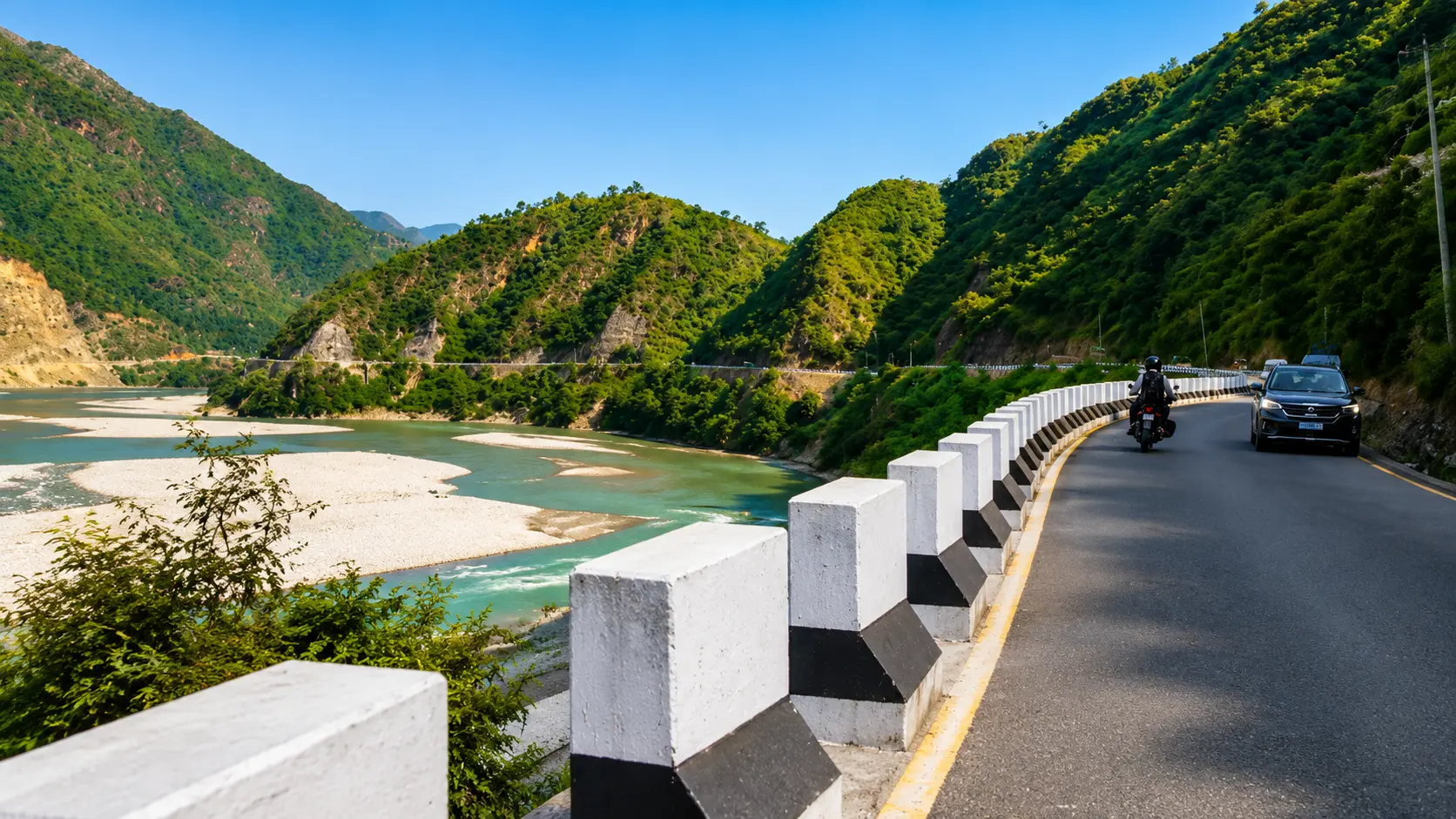
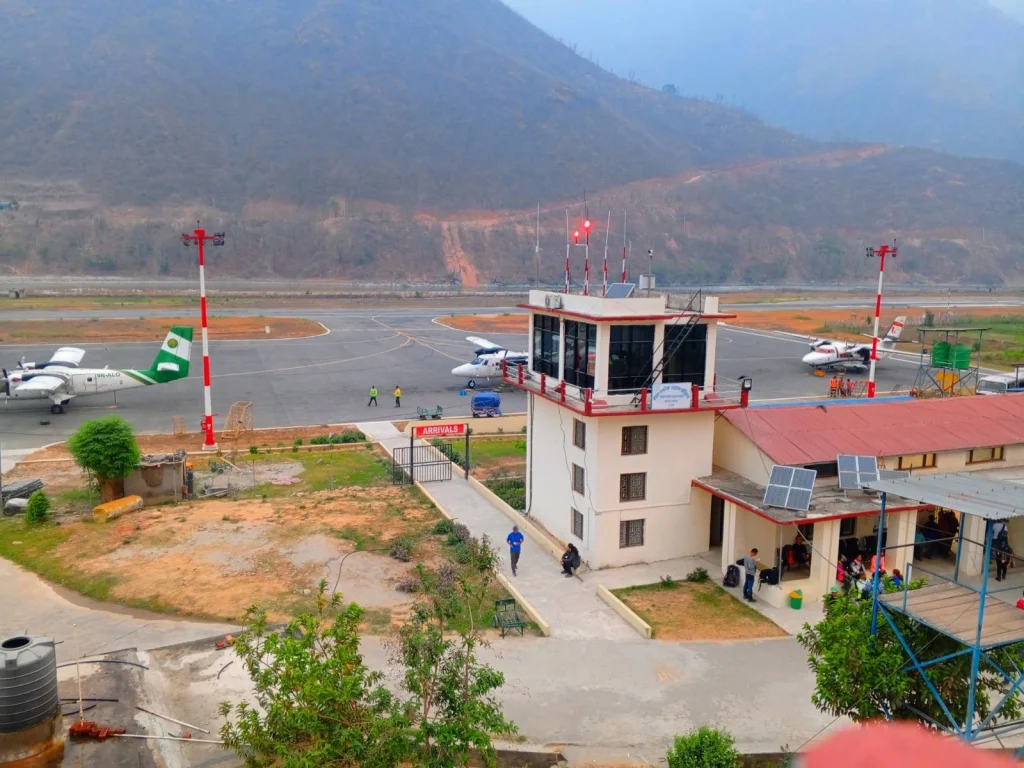
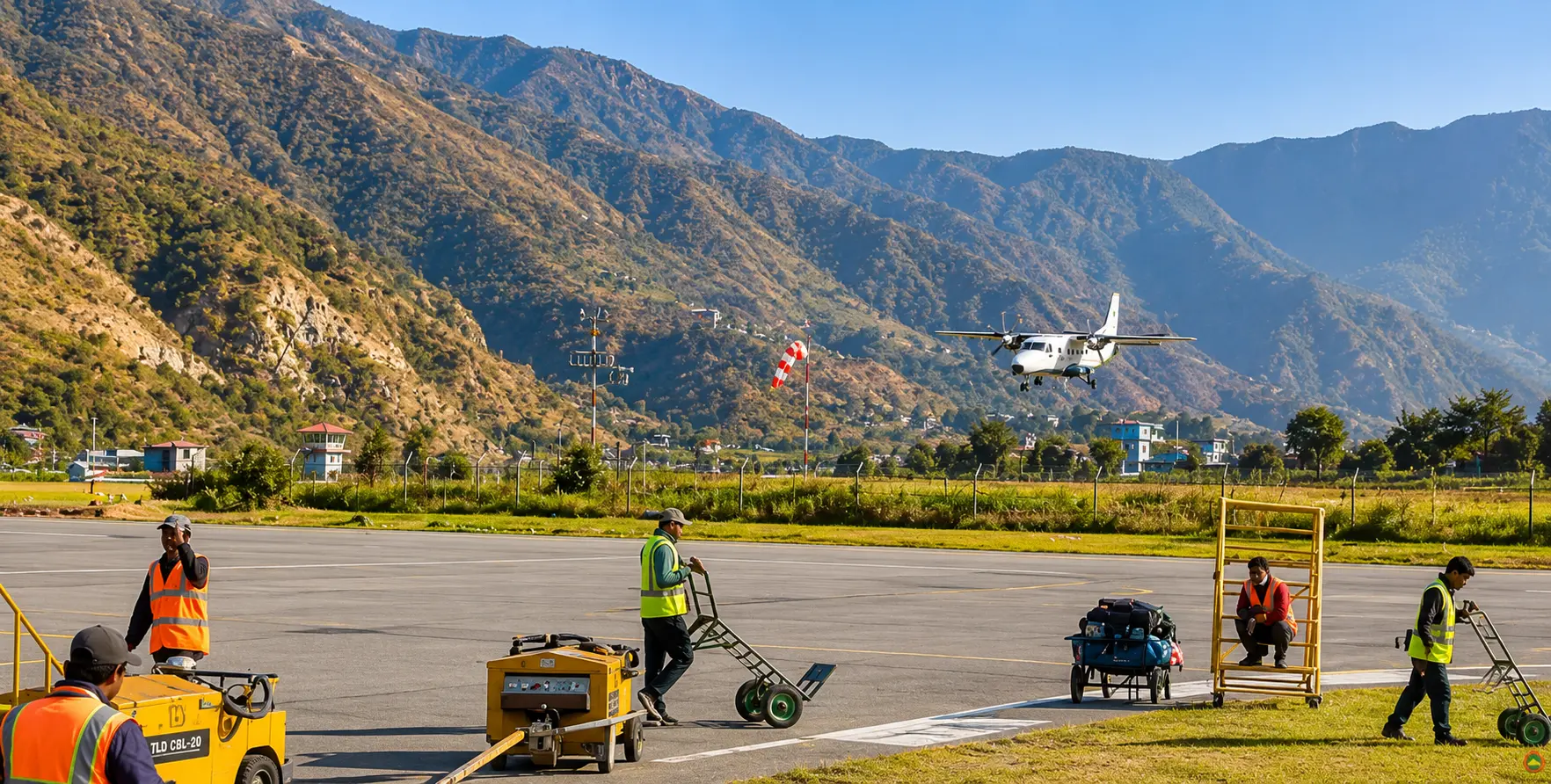
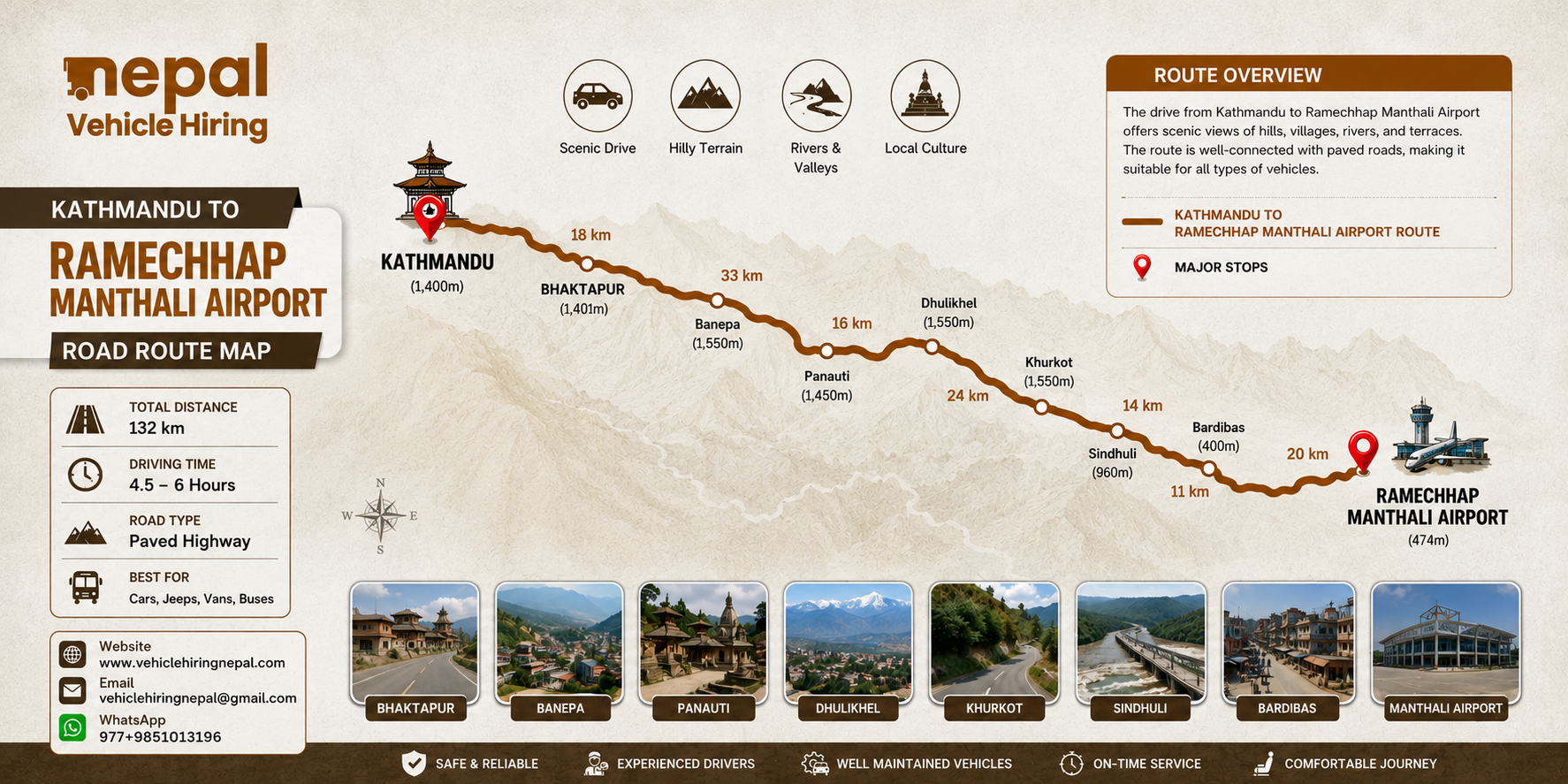
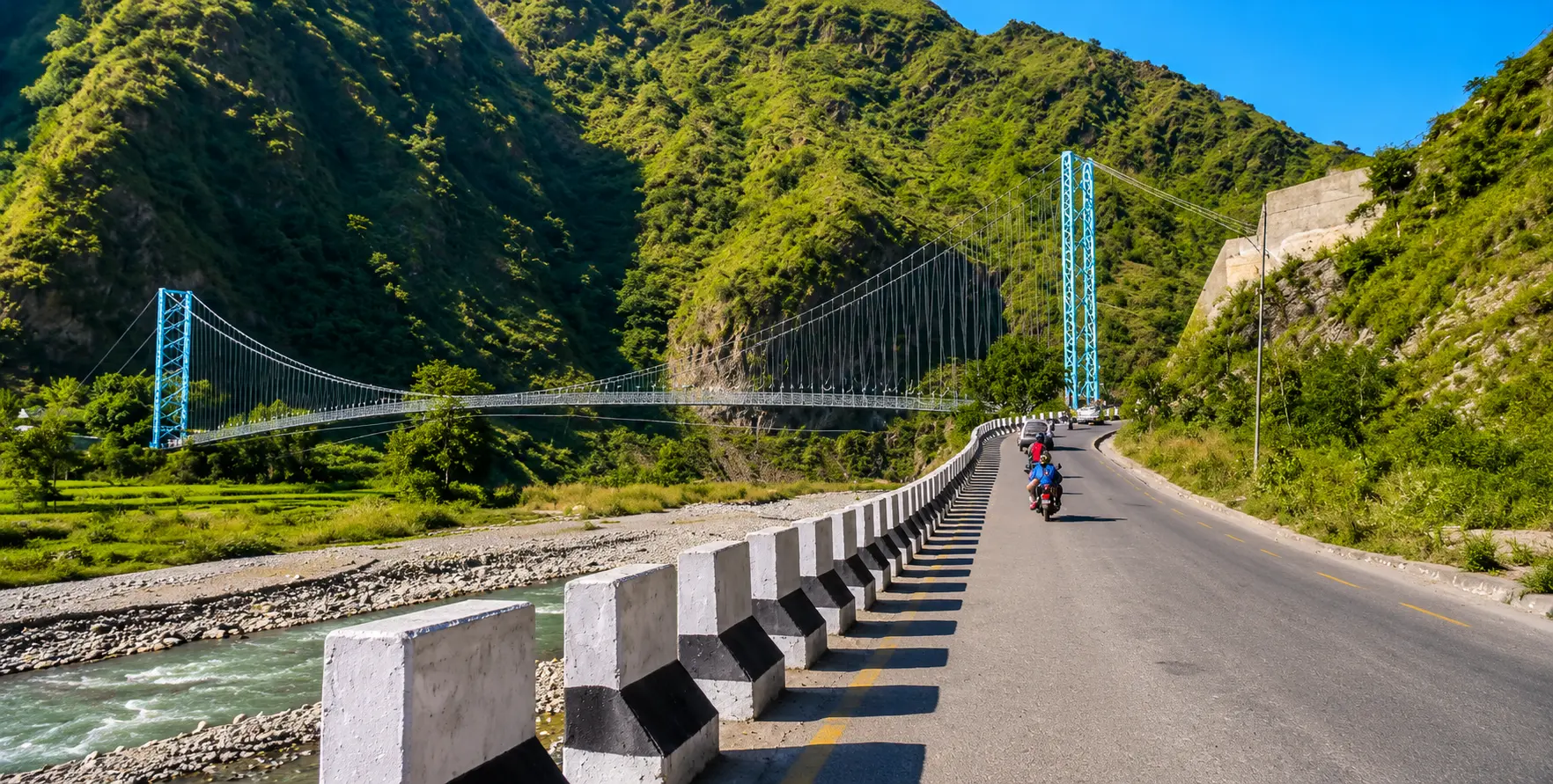
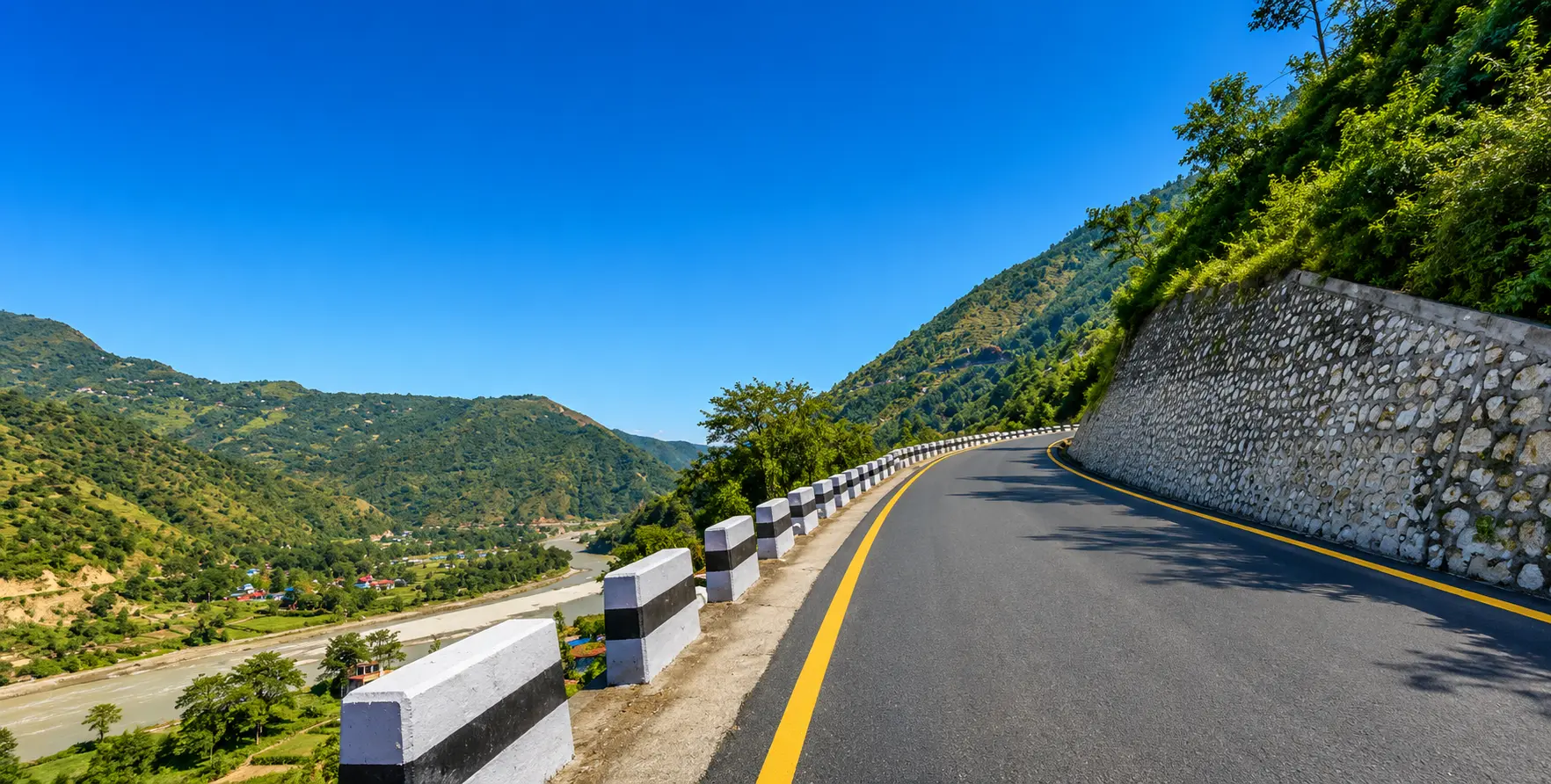
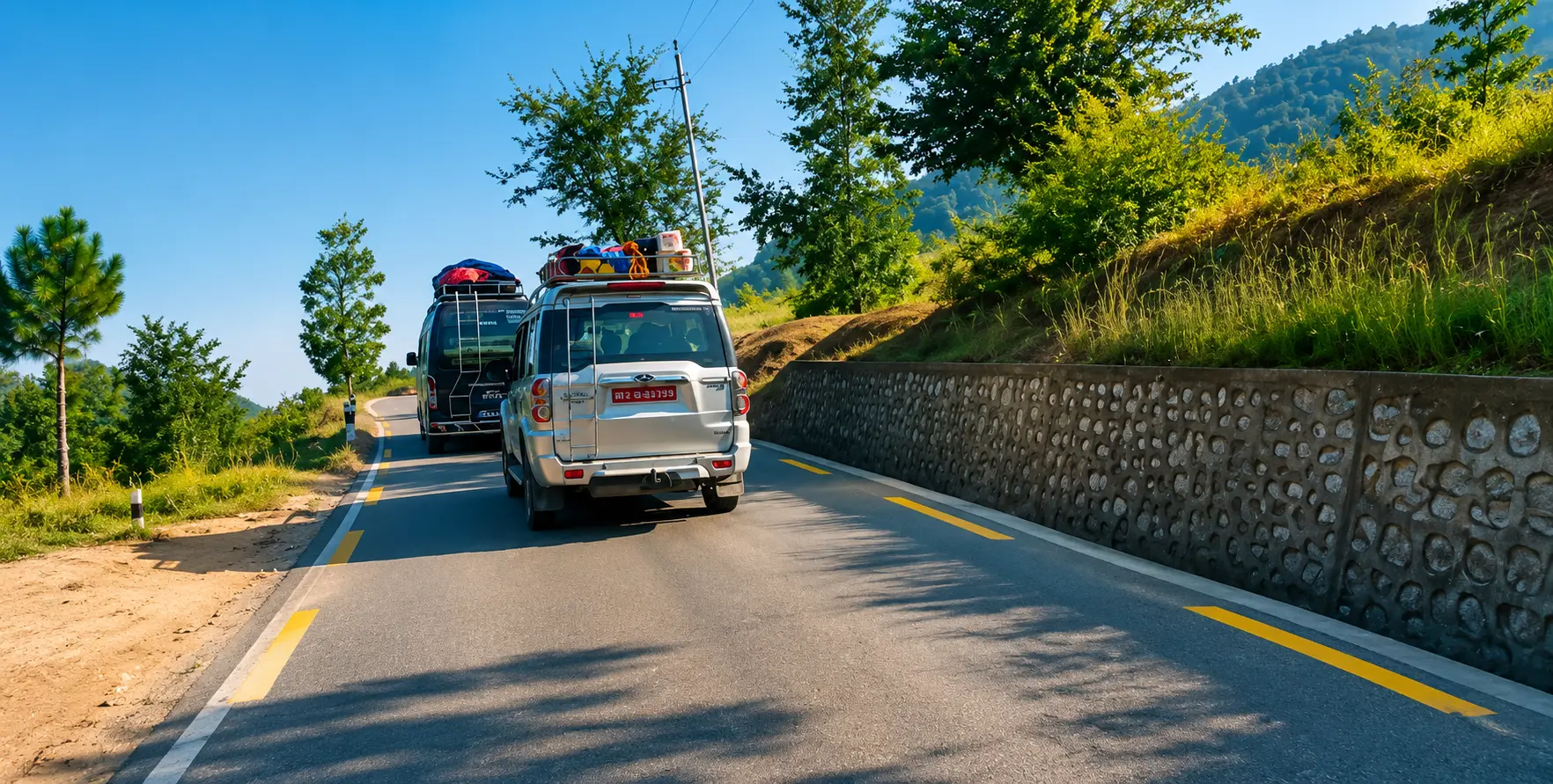
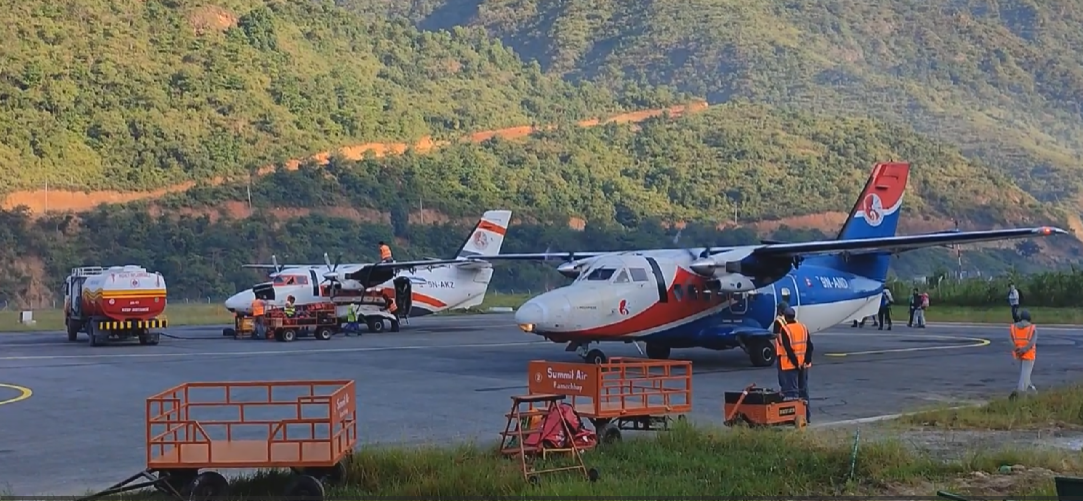
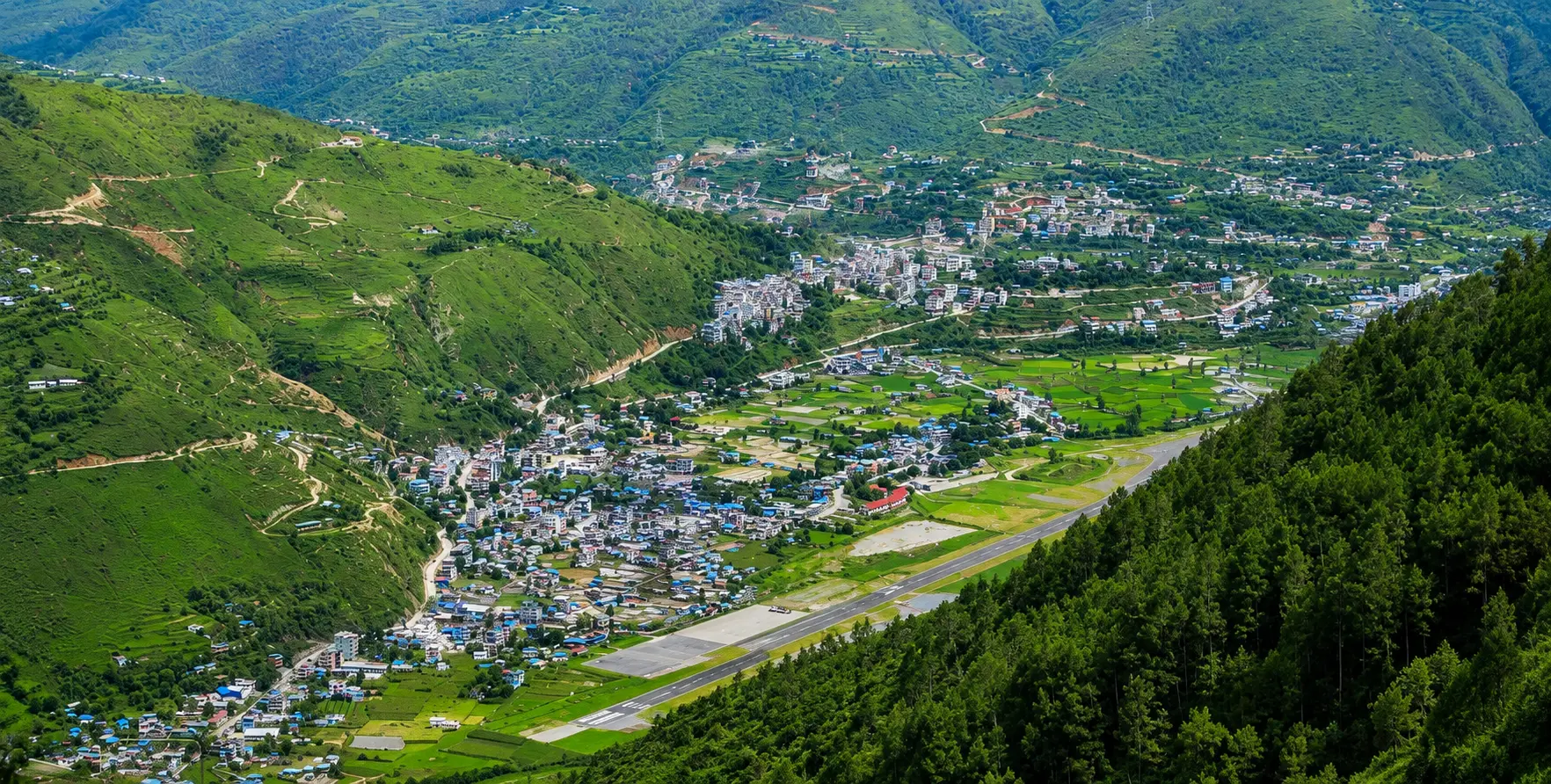
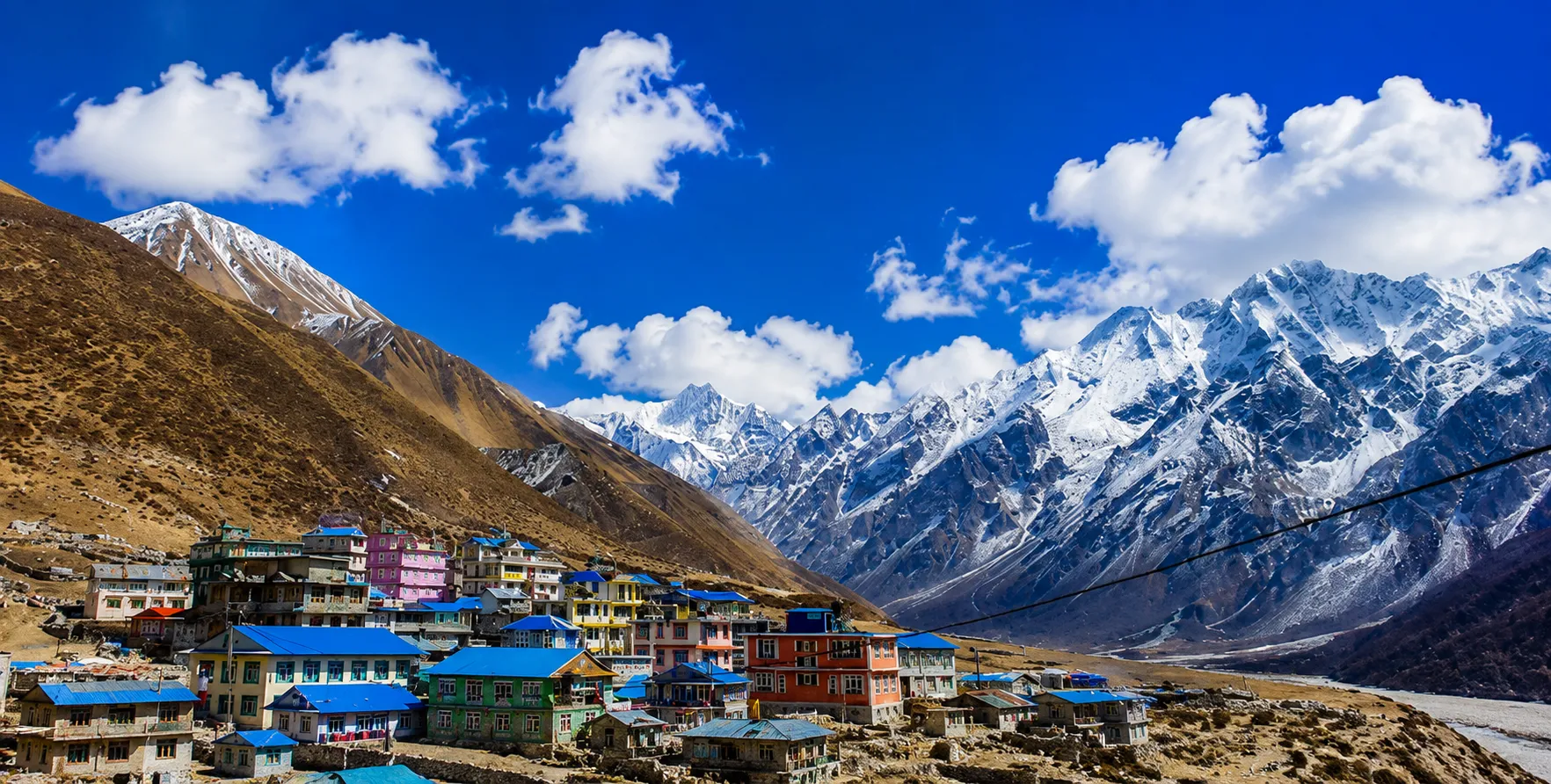
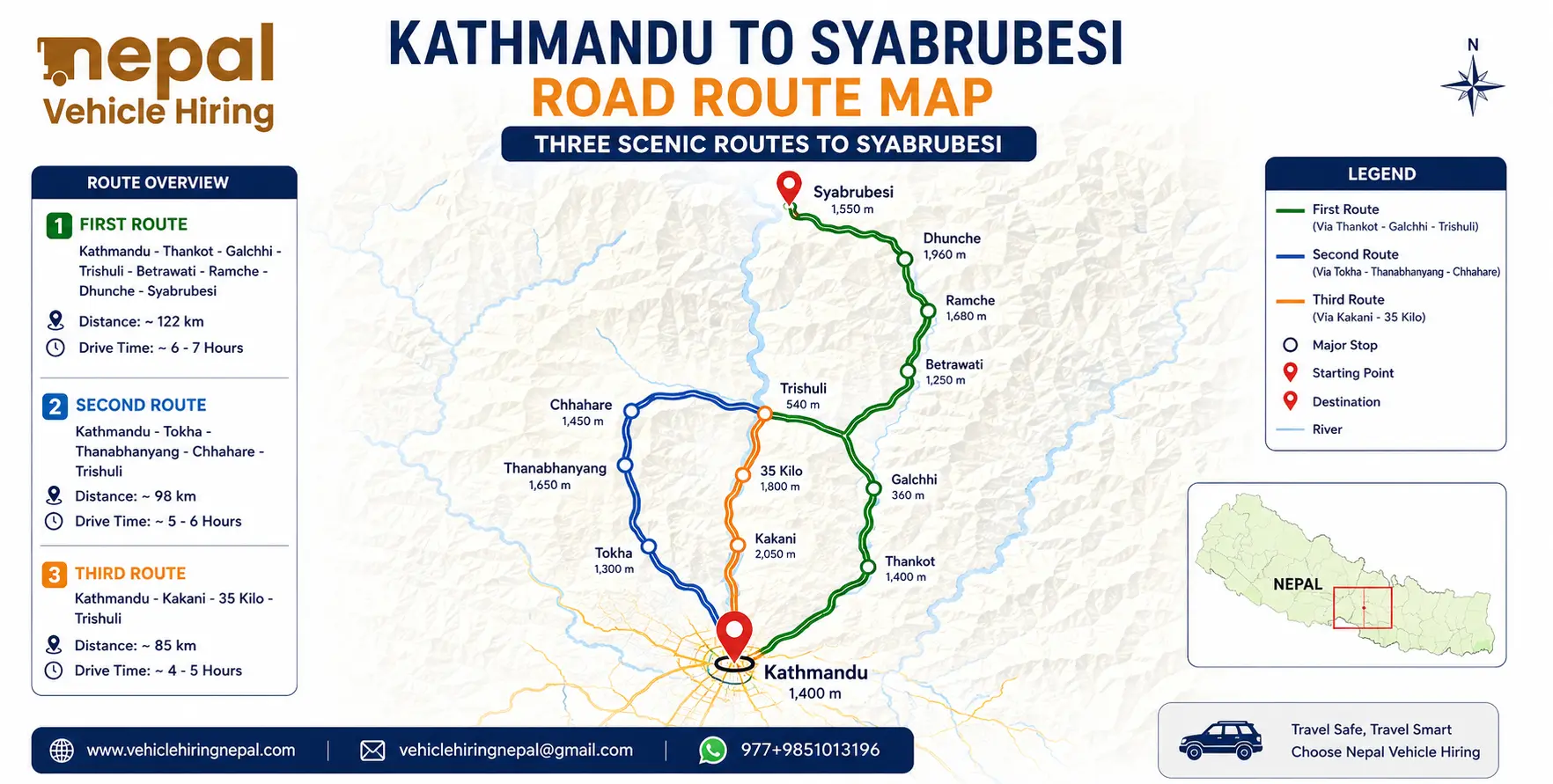
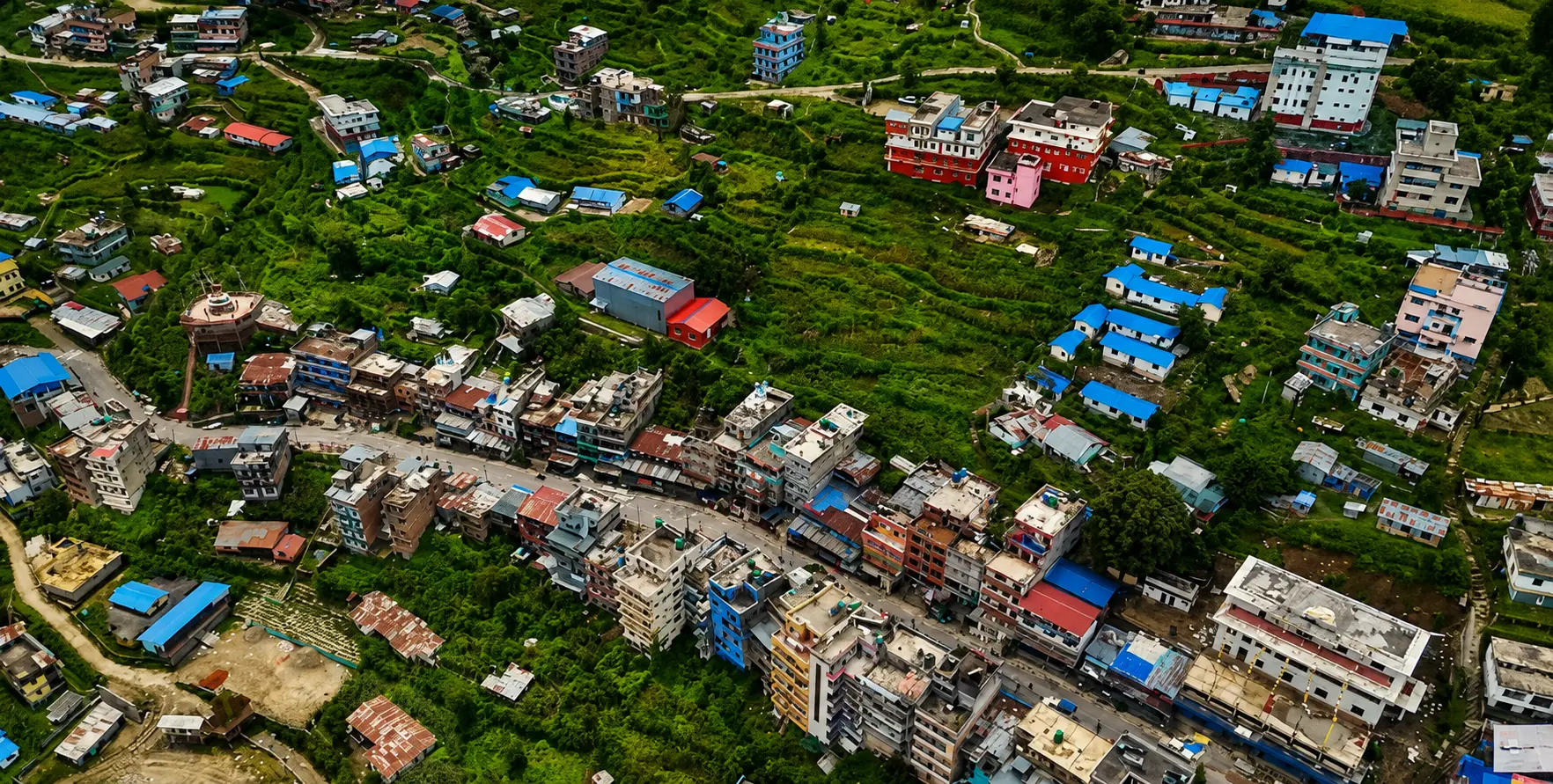
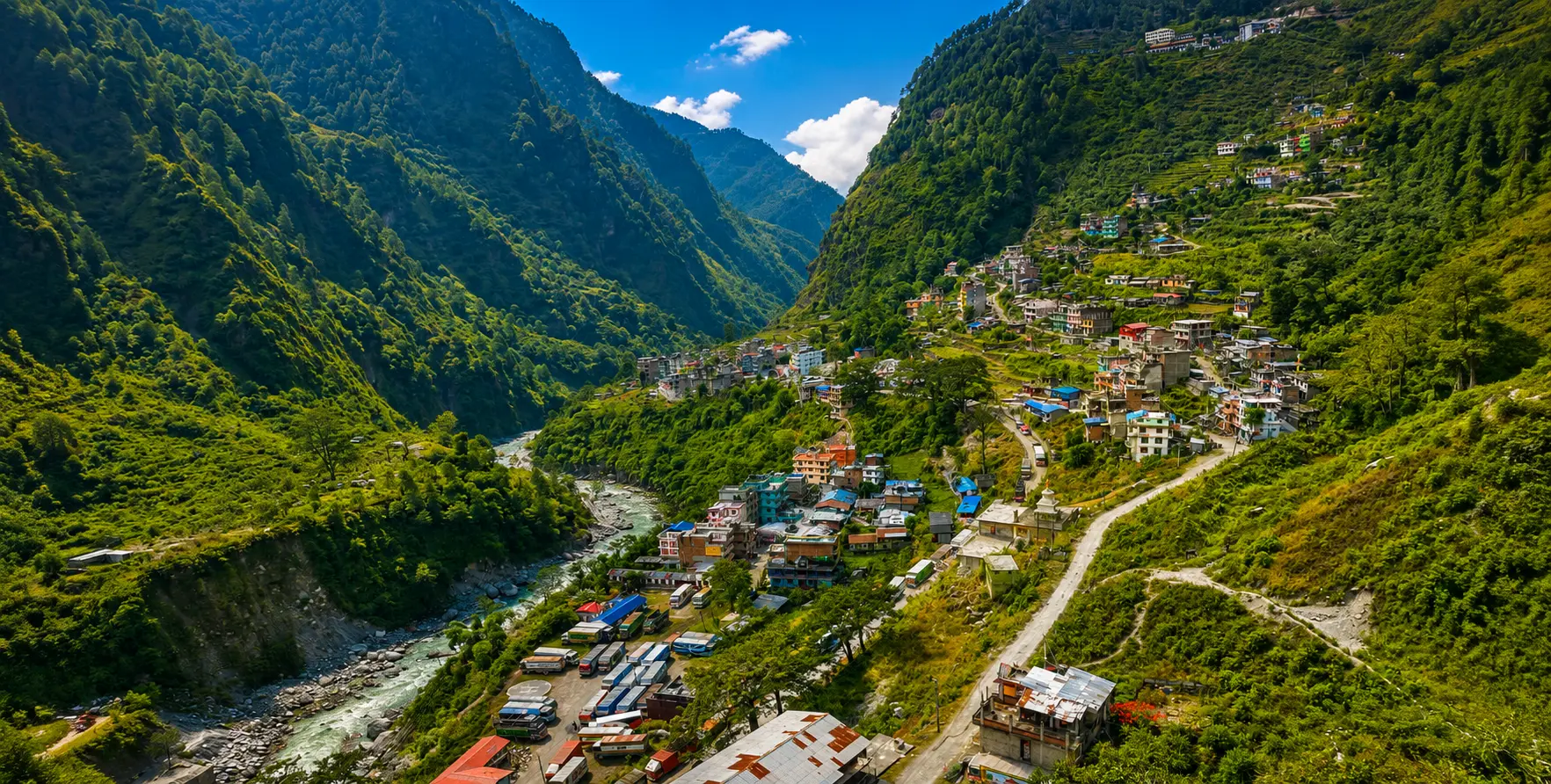
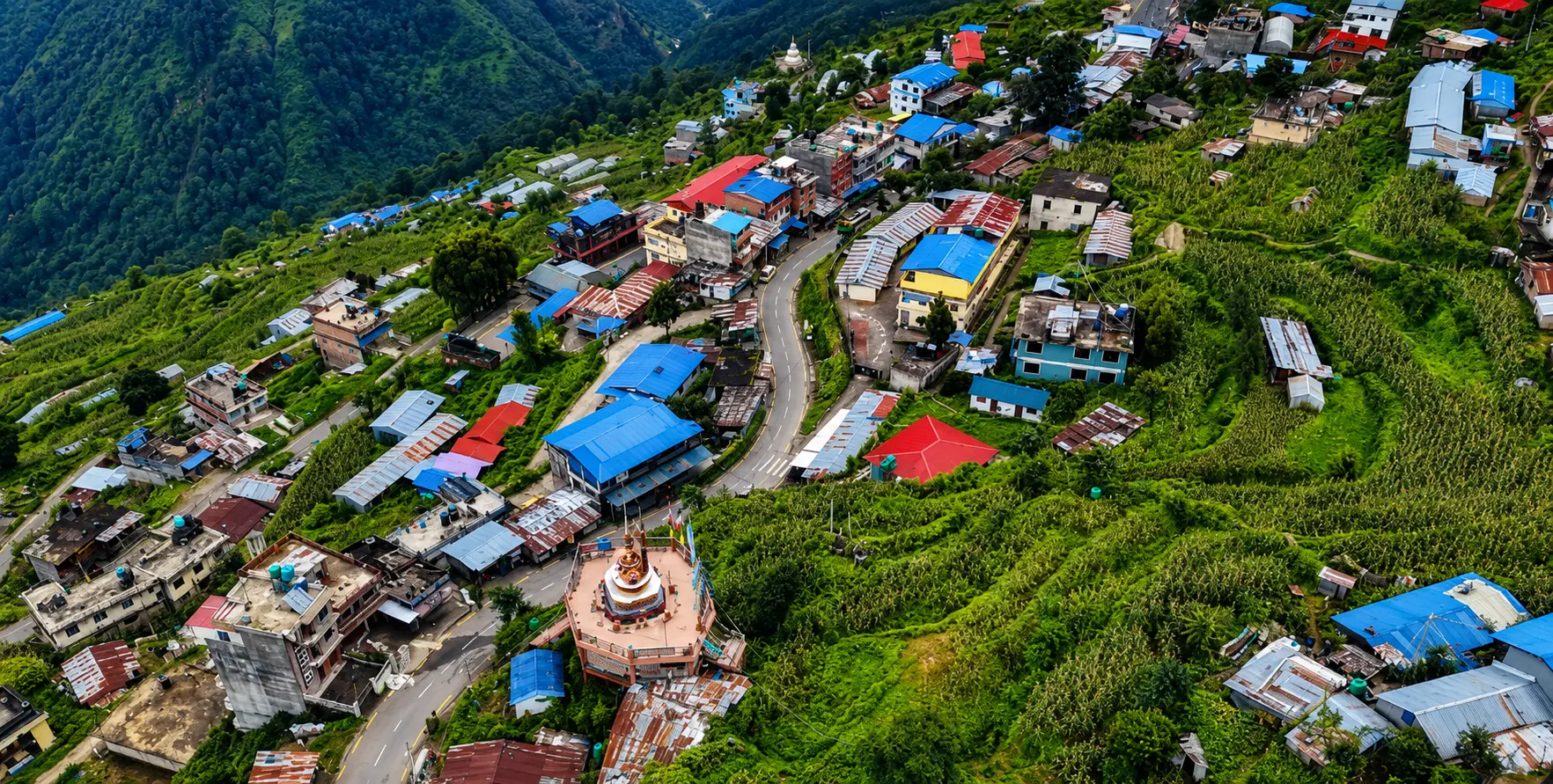
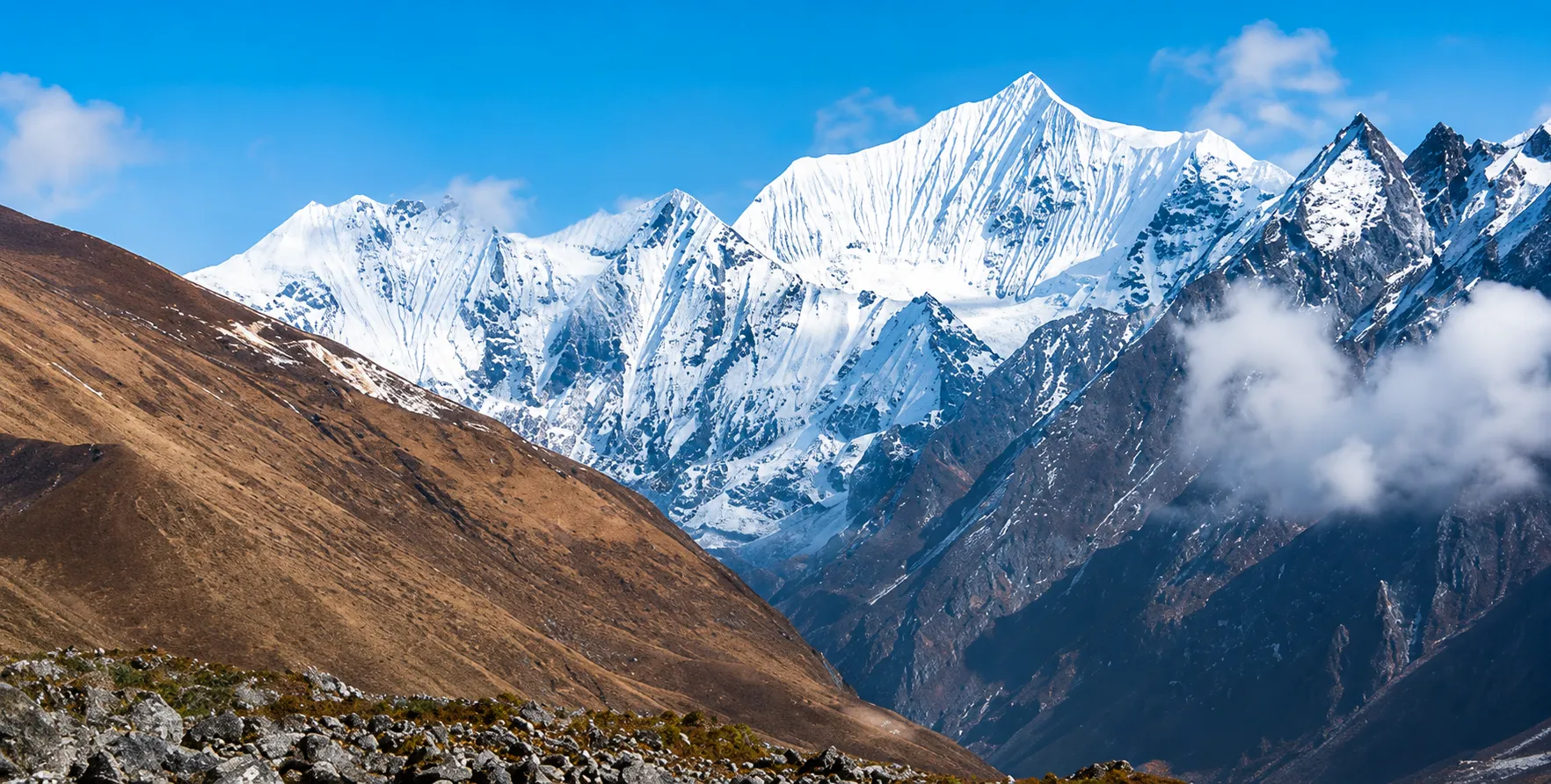
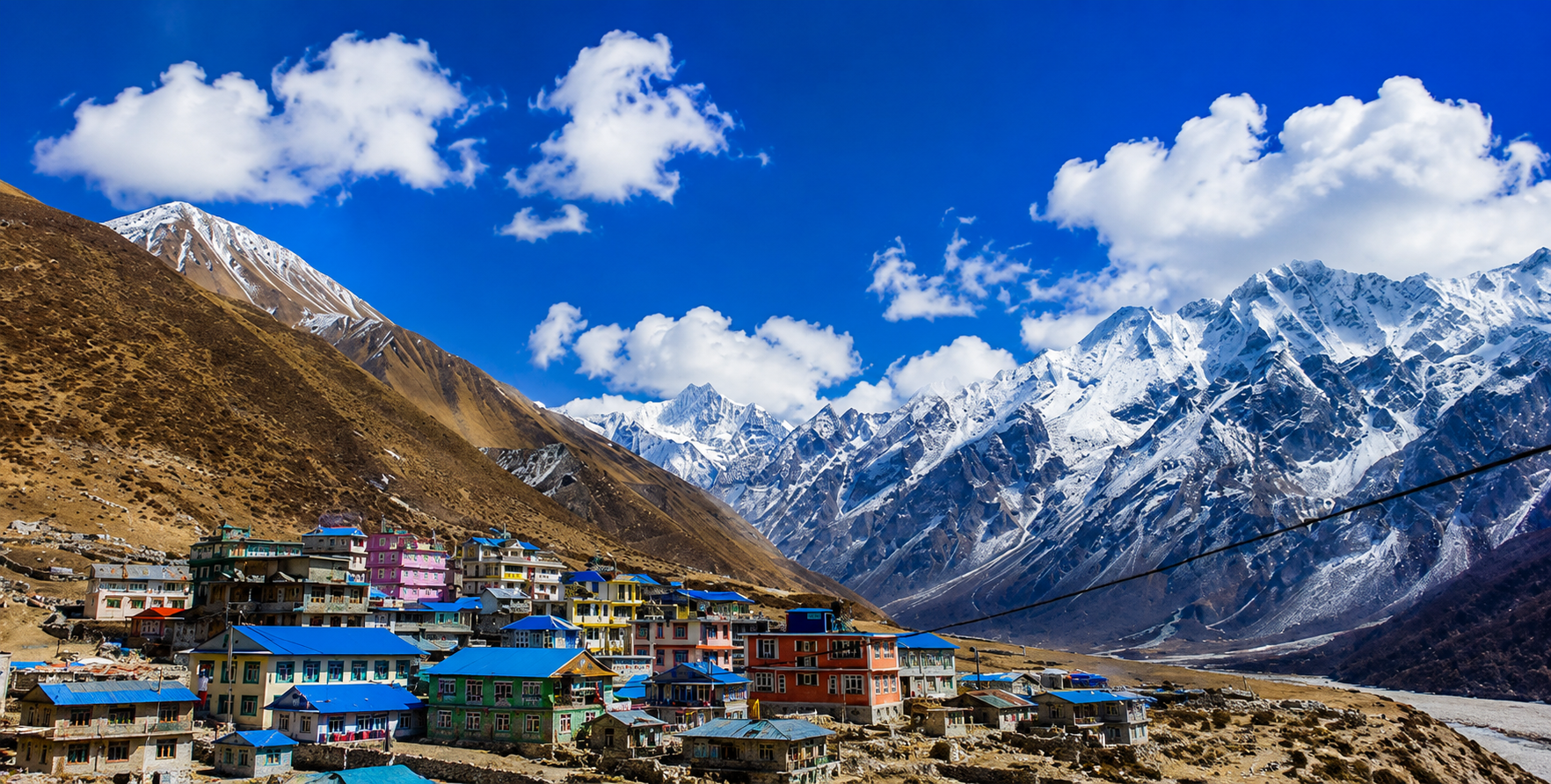
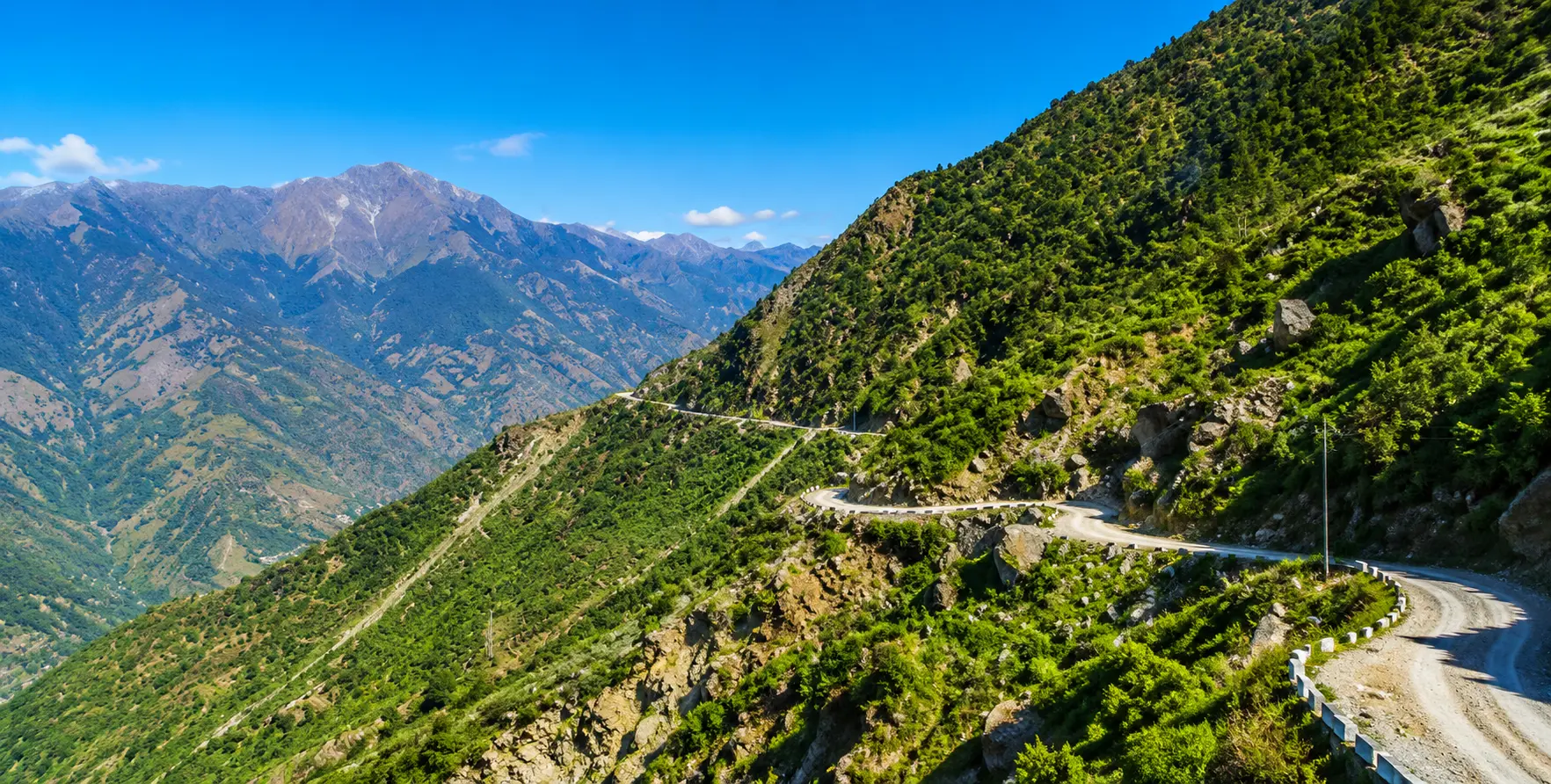
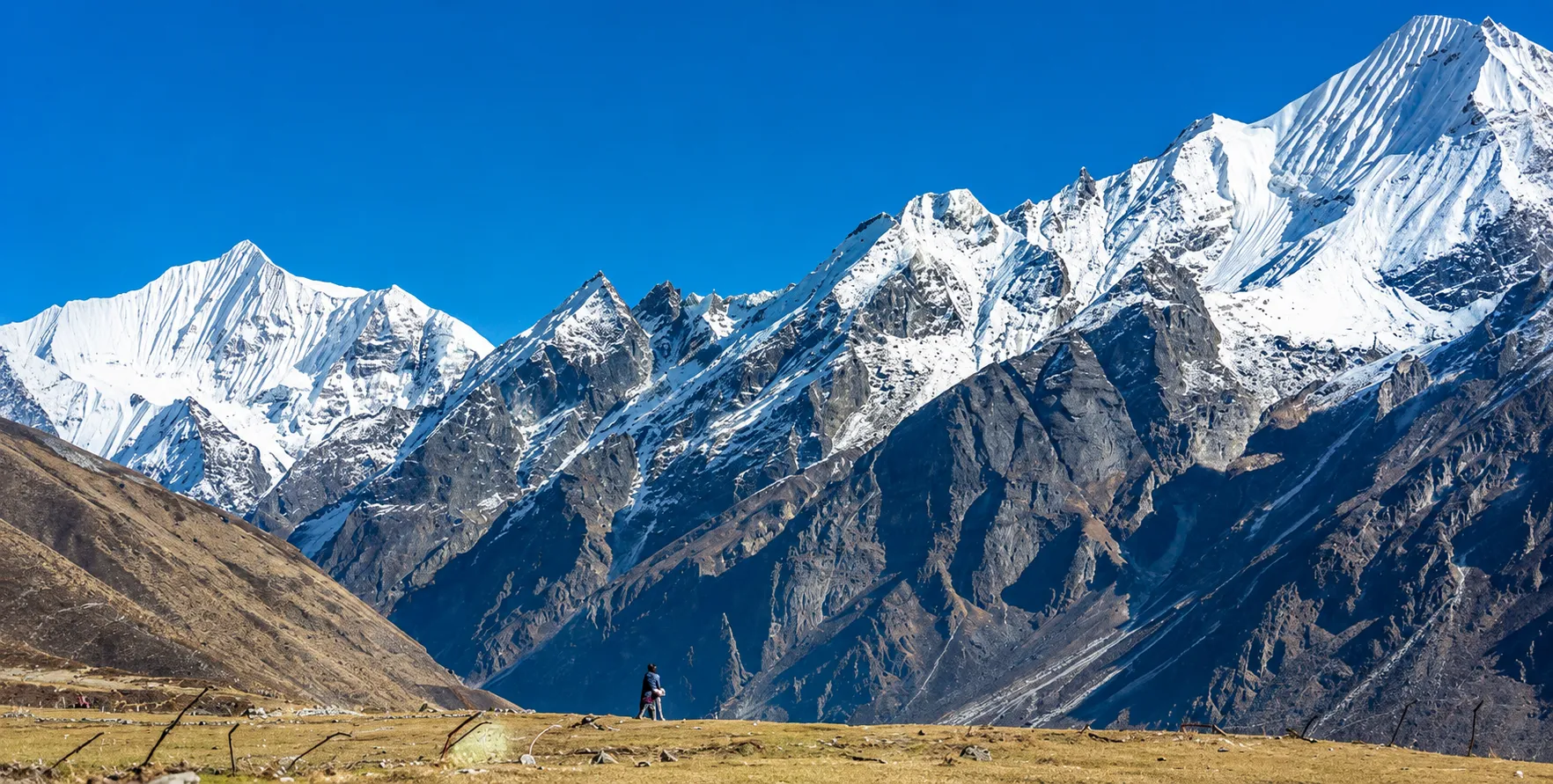
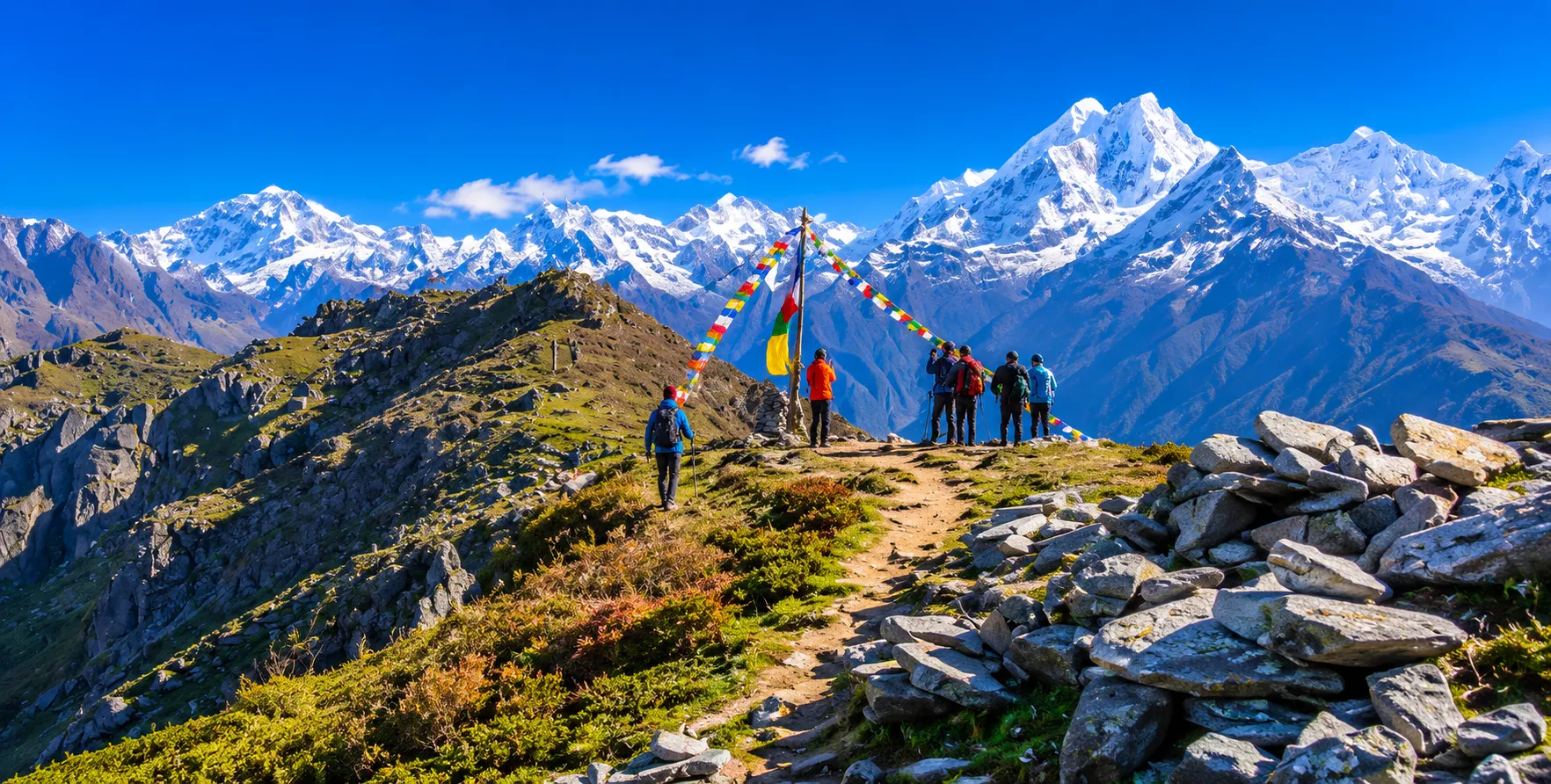
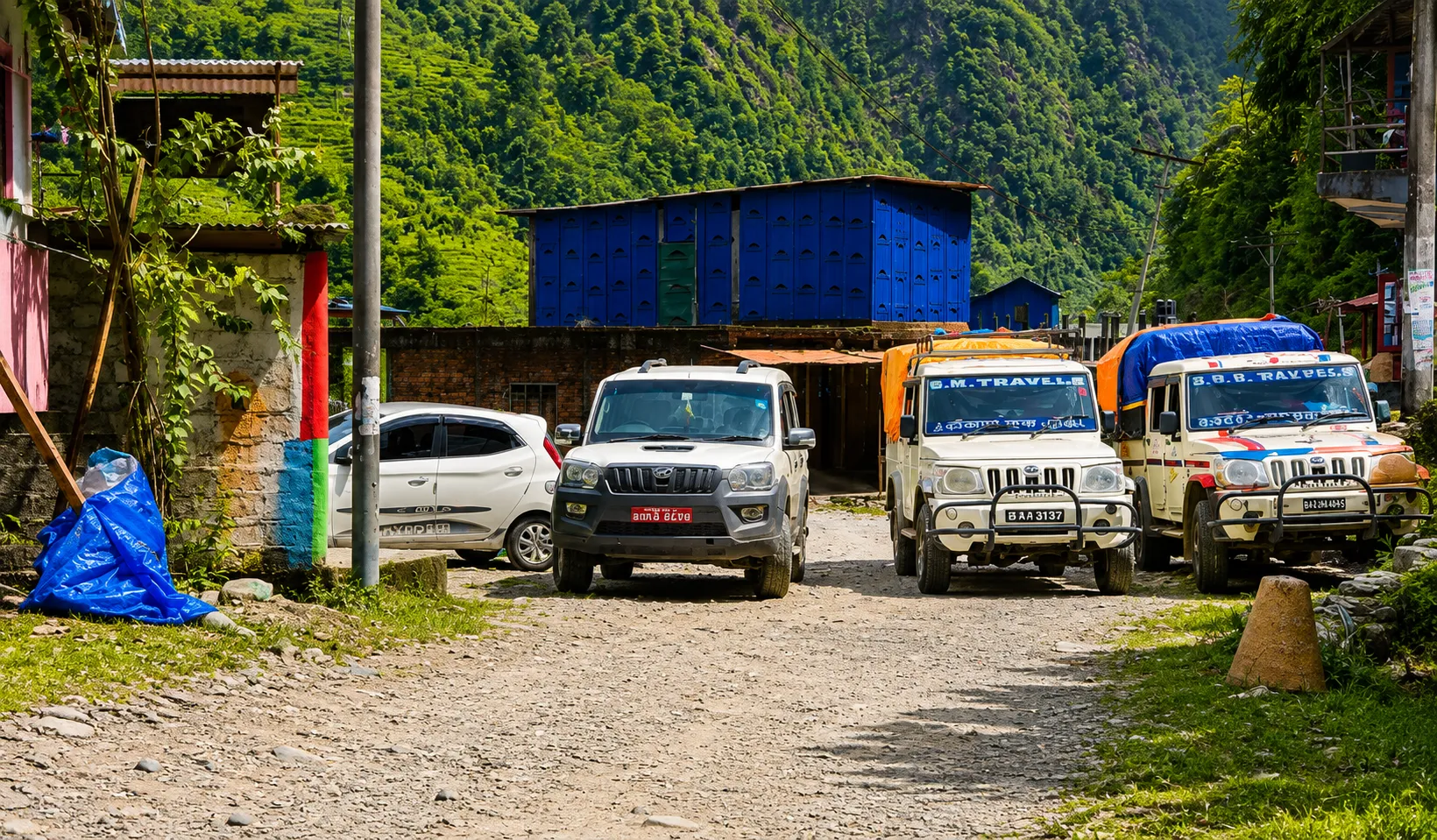
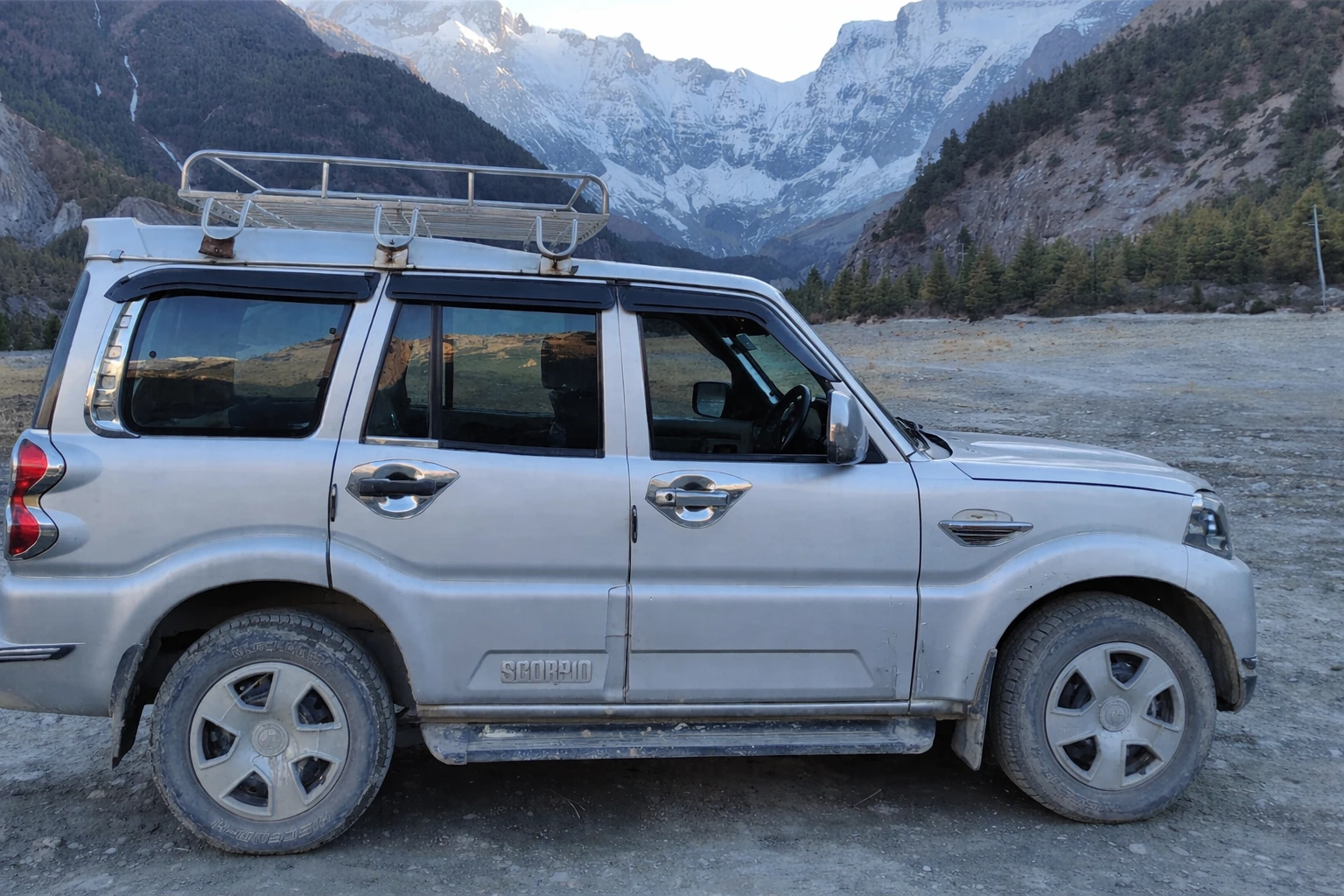
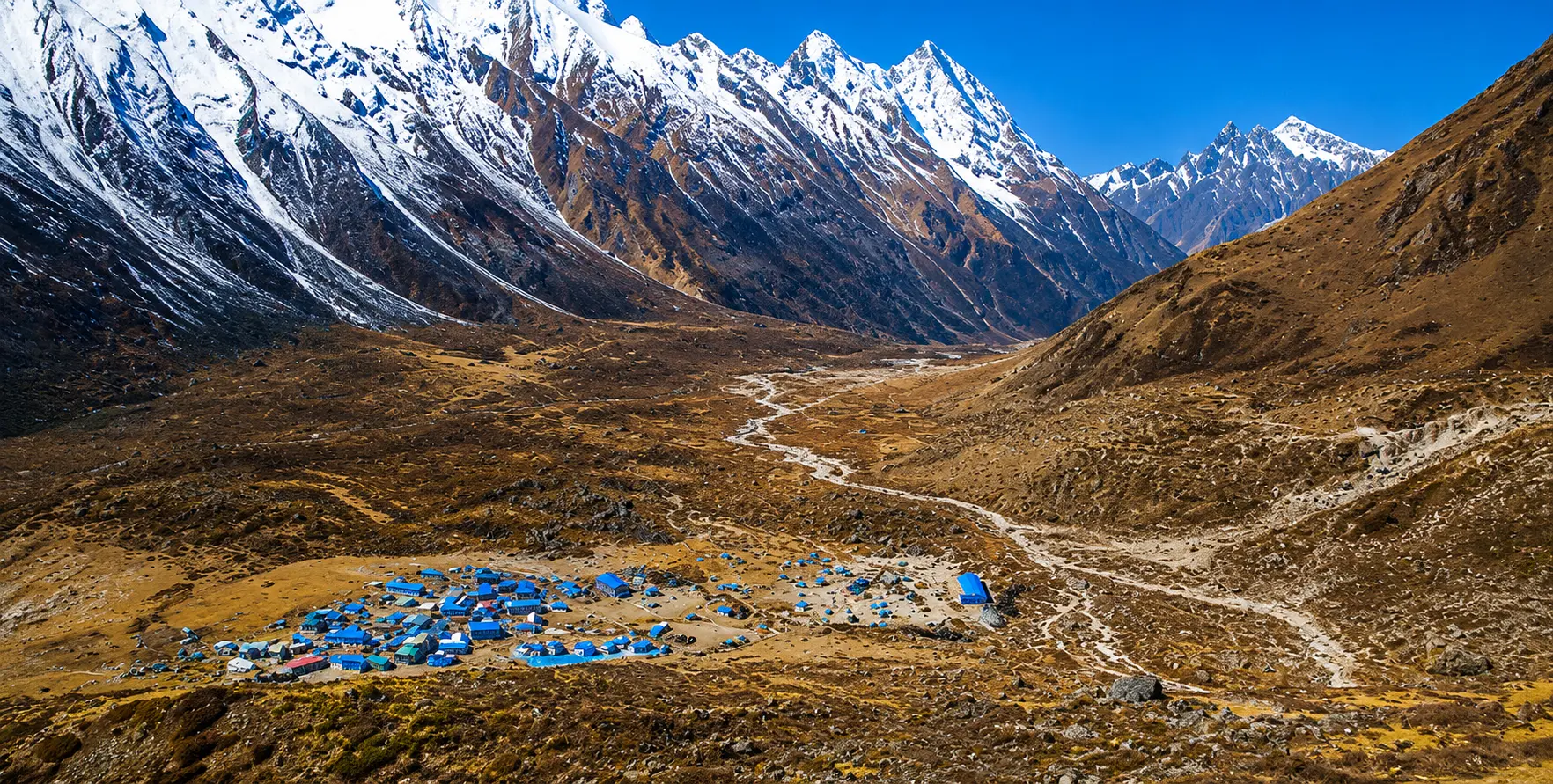
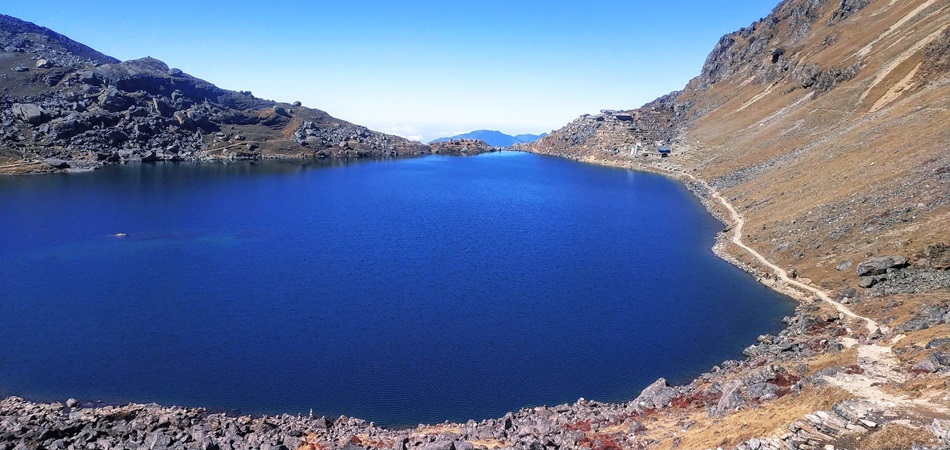
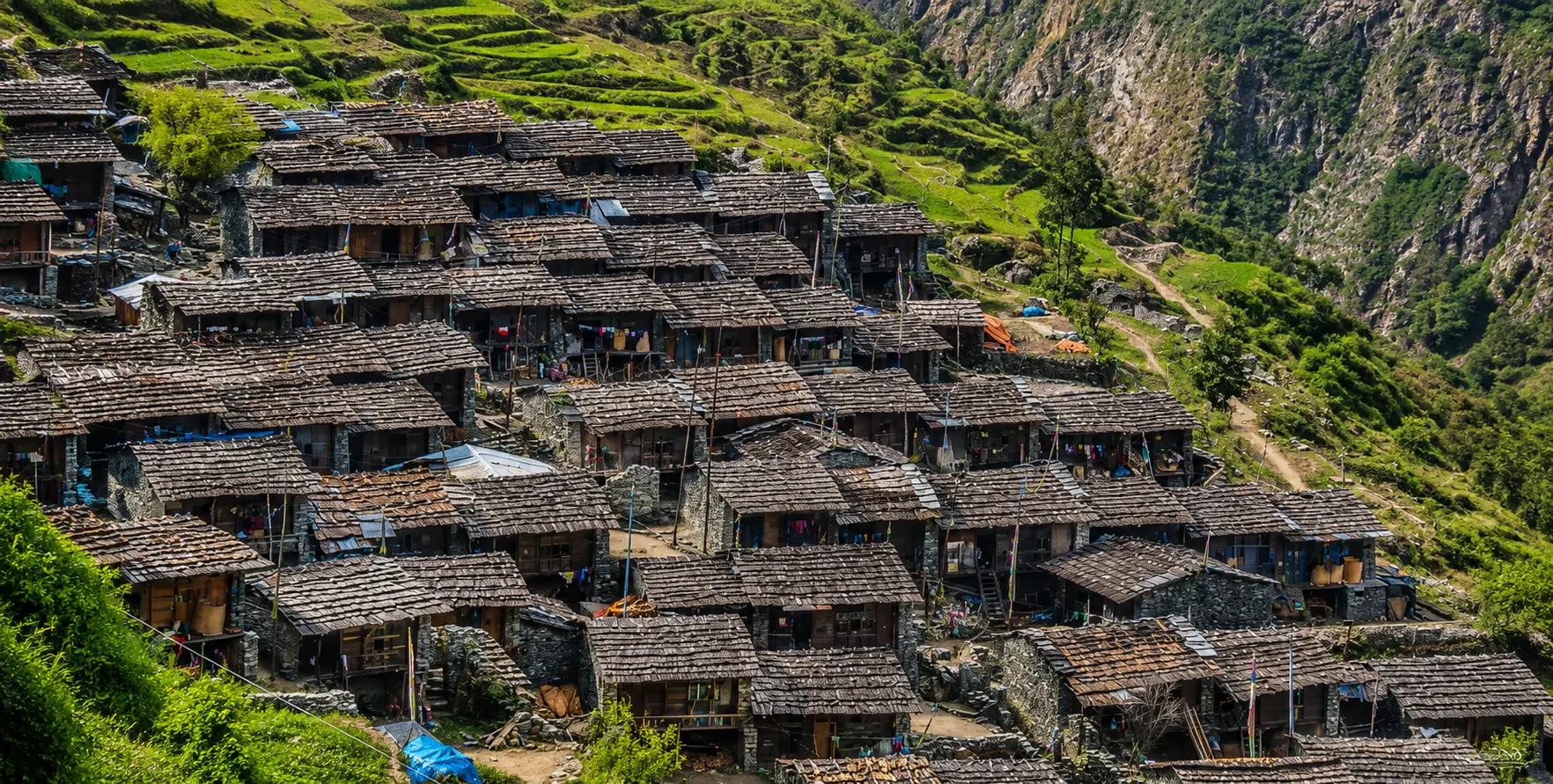
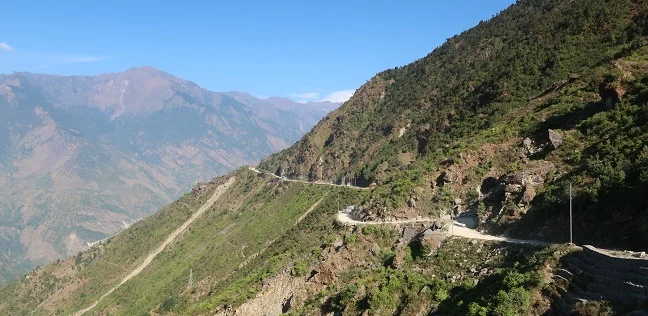
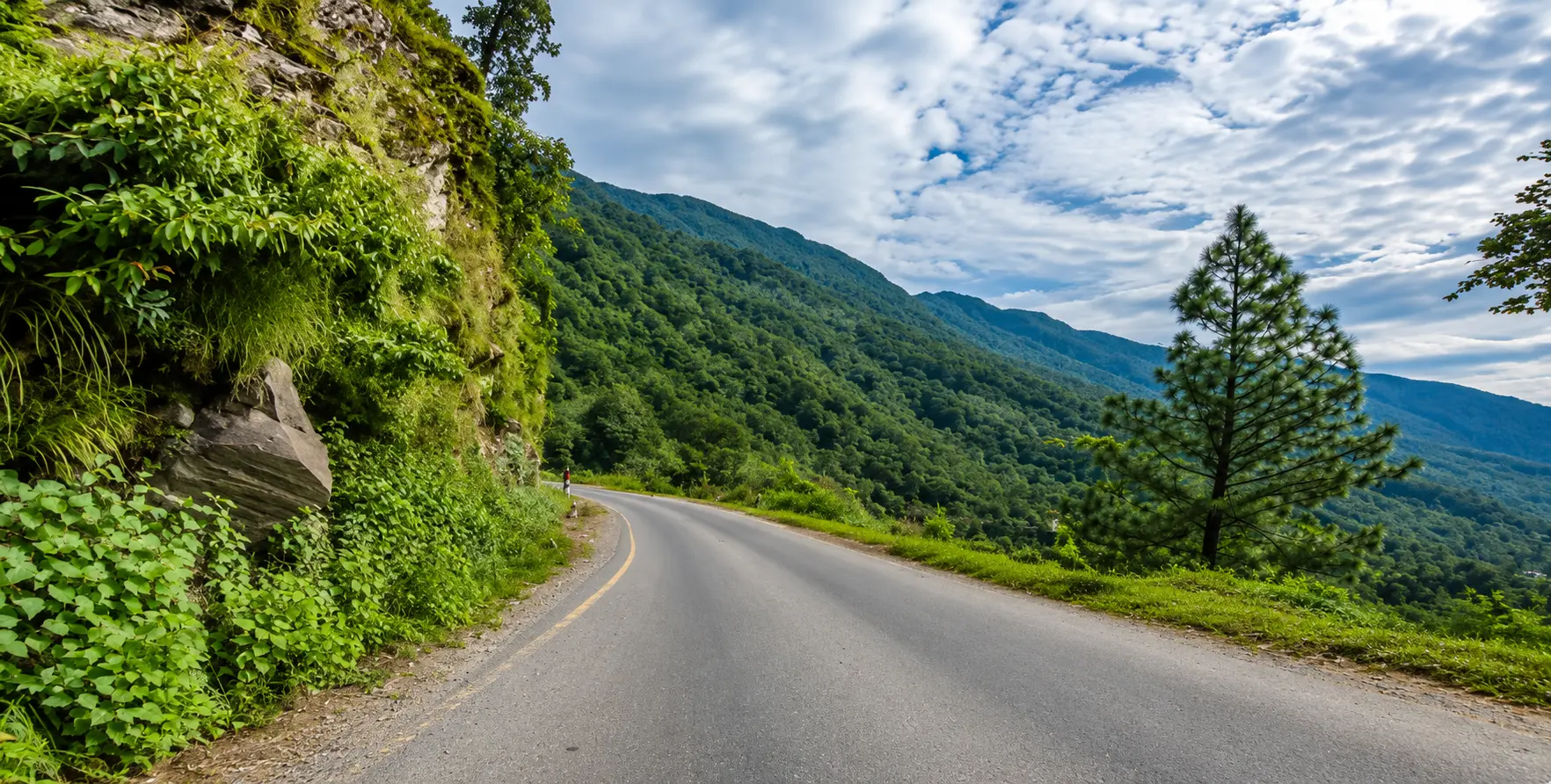
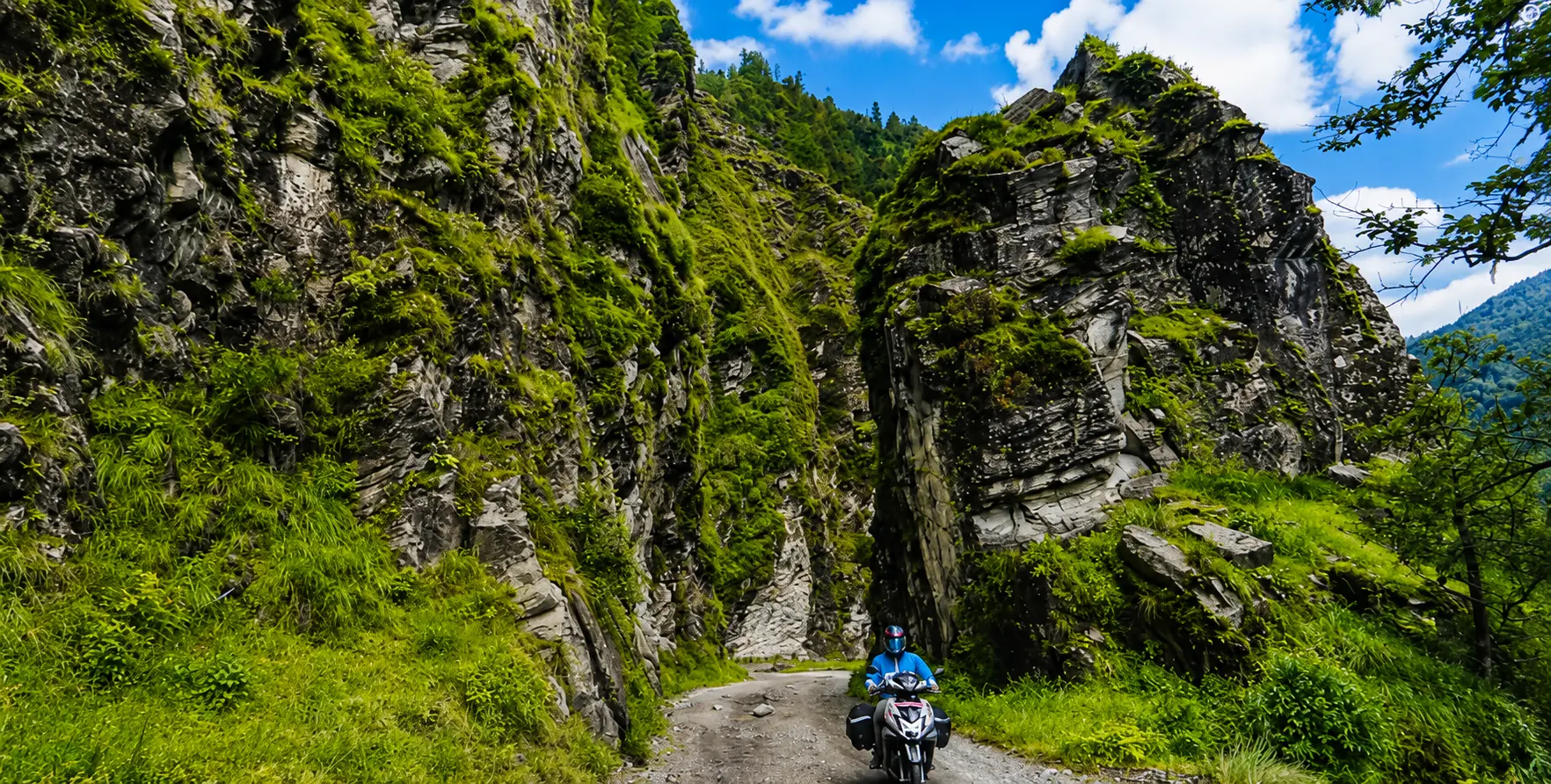
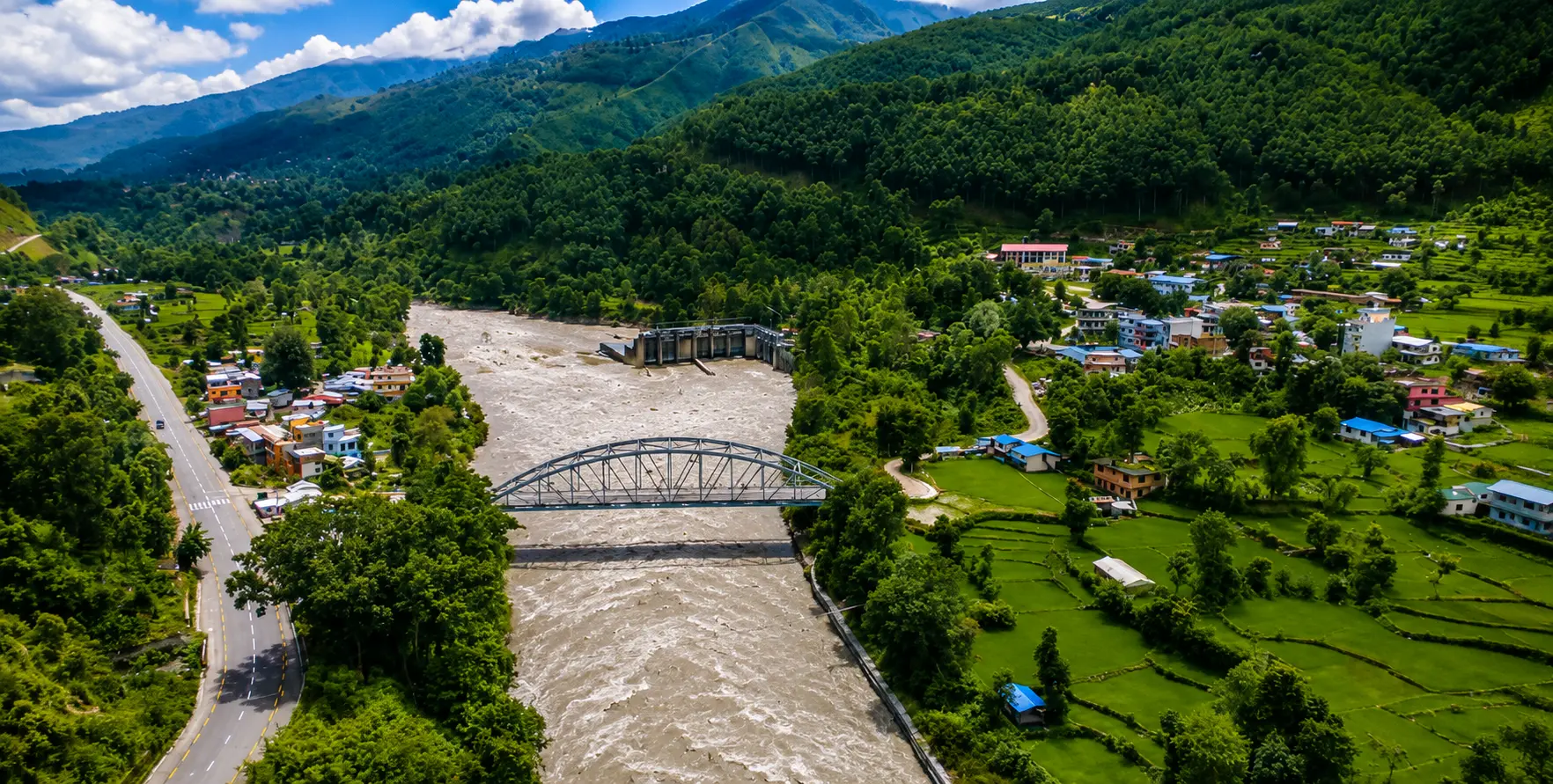
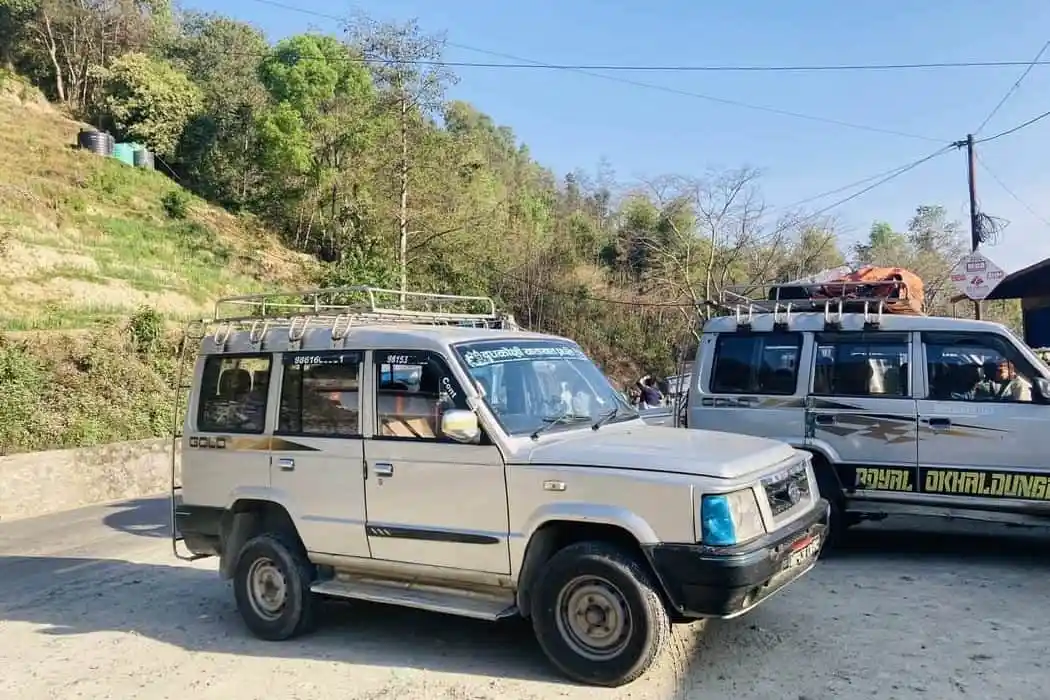
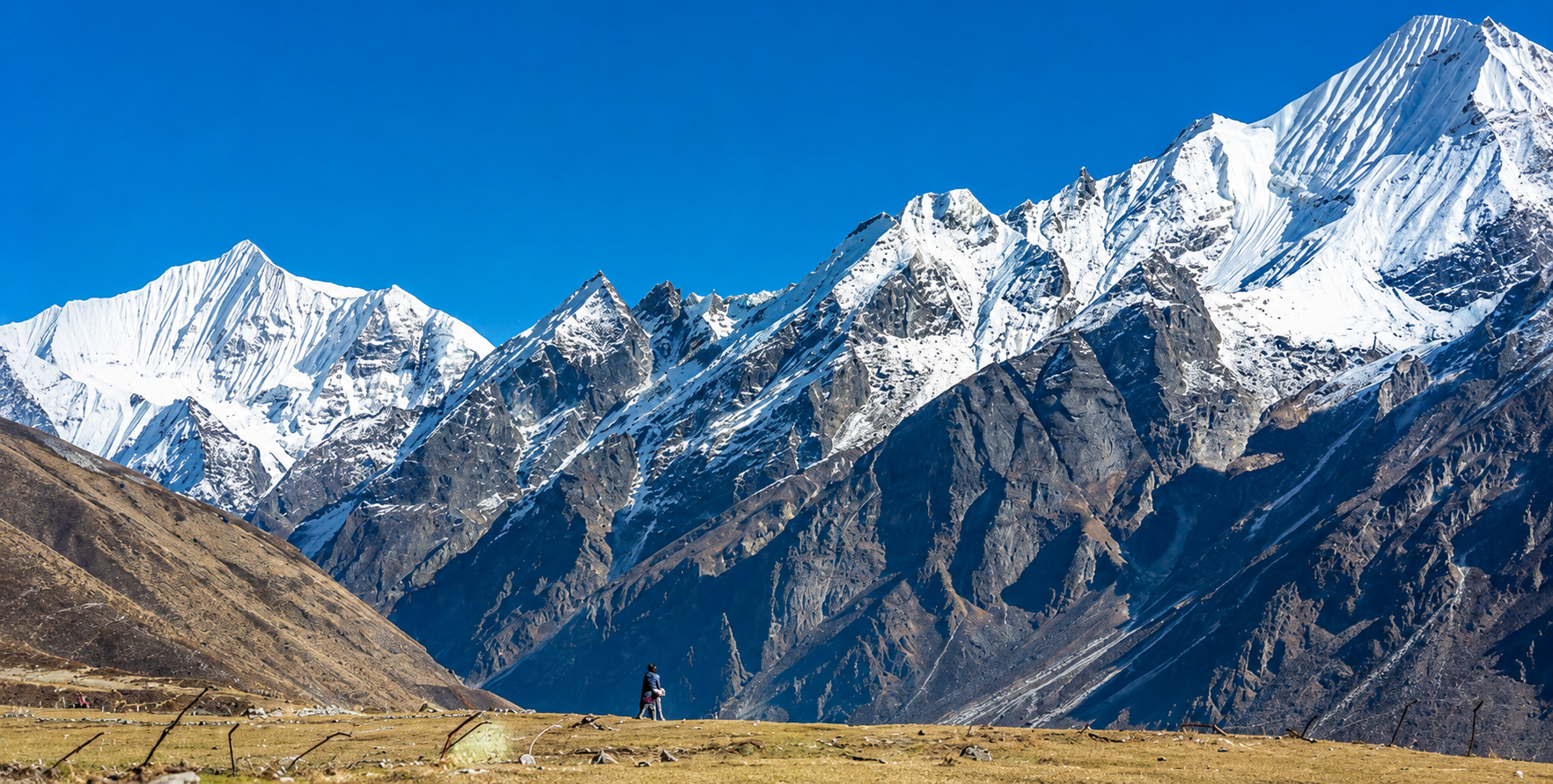
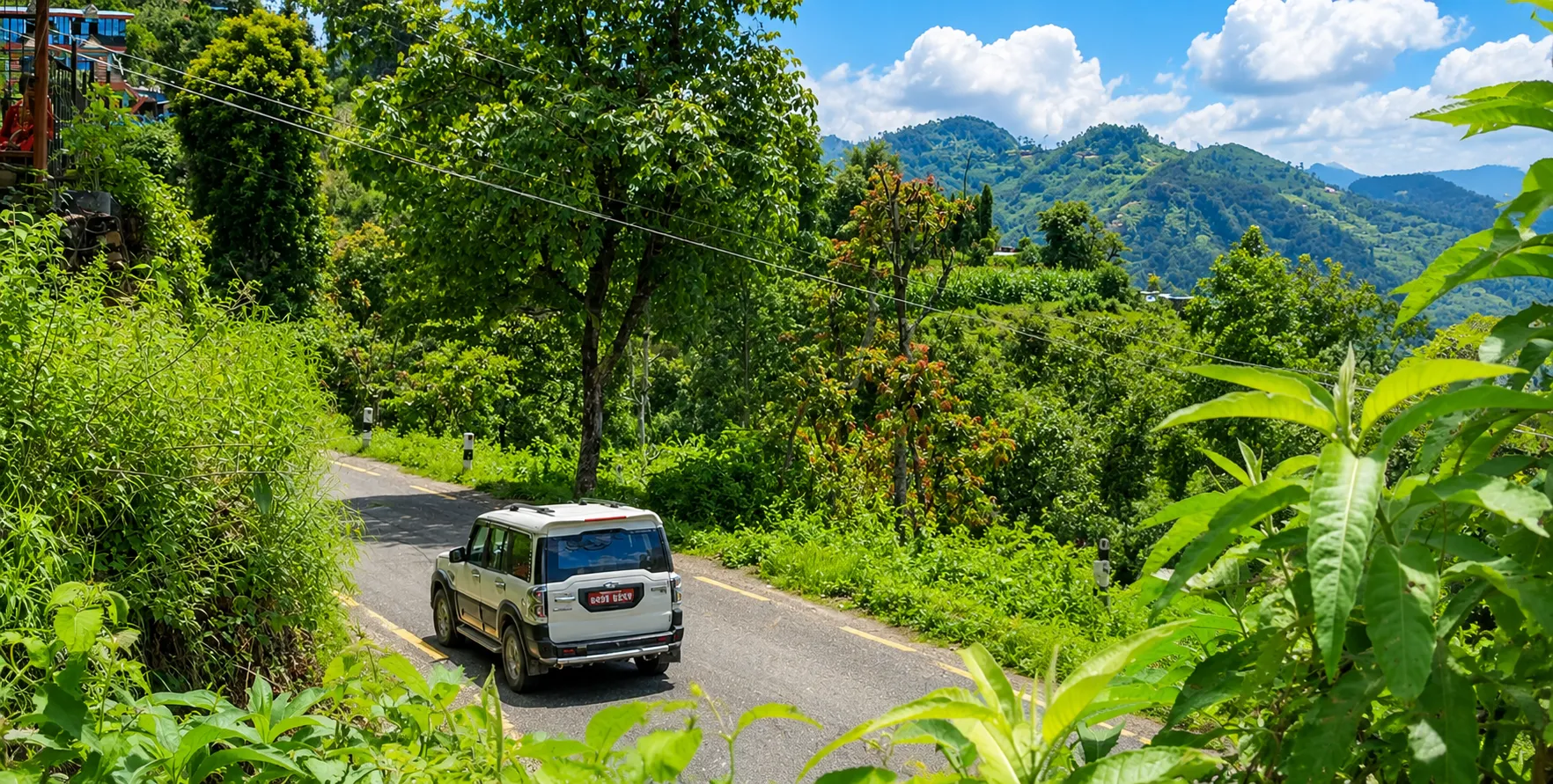
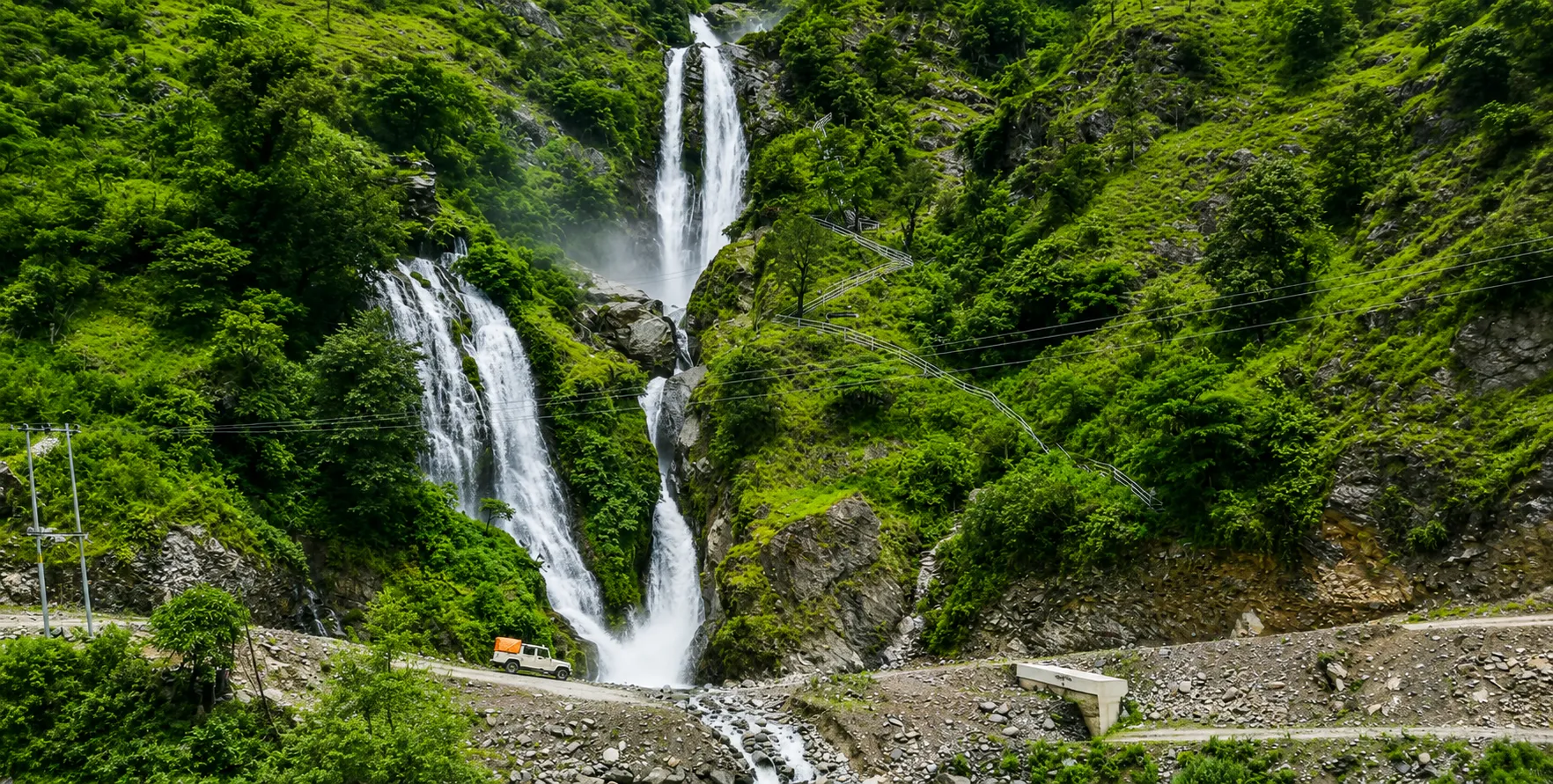
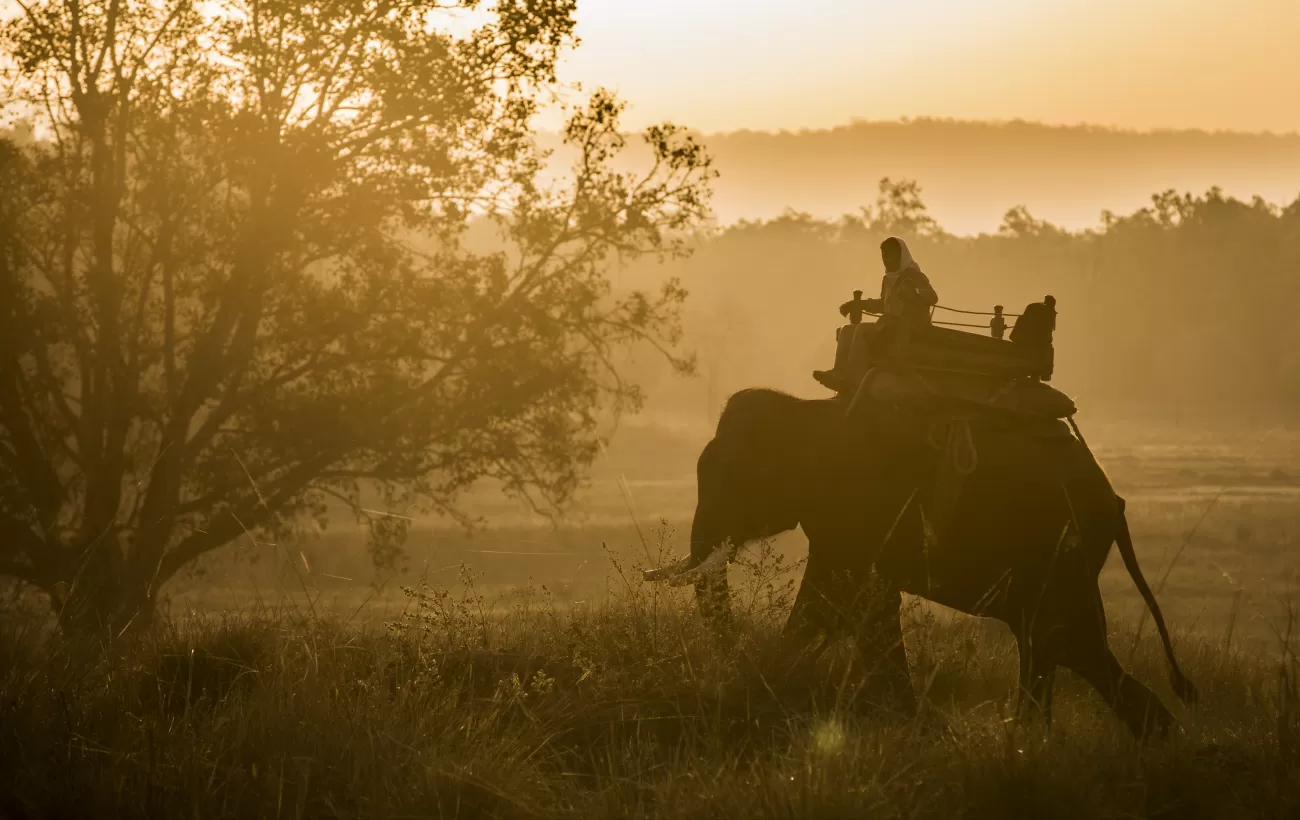
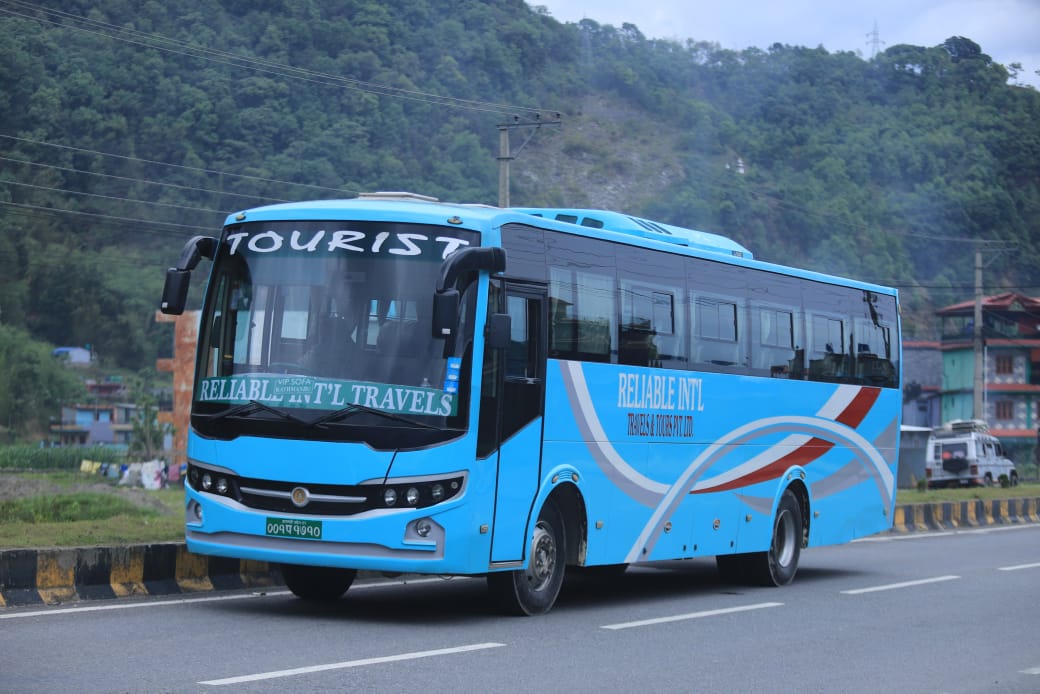
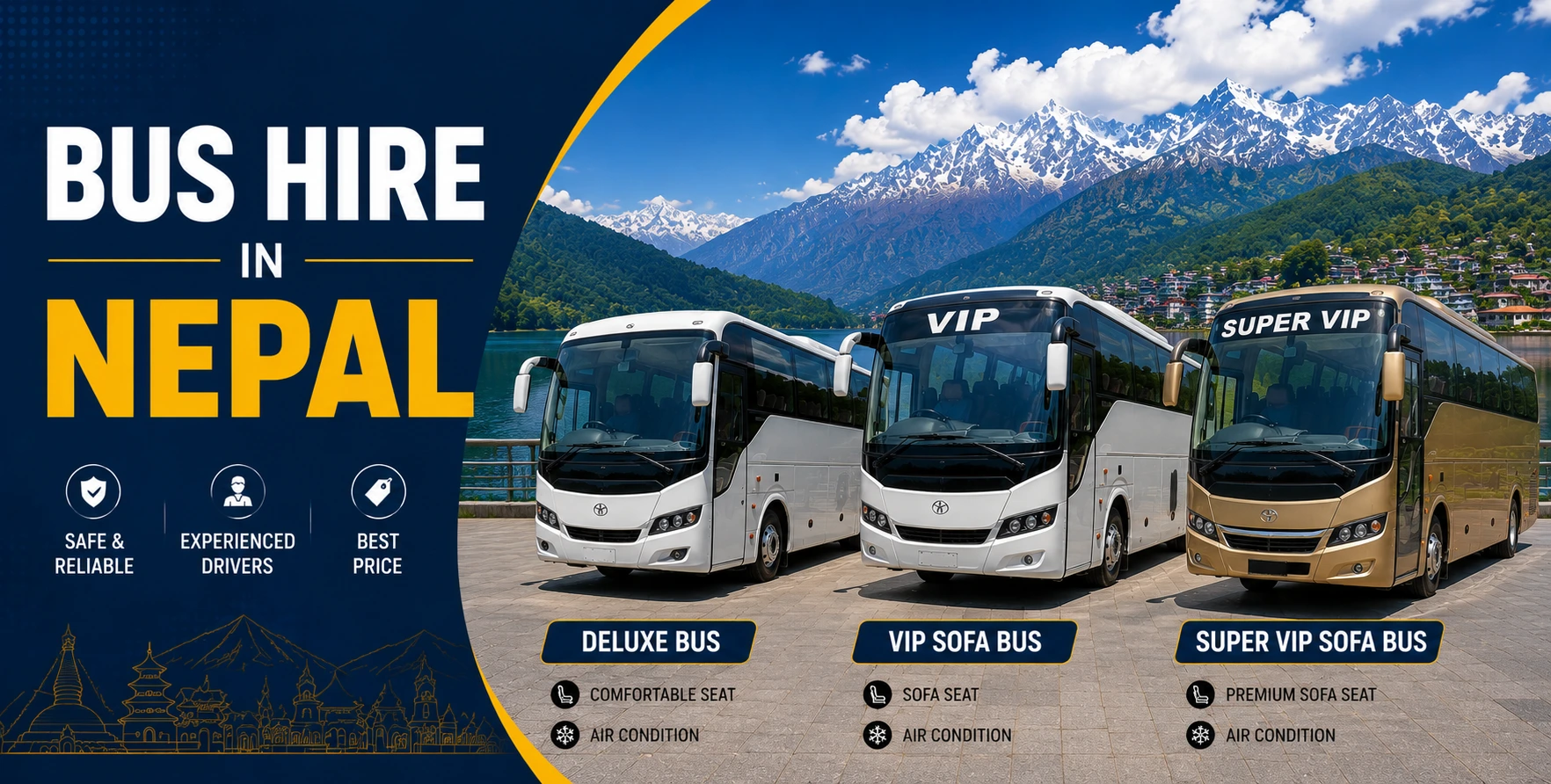
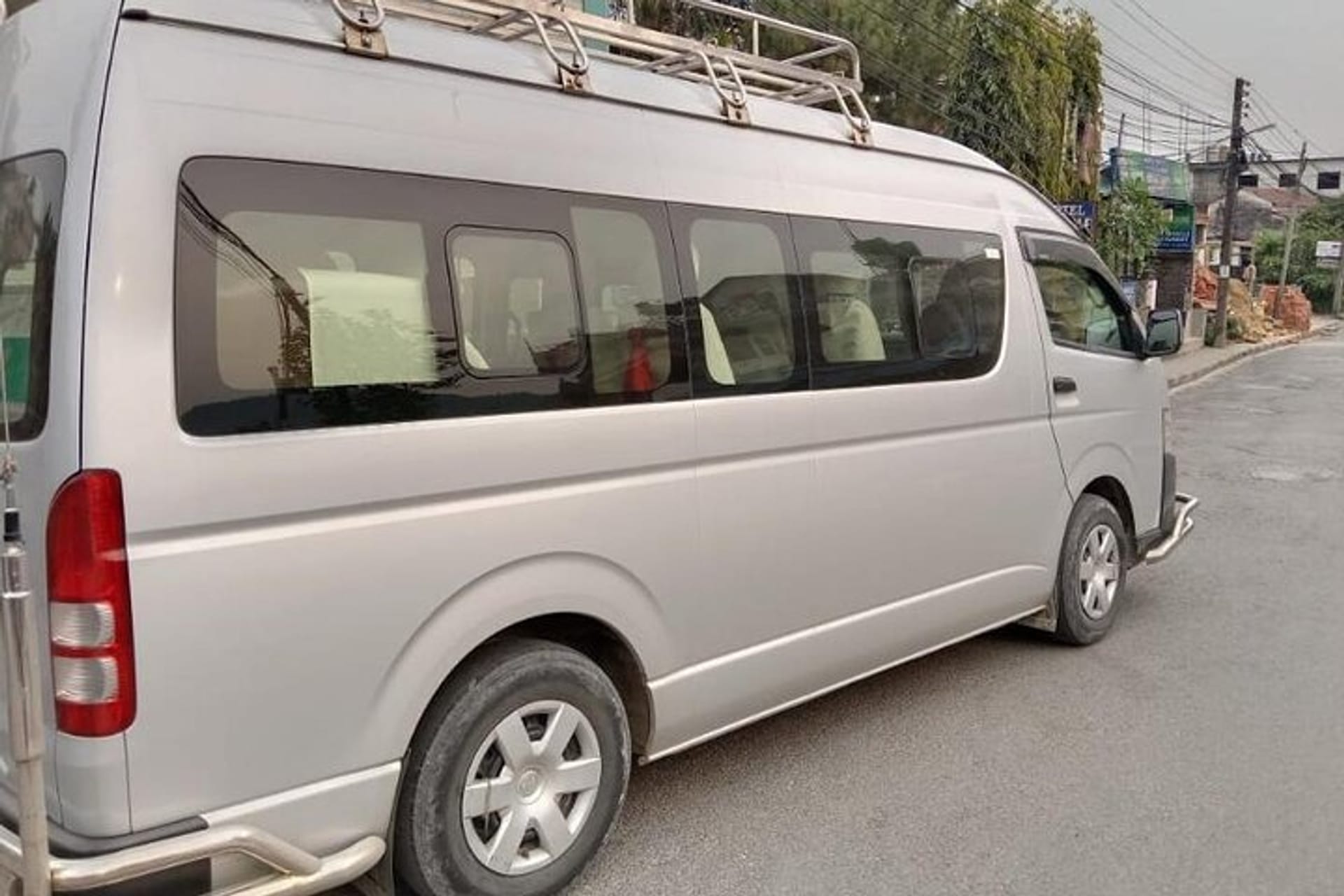
 equally well positioned to support this kind of institutional-adjacent group travel alongside standard student tours.
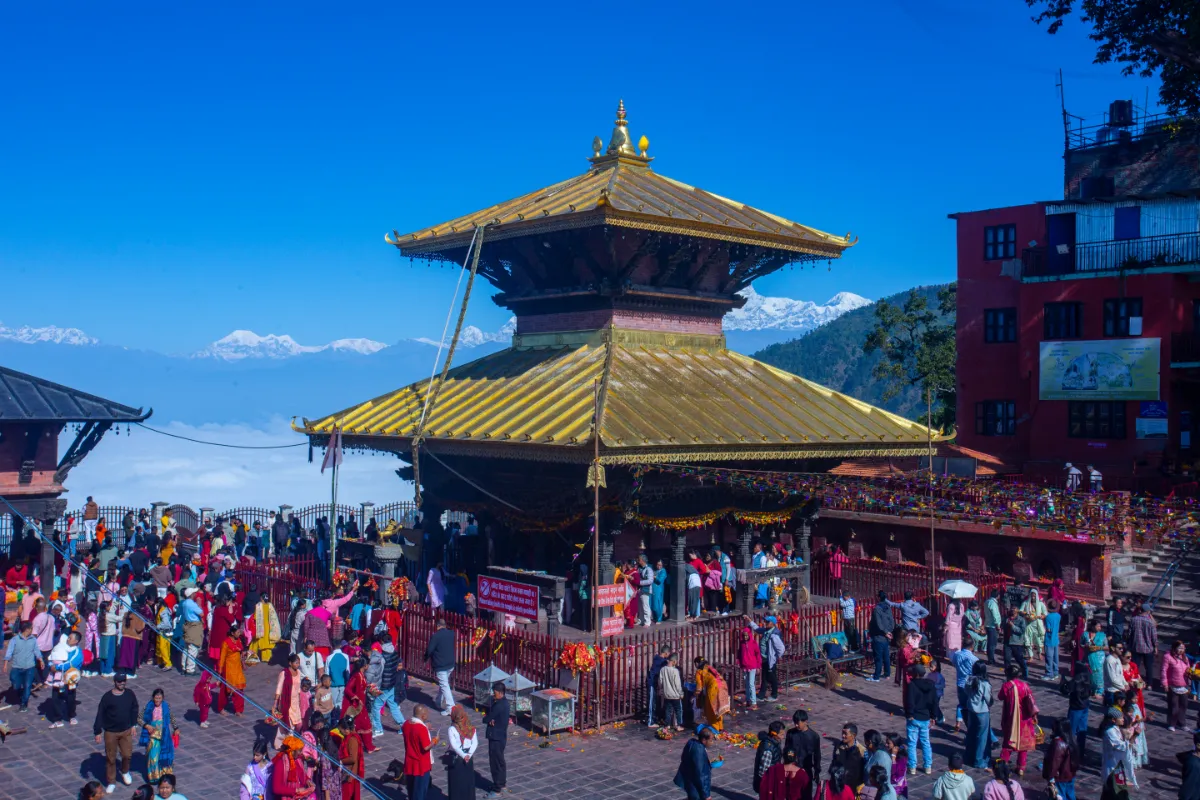
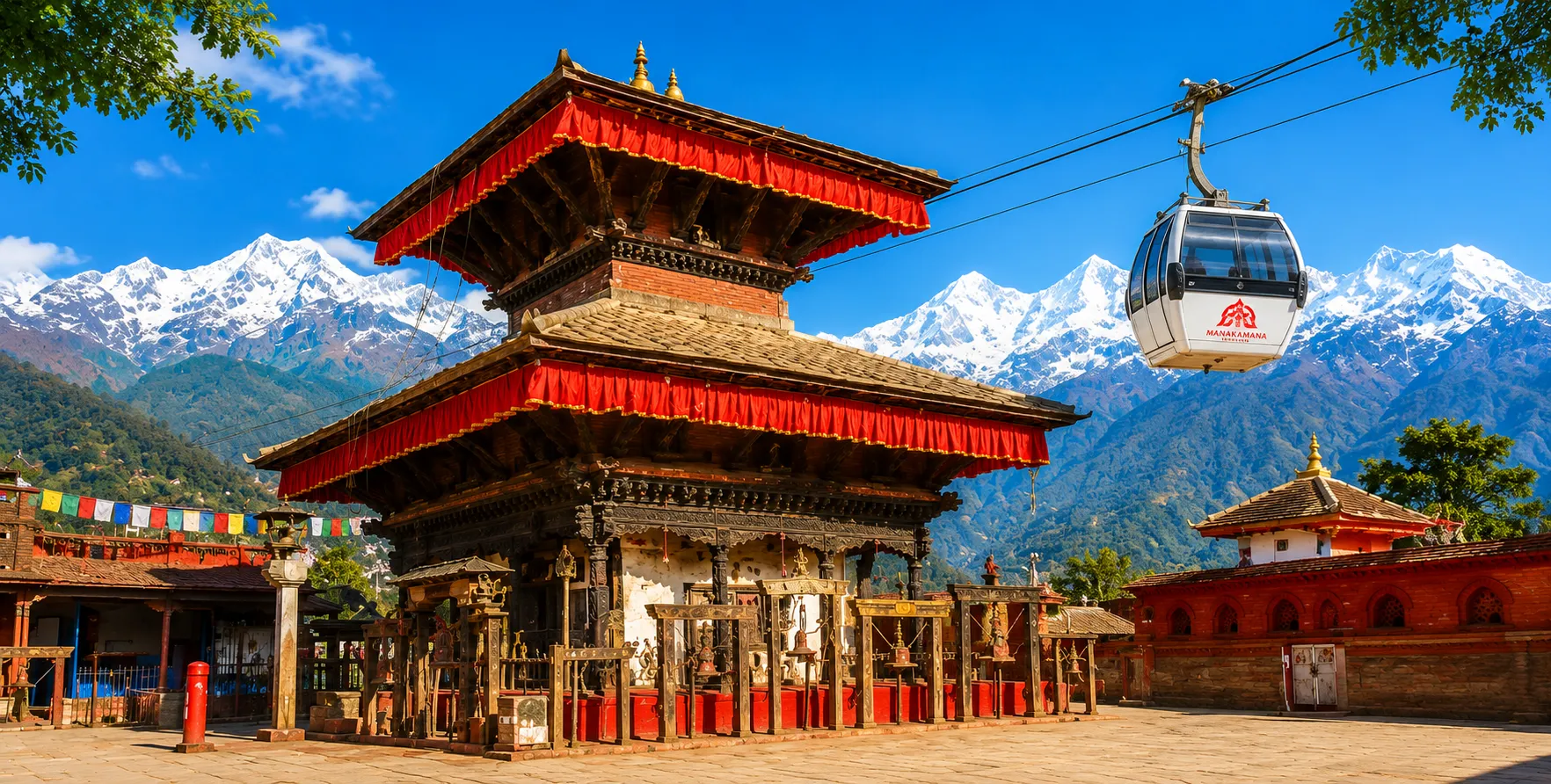
 –
–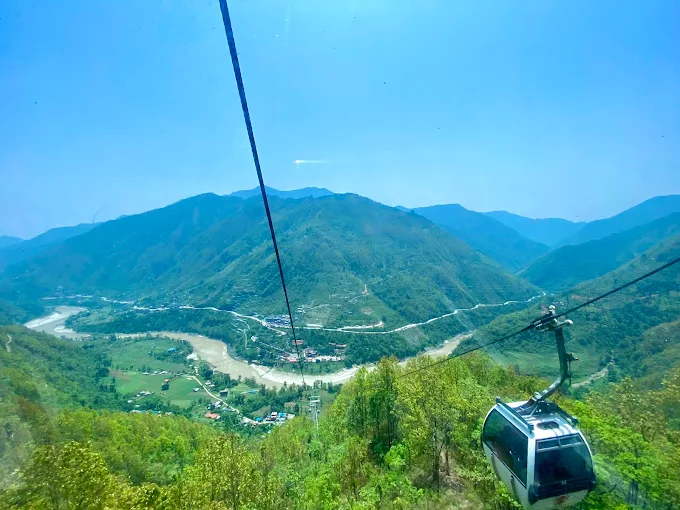
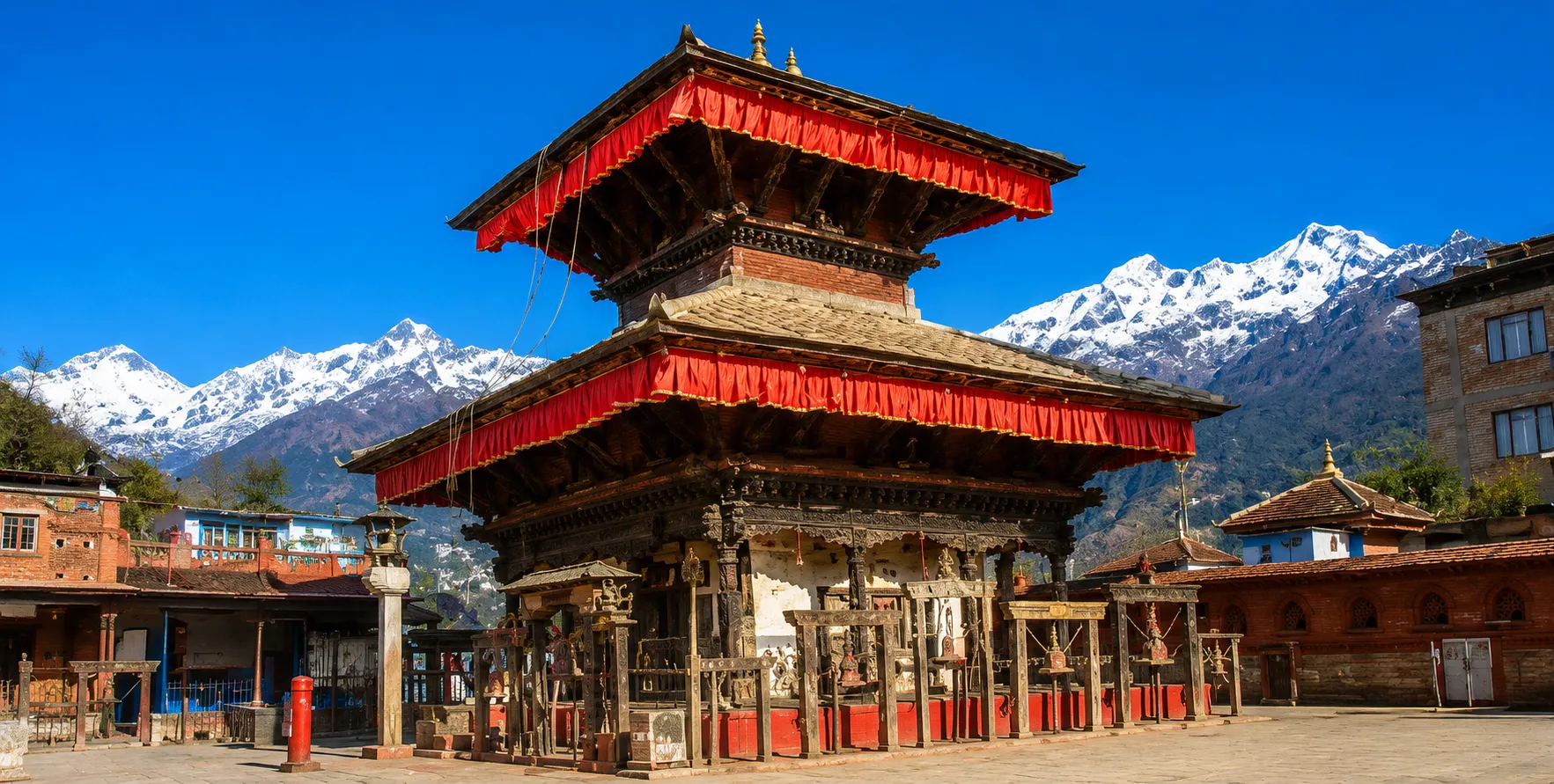
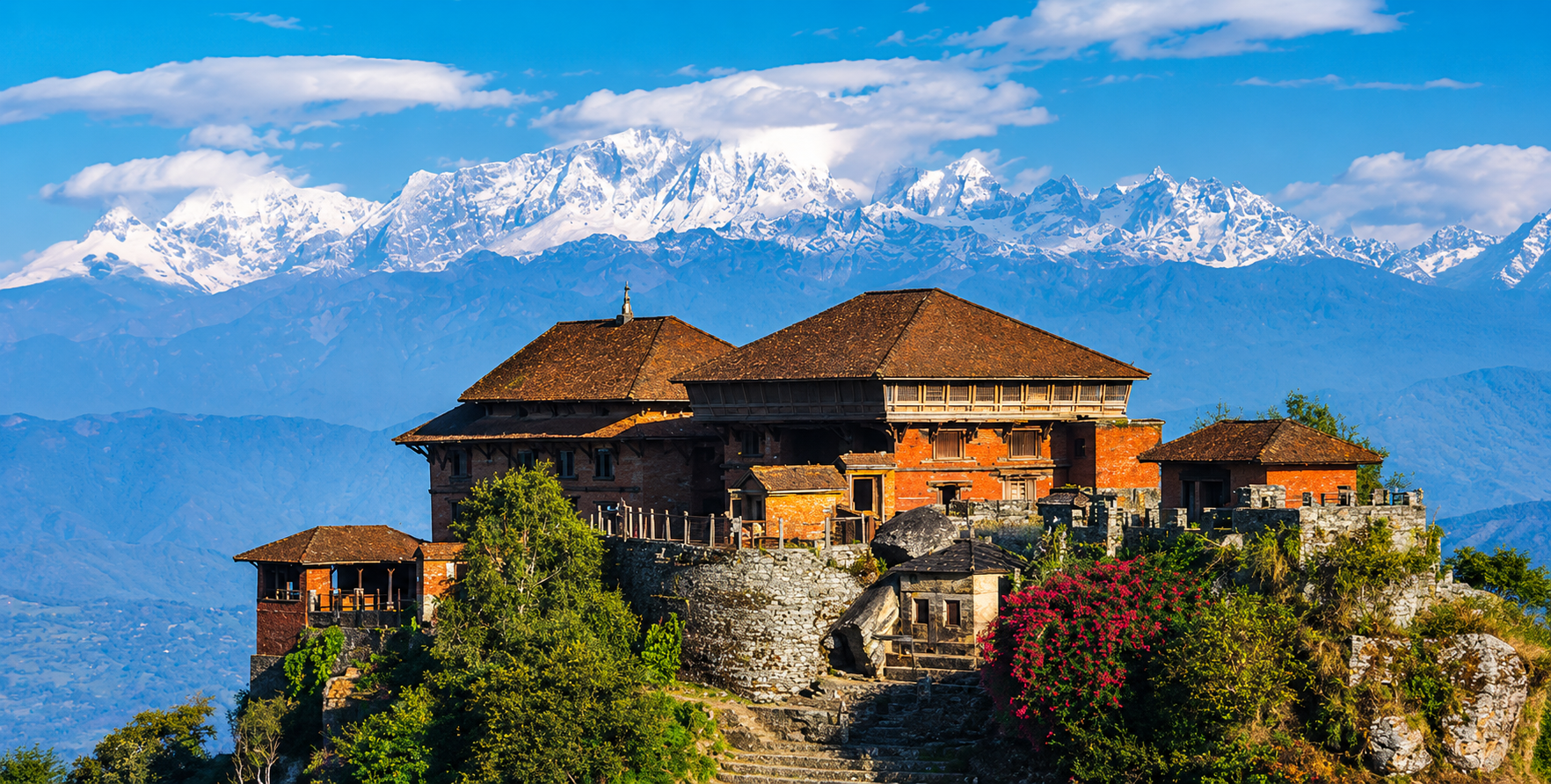
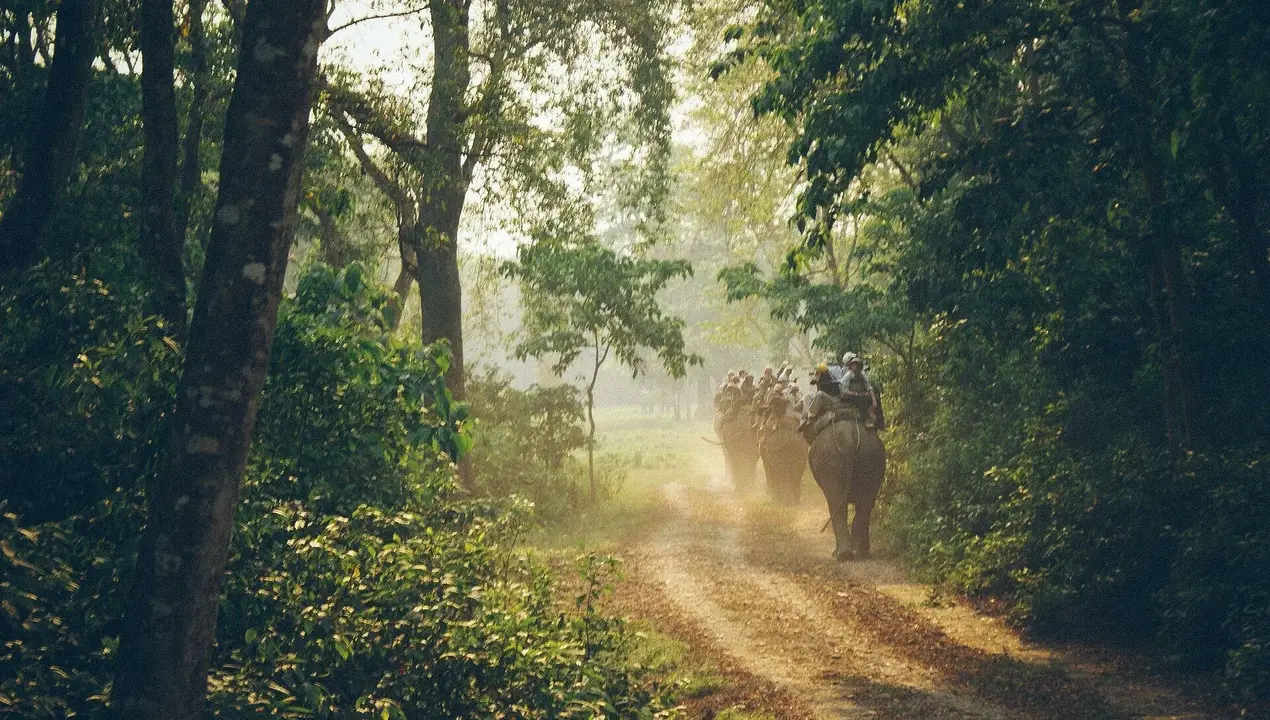
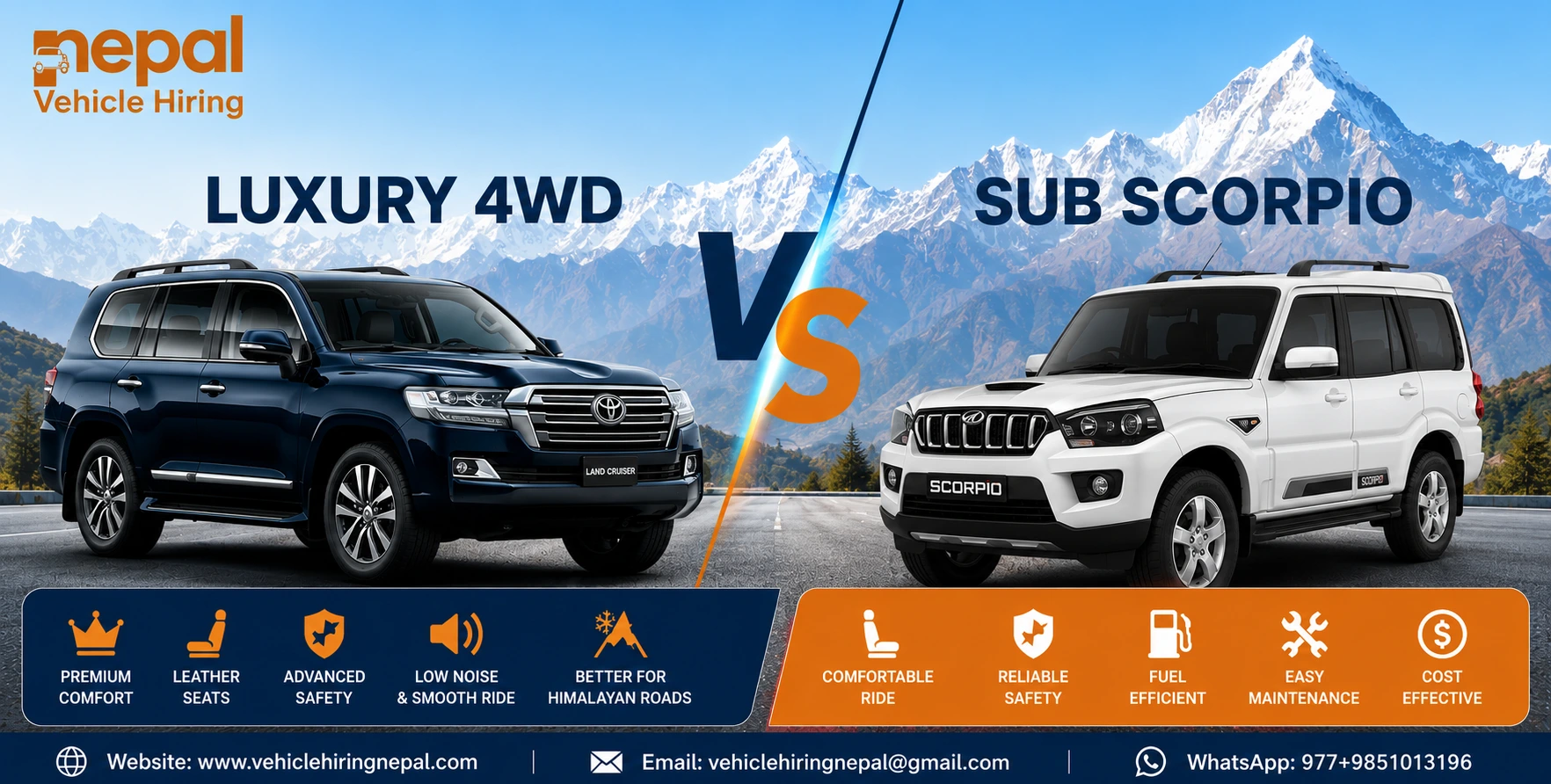
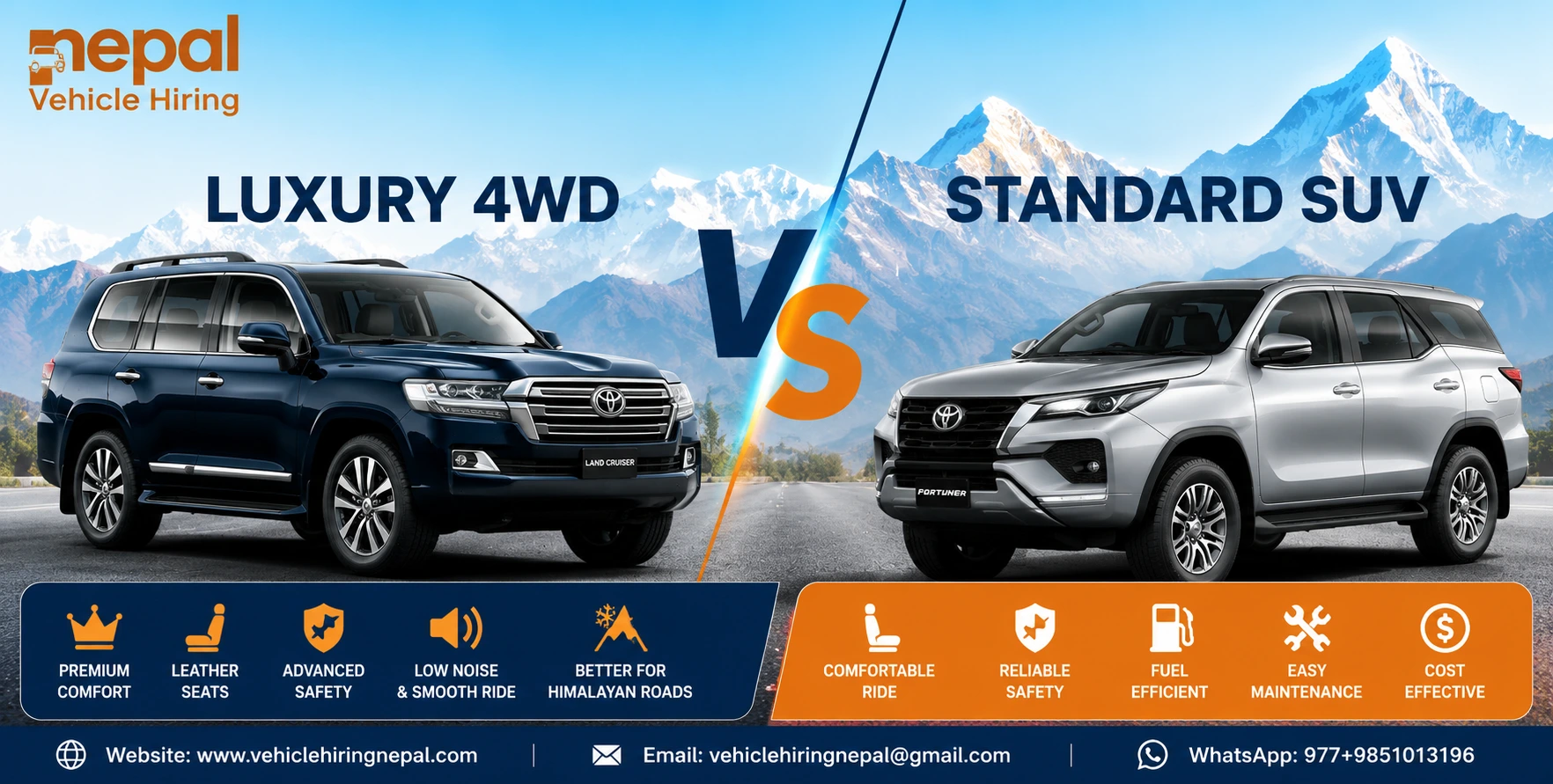

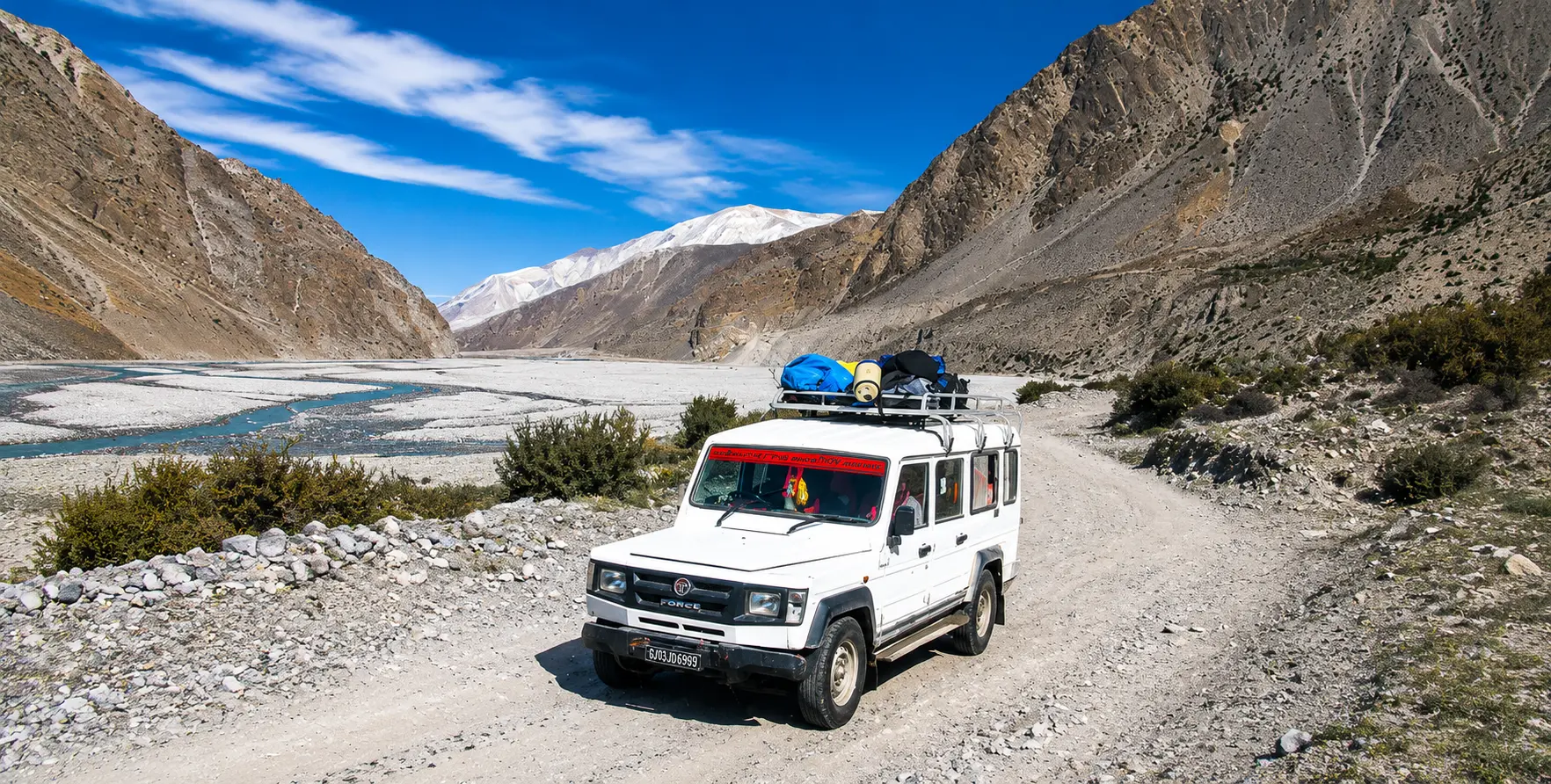
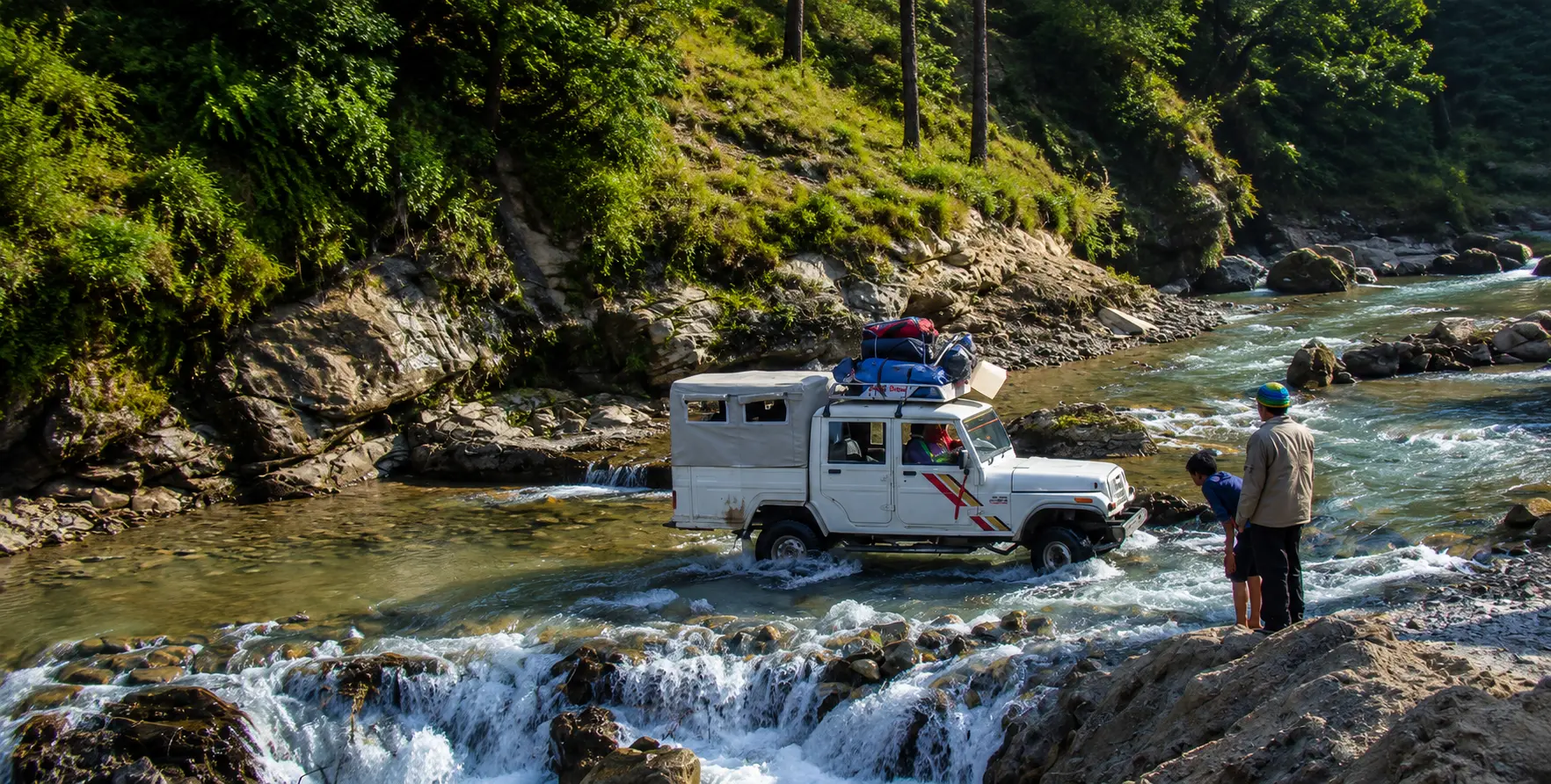
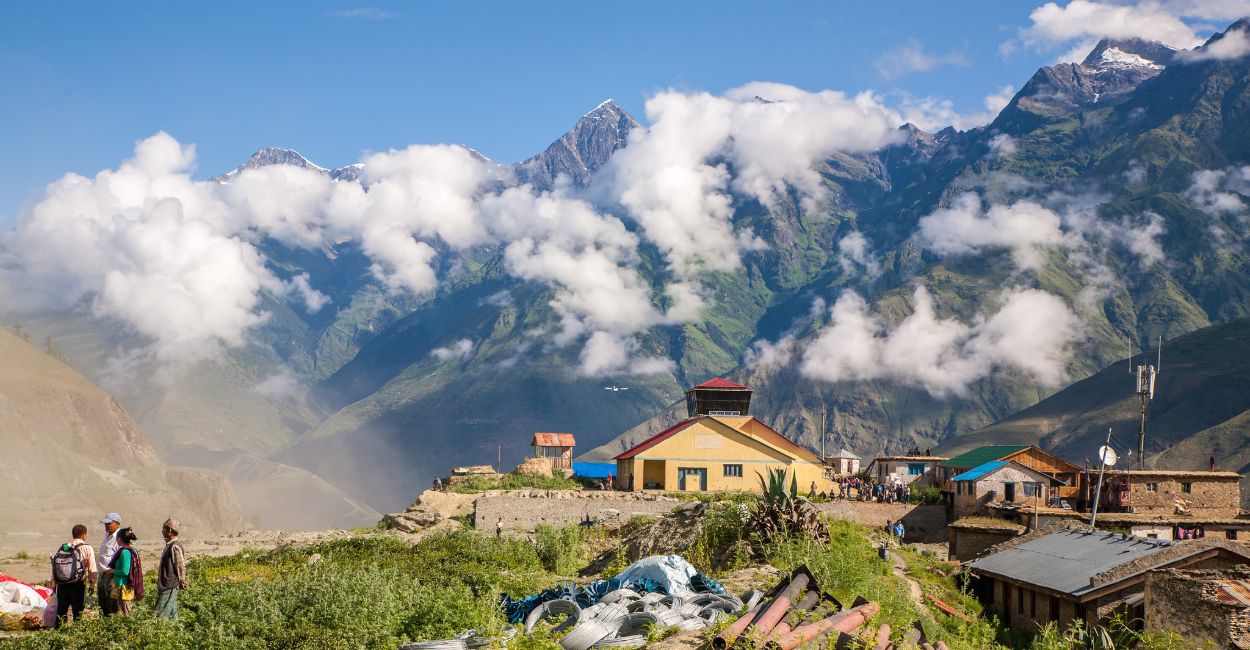
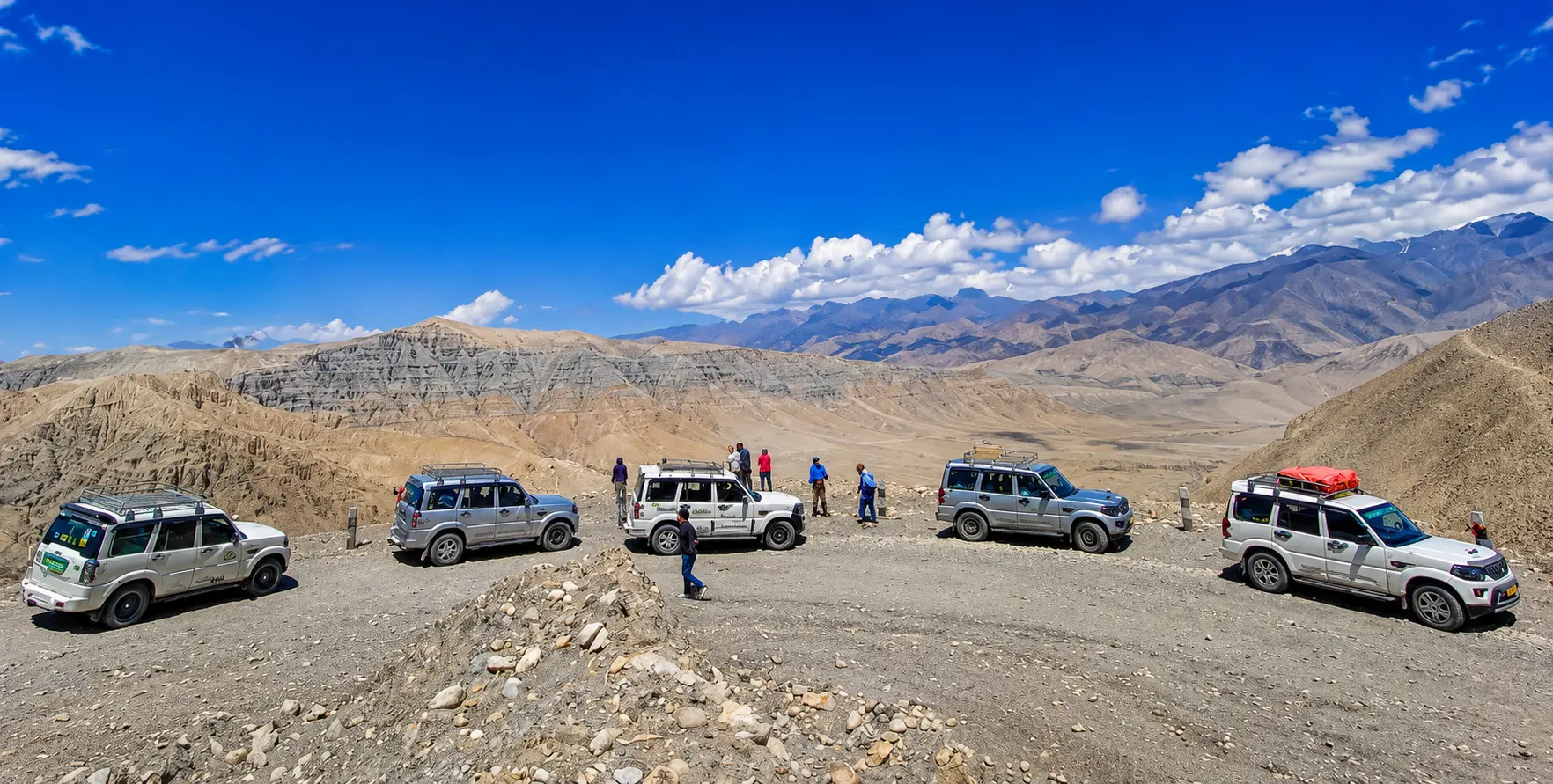
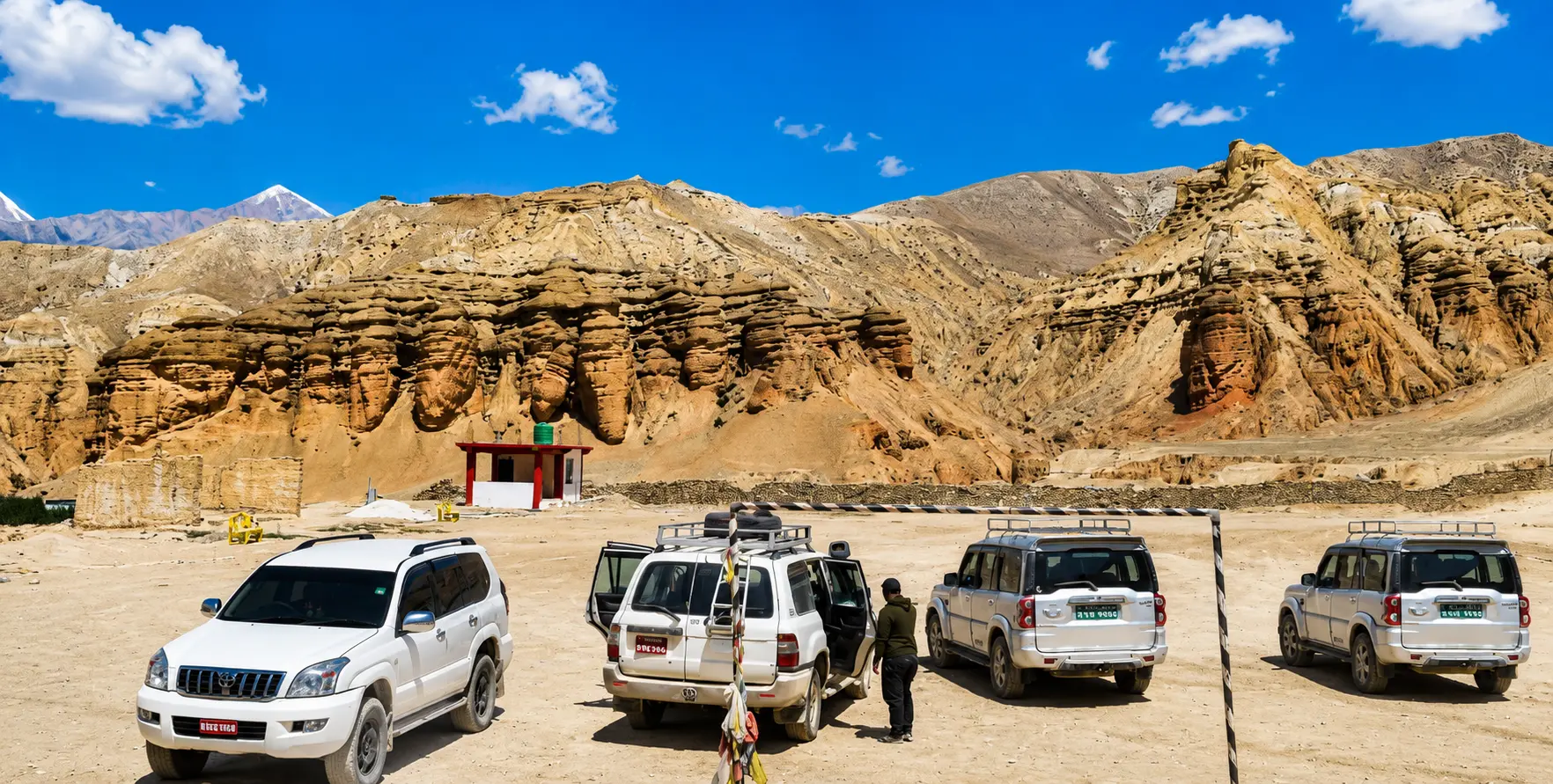
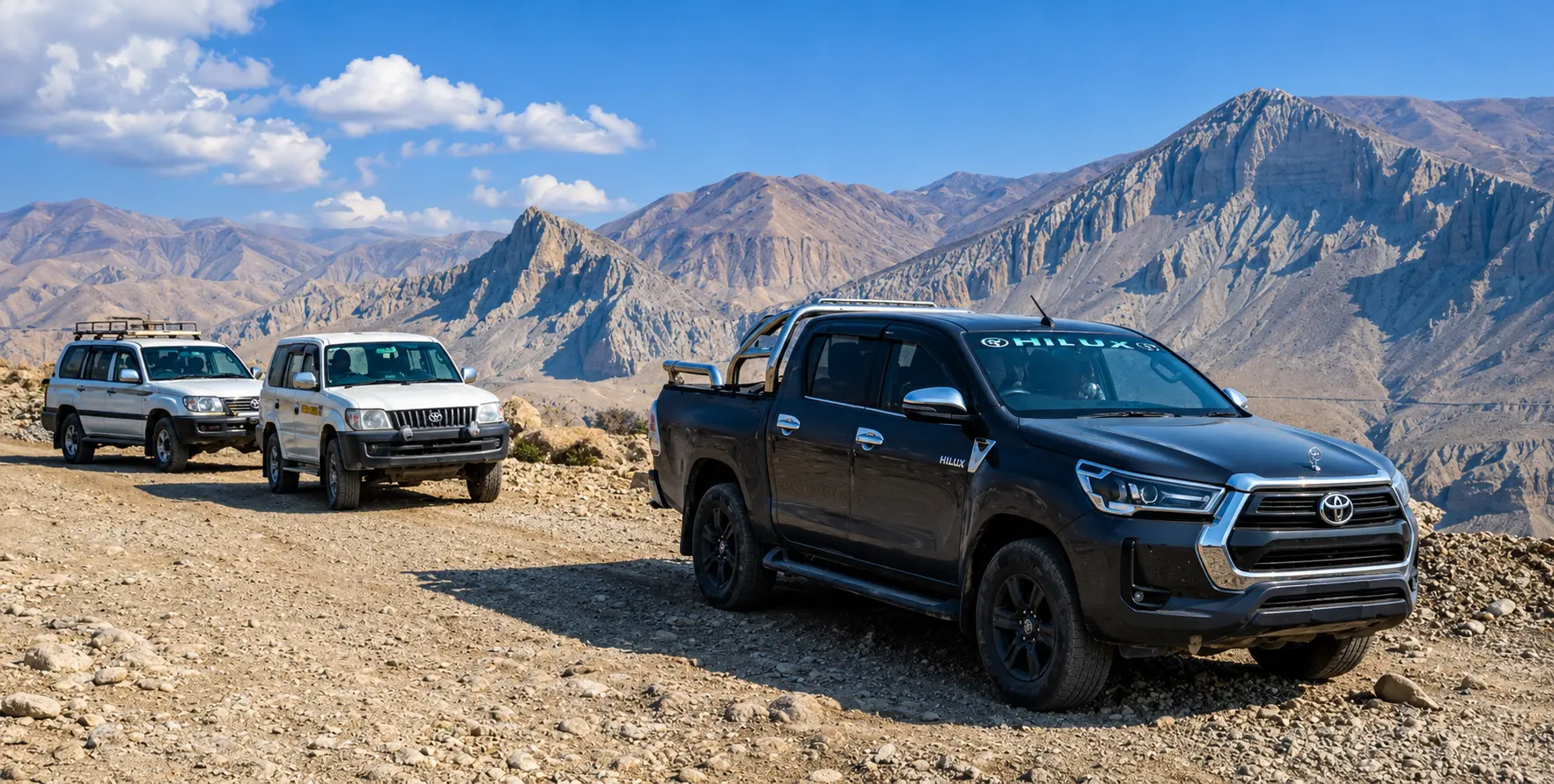
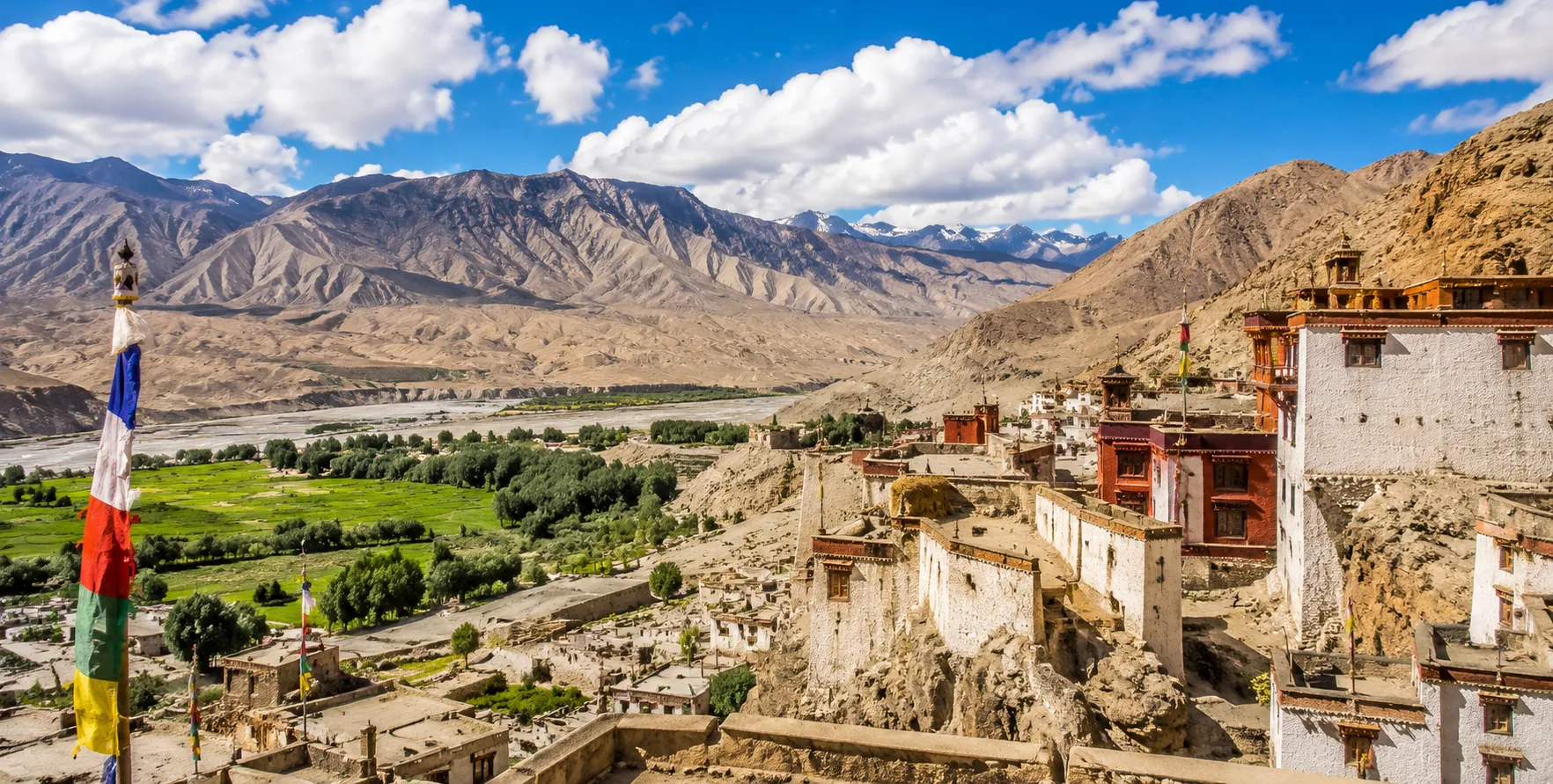 Seasonal Timing: When to Visit Each Region