Bhadrapur Airport to Kathmandu Jeep Hire

Book a Bhadrapur Airport to Kathmandu Jeep Hire with a private 4WD jeep, Scorpio SUV, Hiace van, or car for a safe, comfortable, and reliable long-distance airport transfer across Nepal.

Bhadrapur Airport to Kathmandu Jeep Hire: Complete Private Vehicle Guide

The Eastern Gateway and the Road to Kathmandu

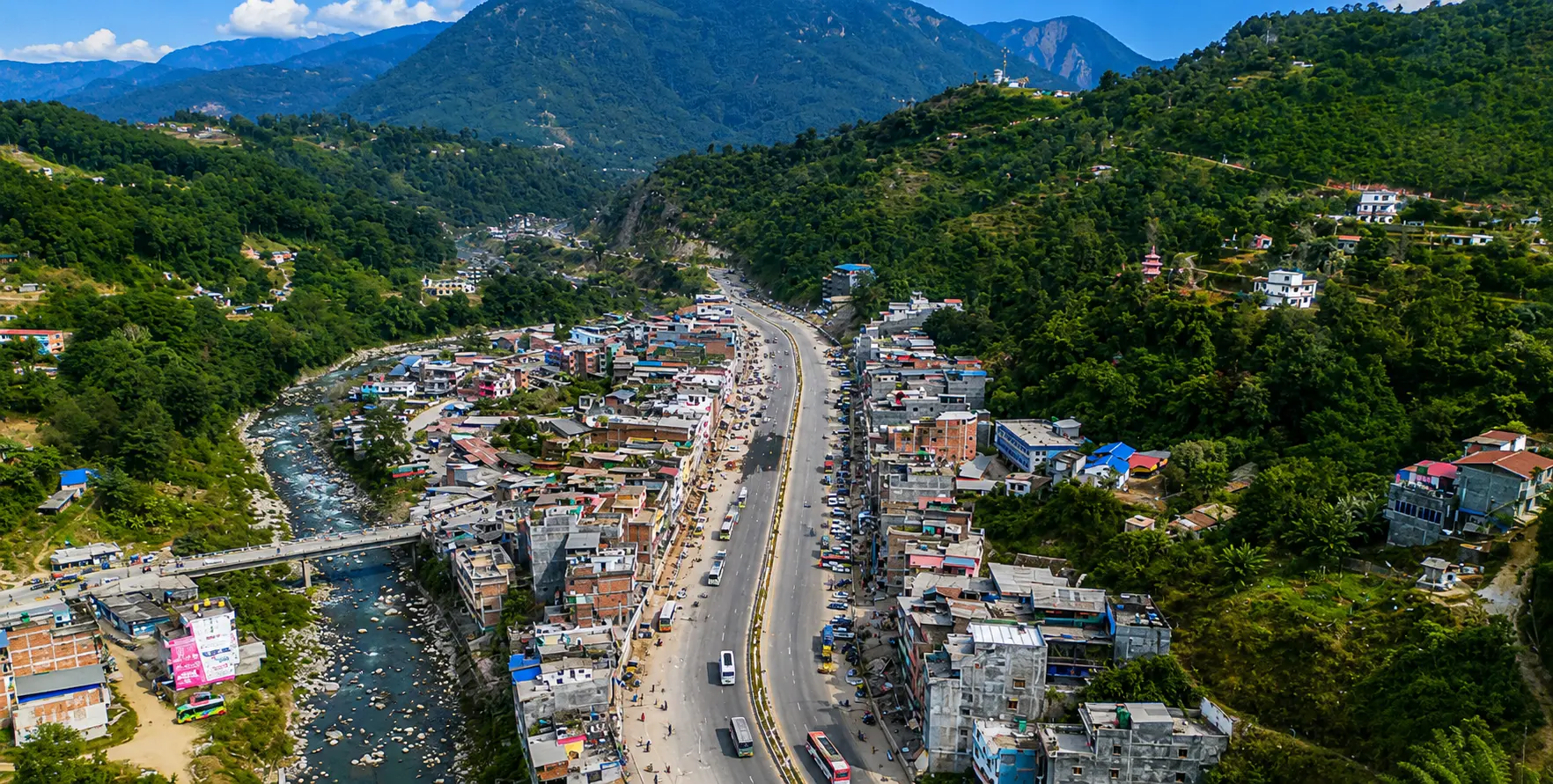
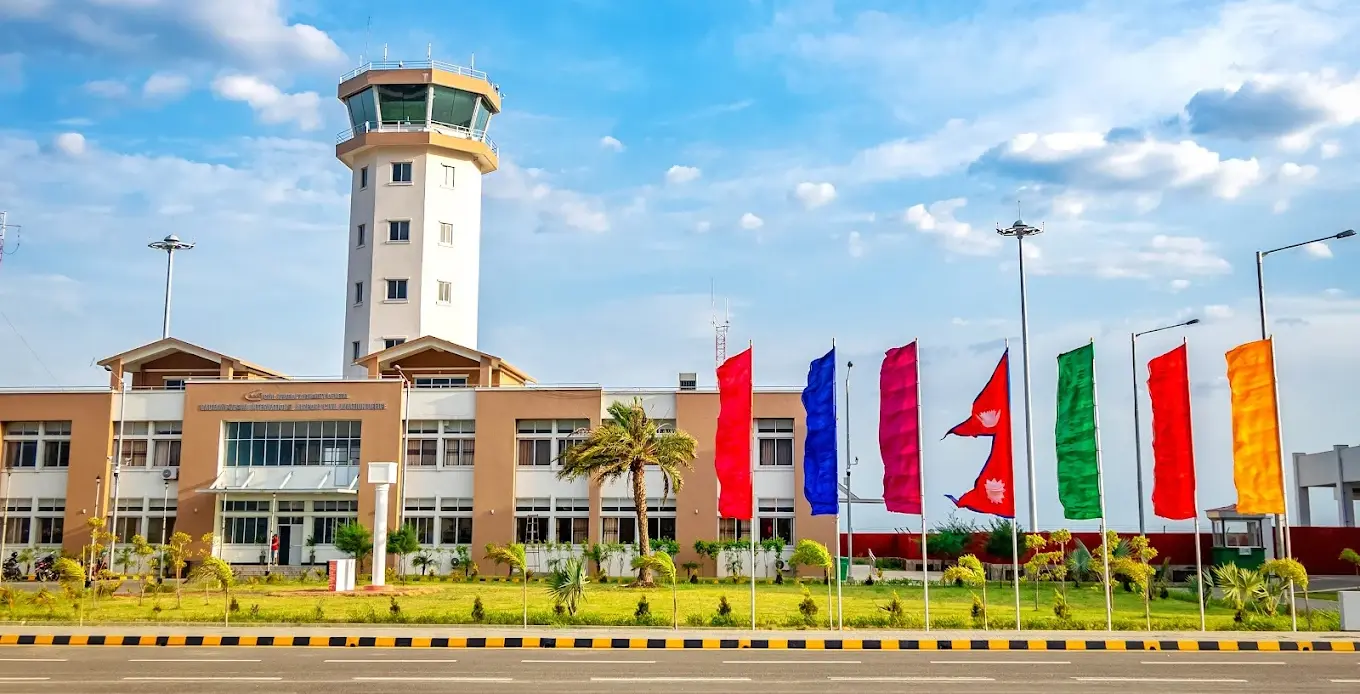
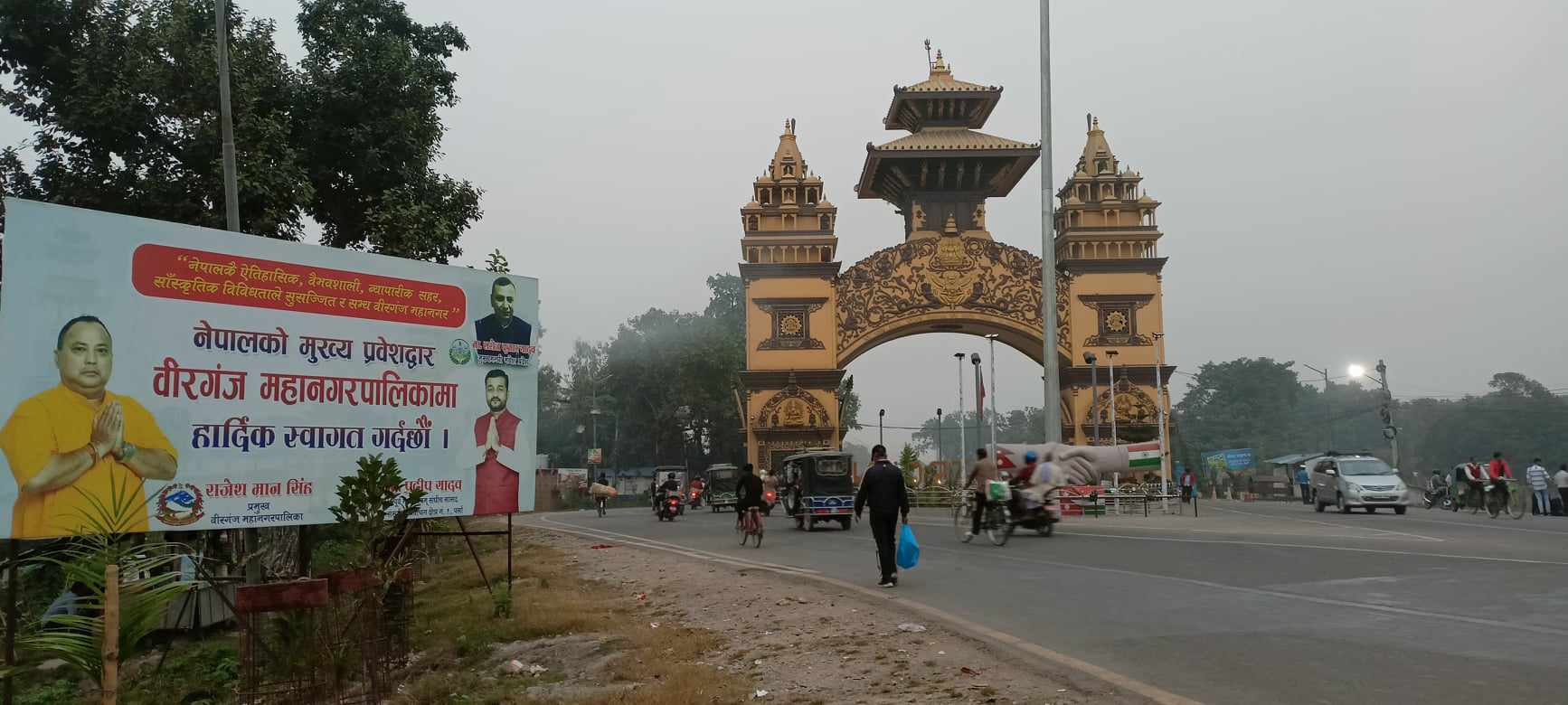
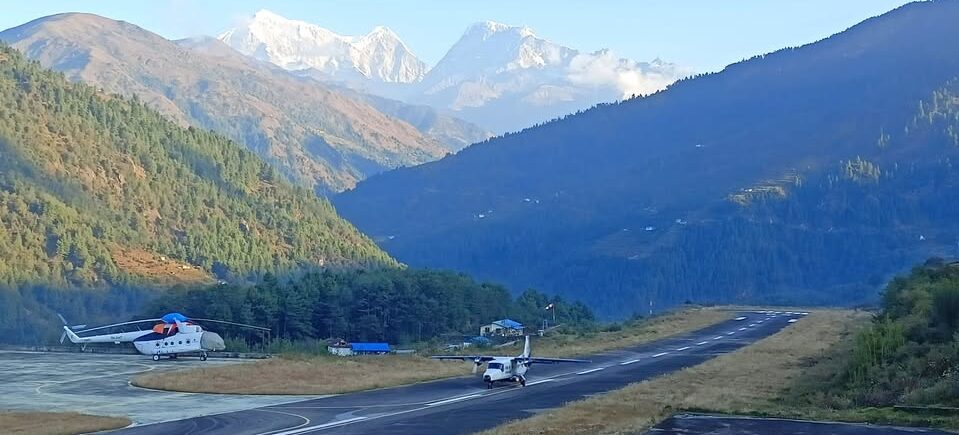
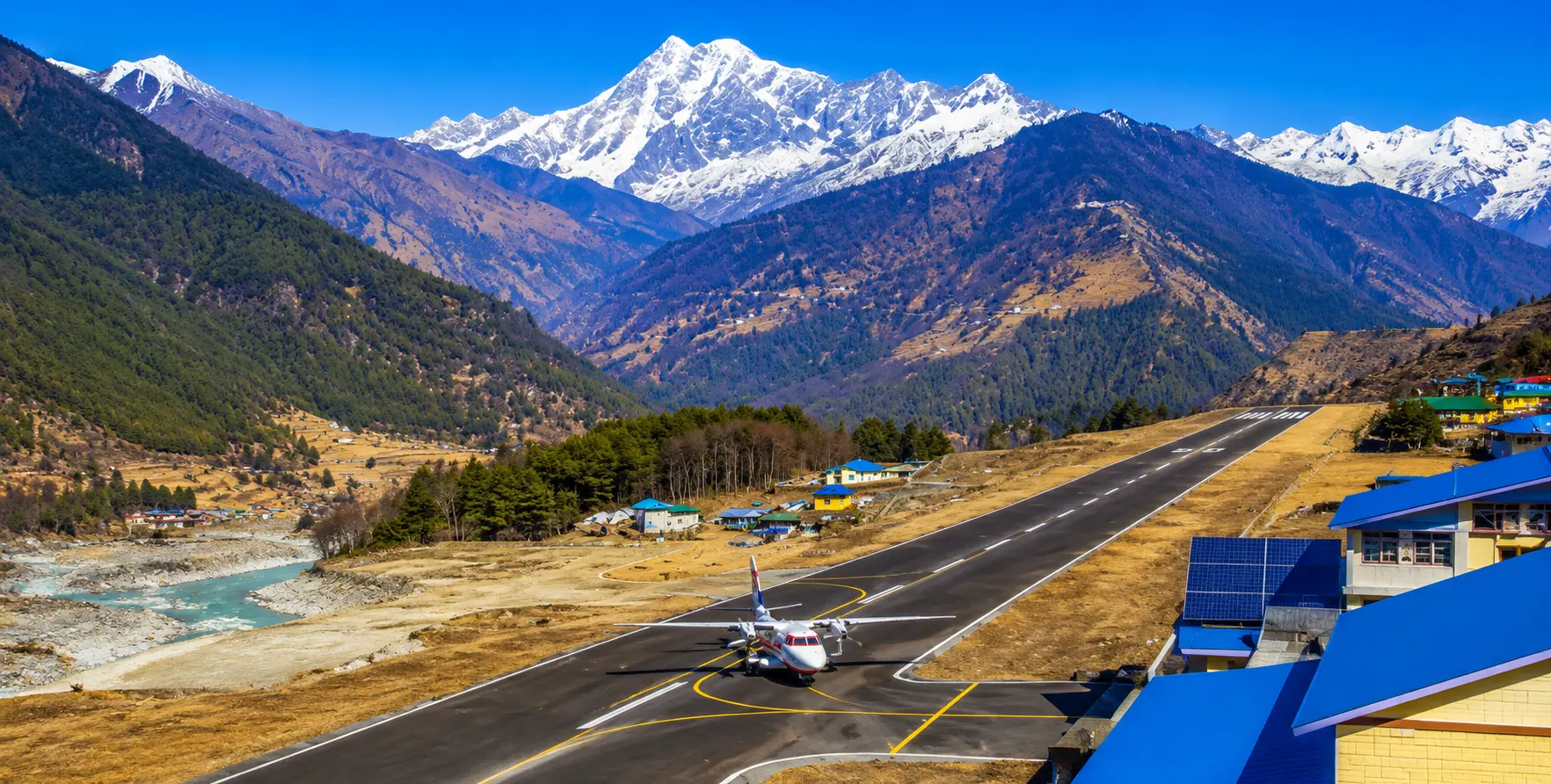
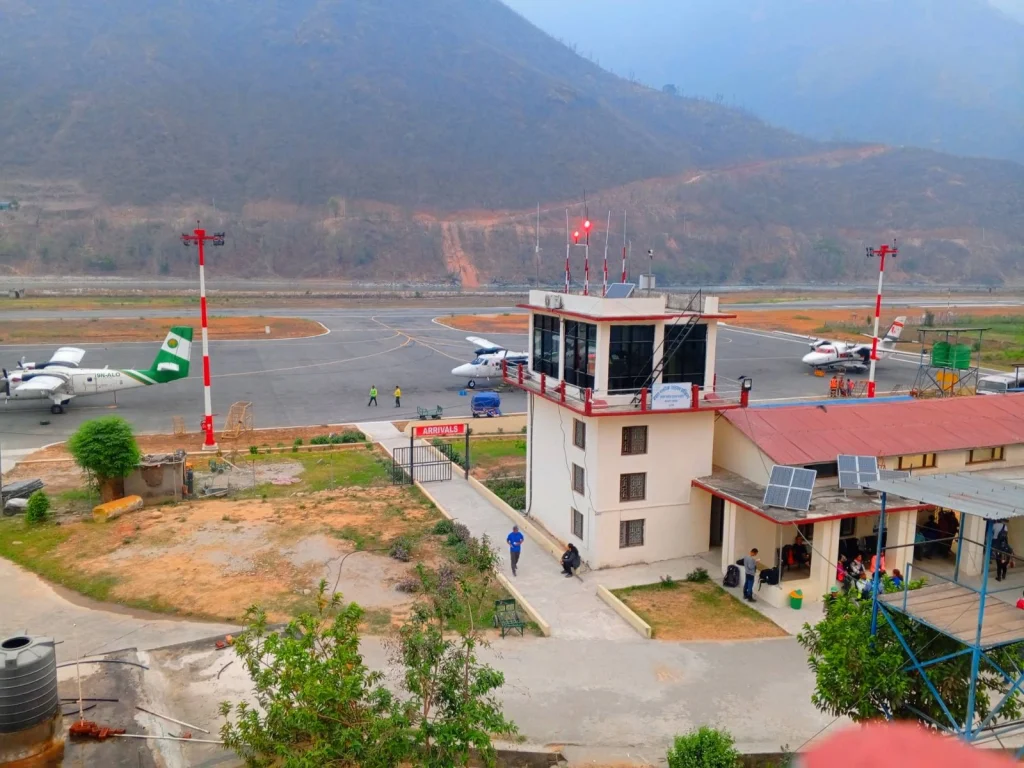
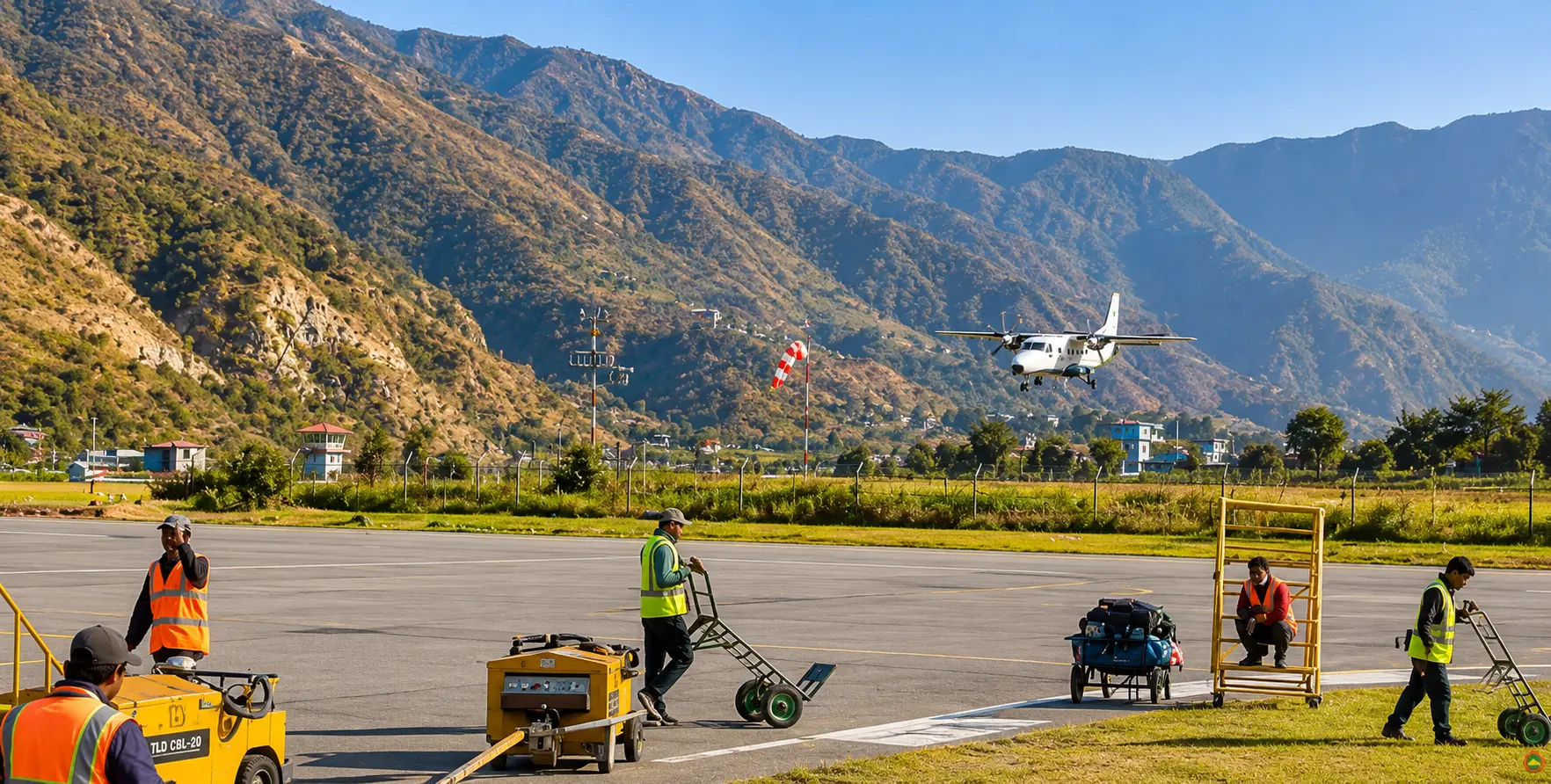
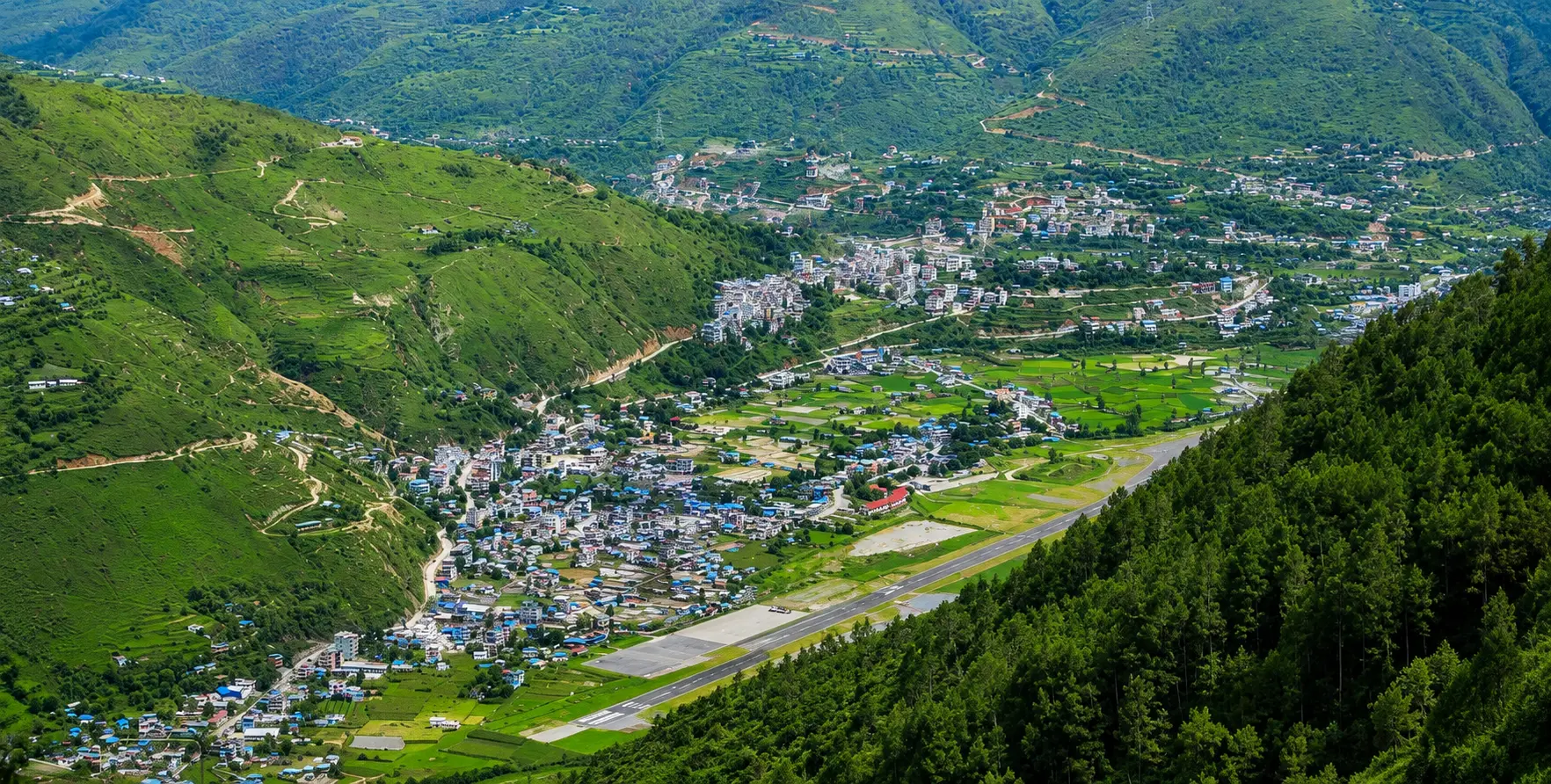
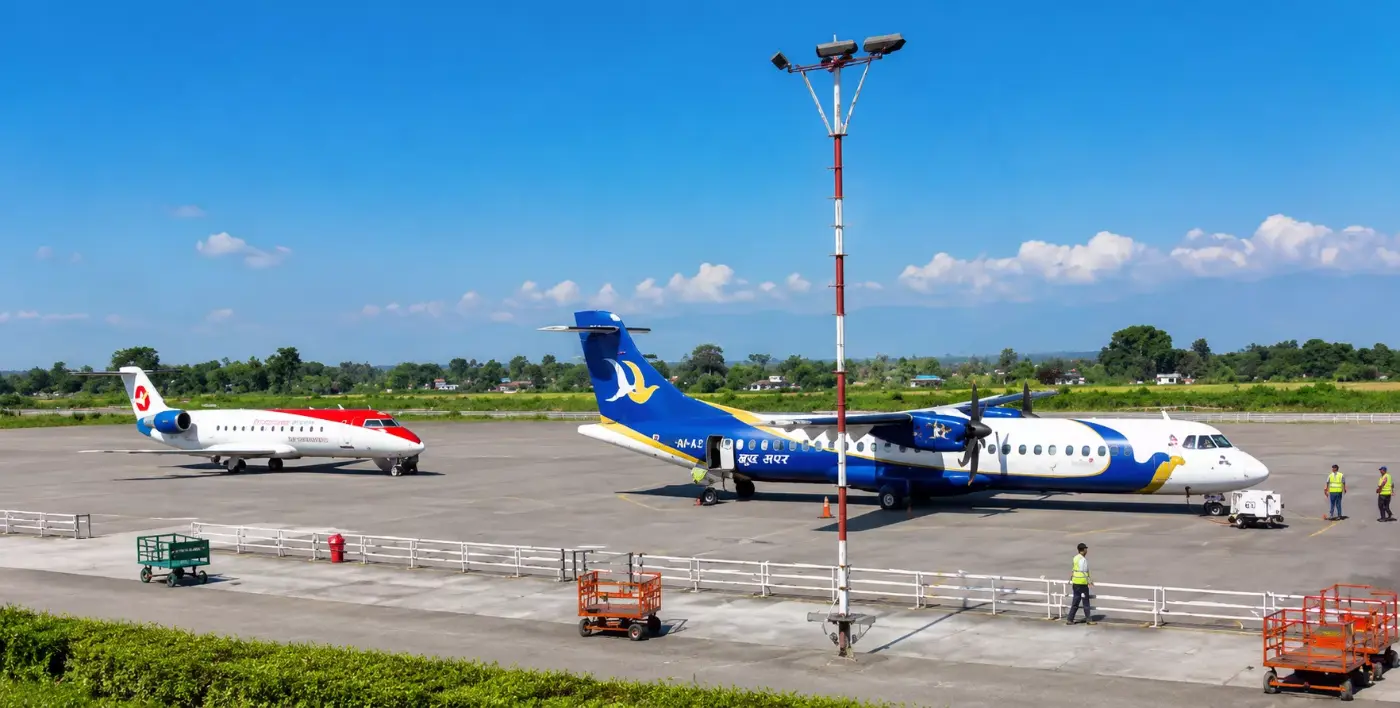
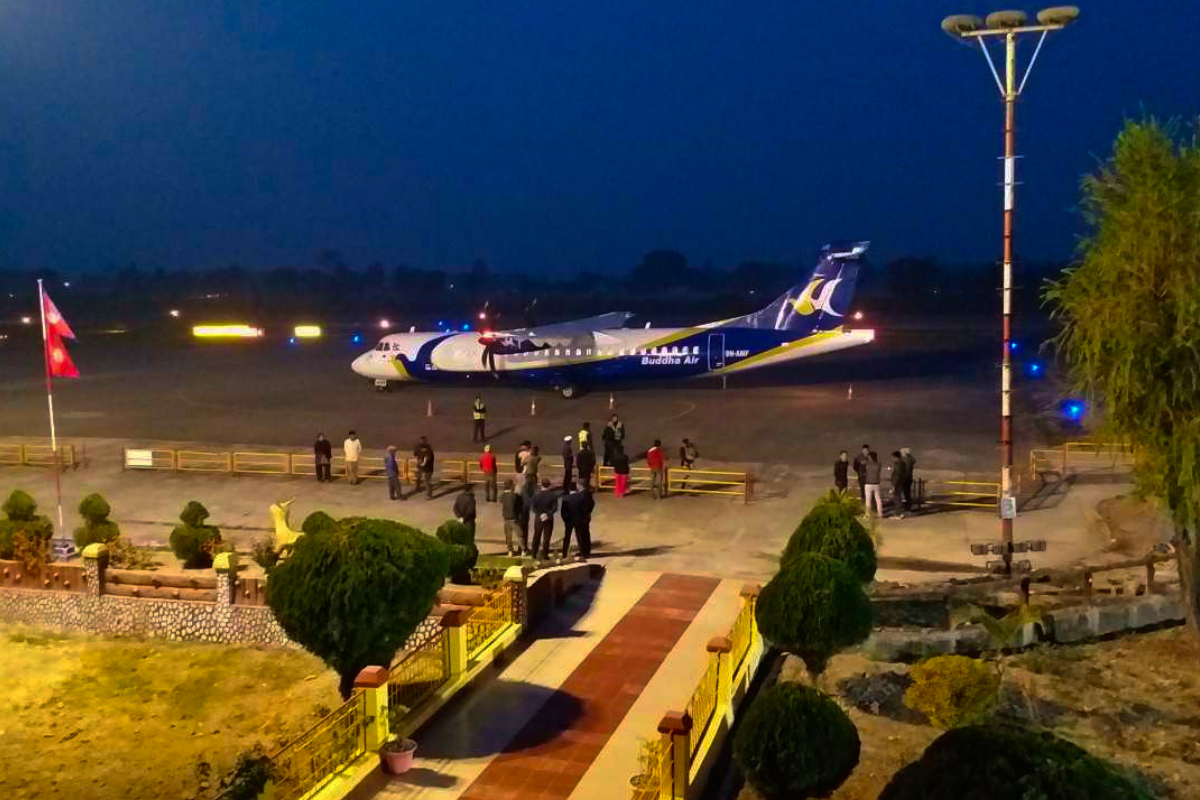
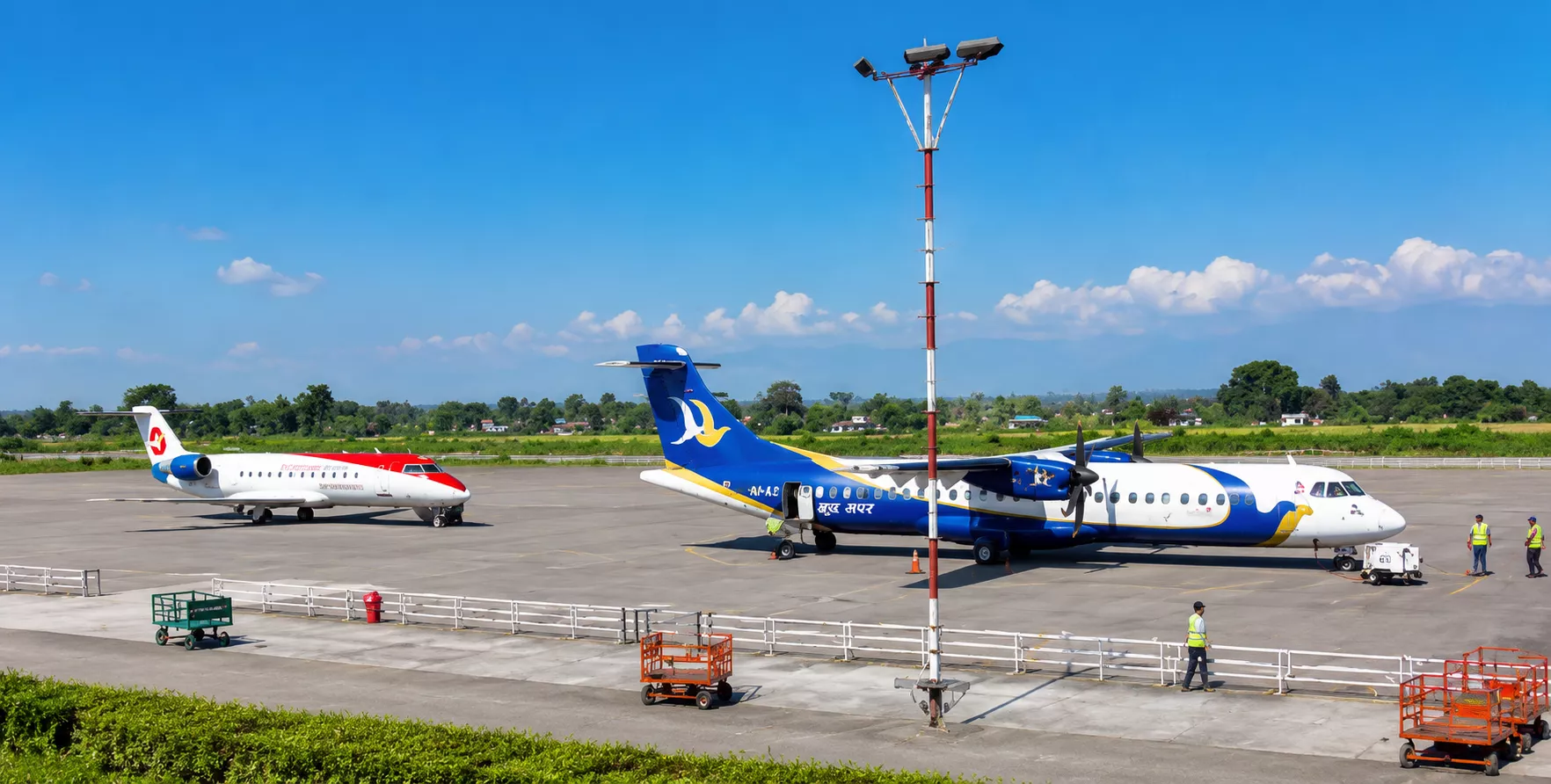
Bhadrapur’s Chandragadhi Airport — officially coded BDP by IATA and VNCG by ICAO — sits at the heart of Nepal’s eastern Terai, serving as the primary air gateway for Jhapa District and the wider eastern Nepal region that encompasses the trekking corridors leading to Kanchenjunga, the world’s third-highest mountain, and the tea-garden landscapes of Ilam that draw visitors from across the country. Established in November 1963, making it one of Nepal’s oldest domestic airports, Chandragadhi Airport has a 5,000-foot asphalt runway at an elevation of just 300 feet above sea level — the flat Terai terrain making it one of the easiest domestic airports in Nepal to operate from a weather perspective, in sharp contrast to the high-altitude, weather-sensitive airstrips of the Himalayan region.

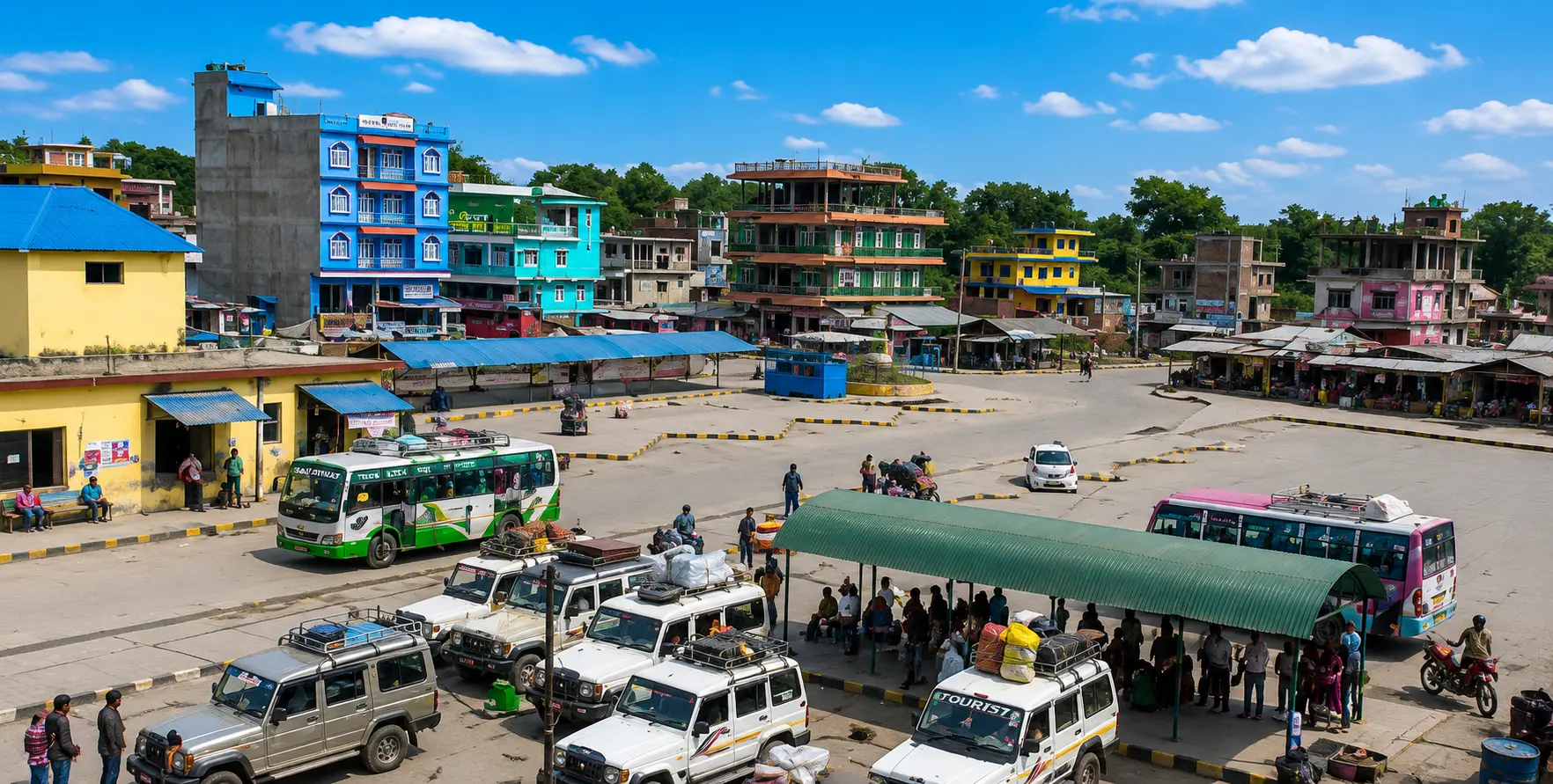
As soon as passengers step off a domestic flight at Bhadrapur Airport, onward transport becomes the immediate practical priority. Some arrivals are heading into the Jhapa district — Birtamod, Damak, Kakarbhitta, or the surrounding towns — and need only a short local transfer.

But a significant proportion of Bhadrapur Airport arrivals travel on to Kathmandu, making the road between Chandragadhi Airport and the national capital one of the region’s most important corridors for private vehicle hire.

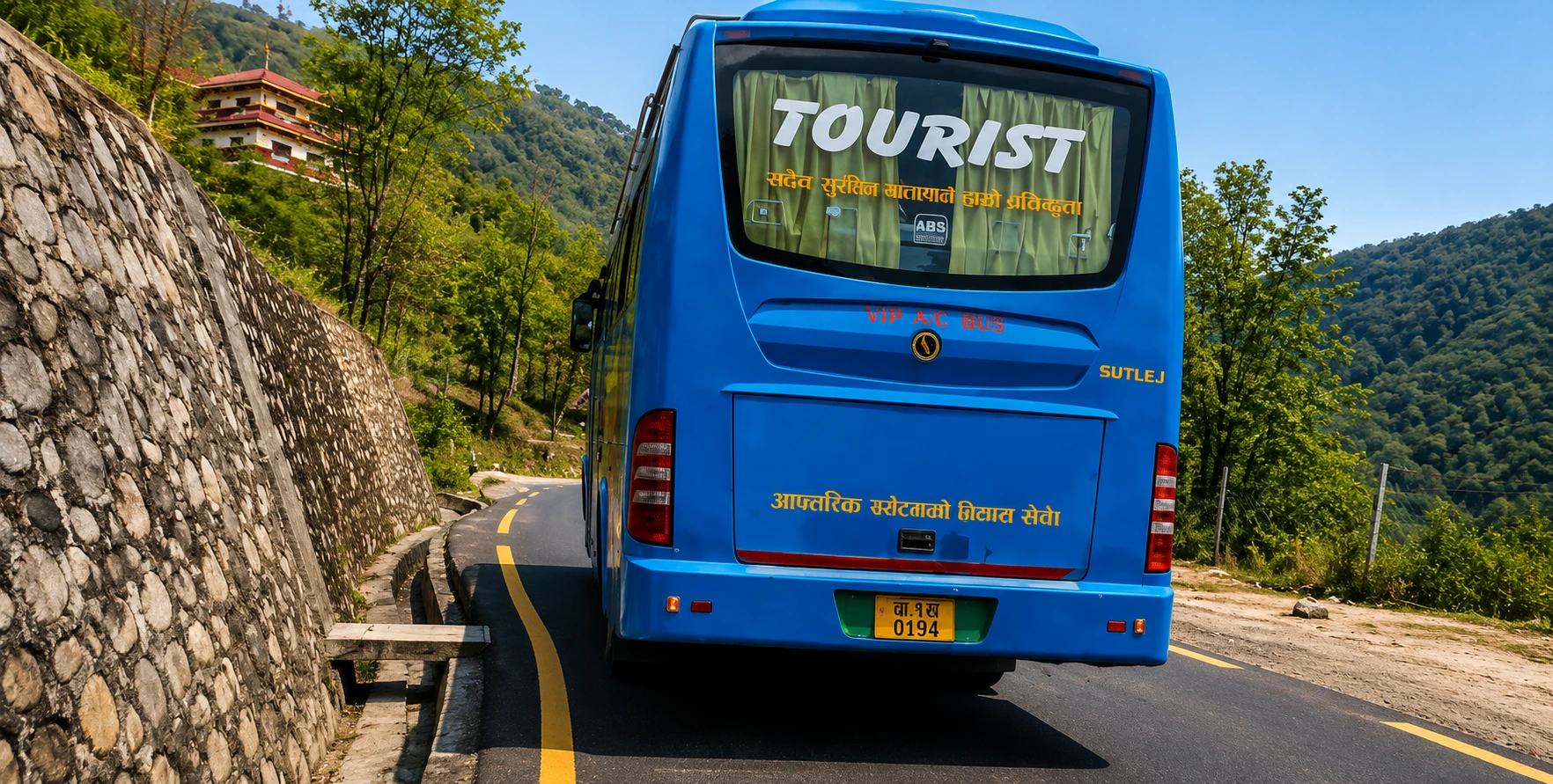
According to Kathmandu Car Services’ Bhadrapur Airport transfer guide, the driving distance from Kathmandu to Bhadrapur is approximately 634 kilometres (394 miles) via the most direct route on the East-West Highway, with a driving time of 14 to 16 hours for the complete one-way journey. Nepal Vehicle Hiring Pvt Ltd offers comprehensive private vehicle hire for this corridor, including private jeeps, private cars, Hiace vans, coasters, and full-size buses for groups of any size, with pickup directly from the airport terminal and drop-off at any Kathmandu hotel or address.

This comprehensive guide covers everything relevant to the Bhadrapur Airport to Kathmandu jeep hire and private vehicle service — the route, the distance and journey time, the vehicle options and their specific advantages, accurate costs in NPR and USD, seasonal road condition guidance, the comparison between private vehicle hire and the domestic flight alternative, practical preparation tips, and the broader Nepal vehicle hire network that continues the journey for travellers heading beyond Kathmandu to the country’s extraordinary trekking and tourism destinations.

Whether you are a traveller arriving at Bhadrapur Airport from a domestic connection and continuing overland to Kathmandu, a Jhapa resident with business in the capital, or a trekker starting a Kanchenjunga circuit adventure in eastern Nepal before continuing to Kathmandu, this guide gives you the full picture.

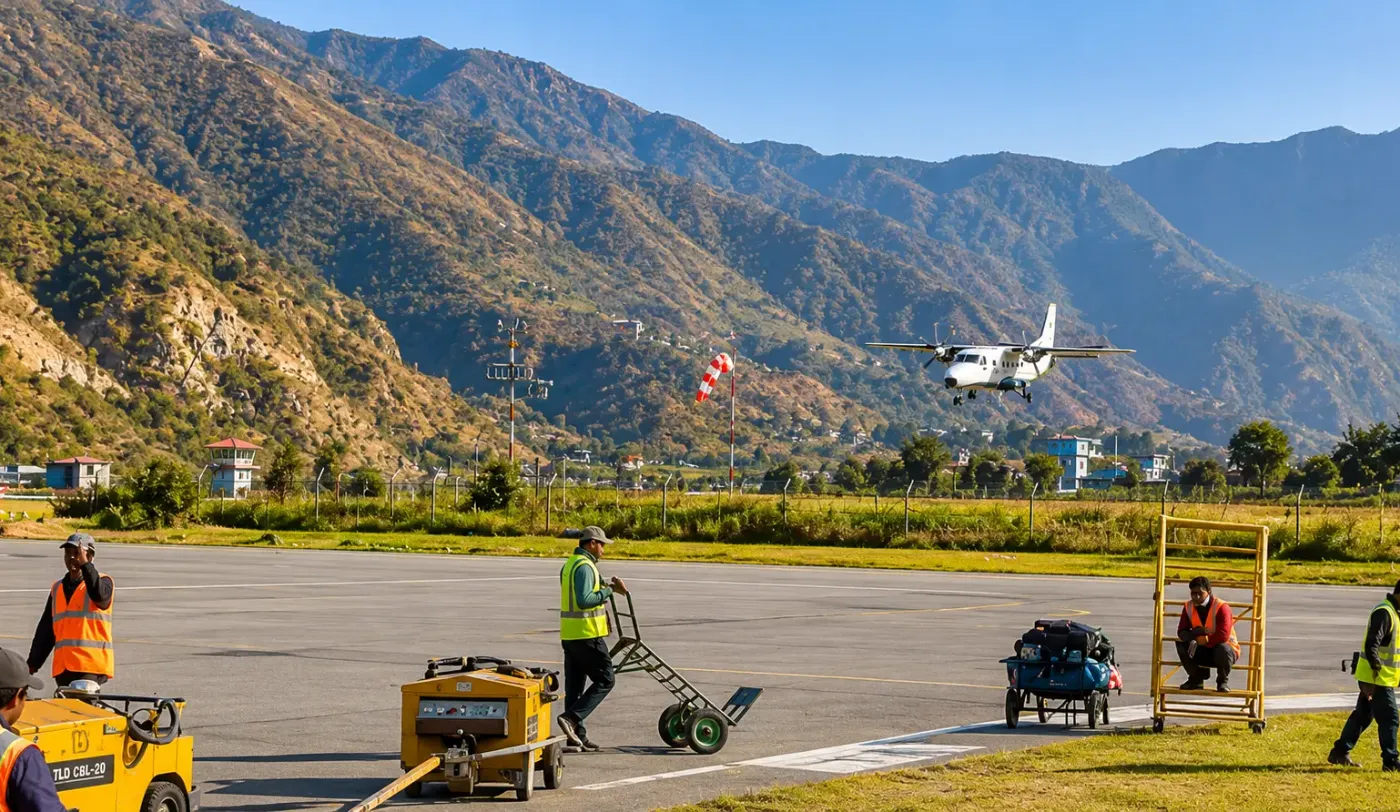
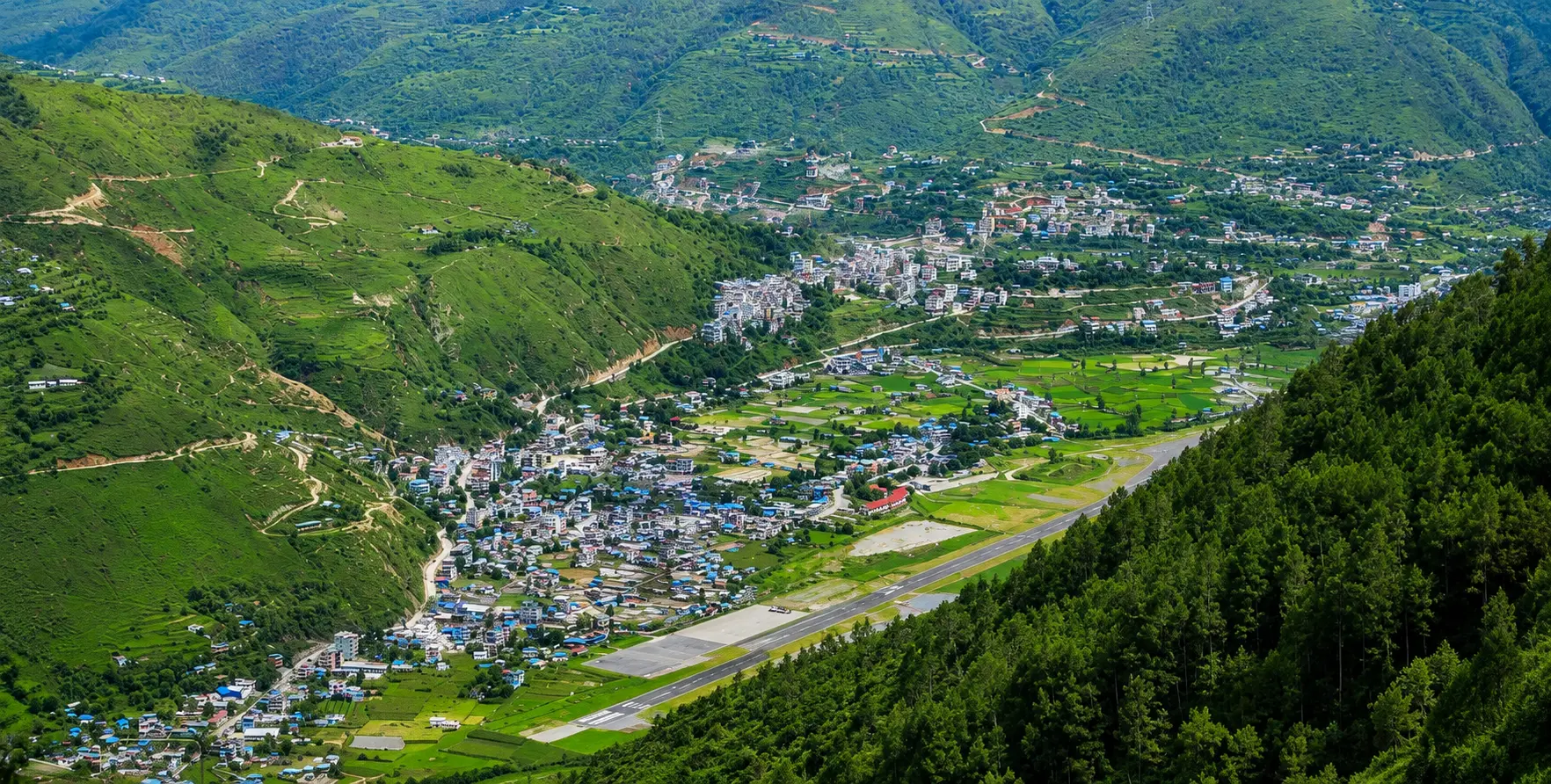
Bhadrapur / Chandragadhi Airport: Key Facts for Travellers. Chandragadhi Airport, locally known as Bhadrapur Airport, is located 4.6 kilometres from Bhadrapur municipality in Jhapa District, Koshi Province, Nepal. Buddha Air’s official airport information lists the airport’s IATA code as BDP and ICAO code as VNCG, with a 5,000-foot paved asphalt runway at 300 feet (91 meters) above sea level in the flat Terai terrain, making all-weather domestic operations far more reliable than Nepal’s mountain airstrips.

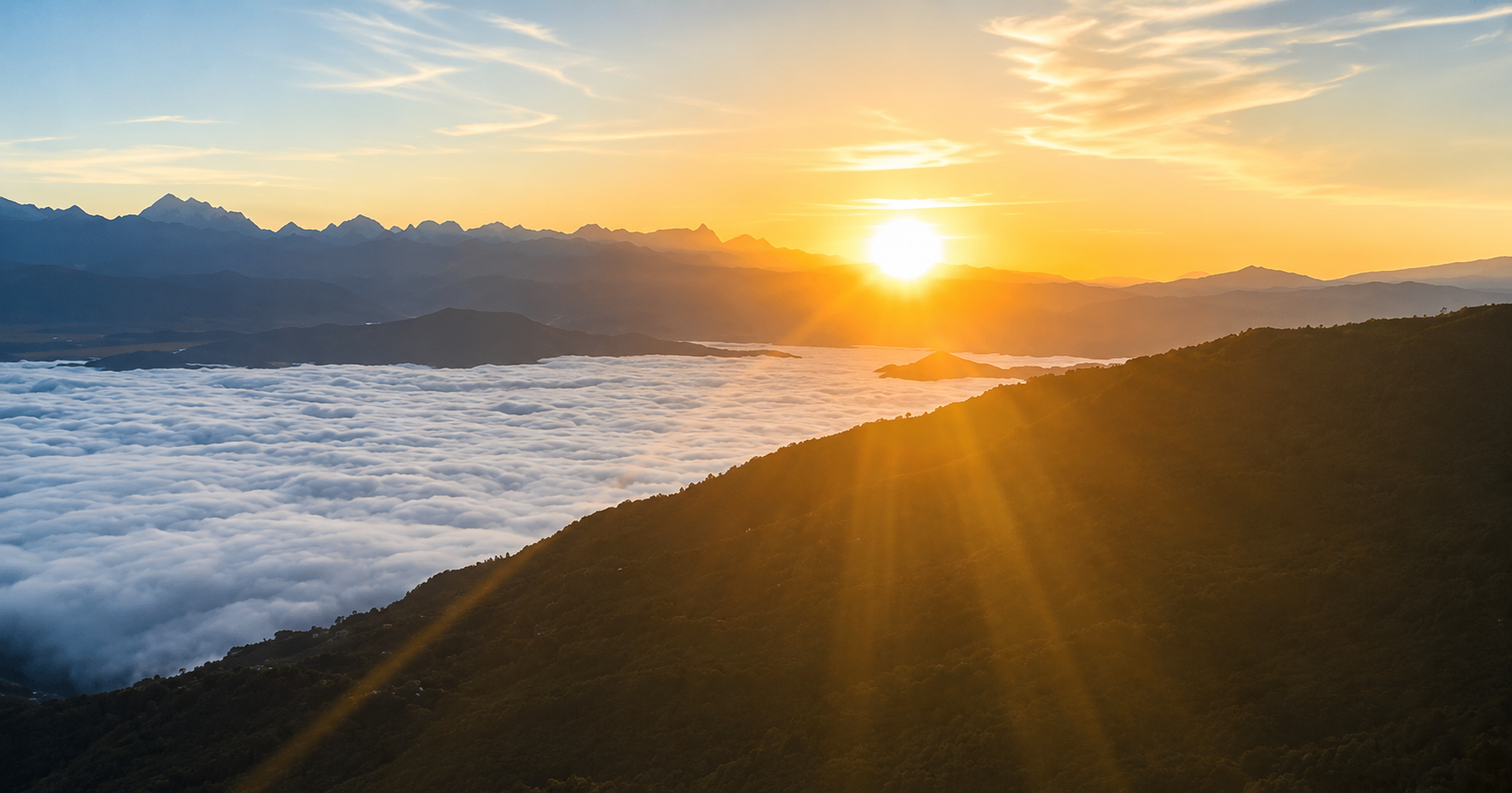
The airport primarily serves Jhapa and Ilam districts. It is described as the entry point for trekkers approaching the Kanchenjunga Base Camp trek, Nepal’s most remote and least-visited of the major Himalayan trekking routes. Makalu Barun National Park and the famous Ilam tea gardens also fall within the airport’s natural catchment area, making Bhadrapur BDP a gateway to some of eastern Nepal’s finest natural and cultural attractions.

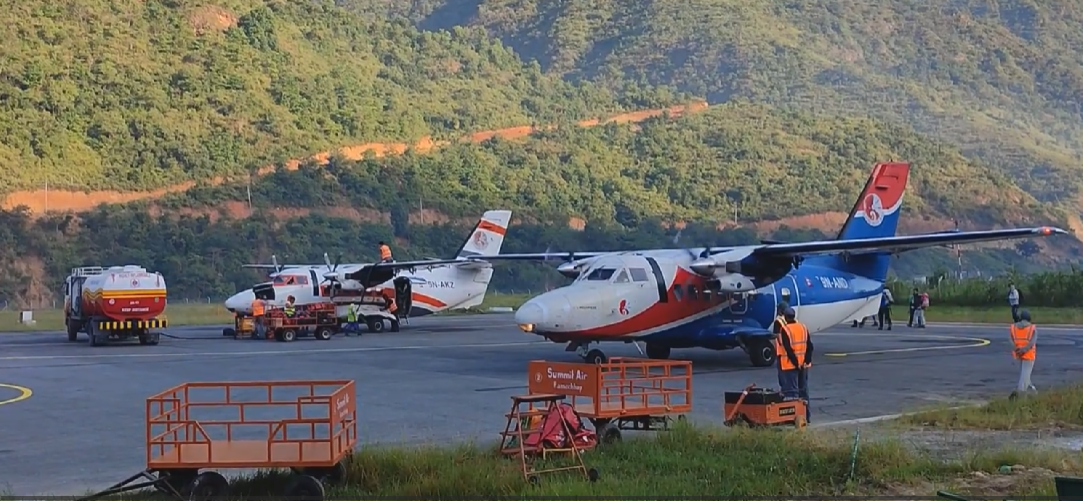
Domestically, Buddha Air operates more than 5 flights daily from Bhadrapur to Kathmandu, making it one of the airline’s most frequently served domestic routes. Yeti Airlines, Shree Airlines (operating about 60 monthly flights, according to Expedia data), and Nova Airlines also operate on the BDP-KTM route, with flights every 2 hours, according to Rome2Rio.

The flight from Bhadrapur Airport to Tribhuvan International Airport in Kathmandu takes about 40 minutes of actual flying time—short enough, as one booking platform notes, that you barely have time to listen to a few songs before landing. The one-way flight costs about USD 110 to USD 200 per person (around NPR 15,000 to NPR 26,000), making it the fastest and often the first choice for individual travellers with flexible budgets and time-sensitive schedules.

However, the domestic flight option—despite its obvious speed advantage—comes with constraints that make the overland jeep hire genuinely competitive for specific traveller categories. Weather-related cancellations, while less frequent at Bhadrapur than at mountain airports, still occur on this route during monsoon season and periods of dense winter fog in the Terai.

The combined cost of flights for families or groups of three or more significantly exceeds the cost of a shared private vehicle.

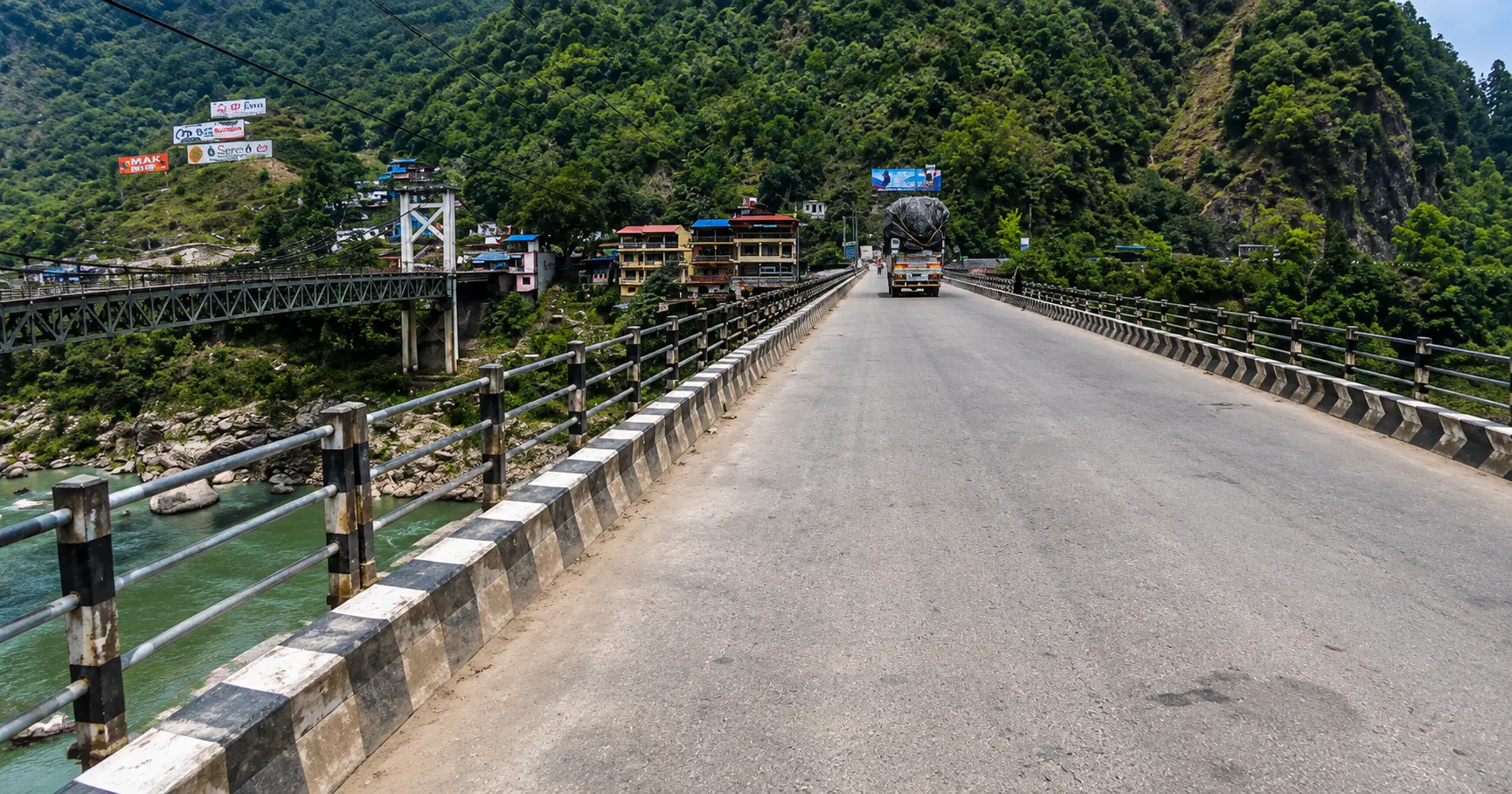
Luggage allowances on domestic flights are limited (typically 15 kg checked plus 5 kg cabin), creating difficulties for families with large loads, traders, and returning residents with substantial possessions. The overland route through Nepal’s Terai heartland and the Prithvi Highway mountain gorge offers a scenic, culturally rich journey that no 40-minute flight can begin to replicate.

For all these reasons, the private jeep and car hire option from Bhadrapur Airport to Kathmandu is not simply a budget alternative to the flight—it is a legitimately superior choice for a defined range of travellers and circumstances.
Book a Bhadrapur Airport to Kathmandu Jeep Hire with a private 4WD jeep, Scorpio SUV, Hiace van, or car for a safe, comfortable, and reliable long-distance airport transfer across Nepal.

The Route: Bhadrapur Airport to Kathmandu in Full Detail

Distance, Duration and Highway Overview

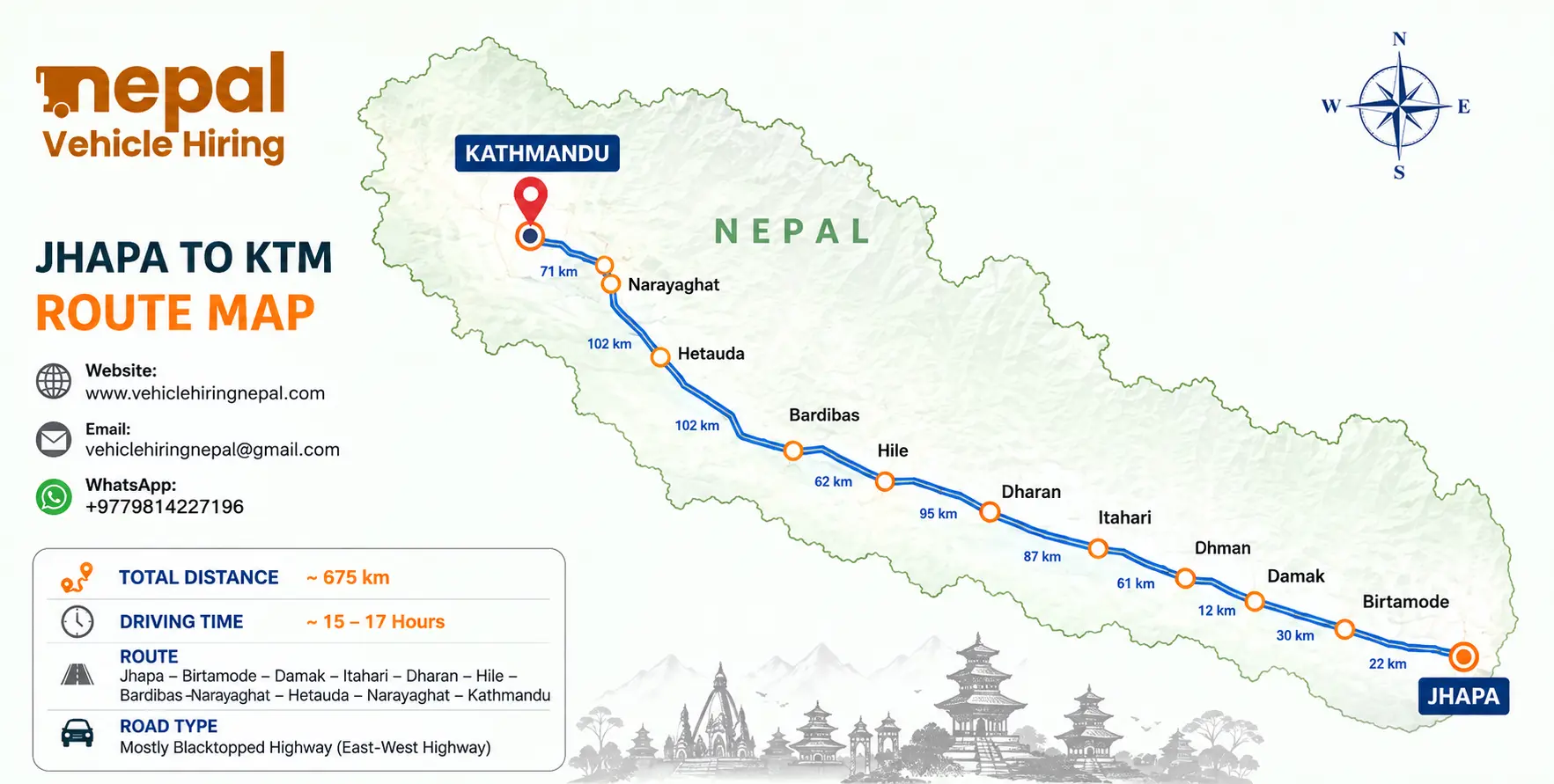
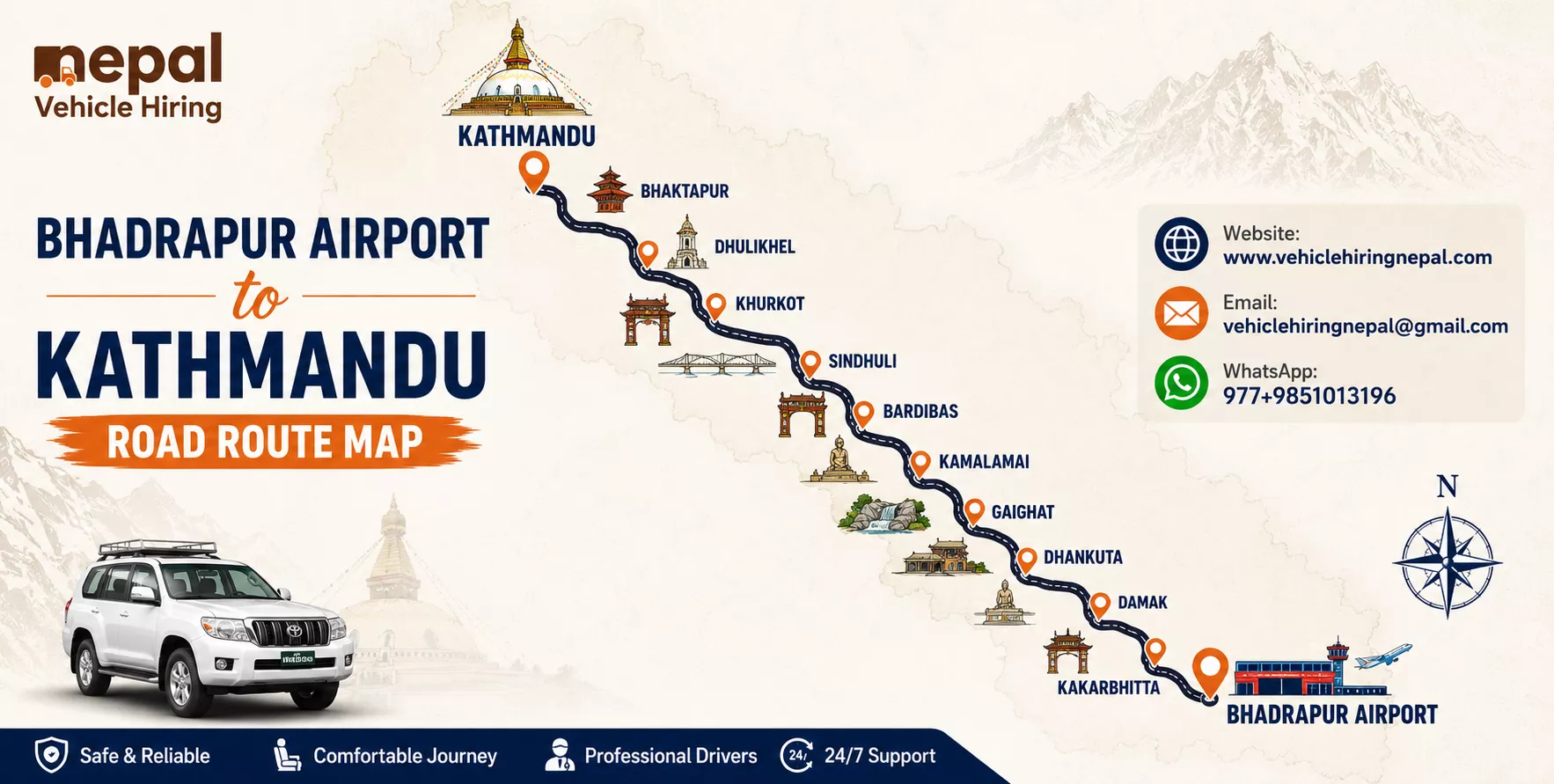
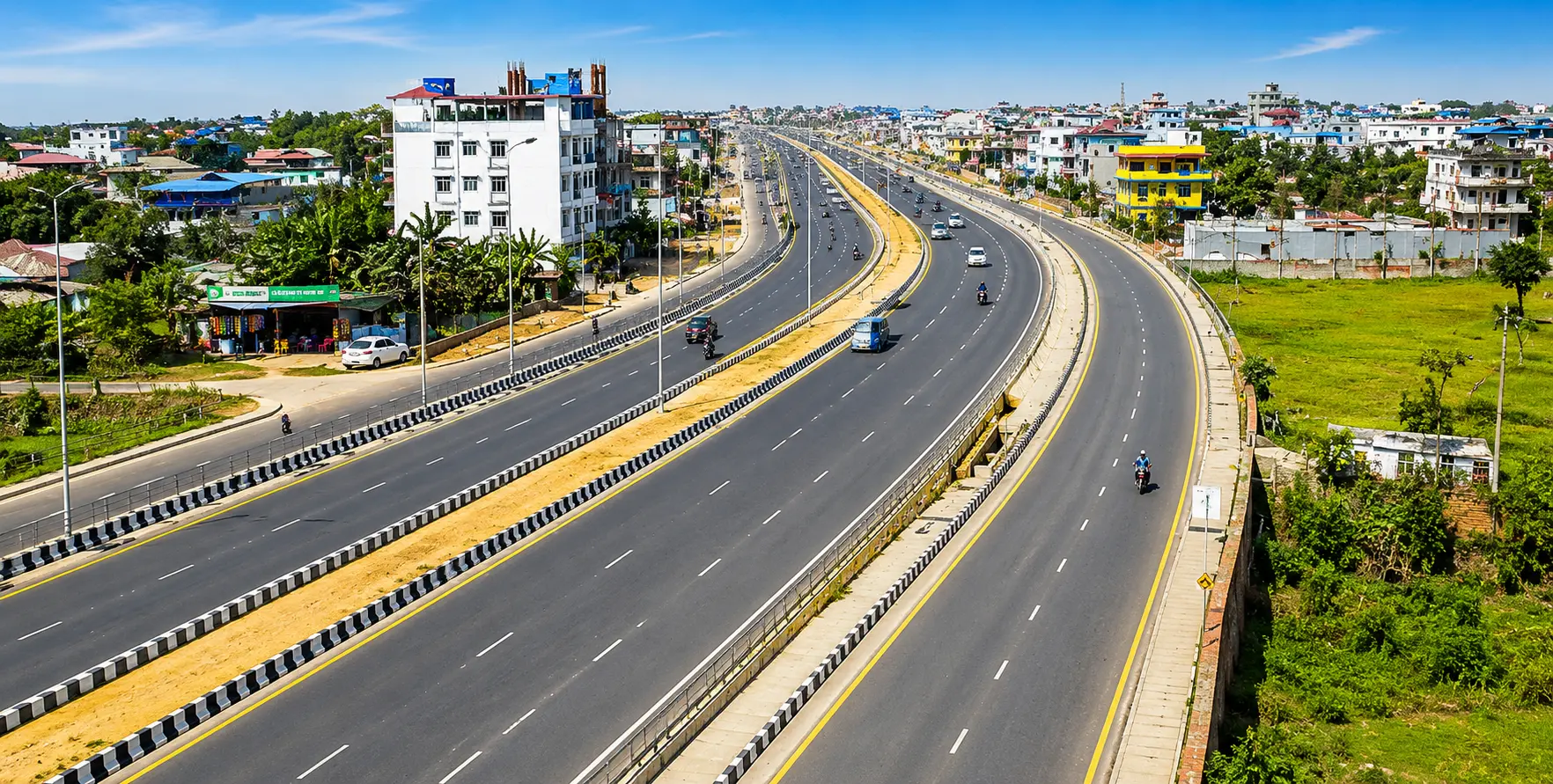
The road from Bhadrapur Airport to Kathmandu follows two principal highway segments in sequence. The total road distance is approximately 43 to 45 kilometres, depending on the exact route and the specific Bhadrapur pickup point, and the journey takes 12 to 16 hours by private vehicle.

This extended journey time reflects both the distance — the longest regular point-to-point private vehicle hire that Nepal Vehicle Hiring Pvt Ltd operates — and the character of the East-West Highway, which, while well-sealed on its main sections,s requires careful pacing rather than sustained high speeds due to regular traffic encounters and occasional surface variation. Most private vehicle journeys from Bhadrapur to Kathmandu are structured as overnight trips, departing Bhadrapur in the late afternoon or evening and arriving in Kathmandu the following morning, or as two-stage journeys with an overnight rest in a midpoint town such as Dhalkebar or Narayanghat.

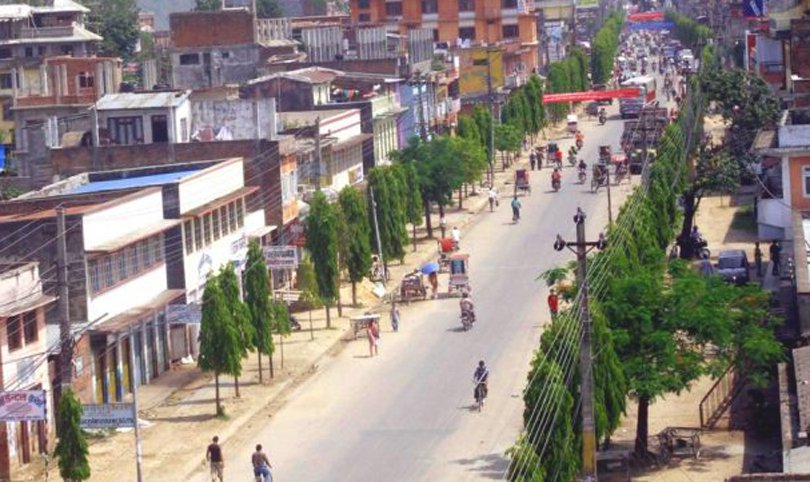
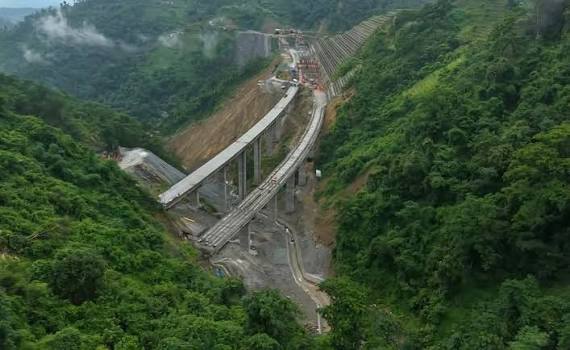
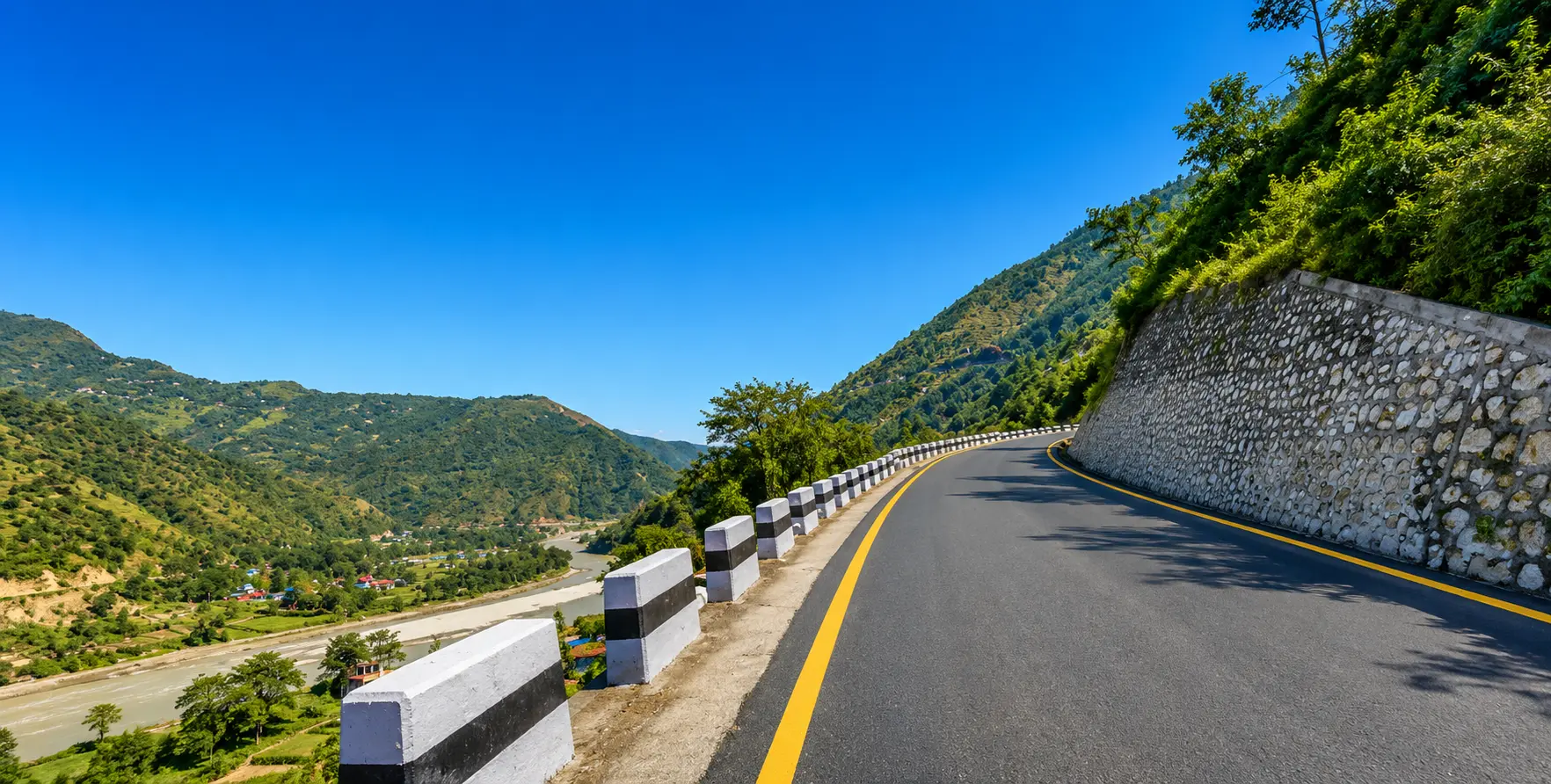
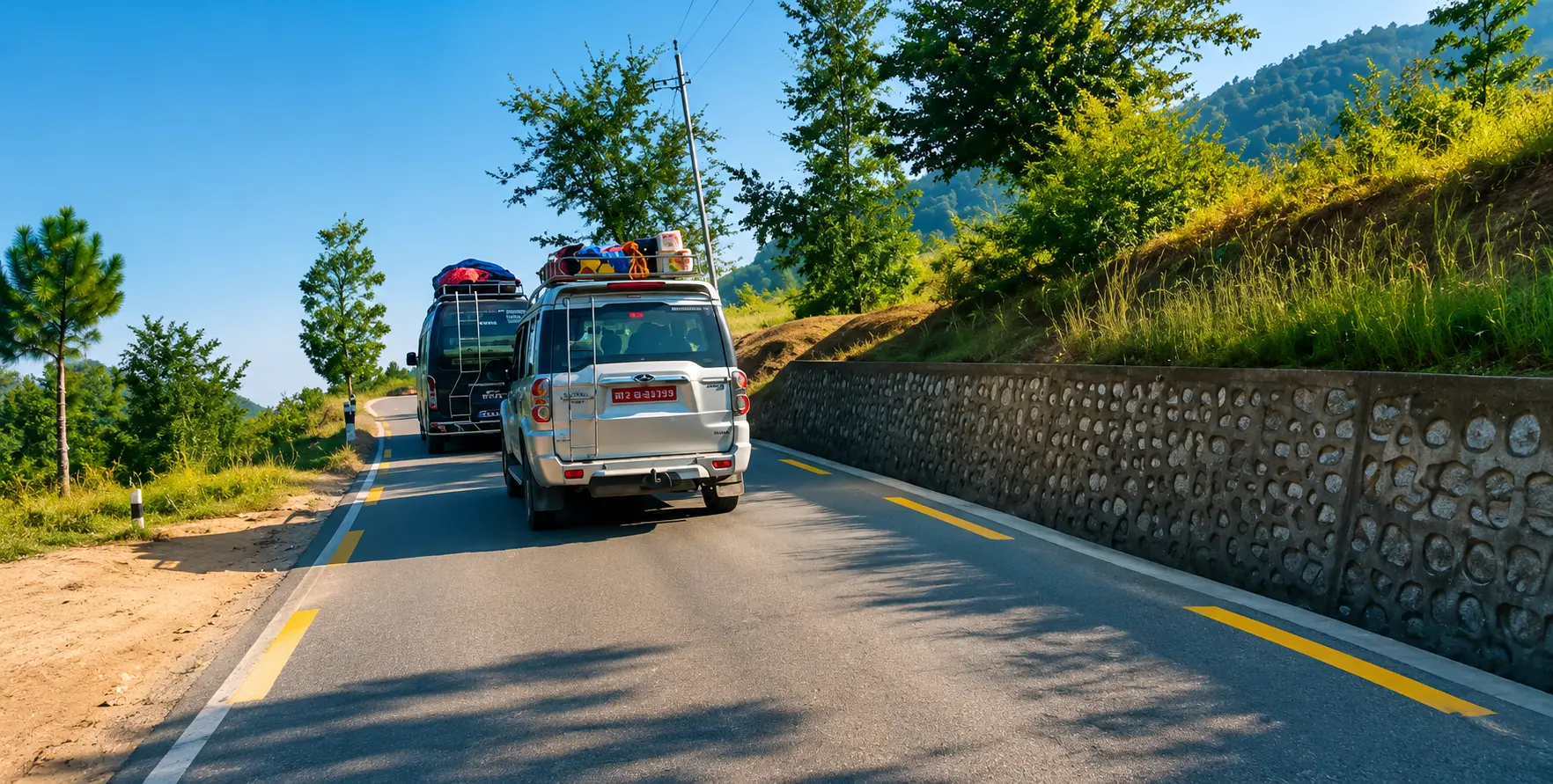
The route exits Bhadrapur Airport heading westward toward Birtamod (approximately 18 kilometres), joining the East-West Highway (Mahendra Highway, NH1) at Birtamod and continuing westward across Nepal’s Terai lowlands through Biratnagar (approximately 100 kilometres), Itahari, Dharan (100 to 130 kilometres), Dhalkebar (approximately 200 kilometres), Hetauda (approximately 280 kilometres), and Narayanghat in Chitwan (approximately 330 kilometres). From Narayanghat, the route turns northward onto the Prithvi Highway (Prithvi Rajmarg, NH16), climbing from the Terai plains through the dramatic Trishuli River gorge and the Mugling junction before reaching Kathmandu (approximately 430 to 450 kilometres total).

Each segment has its own character, road quality profile, and contribution to the overall journey.
Book a Bhadrapur Airport to Kathmandu Jeep Hire with a private 4WD jeep, Scorpio SUV, Hiace van, or car for a safe, comfortable, and reliable long-distance airport transfer across Nepal.

The East-West Highway: Nepal’s Terai Artery

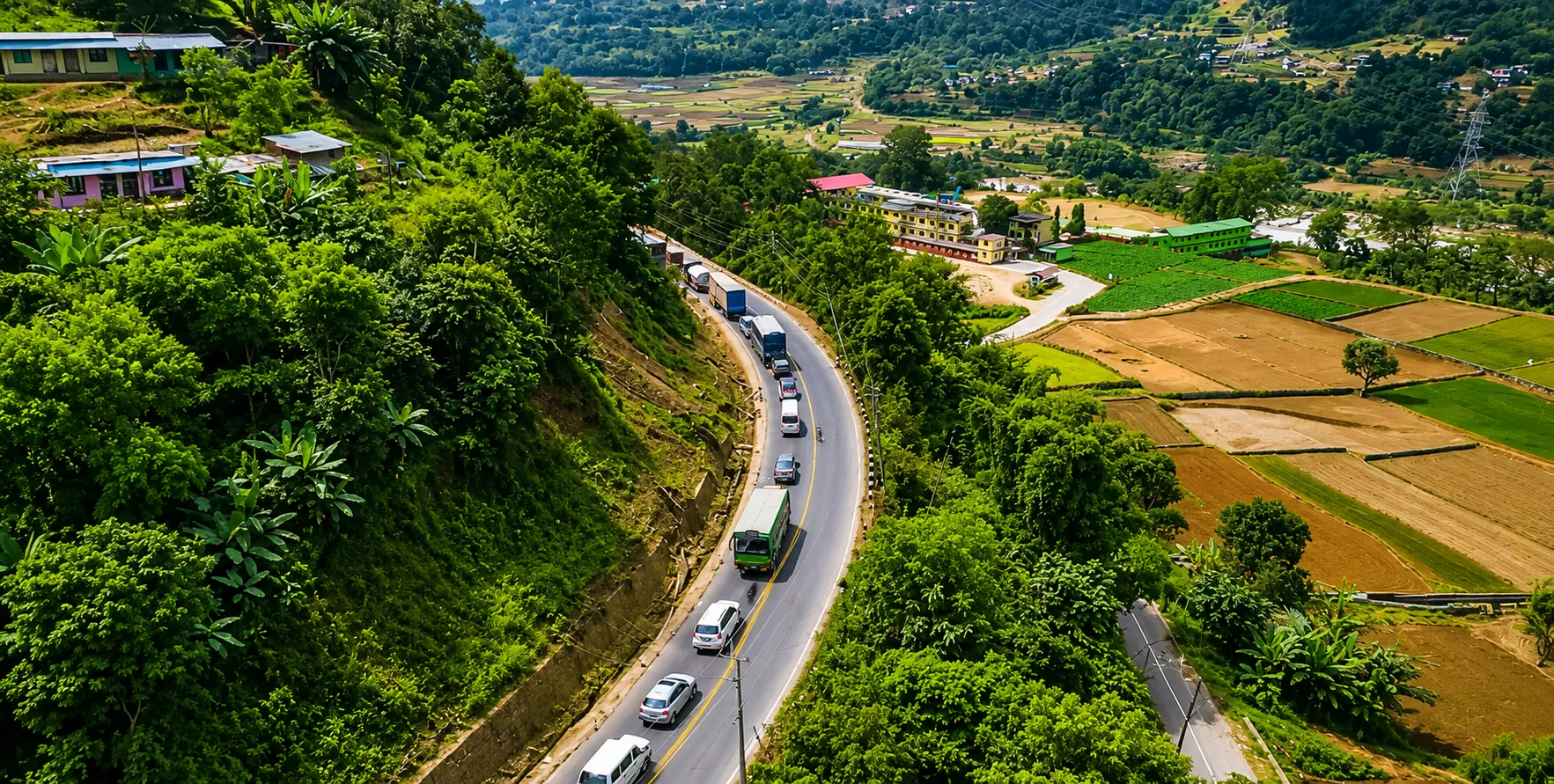
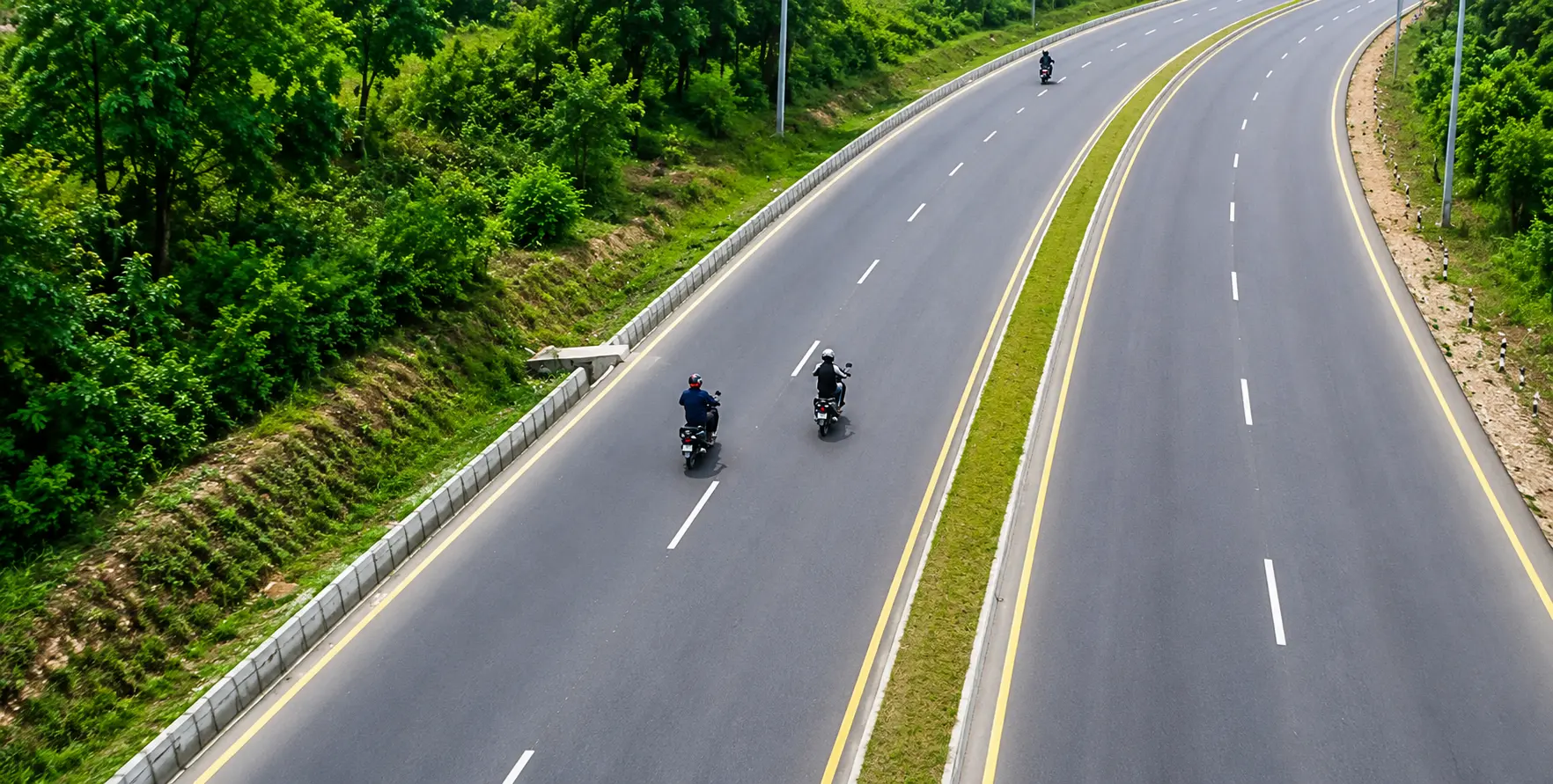
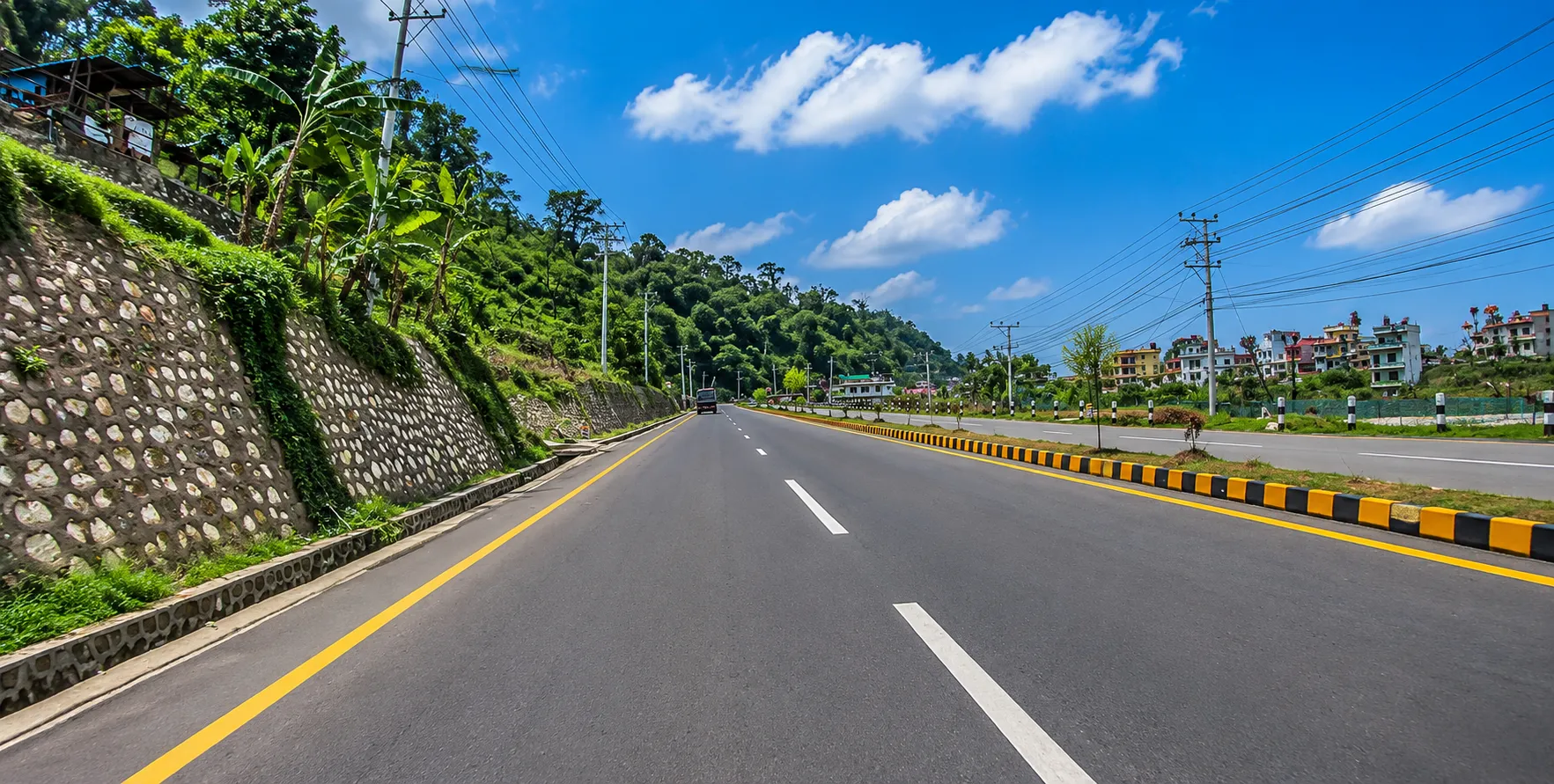
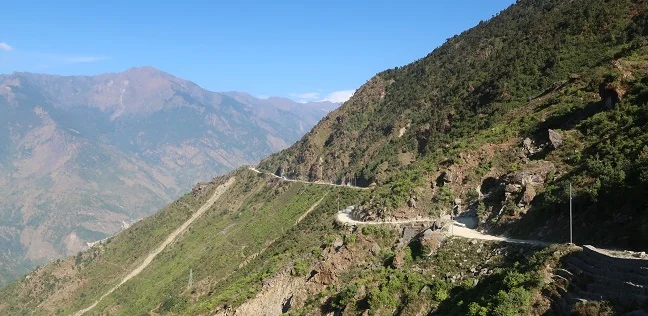
The East-West Highway section from Bhadrapur to Narayangarh covers about 330 kilometres through Nepal’s most productive agricultural landscape—paddy fields, mustard, jute, and sugarcane cultivation—punctuated by market towns, river crossings, sal forest reserves, and occasional glimpses of the Himalayan foothills rising to the north.

Nepal’s longest road runs about 1,027 kilometres from Mechi Zone in the east to Mahakali Zone in the west and was constructed with Indian government assistance in the 1960s to 1980s. The Bhadrapur to Narayaghat section is a two-lane sealed road of variable but generally adequate quality, carrying significant freight traffic alongside passenger vehicles and requiring patient, experienced driving from operators familiar with its seasonal variations and traffic patterns.

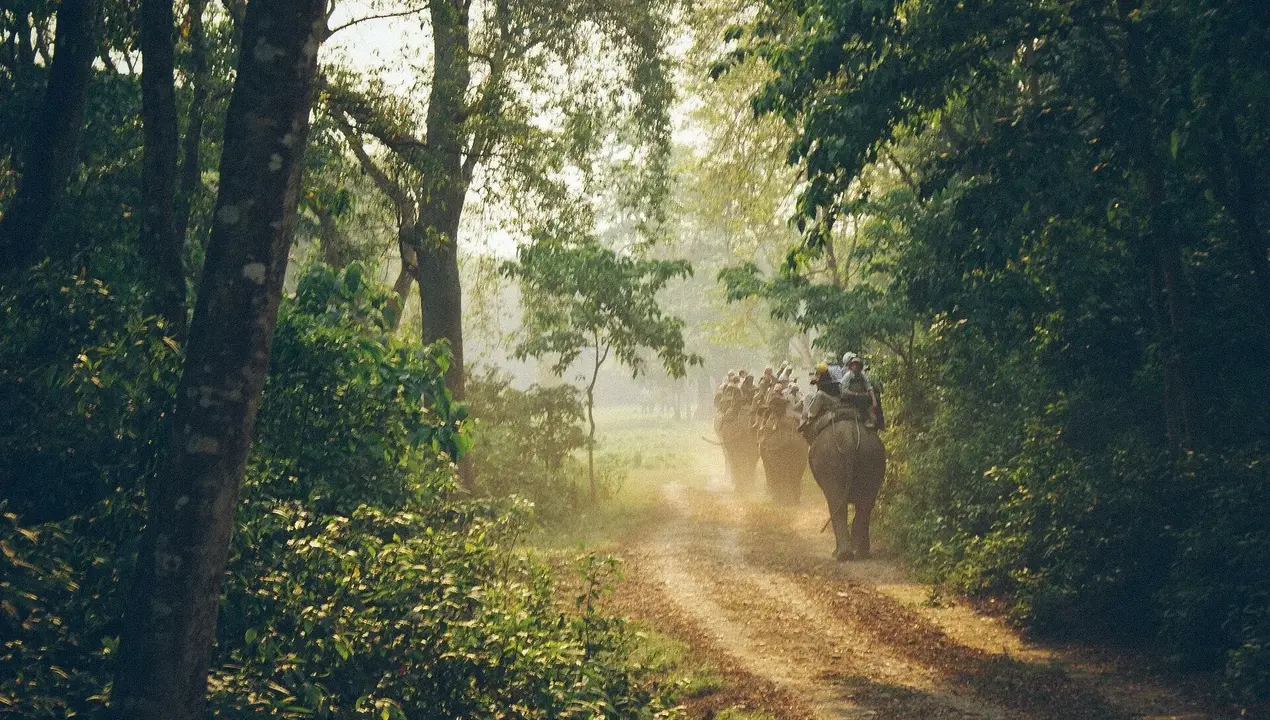
The most celebrated stop on the East-West Highway section of the Bhadrapur to Kathmandu journey is the Chitwan National Park buffer zone approach near Narayaghat. In this section, one-horned rhinoceros sightings from the highway are common in the early morning, when these remarkable animals graze in the grasslands between the park boundary and the road.

For first-time visitors to this part of Nepal, a wild rhino’s sudden roadside appearance is one of the journey’s most memorable and joyful surprises—an encounter a flight over the same territory at 10,000 feet makes impossible. Nepal Vehicle Hiring Pvt Ltd drivers for this route know the areas most likely to offer rhino sightings and are typically slow to give passengers the best viewing opportunity when conditions suggest the animals may be visible.

Narayanghat to Kathmandu: The Mountain Transition

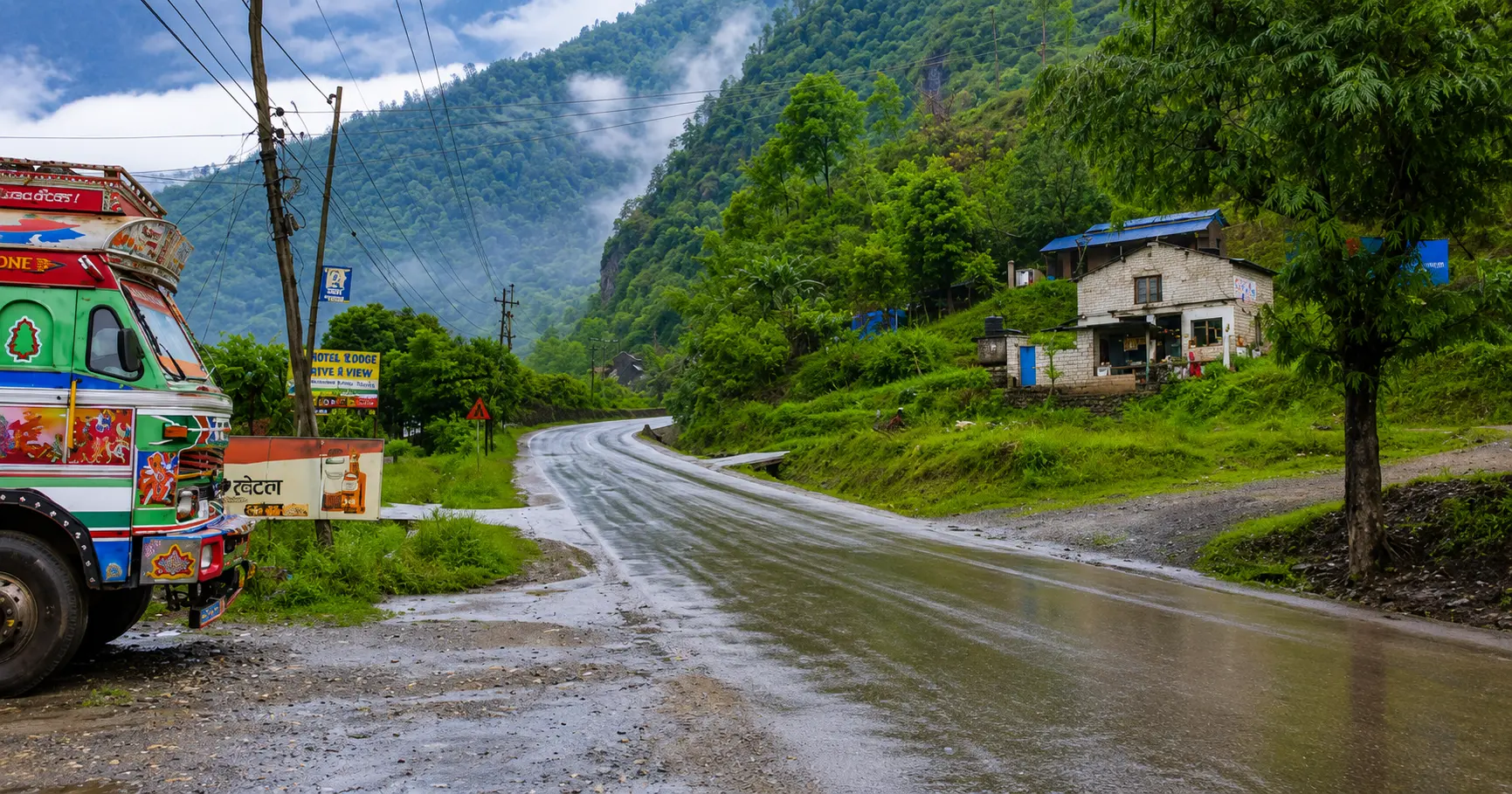
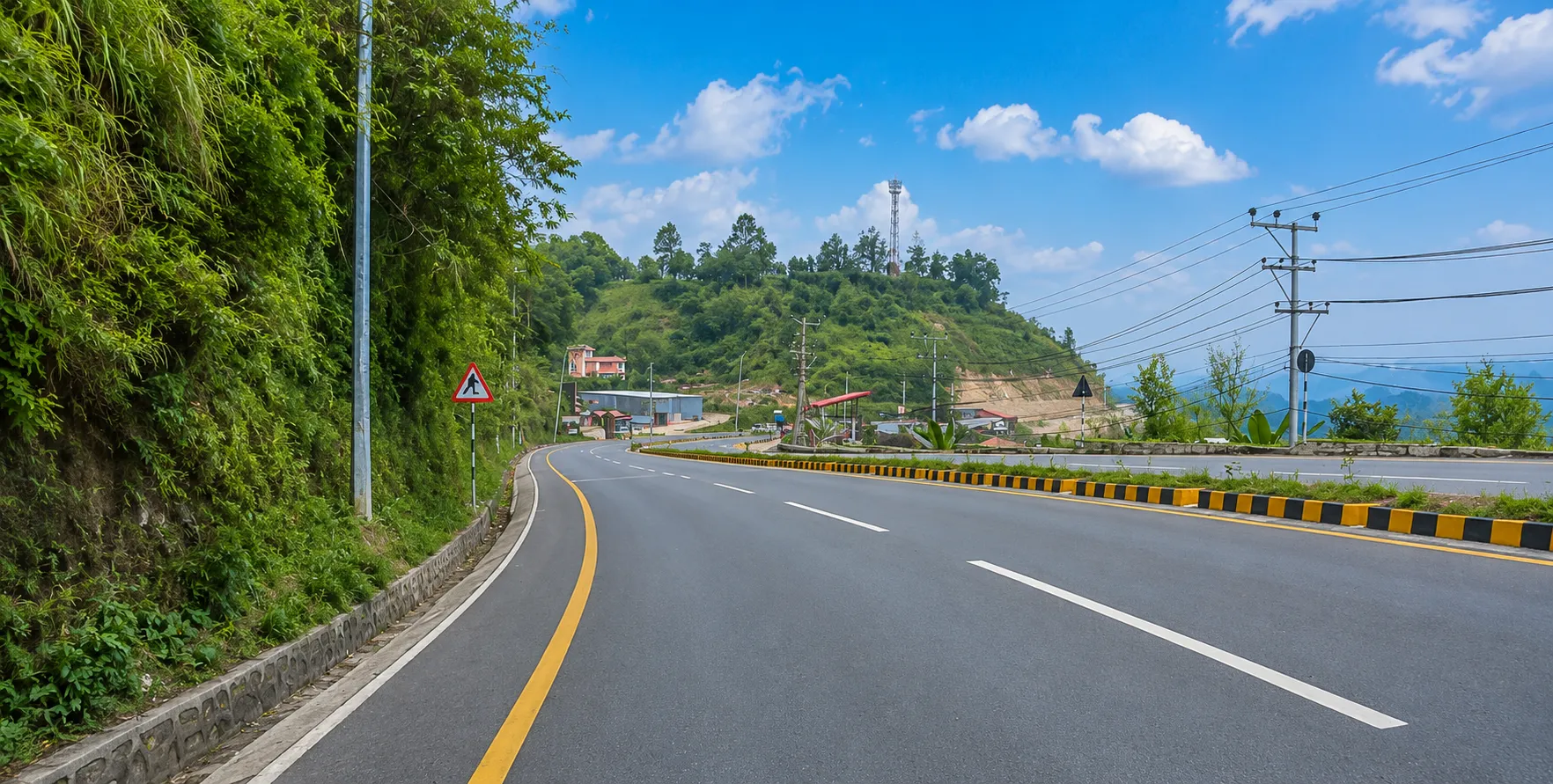
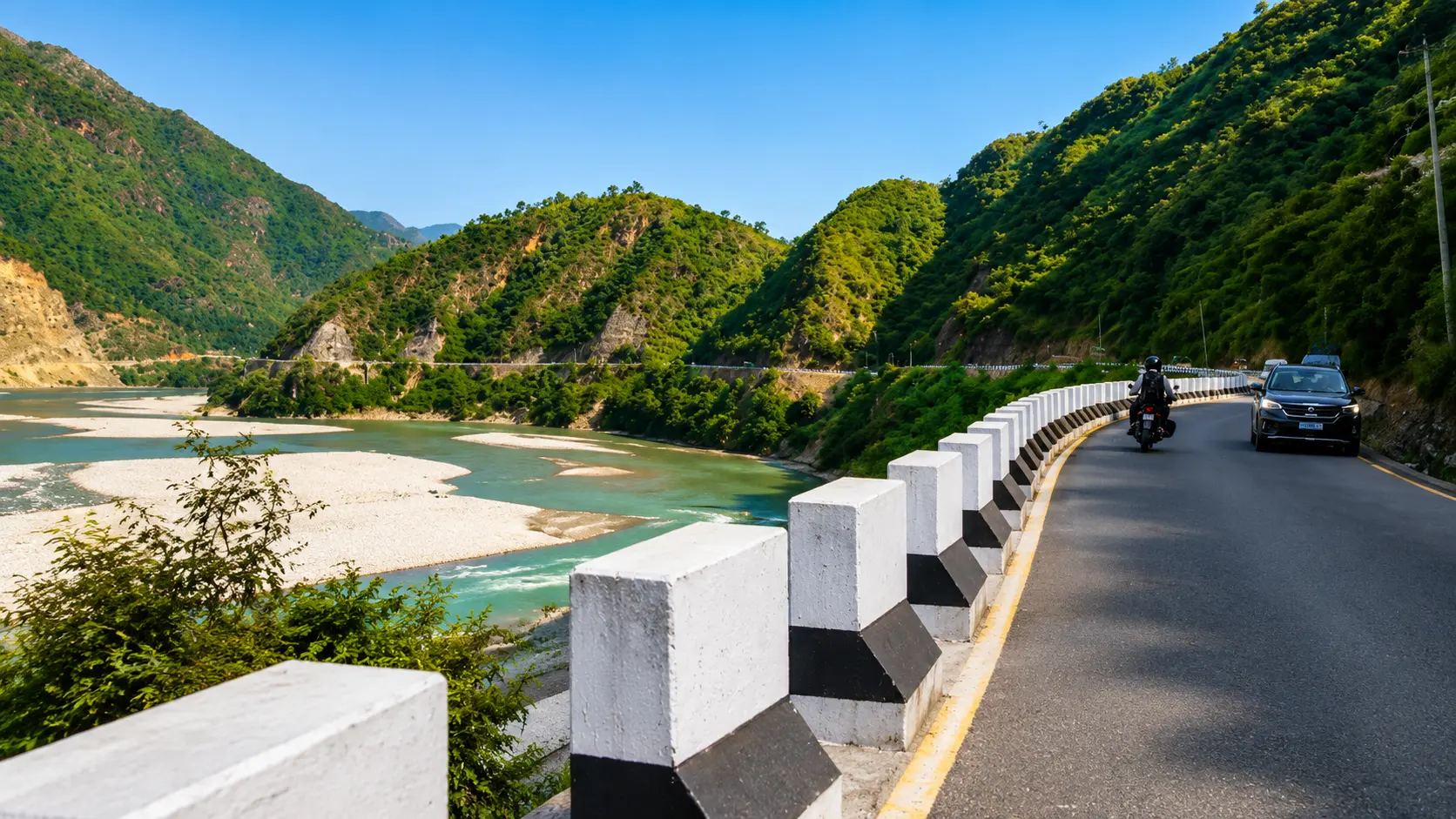
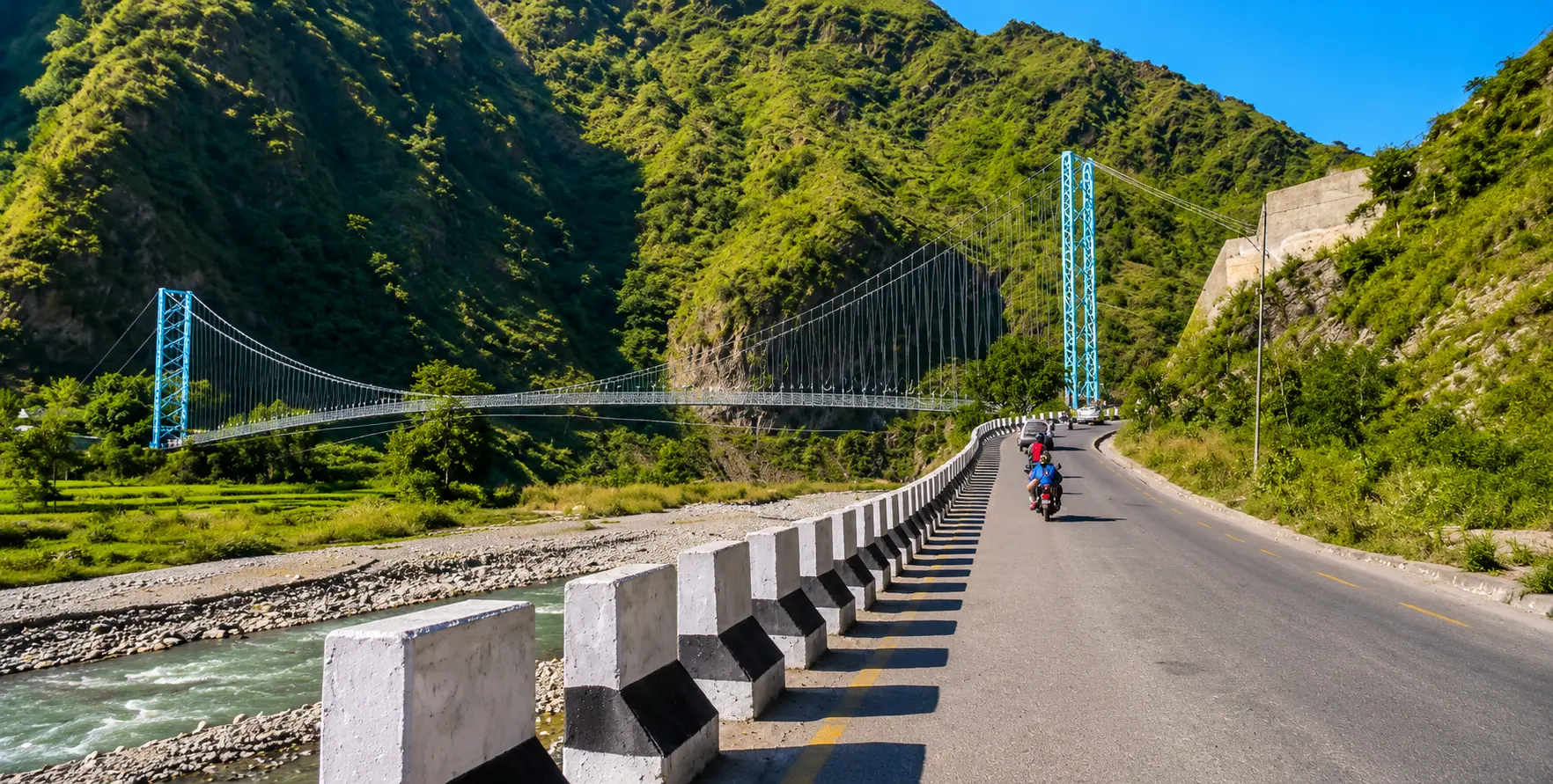
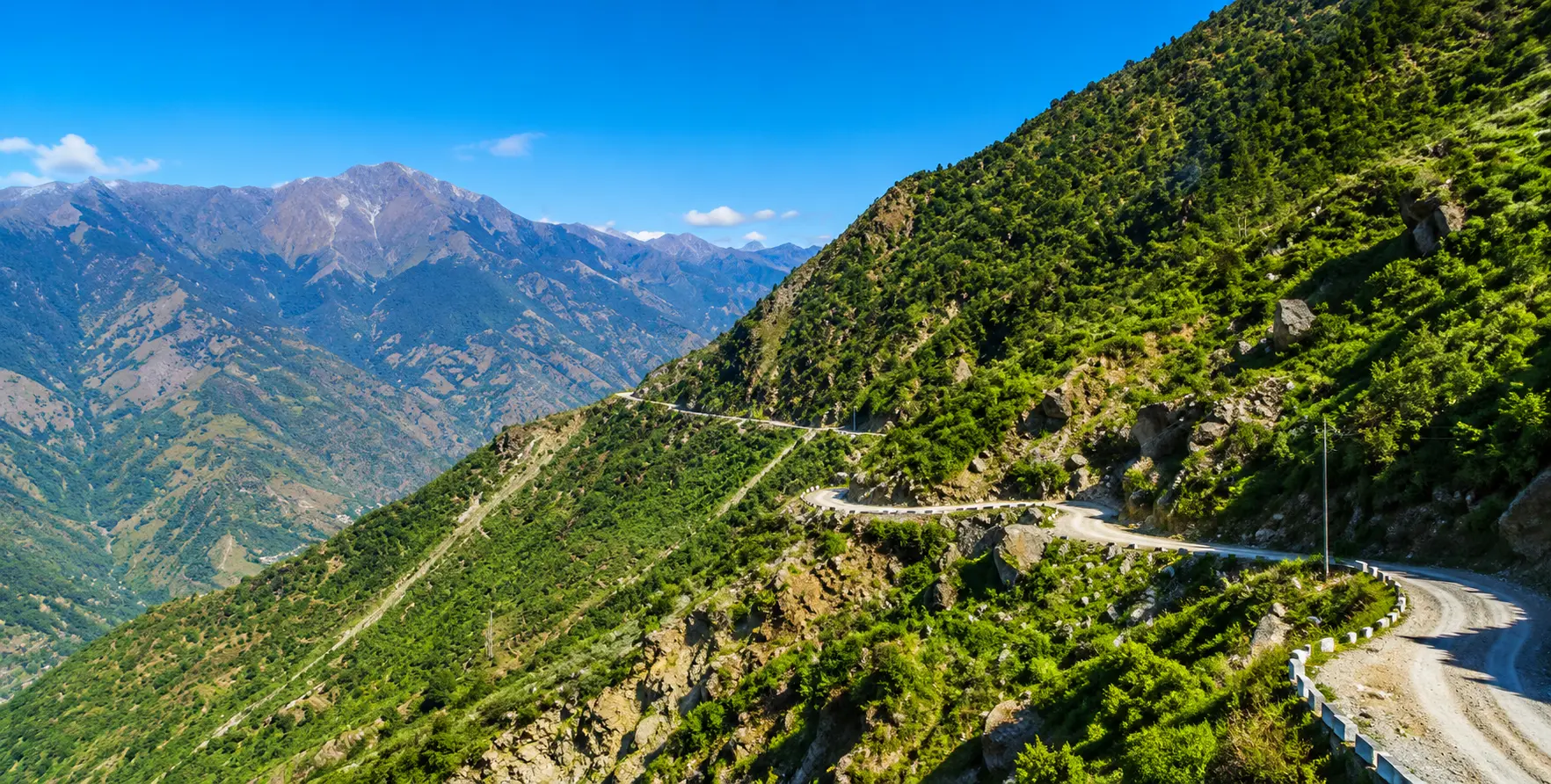
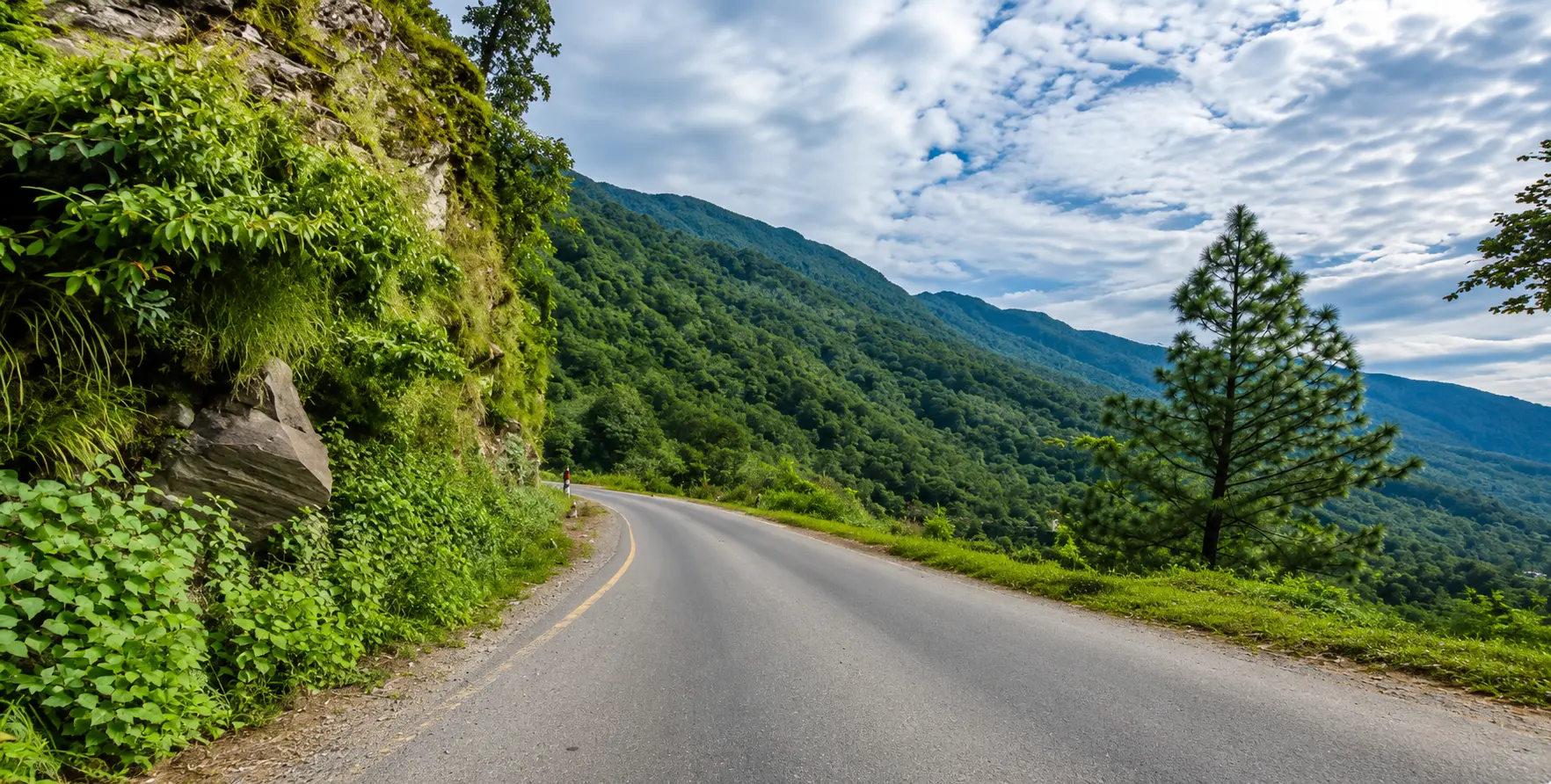
From Narayaghat, the Prithvi Highway turns north, and the journey changes dramatically—from the flat, agricultural Terai to winding mountain-gorge scenery that makes the final 150 kilometres to Kathmandu one of Nepal’s most visually compelling highway sections. The road follows the Trishuli River through sections of cliff-side driving where the gorge walls rise hundreds of meters above the road, passes through the famous Mugling junction — renowned throughout Nepal for its freshwater fish restaurants where the Trishuli and Marsyangdi rivers converge — and continues climbing through Malekhu and the final switchback approach to the Kathmandu Valley.

This section matches the eastern portion of the Kathmandu to Pokhara scenic drive and shares the dramatic gorge scenery and mountain-transition character that make the Prithvi Highway one of Nepal’s finest road journeys. Arriving in Kathmandu via this route — having crossed Nepal’s entire Terai breadth and then climbed through the mountain gorge system — produces a genuine sense of journey completed that no 40-minute domestic flight can generate.

Vehicle Options for Bhadrapur Airport to Kathmandu
Book a Bhadrapur Airport to Kathmandu Jeep Hire with a private 4WD jeep, Scorpio SUV, Hiace van, or car for a safe, comfortable, and reliable long-distance airport transfer across Nepal.

Private Jeep — The Standard Choice for Most Travellers

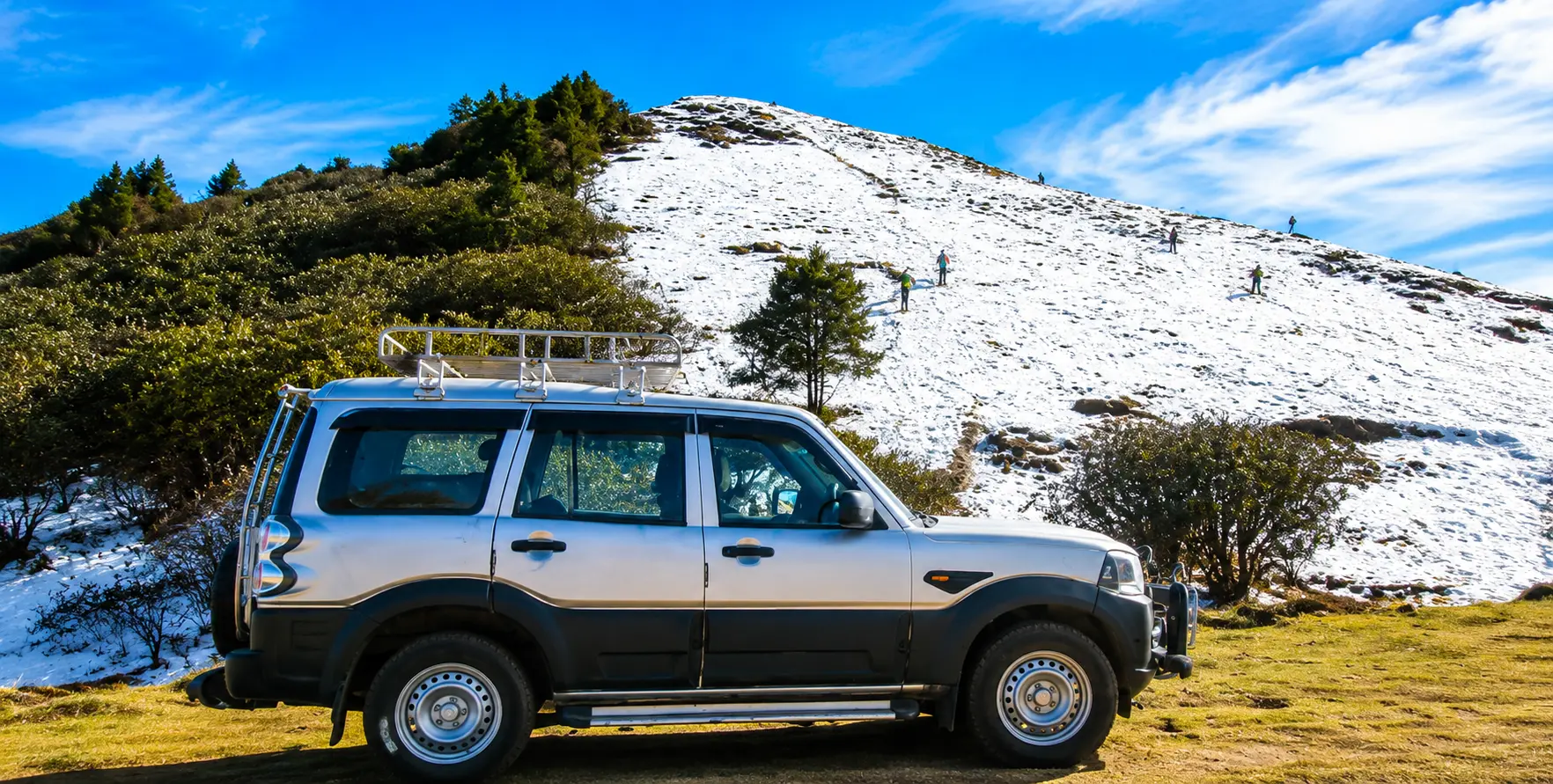
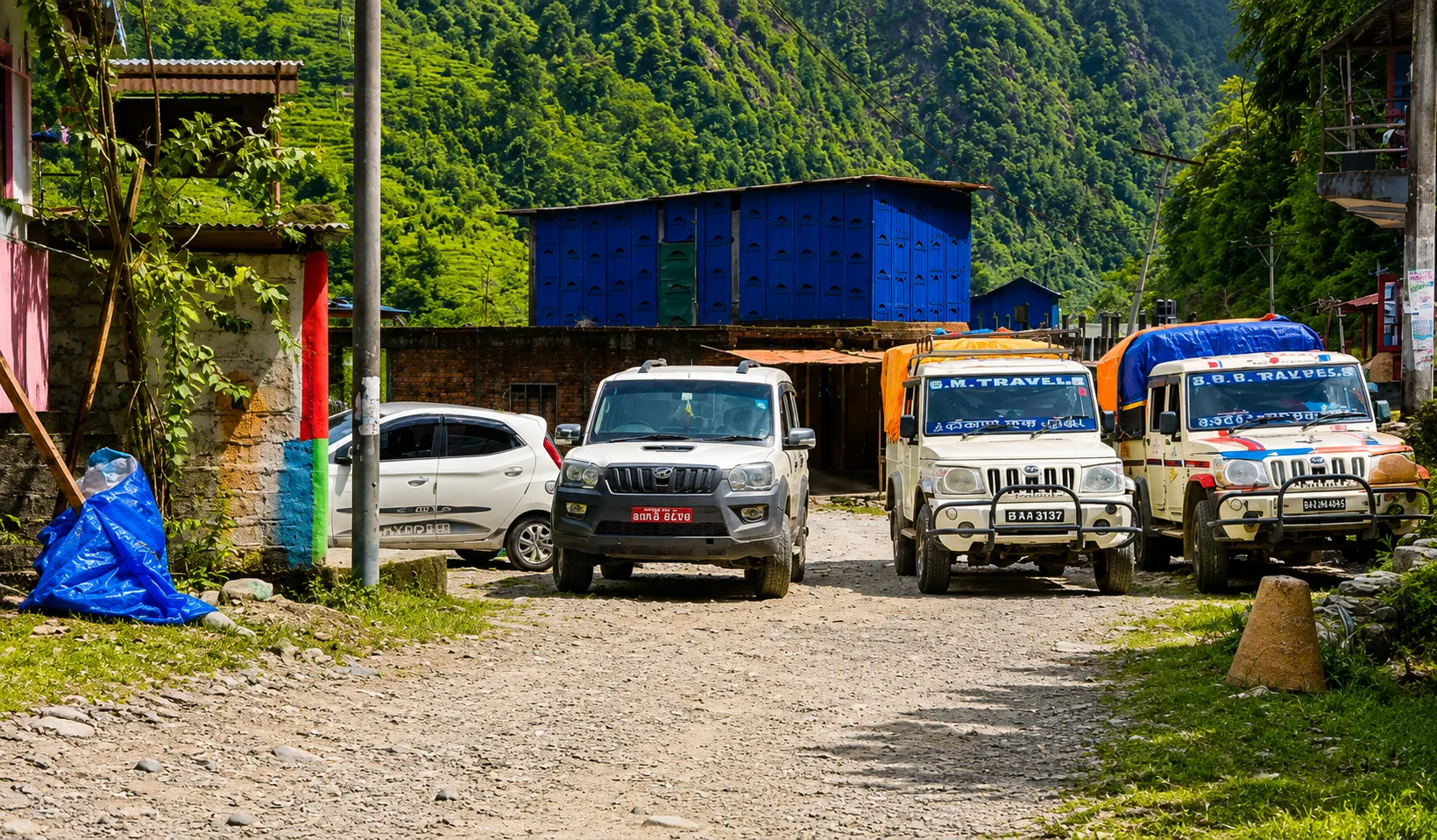
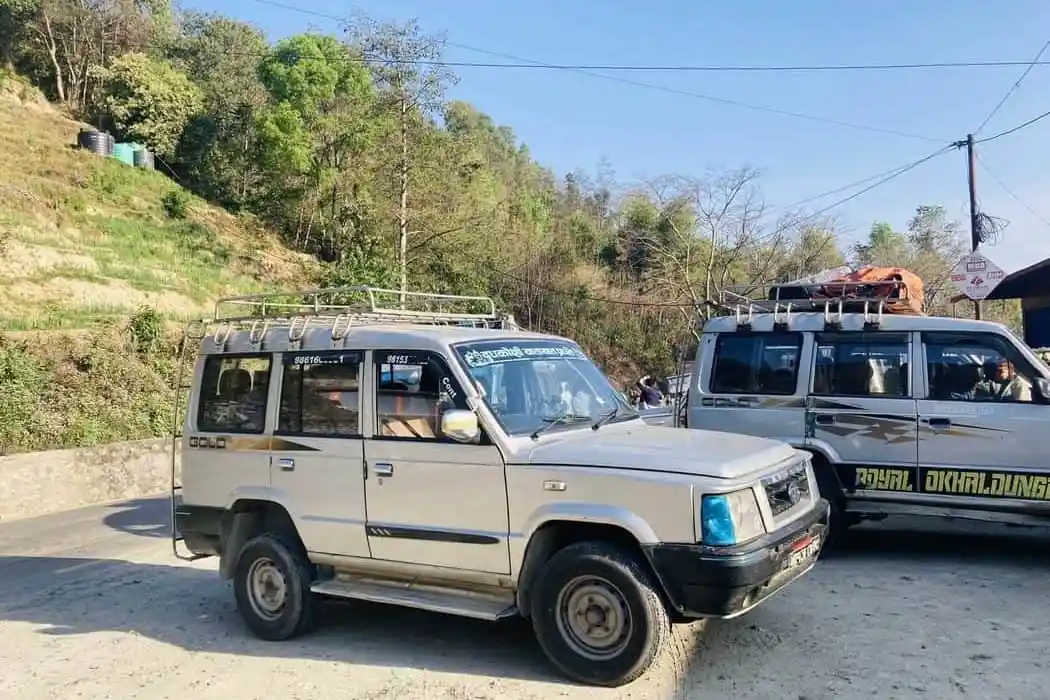
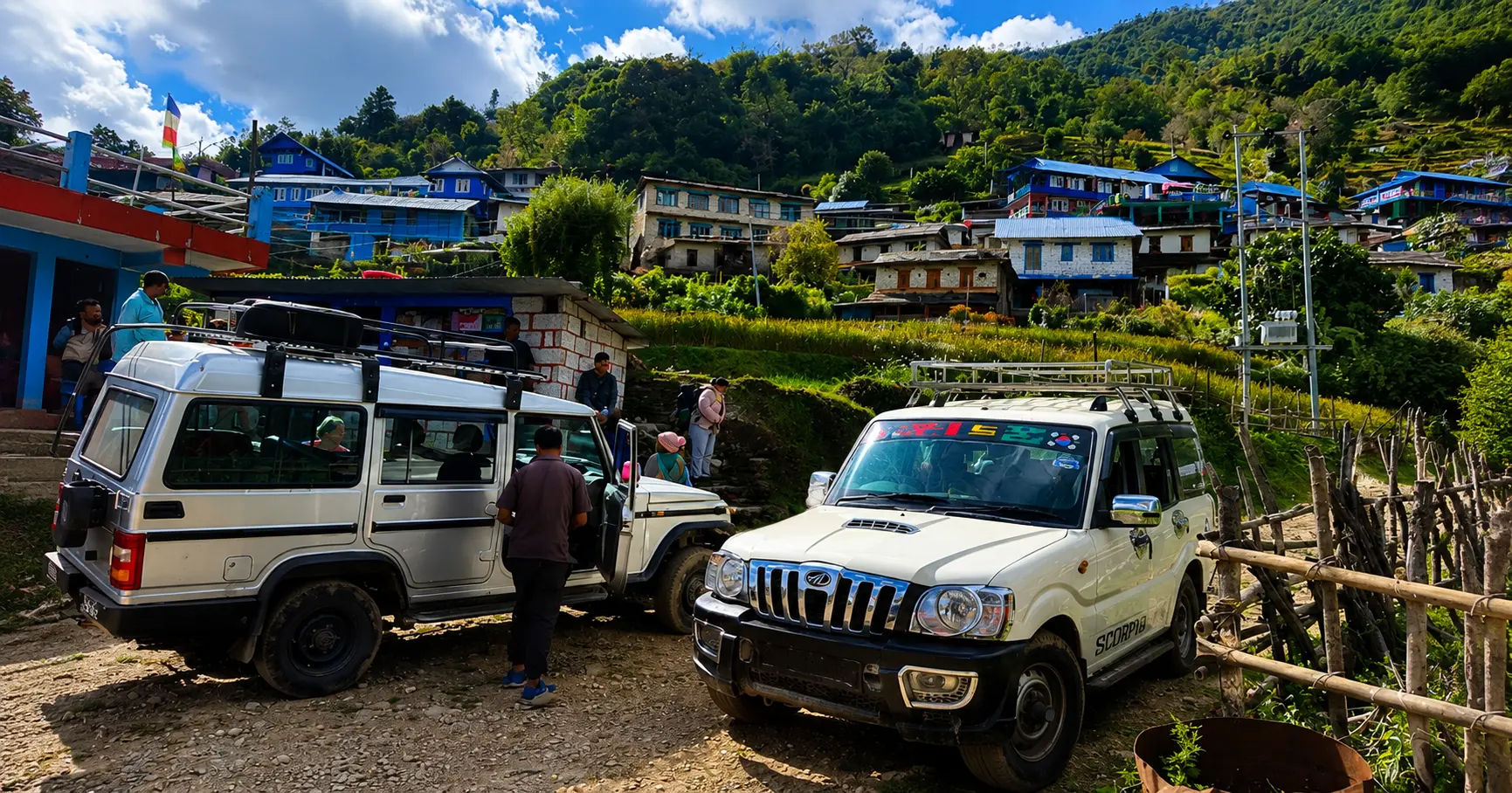
A private 4WD jeep is the most popular and most practical vehicle for the Bhadrapur Airport to Kathmandu journey, combining passenger capacity (typically 6 to 7 seats), luggage space, and the road-going versatility that a 12-to-16-hour inter-city journey on Nepal’s highway network demands. The Toyota Land Cruiser Prado is the top-end option—its spacious, well-insulated interior, effective climate control, and smooth suspension deliver the sustained comfort that separates an enjoyable long-distance journey from an exhausting one.

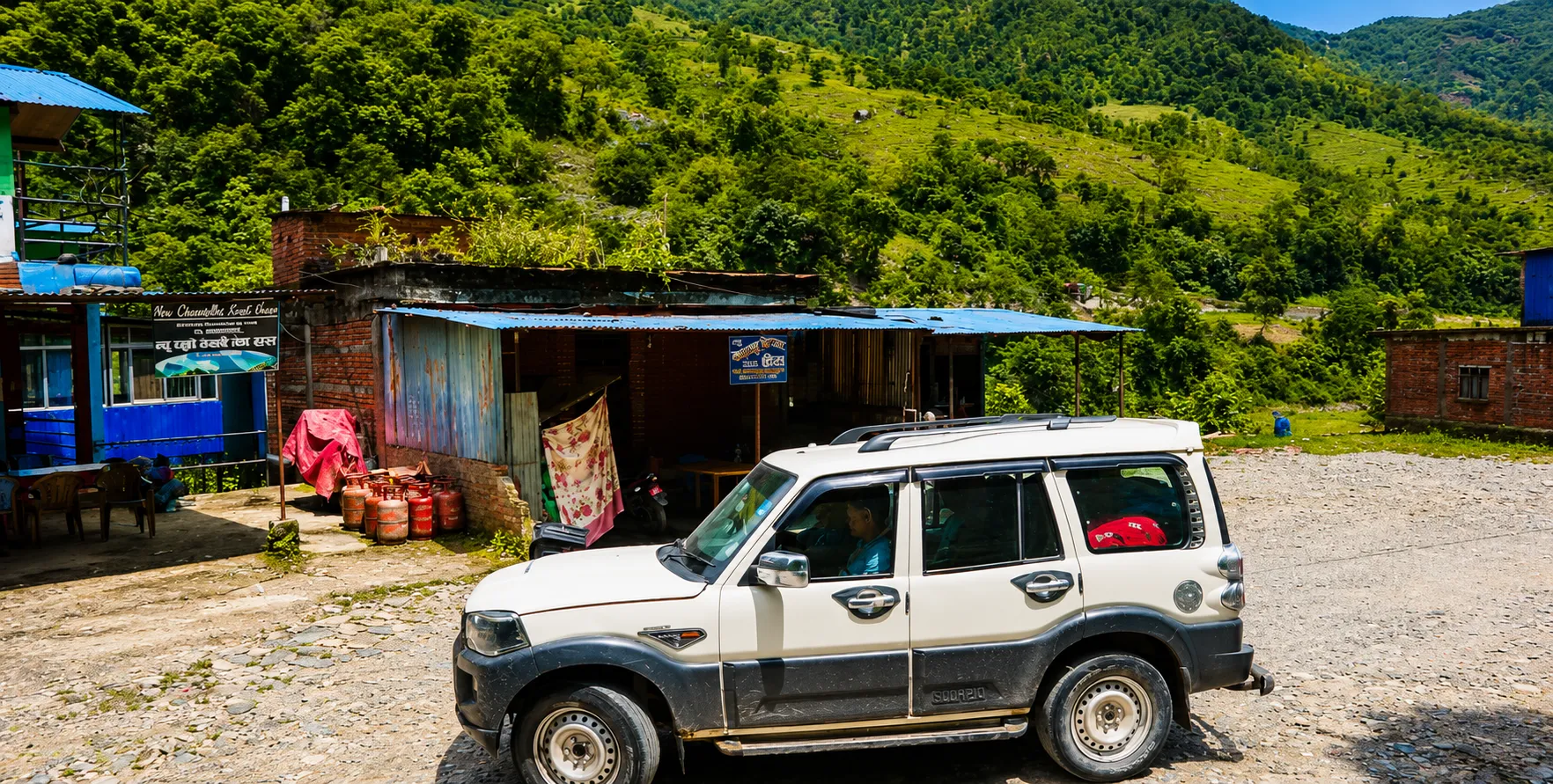
The Mahindra Scorpio and Toyota Fortuner offer more economical alternatives in the jeep category while still providing adequate passenger comfort and luggage capacity for groups of four to six. Private jeep hire from Bhadrapur Airport to Kathmandu costs approximately NPR 28,000 to NPR 40,000 for the full vehicle—excellent value for a group of five or six travellers compared to the combined flight cost of USD 110 to USD 160 per person (NPR 15,000 to NPR 21,000 per person).

The private jeep’s advantages on this specific route extend beyond general comfort; they meet the practical demands of a journey this long. A jeep’s higher ground clearance handles the occasional rough sections of the East-West Highway more confidently than a standard sedan.

Its 4WD capability provides valuable security in monsoon-season travel, when some highway sections present wet or unstable surface conditions.Its luggage capacity, both in the boot and on the roof, accommodates the substantial loads Bhadrapur Airport travellers carry, whether returning Jhapa residents bringing goods from regional markets, business travellers with product samples, or trekkers heading to Kathmandu with full expedition kits.

Nepal Tour Package

Private Car — Fast and Economical for Small Groups

For solo travellers, couples, and groups of up to four passengers with moderate luggage, a private car hire offers the most economical private-car option for the Bhadrapur Airport to Kathmandu route. The Toyota Corolla, Hyundai Elantra, and similar sedan-class vehicles handle the sealed highway sections of the East-West Highway and the Prithvi Highway gorge with complete adequacy.

Their lower hire rate — approximately NPR 22,000 to NPR 30,000 for the full vehicle — makes them the most cost-effective per-person option for small groups where the jeep’s additional capacity is unnecessary. The primary consideration is luggage: a standard sedan’s boot comfortably fits three to four normal-sized bags but can be strained by the larger loads some travellers carry on this corridor.

Nepal Vehicle Hiring Pvt Ltd’s team discusses luggage volume at booking to confirm whether a car or a jeep best suits each group’s needs.

Swayambhunath visit during Kathmandu Pokhara Tour

Hiace Van — The Group Transport Solution

For groups of 8 to 14 passengers—family groups, corporate delegations, educational institution parties, and pilgrimage groups—a Hiace van hire offers the most cost-effective and practical group transport for the Bhadrapur Airport to Kathmandu route. The Hiace’s 12- to 14-seat configuration fits a standard medium-sized group and their luggage in a single vehicle. Its height advantage over a standard sedan allows better luggage storage and slightly more comfortable headroom during long journeys.

Hiace van hire for the complete Bhadrapur Airport to Kathmandu route costs approximately NPR 35,000 to NPR 50,000 for the full vehicle—per-person cost for a group of 12 runs approximately NPR 2,917 to NPR 4,167, considerably below the domestic flight fare of NPR 15,000 to NPR 21,000 per person while delivering private-vehicle advantages.

Nepal Tour Package

Coaster and Bus — For Large Groups and Organisations

For institutional groups, corporate events, and large family gatherings, Nepal Vehicle Hiring Pvt Ltd provides coaster hire (20 to 22 passengers) and full bus hire (30 to 45 passengers) for the Bhadrapur Airport to Kathmandu corridor. These larger vehicles are especially useful during the Dashain and Tihar festival travel peaks, when extended family groups travel together, and for school or university groups returning from field trips or events in eastern Nepal.

A coordinated private bus from Bhadrapur Airport eliminates the logistical complexity of managing multiple smaller vehicle bookings and ensures the entire group travels together with consistent departure timing and arrival coordination.

Complete Cost Guide: Bhadrapur Airport to Kathmandu

The following cost figures represent current market rates for private vehicle hire from Bhadrapur Airport (Chandragadhi Airport, BDP) to Kathmandu. All Nepal Vehicle Hiring Pvt Ltd rates are fully inclusive of vehicle, professional driver, fuel for the complete route, and all applicable road tolls — with no additional charges at settlement.

Private car (3–4 passengers): NPR 22,000 to NPR 35,000 per vehicle (approximately USD 165 to USD 250). Per-person cost for a group of 4: NPR 5,500 to NPR 7,500. Ideal for small groups with moderate luggage on a budget. Book private car hire through Nepal Vehicle Hiring Pvt Ltd.

Private jeep (5–7 passengers): NPR 28,000 to NPR 45,000 per vehicle (approximately USD 210 to USD 350). Per-person cost for a group of 6: NPR 4,667 to NPR 6,667. Best all-round option for groups, family travel, and those with substantial luggage—book private jeep hire.

Hiace van (8–14 passengers): NPR 35,000 to NPR 55,000 per vehicle (approximately USD 263 to USD 375). Per person for 12: NPR 2,917 to NPR 4,167. Most economical per-person rate for medium groups—Book a Hiace van.

Coaster (20–22 passengers): NPR 48,000 to NPR 65,000 per vehicle (approximately USD 360 to USD 488). Book coaster hire for medium-large groups.

Full bus (30–45 passengers): NPR 60,000 to NPR 85,000 per vehicle (approximately USD 450 to USD 638). Book bus hire for large institutional groups.

Domestic flight comparison: One-way flight from Bhadrapur (BDP) to Kathmandu (KTM) costs approximately NPR 15,000 to NPR 26,000 per person (USD 110 to USD 200). For a family of five, the combined flight cost of NPR 75,000 to NPR 105,000 (USD 550 to USD 800) compares with a private jeep hire of NPR 28,000 to NPR 40,000 (USD 210 to USD 300) — a saving of NPR 35,000 to NPR 65,000 in favour of the private jeep, at the cost of approximately 12 to 16 hours of road travel versus 40 minutes in the air.

For groups of three or more, the private vehicle economics are consistently and often dramatically superior to the domestic flight option.

Tip: For families of four or more travelling from Bhadrapur Airport to Kathmandu, the private jeep hire saves NPR 28,000 to NPR 44,000 compared to equivalent domestic flights. That saving covers a night’s hotel in Kathmandu and a full day of sightseeing by private car, making the overland journey not just a transport option but a gateway to a richer, more cost-effective travel experience.

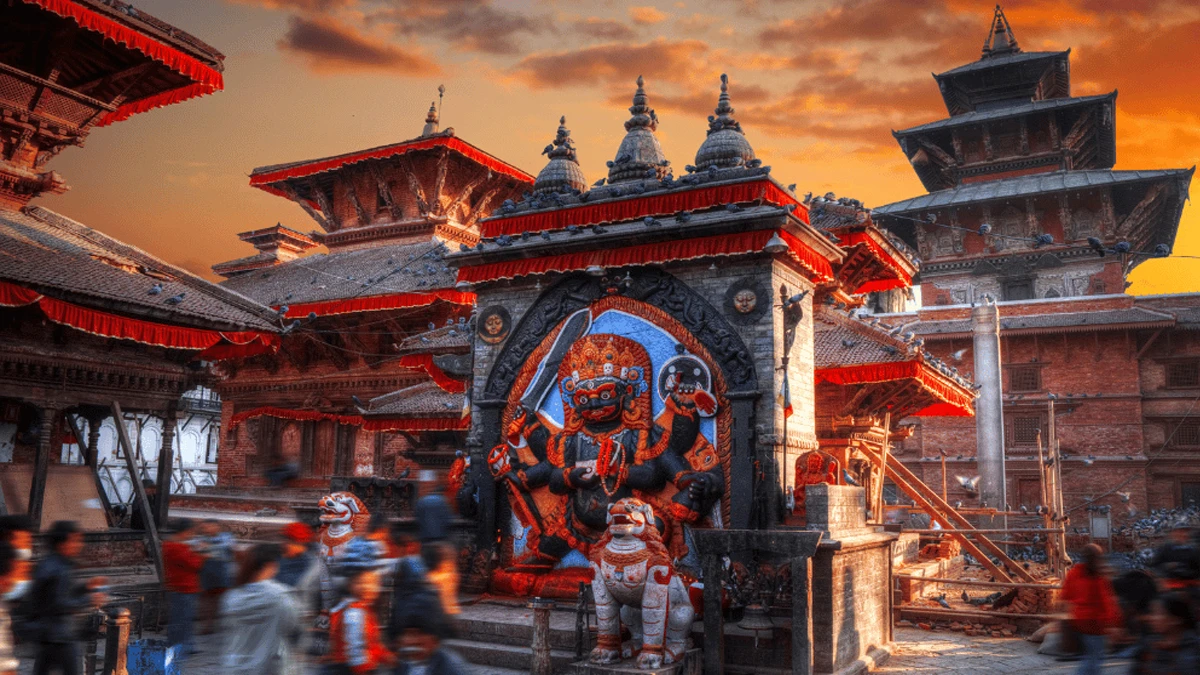
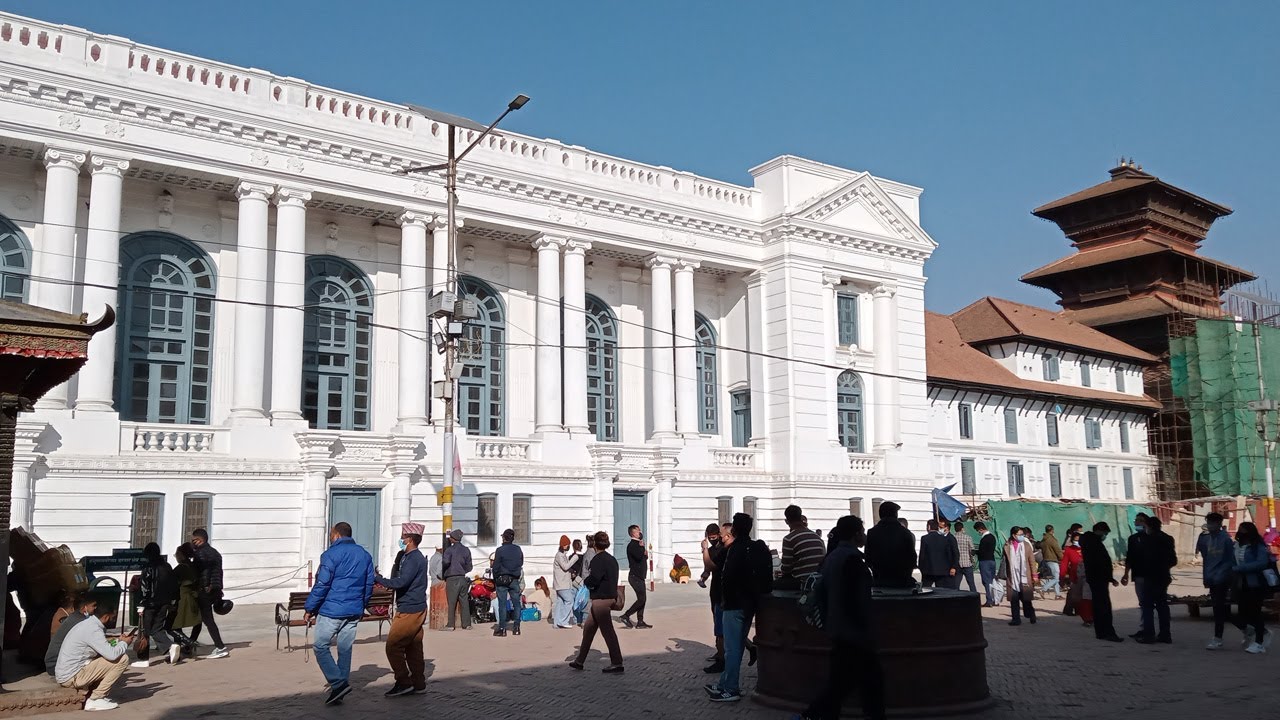
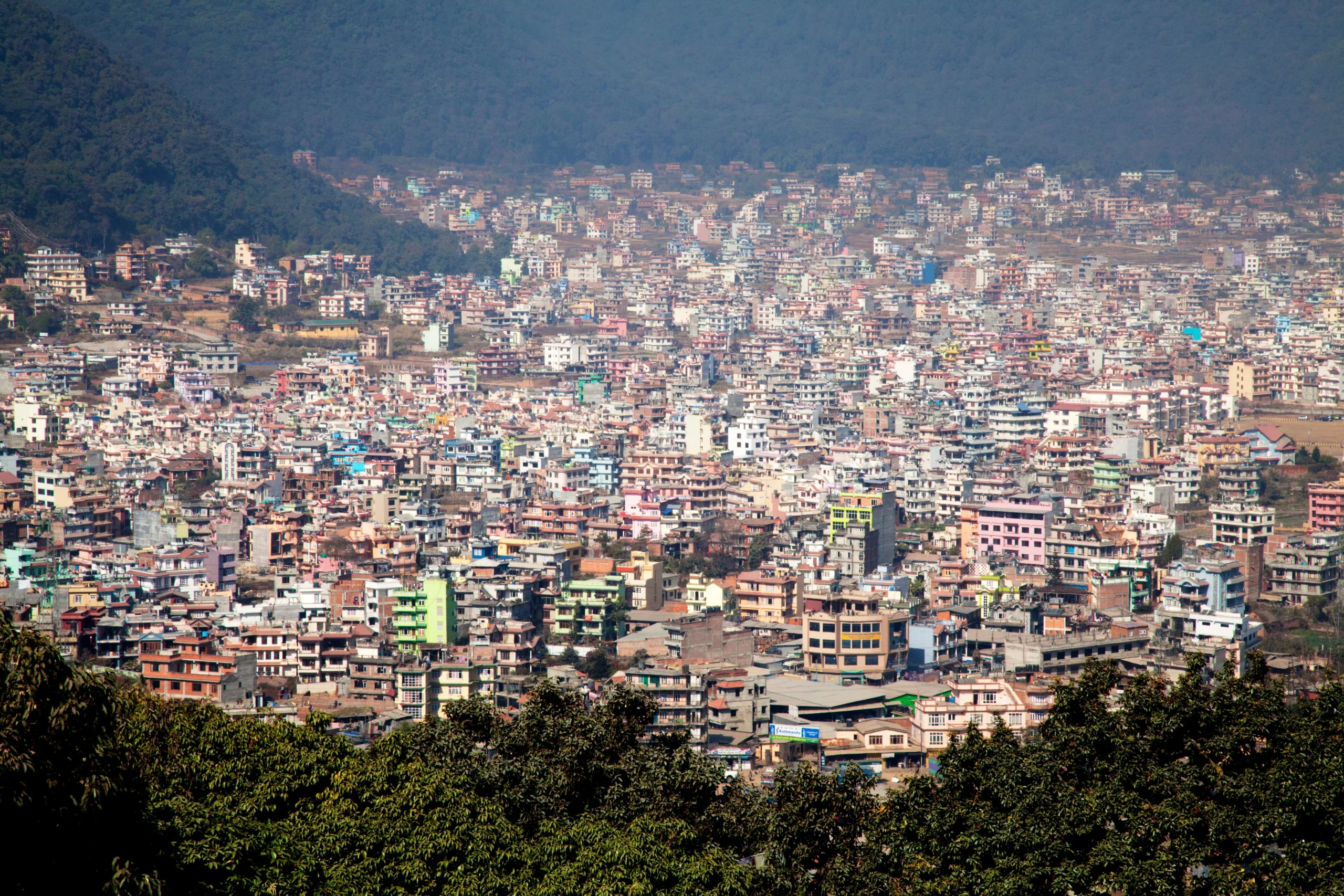
Kathmandu Durbar Square

Why Private Jeep Hire Is the Right Choice from Bhadrapur Airport

Private jeep hire beats domestic flights on the Bhadrapur Airport to Kathmandu route for four interconnected reasons, making it a compelling option for most travellers beyond the solo professional with a tight schedule and deep pockets.

The cost argument is the most immediately apparent. As the figures above show, for any group of three or more passengers, private vehicle hire delivers the same origin-to-destination journey at a fraction of the combined flight cost— with per-person savings increasing with group size.

A family of five choosing the private jeep hire over five domestic flights saves enough money to cover multiple additional Nepal experiences. For budget-conscious travellers, these cost differences often decide the choice.

The luggage freedom argument matters most for the specific travel categories that most frequently make the Bhadrapur Airport to Kathmandu journey — returning residents with goods, traders with samples, trekkers with expedition equipment, and families with the substantial combined luggage that multi-person domestic travel inevitably involves. Domestic flights impose strict weight limits (15 kg checked plus 5 kg cabin per person) with significant excess charges.

A private vehicle carries whatever luggage the group brings, within the vehicle’s reasonable physical limits, with no weight-based surcharges and no risk of checked luggage being bumped or delayed on a busy domestic route.

The scenery and experience argument may seem secondary to cost and convenience. Still, for first-time visitors to this part of Nepal, the overland journey through the Terai heartland and the Prithvi Highway gorge is genuinely enriching, adding a cultural and landscape dimension the 40-minute domestic flight entirely bypasses.

The Chitwan rhino sighting from the highway, the famous fish lunch at Mugling, the dramatic gorge approach to Kathmandu through the Trishuli River corridor — these are not compensations for the road journey’s length but genuine rewards for choosing it.

The flexibility argument is perhaps the most practical: domestic flights from Bhadrapur to Kathmandu operate on fixed schedules; the next available flight may be hours away if timing doesn’t align—while a private vehicle departs from the airport as soon as passengers are ready. For travellers who land in Bhadrapur on one domestic connection and need to reach Kathmandu on a specific schedule, a private vehicle’s departure flexibility is often the deciding advantage.

Nepal Vehicle Hiring Pvt Ltd’s vehicle hire service can have a private car, jeep, or Hiace van waiting at Bhadrapur Airport for any confirmed arrival, regardless of time of day or season.

The Overnight Journey Option: Best Practice for Long-Distance Comfort

Given the 12-to-16-hour drive from Bhadrapur Airport to Kathmandu, most travellers choosing the private vehicle option face a decision between a continuous overnight journey—arriving late afternoon or evening and arriving in Kathmandu the following morning—or a split journey with an overnight rest at a midpoint town. Both options have their advocates and specific use cases, and Nepal Vehicle Hiring Pvt Ltd discusses them with clients at booking to ensure the chosen approach best matches each group’s needs.

The overnight continuous journey is the most favoured choice for business travellers and those who need to arrive in Kathmandu the following morning. Departing Bhadrapur Airport at approximately 6:00 to 7:00 PM, the vehicle reaches Narayaghat at approximately midnight and Kathmandu at approximately 8:00 to 10:00 AM the following morning — an arrival time that suits most business and institutional schedules.

The main challenge is passenger comfort during the overnight section: seats must be suitable for sleeping, the vehicle must maintain a comfortable temperature across varying climate zones from warm Terai to cooler Kathmandu, and the driver must be rested and safe. Nepal Vehicle Hiring Pvt Ltd schedules overnight Bhadrapur-Kathmandu journeys with driver rest provisions and vehicle checks that specifically address the fatigue management requirements of this extended night drive.

Families with young children, elderly passengers, and travellers for whom sleep quality matters enough to justify the extra time investment of an overnight stop prefer the split journey with an overnight rest. Narayanghat in Chitwan is the most natural and most commonly chosen overnight stop—located about 330 kilometres from Bhadrapur Airport, it offers a range of comfortable hotels, from standard guesthouses to more established properties that serve this key highway junction city.

A 6:00 PM departure from Bhadrapur Airport reaches Narayanghat around midnight, with an overnight stay in Narayanghat and an early 6:00 AM departure for Kathmandu, arriving in the capital around 10:00 to 11:00 AM. This structured approach is particularly recommended for families with children who may struggle with a continuous overnight road journey of this length, and Nepal Vehicle Hiring Pvt Ltd can recommend Narayanghat hotels to suit different budgets.
Book a Bhadrapur Airport to Kathmandu Jeep Hire with a private 4WD jeep, Scorpio SUV, Hiace van, or car for a safe, comfortable, and reliable long-distance airport transfer across Nepal.

Seasonal Considerations: Bhadrapur Airport to Kathmandu Year-Round

The Bhadrapur to Kathmandu road journey varies significantly by season, with the East-West Highway’s Terai sections particularly sensitive to monsoon conditions and the Prithvi Highway gorge section prone to occasional landslide disruptions during heavy rainfall. Understanding these seasonal variations helps travellers choose the right travel dates.

The winter months from December through February bring Terai fog. This thick, low-lying mist settles over Nepal’s flat southern plains at dawn and early morning, reducing visibility to near zero on sections of the East-West Highway. This phenomenon is most intense in January and February.

It affects sections of the highway between Biratnagar and Dhalkebar, where flat terrain and dense agriculture create ideal conditions for radiation fog formation.

Nepal Vehicle Hiring Pvt Ltd drivers scheduled for winter overnight Bhadrapur-Kathmandu journeys are briefed on fog-driving protocols: reduced speed, headlight management, and, when necessary, a brief roadside stop during the densest fog periods rather than pressing on with compromised visibility. The fog typically lifts completely by 9:00 to 10:00 AM, and travellers who depart Bhadrapur Airport at 5:00 to 6:00 PM will find that the worst of the fog affects only the final sections of their overnight journey before Kathmandu’s elevation clears the horizon.

Monsoon season from June through August brings the highest road disruption risk on this corridor, with the East-West Highway subject to periodic flooding in low sections near river crossings and the Prithvi Highway gorge section experiencing elevated landslide risk at several historically problematic points, including the Krishna Bhir section in Dhading District. Nepal Vehicle Hiring Pvt Ltd monitors road conditions on both the East-West Highway and the Prithvi Highway throughout the monsoon period and provides clients with accurate pre-departure status updates for their specific travel date.

The private vehicle’s flexibility advantage is most significant during monsoon travel — a private jeep can adjust its route timing in response to current road conditions in ways that a fixed-schedule bus or shared vehicle cannot, and the driver’s direct communication with our operations team provides real-time route guidance if conditions change during the journey.

The festival travel peaks of Dashain in October and Tihar in November create the highest demand periods on this corridor, with vehicle availability tightest and advance booking most essential. Dashain-season travel from Jhapa to Kathmandu and back involves the annual migration of hundreds of thousands of Nepalis working or studying in the capital returning to their eastern home districts for the most important festival in the calendar.

The outbound Kathmandu-to-Jhapa direction peaks the week before Dashain Tika. In contrast, the return Jhapa-to-Kathmandu direction peaks the week after Tihar—and the East-West Highway carries volumes during these peaks that can significantly extend journey times beyond normal estimates. Nepal Vehicle Hiring Pvt Ltd recommends booking festival-season Bhadrapur Airport transfers at least two to three weeks in advance.
Book a Bhadrapur Airport to Kathmandu Jeep Hire with a private 4WD jeep, Scorpio SUV, Hiace van, or car for a safe, comfortable, and reliable long-distance airport transfer across Nepal.

Bhadrapur Airport: The Gateway to Eastern Nepal Adventures

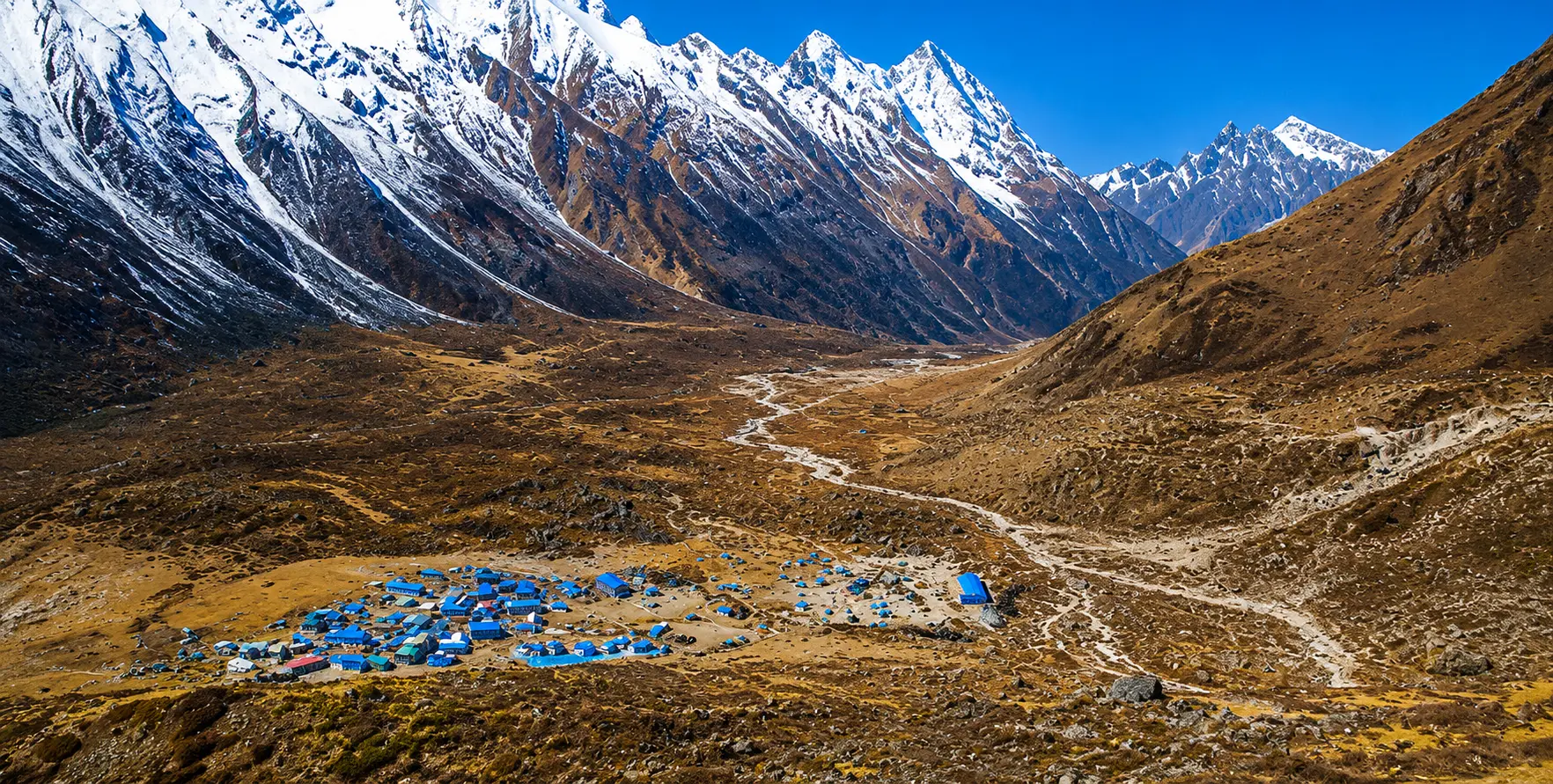
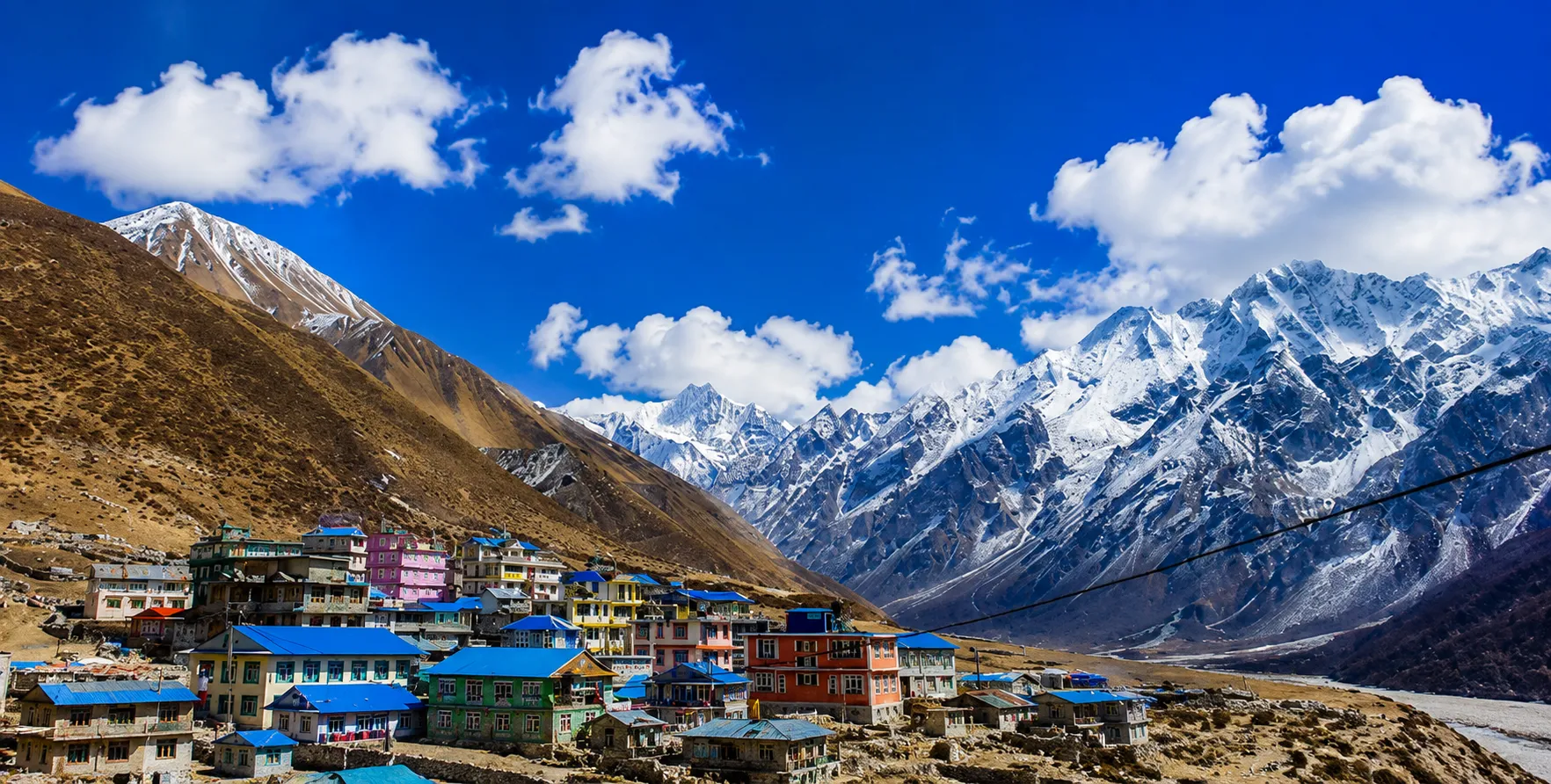
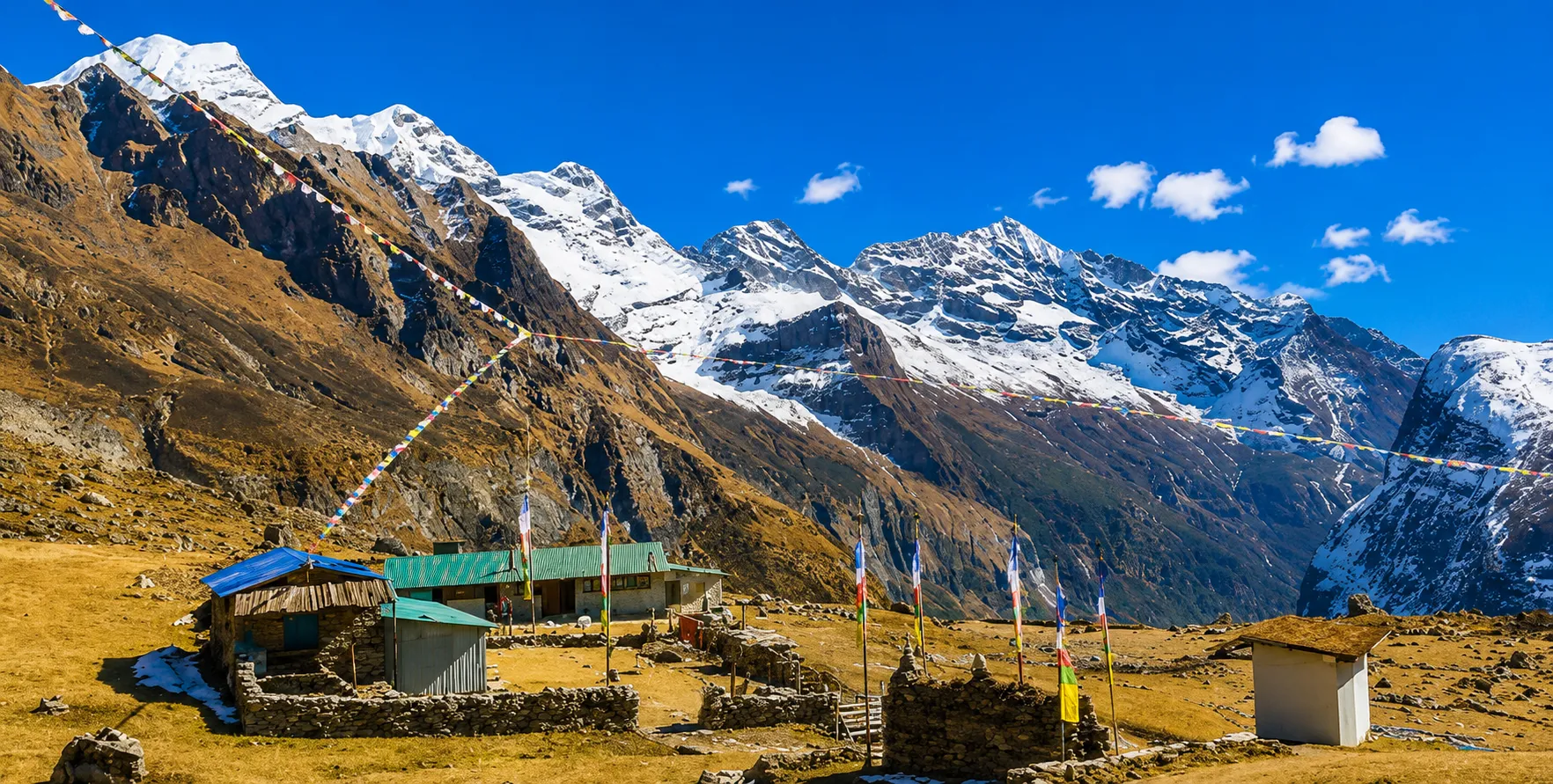
For trekkers and adventure travellers whose Nepal itinerary begins in eastern Nepal rather than in Kathmandu, Bhadrapur Airport’s role as the regional gateway is particularly significant. The airport’s official information describes it as the entry point for trekkers approaching Kanchenjunga Base Camp—Nepal’s most remote, most challenging, and most rewarding major trekking destination —culminating at the base camp of the world’s third-highest mountain.

Travellers flying into Bhadrapur for the Kanchenjunga trek access the trailhead via Taplejung in the far east, typically combining the Bhadrapur arrival with a local vehicle transfer northward — an arrangement that Nepal Vehicle Hiring Pvt Ltd can coordinate on request for trekkers who want consistent, professionally managed transport from Bhadrapur Airport to the Taplejung approach road.

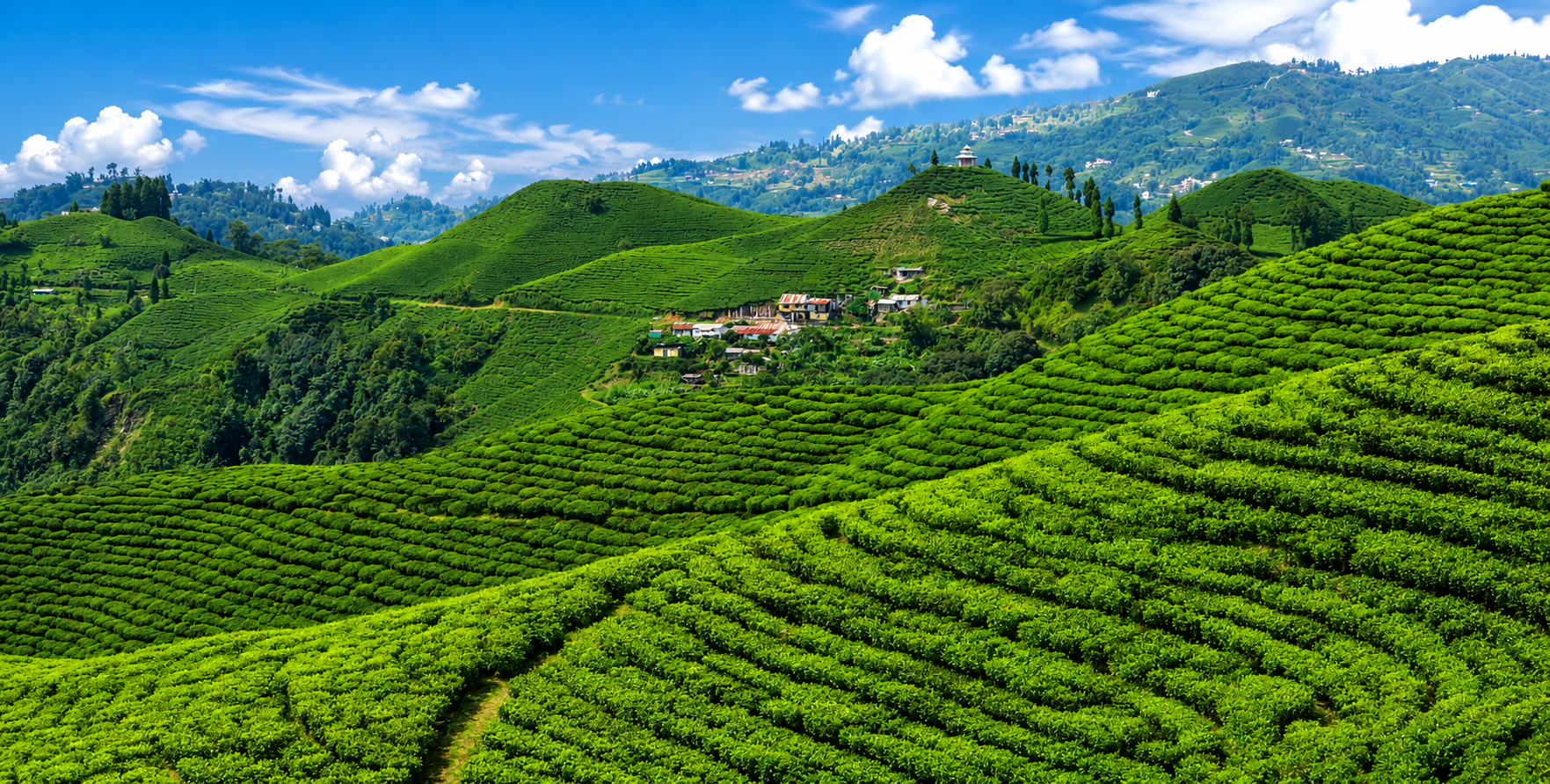
The Ilam tea district, about 60 kilometres north of Bhadrapur Airport via the hill road toward Ilam Bazaar, is another eastern Nepal destination attracting a growing number of cultural and agro-tourism visitors. The Ilam tea gardens, which produce some of Nepal’s finest orthodox teas on the terraced hillsides above the Jhapa plains, are about a 2- to 3-hour drive from Bhadrapur Airport by local vehicle.

Nepal Vehicle Hiring Pvt Ltd provides local vehicle hire for the Bhadrapur-to-Ilam connection, and for travellers who want to combine an Ilam tea garden visit with the onward journey to Kathmandu, a two-stage arrangement — Bhadrapur to Ilam for an overnight tea estate experience, then Ilam to Kathmandu via the BP Highway — creates one of eastern Nepal’s most distinctive and culturally rich travel sequences.
Book a Bhadrapur Airport to Kathmandu Jeep Hire with a private 4WD jeep, Scorpio SUV, Hiace van, or car for a safe, comfortable, and reliable long-distance airport transfer across Nepal.

The Makalu Barun National Park, which also lies within the eastern Nepal region accessible from Bhadrapur Airport, is home to some of the Himalayan world’s finest wilderness — the Barun Valley approach to Makalu Base Camp offers high-altitude trekking of exceptional remoteness and natural quality, accessible to determined trekkers willing to invest the additional logistical effort that this corner of Nepal demands. Nepal Vehicle Hiking Pvt Ltd can assist with the vehicle coordination for Makalu Barun approach routes on request, drawing on our knowledge of the eastern Nepal road network that extends northward from Bhadrapur through the increasingly hilly terrain toward the park’s access points.

Arriving in Kathmandu: What Happens After the Bhadrapur Journey

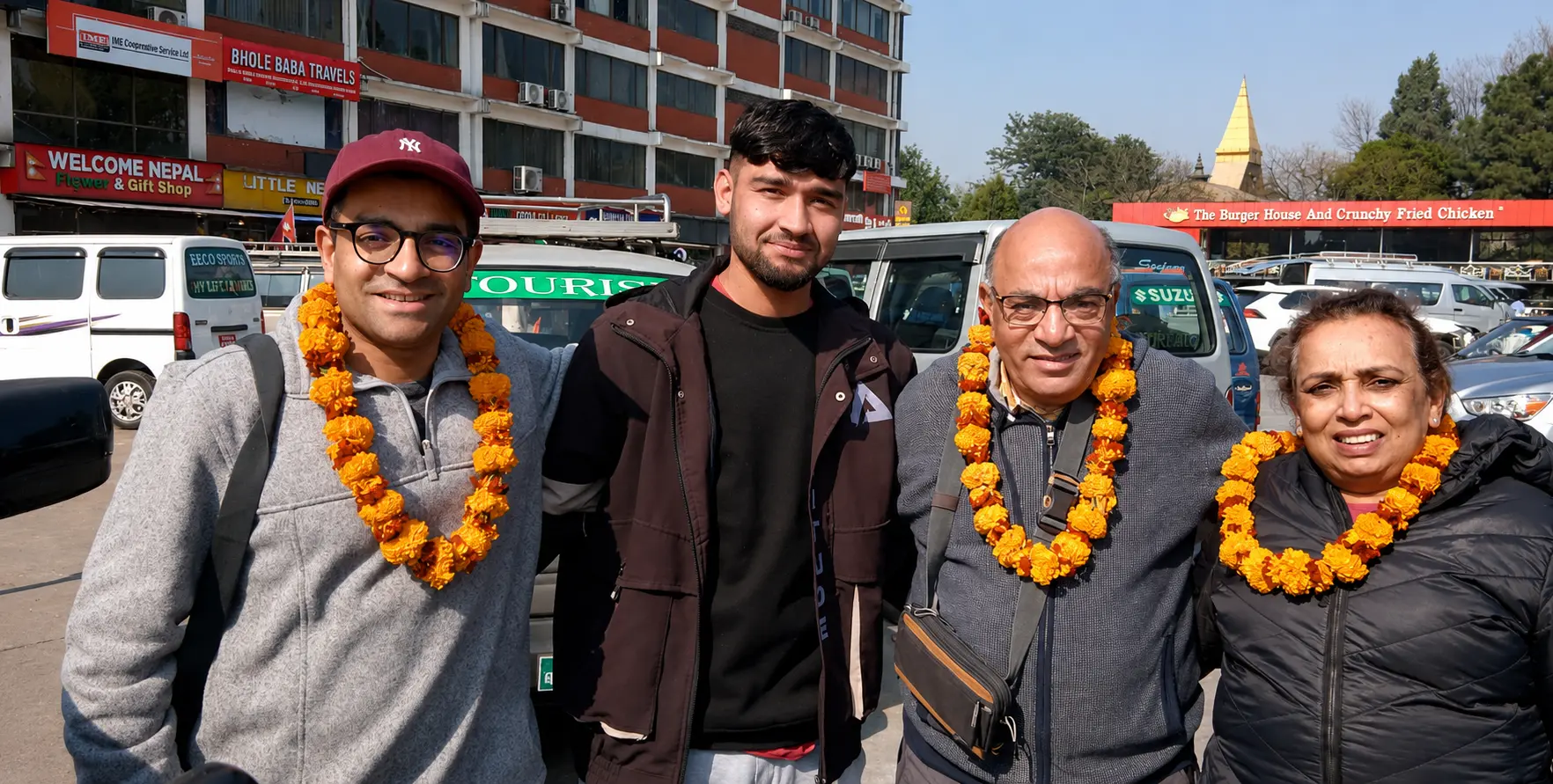
Nepal Vehicle Hiring Pvt Ltd’s service for Bhadrapur Airport travellers extends to Kathmandu city limits. Our private vehicle delivers passengers to any specific Kathmandu hotel, residence, or address — the driver is briefed at the time of booking on the final destination within the city and is familiar with the most efficient routing to any Kathmandu district.

From this arrival point, our Kathmandu-based service network provides every subsequent vehicle hire need — from the airport transfer to Tribhuvan International for onward international departure, through comprehensive Kathmandu sightseeing by private vehicle covering Pashupatinath, Boudhanath, Swayambhunath, and Patan Durbar Square, to the Bhaktapur Durbar Square day tour for the medieval Newar city experience.

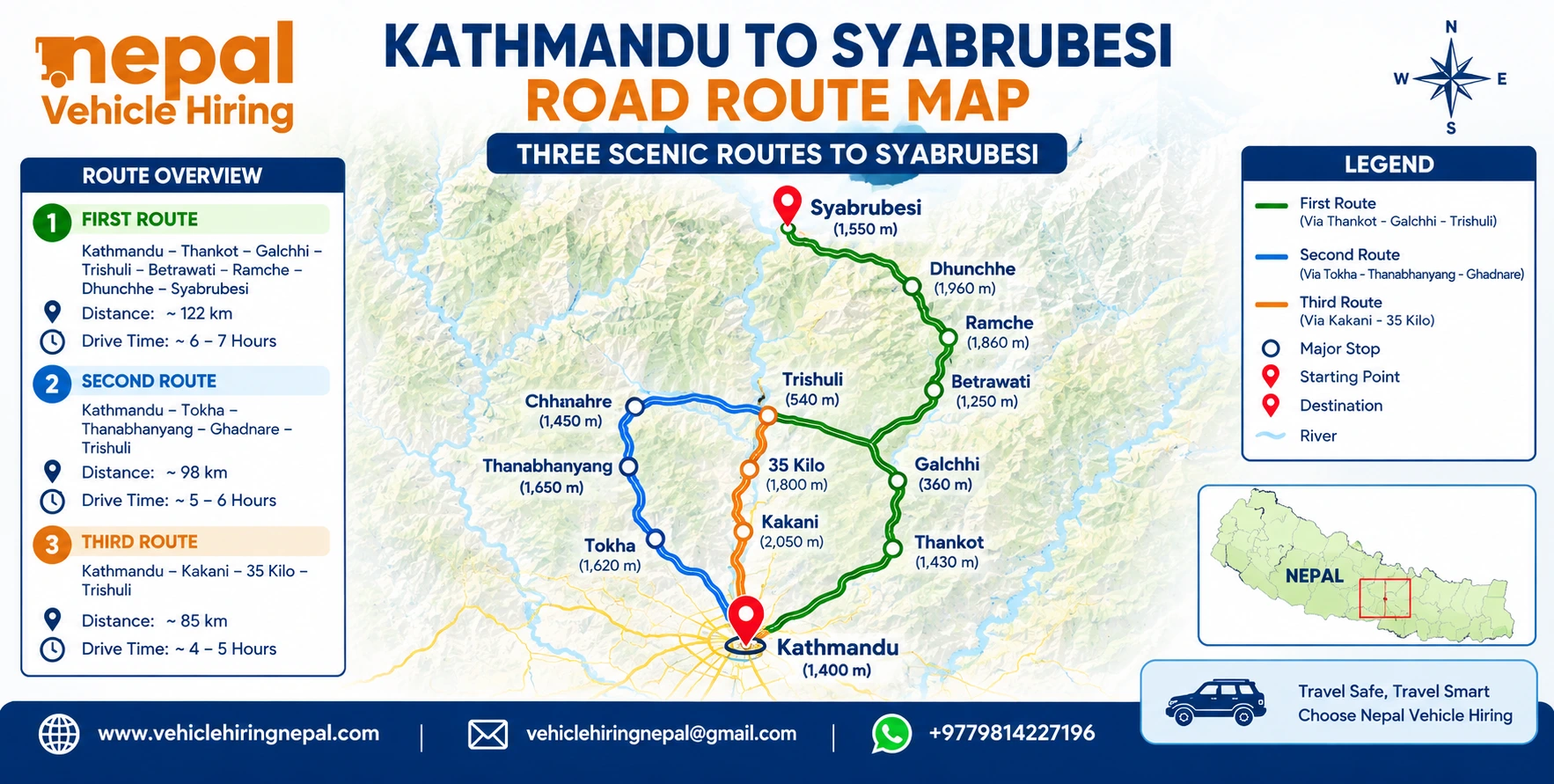
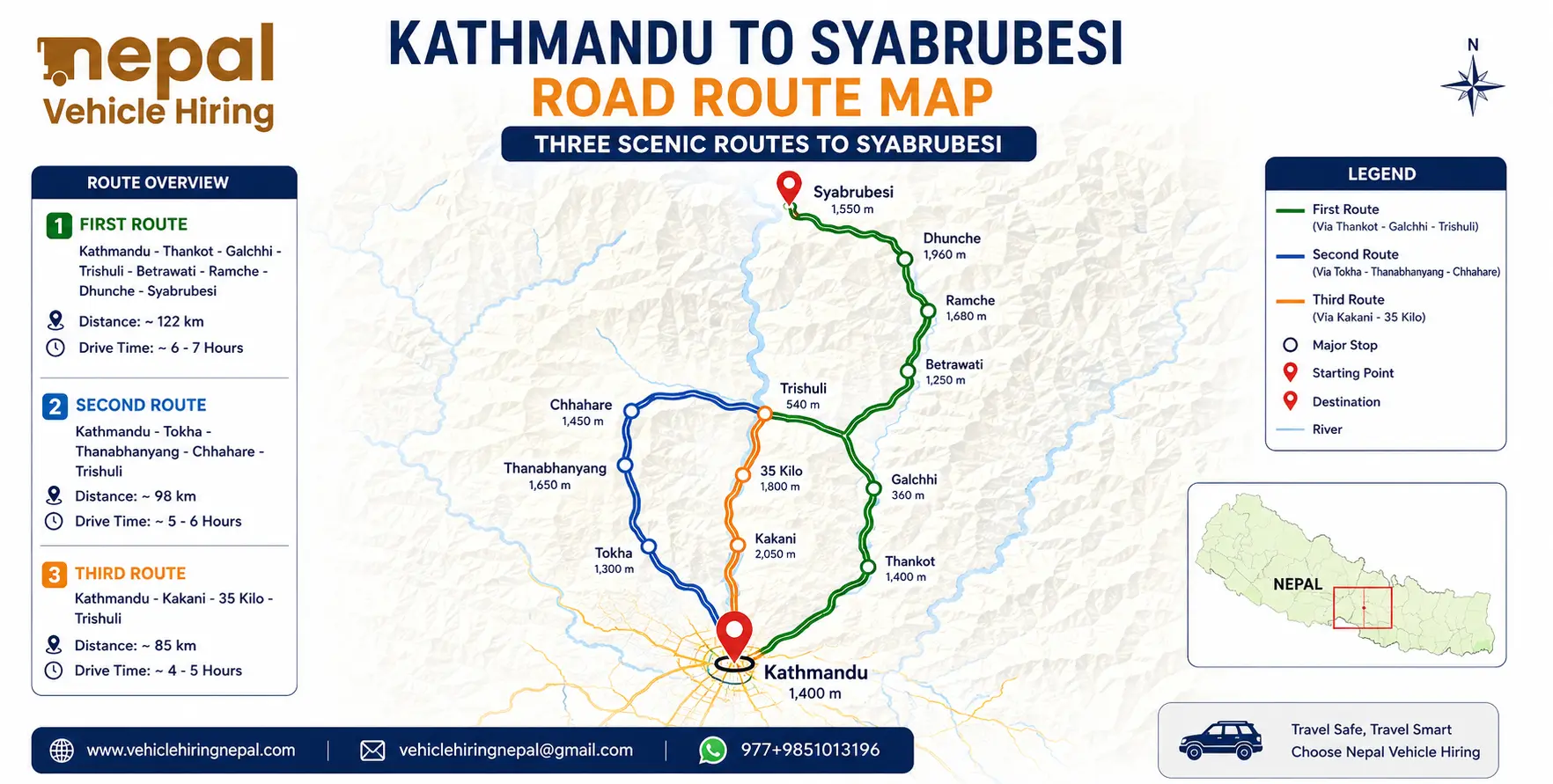
For travellers whose Nepal journey continues beyond Kathmandu to the country’s iconic trekking and tourism destinations, Nepal Vehicle Hiring Pvt Ltd’s network connects the capital smoothly to every major corridor. The Kathmandu to Pokhara private vehicle follows the scenic Prithvi Highway. Our Kathmandu to Syabrubesi jeep transfer opens the Langtang Valley for trekkers.

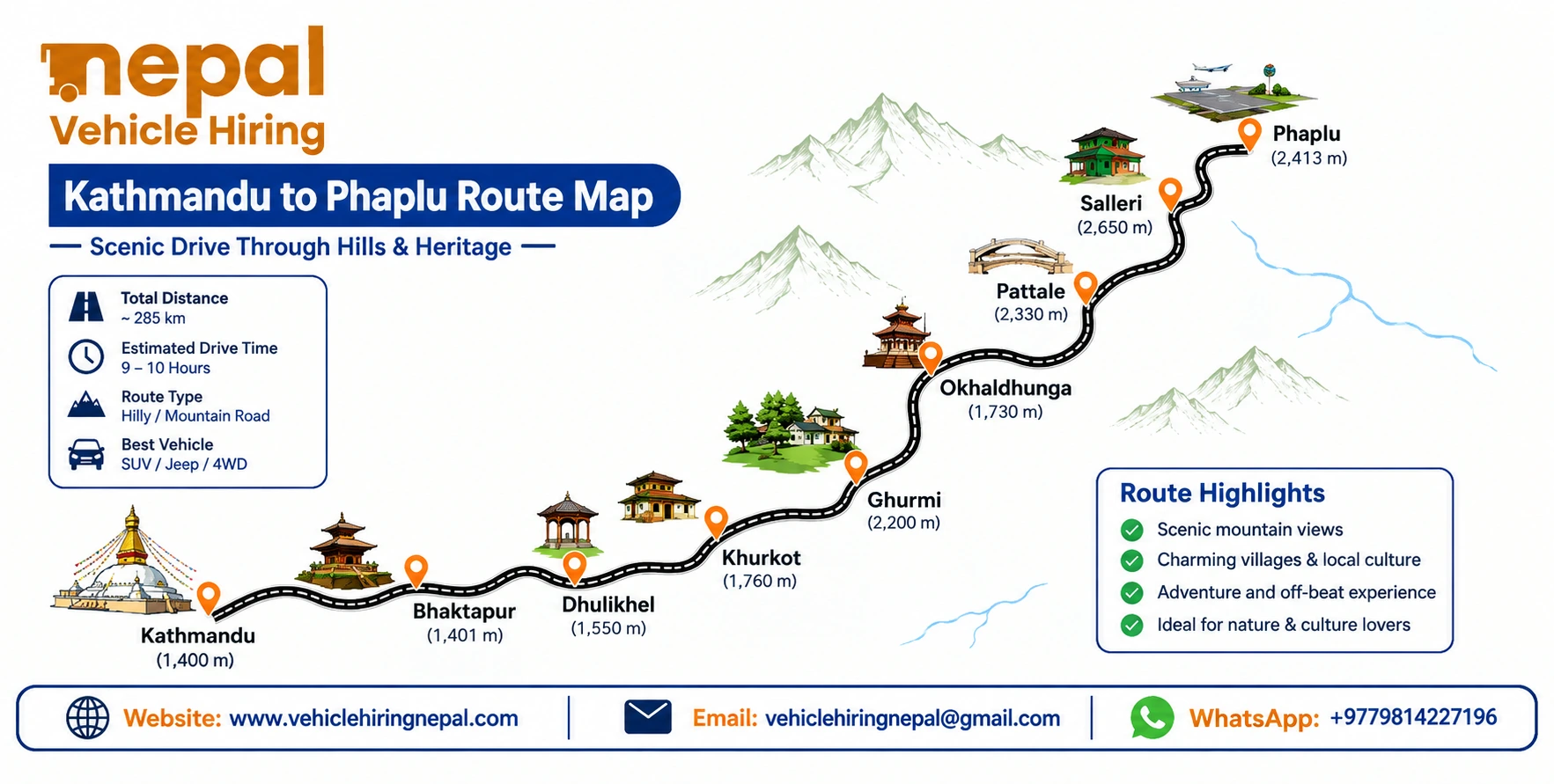
The Kathmandu to Besisahar vehicle and Kathmandu to Manang jeep serve the Annapurna Circuit. The Kathmandu to Soti Khola jeep reaches the Manaslu Circuit trailhead. Our Kathmandu to Salleri and Phaplu service offers an overland approach to Everest.

The Kathmandu to Muktinath jeep serves the sacred Muktinath pilgrimage at 3,710 meters. Our Pokhara to Upper Mustang overland jeep connects travellers to the ancient walled city of Lo Manthang through the Kali Gandaki Gorge.

For travellers who want to explore Kathmandu’s cultural heritage before continuing to trekking destinations, the Nagarkot sunrise tour offers a Himalayan dawn panorama from the valley rim, the Nagarkot vehicle hire covers the valley-rim viewpoint at any hour, and the Bhaktapur day tour delivers the most concentrated medieval heritage experience in Nepal. Our comprehensive Nepal tour packages combine the Bhadrapur Airport to Kathmandu transfer with Kathmandu sightseeing, onward inter-city travel, and trekking trailhead logistics in coordinated multi-stage arrangements with a single point of contact across the complete journey.

Plan your complete Nepal trip with our team, or contact us directly to book any individual stage of your Nepal journey.
Book a Bhadrapur Airport to Kathmandu Jeep Hire with a private 4WD jeep, Scorpio SUV, Hiace van, or car for a safe, comfortable, and reliable long-distance airport transfer across Nepal.

Kathmandu to Bhadrapur Airport: The Return Journey

Nepal Vehicle Hiring Pvt Ltd provides the return Kathmandu to Bhadrapur Airport transfer as the symmetric counterpart of the inbound service—with identical vehicle options, the same all-inclusive pricing transparency, and the option of hotel pickup from any Kathmandu address at the agreed departure time. The Kathmandu to Bhadrapur Airport journey follows the same route in reverse, with the departure typically scheduled for late afternoon or evening to allow morning arrival in Jhapa after the overnight drive through the Terai corridor.

According to Rome2Rio, the road distance from Kathmandu to Chandragadhi Airport Bhadrapur is 267 miles (approximately 430 kilometres) with a driving time of approximately 7 hours — though actual journey time on this specific route by private vehicle runs 12 to 16 hours, reflecting the road’s real-world driving pace rather than the optimistic straight-line estimates that some distance calculators produce.

The return journey from Kathmandu to Bhadrapur is particularly valued by travellers who have completed a Kathmandu-centred Nepal itinerary and are flying home from Bhadrapur Airport, or by Jhapa residents returning to their home district after completing their Kathmandu business.

In both cases, calculate the departure time from Kathmandu by working backwards from the Bhadrapur Airport departure or arrival time, adding the 12-to-16-hour journey time plus a comfortable buffer of at least 2 hours for airport check-in and security. Nepal Vehicle Hiring Pvt Ltd provides specific departure time recommendations for the Kathmandu to Bhadrapur route based on the client’s Chandragadhi Airport departure time, ensuring the road journey arrives with enough time to prepare rather than rush.

Booking the return Kathmandu to Bhadrapur vehicle at the same time as the inbound Bhadrapur to Kathmandu transfer—in a single Nepal Vehicle Hiring Pvt Ltd arrangement—is the most reliable approach for travellers whose Nepal visit involves a round trip on this corridor. This simultaneous booking confirms vehicle availability for both legs before either journey begins, provides a single point of contact for any schedule adjustments during the Nepal visit, and often results in better combined pricing than two separately booked one-way transfers.

Visit vehiclehiringnepal.com or contact our team to book both legs of the Bhadrapur Airport to Kathmandu round trip in a single confirmed arrangement.

Practical Tips for Bhadrapur Airport to Kathmandu Vehicle Hire

  • Book in advance — particularly during Dashain and Tihar festival seasons (October and November) when vehicle demand on this corridor peaks dramatically. Book at least two to three weeks ahead for festival-season travel and five to seven days ahead during normal periods
  • Decide between an overnight continuous journey and a split journey with Narayaghat overnight before booking — the choice affects driver scheduling and may affect vehicle pricing slightly.
  • Confirm luggage volume at the time of booking — specify the number and approximate size of bags so Nepal Vehicle Hiring Pvt Ltd can confirm whether a car, jeep, or van best suits the group’s actual needs.
  • For the overnight continuous journey, bring personal comfort items: neck pillow, light blanket, water bottle, snacks, and any sleep aids that help you rest in a moving vehicle.
  • Carry NPR cash for the journey — the East-West Highway has ATMs at Biratnagar and Dhalkebar, and Narayangarh is well-banked, but having NPR 3,000 to NPR 5,000 per person for meals and contingencies avoids any dependency on highway ATM availability.
  • Motion sickness medication should be prepared for the Prithvi Highway section — the Narayangarh to Kathmandu gorge road involves sustained winding mountain driving that affects some travellers, particularly in the early morning hours of an overnight journey when resistance to motion sickness is typically lower.
  • For travellers exiting at Bhadrapur Airport to catch a domestic flight, factor in the Bhadrapur Airport domestic check-in requirement of at least 45 to 60 minutes before departure when calculating your Kathmandu departure time, adding this to the 12-to-16-hour journey time.
  • All Nepal Vehicle Hiring Pvt Ltd Bhadrapur Airport to Kathmandu transfers are fully confirmed in writing with a specific driver name, vehicle registration, and contact number provided before departure — keep this documentation accessible throughout the journey.

Eastern Nepal Travel Ecosystem: Beyond the Airport Transfer

The Bhadrapur Airport to Kathmandu jeep hire sits within a broader eastern Nepal travel ecosystem that Nepal Vehicle Hiring Pvt Ltd supports across multiple interconnected vehicle hire services. Understanding this ecosystem helps travellers arriving at Bhadrapur Airport — or departing from it — plan not just the immediate airport transfer but the complete vehicle logistics of a Nepal journey that may extend from the far eastern Terai to the high Himalayan passes of the west.

Nepal Vehicle Hiring Pvt Ltd’s role in this ecosystem is to provide a single, reliable, professionally managed transport partner with consistent service quality from the Bhadrapur Airport terminal exit to the final vehicle stop of whatever Nepal adventure follows.

For trekkers arriving at Bhadrapur Airport specifically for the Kanchenjunga Base Camp trek—one of Nepal’s most challenging and rewarding Himalayan adventures, reaching the southern base camp at 5,143 meters beneath the world’s third-highest mountain—the vehicle logistics begin the moment the domestic flight touches down at Chandragadhi. The standard Kanchenjunga approach involves an onward vehicle transfer from Bhadrapur to Taplejung, the last major town before the Kanchenjunga trail begins, covering about 80 to 220 kilometres of increasingly mountainous road over 5 to 7 hours.

Nepal Vehicle Hiring Pvt Ltd coordinates this Bhadrapur to Taplejung transfer on request for Kanchenjunga-bound trekkers, providing a 4WD jeep appropriate to the hill roads north of Birtamod and an experienced driver familiar with this specific eastern Nepal corridor.
Book a Bhadrapur Airport to Kathmandu Jeep Hire with a private 4WD jeep, Scorpio SUV, Hiace van, or car for a safe, comfortable, and reliable long-distance airport transfer across Nepal.

For travellers making the Bhadrapur to Kathmandu journey as part of a broader Nepal itinerary that will continue to the country’s western trekking and tourism destinations, Nepal Vehicle Hiring Pvt Ltd’s complete network ensures smooth vehicle continuity beyond the capital. The Kathmandu to Pokhara scenic drive via the Prithvi Highway is the natural next leg for travellers heading to the Annapurna region.

From Pokhara, the Pokhara to Nayapul jeep opens the Ghorepani Poon Hill circuit and the Annapurna Base Camp trek.

In contrast, the Pokhara to Ghandruk jeep serves the Annapurna foothills cultural circuit. For the most dramatic western adventure, the Pokhara to Upper Mustang overland jeep carries travellers through the world’s deepest gorge to the ancient walled city of Lo Manthang. For east Nepal arrivals, this journey includes the Bhadrapur Airport to Kathmandu transfer this guide covers.

For travellers who specifically want to experience Nepal’s complete geographic range in a single journey — from the flat Terai of eastern Nepal through the central Himalayan highlands to the high desert of the west — Nepal Vehicle Hiring Pvt Ltd’s coordinated Nepal tour packages make this possible with a single booking that covers every vehicle stage.

A Bhadrapur Airport arrival, a Kathmandu cultural day with Kathmandu sightseeing by private vehicle and a Bhaktapur day tour, a Nagarkot sunrise tour for the Himalayan dawn panorama, then onward to Pokhara for a Sarangkot sunrise and the Poon Hill jeep hire, and finally the epic Pokhara to Mustang overland jeep tour to Lo Manthang — all of this can be planned, priced, and confirmed in a single conversation with Nepal Vehicle Hiring Pvt Ltd’s team.

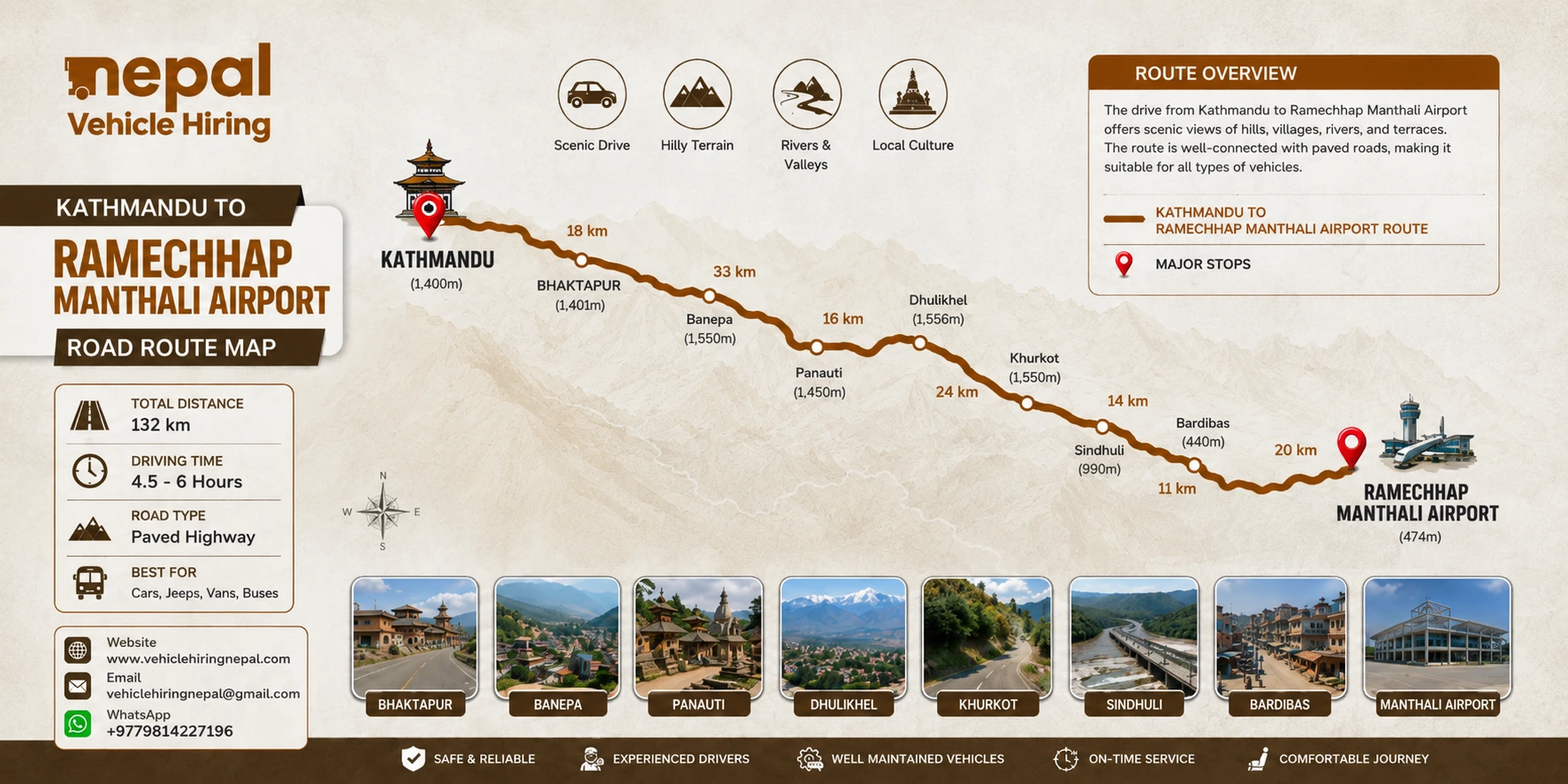
Our Everest Base Camp Trek approach from Kathmandu, either via the Ramechhap Airport transfer for the Lukla flight or the overland Kathmandu to Salleri-Phaplu route, adds the Himalayan world’s most famous destination to any eastern Nepal arrival itinerary that passes through Kathmandu.

The complete vehicle picture for a traveller arriving at Bhadrapur and planning a full Nepal journey might look like this: private jeep from Bhadrapur Airport to Kathmandu (overnight), Kathmandu sightseeing by private car, onward private vehicle to Besisahar for the Annapurna Circuit approach, 4WD jeep from Besisahar to Manang for the high-valley start, return vehicle from Dharapani to Kathmandu post-trek, Kathmandu to Pokhara for the second phase, and Pokhara car hire for Sarangkot and lakeside excursions. Each stage is bookable through Nepal Vehicle Hiring Pvt Ltd as a unified itinerary with consistent service, transparent pricing, and a single point of contact—eliminating the complexity of coordinating multiple vehicle-hire providers across different regions and transport corridors.

Nepal Vehicle Hiring Pvt Ltd: The Complete Private Vehicle Network

Nepal Vehicle Hiring Pvt Ltd provides Nepal’s most comprehensive private vehicle hire network, covering every airport, major city, and trekking trailhead in the country. From the Kathmandu airport transfer at Tribhuvan International, through city sightseeing in Kathmandu by private vehicle and Pokhara car hire, to the most remote mountain trailheads accessible by road, our fleet of private cars, 4WD jeeps, Hiace vans, coasters, and buses serves every group size and every travel purpose across all of Nepal’s vehicle hire needs.

Our trekking trailhead transfer network covers: Kathmandu to Syabrubesi for Langtang, Gosaikunda, and Tamang Heritage Trail; Kathmandu to Besisahar and Kathmandu to Manang jeep for the Annapurna Circuit; Kathmandu to Soti Khola for the Manaslu Circuit; Kathmandu to Salleri and Phaplu for the Everest overland approach; Kathmandu to Muktinath jeep for the sacred pilgrimage at 3,710 metres; Pokhara to Nayapul for ABC and Poon Hill; Pokhara to Ghandruk jeep for the Annapurna foothills circuit; Pokhara to Ghorepani Poon Hill direct jeep for time-limited trekkers; and Pokhara to Upper Mustang overland jeep for the Lo Manthang adventure.

Our city and sightseeing services include: Kathmandu airport transfer from Tribhuvan International; Kathmandu sightseeing covering Pashupatinath, Boudhanath, and Swayambhunath; Bhaktapur Durbar Square day tour; Nagarkot vehicle hire and Nagarkot sunrise tour; Sarangkot sunrise tour from Pokhara; Kathmandu to Pokhara private vehicle via the Prithvi Highway scenic drive; and Pokhara car hire for all lakeside city transfers and day excursions. Browse our Nepal tour packages for fully coordinated itineraries, explore our trekking transport services, plan your trip with our expert team, or contact us directly—Nepal Vehicle Hiring Pvt Ltd is ready to support every stage of your Nepal journey, from Bhadrapur Airport to every Himalayan destination beyond.

How long does it take to drive from Bhadrapur Airport to Kathmandu?

The drive from Bhadrapur Chandragadhi Airport to Kathmandu covers approximately 430 to 450 kilometres by road. Kathmandu Car Services quotes about 634 km for the Kathmandu-to-Bhadrapur route, with a driving time of 14 to 16 hours.

At the same time, optimised private vehicle hire typically completes the Bhadrapur Airport to Kathmandu journey in 12 to 14 hours under good road conditions. Most journeys are structured as overnight drives that depart late afternoon and arrive the following morning.

What does private vehicle hire from Bhadrapur Airport to Kathmandu cost?

Private car: NPR 22,000 to NPR 35,000. Private jeep: NPR 28,000 to NPR 50,000. Hiace van: NPR 35,000 to NPR 60,000. All rates through Nepal Vehicle Hiring Pvt Ltd are fully inclusive of vehicle, driver, fuel, and tolls. These rates compare very favourably with domestic flight costs of NPR 15,000 to NPR 21,000 per person for groups of three or more.

Is it better to fly or drive from Bhadrapur to Kathmandu?

It depends on group size, budget, and priorities. Buddha Air operates more than 5 daily flights with a 40-minute flight time, costing USD 110 to USD 160 per person. For solo travellers and couples with time constraints and moderate budgets, flying is usually the better choice.

For families and groups of three or more, private vehicle hire offers comparable or lower total cost, with the freedom to carry luggage, flexible departure times, and a scenic Terai and gorge journey.

Does Nepal Vehicle Hiring Pvt Ltd pick up directly from the airport terminal?

Yes — Nepal Vehicle Hiring Pvt Ltd’s driver meets arriving passengers at the Bhadrapur Chandragadhi Airport terminal exit with a name board, assists with luggage, and takes you straight to the vehicle. You don’t need to pre-arrange a separate taxi to a meeting point. Contact us with your arrival flight details to confirm the pickup arrangement.

Can I book a return trip from Kathmandu to Bhadrapur Airport?

Yes — Nepal Vehicle Hiring Pvt Ltd provides the complete Kathmandu to Bhadrapur Airport return service with the same vehicle options, all-inclusive pricing, and professional driver standards as the inbound journey. Booking both legs simultaneously through vehiclehiringnepal.com ensures availability and may provide better combined pricing than two separate one-way bookings.

What onward Nepal travel is available after reaching Kathmandu?

From Kathmandu, Nepal Vehicle Hiring Pvt Ltd connects to every major Nepal destination: Pokhara via the Prithvi Highway, Langtang Valley via Syabrubesi, Annapurna Circuit via Besisahar, Everest Base Camp Trek approach, Upper Mustang via Pokhara, and all major Nepal trekking trailheads. Plan your complete trip with our team.

Conclusion: Eastern Nepal’s Best Connection to the Capital

Bhadrapur Airport’s Chandragadhi facility — established in 1963, serving as the gateway to Kanchenjunga, Ilam’s tea gardens, and one of Nepal’s most economically dynamic Terai districts — connects eastern Nepal to the national capital through a network of daily domestic flights and through the 430-kilometre overland journey that Nepal Vehicle Hiring Pvt Ltd’s private vehicle hire service covers with professional competence and transparent pricing. Whether you choose the 40-minute flight or the 12-to-16-hour road journey, the decision that follows landing at Bhadrapur Airport — or departing from it — is the transport arrangement that will carry you toward Kathmandu’s ancient temples, vibrant markets, extraordinary cultural heritage, and the gateway to the Himalayan world that lies beyond the capital in every direction.

Nepal Vehicle Hiring Pvt Ltd is your private vehicle hire partner, making the overland journey from Bhadrapur Airport to Kathmandu as comfortable, reliable, and professionally managed as the destination deserves. Our private cars, 4WD jeeps, Hiace vans, coasters, and buses serve every group size and every budget, with airport terminal pickup, all-inclusive pricing, experienced drivers, and 24/7 customer support throughout the journey.

Contact us today to book your Bhadrapur Airport to Kathmandu vehicle hire, explore our complete Nepal tour packages for combined journey arrangements, or plan your full Nepal trip from arrival at Bhadrapur to every onward destination across Nepal’s extraordinary geographic and cultural landscape.
Kathmandu to Manang Road Guide

Kathmandu to Manang jeep

Kathmandu to Manang Road Guide  – Route, Distance, Jeep Prices And  Vehicle Guide

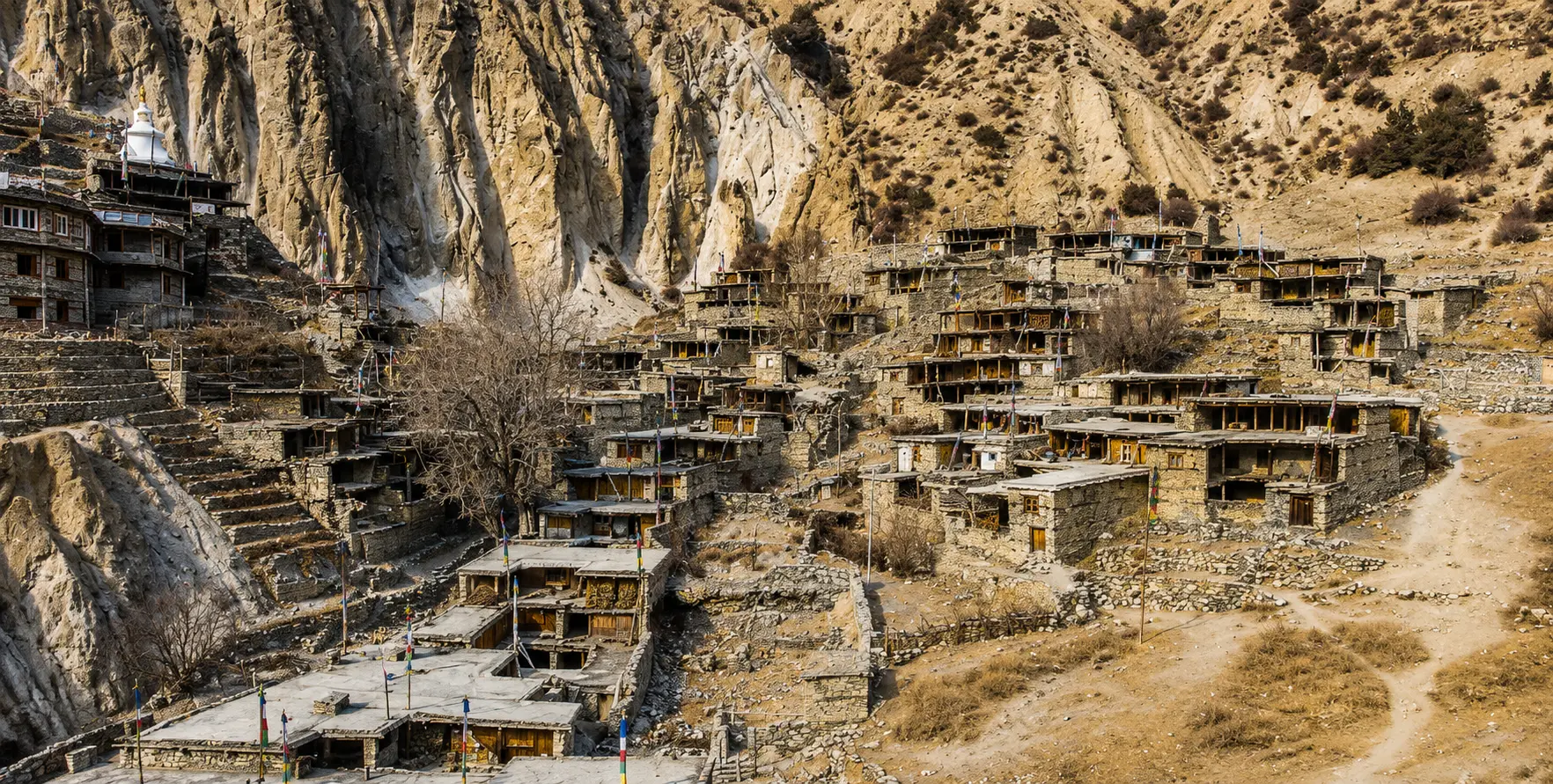
Manang — the high-altitude district headquarters at 3,519 to 3,540 meters that serves as the essential acclimatisation stop before the Annapurna Circuit crosses Thorong La Pass — has become one of Nepal’s most accessible high-mountain destinations thanks to the progressive extension of a jeep road up the Marsyangdi valley from Besisahar. What once required 4 to 6 days of continuous trekking from the roadhead can now be covered by vehicle in a single long, demanding day — or more comfortably, over two days with an overnight stop.

Understanding exactly what this road involves, however, is essential before committing to it: the drive from Besisahar to Manang is consistently described by experienced operators and trekkers alike as rough, narrow, bumpy, and genuinely adventurous in its own right, not a shortcut to be taken lightly.

This complete 2026 guide, brought to you by Vehicle Hiring Nepal, covers the full Kathmandu to Manang road journey in detail — distances, the Kathmandu to Besisahar paved highway section, the demanding Besisahar to Chame and Chame to Manang mountain sections, realistic travel times,  jeep prices, vehicle recommendations, road conditions by season, and how to plan your journey. For travellers who want guided trekking support once you reach the trailhead, our sister trekking company, Trek Nepal Himalayas, provides licensed guides and full Annapurna Circuit trekking packages that pair naturally with our vehicle transport.

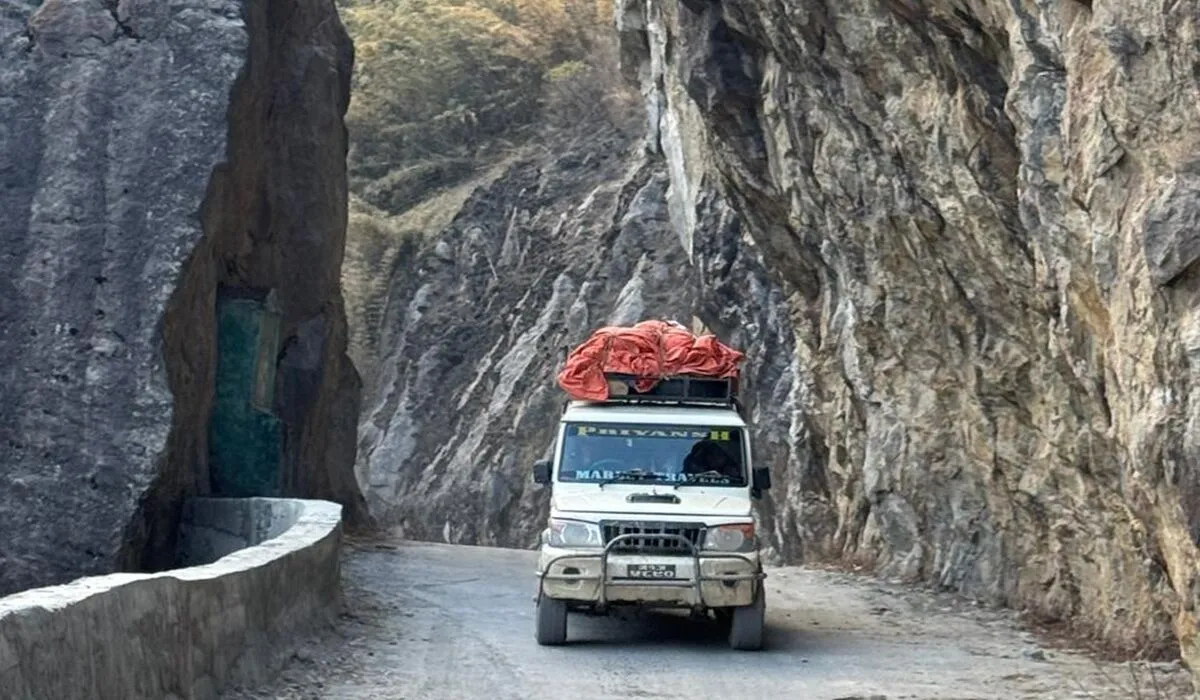
Private 4WD jeep driving on the Kathmandu to Manang road through Besisahar, Chame, and the Annapurna mountain landscape

Manang — Overview and Why the Road Matters

Manang Village Altitude: 3,519–3,540 m

District: Manang District, Gandaki Province

Significance: The primary acclimatisation stop on the Annapurna Circuit before the Thorong La Pass crossing (5,416 m); base for Tilicho Lake and Ice Lake side treks

Total Road Distance from Kathmandu: Approximately 230–250 km

Total Road Distance from Pokhara: Approximately 180 km

Before the jeep road existed, reaching Manang required trekkers to walk the full traditional Annapurna Circuit route from Besisahar through Bhulbhule, Bahundanda, Chamje, Tal, and Dharapani—a 3- to 4-day trek on foot before even beginning the ascent toward Manang itself. The progressive construction of the jeep road up the Marsyangdi valley over roughly the past two decades has fundamentally changed this, offering travellers with limited time the option of driving directly to Chame or even Manang and beginning their trekking experience in the higher, more dramatic sections of the circuit — while those who prefer the traditional full walking experience can still do so.

If you are still deciding between the classic Besisahar start and a jeep-assisted approach, our colleagues at Trek Nepal Himalayas can recommend guided itineraries that match your fitness level and budget. Meanwhile, Vehicle Hiring Nepal handles all ground transport.

Private 4WD jeep driving on the Kathmandu to Manang road through Besisahar, Chame, and the Annapurna mountain landscape

Route Overview: Kathmandu to Manang

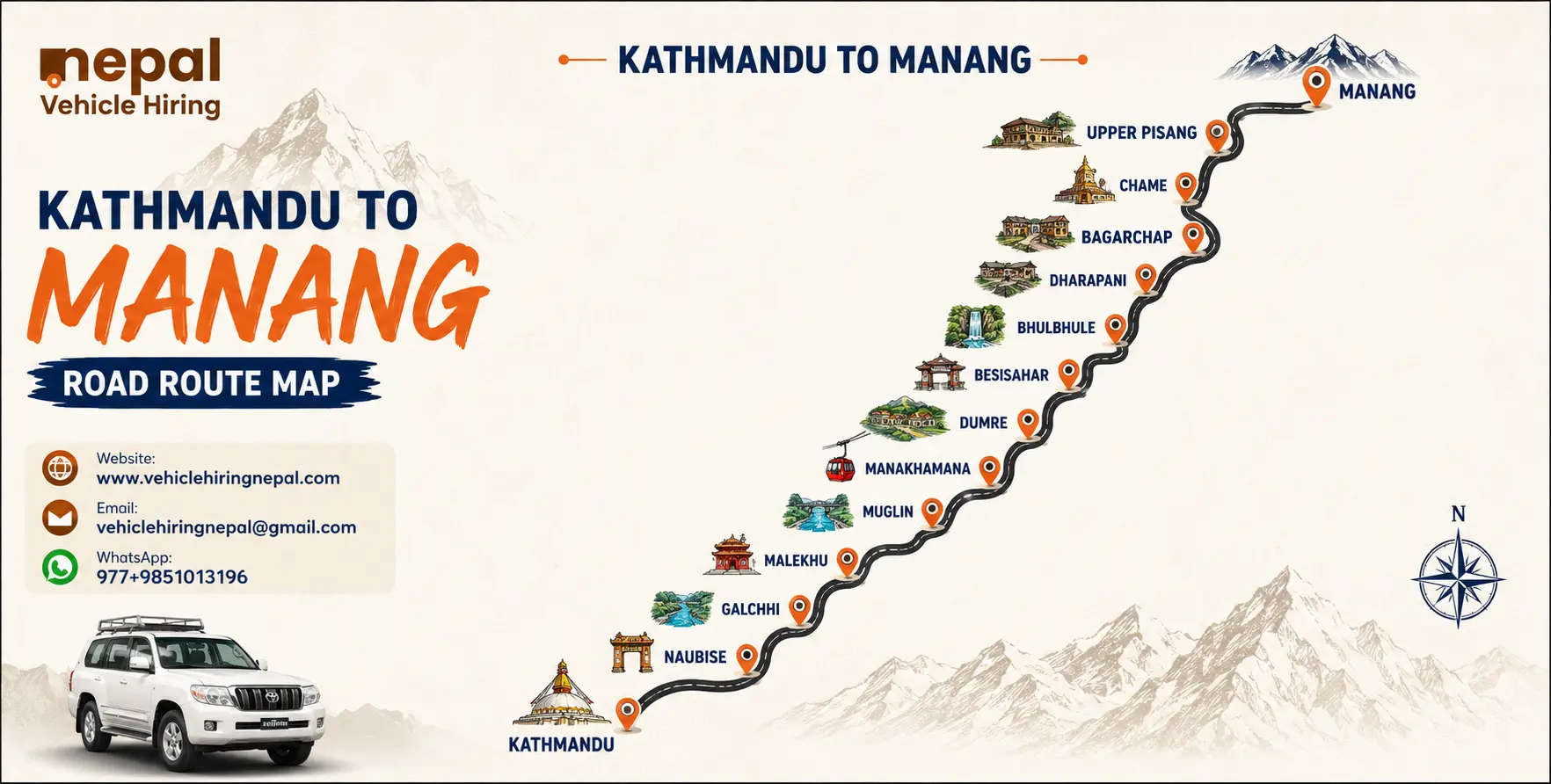
Stage 1 — Kathmandu to Besisahar: Approximately 175–185 km, 6–8 hours by tourist bus or private jeep, via the Prithvi Highway and the Marsyangdi Valley road from Dumre

Stage 2 — Besisahar to Chame: Approximately 63–66 km, 4–6 hours by 4WD jeep, rough mountain road

Stage 3 — Chame to Manang: Approximately 20–25 km, 3–4 hours by 4WD jeep, via Humde and Braga

Total Kathmandu to Manang: Approximately 230–250 km, 14–18 hours of total driving — always done over 2 days minimum

Maximum Altitude on Route: Manang itself at 3,519–3,540 m — no high passes crossed by vehicle

Stage 1: Kathmandu to Besisahar (175–185 km | 6–8 hours)

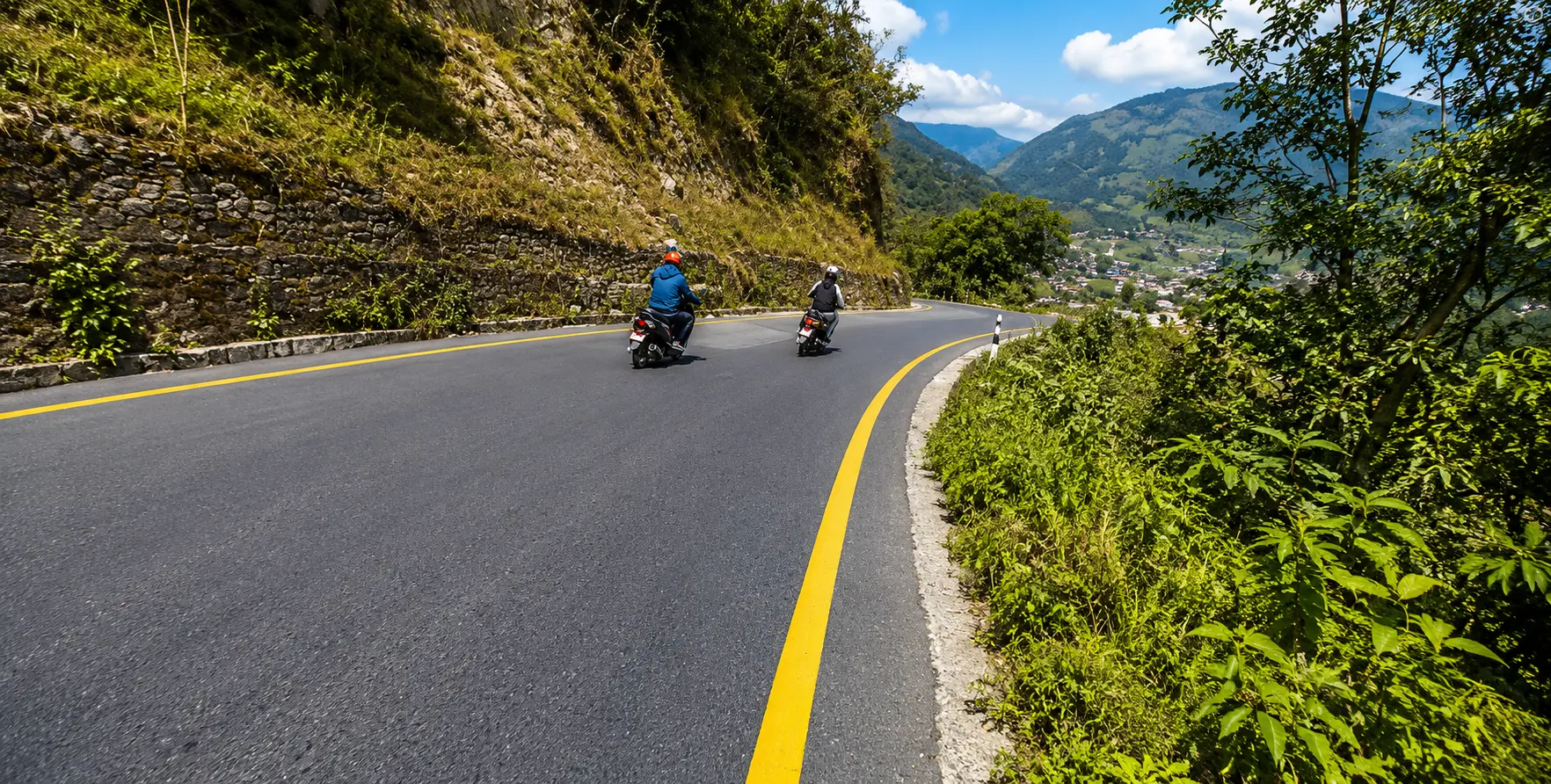
The first stage of the journey follows the same route described in our dedicated Kathmandu to Besisahar Hiace guide — the Prithvi Highway west from Kathmandu through Naubise, Malekhu, and Mugling, before turning north at Dumre to follow the Marsyangdi River valley road to Besisahar. This entire section is paved, though the Dumre to Besisahar segment is narrow and winding as the road climbs into the Lamjung hills through rural farmland and villages.

For general background on this highway’s current condition, see our Kathmandu to Pokhara road condition guide, since both routes share the same Prithvi Highway corridor as far as Dumre.

Follow the Kathmandu to Manang Road Guide for the latest information on the route, distance, travel time, road conditions, and private 4WD jeep hire to Manang and the Annapurna Circuit Trek.

Besisahar (760 m), the district headquarters of Lamjung District, is the official starting point of the Annapurna Circuit and where travellers transfer from their Kathmandu vehicle to a dedicated 4WD jeep for the mountain sections ahead. Besisahar has hotels, restaurants, an ACAP permit checkpoint, ATMs, and shops — the last point with reliably good facilities before the rough mountain road begins.

Stage 2: Besisahar to Chame (63–66 km | 4–6 hours)

This section defines the character of the entire Kathmandu to Manang journey. Experienced drivers and trekking operators consistently describe the road from Besisahar to Chame as rough, narrow, and partially unpaved—not a comfortable drive, with the final stretch often slow, especially in wet or unstable conditions.

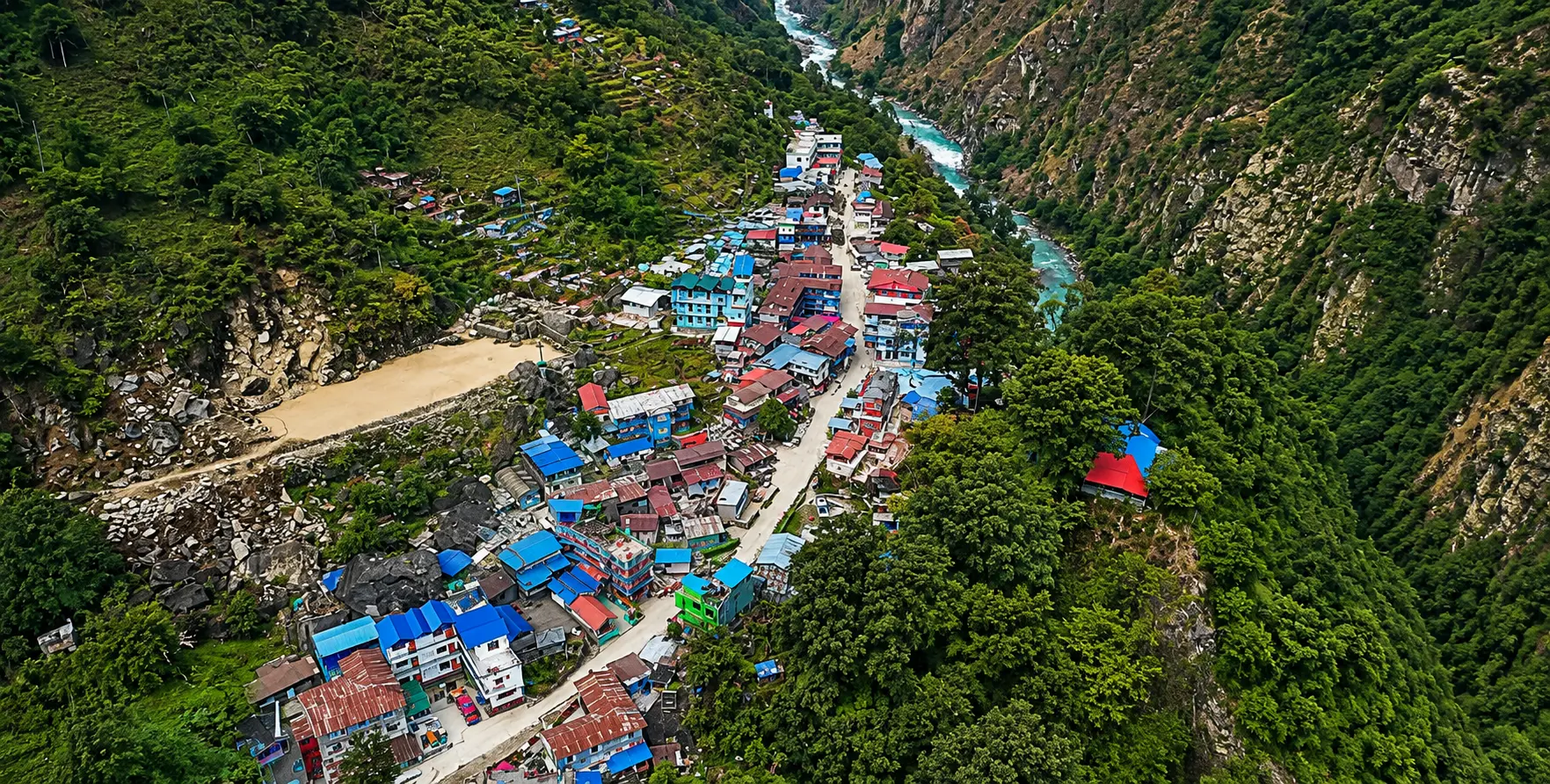
Built gradually over roughly two decades, this 63 km mountain road connects the roadhead town of Besisahar (760 m) with Chame, the district headquarters of Manang at 2,670–2,710 m, following the dramatic Marsyangdi River valley through gorges, past traditional villages, and alongside cliffs.

Before this road existed, every trekker walked the entire distance from Besisahar, taking 3 to 4 days to reach Chame through villages including Bhulbhule, Bahundanda, Chamje, Tal, and Dharapani. The road now offers genuine flexibility — travellers can drive the full distance to save time, walk sections while using vehicles for others, or still choose to walk the complete traditional route on foot.

Follow the Kathmandu to Manang Road Guide for the latest information on the route, distance, travel time, road conditions, and private 4WD jeep hire to Manang and the Annapurna Circuit Trek.

Key villages passed en route: Bhulbhule, Ngadi, Jagat, Tal, Dharapani, Bagarchhap, Timang — each a potential jeep stop or trek-starting point depending on itinerary preference

Road Surface: Rough gravel and rock with sections of compacted earth; landslide-prone in monsoon; narrow with limited passing places

4WD Requirement: Essential — this section is not suitable for any 2WD vehicle at any time of year. See our detailed explainer on 

For the broader technical reasoning behind this requirement, see our dedicated guide Why Choose a 4WD Jeep for Mountain Roads in Nepal and our overview of Nepal mountain road transport, both of which reference this exact Besisahar–Chame–Manang corridor as a textbook case for mandatory 4WD.

Stage 3: Chame to Manang (20–25 km | 3–4 hours)

From Chame (2,670–2,710 m), the road continues up the valley via Humde and Braga to Manang village (3,519–3,540 m). This final section, though shorter than the Besisahar to Chame stage, still takes 3 to 4 hours because of the continued rough surface and steadily increasing altitude.

From Chame onward, the forest thins, the air becomes cooler and drier, and the high-mountain environment asserts itself more clearly — trekkers and vehicle passengers alike notice the shift from the forested lower valley into the more open, arid high-altitude terrain characteristic of the Manang valley.

Follow the Kathmandu to Manang Road Guide for the latest information on the route, distance, travel time, road conditions, and private 4WD jeep hire to Manang and the Annapurna Circuit Trek.

Humde, roughly midway between Chame and Manang, has a small STOL airstrip used occasionally for emergency evacuations and limited chartered flights. Braga, just before Manang, is renowned for its dramatic cliff-side monastery — one of the most striking Buddhist monastic sites on the entire Annapurna Circuit — well worth a brief stop if your schedule allows.

Complete Distance and Time Table

StageFrom – ToDistanceDrive TimeRoad Type
1Kathmandu → Dumre150 km4–5 hrsPaved — Prithvi Highway
2Dumre → Besisahar25–35 km1–2 hrsPaved but narrow, winding hill road
3Besisahar → Bhulbhule/Ngadi10 km30–45 minImproved gravel — moderate
4Ngadi → Jagat → Tal25 km1.5–2 hrsRough gorge track — 4WD required
5Tal → Dharapani → Bagarchhap15 km1–1.5 hrsRough mountain track
6Bagarchhap → Chame13 km1–1.5 hrsRough track, steep sections
7Chame → Humde → Braga15 km2–2.5 hrsRough high-altitude track
8Braga → Manang5–10 km1 hrRough track — final approach
TOTALKathmandu → Manang230–250 km14–18 hrs (2 days)Paved + rough mountain track

Follow the Kathmandu to Manang Road Guide for the latest information on the route, distance, travel time, road conditions, and private 4WD jeep hire to Manang and the Annapurna Circuit Trek.

Jeep and Vehicle Prices: Kathmandu to Manang

Route / ServiceVehiclePrice (USD)Duration
Kathmandu → BesisaharHiace/SUVUSD 120–1706–8 hrs
Besisahar → Chame4WD Jeep/ScorpioUSD 150–2104–6 hrs
Chame → Manang4WD Jeep/ScorpioUSD 70–1003–4 hrs
Besisahar → Manang (direct, full)Land Cruiser 4WDUSD 200–2907–10 hrs
Kathmandu → Manang (combined, 2 days)Land Cruiser 4WDUSD 350–4602 days
Pokhara → Besisahar → ManangLand Cruiser 4WDUSD 280–3801.5–2 days
Return: Manang → Besisahar → KathmanduLand Cruiser 4WDUSD 350–4602 days

All prices include the driver, fuel, and vehicle insurance. Shared local jeeps also operate on the Besisahar to Chame and Chame to Manang sections without fixed schedules or booking — departing when full — but a private vehicle booking through Vehicle Hiring Nepal guarantees your departure time, vehicle condition, and driver quality, which is particularly valuable given the demanding nature of this specific road.

If you also need a companion vehicle continuing from Pokhara to Jomsom or Muktinath after your Annapurna Circuit trek, we can arrange the full multi-leg booking in one call.

Follow the Kathmandu to Manang Road Guide for the latest information on the route, distance, travel time, road conditions, and private 4WD jeep hire to Manang and the Annapurna Circuit Trek.

Best Vehicle for the Kathmandu to Manang Journey

A 4WD vehicle is not optional beyond Besisahar—every experienced operator on this route emphasises this, given the road’s rough, narrow, landslide-prone character.

Toyota Land Cruiser: The best and most capable vehicle for the full journey, particularly for the Besisahar to Chame and Chame to Manang sections. Recommended for groups wanting maximum comfort and reliability on this demanding road.

Mahindra Scorpio: A popular and more budget-friendly 4WD alternative widely used by local operators on this specific route — powerful, capable, and appropriately sized for groups of 6 to 9.

Toyota Hiace: Suitable only for the Kathmandu to Besisahar paved section. Not suitable beyond Besisahar due to the rough terrain.

Standard Sedan or 2WD SUV: Not suitable beyond Besisahar under any circumstances.

Follow the Kathmandu to Manang Road Guide for the latest information on the route, distance, travel time, road conditions, and private 4WD jeep hire to Manang and the Annapurna Circuit Trek.

Should You Drive All the Way, or Drive Partially and Trek?

The jeep road has created several distinct itinerary strategies for reaching Manang, each with different trade-offs:

Option A: Drive the Full Distance to Manang

Maximises time efficiency — reaching Manang in 2 days from Kathmandu rather than the 6 to 8 days required on foot from Besisahar. Best for travellers with limited vacation time who specifically want to focus their trekking days on the higher, more dramatic sections of the circuit (Manang to Thorong La to Muktinath) and side treks like Tilicho Lake or Ice Lake.

Option B: Drive to Chame, Trek from There

A popular middle option — driving the roughest and most time-consuming lower section (Besisahar to Chame) while preserving several days of trekking through the beautiful upper Marsyangdi valley from Chame to Manang, including Pisang’s cultural sites and monastery.

Option C: Drive to Jagat or Dharapani, Trek the Rest

For travellers wanting more trekking days while still saving the longest lower section, drive to Jagat or Dharapani and walk from there through Bagarchhap, Chame, Pisang, and on to Manang to preserve much of the traditional trekking experience.

Option D: Walk the Complete Traditional Route

For purists and those with sufficient time, walking the complete traditional route from Besisahar remains entirely possible and offers the fullest immersion in the valley’s villages and gradual altitude transition. Our sister company Trek Nepal Himalayas offers fully guided packages for any of these four strategies, with licensed guides who can advise on acclimatisation pacing regardless of which combination of driving and walking you choose.

Private 4WD jeep driving on the Kathmandu to Manang road through Besisahar, Chame, and the Annapurna mountain landscape

Road Conditions by Season

October to November — Best Season

Post-monsoon conditions offer the most stable road surface of the year, with landslide damage repaired and the route in its best annual condition. This is also peak Annapurna Circuit season — book your jeep 2 to 4 weeks in advance.

March to May — Good Spring Season

Generally good conditions with occasional early monsoon rain by late May. Rhododendron forests bloom spectacularly in the lower valley sections around Bahundanda and Chamje.

June to September — Monsoon, Caution Required

The Besisahar to Chame section is the most landslide-prone of the entire route during monsoon, with occasional temporary blockages. Travel is possible with an experienced 4WD driver but requires flexibility and buffer time.

December to February — Cold but Passable

The road remains passable through winter, though Manang and the upper sections experience genuine cold. Snow can occasionally affect the highest sections near Manang itself.

What Awaits in Manang

  • Acclimatisation base for the Thorong La Pass (5,416 m) crossing — most itineraries include a mandatory rest day here.
  • Base for the Ice Lake day hike and the Tilicho Lake side trek — one of the highest lakes in the world
  • Braga Monastery — a dramatic cliff-side Buddhist monastery just before Manang, among the finest on the circuit
  • Himalayan Rescue Association post — providing altitude sickness briefings and medical support during peak season
  • A well-developed teahouse and lodge infrastructure — Manang has some of the best facilities of any village on the Annapurna Circuit given its role as a key acclimatisation stop.

Continuing Beyond Manang — Thorong La and Muktinath

Most travellers who reach Manang are continuing over the Thorong La Pass (5,416 m) to Muktinath and the Kali Gandaki valley — completing the classic Annapurna Circuit. For the return vehicle journey from that side, see our dedicated guides on Muktinath jeep hire and Muktinath to Pokhara and Kathmandu return jeep.

For travellers wanting a licensed guide for the pass crossing itself, Trek Nepal Himalayas offers experienced Annapurna Circuit guiding teams familiar with the acclimatisation requirements around Manang and the pass.

Private 4WD jeep driving on the Kathmandu to Manang road through Besisahar, Chame, and the Annapurna mountain landscape

Manang Valley in Depth — Villages, Culture, and Side Treks

This section pairs well with our broader look at Nepal mountain road transport and the specific vehicle guidance in Why choose a 4WD jeep for mountain roads, both of which use the Manang road as a reference example.

The upper Marsyangdi valley between Chame and Manang, now reachable by the jeep road described in this guide, passes through some of the most culturally rich high-altitude villages on the entire Annapurna Circuit. Knowing what each stop offers helps you decide how much of this section to drive versus walk, and it pairs well with the itinerary-planning support available from Trek Nepal Himalayas.

Pisang (3,200 m): Split into Upper and Lower Pisang, with Upper Pisang retaining more traditional Tibetan-influenced architecture and a small but atmospheric monastery. Many trekkers who drove from Besisahar to Chame choose to walk the Chame-to-Pisang-to-Manang section specifically to experience this village on foot.

Humde (3,280 m): A small settlement with Manang’s original STOL airstrip, occasionally used for emergency evacuation flights—a useful landmark roughly midway between Chame and Manang on the jeep road.

Braga / Bragagaun (3,475 m): Home to the remarkable Braga Monastery (also spelt Braka), one of the oldest and most dramatically situated Buddhist monasteries in the Manang region, built into the cliff face above the village. Worth a stop even if you’re driving the full route rather than walking it.

Manang Village (3,519–3,540 m): The valley’s main settlement and district headquarters, with the widest range of teahouses, bakeries, and services on this section of the circuit, reflecting its role as the mandatory acclimatisation stop before Thorong La.

Side treks from Manang greatly extend the region’s appeal. The Ice Lake day hike (approximately 4,600 m) offers a demanding but rewarding acclimatisation hike with spectacular views of Annapurna and Gangapurna. The Tilicho Lake trek, a 3- to 4-day round trip from Manang, reaches one of the world’s highest lakes at about 4,919 m and has become one of the most sought-after side trips on the Annapurna Circuit.

Private 4WD jeep driving on the Kathmandu to Manang road through Besisahar, Chame, and the Annapurna mountain landscape

Combining the Manang Road Journey with a Wider Nepal Circuit

For travellers whose Nepal itinerary extends well beyond the Annapurna Circuit, Vehicle Hiring Nepal’s full route network can be combined with your Manang journey into a single coordinated booking. Popular combinations include:

Lumbini and the Terai plus Annapurna: Many travellers begin in the Terai with a pilgrimage to Lumbini before heading north to the mountains. See our guides to Gautam Buddha Airport to Lumbini, Bhairahawa Airport to Chitwan, and Lumbini to Chitwan vehicle hire for the lowland legs of a combined circuit before continuing to Pokhara and Besisahar for the Annapurna Circuit and Manang.

Chitwan Safari plus Annapurna Circuit: See Chitwan to Pokhara vehicle hire for the connecting leg between a jungle safari and your Besisahar-Manang jeep journey.

Manang plus Mustang and Muktinath: Having crossed Thorong La from Manang, many trekkers continue their vehicle journey from Muktinath back through Pokhara — see Muktinath jeep hire, Muktinath to Pokhara and Kathmandu return jeep, and for those extending further into Upper Mustang, Pokhara to Lo Manthang jeep and Upper Mustang 4WD jeep.

Manaslu and Dhaulagiri Extensions: Serious trekkers sometimes combine the Annapurna Circuit with a Manaslu or Dhaulagiri circuit in the same trip — see Kathmandu to Arughat, Kathmandu to Manaslu trek transport, and Dhaulagiri trek transport for these onward mountain circuits, all of which Trek Nepal Himalayas can guide alongside Vehicle Hiring Nepal’s transport.

Permits Required for the Annapurna Circuit via Manang

ACAP (Annapurna Conservation Area Permit): NPR 3,000 for foreign nationals, obtained at the Nepal Tourism Board office in Kathmandu or Pokhara, or at the Besisahar checkpoint itself

TIMS Card (Trekkers Information Management System): USD 10 per person, obtained alongside the ACAP permit

Both permits are checked at the Besisahar entry checkpoint and at subsequent points along the route,e including Chame and Manang itself. Arrange these before departing Kathmandu or Pokhara wherever possible — our drivers can advise on the fastest permit office to visit, and Trek Nepal Himalayas can process permits on your behalf as part of a guided package.

Private 4WD jeep driving on the Kathmandu to Manang road through Besisahar, Chame, and the Annapurna mountain landscape

Weather, Altitude, and Safety Preparation for the Manang Road

  • AMS (Acute Mountain Sickness) risk begins to be relevant from Chame onward given the altitude gain to Manang at 3,519–3,540 m — even vehicle passengers who have not exerted themselves physically can experience mild symptoms and should acclimatise with a rest day at Manang before continuing higher toward Thorong La
  • Carry warm layers regardless of season — the temperature differential between Besisahar (760 m, often 25–30°C) and Manang (3,519 m, frequently below 10°C even in daytime) is substantial. It arrives quickly because vehicle ascent is faster than gradual trekking.ng
  • Motion sickness medication is recommended specifically for the Besisahar to Chame section, given its sustained winding, bumpy character.
  • Comprehensive travel insurance covering high-altitude evacuation is strongly recommended for anyone continuing beyond Manang toward Thorong La. Pass
  • The Himalayan Rescue Association post in Manang provides daily altitude sickness briefings during peak trekking season. It is an excellent resource regardless of whether you drove or walked to reach the village.e

Practical Tips for the Kathmandu to Manang Drive

  • Always plan 2 days minimum for the full journey — attempting Kathmandu to Manang in a single day means 14 to 18 hours of driving, which is both exhausting and unsafe on this specific road.
  • Book your 4WD vehicle in advance, especially in October–November peak season — demand for Land Cruisers and Scorpios on this route is high.
  • Carry motion sickness medication — the Besisahar to Chame section has sustained winding, bumpy sections.s
  • Dress in layers — temperature differences between Besisahar (760 m) and Manang (3,519 m) are substantial.
  • Confirm your ACAP permit and TIMS card are arranged before departing Besisahar — checkpoints along the route verify these.e
  • If you prioritise comfort over cost, choose the Land Cruiser over the Scorpio for this rough route.
  • Consider the Option B or C itinerary strategies in Section 9 if you want to balance time efficiency with trekking experience.e

Follow the Kathmandu to Manang Road Guide for the latest information on the route, distance, travel time, road conditions, and private 4WD jeep hire to Manang and the Annapurna Circuit Trek.

How to Book Your Kathmandu to Manang Vehicle

  1. Contact Vehicle Hiring Nepal via WhatsApp or visit vehiclehiringnepal.com
  2. Confirm your travel dates and group size.
  3. Choose your strategy — full drive to Manang, drive to Chame and trek, or drive to Besisahar only
  4. Select your vehicle — Land Cruiser recommended, Scorpio as a budget alternative.e
  5. If you need a licensed trekking guide for the Annapurna Circuit itself, ask us for an introduction to Trek Nepal Himalayas
  6. Receive booking confirmation with driver details and journey plan.

WhatsApp

Email: [email protected]

Website: www.vehiclehiringnepal.com

Sister trekking company: www.treknepalhimalayas.com

Follow the Kathmandu to Manang Road Guide for the latest information on the route, distance, travel time, road conditions, and private 4WD jeep hire to Manang and the Annapurna Circuit Trek.

Quick Reference Directory — All Vehicle Hiring Nepal Route Guides

For travellers planning a Manang trip as part of a wider Nepal journey, here is a consolidated directory of every route guide published by Vehicle Hiring Nepal:

Kathmandu to Pokhara all vehicle transfer — every vehicle option on Nepal’s busiest tourist corridor

Kathmandu to Pokhara private jeep — for prioritising 4WD continuity into the mountains

Kathmandu to Pokhara road condition — current highway condition and best vehicle recommendations

Kathmandu to Besisahar Hiace — the Annapurna Circuit trailhead transfer

Pokhara to Sikles jeep — a nearby Annapurna foothill destination

Pokhara to Manang — the direct Pokhara-side approach to this same guide’s destination

Pokhara to Ghasa jeep and Pokhara to Jomsom vehicle — the Kali Gandaki gorge route toward Mustang

Muktinath jeep hire — the high-altitude pilgrimage counterpart reached after crossing Thorong La from Manang

Muktinath to Pokhara and Kathmandu return jeep — the return journey after completing the circuit

Pokhara to Lo Manthang jeep and Upper Mustang 4WD jeep — for extending into the restricted Mustang kingdom

Kathmandu to Arughat and Kathmandu to Manaslu trek transport — for the neighbouring Manaslu Circuit

Dhaulagiri trek transport — for Nepal’s seventh-highest peak circuit, reachable from the same Pokhara/Beni corridor

Kathmandu to Chisapani — a shorter central Nepal trekking transfer

Nepal mountain road transport and why choose a 4WD jeep for mountain roads — essential background reading on Nepal’s jeep-track road network, both referencing the Besisahar-Chame-Manang corridor directly

Pokhara to Everest region transport, Kathmandu to Salleri and Phaplu, and Kathmandu to Ramechhap Manthali — for travellers continuing to the Everest region after Annapurna

Kathmandu to Lumbini vehicle, Gautam Buddha Airport to Lumbini, Bhairahawa Airport pickup vehicle, Bhairahawa Airport to Chitwan, and Lumbini to Chitwan vehicle — the Terai and Lumbini pilgrimage circuit

Chitwan to Pokhara and Kathmandu to Chitwan — wildlife safari connections

Kathmandu to Janakpur — the eastern Terai’s great pilgrimage city

Nepal pilgrimage vehicle hire guide — our comprehensive guide to all of Nepal’s sacred sites by vehicle

Kathmandu to Ilam vehicle rental, Kathmandu to Pathivara transport, and Eastern Nepal tour vehicle rental — the eastern hills and tea gardens

Nepal to all border vehicle hire and Eastern border vehicle hire service — for onward international travel

Nuwakot historical and spiritual guide and Pokhara historical and spiritual places — Nepal’s deeper historical landscape

Explore Nepal’s culture and nature with easy transport — our broadest overview guide tying every region together

Whatever combination of these routes your Nepal itinerary requires, Vehicle Hiring Nepal can coordinate the full journey as a single, continuous booking — and for the guided trekking portion of any of these circuits, our sister company Trek Nepal Himalayas is ready to help with licensed guides and full logistical support.

Follow the Kathmandu to Manang Road Guide for the latest information on the route, distance, travel time, road conditions, and private 4WD jeep hire to Manang and the Annapurna Circuit Trek.

Trek Nepal Himalayas — Your Guided Trekking Partner for the Annapurna Circuit

Trek Nepal Himalayas is Vehicle Hiring Nepal’s sister trekking company, offering licensed guides and fully organised trekking packages across Nepal’s major circuits, including the Annapurna Circuit via Manang, Everest Base Camp, Upper Mustang, Manaslu, Langtang, and more. While Vehicle Hiring Nepal handles every leg of your ground transport—from Kathmandu to Besisahar, up the demanding Besisahar-Chame-Manang road, and back again after your trek—Trek Nepal Himalayas provides the guide, porter, permit processing, and daily trekking logistics once you leave the vehicle behind and start walking.

  • Licensed guides with specific experience on the Annapurna Circuit and Thorong La Pass crossing
  • Permit processing support for ACAP and TIMS, coordinated with your Vehicle Hiring Nepal transport schedule
  • Porter arrangements for trekkers who prefer not to carry a full pack over the pass
  • Acclimatisation guidance specific to the Manang rest-day requirement and the approach to Thorong La
  • Combined itinerary planning for trekkers wanting to add Tilicho Lake, Ice Lake, or an onward Mustang extension

Visit www.treknepalhimalayas.com directly, or ask your Vehicle Hiring Nepal booking contact for an introduction — we coordinate closely with our sister company to ensure your vehicle and your guide arrive on the same schedule.

Follow the Kathmandu to Manang Road Guide for the latest information on the route, distance, travel time, road conditions, and private 4WD jeep hire to Manang and the Annapurna Circuit Trek.

Seasonal Trekking Partner Recommendations by Route

Depending on which onward route you choose from Manang, Trek Nepal Himalayas and Vehicle Hiring Nepal recommend the following combined transport-and-guide pairings:

Classic Annapurna Circuit (Manang → Thorong La → Muktinath): Vehicle to Besisahar and Manang as covered in this guide, guided pass crossing with Trek Nepal Himalayas, then vehicle pickup at Muktinath via our Muktinath jeep hire service for the return to Pokhara or Kathmandu.

Annapurna Circuit plus Tilicho Lake Extension: An extra 3 to 4 days from Manang, guided by Trek Nepal Himalayas, before rejoining the standard Thorong La route — no additional vehicle booking required beyond your original Manang transport.

Annapurna Circuit plus Upper Mustang: After Muktinath, continue with our Pokhara to Lo Manthang jeep service or Upper Mustang 4WD jeep hire for the restricted-area extension into Lo Manthang, guided by Trek Nepal Himalayas’ licensed Upper Mustang team.

Annapurna Circuit plus Poon Hill: A popular add-on for trekkers who exit the circuit at Muktinath and travel down the Kali Gandaki via Pokhara to Ghas, then take a short Poon Hill trek near Pokhara, guided by Trek Nepal Himalayas.

Manang hidden valley

Why Book Ground Transport and Trekking Guides Together

Coordinating your Vehicle Hiring Nepal transport booking with your Trek Nepal Himalayas guide booking offers real practical advantages: a single point of contact for schedule changes, a driver and guide who communicate directly about pickup timing at Besisahar, Chame, or Manang, and consistent contingency planning if weather or road conditions (see our notes on monsoon risk on the Besisahar to Chame section in Section 4 above) affect your itinerary. Travellers who book both services together consistently report smoother transitions between the driving and trekking phases of their Annapurna Circuit adventure than those who arrange each independently through different operators.

This coordinated approach applies equally to our other combined routes—whether you are heading to Everest via Salleri and Phaplu, the Manaslu Circuit, or the Dhaulagiri Circuit —and the same Vehicle Hiring Nepal plus Trek Nepal Himalayas partnership model applies throughout Nepal’s major trekking regions.

Frequently Asked Questions

How long does it take to drive from Kathmandu to Manang?

The total journey takes 14 to 18 hours of driving, covering approximately 230 to 250 km, and should always be split over 2 days minimum — Kathmandu to Besisahar or partway up the valley on Day 1, then continuing to Chame and Manang on Day 2.

Is 4WD really necessary for the Besisahar to Manang road?

Yes, without exception. The road beyond Besisahar is rough, narrow, landslide-prone, and includes steep, unpaved sections that no 2WD vehicle can safely manage. A Toyota Land Cruiser or Mahindra Scorpio is the standard and required vehicle choice — see our full explanation in Why Choose a 4WD Jeep for Mountain Roads in Nepal.

Can I drive all the way to Manang, or do I need to walk part of the way?

You can drive the entire distance from Kathmandu to Manang by 4WD jeep. Many trekkers instead drive to Chame or an intermediate point and walk the rest, keeping some of the traditional trekking experience while saving time on the valley’s lowest, least dramatic section. Trek Nepal Himalayas can help design the right balance of driving and trekking for your fitness level and schedule.

What does a jeep from Besisahar to Manang cost?

A private 4WD jeep from Besisahar to Manang costs approximately USD 200 to 290 for the full vehicle in 2026, covering the Besisahar to Chame and Chame to Manang sections combined. Shared local jeeps are available at a lower per-seat cost but run on a non-fixed schedule.

Does Vehicle Hiring Nepal also serve the Pokhara side of this route directly?

Yes — many travellers prefer starting from Pokhara rather than Kathmandu for the Besisahar and Manang journey. See our dedicated Pokhara to Manang guide for that specific routing, which shares the same Besisahar-Chame-Manang mountain section covered in detail throughout this guide, and pairs equally well with Trek Nepal Himalayas‘ guided Annapurna Circuit packages departing from Pokhara.

Is the road dangerous?

The road carries genuine risk factors typical of Nepal’s mountain jeep tracks — narrow width, cliff-edge sections, and landslide exposure, particularly in monsoon. With an experienced driver, a well-maintained 4WD vehicle, and sensible seasonal timing, thousands of trekkers and jeep passengers travel the road safely each year.

Can Vehicle Hiring Nepal arrange my full Nepal circuit, not just the Manang road?

Yes. We coordinate multi-leg bookings across our entire route network — from Kathmandu to Pokhara and Besisahar through to Muktinath, Upper Mustang, Lumbini, Chitwan, and beyond. Please share your full itinerary when booking, and we will arrange each leg with the same vehicle and driver wherever practical.

Can I get a guide for the Annapurna Circuit through Vehicle Hiring Nepal?

Vehicle Hiring Nepal provides transport only. For a licensed guide, porter, and full trekking logistics for the Annapurna Circuit via Manang, contact our sister company, Trek Nepal Himalayas, which can coordinate its guiding schedule directly with our vehicle bookings for a smooth combined trip.

What should I see on the way if I choose to drive rather than walk the lower valley?

Even if you drive the full distance, consider brief stops at Bahundanda for its terraced hillside views, Tal for its waterfall and wide valley floor, Dharapani for its Tibetan-influenced architecture, and Braga for its cliff-side monastery just before Manang. Our driver can build in short stops at any of these points — request them at booking.

For deeper cultural and historical context on Nepal’s rural mountain heritage more broadly, see our guides to Nuwakot’s historical and spiritual sites and Pokhara’s historical and spiritual places, which cover similar themes of tradition meeting modern road access elsewhere in Nepal.

For related reading, see our guides on Kathmandu to Pokhara private jeep and Kathmandu to Chisapani for other central Nepal jeep routes with similar terrain characteristics.

Final Thoughts

The road from Kathmandu to Manang has transformed access to one of Nepal’s most spectacular high-altitude regions. Still, by every honest account, it remains a genuinely rough and adventurous drive rather than a simple shortcut. Understanding the road’s real character—the 4WD requirement, realistic travel times, and seasonal variations—is the foundation of a safe, well-planned journey to this remarkable acclimatisation village beneath the Annapurna massif.

Vehicle Hiring Nepal provides experienced 4WD drivers and well-maintained Land Cruisers and Scorpios for the full Kathmandu-to-Manang journey, whatever combination of driving and trekking your itinerary requires. For the trekking and guiding side of your Annapurna Circuit adventure, our sister company Trek Nepal Himalayas is ready to help. Book your vehicle today.

WhatsApp | Website: www.vehiclehiringnepal.com | Email: [email protected]

Kathmandu to Pokhara Road Condition Overview

Patan Durbar Square in the Kathmandu Valley

Kathmandu to Pokhara Road Condition Overview  – Best Vehicle Guide

The Kathmandu to Pokhara journey on the Prithvi Highway is Nepal’s most travelled road, a 200 km corridor between the mountain capital and the lakeside city that carries trekkers, tourists, pilgrims, business travellers, and daily commuters in a continuous flow year-round. As Nepal’s primary road connection between its two most important cities, the Prithvi Highway is also the country’s most actively maintained road — receiving regular attention from the Department of Roads, undergoing ongoing widening and improvement works, and subject to the same weather stresses that affect all of Nepal’s major road arteries.

For travellers planning the Kathmandu to Pokhara journey, understanding current road conditions—which sections have been recently improved, which are under active construction, where seasonal hazards exist, and what realistic travel-time expectations are under different conditions—is essential for making sound transport decisions. This complete guide provides a section-by-section road condition assessment for 2026/27, vehicle recommendations for different group sizes and priorities, seasonal condition variations, and practical advice from Vehicle Hiring Nepal’s drivers who make this journey regularly throughout the year.

Current Kathmandu to Pokhara road condition via the Prithvi Highway – complete travel route for cars, jeeps, buses, and tourists.

The Prithvi Highway — Overview and Strategic Importance

Official Name: Prithvi Highway (B.P. Highway section connects at Naubise; Prithvi Highway properly begins from there)

Total Distance: Approximately 200 km from central Kathmandu (New Bus Park area) to Pokhara Lakeside

Classification: National Highway — Nepal’s primary westbound arterial road

Maintained by: Department of Roads (DoR), Nepal Government

Construction Year: Originally built 1968–1974 with Chinese assistance; progressively upgraded since

Key Intermediate Towns: Naubise, Malekhu, Mugling (midpoint junction), Damauli, Pokhara

Traffic Volume: One of Nepal’s highest-traffic roads — heavy truck, bus, and private vehicle mix

The Prithvi Highway serves not merely as a tourist corridor but as the economic lifeline connecting Pokhara, the Gandaki Province hill districts, and the western mountain regions to Kathmandu. Heavy goods vehicles carry cement, fuel, food, and construction materials westward in continuous convoys. Tourist buses and private vehicles fill the early morning departure windows.

Local buses connect the dozens of market towns along the route. Understanding the highway’s character — busy, paved, maintained but subject to ongoing construction and seasonal disruption — is the starting point for any realistic assessment of the 2026/27 journey.

Overall Road Condition Rating

Based on Nepal Vehicle Hiring driver assessments and current road department information, here is the overall 2026/27 condition snapshot for the Kathmandu to Pokhara highway:

Road SectionDistanceCondition Key IssueRating
Kathmandu → Naubise30 kmGoodKalanki–Naubise widening works ongoing in sections; some delays possible.★★★★☆
Naubise → Malekhu50 kmGood–Very GoodTrishuli gorge section generally well-maintained; minor landslide risk in monsoon.★★★★☆
Malekhu → Mugling30 kmGoodSome rough patches post-monsoon; repair works frequent★★★★☆
Mugling → Dumre45 kmVery GoodMarsyangdi valley road — widening completed in most sections; smooth driving★★★★★
Dumre → Damauli25 kmGoodMostly paved and smooth; some road works in 2026 near Bimalnagar★★★★☆
Damauli → Pokhara40 kmGood–Very GoodBest section of the highway; wide, well-paved, fast driving★★★★★
OVERALL KTM → POKHARA200 kmGoodFully paved throughout 2026/27; no unpaved sections★★★★☆

The bottom line: the Kathmandu to Pokhara Prithvi Highway is fully paved throughout and generally in good to very good condition. It is a reliable, manageable journey for any standard vehicle in any season.

The main concerns are the ongoing road-widening works near Kathmandu, the post-monsoon rough patches in the Trishuli Gorge section, and the standard monsoon landslide risk on the Naubise to Mugling Gorge corridor. None of these represents serious obstacles for a properly planned journey with an experienced driver.

Section-by-Section Condition Detail

Section 1: Kathmandu to Naubise (30 km | 45–60 min)

Road Status: Paved; road widening and improvement works ongoing in several sections

Key Challenge: Kalanki to Thankot and Thankot to Naubise — active road widening project creating some single-lane working and temporary surface irregularities

Traffic Factor: Heaviest traffic congestion of the entire journey; Kathmandu ring road exit and Kalanki junction are bottlenecks at peak hours

Current Kathmandu to Pokhara road condition via the Prithvi Highway – complete travel route for cars, jeeps, buses, and tourists.

The first 30 km from Kathmandu to Naubise is consistently the most time-unpredictable section of the entire journey. The road climbs from the Kathmandu Valley through the Chandragiri hills to Naubise — a gradient section that has been subject to significant road widening works as part of the ongoing Prithvi Highway improvement project.

In this section, parts are under active construction with temporary single-lane operation and compacted sub-base surfaces rather than final asphalt in places.

Traffic at Kalanki junction — the main southwestern exit from Kathmandu’s ring road — is consistently the worst bottleneck on the entire Pokhara route. Rush hour (7:00–9:00 AM and 5:00–7:00 PM) can add 30 to 45 minutes to this section alone.

The standard Vehicle Hiring Nepal departure time of 6:00–7:00 AM is specifically chosen to clear the Kalanki junction before the morning rush builds. A 5:30 AM departure is even better during peak trekking season.

Improvement Note: The Thankot to Naubise section road widening is expected to be substantially completed in the second half of 2026, which will significantly improve this section’s condition and flow. Check with Vehicle Hiring Nepal at the time of booking for the current construction status.

Section 2: Naubise to Malekhu (50 km | 1 hr 10 min – 1 hr 30 min)

Road Status 2: Paved throughout; generally good condition

Scenic Rating: Highest of the entire journey — Trishuli River gorge driving

Key Challenge: Post-monsoon debris and minor slides on the gorge sections; narrow sections near the river

Kathmandu to Pokhara Road Condition Overview

From Naubise, the road descends dramatically into the Trishuli River gorge — the most scenically spectacular section of the entire Kathmandu to Pokhara drive. The road follows the Trishuli’s right bank through a narrow, forested gorge, with the river running green and powerful below on the left side of the vehicle.

Vehicle construction over the past decade has heavily affected this section, and the road is much improved but remains gorge-constrained.

The primary risks in this section are monsoon-related. The gorge walls above the road are subject to regular small rockfalls and debris flows during and after heavy rain. The Department routinely clears the road, and major blockages are unusual outside of severe weather events.

The asphalt surface is in good condition, with some rough patches near Malekhu where repaving has created uneven transitions.

Malekhu town, approximately 80 km from Kathmandu, is the traditional first rest stop on the Pokhara journey. The roadside restaurants here are known throughout Nepal for fresh Trishuli River fish—a speciality that has made Malekhu a standard lunch stop for generations of Kathmandu-Pokhara travellers. A 20-minute tea or breakfast stop at Malekhu is built into most Vehicle Hiring Nepal Pokhara journey schedules.

Section 3: Malekhu to Mugling (30 km | 35–45 min)

Road Status: Paved; good condition with post-monsoon repair works in progress

Key Feature: Approach to the Mugling junction — the midpoint of the entire journey

Kathmandu to Pokhara Road Condition Overview

The road continues west through the deepening Trishuli gorge from Malekhu to Mugling. The river remains the constant companion on the left side of the road, and this section retains the dramatic gorge character of the previous section but with a slightly wider road in most places.

Some rough patches in this section reflect the ongoing cycle of monsoon damage and repair that characterises Nepal’s gorge roads — the DoR patches these annually, and the condition is functional but not glass-smooth throughout.

Mugling junction — at the confluence of the Trishuli and Marsyangdi rivers, approximately 110 km from Kathmandu — is the geographical and logistical midpoint of the journey. The Prithvi Highway turns northwest up the Marsyangdi valley toward Pokhara, while a branching road continues north toward Besisahar and the Annapurna Circuit.

Mugling is the universally standard lunch stop — a busy river junction town with dozens of roadside restaurants. Budget 30 to 45 minutes here; it is the longest planned stop of the journey and the best opportunity for a proper meal.

Section 4: Mugling to Dumre (45 km | 50 min – 1 hr)

Road Status: Very good — this is the best-maintained and most recently improved section of the highway

Key Feature: Marsyangdi River valley road; recently widened in many sections

Kathmandu to Pokhara road conditions along the Prithvi Highway, with mountain scenery, rivers, and tourist vehicles in Nepal.

From Mugling, the road turns northwest along the Marsyangdi River valley — the most recently improved section of the Prithvi Highway and is noticeably better than the gorge sections behind. The road has been widened to near-double-lane standard in several sections along this stretch, and the asphalt surface is in good to very good condition.

Traffic moves quickly here; this is where a private vehicle makes up time lost in Kathmandu traffic and the Trishuli Gorge sections.

Dumre is the junction town for the Besisahar road heading north toward the Annapurna Circuit. For travellers heading to Pokhara, Dumre is simply a brief visual landmark — the junction is clearly marked, and your driver turns left (continuing west) without stopping.

Section 5: Dumre to Damauli (25 km | 30–35 min)

Road Status: Good; some road works near Bimalnagar in 2026

Key Feature: Approach to the Gandaki district; road becomes wider and flatter

From Dumre,e the road continues northwest through flatter valley terrain. Damauli is the district headquarters of Tanahun District and a pleasant hilltop town with views over the Seti and Madi river confluence. In 2026, construction near Bimalnagar may cause brief single-lane sections—check with Vehicle Hiring Nepal for the current status.

Beyond these works, the road is good quality, and the approach to Damauli offers the first distant views of the Annapurna range on clear mornings.

Kathmandu to Pokhara road conditions along the Prithvi Highway, with mountain scenery, rivers, and tourist vehicles in Nepal.

Section 6: Damauli to Pokhara Lakeside (40 km | ~40–50 min)

Road Status: Best section of the highway — wide, well-paved, fast

Key Feature: Annapurna range approach panorama; Pokhara valley descent

The final 40 km from Damauli to Pokhara is consistently the finest section of road on the entire Kathmandu to Pokhara highway. The road is wide, well-paved, carries lower vehicle density than the gorge sections, and on clear mornings the Annapurna range fills the northern horizon in a spectacular progressive reveal as the road descends toward the Pokhara valley.

Machhapuchhre (Fishtail) appears first — its distinctive double-summit visible above the foothills — before Annapurna South, Hiunchuli, and eventually Annapurna I come into view. This 40 km section is one of the finest mountain-view road approaches anywhere in Nepal.

Private vehicles enter Pokhara from the east, with the driver taking you directly to your Lakeside hotel address. Tourist buses drop at the Baidam/Lakeside bus stop. Traffic in Pokhara city can add 10 to 20 minutes to the final approach during peak afternoon hours.

Kathmandu to Pokhara road conditions along the Prithvi Highway, with mountain scenery, rivers, and tourist vehicles in Nepal. Caption:

Key Road Hazard Zones

Hazard ZoneLocationType of RiskSeasonImpact on Journey
Kalanki JunctionKathmandu exit, 5 kmTraffic congestionYear-round; worst peak hoursAdd 20–45 min at peak hours; depart before 7 AM
Thankot–Naubise works15–30 km from KTMRoad widening construction2026 (ongoing)Occasional single-lane; add 15–30 min
Naubise–Malekhu gorge30–80 kmLandslide/rockfall riskMonsoon June–SepOccasional brief closures; rare major blockage
Malekhu–Mugling rough patches80–110 kmSurface irregularityPost-monsoon Aug–OctSlow sections; no closure risk
Mugling–Dumre construction110–155 km (select)Active widening works2026 (targeted sections)Brief single-lane; minimal delay
Damauli road works165–170 kmConstruction near Bimalnagar2026Short delay; confirm status at booking
Pokhara city traffic195–200 kmUrban congestionPeak afternoonsAdd 10–20 min; avoid 4–6 PM entry

Realistic Travel Times

One of the most commonly asked questions about the Kathmandu to Pokhara journey is: how long does it actually take? Here are honest, experience-based estimates for 2026/27:

Departure TimeSeason / ConditionsEstimated Total TimeNotes
6:00–6:30 AMDry season, weekday5.5–6.5 hrsBest option — beats Kalanki rush, good road conditions
6:00–6:30 AMPeak trekking season Oct–Nov6–7 hrsHigher overall traffic; Mugling busy
7:00–8:00 AMDry season, weekday6–7 hrsKalanki rush begins; add time for exit
8:00–9:00 AMDry season6.5–8 hrsFull morning rush; significant Kalanki delay likely
Any timeMonsoon (Jun–Sep)6.5–9 hrsConstruction delays, possible brief road works; landslide risk adds uncertainty
Any timeFestival/holiday7–10 hrsDashain, Tihar, major public holidays — extreme traffic; avoid if possible

The practical conclusion: under good conditions, the Kathmandu to Pokhara journey takes 5.5 to 7 hours with a 6:00–7:00 AM departure. Allow 7 to 8 hours as your planning buffer. Don’t plan an afternoon arrival activity that requires you to be in Pokhara by a fixed time, as traffic and road conditions can unexpectedly add hours to the journey.

Begnas Lake Pokhara

Best Vehicle for Each Traveller Type

The Kathmandu to Pokhara highway is fully paved and accessible by all vehicle types — this is not a road where 4WD is required. The vehicle choice therefore depends on matching the right vehicle to group size, budget, comfort expectations, and onward travel plans, not road capability.

Solo Traveller or Couple — Tourist Bus or Sedan

For 1 to 2 passengers, the standard tourist bus (USD 10–15 per person, 7–8 hours) or Greenline luxury bus (USD 25–30 per person, 6–7 hours including lunch) provides excellent value. A private sedan hire (USD 80–110 for the full vehicle) is a worthwhile upgrade if you value privacy, a faster journey, and the flexibility to stop at Manakamana Temple en route.

Small Family of 3 to 5 — Private Sedan or SUV

For 3 to 5 passengers, a private sedan or Toyota Fortuner is the clear recommendation. Split between 4 passengers, the sedan costs USD 20–28 per person — comparable with a Greenline bus ticket but with door-to-door service, 1 to 1.5 hours saved, and complete flexibility for stops. The Fortuner comfortably seats 5 with luggage and is the preferred vehicle for families with children because of its space and high seating position.

Trekking Group of 6 to 14 — Toyota Hiace Van

The Toyota Hiace is the outstanding choice for trekking groups heading to Pokhara. It keeps the full group together (no splitting into multiple taxis), provides ample boot and roof space for trekking packs, departs from the group’s Kathmandu hotel rather than the tourist bus park, and at USD 130–170 for the full vehicle, and USD 10–25 per person for a group of 6–14 — often less expensive than individual tourist bus tickets.

The Hiace comfortably completes the Prithvi Highway in the same 5.5- 6.5 hours as a private sedan with an early departure.

Group Continuing to Mustang / Annapurna — Land Cruiser

If your journey continues from Pokhara to the Kali Gandaki gorge, Muktinath, Jomsom, Lo Manthang, or any destination requiring a 4WD vehicle, hire the Land Cruiser from Kathmandu. The Prithvi Highway section is easy for a Land Cruiser, and having the same vehicle and driver continue from Pokhara into the mountains saves the cost and logistics of changing vehicles in Pokhara.

The Land Cruiser costs USD 110–145 for the Kathmandu to Pokhara section — a small top-end over the sedan for the benefit of continuity.

Large Group of 15 to 22 — Toyota Coaster Bus

For groups of 15 to 22, a private Toyota Coaster bus hire (USD 175–230) is the most practical option — keeping everyone together in a single vehicle with a private departure time and direct hotel drop-off. The Coaster handles the Prithvi Highway well and offers better comfort than many shared tourist buses.

Very Large Group of 23+ — Full Size Private Bus

Groups exceeding 22 passengers require a full-size private bus. Vehicle Hiring Nepal provides 30–45 seat buses for the Kathmandu to Pokhara route at USD 250–360 for the full vehicle—a cost-effective per-person option for very large groups.

Sarangkot Pokhara

Vehicle Comparison Table — Kathmandu to Pokhara

VehicleCapacityPrice (Full Vehicle)Travel TimeComfortBest For
Tourist Bus (shared)Per seatUSD 10–15/person7–8 hrsGoodSolo, couple, budget traveller
Bus (shared)Per seatUSD 25–30/person6–7 hrsVery GoodComfort-seeking solo/couple, includes lunch
Private Sedan1–3 paxUSD 80–1205.5–6.5 hrsGoodCouple, small family
Private SUV/Fortuner4–5 paxUSD 100–1605.5–6.5 hrsVery GoodFamily, small group
Toyota Land Cruiser4–6 paxUSD 110–5005.5–6.5 hrsExcellentGroups continuing to the mountains
Toyota Hiace Van7–14 paxUSD 130–2005.5–6.5 hrsGoodTrekking groups — best value
Toyota Coaster Bus15–22 paxUSD 175–3006–7 hrsGoodLarge groups
Full Size Private Bus23–45 paxUSD 250–5006–7 hrsStandardVery large groups

Kathmandu to Pokhara road conditions along the Prithvi Highway, with mountain scenery, rivers, and tourist vehicles in Nepal.

Seasonal Road Condition Variations

October to November  — Best Season

Post-monsoon is consistently the finest period for the Kathmandu to Pokhara drive. The monsoon has ended, road repair work is complete on the gorge sections, surfaces are dry and firm, and the Annapurna range on the final Pokhara approach is at its clearest.

October is the busiest month on this road—tourist and trekking traffic is at its annual maximum, so the Mugling lunch stop is crowded, and Pokhara-bound traffic is heavy. Despite this, road conditions are at their best and travel times are reliable. Expect 5.5 to 6.5 hours with a 6:00–6:30 AM departure.

November to February  — Good Winter Season

After the October peak, traffic reduces,s and road conditions remain very good through winter. Dry weather continues; no monsoon risks; monsoon road repairs are complete. The mountain views on the final Pokhara approach in December and January are often the sharpest and clearest of the year — the cold, dry air provides exceptional visibility.

The Naubise–Malekhu gorge section can be frosty on early morning descents in December and January — not a problem for standard vehicles but worth noting for early 6:00 AM departures.

March to May  — Spring Season

Spring is excellent for the drive. Rhododendrons are blooming in the forested sections above Naubise and on the hillsides above the Marsyangdi valley. Road conditions remain good from the dry season.

Traffic builds again from March as the spring trekking season begins, and the Kathmandu morning exit becomes busy again. Pre-monsoon clouds build in May afternoons, reducing mountain views until October–November.

June to September  — Monsoon Season

The monsoon is the most challenging season for the Prithvi Highway — not because the road becomes impassable (it rarely does completely) but because it introduces several specific risk factors that honest travellers must acknowledge:

  • Landslide risk in the Naubise to Mugling gorge section — the gorge walls above the road are subject to debris flows in heavy rain. Road crews clear minor slides within hours; major events can block the road for 12 to 24 hours.
  • Surface degradation — the constant rain softens road edges and creates potholes that develop rapidly, particularly in the Malekhu to Mugling section
  • Reduced visibility — low cloud and rain reduce visibility on the gorge sections and completely obscure the Annapurna mountain views on the final Pokhara approach.
  • Extended journey times — add 1 to 2 hours to dry-season journey time estimates for monsoon travel

Vehicle Hiring Nepal drivers monitor road conditions before every monsoon season departure. We will advise on same-day conditions through our local contact network if there are concerns about specific sections on your travel date.

kathmandu-pokhara-road-condition

Key Stops on the Kathmandu to Pokhara Route

Manakamana Temple Cable Car — Kurintar (105 km | 2.5 hrs from KTM)

The most popular en-route stop on the Kathmandu to Pokhara journey, Manakamana sits on a hilltop above the Trishuli River, accessible by a 10-minute cable car from Kurintar on the highway. The temple of Goddess Bhagwati (an incarnation of Parvati) is one of Nepal’s most beloved pilgrimage destinations, revered as wish-fulfilling.

The cable car (NPR 2,700 round trip for foreigners; NPR 770 for Nepali citizens in 2026) operates 9:00 AM to 5:00 PM with a midday break. A Manakamana stop adds 1.5 to 2.5 hours to the journey. Inform Vehicle Hiring Nepal at booking to include this stop.

Malekhu Tea Stop (~80 km from KT): Malekhu’s riverside tea houses and fish restaurants are legendary on the Kathmandu to Pokhara route. A 20-minute tea and snack stop here is both practical and atmospheric — the Trishuli River runs past the restaurant terraces, and the fresh river fish (reared in the Trishuli) is available from early morning. Most Vehicle Hiring Nepal drivers build this stop in automatically.

Mugling Lunch Stop (~110 km | midpoint)

Mugling is the universally recognised lunch stop — the junction town at the midpoint of the journey with the largest concentration of roadside restaurants on the highway. Numerous establishments offer dal bhat, momo, noodles, and grilled chicken. Budget 30 to 45 minutes.

The riverside location at the Trishuli-Marsyangdi confluence makes this a visually pleasant and practical lunch break.

Damauli Optional Stop (~165 km from KTM)

Damauli is an underappreciated stop on the route — a pleasant hill town with a good teahouse culture and views over the Seti-Madi river confluence. A brief tea break here is worth considering for groups who want to break up the final 40 km to Pokhara with a scenic pause.

Road Widening Project — Status

The Kathmandu to Pokhara highway has been under a major widening and upgrading project for several years, aimed at transforming it from its current mostly two-lane standard to a proper four-lane divided highway on key sections. Here is the 2026/27 project status:

  • Kalanki to Thankot section: Active widening — some sections now two-lane each direction, others still under construction. Expected completion of this section: late 2026 to early 2027
  • Thankot to Naubise section: Widening under way — significant improvement from 2025 condition but not yet complete in all sections. Expect some single-lane working areas.
  • Naubise to Malekhu gorge: Road improvement works limited by the gorge geography — widening not feasible in the narrowest gorge sections; safety barrier installation and surface improvement ongoing
  • Mugling to Dumre section: Most recently improved section — widening largely complete; near four-lane standard in several stretches. Best road quality on the entire highway in 2026/27
  • Damauli to Pokhara: Good two-lane condition throughout; widening works in select sections near Bimalnagar and Prithvi Chowk

The practical implication: in 2026/27, the Kalanki to Naubise section near Kathmandu has the most active construction activity and the greatest potential for journey time addition. As works are completed in late 2026 and 2027, this section will improve significantly. By mid-2027, this section is expected to be substantially better than its 2026 condition.

Tips for the Best Kathmandu to Pokhara Journey Experience

  • Depart between 6:00 and 6:30 AM — this is the single most impactful decision you can make for the journey. Clearing Kalanki before the rush, enjoying Malekhu in the morning light, and arriving in Pokhara by early to mid-afternoon gives the best overall experience.e
  • Book a left-side seat in the vehicle (the best left-side seats on the tourist bus) — the left side faces the Trishuli River through the gorge section, offering the best views of the river and cliffs.fs
  • The Annapurna mountain view on the final Pokhara approach is clearest in the morning — arriving before 1:00 PM on clear days gives the best chance of seeing the full range before afternoon cloud builds
  • Motion sickness tablets for the gorge section — the Naubise to Mugling road has sustained bends that affect susceptible passengers. Take medication 30 minutes before the Naubise descent if needed.
  • For groups using a private vehicle: confirm with your driver exactly which stops you want — Manakamana, Malekhu, Mugling, or others — at the time of booking, not on the day of travel.
  • Carry water and snacks for the vehicle —Vehicle standard stops are Malekhu and Mugling, but having your own supplies for between-stop sections is comfortable.
  • Do not attempt to rush the journey — the Kathmandu to Pokhara road is not a fast highway. The 5.5 to 6.5 hour journey is the realistic minimum with an early start.
  • For the return journey, Pokhara to Kathmandu, depart Pokhara by 7:00–7:30 AM to arrive in Kathmandu in the early afternoon and avoid both the Pokhara morning traffic and the Kathmandu afternoon rush.

Pokhara to Sarangkot Jeep

Private Vehicle vs Tourist Bus — The Decision

FactorPrivate VehicleTourist Bus (Shared)
Cost for soloUSD 80–120 full vehicle (expensive solo)USD 10–30 — cheapest option for 1
Cost for 4 paxUSD 20–34/person (sedan or SUV split 4)USD 10–30/person (similar or more)
Cost for 10 paxUSD 13–17/person (Hiace, full value)USD 10–30/person (Hiace better value)
Departure timeFlexible — any time you chooseFixed 7:00 or 8:00 AM only
Departure locationYour hotel doorTourist bus park, Kantipath
ArrivalYour Pokhara hotel doorLakeside bus stop (walk/taxi needed)
Journey time5.5–6.5 hrs with private vehicle; 7-vehicle standardd; 6–7 hrs Greenline
StopsAny stop, any durationFixed — Mugling lunch only
LuggageFull boot + roof rackHold only (limited and unsecured)
Manakamana optionYes — easy en-route stopNo — not possible on bus
Mountain viewsStop anywhere for photosCannot stop for views
Best forGroups of 4+, families, trekkersSolo, budget, backpacker

What is Included in Your Private Vehicle Hire

  • Your chosen vehicle (SUV, Land Cruiser, Hiace, Coaster, or bus) — fully maintained and insured
  • Professional, licensed driver with experience on the Prithvi Highway and knowledge of current road conditions
  • Full fuel cost for the Kathmandu to Pokhara journey
  • Vehicle insurance throughout
  • Pickup from your Kathmandu hotel or any specified address
  • Drop-off at your Pokhara hotel or any Lakeside/Pokhara address
  • Malekhu tea stop and Mugling lunch stop (standard); additional stops on request
  • Manakamana cable car stop if requested at booking (driver waits below during your temple visit)
  • 24/7 support throughout the journey

Not included: Manakamana cable car ticket (NPR 2,700 for foreigners), personal meals at stops, accommodation, and any continuation journeys beyond Pokhara.

How to Book Your Kathmandu to Pokhara Vehicle

  1. Contact Vehicle Hiring Nepal via WhatsApp or visit vehiclehiringnepal.com
  2. Choose your vehicle by group size and onward travel plans
  3. Confirm your travel date and preferred departure time (6:00–6:30 AM recommended)
  4. Provide your Kathmandu hotel pickup address
  5. Provide your Pokhara destination hotel name and address
  6. Specify any en-route stops — Manakamana, Malekhu, Mugling
  7. Receive booking confirmation with driver details, pickup time, and vehicle information

Frequently Asked Questions

What is the current road condition on the Kathmandu to Pokhara highway in 2026?

The Kathmandu to Pokhara Prithvi Highway is fully paved throughout in 2026 and in good to very good overall condition. The Mugling to Pokhara section is in very good to excellent condition following recent widening works.

The Kalanki to Naubise section near Kathmandu has active road widening construction in 2026 that can add 15 to 30 minutes in some areas. The Naubise to Mugling gorge section is in good condition but subject to the standard monsoon landslide risk (June to September). No 4WD vehicle is required at any point on this route.

Is the road to Pokhara open year-round?

Yes. The Kathmandu to Pokhara Prithvi Highway is open year-round without exception in normal conditions. Even during monsoon, the road closes only temporarily for major landslide clearance — these events are uncommon and typically resolved within a few hours.

Unlike Nepal’s mountain routes,, which can be seasonally impassable, the Prithvi Highway is a national highway maintained to all-season standards.

Is there construction on the Prithvi Highway?

Yes — the ongoing Prithvi Highway widening project has active construction sections in 2026, primarily in the Kalanki to Naubise section near Kathmandu and some targeted works near Damauli. These construction areas may cause brief single-lane sections and, in some cases,d 15- to 30-minute delays. Vehicle Hiring Nepal drivers are aware of current construction locations and factor them into departure time planning.

What is the best time of year to drive from Kathmandu to Pokhara?

October and November are the best months for the Kathmandu to Pokhara drive — dry roads, sharp mountain views on the Pokhara approach, and optimal conditions throughout. March and April are excellent for spring rhododendrons. December to February offers clear winter air and the sharpest mountain views.

Monsoon (June to September) is the most challenging period due to gorge landslide risk and surface degradation, but the road remains open and passable throughout.

Final Thoughts

The Kathmandu to Pokhara road is fundamentally good news for travellers: a fully paved, actively maintained national highway in its best-ever overall condition, connecting Nepal’s two most visited cities with a journey that is manageable in 5.5 to 7 hours with the right departure time. The construction underway near Kathmandu will, once complete, make this section significantly better than ever.

Ongoing improvements to the Mugling to Pokhara section have already made the western half of the journey notably smoother than in previous years.

The key to a good Kathmandu to Pokhara experience remains the same: depart early (6:00–6:30 AM), choose the right vehicle for your group size and onward plans, stop at Malekhu and Mugling, and arrive in Pokhara in time to enjoy the afternoon before the mountain view clouds over. Vehicle Hiring Nepal provides the vehicles and drivers to make that formula work every time.

Book your Kathmandu to Pokhara vehicle today. WhatsApp | Website: www.vehiclehiringnepal.com | Email: [email protected]

Jhapa to Kathmandu Vehicle Hire: Private Car and Jeep

Patan Durbar Square in the Kathmandu Valley

Jhapa to Kathmandu Vehicle Hire: Complete Private Car & Jeep Guide

Jhapa District sits at the far eastern edge of Nepal’s Terai lowlands—a district of tea gardens, fertile plains, and cultural diversity that serves as the country’s primary eastern gateway for trade, travel, and movement between Nepal and the Indian states of West Bengal and Bihar. From the bustling border crossing at Kakarbhitta to the commercial energy of Birtamod, the historic charm of Bhadrapur, and the industrial activity of Damak, Jhapa is one of Nepal’s most economically significant and most densely populated Terai districts, home to nearly one million residents according to the 2021 census and connected by road, air, and commerce to every corner of the country.

The district’s tea estates — some of the finest in South Asia, producing the delicate floral teas that connoisseurs around the world prize — spread across the foothills approaching Ilam in the district’s northern reaches, while the flat southern plains support a dense network of rice, wheat, and jute cultivation that makes Jhapa one of the most agriculturally productive districts in the Nepali Terai. This combination of agricultural wealth, border trade significance, and growing industrial activity has created a population with strong and sustained connections to Kathmandu — for government services, higher education, healthcare, commercial banking, and the full range of urban economic opportunities that Nepal’s capital uniquely provides to residents of every district across the country.

Tens of thousands of Nepalis and international travellers make the journey from Jhapa to Kathmandu every year — for business, education, government affairs, and the full range of purposes that connect a major regional district to its national capital. According to Rome2Rio, the driving distance from Jhapa to Kathmandu is approximately 414 kilometres (257 miles) by road, with a journey time of approximately 6 to 8 hours by private vehicle under normal conditions.

This makes the Jhapa to Kathmandu route one of Nepal’s longest and most important inter-city overland corridors. This journey follows the East-West Highway (Mahendra Highway) westward from Jhapa before turning northward toward Kathmandu via the Narayangarh-Mugling section of Nepal’s highway network.

Nepal Vehicle Hiring Pvt Ltd (vehiclehiringnepal.com) provides comprehensive private vehicle hire service for the Jhapa to Kathmandu route, covering pickups from all major Jhapa towns — Birtamod, Damak, Bhadrapur, Kakarbhitta, Mechinagar, Arjundhara, Shivasatakshi, and Gauradaha — in private cars, 4WD jeeps, Hiace vans, coasters, and full-size buses for groups of every size. This guide covers everything relevant to planning and booking the Jhapa to Kathmandu vehicle hire — the route in detail, the vehicle options, accurate 2025/26 costs in NPR and USD, seasonal considerations, the specific advantages of private hire over public transport, and the broader Nepal travel services that Nepal Vehicle Hiring Pvt Ltd provides for travellers continuing their journey beyond Kathmandu to the country’s trekking and tourism destinations.

Nepal Tour Package

Understanding Jhapa District: Nepal’s Eastern Gem

Jhapa District, in Nepal’s southeastern Terai region within Koshi Province, covers 1,606 square kilometres and is bordered by Ilam District to the north, Morang District to the west, and the Indian states of Bihar to the south and West Bengal to the east. Its flat Terai terrain supports one of Nepal’s most productive agricultural economies, with rice, wheat, maize, jute, tea, and betel nuts among the major crops.

The district is also significant for its industrial hubs at Birtamod and Damak — processing tea, manufacturing plywood, and supporting a range of small and medium enterprises that have made Jhapa one of eastern Nepal’s most economically active districts.

The major towns of Jhapa where Nepal Vehicle Hiring Pvt Ltd operates as a vehicle-hire pickup point represent distinct parts of the district’s geography. Birtamod, the largest commercial city of Jhapa and a key point on the East-West Highway (Mahendra Highway), is the district’s primary commercial and transportation hub — its market area, its road connections to both the Indian border at Kakarbhitta and the northern hills at Ilam, and its central position on the highway that runs the length of Nepal’s Terai make it the natural vehicle hire starting point for most Jhapa-origin travellers heading to Kathmandu.

Damak, about 18 kilometres west of Birtamod, is an important industrial and educational centre whose large population and economic activity generate strong Kathmandu-bound travel demand for business and educational visits year-round.

Bhadrapur, the official district headquarters of Jhapa at approximately 18 kilometres southeast of Birtamod, holds a particular historical distinction as the birthplace of Nepal’s first private tea estate — the Budhakaran Tea Estate established in the early 1960s — and as a municipality that has retained a quieter, more nostalgic character than the more commercially intense Birtamod precisely because the main East-West Highway was constructed further north, leaving Bhadrapur in a somewhat quieter corridor. Bhadrapur is also home to Chandragadhi Airport—the district’s domestic airport serving flights to Kathmandu—giving it a dual role as both a road and air departure point for Kathmandu-bound travellers.

Kakarbhitta / Mechinagar, on the Indian border, is Nepal’s primary eastern international entry point and the starting point for many international travellers entering Nepal from the West Bengal direction who immediately need vehicle transfer to Kathmandu.

Jhapa’s cultural and demographic diversity further explains why vehicle hire demand on this corridor is as varied as it is consistent. The district is home to a blend of eastern hill and Terai communities including Limbu, Rai, Brahmin, Chhetri, and Tharu groups, reflecting the migration of hill communities to the Terai’s more productive lowlands across multiple generations.

This demographic diversity translates into a broad range of vehicle hire purposes — hill-origin families visiting relatives in Kathmandu, Terai business people attending meetings in the capital, students commuting between Jhapa’s educational institutions and Kathmandu’s universities, pilgrims heading to Kathmandu’s temples and festivals, and the steady flow of trade and commerce that connects eastern Nepal’s economic activities to the national capital’s markets.

Jhapa to Kathmandu Vehicle Hire: Private Car and Jeep

The Route: Jhapa to Kathmandu in Full Detail

Distance, Duration and Road Overview

The road from Jhapa to Kathmandu follows one of Nepal’s most important and most travelled highway corridors. This route combines sections of three major highway systems, connecting the far eastern Terai with the national capital in the Himalayan foothills.

The total road distance is about 414 kilometres from central Jhapa (Birtamod) to Kathmandu, and the journey takes 6 to 9 hours by private vehicle, depending on traffic conditions, the specific Jhapa pickup point, and road conditions at the time of travel. The route exits Jhapa heading westward on the East-West Highway (Mahendra Highway, NH1) — Nepal’s primary east-west artery across the Terai lowlands — before turning northward onto the Prithvi Highway corridor via Narayanghat and the famous Narayanghat-Muglin-Kathmandu section that carries travellers from the Terai plains up through the Trishuli River gorge and into the Kathmandu Valley.

The route passes through several significant cities and junctions that serve as natural waypoints and rest stops along the journey. Biratnagar, Nepal’s second-largest city at approximately 100 kilometres west of Birtamod, is a major industrial centre and the western edge of the Koshi Province commercial corridor—passed through in the first one to two hours of the journey.

Itahari Junction, at approximately 125 kilometres, is where the Koshi Highway from the north meets the East-West Highway, creating one of eastern Nepal’s busiest road intersections and occasionally contributing to traffic delays for westbound Kathmandu travellers. Dharan, slightly north of the main highway at approximately 130 kilometres, is an important hill-foothills city that many travellers from the northern parts of Jhapa’s catchment pass through.

Dhalkebar in Dhanusha District, at approximately 200 kilometres, marks roughly the journey’s midpoint and is a common stop for fuel and lunch. Narayanghat in Chitwan, at approximately 310 kilometres, is the major southern plains city where the East-West Highway meets the Prithvi Highway, turning north toward Kathmandu — from here the final 150 kilometres follow the Prithvi Highway through Muglin and the Trishuli River gorge corridor to Kathmandu.

Book a Jhapa to Kathmandu vehicle hire with a private car, Scorpio SUV, 4WD jeep, Hiace van, Coaster bus, or tourist bus for a safe, comfortable, and reliable long-distance journey across Nepal.

The East-West Highway (Mahendra Highway): First 310 kilometres

The East-West Highway segment of the Jhapa to Kathmandu journey follows Nepal’s primary Terai corridor westward through the fertile lowlands of Koshi, Madhesh, and Bagmati provinces. This section of the journey covers approximately 310 kilometres from Birtamod to Narayanghat — a distance that traverses a landscape of remarkable agricultural productivity: vast paddy fields in various stages of cultivation depending on the season, mustard fields that turn the landscape brilliant yellow in the winter months, sal and other tropical forest reserves, river crossings over the Koshi, Bagmati, and multiple smaller rivers that flow southward from the Himalayan ranges to the Indian plains.

The highway itself is a two-lane sealed road of variable quality — generally in reasonable condition on its major sections but subject to periodic deterioration from heavy freight traffic and monsoon-season flooding that can make specific sections rough and slow in the weeks immediately following the monsoon’s departure.

The Terai section of the journey is most compelling in the early morning hours of a dawn departure from Jhapa, when the flatlands are shrouded in the characteristic thick morning mist that settles over Nepal’s lowlands in autumn and winter — a dramatic atmospheric effect that makes the enormous sal forest reserves and the distant Himalayan silhouette appear and disappear with an almost theatrical quality. By mid-morning, the mist typically lifts to reveal the full panoramic scale of the Terai landscape, with the foothills and the first Himalayan ridgelines increasingly visible to the north as the vehicle progresses westward toward Narayanghat.

Children frequently spot one-horned rhinos grazing at the margins of Chitwan National Park’s buffer zones in the sections approaching Narayanghat — an extraordinary wildlife bonus that no other major Nepal highway corridor can offer with comparable consistency.

Narayanghat to Kathmandu: The Mountain Approach

From Narayanghat, the journey enters its most dramatically scenic section — the Prithvi Highway climb from the hot, flat Chitwan lowlands at about 180 meters above sea level, northward through the Trishuli River gorge, and into the Kathmandu Valley at 1,400 meters. This 150-kilometre section, the same route covered by the Kathmandu to Pokhara road trip in reverse for its early section, is one of Nepal’s finest highway drives — the gorge walls rising dramatically from the river, the Trishuli’s turquoise water visible far below on cliff-side sections of the road, and the progressive cooling of temperature as altitude increases providing a genuinely refreshing transition from the Terai heat to Kathmandu’s more temperate character.

The famous Mugling junction at the confluence of the Trishuli and Marsyangdi Rivers, famous throughout Nepal for its riverside fish restaurants, is a natural and extremely popular midpoint rest stop for both Pokhara-Kathmandu and Jhapa-Kathmandu travellers — the freshwater fish served here consistently draws travellers off the highway for a 30-to-45-minute meal break that most describe as one of the journey’s definitive pleasures.

Swayambhunath visit during Kathmandu Pokhara Tour

Vehicle Options for Jhapa to Kathmandu

Private Car — Comfort and Economy for Small Groups

A private car hire is the most popular choice for individuals, couples, and groups of up to four passengers travelling from Jhapa to Kathmandu. The East-West Highway to Nanaraya Ghat is a well-maintained sealed road that a standard sedan or SUV handles comfortably throughout—no 4WD or special vehicle preparation is needed for the highway sections.

The Toyota Hiace Premio, Suzuki Ertiga, and Toyota Fortuner are among the most common private car options for this route, each with standard air conditioning and enough luggage space for a typical passenger load. A private car for the Jhapa to Kathmandu journey costs approximately NPR 15,000 to NPR 30,000 for the full vehicle, depending on car type and the specific Jhapa pickup location — equivalent to approximately USD 112 to USD 200

The private car’s advantages over public bus or shared vehicle options are immediately apparent on a journey of this length and importance. Hotel or home pickup from any Jhapa location eliminates the need to transport luggage to a bus park departure point. Departure times are set to the client’s preference rather than the bus schedule.

Air conditioning is standard and under passengers’ direct control, not the bus driver’s discretion. Flexible stop options—at Mugling’s fish restaurants for a proper lunch, at scenic Terai viewpoints along the East-West Highway, or at any other point the passengers choose—transform a 6-to-9-hour journey from a transit to be endured into a scenic experience to be enjoyed.

Nepal Tour Package

Private Jeep — The All-Weather, All-Terrain Choice

A private 4WD jeep provides a step up in both passenger capacity (typically 6 to 7 seats) and road-going versatility for the Jhapa to Kathmandu journey, making it the preferred choice for groups of five to seven travellers and for journeys during or immediately after monsoon season when sections of the East-West Highway may present surface deterioration. The jeep’s higher ground clearance and 4WD capability, while rarely needed on the well-maintained East-West Highway’s main sections, provide useful reserves of vehicle capability on the occasional rough patches that appear on less-maintained sections of the Terai corridor after heavy rainfall.

The Toyota Land Cruiser Prado, Mahindra Scorpio, and Toyota Fortuner are the main jeep options for this route, with the Land Cruiser offering the most refined cabin for a long inter-city journey. Private jeep hire from Jhapa to Kathmandu costs approximately NPR 20,000 to NPR 50,000 for the full vehicle.

For travellers who combine the Jhapa-Kathmandu journey with onward travel to Nepal’s trekking or mountain regions, the jeep offers the most logical vehicle continuity — the same private jeep that carries passengers from Birtamod to Kathmandu can, with appropriate planning, continue directly from Kathmandu to a trekking trailhead such as Besisahar for the Annapurna Circuit, Syabrubesi for the Langtang Valley, or Soti Khola for the Manaslu Circuit — transforming the inter-city transfer into the opening stage of a complete Nepal trekking journey booked as a single unified arrangement with Nepal Vehicle Hiring Pvt Ltd.

Hiace Van — The Group Transport Solution: For Dashain or Tihar festival celebrations, school and university groups, corporate delegations, or organised pilgrimage or tour, Pavan Hire provides the most cost-effective and practical group transport for the Jhapa to Kathmandu route. According to Kathmandu Car Services, Damak and Jhapa are about 400 kilometres from Kathmandu by road, taking 9 to 10 hours by standard vehicle—a journey for which the Hiace’s combination of seating comfort, luggage capacity, and cost efficiency makes it the clear preferred option. Hiace van hire for the complete Jhapa to Kathmandu route costs approximately NPR 25,000 to NPR 60,000 for the full vehicle, accommodating groups with shared per-person costs that compare very favourably with equivalent bus ticket prices while delivering private-vehicle advantages.

Coaster and Bus — For Large Groups and Organisations

For larger institutional organisations, corporate annual events, educational institution trips, large family gatherings for festivals, and organised tour groups — Nepal Vehicle Organised Pvt. Ltd. provides coaster hire (20 to 22 passengers) and full bus hire (30 to 45 passengers) for the Jhapa to Kathmandu corridor. These larger vehicles are particularly relevant for the significant Dashain and Tihar festival travel peaks when entire extended family groups travel together from Jhapa to Kathmandu for the most important celebrations in the Nepali calendar, and when individual family members travelling separately on public buses represent both higher combined costs and the logistical complexity of coordinating multiple departure times and arrival points.

A coordinated private bus from Jhapa to Kathmandu for a large family or community group creates a single, shared, enjoyable journey that the festival spirit itself calls for.

Complete Cost Guide: Jhapa to Kathmandu Vehicle Hire

The following costs represent current market rates for private vehicle hire on the Jhapa to Kathmandu corridor, with pickup available from any Jhapa district town — Birtamod, Damak, Bhadrapur, Kakarbhitta, Mechinagar, Arjundhara, Gauradaha, or Shivasatakshi. All Nepal Vehicle Hiring Pvt Ltd rates include the vehicle, an experienced driver, fuel, and applicable road tolls.

Private car (sedan/SUV, 3–4 passengers): NPR 15,000 to NPR 30,000 for the full vehicle (approximately USD 112 to USD 200). Per-person cost for a group of 4: NPR 3,750 to NPR 5,500. Journey time: 9 hours from central Jhapa. Book private car hire through Nepal Vehicle Hiring Pvt Ltd.

Private jeep (4WD, 5–7 passengers): NPR 20,000 to NPR 50,000 for the full vehicle (approximately USD 150 to USD 300). Per-person cost for a group of 6: NPR 3,333 to NPR 5,000. For additional comfort and capacity over a private car, book a jeep hire for the route.

Hiace van (12–14 passengers): NPR 25,000 to NPR 60,000 for the full vehicle (approximately USD 188 to USD 285). Per person for a group of 12: NPR 2,083 to NPR 3,167—the most economical private vehicle option per person for medium-sized groups—book a Hiace van hire.

Coaster (20–22 passengers): NPR 35,000 to NPR 70,000 for the full vehicle (approximately USD 263 to USD 400). Book coaster hire for medium-large groups.

Full bus (30–45 passengers): NPR 45,000 to NPR 90,000 for the full vehicle depending on bus size and standard. Book bus hire for large groups, family gatherings, and institutional trips.

Public bus comparison: The cheapest public bus from Jhapa to Kathmandu costs approximately NPR 3,500 to NPR 4,000 per person (USD 28 to USD 31 per person) and takes 18 to 22 hours—an overnight journey that,  while economical in fare, delivers significant fatigue and discomfort over its full duration. Night buses depart Kakarbhitta and Birtamod in the early evening, arriving in Kathmandu the following morning after a night of sometimes extremely uncomfortable riding on Nepal’s highway system.

For travellers who prioritise cost over comfort and arrive in Kathmandu exhausted, the public bus offers a functional option. For everyone else, private vehicle hire offers a journey measured in productive, comfortable hours rather than exhausted overnight survival.

Tip: For a family of four traveling from Jhapa to Kathmandu by private car at NPR 20,000, the per-person cost of NPR 5,000 (approximately USD 37) compares very favourably with a tourist bus fare of NPR 3,500 to NPR 4,500 per person when the 7-to-9-hour difference in journey time, hotel door pickup, and journey comfort are factored into the comparison. The per-person top-end is often under USD 8 for meaningfully superior service.

Jhapa to Kathmandu: Pickup Locations and Service Areas

Birtamod — The Primary Hub

Birtamod is the primary pickup hub for Nepal Vehicle Hiring Pvt Ltd’s Jhapa to Kathmandu vehicle hire service — the largest commercial city in Jhapa District, positioned directly on the East-West Highway, and equipped with the hotel and guesthouse infrastructure that makes it the natural overnight base for travellers preparing for a Kathmandu-bound departure. According to east-nepal.com, Birtamod sits at a key point on the East-West Highway and serves as a crucial trading and transportation link connecting the district to both the Indian border to the east and Nepal’s western highway network.

Our drivers pick up from any hotel, residence, or agreed location in Birtamod, with departure times set by the client’s preference—typically 5:00 to 6:00 AM for those wanting a full-day arrival in Kathmandu, or 7:00 to 8:00 AM for those comfortable with a mid-afternoon capital arrival.

Book a Jhapa to Kathmandu vehicle hire with a private car, Scorpio SUV, 4WD jeep, Hiace van, Coaster bus, or tourist bus for a safe, comfortable, and reliable long-distance journey across Nepal.

Damak — Industrial City Pickup

Damak, about 18 kilometres west of Birtamod along the East-West Highway, is the second-largest vehicle hire origin point in Jhapa District and home to a significant community of business and professional travellers whose Kathmandu connections are primarily commercial. Nepal’s second city of eastern industry, Damak, houses tea processing units, plywood factories, and a range of manufacturing enterprises whose owners and managers travel regularly to Kathmandu for business.

Nepal Vehicle Hiring Pvt Ltd provides pickup from any Damak hotel or business address for the Kathmandu service, with the vehicle routing adjusted to collect from Damak before joining the main highway corridor westward. Since Damak is itself on the East-West Highway and lies between Birtamod and the western route to Kathmandu, it adds minimal time to the overall journey for a Damak-based passenger.

Bhadrapur — District Headquarters and Airport City

Bhadrapur, the official district headquarters of Jhapa, lies about 18 kilometres southeast of Birtamod and is reached from the main Birtamod-Kathmandu corridor via a short branch road. The birthplace of Nepal’s private tea industry and host of Chandragadhi Airport, Bhadrapur generates strong vehicle-hire demand from road-preferring travellers and those connecting a Bhadrapur airport arrival or departure with a Kathmandu-bound journey.

Nepal Vehicle Hiring Pvt Ltd picks up from any Bhadrapur location and joins the main Birtamod to Kathmandu corridor at the Birtamod junction, adding about 30 to 45 minutes to the total journey time compared with a Birtamod pickup.

Kakarbhitta / Mechinagar — The India Border Entry

Kakarbhitta is Nepal’s most important eastern land border crossing with India, where travellers entering Nepal from the Indian state of West Bengal immediately need onward transport to Kathmandu. For travellers arriving from Darjeeling, Siliguri, Kolkata, or other West Bengal and northeastern Indian cities, Kakarbhitta is where the Nepal journey begins — and where the 4414-kilometer private vehicle service to Kathmandu is the most practical, comfortable, and dignified option available for those unwilling to spend 20-plus hours on a public overnight bus.

The Kakarbhitta border crossing operates as a major international gateway with customs and immigration facilities for both Nepali citizens and foreign nationals. Nepal Vehicle Hiring Pvt Ltd provides direct Kakarbhitta-to-Kathmandu private vehicle hire service, especially for business travellers, international visitors, and returning Nepali residents who want the comfort and efficiency of private transport for the full journey from border to capital.

Why Private Vehicle Hire Is the Right Choice for Jhapa to Kathmandu

Comparing private vehicle hire with public buses or shared-vehicle alternatives for the Jhapa to Kathmandu journey isn’t just a comfort choice; it’s a practical calculation that weighs time, energy, flexibility, luggage management, and overall experience over a full day of travel. Understanding the real trade-offs helps travellers make informed decisions that match their priorities, rather than defaulting to the cheapest or most familiar option without considering its full costs.

The most immediate practical advantage of private vehicle hire is saved travel time. Public overnight buses from Jhapa to Kathmandu take 18 to 22 hours—a full night and much of the following day —arriving in Kathmandu the morning after departure in a state of accumulated fatigue that takes significant recovery time to address.

A private daytime vehicle covering the same distance in 7 to 9 hours departs in the early morning. It arrives in Kathmandu in the mid-afternoon or early evening, with passengers who have slept the previous night in their own beds and who arrive with the energy and alertness needed to check into a hotel, attend a meeting, or continue their journey without a mandatory recovery period.

The luggage management advantage is especially significant for the Jhapa corridor, where many travellers carry substantial loads—families bringing goods from Terai markets, business travellers with product samples, and festival travellers with gifts and goods for relatives in Kathmandu. Public buses offer limited, shared luggage space, making it difficult to keep large or valuable items secure over a crowded 20-hour journey.

A private vehicle from Nepal Vehicle Hiring Pvt Ltd provides dedicated, locked luggage space under the driver’s direct supervision, with all items loaded at the departure point and unloaded at the destination under the client’s oversight.

The flexibility to depart and stop on the client’s schedule—rather than the bus company’s fixed timetable—matters differently to different travellers. For the business traveller who needs to be in Kathmandu by a specific time for a meeting, private vehicle departure-time control eliminates the uncertainty of fixed bus schedules that may run late, fill slowly, or be redirected due to road conditions without passenger consultation.

For the family travelling for Dashain, the freedom to stop at a roadside temple for a brief prayer, at Mugling for a fish lunch, and at a scenic Terai viewpoint for family photographs — all without consulting a driver or a schedule — is the difference between a vehicle journey that feels like a shared family experience and one that feels like an endurance exercise in shared discomfort.

Seasonal Considerations: Jhapa to Kathmandu Year-Round

The Jhapa to Kathmandu vehicle hire service operates year-round. Still, the experience varies meaningfully by season, shaping both departure timing and vehicle choice for different travel periods.

The major festival travel peaks—Dashain in October and Tihar in November—are the busiest periods for this corridor, when hundreds of thousands of Nepalis living and working in Kathmandu travel home to their families in eastern Nepal for the most important celebrations in the national calendar. The return journey to Kathmandu after the festivals creates an equally intense traffic pulse, with eastbound vehicle traffic from Kathmandu peaking in the days before Dashain and westbound traffic from Jhapa peaking in the days after the main festival day.

During these peak periods, Nepal Vehicle Hiring Pvt Ltd strongly recommends booking vehicle hire at least two weeks in advance, since demand for all vehicle categories on this corridor reaches its annual maximum and availability without booking is genuinely constrained.

Monsoon season from June through August affects the East-West Highway with occasional flooding of low sections near river crossings, landslide debris in the foothills approaches near Mugling and the Narayanghat-Kathmandu section, and generally slower driving conditions on road surfaces softened by sustained rainfall. Nepal Vehicle Hiring Pvt Ltd monitors road conditions on this route throughout the monsoon and advises clients on any specific issues affecting their planned travel date before confirming departure.

The 4WD jeep is the recommended vehicle choice during monsoon travel on this corridor because of its superior road-holding on wet surfaces and higher ground clearance for temporarily flooded low sections of the East-West Highway.

Winter, from December through February, offers the most reliably smooth travel conditions on the East-West Highway section but brings the characteristic thick Terai morning fog that can significantly reduce visibility on the flat sections between Jhapa and Narayangarh in the early morning. Nepal Vehicle Hiring Pvt Ltd’s drivers manage fog conditions with appropriate speed reduction and headlight protocols, and early-morning departures during winter months may occasionally be briefly delayed until visibility improves to safe driving standards.

Spring, from March through May, and autumn, from September through November, both offer excellent travel conditions with good road surfaces, manageable traffic, and the finest landscape character of the East-West Highway corridor.

Book a Jhapa to Kathmandu vehicle hire with a private car, Scorpio SUV, 4WD jeep, Hiace van, Coaster bus, or tourist bus for a safe, comfortable, and reliable long-distance journey across Nepal.

Bhadrapur Airport to Kathmandu: The Air-to-Road Connection

Chandragadhi Airport in Bhadrapur — Nepal’s second busiest domestic airport and the primary air gateway for eastern Nepal — provides domestic flights to Kathmandu operated by Yeti Airlines, Buddha Air, and other Nepal carriers at a cost of approximately USD 120 to USD 190 per person for the approximately 1 hour 40 minute journey (including transit time at Bhadrapur Airport). According to Rome2Rio, these flights are the fastest way to get from Jhapa to Kathmandu, though their combined costs — particularly for families or groups — make the road alternative highly competitive on a per-person basis for groups of three or more.

Nepal Vehicle Hiring Pvt Ltd provides airport transfers from Chandragadhi Airport to any Jhapa town for travellers arriving from Kathmandu, as well as road-based Jhapa-to-Kathmandu vehicle hire for those preferring the overland option. Many travellers approach the Jhapa-to-Kathmandu air-versus-road decision as a binary choice, but it is more nuanced.

For a single traveller or couple with only hand luggage and a firm deadline in Kathmandu, the domestic flight’s time savings of 5 to 7 hours over a private vehicle clearly justify its cost top-end. For a family of five with substantial luggage, the same flight costs USD 600 to USD 950 for the group — compared to NPR 20,000 to NPR 25,000 (USD 150 to USD 190) for a private vehicle that accommodates everyone with all their luggage in comfortable, air-conditioned seating.

The math favours the road for groups of three or more in almost every scenario, and a well-managed private vehicle service from Nepal Vehicle Hiring Pvt Ltd closes much of the remaining experiential gap between flight and road.

Book a Jhapa to Kathmandu vehicle hire with a private car, Scorpio SUV, 4WD jeep, Hiace van, Coaster bus, or tourist bus for a safe, comfortable, and reliable long-distance journey across Nepal.

Arriving in Kathmandu: What to Do Next

For Jhapa-origin travellers arriving in Kathmandu by private vehicle, Nepal Vehicle Hiring Pvt Ltd provides smooth continuation of transport services from the point of arrival. Whether you need an airport transfer to Tribhuvan International for an onward flight, Kathmandu sightseeing by private vehicle for heritage site visits, a Bhaktapur Durbar Square day tour for the medieval Newar city experience, a Nagarkot sunrise tour for the Himalayan dawn panorama from the valley rim, or onward travel toward Nepal’s major trekking regions, our Kathmandu-based vehicle fleet covers every city and inter-city requirement with the same professionalism and transparency that defines the Jhapa-Kathmandu leg of the journey.

For travellers extending their Nepal journey to Pokhara and the Annapurna region, our Kathmandu to Pokhara private vehicle service provides the onward connection via the scenic Prithvi Highway drive. For the Annapurna Circuit, our Kathmandu to Besisahar vehicle and Kathmandu to Manang jeep cover the trailhead approaches.

For Langtang trekking, the Kathmandu to Syabrubesi jeep transfer connects the capital to the Langtang Valley’s gateway in 6 to 9 hours. For Mustang, our Pokhara to Upper Mustang overland jeep and Kathmandu to Muktinath jeep serve the Mustang region’s sacred sites.

For the Everest region overland approach, our Kathmandu to Salleri and Phaplu service connects the capital with Solukhumbu’s gateway towns.

Nepal Vehicle Hiring Pvt Ltd’s Nepal tour packages combine intercity transfers like the Jhapa to Kathmandu route with comprehensive Kathmandu sightseeing, Pokhara-area tourism, and trekking trailhead transfers in coordinated multi-stage itineraries that eliminate the logistical complexity of arranging each stage separately. A Jhapa family travelling to Kathmandu for Dashain and then continuing to Pokhara for a post-festival family trip to the Sarangkot sunrise and the Pokhara car hire day trips can book the complete vehicle chain — Jhapa to Kathmandu, Kathmandu sightseeing, Kathmandu to Pokhara, and Pokhara excursions — in a single Nepal Vehicle Hiring Pvt Ltd arrangement with one point of contact and one transparent total price.

Book a Jhapa to Kathmandu vehicle hire with a private car, Scorpio SUV, 4WD jeep, Hiace van, Coaster bus, or tourist bus for a safe, comfortable, and reliable long-distance journey across Nepal.

Jhapa to Other Nepal Destinations: Expanding the Route

Beyond the primary Jhapa to Kathmandu corridor, Nepal Vehicle Hiring Pvt Ltd provides private vehicle hire from Jhapa to several other significant Nepal destinations that Jhapa-origin travellers regularly need to reach. Jhapa to Pokhara is a natural extension of the Kathmandu route—continuing westward from Kathmandu on the Prithvi Highway for an additional 6 to 8 hours—and is booked as a single multi-day private vehicle arrangement for travellers whose destination is Pokhara rather than the capital.

Jhapa to Chitwan is served by the East-West Highway corridor itself, with the National Park and resort town of Sauraha accessible without leaving the Terai highway until the final northward turn — a journey of approximately 5 to 6 hours from Birtamod. Jhapa to Biratnagar — the Koshi Province capital, about 100 kilometres — is a shorter corridor served by both private car and shared vehicle options, useful for Jhapa residents needing to reach the regional government and commercial hub for services not available within the district.

For trekkers and adventure travellers departing from Jhapa directly for Nepal’s trekking regions — a growing pattern as eastern Nepal’s connectivity improves — Nepal Vehicle Hiring Pvt Ltd provides coordinated multi-day arrangements that connect Jhapa to Kathmandu and onward to any major trekking trailhead. A complete Jhapa to Everest Base Camp Trek journey, for example, combines the Jhapa to Kathmandu private vehicle with a Kathmandu hotel overnight, permit processing assistance, and the onward Kathmandu to Salleri overland transfer or Ramechhap airport transfer for the Lukla flight approach — a three-stage vehicle arrangement that can be planned and booked as a single unified package.

Similarly, a Jhapa to Annapurna Circuit journey combines Jhapa to Kathmandu, Kathmandu to Besisahar, and, if extending to the high valley, Besisahar to Manang by jeep—a complete eastern Nepal to Himalayan trailhead transport chain that Nepal Vehicle Hiring Pvt Ltd coordinates as a single booking with consistent service at every stage.

Practical Tips for Jhapa to Kathmandu Vehicle Hire

  • Book at least three to five days in advance during normal periods and two weeks in advance during Dashain, Tihar, and major festival seasons when vehicle demand on this corridor peaks dramatically
  • Specify your exact pickup address—hotel name, town, and any local landmark—when booking, since Jhapa’s towns are spread across a 550-kilometre east-west corridor and pickup location significantly affects both journey routing and departure timing.
  • For dawn departures (5:00 to 6:00 AM) targeting mid-afternoon Kathmandu arrival, arrange the previous evening’s meal and sleep arrangements so you are rested and ready for a smooth early departure without a rushed morning.
  • Carry sufficient NPR cash for the journey — the East-West Highway and Mugling section have adequate ATM options at Dhalkebar and Mugling, but having NPR 3,000 to NPR 5,000 per person for meals and contingencies in the vehicle is always recommended
  • During Dashain and Tihar, traffic on the East-West Highway can be significantly heavier than usual—add 1 to 2 hours to standard journey-time estimates for travel in the week before major festival days. For
  • travellers with motion sickness, the East-West Highway’s Terai section is comfortably flat and manageable, but the Narayanghat-to-Kathmandu section involves a sustained winding mountain road that may require medication for sensitive passengers
  • Confirm all-inclusive pricing in writing before travel — Nepal Vehicle Hiring Pvt Ltd’s rates cover vehicle, driver, fuel, and tolls with no additions at settlement.
  • For Kakarbhitta-originating travellers entering Nepal from India, confirm your vehicle hire booking before crossing the border so the vehicle is waiting for you at the Nepal customs exit rather than requiring you to arrange transport from scratch at one of Nepal’s busiest border crossings.

Nepal Vehicle Hiring Pvt Ltd: Beyond Jhapa — The Complete Network

Nepal Vehicle Hiring Pvt Ltd’s private vehicle hire expertise extends far beyond the Jhapa -Kathmandu corridor to cover every significant road journey in Nepal. Our Kathmandu-based operations include the Kathmandu airport transfer from Tribhuvan International for arriving passengers, comprehensive Kathmandu sightseeing by private vehicle covering UNESCO World Heritage sites including Pashupatinath, Boudhanath, and Swayambhunath, the Bhaktapur Durbar Square day tour for the preserved medieval Newar city, and the Nagarkot sunrise tour for the Himalayan dawn panorama from2,175 meters.

Our Nagarkot vehicle hire connects Kathmandu Valley visitors to one of Nepal’s finest viewpoints at any time of day.

For travellers connecting onward from Kathmandu to Nepal’s mountain and trekking regions, our network offers unmatched coverage and expertise. The Kathmandu to Syabrubesi jeep transfer serves the Langtang Valley, Gosaikunda, and Tamang Heritage Trail treks. The Kathmandu to Besisahar private vehicle and Kathmandu to Manang jeep serve the northern approaches to the Annapurna Circuit.

The Kathmandu to Soti Khola jeep reaches the Manaslu Circuit’s trailhead. Our Kathmandu to Salleri and Phaplu service provides the overland road approach to the Everest region’s gateway towns. Our Kathmandu to Muktinath jeep serves the sacred pilgrimage to Muktinath.

At the same time, our Pokhara to Upper Mustang overland jeep begins the Upper Mustang adventure through the extraordinary Kali Gandaki Gorge.

From Pokhara — reached from Kathmandu via our Kathmandu to Pokhara private vehicle service along the scenic Prithvi Highway — our network covers every Annapurna and Mustang trailhead. The Pokhara to Nayapul jeep serves Annapurna Base Camp and Poon Hill trekkers. The Pokhara to Ghandruk jeep opens the Annapurna foothills cultural circuit.

The Pokhara to Ghorepani Poon Hill direct jeep delivers travellers to Nepal’s most celebrated sunrise viewpoint. Our Sarangkot sunrise tour vehicle provides the iconic Annapurna dawn panorama, and our Pokhara car hire covers all city transfers and day excursions from Nepal’s lakeside second city.

For the Everest Base Camp Trek and other Khumbu adventures, our vehicle services coordinate smoothly with domestic flight logistics — providing both the Kathmandu domestic terminal transfer and the Ramechhap pre-dawn transfer during peak seasons. Our broader trekking transport services cover every Nepal trek corridor with route-matched vehicles and experienced drivers.

Our Nepal tour packages combine inter-city transfers, cultural sightseeing, and trekking trailhead logistics in coordinated multi-stage arrangements. Plan your complete Nepal trip from first vehicle to last, or contact Nepal Vehicle Hiring Pvt Ltd directly to discuss your specific requirements.

Whether your journey begins in Jhapa, Biratnagar, Chitwan, Pokhara, or at Kathmandu’s international arrivals hall, we have the right private car, jeep, Hiace van, coaster, or bus to make every kilometre of your Nepal journey comfortable, safe, and memorable.

How far is Jhapa from Kathmandu by road?

The road distance from Jhapa (Birtamod) to Kathmandu is about 414 kilometres (257 miles), according to Rome2Rio’s current route data. Under normal conditions, the journey takes 7 to 9 hours by private vehicle.

What vehicle is best for the Jhapa to Kathmandu journey?

For 1 to 4 passengers, a private car or SUV provides excellent comfort at the most economical per-vehicle rate. For 5 to 7 passengers, a private jeep offers more capacity and versatility. For 8 to 14 passengers, a Hiace van is the most cost-effective group option.

For 15 or more, coaster or bus hire scales to any group size.

How much does private vehicle hire from Jhapa to Kathmandu cost?

Private car: NPR 15,000 to NPR 30,000 (USD 112 to USD 200) for the full vehicle. Private jeep: NPR 20,000 to NPR 50,000 (USD 150 to USD 300). Hiace van: NPR 25,000 to NPR 70,000 (USD 188 to USD 400).

All rates through Nepal Vehicle Hiring Pvt Ltd include the vehicle, driver, fuel, and tolls.

Can I get a vehicle from Kakarbhitta border to Kathmandu?

Yes — Nepal Vehicle Hiring Pvt Ltd provides private vehicle hire from Kakarbhitta (Mechinagar) directly to Kathmandu, a distance of approximately 440 kilometres, taking 8 to 10 hours. This service is particularly valued by travellers entering Nepal from India at Kakarbhitta. Contact us to book a private vehicle from Kakarbhitta to Kathmandu.

Does Nepal Vehicle Hiring Pvt Ltd pick up from Damak and Bhadrapur too?

Yes — pickups are available from any town in Jhapa district, including Birtamod, Damak, Bhadrapur, Kakarbhitta, Mechinagar, Arjundhara, Gauradaha, and Shivasatakshi. Visit vehiclehiringnepal.com or contact us to specify your exact pickup location.

Can I continue from Kathmandu to a trekking trailhead after arriving from Jhapa?

Absolutely. Nepal Vehicle Hiring Pvt Ltd coordinates Jhapa-to-Kathmandu transfers as the first stage of complete Nepal journey packages that continue to trekking trailheads via Syabrubesi, Besisahar, Soti Khola, Salleri/Phaplu, or any other Nepal trekking corridor. Plan your complete trip with our team.

Conclusion: Eastern Nepal’s Most Reliable Kathmandu Connection

Jhapa’s connection to Kathmandu is one of Nepal’s most important inter-city corridors. This route carries business, family, pilgrimage, and adventure travel in both directions year-round, connecting one of the country’s most economically productive districts with its national capital.

The private vehicle hire service that Nepal Vehicle Hiring Pvt Ltd provides for this corridor is built around the specific character of this journey: the long Terai highway drive through one of Asia’s most productive agricultural landscapes, the dramatic transition from flatland to mountain gorge as the route turns northward at Narayaghat, and the final entry into Kathmandu’s ancient, vibrant, and inexhaustibly interesting capital landscape.
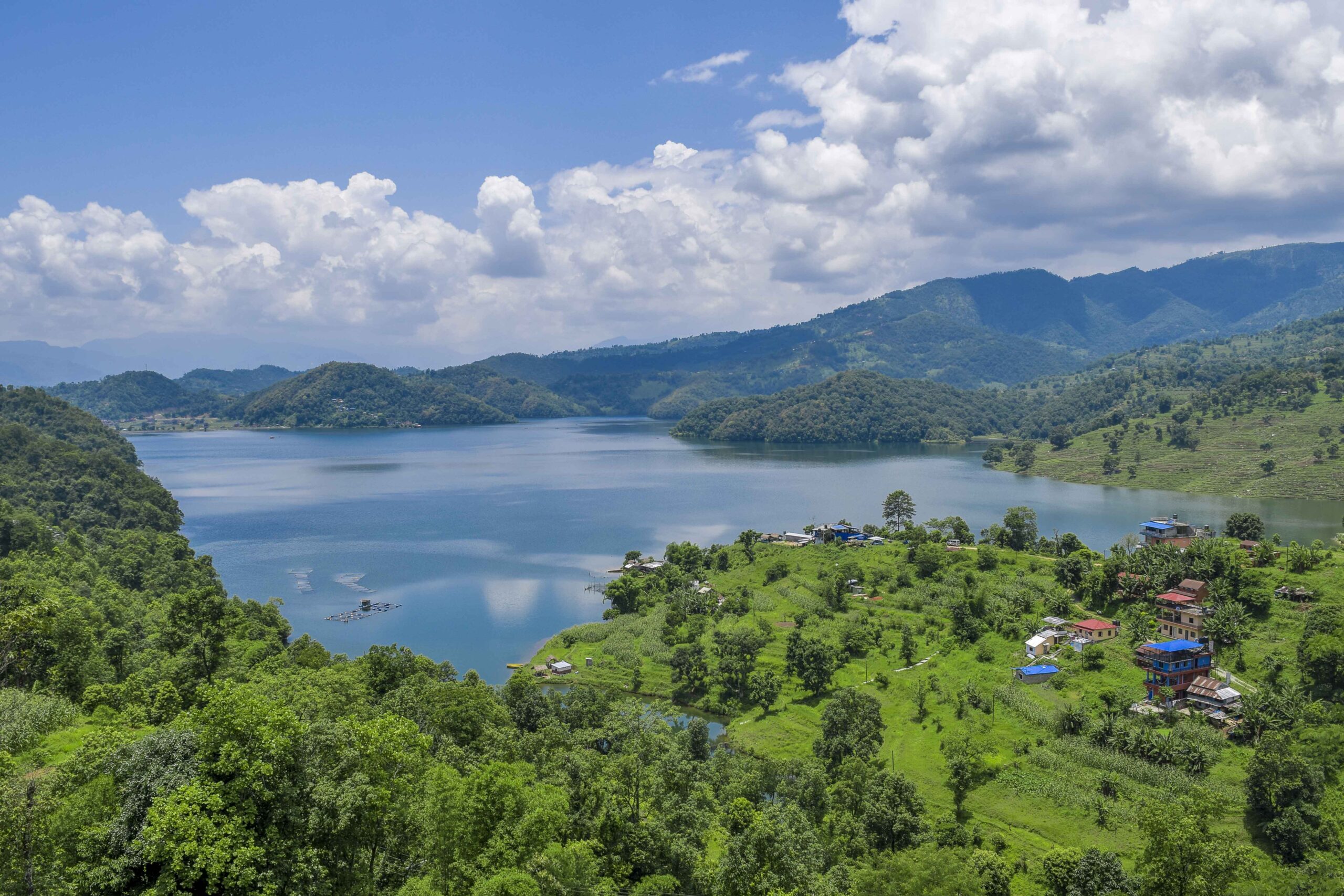
Whether you are a Jhapa resident heading to Kathmandu for business, a family travelling for Dashain or Tihar celebrations, an international traveller entering Nepal at Kakarbhitta and continuing to the capital, or a trekker using Jhapa as the starting point of a comprehensive Nepal adventure that continues through Kathmandu to the Himalayan trekking regions, Nepal Vehicle Hiring Pvt Ltd’s private vehicle hire service provides the comfortable, reliable, and professionally managed transport that this important journey deserves. Contact our team to book your Jhapa to Kathmandu vehicle today, explore our complete Nepal tour packages for combined journey arrangements, or plan your full Nepal trip with our expert vehicle hire and travel coordination team.

Our fleet of private cars, 4WD jeeps, Hiace vans, coasters, and buses is ready for Jhapa to Kathmandu—and every Nepal destination beyond.

Kathmandu Car Rental

Patan Durbar Square in the Kathmandu Valley

Kathmandu Car Rental | Best Car Hire Service Nepal

Kathmandu engages all your senses. From ancient, prayer-flag-draped stupas to bustling alleyways filled with the aroma of spices and fresh momos, Nepal’s vibrant capital is rich with history and culture. Navigating its lively streets, UNESCO World Heritage Sites, and surrounding mountain viewpoints should feel like an adventure—not a stressful chore.

While public transport can be crowded and fixed tour itineraries often feel rushed, booking a private vehicle gives you total control over your journey. Whether you need a smooth airport transfer, a full day of sightseeing, or a scenic drive up into the hills, our vehicle rental services ensure you travel safely, comfortably, and on your own terms.

Sightseeing & Travel Packages

We offer transparent pricing and tailored packages for every travel style, from solo travellers and families to large tour groups.

jarakpur to kathmandu car

Kathmandu Valley Full-Day Sightseeing Tour

Duration: Up to 6 Hours (Covers 3 to 4 major sites)

Experience Nepal’s historical and spiritual heart at your own pace. Our full-day city tour takes you directly to Kathmandu’s most iconic UNESCO World Heritage Sites without the hassle of hailing taxis or navigating local bus routes.

  • Swayambhunath (The Monkey Temple): Perched high on a hill, this ancient stupa offers panoramic views across the entire Kathmandu Valley, surrounded by playful resident monkeys and fluttering prayer flags.
  • Boudhanath Stupa: One of the world’s largest spherical stupas and the focal point of Tibetan Buddhism in Nepal. Spin prayer wheels alongside local pilgrims as you soak in the peaceful atmosphere.
  • Pashupatinath Temple: A sacred Hindu temple complex situated along the banks of the Bagmati River, offering profound insights into Nepal’s spiritual traditions and open-air cremation rituals.
  • Kathmandu Durbar Square: Walk through the historic seat of Nepalese royalty, home to intricate wooden architecture, ancient courtyards, and the Kumari Ghar (residence of the Living Goddess).

Vehicle Pricing (Full-Day Tour)

Vehicle TypeCapacityDurationPrice (NPR)

Sedan / Car

3 Passengers + Driver

Max 6 Hours

Rs. 6,000- 8,000(USD 60-80)

4×4 Jeep

7 Passengers + Driver

Max 6 Hours

Rs. 10,000- 12,000(USD 80-90

HiAce Van

14 Passengers + Driver

Max 6 Hours

Rs. 10,000- 15,000(USD 90-100)

Coaster / Bus

35 Passengers + Driver

Max 6 Hours

Rs. 25,000 – 30,000(USD 10-160)

Kathmandu Car Rental

Chandragiri Hills Day Trip

Duration: Up to 6 Hours (Round Trip)

Escape the city hustle with a scenic drive to the base of Chandragiri Hills. On the valley’s southwestern rim, Chandragiri is famous for its state-of-the-art cable car ride to the summit. On clear days, the peak offers sweeping views of the Himalayan range—including Mount Everest—alongside the historic Bhaleshwor Mahadev Temple. Your driver will drop you at the cable car station, wait comfortably while you explore, and bring you back smoothly.

Kathmandu Car Rental

Nagarkot Transfers (One-Way Pickup or Drop)

Nagarkot is renowned for offering some of the best mountain sunrise and sunset views in Nepal. If you’ve already booked your accommodation or plan to trek back down through local villages, our one-way pickup or drop-off service ensures a smooth, stress-free drive along the winding hill roads.

Vehicle Pricing (One-Way Drop or Pickup)

Vehicle TypeCapacityPrice (NPR)

Sedan / Car

3 Passengers + Driver

Rs. 8,000

4×4 Jeep

7 Passengers + Driver

Rs. 10,000

HiAce Van

14 Passengers + Driver

Rs. 15,000

Coaster / Bus

35 Passengers + Driver

Rs. 30,000

Nagarkot Sunrise Tour-Kathmandu Car Rental

Nagarkot Overnight Package (Round Trip)

Spend a relaxing night in the hills to catch both the sunset and the striking golden sunrise over the Himalayas. Our overnight package covers private transport to Nagarkot, driver accommodation/allowance, and your return trip to Kathmandu the following day.

Vehicle Pricing (Overnight Trip)

Vehicle TypeCapacityPrice (NPR)

Sedan / Car

3 Passengers + Driver

Rs. 12,000

4×4 Jeep

7 Passengers + Driver

Rs. 15,000

HiAce Van

14 Passengers + Driver

Rs. 20,000

Coaster / Bus

35 Passengers + Driver

Rs. 35,000

Kathmandu Car Rental

Tribhuvan International Airport (TIA) Transfers

Start or end your journey in Nepal without the stress of flights. Your driver will track your arrival time, meet you outside the terminal with a personalised sign, help with your luggage, and drive you comfortably to your Kathmandu hotel.

Vehicle Pricing (Airport Transfer)

Vehicle TypeCapacityPrice (NPR)

Sedan / Car

3 Passengers + Driver

Rs. 3,000

4×4 Jeep

7 Passengers + Driver

Rs. 4,000

HiAce Van

14 Passengers + Driver

Rs. 6,000

Coaster / Bus

35 Passengers + Driver

Rs. 10,000

Nepal Tour Package

Why Rent a Private Vehicle in Kathmandu?

  • Total Flexibility: Travel at your own pace without feeling rushed by rigid tour groups. Want to stay an extra hour enjoying tea overlooking Boudhanath? Your vehicle waits for you.

  • Comfort & Climate Control: Kathmandu’s weather can be hot or dusty depending on the season. Relax in clean, air-conditioned vehicles with ample legroom and space for luggage.

  • Experienced Local Drivers: Navigating Nepal’s traffic and narrow streets requires local expertise. Our professional, vetted drivers know the safest, fastest routes so that you can relax.

  • Transparent Rates: No hidden charges or unexpected taxi haggling. Your clear upfront price includes fuel, driver fees, and vehicle rental.

Essential Travel Tips for a Smooth Rental Experience

  1. Book Ahead in Peak Tourist Months: Autumn (Sept–Nov) and Spring (March–May) are busy travel seasons in Nepal. Book early to secure your vehicle and get the best rates.

  2. Inspect the Vehicle: Before you set off, do a quick walkaround with your driver to make sure it meets your comfort and luggage needs.

  3. Keep Essentials Handy: Carry a copy of your passport/ID, basic cash for entrance fees or personal purchases, and a water bottle for your day trips.

  4. Communicate Flexible Plans: If you wish to make extra stops or adjust your timings, coordinate with your driver or our support team beforehand.

Swayambhunath visit during Kathmandu Pokhara Tour

Frequently Asked Questions (FAQ)

Are driver charges included in the rental price?

Yes! All quoted prices include the vehicle, driver allowances, and fuel. You do not need to hire or pay a driver separately.

How experienced are the drivers?

Our drivers are seasoned professionals who specialise in tourist transportation. They hold valid commercial licenses, have extensive experience on mountain roads and in local city traffic, and prioritise safety at all times.

What documents do I need to book a vehicle?

Booking is simple. International travellers only need to provide a copy of their passport and a valid contact number (such as WhatsApp).

What payment options do you accept?

We accept cash (NPR), local bank transfers, digital wallets, and major credit/debit cards.

What happens if I need to extend my trip or change plans mid-route?

We understand travel schedules change! Just contact our support team as early as possible to request an extension or itinerary change, and we will adjust your schedule based on vehicle availability. Does insurance cover the vehicle?

Yes, all our rental vehicles are fully insured and maintained in strict accordance with safety regulations.

Kathmandu to Hetauda Vehicle Rental

Nepal Tour Package

Kathmandu to Hetauda Vehicle Rental | Complete Travel & Hire Guide

Roughly ninety kilometres south of bustling Kathmandu, where the Mahabharat hill range finally gives way to the flat, expansive Terai plains, sits Hetauda, a city that rarely features on the standard tourist itinerary yet plays a genuinely important role in Nepal’s transport, industrial, and gateway geography. As the headquarters of Makwanpur district and a key junction point on the road network connecting Kathmandu to the Terai and onward to the Indian border,

Kathmandu to Hetauda vehicle rental serves a varied set of travellers: business visitors to Hetauda’s industrial estates, families heading to the Kulekhani reservoir for a weekend outing, travellers connecting onward to Chitwan National Park or Parsa National Park, and cross-border travellers heading to Birgunj and the Indian frontier.

This guide covers everything travellers and businesses need to know about arranging vehicle rental for the Kathmandu to Hetauda route: the road options available, the historic Tribhuvan Highway and the newer expressway under development, key stops along the way including Daman’s Himalayan viewpoint, Hetauda’s role as an industrial and gateway city, vehicle options, safety considerations, and how to combine this journey with onward travel toward Chitwan, Parsa, or the Indian border. Nepal Vehicle Hiring has arranged transport along this corridor for years, and this guide draws directly on that route experience.

Where Is Hetauda

Hetauda sits in Makwanpur district where the Mahabharat range descends into the Terai plains, at an elevation of around 400 meters, considerably lower than Kathmandu’s roughly 1,400 meters. This position at the hill-plains junction has made Hetauda historically significant as a trade and transport crossroads, connecting central Nepal’s hill and mountain regions to the flat, agriculturally rich Terai and, beyond that, to India.

The city serves as the administrative headquarters of Makwanpur district. Over recent decades, it has become one of Nepal’s more significant industrial centres, alongside its role as a transport gateway.

Kathmandu to Hetauda Vehicle Rental

Two Routes From Kathmandu to Hetauda

The Historic Tribhuvan Highway

The Tribhuvan Highway, Nepal’s first major highway connecting Kathmandu to the Indian border, remains the traditional route between the two cities, passing through Naubise, Daman, and Bhainse before descending into Hetauda itself. Built with Indian assistance in the 1950s and 1960s, this road served for decades as the primary artery connecting Kathmandu to the outside world before the later development of the Prithvi Highway toward Pokhara and other road connections.

The Tribhuvan Highway climbs to a considerable elevation at Daman before descending steeply toward the Terai, making it one of the more scenic, if slower, routes available between Kathmandu and the southern plains.

The Kathmandu-Terai Madhesh Fast Track

In recent years, Nepal has invested in developing a considerably more direct expressway connecting Kathmandu to the Terai region near Nijgadh, intended to dramatically reduce travel time between the capital and the southern plains once fully complete. This fast-track route, still under phased construction and improvement, offers an increasingly viable alternative to the older Tribhuvan Highway for travellers who prioritise speed over the scenic mountain crossing the older route offers.

Travellers should confirm the current construction status and road completion with their vehicle operator before finalising travel plans, since sections of this route continue to be upgraded and its full completion timeline has shifted over the years of its development.

The Journey From Kathmandu to Hetauda via the Tribhuvan Highway

The overland drive from Kathmandu to Hetauda via the traditional Tribhuvan Highway covers about 88 to 95 kilometres, depending on the exact starting point within Kathmandu. It typically takes three to four hours by private vehicle, though it can take longer during monsoon-season landslide disruptions or heavy traffic on Kathmandu’s outskirts.

The route climbs out of the Kathmandu Valley through Naubise, then ascends toward Daman, Nepal’s highest point on any highway and a renowned viewpoint for Himalayan panoramas, before descending through Bhainse and finally reaching Hetauda at the base of the Mahabharat range.

This route, while more scenic than a purely direct expressway, involves genuine mountain driving with numerous switchbacks and elevation changes, and a comfortable, well-maintained vehicle with an experienced driver makes a considerable difference to the overall journey experience. Our

Jeep Hire in Nepal and private car services suit this route well, and our drivers are experienced in navigating the Tribhuvan Highway’s mountain sections in all seasons.

Daman: The Himalayan Viewpoint Along the Way

Daman itself, sitting at an elevation of over 2,300 meters directly along the Tribhuvan Highway roughly midway between Kathmandu and Hetauda, offers one of the most extensive Himalayan panoramas accessible by road anywhere in Nepal, with a clear-day view stretching from Dhaulagiri in the west to Everest in the east, an extraordinary range for a single viewpoint given the considerable distance these peaks span across the country. Many travellers on the Kathmandu to Hetauda route specifically schedule a stop at Daman’s viewing tower, especially on clear autumn or spring mornings when visibility is best, adding a genuinely memorable highlight to what might otherwise be treated as a purely functional transit journey.

Swayambhunath visit during Kathmandu Pokhara Tour

Vehicle Options for the Kathmandu to Hetauda Route

Private Car for Business and Individual Travel

For business travellers heading to Hetauda’s industrial estates or individual travellers making the journey, a standard private car offers a comfortable, efficient option on this well-paved highway route. We offer it through our general vehicle hire services.

Jeep and SUV for Onward Travel to Chitwan or Parsa

Travellers continuing beyond Hetauda to Chitwan National Park or Parsa National Park often prefer a Land Cruiser or Prado-class vehicle, for greater comfort on the longer journey and extra luggage space for safari or wildlife-viewing equipment.

Hiace and Coaster for Group and Business Travel

Corporate groups travelling to Hetauda’s industrial areas, or family groups heading toward Kulekhani for a weekend outing, often use our

Hiace hire or

Coaster and Bus hire services, depending on total group size.

Hetauda as an Industrial and Business Hub

Beyond its transport significance, Hetauda has steadily developed into one of Nepal’s more important industrial centres, home to manufacturing facilities, a cement industry, and one of Nepal’s designated Special Economic Zones intended to encourage export-oriented industrial development. This industrial character brings a steady stream of business travellers to the city, from company representatives and factory management visiting production facilities to government officials and trade delegations engaging with the Special Economic Zone administration.

Reliable, professional vehicle rental for this business travel segment differs somewhat from standard tourist transport, often requiring more flexible, on-demand scheduling around business meeting times rather than a fixed tourist itinerary.

Hetauda as a Gateway to Chitwan and Parsa National Parks

For travellers heading to Nepal’s premier wildlife destinations, Hetauda is a natural waypoint on the journey south from Kathmandu. Chitwan National Park, reachable via a further drive south and east from Hetauda, remains one of Nepal’s most visited wildlife destinations, home to Bengal tigers, one-horned rhinoceros, and a wide range of other Terai wildlife.

Parsa National Park, adjoining Chitwan and far less visited, offers a quieter wildlife experience for travellers who want to avoid Chitwan’s busier tourist infrastructure. Our Pokhara-to-Chitwan bus service covers one common route into this wildlife region.

At the same time, direct Kathmandu-to-Chitwan transport via Hetauda offers an alternative for travellers starting in the capital rather than Pokhara.

Kulekhani Dam and Reservoir

A short, worthwhile detour from the main Tribhuvan Highway route leads directly to Kulekhani, home to Nepal’s largest reservoir and an associated hydropower project that has supplied a meaningful share of the country’s electricity generation since it was built in the 1980s. The reservoir has also become a popular weekend destination for Kathmandu residents, offering boating, fishing, and a peaceful lakeside setting just a short drive from the capital.

Travellers with extra time on their Kathmandu to Hetauda journey sometimes stop at Kulekhani, particularly families or groups seeking a relaxed break partway through the drive.

Onward Travel to Birgunj and the Indian Border

Hetauda also serves as a waypoint for travellers continuing south toward Birgunj, one of Nepal’s most significant land border crossings into India, used extensively for both trade and passenger travel between the two countries. Business travellers and general travellers connecting onward into India via this crossing often break their journey at Hetauda, given its position roughly midway along the route and its role as a natural rest and refuelling point before the final stretch to the border itself.
Kathmandu to Hetauda Vehicle Rental

Best Time of Year for This Route

Spring (March to May)

Clear skies favour the Daman viewpoint stop during this period, and road conditions along the Tribhuvan Highway are generally favourable, making spring an excellent season for this journey.

Summer and Monsoon (June to August)

Heavy rainfall increases landslide risk on the mountainous sections of the Tribhuvan Highway near Daman, and cloud cover typically obscures the Himalayan panorama that makes this route’s viewpoint stop worthwhile.

Autumn (September to November)

The clearest skies of the year make this the best season to combine the Kathmandu to Hetauda journey with a proper stop at Daman’s viewpoint, with generally stable road conditions throughout.

Winter (December to February): Prepare for cold temperatures at Daman’s higher-elevation section, though the route generally remains accessible and offers crisp, clear visibility on many winter days.

Kathmandu to Hetauda Vehicle Rental

Road Safety on the Kathmandu to Hetauda Corridor

The Tribhuvan Highway’s mountainous sections, particularly around Daman and the descent toward Bhainse, involve genuine switchback driving and occasional landslide risk during the monsoon season. An experienced driver familiar with this route is important for comfort and safety. Given the sustained mountain driving, vehicles should be properly inspected for reliable brakes and suspension, which differs from the flatter, more straightforward driving once the route reaches the Terai plains near Hetauda.

Cost Factors for Kathmandu to Hetauda Vehicle Rental

Vehicle rental cost for this route depends on vehicle class, whether you need a one-way or round-trip journey, and whether the booking extends to onward travel to Chitwan, Parsa, or the Indian border. Business travellers who need flexible, on-demand scheduling around meeting times may also see different pricing structures than standard point-to-point tourist transport.

Our team is glad to prepare a custom quote based on your specific itinerary and requirements. Visit our

homepage for further details.

How to Book Your Kathmandu to Hetauda Transport

Booking is straightforward: share your travel dates, group size, and whether your journey includes onward travel beyond Hetauda to Chitwan, Parsa, or the Indian border, and our team will arrange the right vehicle and driver for your needs. Business travellers with recurring trips to Hetauda’s industrial areas can also discuss standing arrangements for regular transport needs.

Combining This Journey With Kathmandu Valley Sightseeing

Many travellers begin their Hetauda journey with a day or two in Kathmandu, using this time for cultural sightseeing before continuing south. Our

Kathmandu sightseeing tour and

Bhaktapur Durbar Square tour services pair naturally with a Hetauda-bound trip, while a reliable

Kathmandu airport transfer ensures a smooth arrival before the journey south begins.

Frequently Asked Questions

How long does the drive from Kathmandu to Hetauda take?

The drive typically takes three to four hours via the Tribhuvan Highway, depending on traffic and road conditions, with the newer fast-track expressway expected to reduce this considerably once fully complete.

Is the Tribhuvan Highway safe to drive?

Yes, with an experienced driver familiar with the route’s mountain sections, particularly around Daman, though monsoon-season landslide risk warrants extra caution during that period.

Can I stop at Daman for the Himalayan viewpoint along the way?

Yes. Daman lies directly on the Tribhuvan Highway and is a popular stop for travellers on this route, especially during clear autumn or spring weather.

Is Hetauda a tourist destination in its own right?

Hetauda is primarily an industrial and transport hub rather than a standalone tourist destination, though the nearby Kulekhani reservoir is a popular recreational stop.

Can I continue from Hetauda to Chitwan National Park?

Yes. Hetauda is a natural waypoint for onward travel to Chitwan and Parsa National Parks to the south and east.

Is vehicle rental available for business travel to Hetauda’s industrial areas?

Yes. We regularly support business travellers with flexible transport arrangements to meet schedules at Hetauda’s industrial estates and Special Economic Zone.

Can I continue from Hetauda to the Indian border at Birgunj?

Yes. Hetauda sits roughly midway on the route to Birgunj, one of Nepal’s main land border crossings into India, and you can arrange onward transport for this leg of the journey.

Final Thoughts: A Gateway Worth Understanding

Hetauda may not carry the tourist profile of Kathmandu, Pokhara, or the Everest region. Still, its role as an industrial centre, transport junction, and gateway to both Nepal’s premier wildlife destinations and the Indian border makes reliable vehicle rental for this route genuinely valuable for a wide range of travellers.

Whether your journey is for business, wildlife tourism, cross-border travel, or simply the scenic drive itself, getting the right vehicle and an experienced driver for the Tribhuvan Highway’s mountain sections makes all the difference to a smooth journey south from Kathmandu.

Contact Nepal Vehicle Hiring today on WhatsApp or visit

vehiclehiringnepal.com to arrange your private vehicle for the Kathmandu to Hetauda route and beyond, whether for business, wildlife tourism, cross-border travel, or a simple scenic day out to Daman and Kulekhani.

Kathmandu to Hetauda Vehicle Rental

The History of the Tribhuvan Highway

The Tribhuvan Highway holds a distinctive place in Nepal’s modern infrastructure history as the country’s first major road connection to the outside world, built with Indian government assistance and completed in the late 1950s and early 1960s. Before this road’s construction, Kathmandu Valley was accessible mainly by foot trails and mule tracks, and its completion marked a genuine turning point in Nepal’s modernisation, allowing motor vehicle access between the capital and the Indian border for the first time in the country’s history.

Named after King Tribhuvan, the road’s construction involved considerable engineering challenges given the mountainous terrain it had to traverse, particularly the steep climb to Daman, and the highway remains an impressive piece of mid-twentieth-century road engineering even by contemporary standards.

For several decades, the Tribhuvan Highway served as Nepal’s primary artery for both passenger and freight transport connecting Kathmandu to the Terai and India beyond, a role it maintained until the later development of alternative routes reduced its relative importance for through-traffic while it retained its significance for regional connections to Hetauda and Makwanpur district specifically.

Makwanpur District: Geography and Context

Hetauda serves as the district headquarters for Makwanpur, a district spanning a wide range of elevations from the high Mahabharat range to the Terai plains, giving it unusually varied geography within a single administrative unit. This elevation range supports a diverse agricultural economy, from hill farming in the district’s upper reaches to more intensive Terai agriculture in its southern lowlands, alongside industrial development that has grown around Hetauda over recent decades.

The district’s position straddling this hill-to-plains transition has historically made it an important trade and cultural crossing point, a role reflected in Hetauda’s continued significance as a transport hub today.

Kathmandu to Hetauda Vehicle Rental

The Kathmandu-Terai Fast Track in Greater Detail

The Kathmandu-Terai Madhesh Fast Track, sometimes referred to by its connection point near Nijgadh, represents one of Nepal’s most significant contemporary infrastructure projects, intended to dramatically reduce travel time between Kathmandu and the Terai region through a considerably more direct alignment than the older, mountain-crossing Tribhuvan Highway. This project has involved substantial tunnelling and bridge construction given the challenging terrain it traverses, and its phased construction and repeated timeline revisions reflect the genuine engineering complexity of building expressway-standard infrastructure through Nepal’s mountainous middle hills.

Once fully complete, this route is expected to connect Kathmandu to the Terai in a fraction of the time required via the traditional highway routes. However, travellers should continue to confirm current road status directly with their vehicle operator given the project’s ongoing development.

Hetauda’s Special Economic Zone

One of Nepal’s designated Special Economic Zones is located at Hetauda, established to encourage export-oriented manufacturing through streamlined customs procedures, tax incentives, and dedicated industrial infrastructure. This zone has attracted a range of manufacturing businesses in recent years, and its continued development has reinforced Hetauda’s role as one of Nepal’s more significant industrial centres outside the Kathmandu Valley.

Business travel to and from this zone forms a meaningful part of overall transport demand along the Kathmandu-Hetauda corridor, distinct from the tourism- and wildlife-focused travel that also uses this route.

Hetauda’s Role in Nepal’s Cement and Manufacturing Industry

Beyond the Special Economic Zone, Makwanpur district and the Hetauda area have long been associated with Nepal’s cement manufacturing industry, given the surrounding hill terrain’s limestone deposits. This industrial base has developed alongside the district’s transport significance, since moving raw materials and finished cement products efficiently between Hetauda and Kathmandu or the Terai has depended heavily on reliable road infrastructure along exactly the corridor covered in this guide.

This industrial heritage adds another dimension to Hetauda’s economic importance beyond its role as a simple transit point on the way to more famous destinations further south.

A Typical Business Travel Itinerary to Hetauda

Business travellers visiting Hetauda’s industrial facilities typically follow a pattern distinct from tourist travel along this route: an early morning departure from Kathmandu, arrival at Hetauda within three to four hours for a full day of meetings or facility visits, and either an overnight stay in Hetauda before returning the following day, or a same-day return journey if the business schedule allows. This flexible, business-oriented booking often requires closer coordination with the vehicle provider on exact departure and return times than standard tourist bookings, since transport schedules must align with variable meeting durations rather than a fixed sightseeing itinerary.

Weather Considerations Specific to This Route

The Kathmandu to Hetauda route crosses a wide range of elevations over a relatively short distance, from Kathmandu’s roughly 1,400 meters to Daman’s over 2,300 meters, then down to Hetauda’s approximately 400 meters,, so travellers can encounter meaningfully different weather conditions in a single day’s journey. Winter mornings can bring frost or even light snow at Daman’s higher elevation while Hetauda itself remains considerably milder given its lower, more Terai-influenced climate.

Travellers should factor this elevation-driven weather variation into their clothing choices, especially during the cooler winter months.

Kathmandu to Hetauda Vehicle Rental

Kulekhani Hydropower: Nepal’s Pumped Storage Pioneer

The historically significant Kulekhani hydropower project, closely associated with the large reservoir near Hetauda, stands out in Nepal’s energy history as the country’s first major reservoir-based hydropower scheme, unlike the run-of-river design typical of most Nepali hydropower plants. This reservoir storage design lets Kulekhani generate electricity flexibly with demand rather than being constrained purely by river flow, making it a valuable peaking power resource in Nepal’s national electricity grid, particularly during the dry winter season when river-based hydropower generation typically declines considerably across the country.

Over the decades since its construction, the reservoir has also become a recreational asset popular with weekend visitors from Kathmandu.

Boating and Recreation at Kulekhani

Beyond its hydropower function, the Kulekhani reservoir has developed a modest tourism and recreation industry, with boating facilities, lakeside restaurants, and fishing opportunities drawing visitors from Kathmandu seeking a relatively accessible escape from the city without the longer travel time required to reach Pokhara’s Phewa Lake. Set amid surrounding hills, the reservoir offers a genuinely pleasant, if less dramatically scenic, alternative to Nepal’s more famous lakeside destinations, and its proximity to both Kathmandu and the Tribhuvan Highway route to Hetauda makes it a convenient addition to a broader itinerary rather than a dedicated trip.

Kathmandu to Hetauda Vehicle Rental

Chitwan National Park: What Awaits Beyond Hetauda

For travellers continuing further south beyond Hetauda toward Chitwan National Park, widely regarded as one of Nepal’s most significant protected areas and a UNESCO World Heritage Site, the park offers wildlife viewing opportunities including Bengal tigers, one-horned rhinoceros, gharial crocodiles, and a wide range of bird species across its subtropical forest and grassland habitat. Chitwan’s tourism infrastructure has developed considerably over recent decades, with jungle safaris, canoe trips along the Rapti River, and cultural programs showcasing Tharu indigenous culture all forming part of a typical Chitwan visit.

Reaching Chitwan from Kathmandu via Hetauda offers an alternative to the more commonly used Pokhara-based approach covered in our companion guide, especially for travellers whose broader itinerary centres more on Kathmandu than Pokhara.

Parsa National Park: The Quieter Alternative

Adjoining Chitwan to the east, Parsa National Park offers a considerably quieter wildlife alternative, with lower visitor numbers and less developed tourism infrastructure than its more famous neighbour, appealing to travellers seeking a less commercialised wildlife experience. Parsa shares much of the same ecosystem and wildlife, including tigers and a range of Terai wildlife, though sightings and infrastructure are less predictable given the park’s slower overall tourism development, a trade-off some travellers seek for a more genuinely remote wildlife experience.

Kathmandu to Hetauda Vehicle Rental

Birgunj: Nepal’s Busiest Border Crossing

Birgunj, reachable via further onward travel south from Hetauda, is Nepal’s busiest land border crossing into India, handling a substantial share of the country’s trade with its southern neighbour, along with significant passenger traffic between the two countries. As a customs and trade hub, the city is a significant economic centre in its own right, and the road connection through Hetauda forms an essential link in the broader transport chain connecting Kathmandu to this crucial border crossing.

Business travellers engaged in cross-border trade, along with general travellers heading into India, use the Hetauda-Birgunj corridor as part of their broader journey.

Cultural and Ethnic Diversity Along the Route

The Kathmandu to Hetauda corridor passes through a genuinely diverse cultural landscape, from the predominantly hill ethnic communities found in the upper sections of the route near Daman, through to the more Terai-influenced cultural character found as the road descends toward Hetauda itself, where Tharu and Madhesi communities become an increasingly significant part of the local population. This cultural transition mirrors the broader hill-to-plains geographic shift the route traverses, and travellers interested in Nepal’s ethnic and cultural diversity find this corridor offers a genuinely interesting cross-section of the country’s demographic variety within a relatively short drive.

Kathmandu to Hetauda Vehicle Rental

Agricultural Landscape Along the Tribhuvan Highway

The hill sections of this route, particularly around Daman and the surrounding terraced slopes, showcase traditional Nepali hill agriculture, with terraced fields growing maize, millet, and vegetables adapted to the steep terrain characteristic of Nepal’s middle hills. As the route descends toward the Terai near Hetauda, the farming shifts toward rice, wheat and sugarcane typical of Nepal’s flatter southern plains, a visible, gradual transition that reflects the ecological and elevation changes along the journey.

Photography Opportunities Along the Route

Beyond the well-known Himalayan panorama available from Daman’s viewing tower, the Kathmandu to Hetauda route offers a range of worthwhile photography opportunities throughout its length, including the terraced hillside agriculture visible from numerous points along the highway’s mountain sections, the Kulekhani reservoir’s calm waters framed by surrounding hills, and the visible ecological transition from hill forest to Terai lowland vegetation as the road descends toward Hetauda itself. Morning departures from Kathmandu generally offer the best visibility for the Daman viewpoint, given the tendency for cloud cover to build throughout the day across this section of the Mahabharat range.

Connectivity and Communication Along the Route

Mobile network coverage along the Kathmandu to Hetauda corridor is generally reliable throughout, reflecting the route’s status as a well-established, heavily used highway connection rather than a remote trekking corridor, with consistent signal available in Daman, Bhainse, and Hetauda itself. This makes the route far more connected than many of Nepal’s trekking corridors covered elsewhere in our guides, a real convenience for business travellers who need to stay in contact with colleagues or clients throughout their journey.

Why Choose Nepal Vehicle Hiring for the Hetauda Route

Nepal Vehicle Hiring has arranged transport along the Kathmandu-Hetauda corridor for years, serving business travellers, wildlife tourists heading toward Chitwan and Parsa, and cross-border travellers continuing toward Birgunj. Our drivers are experienced on the Tribhuvan Highway’s mountain sections around Daman in all seasons, and we regularly inspect our vehicles because this route involves sustained mountain driving before the flatter Terai sections near Hetauda.

Whether your trip is a single business-day return, a multi-day wildlife itinerary extending to Chitwan, or a cross-border journey to India, our team can arrange the right vehicle and driver for your needs.

Kathmandu to Hetauda Vehicle Rental

Group Travel and Corporate Bookings for Hetauda

Companies with regular, recurring business connections between Kathmandu and Hetauda, whether related to the Special Economic Zone, cement manufacturing, or other industrial activity in the area, often benefit from a standing transport arrangement rather than booking each trip separately. This kind of recurring corporate booking typically includes pre-agreed pricing, consistent driver assignment where possible, and simplified invoicing suited to corporate procurement processes, reducing the administrative overhead of arranging transport for each new business trip to the area.

Comparing the Old Highway and New Fast Track for Different Traveller Needs

Travellers weighing whether to use the traditional Tribhuvan Highway or the newer Kathmandu-Terai Fast Track, where currently accessible, should consider their specific priorities for the journey. The Tribhuvan Highway, while slower, offers the genuine scenic reward of the Daman viewpoint and passes through a range of interesting hill communities and agricultural landscapes along the way, making it the preferred choice for travellers who view the journey itself as part of the overall experience rather than simply a means of reaching Hetauda as quickly as possible.

Where usable sections allow, the Fast Track offers a more direct, time-efficient option better suited to business travellers or those prioritising speed over the scenic mountain crossing.

Seasonal Booking Patterns for This Route

Unlike Nepal’s trekking-focused routes, which see pronounced seasonal demand spikes tied to the main spring and autumn trekking windows, the Kathmandu to Hetauda corridor sees more consistent, year-round demand given its dual role serving both business travel, which continues regardless of season, and wildlife tourism toward Chitwan and Parsa, which does follow more typical seasonal tourism patterns. This more consistent demand profile generally means vehicle availability along this route is less constrained by seasonal booking spikes than some of Nepal’s more purely tourism-focused trekking corridors.

However, booking in advance is still advisable for specific dates, particularly for larger vehicles or group bookings.

Insurance and Safety Documentation for Business Travel

Companies arranging regular business transport to Hetauda should confirm their vehicle provider carries appropriate commercial insurance covering passengers, a standard consideration for any institutional or corporate travel booking. Nepal Vehicle Hiring maintains proper commercial vehicle insurance across our fleet. We can readily provide documentation confirming current coverage upon request, supporting corporate travel policy compliance and general risk management for business travellers on this journey.

What to Pack for the Kathmandu to Hetauda Journey

  • Warm layers if travelling during winter months, given the cold temperatures possible at Daman’s higher elevation.
  • A camera for the Daman viewpoint stop, especially on clear autumn or spring days.
  • Business attire and documentation for corporate travellers visiting Hetauda’s industrial facilities or Special Economic Zone.
  • Sufficient cash in Nepali rupees, since card payment infrastructure remains more limited outside Kathmandu and major tourist centres
  • Any relevant documentation for onward cross-border travel if continuing toward Birgunj and the Indian border.

A Sample Multi-Stop Itinerary Combining Business and Leisure

Some travellers combine a business trip to Hetauda with a leisure extension, taking advantage of the journey’s proximity to both Kulekhani Reservoir and the broader Chitwan wildlife region. A typical combined itinerary might begin with a morning departure from Kathmandu, a business meeting or facility visit in Hetauda during the middle of the day, followed by an overnight stay and a relaxed visit to Kulekhani reservoir the following morning before returning to Kathmandu, or continuing onward to Chitwan for a wildlife-focused extension to the trip.

This combined itinerary makes efficient use of the considerable travel time required to reach this part of Nepal, extracting both business and leisure value from a single trip.

Environmental Considerations Along the Route

The Tribhuvan Highway’s mountain sections pass through forested terrain that plays an important watershed role for the broader Kathmandu Valley and Terai region, and ongoing road maintenance and any future expansion work along this corridor carry genuine environmental considerations regarding forest cover and slope stability, particularly relevant given the monsoon-season landslide risk already discussed. Sustainable road development that balances improved transport connectivity with environmental protection remains a key consideration for Nepali infrastructure planners working on both the existing highway’s maintenance and the newer fast track’s continued construction.

The Broader Significance of North-South Connectivity in Nepal

The Kathmandu to Hetauda corridor exemplifies a broader challenge and opportunity in Nepal’s transport geography: the country’s mountainous terrain runs predominantly east-west, while its economic and trade relationships, particularly with India, demand efficient north-south connectivity between the hill and mountain regions and the Terai plains. Routes like the Tribhuvan Highway, and increasingly the Kathmandu-Terai Fast Track, represent Nepal’s ongoing infrastructure response to this geographic challenge, and their continued development carries significance well beyond simply connecting Kathmandu to Hetauda, touching on broader questions of Nepal’s economic integration with the Terai region and its trade relationship with India more generally.

Hattiban and Other Stops Near Kathmandu on the Route South

Shortly after leaving Kathmandu Valley on the Tribhuvan Highway, travellers pass through the Hattiban area, known for its forested hillside resorts and a cable car offering additional valley-rim views, a popular short-excursion destination for Kathmandu residents and visitors with limited time. While not directly on the route to Hetauda, this area’s proximity to the highway’s starting point makes it worth mentioning for travellers with flexible departure times and an interest in combining their Hetauda journey with an early stop at this accessible valley-rim viewpoint.

Understanding Elevation Changes Throughout the Journey

The Kathmandu to Hetauda route involves one of the more dramatic elevation profiles found on any single road journey in Nepal, climbing from Kathmandu’s roughly 1,400 meters to Daman’s peak elevation exceeding 2,300 meters within a relatively short distance, before descending all the way to Hetauda’s approximately 400 meters, a total elevation change exceeding 1,900 meters across the full journey. This dramatic profile explains both the route’s scenic reward, the extensive Himalayan views from the higher sections, and its driving demands: sustained switchbacks needed to manage such significant elevation change within the available road distance.

Local Cuisine and Dining Options Along the Route

Food options along the Kathmandu to Hetauda corridor reflect the route’s transition from hill to Terai cuisine, with standard Nepali dal bhat widely available throughout, alongside increasing Terai and Madhesi culinary influence as the route approaches Hetauda itself, including dishes reflecting the rice and lentil-based cuisine more typical of the southern plains than the hill regions closer to Kathmandu. Daman and Bhainse both offer basic roadside dining options suited to a rest stop partway through the journey.

In contrast, Hetauda, given its larger size and business travel profile, offers a much wider range of dining options, including more developed restaurants that cater to business travellers and the town’s broader resident population.

Historical Trade Significance of the Hetauda Corridor

Long before the Tribhuvan Highway’s construction made motor vehicle travel possible, the general corridor connecting Kathmandu to the Terai near modern Hetauda served as an important trade route, with goods moved by porter and pack animal between the hill kingdoms of central Nepal and the plains regions to the south. This historical trade significance helps explain why this corridor, rather than alternative routes, was selected for Nepal’s first major highway project, building on centuries of established trade and travel patterns between the Kathmandu Valley and the southern plains.

Preparing for a Comfortable Journey

Given the journey’s length and the range of elevations and temperatures it traverses, a few practical preparations help ensure a comfortable Kathmandu to Hetauda journey, regardless of purpose. Bringing snacks and water for the journey, particularly given the more limited food options along the more remote mountain sections near Daman, comfortable clothing suited to a multi-hour vehicle journey, and any work materials or documentation needed for business meetings, all help ensure the journey itself does not detract from whatever business or leisure purpose brings a traveller to Hetauda in the first place.

How This Route Fits Nepal’s Broader Ground Transport Network

The Kathmandu to Hetauda corridor is an important part of Nepal Vehicle Hiring’s broader network of routes connecting Kathmandu to nearly every major destination in the country, from trekking trailheads and pilgrimage sites to major tourist cities. Just as we support travellers heading toward

Pokhara,

Besisahar,

Soti Khola,

Salleri and Phaplu, and

Lumbini, the Hetauda corridor extends the same reliable ground-transport standard to Nepal’s industrial and cross-border travel segment, an often overlooked but genuinely significant part of the country’s overall transport landscape.
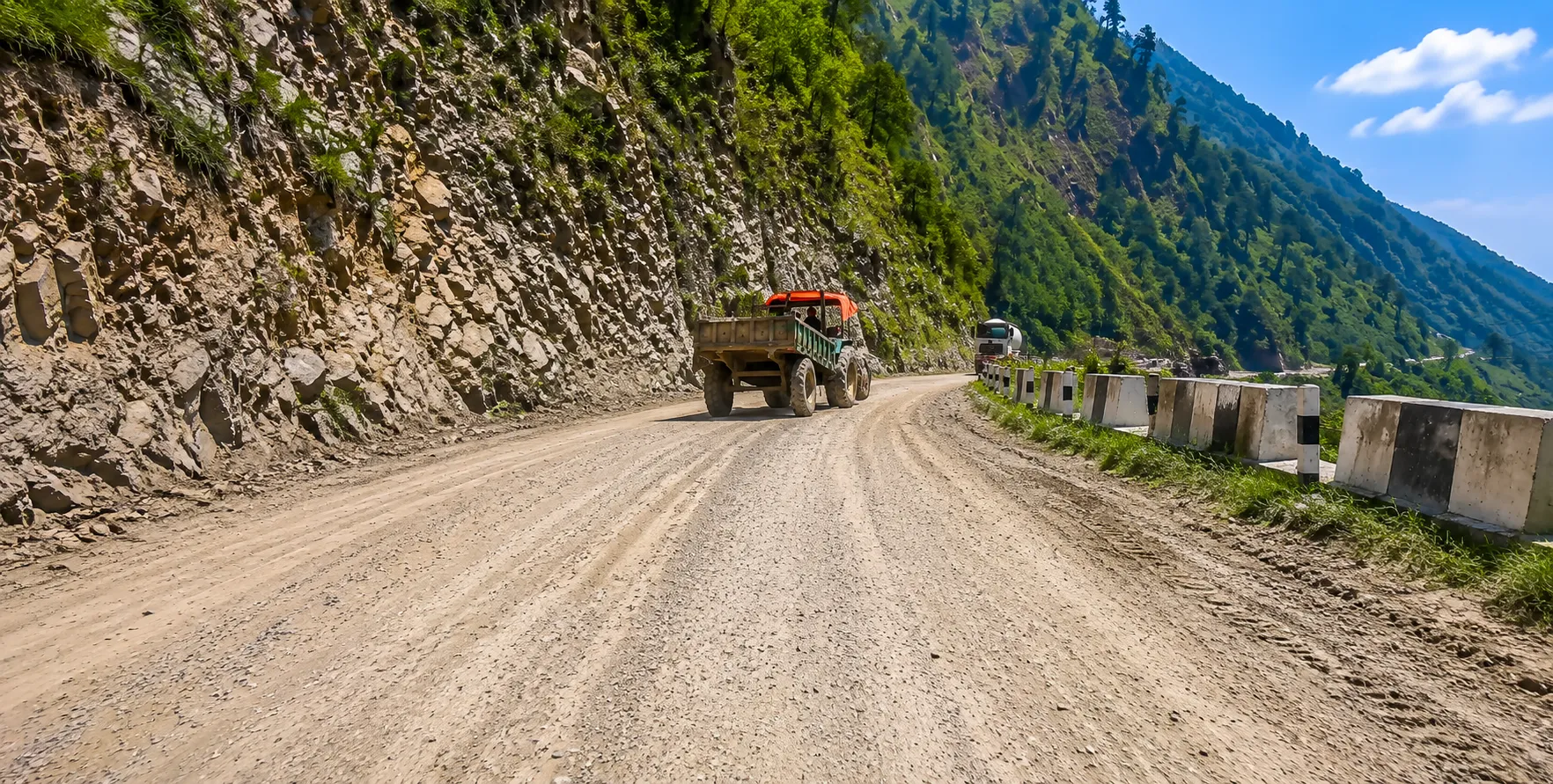
Combining Hetauda Travel With the Wider Nepal Vehicle Hiring Network

Travellers and businesses with itineraries spanning multiple regions of Nepal benefit from working with a single, established ground transport provider that can coordinate the full journey, rather than arranging separate local transport at each destination. Beyond the Hetauda corridor itself, our services extend to

Pokhara to Chitwan transport,

Pokhara to Nayapul for Annapurna region trekking,

car hire in Pokhara, and Kathmandu Valley sightseeing including our

Bhaktapur Durbar Square tour,

Nagarkot sunrise tour, and

Sarangkot sunrise tour services, alongside our

Kathmandu airport transfer and full

Jeep Hire in Nepal,

Hiace hire, and

Coaster and Bus hire fleet options.

Travellers combining a Hetauda trip with wider Nepal travel, whether for business, wildlife tourism, or onward pilgrimage and trekking journeys, may find these related guides useful for planning the rest of their itinerary:

Combining a Hetauda Trip With Sister Company Trekking and Touring Packages

For travellers whose Hetauda business or leisure trip forms part of a broader Nepal itinerary including trekking or cultural touring, our sister companies

Alpine Luxury Treks and

Trek Nepal Himalayas offer everything from the

Everest Base Camp Trek and

Annapurna Circuit Trek to shorter options such as the

Ghorepani Poon Hill Trek, alongside broader

Nepal, Tibet, and Bhutan tour packages, all of which we can coordinate with your Hetauda ground transport for a single, smooth Nepal itinerary.

Additional Frequently Asked Questions

Is the Kathmandu-Terai Fast Track fully open for travel yet?

The fast track remains under phased construction and improvement, with sections opening progressively. Travellers should confirm current status directly with their vehicle operator before assuming this route is fully usable for their specific travel dates.

How cold does it get at Daman during winter?  At Daman’s elevation of 2,300 meters, temperatures can drop close to or below freezing overnight during winter, so travellers should pack warm layers accordingly,y even though Hetauda itself, at a much lower elevation, remains considerably milder.

Can I visit Kulekhani as a day trip without continuing to Hetauda?

Yes. You can visit Kulekhani as a standalone day trip from Kathmandu without continuing the full journey to Hetauda, since it’s off the main highway route.

Is this route suitable for a single-day round trip from Kathmandu?

Yes, for travellers who don’t need an overnight stay, a same-day round trip to Hetauda and back is feasible, though it’s a long day with 6 to 8 hours of total driving time.

What is the road surface like along this route?

The Tribhuvan Highway is paved throughout, but it involves sustained mountain driving with numerous switchbacks, unlike the unpaved, rougher conditions on many of Nepal’s trekking access roads covered by our other guides.

A Final Word on This Often-Overlooked Corridor

The Kathmandu to Hetauda route rarely receives the attention given to Nepal’s more famous trekking and touring corridors. Yet, it quietly supports a genuinely significant share of the country’s business travel, wildlife tourism access, and cross-border trade and travel with India.

Understanding this route’s dual character, part scenic mountain crossing via the historic Tribhuvan Highway, part practical business and gateway corridor, helps travelers and companies alike plan a smoother, better-informed journey whenever their own path takes them south from Kathmandu toward Hetauda and the Terai beyond.

The Growing Importance of This Corridor Looking Ahead

As Nepal’s Special Economic Zone at Hetauda continues to develop and the Kathmandu-Terai Fast Track edges closer to full completion, the Kathmandu to Hetauda corridor seems likely to grow in significance over the coming years, both for business travel tied to the zone’s continued industrial development and for general connectivity between the capital and the southern Terai region. Vehicle hire providers that understand both the traditional Tribhuvan Highway route and the specific business travel needs of this corridor are well positioned to support this growth, much as the broader shift toward top-end, reliable ground transport has reshaped expectations across Nepal’s trekking and tourism sectors.

A Note on Booking Flexibility for Uncertain Schedules

Given the mixed business and leisure nature of travel along this corridor, many bookings involve less predictable scheduling than a standard tourist itinerary, particularly for business travellers whose return timing depends on how a meeting or facility visit unfolds. A genuine, responsive vehicle hire provider should offer reasonable flexibility for this kind of uncertain scheduling, coordinating directly with the traveller on the day rather than rigidly enforcing a fixed pickup time regardless of how the business day actually progresses.

This approach reflects the practical realities of this route’s mixed traveller base.

Supporting Both Business and Leisure Travellers on the Same Route

It is worth reflecting on how unusual it is for a single transport corridor to serve such a genuinely varied traveller base: industrial business visitors, wildlife tourists heading toward Chitwan and Parsa, cross-border travellers continuing to Birgunj, and leisure travellers simply seeking a scenic day out to Kulekhani or Daman’s viewpoint. This diversity reflects Hetauda’s layered identity as an inland centre, transport junction, and gateway city, and a well-run vehicle hire service serving this corridor needs to remain genuinely adaptable to whichever traveller profile a given booking represents, rather than assuming a one-size-fits-all approach suited only to standard tourism.

A Closing Perspective on Nepal’s Lesser-Known Transport Corridors

Not every genuinely significant route in Nepal leads directly to a famous trekking peak or a well-known cultural heritage site. The Kathmandu to Hetauda corridor reminds us that Nepal’s transport network serves real, practical needs beyond tourism: industrial development, cross-border trade, and the everyday movement of people and goods between the capital and the wider Terai region.

Recognising and supporting this practical, business-oriented travel corridor, alongside the more famous trekking and pilgrimage routes covered throughout our other guides, reflects a genuinely complete approach to ground transport service across Nepal, one that serves the country’s full range of travellers, not just those pursuing its most photographed destinations.

Getting Started With Your Booking

Whether your journey to Hetauda is for a business meeting at the Special Economic Zone, a wildlife extension toward Chitwan or Parsa, a scenic day trip built around the Daman viewpoint and Kulekhani reservoir, or an onward journey toward the Indian border at Birgunj, the process begins the same way: sharing your travel dates, group size, and specific itinerary needs with our team, so we can recommend the right vehicle and prepare a clear, transparent quote for your journey south from Kathmandu.

Thank you for reading. Whoopeereading. This gives you a thorough understanding of the Kathmandu route, from its historic engineering and dramatic Daman viewpoint to its modern role supporting industrial business travel, wildlife tourism connections, and cross-border trade with India.

We look forward to helping arrange your own journey along this often underappreciated but genuinely important corridor.

One Last Practical Note

Before finalising any booking along this route, particularly for business travel with time-sensitive meeting schedules, we recommend confirming current road conditions directly with our team, given the ongoing development of the Kathmandu-Terai Fast Track and the occasional monsoon-season disruption possible along the older Tribhuvan Highway’s mountain sections near Daman.

Wishing You a Smooth Journey South

From the switchback climb to Daman’s Himalayan panorama, down through the terraced hillsides and forested slopes of Makwanpur district, to the industrial energy of Hetauda itself and onward toward Chitwan, Parsa, or the Indian border, this corridor offers a genuinely varied slice of Nepal within a single day’s drive, and we look forward to being part of that journey with you.

In Closing

Safe, smooth, and genuinely comfortable travels on your journey south, whatever business, wildlife adventure, pilgrimage, or cross-border purpose brings you to Hetauda and the wider Terai region beyond it.

Kathmandu to Salleri and Phaplu Jeep Price

Phaplu

Kathmandu to Salleri And Phaplu Jeep Price – Complete Transport Guide

Salleri and Phaplu are two of the most strategically important yet least-discussed destinations in Nepal’s trekking transport network. Located in Solukhumbu District — the same district that contains Mount Everest, the Sherpa homeland of the Khumbu Valley, and the legendary Tenzing-Hillary Airport at Lukla — both towns serve as the road-accessible entry points to the Everest region for the growing number of trekkers, pilgrims, and travellers who choose to approach on foot from the south rather than flying directly to Lukla from Kathmandu.

the road connection from Kathmandu to Salleri and Phaplu has become increasingly important for several reasons: the Lukla flight is still one of Nepal’s most frequently cancelled domestic routes due to weather; the road access approach provides significantly better acclimatization than flying directly to Lukla at 2,860 m; and the Solu Khumbu region below Lukla — the traditional homeland of the Sherpa lower-altitude community, with its remarkable cultural heritage and ancient monasteries — is almost entirely bypassed by trekkers who fly to Lukla but can be explored richly by those who drive to Salleri or Phaplu and walk north.

This complete guide covers everything you need to know about jeep transport from Kathmandu to Salleri and Phaplu — distances, travel times, road conditions, vehicle types, detailed price tables, the trekking routes accessible from each destination, comparison with the Lukla flight option, and how to book your private vehicle hire with Vehicle Hiring Nepal.

Private 4WD jeep traveling from Kathmandu to Salleri and Phaplu on the scenic mountain road to the Everest region

Understanding Salleri and Phaplu — The Road Gateways to Everest

Salleri: District headquarters of Solukhumbu District, altitude approximately 2,398 m (7,867 ft), Koshi Province

Phaplu: Village and small airport, altitude approximately 2,413 m (7,917 ft), approximately 10 km north of Salleri

District: Solukhumbu — the district of Everest, home of the Sherpa people

Region: Solu Khumbu — traditionally divided into Solu (the southern lower hills) and Khumbu (the high northern valleys surrounding Everest)

Why Important: Both Salleri and Phaplu are the southernmost vehicle-accessible points in Solukhumbu District, serving as the trailhead for trekkers walking north toward Namche Bazaar, Everest Base Camp, and the Khumbu region

Salleri and Phaplu are separated by only about 10 km of road but represent different access approaches to the Everest trekking network. Salleri, as the district headquarters, has better facilities — hotels, banks, ATMs, pharmacies, government offices, and a small but growing tourist infrastructure.

Phaplu, slightly further north, has a small domestic airport (the alternative to Lukla for those flying into Solukhumbu) and sits closer to the northern trails heading toward Junbesi and eventually Namche Bazaar. Most trekkers driving from Kathmandu choose Phaplu as their terminus since it saves 2 to 3 hours of walking compared to starting from Salleri.

Private 4WD jeep traveling from Kathmandu to Salleri and Phaplu on the scenic mountain road to the Everest region

Why Drive to Salleri or Phaplu Instead of Flying to Lukla?

Most international trekkers fly from Kathmandu to Lukla (Tenzing-Hillary Airport at 2,860 m) and start their trek there. This flight takes 35 to 45 minutes and is undeniably fast and convenient. But the road option to Salleri or Phaplu has several compelling advantages that make it the preferred choice for a growing number of trekkers:

Acclimatization

Flying from Kathmandu (1,400 m) to Lukla (2,860 m) in 35 minutes represents a rapid altitude gain that significantly increases AMS risk in the early days of the trek. Driving to Salleri or Phaplu (2,398–2,413 m) over two days — ascending gradually through the mid-hills — provides better physiological acclimatisation before trekking begins.

Trekkers who access the Everest region by road through Salleri consistently report fewer AMS symptoms in Namche and higher sections than those who fly in via Lukla.

Lukla Flight Reliability

Tenzing-Hillary Airport at Lukla has one of the highest flight cancellation rates of any commercial airport in the world because of its extreme mountain location, short runway, and sensitivity to cloud and wind. In bad weather windows — which are common in monsoon and not rare in other seasons — the Kathmandu-Lukla flight can be cancelled for 3 to 5 consecutive days, stranding trekkers in Kathmandu with ruined itineraries.

The drive to Salleri or Phaplu is cancelled for weather only in extreme monsoon landslide situations — it is by far the more reliable option for trekkers who cannot afford extended weather delays.

The Solu Cultural Heritage

The Solu region — the hill country between Salleri and Lukla — is one of Nepal’s richest and most historically significant Sherpa cultural landscapes. Trekkers who fly to Lukla almost entirely bypass the ancient monasteries of Junbesi and Phagding, Solu Khumbu’s famous Thubten Choling Gompa (one of Nepal’s most important active monasteries), and the traditional Sherpa villages in the mid-altitude zone between 2,400 m and 3,000 m.

Walking north from Phaplu through this landscape adds 3 to 5 days to the trek but gives access to cultural heritage most Everest trekkers never see.

Cost Effectiveness for Groups

The Kathmandu–Lukla flight costs USD 150 to USD 195 per person each way in 2026—USD 300 to USD 390 round trip per person. For a group of 6 sharing a Land Cruiser from Kathmandu to Phaplu, per-person transport costs are substantially lower, and the return from Salleri or Phaplu in the same vehicle is cheaper than individual return flights to Lukla.

Private 4WD jeep traveling from Kathmandu to Salleri and Phaplu on the scenic mountain road to the Everest region

Jeep Prices: Kathmandu to Salleri and Phaplu

The following prices are current 2026–2027 rates for private vehicle hire from Kathmandu to Salleri and Phaplu. All prices cover the full vehicle (not per person) and include driver, fuel, and insurance:

Vehicle TypeCapacityKTM → Salleri (One-Way)KTM → Phaplu (One-Way)Round Trip (KTM→Phaplu→KTM)Notes
Toyota Land Cruiser 4WD4–6 paxUSD 220–400USD 240–800USD 400–1600Best vehicle — recommended
Toyota Land Cruiser Prado4–5 paxUSD 240–500USD 260–1000USD 430–2000Top-end comfort option
Mahindra Scorpio6–9 paxUSD 180–300USD 200–300USD 340–800Budget 4WD, good for groups
Mahindra Bolero4–6 paxUSD 160–250USD 180–350USD 300–600Budget option

All prices are for the complete vehicle — not per person. For a group of 5 trekkers sharing a Land Cruiser to Phaplu, the per-person cost works out to about USD 4848- 600ach way—significantly less than the Lukla flight per person. Round-trip pricing is discounted compared to booking two one-way trips separately.

Contact Vehicle Hiring Nepal for exact pricing based on your specific travel date and group size.

Kathmandu to Salleri and Phaplu Jeep Price

Route Overview: Kathmandu to Salleri and Phaplu

Total Distance: Approximately 285–300 km from Kathmandu to Salleri; ~295–310 km to Phaplu

Total Driving Time: 8 to 11 hours total — strongly recommended over 2 days

Main Route: Kathmandu → Bhaktapur → Lamosangu → Suri Dobhan → Okhaldhunga → Salleri → Phaplu

Road Type: Mostly paved national highway Kathmandu to Lamosangu; rough but improving mountain road Lamosangu onward

4WD Required: Yes — from Lamosangu onward, the road requires 4WD capability, particularly the Okhaldhunga section

Overnight Stop: Suri Dobhan or Okhaldhunga (approximately 5 to 6 hours from Kathmandu) — strongly recommended

Stage-by-Stage Road Guide: Kathmandu to Phaplu

Private 4WD jeep traveling from Kathmandu to Salleri and Phaplu on the scenic mountain road to the Everest region

Stage 1: Kathmandu to Lamosangu (72 km | 1.5–2 hrs)

Depart Kathmandu heading east on the Araniko Highway (BP Highway) through Bhaktapur and Banepa. The road is well-paved and fast in this section, passing through the Kavrepalanchok hills. Lamosangu is a busy market town on the Sun Koshi River — the last major commercial centre before the road becomes genuinely rural and mountain in character.

Lamosangu is a good breakfast stop and the last ATM for a considerable distance. Fuel up here if needed.

Stage 2: Lamosangu to Suri Dobhan (75 km | 2.5–3 hrs)

From Lamosangu, the road heads southeast, climbing into the Sindhuli and Ramechhap hills. The surface gets rougher as the road enters the mid-hill zone, a mix of paved sections and compacted gravel that requires 4WD confidence from this point.

The landscape is beautiful: terraced rice paddies, subtropical forest in the lower gorge sections, and occasional distant views of the high Himalaya on clear mornings. Suri Dobhan on the Sun Koshi River is a common overnight stop for the Kathmandu to Salleri journey.

Stage 3: Suri Dobhan to Okhaldhunga (45 km | 1.5–2 hrs)

The road continues southwest, then south, into Okhaldhunga District, crossing the Likhu Khola and climbing toward Okhaldhunga Bazaar. This section has a significant gradient—the climb from the river valley to the Okhaldhunga ridge is one of the route’s most demanding sections in terms of engine power and 4WD traction.

The views from the Okhaldhunga ridge on clear days extend to the high Himalaya—Numbur Himal, Khatang —and, on exceptional days, the Everest massif itself is visible above the lower ridges.

Private 4WD jeep traveling from Kathmandu to Salleri and Phaplu on the scenic mountain road to the Everest region

Stage 4: Okhaldhunga to Salleri (50 km | 2–2.5 hrs)

From Okhaldhunga, the road continues east, descending and re-ascending through the Solukhumbu hills toward Salleri. The surface remains rough,h but the road has been progressively improved.

The landscape transitions into the distinctly Sherpa cultural zone—house architecture begins to show Tibetan-influenced elements, monasteries appear more frequently, and the community structures of the Solukhumbu social system become visible. Salleri Bazaar, the district headquarters of Solukhumbu, is a substantial town with hotels, restaurants, the district hospital, banks, and good facilities.

Stage 5: Salleri to Phaplu (10 km | 30 min)

A short continuation north from Salleri on a rough track brings you to Phaplu — the small airport village that serves as the preferred trailhead for trekkers heading north into the Solu Khumbu. Phaplu itself is a quiet, atmospheric village.

The small airport here (used by Twin Otter aircraft of Sita Air and similar operators) provides an alternative to Lukla for those flying in. From Phaplu, the trekking trail heads north through Junbesi toward Everest Base Camp.

Distance and Driving Time Summary

StageFrom – ToDistanceDrive TimeRoad Type
1Kathmandu → Lamosangu72 km1.5–2 hrsPaved — BP Highway
2Lamosangu → Suri Dobhan75 km2.5–3 hrsMixed paved and gravel — 4WD advised
3Suri Dobhan → Okhaldhunga45 km1.5–2 hrsRough mountain road — 4WD required
4Okhaldhunga → Salleri50 km2–2.5 hrsRough mountain road — 4WD required
5Salleri → Phaplu10 km~30 minRough track — 4WD
TOTALKTM → Phaplu252 km8–10 hrs driving2-day journey recommended

Private 4WD jeep traveling from Kathmandu to Salleri and Phaplu on the scenic mountain road to the Everest regionPrivate 4WD jeep traveling from Kathmandu to Salleri and Phaplu on the scenic mountain road to the Everest region

Overnight Stop Options — Kathmandu to Phaplu Day 1

The Kathmandu to Phaplu journey is too long and demanding to complete comfortably in a single day. An overnight stop after 5 to 6 hours of driving is strongly recommended:

Option A: Overnight at Suri Dobhan

Suri Dobhan on the Sun Koshi River is approximately 5 hours from Kathmandu and serves as the most common overnight point for the Salleri/Phaplu drive. Basic guesthouses and local restaurants are available. The riverside setting is pleasant, and the early morning light on the surrounding hills is beautiful.

Depart Suri Dobhan by 7:00 AM on Day 2 to reach Phaplu by early afternoon.

Option B: Overnight at Okhaldhunga

Okhaldhunga is approximately 6 to 7 hours from Kathmandu and sits at a higher elevation (approximately 1,700 m) with better mountain views and more comfortable accommodation options than Suri Dobhan. The Okhaldhunga bazaar has mid-range hotels, good Nepali restaurants, and a more substantial overnight experience. Departing Okhaldhunga by 7:00 AM on Day 2 reaches Salleri by 9:00 AM and Phaplu by 10:00 AM — allowing the full afternoon for trek preparation.

Option C: Overnight at Salleri

For groups pushing further on Day 1 (suitable for an early Kathmandu departure of 5:00 to 5:30 AM and good road conditions), reaching Salleri by early evening is possible. Salleri has the best accommodation options on the route outside Kathmandu — several hotels with reliable electricity, hot water, and good food. Arriving in Salleri in the evening allows a good rest before the short continuation to Phaplu the following morning.

Road Conditions: Kathmandu to Salleri and Phaplu

SectionSurfaceCondition (2026)4WD Required?Monsoon Risk
KTM → Lamosangu (Araniko/BP Hwy)Paved asphaltGoodNoLow
Lamosangu → Suri DobhanMixed paved/gravelModerateAdvisedModerate — occasional slides
Suri Dobhan → OkhaldhungaRough gravel/earthRoughYesHigh — landslide-prone gorge
Okhaldhunga → SalleriRough gravelRoughYesHigh — washout risk
Salleri → PhapluRough trackBasicYesModerate

The Lamosangu to Salleri section is the most demanding part of the drive. The road between Okhaldhunga and Salleri in particular was significantly affected by the 2015 Gorkha earthquake and subsequent monsoons.

Although repair and improvement work has been underway since 2015, the road still has rough sections that require 4WD capability and an experienced mountain-road driver. Road quality can change significantly after a monsoon season — Vehicle Hiring Nepal drivers stay current on conditions through local networks before each journey.

Private 4WD jeep traveling from Kathmandu to Salleri and Phaplu on the scenic mountain road to the Everest region

Trekking Routes from Salleri and Phaplu to Everest

Most travellers drive to Salleri and Phaplu to start a trek north toward the Everest region. Here is a guide to the main trekking routes accessible from these two trailheads:

Phaplu to Namche Bazaar — The Classic Lower Solu Route

Distance: Approximately 65 km trekking

Duration: 4 to 6 days from Phaplu to Namche

Highlights: Junbesi village and monastery, Solu Sherpa culture, Dudh Koshi river valley, Phakding

The trail from Phaplu heads north through some of the Khumbu’s finest and most culturally rich lower-altitude landscapes. Junbesi village (2,675 m) is one of the most beautiful traditional Sherpa settlements in the lower Solu region, with the ancient Thubtenchholing Gompa nearby — one of Nepal’s most significant active monasteries, home to several hundred monks and lamas and one of the finest examples of Tibetan Buddhist monastic architecture in the entire Himalayan region.

The route then continues north through Nunthala, Khari Khola, and Bupsa before joining the standard Lukla trail at Phakding or Namche Bazaar.

Phaplu to Everest Base Camp — Full Lower Approach Trek

Duration: 14 to 18 days from Phaplu to EBC and return to Lukla

Best For: Trekkers with time for a fuller, more culturally rich Everest experience

Driving to Phaplu and walking the full lower approach to Everest Base Camp adds 4 to 6 days to the standard Lukla-based EBC trek itinerary. Still, it takes you through the entire Solu Khumbu cultural landscape, from the lower hills to the Khumbu high valleys.

This approach provides natural acclimatisation, passes through villages most EBC trekkers rarely see, and offers the satisfaction of truly walking the full Sherpa homeland from the road end to the world’s highest mountain.

Salleri to Chialsa / Solu Khumbu Cultural Trek

Duration: Variable — 3 to 7 days for lower Solu circuits

Salleri serves as the starting point for shorter cultural treks in the lower Solu Khumbu, exploring traditional Sherpa farming villages, ancient stupas, and lesser-known monasteries without committing to the full EBC approach. These shorter circuits are increasingly popular with cultural travellers who want the Sherpa experience without the high-altitude challenge.

Nepal Tour Package

Comparing Transport Options: Kathmandu to Everest Region

OptionRouteTotal TimePer Person Cost (group of 5)ReliabilityAcclimatization
Drive to Phaplu + walk northKTM → Phaplu by 4WD → trek2 days drive + 4–5 days to Namche~USD 54–68 + trek costsHighExcellent
Fly Kathmandu to LuklaKTM → Lukla (flight) → trek35–45 min flight + 2 days to NamcheUSD 150–195 per personLow–ModeratePoor
Fly KTM to Phaplu (Sita Air)KTM → Phaplu airport → trek~45 min flight + 4 days to NamcheUSD 100–140 per personModerateModerate
Drive KTM → Jiri + trek old routeKTM → Jiri (5 hrs) → 8-day trek to Namche5 hrs + 8 days~USD 30–40 vehicle + trek costsHighExcellent — takes longer
Helicopter (Kathmandu to Namche)KTM → Namche by helicopter20–25 minUSD 500–700 per personVery HighVery Poor

Private 4WD jeep traveling from Kathmandu to Salleri and Phaplu on the scenic mountain road to the Everest region

Key Facilities at Salleri and Phaplu

Salleri Facilities

  • Banks and ATMs — reliable ATM services in Salleri Bazaar; last reliable ATM before the high Khumbu
  • District Hospital — the most significant medical facility in Solukhumbu, an important pre-trek health check option
  • Hotel accommodation — several mid-range hotels with hot water, electricity, and food
  • Trekking agencies and permit services — TIMS cards and Sagarmatha National Park permits available in Salleri.
  • Market and supplies — well-stocked bazaar for final food purchases before trekking north
  • Fuel station — last reliable fuel for the return vehicle journey
  • Mobile signal — NTC and Ncell both work reliably in Salleri Bazaar

Phaplu Facilities

  • Phaplu Airport — small airstrip served by Sita Air and similar operators with Twin Otter aircraft; weather-dependent
  • Guesthouses and small hotels — basic but adequate accommodation for trekkers
  • Permit checkpoint — ACAP/Sagarmatha permit checkpoint for Everest region entry.
  • Trekking suppliers — limited gear and food supplies; bring what you need from Salleri or Kathmandu
  • Medical facilities — very basic; rely on Salleri for anything significant

Permits Required for Trekking from Salleri and Phaplu

PermitCost Where to GetNotes
Sagarmatha National Park Entry PermitNPR 3,000 (~USD 22) for foreigners; NPR 150 NepaliNepal Tourism Board, Kathmandu or Salleri/Phaplu checkpointRequired for trekking into Sagarmatha National Park — checked at Monjo gate near Namche
TIMS CardUSD 10 per personNepal Tourism Board or TAAN, Kathmandu or SalleriTrekkers Information Management System — required on this route
Khumbu Pasang Lhamu Rural Municipality FeeNPR 2,000 (~USD 15)Paid at local municipality checkpointNewer local government fee introduced in recent years

Obtain permits in Kathmandu before departure — the Nepal Tourism Board office on Pradarshani Marg processes both the Sagarmatha National Park permit and TIMS card in a single visit. Permit checks at the Salleri and Phaplu approach checkpoints and at Monjo (near Namche) are thorough. Keeping permits in an accessible document holder, rather than buried in a trekking pack, speeds up checkpoint processing significantly.

Private 4WD jeep traveling from Kathmandu to Salleri and Phaplu on the scenic mountain road to the Everest region

Best Time for Kathmandu to Salleri / Phaplu Drive

October to November — Ideal Season

Post-monsoon is the best time for the Kathmandu to Salleri/Phaplu road journey. Roads have been repaired from monsoon damage and are in their best annual condition. The skies are clear,r and mountain views from the higher sections of the route — particularly above Okhaldhunga — are exceptional.

Everest trekking demand is at its peak; book your vehicle 3 to 4 weeks in advance.

March to May — Good Spring Season

Spring is excellent for both the road journey and the Everest trek. Rhododendron forests are in bloom throughout the mid-hill sections. Roads are dry and stable after winter.

March and April are particularly good — May can bring pre-monsoon cloud that reduces visibility. The Everest region sees its second annual peak of trekking activity in April and May (climbing season).

December to February — Possible with Preparation

The road to Salleri and Phaplu remains accessible through winter in most years, though the higher sections can be cold and occasionally icy. The Everest region’s high passes can be snowy in January and February. Winter offers quiet roads and exceptional mountain views in the cold, clear air.

Prepare for cold overnight temperatures at Okhaldhunga and Salleri.

Monsoon (June to September) — Caution Required

The Lamosangu to Salleri section is the most landslide-affected road in the standard Nepal trekking transport network during monsoon. Landslides regularly block sections of the Okhaldhunga road and the Suri Dobhan gorge. Travel is possible with an experienced driver and a significant time buffer, but it is not recommended for fixed-schedule trekking itineraries during this period.

Practical Tips for the Kathmandu to Salleri / Phaplu Journey

  • Plan 2 days for the drive — do not attempt Kathmandu to Phaplu in a single day. The Okhaldhunga section is long, rough, and demanding.
  • Depart Kathmandu by 6:00 AM on Day 1 to reach your overnight stop before dark.k
  • Withdraw all the Nepali Rupees you need in Kathmandu before departure — the last fully reliable ATM before Salleri is in Lamosangu. Salleri has ATMs but don’t rely on them for your full trek budget.
  • Carry motion sickness medication — the Okhaldhunga hill road has sustained winding sections that affect many passengers.s
  • Water and snacks for the full Day 1 drive — reliable food stops are limited between Lamosangu and Okhaldhunga
  • Carry trekking permits in a document folder accessible at the front of your daypack — checkpoint stops are frequent.
  • For the return journey from Phaplu/Salleri to Kathmandu, pre-arrange your vehicle with Vehicle Hiring Nepal before starting your trek — communication from the Solu Khumbu high zones can be unreliable.e
  • If any group member has a history of altitude sickness, the Phaplu drive-in approach provides significantly better acclimatisation than the Lukla flight and should be the first choice.e

Private 4WD jeep traveling from Kathmandu to Salleri and Phaplu on the scenic mountain road to the Everest region

Return Journey Options — Phaplu / Salleri to Kathmandu

At the end of your Everest region trek, there are three main return options from the Solukhumbu:

Option A — Drive Phaplu/Salleri to Kathmandu: Same route in reverse. Vehicle Hiring Nepal pre-arranges a pickup from Phaplu or Salleri on your confirmed return date — a 2-day return drive to Kathmandu (same overnight stops). USD 220–350 for the Land Cruiser vehicle.

Option B — Fly Lukla to Kathmandu: Most popular choice for those who walked in via Phaplu — exit the trek at Lukla (after completing EBC or the Gokyo circuit), fly back to Kathmandu in 35 to 45 minutes (USD 150–195). Vehicle Hiring Nepal can arrange a Kathmandu airport transfer to your hotel on arrival.

Option C — Fly Phaplu to Kathmandu: If returning the same way you arrived, Sita Air operates seasonal flights from Phaplu Airport to Kathmandu — check current schedule and availability as this route is less frequent than the Lukla-Kathmandu service.

What is Included in Your Kathmandu to Salleri / Phaplu Vehicle Hire

  • Toyota Land Cruiser or selected 4WD vehicle, fully maintained and insured
  • Experienced driver with knowledge of the Kathmandu to Salleri/Phaplu road — this specific route, not a generic mountain driver
  • Full fuel cost for the complete 2-day journey
  • Vehicle insurance throughout
  • Pickup from your Kathmandu hotel
  • Drop-off at Salleri Bazaar or Phaplu village/airport as specified
  • Flexible overnight stop arrangements — Suri Dobhan, Okhaldhunga, or Salleri as preferred
  • Return vehicle pre-booking for end-of-trek pickup from Salleri or Phaplu
  • 24/7 support throughout

Not included: Permits (Sagarmatha NP permit, TIMS, Municipality fee), trek guide and porter fees, your accommodation during the drive, personal meals, and trekking equipment.

Swayambhunath visit during Kathmandu Pokhara Tour
Kathmandu to Salleri Jeep

How to Book Your Kathmandu to Salleri / Phaplu Jeep

  1. Contact Vehicle Hiring Nepal via WhatsApp or visit vehiclehiringnepal.com
  2. Confirm your travel dates — Day 1 departure date from Kathmandu and preferred overnight stop
  3. Specify your group size and number of trekking packs or bags
  4. Choose your vehicle type — Land Cruiser for maximum capability and comfort, Scorpio for budget groups
  5. Specify destination — Salleri only, or continuing to Phaplu
  6. Arrange your return date pickup if driving back
  7. Receive booking confirmation with driver details, vehicle type, and day-by-day journey .plan

WhatsApp
Email: [email protected]

Frequently Asked Questions

How long does the drive from Kathmandu to Phaplu take?

The total driving distance from Kathmandu to Phaplu is approximately 252 km — but this should always be done over 2 days, not one. Day 1 covers approximately 150 to 170 km to either Suri Dobhan or Okhaldhunga (5 to 7 hours of driving).

Day 2 covers the remaining 80 to 100 km to Phaplu (3 to 4 hours). Total driving time excluding overnight stops is approximately 8 to 10 hours.

Is driving to Salleri or Phaplu better than flying to Lukla?

It depends on your priorities. If you have limited time (10 to 12 days total for the trek) and aren’t particularly concerned about acclimatisation speed, the Lukla flight is faster. It puts you directly on the standard Everest trail.

If you have 14 or more days, value better acclimatisation, want to reduce weather-cancellation risk, have a larger group where per-person flight costs are high, or are interested in the remarkable cultural landscape of the lower Solu Khumbu, the Phaplu drive is the better choice.

What is the cheapest way to get from Kathmandu to the Everest region start?

For a solo traveller, the cheapest option is a tourist bus from Kathmandu to Jiri (approximately NPR 600 to 800), then trekking the traditional 8- to 10-day lower approach to Namche from Jiri. For a group of 4 to 6, hiring a Land Cruiser to Phaplu works out cheaper per person than individual flights to Lukla. It is faster than the Jiri approach while still providing good acclimatisation and the Solu Khumbu cultural experience.

Can a standard car or Hiace van reach Salleri?

A standard sedan is not suitable for the Okhaldhunga section — the road is too rough, the gradients too steep, and the surface too variable. A Toyota Hiace van can manage the road to Suri Dobhan and potentially Okhaldhunga in dry conditions, but beyond Okhaldhunga to Salleri, the terrain requires genuine 4WD capability.

We do not recommend sending a Hiace beyond Okhaldhunga, and we would never send a sedan on this route. The Toyota Land Cruiser or Mahindra Scorpio is the right vehicle.

What is the altitude of Salleri and Phaplu? Do I need to acclimatise there?

Salleri is at approximately 2,398 m and Phaplu at approximately 2,413 m — altitudes at which most healthy adults without a history of altitude sickness do not experience significant AMS. The gradual ascent over 2 days from Kathmandu (1,400 m), with mid-hill overnight stops, provides natural acclimatisation.

A day’s rest at Salleri or Phaplu before beginning the trek northward is recommended if you have any concerns about altitude sensitivity, and is in any case a good opportunity to prepare permits and supplies for the trek.

Final Thoughts

Salleri and Phaplu mark the road-accessible threshold of Nepal’s most famous trekking world—the southern gateway to Solukhumbu, the Sherpa homeland, and ultimately the foot of Everest. For travellers willing to invest 2 days of road travel rather than 45 minutes in a weather-dependent aircraft, this gateway offers not just a transport alternative but an entirely different and more complete version of the Everest region experience — with better acclimatisation, lower per-person transport costs for groups, higher transport reliability, and access to the magnificent lower Solu cultural landscape that the standard Lukla approach entirely bypasses.

Vehicle Hiring Nepal provides reliable, experienced 4WD vehicle hire for the Kathmandu to Salleri and Phaplu route, with drivers who know this specific road—the Okhaldhunga section’s demands, overnight stop options, checkpoint locations, and contingency plans for monsoon or post-monsoon road conditions. Book your jeep hire today and begin your Everest region journey on the ground, at your own pace, through the full beauty of Solukhumbu.

Book your Kathmandu to Salleri/Phaplu jeep today. WhatsApp | Website: www.vehiclehiringnepal.com | Email: [email protected]

Kathmandu to Ramechhap Manthali Road Overview

Explore the Kathmandu to Ramechhap Manthali Road with updated route information, distance, travel time, road conditions, and the best private jeep and vehicle hire options for Lukla flights and Everest treks.

Kathmandu to Ramechhap Manthali Road Overview – Complete  Transport Guide

Ramechhap and its Manthali Airport have become one of the most talked-about transport topics in Nepal’s trekking community over the past several years—not because the district itself has changed dramatically, but because a major government policy decision has repositioned Manthali Airport as an alternative hub for Lukla-bound flights during peak trekking seasons. This policy, introduced to reduce severe morning traffic congestion at Kathmandu’s Tribhuvan International Airport during October–November and March–May trekking peaks, means thousands of Everest region trekkers may now travel from Kathmandu to Ramechhap Manthali Airport rather than flying to Kathmandu’s domestic terminal.

Understanding the Kathmandu to Ramechhap road — its exact distance, road condition, travel time, the vehicles suited to it, when the diversion policy applies, what to expect at Manthali Airport, and how to book reliable private vehicle transport — has become essential practical knowledge for anyone planning an Everest region trek and beyond. This complete guide provides that knowledge, drawing on current road conditions and the practical experience of Vehicle Hiring Nepal drivers who make this journey regularly during peak trekking seasons.

Why Manthali Airport Matters — The Lukla Flight Diversion Policy

Nepal’s Civil Aviation Authority of Nepal (CAAN) introduced a policy requiring Kathmandu–Lukla flights to operate from Manthali Airport (Ramechhap) during the peak trekking seasons — typically October–November and March–May — to reduce severe morning congestion at Tribhuvan International Airport (TIA) in Kathmandu. During these peak periods, TIA’s domestic terminal handled an extraordinary volume of early-morning departures simultaneously—Everest flights, Pokhara commuter flights, and charter operations—creating ATC bottlenecks, delayed departures, and systemic inefficiency.

Explore the Kathmandu to Ramechhap Manthali Road with updated route information, distance, travel time, road conditions, and the best private jeep and vehicle hire options for Lukla flights and Everest treks.

The solution: relocate all Kathmandu-Lukla flights to Manthali Airport for peak season departures, distributing the traffic load across two airports. Manthali’s location in Ramechhap District, approximately 132 km east of Kathmandu, puts it roughly halfway to Lukla by road distance—meaning the total Kathmandu–Manthali–Lukla journey combines a 3- 4-hour pre-dawn road journey with the standard 20–25-minute Manthali–Lukla flight.

For trekkers, this policy means booking a Kathmandu–Lukla flight during peak season automatically requires arranging transport from Kathmandu to Manthali—a 132 km road journey that must be completed in the early morning before the flight departure window. The road journey, the airport logistics, and the entire Manthali experience require specific knowledge and reliable vehicle booking.

Explore the Kathmandu to Ramechhap Manthali Road with updated route information, distance, travel time, road conditions, and the best private jeep and vehicle hire options for Lukla flights and Everest treks.

Manthali Airport — Key Facts

Official Name: Ramechhap Airport / Manthali Airport (IATA: RHP)

Location: Manthali Municipality, Ramechhap District, Bagmati Province, Nepal

Altitude: Approximately 532 m (1,745 ft) above sea level

Runway: Grass and tarmac — 900 m long, suitable for Twin Otter and similar aircraft

Airlines Operating (Peak Season Lukla Flights): Tara Air, Summit Air, Sita Air — same operators as the Kathmandu–Lukla route

Flight Duration (Manthali to Lukla): Approximately 20–25 minutes

Flight Timing: All flights before 10:00–10:30 AM — morning weather window only

Facilities: Small terminal building, ticket counter, waiting area, basic café; significantly less developed than TIA domestic terminal

Parking: Vehicle drop-off and waiting area adjacent to terminal; multiple vehicle operators park here during peak season

Manthali Airport is a small regional airstrip that primarily served as a domestic-connectivity airport for Ramechhap District residents before the Lukla diversion policy elevated its importance to the international trekking community. The terminal facilities are basic by any standard — a waiting room, a small check-in counter, and limited food options.

Trekkers arriving from Kathmandu after a 3- to 4-hour pre-dawn drive should bring their own food and water rather than relying on airport facilities.

Kathmandu to Ramechhap Manthali Road Overview

Kathmandu to Ramechhap Manthali — Route Overview

Total Road Distance: Approximately 132–140 km from central Kathmandu to Manthali Airport

Travel Time: 3 to 4.5 hours depending on traffic and road conditions

Best Departure Time: 1:30 AM to 2:30 AM from Kathmandu for 6:00–7:00 AM flights (allow ample buffer)

Main Route: Kathmandu → Ring Road → Bhaktapur → Banepa → Dhulikhel → Dolalghat → Lamosangu → Manthali

Road Type: Mostly paved — Araniko Highway and BP Highway combination; good condition overall with some rough patches

Mountain Passes: No major passes — relatively flat river valley route with moderate climbs

Key Junction: Lamosangu — where the BP Highway turns south toward Ramechhap

Stage-by-Stage Road Guide: Kathmandu to Manthali

Explore the Kathmandu to Ramechhap Manthali Road with updated route information, distance, travel time, road conditions, and the best private jeep and vehicle hire options for Lukla flights and Everest treks.

Stage 1: Kathmandu to Banepa / Dhulikhel (30 km | 45 min – 1 hr)

Depart Kathmandu heading east via the Ring Road and Bhaktapur, joining the Araniko Highway eastward through Banepa and Dhulikhel. This first section is the most affected by traffic. Bhaktapur and Banepa are busy even in the early morning during peak trekking season,n as a large volume of vehicles make the same journey simultaneously.

The road is paved and in good condition. Dhulikhel sits on a ridge with fine Himalayan views on clear mornings — though at 1:30–2:00 AM departure times, the mountain panorama must be taken on faith.

At Dhulikhel, the road descends steeply through the Koshi hills before dropping to the Sun Koshi River valley at Dolalghat. This descent section has several tight bends and a notable drop in elevation from Dhulikhel’s ridge to the river valley below. On clear pre-dawn mornings t, this section offers occasional glimpses of illuminated mountain silhouettes to the north.

Stage 2: Dolalghat to Lamosangu (20 km | 30–40 min)

The road follows the Sun Koshi River east through the Sindhuli Madhyapur area to Lamosangu junction. This river valley section is relatively flat and fast — a good paved road with the Sun Koshi River visible on the left in the growing pre-dawn light.

Lamosangu is a significant junction town: the Araniko Highway continues north toward the China border at Rasuwagadhi/Kodari, while the BP Highway turns south toward Ramechhap and beyond. At Lamosangu, take the BP Highway south.

Lamosangu has petrol stations, small restaurants, and chai stalls (most open by 4:00–4:30 AM during peak trekking season because of the volume of Manthali-bound traffic), along with basic facilities. A brief chai stop here is worthwhile — it is the last sizeable service point before Manthali.

Explore the Kathmandu to Ramechhap Manthali Road with updated route information, distance, travel time, road conditions, and the best private jeep and vehicle hire options for Lukla flights and Everest treks.

Stage 3: Lamosangu to Manthali Airport (47 km | 1.5–2 hrs)

From Lamosangu,u the BP Highway heads south through Ramechhap District. The road climbs out of the Sun Koshi valley and into the Ramechhap hills — a winding section with moderate gradient that is still well paved. This is the most scenic section of the journey as the road passes through terraced hill farmland and small Tamang and Chhetri villages.

The Manthali Airport area is approached from the north, descending back toward the river level. The airport is well signposted and, during peak season, easily identified by the concentration of vehicles in the area. Airport check-in typically opens 1 to 1.5 hours before the scheduled flight departure — confirm the exact check-in time with your airline when booking the flight.

Complete Distance and Time Table

StageFrom – ToDistanceDrive TimeRoad Type / Notes
1AKathmandu → Bhaktapur15 km30–40 minRing Road + city road; traffic likely even at night in peak season
1BBhaktapur → Banepa10 km20–25 minAraniko Highway — paved, good condition
1CBanepa → Dhulikhel5 km10 minUphill to Dhulikhel ridge — good paved road
1DDhulikhel → Dolalghat15 km25 minSteep descent to Sun Koshi — winding, good road
2Dolalghat → Lamosangu20 km30–40 minBP Highway along Sun Koshi — flat, good road
3Lamosangu → Manthali Airport47 km1.5–2 hrsBP Highway south — paved hill road, moderate grade
TOTALKathmandu → Manthali132 km3–4.5 hrsAll paved; no 4WD required; good condition overall

Explore the Kathmandu to Ramechhap Manthali Road with updated route information, distance, travel time, road conditions, and the best private jeep and vehicle hire options for Lukla flights and Everest treks.

Road Condition Assessment: Kathmandu to Manthali

One of the most important questions for trekkers planning this journey is the road’s current condition. Here is an honest 2026 assessment:

  • Kathmandu to Banepa (Araniko Highway): Paved, well-maintained national highway. Generally in good condition year-round. No concerns.
  • Banepa to Dhulikhel: Paved, in good condition. Moderate traffic at normal hours; busy during peak trekking season mornings with Manthali-bound vehicles.
  • Dhulikhel to Dolalghat descent: Paved but winding with tight bends on the steep descent. Good condition. Requires careful driving at speed.
  • Dolalghat to Lamosangu: Flat river valley road, paved, good condition. Generally the fastest section
  • Lamosanguhu to Manthali (BP Highway south): Paved throughout but with narrower sections and moderate climbs. Some rough patches after monsoon. Good condition in dry season. Requires attention during heavy rain.
  • Overall: No 4WD required. Any standard vehicle in good condition can complete this journey. Standard sedans, SUVs, and Hiace vans are all used routinely on this road.

Vehicle Options and Prices: Kathmandu to Manthali

Because the Kathmandu to Manthali road is a paved highway rather than a mountain jeep track, a wider range of vehicles is suitable compared to other Nepal mountain transport routes. The key requirements are reliability, comfort (for a 3–4 AM pre-dawn journey), adequate luggage space for trekking gear, and an experienced driver who knows the road and the Manthali airport area.

Ramechhap Manthali airport apron

Vehicle TypeCapacityPrice (One-Way KTM→Manthali)Price (Return / Waiting)Best For
Standard Sedan (Toyota Corolla, etc.)1–3 paxUSD 55–120USD 90–160 (same-day return)Solo trekker, couple, minimal luggage
SUV / 4WD Jeep4–5 paxUSD 75–160USD 120–300Small family, 4–5 trekkers, comfort
Toyota Hiace Van7–14 paxUSD 110–200USD 170–400Group of 7–14 trekkers — most popular
Toyota Coaster Bus15–22 paxUSD 160–300USD 250–500Large trekking group, expedition team
Microbus5–8 paxUSD 80–110USD 130–300Medium group, budget option
Private Sedan + Driver Overnight1–3 paxUSD 70–140Driver waits at ManthaliIf the driver needs to wait for cancellation

Important note on pricing: During the official peak Lukla diversion season (typically mid-October to mid-November and mid-March to mid-May), demand for Kathmandu to Manthali vehicles surges dramatically — hundreds of vehicles make this journey simultaneously on peak departure mornings. Book your vehicle at least 2-3 weeks in advance during these periods. Last-minute bookings during peak season are often unavailable or significantly more expensive.

The Pre-Dawn Departure — What to Expect

For first-time travellers, the most disorienting part of the Kathmandu to Manthali journey is the departure time. Lukla flights from Manthali typically depart between 6:00 and 10:00 AM — the morning weather window before mountain cloud builds. Check-in at Manthali Airport opens approximately 1 to 1.5 hours before the scheduled departure.

Adding the 3 to 4.5-hour drive:

  • For a 6:00 AM departure: depart Kathmandu no later than 1:30 AM
  • For a 7:00 AM departure: depart Kathmandu no later than 2:30 AM
  • For an 8:00 AM departure: depart Kathmandu no later than 3:30 AM
  • Add 3a 30-minute buffer for traffic congestion in the Bhaktapur/Banepa area during peak-season mornings

The pre-dawn departure is not merely inconvenient — it is genuinely important for the flight connection. Lukla flights operate on a narrow weather window. If you miss your check-in time because the vehicle departed late or was delayed by traffic, the airline will not hold the flight.

Vehicle Hiring Nepal drivers for the Manthali route are briefed on exact departure times and the time-critical nature of the journey. They arrive at your hotel at the confirmed pickup time.

What to Bring for the Pre-Dawn Journey

  • A warm layer or jacket — 2:00–3:00 AM in Kathmandu is significantly cooler than the afternoon, and mountain air at the higher sections of the road can be cold.
  • Water and food — airport facilities are basic; bring breakfast and snacks for the drive and the airport wait.
  • Travel documents in a small daypack accessible from the vehicle seat — passport, flight ticket, TIMS card, Sagarmatha National Park permit, and any other trekking permits
  • Phone fully charged and a portable power bank — you will need navigation, flight information, and communication capability throughout
  • Sleep — bring a travel pillow and sleep during the drive if possible. Many experienced trekkers use the drive to rest before the flight, and the trek begins.

Explore the Kathmandu to Ramechhap Manthali Road with updated route information, distance, travel time, road conditions, and the best private jeep and vehicle hire options for Lukla flights and Everest treks.

Peak Season Manthali Flight Schedule and CAAN Diversion Policy

The CAAN diversion policy directing Lukla flights via Manthali is not permanent year-round — it operates during defined peak seasons and is updated annually. Here is the current understanding:

Peak Autumn Season (Lukla flights via Manthali): Approximately mid-October to mid-November  — the exact dates are announced by CAAN approximately 2 to 4 weeks before each season begins

Peak Spring Season (Lukla flights via Manthali): Approximately mid-March to mid-May 2026 — again, exact dates confirmed closer to the season

Off-Peak Season (Lukla flights from Kathmandu TIA): December through early March; mid-May through early October — during these periods flights operate normally from Kathmandu domestic terminal

Airlines Affected: All scheduled Kathmandu–Lukla operators, including Tara Air, Summit Air, and Sita Air,r when flying in peak season

How to Confirm: Check with your airline directly at the time of booking — they will confirm whether your specific flight departs from Kathmandu TIA or Manthali.

The practical implication: when you book a Lukla flight for October, November, March, or April travel, always ask the airline or your trekking agency explicitly whether the flight departs from Kathmandu or Manthali. Do not assume. The answer determines whether you need to be at the TIA domestic terminal 45 minutes before departure or at Manthali Airport 3 to 4 hours before departure after a pre-dawn vehicle journey.

What Happens at Manthali Airport

For trekkers arriving at Manthali for the first time, managing the airport process smoothly depends on knowing what to expect:

Check-In

Manthali Airport check-in is conducted at a small counter inside the terminal building. The process is similar to any Nepal domestic airport but with significantly less infrastructure. Airlines typically open check-in 60 to 90 minutes before scheduled departure.

Arrive at the terminal at least 75 minutes before your flight. Baggage weight is strictly enforced — the 15 kg total per-passenger limit (including hand luggage) applies without exception on the small Twin Otter aircraft used on this route.

Excess baggage charges are applied on the spot and must be paid in Nepali Rupees or USD cash.

Luggage

Many trekkers send part of their luggage to their Lukla lodge by porter rather than carry excess baggage on the flight. If you have more than 15 kg total, arrange excess luggage storage at your Kathmandu hotel for collection on return, or ship gear directly with a trekking porter service. Vehicle Hiring Nepal can advise on luggage storage options when you book your vehicle.

Flight Cancellations at Manthali

As with Lukla flights everywhere, weather cancellations are a reality at Manthali. If your Manthali–Lukla flight is cancelled, the standard procedure is to wait at Manthali for the next available weather window (which may be the following morning) or return to Kathmandu and reschedule.

Vehicle Hiring Nepal stays in touch with all groups during Manthali journeys. If your flight is cancelled and you need a vehicle back to Kathmandu, contact us immediately on WhatsApp. We can often arrange a return vehicle within 1 to 2 hours’ notice, subject to availability.

Food and Facilities

Manthali Airport has a small café and tea stall that operate during peak-season morning hours. It offers basic dal bhat, tea, and snacks, but the selection is limited. Do not rely on the airport for a satisfying pre-trek breakfast — bring your own from Kathmandu or eat at a Lamosangu roadside restaurant during the drive (many are open from 4:00 AM during peak trekking season).

Explore the Kathmandu to Ramechhap Manthali Road with updated route information, distance, travel time, road conditions, and the best private jeep and vehicle hire options for Lukla flights and Everest treks.

Traffic and Crowd Management on the Manthali Road During Peak Season

One practical reality of the Manthali diversion policy that trekking planning guides rarely discuss is the sheer volume of simultaneous vehicle traffic on the Kathmandu to Manthali road during peak morning departures. When hundreds of trekkers are all scheduled on Manthali-departing Lukla flights within a 3-hour window, the vehicles carrying them all converge on the same 132 km road at roughly the same time — typically between 1:00 and 4:00 AM.

During peak weeks, this can cause significant congestion, particularly at the Bhaktapur and Banepa sections, where the road narrows through town centres, and at the Lamosangu junction, where BP Highway traffic merges. Vehicle Hiring Nepal drivers anticipate this by leaving slightly earlier than the minimum required time, building in a 30 to 45-minute buffer specifically for this peak-season traffic.

The situation is comparable to the pre-dawn airport rush at major international hubs — predictable, manageable with proper planning, but genuinely problematic if underestimated. Trekkers who book their vehicle at the last minute and depart at the minimum required time frequently arrive at Manthali later than planned.

Comparison: Manthali Route vs Kathmandu Domestic Terminal Route

FactorManthali Airport RouteKathmandu TIA Domestic Route
Departure from hotel1:30–3:30 AM (flight-dependent)4:00–5:00 AM (flight-dependent)
Drive to airport3–4.5 hrs (132 km)20–30 min from Thamel
Vehicle costUSD 55–150 (vehicle-dependent)USD 10–20 (taxi)
Airport facilitiesBasic — limited food, small terminalFull domestic terminal facilities
Flight duration20–25 min Manthali to Lukla35–45 min Kathmandu to Lukla
Flight ticket priceComparable to KTM–Lukla rateUSD 150–195 per person
Cancellation riskSimilar to KTM–Lukla weather riskSimilar weather risk
Applies whenPeak season (Oct–Nov; Mar–May) CAAN diversion policy activeOff-peak season; when policy not active
PlanningCritical — vehicle must be pre-bookedSimple — taxi available same-day

Explore the Kathmandu to Ramechhap Manthali Road with updated route information, distance, travel time, road conditions, and the best private jeep and vehicle hire options for Lukla flights and Everest treks.

Ramechhap District — Beyond the Airport

For travellers who are not merely transiting through Manthali Airport but have an interest in the Ramechhap District itself, this area has its own historical and cultural character that rewards exploration:

Mandebisthan Mandir: A significant local Hindu temple in Manthali town, one of Ramechhap’s most important sacred sites, dedicated to the goddess Mande Bhagawati

Ramechhap Durbar Square: The historic centre of Ramechhap Bazaar, the district headquarters, with traditional Nepali hill town architecture and a small but atmospheric bazaar

Jiri: Located approximately 60 km from Manthali, Jiri is the famous starting point of the traditional Everest trekking route used by Sir Edmund Hillary’s expedition support team and all trekkers before Lukla Airport opened in 1964. Jiri is accessible as a side trip from Manthali for historically minded travellers

Sunkoshi River: The Sunkoshi runs along the northern boundary of Ramechhap District and is one of Nepal’s most popular white-water rafting rivers, with multi-day rafting expeditions departing from Dolalghat on the Kathmandu to Manthali road

Tamang Heritage: The hills south and east of Manthali are a Tamang-dominated cultural landscape with Buddhist gompas, traditional stone architecture, and the distinctive visual culture of the Tamang people — one of Nepal’s most significant Tibeto-Burman indigenous communities

Booking Your Vehicle — Timing and Process

The Kathmandu to Manthali Airport vehicle booking process has specific requirements that differ from standard Nepal vehicle hire due to the early-morning departure and the peak-season demand surge:

  • Book at least 2 to 3 weeks ahead during peak trekking season (October–November, March–May) — demand for this specific journey is very high, and vehicles fill up quickly
  • Confirm your flight details at the time of vehicle booking — airline, flight number, scheduled departure time, and whether the flight is confirmed from Manthali or TI.A.
  • Provide your exact hotel address in Kathmandu for the pickup — the driver needs to arrive at the right place at 1:30–3:00 AM without confusion.
  • Confirm whether you need a return vehicle (in case of flight cancellation) and what the cancellation return policy is
  • Share your WhatsApp number with Vehicle Hiring Nepal at booking — the driver will message you on the evening before to confirm the pickup time and their contact details.
  • For groups of 7 or more: the Toyota Hiace is the recommended vehicle — keeps the group together, adequate luggage space, and economical per-person .cost

Vehicle Hiring Nepal’s Manthali Service — What Sets Us Apart

  • Drivers briefed specifically on the Manthali route timing — they understand the flight connection requirement and the peak-season traffic pattern.
  • Pre-departure confirmation the evening before — your driver contacts you by 10:00 PM the night before to confirm pickup time and vehicle details
  • Exact on-time pickup — our drivers arrive at your hotel at the confirmed time, not 15 minutes late
  • Flight cancellation support — if your Manthali flight is cancelled, contact us immediately, and we arrange a return vehicle as soon as possible
  • WhatsApp contact maintained throughout the journey — live communication from departure to airport arrival.
  • Transparent pricing — all costs confirmed at booking with no surprise surcharges on the day.

Ramechhap valley

How to Book Your Kathmandu to Manthali Airport Vehicle

  1. Contact Vehicle Hiring Nepal via WhatsApp or visit vehiclehiringnepal.com
  2. Provide your flight details — airline, flight number, scheduled Manthali departure time.
  3. Confirm your group size and total luggage (number of large trekking packs)
  4. Choose your vehicle — sedan for 1–3, SUV for 4–5, Hiace for 6–14
  5. Provide your exact Kathmandu hotel name and address for the pre-dawn pickup
  6. Receive booking confirmation with driver name, vehicle type, exact pickup time, and driver’s WhatsApp number

Frequently Asked Questions

How far is Manthali Airport from Kathmandu?

Manthali Airport (Ramechhap Airport) is approximately 132 to 140 km from central Kathmandu by road via the Araniko Highway and BP Highway. The drive takes 3 to 4.5 hours depending on traffic and road conditions. During the trekking season, mornings allow the full 4 to 4.5 hours, including traffic in Bhaktapur and Banepa.

What time should I leave Kathmandu for a 7:00 AM flight to Manthali?

For a 7:00 AM flight at Manthali, depart Kathmandu at 2:00 to 2:30 AM at the latest — allowing 4 to 4.5 hours of drive time plus the requirement to be at the check-in counter at least 60 to 75 minutes before departure. During peak season and high traffic, departing at 2:00 AM is the safest choice. Vehicle Hiring Nepal will confirm the exact pickup time when you provide your flight details.

Is the Kathmandu to Manthali road good? Does it require 4WD?

The Kathmandu to Manthali road is a paved national and feeder highway throughout. It does not require 4WD — standard sedans, SUVs, and Hiace vans all travel this route routinely. The Lamosangu to Manthali section (BP Highway) has some narrowing and moderate gradients but is well-paved and in good condition for 2026. No sections require off-road capability.

What happens if my Manthali flight is cancelled?

If your flight is cancelled at Manthali, you have three options: wait at Manthali for the next weather window (possibly the same afternoon or the following morning), return to Kathmandu and reschedule, or consider alternative transport toward the Everest region (drive to Salleri/Phaplu for the road approach). Contact Vehicle Hiring Nepal immediately on WhatsApp if you need a return vehicle from Manthali to Kathmandu to maintain cancellation response capacity during peak-season mornings specifically for this situation.

Do all Lukla flights go via Manthali during peak season?

During the CAAN-designated peak season diversion periods (typically mid-October to mid-November and mid-March to mid-May), all scheduled Kathmandu–Lukla flights are directed to depart from Manthali rather than Kathmandu TIA domestic terminal. This applies to Tara Air, Summit Air, and Sita Air — the main Lukla route operators.

Outside these peak periods, flights operate from Kathmandu TIA as normal. Always confirm your specific flight’s departure airport with the airline when booking.

Final Thoughts

The Kathmandu to Ramechhap Manthali road journey has become one of the defining logistical experiences of the Everest region trekking season- an unexpected pre-dawn road trip through the sleeping Kathmandu Valley and the quiet BP Highway that, for thousands of trekkers in every peak season, is one of the true beginnings of the Everest experience.

The darkness, the half-sleeping vehicle, the first glimpse of dawn as you approach Manthali, and the distinctive buzz of a Twin Otter engine warming up on the tarmac—it has its own unique atmosphere. For those who have done it, it is a strangely memorable part of the whole.

Managing it well is simply a matter of preparation: book your vehicle well in advance, confirm your departure time precisely, have your documents and luggage ready the evening before, and trust a reliable driver who knows exactly when to leave. Vehicle Hiring Nepal provides that reliability for every Manthali-bound group, every peak-season morning.

Book your Kathmandu to Manthali Airport vehicle today. WhatsApp | Website: www.vehiclehiringnepal.com | Email: [email protected]

Kathmandu to Syabrubesi Road Overview

Private 4WD jeep traveling on the Kathmandu to Syabrubesi road through the scenic Langtang region of Nepal

Kathmandu to Syabrubesi Road Overview: Complete Guide

Few road journeys in Nepal pack as much transformation into as few kilometres as the drive from Kathmandu to Syabrubesi. In approximately 122 kilometres — a distance that takes between 6 and 9 hours depending on the vehicle and conditions — the road carries you from Kathmandu’s urban sprawl at 1,350 metres through the sculpted mid-hill country of the Trishuli valley, up through dense pine and rhododendron forest to the gateway of Langtang National Park at Dhunche, and then steeply down to the confluence of the Langtang Khola and the Bhote Koshi River at Syabrubesi — the starting point for three of Nepal’s most rewarding and under-visited trekking routes.

Syabrubesi (1,460–1,550 m) is the gateway village to the Langtang Valley Trek, the Gosaikunda Lake Trek, and the Tamang Heritage Trail — three routes that collectively offer some of Nepal’s finest mountain scenery, Tamang cultural encounters, and high-altitude lake and glacier experiences, all within 60 to 70 kilometres of Nepal’s capital. Unlike the Annapurna or Everest regions, the Langtang area sees a fraction of the trekking traffic it deserves, offering a more intimate, uncrowded mountain experience.

And unlike those regions, there are no domestic flights to Syabrubesi — no Lukla-equivalent shortcut. Road transport is the only way in and out, so understanding the Kathmandu-to-Syabrubesi road overview is an essential first step for every Langtang trekker.

Nepal Vehicle Hiring Pvt. Ltd., based in Thamel, Kathmandu, offers the best private vehicle service on this route—comfortable 4WD jeeps with experienced Langtang-road drivers, all-in transparent pricing, and hotel-door pickup that eliminates the early-morning hassle of getting from Thamel to the public bus park. This complete road overview covers the three available route options, every significant stop between Kathmandu and Syabrubesi, the road conditions section by section, the transport options available at every price point, the permits required, seasonal considerations, and the full range of Nepal Vehicle Hiring services that support the Langtang trekking experience from arrival in Kathmandu to trailhead departure and return.

Whether you are planning the Langtang trekking approach as part of a broader Nepal tour package or heading directly to the Langtang trailhead from your Kathmandu airport transfer, this is everything you need to know about the road to Syabrubesi.

Private 4WD jeep traveling on the Kathmandu to Syabrubesi road through the scenic Langtang region of Nepal

Syabrubesi: Gateway to the Langtang Region

Before diving into the road itself, it helps to understand why Syabrubesi matters so much as a destination. The village — which is actually a cluster of related settlements including Thulo Syabru, Sanu Syabru, and the main Syabrubesi riverside strip — sits at the confluence of two powerful rivers: the Langtang Khola coming down from the glaciers of the Langtang Himal to the northeast, and the Bhote Koshi descending from the Rasuwagadhi–Kerung border with Tibet to the north.

This geographic position makes Syabrubesi a trekking trailhead, a Tibet border transit point, and a Tamang cultural community—three overlapping identities that give the village a character unlike any other mountain gateway in Nepal.

The three trekking routes that originate at Syabrubesi each offer distinct experiences:

  • Langtang Valley Trek: 7 to 10 days. The primary Langtang route follows the Langtang Khola northeast to Langtang Village (3,430 m) and Kyanjin Gompa (3,870 m) beneath the great wall of Langtang Lirung (7,227 m) and other Langtang Himal peaks—one of Nepal’s finest shorter treks — compact in duration but outstanding in scenery and cultural richness.
  • Gosaikunda Lake Trek: 10 to 14 days. A high-altitude circuit that climbs from Syabrubesi through the Tamang Heritage Trail villages of Gatlang and Tatopani before ascending to Gosaikunda Lake (4,380 m) — a sacred Hindu and Buddhist lake that draws pilgrims during the Janai Purnima festival in August. The route crosses the Lauribina La Pass (4,610 m) and descends to the Helambu region.
  • Tamang Heritage Trail: 7 to 12 days. A cultural circuit through the Tamang villages of the Rasuwa hills, including Gatlang, Tatopani, Thuman, Lingling, Briddim, and Syabru Bensi — showcasing Tamang Buddhism, traditional mud-and-stone architecture, and the living folk culture of one of Nepal’s most distinctive indigenous communities.

Syabrubesi’s infrastructure for trekkers is basic but adequate — a main roadside strip of guesthouses, teahouses, equipment shops, and travel agents that cater primarily to independent trekkers rather than organised group tours. Permit checks (Langtang National Park entry permit and licensed guide verification) take place at the checkpoint at the village’s northern edge, where the trail begins in earnest.

Nepal Vehicle Hiring’s trekking transport services drop trekkers directly at the Syabrubesi main street, eliminating the need for any additional local transport on arrival.

Kathmandu to Syabrubesi Road Overview

The Three Routes from Kathmandu to Syabrubesi: Which Should You Take?

One of the most important — and least-discussed — aspects of the Kathmandu to Syabrubesi road overview is that there are actually three distinct route options between the capital and the Langtang trailhead, each with different distances, road quality profiles, and travel time implications. Understanding these three routes lets you choose the best approach for your vehicle type, schedule, and preferences.

Route A: The Galchhi Route (via Prithvi Highway Junction) — 130 to 141 km.

Route A is the most commonly used approach and the one followed by all public buses from Machhapokhari Bus Park. The journey begins by heading west from Kathmandu on the Prithvi Highway — the main Kathmandu–Pokhara highway — for approximately 35 kilometres to the Galchhi junction (800 m), where the road turns north onto the Pasang Lhamu Highway (also known as the Trishuli–Dhunche road or F070).

From Galchhi, the route follows the Trishuli River north through Trishuli Bazaar (870 m), Betrawati (1,000 m), Ramche, and Dhunche (2,030 m) before descending to Syabrubesi.

Total road distance on Route A: approximately 130 to 141 kilometres depending on the exact path through Kathmandu. Estimated travel time: 7 to 9 hours by private jeep or 8 to 11 hours by public bus, including stops. This route passes through the most significant towns on the approach (Trishuli Bazaar, Betrawati), where meals, fuel, and supplies are available, making it the most self-sufficient route for any vehicle type.

Route A is the recommended route for all Nepal Vehicle Hiring private jeep services to Syabrubesi. It provides the best road quality for the Kathmandu-to-Trishuli section, the most scenic river valley drive along the Trishuli, the clearest Himalayan view corridor near Kalikasthan (where Ganesh Himal and Langtang Lirung appear on clear mornings), and the most reliable fuelling and meal options throughout the journey.

Route B: The Kakani Route — 130 km

Route B takes the Kakani road north from Kathmandu rather than the Prithvi Highway west, joining the main Pasang Lhamu Highway at or near Galchhi or Betrawati after descending from the Kakani hill station (2,070 m). This route is approximately the same total distance as Route A (around 130 km. It offers the scenic bonus of passing through Kakani’s rhododendron forests and viewpoint at the start of the journey—with views of Manaslu, Ganesh Himal, and Langtang Lirung on clear mornings that set a spectacular tone for the day ahead. Nepal Vehicle Hiring’s private jeep drivers prefer the Kakani route for clients who request a scenic early-morning departure—the climb to Kakani Ridge in the first light of day, with the Himalayan panorama glowing above the foothills, offers one of the finest accessible mountain views within 330 kilometres of Kathmandu. It adds minimal time compared to Route A while delivering a genuinely memorable first hour of the journey. The road from Kathmandu to Kakani, then down to Galchhi, is well-maintained blacktop.

Route C: The Tokha–Bidur Route — 105 km (Shorter but Rougher)

Route C takes the Tokha–Suryachaur–Kispang–Nuwakot road north from Kathmandu, passing through the historic Nuwakot District before joining the main Trishuli–Dhunche road near Betrawati. At approximately 105 kilometres, this is the shortest of the three routes on paper — saving 20 to 35 kilometres compared to Routes A and B.

However, the time savings are largely illusory in practice: the Tokha-to-Bidur section of this route is narrower, rougher, and more seasonally vulnerable than the Prithvi Highway section of Route A, and road quality through Nuwakot District can be significantly worse, particularly after the monsoon.

Experienced drivers occasionally use Route C on days with heavy Prithvi Highway traffic, and it can be quicker in dry conditions. However, for most travellers, Nepal Vehicle Hiring recommends Route A or Route B as more reliable and comfortable approaches.

Route C is unsuitable for standard cars — only 4WD vehicles with high ground clearance should attempt it — and is particularly inadvisable during or immediately after the monsoon season when the Nuwakot District mountain road can be seriously damaged.

Section-by-Section Road Guide: Kathmandu to Syabrubesi via Route A

The following section-by-section breakdown follows the primary Route A — Kathmandu via Galchhi and the Pasang Lhamu Highway — which is the standard approach used by Nepal Vehicle Hiring and by all public buses. Altitudes, distances, and road quality information are based on current 2026 conditions.

Kathmandu to Galchhi Junction (35 km, 1 to 1.5 hours, Prithvi Highway)

The journey begins by heading west from Thamel on the Prithvi Highway — Nepal’s main arterial highway connecting Kathmandu to Pokhara. This section is fully paved, well-maintained, and shared with heavy truck and bus traffic heading to Pokhara and the western regions.

Road quality is generally good, though the Kathmandu exit can be significantly congested during morning rush hours (7:30 to 9:30 AM). Departing Thamelaty at 6:30 AM avoids the worst of Kathmandu’s traffic and gets you to Galchhi junction around 8:00 to 8:15 AM.

At Galchhi, the Prithvi Highway continues west, and our route turns north onto the Pasang Lhamu Highway.

For private vehicle clients using Nepal Vehicle Hiring’s Kathmandu airport transfer combined with the next-day Syabrubesi departure, the 6:30 AM pickup from your Thamel hotel means you are on the Prithvi Highway before the worst of the morning traffic, reaching Galchhi and turning north while the road is still relatively clear. This timing advantage, available only with a private vehicle, means you arrive in Syabrubesi in the early to mid-afternoon rather than near sunset.

Private 4WD jeep traveling on the Kathmandu to Syabrubesi road through the scenic Langtang region of Nepal

Galchhi to Trishuli Bazaar (18 km, 45 to 60 minutes)

From the Galchhi junction, the Pasang Lhamu Highway turns north and begins following the Trishuli River upstream through a widening gorge. The road passes through Galchhi town (800 m) — a riverside settlement with fuel stations, vehicle repair workshops, and restaurants that serve as the first proper service stop after Kathmandu — before continuing to Trishuli Bazaar (870 m).

The 18-kilometre section from Galchhi to Trishuli Bazaar follows the river closely, with several points offering excellent views of the Trishuli’s swift green water flowing through the gorge below the road. This section is fully paved and in reasonable condition, though monsoon flooding can affect sections near the riverbank.

Trishuli Bazaar is the largest town on the Kathmandu–Syabrubesi road and a traditional breakfast stop for drivers who begin from Kathmandu before 7 AM. The town has a lively market atmosphere, several reasonably priced restaurants, and fuel stations, and it’s the last place with a substantial commercial presence before the road enters the Langtang approach zone.

Nepal Vehicle Hiring clients typically stop here for 20 to 30 minutes for breakfast — fresh tea, eggs, dal bhat, or momos from the riverside restaurants that line the main street. At this point, the Trishuli River is a popular white-water rafting destination (Class III to IV rapids), and you may see inflatable rafts and kayaks being prepared on the riverbank, particularly during the prime rafting season of October to November.

Trishuli Bazaar to Betrawati (12 km, 30 to 40 minutes)

The 112-kilometre section from Trishuli to Betrawati (1,000 m) follows the river before the road crosses to the eastern bank. Betrawati is a significant stop point — historically important as the location where vehicle permits and registration were checked for road trips northward (though the checkpoint process has been simplified in recent years).

The town marks the start of the sustained climb toward Dhunche, where the road leaves the river valley and begins ascending into the mid-hill country of Rasuwa District.

Key logistical note: Betrawati checks vehicle registrations and permits for all vehicles heading north. Nepal Vehicle Hiring’s drivers carry all required vehicle documentation and handle any checkpoint formalities without involving passengers. This checkpoint typically takes 2 to 5 minutes and does not significantly delay private vehicle travel.

Betrawati to Dhunche (50 km, 2 to 2.5 hours)

The Betrawati to Dhunche section is the longest and most scenically dramatic stretch of the Kathmandu–Syabrubesi route — 50 kilometres of mountain road climbing from 1,000 meters to 2,030 meters through a landscape of progressive beauty. The road passes through Ramche (approximately 1,600 m) — a mid-point village with a popular tea stop and excellent views north toward the Langtang range — before continuing through the forested highlands to Dhunche.

The viewpoint near Kalikasthan — approximately 15 to 20 kilometres north of Betrawati — is one of the road’s finest scenic moments. On a clear morning (particularly in autumn or spring), the peaks of Ganesh Himal (7,422 m) to the northwest and Langtang Lirung (7,227 m) directly north are clearly visible above the forested ridgelines.

This is the first direct view of the Langtang massif from the road, and for many trekkers it is the moment when the scale and quality of the destination ahead becomes viscerally real. Nepal Vehicle Hiring drivers will pause at the best viewpoint for photographs — something public buses never do.

The road from Ramche to Dhunche passes through sections of pine and rhododendron forest — in spring (March to April) the rhododendrons bloom in vivid red and pink along the road’s upper sections, creating one of the finest roadside botanical displays in Nepal. Dhunche (2,030 m) itself is the administrative headquarters of Rasuwa District — a proper mountain hill town with government offices, a hospital, lodges, restaurants, fuel, and the Langtang National Park ACAP entry checkpoint where national park entry fees are collected.

Road quality from Betrawati to Dhunche varies—the lower section is reasonable, but it deteriorates in the upper sections, which are rougher, narrower, and more affected by monsoon landslides. Overall, this section best distinguishes a private 4WD jeep experience from a public bus: the two vehicle types handle the narrower sections and steeper climbs very differently.

Private 4WD jeep traveling on the Kathmandu to Syabrubesi road through the scenic Langtang region of Nepal

Dhunche to Syabrubesi (15 km, 1 to 1.5 hours)

The final section from Dhunche to Syabrubesi covers only 15 kilometres. Still, it takes a surprisingly long 1 to 1.5 hours—a result of a steep, narrow descent on a road that switchbacks dramatically from Dhunche’s ridge at 2,030 meters to the river confluence at Syabrubesi’s 1,460 meters.

This 570-meter descent over 15 kilometres produces some of the most switchback-intensive driving on the entire Kathmandu–Syabrubesi route and is one of the primary reasons standard cars are unsuitable — the gradient and road width demand proper mountain-vehicle capability.

The views during the Dhunche descent are extraordinary — looking northeast toward the Langtang II massif (6,596 m) and into the opening of the Langtang Valley that the coming days’ trekking will explore. The road descends through a mixed forest of pine, fir, bamboo, and oak before arriving at Syabrubesi’s main strip along the riverbank.

Syabrubesi itself straddles the junction of the Langtang road (heading northeast) and the Tibet border road (continuing north to Rasuwagadhi), giving the village the dual character described in the introduction — simultaneously a trekking gateway and a border transit point.

Road Conditions on the Kathmandu to Syabrubesi Route

The road from Kathmandu to Syabrubesi covers the full spectrum of Nepal’s road quality, from excellent national highway to challenging mountain track, and knowing what to expect at each section saves disappointment and genuine travel delays.

Kathmandu to Galchhi: Prithvi Highway Quality

The Prithvi Highway section from Kathmandu to Galchhi is Nepal’s finest highway — well-maintained blacktop, two lanes in most sections (with expansion to four lanes underway in some sections), and minimal technical driving challenges. Any vehicle type can handle this section.

The main issue is Kathmandu exit traffic, which can add 30 to 90 minutes during morning rush hour (7:30 to 9:30 AM). Private vehicle hire with Nepal Vehicle Hiring uses the 6:30 AM departure window specifically to avoid this delay.

Galchhi to Trishuli: Good Condition

The Pasang Lhamu Highway from Galchhi to Trishuli Bazaar is in reasonable condition — paved but narrower than the Prithvi Highway, with some surface variations and occasional potholes—no 4WD requirement for this section. The road follows the river closely and is susceptible to monsoon flood debris and occasional landslides in the sections closest to the riverbank. Road repair is ongoing as of 2026.

Private 4WD jeep traveling on the Kathmandu to Syabrubesi road through the scenic Langtang region of Nepal

Trishuli to Betrawati: Moderate Quality

This section is predominantly paved but includes sections of older, rougher road surface that have not been resurfaced recently. The checkpoint at Betrawati is straightforward. The road quality is adequate for standard vehicles in dry conditions but benefits from 4WD in wet weather, particularly on steeper gradients near the upper end of this leg.

Betrawati to Dhunche: Variable — the Key Section

This is the most variable section of the entire Kathmandu–Syabrubesi road in terms of quality. The lower section (Betrawati to approximately Ramche) is rough but passable. The upper section (Ramche to Dhunche) is the most challenging — steeper gradient, narrower width, more frequent landslide-prone areas, and less consistent surface quality.

This section is where 4WD becomes genuinely important, and where the difference between a private Nepal Vehicle Hiring jeep and a public bus experience is most stark. After monsoon (September to November), this section may have temporary repairs on landslide-affected points that are functional but rough.

Road improvement works are ongoing on the Betrawati–Dhunche section, with new surfacing appearing alongside older, rough stretches. The overall direction of improvement is positive, but full surfacing is not expected anytime soon; a quality 4WD with an experienced driver is the best vehicle specification for handling it comfortably.

Private 4WD jeep traveling on the Kathmandu to Syabrubesi road through the scenic Langtang region of Nepal

Dhunche to Syabrubesi: Narrow Switchback Descent

The Dhunche-to-Syabrubesi descent is technically challenging but short. The narrow switchbacks and steep gradient require careful, practised mountain-road driving—the kind of skill Nepal Vehicle Hiring’s Langtang-route drivers develop over many trips, and that an inexperienced driver attempting this road for the first time would find genuinely demanding.

The road is paved in sections but includes rough patches, particularly near the valley-floor approach to Syabrubesi, where it crosses streams and runs close to the riverbank.

After heavy rain, small landslides and surface water crossing the road can affect the descent. Nepal Vehicle Hiring monitors road conditions daily during monsoon and will advise clients of any closures or significant delays before departure.

Transport Options from Kathmandu to Syabrubesi: Full Comparison

Every traveller heading to the Langtang region faces the same transport choice at the outset of their adventure: which vehicle to take from Kathmandu to Syabrubesi. Here is the complete, honest comparison of all available options for 2026:

Nepal Tour Package

Option 1: Local Public Bus (Budget

Local public buses from Machhapokhari Bus Park (Balaju) — also called Gongabu Bus Park — depart for Syabrubesi daily from approximately 6:00 to 8:00 AM. Fares: NPR 800 to 1,000 per person (USD 6 to 7.50).

Journey time: 8 to 11 hours, including multiple passenger pickup stops, meal breaks, and the characteristic Nepali bus pace of stopping whenever flagged from the roadside. The local bus is the cheapest option and an authentic cultural experience—you’ll travel alongside Tamang hill farmers, Rasuwa District government workers, trekking-supply carriers, and the occasional student.

The bus has basic seating, no reserved seats, and limited (or non-existent) luggage compartment space for large trekking bags. Buses depart from Machhapokhari Bus Park, approximately 15 to 20 minutes by taxi from Thamel — requiring an early morning taxi to the bus park before the bus itself departs.

The local bus suits solo budget trekkers comfortable with long, slow travel in basic conditions.

Option 2: Shared Jeep (Mid-Range — NPR 1,200 to 1,500)

Shared jeeps (known locally as Sumos — the term used for shared jeep-type SUVs across Nepal) depart from Machhapokhari Bus Park for Syabrubesi daily from approximately 6:00 to 7:00 AM. Fares: NPR 1,200 to 1,500 per person (USD 9 to 11). Journey time: 6 to 7 hours — significantly faster than the bus, with fewer stops and a vehicle better suited to the mountain road sections.

Private 4WD jeep traveling on the Kathmandu to Syabrubesi road through the scenic Langtang region of Nepal

The shared jeep is Nepal Vehicle Hiring’s recommended baseline option for solo trekkers who want the convenience and speed of a jeep without the cost of private hire. Shared jeeps seat 8 to 10 passengers and depart when full, so arrival at the departure point by 6:00 AM is strongly recommended during peak trekking season (October–November, April–May) when seats fill quickly.

In the off-peak season, shared jeeps may take longer to fill, and departure time can slip to 8:00 or 9:00 AM. The main limitation of the shared jeep is zero flexibility — no scenic stops, no route adjustments, no schedule control.

Option 3: Private Jeep Hire — Nepal Vehicle Hiring (NPR 25,000 to 30,000 per vehicle)

Nepal Vehicle Hiring’s private jeep hire for the Kathmandu–Syabrubesi route provides the complete top-end transport experience — hotel door pickup from Thamel, guaranteed departure at your chosen time (typically 6:30 AM), a 4WD vehicle with high ground clearance and an experienced Langtang-road driver, and complete flexibility for stops at Kakani viewpoint, Trishuli Bazaar breakfast, Kalikasthan peak view, and Dhunche checkpoint at your own pace.

Swayambhunath visit during Kathmandu Pokhara Tour

Per-vehicle pricing for Kathmandu–Syabrubesi private jeep hire is approximately NPR 25,000 to 30,0 + Add Category 00 (USD 185 to 225 at 2026 exchange rates) for the one-way journey in a Mahindra Scorpio or equivalent 4WD, seating 5 to 7 passengers. Split among a group of 4 passengers: NPR 6,250 to 7,500 per person — comparable to or only slightly above the shared jeep rate, with dramatically better logistics.

Split among 6 passengers: NPR 4,166 to 5,000 per person — directly competitive with or cheaper than the shared jeep fare, with full private vehicle benefits. For groups of 4 or more, the private jeep is not a luxury — it is the smart budget decision.

Nepal Vehicle Hiring’s private Syabrubesi jeep hire includes all-in transparent pricing — vehicle, driver, fuel, driver accommodation allowance — with no end-of-journey add-ons. Contact us through the Plan Your Trip page for current pricing and availability.

The Sitting Position Tip

An important practical note regardless of vehicle type: sit on the left side of the vehicle for the journey from Kathmandu to Syabrubesi. The left side of the bus or jeep (when facing forward) provides the best views of the Trishuli River gorge on the way north and the clearest sightlines toward the Langtang range peaks near Kalikasthan.

On the return journey from Syabrubesi to Kathmandu, the right side provides the better views. This small detail, consistently recommended by experienced Langtang trekkers, noticeably improves the visual experience of an already scenic road journey.

Permits Required for the Kathmandu to Syabrubesi Journey

Entering the Langtang region requires permits that must be obtained before reaching Dhunche—the checkpoint at the national park entrance, where permits are verified. Trekkers without the correct documents will be stopped and required to obtain them before proceeding. Arranging permits in Kathmandu before departure is strongly recommended.

Langtang National Park Entry Permit

The Langtang National Park Entry Permit is the primary document required for the Langtang region. As of 2026, the fee is NPR 3,000 per person for foreign nationals (approximately USD 22 to 25). SAARC nationals pay NPR 1,000. The permit can be obtained at:

  • Nepal Tourism Board office, Bhrikutimandap, Kathmandu (weekdays 9 AM to 5 PM)
  • ACAP/NTB permit office near Thamel area (available on weekdays)
  • The Dhunche checkpoint (though obtaining it here adds time to the journey and has limited availability outside business hours)

Nepal Vehicle Hiring recommends arranging the Langtang National Park permit in Kathmandu on the day before departure. Our team can advise on the nearest permit office to your Thamel hotel and the quickest way to obtain the permit.

Licensed Guide Requirement

As per recent Nepal government regulations, a licensed guide is mandatory for all trekking routes in Nepal’s protected areas, including the Langtang region. This requirement applies to the trekking trail — the road journey from Kathmandu to Syabrubesi does not itself require a guide.

However, if you are trekking independently and have not arranged a licensed guide, you must hire one at the Dhunche or Syabrubesi checkpoint before the trail begins. Nepal Vehicle Hiring works with partner licensed guide services and can coordinate guide arrangements as part of the complete Langtang trekking approach package.

TIMS Card

The Trekkers’ Information Management System (TIMS) card is no longer mandatory for Langtang region trekkers who hold a valid Langtang National Park Entry Permit, per the revised regulations implemented in 2023 and maintained in 2026. However, some trekking operators still include the TIMS in their package for completeness. Confirm current requirements with Nepal Vehicle Hiring or the NTB at the time of your visit, as regulations can be updated.

Explore the Kathmandu to Syabrubesi Road Overview with updated road conditions, travel distance, journey time, and the best private 4WD jeep and vehicle hire options for the Langtang Valley Trek.

Best Time to Drive Kathmandu to Syabrubesi

Spring (March to May): Prime Season

Spring is the finest time of year for the Kathmandu–Syabrubesi road journey and the Langtang trek that follows. Rhododendrons bloom along the upper road sections from Ramche to Dhunche in March and April, with red and pink blossoms filling th the roadside for a genuinely striking display.

The pre-monsoon skies offer clear mountain views at Kalikasthan and on the Dhunche approach, including Ganesh Himal, Langtang Lirung, and, on the clearest mornings, even Shishapangma in Tibet. Road conditions are at their seasonal best — dry, compacted, and free from monsoon damage.

Nepal Vehicle Hiring recommends booking the Kathmandu–Syabrubesi private jeep 4 to 6 weeks in advance for the April–May window, when trekking demand and vehicle availability peak. Spring is also when the Tamang Heritage Trail and Gosaikunda routes are most rewarding—the combination of blooms, clear views, and comfortable temperatures makes March through May the best window for the full Langtang regional experience.

Monsoon (June to September): Lush but Challenging

The monsoon brings the most challenging conditions on the Kathmandu–Syabrubesi road. Rainfall is heavy from June through August, and the Betrawati–Dhunche section — already the most demanding part of the road — is susceptible to landslides, surface water flooding, and temporary closures after heavy rain. The Dhunche–Syabrubesi descent becomes slippery and requires particularly careful driving on wet surfaces.

The compensation for monsoon driving on this route is remarkable: the landscape is explosively lush, with waterfalls streaming down every cliff face along the Trishuli gorge, the forests near Ramche and Dhunche dripping with mist and moss, and the river running at its fullest and most powerful. The Langtang Valley is relatively protected from the worst monsoon rainfall (it receives significantly less than the mid-hills below Dhunche), making it a feasible trekking destination even in the wet season for experienced trekkers.

Nepal Vehicle Hiring’s 4WD jeep hire service operates year-round, and our monsoon-experienced drivers are well-equipped for the route’s seasonal challenges.

Autumn (September to November): Clear Views, Peak Season

Autumn is Nepal’s most popular trekking season for good reason, and the Kathmandu–Syabrubesi road is at its finest. Post-monsoon clarity delivers outstanding Himalayan views at Kalikasthan — the atmosphere scrubbed clean by weeks of rain, the mountains sharper and more vivid than at any other time of year.

By October, the road is typically partially repaired after monsoon damage, and the forest along the upper sections takes on warm autumn colours in November. Demand for Nepal Vehicle Hiring’s private jeep service peaks in October and November — early booking of 4 to 6 weeks in advance is strongly recommended.

Winter (December to February): Quiet and Clear

Winter is the Langtang road’s off-season—trekker numbers are low, Nepal Vehicle Hiring vehicles are readily available, and the cold, dry air produces the clearest mountain views. The road to Syabrubesi is generally accessible and offers some of the clearest mountain views, though the upper sections near Dhunche can be icy or snow-dusted after cold nights.

The Langtang Valley receives winter snowfall, and trekking above Langtang Village (3,430 m) becomes demanding from December through February. For winter trekkers, the lower-altitude Tamang Heritage Trail is the most practical option, and the Syabrubesi approach is fully accessible with Nepal Vehicle Hiring’s 4WD fleet.

Explore the Kathmandu to Syabrubesi Road Overview with updated road conditions, travel distance, journey time, and the best private 4WD jeep and vehicle hire options for the Langtang Valley Trek.

Syabrubesi: What to Expect on Arrival

After 6 to 9 hours on the road, arriving at Syabrubesi is a genuine relief and a genuine pleasure. The village sits on the riverbank, with forested hills rising on both sides and the distant, snow-covered peaks of the Langtang range visible at the head of the valley, and it immediately feels like you have reached somewhere special. Here is what to expect:

Accommodation Options

Syabrubesi has 15 to 20 guesthouses and teahouses catering specifically to trekkers. The main guesthouse strip runs along the road through the village centre.

Standards are basic to moderate — clean rooms with simple beds and bedding, shared bathrooms in most places (private bathrooms available at a top-end in a few of the better-established lodges), and dining rooms serving the standard Langtang trekker menu. Popular, well-reviewed options include Hotel Garden Inn, Hotel River View, and Royal Himalaya Hotel and Lodge, among others.

Room rates in 2026 range from approximately NPR 300 to 800 per person per night depending on room type and establishment quality. Arriving in Syabrubesi by mid-afternoon (achievable with Nepal Vehicle Hiring’s 6:30 AM departure) gives you first choice of rooms and time to settle in before evening.

Food and Dining

The food in Syabrubesi’s teahouses is typical Langtang region trekker fare — dal bhat, fried rice, noodle soups (thukpa), momos, pasta, and a range of breakfast options including porridge, pancakes, and eggs. Yak cheese — produced in the Langtang valley above and brought down to Syabrubesi for sale — is one of the area’s culinary specialities and worth trying.

Garlic soup—a traditional altitude-acclimatisation remedy—is also widely available and genuinely warming after a long day of trekking. Cooking quality is consistent across most establishments: honest, nutritious mountain food that prepares you well for the days of trekking ahead.

Hot Springs Near Syabrubesi

One of Syabrubesi’s most appreciated facilities for arriving trekkers—and particularly for those returning from a multi-day trek—is the natural hot spring about 1.5 kilometres from the village centre, along the trail heading toward the Tibet border road. The thermal waters are a genuine luxury after days on a mountain road or trail, and the setting beside the Bhote Koshi River adds to the experience.

Several guesthouses near the hot spring offer bathing facilities that use the thermal water. Soaking tired muscles here before departure back to Kathmandu the following morning is a ritual that most Langtang trekkers enthusiastically endorse.

Permits and Trek Briefing at Syabrubesi

At the trekking permit checkpoint at the northern edge of Syabrubesi, staff verify Langtang National Park permits and licensed guide documentation before the trail begins. Staffed during daylight hours, this checkpoint is efficient—in peak season, verification takes 5 to 10 minutes per party.

Your Nepal Vehicle Hiring driver will drop you at your guesthouse before or after the checkpoint area, with your trail permit already arranged in Kathmandu. Your licensed guide (arranged through our partner service if needed) will handle any remaining documentation formalities at the checkpoint.

Nepal Tour Package

Nepal Vehicle Hiring: Your Complete Langtang Transport Partner

Nepal Vehicle Hiring Pvt. Ltd. covers every transport element of the Langtang trekking experience — from your first contact with Nepal to your last vehicle journey before departure. Our services relevant to the Langtang region:

For large groups — trekking clubs, corporate teams, school expeditions — our Hiace van hire (8 to 14 passengers) and Coaster bus hire (15 to 25 passengers) provide group transport to Dhunche, with our 4WD jeep fleet covering the final Dhunche–Syabrubesi descent. Visit our Plan Your Trip page for a customised group transport quote.

Frequently Asked Questions: Kathmandu to Syabrubesi Road

How long does the drive from Kathmandu to Syabrubesi take?

By private jeep with Nepal Vehicle Hiring departing Thamel at 6:30 AM: 6 to 8 hours, arriving mid-afternoon. By shared jeep: 6 to 7 hours, but departure time depends on filling the vehicle. By public bus: 8 to 11 hours, including stops.

Road conditions, traffic, and season all affect the actual duration.

What is the road distance from Kathmandu to Syabrubesi?

The most commonly used Route A (via Galchhi and Pasang Lhamu Highway) covers approximately 122 to 130 kilometres. Route C via Tokha is shorter at approximately 105 km but on a rougher road. Route B via Kakani is similar to Route A at approximately 130 km.

Is a 4WD vehicle required for the Kathmandu-Syabrubesi drive?

Standard cars can handle the Kathmandu–Trishuli section (Route A via Prithvi Highway) comfortably. The Betrawati–Dhunche section and the Dhunche–Syabrubesi descent benefit significantly from 4WD and higher ground clearance. During the monsoon and in winter icy conditions, we strongly recommend 4WD for the full route.

Nepal Vehicle Hiring deploys 4WD vehicles for all Kathmandu–Syabrubesi private hire services.

Where do public buses and shared jeeps depart from in Kathmandu?

All public buses and shared jeeps for Syabrubesi depart from Machhapokhari Bus Park (also called Balaju Bus Park or Gongabu Bus Park) in northern Kathmandu — approximately 15 to 20 minutes by taxi from Thamel. Nepal Vehicle Hiring’s private jeep service picks you up at your Thamel hotel door, eliminating the need for an additional taxi ride.

What permits do I need before driving to Syabrubesi?

You need the Langtang National Park Entry Permit (NPR 3,000 per foreign national), obtainable at the Nepal Tourism Board office in Bhrikutimandap, Kathmandu. A licensed guide is also required for trekking (not for road travel only). The TIMS card is not currently mandatory, but check current requirements at the time of visit.

Can I combine Syabrubesi with a broader Nepal itinerary?

Yes. The Langtang approach from Kathmandu fits naturally into Nepal itineraries that also include Kathmandu Valley sightseeing (our Kathmandu sightseeing service), Pokhara (our Kathmandu to Pokhara bus), Mustang (our Kathmandu to Mustang private jeep), and Chitwan. Contact us through our Plan Your Trip page to design the perfect combined itinerary.

Explore the Kathmandu to Syabrubesi Road Overview with updated road conditions, travel distance, journey time, and the best private 4WD jeep and vehicle hire options for the Langtang Valley Trek.

Book Your Kathmandu to Syabrubesi Private Jeep with Nepal Vehicle Hiring

Nepal Vehicle Hiring Pvt. Ltd., based in Thamel, Kathmandu, provides top-quality private vehicle service on the Kathmandu–Syabrubesi road for trekkers, groups, and all travellers heading to the Langtang region. Book your journey in three simple steps:

Contact us directly:

Syabrubesi is the beginning of one of Nepal’s finest trekking adventures — the road to it is itself a journey worth experiencing well. Nepal Vehicle Hiring will ensure you arrive refreshed, on time, and ready for the mountains that await.

The Langtang Treks: What Awaits You at Syabrubesi

Understanding the trekking experiences that begin at Syabrubesi gives the road journey to it a richer purpose. The three main routes from Syabrubesi offer some of Nepal’s finest trekking experiences—and they remain far less crowded than the Annapurna and Everest regions, despite offering landscapes and cultural encounters of comparable quality.

Explore the Kathmandu to Syabrubesi Road Overview with updated road conditions, travel distance, journey time, and the best private 4WD jeep and vehicle hire options for the Langtang Valley Trek.

Langtang Valley Trek: The Classic Route

The Langtang Valley Trek is Nepal’s most accessible Himalayan valley trek — beginning at Syabrubesi (1,460 m) and reaching Kyanjin Gompa (3,870 m) in 4 to 5 days of walking, with the return taking a further 3 to 4 days. The route follows the Langtang Khola through increasingly dramatic mountain scenery — ascending from the river gorge forest through rhododendron woodland to the open alpine grasslands of Langtang Village (3,430 m) and the high-altitude yak pastures around Kyanjin.

Kyanjin Gompa is the spiritual and geographic heart of the Langtang Valley — a small community of Tibetan Buddhist monks, yak herders, and cheese-makers living at the foot of the Langtang Lirung north face. The yak cheese produced here and sold throughout the valley is one of Nepal’s finest artisan food products.

From Kyanjin, side hikes to the Kyanjin Ri viewpoint (4,773 m) and the Tserko Ri viewpoint (5,033 m) reward fit trekkers with panoramic views of the Langtang Himal, Dorje Lakpa (6,966 m), Gangchhenpo (6,388 m), nd, on clear days, the distant summit of Shishapangma (8,027 m) in Tibet.

The 2015 Gorkha Earthquake severely damaged Langtang Village — a catastrophic avalanche triggered by the earthquake destroyed most of the original settlement and tragically killed hundreds of residents and trekkers. The village has since been rebuilt, and the Langtang community’s resilience and determination to restore their home and trekking economy are deeply moving parts of the Langtang Valley experience today. Visiting in 2026 directly supports this ongoing recovery.

Gosaikunda Trek: Sacred Lake at 4,380 Meters

The Gosaikunda Trek is the longer and more demanding route from Syabrubesi, climbing through the Tamang Heritage Trail villages (Gatlang, Tatopani, Thuman, Lingling, Briddim) before ascending the ridge above Dhunche to the sacred Gosaikunda Lake at 4,380 meters. The lake is one of Nepal’s holiest sites—according to Hindu mythology, Lord Shiva created it when he struck the frozen Himalayan ground with his trident to quench his thirst after swallowing the cosmic ocean’s poison to save the gods.

The Janai Purnima festival in August draws thousands of Hindu pilgrims to Gosaikunda for ritual bathing in the lake’s icy waters, even in the depths of the monsoon.

The Gosaikunda trek typically continues beyond the lake by crossing the Lauribina La Pass (4,610 m) and descending to Ghopte, Tharepati, and the Helambu circuit — making it a genuinely varied multi-day circuit that combines high-altitude lake scenery, Buddhist monastery culture in the Tamang villages, and the rolling pastoral landscape of the Helambu hills. The complete Gosaikunda-Helambu circuit takes 10 to 14 days from Syabrubesi to the Helambu exit near Sundarijal.

Nepal Vehicle Hiring can coordinate transport at both ends — the Syabrubesi approach and the Sundarijal exit back to Kathmandu.

Tamang Heritage Trail: Cultural Trekking at Its Finest

The Tamang Heritage Trail is the Langtang region’s finest cultural trekking route and its most underrated. The trail circuits through the Tamang villages of the Rasuwa hills — Gatlang (2,238 m), Tatopani (2,607 m), Thuman (2,250 m), Lingling (2,030 m), Nagthali (3,165 m), Briddim (2,229 m), and back to Syabrubesi — over 7 to 12 days.

These villages represent the finest surviving example of Tamang traditional culture in Nepal: mud-and-stone architecture decorated with carved wooden windows and prayer flags, Buddhist gompas with centuries-old murals, community hot springs (Tatopani has excellent thermal baths accessible on the trail), and the warm hospitality of communities that have opened their homes to trekkers without losing their own cultural identity in the process.

The Tamang people — who represent approximately 5.8 per cent of Nepal’s total population according to the 2021 census — are a Tibeto-Burman people whose culture, religion (Tibetan Buddhism), and traditional governance structures have maintained impressive continuity despite the social pressures of the past century. Walking through a Tamang Heritage Trail village in 2026 is genuinely different from most trekking experiences in Nepal — quieter, more culturally rich, offering a quality of human encounter that the more commercially developed trekking circuits increasingly struggle to provide.

Nepal Vehicle Hiring’s trekking transport service supports the Tamang Heritage Trail approach from Kathmandu to Syabrubesi, plus return transport at the end of the circuit.

Explore the Kathmandu to Syabrubesi Road Overview with updated road conditions, travel distance, journey time, and the best private 4WD jeep and vehicle hire options for the Langtang Valley Trek.

Practical Preparation: What to Bring for the Kathmandu to Syabrubesi Drive

The 6- to 9-hour Kathmandu-to-Syabrubesi drive requires simple preparation that makes a big difference to comfort and readiness on arrival.

  • Food and water for the journey: The Trishuli Bazaar stop about 2.5 hours into the journey is the main meal opportunity, but carrying snacks and at least 1.5 litres of water per person means you don’t have to rely on reaching a specific town for food and water. The Dhunche stop (1.5 hours before Syabrubesi) is the second reliable meal point.
  • Warm layer accessible: The temperature drops noticeably between Kathmandu (1,350 m) and Dhunche (2,030 m), and Syabrubesi itself is cooler than the capital even in summer. Keep a fleece or light jacket in your day bag rather than packed in the roof bag.
  • Langtang National Park permit in hand: Arrange this at the Nepal Tourism Board office in Kathmandu before departure. The Dhunche checkpoint verifies it and does not issue permits after office hours — arriving without a permit on an afternoon drive means stopping at Dhunche and potentially delaying the final descent.
  • Motion sickness tablets if needed: The Betrawati-to-Dhunche climb and the Dhunche-to-Syabrubesi descent both involve sustained switchback road. Take medication before the journey begins rather than waiting until symptoms develop.
  • Small day pack inside the vehicle: Put your main trekking bag in the jeep’s luggage space or on the roof rack. Your camera, documents, medication, layers, and snacks should be in a day pack inside the vehicle with you — accessible throughout the journey without stopping to unload roof bags.
  • Left-side seating preference: Sit on the left side of the vehicle (facing forward) for the best river views along the Trishuli gorge section and the clearest sightlines toward the Langtang peaks at Kalikasthan. Tell your Nepal Vehicle Hiring driver if you have photography priorities — our drivers know the best spontaneous viewpoint stops on the route.
  • Offline maps downloaded: Mobile signal is available in Trishuli and Dhunche but can be patchy on the mountain sections. Download offline maps for the Rasuwa District route (Maps.me or Gaia GPS) before leaving Kathmandu. This lets you track your progress even without mobile data.

Langtang Trek Pickup Vehicle

Ultra-clear panoramic view of snow-covered Himalayan mountains with rocky foreground, brown hills, and soft clouds under a bright blue sky in Nepal.
Langtang

Langtang Trek Pickup Vehicle: Complete Kathmandu to Syabrubesi Transport Guide

The Langtang Valley Trek holds a special place among Nepal’s great Himalayan trekking experiences—not because it is the most famous or the most frequented, but because it is, for many travellers, the most unexpectedly magnificent. Just 60 to 70 kilometres north of Kathmandu as the crow flies, yet separated from the capital by the full verticality of Nepal’s mountain geography, 

the Langtang Valley rises from subtropical river gorges to glaciated valleys at nearly 5,000 meters, passing through Tamang Buddhist communities whose village monasteries and prayer flag-strewn ridgelines feel as authentically Himalayan as anything the more famous Everest or Annapurna corridors can offer. Nepal’s third most popular trekking destination, it’s also the one most experienced Himalayan trekkers consistently recommend to those who want real mountain depth without the commercial density that sometimes dilutes the Everest and Annapurna experience.

The first practical step in making the Langtang Valley Trek a reality is arranging the vehicle that will carry you from your Kathmandu hotel to Syabrubesi — the gateway village of the Langtang region at approximately 1,503 meters above sea level, from which all the valley’s principal trekking routes depart. This vehicle journey covers about 122 kilometres of Nepal’s mountain road network, takes 6 to 9 hours depending on road conditions and traffic, and passes through some of the finest mid-hill scenery the Pasang Lhamu Highway offers.

The quality of this transfer—the vehicle chosen, the driver’s experience on this specific road, and the departure timing—shapes not just the comfort of the journey but the energy and readiness with which every trekker steps out at Syabrubesi and takes the first steps of their Langtang adventure. Nepal Vehicle Hiring Pvt Ltd provides Langtang trek pickup and drop vehicle services for trekkers, families, and groups year-round, with a fleet and team calibrated for the demands of the Kathmandu to Syabrubesi route in all seasons.

This comprehensive guide covers every dimension of the Langtang trek pickup vehicle service that a traveller or trekking group needs to understand before booking — the route in detail, the vehicle options available and how to choose among them, accurate costs in both Nepali rupees and US dollars, the practical logistics of the journey, seasonal road condition guidance for year-round travellers, the permits required for the trek itself, and the specific advantages of a professional private pickup service over the shared and public transport alternatives available on this corridor.

Whether you are a solo trekker, a couple seeking a quiet Himalayan escape, a family with children eager for their first mountain experience, or a group of friends planning a week in the Langtang wilderness, this guide gives you the complete picture.
Private 4WD jeep and Scorpio pickup vehicle transporting trekkers from Kathmandu to Syabrubesi for the Langtang Valley Trek

About the Langtang Valley Trek: Why This Destination Deserves Your Attention

The Langtang Valley Trek is frequently described in the Nepal trekking community as the country’s best-kept secret. This destination delivers everything the most celebrated Himalayan treks offer but with a fraction of the infrastructure congestion and commercial overlay that high visitor volumes have brought to the Everest and Annapurna corridors.

The valley was established within Langtang National Park in 1976 — Nepal’s first Himalayan national park, covering 1,710 square kilometres of terrain ranging from subtropical forest at 800 meters to permanent glaciers and snowfields above 7,000 meters — and the park’s protected status has maintained the ecological integrity of the valley’s landscape in ways that less regulated trekking destinations cannot claim.

The trek’s maximum altitude depends on which viewpoints a trekker chooses to include. Kyanjin Gompa, the primary destination and the point from which most trekkers begin their return journey, sits at approximately 3,865 meters—high enough to deliver a genuine Himalayan atmosphere and require basic altitude awareness, but well within the range most healthy adults can reach without extraordinary physical preparation.

For those who want to push higher, the day hike to Kyanjin Ri at 4,773 meters delivers a 360-degree panorama of the surrounding Langtang range that experienced trekkers consistently describe as among the finest mountain viewpoints accessible to non-technical climbers anywhere in Nepal. In comparison, the more demanding ascent of Tsergo Ri at 4,984 meters rewards exceptional fitness with views across the Langtang, Manaslu, Annapurna, and Ganesh Himal ranges that justify every breath of the rt inve Langtang Valley’s cultural landscape is dominated by the Tamang people — a Tibetan Buddhist community whose villages, monasteries, and traditional agricultural practices create a cultural environment as rich and as authentic as any in Nepal’s mountain regions.

The trail passes through a succession of Tamang settlements where butter-lamp-lit gompa, mani walls carved with the Buddhist mantra Om Mani Padme Hum, and the distinctive flat-roofed stone architecture of high-altitude Buddhist communities create an atmospheric progression that deepens with every hour of walking.

At Kyanjin Gompa, the famous yak cheese factory—one of the few places in Nepal where traditional Himalayan yak cheese is commercially produced—offers a tangible, delicious link between the valley’s pastoral economy and its centuries-old Tamang tradition. Kyanjin Gompa’s monastery itself, one of the oldest religious institutions in the Langtang region, anchors a community that has rebuilt with remarkable resilience following the devastating earthquake and avalanche that destroyed much of the original Langtang village and killed nearly 300 people.

Many trekkers who visit today find that the rebuilt valley carries a particular emotional quality — the memorial chortens, the evidence of community reconstruction, and the warmth of a community that chose to return and rebuild rather than abandon their ancestral valley create an atmosphere whose depth goes well beyond what the physical landscape alone could produce. For more trekking options in Nepal, including routes across all major regions, Nepal Vehicle Hiring Pvt Ltd supports travellers from trailhead to trail.

Private 4WD jeep and Scorpio pickup vehicle transporting trekkers from Kathmandu to Syabrubesi for the Langtang Valley Trek

The Route: Kathmandu to Syabrubesi in Full Detail

Distance, Duration and Road Character

The road from Kathmandu to Syabrubesi, covered by Nepal Vehicle Hiring Pvt Ltd’s Kathmandu to Syabrubesi jeep transfer service, spans approximately 120 to 130 kilometres, depending on the specific route and current road works. The journey takes between 6 and 9 hours by private vehicle.

This range reflects genuine variation in road conditions between seasons, occasional traffic delays on Kathmandu’s suburban outskirts, and the natural variation in pace that different drivers and traffic levels on the Pasang Lhamu Highway produce on any given travel day.

The road follows a broadly northward arc from Kathmandu, climbing from the valley at 1,400 meters to the high point at Dhunche at approximately 1,982 meters, then descending again to Syabrubesi at 1,503 meters. This altitude profile means a significant portion of the journey involves mountain road driving—winding, sometimes narrow, with sections of rough surface, particularly on the Dhunche to Syabrubesi descent, that require proper vehicle capability and an experienced driver.

The Pasang Lhamu Highway, named in honour of the first Nepali woman to summit Everest in 1993, is the primary route northward from Kathmandu toward the Langtang region. It is a road of considerable scenic quality — passing through the peri-urban development of Kathmandu’s northern edge before entering the rural hill landscape of Nuwakot District, where terraced farmland, river valleys, and increasingly mountain-influenced scenery create a journey most trekkers find genuinely engaging rather than merely transitory.

The Trishuli River corridor, which the road follows for much of its middle section, delivers gorge scenery of real quality, and the town of Trishuli Bazaar — approximately 75 kilometres from Kathmandu — marks a natural midpoint where most private vehicle operators stop briefly for refreshment and a comfort break.

Beyond Trishuli Bazaar, the road climbs toward Dhunche, the district headquarters of Rasuwa District at 1,982 meters and the location of the Langtang National Park permit checkpoint where all trekkers must show their permits before continuing to Syabrubesi.

The section from Dhunche to Syabrubesi descends on a road that is narrower, less consistently maintained, and more technically demanding than the Kathmandu to Dhunche section. In this stretch, the value of a Land Cruiser’s ground clearance and an experienced driver’s route knowledge becomes immediately apparent. The descent winds through pine forest, with occasional views across the Bhote Koshi River gorge below, before arriving at Syabrubesi on the valley floor.

Key Stops and Landmarks Along the Way

Kakani, about 2 kilometres from Kathmandu at 2,073 metres, is the first major viewpoint on the Kathmandu to Syabrubesi route, offering a hilltop view across the Kathmandu Valley to the south and the Ganesh and Langtang Himalayan ranges to the north on clear mornings. Many private vehicle drivers will point out the Himalayan panorama from Kakani for first-time travellers on the route, a preview of the mountain world the trekker is heading toward that offers excellent photographic opportunities in the early morning light with a timely departure.

Trishuli Bazaar, as noted, is the standard midpoint stop for refreshment, with several roadside restaurants and teahouses serving dal bhat, noodles, and tea. Dhunche, beyond the National Park checkpoint, is the last significant town before Syabrubesi and has ATMs, a government office complex, and several guesthouses for travellers who choose to break the journey here rather than press on to Syabrubesi in a single day.

Tip: Depart Kathmandu no later than 7:00 AM for the Syabrubesi drive. An early start clears the Kathmandu Ring Road before peak morning traffic, allows a comfortable Trishuli Bazaar lunch stop, and ensures you arrive in Syabrubesi with several hours of daylight remaining—essential for checking into accommodation and preparing for the next morning’s trek start without the stress of a late arrival in an unfamiliar village.

Langtang valley trek

Vehicle Options for the Langtang Trek Pickup Service

A private 4WD jeep is the most consistently recommended vehicle for the Kathmandu to Syabrubesi transfer, and the reasons stem from this route’s specific road conditions rather than general assumptions about Nepal’s mountain driving. The section between Dhunche and Syabrubesi has enough surface variation, gradient, and occasional rough patches that a vehicle with genuine 4WD capability, good ground clearance, and mountain-road suspension calibration delivers a meaningfully better experience than a standard urban car.

The Toyota Land Cruiser and the Mahindra Scorpio are the two most commonly used vehicles for this route — the Land Cruiser for trekkers and groups who prioritise interior space alongside mountain-road capability, and the Scorpio for those for whom functional reliability and sufficient capacity at a lower hire cost are the primary considerations.

Airport pickup

The Toyota Land Cruiser Prado, when available through Nepal Vehicle Hiring Pvt Ltd for this route, delivers the finest combination of attributes for the Syabrubesi drive: a spacious seven-seat interior with quality seating and effective climate control, the Land Cruiser family’s legendary mountain road engineering, and a noise insulation standard that makes the 6-to-9-hour journey considerably less fatiguing than the rougher cabin environment of a basic working jeep. For families with children, groups with elderly members, or trekkers for whom post-journey freshness matters — those who want to walk on Day 1 rather than recover from a rough transfer — the Land Cruiser’s interior quality is not a luxury extra but a genuine contribution to the trekking experience that follows.

The Mahindra Scorpio, while less refined inside than the Land Cruiser, is a proven, capable vehicle on this road with an established track record on the Kathmandu to Syabrubesi corridor. Its 4WD system handles the rough Dhunche-Syabrubesi descent competently, its seven-seat capacity accommodates a standard trekking group with luggage, and its hire cost is somewhat below Land Cruiser rates — making it a sensible choice for budget-conscious groups willing to accept a firmer, less insulated cabin experience in exchange for meaningful cost savings.

Private Car — Suitable for the Right Route

A private car hire suits the Kathmandu to Syabrubesi route for smaller groups — two to four passengers — especially those who understand the route’s demands and have confirmed that road conditions on their travel date are good. The Trishuli Bazaar to Dhunche section of the Pasang Lhamu Highway is paved and generally in good condition, so a comfortable sedan or SUV is entirely adequate for this portion.

High-quality panoramic view of a colorful mountain village with blue-roof houses below snow-capped Himalayan peaks under a bright blue sky in Nepal

The Dhunche to Syabrubesi descent is where a private car’s lower ground clearance and road-holding may fall short of what a jeep provides—particularly in the wet season or immediately after rainfall, when the unpaved or rough-surfaced sections become significantly more demanding. Nepal Vehicle Hiring Pvt Ltd advises on whether a private car is appropriate for specific travel dates based on current road conditions, and will recommend upgrading to a 4WD jeep when conditions make it the safer, more reliable choice.

Hiace Van — Ideal for Larger Trekking Groups

For trekking groups of eight or more, a Hiace van hire offers the most cost-effective and practical group transport solution for the Kathmandu to Syabrubesi route. The Hiace’s generous passenger capacity (typically 12 to 14 seats in a standard van configuration), relatively comfortable seating for its class, and lower per-person hire cost than multiple jeeps make it the default recommendation for organised trekking parties and any group booking that prioritises cost-effectiveness alongside adequate comfort.

The Hiace handles the Pasang Lhamu Highway competently on the well-maintained sections and manages the Dhunche to Syabrubesi descent adequately in good to moderate road conditions. However, experienced operators typically recommend a proper 4WD jeep for this final section if the group is travelling immediately after heavy rainfall or during the monsoon season.

For groups of 20 or more—school expeditions, corporate team trips, or large organised trekking Epal Vehicle Hiring Pvt Ltd can coordinate multiple vehicles or provide a combination of Hiace vans and jeeps that optimises the different terrain demands of the complete route. We handle all group bookings with full coordination and documentation specifying departure times, pickup logistics, and vehicle details for every vehicle in the arrangement.

Complete Cost Guide: Langtang Trek Vehicle Pickup

The vehicle hire cost for the Kathmandu to Syabrubesi transfer is the largest single transport expense in a Langtang Trek budget, and understanding it accurately—including the true all-inclusive cost rather than base rates that increase with add-ons—is essential for proper financial planning before departure.

Private jeep hire from Kathmandu to Syabrubesi costs approximately NPR 18,000 to NPR 25,000 for the full vehicle, based on current market research across multiple Kathmandu and Syabrubesi operators. One authoritative source quotes USD 175 per jeep one-way for a private vehicle accommodating 6 to 7 passengers.

Another source cites about USD 250 for a full private jeep round trip when split among six passengers—about USD 47 per person round trip, or USD 23 to 25 per person one-way, for a group of six.

Nepal Vehicle Hiring Pvt Ltd’s pricing for the Kathmandu to Syabrubesi private jeep transfer is NPR 18,000 to NPR 25,000 for the full vehicle one-way, with the exact rate reflecting vehicle type, season, and specific booking requirements. All our rates include the vehicle, an experienced driver, fuel, and tolls—with no additional charges at settlement.

Private 4WD jeep and Scorpio pickup vehicle transporting trekkers from Kathmandu to Syabrubesi for the Langtang Valley Trek

The shared jeep option, departing from Machhapokhari in Kathmandu when the vehicle is full and typically making multiple stops along the route, costs approximately NPR 1,100 to NPR 2,000 per person (USD 8 to USD 15) for the one-way journey. The local public bus costs about NPR 800 to NPR 1,100 per person (USD 7 to USD 10) for the seven-to-eight-hour journey from Gongabu Bus Station.

For solo budget trekkers, the shared jeep and bus options provide functional transport at minimum cost. For everyone else—families, groups, those with specific timing requirements, and any trekker for whom post-journey comfort and energy matter—the private vehicle’s advantages in timing, comfort, flexibility, and luggage security make the additional cost straightforwardly worthwhile.

Return pickup from Syabrubesi to Kathmandu costs the same as the outbound journey. Nepal Vehicle Hiring Pvt Ltd strongly recommends booking the return vehicle at the same time as the outbound transfer, with a confirmed pickup date your driver will honour regardless of whether mobile connectivity from Syabrubesi allows interim communication.

This advance return booking is particularly important during peak season when vehicle availability at Syabrubesi for spontaneous last-minute bookings can be genuinely constrained, and where trekkers who assumed they could sort out return transport on arrival at the village end of their trek have found themselves waiting an extra day or more for available transport back to Kathmandu.

Tip: For a group of four trekkers, the per-person cost of a private Land Cruiser from Kathmandu to Syabrubesi (NPR 18,000–25,000 split by four = NPR 4,500–6,250 per person, or approximately USD 34–47) is only modestly above the shared jeep per-person rate of USD 8–15 — and delivers incomparably superior comfort, hotel pickup, timing flexibility, and return booking certainty. The upgrade is almost invariably worth making for any group of three or more.

Why Private Vehicle Hire Transforms the Langtang Trek Experience

The case for a private pickup vehicle over shared or public transport for the Langtang trek approach is built on practical realities that go well beyond simple comfort preference. The first and most immediately tangible advantage is hotel pickup.

Nepal Vehicle Hiring Pvt Ltd’s private transfer service collects trekkers from any hotel in Kathmandu — Thamel, Boudha, Lazimpat, or any other district — at the agreed time, eliminating the need to navigate Kathmandu’s pre-dawn streets with full trekking luggage to reach the shared jeep departure point at Machhapokhari. For trekkers on their first Nepal visit, or those carrying the full weight of an eight-to-ten-day trekking kit, this hotel-door pickup is not a minor convenience but a meaningful reduction in the logistical stress that the morning of a trek start already carries.

Timing certainty is the second major advantage. Shared jeeps from Machhapokhari depart when the vehicle is full — which may mean a 6:00 AM departure if the jeep fills quickly, or a 9:00 AM departure if passengers trickle in slowly on a quiet day.

For trekkers with a planned first-day itinerary that depends on arriving in Syabrubesi by early afternoon, this departure time uncertainty can cascade into a genuinely disrupted Day 1 schedule. A private vehicle departs when you instruct it to, consistently and predictably, allowing the trekker to plan every subsequent element of their first trekking day around a reliable arrival time.

Luggage management is the third practical advantage that consistently surprises trekkers who have previously experienced shared transport. In a shared jeep or public bus, large trekking packs may be strapped to the roof, vulnerable to rain, road dust, and the occasional bump against bridge pillars on the narrower sections of the Pasang Lhamu Highway.

In a private vehicle, all luggage travels inside the cabin or in a secured boot space under the driver’s care — arriving dry, undamaged, and exactly where the driver placed it, without the uncertainty that roof storage introduces on a route with significant mountain road sections.

The flexibility to stop freely throughout the journey is the fourth and most experiential advantage. The Pasang Lhamu Highway to Syabrubesi passes through genuinely beautiful mountain scenery.

The freedom to instruct the driver to stop at a particularly striking viewpoint, to pull over for ten minutes at the Trishuli River gorge lookout, or to make an unhurried lunch stop in Trishuli Bazaar without a bus driver’s schedule determining the duration — these freedoms transform the approach journey from a transit to be endured into a scenic drive to be enjoyed.

For trekkers who see the complete Nepal experience as beginning the moment they leave their Kathmandu hotel, not when they step onto the trail at Syabrubesi, the private vehicle’s flexibility delivers the attentive, personalised travel no shared option can match. All our vehicle hire services are built around this principle of making the whole journey — not just the destination — genuinely excellent.

Private 4WD jeep and Scorpio pickup vehicle transporting trekkers from Kathmandu to Syabrubesi for the Langtang Valley Trek

Seasonal Guide: Kathmandu to Syabrubesi Road Conditions Year-Round

Spring — March to May

Spring is one of the two finest seasons for the Kathmandu to Syabrubesi drive and the Langtang Valley Trek it precedes. The road is typically in excellent condition following the winter dry period, with any monsoon-season damage from the previous year repaired or stabilised.

Sections of the Pasang Lhamu Highway pass through rhododendron forest in full bloom from March through April, creating vivid red and pink displays through the vehicle windows that make the approach visually exceptional.

Mountain views from the higher sections of the route near Dhunche are outstanding in the clear spring air, with the Langtang Himal and Ganesh Himal ranges visible on the northern horizon as the vehicle descends toward Syabrubesi. Travel time is consistently on the shorter end in spring, with good road surfaces and manageable traffic allowing the full distance to be covered in 6 to 7 hours under normal conditions.

Autumn — September to November

Autumn is Nepal’s premier trekking season and delivers the best overall conditions across the complete Kathmandu to Syabrubesi route. Post-monsoon road surfaces are most stable, the air has a crystal clarity that maximises viewpoints along the route, and settled weather creates the most reliable journey-time estimates of any season.

October in particular is the peak month for Langtang trek traffic, and trekkers planning autumn visits should book their private pickup vehicle at least one week in advance — and ideally two weeks for specific peak October dates when vehicle demand across all of Kathmandu’s trekking routes is at its annual maximum. Nepal Vehicle Hiring Pvt Ltd maintains dedicated allocation of Syabrubesi-experienced vehicles and drivers throughout the autumn season to ensure consistent service quality during this high-demand period.

Monsoon — June to August (With Caution)

The monsoon season brings the most variable and potentially disruptive conditions for the Kathmandu to Syabrubesi drive, with landslide risk at several points on the Pasang Lhamu Highway rising significantly above other seasons. The sections near Ramche and the descent from Dhunche to Syabrubesi are the most historically landslide-prone parts of the route, and sustained heavy rainfall can block the road, significantly extend journey times, or, in extreme cases, temporarily close it entirely.

Nepal Vehicle Hiring Pvt Ltd monitors road conditions on this route throughout the monsoon period and provides clients with current status information before confirming monsoon-season departure dates. A private 4WD jeep is even more strongly recommended than in other seasons for monsoon travel, both for its superior road-holding on wet and muddy surface sections and for the flexibility it provides to wait at a blockage point or turn back if conditions deteriorate beyond safe driving parameters — flexibility that no shared or public transport service can offer in the same responsive way.

Winter — December to February

Winter conditions on the Kathmandu to Syabrubesi route are generally stable and predictable — the absence of monsoon rainfall removes the primary landslide risk, road surfaces are dry and well-defined, and traffic is at its seasonal minimum, making the journey efficient and relatively uncrowded. The primary winter-specific consideration is cold: early morning departures in December, January, and February begin in temperatures that can be genuinely cold in the vehicle until the heater reaches operating temperature, and the arrival at Syabrubesi in mid to late afternoon finds the valley in a cold that deepens rapidly as the sun drops below the surrounding ridges.

Winter trekkers in the Langtang Valley need proper cold-weather clothing from the first day on the trail, and the vehicle that carries them to Syabrubesi should have functioning heating as a non-negotiable standard—a point Nepal Vehicle Hiring Pvt Ltd verifies as part of its pre-journey vehicle preparation for all winter-season Syabrubesi bookings.

Langtang Trek Permits: What You Need Before Departure

Two permits are required to trek in the Langtang Valley, and you should obtain both in Kathmandu before departing for Syabrubesi. The Nepal Tourism Board offices in Kathmandu at Bhrikutimandap open seven days a week from 9 AM to 5 PM and issue both documents. However, you can also get the Langtang National Park entry permit at the park checkpoint in Dhunche if you don’t get permits in Kathmandu.

The definitive guide to current Langtang trek permit fees confirms the following structure for 2025/26: the Langtang National Park Entry Permit costs NPR 3,000 (approximately USD 23 to 25) per person for non-SAARC foreign nationals, NPR 1,500 for SAARC nationals (India, Bangladesh, and others), and NPR 100 for Nepali citizens. This permit covers access to all trekking routes within Langtang National Park, including the main valley route, Gosaikunda Lake trek, Tamang Heritage Trail, and Helambu circuit.

The TIMS Card (Trekkers’ Information Management System) situation for Langtang has evolved in recent years. Multiple current sources confirm that as of 2025, the TIMS card is no longer required for trekkers accessing Langtang National Park — the national park entry permit suffices as the sole government documentation required beyond the guide mandate.

However, permit requirements in Nepal are subject to periodic revision, and trekkers should confirm current TIMS requirements with the Nepal Tourism Board before departure, since temporarily suspended regulations may be reinstated with limited public notice.

The total permit cost for a Langtang Valley Trek for a non-SAARC foreign national is therefore approximately NPR 3,000 (USD 23 to 25) under the current structure — one of the most affordable permit fees for any major Nepal trekking destination, a practical advantage that adds to the Langtang route’s overall value proposition.

Guide requirements have also changed significantly. As multiple trekking authorities confirmed in their 2025 and 2026 guidance, all foreign trekkers in Nepal’s national parks—including Langtang National Park—must be accompanied by a licensed guide. The mandatory guide rule has been formally in place since April 2023 and applies to both solo and group trekkers.

The guide must be licensed through a registered trekking agency affiliated with TAAN (Trekking Agencies’ Association of Nepal). Solo trekking without a guide is no longer permitted in the Langtang Valley, and trekkers who attempt to obtain a permit without confirming a guide arrangement may be refused at the permit office.

Guide fees for Langtang typically run USD 25 to USD 35 per day, with most standard Langtang itineraries requiring a licensed guide for 7 to 10 days.

Private 4WD jeep and Scorpio pickup vehicle transporting trekkers from Kathmandu to Syabrubesi for the Langtang Valley Trek

The Langtang Trek Route: From Syabrubesi to Kyanjin Gompa

For trekkers new to the Langtang Valley route, understanding the trail’s structure before departure puts the vehicle service in context as the first stage of a complete journey rather than simply a transit to an unfamiliar starting point. The Langtang Valley trekking route follows a single valley corridor from Syabrubesi northward to Kyanjin Gompa, making navigation straightforward and eliminating the route-finding complexity that multi-branching trek networks sometimes present to independent trekkers.

The standard 7-to-10-day itinerary splits the ascent into four to five walking days and the descent into two to three, with the pace depending on how many rest or acclimatisation days you take at Kyanjin Gompa and whether you include the optional day hikes to Kyanjin Ri and Tsergo Ri.

From Syabrubesi at 1,503 meters, the trail climbs steeply through a mix of forest and agricultural terraces to Lama Hotel at approximately 2,380 meters — a sustained ascent of roughly 880 meters over six to seven hours of walking that trekkers consistently describe as the most physically demanding single stage of the complete Langtang route. The elevation gain on this first day is the steepest of the entire trek, but the altitude at the day’s end is modest enough that altitude sickness risk is low and recovery is rapid for properly fit trekkers.

Beyond Lama Hotel, the trail continues through Ghodatabela to the rebuilt Langtang Village at approximately 3,430 meters, where memorial chortens for the 2015 earthquake and avalanche victims stand alongside rebuilt teahouses and community facilities in a village that has returned to life with extraordinary determination. The final stage to Kyanjin Gompa at 3,865 meters traverses the broad, open yak pasture landscape of the upper valley, with Langtang Lirung at 7,227 meters dominating the northern skyline in a display of mountain scale that leaves most trekkers walking with their necks craned upward for the entire final approach.

At Kyanjin Gompa, the trek’s principal options are the day hikes to the valley’s higher viewpoints. Kyanjin Ri at 4,773 meters is the more frequently completed of the two, requiring three to four hours round trip from the village and delivering a 360-degree panorama across the Langtang, Dorje Lakpa (6,966 m), Yala Peak (5,520 m), and distant views toward Manaslu and the Annapurna range.

Tsergo Ri at 4,984 meters demands significantly more fitness and acclimatisation: the climb takes about seven hours and reaches close to 5,000 metres — a threshold that creates a meaningful physiological challenge for many trekkers but rewards those who complete it with one of the finest mountain viewpoints accessible to non-technical trekkers anywhere in Nepal. The famous yak cheese factory at Kyanjin Gompa produces cheese using traditional methods.

It welcomes visitors during production hours — a genuinely educational and delicious stop that connects the Langtang Valley’s pastoral heritage to its contemporary economy in a particularly satisfying way.

Beyond Langtang: Other Trekking Routes from Syabrubesi

Syabrubesi serves as the starting point not only for the main Langtang Valley Trek but also for several other important trekking routes that share the same vehicle-pickup approach and benefit from the same private jeep-hire logistics. The Gosaikunda Lake Trek departs from Syabrubesi and climbs to the sacred glacial lake at 4,380 meters, one of Nepal’s most important Hindu pilgrimage sites whose waters are believed to originate from the trident of Lord Shiva.

The Tamang Heritage Trail, an excellent cultural circuit through traditional Tamang villages in the buffer zone around Langtang National Park, offers a lower-altitude alternative to the main valley route with exceptional cultural immersion and outstanding mountain views from the surrounding ridgelines.

The combination trek that links the Langtang Valley to the Helambu region via the Lauribina Pass at 4,609 meters creates a more challenging multi-week circuit that connects two of Kathmandu’s nearest major trekking regions in a single adventurous journey. All of these routes begin with the same Kathmandu-to-Syabrubesi vehicle transfer, making Nepal Vehicle Hiring Pvt Ltd’s Syabrubesi jeep pickup service the single transport resource that unlocks the entire Langtang-Gosaikunda-Helambu trekking cluster from a single Kathmandu departure point.

Private 4WD jeep and Scorpio pickup vehicle transporting trekkers from Kathmandu to Syabrubesi for the Langtang Valley Trek

Combining Langtang with Kathmandu and Other Nepal Destinations

For international visitors whose Nepal itinerary extends beyond the Langtang Trek itself, Nepal Vehicle Hiring Pvt Ltd provides coordinated vehicle hire across all stages of a comprehensive Nepal journey. Before the trek, the Kathmandu airport transfer delivers arriving trekkers from Tribhuvan International Airport to their Kathmandu hotel in comfort.

At the same time, private vehicle sightseeing in Kathmandu lets you explore the capital’s UNESCO World Heritage sites — Pashupatinath, Boudhanath, Swayambhunath, Patan Durbar Square — efficiently before the trek begins. The Nagarkot sunrise tour and Bhaktapur day tour are both natural pre-trek additions for visitors with a day or two in Kathmandu before heading north.

After the Langtang Trek, many visitors extend their Nepal journey with a Kathmandu-to-Pokhara private vehicle transfer to explore the Annapurna region from Nepal’s lakeside second city. From Pokhara, the options are extensive: a Sarangkot sunrise tour for the Annapurna panorama, a Pokhara to Nayapul jeep for the Ghorepani Poon Hill circuit, a Pokhara to Ghandruk private jeep for the Annapurna foothills cultural circuit, or the epic Pokhara to Upper Mustang overland jeep tour through the Kali Gandaki Gorge to the ancient walled city of Lo Manthang.

Nepal Vehicle Hiring Pvt Ltd provides comprehensive Nepal tour packages that combine Langtang trekking with broader Nepal itineraries, coordinating every vehicle stage from airport arrival to final departure in a single unified arrangement.

Practical Checklist: Booking Your Langtang Trek Pickup Vehicle

A few straightforward steps consistently make the difference between a smoothly organised Langtang itinerary and one derailed by last-minute logistics that could have been resolved days earlier with simple planning. Working through this checklist before confirming your trek dates ensures that the vehicle pickup is the well-prepared, stress-free first chapter of your Langtang adventure rather than a source of morning-of anxiety.

  • Book your pickup vehicle at least five to seven days in advance during peak season (October–November and March–May) and three to five days in advance during quieter seasons. Same-day or next-day bookings are possible but carry availability risk during busy periods.
  • Confirm hotel pickup — specify your hotel name and full address at booking so the driver has precise collection details and arrives at the correct entrance.
  • Specify your preferred departure time: Nepal Vehicle Hiring Pvt Ltd recommends 6:00 to 7:00 AM for the Syabrubesi drive to make the most of daylight.
  • Book both outbound and return journeys simultaneously — confirm your expected return date from Syabrubesi so the return pickup is arranged before you begin the trek
  • Obtain all permits in Kathmandu before departure — the Langtang National Park Entry Permit (NPR 3,000) from the Nepal Tourism Board at Bhrikutimandap, available on the day with approximately two hours’ processing time.
  • Confirm all-inclusive pricing in writing — Nepal Vehicle Hiring Pvt Ltd’s rates cover vehicle, driver, fuel, and tolls with no additions at settlement.
  • Carry sufficient NPR cash for the trek — Syabrubesi has limited banking facilities and trail teahouses are cash-only. Kathmandu ATM withdrawals before departure are strongly recommended.
  • Pack motion sickness tablets if you are susceptible — the Pasang Lhamu Highway’s winding sections between Trishuli Bazaar and Dhunche can be challenging for travellers prone to nausea.

More Vehicle Hire Services for Nepal Trekkers

Nepal Vehicle Hiring Pvt Ltd covers far more than the Kathmandu to Syabrubesi corridor. Whether you are extending your Nepal adventure from Langtang to other first-rate destinations, or planning a completely different trekking journey, our fleet and experienced team support travellers across Nepal’s vehicle hire needs.

For the Annapurna region, our Kathmandu to Besisahar private vehicle service connects the capital to the Annapurna Circuit’s principal starting point. Meanwhile, the Kathmandu to Manang jeep transfer carries trekkers deeper into the Annapurna region for those who want to skip the lower road section and begin walking in the dramatic high-valley landscape.
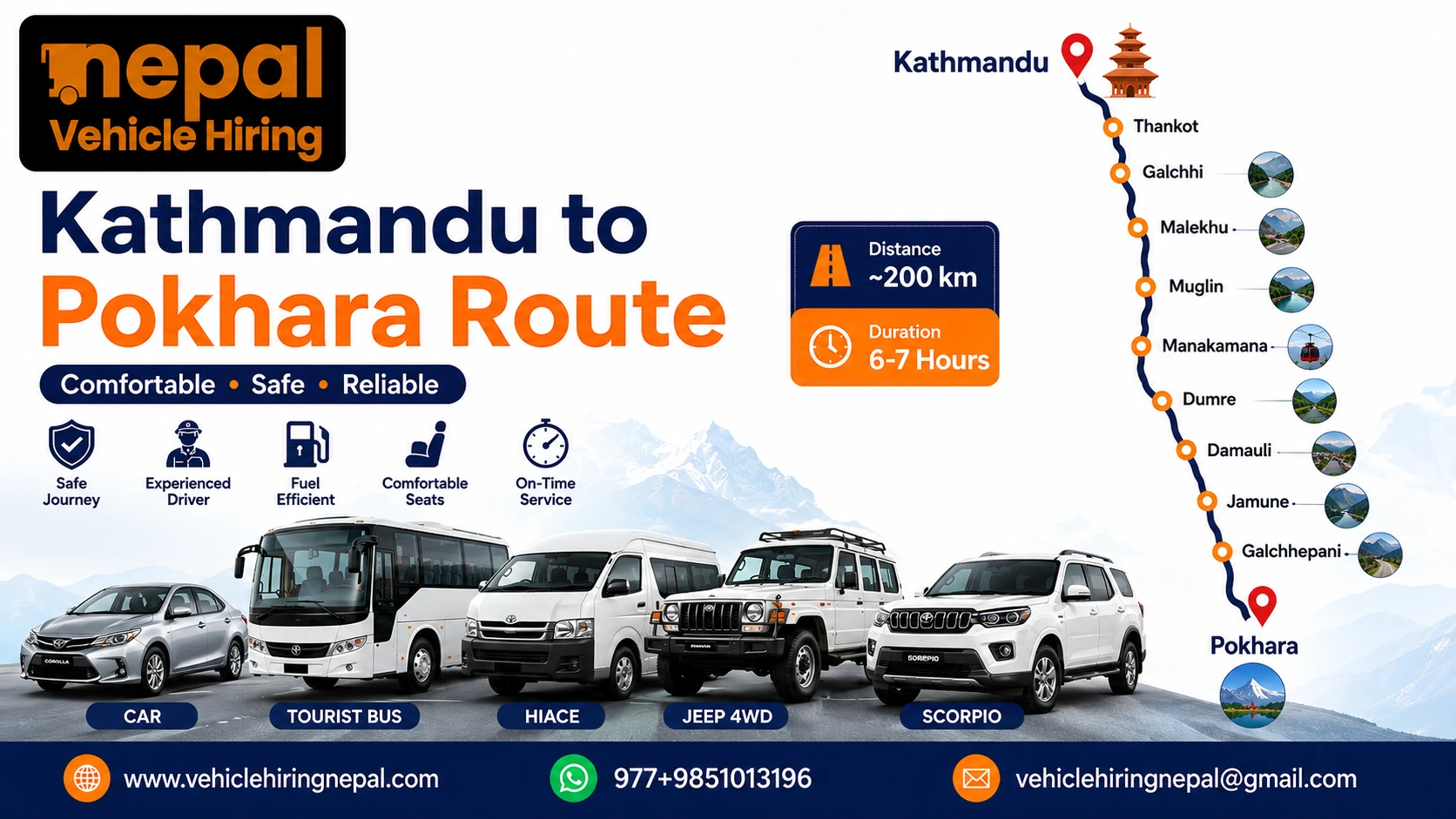
For the Everest region’s overland approach, our Kathmandu to Salleri and Phaplu service is a reliable road alternative to the weather-dependent Lukla flight, connecting Kathmandu to the Solukhumbu District’s gateway towns across a scenic 267-kilometre journey.

For the sacred Muktinath pilgrimage and Upper Mustang adventures, our Kathmandu to Muktinath jeep service takes pilgrims and travellers to one of Nepal’s holiest Hindu and Buddhist sites at 3,710 meters. In contrast, our Pokhara to Upper Mustang overland jeep is the gateway to the ancient walled city of Lo Manthang.

For those planning the Manaslu Circuit approach, our Kathmandu to Soti Khola jeep transfer handles the rough Gorkha district roads to the Manaslu Circuit’s primary starting point. Within Pokhara, our Pokhara car hire covers all city transfers, the Pokhara to Nayapul jeep for the Poon Hill and Annapurna Base Camp approach, the Pokhara to Ghandruk jeep for the Annapurna foothills cultural circuit, and the Pokhara to Ghorepani Poon Hill jeep hire for the direct jeep-drive option to Nepal’s most celebrated sunrise viewpoint.

For larger groups, our Hiace van hire, coaster hire, and bus hire services scale from 12 to 35+ passengers without compromising on the service standards that define every Nepal Vehicle Hiring Pvt Ltd booking. For travellers beginning or ending their Nepal journey in Kathmandu, our Kathmandu airport transfer and comprehensive Kathmandu sightseeing by private vehicle complete the full circle of transport support we provide.
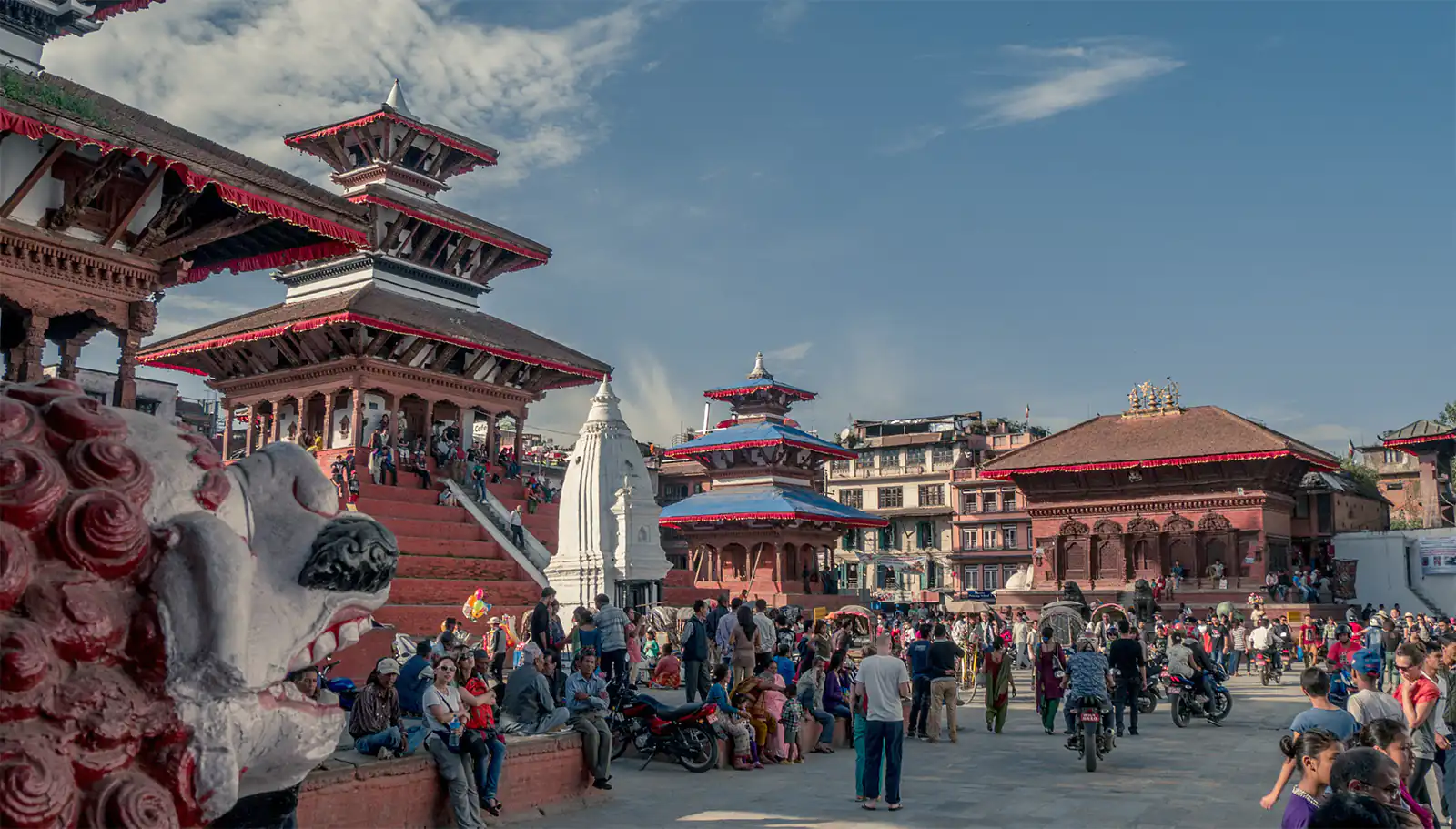
Visit vehiclehiringnepal.com to explore the complete service portfolio, or contact us directly with your specific Nepal transport requirements.
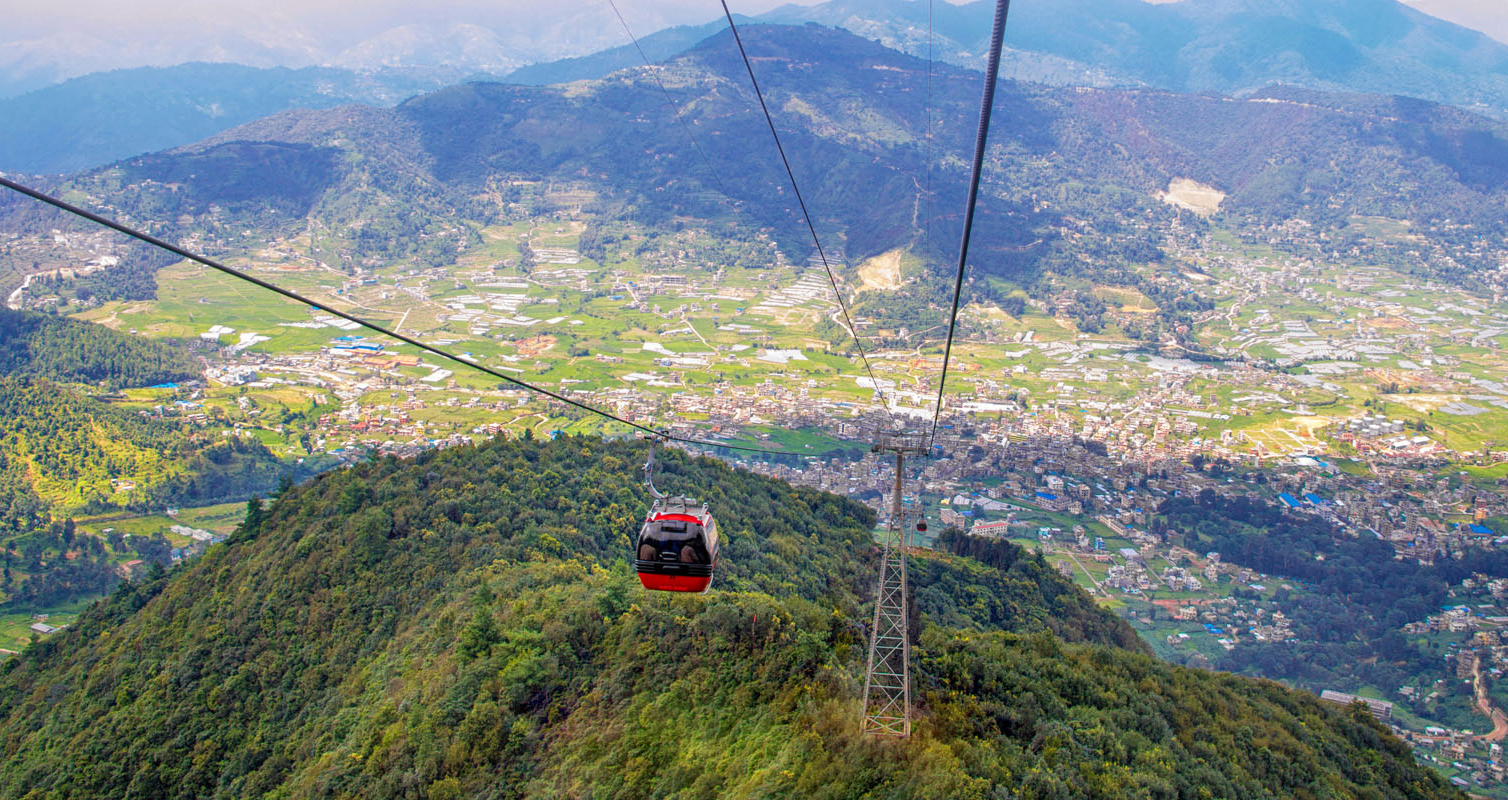
Frequently Asked Questions

How far is Kathmandu to Syabrubesi?

The road distance from Kathmandu to Syabrubesi is approximately 120 kilometres via the Pasang Lhamu Highway through Trishuli Bazaar and Dhunche. The journey takes 6 to 9 hours by private vehicle, depending on road conditions, traffic, and the number of rest stops made along the way.

What is the cost of a private jeep from Kathmandu to Syabrubesi?

A private jeep hire from Kathmandu to Syabrubesi costs approximately NPR 18,000 to NPR 25,000 for the full vehicle through Nepal Vehicle Hiring Pvt Ltd, accommodating 5 to 7 passengers. This includes the vehicle, driver, fuel, and tolls. The per-person cost for a group of six is about NPR 3,000 to NPR 4,200 — competitive with shared jeep rates while offering hotel pickup, reliable timing, luggage security, and flexible stops.

Do I need a guide for the Langtang Valley Trek?

Yes — as of April 2023, all foreign trekkers in Langtang National Park must be accompanied by a licensed guide registered through a TAAN-affiliated trekking agency. Solo trekking without a guide is no longer permitted. Guide fees typically run USD 25 to USD 35 per day.

What permits do I need for the Langtang Trek?

The primary permit is the Langtang National Park Entry Permit at NPR 3,000 (approximately USD 23 to 25) for non-SAARC nationals, obtainable from the Nepal Tourism Board in Kathmandu or at the park checkpoint in Dhunche. As of 2025, the TIMS card is no longer required for Langtang trekkers, though this may be subject to change — confirm current requirements before departure.

Can I arrange a return pickup from Syabrubesi after the trek?

Absolutely. Nepal Vehicle Hiring Pvt Ltd arranges return pickup from Syabrubesi to Kathmandu as a standard service, most effectively booked simultaneously with the outbound transfer. Provide your expected return date at booking, and we will confirm the return vehicle.

Contact us for a complete round-trip quotation.

What is the best time to travel from Kathmandu to Syabrubesi?

Spring (March to May) and autumn (September to November) are the best seasons, offering the best road conditions, best mountain visibility, and the most pleasant trekking weather. Autumn, specifically October, offers the clearest air and most stable conditions of the entire year.

Monsoon (June to August) is possible with a 4WD jeep and flexibility for potential road disruptions. Winter (December to February) is cold but reliable on the road.

Conclusion: Start Your Langtang Trek the Right Way

The Langtang Valley Trek begins the moment you step into the vehicle that will carry you from your Kathmandu hotel northward toward the mountains. Everything that follows — the climb through rhododendron forest to Lama Hotel, the first sight of Langtang Lirung above the rebuilt village, the morning prayers drifting from Kyanjin Gompa’s monastery, the 360-degree Himalayan panorama from Kyanjin Ri — is made better by beginning it well.

A comfortable, timely, professionally managed pickup from Nepal Vehicle Hiring Pvt Ltd sets the tone for a trek that deserves the best possible start. Our Kathmandu to Syabrubesi private jeep service is operated by drivers who know this road in every season, in vehicles maintained for its mountain-road conditions, at transparent, all-inclusive prices with no hidden additions.

Ready to start planning? Contact our team with your trek dates, group size, and preferred vehicle — or explore our complete Nepal trekking services to see what Nepal Vehicle Hiring Pvt Ltd provides across every trekking region.

You can also plan your complete trip, including all vehicle stages from the airport arrival through the Langtang pickup and back. The Langtang Valley is waiting — and so is the jeep that will take you there.

Chat with us