Nepal Travel Guide for Foreigners

Bg highway

Introduction: Why Nepal Captivates Every Foreign Traveller

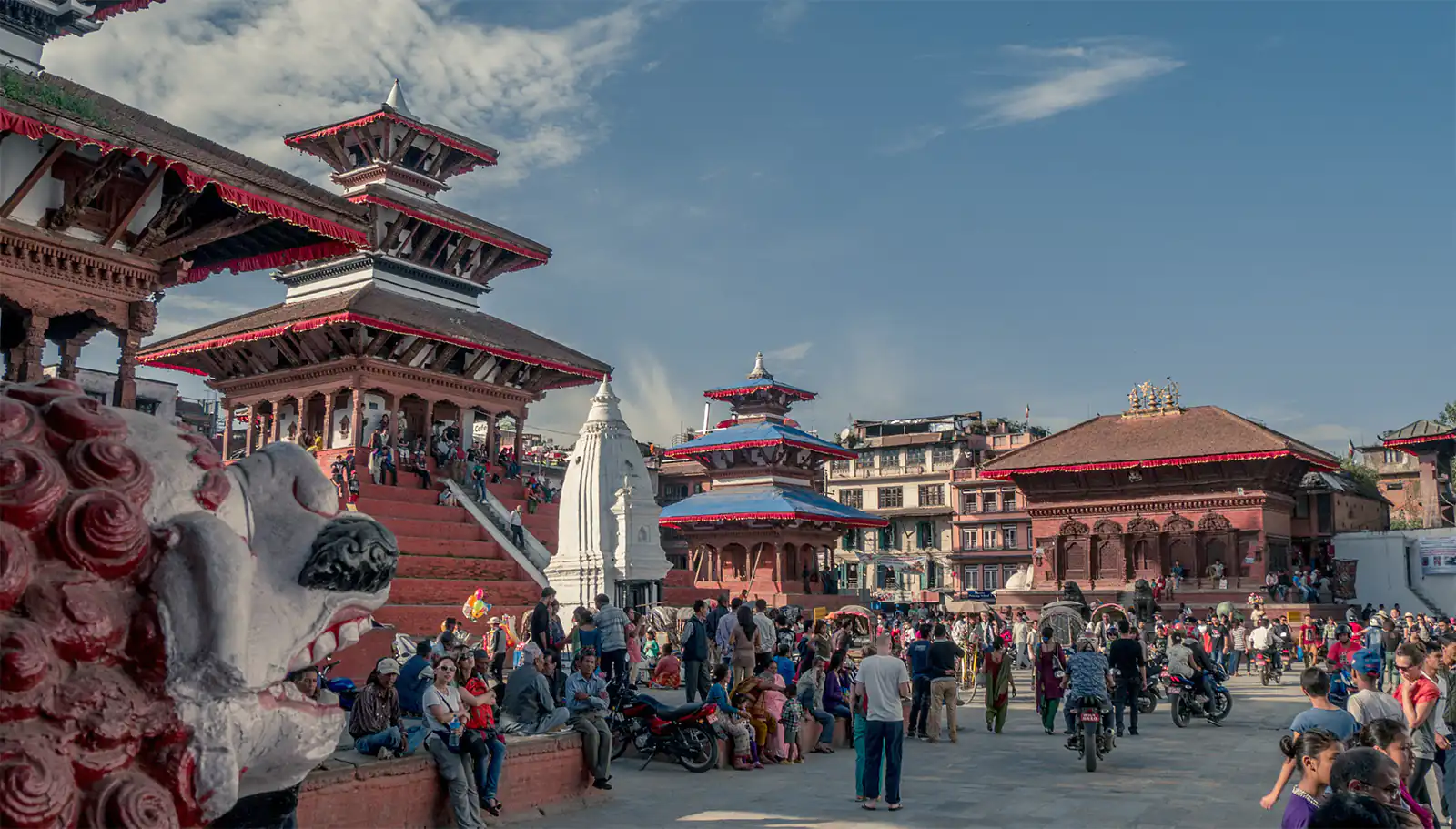
Few countries on earth pack so much contrast into such a small space as Nepal. Within a single week, a visitor can stand among the medieval pagoda temples of Kathmandu’s Durbar Squares, drift across the glassy waters of Phewa Lake in Pokhara beneath the Annapurna range, track one-horned rhinos through the elephant grass of Chitwan National Park, and watch the sun rise over the highest mountains on the planet from a ridge in Nagarkot or Sarangkot.

This Nepal travel guide for foreigners was built specifically for international visitors who are planning their first, or their fifth, trip to this Himalayan nation, and who want a single, reliable reference covering visas, money, transport, permits, safety, culture, and itineraries — all grounded in information rather than outdated blog posts.

Nepal welcomes well over a million foreign visitors a year, and the tourism infrastructure — airlines, hotels, trekking agencies, and ground transport—has matured considerably over the last decade. Yet in Nepal, planning still matters. Monsoon rains wash out mountain roads, weather delays internal flights, and permit rules for restricted areas change with little warning.

The single biggest factor that determines whether a Nepal trip feels effortless or exhausting is reliable, comfortable ground transport, which is precisely why thousands of travellers each year choose to arrange their

vehicle hire in Nepal in advance, rather than negotiating with random drivers at the airport gate. Throughout this guide, we will point out exactly where private transport, jeep hire, or scheduled bus tickets make the biggest difference to your trip, alongside the practical, non-transport details — visas, money, permits, health, and culture — that together determine how smoothly a Nepal journey unfolds from the moment you step off the plane to the moment you fly home.

Why Nepal Should Be on Every Traveller’s List

Nepal is roughly the size of England and Wales combined. Yet it contains eight of the world’s fourteen peaks above 8,000 meters, including Mount Everest, Kangchenjunga, Lhotse, Makalu, Dhaulagiri, Manaslu, Annapurna I, and a share of Cho Oyu. Beyond the mountains, Nepal is home to ten UNESCO World Heritage Sites in a country smaller than the US state of Arkansas—an extraordinary density of cultural and natural significance found nowhere else.

For trekkers, Nepal offers routes for every fitness level, from the gentle Poon Hill loop above Pokhara to the technical high passes of the Annapurna Circuit and the legendary trail to Everest Base Camp. For travellers who prefer culture over altitude, Kathmandu Valley alone holds seven UNESCO-listed monument zones within a 20-kilometre radius.

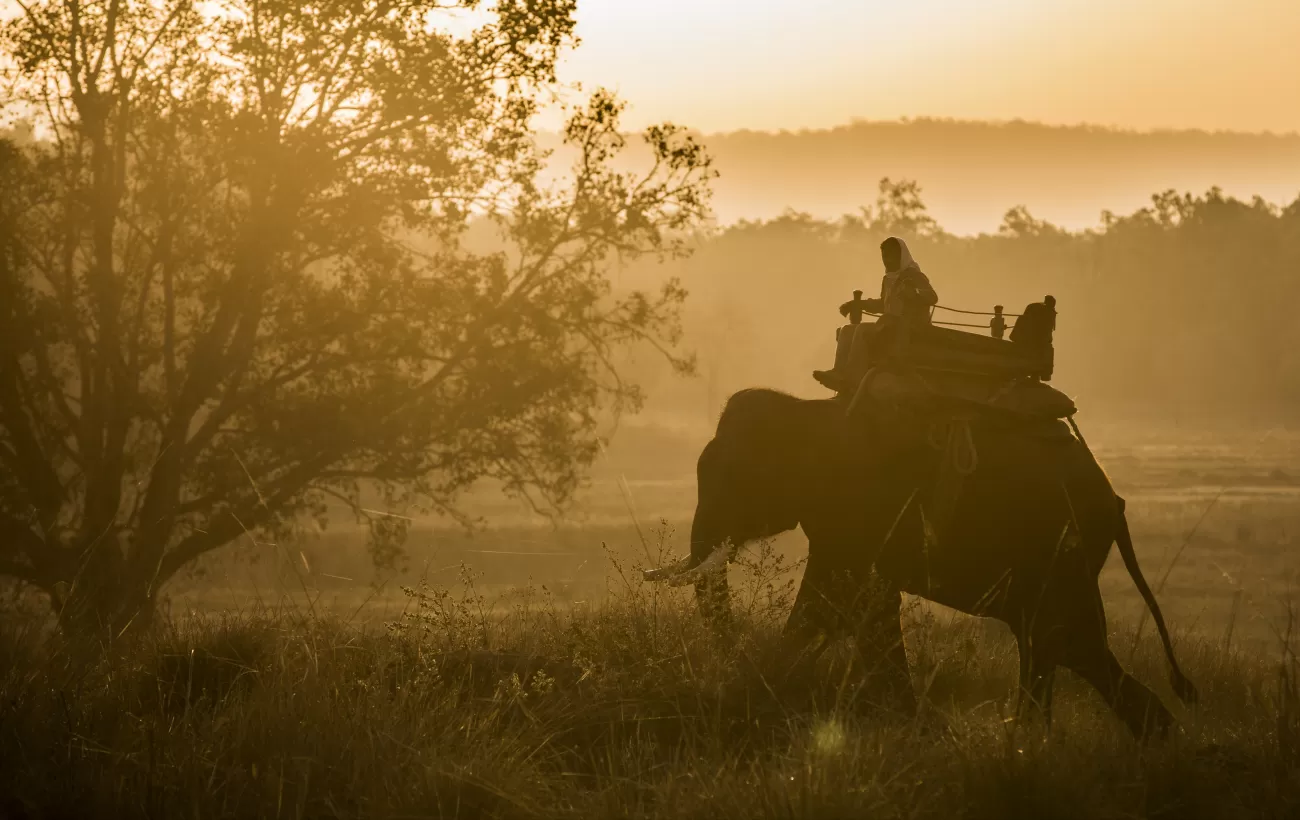
For wildlife enthusiasts, Chitwan and Bardia National Parks offer some of the best rhino and tiger viewing in South Asia. For pilgrims, Nepal is both the birthplace of the Buddha in Lumbini and home to the sacred Hindu temple of Pashupatinath, making it one of the few countries where two of the world’s major religions converge geographically.

This diversity is exactly why a generic guidebook chapter is not enough. Nepal rewards travellers who plan their route, itineraries, and transport thoughtfully, rather than improvising everything on the ground.

Nepal Visa Requirements for Foreigners Update)

Most nationalities, except Indian citizens (who don’t need a visa) and SAARC nationals (who receive a free 30-day visa once per calendar year), need a Tourist Visa on Arrival or a pre-arranged visa to enter Nepal.

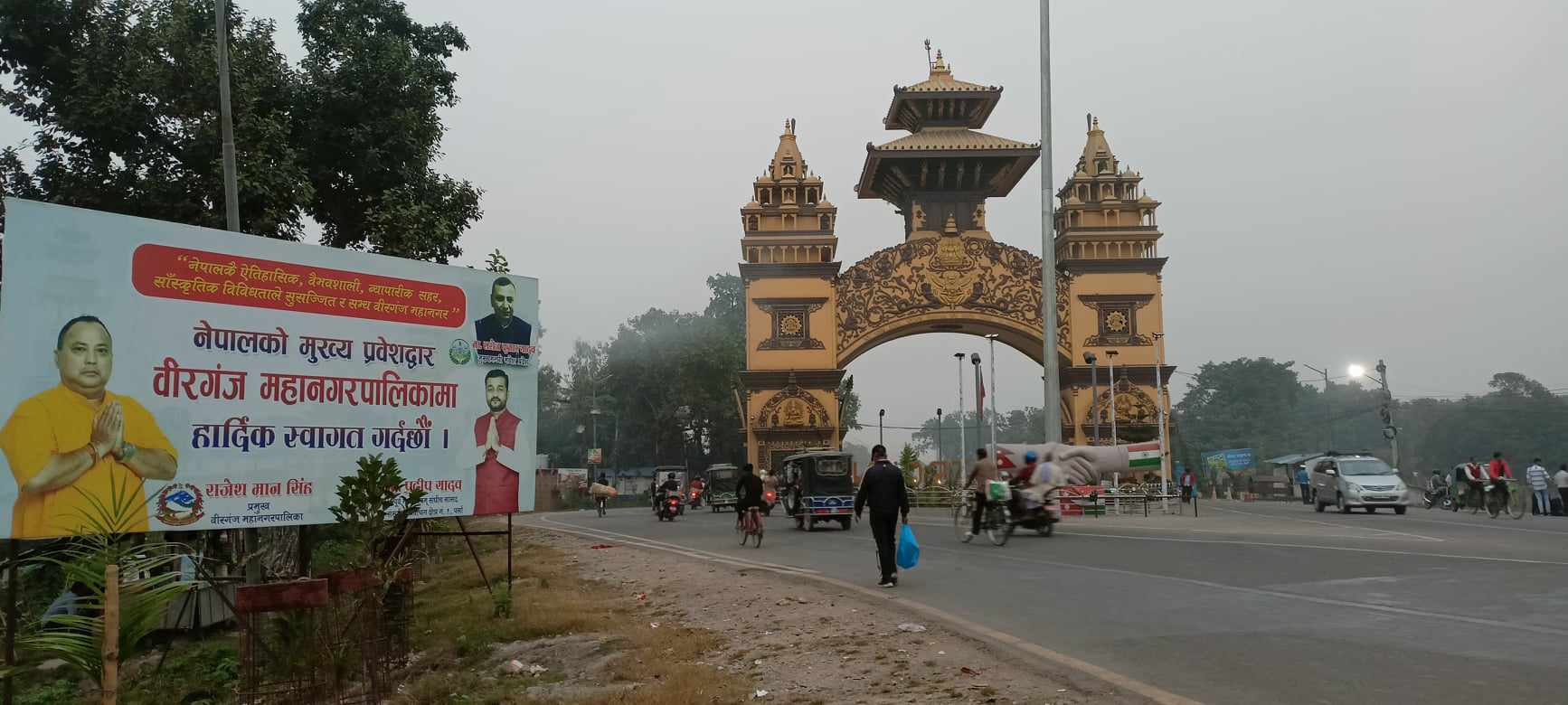
The Tourist Visa on Arrival is available at Tribhuvan International Airport in Kathmandu and at major land border crossings, including Kakarbhitta, Birgunj/Raxaul, Bhairahawa/Sunauli, Nepalgunj, Mahendranagar, and Rasuwagadhi/Timure on the Tibet border. As of 2026, standard tourist visa fees remain:

  • 15-day multiple-entry visa — US$30
  • 30-day multiple-entry visa — US$50
  • 90-day multiple-entry visa — US$125

Children under 10 years old (with some nationality-specific exceptions) receive a visa. Visa fees must be paid in clean, undamaged foreign currency, with US dollars strongly preferred; some counters also accept euros or British pounds, but Indian and Nepali rupees are not accepted for the visa fee itself.

Many travellers now complete Nepal’s Department of Immigration online arrival form before flying, which generates a barcoded receipt and shortens the queue at the visa desk during the busy spring (March–May) and autumn (September–November) trekking seasons.

Tourist visas, however obtained, can be extended at the Department of Immigration offices in Kathmandu or Pokhara. Still, a tourist may not spend more than 150 days in Nepal in a single calendar year (January to December), regardless of how many separate visas or extensions they use.

A handful of nationalities aren’t eligible for visa on arrival and must apply through a Nepali embassy or consulate before departure, so check your country’s status well before booking flights.

Practical tip: Carry your passport, a recent passport-sized photo (digital capture is increasingly accepted), proof of onward travel, and your first night’s accommodation booking. Immigration officers occasionally ask for these, especially for longer-duration visas.
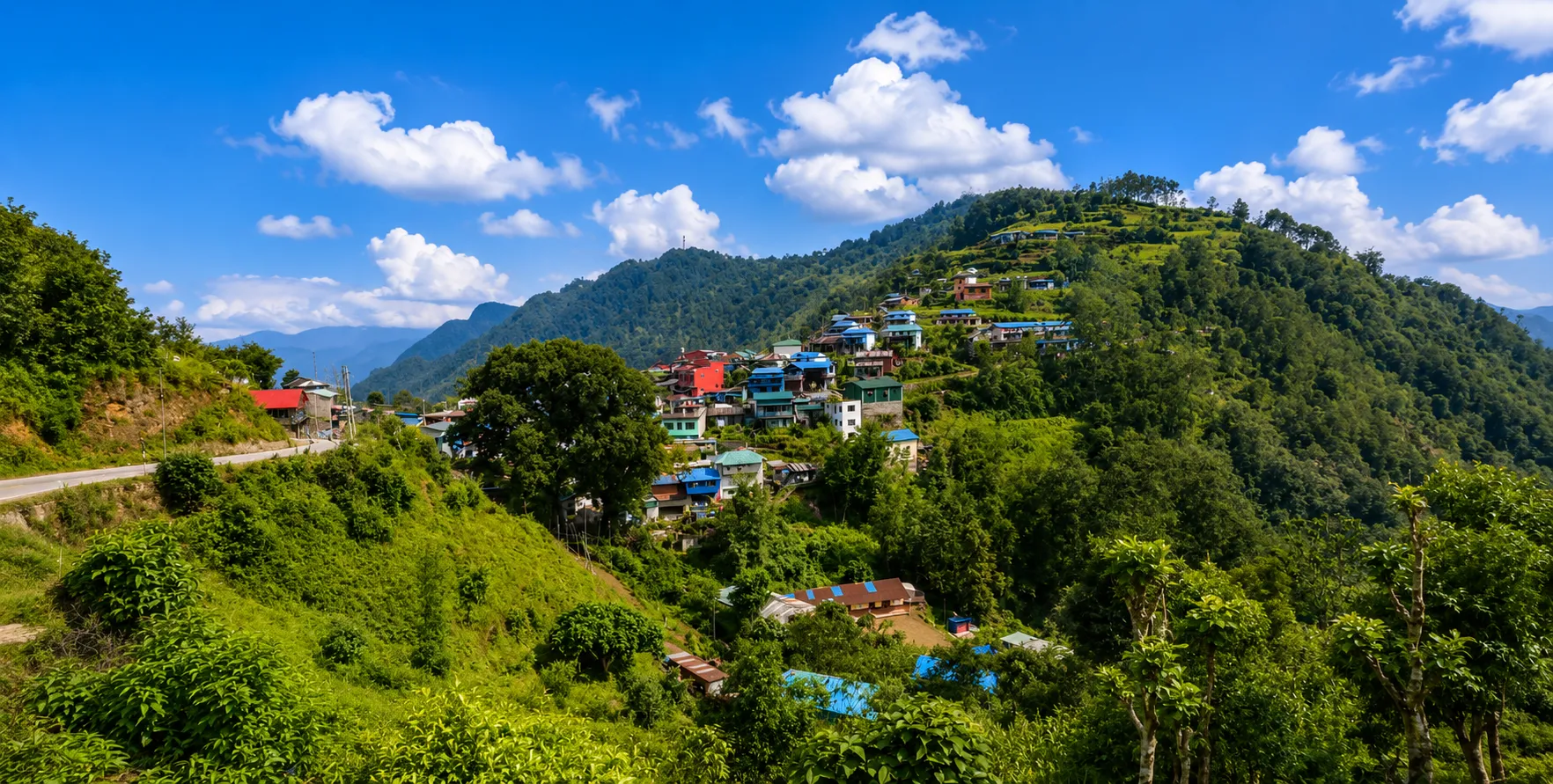
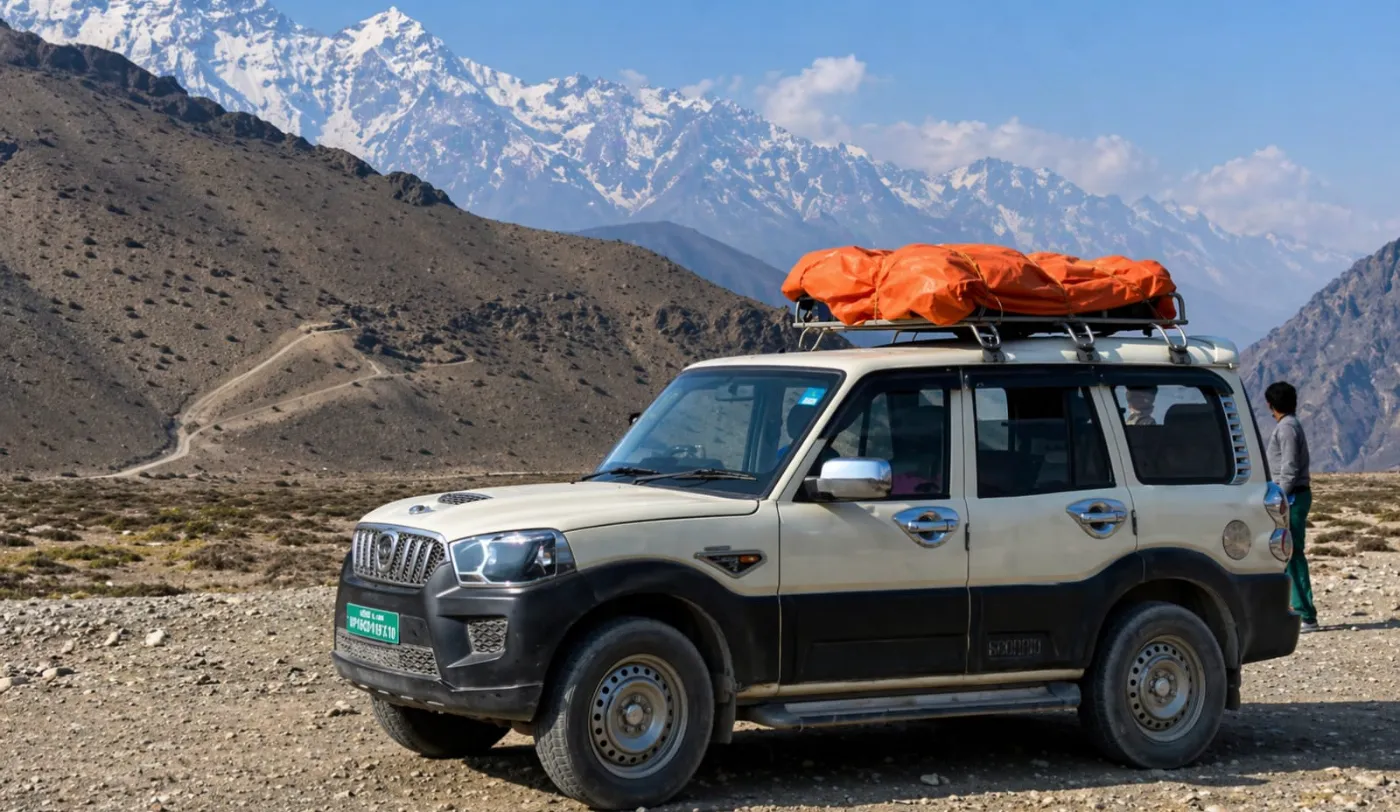
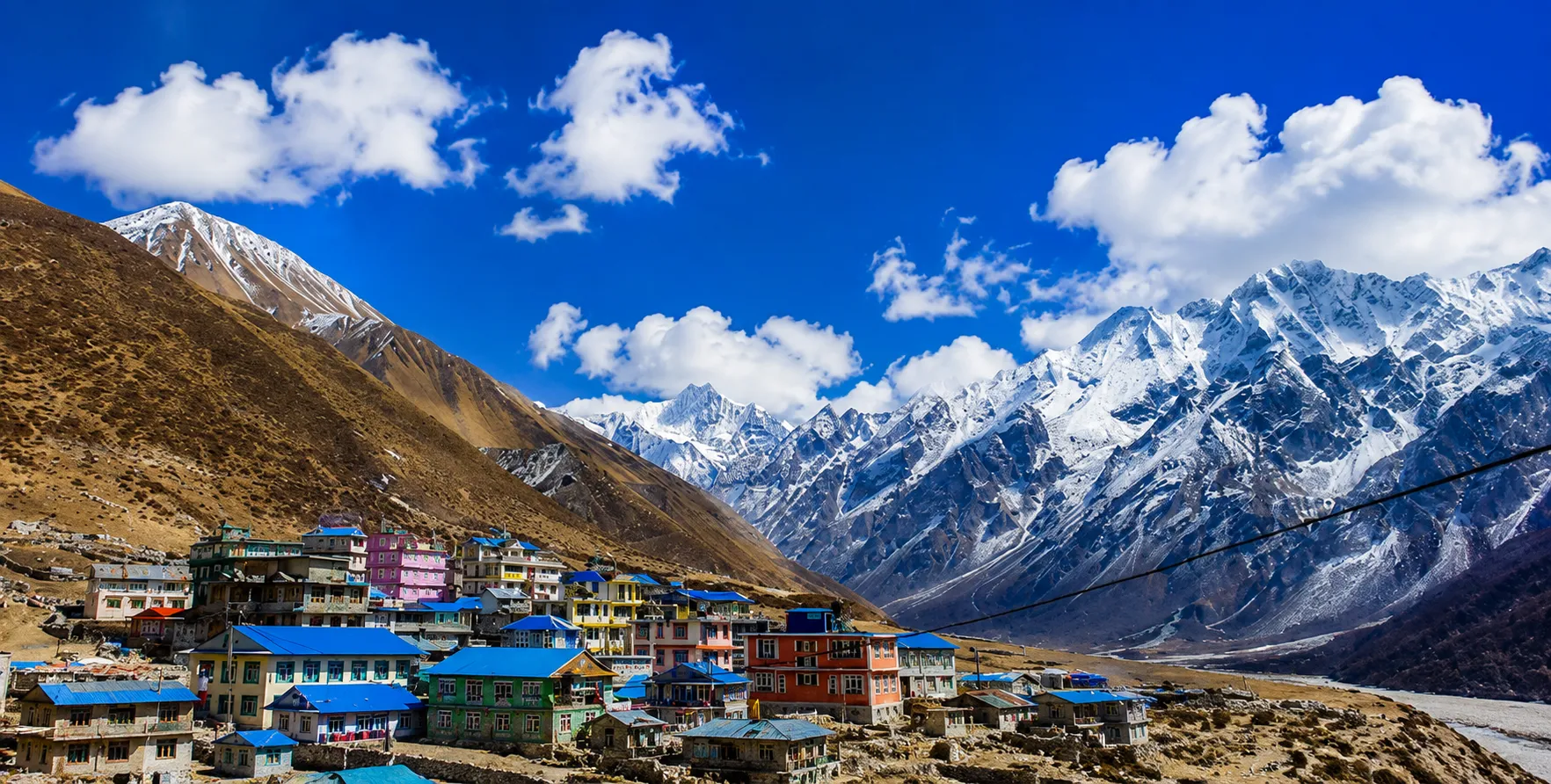
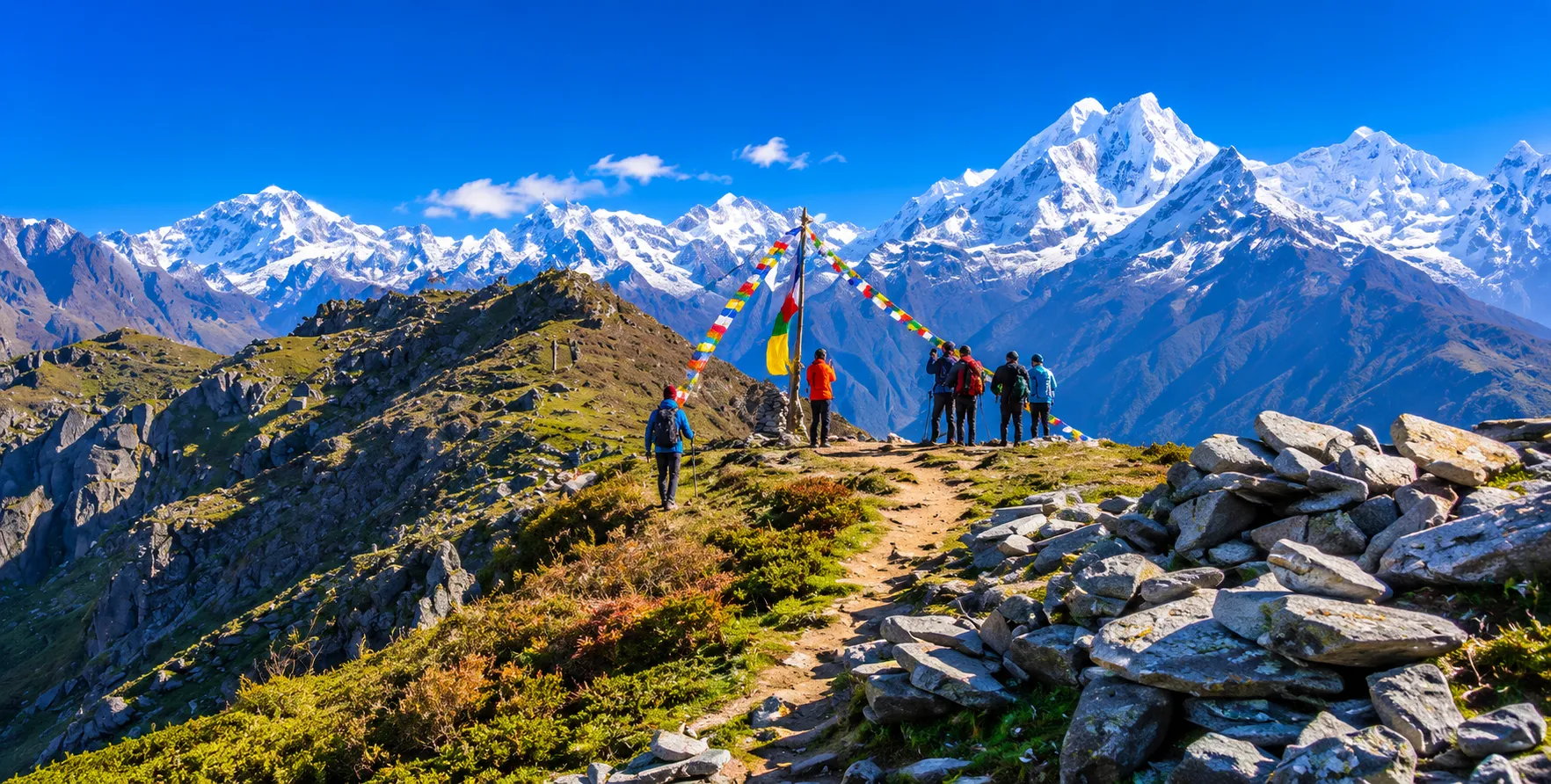
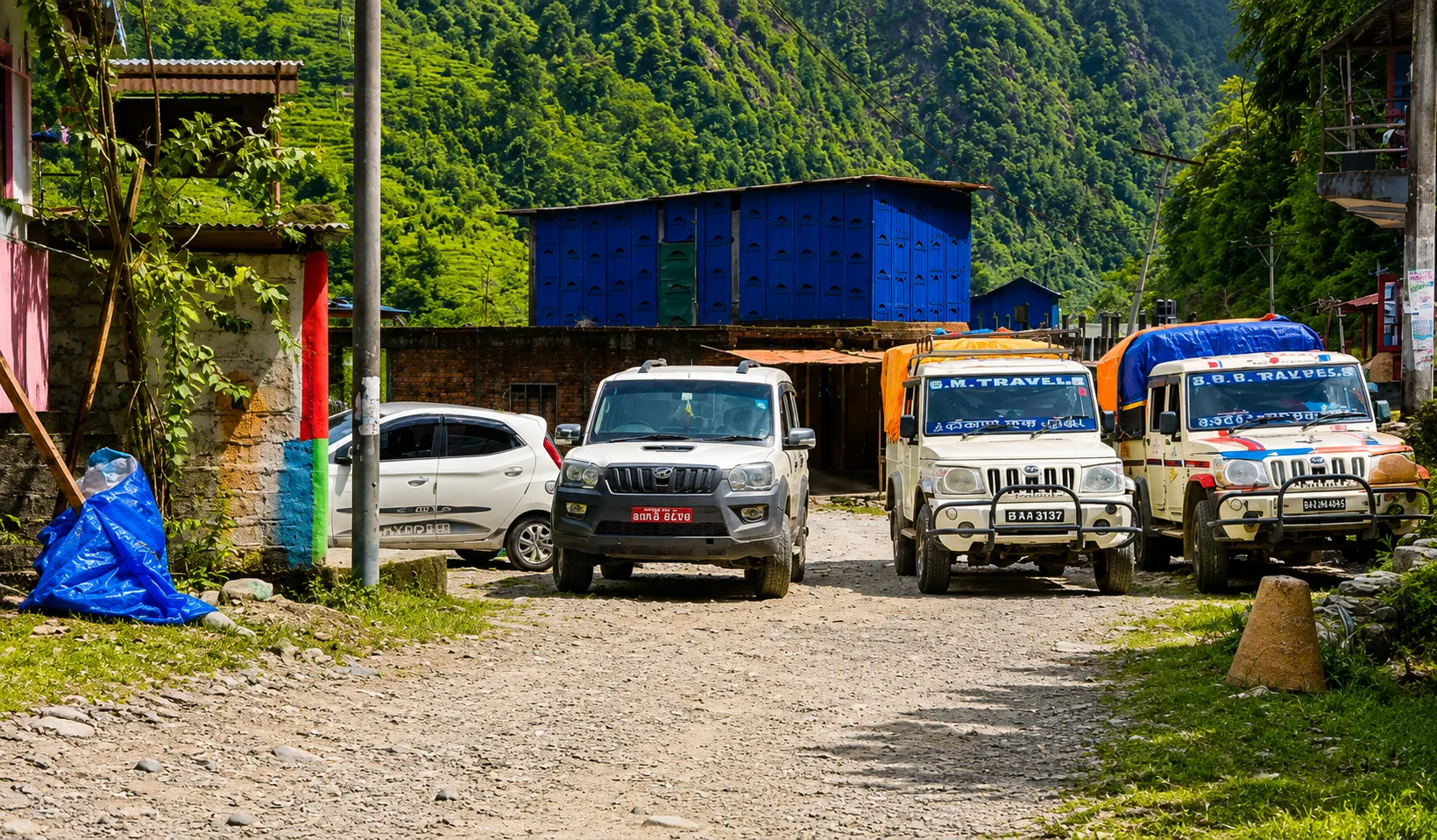
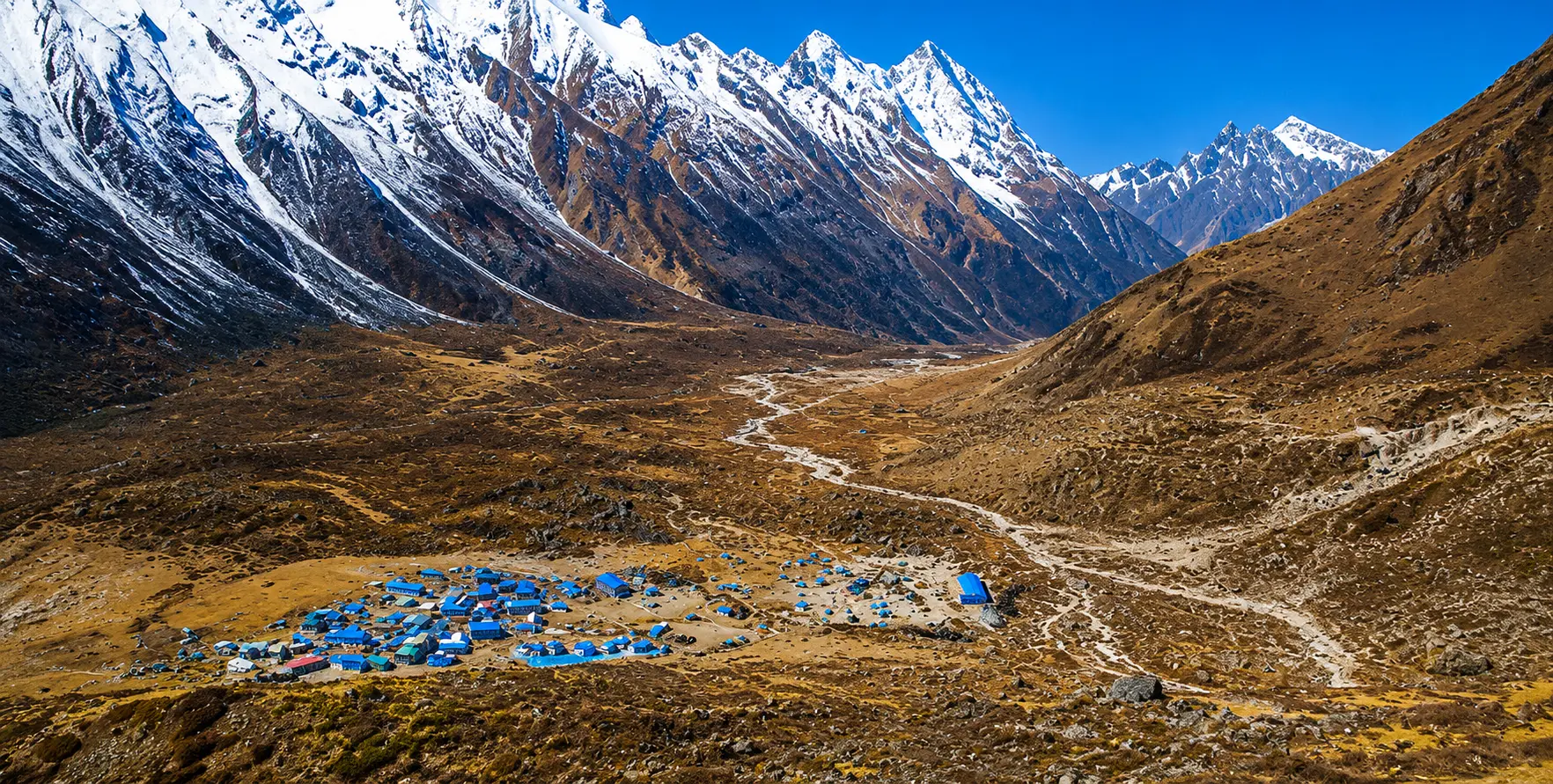
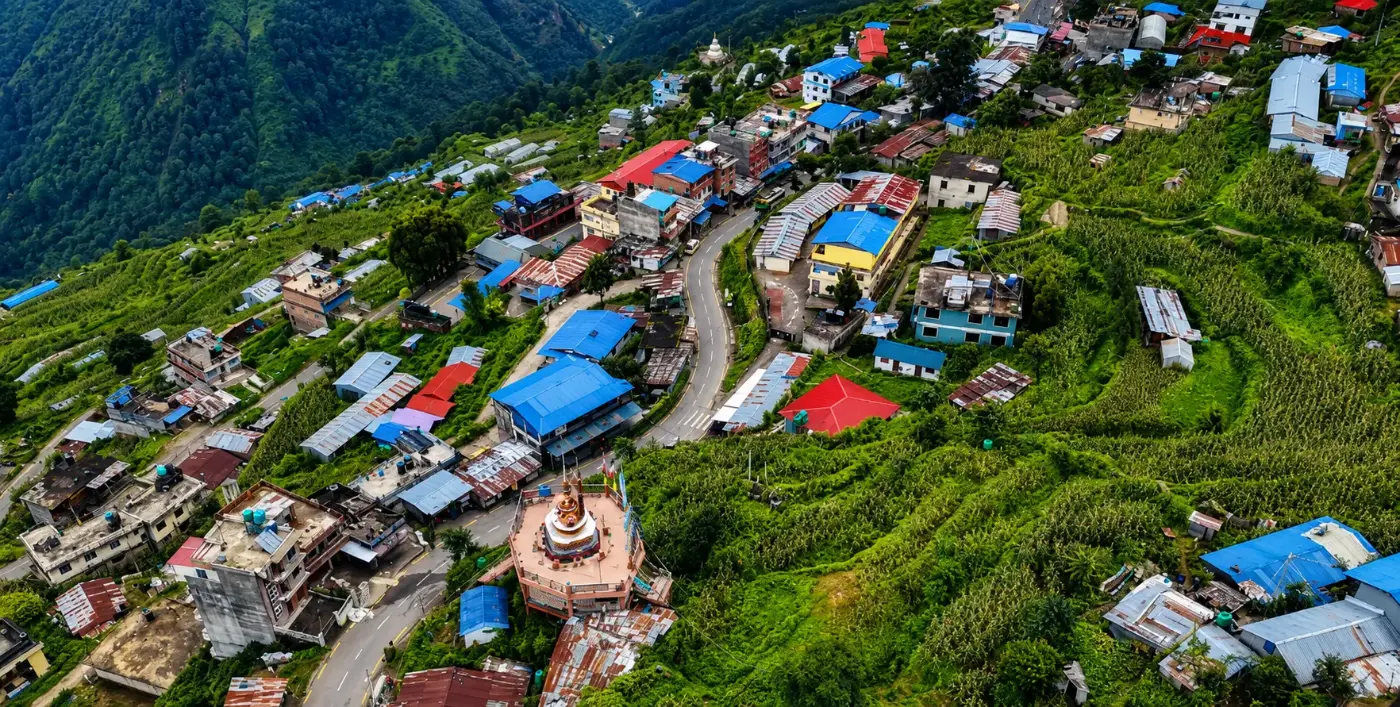
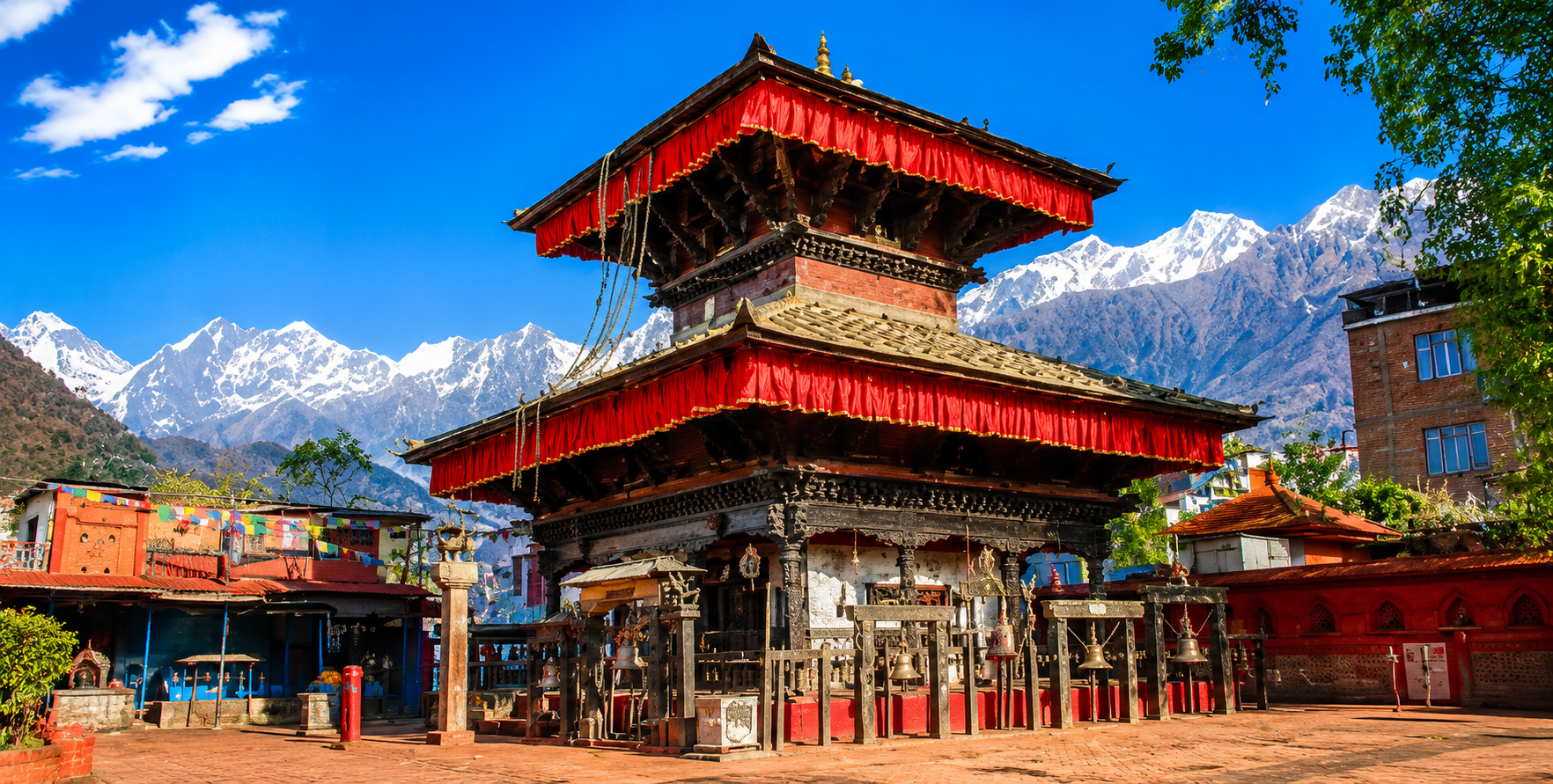
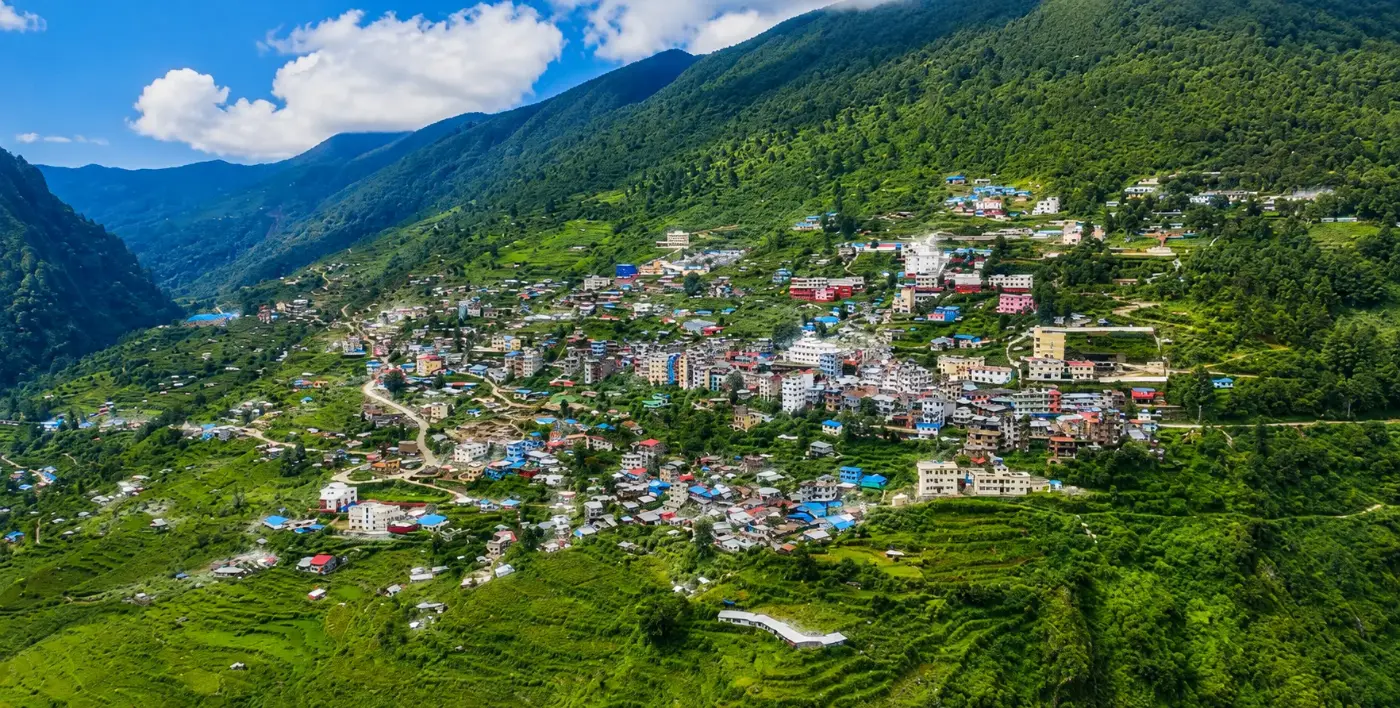
Foreign travelers exploring Nepal's Himalayan mountains, ancient temples, and cultural heritage with private transport

Best Time to Visit Nepal

Autumn (late September to November)

This is Nepal’s premier travel season. After the monsoon, skies are clear, temperatures are mild in the valleys and pleasantly cool in the mountains, and visibility for Himalayan panoramas is at its best. It is also the busiest season for trekking permits, teahouse bookings, and domestic flights to Lukla, so booking transport and accommodation in advance is strongly recommended.

Spring (March to May)

Spring brings blooming rhododendron forests across the mid-hills, comfortable daytime trekking temperatures, and excellent conditions for both cultural sightseeing and high-altitude trekking. This is the second peak season, and the window most mountaineering expeditions use for Everest and other 8,000-meter attempts.

Winter (December to February)

Winter is ideal for lower-altitude trekking, jungle safaris in Chitwan, and sightseeing in Kathmandu, Pokhara, and Lumbini. Nights are cold at altitude, and some high passes close, but daytime skies are often crystal clear, and tourist numbers — and prices — drop noticeably.

Monsoon (June to early September)

Monsoon brings heavy afternoon rain to most of the country, which can affect mountain roads and visibility on lower treks. However, this is precisely when the rain-shadow regions of Upper Mustang and Upper Dolpa shine, since they sit north of the main Himalayan range and stay largely dry even while the rest of Nepal is wet. Monsoon travel also means fewer crowds and lower prices for vehicle hire, hotels, and flights.
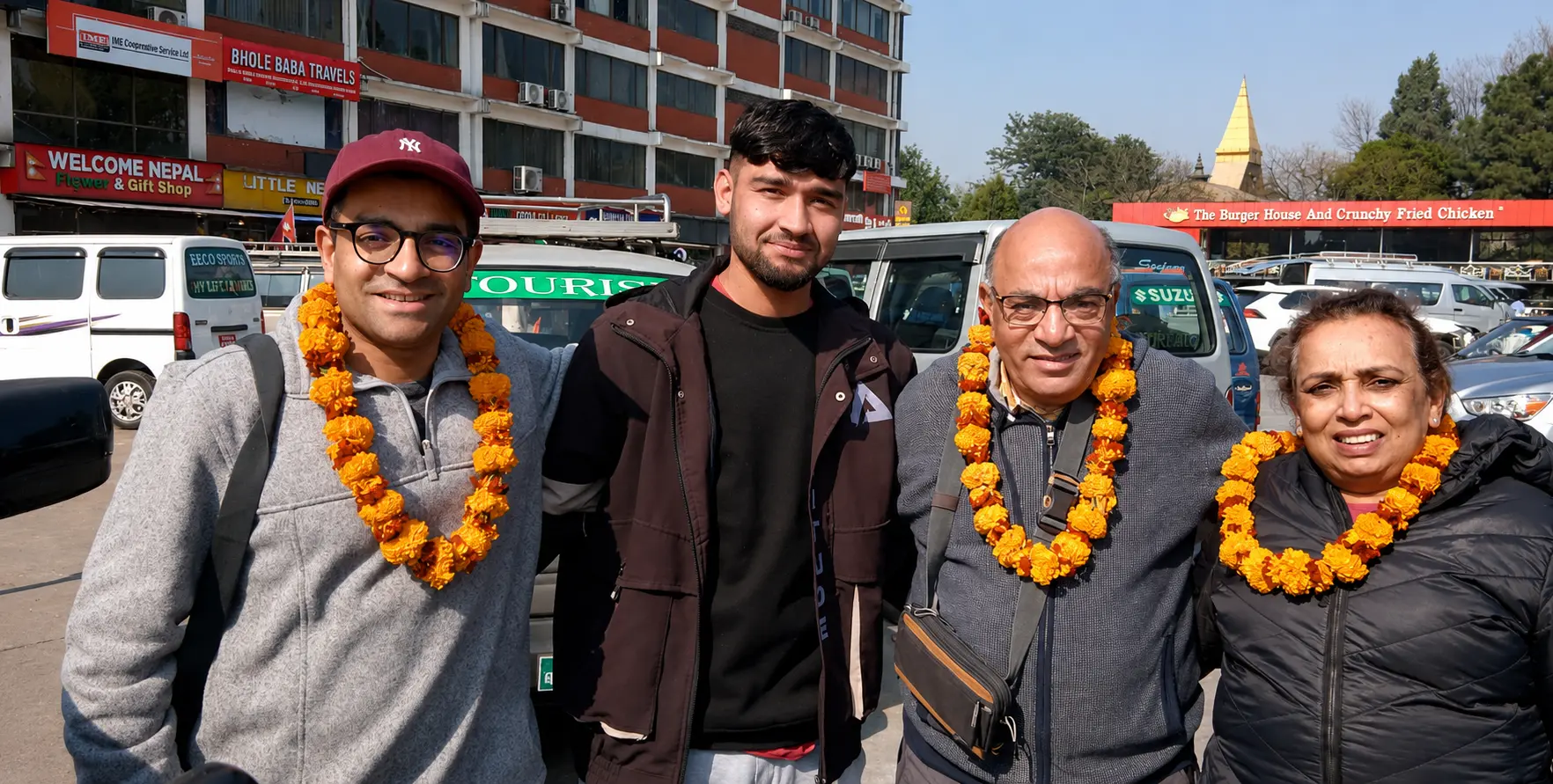
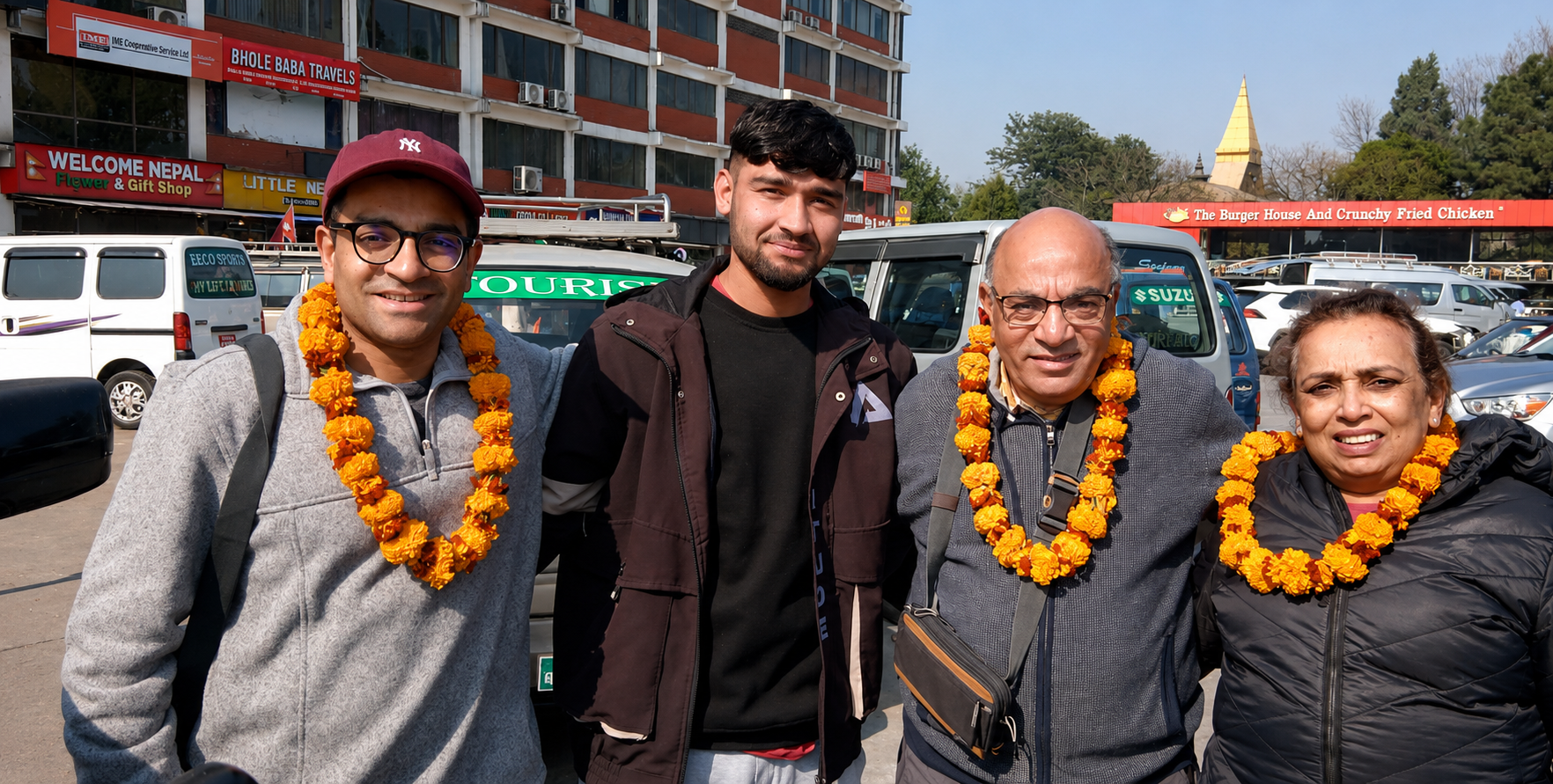
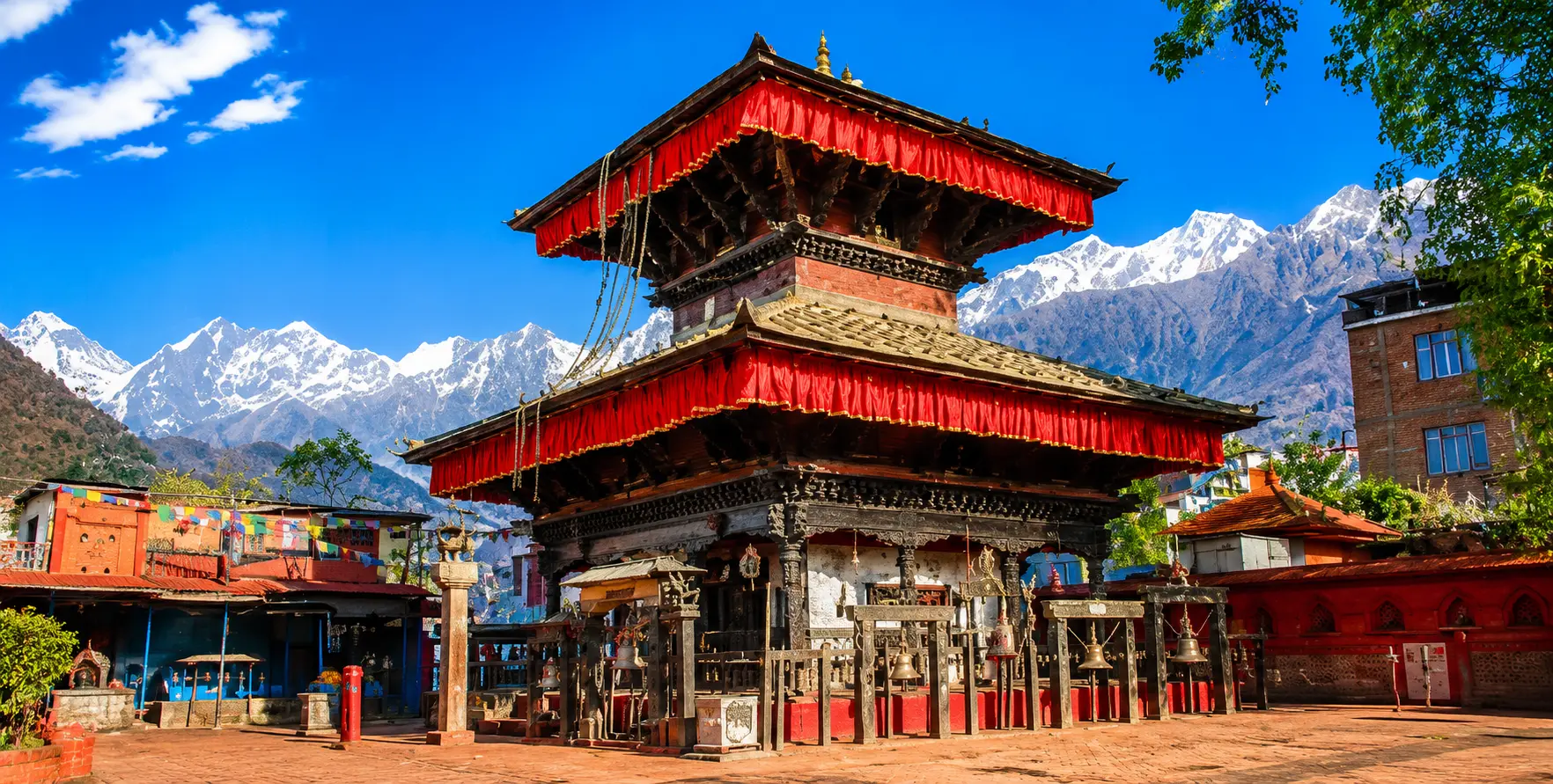
Foreign travelers exploring Nepal's Himalayan mountains, ancient temples, and cultural heritage with private transport

Arriving in Nepal: Airports and First Steps

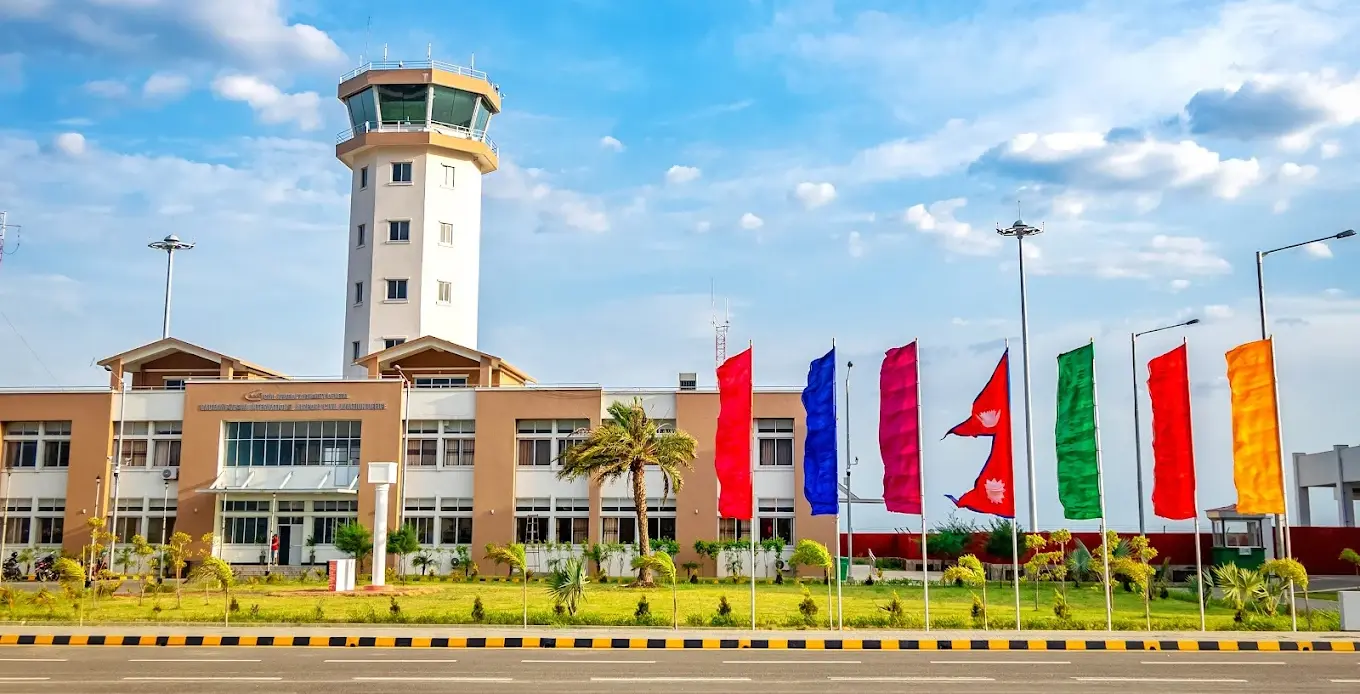
Most international visitors arrive at Tribhuvan International Airport (TIA) in Kathmandu, Nepal’s only international airport. However,h Pokhara International Airport now handles a small but growing number of regional connections from India and other nearby countries. After clearing immigration and customs at TIA, travellers typically need three things immediately: local currency, a SIM card, and a ride into the city.

This is where pre-booking a Kathmandu airport transfer pays off enormously. After a long international flight, arriving in Kathmandu can feel like a lot: navigating the chaotic taxi rank, haggling over fares in an unfamiliar currency, and trying to explain your hotel’s exact location to a driver who may not speak much English can make the first 30 minutes of an otherwise wonderful trip the most stressful.

A pre-arranged private vehicle with an English-speaking driver waiting at arrivals with a name board removes that friction and is one of the simplest upgrades a first-time visitor to Nepal can make.

Getting Around Nepal: Transport Options for Foreigners

Nepal’s terrain — steep mountains, narrow valley roads, and a road network still being upgraded in many regions — makes transport choice one of the most important decisions in trip planning. Broadly, foreign visitors choose between four options:

Private Car or SUV Hire

For city sightseeing, short day trips, and travel between Kathmandu and Pokhara on paved highway, a car hire in Nepal with a driver is the most comfortable option for couples, solo travellers, and small families. Sedans and compact SUVs handle the Kathmandu–Pokhara highway, Kathmandu Valley sightseeing circuits, and Terai routes toward Lumbini and Chitwan comfortably. Travellers based in the lakeside city can also arrange

car hire in Pokhara for day trips to Sarangkot, Begnas Lake, and the surrounding Annapurna foothills.

Jeep and 4WD Hire

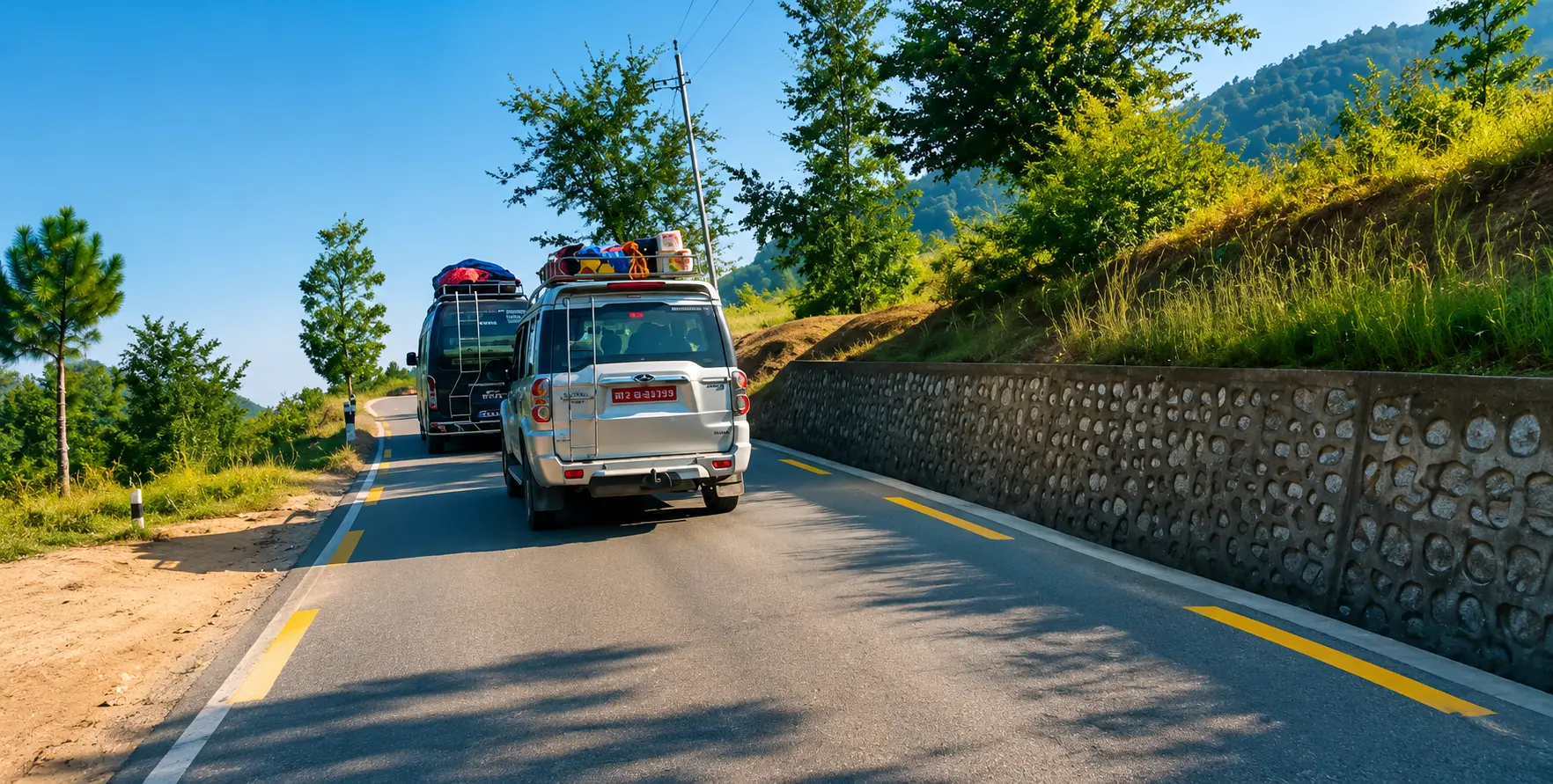
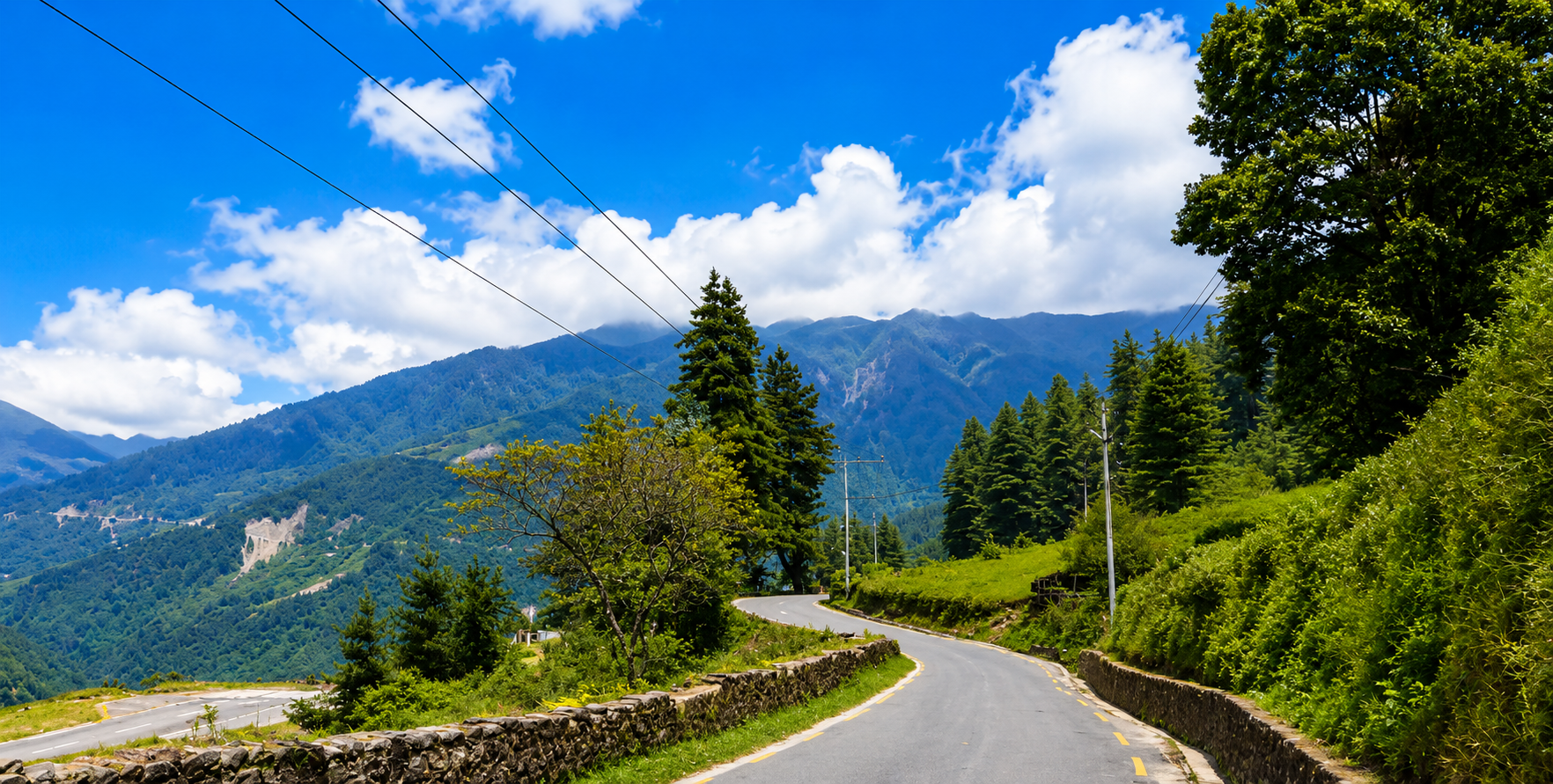
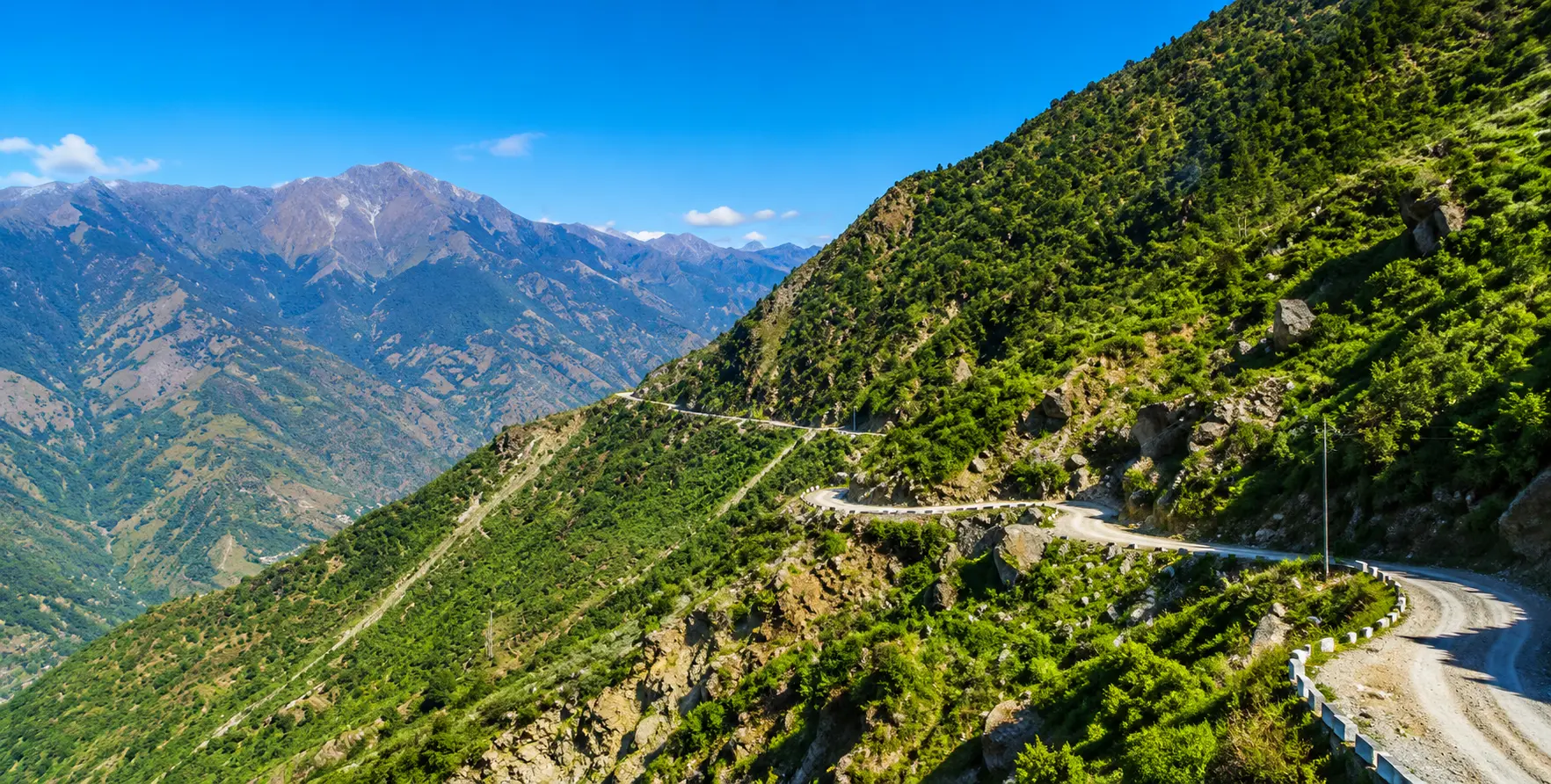
Nepal’s mountain districts—Mustang, Manang, Dolpa, the Tsum and Manaslu regions, and most high-altitude trekking trailheads—are reached by rough, unpaved roads that climb steep switchbacks above 2,500 meters; a standard sedan can’t handle them safely. This is where 4WD hire in Nepal becomes essential, not optional. A purpose-built

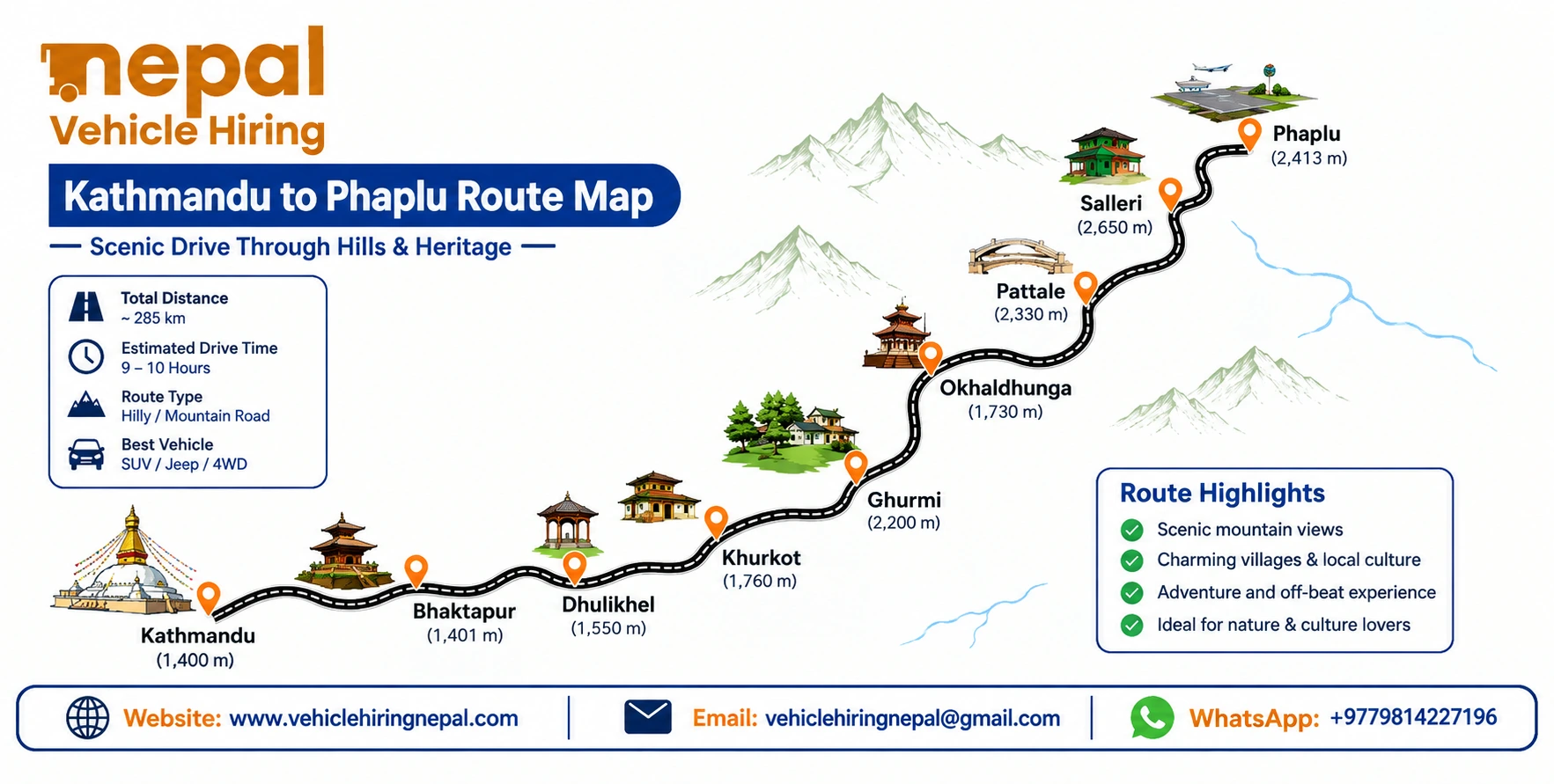
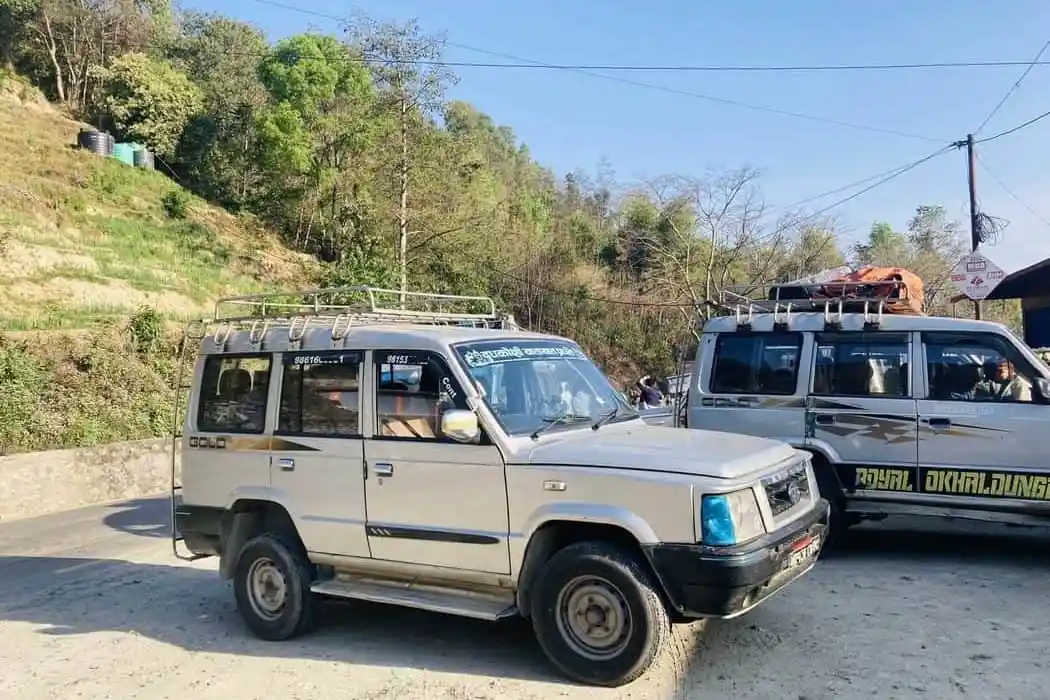
jeep hire in Nepal with high ground clearance, four-wheel drive, and an experienced mountain driver is the standard way foreigners reach trailheads such as Soti Khola for the Manaslu Circuit, or Salleri and Phaplu for the lower Everest region without flying. Routes like

Kathmandu to Soti Khola jeep service and the Kathmandu to Salleri Phaplu jeep route save trekkers a day or more compared to public transport, while being dramatically more comfortable than crowded local buses on unpaved roads.

Travellers heading to the Annapurna region and the increasingly popular Upper Mustang district should also consider private vehicle transfers from Besisahar, which connect Kathmandu to the Annapurna Circuit trailhead.
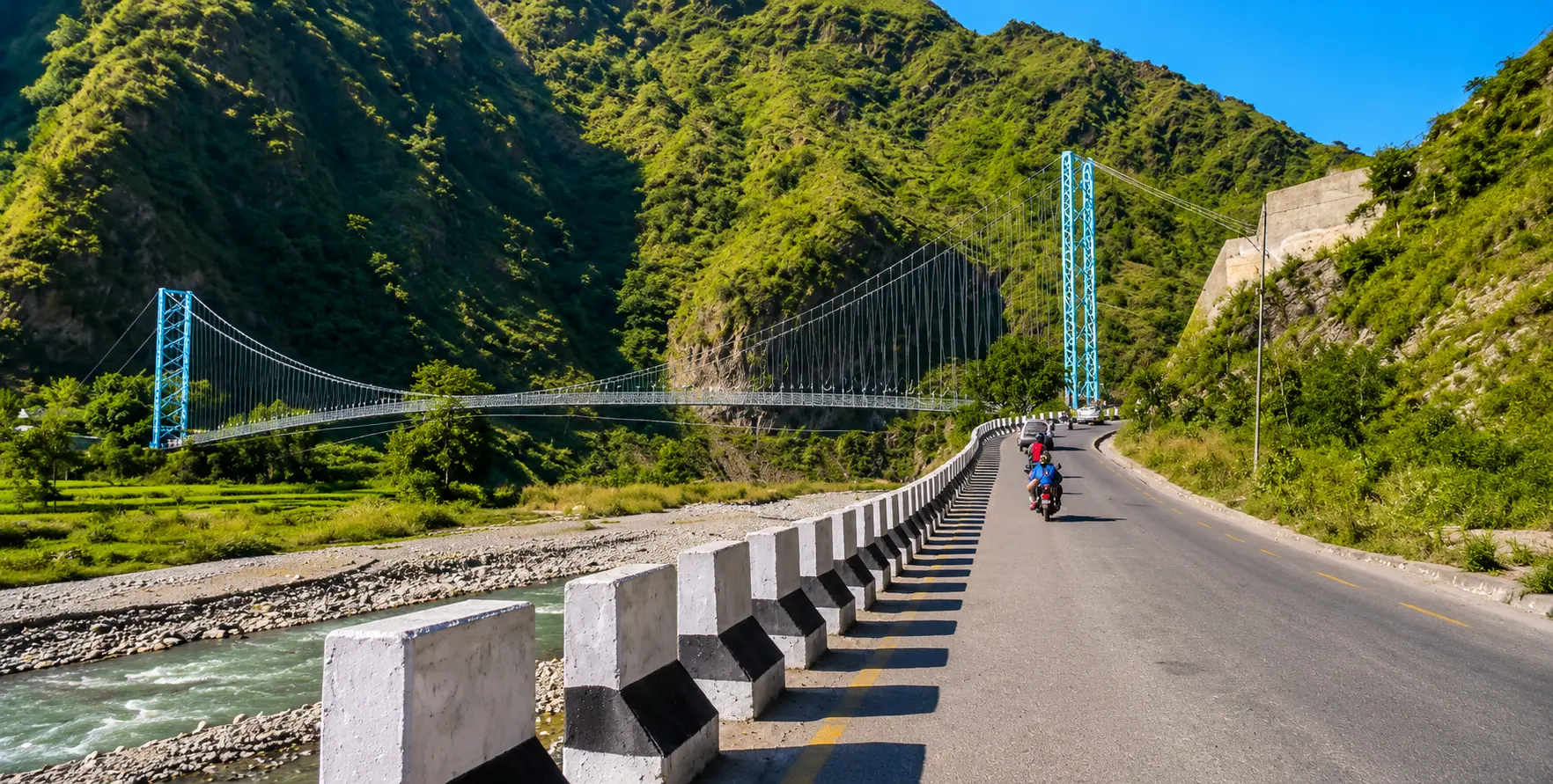
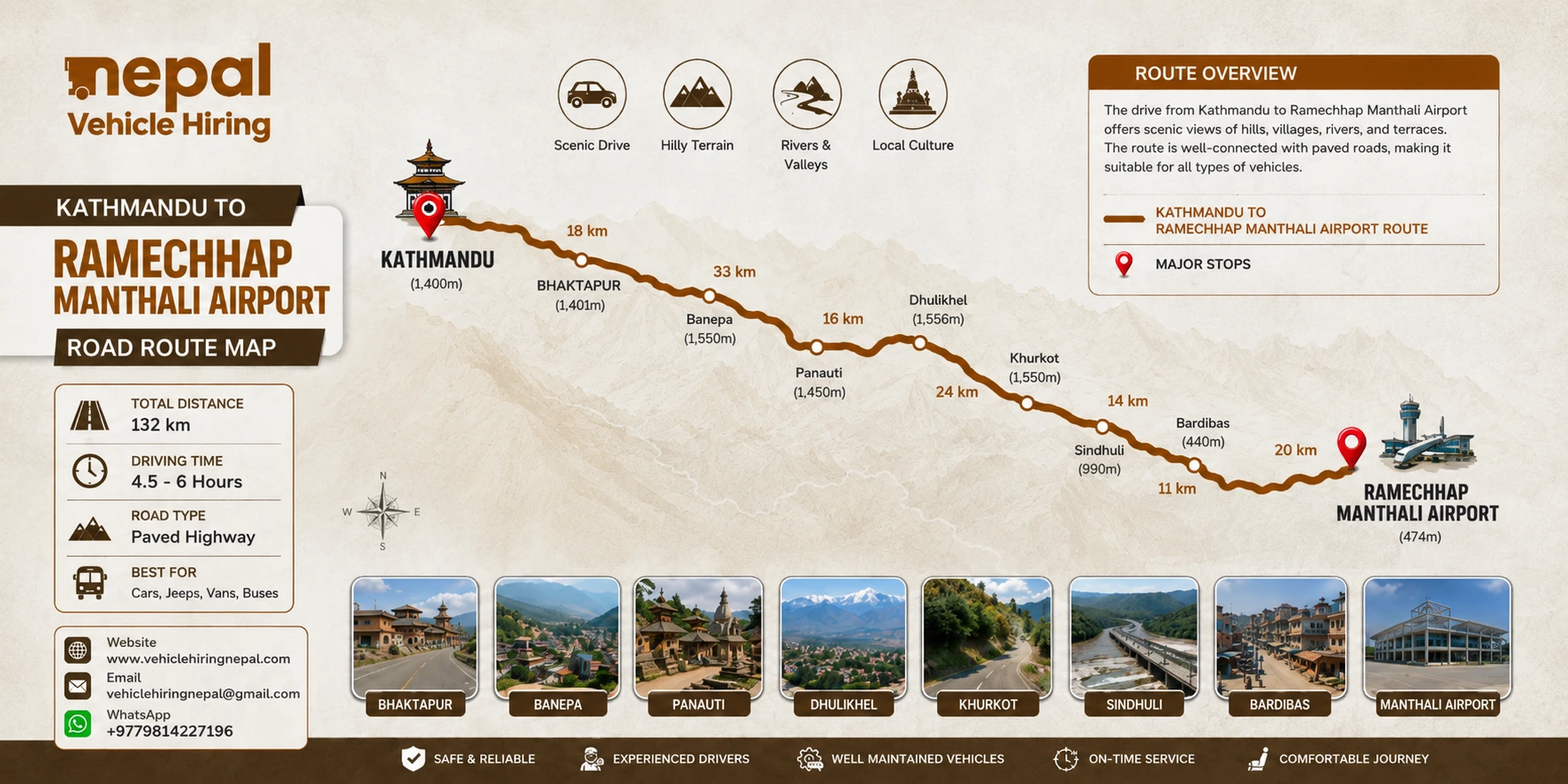
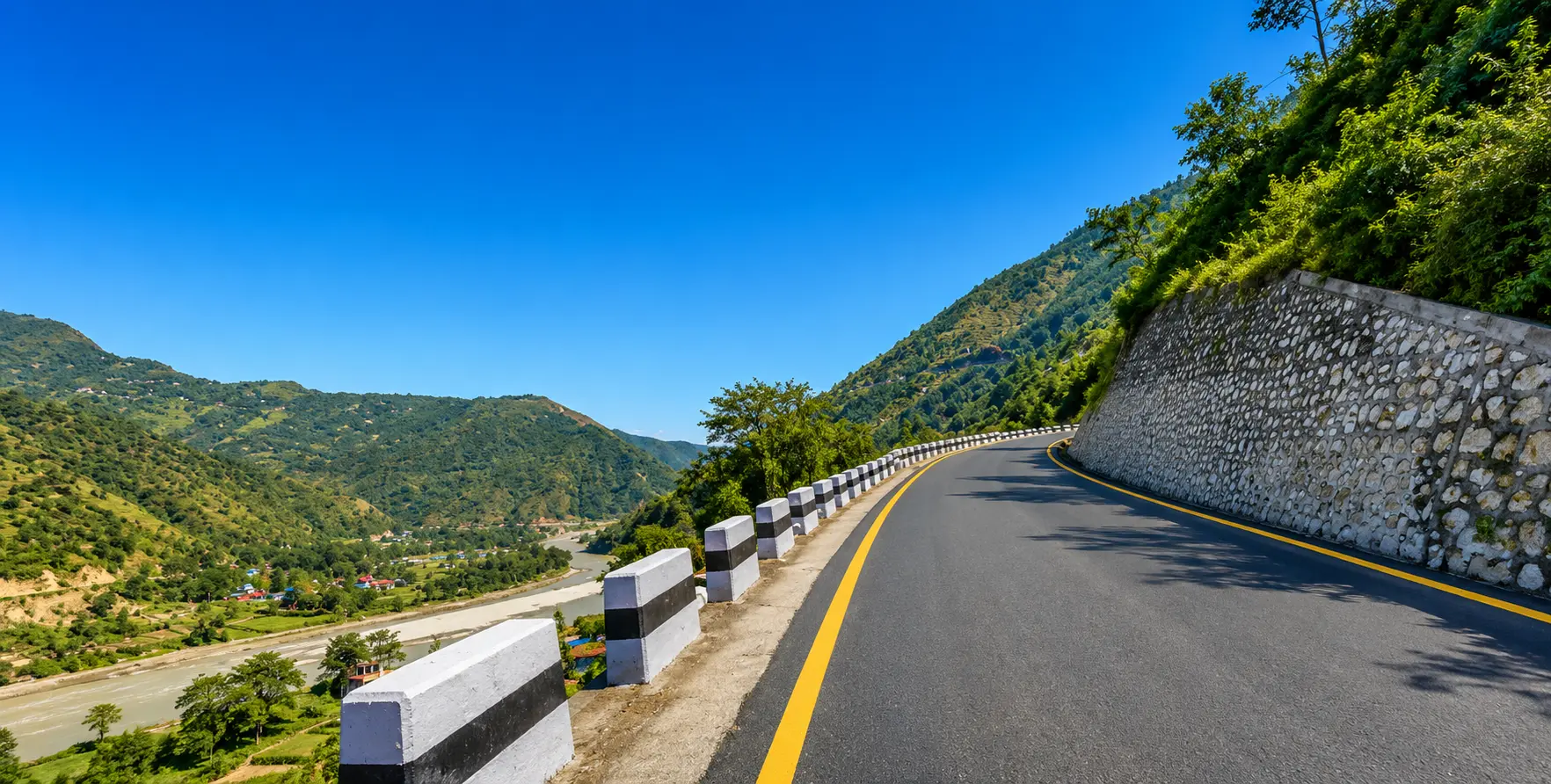
Way to manthali airport bp highway

Hiace Vans for Groups

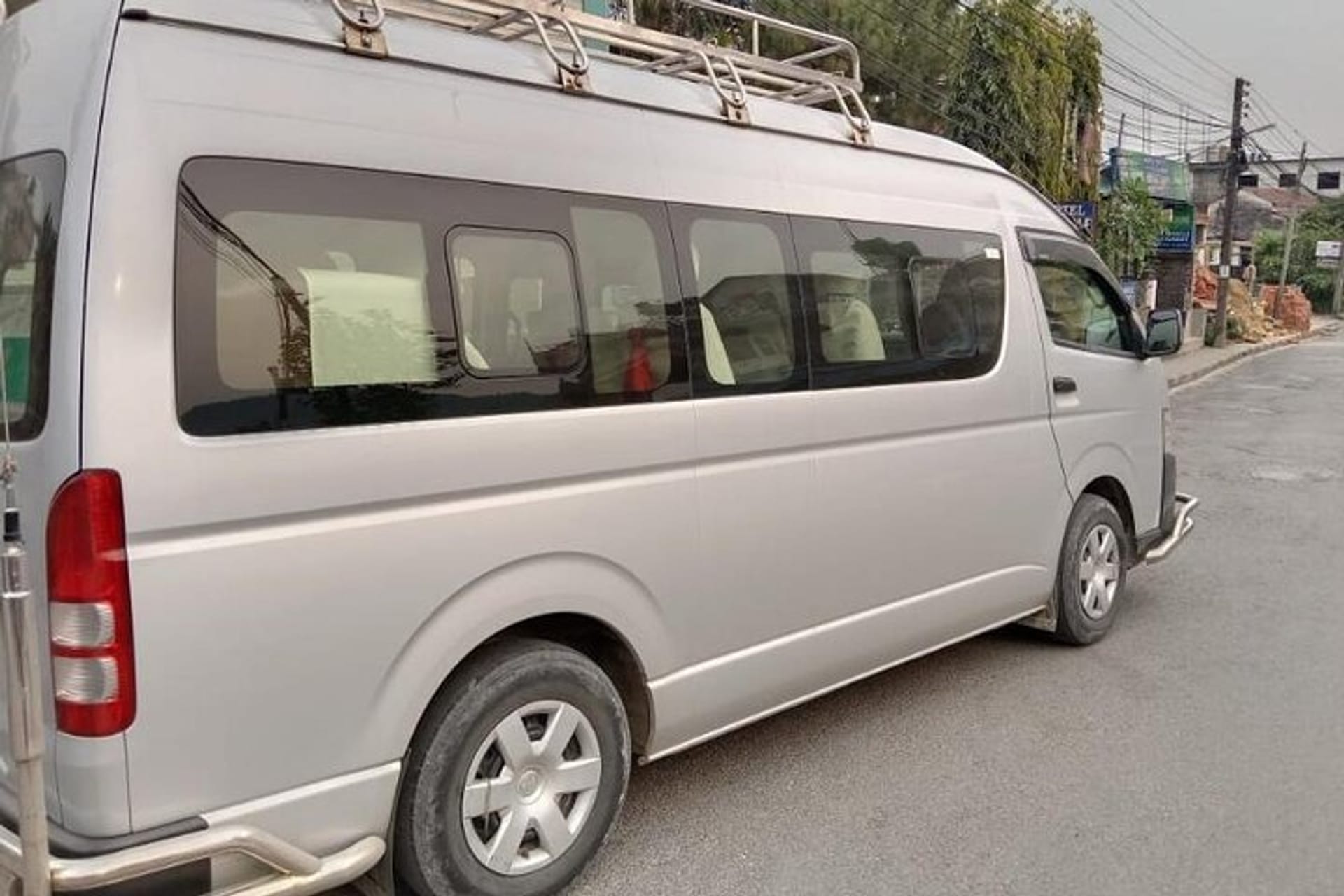
For families, small groups, and trekking parties of seven to fourteen people, a Hiace van hire offers a comfortable middle ground between a private car and a full-size bus. Hiace vans are commonly used for Kathmandu sightseeing tours, day trips such as the Kathmandu to Nagarkot service for sunrise Himalayan views, and the popular Bhaktapur Durbar Square day tour.

Tourist Bus, Coaster, and Scheduled Bus Tickets

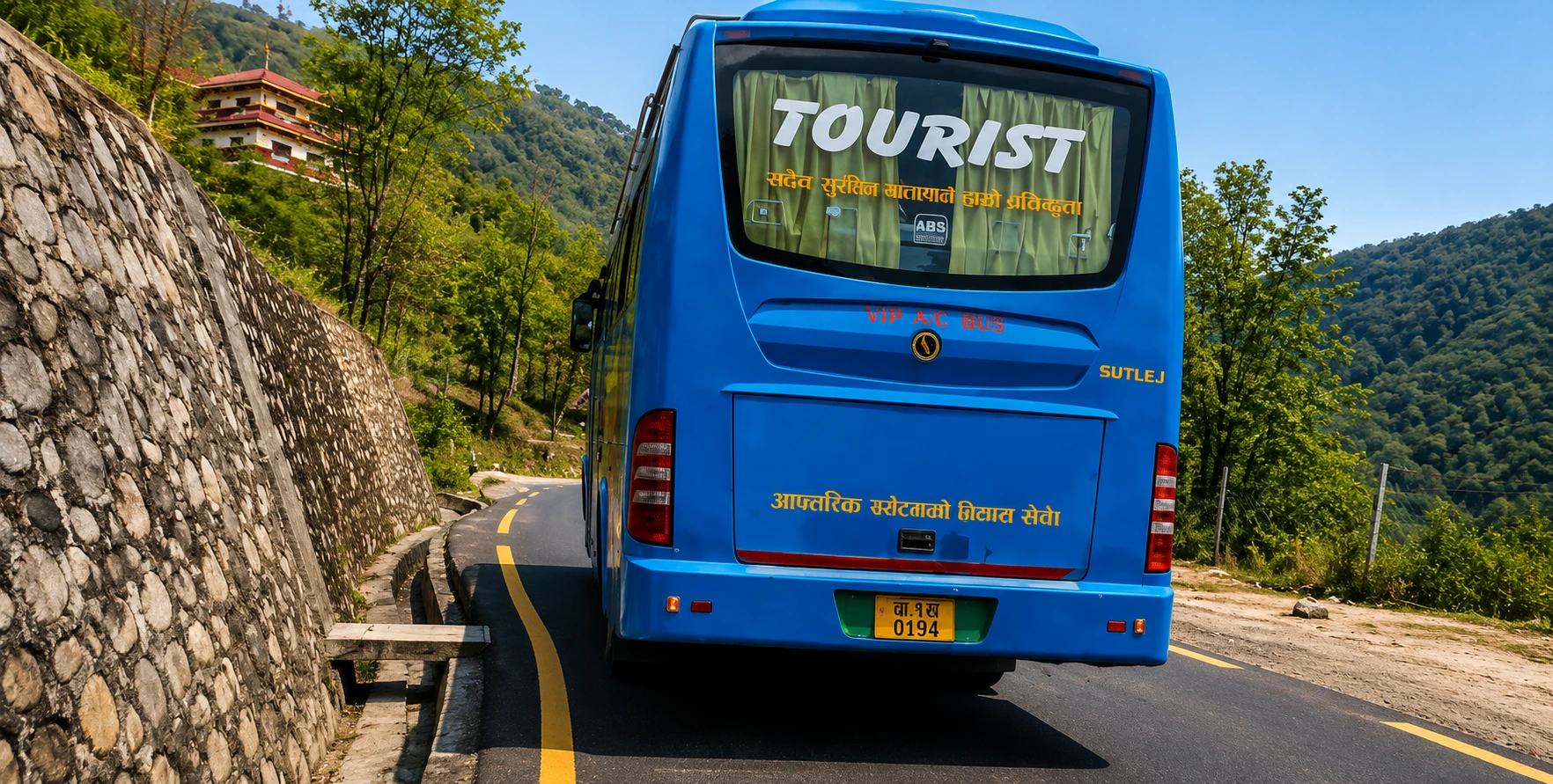
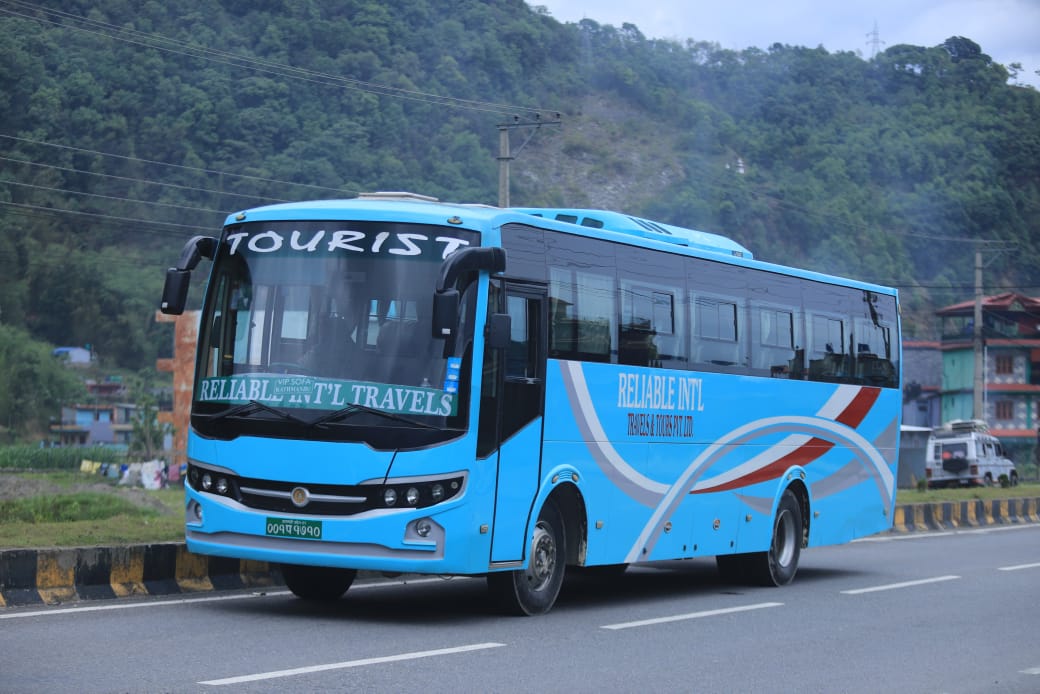
For budget-conscious travellers moving between major tourist hubs, Nepal’s tourist bus network is reliable and inexpensive. Daily departures run on the Kathmandu to Pokhara route and its reverse, the Pokhara to Kathmandu bus, as well as connections to the Buddha’s birthplace via the Kathmandu to Lumbini and Lumbini to Kathmandu services, and to the jungle via the Pokhara to Chitwan bus.

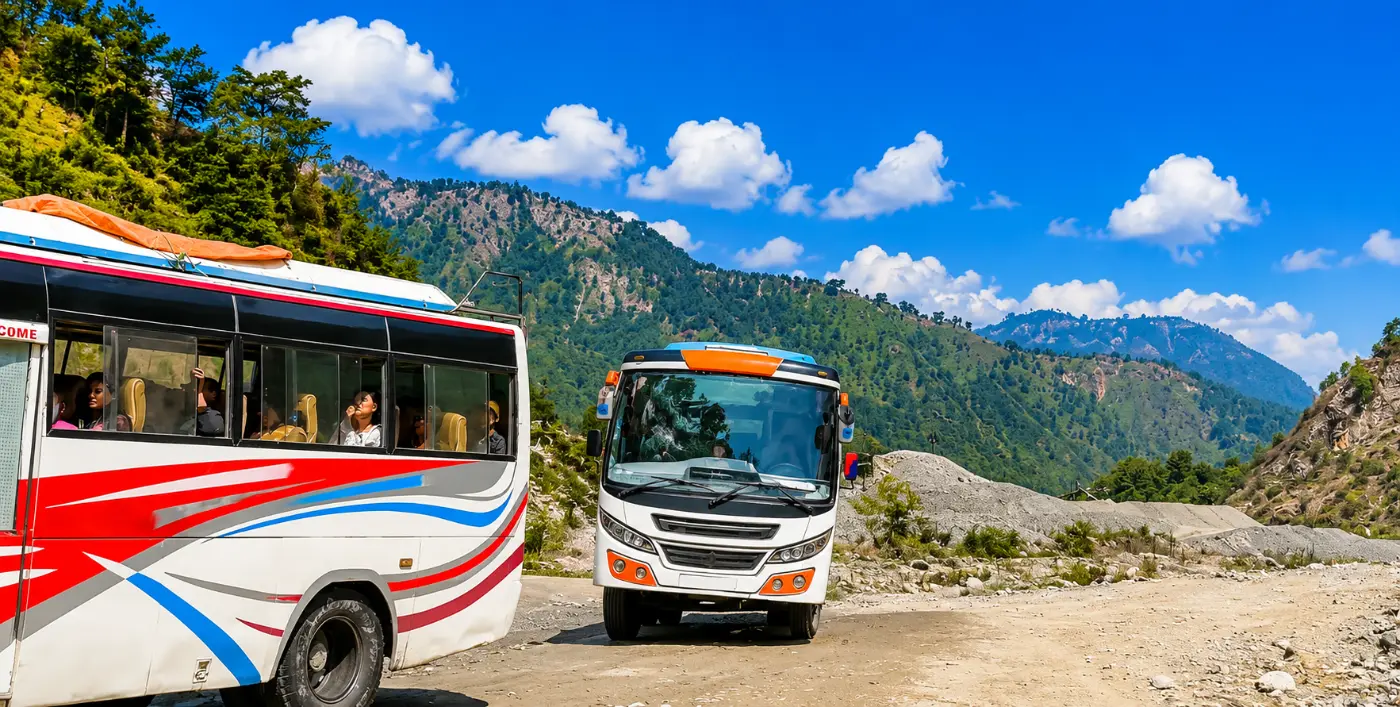
Trekkers heading to the Annapurna region by road commonly use the Kathmandu Besisahar bus ticket service, while larger groups touring the Kathmandu Valley and beyond often charter a coaster bus for cost-effective group movement, or book seats directly through the bus hire service for tourist-standard coaches with reclining seats and onboard comfort.

For day excursions from Pokhara, services such as Pokhara to Nayapul transportation (the trailhead for the Ghorepani–Poon Hill trek) and the Sarangkot sunrise tour vehicle are extremely popular among foreigners wanting Himalayan views without committing to a multi-day trek.

Money, Currency, and Costs in Nepal

The Nepalese Rupee (NPR) is the official currency, pegged to the Indian Rupee at a fixed rate of 1.6 NPR to 1 INR. You can exchange foreign currency, particularly US dollars, euros, and British pounds, at licensed money changers in Kathmandu’s Thamel district and Pokhara’s Lakeside area, as well as at the airport. However, airport rates are typically less favourable than those at city exchange counters.

ATMs are widely available in Kathmandu, Pokhara, and other major towns, and most accept international Visa and Mastercard. However, withdrawal limits per transaction are often capped at around NPR 10,000–35,000, depending on the bank, and usually include a service fee. Outside the main tourist hubs and in trekking regions, ATMs are scarce or nonexistent, so you must carry enough cash before heading into the mountains.

As a rough daily budget guide for foreigners in 2026:

  • Budget travellers: US$25–35 per day, covering guesthouse accommodation, local food, and public transport.
  • Mid-range travellers: US$50–90 per day, covering comfortable hotels, private vehicle transfers, and restaurant meals.
  • Comfort and luxury travellers: US$ 12020 and upward per day, covering boutique hotels, private 4WD or car hire throughout, and planned tours.

Tipping is customary but not mandatory; drivers, trekking guides, and porters typically receive a tip at the end of a multi-day service, and hotel and restaurant staff appreciate small tips in tourist areas.

SIM Cards and Staying Connected

Nepal’s two principal mobile networks for foreigners are Ncell, a private operator with strong 4G coverage in Kathmandu, Pokhara, and most lower-altitude tourist areas, and Nepal Telecom (NTC). This state-owned operator generally offers wider coverage in remote mountain districts, including parts of the Everest, Annapurna, Manaslu, and Langtang trekking regions.

Both networks operate counters at Tribhuvan International Airport just past baggage claim, where travellers can buy a SIM on arrival by presenting their passport, a passport-sized photo (often taken digitally at the counter), and completing a short registration form. A basic prepaid SIM with a starter data and call package typically costs NPR 100–500, with 30-day data plans of 5–10GB costing roughly NPR 500–1,000. Both operators now support eSIM activation for compatible phones, and third-party travel eSIM providers offer pre-purchase options for travellers who prefer to land already connected.

However, these are usually more expensive per gigabyte than a local SIM.

For trekkers heading above 3,000 meters, signal becomes intermittent regardless of network, and many teahouses above Namche Bazaar, Manang, or similar altitudes charge a small fee for WiFi or device charging. A power bank of at least 10,000mAh is a worthwhile addition to any trekking packing list.

Health, Altitude, and Safety for Foreign Visitors

Vaccinations and General Health. Most countries do not require mandatory vaccinations for entry into Nepal. However, routine vaccinations (MMR, tetanus, diphtheria) should be up to date, and travellers are often advised to consider Hepatitis A and Typhoid vaccination because food and water hygiene standards vary outside major hotels. Do not drink tap water directly; bottled or properly filtered and treated water is recommended throughout the country.

Altitude Sickness

Acute Mountain Sickness (AMS) is the biggest health risk for travellers heading into the high mountains, including popular short excursions to viewpoints like Sarangkot and longer treks to Everest Base Camp, Annapurna Base Camp, or Upper Mustang. Ascend gradually, build rest days into any itinerary above 3,000 meters, stay hydrated, and avoid alcohol at altitude.

Symptoms of AMS — headache, nausea, dizziness, and disturbed sleep — should never be ignored; the only reliable treatment for worsening symptoms is descent.

Travel Insurance

Comprehensive travel insurance that explicitly covers high-altitude trekking and helicopter evacuation is strongly recommended for anyone heading above 3,000 meters. Many standard travel policies cap altitude coverage at 3,000 or 4,000 meters, excluding treks like Everest Base Camp (5,364 meters) or Annapurna Circuit’s Thorong La pass (5,416 meters) unless you purchase a specific high-altitude rider.

General Safety

Nepal is, on balance, a safe country for foreign travellers, with violent crime against tourists being uncommon. More relevant everyday risks include road safety on mountain highways, particularly during monsoon landslides, and the general chaos of unregulated traffic in Kathmandu. This is another reason experienced local drivers, familiar with seasonal road conditions, are worth the modest cost over self-driving or unfamiliar taxi operators.

Trekking Permits and Restricted Areas

Most trekking regions in Nepal require one or more permits, separate from the tourist visa. The two most common are:

  • TIMS Card (Trekkers’ Information Management System): Required for independent trekking in most non-restricted areas, used to track trekker movement for safety purposes.
  • Area-specific conservation or national park permits: Such as the Annapurna Conservation Area Permit (ACAP), Sagarmatha National Park permit for the Everest region, and Manaslu Conservation Area Permit.

Certain regions, including Upper Mustang, Upper Dolpa, Manaslu, and parts of Humla, are classified as restricted areas and require special permits issued only through a registered Nepali trekking agency, often at a significantly higher daily fee than standard conservation permits, and typically require a minimum of two trekkers and a licensed guide. Upper Mustang permit fees, for instance, were restructured in recent years and now apply a tiered daily rate depending on length of stay.

At the same time, the opening of the new road link to the Korala border crossing with Tibet in 2025 has also changed how some travellers approach the region, using vehicles rather than purely on foot.

Travellers planning a Mustang itinerary that combines trekking with road travel often pair a guided walking section with a 4WD hire in Nepal for the more remote stretches, since the jeep road network through Upper Mustang has expanded considerably and allows flexible combinations of driving and walking depending on time and fitness.

Top Destinations for Foreign Visitors in Nepal

Kathmandu Valley

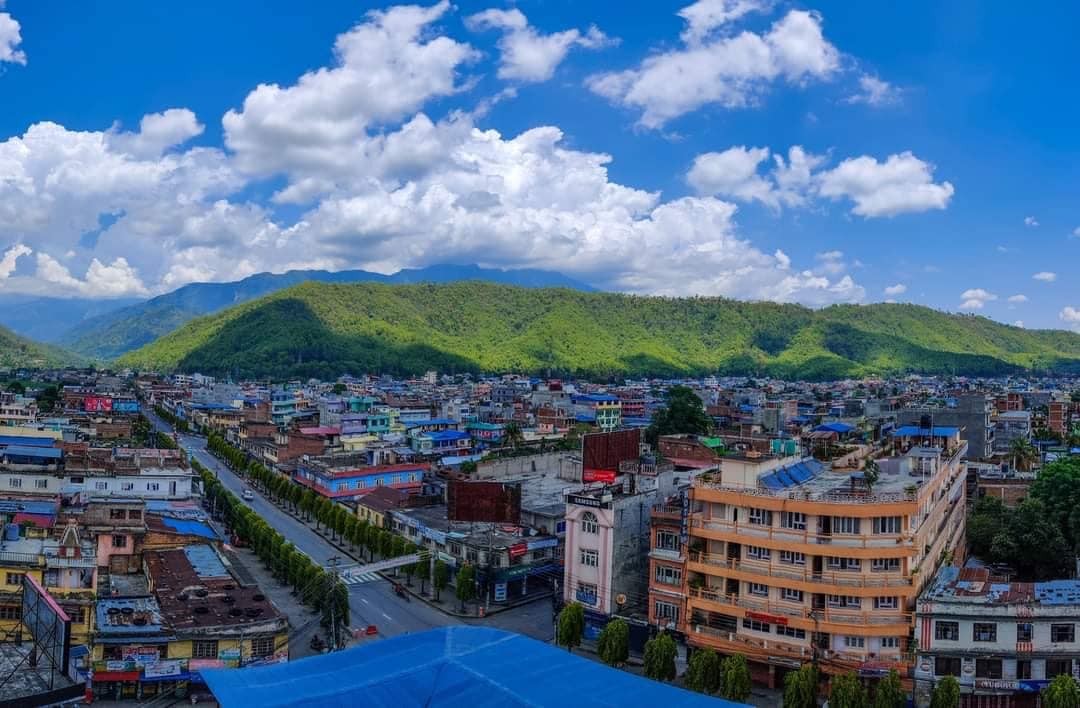
Kathmandu is the entry point for almost every foreign visitor, and the valley alone could fill a week of sightseeing. Key sites include Kathmandu Durbar Square, the Boudhanath and Swayambhunath stupas, and the Hindu temple complex of Pashupatinath. A well-organised Kathmandu sightseeing tour by private vehicle is the most time-efficient way to see these scattered sites in a single day without the fatigue of public transport or repeated taxi negotiations.

Just outside the valley, the medieval city of Bhaktapur preserves Newari architecture remarkably intact; a Bhaktapur Durbar Square day tour is one of the most rewarding half-day trips available from Kathmandu.

Nagarkot

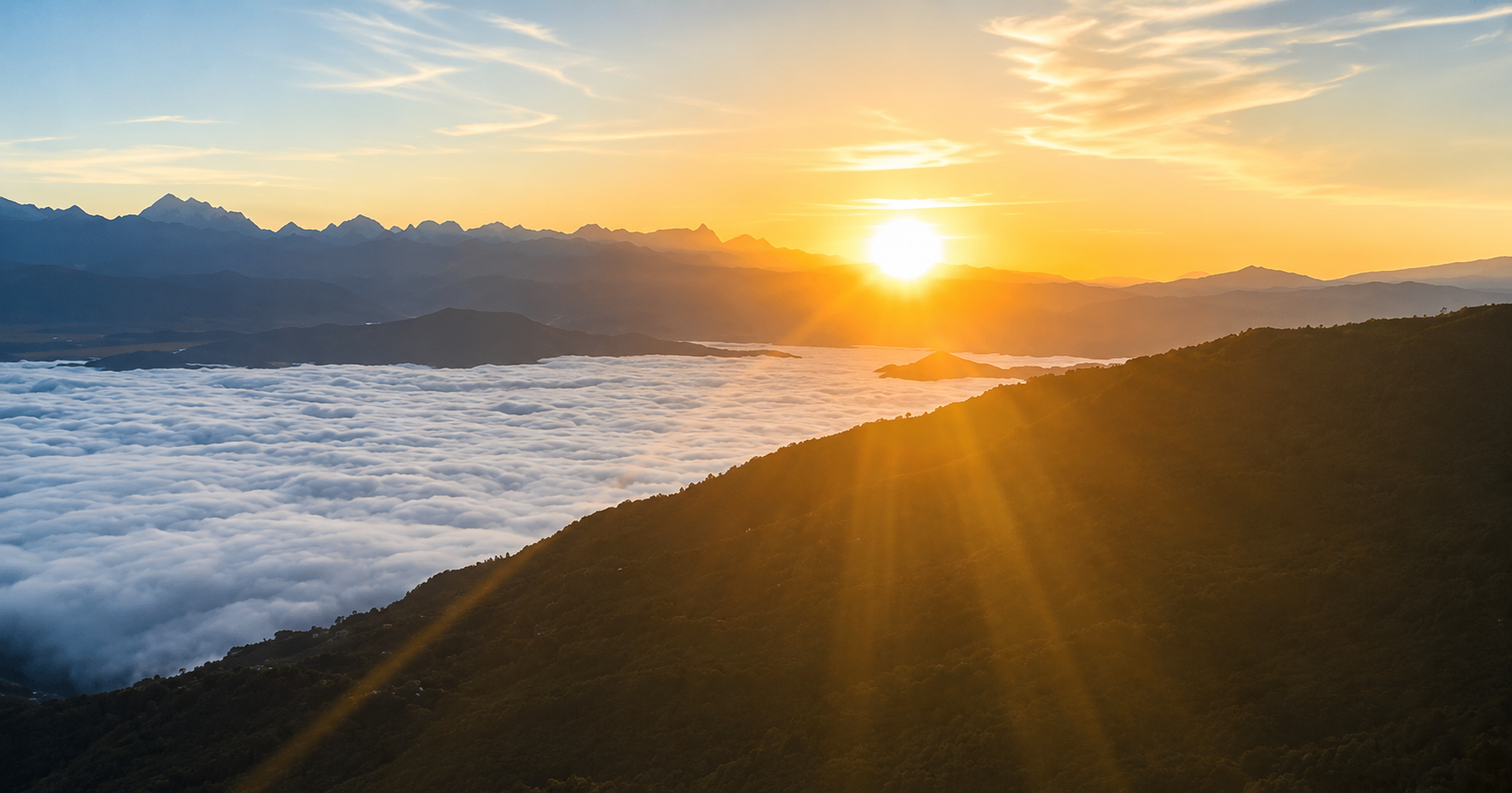
Roughly 32 kilometres east of Kathmandu, Nagarkot is the valley’s most accessible Himalayan viewpoint, with sunrise panoramas stretching from Annapurna to Everest on clear days. A Kathmandu-to-Nagarkot vehicle trip typically includes an early hotel departure to catch sunrise, making it one of the most popular short escapes for foreigners with limited time in Nepal.

Pokhara

Nepal’s second-largest tourist hub sits beside Phewa Lake with the Annapurna range as a backdrop, and serves as the launch point for most Annapurna-region treks. Pokhara’s relaxed lakeside atmosphere, paragliding launch sites, and the dawn viewpoint at Sarangkot make it a near-mandatory stop on any Nepal itinerary, typically reached from Kathmandu by the scenic Kathmandu–Pokhara highway.
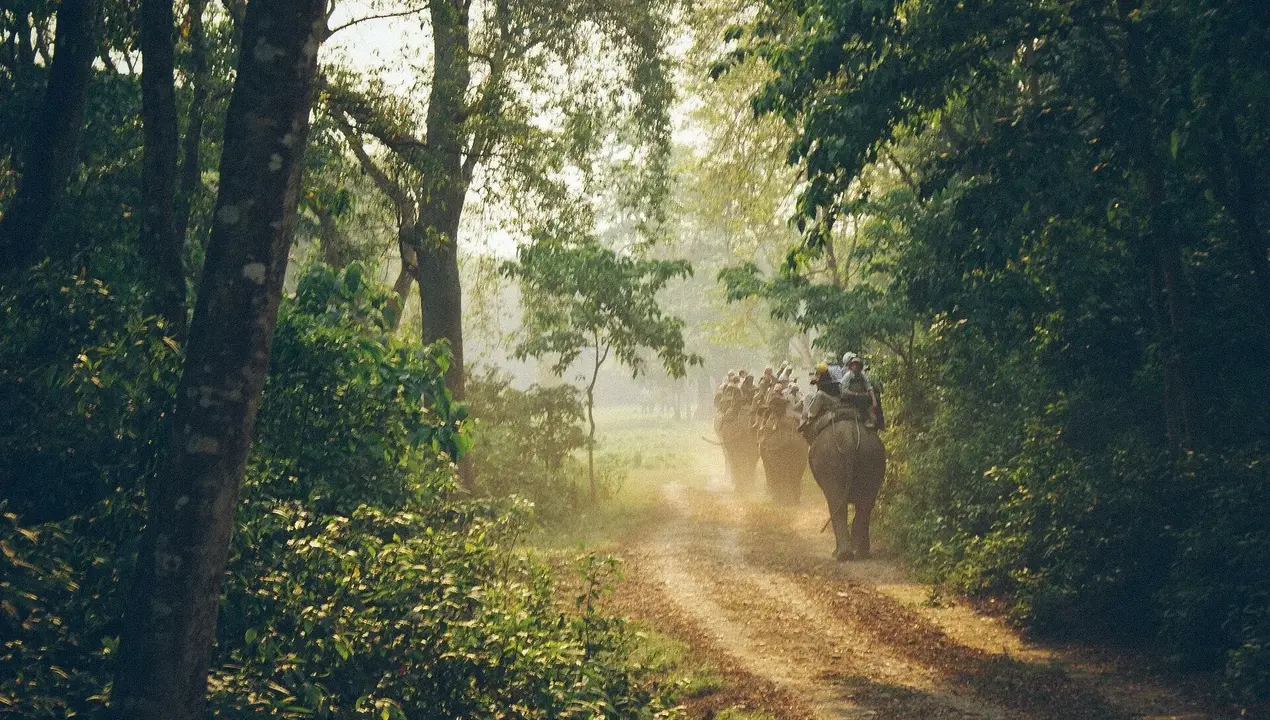
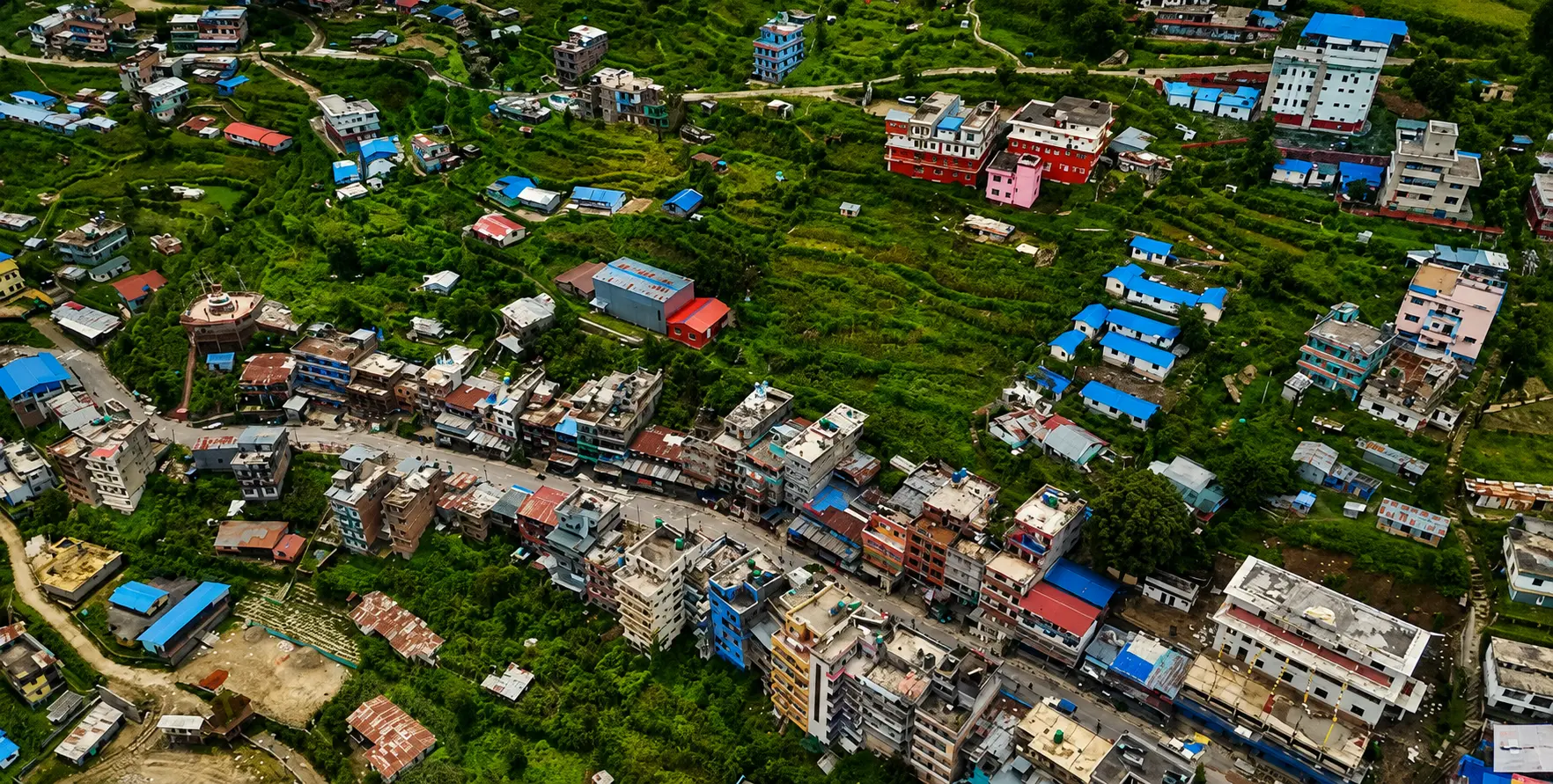
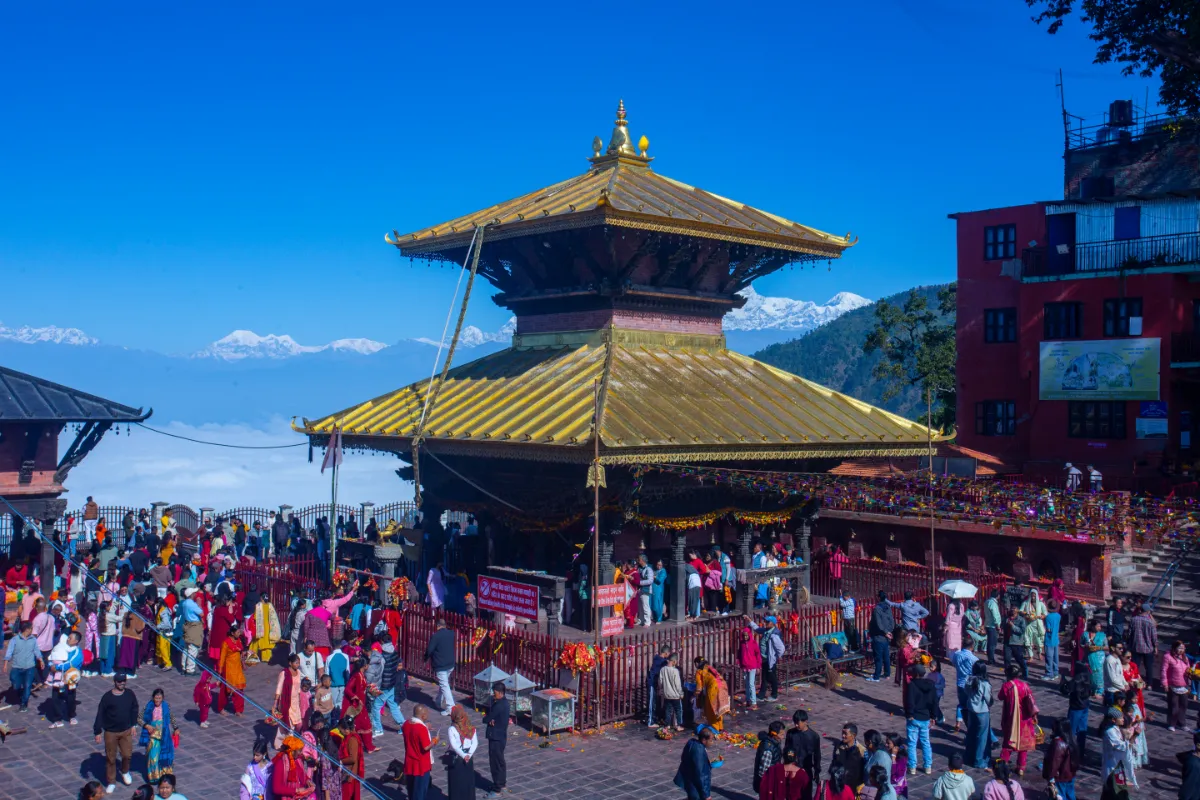
Foreign travelers exploring Nepal's Himalayan mountains, ancient temples, and cultural heritage with private transport

Chitwan National Park

In the lowland Terai region, Chitwan offers jungle safaris, canoe trips, and some of Asia’s best chances to spot the one-horned rhinoceros in the wild, along with crocodiles, deer, and — for the fortunate — Bengal tigers. Chitwan is commonly combined with Pokhara on a loop itinerary, using the Pokhara-to-Chitwan bus service or a private vehicle for those who prefer flexibility along the route.

Lumbini

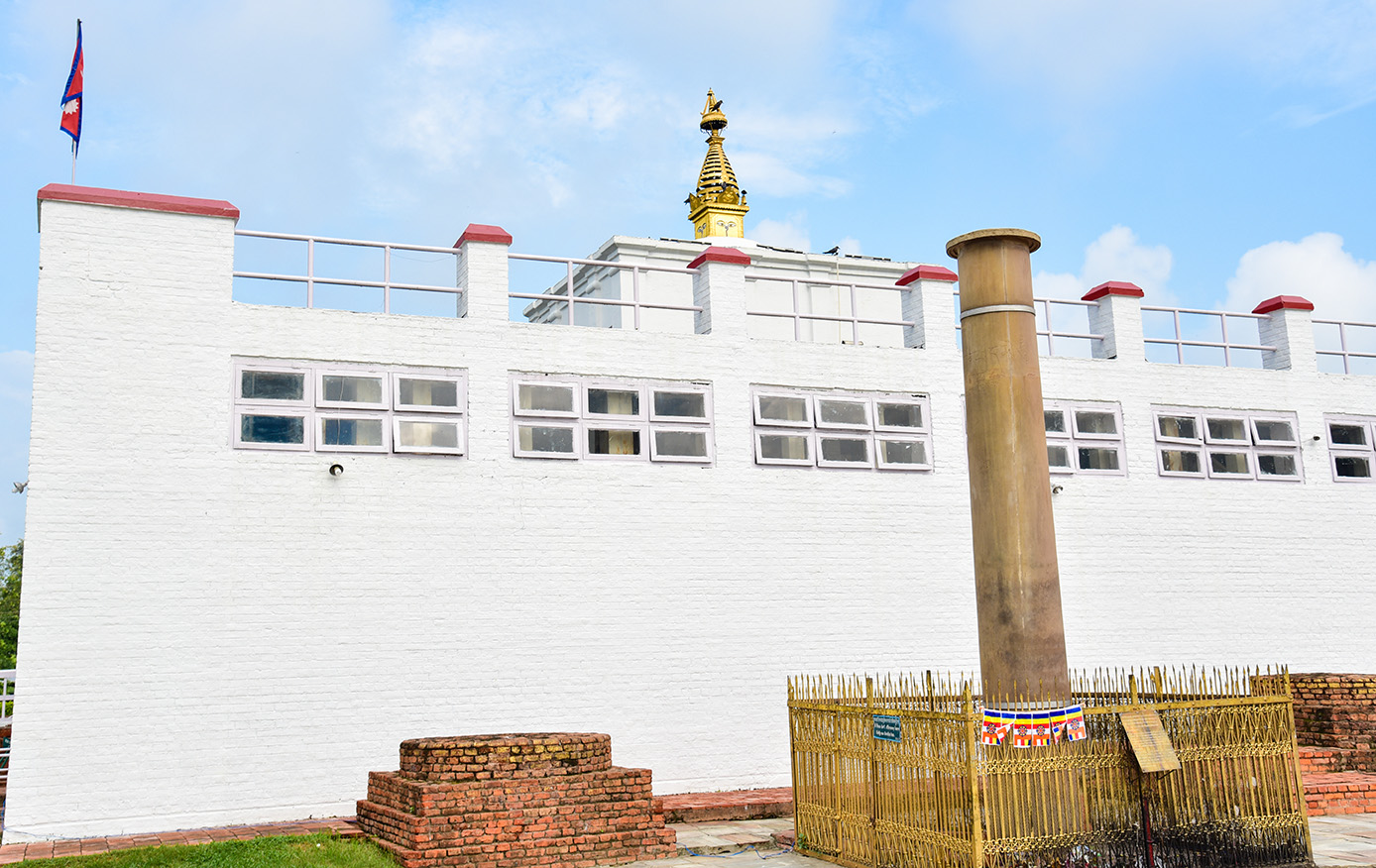
The birthplace of Siddhartha Gautama, the historical Buddha, Lumbini is a UNESCO World Heritage Site and one of Buddhism’s four most sacred pilgrimage sites. The Maya Devi Temple marks the exact birth site, and the surrounding Lumbini Garden hosts monasteries built by Buddhist communities from around the world. The Kathmandu-to-Lumbini bus connects the capital directly to this sacred site.

Muktinath and the Mustang Region

Muktinath, sacred to both Hindus and Buddhists, sits at over 3,700 meters in the Mustang district and is a major pilgrimage destination and a trekking highlight along the Annapurna Circuit. Beyond Muktinath, Upper Mustang’s stark, Tibetan-influenced landscape around the walled city of Lo Manthang has become increasingly accessible by 4WD jeep, particularly since road improvements and the opening of new border infrastructure toward Tibet in 2025 expanded travel options for both pilgrims and trekkers.

Everest and Annapurna Regions

For trekkers, the two flagship regions remain Everest (Khumbu) and Annapurna. Most trekkers reach Everest by flying from Kathmandu to Lukla. However, overland alternatives via Kathmandu to Salleri Phaplu by jeep, followed by a multi-day approach trek, have grown in popularity among travellers seeking lower cost and lower weather risk than the Lukla flight.

The Everest Base Camp trek remains the single most sought-after trekking itinerary among foreign visitors to Nepal, typically taking 12–14 days round trip.

The Annapurna region, reached via Besisahar for the full Circuit or via Nayapul/Pokhara for shorter loops like Ghorepani–Poon Hill, offers similarly spectacular scenery with somewhat gentler logistics and a wider range of trek lengths suited to different fitness levels and time budgets.

Culture, Etiquette, and Respectful Travel in Nepal

Nepal is religiously diverse, predominantly Hindu and Buddhist, with deep-rooted customs that foreign visitors are generally expected to respect rather than strictly required to follow. A few practical guidelines make a noticeable difference:

  • Remove shoes before entering temples, monasteries, and most private homes.
  • Use your right hand (or both hands) to give and receive items, including money and food; the left hand is traditionally considered unclean.
  • Walk clockwise around Buddhist stupas and mani walls, keeping them to your right.
  • Dress modestly when visiting temples and rural areas — shoulders and knees covered is a safe default for both men and women.
  • Public displays of affection are uncommon and best kept to a minimum outside obviously tourist-oriented areas.
  • Photography inside some temple inner sanctums and during certain ceremonies may be restricted; always look for signage or ask permission.

Nepali hospitality is famously warm, and a simple ‘Namaste’ (a respectful greeting, often accompanied by joined palms) goes a long way in opening friendly interactions throughout the country.

Food and Dining for Foreign Visitors

Nepali cuisine centres on dal bhat — lentil soup, rice, and vegetable curry, often served with pickles and sometimes meat — which remains a staple across the country, including most teahouses on trekking routes, where it is frequently offered with unlimited refills. In Kathmandu and Pokhara, the dining scene has expanded well beyond traditional fare, with Thamel and Lakeside both offering a wide range of international cuisine, from Italian and Continental restaurants to Japanese, Korean, and Indian options catering specifically to the steady flow of foreign visitors.

Newari cuisine, native to the Kathmandu Valley, is worth seeking out specifically — dishes like choila (spiced grilled meat), yomari (sweet rice dumplings), and bara (lentil patties) offer a distinctly local culinary experience rarely found outside the valley. Street food, particularly momos (Nepali dumplings), is ubiquitous and generally safe when purchased from busy, high-turnover stalls. However, travellers with sensitive stomachs should use the usual caution with raw vegetables and tap water in less-touristed areas.

What to Pack for Nepal

Packing needs vary enormously depending on whether your trip is city- and culture-focused or includes high-altitude trekking, but a sensible base layer for most foreign visitors includes:

  • Layered clothing — Kathmandu and Pokhara can be warm by day and cool at night, especially October through February.
  • A good rain jacket, particularly outside the dry winter months.
  • Comfortable, broken-in walking shoes, even for non-trekkers, given uneven pavement in old city centres.
  • Sun protection — UV exposure is significant at altitude even on cool days.
  • A reusable water bottle with a filter or purification tablets to reduce single-use plastic.
  • A universal power adapter (Nepal uses Type C, D, and M sockets) and a portable power bank.
  • For trekkers: a four-season sleeping bag, headlamp, trekking poles, and proper insulated layers for nights above 3,000 meters.
  • Modest clothing for temple and monastery visits — a light scarf or shawl is versatile for both warmth and coverage.

Sample Itineraries for Foreign Travelers

7-Day Classic Nepal Itinerary

Day 1–2: Arrive in Kathmandu, settle in, take a private Kathmandu sightseeing tour covering Durbar Square, Boudhanath, and Swayambhunath. Day 3: Day trip to Bhaktapur Durbar Square, then drive to Nagarkot for a sunrise excursion. Day 4: Travel to Pokhara via the Kathmandu-Pokhara bus or a private car.

Day 5: Sunrise at Sarangkot on a Sarangkot sunrise tour vehicle, then boat on Phewa Lake. Day 6: Short Ghorepani–Poon Hill hike or relaxed Lakeside exploration. Day 7: Return to Kathmandu via the Pokhara-Kathmandu bus for departure.

14-Day Nepal Highlights and Trekking Itinerary

Combine the 7-day classic route above with an extension into Chitwan via the Pokhara to Chitwan bus for a two-night jungle safari, followed by either a Ghorepani–Poon Hill trek extension from Pokhara or, for more ambitious travellers, the start of the Annapurna Circuit via Besisahar private vehicle or the Kathmandu Besisahar bus ticket service. Travellers who want a fully planned, multi-region experience without managing each leg independently can also explore a complete Nepal tour package, which bundles transport, accommodation, and guiding into a single itinerary.

18–21 Day Everest Base Camp Itinerary

Serious trekkers aiming for Everest Base Camp should budget at least 12–14 trekking days, plus 2–3 days in Kathmandu before and after for acclimatisation, permit processing, and gear preparation. Those who want to combine trekking with a broader Nepal experience often pair the Everest Base Camp trek with a few days in Pokhara or Chitwan, either before flying home or as a decompression period after the high-altitude push.

Frequently Asked Questions

Do foreigners need a visa to visit Nepal?

Yes, except Indian citizens, who don’t need a visa, and SAARC nationals, who receive a free 30-day visa once per calendar year. Most other foreign nationals can obtain a Tourist Visa on Arrival at Tribhuvan International Airport or major land borders, or apply in advance through a Nepali embassy.

How much does a Nepal tourist visa cost?

As of 2026, a 15-day visa costs US$30, a 30-day visa costs US$50, and a 90-day visa costs US$125. Fees are payable in clean foreign currency, with US dollars strongly preferred.

Is it better to hire a private vehicle or take public transport in Nepal?

It depends on budget, time, and comfort priorities. Public tourist buses are inexpensive and reliable on fixed routes like Kathmandu–Pokhara, but private car or jeep hire offers far more flexibility, comfort, and time savings, especially for multi-stop itineraries, families, or trips to mountain trailheads where road conditions demand a proper 4WD.

Do I need a guide to trek in Nepal?

Independent trekking remains possible in many popular regions. However, Nepal has increasingly required licensed guides on more routes in recent years, particularly in restricted areas like Upper Mustang, Manaslu, and Upper Dolpa, where a registered trekking agency and a minimum group size of two are mandatory.

Is Nepal safe for solo female travellers?

Generally yes, with the same common-sense precautions recommended anywhere: avoid isolated areas after dark, dress modestly outside clearly tourist-oriented venues, and book reputable accommodation and transport providers, especially for overnight or multi-day journeys.

What is the best way to get from Kathmandu to Pokhara?

Most foreign visitors choose between a tourist bus (around 6–7 hours, via the Kathmandu to Pokhara bus service), a short 25-minute domestic flight, or a private vehicle, which allows photo stops along the scenic Trishuli and Marsyangdi river valleys en route.

Language and Communication

Nepali is the official language, written in the Devanagari script, but English is widely spoken in the tourism industry — hotels, trekking agencies, restaurants, and drivers serving foreign visitors in Kathmandu, Pokhara, and along the main trekking routes generally communicate comfortably in English. Outside these tourist corridors, particularly in rural villages and smaller Terai towns, English fluency drops considerably, and a handful of basic Nepali phrases go a long way. ‘Namaste’ (hello), ‘Dhanyabad’ (thank you), and ‘Kati ho?’

(how much is it?) are useful starting points for any foreign visitor.

Nepal is also linguistically diverse beyond Nepali, with more than 120 languages spoken across ethnic communities, including Newari in the Kathmandu Valley, Sherpa in the Everest region, Gurung and Magar in the central hills, and Maithili and Bhojpuri in the southern Terai. This diversity is part of what makes regional festivals, food, and architecture vary so noticeably even within a relatively small country.

Electricity, Internet, and Practical Logistics

Nepal uses a 230V supply with Type C, D, and M plug sockets, so visitors from regions using Type A, G, or other plug standards will need a universal adapter. Power outages, locally called ‘load shedding’, have become far less frequent in Kathmandu and Pokhara in recent years thanks to expanded hydropower capacity. However, rural and high-altitude areas can still experience interruptions, particularly during the dry pre-monsoon months when hydropower output drops.

WiFi is widely available in hotels, cafés, and restaurants across Kathmandu, Pokhara, and other tourist centres, generally free of charge, though speeds vary. As discussed earlier, a local SIM card with a data plan remains the most reliable way to stay connected outside fixed WiFi locations, particularly for navigation apps and ride-hailing services within the cities.
Foreign travelers exploring Nepal's Himalayan mountains, ancient temples, and cultural heritage with private transport

Best Day Trips from Kathmandu for Foreign Visitors

Travellers with limited time based in Kathmandu have an unusually rich set of day-trip options within a two-hour radius of the city, all of which work well with a private vehicle and driver rather than navigating local transport independently.

Nagarkot Sunrise Excursion

Beyond the standard sunrise viewing, Nagarkot also offers short nature walks through pine forest and views into the Indrawati and Sun Koshi river valleys. Many visitors combine the Nagarkot sunrise tour with a stop at Bhaktapur on the return journey, making efficient use of a single early-morning departure.

Dhulikhel and the Eastern Valley Rim

East of Bhaktapur, Dhulikhel offers Himalayan panoramas similar to Nagarkot with a quieter, more local atmosphere, and easy access to the historic Namobuddha monastery, an important Buddhist pilgrimage site tied to a Jataka tale about the Buddha’s previous life.

Chandragiri Hills Cable Car

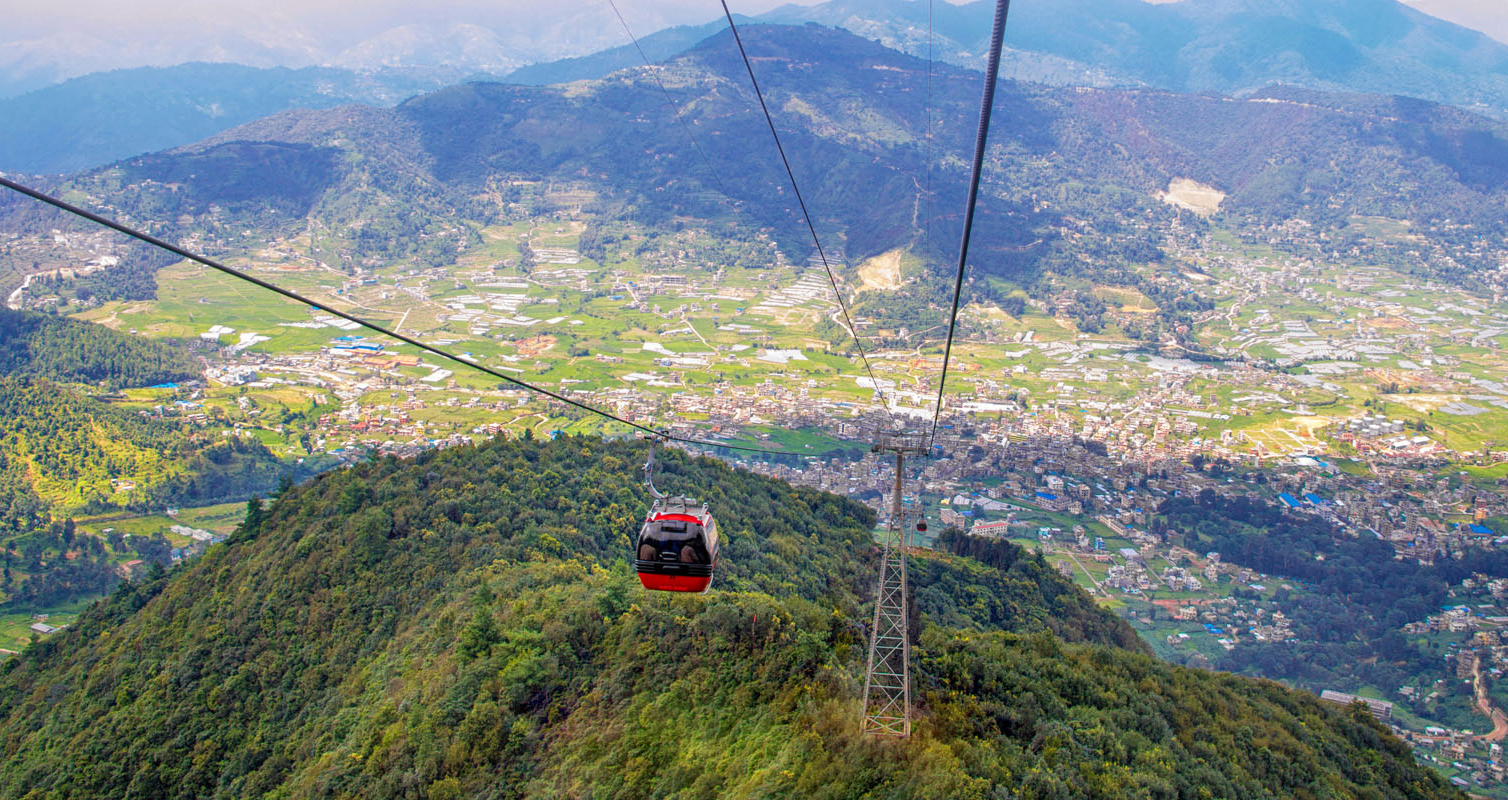
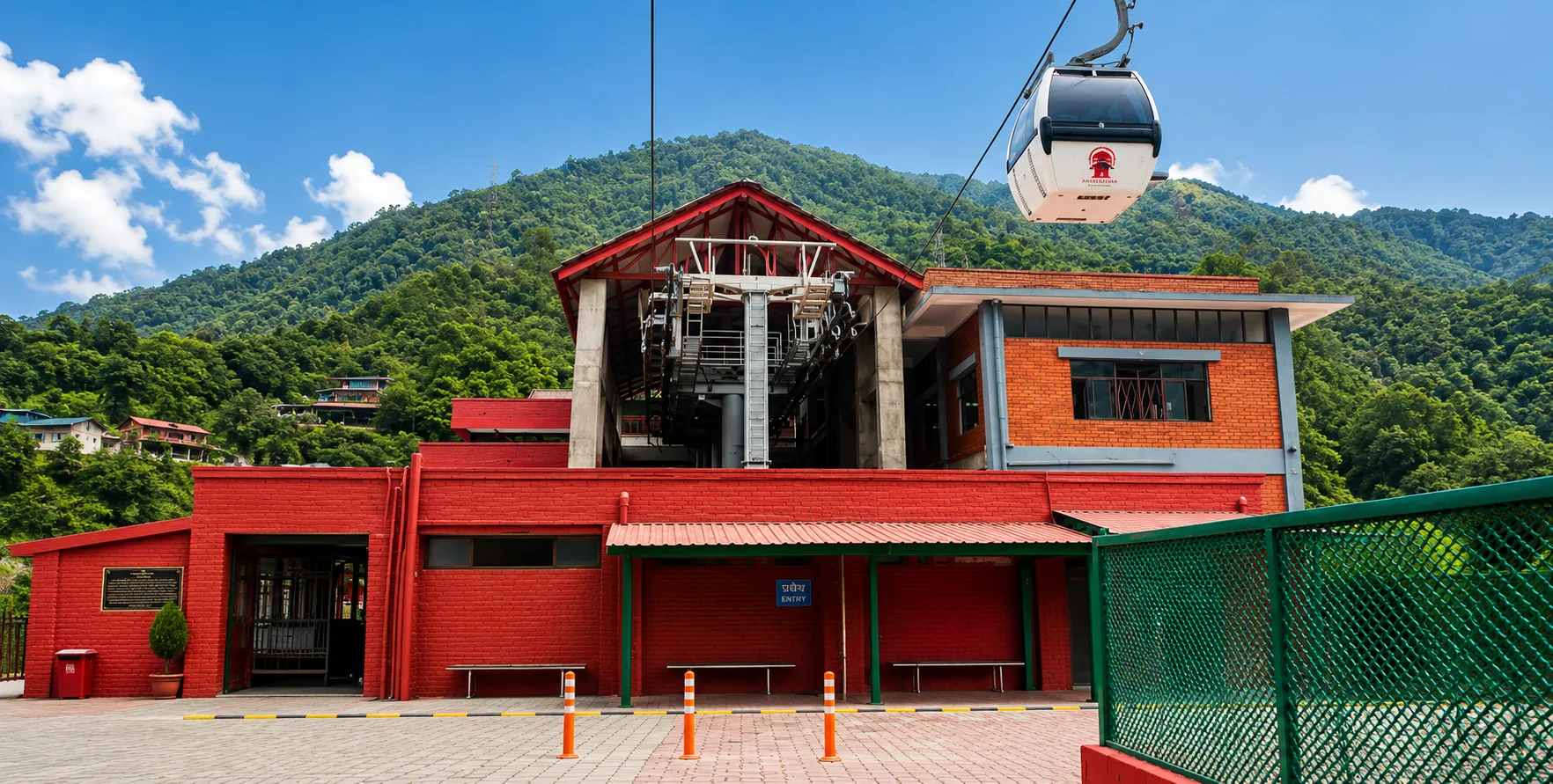
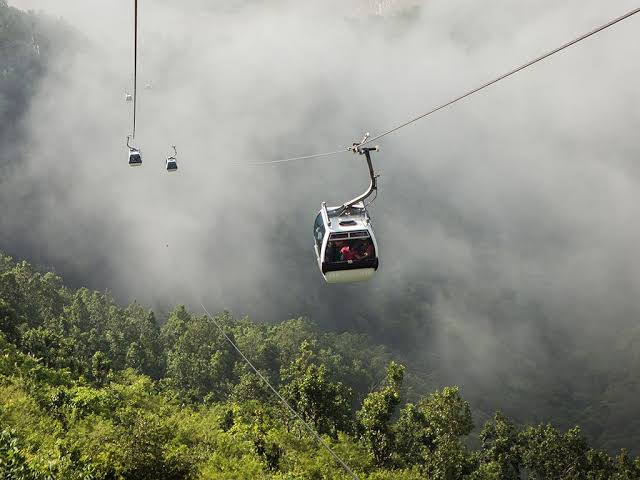
A cable car from the Kathmandu Valley rim at Thankot climbs to Chandragiri, offering panoramic views over the entire valley and, on clear days, a distant Himalayan skyline — a fast and relatively effortless way to gain elevation and perspective on the city below.

Patan (Lalitpur) Durbar Square

Technically part of greater Kathmandu but historically a separate Newari kingdom, Patan’s Durbar Square is widely regarded as having Nepal’s finest concentration of traditional stone-and-wood temple architecture, along with the excellent Patan Museum housed in the former royal palace.
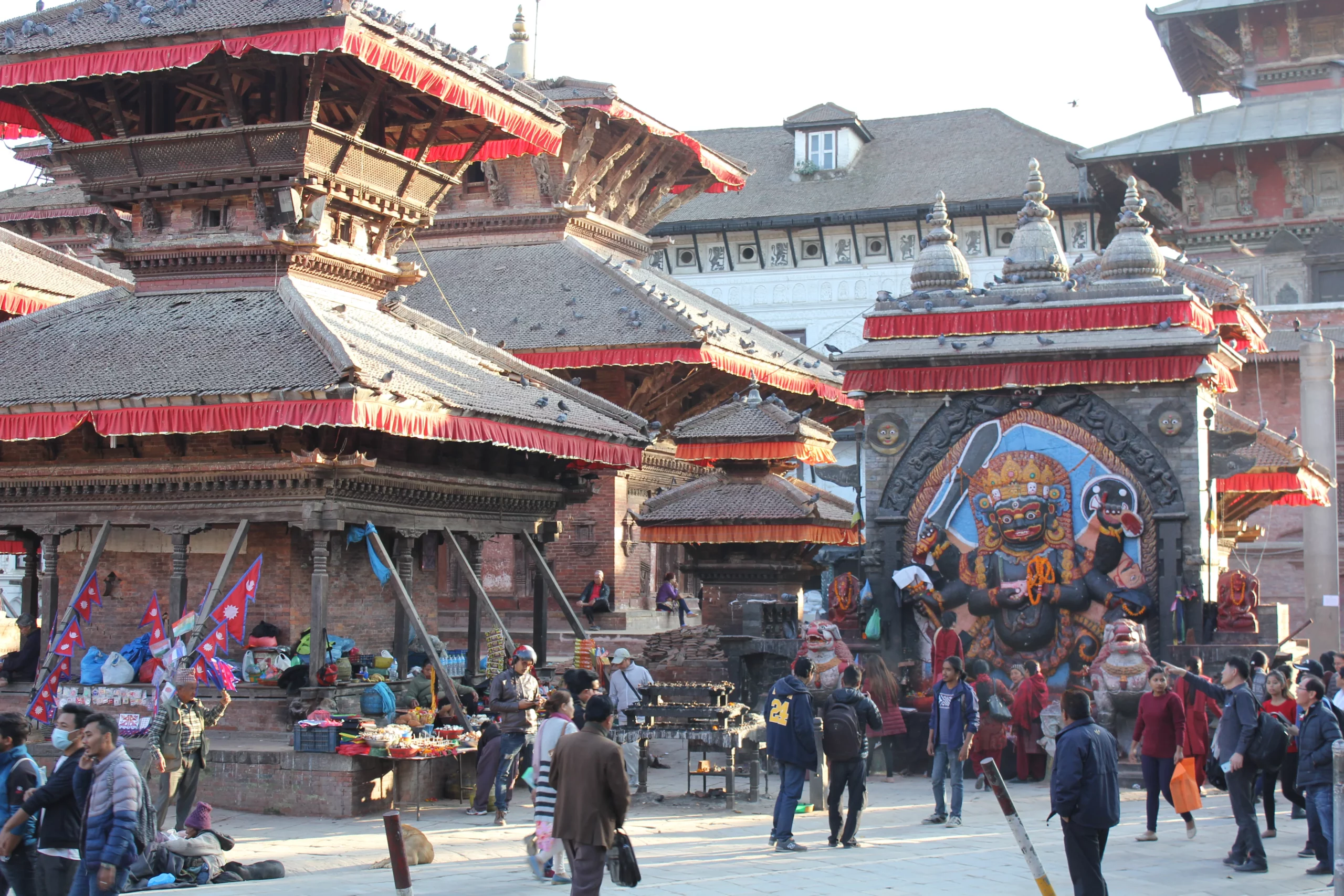
Discover the ultimate Nepal Travel Guide for Foreigners with expert advice on visas, trekking, transportation, cultural etiquette, safety, accommodation, and unforgettable destinations across Nepal.

Trekking Logistics: Gear, Guides, and Porters

Foreign trekkers do not need to arrive in Nepal with a full set of mountaineering-grade gear. Kathmandu’s Thamel district and Pokhara’s Lakeside area both have dense clusters of trekking gear shops selling and renting down jackets, sleeping bags, trekking poles, and boots at a fraction of equivalent costs in Europe, North America, or Australia, including a thriving second-hand and rental market for gear that does not justify a full purchase for a single trip.

Hiring a licensed guide and, for longer treks, a porter, is strongly recommended even on routes that technically allow independent trekking. Guides provide route-finding in poor weather, language assistance in remote villages, and, crucially, can spot early signs of altitude sickness in clients who may not recognise their own symptoms.

Porters, meanwhile, support the local trekking economy directly and allow trekkers to carry a lighter daypack rather than a full multi-day load, which materially reduces fatigue and injury risk on long, multi-week routes.

Whether trekking independently or with a full-service agency, transport to and from the trailhead is a separate logistical question worth planning early. As outlined earlier in this guide, routes into Manaslu, Mustang, and the lower Everest region increasingly rely on private jeep transport rather than purely on foot or by domestic flight, particularly as road networks continue to extend further into mountain districts each year.

Shopping and Souvenirs

Thamel in Kathmandu and Lakeside in Pokhara are Nepal’s two principal tourist shopping districts, offering everything from Pashmina shawls and hand-knotted Tibetan carpets to singing bowls, thangka paintings, and trekking gear. Bargaining is expected and customary in most informal shops and street stalls, though fixed-price stores, increasingly common for higher-quality handicrafts and government-certified Pashmina, do not negotiate.

Genuine Pashmina, distinguished from cheaper synthetic blends, typically costs more and feels slightly rougher and warmer than mass-produced imitations.

Buddhist and Hindu religious items — prayer flags, malas, and small statues — are widely available and culturally significant souvenirs, though travellers should be aware that exporting genuine antiques from Nepal is restricted and requires certification from the Department of Archaeology; reputable shops selling antique-style items will typically clarify whether a piece is a modern reproduction or a regulated antique.

Common Mistakes Foreign Travellers Make in Nepal

  • Underestimating Kathmandu’s traffic and travel times. A route that looks like kilometres on a map can take 45 minutes or more during peak hours; always build in buffer time for airport transfers and same-day connections.
  • Booking a Lukla flight with zero buffer days. Kathmandu–Lukla flights are notoriously weather-dependent and frequently delayed by a day or more during cloudy periods; itineraries with no slack risk missed international connections.
  • Ascending too quickly on treks. Rushing acclimatisation schedules to save a day or two is the single most common cause of altitude sickness evacuations.
  • Carrying only large denomination or worn USD notes. Visa counters and some money changers reject torn, marked, or pre-2009 series US dollar bills.
  • Assuming all regions have ATM access. Withdraw cash in Kathmandu or Pokhara before heading into trekking regions or smaller towns.
  • Skipping travel insurance with altitude and evacuation coverage. Standard policies often exclude trekking above 3,000–4,000 meters unless you add an explicit add-on.
  • Negotiating transport informally at the airport curb. Pre-arranged transfers avoid inflated ‘tourist pricing’ and the stress of negotiating immediately after a long flight.

Festivals Worth Timing Your Trip Around

Nepal’s calendar is packed with festivals, and several are spectacular enough to shape when foreign visitors choose to travel. Dashain, typically falling in September or October, is Nepal’s largest Hindu festival, a fifteen-day celebration involving family gatherings, kite flying, and animal sacrifice rituals at temples; many businesses operate on reduced hours during the peak days.

Tihar, the festival of lights, follows about two to three weeks later and includes the dog-honouring Kukur Tihar and the sister-brother day of Bhai Tika, with homes and streets decorated with oil lamps and marigold garlands.

Holi, the spring festival of colour, falls in March and is celebrated enthusiastically in Kathmandu and Pokhara, with crowds throwing coloured powder and water—joining in is welcome. However, it’s best to leave your valuables and good clothing at the hotel.

Buddha Jayanti, marking the Buddha’s birth, Enlightenment, and death, draws large crowds to Lumbini and Kathmandu’s Boudhanath and Swayambhunath stupas, typically in April or May. For travellers interested in Sherpa and Tibetan Buddhist culture, Mani Rimdu, celebrated with masked dances at monasteries in the Everest region in autumn, is a remarkable cultural experience for trekkers whose itinerary aligns with the dates, which shift annually according to the lunar calendar.

Domestic Flights vs Road Travel

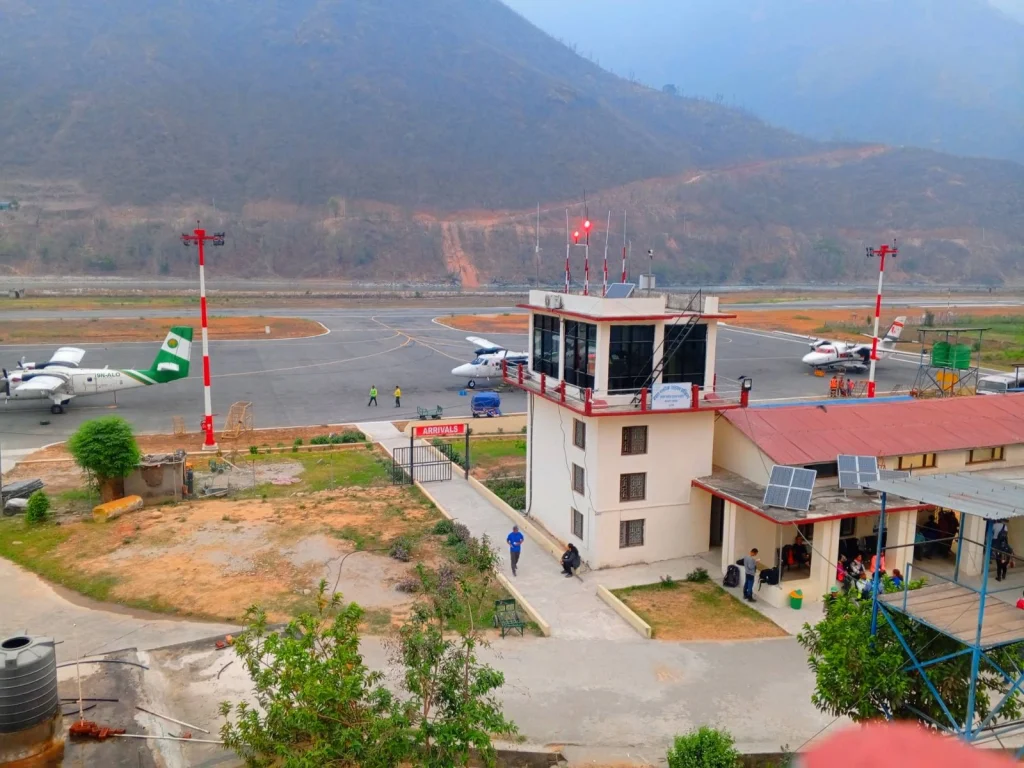
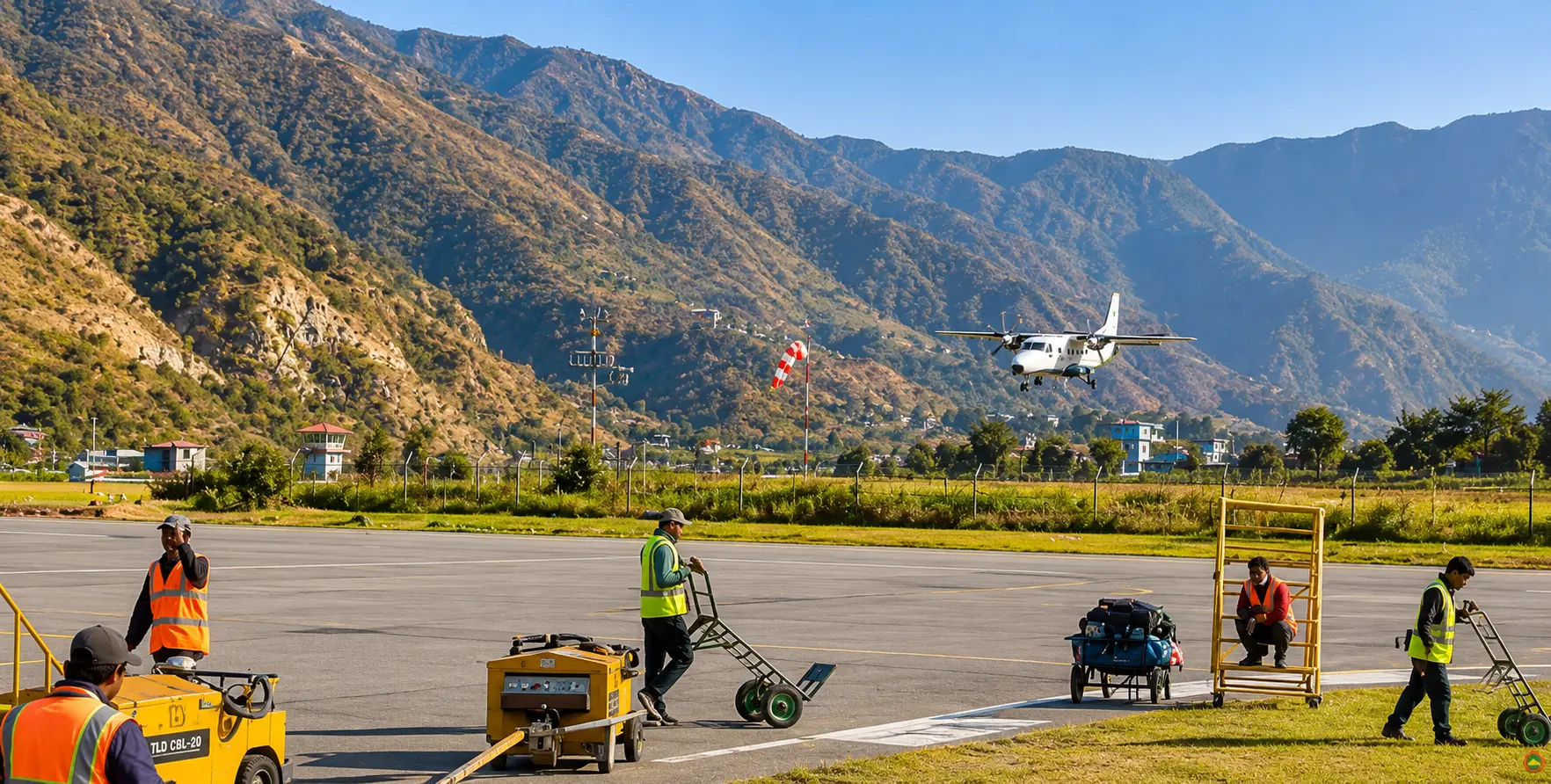
Nepal’s domestic aviation network connects Kathmandu to Pokhara, Lukla (for Everest region access), Bhairahawa (near Lumbini), Nepalgunj, Bharatpur (near Chitwan), and several smaller regional airstrips. Flights save substantial time compared to road travel — Kathmandu to Pokhara takes roughly 25 minutes by air against 6–8 hours by road — but come at a materially higher cost and carry real weather-related cancellation risk, particularly on mountain routes like Lukla, where low cloud and high winds regularly ground flights for hours or, occasionally, days at a time during the shoulder seasons.

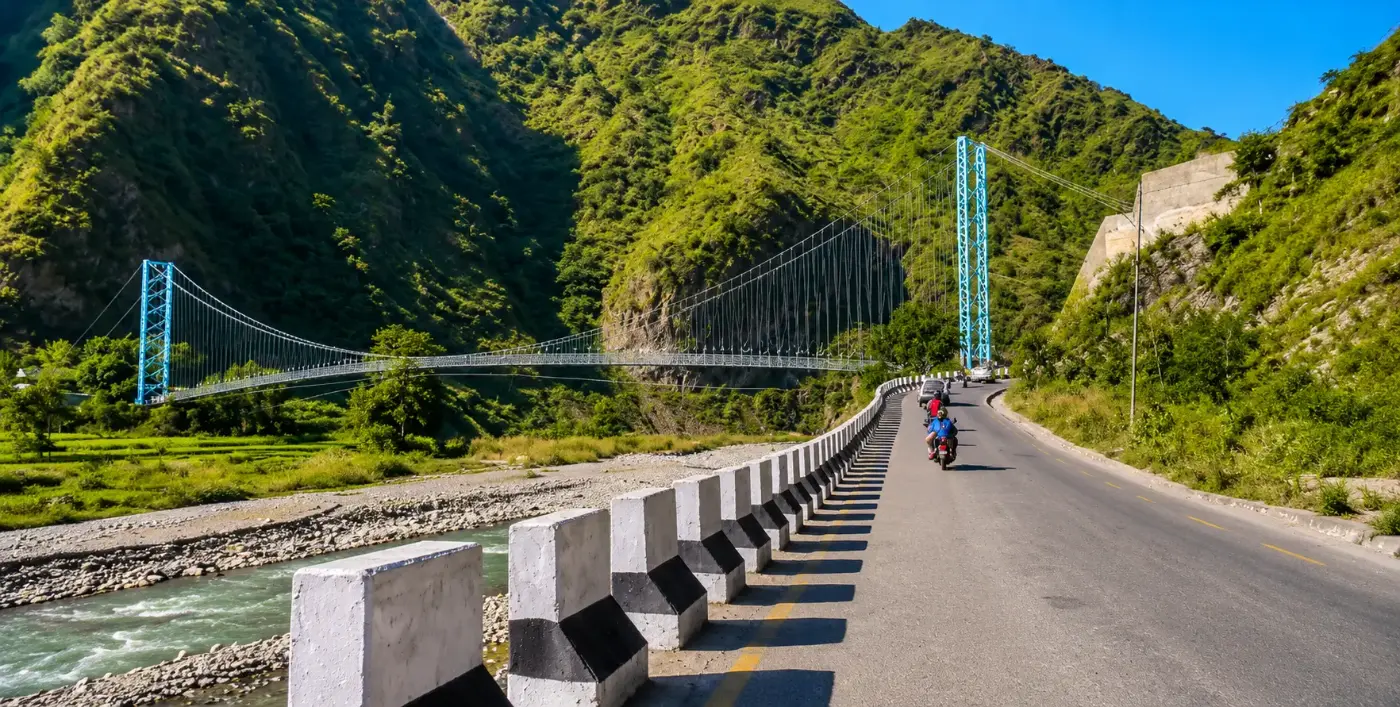
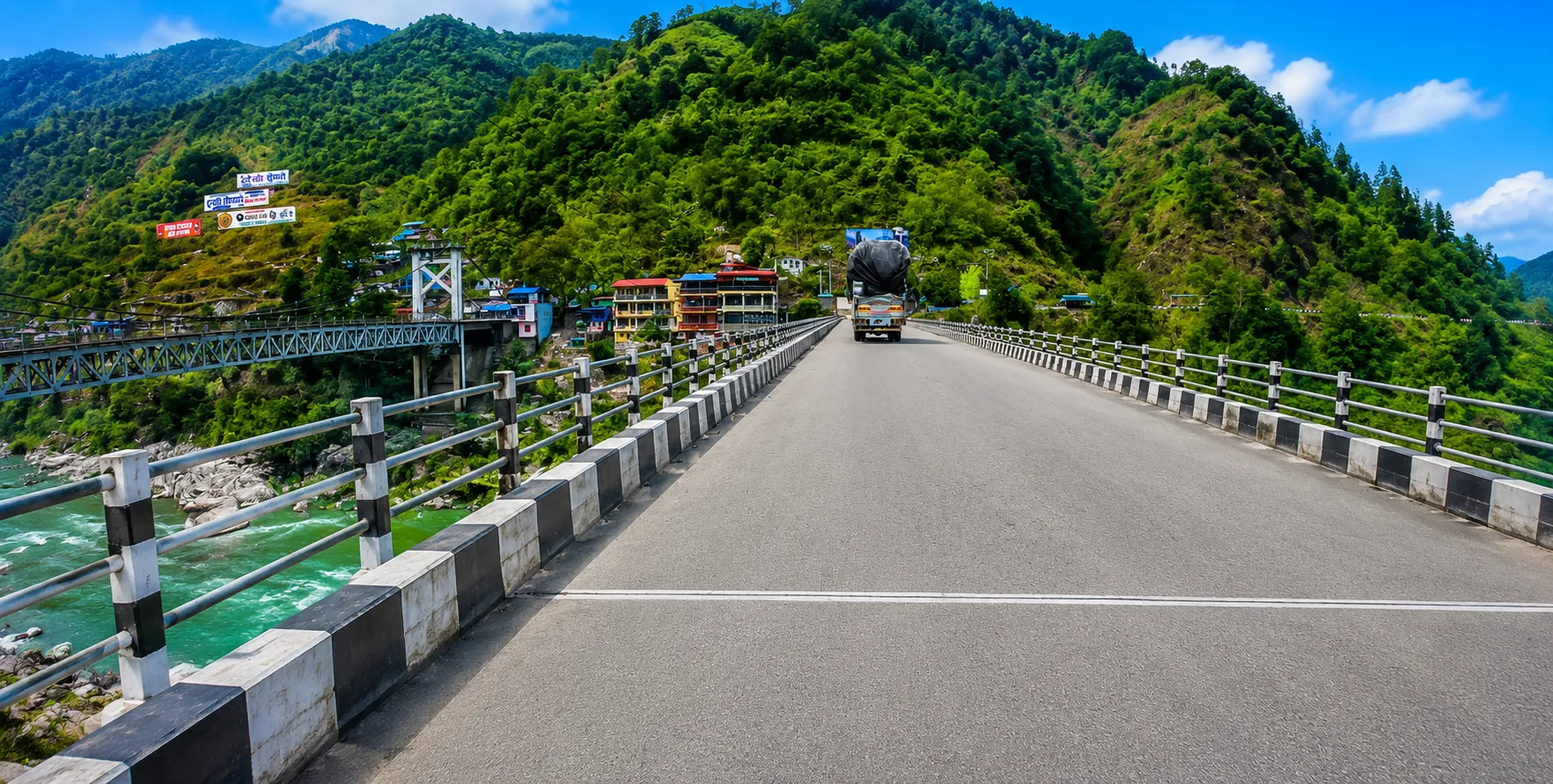
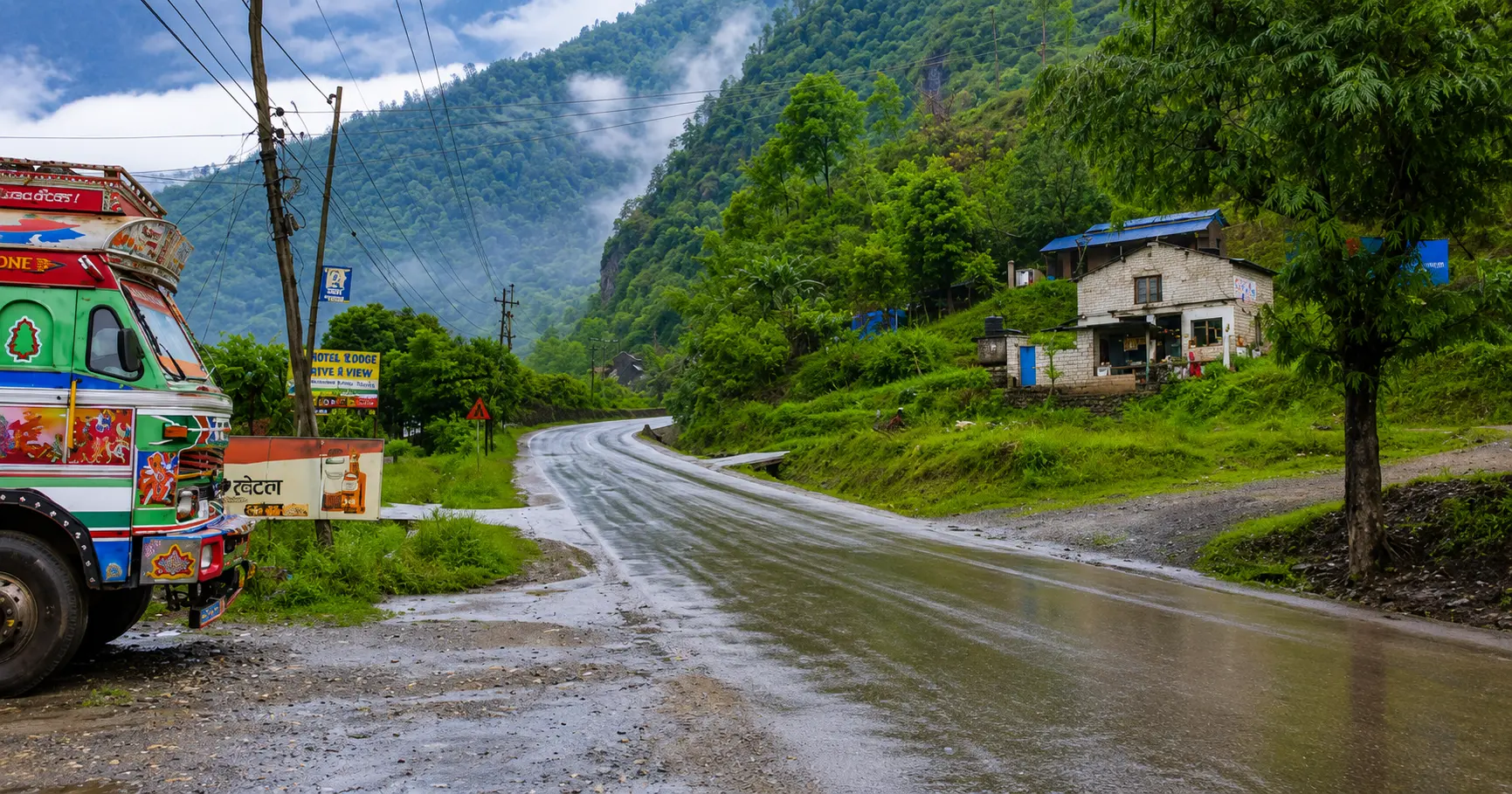
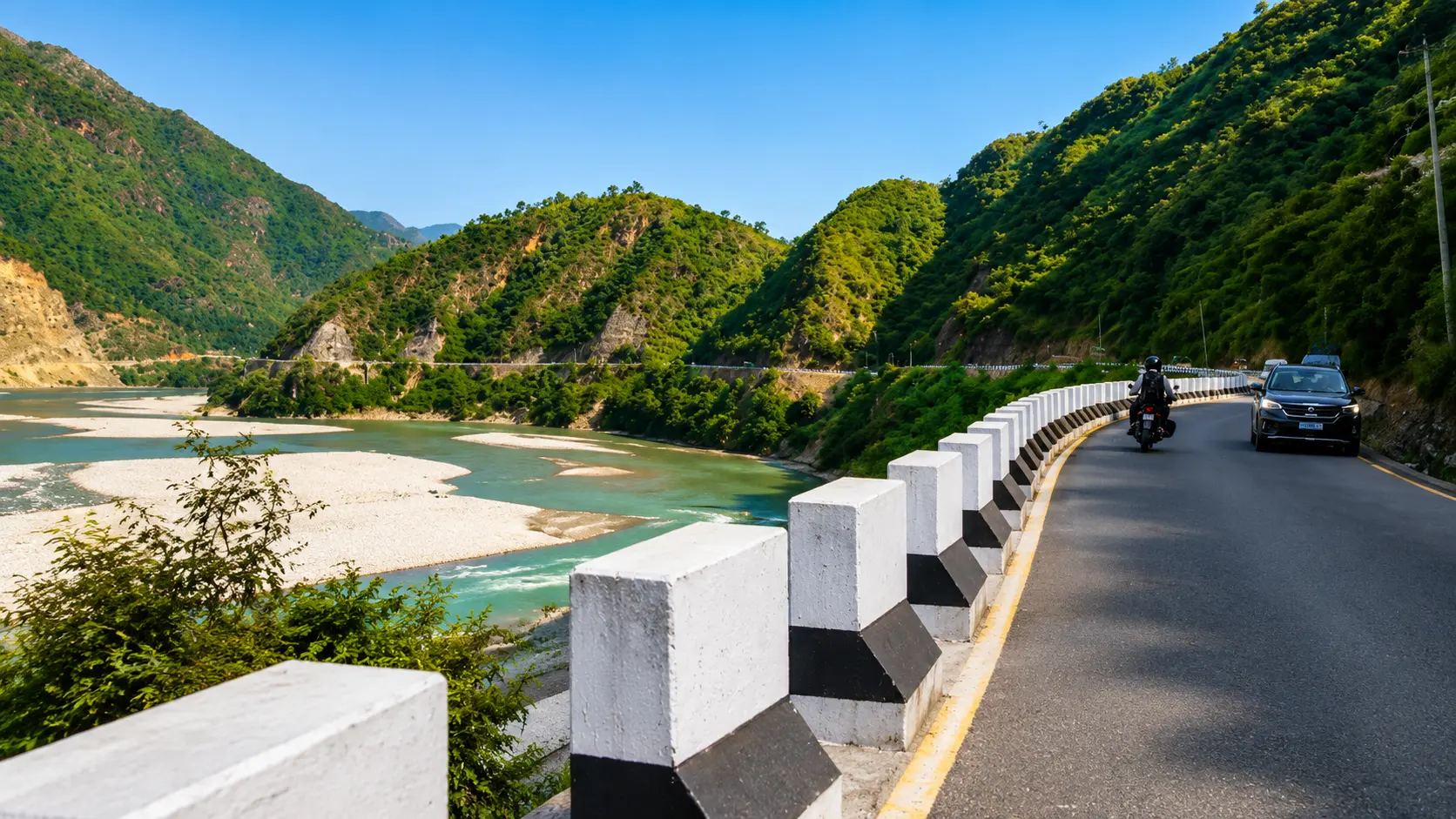
For most foreign visitors building a multi-stop itinerary across Kathmandu, Pokhara, Chitwan, and Lumbini, a mix of strategic flights for the longest legs and private vehicle or bus travel for shorter, scenic legs offers the best balance of cost, time, and experience. Road travel through the Trishuli and Marsyangdi valleys between Kathmandu and Pokhara, for instance, passes terraced hillsides, suspension bridges, and rural villages that many travellers consider a worthwhile experience in its own right, not merely a transit inconvenience to be flown over.

Working with a Local Operator vs Booking Everything Independently

Foreign visitors to Nepal generally fall into two planning styles: fully independent travellers who book each hotel, vehicle, and activity as they go, and those who prefer a structured itinerary arranged in advance, whether for an entire trip or just the transport backbone connecting major destinations. Both approaches work well in Nepal, but the independent style demands considerably more time spent comparing prices, negotiating fares, and managing logistics on the ground, time that many visitors with a fixed two- or three-week window would rather spend actually seeing the country.

A practical middle path many foreign travellers take is booking accommodation independently for flexibility, while pre-arranging the transport layer airport transfers, intercity travel, and any 4WD hire in Nepal needed for mountain trailheads through a single, reliable local operator. This removes the single biggest source of day-to-day friction (finding and pricing transport in an unfamiliar country) while still leaving room to change plans, extend a stay somewhere unexpectedly beautiful, or adjust an itinerary around weather, all without renegotiating logistics from scratch.

Nepal Vehicle Hiring Pvt Ltd structures its services around exactly this model, offering everything from single airport pickups to multi-week, multi-vehicle itineraries booked as one coordinated plan.

Accommodation Options for Foreign Visitors

Nepal’s accommodation spectrum runs from simple trekking teahouses charging a few dollars a night, with the expectation that guests eat dinner and breakfast at the lodge, through to internationally branded five-star hotels in Kathmandu and Pokhara offering spa facilities, fine dining, and mountain-view rooms. Mid-range boutique hotels have grown substantially in both cities over the past several years, often converted from traditional Newari buildings and offering a more characterful stay than larger chain properties at a comparable price point.

Booking ahead is advisable during the peak autumn and spring seasons, particularly for properties in Thamel and Lakeside with mountain or lake views, and is effectively mandatory for teahouses along the most popular trekking routes during October and November, when bed space on the Everest and Annapurna trails can be genuinely scarce on the busiest nights.

Final Thoughts: Planning Your Nepal Trip with Confidence

Nepal rewards travellers who arrive with a basic understanding of visa rules, seasonal timing, permit requirements, and realistic transport expectations, while still leaving plenty of room for the spontaneity that makes Himalayan travel so memorable. Whether your itinerary centres on temple-hopping in Kathmandu, sunrise views over the Annapurna range from Pokhara, a jungle safari in Chitwan, or a multi-week trek toward Everest Base Camp, dependable, comfortable transport between these widely scattered destinations is the single thread connecting every successful Nepal trip.

Nepal Vehicle Hiring Pvt Ltd specialises in exactly this — connecting foreign visitors with experienced drivers and the right vehicle for every leg of a Nepal journey, from a simple Kathmandu airport transfer on arrival, to rugged 4WD jeep hire for mountain trailheads, to scheduled tourist bus tickets between major cities. Explore the full range of vehicle rental options across Nepal or browse a complete Nepal tour package to start planning a trip that matches your interests, timeline, and budget.

For tailored advice on routes, permits, or vehicle selection for your specific itinerary, contact our team directly — we plan Nepal journeys for foreign travellers every day and are happy to help shape yours.
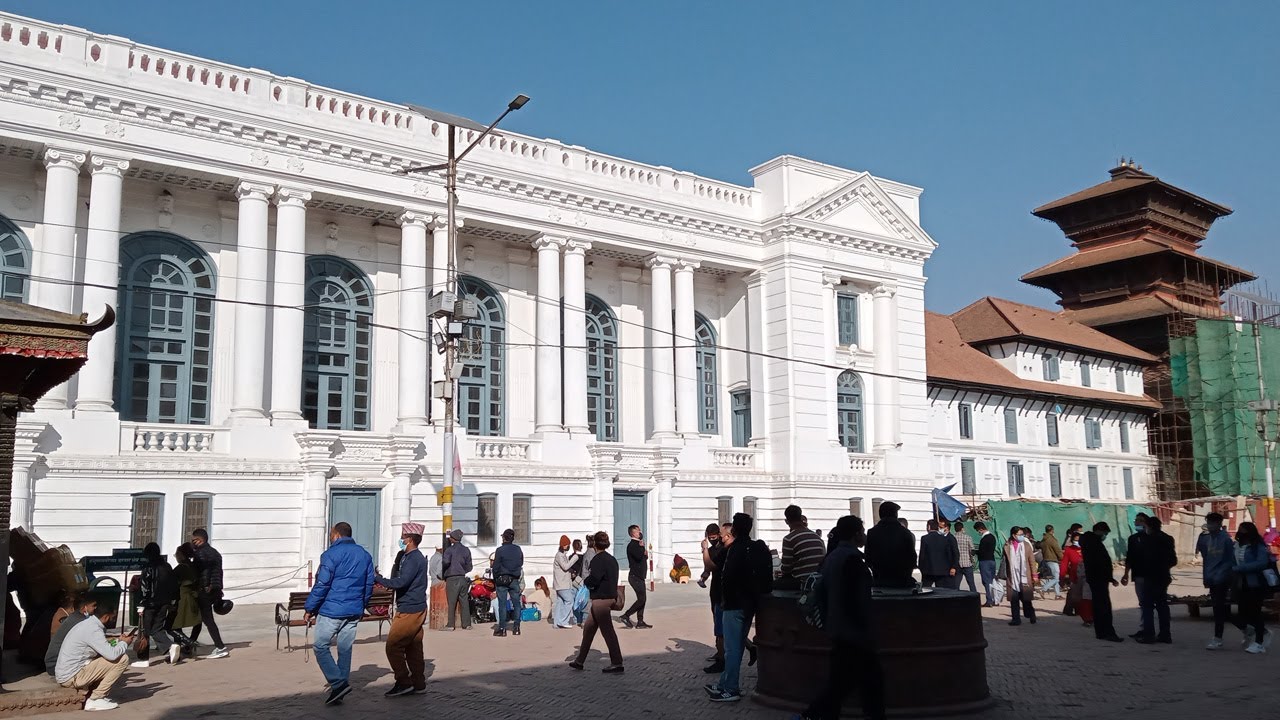
Kathmandu Car Rental

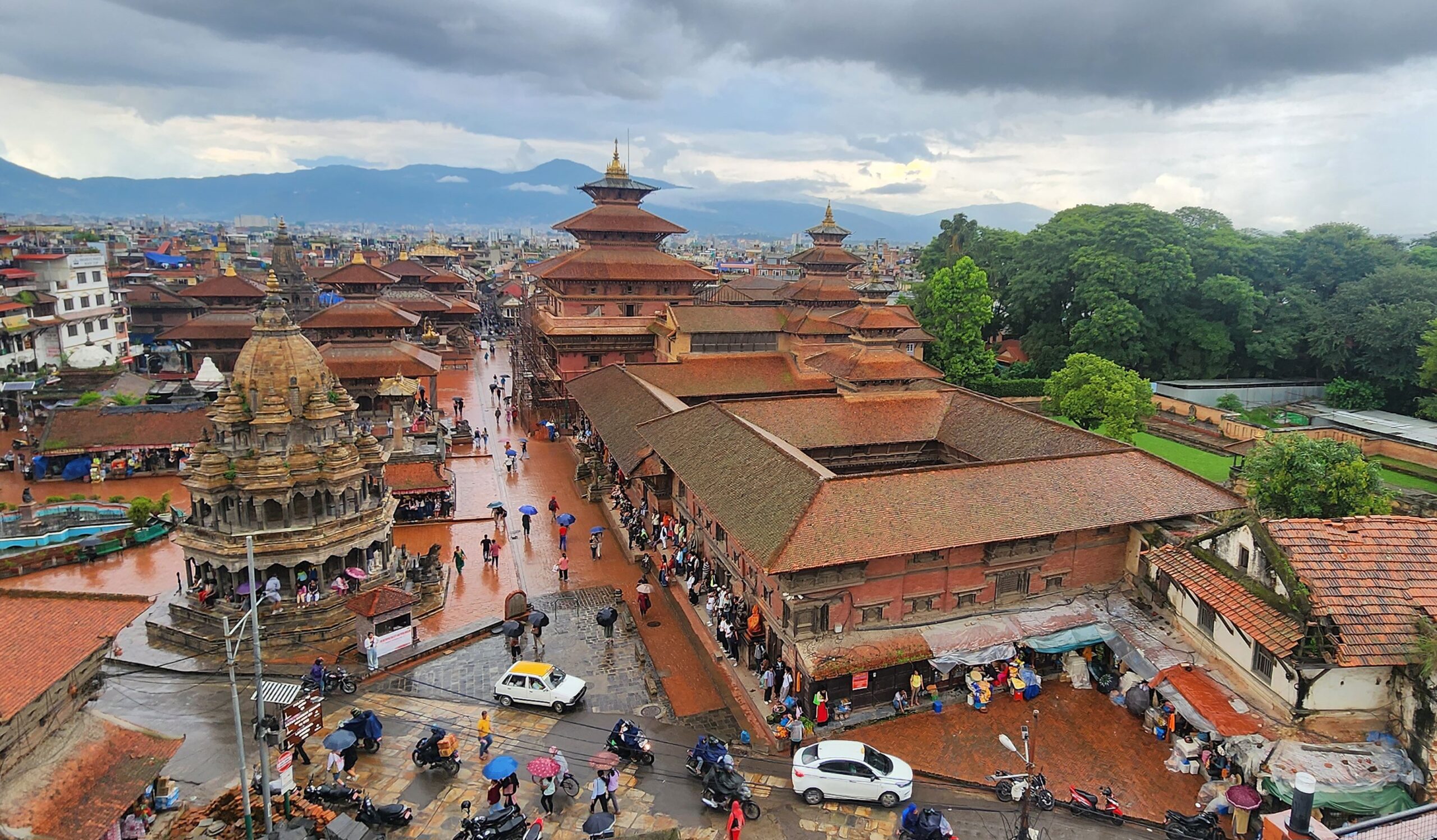
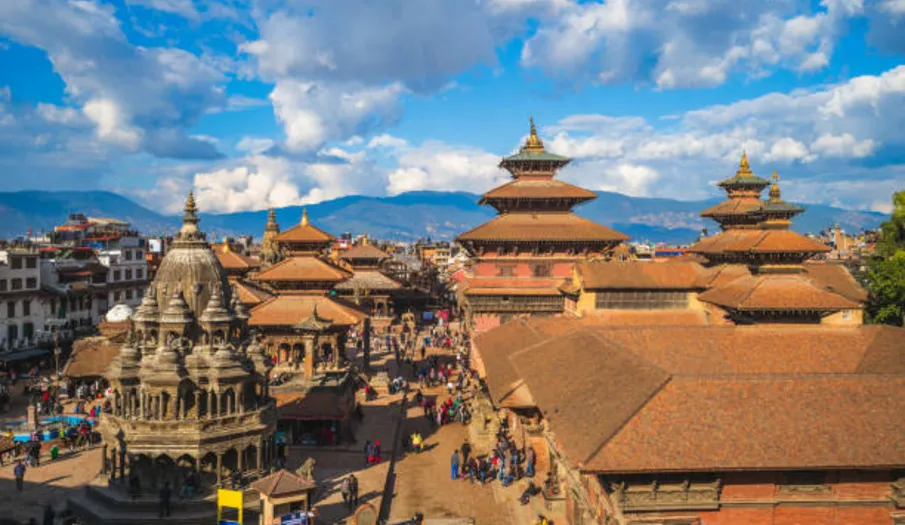
Patan Durbar Square in the Kathmandu Valley

Kathmandu Car Rental | Best Car Hire Service Nepal

Kathmandu engages all your senses. From ancient, prayer-flag-draped stupas to bustling alleyways filled with the aroma of spices and fresh momos, Nepal’s vibrant capital is rich with history and culture. Navigating its lively streets, UNESCO World Heritage Sites, and surrounding mountain viewpoints should feel like an adventure—not a stressful chore.

While public transport can be crowded and fixed tour itineraries often feel rushed, booking a private vehicle gives you total control over your journey. Whether you need a smooth airport transfer, a full day of sightseeing, or a scenic drive up into the hills, our vehicle rental services ensure you travel safely, comfortably, and on your own terms.

Sightseeing & Travel Packages

We offer transparent pricing and tailored packages for every travel style, from solo travellers and families to large tour groups.

jarakpur to kathmandu car

Kathmandu Valley Full-Day Sightseeing Tour

Duration: Up to 6 Hours (Covers 3 to 4 major sites)

Experience Nepal’s historical and spiritual heart at your own pace. Our full-day city tour takes you directly to Kathmandu’s most iconic UNESCO World Heritage Sites without the hassle of hailing taxis or navigating local bus routes.

  • Swayambhunath (The Monkey Temple): Perched high on a hill, this ancient stupa offers panoramic views across the entire Kathmandu Valley, surrounded by playful resident monkeys and fluttering prayer flags.
  • Boudhanath Stupa: One of the world’s largest spherical stupas and the focal point of Tibetan Buddhism in Nepal. Spin prayer wheels alongside local pilgrims as you soak in the peaceful atmosphere.
  • Pashupatinath Temple: A sacred Hindu temple complex situated along the banks of the Bagmati River, offering profound insights into Nepal’s spiritual traditions and open-air cremation rituals.
  • Kathmandu Durbar Square: Walk through the historic seat of Nepalese royalty, home to intricate wooden architecture, ancient courtyards, and the Kumari Ghar (residence of the Living Goddess).

Vehicle Pricing (Full-Day Tour)

Vehicle TypeCapacityDurationPrice (NPR)

Sedan / Car

3 Passengers + Driver

Max 6 Hours

Rs. 6,000- 8,000(USD 60-80)

4×4 Jeep

7 Passengers + Driver

Max 6 Hours

Rs. 10,000- 12,000(USD 80-90

HiAce Van

14 Passengers + Driver

Max 6 Hours

Rs. 10,000- 15,000(USD 90-100)

Coaster / Bus

35 Passengers + Driver

Max 6 Hours

Rs. 25,000 – 30,000(USD 10-160)

Kathmandu Car Rental

Chandragiri Hills Day Trip

Duration: Up to 6 Hours (Round Trip)

Escape the city hustle with a scenic drive to the base of Chandragiri Hills. On the valley’s southwestern rim, Chandragiri is famous for its state-of-the-art cable car ride to the summit. On clear days, the peak offers sweeping views of the Himalayan range—including Mount Everest—alongside the historic Bhaleshwor Mahadev Temple. Your driver will drop you at the cable car station, wait comfortably while you explore, and bring you back smoothly.

Kathmandu Car Rental

Nagarkot Transfers (One-Way Pickup or Drop)

Nagarkot is renowned for offering some of the best mountain sunrise and sunset views in Nepal. If you’ve already booked your accommodation or plan to trek back down through local villages, our one-way pickup or drop-off service ensures a smooth, stress-free drive along the winding hill roads.

Vehicle Pricing (One-Way Drop or Pickup)

Vehicle TypeCapacityPrice (NPR)

Sedan / Car

3 Passengers + Driver

Rs. 8,000

4×4 Jeep

7 Passengers + Driver

Rs. 10,000

HiAce Van

14 Passengers + Driver

Rs. 15,000

Coaster / Bus

35 Passengers + Driver

Rs. 30,000

Nagarkot Sunrise Tour-Kathmandu Car Rental

Nagarkot Overnight Package (Round Trip)

Spend a relaxing night in the hills to catch both the sunset and the striking golden sunrise over the Himalayas. Our overnight package covers private transport to Nagarkot, driver accommodation/allowance, and your return trip to Kathmandu the following day.

Vehicle Pricing (Overnight Trip)

Vehicle TypeCapacityPrice (NPR)

Sedan / Car

3 Passengers + Driver

Rs. 12,000

4×4 Jeep

7 Passengers + Driver

Rs. 15,000

HiAce Van

14 Passengers + Driver

Rs. 20,000

Coaster / Bus

35 Passengers + Driver

Rs. 35,000

Kathmandu Car Rental

Tribhuvan International Airport (TIA) Transfers

Start or end your journey in Nepal without the stress of flights. Your driver will track your arrival time, meet you outside the terminal with a personalised sign, help with your luggage, and drive you comfortably to your Kathmandu hotel.

Vehicle Pricing (Airport Transfer)

Vehicle TypeCapacityPrice (NPR)

Sedan / Car

3 Passengers + Driver

Rs. 3,000

4×4 Jeep

7 Passengers + Driver

Rs. 4,000

HiAce Van

14 Passengers + Driver

Rs. 6,000

Coaster / Bus

35 Passengers + Driver

Rs. 10,000

Nepal Tour Package

Why Rent a Private Vehicle in Kathmandu?

  • Total Flexibility: Travel at your own pace without feeling rushed by rigid tour groups. Want to stay an extra hour enjoying tea overlooking Boudhanath? Your vehicle waits for you.

  • Comfort & Climate Control: Kathmandu’s weather can be hot or dusty depending on the season. Relax in clean, air-conditioned vehicles with ample legroom and space for luggage.

  • Experienced Local Drivers: Navigating Nepal’s traffic and narrow streets requires local expertise. Our professional, vetted drivers know the safest, fastest routes so that you can relax.

  • Transparent Rates: No hidden charges or unexpected taxi haggling. Your clear upfront price includes fuel, driver fees, and vehicle rental.

Essential Travel Tips for a Smooth Rental Experience

  1. Book Ahead in Peak Tourist Months: Autumn (Sept–Nov) and Spring (March–May) are busy travel seasons in Nepal. Book early to secure your vehicle and get the best rates.

  2. Inspect the Vehicle: Before you set off, do a quick walkaround with your driver to make sure it meets your comfort and luggage needs.

  3. Keep Essentials Handy: Carry a copy of your passport/ID, basic cash for entrance fees or personal purchases, and a water bottle for your day trips.

  4. Communicate Flexible Plans: If you wish to make extra stops or adjust your timings, coordinate with your driver or our support team beforehand.

Swayambhunath visit during Kathmandu Pokhara Tour

Frequently Asked Questions (FAQ)

Are driver charges included in the rental price?

Yes! All quoted prices include the vehicle, driver allowances, and fuel. You do not need to hire or pay a driver separately.

How experienced are the drivers?

Our drivers are seasoned professionals who specialise in tourist transportation. They hold valid commercial licenses, have extensive experience on mountain roads and in local city traffic, and prioritise safety at all times.

What documents do I need to book a vehicle?

Booking is simple. International travellers only need to provide a copy of their passport and a valid contact number (such as WhatsApp).

What payment options do you accept?

We accept cash (NPR), local bank transfers, digital wallets, and major credit/debit cards.

What happens if I need to extend my trip or change plans mid-route?

We understand travel schedules change! Just contact our support team as early as possible to request an extension or itinerary change, and we will adjust your schedule based on vehicle availability. Does insurance cover the vehicle?

Yes, all our rental vehicles are fully insured and maintained in strict accordance with safety regulations.

Top 10 Historical Places to Visit in Nepal

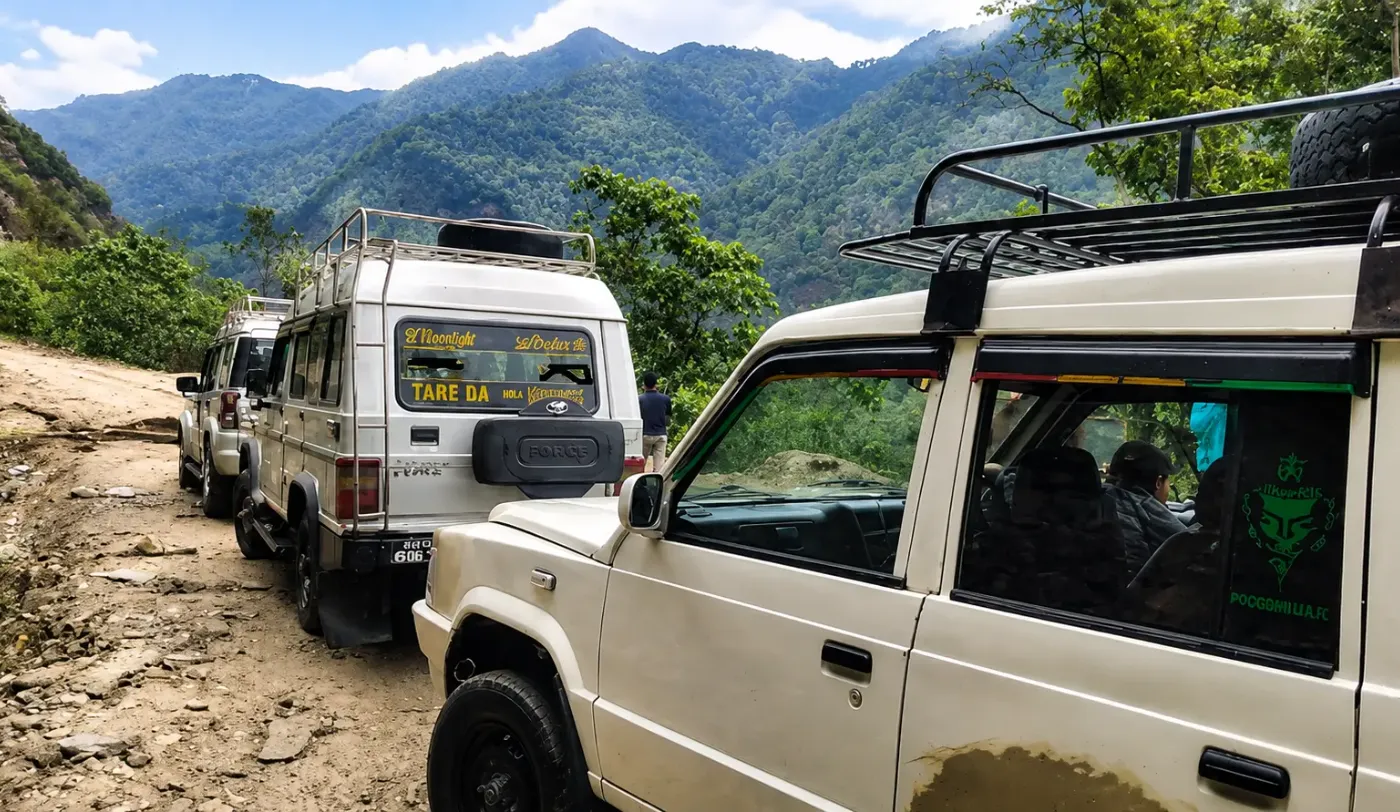
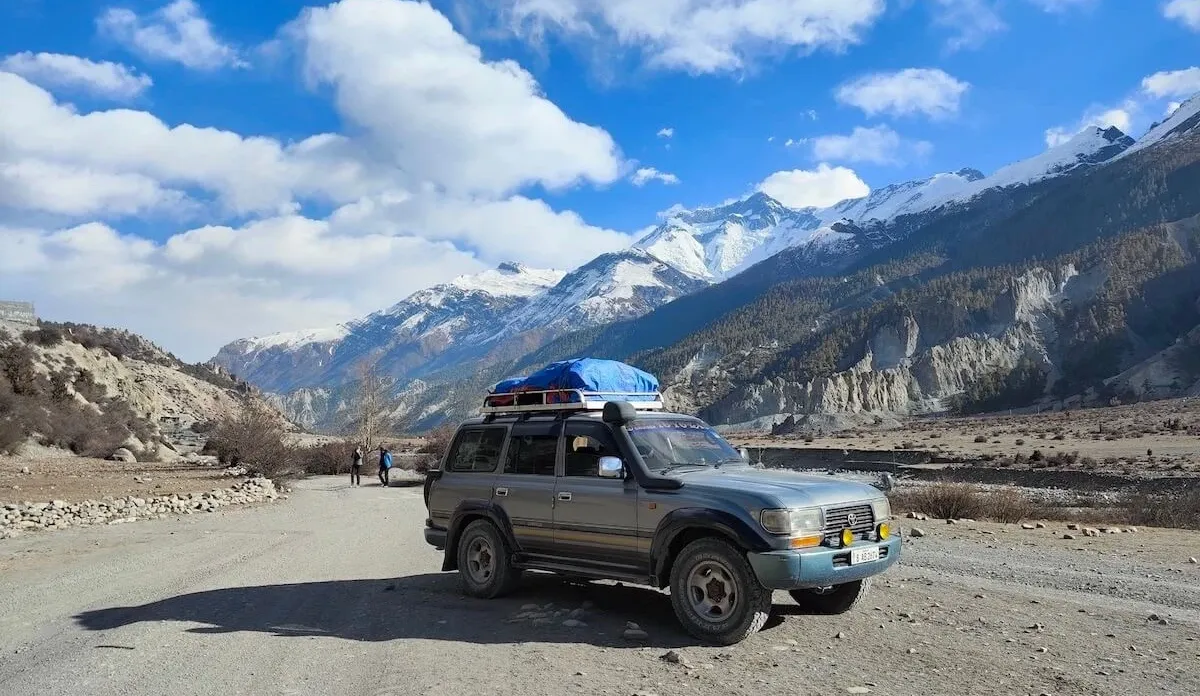
Private jeeps on a mountain road in NepalTop 10 historical places in Nepal: The Ultimate Complete Guide
Nepal is not merely a country with history. Nepal is a country that IS history — a living, breathing, continuously inhabited civilization where the temples built a thousand years ago still receive their daily flowers and oil lamps, where the festivals celebrated in medieval manuscripts are still observed by the same communities in the same courtyards, and where the sacred sites that drew pilgrims two thousand years ago still attract millions of devotees from across the world every single year.

Nepal’s historical places are not dead heritage—they are living culture, and understanding this distinction is key to experiencing them fully.

In 2026, post-earthquake reconstruction across the Kathmandu Valley is largely complete, so visitors now see Nepal’s most celebrated historical monuments in their best condition in over a decade. The painstaking restoration work—carried out by Nepali craftspeople using traditional tools and materials alongside international conservation expertise—has returned the earthquake-damaged Durbar Squares, temples, and stupas to a condition that, in many cases, exceeds their pre-2015 state in structural stability and conservation quality.

This is the best moment in years to visit Nepal’s historical sites.

Nepal holds 10 UNESCO World Heritage Sites — two natural (Sagarmatha National Park and Chitwan National Park) and eight cultural, with the Kathmandu Valley alone containing seven distinct monument zones. Each of Nepal’s historical places tells a different chapter of a civilisation’s history spanning over 2,500 years — from the ancient Buddhist sacred landscape of Lumbini, where the historical Buddha was born around 563 BCE, to the extraordinary medieval Malla-period palace complexes of the three Durbar Squares, to the royal unification history of Gorkha, to the Mithila cultural heritage of Janakpur.

Together, these sites form one of Asia’s richest concentrations of historical, spiritual, and artistic heritage.

This complete guide covers Nepal’s top 10 historical places in the depth that each deserves — not simply listing what exists but explaining what makes each site extraordinary, what specific things to see and do, what time to visit for the best experience, how much it costs, how to get there, and what practical and cultural knowledge will transform your visit from a tourist check-in into a genuine engagement with one of the world’s great civilisations. Throughout, Nepal Vehicle Hiring Pvt. Ltd. — Nepal’s most trusted private vehicle hire company, with 8,000+ satisfied customers and a 5.0 TripAdvisor rating — is your transport partner, helping you reach every site comfortably and efficiently, with the freedom to explore at your own pace.

Top 10 historical places in Nepal — At a Glance
1. Pashupatinath Temple, Kathmandu — Nepal’s holiest Hindu shrine | Entry: NPR 1,000 (foreign)
2. Boudhanath Stupa, Kathmandu — World’s largest Buddhist stupa | Entry: NPR 400 (foreign)
3. Swayambhunath Stupa (Monkey Temple), Kathmandu — 2,500 years old | Entry: NPR 200 (foreign)
4. Kathmandu Durbar Square (Hanuman Dhoka), Kathmandu — Royal palace complex | Entry: NPR 1,000 (foreign)
5. Patan Durbar Square (Lalitpur) — City of Fine Arts | Entry: NPR 1,000 (foreign)
6. Bhaktapur Durbar Square — Best-preserved medieval city | Entry: NPR 1,500 (foreign)
7. Changu Narayan Temple — Nepal’s OLDEST temple (4th century) | Entry: NPR 300 (foreign)
8. Lumbini — Birthplace of the Buddha | Entry: NPR 500 (Sacred Garden, foreign)
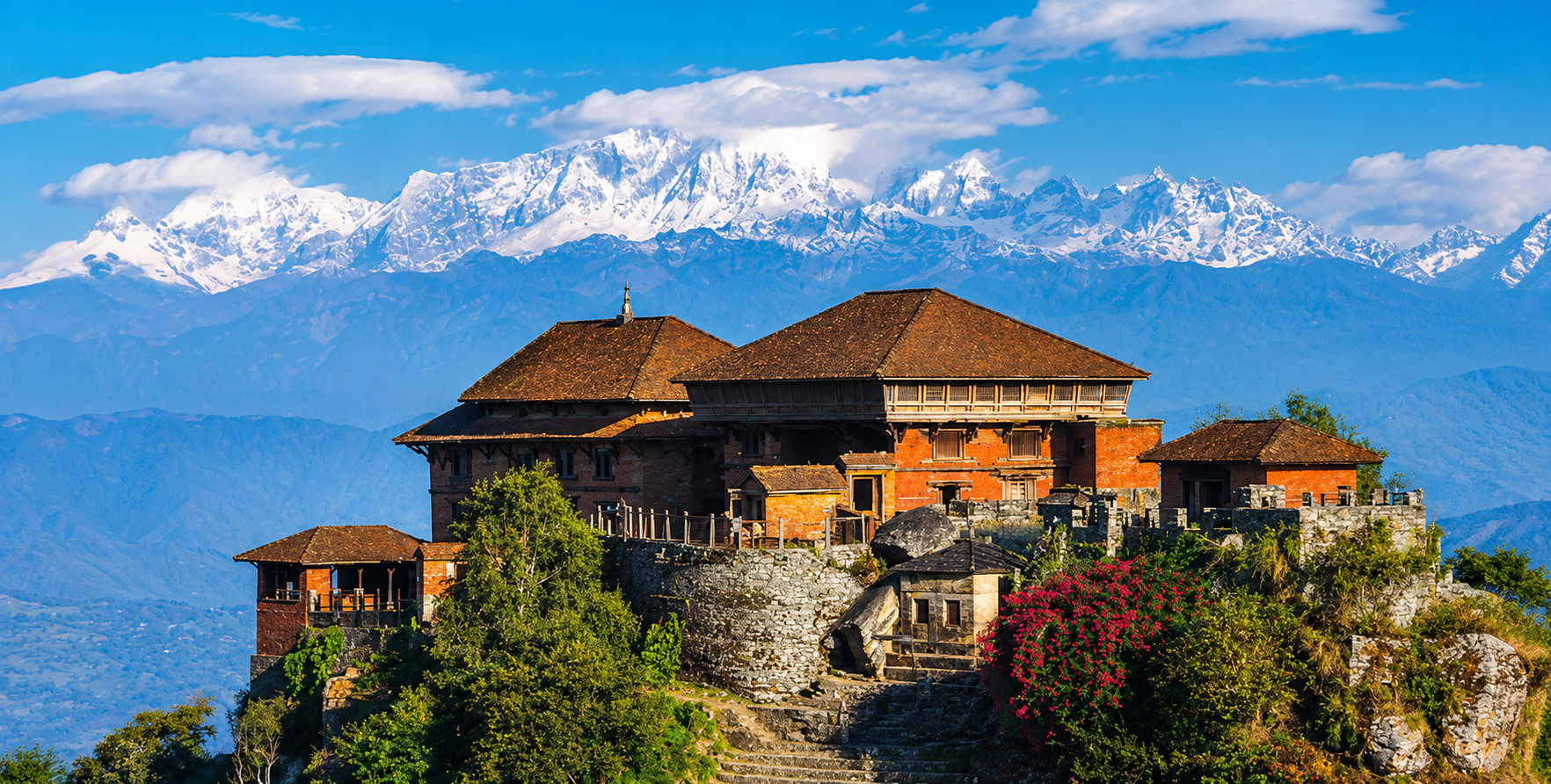
9.  Gorkha Durbar — Birthplace of modern Nepal | Entry: Free
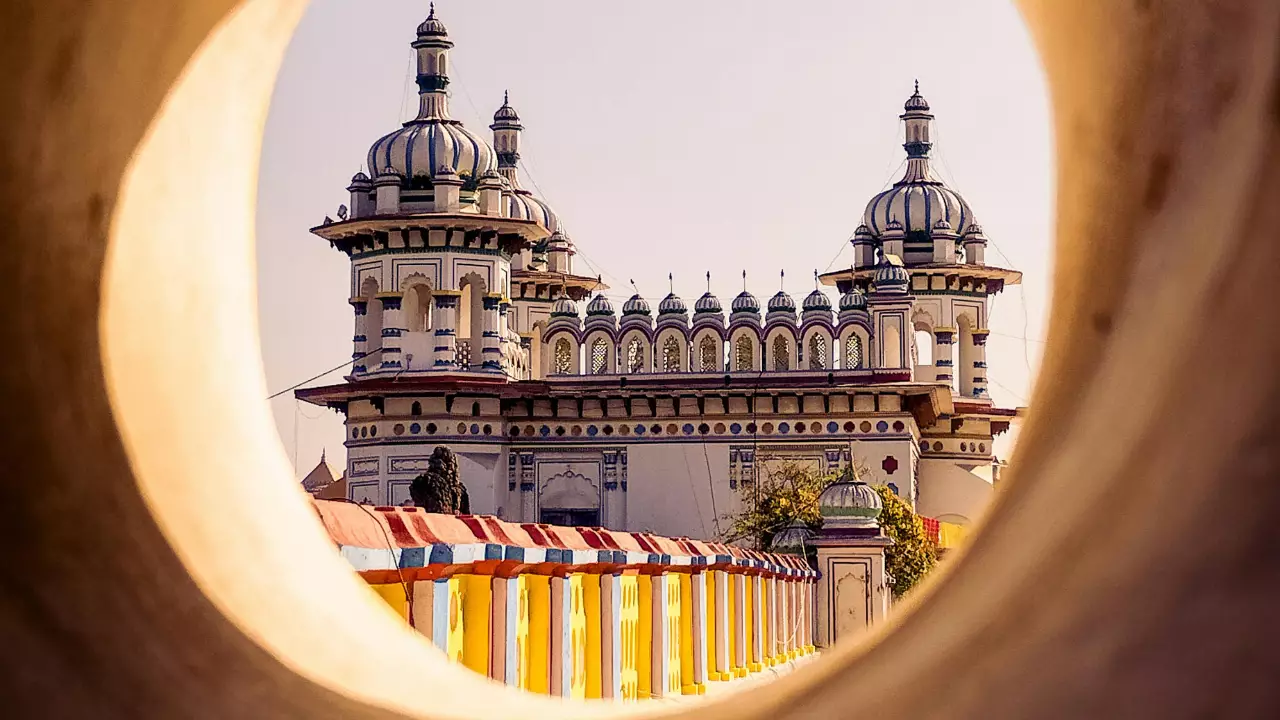
10. Janakpur Janaki Temple — Birthplace of Goddess Sita | Entry: Free
SiteDistance from KathmanduBest Time to VisitTime Needed
Pashupatinath Temple5 km (20 min)Dawn (5:00–7:00 AM) or evening Aarti (6:30 PM)2–3 hours
Boudhanath Stupa8 km (25 min)Dawn (5:30–7:30 AM) or Dusk (5:00–7:00 PM)1–2 hours
Swayambhunath Stupa3 km (15 min)Sunrise (6:00–8:00 AM)1.5–2 hours
Kathmandu Durbar SquareCity centreMorning (7:00–10:00 AM)2–3 hours
Patan Durbar Square5 km (20 min)Morning (9:00 AM–12:00 PM)3–4 hours incl. museum
Bhaktapur Durbar Square14 km (40 min)Full day (8:00 AM–5:00 PM)Full day
Changu Narayan Temple22 km (45 min)Any day — combine with Bhaktapur2–3 hours
Lumbini330 km (7–8 hrs drive / 35 min flight)Early Morning (5:00–8:00 AM)2–3 days
Gorkha Durbar139 km (4–5 hrs drive)Morning (9:00 AM–12:00 PM)Half day
Janakpur Janaki Temple225 km (5–6 hrs drive)Morning puja (6:00–8:00 AM) or Ram Navami festivalHalf to full day

Private jeep on the road to Manang

Pashupatinath Temple — The Sacred Heart of Hindu Nepal

Pashupatinath Temple — Key Facts
Location: Bankali, Kathmandu (Bagmati River banks) | 5 km northeast of Thamel
UNESCO: World Heritage Site since 1979 | One of 7 Kathmandu Valley monument zones
Deity: Lord Pashupati (Shiva as Lord of Animals) — one of the 12 Jyotirlingas
Entry Fee: NPR 1,000 (foreign) | NPR 150 (SAARC) | Free (Hindus and Nepali nationals)
Open: 4:00 AM – 9:00 PM daily | Aarti (ritual fire ceremony): 5:00–6:00 AM and 6:30–7:30 PM
Best Time: Dawn (5:00–7:00 AM) or evening Aarti (6:30 PM) — most atmospheric
Photography: Permitted in outer areas | Main temple interior — Hindus only

History and Significance

Pashupatinath Temple is Nepal’s most sacred Hindu shrine, a preeminent place of worship for Lord Shiva in the Himalayan world and one of the most significant Hindu temples in South Asia. Dedicated to Pashupati, the ‘Lord of Animals’ (one of Shiva’s most benevolent manifestations), the temple complex occupies the western bank of the Bagmati River — a river considered sacred throughout the Hindu world as a tributary of the Ganga.

The Bagmati’s confluence with the holy Ganga (Ganges) far downstream means that cremation on the Bagmati’s banks is considered spiritually equal to cremation on the Ganga at Varanasi, making Pashupatinath one of the most auspicious places to die in all Hinduism.

Nepal Tour Package

The temple’s origin is shrouded in legend, with the oldest accounts suggesting its foundation in the 4th or 5th century BCE, though the current structure dates primarily to the Malla period (12th–18th centuries). The main temple is a multi-tiered pagoda of extraordinary beauty, with its twin-tiered golden roof visible from across the river and its entrance flanked by a magnificent Nandi bull (Shiva’s vehicle) in gilded copper, among the finest examples of Himalayan metalwork.

The temple complex covers over 264 hectares and contains 518 mini-temples and shrines within its grounds — making it one of the largest religious complexes in the Himalayan region.

For non-Hindu visitors, the most powerful and moving experience at Pashupatinath is the open-air cremation ghats along the Bagmati River—the Arya Ghats and Bhasmeshwar Ghats— where Hindu cremations take place continuously throughout the day and can be respectfully witnessed from the opposite riverbank. The sight of funeral pyres burning against the backdrop of the ancient temple, with mourning families gathered in prayer and ash-covered sadhus (holy men) in the temple complex offering blessings and performing penances, offers one of the most visceral, real engagements with Hindu spiritual practice anywhere in the world.

The evening Aarti ceremony at Pashupatinath — performed each evening at approximately 6:30 PM by a group of Brahmin priests on the ghats — is among the most spiritually charged and visually spectacular rituals in all of Nepal. The priests, synchronised and precise, wave large fire torches, ring bells, blow conch shells, and perform increasingly elaborate movements with fire and incense as the ceremony progresses—drawing large crowds of devotees and visitors who gather on both riverbanks in the fading light.

The firelight, Sanskrit chanting, bells, the river, and the ancient temple behind create an atmosphere of concentrated sacred energy that is genuinely overwhelming.

What to See and Do

  • Arya Ghats and Bhasmeshwar Ghats — The cremation ghats along the Bagmati River, visible from the eastern bank. Approach with silence and respect — these are genuine funeral ceremonies for real families. Photography is sensitive — use discretion and never photograph individual mourners close up.
  • The Sadhus — Ash-covered holy men who inhabit the temple precincts, typically gathering near the main entrance and along the river. Many offer photo opportunities (a small donation of NPR 100–200 is expected and appropriate). Their presence — in skull-garland necklaces, matted hair, and ash-painted bodies — gives Pashupatinath its most vivid visual dimension.
  • The Temple of Kailash (and surrounding shrine complex) — On the eastern bank, the subsidiary temples and shrines spread through the forest contain extraordinary examples of stone and metal sculpture and provide quieter, less crowded alternatives to the main ghat area.
  • The Deer Park — The peaceful forested area north of the main complex where spotted deer (believed sacred to Shiva) roam freely—a rare moment of natural tranquillity within the bustling temple landscape.
  • The Evening Aarti — Arrive by 6:00 PM to secure a riverside position for the 6:30 PM ceremony. The western bank (below the main temple) offers the best close-up view; the eastern bank (across the river) offers a broader overview with the temple complex as a backdrop.
  • The Bachhareshwari Temple and surrounding shrines — an often-overlooked cluster of ancient shrines in the northern part of the complex where the crowds thin and the atmosphere becomes more genuinely contemplative.

Insider Tips

  • The very best time to visit Pashupatinath is at dawn — between 5:00 and 7:00 AM when morning prayers fill the complex with devotional energy, the light is beautiful on the golden rooftop, and the crowd is primarily local devotees rather than tourists.
  • Maha Shivaratri (February/March) is the most extraordinary time—hundreds of thousands of pilgrims and sadhus from across Asia gather for a major festival. Book accommodation months in advance.
  • Dress conservatively — long pants and covered shoulders for both men and women are required at all points within the complex.
  • Only Hindus may enter the main temple’s inner sanctum; staff enforce the rule respectfully but consistently at the entrance.
  • Nepal Vehicle Hiring Pvt. Ltd. can arrange early morning transfers from any Kathmandu hotel to Pashupatinath for the dawn visit — typically departing your hotel at 4:45 AM.

Boudhanath Stupa — The Greatest Buddhist Stupa in Nepal

Boudhanath Stupa — Key Facts
Location: Boudha, Kathmandu | 8 km northeast of Thamel (25 min drive)
UNESCO: World Heritage Site since 1979 | One of the largest stupas in the world
History: Built approximately in the 5th century CE | Rebuilt and restored after the 2015 earthquake
Entry Fee: NPR 400 (foreign) | Free (SAARC and Nepali nationals)
Open: 5:00 AM – 9:00 PM daily
Best Time: Dawn (5:30–7:30 AM) for Tibetan morning kora | Dusk for butter lamps
Monasteries: 50+ Tibetan Buddhist monasteries surrounding the stupa

History and Significance

Boudhanath Stupa is one of the world’s largest Buddhist stupas and the most important centre of Tibetan Buddhism outside Tibet. Rising to 36 meters, its massive white dome and golden spire dominate Kathmandu’s northeastern skyline and create one of Asia’s most instantly recognisable and spiritually charged landscapes.

The stupa was built around the 5th century CE during the Licchavi period, though some accounts trace its origins to as early as the 1st century BCE. Following the Chinese occupation of Tibet in 1959, thousands of Tibetan refugees settled around the stupa, and today the Boudhanath area is one of the most vibrant and authentic Tibetan cultural communities in the world outside Tibet.

The stupa’s architectural symbolism is extraordinarily rich. The white dome represents the world. The spire’s thirteen steps represent the thirteen stages of Enlightenment.

The umbrella at the apex represents sovereignty. The Buddha’s eyes painted on each of the four sides of the square tower gaze out in the four cardinal directions, surveying the world with compassion and wisdom.

The 147 prayer wheels embedded in the stupa’s outer wall—each containing Buddhist mantras—are spun by circumambulating devotees, creating a constant, gentle rhythm of sound and movement around the stupa’s base.

The 2015 earthquake significantly damaged Boudhanath Stupa’s spire and upper sections. Still, the stupa was beautifully restored in a process widely regarded as a major community achievement. In 2026, the stupa stands in excellent condition, its white dome freshly repainted each spring before the Losar (Tibetan New Year) celebrations.

Nepal Tour Package

What to See and Do

  • Morning Kora — The ritual circumambulation of the stupa by Tibetan pilgrims and local Buddhist devotees is most active between 5:30 and 8:00 AM. Walking the kora (clockwise, keeping the stupa to your right) alongside Tibetan grandmothers spinning prayer wheels, monks in maroon robes chanting mantras, and children in school uniforms completing their morning circuit is one of Kathmandu’s most moving, human-scale sacred experiences.
  • Monastery Visits — The 50+ Tibetan Buddhist monasteries (gompas) surrounding the stupa are among Boudhanath’s greatest hidden attractions. Many are open to respectful visitors for puja (prayer ceremony) attendance, particularly in the early Morning and evening. The most accessible include Ka-Nying Shedrub Ling Monastery, Shechen Tennyi Dargyeling Monastery, and Kopan Monastery (approximately 2 km north of the stupa).
  • Rooftop Cafes and Restaurants — Rooftop restaurants around the stupa plaza offer spectacular elevated views of the stupa’s dome, especially atmospheric at dawn and Dusk. Breakfast at a Boudhanath rooftop. With the stupa gleaming in the morning light, it offers one of Kathmandu’s finest sensory experiences.
  • Shopping — The streets surrounding Boudhanath are among Kathmandu’s finest for authentic Buddhist religious objects and Tibetan crafts: thangka paintings, singing bowls, prayer beads (mala), Tibetan ritual objects, and traditional clothing. Prices are competitive, and quality is generally high.
  • Losar (Tibetan New Year) — The most spectacular time to visit Boudhanath, when the stupa is decorated with thousands of butter lamps, thangka paintings are hung, and the entire Tibetan community gathers for prayers, dance, and celebration. Dates vary (usually February) — check annually.

Swayambhunath visit during Kathmandu Pokhara Tour

Swayambhunath Stupa (Monkey Temple) — The Ancient Hilltop Sanctuary

Swayambhunath — Key Facts
Location: Swayambhu Hill, Kathmandu | 3 km west of Thamel (15 min drive)
UNESCO: World Heritage Site since 1979 | One of the oldest religious complexes in Nepal
History: Believed to be 2,500+ years old | Continuously venerated since at least the 5th century CE
Entry Fee: NPR 200 (foreign) | Free (SAARC and Nepali nationals)
Open: 24 hours (sunrise to sunset) | Recommended for main visit
Best Time: Sunrise (6:00–8:00 AM) for golden light and stunning valley views
Stairs: 365 steps on main eastern approach | Vehicle road to western entrance also available

History and Significance

Swayambhunath— popularly known as the Monkey Temple because of the resident troops of Rhesus macaque monkeys that inhabit its sacred precincts — is one of Nepal’s most beloved and ancient sacred sites, perched on a conical hillock 77 meters above the Kathmandu Valley floor. The stupa is one of Nepal’s oldest Buddhist sites, and one of the world’s oldest, traditionally traced to the 5th century BCE, when the valley was still a lake.

The name ‘Swayambhu’ means ‘Self-Created’ or ‘Self-Existent,’ referring to the ancient tradition that the sacred flame at the heart of the stupa appeared spontaneously without human creation.

Despite its Buddhist identity, Hindus and Buddhists venerate Swayambhunath equally— exemplifying the remarkable religious syncretism that characterises the Kathmandu Valley’s spiritual life. The main stupa complex contains not only Buddhist shrines and prayer wheels but also significant Hindu temples, including those dedicated to Hariti (Ajima) — the goddess of smallpox — and Saraswati.

During the Hindu festival of Saraswati Puja (usually in February), thousands of students visit the site to receive the goddess’s blessing for their studies.

The view from Swayambhunath — over the entire Kathmandu Valley and, on clear days, toward the distant Himalayan peaks — is one of the finest urban panoramas in all of Nepal. The stupa’s hilltop position means it appears above the morning mist that often fills the valley floor in autumn and winter, creating a floating sensation that amplifies its sacred character.

What to See and Do

  • The 365 Steps — The main approach to Swayambhunath from the eastern base of the hill involves climbing 365 stone steps — one for each day of the year — lined with prayer wheels, stone Buddhist sculptures, and (of course) the resident monkeys. The ascent takes approximately 10–15 minutes and offers progressive views over the valley as you climb. For those unable or unwilling to climb the steps, a vehicle road reaches the western entrance.
  • The Main Stupa — The whitewashed dome, with its square harmika tower bearing the all-seeing eyes of the Buddha in gold on all four sides and topped by a gilded thirteen-tiered spire, is one of the world’s most recognised religious images. The circumambulation path around the stupa base, lined with prayer wheels, is short but deeply meditative.
  • The Panoramic Valley View — From the temple platform, the entire Kathmandu Valley spreads below in every direction. On clear days (especially October–April), distant Himalayan peaks, including Ganesh Himal, Langtang Lirung, and sometimes even Everes,t, are visible above the valley rim.
  • The Monkey Watching — The resident macaque monkeys are simultaneously one of Swayambhunath’s most entertaining attractions and one of its most practical hazards. They are habituated to humans and completely unafraid, making for extraordinary wildlife photography opportunities — but they also steal food, sunglasses, water bottles, and anything else not firmly held. Keep bags closed and valuables secured.
  • The Dewa Dharma Monastery — A beautiful Tibetan monastery within the Swayambhunath complex that is open to visitors for quiet contemplation. The monastery’s interior features traditional thangka paintings and offers a peaceful contrast to the busier stupa exterior.

Kathmandu Durbar Square (Hanuman Dhoka) — The Royal Heart of the Capital

Kathmandu Durbar Square — Key Facts
Location: old Kathmandu city centre | 2 km from Thamel (15–20 min walk or 10 min by vehicle)
UNESCO: World Heritage Site since 1979 | Founded originally in 4th century, expanded 12th–18th c.
Entry Fee: NPR 1,000 (foreign) | NPR 150 (SAARC) | Free (Nepali nationals)
Open: 7:00 AM – 7:00 PM daily | Hanuman Dhoka Museum: 10:30 AM – 3:00 PM (closed Tuesday)
Best Time: Early Morning (7:00–9:00 AM) before tour groups arrive
Key Attractions: Kumari Ghar (Living Goddess), Hanuman Dhoka Palace, Taleju Temple, Kal Bhairav
Post-2015: Reconstruction largely complete by 2026 — most monuments restored

History and Significance

Kathmandu Durbar Square — also known as Hanuman Dhoka Durbar Square (named after the monkey deity Hanuman whose statue guards the main palace gate) — is the historical, political, and cultural epicentre of Nepal’s capital city and one of the three Durbar Squares of the Kathmandu Valley that collectively represent the pinnacle of Newari medieval architecture and urban planning. The square served as the seat of power for the Malla kings of Kathmandu from the 12th to the 18th century, and later for the Shah dynasty, which unified Nepal under Prithvi Narayan Shah in 1769. Until the royal palace moved to Narayanhiti in the 19th century, Hanuman Dhoka was the literal centre of Nepali political and royal life.

The square, as seen, is a remarkable achievement in heritage reconstruction. The April 2015 earthquake caused significant damage to several of the square’s monuments — most dramatically to the historic nine-story Basantapur Tower, the Kastha Mandap (the ancient pavilion that gave Kathmandu its name), and several smaller temples.

Subsequent reconstruction, carried out by teams of traditional Newari craftspeople using authentic materials and methods alongside international conservation expertise funded by governments and UNESCO, has restored most of the damaged structures. The reconstructed Kasthamandap — which now incorporates seismic retrofitting within its traditional wooden structure — is in many respects more structurally sound than the original.

The Hanuman Dhoka Palace Complex — the sprawling multi-courtyard royal residence that occupies the eastern portion of the square — encompasses over 40 courtyards, the famous Tribhuvan Museum (dedicated to Nepal’s modern democratic revolution), and the extraordinarily detailed Mul Chowk and Nasal Chowk courtyards. The palace complex, with its carved wooden windows, gilded doors, stone guardian figures, and intricately decorated rooflines, represents the full expression of Malla-period Newari architecture at its most elaborate and ambitious.

Key Monuments and Attractions

  • Kumari Ghar (House of the Living Goddess) — One of the world’s most extraordinary and unique institutions: a Newar girl selected from the Shakya community through an intensive ritual process is installed as the Kumari, the living embodiment of the goddess Taleju Bhawani. She lives in this beautifully carved three-storied building. She appears briefly at the ornate courtyard window between 10:00 AM and 12:00 PM (approximately) daily—a fleeting glimpse of a small face in ceremonial makeup that is both a tourist moment and a genuinely sacred encounter in the Newar religious framework.
  • Taleju Temple — The tallest and most imposing structure in Kathmandu Durbar Square, built by King Mahendra Malla in 1564. This three-tiered pagoda is dedicated to the royal tutelary goddess Taleju Bhawani and is accessible to non-Hindus only during the Dasain festival. Its gilded rooftop elements are particularly beautiful in the morning sunlight.
  • Kal Bhairav — An enormous stone relief image of Lord Shiva in his most terrifying Bhairav (destroyer) manifestation, standing more than 3 meters tall and dating from approximately the 17th century. Tradition holds that anyone who lies before this image faces immediate supernatural punishment —it was historically used as a kind of divine lie detector in court proceedings.
  • Kasthamandap — The ancient wood-and-brick pavilion that gave the city of Kathmandu its name (‘mandap’ of ‘kastha’ — a wooden shelter/pavilion). The original structure was reportedly built from the timber of a single tree in the 12th century. The rebuilt Kasthamandap (completed in 2022) continues to serve as a community gathering space, as it has for centuries.
  • The Tribhuvan Museum — Inside the Hanuman Dhoka Palace complex, this museum commemorates King Tribhuvan’s role in Nepal’s 1951 democratic revolution, with displays of royal artefacts, photographs, and historical documents in the authentically preserved palace interiors.

Patan Durbar Square — The City of Fine Arts

Patan Durbar Square — Key Facts
Location: Patan (Lalitpur), 5 km south of Kathmandu | 20–25 min drive from Thamel
UNESCO: World Heritage Site since 1979 | Considered the most artistically refined of the three Durbar Squares
History: Patan established in the 3rd century BCE | Malla-period palace built in the 17th century primarily
Entry Fee: NPR 1,000 (foreign) | NPR 150 (SAARC) | Free (Nepali nationals)
Patan Museum (inside complex): Additional NPR 400 | Open 10:00 AM – 5:00 PM | Closed Tuesday
Best Time: Morning (9:00 AM – 12:00 PM) for best light and fewer crowds
Speciality: Best Newar art, best museum in Nepal, active bronze casting workshops nearby

patan durbar square

History and Significance

Patan, also known by its Sanskrit name Lalitpur (City of Beauty) and its Newari name Yala, is widely regarded as the most artistically refined of the three ancient Malla cities of the Kathmandu Valley and home to the finest concentration of traditional Newari art, architecture, and craft anywhere in Nepal. While Kathmandu Durbar Square is more politically significant and Bhaktapur is more atmospherically preserved, Patan is the city that takes your breath away with the sheer density and quality of its art — every courtyard a gallery, every doorway a masterwork of carving, every metal sculpture a testimony to a craft tradition refined over a thousand years.

Patan Durbar Square is one of the finest ensembles of medieval religious architecture in South Asia. The Royal Palace of Patan — built primarily during the reign of King Siddhi Narayan Malla in the 17th century — contains three main courtyards (Mul Chowk, Sundari Chowk with its extraordinary sunken royal bath, and Mani Keshav Narayan Chowk) decorated with a level of artisanal detail and richness that has few parallels anywhere in the world.

The square itself is surrounded by a dense cluster of temples, shrines, and public spaces that represent every major deity in the Hindu and Buddhist pantheons and every significant architectural form in the Newari tradition.

Housed within the restored wings of the Malla Royal Palace, the Patan Museum is widely considered Nepal’s finest museum and one of the best in South Asia. Its collection of sacred bronzes, stone sculptures, thangka paintings, ritual objects, and architectural elements—displayed in beautifully restored palace rooms with exceptional explanatory text—provides the most comprehensive and accessible introduction to Newari sacred art.

Visiting Patan Durbar Square without the museum misses the interpretive key that makes the surrounding monuments fully comprehensible.

Key Monuments and Attractions

  • Krishna Mandir (Krishna Temple) — Built in 1637 by King Siddhi Narayan Malla, this temple marks an extraordinary departure from the typical Newari pagoda style: a three-story stone temple in the North Indian shikhara (spire) style, decorated throughout with narrative stone panels depicting scenes from the Mahabharata and Ramayana. The temple’s 21 golden pinnacles and meticulous stone carving make it one of Nepal’s most remarkable North Indian religious structures.
  • Bhimsen Temple — A distinctive rectangular, multi-storied temple dedicated to Bhimsen (the mighty warrior of the Mahabharata), patron deity of merchants. Its gilded upper floors and striking red-and-white colour scheme make it one of the square’s most photogenic structures.
  • Hiranya Varna Mahavihar (Golden Temple) — A short walk from the main Durbar Square, this extraordinary 12th-century Buddhist monastery with its three-tiered golden courtyard facade is one of the finest examples of Newari monastery architecture anywhere. The central golden facade and the courtyard’s ancient stone sculptures are unmissable.
  • Mahaboudha Temple (Temple of a Thousand Buddhas) — Located in a quiet street a few minutes’ walk from Durbar Square, this 16th-century shikhara-style temple is entirely faced in terracotta tiles, each one bearing a Buddha image — creating an extraordinary textured surface of Buddhist imagery covering the entire building.
  • Kumari Puja at Sundari Chowk — The private royal bath at Sundari Chowk in the Patan Palace complex, known as Tusha Hiti, is an extraordinary carved stone sunken bath decorated with 72 stone water spout images of deities and mythological creatures. This is one of the finest examples of Newari decorative stone carving anywhere in the valley.
  • Patan Museum — The unmissable crown of any Patan visit. Allow a minimum of 2 hours for the museum; 3 hours for justice.

Bhaktapur Durbar Square — Nepal’s Best-Preserved Medieval City

Bhaktapur Durbar Square — Key Facts
Location: Bhaktapur, 14 km east of Kathmandu | 40–45 min drive from Thamel
UNESCO: World Heritage Site since 1979 | One of UNESCO’s best-preserved medieval city designations
History: Capital of unified Nepal 12th–15th century | Malla Kingdom capital until 1769
Entry Fee: NPR 1,500 (foreign — highest of the three Durbar Squares) | NPR 150 (SAARC)
Open: All day (monument accessible sunrise to sunset)
Best Time: Full day recommended | Morning (8:00 AM) for pottery, late afternoon for Nyatapola light
Special: Best preserved medieval streetscape | Pottery Square still active | Juju Dhau (King Curd)

History and Significance

Bhaktapur — meaning ‘City of Devotees’ — is the most remarkably intact medieval city in the entire Kathmandu Valley and arguably in all of South Asia. Located in the valley’s eastern corner, about 14 km from central Kathmandu, Bhaktapur was the capital of the unified Malla Kingdom from the 12th to the 15th century and later the capital of one of the three independent Malla kingdoms into which the valley was divided after 1482. When Prithvi Narayan Shah conquered the valley in 1769 and moved his capital to Kathmandu, Bhaktapur lost its political centrality — and as a consequence retained its medieval character almost completely intact, without the modernising development that transformed the other valley cities.

Walking through Bhaktapur today is one of Nepal’s most overwhelming and moving heritage experiences. The entire city — not just the Durbar Square area but the interconnected squares, temples, residential lanes, craft quarters, and public spaces of the entire old settlement — functions as a coherent medieval urban organism.

The brick-paved lanes, the carved wooden windows on every traditional house, the stone water spouts (hiti) still in daily community use, the pottery wheels spinning in Pottery Square, the sound of ritual music from the gompas and temples — all contribute to an atmosphere of temporal displacement that is genuinely extraordinary.

Bhaktapur’s artisan traditions remain among Nepal’s most living and authentic. The city’s potters still produce terracotta pots (including the distinctive clay bowls used for Bhaktapur’s famous Juju Dhau—King Curd) using traditional wheel methods. The city’s weavers still produce the distinctive Bhaktapuri fabric (dhaka weaving) at traditional hand looms.

The city’s sculptors and woodcarvers—in workshops around the Durbar Square area—still produce works in traditions handed down from the great Malla artisans.

Key Monuments and Attractions

  • Nyatapola Temple — The tallest pagoda in Nepal (5 stories, approximately 30 meters) and one of the structural wonders of Himalayan architecture. Built in just 7 months in 1702 by King Bhupatindra Malla and dedicated to the goddess Siddhi Lakshmi, the temple has survived every major earthquake since its construction — including the 2015 event — without structural failure. Its five pairs of guardian figures ascending the entrance staircase — pairs of wrestlers, elephants, lions, gryphons, and goddesses of increasing supernatural power — form a protective hierarchy that is both visually spectacular and theologically precise.
  • 55-Window Palace (Panchapana Dega) — Built by King Bhupatindra Malla in the 15th century and completed in 1427, this magnificent palace is adorned with 55 elaborately carved windows—each unique, each a masterwork of Newari woodcarving. The detail and quality of the carving are considered among the finest surviving examples of the craft in the world.
  • Golden Gate (Sun Dhoka) — The gilded main entrance to the palace’s Taleju Temple courtyard, regarded by many art historians as the finest single piece of metalwork in the entire Kathmandu Valley. The gate’s intricate repousse metalwork depicts a complex narrative of deities, mythological creatures, and protective figures in a composition of extraordinary density and virtuosity.
  • Pottery Square (Talako Tole) — One of Bhaktapur’s most authentic living cultural experiences: the traditional pottery quarter where local potters (members of the Kumha caste) still produce earthenware using traditional foot-powered wheels. Visiting in the Morning, when production is most active, lets you see centuries-old techniques applied to the same clay products — cooking pots, religious vessels, and the distinctive dahi bowls — that have been produced here for generations.
  • Juju Dhau (King Curd) — Bhaktapur’s most famous culinary contribution to Nepal, this extraordinary thick, sweet yoghurt is made from the milk of valley buffaloes and set in traditional terracotta pots. Available from vendors near the Durbar Square, it is one of Nepal’s finest food experiences and should be eaten on-site in the original clay pot.
  • Dattatreya Square (Tachupal Tole) — The oldest part of Bhaktapur, centred on the ancient Dattatreya Temple (one of the oldest in the city) and containing the famous Peacock Window in the Pujari Math — widely considered the finest example of Newari woodcarving in the world, a single window transformed into an impossibly detailed composition of interlaced birds, flowers, and geometric patterns.

Changu Narayan Temple — Nepal’s Oldest Temple (4th Century)

Changu Narayan — Key Facts
Location: Changu hilltop, Bhaktapur District | 22 km from Kathmandu (45 min drive)
UNESCO: World Heritage Site since 1979 | Nepal’s OLDEST surviving temple
History: Origin in 4th century CE (Licchavi period) | Inscription dated 464 CE — oldest in Nepal
Entry Fee: NPR 300 (foreign) | NPR 100 (SAARC) | Free (Nepali nationals)
Open: 6:00 AM – 7:00 PM daily
Best Time: Morning — combine with Bhaktapur visit (12 km away)
Special: Open-air Licchavi-era sculpture museum | Views toward Himalayan peaks | Quiet and uncrowded

History and Significance

Changu Narayan Temple holds the remarkable distinction of being the oldest surviving temple in the Kathmandu Valley and one of the oldest Hindu temples in the entire world—its origins trace to approximately the 4th century CE during the Licchavi period, with some scholarly accounts suggesting an even earlier founding. The temple is dedicated to Lord Vishnu (in his Narayan manifestation.

It sits on a dramatic hilltop above the settlement of Changu, in Bhaktapur District, commanding views across the eastern Kathmandu Valley and, on clear days, toward the Himalayan range.

Top 10 Historical Places to Visit in Nepal

The most historically important element of Changu Narayan is not the main temple building itself (largely rebuilt in the 17th century after fire damage) but the extraordinary collection of stone sculptures that fills the temple courtyard. These sculptures — primarily from the Licchavi period (4th–9th centuries CE) — represent the finest surviving examples of early medieval Himalayan religious art and include several pieces of international scholarly significance.

Most significant is the Vikranta Vishnua image of Vishnu in his dwarf manifestation (Vamana), showing three cosmic strides and accompanied by intricate attendant figures—one of the most artistically accomplished pieces of early South Asian sculpture. The adjacent 464 CE inscription — the oldest stone inscription in Nepal, recording the military victories of King Manadeva I in elegant early Brahmi script — is the single most important epigraphic document in Nepali history.

What makes Changu Narayan particularly rewarding for the historically engaged visitor is the combination of its extraordinary art, its hilltop setting amid forested surroundings, and its relative freedom from the tourist crowds that fill the lower valley heritage sites. Even during peak season, Changu Narayan sees only a fraction of the visitors to Bhaktapur or Patan, creating a quiet atmosphere that lets you engage with the sculptures and the site’s remarkable historical depth.

What to See and Do

  • The Open-Air Sculpture Gallery — The temple courtyard is essentially an open-air museum of early Licchavi and Malla-period sculpture. The Vikranta Vishnu, the eight-armed Vishnu image, the Garuda figure kneeling in devotion before the temple, the stone guardian figures at the entrance, and numerous votive sculptures throughout the courtyard form a collection of medieval religious art of extraordinary quality.
  • The 464 CE Inscription — The oldest stone inscription in Nepal, placed on a carved stone slab in the courtyard, is an irreplaceable historical document. Scholarly interpretations suggest it records King Manadeva’s military campaigns and political achievements, making it the earliest direct historical evidence of the Kathmandu Valley’s royal tradition.
  • The Main Temple — The current temple structure (rebuilt primarily in the 17th century but maintaining the traditional Newari pagoda form on its ancient stone platform) is decorated with elaborate strut carvings and metalwork ornaments. The principal image inside — the Vishvarupa form of Vishnu with multiple heads and arms — is one of the finest examples of late Licchavi-period bronze casting.
  • The Village of Changu — The traditional Newari village surrounding the temple hilltop is one of the most authentic and least touristy village communities in the Kathmandu Valley, providing excellent context for understanding how temple communities have traditionally organised their social and cultural life around a sacred centre.
  • Views from the Hill — On clear days (October–April), the Himalayan range is visible to the north from the Changu Narayan hilltop, providing a beautiful landscape context for the historical sites below.

Lumbini — The Birthplace of the Buddha

Lumbini — Key Facts
Location: Rupandehi District, Lumbini Province | 330 km from Kathmandu | 22 km from Bhairahawa
UNESCO: World Heritage Site since 1997
History: Buddha born c. 563 BCE | Emperor Ashoka pillar erected 249 BCE
Sacred Garden Entry: NPR 500 (foreign) | NPR 200 (SAARC) | Free (Nepali nationals)
Monastic Zone: Free (individual monastery donations discretionary)
Open: Sacred Garden 5:00 AM – 8:00 PM | Best time: Dawn (5:00 AM) for authentic atmosphere
Getting There: Flight Kathmandu to Bhairahawa (35 min) | Road 7–8 hrs | Nepal Vehicle Hiring transport available

History and Significance

Lumbini is one of the world’s most sacred sites —the place where Siddhartha Gautama, the historical Buddha, was born around 563 BCE and where the journey that would ultimately produce one of humanity’s most transformative wisdom traditions began. As one of Buddhism’s holiest sites (alongside Bodh Gaya, Sarnath, and Kushinagar), Lumbini draws Buddhists from across Asia and the world year-round, creating a constant current of devotional energy that gives the site an atmosphere unlike any other in Nepal.

Top 10 Historical Places to Visit in Nepal

The sacred core of Lumbini — the Maya Devi Temple marking the precise birthplace, the ancient Marker Stone beneath its floor, the Pushkarni Sacred Pond where Maya Devi bathed, and the Ashokan Pillar with its 249 BCE inscription confirming the site’s identity — represents one of the most archaeologically and historically verified sacred sites in all of Buddhism. The International Monastic Zone surrounding the Sacred Garden, with its 32+ monastery buildings from Buddhist nations across the world (Thailand, Myanmar, Japan, China, Germany, Korea, Vietnam, Cambodia, France, Sri Lanka and more), constitutes one of the most remarkable collections of contemporary Buddhist architecture anywhere on earth.

In 2026, Lumbini continues to develop with new monastery constructions, improved infrastructure, and the ongoing archaeological excavations at both the main site and the wider outer circuit (including Tilaurakot, Ramagrama Stupa, and other sites described in our dedicated Lumbini guide). The site receives about 1–2 million visitors annually, making it one of Nepal’s most visited destinations, and visitor facilities have improved significantly in recent years.

What to See and Do

  • Maya Devi Temple (Sacred Garden) — The primary sacred site, housing the Marker Stone and the Nativity Sculpture within a modern protective structure over the archaeological excavations. The sacred Pushkarni Pond and the Ashokan Pillar are immediately adjacent.
  • The International Monastic Zone — Walking the full length of the central canal flanked by monasteries from thirty nations is one of Nepal’s most extraordinary cultural experiences. Allow a full day for the complete Monastic Zone.
  • World Peace Pagoda — The gleaming white Japanese-built Shanti Stupa at the northern end of the Monastic Zone; best at sunrise. Sunrise Sacred Circuit — Ramagrama Stupa (35 km east — only original Buddha relic stupa), Tilaurakot (27 km west — childhood palace of Siddhartha), Kudan, Gotihawa, Niglihawa, Sagarhawa — see our dedicated Lumbini Hidden Spiritual Sunrises details.
  • Dawn Meditation at the Sacred Garden — Arriving at 5:00 AM for the garden’s opening provides an hour of extraordinary peace before the day’s pilgrims arrive.

Top 10 Historical Places to Visit in Nepal

Gorkha Durbar — Where Nepal Was Born

Gorkha Durbar — Key Facts
Location: Gorkha Hill, Gorkha District | 139 km from Kathmandu (4–5 hrs drive)
History: Seat of the Gorkha Shah dynasty | Prithvi Narayan Shah launched Nepal unification from here (1769)
Entry Fee: Free | Gorkha Museum: NPR 50–100 (local rates — verify on arrival)
Open: 9:00 AM – 5:00 PM daily (Gorkha Kalika Temple: limited non-Hindu access)
Getting There: 4–5 hr drive from Kathmandu | Nepal Vehicle Hiring: private car or Jeep
Best Jeep: Morning (9:00 AM – 12:00 PM) | Combined Jeep: Manakamana Temple at Kurintar
Special: Birthplace of modern Nepal | Panoramic Himalayan views | Gorakhnath Cave

History and Significance

Gorkha Durbar is Nepal’s most historically charged political site in Nepal —the hilltop palace-fortress from which King Prithvi Narayan Shah launched the extraordinary military campaign that unified dozens of independent Himalayan principalities into the single Kingdom of Nepal in 1769. The name ‘Gorkha’ reverberates through modern world history for this reason: the Gurkha soldiers — Nepal’s legendary military force who have served in the British and Indian armies since the early 19th century — derive their name from this hill-kingdom, and Gorkha’s warrior heritage continues to shape Nepali national identity to this day.

The Durbar (palace) complex crowns a dramatic hilltop at about 1,100 meters above sea level, reached by a 45-minute walk up stone steps from Gorkha Bazar or by road from the other side. The palace structure — built primarily in the 16th century during the reign of Ram Shah and expanded over subsequent centuries — is a magnificent example of Newari palace architecture: carved wooden windows and screens, gilded rooftop ornamentation, stone guardian figures, and the Gorkha Kalika Temple (the palace’s tutelary goddess shrine) that provided the Shah dynasty with its divine mandate.

The panoramic views from the hilltop — across the valley below and northward to the snow-capped peaks of Manaslu and the Ganesh Himal — are among the finest from any heritage site in Nepal.

The Gorakhnath Cave — immediately adjacent to the Durbar complex — is one of Gorkha’s most sacred sites, associated with the sage Gorakhnath, whose spiritual authority is believed to have protected the Gorkha kingdom and whose name is embedded in ‘Gorkha’ itself. The cave is a small but richly decorated shrine, and the atmosphere of concentrated sacred energy in this rock chamber is palpable.

Standing at Gorkha Durbar and Gorakhnath Cave, one understands viscerally why the Gorkha kings were inspired to attempt the audacious unification project that produced modern Nepal.

  • Gorkha Durbar Complex — The palace, Gorkha Kalika Temple, Gorakhnath Cave, and surrounding structures — a 45-minute walk from Gorkha Bazar.
  • Gorkha Museum — Houses royal weapons, official documents, traditional garments, and historical artefacts of the Gorkha Shah dynasty.
  • Manakamana Temple (combination stop at Kurintar) — 30 km south of Gorkha on the road back to Kathmandu, the famous wish-fulfilling goddess temple accessible by Nepal’s first cable car (2.8 km, 10 minutes each way). A natural combination stop when driving Kathmandu–Gorkha.

janakpur to kathmandu car

Janakpur — The Sacred City of Goddess Sita

Janakpur Janaki Temple — Key Facts
Location: Janakpur, Madhesh Province | 225 km southeast of Kathmandu (5–6 hrs drive)
History: Ancient capital of Mithila Kingdom | Birthplace of Goddess Sita | Site of Ram-Sita marriage
Entry Fee: Free (temple open to all) | Donations appreciated
Open: 5:00 AM – 10:00 PM daily | Puja times: 6:00 AM and 7:00 PM
Getting There: Direct flight Kathmandu to Janakpur (25 min on Yeti Airlines) | Road: 5–6 hrs
Best Time: Ram Navami festival (March/April) — 100,000+ pilgrims | Morning puja (6:00 AM)
Special: Mithila painting capital | 72 sacred ponds (Kunds) | Ram-Janaki walking trail

top 10 historical places in NepalStory and Significance: One of Nepal’s most important and least-visited historical cities for international tourists, the ancient capital of the legendary Mithila Kingdom and the most sacred city in Hindu tradition as the birthplace of Goddess Sita, the divine consort of Lord Ram and the heroine of the Ramayana epic. Located in Nepal’s Madhesh Province, near the Indian border, Janakpur is primarily a pilgrimage destination for Hindu devotees—particularly from India and Nepal—who come to venerate the sacred sites associated with the Sita-Ram narrative, one of Hinduism’s most beloved and theologically significant stories. The centrepiece of Janakpur’s sacred landscape is the Janaki Mandir — a magnificent white marble temple built in the Mughal-Rajput architectural style in 1911 by Queen Vrisha Bhanu of Tikamgarh, India. Unlike the pagoda-style temples of the Kathmandu Valley, the Janaki Mandir is a towering structure of white marble, with ornate decorative balconies that rise above the surrounding city, a monumental statement of visual grandeur unprecedented in Nepal’s architectural history. The temple is dedicated to Goddess Sita (Jana ki means ‘daughter of Janaka’ — the divine king of Mithila who discovered Sita in his ploughed field) and is considered one of the most important Hindu pilgrimage temples in the entire Indian subcontinent.
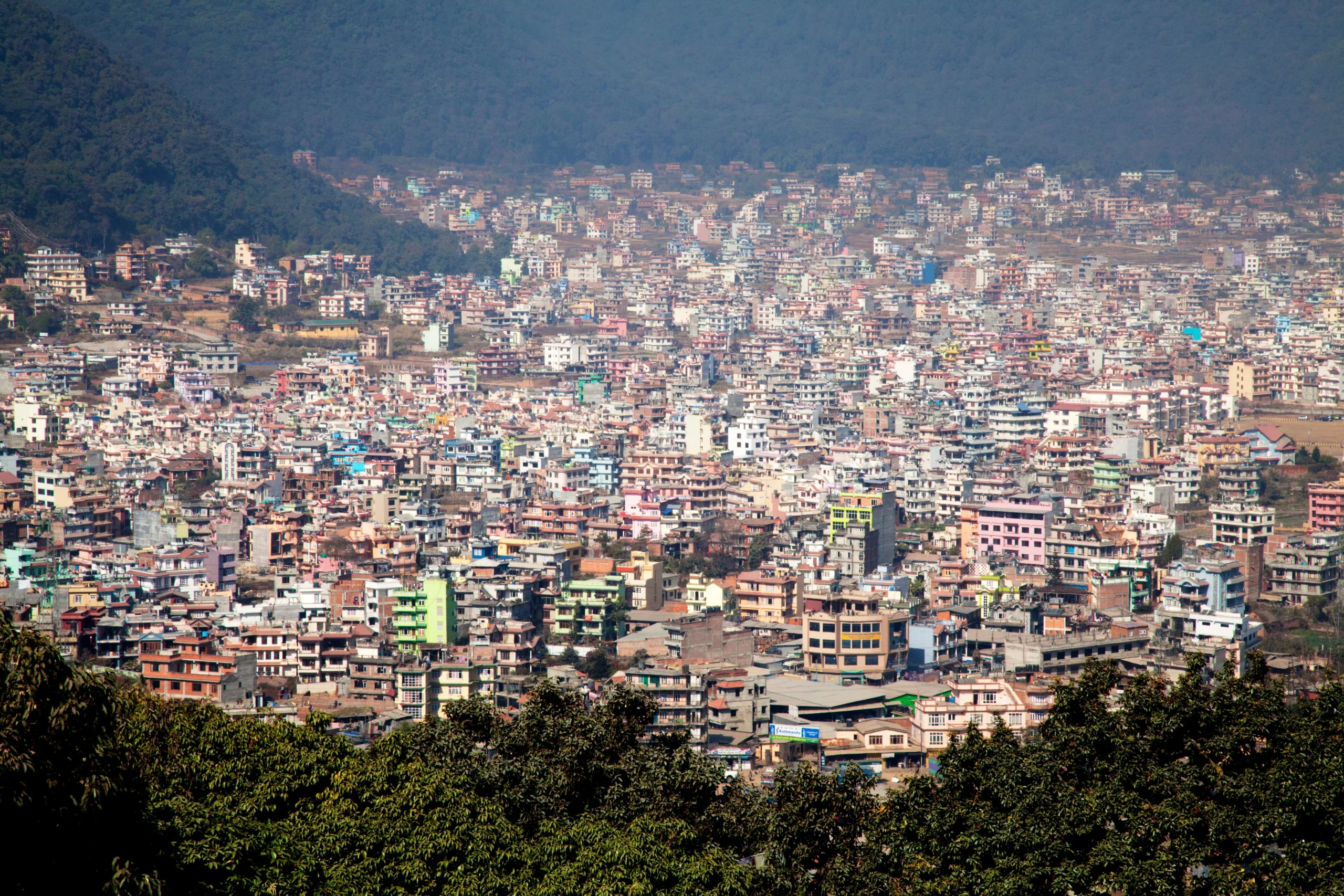
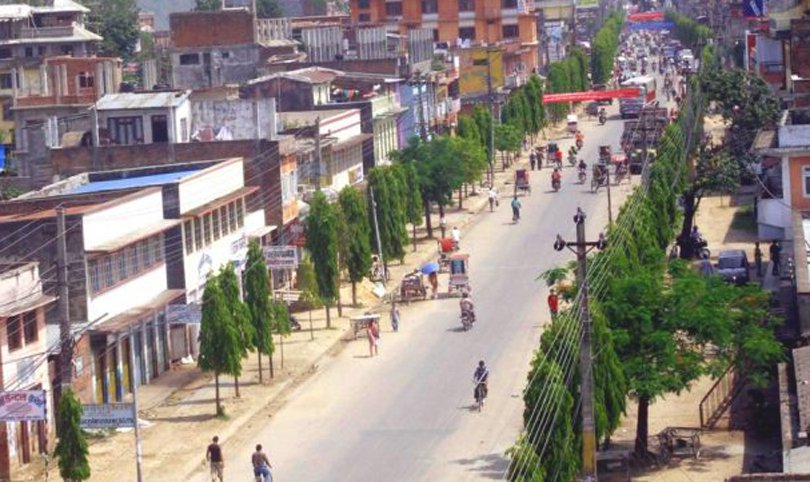
Beyond the Janaki Mandir, Janakpur’s sacred landscape includes an extraordinary network of 72 sacred ponds (kunds) tied to events in the Ramayana — each a site of daily worship by local devotees. The city is also the heartland of the Mithila painting tradition — a form of sacred art created by Mithila women on the walls of their homes and on paper using natural pigments, depicting scenes from Hindu mythology, nature symbolism, and daily life in a distinctive geometric and symbolic style.

Mithila painting has received UNESCO Intangible Cultural Heritage recognition and is one of the world’s great living folk art traditions.

  • Janaki Mandir — The magnificent white marble temple is the city’s primary sight and one of Nepal’s most architecturally distinctive religious buildings. Morning puja (approximately 6:00 AM) is the most spiritually atmospheric time to visit.
  • Vivah Mandap — The pavilion marking the spot where Ram and Sita were traditionally married — one of the most sacred points in the entire Mithila pilgrimage landscape.
  • The Sacred Ponds (Kunds) — Walking the Ram-Janaki path between the major sacred ponds (particularly the Gangasagar and Dhanushasagar kunds) provides a contemplative walking pilgrimage through the living religious landscape of the city.
  • Mithila Art — Shops around the Janaki Mandir area sell and produce genuine Mithila paintings, and several Mithila art centres demonstrate the traditional painting technique. This is one of Nepal’s finest handicraft shopping experiences.
  • Ram Navami Festival (March/April) — The celebration of Ram’s birthday is Janakpur’s greatest festival, drawing hundreds of thousands of pilgrims and transforming the city into an extraordinary living religious theatre. Visiting during Ram Navami is one of the most intense cultural and spiritual experiences available. Entry Fees, Hours and Practical Reference
Historical SiteForeign EntrySAARCNepaliHoursDistance from Kathmandu
1. Pashupatinath TempleNPR 1,000NPR 150Free (Hindus)4:00 AM – 9:00 PM5 km / 20 min
2. Boudhanath StupaNPR 400FreeFree5:00 AM – 9:00 PM8 km / 25 min
3. Swayambhunath StupaNPR 200FreeFreeSunrise to sunset (24 hr outer)3 km / 15 min
4. Kathmandu Durbar SquareNPR 1,000NPR 150Free7:00 AM – 7:00 PM2 km / 10 min
5. Patan Durbar SquareNPR 1,000NPR 150Free10:00 AM–5:00 PM (museum closed Tue)5 km / 20 min
6. Bhaktapur Durbar SquareNPR 1,500NPR 150FreeSunrise to sunset14 km / 40 min
7. Changu Narayan TempleNPR 300NPR 100Free6:00 AM – 7:00 PM22 km / 45 min
8. Lumbini Sacred GardenNPR 500NPR 200Free5:00 AM – 8:00 PM330 km / 7–8 hrs
9. Gorkha DurbarFreeFreeFree9:00 AM – 5:00 PM139 km / 4–5 hrs
10. Janakpur Janaki TempleFreeFreeFree5:00 AM – 10:00 PM225 km / 5–6 hrs

Planning Your Nepal Historical Places Tour with Nepal Vehicle Hiring Pvt. Ltd.

Nepal’s top 10 historical places are spread across a wide geographic range — from the Kathmandu Valley sites (accessible within 1 hour from the city) to the more distant destinations of Lumbini (330 km south), Gorkha (139 km west), and Janakpur (225 km southeast). Visiting all ten places thoroughly requires careful itinerary planning and appropriate transport.

Nepal Vehicle Hiring Pvt. LLt provides vehicle hire for every route, size, and traveller, making the full historical circuit accessible to all travellers. Recommended Historical Places Tour Itineraries.

ItineraryDurationSites CoveredVehicleApprox. Vehicle Cost
Kathmandu Valley Heritage Day 1Full dayPashupatinath (dawn) + Boudhanath + Swayambhunath + Kathmandu Durbar SquareCar or JeepNPR 8,000–12,000
Kathmandu Valley Heritage Day 2Full dayPatan Durbar Square (incl. Museum) + Bhaktapur + Changu NarayanCar or JeepNPR 9,000–14,000
Lumbini Sacred Journey2–3 daysLumbini Sacred Garden + Monastic Zone + Tilaurakot + RamagramaCar or Jeep from BhairahawaNPR 65,000–95,000 (Ktm–Lumbini) or from Bhairahawa: NPR 10,000–18,000
Gorkha Historical Day Trip1 dayGorkha Durbar + Gorakhnath Cave + Manakamana Cable CarCar or JeepNPR 16,000–22,000
Janakpur Pilgrimage1–2 daysJanaki Temple + Sacred Ponds + Mithila Art + Vivah MandapCar or jeep (flight + ground)NPR 26,000–38,000 (road) or Jeep + ground
Complete Nepal 10-Site Circuit8–10 daysAll 10 historical sites in sequenceFortuner or Land Cruiser (multi-day)NPR 150,000–220,000 (complete circuit)
Why Choose Nepal Vehicle Hiring for Your Historical Places Tour
8,000+ satisfied customers | 5.0 TripAdvisor | 200+ verified 5-star reviews
Hotel pickup from anywhere in Kathmandu — we come to you at Jeep time
Drivers familiar with all 10 historical sites — know optimal timing, parking, and routes
Complete flexibility — stay longer at the sites that move you most, skip others
Fleet: Private Car | 4WD Jeep (Fortuner/Hilux/Land Cruiser) | Hiace Van | Coaster Bus
Multi-day tours: Kathmandu → Lumbini → Gorkha → Janakpur and back
24/7 on WhatsApp— plan your heritage circuit with us today
Licensed & Registered | Company Reg. No. 219204 | Best Price Guaranteed

Essential Cultural Etiquette — Visiting Nepal’s Historical Sites

  • Remove shoes before entering all temples, monastery halls, and many heritage courtyards — shoe storage is provided at entrances. Never enter a sacred space wearing footwear. Dress modestly at ALL historical sites — long pants or skirts below the knee and covered shoulders for both men and women. This is not optional — many sites will refuse entry or provide a sarong/wrap for a small fee to visitors who do not comply. Always carry a lightweight scarf or wrap for shoulder coverage.
  • Walk clockwise around all stupas and religious monuments — keeping the monument to your right as you walk. Walking anticlockwise is considered spiritually inauspicious and disrespectful in both Hindu and Buddhist contexts.
  • The main temple inner sanctuaries at Pashupatinath, Taleju (Kathmandu), and Gorkha Kalika are restricted to Hindus only. Enforce this rule consistently, and respect it without argument or attempted circumvention.
  • Photography: Most outdoor areas of historical sites permit photography. Inner sanctums, active prayer ceremonies, and cremation ghats require extreme discretion. Never photograph individuals at intimate devotional moments without obvious consent. At the Pashupatinath cremation ghats, photography of the deceased or their families is deeply inappropriate and disrespectful.
  • Donations: At monasteries and temples, small donations (NPR 100–500) in the donation boxes help the community maintain the sacred space. Never offer money directly to priests or monks in exchange for access or blessings — this is considered inappropriate.
  • Bells: The large bells hanging at temple entrances may be rung by visitors as an offering of sound — this is welcomed. Ring once gently, not repeatedly.
  • Leather goods: Some temples strictly prohibit leather items (belts, bags, shoes) within the premises — follow any posted signs regarding this restriction.

Best Time to Visit Nepal’s Historical Places

SeasonMonthsWeatherCrowdsMountain ViewsRecommendation
Autumn — BESTOctober–NovemberDry, clear, perfect temperature (15–25°C)High — book in advanceCrystal clear post-monsoonPeak season — best overall for all 10 sites
Spring — ExcellentMarch–MayWarm, mostly clear, rhododendrons bloomingHigh — book in advanceClear morningsExcellent — festivals (Ram Navami, Bisket Jatra in April)
Winter — GoodDecember–FebruaryCool and dry (8–20°C days), cold nightsLow — uncrowdedVery clear airGreat for heritage sites — fewer crowds, clear mountain views
Monsoon — ChallengingJune–SeptemberHot, humid, heavy rain (25–35°C)Low — very uncrowded Mostly cloudedNot recommended for most outdoor heritage sites — road issues, humidity

Frequently Asked Questions — Nepal Historical Places 2026

Which is the most important historical site in Nepal?

This depends entirely on your personal interest and perspective. For Hindu devotees, Pashupatinath Temple — one of the twelve Jyotirlinga shrines of Lord Shiva — is the most sacred site in Nepal. For Buddhists,  Lumbini, the birthplace of the historical Buddha, is the country’s most significant site.

For architectural heritage enthusiasts, Bhaktapur Durbar Square is widely considered the finest medieval urban heritage site in South Asia. For national history, Gorkha Durbar is the most significant: it is where the idea of a unified Nepal was conceived.

Nepal Vehicle Hiring Pvt. Ltd. can arrange custom itineraries that prioritise whichever historical heritage is most important to you.

Can I visit all 10 historical places in one trip?

Yes — the complete circuit of all 10 historical places in this guide is achievable in 8–10 days with good planning and private vehicle transport from Nepal Vehicle Hiring Pvt. Ltd. A suggested structure: Days 1–2 in Kathmandu visiting Pashupatinath, Boudhanath, Swayambhunath, and Kathmandu Durbar Square; Days 3–4 visiting Patan, Bhaktapur, and Changu Narayan; Days 5–7 for Lumbini (including time for the outer sacred circuit); Day 8 for Gorkha; and Day 9–10 for Janakpur, returning to Kathmandu. Nepal Vehicle Hiring Pvt. Ltd. can plan the most efficient routing for this complete circuit.

Which is more impressive — Patan or Bhaktapur Durbar Square?

These two sites differ in character rather than in quality. Bhaktapur Durbar Square offers the most complete and atmospheric medieval urban experience — the entire city, not just the square, functions as a living historical landscape. Patan Durbar Square offers the finest individual artworks and the best museum.

Serious heritage travellers should visit both. If you must choose one, Bhaktapur offers a more complete, in-depth time-travel experience; Patan offers finer art and Nepal’s best museum. Most itineraries cover both in a single day.

Is Lumbini worth the long journey from Kathmandu?

Absolutely and without reservation. The 330 km journey from Kathmandu (about 7–8 hours by road or 35 minutes by domestic flight) is rewarded with one of the world’s most historically significant sacred sites—the birthplace of the historical Buddha, verified by one of the world’s oldest surviving royal inscriptions.

The Lumbini experience, especially a dawn visit to the Sacred Garden and a full day in the Monastic Zone, is unlike anything else in Nepal and offers spiritual and historical depth that is impossible to replicate elsewhere. The outer sacred circuit (Ramagrama Stupa, Tilaurakot) adds further extraordinary dimensions. Lumbini deserves 2–3 days minimum and is well worth the journey.

What is the best way to see all the Kathmandu Valley sites?

A private vehicle from Nepal Vehicle Hiring Pvt. Ltd. is the most comfortable, efficient, and flexible way to cover the Kathmandu Valley heritage sites. A two-day itinerary divides naturally: Day 1 covers Pashupatinath, Boudhanath, Swayambhunath, and Kathmandu Durbar Square; Day 2 covers Patan, Bhaktapur, and Changu Narayan (easily combined, as Bhaktapur and Changu Narayan are close together).

Electric rickshaws and bicycles are available for within-site navigation in the Monastic Zone of Lumbini. For the Kathmandu Valley sites, a private vehicle lets you time each visit for the best experience—arrive at dawn for the sacred atmosphere before the crowds, move between sites efficiently, and linger at the most compelling places.

How do I get to Gorkha and Janakpur from Kathmandu?

Gorkha and Janakpur each require a separate day trip or overnight journey from Kathmandu. Gorkha is approximately 139 km (4–5 hours drive) from Kathmandu by the Prithvi Highway and the Gorkha spur road — Nepal Vehicle Hiring Pvt. Ltd. provides private car and jeep service on this route, with the option to combine with a Manakamana Cable Car stop at Kurintar.

Janakpur is approximately 225 km (5–6 hours drive) from Kathmandu, or accessible by a 25-minute domestic flight from Tribhuvan International Airport operated by Yeti Airlines. Nepal Vehicle Hiring can arrange vehicle service from Janakpur Airport and for the sacred circuit in Janakpur city.

Is Changu Narayan worth visiting when Bhaktapur is nearby?

Changu Narayan is absolutely worth visiting — and is easily combined with Bhaktapur as it is only 12 km from Bhaktapur Durbar Square. Changu Narayan offers something unique that neither Bhaktapur nor any other valley heritage site can match: Nepal’s oldest temple with its extraordinary collection of Licchavi-period stone sculpture (including the 464 CE inscription — the oldest in Nepal).

The site is significantly less crowded than Bhaktapur, more intimate, and more conducive to genuine contemplation of the historical depth of what you are seeing. Any heritage circuit that includes Bhaktapur should add Changu Narayan — the additional time required (2–3 hours) is easily absorbed in a full-day Bhaktapur visit.

Conclusion: Nepal’s History Is Alive — Come and Experience It

Nepal’s top 10 historical places are not ruins in the conventional sense. They are not deserted monuments preserved behind glass in sanitised heritage parks. They are living, functioning, continuously worshipped sacred sites where the traditions that created them are still practised daily by the communities who have maintained them for centuries.

Pashupatinath still receives its million annual pilgrims. Tibetan pilgrims still circumambulate Boudhanath before dawn every Morning. The craftspeople of Bhaktapur still work at the same wheels, looms, and carving benches their ancestors used centuries ago.

The goddess Kumari still looks out from her Kathmandu Durbar Square window at a world changed by everything except this—the living continuity of a civilisation that was already ancient when most of today’s world was still forming.

The 2026 visitor to Nepal’s historical places arrives in a particularly good moment: post-earthquake reconstruction is largely complete, the sites are in their best physical condition in years, new conservation infrastructure has improved visitor facilities, and the post-pandemic recovery has restored the cultural programs, festival celebrations, and community activities that were disrupted across the COVID years. This is the Nepal of the present, containing the Nepal of the past—and the two are inseparable in a way that makes the country’s historical experience uniquely alive and compelling.

Nepal Vehicle Hiring Pvt. Ltd. is your partner for experiencing this extraordinary historical landscape in the comfort, flexibility, and depth that it deserves. Whether you are planning a focused two-day Kathmandu Valley heritage circuit, a week-long Nepal historical tour, or a pilgrimage to Lumbini or Janakpur, our professional team, well-maintained vehicle fleet, and experienced drivers are ready to make every journey smooth, punctual, and genuinely enriching.

Contact Nepal Vehicle Hiring Pvt. Ltd. today to begin planning your Nepal historical places tour. The temples are waiting. The stupas are turning.

The history is alive.

Book Your Nepal Historical Places Tour Vehicle Today!

Website: www.vehiclehiringnepal.com
WhatsApp  (24/7 — Instant Response)
Email: [email protected]
Office: Bhagawatisthan, Thamel, Kathmandu, Nepal
All 10 Historical Sites Covered: Pashupatinath | Boudhanath | Swayambhunath | Kathmandu DS | Patan | Bhaktapur | Changu Narayan | Lumbini | Gorkha | Janakpur
Fleet: Private Car | 4WD Jeep | Hiace Van | Coaster — all group sizes from 1 to 25+
Custom Itineraries: 1-day Kathmandu Valley to 10-day Complete Nepal Heritage Circuit
8,000+ Happy Customers | 5.0 TripAdvisor | 200+ Verified Reviews
Hotel Pickup from Thamel | Flexible Schedule | Transparent All-Inclusive Pricing
Licensed & Registered | Company Reg. No. 219204 | Best Price Guaranteed

Kathmandu to Hetauda Vehicle Rental

Nepal Tour Package

Kathmandu to Hetauda Vehicle Rental | Complete Travel & Hire Guide

Roughly ninety kilometres south of bustling Kathmandu, where the Mahabharat hill range finally gives way to the flat, expansive Terai plains, sits Hetauda, a city that rarely features on the standard tourist itinerary yet plays a genuinely important role in Nepal’s transport, industrial, and gateway geography. As the headquarters of Makwanpur district and a key junction point on the road network connecting Kathmandu to the Terai and onward to the Indian border,

Kathmandu to Hetauda vehicle rental serves a varied set of travellers: business visitors to Hetauda’s industrial estates, families heading to the Kulekhani reservoir for a weekend outing, travellers connecting onward to Chitwan National Park or Parsa National Park, and cross-border travellers heading to Birgunj and the Indian frontier.

This guide covers everything travellers and businesses need to know about arranging vehicle rental for the Kathmandu to Hetauda route: the road options available, the historic Tribhuvan Highway and the newer expressway under development, key stops along the way including Daman’s Himalayan viewpoint, Hetauda’s role as an industrial and gateway city, vehicle options, safety considerations, and how to combine this journey with onward travel toward Chitwan, Parsa, or the Indian border. Nepal Vehicle Hiring has arranged transport along this corridor for years, and this guide draws directly on that route experience.

Where Is Hetauda

Hetauda sits in Makwanpur district where the Mahabharat range descends into the Terai plains, at an elevation of around 400 meters, considerably lower than Kathmandu’s roughly 1,400 meters. This position at the hill-plains junction has made Hetauda historically significant as a trade and transport crossroads, connecting central Nepal’s hill and mountain regions to the flat, agriculturally rich Terai and, beyond that, to India.

The city serves as the administrative headquarters of Makwanpur district. Over recent decades, it has become one of Nepal’s more significant industrial centres, alongside its role as a transport gateway.

Kathmandu to Hetauda Vehicle Rental

Two Routes From Kathmandu to Hetauda

The Historic Tribhuvan Highway

The Tribhuvan Highway, Nepal’s first major highway connecting Kathmandu to the Indian border, remains the traditional route between the two cities, passing through Naubise, Daman, and Bhainse before descending into Hetauda itself. Built with Indian assistance in the 1950s and 1960s, this road served for decades as the primary artery connecting Kathmandu to the outside world before the later development of the Prithvi Highway toward Pokhara and other road connections.

The Tribhuvan Highway climbs to a considerable elevation at Daman before descending steeply toward the Terai, making it one of the more scenic, if slower, routes available between Kathmandu and the southern plains.

The Kathmandu-Terai Madhesh Fast Track

In recent years, Nepal has invested in developing a considerably more direct expressway connecting Kathmandu to the Terai region near Nijgadh, intended to dramatically reduce travel time between the capital and the southern plains once fully complete. This fast-track route, still under phased construction and improvement, offers an increasingly viable alternative to the older Tribhuvan Highway for travellers who prioritise speed over the scenic mountain crossing the older route offers.

Travellers should confirm the current construction status and road completion with their vehicle operator before finalising travel plans, since sections of this route continue to be upgraded and its full completion timeline has shifted over the years of its development.

The Journey From Kathmandu to Hetauda via the Tribhuvan Highway

The overland drive from Kathmandu to Hetauda via the traditional Tribhuvan Highway covers about 88 to 95 kilometres, depending on the exact starting point within Kathmandu. It typically takes three to four hours by private vehicle, though it can take longer during monsoon-season landslide disruptions or heavy traffic on Kathmandu’s outskirts.

The route climbs out of the Kathmandu Valley through Naubise, then ascends toward Daman, Nepal’s highest point on any highway and a renowned viewpoint for Himalayan panoramas, before descending through Bhainse and finally reaching Hetauda at the base of the Mahabharat range.

This route, while more scenic than a purely direct expressway, involves genuine mountain driving with numerous switchbacks and elevation changes, and a comfortable, well-maintained vehicle with an experienced driver makes a considerable difference to the overall journey experience. Our

Jeep Hire in Nepal and private car services suit this route well, and our drivers are experienced in navigating the Tribhuvan Highway’s mountain sections in all seasons.

Daman: The Himalayan Viewpoint Along the Way

Daman itself, sitting at an elevation of over 2,300 meters directly along the Tribhuvan Highway roughly midway between Kathmandu and Hetauda, offers one of the most extensive Himalayan panoramas accessible by road anywhere in Nepal, with a clear-day view stretching from Dhaulagiri in the west to Everest in the east, an extraordinary range for a single viewpoint given the considerable distance these peaks span across the country. Many travellers on the Kathmandu to Hetauda route specifically schedule a stop at Daman’s viewing tower, especially on clear autumn or spring mornings when visibility is best, adding a genuinely memorable highlight to what might otherwise be treated as a purely functional transit journey.

Swayambhunath visit during Kathmandu Pokhara Tour

Vehicle Options for the Kathmandu to Hetauda Route

Private Car for Business and Individual Travel

For business travellers heading to Hetauda’s industrial estates or individual travellers making the journey, a standard private car offers a comfortable, efficient option on this well-paved highway route. We offer it through our general vehicle hire services.

Jeep and SUV for Onward Travel to Chitwan or Parsa

Travellers continuing beyond Hetauda to Chitwan National Park or Parsa National Park often prefer a Land Cruiser or Prado-class vehicle, for greater comfort on the longer journey and extra luggage space for safari or wildlife-viewing equipment.

Hiace and Coaster for Group and Business Travel

Corporate groups travelling to Hetauda’s industrial areas, or family groups heading toward Kulekhani for a weekend outing, often use our

Hiace hire or

Coaster and Bus hire services, depending on total group size.

Hetauda as an Industrial and Business Hub

Beyond its transport significance, Hetauda has steadily developed into one of Nepal’s more important industrial centres, home to manufacturing facilities, a cement industry, and one of Nepal’s designated Special Economic Zones intended to encourage export-oriented industrial development. This industrial character brings a steady stream of business travellers to the city, from company representatives and factory management visiting production facilities to government officials and trade delegations engaging with the Special Economic Zone administration.

Reliable, professional vehicle rental for this business travel segment differs somewhat from standard tourist transport, often requiring more flexible, on-demand scheduling around business meeting times rather than a fixed tourist itinerary.

Hetauda as a Gateway to Chitwan and Parsa National Parks

For travellers heading to Nepal’s premier wildlife destinations, Hetauda is a natural waypoint on the journey south from Kathmandu. Chitwan National Park, reachable via a further drive south and east from Hetauda, remains one of Nepal’s most visited wildlife destinations, home to Bengal tigers, one-horned rhinoceros, and a wide range of other Terai wildlife.

Parsa National Park, adjoining Chitwan and far less visited, offers a quieter wildlife experience for travellers who want to avoid Chitwan’s busier tourist infrastructure. Our Pokhara-to-Chitwan bus service covers one common route into this wildlife region.

At the same time, direct Kathmandu-to-Chitwan transport via Hetauda offers an alternative for travellers starting in the capital rather than Pokhara.

Kulekhani Dam and Reservoir

A short, worthwhile detour from the main Tribhuvan Highway route leads directly to Kulekhani, home to Nepal’s largest reservoir and an associated hydropower project that has supplied a meaningful share of the country’s electricity generation since it was built in the 1980s. The reservoir has also become a popular weekend destination for Kathmandu residents, offering boating, fishing, and a peaceful lakeside setting just a short drive from the capital.

Travellers with extra time on their Kathmandu to Hetauda journey sometimes stop at Kulekhani, particularly families or groups seeking a relaxed break partway through the drive.

Onward Travel to Birgunj and the Indian Border

Hetauda also serves as a waypoint for travellers continuing south toward Birgunj, one of Nepal’s most significant land border crossings into India, used extensively for both trade and passenger travel between the two countries. Business travellers and general travellers connecting onward into India via this crossing often break their journey at Hetauda, given its position roughly midway along the route and its role as a natural rest and refuelling point before the final stretch to the border itself.
Kathmandu to Hetauda Vehicle Rental

Best Time of Year for This Route

Spring (March to May)

Clear skies favour the Daman viewpoint stop during this period, and road conditions along the Tribhuvan Highway are generally favourable, making spring an excellent season for this journey.

Summer and Monsoon (June to August)

Heavy rainfall increases landslide risk on the mountainous sections of the Tribhuvan Highway near Daman, and cloud cover typically obscures the Himalayan panorama that makes this route’s viewpoint stop worthwhile.

Autumn (September to November)

The clearest skies of the year make this the best season to combine the Kathmandu to Hetauda journey with a proper stop at Daman’s viewpoint, with generally stable road conditions throughout.

Winter (December to February): Prepare for cold temperatures at Daman’s higher-elevation section, though the route generally remains accessible and offers crisp, clear visibility on many winter days.

Kathmandu to Hetauda Vehicle Rental

Road Safety on the Kathmandu to Hetauda Corridor

The Tribhuvan Highway’s mountainous sections, particularly around Daman and the descent toward Bhainse, involve genuine switchback driving and occasional landslide risk during the monsoon season. An experienced driver familiar with this route is important for comfort and safety. Given the sustained mountain driving, vehicles should be properly inspected for reliable brakes and suspension, which differs from the flatter, more straightforward driving once the route reaches the Terai plains near Hetauda.

Cost Factors for Kathmandu to Hetauda Vehicle Rental

Vehicle rental cost for this route depends on vehicle class, whether you need a one-way or round-trip journey, and whether the booking extends to onward travel to Chitwan, Parsa, or the Indian border. Business travellers who need flexible, on-demand scheduling around meeting times may also see different pricing structures than standard point-to-point tourist transport.

Our team is glad to prepare a custom quote based on your specific itinerary and requirements. Visit our

homepage for further details.

How to Book Your Kathmandu to Hetauda Transport

Booking is straightforward: share your travel dates, group size, and whether your journey includes onward travel beyond Hetauda to Chitwan, Parsa, or the Indian border, and our team will arrange the right vehicle and driver for your needs. Business travellers with recurring trips to Hetauda’s industrial areas can also discuss standing arrangements for regular transport needs.

Combining This Journey With Kathmandu Valley Sightseeing

Many travellers begin their Hetauda journey with a day or two in Kathmandu, using this time for cultural sightseeing before continuing south. Our

Kathmandu sightseeing tour and

Bhaktapur Durbar Square tour services pair naturally with a Hetauda-bound trip, while a reliable

Kathmandu airport transfer ensures a smooth arrival before the journey south begins.

Frequently Asked Questions

How long does the drive from Kathmandu to Hetauda take?

The drive typically takes three to four hours via the Tribhuvan Highway, depending on traffic and road conditions, with the newer fast-track expressway expected to reduce this considerably once fully complete.

Is the Tribhuvan Highway safe to drive?

Yes, with an experienced driver familiar with the route’s mountain sections, particularly around Daman, though monsoon-season landslide risk warrants extra caution during that period.

Can I stop at Daman for the Himalayan viewpoint along the way?

Yes. Daman lies directly on the Tribhuvan Highway and is a popular stop for travellers on this route, especially during clear autumn or spring weather.

Is Hetauda a tourist destination in its own right?

Hetauda is primarily an industrial and transport hub rather than a standalone tourist destination, though the nearby Kulekhani reservoir is a popular recreational stop.

Can I continue from Hetauda to Chitwan National Park?

Yes. Hetauda is a natural waypoint for onward travel to Chitwan and Parsa National Parks to the south and east.

Is vehicle rental available for business travel to Hetauda’s industrial areas?

Yes. We regularly support business travellers with flexible transport arrangements to meet schedules at Hetauda’s industrial estates and Special Economic Zone.

Can I continue from Hetauda to the Indian border at Birgunj?

Yes. Hetauda sits roughly midway on the route to Birgunj, one of Nepal’s main land border crossings into India, and you can arrange onward transport for this leg of the journey.

Final Thoughts: A Gateway Worth Understanding

Hetauda may not carry the tourist profile of Kathmandu, Pokhara, or the Everest region. Still, its role as an industrial centre, transport junction, and gateway to both Nepal’s premier wildlife destinations and the Indian border makes reliable vehicle rental for this route genuinely valuable for a wide range of travellers.

Whether your journey is for business, wildlife tourism, cross-border travel, or simply the scenic drive itself, getting the right vehicle and an experienced driver for the Tribhuvan Highway’s mountain sections makes all the difference to a smooth journey south from Kathmandu.

Contact Nepal Vehicle Hiring today on WhatsApp or visit

vehiclehiringnepal.com to arrange your private vehicle for the Kathmandu to Hetauda route and beyond, whether for business, wildlife tourism, cross-border travel, or a simple scenic day out to Daman and Kulekhani.

Kathmandu to Hetauda Vehicle Rental

The History of the Tribhuvan Highway

The Tribhuvan Highway holds a distinctive place in Nepal’s modern infrastructure history as the country’s first major road connection to the outside world, built with Indian government assistance and completed in the late 1950s and early 1960s. Before this road’s construction, Kathmandu Valley was accessible mainly by foot trails and mule tracks, and its completion marked a genuine turning point in Nepal’s modernisation, allowing motor vehicle access between the capital and the Indian border for the first time in the country’s history.

Named after King Tribhuvan, the road’s construction involved considerable engineering challenges given the mountainous terrain it had to traverse, particularly the steep climb to Daman, and the highway remains an impressive piece of mid-twentieth-century road engineering even by contemporary standards.

For several decades, the Tribhuvan Highway served as Nepal’s primary artery for both passenger and freight transport connecting Kathmandu to the Terai and India beyond, a role it maintained until the later development of alternative routes reduced its relative importance for through-traffic while it retained its significance for regional connections to Hetauda and Makwanpur district specifically.

Makwanpur District: Geography and Context

Hetauda serves as the district headquarters for Makwanpur, a district spanning a wide range of elevations from the high Mahabharat range to the Terai plains, giving it unusually varied geography within a single administrative unit. This elevation range supports a diverse agricultural economy, from hill farming in the district’s upper reaches to more intensive Terai agriculture in its southern lowlands, alongside industrial development that has grown around Hetauda over recent decades.

The district’s position straddling this hill-to-plains transition has historically made it an important trade and cultural crossing point, a role reflected in Hetauda’s continued significance as a transport hub today.

Kathmandu to Hetauda Vehicle Rental

The Kathmandu-Terai Fast Track in Greater Detail

The Kathmandu-Terai Madhesh Fast Track, sometimes referred to by its connection point near Nijgadh, represents one of Nepal’s most significant contemporary infrastructure projects, intended to dramatically reduce travel time between Kathmandu and the Terai region through a considerably more direct alignment than the older, mountain-crossing Tribhuvan Highway. This project has involved substantial tunnelling and bridge construction given the challenging terrain it traverses, and its phased construction and repeated timeline revisions reflect the genuine engineering complexity of building expressway-standard infrastructure through Nepal’s mountainous middle hills.

Once fully complete, this route is expected to connect Kathmandu to the Terai in a fraction of the time required via the traditional highway routes. However, travellers should continue to confirm current road status directly with their vehicle operator given the project’s ongoing development.

Hetauda’s Special Economic Zone

One of Nepal’s designated Special Economic Zones is located at Hetauda, established to encourage export-oriented manufacturing through streamlined customs procedures, tax incentives, and dedicated industrial infrastructure. This zone has attracted a range of manufacturing businesses in recent years, and its continued development has reinforced Hetauda’s role as one of Nepal’s more significant industrial centres outside the Kathmandu Valley.

Business travel to and from this zone forms a meaningful part of overall transport demand along the Kathmandu-Hetauda corridor, distinct from the tourism- and wildlife-focused travel that also uses this route.

Hetauda’s Role in Nepal’s Cement and Manufacturing Industry

Beyond the Special Economic Zone, Makwanpur district and the Hetauda area have long been associated with Nepal’s cement manufacturing industry, given the surrounding hill terrain’s limestone deposits. This industrial base has developed alongside the district’s transport significance, since moving raw materials and finished cement products efficiently between Hetauda and Kathmandu or the Terai has depended heavily on reliable road infrastructure along exactly the corridor covered in this guide.

This industrial heritage adds another dimension to Hetauda’s economic importance beyond its role as a simple transit point on the way to more famous destinations further south.

A Typical Business Travel Itinerary to Hetauda

Business travellers visiting Hetauda’s industrial facilities typically follow a pattern distinct from tourist travel along this route: an early morning departure from Kathmandu, arrival at Hetauda within three to four hours for a full day of meetings or facility visits, and either an overnight stay in Hetauda before returning the following day, or a same-day return journey if the business schedule allows. This flexible, business-oriented booking often requires closer coordination with the vehicle provider on exact departure and return times than standard tourist bookings, since transport schedules must align with variable meeting durations rather than a fixed sightseeing itinerary.

Weather Considerations Specific to This Route

The Kathmandu to Hetauda route crosses a wide range of elevations over a relatively short distance, from Kathmandu’s roughly 1,400 meters to Daman’s over 2,300 meters, then down to Hetauda’s approximately 400 meters,, so travellers can encounter meaningfully different weather conditions in a single day’s journey. Winter mornings can bring frost or even light snow at Daman’s higher elevation while Hetauda itself remains considerably milder given its lower, more Terai-influenced climate.

Travellers should factor this elevation-driven weather variation into their clothing choices, especially during the cooler winter months.

Kathmandu to Hetauda Vehicle Rental

Kulekhani Hydropower: Nepal’s Pumped Storage Pioneer

The historically significant Kulekhani hydropower project, closely associated with the large reservoir near Hetauda, stands out in Nepal’s energy history as the country’s first major reservoir-based hydropower scheme, unlike the run-of-river design typical of most Nepali hydropower plants. This reservoir storage design lets Kulekhani generate electricity flexibly with demand rather than being constrained purely by river flow, making it a valuable peaking power resource in Nepal’s national electricity grid, particularly during the dry winter season when river-based hydropower generation typically declines considerably across the country.

Over the decades since its construction, the reservoir has also become a recreational asset popular with weekend visitors from Kathmandu.

Boating and Recreation at Kulekhani

Beyond its hydropower function, the Kulekhani reservoir has developed a modest tourism and recreation industry, with boating facilities, lakeside restaurants, and fishing opportunities drawing visitors from Kathmandu seeking a relatively accessible escape from the city without the longer travel time required to reach Pokhara’s Phewa Lake. Set amid surrounding hills, the reservoir offers a genuinely pleasant, if less dramatically scenic, alternative to Nepal’s more famous lakeside destinations, and its proximity to both Kathmandu and the Tribhuvan Highway route to Hetauda makes it a convenient addition to a broader itinerary rather than a dedicated trip.

Kathmandu to Hetauda Vehicle Rental

Chitwan National Park: What Awaits Beyond Hetauda

For travellers continuing further south beyond Hetauda toward Chitwan National Park, widely regarded as one of Nepal’s most significant protected areas and a UNESCO World Heritage Site, the park offers wildlife viewing opportunities including Bengal tigers, one-horned rhinoceros, gharial crocodiles, and a wide range of bird species across its subtropical forest and grassland habitat. Chitwan’s tourism infrastructure has developed considerably over recent decades, with jungle safaris, canoe trips along the Rapti River, and cultural programs showcasing Tharu indigenous culture all forming part of a typical Chitwan visit.

Reaching Chitwan from Kathmandu via Hetauda offers an alternative to the more commonly used Pokhara-based approach covered in our companion guide, especially for travellers whose broader itinerary centres more on Kathmandu than Pokhara.

Parsa National Park: The Quieter Alternative

Adjoining Chitwan to the east, Parsa National Park offers a considerably quieter wildlife alternative, with lower visitor numbers and less developed tourism infrastructure than its more famous neighbour, appealing to travellers seeking a less commercialised wildlife experience. Parsa shares much of the same ecosystem and wildlife, including tigers and a range of Terai wildlife, though sightings and infrastructure are less predictable given the park’s slower overall tourism development, a trade-off some travellers seek for a more genuinely remote wildlife experience.

Kathmandu to Hetauda Vehicle Rental

Birgunj: Nepal’s Busiest Border Crossing

Birgunj, reachable via further onward travel south from Hetauda, is Nepal’s busiest land border crossing into India, handling a substantial share of the country’s trade with its southern neighbour, along with significant passenger traffic between the two countries. As a customs and trade hub, the city is a significant economic centre in its own right, and the road connection through Hetauda forms an essential link in the broader transport chain connecting Kathmandu to this crucial border crossing.

Business travellers engaged in cross-border trade, along with general travellers heading into India, use the Hetauda-Birgunj corridor as part of their broader journey.

Cultural and Ethnic Diversity Along the Route

The Kathmandu to Hetauda corridor passes through a genuinely diverse cultural landscape, from the predominantly hill ethnic communities found in the upper sections of the route near Daman, through to the more Terai-influenced cultural character found as the road descends toward Hetauda itself, where Tharu and Madhesi communities become an increasingly significant part of the local population. This cultural transition mirrors the broader hill-to-plains geographic shift the route traverses, and travellers interested in Nepal’s ethnic and cultural diversity find this corridor offers a genuinely interesting cross-section of the country’s demographic variety within a relatively short drive.

Kathmandu to Hetauda Vehicle Rental

Agricultural Landscape Along the Tribhuvan Highway

The hill sections of this route, particularly around Daman and the surrounding terraced slopes, showcase traditional Nepali hill agriculture, with terraced fields growing maize, millet, and vegetables adapted to the steep terrain characteristic of Nepal’s middle hills. As the route descends toward the Terai near Hetauda, the farming shifts toward rice, wheat and sugarcane typical of Nepal’s flatter southern plains, a visible, gradual transition that reflects the ecological and elevation changes along the journey.

Photography Opportunities Along the Route

Beyond the well-known Himalayan panorama available from Daman’s viewing tower, the Kathmandu to Hetauda route offers a range of worthwhile photography opportunities throughout its length, including the terraced hillside agriculture visible from numerous points along the highway’s mountain sections, the Kulekhani reservoir’s calm waters framed by surrounding hills, and the visible ecological transition from hill forest to Terai lowland vegetation as the road descends toward Hetauda itself. Morning departures from Kathmandu generally offer the best visibility for the Daman viewpoint, given the tendency for cloud cover to build throughout the day across this section of the Mahabharat range.

Connectivity and Communication Along the Route

Mobile network coverage along the Kathmandu to Hetauda corridor is generally reliable throughout, reflecting the route’s status as a well-established, heavily used highway connection rather than a remote trekking corridor, with consistent signal available in Daman, Bhainse, and Hetauda itself. This makes the route far more connected than many of Nepal’s trekking corridors covered elsewhere in our guides, a real convenience for business travellers who need to stay in contact with colleagues or clients throughout their journey.

Why Choose Nepal Vehicle Hiring for the Hetauda Route

Nepal Vehicle Hiring has arranged transport along the Kathmandu-Hetauda corridor for years, serving business travellers, wildlife tourists heading toward Chitwan and Parsa, and cross-border travellers continuing toward Birgunj. Our drivers are experienced on the Tribhuvan Highway’s mountain sections around Daman in all seasons, and we regularly inspect our vehicles because this route involves sustained mountain driving before the flatter Terai sections near Hetauda.

Whether your trip is a single business-day return, a multi-day wildlife itinerary extending to Chitwan, or a cross-border journey to India, our team can arrange the right vehicle and driver for your needs.

Kathmandu to Hetauda Vehicle Rental

Group Travel and Corporate Bookings for Hetauda

Companies with regular, recurring business connections between Kathmandu and Hetauda, whether related to the Special Economic Zone, cement manufacturing, or other industrial activity in the area, often benefit from a standing transport arrangement rather than booking each trip separately. This kind of recurring corporate booking typically includes pre-agreed pricing, consistent driver assignment where possible, and simplified invoicing suited to corporate procurement processes, reducing the administrative overhead of arranging transport for each new business trip to the area.

Comparing the Old Highway and New Fast Track for Different Traveller Needs

Travellers weighing whether to use the traditional Tribhuvan Highway or the newer Kathmandu-Terai Fast Track, where currently accessible, should consider their specific priorities for the journey. The Tribhuvan Highway, while slower, offers the genuine scenic reward of the Daman viewpoint and passes through a range of interesting hill communities and agricultural landscapes along the way, making it the preferred choice for travellers who view the journey itself as part of the overall experience rather than simply a means of reaching Hetauda as quickly as possible.

Where usable sections allow, the Fast Track offers a more direct, time-efficient option better suited to business travellers or those prioritising speed over the scenic mountain crossing.

Seasonal Booking Patterns for This Route

Unlike Nepal’s trekking-focused routes, which see pronounced seasonal demand spikes tied to the main spring and autumn trekking windows, the Kathmandu to Hetauda corridor sees more consistent, year-round demand given its dual role serving both business travel, which continues regardless of season, and wildlife tourism toward Chitwan and Parsa, which does follow more typical seasonal tourism patterns. This more consistent demand profile generally means vehicle availability along this route is less constrained by seasonal booking spikes than some of Nepal’s more purely tourism-focused trekking corridors.

However, booking in advance is still advisable for specific dates, particularly for larger vehicles or group bookings.

Insurance and Safety Documentation for Business Travel

Companies arranging regular business transport to Hetauda should confirm their vehicle provider carries appropriate commercial insurance covering passengers, a standard consideration for any institutional or corporate travel booking. Nepal Vehicle Hiring maintains proper commercial vehicle insurance across our fleet. We can readily provide documentation confirming current coverage upon request, supporting corporate travel policy compliance and general risk management for business travellers on this journey.

What to Pack for the Kathmandu to Hetauda Journey

  • Warm layers if travelling during winter months, given the cold temperatures possible at Daman’s higher elevation.
  • A camera for the Daman viewpoint stop, especially on clear autumn or spring days.
  • Business attire and documentation for corporate travellers visiting Hetauda’s industrial facilities or Special Economic Zone.
  • Sufficient cash in Nepali rupees, since card payment infrastructure remains more limited outside Kathmandu and major tourist centres
  • Any relevant documentation for onward cross-border travel if continuing toward Birgunj and the Indian border.

A Sample Multi-Stop Itinerary Combining Business and Leisure

Some travellers combine a business trip to Hetauda with a leisure extension, taking advantage of the journey’s proximity to both Kulekhani Reservoir and the broader Chitwan wildlife region. A typical combined itinerary might begin with a morning departure from Kathmandu, a business meeting or facility visit in Hetauda during the middle of the day, followed by an overnight stay and a relaxed visit to Kulekhani reservoir the following morning before returning to Kathmandu, or continuing onward to Chitwan for a wildlife-focused extension to the trip.

This combined itinerary makes efficient use of the considerable travel time required to reach this part of Nepal, extracting both business and leisure value from a single trip.

Environmental Considerations Along the Route

The Tribhuvan Highway’s mountain sections pass through forested terrain that plays an important watershed role for the broader Kathmandu Valley and Terai region, and ongoing road maintenance and any future expansion work along this corridor carry genuine environmental considerations regarding forest cover and slope stability, particularly relevant given the monsoon-season landslide risk already discussed. Sustainable road development that balances improved transport connectivity with environmental protection remains a key consideration for Nepali infrastructure planners working on both the existing highway’s maintenance and the newer fast track’s continued construction.

The Broader Significance of North-South Connectivity in Nepal

The Kathmandu to Hetauda corridor exemplifies a broader challenge and opportunity in Nepal’s transport geography: the country’s mountainous terrain runs predominantly east-west, while its economic and trade relationships, particularly with India, demand efficient north-south connectivity between the hill and mountain regions and the Terai plains. Routes like the Tribhuvan Highway, and increasingly the Kathmandu-Terai Fast Track, represent Nepal’s ongoing infrastructure response to this geographic challenge, and their continued development carries significance well beyond simply connecting Kathmandu to Hetauda, touching on broader questions of Nepal’s economic integration with the Terai region and its trade relationship with India more generally.

Hattiban and Other Stops Near Kathmandu on the Route South

Shortly after leaving Kathmandu Valley on the Tribhuvan Highway, travellers pass through the Hattiban area, known for its forested hillside resorts and a cable car offering additional valley-rim views, a popular short-excursion destination for Kathmandu residents and visitors with limited time. While not directly on the route to Hetauda, this area’s proximity to the highway’s starting point makes it worth mentioning for travellers with flexible departure times and an interest in combining their Hetauda journey with an early stop at this accessible valley-rim viewpoint.

Understanding Elevation Changes Throughout the Journey

The Kathmandu to Hetauda route involves one of the more dramatic elevation profiles found on any single road journey in Nepal, climbing from Kathmandu’s roughly 1,400 meters to Daman’s peak elevation exceeding 2,300 meters within a relatively short distance, before descending all the way to Hetauda’s approximately 400 meters, a total elevation change exceeding 1,900 meters across the full journey. This dramatic profile explains both the route’s scenic reward, the extensive Himalayan views from the higher sections, and its driving demands: sustained switchbacks needed to manage such significant elevation change within the available road distance.

Local Cuisine and Dining Options Along the Route

Food options along the Kathmandu to Hetauda corridor reflect the route’s transition from hill to Terai cuisine, with standard Nepali dal bhat widely available throughout, alongside increasing Terai and Madhesi culinary influence as the route approaches Hetauda itself, including dishes reflecting the rice and lentil-based cuisine more typical of the southern plains than the hill regions closer to Kathmandu. Daman and Bhainse both offer basic roadside dining options suited to a rest stop partway through the journey.

In contrast, Hetauda, given its larger size and business travel profile, offers a much wider range of dining options, including more developed restaurants that cater to business travellers and the town’s broader resident population.

Historical Trade Significance of the Hetauda Corridor

Long before the Tribhuvan Highway’s construction made motor vehicle travel possible, the general corridor connecting Kathmandu to the Terai near modern Hetauda served as an important trade route, with goods moved by porter and pack animal between the hill kingdoms of central Nepal and the plains regions to the south. This historical trade significance helps explain why this corridor, rather than alternative routes, was selected for Nepal’s first major highway project, building on centuries of established trade and travel patterns between the Kathmandu Valley and the southern plains.

Preparing for a Comfortable Journey

Given the journey’s length and the range of elevations and temperatures it traverses, a few practical preparations help ensure a comfortable Kathmandu to Hetauda journey, regardless of purpose. Bringing snacks and water for the journey, particularly given the more limited food options along the more remote mountain sections near Daman, comfortable clothing suited to a multi-hour vehicle journey, and any work materials or documentation needed for business meetings, all help ensure the journey itself does not detract from whatever business or leisure purpose brings a traveller to Hetauda in the first place.

How This Route Fits Nepal’s Broader Ground Transport Network

The Kathmandu to Hetauda corridor is an important part of Nepal Vehicle Hiring’s broader network of routes connecting Kathmandu to nearly every major destination in the country, from trekking trailheads and pilgrimage sites to major tourist cities. Just as we support travellers heading toward

Pokhara,

Besisahar,

Soti Khola,

Salleri and Phaplu, and

Lumbini, the Hetauda corridor extends the same reliable ground-transport standard to Nepal’s industrial and cross-border travel segment, an often overlooked but genuinely significant part of the country’s overall transport landscape.

Combining Hetauda Travel With the Wider Nepal Vehicle Hiring Network

Travellers and businesses with itineraries spanning multiple regions of Nepal benefit from working with a single, established ground transport provider that can coordinate the full journey, rather than arranging separate local transport at each destination. Beyond the Hetauda corridor itself, our services extend to

Pokhara to Chitwan transport,

Pokhara to Nayapul for Annapurna region trekking,

car hire in Pokhara, and Kathmandu Valley sightseeing including our

Bhaktapur Durbar Square tour,

Nagarkot sunrise tour, and

Sarangkot sunrise tour services, alongside our

Kathmandu airport transfer and full

Jeep Hire in Nepal,

Hiace hire, and

Coaster and Bus hire fleet options.

Travellers combining a Hetauda trip with wider Nepal travel, whether for business, wildlife tourism, or onward pilgrimage and trekking journeys, may find these related guides useful for planning the rest of their itinerary:

Combining a Hetauda Trip With Sister Company Trekking and Touring Packages

For travellers whose Hetauda business or leisure trip forms part of a broader Nepal itinerary including trekking or cultural touring, our sister companies

Alpine Luxury Treks and

Trek Nepal Himalayas offer everything from the

Everest Base Camp Trek and

Annapurna Circuit Trek to shorter options such as the

Ghorepani Poon Hill Trek, alongside broader

Nepal, Tibet, and Bhutan tour packages, all of which we can coordinate with your Hetauda ground transport for a single, smooth Nepal itinerary.

Additional Frequently Asked Questions

Is the Kathmandu-Terai Fast Track fully open for travel yet?

The fast track remains under phased construction and improvement, with sections opening progressively. Travellers should confirm current status directly with their vehicle operator before assuming this route is fully usable for their specific travel dates.

How cold does it get at Daman during winter?  At Daman’s elevation of 2,300 meters, temperatures can drop close to or below freezing overnight during winter, so travellers should pack warm layers accordingly,y even though Hetauda itself, at a much lower elevation, remains considerably milder.

Can I visit Kulekhani as a day trip without continuing to Hetauda?

Yes. You can visit Kulekhani as a standalone day trip from Kathmandu without continuing the full journey to Hetauda, since it’s off the main highway route.

Is this route suitable for a single-day round trip from Kathmandu?

Yes, for travellers who don’t need an overnight stay, a same-day round trip to Hetauda and back is feasible, though it’s a long day with 6 to 8 hours of total driving time.

What is the road surface like along this route?

The Tribhuvan Highway is paved throughout, but it involves sustained mountain driving with numerous switchbacks, unlike the unpaved, rougher conditions on many of Nepal’s trekking access roads covered by our other guides.

A Final Word on This Often-Overlooked Corridor

The Kathmandu to Hetauda route rarely receives the attention given to Nepal’s more famous trekking and touring corridors. Yet, it quietly supports a genuinely significant share of the country’s business travel, wildlife tourism access, and cross-border trade and travel with India.

Understanding this route’s dual character, part scenic mountain crossing via the historic Tribhuvan Highway, part practical business and gateway corridor, helps travelers and companies alike plan a smoother, better-informed journey whenever their own path takes them south from Kathmandu toward Hetauda and the Terai beyond.

The Growing Importance of This Corridor Looking Ahead

As Nepal’s Special Economic Zone at Hetauda continues to develop and the Kathmandu-Terai Fast Track edges closer to full completion, the Kathmandu to Hetauda corridor seems likely to grow in significance over the coming years, both for business travel tied to the zone’s continued industrial development and for general connectivity between the capital and the southern Terai region. Vehicle hire providers that understand both the traditional Tribhuvan Highway route and the specific business travel needs of this corridor are well positioned to support this growth, much as the broader shift toward top-end, reliable ground transport has reshaped expectations across Nepal’s trekking and tourism sectors.

A Note on Booking Flexibility for Uncertain Schedules

Given the mixed business and leisure nature of travel along this corridor, many bookings involve less predictable scheduling than a standard tourist itinerary, particularly for business travellers whose return timing depends on how a meeting or facility visit unfolds. A genuine, responsive vehicle hire provider should offer reasonable flexibility for this kind of uncertain scheduling, coordinating directly with the traveller on the day rather than rigidly enforcing a fixed pickup time regardless of how the business day actually progresses.

This approach reflects the practical realities of this route’s mixed traveller base.

Supporting Both Business and Leisure Travellers on the Same Route

It is worth reflecting on how unusual it is for a single transport corridor to serve such a genuinely varied traveller base: industrial business visitors, wildlife tourists heading toward Chitwan and Parsa, cross-border travellers continuing to Birgunj, and leisure travellers simply seeking a scenic day out to Kulekhani or Daman’s viewpoint. This diversity reflects Hetauda’s layered identity as an inland centre, transport junction, and gateway city, and a well-run vehicle hire service serving this corridor needs to remain genuinely adaptable to whichever traveller profile a given booking represents, rather than assuming a one-size-fits-all approach suited only to standard tourism.

A Closing Perspective on Nepal’s Lesser-Known Transport Corridors

Not every genuinely significant route in Nepal leads directly to a famous trekking peak or a well-known cultural heritage site. The Kathmandu to Hetauda corridor reminds us that Nepal’s transport network serves real, practical needs beyond tourism: industrial development, cross-border trade, and the everyday movement of people and goods between the capital and the wider Terai region.

Recognising and supporting this practical, business-oriented travel corridor, alongside the more famous trekking and pilgrimage routes covered throughout our other guides, reflects a genuinely complete approach to ground transport service across Nepal, one that serves the country’s full range of travellers, not just those pursuing its most photographed destinations.

Getting Started With Your Booking

Whether your journey to Hetauda is for a business meeting at the Special Economic Zone, a wildlife extension toward Chitwan or Parsa, a scenic day trip built around the Daman viewpoint and Kulekhani reservoir, or an onward journey toward the Indian border at Birgunj, the process begins the same way: sharing your travel dates, group size, and specific itinerary needs with our team, so we can recommend the right vehicle and prepare a clear, transparent quote for your journey south from Kathmandu.

Thank you for reading. Whoopeereading. This gives you a thorough understanding of the Kathmandu route, from its historic engineering and dramatic Daman viewpoint to its modern role supporting industrial business travel, wildlife tourism connections, and cross-border trade with India.

We look forward to helping arrange your own journey along this often underappreciated but genuinely important corridor.

One Last Practical Note

Before finalising any booking along this route, particularly for business travel with time-sensitive meeting schedules, we recommend confirming current road conditions directly with our team, given the ongoing development of the Kathmandu-Terai Fast Track and the occasional monsoon-season disruption possible along the older Tribhuvan Highway’s mountain sections near Daman.

Wishing You a Smooth Journey South

From the switchback climb to Daman’s Himalayan panorama, down through the terraced hillsides and forested slopes of Makwanpur district, to the industrial energy of Hetauda itself and onward toward Chitwan, Parsa, or the Indian border, this corridor offers a genuinely varied slice of Nepal within a single day’s drive, and we look forward to being part of that journey with you.

In Closing

Safe, smooth, and genuinely comfortable travels on your journey south, whatever business, wildlife adventure, pilgrimage, or cross-border purpose brings you to Hetauda and the wider Terai region beyond it.

Kathmandu to Salleri and Phaplu Jeep Price

Phaplu

Kathmandu to Salleri And Phaplu Jeep Price – Complete Transport Guide

Salleri and Phaplu are two of the most strategically important yet least-discussed destinations in Nepal’s trekking transport network. Located in Solukhumbu District — the same district that contains Mount Everest, the Sherpa homeland of the Khumbu Valley, and the legendary Tenzing-Hillary Airport at Lukla — both towns serve as the road-accessible entry points to the Everest region for the growing number of trekkers, pilgrims, and travellers who choose to approach on foot from the south rather than flying directly to Lukla from Kathmandu.

the road connection from Kathmandu to Salleri and Phaplu has become increasingly important for several reasons: the Lukla flight is still one of Nepal’s most frequently cancelled domestic routes due to weather; the road access approach provides significantly better acclimatization than flying directly to Lukla at 2,860 m; and the Solu Khumbu region below Lukla — the traditional homeland of the Sherpa lower-altitude community, with its remarkable cultural heritage and ancient monasteries — is almost entirely bypassed by trekkers who fly to Lukla but can be explored richly by those who drive to Salleri or Phaplu and walk north.

This complete guide covers everything you need to know about jeep transport from Kathmandu to Salleri and Phaplu — distances, travel times, road conditions, vehicle types, detailed price tables, the trekking routes accessible from each destination, comparison with the Lukla flight option, and how to book your private vehicle hire with Vehicle Hiring Nepal.

Private 4WD jeep traveling from Kathmandu to Salleri and Phaplu on the scenic mountain road to the Everest region

Understanding Salleri and Phaplu — The Road Gateways to Everest

Salleri: District headquarters of Solukhumbu District, altitude approximately 2,398 m (7,867 ft), Koshi Province

Phaplu: Village and small airport, altitude approximately 2,413 m (7,917 ft), approximately 10 km north of Salleri

District: Solukhumbu — the district of Everest, home of the Sherpa people

Region: Solu Khumbu — traditionally divided into Solu (the southern lower hills) and Khumbu (the high northern valleys surrounding Everest)

Why Important: Both Salleri and Phaplu are the southernmost vehicle-accessible points in Solukhumbu District, serving as the trailhead for trekkers walking north toward Namche Bazaar, Everest Base Camp, and the Khumbu region

Salleri and Phaplu are separated by only about 10 km of road but represent different access approaches to the Everest trekking network. Salleri, as the district headquarters, has better facilities — hotels, banks, ATMs, pharmacies, government offices, and a small but growing tourist infrastructure.

Phaplu, slightly further north, has a small domestic airport (the alternative to Lukla for those flying into Solukhumbu) and sits closer to the northern trails heading toward Junbesi and eventually Namche Bazaar. Most trekkers driving from Kathmandu choose Phaplu as their terminus since it saves 2 to 3 hours of walking compared to starting from Salleri.

Private 4WD jeep traveling from Kathmandu to Salleri and Phaplu on the scenic mountain road to the Everest region

Why Drive to Salleri or Phaplu Instead of Flying to Lukla?

Most international trekkers fly from Kathmandu to Lukla (Tenzing-Hillary Airport at 2,860 m) and start their trek there. This flight takes 35 to 45 minutes and is undeniably fast and convenient. But the road option to Salleri or Phaplu has several compelling advantages that make it the preferred choice for a growing number of trekkers:

Acclimatization

Flying from Kathmandu (1,400 m) to Lukla (2,860 m) in 35 minutes represents a rapid altitude gain that significantly increases AMS risk in the early days of the trek. Driving to Salleri or Phaplu (2,398–2,413 m) over two days — ascending gradually through the mid-hills — provides better physiological acclimatisation before trekking begins.

Trekkers who access the Everest region by road through Salleri consistently report fewer AMS symptoms in Namche and higher sections than those who fly in via Lukla.

Lukla Flight Reliability

Tenzing-Hillary Airport at Lukla has one of the highest flight cancellation rates of any commercial airport in the world because of its extreme mountain location, short runway, and sensitivity to cloud and wind. In bad weather windows — which are common in monsoon and not rare in other seasons — the Kathmandu-Lukla flight can be cancelled for 3 to 5 consecutive days, stranding trekkers in Kathmandu with ruined itineraries.

The drive to Salleri or Phaplu is cancelled for weather only in extreme monsoon landslide situations — it is by far the more reliable option for trekkers who cannot afford extended weather delays.

The Solu Cultural Heritage

The Solu region — the hill country between Salleri and Lukla — is one of Nepal’s richest and most historically significant Sherpa cultural landscapes. Trekkers who fly to Lukla almost entirely bypass the ancient monasteries of Junbesi and Phagding, Solu Khumbu’s famous Thubten Choling Gompa (one of Nepal’s most important active monasteries), and the traditional Sherpa villages in the mid-altitude zone between 2,400 m and 3,000 m.

Walking north from Phaplu through this landscape adds 3 to 5 days to the trek but gives access to cultural heritage most Everest trekkers never see.

Cost Effectiveness for Groups

The Kathmandu–Lukla flight costs USD 150 to USD 195 per person each way in 2026—USD 300 to USD 390 round trip per person. For a group of 6 sharing a Land Cruiser from Kathmandu to Phaplu, per-person transport costs are substantially lower, and the return from Salleri or Phaplu in the same vehicle is cheaper than individual return flights to Lukla.

Private 4WD jeep traveling from Kathmandu to Salleri and Phaplu on the scenic mountain road to the Everest region

Jeep Prices: Kathmandu to Salleri and Phaplu

The following prices are current 2026–2027 rates for private vehicle hire from Kathmandu to Salleri and Phaplu. All prices cover the full vehicle (not per person) and include driver, fuel, and insurance:

Vehicle TypeCapacityKTM → Salleri (One-Way)KTM → Phaplu (One-Way)Round Trip (KTM→Phaplu→KTM)Notes
Toyota Land Cruiser 4WD4–6 paxUSD 220–400USD 240–800USD 400–1600Best vehicle — recommended
Toyota Land Cruiser Prado4–5 paxUSD 240–500USD 260–1000USD 430–2000Top-end comfort option
Mahindra Scorpio6–9 paxUSD 180–300USD 200–300USD 340–800Budget 4WD, good for groups
Mahindra Bolero4–6 paxUSD 160–250USD 180–350USD 300–600Budget option

All prices are for the complete vehicle — not per person. For a group of 5 trekkers sharing a Land Cruiser to Phaplu, the per-person cost works out to about USD 4848- 600ach way—significantly less than the Lukla flight per person. Round-trip pricing is discounted compared to booking two one-way trips separately.

Contact Vehicle Hiring Nepal for exact pricing based on your specific travel date and group size.

Kathmandu to Salleri and Phaplu Jeep Price

Route Overview: Kathmandu to Salleri and Phaplu

Total Distance: Approximately 285–300 km from Kathmandu to Salleri; ~295–310 km to Phaplu

Total Driving Time: 8 to 11 hours total — strongly recommended over 2 days

Main Route: Kathmandu → Bhaktapur → Lamosangu → Suri Dobhan → Okhaldhunga → Salleri → Phaplu

Road Type: Mostly paved national highway Kathmandu to Lamosangu; rough but improving mountain road Lamosangu onward

4WD Required: Yes — from Lamosangu onward, the road requires 4WD capability, particularly the Okhaldhunga section

Overnight Stop: Suri Dobhan or Okhaldhunga (approximately 5 to 6 hours from Kathmandu) — strongly recommended

Stage-by-Stage Road Guide: Kathmandu to Phaplu

Private 4WD jeep traveling from Kathmandu to Salleri and Phaplu on the scenic mountain road to the Everest region

Stage 1: Kathmandu to Lamosangu (72 km | 1.5–2 hrs)

Depart Kathmandu heading east on the Araniko Highway (BP Highway) through Bhaktapur and Banepa. The road is well-paved and fast in this section, passing through the Kavrepalanchok hills. Lamosangu is a busy market town on the Sun Koshi River — the last major commercial centre before the road becomes genuinely rural and mountain in character.

Lamosangu is a good breakfast stop and the last ATM for a considerable distance. Fuel up here if needed.

Stage 2: Lamosangu to Suri Dobhan (75 km | 2.5–3 hrs)

From Lamosangu, the road heads southeast, climbing into the Sindhuli and Ramechhap hills. The surface gets rougher as the road enters the mid-hill zone, a mix of paved sections and compacted gravel that requires 4WD confidence from this point.

The landscape is beautiful: terraced rice paddies, subtropical forest in the lower gorge sections, and occasional distant views of the high Himalaya on clear mornings. Suri Dobhan on the Sun Koshi River is a common overnight stop for the Kathmandu to Salleri journey.

Stage 3: Suri Dobhan to Okhaldhunga (45 km | 1.5–2 hrs)

The road continues southwest, then south, into Okhaldhunga District, crossing the Likhu Khola and climbing toward Okhaldhunga Bazaar. This section has a significant gradient—the climb from the river valley to the Okhaldhunga ridge is one of the route’s most demanding sections in terms of engine power and 4WD traction.

The views from the Okhaldhunga ridge on clear days extend to the high Himalaya—Numbur Himal, Khatang —and, on exceptional days, the Everest massif itself is visible above the lower ridges.

Private 4WD jeep traveling from Kathmandu to Salleri and Phaplu on the scenic mountain road to the Everest region

Stage 4: Okhaldhunga to Salleri (50 km | 2–2.5 hrs)

From Okhaldhunga, the road continues east, descending and re-ascending through the Solukhumbu hills toward Salleri. The surface remains rough,h but the road has been progressively improved.

The landscape transitions into the distinctly Sherpa cultural zone—house architecture begins to show Tibetan-influenced elements, monasteries appear more frequently, and the community structures of the Solukhumbu social system become visible. Salleri Bazaar, the district headquarters of Solukhumbu, is a substantial town with hotels, restaurants, the district hospital, banks, and good facilities.

Stage 5: Salleri to Phaplu (10 km | 30 min)

A short continuation north from Salleri on a rough track brings you to Phaplu — the small airport village that serves as the preferred trailhead for trekkers heading north into the Solu Khumbu. Phaplu itself is a quiet, atmospheric village.

The small airport here (used by Twin Otter aircraft of Sita Air and similar operators) provides an alternative to Lukla for those flying in. From Phaplu, the trekking trail heads north through Junbesi toward Everest Base Camp.

Distance and Driving Time Summary

StageFrom – ToDistanceDrive TimeRoad Type
1Kathmandu → Lamosangu72 km1.5–2 hrsPaved — BP Highway
2Lamosangu → Suri Dobhan75 km2.5–3 hrsMixed paved and gravel — 4WD advised
3Suri Dobhan → Okhaldhunga45 km1.5–2 hrsRough mountain road — 4WD required
4Okhaldhunga → Salleri50 km2–2.5 hrsRough mountain road — 4WD required
5Salleri → Phaplu10 km~30 minRough track — 4WD
TOTALKTM → Phaplu252 km8–10 hrs driving2-day journey recommended

Private 4WD jeep traveling from Kathmandu to Salleri and Phaplu on the scenic mountain road to the Everest regionPrivate 4WD jeep traveling from Kathmandu to Salleri and Phaplu on the scenic mountain road to the Everest region

Overnight Stop Options — Kathmandu to Phaplu Day 1

The Kathmandu to Phaplu journey is too long and demanding to complete comfortably in a single day. An overnight stop after 5 to 6 hours of driving is strongly recommended:

Option A: Overnight at Suri Dobhan

Suri Dobhan on the Sun Koshi River is approximately 5 hours from Kathmandu and serves as the most common overnight point for the Salleri/Phaplu drive. Basic guesthouses and local restaurants are available. The riverside setting is pleasant, and the early morning light on the surrounding hills is beautiful.

Depart Suri Dobhan by 7:00 AM on Day 2 to reach Phaplu by early afternoon.

Option B: Overnight at Okhaldhunga

Okhaldhunga is approximately 6 to 7 hours from Kathmandu and sits at a higher elevation (approximately 1,700 m) with better mountain views and more comfortable accommodation options than Suri Dobhan. The Okhaldhunga bazaar has mid-range hotels, good Nepali restaurants, and a more substantial overnight experience. Departing Okhaldhunga by 7:00 AM on Day 2 reaches Salleri by 9:00 AM and Phaplu by 10:00 AM — allowing the full afternoon for trek preparation.

Option C: Overnight at Salleri

For groups pushing further on Day 1 (suitable for an early Kathmandu departure of 5:00 to 5:30 AM and good road conditions), reaching Salleri by early evening is possible. Salleri has the best accommodation options on the route outside Kathmandu — several hotels with reliable electricity, hot water, and good food. Arriving in Salleri in the evening allows a good rest before the short continuation to Phaplu the following morning.

Road Conditions: Kathmandu to Salleri and Phaplu

SectionSurfaceCondition (2026)4WD Required?Monsoon Risk
KTM → Lamosangu (Araniko/BP Hwy)Paved asphaltGoodNoLow
Lamosangu → Suri DobhanMixed paved/gravelModerateAdvisedModerate — occasional slides
Suri Dobhan → OkhaldhungaRough gravel/earthRoughYesHigh — landslide-prone gorge
Okhaldhunga → SalleriRough gravelRoughYesHigh — washout risk
Salleri → PhapluRough trackBasicYesModerate

The Lamosangu to Salleri section is the most demanding part of the drive. The road between Okhaldhunga and Salleri in particular was significantly affected by the 2015 Gorkha earthquake and subsequent monsoons.

Although repair and improvement work has been underway since 2015, the road still has rough sections that require 4WD capability and an experienced mountain-road driver. Road quality can change significantly after a monsoon season — Vehicle Hiring Nepal drivers stay current on conditions through local networks before each journey.

Private 4WD jeep traveling from Kathmandu to Salleri and Phaplu on the scenic mountain road to the Everest region

Trekking Routes from Salleri and Phaplu to Everest

Most travellers drive to Salleri and Phaplu to start a trek north toward the Everest region. Here is a guide to the main trekking routes accessible from these two trailheads:

Phaplu to Namche Bazaar — The Classic Lower Solu Route

Distance: Approximately 65 km trekking

Duration: 4 to 6 days from Phaplu to Namche

Highlights: Junbesi village and monastery, Solu Sherpa culture, Dudh Koshi river valley, Phakding

The trail from Phaplu heads north through some of the Khumbu’s finest and most culturally rich lower-altitude landscapes. Junbesi village (2,675 m) is one of the most beautiful traditional Sherpa settlements in the lower Solu region, with the ancient Thubtenchholing Gompa nearby — one of Nepal’s most significant active monasteries, home to several hundred monks and lamas and one of the finest examples of Tibetan Buddhist monastic architecture in the entire Himalayan region.

The route then continues north through Nunthala, Khari Khola, and Bupsa before joining the standard Lukla trail at Phakding or Namche Bazaar.

Phaplu to Everest Base Camp — Full Lower Approach Trek

Duration: 14 to 18 days from Phaplu to EBC and return to Lukla

Best For: Trekkers with time for a fuller, more culturally rich Everest experience

Driving to Phaplu and walking the full lower approach to Everest Base Camp adds 4 to 6 days to the standard Lukla-based EBC trek itinerary. Still, it takes you through the entire Solu Khumbu cultural landscape, from the lower hills to the Khumbu high valleys.

This approach provides natural acclimatisation, passes through villages most EBC trekkers rarely see, and offers the satisfaction of truly walking the full Sherpa homeland from the road end to the world’s highest mountain.

Salleri to Chialsa / Solu Khumbu Cultural Trek

Duration: Variable — 3 to 7 days for lower Solu circuits

Salleri serves as the starting point for shorter cultural treks in the lower Solu Khumbu, exploring traditional Sherpa farming villages, ancient stupas, and lesser-known monasteries without committing to the full EBC approach. These shorter circuits are increasingly popular with cultural travellers who want the Sherpa experience without the high-altitude challenge.

Nepal Tour Package

Comparing Transport Options: Kathmandu to Everest Region

OptionRouteTotal TimePer Person Cost (group of 5)ReliabilityAcclimatization
Drive to Phaplu + walk northKTM → Phaplu by 4WD → trek2 days drive + 4–5 days to Namche~USD 54–68 + trek costsHighExcellent
Fly Kathmandu to LuklaKTM → Lukla (flight) → trek35–45 min flight + 2 days to NamcheUSD 150–195 per personLow–ModeratePoor
Fly KTM to Phaplu (Sita Air)KTM → Phaplu airport → trek~45 min flight + 4 days to NamcheUSD 100–140 per personModerateModerate
Drive KTM → Jiri + trek old routeKTM → Jiri (5 hrs) → 8-day trek to Namche5 hrs + 8 days~USD 30–40 vehicle + trek costsHighExcellent — takes longer
Helicopter (Kathmandu to Namche)KTM → Namche by helicopter20–25 minUSD 500–700 per personVery HighVery Poor

Private 4WD jeep traveling from Kathmandu to Salleri and Phaplu on the scenic mountain road to the Everest region

Key Facilities at Salleri and Phaplu

Salleri Facilities

  • Banks and ATMs — reliable ATM services in Salleri Bazaar; last reliable ATM before the high Khumbu
  • District Hospital — the most significant medical facility in Solukhumbu, an important pre-trek health check option
  • Hotel accommodation — several mid-range hotels with hot water, electricity, and food
  • Trekking agencies and permit services — TIMS cards and Sagarmatha National Park permits available in Salleri.
  • Market and supplies — well-stocked bazaar for final food purchases before trekking north
  • Fuel station — last reliable fuel for the return vehicle journey
  • Mobile signal — NTC and Ncell both work reliably in Salleri Bazaar

Phaplu Facilities

  • Phaplu Airport — small airstrip served by Sita Air and similar operators with Twin Otter aircraft; weather-dependent
  • Guesthouses and small hotels — basic but adequate accommodation for trekkers
  • Permit checkpoint — ACAP/Sagarmatha permit checkpoint for Everest region entry.
  • Trekking suppliers — limited gear and food supplies; bring what you need from Salleri or Kathmandu
  • Medical facilities — very basic; rely on Salleri for anything significant

Permits Required for Trekking from Salleri and Phaplu

PermitCost Where to GetNotes
Sagarmatha National Park Entry PermitNPR 3,000 (~USD 22) for foreigners; NPR 150 NepaliNepal Tourism Board, Kathmandu or Salleri/Phaplu checkpointRequired for trekking into Sagarmatha National Park — checked at Monjo gate near Namche
TIMS CardUSD 10 per personNepal Tourism Board or TAAN, Kathmandu or SalleriTrekkers Information Management System — required on this route
Khumbu Pasang Lhamu Rural Municipality FeeNPR 2,000 (~USD 15)Paid at local municipality checkpointNewer local government fee introduced in recent years

Obtain permits in Kathmandu before departure — the Nepal Tourism Board office on Pradarshani Marg processes both the Sagarmatha National Park permit and TIMS card in a single visit. Permit checks at the Salleri and Phaplu approach checkpoints and at Monjo (near Namche) are thorough. Keeping permits in an accessible document holder, rather than buried in a trekking pack, speeds up checkpoint processing significantly.

Private 4WD jeep traveling from Kathmandu to Salleri and Phaplu on the scenic mountain road to the Everest region

Best Time for Kathmandu to Salleri / Phaplu Drive

October to November — Ideal Season

Post-monsoon is the best time for the Kathmandu to Salleri/Phaplu road journey. Roads have been repaired from monsoon damage and are in their best annual condition. The skies are clear,r and mountain views from the higher sections of the route — particularly above Okhaldhunga — are exceptional.

Everest trekking demand is at its peak; book your vehicle 3 to 4 weeks in advance.

March to May — Good Spring Season

Spring is excellent for both the road journey and the Everest trek. Rhododendron forests are in bloom throughout the mid-hill sections. Roads are dry and stable after winter.

March and April are particularly good — May can bring pre-monsoon cloud that reduces visibility. The Everest region sees its second annual peak of trekking activity in April and May (climbing season).

December to February — Possible with Preparation

The road to Salleri and Phaplu remains accessible through winter in most years, though the higher sections can be cold and occasionally icy. The Everest region’s high passes can be snowy in January and February. Winter offers quiet roads and exceptional mountain views in the cold, clear air.

Prepare for cold overnight temperatures at Okhaldhunga and Salleri.

Monsoon (June to September) — Caution Required

The Lamosangu to Salleri section is the most landslide-affected road in the standard Nepal trekking transport network during monsoon. Landslides regularly block sections of the Okhaldhunga road and the Suri Dobhan gorge. Travel is possible with an experienced driver and a significant time buffer, but it is not recommended for fixed-schedule trekking itineraries during this period.

Practical Tips for the Kathmandu to Salleri / Phaplu Journey

  • Plan 2 days for the drive — do not attempt Kathmandu to Phaplu in a single day. The Okhaldhunga section is long, rough, and demanding.
  • Depart Kathmandu by 6:00 AM on Day 1 to reach your overnight stop before dark.k
  • Withdraw all the Nepali Rupees you need in Kathmandu before departure — the last fully reliable ATM before Salleri is in Lamosangu. Salleri has ATMs but don’t rely on them for your full trek budget.
  • Carry motion sickness medication — the Okhaldhunga hill road has sustained winding sections that affect many passengers.s
  • Water and snacks for the full Day 1 drive — reliable food stops are limited between Lamosangu and Okhaldhunga
  • Carry trekking permits in a document folder accessible at the front of your daypack — checkpoint stops are frequent.
  • For the return journey from Phaplu/Salleri to Kathmandu, pre-arrange your vehicle with Vehicle Hiring Nepal before starting your trek — communication from the Solu Khumbu high zones can be unreliable.e
  • If any group member has a history of altitude sickness, the Phaplu drive-in approach provides significantly better acclimatisation than the Lukla flight and should be the first choice.e

Private 4WD jeep traveling from Kathmandu to Salleri and Phaplu on the scenic mountain road to the Everest region

Return Journey Options — Phaplu / Salleri to Kathmandu

At the end of your Everest region trek, there are three main return options from the Solukhumbu:

Option A — Drive Phaplu/Salleri to Kathmandu: Same route in reverse. Vehicle Hiring Nepal pre-arranges a pickup from Phaplu or Salleri on your confirmed return date — a 2-day return drive to Kathmandu (same overnight stops). USD 220–350 for the Land Cruiser vehicle.

Option B — Fly Lukla to Kathmandu: Most popular choice for those who walked in via Phaplu — exit the trek at Lukla (after completing EBC or the Gokyo circuit), fly back to Kathmandu in 35 to 45 minutes (USD 150–195). Vehicle Hiring Nepal can arrange a Kathmandu airport transfer to your hotel on arrival.

Option C — Fly Phaplu to Kathmandu: If returning the same way you arrived, Sita Air operates seasonal flights from Phaplu Airport to Kathmandu — check current schedule and availability as this route is less frequent than the Lukla-Kathmandu service.

What is Included in Your Kathmandu to Salleri / Phaplu Vehicle Hire

  • Toyota Land Cruiser or selected 4WD vehicle, fully maintained and insured
  • Experienced driver with knowledge of the Kathmandu to Salleri/Phaplu road — this specific route, not a generic mountain driver
  • Full fuel cost for the complete 2-day journey
  • Vehicle insurance throughout
  • Pickup from your Kathmandu hotel
  • Drop-off at Salleri Bazaar or Phaplu village/airport as specified
  • Flexible overnight stop arrangements — Suri Dobhan, Okhaldhunga, or Salleri as preferred
  • Return vehicle pre-booking for end-of-trek pickup from Salleri or Phaplu
  • 24/7 support throughout

Not included: Permits (Sagarmatha NP permit, TIMS, Municipality fee), trek guide and porter fees, your accommodation during the drive, personal meals, and trekking equipment.

Swayambhunath visit during Kathmandu Pokhara Tour
Kathmandu to Salleri Jeep

How to Book Your Kathmandu to Salleri / Phaplu Jeep

  1. Contact Vehicle Hiring Nepal via WhatsApp or visit vehiclehiringnepal.com
  2. Confirm your travel dates — Day 1 departure date from Kathmandu and preferred overnight stop
  3. Specify your group size and number of trekking packs or bags
  4. Choose your vehicle type — Land Cruiser for maximum capability and comfort, Scorpio for budget groups
  5. Specify destination — Salleri only, or continuing to Phaplu
  6. Arrange your return date pickup if driving back
  7. Receive booking confirmation with driver details, vehicle type, and day-by-day journey .plan

WhatsApp
Email: [email protected]

Frequently Asked Questions

How long does the drive from Kathmandu to Phaplu take?

The total driving distance from Kathmandu to Phaplu is approximately 252 km — but this should always be done over 2 days, not one. Day 1 covers approximately 150 to 170 km to either Suri Dobhan or Okhaldhunga (5 to 7 hours of driving).

Day 2 covers the remaining 80 to 100 km to Phaplu (3 to 4 hours). Total driving time excluding overnight stops is approximately 8 to 10 hours.

Is driving to Salleri or Phaplu better than flying to Lukla?

It depends on your priorities. If you have limited time (10 to 12 days total for the trek) and aren’t particularly concerned about acclimatisation speed, the Lukla flight is faster. It puts you directly on the standard Everest trail.

If you have 14 or more days, value better acclimatisation, want to reduce weather-cancellation risk, have a larger group where per-person flight costs are high, or are interested in the remarkable cultural landscape of the lower Solu Khumbu, the Phaplu drive is the better choice.

What is the cheapest way to get from Kathmandu to the Everest region start?

For a solo traveller, the cheapest option is a tourist bus from Kathmandu to Jiri (approximately NPR 600 to 800), then trekking the traditional 8- to 10-day lower approach to Namche from Jiri. For a group of 4 to 6, hiring a Land Cruiser to Phaplu works out cheaper per person than individual flights to Lukla. It is faster than the Jiri approach while still providing good acclimatisation and the Solu Khumbu cultural experience.

Can a standard car or Hiace van reach Salleri?

A standard sedan is not suitable for the Okhaldhunga section — the road is too rough, the gradients too steep, and the surface too variable. A Toyota Hiace van can manage the road to Suri Dobhan and potentially Okhaldhunga in dry conditions, but beyond Okhaldhunga to Salleri, the terrain requires genuine 4WD capability.

We do not recommend sending a Hiace beyond Okhaldhunga, and we would never send a sedan on this route. The Toyota Land Cruiser or Mahindra Scorpio is the right vehicle.

What is the altitude of Salleri and Phaplu? Do I need to acclimatise there?

Salleri is at approximately 2,398 m and Phaplu at approximately 2,413 m — altitudes at which most healthy adults without a history of altitude sickness do not experience significant AMS. The gradual ascent over 2 days from Kathmandu (1,400 m), with mid-hill overnight stops, provides natural acclimatisation.

A day’s rest at Salleri or Phaplu before beginning the trek northward is recommended if you have any concerns about altitude sensitivity, and is in any case a good opportunity to prepare permits and supplies for the trek.

Final Thoughts

Salleri and Phaplu mark the road-accessible threshold of Nepal’s most famous trekking world—the southern gateway to Solukhumbu, the Sherpa homeland, and ultimately the foot of Everest. For travellers willing to invest 2 days of road travel rather than 45 minutes in a weather-dependent aircraft, this gateway offers not just a transport alternative but an entirely different and more complete version of the Everest region experience — with better acclimatisation, lower per-person transport costs for groups, higher transport reliability, and access to the magnificent lower Solu cultural landscape that the standard Lukla approach entirely bypasses.

Vehicle Hiring Nepal provides reliable, experienced 4WD vehicle hire for the Kathmandu to Salleri and Phaplu route, with drivers who know this specific road—the Okhaldhunga section’s demands, overnight stop options, checkpoint locations, and contingency plans for monsoon or post-monsoon road conditions. Book your jeep hire today and begin your Everest region journey on the ground, at your own pace, through the full beauty of Solukhumbu.

Book your Kathmandu to Salleri/Phaplu jeep today. WhatsApp | Website: www.vehiclehiringnepal.com | Email: [email protected]

Kathmandu to Ramechhap Manthali Road Overview

Explore the Kathmandu to Ramechhap Manthali Road with updated route information, distance, travel time, road conditions, and the best private jeep and vehicle hire options for Lukla flights and Everest treks.

Kathmandu to Ramechhap Manthali Road Overview – Complete  Transport Guide

Ramechhap and its Manthali Airport have become one of the most talked-about transport topics in Nepal’s trekking community over the past several years—not because the district itself has changed dramatically, but because a major government policy decision has repositioned Manthali Airport as an alternative hub for Lukla-bound flights during peak trekking seasons. This policy, introduced to reduce severe morning traffic congestion at Kathmandu’s Tribhuvan International Airport during October–November and March–May trekking peaks, means thousands of Everest region trekkers may now travel from Kathmandu to Ramechhap Manthali Airport rather than flying to Kathmandu’s domestic terminal.

Understanding the Kathmandu to Ramechhap road — its exact distance, road condition, travel time, the vehicles suited to it, when the diversion policy applies, what to expect at Manthali Airport, and how to book reliable private vehicle transport — has become essential practical knowledge for anyone planning an Everest region trek and beyond. This complete guide provides that knowledge, drawing on current road conditions and the practical experience of Vehicle Hiring Nepal drivers who make this journey regularly during peak trekking seasons.

Why Manthali Airport Matters — The Lukla Flight Diversion Policy

Nepal’s Civil Aviation Authority of Nepal (CAAN) introduced a policy requiring Kathmandu–Lukla flights to operate from Manthali Airport (Ramechhap) during the peak trekking seasons — typically October–November and March–May — to reduce severe morning congestion at Tribhuvan International Airport (TIA) in Kathmandu. During these peak periods, TIA’s domestic terminal handled an extraordinary volume of early-morning departures simultaneously—Everest flights, Pokhara commuter flights, and charter operations—creating ATC bottlenecks, delayed departures, and systemic inefficiency.

Explore the Kathmandu to Ramechhap Manthali Road with updated route information, distance, travel time, road conditions, and the best private jeep and vehicle hire options for Lukla flights and Everest treks.

The solution: relocate all Kathmandu-Lukla flights to Manthali Airport for peak season departures, distributing the traffic load across two airports. Manthali’s location in Ramechhap District, approximately 132 km east of Kathmandu, puts it roughly halfway to Lukla by road distance—meaning the total Kathmandu–Manthali–Lukla journey combines a 3- 4-hour pre-dawn road journey with the standard 20–25-minute Manthali–Lukla flight.

For trekkers, this policy means booking a Kathmandu–Lukla flight during peak season automatically requires arranging transport from Kathmandu to Manthali—a 132 km road journey that must be completed in the early morning before the flight departure window. The road journey, the airport logistics, and the entire Manthali experience require specific knowledge and reliable vehicle booking.

Explore the Kathmandu to Ramechhap Manthali Road with updated route information, distance, travel time, road conditions, and the best private jeep and vehicle hire options for Lukla flights and Everest treks.

Manthali Airport — Key Facts

Official Name: Ramechhap Airport / Manthali Airport (IATA: RHP)

Location: Manthali Municipality, Ramechhap District, Bagmati Province, Nepal

Altitude: Approximately 532 m (1,745 ft) above sea level

Runway: Grass and tarmac — 900 m long, suitable for Twin Otter and similar aircraft

Airlines Operating (Peak Season Lukla Flights): Tara Air, Summit Air, Sita Air — same operators as the Kathmandu–Lukla route

Flight Duration (Manthali to Lukla): Approximately 20–25 minutes

Flight Timing: All flights before 10:00–10:30 AM — morning weather window only

Facilities: Small terminal building, ticket counter, waiting area, basic café; significantly less developed than TIA domestic terminal

Parking: Vehicle drop-off and waiting area adjacent to terminal; multiple vehicle operators park here during peak season

Manthali Airport is a small regional airstrip that primarily served as a domestic-connectivity airport for Ramechhap District residents before the Lukla diversion policy elevated its importance to the international trekking community. The terminal facilities are basic by any standard — a waiting room, a small check-in counter, and limited food options.

Trekkers arriving from Kathmandu after a 3- to 4-hour pre-dawn drive should bring their own food and water rather than relying on airport facilities.

Kathmandu to Ramechhap Manthali Road Overview

Kathmandu to Ramechhap Manthali — Route Overview

Total Road Distance: Approximately 132–140 km from central Kathmandu to Manthali Airport

Travel Time: 3 to 4.5 hours depending on traffic and road conditions

Best Departure Time: 1:30 AM to 2:30 AM from Kathmandu for 6:00–7:00 AM flights (allow ample buffer)

Main Route: Kathmandu → Ring Road → Bhaktapur → Banepa → Dhulikhel → Dolalghat → Lamosangu → Manthali

Road Type: Mostly paved — Araniko Highway and BP Highway combination; good condition overall with some rough patches

Mountain Passes: No major passes — relatively flat river valley route with moderate climbs

Key Junction: Lamosangu — where the BP Highway turns south toward Ramechhap

Stage-by-Stage Road Guide: Kathmandu to Manthali

Explore the Kathmandu to Ramechhap Manthali Road with updated route information, distance, travel time, road conditions, and the best private jeep and vehicle hire options for Lukla flights and Everest treks.

Stage 1: Kathmandu to Banepa / Dhulikhel (30 km | 45 min – 1 hr)

Depart Kathmandu heading east via the Ring Road and Bhaktapur, joining the Araniko Highway eastward through Banepa and Dhulikhel. This first section is the most affected by traffic. Bhaktapur and Banepa are busy even in the early morning during peak trekking season,n as a large volume of vehicles make the same journey simultaneously.

The road is paved and in good condition. Dhulikhel sits on a ridge with fine Himalayan views on clear mornings — though at 1:30–2:00 AM departure times, the mountain panorama must be taken on faith.

At Dhulikhel, the road descends steeply through the Koshi hills before dropping to the Sun Koshi River valley at Dolalghat. This descent section has several tight bends and a notable drop in elevation from Dhulikhel’s ridge to the river valley below. On clear pre-dawn mornings t, this section offers occasional glimpses of illuminated mountain silhouettes to the north.

Stage 2: Dolalghat to Lamosangu (20 km | 30–40 min)

The road follows the Sun Koshi River east through the Sindhuli Madhyapur area to Lamosangu junction. This river valley section is relatively flat and fast — a good paved road with the Sun Koshi River visible on the left in the growing pre-dawn light.

Lamosangu is a significant junction town: the Araniko Highway continues north toward the China border at Rasuwagadhi/Kodari, while the BP Highway turns south toward Ramechhap and beyond. At Lamosangu, take the BP Highway south.

Lamosangu has petrol stations, small restaurants, and chai stalls (most open by 4:00–4:30 AM during peak trekking season because of the volume of Manthali-bound traffic), along with basic facilities. A brief chai stop here is worthwhile — it is the last sizeable service point before Manthali.

Explore the Kathmandu to Ramechhap Manthali Road with updated route information, distance, travel time, road conditions, and the best private jeep and vehicle hire options for Lukla flights and Everest treks.

Stage 3: Lamosangu to Manthali Airport (47 km | 1.5–2 hrs)

From Lamosangu,u the BP Highway heads south through Ramechhap District. The road climbs out of the Sun Koshi valley and into the Ramechhap hills — a winding section with moderate gradient that is still well paved. This is the most scenic section of the journey as the road passes through terraced hill farmland and small Tamang and Chhetri villages.

The Manthali Airport area is approached from the north, descending back toward the river level. The airport is well signposted and, during peak season, easily identified by the concentration of vehicles in the area. Airport check-in typically opens 1 to 1.5 hours before the scheduled flight departure — confirm the exact check-in time with your airline when booking the flight.

Complete Distance and Time Table

StageFrom – ToDistanceDrive TimeRoad Type / Notes
1AKathmandu → Bhaktapur15 km30–40 minRing Road + city road; traffic likely even at night in peak season
1BBhaktapur → Banepa10 km20–25 minAraniko Highway — paved, good condition
1CBanepa → Dhulikhel5 km10 minUphill to Dhulikhel ridge — good paved road
1DDhulikhel → Dolalghat15 km25 minSteep descent to Sun Koshi — winding, good road
2Dolalghat → Lamosangu20 km30–40 minBP Highway along Sun Koshi — flat, good road
3Lamosangu → Manthali Airport47 km1.5–2 hrsBP Highway south — paved hill road, moderate grade
TOTALKathmandu → Manthali132 km3–4.5 hrsAll paved; no 4WD required; good condition overall

Explore the Kathmandu to Ramechhap Manthali Road with updated route information, distance, travel time, road conditions, and the best private jeep and vehicle hire options for Lukla flights and Everest treks.

Road Condition Assessment: Kathmandu to Manthali

One of the most important questions for trekkers planning this journey is the road’s current condition. Here is an honest 2026 assessment:

  • Kathmandu to Banepa (Araniko Highway): Paved, well-maintained national highway. Generally in good condition year-round. No concerns.
  • Banepa to Dhulikhel: Paved, in good condition. Moderate traffic at normal hours; busy during peak trekking season mornings with Manthali-bound vehicles.
  • Dhulikhel to Dolalghat descent: Paved but winding with tight bends on the steep descent. Good condition. Requires careful driving at speed.
  • Dolalghat to Lamosangu: Flat river valley road, paved, good condition. Generally the fastest section
  • Lamosanguhu to Manthali (BP Highway south): Paved throughout but with narrower sections and moderate climbs. Some rough patches after monsoon. Good condition in dry season. Requires attention during heavy rain.
  • Overall: No 4WD required. Any standard vehicle in good condition can complete this journey. Standard sedans, SUVs, and Hiace vans are all used routinely on this road.

Vehicle Options and Prices: Kathmandu to Manthali

Because the Kathmandu to Manthali road is a paved highway rather than a mountain jeep track, a wider range of vehicles is suitable compared to other Nepal mountain transport routes. The key requirements are reliability, comfort (for a 3–4 AM pre-dawn journey), adequate luggage space for trekking gear, and an experienced driver who knows the road and the Manthali airport area.

Ramechhap Manthali airport apron

Vehicle TypeCapacityPrice (One-Way KTM→Manthali)Price (Return / Waiting)Best For
Standard Sedan (Toyota Corolla, etc.)1–3 paxUSD 55–120USD 90–160 (same-day return)Solo trekker, couple, minimal luggage
SUV / 4WD Jeep4–5 paxUSD 75–160USD 120–300Small family, 4–5 trekkers, comfort
Toyota Hiace Van7–14 paxUSD 110–200USD 170–400Group of 7–14 trekkers — most popular
Toyota Coaster Bus15–22 paxUSD 160–300USD 250–500Large trekking group, expedition team
Microbus5–8 paxUSD 80–110USD 130–300Medium group, budget option
Private Sedan + Driver Overnight1–3 paxUSD 70–140Driver waits at ManthaliIf the driver needs to wait for cancellation

Important note on pricing: During the official peak Lukla diversion season (typically mid-October to mid-November and mid-March to mid-May), demand for Kathmandu to Manthali vehicles surges dramatically — hundreds of vehicles make this journey simultaneously on peak departure mornings. Book your vehicle at least 2-3 weeks in advance during these periods. Last-minute bookings during peak season are often unavailable or significantly more expensive.

The Pre-Dawn Departure — What to Expect

For first-time travellers, the most disorienting part of the Kathmandu to Manthali journey is the departure time. Lukla flights from Manthali typically depart between 6:00 and 10:00 AM — the morning weather window before mountain cloud builds. Check-in at Manthali Airport opens approximately 1 to 1.5 hours before the scheduled departure.

Adding the 3 to 4.5-hour drive:

  • For a 6:00 AM departure: depart Kathmandu no later than 1:30 AM
  • For a 7:00 AM departure: depart Kathmandu no later than 2:30 AM
  • For an 8:00 AM departure: depart Kathmandu no later than 3:30 AM
  • Add 3a 30-minute buffer for traffic congestion in the Bhaktapur/Banepa area during peak-season mornings

The pre-dawn departure is not merely inconvenient — it is genuinely important for the flight connection. Lukla flights operate on a narrow weather window. If you miss your check-in time because the vehicle departed late or was delayed by traffic, the airline will not hold the flight.

Vehicle Hiring Nepal drivers for the Manthali route are briefed on exact departure times and the time-critical nature of the journey. They arrive at your hotel at the confirmed pickup time.

What to Bring for the Pre-Dawn Journey

  • A warm layer or jacket — 2:00–3:00 AM in Kathmandu is significantly cooler than the afternoon, and mountain air at the higher sections of the road can be cold.
  • Water and food — airport facilities are basic; bring breakfast and snacks for the drive and the airport wait.
  • Travel documents in a small daypack accessible from the vehicle seat — passport, flight ticket, TIMS card, Sagarmatha National Park permit, and any other trekking permits
  • Phone fully charged and a portable power bank — you will need navigation, flight information, and communication capability throughout
  • Sleep — bring a travel pillow and sleep during the drive if possible. Many experienced trekkers use the drive to rest before the flight, and the trek begins.

Explore the Kathmandu to Ramechhap Manthali Road with updated route information, distance, travel time, road conditions, and the best private jeep and vehicle hire options for Lukla flights and Everest treks.

Peak Season Manthali Flight Schedule and CAAN Diversion Policy

The CAAN diversion policy directing Lukla flights via Manthali is not permanent year-round — it operates during defined peak seasons and is updated annually. Here is the current understanding:

Peak Autumn Season (Lukla flights via Manthali): Approximately mid-October to mid-November  — the exact dates are announced by CAAN approximately 2 to 4 weeks before each season begins

Peak Spring Season (Lukla flights via Manthali): Approximately mid-March to mid-May 2026 — again, exact dates confirmed closer to the season

Off-Peak Season (Lukla flights from Kathmandu TIA): December through early March; mid-May through early October — during these periods flights operate normally from Kathmandu domestic terminal

Airlines Affected: All scheduled Kathmandu–Lukla operators, including Tara Air, Summit Air, and Sita Air,r when flying in peak season

How to Confirm: Check with your airline directly at the time of booking — they will confirm whether your specific flight departs from Kathmandu TIA or Manthali.

The practical implication: when you book a Lukla flight for October, November, March, or April travel, always ask the airline or your trekking agency explicitly whether the flight departs from Kathmandu or Manthali. Do not assume. The answer determines whether you need to be at the TIA domestic terminal 45 minutes before departure or at Manthali Airport 3 to 4 hours before departure after a pre-dawn vehicle journey.

What Happens at Manthali Airport

For trekkers arriving at Manthali for the first time, managing the airport process smoothly depends on knowing what to expect:

Check-In

Manthali Airport check-in is conducted at a small counter inside the terminal building. The process is similar to any Nepal domestic airport but with significantly less infrastructure. Airlines typically open check-in 60 to 90 minutes before scheduled departure.

Arrive at the terminal at least 75 minutes before your flight. Baggage weight is strictly enforced — the 15 kg total per-passenger limit (including hand luggage) applies without exception on the small Twin Otter aircraft used on this route.

Excess baggage charges are applied on the spot and must be paid in Nepali Rupees or USD cash.

Luggage

Many trekkers send part of their luggage to their Lukla lodge by porter rather than carry excess baggage on the flight. If you have more than 15 kg total, arrange excess luggage storage at your Kathmandu hotel for collection on return, or ship gear directly with a trekking porter service. Vehicle Hiring Nepal can advise on luggage storage options when you book your vehicle.

Flight Cancellations at Manthali

As with Lukla flights everywhere, weather cancellations are a reality at Manthali. If your Manthali–Lukla flight is cancelled, the standard procedure is to wait at Manthali for the next available weather window (which may be the following morning) or return to Kathmandu and reschedule.

Vehicle Hiring Nepal stays in touch with all groups during Manthali journeys. If your flight is cancelled and you need a vehicle back to Kathmandu, contact us immediately on WhatsApp. We can often arrange a return vehicle within 1 to 2 hours’ notice, subject to availability.

Food and Facilities

Manthali Airport has a small café and tea stall that operate during peak-season morning hours. It offers basic dal bhat, tea, and snacks, but the selection is limited. Do not rely on the airport for a satisfying pre-trek breakfast — bring your own from Kathmandu or eat at a Lamosangu roadside restaurant during the drive (many are open from 4:00 AM during peak trekking season).

Explore the Kathmandu to Ramechhap Manthali Road with updated route information, distance, travel time, road conditions, and the best private jeep and vehicle hire options for Lukla flights and Everest treks.

Traffic and Crowd Management on the Manthali Road During Peak Season

One practical reality of the Manthali diversion policy that trekking planning guides rarely discuss is the sheer volume of simultaneous vehicle traffic on the Kathmandu to Manthali road during peak morning departures. When hundreds of trekkers are all scheduled on Manthali-departing Lukla flights within a 3-hour window, the vehicles carrying them all converge on the same 132 km road at roughly the same time — typically between 1:00 and 4:00 AM.

During peak weeks, this can cause significant congestion, particularly at the Bhaktapur and Banepa sections, where the road narrows through town centres, and at the Lamosangu junction, where BP Highway traffic merges. Vehicle Hiring Nepal drivers anticipate this by leaving slightly earlier than the minimum required time, building in a 30 to 45-minute buffer specifically for this peak-season traffic.

The situation is comparable to the pre-dawn airport rush at major international hubs — predictable, manageable with proper planning, but genuinely problematic if underestimated. Trekkers who book their vehicle at the last minute and depart at the minimum required time frequently arrive at Manthali later than planned.

Comparison: Manthali Route vs Kathmandu Domestic Terminal Route

FactorManthali Airport RouteKathmandu TIA Domestic Route
Departure from hotel1:30–3:30 AM (flight-dependent)4:00–5:00 AM (flight-dependent)
Drive to airport3–4.5 hrs (132 km)20–30 min from Thamel
Vehicle costUSD 55–150 (vehicle-dependent)USD 10–20 (taxi)
Airport facilitiesBasic — limited food, small terminalFull domestic terminal facilities
Flight duration20–25 min Manthali to Lukla35–45 min Kathmandu to Lukla
Flight ticket priceComparable to KTM–Lukla rateUSD 150–195 per person
Cancellation riskSimilar to KTM–Lukla weather riskSimilar weather risk
Applies whenPeak season (Oct–Nov; Mar–May) CAAN diversion policy activeOff-peak season; when policy not active
PlanningCritical — vehicle must be pre-bookedSimple — taxi available same-day

Explore the Kathmandu to Ramechhap Manthali Road with updated route information, distance, travel time, road conditions, and the best private jeep and vehicle hire options for Lukla flights and Everest treks.

Ramechhap District — Beyond the Airport

For travellers who are not merely transiting through Manthali Airport but have an interest in the Ramechhap District itself, this area has its own historical and cultural character that rewards exploration:

Mandebisthan Mandir: A significant local Hindu temple in Manthali town, one of Ramechhap’s most important sacred sites, dedicated to the goddess Mande Bhagawati

Ramechhap Durbar Square: The historic centre of Ramechhap Bazaar, the district headquarters, with traditional Nepali hill town architecture and a small but atmospheric bazaar

Jiri: Located approximately 60 km from Manthali, Jiri is the famous starting point of the traditional Everest trekking route used by Sir Edmund Hillary’s expedition support team and all trekkers before Lukla Airport opened in 1964. Jiri is accessible as a side trip from Manthali for historically minded travellers

Sunkoshi River: The Sunkoshi runs along the northern boundary of Ramechhap District and is one of Nepal’s most popular white-water rafting rivers, with multi-day rafting expeditions departing from Dolalghat on the Kathmandu to Manthali road

Tamang Heritage: The hills south and east of Manthali are a Tamang-dominated cultural landscape with Buddhist gompas, traditional stone architecture, and the distinctive visual culture of the Tamang people — one of Nepal’s most significant Tibeto-Burman indigenous communities

Booking Your Vehicle — Timing and Process

The Kathmandu to Manthali Airport vehicle booking process has specific requirements that differ from standard Nepal vehicle hire due to the early-morning departure and the peak-season demand surge:

  • Book at least 2 to 3 weeks ahead during peak trekking season (October–November, March–May) — demand for this specific journey is very high, and vehicles fill up quickly
  • Confirm your flight details at the time of vehicle booking — airline, flight number, scheduled departure time, and whether the flight is confirmed from Manthali or TI.A.
  • Provide your exact hotel address in Kathmandu for the pickup — the driver needs to arrive at the right place at 1:30–3:00 AM without confusion.
  • Confirm whether you need a return vehicle (in case of flight cancellation) and what the cancellation return policy is
  • Share your WhatsApp number with Vehicle Hiring Nepal at booking — the driver will message you on the evening before to confirm the pickup time and their contact details.
  • For groups of 7 or more: the Toyota Hiace is the recommended vehicle — keeps the group together, adequate luggage space, and economical per-person .cost

Vehicle Hiring Nepal’s Manthali Service — What Sets Us Apart

  • Drivers briefed specifically on the Manthali route timing — they understand the flight connection requirement and the peak-season traffic pattern.
  • Pre-departure confirmation the evening before — your driver contacts you by 10:00 PM the night before to confirm pickup time and vehicle details
  • Exact on-time pickup — our drivers arrive at your hotel at the confirmed time, not 15 minutes late
  • Flight cancellation support — if your Manthali flight is cancelled, contact us immediately, and we arrange a return vehicle as soon as possible
  • WhatsApp contact maintained throughout the journey — live communication from departure to airport arrival.
  • Transparent pricing — all costs confirmed at booking with no surprise surcharges on the day.

Ramechhap valley

How to Book Your Kathmandu to Manthali Airport Vehicle

  1. Contact Vehicle Hiring Nepal via WhatsApp or visit vehiclehiringnepal.com
  2. Provide your flight details — airline, flight number, scheduled Manthali departure time.
  3. Confirm your group size and total luggage (number of large trekking packs)
  4. Choose your vehicle — sedan for 1–3, SUV for 4–5, Hiace for 6–14
  5. Provide your exact Kathmandu hotel name and address for the pre-dawn pickup
  6. Receive booking confirmation with driver name, vehicle type, exact pickup time, and driver’s WhatsApp number

Frequently Asked Questions

How far is Manthali Airport from Kathmandu?

Manthali Airport (Ramechhap Airport) is approximately 132 to 140 km from central Kathmandu by road via the Araniko Highway and BP Highway. The drive takes 3 to 4.5 hours depending on traffic and road conditions. During the trekking season, mornings allow the full 4 to 4.5 hours, including traffic in Bhaktapur and Banepa.

What time should I leave Kathmandu for a 7:00 AM flight to Manthali?

For a 7:00 AM flight at Manthali, depart Kathmandu at 2:00 to 2:30 AM at the latest — allowing 4 to 4.5 hours of drive time plus the requirement to be at the check-in counter at least 60 to 75 minutes before departure. During peak season and high traffic, departing at 2:00 AM is the safest choice. Vehicle Hiring Nepal will confirm the exact pickup time when you provide your flight details.

Is the Kathmandu to Manthali road good? Does it require 4WD?

The Kathmandu to Manthali road is a paved national and feeder highway throughout. It does not require 4WD — standard sedans, SUVs, and Hiace vans all travel this route routinely. The Lamosangu to Manthali section (BP Highway) has some narrowing and moderate gradients but is well-paved and in good condition for 2026. No sections require off-road capability.

What happens if my Manthali flight is cancelled?

If your flight is cancelled at Manthali, you have three options: wait at Manthali for the next weather window (possibly the same afternoon or the following morning), return to Kathmandu and reschedule, or consider alternative transport toward the Everest region (drive to Salleri/Phaplu for the road approach). Contact Vehicle Hiring Nepal immediately on WhatsApp if you need a return vehicle from Manthali to Kathmandu to maintain cancellation response capacity during peak-season mornings specifically for this situation.

Do all Lukla flights go via Manthali during peak season?

During the CAAN-designated peak season diversion periods (typically mid-October to mid-November and mid-March to mid-May), all scheduled Kathmandu–Lukla flights are directed to depart from Manthali rather than Kathmandu TIA domestic terminal. This applies to Tara Air, Summit Air, and Sita Air — the main Lukla route operators.

Outside these peak periods, flights operate from Kathmandu TIA as normal. Always confirm your specific flight’s departure airport with the airline when booking.

Final Thoughts

The Kathmandu to Ramechhap Manthali road journey has become one of the defining logistical experiences of the Everest region trekking season- an unexpected pre-dawn road trip through the sleeping Kathmandu Valley and the quiet BP Highway that, for thousands of trekkers in every peak season, is one of the true beginnings of the Everest experience.

The darkness, the half-sleeping vehicle, the first glimpse of dawn as you approach Manthali, and the distinctive buzz of a Twin Otter engine warming up on the tarmac—it has its own unique atmosphere. For those who have done it, it is a strangely memorable part of the whole.

Managing it well is simply a matter of preparation: book your vehicle well in advance, confirm your departure time precisely, have your documents and luggage ready the evening before, and trust a reliable driver who knows exactly when to leave. Vehicle Hiring Nepal provides that reliability for every Manthali-bound group, every peak-season morning.

Book your Kathmandu to Manthali Airport vehicle today. WhatsApp | Website: www.vehiclehiringnepal.com | Email: [email protected]

Langtang Trek Vehicle Hire: Pickup and Drop Guide

Ultra-clear panoramic view of snow-covered Himalayan mountains with rocky foreground, brown hills, and soft clouds under a bright blue sky in Nepal.

Langtang Trek Vehicle Hire — Pickup, Drop-Off and Private Jeep Transfer Guide

The Langtang Valley trek holds a specific and irreplaceable position among Nepal’s trekking routes: it is the closest major Himalayan trek to Kathmandu, the most accessible for travelers with limited time, and one of the most culturally rich and scenically rewarding journeys available in the entire country — delivering close views of Langtang Lirung at 7,227 metres, the ancient monastery and yak cheese factory of Kyanjin Gompa at 3,870 metres, and the living Tamang Buddhist culture of Rasuwa District, all within 7 to 10 days from Kathmandu door to Kathmandu door. It does not require a domestic flight.

It does not cross any pass above 5,000 meters. It begins with a single road journey from Kathmandu to the trailhead village of Syabrubesi—a journey every trekker must plan carefully, because there are no luxury coach services, no mountain flights, and no rail connections to Syabrubesi.

Every Langtang trekker travels this road, and the quality of their vehicle hire directly shapes how their trek begins.

This complete guide covers every aspect of Langtang trek vehicle hire — the full route from Kathmandu to Syabrubesi, all transport options and their current costs, road conditions and seasonal factors, the return pickup service from Syabrubesi or Dhunche at the trek’s conclusion, how the vehicle hire connects with every variant of the Langtang trekking experience, and why Nepal Vehicle Hiring Pvt Ltd is the preferred private jeep provider for Langtang-bound trekkers departing from Kathmandu. Whether you need a straightforward single-day drop to Syabrubesi for a group of four, a coordinated outward-and-return booking covering both legs of your Langtang Valley trek transfer, or a flexible multi-day arrangement accommodating an extended itinerary that combines Langtang with Gosaikunda and the Helambu circuit, this guide and our team at Nepal Vehicle Hiring have you covered.

Plan your Langtang Trek with the complete 2026/27 vehicle hire pickup and drop guide, featuring private 4WD jeeps, Scorpio SUVs, Hiace vans, updated prices, road conditions, and reliable transportation from Kathmandu to Syabrubesi

Why the Langtang Trek Is Nepal’s Most Accessible Major Himalayan Journey

At approximately 122 to 130 kilometres from the centre of Kathmandu to the trailhead at Syabrubesi, the Langtang Valley trek is physically the closest of Nepal’s five major trekking regions to the capital, requiring no flight, no multi-day overland journey, and no complex multi-leg transport chain — just a single private jeep hire or shared vehicle transfer that, in good conditions, delivers trekkers to Syabrubesi in 6 to 8 hours. This proximity is not the only thing that makes Langtang accessible.

Unlike the Everest Base Camp trek, which requires a Lukla flight now frequently departing from Ramechhap, or the Annapurna Circuit, which demands 12 to 18 days for the full loop, the Langtang Valley trek can be completed in as few as 7 days including the road journey — making it genuinely realistic for travellers with a week of holiday time who want a proper Himalayan experience, not just a viewpoint visit.

The trek’s altitude profile adds to its accessibility: the highest point on the standard route is Kyanjin Gompa at 3,870 meters, with an optional extension to the Tserko Ri viewpoint at 4,984 meters for those seeking a higher summit experience. Both altitudes are well within the range of a fit, healthy traveller with basic trekking experience and reasonable acclimatization care—no supplemental oxygen, no extreme cold-weather equipment, and no technical climbing skills required.

The trail passes through dense rhododendron and oak forests in its lower sections, traditional Tamang village communities at mid-altitude, and the wide glacial valley and high alpine pasture of the upper Langtang that, since the valley’s post-2015 rebuilding, have become one of Nepal’s most emotionally resonant trekking environments. Add the Gosaikunda sacred lake extension, the Tamang Heritage Trail circuit, or the Helambu loop to the standard route, and the Langtang trek becomes a 16-day itinerary combining three of Nepal’s most culturally rich and scenically diverse trekking corridors into a single continuous journey.

For these reasons, Langtang is consistently recommended as the ideal first major Himalayan trek for travellers based in Kathmandu—and the Kathmandu-to-Syabrubesi vehicle hire is the single transport booking that makes every version of this journey possible. Nepal Vehicle Hiring Pvt Ltd provides this service daily during trekking season, and year-round on booking.

Langtang Trek Vehicle Hire: Pickup and Drop Guide

The Route — Kathmandu to Syabrubesi in Full Detail

The Kathmandu to Syabrubesi road journey follows the Pasang Lhamu Highway — named after the first Nepali woman to summit Everest, who was born in the Rasuwa region this road serves — climbing steadily north from Kathmandu through the middle hills of Nuwakot and Rasuwa districts before descending to the Trishuli River valley and climbing again toward the Nepal-Tibet border region. The total road distance is 122 to 130 kilometres, depending on the specific route taken, and the journey takes 6 to 8 hours in a private 4WD jeep in good conditions.

Kathmandu to Kakani and Trishuli. The journey begins by leaving Kathmandu’s northern edge through Tokha and ascending toward Kakani at approximately 2,073 meters — a hill station known for its panoramic mountain views and popular with Kathmandu residents as a short day excursion. Nepal Vehicle Hiring Pvt Ltd drivers include Kakani as an optional brief photo stop for groups who want to capture the Langtang Range and Ganesh Himal panorama on a clear morning before the route descends into the Trishuli River valley below.

Trishuli Bazaar, the Nuwakot District commercial centre at about 440 meters, is the standard mid-journey breakfast and refuelling stop on this route—a bustling town with well-stocked restaurants, fuel stations, and ATMs, the last major resupply point before Syabrubesi.

Trishuli to Betrawati and Dhunche. Beyond Trishuli, the road climbs steadily north along the Trishuli River valley, passing through Betrawati and gradually gaining altitude as it enters Rasuwa District and approaches Langtang National Park. The road surface on this section is a typical Nepal hill-road mix: paved for most of its length, but progressively narrower, steeper, and more winding, with seasonal landslide damage affecting recurring problem sections, particularly after monsoon rainfall.

The notorious Ramche Landslide zone, about 3 kilometres before Dhunche, is a particularly landslide-prone stretch that Nepal Vehicle Hiring Pvt Ltd monitors through our driver network—vehicles sometimes need to clear this section quickly during unstable periods. A 4WD jeep with adequate ground clearance and an experienced driver provides meaningfully better safety margins on this section than a standard vehicle.

Dhunche, at approximately 1,970 meters, is the Rasuwa District headquarters and the alternative drop-off point for trekkers beginning the Gosaikunda route rather than the Langtang Valley trail — it has a growing range of guesthouses and teahouses, the last functioning ATM before Syabrubesi, and the Langtang National Park entry permit checkpoint where all ACAP and TIMS permits are verified.

Dhunche to Syabrubesi. The final section from Dhunche to Syabrubesi descends from the district headquarters to the valley floor where the Langtang Khola River meets the Bhote Koshi, covering approximately 10 kilometres on a narrow road that drops steeply through forested hillside terrain. Syabrubesi village itself, at approximately 1,460 to 1,550 meters depending on the specific part of the settlement, is a well-established small trekking town with a compact bazaar of teahouses, guesthouses, restaurants, trekking gear shops, money exchange services, and permit checking facilities.

Your Langtang trek vehicle hire drop-off from Nepal Vehicle Hiring Pvt Ltd ends here, and your Langtang Valley trek begins on foot.

Airport pickup

Transport Options and  Costs — Everything on the Table

Unlike the Everest Base Camp trek (which offers the Lukla flight option) or the Annapurna Base Camp trek (accessible from Pokhara by short Pokhara to Nayapul transfer), the Langtang trek has precisely two practical ground transport options: a private jeep hire or a public shared bus. There are no domestic flights to Syabrubesi, no luxury tourist coaches, and no alternative road routes offering meaningfully different options.

Understanding what each option offers and costs in 2026 matters more for Langtang-bound trekkers than for almost any other major trekking destination in Nepal.

Private Jeep — The Recommended and Most Popular Choice. A private Scorpio or Hilux 4WD jeep from Nepal Vehicle Hiring Pvt Ltd covers the complete door-to-door journey from your Kathmandu hotel to Syabrubesi with one driver, one vehicle, and no intermediate transfers. The 2026 pricing for this service ranges from approximately NPR 15,000 to NPR 26,000 (USD 113 to 200) for a one-way, full-vehicle trip, comfortably carrying 4 to 6 passengers with trekking luggage secured on the roof rack.

This all-inclusive price covers hotel pickup anywhere in Kathmandu (Thamel, Boudha, Patan, or any city hotel), the full 122 to 130 kilometre journey to Syabrubesi including the Dhunche permit checkpoint section, and driver fuel — no hidden charges. For the return journey from Syabrubesi or Dhunche to Kathmandu at the trek’s end, a coordinated return booking through Nepal Vehicle Hiring Pvt Ltd costs NPR 13,000 to NPR 26,000 (USD 98 to 200) for the full vehicle.

You can arrange it as a package with the outward booking through our plan trip page.

Shared Jeep. Shared jeep services from Kathmandu to Syabrubesi operate on a fill-and-depart basis, typically seat 7 passengers, and depart from the Machhapokhari or Gongabu areas of Kathmandu. The cost is approximately NPR 1,400 to NPR 1,800 per person one way (approximately USD 10 to 14).

Travel time is broadly similar to a private jeep — 7 to 8 hours — but without fixed departure time guarantees, hotel pickup, or control over who shares your vehicle. For solo budget trekkers comfortable with Nepali shared transport conventions, this is a perfectly workable option during daylight hours in good conditions.

Public Bus. Daily bus services from Kathmandu’s Gongabu Bus Park depart for Dhunche and Syabrubesi between 6:00 and 8:00 AM, and the standard route takes 8 to 10 hours. The 2026 bus fare is approximately NPR 1,200 to NPR 1,500 per person (USD 9 to 11).

Buses are the cheapest option but the most physically tiring: seats are smaller, winding mountain roads are less comfortable in a heavy vehicle than in a 4WD jeep, and bus schedules don’t accommodate hotel pickup or flexible departure times. For groups carrying significant trekking equipment, luggage handling on public buses is far less convenient than in a private vehicle with a roof rack and dedicated luggage space.

Group Size Scaling. For larger trekking groups—families, company teams, or school groups—Nepal Vehicle Hiring Pvt Ltd offers scaled options beyond the standard 4- to 6-person Scorpio or Hilux jeep. For groups of 7 to 13, our Toyota Hiace van handles paved sections comfortably and can be paired with a 4WD jeep for more demanding sections.

For very large groups (14 to 25 people), our tourist coaster service can go to Dhunche, with a jeep shuttle for the final Dhunche-to-Syabrubesi section. All arrangements are confirmed through our contact team when you make your booking.

Plan your Langtang Trek with the complete 2026/27 vehicle hire pickup and drop guide, featuring private 4WD jeeps, Scorpio SUVs, Hiace vans, updated prices, road conditions, and reliable transportation from Kathmandu to Syabrubesi.

Pickup Points — Where Nepal Vehicle Hiring Picks You Up in Kathmandu

One practical advantage of booking Langtang trek vehicle hire through Nepal Vehicle Hiring Pvt Ltd, rather than arranging shared transport independently, is door-to-door pickup from any location in Kathmandu. Our drivers pick up trekking groups from hotel entrances in Thamel, Boudha, Patan, Lazimpat, Durbarmarg, Baneshwor, and other Kathmandu neighbourhoods, so you don’t have to navigate to a central bus park with full trekking luggage before the long journey begins.

For travellers arriving at Tribhuvan International Airport and heading directly to the Langtang trek the same day or the following morning, our Kathmandu airport transfer service can collect you at the arrivals hall and deliver you either to your Thamel hotel for an overnight before the trek departure, or — for early-arriving flights — directly to Syabrubesi on the same day, combining the airport transfer and the Syabrubesi drop into a single continuous journey. This airport-to-trailhead option is particularly popular with experienced trekkers who have visited Kathmandu before, don’t need city sightseeing days, and want to start walking as soon as possible after landing.

Trekkers spending several days in Kathmandu before the Langtang transfer frequently combine city sightseeing with their pre-trek schedule — our Kathmandu sightseeing packages cover all UNESCO heritage zones including the Boudhanath Stupa, Pashupatinath Temple, Swayambhunath, and the Patan Durbar Square. In contrast, our dedicated Bhaktapur day tour covers the medieval city east of Kathmandu that so many visitors wish they had spent more time in.

The Nagarkot sunrise tour — available as a pre-dawn private vehicle excursion from any Kathmandu hotel — provides a spectacular Himalayan panorama including the Langtang and Ganesh Himal ranges that many trekkers specifically want to capture before they begin walking among those same peaks. Nepal Vehicle Hiring Pvt Ltd provides all of these pre-trek Kathmandu services using our car hire fleet, coordinated through a single booking team.

Plan your Langtang Trek with the complete 2026/27 vehicle hire pickup and drop guide, featuring private 4WD jeeps, Scorpio SUVs, Hiace vans, updated prices, road conditions, and reliable transportation from Kathmandu to Syabrubesi.

Drop-Off Points — Syabrubesi and Dhunche Explained

The standard drop-off point for Langtang trek vehicle hire is Syabrubesi village itself, at approximately 1,460 to 1,550 meters in Rasuwa District. Syabrubesi is the starting point for the Langtang Valley trek, which follows the Langtang Khola river valley northward through Lama Hotel, Langtang village, and Mundu to the final destination at Kyanjin Gompa.

It also serves as the starting point for the Tamang Heritage Trail, which branches off the main valley trail and explores the lower-altitude Tamang villages of Rasuwa District on a circuit many operators describe as one of Nepal’s finest cultural trekking experiences for travellers interested in Tamang Buddhist community life. Our sister company, Trek Nepal Himalayas, offers the Langtang Valley trek package, which begins and ends at Syabrubesi, making it the standard drop-off for all coordinated vehicle transfer and trekking package combinations.

Dhunche, 10 kilometres and approximately 30 minutes of driving above Syabrubesi at 1,970 meters, is the alternative drop-off point for trekkers beginning the Gosaikunda route. The sacred alpine lake of Gosaikunda at 4,380 meters — a major pilgrimage site for both Hindus and Buddhists explored in detail in our dedicated sacred peaks and spiritual trails blog — is accessed via a separate trail from Dhunche or from Thulo Syabru on the Langtang Valley approach, and trekkers combining the full Langtang Valley trek with a Gosaikunda extension typically walk the high trail connecting the two rather than returning to Syabrubesi and driving back to Dhunche.

For a Gosaikunda-only itinerary starting from Dhunche, Nepal Vehicle Hiring Pvt Ltd provides a Dhunche-specific drop that stops 10 kilometres short of Syabrubesi, saving 30 minutes of driving time and dropping trekkers directly at the Gosaikunda trailhead.

A third drop-off option, available for trekkers planning the Tamang Heritage Trail circuit clockwise, is Gatlang village—a beautiful traditional Tamang settlement at approximately 2,238 meters, reachable via a side road from the Dhunche area that our experienced drivers navigate by prior arrangement. The Tamang Heritage Trail route from Gatlang lets trekkers experience the region’s most traditional villages before descending to Syabrubesi or connecting to the main Langtang Valley Trail higher up.

Confirm the drop-off point that best matches your itinerary when booking with Nepal Vehicle Hiring Pvt Ltd.

Plan your Langtang Trek with the complete 2026/27 vehicle hire pickup and drop guide, featuring private 4WD jeeps, Scorpio SUVs, Hiace vans, updated prices, road conditions, and reliable transportation from Kathmandu to Syabrubesi.

Return Pickup — Getting Back to Kathmandu After the Trek

The return journey from Syabrubesi or Dhunche to Kathmandu is, in practical terms, the same road in reverse — but the logistics of arranging it matter considerably more than many trekkers anticipate. Shared jeeps and local buses do operate on this route back toward Kathmandu.

Still, they depart on a fill-and-go basis, making schedule planning unreliable at the end of a multi-day trek, and the available departure times don’t always align with when a trekker actually arrives back at Syabrubesi after their final walking day.

Nepal Vehicle Hiring Pvt Ltd’s Langtang trek vehicle hire service addresses this directly by including a pre-arranged return pickup as a standard part of the booking. When you arrange your outward private jeep hire to Syabrubesi, you simultaneously confirm your return pickup date and time — our driver is dispatched from Kathmandu at a pre-agreed time and arrives at Syabrubesi or Dhunche to collect your group, regardless of local transport availability on that specific day.

If your trek schedule changes and you finish a day earlier or later than planned, a single WhatsApp message to our team at +977-9851343204 adjusts the return pickup arrangement, usually within hours and without additional charges for reasonable date changes confirmed in advance.

The standard return from Syabrubesi to Kathmandu takes 6 to 7 hours by private jeep, covering the same Pasang Lhamu Highway in reverse. Many trekkers use this return journey to include a brief Dhunche or Trishuli Bazaar rest stop — a welcome break after several days of continuous trekking.

For groups continuing to Pokhara after the Langtang trek rather than returning to Kathmandu, our team can coordinate an onward Kathmandu-to-Pokhara bus connection or arrange a private vehicle transfer from Trishuli junction to Pokhara, making the Langtang-to-Pokhara connection smooth within a single coordinated transport arrangement.

Private 4WD jeep, Scorpio SUV, and Hiace van providing pickup and drop service for the Langtang Valley Trek in 2026/27

The Langtang Valley Trek — What Your Vehicle Hire Gets You Access To

Understanding what lies beyond the Syabrubesi drop-off point helps put your vehicle hire booking in context. The Langtang Valley trek from Syabrubesi to Kyanjin Gompa and back is one of Nepal’s most consistently rewarding trekking experiences, combining dramatic mountain scenery, rich Tamang Buddhist cultural immersion, and genuine Himalayan atmosphere in a route that is simultaneously accessible to a wide range of fitness levels and sufficiently varied to engage experienced trekkers who have already completed other major Nepal routes.

Syabrubesi to Lama Hotel. The first walking day from Syabrubesi climbs through dense subtropical and temperate forest along the Langtang Khola gorge, reaching Lama Hotel at approximately 2,470 meters after 5 to 7 hours of walking. The trail follows the river through a combination of forest paths, suspension bridges, and rocky cliff-edge sections that deliver the first unambiguous impression of Himalayan scale — the valley walls rising hundreds of meters on both sides, the river thundering through the gorge below, and the air temperature dropping perceptibly with each hour of ascent.

The rich forest cover on this section supports Langtang National Park’s documented red panda population, and patient, quiet walkers have reported sightings in the bamboo zones between Bamboo village and Lama Hotel.

Lama Hotel to Langtang Village. The second walking day continues the ascent through Riverside and Ghoda Tabela, crossing the 3,000-meter threshold where the dense forest begins to give way to the characteristic U-shaped glacial valley that defines the upper Langtang. The rebuilt Langtang village — devastated in the April 2015 earthquake and its associated avalanche, which claimed over 300 lives in the valley — is reached after approximately 5 to 6 hours of walking from Lama Hotel.

The village’s reconstruction, substantially complete by 2026, is one of the Himalaya’s most remarkable rebuilding stories: new stone teahouses and homes built by the same Tamang community families who survived the disaster, many of whom chose to return and rebuild specifically because their ancestral connection to this valley was stronger than the trauma of what had happened. Walking through Langtang village in 2026 is a genuinely moving experience for any trekker who knows its recent history, and the small monuments to those lost add depth to an already extraordinary landscape.

Private 4WD jeep, Scorpio SUV, and Hiace van providing pickup and drop service for the Langtang Valley Trek in 2026/27

Langtang Village to Kyanjin Gompa. The final ascent from Langtang village to Kyanjin Gompa at 3,870 meters covers 6 kilometres and 400 vertical meters through the wide, open upper valley, passing massive mani walls (always circumambulated clockwise, keeping the carved stones to your right), traditional yak grazing meadows, and the first close views of Langtang Lirung’s glaciated north face directly above. Kyanjin Gompa — both a monastic settlement and a functioning village with teahouses, a yak cheese factory, and a small medical post — is the Langtang trek’s highest and most rewarding overnight destination: the monastery here was founded centuries ago and continues to function as an active place of worship for the local Sherpa and Tamang communities.

Kyanjin Ri and Tserko Ri — The High-Point Options. Most standard itineraries include an acclimatization and exploration day at Kyanjin Gompa, during which trekkers can ascend either Kyanjin Ri at 4,773 metres (2 hours from the village, offering 360-degree views of Langtang Lirung, Changbu, Gangchenpo, Dorje Himal, and the Tibetan plateau beyond) or the more demanding Tserko Ri at 4,984 metres (4 to 6 hours round trip, requiring a packed lunch, and offering what many experienced Himalayan guides describe as one of Nepal’s finest and most complete high-altitude panoramas available without technical climbing). The Tserko Ri ascent is the single most physically challenging day of the standard Langtang Valley trek.

Still, the summit view — Langtang Lirung directly opposite, Ganesh Himal to the west, the Rolwaling Range to the east, and peaks extending far into Tibet beyond the border — makes it among Nepal’s most genuinely memorable single trekking days.

Langtang Valley Trek

Trek Extensions — Gosaikunda, Tamang Heritage Trail, and Helambu

One of the least publicized but most compelling aspects of the Langtang vehicle hire and trek combination is how naturally the Langtang Valley connects with two other major trekking routes — the Gosaikunda pilgrimage lake trail and the Helambu circuit — creating a combined itinerary of 12 to 18 days that is one of Nepal’s finest long-format trekking experiences without ever requiring a flight, an expensive restricted area permit, or any altitude above 4,984 metres.

The Gosaikunda extension leaves the main Langtang Valley trail at Thulo Syabru, climbing steeply to the high-altitude lake complex at 4,380 metres through Sing Gompa, Laurebina Yak, and the lake basin itself — a sacred site for both Hindu and Buddhist pilgrims, explored in depth in our dedicated Sacred Peaks and Spiritual Trails blog. Nepal Vehicle Hiring Pvt Ltd provides Dhunche drop-off for trekkers starting the Gosaikunda route directly, or Syabrubesi drop-off for those combining Langtang Valley and Gosaikunda in a single-loop itinerary.

Our sister company, Trek Nepal Himalayas, offers trekking packages that combine Langtang and Gosaikunda in a full 10- to 12-day circuit, with vehicle transfer provided by Nepal Vehicle Hiring Pvt Ltd on both legs.

The Tamang Heritage Trail, designed with community-based tourism principles and conservation objectives, takes a different approach from the main Langtang Valley route — looping through the predominantly Tamang villages of Gatlang, Tatopani (with natural hot springs), Thuman, Briddim, and Lama Hotel before joining the main Langtang trail. This circuit, typically completed in 5 to 7 days as a standalone experience or combined with the Langtang Valley extension, offers the most intimate immersion in Tamang culture available on any trekking route within a day’s drive of Kathmandu.

Nepal Vehicle Hiring Pvt Ltd provides the private jeep drop-off to Gatlang village for the anti-clockwise version of this circuit, with return pickup from Syabrubesi at the circuit’s end.

The Helambu circuit — accessible by continuing south from the Gosaikunda area through the Gul Bhanjyang pass — brings the combined itinerary full circle, descending through the Sherpa and Hyolmo villages of the Helambu region toward Melamchi Bazaar, from where a private vehicle or local bus back to Kathmandu completes what is, in total, one of Nepal’s finest 14- to 18-day combined trekking circuits accessible entirely by road from Kathmandu at both ends. Our sister company Trek Nepal Himalayas offers the Helambu trek as both a standalone and a combined itinerary with Langtang and Gosaikunda.

Private 4WD jeep, Scorpio SUV, and Hiace van providing pickup and drop service for the Langtang Valley Trek in 2026/27

Road Conditions and the Ramche Landslide Zone

The most discussed road condition challenge on the Kathmandu to Syabrubesi route is the Ramche Landslide Zone, a 3-kilometre stretch of the Pasang Lhamu Highway about 3 kilometres south of Dhunche, recognised as one of the most persistently landslide-prone sections on any major Nepal trekking approach road. The geology of this hillside — steep, heavily fractured rock above a narrow valley floor — creates conditions where heavy rainfall, particularly during and immediately after monsoon season, can trigger significant rock and debris falls that temporarily block or damage the road surface.

Nepal’s Department of Roads maintains an active monitoring program on this specific section, and Nepal Vehicle Hiring Pvt Ltd drivers receive real-time updates on Ramche conditions through our driver network before any scheduled Kathmandu-to-Syabrubesi departure.

For a trekker planning a Langtang transfer, the Ramche zone affects journey timing most significantly during and immediately after monsoon. During peak trekking season — October to November and March to May — Ramche is typically passable with normal caution and no extraordinary delays.

During monsoon (June to September) and in the immediate post-monsoon period (late September to early October), a pre-departure road check with our team is advisable before any confirmed departure. Nepal Vehicle Hiring Pvt Ltd does not schedule Syabrubesi transfers on days when the Ramche section has been reported closed or restricted without prior client advisory and schedule adjustment.

The broader road surface from Kathmandu to Dhunche has seen significant investment in improvement since 2020, with several previously rough and deteriorated sections resurfaced as part of the ongoing Pasang Lhamu Highway upgrade program. The Dhunche to Syabrubesi descent road — the final 10 kilometres — has historically been narrower and more irregular than the approach section, with sections requiring careful one-way traffic management at certain chokepoints.

Our 4WD jeep drivers on this route have personal, trip-specific experience on every section and manage these conditions as a standard part of the professional driver service Nepal Vehicle Hiring Pvt Ltd provides.

Permits and Documentation — What You Need Before the Drop-Off

Two permits are required for all trekkers entering the Langtang Valley and Gosaikunda regions, and both must be obtained in Kathmandu before departure — the Langtang checkpoint at Dhunche verifies both documents for every person in every vehicle, and trekkers without valid permits are turned back at this point regardless of how far they have already travelled.

The Langtang National Park Entry Permit costs NPR 3,000 (approximately USD 22 to 25) per person for foreign nationals. This permit covers entry to Langtang National Park, which encompasses the entire Langtang Valley, the Gosaikunda lake area, and the surrounding high ridge country.  You can obtain it from the Nepal Tourism Board office in Kathmandu or from registered trekking agencies. The permit is a single flat fee regardless of how many days you spend in the park, making it equally appropriate for a 5-day Langtang-only itinerary and a 15-day combined Langtang-Gosaikunda-Helambu circuit.

The TIMS Card (Trekkers’ Information Management System) costs USD 10 to 20 per person and is the Nepal Tourism Board’s trekker registration system, maintained for safety and management purposes across all major trekking regions. It is also checked at the Dhunche checkpoint.

You can obtain both the National Park permit and the TIMS card from the Nepal Tourism Board office in Thamel, Kathmandu, typically within 30 minutes. Our team can advise on current permit costs and where to obtain them when you book your Langtang trek vehicle hire.

Nepal’s 2023 trekking regulation requires a licensed guide for all trekking in the Langtang region. This requirement is separate from and in addition to the permit requirements above, and applies regardless of group size or individual experience level.

Arrange your licensed guide through a registered trekking agency in Kathmandu — our sister company Trek Nepal Himalayas provides fully guided Langtang Valley trek packages with licensed, English-speaking guides, coordinated alongside our vehicle hire service.

Plan your Langtang Trek with the complete 2026/27 vehicle hire pickup and drop guide, featuring private 4WD jeeps, Scorpio SUVs, Hiace vans, updated prices, road conditions, and reliable transportation from Kathmandu to Syabrubesi.

Altitude and Safety — What to Know for the Langtang Trek

The Langtang Valley trek reaches Kyanjin Gompa at 3,870 meters on the standard route, with the optional Tserko Ri ascent extending this to 4,984 meters. At these altitudes, Acute Mountain Sickness (AMS) is a genuine consideration.

However, the Langtang route’s gradual ascent profile—gaining altitude steadily over multiple days of walking from Syabrubesi’s 1,460 meters—provides considerably better natural acclimatisation than the instantaneous altitude gain of a Lukla flight to 2,860 meters before the Everest Base Camp trail begins. The standard 8-day Langtang itinerary, including the vehicle transfer day to Syabrubesi and the planned rest day at Kyanjin Gompa, follows acclimatisation guidelines that make this route genuinely suitable for healthy first-time Himalayan trekkers.

The vehicle transfer from Kathmandu to Syabrubesi itself — going from 1,400 meters to 1,460 meters — carries no meaningful altitude risk. However, the transition to the next day’s walk immediately after the drive means trekkers arriving in Syabrubesi after a long, tiring day on the road should prioritise rest rather than heading straight to Lama Hotel that same afternoon.

Nepal Vehicle Hiring Pvt Ltd schedules all Kathmandu-to-Syabrubesi jeep transfers with a 6:00 to 7:00 AM departure to ensure arrival in Syabrubesi by early afternoon—leaving several hours for rest, permit verification, and dinner before the trek begins the following morning.

For trekkers ascending to Tserko Ri specifically, an additional rest day at Kyanjin Gompa before the summit attempt is strongly recommended. The standard recommended daily altitude gain above 3,000 meters is 300 to 500 meters per day with a rest day every third day — and the Tserko Ri ascent of 1,100 vertical meters from Kyanjin Gompa is best undertaken after at least one full rest and acclimatisation day at the village.

Our sister company, Trek Nepal Himalayas, includes this rest day in all its standard Langtang Valley trek packages.

Book Langtang Trek vehicle hire pickup and drop for 2026/27 with private 4WD jeeps, Scorpio SUVs, Hiace vans, and cars. Get the latest prices, routes, road conditions, and travel tips

Season Guide — Best Time for Langtang Trek Vehicle Hire

The Langtang Valley trek and the vehicle transfer that begins it are available in all seasons, but the quality of both the road journey and the trekking experience above varies significantly across Nepal’s four seasonal periods.

Autumn (September to November) is the best overall season for the Langtang trek and the Kathmandu to Syabrubesi vehicle hire. Post-monsoon air clarity delivers the year’s best mountain visibility —Langtang Lirung, Gangchenpo, and the Tibetan peaks beyond the border are at their sharpest, and the stabilised road surface after the monsoon makes the Pasang Lhamu Highway as drivable as it gets.

October and early November specifically see peak demand for Langtang transfers — book your private jeep hire at least one to two weeks in advance during this window.

Spring (March to May) is the second peak trekking season and delivers its own visual rewards: the rhododendron forests below Lama Hotel bloom with spectacular intensity through March and April, turning what would otherwise be a pleasant forested section of trail into one of Nepal’s finest natural flower displays. The Langtang trek in spring also coincides with peak season for the higher-altitude Annapurna Circuit and Everest Base Camp, so travellers who want a quieter trail experience will find Langtang even more noticeably uncrowded by comparison.

Winter (December to February) is cold but viable for the Langtang trek: the road to Syabrubesi remains open throughout winter in normal years, trails are dry and clear, and the high-altitude views — particularly from Kyanjin Ri — are exceptional in the cold, crystal-clear winter atmosphere. Night temperatures at Kyanjin Gompa fall well below -10 to -15 Celsius in January, requiring proper cold-weather sleeping equipment.

Nepal Vehicle Hiring Pvt Ltd offers year-round vehicle hire, with drivers briefed on winter road conditions, including pre-dawn frost on the higher sections of the Pasang Lhamu Highway.

Monsoon (June to August) is the most challenging season for both the road and the trail. The Ramche landslide zone is at its highest-risk period, forest-section trail conditions are wet, and upper-valley views are frequently obscured by cloud.

However, Langtang is notably less affected by monsoon than the open Annapurna and Everest valleys — the north-facing glacial valley drains quickly after rain, and experienced trekkers who specifically want to experience Langtang in solitude sometimes choose monsoon deliberately. Nepal Vehicle Hiring Pvt Ltd monitors roads during monsoon and proactively advises clients on any day the Ramche zone poses unusual risk before confirmed departures.

Book Langtang Trek vehicle hire pickup and drop for 2026/27 with private 4WD jeeps, Scorpio SUVs, Hiace vans, and cars. Get the latest prices, routes, road conditions, and travel tips

Combining Langtang with Other Nepal Adventures Before and After

The Langtang trek’s road access from Kathmandu makes it easy to combine with other Nepal destinations in an efficient, coherent itinerary before or after the trek. Travellers spending 3 to 5 days in Kathmandu before their Syabrubesi transfer can enjoy the full range of Kathmandu sightseeing experiences through Nepal Vehicle Hiring Pvt Ltd,  including the Bhaktapur heritage day tour, the Nagarkot sunrise transfer, and Kathmandu Valley half-day circuits covering Pashupatinath, Boudhanath, and Swayambhunath.After Langtang, travellers most commonly head to Pokhara, Nepal’s second city and the gateway to the Annapurna region.

Our Kathmandu to Pokhara bus service offers comfortable tourist coach connections, or we can arrange a private vehicle transfer from Trishuli junction on the Langtang return route for trekkers who want to go directly from Syabrubesi to Pokhara without returning fully to Kathmandu first. From Pokhara, you can reach the Ghorepani Poon Hill trek, the Annapurna Base Camp trek, and the Annapurna Circuit via our Pokhara-to-Nayapul transfer and Besisahar private vehicle services.

In contrast, our Sarangkot sunrise vehicle offers the classic Pokhara sunrise experience. For wildlife lovers, add Chitwan before or after Pokhara; our Pokhara to Chitwan bus and coordinated Chitwan jungle safari packages cover this extension efficiently.

Travellers particularly interested in Nepal’s eastern mountain regions before or after Langtang can also combine the trek with our Panch Pokhari trek transport guide, the Kathmandu to Salleri Phaplu jeep transfer, or the Everest region overland approach via Soti Khola, creating a fuller exploration of Nepal’s diverse mountain geography within a single extended visit.

For luxury trekking extensions beyond the standard Langtang Valley trek, our sister company Alpine Luxury Treks provides top-end-grade guiding, exclusive lodge accommodation arrangements, and a fully catered mountain experience that turns a standard Langtang itinerary into a genuinely five-star Himalayan adventure. For travellers who want to extend toward the Everest region with the same quality of service, the luxury Everest Base Camp lodge trek and the Everest Base Camp with helicopter return are available through Trek Nepal Himalayas alongside the standard vehicle transfer services from Nepal Vehicle Hiring Pvt Ltd.

Resilience and Renewal langtang valley

Why Choose Nepal Vehicle Hiring Pvt Ltd for Your Langtang Transfer

Nepal Vehicle Hiring Pvt Ltd operates the Kathmandu to Syabrubesi and Dhunche private jeep hire corridor as one of our most frequently booked routes, with daily departures during trekking season and year-round bookings. Our drivers hold specific, repeated personal familiarity with the full 122 to 130 km of the Pasang Lhamu Highway — including the Ramche Landslide zone, the Dhunche permit checkpoint procedure, and the narrow final descent to Syabrubesi — that distinguishes an experienced local driver from one simply following a general navigation route for the first time.

For this route, we use 4WD Scorpio and Hilux jeeps exclusively for private bookings, providing the ground clearance and driving stability needed for Nepal’s mountain roads in all seasons. For groups requiring larger vehicles, our Hiace van, tourist coaster, and bus service extend the same professional standard to groups of any size.

Every booking includes hotel pickup from any Kathmandu location — no navigation to central bus parks, no luggage handling at crowded public transport hubs.

The pricing is transparent and all-inclusive from the point of booking: driver, fuel, and road tolls are included in the quoted price, and the amount agreed is the amount paid at the end of the journey: no hidden charges, no negotiation at the end of a long day, no surprises. To book your Langtang trek vehicle hire, contact our team on WhatsApp, visit our plan trip page to submit a written inquiry, or reach us through the contact page on our website.

We confirm bookings quickly — usually within a few hours during business hours — and provide driver contact details 24 hours before departure.

Frequently Asked Questions — Langtang Trek Vehicle Hire

How far is Kathmandu from Syabrubesi, and how long does the drive take?

Syabrubesi is approximately 122 to 130 km from Kathmandu via the Pasang Lhamu Highway. A private 4WD jeep from Nepal Vehicle Hiring Pvt Ltd takes 6 to 8 hours in good conditions and departs from your Kathmandu hotel between 6:00 and 7:00 AM.

What does a private jeep from Kathmandu to Syabrubesi cost?

A private Scorpio or Hilux 4WD from Nepal Vehicle Hiring Pvt Ltd costs approximately NPR 15,000 to NPR 22,000 (USD 113 to 165) for a one-way, full-vehicle trip, including hotel pickup, driver, and fuel. Contact us on WhatsApp or via our plan trip page for a specific quote.

Can I be dropped at Dhunche instead of Syabrubesi?

Yes—Nepal Vehicle Hiring Pvt Ltd provides Dhunche-specific drop-offs for trekkers starting the Gosaikunda route. Dhunche is approximately 10 km and 30 minutes before Syabrubesi on the same road. Confirm your preferred drop-off point at the time of booking.

Do you offer a return pickup from Syabrubesi after the trek?

Yes — our pre-arranged return pickup service from Syabrubesi or Dhunche is available as a standard part of the booking. Confirm your expected return date at the time of the outward booking; date adjustments can be made via WhatsApp if your trek schedule changes.

What permits do I need for the Langtang trek?

A Langtang National Park Entry Permit (NPR 3,000 / USD 22-25 per person) and a TIMS card (USD 10-20 per person) are both required and must be obtained in Kathmandu before departure. A licensed guide is also mandatory. Our contact team can advise on current permit requirements when you book.

Is a 4WD necessary for the Kathmandu to Syabrubesi transfer?

A 4WD is strongly recommended and is the standard vehicle type for this route. While most of the Pasang Lhamu Highway is paved, the Ramche Landslide zone and sections near Dhunche benefit significantly from 4WD stability and ground clearance. Nepal Vehicle Hiring Pvt Ltd uses 4WD Scorpio and Hilux jeeps for all Syabrubesi transfers.

When is the best time to book a Langtang trek vehicle hire?

October to November and March to May offer the best combined road and trail conditions. Book at least 1 to 2 weeks in advance during peak season. Our private jeep service is available year-round.

Can I combine the Langtang trek vehicle hire with other Nepal tours?

Yes — Nepal Vehicle Hiring Pvt Ltd provides a full range of Kathmandu-based transfers, sightseeing tours, trekking transport, and Nepal tour packages coordinated through a single booking.

Conclusion

The Langtang Valley trek is the finest combination of accessibility and Himalayan ambition available within driving distance of Kathmandu — and the vehicle hire that begins and ends this journey is the single most important logistical decision a Langtang-bound trekker makes. A well-booked private jeep from Nepal Vehicle Hiring Pvt Ltd delivers trekkers to Syabrubesi rested and on time, with their luggage secure and permits already checked—ready to begin one of Nepal’s most rewarding walks the morning after arrival.

A poorly arranged shared bus or informal transfer does the opposite, starting the trek with an avoidable deficit of time and energy.

Whether your Langtang trek is a straightforward 7-day valley-and-back, an extended 15-day Langtang-Gosaikunda-Helambu circuit, or a first introduction to the Himalaya before a future Everest Base Camp expedition or luxury Annapurna adventure, Nepal Vehicle Hiring Pvt Ltd provides the pickup, drop-off, and return vehicle hire service that starts and finishes your mountain journey properly.

Book your Langtang trek vehicle hire with Nepal Vehicle Hiring Pvt Ltd — call or WhatsApp, visit vehiclehiringnepal.com to plan your full itinerary, or reach our team directly through the contact page.

Langtang Trek Pickup and Drop Vehicle

Langtang Trek Pickup/Drop Vehicle — Quick Reference

Gateway Town: Syabrubesi (1,550 m), Rasuwa District — start of Langtang, Gosaikunda & Tamang Heritage treks
Distance: 122–130 km from Kathmandu to Syabrubesi
Drive Time: 6–7 hours by private jeep | 8–10+ hours by public bus
Best Vehicle: 4WD Jeep — Toyota Fortuner, Land Cruiser or Hilux
Private Jeep Cost: NPR 18,000–25,000 one-way (all-inclusive from Nepal Vehicle Hiring)
Return Pickup: Syabrubesi to Kathmandu pickup available — pre-book before departure
Permits: Langtang National Park Permit (NPR 3,000) + TIMS Card (NPR 2,000)
Best Season: October–November and March–May
Jeep vs Bus Guide: vehiclehiringnepal.com/jeep-vs-bus-to-syabrubesi/
Book Now: Nepal Vehicle Hiring Pvt. Ltd. | WhatsApp | vehiclehiringnepal.com

Book a Langtang Trek pickup drop vehicle with a private 4WD jeep, Scorpio, SUV, or Hiace for safe, comfortable, and convenient round-trip transportation between Kathmandu and the Langtang trekking

Of all Nepal’s major trekking regions, the Langtang Valley holds a special place in the hearts of trekkers who know it — a valley of extraordinary beauty that lies just north of the Kathmandu Valley rim in the Rasuwa District, accessible within a single day’s drive from the capital and yet offering a depth and quality of Himalayan landscape and cultural experience that rivals any trekking destination in Nepal. The Langtang Valley Trek, the Gosaikunda Lake Trek, and the Tamang Heritage Trail — all three accessing the same mountain region through the same gateway — draw trekkers year-round who find in Langtang the ideal combination of proximity to Kathmandu, genuine high-altitude Himalayan scenery, and an authentic Tamang cultural landscape that the closer heritage sites of the Kathmandu Valley cannot provide.

The gateway to all three of these trekking routes is Syabrubesi — a small but increasingly well-served mountain village at 1,550 meters in the Rasuwa District, sitting at the point where the Langtang Khola meets the Trishuli River and where the last road access ends and the Langtang National Park begins. The vehicle service that connects Kathmandu to Syabrubesi and, equally importantly, picks trekkers up from Syabrubesi at the end of their adventure is the essential transport that bookends every Langtang region trek with the quality of experience it deserves.

This in-depth guide covers every aspect of the Langtang Trek pickup vehicle service in the detail trekkers actually need. It covers the road from Kathmandu to Syabrubesi, the specific vehicle requirements for this route, the return pickup service from Syabrubesi at the trek’s end, the permits and timing considerations that affect transport organisation, and the full cost picture for 2026. Throughout, Nepal Vehicle Hiring Pvt. Ltd. provides professional private jeep service that delivers this essential transport connection—on the outbound journey from Kathmandu at the trek’s start and on the return pickup from Syabrubesi at its conclusion.

Private 4WD jeep and Scorpio providing pickup and drop vehicle service for the Langtang Valley Trek between Kathmandu and Syabrubesi

Syabrubesi — The Gateway That Defines the Langtang Experience

What Is Syabrubesi and Why Does It Matter?

Syabrubesi is a small village community in Rasuwa District, Bagmati Province, located about 1,550 meters above sea level at the confluence of the Langtang Khola and the Trishuli River in one of Nepal’s most scenic and geologically active mountain corridors. The village serves as the entry point for the Langtang National Park and the starting point for three of Nepal’s most celebrated trekking routes: the Langtang Valley Trek heading northeast into the valley of glaciers; the Gosaikunda Lake Trek climbing southwest to the sacred alpine lakes at over 4,380 metres; and the Tamang Heritage Trail looping through the traditional Tamang villages of the surrounding hills in a culturally rich circuit that has no equivalent in Nepal’s broader trekking network.

Syabrubesi’s practical importance for trekking logistics cannot be overstated. No airport is within practical distance of the Langtang region, no helicopter service operates scheduled routes, and no road access enters Langtang National Park beyond Syabrubesi itself.

Every trekker visiting the Langtang region — whether for three days or three weeks — must arrive and depart by road through Syabrubesi, making the quality and reliability of the vehicle service connecting this village to Kathmandu one of the single most practically important logistics decisions of the entire trekking trip.

Private 4WD jeep and Scorpio providing pickup and drop vehicle service for the Langtang Valley Trek between Kathmandu and Syabrubesi

The Langtang Valley Trek — Nepal’s Most Accessible Alpine Trek

The Langtang Valley Trek is widely described as the most accessible high-altitude trekking route from Kathmandu — not ‘accessible’ in the sense of being easy, but in the sense that it delivers genuinely high-altitude Himalayan environments (the Kyanjin Gompa at 3,870 metres and the optional summit of Kyanjin Ri at 4,773 metres or Tserko Ri at 5,033 metres) within a trek of seven to ten days that can be organized and executed from Kathmandu without the logistics of a domestic flight or an extended multi-week commitment. The valley itself is a place of extraordinary scenic quality — the Langtang Lirung glacier at 7,227 meters dominates the northern skyline from Kyanjin Gompa, and surrounding peaks including Gangchenpo and Dorje Lakpa frame the valley on both sides.

The Tamang and Bhotia communities that inhabit the valley’s villages maintain a cultural life of genuine authenticity and warmth that trekkers consistently cite as a highlight equal to the mountain scenery.

The Langtang region was devastated by the April 2015 earthquake, which triggered a catastrophic avalanche and rockfall that buried the village of Langtang itself and killed over 200 people. The community has rebuilt with remarkable resilience and solidarity, and the current Langtang Village — rebuilt in a slightly different position in the valley — is a thriving trekking hub with fully functional teahouse accommodation, good food, and a community whose warmth and hospitality reflect the extraordinary human strength that emerged from the tragedy.

Trekkers who visit Langtang Valley in 2026 experience a trek that is fully operational and rich with human and natural context, making it uniquely the Langtang Valley Trek — The Sacred Alpine Pilgrimage

The Gosaikunda Lake Trek offers a completely different experience from the Langtang Valley route, despite sharing the Syabrubesi gateway. Where the Langtang Valley heads northeast into a forested, glacier-hung alpine valley, the Gosaikunda route climbs steeply south from Syabrubesi through the Lauribina area to a series of sacred alpine lakes at 4,380 metres — the highest and most sacred of which, Gosaikunda itself, is one of the most important Hindu pilgrimage destinations in Nepal, associated with Lord Shiva in a legendary narrative that draws hundreds of thousands of pilgrims during the Janai Purnima festival in late July and August.

The combination of a high-altitude sacred landscape, a challenging ascent, and the lake’s extraordinary religious atmosphere during the festival makes the Gosaikunda Trek one of the most distinctive and emotionally charged experiences available from the Syabrubesi gateway.

Book a Langtang Trek pickup and drop vehicle with a private 4WD jeep, Scorpio, SUV, or Hiace for safe, comfortable, and convenient round-trip transportation between Kathmandu and the Langtang trekking trailhead.

Tamang Heritage Trail — Cultural Immersion in the Langtang Region

The Tamang Heritage Trail is perhaps the least celebrated and most underrated of the three trekking routes accessible from Syabrubesi, and for that reason, experienced Nepal trekkers most often describe it as a genuinely special discovery. The trail loops through a circuit of traditional Tamang villages in the hills surrounding the Langtang National Park boundary — communities that have maintained their Tibetan-Buddhist cultural traditions, traditional stone-and-timber architecture, handwoven textile production, and their distinct Nepal Bhasa variant through centuries of relative isolation from the cultural changes that have affected more accessible mountain communities.

Walking this circuit with a licensed guide who speaks Tamang and can facilitate genuine interaction with village communities produces a level of cultural immersion that the more crowded corridors of the Annapurna and Everest regions increasingly cannot provide.

Private 4WD jeep and Scorpio providing pickup and drop vehicle service for the Langtang Valley Trek between Kathmandu and Syabrubesi

The Road: Kathmandu to Syabrubesi — Full Route Overview

Distance, Drive Time and Route Options

The road distance from central Kathmandu to Syabrubesing ranges from 117 to 146 kilometres, depending on the route taken. This variation reflects two distinct routing options between the capital and the gateway to the Langtang region.

The most commonly cited distance, approximately 122 to 130 kilometres, reflects the direct route via the Kakani and Galchhi shortcut, used primarily by private vehicles. In comparison, the longer measurement of up to 146 kilometres reflects the alternative route through the Trishuli Bazaar area used by public buses.

For private jeep hire from Nepal Vehicle Hiring Pvt. Ltd., the typical drive time is six to seven hours under normal conditions, including one rest stop. By public bus via Gongabu Bus Park, the journey can take eight to ten or more hours, depending on departure time, bus condition, and road conditions.

As Nepal Vehicle Hiring Pvt. Ltd.’s own comprehensive jeep vs bus to Syabrubesi guide documents in detail, the private jeep route uses the Tokha-Chhahare-Dhukure shortcut from northern Kathmandu — climbing steeply to Gurje Bhanjyang at approximately 2,000 meters before descending to Galchhi and joining the main Pasang Lhamu Highway toward the Langtang region. This private-vehicle route is approximately 35 kilometres shorter than the public bus route.

It eliminates the need to exit Kathmandu via the heavily congested Ring Road southern approaches — contributing significantly to the time advantage that private jeep hire delivers over public bus travel on this specific corridor.

Private 4WD jeep and Scorpio providing pickup and drop vehicle service for the Langtang Valley Trek between Kathmandu and Syabrubesi

Stage 1: Kathmandu to Dhunche via Kakani and Galchhi (70–80 km / 3–4 hours)

Departing from your Kathmandu hotel, the private jeep route to Syabrubesi heads north through Kathmandu’s Tokha area and climbs quickly into the hill terrain north of the valley, passing through Gurje Bhanjyang at approximately 2,000 meters — a viewpoint ridge from which, on clear days, panoramic views of the Kathmandu Valley below and the Himalayan range above are simultaneously visible. This early-morning ridge crossing, often experienced in cool mist when departing at the recommended 6:00 AM or earlier, creates an immediate sense of departure from the urban world that the public bus route through the city’s southern ring road does not provide.

The road descends from Gurje Bhanjyang to Galchhi in the Trishuli River valley and joins the main Pasang Lhamu Highway (also called the Langtang Road or Rasuwa Highway), which serves as the primary route northward toward the Langtang National Park boundary. The highway climbs through a series of hill communities — Betrawati, Ramche — with progressively expanding views of the Trishuli River gorge and the surrounding hill landscape before reaching the important junction and service town of Dhunche (1,950 m) at approximately three to four hours from Kathmandu.

Dhunche is the headquarters of Rasuwa District, the last town with reliable fuel stations and a reasonable range of restaurants and shops before the final descent to Syabrubesi, and the location of the Langtang National Park entry checkpoint where trekking permits are verified. Nepal Vehicle Hiring Pvt. Ltd. drivers always recommend a brief stop at Dhunche to confirm fuel and have a meal before the final descent.

Book a Langtang Trek pickup and drop vehicle with a private 4WD jeep, Scorpio, SUV, or Hiace for safe, comfortable, and convenient round-trip transportation between Kathmandu and the Langtang trekking trailhead.

Stage 2: Dhunche to Syabrubesi (22 km / 1–1.5 hours)

From Dhunche, the road to Syabrubesi descends steeply for about 22 kilometres through a series of switchbacks and narrower sections, dropping more than 400 meters to the valley floor, where Syabrubesi sits at 1,550 meters. This descent section is among the most scenic portions of the entire Kathmandu to Syabrubesi road, with views opening progressively toward the Langtang Himalayan range as the valley below deepens and widens.

The road surface on the Dhunche-to-Syabrubesi descent alternates between reasonable paved sections and rougher stretches where monsoon damage has been repaired to varying standards. This section clearly shows why a 4WD vehicle with high ground clearance performs meaningfully better than a standard car.

The descent brings trekkers into Syabrubesi through the upper part of the village. It delivers them directly to the main teahouse and guesthouse strip along the main road — a compact cluster of accommodation, restaurants, permit checkpoints, and the trailheads for the Langtang Valley, Gosaikunda, and Tamang Heritage routes.

Nepal Vehicle Hiring Pvt. Ltd. drivers on the Kathmandu to Syabrubesi route know the village layout. They will drop trekkers at their specific guesthouse rather than a generic drop point, using the same personalised door-to-door approach that characterises the company’s service across all Nepal vehicle hire routes.

Book a Langtang Trek pickup and drop vehicle with a private 4WD jeep, Scorpio, SUV, or Hiace for safe, comfortable, and convenient round-trip transportation between Kathmandu and the Langtang trekking trailhead.Book a Langtang Trek pickup and drop vehicle with a private 4WD jeep, Scorpio, SUV, or Hiace for safe, comfortable, and convenient round-trip transportation between Kathmandu and the Langtang trekking trailhead.

Road Conditions: Honest Assessment

The Kathmandu to Syabrubesi road is clearly two-lane in 2026. The initial section from Kathmandu through Galchhi and north to Dhunche is a predominantly paved highway, maintained to a standard comfortable for any capable vehicle. The section from Dhunche to Syabrubesi — the final descent — involves more variable road surfaces and, in some sections, genuinely rough patches where the 4WD vehicle’s additional ground clearance and stability provide a meaningful advantage.

The route also passes through several landslide-prone sections — the Rasuwa District’s geology and the steepness of the hillsides above the road make periodic rockfall and seasonal landslide debris a consistent road-condition factor, particularly during and immediately after the monsoon season.

During the dry season from October through May, the Kathmandu to Syabrubesi road is reliable,e and the o-six-full six-to-seven-hour private jeep journey e is achievable with little uncertainty. During the monsoon season from June through September, landslide risk is significantly elevated, and major landslide events have historically blocked the road for periods ranging from hours to several days.

Nepal Vehicle Hiring Pvt. Ltd. maintains real-time road condition contacts on the Syabrubesi route and proactively advises clients on current conditions before confirming monsoon-season bookings. The company’s jeep vs bus to Syabrubesi guide includes seasonally updated road condition information. It offers the most comprehensive route-specific guidance from a Nepal vehicle hire provider.

Private 4WD jeep and Scorpio providing pickup and drop vehicle service for the Langtang Valley Trek between Kathmandu and Syabrubesi

Choosing the Right Pickup Vehicle for the Langtang Trek

The Kathmandu to Syabrubesi route lacks the extreme off-road character of the Machha Khola road or the Besisahar approach. Still, it is decidedly not a standard highway drive either.

The combination of the steep Dhunche-to-Syabrubesi descent section, the periodic rough patches on the Galchhi-to-Dhunche section, and the need to handle potential landslide debris, wet road surfaces in morning fog, and the generally more demanding character of mountain road driving all argue clearly for a 4WD vehicle over a standard city car or lower-specification taxi. The Toyota Fortuner—the most popular vehicle in Nepal Vehicle Hiring Pvt. Ltd.’s fleet for this route—offers the right mix of cabin comfort for the six- to seven-hour journey and four-wheel-drive capability for the mountain-road sections.

The Toyota Land Cruiser serves groups of up to seven and offers the most comfortable and capable overall experience. The Hiace van is available for groups of eight to fourteen trekkers and handles the main highway sections with ease.

However,h for the Dhunche descent it is best driven by a driver with specific Syabrubesi route experience.

The private vehicle hire comparison that Nepal Vehicle Hiring Pvt. Ltd. has published — the definitive jeep vs bus to Syabrubesi guide — documents clearly and honestly the advantages of private jeep hire over public bus travel on this route across every factor that matters to trekkers: travel time (six to seven hours vs eight to ten-plus), door-to-door delivery vs bus park to bus park, departure at your chosen time vs fixed bus schedule, comfort and luggage space, and the additional scenic dimension of the Kakani shortcut route that private vehicles use. The guide is required reading for any trekker making this journey for the first time.

Private 4WD jeep and Scorpio providing pickup and drop vehicle service for the Langtang Valley Trek between Kathmandu and Syabrubesi

Vehicle Comparison for Different Group Sizes

For solo trekkers or pairs, the Toyota Fortuner or a smaller equivalent provides the most comfortable single-day experience. It is typically the most common private jeep booking for individual travellers.

While the per-person cost of a private Fortuner hire for a solo traveller is higher than a shared jeep or bus ticket, many experienced solo trekkers specifically prefer private vehicle hire for the flexibility it provides — the ability to stop at viewpoints, to adjust the departure time slightly if gear packing runs late, and the privacy of a cabin with no strangers for this six-to-seven-hour journey. For groups of four to seven trekkers, the Fortuner or Land Cruiser lets you share costs and get a per-person rate close to, or below, the equivalent shared jeep alternatives, while still delivering the full private-hire experience: door-to-door service, a chosen departure time, and complete schedule flexibility.

For larger trekking groups of eight or more — guided group expeditions, school or university trekking programs, corporate team-building treks — the Hiace van (accommodating up to fourteen passengers) or a combination of Fortuner and Hiace vehicles provides the most practical group transport solution. Nepal Vehicle Hiring Pvt. Ltd. routinely handles multi-vehicle group bookings for Langtang region treks, with coordinated departure times, consistent driver briefings, and group-rate pricing that reflects the economy of scale in multi-vehicle bookings.

Private 4WD jeep and Scorpio providing pickup and drop vehicle service for the Langtang Valley Trek between Kathmandu and Syabrubesi

The Return Pickup — Syabrubesi to Kathmandu Vehicle Service

Why Pre-Booking the Return Pickup Matters

One of the most overlooked, yet most practical, aspects of the Langtang Trek vehicle service is the return pickup from Syabrubesi at the trek’s conclusion. Many trekkers focus entirely on the outbound transfer and arrive in Syabrubesi at the end of their trek expecting to find a jeep back to Kathmandu on arrival — only to discover that reliable private vehicle availability at Syabrubesi is significantly less certain than at any point in Kathmandu or Pokhara.

Syabrubesi’s remote location means that the vehicle supply is limited to whatever happens to be in the village at the time a trekker needs to return — and after a long final trekking day followed by a cold night in a basic Syabrubesi teahouse, spending several hours negotiating for transport or waiting for a vehicle to become available is a profoundly discouraging end to what should be a triumphant completion of the Langtang Trek.

The solution is simple and stress-free: pre-book the return Syabrubesi-to-Kathmandu pickup with Nepal Vehicle Hiring Pvt. Ltd. when you book the outbound Kathmandu-to-Syabrubesi transfer. The Nepal Vehicle Hiring Pvt. Ltd. team coordinates the return pickup timing around the trekker’s planned return date, keeping the booking flexible for weather- or pace-related date adjustments via WhatsApp, and confirming the vehicle and driver assignment the evening before the pickup day.

The return journey from Syabrubesi to Kathmandu takes approximately five to seven hours under normal conditions — slightly faster than the outbound journey because the route climbs from Syabrubesi to Dhunche rather than descending, and the afternoon traffic patterns on the Kathmandu approach are typically lighter than morning patterns.

Private 4WD jeep and Scorpio providing pickup and drop vehicle service for the Langtang Valley Trek between Kathmandu and Syabrubesi

The Syabrubesi Pickup — Logistics and Timing

For trekkers completing the Langtang Valley Trek in its standard seven- to ten-day format, the return from Kyanjin Gompa to Syabrubesi is typically completed in two days of walking (approximately four to five hours on Day 1 from Kyanjin to Lama Hotel or Riverside, and three to four hours on Day 2 from Lama Hotel to Syabrubesi). The return pickup vehicle is therefore scheduled for the afternoon or evening of the second descent day, or the morning of the following day, depending on the trekker’s planned early-morning arrival in Syabrubesi.

Nepal Vehicle Hiring Pvt. Ltd. drivers for the Syabrubesi pickup typically depart Kathmandu early in the morning to reach Syabrubesi by mid-morning or noon, allowing enough time to return to Kathmandu comfortably before dark.

For trekkers completing the longer Gosaikunda Trek (typically ten to fourteen days depending on the specific route) or the Tamang Heritage Trail (typically seven to twelve days), the return vehicle service from Syabrubesi or from the specific trail endpoint applies equally — with Nepal Vehicle Hiring Pvt. Ltd. adjusting the pickup date and timing flexibly based on WhatsApp communication with the trekker during the trek itself. The company’s 24-hour line on WhatsApp enables real-time communication about date adjustments due to weather, health, or pace changes—a critical service for trekkers whose return date from any Langtang region trek may shift by 1 to 3 days from the originally planned date.

Post-Trek Onward Travel from Syabrubesi

For trekkers who complete the Langtang Trek and want to continue to Pokhara rather than return to Kathmandu, or who want to connect to the Kathmandu sightseeing circuit before continuing their Nepal itinerary, Nepal Vehicle Hiring Pvt. Ltd. coordinates all onward transport connections as part of a comprehensive Nepal itinerary. The Bhaktapur Durbar Square day tour, the Nagarkot sunrise tour) car hire in Pokhara, and other heritage and adventure activities before or after the Langtang Trek are all available through the same provider, eliminating the need to source multiple separate transport arrangements from different providers.

Book a Langtang Trek pickup and drop vehicle with a private 4WD jeep, Scorpio, SUV, or Hiace for safe, comfortable, and convenient round-trip transportation between Kathmandu and the Langtang trekking trailhead.

Permits Required for the Langtang Region —  Complete Guide

Langtang National Park Entry Permit

All trekkers entering the Langtang National Park — which encompasses the Langtang Valley Trek, the Gosaikunda Lake Trek, and portions of the Tamang Heritage Trail — are required to hold a Langtang National Park Entry Permit. The cost is NPR 3,000 for foreign nationals and NPR 1,500 for SAARC nationals.

The permit is obtained from the Nepal Tourism Board office in Kathmandu (Bhrikutimandap) before departure, or at the park entrance checkpoint at Dhunche on the road to Syabrubesi. Nepal Vehicle Hiring Pvt. Ltd. strongly recommends obtaining the permit in Kathmandu the day before the transfer for the most reliable and time-efficient approach — the Dhunche checkpoint option exists but adds to the total journey time when the checkpoint queue is long during peak season.

TIMS Card

The TIMS Card (Trekkers Information Management System), NPR 2,000 per person for independent trekkers (or NPR 1,000 for trekkers with a registered agency), must be obtained from the Nepal Tourism Board or the Trekking Agencies Association of Nepal (TAAN) office in Kathmandu or Pokhara. As with the National Park permit, obtaining the TIMS card in Kathmandu before the Syabrubesi transfer is the most reliable approach.

Both the national park permit and TIMS card are verified at trail checkpoints and at the Dhunche checkpoint on the road approach.

Mandatory Licensed Guide — Current Status

Under Nepal’s mandatory licensed guide regulation, in force since April 2023, Langtang National Park trekking routes are designated trekking areas where a licensed guide must accompany foreign trekkers. This requirement affects all three Langtang region trekking routes — the Langtang Valley Trek, the Gosaikunda Trek, and the Tamang Heritage Trail — and is enforced at checkpoints on the trail.

Trekkers who have arranged a licensed guide through a registered agency will have the guide’s registration documentation verified at these checkpoints. Nepal Vehicle Hiring Pvt. Ltd. can connect trekkers with reliable, licensed guide services in Kathmandu when booking the Syabrubesi transfer.

Private 4WD jeep and Scorpio providing pickup and drop vehicle service for the Langtang Valley Trek between Kathmandu and Syabrubesi

Best Time for the Langtang Trek and Vehicle Transfer —  Seasonal Guide

Autumn — October to November (Peak Season)

October and November post-monsoon are the peak season for Langtang region trekking and the Kathmandu-to-Syabrubesi vehicle service that supports it — for good reason. The road is at its driest and most reliable following the monsoon season; the sky is exceptionally clear with outstanding mountain visibility from every viewpoint on the route; the vegetation of the Langtang Valley is freshly lush after the monsoon rain; and the combination of warm days and crisp nights at altitude produces ideal trekking conditions.

Private jeep hire demand from Nepal Vehicle Hiring Pvt. Ltd. is highest in October and November — booking two to three weeks in advance is recommended for this period to ensure vehicle availability.

Spring — March to May

March through May offers the second peak season for Langtang Trek vehicle service, with excellent conditions across virtually all parameters. The road from Kathmandu to Syabrubesi is dry and reliable, the pre-monsoon sky is clear in the mornings (though cloud often builds in the afternoons), and the rhododendron forests that line the mid-altitude sections of the Langtang Valley Trek approach route are in their full spring flowering glory — creating the remarkable combination of red, pink, and white rhododendron forests against snow-covered Himalayan peaks that makes spring trekking in Nepal so visually extraordinary.

Spring also brings lower guesthouse costs in Syabrubesi and along the Langtang Trail than in October.

Private 4WD jeep and Scorpio providing pickup and drop vehicle service for the Langtang Valley Trek between Kathmandu and Syabrubesi

Winter — December to February

The winter period from December through February is cold — Kyanjin Gompa experiences temperatures well below -10°C at night in January, and the trail above Lama Hotel can be snow-covered and icy in its higher sections. But for trekkers with appropriate cold-weather gear and experience, winter Langtang trekking offers compelling advantages: dramatically reduced visitor numbers, extremely clear air that provides the year’s sharpest mountain visibility, and a stillness and solitude in the valley that peak season cannot replicate.

The road from Kathmandu to Syabrubesi is generally reliable in winter—frost and ice on the Dhunche descent in the early morning are the main road-condition concerns, which experienced Nepal Vehicle Hiring Pvt. Ltd. drivers manage by adjusting departure times to let the road surface warm before the Dhunche descent.

Monsoon — June to September

The monsoon season is the most challenging period for both Langtang Trek vehicle service and the trek itself. Heavy monsoon rainfall makes the Kathmandu to Syabrubesi road most vulnerable to landslide disruption, and the Langtang Valley Trek trail is affected by leeches, wet conditions, and reduced mountain visibility during the monsoon months.

However, the Gosaikunda Lake Trek reaches its most extraordinary annual moment during monsoon—the Janai Purnima festival at the lake in late July/August draws hundreds of thousands of Hindu pilgrims for a mass bathing ritual in the sacred lake waters, one of Nepal’s most spectacular religious events. For trekkers specifically targeting this pilgrimage festival, the Syabrubesi transfer service from Nepal Vehicle Hiring Pvt. Ltd. operates during this period with the same road-condition monitoring and client communication that make monsoon-season transfers manageable.

Making the Most of Your Pre-Trek Time in Kathmandu

For trekkers arriving in Kathmandu with one or two days before the Syabrubesi transfer, Nepal Vehicle Hiring Pvt. Ltd.‘s Kathmandu sightseeing tour is the most efficient and enjoyable way to experience the capital’s extraordinary heritage sites before heading into the mountains. The Kathmandu sightseeing service covers the major sites in a single comfortable day by private vehicle: Boudhanath Stupa — the world’s largest Buddhist stupa and the most important center of Tibetan Buddhism outside Tibet; Swayambhunath — the 2,500-year-old hilltop stupa with its famous all-seeing Buddha eyes and panoramic valley views; Pashupatinath Temple — Nepal’s holiest Hindu shrine on the banks of the sacred Bagmati River; and Patan Durbar Square — the City of Fine Arts with its extraordinary concentration of medieval Newari architecture and the finest museum in Nepal.

The Bhaktapur Durbar Square day tour from Nepal Vehicle Hiring Pvt. Ltd. is a further excellent pre-trek day option — Bhaktapur, Nepal’s best-preserved medieval Newari city with its extraordinary Nyatapola Temple, 55-Window Palace, Golden Gate, and active pottery district, can be combined with a visit to the ancient hilltop temple of Changu Narayan — Nepal’s oldest temple — in a single full-day cultural circuit that is consistently rated among the finest heritage day experiences available anywhere in Nepal. And for trekkers who want their first Himalayan mountain panorama before entering the range on foot, the Nagarkot sunrise tour — departing from their Kathmandu hotel before dawn for the thirty-kilometre drive to the Nagarkot viewpoint on the valley’s eastern rim — delivers a spectacular first sight of the Himalayan range, from Dhaulagiri in the west to Kanchenjunga on the eastern horizon, before the trek itself brings them into the heart of those peaks.

Cost Guide: Langtang Trek Vehicle Pickup Service

The private jeep hire cost from Nepal Vehicle Hiring Pvt. Ltd. for the Kathmandu to Syabrubesi transfer is an all-inclusive rate covering the driver, fuel for the complete route, vehicle insurance, and hotel pickup from anywhere in Kathmandu. The Toyota Fortuner one-way transfer from Kathmandu to Syabrubesi is priced in the range of NPR 18,000 to 26,000. The return Syabrubesi-to-Kathmandu is comparable at NPR 16,000 to 30,000 (slightly lower, reflecting the uphill Syabrubesi travel time).

The Toyo on the uphill Syabrubesi-to-Dhunche section and the Land Cruiser command a top-end of approximately 25 to 35 per cent above the Fortuner rate for the same journey. For the Hiace van serving larger groups, rates are quoted on request based on specific group size and journey requirements.

The case for private jeep hire over the public bus on the Kathmandu to Syabrubesi route is addressed comprehensively in Nepal Vehicle Hiring Pvt. Ltd.’s jeep vs bus to Syabrubesi comparison guide. The public bus, departing from Gongabu Bus Park in Kathmandu, costs approximately NPR 400 to 700 per person—substantially less than a private jeep for a solo traveller.

Still, it offers a nine- to ten-plus-hour journey in shared, often crowded conditions, with no hotel pickup, a fixed departure from the bus park that requires an early taxi from your hotel, and no flexibility on stops or timing. For groups of four to six sharing a private Fortuner, the per-person private hire cost of NPR 3,000 to 5,500 is close enough to the bus fare that the private vehicle’s substantial service advantages become the dominant consideration for trekkers who value a high-quality journey from start to finish.

For those who appreciate the added dimension of the scenic Kakani shortcut route, private jeep hire from Nepal Vehicle Hiring Pvt. Ltd. is the clear choice.

Ultra-clear panoramic view of snow-covered Himalayan mountains with rocky foreground, brown hills, and soft clouds under a bright blue sky in Nepal.

Nepal Vehicle Hiring Pvt. Ltd. — Your Trusted Langtang Trek Transport Partner

Nepal Vehicle Hiring Pvt. Ltd. is a vehicle hire partner whose comprehensive jeep vs bus guide to Syabrubesi has become a definitive resource for trekkers planning the Kathmandu to Syabrubesi journey. With over 8,000 satisfied customers, a 5.0 TripAdvisor rating, and 200+ verified five-star reviews, the company delivers Langtang Trek pickup vehicle service that combines well-maintained 4WD jeeps, drivers with specific Syabrubesi route experience, transparent all-inclusive pricing, and 24-hour support on WhatsApp that keeps trekkers connected to reliable transport coordination throughout their entire Langtang Trek experience.

From the outbound Kathmandu to Syabrubesi transfer that starts the trek, through the return Syabrubesi to Kathmandu pickup that concludes it, to any Kathmandu sightseeing tours, Bhaktapur day trips, Nagarkot sunrise experiences, or car hire in Pokhara that wrap the trek, Nepal Vehicle Hiring Pvt. Ltd. covers the complete transport needs of the Langtang Trek experience through a single, trusted, consistently high-quality provider.

Book Your Langtang Trek Pickup Vehicle with Nepal Vehicle Hiring

Website: www.vehiclehiringnepal.com
WhatsApp (24/7 — Date-Flexible Return Pickups)
Email: [email protected]
Office: Bhagawatisthan, Thamel, Kathmandu, Nepal
Fleet: Toyota Fortuner | Land Cruiser | Hilux | Hiace Van
Outbound: Kathmandu (hotel pickup) → Tokha → Galchhi → Dhunche → Syabrubesi
Return Pickup: Syabrubesi → Dhunche → Galchhi → Kathmandu (hotel drop)
Full Comparison Guide: vehiclehiringnepal.com/jeep-vs-bus-to-syabrubesi/
8,000+ Happy Customers | 5.0 TripAdvisor | 200+ Verified Reviews
Licensed & Registered | Company Reg. No. 219204 | Best Price Guaranteed

Frequently Asked Questions — Langtang Trek Pickup Drop Vehicle

How long does it take to drive from Kathmandu to Syabrubesi?

The drive from Kathmandu to Syabrubesi by private jeep from Nepal Vehicle Hiring Pvt. Ltd. takes approximately six to seven hours, including one rest stop. The private jeep route uses the Tokha-Galchhi shortcut, which is about 35 kilometres shorter than the public bus route, giving private jeep hire a two- to three-hour advantage over the eight- to ten-plus-hour bus journey.

For a detailed comparison, see Nepal Vehicle Hiring Pvt. Ltd.’s comprehensive jeep vs bus guide.

Can I book the return pickup at the same time as the outbound transfer?

Yes — and Nepal Vehicle Hiring Pvt. Ltd. strongly recommends doing so. Booking both the Kathmandu to Syabrubesi transfer and the return Syabrubesi to Kathmandu pickup at the same time guarantees vehicle availability for your return, lets you adjust dates via WhatsApp at +WhatsApp if your trek pace changes, and removes the stress of finding transport in Syabrubesi at the end of an already demanding trek.

What permits do I need for the Langtang Trek?

The Langtang Trek requires a Langtang National Park Entry Permit (NPR 3,000 for foreign nationals) and a TIMS Card (NPR 2,000 individual or NPR 1,000 with an agency). Both should be obtained from the Nepal Tourism Board in Kathmandu the day before your Syabrubesi transfer. Nepal’s 2023 regulation now makes a licensed guide mandatory for trekking in the national park.

Is a 4WD vehicle necessary for the Kathmandu to Syabrubesi drive?

A 4WD vehicle is strongly recommended for the Kathmandu to Syabrubesi route, particularly the Dhunche to Syabrubesi descent, where road surface quality varies and a 4WD’s higher ground clearance and traction provide meaningful advantages. During monsoon season, when road debris and slippery surfaces are more common, a 4WD Fortuner or Land Cruiser is particularly important. Nepal Vehicle Hiring Pvt. Ltd. uses exclusively 4WD vehicles for the Syabrubesi transfer.

What is the best time to book the Langtang Trek vehicle service?

Book your Kathmandu to Syabrubesi jeep transfer with Nepal Vehicle Hiring Pvt. Ltd. at least two to three days in advance during peak season (October-November and March-May), or the day before during off-peak periods. Contact the team on WhatsApp via WhatsApp or through vehiclehiringnepal.com with your trek date, group size, hotel name, and preferred departure time.You can book the return Syabrubesi pickup at the same time, with a flexible date you confirm via WhatsApp during the trek.

Can Nepal Vehicle Hiring help with the Gosaikunda and Tamang Heritage Trail routes too?

Yes — Nepal Vehicle Hiring Pvt. Ltd. provides the Syabrubesi vehicle transfer service for all three Langtang region trekking routes — the Langtang Valley Trek, the Gosaikunda Lake Trek, and the Tamang Heritage Trail. All three routes share the same Syabrubesi gateway and the same outbound and return vehicle service. The company’s return pickup service offers flexible return dates for all three routes, with date confirmation via WhatsApp during the trek.

Conclusion: Start and Finish Your Langtang Trek with the Best in Nepal

The Langtang Trek begins and ends in the same place: Syabrubesi, where the road from Kathmandu ends and Langtang National Park begins. The quality of the vehicle service that delivers trekkers to this gateway and picks them up at the end shapes the bookends of what, for most, is one of the most memorable mountain experiences of their lives.

A cramped, delayed, late-arriving bus journey sets a poor tone for a trek that deserves better. A smooth, comfortable, on-schedule private jeep transfer from Nepal Vehicle Hiring Pvt. Ltd.—departing your Kathmandu hotel at the optimal time, arriving in Syabrubesi with energy intact, and returning you to the capital after the trek with the same reliability—is the foundation the Langtang Trek experience deserves.

Contact Nepal Vehicle Hiring Pvt. Ltd. today on WhatsApp or through vehiclehiringnepal.com to book your Langtang Trek pickup vehicle — both the outbound transfer and the return pickup. Read our detailed jeep vs bus to Syabrubesi comparison for the full picture on transport options for this route.

And then pack your boots, collect your permits, and head for the mountains. Langtang is waiting.

College Tour Vehicle Service in Nepal

Prithivi highway road png

College Tour Vehicle Service in Nepal: Safe, Comfortable & Affordable Student Group Transportation Guide

Every year, colleges, universities, and schools across Nepal organise a wide range of educational tours, study excursions, and field trips that take students well beyond the classroom, from the medieval Durbar Squares of the Kathmandu Valley to the wildlife-rich lowlands of Chitwan and the pilgrimage significance of Lumbini. Behind every successful college tour sits a less visible but genuinely critical piece of planning: reliable, safe, and properly coordinated 

college tour vehicle service capable of moving large student groups efficiently and safely across the country.

This guide covers everything educational institutions need to know about arranging vehicle transport for college and school tours in Nepal: vehicle options for different group sizes, popular educational tour destinations, safety standards specific to student transport, planning and coordination logistics, cost factors for group bookings, and how to combine an academic tour with the wider cultural and natural experiences Nepal has to offer. Nepal Vehicle Hiring has coordinated transport for college and school groups nationwide for years, and this guide draws directly on that experience.

Bg highway

What a College Tour Vehicle Service Actually Involves

Arranging reliable transport for a college or school tour differs considerably from booking a single private vehicle for an individual traveller or small family group. Institutional bookings typically involve larger groups, often 40 to 60 students plus accompanying teachers and staff, multi-day itineraries spanning several destinations, strict safety and supervision requirements, and a level of budget accountability that individual travellers rarely need to navigate.

A genuine college tour vehicle service accounts for all of these factors from the outset, rather than simply scaling up a standard tourist vehicle booking.

In practice, this typically means carefully coordinating multiple vehicles at once, such as a combination of buses or coasters for the main student group alongside smaller vehicles for staff or equipment, planning realistic daily schedules that account for educational site visit durations rather than purely tourist sightseeing pace, and maintaining clear, ongoing communication with the coordinating teacher or administrator responsible for the trip’s overall success.

Vehicle Options for College and School Groups

Coaster and Full-Size Bus

For larger student groups, our 

Coaster and Bus hire fleet remains the standard choice, offering the seating capacity needed to keep an entire class or year group travelling together rather than splitting across multiple smaller vehicles. This consolidation also simplifies supervision, as teachers can keep the full group in sight and stay in easy communication throughout the journey.

Executive Hiace for Smaller Groups

For smaller classes, university department trips, or staff accompanying a larger student group in a separate vehicle, our 

Hiace hire service offers a more manageable vehicle size, with reclining seating and ample luggage capacity, for shorter research or study trips.

Private Cars for Faculty and Equipment

Larger college tours often need a separate vehicle for faculty coordinators, guest lecturers, or specialised scientific field-study gear, alongside the main group transport, without overloading the primary student vehicle.

Kathmandu Valley Heritage Sites

For history, architecture, and broader cultural studies programs, the Kathmandu Valley’s UNESCO World Heritage Durbar Squares offer an unmatched educational resource in a compact geographic area. Our 

Kathmandu sightseeing tour and 

Colleges frequently book Bhaktapur Durbar Square tour services for exactly this kind of heritage and architecture-focused excursion.

Chitwan National Park for Biology and Environmental Studies

Book a reliable College Tour Vehicle Service in Nepal with tourist buses, Coaster buses, Hiace vans, private cars, and 4WD jeeps for safe, comfortable, and affordable educational trips.
Chitwan

Biology, environmental science, and wildlife conservation programs regularly organise dedicated field trips to Chitwan National Park, one of Nepal’s premier wildlife destinations and a UNESCO World Heritage Site. Our 

Pokhara to Chitwan bus service supports colleges combining a Pokhara stay with a Chitwan field study extension.

Lumbini for Religious and Historical Studies

Religious studies, history, and Buddhist philosophy programs often organise excursions to Lumbini, the birthplace of Lord Buddha, arranged through our 

Kathmandu to Lumbini bus service, offering students direct engagement with one of Buddhism’s most significant historical sites.

Pokhara for Geography and Environmental Field Studies

Geography and environmental science programs frequently use Pokhara and the surrounding Annapurna foothills as a practical field study location, examining topics from glacial lake formation to rural agricultural practices, supported by our 

car hire in Pokhara and 

Kathmandu to Pokhara bus service.

Safety Standards Specific to Student Transport

Transporting groups of students carries a different safety and liability profile than standard tourist transport, and a genuine college tour vehicle service should reflect this in its operating standards. This includes drivers specifically briefed on student group conduct and supervision cooperation with accompanying teachers, vehicles maintained to a consistently high standard given the larger passenger loads typically involved, clear emergency contact and response protocols shared with the coordinating institution before departure, and realistic daily travel schedules that avoid excessive driving hours or late-night travel wherever possible.

Planning and Coordination for Institutional Bookings

Successful college tour transport planning typically begins well before the trip, often several weeks to a few months out, depending on group size and itinerary complexity. Key planning elements include confirming exact student and staff numbers to determine appropriate vehicle count and class, agreeing a detailed day-by-day itinerary accounting for educational site visit durations rather than standard tourist pacing, establishing clear points of contact between the vehicle provider and the coordinating teacher or administrator, and confirming payment and invoicing arrangements suited to institutional procurement processes rather than individual traveller billing.

Combining Educational Tours With Broader Cultural Experiences

Many college tours combine their core educational objectives with broader cultural experiences that enrich the overall trip. A sunrise excursion through our 

Nagarkot sunrise tour vehicle service offers a memorable shared experience for a student group beyond the core academic itinerary, while a properly organised 

Kathmandu airport transfer ensures a smooth, well-supervised arrival for groups travelling from other parts of Nepal or internationally.

Cost Factors for College Tour Vehicle Bookings

Institutional vehicle bookings benefit from meaningful economies of scale compared to individual traveller transport, since a single Coaster or Bus booking covers an entire student group rather than requiring multiple smaller vehicle bookings. Cost factors include total group size and resulting vehicle count, trip duration and total distance covered across the itinerary, and any additional vehicles required for faculty or equipment.

Our team is glad to prepare a detailed institutional quote based on your specific group size, itinerary, and travel dates. Visit our

homepage or explore our full 

vehicle fleet for further details.

Best Time of Year for College Tours

Most college and school tours in Nepal are scheduled around the academic calendar, typically clustering in autumn and spring, which also align with Nepal’s most reliable weather and road conditions. This overlap helps institutional trip planning, since the same October-to-November and March-to-May windows favoured by trekkers and tourists also offer the most predictable travel conditions for larger-group transport over longer distances between Kathmandu, Pokhara, Chitwan, and Lumbini.

College students traveling in a tourist bus and Hiace van during an educational tour in Nepal

How to Book Your College Tour Vehicle Service

Booking begins when you share your total group size, proposed itinerary, and travel dates with our team, so we can recommend the right vehicle combination and prepare a detailed quote tailored to your institution’s budget and procurement requirements. We recommend starting at least four to six weeks before your intended travel dates, especially for larger groups or during peak autumn and spring seasons, to ensure vehicle availability and proper route planning.

Frequently Asked Questions

What is the ideal vehicle for a college tour of forty to fifty students?

A full-size Coaster or Bus is generally the most efficient choice for groups of this size, keeping the entire student group together in a single vehicle for easier supervision and coordination.

How far in advance should we book college tour transport?

We recommend booking at least four to six weeks ahead, especially for larger groups or trips during the peak autumn and spring seasons when vehicle demand is highest.

Can you arrange vehicle hire for multi-day, multi-destination college tours?

Yes. We commonly arrange multi-day itineraries spanning Kathmandu, Pokhara, Chitwan, and Lumbini for college tours, with vehicles and drivers coordinated across the full schedule.

Are drivers experienced with student group supervision needs?

We brief drivers assigned to institutional bookings specifically on cooperating with accompanying teachers and staff on student conduct and supervision expectations during transport.

Can we arrange separate vehicles for faculty and equipment?

Yes. We can book a standard private car or smaller van alongside the main student vehicle for faculty coordinators, guest lecturers, or specialised equipment.

Does the vehicle service handle payment through institutional procurement processes?

Yes. We can accommodate invoicing and payment arrangements that suit school or university procurement requirements, rather than standard individual traveller billing.

Can college tours combine educational visits with cultural or scenic experiences?

Yes. Many institutions pair core educational site visits with cultural experiences, such as a Nagarkot sunrise excursion or a Bhaktapur heritage tour, to enrich the overall trip.

What happens if our group size changes close to the travel date?

Contact our team as early as possible if group numbers change, since this may affect vehicle count and class. We will do our best to accommodate changes, but earlier notice gives us more flexibility.

Final Thoughts: Supporting Nepal’s Educational Tourism

College and school tours play a genuinely important role in Nepal’s broader educational and tourism landscape, giving students direct, memorable engagement with history, culture, wildlife, and geography that no classroom can fully replicate. Reliable, safety-conscious 

college tour vehicle service forms the practical backbone that makes these experiences possible, moving student groups safely and efficiently between Nepal’s most significant educational destinations.

Please do get in touch with Nepal Vehicle Hiring today on WhatsApp or visit 

vehiclehiringnepal.com to arrange transport for your next college or school educational tour anywhere in Nepal, whether a single-day heritage excursion or a full multi-region academic field study program.

Why Institutions Choose a Dedicated Vehicle Service Over Ad Hoc Arrangements

Many schools and colleges initially attempt to arrange tour transport informally, contacting individual drivers or smaller local operators directly rather than working with an established vehicle hire company experienced in institutional bookings. This approach frequently creates problems that only become apparent once a trip is underway: inconsistent vehicle quality across a fleet assembled from multiple informal sources, drivers unfamiliar with the specific needs of supervising a large student group, unclear liability and insurance arrangements in the event of an incident, and considerable administrative burden placed on teachers who end up effectively managing transport logistics themselves rather than focusing on the educational content of the trip.

Working with a single, established provider that understands institutional requirements from the outset removes most of this friction by consolidating vehicle quality, driver briefing, and administrative coordination under one accountable point of contact.

The Role of the Coordinating Teacher or Administrator

Every successful college tour depends on clear communication between the vehicle provider and the teacher, department head, or administrator responsible for the trip. This individual typically serves as the single point of contact for confirming final student numbers, communicating itinerary changes, and relaying supervision or safety requirements specific to their institution’s policies.

Establishing this relationship early in the planning process, rather than only in the days immediately before departure, lets both the vehicle provider and the coordinating staff member address logistical questions well ahead of the trip, reducing the likelihood of last-minute complications.

Group Size Planning and Vehicle Allocation

Determining the right vehicle mix for a college tour depends on more than dividing total students by a single vehicle’s seating capacity. Institutions should also account for luggage space if the trip involves an overnight stay, whether faculty require a separate vehicle for flexibility independent of the main student group’s schedule, and whether the itinerary involves any splitting of the larger group into smaller subgroups for specific activities, such as a subset of students attending a specialised laboratory or museum session.

Others pursue a different educational activity nearby. Sharing these details with your vehicle provider during initial planning allows for more accurate, cost-effective vehicle allocation than a simple headcount-based estimate.

Educational Value of Field-Based Learning in Nepal

Nepal offers an unusually rich range of field-based learning opportunities in a relatively compact geographic area, allowing colleges to design multidisciplinary itineraries in history, religious studies, biology, geography, and cultural anthropology in a single, well-planned trip. A history or archaeology program might pair a visit to Kathmandu Durbar Square with a trip to the ancient city of Bhaktapur, examining centuries of Newar architectural evolution in a single day.

A biology or environmental science program might pair a Chitwan wildlife safari with a discussion of conservation policy and community-based tourism models. A religious studies or philosophy program might combine a Lumbini visit with a stop at Kathmandu’s Pashupatinath or Swayambhunath, examining both Buddhist and Hindu religious practice within the same broader trip.

This kind of multi-site, multidisciplinary approach is one of the genuine strengths of organising a college tour in Nepal, and reliable vehicle transport makes it practical to move efficiently between these varied educational sites within a limited trip duration.

International College and University Partnerships

Beyond Nepali educational institutions organising domestic tours, Nepal Vehicle Hiring also supports international colleges and universities bringing study abroad groups, exchange programs, or short-term academic field courses to Nepal. These international bookings often require additional coordination, including airport transfers for arriving international students, accommodation-linked transport schedules coordinated with a partner institution or local academic host, and sometimes English-speaking drivers or guides to support international students less familiar with local customs and language. Our experience coordinating transport for both domestic and international educational groups allows us to adapt our service to whichever kind of institutional booking a given college or university requiresBook a reliable College Tour Vehicle Service in Nepal with tourist buses, Coaster buses, Hiace vans, private cars, and 4WD jeeps for safe, comfortable, and affordable educational trips.

Combining Academic Tours With Light Adventure Activities

Some college tours, particularly those with an outdoor Education, physical Education, or adventure tourism studies component, combine their core academic itinerary with a lighter adventure activity such as a short day hike toward Poon Hill or a rafting experience on a river near Pokhara or Trishuli. These activities require careful coordination between the vehicle provider and any additional adventure activity operator involved, ensuring transport schedules align with activity start times and that students receive appropriate safety briefings before any physical activity begins.

Driver Selection and Training for Institutional Bookings

Drivers assigned to college tour bookings carry more responsibility than those handling standard tourist transport, given the larger passenger loads and the presence of a supervising teacher who depends on the driver’s cooperation to maintain order and safety throughout the journey. Nepal Vehicle Hiring selects drivers for institutional bookings specifically for their experience with group transport, their ability to communicate clearly with coordinating teachers about schedule changes or route conditions, and a demonstrated track record of safe, defensive driving appropriate to carrying a full vehicle of students rather than a smaller private group.

This selection process reflects the genuinely different risk profile and responsibility involved in institutional transport compared to individual tourist bookings.

Insurance and Liability Considerations for Educational Institutions

Schools and colleges organising student tours typically carry their own institutional liability insurance covering student activities, and any vehicle hire provider used for these tours must carry appropriate commercial vehicle insurance covering passengers as a complementary layer of protection. Institutions should confirm this detail directly with their chosen vehicle provider before finalising a booking.

Reputable operators such as Nepal Vehicle Hiring can readily provide documentation confirming current insurance coverage upon request, giving coordinating teachers and school administrators the assurance they need for institutional risk management and parental communication about trip safety.

Communicating With Parents and Guardians About Trip Transport

Many schools and colleges include transport safety information in broader parental communication about an educational tour, especially for younger student groups or trips with all-day travel. Trip providers experienced in institutional bookings can typically provide relevant safety and vehicle information, such as vehicle age, driver experience summaries, and insurance confirmation, to support this kind of parental communication and help coordinating teachers address safety questions with concrete, verifiable information rather than general reassurance alone.

Seasonal and Academic Calendar Considerations

College and school tours in Nepal typically cluster around specific points in the academic calendar, often coinciding with term breaks, dedicated field trip weeks, or the period following major examinations when institutions have more scheduling flexibility. This clustering means vehicle demand for institutional bookings can spike during certain weeks of the academic year, particularly the broader October-to-November and March-to-May periods, which also see peak tourist demand for the same fleet.

Institutions planning tours during these popular windows should book early to secure preferred vehicle types and avoid availability constraints when academic and general tourist demand overlap.

Designing a Multi-Day College Tour Itinerary

A well-designed multi-day college tour balances educational content with realistic travel and rest time, avoiding the temptation to overpack a schedule to visit as many sites as possible in a limited trip. A common structure for a five-to-seven-day Nepal college tour might begin with a day or two in the Kathmandu Valley covering Durbar Square heritage sites and a Bhaktapur excursion, followed by a scenic drive to Pokhara for geography or environmental field study, an extension to Chitwan for wildlife and conservation-focused biology students, and a final return journey to Kathmandu or direct departure from Pokhara depending on the group’s onward travel plans.

Building in adequate rest time between travel days and site visits, rather than scheduling back-to-back activities with no buffer, generally produces a more successful and enjoyable trip for both students and accompanying staff.

Managing Large Groups at Cultural and Historical Sites

Visiting popular cultural sites such as Kathmandu’s Durbar Square or Bhaktapur with a large student group requires more coordination than smaller tourist groups, both to manage the logistics of moving a large group through a crowded historical site and to ensure meaningful educational engagement rather than a rushed, superficial visit. Many institutions find it helpful to split a larger group into smaller subgroups for guided site visits, each accompanied by a local guide familiar with the site’s historical and architectural significance, before reconvening as a full group for the return journey.

Vehicle providers experienced in institutional bookings can help coordinate these subgroup logistics, ensuring vehicles are positioned appropriately for pickup once the educational site visit concludes.

College students traveling in a tourist bus and Hiace van during an educational tour in Nepal

Budget Planning for Institutional Vehicle Hire

Schools and colleges typically operate under defined budget constraints for organising student tours, often requiring detailed cost breakdowns to support internal approval processes or parental fee communication. A transparent college tour vehicle service should provide clear, itemised quotes covering vehicle hire, driver costs, and any additional charges such as toll fees or extended trip days, allowing coordinating staff to accurately budget the transport component of an overall tour cost alongside accommodation, meals, entrance fees, and any guide services arranged separately.

Institutions should request this detailed quote early in their planning process to support internal budget approval and compare quotes from different vehicle hire providers.

First Aid and Emergency Preparedness During Student Transport

Given the number of students typically involved in a college tour, basic first aid preparedness during transport is an important consideration alongside general vehicle safety. Vehicles used for institutional bookings should carry a basic first aid kit, and drivers should be briefed on the nearest medical facilities along the route, especially on longer journeys between major cities where rural stretches limit medical infrastructure.

Coordinating teachers should also confirm in advance whether any students have specific medical needs or allergies that the vehicle provider and driver should know about during the journey.

Case Study: A Typical University Field Study Tour

Consider a typical environmental science department organising a week-long field study tour combining classroom learning with direct site observation. The trip might begin with a Kathmandu Valley orientation day, examining urban environmental challenges and heritage conservation issues around Bhaktapur, before travelling to Pokhara for two days of freshwater ecology study around Phewa Lake and glacial geography observation in the surrounding Annapurna foothills.

The itinerary could then continue to Chitwan for a multi-day wildlife conservation and community-based tourism module, examining the ecological and socioeconomic dimensions of protected area management, before returning to Kathmandu. Throughout this itinerary, consistent vehicle transport from a single provider, rather than arranging separate local transport at each destination, ensures continuity in driver familiarity with the group’s specific needs, simplifies overall trip logistics for the coordinating faculty member, and typically produces a more cost-effective outcome than arranging fragmented local transport at each stop.

Coordinating With Local Guides and Site Educators

Many college tours benefit from engaging local guides or subject-matter educators at specific sites, such as a Bhaktapur heritage guide with architectural expertise, a Chitwan naturalist guide for wildlife identification, or a Lumbini-based Buddhist studies scholar offering deeper religious and historical context than a standard tourist guide might provide. Coordinating vehicle arrival and departure times with these additional local experts requires clear communication among the vehicle provider, the coordinating teacher, and the local guide or educator, and institutions should build this coordination into their planning timeline well before the trip to ensure all parties are aligned on schedule.

Accessibility Considerations for Students With Disabilities

Institutions organising tours that include students with mobility or other disabilities should discuss specific accessibility requirements with their vehicle provider during initial planning, since vehicle selection, boarding assistance, and site accessibility at various educational destinations can vary considerably across Nepal. While accessibility infrastructure at some historical and natural sites remains more limited than in many other countries, careful planning, including realistic assessment of which sites and activities are genuinely accessible for all students, and appropriate vehicle selection to support any mobility aids required, helps ensure a more inclusive tour experience for the full student group.

Environmental Responsibility in Institutional Group Travel

Educational institutions increasingly consider the environmental footprint of their study tours as part of broader sustainability commitments, and vehicle selection plays a meaningful role. Consolidating a larger student group into an appropriately sized Coaster or Bus, rather than splitting the same group across multiple smaller vehicles, considerably reduces the group’s overall transport footprint.

Institutions with specific sustainability reporting requirements can ask their vehicle provider for information on vehicle age, fuel type, and maintenance standards as part of their own environmental impact assessment for a given tour.

Multi-Institution and Combined School Tours

Some college tours involve multiple institutions travelling together, such as a joint tour between partner schools or a combined university department trip spanning several faculties, requiring coordination across multiple coordinating teachers or administrators rather than a single point of contact. These combined bookings benefit especially from working with an established vehicle provider that can manage communication across multiple institutional stakeholders, ensuring everyone receives consistent information on schedules, safety protocols, and any changes that arise during planning or the trip itself.

Technology and Communication for Institutional Bookings

Modern college tour planning increasingly relies on clear digital communication among the vehicle provider, coordinating teachers, and, sometimes, school administration overseeing budget approval. Confirmed booking documentation, driver contact details shared in advance, and a clear point of contact for any day-of-trip changes or questions all contribute to a smoother institutional booking experience.

Some institutions also request real-time location sharing or check-in protocols for larger, multi-vehicle tours, allowing coordinating staff to track group progress across a multi-day itinerary, particularly valuable for university-level trips where students might be split into smaller subgroups pursuing different activities on a given day.

Handling Itinerary Changes During a College Tour

Despite careful planning, college tours occasionally require itinerary adjustments once underway, whether due to weather, road conditions, a site closure, or simply a change in the group’s pace compared to the original schedule. A genuine college tour vehicle service should offer the flexibility to accommodate reasonable itinerary adjustments during a trip, working directly with the coordinating teacher to revise pickup times, routes, or daily schedules as needed, rather than rigidly adhering to an original plan regardless of changing circumstances on the ground.

This flexibility is a key advantage of working with an experienced, responsive local vehicle provider rather than a rigid, pre-paid package booked entirely in advance through an overseas intermediary.

Building Long-Term Relationships With Educational Institutions

Many schools, colleges, and universities organise recurring annual or biannual tours as part of their academic calendar, and building a long-term relationship with a single, trusted vehicle provider offers real benefits for these bookings. A provider familiar with an institution’s specific preferences, typical group sizes, and preferred destinations can streamline planning considerably for each subsequent tour, reducing the administrative burden on coordinating teachers who might otherwise need to research and vet a new vehicle provider for each trip.

Nepal Vehicle Hiring works with several educational institutions on exactly this kind of recurring basis, building institutional knowledge of each school or college’s specific needs over multiple years of collaboration.

Combining College Tours With Broader Regional Educational Circuits

Some universities, particularly those with international studies, South Asian studies, or comparative religion programs, combine their Nepal college tour with a broader regional educational circuit spanning neighbouring countries. For institutions considering this kind of extended regional program, our sister companies’ 

Nepal, Tibet, and Bhutan tour packages offer a template for a multi-country educational itinerary, which can be adapted for an academic audience by adding more structured educational content alongside the standard touring itinerary.

Preparing Students Before Departure

A well-organised college tour benefits from proper student preparation before departure, and vehicle providers can support this by supplying practical information such as expected travel times between destinations, realistic rest-stop availability on longer routes, and general guidance on appropriate conduct during group transport. Coordinating teachers often incorporate this information into pre-trip briefings alongside academic preparation materials, helping students understand both the educational objectives and the practical logistics of the days ahead.

The Value of a Single Coordinated Provider Across a Multi-Region Tour

For college tours spanning multiple regions in Nepal, using a single vehicle provider that can coordinate transport across the entire itinerary, rather than arranging separate local transport at each destination, offers significant practical advantages. This includes consistent vehicle and driver quality throughout the trip, simplified overall communication and invoicing for the coordinating institution, and the ability for the provider to build genuine familiarity with the group’s specific needs and preferences across the full duration of a multi-day tour, rather than each new local operator needing to learn these details from scratch at each new destination.

Supporting Research and Thesis Fieldwork

Beyond standard undergraduate educational tours, Nepal Vehicle Hiring also supports graduate students and faculty researchers conducting thesis or academic fieldwork that requires reliable transport to specific research sites, whether a village for anthropological research, a protected area for ecological data collection, or a historical site for archaeological or architectural documentation. These research-focused bookings often involve more flexible, less rigidly scheduled itineraries than standard tours, sometimes requiring a vehicle and driver on standby across an extended period while a researcher conducts fieldwork at a single location, a service our team can accommodate with appropriate planning and clear communication regarding the researcher’s specific access and timing needs.

Feedback and Continuous Improvement for Institutional Partners

Institutions organising recurring tours benefit from providing feedback to their vehicle provider after each trip, helping refine future bookings based on what worked well and what could be improved. This might include feedback on driver performance, itinerary pacing, or communication during planning, all of which help build a stronger, more effective working relationship for future tours.

Nepal Vehicle Hiring welcomes this feedback from our institutional partners and uses it to refine how we support educational group travel across Nepal continuously.

Comparing Vehicle Hire Providers for Institutional Bookings

Schools and colleges evaluating different vehicle hire providers for an upcoming tour should look beyond simple price comparison to consider factors specifically relevant to institutional group travel: demonstrated experience with student group bookings rather than purely individual tourist transport, clear insurance and liability documentation, transparent, itemised pricing that supports internal budget approval processes, and a genuine willingness to engage in the kind of detailed planning that a multi-day, multi-site educational tour requires. A provider offering the lowest headline price but limited institutional booking experience may ultimately prove more costly in terms of the coordinating teacher’s administrative burden and potential logistical complications during the trip itself.

Why Nepal Vehicle Hiring Supports Educational Institutions

Beyond the commercial relationship, supporting educational tourism reflects our team’s genuine belief in the role travel and direct site engagement play in effective learning. Nepal’s extraordinary concentration of historical, cultural, religious, and natural sites within a relatively compact and increasingly well-connected road network makes it an unusually rich destination for exactly this kind of field-based Education, and we take genuine pride in being part of the logistics that make these learning experiences possible for student groups from Nepal and internationally alike.

A Sample Cost Structure for Institutional Planning Purposes

While exact costs depend heavily on group size, vehicle class, and itinerary length, institutions can generally expect college tour vehicle costs to scale primarily with total distance covered and number of days the vehicle and driver are engaged, rather than purely with student headcount once an appropriate vehicle class has been selected for the group size involved. For example, a single-day Kathmandu Valley heritage tour for a class of thirty to forty students typically costs considerably less per student than a multi-day itinerary spanning Kathmandu, Pokhara, and Chitwan, given the substantial difference in total vehicle engagement time and distance covered.

Requesting a detailed, itemised quote early in the planning process allows accurate budgeting against whichever itinerary an institution is considering.

Combining Multiple Grade Levels or Departments in One Tour

Larger schools and universities sometimes organise combined tours involving multiple grade levels or academic departments travelling together, whether to share transport costs across a larger combined group or to support cross-disciplinary learning objectives spanning several subject areas within a single trip. These combined bookings require clear communication about which staff member holds overall coordinating responsibility, and experienced vehicle providers can help structure vehicle allocation when a single tour serves the differing needs of multiple grade levels or departments simultaneously.

Weather and Seasonal Route Planning for Institutional Tours

Just as individual trekkers and tourists plan around Nepal’s seasonal weather patterns, institutions organising college tours should factor seasonal road conditions into their itinerary planning, particularly for routes connecting Kathmandu, Pokhara, and Chitwan that involve longer highway travel through hill terrain prone to monsoon-season landslide activity. When possible, schedule tours during the more reliable autumn or spring windows to reduce the risk of weather-related itinerary disruption; institutions constrained to specific academic calendar dates outside these windows should build additional schedule flexibility into their planning to accommodate potential weather-related delays.

Cultural Sensitivity Training for Student Groups

Many colleges include cultural sensitivity briefings in pre-departure preparation to help students understand appropriate conduct at religious sites such as Pashupatinath, Swayambhunath, or Lumbini, along with general etiquette expectations for interacting with local communities during the tour. Vehicle providers and drivers experienced in supporting educational tours can often supplement this preparation with practical, on-the-ground guidance during the trip itself, helping reinforce appropriate conduct expectations at specific sites as the group moves through their itinerary.

Documentation and Record-Keeping for Institutional Trips

Schools and colleges typically maintain documentation for organised student trips, including transport provider details, insurance confirmation, and itinerary records, for internal record-keeping and, in some cases, regulatory or accreditation requirements specific to the institution’s home country or governing educational body. A professional college tour vehicle service should be able to readily supply whatever documentation an institution requires to support this kind of record-keeping, including formal booking confirmations, insurance certificates, and, if requested, driver licensing and vehicle registration information.

Why Group Cohesion Matters During Educational Transport

Keeping a student group together during transport, rather than splitting into multiple smaller vehicles that depart at different times, supports better cohesion and easier supervision throughout a college tour. This matters particularly for younger student groups or trips to unfamiliar destinations, where a coordinating teacher benefits from having the full group accessible for briefings, headcounts, and general supervision during transit between sites, rather than managing communication across multiple vehicles travelling independently.

Final Practical Tips for Institutions Planning a College Tour

  • Begin vehicle booking discussions at least four to six weeks ahead of your travel dates, earlier for larger groups or peak season travel.
  • Confirm final student and staff numbers as early as possible to ensure accurate vehicle allocation.
  • Request detailed, itemised quotes to support internal budget approval processes.
  • Establish a single coordinating point of contact between your institution and the vehicle provider.
  • Confirm insurance and safety documentation in advance to support communication with parents and institutional risk management.
  • Build realistic rest time into multi-day itineraries rather than over-scheduling educational site visits.

Additional Frequently Asked Questions

Can college tours be arranged during weekends or short breaks rather than full term time?

Yes. We commonly arrange shorter weekend or long-weekend tours for closer destinations such as the Kathmandu Valley or Pokhara, which require less overall travel time than a full multi-region itinerary.

Yes, though this falls outside standard educational tour bookings; our team can discuss specific requirements for this kind of institutional group transport separately.

Can vehicles be booked for a single day trip rather than a multi-day tour?

Yes. Colleges commonly arrange single-day educational excursions, such as a Kathmandu Valley heritage tour or a Nagarkot day trip, without requiring a longer multi-day commitment.

What happens if a vehicle breaks down during a college tour?

Reputable providers maintain contingency plans for this scenario, including backup vehicle arrangements, and our team conducts regular vehicle inspections to minimise this risk during institutional bookings.

How College Tours Contribute to Nepal’s Broader Tourism Economy

Beyond their educational value, college and school tours contribute meaningfully to Nepal’s broader tourism economy by supporting local guides, generating site entrance-fee revenue that funds ongoing heritage and conservation work, and benefiting hospitality businesses in destinations such as Pokhara and Chitwan that rely on group bookings throughout the academic touring season. This economic contribution, though less visible than individual leisure tourism, is a genuine and growing part of Nepal’s overall tourism sector, especially as international study abroad and exchange programs increasingly include Nepal for South Asian studies, environmental science, and comparative religion coursework.

Looking Ahead: The Growing Role of Educational Tourism in Nepal

As international awareness of Nepal’s educational tourism potential grows and infrastructure connecting the country’s main educational destinations improves, university tours are likely to become an increasingly significant part of Nepal’s tourism sector. Vehicle hire providers that genuinely understand institutional booking requirements, rather than treating educational group travel as simply a larger version of standard tourist transport, are best positioned to support this continued growth in the years ahead.

A Note on Booking Confirmation and Contracts

For institutional peace of mind and to support internal procurement and approval processes, schools and colleges should request written booking confirmation detailing vehicle type, driver information, the agreed itinerary, total cost, and payment terms before finalising any college tour vehicle booking. This written confirmation protects both the institution and the vehicle provider by ensuring all parties share a clear, documented understanding of the agreed arrangement well before the trip begins.

It provides a useful reference point if changes or clarifications are needed as the travel date approaches.

Supporting Alumni and Reunion Group Travel

Beyond current student tours, colleges and universities occasionally organise alum reunion trips or donor engagement visits to Nepal, particularly for institutions with an established history of student exchange or field study programs in the country. These trips share many of the same institutional booking characteristics as standard student tours, including coordinating group size and planning multi-site itineraries.

However, they emphasise comfort and a more relaxed pace suited to an older travelling group. Our team is equally well positioned to support this kind of institutional-adjacent group travel alongside standard student tours.

Closing Thoughts on Institutional Trust and Reliability

Ultimately, the value of a genuine college tour vehicle service comes down to trust and reliability built through consistent, well-communicated institutional bookings over time. Schools and colleges depend on their vehicle provider not just to move students from one place to another, but to do so safely and predictably, with clear communication that lets coordinating teachers focus on the trip’s educational content rather than logistical firefighting.

This is the standard Nepal Vehicle Hiring aims to meet with every institutional booking, whether a single-day Kathmandu Valley excursion or a multi-week, multi-region academic field study tour.

Getting Started With Your Institutional Booking

Whether you are a Kathmandu-based school planning a one-day Bhaktapur heritage excursion, a university department organising a multi-week field research programme spanning several regions of Nepal, or an international institution bringing a study abroad cohort for the first time, the process begins the same way: sharing your group size, proposed itinerary, and travel dates with our team so we can recommend the right combination of vehicles and prepare a detailed, transparent quote suited to your institution’s specific needs and budget.

A Final Word for Coordinating Teachers and Administrators

Organising a college tour is rarely a small undertaking, and the transport component, while sometimes treated as a purely logistical afterthought, genuinely shapes how smoothly the entire trip unfolds for both students and accompanying staff. Investing the time to properly vet and coordinate with an experienced college tour vehicle service, rather than defaulting to the cheapest or most convenient informal arrangement, consistently pays off in fewer complications, safer travel, and ultimately a more successful and memorable educational experience for the students who are, after all, the entire reason the tour exists in the first place.

Thank You for Considering Nepal Vehicle Hiring

We genuinely appreciate the ongoing trust educational institutions across Nepal and beyond place in us to support their student tours safely, reliably, and consistently well, and we look forward to helping plan and coordinate your very next college or school excursion anywhere across Nepal, however large or small it may be.

Manakamana Temple Cable Car and Vehicle Combo Tour

Manakamana temple

Manakamana Temple Cable Car & Vehicle Combo Tour | Day Trip Guide

Manakamana Temple is Nepal’s most visited pilgrimage site and one of its most spiritually charged destinations, perched at 1,302 meters on a dramatic ridgeline in the Gorkha district, overlooking the confluence of the Trishuli and Marsyangdi River valleys with panoramic views stretching north to the Manaslu, Himalchuli, and Annapurna ranges on clear days. 

The Manakamana Temple cable car and vehicle combo tour has become the definitive way to visit this sacred site, combining the scenic drama of a 10-minute aerial cable car ride across the Trishuli gorge with the convenience and comfort of a private or shared vehicle transfer along the Prithvi Highway — Nepal’s main artery connecting Kathmandu and Pokhara.

This guide covers everything you need to plan the trip in 2026: cable car pricing, operating hours, distances, vehicle options from both Kathmandu and Pokhara, the temple itself, and how to structure the visit as a standalone excursion or as a natural stop within a longer Kathmandu–Pokhara road journey.

Nepal Vehicle Hiring Pvt Ltd arranges private vehicle transfers to Manakamana from both Kathmandu and Pokhara, with a full range of car hire, jeep hire, Hiace van hire, and bus hire options to match every group size and budget. For same-day bookings and inquiries, email [email protected] or message us on WhatsApp.

Private car and 4WD jeep at the Manakamana Cable Car station with Manakamana Temple in the background

Manakamana Temple: History, Legend, and Spiritual Significance

The name Manakamana comes from two Nepali words: mana, meaning heart, and kamana, meaning wish or desire. Together, they translate as the goddess who fulfils the heart’s wishes or, more colloquially, the wish-granting goddess—a description that has shaped the site’s identity as a place of petitionary prayer across centuries of devotional tradition.

Together, they translate as the goddess who fulfils the heart’s wishes, a title that captures the devotional relationship between the deity and her pilgrims that has drawn worshippers to this hilltop for centuries.

The temple is dedicated to Goddess Bhagwati, worshipped here as an incarnation of Parvati, the divine consort of Lord Shiva, in her wish-granting aspect — one of the Shakti Peethas, the sacred sites of the divine feminine widely venerated across the Hindu world.

The founding legend of Manakamanacentress is about a queen who lived with King Ram Shah of Gorkha in the 17th century. According to tradition, the queen was a manifestation of the goddess herself and met with divine beings in secret at night. Upon discovering her true nature, the king vowed to keep her secret.

Still, when he died, the truth was revealed, and the queen ascended into the sacred rock on the hilltop, becoming the permanent divine presence worshipped at the temple today.

Private car and 4WD jeep at the Manakamana Cable Car station with Manakamana Temple in the background

King Ram Shah is remembered as one of Nepal’s most just rulers, celebrated in Nepalese folklore for settling disputes impartially, and the site’s association with his reign adds historical depth to its religious significance.

The main temple structure, painstakingly rebuilt after the 2015 earthquake through a community-led effort that secured both local and government funds, follows the traditional Newari pagoda style, with a gilded metal roof and ornate wooden carvings typical of Nepal’s finest temple craftsmanship. The reconstruction is widely regarded as faithfully restoring the structure’s original character rather than rebuilding quickly with substitute materials.

The inner sanctum houses the sacred image of Goddess Bhagwati. Devotees typically offer flowers, coconuts, and, in traditional practice, live animals as sacrificial offerings, continuing a ritual tradition that predates the modern era and remains active today, a visible reminder that Manakamana is a living place of worship rather than a heritage attraction.

The temple’s position on the Gorkha district ridge, within the cultural and historical heartland of the Shah dynasty that unified modern Nepal in the 18th century, gives it an additional layer of national significance beyond its purely religious importance, connecting the site to the broader narrative of Nepali state formation in a way that resonates deeply with Nepali pilgrims who make the journey as an expression of both devotional faith and national cultural pride. Gorkha itself, roughly 23 kilometres west of Manakamana, is the ancestral home of the Shah kings and the site of Gorkha Durbar, another magnificent hilltop palace and temple complex that some visitors combine with a Manakamana trip into a single extended day excursion.

Private car and 4WD jeep at the Manakamana Cable Car station with Manakamana Temple in the background

The Manakamana Cable Car: Engineering, Operation, and the Ride

The Manakamana cable car is Nepal’s first commercial ropeway system, inaugurated on 24 November 1998 and engineered by the Austrian firm Doppelmayr Group, one of the world’s leading manufacturers of cable car and gondola systems. The system operates 34 passenger gondola cabins, each seating 6 passengers comfortably, plus 3 cargo cabins that transport goods to and from the hilltop village and temple complex.

Together, the passenger cabins carry approximately 600 passengers per hour at peak capacity, serving well over a million pilgrims and visitors annually.

The cable car route covers 2.8 kilometres in approximately 10 minutes each way, rising roughly 1,000 meters in elevation from the base station at Kurintar on the Prithvi Highway to the top station near the temple complex at 1,302 meters, a rate of elevation gain per minute that rivals dedicated mountain cable cars found at far higher absolute altitudes elsewhere in the region. The ride itself crosses directly over the dramatic Trishuli River gorge, offering passengers a bird’s-eye view of the swift green river below, the steeply terraced hillsides of the surrounding Gorkha and Chitwan districts falling away in both directions, and — on clear days, particularly in the autumn and winter months — unobstructed views of Manaslu, Himalchuli, Ganesh Himal, and the eastern Annapurna ranges stretching in an unbroken line across the northern horizon.

This panorama surprises many visitors who arrive expecting a functional transport ride and instead find themselves looking at one of Nepal’s finest accessible Himalayan viewscapes. In clear conditions, first-time visitors often describe the view from the gondola as unexpectedly spectacular, rivalling dedicated Himalayan viewpoints that take considerably more effort to reach.

The gorge opening beneath the gondola immediately after departure from the base station is a moment of genuine drama that catches even experienced cable car riders off guard on their first crossing.

Private car and 4WD jeep at the Manakamana Cable Car station with Manakamana Temple in the background–

Cable Car Operating Hours

  • Opening time: 8:00 AM daily
  • Closing time: 5:00 PM daily (last gondola departs before 5:00 PM)
  • Lunch break: 12:00 PM – 1:30 PM (cable car operations pause during this window)

The 12:00–1:30 PM lunch break suspension is the single most important operational detail that first-time visitors to Manakamana need to know, as it catches a meaningful number of visitors off guard each day, particularly those who have driven from Kathmandu with a leisurely start and arrive at the base station just as operations are closing for the midday break, facing a 90-minute wait before the next gondola departs. Planning your vehicle departure from Kathmandu or Pokhara to arrive at the base station before noon or after 1:30 PM helps you avoid a potentially long wait during the hottest part of the day.

Cable Car Ticket Prices (2026)

  • Adult (standard) – two-way: approximately NPR 640–675 per person
  • Child (3–4 feet height): approximately NPR 385 per person (two-way)
  • Student (with valid ID): approximately NPR 480 per person (two-way)
  • Senior citizen (60+ with ID): approximately NPR 450 per person (two-way)
  • Differently abled: approximately NPR 320 per person (two-way)

The ticket prices quoted above are the standard rates for Nepali/SAARC citizens. Foreign nationals may be charged at a somewhat higher rate — confirming current foreigner rates directly at the Kurintar base station or via a tour operator before departure is recommended.

Tickets are purchased at the bottom station (Kurintar) and are not available for confirmed advance online purchase through official channels as of 2026, making the standard process an in-person purchase on arrival at the base station — one of the few remaining major Nepal attractions that operates purely on a walk-in ticket basis rather than pre-booking, which underscores the importance of arriving early on busy days rather than assuming tickets will be available at any convenient time. On busy festival days, queues can be long; arriving early in the morning is strongly advised for weekend and festival visits.

Private car and 4WD jeep at the Manakamana Cable Car station with Manakamana Temple in the background

Cable Car Baggage Rules

Passengers are permitted to carry personal items into the gondola cabins, with excess baggage charged at approximately NPR 17 per kilogram above a standard limit. Pilgrims carrying puja materials, flower offerings, and coconuts are typically accommodated without issue, while larger items should be enquired about at the base station before queuing. Animals carried for ritual sacrifice are transported separately through the cargo cabin system rather than the passenger gondolas.

Distances and Drive Times to Manakamana

Manakamana’s position almost exactly midway along the Prithvi Highway between Kathmandu and Pokhara makes it naturally suited to both a standalone day trip from either city and a strategic midpoint stop on the Kathmandu–Pokhara road journey. The key distances are:

  • Kathmandu to Kurintar base station: approximately 104–106 km by road via the Prithvi Highway, typically 2.5 to 3 hours depending on traffic.
  • Pokhara to Kurintar base station: approximately 100–102 km by road, typically 2 to 2.5 hours depending on traffic and conditions.
  • Chitwan (Sauraha) to Kurintar base station: approximately 62 km, typically 1 to 1.5 hours, making Manakamana an extremely convenient excursion from a Chitwan jungle safari base.
  • Gorkha to Manakamana: approximately 23 km, easily combined with a Gorkha Durbar visit on the same day for travellers with more time.

The Prithvi Highway between Kathmandu and Kurintar is fully paved and maintained, Nepal’s primary west-bound national highway, suitable for standard cars, jeeps, Hiace vans, and tourist buses, and generally passable year-round even during monsoon, making it one of the more reliable highway stretches for scheduled day-trip planning regardless of season. Traffic on the Kathmandu side can add 30–60 minutes to drive times during morning rush hours, making an early departure from Kathmandu, typically between 6:00 and 7:00 AM, the best approach for a day trip that aims to arrive at the cable car base station before the midday closure and before the peak festival-day queues build through the morning.

Manakamana Temple in Gorkha

Vehicle Hire Options for the Manakamana Combo Tour

Nepal Vehicle Hiring Pvt Ltd offers the Manakamana combo tour in all major vehicle categories so that travellers can match the vehicle to their group size, comfort level, and budget. The Prithvi Highway route is fully paved and well-maintained, meaning car hire in Nepal suits solo travellers and couples perfectly. Larger families and small groups can also travel comfortably in a Hiace van hire or a private jeep hire.

Private Car Hire (Sedan or SUV)

A private car hire from Kathmandu for a Manakamana day trip provides door-to-door service from your hotel, a comfortable 5-seater vehicle for small groups, and the flexibility to stop for photos, breakfast, or refreshments along the Prithvi Highway at your own pace rather than following a shared bus schedule. This is the preferred option for couples, solo travellers, and small families of up to four who prioritise private, flexible transport over economy of scale.

Jeep or 4WD Hire

A jeep hire is an excellent choice for groups of five to seven who want a single, comfortable vehicle for the Manakamana day trip, with the added benefit of higher seating positions and better luggage capacity than a standard sedan. The Prithvi Highway portion is fully paved, so this route doesn’t strictly require four-wheel drive.

Still, the extra space and seating comfort of a Mahindra Scorpio or similar SUV make the drive noticeably more comfortable for a full-capacity group on a return trip with over five hours of total driving time.

Hiace Van Hire for Groups

For groups of eight to fourteen people — extended families, tour groups, corporate pilgrimage outings — a Hiace van hire is the most practical and cost-effective single-vehicle solution. A Hiace carries the whole group in one vehicle, keeping everyone together in the cable car queue rather than coordinating separate smaller vehicles, and its individual reclining seats make the 2.5–3 hour highway drive each way much more comfortable than a shared public bus bench.

Tourist Bus or Coaster for Larger Groups

For groups exceeding fourteen people, a tourist bus or coaster charter offers the most economical per-person cost and a comfortable journey on the highway sections. Large group Manakamana excursions — school trips, corporate pilgrimages, and community group outings — most commonly use this format, combining a full-size tourist coach for the highway transfer with the cable car experience at the hilltop.

Private car and 4WD jeep at the Manakamana Cable Car station with Manakamana Temple in the background

Combining Manakamana with Kathmandu–Pokhara Transfer

One of the most popular and logistically elegant uses of the Manakamana combo tour is as a built-in stop on the journey between Kathmandu and Pokhara, or vice versa. Instead of driving straight through to Pokhara in a single 6–8 hour stretch, travellers who stop at Manakamana split the journey into two comfortable halves, arrive refreshed, and add a genuinely memorable pilgrimage experience to what would otherwise be a purely transit day.

This approach works smoothly with car hire in Nepal, jeep hire, or Hiace hire on an intercity route, and our team plans the timing accordingly. As a result, your arrival at Kurintar avoids both the lunch break window and the heaviest morning queue periods.

Suggested Day Trip Itinerary from Kathmandu

Full Day Trip Schedule

5:30–6:30 AM: Departure from your Kathmandu hotel by private vehicle. We strongly recommend an early start, especially on weekends and festival days, to reach the cable car base station before queues lengthen through the morning. Nepal Vehicle Hiring Pvt Ltd arranges pickups from Thamel, Patan, Bhaktapur, and other locations in the Kathmandu Valley.

8:30–9:30 AM: Arrival at Kurintar base station. Purchase cable car tickets at the base station counter (NPR 640–675 per adult, two-way). Board the gondola for the 10-minute ride across the Trishuli gorge to the hilltop station.

9:30 AM–12:00 PM: Temple visit and Darshan (religious devotion). The temple complex typically takes 30–60 minutes to visit, including queuing for the inner sanctum, making offerings and exploring the surrounding courtyards and views. Use the remaining time before the cable car lunch closure for lunch at one of the hilltop restaurants, Himalayan-view photography, and exploring the small market area near the top station.

12:00–1:30 PM: Lunch break on the hilltop (cable car operations paused). This is an ideal window for a relaxed meal at one of the rooftop restaurants overlooking the Trishuli valley, with views of the Marsyangdi River confluence and, on clear days, the Annapurna and Manaslu ranges.

1:30–2:00 PM: Return cable car ride to Kurintar base station.

2:00–5:00 PM: Return drive to Kathmandu, arriving mid-afternoon. Total day trip duration is approximately 10–11 hours, with comfortable pacing and the midday lunch break included.

Combined Kathmandu–Manakamana–Pokhara Schedule

6:00 AM: Depart Kathmandu by private vehicle toward Pokhara.

9:00 AM: Arrive in Pokhara, take the cable car to the hilltop, and complete temple Darshan.

11:00 AM–1:30 PM: Hilltop lunch with Himalayan views during the cable car break.

1:30 PM: Return cable car descent, rejoin vehicle at base station.

4:00–5:00 PM: Arrival in Pokhara, time for a Lakeside sunset walk before dinner.

What to Do and See at Manakamana Temple

Temple Darshan (Devotional Visit)

The central purpose of a Manakamana visit is Darshan, the auspicious sight of the deity—an act that, in Hindu theology, is itself considered a form of blessing: a two-way exchange between the worshipper and the divine rather than merely passive observation. At Manakamana, Darshan means approaching the image of Goddess Bhagwati in the main temple’s inner sanctum through a queue that moves at the pace of the presiding priests’ ritual activities.

Devotees typically queue in turn to enter the inner sanctum, offering flowers, incense, and coconuts to the presiding priests, who conduct the puja on their behalf. The queue inside the temple complex can range from 15 minutes on quiet weekdays to well over an hour on major festival days, particularly Dashain, Tihar, and auspicious days in the Nepali calendar when pilgrimage traffic peaks.

Private car and 4WD jeep at the Manakamana Cable Car station with Manakamana Temple in the background

Himalayan Views from the Ridgeline

On clear days, particularly in autumn (October–November) and winter (December–February), the ridgeline around Manakamana offers expansive views of multiple Himalayan peaks. Manaslu, the eighth-highest mountain in the world at 8,163 meters, dominates the northern skyline. Himalchuli (7,893m), Ganesh Himal (7,422m), and the eastern Annapurna massif are also visible from various points along the temple ridge.

The pre-monsoon spring season (March–April) also delivers good views, though afternoon haze builds more readily. Monsoon season (June–September) significantly reduces visibility from the hilltop.

The Cable Car Ride Itself

Many visitors report that the cable car ride is one of the highlights of the Manakamana trip, not just functional transport to the temple. The aerial crossing directly over the Trishuli River gorge, with the white-water river visible hundreds of meters below, the terraced hillsides dropping steeply away on both sides, and the gradual revelation of the Himalayan panorama as the gondola gains elevation, makes for a genuinely dramatic 10-minute experience that many visitors photograph extensively from inside the gondola cabin.

Private car and 4WD jeep at the Manakamana Cable Car station with Manakamana Temple in the background

Hilltop Village and Market

The small settlement surrounding the top cable car station has developed a modest but pleasant market of souvenir stalls, puja material shops selling flowers, incense, and other ritual offerings, and a range of restaurants serving Nepali dal bhat alongside basic continental food options catering specifically to the mix of domestic pilgrims and foreign tourists who make up the site’s diverse daily visitor population. Several rooftop restaurants with valley and mountain views have become popular for extended post-Darshan lunches, particularly during the enforced cable car pause between noon and 1:30 PM, when visitors have time to settle into a meal rather than rushing back to the gondola queue.

Traditional Trek (For the Adventurous)

A traditional walking trail to Manakamana Temple exists for travellers who want to approach the site on foot rather than by cable car, following the steep route used by pilgrims for centuries before the 1998 cable car opening, and still maintained as an active walking path for devotees who make the climb as part of a specific religious vow or want the unfiltered experience of arriving at a hilltop temple on foot rather than by gondola. The trail climbs steeply from the highway through terraced farmland and forest, typically taking 2.5 to 3.5 hours up and 1.5 to 2.5 hours down, and offers an in-depth experience of the rural landscape, with occasional encounters with traditional pilgrims making the journey on foot as part of a religious vow.

Most foreign visitors use the cable car for practicality, while trekking enthusiasts who choose the traditional trail describe the experience of arriving at the temple after a genuine climb as adding meaningful depth to the devotional experience — a sentiment shared by traditional pilgrims who occasionally choose to walk as part of a religious vow even now that the cable car alternative exists.

Combining Manakamana with Other Nearby Destinations

Gorkha Durbar

Gorkha, the ancestral home of the Shah dynasty and the birthplace of King Prithvi Narayan Shah, who unified Nepal in the 18th century, sits approximately 2 kilometres northwest of Manakamana and is a natural addition for travellers with a full day available or those who want to deepen the historical and cultural dimension of their Gorkha district visit beyond the pilgrimage experience alone. Gorkha Durbar, the magnificent hilltop palace and temple complex, requires a 20-minute climb but offers extraordinary architecture and sweeping views.

Combining Manakamana Temple and Gorkha Durbar in a single day is best done with a private car or jeep hire rather than public transport, since coordinating the cable car timing with the Gorkha side trip requires flexible vehicle scheduling.

Private car and 4WD jeep at the Manakamana Cable Car station with Manakamana Temple in the background

Pokhara as an Overnight Extension

For travellers starting from Kathmandu, a Manakamana stop as part of a Kathmandu-to-Pokhara Bus journey or private vehicle transfer creates a natural rhythm for the trip: a meaningful pilgrimage stop at the midpoint rather than a single long driving day with nothing to show for the transit time. Pokhara’s Sarangkot sunrise tour on the morning after arrival adds a spectacular Himalayan viewpoint experience that bookends the Manakamana hilltop views from the previous day with an entirely different mountain panorama.

Chitwan National Park

Manakamana also sits within striking distance of Chitwan National Park, about 6 kilometres from Sauraha, making it an excellent half-day addition for travellers based at a Chitwan jungle resort who want a cultural and spiritual experience alongside wildlife activities. The Pokhara to C passes near Kurintar on the Prithvi Highway, and travellers comfortable with flexible scheduling can arrange this journey more easily with a private vehicle than a scheduled bus.

Private car and 4WD jeep at the Manakamana Cable Car station with Manakamana Temple in the background

Kathmandu Sightseeing Travellers based in Kathmandu who want to combine Manakamana with a broader valley sightseeing day sometimes add a Bhaktapur Durbar Square day tour to the day before or after, or include a Kathmandu sightseeing tour on a separate day within the same trip, making Manakamana the outdoor pilgrimage day and Kathmandu Valley the cultural heritage day of a well-rounded two-day Kathmandu program.

Best Time to Visit Manakamana Temple. You can visit Manakamana Temple year-round, and unlike many of Nepal’s high-altitude destinations, no single season closes it or seriously disrupts it. That said, timing choices meaningfully affect the experience:

Autumn (October–November)

Autumn delivers the clearest Himalayan views from the ridgeline, the most stable cable car operating conditions, and comfortably cool temperatures at the hilltop. This is also Nepal’s peak festival season, so Dashain and Tihar bring large pilgrim crowds to the Annapurna region, with queue times for the cable car and the temple’s inner sanctum reaching their annual peaks.

Visitors who want autumn’s clear skies without the festival crowds should target the first half of October before Dashain begins, or the calmer window between Dashain and Tihar, typically one to two weeks apart depending on the lunar calendar year, when crowd levels drop perceptibly before Tihar brings a second surge of festival-season pilgrimage traffic.

Private car and 4WD jeep at the Manakamana Cable Car station with Manakamana Temple in the background

Spring (March–May)

Spring brings warming temperatures and generally good conditions, with the best Himalayan views in the mornings before afternoon haze builds. This is a comfortable season for the trip, with moderate pilgrimage crowds compared to major festival weeks.

Winter (December–February)

Winter offers the clearest air of the year and can deliver spectacular mountain views from the hilltop on cold, cloudless mornings. The hilltop is noticeably cooler than Kathmandu in winter, making a light jacket or warm layer advisable for the cable car ride and hilltop visit. Pilgrimage crowds are lighter than in peak season, making this an excellent window for visitors who want a more personal, less crowded temple experience.

Monsoon (June–September)

Monsoon brings regular rain and significantly reduces hilltop visibility, making Himalayan views less reliable. The temple itself remains fully operational, and the cable car runs normally except during exceptional weather. Still, reduced visibility, humidity, and occasional heavy rain make monsoon the least popular season for this excursion.

Visitors who cannot avoid monsoon dates will still find the temple and cable car fully accessible, but should not expect clear mountain views and should carry adequate rain protection.

Private car and 4WD jeep at the Manakamana Cable Car station with Manakamana Temple in the background

Practical Information for the Manakamana Cable Car Tour

What to Wear and Bring

  • Modest clothing appropriate for temple entry: covered shoulders and knees for both men and women.
  • Comfortable walking shoes, since the hilltop area involves short walks on stone surfaces between the top station and the temple complex.
  • A light jacket or layer, particularly for winter visits or early morning cable car rides when the gorge breeze can make the gondola noticeably cool.
  • Sunscreen and sunglasses, since the hilltop ridgeline has limited shade and the UV exposure at 1,300 meters is meaningful even on overcast days.
  • Puja materials if participating in devotional offerings (flowers, coconuts, and incense are also available for purchase from stalls at the base station and near the top station). Carry enough cash in Nepali Rupees, since cable car tickets, hilltop restaurants, and souvenir stalls are cash-only, and ATMs aren’t available on site.

Photography Tips

The cable car gondola offers excellent photo opportunities, especially on the outward (ascending) journey when the Trishuli River gorge drops away below, and the Himalayan range comes into view ahead. The best light for mountain photography at the hilltop is in the first 1–2 hours after arrival, before afternoon haze or cloud reduces visibility and contrast on distant peaks.

The temple courtyard offers photogenic architectural subjects, though photography inside the inner sanctum is restricted; confirm with attending priests before attempting.

Travelers booking a private vehicle through Nepal Vehicle Hiring Pvt Ltd benefit from the flexibility to depart at the optimal time for their specific visa; our team advises on queue expectations for particular dates and times when you enquire. Reach us at [email protected] or WhatsApp to plan your Manakamana vehicle and timing around your preferred visit window.

Book a Manakamana Temple Cable Car and Vehicle Combo Tour with a private car, 4WD jeep, SUV, or Hiace for a smooth, comfortable, and memorable pilgrimage experience.

Why Choose a Private Vehicle Over a Tourist Bus for Manakamana

Shared tourist buses serving the Manakamana day trip from Kathmandu offer the lowest per-person cost and remain a perfectly functional option for budget-conscious solo travellers; however, private vehicle hire offers several practical advantages that make it the preferred choice for most families, couples, and groups visiting Manakamana with any degree of schedule flexibility.

  • Flexible departure time: Private vehicles depart from your hotel at whatever time suits your Manakamana timing plan, rather than fixed bus departure windows that may not align with your preferred cable car arrival time.
  • Direct hotel pickup: A private car hire or Hiace collects from your exact accommodation, eliminating the need to travel to an independent bus departure point in Kathmandu at 5:30 or 6:00 AM i; nd privacy: A private cabin means your own group throughout, with luggage, puja materials, and children accommodated without the shared space constraints of a tourist bus.
  • Flexibility for additional stops: Gorkha Durbar, riverside lunch stops, or a return-route Chitwan detour are all easily added to a private vehicle day, while shared bus tours follow fixed itineraries that cannot accommodate individual additions.
  • Midday flexibility: During the cable car lunch break (12:00–1:30 PM), private vehicle visitors can use the driver to drive briefly into a nearby village, join a riverside lunch spot, or wait comfortably in the vehicle, while shared bus groups are constrained to the hilltop and base station facilities.

The Manakamana Cable Car in Nepal’s Tourism History

The inauguration of the Manakamana cable car on 24 November 1998 marked a genuine turning point in Nepal’s domestic tourism and pilgrimage landscape, not simply as a transport convenience but as a demonstration that Austrian-engineered cable car technology could be successfully deployed and maintained in the complex terrain and operating environment of the middle Himalayan hills. Before the cable car, reaching Manakamana required a 3–4 hour steep walk each way, limiting the temple’s practical accessibility to physically capable pilgrims willing to dedicate a full, demanding day to the journey.

The cable car reduced that journey to 10 minutes, immediately opening the site to elderly pilgrims, families with young children, and visitors with limited time or physical capability who could not have made the original trek.

The commercial and social impact of this transformation was profound. Annual pilgrimage numbers, constrained by the physical and time barriers of the steep approach trail, grew rapidly after 1998 and have continued to grow steadily through the 2010s and 2020s, firmly establishing Manakamana as Nepal’s most-visited single-day pilgrimage destination by annual visitor throughput.

This title is likely to hold given the continued growth of both domestic Nepali religious tourism and international interest in authentic Hindu pilgrimage experiences. The cable car operator, Manakamana Darshan Pvt Ltd, has consistently operated the service as a financially self-sustaining enterprise while directing a portion of revenues toward community development in both Manakamana Gaun Palika and the surrounding Darechock Gaun Palika municipality — specifically 1% of ticket revenue to each — an example of structured tourism revenue sharing with directly affected local communities that other Nepali heritage sites have studied as a potential model for broader application.

Manakamana’s Role in Nepali Hindu Festival Culture

The festival calendar significantly shapes visits to Manakamana, and understanding which festivals drive peak pilgrimage periods helps travellers plan visits that either share the energy of a major festival or avoid the heaviest crowds, depending on personal preference. The busiest period at Manakamana is Dashain, Nepal’s most important Hindu festival, which typically lasts about fifteen days in September or October.

During Dashain, the goddess Bhagwati in her various warrior manifestations is the primary deity of national veneration, making Manakamana — as one of Nepal’s most prominent Bhagwati shrines — a focal point of Dashain pilgrimage on a scale that can overwhelm the cable car’s capacity to serve the demand, even at maximum throughput of 600 passengers per hour.

The eighth and ninth days of Dashain, Mahashtami and Mahanavami, are the festival’s most intensely devotional days and draw the largest single-day pilgrimage crowds of the year, including ritual animal sacrifice integral to the Dashain celebration at Manakamana and major goddess temples across the country. Visitors who want to experience the full cultural and devotional intensity of Dashain-season Manakamana should prepare for very early morning arrival ( potentially 5:00–6:00 A)M, long queues, and a far more in-depth, emotionally intense atmosphere than a typical weekend visit; those who prefer a quieter, more personal experience should avoid the Dashain window.

Comparing the Manakamana Cable Car Experience with Other Nepal Viewpoints

The Manakamana cable car experience occupies a distinct niche among Nepal’s aerial and elevated viewpoint options, and comparing it with alternatives helps travellers understand what makes it unique and how to place it within a broader Nepal itinerary. The Sarangkot sunrise tour above Pokhara offers a more classically Himalayan panorama and closer views of the Annapurna range.

Still, it’s a sunrise drive rather than a cable car experience, and it lacks the active pilgrimage dimension that gives Manakamana its distinctive character.

The Nagarkot sunrise tour east of Kathmandu similarly delivers Himalayan panoramas from a road-accessible hilltop, again without a cable car component. Manakamana’s combination of a genuine cable car crossing, an active sacred temple, Himalayan views, and the unique social atmosphere of mass pilgrimage places it in a category of its own among Nepal’s day excursion options.
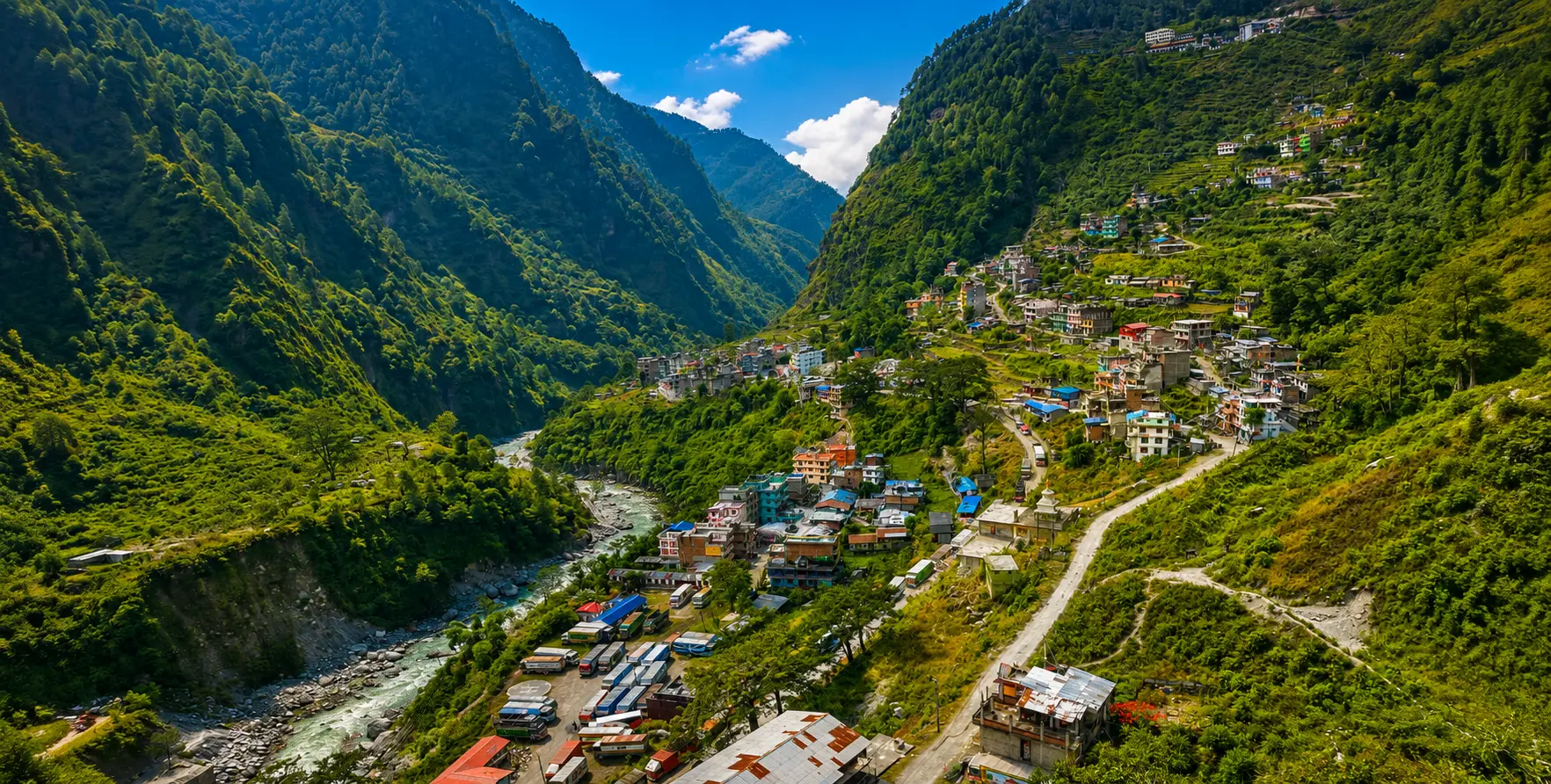
This experience is simultaneously more dramatic in its engineering, more spiritually charged in its destination, and more culturally rich in its visitor population than any other standard Nepal day trip.

Overnight Stay Options Near Manakamana

While most visitors treat Manakamana as a day trip, overnight stay options exist for travellers who prefer a more relaxed schedule, want to be at the temple for dawn puja before the cable car queues build, or are on a longer spiritual retreat at the site. The hilltop settlement near the top cable car station has several small guesthouses and basic hotels for pilgrims who want to attend the temple’s early-morning puja before the day-trip crowds arrive.

At the same time, more comfortable resort options exist at Kurintar on the Prithvi Highway riverside, where a cluster of riverside resorts has developed specifically to serve the transit and excursion market on this most-travelled stretch of Nepal’s highway network, offering swimming pools, garden dining, and comfortable rooms alongside the Trishuli River at prices significantly below Kathmandu or Pokhara hotel rates.

Nepal Vehicle Hiring Pvt Ltd can arrange drop-off for overnight stay visitors and a next-morning pickup from either the Kurintar base station or an agreed Prithvi Highway point for the onward journey to Pokhara or the return to Kathmandu — mention an overnight component when enquiring at [email protected] or WhatsApp. We will build the vehicle plan around your specific schedule.

Frequently Asked Questions

How long does the Manakamana cable car ride take?

The cable car ride takes approximately 10 minutes each way, covering 2.8 kilometres of aerial cable and rising roughly 1,000 meters in elevation from the Kurintar base station on the Prithvi Highway to the top station adjacent to the temple complex, a ratio of elevation gain to horizontal distance that makes it one of the steeper cable car gradients in South Asia.

What is the cable car ticket price for foreign visitors?

 The standard adult two-way cable car ticket costs approximately NPR 640–675. Foreign visitor rates may be slightly higher and should be confirmed at the Kurintar base station on arrival.

What time does the Manakamana cable car close for lunch?

The cable car pauses all passenger operations between 12:00 PM and 1:30 PM daily for staff rest and routine checks. Visitors should plan to arrive early enough to allow time for the ascent, temple visit, and descent before 12:00 PM, or plan to spend the lunch window at the hilltop and descend after 1:30 PM.

How far is Manakamana from Kathmandu?

The Kurintar cable car base station is about 104–106 kilometres from central Kathmandu by road via the Prithvi Highway, typically a 22.5-3-hour drive depending on departure time and traffic.

Can non-Hindus visit Manakamana Temple?

Yes, foreign and non-Hindu visitors are generally welcome at Manakamana Temple. The most sacred inner sanctum has specific protocols for removing footwear and modest dress, and some inner areas may restrict access for non-devotees. Still, the overall complex and cable car are fully open to all visitors regardless of religion or nationality.

Is a guide necessary for a Manakamana day trip?

A guide is not strictly required for the Manakamana cable car and temple visit, since the site is compact and well signposted. Still, an English-speaking guide adds meaningful context to the temple’s history, deity iconography, and ritual practices you may observe during the visit. Nepal Vehicle Hiring Pvt Ltd can arrange guide services alongside your vehicle booking — enquire at [email protected] or WhatsApp
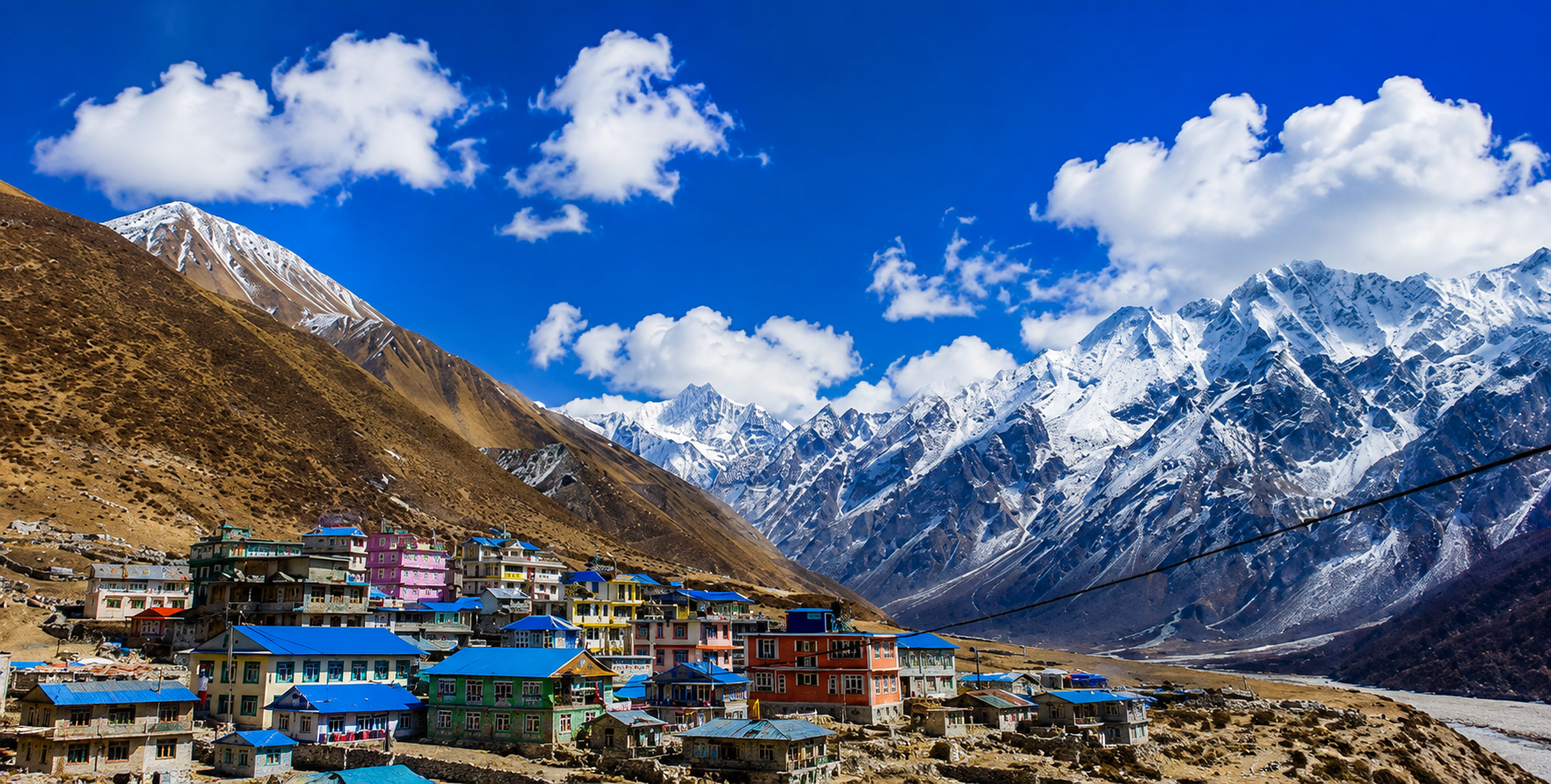
Can I book the Manakamana vehicle and cable car combo in advance?

Private vehicle transfers to Manakamana from Kathmandu or Pokhara can be booked in advance through Nepal Vehicle Hiring Pvt Ltd, ensuring your preferred vehicle category and departure time are confirmed before your visit date. You must purchase cable car tickets in person at the Kurintar base station on the day and cannot reserve them in advance through official channels. To book your vehicle combo, email [email protected] or message us on WhatsApp.
Book Your Manakamana Cable Car and Vehicle Combo Tour

Nepal Vehicle Hiring Pvt Ltd offers private vehicle transfers to Manakamana from both Kathmandu and Pokhara, with daily availability across all vehicle categories. Whether you want a private car hire for two, a jeep hire for a family group, or a Hiace van for a larger party, our experienced drivers know the Prithvi Highway route and Kurintar timing requirements well, ensuring you arrive on time and return comfortably the same day.

To make a booking or request a quote, reach us by email at [email protected] or call or message us directly on WhatsApp. You can also explore our full range of vehicle hire in Nepal or browse a complete Nepal tour package that includes Manakamana alongside Kathmandu, Pokhara, and Chitwan in a single coordinated itinerary. Our contact page is also available for inquiries at any time.

Final Thoughts: Why Manakamana Belongs on Every Nepal Itinerary

Manakamana Temple and its cable car approach is one of those rare travel experiences that simultaneously satisfies every kind of visitor — the religious pilgrim seeking divine blessing, the cultural traveller wanting a living encounter with active Hindu worship, the adventure traveller drawn by the aerial cable car drama and the hilltop Himalayan view, and the practical traveller who appreciates that this extraordinary experience is accessible within a single day from either of Nepal’s two major tourism cities without any particular physical fitness or technical preparation.

The cable car ride itself, an engineering achievement that transformed centuries of arduous pilgrimage trail into a 10-minute aerial crossing above the Trishuli gorge, is a remarkable symbol of how Nepal navigates the relationship between ancient spiritual tradition and modern infrastructure, using technology to widen access to sacred experience rather than displace it. The hilltop temple remains entirely and authentically alive with devotion, unchanged in its ritual character by the gondola, which now delivers several thousand pilgrims a day instead of the slower trickle that once made the steep footpath climb the only option.

For travellers already planning a Nepal itinerary that includes the Kathmandu–Pokhara corridor, adding a Manakamana stop requires no significant detour and no additional travel day, only good timing, an early-morning start, and a flexible private vehicle that can be arranged directly through Nepal Vehicle Hiring Pvt Ltd with a single message or phone call. Contact us at [email protected] or WhatsApp +977 WhatsApp — we will have your Manakamana combo tour planned and confirmed in a single conversation.

Chat with us