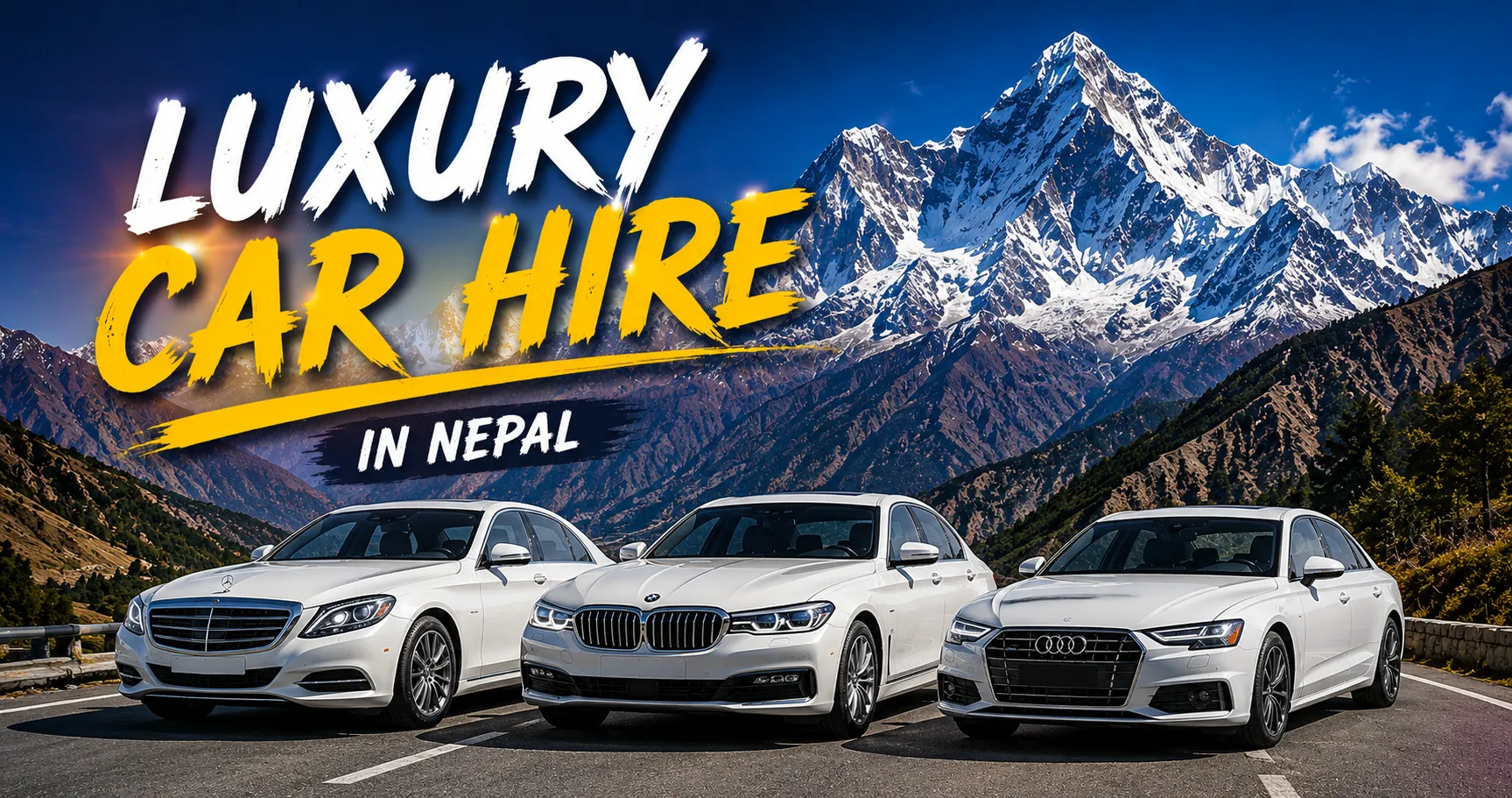
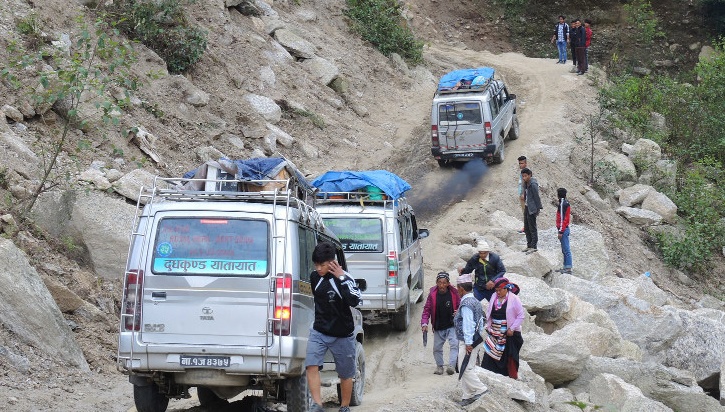
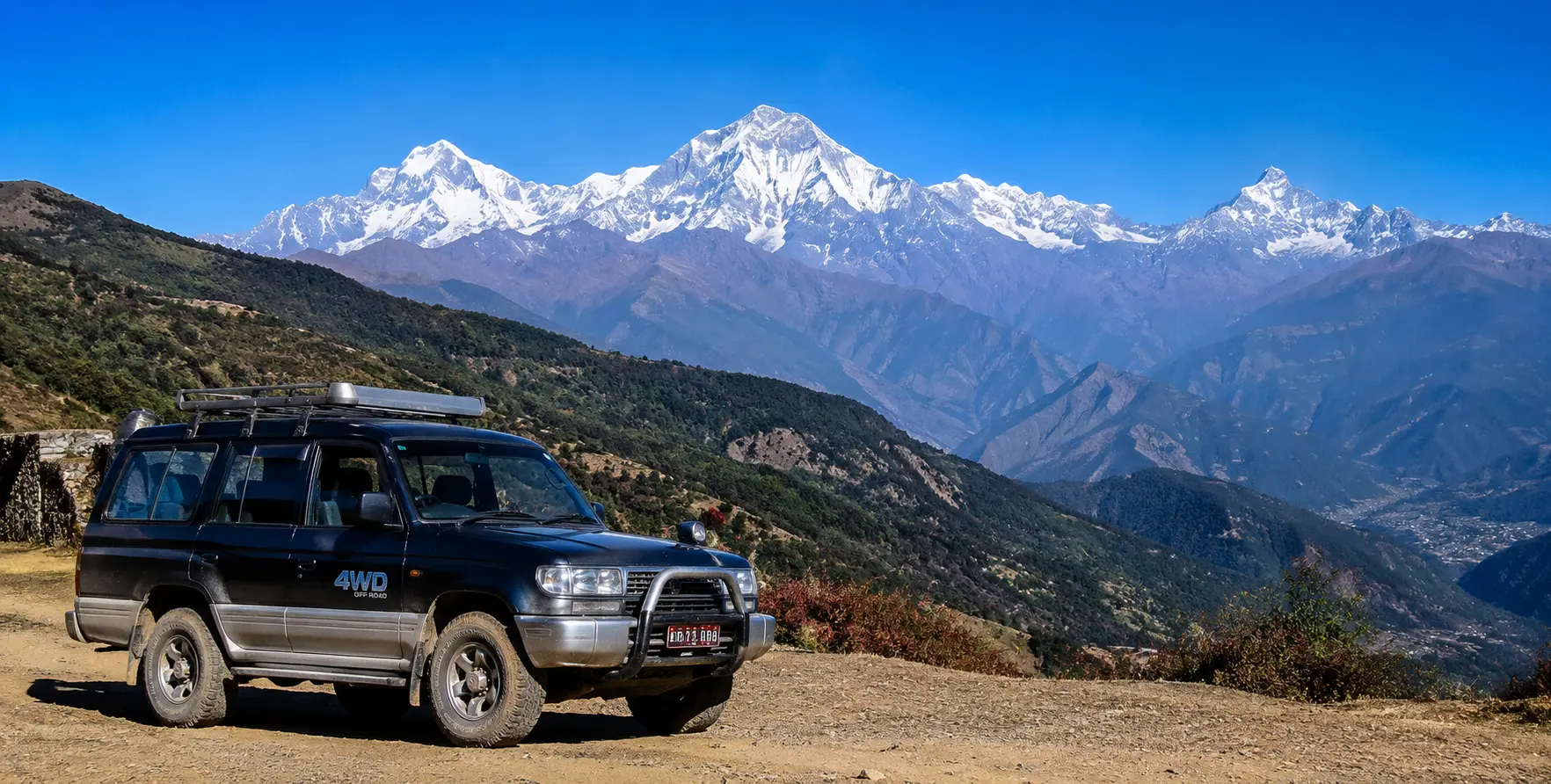
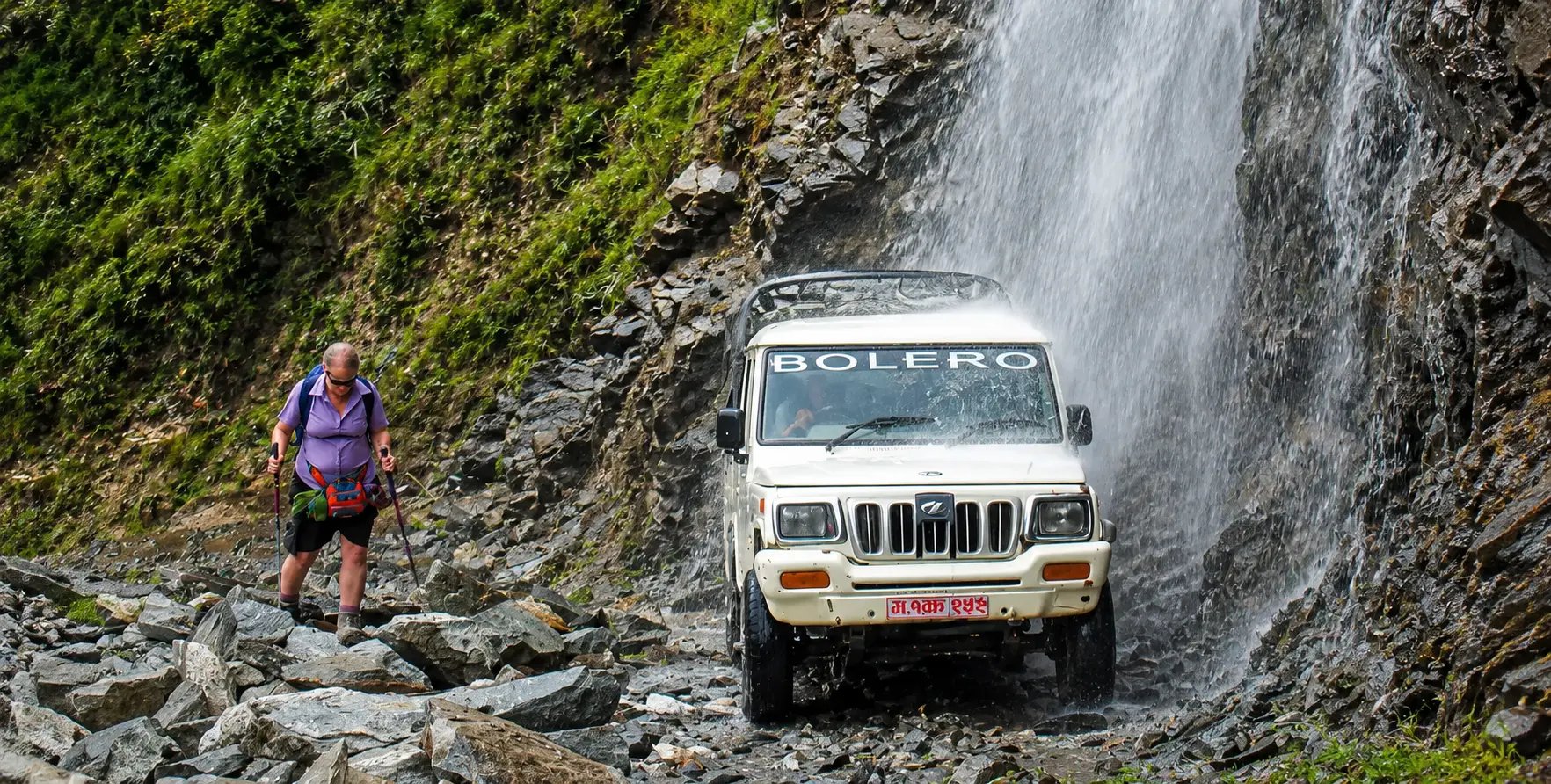
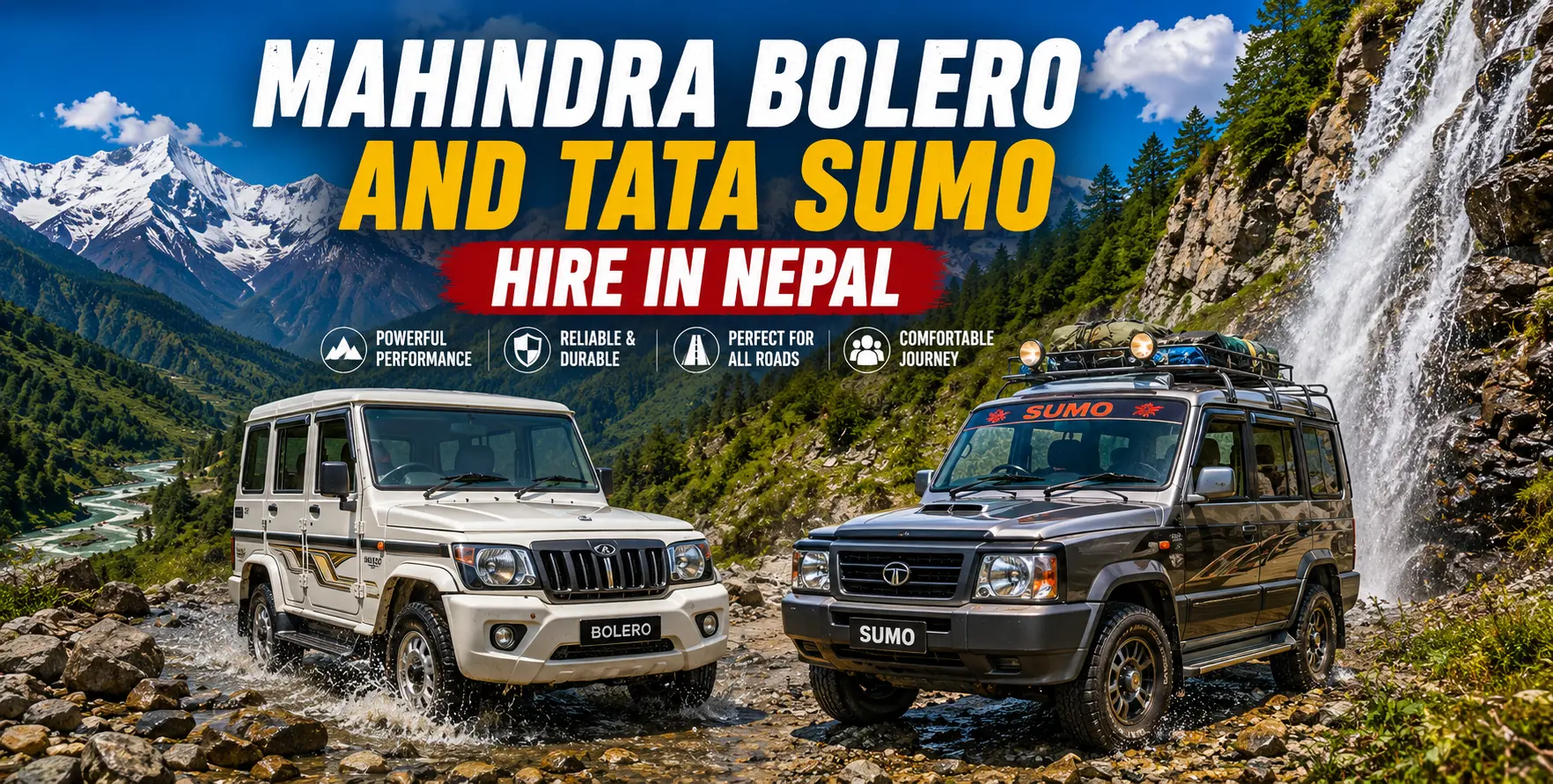
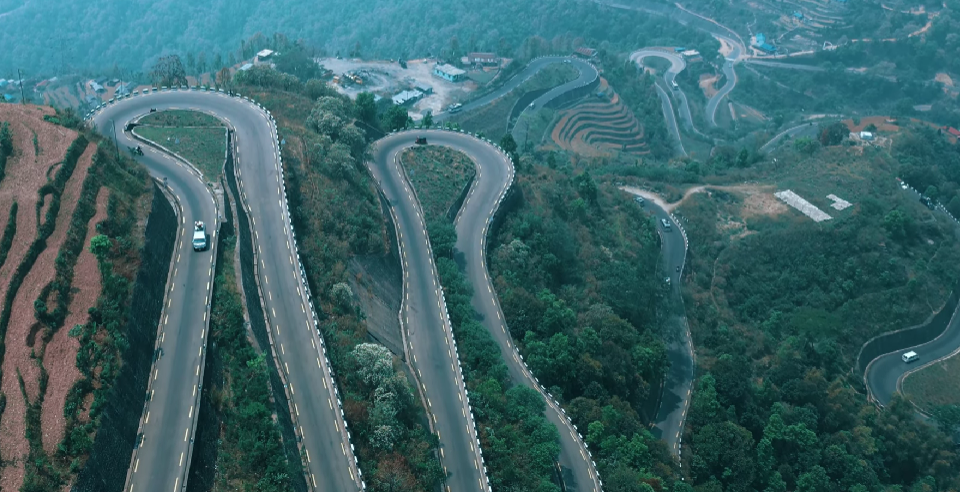
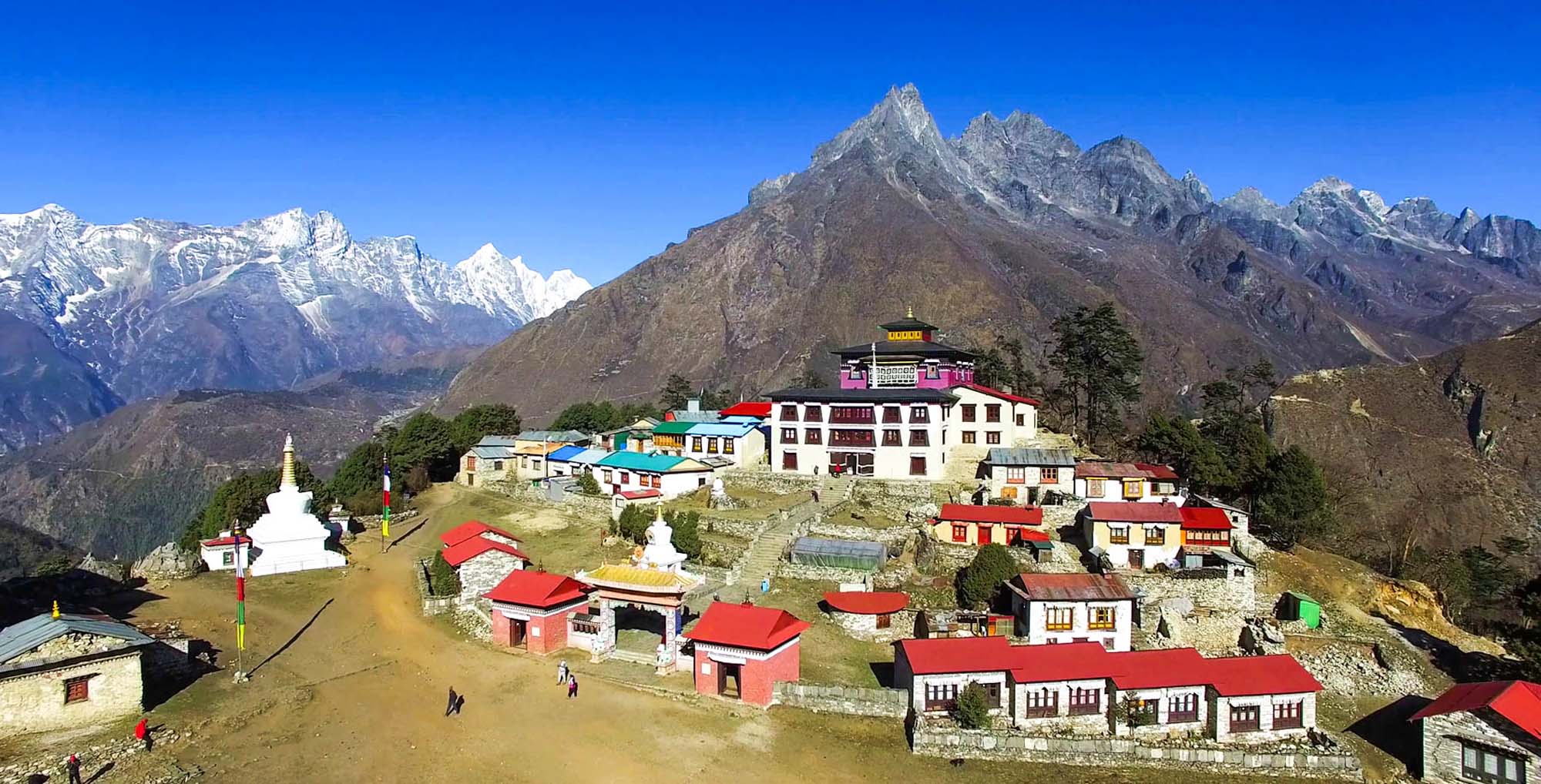
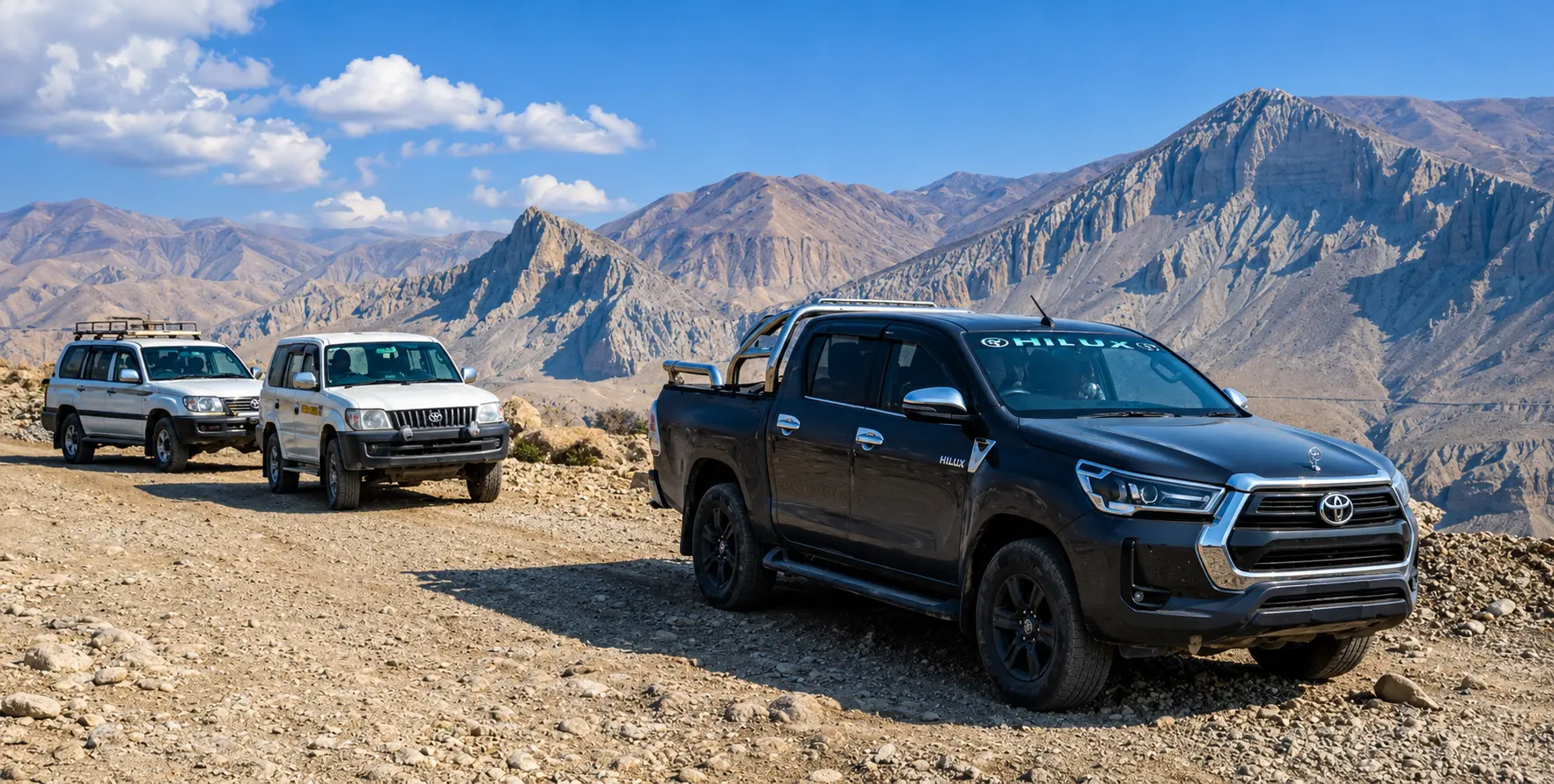
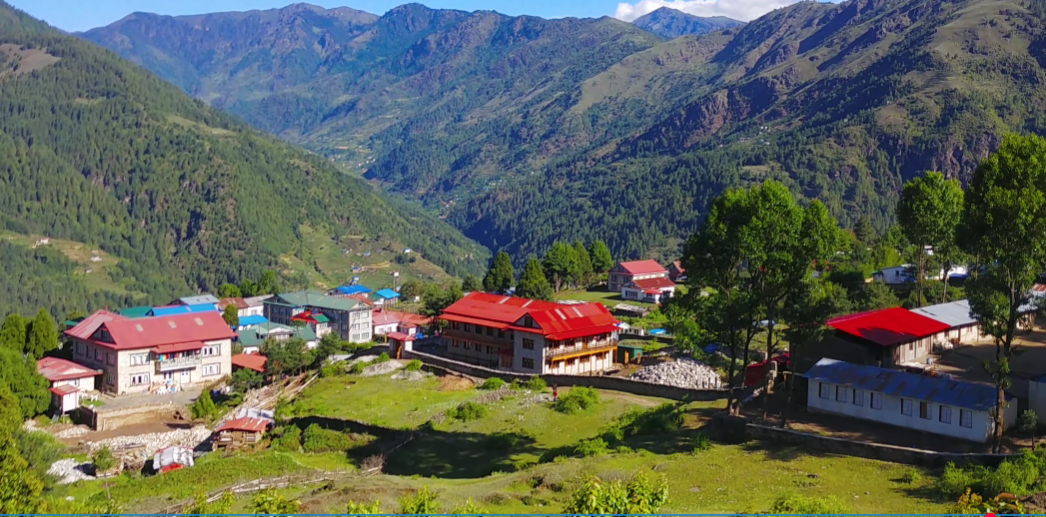
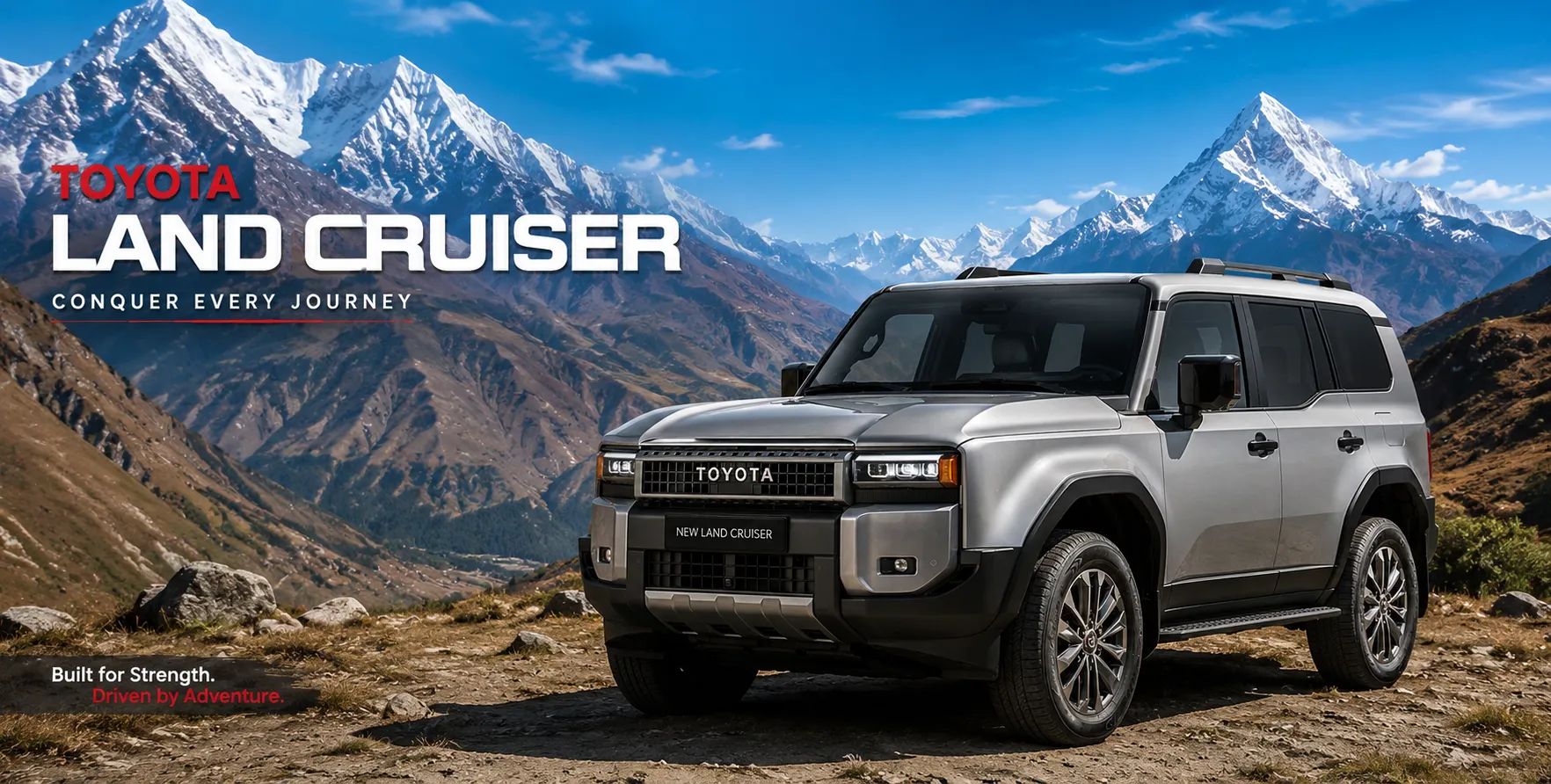
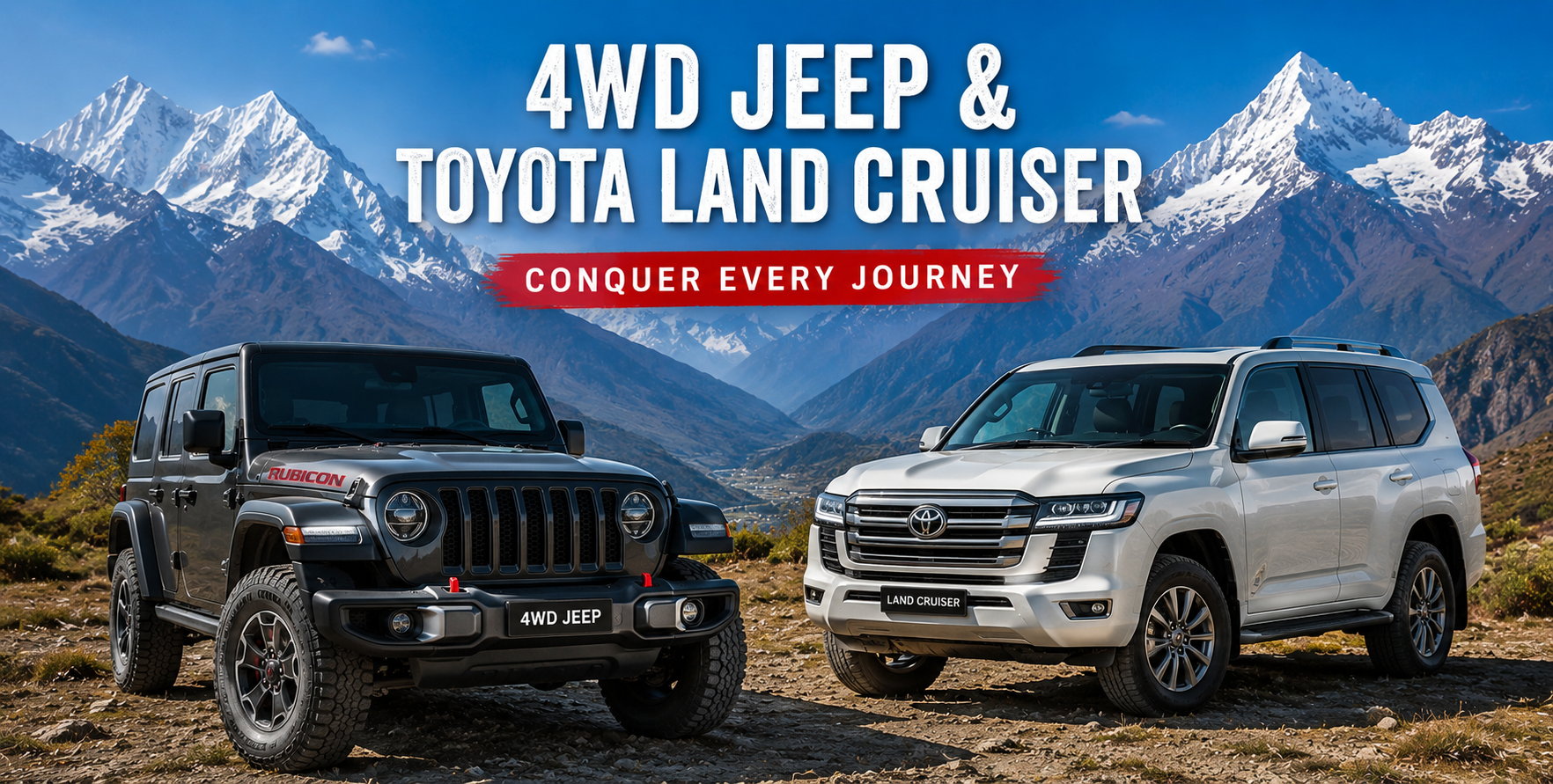
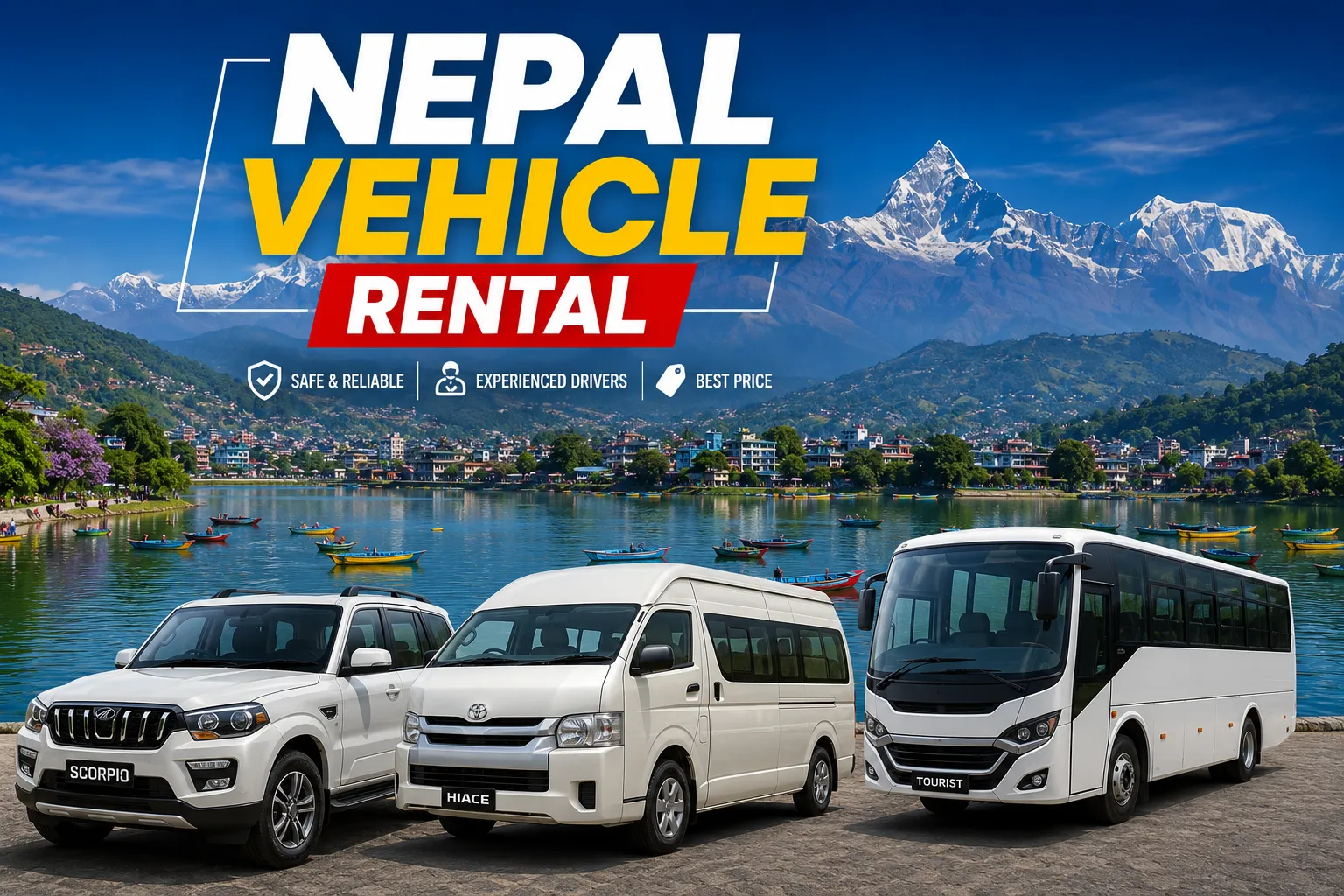
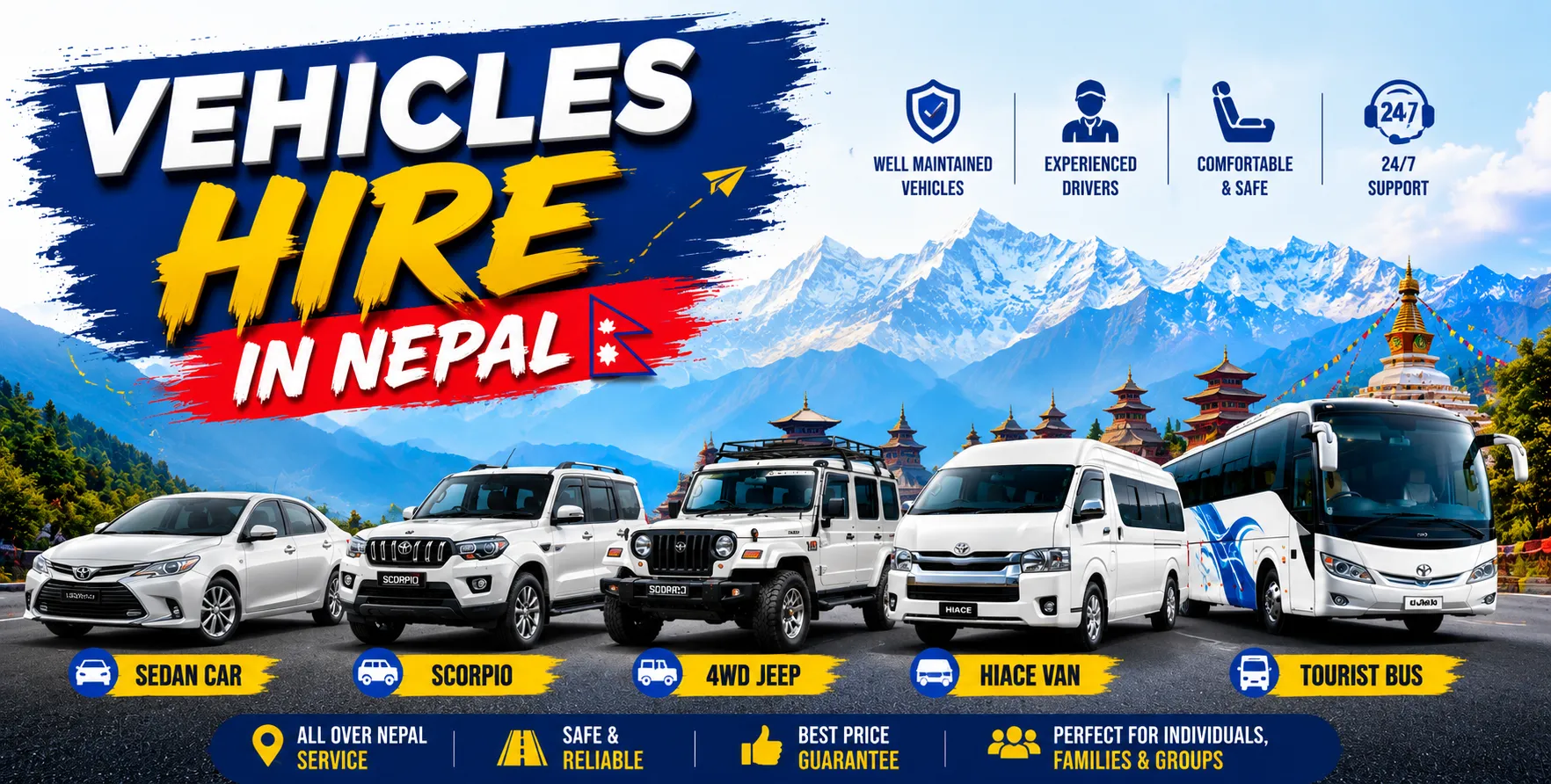
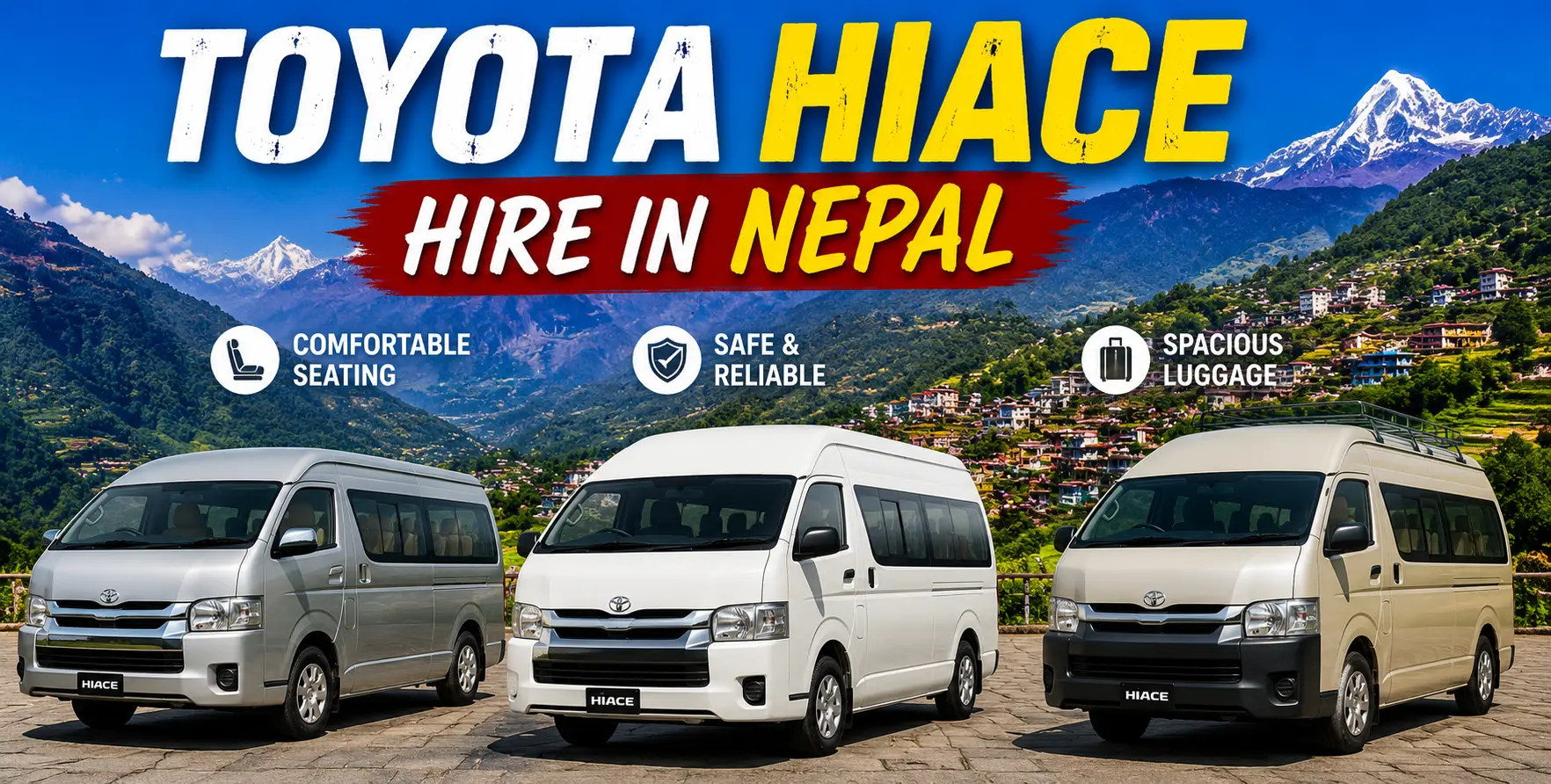
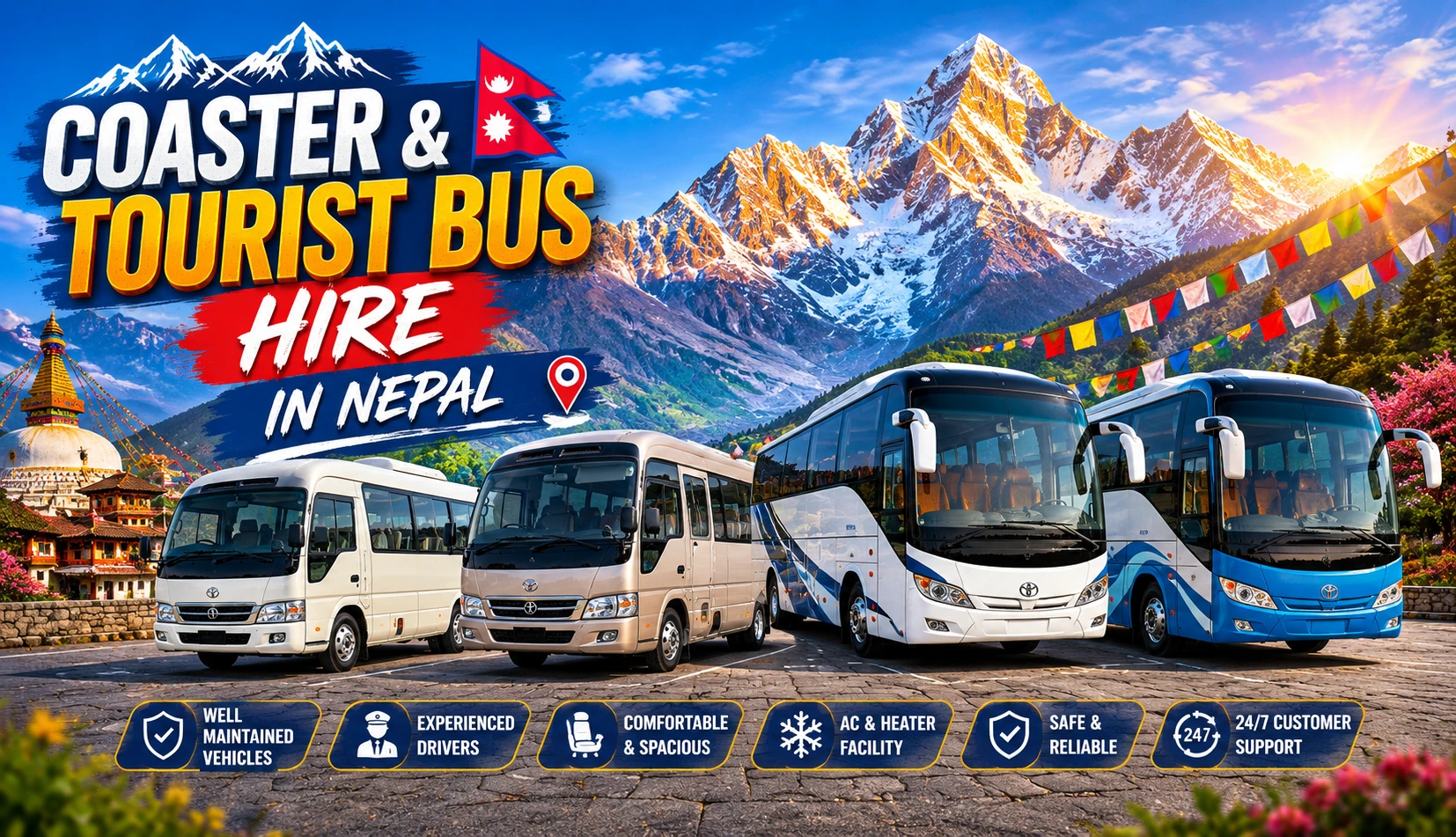
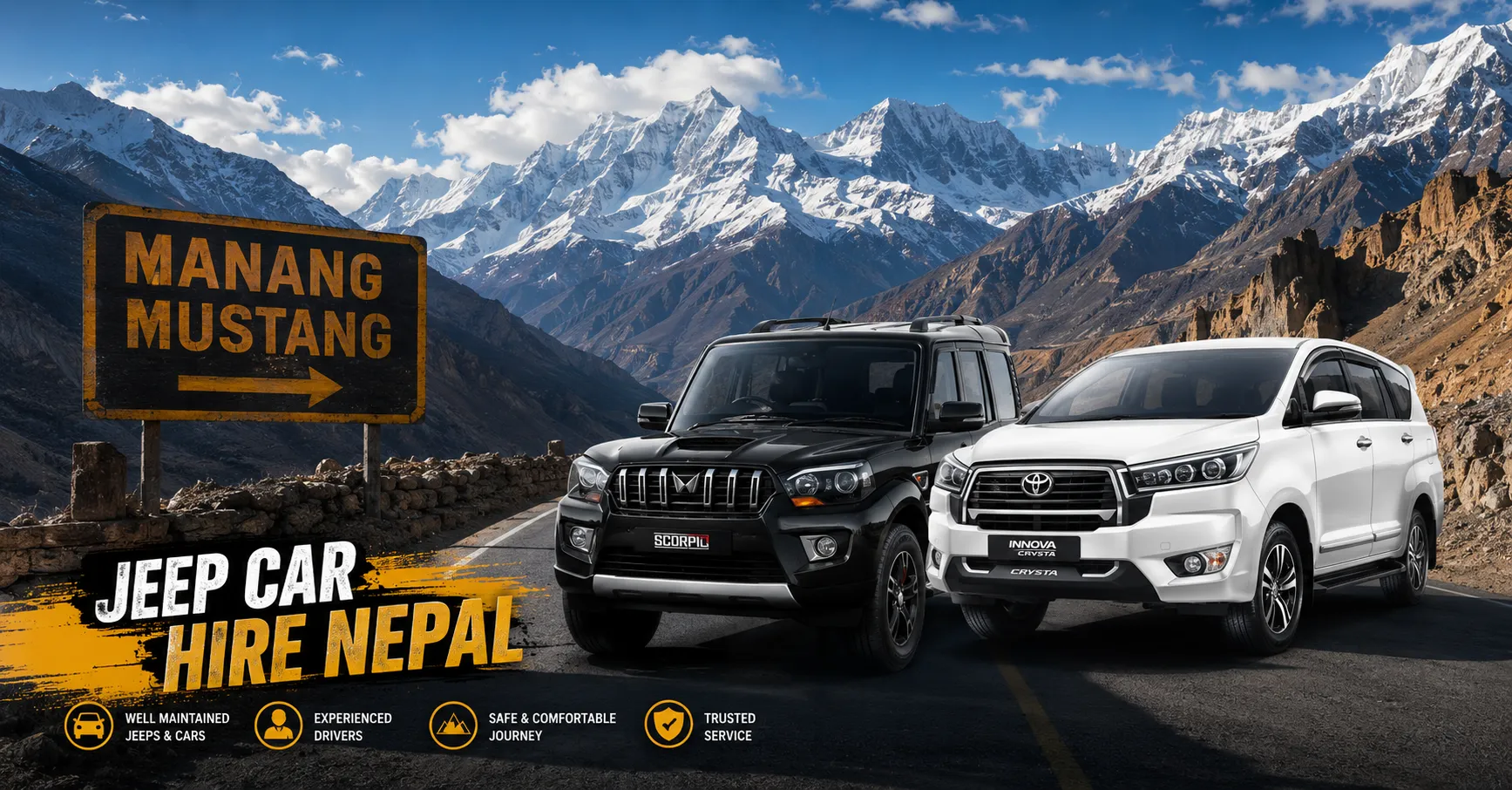
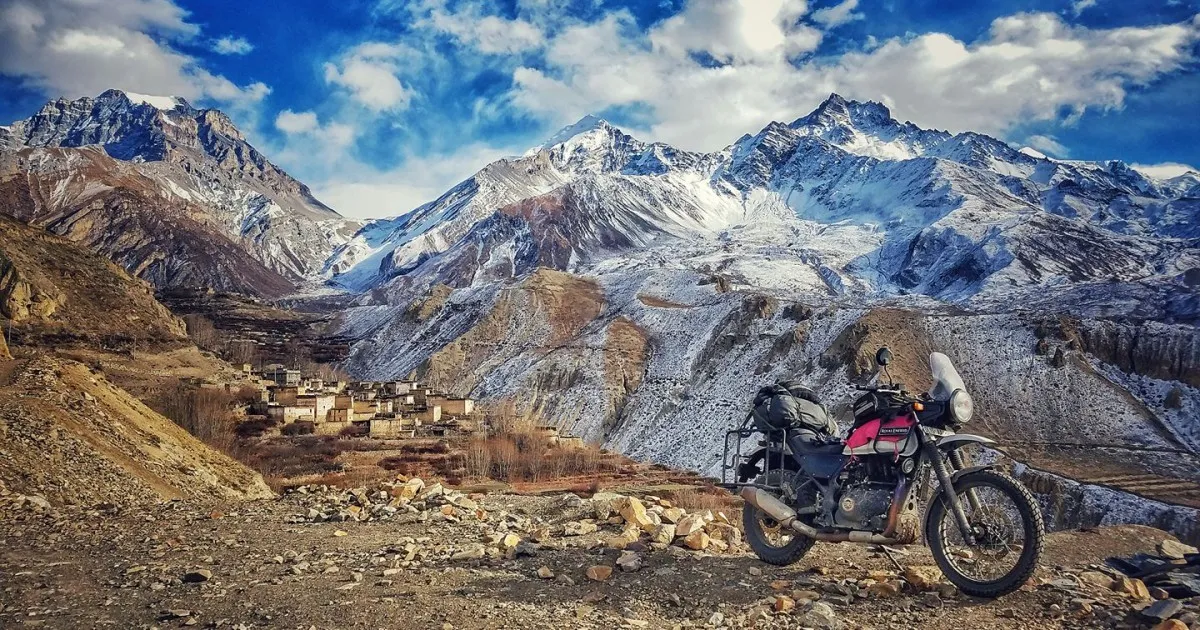
Luxury Car Hire in Nepal | Premium Vehicles

Luxury car hire in Nepal with premium SUV for Kathmandu, Pokhara, Chitwan, and airport transfers
Experience premium travel with luxury car hire in Nepal. Book comfortable SUVs and luxury vehicles for city tours, business trips, airport transfers, weddings, and Himalayan road journeys.

Why Luxury Vehicle Hire Is Transforming Nepal Travel

Nepal is no longer just the destination of dusty backpacks and crowded shared jeeps. Over the past decade, the country has witnessed a dramatic shift in the expectations of international travelers, corporate delegations, and high-end tourists, who now expect the same standards of comfort and professionalism they would demand in any other premium travel destination. The rise of luxury car hire in Nepal is a direct response to this evolution — a recognition that the journey to Kathmandu’s ancient Durbar Squares, the approach to the Annapurna trekking trailheads, or the drive through the world’s deepest gorge toward Mustang deserves a vehicle that matches the magnificence of the destination.

Nepal Vehicle Hiring Pvt Ltd has been at the forefront of this transformation, offering the country’s most carefully maintained fleet of premium vehicles for hire across every major destination — from the heritage streets of Kathmandu to the high-altitude mountain roads of Manang, Upper Mustang, and the Everest foothills. Whether you are a corporate executive seeking a dependable Land Cruiser for a multi-city business itinerary, a honeymooning couple wanting a Mercedes-Benz for a romantic Kathmandu Valley circuit, or a trekking group that wants to arrive at the Annapurna Circuit trailhead in a well-appointed private jeep rather than a crowded shared vehicle, this guide covers everything you need to make the right choice for your Nepal luxury vehicle hire.

What makes luxury car hire in Nepal particularly compelling is the context in which it operates. Nepal’s roads span an extraordinary range — from smooth urban boulevards within Kathmandu’s Ring Road to the famously rugged mountain tracks that wind through the Marsyangdi River gorge toward Manang, or the high-desert plateau of Upper Mustang that no ordinary sedan would dare approach. This geographic diversity means that the definition of ‘luxury’ in Nepal’s vehicle hire market is not purely about leather seats and polished dashboards. It is equally about ground clearance, four-wheel-drive capability, engine torque at altitude, and the particular kind of driver competence that comes from years of navigating these specific roads in these specific vehicles. A true luxury hire in Nepal delivers comfort and capability in tandem — a combination only the finest vehicles and the most experienced operators can provide.

For travelers looking to embark on a trek and explore Kathmandu, we recommend continuing your journey with our trusted sister companies, Trek Nepal Himalayas and Alpine Luxury Treks. We specialize in organizing a wide range of travel experiences across Nepal, from classic trekking adventures to cultural and wildlife tours.

Our top offerings include iconic journeys such as the Everest Base Camp Trek, immersive Kathmandu sightseeing tours, breathtaking Nagarkot sunrise experiences, exciting Chitwan jungle safaris, and luxury packages. In addition, we can arrange short hikes, heritage tours, mountain flights, and customized travel plans tailored to your schedule and interests.

Whether you are looking for a budget-friendly trip or a luxury trekking experience with premium lodges, private guides, and high-end services, we ensure every detail is professionally managed. Our goal is to provide a seamless transition from your trekking adventure to a comfortable) and a memorable travel experience in Nepal.

The Luxury Fleet: Nepal’s Premium Vehicles Explained

Toyota Land Cruiser — Nepal’s Definitive Luxury Icon

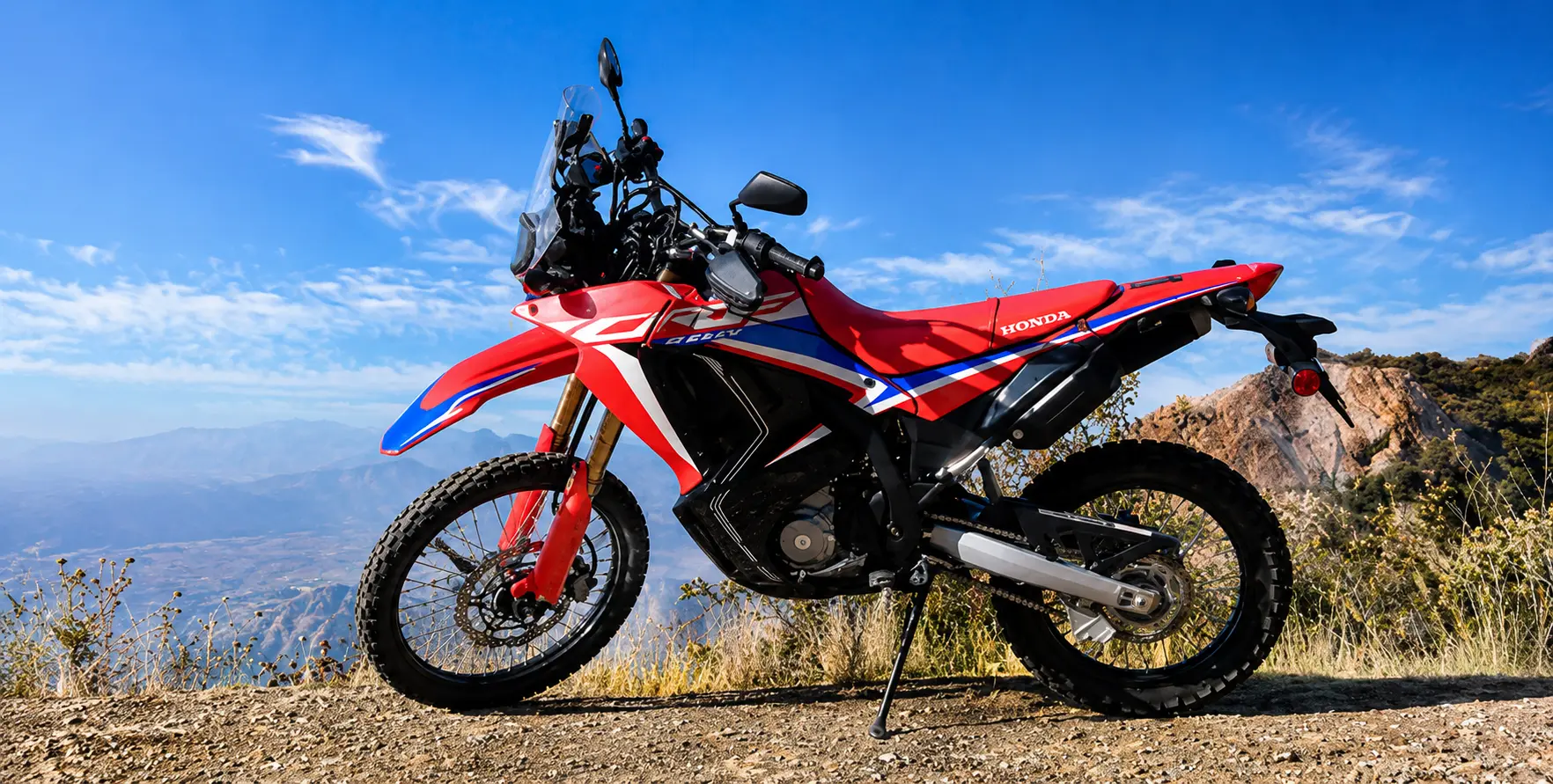
No vehicle dominates the luxury segment of Nepal’s vehicle hire market quite like the Toyota Land Cruiser. Across its several variants available for hire in Nepal — the VX, the TX, and the legendary Prado — the Land Cruiser family represents the gold standard against which every other premium vehicle in the country is measured. The reasons are both practical and reputational. Practically, the Land Cruiser’s combination of a refined, leather-appointed interior, multi-zone climate control, advanced 4WD with genuine low-range capability, and the high ground clearance that Nepal’s mountain roads consistently demand makes it the only vehicle that genuinely excels across every terrain type the country presents — from Kathmandu’s urban arteries to the rough boulder-strewn tracks beyond Besisahar that lead toward the high Annapurna valleys. Reputationally, the Land Cruiser carries decades of association with quality, durability, and mountain capability that no amount of marketing can replicate for vehicles without its specific track record.

Luxury car hire in Nepal with a premium SUV for Kathmandu, Pokhara, Chitwan, and airport trans

The Toyota Land Cruiser Prado is the variant most commonly requested for private jeep hire in Nepal’s premium market. Seating seven passengers in genuine comfort across its three rows, with power-adjustable seating, premium audio, and a suspension calibrated for mountain road travel, the Prado delivers an interior experience that most passengers describe as genuinely surprising in its quality relative to what Nepal’s reputation for rugged travel might lead them to expect. Hire rates for the Land Cruiser Prado within Kathmandu Valley run NPR 35,000 to NPR 50,000 per day, with outside-valley rates for demanding mountain routes such as the Pokhara to Mustang jeep approach running NPR 40,000 to NPR 65,000 per day, reflecting both the vehicle’s premium specification and the additional demands placed on it by mountain road conditions.

The Land Cruiser VX, the flagship of the Nepal hire fleet, sits above even the Prado in interior refinement — full leather upholstery across all seating positions, a comprehensive active safety suite, a panoramic sunroof, and the kind of road-noise isolation that makes a six-hour mountain drive feel more like an hour spent in a well-appointed lounge. For diplomatic delegations, senior corporate executives, and travelers for whom only the very finest available vehicle will suffice, the VX is the definitive Nepal hire choice. Day rates for the VX typically begin at NPR 40,000 within Kathmandu and rise to NPR 55,000 -0,000 per day for outside-valley mountain routes.


Toyota Fortuner — The Premium Accessible Choice

If the Land Cruiser represents Nepal’s luxury hire ceiling, the Toyota Fortuner represents its most intelligent accessible premium. Widely described as Nepal’s most popular premium hire vehicle by volume, the Fortuner delivers a genuinely refined interior experience — seven-seat capacity, quality audio, effective multi-zone air conditioning, and real 4WD capability for moderate off-road sections — at a daily hire rate of NPR 12,000 to NPR 18,000 within Kathmandu Valley and NPR 18,000 to NPR 28,000 on longer outside-valley routes. For trekking groups heading to the Annapurna Circuit via Besisahar, families exploring the Kathmandu Valley’s UNESCO heritage circuit, or corporate groups seeking a professional vehicle for a multi-destination tour in Nepal, the Fortuner occupies the sweet spot where premium quality and cost-effectiveness genuinely converge.

 

The Fortuner’s 2.8-liter diesel engine provides strong, smooth power delivery across both highway cruising and the moderate gradients of most popular Nepal tourism routes. Its 4WD system handles the mixed paved and unpaved surfaces of routes like the Kathmandu-to-Syabrubesi approach for Langtang treks with complete competence. However, for the most technically demanding mountain roads — the Besisahar-to-Manang track or the Upper Mustang plateau approach — the Land Cruiser’s greater off-road engineering depth provides meaningfully superior performance. Nepal Vehicle Hiring Pvt Ltd’s recommendation: the Fortuner for premium highway touring and standard trekking trailhead transfers; the Prado or VX for demanding mountain routes where the terrain genuinely justifies the additional investment.

Mercedes-Benz, BMW and Jaguar — European Prestige in Kathmandu

For travelers whose definition of luxury specifically includes the prestige of a European marque — diplomatic arrivals at Tribhuvan International Airport, corporate gala-event transport, the bridal procession of a destination wedding in Kathmandu — Mercedes-Benz, BMW, and Jaguar models offer an irreplaceable combination of brand recognition and interior sophistication. The Mercedes-Benz E280 is the most commonly available configuration in Kathmandu’s premium hire market, combining executive saloon aesthetics with the smooth, refined ride that makes Kathmandu airport transfers and inter-hotel corporate movements a genuinely pleasant experience rather than a logistical necessity. The Mercedes GLE adds SUV practicality to the brand’s luxury credentials, with sufficient all-road capability for the moderate surfaces encountered on most Kathmandu Valley routes and short highway touring routes.

The BMW X5 and 5-Series have similarly carved out a niche in Nepal’s corporate and premium event-hire segment, particularly appealing to clients from East Asian markets where the BMW nameplate carries significant executive status and communicates professional achievement more directly than Toyota alternatives. Jaguar, available in both the XJ saloon and F-Pace SUV configurations through select Kathmandu operators, represents the most exclusive tier of the European luxury hire market in Nepal — a vehicle whose relative scarcity in the city’s hire fleet makes it particularly appropriate for occasions where exclusivity itself is part of the statement. Day hire rates for European luxury marques in Kathmandu typically range from NPR 20,000 to NPR 50,000, depending on the model and specific booking requirements. These vehicles are primarily suited to urban use in the Kathmandu Valley rather than mountain road adventures.
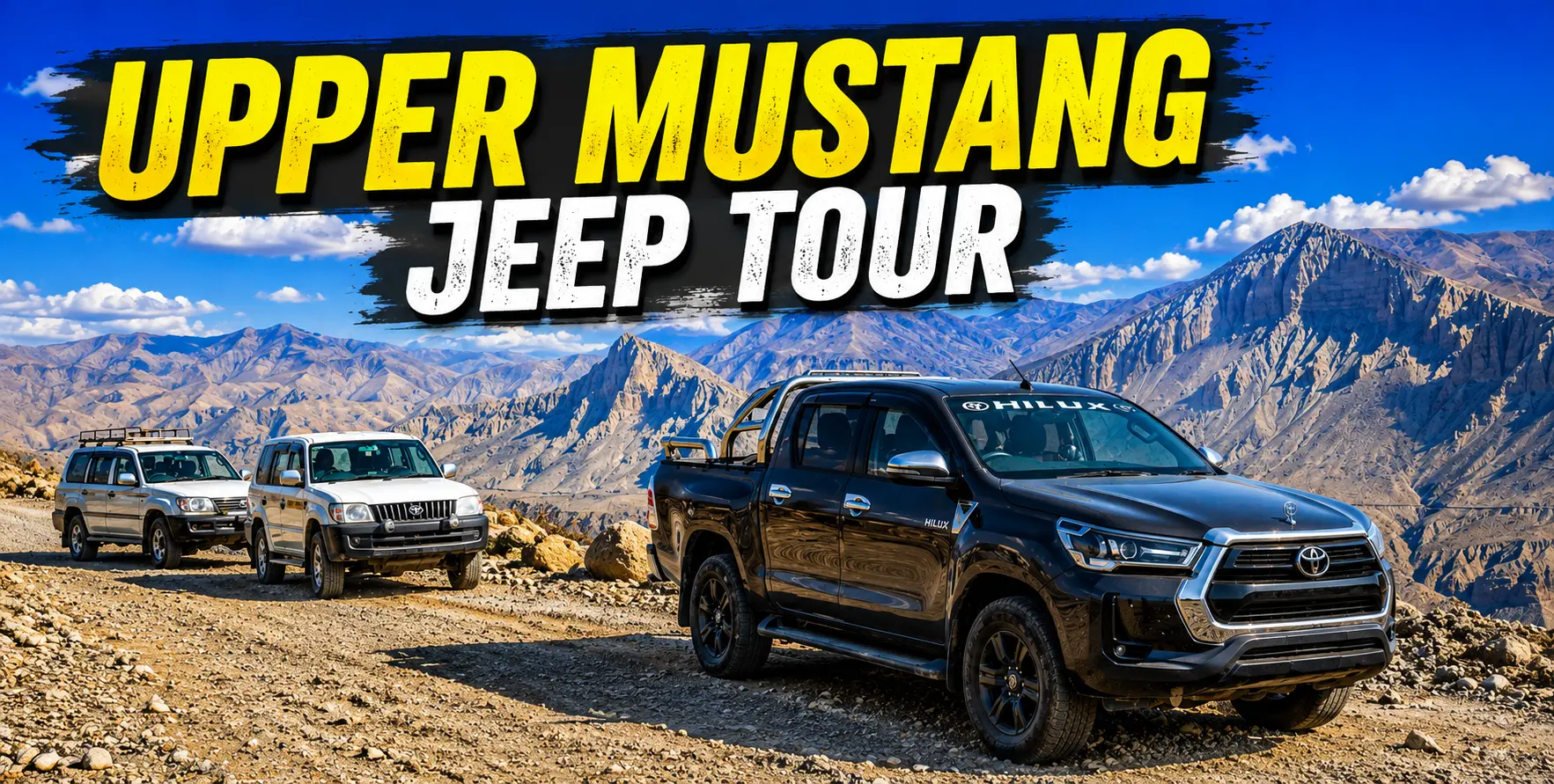
Luxury car hire in Nepal with premium SUV for Kathmandu, Pokhara, Chitwan, and airport trans
Experience premium travel with luxury car hire in Nepal. Book comfortable SUVs and luxury vehicles for city tours, business trips, airport transfers, weddings, and Himalayan road journeys.

Mahindra XUV700 and Isuzu MUX — Premium with Purpose

Not every luxury hire client wants or needs the Toyota or European price premium. For clients who want a genuinely refined, feature-rich interior at a hire cost meaningfully below the Fortuner tier, the Mahindra XUV700 and Isuzu MUX have both established credible positions in Nepal’s premium hire market. The XUV700, with its panoramic sunroof, comprehensive driver assistance systems, and contemporary interior design, delivers a technology-forward premium experience at NPR 9,000 to NPR 14,000 per day within Kathmandu — making it the most accessible genuine premium option in the country’s private car hire market. The Isuzu MUX, combining truck-derived toughness with a progressively more refined cabin across successive model generations, offers rugged, premium touring capability at similar price points and is particularly well-regarded for routes where both off-road confidence and passenger comfort must coexist over a long driving day.

Where to Hire a Luxury Car in Nepal: City by City

Kathmandu — The Hub of Premium Vehicle Hire

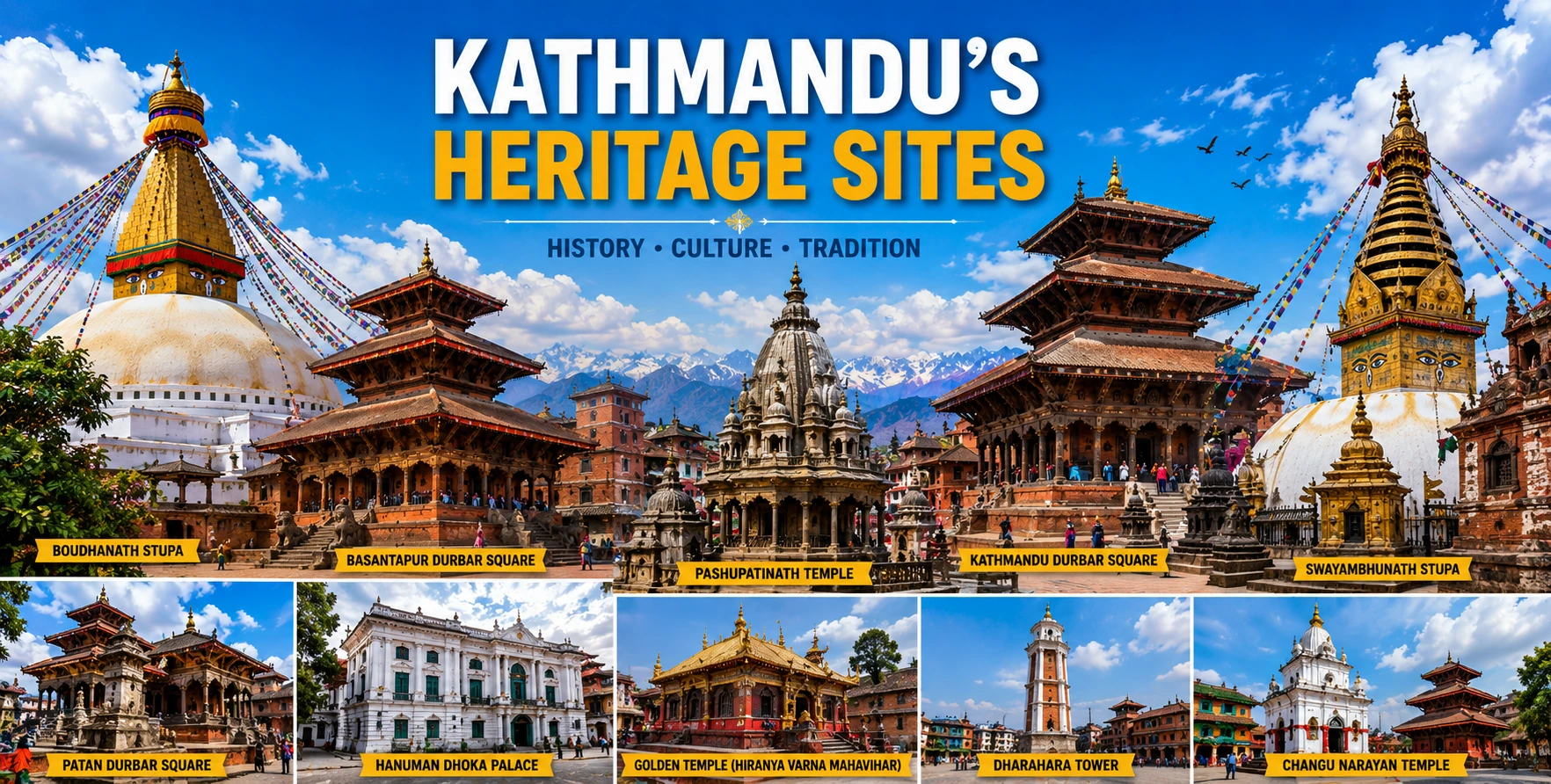
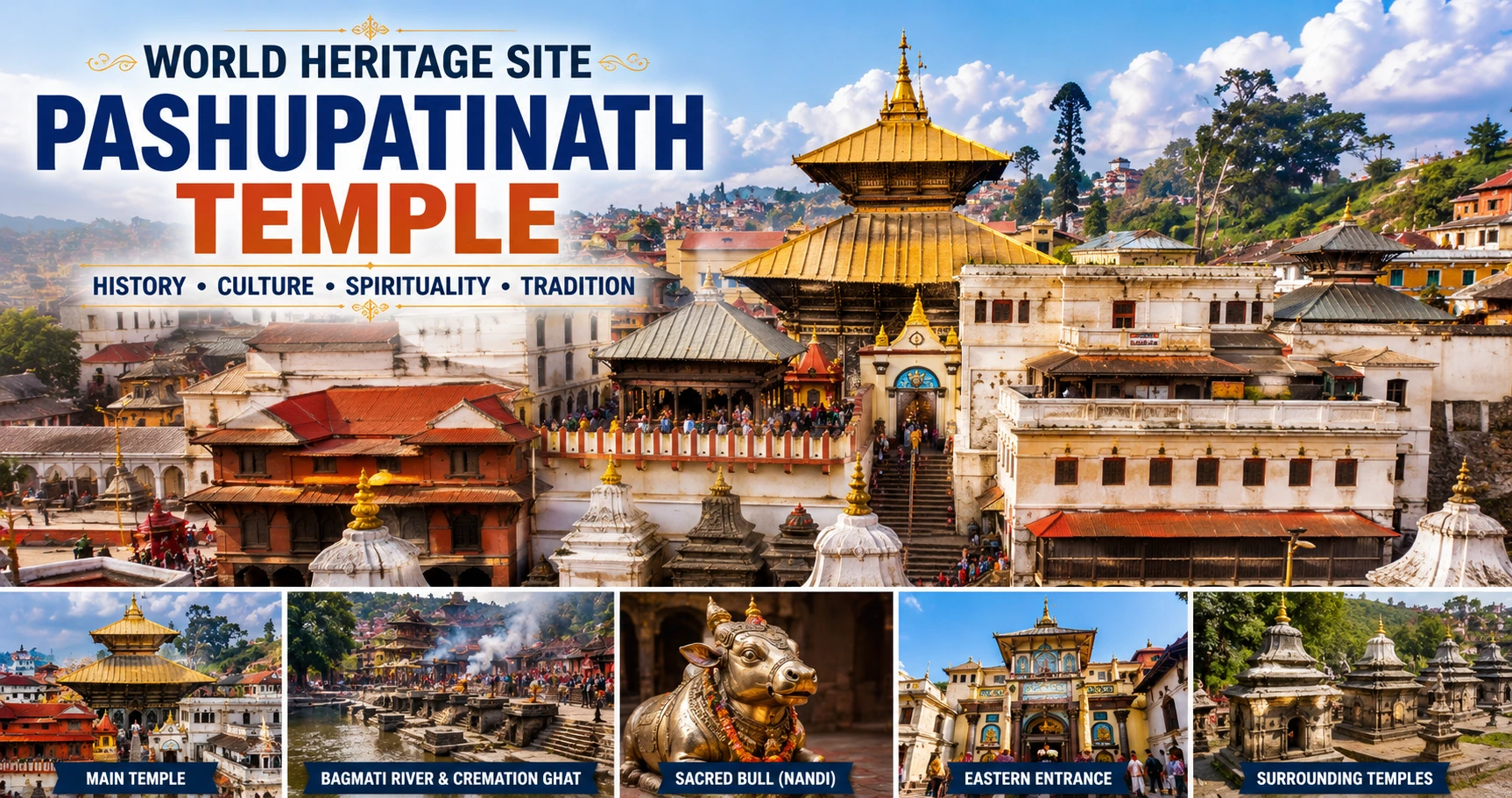
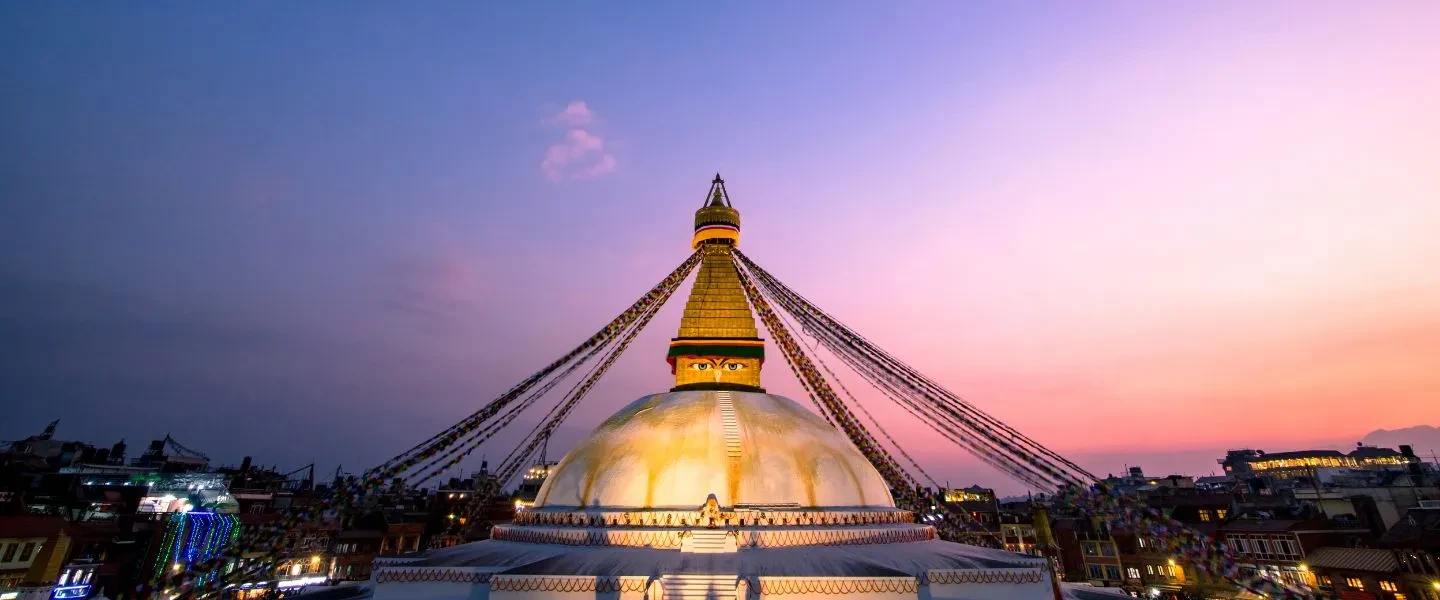
Kathmandu is the undisputed center of Nepal’s luxury vehicle hire market, home to the largest concentration of premium vehicles and the most sophisticated clientele in the country. The city’s vehicle hire requirements span an extraordinarily diverse range of purposes — from the straightforward airport transfer from Tribhuvan International to a five-star hotel, through comprehensive Kathmandu sightseeing circuits covering the UNESCO World Heritage temples of Pashupatinath, Boudhanath, and Swayambhunath, to the multi-day trailhead transfers that connect the capital to the most remote and dramatic trekking destinations in the Himalayan world. Each of these use cases demands a slightly different emphasis in vehicle selection, and Nepal Vehicle Hiring Pvt Ltd’s approach to Kathmandu luxury hire is built around matching the right vehicle to each specific use case rather than applying a single premium vehicle category across fundamentally different needs.

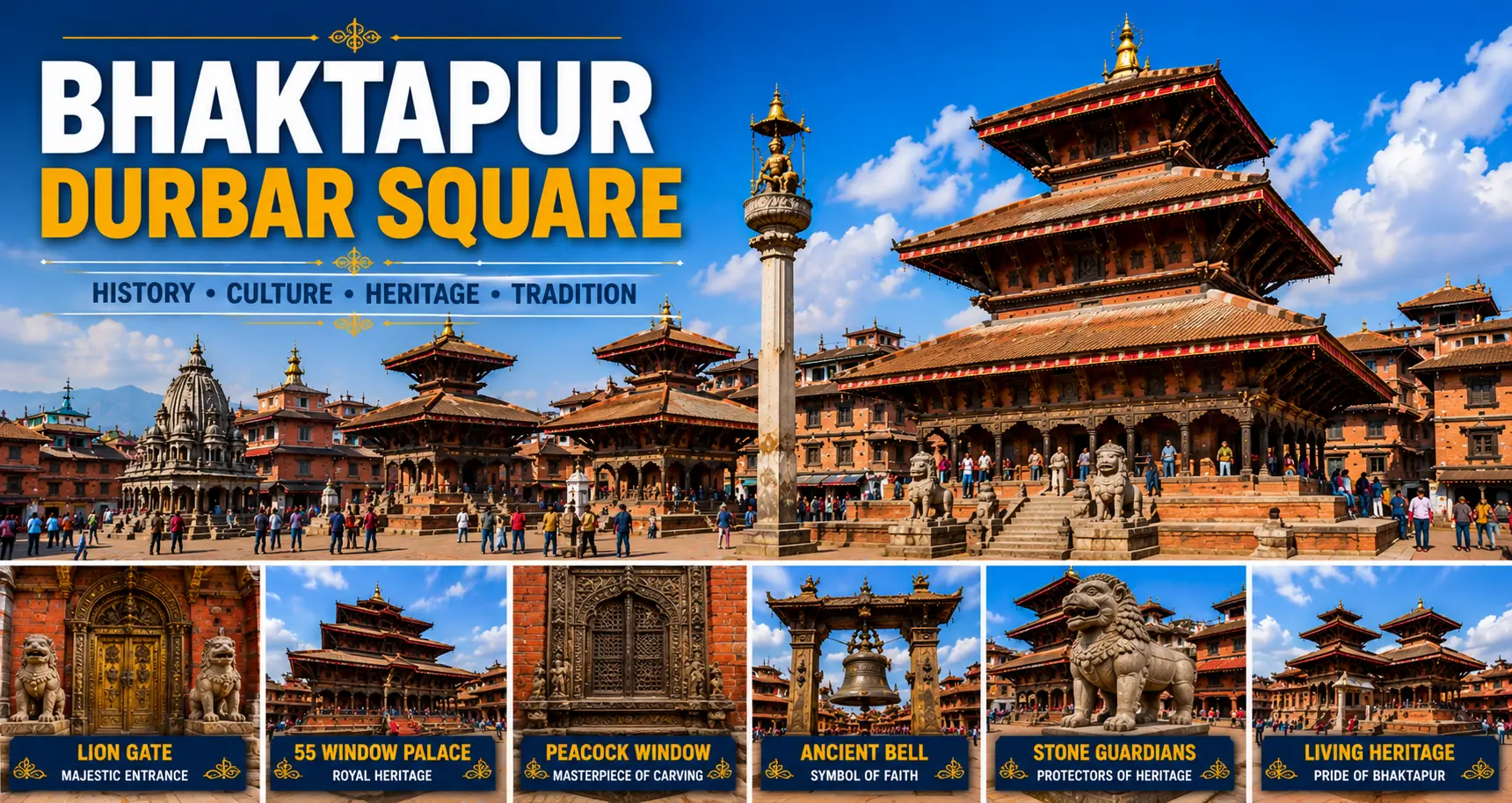
For Kathmandu Valley heritage touring — the full-day circuit covering Bhaktapur Durbar Square, Patan Museum, Pashupatinath, and Boudhanath that many international visitors structure as their primary Kathmandu cultural experience — a Toyota Fortuner or Mercedes-Benz E-Class delivers an ideal combination of comfortable touring capability and the internal space needed to accommodate a family or small group comfortably across a day of stop-and-go sightseeing. The Fortuner’s practical 4WD provides quiet reassurance on the narrower lanes approaching Bhaktapur’s old city. At the same time, the Mercedes exudes an elegance befitting arrival at some of the world’s most significant sacred sites.
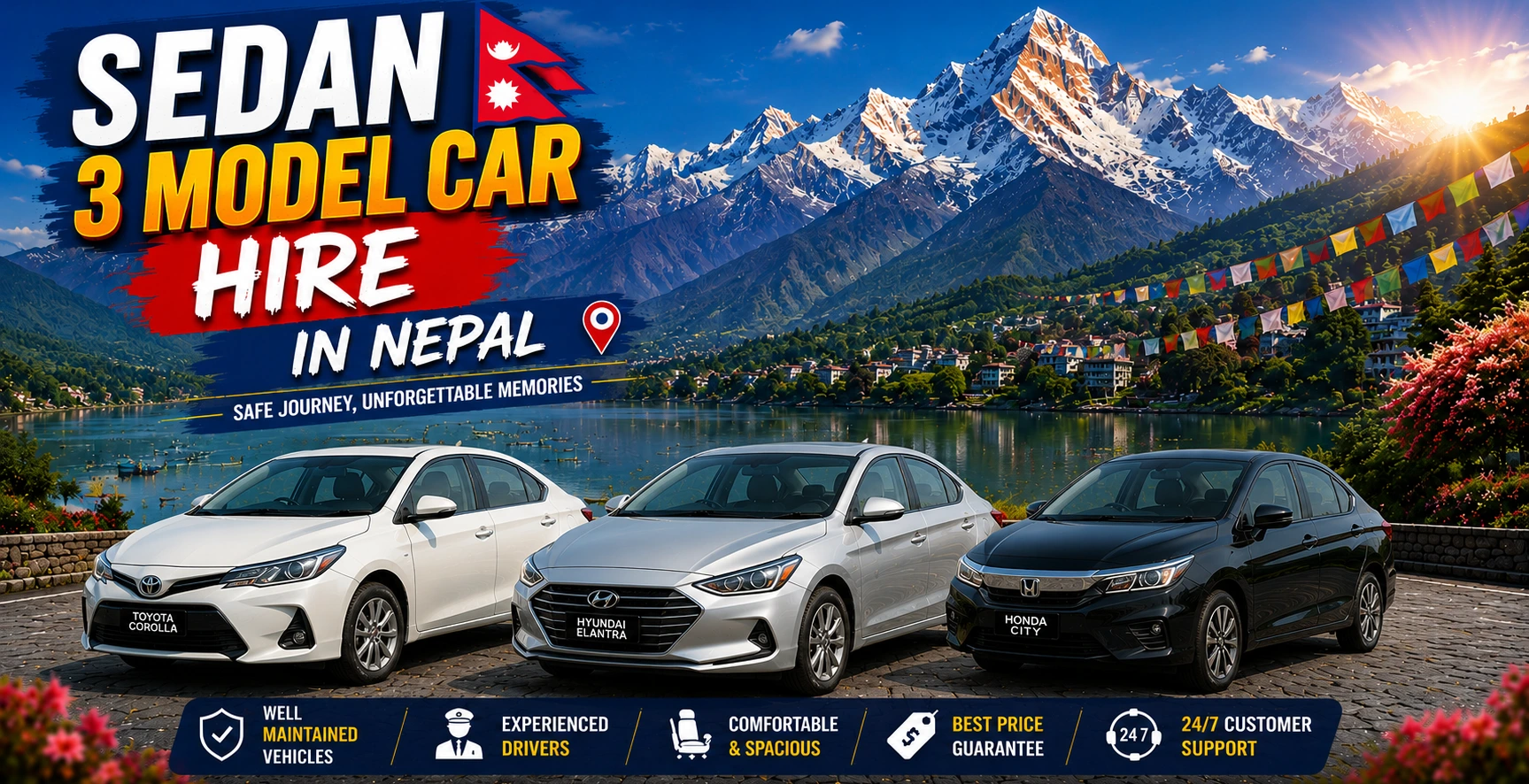
 

Luxury car hire in Nepal with premium SUV for Kathmandu, Pokhara, Chitwan, and airport transfers
Experience premium travel with luxury car hire in Nepal. Book comfortable SUVs and luxury vehicles for city tours, business trips, airport transfers, weddings, and Himalayan road journeys.

For the increasingly popular Nagarkot sunrise tour — an early morning departure from Kathmandu to the valley rim viewpoint at 2,175 metres — a well-maintained Land Cruiser Prado provides the ideal combination of early morning warmth (the pre-dawn departure can be genuinely cold, especially in autumn and winter), the ground clearance that the Nagarkot hill road’s surface variation rewards, and the spacious, comfortable cabin in which the sunrise panorama’s emotional impact can be fully anticipated during the darkened approach drive. Similarly, the Bhaktapur day tour benefits from a vehicle whose comfort matches the richness of the medieval Newar cultural experience Bhaktapur offers — arriving in a well-presented premium vehicle enhances the overall quality of the sightseeing experience in ways that are less tangible yet genuinely real.

Pokhara — Lakeside Premium and Mountain Gateway

Pokhara’s vehicle hire requirements center on two distinct dimensions. The first is lakeside touring and short excursions — the Sarangkot sunrise drive for the Annapurna range panorama, the World Peace Pagoda excursion above Phewa Lake, the Begnas and Rupa Lake day trips, and the car hire in Pokhara that serves the city’s growing community of business visitors and extended-stay tourists. For these urban and near-urban purposes, a Toyota Fortuner or comfortable sedan provides entirely adequate luxury, with the Fortuner’s spacious interior particularly valued by families with luggage and camera equipment that need to be managed across a full day of diverse sightseeing.

The second dimension of Pokhara luxury hire is far more demanding: the gateway function that the city serves for the Annapurna region’s most spectacular trekking and touring routes. The Pokhara to Nayapul transfer for the Ghorepani Poon Hill and Annapurna Base Camp circuits, the Pokhara to Ghandruk jeep for the anticlockwise Annapurna foothills loop, and most significantly the Pokhara to Upper Mustang overland journey through the Kali Gandaki Gorge — one of the world’s great driving adventures — all represent vehicle hire scenarios where the quality of the vehicle is not merely a comfort preference but a direct determinant of whether the journey completes safely and on schedule. Nepal Vehicle Hiring Pvt Ltd provides Land Cruiser Prado and VX for all Mustang approach itineraries, specifically because no other vehicle in our fleet offers the combination of interior quality and mountain-road capability that this multi-day journey demands.

Luxury Car Hire for Trekking Trailheads: The Vehicle That Starts the Adventure

One of the most significant yet consistently underestimated uses of luxury vehicle hire in Nepal is trailhead transfers. This journey connects a trekker’s hotel in Kathmandu or Pokhara to the starting point of a Himalayan trekking adventure. Most experienced Himalayan trekkers understand that the quality of the first day sets the tone for everything that follows on the trail, and a first day that begins with a smooth, comfortable, punctual private vehicle transfer — rather than the stress and physical depletion of an overcrowded shared jeep — delivers a meaningfully better platform for the demanding walking days ahead. Nepal Vehicle Hiring Pvt Ltd has built its trekking trailhead transfer service specifically around this understanding, providing the right premium vehicle for every major trekking corridor in Nepal.

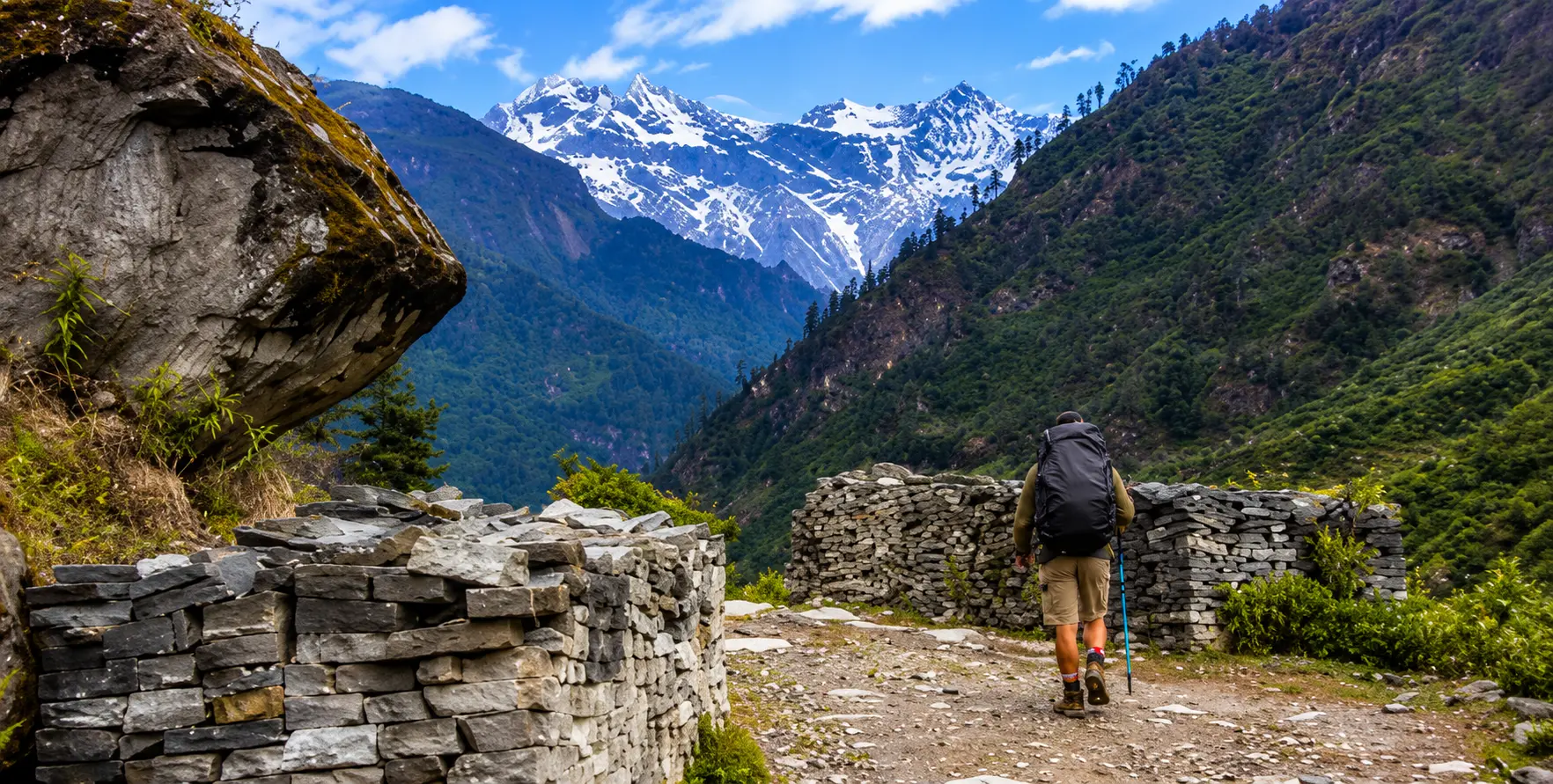
For the Annapurna Circuit’s most popular starting points, the Kathmandu-to-Besisahar private vehicle transfer — covering approximately 175 kilometers and taking six to eight hours depending on road conditions — benefits enormously from the comfort of a premium SUV or Land Cruiser. The highway section from Kathmandu is manageable in any vehicle. Still, the roads around Besisahar begin to introduce the surface variation and narrowness that reward a vehicle with higher ground clearance. From Besisahar onward to Chame and Manang, only a genuine 4WD jeep should be used — the road beyond Besisahar is one of the most technically demanding on the entire Annapurna Circuit approach. Our Land Cruisers, specifically maintained for this route, carry drivers who have completed it dozens of times and know precisely how to navigate its seasonal challenges.
Luxury car hire in Nepal with premium SUV for Kathmandu, Pokhara, Chitwan, and airport transfers
Experience premium travel with luxury car hire in Nepal. Book comfortable SUVs and luxury vehicles for city tours, business trips, airport transfers, weddings, and Himalayan road journeys.

For the Langtang Valley trek, the Kathmandu-to-Syabrubesi jeep transfer is where a premium vehicle makes the most immediate difference to the passenger experience. The 122- to 130-kilometer journey to Syabrubesi takes five to seven hours by private vehicle, following the Pasang Lhamu Highway through Trishuli Bazaar and Dhunche before descending to the Langtang trailhead village. The section near Dhunche involves enough rough, winding road that a Land Cruiser’s superior suspension and ground clearance transform the journey from merely adequate to genuinely comfortable. For trekkers who have paid for a premium lodge trekking experience in Langtang — and that market is growing significantly — the trailhead transfer vehicle should match the overall standard of the package.

For the Everest overland approach, the Kathmandu to Salleri-Phaplu private jeep service connects the capital to the Solukhumbu District’s gateway towns — the road alternative to the weather-dependent Lukla flight. This 267-kilometer journey covers some of Nepal’s finest mid-hill highway scenery across eight to ten hours of driving, and a Land Cruiser Prado transforms what might otherwise be an exhausting transit into a genuinely enjoyable scenic drive. Similarly, for the Manaslu Circuit approach, the Kathmandu-to-Soti Khola jeep service on the rough Gorkha district roads beyond the Prithvi Highway junction is a journey where Land Cruiser capability is not a luxury but a practical requirement to complete the approach without vehicle difficulties.

Luxury Vehicle Hire for Special Occasions and Corporate Travel

Wedding Transportation in Nepal

Nepal’s wedding industry has transformed the country’s broader premium travel market, with couples in Kathmandu, Pokhara, and the Terai increasingly seeking vehicle arrangements that meet the elevated standards of contemporary destination weddings. The vehicle that carries the bride and groom, transports the family delegation between the ceremony and reception venues, and makes the grand entrance at the wedding hall — these are not peripheral logistical details but central elements of the wedding day’s visual narrative.

Nepal Vehicle Hiring Pvt Ltd provides a comprehensive range of luxury wedding vehicle options across all major Nepal cities, from the Toyota Land Cruiser Prado adorned with traditional floral decoration for a classic Nepali ceremony, through the Mercedes-Benz E-Class with ribbon and white rose arrangement for a more internationally styled wedding, to coordinated multi-vehicle fleets for larger ceremonies where consistent visual presentation across multiple vehicles creates a unified and elegant convoy.

Wedding vehicle hire rates in Nepal range from NPR 10,000 to NPR 12,000 per day for economy options, NPR 15,000 to NPR 20,000 per day for SUVs, and NPR 40,000 to NPR 100,000 or more per day for luxury cars, with decoration services available as an additional coordinated service. Nepal Vehicle Hiring Pvt Ltd recommends booking wedding vehicles at least three to four weeks before the ceremony date to ensure the preferred model and decoration style are available and properly prepared for the occasion. Our drivers for wedding assignments are specifically briefed on punctuality, presentation standards, and the formal protocol appropriate for these deeply significant occasions.

Corporate and Diplomatic Travel

Nepal’s growing role as a venue for regional diplomatic events, international conferences, and cross-border corporate activity has created a sophisticated and discerning demand for executive vehicle hire, placing professionalism, absolute punctuality, and vehicle quality above cost as the primary selection criteria. When a foreign delegation arrives at Tribhuvan International Airport and requires transport to a government ministry for a bilateral meeting, or when a multinational corporation’s regional leadership team needs coordinated ground transport across a Kathmandu conference day, the vehicle and driver arrangement is not a background logistical detail but a visible expression of the hosting organization’s standards and care.

Nepal Vehicle Hiring Pvt Ltd provides dedicated executive vehicle services for diplomatic and corporate clients, with Land Cruiser VX and Mercedes-Benz allocations managed under specific protocols for driver presentation, vehicle condition, and punctuality that go considerably beyond the standards of standard tourism hire.

For multi-day corporate Nepal itineraries that combine Kathmandu meetings with cultural sightseeing or extension visits to Pokhara and Chitwan, a single well-maintained premium vehicle with a consistently briefed driver creates a coherent, professionally managed ground transport experience throughout the entire journey. Our corporate clients receive confirmed booking documentation, including the specific vehicle registration and driver contact details, before each journey day, providing the transparency and accountability that security-consciousorganizationss require when managing ground transport for senior personnel.
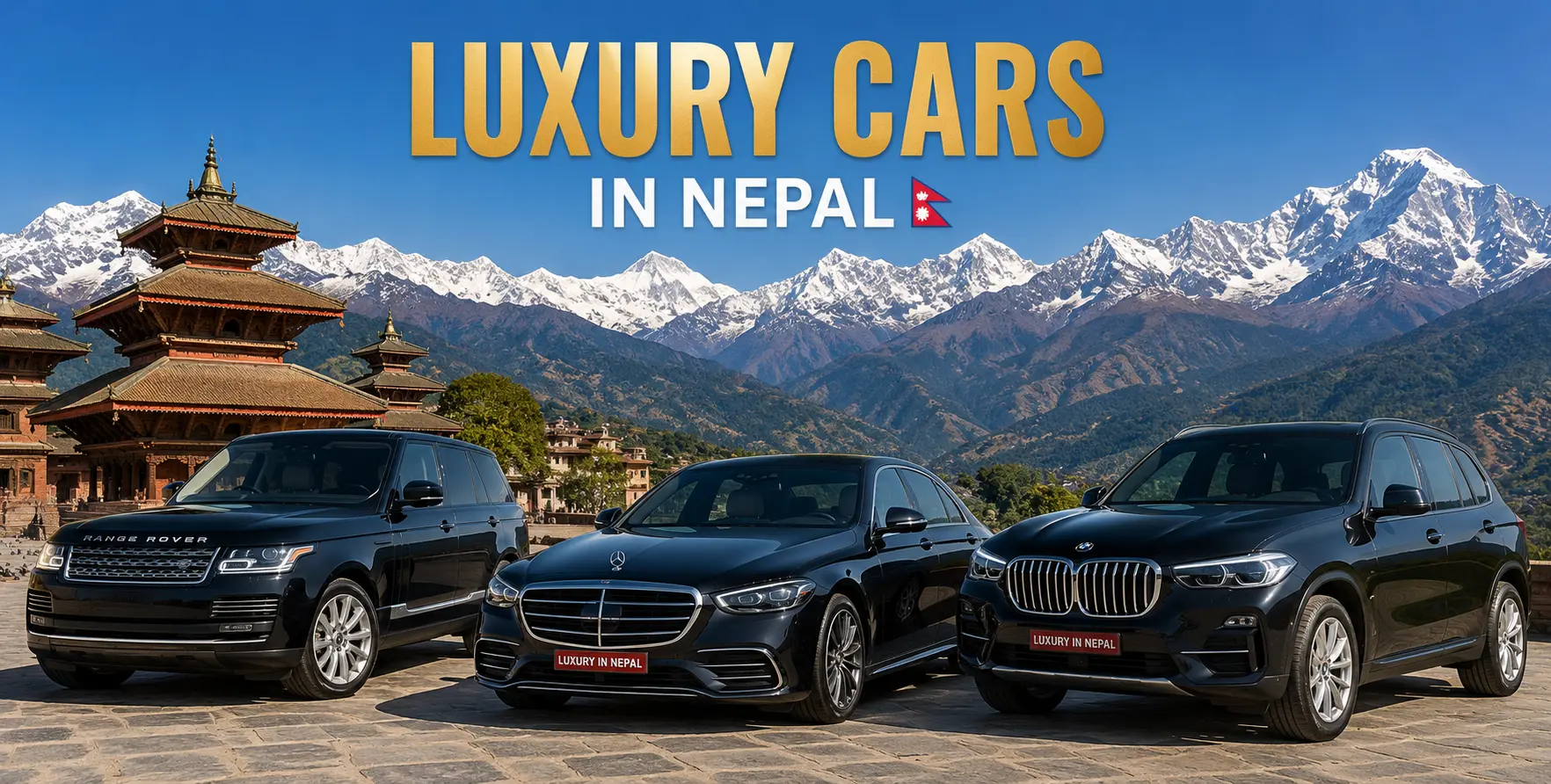
Luxury car hire in Nepal with premium SUV for Kathmandu, Pokhara, Chitwan, and airport transfers
Experience premium travel with luxury car hire in Nepal. Book comfortable SUVs and luxury vehicles for city tours, business trips, airport transfers, weddings, and Himalayan road journeys.

Luxury Car Hire Versus Standard Vehicle: Understanding the Real Difference

A question that many Nepal visitors ask when first considering luxury vehicle hire is whether the premium over standard options genuinely delivers a proportionally better experience, or whether it primarily serves as a status signal rather than a substantive improvement in the journey. This is a fair and intelligent question, and it deserves an honest answer rather than the marketing-driven response that most company hiring literature provides.

The most fundamental and most immediately felt difference between a luxury and a standard vehicle hire in Nepal lies in the suspension and cabin insulation. Nepal’s roads — even the most well-maintained sections of the Prithvi and BP Highways — present a level of surface variation that a standard mid-range vehicle’s suspension translates into a noticeably bumpy, noisy, and sometimes exhausting cabin experience over a journey of four hours or more.

The advanced suspension systems of the Land Cruiser Prado and the Mercedes GLE, calibrated specifically to absorb road imperfections while maintaining a composed, controlled cabin environment, deliver a measurably smoother ride on the same road surfaces — a difference that is genuinely experienced as improved wellbeing rather than merely as a perception of quality. Arrive at the six-hour trailhead transfer’s end in a Prado versus a standard mid-range jeep, and the difference in how you feel as you step out and begin your trek is not subtle.

The driver quality differential is the second major practical distinction. Nepal Vehicle Hiring Pvt Ltd assigns drivers to luxury fleet vehicles based on demonstrated professional standards that go beyond simple driving competence — fluent English communication, professional presentation, route-specific experience on the roads the vehicle will cover, and the service instinct that distinguishes a driver who anticipates a client’s needs from one who completes the journey.

A driver who knows to stop at the finest viewpoint on the Kathmandu to Pokhara highway for an unasked photograph, who manages the timing of meal stops to optimize the day’s schedule, and who communicates clearly when road conditions require a route adjustment is not a luxury extra but an integral component of a premium vehicle hire experience that the standard market does not consistently deliver.

The booking and service infrastructure around a luxury hire represents the third practical difference. A confirmed booking with a specific vehicle registration number, a named and contactable driver, a clear, all-inclusive price that leaves no room for post-journey surprises, and a 24-hour customer support channel that remains responsive throughout the journey — these administrative and service elements seem mundane until something unexpected requires rapid resolution. At this point, they become the most immediately valuable attributes of the premium hire relationship. Nepal Vehicle Hiring Pvt Ltd’s luxury fleet clients receive all of these as standard inclusions rather than optional extras.
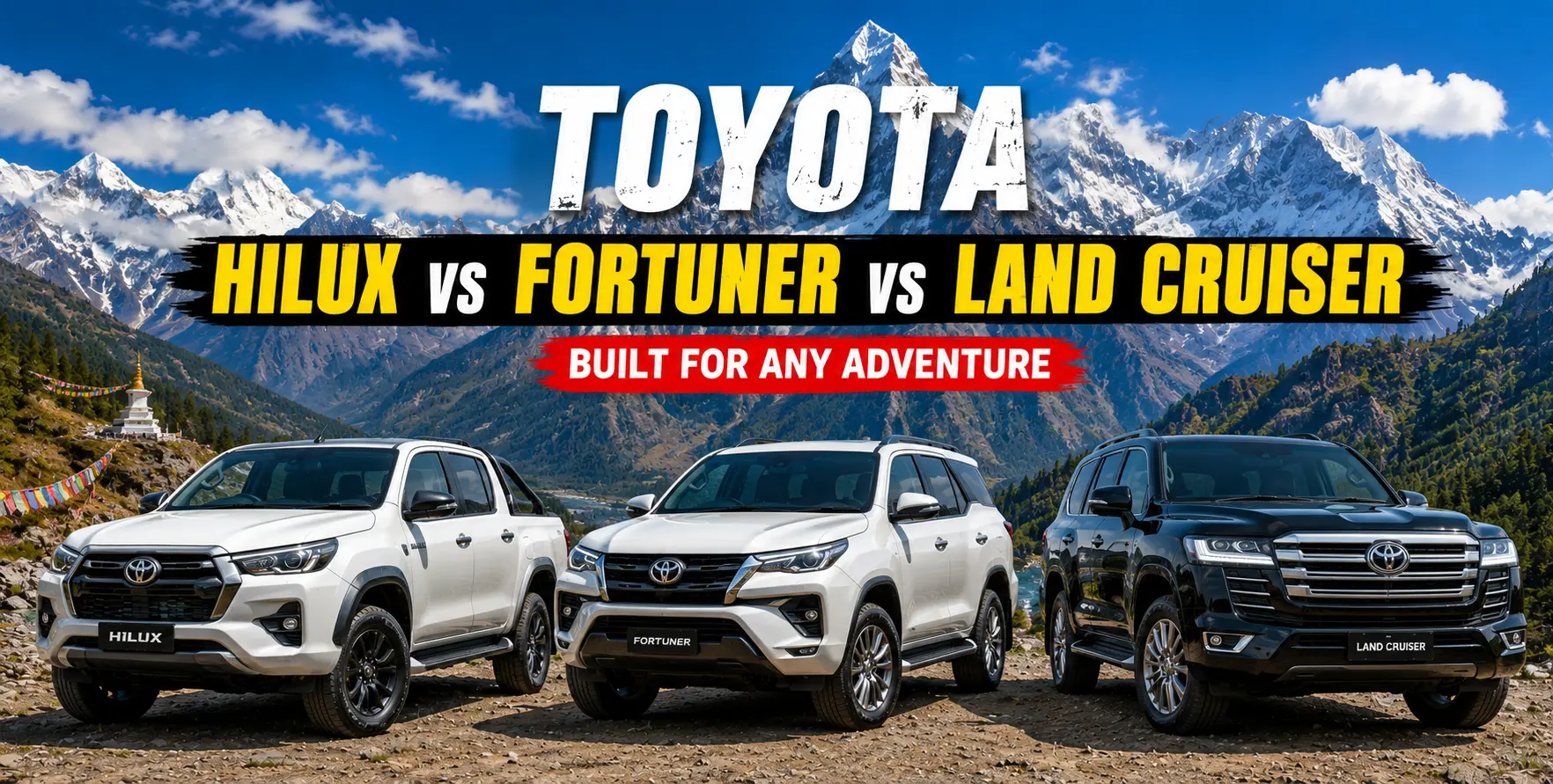
Luxury car hire in Nepal with premium SUV for Kathmandu, Pokhara, Chitwan, and airport transfers
Experience premium travel with luxury car hire in Nepal. Book comfortable SUVs and luxury vehicles for city tours, business trips, airport transfers, weddings, and Himalayan road journeys.

Best Routes for Luxury Vehicle Hire in Nepal

The Kathmandu Valley Heritage Circuit

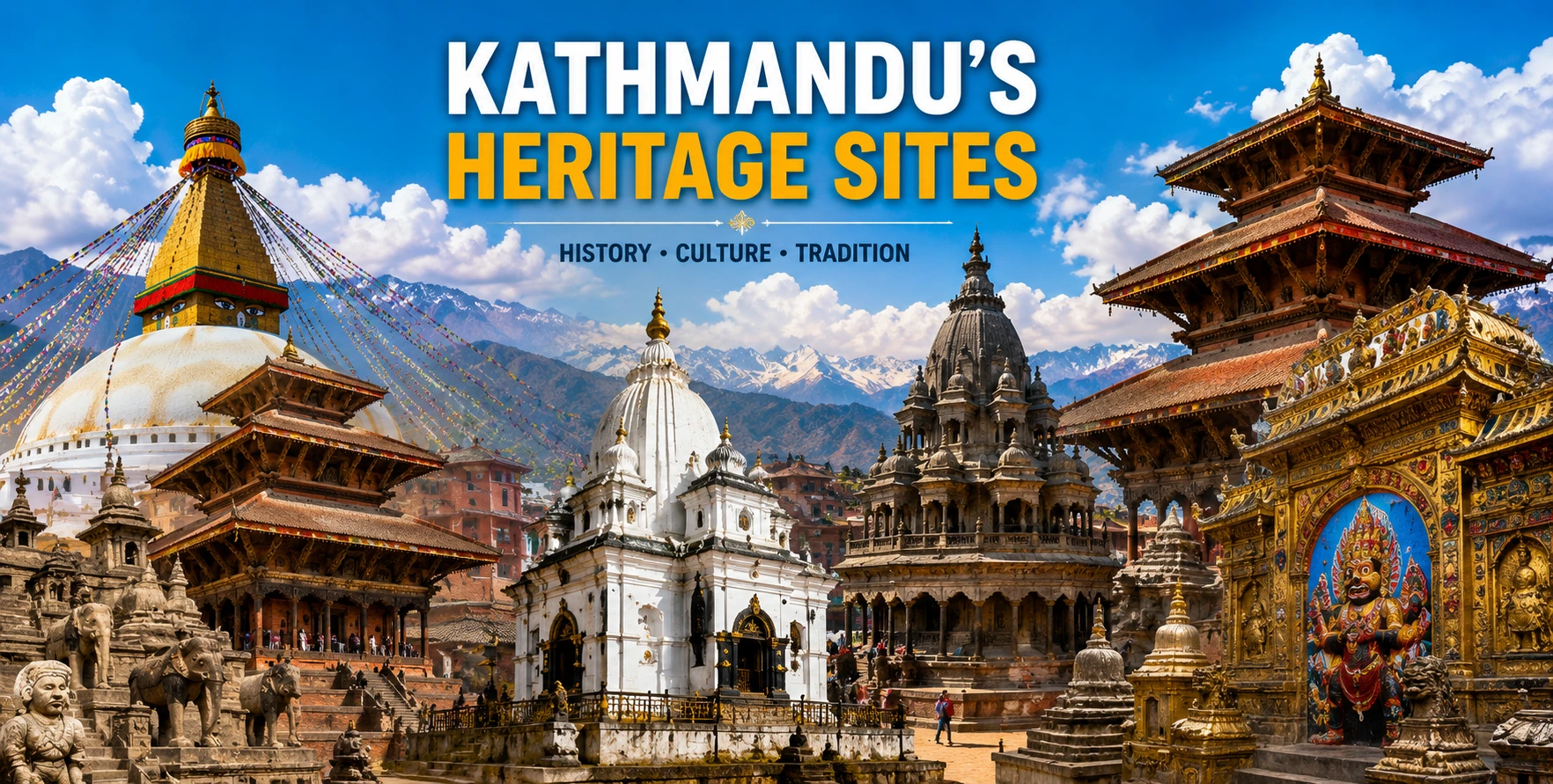
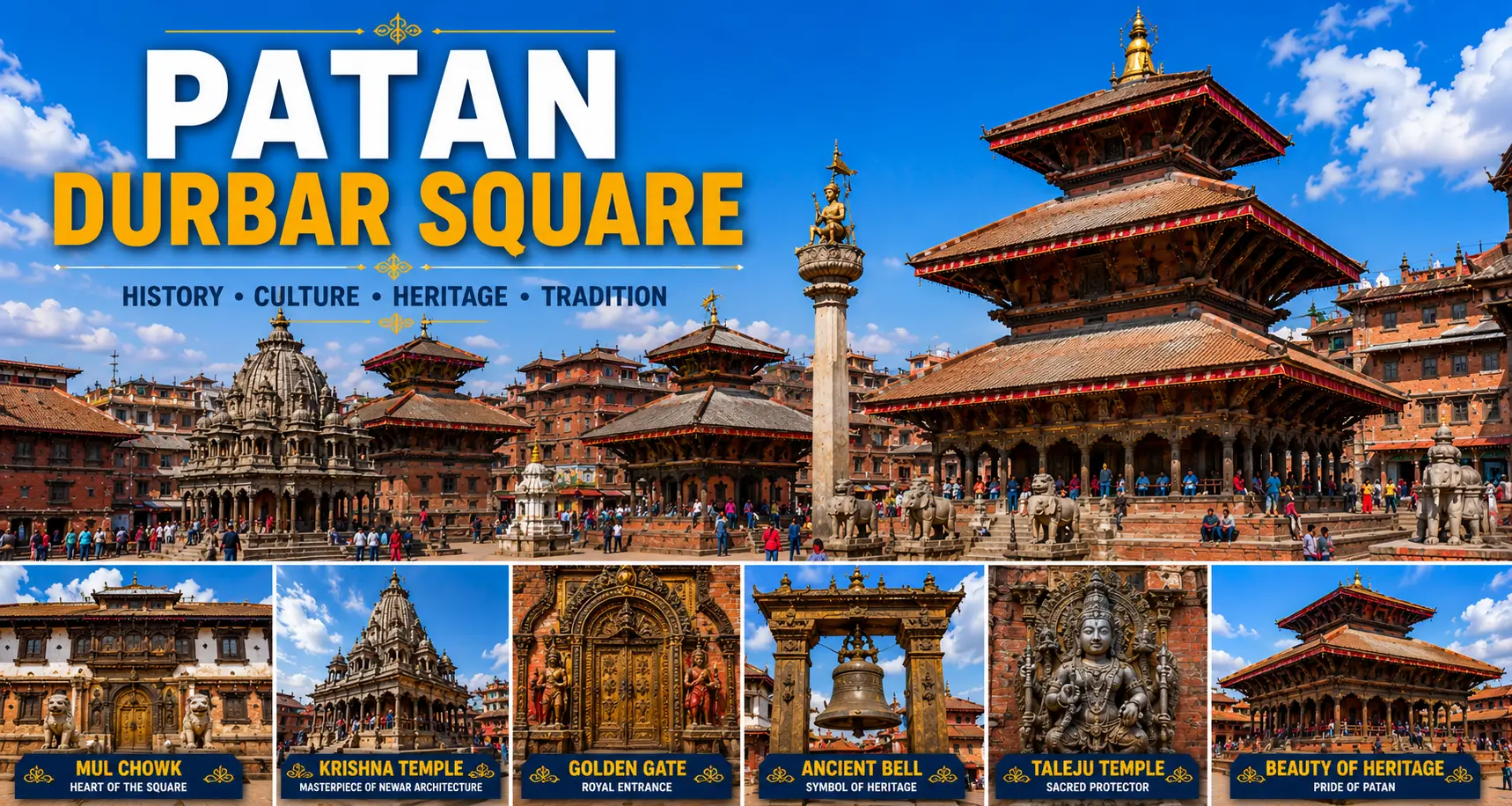
The full Kathmandu Valley heritage circuit — Pashupatinath, Boudhanath, Swayambhunath, Patan Durbar Square, Bhaktapur Durbar Square, and optionally Changu Narayan — represents Nepal’s definitive cultural sightseeing day and the single most popular use of private car hire in Nepal among international visitors. A well-maintained Toyota Fortuner or Land Cruiser Prado accommodates a family of four to five with camera bags and shopping acquisitions across a full eight-to-nine-hour sightseeing day with genuine comfort. At the same time, the driver’s knowledge of parking arrangements, optimal visit sequences, and the best local lunch stops between sites transforms the organizational complexity of visiting seven major UNESCO-listed heritage sites within a single day into an unhurried, pleasurable cultural immersion.

The Golden Triangle: Kathmandu, Pokhara, and Chitwan

Nepal’s most popular multi-destination touring circuit — combining Kathmandu’s heritage, Pokhara’s lakeside mountain setting, and Chitwan’s wildlife safari experience — is one of the world’s genuinely outstanding short tour itineraries, and its quality is profoundly shaped by the vehicle that connects its three principal destinations. A five-to-seven-day Golden Triangle circuit in a Toyota Land Cruiser Prado or Fortuner, arranged through Nepal’s Nepal Tour Package offerings, delivers the kind of comfortable, flexible, and professionally managed touring experience that this collection of extraordinary destinations deserves. The Kathmandu-to-Pokhara highway section particularly rewards a refined vehicle — six hours of Nepal’s finest mid-hill scenery, best appreciated from the composed, quiet cabin of a premium SUV rather than the noisier, firmer ride of a standard transfer vehicle.

The Annapurna Trekking Circuit with Luxury Transfer

For trekkers who specifically want luxury vehicle hire to combine with an Annapurna trekking experience, the classic arrangement involves a private Land Cruiser transfer from Pokhara to the relevant trailhead — Nayapul for the Ghorepani Poon Hill circuit and Besisahar for the Annapurna Circuit — with the same or an equivalent vehicle arranged for the return journey from the trek’s exit trailhead. This open-jaw luxury transfer arrangement, combining premium private vehicle hire for both legs with a carefully planned trekking itinerary in between, is one of the fastest-growing segments of Nepal’s premium tourism market, and Nepal Vehicle Hiring Pvt Ltd has structured specific, coordinated packages to support it.
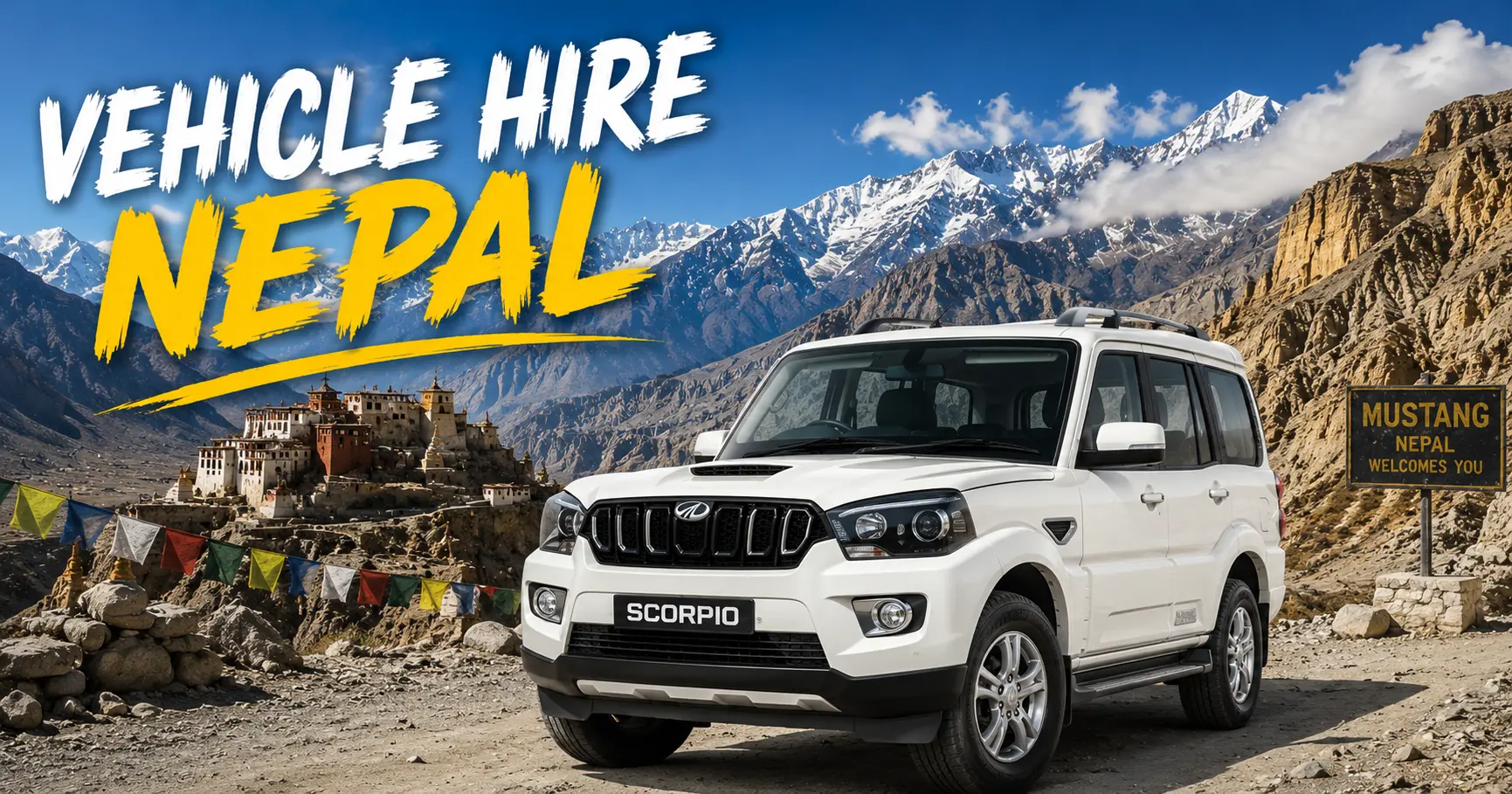
Luxury car hire in Nepal with premium SUV for Kathmandu, Pokhara, Chitwan, and airport transfers
Caption:  Experience premium travel with luxury car hire in Nepal. Book comfortable SUVs and luxury vehicles for city tours, business trips, airport transfers, weddings, and Himalayan road journeys.

The Muktinath Pilgrimage Circuit

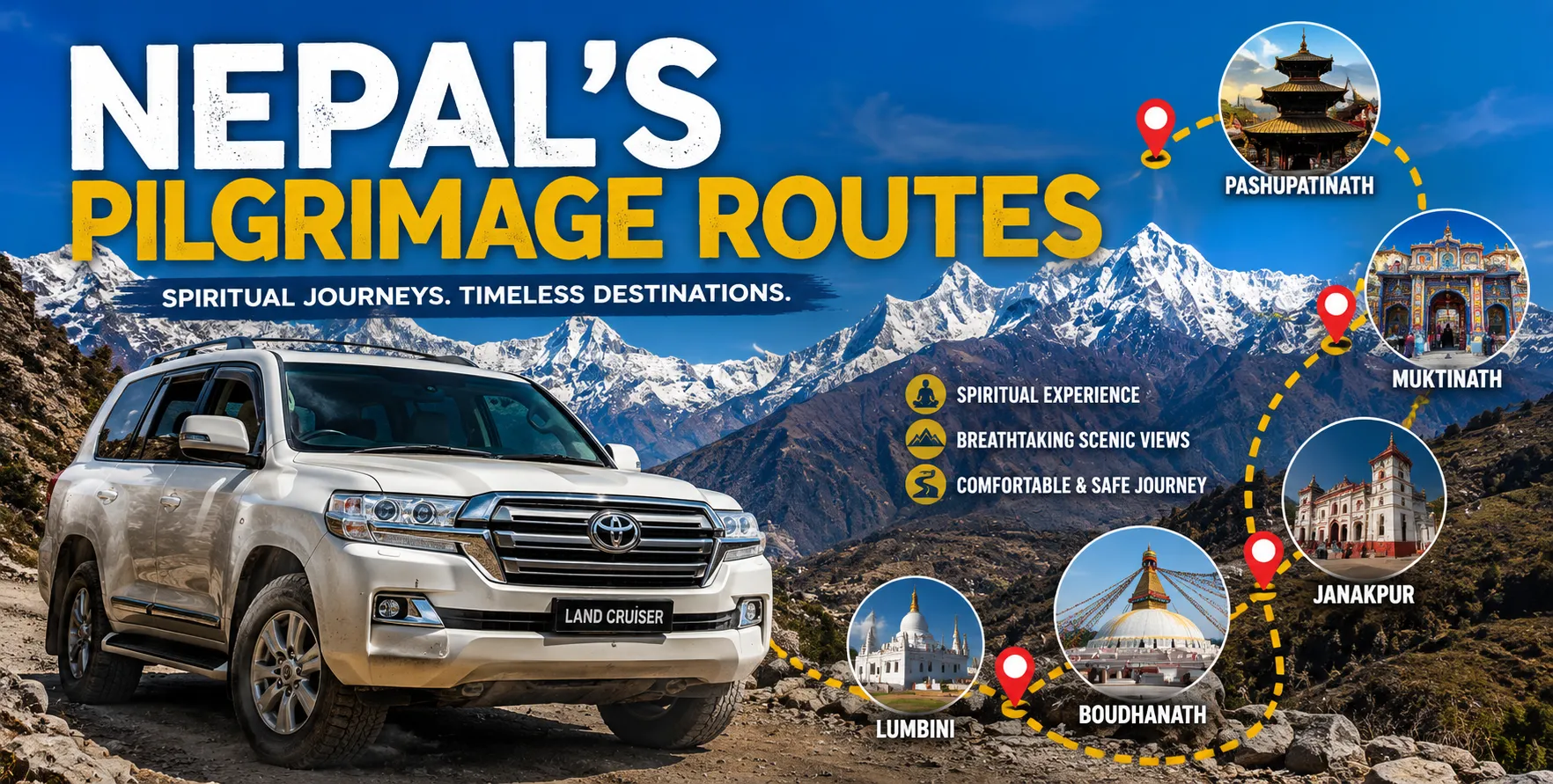
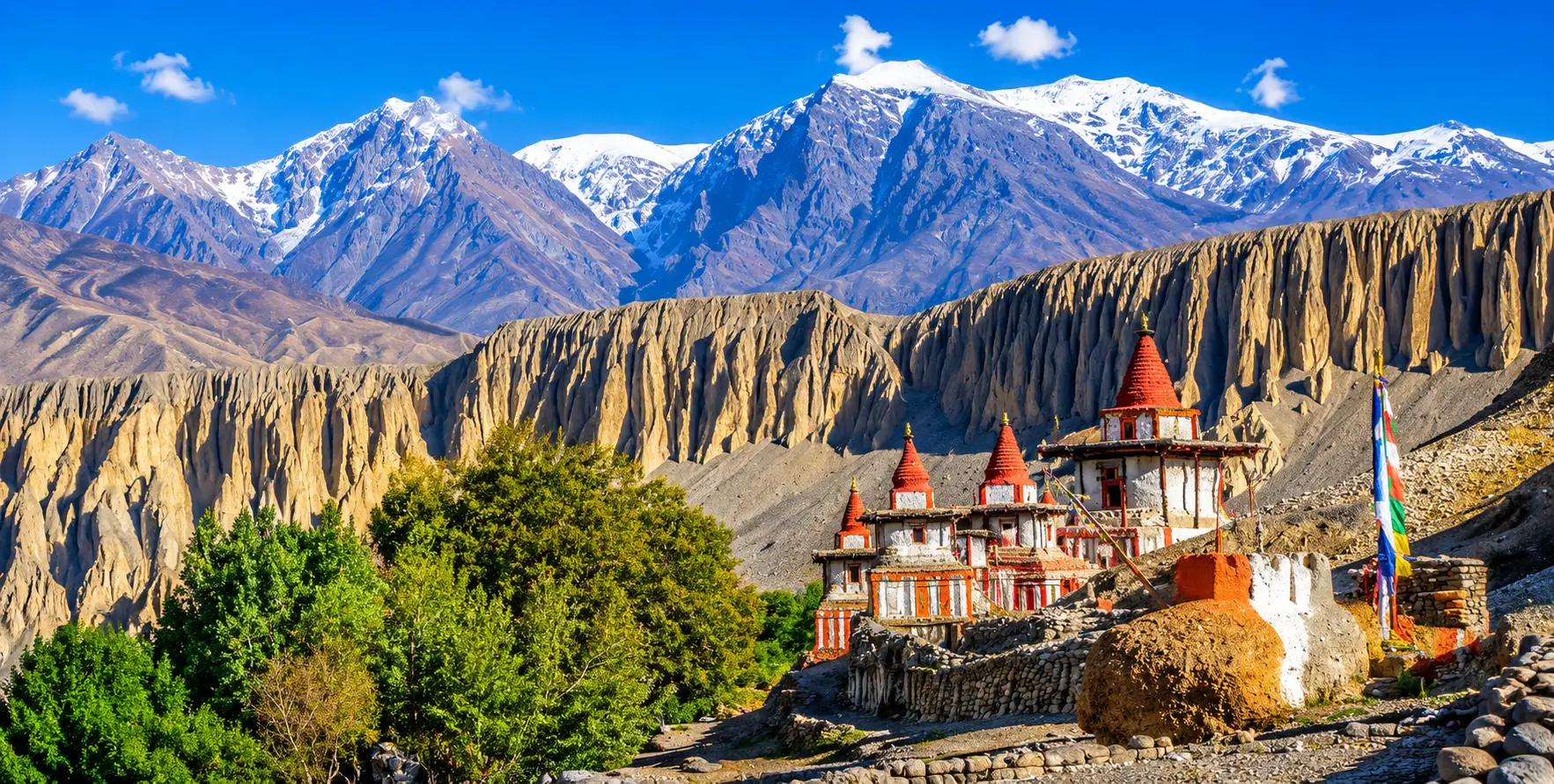
The Kathmandu-to-Muktinath jeep service, connecting Nepal’s capital to one of the country’s most sacred Hindu and Buddhist temple complexes at 3,710 meters in the Mustang region, is among the most emotionally significant uses of luxury vehicle hire in Nepal. This journey for millions of pilgrims carries the weight of years of aspiration, spiritual commitment, and, in many cases, the fulfillment of a vow made in a moment of personal crisis or gratitude. The quality of the vehicle that carries a pilgrim on this journey is not merely a comfort consideration but a question of dignity — the dignity that a sacred journey deserves from its very first moment at the hotel door to its completion at the Muktinath temple gate. Nepal Vehicle Hiring Pvt Ltd provides Land Cruiser-class vehicles specifically for the Muktinath pilgrimage route, with drivers experienced in the Pokhara-to-Jomsom mountain corridor and familiar with the cultural significance of the journey they support.

How to Book Your Luxury Vehicle Hire in Nepal

Booking a luxury vehicle hire through Nepal Vehicle Hiring Pvt Ltd is designed to be straightforward, transparent, and fully confirmed before your travel date. The process begins with contacting our team through vehiclehiringnepal.com or directly via our WhatsApp line at +977 9851013196, providing the specific details of your planned journey — your destination, travel date, group size, pickup location, and any specific vehicle preferences. Our team responds with a specific quote covering the appropriate vehicle for your route, the all-inclusive price in both Nepali rupees and US dollars, and confirmation of driver experience on the specific road your journey involves.

For travelers who are still in the early stages of planning and want to understand what a luxury Nepal itinerary might cost before committing to specific dates, our trip planning service provides personalized itinerary consultation, including vehicle hire budget guidance across every stage of a Nepal tour or trekking package. Whether your itinerary spans a single day of Kathmandu sightseeing or a comprehensive three-week Nepal circuit combining heritage, trekking, and wildlife, our planning team can structure the complete vehicle hire element of your trip into a coherent, cost-effective package with no hidden additions or last-minute surprises.

A booking is strongly recommended for all luxury vehicle hires, and the required lead time increases significantly during Nepal’s peak tourism seasons. The October-to-November autumn season and the March-to-May spring season see the heaviest concurrent demand for premium vehicles across both the tourism and corporate markets, with Land Cruiser Prado and VX vehicles in particular booking out weeks in advance for multi-day mountain routes like the Mustang and Manang approaches. For these peak-season dates, we recommend securing your luxury vehicle hire booking at least two weeks before your planned travel date — and ideally three to four weeks for extended multi-day engagements involving specific premium vehicle models. Outside peak season, a week’s advance notice is generally sufficient for most luxury hire bookings.

Tip: For the most competitive pricing on multi-day luxury vehicle hire, ask Nepal Vehicle Hiring Pvt Ltd about combined package rates covering both the outbound and return legs of a circuit journey. Round-trip bookings for routes like Pokhara to Upper Mustang or Kathmandu to Manang typically offer better overall pricing than two separately booked one-way hires and guarantee vehicle availability for both legs rather than requiring last-minute arrangements for the return at a remote mountain location.

Practical Tips for a Perfect Luxury Vehicle Hire Experience in Nepal

Several practical considerations consistently determine whether a luxury vehicle hire experience fully delivers on its promise or disappoints, despite the premium investment. Understanding these considerations before booking helps ensure that every element of the arrangement — from the advance specification of your requirements to the final journey of your visit to Nepal — meets the standard of luxury travel.

Specifying your complete itinerary upfront is the single most important step. A vehicle hire provider who knows your complete planned journey — every destination, every travel day, every timing constraint — can recommend the precisely appropriate vehicle for each segment, flag any road conditions or permit considerations that affect the plan, and price the complete arrangement accurately without the ambiguities that arise when individual legs are booked in isolation. Nepal Vehicle Hiring Pvt Ltd specifically requests complete itinerary information before providing any quote, because the right vehicle for a Kathmandu Valley heritage circuit is not necessarily the right vehicle for an onward Mustang overland journey, and the complete picture allows us to optimize both.

Confirming all-inclusive pricing in writing before travel is equally important. Nepal’s vehicle hire market includes providers who quote base rates and then add fuel, driver allowances, and toll charges at settlement, creating a total cost considerably above the initial quote. Nepal Vehicle Hiring Pvt Ltd’s luxury hire rates are always presented as all-inclusive figures covering the vehicle, driver, fuel for the agreed route, and applicable tolls — with the specific inclusions confirmed in writing as part of the booking documentation. For Everest Base Camp trekking approach transfers or other multi-day mountain routes, our documentation also specifies driver accommodation arrangements for overnight stops, eliminating the ambiguity about who bears these costs that informal hire arrangements frequently leave unresolved.

Understanding seasonal road conditions for your specific route prevents the most common source of luxury hire disappointment — choosing a vehicle based on comfort preferences without fully understanding how road conditions on the planned route may affect the journey. The Besisahar-to-Manang road, perfectly manageable in a Land Cruiser in October, can be significantly more challenging in the June monsoon; the Nagarkot approach road, which a Fortuner handles easily in dry November conditions, may present a different proposition after heavy rainfall. Nepal Vehicle Hiring Pvt Ltd’s team proactively advises on seasonal road-condition implications for every planned route, ensuring that the selected vehicle matches not only the destination but also the travel conditions for the specific dates.

  • Book luxury vehicles at least 2 weeks in advance during the October–November and March–April peak seasons
  • Always specify your complete itinerary, including all destinations, dates, and group size,e at the time of initial inquiry.
  • Confirm all-inclusive pricing in writing — vehicle, driver, fuel, tolls, and any overnight driver allowances for multi-day routes.
  • Request driver experience confirmation for mountain routes — ensure your assigned driver has specific experience on your planned road
  • For trekking trailhead transfers, book both outbound and return legs simultaneously for the best pricing and guaranteed availability
  • Carry sufficient NPR cash for on-trail expenses — luxury vehicle hire to the trailhead does not substitute for cash management once the walk begins.s
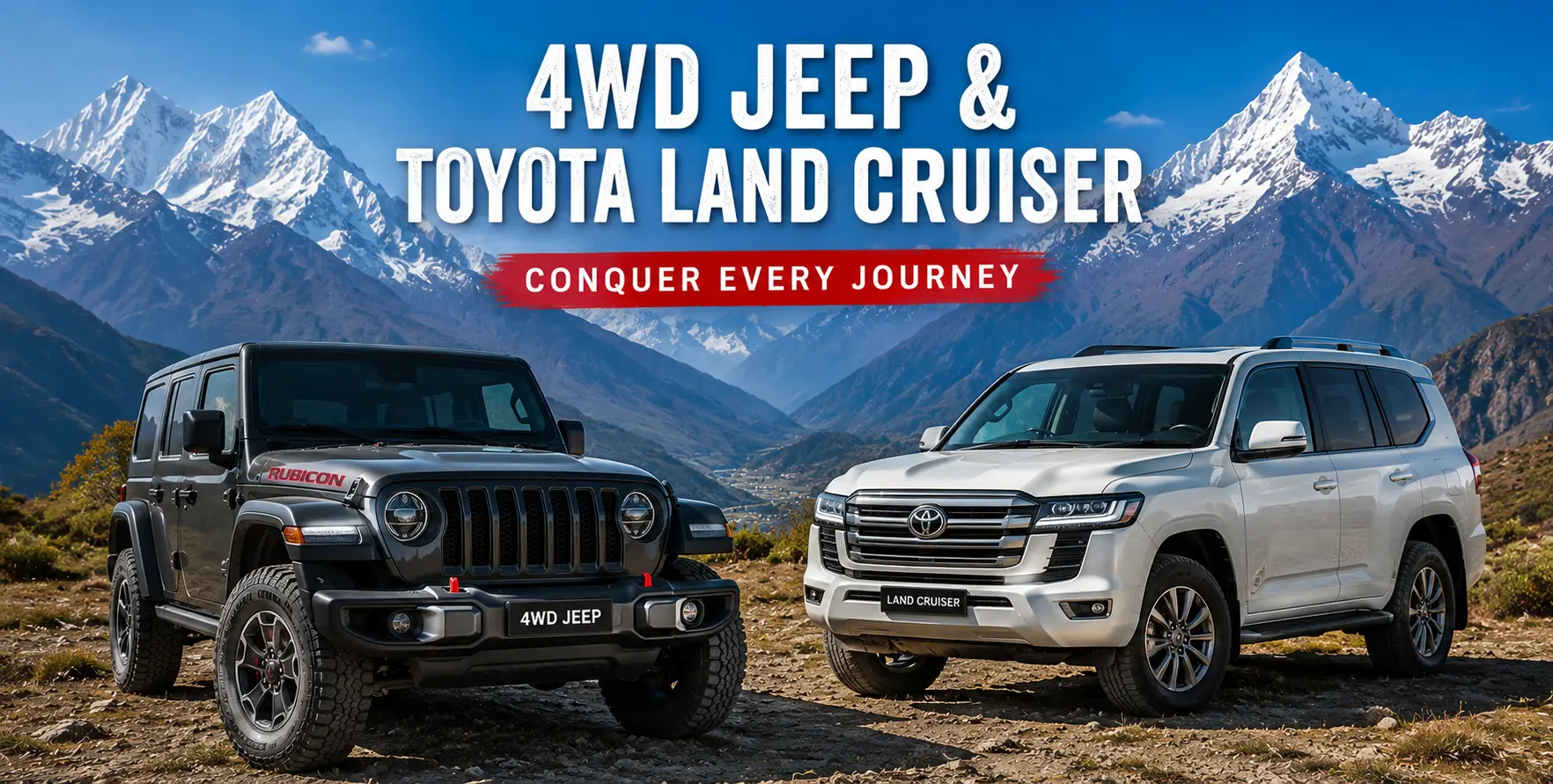
Luxury car hire in Nepal with premium SUV for Kathmandu, Pokhara, Chitwan, and airport transfers
SUVs and luxury vehicles

Best Time to Book Luxury Car Hire in Nepal

Nepal’s travel calendar is divided into distinct seasons that affect not just trekking conditions but also availability and pricing of luxury vehicle hire across the country. Understanding when to book and what to expect in each season helps travelers secure the best vehicles at the most favorable rates while avoiding the frustration of last-minute unavailability during the year’s busiest periods.

Autumn,  from October through  November, is Nepal’s absolute peak season for luxury vehicle hire, driven by a simultaneous surge in high-end trekking traffic, corporate conference activity, and international tourism across all regions. Land Cruiser Prado and VX vehicles are in particularly high demand during this period, often booked weeks in advance by operators running premium Annapurna and Mustang circuit tours. Travelers planning luxury hire for autumn should contact Nepal Vehicle Hiring Pvt Ltd at least three to four weeks before their travel dates — and ideally further in advance for multi-day mountain route bookings involving specific premium vehicle models. The reward for this planning is the finest road conditions of the year, outstanding mountain visibility from every viewpoint on the route network, and the vibrant cultural atmosphere of Nepal’s harvest and festival season.

Spring, from March through May, represents the second peak, characterized by the spectacular rhododendron bloom across Nepal’s mid-hill forest zones and a second surge in trekking and tourism activity, which puts significant concurrent pressure on the luxury vehicle hire market. Two weeks’ advance notice is the minimum recommendation for spring bookings, with longer lead times needed for multi-day premium packages. The pre-monsoon period of late April and May can bring dust on some road sections, which Nepal Vehicle Hiring Pvt Ltd manages through regular interior cleaning and air filtration during servicing for all premium fleet vehicles.

Winter, from December through February, offers the quietest and most relaxed booking environment for luxury vehicle hire, with greater vehicle availability, more flexible scheduling, and occasionally better pricing for extended multi-day arrangements. Mountain roads are generally in excellent condition during this dry season, and the Kathmandu Valley heritage circuit is particularly enjoyable ther’s clea; there’s clear, crisp winter air- an ideal period for corporate groups and wedding parties who want premium vehicle arrangements without competing with the peak-season demand surge. The monsoon from June through August is the least popular season for luxury hire, but by no means impossible — particularly for itineraries confined to the Kathmandu Valley and the Pokhara-Chitwan corridor, where rain enhances rather than disrupts the landscape’s lush green beauty.

Why Nepal Vehicle Hiring Pvt Ltd Is Nepal’s Premier Luxury Hire Partner

In a market where several operators claim to offer luxury vehicle hire, the practical differentiators that genuinely distinguish Nepal Vehicle Hiring Pvt Ltd are built on years of accumulated operational experience, a maintained fleet that genuinely reflects premium standards rather than merely premium marketing, and a driver team whose selection, training, and ongoing performance management reflect the specific demands of high-value client service. Our jeep hire fleet includes Land Cruiser VX and Prado models, which are serviced before every mountain route booking, not just between monthly maintenance intervals. Our private car hire options for urban and highway touring are presented in immaculate condition, with full-functioning air conditioning as a non-negotiable standard rather than an aspiration. And our drivers for premium assignments are selected and briefed based on route-specific competence rather than general Nepal driving experience — because the Kathmandu-to-Muktinath pilgrimage road demands skills that no amount of Kathmandu Valley urban driving experience can substitute for.
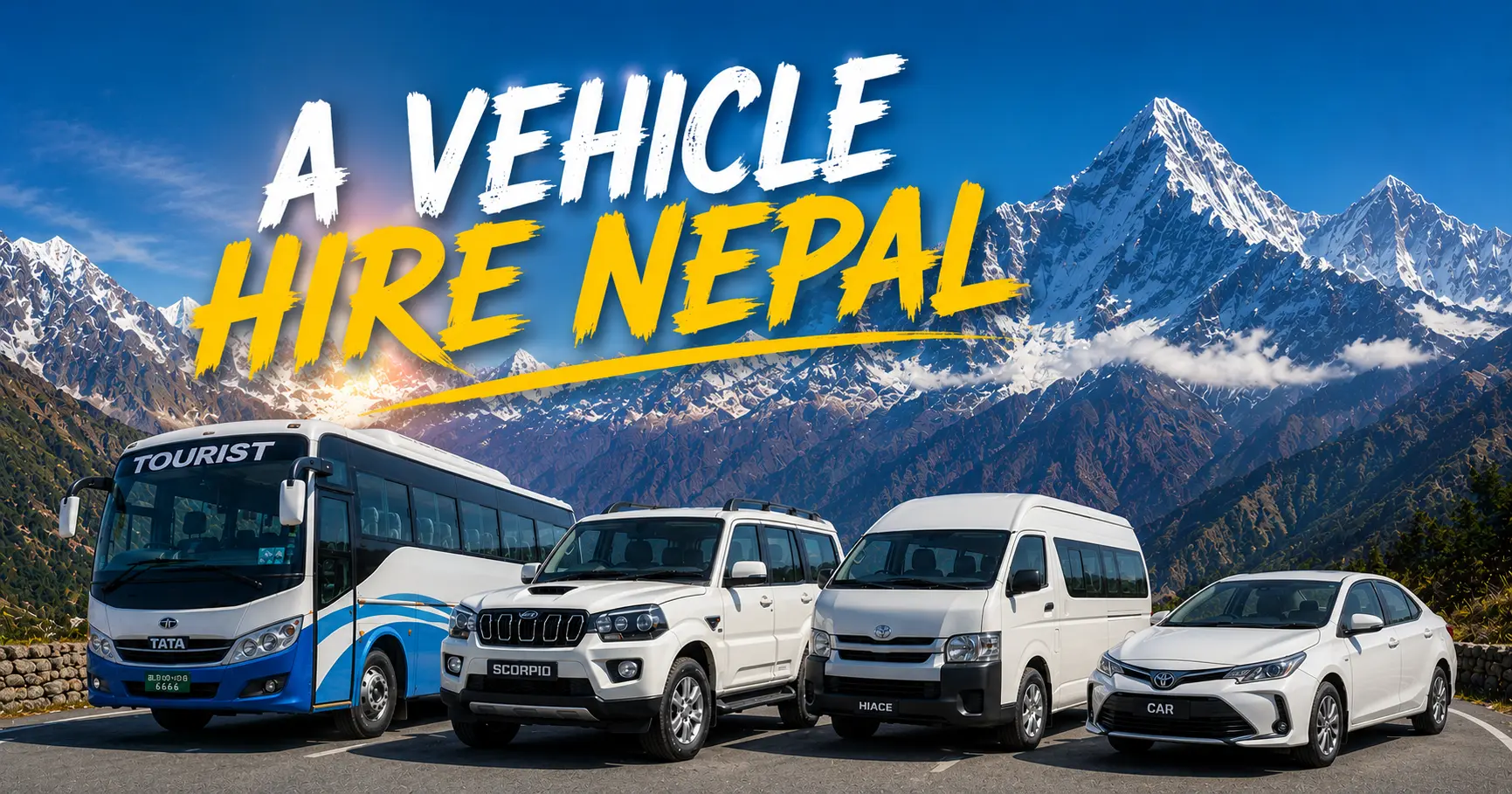
Luxury car hire in Nepal with premium SUV for Kathmandu, Pokhara, Chitwan, and airport transfers
Experience premium travel with luxury car hire in Nepal. Book comfortable SUVs and luxury vehicles for city tours, business trips, airport transfers, weddings, and Himalayan road journeys.

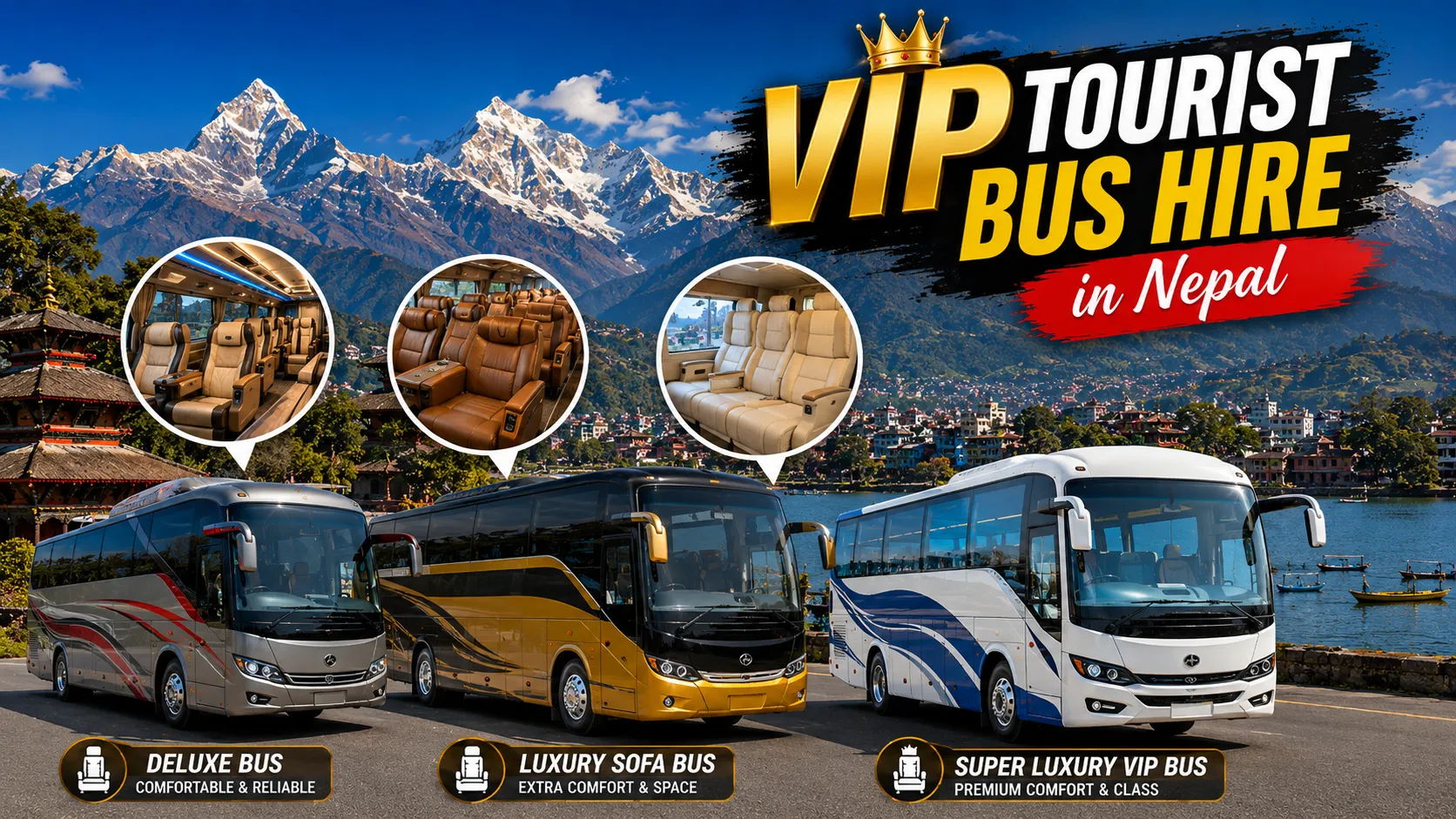
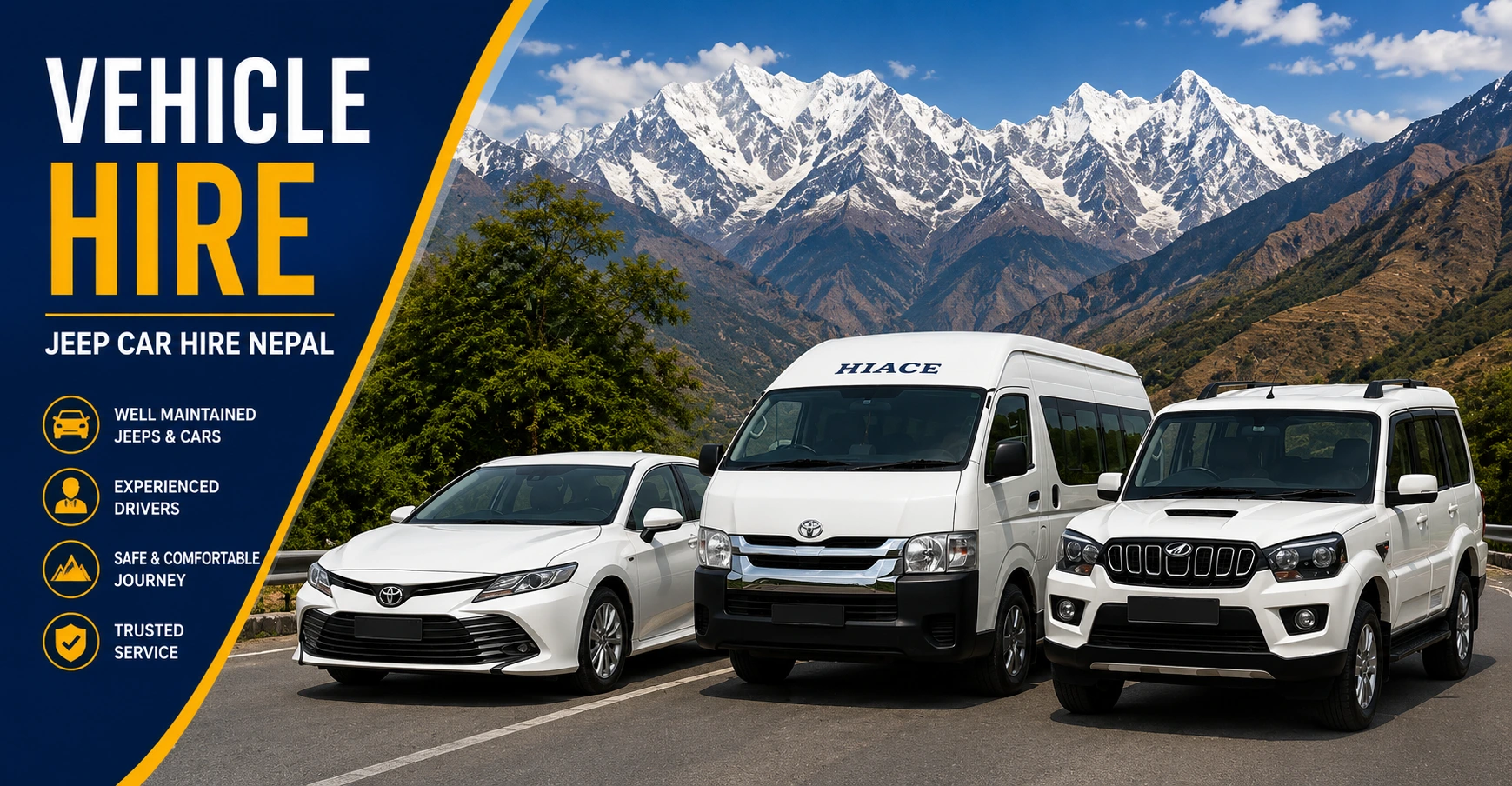
We provide luxury Hiace van hire for larger groups who want premium comfort for more passengers, coaster hire for corporate event groups of 20 to 22 requiring consistent premium presentation, and bus hire for the largest group movements where premium comfort needs to scale for 35 or more passengers. This complete fleet range — from a two-passenger luxury car for an intimate airport transfer to a fully equipped deluxe bus for a large conference group — means that Nepal Vehicle Hiring Pvt Ltd can serve as a single consistent transport partner across an entire Nepal event or tour program, rather than requiring multiple different providers to cover different group size requirements. Consistency in service standards, consistent billing, and a single point of accountability across every vehicle and every journey are the practical benefits this fleet range delivers.

Our contact details are simple: reach us through vehiclehiringnepal.com, by phone or WhatsApp at +977 9851013196, or by email at [email protected]. Our team responds to all inquiries promptly and provides specific, detailed quotes rather than generic price ranges that require further clarification. From the first inquiry through the final drop-off at journey’s end, Nepal Vehicle Hiring Pvt Ltd’s luxury hire service is designed to be as smooth, as transparent, and as genuinely pleasurable as the journeys it supports.


Frequently Asked Questions

The Toyota Land Cruiser Prado is the most requested luxury vehicle for hire in Nepal by volume, offering the country’s finest combination of off-road mountain capability and premium interior quality at a price point accessible to a broader range of clients than the flagship VX. The Toyota Fortuner is the most popular vehicle in the accessible premium segment. For city use and prestigious occasions, Mercedes-Benz models are increasingly in demand, particularly for airport transfers and corporate events in Kathmandu.

How much does it cost to hire a luxury car in Nepal?

Luxury car hire rates in Nepal vary significantly by vehicle category. The Toyota Fortuner runs NPR 12,000 to NPR 18,000 per day within the Kathmandu Valley and NPR 18,000 to NPR 28,000 per day on routes outside the valley. The Land Cruiser Prado costs NPR 35,000 to NPR 50,000 per day in the valley and NPR 40,000 to NPR 65,000 on mountain routes. The Land Cruiser VX starts at NPR 40,000 in Kathmandu and rises to NPR 55,000-70,000 for demanding off-valley itineraries. European luxury vehicles, including Mercedes-Benz and BMW,  run NPR 20,000 to NPR 50,000 per day, primarily for urban use in Kathmandu.

Can I hire a luxury car for a Nepal trekking trailhead transfer?

Absolutely — this is one of the most valuable uses of luxury vehicle hire in Nepal. Nepal Vehicle Hiring Pvt Ltd provides Land Cruiser and premium SUV hire for all major trekking trails, including Besisahar for the Annapurna Circuit, Syabrubesi for the Langtang Valley, and the Pokhara-to-Mustang overland route. Our vehicles are maintained specifically for mountain road conditions, and our drivers have route-specific experience on each corridor.

Is a luxury car available for hire outside Kathmandu?

Yes. Nepal Vehicle Hiring Pvt Ltd’s luxury hire service covers all major destinations in Nepal — Pokhara car hire, Chitwan transfers, Lumbini circuits, and all trekking trailhead approaches. For any destination not mentioned here, contact us with your specific requirements, and we will provide a route-appropriate vehicle quote.

What is included in Nepal Vehicle Hiring Pvt. Ltd.’s luxury hire rate?

All Nepal Vehicle Hiring Pvt Ltd’s luxury hire rates are fully inclusive of the vehicle, a professional English-speaking driver, fuel for the agreed route, and all applicable road tolls. For multi-day mountain routes with overnight stops, driver accommodation allowances are also included. There are no hidden additions at settlement — the confirmed rate in writing is the complete cost.


Conclusion: Travel Nepal in the Style It Deserves

Nepal’s landscapes are among the most extraordinary on Earth — ancient temple courtyards, Himalayan peaks that dominate the horizon, glacial lakes at impossible altitudes, and the deep humanity of communities that have made meaning in the mountains for centuries. Every one of these experiences deserves to be approached with the attention and preparation its significance warrants. The vehicle that carries you to these encounters is not separate from the experience but integral to it — shaping your physical state on arrival, your emotional readiness for what you are about to see, and the overall quality of a Nepal journey that may be one of the most significant of your life.

Nepal Vehicle Hiring Pvt Ltd invites you to experience Nepal’s extraordinary roads and destinations in the comfort, style, and safety that genuine luxury vehicle hire delivers. Whether you are planning a Kathmandu heritage tour, a trekking trailhead transfer, a multi-day Nepal tour package, or simply an airport pickup after a long international flight, our team is ready to provide the vehicle, the driver, and the service standard that make every stage of your Nepal adventure as remarkable as the destinations themselves. Contact us today and let Nepal Vehicle Hiring Pvt Ltd be the vehicle behind your finest memories in Nepal.l


Book Your Luxury Vehicle Hire Today  

E-mai: [email protected]
WhatsApp:+977-9851013196
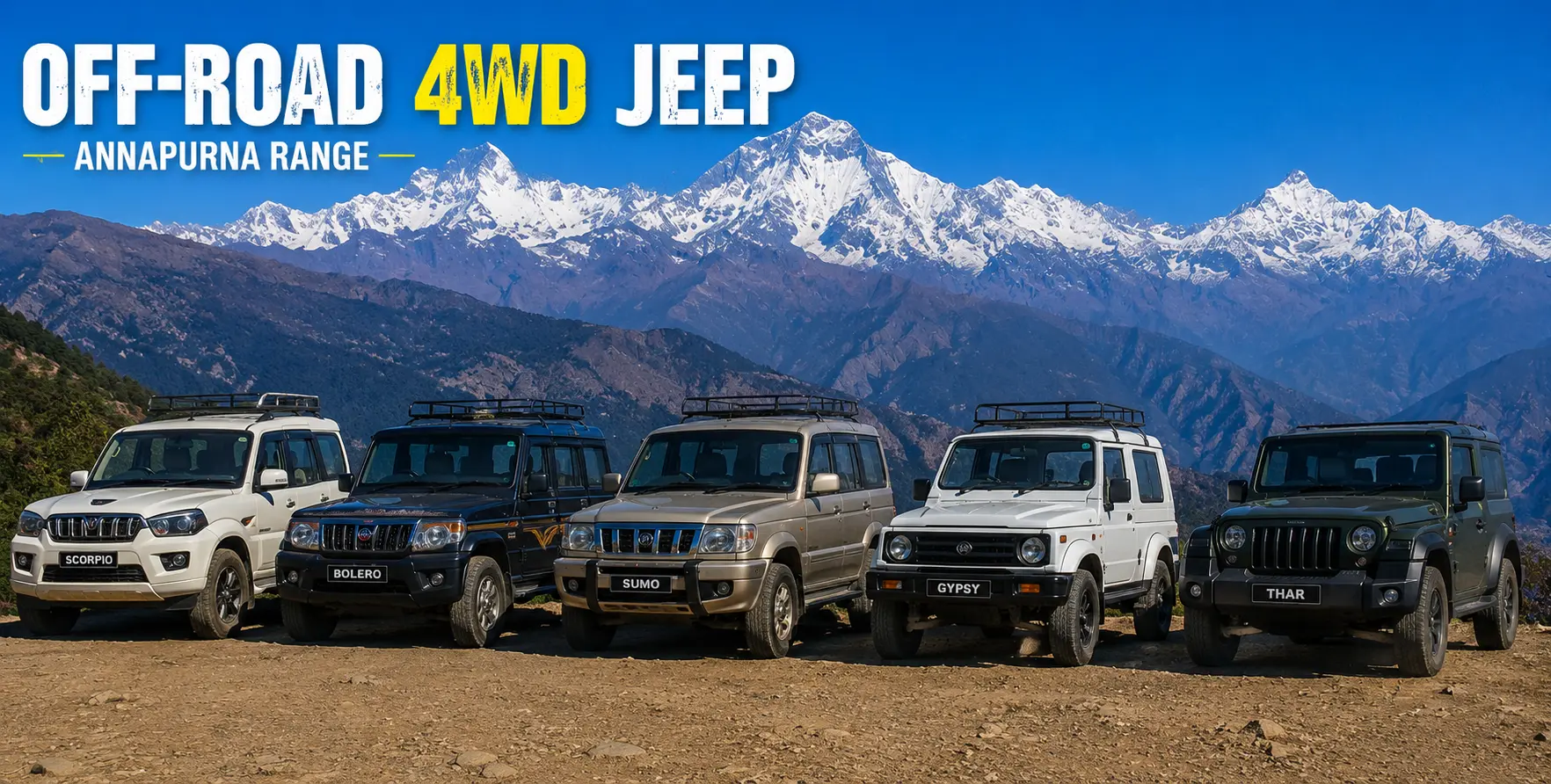
 

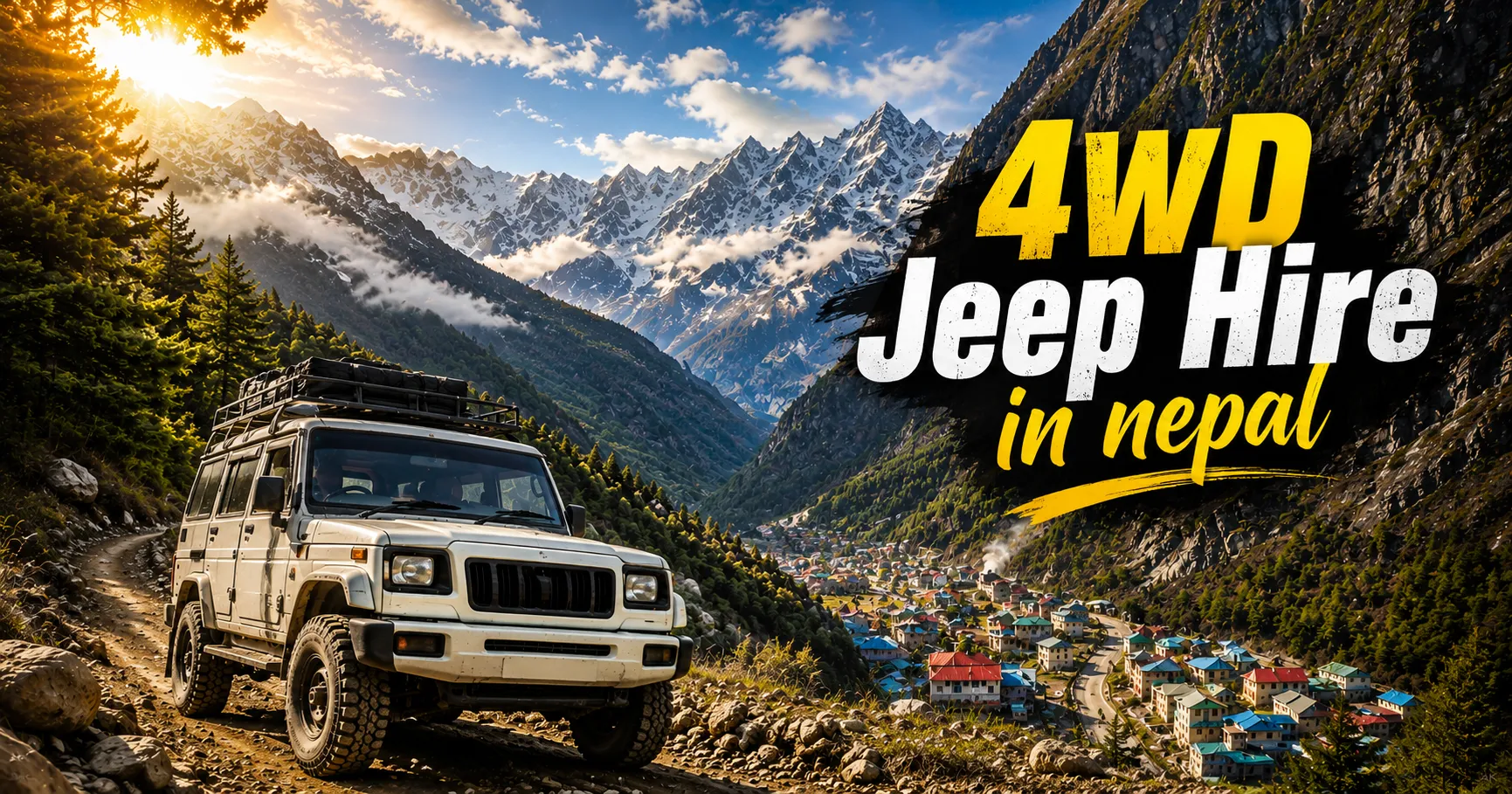
Off-Road Jeep Annapurna Nepal

Off-Road Jeep Annapurna Nepal with luxury 4WD Bolero, Scorpio and Sumo vehicle on the Himalayan mountain road
Experience the best Off-Road Jeep Annapurna Nepal adventure with luxury 4WD Jeep, Bolero, Scorpio, and Sumo hire for trekking, tours, and mountain travel.

Off-Road Jeep Annapurna Nepal

The Annapurna region is Nepal’s most celebrated trekking destination — but it is also, increasingly, one of the world’s great off-road jeep adventure playgrounds. Across the Annapurna Conservation Area’s 7,629 square kilometers of dramatic terrain, a network of off-road tracks has developed over the past two decades, allowing 4WD vehicles to penetrate deep into landscapes that were, until relatively recently, accessible only on foot after many days of trekking.

From the thundering Marsyangdi River gorge on the Annapurna Circuit’s eastern approach to the wind-scoured Kali Gandaki valley on its western flank, from the sacred high-altitude temple of Muktinath to the medieval walled kingdom of Lo Manthang in Upper Mustang, the Annapurna region now offers some of the most thrilling, scenic, and culturally rich off-road jeep driving anywhere in the Himalaya.

For adventure travelers who lack the time for a full multi-week trek, for families and older travelers seeking the Annapurna experience without weeks of walking, and for genuine off-road enthusiasts drawn by the technical challenge of Himalayan mountain tracks, an off-road jeep tour through the Annapurna region delivers an experience that combines raw adventure driving with some of the most spectacular mountain scenery and richest cultural diversity on earth.

This complete 2026 guide covers every major off-road jeep route within the Annapurna region: the Besisahar to Manang Annapurna Circuit drive, the Kali Gandaki route to Jomsom and Muktinath, the Ghandruk and Ulleri foothill tracks, and the extreme extension into Upper Mustang. We cover vehicle selection, 2026 costs, multi-day itineraries, permits, seasonal road conditions, and why Nepal Vehicle Hiring Pvt Ltd is Nepal’s most experienced off-road jeep partner for this extraordinary region.

Off-Road Jeep Annapurna Nepal with luxury 4WD Bolero, Scorpio and Sumo vehicle on the Himalayan mountain road
Experience the best Off-Road Jeep Annapurna Nepal adventure with luxury 4WD Jeep, Bolero, Scorpio, and Sumo hire for trekking, tours, and mountain travel.

The Annapurna Region — Nepal’s Off-Road Capital

The Annapurna Conservation Area (ACA), established in 1986, is Nepal’s largest protected area and the country’s single most visited trekking and adventure region. Centred on the Annapurna massif — a group of peaks including Annapurna I (8,091 m), the world’s tenth-highest mountain — the conservation area spans an extraordinary range of altitude and landscape: from subtropical foothill villages at under 1,000 metres to the high-altitude desert plateau of Upper Mustang above 3,800 metres, all within a single contiguous protected zone.

What makes the Annapurna region uniquely suited to off-road jeep adventure, compared to most of Nepal’s other major trekking areas, is the extent of its existing road network. Decades of rural road-building — driven by the practical needs of local communities living within the conservation area rather than by tourism development — have created jeep-accessible tracks along nearly every major valley corridor within the ACA.

The Marsyangdi valley on the circuit’s eastern flank, the Kali Gandaki valley on its western flank, and the southern Modi Khola approach toward Ghandruk and the Annapurna Sanctuary are all now substantially jeep-accessible, in some cases all the way to altitudes above 3,800 metres.

  • Total protected area: 7,629 sq km — Nepal’s largest conservation area
  • Altitude range covered by off-road jeep tracks: 760 m (Besisahar) to 3,840 m (Lo Manthang)
  • Major off-road corridors: Marsyangdi valley (east), Kali Gandaki valley (west/Mustang), Modi Khola approach (south)
  • Cultural diversity encountered: Gurung, Magar, Manangi, Thakali, and Lhopa communities, each with distinct culture and architecture


Key Facts at a Glance


Off-Road DetailInformation
RegionAnnapurna Conservation Area (ACA) — Nepal’s largest protected area, 7,629 sq km
Main Off-Road CorridorsBesisahar–Manang (Annapurna Circuit); Pokhara–Jomsom–Muktinath (Kali Gandaki); Pokhara–Ghandruk/Ulleri (Annapurna foothills)
Altitude Range Covered760 m (Besisahar) to 3,840 m (Lo Manthang extension)
Vehicle Requirement4WD mandatory on all off-road sections — Scorpio, Hilux, or Land Cruiser
Best SeasonOctober–November and March–May (dry season)
Permits RequiredACAP (Annapurna Conservation Area Permit) + TIMS Card — both mandatory
Guide Requirement (2026)Licensed guide mandatory on all major ACAP routes
Typical Tour Duration3 to 12 days, depending on the route and extensions chosen
Combine WithTilicho Lake, Upper Mustang (Lo Manthang), Poon Hill, Ghorepani


4WD is Mandatory Throughout: Every off-road route described in this guide requires a genuine 4WD vehicle. Standard sedans, 2WD SUVs, and Hiace vans cannot safely complete any of these routes. Nepal Vehicle Hiring Pvt Ltd exclusively provides verified 4WD vehicles — Scorpio, Hilux, Fortuner, or Land Cruiser — for all Annapurna off-road bookings.


Off-Road Jeep Annapurna Nepal crossing a scenic Himalayan mountain trail
Explore Annapurna with a luxury 4WD Jeep hire for safe and comfortable off-road travel.

All Major Off-Road Routes in the Annapurna Region


Off-Road RouteDistanceDurationMax AltitudeDifficultyHighlight
Besisahar → Chame → Manang83 km from Besisahar2 days3,519 m (Manang)ChallengingMarsyangdi gorge, waterfalls, Manaslu/Annapurna views
Manang → Tilicho Base Camp area50 km (jeep + trek)1–2 days extra4,200 m (jeep) / 5,028 m (lake on foot)Very ChallengingWorld’s highest-altitude large lake
Pokhara → Beni → Tatopani → Jomsom150 km1 day (6–7 hrs)2,720 m (Jomsom)Moderate–ChallengingKali Gandaki — world’s deepest gorge
Jomsom → Kagbeni → Muktinath18–30 kmHalf day3,710 m (Muktinath)ModerateSacred temple, 108 water spouts, Mustang desert
Kagbeni → Chele → Lo Manthang115 km from Jomsom4–5 days round trip3,840 m (Lo Manthang)ExtremeWalled medieval Tibetan Buddhist kingdom
Pokhara → Kande/Phedi → Ghandruk45–61 km1 day1,940 m (Ghandruk)ModerateGurung villages, close to Annapurna South views
Pokhara → Nayapul → Ulleri/Banthanti50–57 km1 day2,250 m (Banthanti)Moderate–ChallengingSkip stone steps; Poon Hill access
Off-Road Jeep Annapurna Nepal-Tata Sumo 4WD on the Off-Road Jeep Annapurna Nepal mountain road
Rent a Tata Sumo for reliable off-road transportation in the Annapurna region.

Besisahar to Manang — The Classic Off-Road Adventure

The Besisahar to Manang jeep route — covered in full detail in our dedicated Besisahar-Manang transport guide — is the original and still the most popular off-road jeep adventure in the Annapurna region. From the moment the paved road ends at Besisahar (760 m), the route climbs through a spectacular gorge carved by the Marsyangdi River, passing beneath towering cliff walls, multiple cascading waterfalls at Chamche, the traditional stone villages of Tal, Dharapani, and Bagarchap, before the demanding steep ascent to Chame (2,670 m) and the final approach through Pisang’s apple orchards to Manang (3,519 m) — the cultural and acclimatization hub of the upper Annapurna Circuit.

This is genuine off-road driving in every sense: narrow cliff-edge tracks, river fords, steep gravel ascents requiring low-range 4WD engagement, and a level of technical driving demand that few other Nepal jeep routes can match. The reward is equally substantial — a journey through some of the most dramatic gorge scenery in the Himalaya, arriving at one of Nepal’s most culturally fascinating high-altitude settlements, all in a fraction of the time the equivalent trek would require.

Tilicho Lake Extension — The World’s Highest Large Lake by Jeep-Assisted Access

For off-road enthusiasts seeking an extension beyond Manang, a jeep track now reaches significantly further toward Tilicho Lake (4,919 m) than was possible even a decade ago — though the final approach to the lake itself still requires trekking on foot due to the extreme altitude and terrain near the lake basin. The jeep-assisted approach to Tilicho Base Camp area dramatically reduces the walking time required to reach this spectacular high-altitude lake, regarded as the highest large lake of its size in the world, set in a dramatic glacial basin beneath the Tilicho and Annapurna peaks.

Pokhara to Jomsom via the Kali Gandaki — The World’s Deepest Gorge

The off-road drive from Pokhara through Beni and Tatopani to Jomsom follows the Kali Gandaki River through what is geologically classified as the world’s deepest gorge — the vertical distance between the river at the gorge’s base and the summits of Dhaulagiri (8,167 m) and Annapurna I (8,091 m) flanking it on either side exceeds 5,500 meters, greater than any other gorge on earth. The off-road track passes through the famous Tatopani hot springs, the Thakali trading village of Marpha with its apple orchards and brandy distilleries, and arrives at the windswept airstrip town of Jomsom — gateway to both Muktinath and Upper Mustang.

Jomsom to Muktinath — Sacred High-Altitude Off-Roading

The relatively short but technically demanding off-road drive from Jomsom to Muktinath (3,710 m) via the medieval Tibetan-style village of Kagbeni climbs through increasingly arid, wind-scoured high-altitude desert terrain — the visual transition from Jomsom’s relatively green valley floor to Muktinath’s stark, prayer-flag-strung mountain desert is one of the most dramatic landscape changes achievable in a single hour of driving anywhere in Nepal.

Upper Mustang — The Ultimate Annapurna Off-Road Extension

For the most committed off-road adventurers, the extension beyond Kagbeni into the restricted area of Upper Mustang — through Chele, Syangbochen, Ghami, and Tsarang to the walled medieval capital of Lo Manthang (3,840 m) — represents the single most demanding and most rewarding off-road jeep route anywhere in the Annapurna region. This is described in full in our dedicated Muktinath Pilgrimage and Mustang Tour guide; within the context of off-road jeep adventure specifically, Upper Mustang offers canyon roads, river crossings, and high-altitude desert tracks that test every aspect of a vehicle’s and driver’s off-road capability.

Pokhara to Ghandruk and Ulleri — Foothill Off-Road Adventures

For shorter off-road adventures requiring less time commitment, the routes from Pokhara to Ghandruk (via Kande or Phedi) and from Pokhara to Ulleri/Banthanti (via Nayapul and Birethanti) offer genuine off-road driving through the lush Annapurna foothills — Gurung villages, terraced farmland, and increasingly close views of Annapurna South and Machhapuchhre — achievable as single-day or overnight excursions from Pokhara.


Off-Road Jeep Annapurna Nepal-Mahindra Bolero 4WD driving on the Off-Road Jeep Annapurna Nepal trail
Bolero 4WD hire for rugged mountain roads and Annapurna trekking routes.

Vehicle Selection for Annapurna Off-Roading


VehicleGround ClearanceBest Off-Road Routes2026 Daily Rate (driver+fuel)
Mahindra Scorpio 4WD180 mmGhandruk, Ulleri, Besisahar–ChameNPR 12,000–18,000 / USD 90–135
Toyota Hilux 4WD220 mmBesisahar–Manang full route, Jomsom–MuktinathNPR 15,000–22,000 / USD 115–165
Toyota Land Cruiser 4WD225 mmUpper Mustang (Lo Manthang), Tilicho jeep trackNPR 25,000–35,000 / USD 190–265
Toyota Fortuner 4WD221 mmAll standard Annapurna off-road routes — premium comfortNPR 16,000–24,000 / USD 120–180


For full vehicle specifications and detailed comparison, see our dedicated guides on Scorpio jeep hire and Toyota Hilux/Fortuner/Land Cruiser hire. In summary, for Annapurna off-roading specifically: the Mahindra Scorpio 4WD is the best-value choice for the Ghandruk, Ulleri, and standard Besisahar-Chame sections; the Toyota Hilux 4WD is the recommended standard for the full Besisahar-Manang route and the Jomsom-Muktinath track; and the Toyota Land Cruiser is mandatory for any extension into Upper Mustang beyond Kagbeni.

Off-Road Jeep Annapurna Nepal-Luxury 4WD vehicle on the Off-Road Jeep Annapurna Nepal Himalayan route
Travel in comfort with a luxury 4WD vehicle for Annapurna off-road adventures.

2026 Off-Road Tour Costs


Off-Road Tour PackageDurationVehicle2026 Cost (full vehicle)
Besisahar to Manang (one way)1–2 daysScorpio 4WD / HiluxNPR 25,000–40,000 / USD 190–300
Pokhara to Muktinath round trip3–4 daysScorpio 4WD / HiluxNPR 60,000–90,000 / USD 450–675
Annapurna Circuit Jeep + Tilicho extension6–8 daysHilux / Land CruiserNPR 120,000–180,000 / USD 900–1,350
Upper Mustang (Lo Manthang) full expedition9–10 daysLand Cruiser (mandatory)NPR 220,000–290,000 / USD 1,650–2,200
Pokhara to Ghandruk round trip1 dayScorpio 4WDNPR 8,000–14,000 / USD 60–105
Pokhara to Ulleri/Ghorepani round trip2 daysScorpio 4WDNPR 15,000–22,000 / USD 115–165


Group Value: For 6 adventurers sharing a Hilux 4WD on the full Besisahar-to-Manang round trip at approximately NPR 70,000–90,000, the per-person cost is roughly USD 90–115 for one of the world’s great off-road driving adventures — including driver, fuel, and all road tolls.


For off-road enthusiasts wanting to experience both of the Annapurna region’s signature jeep routes — the Marsyangdi gorge to Manang and the Kali Gandaki to Muktinath — in a single trip, here is Nepal Vehicle Hiring Pvt Ltd’s recommended combined itinerary:

DayRouteDrive/ActivityOvernight
Day 1Kathmandu/Pokhara → Besisahar → Chame7–8 hrs off-road through Marsyangdi gorgeChame (2,670 m)
Day 2Chame → Pisang → Manang2.5–3 hrs — apple orchards, monastery viewsManang (3,519 m)
Day 3Manang — acclimatization + jeep to Tilicho trailheadOptional 4WD track toward Tilicho Base CampManang or Shree Kharka
Day 4Manang → return via Chame → Besisahar/PokharaReturn off-road journeyPokhara
Day 5Pokhara → Tatopani → Jomsom (rest day)Kali Gandaki gorge drive, hot springs stopJomsom (2,720 m)
Day 6Jomsom → Kagbeni → MuktinathSacred temple darshan, 108 water spoutsMuktinath / Jomsom
Day 7Return Jomsom → PokharaMarpha Apple Village stopPokhara


Extend to Upper Mustang: Adventurers with additional time can extend this itinerary by 4 to 5 days from Jomsom to include the full Upper Mustang expedition to Lo Manthang — see our dedicated Mustang tour guide for the complete extended itinerary.

Off-Road Jeep Annapurna Nepal with luxury 4WD Bolero, Scorpio and Sumo vehicle on the Himalayan mountain road
Experience the best Off-Road Jeep Annapurna Nepal adventure with luxury 4WD Jeep, Bolero, Scorpio, and Sumo hire for trekking, tours, and mountain travel.

Permits Required for Annapurna Off-Road Touring


PermitCost 2026Required ForWhere to Obtain
ACAP (Annapurna Conservation Area Permit)NPR 3,000 / USD 22 per personAll Annapurna region off-road routesNepal Tourism Board, Kathmandu or Pokhara
TIMS CardUSD 10–20 per personAll trekking/jeep routes in conservation areasNepal Tourism Board / TAAN office
Upper Mustang Restricted Area PermitUSD 50 per day per personBeyond Kagbeni to Lo Manthang onlyNepal Tourism Board, Kathmandu
Licensed Guide (mandatory 2026)USD 25–35 per dayAll major ACAP routesArranged via trekking/jeep tour agency


2026 Guide Requirement: A licensed guide is now mandatory on all major Annapurna Conservation Area routes, including jeep-based off-road tours. Nepal Vehicle Hiring Pvt Ltd coordinates with licensed guide partners for clients requiring this service alongside our vehicle hire.


Road Conditions — Season Guide for Off-Roading


SeasonMonthsOff-Road ConditionsRecommendation
AutumnOct–NovExcellent — dry, stable tracksBest season — book vehicles in advance
WinterDec–FebGood but cold; possible snow above Manang/MuktinathGood — quiet, clear skies, check high-pass conditions
SpringMar–MayGood — dry, rhododendrons in bloomExcellent — second peak season
MonsoonJun–SepRisky — landslide-prone gorge sectionsCaution — verify daily; 4WD essential, delays possible


Why Season Matters More for Off-Road Driving

Unlike on paved highways, off-road jeep conditions in the Annapurna region vary dramatically by season in ways that directly affect both safety and the driving experience. The gorge sections of the Besisahar-Manang route and the steep climb from Dharapani to Chame are particularly susceptible to monsoon-season landslides and surface damage, while the high-altitude sections above Manang and around Muktinath can be affected by early or late-season snowfall outside the core dry season. Nepal Vehicle Hiring Pvt Ltd monitors current road conditions on all Annapurna off-road routes and will proactively advise clients on the best timing for their planned adventure.

Off-Road Jeep Annapurna Nepal with luxury 4WD Bolero, Scorpio and Sumo vehicle on the Himalayan mountain road
Experience the best Off-Road Jeep Annapurna Nepal adventure with luxury 4WD Jeep, Bolero, Scorpio, and Sumo hire for trekking, tours, and mountain travel.

What Makes Annapurna Off-Roading Distinctive

The Diversity of Terrain in a Single Region

Few off-road destinations anywhere in the world offer the sheer diversity of terrain found within the Annapurna Conservation Area’s jeep-accessible network — from subtropical river gorge driving at under 1,000 metres to high-altitude desert plateau driving above 3,800 metres, often within the same multi-day itinerary. A single week-long Annapurna off-road adventure can include thundering waterfall gorges, dense pine and rhododendron forest, traditional stone villages, wide alpine valleys, and finally the stark, wind-scoured, Tibetan-influenced landscape of the upper Mustang valley — a range of off-road driving environments that would typically require visiting several different countries to experience.

Cultural Immersion Built Into Every Route

Annapurna off-roading is never simply about the driving challenge — every major route passes through living communities with their own distinct culture, language, and architecture. The Gurung villages of the foothills, the increasingly Tibetan-influenced Manangi culture of the upper Marsyangdi valley, the Thakali trading communities of the Kali Gandaki, and the singular Lhopa kingdom culture of Upper Mustang each add a dimension of cultural discovery to the physical adventure of off-road driving — a combination that distinguishes Annapurna jeep touring from purely recreational off-roading destinations elsewhere in the world.

Accessibility Without Full Trekking Commitment

Perhaps most significantly, off-road jeep touring has opened the extraordinary landscapes of the Annapurna region to travelers who could not otherwise experience them — older travelers, those with limited time, families with young children, and anyone for whom a multi-week trek is simply not feasible. The same villages, the same mountain panoramas, and much of the same cultural encounter that define the famous Annapurna Circuit trek are now accessible to a far broader range of travelers through off-road jeep touring, while still preserving genuine adventure, physical demand, and authentic remote-area travel.


Practical Tips for Annapurna Off-Road Touring

  • Book your 4WD vehicle 1 to 2 weeks in advance during peak season (October–November and March–May) — demand for the right vehicle type on these routes is high.
  • Confirm your guide requirement and arrange licensed guide services alongside your vehicle booking — 2026 regulations require this on major ACAP routes.
  • Plan for acclimatization — sleeping at Chame before Manang, and at Jomsom before Muktinath, significantly reduces altitude sickness risk for jeep travelers ascending faster than trekkers.
  • Pack for extreme temperature range — the same day’s drive can move from warm subtropical valley floor to cold high-altitude wind within a few hours.
  • Carry NPR cash — ATMs are limited beyond Besisahar, Chame, and Jomsom; carry enough for the full off-road portion of your journey.
  • Photograph from designated safe stopping points — your driver will know the best and safest viewpoints along each route for photography stops.
  • Build in buffer days, particularly during shoulder seasons — weather and road conditions in the high Annapurna region can occasionally require schedule flexibility.
  • Combine routes thoughtfully — the Besisahar-Manang and Jomsom-Muktinath routes can be combined in a single trip via Pokhara, but require realistic time allocation given the off-road driving involved.

Off-Road Jeep Annapurna Nepal with luxury 4WD Bolero, Scorpio and Sumo vehicle on the Himalayan mountain road

Why Choose Nepal Vehicle Hiring Pvt Ltd for Annapurna Off-Roading

  • Complete Off-Road Fleet: Scorpio 4WD, Toyota Hilux, Toyota Fortuner, and Toyota Land Cruiser — the right 4WD vehicle for every Annapurna off-road route, from foothill tracks to the extreme Upper Mustang extension.
  • Experienced Off-Road Drivers: Our drivers have extensive personal experience on every major Annapurna off-road corridor — the Marsyangdi gorge, the Kali Gandaki valley, and the technical canyon roads of Upper Mustang.
  • Altitude-Safe Itinerary Design: We build acclimatization stops into every multi-day off-road itinerary — never compromising client safety for a faster schedule.
  • Permit and Guide Coordination: We assist with ACAP, TIMS, Upper Mustang permits, and licensed guide arrangements as part of a complete off-road tour package.
  • Flexible Custom Itineraries: From a single-day Ghandruk excursion to a 10-day combined Manang and Upper Mustang expedition, we tailor the off-road adventure to your exact time and interest.
  • Transparent All-Inclusive Pricing: Driver, fuel, and road tolls included in every quote — clear pricing for genuinely demanding multi-day off-road adventures.
  • 24/7 Booking: WhatsApp +977-9851013196 — plan your Annapurna off-road adventure with Nepal’s most experienced mountain jeep team.
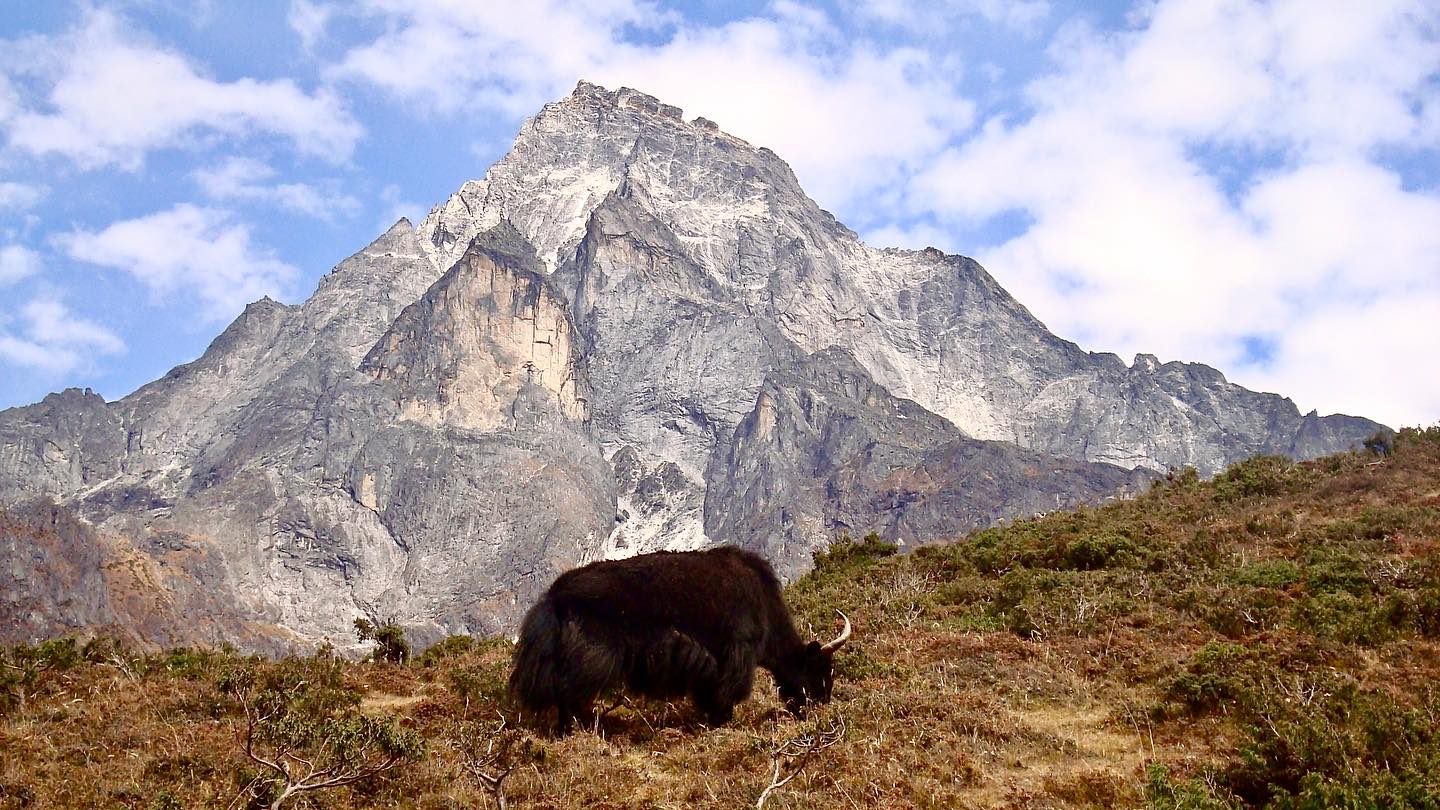
 

Frequently Asked Questions — Off-Road Jeep Annapurna 2026

What are the best off-road jeep routes in the Annapurna region?

The two signature off-road routes are Besisahar to Manang (through the Marsyangdi gorge, on the Annapurna Circuit’s eastern side) and Pokhara to Jomsom and Muktinath (through the Kali Gandaki valley, the world’s deepest gorge). Shorter foothill off-road routes to Ghandruk and Ulleri are also popular for single-day or overnight adventures from Pokhara.

Do I need a 4WD vehicle for off-roading in the Annapurna region?

Yes, absolutely. All off-road routes within the Annapurna Conservation Area require a genuine 4WD vehicle. The Mahindra Scorpio 4WD is suitable for standard routes; the Toyota Hilux 4WD is recommended for the full Besisahar-Manang and Jomsom-Muktinath routes; the Toyota Land Cruiser is mandatory for any extension into Upper Mustang.

How much does an off-road jeep tour of the Annapurna region cost in 2026?

Costs vary significantly by route and duration: a Pokhara to Ghandruk day trip costs approximately NPR 8,000–14,000; a full Besisahar to Manang round trip costs NPR 60,000–90,000 over several days; a combined Annapurna Circuit and Muktinath off-road adventure costs NPR 120,000–180,000 over 6 to 8 days; and a full Upper Mustang expedition costs NPR 220,000–290,000 over 9 to 10 days. All costs are for the full private vehicle, including driver and fuel.

Can I combine the Annapurna Circuit jeep route with Muktinath in one trip?

Yes — many off-road adventurers combine both signature routes, driving the Besisahar to Manang section first, returning via Pokhara, and then continuing to Jomsom and Muktinath via the Kali Gandaki valley. This combined adventure typically takes 6 to 8 days and showcases the full diversity of Annapurna’s off-road terrain.

Is a guide mandatory for off-road jeep touring in Annapurna?

Yes — as of 2026, a licensed guide is mandatory on all major Annapurna Conservation Area routes, including jeep-based off-road touring, not only traditional trekking. Nepal Vehicle Hiring Pvt Ltd coordinates licensed guide arrangements alongside vehicle hire for clients who do not already have one arranged.

What is the best season for off-road jeep touring in the Annapurna region?

October to November (autumn) and March to May (spring) are the best seasons — dry, stable off-road conditions and clear mountain views. Winter (December–February) is also viable with good conditions but with colder temperatures, particularly at higher altitudes near Manang and Muktinath. Monsoon season (June–September) poses a landslide risk in the gorge sections and is not recommended for off-road touring.


Conclusion

Off-road jeep touring has transformed the Annapurna region from a destination accessible only to dedicated multi-week trekkers into one of the world’s great adventure driving destinations — a place where the thrill of genuine technical off-road driving combines with some of the most dramatic mountain scenery, richest cultural diversity, and most sacred pilgrimage sites anywhere in the Himalaya. From the thundering Marsyangdi gorge to the high-desert tracks of Upper Mustang, the Annapurna Conservation Area offers an off-road experience with few parallels on Earth.

Nepal Vehicle Hiring Pvt Ltd brings genuine off-road expertise, a complete fleet of verified 4WD vehicles, and years of experience navigating every major Annapurna off-road corridor to this extraordinary adventure. Whether your interest is the classic Besisahar to Manang drive, the sacred Kali Gandaki route to Muktinath, a foothill excursion to Ghandruk, or the ultimate extension into the forbidden kingdom of Upper Mustang, we are ready to put you behind the adventure of a lifetime — safely, expertly, and unforgettably.

Book your Annapurna off-road jeep adventure — Call or WhatsApp: +977-9851013196
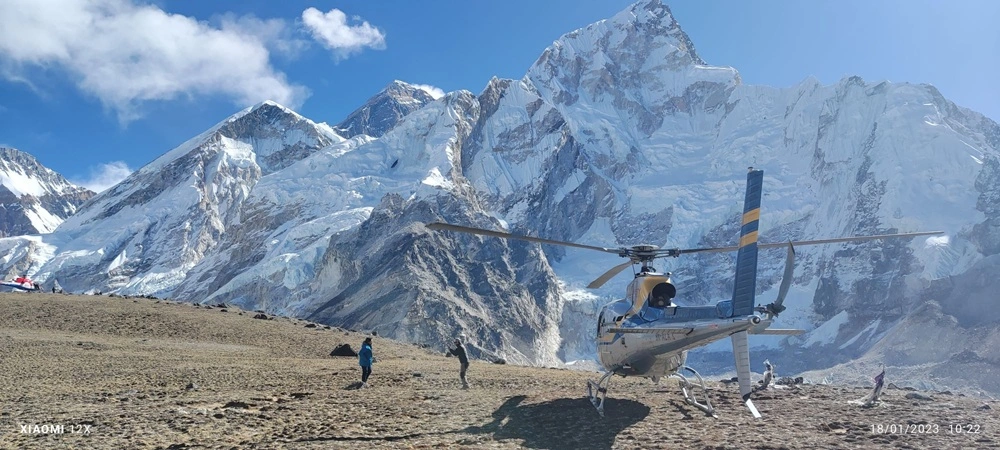
E-mail: [email protected]

Salleri & Phaplu Pickup Drop Service Round the Year

4WD Jeep Salleri Phaplu Pickup Drop Service
4WD Jeep

Salleri Phaplu Pickup Drop Service: Complete Year-Round Guide 

Ask any experienced Nepal trekker to name the alternative to a Lukla flight, and the answer almost invariably begins with Salleri and Phaplu. In the popular imagination, the journey to the Everest region begins at Tribhuvan International Airport’s domestic terminal, with a 30- to 40-minute flight to Tenzing-Hillary Airport in Lukla, followed by the first steps on the well-worn trail northward toward Namche Bazaar and the high Khumbu. This is how the majority of Everest Base Camp trekkers begin their adventure, and for good reason: the Lukla flight is fast and dramatic, and it deposits trekkers within a day’s walk of Namche’s bustling trekking hub. But it is also weather-dependent, subject to cancellations that can strand trekkers in Kathmandu or Lukla for days on end, and increasingly expensive compared with an overland vehicle journey to the same general region.

Salleri, the district headquarters of Solukhumbu at an altitude of approximately 2,390 meters above sea level, represents the end of the main motorable road into Nepal’s Everest region from Kathmandu — or more precisely, the point from which the road becomes rough enough that the journey’s character changes fundamentally from highway travel to mountain track adventure. Phaplu, located just 3 to 4 kilometers above Salleri at approximately 2,400 meters, sits even closer to the mountains and is home to the region’s small domestic airport. This facility serves only a limited number of seasonal flights compared to Lukla. Still, it provides an additional access option for those who wish to fly one way and drive the other. Together, Salleri and Phaplu constitute the gateway to Nepal’s most famous mountain region by road, and the jeep service connecting Kathmandu to these two towns is one of the most important and most consistently underrated transport services in all of Nepal.

Nepal Vehicle Hiring Pvt Ltd (vehiclehiringnepal.com) has been providing pickup and drop-off service between Kathmandu and Salleri-Phaplu throughout the year, covering both well-traveled routes and lesser-known approaches to destinations such as Bupsa, Thamdanda, and Kharikhola, which extend the road journey deeper into the Solukhumbu District. This comprehensive guide covers every aspect of this service in detail: the route, the road conditions in every season, the accurate costs in both Nepali rupees and US dollars, the departure times and logistics, what passengers should know and prepare before booking, and why a private pickup and drop service from Nepal Vehicle Hiring Pvt Ltd delivers a fundamentally superior experience to the shared alternatives available on this route.

Whether you are a trekker seeking a reliable Lukla flight alternative, a resident of Solukhumbu District travelling to and from Kathmandu for business or family visits, an adventure traveller who wants to experience the overland approach to Everest’s foothills by road, or an expedition team looking for dependable equipment and personnel transport to the start of a Khumbu expedition, this guide provides everything you need to plan and book your Kathmandu to Salleri-Phaplu journey with complete confidence.

For travelers who want to go on a trek and plan to explore Kathmandu, we recommend continuing your journey with our trusted sister companies, Trek Nepal Himalayas and Alpine Luxury Treks. We specialize in organizing a wide range of travel experiences across Nepal, from classic trekking adventures to cultural and wildlife tours.

Our top offerings include iconic journeys such as the Everest Base Camp Trek, immersive Kathmandu sightseeing tours, breathtaking Nagarkot sunrise experiences, exciting Chitwan jungle safaris, and luxury packages. In addition, we can arrange short hikes, heritage tours, mountain flights, and customized travel plans tailored to your schedule and interests.

Understanding Salleri and Phaplu: The Twin Gateways to Solukhumbu

Salleri: District Headquarters and Road Terminus

Salleri sits at the heart of Nepal’s Solukhumbu District, serving as its administrative headquarters and the primary commercial and service hub for a district that encompasses some of the world’s most significant trekking territory. At approximately 2,390 meters above sea level, Salleri occupies a comfortable mid-altitude position that gives it a pleasant climate for much of the year — warmer than the high Khumbu valleys in summer, cooler and cleaner than Kathmandu in the pre-monsoon heat, and well-supplied with sunshine across the dry season months. The town has a government complex including the District Administration Office, the District Court, hospitals, schools, banks and ATMs, and a market area with shops, teahouses, and guesthouses that cater to the steady flow of travelers and residents passing through.

From a transport perspective, Salleri’s significance lies primarily in its role as the point where the BP Highway, Nepal’s principal east-west road connection through the hills, transitions to the rougher network of district roads serving the Solukhumbu District’s more remote areas. The road from Kathmandu reaches Salleri in serviceable condition for vehicles of all types, making it the furthest point along this corridor where shared jeeps regularly terminate and private vehicle operators can reliably promise a straightforward journey without specialized off-road expertise. Beyond Salleri, the roads to Bupsa, Thamdanda, Kharikhola, and the deeper Khumbu valley approach become progressively rougher, narrower, and more demanding of both vehicle capability and driver experience.

Salleri itself is not a trekking destination in the conventional sense — most travelers who stop here are either overnighting before continuing by vehicle toward Bupsa and Thamdanda or before beginning their trek northward from Phaplu toward the Sherpa villages of the lower Khumbu. The town has sufficient accommodation for an overnight stay, with multiple guesthouses offering basic but comfortable rooms at rates of NPR 400 to NPR 800 per night in 2025. Travelers frequently cite the Hill View Guest House as one of the better options for a comfortable overnight stay in the town. Meals at Salleri’s teahouses and restaurants typically cost NPR 200 to NPR 500 per person for a standard Nepali dal bhat, making it one of the more affordable overnight stops along the Kathmandu-to-Khumbu corridor.

Salleri and Phaplu pickup and drop service available year-round in Solukhumbu, Nepal.
Phaplu-airport

Phaplu: The Airport Village and Trek Starting Point

Phaplu, located 3 to 4 kilometers above Salleri at approximately 2,400 meters, occupies a slightly higher and arguably more scenic position, offering better mountain views on clear days and the added significance of hosting Phaplu Airport. This small domestic airstrip serves occasional flights from Kathmandu during the spring and autumn trekking seasons. The flights to Phaplu, operated by small aircraft due to limited runway capacity, cost approximately NPR 15,000 per person one-way and offer a faster alternative to the overland jeep journey. However, their irregular schedule and weather-dependent reliability mean they cannot be counted on for time-sensitive travel the way the road jeep service can.

For trekkers beginning the Everest region approach from Phaplu rather than from Lukla, the town represents a genuinely rewarding starting point for the walk north toward Namche Bazaar. The route from Phaplu to Namche covers approximately 60 kilometers of trail. It typically takes three to four days for a reasonably fit trekker carrying a moderate pack to pass through the Sherpa and mixed-culture communities of the Solu region before the landscape character begins to shift toward the higher, more Tibetan-Buddhist atmosphere of the Khumbu proper.

Many experienced Himalayan trekkers specifically choose the Phaplu approach because it offers a more gradual and culturally richer introduction to the Everest region than the Lukla airport arrival, building landscape immersion slowly over several days of walking rather than arriving instantaneously in the high-altitude trekking zone.

The walk from Phaplu to Lukla alone takes approximately two days for normal trekkers, making Phaplu an excellent starting point specifically for those who want to experience the lower Khumbu region’s distinctive character — the beautiful rhododendron and oak forests of the Solu region, the traditional Rai and Sherpa mixed communities of Khari Khola and Bupsa, and the gradual altitude gain that provides natural and gentle acclimatisation rather than the altitude shock that many Lukla-arrived trekkers experience when they push too quickly north toward Namche.

The Route: Kathmandu to Salleri-Phaplu in Full Detail

Total Distance and General Route Character

The road distance from Kathmandu to Salleri is approximately 267 to 270 kilometres depending on the specific routing followed, making it one of Nepal’s longer single-day vehicle journeys in terms of road distance while not being the longest in terms of actual travel time — the BP Highway through the Dolakha and Okhaldhunga sections is generally in reasonable condition, allowing speeds adequate to cover the distance in eight to ten hours under normal conditions. The overall route follows a broadly eastward, then northward, arc from Kathmandu, leaving the capital via Bhaktapur and continuing to the BP Highway via Dhulikhel. This scenic mid-hill road offers some of Nepal’s finest continuous highway scenery across terraced hillsides, river gorges, and periodic Himalayan viewpoints.

The route passes through several significant towns and road junctions that serve as reference points for passengers monitoring their progress and for drivers who may make brief stops for fuel, food, and passenger rest. From Kathmandu, the primary road towns include Banepa, Dhulikhel, Khopasi, Suri, Mude, Namdu, Manthali, Khurkot, Okhaldhunga, and finally, the turn northward into the Solukhumbu District toward Salleri. Each of these towns represents a slight change in the road’s character and the surrounding landscape, the scenery progressively transitioning from the peri-urban character of Kathmandu’s eastern outskirts through the market towns of the Koshi hill corridor to the increasingly remote and mountain-influenced landscape of the Solukhumbu approach.

Departure Points and Pickup Locations in Kathmandu

The standard departure point for shared jeep services to Salleri and Phaplu from Kathmandu is Chabahil Chowk, specifically the junction near the Dhobi Khola Bridge on Gopi Krishna Marg, where shared vehicles depart each morning between 4:30 and 5:00 AM. Some services also pick up passengers at the Om Samaj Hospital area in Chabahil. The journey’s length dictates the early departure time — a 5:00 AM departure from Chabahil typically reaches Salleri between 3:00 and 5:00 PM under good road conditions, with the exact arrival time depending on road conditions, traffic, and the number of stops for meals and rest.

For travelers staying in Thamel or other central Kathmandu hotel districts, reaching Chabahil between 4:00 and 4:30 AM for the shared jeep departure requires either an overnight arrangement near the departure point or a taxi from the hotel at approximately 3:30 AM — a timing that many travelers find inconvenient enough to justify the additional cost of hotel pickup service. Nepal Vehicle Hiring Pvt Ltd’s private pickup and drop service specifically addresses this inconvenience: our drivers arrive at the client’s hotel in Thamel, Boudha, Lazimpat, or any other Kathmandu hotel district at the agreed time, eliminating the need to navigate to a separate departure point in the pre-dawn hours while carrying trekking luggage.

Shared jeep services also have documented pickup routes throughout Kathmandu, collecting passengers from points along the Gaushala-Koteshwar-Jaributti-Sallaghari Chowk-Bhaktapur-Banepa-Dhulikhel corridor. Passengers who live along or are staying along this route can often arrange collection at roadside points, reducing their overall travel time from their location to the departure area. Nepal Vehicle Hiring Pvt Ltd offers custom pickup arrangements that follow or improve on this route for private clients, collecting from any specified hotel or address within the greater Kathmandu area.

Key Stops Along the Route

The Kathmandu-to-Salleri journey is long enough that several food and rest stops are standard practice for all vehicle services along this corridor. The most common stopping points are at Khurkot, approximately 130 kilometers from Kathmandu, where the road drops to cross the Sun Koshi River before climbing again on the eastern bank. In this location,e several roadside restaurants and teahouses provide adequate dal bhat, noodles, and tea for travelers. Most shared jeep services make a 20- to 30-minute stop here for lunch, and private vehicle operators follow a similar pattern, adjusted to their clients’ preferences.

The road between Khurkot and Okhaldhunga, as it climbs into the Solukhumbu approaches, involves some of the most scenic driving of the entire journey — broad river gorges, terraced hillsides at various stages of cultivation depending on season, traditional villages perched on ridges above the road, and increasingly frequent views of the high Himalayan range to the north that announce the proximity of the Everest region even before the formal district boundary is reached. A second brief stop near Okhaldhunga for tea or a comfort break is common on most services before the final push to Salleri itself.

Bp Highway-salleri phaplu road-Salleri and Phaplu pickup and drop service available year-round in Solukhumbu, Nepal.
Bp Highway

Round-the-Year Service: Seasonal Road Conditions and What to Expect

One of the most important questions for anyone considering the Kathmandu to Salleri-Phaplu vehicle journey is how road conditions vary across the year, since the route passes through terrain that is genuinely affected by seasonal variation and where the consequences of poor conditions are felt more directly in journey time, comfort, and occasional disruption risk than on Nepal’s more heavily maintained highway corridors. Nepal Vehicle Hiring Pvt Ltd operates this service year-round, but conditions and recommended preparations differ meaningfully by season, as detailed in this section.

Autumn — September to November (Best Season)

Autumn is the most reliable and most comfortable season for the Kathmandu-to-Salleri-Phaplu vehicle journey, and, not coincidentally, the period when demand for this service is highest due to the simultaneous peak in Everest region trekking traffic. The road is typically in its best annual condition in the weeks immediately following the monsoon’s departure in late September, with any monsoon-season damage repaired or at least stabilized before the main autumn travel surge, and with the dry, clear conditions that characterize Nepal’s autumn making road surfaces firm and predictable throughout the journey. Travel times in autumn are the most consistently achievable, with eight to nine hours for the Kathmandu-to-Salleri leg representing a reliable estimate rather than an optimistic one.

The mountain views on clear autumn days are exceptional along the upper sections of the route approaching Okhaldhunga and Salleri, with the high Himalayan range visible on the northern horizon in a clarity that the summer haze and monsoon cloud cover completely obscure in summer. For travelers who appreciate the scenic dimension of this journey as part of the overall Solukhumbu experience, autumn morning departures that put the vehicle in the middle sections of the route during mid-morning — when the clear post-dawn light illuminates the surrounding hillsides and mountain viewpoints most vividly — deliver the finest visual experience of any season.

Spring — March to May (Second Best Season)

Spring offers the second-most reliable window for the Kathmandu-to-Salleri-Phaplu service, with conditions generally good from March through most of May, before the monsoon’s approach begins to introduce uncertainty in the final weeks of the season. The landscape along the route is at its most vibrant in spring, with rhododendrons flowering in the forested sections of the mid-hills providing vivid color contrasts against the terraced farmland and the blue sky above. Snow remaining on the higher Himalayan peaks, visible from the route’s upper sections, creates a striking visual backdrop for the journey’s final approach to Salleri, and the relatively mild daytime temperatures of the spring months make the long vehicle journey more physically comfortable than the hotter conditions of the pre-monsoon period leading up to May.

One consideration specific to spring travel is the gradual buildup of dust on the route’s unpaved sections as the dry season nears its end. By late April and May, dust can be a significant nuisance on the sections of road that remain unpaved between Okhaldhunga and Salleri, and travelers should carry a face covering or cloth mask to manage dust exposure during these sections. Nepal Vehicle Hiring Pvt Ltd vehicles maintain closed windows on dusty sections as a standard precaution. Still, the dust penetration through door seals on mountain roads means that some exposure is inevitable on the most recently graded sections.

Monsoon — June to August (Possible with Caution)

The monsoon season presents the most challenging conditions for the Kathmandu-to-Salleri-Phaplu vehicle service, but it does not render the journey impossible, as some travelers assume. Nepal Vehicle Hiring Pvt Ltd maintains its pickup and drop service throughout the monsoon season, and the majority of monsoon-season journeys are completed without significant incident. What changes is the degree of uncertainty surrounding journey timing and the possibility of encountering road disruptions due to landslides — the dominant monsoon-season road risk on this corridor.

The BP Highway section of the route is one of Nepal’s more landslide-prone highways during the monsoon, with the Rosi Khola area having experienced significant blockages in multiple recent monsoon seasons. The stretch near Manthali and the sections approaching Okhaldhunga also carry elevated landslide risk during periods of heavy rainfall. Nepal Vehicle Hiring Pvt Ltd monitors road conditions on this route throughout the monsoon season and will advise clients of any known closures or significant disruptions before confirming departure dates. When a major landslide creates a sustained road closure, our team works to identify the best available alternatives — whether waiting for clearance, routing via alternative tracks where possible, or advising postponement of the journey until conditions stabilize.

Travelers who must travel to or from Salleri-Phaplu during the monsoon season are advised to book a private rather than shared vehicle, for the straightforward reason that a private vehicle can adapt more flexibly to road disruptions and can turn back or change plans according to actual conditions encountered, rather than being committed to completing the journey regardless of what the road presents. The cost differential between shared and private hire is better understood in the monsoon season, not as a luxury premium but as a practical investment in journey adaptability that may save considerable time and stress if road conditions deteriorate during the trip.

Winter — December to February (Reliable with Cold Preparation)

Winter presents fewer road disruption risks than the monsoon on this corridor, since the absence of heavy rainfall removes the primary landslide trigger. Still, it introduces cold-weather challenges that passengers must prepare for — particularly during early-morning departures when the vehicle leaves Kathmandu in pre-dawn darkness. The route’s mid-hill sections can be genuinely cold. The road surface in winter is generally stable and predictable, with occasional frost on shaded sections in the early morning presenting the main driving challenge, which drivers at Nepal Vehicle Hiring Pvt Ltd manage by reducing speed and exercising appropriate caution in corners.

Winter is also characterized by significantly lower demand for this service than during the autumn and spring peaks, which means vehicle availability is generally better and booking lead times are shorter. The overall journey is less crowded, both on the road and in the overnight accommodation options at Salleri and Phaplu, for trekkers who break their journey overnight. For travelers with flexibility in their timing, the January-February window offers the genuine advantage of a quieter, less-competitive journey and the same reliable road conditions as in autumn, without the peak-season vehicle-booking pressure.

Seasonal Summary: Kathmandu to Salleri-Phaplu Service

SeasonMonthsRoad ConditionsDisruption RiskDust/MudRecommended?
AutumnSep–NovExcellent — best of the yearVery LowLowHighly Recommended
SpringMar–MayGood — some dust late seasonLowMediumRecommended
WinterDec–FebGood — occasional frost/coldVery LowLowGood (quieter)
MonsoonJun–AugVariable — landslide riskMedium–HighHighPossible with caution
Salleri and Phaplu pickup and drop service available year-round in Solukhumbu, Nepal.
Salleri, Phaplu, and surrounding areas.

Complete Cost Guide: Salleri-Phaplu Pickup and Drop Service 

Understanding the full cost picture for the Kathmandu to Salleri-Phaplu jeep service requires distinguishing between the several different service categories available — shared versus private, standard versus extended destinations, and the additional pickup charges that apply on some shared services when hotel collection is requested rather than the standard departure from Chabahil Chowk.

Shared Jeep Costs (Per Person)

Shared jeep services to Salleri and Phaplu from Kathmandu operate year-round, departing from Chabahil Chowk between 4:30 and 5:00 AM once enough passengers have assembled. Multiple current sources confirm a shared jeep cost of NPR 3,000 to NPR 4,000 per person for the Kathmandu-to-Salleri or Phaplu journey, equivalent to approximately USD 22 to USD 30 per person, depending on current exchange rates. One operator quotes USD 25 per person as their standard shared jeep rate for this route, with an additional USD 5 to USD 7 pickup charge for hotel collection service from Thamel or other central Kathmandu hotel districts, taking the total per-person cost with hotel pickup to approximately USD 30 to USD 32.

The shared jeep typically accommodates seven to eight passengers, with seats allocated on a first-come, first-served basis at boarding. The experience of traveling with six or seven other passengers across an eight-to-ten-hour journey on a winding mountain road is not comfortable by any standard of the term. For travelers with any concern about motion sickness or simple claustrophobia, the shared configuration can make the journey genuinely arduous regardless of the road conditions. This is the most frequently cited practical argument for upgrading to a private vehicle hire, even at the significantly higher cost.

Private Jeep Hire Costs

Private jeep hire from Kathmandu to Salleri costs vary considerably depending on the vehicle type, the operator, and the current season. Current market research for 2025/26 reveals a range of quoted prices from different operators: NPR 20,000 to NPR 25,000 from one operator, NPR 25,000 to NPR 30,000 from another, and USD 250 to USD 310 (equivalent to approximately NPR 33,000 to NPR 41,000) from operators specifically targeting international travelers.

The variation in these figures reflects both genuine differences in vehicle quality and service standard and the price segmentation between domestic-market operators quoting in NPR for local clients and tourism-market operators quoting in USD for international trekkers.

Nepal Vehicle Hiring Pvt Ltd’s private pickup and drop service for the Kathmandu-to-Salleri-Phaplu route is priced transparently at NPR 25,000 to NPR 35,000 for a complete private vehicle rental, depending on vehicle type and the specific month of travel (seasonal surcharges apply during the peak October-November period when demand is highest).

This rate includes hotel pickup from any hotel in Kathmandu, fuel for the entire journey, and an experienced driver familiar with the BP Highway and the Solukhumbu approach road. No additional charges apply beyond this all-inclusive rate, and Nepal Vehicle Hiring Pvt Ltd provides written booking confirmation with the specific total cost before any payment is requested.

For extended destinations beyond Salleri, the private hire cost increases to reflect the additional distance and road difficulty involved. The Kathmandu to Bupsa-Thamdanda extension, which takes the vehicle approximately 63 kilometres beyond Salleri on increasingly rough road to the nearest motorable point to Lukla, adds significantly to both the journey time and cost — multiple operators quote USD 450 to USD 550 for the complete Kathmandu to Bupsa-Thamdanda private jeep, with the Kathmandu to Bupsa journey taking approximately 18 to 20 hours total including the overnight break at Salleri that most itineraries require for this extended routing.

Complete Cost Reference: Kathmandu to Salleri-Phaplu and Beyond

RouteService TypeCost (NPR)Cost (USD)Journey TimeNotes
Kathmandu → Salleri / PhapluShared jeep (per person)NPR 3,000–4,000$22–$308–10 hrsDeparts 4:30–5:00 AM, Chabahil
Kathmandu → Salleri / PhapluShared + hotel pickupNPR 3,700–4,700$28–$358–10 hrs+$5–7 pickup from Thamel
Kathmandu → Salleri / PhapluPrivate jeep (full vehicle)NPR 25,000–35,000$188–$2638–10 hrsUp to 6–7 pax, hotel pickup
Kathmandu → Salleri / PhapluPrivate Scorpio jeepNPR 32,000–42,000$240–$3158–10 hrsPremium Tata Sumo / Scorpio
Salleri / Phaplu → KathmanduPrivate return jeepNPR 25,000–35,000$188–$2638–10 hrsPre-arrange return pickup
Kathmandu ↔ Salleri / PhapluPrivate round tripNPR 45,000–60,000$338–$450Multi-dayWaiting charge for multi-day
Kathmandu → Bupsa / ThamdandaPrivate jeepNPR 55,000–75,000$413–$56318–20 hrs2-day journey, overnight in Salleri
Kathmandu → KharikholaPrivate jeepNPR 40,000–55,000$300–$41312–15 hrsExtended beyond Salleri
4WD Jeep pickup and drop service in Salleri and Phaplu, Solukhumbu, Nepal.
4WD-luxury-Jeep

Why Use This Route: The Salleri-Phaplu Jeep Service vs Lukla Flight

The comparison between the overland jeep service to Salleri-Phaplu and the Lukla flight is one that every Everest region visitor implicitly or explicitly makes when planning their journey, and understanding the genuine trade-offs involved — rather than defaulting to the conventional assumption that the Lukla flight is always the better option — produces better-informed decisions for different categories of travelers.

Cost Advantage

The cost comparison between the Lukla flight and the overland jeep service strongly favors the ground transport option for budget-conscious travelers, particularly for groups, where the private jeep cost can be distributed among multiple passengers. The Lukla domestic flight from Kathmandu costs approximately USD 120 to USD 140 per person one-way in 2025, meaning that a private group of four travelers pays approximately USD 480 to USD 560 in one-way Lukla flight costs. A private jeep from Kathmandu to Salleri costs approximately USD 188 to USD 263 for the full vehicle — roughly half the flight cost for four passengers — with greater schedule certainty and the bonus of an overland scenic experience.

Reliability Advantage

The Lukla flight’s notorious susceptibility to weather cancellations is perhaps the most frequently cited practical argument for the overland alternative. Lukla’s Tenzing-Hillary Airport operates under strict visual meteorological conditions requirements that even minor cloud cover, precipitation, or high winds can violate, leading to cascading cancellations that have left trekkers waiting in Kathmandu or Lukla for four, five, or even more consecutive days in extreme weather periods.

The disruption to carefully planned trekking itineraries caused by a multi-day Lukla cancellation period is not merely an inconvenience; it can fundamentally compromise a trek planned around a specific number of available days. The overland jeep service, while subject to weather-related disruptions during the monsoon season, is considerably more reliably available year-round, particularly in autumn and spring, when the monsoon and winter weather extremes are absent.

Acclimatisation Advantage

Perhaps the most underappreciated advantage of the Salleri-Phaplu approach over the Lukla flight is the superior acclimatization profile it creates for trekkers approaching Everest Base Camp or other high-altitude Khumbu destinations. The Lukla flight delivers trekkers to 2,860 meters after a 40-minute flight from Kathmandu at 1,400 meters — an altitude gain achieved with zero physical exertion that can, particularly for travelers arriving from sea-level destinations after a long international flight, produce acute mountain sickness symptoms before the first day’s trekking is complete.

The overland approach through Salleri-Phaplu begins at 2,390 meters. It gradually gains altitude over several days of walking, giving the body time to acclimatize effectively and significantly reducing the risk of altitude-related illness in the first days of trekking. Many trekking doctors and experienced Himalayan guides specifically recommend the overland approach for travelers with any concern about altitude sickness or who have experienced altitude-related symptoms on previous high-altitude journeys.

Cultural Immersion Advantage

The overland route from Kathmandu through the BP Highway corridor and into the Solukhumbu foothills reveals a dimension of Nepal’s cultural and physical geography that the Lukla flight completely bypasses. The BP Highway passes through the Dolakha and Okhaldhunga districts. In these regions, Tamang, Rai, Magar, and mixed-caste Nepali communities have maintained traditional agricultural and pastoral practices in a landscape of extraordinary beauty — terraced rice paddies, traditional village architecture, river gorges, and the gradual transition from subtropical to temperate to subalpine vegetation that accompanies the increase in altitude toward Salleri. For travelers who regard the experience of Nepal’s rural countryside as integral to the value of a journey to Nepal rather than simply a geographic obstacle between the airport and the mountains, the overland route is not a lesser alternative to flying but a richer one.

Salleri Phaplu Pickup Drop Service available year-round in Solukhumbu, Nepal.
Salleri-bajar

Onward Destinations from Salleri-Phaplu: The Deeper Solukhumbu Network

Salleri and Phaplu serve not just as destinations in their own right but as starting points for an extensive network of onward road and trekking connections into the Solukhumbu District. Understanding this network helps travelers plan their complete journey from Kathmandu to their ultimate destination in the Everest region, whether that is a trail beginning at Phaplu or Salleri, a vehicle extension to Bupsa or Thamdanda, or the connecting walks linking these road termini to the main Everest trekking corridor.

Salleri/Phaplu to Bupsa and Thamdanda

The road beyond Salleri continues through Kharikhola and onward to Bupsa and Thamdanda — the furthest points currently accessible by vehicle toward Lukla and the Khumbu. The 63 kilometers from Salleri to Thamdanda involve significantly rougher road than the BP Highway approach to Salleri, with the track becoming progressively more demanding as it climbs into the Dudh Koshi valley system. Most operators who service this extended route require a vehicle change at Salleri — the shared jeep or vehicle that brought passengers from Kathmandu is typically not the same vehicle that continues beyond Salleri, as local operators with specific knowledge of the tracks beyond Salleri handle the extension.

From Thamdanda, which sits at approximately 2,900 meters, trekkers can begin walking toward Lukla (approximately 37 kilometers, or two days’ walking for fit trekkers), with a planned road from Thamdanda toward Chaurikharka near Lukla still under construction as of 2025. When complete, this road will create an unprecedented continuous motorable connection from Kathmandu to within a few kilometers of Lukla itself — a development that will fundamentally transform the Kathmandu-to-Khumbu transport landscape, and Nepal Vehicle Hiring Pvt Ltd is monitoring it closely to ensure our service pricing and routing evolve appropriately as infrastructure develops.

Trek Routes Starting from Salleri and Phaplu

For trekkers who begin their Khumbu journey from Salleri or Phaplu rather than Lukla, the trail options are more diverse and less crowded than those from the standard starting point. The most direct route northward from Phaplu to Lukla takes approximately two days of walking, passing through Ringmo and continuing to Khari Khola before the final climb to Lukla’s hillside location. From Lukla, the standard trail toward Namche Bazaar and the higher Khumbu continues as it does for all EBC trekkers regardless of how they reached Lukla.

An alternative and considerably more scenic approach from Phaplu continues not via Lukla but directly north to Namche Bazaar via Solu Khumbu’s trail network, bypassing Lukla entirely and joining the main EBC trail at Namche after approximately three to four days of walking from Phaplu. This direct Phaplu-Namche approach is particularly popular with trekkers who want to experience the full cultural and ecological range of the Solu Khumbu region rather than simply reaching the high Khumbu as efficiently as possible, and it offers the best acclimatization profile of any EBC approach, given the gradual altitude gain it involves.

Practical Guide to Booking and Preparing for the Journey

Advance Booking Requirements

Booking advance requirements for the Kathmandu-to-Salleri-Phaplu service vary significantly by season and service type. During the peak autumn trekking season — October and November — private vehicle demand on this route is at its annual maximum, driven by the simultaneous peak in Everest region trekking traffic and the tendency for Lukla flight cancellations to create sudden spikes in demand for ground transport alternatives. During these peak periods, Nepal Vehicle Hiring Pvt Ltd recommends booking private vehicle hire at least 5 to 7 days in advance. Ideally, 2 weeks in advance, for clients with fixed departure dates who cannot accommodate flexibility in their travel schedule.

During the spring season, booking three to five days in advance is generally sufficient for private hire, while the quieter winter and monsoon seasons typically allow same-week or even same-day booking in most circumstances. Shared jeep services, while operating daily year-round, can fill up quickly during peak season and benefit from booking — particularly for the hotel pickup variants that guarantee a seat without requiring a pre-dawn journey to Chabahil Chowk.

What to Pack for the Journey

An eight-to-ten-hour vehicle journey through Nepal’s mid-hills demands a specific approach to personal preparation that differs from both a short city transfer and a multi-day trek. The following items consistently improve the comfort and well-being of passengers on the Kathmandu to Salleri-Phaplu route regardless of season:

  • Motion sickness medication — the BP Highway’s winding mountain sections are the most common cause of discomfort on this route, and even travelers who do not typically experience motion sickness in urban driving contexts can find sustained hill driving challenging
  • Light snacks and at least two liters of water — stops for food occur at approximately Khurkot (approximately 4 hours from Kathmandu) and near Okhaldhunga (approximately 7 hours), with limited options in between
  • Warm layers for early morning departure — the 4:30 to 5:00 AM departure time means the first two to three hours of the journey occur in cool pre-dawn and early morning conditions, particularly relevant in autumn and winter.
  • Dust protection (cloth mask or scarf) — the later dry-season sections of the BP Highway near Okhaldhunga can be dusty, and the beyond-Salleri sections for travelers continuing to Bupsa are consistently described as dusty regardless of season
  • Small daypack accessible within the vehicle cabin — main luggage should be packed and stowed, but a small bag with immediate-access items including water, snacks, phone charger, and medication is important for a vehicle journey of this length
  • Sufficient NPR cash for meals at stops and for any overnight accommodation at Salleri if breaking the journey
  • Trekking permits,  if required for onward destination IMS, and any applicable national park permits should be obtained from the Nepal Tourism Board before departure from Kathmandu, not at Saller.


Accommodation in Salleri and Phaplu

For travelers who plan to break their journey with an overnight stay, Overtravelers or Phaplu before continuing by vehicle or on foot, both towns offer adequate accommodation options at rates considerably lower than those in the trekking hubs of Kathmandu or Pokhara. In Salleri, the trekking hub, House is frequently cited in trekker accounts as one of the more comfortable options, offering rooms at NPR 400 to NPR 800 per night with basic facilities. Phaplu has similar options at comparable rates, with a small but adequate selection of teahouse-style guesthouses serving the modest flow of trekkers and locals who overnight there.

During peak trekking season, particularly in October, accommodation in both Salleri and Phaplu can fill up unexpectedly, given the relatively limited number of rooms in both towns. Travelers with confirmed plans to overnight at either location — particularly in October or November when all Everest region accommodation is under pressure — are advised to ask their vehicle hire provider or a local contact to make a basic booking in advance, since the limited phone connectivity along sections of the approach route can make last-minute arrangements difficult once the journey is already underway.

Nepal Vehicle Hiring Pvt Ltd: Why Our Pickup and Drop Service Stands Apart

The Kathmandu-to-Salleri-Phaplu vehicle service market in Nepal comprises shared jeep operators, informal private car services, and registered trekking agencies that offer transportation as part of their broader packages. Understanding what sets Nepal Vehicle Hiring Pvt Ltd’s pickup and drop service apart from these alternatives helps travelers make informed decisions about which option best serves their specific needs.

The most fundamental distinction is the combination of transparency, reliability, and experience that Nepal Vehicle Hiring Pvt Ltd brings to every booking. Our drivers for the Kathmandu-to-Salleri-Phaplu route are selected specifically for their experience on the BP Highway corridor and the Solukhumbu approach road, not simply for their general Nepal driving credentials.

This route-specific experience matters: a driver who has covered this particular road dozens of times carries knowledge of its seasonal variations, its most demanding sections, the best stopping points for fuel and food, and the current road status at specific known problem locations that no amount of general driving experience can replicate.

Our vehicles for this service are maintained to a standard that reflects the sustained demands of a 267-kilometer mountain road journey, with pre-journey mechanical checks covering tires, brakes, fluid levels, and drivetrain components specifically because the consequences of a mechanical failure in a remote Okhaldhunga mountain section are far more serious than those of a breakdown in an urban environment where assistance is readily available. Every Nepal Vehicle Hiring Pvt Ltd vehicle on this route carries a spare tire as a minimum baseline. This detail may sound obvious, but not all operators in this corridor consistently maintain it.

Our booking process is fully documented in writing, with clients receiving confirmation of their specific departure time, pickup location, vehicle, driver contact details, and all-inclusive price before any payment is requested or made. This written confirmation eliminates the ambiguity that informal bookings often create about what is actually included in a quoted price — whether fuel, meals, and any necessary road tolls are covered, or whether these are charged as additional costs at settlement. Nepal Vehicle Hiring Pvt Ltd’s Kathmandu-to-Salleri-Phaplu service is consistently all-inclusive, with no hidden charges.

Frequently Asked Questions

How far is it from Kathmandu to Salleri and Phaplu?

The road distance from Kathmandu to Salleri is approximately 267-270 kilometers via the BP Highway. Phaplu is located 3 to 4 kilometers above Salleri, adding a negligible additional distance. The journey typically takes eight to ten hours by private jeep and ten to twelve hours by shared jeep or bus, depending on road conditions and the number of stops made along the route.

What time do shared jeeps depart from Kathmandu to Salleri?

Shared jeeps to Salleri and Phaplu from Kathmandu typically depart from Chabahil Chowk between 4:30 and 5:00 AM each morning, with passengers expected to arrive between 4:00 and 4:30 AM. Some services also offer hotel pickup from Thamel and other central areas at an additional charge of approximately USD 5 to USD 7 per person, with the hotel pickup vehicle collecting clients between 3:30 and 4:00 AM.

What is the cost of a private jeep from Kathmandu to Salleri?

A private jeep from Kathmandu to Salleri costs approximately NPR 25,000 to NPR 35,000 for the full vehicle through Nepal Vehicle Hiring Pvt Ltd, accommodating up to six or seven passengers with luggage. This is an all-inclusive rate that covers the vehicle, driver, fuel, and hotel pickup from any hotel in Kathmandu. The equivalent per-person cost for a group of four is approximately NPR 6,250 to NPR 8,750, competitive with or only modestly above the shared jeep per-person rate, while delivering significantly better comfort, timing certainty, and door-to-door service.

Is the service available during the monsoon season?

Yes — Nepal Vehicle Hiring Pvt Ltd operates the Kathmandu to Salleri-Phaplu pickup and drop service year-round, including the monsoon season. Monsoon season travel carries a higher risk of road disruptions due to landslides, particularly in the Rosi Khola area and near Manthali, and delays at affected sections can extend journey times. We recommend private hire for monsoon-season travel for its greater flexibility during road disruptions, and we monitor road conditions before every monsoon-season departure to provide clients with accurate information.

Can I arrange a return pickup from Salleri or Phaplu after my trek?

Yes — Nepal Vehicle Hiring Pvt Ltd arranges return pickup from Salleri and Phaplu as part of our standard service. Booking the return journey at the same time as the outbound transfer is strongly recommended, particularly during peak season, as it guarantees vehicle availability on your planned departure date and avoids last-minute arrangements in a location with limited local transport options. Provide your expected return date and approximate pickup time when booking, and we will confirm the return vehicle details alongside your outbound booking.

What happens if my Lukla flight is delayed? Change the emergency jeep service?

Yes — Nepal Vehicle Hiring Pvt Ltd provides emergency same-day or next-day jeep service to Salleri for travelers whose Lukla flights have been canceled. During peak season, when Lukla cancellations create sudden high demand for ground transport alternatives, availability cannot always be guaranteed for same-day requests. Still, prioritize confirmed clients and maintain capacity for precisely these situations. Contact us immediately via vehiclehiringnepal.com, phone, or WhatsApp once flight cancellation is confirmed, and we will advise you of current vehicle availability and the earliest possible departure.

Conclusion: The Year-Round Road to Khumbu Starts Here

The Kathmandu-to-Salleri-Phaplu pickup-and-drop service is, in the fullest sense of the phrase, Nepal trekking’s most underestimated mode of transport. It connects the capital to the Solukhumbu District throughout every month of the year, delivering travelers to the gateway of the Everest region at a cost significantly below the Lukla flight, with a reliability advantage during weather-disrupted periods that can prove decisive for trekkers with fixed itineraries, and with the added dimensions of overland cultural and scenic immersion that no flight can provide.

For experienced Himalayan travelers who have done the Lukla flight multiple times and want a different approach to the region, for budget-conscious trekkers for whom the flight cost represents a significant proportion of their total trek budget, and for anyone whose Lukla flight has ever been canceled and is committed to never again leaving their Khumbu access to weather-dependent aviation, the Salleri-Phaplu overland route is not a compromise. It is a choice.

Nepal Vehicle Hiring Pvt Ltd is committed to making that choice as well-serviced, reliably priced, and logistically effortless as any Nepal vehicle hire can be. Our year-round Kathmandu to Salleri-Phaplu pickup and drop service is backed by experienced drivers, well-maintained vehicles, transparent all-inclusive pricing, and a customer support infrastructure that solo travelers and large groups alike can depend on, regardless of the season they choose to travel or the road conditions on departure day.

Book Your Salleri / Phaplu Pickup & Drop Today 

WhatsApp: +977 9851013196
E-mail: [email protected]

Kathmandu → Salleri · Phaplu · Bupsa · Thamdanda · Kharikhola  | Year-Round Service

Luxury Vehicles for Trekking in Nepal | Land Cruiser Hire

luxury vehicles for trekking in Nepal-Luxury 4WD vehicle transporting trekkers through the Himalayan mountain roads in Nepal.
SUVs and 4WD vehicles

Luxury Vehicles for Trekking in Nepal

Trekking in Nepal has always meant trading comfort for adventure — bumpy jeep rides, crowded local buses, and long hours on dust-choked mountain roads before the trail even begins. But a new generation of travelers, particularly those booking high-end lodge treks, honeymoon itineraries, and bucket-list Himalayan journeys, no longer wants to sacrifice comfort to reach the trailhead. That is exactly where

luxury vehicles for trekking in Nepal come in. A private Toyota Land Cruiser Prado, a leather-seated executive Hiace van, or a chauffeur-driven premium car transforms the often grueling approach drive into a smooth, scenic, and genuinely enjoyable part of the trip — not something to endure.

At Nepal Vehicle Hiring, we have spent years driving trekkers, mountaineers, and luxury tour groups across some of the roughest and most spectacular roads on earth. In this guide, we look at why premium vehicles matter for trekking transfers, which routes benefit most from an upgraded ride, what comfort and safety features actually make a difference at altitude, and how to pair your vehicle hire with a luxury lodge trek or premium tour package for a seamless, five-star Himalayan experience from the moment you land in Kathmandu.

Why Choose Luxury Vehicles for Trekking Transport in Nepal

Nepal’s trekking regions sit at the end of some of the most demanding rural roads in Asia. Even a short100-kilometere drive can take seven or eight hours once you factor in switchbacks, landslide-prone sections, and unpaved stretches through the middle hills. On a standard shared bus or an aging local jeep, that same drive can leave trekkers exhausted, nauseated, and sore before they have even put on their boots. A well-maintained

Luxury4WD hire in Nepal changes that equation entirely.

A private, professionally driven vehicle offers control over departure time, the freedom to stop for photographs at viewpoints such as Kurintar, Malekhu, or Marpha, and the flexibility to pause for altitude acclimatization breaks without holding up a bus full of strangers. For trekkers heading into remote regions such as Manaslu, Upper Mustang, or Kanchenjunga, a private vehicle can also carry extra permits, paperwork, porters’ kits, and emergency supplies that would be impossible to manage on public transport.

Comfort also has a genuine safety dimension. Mountain roads in Nepal are narrow, frequently unsurfaced, and shared with buffalo carts, motorbikes, and landslide debris in equal measure. A vehicle with a high ground clearance, strong suspension, four-wheel drive, and an experienced mountain driver is not a luxury indulgence here — it is often the safest and most sensible way to travel. The added comfort of leather seating, climate control, and reliable air conditioning is simply the bonus that comes with getting the safety fundamentals right.

The Luxury Fleet: Land Cruisers, Prados, Premium Hiace, and Executive Cars

Not every vehicle marketed as a “jeep” in Nepal is built the same way. Our luxury fleet is selected specifically for trekking and touring clients who want reliability, comfort, and presentation, not just four-wheel drive on paper.

Toyota Land Cruiser and Prado

The Land Cruiser Prado remains the benchmark vehicle for serious mountain driving in Nepal. With full-time four-wheel drive, generous ground clearance, and a torque-rich diesel engine, it handles the rutted tracks toward Besisahar, Syabrubesi, and Soti Khola with far less strain than smaller SUVs. Inside, leather seating, strong air conditioning, and smooth ride quality make an eight-hour transfer feel closer to four. Explore our full

Jeep Hire in Nepal lineup for Land Cruiser and Prado options by route and group size.

luxury vehicles for trekking in Nepal-Toyota Land Cruiser available for hire on Nepal trekking routes, providing comfortable and reliable transportation through Himalayan mountain roads.

Executive Hiace and Premium Vans

For families, small groups, or trekking parties traveling with a support crew, our

Hiace hire service offers a premium alternative to a standard jeep. Reclining seats, individual air vents, extra luggage space for duffel bags and trekking poles, and a smoother highway ride make the Hiace an excellent choice for the tarmac sections of a journey, such as the Kathmandu-to-Pokhara route, before switching to a Land Cruiser for the final unpaved approach to the trailhead.

Private Cars, Coaster, and Bus for Larger Luxury Groups

Luxury tour operators bringing larger groups — for a Nepal, Tibet, and Bhutan combination tour, for example — often need a mix of vehicle classes across a single itinerary. Our coaster and Bus hire fleet covers comfortable, air-conditioned inter-city legs, while private cars handle airport transfers and pickups, as well as day tours around the Kathmandu Valley.


luxury vehicles for trekking in Nepal-Luxury 4WD vehicle transporting trekkers through the Himalayan mountain roads in Nepal.
premium luxury SUV and 4WD vehicles

Luxury Vehicle Trekking Routes Across Nepal

Below is a route-by-route look at where a premium vehicle makes the biggest difference to the overall trekking experience, along with the classic trek each drive is built to serve.

Kathmandu to Besisahar — Gateway to the Annapurna Circuit

The drive from Kathmandu to Besisahar covers roughly 180 kilometers and, depending on road conditions around Dumre and Bhulbhule, takes anywhere from six to eight hours. It is a route best done in a Land Cruiser or Prado rather than a standard microbus, since the final stretch narrows considerably as it climbs into the Marsyangdi valley. Trekkers heading out on the

Annapurna Circuit Trek with our sister company, Alpine Luxury Treks, typically begins exactly here, and a private vehicle transfer means arriving at the trailhead rested rather than rattled. See our dedicated

Kathmandu to Besisahar private vehicle service for departure times and vehicle options.

Pokhara to Nayapul — Ghorepani Poon Hill and Annapurna Base Camp

This shorter but scenic 45-kilometer drive from Pokhara to Nayapul takes around 90 minutes and is the standard starting point for two of Nepal’s most iconic short treks. For the

Ghorepani Poon Hill Trek, a comfortable private car or jeep gets guests to the trailhead in time for an early lunch and an unhurried first day’s walk toward Tikhedhunga. The same road also serves as the access point for the

Annapurna Base Camp Trek, one of Alpine Luxury Treks’ most popular luxury lodge itineraries. Book the transfer through our

Pokhara to Nayapul transportation page, and pair it with our

car hire in Pokhara for lakeside sightseeing before or after the trek.

Kathmandu to Syabrubesi — Langtang Valley in Comfort

The road toward Syabrubesi, gateway to Langtang National Park, is one of the more physically demanding drives in Nepal — around 120 kilometers that can take seven to eight hours due to sharp switchbacks past Trishuli Bazaar and Dhunche. This is precisely the kind of route where the difference between a tired old jeep and a well-serviced Land Cruiser becomes obvious within the first hour. Trekkers booked on the

Langtang Valley Trek through Alpine Luxury Treks consistently rates the drive itself as smoother and less draining when arranged through a dedicated private vehicle rather than the public bus service.

Kathmandu to Salleri, Phaplu and Jiri — the Classic Everest Approach

For travelers who prefer overland travel to flying into Lukla, the drive to Salleri and Phaplu, or farther along the classic route to Jiri, offers a scenic and culturally rich alternative to the Everest region. These are long drives — often split across a full day or two — through the middle hills of Ramechhap and Solukhumbu districts. A premium 4WD with an experienced high-altitude driver is essential here, both for comfort and for safely navigating landslide-prone sections during the monsoon shoulder seasons. This route connects directly to the

Everest Base Camp Trek and the classic

Jiri to Everest Trek, both offered by our sister company Alpine Luxury Treks, and for travelers wanting a five-star finish, the

Everest Base Camp Luxury Lodge Trek pairs beautifully with a private vehicle transfer on either end of the journey. Reserve your seat through our

Kathmandu to Salleri Phaplu jeep service.

Kathmandu to Soti Khola — Manaslu Circuit Gateway

The road to Soti Khola, the trailhead for the restricted Manaslu Circuit, is around 150 kilometers of increasingly rough terrain past Arughat and can take anywhere from 7 to 9 hours, depending on the season. This is a route where four-wheel drive is not optional, and a premium Land Cruiser with a driver experienced on this specific corridor is by far the most comfortable and reliable option. It connects directly to the

Manaslu Circuit Trek, one of the more remote and increasingly sought-after luxury-adjacent trekking routes in Nepal. Book your transfer via our

Kathmandu-to-Soti Khola jeep hire listing.

Upper Mustang and the Trans-Himalayan Plateau

Upper Mustang’s high desert landscape, accessible via Pokhara and Jomsom, rewards travelers who invest in a genuinely capable vehicle. The terrain here is less about mud and more about altitude, wind, and long stretches of exposed gravel road, all of which favor a well-suspended, high-clearance 4WD over a standard car. Combined with the

Upper Mustang Trek, offered by Alpine Luxury Treks, a private vehicle segment,  makes it possible to see monasteries, chortens, and the walled city of Lo Manthang in relative comfort between walking sections.

Kathmandu to Lumbini and the Terai — Combining Pilgrimage with Trekking Tours

Not every luxury itinerary in Nepal is purely mountain-focused. Many international travelers pair a Himalayan trek with a visit to Lumbini, the birthplace of Lord Buddha, or a wildlife stop in Chitwan National Park before or after their trekking days. The drive from Kathmandu to Lumbini covers around 280 kilometers of mostly paved highway, making it well suited to a premium Hiace or private car rather than a 4WD jeep. Groups combining a trek with a cultural and wildlife circuit can arrange this leg through our

Kathmandu to Lumbini bus and private vehicle service, and continue to Pokhara or Chitwan using our

The Pokhara-to-Chitwan bus service completes a well-rounded, multi-region itinerary.

Kathmandu Valley Rim — Nagarkot, Bhaktapur, and Sarangkot Before or After the Trek

Most trekking itineraries include at least one or two rest days in the Kathmandu Valley either before acclimatizing or after returning from the mountains, and these days are far more enjoyable with a private vehicle at your disposal rather than relying on taxis. A sunrise excursion with our

Nagarkot sunrise tour vehicle service offers sweeping Himalayan panoramas without the early-morning hassle of arranging last-minute transport, while our

Bhaktapur Durbar Square tour lets trekking groups explore medieval Newar architecture in comfort. For those based in Pokhara, the

Sarangkot sunrise tour vehicle offers an equally memorable view of the Annapurna range before or after a trek in the region.

Luxury Vehicles for Trekking in Nepal-Toyota Hiace bus for hire in Nepal transporting trekkers and tourists on mountain and highway routes.
Hire a comfortable Toyota Hiace bus in Nepal for trekking groups, sightseeing tours, airport transfers, and long-distance travel with professional drivers.

Luxury Ground Transport for Non-Trekking Companions

Not every member of a travel party wants to walk to Base Camp, and hiring a premium vehicle has become an important part of how mixed groups travel in Nepal. It is increasingly common for one or two members of a family or corporate group to join a trek. In contrast, others prefer a gentler itinerary of valley sightseeing, spa time in Pokhara, or a wildlife safari in Chitwan. A private, comfortable vehicle allows non-trekking companions to explore independently, meet the trekking party at agreed points, and still be part of the wider journey without ever setting foot on a mountain trail. This kind of flexible, multi-track itinerary is something our team plans regularly, coordinating pickup and drop-off times around a trekking group’s daily walking schedule so that everyone, walkers and non-walkers alike, arrives at the same lodge, hotel, or airport at the right time.

Corporate incentive groups and larger family reunions often request exactly this kind of split itinerary. It is one of the clearest examples of where a fleet that spans Land Cruisers, executive Hiace vans, and larger Coaster buses proves its worth. Each sub-group travels in a vehicle suited to its own pace and comfort needs, rather than everyone being forced into a single, one-size-fits-all transport plan.

Choosing Between a Land Cruiser, Prado, Hiace, or Private Car

Clients often ask which vehicle class suits their trip, and the honest answer depends on group size, luggage volume, and the road surface for each leg of the journey, rather than on any single vehicle being universally best.

A Land Cruiser or Prado is the right call whenever the route includes a genuinely unpaved or rutted section — Besisahar, Syabrubesi, Soti Khola, and the Salleri/Phaplu corridor all fall into this category. These vehicles trade a little interior space for far superior traction, clearance, and ride control on rough ground. For groups of one to four trekkers with a moderate amount of luggage, they remain the most dependable option.

An executive Hiace makes more sense for larger groups of six to ten traveling primarily on paved highways, such as Kathmandu to Pokhara or Kathmandu to Lumbini, where the priority shifts toward legroom, luggage volume, and a smoother highway ride rather than off-road capability. Many of our clients use a Hiace for the highway portion of a longer, multi-leg itinerary and switch into a Land Cruiser only for the final unpaved stretch into the mountains.

A standard private car suits solo travelers or couples for Kathmandu Valley sightseeing, airport transfers, or short Pokhara-based day trips with no rough terrain involved. For groups larger than ten, our Coaster and full-size bus options remain the most cost-effective and comfortable way to move an entire trekking party or tour group together.

Luxury Vehicle and Helicopter Combos for the Ultimate Trekking Experience

An increasing number of premium travelers are combining ground transport with short helicopter hops to maximize comfort while minimizing time on the road. A typical pattern is a private vehicle transfer for the scenic, lower-altitude legs of a journey, followed by a helicopter tour for the final approach or the return leg from high-altitude regions such as Everest Base Camp or Gokyo. Alpine Luxury Treks’

Helicopter tour packages pair naturally with our ground transfers, letting guests avoid a second full day of overland travel on the return journey after days of trekking at altitude. This combination has become especially popular with honeymooners, senior travelers, and anyone on a tighter schedule who still wants to experience Everest, Annapurna, or Gokyo without sacrificing days to road travel.

Comfort Features That Actually Matter on Mountain Roads

Not all comfort upgrades are equal once you are three hours into a climb toward Dhunche or Besisahar. A few features consistently make the biggest difference for our trekking clients:

  • Genuine four-wheel drive with locking differentials, rather than cosmetic all-wheel-drive badging, for traction on wet clay and loose gravel.
  • High ground clearance to clear rutted sections without scraping the undercarriage on rocky river crossings.
  • Reclining, cushioned seating with adequate legroom, since many transfer days exceed seven hours.
  • Reliable air conditioning and heating, given that a single day’s drive can move from valley heat to alpine cold.
  • Ample, secure luggage space for duffel bags, trekking poles, and climbing or photography equipment.
  • Power outlets or USB charging for phones, satellite communicators, and cameras.
  • Large windows and a raised seating position for uninterrupted mountain views along the way.
Luxury Vehicles for Trekking in Nepal-Luxury 4WD vehicle transporting trekkers through the Himalayan mountain roads in Nepal.
Travel to Nepal’s trekking destinations in comfort with premium luxury SUVs and 4WD vehicles designed for rugged mountain terrain.

Professional Drivers and Safety Standards

A luxury vehicle is only as good as the person driving it. Our drivers are selected specifically for their experience on mountain corridors, not just city roads, and many have spent over a decade navigating routes toward Besisahar, Syabrubesi, Soti Khola, and the Solu-Khumbu foothills. This matters enormously during the monsoon and early post-monsoon months, when landslides, temporary road closures, and river crossings require judgment that only comes from repeated exposure to the same routes.

Every vehicle in our premium fleet undergoes a regular mechanical inspection, with particular attention to brakes, suspension, and tires before any trekking transfer, since these routes place far more strain on a vehicle than ordinary city driving does. Drivers also carry basic first-aid kits, tire chains for winter conditions on higher routes, and clear communication with our Kathmandu office in case of delays, so that trekking groups and their guides are never left without an update on arrival timing.

Communication is another underrated safety factor. Many of the roads serving trekking trailheads pass through areas with patchy mobile network coverage, and our drivers are trained to plan fuel stops, rest breaks, and contingency routes well before the signal drops out. For multi-day overland approaches, such as the drive toward Salleri and Phaplu, drivers coordinate overnight stops at vetted guesthouses along the way, so that even the transport phase of the journey feels considered and pre-planned rather than improvised. Trekking agencies and tour leaders working with our sister companies often specifically request drivers who have handled their exact route before, and, wherever possible, we match returning clients with the same driver for a familiar, consistent experience on future trips.

Seasonal Considerations for Luxury Trekking Transport

Nepal’s trekking calendar directly affects road conditions and, therefore,n vehicle choice.

Spring (March to May)

Roads are generally dry and in their best condition, making this an ideal time for both the Annapurna and Everest approach routes. This is peak season for the Everest Base Camp Trek and the Annapurna Circuit Trek, and vehicle availability should be booked well in advance.

Monsoon (June to August)

Rainfall increases landslide risk on unpaved sections, particularly toward Syabrubesi and Soti Khola. A genuine 4WD with an experienced driver is essential, and some luxury travelers prefer to combine a shorter vehicle segment with a helicopter tour during this period to reduce total road time.

Autumn (September to November)

The year’s clearest skies and most stable road conditions, and the busiest season for both trekking and vehicle bookings. Reserving a premium vehicle several weeks ahead is strongly advised.

Winter (December to February)

Higher routes toward Mustang and the upper Solu-Khumbu can see snow and freezing temperatures overnight. Vehicles with strong heating systems and drivers experienced in cold-weather driving are particularly important during this period.

Luxury Vehicles for Trekking in Nepal-Toyota Land Cruiser available for hire on Nepal trekking routes, providing comfortable and reliable transportation through Himalayan mountain roads.

Cost Factors and the Real Value of Luxury Vehicle Hire

Premium vehicle hire in Nepal costs more than a shared local bus or a basic jeep, but the value comparison rarely stops at the ticket price. A private Land Cruiser transfer eliminates waiting time at bus parks, eliminates the risk of being squeezed into an overcrowded vehicle for 8 hours, and allows a trekking group to control its own schedule around acclimatization, photography stops, and meal breaks. For groups already investing in a premium lodge trek or luxury tour package, the incremental cost of upgrading ground transport is typically a small fraction of the overall trip cost. At the same time, the comfort gain is disproportionately large given how physically demanding these approach roads can be.

Pricing depends on vehicle class, route distance, road conditions, and group size. Our team is happy to build a custom quote once we know your trekking dates, group size, and preferred trailhead. Visit our

homepage or explore the full

Trekking transport section for route-specific pricing guidance.

Combining Vehicle Hire With Luxury Trekking Packages

Many of our clients now book their entire journey as a single, coordinated experience: pickup, Kathmandu Valley sightseeing, a private vehicle transfer to the trailhead, the trek itself, and a return journey home, all arranged together rather than piecemeal. Because Nepal Vehicle Hiring works closely with our sister companies,

Alpine Luxury Treks and

Trek Nepal Himalayas, we can help coordinate ground transport around any of their luxury lodge treks, classic teahouse treks, or combined treks.

Nepal, Tibet,t and Bhutan tour itineraries. This kind of integrated planning removes the usual friction of booking transport and trekking separately. It means every leg of the journey — from Tribhuvan International Airport to the mountains and back — is handled by people who understand exactly what a trekking schedule requires.

A typical combined itinerary might begin with our

Kathmandu airport transfer service, continue with a day of

Kathmandu sightseeing and a Bhaktapur Durbar Square tour, move on to a private vehicle transfer to the trailhead of your chosen trek, and finish with a relaxed

Nagarkot sunrise tour before departure — all bookable through a single point of contact.

Sustainability and Responsible Luxury Travel

Luxury and responsible travel are not mutually exclusive. Well-maintained vehicles run more efficiently and produce fewer emissions than poorly serviced older jeeps, and private transfers reduce the number of half-empty buses making the same journey. We work with local drivers and mechanics along each route, supporting rural livelihoods in towns like Besisahar, Trishuli, and Arughat that serve as staging points for trekking traffic. Choosing a professionally managed vehicle hire service also means fewer breakdowns, less roadside waiting, and a smaller overall environmental footprint per traveler across the journey.

Booking Tips for Luxury Vehicle Trekking Transfers

  • Book at least three to four weeks ahead during peak spring and autumn trekking seasons, when premium vehicles are in highest demand.
  • Confirm your exact trailhead — Besisahar, Nayapul, Syabrubesi, Soti Khola, or Salleri/Phaplu — since vehicle type and pricing vary by road condition.
  • Ask about combined packages if you are also booking a luxury lodge trek, a helicopter tour, or a Nepal–Tibet–Bhutan itinerary through our sister companies.
  • Share your group size and luggage requirements in advance so the right vehicle class — Land Cruiser, Prado, or executive Hiace — is assigned.
  • Build in a buffer day during monsoon months, where possible, in case of temporary road closures.

Luxury Vehicles for Trekking in Nepal-Private car available for hire in Nepal for airport transfers, city tours, business travel, and sightseeing.

Frequently Asked Questions

What is the best vehicle for trekking transfers in Nepal?

For unpaved or high-altitude routes such as Besisahar, Syabrubesi, or Soti Khola, a Toyota Land Cruiser or Prado is the best choice due to its ground clearance and four-wheel drive. For paved highway sections such as the Kathmandu-Pokhara route, a premium Hiace or private car offers a smoother, more relaxed ride.

How far in advance should I book a luxury vehicle for trekking?

During peak spring (March–May) and autumn (September–November) seasons, book at least three to four weeks in advance. Off-peak season bookings can usually be confirmed within a week.

Can a luxury vehicle reach every trekking trailhead in Nepal?

Most major trailheads — including Besisahar, Nayapul, Syabrubesi, Soti Khola, and Salleri/Phaplu — are accessible by road. Some remote trailheads, such as Lukla for the standard Everest Base Camp route, are reached by air rather than road, though our vehicles can cover the alternative overland approach via Jiri or Phaplu.

Is it safe to drive on Nepal’s mountain roads in the monsoon season?

It is possible with an experienced driver and a genuine 4WD vehicle, though some routes carry a higher risk of landslides during heavy rain. Many travelers choose to combine a shorter vehicle segment with a helicopter tour during peak monsoon months for both comfort and safety.

Can I combine vehicle hire with a luxury lodge trek?

Yes. Nepal Vehicle Hiring coordinates directly with our sister companies, Alpine Luxury Treks and Trek Nepal Himalayas, to arrange seamless ground transport around any luxury lodge trek, classic teahouse trek, or combined regional tour package.

Do luxury vehicles cost significantly more than standard jeep hire?

Premium vehicles cost more than shared buses or basic jeeps. Still, the difference is generally modest relative to the overall cost of a trekking holiday, especially when weighed against the comfort, safety, and time saved on long approach roads.

Are private drivers experienced with high-altitude routes?

Yes. Our drivers are selected specifically for their experience on mountain corridors, and many have spent years driving the same routes toward the Annapurna, Langtang, Manaslu, and Everest regions in every season.

Can vehicles be arranged for both airport transfers and trekking in a single booking?

Yes, a single booking can cover your Kathmandu airport transfer, Kathmandu Valley sightseeing, and your full trekking transfer, simplifying logistics for the entire trip.

Final Thoughts: Travel the Himalayas the Way They Deserve

A trek through Nepal’s mountains is often the trip of a lifetime, and the journey to the trailhead should reflect that same sense of occasion rather than detract from it. Choosing

Luxury vehicles for trekking in Nepal mean arriving at Besisahar, Nayapul, Syabrubesi, Soti Khola, or Salleri rested, comfortable, and ready for the trail ahead, rather than drained from the drive itself. Whether you are heading toward the

Everest Base Camp Trek, the

Annapurna Circuit, whether you’re doing theWhether you’re doing the Whether you’re doing the

Ghorepani Poon Hill Trek or a luxury Nepal, Tibet, and Bhutan tour, Nepal Vehicle Hiring can arrange the right premium vehicle, an experienced mountain driver, and a route plan tailored to your trekking schedule.

Contact Nepal Vehicle Hiring today at +977 9851013196 or visit

vehiclehiringnepal.com to book your private Land Cruiser, executive Hiace, or premium car for your next Himalayan trekking adventure.

Sacred Peaks and Spiritual Trails: The Mystical Side of Nepal’s Mountains

Sacred Peaks and Spiritual Trails-Snow-capped Himalayan peaks, ancient monasteries, and spiritual trekking trails in Nepal surrounded by breathtaking mountain landscapes.

Sacred Peaks and Spiritual Trails: The Mystical Side of Nepal’s Mountains

To the modern eye trained by satellite mapping and summit statistics, a mountain is a measurable object: a height in meters, a difficulty grade, a permit fee, a season window. To the communities who have lived in the shadow of the Himalaya for centuries — the Sherpa, the Gurung, the Tamang, and the Hindu hill and plains populations whose pilgrimage traditions reach deep into these same valleys — a mountain is something else entirely: a body, a residence, a relative.

It eats, sleeps, becomes angry, extends protection, and occasionally exacts punishment. It is not simply that these peaks are believed to be sacred in some vague decorative sense; many of them are understood, quite literally, to be inhabited by specific named deities with personalities, preferences, and the power to determine whether a climber returns home alive.

This is the layer of Nepal’s mountains that rarely appears on a trekking company’s route map or a mountaineering expedition’s logistics spreadsheet. Yet, it shapes, in very concrete ways, which summits have never felt a human boot, which valleys are approached with ritual before any trail is walked, and why a Sherpa climbing crew will pause at Everest Base Camp each spring to burn juniper incense and offer rice to a goddess before a single fixed rope is laid on the mountain above.

Understanding this sacred geography does not require religious belief on the part of the traveler — but it does require a willingness to see Nepal’s mountains as something considerably more layered than scenery, and to travel through them with the same attentiveness that the people who call them home have always brought to the relationship.

This guide moves across several of Nepal’s most spiritually significant peaks and trails — the forbidden fishtail of Machhapuchhre, the clan-guardian mountain of Khumbila, the goddess who is said to dwell atop the world’s highest point, the hidden sanctuaries known as beyul, and the trident-struck waters of Gosaikunda — before turning, as our blog series always does, to the practical question of how a traveler might actually reach these places, and how Nepal Vehicle Hiring Pvt Ltd can carry you there.


A Cosmology of Inhabited Mountains

Long before Buddhism or Hinduism arrived in their current forms in the high valleys of Nepal, the indigenous shamanic traditions of the Himalaya — what scholars often group loosely under the Tibetan Bon tradition and its many regional variants — held that the natural world was saturated with spirit: that specific peaks, passes, caves, springs, and forests were the residences of particular deities and local protector spirits who needed to be acknowledged, propitiated, and occasionally placated through ritual offering.

When Buddhism spread into the Himalayan world from the eighth century onward, carried in significant part by the figure of Guru Padmasambhava — known to Sherpas and Tibetans simply as Guru Rinpoche, ‘the precious teacher’ — this layer of mountain-spirit belief was not erased so much as absorbed. Local deities were, in the language of Tibetan Buddhist hagiography, ‘subdued’ and converted into protectors of the Buddhist teaching, their power redirected rather than denied.

This is the cosmological backdrop against which nearly every sacred mountain story in this guide should be read. A peak is rarely simply ‘holy’ in the abstract; it typically has a specific deity attached to it, a specific narrative explaining how that deity came to reside there (often involving subjugation by a great Buddhist master), and a specific set of behavioural expectations — about who may approach, how high one may go, and what rituals must precede any ascent — that follow directly from the deity’s particular character and history.

For the Sherpa communities of the Khumbu in particular, each major clan traditionally maintains its own special relationship with a specific peak, treating it as something close to a clan ancestor or guardian, a relationship considerably more intimate than the generalized reverence a distant tourist might bring to a beautiful mountain view.

Sacred Peaks and Spiritual Trails-Snow-capped Himalayan peaks, ancient monasteries, and spiritual trekking trails in Nepal surrounded by breathtaking mountain landscapes.
Discover Nepal’s sacred mountains, ancient monasteries, and spiritual trekking routes where Himalayan landscapes, Buddhist traditions, and Hindu pilgrimage sites create a unique cultural and spiritual experience

Machhapuchhre — The Fishtail That No One Is Permitted to Touch

Rising in dramatic isolation above Pokhara, separated visually from the main bulk of the Annapurna massif behind it, Machhapuchhre — ‘Fish’s Tail,’ for the twin-pronged summit ridge that splits like a fish’s caudal fin against the sky — is probably the most photographed unclimbed mountain on earth. Its lower slopes are walked by thousands of trekkers every year on the Annapurna Base Camp and Mardi Himal routes, and its silhouette appears on practically every piece of Pokhara tourism marketing ever produced. Yet, its 6,993-meter summit has, by every available account, never once been touched by a human foot.

The story most commonly told to explain this is the 1957 British expedition led by Wilfrid Noyce and James (Jimmy) Roberts — the same Roberts who would later become known as the father of commercial trekking in Nepal. Climbing under official permission, the team reached a point reported variously as 150 feet or approximately 50 meters below the true summit before making the deliberate decision to turn back without completing the final stretch, an act of restraint widely understood to have been motivated by respect for the mountain’s sacred status among the local Gurung population, who regard the peak as the dwelling place of Lord Shiva himself. The Nepali government subsequently formalized this restraint into policy, banning the issuance of any climbing permit for Machhapuchhre. This ban has now held for well over sixty years with no indication of reversal.

Persistent rumors circulate about a secret, unsanctioned summit sometime in the 1980s, but no verifiable documentation supports them, and the mountain’s official status as permanently closed remains unchanged. What makes Machhapuchhre’s story particularly instructive is the layered nature of its sanctity: it is sacred simultaneously in the specific theological sense (as Shiva’s residence in Hindu belief) and in the broader, more diffuse sense of being held as a symbol of purity and inviolability by the Gurung communities who have lived in its shadow for generations, regardless of which specific deity narrative an individual household might emphasise. For visitors today, the mountain is best appreciated exactly as it has always been encountered by the vast majority of people who have ever seen it: from below, at sunrise from Sarangkot above Pokhara, reflected in the still waters of Phewa Lake, or in increasingly intimate close-up from the Mardi Himal trekking trail that climbs directly into its eastern shadow.

Sacred Peaks and Spiritual Trails-Snow-capped Himalayan peaks, ancient monasteries, and spiritual trekking trails in Nepal surrounded by breathtaking mountain landscapes.
Discover Nepal’s sacred mountains, ancient monasteries, and spiritual trekking routes where Himalayan landscapes, Buddhist traditions, and Hindu pilgrimage sites create a unique cultural and spiritual experience.

Khumbila — The Guardian Whose Name the Valley Itself Carries

If Machhapuchhre’s fame rests on its visibility from one of Nepal’s most visited cities, Khumbila’s significance is almost the opposite: a relatively modest 55,761-meterpeak, dwarfed in height by the giants that surround it in the Khumbu, yet carrying a weight of sacred meaning among the Sherpa people that arguably exceeds that of Everest itself for many local households. The Khumbu valley — the very region through which every Everest Base Camp trekker walks — takes its name directly from this mountain, a naming convention that signals how central Khumbila is to local identity.

Sherpa oral tradition holds that Khumbila was once a powerful and unruly local spirit, subdued and converted to the Buddhist teaching by Guru Rinpoche himself during the master’s eighth-century journey through the Himalaya — a conversion narrative identical in structure to countless other mountain-deity stories across the Tibetan Buddhist world, in which the pre-Buddhist spirit is not destroyed but transformed into a sworn protector of the dharma and of the people living within its domain. Guru Rinpoche is said to have meditated in a cave on the mountain itself, adding a further layer of pilgrimage significance to a peak that, in Sherpa cosmology, now functions as a kul devta — a clan or territorial protector deity, responsible specifically for the well-being of the Sherpa communities settled within view of its slopes.

The practical consequence of this status is total and uncompromising: no climbing permit has ever been issued for Khumbila, and the one known unauthorised attempt, in the 1980s, ended in a fatal avalanche that claimed the lives of the entire small expedition party — an outcome that, for many in the local community, confirmed what the old stories had always said about the consequences of trespass above the mountain’s treeline, which Sherpa religious texts describe as the literal boundary of the god’s own residence.

Even altitude sickness experienced by trekkers and climbers elsewhere in the Khumbu has, in some traditional interpretations, been understood as a manifestation of divine displeasure rather than simple physiology — a reminder that for many of the people whose home this valley is, the line between meteorology, medicine, and theology has never been as firmly drawn as the modern visitor might assume. Each year, during the local Dumje festival, the Khumbila deity is believed to descend from the mountain to participate, in spirit, in dances performed at the village monastery — a moment when the mountain, quite literally, comes down to be among its people.

Sacred Peaks and Spiritual Trails-Snow-capped Himalayan peaks, ancient monasteries, and spiritual trekking trails in Nepal surrounded by breathtaking mountain landscapes.
Discover Nepal’s sacred mountains, ancient monasteries, and spiritual trekking routes where Himalayan landscapes, Buddhist traditions, and Hindu pilgrimage sites create a unique cultural and spiritual experience.

Chomolungma and the Goddess of Inexhaustible Giving

Mount Everest’s Tibetan and Sherpa name, Chomolungma — sometimes rendered Jomolangma — is popularly translated in tourist literature as ‘Goddess Mother of the World,’ a translation that, while evocative, somewhat overstates the precision of the original. More carefully parsed, ‘Jomo’ means simply ‘lady’ or ‘goddess.’ At the same time ‘Langma’ is understood by several scholars of Tibetan religious tradition to be an abbreviated reference to a specific deity: Miyolangsangma, the goddess believed to reside at the mountain’s summit and one of the Five Sisters of Long Life, a group of female deities belonging to the sman class of worldly protector spirits who are said to inhabit a chain of great peaks straddling the Tibet-Nepal border, each responsible for nourishing and protecting the communities settled within their domain.

Miyolangsangma’s own origin story follows the now-familiar Himalayan Buddhist pattern: in the most widely told version, she began as a malevolent demoness whose destructive power was subdued and redirected by a great Buddhist master, after which she became, in her transformed state, the goddess of inexhaustible giving — depicted in religious art riding a tiger, holding a bowl of food in one hand and a mongoose, a symbol of wealth, in the other.

Murals depicting her can still be found inside both Tengboche Monastery on the Nepal side of Everest and Rongbuk Monastery on the Tibetan side. It is to her, specifically, that the puja ceremonies conducted at Everest Base Camp each climbing season are directed — elaborate rituals, led by lamas or experienced Sherpa climbers themselves, involving the burning of juniper incense, the raising of prayer flags, and offerings of food and drink, all intended to request the goddess’s permission and protection before any team begins its ascent of her slopes.

This is not a quaint formality preserved for the benefit of photographers. Sherpa climbing Sirdars and high-altitude workers, whose lives depend more directly and more frequently on the mountain’s moods than almost anyone else involved in the modern commercial expedition industry, generally regard the puja as a genuinely necessary act.

Many Western climbers who spend extended seasons working alongside Sherpa teams report a gradual, often unplanned absorption of at least some of this same respectful caution — an acknowledgment, however articulated, that something about approaching the literal highest point on earth seems to call for more than technical preparation alone.

At Tengboche Monastery itself, the annual Mani Rimdu festival each November includes a specific ritual dedicated to Miyolangsangma, in which monks offer prayers and dedicate a yak to her, releasing the animal to wander freely and unworked on the surrounding hillside for the remainder of its life — a small, continuing act of devotion to the goddess believed to watch over the world’s highest mountain.

Sacred Peaks and Spiritual Trails-Snow-capped Himalayan peaks, ancient monasteries, and spiritual trekking trails in Nepal surrounded by breathtaking mountain landscapes.

Makalu, the Mountain That Is Shiva Himself

Where Everest’s sanctity rests on the specific figure of Miyolangsangma, the world’s fifth-highest peak, Makalu, carries a different and in some ways more direct form of divine identification within Sherpa religious tradition: rather than being understood as the residence of a deity distinct from the mountain itself, Makalu is revered as Shankar — one of the principal names of Lord Shiva — meaning that, for at least some segments of Sherpa belief, the mountain is not Shiva’s home but is, in a meaningful theological sense, Shiva.

This direct identification of mountain and deity, rather than the more common pattern of deity-residing-within-mountain, places Makalu in a distinctive category among the Himalaya’s sacred peaks, and reflects the broader syncretism between Hindu and Buddhist cosmology that characterises so much of Himalayan religious life, where a Tibetan Buddhist Sherpa community can hold a thoroughly Hindu theological frame for one of their most significant local peaks without any apparent sense of contradiction.


Beyul — The Hidden Valleys of Refuge

Among the richest and least understood concepts in Himalayan Buddhist sacred geography is the beyul — a term generally translated as ‘hidden valley’ or ‘hidden land,’ referring to a category of sacred sanctuary said to have been concealed by Guru Padmasambhava during his eighth-century journeys through the Himalaya, to be revealed only in times of great need as places of refuge and spiritual practice for the faithful. According to Sherpa oral tradition, as recounted by senior lamas including the Abbot of Tengboche Monastery, the southern side of Everest — the Khumbu valley itself, the very landscape through which every Everest Base Camp trekker now walks — is understood to be exactly such a beyul.

This designation significantly predates and substantially explains the Sherpa migration into this region. When Sherpa communities fled political and religious upheaval in eastern Tibet several centuries ago, they are said to have carried with them religious texts describing a hidden valley of refuge matching, in remarkable topographical detail, the Khumbu landscape they eventually settled.

Sacred Peaks and Spiritual Trails-Snow-capped Himalayan peaks, ancient monasteries, and spiritual trekking trails in Nepal surrounded by breathtaking mountain landscapes.

The beyul concept extends, in local understanding, considerably beyond the Khumbu itself. The high-alpine lake complex of Gosaikunda, discussed in detail below, is similarly regarded by Buddhist communities in the Langtang region as a beyul. The broader pattern of hidden, sacred refuge-valleys recurs across multiple corners of highland Nepal wherever Tibetan Buddhist migration and settlement history runs deep — a sacred geography overlaid invisibly across the same physical landscape that modern trekking maps render simply as contour lines and trail distances.

To walk into a beyul, in this understanding, is not merely to enter a beautiful or remote valley; it is to cross into a landscape that was specifically set aside, by one of Himalayan Buddhism’s most revered founding figures, as a place of spiritual protection — a frame that, whether or not a visiting trekker shares the underlying belief, offers a genuinely different way of understanding why so many of Nepal’s most visually spectacular trekking valleys are also, without exception, treated by their resident communities as places of unusual spiritual density.


Gosaikunda — Where Shiva Cooled the Poison of the World

High in the Langtang National Park, at 4,380 meters in Rasuwa District, the alpine lake of Gosaikunda sits at the center of one of Hinduism’s most vivid and most frequently retold creation myths involving the Himalaya directly. The story begins with the Samudra Manthan — the churning of the cosmic ocean by gods and demons in search of amrita, the nectar of immortality — an episode that, among its many byproducts, also released Halahala, a poison so virulent that it threatened to destroy the entire universe. Lord Shiva, in his role as protector of creation, voluntarily drank the poison to save the cosmos from annihilation, an act of sacrifice that left his throat permanently burned — the origin, in this tradition, of his epithet Neelkantha, ‘the blue-throated one.’

Sacred Peaks and Spiritual Trails-Snow-capped Himalayan peaks, ancient monasteries, and spiritual trekking trails in Nepal surrounded by breathtaking mountain landscapes.

Unable to bear the burning pain, Shiva is said to have flown to the cool heights of the Himalaya in search of relief, and upon reaching the high ground now occupied by Gosaikunda, struck his trident, the trishul, into the bare rock, from which three springs of icy water immediately gushed forth, merging to form the lake. Shiva is said to have drunk from this water and rested within it to cool the burning poison in his throat — and devotees today point to a large submerged rock visible near the center of the lake as the remains of a Shiva shrine, with some pilgrims reporting that they can perceive, beneath the water’s surface, the faint outline of the god’s own reclining form.

Gosaikunda forms the centerpiece of a much larger complex of some 108 smaller lakes scattered across the surrounding high plateau, a number itself sacred in Hindu numerology, and the entire wetland system has been recognized under the international Ramsar Convention for its ecological significance, layering a contemporary conservation designation on top of millennia of continuous religious use.

Each year during the Janai Purnima festival in August — the same lunar full-moon festival that draws comparably large pilgrim gatherings to Panch Pokhari and Kumbheshwar Temple in the Kathmandu Valley — thousands of pilgrims undertake the demanding multi-day approach to Gosaikunda from Dhunche or Syabrubesi, bathing in the lake’s frigid water and ritually changing the sacred janai thread in a practice that has continued, by all accounts, with remarkable consistency across generations regardless of the considerable physical demands the pilgrimage imposes.

Buddhist monks and local shamanic practitioners known as jhankri also gather at the lake during this same period, performing their own distinct ceremonies — a coexistence of Hindu and Buddhist (and shamanic Bon-influenced) ritual practice at a single sacred site that exemplifies, once again, the broader religious syncretism that characterizes so much of Nepal’s mountain sacred geography.


Sacred Peaks and Spiritual Trails-Muktinath-Discover Nepal's sacred mountains, ancient monasteries, and spiritual trekking routes where Himalayan landscapes, Buddhist traditions, and Hindu pilgrimage sites create a unique cultural and spiritual experience.

Muktinath — Fire and Water in the Same Breath

Our dedicated Muktinath blog covers this extraordinary high-altitude temple in full detail. Still, no survey of Nepal’s mystical mountain geography would be complete without acknowledging its place in this wider pattern. At 3,710 metres in the Mustang valley, Muktinath’s defining miracle — a natural gas flame burning continuously beside a flowing mountain spring — is understood across Hindu, Buddhist, and Kirant tradition alike as a physical demonstration of the coexistence of opposing or complementary natural elements within a single sacred space: fire and water together, alongside the earth, air, and sky that complete the traditional five-element cosmology shared, with variation, across most of the religious traditions present in the Himalaya. Where Gosaikunda tells the story of a god cooling a destructive fire with water, Muktinath presents fire and water as permanently and peacefully co-resident — two different theological resolutions to the same elemental tension, expressed through two of Nepal’s most visited high-altitude sacred sites.


Kailash — The Mountain Nepal Can See but Never Touch

It is one of the more striking facts of Himalayan sacred geography that Mount Kailash, widely considered the single most sacred mountain on earth across four entirely distinct religious traditions — Hinduism, Tibetan Buddhism, Jainism, and the indigenous Bon religion — lies not within Nepal at all, but across the border in Tibet, in territory now administered by China. And yet Kailash’s gravitational pull on Himalayan religious consciousness extends deep into Nepal: the mountain is visible, on clear days, from parts of Nepal’s remote far-western Humla District, particularly near the Hilsa border crossing that many Hindu and Buddhist pilgrims from Nepal and India use as their overland gateway toward the mountain itself.


Sacred Peaks and Spiritual Trails-Discover Nepal's sacred mountains, ancient monasteries, and spiritual trekking routes where Himalayan landscapes, Buddhist traditions, and Hindu pilgrimage sites create a unique cultural and spiritual experience.

For Hindus, Kailash is the eternal abode of Lord Shiva and his consort Parvati, the literal axis around which the cosmos turns. For Tibetan Buddhists, it is identified with Mount Meru, the cosmic center of existence, and is closely associated with the tantric deity Demchok. For followers of the Jain faith, it is Mount Ashtapada, the site where the religion’s first Tirthankara is believed to have attained liberation.

And for adherents of the pre-Buddhist Bon tradition, Kailash may hold the deepest historical claim of all, having reportedly been venerated as a sacred site before either Buddhism or organized Hinduism reached the plateau. Remarkably, despite its height of only 6,638 meters — modest by Himalayan standards, well below dozens of unnamed and unclimbed peaks elsewhere in the range — no expedition has ever been permitted to summit Kailash, and none is ever likely to be; the international mountaineering community has, by broad informal consensus reinforced by Chinese policy, treated the mountain’s sanctity as effectively inviolable.

Notably, as recorded in at least one detailed account of Sherpa cosmology, Kailash — not Everest — is regarded by many Sherpas as their single most holy mountain, a striking reminder that the global fame of the world’s tallest peak does not necessarily correspond to its standing within the belief systems of the people who have always lived closest to it.


Crystal Mountain — Dolpo’s Hidden Sanctuary

Far to the west of the Everest and Annapurna regions, in the remote and only lightly visited Dolpo region, the sacred peak and pilgrimage site known as Crystal Mountain — closely associated with the ancient Shey Gompa monastery — occupies a place in the Western literary imagination disproportionate to how few outsiders have ever actually travelled there, owing substantially to its central role in Peter Matthiessen’s celebrated 1978 travel memoir ‘The Snow Leopard,’ which recounted the author’s own pilgrimage to the mountain alongside the field biologist George Schaller.

Crystal Mountain holds particular significance within the Bon religious tradition, Tibet’s pre-Buddhist spiritual system that survives today with unusual vitality in pockets of the high Dolpo plateau more than almost anywhere else in the Himalayan world, and pilgrims undertake a ritual circumambulation, or kora, around the sacred mountain rather than any attempt at ascent — the kora itself, walking a complete devotional circle around a sacred peak or site, being one of the most widespread and characteristic forms of Himalayan Buddhist and Bon pilgrimage practice, distinct from but conceptually related to the summit-avoidance that characterises peaks like Machhapuchhre and Khumbila elsewhere in Nepal.

Sacred Peaks and Spiritual Trails-Discover Nepal's sacred mountains, ancient monasteries, and spiritual trekking routes where Himalayan landscapes, Buddhist traditions, and Hindu pilgrimage sites create a unique cultural and spiritual experience.

Sacred Peaks and Lakes — Quick Reference


Peak / SiteAltitudeTraditionStatus
Machhapuchhre (Fishtail)6,993 mHindu — abode of Lord ShivaPermanently unclimbed by government decree since the 1960s
Khumbila5,761 mSherpa Buddhist — clan protector deityUnclimbed; one 1980s attempt ended in a fatal avalanche
Chomolungma (Everest)8,849 mSherpa/Tibetan Buddhist — Goddess MiyolangsangmaClimbed, but ascended only after ritual blessing (puja)
Makalu8,485 mSherpa — revered as the deity Shankar (Shiva)Climbed, but treated with deep reverence by Sherpa communities
Mount Kailash (Tibet, visible from Humla)6,638 mHindu, Buddhist, Jain, and Bon — sacred to all fourPermanently unclimbed by international consensus and respect
Crystal Mountain (Shey, Dolpo)~5,000 m+ (sacred ridge)Bon and Tibetan BuddhistPilgrimage kora circuit; not a mountaineering objective


Sacred LakeAltitudeOrigin LegendPilgrimage Festival
Gosaikunda4,380 mFormed when Lord Shiva struck his trident into a rock to cool the poison burning his throatJanai Purnima (August)
Muktinath’s 108 Spouts & Eternal Flame3,710 mSite where fire, water, earth, air, and sky are believed to co-existYear-round pilgrimage; peak at Shivaratri
Panch Pokhari~4,100 mSacred lake cluster beneath Jugal Himal, abode of a resident deityJanai Purnima (August)
Tilicho Lake4,919 mBelieved by some Hindu traditions to be the ‘Kak Bhusundi Lake’ referenced in the RamayanaLess formalized — visited by trekkers and occasional pilgrims


Walking the Sacred Trails Today

None of this sacred geography is locked away in inaccessible territory reserved for specialist pilgrims or religious scholars. Every site discussed in this guide — with the partial exception of Kailash itself, glimpsed only from the Nepali side of the border — sits along trekking and pilgrimage routes that are genuinely open to any traveler willing to make the journey. The experience of approaching them with at least a basic understanding of their underlying sacred narrative tends, according to the consistent reports of guides and repeat visitors alike, to transform what might otherwise be simply an attractive mountain view into something considerably more resonant. Standing at Sarangkot at dawn, watching the sun strike Machhapuchhre’s twin summits, is one experience; standing there with the knowledge of the 1957 expedition’s final, deliberate refusal to take the last fifty meters is a different and, for most people who learn the story, a richer one.

This is equally true at the more demanding end of the spectrum — trekkers approaching Everest Base Camp through the Khumbu valley who understand they are walking through a beyul, past the guardian presence of Khumbila, toward a summit watched over by the goddess of inexhaustible giving, tend by their own accounts to experience the trek’s final approach with a different quality of attention than those who treat the same walk purely as a physical and photographic challenge. None of this requires religious conversion or even firm personal belief; it requires only the same basic travel courtesy that any thoughtful visitor extends to a foreign culture’s most meaningful places — curiosity, respect, and a willingness to let the place’s own framework shape at least part of how it is encountered.


Getting There — Vehicle Access to Nepal’s Sacred Mountain Geography


Sacred DestinationRegionVehicle Access PointNepal Vehicle Hiring Service
Machhapuchhre viewpointsPokhara / Annapurna foothillsSarangkot, Mardi Himal trailhead (Kande)Pokhara city tours, Kande jeep transfer
Khumbila / Khumbu regionSolukhumbu (Everest region)Ramechhap Manthali Airport, then Lukla flightRamechhap Manthali Airport transfer
GosaikundaRasuwa, Langtang National ParkDhunche or Syabrubesi trailheadKathmandu to Syabrubesi jeep service
MuktinathMustang DistrictJomsom (via Pokhara)Muktinath pilgrimage jeep packages
Panch PokhariSindhupalchokChautara or Melamchi/BhotangKathmandu to Panch Pokhari vehicle hire
Halesi Mahadev (tri-faith cave)Khotang DistrictOkhaldhung Road CorridorKathmandu to Halesi Mahadev transport


Nepal Vehicle Hiring Pvt Ltd provides private vehicle transport to the road-accessible gateways for every sacred mountain destination covered in this guide. For Machhapuchhre, this means comfortable private sedan or jeep transport to Pokhara’s viewpoints and to the Kande trailhead for the Mardi Himal approach into the mountain’s eastern shadow. For the Khumbu region and Khumbila, our predawn Ramechhap Manthali Airport transfer service connects with the Lukla flight that begins the trek into this sacred valley.

For Gosaikunda, our Kathmandu-to-Syabrubesi jeep service reaches the standard trailhead for the climb into Langtang National Park’s high sacred lake complex. For Muktinath, our dedicated Pokhara-Jomsom-Muktinath pilgrimage packages — fully covered in our separate Muktinath guides — provide the altitude-safe, multi-day vehicle itinerary this high-altitude pilgrimage destination requires. And for Panch Pokhari and Halesi Mahadev, our dedicated route guides and private vehicle packages cover the considerable road distances these more remote sacred sites involve.

Sacred Peaks and Spiritual Trails-Discover Nepal's sacred mountains, ancient monasteries, and spiritual trekking routes where Himalayan landscapes, Buddhist traditions, and Hindu pilgrimage sites create a unique cultural and spiritual experience.

Frequently Asked Questions — Sacred Mountains of Nepal

Why has Machhapuchhre never been climbed?

Machhapuchhre has been permanently closed to mountaineering by the Nepali government since the 1960s, following a 1957 British expedition that deliberately stopped approximately 50 meters below the summit out of respect for the mountain’s status as the sacred abode of Lord Shiva in local Hindu and Gurung belief. No climbing permit has been issued since, and none is expected.

What is Khumbila and why is it sacred?

Khumbila (5,761 m) is the mountain from which the Khumbu valley takes its name, regarded by the Sherpa people as a kul devta — a clan protector deity — said to have been a powerful spirit subdued and converted to Buddhism by Guru Rinpoche in the 8th century. The mountain has never been climbed; a 1980s attempt ended in a fatal avalanche, and no further attempts have followed.

Who is Miyolangsangma?

Miyolangsangma is the Tibetan Buddhist goddess believed to reside at the summit of Mount Everest (Chomolungma). One of the Five Sisters of Long Life, she is known as the goddess of inexhaustible giving. She is the deity to whom the puja ceremonies performed at Everest Base Camp before each climbing season are specifically directed.

What is a beyul?

A beyul is a ‘hidden valley’ in Tibetan Buddhist sacred geography, believed to have been concealed by Guru Padmasambhava (Guru Rinpoche) as a place of spiritual refuge. The Khumbu Valley beneath Everest and the Gosaikunda Lake region are both regarded by Sherpa and Tamang Buddhisttraditionsn as beyul.

How was Gosaikunda Lake formed, according to legend?

Hindu tradition holds that Lord Shiva struck his trident into the rock at this site to draw out cooling water after drinking the poison Halahala during the churning of the cosmic ocean, forming the lake. Devotees believe that a submerged rock near the lake’s center is the remains of a Shiva shrine.

Can Mount Kailash be visited from Nepal?

Mount Kailash itself lies in Tibet, but it is visible from parts of Nepal’s Humla District, and the Hilsa border crossing in Humla is a common overland gateway used by Hindu and Buddhist pilgrims from Nepal and India traveling toward the mountain. Kailash has never been climbed and is considered sacred across Hindu, Buddhist, Jain, and Bon traditions.


Conclusion

Nepal’s mountains have always been more than geological formations to the people who live among them — they are residences, guardians, and occasionally the literal bodies of the divine. From Machhapuchhre’s permanently unclimbed fishtail above Pokhara to the goddess said to watch over the very summit of Everest, from the hidden sanctuary valleys of beyul tradition to the trident-struck waters of Gosaikunda, this sacred geography runs beneath nearly every trekking route and mountain panorama that draws travelers to Nepal in the first place.

Understanding even a portion of this mystical layer transforms a journey through these mountains from simple sightseeing into something closer to what the destinations have always been for the communities who call them home — and Nepal Vehicle Hiring Pvt Ltd is glad to provide the private vehicle transport that carries travelers toward this remarkable sacred landscape, wherever your own journey into Nepal’s spiritual mountains may lead.

Plan your journey to Nepal’s sacred mountains — Call or WhatsApp: +977-9851013196
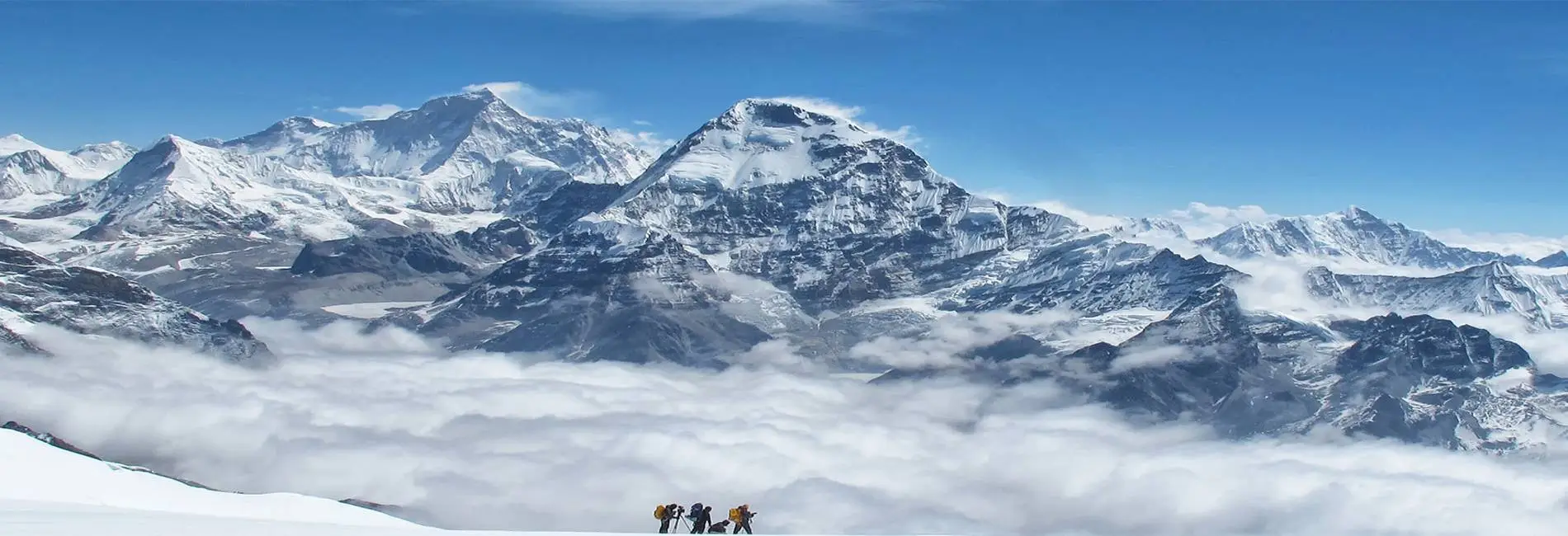
E-mail:[email protected]

car, jeep, hiace, bus hire in Nepal

Car, jeep, Toyota Hiace, and tourist bus available for hire in Nepal for trekking, tours, airport transfers, and group travel.
cars, 4WD jeeps, Toyota Hiace vans, and tourist buses 

Nepal’s terrain changes more dramatically, more often, than almost anywhere else on earth — flat highway through the Terai, hairpin mountain roads climbing thousands of meters, and unpaved tracks that no ordinary car was ever built to handle. This is precisely why there is no single ‘best’ vehicle for traveling around Nepal. The right choice for car, jeep, Hiace, or bus hire in Nepal depends entirely on your group size, route, budget, and whether your itinerary includes rough mountain roads that demand genuine 4WD capability. This guide compares all four major vehicle categories in detail — what each one is built for, what it costs in 2026, and which specific Nepal routes suit it best — so that you can book the right vehicle the first time, rather than discovering halfway up a mountain road that your sedan should have been a jeep, or paying for an oversized coaster when a single shared car would have done the job for a couple travelling alone.

Every comparison in this guide links directly to the specific vehicle and route pages on Nepal Vehicle Hiring Pvt Ltd’s website, so you can move straight from reading about a vehicle category to checking availability and pricing for your exact trip.

Quick Overview: car, jeep, Hiace, and bus hire in Nepal

Before diving into the details, here is the short version. A private car suits solo travelers, couples, and small families sticking to paved roads — Kathmandu Valley sightseeing, the Kathmandu–Pokhara highway, and Terai routes toward Lumbini and Chitwan. A 4WD jeep is the only sensible choice once your route includes unpaved mountain roads — Mustang, Manaslu, Annapurna trailheads, and most trekking gateway towns above 2,000 meters. A Hiace van fits families and small groups of up to fourteen who want one comfortable vehicle rather than splitting across two cars. A tourist bus or coaster suits larger groups and budget-conscious solo travelers moving between major tourist hubs on fixed schedules and well-paved routes.

How This Guide Is Organized

Each vehicle category below follows the same structure: what the vehicle is built for, what it typically costs in 2026, which specific Nepal routes it suits best, and where its practical limits lie. Reading through all four sections, even if you already have a vehicle category in mind, helps clarify the trade-offs at the boundaries between categories, since many real Nepal itineraries combine more than one vehicle type across different legs of the same trip, rather than relying on a single vehicle for an entire journey from arrival to departure.

Car Hire in Nepal: Comfort for City and Highway Travel

A standard car hire in Nepal is the most popular choice for travelers whose itineraries stay on paved roads: Kathmandu Valley sightseeing, the Kathmandu–Pokhara highway, transfers to and from the airport, and day trips around Pokhara, Chitwan, and Lumbini. Sedans and small SUVs typically seat one to three passengers comfortably, with luggage space sufficient for standard suitcases, making them ideal for solo travelers, couples, and honeymooners who prioritize comfort and privacy over carrying capacity.

Luxury Car Hire in Nepal – Premium Sedan Rental Service

Typical Car Hire Pricing in 2026

Within the Kathmandu Valley, sedan hire with a professional driver typically starts around NPR 5,000–6,000 per day (roughly US$38–45), rising modestly for trips outside the valley due to additional fuel and driver accommodation costs. Hourly bookings, useful for half-day sightseeing or short transfers, generally run NPR 600–800 per hour with a minimum booking of around five hours. These rates conventionally include the driver’s salary, fuel, parking fees, and standard road tolls. However, it is always worth confirming exactly what is included before booking, since some providers charge extras for trips after late evening hours or beyond a set mileage allowance.

Best Routes for Car Hire

Cars are not suited to unpaved mountain roads, steep trekking-trailhead access tracks, or routes above roughly 2,000 meters, where road surfaces deteriorate; for any of these, a jeep is the appropriate choice, which is covered next.

Jeep and 4WD Hire in Nepal: The Mountain Specialist

For Nepal’s mountain districts, 4WD hire is not a luxury upgrade; it is a structural requirement. Routes into Mustang, Manang, Manaslu, Dolpa, and most trekking trailheads above 2,000 meters climb steep, unpaved switchbacks that a standard sedan cannot manage safely, particularly after monsoon rains have washed sections of road into rutted tracks. A purpose-built jeep hire in Nepal — typically a Mahindra Scorpio, Bolero, Toyota Hilux, or Toyota Land Cruiser Prado — provides the ground clearance, four-wheel drive, and experienced mountain driving needed for these roads.

2WD vs 4WD Jeep: Which Do You Need?

Most jeep rental fleets in Nepal offer both two-wheel-drive (2WD) and four-wheel-drive (4WD) variants of the same vehicle models. 2WD Jeeps are a comfortable, slightly more affordable option for long-distance paved highway travel and gentler unpaved stretches. At the same time, genuine 4WD is essential for steep, loose-surface mountain roads, river crossings, and the high-altitude trekking trailhead access roads common throughout Nepal’s restricted trekking regions. As a rule of thumb, if your itinerary includes any route described online as requiring ‘4WD only’ or passing through districts such as Mustang, Manang, Dolpa, or Manaslu, book a genuine 4WD rather than the cheaper 2WD option.

4WD jeep available for hire in Nepal for trekking, off-road adventures, mountain roads, and remote destination travel.
4WD jeep

Typical Jeep Hire Pricing in 2026

Jeep hire with a driver typically runs NPR 7,500–9,000 per day (roughly US$56–68) within and immediately around Kathmandu, with rates rising for multi-day mountain itineraries that involve higher fuel consumption, steeper terrain, and overnight accommodation for the driver in remote areas. Standard jeep models such as the Mahindra Scorpio and Bolero comfortably seat up to seven passengers, including the driver, with rooftop space for luggage and trekking gear, making them practical for both family groups and small trekking parties.

Best Routes for Jeep Hire

Jeeps are also the standard choice for pilgrimage routes to high-altitude temples such as Muktinath, and for travelers exploring Upper Mustang’s expanding network of jeep-accessible roads, where the terrain shifts from forested hillside to high-altitude desert within a single day’s drive.

Hiace Van Hire in Nepal: The Group Comfort Option

For families and small groups of seven to fourteen people, a Hiace van hire offers the comfort of a single shared vehicle rather than splitting a group across two cars or a car and a jeep. The Toyota Hiace, Nepal’s standard tourist van, offers individual reclining seats, generous luggage space, and — on most tourist-grade models — air conditioning, making it a popular middle ground between a private car’s intimacy and a bus’s economy of scale.


Hiace Hire in Nepal – Comfortable Group Transportation Service

Typical Hiace Hire Pricing in 2026

Hiace van hire with a driver typically costs NPR 7,500–9,000 per day for valley and short-distance use, broadly comparable to jeep pricing, with hourly rates around NPR 850 per hour for shorter bookings, subject to a minimum hours requirement. For multi-day touring itineraries combining several cities, daily rates are usually quoted as part of a package that also covers driver accommodation and meals for overnight trips.

Best Uses for Hiace Hire

Hiace vans handle paved and lightly unpaved roads well but, like cars, are not suited to the steepest, roughest mountain trailhead roads — for those routes, a jeep convoy or a smaller group split between jeeps is the more practical choice.

Bus, Coaster, and Tourist Bus Hire in Nepal: Budget and Scale

For larger groups, budget-conscious solo travelers, and fixed-route intercity travel, Nepal’s bus hire network is reliable, inexpensive, and well-suited to the country’s main paved tourist corridors. Standard tourist buses operate scheduled daily departures on routes such as Kathmandu–Pokhara, Kathmandu–Lumbini, and Pokhara–Chitwan, with reclining seats, onboard storage, and, on the better-equipped lines, air conditioning and onboard refreshment stops.

For private group charters rather than scheduled seats, a coaster bus — Nepal’s standard 20-seater minibus — offers a cost-effective option for groups of 15–20 traveling together on a fixed itinerary, commonly used for company retreats, tour groups, and extended family travel.

Tourist bus, coaster bus, and private bus available for hire in Nepal for group tours, trekking transfers, corporate events, and sightseeing.
Hire buses, coaster buses, and tourist buses

Typical Bus and Coaster Pricing in 2026

Scheduled tourist bus seats between Kathmandu and Pokhara typically cost around US$10 per person, with similar pricing on the Lumbini and Chitwan corridors, making bus travel by far the most economical way to move between Nepal’s major tourist hubs. Private coaster charters are quoted per day or per itinerary rather than per seat, scaling with route length and number of travel days, and represent better value than multiple car or jeep bookings once a group exceeds roughly fifteen people.

Best Routes for Bus and Coaster Hire

Buses are not recommended for the steep, unpaved trailhead access roads covered earlier under jeep hire; even where a bus route nominally exists toward a mountain district, the ride is typically slower, less comfortable, and less reliable than a private jeep over the same rough terrain.

Side-by-Side: Matching the Vehicle to Your Trip

Solo traveler or couple, city and highway only: A private car hire offers the best balance of comfort, privacy, and cost for Kathmandu sightseeing, airport transfers, and the Kathmandu–Pokhara highway.

Solo traveler or couple, mountain trailhead access: A 2WD or 4WD jeep is necessary once your route leaves paved roads, even for just one or two passengers, since the vehicle choice is dictated by road surface rather than group size on these routes.

Family of four to seven, mixed itinerary: A jeep or Hiace both work well; choose the jeep if any part of the route is unpaved or mountainous, and the Hiace if the entire itinerary stays on paved roads and you want a more spacious, car-like ride.

Group of eight to fourteen, paved or lightly mixed roads: A Hiace van is generally the most comfortable and cost-effective single-vehicle solution for this group size.

Group of fifteen or more, fixed touring itinerary: A coaster bus charter typically offers the best value, particularly for multi-day group tours covering several cities.

Budget solo or pair travel between major cities: Scheduled tourist bus seats on routes like Kathmandu to Pokhara offer the lowest per-person cost for travelers without a tight schedule or heavy luggage.

What’s Typically Included in a Nepal Vehicle Hire Price

Reputable vehicle hire providers in Nepal, across all four categories covered in this guide, generally structure their pricing to include the driver’s daily salary, fuel for the agreed route, standard road tolls and parking fees, and, for multi-day trips, the driver’s meals and overnight accommodation in towns along the route. What is typically excluded, nd worth confirming before booking, includes charges for routes beyond the originally agreed-upon itinerary, late-night surcharges for pickups or drop-offs outside standard daytime hours, and any tips for the driver, which remain customary but optional at the end of a satisfactory trip.

For multi-day mountain itineraries in particular, it is worth confirming in advance whether the quoted price assumes a fixed number of driving days or a fixed itinerary regardless of weather delays, since road closures from landslides or snow are not uncommon during shoulder seasons and can affect both timing and cost if not clarified up front.

Seasonal Considerations for Vehicle Hire

Nepal’s vehicle hire market generally follows the same seasonal rhythm as its tourism calendar. Autumn (late September through November) and spring (March through May) represent peak demand, when vehicles of every category, but particularly jeeps serving popular trekking trailheads, should be booked at least a week or two in advance to guarantee availability on the exact dates needed. Monsoon season (June through early September) adds the complication of landslide risk on several mountain roads, making jeep drivers’ local route knowledge especially valuable during this period, as experienced operators know which roads remain passable and which require detours.

Winter (December through February) is generally the easiest season for last-minute vehicle bookings outside the main Everest and Annapurna trekking windows. However, some high-altitude roads, including sections of the Mustang and Manang jeep routes, may close temporarily due to snow at the highest passes.

Vehicle Hire for Special Occasions and Pilgrimage Travel

Beyond standard sightseeing and trekking logistics, vehicle hire in Nepal also plays a central role in religious pilgrimage travel, a significant segment of the country’s domestic and international tourism economy. Hindu pilgrims traveling to Muktinath, Pashupatinath, and other sacred sites, alongside Buddhist pilgrims visiting Lumbini, Boudhanath, and Swayambhunath, often have specific scheduling needs tied to auspicious dates and religious festivals, requiring vehicle providers experienced in coordinating around these calendars rather than purely standard tourist scheduling. Jeep hire, in particular, plays an outsized role in pilgrimage logistics to high-altitude sites like Muktinath, where the final approach road climbs well above 3,000 meters and genuinely demands the same 4WD capability used for standard trekking trailhead access elsewhere in this guide.

Wedding parties, corporate retreats, and milestone celebrations represent another distinct category of vehicle-hire needs, often requiring multiple coordinated vehicles to arrive and depart in sequence, sometimes alongside decoration or branding requests for the vehicles themselves. Reputable providers serving this segment typically offer dedicated coordination for multi-vehicle convoys, ensuring that a wedding party’s cars, a Hiace for the families, and a coaster for extended guests all arrive at the correct venue at the correct time without the logistics falling to the event organizers themselves.

Vehicle Hire for Business and Corporate Travel in Nepal

Nepal’s growing business tourism sector, including conferences, corporate retreats, and site visits for international NGOs and development organizations, relies heavily on reliable vehicle hire services distinct from those for standard leisure tourism. Corporate clients typically prioritize punctuality, vehicle presentation, and driver professionalism above the adventure-oriented capability that leisure trekkers might prioritize, leading many providers to maintain a distinct fleet tier of well-presented sedans and SUVs specifically for executive and corporate transfers, alongside their standard tourist fleet.

For multi-day corporate retreats or site visits spanning several Nepal locations, the same vehicle category logic that applies to leisure travel still holds: a sedan or SUV suits Kathmandu Valley meetings and airport transfers, while site visits to rural project locations outside the valley may require a 4WD jeep depending on the specific road conditions involved, a detail worth clarifying with local project staff before booking transport for an unfamiliar rural route. Many corporate clients also value the option to scale a vehicle fleet up or down across a multi-day program, starting with a single executive car for airport arrival and adding jeeps or a Hiace for field visits later in the itinerary, which a fleet-diverse local provider can typically accommodate far more smoothly than a company relying on a single rental partner with a narrower vehicle range.

Practical Tips for Booking Vehicle Hire in Nepal

  • Book in advance during October–November and March–May, Nepal’s two peak tourist seasons, when popular vehicle categories and routes can sell out, particularly jeeps serving major trekking trailheads.
  • Confirm whether your route requires 4WD specifically, not just ‘a jeep’ — some providers default to 2WD unless 4WD is explicitly requested, which matters considerably on rough mountain roads.
  • Clarify what is included in the quoted price: driver costs, fuel, tolls, and meals are usually included, but always confirm before booking rather than assuming.
  • For group travel, compare the total cost of multiple smaller vehicles with that of a single larger vehicle, such as a Hiace or Coaster — beyond a certain group size, the larger vehicle is almost always more economical and more comfortable.
  • Ask about the driver’s experience on your specific route, particularly for mountain destinations, since local route knowledge meaningfully affects both safety and trip pacing.
  • Pre-book airport transfers rather than negotiating with curbside taxi operators on arrival, since pre-arranged rates are typically more transparent and eliminate wait time.


Car, jeep, Toyota Hiace, and tourist bus available for hire in Nepal for trekking, tours, airport transfers, and group travel.
cars, 4WD jeeps, Toyota Hiace vans, and tourist buses

Vehicle Models Explained: What You’re Actually Riding In

Sedans and SUVs (Car Category)

Nepal’s car hire fleets typically draw from a mix of Japanese, Korean, and Indian models well suited to Kathmandu Valley roads and the Kathmandu–Pokhara highway. Compact sedans like the Suzuki Dzire and Honda Amaze offer fuel-efficient, comfortable rides for one to three passengers. At the same time, small SUVs and crossovers add a bit more ground clearance and luggage space without stepping into full off-road territory. For travelers seeking a more premium experience, larger SUVs such as the Toyota Land Cruiser Prado are increasingly offered in a ‘luxury car’ tier, combining genuine comfort with enough capability to handle lightly rough roads if an itinerary occasionally strays off the main highway.

Mahindra Scorpio and Bolero (Jeep Category)

The Mahindra Scorpio is Nepal’s most widely used mountain vehicle, prized for its balance of power, ground clearance, and relatively affordable running costs compared to larger 4WD options. Seating up to seven passengers, including the driver, with full rooftop luggage capacity, the Scorpio handles everything from the steep switchbacks toward Manaslu’s Soti Khola trailhead to the high-altitude tracks of Upper Mustang. The Mahindra Bolero, a slightly more rugged and basic sibling to the Scorpio, is a popular budget-friendly alternative for the same routes, trading a little cabin refinement for an even lower price point, while remaining fully capable on rough terrain in its 4WD configuration.

Toyota Hilux and Land Cruiser Prado (Premium Jeep Category)

For travelers seeking a higher comfort tier on mountain routes, the Toyota Hilux and Toyota Land Cruiser Prado both offer noticeably smoother rides and more robust off-road engineering than the Scorpio or Bolero, at a correspondingly higher daily rate. These vehicles are particularly popular for VIP transfers, longer multi-day mountain itineraries where ride comfort becomes increasingly important over many hours of driving, and travelers specifically requesting a premium experience for occasions such as honeymoons or milestone celebrations.

Toyota Hiace (Van Category)

The Toyota Hiace remains the standard tourist van across Nepal, valued for its reliability, parts availability, and comfortable individual seating compared to older minibus designs. Tourist-grade Hiace vans typically include air conditioning, tinted windows, and a dedicated luggage compartment separate from the passenger cabin, distinguishing them from the more basic Hiace models used for local public transport.

Coaster and Coach Buses (Bus Category)

The Toyota Coaster, Nepal’s standard 20-seater minibus, bridges the gap between vans and full-size buses and is commonly chartered by tour groups, corporate retreats, and extended families. For larger parties, full-size tourist coaches seating roughly 35 passengers handle the major scheduled routes between Kathmandu, Pokhara, Lumbini, and Chitwan, typically offering reclining seats, onboard sound systems, and scheduled rest stops at clean roadside restaurants along the route.

Luxury 4WD Jeep Hire in Nepal – Premium Land Cruiser, Prado, Fortuner and Off-Road Vehicle Rental with Himalayan Mountain Background

Why the Driver Matters as Much as the Vehicle

Across every vehicle category covered in this guide, the single factor that most affects trip quality, beyond the vehicle itself, is the driver. Nepal’s mountain roads demand genuine local knowledge: which sections wash out first in monsoon rain, where landslide risk is highest in shoulder seasons, which detours avoid current roadwork, and how to pace a long mountain drive so passengers arrive comfortable rather than exhausted. An inexperienced driver in a perfectly capable 4WD jeep can still produce a stressful, unsafe trip. In contrast,e an experienced driver in a more modest vehicle often delivers a smoother, more reassuring journey.

When booking any vehicle category, it is worth asking specifically about the driver’s experience on your intended route, not just their general years of driving experience. A driver who regularly runs the Kathmandu to Soti Khola route, for instance, will know the current state of the Budhi Gandaki valley road far better than a driver whose experience is mostly confined to Kathmandu Valley city driving, even if both are equally skilled behind the wheel in general terms.

Understanding Nepal’s Road Conditions by Region

Nepal’s road network broadly falls into three categories that directly determine which vehicle type is best suited to a given route. Major highways — the Prithvi Highway connecting Kathmandu and Pokhara, the Mahendra Highway running the length of the Terai, and the roads linking Kathmandu to Bhaktapur and the airport — are sealed, well-maintained, and suitable for any vehicle category, including standard sedans. Secondary district roads, connecting smaller towns and the lower stretches of most trekking approach routes, are a mix of paved and unpaved surfaces, generally manageable by a 2WD jeep or Hiace but increasingly rough toward their upper reaches.

The third category, rural and high-altitude trekking access roads, is where vehicle choice becomes non-negotiable. Roads like those toward Soti Khola, Besisahar’s upper reaches, and the jeep tracks through Upper Mustang are unpaved, frequently rutted, and prone to seasonal washouts that can render sections temporarily impassable, even to 4WD vehicles, during heavy monsoon rain. These roads are precisely why Nepal’s vehicle hire market maintains such a clear distinction between car, jeep, Hiace, and bus categories — the underlying infrastructure genuinely requires different vehicles for different routes, rather than this being simply a matter of marketing or upselling.

Understanding the Full Cost of Vehicle Hire

Beyond the daily or per-route rate quoted by a vehicle hire provider, several additional cost factors are worth understanding before booking. Multi-day mountain itineraries typically include the driver’s overnight accommodation and meals as part of the quoted package, since drivers cannot return to Kathmandu each night on remote routes; this is standard practice and should already be reflected in any quoted multi-day rate rather than appearing as a surprise add-on. Toll roads and entry fees for certain protected areas, such as national park entrance fees for routes through Chitwan or conservation area fees near Annapurna and Manaslu, are sometimes included in quoted vehicle prices and sometimes charged separately, so it is worth clarifying this distinction explicitly when booking.

Fuel costs are almost always included in quoted daily rates for standard itineraries. Still, it is sensible to confirm whether significant detours or mid-trip itinerary changes would incur additional charges, since most providers price routes based on an agreed distance and itinerary established at the time of booking. Tipping, while not contractually required, remains a customary and appreciated gesture for drivers at the end of a satisfactory multi-day trip, particularly for challenging mountain routes where driver skill directly affects passenger comfort and safety.

Car, jeep, Toyota Hiace, and tourist bus available for hire in Nepal for trekking, tours, airport transfers, and group travel.

How to Book Vehicle Hire in Nepal: A Step-by-Step Overview

Booking vehicle hire in Nepal, whether for a car, jeep, Hiace, or bus, generally follows a similar process regardless of the provider. Travelers typically start by specifying their exact itinerary, including pickup and drop-off locations, dates, and any multi-day routing, after which a reputable provider responds with a vehicle recommendation and an itemized price quote, ideally clarifying what is included (driver, fuel, tolls, accommodation for multi-day trips) and what is excluded. Confirmation usually requires a partial deposit, with the balance settled on arrival or at trip completion, and most established providers in Kathmandu and Pokhara accept a mix of cash, bank transfer, and, increasingly, card payments for deposits.

For travellers planning a multi-stop itinerary spanning several of the vehicle categories covered in this guide — perhaps a car for Kathmandu sightseeing, a jeep for a mountain trailhead, and a bus for the return leg — booking through a single provider that maintains a full fleet across all categories, such as Nepal Vehicle Hiring Pvt Ltd, simplifies logistics considerably compared to coordinating separate bookings with different companies for each leg of the journey.

This kind of integrated booking also tends to produce more accurate quotes overall, since a single provider managing the full itinerary can plan driver rotations, vehicle positioning, and route sequencing as one coordinated plan rather than as several disconnected bookings that may not account for how each leg interacts with the others in terms of timing, vehicle availability, and driver scheduling across a multi-day trip.

Safety Standards and What to Check Before Booking

Vehicle safety standards vary considerably across Nepal’s vehicle hire market, and a few practical checks help travelers identify reputable providers before committing to a booking. Reputable companies maintain documented vehicle insurance, including third-party coverage, and can confirm this on request; vehicles should be visibly well-maintained, with functioning seatbelts for every passenger seat, a spare tire, and basic safety equipment such as a first aid kit and warning triangle, particularly important for mountain routes where breakdown assistance can be hours away.

Drivers operating on Nepal’s tourist routes are generally required to hold a valid commercial driving license appropriate to the vehicle class, and experienced operators are usually happy to share information about a specific driver’s years of experience and familiarity with the requested route when asked directly. For mountain routes in particular, asking whether the vehicle carries snow chains or recovery equipment for high-altitude winter conditions is reasonable during the November–February window, when some higher passes can experience unexpected early snowfall.

Comfort Considerations for Long-Distance Nepal Drives

Several of Nepal’s most popular routes involve genuinely long driving days, and a few practical considerations help travelers choose the right vehicle for comfort, rather than just capability. The Kathmandu–Pokhara highway, while fully paved, still takes six to eight hours depending on traffic and weather, making the seat comfort and air-conditioning quality of a chosen vehicle a meaningful factor in the experience, not merely a luxury detail. Mountain jeep routes, while often shorter in raw distance, can involve several hours of continuous, low-speed driving over rough terrain, which is physically more tiring than an equivalent highway distance and is worth factoring into trip planning, particularly for travelers prone to motion sickness or with limited mobility.

For any drive expected to exceed four to five hours, requesting scheduled rest stops in advance, rather than assuming the driver will offer them unprompted, ensures the journey includes reasonable breaks for meals, restroom access, and simply stretching, particularly important on winding mountain roads where the cumulative effect of continuous turns can be considerably more fatiguing than a straight highway drive of similar duration. Travelers with children or anyone prone to motion sickness should factor this into route planning,   choosing shorter daily driving segments over a single very long push wherever the itinerary allows

Planning Vehicle Logistics for Larger Groups

Group travel in Nepal often requires more careful vehicle planning than solo or couple itineraries, particularly when a group’s size sits awkwardly between categories — too large for a single jeep but not quite justifying a full coaster charter. In these cases, a combination approach often works best: splitting a group of ten or twelve across two jeeps for a mountain trailhead route, for instance, rather than forcing everyone into a single overcrowded vehicle or chartering an oversized coaster that struggles on narrower mountain roads where coasters and full-size buses are sometimes simply unable to pass at all.

For mixed-ability groups — families traveling with both young children and elderly members, for example — vehicle choice should also weigh comfort and ease of entry and exit alongside raw capacity. A Hiace van’s lower step height and more car-like seating generally suit less mobile travelers better than a jeep’s higher ground clearance, which, while excellent for rough terrain, can make entry and exit noticeably more difficult for anyone with limited mobility, a worthwhile trade-off to discuss when booking for a mixed-ability group.

Car, jeep, Toyota Hiace, and tourist bus available for hire in Nepal for trekking, tours, airport transfers, and group travel.

Sustainable and Responsible Vehicle Hire Choices

As tourist traffic has grown along Nepal’s most popular routes, several practical choices help travelers reduce their transport footprint without sacrificing comfort or reliability. Sharing a single appropriately sized vehicle for the entire traveling group, rather than booking multiple smaller vehicles for convenience, reduces both costs and road congestion, which is particularly meaningful on narrow mountain roads where vehicle volume directly affects everyone’s travel time. Choosing well-maintained, newer-model vehicles, where available, also tends to mean better fuel efficiency and lower emissions per kilometer traveled compared to older fleet vehicles that are still common among some budget providers.

Supporting local Nepali-owned vehicle hire operators, rather than international rental chains with comparatively limited local route knowledge, also channels tourism revenue more directly into the communities along Nepal’s major travel corridors, including the drivers, mechanics, and roadside businesses that depend on steady tourist vehicle traffic throughout the high season. This is not simply a feel-good consideration; it tends to produce a more knowledgeable, more invested driver, since locally rooted operators generally have a longer-term stake in their reputation among both fellow operators and the travel agencies who refer repeat business their way.

Self-Drive vs Driver-Included Hire: A Closer Comparison

While self-drive rental exists in Nepal for certain vehicle categories, the overwhelming majority of foreign visitors choose driver-included hire, and for good reason. Nepal’s traffic patterns differ considerably from those in most visitors’ home countries: lane discipline is loosely observed at best in Kathmandu, horn use serves as a primary communication tool rather than an emergency signal, and mountain roads frequently lack guardrails, clear signage, or consistent surface quality, particularly during and immediately after monsoon season. International visitors attempting to self-drive on unfamiliar mountain roads face a meaningfully higher risk of accidents than experienced local drivers who have spent years learning these routes.

Beyond safety, driver-included hire also removes the practical burden of navigation, parking logistics in congested city centers, and the constant vigilance required by Nepal’s traffic conditions, freeing travelers actually to look at the scenery rather than focus entirely on the road ahead. For travelers who specifically want the independence of self-drive, it remains available through specialist providers, generally requiring an International Driving Permit, a security deposit, and a valid international credit card. However, this is a minority choice among foreign visitors rather than the standard approach.

Vehicle Availability Across Nepal’s Main Tourist Hubs

Kathmandu offers by far the widest selection of vehicle categories and individual fleet options, simply by virtue of being the country’s primary entry point and largest tourism hub. Pokhara maintains a strong, well-developed fleet across car, jeep, and Hiace categories,s given its role as the launch point for most Annapurna-region trekking. However, bus and coaster availability, while still solid, is somewhat more limited than in Kathmandu. Smaller tourist hubs such as Chitwan’s Sauraha and Lumbini generally offer adequate car and jeep availability for local excursions but a more limited selection for long-distance or specialist mountain vehicles, making it more practical to arrange multi-day or mountain-bound vehicle hire from Kathmandu or Pokhara before traveling onward to these smaller hubs.

This uneven distribution of fleet availability is another reason many travelers find it more convenient to arrange their full vehicle logistics — covering multiple legs of a Nepal itinerary across different vehicle categories — through a single Kathmandu-based provider with a comprehensive fleet, rather than sourcing vehicles locally at each stop along a multi-city itinerary.

Common Mistakes When Hiring Vehicles in Nepal

  • Booking a car or 2WD vehicle for a route that actually requires 4WD. Always specify your exact destination, including the final unpaved stretch, rather than just the nearest major town, since road conditions can change dramatically in the last few kilometers before a trekking trailhead.
  • Assuming a quoted price covers the entire trip duration regardless of delays. Confirm whether weather-related delays on mountain routes affect pricing before departure, particularly during monsoon season.
  • Underestimating group size needs. A group of nine or ten people is awkward for a single jeep or Hiace and may need two vehicles or a coaster; clarify exact passenger and luggage counts when requesting a quote.
  • Booking too close to peak season dates. Popular jeep routes to major trekking trailheads can sell out a week or more in advance during October and November.
  • Not confirming driver language ability for remote routes. While most tourist-facing drivers speak functional English, confirming this in advance avoids communication difficulties on multi-day mountain trips.

Are there electric or hybrid vehicle options for hire in Nepal?

Electric vehicle adoption in Nepal’s tourist transport sector has grown steadily in recent years, particularly for sightseeing in the Kathmandu Valley and airport transfers, supported by the country’s reliance on domestically generated hydropower, which makes charging electric vehicles both clean and relatively inexpensive compared to imported fuel. Electric sedan and SUV options are increasingly available for travelers specifically seeking low-emission city transport. However, electric 4WD jeeps for genuine mountain trekking routes remain limited due to gaps in charging infrastructure in remote districts, meaning diesel and petrol jeeps remain the standard choice for mountain itineraries for the foreseeable future.

How far in advance should I book a vehicle hire for a trip to Nepal?

For standard car or Hiace hire within Kathmandu or Pokhara, booking a few days in advance is generally sufficient outside peak season, with many providers able to accommodate even same-day requests when fleet availability allows. For jeep hire to popular trekking trailheads during October–November and March–May, booking one to two weeks in advance is strongly advised, as fleet capacity on the most popular mountain routes can become genuinely constrained during the busiest weeks of these peak seasons. Bus and coaster charters for larger groups typically benefit from several weeks’ advance notice, particularly for multi-day itineraries that require coordinated scheduling across multiple destinations.

Luxury 4WD Jeep Hire in Nepal – Premium Land Cruiser, Prado, Fortuner and Off-Road Vehicle Rental with Himalayan Mountain Background

Frequently Asked Questions

What is the cheapest way to travel between Kathmandu and Pokhara?

A scheduled seat on the Kathmandu-to-Pokhara bus is the most economical option, typically costing around US$10 per person, compared with the considerably higher cost of a private car, jeep, or domestic flight for the same route.

Do I need a 4WD jeep for the Kathmandu-Pokhara highway?

No. The Kathmandu–Pokhara highway is fully paved and well-maintained, suitable for a standard car or a Hiace van. 4WD jeeps become necessary only once a route leaves paved roads, typically toward mountain trekking trailheads or remote districts like Mustang and Manaslu.

How many people fit in a Hiace van?

A standard Hiace van comfortably seats up to fourteen passengers, making it the preferred choice for families and small groups who want to travel together in a single vehicle.

Is it cheaper to hire a jeep or take a public bus to a trekking trailhead?

Public buses are cheaper per person but considerably slower and less comfortable on the rough, unpaved roads typical of trekking trailhead access, and many remote trailheads have no reliable public bus service at all. A private jeep costs more but saves significant time, offers door-to-door convenience, and is often the only practical option for restricted or very remote trekking regions.

What vehicle is best for a family of five visiting Kathmandu, Pokhara, and Chitwan?

A jeep or Hiace van works well for this itinerary; a jeep is preferable if any leg includes rougher roads, while a Hiace offers slightly more interior space and comfort if the entire route stays on paved highways.

Can I rent a vehicle without a driver in Nepal?

Self-drive rental is available in Nepal for certain vehicle categories and generally requires an International Driving Permit, a security deposit, and a valid credit card. However, the overwhelming majority of foreign visitors choose driver-included hire, given Nepal’s unfamiliar traffic patterns, mountain road conditions, and the value of a driver’s local route knowledge, particularly outside the Kathmandu Valley.

Combining Vehicle Categories Across a Single Itinerary

Many of the most satisfying Nepal itineraries do not rely on a single vehicle category throughout; instead, they combine two or three categories strategically across different legs of the trip. A common pattern for first-time visitors looks like this: a car or Hiace for Kathmandu Valley sightseeing and the highway transfer to Pokhara, a jeep for any trekking trailhead access from Pokhara, and a scheduled bus or private car for a final loop through Chitwan before returning to Kathmandu for departure. This kind of mixed approach matches each leg’s actual road conditions and the group’s needs rather than forcing one vehicle type to handle an entire itinerary, including stretches it is not particularly well-suited to.

Planning this kind of multi-vehicle itinerary works best when arranged through a single provider from the outset, since coordinating handoffs between vehicle categories, confirming each leg’s specific route and timing, and ensuring drivers are briefed correctly on each segment all become considerably simpler when one company manages the full logistics chain rather than several independent bookings needing to be reconciled against each other.

Final Thoughts: Matching Vehicle to Journey

There is no universally ‘best’ vehicle for traveling around Nepal — only the right vehicle for your specific itinerary, group size, and the road conditions your route actually involves. A car serves city sightseeing and highway travel beautifully but has no business on a mountain trailhead road; a jeep handles that same rough terrain with ease but is unnecessary overkill for a flat Terai transfer; a Hiace comfortably carries a family or small group on paved routes; and a bus or coaster delivers the best value once a group grows large enough or a budget tight enough to make per-seat economics matter most.

Nepal Vehicle Hiring Pvt Ltd maintains a full fleet across all four categories covered in this guide — car, jeep, Hiace, and bus — with experienced drivers who know Nepal’s routes, seasonal road conditions, and trailhead access points firsthand. Browse the complete range of vehicle hire in Nepal or explore a fully arranged Nepal tour package that bundles the right vehicle into your entire itinerary from arrival to departure.

Still unsure which vehicle suits your specific route? Contact our team directly — we help travelers match the right car, jeep, Hiace, or bus to their exact itinerary every day of the season, whether that means a single half-day city tour or a complex multi-vehicle itinerary spanning several weeks and every corner of the country.

Book your car, jeep, Hiace Bus Pickup & Drop Today 

WhatsApp: +977 9851013196
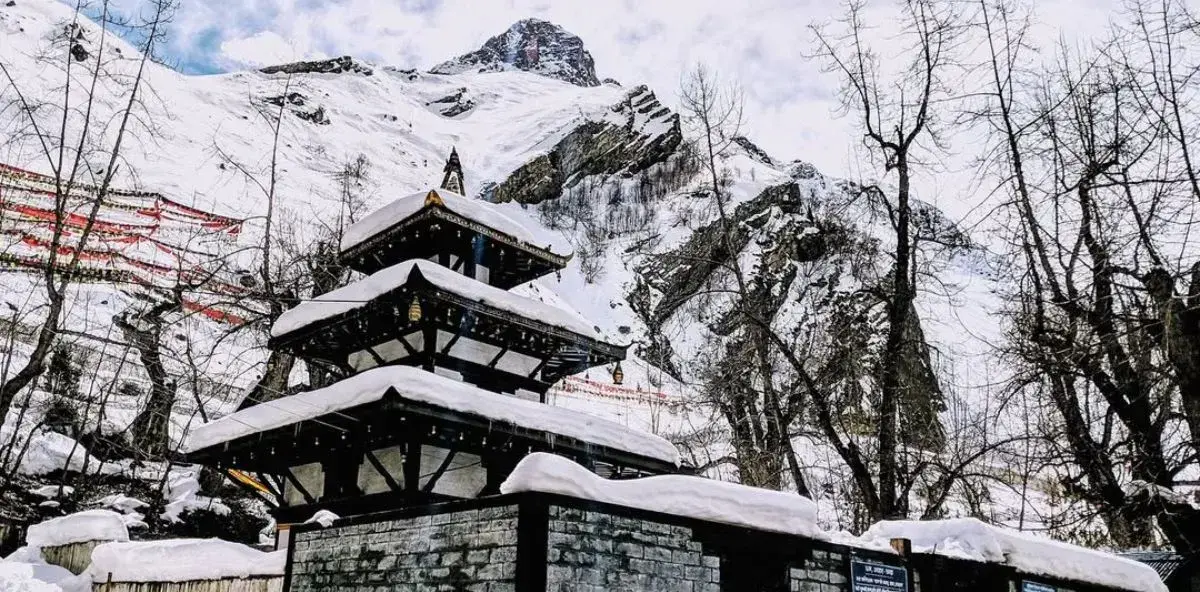
E-mail: [email protected]

Kathmandu → Salleri  / Kathmandu → pokhara  / Kathmandu → besisahar / kathmandu →  chitwan  / Kathmandu →  Lumbini|  Year-Round Service

Best Time to Visit Nepal 2026/2027

Ask ten different travelers about the best time to visit Nepal, and you will likely get ten different answers, and all of them could be correct, depending on what each traveler actually wants from their trip. Nepal’s dramatic elevation range, from the steamy lowland Terai near sea level to summits above 8,000 meters, means the country never experiences a single uniform season. A month that delivers perfect high-altitude trekking weather might be uncomfortably hot in Chitwan.

At the same time, a month ideal for wildlife viewing might be too cold for comfortable trekking above 4,000 meters. This guide breaks down Nepal’s seasons and months in detail, covering weather, trekking conditions, festivals, wildlife viewing, and costs, so you can match your trip dates to your actual priorities rather than relying on a single generic recommendation.

Whichever month you choose, getting between Nepal’s varied regions reliably matters as much as timing. Throughout this guide, we highlight where vehicle hire in Nepal makes a meaningful difference, as road conditions vary considerably with the seasons, particularly on mountain routes.

Quick Answer: Nepal’s Two Peak Seasons

For most travelers, the best time to visit Nepal is autumn (late September through November) or spring (March through May). Autumn delivers the most reliable clear skies of the year, following the monsoon’s cleansing rains, with stable, dry weather and excellent mountain visibility lasting through most of the season. Spring runs a close second, combining good visibility with blooming rhododendron forests and longer daylight hours, though afternoon cloud builds more readily than in autumn.

Both seasons represent Nepal’s peak tourist periods, meaning higher prices, busier trails, and the need to book trekking permits, teahouses, and vehicle hire well in advance, particularly for popular routes. Fortravelers with flexible dates, even shifting a planned trip by a week or two within these broader windows, toward late October or early November rather than the very first week of October, for instance, can noticeably ease both pricing pressure and trail congestion without meaningfully sacrificing weather reliability.

For travelers prioritizing lower costs, quieter trails, or specific interests such as wildlife viewing or off-the-beaten-path regions, winter and even the monsoon season each have their own genuine advantages, covered in detail below.

Autumn (September to November): Nepal’s Premier Season

September

September marks the tail end of the monsoon, and the transformation it brings is dramatic. By the end of the month, the rains have largely cleared, washing dust and haze from the air and leaving the countryside vivid green and freshly washed. Early September can still see scattered rain, but conditions improve steadily as the month progresses, with the second half offering increasingly reliable trekking weather.

October

October is widely considered Nepal’s single best trekking month and the peak of the autumn tourist season. Skies are reliably clear, temperatures are comfortable for both valley sightseeing and high-altitude trekking, and visibility for Himalayan panoramas is at its best all year. This is also peak season for popular trekking routes including Everest Base Camp and the Annapurna Circuit, so teahouse accommodation, domestic flights to Lukla, and jeep hire in Nepal to mountain trailheads should all be booked well in advance.

November

November frequently delivers the clearest skies of the year, as the dry post-monsoon air tends to have minimal haze. Trekking conditions remain excellent throughout the month, with daytime temperatures still comfortable, though nights grow noticeably colder at altitude as the month progresses toward winter. November also tends to see slightly thinner crowds than in October’s peak, making it an excellent compromise month for travelers wanting autumn’s clarity without October’s busiest trail traffic.

Why Autumn Works So Well

The combination of dry weather, clear mountain visibility, and comfortable temperatures makes autumn ideal for virtually every activity Nepal offers: trekking toward Everest Base Camp or Annapurna Base Camp, sunrise viewing from Nagarkot or Sarangkot, wildlife safaris in Chitwan, and comfortable city sightseeing in Kathmandu and Bhaktapur. Road conditions on mountain routes are also at their most stable in autumn, since monsoon-related landslide damage has typically been cleared and repaired by the start of the season.

Spring (March to May): Nepal’s Second Peak Season

March

March marks the proper start of spring, with rhododendron forests beginning to bloom across the mid-hills and daylight hours lengthening noticeably compared to winter. Temperatures climb steadily through the month, and trekking conditions improve week by week. However, views can occasionally be obscured by building afternoon clouds, a pattern that becomes more pronounced as spring progresses.

April

April is widely regarded as the single best month for trekking in Nepal, combining warm, comfortable daytime temperatures (typically 15–28°C in the valleys) with rhododendron forests at their most spectacular and still-clear morning visibility before afternoon haze builds. This is Nepal’s second major peak season, meaning popular routes and accommodation should be booked well in advance, and 4WD jeep hire to trekking trailheads is in high demand. April also hosts Bisket Jatra, a colorfulnine-day festival celebrated with dramatic flair in Bhaktapur, where a massive chariot is pulled through the city streets.

May

May is one of the warmest months of the year, with temperatures climbing into the low-to-mid 30s °C in Kathmandu and Pokhara, and even higher in the Terai. It represents the last reliable window of spring trekking before the monsoon arrives in June, with rhododendron season past its peak but mountain views still generally good, particularly in the first half of the month. Afternoon clouds and occasional showers become increasingly common as May progresses, signaling the approaching change of season.

Winter (December to February): Clear Skies, Cold Nights

December

December brings Nepal’s coldest temperatures but also some of its clearest, driest skies, since cold air holds less moisture than the air of autumn or spring. Crowds thin out noticeably compared to the October–November peak, making December an appealing month for travelers prioritizing quieter trails and lower accommodation prices over warmth. December is also one of the best months for wildlife viewing in Chitwan National Park, where dry conditions and excellent visibility improve the odds of spotting rhinos and, with good fortune, tigers gathering near waterholes.

January

January is Nepal’s coldest month, with Kathmandu Valley nights regularly dropping to around 1–3°C and high-altitude regions experiencing significantly harsher cold, with night temperatures at places like Namche Bazaar or Everest Base Camp routinely falling well below freezing. High mountain passes are frequently snow-blocked during this period, making high-altitude trekking impractical. However, lower-elevation treks and cultural sightseeing remain entirely feasible. Tiger-watching season in Chitwan begins mid-month as villagers cut back tall grasses, improving wildlife visibility.

February

February starts cold but warms progressively as the month advances, marking the gradual transition toward spring. Late February sees the genuine start of the spring trekking season at lower elevations, though higher peaks may remain obscured by lingering winter cloud. Crowds remain low throughout the month, and Holi, Nepal’s vibrant festival of color, often falls in late February or early March depending on the lunar calendar.

Why Winter Appeals to Budget and Quiet-Trail Travelers

Winter offers a genuinely different Nepal experience: dramatically fewer crowds on popular trails and at major sightseeing destinations, noticeably lower accommodation and vehicle hire prices compared to peak season, and, on clear days, exceptional mountain visibility thanks to the dry winter air. The trade-off is genuinely cold conditions, particularly at altitude, and the closure of some high mountain passes, meaning winter trekking itineraries generally need to stay at lower elevations than their autumn or spring equivalents.

Monsoon (June to Early September): The Misunderstood Season

June

June marks the arrival of the monsoon across most of Nepal, with regular afternoon and overnight rainfall becoming the norm. Trekking in most regions becomes considerably more difficult, with muddy trails, increased leech activity at lower elevations in forested areas, and a real risk of landslides affecting both walking trails and mountain roads.

Most rain falls overnight or in concentrated afternoon bursts rather than as constant all-day drizzle. This pattern catches some first-time monsoon visitors by surprise when their mornings turn out far more pleasant than they had expected based on the season’s reputation alone. Most of the rain falls overnight or in the afternoon, often leaving mornings fresh, clear, and surprisingly pleasant before clouds build later in the day.

July and August

July is typically the wettest month of the year, with August close behind, and this is genuinely Nepal’s quietest tourist period for most regions. Trekking is not recommended on the standard Everest or Annapurna routes during the peak monsoon, given the landslide risk and poor visibility, though travelers seeking a different kind of Nepal experience still have real options.

Upper Mustang and Upper Dolpa sit in the rain shadow of the main Himalayan range and remain comparatively dry even at the height of monsoon elsewhere in the country, making this an excellent — and distinctly uncrowded — season to explore these high-desert regions by 4WD jeep. Kathmandu Valley sightseeing also remains entirely feasible throughout the monsoon, since city streets and major temple complexes are unaffected by the landslide risk that closes mountain trails.

Early September

Early September still carries lingering monsoon rain in most years, though conditions noticeably improve as the month progresses toward the clear, dry weather of true autumn. Climate variability in recent years has occasionally delayed monsoon rains slightly into September relative to historical norms, so travelers planning early-September trips should build some weather flexibility into mountain itineraries specifically.

Why Some Travelers Choose Monsoon Deliberately

Monsoon season offers the lowest prices of the year across flights, hotels, and tour packages, often 20–40% below peak-season rates, alongside dramatically thinner crowds at every major destination. The landscape itself transforms into vivid, saturated green, particularly striking on the terraced hillsides of the mid-hills, and travelers focused on cultural sightseeing in Kathmandu, the rain-shadow regions of Mustang and Dolpa, or simply avoiding peak-season crowds often find the monsoon a genuinely rewarding, if less conventional, time to visit.

Best Months for Trekking, by Route

Everest Base Camp Trek

The best months for the Everest Base Camp trek are October, November, March, and April. October and November offer the clearest post-monsoon skies and most stable weather, while March and April bring warmer temperatures and overlap with the spring mountaineering season. January and February should generally be avoided for the full trek due to extreme cold at high camps like Gorak Shep, and June through September are best avoided due to landslide risk and poor visibility on the standard route.

Annapurna Circuit and Annapurna Base Camp

Similarly, autumn and spring offer the best conditions for both the Annapurna Circuit and Annapurna Base Camp treks, with the route to Besisahar reached via private vehicle, which is busiest during these peak windows. Winter trekking on the lower Annapurna routes, including the popular Ghorepani–Poon Hill loop, is accessible via bus from Pokhara to Nayapul and remains considerably quieter than during peak season.

Upper Mustang and Upper Dolpa

These rain-shadow regions are the exception to Nepal’s general seasonal pattern, remaining accessible and comparatively dry even during the height of the monsoon, making June through August a genuinely good window for visiting Mustang specifically, alongside the more conventional autumn and spring seasons.

Manaslu Circuit

The Manaslu Circuit, typically accessed via Kathmandu to Soti Khola by jeep, follows the same autumn and spring preference as Everest and Annapurna, with the Larkya La pass crossing requiring stable weather and clear conditions, best found in October–November and March–May.

KTM to Chitwan

Best Time for Wildlife Viewing in Chitwan

Wildlife viewing in Chitwan National Park is best during the dry months of October through April, when vegetation has been cut back, and animals congregate more predictably around the remaining water sources, improving the odds of seeing rhinos, deer, and, with good fortune, Bengal tigers.

December and January are particularly favored for tiger watching, as villagers traditionally cut tall grasses for thatch around mid-January, dramatically improving sightlines across the park. Chitwan is commonly combined with Pokhara via the PPokhara-to-Chitwanbus. This route works well in nearly any season, given its lower elevation and minimal monsoon disruption compared to mountain routes.

Festival Season: Timing Your Trip Around Nepal’s Biggest Celebrations

Nepal’s festival calendar is concentrated heavily in the autumn peak season, adding a cultural dimension to what is already the country’s most popular travel window. Dashain, Nepal’s largest Hindu festival, typically falls in September or October and lasts roughly 15 days, centered on family gatherings and kite flying, with many businesses operating reduced hours during the festival’s peak days. Tihar, the festival of lights, is followed by two to three weeks of transformation, with homes and streets lit by oil lamps and marigold garlands.

Spring brings its own festival highlights: Holi, the boisterous festival of color, falls in March, while Bisket Jatra animates Bhaktapur in April with its dramatic chariot-pulling ceremony.

Buddha Jayanti, marking the Buddha’s birth, typically falls in April or May and draws significant crowds to Lumbini, Boudhanath, and Swayambhunath. Travelers specifically wanting to experience one of these major festivals should check the exact dates each year, since several follow the lunar calendar and shift their dates accordingly.

Travel Costs by Season

Nepal’s pricing closely follows its tourism calendar. Peak season — autumn and spring — sees the highest prices across flights, hotels, trekking permits, and vehicle hire, alongside the tightest availability for popular routes and accommodation, meaning booking — ideally a month or more ahead — for the most sought-after trekking trailheads and teahouses is strongly advised. Monsoon season offers the steepest discounts, typically 20–40% below peak rates across flights, hotels, and tour packages. In contrast, winter, excluding the brief Christmas and New Year period, also offers better value than the autumn and spring peaks, without the monsoon’s trekking limitations.

Vehicle hire pricing follows a similar pattern: jeep hire and other transport to popular trekking trailheads are busiest and least flexible on short notice during October–November and March–May, while the same routes are typically easier to book, sometimes even at slightly better rates, during the quieter winter and monsoon windows.

Choosing Your Travel Month by Activity

High-altitude trekking (Everest, Annapurna, Manaslu): October–November or March–April for the most reliable conditions and clearest mountain views.

Budget travel and avoiding crowds: Monsoon (June–August) or winter (December–February, outside the holiday period) for significantly lower prices and thinner crowds.

Wildlife safari in Chitwan: October through April, with December–January offering the best tiger-watching conditions specifically.

Rain-shadow trekking in Mustang or Dolpa: Any season works, including monsoon, given the dry, rain-shadow climate of these specific districts.

Cultural and festival travel: September–October for Dashain and Tihar, or March–April for Holi and Bisket Jatra.

Kathmandu Valley sightseeing only: Nearly any season works well, since temple complexes, Durbar Squares, and city touring are minimally affected by monsoon rain or winter cold compared to high-altitude trekking.


Vehicle hiring nepal-Best Time to Visit Nepal
vehicle hire in Nepal

How Season Affects Vehicle Travel and Road Conditions

Nepal’s road conditions vary considerably across the seasons, directly affecting which vehicle hire option in Nepal suits a given trip. During autumn and spring, mountain roads toward trekking trailheads are typically in their best condition of the year, having been cleared and repaired following monsoon damage, making jeep hire both more comfortable and more predictable in timing. The Kathmandu–Pokhara highway, served by the Kathmandu -Pokhara bus, remains fully paved and passable in almost all conditions. However, monsoon rain can still cause occasional delays due to landslides on the steeper sections through the hills.

During the monsoon, mountain roads toward remote trailheads like Soti Khola or the upper reaches of Besisahar can experience temporary washouts, making experienced local drivers, who know current road conditions and alternative routes, especially valuable during this period. Winter generally offers stable road conditions at lower and mid elevations, though the highest mountain passes, including sections of the Mustang and Manang jeep routes, can close temporarily following snowfall.

Temperature and Climate Zones Explained

Nepal’s climate cannot be understood through a single national temperature line, since the country spans an extraordinary elevation range within a relatively narrow north-south distance. The Terai zone in the south, bordering India, lies near sea level and experiences a subtropical climate, with summer temperatures regularly exceeding 35°C and humid, monsoon-heavy conditions for much of the year.

The mid-hill region, including Kathmandu and Pokhara, enjoys a far more temperate climate, with comfortable daytime temperatures for most of the year and a genuine four-season pattern recognizable to visitors from temperate countries.

Above roughly 3,000 meters, conditions shift into genuine alpine territory, with even summer nights dropping close to freezing and winter nights regularly falling well below it. This means that a single Nepal itinerary spanning the Terai, the mid-hills, and a high-altitude trek can expose travelers to three distinct climate zones within the same trip, regardless of which season they choose, making layered clothing and flexible planning essential rather than optional for any itinerary that crosses these elevation bands.

Travelers sometimes underestimate just how stark this contrast can be in a single day of travel, packing as though the whole trip will resemble Kathmandu’s comfortable valley climate, only to find themselves underprepared once a jeep or a trekking trail carries them several thousand meters higher within hours.

As a rough rule of thumb, temperature drops by roughly one degree Celsius for every hundred meters of elevation gained, meaning a comfortable 25°C afternoon in Kathmandu at 1,400 meters can correspond to a distinctly chilly single-digit temperature at a 3,500-meter trekking village on the very same day, a pattern worth remembering when packing for any Nepal itinerary that includes meaningful elevation gain.

Understanding Nepal’s Rainfall Patterns

Nepal’s monsoon rainfall is not evenly distributed across the country, which surprises many first-time visitors expecting uniform wet-season conditions nationwide. The eastern and central regions, including the Everest and Annapurna areas as commonly trekked, receive substantially more monsoon rainfall than the western and trans-Himalayan regions, where the main Himalayan range itself blocks much of the moisture carried up from the Bay of Bengal.

This rain-shadow effect is precisely why Upper Mustang, Upper Dolpa, and parts of Manang remain comparatively dry even during the peak of monsoon elsewhere in the country, a pattern consistent enough that experienced trekking operators actively route monsoon-season clients toward these specific districts.

Even within the wetter regions during monsoon, rainfall timing follows a fairly predictable daily pattern: the heaviest rain typically falls overnight or in the afternoon, often leaving mornings clear, fresh, and surprisingly pleasant before clouds build through the day. Travelers visiting during the shoulder months of late May, early June, or early September can use this pattern to their advantage by scheduling outdoor activities and photography for the morning hours, when visibility and comfort are typically at their best, even during an otherwise unsettled period of the year.

Daylight Hours and Trekking Schedules

Daylight availability shifts meaningfully across Nepal’s seasons and directly affects trekking itinerary planning, particularly for longer daily walking stages. Summer months around the June solstice offer Nepal’s longest days, with daylight lasting past 7 pm in Kathmandu, giving trekkers and drivers considerably more flexibility for longer stages or delayed starts. Winter months around the December solstice see daylight shrink to a much tighter window, often requiring trekking parties and mountain drivers alike to plan departures before dawn to ensure arrival at the day’s destination with adequate daylight remaining.

This seasonal variation in daylight also affects vehicle travel planning for long highway or mountain routes. A six-to-eight-hour drive between Kathmandu and Pokhara comfortably fits within a single daylight window during summer’s long days. Still, during the shorter days of December and January, an early morning departure becomes considerably more important to avoid arriving after dark on routes that are best driven, particularly on mountain sections, in daylight.

This is equally true for jeep routes into trekking trailheads, where the combination of shorter winter daylight and the slower average speeds typical of unpaved mountain roads makes a pre-dawn start genuinely necessary rather than merely advisable for reaching some of the more distant trailheads within a single comfortable driving day.

Shoulder Season Strategy: Late May, Early September, Late February

Travelers seeking to balance good conditions with lower prices and thinner crowds often deliberately target Nepal’s shoulder seasons, rather than choosing strictly between peak season and off-season. Late May offers the final window of spring trekking before monsoon arrives, with rhododendron season past its peak but mountain views often still excellent in the mornings, alongside noticeably lower accommodation demand as the peak spring crowd has largely departed.

Early-to-mid September similarly catches the tail end of the monsoon, with conditions improving rapidly through the month and significantly lower prices than the imminent October peak. However, some weather risk remains given the lingering chance of late monsoon rain.

Late February occupies a similar shoulder position between winter and spring, with rising temperatures, thinning winter crowds, and the first blooms of the approaching rhododendron season, while still avoiding the higher prices and busier trails of the March–April spring peak. These shoulder windows reward flexible travelers willing to accept slightly more variable weather in exchange for meaningfully better value and quieter trails than the immediately adjacent peak months.

Regional Variation: Same Month, Different Experience

Because Nepal’s geography spans such dramatic elevation contrasts, the same calendar month can offer genuinely different experiences depending on which region of the country a traveler visits. January in Chitwan, at low elevation in the Terai, offers comfortably mild daytime temperatures well suited to wildlife safaris, while January at Everest Base Camp brings genuinely dangerous cold, with night temperatures plunging far below freezing at the highest camps.

Similarly, July in Kathmandu means daily monsoon rain and humid, overcast conditions, while July in Upper Mustang, just a few hundred kilometers away across the Himalayan rain shadow, can deliver clear skies and dry, dusty trekking conditions more reminiscent of a high desert than the wet, green hillsides typical of central Nepal during the same month.

This regional variation means that a generic answer to ‘when is the best time to visit Nepal’ is only ever a starting point; the more useful question for trip planning is almost always ‘when is the best time to visit the specific regions I want to see’, since the right month for a Chitwan-and-Kathmandu trip can differ substantially from the right month for an Everest Base Camp trek or an Upper Mustang jeep expedition, even though all three fall within the borders of the same country.

Working through this region-by-region lens before settling on travel dates, rather than starting from a single calendar month and working backward, tends to produce itineraries that more closely match traveler expectations once they actually arrive.

Packing Differently for Each Season

Autumn and Spring Packing

These peak seasons generally call for layered clothing suited to warm daytime temperatures in the valleys and noticeably cooler conditions at altitude or after sunset. A light fleece or down layer, comfortable trekking shoes, sun protection, and a light rain jacket cover most contingencies, with additional insulated layers needed only for treks climbing above roughly 3,500 meters.

Winter Packing

Winter visitors need genuinely warm layers even for city-based itineraries, given Kathmandu’s cold nights, and serious cold-weather gear, including a quality down jacket and warm sleeping bag, for any trekking above 3,000 meters. A warm hat, gloves, and thermal base layers are essential, not optional, for winter trekking itineraries, alongside sun protection, since winter’s clear skies still carry significant UV exposure at altitude despite the cold air temperature.

Monsoon Packing

Monsoon travel calls for genuinely waterproof outer layers rather than simple water-resistant jackets, quick-drying clothing given the high humidity and frequent rain, and footwear with good grip for muddy, slippery trail and road conditions. A dry bag or waterproof pack cover protects electronics and important documents, and insect repellent becomes considerably more important given increased mosquito and leech activity in lower-elevation forested areas during this season.

Air Quality Considerations in Kathmandu Valley

Kathmandu Valley’s air quality varies meaningfully by season, a factor worth considering for travelers with respiratory sensitivities or those hoping for clear mountain views directly from the valley itself. Pre-monsoon months, particularly March and April, can see elevated haze and particulate levels in the valley due to a combination of dry conditions, agricultural burning in the wider region, and dust, occasionally reducing visibility even on otherwise clear days.

The monsoon rains that follow have a dramatic cleansing effect, and the immediate post-monsoon period of late September through November typically delivers the valley’s cleanest air and clearest long-distance visibility of the year, reinforcing autumn’s reputation as Nepal’s premier travel season from multiple angles simultaneously, not just weather stability alone.


Best Time to Visit Nepal
Airport pickup

Best Time to Visit Nepal for First-Time Visitors

First-time visitors to Nepal, particularly those with a single trip and no strong preference for a specific activity, are generally best served by visiting in October or April. Both months combine reliable weather, manageable temperatures across the full elevation range that a typical itinerary might cover, and the widest range of fully operational tourist infrastructure, from teahouses and guesthouses to scheduled domestic flights and vehicle hire.

October in particular offers the bonus of overlapping with Nepal’s major autumn festivals, giving first-time visitors a chance to witness Dashain or Tihar celebrations alongside their sightseeing and trekking activities.

For first-time visitors specifically combining Kathmandu sightseeing, a Pokhara stay, and perhaps a short trek or jungle safari, both October and April support the full range of activities comfortably: clear conditions for a Kathmandu sightseeing tour, reliable views from Nagarkot or Sarangkot, good trekking weather for shorter routes like Poon Hill, and decent wildlife viewing odds in Chitwan, even though these are not technically the peak wildlife-viewing months of deep winter.

Best Time to Visit Nepal for Returning Travelers

Travelers who have already experienced Nepal’s classic autumn or spring peak season and are returning for a second or third trip often deliberately choose winter or monsoon for a meaningfully different experience of the same country. Returning visitors frequently report that winter’s quieter trails and clearer light produce some of their most memorable photography, despite the cold. At the same time, monsoon-season visits to Upper Mustang or a purely cultural, Kathmandu-focused itinerary offer a side of Nepal that peak-season crowds can sometimes obscure.

Some returning travelers also use a second or third Nepal trip to explore regions skipped on their first visit entirely, such as the far-eastern Kanchenjunga region or the remote western districts opened more recently to independent trekking, choosing a season specifically around that new region’s particular climate pattern rather than defaulting automatically to the same autumn or spring window used on their original trip.

This pattern of seasoned travelers deliberately seeking out Nepal’s quieter, less conventional seasons reflects a broader truth about the country: there genuinely is no single wrong time to visit, only different trade-offs between weather reliability, crowd levels, cost, and which specific activities and regions take priority for that particular trip.

How Nepal’s Best Time to Visit Compares to Neighboring Regions

Traveling to Nepal, combining a trip with visits to neighboring Bhutan or northern India, often requires reconciling slightly different optimal seasons across these adjoining regions. Tibet’s high-altitude plateau climate aligns reasonably well with Nepal’s autumn and spring windows, making combined Nepal-Tibet itineraries via routes through the Korala border area near Upper Mustang a logical pairing during these shared peak seasons. Bhutan’s climate follows a broadly similar monsoon pattern to Nepal, meaning the same October-November and March-April windows that suit Nepal also tend to suit a combined Nepal-Bhutan itinerary well.

Northern India’s plains, including common gateway cities for travellers entering or exiting Nepal overland, experience considerably hotter summers than Nepal’s hill regions, meaning travellers combining Nepal with northern India destinations like Varanasi or Delhi should factor in that India’s plains can become uncomfortably hot in April and May, even while Nepal’s mid-hill regions remain pleasantly warm during the same weeks, a useful planning distinction for multi-country South Asia itineraries, an. Often overlooked by travelers focused purely on Nepal-specific seasonal guidance, who don’t consider how neighboring legs of a broader regional trip interact with it.

Climate Change and Shifting Seasonal Patterns

Nepal’s traditionally reliable seasonal patterns have shown increasing variability in recent years, a trend widely attributed to broader climate change affecting the Himalayan and South Asian region. Monsoon onset and withdrawal dates have become somewhat less predictable than the historical norms long used for trip planning, with some recent years seeing monsoon rains extend into September, beyond what the traditional calendar would suggest, narrowing the reliable window for early-autumn travel slightly compared to past decades.

Glacial retreat across Nepal’s high mountain regions has also become more visible in recent years, with several popular trekking routes showing noticeably different glacial landscapes compared to photographs from even a decade or two earlier.

Trekking agencies and conservation area authorities have responded by updating route guidance and, in some cases, repositioning teahouse infrastructure and trail sections where glacial melt has destabilized previously stable ground, a reminder that even well-established trekking routes can see meaningful year-to-year changes worth checking immediately before departure rather than relying solely on older trip reports or guidebooks.

While these long-term shifts do not fundamentally change the broad seasonal guidance in this article, travelers planning trips close to the traditional season boundaries, such as early September or late May, may benefit from checking more recent, specific weather forecasts and trail condition reports rather than relying purely on historical seasonal averages, given this increasing year-to-year variability.


Booking Timeline: When to Reserve Based on Your Travel Month

For October and November travel, booking trekking permits, teahouse accommodation on popular routes, and jeep hire to major trailheads should ideally be done one to three months in advance, particularly for the most popular routes like Everest Base Camp and the Annapurna Circuit, where capacity can be genuinely tight during the heart of peak season. For travel in March and April, a similar one- to two-month booking window is advisable, with slightly more flexibility than during the October peak, given marginally lower overall visitor volumes.

Winter and monsoon travel generally allows considerably more flexible, closer-to-departure booking, since demand is lower across accommodation, vehicle hire, and trekking permits alike. That said, travelers with fixed international flight dates or limited trip windows are still well served by booking key logistics, particularly any required mountain jeep transport, at least a week or two ahead even in the lower season, to guarantee vehicle availability on the specific dates needed rather than risking a last-minute scramble.

Frequently Asked Questions

What is the single best month to visit Nepal?

October is generally considered the single best all-around month, combining the clearest skies, most stable weather, and best trekking conditions of the year. However,  it is also the busiest and most expensive month, requiring booking for popular routes and accommodation.

Is it worth visiting Nepal during monsoon season?

Yes, particularly for travelers focused on Kathmandu Valley sightseeing, rain-shadow regions like Upper Mustang and Upper Dolpa, or simply seeking significantly lower prices and thinner crowds. Standard high-altitude trekking routes like Everest Base Camp and the Annapurna Circuit are not recommended during peak monsoon (June–August) due to landslide risk and poor visibility.

When should I avoid trekking to Everest Base Camp?

January and February should generally be avoided for a full Everest Base Camp trek due to extreme cold at high camps, and June through September should be avoided due to monsoon-related landslide risk and poor visibility on the standard route.

What is the cheapest time to visit Nepal?

Monsoon season (June–August) offers the lowest prices of the year, typically 20–40% below peak-season rates across flights, hotels, and tour packages, with winter (excluding the Christmas and New Year period) also offering better value than the autumn and spring peaks.

Is Nepal good to visit in December?

Yes. December offers clear, dry skies, noticeably thinner crowds than the October–November peak, and excellent conditions for wildlife viewing in Chitwan National Park. However, nights are cold, particularly at higher elevations, and high-altitude trekking becomes increasingly limited as the month progresses toward January’s deep winter cold. Many travelers choose December for a quieter, more contemplative version of the classic Nepal sightseeing circuit, trading a few degrees of warmth for noticeably thinner crowds at sites that feel considerably more congested during the October peak season.

Do I need to book a vehicle hire further in advance during peak season?

Yes. During October–November and March–May, popular jeep-hire routes to major trekking trailheads can become genuinely constrained, and booking one to two weeks ahead is strongly advised to guarantee availability on your exact travel dates.

Month-by-Month Snapshot: A Quick Reference

For travelers who want a quick reference rather than reading the full month-by-month breakdown above, here is a condensed summary of what each month typically offers, recognizing that conditions vary year to year and by region within Nepal.

  • January: Coldest month, clear skies, low-altitude trekking only; good for Chitwan wildlife viewing and quiet cultural sightseeing.
  • February: Still cold but warming; spring trekking season begins late in the month; thin crowds. Holi festival often falls in late February or early March.
  • March: Spring proper begins; rhododendrons start blooming; temperatures warm; trails increasingly busy.
  • April: Widely considered the single best trekking month alongside October, peak rhododendron bloom, Bisket Jatra festival in Bhaktapur.
  • May: Warmest month, last reliable spring trekking window before monsoon, building afternoon cloud and occasional showers.
  • June: Monsoon arrives; standard trekking routes become difficult; Mustang and Dolpa remain dry, rain-shadow exceptions.
  • July: Wettest month nationally, quietest tourist period, good for cultural sightseeing and travel in rain-shadow regions.
  • August: Still wet but easing slightly toward the month’s end; landscapes lush and green; low-season pricing throughout.
  • September: Monsoon clears progressively through the month, and conditions improve week by week toward the autumn peak.
  • October: Peak trekking month, clearest skies, busiest trails and highest prices, Dashain and Tihar festivals often fall within this window.
  • November: Often the clearest skies of the entire year, excellent trekking conditions, slightly thinner crowds than in October.
  • December: Cold but dry and clear, thinning crowds, excellent Chitwan wildlife viewing, comfortable lower-elevation travel.

A Note on Indoor and Alternative Activities in Off-Peak Months

Travelers visiting during winter’s coldest weeks or monsoon’s wettest stretches need not abandon outdoor activity entirely, since Nepal offers a meaningful range of activities less affected by weather extremes than high-altitude trekking. Cooking classes, traditional craft workshops, and museum visits in Kathmandu and Patan provide engaging indoor alternatives during heavy rain or bitter cold, while short, lower-elevation excursions to places like Bandipur or Dhulikhel remain comfortable for nearly the entire calendar year, given their moderate mid-hill elevations.

Scenic mountain flights, which climb close to the Himalayan range for dramatic aerial views in under an hour, operate reasonably reliably outside the very wettest weeks of peak monsoon, offering travelers a way to see Everest, Lhotse, and Makalu up close even during a winter or shoulder-season visit when a full trek is not part of the itinerary. Combined with a comfortable Kathmandu sightseeing tour and a day trip to Bhaktapur, these alternative activities round out a satisfying Nepal itinerary even in months that are not technically considered ideal for high-altitude trekking.

Is it safe to drive on Nepal’s mountain roads during the monsoon?

Driving remains possible but requires experienced local drivers familiar with current conditions, as monsoon rain increases the risk of landslides on the steeper, unpaved sections of mountain roads. Reputable jeep hire operators monitor road conditions closely during the monsoon. They will reroute or delay departures when a specific stretch becomes genuinely unsafe, which is one of the strongest arguments for booking experienced local drivers rather than self-driving on unfamiliar mountain roads during this season.

Which season has the best photography conditions in Nepal?

Late autumn, particularly November, generally offers the best overall conditions for photography, combining the year’s clearest air with still-comfortable temperatures for extended outdoor shooting sessions. Winter’s clear but bitterly cold conditions also produce excellent results for photographers willing to brave the cold for crisp, high-contrast mountain light. At the same time, monsoon’s dramatic cloud formations and saturated green landscapes appeal to photographers seeking a moodier, less conventional aesthetic than Nepal’s standard clear-sky postcard imagery.

Combining Multiple Regions Across a Single Trip Calendar

Travelers planning a comprehensive Nepal itinerary spanning Kathmandu, Pokhara, Chitwan, and a trek often find that a single fixed travel month rarely suits all regions and activities equally well, making it worth considering trip sequencing alongside seasonal timing. An itinerary that begins with Kathmandu sightseeing, moves to a Pokhara-based trek, and concludes with a Chitwan safari can be timed. Hence, the trekking portion falls within the optimal autumn or spring window. At the same time, the more weather-flexible Kathmandu and Chitwan segments absorb any shoulder-season uncertainty at the start or end of the trip.

This kind of sequencing also meaningfully affects transport planning. A traveler starting in late September, for instance, might find early days in Kathmandu still affected by lingering monsoon showers, while their later trekking days in October enjoy the season’s best conditions, and their final Chitwan safari via the Pokhara to Chitwan bus benefits from the drier, clearer skies typical of early autumn in the lower-elevation Terai. Thinking through regional and activity sequencing, rather than picking a single travel month and assuming it suits the entire itinerary equally, tends to yield noticeably better trip outcomes for multi-region travel in Nepal.

Final Thoughts: Matching the Season to Your Trip

There is no universally best time to visit Nepal, only the best time for the specific trip you want to take. Autumn delivers the most reliable clear skies and the best all-round conditions for trekking, sightseeing, and photography, making it the natural default choice for first-time visitors without strong scheduling constraints. Spring offers a close second, with the bonus of blooming rhododendrons and longer daylight hours. Winter rewards travelers willing to embrace cold nights with dramatically quieter trails, lower prices, and some of the clearest skies of the year, while monsoon, often unfairly dismissed entirely, offers genuine value for cultural travel, rain-shadow trekking in Mustang and Dolpa, and substantial cost savings for budget-conscious visitors.

Whichever season you choose, Nepal Vehicle Hiring Pvt Ltd adjusts its fleet and route planning to match seasonal road conditions, from peak-season jeep hire to mountain trailheads in October and April, to monsoon-ready vehicles for Mustang’s rain-shadow roads in July, to comfortable winter transport for Chitwan wildlife safaris via the Pokhara to Chitwan bus. Browse our full range of vehicle hire in Nepal, or explore a complete Nepal tour package tailored to the season and activities that matter most to you.

Still deciding when to travel? Contact our team — we help travelers match their ideal Nepal itinerary to the right season, route, and vehicle every day of the year.

Kathmandu Sightseeing: Car and SUV Hire Guide 2026

Kathmandu full day sightseeing with private car and SUV hire visiting UNESCO heritage sites in Nepal

Kathmandu Full Day Sightseeing: Car and SUV Hire Guide 2026

Kathmandu is one of the world’s great cultural capitals, and its sightseeing circuit is among the most concentrated UNESCO heritage experiences in Asia. Within an area of roughly 25 by 25 kilometers, the Kathmandu Valley contains seven UNESCO World Heritage Sites, hundreds of active temples and shrines, three former medieval kingdoms each with their own royal square, and a living tradition of Newari art, architecture, and religious practice stretching back more than a thousand years. The question for any visitor is not whether there is enough to see; it is how to move between sites efficiently, comfortably, and on your own schedule rather than a shared tour bus timetable.

This is precisely the gap that a private car or SUV hire fills in the Context of Kathmandu sightseeing, rather than flagging down taxis between sites, navigating a city where meters are rare. Fare negotiation is the norm, or waiting for a shared tourist vehicle that departs on someone else’s schedule, a private car hire gives a traveler or group a dedicated vehicle and driver for the day, moving at their own pace, stopping where they choose, and reaching sites at the times that make the most photographic or devotional sense rather than the most logistically convenient. At Nepal Vehicle Hiring Pvt Ltd, our Kathmandu sightseeing tour service is built specifically around this model, with a fleet ranging from compact sedans for solo travelers and couples to full-size SUVs for families and groups of five to seven. This guide covers every dimension of that choice: which sites to include, in which order, with which vehicle type, and how to structure a one- or two-day itinerary to get the most out of what the Kathmandu Valley genuinely offers.

This guide is intentionally detailed. Kathmandu is a city that rewards preparation — knowing that Pashupatinath is most atmospheric in the early morning, before the cremation ghats fill with the day’s funerary activity, and that Swayambhunath is quietest before 8 AM, when the monkey population is still drowsy. The tourist groups have not yet arrived, and the Bhaktapur entry ticket allows re-entry over three days, which may affect how you plan your timing. A private car gives you the flexibility to act on this kind of information. This guide gives you the information itself.

Why Private Car or SUV Hire Beats Every Other Sightseeing Option in Kathmandu

Kathmandu’s traffic is real, and its road network is genuinely complicated, especially for visitors unfamiliar with the city. The Ring Road that circles the valley is a useful orientation point. Still, the old city areas — Thamel, Durbar Square, Asan Bazaar, Boudhanath, Pashupatinath — are connected by a web of narrow lanes, one-way streets, and junctions that do not correspond neatly to any map intuition built on other Asian cities. Getting from Swayambhunath to Pashupatinath, for instance, looks like a short distance on a map but can take 45 minutes in mid-morning traffic through the city center on a shared bus or in a negotiated taxi.

A private car hire eliminates the navigational and negotiation friction of a day of sightseeing. The driver knows the fastest routes between sites at different times of day, knows where to park (which is not obvious at most heritage sites), knows which gate at Pashupatinath the driver can wait at, and can advise on whether the traffic on a particular route is likely to be worse before or after noon. This local knowledge is part of what the hire cost covers, and it is genuinely valuable in a city where misjudging traffic timing can cost two hours of a day of sightseeing. For families with children or older travelers, the ability to return to the car between sites for water, snacks, rest, and shade is an additional comfort that shared transport cannot provide. Our Kathmandu sightseeing tour page provides full booking details, while our dedicated Kathmandu one-day urban adventure tour offers a structured itinerary for first-time visitors.

There is also a safety and comfort dimension to private hire that matters in a city with Kathmandu’s traffic density. Negotiating a taxi fare, particularly in a language the visitor does not speak, creates a potential for overcharging and misunderstanding that is stressful and avoidable. App-based services have improved this somewhat in recent years. Still, coverage across all heritage sites remains unreliable, and peak-hour surges can make app-based fares comparable to private hire costs, without the continuity of having the same driver throughout the day.


Kathmandu full day sightseeing with private car and SUV hire visiting UNESCO heritage sites in Nepal

Choosing the Right Vehicle for Your Kathmandu Full-Day Sightseeing Group

Sedan (Car) — Solo Travelers and Couples

A standard sedan, typically a Hyundai i20, Suzuki Swift, or equivalent, is the most economical option for one to three passengers doing a Kathmandu valley day tour. Sedans are nimble through narrow old-city lanes, easy to park at heritage sites with limited vehicle access, and fuel-efficient for a city sightseeing circuit that covers 50 to 80 kilometers in a full day. The boot space is adequate for daypacks and camera bags. For a solo traveler or a couple wanting to move quickly between sites without the cost of a larger vehicle, the sedan is the default choice. See our car hire in Nepal page for details on the sedan fleet.

SUV / Jeep — Families and Groups of 4 to 7

For families, small groups, or travelers with significant luggage arriving from or departing to a trekking destination on the same day as a Kathmandu sightseeing circuit, an SUV, Mahindra Scorpio, Tata Sumo, or equivalent, provides the seating and luggage capacity that a sedan cannot. The higher ride height also gives rear-seat passengers better views through Kathmandu’s traffic during the drive between sites. The SUV is also the appropriate vehicle if the sightseeing day is extended to Nagarkot, which involves a hilly road that benefits from ground clearance, or if the group wants to include a detour to one of the valley-rim viewpoints outside the main city circuit. Our jeep hire within the Kathmandu Valley and the broader Jeep fleet page covers SUV options.

Hiace Van — Larger Groups of 8 to 14

Groups of eight or more are best served by a Hiace or equivalent minivan, which can carry the entire party together without splitting the party across two cars. For school groups, extended-family pilgrimages, or organized cultural tours, the Hiace provides both seating capacity and a slightly elevated cabin, making it easier for the driver to navigate the city. Our Hiace fleet page covers available configurations.


Private SUV and car hire for Kathmandu full day sightseeing tour covering UNESCO World Heritage Sites

The Seven UNESCO World Heritage Sites of the Kathmandu Valley

Kathmandu Valley’s seven UNESCO World Heritage Sites — Kathmandu Durbar Square, Patan Durbar Square, Bhaktapur Durbar Square, Swayambhunath, Boudhanath, Pashupatinath, and Changu Narayan — collectively represent one of the most extraordinary concentrations of cultural heritage in the world. They span Newar architecture, Tibetan Buddhism, Shaivite Hinduism, and Vaishnava devotion in a valley small enough to visit all seven in two days by private vehicle.

Kathmandu Durbar Square (Hanuman Dhoka)

The historic royal palace complex of the Kathmandu kingdom occupies the heart of the old city and remains one of the most densely layered heritage sites in Nepal. The Hanuman Dhoka Palace, named for the guardian monkey-god statue at its gate, was the seat of Nepal’s Shah dynasty kings until the nineteenth century and contains a labyrinth of courtyards, audience halls, and ceremonial spaces. The Kumari Ghar, the residence of Nepal’s Living Goddess, faces the square, and on auspicious days the Kumari appears at her ornate carved window for a brief, much-photographed public appearance. Taleju Temple, visible above the square’s roofline, is the private royal temple of the Malla kings, open to the general public only on one day of the year, during Dashain. The entry fee for foreign visitors is approximately NPR 1,500 in 2026, with the ticket valid for three days.

Swayambhunath Stupa (Monkey Temple)

One of the oldest Buddhist shrine complexes in Nepal, Swayambhunath sits atop a prominent hill on the western edge of the city, its white dome and gold spire painted with the watchful eyes of the Buddha visible from much of the valley floor. The 365 stone steps leading to the top are lined with small stupas, prayer wheels, and statues, and the hilltop complex offers the best panoramic view of the Kathmandu Valley cityscape available from within the city. The monkeys that give the site its popular English nickname are resident throughout the complex and are considered sacred rather than a nuisance, though camera bags and snack packets should be held firmly. The entry fee for foreign visitors is approximately NPR 200.

Boudhanath Stupa

One of the largest spherical stupas in the world and the spiritual center of Nepal’s Tibetan Buddhist community, Boudhanath draws pilgrims, monks, and visitors throughout the day in a continuous counterclockwise circumambulation of the massive white dome. The surrounding circular courtyard is lined with Tibetan monasteries, thangka shops, and rooftop cafes, and the atmosphere shifts distinctly from the early-morning butter-lamp prayers at the base of the stupa to the mid-afternoon tourist hours to the evening kora when the dome is lit and the butter lamps relit for the day’s close. Rebuilt after sustaining damage in the 2015 earthquake, the stupa was restored to its full size and brilliance by 2016 and is now in excellent condition. The entry fee for foreign visitors is approximately NPR 400.

Pashupatinath Temple

Nepal’s most sacred Hindu temple complex, dedicated to Lord Shiva in his form as Pashupati, Lord of Beasts, sits on the banks of the Bagmati River in the eastern part of the city. Non-Hindu visitors may not enter the main inner sanctum of the primary temple. Still, they can freely explore the outer complex, which includes dozens of subsidiary shrines, the famous riverside cremation ghats, where open-air funeral pyres burn throughout the day, and the forest ridge above the ghats, populated by sadhus who maintain permanent residences there. Watching a Bagmati riverbank cremation is not voyeuristic if approached respectfully; it is a genuine window into the Hindu understanding of death as a transition rather than an ending, and Pashupatinath makes this visible and accessible in a way that few sacred sites anywhere in the world do. The entry fee for the outer complex area is approximately NPR 1,000 for foreign visitors.

Patan Durbar Square

The former royal capital of Lalitpur, immediately south of Kathmandu across the Bagmati, is considered by many historians and architects to contain the finest concentration of Newari craftsmanship in the valley. Krishna Mandir, built entirely of stone rather than the brick-and-wood typical of valley architecture, is a masterpiece of Mughal-influenced Newari design. At the same time, Hiranya Varna Mahavihar, known as the Golden Temple, is an active Buddhist monastery whose interior woodwork and metalwork rank among the most accomplished in Nepal. The Palace Museum, housed in the restored royal palace, is widely considered Nepal’s best museum and is a strong recommendation for travelers with a genuine interest in the historical and religious context of what they see across the valley. The entry fee is approximately NPR 1,000 for foreign visitors.

Bhaktapur Durbar Square

Bhaktapur, 13 kilometers east of Kathmandu, is the best-preserved of the three medieval kingdoms and the one that most rewards a dedicated half-day or full-day visit rather than a rushed stop between other sites. The 55-Window Palace, the Nyatapola Temple, and the Dattatraya Temple are the headline monuments. However, Bhaktapur’s greatest strength is its living urban character: Pottery Square, where traditional clay pots are still made and sun-dried on the street, the woodcarving district around Dattatraya, and the old-town lanes where Bhaktapure cuisine, including the famous juju dhau king curd, is sold fresh from local shops. The entry fee for foreign visitors is approximately NPR 1,800 in 2026, with the ticket valid for three days, making it worthwhile to purchase even if only one day is planned, in case a return visit becomes desirable. Our dedicated Bhaktapur Durbar Square day tour page offers a structured half-day or full-day vehicle hire specifically for Bhaktapur.

Changu Narayan Temple

The oldest surviving temple in the Kathmandu Valley, dating to at least the 4th century CE, Changu Narayan sits on a forested hilltop above the Bhaktapur approach road. It contains some of the finest stone sculpture in the valley, including a multi-armed Vishnu image dated to the Licchavi period and a stone inscription recording the exploits of the 5th-century king Manadeva, the oldest such inscription in Nepal. Changu Narayan is the least visited of the seven UNESCO sites, which means it is also the most peaceful, and the surrounding village retains a genuine agricultural and community character that has been more thoroughly overlaid by tourism in the three Durbar Squares. The entry fee for foreign visitors is approximately NPR 300.

Nagarkot Sunrise Tour

Beyond the UNESCO Circuit: Nagarkot, Other Valley Highlights, and Day Extensions

Nagarkot: Sunrise and Himalayan Panorama

The hilltop settlement of Nagarkot, on the eastern rim of the Kathmandu Valley at approximately 2,100 meters, is the most popular sunrise viewpoint for the Himalayan range within an easy day trip of Kathmandu. On clear mornings, the view from Nagarkot extends from Dhaulagiri in the west across the Ganesh Himal, Langtang, Jugal, and Rolwaling ranges to Makalu and Kanchenjunga in the far east, with Everest visible to the northeast. The drive from Kathmandu to Nagarkot takes approximately 90 minutes to two hours, making it a viable very early-morning car hire option for a sunrise visit before returning to the city for the main UNESCO sightseeing circuit, or a late-afternoon extension to catch the sunset after a full-valley day. Our Kathmandu-to-Nagarkot vehicle service and Nagarkot sunrise tour services handle this specific excursion.

Chandragiri and Shivapuri: Valley Rim Viewpoints

The Chandragiri Hills, to the southwest of the valley and reachable by cable car from Thankot, offer a different vantage point on the valley and the Himalayan skyline, with the Bhaleshwor Mahadev Temple at the summit adding a religious dimension to the scenic visit. Shivapuri National Park, on the northern rim of the valley, while primarily a hiking and mountain biking destination, also offers day hikes to Shivapuri Peak, which offers panoramic views. The forested approach road from Budhanilkantha makes for a pleasant car journey before reaching the park entrance.

Budhanilkantha Temple

The Budhanilkantha temple, 9 kilometers north of central Kathmandu, houses one of Nepal’s most remarkable religious artifacts: a 5-meter stone statue of Vishnu reclining on the cosmic ocean, carved from a single piece of black stone and lying in an open water tank. The artistry is extraordinary, and the scale is unexpected; this is a much larger and more dramatically presented image than most visitors would expect from written descriptions. Unlike the Pashupatinath inner sanctum, non-Hindus may approach the outer edge of the tank and view the statue directly. It is a strong addition to a second-day Kathmandu Valley circuit and can be easily combined with the Kathmandu historical heritage sites guide for context.

Dakshinkali Temple

Dakshinkali, roughly 22 kilometers southwest of Kathmandu, is one of Nepal’s most important goddess temples and one of the most viscerally intense religious experiences available in the valley. On Tuesdays and Saturdays, which are the major sacrificial days, the temple draws enormous crowds of devotees carrying goats, chickens, and ducks for sacrifice to Kali, and the ritual atmosphere is unlike anything at the valley’s calmer Buddhist and Vaishnava sites. It is not for all visitors, but for those interested in the blood-sacrifice dimension of Hindu goddess worship and the specific devotional culture of tantric Kali traditions, Dakshinkali is irreplaceable. The drive from Kathmandu takes approximately 45 to 60 minutes, depending on traffic.

Entry Fees at Kathmandu’s Heritage Sites in 2026

Entry fees at Kathmandu’s heritage sites are charged per visit at most sites, with some tickets valid across multiple days, and should be budgeted separately from the vehicle hire cost. The following arethe  current 2026 fees for foreign (non-SAARC) visitors:

  • Kathmandu Durbar Square — approximately NPR 1,500, valid for three days.
  • Patan Durbar Square — approximately NPR 1,000.
  • Bhaktapur Durbar Square — approximately NPR 1,800, valid for three days.
  • Swayambhunath Stupa — approximately NPR 200.
  • Boudhanath Stupa — approximately NPR 400.
  • Pashupatinath Temple (outer complex) — approximately NPR 1,000.
  • Changu Narayan Temple — approximately NPR 300.

SAARC nationals, including Indian citizens, receive substantially reduced rates at all sites. Nepali citizens enter all heritage sites for free or at a heavily discounted fee. Keep entry tickets, particularly for Bhaktapur and Kathmandu Durbar Square, since they are valid for multiple days and re-entry is permitted; showing a taxi receipt dated within the validity window can help if asked at a checkpoint.

Traffic, Timing, and the Practical Logic of a Kathmandu Sightseeing Day

Kathmandu’s traffic follows predictable patterns that significantly affect how a sightseeing day should be structured, and a good private driver will automatically factor these into routing recommendations. The morning rush from roughly 8 to 10 AM is the worst, particularly on the main Ring Road arteries and the roads into central Kathmandu from the eastern residential areas. The midday window from 11 AM to 1 PM is generally freer flowing. The afternoon peak from 4 to 7 PM is severe, especially on the roads toward Patan and Bhaktapur.

The practical implication of this pattern for a sightseeing day is clear: visit sites that are earliest-access-optimal first. Swayambhunath is best before 8 AM, when the morning light is golden, the tourist groups have not yet arrived, and the monkeys are still settling into the day. Pashupatinath is most atmospheric in the early morning, when the riverside aarti and the first cremations of the day begin. Boudhanath is also better in the early morning for the daily butter-lamp prayers, though the evening kora is equally worth catching if a two-day itinerary allows. By contrast, Bhaktapur and Patan Durbar Squares are best visited mid-morning to early afternoon, when the light falls well on the stone and brick facade work and the squares are active with local life rather than tour-group crowds.

Parking near heritage sites requires local knowledge. Kathmandu Durbar Square has limited vehicle access to its immediate vicinity, and most drivers park in a designated area several minutes’ walk away. Pashupatinath has a dedicated visitor parking area beyond the outer gate. Boudhanath has parking along the approach road. Bhaktapur has a dedicated tourist parking area at the city entrance. A driver who knows these parking points saves meaningful time on a packed sightseeing day — one of the practical advantages of booking a Kathmandu sightseeing tour through an operator whose drivers regularly run this circuit over a random Kathmandu taxi.

Kathmandu full day sightseeing with private car and SUV hire visiting UNESCO heritage sites in Nepal

One-Day Kathmandu Sightseeing Itinerary by Private Car

For travelers with a single full day available, this itinerary covers the four core UNESCO sites within Kathmandu city and allows a brief stop in Thamel before evening:

  • 6:00 AM — Arrive before the main tourist rush. Climb the 365 steps in the early morning light, complete the kora around the main stupa, and take in the panoramic valley view before 8 AM.
  • 8:30 AM — Reach the riverside complex as the morning activity is at its height. Walk the outer complex, observe the cremation ghats from the opposite bank, and visit the Gorakhnath Temple area on the hill above.
  • 10:30 AM — Complete a kora around the great stupa, visit one of the surrounding Tibetan monasteries, and take rooftop coffee with a stupa view.
  • 12:30 PM — Lunch in Thamel or Asan Bazaar. A break in the middle of the day avoids the midday heat and gives time for lunch at a recommended local restaurant.
  • 2:00 PM — Kathmandu Durbar Square. The afternoon light falls well on the Hanuman Dhoka Palace facade. Visit the Kumari Ghar courtyard, the Taleju Temple exterior, and Nasal Chowk before the site fills with late-afternoon visitors.
  • 4:30 PM — Optional: Garden of Dreams or Narayanhiti Palace Museum, both within walking distance of Thamel, for a quieter end to the day.

Two-Day Kathmandu Valley Sightseeing Itinerary by Private Car

With two days available, the full valley circuit including Bhaktapur, Patan, Changu Narayan, and Nagarkot becomes achievable at a genuinely comfortable pace:

  • Day 1, Morning — Swayambhunath and Pashupatinath as described in the one-day itinerary above, departing at 6 AM.
  • Day 1, Midday — Boudhanath and lunch in the surrounding Tibetan quarter, with time to browse the thangka galleries and Tibetan artifact shops.
  • Day 1, Afternoon — Patan Durbar Square and the Patan Museum. Allow two to three hours for Patan, which is the most artistically rich of the three Durbar Squares and the most intellectually rewarding for travelers with a genuine interest in Newari craftsmanship.
  • Day 1, Evening — Drive to Nagarkot for sunset and overnight. The valley view at dusk from Nagarkot is spectacular, and spending the night there avoids the need for a very early-morning drive from Kathmandu to catch the sunrise. Car hire via our Kathmandu to Nagarkot vehicle
  • Day 2, Early Morning — Nagarkot sunrise. On a clear day, one of the finest Himalayan panoramas is accessible from any road-accessible point in Nepal.
  • Day 2, Morning — Drive to Bhaktapur for a full half-day. Pottery Square, Nyatapola Temple, 55-Window Palace, Dattatraya, and juju dhau king curd at a local shop. Our Bhaktapur Durbar Square day tour page provides a structured itinerary.
  • Day 2, Afternoon — Changu Narayan Temple, the oldest temple in the valley, is quiet and often empty of other visitors. Then visit Kathmandu Durbar Square, the final UNESCO site, before returning to the hotel.

Both one-day and two-day Kathmandu sightseeing itineraries can be coordinated through our Plan a Trip service as part of a broader Nepal itinerary, or booked as standalone day hires directly through our Kathmandu sightseeing tour page. For travelers arriving directly from the airport, our Kathmandu Airport Transfer can begin the sightseeing day immediately on arrival if timing permits.

Kathmandu full day sightseeing with private car and SUV hire visiting UNESCO heritage sites in Nepal

Kathmandu’s Festival Calendar: Planning Your Sightseeing Around Living Culture

One of the most powerful ways to deepen a Kathmandu sightseeing day is to time it to coincide with one of the valley’s major festivals, when the heritage squares and temple courtyards transform from architectural monuments into living stages for ancient ritual performance. Nepal follows the lunar calendar for most major festivals, meaning dates shift annually in Gregorian terms, but the approximate seasonal windows are consistent from year to year.

Indra Jatra, held in late August or September at the Kathmandu Durbar Square, is one of the most spectacular festivals in the valley: eight days of masked dances, chariot processions, and public appearances by the Kumari Living Goddess, who blesses the heads of state and the gathered public from her chariot in the square. The festival celebrates the god Indra and the conclusion of the monsoon season, and the Lakhe masked demon dance performed by young men in elaborate costumes and heavy masks is one of the finest examples of Newar performing arts tradition visible to any visitor.

Dashain, Nepal’s largest Hindu festival, falls in October and transforms the valley with kite flying, family gatherings, and the smell of marigold garlands. The Pashupatinath area is particularly active during Dashain, with long queues of devotees and dramatic animal sacrifice at the Dashain temples across the valley. Tihar, the festival of lights that follows Dashain by roughly two weeks, is Nepal’s equivalent of Diwali, with oil lamp and electric light displays decorating every building facade and the five-day festival honoring different animals, deities, and family relationships on successive days.

Bisket Jatra, the Newari New Year festival held in Bhaktapur each April, involves a tug-of-war between the upper and lower parts of the old city over an enormous. This ritual chariot draws enormous crowds. For travelers in Kathmandu in April, a private car to Bhaktapur during Bisket Jatra provides access to a festival experience that most guidebooks understate, and most tour operators fail to schedule around. The key logistical point is that Bhaktapur’s lanes are closed to vehicle traffic during the chariot procession, and a driver who knows the alternative parking points and approach routes on festival days makes the difference between watching from inside the crowd and being stuck outside the cordon.

For travelers wanting to time their Kathmandu sightseeing to coincide with specific festivals, our Plan a Trip service can advise on the current year’s festival calendar and help structure a day of vehicle hire that captures the best of the heritage circuit alongside whatever living cultural event falls within the travel window.

Kathmandu full day sightseeing with private car and SUV hire visiting UNESCO heritage sites in Nepal

Combining Kathmandu Full-Day Sightseeing With a Wider Nepal Itinerary

Kathmandu sightseeing almost always forms part of a larger Nepal trip rather than a standalone visit, and the private car hire booked for the valley circuit can connect directly to onward transport legs without having to rebook from scratch. The most common continuation from a Kathmandu sightseeing day is the Prithvi Highway transfer to Pokhara, covered by our Kathmandu to Pokhara Bus for group travel or a private vehicle for flexibility. For trekkers, a Kathmandu sightseeing day followed by a departure to a trekking trailhead — Kathmandu to Syabrubesi Jeep Transfer for Langtang, Kathmandu to Besisahar Private Jeep for the Annapurna Circuit, or Kathmandu to Soti Khola for Manaslu — is the standard beginning of most Nepal trekking itineraries.

For pilgrims, the Kathmandu Pashupatinath visit is often a starting point rather than an endpoint of a broader pilgrimage circuit that continues to Muktinath via our Kathmandu to Muktinath Jeep service, or to Lumbini via our Kathmandu to Lumbini Bus. For a broader sense of how vehicle hire connects every part of a Nepal itinerary, our Complete Nepal Tourism Guide and unlimited tour and trek vehicle hire guide both expand on the themes introduced here.

Understanding Newari Culture: What the Sightseeing Circuit Is Really About

Most visitors to Kathmandu approach the UNESCO heritage circuit as a series of architecturally impressive monuments to photograph and tick off a list. This is entirely valid as an approach, but it substantially undersells what is actually available. The Kathmandu Valley’s temples, squares, and stupas are not archaeological remnants; they are functioning religious and social institutions, most of which are actively used daily by the Newar community whose ancestors built them and whose descendants still maintain them. Understanding even a little of the Newari cultural context transforms a day of Kathmandu sightseeing from an impressive visual experience into something considerably more layered.

The Newar people are the indigenous inhabitants of the Kathmandu Valley, and their civilization produced the architectural tradition that makes the valley world-famous. Unlike the hill communities of Nepal’s middle mountains, whose cultures are shaped by subsistence agriculture and seasonal herding, the Newars built their identity around urban commerce, religious patronage, and an extraordinarily sophisticated tradition of craft production.

Newar metalworkers, stone carvers, woodcarvers, painters, and architects were the artisans responsible for every major temple and palace in the valley. Their work was exported across the Himalayan region: Newar artisans built the Golden Temple in Lhasa, influenced monastery architecture across Ladakh and Bhutan, and were responsible for the pagoda temple form that spread from Nepal across East Asia.

The Newar social system is organized around guthi, community associations responsible for maintaining the religious festivals, temples, and ritual practices of each neighborhood. Virtually every festival visible in Kathmandu is a guthi obligation rather than a spontaneous community celebration: the timing, the specific rituals, the participants, and the funds to cover costs are all structured through guthi rules that have governed valley life for centuries. When you see a procession through Bhaktapur’s old lanes, or a community feast laid out in a Patan temple courtyard, or priests performing synchronized rituals at Pashupatinath’s riverside ghats, the underlying organizational structure is almost certainly guthi-based, even if the festival looks spontaneous to an outside observer.

The practical implication for a Kathmandu sightseeing day is that timing matters more than most independent travel guides communicate. The valley is not a museum that opens at 9 AM and closes at 5 PM; it is a living religious city whose most interesting moments, the morning aarti, the midday deity processions, the evening circumambulations, the festival rituals tied to the lunar calendar, happen at times and in places that shift with the season and the religious calendar. A private car and driver who can respond to spontaneous opportunities, rather than a fixed coach tour schedule, is the transport format that genuinely suits this kind of visit.

Kathmandu full day sightseeing with private car and SUV hire visiting UNESCO heritage sites in Nepal

Kathmandu’s Heritage Sites After the 2015 Earthquake: What Has Changed

The April 2015 Gorkha earthquake, which measured 7.8 on the Richter scale, caused significant damage to the Kathmandu Valley’s heritage sites alongside its devastating human toll. Several structures at Kathmandu Durbar Square collapsed entirely, including the 19th-century Kasthamandap, the ancient wooden pavilion that gave Kathmandu its name and was Nepal’s oldest building. buildingahara Tower, a 19th-century minaret landmark near the bus park, fell completely. In Bhaktapur, several secondary structures were damaged, while in Patan the damage was less severe and restoration was more advanced. The earthquake also damaged several structures at Swayambhunath and Boudhanath.

By 2026, eleven years after the earthquake, the heritage restoration picture across the valley is substantially positive, with important nuance. Boudhanath was fully restored by 2016 and is in excellent condition. Patan Durbar Square has been largely restored, and the Patan Museum continues to operate at its pre-earthquake standard. Bhaktapur’s major monuments have been restored, and the city retains its medieval character. Kathmandu Durbar Square is the site with the most visible ongoing work: the Kasthamandap has been rebuilt using traditional materials and methods after a long community consultation process, and restoration of the Hanuman Dhoka Palace complex is ongoing with UNESCO and international conservation funding. The Trailokya Mohan Narayan Temple and several other structures remain scaffolded.

The practical takeaway for 2026 visitors is that the Kathmandu Valley’s heritage experience is fully viable and deeply rewarding, with the caveat that Kathmandu Durbar Square specifically looks different from pre-earthquake photographs, with some structures still scaffolded or enclosed. Visitors with a particular interest in the restoration process will find it genuinely fascinating to see traditional Newari carpentry and masonry techniques being applied in real time to the reconstruction of ancient structures. For the other six UNESCO sites, the visitor experience is essentially unchanged from pre-earthquake conditions.

Photography and the Best Light at Each Kathmandu Heritage Site

The Kathmandu Valley is one of the most photographically extraordinary places in Asia, and a private car that allows full control over timing makes the difference between arriving at each site in optimal light versus the harsh midday conditions that flatten the carved stone and brick facades the valley is famous for.

Swayambhunath is at its photographic best in the early morning before 8 AM, when the first light catches the gold of the spire, and the prayer flags stir in the dawn breeze before the day’s wind picks up. The 365-step staircase, with its flanking statues and prayer flag, creates a strong compositional foreground for shots of the spire rising above. From the hilltop, the valley panorama shot looking east toward Bhaktapur is best in the morning before haze builds.

Pashupatinath’s cremation ghats on the Bagmati River are most active and most photographically atmospheric in the early morning and late afternoon, when natural light falls obliquely across the river,r and the smoke from the ghats catches the light. The rule of thumb here is that photography is acceptable from the opposite bank but should not intrude on families’ grief with a telephoto lens from close range. A respectful distance and a standard lens, rather than an aggressive telephoto, are both more ethical and often more evocative in compositional choices.

Boudhanath’s great dome is at its most dramatic either in the early morning, when butter lamps are lit, and the circumambulation crowd is at its most devotional, or in the late afternoon, when the western light warms the white dome. The gilded spire catches the last direct sun. The surrounding rooftop cafes provide elevated vantage points for shooting down into the circumambulation crowd, adding a dimension not achievable from ground level.

Bhaktapur’s Nyatapola Temple, the tallest pagoda in Nepal at five stories, is best photographed from the western end of Taumadhi Square in the morning, when the eastern sunlight falls across the temple’s face. The 55-Window Palace’s intricately carved windows are best lit in the late morning, when the sun has moved high enough to illuminate the upper windows without casting deep shadows across the lower carvings. Pottery Square, the photographic surprise of Bhaktapur, is most active mid-morning when potters are throwing, and dozens of drying pots cover the square floor in geometric patterns.

Patan Durbar Square’s stone facades photograph best in the low light of early morning or late afternoon, when oblique illumination reveals the texture of the carved stone in a way that flat midday light does not. The golden ratio of Krishna Mandir’s stone columns and the reflections in the royal palace pond near the square are among the valley’s finest opportunities for architectural photography.

Responsible Visiting: Practical Etiquette at Kathmandu’s Religious Sites

Kathmandu’s heritage sites are working religious places, not theme parks, and several practical etiquette norms apply that are worth understanding before arrival. These are not arbitrary restrictions but reflect genuine religious and cultural significance that the communities maintaining these sites take seriously.

  • Footwear — remove shoes before entering any temple interior, including the inner courtyards of Kathmandu and Patan Durbar Squares, where shrine rooms require it. Carry a lightweight bag for your shoes at sites where shoe storage is not provided, or wear slip-on footwear for easy removal.
  • Clothing — modest clothing covering knees and shoulders is expected at all religious sites. Many sites provide wraps for hire at the entrance gate for visitors who arrive inadequately dressed, but planning is more comfortable. This applies regardless of personal religious affiliation.
  • Circumambulation direction — Buddhist stupas, including Boudhanath and Swayambhunath, should be circumambulated clockwise. Bon shrines are circumambulated counterclockwise. Following the direction of other worshippers is both respectful and practical.
  • Photography restrictions — photography is prohibited inside many temples’ inner sanctums, including the Kumari Ghar interior and most active shrine rooms in the Durbar Squares. Photography of active rituals, particularly cremation ceremonies at Pashupatinath, requires discretion and a respectful distance. Always look for posted signs restricting photography before pointing a camera into a temple space.
  • Non-Hindu visitors at Pashupatinath — the main Pashupatinath temple inner sanctum is restricted to Hindus only. Non-Hindus are fully welcome in the outer complex and along the riverbank. Attempting to enter the restricted area is both disrespectful and, if discovered, will result in removal. The outer complex is extensive enough that non-Hindu visitors have a full, rich experience without needing or wanting to enter the inner sanctum.
  • Donations and begging — sadhus at Pashupatinath often request a small payment before allowing a photograph to be taken. A donation of NPR 50 to 200 is customary if you want a portrait photograph and the sadhu has consented. General donations into temple collection boxes support site maintenance. Do not feel obligated to give to every person who approaches; politely declining with a namaste gesture is culturally appropriate.

Frequently Asked Questions About Kathmandu Car and SUV Hire for Sightseeing

How many sites can I realistically visit in a single Kathmandu sightseeing day?

With an early 6 AM start and a private car, there is no waiting for shared transport, so four to five sites in a single day are realistic without feeling rushed. The four core UNESCO city sites — Swayambhunath, Pashupatinath, Boudhanath, and Kathmandu Durbar Square — form a coherent one-day circuit. Adding Patan or Bhaktapur on the same day is possible but requires a fast pace and is better left for a second day if available.

Is a guide necessary for sightseeing in Kathmandu? Does the car hire driver serve as a guide?

A vehicle hire driver is not a trained cultural guide, and the two roles should not be confused. The driver handles navigation, parking, and logistics; a licensed cultural guide explains the historical, religious, and artistic context of each site. If cultural depth is a priority, hiring a licensed guide as a separate booking on top of the vehicle hire is a genuinely worthwhile addition. However, many travelers find that good preparation from a guidebook or online research, combined with the local knowledge of a driver who has run the circuit hundreds of times, is sufficient for a satisfying day of sightseeing without the additional cost of a formal guide.

What is the cost of a full-day private car hire for Kathmandu sightseeing?

A full-day private car hire in Kathmandu for a sightseeing circuit typically runs approximately NPR 5,000 to 7,000 for a sedan and NPR 7,000 to 10,000 for an SUV, including driver and fuel for the day’s circuit. Entry fees at each site are payable separately by the traveler. Contact us directly for a current quote based on your group size and specific site list.

Can I combine a Kathmandu sightseeing day with an airport arrival on the same day?

Yes, and many travelers do exactly this, particularly those arriving on morning flights who want to make productive use of the day before checking into their hotel. Our Kathmandu Airport Transfer can be extended to a sightseeing day if the flight arrives early enough, with luggage secured in the vehicle or dropped at the hotel before the circuit begins.

Why Book Your Kathmandu Full-Day Sightseeing Car Hire With Nepal Vehicle Hiring

Our drivers run the Kathmandu sightseeing circuit multiple times per week and know the parking situation at every heritage site, the checkpoints where tickets are checked, and the optimal timing for each site in every season. We can match your group size to the right vehicle category from a fleet that spans sedans, SUVs, Hiace vans, and larger buses and coasters for group sightseeing. And if your Kathmandu day is the start of a wider Nepal trip, we can coordinate the sightseeing day directly into the first leg of your onward travel, whether that means a drive to Pokhara, a trek trailhead transfer, or an airport pickup on departure day.


Book Your Kathmandu Full-Day Sightseeing Car or SUV Hire Today

Whether you are planning a single morning of Kathmandu sightseeing or a full two-day UNESCO valley circuit including Bhaktapur, Nagarkot, and Changu Narayan, Nepal Vehicle Hiring Pvt Ltd can arrange the right car or SUV with an experienced driver who knows every site, every parking point, and every optimal timing window in the valley. Call or WhatsApp us at +977-9851013196, email us at [email protected], or visit vehiclehiringnepal.com to plan your Kathmandu sightseeing day today.

Cultural Heritage Temples in Nepal

Cultural heritage temples in Nepal showcasing ancient Hindu and Buddhist architecture with traditional pagoda-style designs.

Best Cultural Heritage Temples in Nepal: A Living Museum of Faith and Architecture

Nepal is one of the rarest places on earth where religion, architecture, and daily life have remained inseparable for more than fifteen centuries. The country’s cultural heritage temples are not preserved relics sealed behind museum glass — they are active places of worship where priests conduct daily rituals, pilgrims travel for weeks to offer prayers, and the rhythms of Hindu and Buddhist ceremony continue entirely unchanged by the tourism that has grown up around them.

This is what makes Nepal’s temple heritage genuinely extraordinary: you can stand at the cremation ghats of Pashupatinath or circle Boudhanath’s stupa with evening pilgrims, and the experience belongs to the living culture you are witnessing rather than a performance staged for visitors.

Nepal has four UNESCO World Heritage Sites, two cultural and two natural. The cultural sites — Kathmandu Valley, inscribed in 1979 and covering seven distinct monument zones, and Lumbini, the birthplace of the Buddha, inscribed in 1997 — between them contain the majority of the country’s most celebrated temples, stupas, and historic squares.

Beyond the UNESCO portfolio, Nepal’s temple landscape extends far beyond Kathmandu: the pilgrimage site of Muktinath sits at over 3,700 metres in the Mustang district, Manakamana perches on a cliff above the Trisuli Gorge, Halesi Mahadev is deep in the eastern hills, and dozens of other significant religious sites are scattered across the country’s valleys and mountain regions, each requiring its own transport and access planning. This guide covers the most important among them and points to the right vehicle hire in Nepal to reach each one.

Understanding Newari Architecture: The Foundation of Nepal’s Temple Heritage

Before visiting individual temples, understanding the architectural tradition behind them transforms the experience from sightseeing into genuine cultural comprehension. Newari architecture, the style that defines virtually every major temple complex in the Kathmandu Valley, developed over roughly a thousand years of refinement by the Newar people, Nepal’s dominant cultural group in the valley, reaching its artistic peak during the Malla dynasty period between approximately 1200 and 1768 CE.

The signature features of Newari temple architecture include multi-tiered pagoda roofs covered in small overlapping terracotta tiles with gilded brass ornamentation along the eaves, intricate timber carvings on windows, doorways, roof struts, and bracket figures, many depicting deities, mythological scenes, and tantric imagery that scholars are still interpreting today, and precisely carved stone sculptures positioned at temple entrances and within courtyards as protective deities and devotional focus points.

The fired-brick-and-mud-mortar construction typical of this style has proven remarkably durable through centuries of seasonal rain, earthquake damage, and the weight of accumulated history. However, the 2015 earthquake, which caused significant damage to several sites in the Kathmandu Valley, served as a reminder that these structures require ongoing maintenance and expert restoration rather than being permanently invulnerable simply by virtue of having stood for so long.

The coexistence of Hindu and Buddhist elements within the same architectural complexes, and often within single compounds housing both types of shrine, reflects the unique religious syncretism of the Kathmandu Valley, where the two faith traditions developed side by side over many centuries and influenced each other in ways that produced a combined artistic and spiritual vocabulary found nowhere else in the world.

Pashupatinath Temple in Kathmandu, Nepal, a sacred Hindu temple and UNESCO World Heritage Site.
Pashupatinath Temple

Pashupatinath Temple: Nepal’s Holiest Hindu Shrine

Location: Bagmati River, Kathmandu  |  Entry Fee: NPR 1,000 (approx. US$8.60) for foreign visitors  |  UNESCO: Listed 1979

Pashupatinath Temple is the single most sacred Hindu site in Nepal and one of the most important Shiva temples in the world, drawing pilgrims from across Nepal, India, and the broader Hindu world year-round.

Dedicated to Lord Shiva in his manifestation as Pashupati, the Lord of Animals, the main temple complex sits directly on the banks of the Bagmati River, a sacred waterway whose confluence with the Bishnumati River south of Kathmandu is itself considered holy. The complex contains 518 individual temples and monuments in its inner and outer courtyards, making it far more than a single structure; it is an entire sacred precinct housing shrines to dozens of deities alongside the dominant Pashupati deity.

The main temple, with its distinctive double-roofed pagoda structure, golden roof, and silver doors, is accessible only to Hindu worshippers; non-Hindu visitors view the complex from the eastern bank of the Bagmati, a vantage point that actually provides one of the most memorable perspectives available, looking directly across the river at the main temple façade and along the sacred ghats where open-air cremations take place throughout the day.

Witnessing a cremation at Pashupatinath is a deeply meaningful, if initially confronting, experience that many visitors describe as the most powerful they have encountered anywhere in Nepal, a direct encounter with Hindu philosophy’s embrace of death as a passage rather than an ending, conducted entirely in public without ceremony or obscurity.

The evening Aarati ceremony at Pashupatinath, conducted on the river ghats with oil lamps, bells, chanting, and devotional music, is the best single moment to visit the complex, combining a spiritual atmosphere with the golden light of dusk across the river and the assembled crowd of pilgrims and respectful foreign visitors.

Practical tip: Pashupatinath is located roughly 20 minutes from Thamel by vehicle. A Kathmandu sightseeing tour by private car or Hiace can incorporate Pashupatinath alongside Boudhanath, Swayambhunath, and Kathmandu Durbar Square within a single well-planned day.

Boudhanath Stupa in Kathmandu with colorful prayer flags and the iconic Buddha eyes.
Boudhanath Stupa is a UNESCO World Heritage Site.

Boudhanath Stupa: The Heart of Tibetan Buddhism in Nepal

Location: Boudha, eastern Kathmandu  |  Entry Fee: NPR 400 (approx. US$3.40) for foreign visitors  |  UNESCO: Listed 1979

Boudhanath Stupa is one of the largest spherical stupas in the world and the undisputed center of Tibetan Buddhist culture in Nepal. Built on a three-dimensional mandala ground plan representing the Buddhist cosmological universe, the stupa’s massive white dome is crowned by a gilded tower painted with the iconic Buddha’s eyes — the all-seeing wisdom eyes that look outward in all four cardinal directions, symbolizing the Buddha’s omniscient awareness. Between the eyes sits a Nepali numeral representing unity, while the third eye symbol marks the center of the forehead, signifying spiritual awakening.

The area around Boudhanath transformed significantly after 1959, when Tibetan refugees who fled the Chinese occupation of Tibet settled in the neighborhood, establishing dozens of monasteries, Buddhist schools, and community institutions that have made the Boudha area the most vibrant center of living Tibetan Buddhist practice outside Tibet itself.

Today, the kora, the ritual clockwise circumambulation of the stupa performed by pilgrims spinning prayer wheels and chanting, draws hundreds of participants every morning and evening, swelling to thousands during full moon days and major Buddhist festival periods, and creating an atmosphere of quiet collective devotion that visitors of any background can join without formality, religious knowledge, or any prerequisite beyond basic respectfulness and a willingness to move clockwise.

The stupa suffered significant damage in the April 2015 earthquake, with its spire and upper tower sections collapsing, but was subsequently restored through a combination of Nepali government funding, UNESCO technical support, and community donations from Buddhist organizations worldwide.

The restoration was completed by 2016 in a timeline widely praised as a remarkable example of rapid, technically sound heritage recovery that honored the original structure’s proportions and materials rather than simply rebuilding at speed with whatever materials were available. The surrounding neighborhood of rooftop cafés, incense shops, thangka painting galleries, and monastery courtyards makes Boudhanath one of the most rewarding half-days a visitor to Kathmandu can spend.

Swayambhunath Stupa, also known as the Monkey Temple, overlooking Kathmandu Valley.
Swayambhunath

Swayambhunath: The Ancient Monkey Temple

Location: Hill west of central Kathmandu  |  Entry Fee: NPR 200 for foreign visitors  |  UNESCO: Listed 1979

Perched on a forested hill rising about 77 meters above the western edge of Kathmandu, Swayambhunath is one of the oldest Buddhist monuments in the entire valley, with the site’s religious use dating back at least 2,500 years according to historical sources. However, the current stupa structure draws primarily on medieval Licchavi and Malla-period construction and renovation.

The Sanskrit name Swayambhu translates approximately as ‘self-created’ or ‘self-existent’, reflecting the belief that the stupa emerged spontaneously from the primordial lotus that blossomed when the Kathmandu Valley was still a lake in cosmic prehistory, a founding myth shared in both Hindu and Buddhist versions of the valley’s origin story.

The climb to Swayambhunath, up 365 stone steps, is flanked by statues of deities and inhabited by troops of rhesus macaques that have lived on the hill for centuries and give the complex its most popular informal name among foreign visitors: the Monkey Temple.

From the hilltop platform, the panoramic view encompasses the entire Kathmandu Valley floor, from the airport to the distant ring of hills, with clear Himalayan peaks visible on autumn and winter mornings beyond the northern rim. The stupa itself sits surrounded by shrines to both Buddhist and Hindu deities in the characteristic syncretistic arrangement that defines Kathmandu Valley’s religious landscape.

Basantapur Durbar Square with ancient palaces and temples in the heart of Kathmandu.
Basantapur Durbar Square

Kathmandu Durbar Square: The Ancient Royal Heart

Location: Basantapur, central Kathmandu  |  Entry Fee: NPR 1,000 (approx. US$8.60) for foreign visitors  |  UNESCO: Listed 1979

Kathmandu Durbar Square served as the royal ceremonial and administrative center of the Kathmandu kingdom throughout the Malla and early Shah dynasty periods. The complex of palaces, courtyards, and temples clustered here reflects centuries of royal patronage and architectural ambition compressed into a single urban precinct that visitors can walk across in under ten minutes but genuinely explore for hours.

The Hanuman Dhoka Palace, the central structure of the square, takes its name from the statue of Hanuman, the monkey deity, that guards the main entrance, and it houses the coronation site of Nepal’s Shah kings, as well as a museum of royal artifacts.

Key structures within the Durbar Square complex include the Taleju Temple, dedicated to the royal family’s tutelary deity, Kumari Chowk, the courtyard housing the Kumari, the living goddess tradition unique to the Kathmandu Valley, where a pre-pubescent girl selected through elaborate ritual is revered as a manifestation of the goddess Taleju.

The Kasthamandap, a remarkable structure whose name means ‘house of wood’ and which is believed to have been constructed entirely from the timber of a single sal tree, lending its name to the city of Kathmandu itself. Parts of the square were severely damaged in the 2015 earthquake, and ongoing restoration using traditional materials and techniques continues to reconstruct damaged sections, making the square itself a living document of heritage recovery alongside its ancient monuments.

The square is most easily explored as part of a Kathmandu sightseeing tour that also includes Boudhanath and Pashupatinath, maximizing time between the valley’s most significant cultural sites within a single day.

Patan Durbar Square featuring historic temples and Newari architecture in Lalitpur.
Patan Durbar Square

Patan Durbar Square: The Finest Newari Architecture in Nepal

Location: Mangal Bazar, Lalitpur (Patan)  |  UNESCO: Listed 1979

Patan, historically known as Lalitpur, meaning ‘city of beauty’, was an independent Malla kingdom whose craftsmen and architects are widely regarded as the finest practitioners of the Newari building tradition, and Patan Durbar Square is the most elegant expression of that tradition anywhere in the valley.

The square’s central courtyard is lined on three sides by the Royal Palace of Lalitpur and on the fourth by a dense row of temples dedicated to Krishna, Vishnu, and associated deities, with the overall composition exhibiting a visual harmony that distinguishes Patan’s Durbar Square from the more organic accumulation of structures that characterizes the Kathmandu and Bhaktapur squares.

The Patan Museum, housed within the royal palace and widely regPalaceas Nepal’s finest museum, presents an outstanding collection of bronze statues, religious objects, and architectural elements with comprehensive interpretation that places Newari art within its historical and religious context, making it an excellent first stop before exploring the square and the surrounding Patan old city, whose narrow lanes contain hundreds of individual courtyard temples, stone water spouts, and carved wooden torana doorframes that reward extended exploration well beyond the main Durbar Square precinct.


Bhaktapur Durbar Square featuring medieval temples, palaces, and traditional Newari architecture.
Bhaktapur Durbar Square

Bhaktapur Durbar Square: The Best-Preserved Medieval City in Nepal

Location: Bhaktapur city, 14km east of Kathmandu  |  Entry Fee: NPR 1,800 for SAARC visitors, US$15 for other foreign visitors  |  UNESCO: Listed 1979

Bhaktapur, the easternmost of the three historic Malla kingdoms in the Kathmandu Valley, is widely regarded as Nepal’s most completely preserved medieval city, with a historic core that has retained its traditional urban fabric of brick streets, carved wood townhouses, and courtyard temples to a degree that neither Kathmandu nor Patan matches.

The city’s strict vehicle restrictions within the historic center, combined with an entry-fee system that funds ongoing maintenance and limits casual footfall, have created a preservation environment that keeps Bhaktapur closer to its historical character than anywhere else in the valley. The famous Bhaktapur Durbar Square day tour from Kathmandu is one of the most popular half-day excursions for foreign visitors to the valley, combining architecture, ceramics workshops, and the renowned local Juju Dhau yogurt in a single short trip.

The Durbar Square itself features several of the most photographed structures in Nepal, including the 55-Window Palace, named for its Palaceordinary carved wood window gallery overlooking the main square, the Nyatapola Temple, Nepal’s tallest standing pagoda at five stories rising 30 meters above its stone plinth, and the Bhairabnath Temple, dedicated to the tantric deity Bhairab.

The Pottery Square at Potters’ Square, a short walk from the Durbar Square, remains an active production center where local potters continue traditional techniques unchanged across many generations, and the main Taumadhi Square to the east of the Durbar offers additional temple architecture centered on the Nyatapola’s immediate neighborhood.

Changunarayan Temple, Nepal's oldest Hindu temple with intricate wood and stone carvings.
Changunarayan Temple

Changu Narayan: Nepal’s Oldest Hindu Temple

Location: Changu village, Bhaktapur district, 22km from Kathmandu  |  Entry Fee: NPR 300 (approx. US$2.60) for foreign visitors  |  UNESCO: Listed 1979

Changu Narayan Temple, perched on a forested ridge north of Bhaktapur, is considered the oldest Hindu temple in continuous use in Nepal, with the site dating to the Lichhavi period and the current main structure dating to the 4th century. However, it was subsequently rebuilt in 1702 after a fire.

Dedicated to Lord Vishnu, the temple complex is remarkable for its extraordinary collection of stone inscriptions and sculptures spanning many centuries, including what is considered the oldest known stone inscription in Nepal, a 5th-century Lichhavi text carved in Sanskrit, alongside stone carvings depicting Vishnu avatars, including Narasimha, the man-lion form, and Vishvarupa, the cosmic form of Vishnu displaying all of creation within his divine body.

Changu Narayan is set within a traditional Newar village whose residents continue to practice traditional farming and craft-based livelihoods, giving the site a genuine living community context that differentiates it from the more urbanized temple complexes in central Kathmandu.

Many visitors walk to Changu Narayan from Bhaktapur through terraced farmland and rural villages, a roughly two- to three-hour trek that offers a genuinely local perspective on the countryside before arriving at the temple’s forested hilltop setting.

Lumbini, the birthplace of Lord Buddha in Nepal, featuring the Maya Devi Temple and peaceful monastic gardens.
Lumbini is the birthplace of Lord Buddha

Lumbini: The Birthplace of the Buddha

Location: Rupandehi district, Terai region, western Nepal  |  UNESCO: Listed 1997

Lumbini is one of the four most sacred sites in all of Buddhism, alongside Bodh Gaya (where the Buddha attained Enlightenment), Sarnath (where he delivered his first sermon), and Kushinagar (where he died), and its identification as the specific birthplace of Siddhartha Gautama, the historical Buddha born in approximately 563 BCE, is supported by both Buddhist textual tradition and tangible physical evidence in the form of the Ashoka Pillar, erected by the Mauryan Emperor Ashoka during his pilgrimage to Lumbini in 249 BCE and bearing an inscription that specifically identifies the site as the birth place of the ‘Buddha Shakyamuni’. Lumbini is reached from Kathmandu via the Kathmandu-to-Lumbini bus service or by the shorter journey from the nearest major highway city, Bhairahawa.

At the center of the UNESCO-protected Lumbini Garden stands the Maya Devi Temple, a modern protective structure built over the ancient foundations that mark the precise spot of the Buddha’s birth, revealed through archaeological excavations in the 1990s. The Sacred Garden immediately surrounding the Maya Devi Temple contains the Ashoka Pillar, the sacred Puskarini pond where the Buddha’s mother, Maya Devi, is said to have bathed before giving birth, and a Bodhi tree growing over the exact birth site.

The broader Lumbini monastic zone, designed by Japanese architect Kenzo Tange in the 1970s as a master plan encompassing square kilometres of dedicated Buddhist precinct, contains monasteries constructed by Buddhist communities from around the world — Thai, Japanese, Chinese, Korean, Sri Lankan, Burmese, German, Vietnamese, and many others — each built in the distinct architectural style of its originating tradition, creating an extraordinary comparative gallery of world Buddhist architecture within a single walkable complex.

Muktinath Temple in Mustang, Nepal, a sacred Hindu and Buddhist pilgrimage site surrounded by the Himalayas.

Muktinath Temple: Sacred to Both Hindus and Buddhists

Location: Mustang district, 3,710 meters altitude  |  Access: By jeep from Jomsom or on foot from the Annapurna Circuit

Muktinath, sitting at over 3,710 meters in the Mustang district north of the Annapurna range, holds a unique position in Nepal’s religious landscape as a site considered equally sacred by both Hindu and Buddhist traditions. For Hindus, Muktinath is one of 108 Vishnu shrines in the world and an important point on the Char Dham pilgrimage circuit, with the main temple’s sacred flame, burning continuously at a natural gas vent in the rock, representing the five elements held sacred in Hindu cosmology.

For Tibetan Buddhists, Muktinath is known as Chumig Gyatsa, meaning ‘hundred waters’, in reference to the 108 sacred water spouts arranged in a semicircle around the main complex through which pilgrims walk during ritual purification.

The combination of spiritual significance, a dramatic high-altitude setting, and relatively recent improvements in road access via the expanding Mustang jeep network has made Muktinath one of Nepal’s fastest-growing pilgrimage destinations for both domestic and international visitors. Pilgrims typically access the temple via Jomsom, reached by flight from Pokhara or overland by 4WD jeep hire, with the final approach to the temple complex itself either on foot or by a short vehicle transfer on the partially paved road from Jomsom toward the upper villages.

Travelers combining a Muktinath pilgrimage with Pokhara sightseeing can arrange dedicated jeep hire in Nepal for the complete overland circuit, which increasingly includes road access through the Kali Gandaki valley, supplementing or replacing the traditional Jomsom flight option.


Manakamana Temple in Gorkha, Nepal, a famous Hindu pilgrimage site reached by cable car with scenic Himalayan views.
Manakamana Temple in Gorkha

Manakamana Temple: The Wish-Fulfilling Goddess

Location: Gorkha district, 1,302 meters above the Trisuli Gorge

Manakamana temple, dedicated to the goddess Bhagwati in her wish-fulfilling aspect, sits on a dramatic cliff-top promontory above the Trisuli River gorge, roughly midway between Kathmandu and Pokhara. The goddess is considered capable of fulfilling the sincere wishes of devoted pilgrims, drawing enormous numbers of Nepali worshippers for whom this is one of the country’s most actively worshipped temples, particularly for marriage blessings, newborn ceremonies, and business prayers.

The temple is now accessible by cable car from Kurintar on the Prithvi Highway. This journey takes roughly 10 minutes and offers extraordinary views of the gorge and the Himalayas, making it a popular stop for travelers already making the overland journey between Kathmandu and Pokhara.

Halesi Mahadev Temple in Khotang, Nepal, a sacred cave temple dedicated to Lord Shiva and revered by Hindus, Buddhists, and Kirat followers.
Nepal Nekhor Tour Halesi

Halesi Mahadev Temple: The Kailash of the East

Location: Khotang district, eastern Nepal

Halesi Mahadev Temple, located in the Khotang district of eastern Nepal, is one of the country’s most sacred Shiva temples and is sometimes described as the Kailash of Nepal or the Kailash of the East, referring to its status as a high-importance Shiva site comparable in spiritual significance to Mount Kailash in Tibet.

The temple complex incorporates a series of natural caves that Hindu and Buddhist traditions attribute to the presence of the deity, with the main cave shrine dedicated to Shiva and adjacent caves associated with Guru Padmasambhava and other figures important to the local blend of Hindu and Vajrayana Buddhist practice.

Halesi remains less visited by foreign tourists than the Kathmandu Valley sites or Muktinath, giving it a more authentically pilgrimage-oriented atmosphere during its major festival periods, particularly the Maha Shivaratri celebrations that draw large numbers of Hindu pilgrims from both Nepal and India each February or March.

The 2015 Earthquake and Nepal’s Heritage Recovery

The April 2015 Gorkha earthquake, which struck with a magnitude of 7.8, caused severe damage to several of Nepal’s most important cultural heritage sites, including Kathmandu Durbar Square, Patan, Bhaktapur, Changu Narayan, Swayambhunath, and numerous smaller temple complexes throughout the valley and beyond. Initial assessments estimated that hundreds of historically significant structures suffered major damage or complete collapse, with Kathmandu Durbar Square losing the Kasthamandap and Trailokya Mohan Narayan temples, among others, entirely.

The decade since 2015 has seen considerable progress in restoration, supported by a combination of Nepali government funding, UNESCO involvement, and bilateral assistance from India, China, the United States, and European nations. Restoration work uses traditional materials and artisanal techniques wherever possible, with significant effort invested in training a new generation of Nepali craftspeople in traditional woodcarving, bricklaying, and metalwork to authentically reconstruct damaged structures, rather than simply replacing them with modern materials that would not match the original visual and structural character.

Restoration workshops active at Kathmandu Durbar Square and Bhaktapur have become their own form of living heritage, where visitors can observe master craftspeople executing traditional techniques in the open air alongside the very monuments being repaired. Visitors in 2026 will find most major sites open and functioning. However, active restoration work continues at several locations, making the heritage recovery process itself a visible and interesting aspect of visiting these sites.

Cultural heritage temples in Nepal showcasing ancient Hindu and Buddhist architecture with traditional pagoda-style designs.
Explore Nepal’s cultural heritage

Practical Tips for Visiting Nepal’s Cultural Heritage Sites

Entry Fees (2026)

Foreign visitors pay site-specific entry fees at Nepal’s major heritage locations. As of 2026, the approximate fee structure for the most popular sites is: Kathmandu Durbar Square (NPR 1,000 / approx. US$8.60), Pashupatinath (NPR 1,000 / US$8.60), Boudhanath (NPR 400 / US$3.40), Swayambhunath (NPR 200), Changu Narayan (NPR 300 / US$2.60), and Bhaktapur (US$15 for non-SAARC foreign visitors, charged in USD or equivalent).

A combined Kathmandu Valley fee pass covering multiple sites is sometimes available but less commonly offered than individual site tickets; checking at the first site you visit about any available multi-site pass is worthwhile for visitors planning to cover all seven UNESCO monument zones in a single trip.

Dress Code and Temple Etiquette

Modest dress is expected at all of Nepal’s active religious sites, regardless of denomination: shoulders and knees covered is the reliable standard for both men and women, with loose-fitting trousers or long skirts more practical than shorts for a full day of temple touring. Shoes must be removed before entering any temple’s inner sanctum, and most sites provide basic shoe storage or allow visitors to leave their footwear at the doorstep.

Leather items, including shoes and belts, are sometimes prohibited from entering the most sacred inner sanctums of Hindu temples, reflecting traditional purity standards; it is worth checking signage at individual sites.

Timing Your Visits

Most of Nepal’s urban heritage sites can be visited year-round, though autumn (October–November) and spring (March–May) offer the most comfortable temperatures and weather conditions for extended outdoor sightseeing. Early-morning visits to Boudhanath and Pashupatinath capture the most authentic daily ritual atmosphere, with the kora circumambulation at Boudhanath particularly active before 8 am and the dawn puja at Pashupatinath drawing significant numbers of devotees before tourist numbers build throughout the morning.

The Pashupatinath evening Aarati, timed to sunset, is the single best moment of the day at that site and worth arranging an afternoon visit specifically around it.

Getting Between Sites

Kathmandu’s cultural heritage sites are distributed across a broad urban area, making it impractical to walk between them in a single day. A private Kathmandu sightseeing tour by car or Hiace van remains the most time-efficient way to cover multiple sites. At the same time, Bhaktapur requires a dedicated day-tour vehicle from Kathmandu, roughly 14 kilometers east of the city center. A Kathmandu-to-Nagarkot Kathmandu-to-Nagarkot drivecan be combined with a Bhaktapur stop along the same route, making excellent use of a single day when returning from a Nagarkot sunrise excursion.

Suggested Heritage Temple Itineraries

One Day: Kathmandu Valley Highlights

Morning: Boudhanath kora and monastery visit, followed by Pashupatinath, with an afternoon at the Bagmati riverside. Afternoon: Kathmandu Durbar Square and Kumari courtyard. All three sites can be comfortably covered with a single Kathmandu sightseeing car or Hiace, arranged for the full day.

Two Days: All Seven UNESCO Zones

Day 1 covers the Kathmandu Durbar Square, Boudhanath, Pashupatinath, and Swayambhunath sites. Day 2 covers Bhaktapur Durbar Square, Patan Durbar Square, and Changu Narayan, with an afternoon in Bhaktapur and a walk or vehicle ride to Changu Narayan from the nearby village.

Extended Heritage and Pilgrimage Circuit

For travellers combining Kathmandu’s UNESCO sites with Muktinath and Lumbini, the full circuit typically runs across five to seven days: two days covering Kathmandu Valley sites, an overnight to Lumbini via the Kathmandu to Lumbini bus with a full day at the birthplace site, followed by a return to Kathmandu and then either a flight to Jomsom or an overland jeep route toward Muktinath, combined with the broader Mustang district exploration before returning south.

Traditional Newari festivals in Nepal featuring vibrant processions, cultural dances, chariots, and religious celebrations.

Newari Festivals and Their Connection to Temple Culture

Nepal’s religious calendar is inseparable from its temple heritage, since almost every major festival in the Kathmandu Valley is physically anchored in one or more of its great temple complexes. Indra Jatra, the festival of the rain god Indra celebrated in Kathmandu Durbar Square each August or September, features the public procession of the living goddess Kumari through the streets, watched by tens of thousands of spectators from rooftops, windows, and every vantage point in the old city.

The chariot-pulling ceremony of Bisket Jatra in Bhaktapur in April is centred on the Bhairabnath Temple, with the enormous ceremonial chariot of the deity pulled through the narrow streets by hundreds of devotees in a display of collective devotion that has no close parallel anywhere else in the world, combining the physical effort of the chariot pull with musical processions, street performances, and the ritual raising and lowering of a massive ceremonial pole that marks the Newar new year at the festival climax.

Maha Shivaratri, the great night of Shiva celebrated in February or March, transforms Pashupatinath into the largest single religious gathering in Nepal, drawing hundreds of thousands of devotees and sadhus from Nepal and India for an all-night vigil that turns the entire complex into a sea of devotional activity and sacred fire.

These festivals offer foreign visitors a rare opportunity to witness Nepali religious culture not as a backdrop to daily life but as the full, active foreground, entirely dominating the city’s public space for days at a time. Planning a Nepal trip around one of these major festivals, and ensuring transport is arranged before the peak festival period when private vehicles and accommodation become significantly harder to secure on short notice, produces one of the most culturally immersive travel experiences available anywhere in Asia.

The Living Goddess Kumari: Nepal’s Most Unique Religious Tradition

No account of Nepal’s temple culture is complete without the Kumari tradition, which is unique in the world and deeply embedded in the Newari religious culture of the Kathmandu Valley. The Kumari is a pre-pubescent girl selected through elaborate ritual and astrological screening to serve as a living manifestation of the goddess Taleju, the royal protective deity of the Malla kingdoms, who resides in the Kumari Ghar, or Kumari House, adjacent to Kathmandu Durbar Square and in equivalent residences in Patan and Bhaktapur.

Living Goddess Kumari of Nepal dressed in traditional royal attire during a cultural and religious ceremony in Kathmandu.
Living Goddess Kumari

The Kumari is ceremonially revered during her carefully choreographed public appearances at major festivals, where she dispenses blessings through touch and symbolic gesture to ordinary citizens and, historically, Nepal’s monarchs. The tradition reflects a distinctive Newari theological understanding in which the divine is believed to be genuinely present in human form under the right ritual conditions, rather than merely symbolically represented. Foreign visitors may catch a brief glimpse of the Kumari from the courtyard of Kumari Ghar, where she occasionally appears at a carved window. However, photography is prohibited, and silence and respect are expected during these appearances.

Buddhist Monasteries and Their Role in Nepal’s Temple Culture

Alongside the great UNESCO-listed stupas and Hindu temple complexes, Nepal’s active monastery network forms an essential part of the country’s living religious culture that foreign visitors should not overlook. The monasteries surrounding Boudhanath alone number in the dozens, ranging from large institutions with hundreds of resident monks and active retreat programs to small hermitage gompa on the hillsides above the valley.

Kopan Monastery, perched on a hill north of Boudhanath, is one of the most internationally recognized Tibetan Buddhist meditation centers outside Tibet, offering courses in Buddhist philosophy and meditation that draw students from across Europe, North America, and Australia, as well as local devotees.

The monastery also maintains a guesthouse for retreat participants, making it possible for travelers with a week or more available to combine a Boudhanath visit with a short residential meditation course in a setting that overlooks the stupa from its hilltop position, a combination of heritage tourism and contemplative practice unusual enough to have attracted genuinely enthusiastic reviews from travelers who would not otherwise have described themselves as meditation practitioners.

In the Everest region, Tengboche Monastery, sitting at roughly 3,870 meters with Everest, Lhotse, and Ama Dablam simultaneously visible from its courtyard, hosts the annual Mani Rimdu festival, a masked dance ceremony celebrating the triumph of Buddhism over older shamanistic traditions, drawing both Sherpa community members and trekkers whose itineraries happen to align with the festival’s lunar-calendar dates. The monastery was rebuilt after a fire in 1989 and remains the spiritual heart of the Khumbu Sherpa community, as well as one of the most dramatically situated monastery complexes in the world.

Traditional heritage architecture beyond the Kathmandu Valley, featuring historic temples, palaces, monasteries, and ancient settlements across Nepal.
Kathmandu Valley

Heritage Architecture Beyond the Kathmandu Valley

While the Kathmandu Valley’s seven UNESCO monument zones rightly dominate most discussions of Nepal’s cultural heritage, significant temple and heritage architecture exists well beyond the valley, offering foreign visitors who venture further afield genuinely rewarding encounters with regional religious traditions often far less visited than the capital’s major sites.

Gorkha Durbar, the ancestral palace and temple complex of the Shah dynasty in Gorkha, roughly midway between Kathmandu and Pokhara, offers a remarkable hilltop complex of pagoda temples and palace buildings with commanding Himalayan views, and it sits directly along the drive route between Kathmandu and the Annapurna region trailheads.

The Bindabasini Temple in Pokhara, dedicated to the goddess Bhagwati and set in an atmospheric old-city location near Pokhara’s bazaar, is the most important active Hindu temple in the Pokhara valley, drawing daily local devotee traffic, making it a more authentically community-oriented experience than the larger, more tourist-adapted temples of Kathmandu. Travelers based in Pokhara who arrange car hire for day trips typically include the Bindabasini Temple, Phewa Lake, and Sarangkot in a single relaxed day of local sightseeing.

Stone Inscriptions, Bronze Statues, and Woodcarving: The Art Forms of Nepal’s Temples

The artistic traditions embedded within Nepal’s temple complexes are as remarkable as the architecture itself, and understanding them transforms a temple visit from passive sightseeing into genuine aesthetic and intellectual engagement.

Newari metalwork, particularly the tradition of lost-wax bronze casting, produced some of Asia’s most sophisticated devotional sculptures, with examples in the Patan Museum and scattered across courtyard shrines throughout the valley, exhibiting technical and expressive qualities that have influenced Buddhist art across much of East and Southeast Asia.

Best cultural heritage temples in Nepal

The tradition continues today in Patan’s metalworking district, where artisan workshops still produce bronze statues using techniques unchanged across many generations, and visitors can watch the casting process firsthand in several open studios near the Durbar Square.

Woodcarving is perhaps the most visible of Nepal’s traditional temple arts, since it appears on virtually every significant temple structure in the valley, on window screens, roof struts, doorframes, torana gateway arches, and bracket figures.

The most intricate woodcarving in Nepal is generally considered to be concentrated in Bhaktapur and Patan, where examples dating to the 15th and 16th centuries survive in remarkable condition, depicting multi-armed deities, celestial musicians, erotic bracket figures believed to have a protective tantric function, and interlaced vine and floral motifs of extraordinary refinement.

Stone carving similarly reaches exceptional quality in the valley, with the Changu Narayan complex housing some of Nepal’s finest early Lichhavi-period stone sculptures, and Pashupatinath’s outer complex containing a remarkable accumulation of stone Shiva lingas, deity images, and carved water spouts accumulated across more than a millennium of continuous donation and worship.

Conservation Challenges and the Future of Nepal’s Temple Heritage

Preserving Nepal’s cultural heritage temples faces a complex set of challenges that go well beyond earthquake preparedness. Urban pressure around Kathmandu’s heritage zones, including new construction that encroaches on traditional sight lines and increases ground vibration from traffic and construction near fragile brick structures, represents an ongoing planning and governance challenge that UNESCO and the Nepali government continue to negotiate with developers and local authorities.

Climate change also introduces increasing risks, with more intense monsoon rainfall accelerating the deterioration of mortar joints between bricks and wooden structural elements in temple buildings designed for historical rainfall patterns rather than the heavier precipitation events now becoming more common.

Bhaktapur Durbar Square Day Tour-Best cultural heritage temples in Nepal

Tourism management itself presents conservation challenges, since the high visitor numbers at the most popular sites, particularly Boudhanath, Pashupatinath, and the Bhaktapur Durbar Square, generate wear and vibration that compound over millions of annual visits. The entry fee systems in place at major sites direct a portion of revenue toward maintenance.

Still, the gap between conservation costs and available funding remains significant, particularly for smaller, less-visited sites that lack the tourist traffic to generate meaningful entry-fee income yet require equally careful maintenance to prevent deterioration.

Guided vs Self-Guided Temple Visits: What to Know

Hiring a licensed local guide significantly deepens the experience at Nepal’s major heritage temples, since much of the iconographic meaning embedded in carvings, sculptures, and ritual objects is not legible without background knowledge of Hindu and Buddhist cosmology, Newari history, and the specific deity hierarchies represented at each site.

UNESCO-registered guides operating in the Kathmandu Valley combine historical knowledge with practical, on-the-ground navigation of complex multi-compound sites, helping visitors prioritize what to see in limited time and interpret what they see, rather than simply photographing surfaces without context.

Nepal Vehicle Hiring Pvt Ltd can arrange vehicle transport coordinated with licensed guide services for a fully organized heritage temple day, covering multiple sites efficiently with professional interpretation throughout. For bookings, email [email protected] or WhatsApp +977 9851013196.

Self-guided visits remain entirely feasible for well-prepared travelers who research sites in advance, use quality guidebooks or audio guides where available, and approach each complex with sufficient time to explore beyond the most obvious main structures.

The risk with self-guided visits is spending the majority of time at the most-photographed central monument of each complex while missing the smaller courtyards, subsidiary shrines, and incidental street-level details that experienced guides and repeat visitors consistently cite as among their most memorable encounters at each site.

Frequently Asked Questions

How many UNESCO World Heritage Sites are in Nepal?

Nepal has four UNESCO World Heritage Sites: two cultural (Kathmandu Valley, listed in 1979, covering seven individual monument zones, and Lumbini, listed in 1997) and two natural (Sagarmatha National Park and Chitwan National Park).

Can non-Hindus enter Pashupatinath Temple?

Non-Hindu visitors are not permitted inside the main Pashupatinath temple’s inner sanctum. Still, they can freely access the outer complex and view the main temple building from the eastern bank of the Bagmati River, which offers an excellent, deeply atmospheric perspective on the complex, including the sacred ghats where cremations take place.

What is the best temple to visit in Nepal for first-time visitors?

Boudhanath Stupa is widely considered the most accessible and atmospherically powerful first temple visit in Nepal, combining manageable entry fees, an inclusive atmosphere that welcomes all visitors to participate in the kora circumambulation, and a consistently active spiritual atmosphere regardless of time of day or year.

Is Bhaktapur worth the entry fee?

Yes. Despite being the most expensive single site in the Kathmandu Valley for foreign visitors, Bhaktapur offers the most completely preserved historic city environment in Nepal, with a density of architectural and cultural experiences throughout the old city that easily justifies a full half-day or a day of exploration well beyond the Durbar Square itself.

How do I get to Lumbini from Kathmandu?

The most comfortable and economical option for most travelers is the Kathmandu-to-Lumbini bus service, with the return journey handled by the Lumbini-to-Kathmandu bus. A domestic flight to Bhairahawa Airport, followed by a short local taxi or vehicle to Lumbini, is faster but more expensive.

How do I reach Muktinath Temple?

Muktinath is typically reached by flying from Pokhara to Jomsom, followed by a short jeep or vehicle transfer, or by an overland 4WD jeep route through the Kali Gandaki Valley, which has become increasingly popular as the road network toward Mustang has expanded. For queries about vehicle hire to Muktinath, contact us at [email protected] or WhatsApp +977 9851013196.

Final Thoughts: Why Nepal’s Temples Are Unlike Anywhere Else

What distinguishes Nepal’s cultural heritage temples from comparable sites elsewhere in Asia is the degree to which they remain embedded in active, living religious practice rather than having become purely heritage-tourism attractions. The priests conducting daily puja at Pashupatinath, the monks performing kora at Boudhanath, the pilgrims ascending Swayambhunath’s steps at dawn — none of these are staged for foreign visitors.

They are the continuation of traditions that predate the concept of heritage tourism by many centuries, and that continue with or without an audience of camera-carrying visitors. This authenticity is ultimately Nepal’s most irreplaceable cultural asset.

Visiting these sites responsibly — following dress codes, respecting photography restrictions at sensitive ritual moments, keeping voices low in active worship spaces, purchasing souvenirs from local artisan producers rather than imported mass-manufactured items, and hiring licensed local guides who can interpret the rich iconographic and historical complexity these temples contain — enriches both the visitor’s experience and the ongoing sustainability of the communities that maintain these extraordinary sites for future generations.

Nepal Vehicle Hiring Pvt Ltd arranges comfortable, well-organized transport to all of Nepal’s major cultural heritage sites, from a single Kathmandu sightseeing tour to a full pilgrimage circuit that combines Kathmandu, Lumbini, and Muktinath over a week or more. Browse our full range of vehicle hire in Nepal, or explore a complete Nepal tour package tailored to the heritage sites that matter most to you.

To plan your heritage temple journey, email us at [email protected], call or WhatsApp us at +977 9851013196, or visit our contact page — we are ready to help you experience Nepal’s extraordinary cultural heritage with the comfort and reliability your journey deserves.

Adventure Bike Rental in Nepal – Complete Guide to Routes and Requirements 2026

Royal Enfield Himalayan 450, KTM 390 Adventure R, Royal Enfield Himalayan 411, Royal Enfield Classic 350, Royal Enfield Classic 500, Bajaj Pulsar and Hero adventure motorcycles in Mustang Valley with the ancient Mustang Kingdom, Nepal.

Adventure Bike Rental Nepal – Complete Guide to Routes and Requirements 2026

There is a particular sensation that no other form of travel in Nepal quite replicates: the moment a motorbike crests the final switchback above Beni and the lush, dripping greenery of the lower Kali Gandaki valley gives way, almost without warning, to the stark ochre cliffs and the thin, high-altitude light of the Mustang rain shadow. In a car or jeep, you watch this transition through the window. On a motorbike, you feel the air temperature drop, you smell the change in vegetation, you lean into the same wind that bends the prayer flags above Kagbeni. This is the essential appeal of adventure motorbike riding in Nepal — a country whose mountain roads were never designed for comfort but were, almost by accident, designed for exactly this kind of riding: narrow, technical, constantly changing in surface and gradient, and threaded through some of the most overwhelming mountain scenery on the planet.

Nepal has, over the past decade, quietly become one of the most significant adventure motorcycling destinations in Asia, drawing riders not only from Europe and North America but increasingly from across the wider region, all converging on Kathmandu’s Thamel district and Pokhara’s Lakeside in search of the same thing: a Royal Enfield, a tank of fuel, and a road that climbs into the highest mountains on Earth. In 2026, this scene has matured considerably — rental fleets have modernized with newer adventure-specific machines, permit systems for restricted areas like Upper Mustang have been reformed to be more accessible, and the gap between casual scooter rental and serious expedition-grade touring has become sharply defined.

This is also, candidly, one of the riskier and more demanding forms of travel in Nepal, and an honest guide must treat it as such. Nepal’s roads mix tarmac, dirt, gravel, sand, and sometimes nothing at all within the same kilometer. Altitude affects both rider and machine. Night riding is genuinely dangerous. And the documentation requirements — an International Driving Permit with a motorcycle endorsement, the correct insurance, and, in certain regions, specific government permits — are not mere bureaucratic formalities but genuine prerequisites for both legal riding and meaningful financial protection if something goes wrong.

This guide from Nepal Vehicle Hiring Pvt Ltd provides the complete, currently researched 2026 picture of adventure bike rental in Nepal: the machines available, the major touring routes from gentle Kathmandu Valley loops to the demanding heights of Upper Mustang, the legal and insurance requirements every rider must satisfy, realistic costs, and the honest comparison between self-guided rental and supported guided touring that every prospective rider should weigh before committing.

For travelers who prefer a four-wheeled alternative for the same spectacular routes, Nepal Vehicle Hiring provides private 4WD jeep hire across all of Nepal’s mountain regions. Call/WhatsApp: +977 9851013196
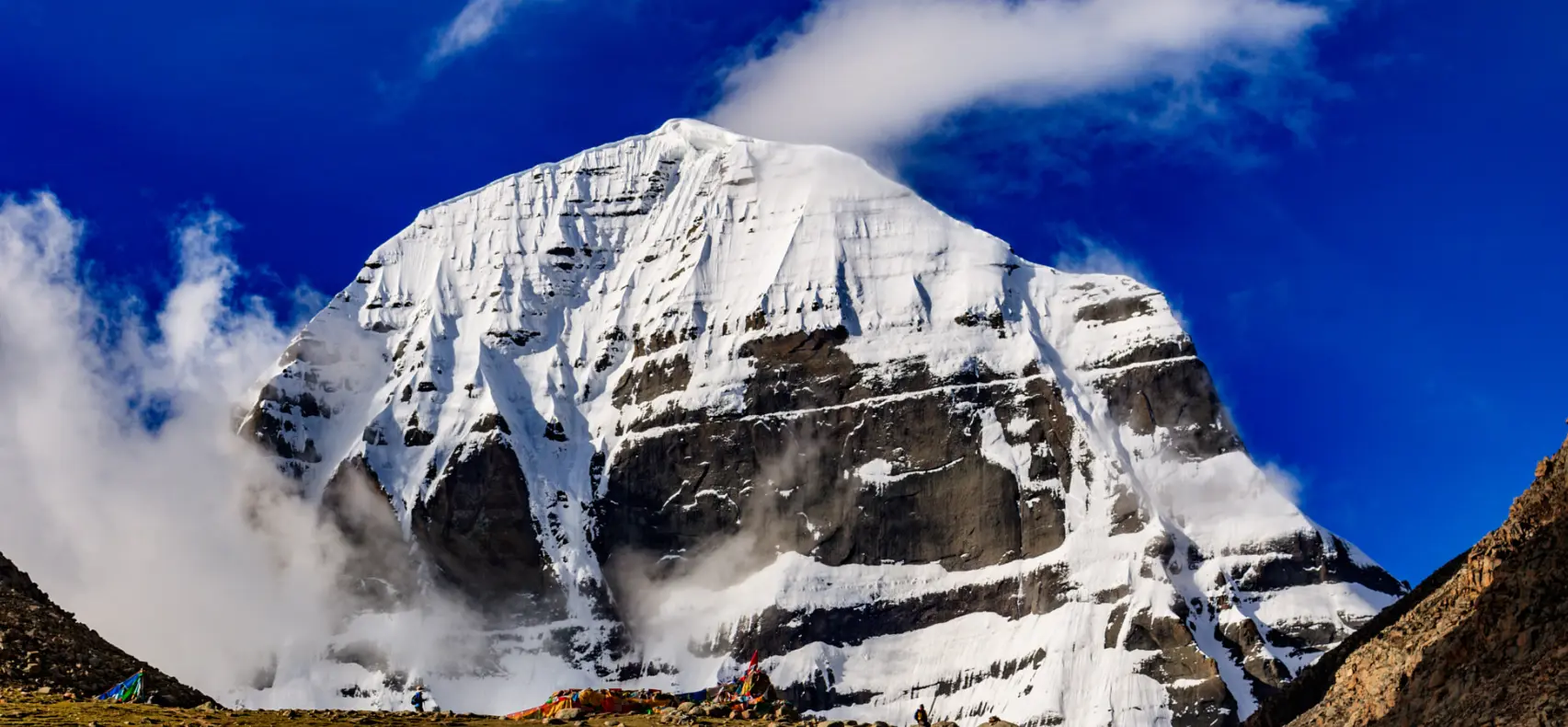
 

Choosing Your Machine – What You Should Actually Ride in Nepal

The single most consequential decision in planning an adventure motorbike trip in Nepal is choosing the right machine — and in 2026, the answer has become remarkably clear and consistent across virtually every experienced operator in the country.

Royal Enfield Himalayan 450, KTM 390 Adventure, R Himalayan 4,11 Classic,350, 500, Bajaj Hero Motorcycle Tour, Mustang Nepal

The Royal Enfield Himalayan – Nepal’s Definitive Touring Bike

As one veteran Nepal motorcycle tour operator, who has run Himalayan tours for years and personally ridden every major route the country offers, puts it bluntly: there is really only one serious choice for touring Nepal — the Royal Enfield Himalayan 411cc. This is not marketing language; it reflects a hard-won practical consensus built from years of breakdowns, river crossings, and remote-area repairs. The reasoning is entirely pragmatic rather than aspirational. Parts are everywhere — every mechanic in even the smallest mountain town in Nepal knows this bike intimately, and a mechanical failure in a place like Tatopani or Jomsom can typically be addressed locally, something that would be impossible with a premium European adventure bike. The Himalayan’s long-travel suspension, 21-inch front wheel, and manageable curb weight make it genuinely capable on poor surfaces without requiring the rider to be an expert off-road specialist. Its fuel economy of approximately 25–30 km per liter is a genuinely important practical factor on routes like Upper Mustang, where petrol stations can be 100 km apart and running dry in a remote high-altitude desert is a serious problem rather than a minor inconvenience. And critically, the rental cost of approximately USD 35–50 per day, including basic insurance, puts it within reach of most travelers, whereas a premium adventure machine — assuming one could even be found for rent in Nepal — would cost three times as much.

The newer Royal Enfield Himalayan 450 has also entered Nepal’s rental fleets in 2026, offering a more modern engine platform, improved electronics, and better ergonomics than the long-running 411cc model, while retaining the essential virtues of widespread parts availability and manageable weight. Riders booking through more established 2026-era rental operations in Thamel and Pokhara’s Lakeside increasingly find the 450 available alongside the proven 411cc, and the choice between them generally comes down to personal preference for the newer, more refined platform versus the deeply proven reliability of the older engine.


Adventure-Specific Alternatives – KTM and CFMoto

A smaller but growing segment of Nepal’s premium rental market now offers genuine adventure-touring machines such as the KTM 390 Adventure R and the CFMoto 450MT, typically through specialist operators who pair rental with mandatory guided support rather than offering self-rental. These machines offer more modern suspension technology, better off-road ergonomics, and noticeably sharper performance than the Himalayan, appealing to experienced riders seeking a more technically capable platform for routes such as the roughest sections of Upper Mustang. The trade-off is straightforward: these bikes are significantly more expensive to rent, parts and specialist mechanical support are far less available outside Kathmandu and Pokhara, and most operators offering them require an accompanying guide service rather than permitting independent self-rental. For experienced adventure riders specifically seeking a more capable machine and willing to pay the premium and accept the guided-tour requirement, these represent a genuine upgrade over the Himalayan; for the majority of visiting riders, the Himalayan remains the more practical and easier-to-arrange choice.

Smaller Bikes and Scooters – For City and Short-Range Use Only

Nepal’s rental market also includes a wide range of smaller commuter and trail bikes — the Honda XR150, Bajaj Pulsar, Yamaha FZ, and various 125cc–150cc scooters — typically priced from USD 15–25 per day for the smallest machines, rising to USD 25–40 for mid-range 200cc–250cc bikes. These are genuinely appropriate and sensible choices for city riding in Kathmandu or Pokhara, short excursions to nearby valley-rim destinations like Nagarkot or Dhulikhel, and gentle exploration for riders with no intention of attempting serious mountain touring. Several reputable operators also stock the Royal Enfield Classic 350, Honda CRF 250L, and KTM Duke 250 as mid-tier options between commuter scooters and the full adventure-touring Himalayan — capable machines for moderate mountain riding but generally regarded as less ideally suited to the most demanding high-altitude restricted-area routes than the purpose-built Himalayan.


Royal Enfield Himalayan 450 KTM 390 Adventure R Himalayan 411 Classic 350 500 Bajaj Hero Motorcycle Tour Mustang Nepal
Adventure bike Nepal Nepal

Where to Rent – Kathmandu, Pokhara and the Established Rental Ecosystem

Nepal’s adventure bike rental market is concentrated in two locations, each serving a slightly different purpose in a typical rider’s itinerary.

Thamel, Kathmandu – The Largest Selection

Thamel is Nepal’s largest motorbike rental hub by a clear margin, with dozens of rental shops clustered along the district’s main streets offering everything from basic scooters to fleets of Royal Enfield Himalayans. This concentration of competing operators in Thamel generally produces the most competitive pricing in the country, and the sheer volume of available stock means a rider arriving without a reservation can usually still find an appropriate machine, particularly outside the absolute peak October–November season.

Thamel is the natural starting point for riders planning to begin their Nepal motorcycle journey directly from Kathmandu — whether heading toward Pokhara and onward to Mustang, exploring the Kathmandu Valley rim roads as a standalone short tour, or undertaking a longer circuit through Gorkha, the southern plains, and back.

Lakeside, Pokhara – Smaller but Strategically Positioned

Pokhara’s Lakeside rental scene is smaller than Thamel’s but increasingly significant, and in 2026 it will be notably elevated by the arrival of more professional, higher-standard operators. One recent 2026 review captures the shift well, describing a Pokhara rental operation offering brand-new KTM 390 Adventure R and Himalayan 450 machines kept in genuinely well-maintained condition, with the reviewer specifically noting that this represents the new standard for Upper Mustang motorbike hire in 2026.

Pokhara’s strategic value is geographic: it sits at the natural gateway to the Mustang and Manang regions, meaning riders beginning their Mustang or Annapurna Circuit tour from Pokhara save the day or more of riding that a Kathmandu start would otherwise require, and arrive at the most demanding section of their route with a machine and body that are already warmed up rather than fatigued from the long initial transit.

Most riders adopt a hybrid approach: renting in Kathmandu, riding the relatively straightforward Prithvi Highway to Pokhara as the first leg of the tour, then continuing from Pokhara into the mountains — though renting directly in Pokhara for Mustang-focused itineraries is an entirely viable and increasingly well-supported alternative.

Chitwan and Lumbini – Limited but Present

A handful of shops in Chitwan and Lumbini also offer scooter rentals. However, the selection here is genuinely limited, and these locations should not be relied upon as a primary rental source for any serious adventure-touring plan. They are useful primarily for riders who have already completed a mountain circuit and want a scooter for local exploration during the Terai leg of a broader Nepal trip.


The Documentation You Actually Need – And the Gap Most Riders Fall Into

This is, without exaggeration, the most important section of this entire guide because it addresses a genuine and well-documented gap between what is legally and practically required to ride a motorbike in Nepal and what most rental shops actually enforce when handing over the keys.

The International Driving Permit – Legally Required, Rarely Checked at the Rental Desk

Nepal requires an International Driving Permit (IDP) with a motorcycle endorsement for all foreign riders, obtained from your home country’s automobile association before you travel. It typically costs USD 15–30 and is valid for one year. Critically, your home license must itself carry a motorcycle endorsement — the IDP is a translation document and cannot grant permissions your underlying license does not already have. A car-only license, translated into an IDP, still does not authorize motorcycle riding in Nepal.

Here is the uncomfortable reality that most guidebooks gloss over, as one detailed 2026 specialist guide states directly: many rental shops in Thamel and Lakeside Pokhara do not ask to see an IDP or even a driving license — they hand over the keys once you pay the rental fee and a deposit. This creates a genuinely dangerous false sense of security among travelers, who reasonably but incorrectly conclude that if the rental shop did not ask for documentation, the documentation must not really matter. It does matter — enormously, in two completely separate and serious ways.

First, the legal exposure: police checkpoints are common on every major highway in Nepal, with the Prithvi Highway between Kathmandu and Pokhara alone featuring several, and checkpoint frequency increases substantially on routes popular with tourist riders, including the road toward Upper Mustang, the Annapurna Circuit highway section, and the Kathmandu Valley rim roads. Officers at these checkpoints routinely ask foreign riders for documentation. If you cannot produce a valid IDP, you face an on-the-spot fine — typically NPR 1,000–5,000 — and your bike may be held until the correct documents are produced, a genuinely disruptive outcome in the middle of a remote multi-day tour.

Royal Enfield Himalayan 450 adventure motorcycle in Mustang Valley with Himalayan mountains, Ne

Second, and far more consequential, is the insurance exposure. Travel insurance companies are explicit and consistent on this point: if you are involved in an accident while riding without a valid license — meaning an IDP plus an underlying home license with a motorcycle endorsement — your claim will almost certainly be denied. This denial applies specifically to medical evacuation, which in remote mountain areas of Nepal typically means a helicopter rescue costing USD 5,000–15,000 — a sum that becomes the rider’s personal financial responsibility entirely if the insurance claim is rejected on documentation grounds.

As the specialist guide summarises with appropriate bluntness: riding without an IDP effectively means riding without insurance, regardless of what your policy says on paper. The roughly USD 20 cost of obtaining the IDP before travel is trivial compared to this level of financial exposure, and Nepal Vehicle Hiring strongly urges every prospective rider to obtain a proper IDP with a motorcycle endorsement before arriving in Nepal, regardless of whether any individual rental shop asks for it.

For Extended Stays – The Nepali Driving License Option

Riders planning to stay in Nepal for more than three months or intending to return for multiple riding trips over time should consider obtaining a genuine Nepali driving license from the Department of Transport Management in Ekantakuna, Lalitpur. This provides more durable and unambiguous legal standing than repeatedly relying on an IDP, which, after all, has only a one-year validity and must be renewed and reissued by the rider’s home country for each subsequent trip.

Insurance – Standard Travel Policies Do Not Cover This

A second critical gap that catches many riders unprepared is that standard travel insurance policies do not cover motorbike riding. This is not a Nepal-specific quirk — it reflects the general international insurance industry treatment of motorcycling as a higher-risk activity requiring specific coverage. Riders need a policy that explicitly includes motorbike touring as a covered activity, and ideally one that specifically covers helicopter evacuation from remote mountain areas, given the realistic possibility of needing exactly this kind of rescue on Nepal’s more remote routes. Budget USD 120–250 for a two-week policy that includes appropriate motorcycle cover.

Established providers, including World Nomads and True Traveler, offer adventure sports add-ons that specifically include motorbike riding. However, riders should always check the engine capacity limit on any policy, as some policies exclude bikes with engines over 125 cc. This category includes virtually every adventure-touring machine discussed in this guide, including the Royal Enfield Himalayan. Separately, most Nepal rental shops themselves do not offer comprehensive insurance on the rented bike — confirm precisely what damage and theft coverage, if any, is included in your rental agreement before signing, since the gap between what the rental company covers and what your personal travel insurance covers can otherwise leave significant financial exposure unaddressed on both sides.

Deposits and Security – Protecting Yourself as Much as the Rental Shop

Every legitimate rental shop in Nepal requires a security deposit, the amount varying with the value of the machine: a Royal Enfield typically requires a USD 400–500 cash deposit. In contrast,e a smaller scooter might require only USD 200. Some shops will accept a color photocopy of your passport in place of a cash deposit, and a small but growing number of more established operators now accept credit card pre-authorization. However, this remains relatively rare in the Nepal market.

The one absolute rule every rider should follow without exception: never hand over your original passport as a deposit, regardless of how the rental shop frames the request or how reputable the shop appears. A photocopy serves the same verification purpose without exposing you to the serious practical and legal complications of being without your original travel document in a foreign country.


Kathmandu Valley Day Rides – The Essential Warm-Up

Before committing to a multi-day mountain tour, every rider — but particularly anyone new to riding in Nepal’s specific conditions — should spend one to three days riding the Kathmandu Valley rim roads: the loop through Nagarkot, Dhulikhel, and Bhaktapur that circles the eastern and southeastern edge of the valley.

This route offers genuinely rewarding riding in its own right — climbing to Nagarkot’s celebrated Himalayan viewpoint, descending through the preserved Newari heritage town of Dhulikhel, and threading the medieval brick lanes around Bhaktapur — while remaining entirely on paved or well-maintained roads, with regular fuel stations, mobile phone coverage throughout, and a forgiving margin for the inevitable early mistakes of adjusting to Nepal’s specific traffic culture and road surface unpredictability.

This Kathmandu Valley loop is explicitly recommended by experienced Nepal motorcycle tour operators as a good warm-up before a longer tour, and the reasoning extends well beyond simple skill-building. It allows a rider to genuinely assess a rental machine’s mechanical condition and their own physical comfort on it before committing to a route where a problem cannot be easily resolved.

It provides an early, low-stakes encounter with Nepal’s distinctive road hazards — unmarked potholes, animals on the road, motorcycles and trucks overtaking at blind corners, and the complete absence of the predictable lane discipline that riders from most other countries take for granted.

Royal Enfield Himalayan 450, KTM 390 Adventure R, Royal Enfield Himalayan 411, Royal Enfield Classic 350, Royal Enfield Classic 500, Bajaj Pulsar and Hero adventure motorcycles in Mustang Valley with the ancient Mustang Kingdom, Nepal.

The Lower Mustang Loop – Nepal’s Finest Accessible Adventure Ride

For riders seeking a substantial, scenically extraordinary mountain tour without the additional permit complexity and cost of the restricted Upper Mustang zone, the Lower Mustang loop — Jomsom to Muktinath and back, typically completed as part of a five-to-seven-day circuit from Pokhara — is what one veteran operator calls their favorite ride in Nepal. Crucially, this route requires no restricted-area permit, making it significantly more affordable and logistically simpler than its Upper Mustang counterpart while still delivering an experience of comparable visual and emotional power.

The route begins in Pokhara, descends to Beni, and then follows the Kali Gandaki river valley northward into the rain shadow of the Annapurna massif. The landscape transformation along this stretch is one of the most dramatic in all of Nepal’s road network: lush subtropical forest gives way, within a matter of hours of riding, to arid, almost Tibetan high desert terrain, the vegetation thinning and the cliff colors shifting toward ochre and red as the road climbs and the surrounding peaks intercept the monsoon moisture that would otherwise reach this valley.

The section between Beni and Jomsom is where a rider’s actual technical skill is genuinely tested. The road here is carved directly into cliff faces, crosses rivers sometimes via proper bridges and sometimes via simple fords with no bridge at all, and turns to deep, loose gravel in extended sections. After rainfall, rockfalls can block the route for hours — a genuine operational hazard rather than a remote theoretical risk, and one that underscores why daylight-only riding and conservative pacing matter so much on this specific stretch.

Along the way, riders pass through Tatopani, where the natural hot springs provide a genuinely necessary and deeply welcome opportunity to soothe a body that has spent hours absorbing the impact of a technical gravel road; Marpha, known across Nepal as the country’s apple brandy capital and one of the most architecturally beautiful traditional villages on the entire route; and finally Jomsom itself — windy, dusty, and dramatically surrounded by peaks exceeding 8,000 metres on both sides of the valley.

The undisputed high point of the Lower Mustang loop, both literally and in every other sense, is Muktinath Temple at 3,710 meters — a site sacred to both Hindus and Buddhists, situated directly beneath the Thorong La pass, with the full Annapurna range rising dramatically behind it. Riders typically spend a night at Jomsom or Muktinath before retracing the route back to Pokhara, completing a circuit that delivers an extraordinarily complete sample of Nepal’s mountain riding character — technical gravel sections, river crossings, dramatic altitude and climate transition, deep cultural immersion in Thakali and Tibetan-influenced villages, and a genuinely sacred destination as its emotional centrepiece — all without the restricted area bureaucracy of the Upper Mustang zone proper.


Upper Mustang – Nepal’s Flagship Adventure Motorbike Destination

Upper Mustang is, by consistent consensus among virtually every Nepal motorcycle tour operator, the single most popular and most celebrated advanced motorbike route in the entire country — and in 2026, a significant regulatory change will make it considerably more accessible than it has been for the preceding decade.

The 2026 Permit Reform – Why This Is the Year to Go

For years, accessing Upper Mustang required payment of a flat USD 500 Restricted Area Permit fee regardless of how many days a visitor actually spent in the region — a structure that effectively penalized shorter, more focused itineraries and made Upper Mustang a significant financial commitment even for riders who only wanted a few days in the restricted zone. In 2026, the Nepalese government fundamentally restructured this system, replacing the flat fee with a daily rate of USD 50 per person.

As one Nepal permit specialist summarises the practical effect: this reform delivers a lower overall permit cost for shorter visits, genuinely flexible travel durations, and makes the route considerably more accessible to adventure riders while still protecting the region’s unique culture and environment and continuing to support local Mustang communities through permit revenue.

The practical consequence for motorbike tourers specifically: a focused four-to-five-day Upper Mustang ride now costs meaningfully less in permit fees than it would have under the old flat-rate system, while riders planning a more extended exploration of the region still have the option to pay proportionally for additional days rather than being forced into an inflexible single fee structure regardless of actual time spent in the restricted zone.

Royal Enfield Himalayan 450 adventure motorcycle in Mustang Valley with Himalayan mountains, Nepal.
Royal-Enfield-Himalayan 450-adventure-motorcycle

What the Restricted Area Permit Requires

Beyond the daily permit fee, Upper Mustang has two additional mandatory requirements that riders must understand before planning their route. First, an Annapurna Conservation Area Permit (ACAP), costing approximately NPR 3,000 (around USD 20), is also required, since the route to Upper Mustang necessarily passes through ACAP territory in its lower sections before reaching the restricted zone proper. Second, and most significantly for riders accustomed to independent travel elsewhere in Nepal: a licensed guide is mandatory throughout Upper Mustang, and independent unguided travel in this region is not permitted under any circumstances.

This guide requirement is not bureaucratic friction to be worked around — it reflects Upper Mustang’s status as a genuinely sensitive border region adjoining the Tibet Autonomous Region of China, where Nepal’s government maintains careful management of foreign access for both cultural preservation and broader diplomatic reasons. Reputable motorbike tour operators handle all of these permits and guide arrangements as a standard, fully included component of any Upper Mustang package.

The Riding Experience – Beyond Jomsom, Into the Forbidden Kingdom

Where the Lower Mustang loop turns back at Muktinath, Upper Mustang continues considerably further north, through Kagbeni and into the genuinely otherworldly high desert terrain of the former Kingdom of Lo, climaxing at the walled medieval capital of Lo Manthang — a settlement whose Tibetan Buddhist culture, royal palace, and ancient monasteries remained substantially isolated from the outside world until the region first opened to foreign visitors in 1992.

Riders describe the terrain in this section as feeling genuinely like crossing into a different country entirely — eroded red and ochre cliffs, scattered chortens and mani walls, ancient cave dwellings carved into vertical rock faces, and an atmosphere of profound, windswept remoteness unlike anywhere else accessible by road in Nepal. A typical guided Upper Mustang motorbike tour runs approximately eleven days, priced from around USD 1,990 per person for a genuinely private tour involving only the booking party rather than a mixed group of strangers, reflecting the comprehensive logistics, permit handling, accommodation, and support infrastructure required for this remote and regulated region.


The Annapurna Circuit by Road – A Demanding Seven-to-Ten-Day Alternative

For riders who want the cultural and scenic breadth of the famous Annapurna Circuit trekking route but prefer to experience it on a motorbike rather than on foot, a road-based version of the circuit — typically structured as a seven-to-ten-day tour following the trekking route via Manang and the Thorong Phedi approach — has become an increasingly established option in Nepal’s adventure riding scene. It is worth stating plainly that this is a genuinely demanding route, with some sections extremely rough — considerably more technically challenging in places than the Lower Mustang loop, given the steeper gradients, higher average altitude, and rougher track surfaces on the eastern Manang side of the circuit. This route is generally recommended only for riders with prior off-road or adventure-touring experience, or those undertaking it as part of a fully guided and supported tour with a backup vehicle.


The Solo Long-Distance Circuit – What a Genuine Independent Journey Looks Like

Beyond the structured tour routes, some of the most compelling testimony to Nepal motorbike touring comes from riders who have undertaken genuinely independent, extended journeys that cover much of the country in a single rental period. One documented example, shared on a respected international motorcycle rental review platform: a rider collected a Honda CRF 250L in Kathmandu, spent a couple of days riding around the city before heading west to Pokhara, obtained trekking permits there and rode up the western side of the Annapurna region through Beni into Jomsom, continued through the Mustang region to Muktinath where the road literally ended, completed several days of high-altitude hiking, then returned to Pokhara before riding on to Gorkha, descending from the Himalayan foothills to Lumbini at the Indian border, crossing the southern Terai plains to Sauraha for a Chitwan National Park wildlife safari, and finally riding back to Kathmandu to close the loop — a journey the rider himself described as an amazing solo journey with some of the toughest riding but most rewarding scenes I have ever seen, completed over twenty-five days for a total rental cost of approximately USD 900 cash, with the CRF 250 singled out as, in the rider’s own assessment, absolutely the best bike for the environment.

This kind of extended, multi-region solo circuit represents the genuine outer edge of what independent adventure riding in Nepal can deliver: a journey spanning the full vertical range of the country’s geography, from the high Himalaya down to the subtropical Terai plains, woven together entirely on two wheels and entirely on the rider’s own schedule. It is also, candidly, not a journey to attempt as a first experience of riding in Nepal — the rider in this account had clearly developed sufficient comfort and competence with Nepal’s specific riding conditions before attempting a route of this length and diversity, and the same progression — starting with shorter, better-supported routes before attempting an extended independent circuit — is the responsible approach for any rider new to the country.

KTM 390 Adventure R motorcycle on the scenic roads of Mustang, Nepal
Explore Mustang Valley with the powerful KTM 390 Adventure R.

Self-Guided Rental Versus Guided Tour – An Honest Comparison

Every prospective motorbike rider in Nepal eventually faces the same fundamental decision: rent a motorbike independently and plan your own route, or join a guided tour with organized support. Both are entirely legitimate approaches, and the right choice depends heavily on a rider’s experience level, risk tolerance, and the specific route under consideration.

Self-guided rental is, on the surface, considerably cheaper — a Royal Enfield Himalayan rental at USD 35–50 per day compares favorably with guided tour packages that run into the thousands of dollars for a comparable duration. But as one experienced operator frames the real trade-off: self-guided looks cheaper on paper, but consider what you actually lose — there is no backup jeep if the bike breaks down, which does happen; no mechanic on hand; no guide who actually knows the specific roads, their danger points, and local driving patterns; no pre-arranged accommodation in remote villages where finding a bed can otherwise be genuinely difficult; and no organised support if something goes seriously wrong in a remote area with no mobile signal. For a rider’s first Nepal motorbike trip specifically, the consistent professional recommendation is that a guided tour is worth the cost difference, precisely because the margin for serious consequence from a relatively minor problem — a mechanical failure, a moderate fall, a missed turn onto an unmarked track — is considerably higher in Nepal’s mountain regions than in most other adventure riding destinations.

On a guided tour, the structure typically involves the guide riding ahead and setting the pace appropriate to the group’s collective skill level. At the same time, a backup support vehicle follows behind, carrying tools, spare parts, and a first-aid kit, meaning that if a bike breaks down or a rider has an accident, organized help is essentially immediately available rather than hours or potentially days away. This support structure is particularly valuable on routes like Upper Mustang, where the combination of remoteness, altitude, and limited mobile coverage genuinely compounds the consequences of any breakdown or incident that occurs without nearby support.

There is also a social dimension worth noting: riding as part of an organized group tour means traveling alongside fellow riders from genuinely different countries and backgrounds, each bringing their own story to the trail, with shared costs for accommodation and meals reducing the individual financial burden compared to solo travel. At the same time, you still retain meaningful choices about pace and engagement on the road itself. Many riders describe this social dimension — the people they meet along the way — as nearly as significant to their overall experience as the riding and scenery themselves.


Altitude, Weather, and the Physical Demands of Himalayan Riding

Riding a motorbike at altitude is a meaningfully different physical and mechanical proposition from riding at sea level, and Nepal’s mountain routes routinely push well above 33,000 meters— Muktinath at 3,710 m, Manang on the Annapurna Circuit road well above that, and sections of Upper Mustang reaching even higher.

The thinner air at these altitudes affects both rider and machine simultaneously. For the rider, it means reduced physical stamina, a real possibility of altitude-related symptoms such as headache and fatigue developing over the course of a multi-day ascent, and a generally heightened sense of physical exertion even during what would otherwise be unremarkable riding — the same acclimatization principles that apply to trekkers at equivalent altitudes apply equally to riders. A sensible itinerary builds in the same kind of gradual altitude gain and adequate rest that a responsible trekking schedule would. For the machine, engine power output drops noticeably at altitude, particularly on carburetted engines such as those found on older Royal Enfield models, since the thinner air contains proportionally less oxygen for combustion — riders should expect their bike to feel meaningfully less responsive above 3,000 metres than it did at the start of the trip, and should adjust their riding expectations and overtaking decisions accordingly rather than assuming consistent performance throughout a route with significant altitude variation.

Night riding deserves its own explicit and unambiguous warning, repeated consistently across every credible Nepal motorcycle guide: do not ride after dark. The reasoning is straightforward and serious — many vehicles in rural Nepal operate without functioning lights, road markings are essentially non-existent outside the main cities, and potholes and other hazards that would be easily visible in daylight become genuinely invisible at night. Every multi-day Nepal motorbike itinerary should be structured with generous daylight margins, building in earlier-than-strictly-necessary departure times and conservative daily distance targets specifically to avoid the situation of arriving at a destination after dark because the day’s riding took longer than anticipated — a situation that, on Nepal’s mountain roads, is unfortunately common even for experienced and well-prepared riders.

adventure bike rental in NepalRoyal Enfield Himalayan 450 KTM 390 Adventure R Himalayan 411 Classic 350 500 Bajaj Hero Motorcycle Tour Mustang Nepal

Costs, Cash, and Practical Logistics on the Road

Fuel prices in Nepal have risen meaningfully through 2025 and into 2026, with petrol in Kathmandu reaching approximately NPR 202 per liter(around USD 1.35) by April 2026, following three separate price increases driven by broader geopolitical disruptions to fuel supply chains. Prices outside Kathmandu typically run five to ten rupees higher per liter, reflecting transport costs to more remote fuel stations. A Royal Enfield Himalayan averaging around 30 km per liter means a rider covering 100–150 km in a typical riding day should budget roughly USD 4–7 in daily fuel costs, or approximately USD 30–50 for fuel across a complete seven-day tour. On routes like Upper Mustang, where considerable distances can separate fuel stations, riders should carry a spare fuel container as a genuine practical precaution rather than an optional extra.

Cash management is a consistently emphasized practical point in every credible 2026 Nepal motorcycle guide: card payments are unreliable outside Kathmandu and Pokhara, and while ATMs do exist in larger towns,s including Chitwan, Pokhara, and Lumbini, they are not guaranteed to function reliably or accept foreign-issued cards. Riders should carry sufficient Nepali rupees in cash for their entire trip duration before departing from a major city, budgeting approximately NPR 3,000–5,000 (USD 20–33) per day for personal spending on a guided tour, where accommodation and most meals are typically pre-arranged and included, rising to NPR 5,000–8,000 (USD 33–53) per day for self-guided riders who must independently cover food, fuel, and accommodation at each stop.


Essential Practical Tips for Adventure Bike Rental in Nepal 2026

  • Obtain a Genuine IDP with Motorcycle Endorsement Before Travel: Do not rely on the fact that a rental shop fails to ask for documentation — this does not exempt you from the legal and insurance requirements, and the financial exposure from an unrecognized claim during a serious accident vastly outweighs the modest cost of arranging proper documentation in advance.
  • Confirm Your Travel Insurance Specifically Covers Motorbike Touring: Standard travel policies typically exclude motorcycling entirely. Purchase a specific adventure sports add-on or specialist policy, and check the engine capacity limit, since many policies exclude bikes above 125cc — a category that includes the Royal Enfield Himalayan and most genuine touring machines.
  • Choose the Royal Enfield Himalayan for Serious Touring: Its combination of nationwide parts availability, manageable weight, capable suspension, and reasonable fuel economy makes it the consistently recommended choice for any route beyond Kathmandu Valley day rides.
  • Never Hand Over Your Original Passport as a Rental Deposit: A color photocopy serves the same verification purpose without the serious complications of travelingwithoutt your original passport.
  • Complete a Kathmandu Valley Warm-Up Ride First: The Nagarkot-Dhulikhel-Bhaktapur loop provides a genuinely valuable, lower-stakes introduction to Nepal’s specific riding conditions before committing to a remote multi-day mountain tour.
  • Budget Realistic Fuel and Cash Reserves: Carry sufficient Nepali rupees for your full trip, as card and ATM reliability drops sharply outside Kathmandu and Pokhara, and carry a spare fuel container on routes with widely spaced petrol stations such as Upper Mustang.
  • Never Ride After Dark: Build conservative daily distance targets and early departure times into every multi-day itinerary specifically to avoid arriving at any destination after nightfall.
  • Strongly Consider a Guided Tour for Your First Nepal Ride: The backup vehicle, mechanical support, local route knowledge, and pre-arranged accommodation that a guided tour provides represent genuine risk reduction, particularly on remote or restricted-area routes like Upper Mustang.
  • Confirm Upper Mustang Permit and Guide Arrangements in Advance: Independent unguided riding in Upper Mustang is not permitted under any circumstances. Reputable operators arrange the ACAP permit, the daily Restricted Area Permit, and the mandatory licensed guide as a single integrated package.

adventure bike rental in Nepal


Frequently Asked Questions 

What is the best motorbike to rent for touring Nepal?

The Royal Enfield Himalayan (411cc or the newer 450cc) is the consistently recommended choice for genuine adventure touring in Nepal, owing to its nationwide spare parts availability, capable long-travel suspension, manageable weight, and reasonable fuel economy of approximately 30 km per liter. Rental costs approximately  USD 35–50 per day, including basic insurance.

Do I really need an International Driving Permit to rent a motorbike in Nepal?

Yes, legally and practically. While many rental shops do not check for an IDP at the point of rental, this does not exempt riders from the legal requirement, and riding without one effectively voids most travel insurance coverage in the event of an accident — including helicopter medical evacuation, which can cost USD 5,000–15,000. Obtain your IDP with a motorcycle endorsement from your home country before traveling to Nepal.

What permits are required for motorbike travel in Upper Mustang?

Upper Mustang requires a Restricted Area Permit at USD 50 per person per day (reduced from a flat USD 500 fee in 2026), plus an ACAP permit of approximately NPR 3,000, and a mandatory licensed guide — independent unguided riding in this region is not permitted under any circumstances.

Is the Lower Mustang loop suitable for less experienced riders?

Lower Mustang is more accessible than Upper Mustang in terms of permits. However, it’sstill a genuinely technical route, particularly the Beni-to-Jomsom section, which involves cliff-carved roads, river crossings, and loose gravel. Riders should have some prior off-road experience or be part of a guided tour with backup support.

How much should I budget for a week-long motorbike tour in Nepal?

For self-guided rental: approximately USD 250–350 for bike rental, USD 30–50 for fuel, and USD 230–370 for cash expenses (accommodation, food) over seven days — roughly USD 500–750 total. Guided tours, which include accommodation, permits, a guide, and backup vehicle support, typically start from around USD 1,990 for an eleven-day private Upper Mustang tour.

Should I rent independently or join a guided motorbike tour?

For first-time Nepal riders, a guided tour is strongly recommended — the backup vehicle, mechanic, local route knowledge, and pre-arranged accommodation provide meaningful risk reduction on Nepal’s demanding and remote mountain roads. Experienced riders comfortable with technical off-road conditions and self-sufficient travel may reasonably choose independent rental, particularly for the unrestricted Lower Mustang and Kathmandu Valley routes.


Plan Your Nepal Adventure with Nepal Vehicle Hiring

Adventure motorbike riding in Nepal delivers an experience that no other form of travel quite matches — the direct, unfiltered sensation of the Himalaya’s changing air, light, and terrain passing immediately around you rather than through a window. It is also a serious undertaking that rewards careful preparation: the right machine, genuine documentation, appropriate insurance, and an honest assessment of your own experience level against the demands of routes like Upper Mustang and the Annapurna Circuit road.

For travelers who prefer the comfort, capacity, and professional driver support of four-wheeled travel across these same extraordinary routes, Nepal Vehicle Hiring Pvt Ltd provides private 4WD jeep and Land Cruiser hire to Mustang, Muktinath, the Annapurna region, and across Nepal’s complete mountain road network, with experienced route-specific drivers and full transparency on pricing and service.

Call / WhatsApp: +977 9851013196  |  E-mail: [email protected]    |  Book Your Nepal Vehicle  |  Nepal Trekking Packages