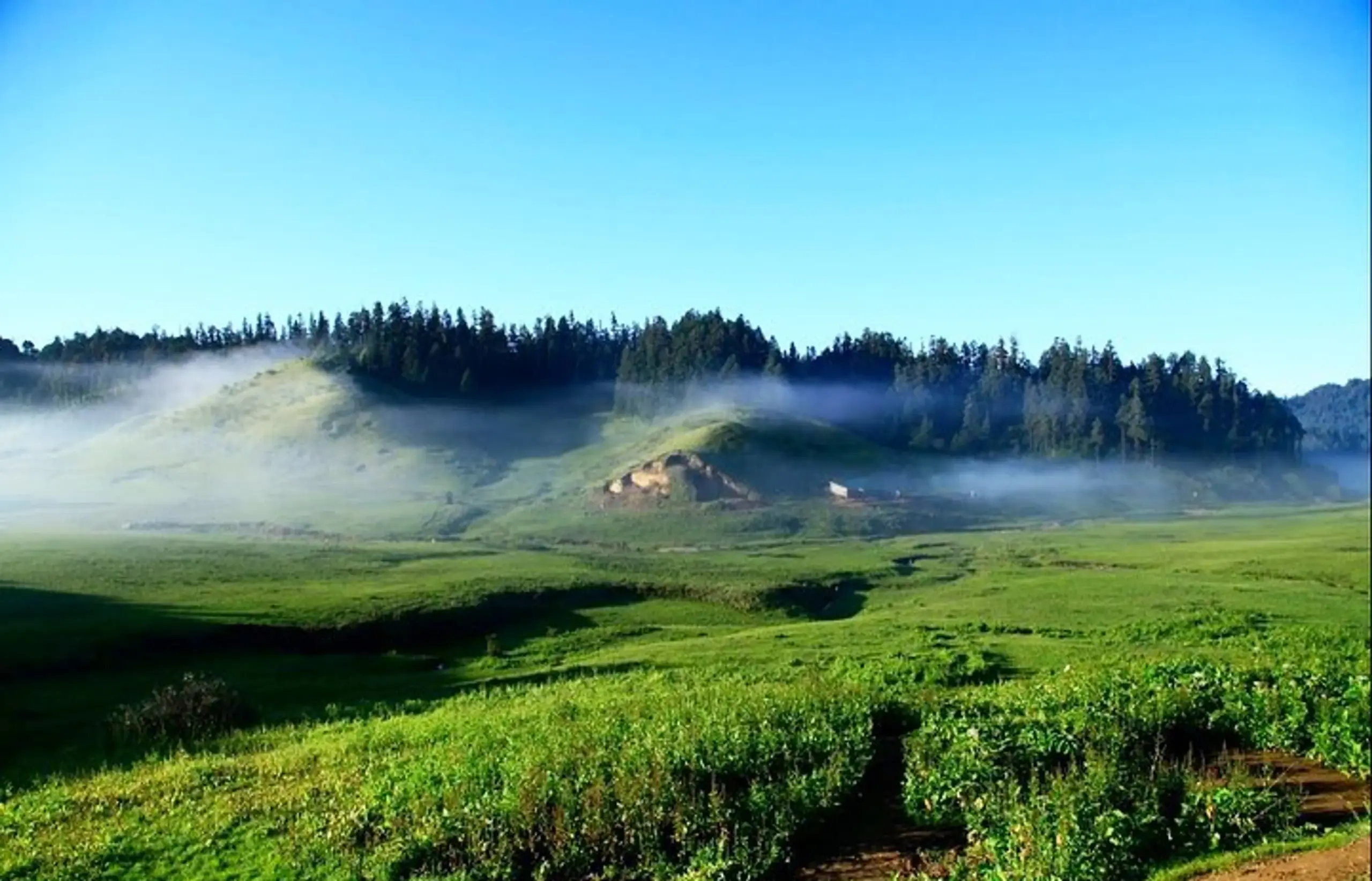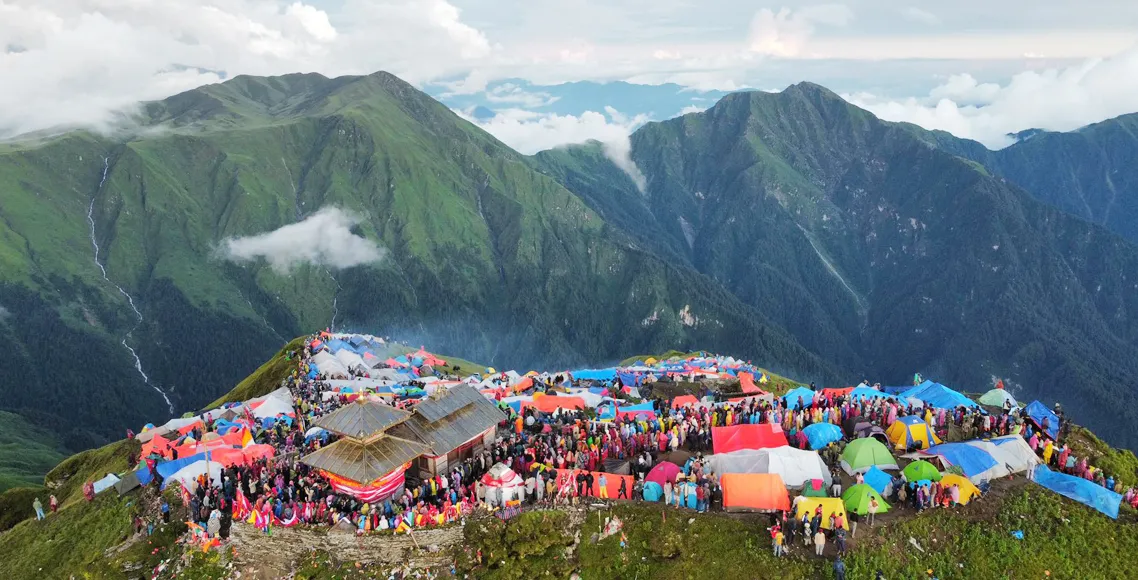
Kathmandu to Pokhara Road Condition Overview

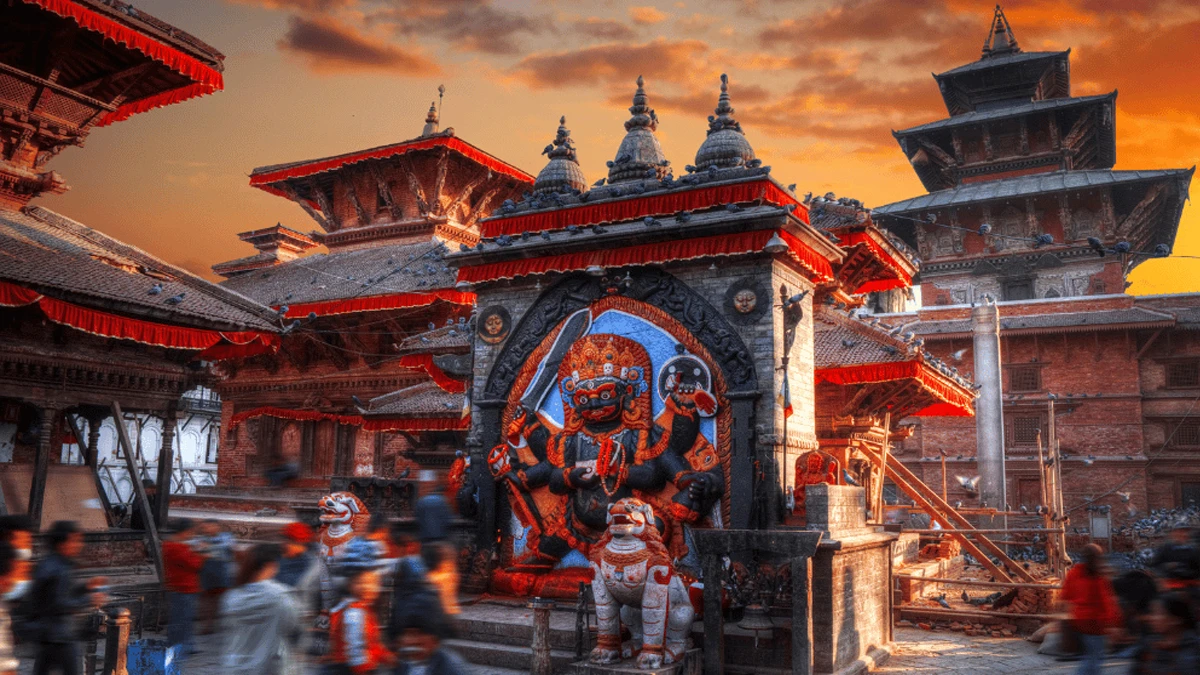
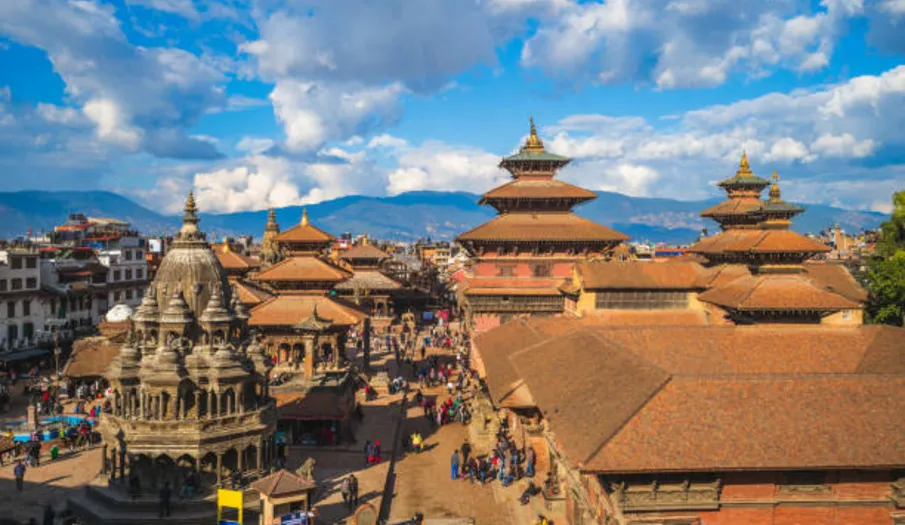
Patan Durbar Square in the Kathmandu Valley

Kathmandu to Pokhara Road Condition Overview  – Best Vehicle Guide

The Kathmandu to Pokhara journey on the Prithvi Highway is Nepal’s most travelled road, a 200 km corridor between the mountain capital and the lakeside city that carries trekkers, tourists, pilgrims, business travellers, and daily commuters in a continuous flow year-round. As Nepal’s primary road connection between its two most important cities, the Prithvi Highway is also the country’s most actively maintained road — receiving regular attention from the Department of Roads, undergoing ongoing widening and improvement works, and subject to the same weather stresses that affect all of Nepal’s major road arteries.

For travellers planning the Kathmandu to Pokhara journey, understanding current road conditions—which sections have been recently improved, which are under active construction, where seasonal hazards exist, and what realistic travel-time expectations are under different conditions—is essential for making sound transport decisions. This complete guide provides a section-by-section road condition assessment for 2026/27, vehicle recommendations for different group sizes and priorities, seasonal condition variations, and practical advice from Vehicle Hiring Nepal’s drivers who make this journey regularly throughout the year.
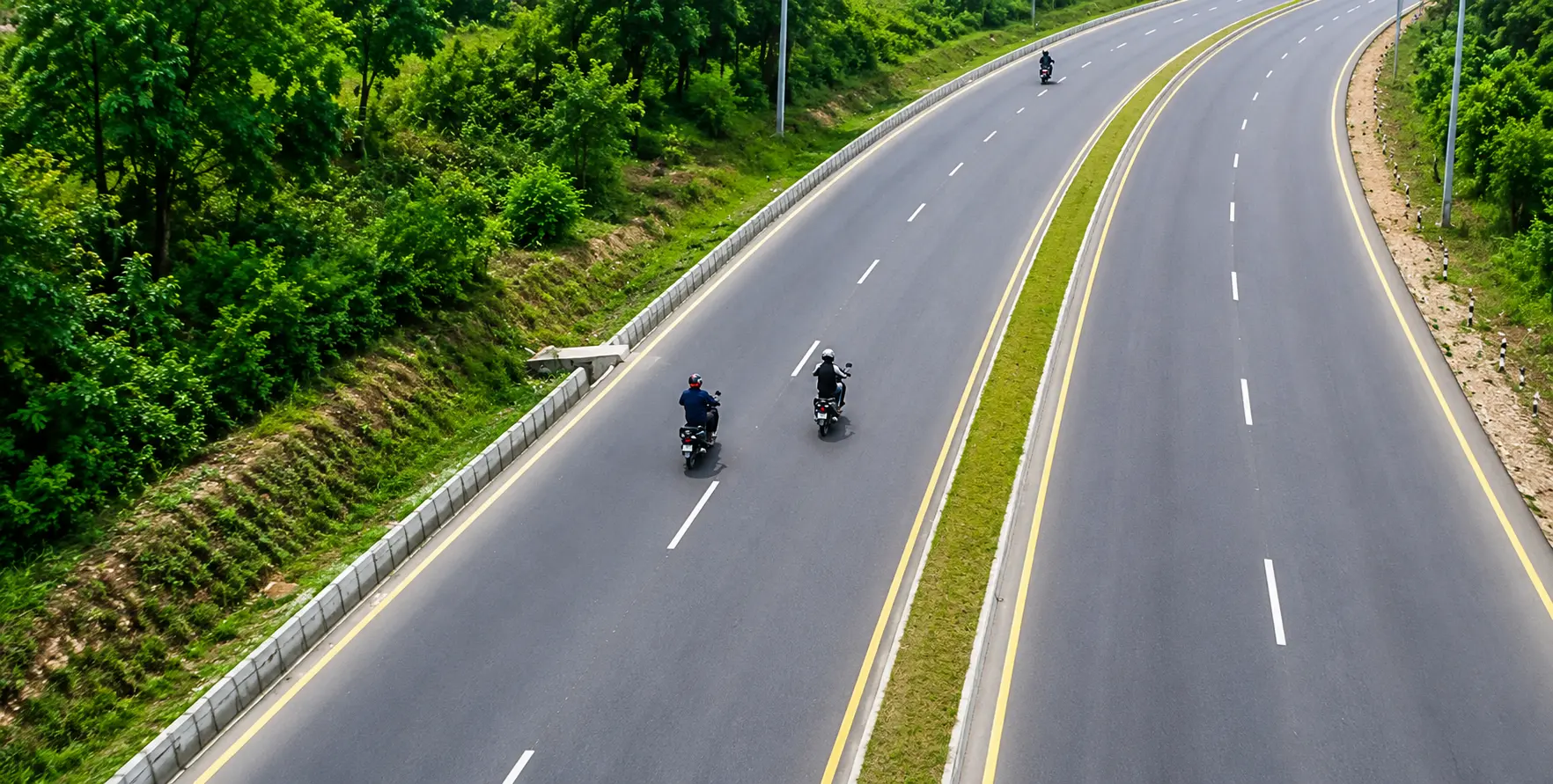
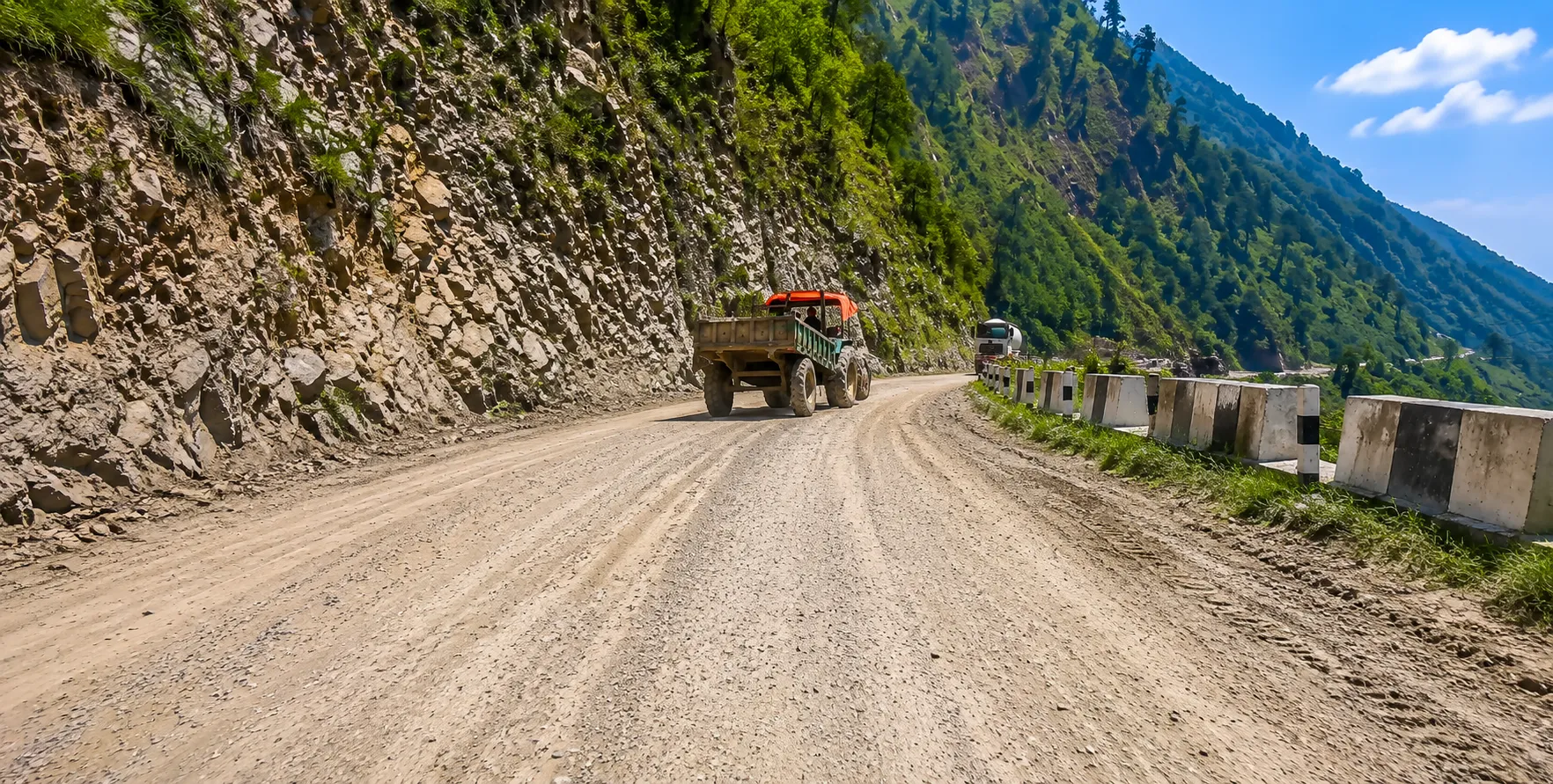
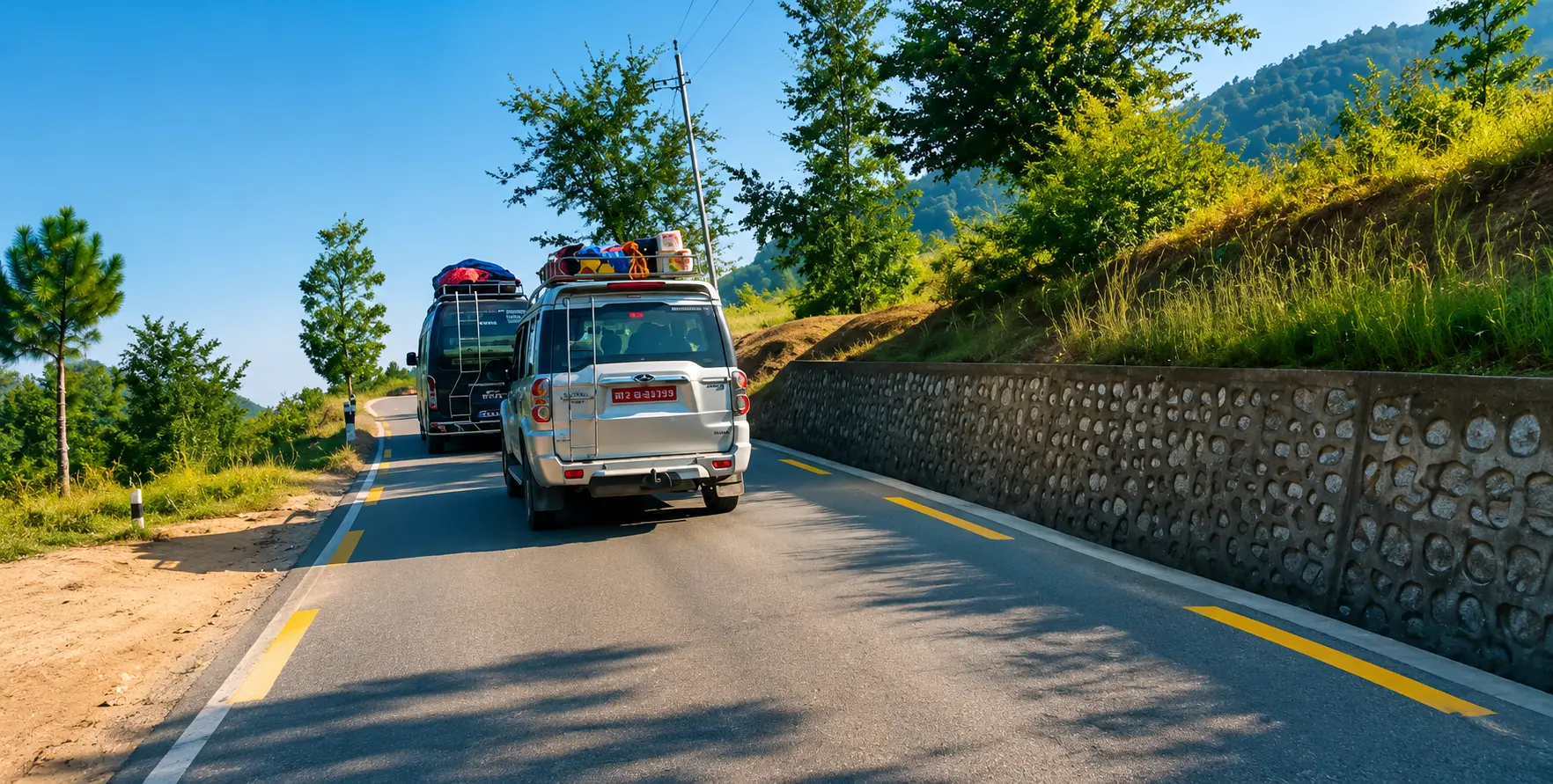
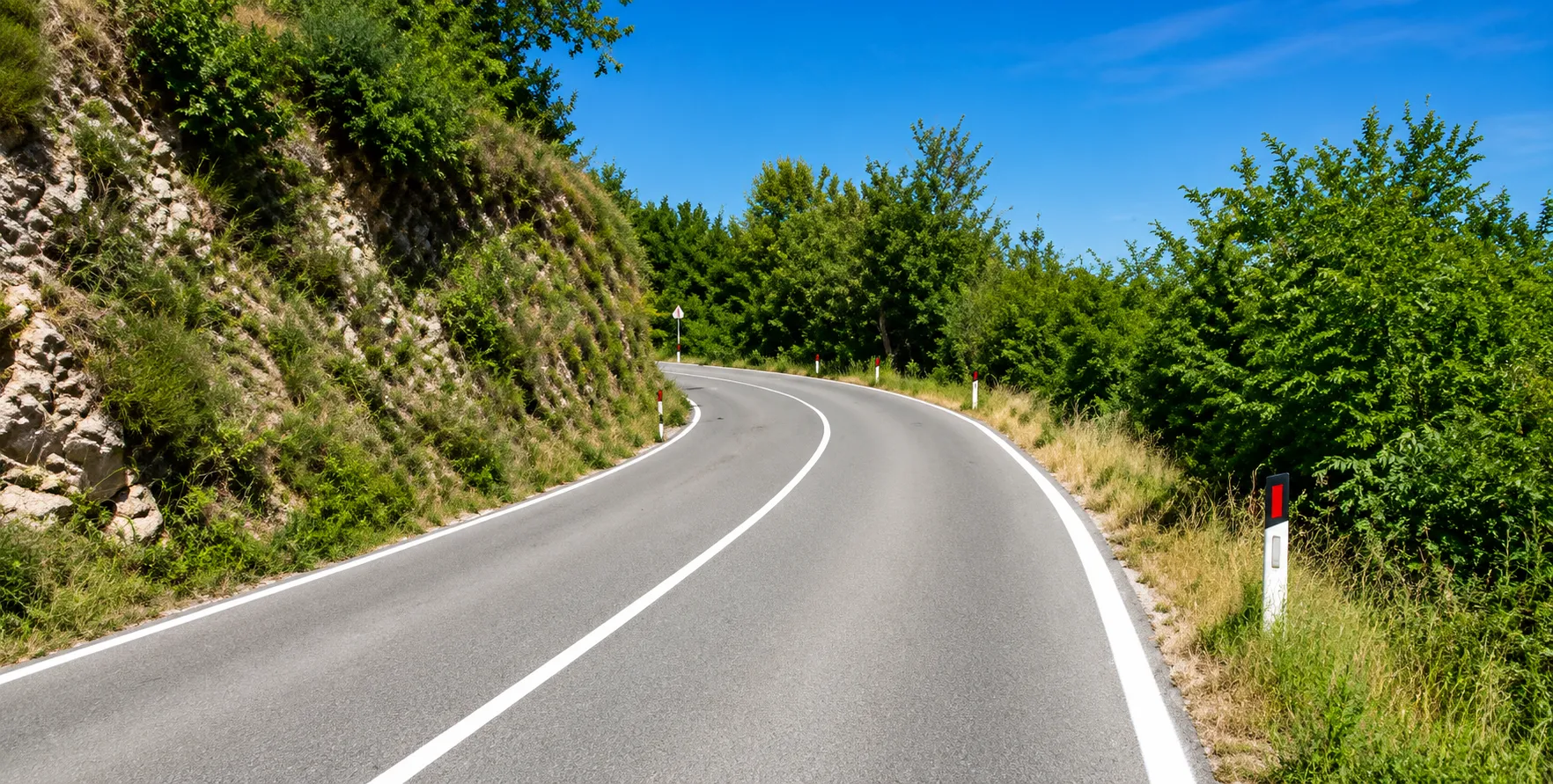
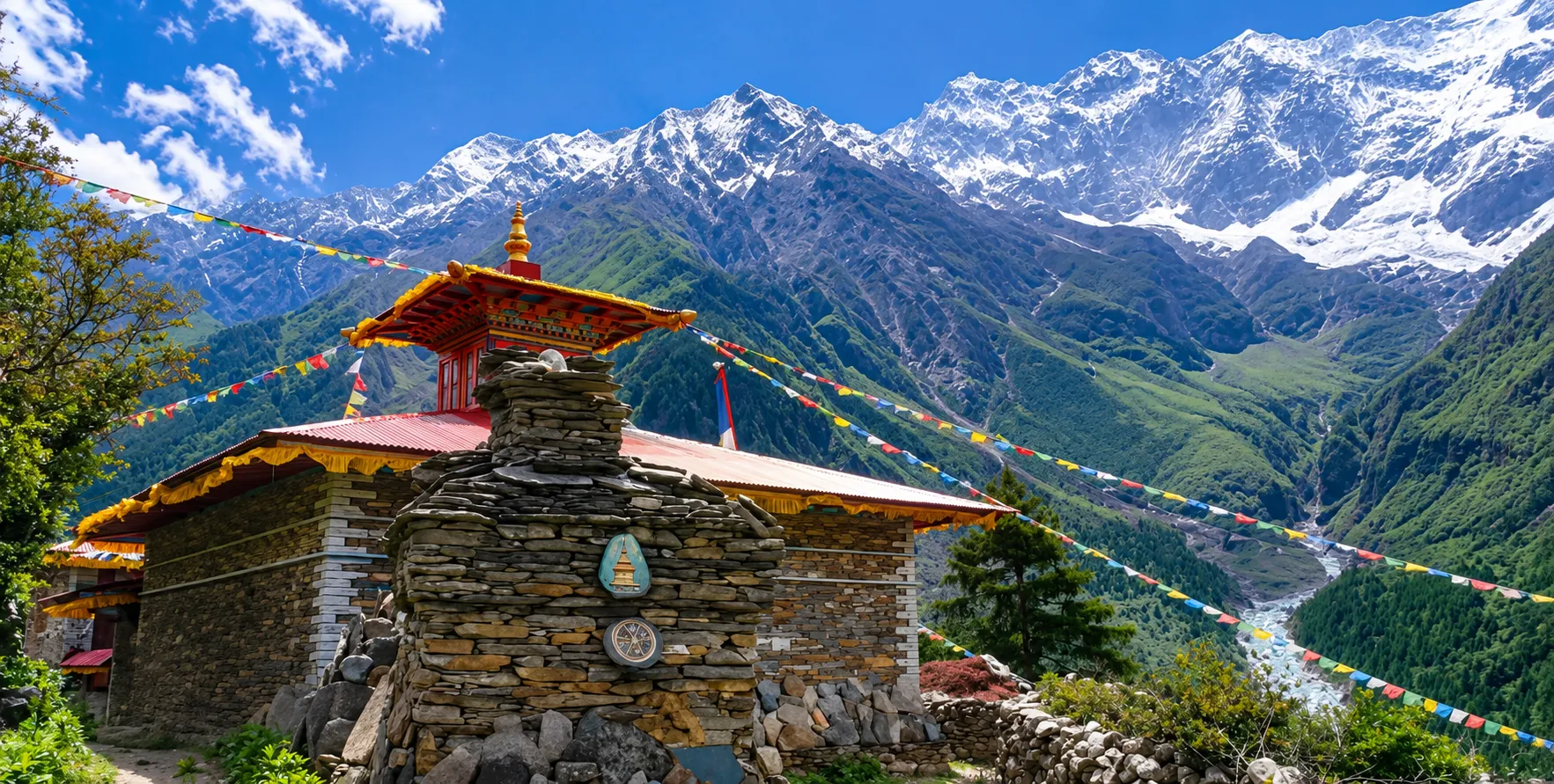
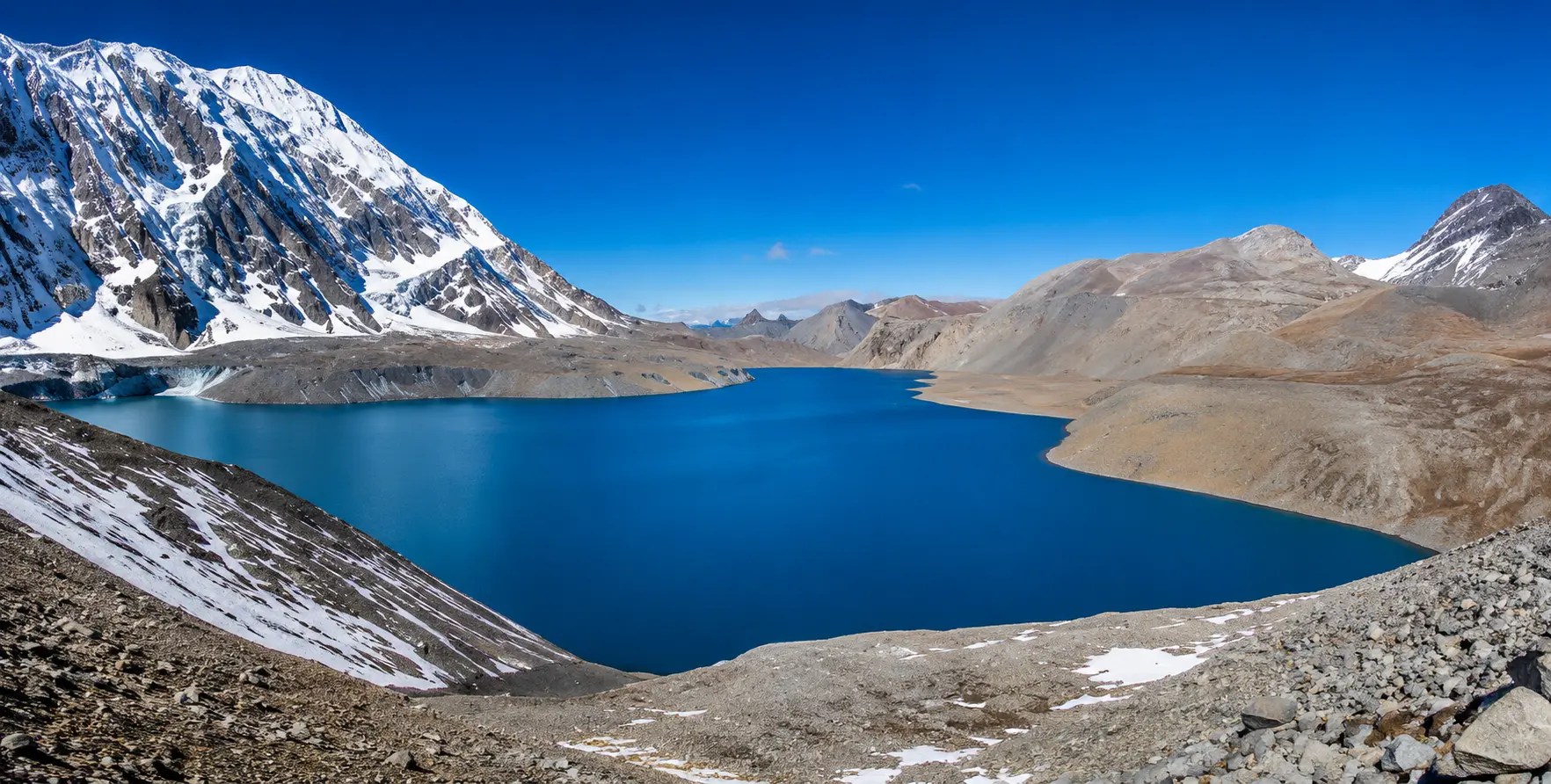
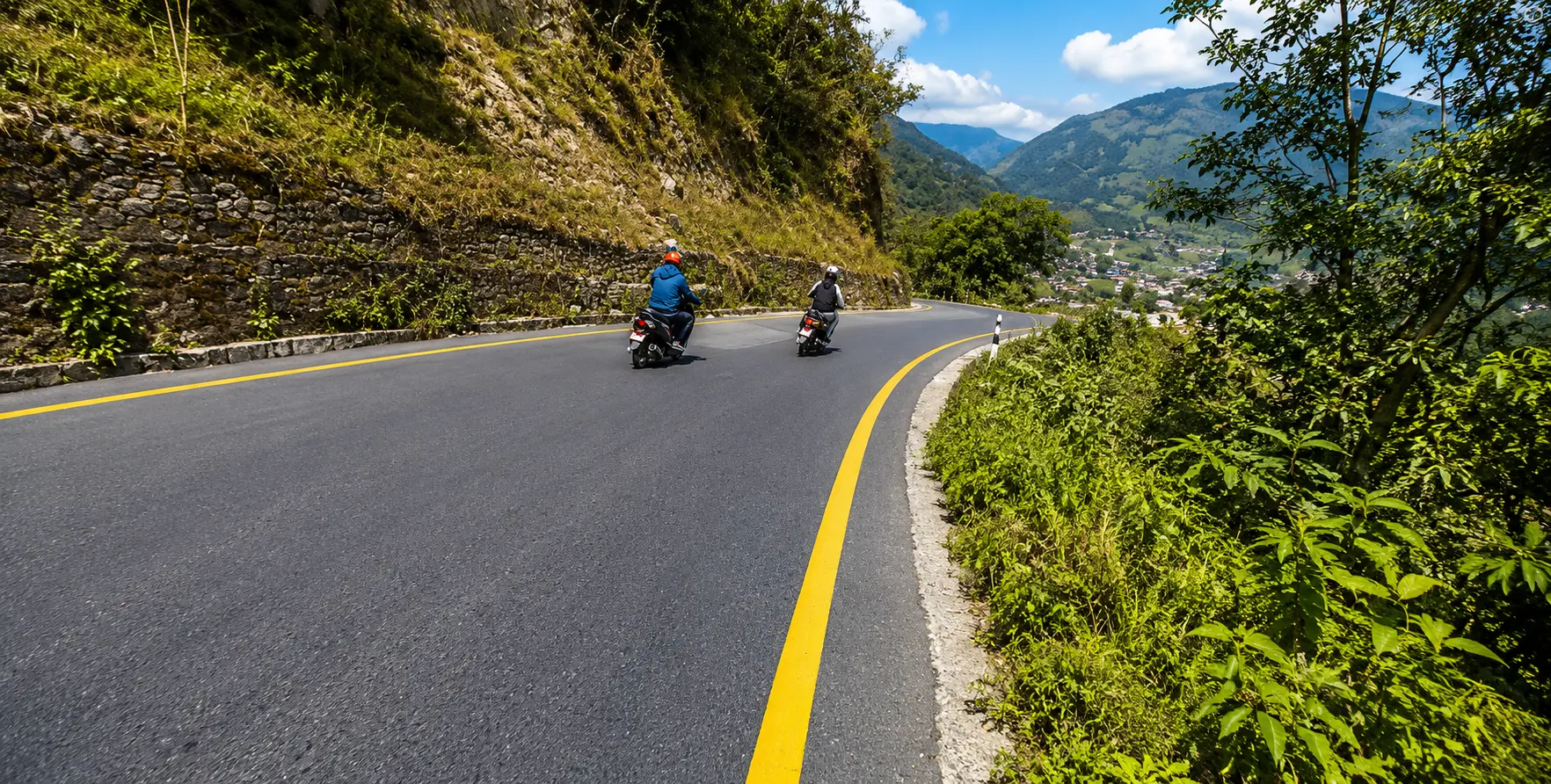
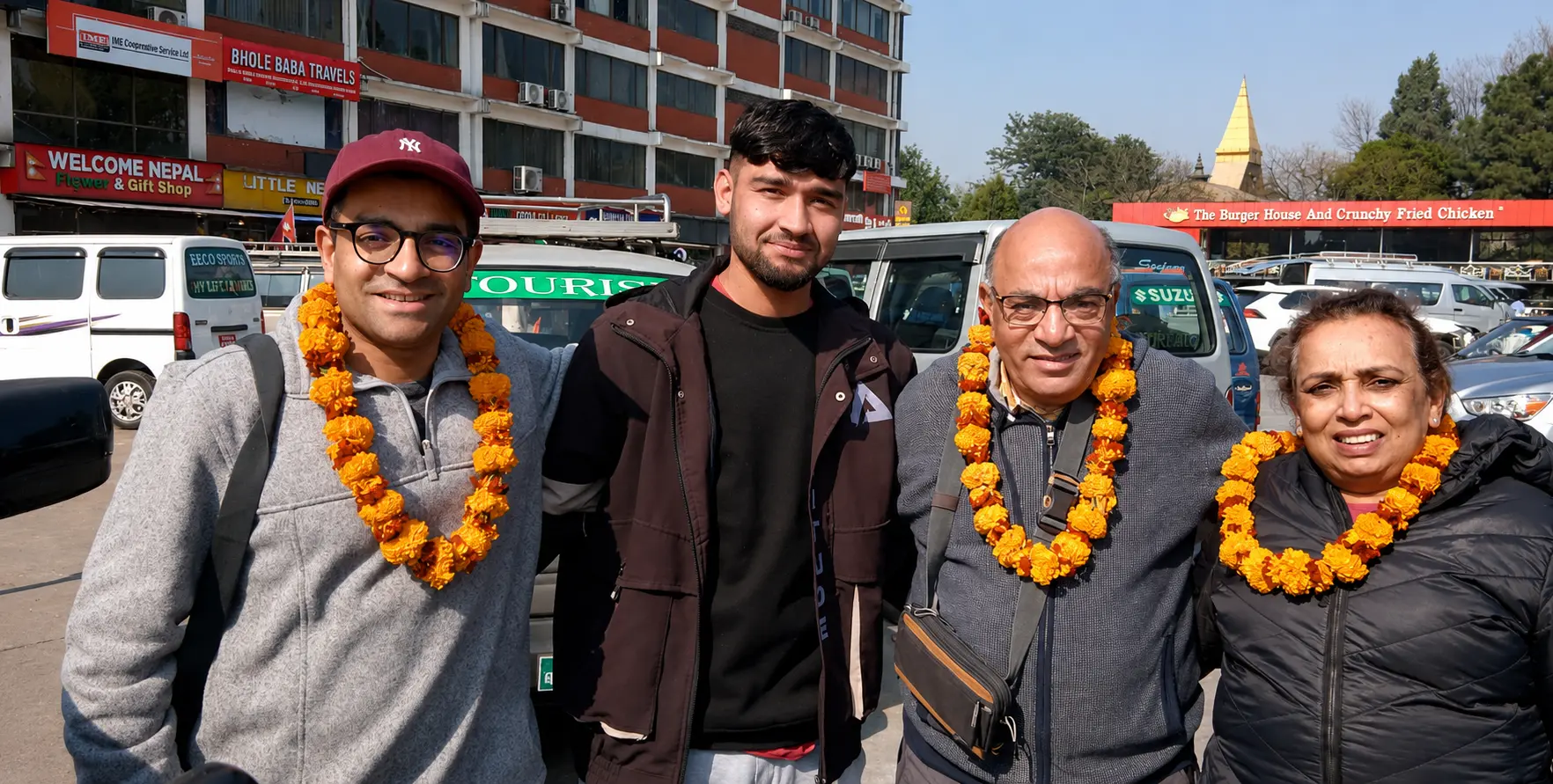
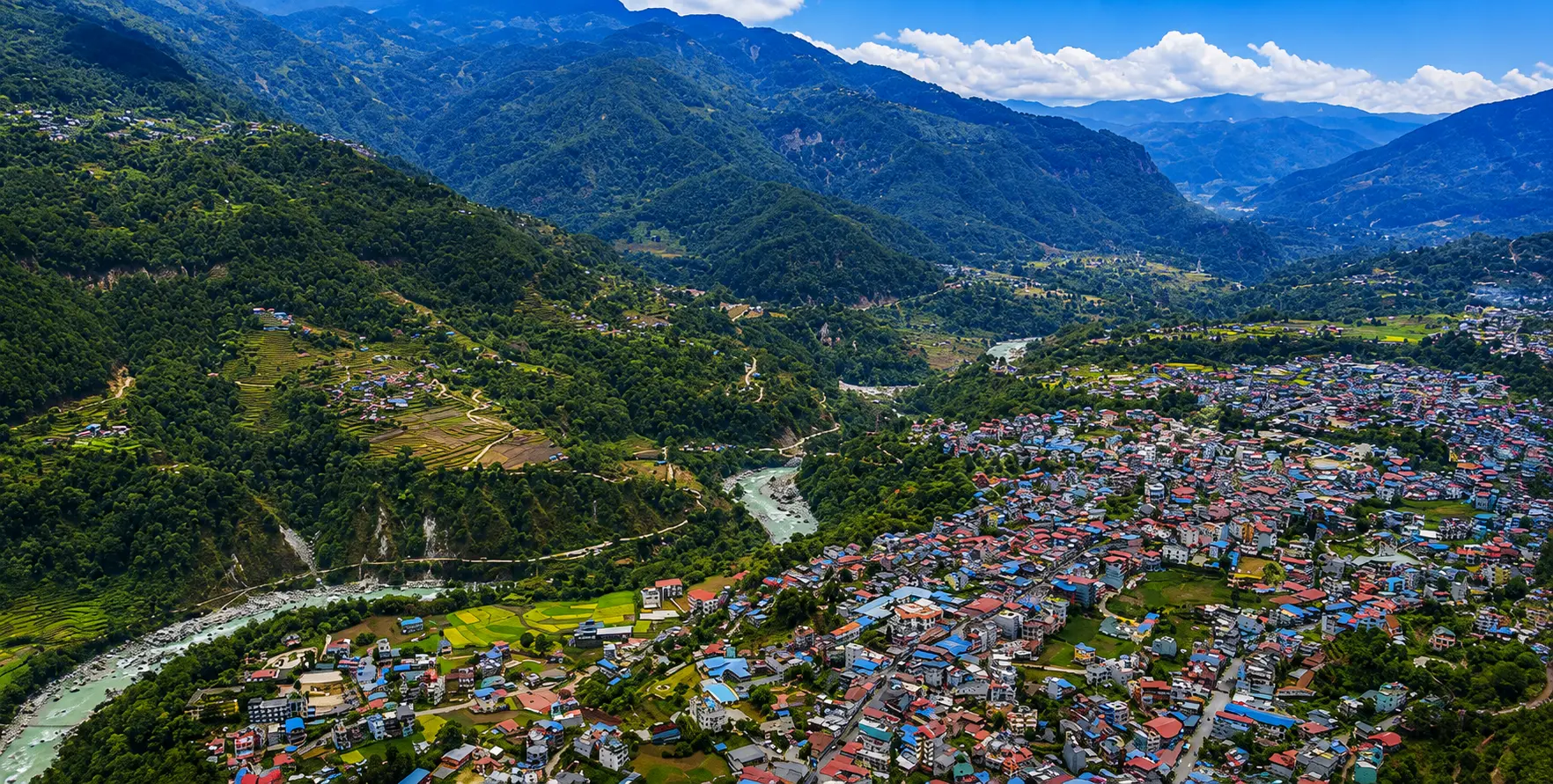
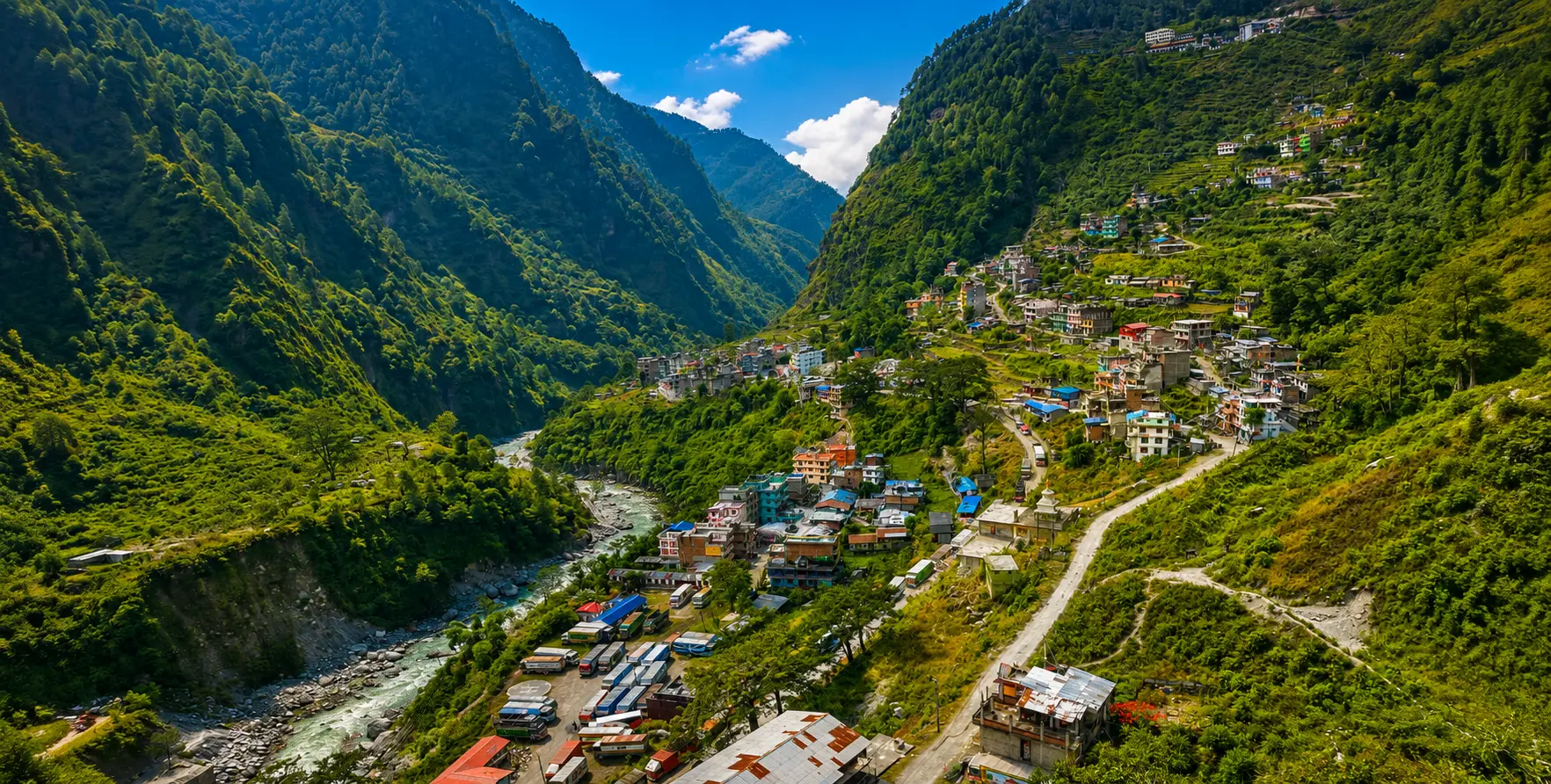
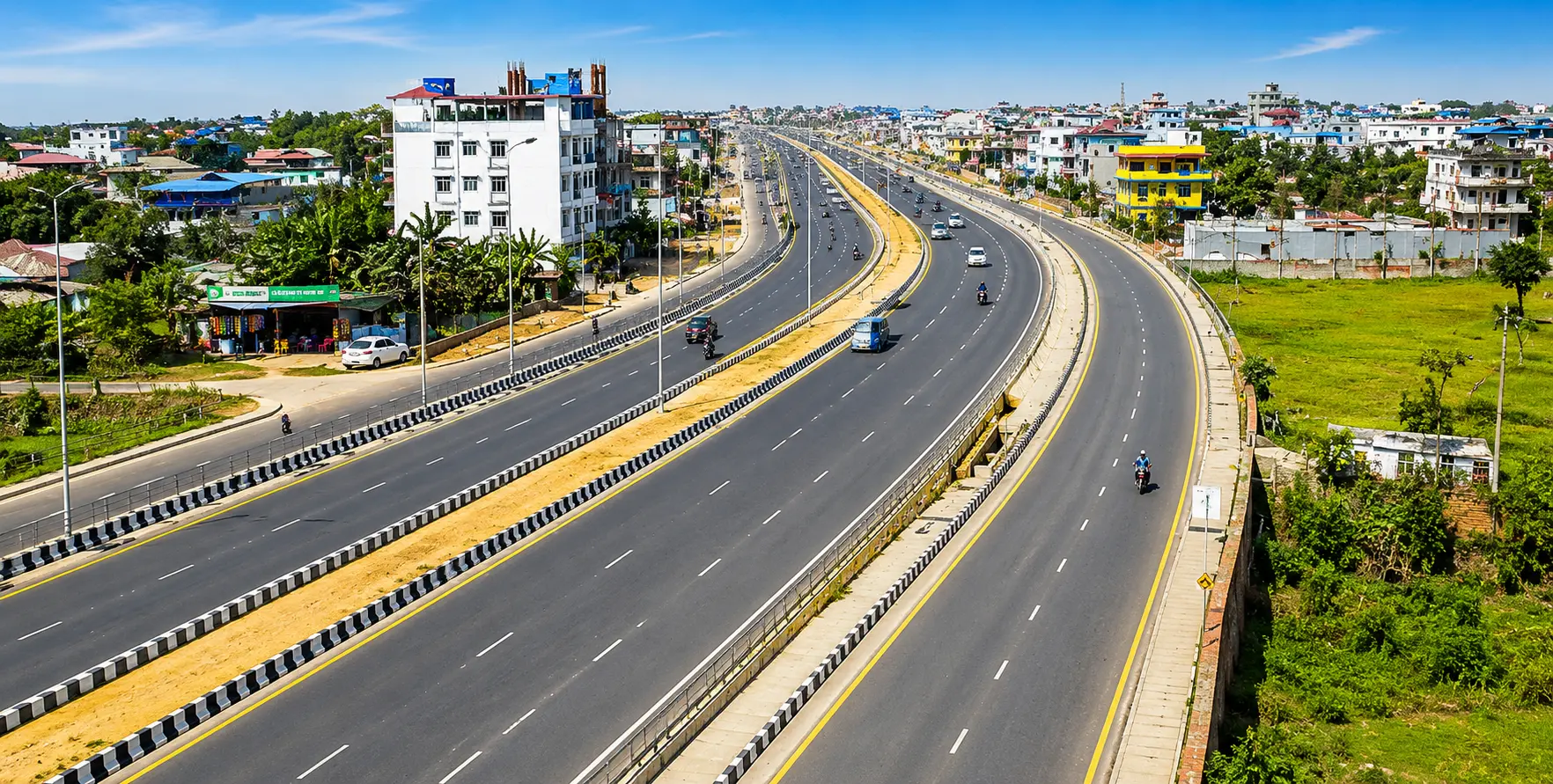
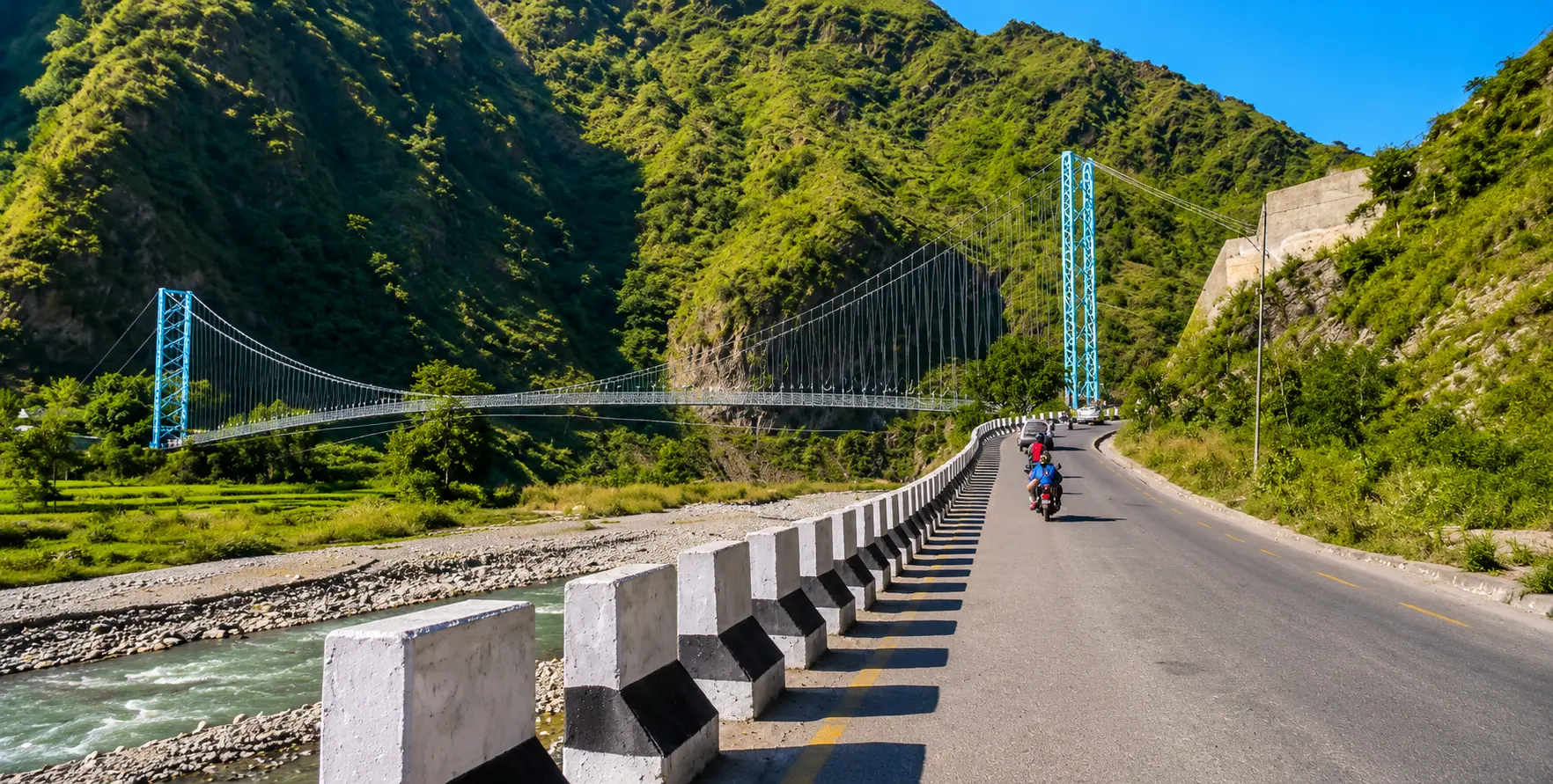
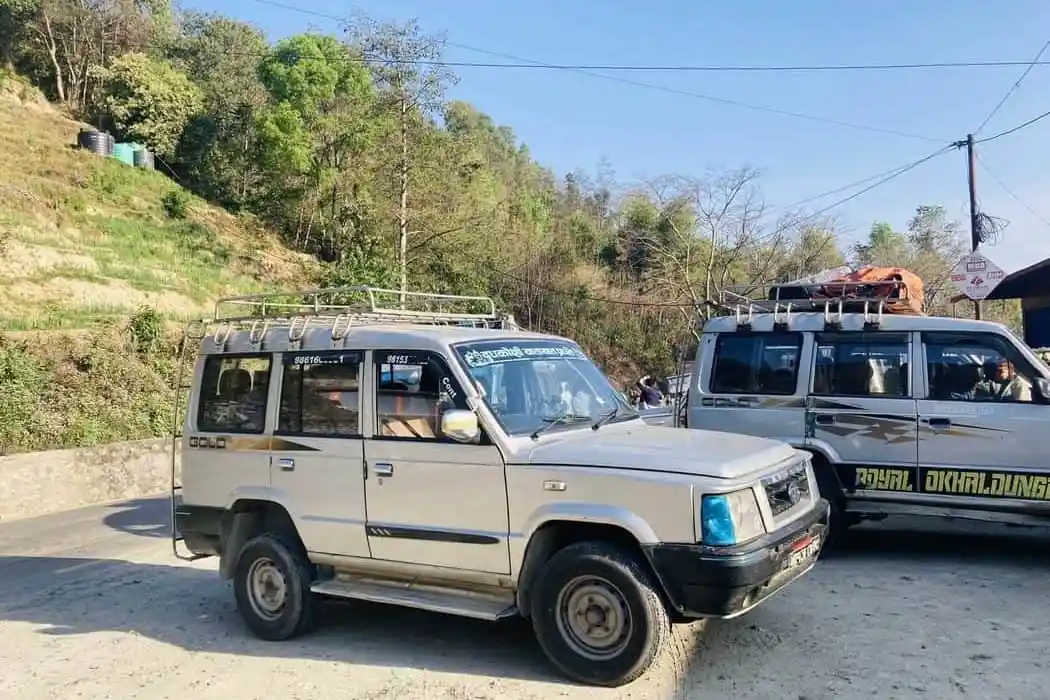
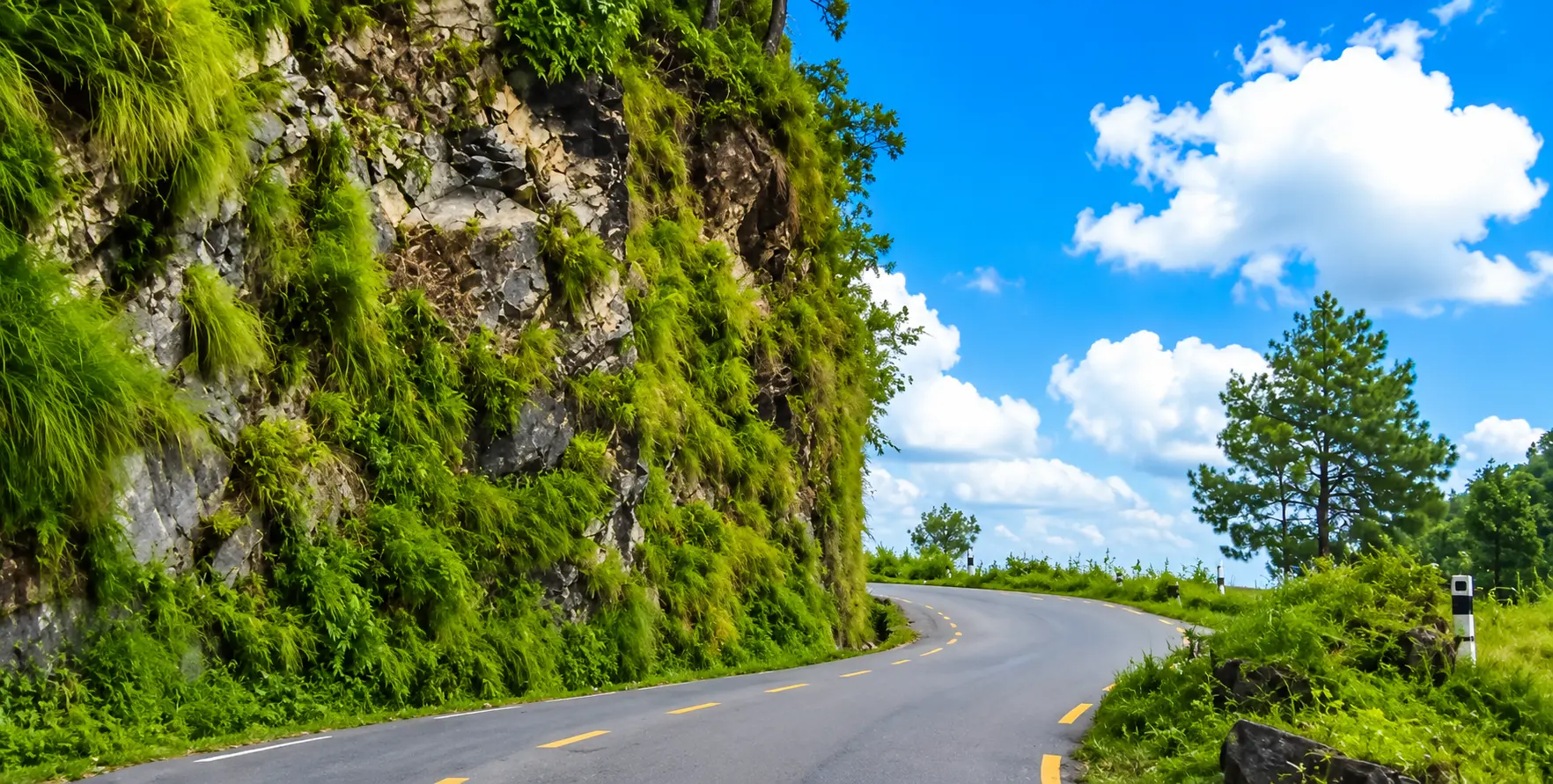
Current Kathmandu to Pokhara road condition via the Prithvi Highway – complete travel route for cars, jeeps, buses, and tourists.

The Prithvi Highway — Overview and Strategic Importance

Official Name: Prithvi Highway (B.P. Highway section connects at Naubise; Prithvi Highway properly begins from there)

Total Distance: Approximately 200 km from central Kathmandu (New Bus Park area) to Pokhara Lakeside

Classification: National Highway — Nepal’s primary westbound arterial road

Maintained by: Department of Roads (DoR), Nepal Government

Construction Year: Originally built 1968–1974 with Chinese assistance; progressively upgraded since

Key Intermediate Towns: Naubise, Malekhu, Mugling (midpoint junction), Damauli, Pokhara

Traffic Volume: One of Nepal’s highest-traffic roads — heavy truck, bus, and private vehicle mix

The Prithvi Highway serves not merely as a tourist corridor but as the economic lifeline connecting Pokhara, the Gandaki Province hill districts, and the western mountain regions to Kathmandu. Heavy goods vehicles carry cement, fuel, food, and construction materials westward in continuous convoys. Tourist buses and private vehicles fill the early morning departure windows.

Local buses connect the dozens of market towns along the route. Understanding the highway’s character — busy, paved, maintained but subject to ongoing construction and seasonal disruption — is the starting point for any realistic assessment of the 2026/27 journey.

Overall Road Condition Rating

Based on Nepal Vehicle Hiring driver assessments and current road department information, here is the overall 2026/27 condition snapshot for the Kathmandu to Pokhara highway:

Road SectionDistanceCondition Key IssueRating
Kathmandu → Naubise30 kmGoodKalanki–Naubise widening works ongoing in sections; some delays possible.★★★★☆
Naubise → Malekhu50 kmGood–Very GoodTrishuli gorge section generally well-maintained; minor landslide risk in monsoon.★★★★☆
Malekhu → Mugling30 kmGoodSome rough patches post-monsoon; repair works frequent★★★★☆
Mugling → Dumre45 kmVery GoodMarsyangdi valley road — widening completed in most sections; smooth driving★★★★★
Dumre → Damauli25 kmGoodMostly paved and smooth; some road works in 2026 near Bimalnagar★★★★☆
Damauli → Pokhara40 kmGood–Very GoodBest section of the highway; wide, well-paved, fast driving★★★★★
OVERALL KTM → POKHARA200 kmGoodFully paved throughout 2026/27; no unpaved sections★★★★☆

The bottom line: the Kathmandu to Pokhara Prithvi Highway is fully paved throughout and generally in good to very good condition. It is a reliable, manageable journey for any standard vehicle in any season.

The main concerns are the ongoing road-widening works near Kathmandu, the post-monsoon rough patches in the Trishuli Gorge section, and the standard monsoon landslide risk on the Naubise to Mugling Gorge corridor. None of these represents serious obstacles for a properly planned journey with an experienced driver.

Section-by-Section Condition Detail

Section 1: Kathmandu to Naubise (30 km | 45–60 min)

Road Status: Paved; road widening and improvement works ongoing in several sections

Key Challenge: Kalanki to Thankot and Thankot to Naubise — active road widening project creating some single-lane working and temporary surface irregularities

Traffic Factor: Heaviest traffic congestion of the entire journey; Kathmandu ring road exit and Kalanki junction are bottlenecks at peak hours
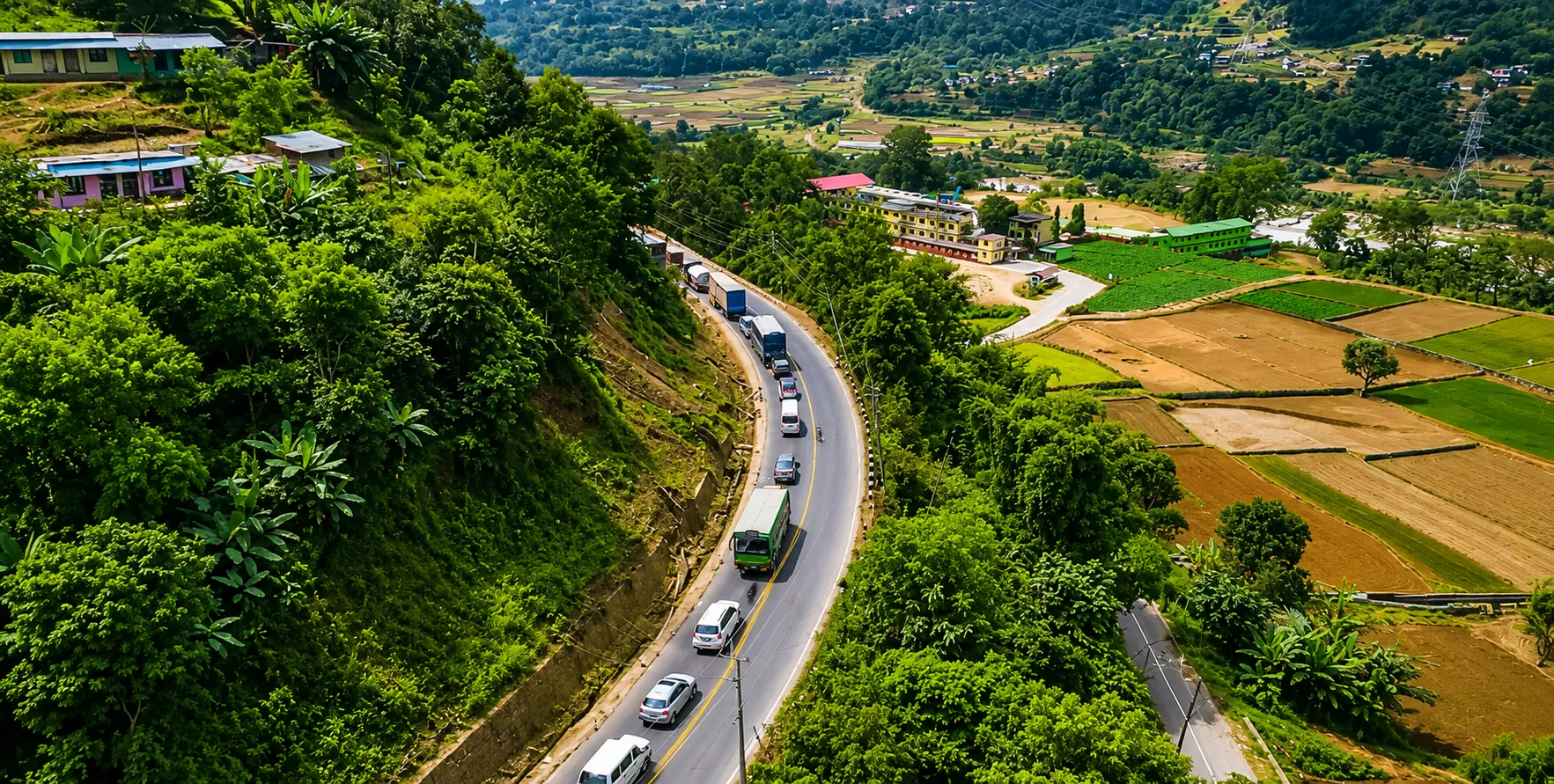
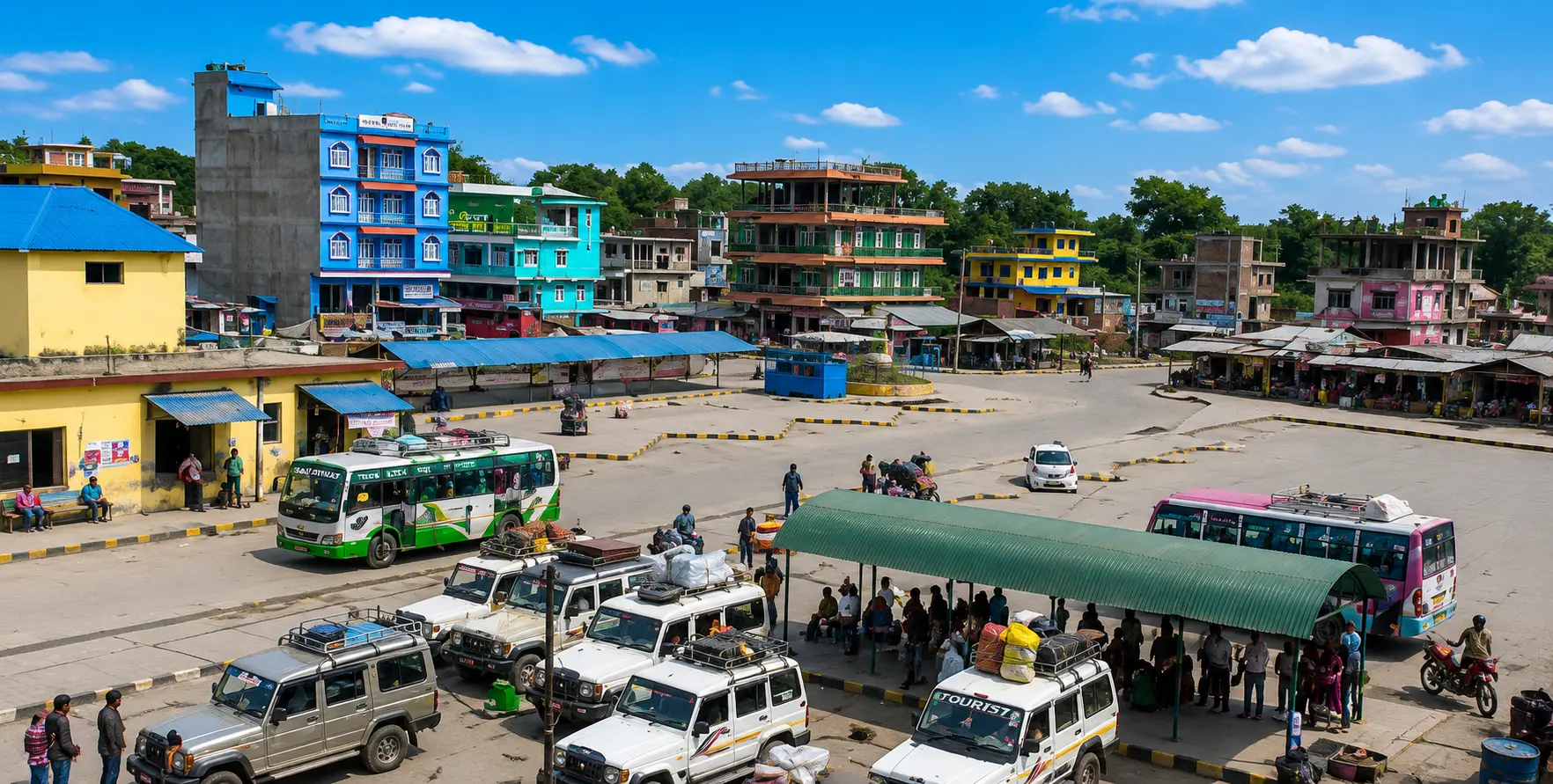
Current Kathmandu to Pokhara road condition via the Prithvi Highway – complete travel route for cars, jeeps, buses, and tourists.

The first 30 km from Kathmandu to Naubise is consistently the most time-unpredictable section of the entire journey. The road climbs from the Kathmandu Valley through the Chandragiri hills to Naubise — a gradient section that has been subject to significant road widening works as part of the ongoing Prithvi Highway improvement project.

In this section, parts are under active construction with temporary single-lane operation and compacted sub-base surfaces rather than final asphalt in places.

Traffic at Kalanki junction — the main southwestern exit from Kathmandu’s ring road — is consistently the worst bottleneck on the entire Pokhara route. Rush hour (7:00–9:00 AM and 5:00–7:00 PM) can add 30 to 45 minutes to this section alone.

The standard Vehicle Hiring Nepal departure time of 6:00–7:00 AM is specifically chosen to clear the Kalanki junction before the morning rush builds. A 5:30 AM departure is even better during peak trekking season.

Improvement Note: The Thankot to Naubise section road widening is expected to be substantially completed in the second half of 2026, which will significantly improve this section’s condition and flow. Check with Vehicle Hiring Nepal at the time of booking for the current construction status.

Section 2: Naubise to Malekhu (50 km | 1 hr 10 min – 1 hr 30 min)

Road Status 2: Paved throughout; generally good condition

Scenic Rating: Highest of the entire journey — Trishuli River gorge driving

Key Challenge: Post-monsoon debris and minor slides on the gorge sections; narrow sections near the river
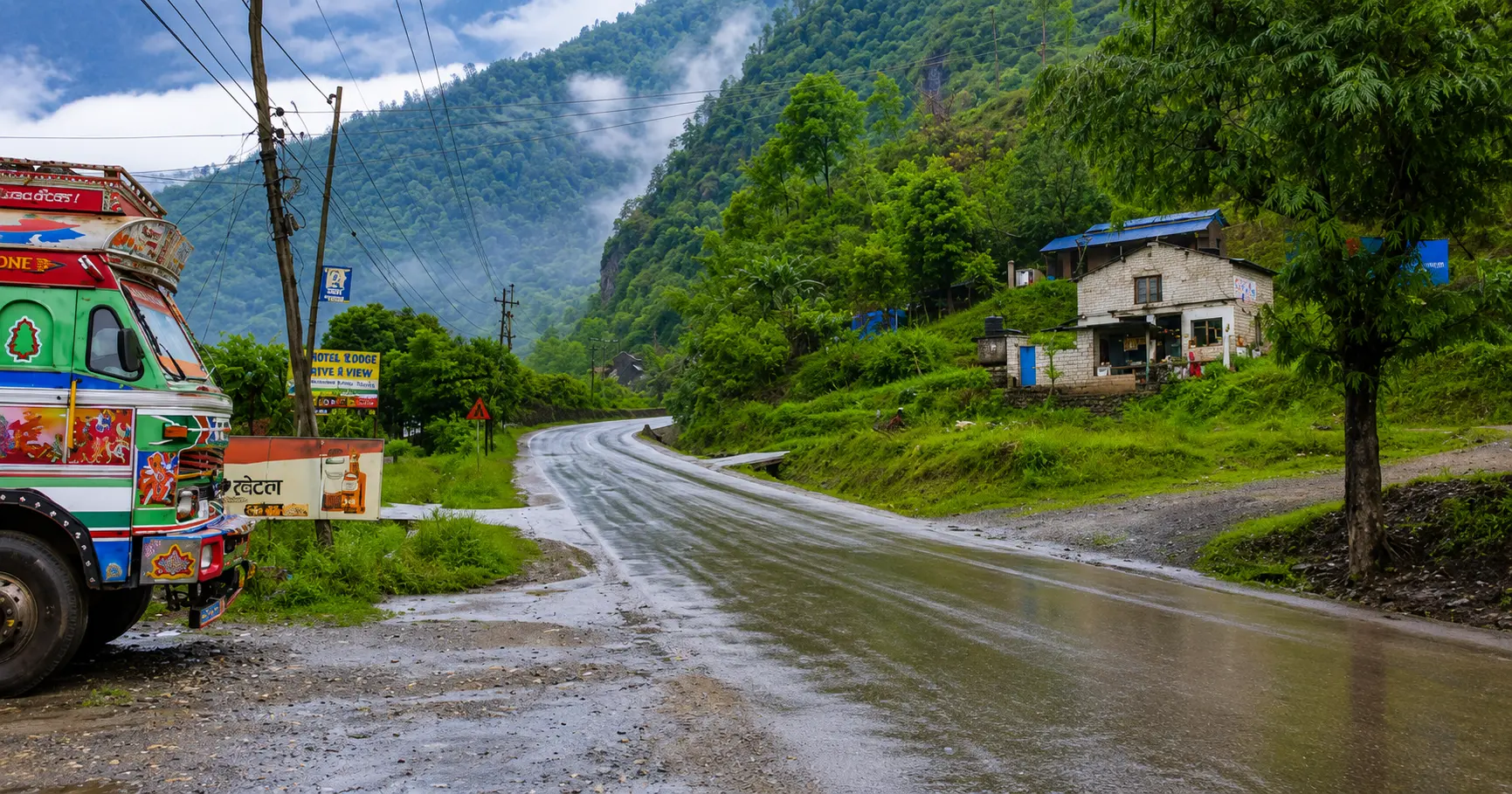
Kathmandu to Pokhara Road Condition Overview

From Naubise, the road descends dramatically into the Trishuli River gorge — the most scenically spectacular section of the entire Kathmandu to Pokhara drive. The road follows the Trishuli’s right bank through a narrow, forested gorge, with the river running green and powerful below on the left side of the vehicle.

Vehicle construction over the past decade has heavily affected this section, and the road is much improved but remains gorge-constrained.

The primary risks in this section are monsoon-related. The gorge walls above the road are subject to regular small rockfalls and debris flows during and after heavy rain. The Department routinely clears the road, and major blockages are unusual outside of severe weather events.

The asphalt surface is in good condition, with some rough patches near Malekhu where repaving has created uneven transitions.

Malekhu town, approximately 80 km from Kathmandu, is the traditional first rest stop on the Pokhara journey. The roadside restaurants here are known throughout Nepal for fresh Trishuli River fish—a speciality that has made Malekhu a standard lunch stop for generations of Kathmandu-Pokhara travellers. A 20-minute tea or breakfast stop at Malekhu is built into most Vehicle Hiring Nepal Pokhara journey schedules.

Section 3: Malekhu to Mugling (30 km | 35–45 min)

Road Status: Paved; good condition with post-monsoon repair works in progress

Key Feature: Approach to the Mugling junction — the midpoint of the entire journey
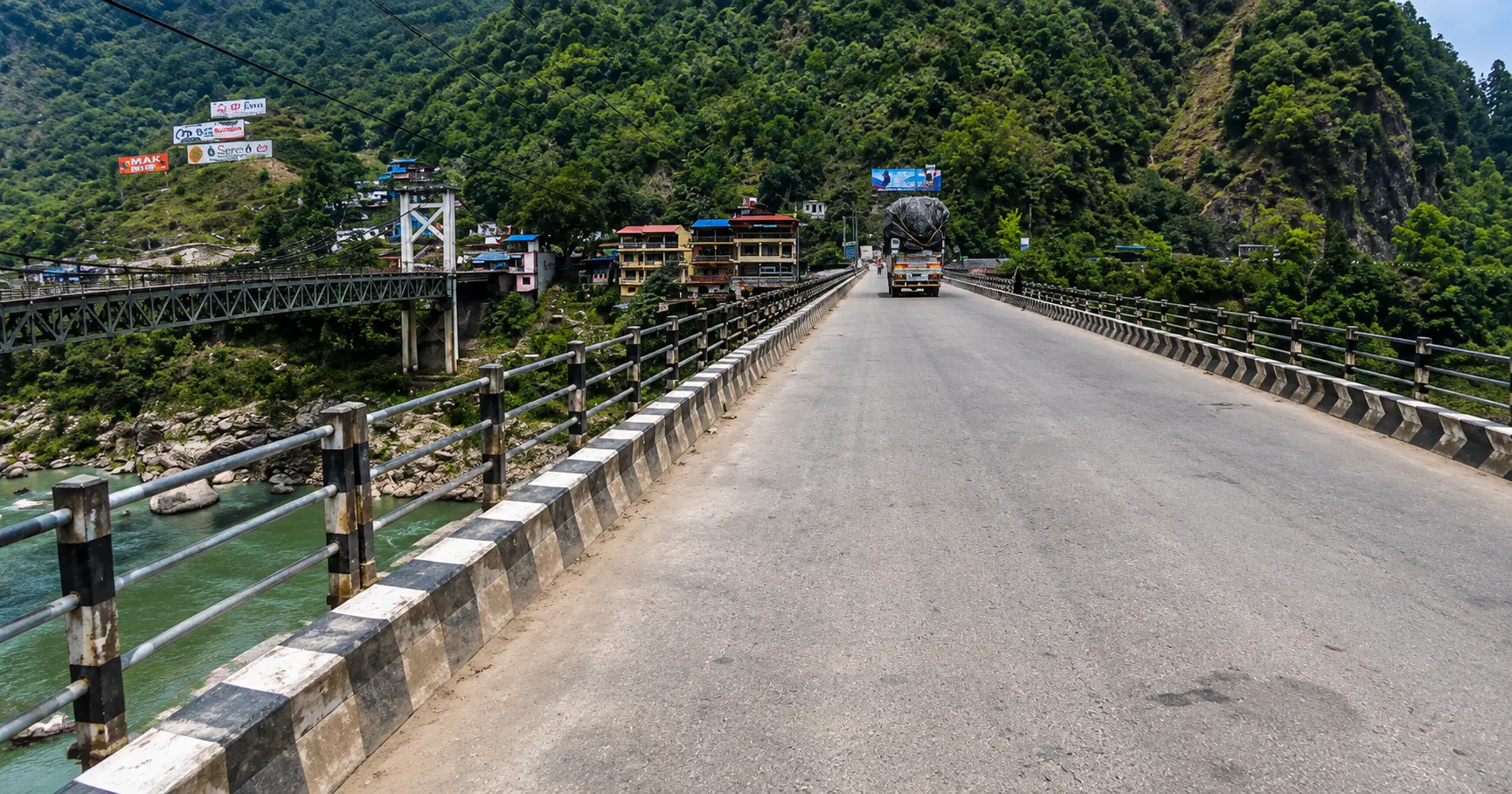
Kathmandu to Pokhara Road Condition Overview

The road continues west through the deepening Trishuli gorge from Malekhu to Mugling. The river remains the constant companion on the left side of the road, and this section retains the dramatic gorge character of the previous section but with a slightly wider road in most places.

Some rough patches in this section reflect the ongoing cycle of monsoon damage and repair that characterises Nepal’s gorge roads — the DoR patches these annually, and the condition is functional but not glass-smooth throughout.

Mugling junction — at the confluence of the Trishuli and Marsyangdi rivers, approximately 110 km from Kathmandu — is the geographical and logistical midpoint of the journey. The Prithvi Highway turns northwest up the Marsyangdi valley toward Pokhara, while a branching road continues north toward Besisahar and the Annapurna Circuit.

Mugling is the universally standard lunch stop — a busy river junction town with dozens of roadside restaurants. Budget 30 to 45 minutes here; it is the longest planned stop of the journey and the best opportunity for a proper meal.

Section 4: Mugling to Dumre (45 km | 50 min – 1 hr)

Road Status: Very good — this is the best-maintained and most recently improved section of the highway

Key Feature: Marsyangdi River valley road; recently widened in many sections
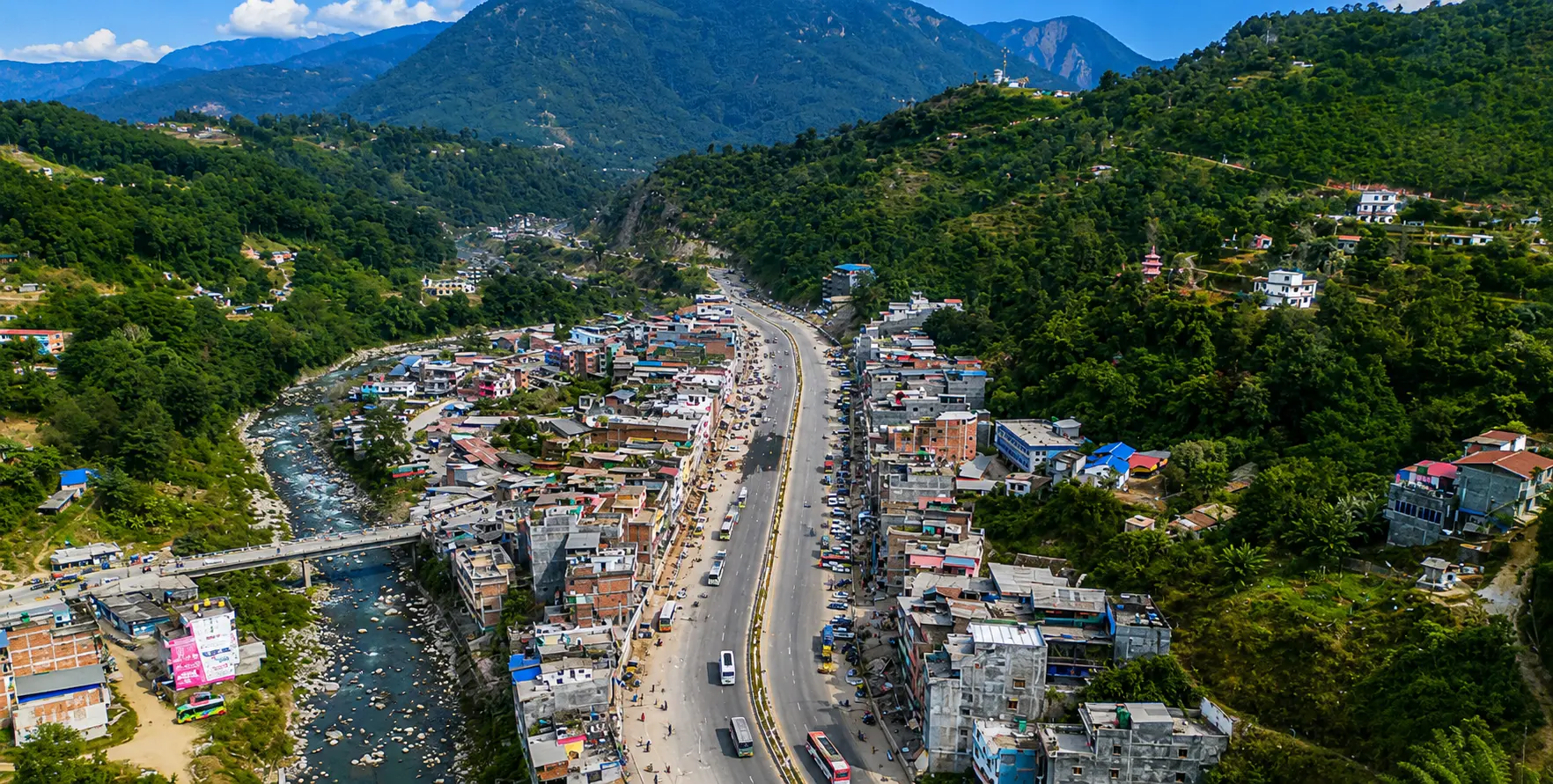
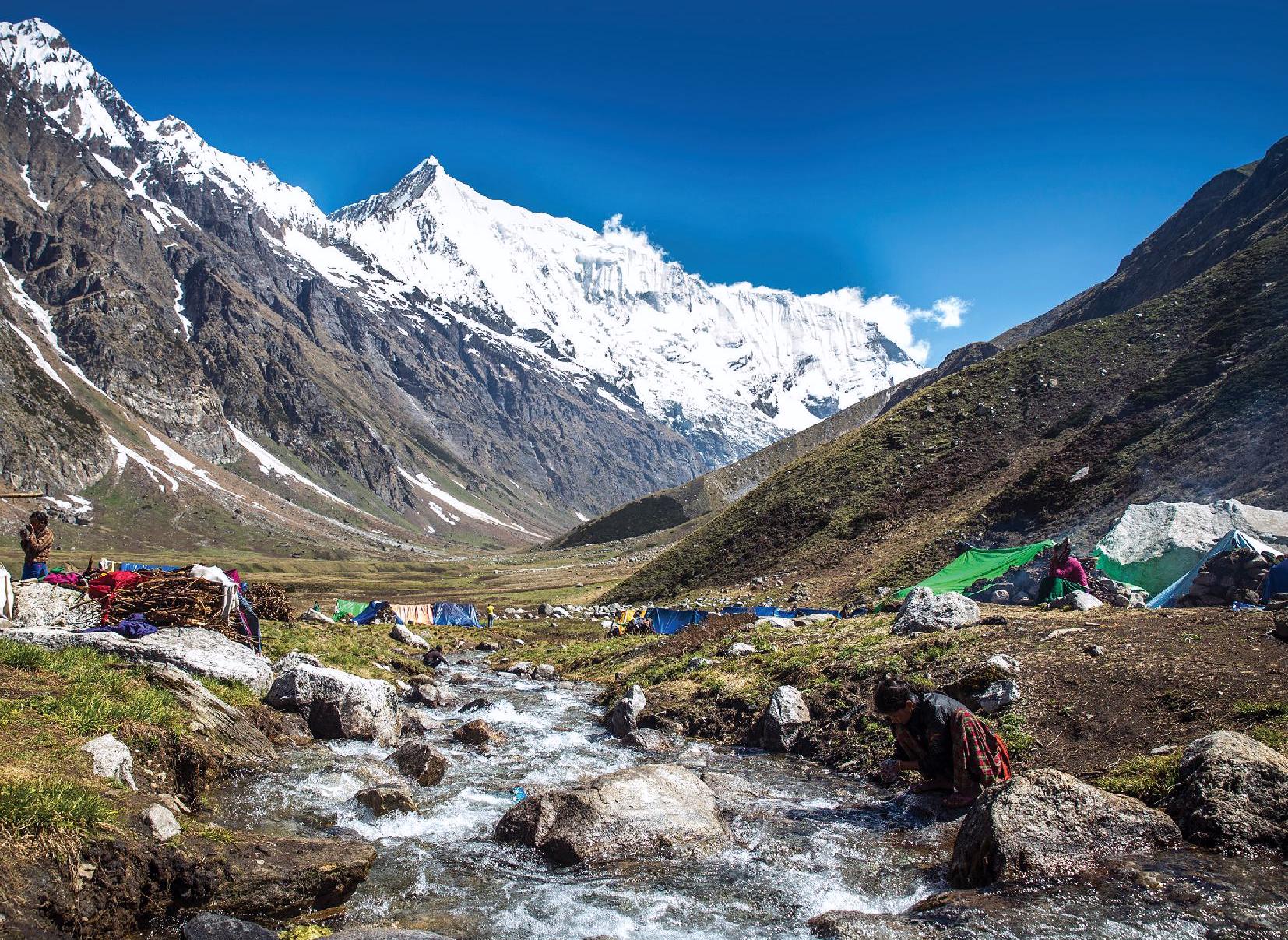
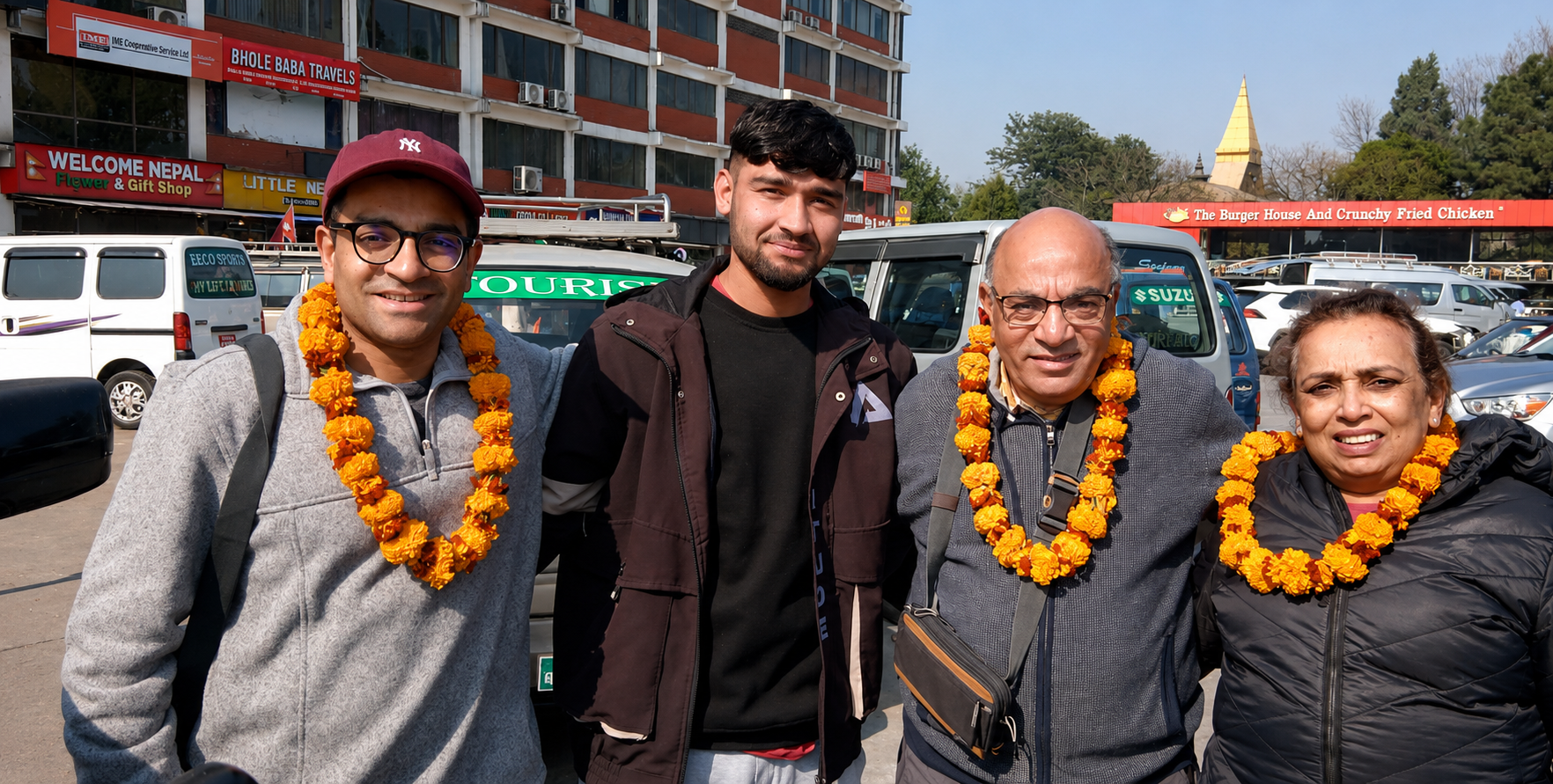
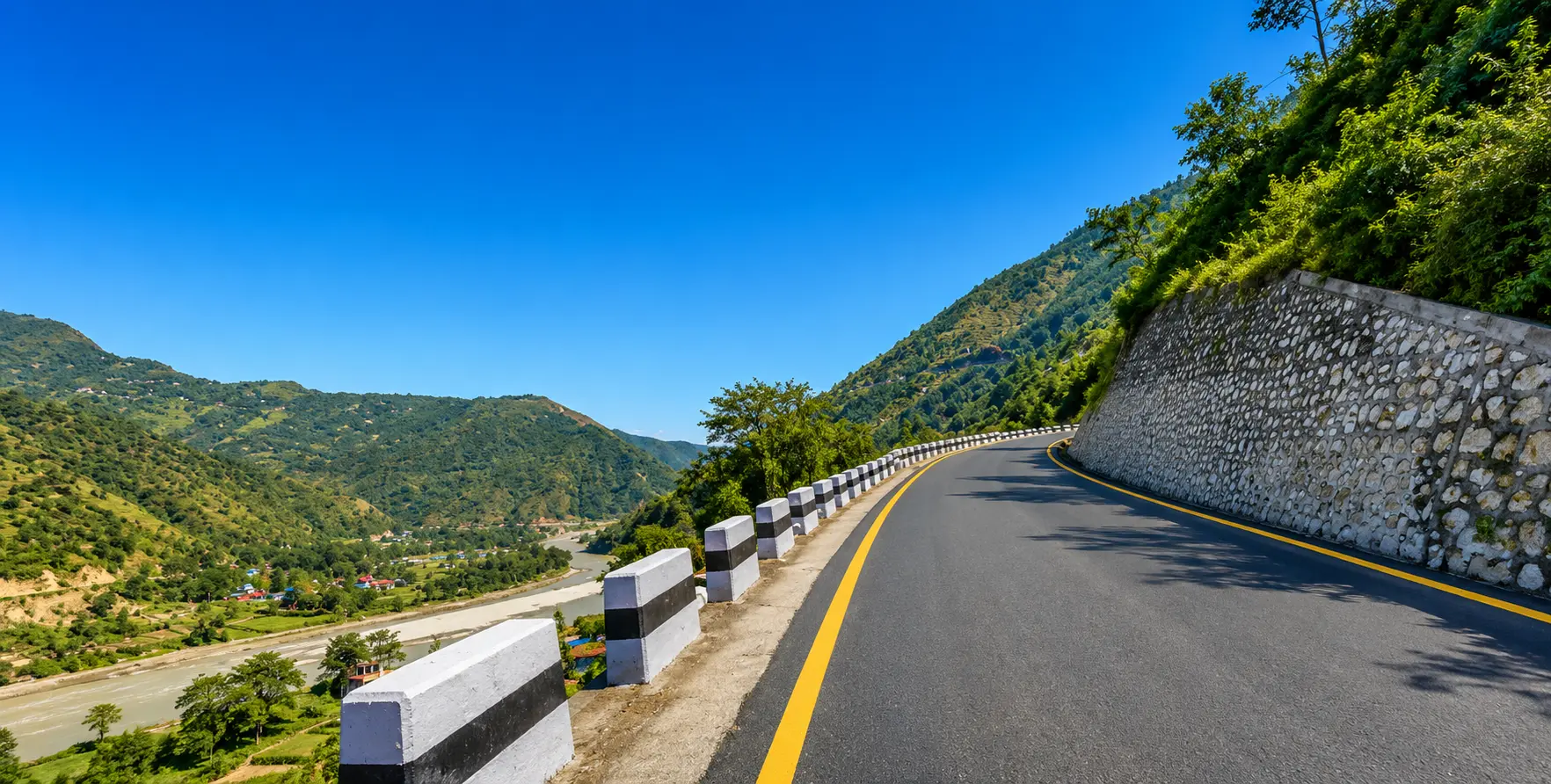
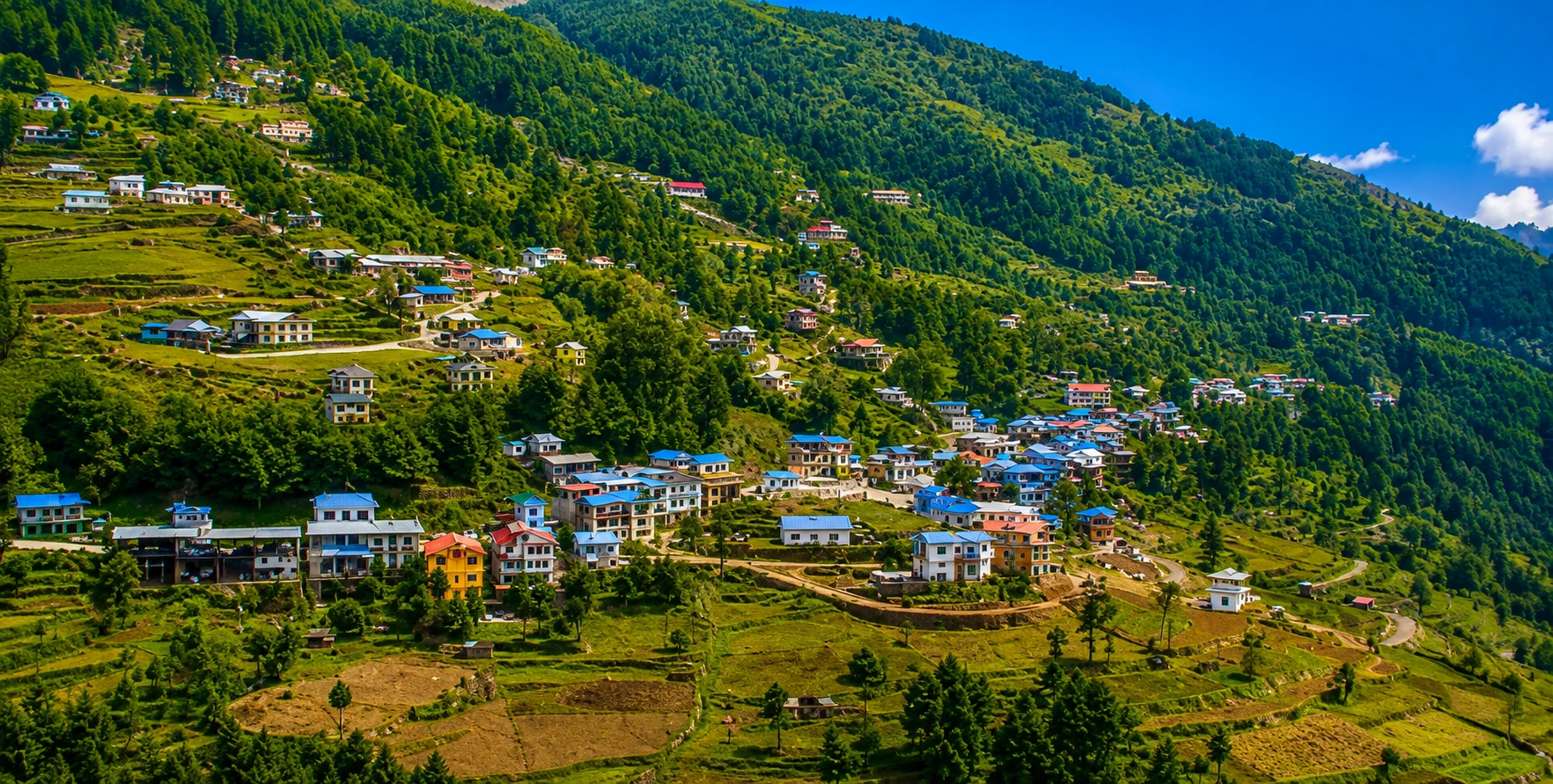
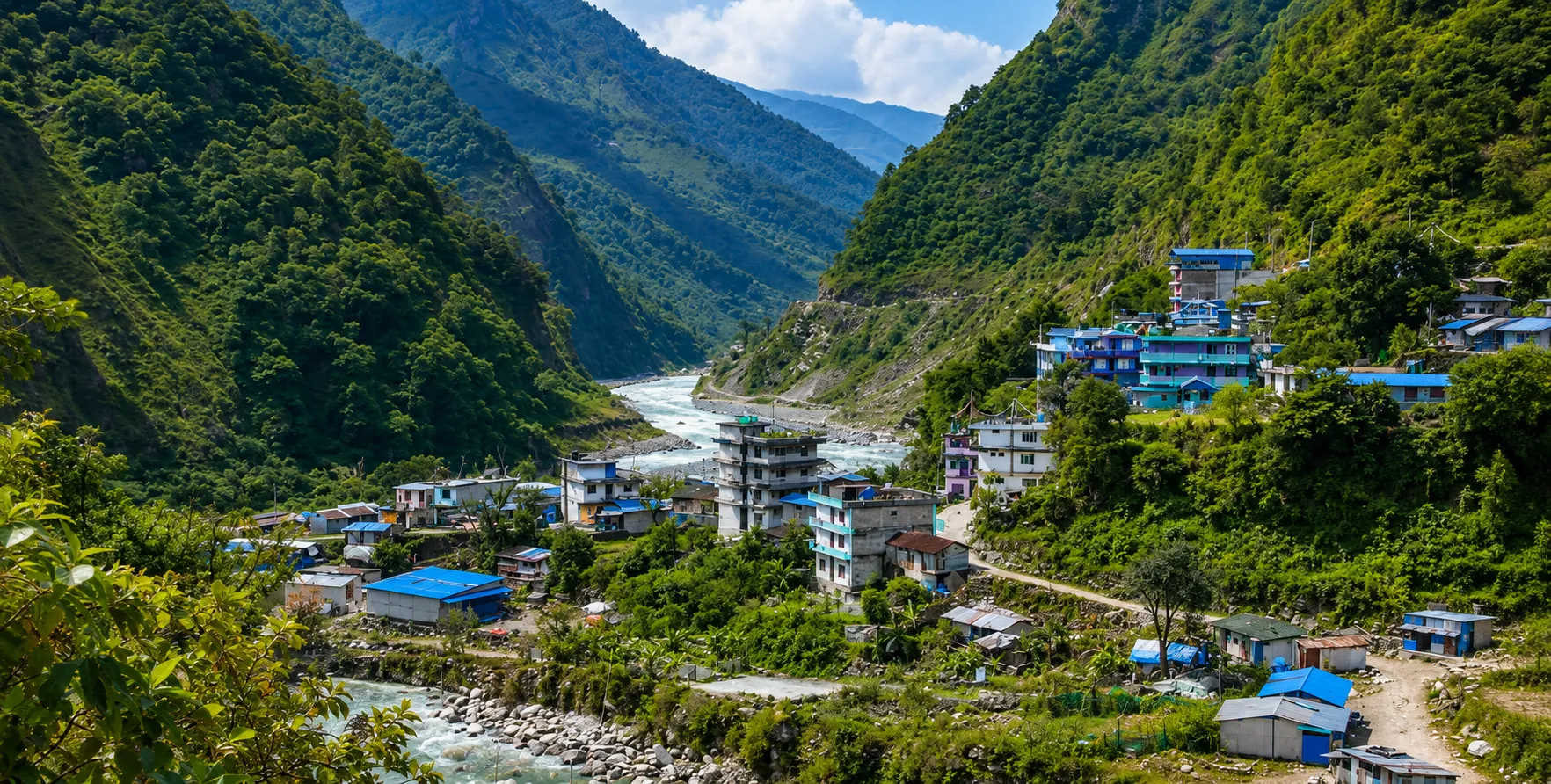
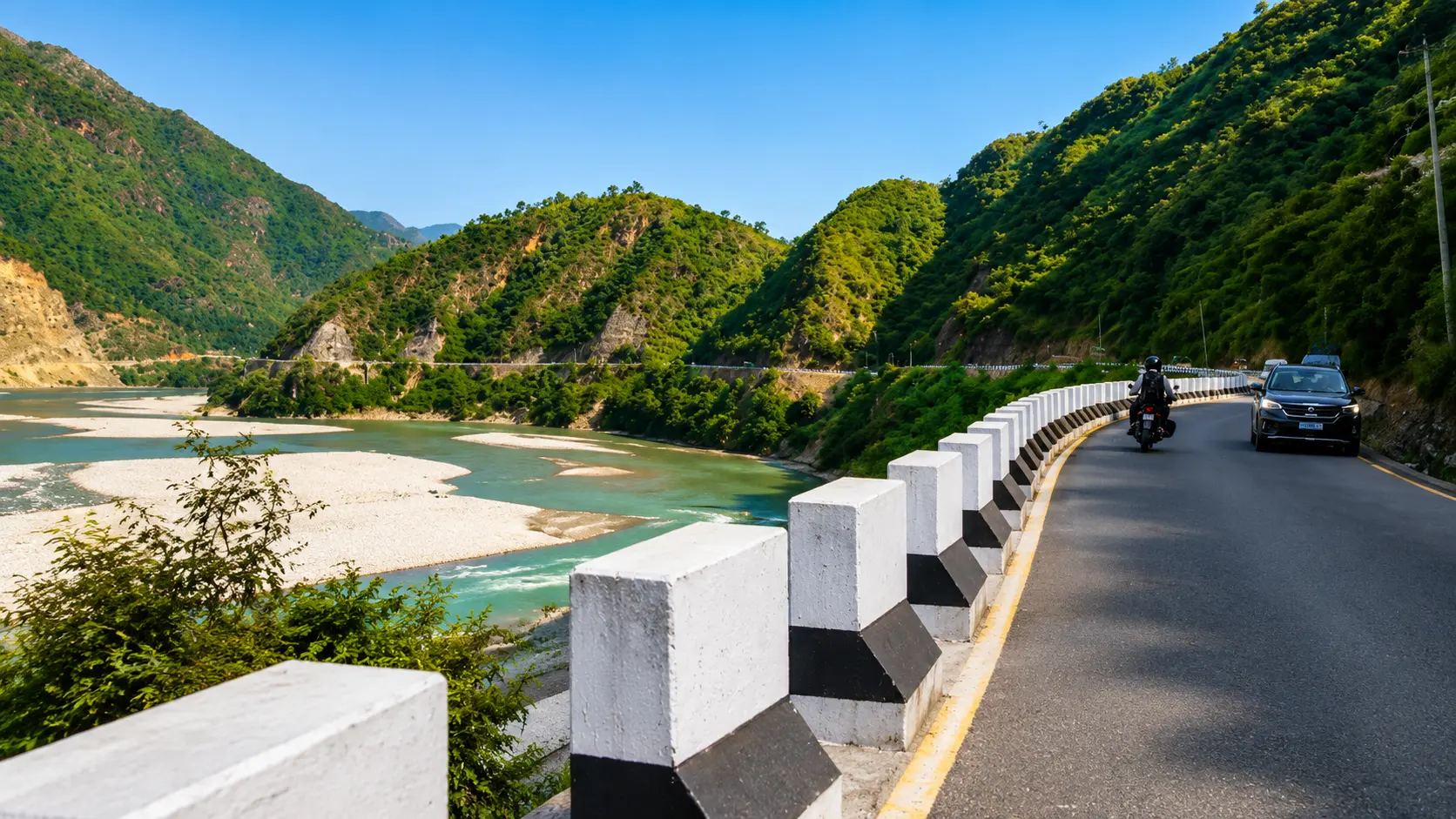
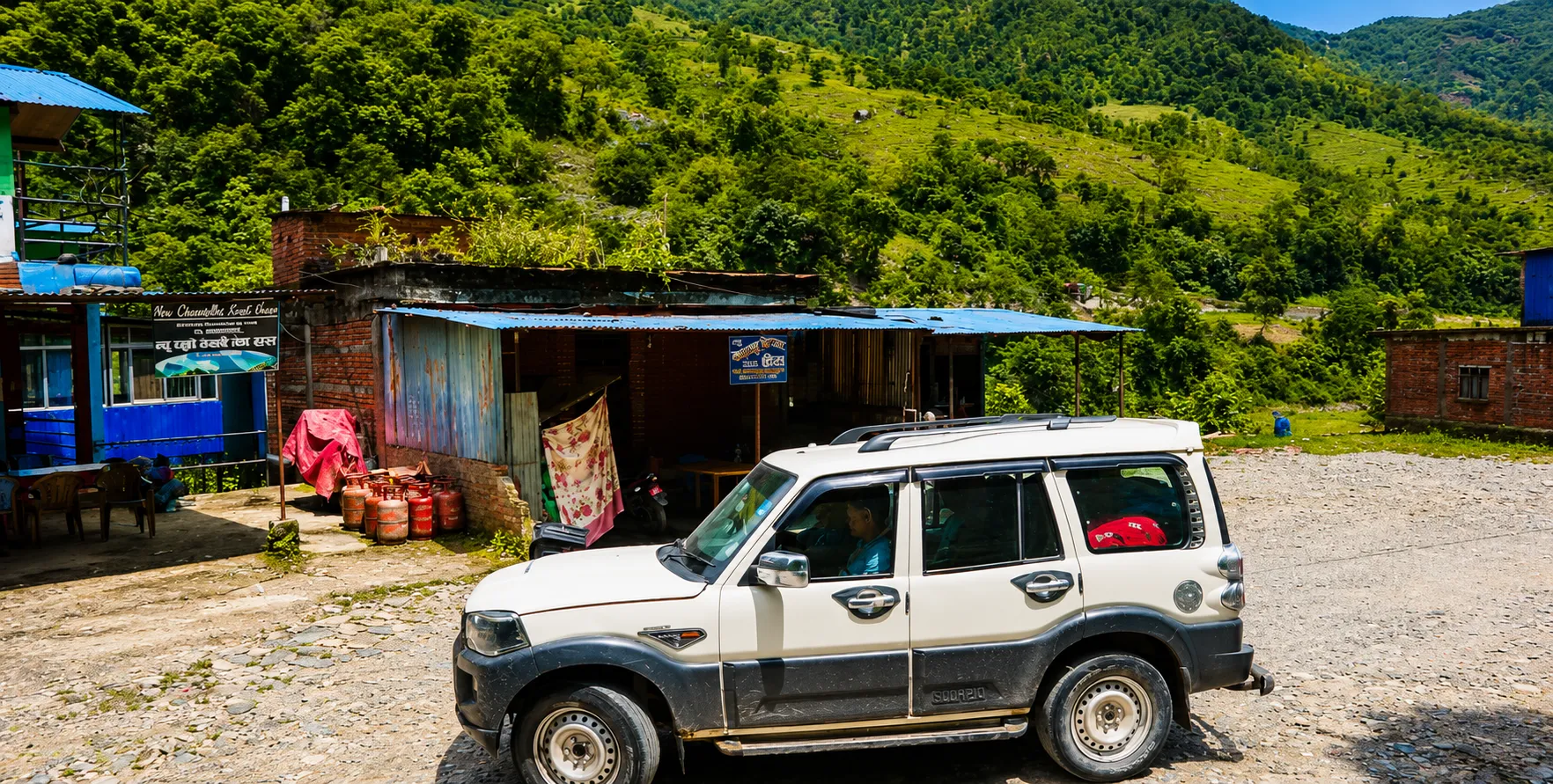
Kathmandu to Pokhara road conditions along the Prithvi Highway, with mountain scenery, rivers, and tourist vehicles in Nepal.

From Mugling, the road turns northwest along the Marsyangdi River valley — the most recently improved section of the Prithvi Highway and is noticeably better than the gorge sections behind. The road has been widened to near-double-lane standard in several sections along this stretch, and the asphalt surface is in good to very good condition.

Traffic moves quickly here; this is where a private vehicle makes up time lost in Kathmandu traffic and the Trishuli Gorge sections.

Dumre is the junction town for the Besisahar road heading north toward the Annapurna Circuit. For travellers heading to Pokhara, Dumre is simply a brief visual landmark — the junction is clearly marked, and your driver turns left (continuing west) without stopping.

Section 5: Dumre to Damauli (25 km | 30–35 min)

Road Status: Good; some road works near Bimalnagar in 2026

Key Feature: Approach to the Gandaki district; road becomes wider and flatter

From Dumre,e the road continues northwest through flatter valley terrain. Damauli is the district headquarters of Tanahun District and a pleasant hilltop town with views over the Seti and Madi river confluence. In 2026, construction near Bimalnagar may cause brief single-lane sections—check with Vehicle Hiring Nepal for the current status.

Beyond these works, the road is good quality, and the approach to Damauli offers the first distant views of the Annapurna range on clear mornings.
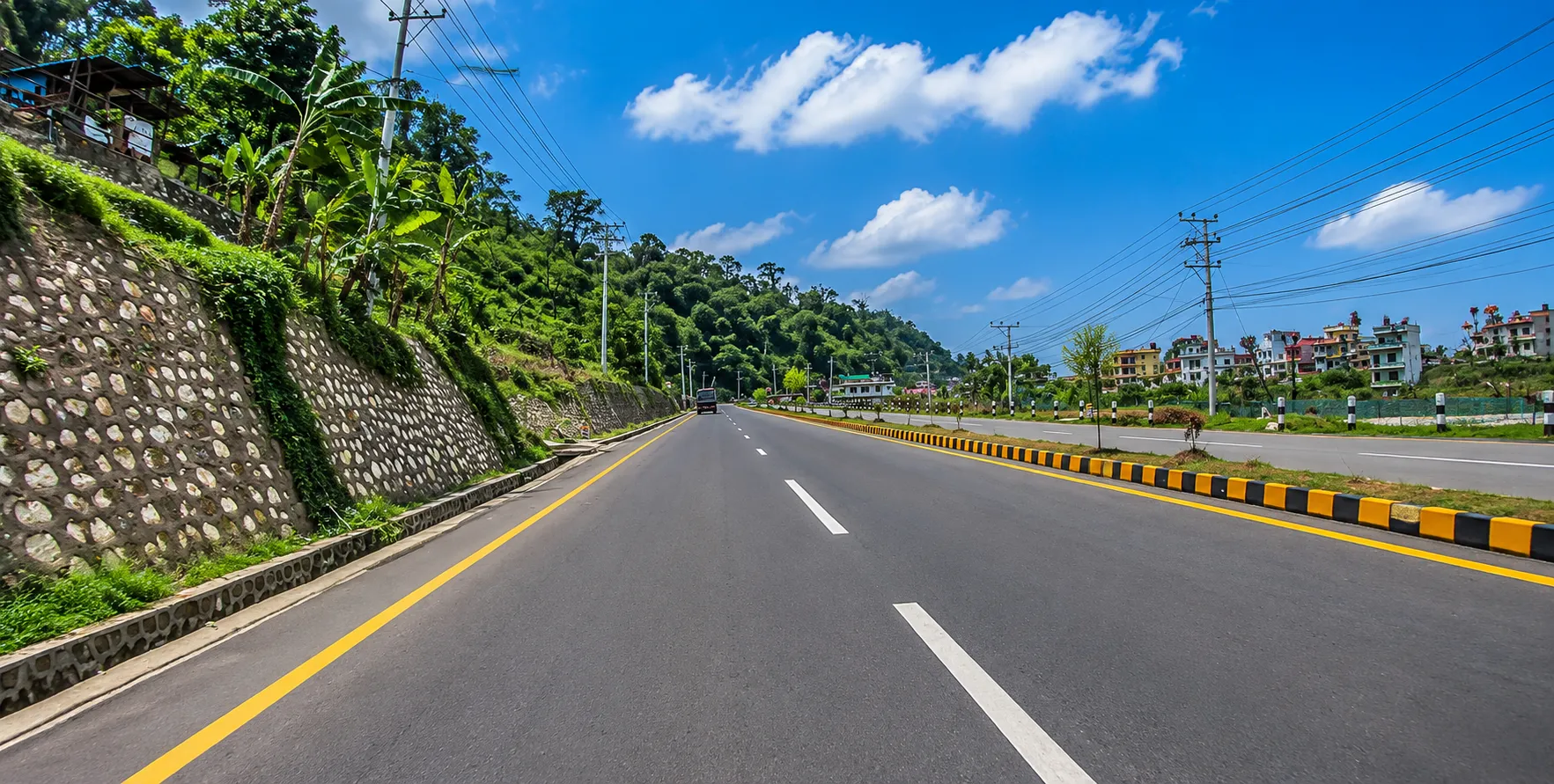
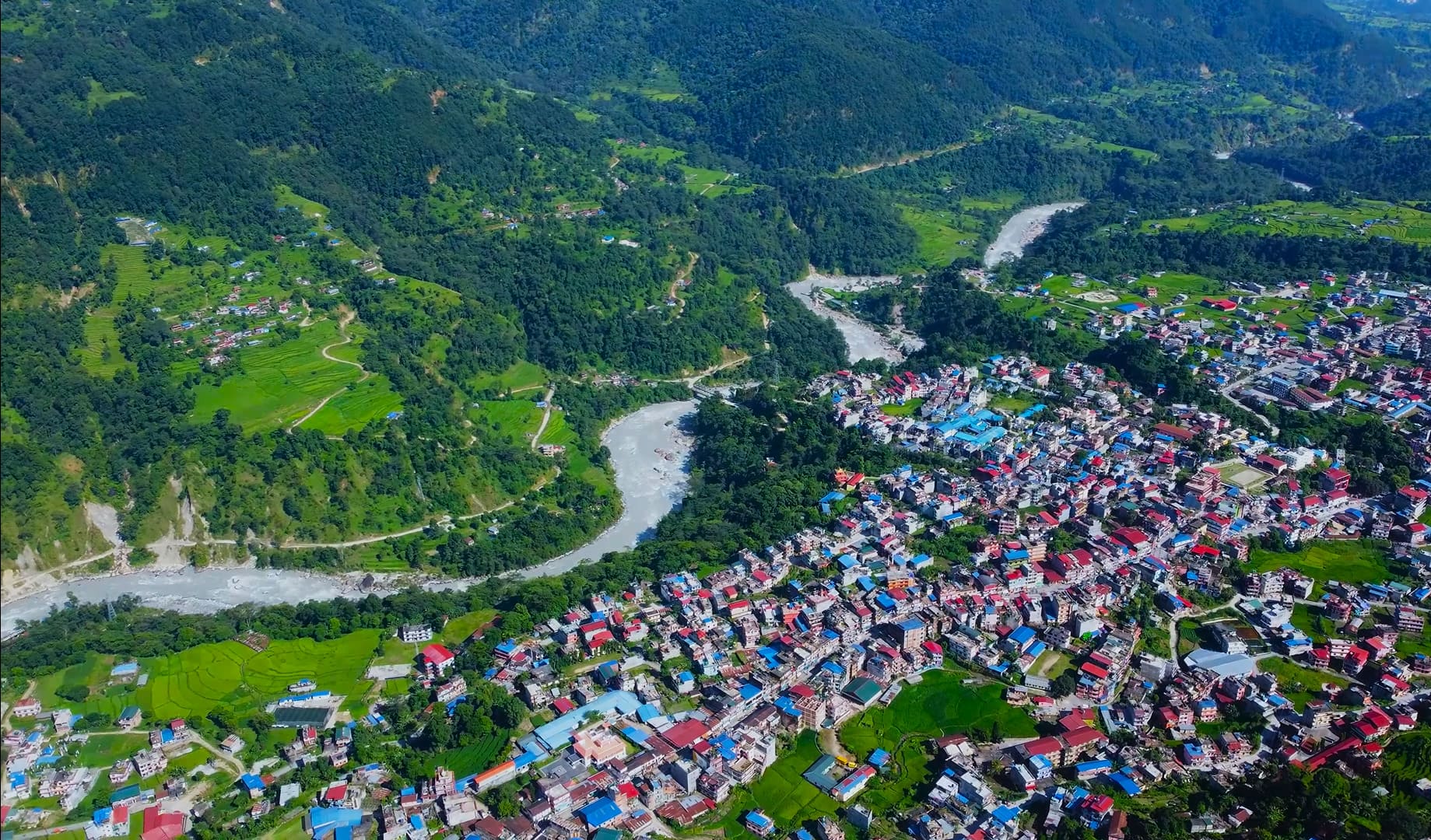
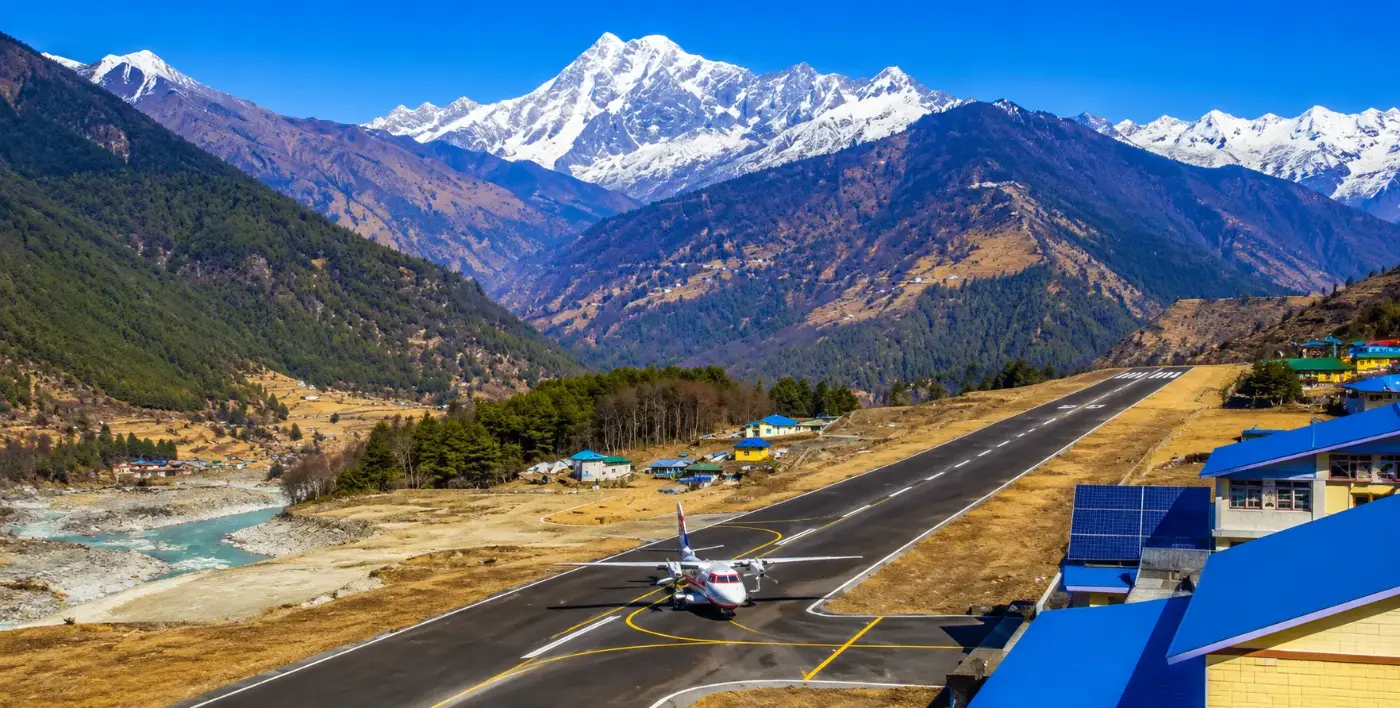
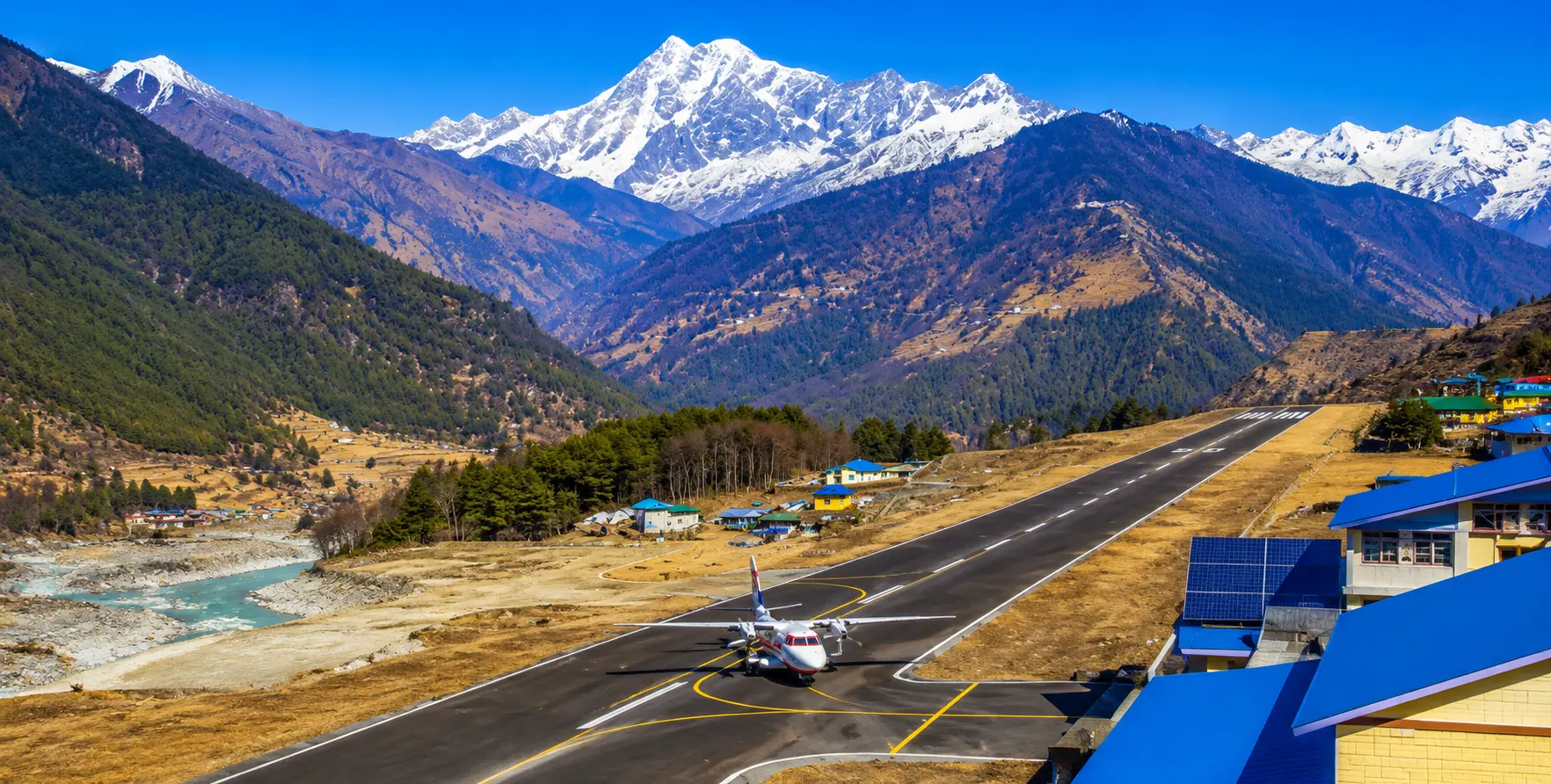
Kathmandu to Pokhara road conditions along the Prithvi Highway, with mountain scenery, rivers, and tourist vehicles in Nepal.

Section 6: Damauli to Pokhara Lakeside (40 km | ~40–50 min)

Road Status: Best section of the highway — wide, well-paved, fast

Key Feature: Annapurna range approach panorama; Pokhara valley descent

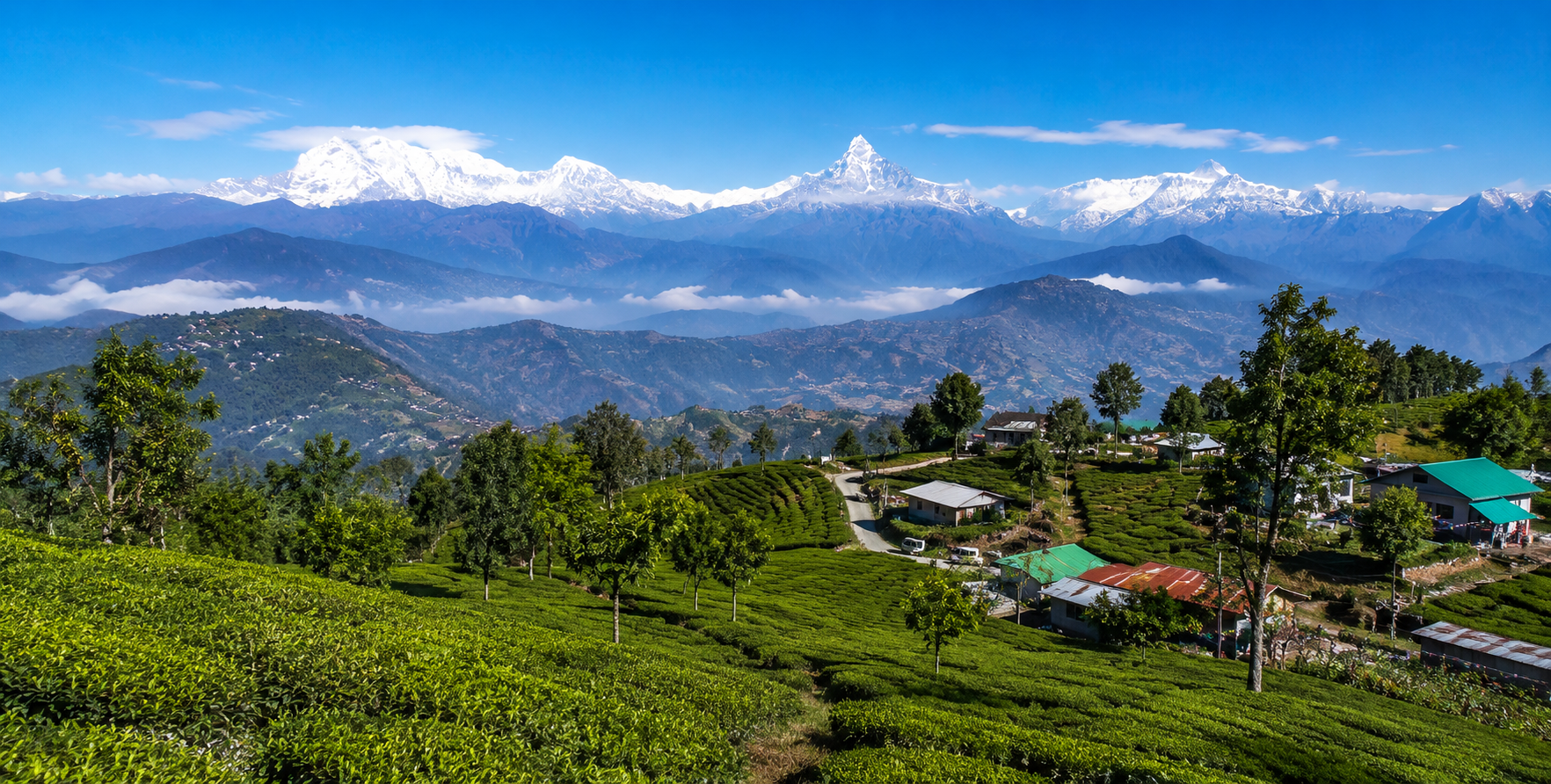
The final 40 km from Damauli to Pokhara is consistently the finest section of road on the entire Kathmandu to Pokhara highway. The road is wide, well-paved, carries lower vehicle density than the gorge sections, and on clear mornings the Annapurna range fills the northern horizon in a spectacular progressive reveal as the road descends toward the Pokhara valley.

Machhapuchhre (Fishtail) appears first — its distinctive double-summit visible above the foothills — before Annapurna South, Hiunchuli, and eventually Annapurna I come into view. This 40 km section is one of the finest mountain-view road approaches anywhere in Nepal.

Private vehicles enter Pokhara from the east, with the driver taking you directly to your Lakeside hotel address. Tourist buses drop at the Baidam/Lakeside bus stop. Traffic in Pokhara city can add 10 to 20 minutes to the final approach during peak afternoon hours.
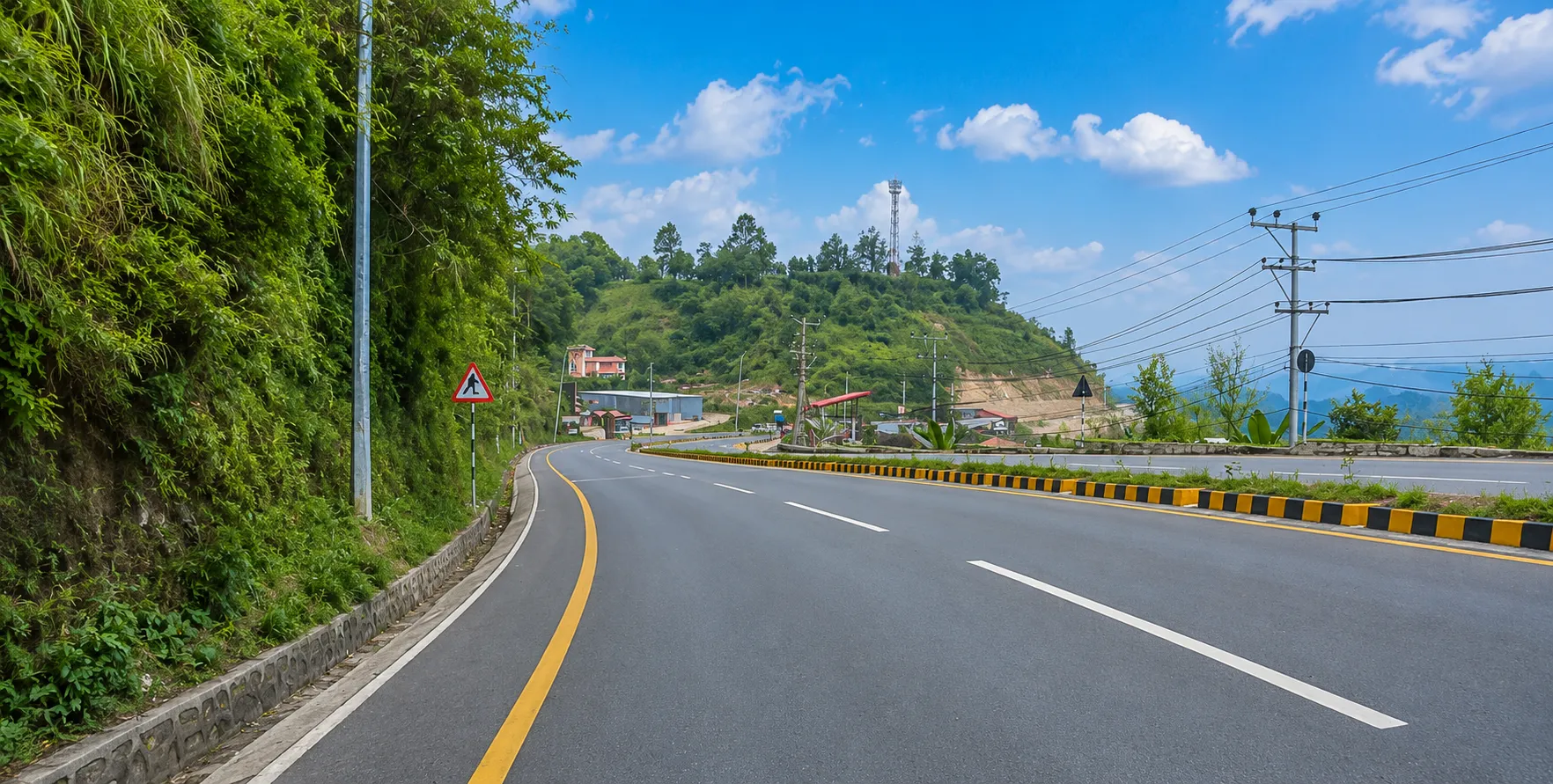
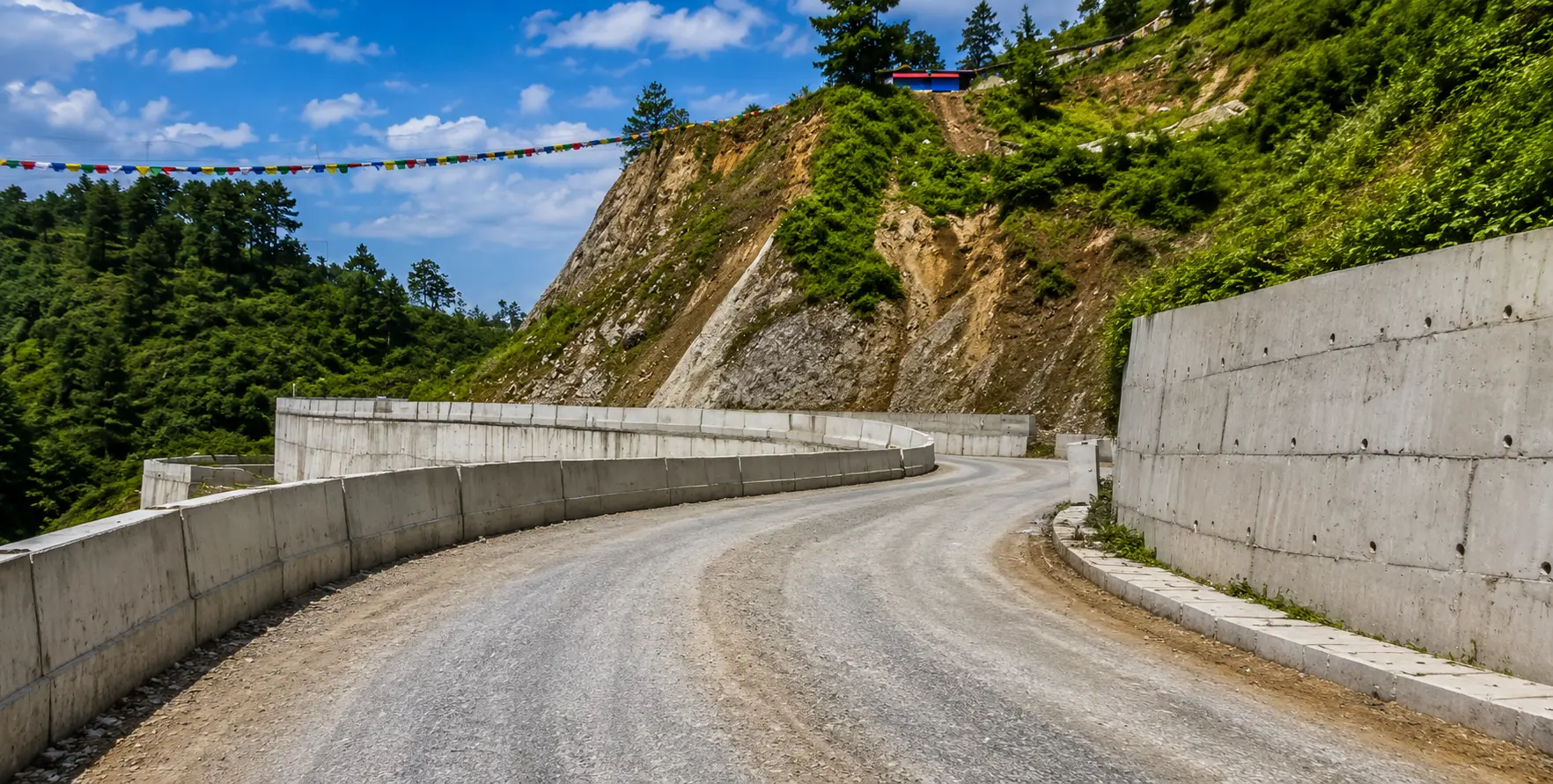
Kathmandu to Pokhara road conditions along the Prithvi Highway, with mountain scenery, rivers, and tourist vehicles in Nepal. Caption:

Key Road Hazard Zones

Hazard ZoneLocationType of RiskSeasonImpact on Journey
Kalanki JunctionKathmandu exit, 5 kmTraffic congestionYear-round; worst peak hoursAdd 20–45 min at peak hours; depart before 7 AM
Thankot–Naubise works15–30 km from KTMRoad widening construction2026 (ongoing)Occasional single-lane; add 15–30 min
Naubise–Malekhu gorge30–80 kmLandslide/rockfall riskMonsoon June–SepOccasional brief closures; rare major blockage
Malekhu–Mugling rough patches80–110 kmSurface irregularityPost-monsoon Aug–OctSlow sections; no closure risk
Mugling–Dumre construction110–155 km (select)Active widening works2026 (targeted sections)Brief single-lane; minimal delay
Damauli road works165–170 kmConstruction near Bimalnagar2026Short delay; confirm status at booking
Pokhara city traffic195–200 kmUrban congestionPeak afternoonsAdd 10–20 min; avoid 4–6 PM entry

Realistic Travel Times

One of the most commonly asked questions about the Kathmandu to Pokhara journey is: how long does it actually take? Here are honest, experience-based estimates for 2026/27:

Departure TimeSeason / ConditionsEstimated Total TimeNotes
6:00–6:30 AMDry season, weekday5.5–6.5 hrsBest option — beats Kalanki rush, good road conditions
6:00–6:30 AMPeak trekking season Oct–Nov6–7 hrsHigher overall traffic; Mugling busy
7:00–8:00 AMDry season, weekday6–7 hrsKalanki rush begins; add time for exit
8:00–9:00 AMDry season6.5–8 hrsFull morning rush; significant Kalanki delay likely
Any timeMonsoon (Jun–Sep)6.5–9 hrsConstruction delays, possible brief road works; landslide risk adds uncertainty
Any timeFestival/holiday7–10 hrsDashain, Tihar, major public holidays — extreme traffic; avoid if possible

The practical conclusion: under good conditions, the Kathmandu to Pokhara journey takes 5.5 to 7 hours with a 6:00–7:00 AM departure. Allow 7 to 8 hours as your planning buffer. Don’t plan an afternoon arrival activity that requires you to be in Pokhara by a fixed time, as traffic and road conditions can unexpectedly add hours to the journey.
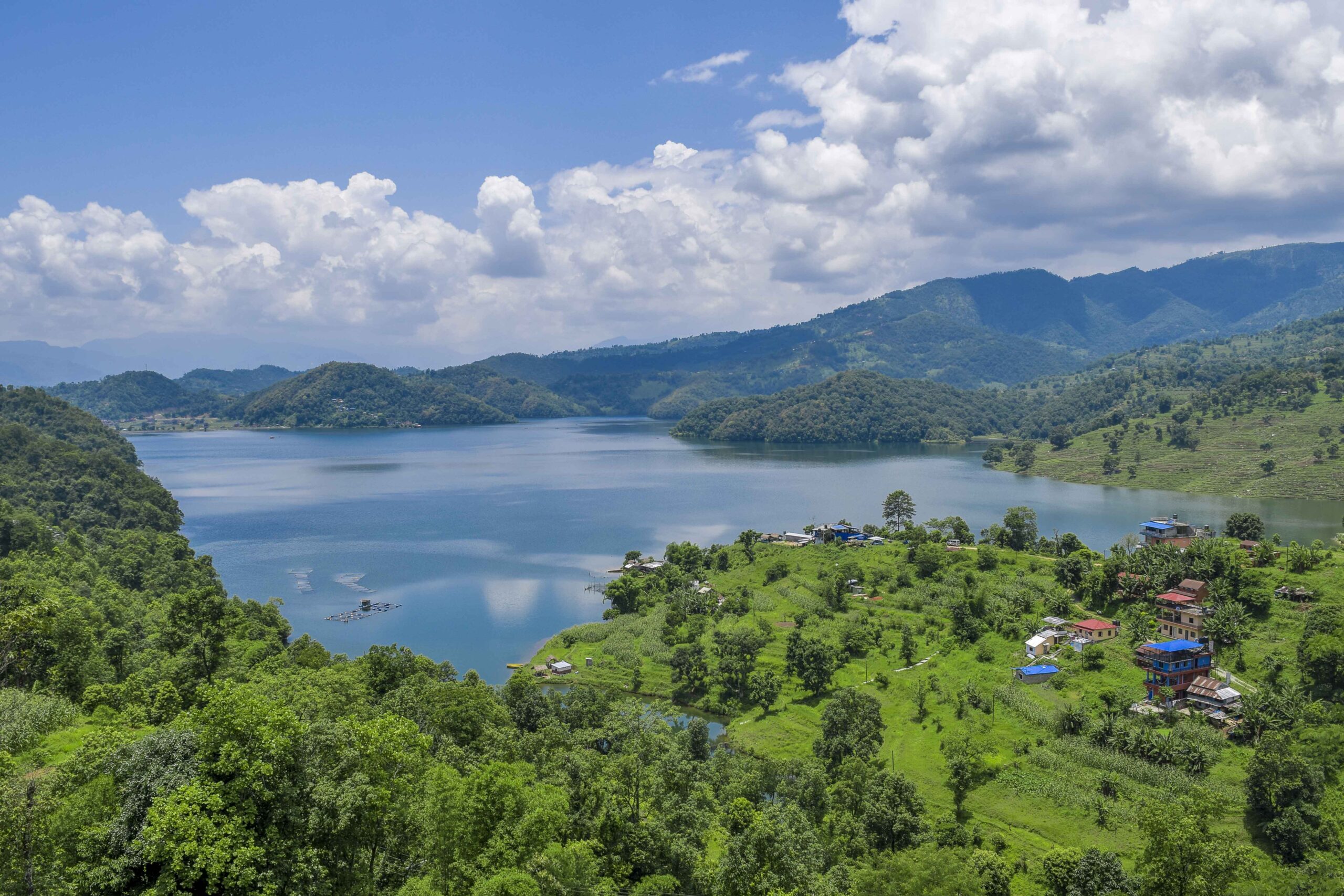
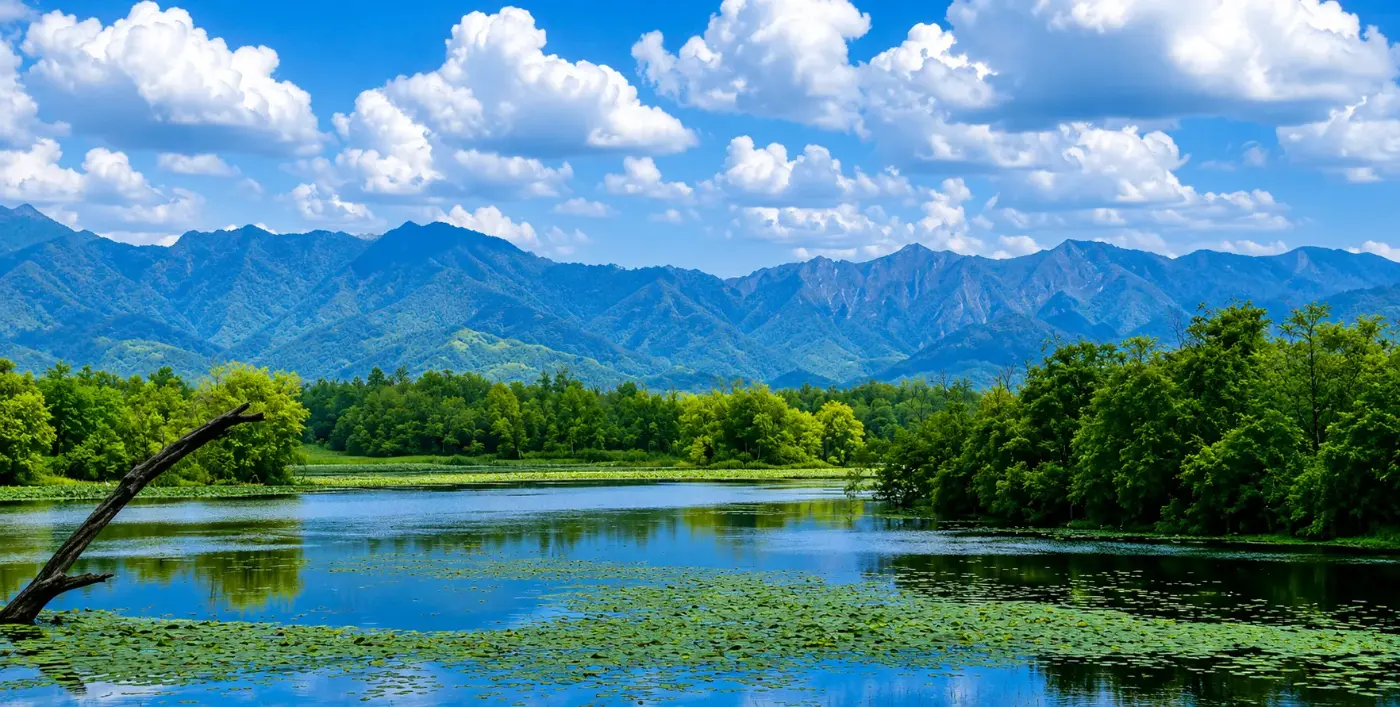
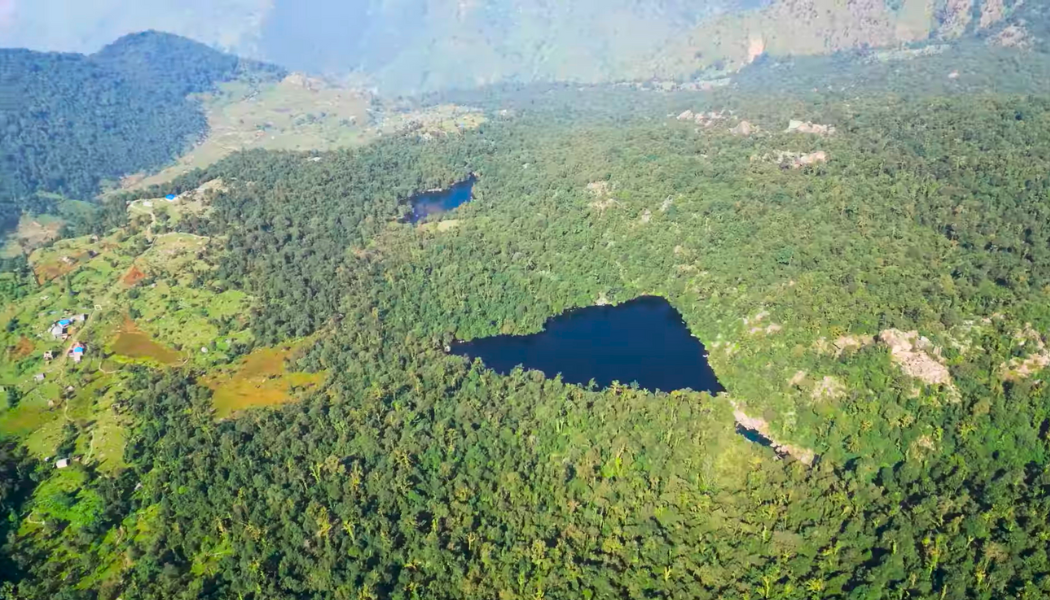
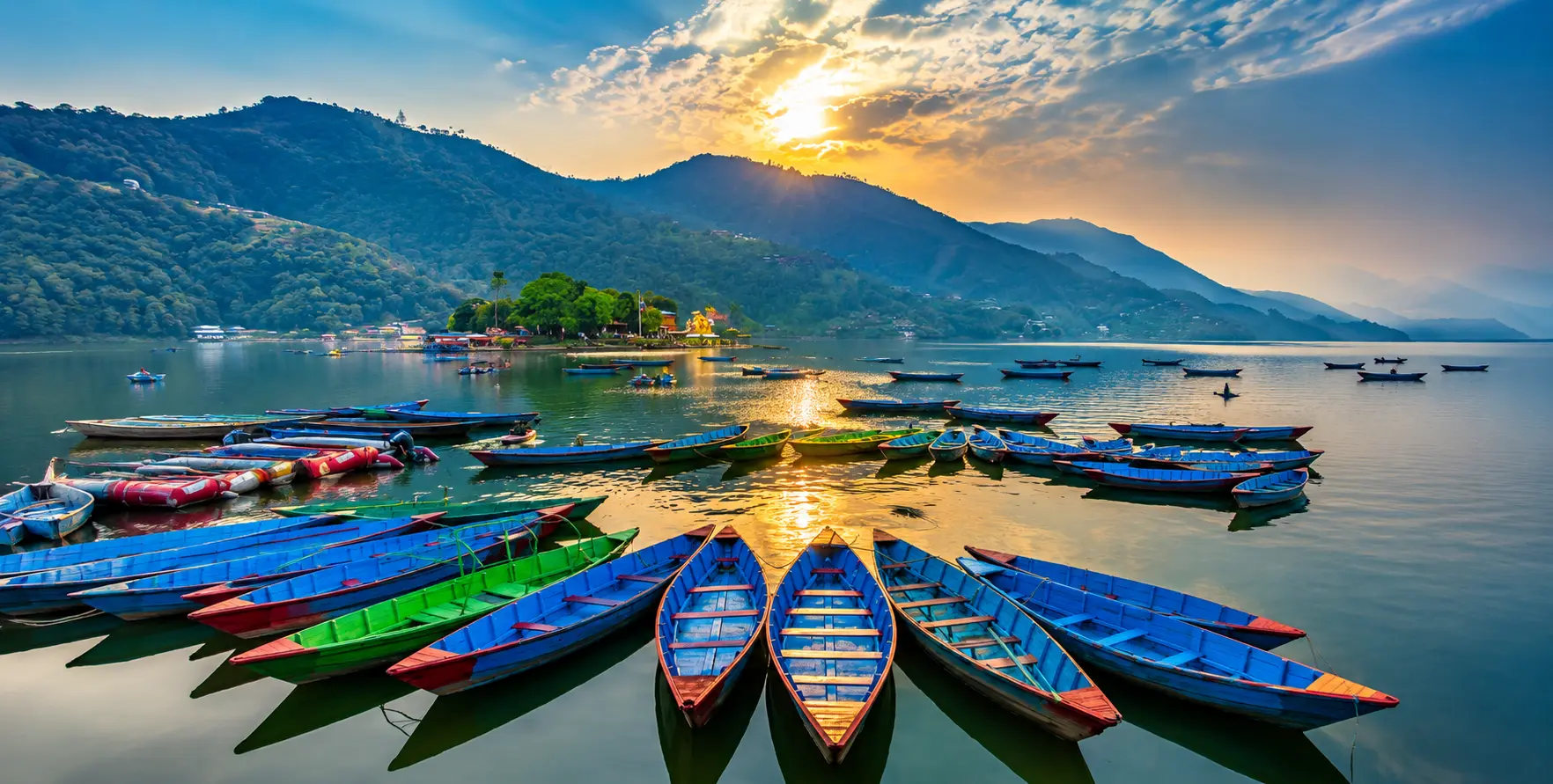
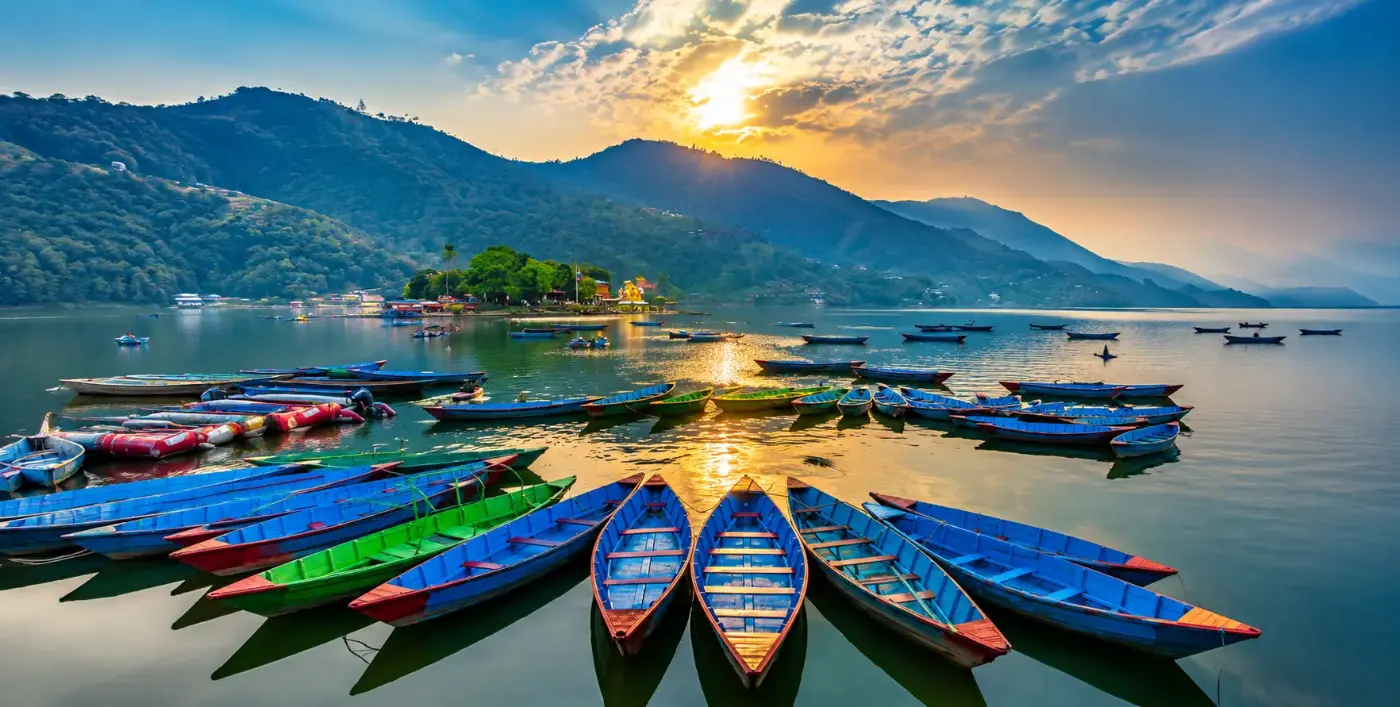
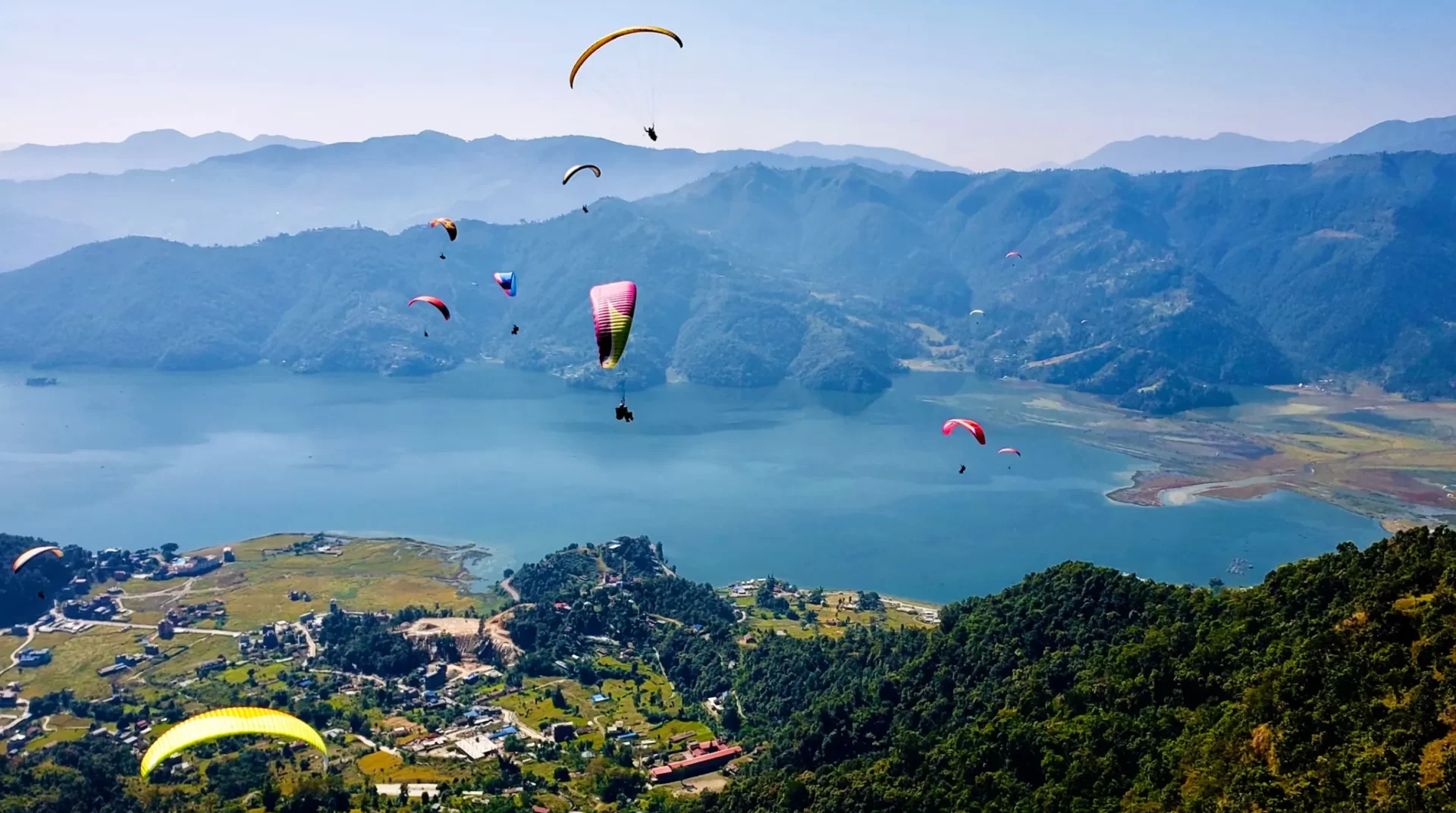
Begnas Lake Pokhara

Best Vehicle for Each Traveller Type

The Kathmandu to Pokhara highway is fully paved and accessible by all vehicle types — this is not a road where 4WD is required. The vehicle choice therefore depends on matching the right vehicle to group size, budget, comfort expectations, and onward travel plans, not road capability.

Solo Traveller or Couple — Tourist Bus or Sedan

For 1 to 2 passengers, the standard tourist bus (USD 10–15 per person, 7–8 hours) or Greenline luxury bus (USD 25–30 per person, 6–7 hours including lunch) provides excellent value. A private sedan hire (USD 80–110 for the full vehicle) is a worthwhile upgrade if you value privacy, a faster journey, and the flexibility to stop at Manakamana Temple en route.

Small Family of 3 to 5 — Private Sedan or SUV

For 3 to 5 passengers, a private sedan or Toyota Fortuner is the clear recommendation. Split between 4 passengers, the sedan costs USD 20–28 per person — comparable with a Greenline bus ticket but with door-to-door service, 1 to 1.5 hours saved, and complete flexibility for stops. The Fortuner comfortably seats 5 with luggage and is the preferred vehicle for families with children because of its space and high seating position.

Trekking Group of 6 to 14 — Toyota Hiace Van

The Toyota Hiace is the outstanding choice for trekking groups heading to Pokhara. It keeps the full group together (no splitting into multiple taxis), provides ample boot and roof space for trekking packs, departs from the group’s Kathmandu hotel rather than the tourist bus park, and at USD 130–170 for the full vehicle, and USD 10–25 per person for a group of 6–14 — often less expensive than individual tourist bus tickets.

The Hiace comfortably completes the Prithvi Highway in the same 5.5- 6.5 hours as a private sedan with an early departure.

Group Continuing to Mustang / Annapurna — Land Cruiser

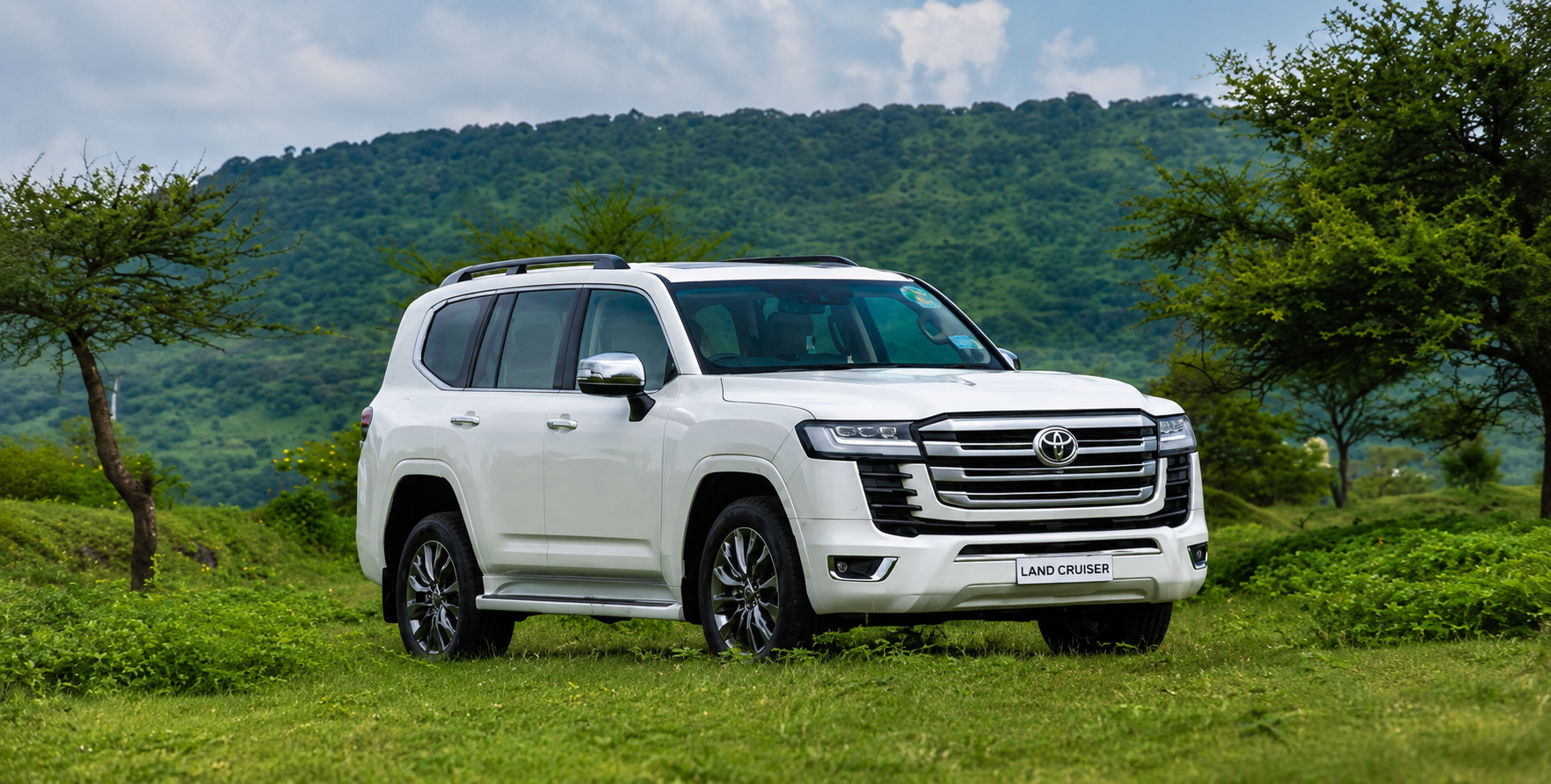
If your journey continues from Pokhara to the Kali Gandaki gorge, Muktinath, Jomsom, Lo Manthang, or any destination requiring a 4WD vehicle, hire the Land Cruiser from Kathmandu. The Prithvi Highway section is easy for a Land Cruiser, and having the same vehicle and driver continue from Pokhara into the mountains saves the cost and logistics of changing vehicles in Pokhara.

The Land Cruiser costs USD 110–145 for the Kathmandu to Pokhara section — a small top-end over the sedan for the benefit of continuity.

Large Group of 15 to 22 — Toyota Coaster Bus

For groups of 15 to 22, a private Toyota Coaster bus hire (USD 175–230) is the most practical option — keeping everyone together in a single vehicle with a private departure time and direct hotel drop-off. The Coaster handles the Prithvi Highway well and offers better comfort than many shared tourist buses.

Very Large Group of 23+ — Full Size Private Bus

Groups exceeding 22 passengers require a full-size private bus. Vehicle Hiring Nepal provides 30–45 seat buses for the Kathmandu to Pokhara route at USD 250–360 for the full vehicle—a cost-effective per-person option for very large groups.
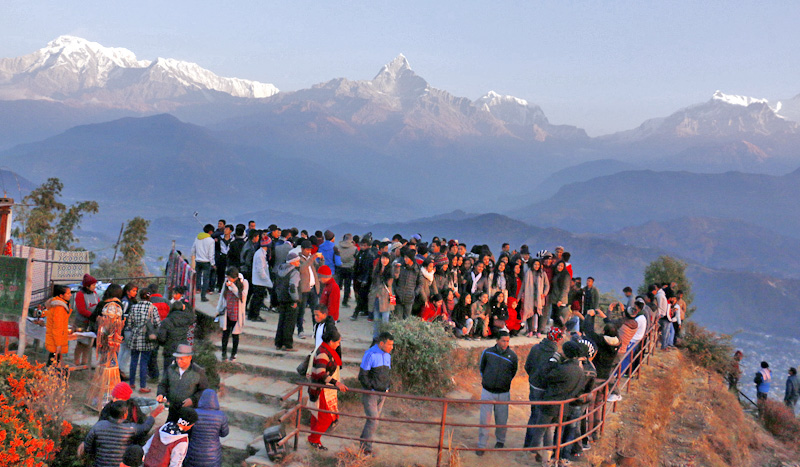
Sarangkot Pokhara

Vehicle Comparison Table — Kathmandu to Pokhara

VehicleCapacityPrice (Full Vehicle)Travel TimeComfortBest For
Tourist Bus (shared)Per seatUSD 10–15/person7–8 hrsGoodSolo, couple, budget traveller
Bus (shared)Per seatUSD 25–30/person6–7 hrsVery GoodComfort-seeking solo/couple, includes lunch
Private Sedan1–3 paxUSD 80–1205.5–6.5 hrsGoodCouple, small family
Private SUV/Fortuner4–5 paxUSD 100–1605.5–6.5 hrsVery GoodFamily, small group
Toyota Land Cruiser4–6 paxUSD 110–5005.5–6.5 hrsExcellentGroups continuing to the mountains
Toyota Hiace Van7–14 paxUSD 130–2005.5–6.5 hrsGoodTrekking groups — best value
Toyota Coaster Bus15–22 paxUSD 175–3006–7 hrsGoodLarge groups
Full Size Private Bus23–45 paxUSD 250–5006–7 hrsStandardVery large groups

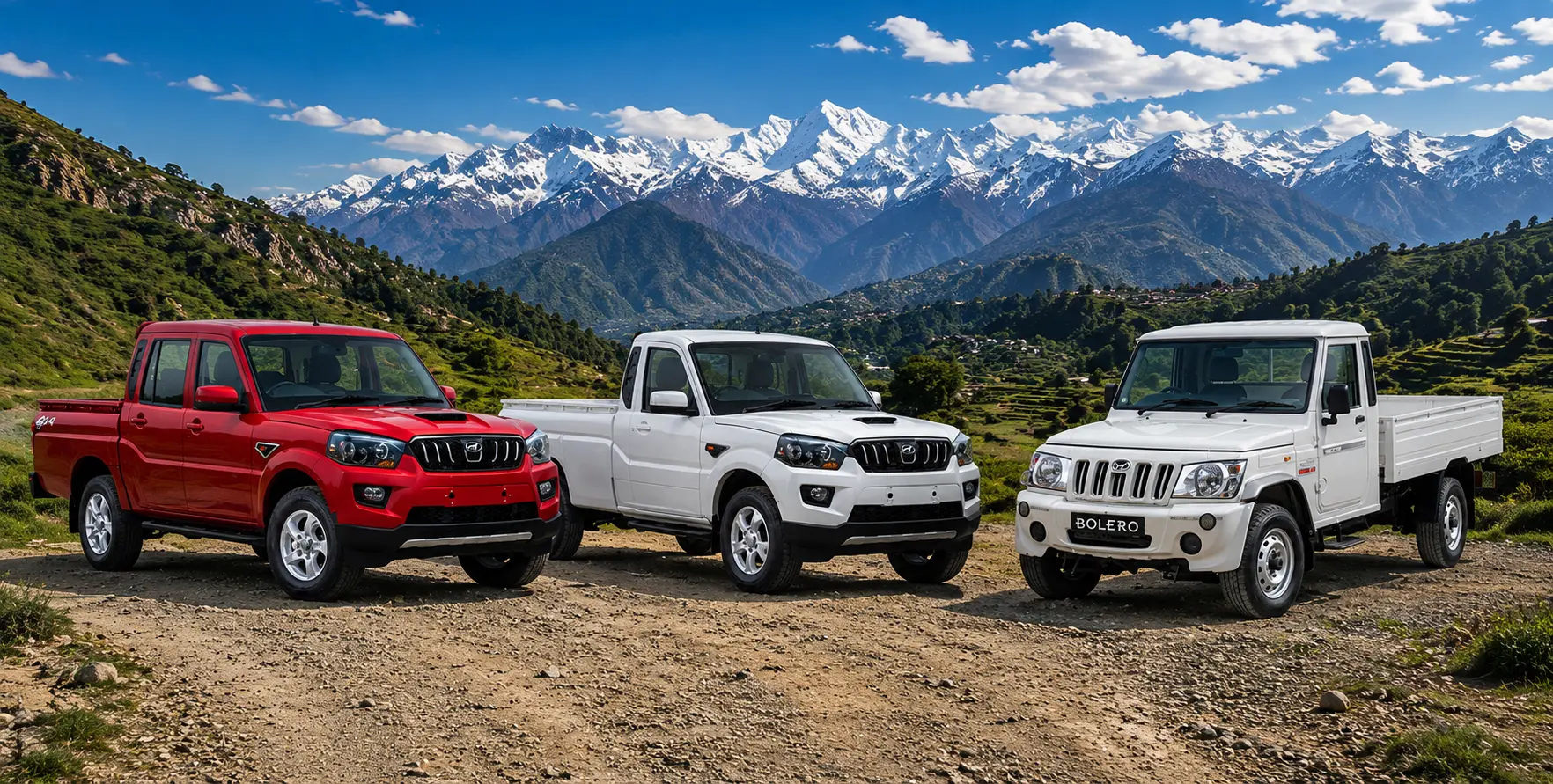
Kathmandu to Pokhara road conditions along the Prithvi Highway, with mountain scenery, rivers, and tourist vehicles in Nepal.

Seasonal Road Condition Variations

October to November  — Best Season

Post-monsoon is consistently the finest period for the Kathmandu to Pokhara drive. The monsoon has ended, road repair work is complete on the gorge sections, surfaces are dry and firm, and the Annapurna range on the final Pokhara approach is at its clearest.

October is the busiest month on this road—tourist and trekking traffic is at its annual maximum, so the Mugling lunch stop is crowded, and Pokhara-bound traffic is heavy. Despite this, road conditions are at their best and travel times are reliable. Expect 5.5 to 6.5 hours with a 6:00–6:30 AM departure.

November to February  — Good Winter Season

After the October peak, traffic reduces,s and road conditions remain very good through winter. Dry weather continues; no monsoon risks; monsoon road repairs are complete. The mountain views on the final Pokhara approach in December and January are often the sharpest and clearest of the year — the cold, dry air provides exceptional visibility.

The Naubise–Malekhu gorge section can be frosty on early morning descents in December and January — not a problem for standard vehicles but worth noting for early 6:00 AM departures.

March to May  — Spring Season

Spring is excellent for the drive. Rhododendrons are blooming in the forested sections above Naubise and on the hillsides above the Marsyangdi valley. Road conditions remain good from the dry season.

Traffic builds again from March as the spring trekking season begins, and the Kathmandu morning exit becomes busy again. Pre-monsoon clouds build in May afternoons, reducing mountain views until October–November.

June to September  — Monsoon Season

The monsoon is the most challenging season for the Prithvi Highway — not because the road becomes impassable (it rarely does completely) but because it introduces several specific risk factors that honest travellers must acknowledge:

  • Landslide risk in the Naubise to Mugling gorge section — the gorge walls above the road are subject to debris flows in heavy rain. Road crews clear minor slides within hours; major events can block the road for 12 to 24 hours.
  • Surface degradation — the constant rain softens road edges and creates potholes that develop rapidly, particularly in the Malekhu to Mugling section
  • Reduced visibility — low cloud and rain reduce visibility on the gorge sections and completely obscure the Annapurna mountain views on the final Pokhara approach.
  • Extended journey times — add 1 to 2 hours to dry-season journey time estimates for monsoon travel

Vehicle Hiring Nepal drivers monitor road conditions before every monsoon season departure. We will advise on same-day conditions through our local contact network if there are concerns about specific sections on your travel date.
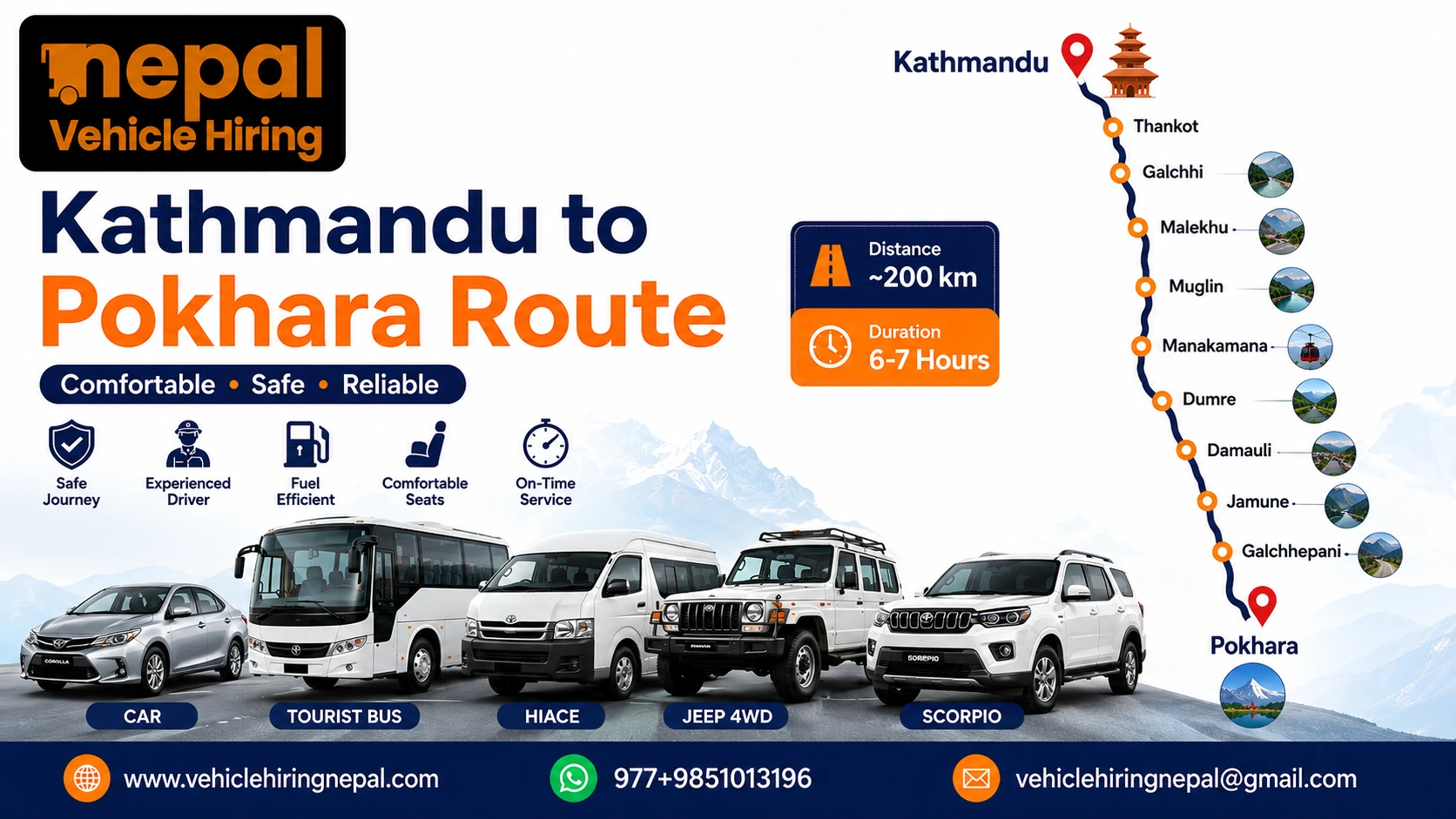
kathmandu-pokhara-road-condition

Key Stops on the Kathmandu to Pokhara Route

Manakamana Temple Cable Car — Kurintar (105 km | 2.5 hrs from KTM)

The most popular en-route stop on the Kathmandu to Pokhara journey, Manakamana sits on a hilltop above the Trishuli River, accessible by a 10-minute cable car from Kurintar on the highway. The temple of Goddess Bhagwati (an incarnation of Parvati) is one of Nepal’s most beloved pilgrimage destinations, revered as wish-fulfilling.

The cable car (NPR 2,700 round trip for foreigners; NPR 770 for Nepali citizens in 2026) operates 9:00 AM to 5:00 PM with a midday break. A Manakamana stop adds 1.5 to 2.5 hours to the journey. Inform Vehicle Hiring Nepal at booking to include this stop.

Malekhu Tea Stop (~80 km from KT): Malekhu’s riverside tea houses and fish restaurants are legendary on the Kathmandu to Pokhara route. A 20-minute tea and snack stop here is both practical and atmospheric — the Trishuli River runs past the restaurant terraces, and the fresh river fish (reared in the Trishuli) is available from early morning. Most Vehicle Hiring Nepal drivers build this stop in automatically.

Mugling Lunch Stop (~110 km | midpoint)

Mugling is the universally recognised lunch stop — the junction town at the midpoint of the journey with the largest concentration of roadside restaurants on the highway. Numerous establishments offer dal bhat, momo, noodles, and grilled chicken. Budget 30 to 45 minutes.

The riverside location at the Trishuli-Marsyangdi confluence makes this a visually pleasant and practical lunch break.

Damauli Optional Stop (~165 km from KTM)

Damauli is an underappreciated stop on the route — a pleasant hill town with a good teahouse culture and views over the Seti-Madi river confluence. A brief tea break here is worth considering for groups who want to break up the final 40 km to Pokhara with a scenic pause.

Road Widening Project — Status

The Kathmandu to Pokhara highway has been under a major widening and upgrading project for several years, aimed at transforming it from its current mostly two-lane standard to a proper four-lane divided highway on key sections. Here is the 2026/27 project status:

  • Kalanki to Thankot section: Active widening — some sections now two-lane each direction, others still under construction. Expected completion of this section: late 2026 to early 2027
  • Thankot to Naubise section: Widening under way — significant improvement from 2025 condition but not yet complete in all sections. Expect some single-lane working areas.
  • Naubise to Malekhu gorge: Road improvement works limited by the gorge geography — widening not feasible in the narrowest gorge sections; safety barrier installation and surface improvement ongoing
  • Mugling to Dumre section: Most recently improved section — widening largely complete; near four-lane standard in several stretches. Best road quality on the entire highway in 2026/27
  • Damauli to Pokhara: Good two-lane condition throughout; widening works in select sections near Bimalnagar and Prithvi Chowk

The practical implication: in 2026/27, the Kalanki to Naubise section near Kathmandu has the most active construction activity and the greatest potential for journey time addition. As works are completed in late 2026 and 2027, this section will improve significantly. By mid-2027, this section is expected to be substantially better than its 2026 condition.

Tips for the Best Kathmandu to Pokhara Journey Experience

  • Depart between 6:00 and 6:30 AM — this is the single most impactful decision you can make for the journey. Clearing Kalanki before the rush, enjoying Malekhu in the morning light, and arriving in Pokhara by early to mid-afternoon gives the best overall experience.e
  • Book a left-side seat in the vehicle (the best left-side seats on the tourist bus) — the left side faces the Trishuli River through the gorge section, offering the best views of the river and cliffs.fs
  • The Annapurna mountain view on the final Pokhara approach is clearest in the morning — arriving before 1:00 PM on clear days gives the best chance of seeing the full range before afternoon cloud builds
  • Motion sickness tablets for the gorge section — the Naubise to Mugling road has sustained bends that affect susceptible passengers. Take medication 30 minutes before the Naubise descent if needed.
  • For groups using a private vehicle: confirm with your driver exactly which stops you want — Manakamana, Malekhu, Mugling, or others — at the time of booking, not on the day of travel.
  • Carry water and snacks for the vehicle —Vehicle standard stops are Malekhu and Mugling, but having your own supplies for between-stop sections is comfortable.
  • Do not attempt to rush the journey — the Kathmandu to Pokhara road is not a fast highway. The 5.5 to 6.5 hour journey is the realistic minimum with an early start.
  • For the return journey, Pokhara to Kathmandu, depart Pokhara by 7:00–7:30 AM to arrive in Kathmandu in the early afternoon and avoid both the Pokhara morning traffic and the Kathmandu afternoon rush.
Pokhara to Sarangkot Jeep

Private Vehicle vs Tourist Bus — The Decision

FactorPrivate VehicleTourist Bus (Shared)
Cost for soloUSD 80–120 full vehicle (expensive solo)USD 10–30 — cheapest option for 1
Cost for 4 paxUSD 20–34/person (sedan or SUV split 4)USD 10–30/person (similar or more)
Cost for 10 paxUSD 13–17/person (Hiace, full value)USD 10–30/person (Hiace better value)
Departure timeFlexible — any time you chooseFixed 7:00 or 8:00 AM only
Departure locationYour hotel doorTourist bus park, Kantipath
ArrivalYour Pokhara hotel doorLakeside bus stop (walk/taxi needed)
Journey time5.5–6.5 hrs with private vehicle; 7-vehicle standardd; 6–7 hrs Greenline
StopsAny stop, any durationFixed — Mugling lunch only
LuggageFull boot + roof rackHold only (limited and unsecured)
Manakamana optionYes — easy en-route stopNo — not possible on bus
Mountain viewsStop anywhere for photosCannot stop for views
Best forGroups of 4+, families, trekkersSolo, budget, backpacker

What is Included in Your Private Vehicle Hire

  • Your chosen vehicle (SUV, Land Cruiser, Hiace, Coaster, or bus) — fully maintained and insured
  • Professional, licensed driver with experience on the Prithvi Highway and knowledge of current road conditions
  • Full fuel cost for the Kathmandu to Pokhara journey
  • Vehicle insurance throughout
  • Pickup from your Kathmandu hotel or any specified address
  • Drop-off at your Pokhara hotel or any Lakeside/Pokhara address
  • Malekhu tea stop and Mugling lunch stop (standard); additional stops on request
  • Manakamana cable car stop if requested at booking (driver waits below during your temple visit)
  • 24/7 support throughout the journey

Not included: Manakamana cable car ticket (NPR 2,700 for foreigners), personal meals at stops, accommodation, and any continuation journeys beyond Pokhara.

How to Book Your Kathmandu to Pokhara Vehicle

  1. Contact Vehicle Hiring Nepal via WhatsApp or visit vehiclehiringnepal.com
  2. Choose your vehicle by group size and onward travel plans
  3. Confirm your travel date and preferred departure time (6:00–6:30 AM recommended)
  4. Provide your Kathmandu hotel pickup address
  5. Provide your Pokhara destination hotel name and address
  6. Specify any en-route stops — Manakamana, Malekhu, Mugling
  7. Receive booking confirmation with driver details, pickup time, and vehicle information

Frequently Asked Questions

What is the current road condition on the Kathmandu to Pokhara highway in 2026?

The Kathmandu to Pokhara Prithvi Highway is fully paved throughout in 2026 and in good to very good overall condition. The Mugling to Pokhara section is in very good to excellent condition following recent widening works.

The Kalanki to Naubise section near Kathmandu has active road widening construction in 2026 that can add 15 to 30 minutes in some areas. The Naubise to Mugling gorge section is in good condition but subject to the standard monsoon landslide risk (June to September). No 4WD vehicle is required at any point on this route.

Is the road to Pokhara open year-round?

Yes. The Kathmandu to Pokhara Prithvi Highway is open year-round without exception in normal conditions. Even during monsoon, the road closes only temporarily for major landslide clearance — these events are uncommon and typically resolved within a few hours.

Unlike Nepal’s mountain routes,, which can be seasonally impassable, the Prithvi Highway is a national highway maintained to all-season standards.

Is there construction on the Prithvi Highway?

Yes — the ongoing Prithvi Highway widening project has active construction sections in 2026, primarily in the Kalanki to Naubise section near Kathmandu and some targeted works near Damauli. These construction areas may cause brief single-lane sections and, in some cases,d 15- to 30-minute delays. Vehicle Hiring Nepal drivers are aware of current construction locations and factor them into departure time planning.

What is the best time of year to drive from Kathmandu to Pokhara?

October and November are the best months for the Kathmandu to Pokhara drive — dry roads, sharp mountain views on the Pokhara approach, and optimal conditions throughout. March and April are excellent for spring rhododendrons. December to February offers clear winter air and the sharpest mountain views.

Monsoon (June to September) is the most challenging period due to gorge landslide risk and surface degradation, but the road remains open and passable throughout.

Final Thoughts

The Kathmandu to Pokhara road is fundamentally good news for travellers: a fully paved, actively maintained national highway in its best-ever overall condition, connecting Nepal’s two most visited cities with a journey that is manageable in 5.5 to 7 hours with the right departure time. The construction underway near Kathmandu will, once complete, make this section significantly better than ever.

Ongoing improvements to the Mugling to Pokhara section have already made the western half of the journey notably smoother than in previous years.

The key to a good Kathmandu to Pokhara experience remains the same: depart early (6:00–6:30 AM), choose the right vehicle for your group size and onward plans, stop at Malekhu and Mugling, and arrive in Pokhara in time to enjoy the afternoon before the mountain view clouds over. Vehicle Hiring Nepal provides the vehicles and drivers to make that formula work every time.

Book your Kathmandu to Pokhara vehicle today. WhatsApp | Website: www.vehiclehiringnepal.com | Email: [email protected]
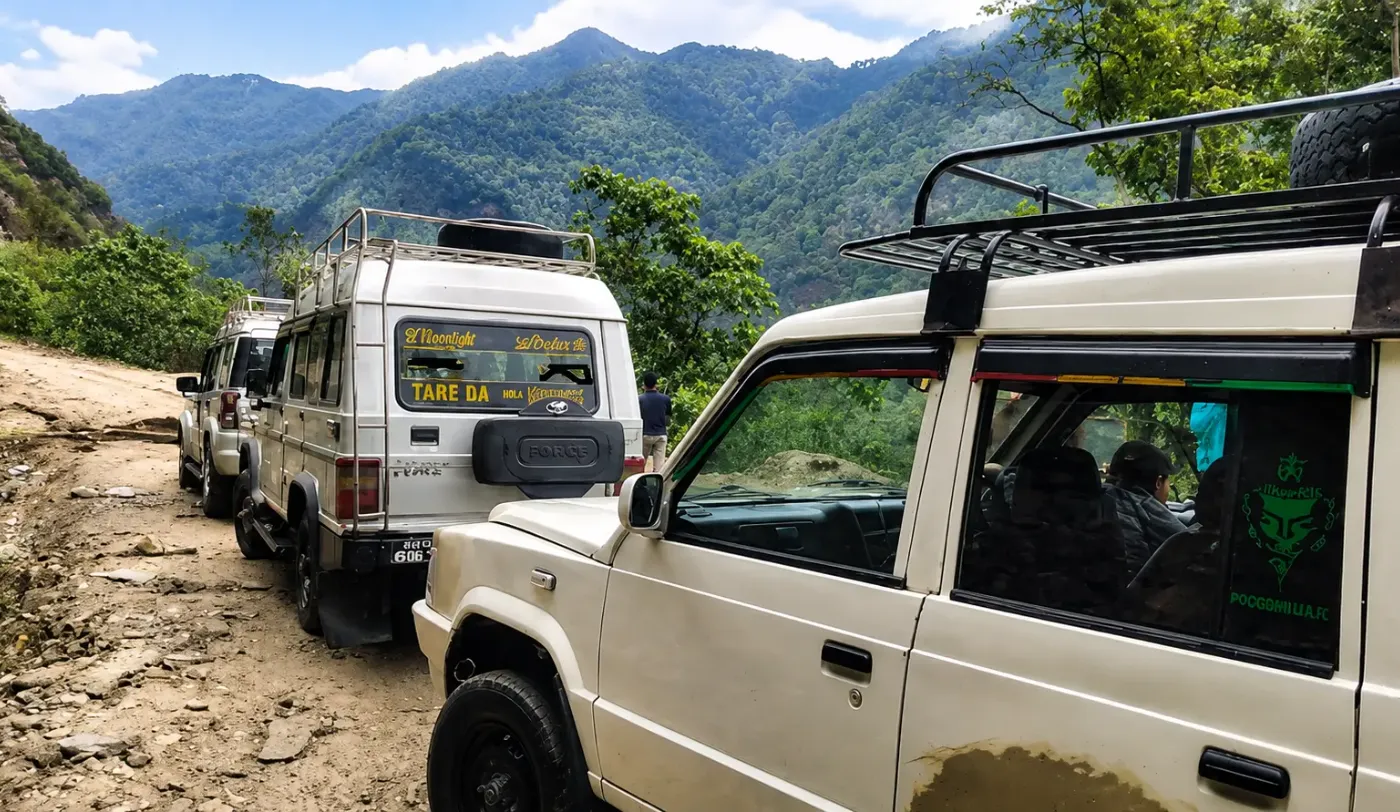
Nepal Trekking Transport Guide: Private Jeep Hire

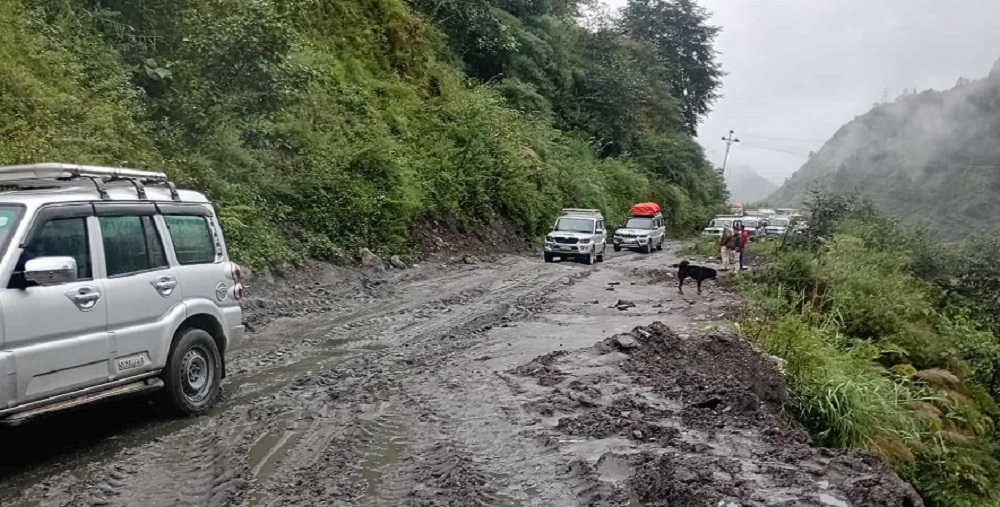
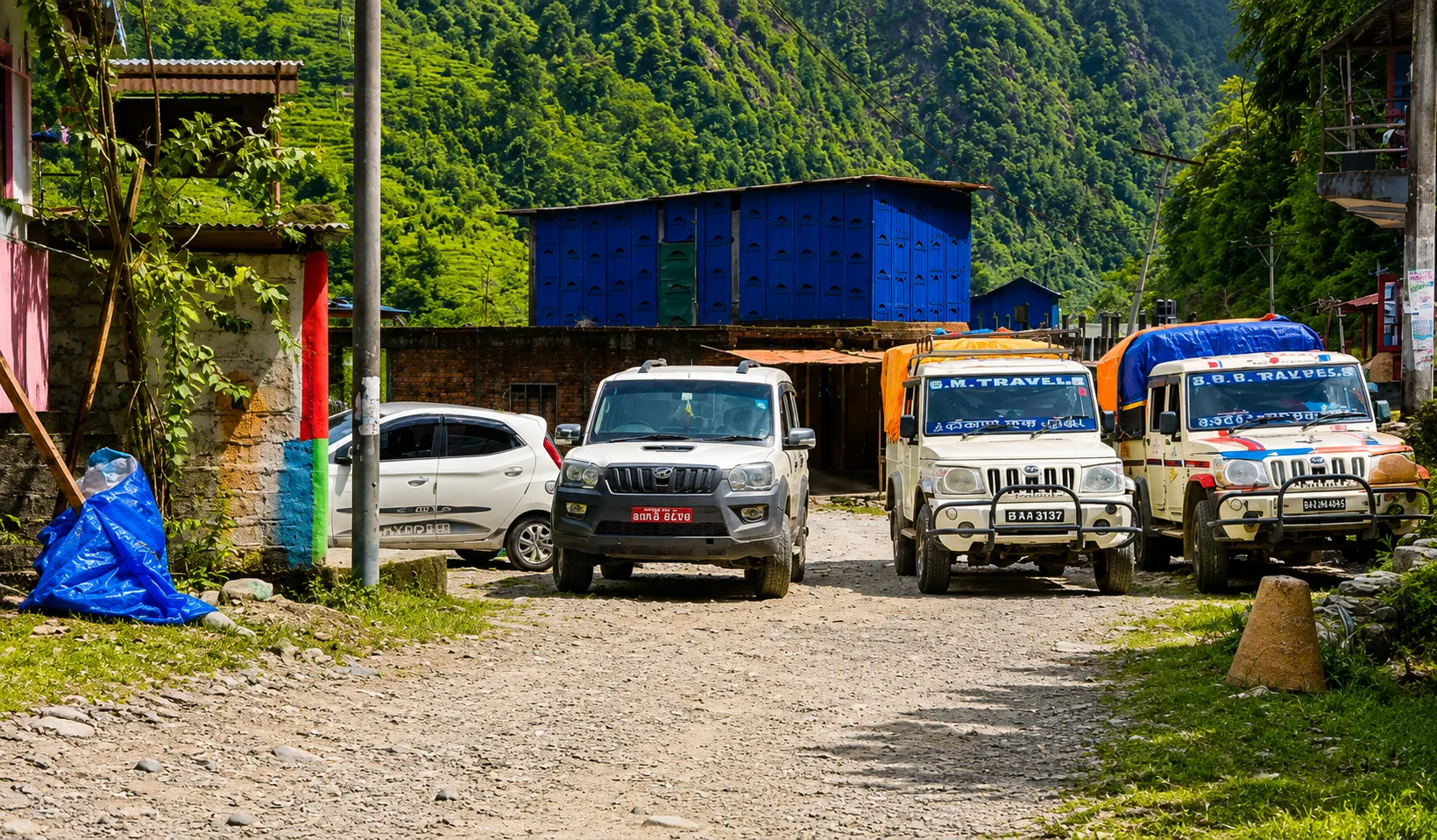
Private jeep on the road to Manang

Nepal Trekking Transport Guide | — The Complete  Guide to Getting to Every Trailhead

Every Nepal trek has two parts. The part every guidebook, Instagram post, and trekking company website describes in full: the trail itself, the altitude, the mountain views, the teahouses, the culture, the pass crossing. And the part that almost every planning resource treats as a footnote: the transport.

The jeep hire or the bus that takes you from your Kathmandu or Pokhara hotel to the trailhead where the walking begins. The pre-dawn road transfer to Ramechhap airport before the Lukla flight. The rough 4WD track beyond Besisahar, more dramatic than you expected.

The pre-arranged pickup from Dharapani or Syabrubesi at the trek’s end, when you step off the trail after 14 days and want a comfortable ride home.

Nepal trekking transport is not a footnote. It is the first and last chapter of every Himalayan adventure, and in many cases it is also a genuine adventure in its own right — one of the most spectacular road journeys on earth, threading through a landscape that transitions, in a single driving day, from urban river valley to glacier-fed gorge.

This complete guide covers every dimension of Nepal trekking transport: the vehicles available, the routes and their real road conditions, the region-by-region breakdown of how transport works for every major Nepal trek, and how Nepal Vehicle Hiring Pvt Ltd provides the private jeep hire, Hiace van, tourist bus, and coaster service that connects every Kathmandu and Pokhara hotel to every major trekking trailhead in the country.

Why Nepal Trekking Transport Deserves Serious Planning

Nepal’s geography makes trekking transport planning non-trivial in a way that has no real equivalent among the world’s other major trekking destinations. No railway system connects any trekking region to either Kathmandu or Pokhara.

No broad, flat approach roads allow a standard hire car to reach any significant mountain trailhead without encountering at least one rough, unpaved, 4WD-necessary section. No standardised, published timetables exist for the shared jeep services that operate on most trekking corridors; they fill and depart when they have enough passengers rather than at a fixed time.

No single point coordinates domestic flights, airport transfers, and trekking-agency logistics, which together form the full transport chain for any flight-dependent approach like the Everest region.

This complexity isn’t a problem to complain about—it is simply the practical expression of Nepal’s extraordinary topography, which compresses nearly every climate zone on earth between the Terai lowlands and the Himalayan summits within a north-south distance of about 200 kilometres. Roads into this terrain are, by definition, mountain roads: steep, winding, seasonally damaged, and requiring genuine local knowledge and the right vehicle specifications, the kind that distinguishes a professional vehicle hire service from an improvised arrangement.

Every traveller who has arrived at a Kathmandu trailhead in a flat-tired shared jeep two hours late, or who has missed a Lukla flight because their airport transfer was poorly timed, understands viscerally why this planning matters. Every traveller who arrives at a trailhead in a properly maintained 4WD Scorpio from Nepal Vehicle Hiring Pvt Ltd, on time, with their luggage intact and their driver’s phone number confirmed, understands the opposite.

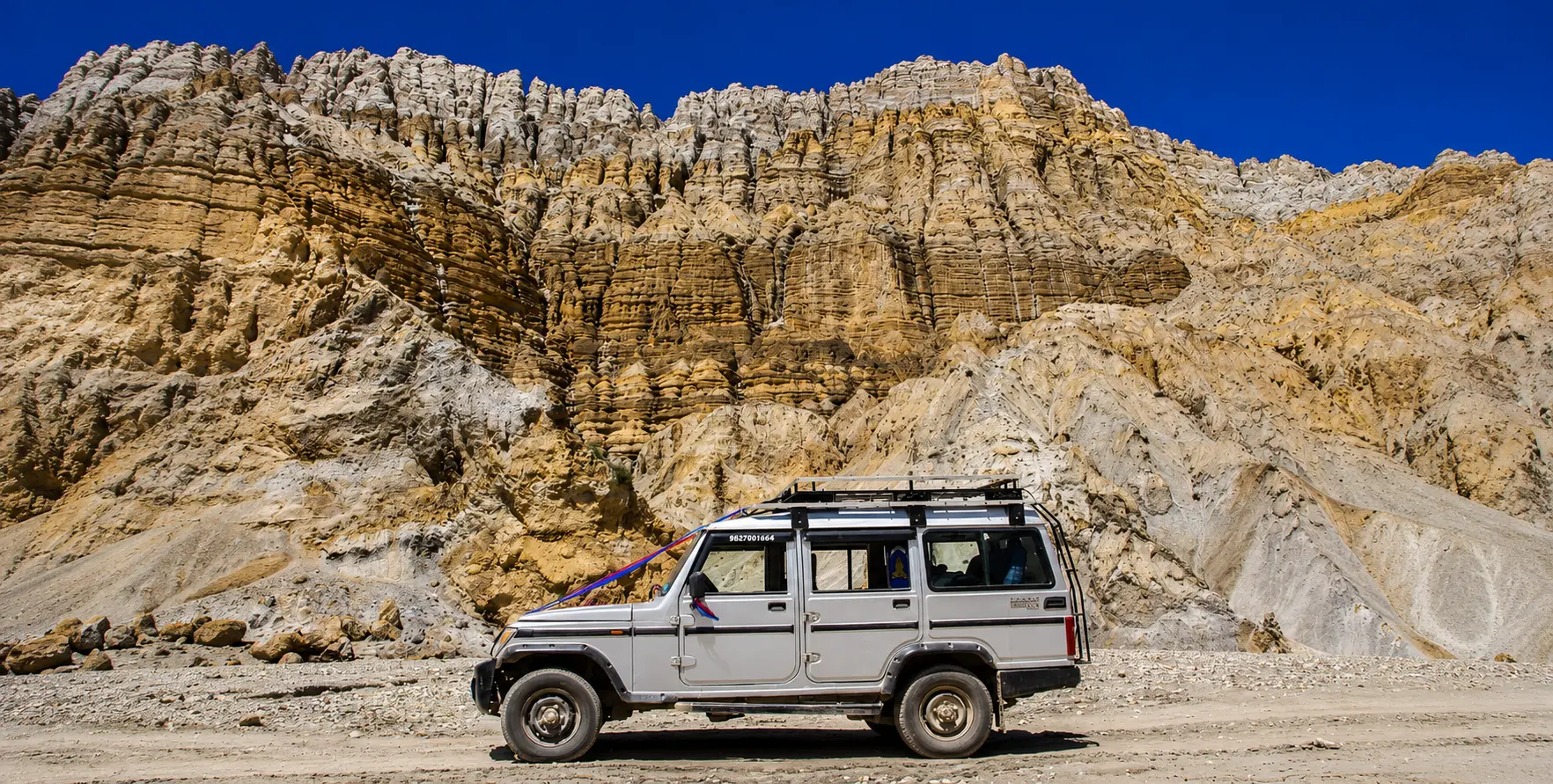
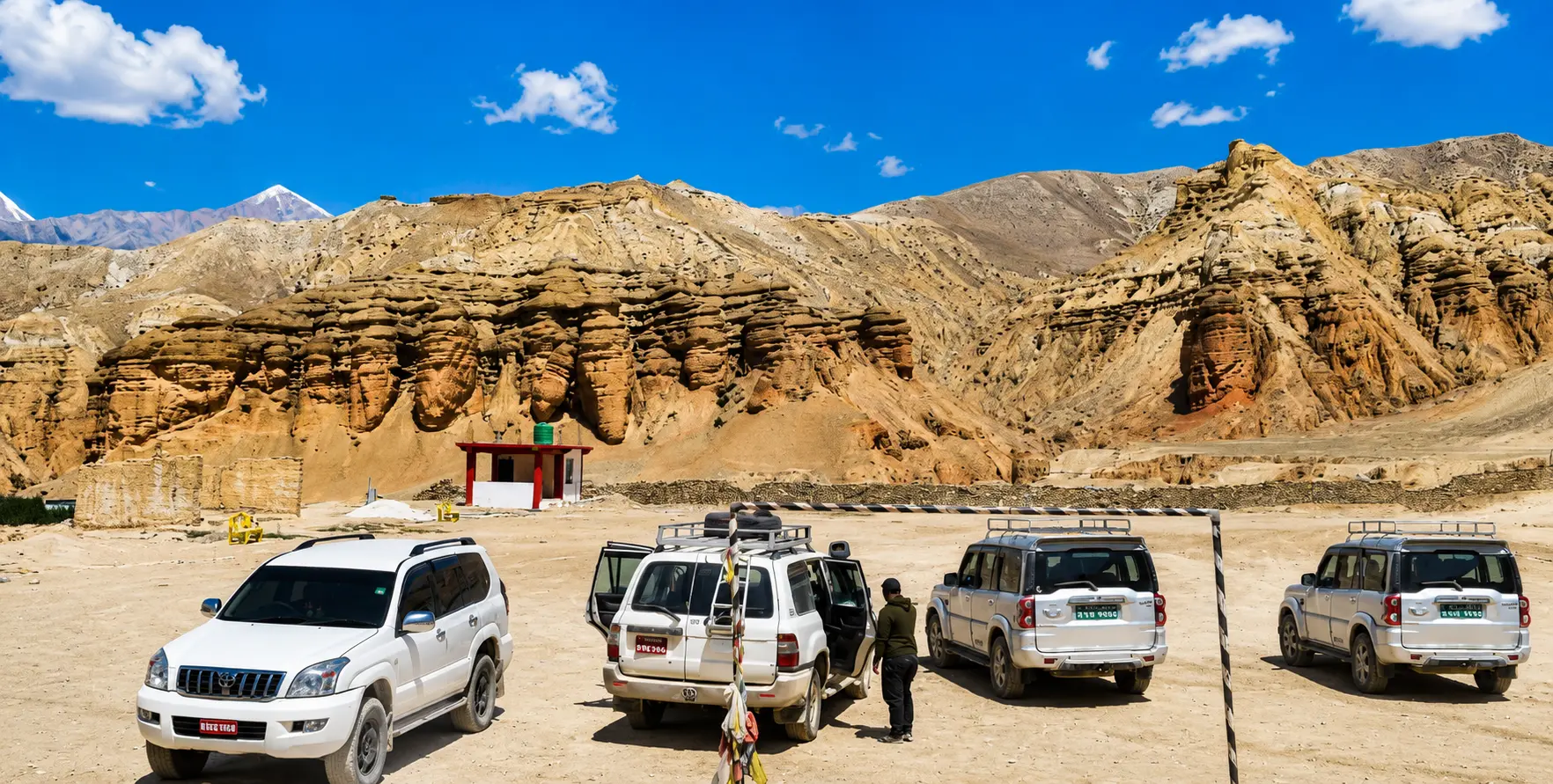
Private jeeps parked in Mustang

Nepal Trekking Transport Guide | — Understanding Your Options

The first question in any Nepal trekking transport booking is vehicle type, and the right answer depends specifically on group size, distance, destination, and the road character of the final approach. Nepal Vehicle Hiring Pvt Ltd offers a full range of vehicle options for every trekking transport need.

Private Sedan / Car. Private car hire from Nepal Vehicle Hiring Pvt Ltd is ideal for shorter, fully paved transfers: Kathmandu airport transfers, Kathmandu sightseeing, Bhaktapur day tours, and Pokhara car hire for city excursions and shorter Lakeside-area transfers. For groups of 1 to 3 with minimal luggage, a private car is also appropriate for paved-highway transfers such as Kathmandu to Pokhara by road or Pokhara to Besisahar.

A sedan is not suitable for any trekking trailhead approach that includes off-road sections.

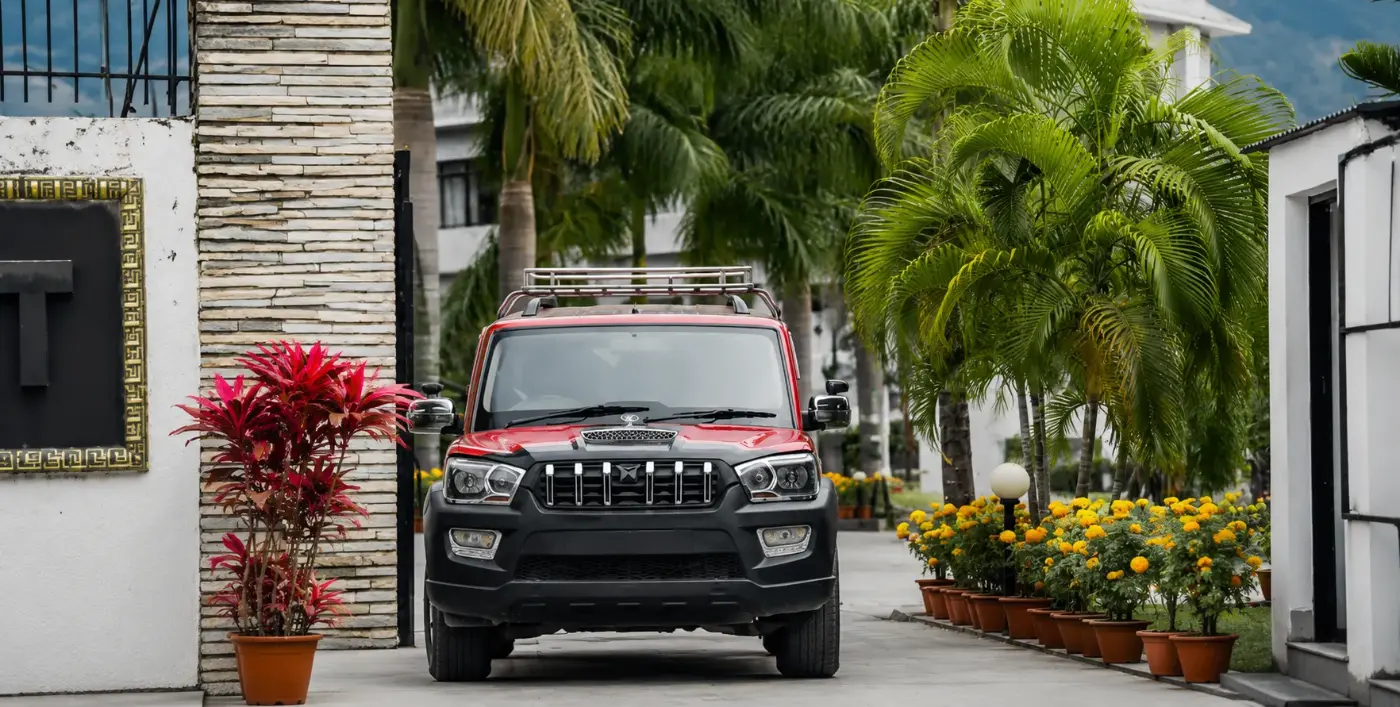
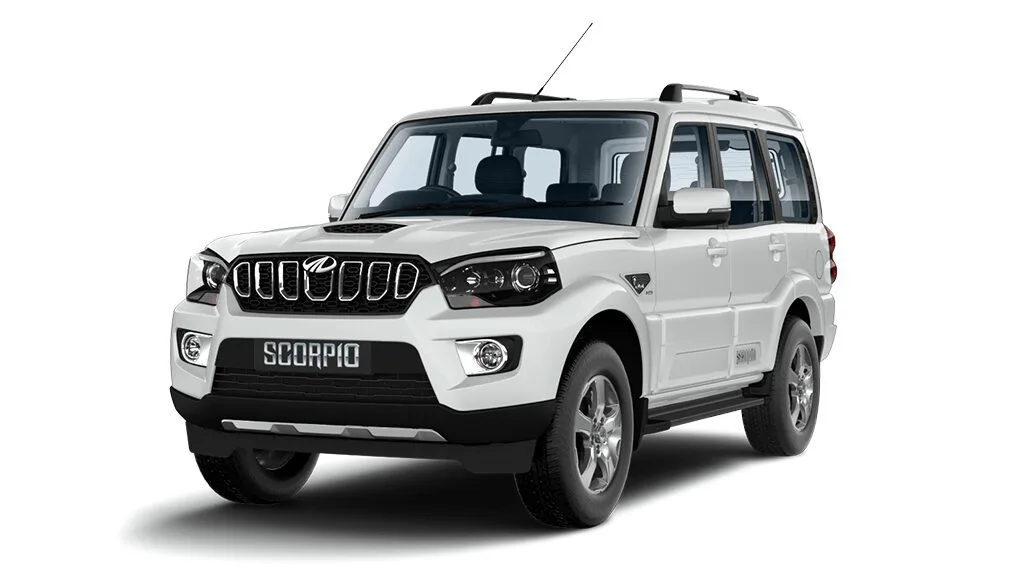
Private 4WD Jeep (Scorpio / Hilux). The private 4WD jeep is the single most versatile and most widely used vehicle in Nepal’s trekking transport fleet. The Mahindra Scorpio 4WD and Toyota Hilux 4WD — the two primary workhorses of Nepal Vehicle Hiring Pvt Ltd’s jeep hire fleet — combine the ground clearance, low-range capability, and load-carrying capacity required for every major Nepal trekking trailhead approach, with comfortable cabin space for 4 to 6 passengers and roof-rack luggage capacity for full expedition duffel bags.

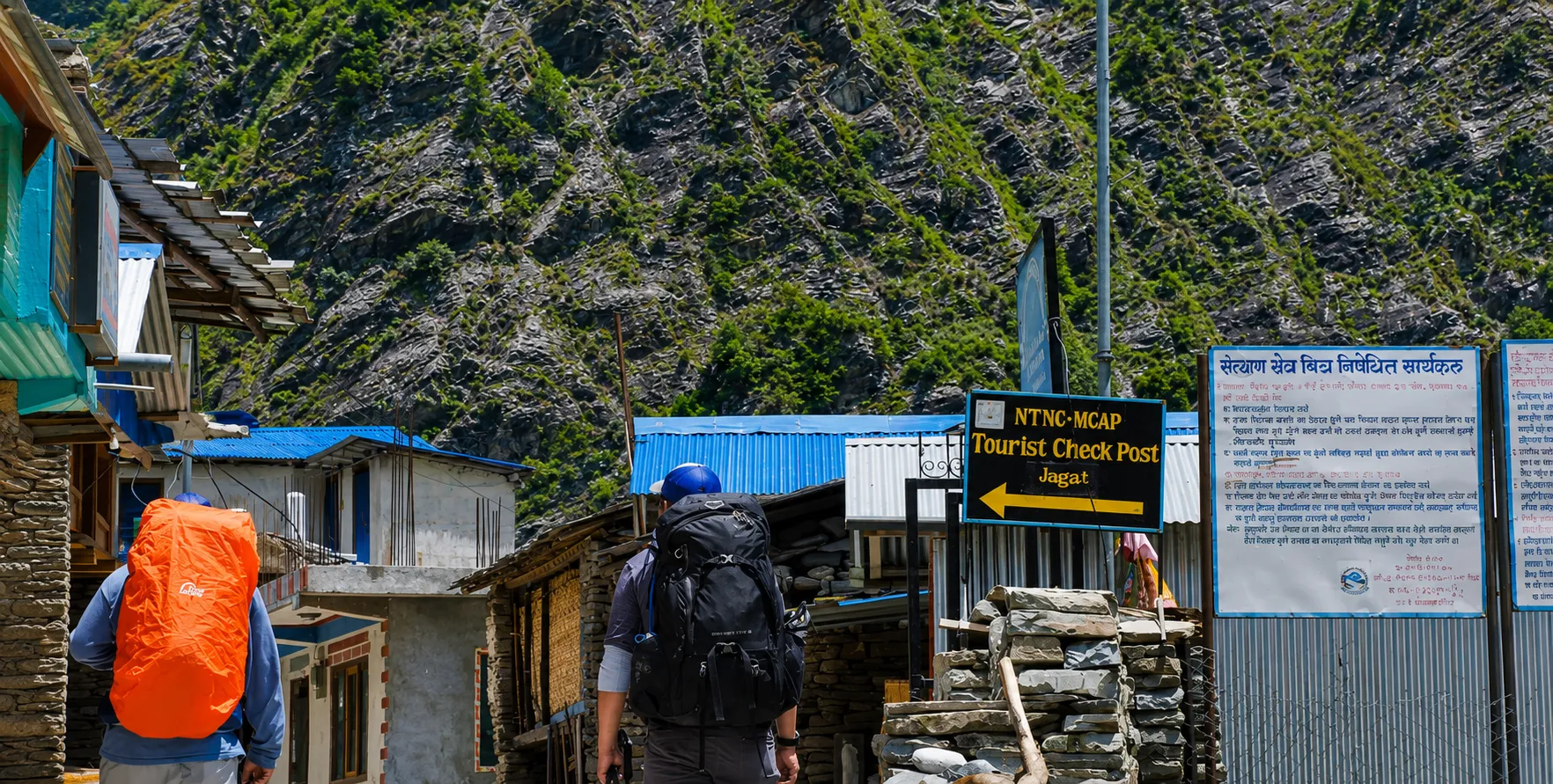
This guide covers Private jeep hire for every trekking transfer: Everest region overland approaches via Salleri, Phaplu, and Kharikhola; the Langtang trek Syabrubesi transfer; the Manaslu Circuit trailhead; and the Besisahar private vehicle service extending into the Marsyangdi gorge toward Manang.

Toyota Hiace Van. The Toyota Hiace seats 12 to 14 passengers comfortably and is ideal for medium-sized trekking groups on paved highways and moderate hill roads. Nepal Vehicle Hiring Pvt Ltd’s Hiace van hire covers the Kathmandu to Pokhara bus corridor, the approach to Besisahar, the approach to Syabrubesi and Dhunche for the Langtang trek, and any other transfer where the road quality allows a van-height vehicle and the group exceeds 6 people.

For approaches that include genuinely rough off-road sections — Soti Khola, Machha Khola, the Annapurna gorge beyond Besisahar — the Hiace transfers passengers at the pavement’s end, with a 4WD jeep shuttle covering the rougher final section.

Tourist Coaster and Bus. For large trekking groups of 20 to 45 people — school expeditions, corporate trekking programs, pilgrimage parties — Nepal Vehicle Hiring Pvt Ltd provides tourist coaster hire and full tourist bus hire on Nepal’s paved highway network. These larger vehicles cover the Kathmandu-to-Pokhara corridor, the approach to Besisahar, the Lumbini road via our Kathmandu to Lumbini bus service, and the Pokhara to Chitwan bus connection — all at significantly lower per-person cost than smaller vehicles for groups that fill them.

Land Cruiser — For the Most Demanding Terrain. For the most technically demanding Nepal trekking transport routes — Upper Mustang’s canyon roads to Lo Manthang, remote Dolpo District approaches, and the Rara Lake circuit in the far northwest — a Toyota Land Cruiser provides the highest available combination of 4WD capability, passenger comfort, and luggage capacity for small groups of 4 to 5. Nepal Vehicle Hiring Pvt Ltd offers Land Cruiser hire for these top-end remote routes upon booking. The Land Cruiser’s larger fuel tank, higher ground clearance, and greater low-range torque make it ideal for multi-day, remote transfers where long distances, rough terrain, and limited roadside support demand the highest margin of mechanical reliability.

Everest Region Trekking Transport — The Most Complex Logistics in Nepal

The Everest Base Camp trek is Nepal’s most famous trekking experience — and its most logistically complex to reach, because the standard trailhead at Lukla (2,860 m) is accessed by a short but frequently weather-cancelled domestic flight rather than any road. Understanding how the transport chain for Everest region trekking works is essential to avoid the single most common source of Everest itinerary disruption.

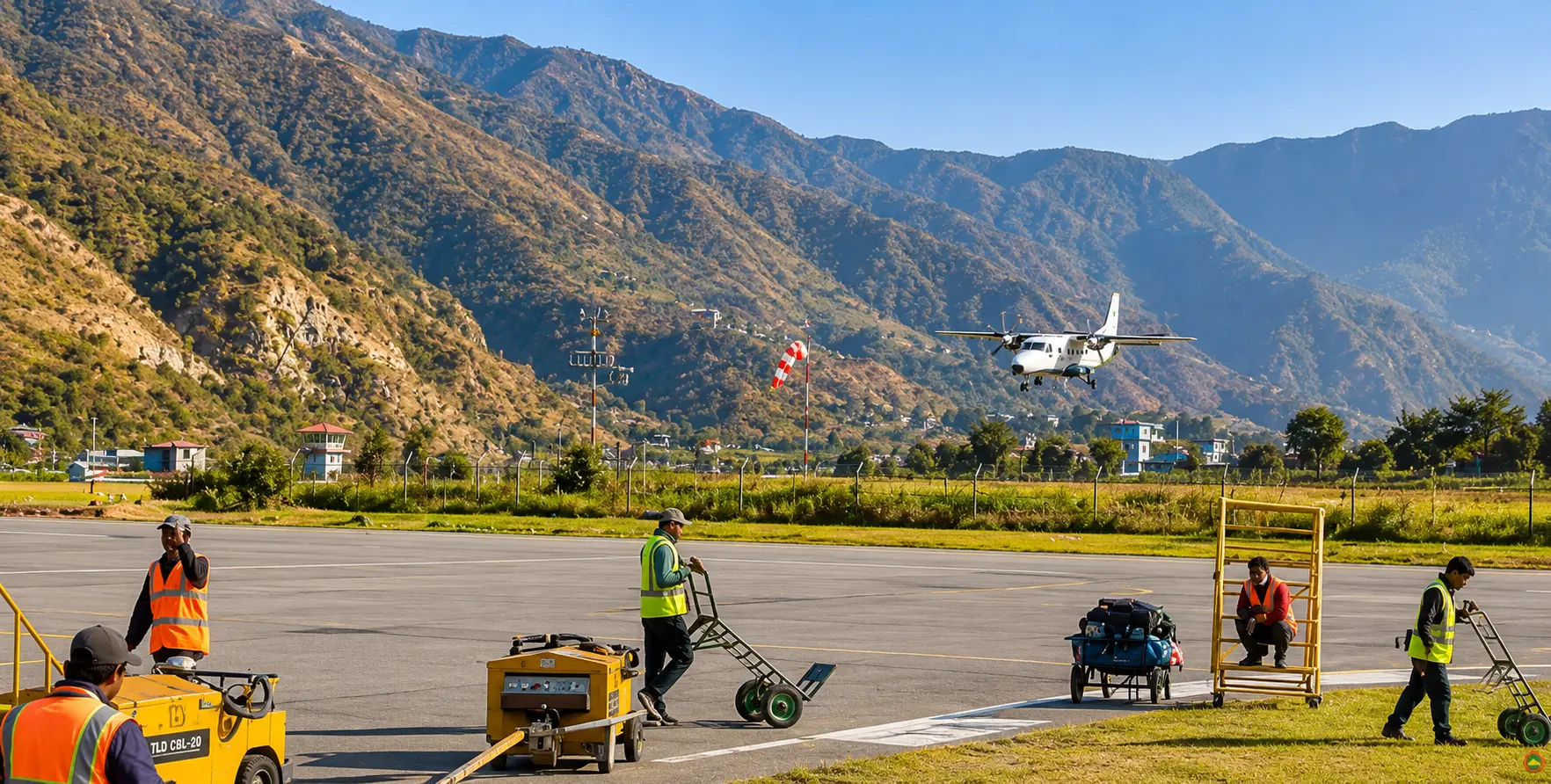
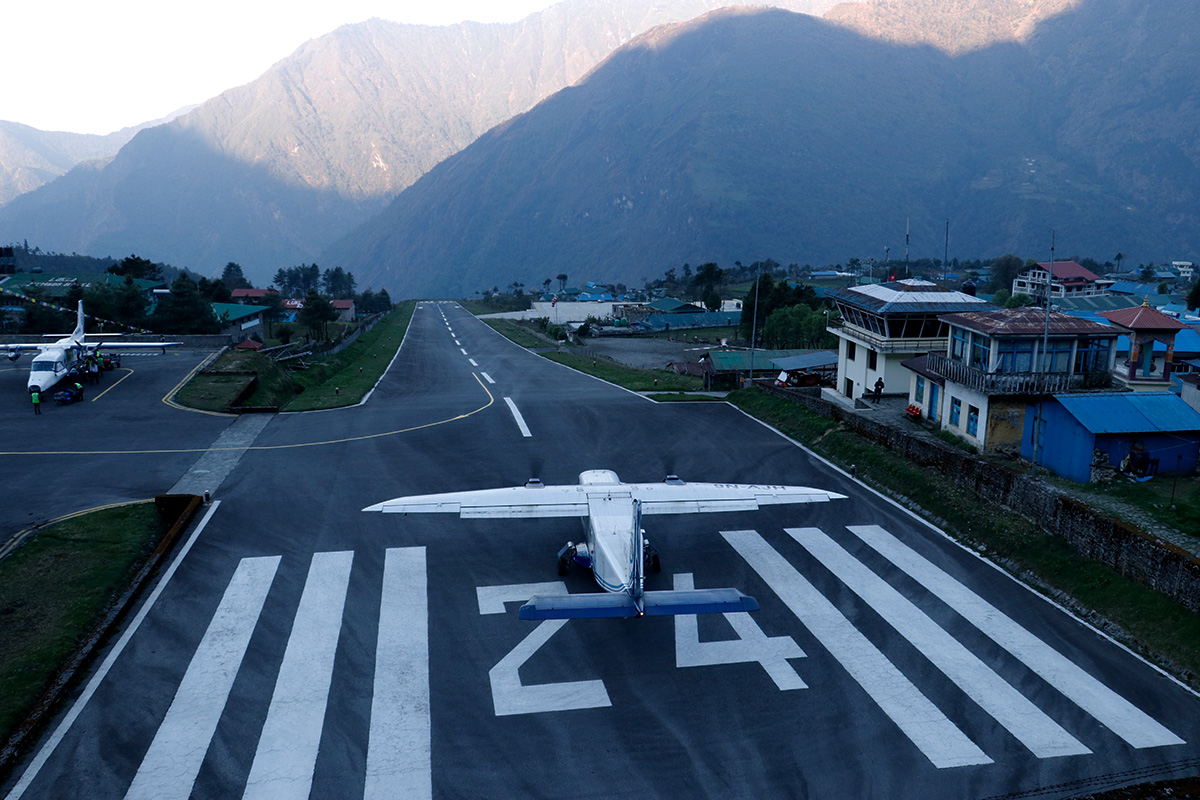
The Lukla flight most often departs from Ramechhap’s Manthali Airport during the peak spring (March to May) and autumn (October to November) seasons, because Kathmandu’s Tribhuvan International Airport manages congestion this way. This means the Everest trekking transport chain for most travellers runs as follows: a predawn private vehicle departure from Kathmandu at approximately 3:00 to 4:00 AM, a 4- to 5-hour drive to Ramechhap by private jeep, the short Manthali-to-Lukla flight, and then the Everest Base Camp trek on foot through Phakding, Namche Bazaar, and the Khumbu.

Nepal Vehicle Hiring Pvt Ltd specialises in the Kathmandu-to-Ramechhap predawn transfer, calculating each departure time based on the specific flight slot to ensure you arrive at Manthali Airport with enough time to check in, regardless of the pre-dawn start.

The overland alternative for Everest region trekking bypasses the Lukla flight entirely, using a private jeep transfer from Kathmandu to Phaplu, Salleri, or Kharikhola and Surke — the traditional overland approach route covered in detail in our dedicated Kathmandu to Salleri Phaplu guide and our Kathmandu to Kharikhola Surke guide. From Surke, a short 2 to 3 hour walk connects to Lukla and the main EBC trail.

From Phaplu or Salleri, the Jiri to Everest historical overland route begins — the same approach all pre-1964 Everest expeditions used. For travellers wary of flight cancellations or seeking a more in-depth, historically grounded introduction to the Everest region, Nepal Vehicle Hiring Pvt Ltd’s overland transfer to Soti Khola and beyond is one of the finest decisions an Everest-bound trekker can make.

For Gokyo Lakes trekkers and those undertaking the Everest Three Passes circuit, the same transport options apply: Lukla or overlands. For the Everest View Trek — a shorter Khumbu itinerary reaching the famous Everest View Hotel above Namche without the full Base Camp commitment — the Lukla flight or the Surke overland approach delivers trekkers to the same starting point.

The luxury Everest Base Camp lodge trek and the EBC with helicopter return from our sister company Trek Nepal Himalayas use the same outward Lukla approach combined with a helicopter return that eliminates the return road journey — a popular choice for travellers who want the historical overland walk in one direction and the spectacular aerial return in the other.

Annapurna Region Trekking Transport — The Most Road-Changed Landscape

The Annapurna region offers Nepal’s widest diversity of trekking experiences — from the 4- to 5-day Ghorepani Poon Hill trek to the full Annapurna Circuit at 12 to 18 days, with the Annapurna Base Camp trek, Muldai View Trek, and Nar Phu Valley trek filling in between. It is also the region where Nepal trekking transport has changed most dramatically in the past decade, as road construction has pushed drivable tracks far deeper into the Marsyangdi gorge and the Kali Gandaki valley than any planning done before 2015 would have anticipated.

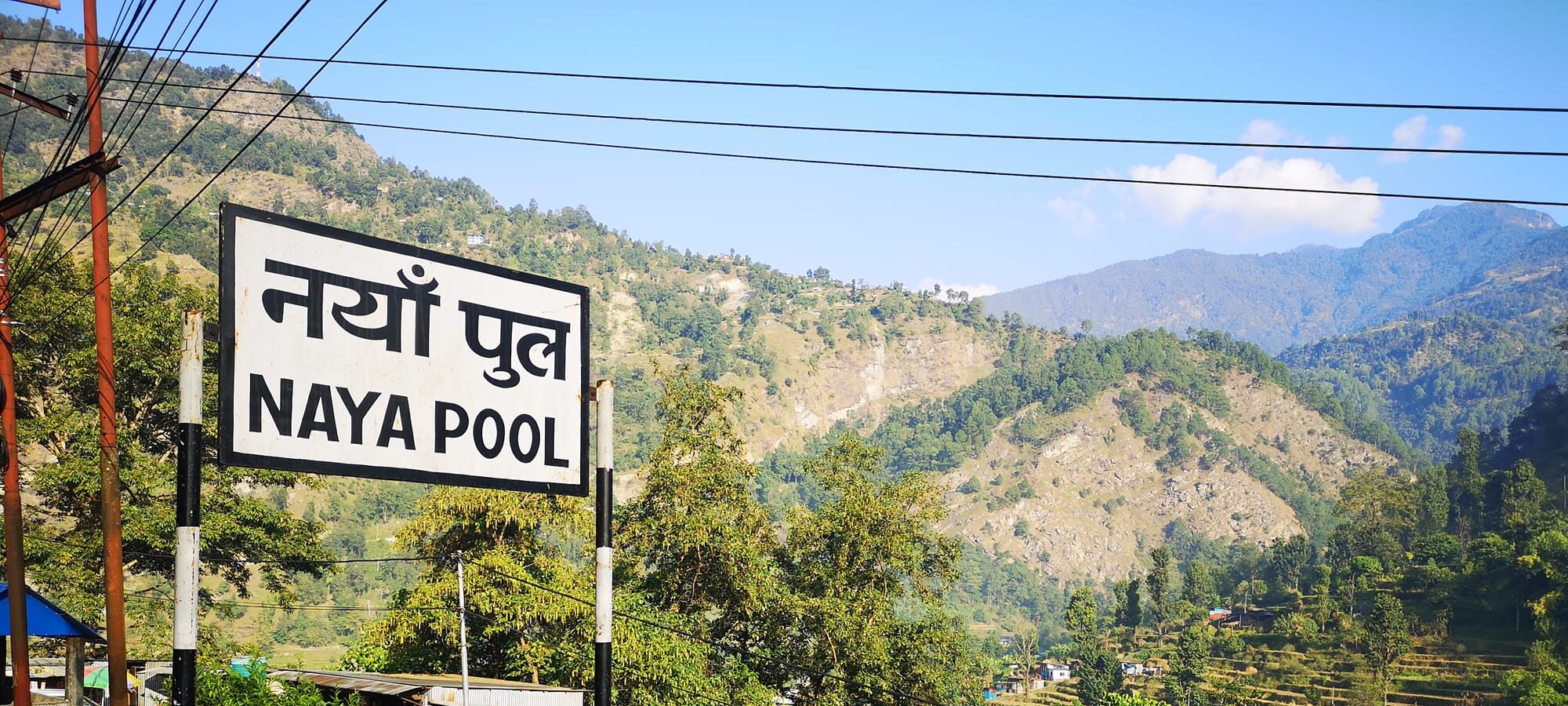
For the Ghorepani Poon Hill trek and Annapurna Base Camp trek, the transfer from Pokhara is the defining logistics step: typically a short Pokhara-to-Nayapul private jeep ride of 45 minutes to 1.5 hours, reaching the Nayapul or Birethanti trailhead on the Modi Khola valley. Nepal Vehicle Hiring Pvt Ltd offers this Pokhara trailhead transfer with hotel pickup from anywhere in Lakeside, making it one of Nepal’s smoothest and most reliable trekking transport arrangements—short, fully paved, and done before breakfast.

For the Annapurna Circuit trek, the key transport booking is the Besisahar private vehicle service — covered in dedicated detail in our Besisahar pickup drop guide — which now extends for many groups well beyond Besisahar itself, with private 4WD jeeps carrying trekkers deep into the Marsyangdi gorge toward Jagat, Chame, and Manang and reducing what was historically a full week of approach walking to 1 or 2 days of vehicle travel. The Kathmandu-to-Besisahar bus ticket offers a public-transport option for budget-conscious trekkers on the same corridor.

For the return from the Annapurna Circuit via Jomsom, Muktinath, and the Kali Gandaki valley, car hire in Pokhara or a private jeep arrangement from Pokhara covers the Beni-to-Pokhara or Tatopani-to-Pokhara sections on the circuit’s western exit. At the same time, the Sarangkot sunrise vehicle offers the classic post-trek Pokhara view for groups who want to celebrate completing the Annapurna Circuit with the city’s finest mountain panorama.

Langtang Region Trekking Transport — The Closest Trek, the Best Road Story

The Langtang Valley trek is Nepal’s closest major Himalayan trek to Kathmandu — accessible via a single Kathmandu to Syabrubesi jeep transfer of 6 to 8 hours along the Pasang Lhamu Highway, with no flight required at any stage. The standard vehicle-hire drop-off for the Langtang trek is Syabrubesi (1,460 m) for the main Langtang Valley route toward Lama Hotel, Langtang village, and Kyanjin Gompa, or Dhunche (1,970 m) for the Gosaikunda sacred lake approach.

The Ramche Landslide zone — a specific section approximately 3 km south of Dhunche — is this route’s most consistently monitored road challenge, and Nepal Vehicle Hiring Pvt Ltd tracks conditions through our driver network before every scheduled departure.

The Helambu trek — often combined with Langtang and Gosaikunda into one of Nepal’s finest 12 to 16 day multi-region circuits — exits at Melamchi Bazaar, from where a private vehicle or local bus service connects back to Kathmandu. Nepal Vehicle Hiring Pvt Ltd coordinates the Melamchi pickup as a return leg alongside the outward Syabrubesi drop for combined Langtang-Gosaikunda-Helambu itineraries — one of our most popular multi-leg trekking transport arrangements for groups spending 12 or more days in the Rasuwa and Sindhupalchok mountain corridor.

The Panch Pokhari trek transport — a lesser-known spot in the Sindhupalchok region, with its sacred five-lake complex beneath the Jugal Himal — uses a shared approach corridor, reachable via the Melamchi Bazaar road or Chautara, depending on the itinerary. Our Panch Pokhari trek transport guide covers this approach in detail, and Nepal Vehicle Hiring Pvt Ltd offers private jeep hire to both gateways.

Manaslu Region Trekking Transport — Road Journey as Prologue

The Manaslu Circuit trek has, within the past five years, moved from relative obscurity to one of Nepal’s most-booked premier trekking experiences — its combination of teahouse infrastructure comparable to the Everest and Annapurna corridors with trail quietness dramatically greater than either has given it a specific and loyal following among trekkers who have completed the classic routes and are specifically seeking the combination of comfort and solitude. The Manaslu Circuit trek transport from Kathmandu is a 7- to 10-hour private 4WD jeep journey along the Prithvi Highway and Arughat corridor to the trailheads at Soti Khola (710 m) or Machha Khola (870 m), with the section from Arughat onward being the genuine rough off-road approach that makes 4WD essential rather than simply preferable.

The Manaslu Circuit requires the three-permit combination of Restricted Area Permit (RAP), Manaslu Conservation Area Permit (MCAP), and Annapurna Conservation Area Permit (ACAP) for the Larkya La crossing — all obtained in Kathmandu before departure. The circuit exits at Dharapani and Besisahar, from where Nepal Vehicle Hiring Pvt Ltd provides a private return vehicle service to Kathmandu or Pokhara.

The Tsum Valley trek — one of Nepal’s finest and most culturally intact hidden valley experiences, covered in detail in our dedicated Tsum Valley trekkers guide — branches from the main Manaslu approach and uses the same trailhead transfer, making the Soti Khola and Machha Khola jeep transfer the gateway for both of the Manaslu region’s finest trekking destinations.

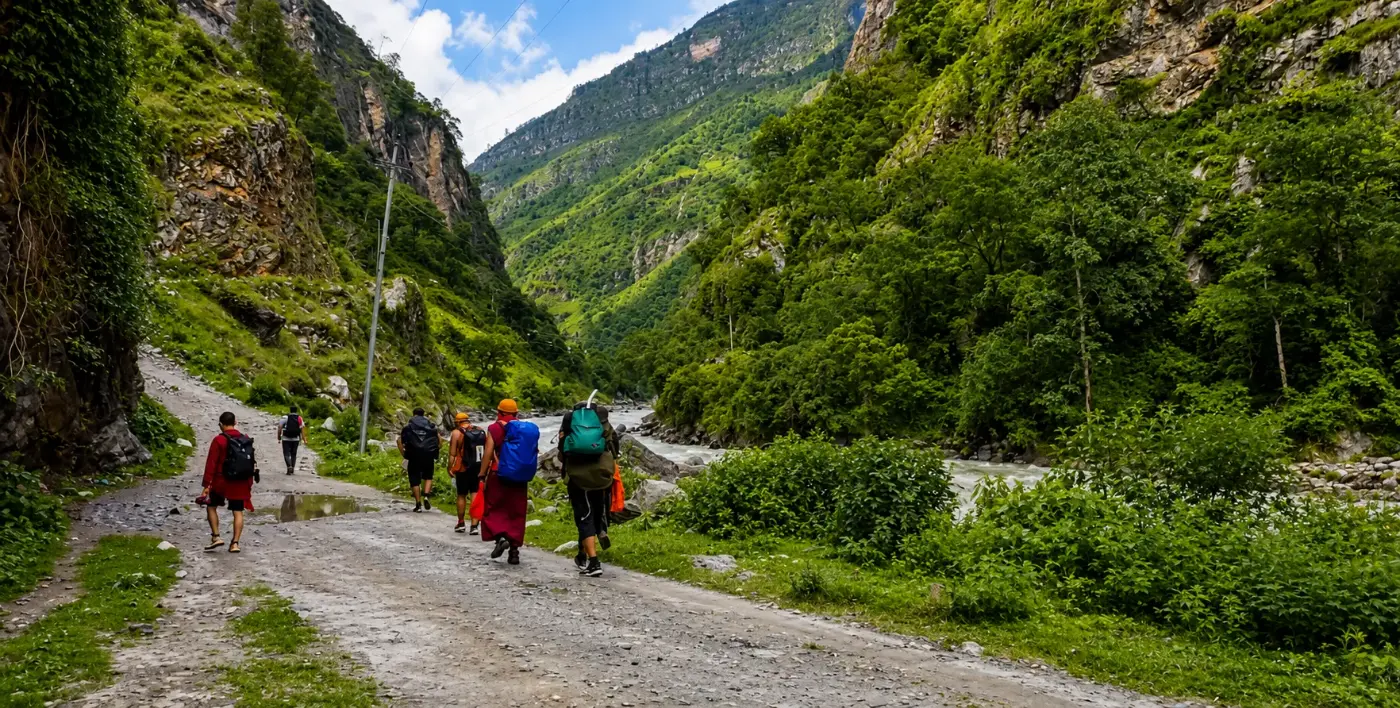
Plan your Himalayan adventure with the Nepal Trekking Transport Guide. Book private 4WD jeeps, Scorpio SUVs, Hiace vans, and cars with experienced drivers for safe, comfortable, and reliable transfers to Nepal's major trekking regions.

Upper Mustang and Muktinath — Trekking by Jeep

The Upper Mustang trek has undergone the most dramatic transport transformation of any major Nepal trekking route: road construction through the Kali Gandaki valley has advanced to the point that, as of 2026, the former multi-week walking approach to Lo Manthang is now largely drivable by private 4WD vehicle or Land Cruiser, making it one of Nepal’s finest jeep tour experiences as well as one of its most dramatic overland drives. Nepal Vehicle Hiring Pvt Ltd provides private vehicle hire for the Jomsom-to-Lo Manthang corridor within the broader Upper Mustang restricted area, coordinating with the Pokhara-to-Jomsom Yeti Airlines flight that begins most Upper Mustang itineraries.

Muktinath, the sacred pilgrimage site at 3,710 meters, is now reachable entirely by road from Jomsom via the extended Kali Gandaki valley track — a journey completed in private jeep hire by pilgrims and trekkers alike, and one of Nepal’s most popular altitude drives combining Hindu and Buddhist sacred site access with spectacular high-desert mountain scenery. The Nar Phu Valley trek — accessible from Koto village beyond Chame on the Annapurna Circuit approach road — is a restricted-area trek with a rapidly growing reputation among experienced trekkers seeking genuine remote Himalayan wilderness, with the Besisahar to Manang jeep transfer serving as its transport entry point.

Plan your Himalayan adventure with the Nepal Trekking Transport Guide. Book private 4WD jeeps, Scorpio SUVs, Hiace vans, and cars with experienced drivers for safe, comfortable, and reliable transfers to Nepal's major trekking regions.

Eastern Nepal Trekking Transport — The Untrodden Corridors

Nepal’s eastern trekking regions — Kanchenjunga, Makalu, Rolwaling, and the Solu Khumbu overland approaches — represent the frontier of Nepal trekking transport: their approach roads combine the greatest distances, roughest terrain, and most limited alternative transport options of any major trekking destination in the country. The Kanchenjunga Base Camp trek in Nepal’s far east requires either a domestic flight to Taplejung or a very long private vehicle transfer from Kathmandu via Itahari and the Mechi Highway—a journey that, by road, takes the better part of two days and tests even the most experienced Nepali drivers.

Nepal Vehicle Hiring Pvt Ltd coordinates Kanchenjunga region transfers on booking, ensuring the right vehicle and driver experience for this demanding eastern corridor.

The Solukhumbu overland approach corridor — Kathmandu to Jiri, Salleri, Phaplu, Kharikhola, and Surke — has been covered in dedicated detail in our Kathmandu to Salleri Phaplu guide and our Kathmandu to Soti Khola guide, and represents the historical overland approach to the Everest region that bypasses the Lukla flight entirely. The Rolwaling Valley trek — accessed via Charikot in Dolakha District — uses an approach corridor reachable via the BP Highway from Kathmandu, with private 4WD jeep hire to Charikot taking approximately 5 to 6 hours.

Nepal Vehicle Hiring Pvt Ltd provides Rolwaling and Dolakha District trailhead transfers on request.

What characterises all of these eastern Nepal trekking transport routes—beyond their individual distance and road-quality specifics—is that they reward prior knowledge and punish improvisation more than any other Nepal trekking corridor. A driver who did the Charikot approach once, two years ago, in a different vehicle and under different seasonal conditions, is fundamentally less reliable than one who has done it regularly and recently, specifically in the 4WD jeep model they are driving today.

This is precisely the distinction Nepal Vehicle Hiring Pvt Ltd maintains through our driver assignment policy: every remote eastern Nepal trailhead booking is confirmed with a driver whose personal, current experience on that specific corridor we have verified — not assigned to the nearest available vehicle from a general pool. Contact our plan trip team for any eastern Nepal trekking transport inquiry to confirm driver availability and current road conditions before finalising your booking dates.

Shared vs Private — The Decision That Shapes Your Entire Trek Start

For many first-time Nepal visitors, the choice between shared and private Nepal trekking transport comes down to price alone—and while cost is a legitimate consideration, it is rarely the only one that matters on the morning of a trek departure. Understanding the practical differences between shared and private vehicle hire for Nepal trekking helps travellers make an informed choice rather than a purely reflexive one.

Shared jeep services on Nepal’s major trekking corridors — to Besisahar, Syabrubesi, Salleri, or Phaplu — operate on a departure model that is, in honest terms, a departure when full: vehicles wait at their Kathmandu departure points until they have enough passengers to make the run economically worthwhile, then depart. In practice, during peak season, this usually means departing between 7:00 and 9:00 AM.

In off-peak months, it can mean waiting until 10:00 AM or later as passenger numbers build more slowly. None of this is unreasonable by the standards of rural Nepali shared transport. Still, it is incompatible with any trekking itinerary that requires a specific departure time to ensure daylight arrival at a distant trailhead.

A private 4WD jeep from Nepal Vehicle Hiring Pvt Ltd departs from your hotel door at a time you and our team agree on in advance, with a verified vehicle and driver assigned specifically to your booking. For the Manaslu Circuit approach, where a 5:30 AM departure from Kathmandu is standard to allow daylight arrival at Soti Khola or Machha Khola, this fixed departure time is not a preference but a safety necessity.

The same applies to the Ramechhap airport transfer: a 3:30 or 4:00 AM departure is standard, and a shared vehicle fill-and-go model is simply incompatible with meeting a specific domestic flight check-in window.

The cost difference between shared and private also narrows dramatically as the group grows. For a group of 4 to 6, the private jeep total divided among the group frequently comes within NPR 500 to 1,000 per person of the shared fare — a difference that, measured against the departure timing certainty, hotel pickup convenience, and luggage handling of the private vehicle hire arrangement, most experienced Nepal trekkers regard as straightforwardly worth paying.

Nepal Vehicle Hiring Pvt Ltd’s private jeep hire also includes a dedicated roof rack with securing ropes for heavy trekking luggage—an arrangement far more secure than typical shared-vehicle roof handling.

Plan your Himalayan adventure with the Nepal Trekking Transport Guide. Book private 4WD jeeps, Scorpio SUVs, Hiace vans, and cars with experienced drivers for safe, comfortable, and reliable transfers to Nepal's major trekking regions.

Ramechhap Manthali Airport Transfer — The Forgotten First Leg of EBC

Over the past several trekking seasons, Ramechhap’s Manthali Airport has shifted from an occasional overflow option to the standard departure point for most Muktinath-bound flights during Nepal’s two peak trekking windows—spring from March to May and autumn from September to November. For Everest Base Camp trekking transport, this means the Everest trek now routinely begins with a 4- to 5-hour predawn private vehicle journey from Kathmandu to Ramechhap, departing at 3:00 to 4:00 AM to allow adequate check-in time for early morning Lukla flights.

Nepal Vehicle Hiring Pvt Ltd’s Kathmandu to Ramechhap airport transfer service is specifically calibrated to this early departure requirement: departure time is calculated backwards from each client’s specific Lukla flight slot, buffer time is built in for both standard early morning Kathmandu traffic and the occasional construction zone on the Sindhuli Highway approach, and our drivers confirm pickup timing with clients by WhatsApp the evening before departure. A miscalculated departure or a driver who is even 30 minutes late can, in the worst cases, mean a missed Lukla flight or a rebooking delay of several days due to limited seat availability, creating a cascading delay that affects the entire EBC trek itinerary.

This is the trekking transport booking where precision matters most, and where Nepal Vehicle Hiring Pvt Ltd’s specific Ramechhap experience pays for itself entirely.

For the luxury Everest Base Camp lodge trek and the EBC with helicopter return from Trek Nepal Himalayas, the same Ramechhap transfer serves as the outward journey, while the helicopter return eliminates the return road journey. The Jiri to Everest overland trek and Gokyo Lakes trek use the same flight approach.

For those choosing the full overland alternative via Salleri and Phaplu, no flight is involved, and no Ramechhap transfer is needed — making this the single most logistically simplified Everest region approach available.

The Evolving Road Network — How Transport Options Are Changing Every Year

One of the most important — and most under-appreciated — aspects of planning Nepal trekking transport in 2026 is that the available options are genuinely, measurably different from those of even three or four years ago. Road construction in Nepal’s mountain districts is ongoing and ambitious, and in many areas specifically targets the trekking-corridor approach roads that private vehicle hire services depend on.

The drivable road beyond Besisahar has extended progressively year by year, shrinking the walking approach to Manang by multiple days compared to what the standard Annapurna Circuit trek guide published five years ago would have described. The road toward Kharikhola and Surke has similarly advanced beyond what pre-2020 guides charted.

Upper Mustang’s Lo Manthang is now substantially road-accessible, making the term ‘trek’ for the lower approach section increasingly a matter of personal choice rather than logistical necessity.

This means any Nepal trekking transport planning based on guidebooks published more than two or three years ago should be treated with caution. The distances, driving times, and trailhead positions cited in those sources may have changed significantly—and almost always in the direction of roads getting longer, trailheads moving farther into the mountains, and the available starting altitude for any private jeep transfer increasing.

Nepal Vehicle Hiring Pvt Ltd actively monitors road extension and condition changes on every major trekking corridor we serve, and our drivers’ current knowledge of what is and isn’t currently drivable is one of the most practically valuable aspects of booking your trek transport with a professional local operator rather than relying on outdated published information.

Booking Nepal Trekking Transport — What Separates Good from Poor Arrangements

The single most important distinction in any Nepal trekking transport booking is between an all-inclusive, hotel-pickup private vehicle arrangement with a transparent upfront price and a verified operator — and an informal, last-minute negotiation with an unverified driver or shared vehicle service whose actual cost, departure time, vehicle condition, and driver experience are all unknown until the morning of the journey. This distinction matters far more for Nepal trekking transport than for most other contexts, because the consequences of poor vehicle choice or poor driver quality on a mountain approach road are not merely inconvenient — they can be genuinely dangerous on the exposed cliff-edge and landslide-prone sections that define several of Nepal’s most important trekking corridors.

The specific markers of a trustworthy Nepal trekking transport arrangement are: a clearly stated all-inclusive price covering driver, fuel, and road tolls; specific mention of the vehicle type (confirming 4WD for any approach that requires it); hotel pickup confirmation rather than meeting at a bus park; driver contact details provided before the departure date; and a named, established operator rather than an anonymous WhatsApp number. Nepal Vehicle Hiring Pvt Ltd provides every one of these markers on every booking — which is why experienced trekking guides, operators, and repeat Nepal visitors consistently recommend our vehicle hire service for the transport legs of their clients’ and their own Himalayan journeys.

Permits and the  Guide Mandate — How Transport and Documentation Connect

One of the most practical intersections between Nepal trekking transport planning and trekking logistics is the permit requirement: permits for all of Nepal’s major trekking regions must be obtained in Kathmandu or Pokhara before the trailhead transfer departs, because no trailhead has permit-processing infrastructure. The Besisahar checkpoint verifies ACAP permits for every vehicle entering the Annapurna Conservation Area.

The Dhunche checkpoint verifies Langtang National Park permits. The Jagat checkpoint on the Manaslu route verifies the Restricted Area Permit and MCAP. And the Sagarmatha National Park checkpoint at Monjo, several days’ walk above the Lukla flight arrival point, verifies the national park entry permit for Everest Base Camp trekkers.

The practical implication is that permit day and departure day cannot be the same day for any major Nepal trek. Budget at least one full day in Kathmandu or Pokhara for permit processing before the trailhead transfer departs — the Nepal Tourism Board offices in both cities process ACAP, Langtang National Park permits, and TIMS cards relatively quickly (typically within an hour for straightforward applications), but the Manaslu Circuit’s Restricted Area Permit requires registered agency submission.

Processing can take a day or more, especially during peak season when the Department of Immigration handles large volumes of applications. Nepal Vehicle Hiring Pvt Ltd’s booking team advises clients on current permit processing times when they book trekking transport, and our plan trip page lets you flag your permit status at the time of transfer inquiry so we can recommend the best departure schedule.

The mandatory licensed guide requirement — in force for all major Nepal trekking regions since 2023 — adds a further coordination dimension to trekking transport planning. The guide must be confirmed, licensed, and in possession of their own documentation before the group’s transfer departs, and in many cases the guide travels with the group in the private jeep from Kathmandu or Pokhara to the trailhead, making the vehicle hire sizing relevant to the total number of travellers including the guide.

Nepal Vehicle Hiring Pvt Ltd routinely includes the guide in the vehicle manifest when trekking groups booking through our contact page specify their guide arrangement upfront.

Plan your Himalayan adventure with the Nepal Trekking Transport Guide. Book private 4WD jeeps, Scorpio SUVs, Hiace vans, and cars with experienced drivers for safe, comfortable, and reliable transfers to Nepal's major trekking regions.

Monsoon, Landslides, and the Weather That Changes Everything

No honest guide to Nepal trekking transport can avoid discussing the monsoon. This annual June-to-September rainfall period transforms every mountain approach road in the country and introduces the landslide risk that sits behind every driving day in Nepal’s middle hills and mountain districts.

Nepal receives 80 to 90 per cent of its annual rainfall during the monsoon months. This concentration creates a predictable but highly variable pattern of road surface damage that seasonally affects the Annapurna gorge road, the Manaslu approach beyond Arughat, the Langtang highway’s Ramche zone, and the Solukhumbu overland corridor toward Phaplu and Kharikhola.

The specific practical advice for monsoon-season trekking transport is not to avoid it categorically — many experienced trekkers and pilgrims travel these routes through June, July, and August with entirely successful outcomes — but to add one specific step to the planning process: a road condition check with Nepal Vehicle Hiring Pvt Ltd on the morning of any scheduled departure that includes an off-road mountain approach section. Our driver network provides real-time, current reports on the sections of the Manaslu approach road beyond Arughat, the Ramche zone on the Langtang highway, the Dumre-to-Besisahar hill section for the Annapurna Circuit approach, and the Okhaldhunga and Salleri approaches for the Solukhumbu transfers.

If a specific section is reported closed or restricted, we proactively advise clients and offer schedule alternatives— delaying departure to a clearer forecast day or using an alternative route that avoids the affected section where one exists.

The broader ecology of Nepal’s post-monsoon trekking season — September and October specifically — is shaped directly by this road damage cycle: the first weeks of autumn trekking season often see Department of Roads crews actively repairing monsoon damage on approach roads simultaneously with the first wave of peak-season trekkers arriving at trailheads, meaning that early October departures on some corridors encounter more construction delays than mid-to-late October, when the main repair season has had more time to complete. Nepal Vehicle Hiring Pvt Ltd’s seasonal experience across all major trekking transport corridors lets us advise clients on which departure dates within the early-autumn window are likely to face more or fewer road complications—a detail that can. This detail meaningfully affects journey time on certain routes.

Cost Guide — Nepal Trekking Transport by Region

The 2026/27 pricing landscape for Nepal trekking transport reflects fuel cost increases, road improvement investment, and growing demand for private 4WD jeep hire over shared and public transport across all major trekking corridors. The following represents current Nepal Vehicle Hiring Pvt Ltd pricing for one-way private vehicle transfers:

Everest region: Kathmandu to Ramechhap Manthali Airport (for Lukla flight): NPR 8,000 to 25,000 (USD 60 to 150) by private jeep. Kathmandu to Phaplu or Salleri: US$350. Kathmandu to Kharikhola/Surke: NPR 24,000 to 45,000 (USD 180 to 380). All via our Solukhumbu route services.

Annapurna region: Pokhara to Nayapul: NPR 2,500 to 4,000 (USD 19 to 30). Kathmandu or Pokhara to Besisahar: NPR 7,000 to 22,000 (USD 53 to 165) depending on departure city. Besisahar to Manang extension: additional NPR 8,000 to 15,000 (USD 60 to 113).

Langtang region: Kathmandu to Syabrubesi: NPR 15,000 to 22,000 (USD 113 to 165). Kathmandu to Dhunche: US$160.

Manaslu region: Kathmandu to Soti Khola/Machha Khola: NPR 18,000 to 30,000 (USD 135 to 250). Full details are available in our Manaslu trek transport guide.

For route-specific quotes and current pricing, contact Nepal Vehicle Hiring Pvt Ltd via  WhatsApp or through our plan trip page.

Combining Trekking Transport with Kathmandu and Pokhara Services

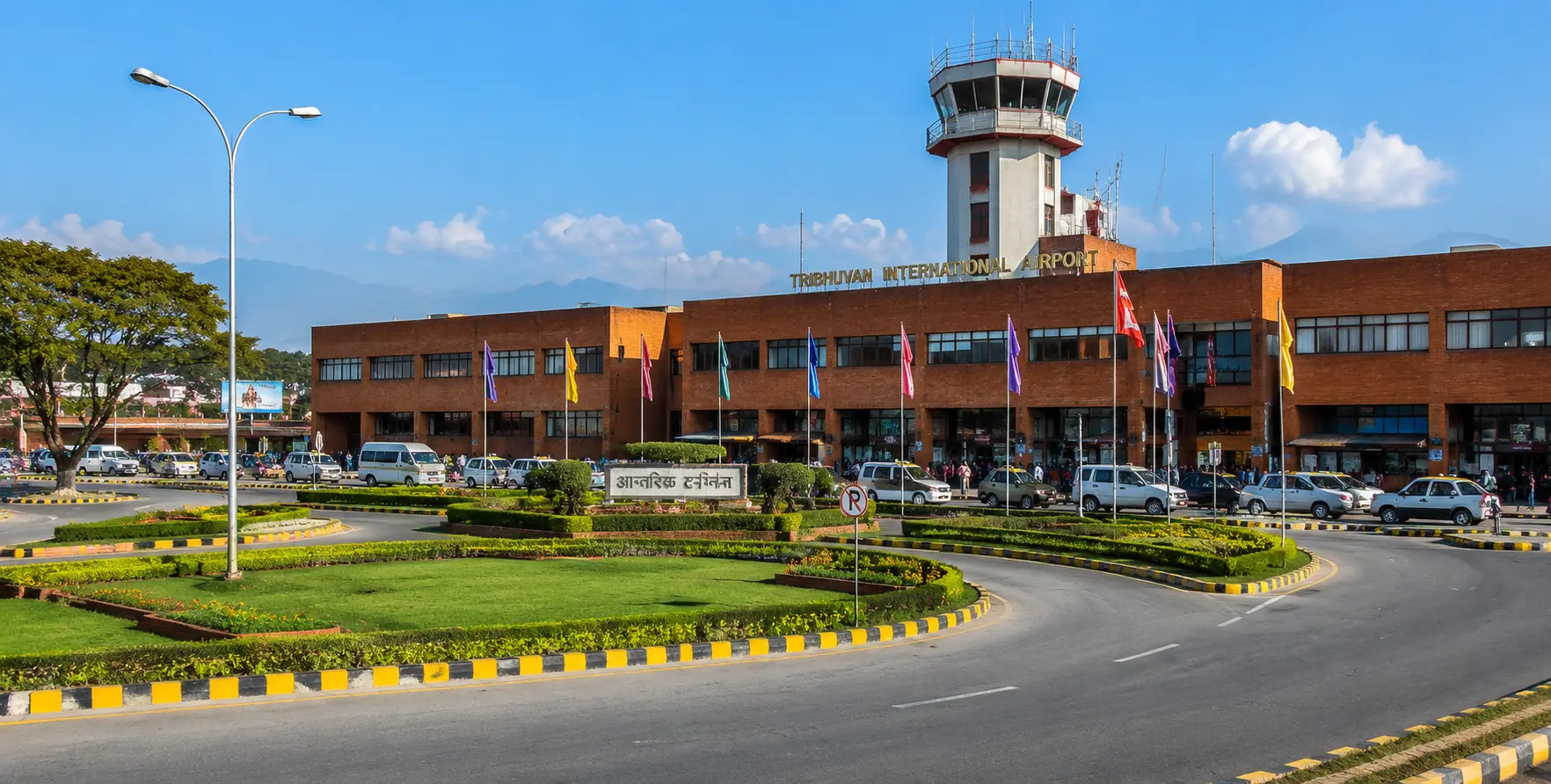
For most international travellers, trekking transport fits into a broader Nepal itinerary that includes Kathmandu airport transfers from Tribhuvan International, pre-trek Kathmandu sightseeing days covering the UNESCO-listed monument zone and Bhaktapur heritage, and a Nagarkot sunrise transfer for the classic pre-trek Himalayan panorama. In Pokhara, car hire covers the lakeside sightseeing circuit, the Sarangkot sunrise vehicle offers the best city viewpoint over the Annapurna range, and post-trek transfers connect to Chitwan via Pokhara, where a Chitwan bus takes you to the jungle safari extension so many Annapurna Circuit completers add to their itinerary.

Nepal Vehicle Hiring Pvt Ltd coordinates all of these components — from airport arrival through to final airport departure — as a single, managed transport relationship. Our Nepal tour packages combine trekking transport, city sightseeing, wildlife extensions, and heritage visits into coordinated itineraries, bookable through our plan trip page.

For the trekking component itself, our sister company Trek Nepal Himalayas provides fully guided packages for every major route — the Annapurna Circuit, Annapurna Base Camp, Ghorepani Poon Hill, Everest Base Camp, Langtang Valley, Manaslu Circuit, and Upper Mustang — coordinated alongside Nepal Vehicle Hiring Pvt Ltd’s vehicle hire service. For luxury trekking experiences, Alpine Luxury Treks provides top-end-grade guiding and accommodation across the same routes.

Why Choose Nepal Vehicle Hiring Pvt Ltd for All Your Trekking Transport

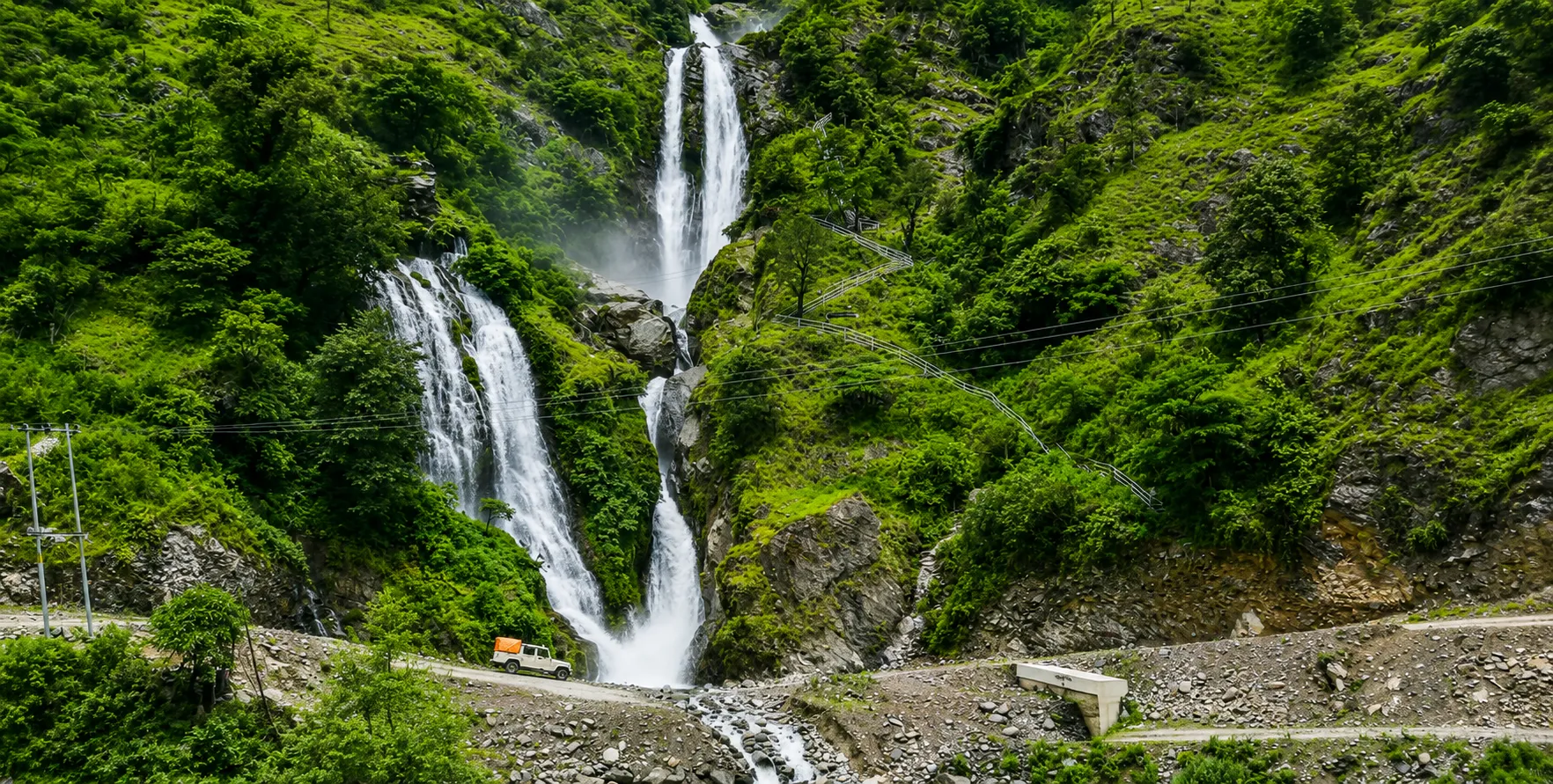
Nepal Vehicle Hiring Pvt Ltd has built its reputation specifically on the trekking transport segment of Nepal’s vehicle hire market — the predawn Ramechhap transfers, the 9-hour Manaslu gorge runs, the Syabrubesi drop with the Ramche zone check, the Besisahar pickup after a 14-day Annapurna Circuit. Our drivers are not general-purpose highway drivers who occasionally do a mountain run — they are professional, experienced mountain transport specialists who know specific road conditions on specific corridors, who have driven the Chamche waterfall section and the Soti Khola approach and the Dhunche descent on dozens of separate occasions, and who bring to every jeep hire booking the kind of route-specific knowledge that is genuinely different from what a navigation app can provide.

Our fleet is verified and maintained: 4WD Scorpio and Hilux jeeps for all mountain approach transfers, Hiace vans for medium-sized groups on paved routes, tourist coasters and buses for large groups on highway corridors. Every booking includes hotel pickup from any location in Kathmandu or Pokhara, all-inclusive transparent pricing covering driver, fuel, and tolls, and direct driver contact details 24 hours before departure.

Book via  WhatsApp through our plan trip page or contact page.

Frequently Asked Questions — Nepal Trekking Transport

What vehicle do I need for Nepal trekking transport?

For any trekking trailhead approach that includes off-road sections—including Everest region overland, Manaslu, Langtang beyond Dhunche, and Annapurna gorge beyond Besisahar—a 4WD jeep is required. For fully paved transfers (Pokhara to Nayapul, Kathmandu to Pokhara, airport transfers), a sedan or Hiace is appropriate.

How do I get from Kathmandu to the Everest Base Camp trailhead?

The standard approach is a predawn transfer from Kathmandu to Ramechhap Manthali Airport (4 to 5 hours by private jeep), then the Manthali-to-Lukla domestic flight. Alternatively, the overland approach via Salleri, Phaplu, or Kharikhola bypasses the flight entirely for trekkers with extra time.

What does private jeep hire cost for trekking transport in Nepal?

Costs vary by route. From NPR 2,500 (Pokhara to Nayapul) to NPR 35,000+ (Kathmandu to Kharikhola). See our region-by-region guide above or contact us via WhatsApp for a specific quote.

Can I use public buses for trekking transport in Nepal?

Yes, for budget trekkers. The Kathmandu to Besisahar bus and general bus services from Gongabu Bus Park reach many trekking approach towns. However, buses involve fixed departure times, multiple stops, and no hotel pickup — making private jeep hire the strongly preferred option for any group with fixed trek schedules.

How do I arrange my return transport from a trek?

Nepal Vehicle Hiring Pvt Ltd arranges pre-confirmed return pickups from all major trek exit points — Syabrubesi, Dhunche, Besisahar, Dharapani, Phaplu, Salleri — as part of the outward booking. Confirm your expected return date at booking; adjustments accepted via WhatsApp.

Which Nepal trekking regions need 4WD vehicles?

Everest region overland (Salleri, Phaplu, Kharikhola), Manaslu (Soti Khola, Machha Khola), Langtang (Syabrubesi), Annapurna gorge (beyond Besisahar toward Chame and Manang), and Rolwaling (Charikot approach) all require 4WD jeep hire. Pokhara to Nayapul and paved highway transfers can use a sedan or van.

Conclusion

Nepal trekking transport is the infrastructure that makes every Himalayan adventure possible — and in a country whose road network is still actively extending into previously roadless valleys, where the trailhead of today is further into the mountains than the trailhead of five years ago, this infrastructure is evolving faster than almost any other aspect of the Nepal trekking experience. Understanding which vehicle suits which approach, which roads require 4WD, which trailheads have moved, and how the Ramechhap airport transfer has changed the standard Everest approach is the foundation of any well-organised Nepal trekking trip.

Nepal trekking transport is not a footnote. It is the first and last chapter of every Himalayan adventure — and in a country where road construction is actively extending into previously roadless mountain valleys year by year, the transport options available today are meaningfully different from those of three years ago.

They will be different again in three years. Staying current with these changes, matching the right vehicle to the right route, and booking with a professional operator whose drivers have real, recent, route-specific experience are the foundation of every great Nepal trek.

Nepal Vehicle Hiring Pvt Ltd has been that foundation for hundreds of trekking groups across Nepal’s major mountain regions, and our team is ready to provide the same reliable, experienced, transparent service for your journey into the Himalaya.

Nepal Vehicle Hiring Pvt Ltd provides the complete spectrum of trekking transport across every region covered in this guide — from private jeep hire to Hiace van, from airport transfer to trek-end pickup. For luxury trekking packages above the trailhead, Alpine Luxury Treks and Trek Nepal Himalayas provide guided experiences that begin where our road ends.

Book your Nepal trekking transport with Nepal Vehicle Hiring Pvt Ltd — call or WhatsApp, visit vehiclehiringnepal.com, or plan your full journey through our plan trip page.

Sudurpaschim Tour Transportation

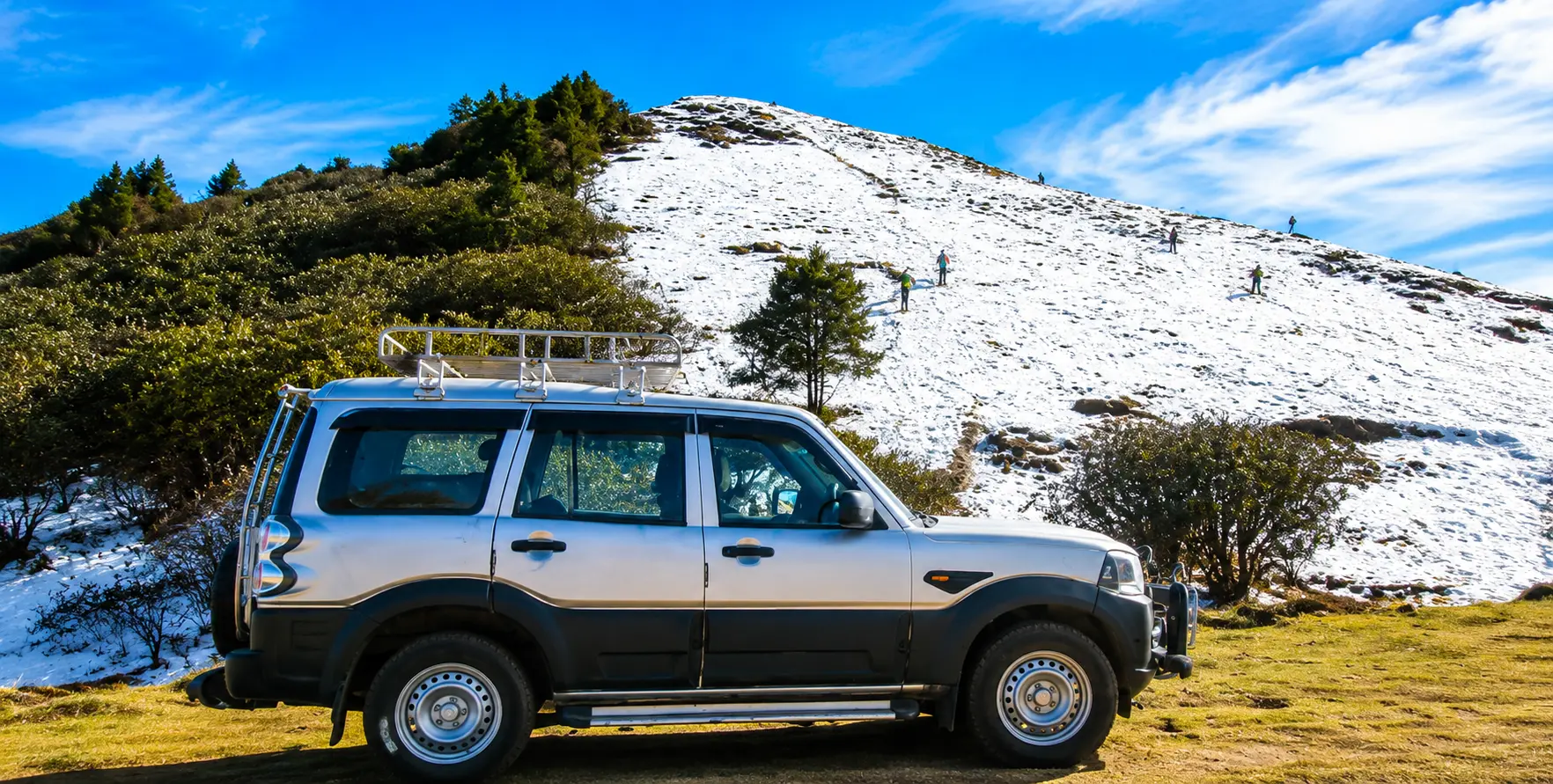
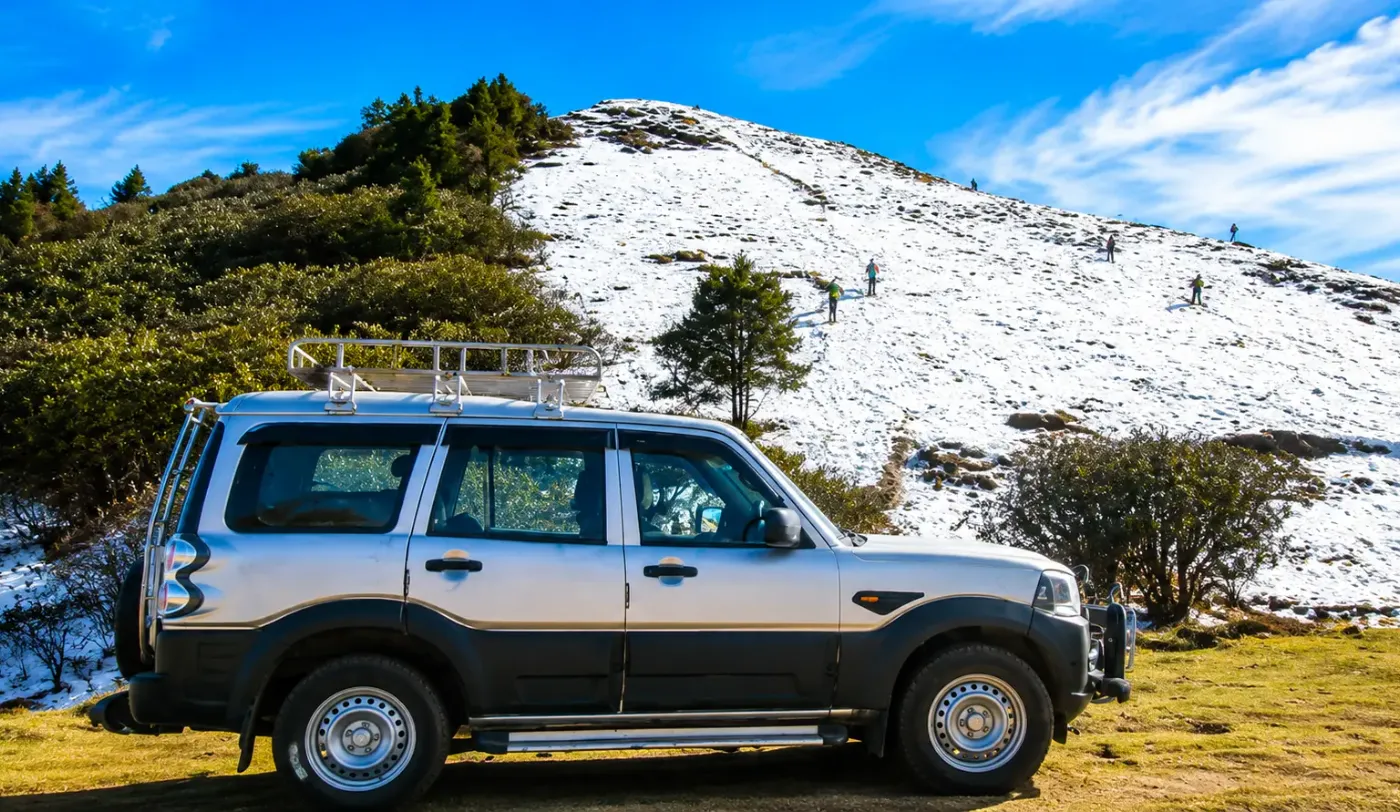
Scorpio jeep beside a snow-covered hillside

Sudurpaschim Tour Transportation – Complete Vehicle Hire Guide for Far-West Nepal

A section of Nepal most travellers never see, most tour operators rarely include, and most guidebooks cover in a paragraph or two before moving on to the more familiar destinations of Kathmandu, Pokhara, and the Annapurna Circuit. It is a region that comprises nine districts, a geography ranging from subtropical Terai plains to peaks exceeding 7,000 meters, two of Nepal’s finest national parks and wildlife reserves, ancient pilgrimage temples drawing hundreds of thousands of Hindu devotees annually, and some of the most genuinely remote and archaeologically rich trekking terrain in the entire Himalayan chain.

This is Sudurpashchim Province — Far-West Nepal — and in, it is undergoing a moment of genuine, government-supported transformation in its tourism infrastructure, making this precisely the right time to explore it.

Sudurpashchim Province sits in Nepal’s extreme northwestern corner, bordering India’s Uttarakhand state to the south and west and the Tibet Autonomous Region of China to the north. It encompasses nine districts—Achham, Baitadi, Bajhang, Bajura, Dadeldhura, Darchula, Doti, Kailali, and Kanchanpur—covering approximately 19,539 square kilometres.

Its capital, Dhangadhi in Kailali District, serves as the province’s primary air and road gateway. The region is home to extraordinary natural and cultural treasures: Khaptad National Park and its ancient Shiva ashram, Shuklaphanta Wildlife Reserve with the largest population of swamp deer in Nepal, the Api Nampa Conservation Area sheltering Nepal’s westernmost 7,000-meter peaks, the sacred Badimalika Temple at high altitude in Bajura, the Ramaroshan religious lakes in Achham, and the Mahakali River forming the dramatic natural border with India for hundreds of kilometres.

 In a development that signals a decisive shift in Nepal’s tourism strategy toward these long-neglected western regions, the national government’s 100-day governance reform action plan specifically included organising trekking routes for Ramaroshan in Achham, Badimalika in Bajura, and Api Himal in Darchula as priority tourism development targets. The government has launched studies and planning processes to connect these destinations into a coherent trekking and tourism infrastructure—recognising that Sudurpashchim’s tourism potential has been systematically underutilised and that correcting this represents both an economic opportunity for the province’s communities and a meaningful addition to Nepal’s overall adventure tourism portfolio.

However, one honest reality must be stated at the outset: transportation is the central challenge and defining factor of every Sudurpashchim tour. The sheer distance from Kathmandu — 20–24 hours by road, or a 65-minute domestic flight to Dhangadhi followed by further road travel — combined with the province’s limited internal road infrastructure, makes transport planning not a secondary logistical concern but the primary determinant of whether a Sudurpashchim tour is feasible, enjoyable, and safely managed.

This guide from Nepal Vehicle Hiring Pvt Ltd provides the complete, honest, current picture of what Sudurpashchim transportation actually involves in 2026 — the routes, the vehicles required, the realistic timeframes, the permits, and how professional private vehicle hire transforms what could be an exhausting, unpredictable journey into a memorable part of one of Nepal’s most extraordinary regional tourism experiences.

For trekking packages in this region, connect with Trek Nepal Himalayas — our sister company offering guided trekking across Nepal i, including Far-West destinations. For luxury itineraries, see Alpine Luxury Treks. For vehicle booking: vehiclehiringnepal.com | Call/ WhatsApp

Book Sudurpaschim Tour Transportation with private cars, 4WD jeeps, Scorpio SUVs, Hiace vans, Coaster buses, and tourist buses for comfortable travel to Khaptad National Park, Api Himal, Shuklaphanta National Park, Mahendranagar, Dhangadhi, and other top destinations in Far Western Nepal.

Understanding Sudurpashchim – The Region’s Geography and Transport Context

Before planning transport in Sudurpashchim, you must understand the province’s extraordinary geographic diversity and how it shapes every transport decision. Sudurpashchim is not a single landscape — it is a complete altitudinal and ecological transect of the Himalayan system compressed into a single provincial boundary, from the tropical Terai grasslands and forests of Kailali and Kanchanpur at near sea level to the permanent snow and glaciers of Api Himal (7,132 m) and Saipal (7,031 m) in the northern districts of Darchula and Bajhang.

The southern Terai districts — Kailali (capital: Dhangadhi) and Kanchanpur (capital: Mahendranagar) — are connected to the national road network via the Mahendra Highway (East-West Highway), which runs the length of Nepal’s Terai plains and provides the most reliable all-season road access to the province from both Kathmandu (from the east) and India’s Banbasa border crossing (from the south). These districts have reasonable road infrastructure, functioning fuel stations, reliable mobile phone coverage, and ATM access in their main centres.

They are also home to Shuklaphanta Wildlife Reserve, Ghodaghodi Lake, and the Tharu cultural heartland—destinations that are genuinely accessible for day trips and 2- to 3-day tour itineraries from Dhangadhi.

The middle hills — Dadeldhura, Doti, Achham, Baitadi — occupy the transitional zone between the Terai and the high Himalaya, with elevations ranging from approximately 800 meters to 3,000 meters. This band of territory contains Khaptad National Park, the Ramaroshan pilgrimage lakes, and much of the province’s most historically and culturally rich landscape.

Road access in this zone is more variable — some district headquarters are connected by paved or gravel roads, while others remain accessible only by difficult mountain tracks or on foot. Mobile coverage thins considerably outside main centres

The high Himalayan districts — Bajhang, Bajura, Darchula — contain the most remote and most dramatically spectacular terrain in the province. As one 2026 specialist transport guide confirms with admirable directness: in Api Himal Rural Municipality in Darchula district, the local unit’s headquarters is still not connected by a motorable road, and many localities have no access to electricity.

This isn’t a criticism, but a practical reality that shapes every transport plan for this area: reaching the northern districts of Sudurpashchim requires a flight, one or more long drives, and, in many cases, a multi-day walk before you reach your destination. Nepal Vehicle Hiring’s coverage in this zone extends to the last motorable road point in each district, after which travel shifts to trekking and porter support.

Book Sudurpaschim Tour Transportation with private cars, 4WD jeeps, Scorpio SUVs, Hiace vans, Coaster buses, and tourist buses for comfortable travel to Khaptad National Park, Api Himal, Shuklaphanta National Park, Mahendranagar, Dhangadhi, and other top destinations in Far Western Nepal.

Getting to Sudurpashchim – The Air-and-Road Strategy

Kathmandu to Dhangadhi by Air – The Only Practical Starting Point

For any visitor planning a reasonably timed and comfortable Sudurpashchim tour, the journey should begin with a domestic flight from Tribhuvan International Airport (TIA) in Kathmandu to Dhangadhi Airport in Kailali District. The flight takes about 65 minutes and is operated daily by Buddha Air, Yeti Airlines, and Shree Airlines.

Dhangadhi is the province’s largest city and commercial hub, and its airport serves as the primary gateway not only for the city but also for all further road and trekking travel into the province’s northern and western reaches.

Any honest Sudurpashchim transport guide must address the pricing reality of this flight directly, because it is the single most cited reason foreign tourists avoid this province. Nepal’s dual-pricing system applies to domestic flights, and as the Kathmandu Post confirmed in April 2026, a round-trip ticket to Sudurpashchim for a foreigner can cost over NPR 60,000 — more than a flight from Kathmandu to Delhi.

This dollar-fare system for foreign nationals on domestic routes is the primary reason foreign tourist visits to both Karnali and Sudurpashchim remain far below the region’s potential. Nepali nationals pay a substantially lower fare for the same seat on the same aircraft.

While the government has acknowledged this barrier and discussions about reform are ongoing, the dual-pricing system remains in place as of mid-2026. Nepal Vehicle Hiring recommends that international visitors planning Sudurpashchim tours budget NPR 30,000–35,000 per person one way for the Kathmandu–Dhangadhi flight and build this cost explicitly into their trip planning before arrival.

Alternatively, Nepalgunj Airport in Banke District (an adjacent province) provides access to Sudurpashchim destinations via a further 4–5 hour road journey north to Dhangadhi. Nepalgunj sometimes offers marginally lower domestic flight fares from Kathmandu and is a reasonable alternative starting point for itineraries focused on the Bajura and Bajhang districts rather than Kailali.

Kathmandu to Dhangadhi by Road – The Extreme Option

The overland road journey from Kathmandu to Dhangadhi is, in its full form, a marathon 20–24-hour drive via the Prithvi Highway, BP Highway, and then the Mahendra East-West Highway westward through the Terai. This route passes through Bharatpur (Chitwan), Butwal, Kohalpur (near Nepalgunj), and then westward through Kailali District to Dhangadhi.

While the Mahendra Highway is the most continuously paved of Nepal’s major roads, covering the full 700+ km in a single day is genuinely punishing for passengers and is not recommended without strategic overnight stops. For travellers with specific reasons to prefer road travel — extreme budget constraints, a dislike of flying, or a desire to experience the Terai crossing — Nepal Vehicle Hiring provides private vehicle hire for the full Kathmandu to Dhangadhi overland route, typically split as Kathmandu to Butwal (Day 1, approximately 7–8 hours) and Butwal to Dhangadhi (Day 2, approximately 8–9 hours).

This two-day Terai crossing is a rewarding experience in its own right, passing through the heart of Nepal’s subtropical southern belt with its paddy fields, sal forests, and Tharu village communities.

Book Sudurpaschim Tour Transportation with private cars, 4WD jeeps, Scorpio SUVs, Hiace vans, Coaster buses, and tourist buses for comfortable travel to Khaptad National Park, Api Himal, Shuklaphanta National Park, Mahendranagar, Dhangadhi, and other top destinations in Far Western Nepal.

Dhangadhi – The Base for All Sudurpashchim Transportation

Every Sudurpashchim tour of any ambition begins and ends in Dhangadhi — not because Dhangadhi is itself the primary destination (though it has genuine character and interest), but because it is the transport, logistics, and services hub from which all provincial routes radiate. Understanding what Dhangadhi offers and what it connects to is essential for planning any effective Sudurpashchim tour.

Dhangadhi is Sudurpashchim Province’s largest city, with a population exceeding 150,000. It has functioning ATMs, several mid-range hotels, fuel stations, vehicle repair workshops, and the domestic airport that connects to Kathmandu.

The Mahakali Highway (also called the Mahendra Highway western extension) runs through the city, providing onward connections to Kanchanpur District (southeast) and northward toward Doti, Dadeldhura, and the higher districts. Nepal Vehicle Hiring’s Dhangadhi-based fleet is positioned here to coordinate all provincial tours—drivers familiar with the specific roads, conditions, and checkpoints across the entire Sudurpashchim region—combined with Kathmandu-dispatched vehicles and drivers for the initial air-and-road pickup that connects Dhangadhi Airport to the tour starting point.

The most important practical advice for any visitor arriving in Dhangadhi: complete all ATM withdrawals, fuel purchases, SIM card top-ups, and supply purchasing in Dhangadhi before heading north or west into the province’s more remote districts. As specialist transport guides confirm: reliable mobile signal and banking stop around Darchula on the northern routes, and equivalent service thresholds apply to the Achham, Bajura, and Bajhang routes heading into the high country.

Dhangadhi is the last reliable services point for every destination in the province.

Book Sudurpaschim Tour Transportation with private cars, 4WD jeeps, Scorpio SUVs, Hiace vans, Coaster buses, and tourist buses for comfortable travel to Khaptad National Park, Api Himal, Shuklaphanta National Park, Mahendranagar, Dhangadhi, and other top destinations in Far Western Nepal.

Shuklaphanta Wildlife Reserve – The Southern Safari Circuit

The Shuklaphanta Wildlife Reserve, about 22 km west of Mahendranagar in Kanchanpur District, is the most accessible protected area in Sudurpashchim from Dhangadhi and one of Nepal’s most ecologically significant reserves. Covering 305 square kilometres of terai grassland, sal forest, and riverine habitat along the Mahakali River, Shuklaphanta is most famous as the home of the largest herd of swamp deer (Barasingha) in Nepal — with over 2,000 individuals recorded in recent counts — alongside Bengal tigers, one-horned rhinoceroses, wild elephants, leopards, sloth bears, four-horned antelopes, and over 500 bird species.

By most wildlife specialists, it is one of Nepal’s most biodiverse and least visited major wildlife areas—offering a genuine frontier safari experience without the crowds that characterise Chitwan and Bardiya in peak season.

Nepal Vehicle Hiring provides private jeep and Land Cruiser hire from Dhangadhi to Shuklaphanta, covering the 75 km road distance via Mahendranagar in approximately 2–2.5 hours. The approach road is on the Mahendra Highway — paved and reliable in all seasons.

Within the reserve, 4WD jeep hire for wildlife safari circuits is available through the reserve’s management infrastructure and local operators coordinated by Nepal Vehicle Hiring. A standard two-day Shuklaphanta tour from Dhangadhi includes a Day 1 drive to Mahendranagar, check-in at reserve-adjacent accommodation, a dawn jeep safari, a canoe river float on the Shuklaphanta wetlands, and a return on Day 2.

The reserve’s relative remoteness from Nepal’s main tourism circuit limits teahouse and lodge options, but genuine wilderness lodges exist; we strongly recommend booking well in advance through Nepal Vehicle Hiring or our sister companies for peak-season visits.

Shuklaphanta is also the most realistic single-day excursion from Dhangadhi for visitors who have arrived by flight and want to experience Far-West Nepal’s extraordinary wildlife without committing to a multi-day overland tour of the higher districts. A dawn departure from Dhangadhi, a morning safari in the reserve, and a return to Dhangadhi for an evening flight back to Kathmandu is logistically feasible with Nepal Vehicle Hiring’s door-to-door vehicle coordination — see Nepalgunj to Shuklaphanta vehicle service.

Book Sudurpaschim Tour Transportation with private cars, 4WD jeeps, Scorpio SUVs, Hiace vans, Coaster buses, and tourist buses for comfortable travel to Khaptad National Park, Api Himal, Shuklaphanta National Park, Mahendranagar, Dhangadhi, and other top destinations in Far Western Nepal.

Ghodaghodi Lake – The Ramsar Wetland Day Trip

Located just 28 km northeast of Dhangadhi in Kailali District, Ghodaghodi Lake is a Ramsar-listed wetland complex of extraordinary biodiversity, designated for international conservation significance as part of the Ghodaghodi Lake Conservation Area, covering 2,563 hectares of lake, marshland, and sal forest. The lake complex is home to 30+ fish species, numerous reptiles, including gharial and mugger crocodiles, over 140 bird species, and a resident population of wild elephants and deer that move through the sal forest surrounding the lake.

The historical temples on the lakeshore, including the famous Ghodaghodi Temple, make this both a wildlife and cultural destination—pilgrims and birdwatchers share the same lakeside environment in the quiet Tharu community landscape surrounding the water.

Nepal Vehicle Hiring provides private car or jeep hire from Dhangadhi to Ghodaghodi Lake in approximately 45 minutes to 1 hour on the highway. This is Sudurpashchim’s most accessible nature destination and pairs well with a Dhangadhi city exploration on the same day.

For birdwatching enthusiasts, the dawn boat trip on Ghodaghodi Lake offers some of the best freshwater birding in Far-West Nepal, with open-billed storks, painted storks, kingfishers, raptors, and migratory waterfowl in season. Nepal Vehicle Hiring’s Dhangadhi to Ghodaghodi Lake day trip vehicle service includes hotel pickup at any Dhangadhi accommodation and return delivery.

Book Sudurpaschim Tour Transportation with private cars, 4WD jeeps, Scorpio SUVs, Hiace vans, Coaster buses, and tourist buses for comfortable travel to Khaptad National Park, Api Himal, Shuklaphanta National Park, Mahendranagar, Dhangadhi, and other top destinations in Far Western Nepal.

Khaptad National Park – The Far West’s Himalayan Sanctuary

Khaptad National Park is, in the considered assessment of everyone who has visited it, one of Nepal’s most beautiful and most under-visited protected areas — a 225 square kilometre alpine sanctuary in the far-western hills at elevations between 1,400 and 3,300 metres, characterised by vast meadows (khaptads), dense temperate forests of oak, maple, and rhododendron, clear rivers, sacred lakes, and Himalayan wildlife including Himalayan black bear, musk deer, and over 270 bird species.

The park’s crowning cultural feature is the ashram of the revered saint Khaptad Baba (Swami Sachidananda Saraswati), who lived here for decades and whose influence transformed the park into both a wildlife sanctuary and a place of deep spiritual significance for Hindu pilgrims from far-western Nepal and the adjacent Indian border region.

Reaching Khaptad National Park is one of the more logistically complex transport challenges in Sudurpashchim, and understanding the specific route is essential for realistic tour planning. The standard approach starts in Dhangadhi, where Nepal Vehicle Hiring’s private jeep hire covers the road journey to the park entry points.

The most commonly used access route follows the Dhangadhi to Doti (Silgadhi) highway northward — approximately 120 km, taking 5–6 hours by 4WD vehicle — and then continues to Sanfebagar (Achham), the administrative base closest to the park’s main entry point. From Sanfebagar, a further 3–4 hour drive on increasingly rough mountain track leads to the park boundary, beyond which entry is on foot.

The full Dhangadhi to Khaptad road journey therefore takes at least two days by vehicle, with an overnight stop typically in Doti or Dadeldhura.

Nepal Vehicle Hiring’s 4WD vehicles — Scorpio, Bolero, and Land Cruiser — are the appropriate vehicle choices for the entire Dhangadhi–Doti–Sanfebagar approach route. Standard cars and highway vehicles are not suitable beyond Doti.

The Land Cruiser, with its superior ground clearance and altitude performance, is especially recommended for the Sanfebagar-to-park-boundary section, where the track deteriorates significantly, and 4WD low-range capability becomes operationally important. Nepal Vehicle Hiring coordinates the full Dhangadhi-to-Khaptad transport package, including overnight accommodation stops and return-journey coordination.

For trekking within the park, connect with Trek Nepal Himalayas for a licensed guide and trekking support.

Book Sudurpaschim Tour Transportation with private cars, 4WD jeeps, Scorpio SUVs, Hiace vans, Coaster buses, and tourist buses for comfortable travel to Khaptad National Park, Api Himal, Shuklaphanta National Park, Mahendranagar, Dhangadhi, and other top destinations in Far Western Nepal.

Darchula and the Api Himal Base Camp Approach – Nepal’s Most Remote Western Trek

The Api Himal Base Camp approach in Darchula District represents the most geographically remote and logistically demanding destination in Sudurpashchim Province — and in 2026, one of the most exciting emerging trekking destinations in all of Nepal, given its inclusion in the government’s 100-day tourism development action plan and the extraordinary scenery it offers around Api Himal (7,132 m), Nepal’s westernmost 7,000-metre peak and one of the most technically challenging unclimbed objectives in the Himalayan range. As one 2026 specialist expedition guide puts it with characteristic understatement: reaching Api Base Camp is, honestly, half the adventure.

The transport route to Api Himal Base Camp follows a precise, multi-stage plan that Nepal Vehicle Hiring’s experienced western Nepal fleet delivers as an integrated service. The journey begins with the Kathmandu to Dhangadhi flight (65 minutes), after which a Nepal Vehicle Hiring vehicle meets the party at Dhangadhi Airport for the northward road journey.

The Dhangadhi to Darchula road is about 200–220 km via the Mahakali Highway, following the Mahakali River northward through a landscape that shifts from flat Terai plains to increasingly steep middle hill terrain as the road climbs toward Darchula on the Indian border. This section takes 8–10 hours by private 4WD vehicle and is typically split into two days — Dhangadhi to Chainpur or Doti for Day 1, then Doti to Darchula for Day 2 — with overnight stops at available guesthouses in the intermediate towns.

Road conditions on this Mahakali Highway corridor have improved in recent years but remain far more demanding than Nepal’s main eastern highway network. As one 2026 Api Himal trek specialist describes the route: the drive is the trek before the trek — Dhangadhi to the Gokuleshwor and Darchula area runs roughly 8–10 hours and is usually split over two days, with a final off-road leg to the Makarighat trailhead.

The final section from Darchula town to the Makarighat or Khalanga trailhead—where the actual trek to Api Base Camp begins—is an off-road mountain track requiring 4WD and experienced driving. Nepal Vehicle Hiring deploys the Toyota Land Cruiser on Darchula district routes, providing the ground clearance, mechanical reliability, and experienced high-altitude drivers this remote frontier road demands.

At Darchula itself, Nepal Vehicle Hiring’s service reaches its road-end boundary. Beyond the Makarighat trailhead, all transport transitions to trekking on foot with guide and porter support.

The Api Himal Base Camp trek from Makarighat takes about 10–12 days round trip, through traditional Rai and Byansi community villages, rhododendron forests, and high alpine terrain, before reaching the base camp at about 3,900–4,100 meters, with Api Himal (7,132 m) towering above. Trek Nepal Himalayas provides complete trekking support for this route — licensed guides, porters, camping equipment, and food — as a coordinated service alongside Nepal Vehicle Hiring’s road transport.

No restricted area permit is required for Api Himal Base Camp, but you must have an Api Nampa Conservation Area permit and a TIMS card. Obtain these at NTB offices in Kathmandu before departure, as getting them in Darchula is significantly more complex and time-consuming.

Book Sudurpaschim Tour Transportation with private cars, 4WD jeeps, Scorpio SUVs, Hiace vans, Coaster buses, and tourist buses for comfortable travel to Khaptad National Park, Api Himal, Shuklaphanta National Park, Mahendranagar, Dhangadhi, and other top destinations in Far Western Nepal.

Badimalika Temple – The High-Altitude Pilgrimage of Bajura

Badimalika Temple in Bajura District is one of Nepal’s most important and least internationally known high-altitude Hindu pilgrimage sites — a Shakti temple perched at over 3,500 metres on a mountain ridge in the far-western hills, dedicated to Goddess Durga in her Badi Malika form, and drawing hundreds of thousands of Hindu pilgrims from Nepal and India’s Uttarakhand across the border every year during the main festival periods, particularly the Janaibhadra and Navaratri festivals. For the government’s 2026 tourism development action plan, Badimalika is one of the three specifically named priority destinations for route organisation in Sudurpashchi, in recognition of its significant existing pilgrimage traffic and its potential for organised cultural tourism beyond purely devotional visitors.

The transport approach to Badimalika follows the Kathmandu to Nepalgunj or Dhangadhi flight, then road to Sanfebagar (Achham District) or Martadi (Bajura District). From Dhangadhi, the road to Martadi covers approximately 300 km and takes 2–3 days by road through Doti and Achham.

From Nepalgunj, the route heads north through Kohalpur and Surkhet into Bajura, with the journey to Sanfebagar (the main access town for the Badimalika approach) taking approximately 8–10 hours by private 4WD from Nepalgunj.

Nepal Vehicle Hiring coordinates private jeep hire from Nepalgunj or Dhangadhi to the Badimalika approach roads, with Scorpio and Bolero 4WD vehicles suitable for this section’s rough district roads. The trek from the road-end point to Badimalika Temple itself takes 1–3 days depending on the specific access trail used.

Pilgrimage groups—which make up most Badimalika visitors—typically travel in large parties of 20–50 people. Hence, Nepal Vehicle Hiring’s Coaster minibus or Tourist Bus hire is the best option for the highway sections of this journey, with a 4WD jeep convoy for the district-road approach. Nepal Vehicle Hiring coordinates multi-vehicle logistics for large pilgrimage groups as a standard service — contact our operations team on WhatsApp for custom group pilgrimage transport quotations for Badimalika.

Book Sudurpaschim Tour Transportation with private cars, 4WD jeeps, Scorpio SUVs, Hiace vans, Coaster buses, and tourist buses for comfortable travel to Khaptad National Park, Api Himal, Shuklaphanta National Park, Mahendranagar, Dhangadhi, and other top destinations in Far Western Nepal.

Ramaroshan – The Sacred Lakes of Achham

Ramaroshan in Achham District is the third destination selected in Nepal’s 2026 Far-West tourism development initiative—a sacred high-altitude lake complex at about 2,000 meters that draws Hindu pilgrims for its temples and the ritual significance of bathing in the Ramaroshan lakes on specific auspicious calendar dates. The area’s landscape of rolling alpine meadows, traditional far-western hill community villages, and Himalayan viewpoints makes it an appealing trekking destination beyond its purely religious significance — one that the government’s 2026 action plan aims to connect into a coherent, way-marked trekking circuit comparable to the more established routes of the Annapurna or Langtang regions.

The transport approach to Ramaroshan starts in Dhangadhi or Nepalgunj, with 4WD vehicle hire covering the Achham district roads to the nearest trailhead at Sanfebagar or Mangalsen. Nepal Vehicle Hiring’s Scorpio or Bolero 4WD service for Achham district handles this approach road reliably in dry season conditions.

During the monsoon, Achham district roads carry a significant landslide risk, and Nepal Vehicle Hiring monitors conditions daily before dispatching vehicles on this route. The trek from the road end to Ramaroshan lakes takes 2–3 days through beautiful far-western hill country, with accommodation in basic community guesthouses and, increasingly, organised homestay programs developed with support from the Provincial Tourism Board.

The Mahendranagar and Kanchanpur Circuit – Border Culture and Terai Nature

Mahendranagar, the headquarters of Kanchanpur District, sits at Nepal’s extreme southwestern corner, directly adjacent to the Indian border crossing at Banbasa. It is a significant commercial border town with a distinctly different cultural character from Dhangadhi, reflecting the centuries of trans-border cultural and economic exchange between Far-West Nepal and India’s Kumaon region.

The surrounding Kanchanpur District contains Shuklaphanta Wildlife Reserve, the Mahakali River corridor, and a network of Tharu community villages whose traditional culture — architecture, festivals, agricultural practices, and forest management traditions — has been substantially better preserved in this far-western Terai than in more accessible regions closer to Kathmandu.

Nepal Vehicle Hiring’s Dhangadhi to Mahendranagar private transfer covers the 75 km Mahendra Highway journey in approximately 2–2.5 hours. For visitors entering Nepal from the Indian border at Banbasa, Nepal Vehicle Hiring provides Mahendranagar border pickup service—meeting arrivals at the Nepal immigration post and providing direct transfer to any Mahendranagar hotel, onward to Dhangadhi, or connecting directly to the provincial tour circuit.

The Mahendranagar to Shuklaphanta Wildlife Reserve transfer covers approximately 22 km in under an hour, making Shuklaphanta the natural first or last stop on any Kanchanpur circuit.

Share jeep

The Best Vehicles for Sudurpashchim Tours – What You Actually Need

Sudurpashchim’s extreme geographic range — from Terai highway to remote Himalayan district track — means that no single vehicle category covers every situation in a comprehensive provincial tour. Nepal Vehicle Hiring recommends that you plan any serious Sudurpashchim itinerary in transport stages, matching the vehicle to each stage’s specific demands rather than trying to use a single vehicle for the entire journey.

For the Terai highway sections — Dhangadhi city transfers, Ghodaghodi Lake day trips, Mahendranagar connections, and the Shuklaphanta approach — a private car or standard SUV is adequate and comfortable. The Mahendra Highway is paved and well-maintained throughout these sections and does not require 4WD. For groups of 8–13 on this highway section, the Toyota Hiace van provides the best per-head comfort and cost efficiency.

For the middle hills district roads — Doti, Dadeldhura, Achham, Bajura approaches — the Mahindra Scorpio 4WD or Bolero 4WD is the appropriate minimum specification. These roads combine unpaved gravel tracks, seasonal erosion, moderate river crossings, and gradients that standard vehicles cannot safely manage.

The Scorpio and Bolero’s switchable 4WD, high ground clearance, and proven reliability on Nepali mountain district roads make them the operational standard for all middle-hills Sudurpashchim district driving.

For the most remote high-district sections — the Darchula Mahakali Highway approach to Api Himal, and the final approach tracks to Khaptad National Park — Nepal Vehicle Hiring recommends and deploys the Toyota Land Cruiser 4WD exclusively. As the Api Himal specialist guide confirms: road conditions can be rough and time-consuming in this region, and the Land Cruiser’s 225+ mm ground clearance, multi-terrain management, and comprehensive mechanical self-sufficiency provide a meaningfully larger safety margin on terrain where a breakdown is a genuinely consequential event rather than a minor inconvenience.

The Land Cruiser is also significantly more comfortable on extended multi-day drives, which the Darchula approach inevitably involves.

Permits Required for Sudurpashchim Tour Destinations

Permit requirements across Sudurpashchim vary significantly by destination. It’s best to obtain them in Kathmandu before departure rather than at provincial checkpoints, where processing is slower and, in some cases, not possible for foreign nationals.

For Shuklaphanta Wildlife Reserve, you need to reserve entry permits, payable at the reserve headquarters in Mahendranagar or at the main gate. Under the dual-pricing system, current fees for foreign nationals are significantly higher than for Nepali nationals, and Nepal Vehicle Hiring advises confirming current fee levels with our operations team before travel, as these are subject to revision.

For Khaptad National Park, you can obtain the Khaptad National Park Entry Permit (NPR 1,000 for Nepali nationals, higher for foreign nationals) at the park headquarters or through NTB in Kathmandu. TIMS cards are also required for trekking within the park.

For Api Nampa Conservation Area (covering the Api Himal approach in Darchula District), an Api Nampa Conservation Area permit and TIMS card are mandatory. These are obtained through NTB Kathmandu. No restricted area permit is currently required for Api Himal Base Camp, but a licensed guide is strongly advised given the terrain’s remoteness.

For Badimalika and Ramaroshan, specific temple entry fees and district conservation area permits may apply, and requirements are evolving as the government implements its 2026 tourism development action plan and builds new tourism infrastructure. Nepal Vehicle Hiring advises all Sudurpashchim-bound clients to contact our operations team for the most current permit information specific to their planned destinations.

Book Sudurpaschim Tour Transportation with private cars, 4WD jeeps, Scorpio SUVs, Hiace vans, Coaster buses, and tourist buses for comfortable travel to Khaptad National Park, Api Himal, Shuklaphanta National Park, Mahendranagar, Dhangadhi, and other top destinations in Far Western Nepal.

Seasonal Considerations – When to Visit Sudurpashchim

Sudurpashchim’s geographic diversity means travel seasons vary significantly by zone and destination, so understanding these differences is essential for any transport planning in the province.

The Terai destinations — Shuklaphanta Wildlife Reserve, Ghodaghodi Lake, Mahendranagar, and Dhangadhi city — are best visited between October and April. The Terai summer (May–September) brings intense heat (temperatures regularly exceeding 40°C in June–August), monsoon flooding of some grassland and wetland areas, and reduced wildlife visibility due to dense vegetation.

Wildlife viewing at Shuklaphanta is best between November and March, when grassland vegetation is lower and large swamp deer herds are most visible in the open meadows. Nepal Vehicle Hiring’s Dhangadhi to Shuklaphanta service runs year-round but recommends October to March for optimal wildlife viewing.

The middle hills destinations — Khaptad National Park, Ramaroshan, Badimalika — are most accessible and most rewarding between April–May (spring, with rhododendron bloom on approach roads) and October–November (autumn, with clear mountain views). The monsoon (June–September) makes the district roads to these destinations genuinely dangerous due to landslides and the high probability of temporary road closures.

Nepal Vehicle Hiring does not recommend attempting the Achham, Bajura, or Khaptad approaches during the peak monsoon month. Nepal Vehicle Hiring monitors district road conditions daily from June through September for clients with committed travel dates during this period.

The Api Himal approach in Darchula is best attempted between October–November and April–May. The Mahakali Highway from Dhangadhi to Darchula is accessible year-round in dry conditions. Still, it requires careful assessment during and immediately after heavy rainfall given the river crossings and unstable road sections in the upper stretches.

Practical Tips for Sudurpashchim Tour Transportation

  • Fly to Dhangadhi, Don’t Drive: The 20–24 hour overland journey from Kathmandu to Dhangadhi consumes two full days of tour time. Unless budget is the absolute primary constraint, the 65-minute domestic flight to Dhangadhi Airport is the best way to start any Sudurpashchim tour.
  • Complete All Services in Dhangadhi Before Heading North: ATMs, fuel, SIM card top-up, permit copies, and food supply purchases should all be completed in Dhangadhi. Reliable banking and connectivity cease around Darchula on the northern routes and around Martadi on the Bajura routes.
  • Budget Extra Buffer Days for Remote Routes: Specialist guides for both Api Himal and Badimalika consistently recommend building one to two extra contingency days into any Sudurpashchim itinerary, given the genuine probability of road delays, weather events, or vehicle issues on the province’s more remote district roads.
  • Choose 4WD for All Routes Beyond Dhangadhi City: Standard cars are appropriate only for the Mahendra Highway Terai sections. Any route north of Dhangadhi toward the hills and mountains — Doti, Dadeldhura, Achham, Darchula — requires genuine 4WD capability, with a Land Cruiser strongly preferred for Darchula and Khaptad routes.
  • Inform Nepal Vehicle Hiring of Your Complete Itinerary at Booking: The logistics of a Sudurpashchim tour — multiple vehicle stages, overnight stops in intermediate towns, permit requirements, and the coordination between road transport and trekking support — benefit enormously from being planned as a complete integrated service from the outset rather than booked stage by stage.
  • Connect Trekking Support With Road Transport Booking: For any destination beyond the road-end point — Api Himal Base Camp, Badimalika, Ramaroshan, Khaptad interior — Trek Nepal Himalayas provides licensed guides, porter support, and complete trek logistics that integrate directly with Nepal Vehicle Hiring’s road transport service.
  • Dual-Pricing Awareness: Foreign nationals will pay significantly higher fees than Nepali nationals for domestic flights, national park permits, and some other services in Sudurpashchim. Budget for this reality explicitly rather than discovering it at the time of payment.

Frequently Asked Questions – Sudurpashchim Tour Transportation

What is Sudurpashchim Province and why visit it?

Sudurpashchim Province (Far-West Nepal) is Nepal’s nine-district westernmost province, containing Khaptad National Park, Shuklaphanta Wildlife Reserve, Api Himal (Nepal’s westernmost 7,000 m peak), Badimalika Temple, Ramaroshan sacred lakes, and the Mahakali River corridor. In 2026, the government has specifically named Sudurpashchim tourism development as a national priority, with three new trekking route organisations underway. It offers Nepal’s most authentic frontier adventure tourism experience, without the crowds of the better-known eastern circuits.

What is the best way to get from Kathmandu to Dhangadhi?

A 65-minute domestic flight to Dhangadhi Airport, operated by Buddha Air, Yeti Airlines, and Shree Airlines, is strongly recommended over the 20–24-hour overland option for any visitor with a meaningful itinerary in the province. Note that foreign nationals pay a significantly higher dollar fare than Nepali nationals — budget approximately NPR 30,000–35,000 per person one way.

For the onward journey from Dhangadhi to provincial destinations, Nepal Vehicle Hiring provides complete 4WD and top-end vehicle hire.

Which vehicle does Nepal Vehicle Hiring recommend for Sudurpashchim tours?

The best vehicle depends on the specific destination. A private car is adequate for Terai highway sections (Ghodaghodi Lake, Shuklaphanta, Mahendranagar). Scorpio or Bolero 4WD is the minimum for all routes into the hills (Khaptad, Ramaroshan, Badimalika approaches).

Toyota Land Cruiser is strongly recommended for Darchula-Mahakali Highway (Api Himal) and the most challenging district tracks.

Is Sudurpashchim safe for tourists?

Yes — Sudurpashchim is considered safe for tourists following standard Nepal travel precautions. The main challenges are logistical rather than safety-related: distance, limited infrastructure, and variable road conditions, not security concerns. Nepal Vehicle Hiring recommends using experienced local guides (connect with Trek Nepal Himalayas) for all trekking beyond the road-end points and building buffer days into the itinerary for road delays, a genuine feature of far-western district travel.

Can Nepal Vehicle Hiring arrange complete transport for the Sudurpashchim tour?

Yes — Nepal Vehicle Hiring provides complete integrated transport coordination for Sudurpashchim tours: Dhangadhi Airport pickup, all inter-district road transfers, 4WD hire for district roads, overnight stop coordination, and return airport transfers. For trekking components, we connect clients with Trek Nepal Himalayas and for top-end itineraries with Alpine Luxury Treks—contact: WhatsApp or vehiclehiringnepal.com.

Book Your Sudurpashchim Tour Transport with Nepal Vehicle Hiring

Sudurpashchim Province is Nepal at its most frontier: a region of extraordinary natural beauty, ancient pilgrimage culture, some of the finest unvisited wildlife habitat in South Asia, and the westernmost Himalayan peaks of a country already defined by the world’s highest mountains. It is also, honestly, a region where your transport planning determines whether you reach these extraordinary places or logistics defeat you before you arrive.

The distances are real, the roads are challenging, and the rewards—for those who plan correctly—are unlike anything else in Nepal.

Nepal Vehicle Hiring Pvt Ltd’s Sudurpashchim tour transport service provides the complete road logistics for Far-West Nepal — from Dhangadhi Airport pickup to the last motorable road point at Api Himal trailhead, Khaptad park boundary, or Badimalika approach — with experienced western-Nepal drivers, appropriate 4WD vehicles, and the 24/7 operational support that remote-region travel requires. Working with Trek Nepal Himalayas and Alpine Luxury Treks for the trekking and guided adventure components, we offer Nepal’s most complete Sudurpashchim tour support service.

Call / WhatsApp |  vehiclehiringnepal.com  |  treknepalhimalayas.com  |  alpineluxurytreks.com

Vehicle Hire to Every Nepal Border Crossing

Private jeeps on a mountain road in Nepal

Nepal Border Vehicle Hire – Complete  Cross-Border Transport Guide

Nepal shares land borders with two countries only — India to the south, east, and west, and the Tibet Autonomous Region of China to the north — and across this compact geography sits a network of official border crossing points that serve everyone from Indian pilgrims visiting Pashupatinath and Muktinath, to Nepali traders carrying goods to and from the Indian plains, to international travellers continuing overland journeys into India or up toward Tibet and mainland China.Anyone needing to reach one of these border points from Kathmandu, Pokhara, Chitwan, or anywhere else in Nepal needs to understand the routes, road conditions, vehicle requirements, and current border regulations.

This complete guide covers vehicle hire to every significant Nepal border crossing — the major India border towns of Sunauli/Belahiya (for Uttar Pradesh and the Buddhist circuit), Kakarvitta (for West Bengal, Darjeeling, and Sikkim), Birgunj/Raxaul (Nepal’s busiest cargo and passenger crossing, for Bihar and onward to Kolkata or Delhi), Nepalgunj/Jamunaha (for far-western Nepal and Lucknow), Bhairahawa (near Lumbini, serving the same crossing as Sunauli), and Kodari/Rasuwagadhi (for the Tibet/China border) — along with distances, travel times, vehicle recommendations, prices, and the practical realities of border crossing logistics.

Nepal’s International Borders

Total International Border Length: Approximately 1,850 km — 1,414 km with India, 439 km with China (Tibet Autonomous Region)

India Border Crossings (Open to Foreign Nationals): Sunauli/Belahiya, Kakarvitta, Birgunj/Raxaul, Nepalgunj/Jamunaha, Mahendranagar/Banbasa, Gaddachowki

China/Tibet Border Crossings: Kerung/Rasuwagadhi (currently the primary functioning crossing); Tatopani/Kodari (historically important, subject to periodic closure since the 2015 earthquake)

Visa Requirements: Indian nationals do not require a visa to enter Nepal (open border arrangement); most other foreign nationals require an Indian visa obtained in advance for India entry, and a Chinese visa obtained in advance for Tibet/China entry — neither is available at the border itself

Nepal’s open border arrangement with India—one of the most unusual and historically significant bilateral border arrangements in the world, formalised by the 1950 Treaty of Peace and Friendship—allows Indian and Nepali citizens to cross freely at any point along the border without passports or visas. For international travellers of other nationalities, however, all border crossings require standard passport and visa formalities, and you must secure the necessary Indian or Chinese visa before arriving at the border, as Nepal does not issue visas on arrival at any Land border crossing.

Book Nepal Border Vehicle Hire with private cars, 4WD jeeps, Scorpio SUVs, Hiace vans, Coaster buses, and tourist buses for safe, comfortable, and reliable transfers to Sunauli, Birgunj, Kakarvitta, Rasuwagadhi (Kerung), Kodari (Tatopani), and Mahendranagar (Banbasa) border crossings.

Sunauli / Belahiya — The Gateway to the Buddhist Circuit

Location: Belahiya, Rupandehi District, Nepal / Sunauli, Uttar Pradesh, India

Significance: Nepal’s most popular land border crossing for international tourists — the primary overland gateway to Varanasi, the Buddhist circuit (Kushinagar, Sravasti, Sarnath), and onward to Delhi or Kolkata

Distance from Kathmandu: Approximately 280–300 km

Distance from Pokhara: Approximately 200 km

Distance from Lumbini: Approximately 22 km — the closest border crossing to the Buddha’s birthplace

Nearest Airport: Gautam Buddha International Airport, Bhairahawa (22 km)

Sunauli is overwhelmingly the most-used land border crossing for foreign tourists entering or exiting Nepal, primarily because of its proximity to Lumbini and its position on the most direct overland route to Varanasi and the Buddhist pilgrimage circuit in Uttar Pradesh. Countless backpackers, Buddhist pilgrims, and overland travellers use this crossing every year.

The border itself consists of adjacent immigration posts on each side with a short walk or vehicle transfer between them.

Kathmandu to Sunauli Vehicle Prices 2026: Sedan USD 218 | SUV USD 276 | Hiace USD 290 | Full-day journey 8–9 hours

Pokhara to Sunauli Vehicle Prices 2026: Sedan USD 209 | SUV USD 224 | Hiace USD 267 | Journey time 5–6 hours

Most travellers combine a Sunauli border crossing with a Lumbini visit — either stopping at Lumbini en route to the border, or making Lumbini the final Nepal destination before a short onward drive to Bhairahawa and the border itself. Vehicle Hiring Nepal frequently arranges combined Lumbini-plus-border-drop itineraries for travellers continuing into India.

Book Nepal Border Vehicle Hire with private cars, 4WD jeeps, Scorpio SUVs, Hiace vans, Coaster buses, and tourist buses for safe, comfortable, and reliable transfers to Sunauli, Birgunj, Kakarvitta, Rasuwagadhi (Kerung), Kodari (Tatopani), and Mahendranagar (Banbasa) border crossings.

Birgunj / Raxaul — Nepal’s Busiest Border Crossing

Location: Birgunj, Parsa District, Nepal / Raxaul, Bihar, India

Significance: Nepal’s single busiest border crossing by cargo and passenger volume — the primary artery for goods trade between Nepal and India, and a key crossing for travellers heading to Patna, Kolkata, or onward to Delhi by rail

Distance from Kathmandu: Approximately 135–145 km

Nearest Major Nepal City: Birgunj itself is a substantial industrial and commercial city

Birgunj-Raxaul is less used by international tourists than Sunauli but is critically important as Nepal’s primary commercial border crossing — a large percentage of Nepal’s imported goods (fuel, consumer products, construction materials) pass through this crossing from Kolkata port via Raxaul. For travellers, Birgunj is the most direct route to Patna (Bihar’s capital) and onward by rail to Kolkata or Delhi. Raxaul railway station offers excellent onward rail connectivity.

Kathmandu to Birgunj Vehicle Prices 2026: Sedan USD 70–100 | SUV USD 90–125 | Hiace USD 110–150 | Journey time 5–6 hours

The Kathmandu-Birgunj road runs via the Tribhuvan Highway through Hetauda. This well-paved, well-maintained route is one of the more comfortable border-approach drives in Nepal, without the gorges or mountain sections that complicate other routes.

Book Nepal Border Vehicle Hire with private cars, 4WD jeeps, Scorpio SUVs, Hiace vans, Coaster buses, and tourist buses for safe, comfortable, and reliable transfers to Sunauli, Birgunj, Kakarvitta, Rasuwagadhi (Kerung), Kodari (Tatopani), and Mahendranagar (Banbasa) border crossings.

Kakarvitta — Gateway to Darjeeling and Sikkim

Location: Kakarvitta, Jhapa District, Nepal / Panitanki, West Bengal, India

Significance: The primary border crossing for eastern Nepal, providing direct overland access to Darjeeling, Siliguri, Sikkim, and the northeastern Indian states

Distance from Kathmandu: Approximately 580–610 km

Distance from Ilam: Approximately 50 km — Kakarvitta is the natural continuation point for travellers who have visited Nepal’s eastern tea garden region.

Kakarvitta is an essential crossing for anyone combining a Nepal trip with a visit to Darjeeling, Sikkim, or India’s northeastern state a popular combined itinerary given the cultural and geographic continuity between eastern Nepal’s hill country and Darjeeling’s tea-growing Himalayan foothills. Many travellers have also explored Ilam and the eastern Nepal tea gardens culturally to continue to Kakarvitta for onward travel into India’s equally famous Darjeeling tea district just across the border.

Kathmandu to Kakarvitta Vehicle Prices 2026: Sedan USD 220–280 | SUV USD 260–330 | Scorpio USD 240–300 | Hiace USD 280–360 | Journey 12–14 hours (2-day recommended)

Birtamod/Ilam to Kakarvitta: Approximately 25 km, 30–45 minutes — a simple short extension for those already in eastern Nepal

Given the substantial distance from Kathmandu, most travellers heading to Kakarvitta either fly to Bhadrapur (the nearest airport, about 20 km from the border) or combine the border crossing with an eastern Nepal tour of Ilam and the tea gardens, rather than making a dedicated one-way drive from Kathmandu.

Book Nepal Border Vehicle Hire with private cars, 4WD jeeps, Scorpio SUVs, Hiace vans, Coaster buses, and tourist buses for safe, comfortable, and reliable transfers to Sunauli, Birgunj, Kakarvitta, Rasuwagadhi (Kerung), Kodari (Tatopani), and Mahendranagar (Banbasa) border crossings.

Nepalgunj / Jamunaha — Gateway to Far-Western Nepal and Lucknow

Location: Nepalgunj, Banke District, Nepal / Jamunaha, Uttar Pradesh, India

Significance: The main border crossing for far-western and mid-western Nepal, and a key route toward Lucknow and central Uttar Pradesh

Distance from Kathmandu: Approximately 530 km by road (most travellers fly to Nepalgunj rather than drive this distance)

Nearest Attraction: Bardia National Park, approximately 90 km — Nepal’s premier wildlife destination in the far west

Nepalgunj is less relevant for typical Kathmandu-based tourist itineraries but matters for travellers combining a Bardia National Park safari with onward travel into India, or for those visiting far-western Nepal. Most international travellers fly from Kathmandu to Nepalgunj (about an hour) rather than take the long road journey, then arrange local vehicle hire for the short remaining distance to the border or Bardia.

Nepalgunj to Jamunaha Border: Approximately 8 km, 15–20 minutes by local vehicle
Nepalgunj to Bardia National Park: Approximately 90 km, 2–2.5 hours by SUV or Hiace

Other India Border Crossings

Mahendranagar / Banbasa (Gaddachowki)

Located in the extreme far-western corner of Nepal in Kanchanpur District, this crossing connects to Banbasa in Uttarakhand, India. It serves travellers heading toward Delhi via the western route or visiting Shuklaphanta National Park. International tourists rarely use it because it is remote from Kathmandu (approximately 600+ km), but it remains important for regional trade and travellers based in far-western Nepal.

Kodari / Tatopani (Historical Tibet Crossing)

The traditional Kathmandu-to-Tibet overland route via Kodari (Nepal side) and Zhangmu (Tibet side) was historically Nepal’s primary crossing to China, but it has been periodically closed since the 2015 Gorkha earthquake, which caused significant damage to this section of the Araniko Highway and the Friendship Bridge. As of 2026, always confirm this crossing’s operational status directly before planning any journey—it has alternated between closed and limited-operation status for cargo and diplomatic traffic in recent years.

Kerung / Rasuwagadhi — The Active Tibet/China Border Crossing

Location: Rasuwagadhi, Rasuwa District, Nepal / Kerung (Gyirong), Tibet Autonomous Region, China

Significance: Currently the primary functioning Nepal-China land border crossing, used for cargo, official travel, and — subject to current Chinese government policy — organised tourist groups travelling to Tibet

Distance from Kathmandu: Approximately 170–180 km

Road Condition: Paved to Syabrubesi, then improving mountain road to the border; 4WD recommended for the final section

Book Nepal Border Vehicle Hire with private cars, 4WD jeeps, Scorpio SUVs, Hiace vans, Coaster buses, and tourist buses for safe, comfortable, and reliable transfers to Sunauli, Birgunj, Kakarvitta, Rasuwagadhi (Kerung), Kodari (Tatopani), and Mahendranagar (Banbasa) border crossings.

The Kerung/Rasuwagadhi crossing has become the primary functioning Nepal-Tibet border point since earthquake-related disruptions on the Kodari routes. Chinese authorities tightly control access to Tibet through this crossing for foreign tourists.

It requires a Tibet Travel Permit arranged in advance through a licensed agency, in addition to a Chinese visa — independent travel across this border is not permitted for foreign nationals. All Tibet-bound travel must be part of an organised, licensed tour group arrangement.

Regulations affecting this crossing change periodically; always verify current requirements directly with a licensed Tibet tour operator before planning any journey.

Kathmandu to Rasuwagadhi Vehicle Prices 2026: Scorpio/Land Cruiser USD 150–200 | SUV USD 130–175 | Journey time 5–7 hours

Complete Price Comparison Table — All Border Crossings 2026

Border CrossingCountryDistance from KTMVehiclePrice (USD)Journey Time
Sunauli/BelahiyaIndia280–300 kmSedan/SUV/HiaceUSD 90–2008–9 hrs
Birgunj/RaxaulIndia135–145 kmSedan/SUV/HiaceUSD 70–1505–6 hrs
KakarvittaIndia580–610 kmSedan/Scorpio/HiaceUSD 220–36012–14 hrs (2 days)
Nepalgunj/JamunahaIndia530 km (fly recommended)N/A – fly + localUSD 80–140 (flight) + local1 hr flight + short drive
Mahendranagar/BanbasaIndia600+ kmSUV/HiaceUSD 250–32013–15 hrs (2 days)
Rasuwagadhi/KerungChina/Tibet170–180 kmScorpio/Land CruiserUSD 130–2005–7 hrs
Kodari/TatopaniChina/Tibet115 km (status varies)N/A – confirm current statusConfirm before bookingConfirm before booking

Private jeep on the road to Manang

Vehicle Recommendations by Border Route

Because Nepal’s border approach roads vary enormously in terrain — from the flat, fully paved Terai highway to Birgunj and Sunauli, to the winding hill roads toward Kakarvitta, to the mountain approach toward Rasuwagadhi — the appropriate vehicle differs meaningfully by route:

  • Sunauli, Birgunj, Nepalgunj (Terai routes): Any standard vehicle — sedan, SUV, or Hiace — is fully suitable. These routes are entirely paved highways with no mountain sections.
  • Kakarvitta: A comfortable SUV, Scorpio, or Hiace is recommended given the long distance (requiring an overnight stop) and the eastern hill road sections near Ilam if combining with a tea garden visit
  • Rasuwagadhi (Tibet border): 4WD recommended — Scorpio or Land Cruiser — given the mountain road conditions beyond Syabrubesi
  • Mahendranagar/Banbasa: Given the substantial distance, an SUV or Hiace with an overnight stop en route is the practical choice

Border Crossing Logistics and Practical Requirements

Documentation

  • Valid passport with at least 6 months validity remaining
  • Valid visa for the destination country (India visa or China/Tibet visa) — obtained in advance; not available at the border
  • Nepal visa exit stamp — ensure your Nepal visa has not expired before crossing
  • For Indian nationals: no visa required for Nepal entry or exit under the open border arrangement, but carrying a valid photo ID (passport, voter ID, or equivalent) is recommended and sometimes requested
  • For Tibet/China: Tibet Travel Permit arranged through a licensed agency, Chinese visa, and group tour documentation — independent crossing is not permitted

Vehicle and Driver Logistics at the Border

Vehicle Hiring: Nepal drivers take you to the Nepal-side border post and assist with parking, luggage handling, and orientation, but do not cross into India or China themselves — Nepal-registered vehicles require separate permits to cross international borders, and this is not part of standard vehicle hire service. At the border, you will typically walk or take a short local transfer across the crossing point, then arrange separate onward transport on the other side (an Indian taxi, a Nepali return vehicle, or your own pre-arranged onward transport).

For travellers requiring vehicle service on both sides of the border (for example, a combined Nepal-India tour), this can be arranged through coordination between Vehicle Hiring Nepal and an Indian-side transport partner — contact us in advance to arrange this type of combined cross-border logistics.

Border Operating Hours

Most Nepal-India border crossings operate extended hours (typically 6:00 AM to 10:00 PM or similar, varying by crossing) given the high volume of daily cross-border movement. The Rasuwagadhi crossing to Tibet has more restricted hours and is subject to Chinese-side operational schedules — always confirm current hours with your Tibet tour operator.

Combining Border Crossings with Nepal Sightseeing

Kathmandu — Lumbini — Sunauli Border (India)

The most popular combined itinerary: explore Kathmandu Valley, drive to Lumbini for the Buddha’s birthplace pilgrimage, then continue the short additional distance to the Sunauli border for onward travel to Varanasi, Kushinagar, and the Buddhist circuit in India. This is a natural, well-travelled combined route requiring no backtracking.

Kathmandu — Chitwan — Birgunj Border (India)

For travellers who want a wildlife safari before crossing into India via the busiest commercial crossing, Chitwan National Park sits conveniently between Kathmandu and Birgunj, letting you stop for a jungle safari before the final short drive to the border and onward rail connections from Raxaul.

Kathmandu — Ilam — Kakarvitta Border (India, for Darjeeling/Sikkim)

For travellers combining Nepal’s eastern tea gardens with India’s equally famous Darjeeling tea district, the natural route is Kathmandu to Dharan/Birtamod, then Ilam for the tea garden experience, before the short final drive to Kakarvitta and across into West Bengal.

Kathmandu — Langtang/Syabrubesi — Rasuwagadhi Border (Tibet)

For organised Tibet tour groups, the drive from Kathmandu through the Langtang valley approach road to Syabrubesi and onward to the Rasuwagadhi border combines a scenic mountain drive with the international border crossing. Though, as noted, this crossing requires full Tibet tour group arrangements through a licensed agency.

What is Included in Your Border Crossing Vehicle Hire

  • Your chosen vehicle (sedan, SUV, Scorpio, Land Cruiser, or Hiace) — fully maintained and insured
  • Experienced driver familiar with the specific border route
  • Full fuel cost for the journey to the border
  • Vehicle insurance throughout the Nepal-side journey
  • Pickup from your Kathmandu, Pokhara, or other Nepal hotel
  • Drop-off at the Nepal-side border post with assistance for luggage and orientation
  • Overnight accommodation coordination for multi-day border journeys (Kakarvitta, Mahendranagar)
  • 24/7 support throughout your journey

Not included: onward transport on the Indian or Chinese side of the border; Indian or Chinese visa fees; Tibet Travel Permit and tour costs; personal meals; and accommodation.

How to Book Your Nepal Border Crossing Vehicle

  1. Contact Vehicle Hiring Nepal via WhatsApp or visit vehiclehiringnepal.com
  2. Specify which border crossing you need — Sunauli, Birgunj, Kakarvitta, Nepalgunj, Mahendranagar, or Rasuwagadhi.
  3. Confirm your travel date and group size.e
  4. Mention any combined sightseeing stops — Lumbini, Chitwan, Ilam, or Langtang.ng
  5. For Tibet border crossings, confirm your Tibet tour arrangement and permit status.
  6. Receive booking confirmation with driver details, vehicle information, and journey plan

Frequently Asked Questions

Which Nepal border crossing is best for reaching Varanasi, India?

Sunauli/Belahiya is the standard crossing for travellers heading to Varanasi and the Buddhist circuit in Uttar Pradesh. It is also the closest border crossing to Lumbini, making it easy to combine a visit to the Buddha’s birthplace with the crossing. From Sunauli, Varanasi is approximately 4 to 5 hours by road on the Indian side.

Do I need a visa to cross from Nepal into India?

Indian nationals do not need a visa to enter or exit Nepal, and Nepali nationals do not need a visa to enter or exit India, under the countries’ open border arrangement. All other foreign nationals require a valid Indian visa, obtained in advance through an Indian embassy or consulate — visas are not issued at the land border crossing itself.Arrange your Indian visa before travelling to any Nepal-India border point.

Can I drive my Nepal-hired vehicle across the border into India or Tibet?

No. Nepal-registered vehicles require separate cross-border permits to enter India or China, and standard Nepal vehicle hire does not include this service. Nepal Vehicle Hiring takes you to the Nepal-side border post; you must arrange onward transport on the Indian or Chinese side separately, either through local transport at the border or by coordinating in advance with an Indian or Chinese-side transport partner.

Is the Kathmandu-to-Tibet border crossing currently open?

The Rasuwagadhi/Kerung crossing is currently the functioning Nepal-China border point for organised tourist travel to Tibet, subject to Chinese government policy on foreign tourist access, which can change. The historical Kodari/Tatopani crossing has closed periodically since the 2015 earthquake. Always confirm current crossing status and requirements directly with a licensed Tibet tour operator before planning any journey to either crossing, as regulations and operational status change without extensive advance notice.

How long does it take to drive from Kathmandu to the Kakarvitta border?

Kathmandu to Kakarvitta is about 580 to 610 km and takes 12 to 14 hours of driving, so it should always be split over 2 days with an overnight stop in Dharan or Birtamod. Most travellers combine this journey with a visit to the Ilam tea gardens, making a 3 to 4-day itinerary from Kathmandu to the border via Ilam more practical than a direct one-way drive.

Final Thoughts

Nepal’s position between two of the world’s most significant countries — India to the south and China to the north — makes it a natural overland travel hub for a huge range of cross-border journeys, from short pilgrimage crossings at Sunauli to long combined tea-garden-and-border trips toward Kakarvitta and Darjeeling, to the tightly regulated but spectacular overland route toward Tibet through Rasuwagadhi. Whatever your border crossing needs, reliable vehicle transport on the Nepal side is the essential first step

Vehicle Hiring Nepal provides experienced drivers and the right vehicles for every Nepal border route, with the route knowledge, timing, and logistical support to get you to your crossing point smoothly and on schedule. Book your Nepal border crossing vehicle today.

WhatsApp | Website: www.vehiclehiringnepal.com | Email: [email protected]
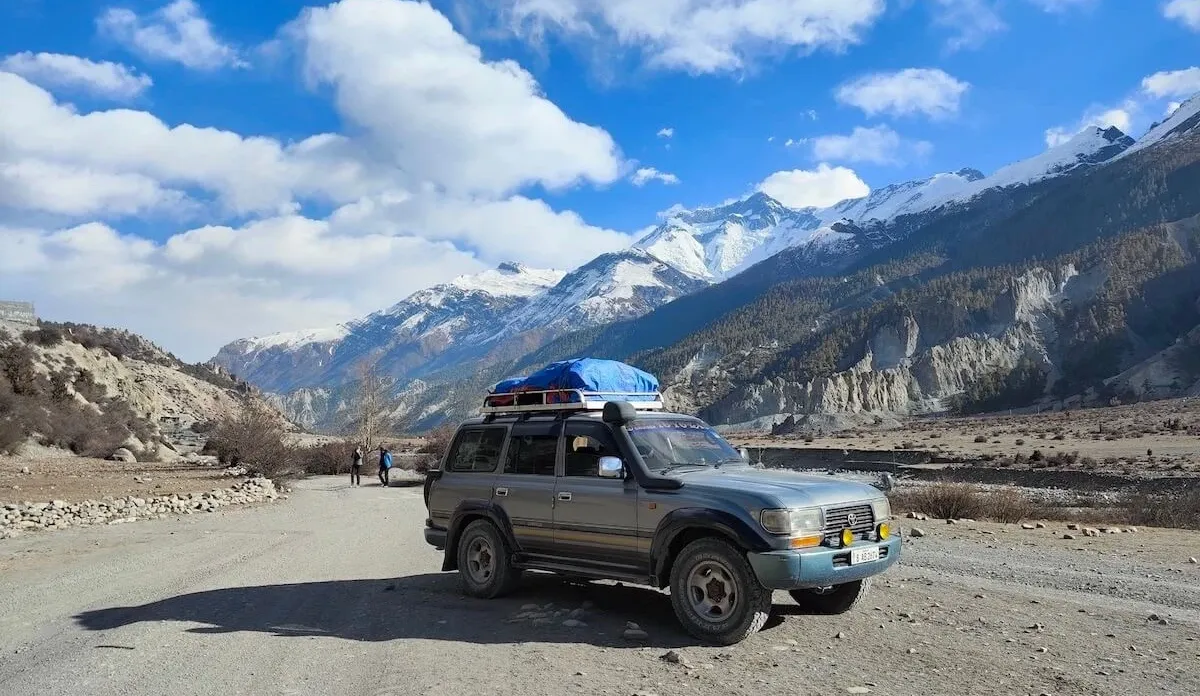
Eastern Border Vehicle Hire Service

Book Eastern Border Vehicle Hire with private cars, 4WD jeeps, Scorpio SUVs, Hiace vans, Coaster buses, and tourist buses for safe and comfortable travel to Kakarbhitta, Pasupatinagar, and other eastern border points.

Eastern Border Vehicle Hire Service – Best Kakarvitta & Eastern Nepal Border Crossing Guide

Nepal’s eastern border —anchored by the busy Kakarvitta crossing in Jhapa District—is one of the country’s most distinctive and increasingly popular international gateways, offering direct overland access from Nepal’s tea-growing eastern hills into West Bengal, Darjeeling, and Sikkim in India. For travellers who have explored Ilam’s rolling tea gardens, made the pilgrimage to Pathivara, or ventured toward the Kanchenjunga foothills, Kakarvitta is a natural and rewarding next stop.

This short final drive takes you from Nepal’s tea culture directly into Darjeeling, just across the Mechi River.

This complete guide is dedicated specifically to vehicle hire services for Nepal’s eastern border — covering the Kakarvitta crossing in full detail, the nearby Bhadrapur airport gateway, combined itineraries linking eastern Nepal’s tea gardens and pilgrimage sites with the India crossing, vehicle types and pricing, road conditions, and everything you need to plan a smooth journey to and across Nepal’s eastern frontier.

Understanding Nepal’s Eastern Border

Primary Crossing: Kakarvitta, Jhapa District, Nepal / Panitanki, West Bengal, India

Secondary Access Point: Bhadrapur Airport, approximately 20 km from Kakarvitta — Nepal’s easternmost domestic airport

Distance from Kathmandu: Approximately 580–610 km by road

Distance from Ilam: Approximately 50 km

Distance from Birtamod: Approximately 22–25 km

Onward Indian Destinations: Siliguri (23 km), Darjeeling (approximately 90 km), Gangtok/Sikkim (approximately 125 km), Bagdogra Airport (approximately 45 km)

Kakarvitta sits at Nepal’s far eastern tip, where the flat Terai plains of Jhapa District meet the Mechi River—the international boundary with India’s West Bengal state. Unlike the mountainous border crossings elsewhere in Nepal, the approach to Kakarvitta is an entirely flat, fast Terai highway, making it one of the more comfortable border journeys in the country despite the substantial distance from Kathmandu.

The crossing’s significance has grown considerably as more travellers combine a Nepal trip with a visit to Darjeeling and Sikkim, two of India’s most celebrated Himalayan hill destinations, both easily reached from Kakarvitta in 2 to 4 hours by Indian-side transport. For photographers, tea enthusiasts, and Himalayan culture travellers, the Ilam-to-Darjeeling corridor via Kakarvitta offers one of South Asia’s most naturally complementary cross-border itineraries, linking two great tea-growing Himalayan foothill regions separated by a single short border crossing.

Book Eastern Border Vehicle Hire with private cars, 4WD jeeps, Scorpio SUVs, Hiace vans, Coaster buses, and tourist buses for safe and comfortable travel to Kakarbhitta, Pasupatinagar, and other eastern border points.

Bhadrapur Airport — The Fast Gateway to Eastern Nepal

Location: Bhadrapur, Jhapa District — approximately 20 km from the Kakarvitta border

Flights from Kathmandu: Buddha Air, Yeti Airlines, and Shree Airlines operate multiple daily flights.

Flight Duration: Approximately 50 minutes

Ticket Price: Approximately USD 90–120 per person one-way

For travellers who do not wish to undertake the full 12 to 14-hour road journey from Kathmandu, flying to Bhadrapur is overwhelmingly the more practical choice — cutting total travel time to under an hour and leaving only the short 20 km drive to the Kakarvitta border itself, or a slightly longer drive up to Ilam if combining with the tea garden region. Vehicle Hiring Nepal provides airport pickup service at Bhadrapur for onward transport to Kakarvitta, Birtamod, Ilam, or anywhere else in eastern Nepal.

Eastern border  Vehicle Hire Prices — Eastern Border Routes 2026

RouteVehiclePrice (USD)Journey TimeNotes
Kathmandu → Kakarvitta (direct)SedanUSD 220–28012–14 hrs (2 days)Overnight in Dharan/Birtamod recommended
Kathmandu → Kakarvitta (direct)SUV/ScorpioUSD 260–33012–14 hrs (2 days)Better comfort for the long journey
Kathmandu → Kakarvitta (direct)Hiace VanUSD 300–38012–14 hrs (2 days)Best for groups of 7+
Bhadrapur Airport → KakarvittaSedan/SUVUSD 15–2525–30 minSimple short transfer
Bhadrapur Airport → BirtamodSedan/SUVUSD 12–2020–25 minFor onward Ilam connection
Bhadrapur Airport → IlamScorpio/SUVUSD 55–852–2.5 hrsDirect to tea garden region
Birtamod → KakarvittaSedan/SUVUSD 15–2530–40 minShort local transfer
Ilam → Kakarvitta (via Birtamod)Scorpio/SUVUSD 60–902–2.5 hrsCombined tea-garden-to-border route
Kathmandu → Bhadrapur (flight) + localFlight + vehicleUSD 90–120 (flight) + USD 15–85 (local)50 min + localFastest and most practical option

All ground vehicle prices include driver, fuel, and vehicle insurance. For the direct Kathmandu-to-Kakarvitta road journey, we strongly recommend an overnight stop in Dharan or Birtamod rather than attempting the full distance in one day. Contact Vehicle Hiring Nepal for an exact 2026 quote for your specific travel dates and group size.

Book Eastern Border Vehicle Hire with private cars, 4WD jeeps, Scorpio SUVs, Hiace vans, Coaster buses, and tourist buses for safe and comfortable travel to Kakarbhitta, Pasupatinagar, and other eastern border points.

Route Guide: Kathmandu to Kakarvitta

Total Distance: Approximately 580–610 km

Main Route: Kathmandu – Tribhuvan Highway – East-West Highway – Itahari – Dharan/Birtamod – Kakarvitta

Recommended Overnight: Dharan or Birtamod, approximately 8–9 hours from Kathmandu

Day 2 Continuation: Dharan/Birtamod to Kakarvitta, approximately 1.5–2 hours

The route to Kakarvitta follows the same corridor described in our broader eastern Nepal guides — the Tribhuvan Highway south from Kathmandu to the Terai. The long,  flat East-West Highway runs the length of the Terai plain,  southeastward through Narayangarh, Bharatpur, and the central Terai districts to the Tahari junction, before the final stretch through Birtamod to Kakarvitta at the border.

This entire route is a paved highway throughout—no 4WD is required for the direct Kakarvitta journey.

Book Eastern Border Vehicle Hire with private cars, 4WD jeeps, Scorpio SUVs, Hiace vans, Coaster buses, and tourist buses for safe and comfortable travel to Kakarbhitta, Pasupatinagar, and other eastern border points.

Combining Kakarvitta with Eastern Nepal’s Tea Gardens and Pilgrimage Sites

Given the substantial distance involved, very few travellers make a dedicated one-way trip to Kakarvitta alone. The border crossing is almost always combined with a broader eastern Nepal itinerary:

Travellers explore Ilam’s tea estates, the Kanyam viewpoint, and Mai Pokhari before driving the short 50 km down to Kakarvitta for the India crossing. This is the most natural and rewarding combination, pairing Nepal’s finest tea-growing region with the onward journey to Darjeeling’s equally celebrated tea district across the border.

Pathivara Pilgrimage + Kakarvitta Border Crossing

Pilgrims completing the Pathivara Devi temple pilgrimage near Taplejung can continue via Birtamod to Kakarvitta as a natural extension, especially if they plan onward travel into India or want to exit Nepal from the east after the pilgrimage.

Koshi Tappu Wildlife Reserve + Kakarvitta

Birdwatchers and wildlife enthusiasts visiting Koshi Tappu Wildlife Reserve can continue east to Kakarvitta, combining Nepal’s premier wetland wildlife destination with the border crossing in a single eastern Nepal circuit.

Book Eastern Border Vehicle Hire with private cars, 4WD jeeps, Scorpio SUVs, Hiace vans, Coaster buses, and tourist buses for safe and comfortable travel to Kakarbhitta, Pasupatinagar, and other eastern border points.

What Awaits Across the Border — Darjeeling and Sikkim

For travellers continuing into India from Kakarvitta, the onward Indian-side destinations are among the most celebrated hill regions in South Asia:

  • Siliguri (23 km from the border) — the main Indian gateway town with rail and road connections throughout eastern India
  • Darjeeling (approximately 90 km, 3–4 hours) — India’s most famous hill station and tea-growing region, with its own Himalayan railway (a UNESCO World Heritage Site), colonial architecture, and world-renowned first-flush teas
  • Gangtok, Sikkim (approximately 125 km, 4–5 hours) — capital of the Himalayan state of Sikkim, gateway to Kanchenjunga’s eastern approaches from the Indian side and a culturally distinct Buddhist-influenced hill capital
  • Bagdogra Airport (approximately 45 km) — the nearest Indian airport for onward flights to Kolkata, Delhi, or elsewhere in India

Vehicle Hiring: Nepal’s service ends at the Nepal-side border post; onward transport into India (taxi or pre-arranged transfer) is arranged separately on the Indian side, either independently at the border or through advance coordination for a smooth combined booking.

Book Eastern Border Vehicle Hire with private cars, 4WD jeeps, Scorpio SUVs, Hiace vans, Coaster buses, and tourist buses for safe and comfortable travel to Kakarbhitta, Pasupatinagar, and other eastern border points.

Sample Itinerary: 5-Day Eastern Nepal to Darjeeling Circuit

  • Day 1: Fly Kathmandu to Bhadrapur (50 min) — drive to Ilam via Birtamod and Kanyam (2–2.5 hrs) — overnight Ilam
  • Day 2: Full Ilam day — tea gardens, Kanyam viewpoint, Shree Antu sunrise optional — overnight Ilam
  • Day 3: Ilam to Kakarvitta via Birtamod (2–2.5 hrs) — cross border to Panitanki — onward to Darjeeling (3–4 hrs) — overnight Darjeeling
  • Days 4–5: Darjeeling exploration — tea estates, Himalayan Railway, Tiger Hill sunrise — return via Bagdogra Airport or reverse route to Nepal

Vehicle Recommendations for the Eastern Border Region

  • Bhadrapur Airport transfers and short local hops (Kakarvitta, Birtamod): any sedan or SUV is fully suitable — flat, paved Terai roads throughout
  • Ilam and the tea garden hill roads: Mahindra Scorpio recommended — the standard vehicle for this specific hill terrain, as detailed in our dedicated Ilam vehicle guide
  • Direct Kathmandu to Kakarvitta long-distance journey: SUV or Hiace for comfort over the 12–14 hour distance; sedan acceptable for budget-conscious solo or couple travellers
  • Groups combining Ilam, Pathivara, and Kakarvitta in one circuit: Scorpio or Hiace depending on group size, given the mix of hill roads and flat highway involved

Book Eastern Border Vehicle Hire with private cars, 4WD jeeps, Scorpio SUVs, Hiace vans, Coaster buses, and tourist buses for safe and comfortable travel to Kakarbhitta, Pasupatinagar, and other eastern border points.

Border Crossing Practicalities at Kakarvitta

  • Indian and Nepali nationals cross freely without visa requirements under the open border arrangement — a valid photo ID is recommended
  • All other foreign nationals require a valid Indian visa obtained in advance — not available at the Kakarvitta border itself.f
  • The border crossing point involves a short walk or local transfer between the Nepal immigration post and the Indian immigration post at Panitan. ki
  • Operating hours are extended (generally early morning to late evening) given the high volume of daily cross-border movement .ent
  • Vehicle Hiring: Nepal drivers assist with luggage and orientation at the Nepal-side post but do not cross into India — onward Indian-side transport is arranged separately.

What is Included in Your Eastern Border Vehicle Hire

  • Your chosen vehicle (sedan, SUV, Scorpio, or Hiace) — fully maintained and insured
  • Experienced driver familiar with the eastern Nepal and Kakarvitta border route
  • Full fuel cost and vehicle insurance for the journey
  • Pickup from your Kathmandu hotel or Bhadrapur Airport
  • Drop-off at the Nepal-side Kakarvitta border post, or at Ilam, Birtamod, or other eastern Nepal destinations as specified
  • Overnight stop coordination for the direct Kathmandu–Kakarvitta road journey
  • 24/7 support throughout

Not included: Indian visa fees, transport on the Indian side, Bhadrapur flight tickets, personal meals, and accommodation.

Siddhartha Highway

How to Book Your Eastern Border Vehicle Hire

  1. Contact Vehicle Hiring Nepal via WhatsApp or visit vehiclehiringnepal.com
  2. Specify your route — direct Kathmandu to Kakarvitta, or Bhadrapur Airport transfer, or combined Ilam/Pathivara circuit.
  3. Confirm your travel dates and group size
  4. Mention any flight details if arriving via Bhadrapur Airport
  5. Receive booking confirmation with driver details, vehicle type, and journey plan

Frequently Asked Questions

What is the fastest way to reach the Kakarvitta border from Kathmandu?

Flying from Kathmandu to Bhadrapur Airport (50 minutes) and then taking a short 25–30 minute local vehicle transfer to Kakarvitta is by far the fastest option — under 2 hours total compared to 12 to 14 hours for the direct road journey. This is the recommended approach for anyone not specifically wanting to explore eastern Nepal en route.

Can I combine a visit to Ilam with the Kakarvitta border crossing?

Yes — this is the most popular and most rewarding combination. Most travellers fly to Bhadrapur, drive to Ilam for 1 to 2 days of tea-garden exploration, then descend to Kakarvitta for the India crossing, and continue to Darjeeling or Sikkim. This pairs Nepal’s finest tea region with India’s equally famous Darjeeling district in a single, naturally flowing itinerary.

How far is Darjeeling from the Kakarvitta border?

Darjeeling is about 90 km from the Kakarvitta/Panitanki border crossing, a 3-4 hour drive on the Indian side. Arrange onward transport from the border into India separately from your Nepal vehicle hire, either at the border itself or through advance coordination with an Indian-side operator.

Do I need a visa to cross from Nepal to India at Kakarvitta?

Indian and Nepali nationals do not require a visa under the two countries’ open border arrangement. All other foreign nationals require a valid Indian visa obtained in advance through an Indian embassy or consulate — visas are not available at the Kakarvitta border crossing itself.

Final Thoughts

Nepal’s eastern border at Kakarvitta offers one of the most naturally rewarding cross-border journeys in the entire Himalayan region. This short final drive connects Nepal’s own beautiful eastern tea country with the equally celebrated tea gardens and hill stations of Darjeeling and Sikkim just across the Mechi River.

Whether you fly directly to Bhadrapur for a fast transfer or take the longer overland route via Ilam and Pathivara, Vehicle Hiring Nepal provides the reliable transport you need to make this eastern gateway journey smooth and enjoyable.

Book your eastern border vehicle hire today. WhatsApp | Website: www.vehiclehiringnepal.com | Email: [email protected]
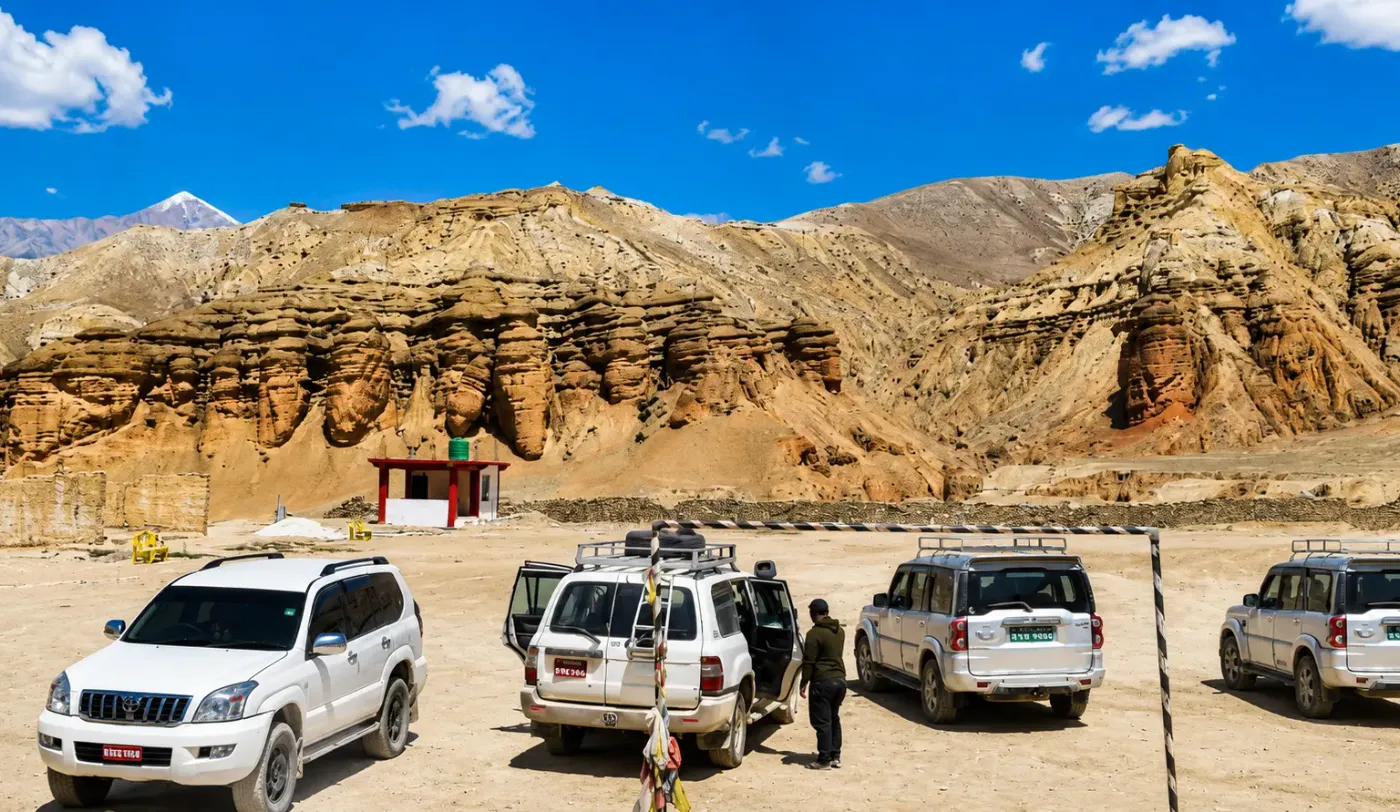
Besisahar Vehicle Hire: Pickup and Drop Guide

Airport pickup

Besisahar Vehicle Hire — Pickup, Drop-Off and Private Jeep Transfer Guide

Every trekker starting the Annapurna Circuit trek passes through Besisahar. Every trekker completing the Manaslu Circuit trek via the Larkya La pass exits at Besisahar. Every group heading deeper into the gorge toward Chame, Pisang, and Manang by private 4WD jeep passes through Besisahar.

Every trekker coming off the mountains and needing road transport back to Kathmandu or Pokhara converges on Besisahar, Nepal’s most important junction in the western Himalayan transport network. Besisahar is not a destination in itself — it is the gateway through which every major Annapurna region adventure must pass, and the quality and reliability of the vehicle hire service that carries trekkers to and from this gateway directly determines how those adventures begin and end.

Located at approximately 760 meters above sea level in Lamjung District, Gandaki Province, Besisahar sits at the confluence of road access from both Kathmandu and Pokhara — the Prithvi Highway feeding trekkers from the east and north, and the Pokhara-Besisahar road feeding them from the west and south. From Kathmandu, the distance is about 173 to 185 kilometres, typically taking 5 to 7 hours by private jeep, depending on traffic and conditions.

From Pokhara, it is a much shorter 75 to 90 kilometres and takes 2 to 3 hours by private vehicle. This dual access from Nepal’s cities makes it one of the country’s most popular trekking gateways, even as the roads beyond quickly become some of the most demanding off-road terrain in the Himalaya.

This complete guide covers every dimension of Besisahar vehicle hire: the full routes from Kathmandu and Pokhara, all transport options and current costs, what the road beyond Besisahar actually involves, all the trekking destinations this gateway opens access to, the return pickup service from Besisahar at trek’s end, permits, seasonal conditions, and why Nepal Vehicle Hiring Pvt Ltd is the right private vehicle partner for every leg of a Besisahar-centred trekking journey.

Book the best Besisahar vehicle hire with private cars, 4WD jeeps, Scorpio SUVs, Hiace vans, and buses. Enjoy reliable pickup and drop services for the Annapurna Circuit Trek, Dharapani, Chame, and nearby destinations.

Besisahar — The Most Important Junction Town in Nepal’s Western Himalayan Trek Network

Besisahar, the headquarters of Lamjung District, is a town the trekking world has made far more important than its modest size might suggest. With a permanent population of a few thousand and the typical infrastructure of a Nepali hill district headquarters — government offices, a hospital, schools, fuel stations, ATMs, restaurants, and a growing range of trekking-oriented shops and guesthouses — Besisahar is a genuine small town rather than a village.

Still, its significance in Nepal’s trekking geography is that of a major city. Every year during trekking season, thousands of people from across Nepal and dozens of countries transit through Besisahar in both directions—outward toward the Annapurna massif and inward toward the road network—making it the busiest trekking gateway in the western Himalayan region.

The town sits at the head of the narrow road from Dumre Junction on the Prithvi Highway, which meets the Marsyangdi River valley, then follows it northward for the Annapurna Circuit trek approach. The Marsyangdi is one of Nepal’s most powerful mountain rivers; its Marsyangdi Hydroelectric Projects have contributed significantly to Nepal’s electricity generation, and the gorge it has carved through the Himalayan foothills creates both the dramatic scenery and the challenging road conditions that define the Besisahar-to-Manang driving route beyond the town.

Understanding Besisahar’s position in this geography—where the comfortable paved highway ends and serious off-road mountain driving begins—is the essential starting point for planning any vehicle hire arrangement that includes it.

Besisahar also holds particular significance as the endpoint for trekkers completing the Manaslu Circuit trek: those who cross the Larkya La and descend through the Annapurna Conservation Area via Dharapani and Tal arrive at Besisahar having completed one of Nepal’s finest and most demanding high-altitude circuits, needing a private vehicle pickup for the road journey back to Kathmandu or Pokhara. Nepal Vehicle Hiring Pvt Ltd coordinates this exact end-of-trek pickup from Besisahar as part of our Kathmandu to Manaslu trek transport service, and we offer the same pickup coordination for Annapurna Circuit trekkers descending from Jomsom or completing the circuit at Besisahar i

Besisahar Vehicle Hire: Pickup and Drop Guide

Kathmandu to Besisahar — The Full Route

The Kathmandu to Besisahar road journey covers about 173 to 185 kilometres via the Prithvi Highway. It takes 5 to 7 hours by private jeep, depending on traffic, road conditions, and how many rest stops you take.

Nepal Vehicle Hiring Pvt Ltd recommends departing Kathmandu between6:00 and 7:00 AM for a comfortable day-trip arrival in Besisahar, with enough afternoon daylight to check permits and accommodation arrangements, and time to rest before the trek begins the following morning.

Kathmandu to Mugling — The Prithvi Highway. The first section of the journey follows the Prithvi Highway westward from Kathmandu, passing through Nagdhunga and descending through the Chandragiri foothills before the highway levels out through Naubise and Malekhu toward the Trishuli River valley. The Mugling junction, about 110 kilometres from Kathmandu, is the classic mid-journey rest stop on virtually every western Nepal road itinerary—a busy roadside town at the confluence of the Trishuli and Marsyangdi rivers, with numerous restaurants serving the standard dal bhat and momo combination that fuels Nepal’s long-distance highway travellers.

Nepal Vehicle Hiring Pvt Ltd drivers typically stop at Mugling for 20 to 30 minutes on any Kathmandu-to-Besisahar run.

For travellers departing from Kathmandu who would like to include a brief stop at the famous Manakamana Temple cable car station — about 2 kilometres before Mugling — this can easily be incorporated into the route on request. The cable car to Manakamana, one of Nepal’s most visited Hindu pilgrimage sites, is not included in the standard Kathmandu to Besisahar jeep transfer but can be added as a half-hour sightseeing detour at negligible extra driving time.

Inform Nepal Vehicle Hiring Pvt Ltd when booking if you would like this included.

Mugling to Dumre — The Marsyangdi Junction. From Mugling, the Prithvi Highway continues westward toward Pokhara. Still, the route to Besisahar turns off at Dumre Junction — approximately 130 kilometres from Kathmandu — and heads northward along the Marsyangdi River valley.

This turn marks a significant change in road character: the highway-grade dual-lane paving of the Prithvi Highway gives way to a narrower, hillier single-carriageway road that climbs steadily toward Besisahar through a progressively tighter river valley. The Dumre to Besisahar stretch of approximately 43 to 55 kilometres adds 1 to 1.5 hours to the journey and involves the kind of winding hill road—paved for most of its length but increasingly affected by seasonal maintenance issues—that makes a 4WD vehicle noticeably more comfortable than a standard sedan.

Arriving in Besisahar. Fuel stations, pharmacy signs, and the first trekking gear shops along the Annapurna approach corridor announce Besisahar town. The Besisahar vehicle hire drop-off point for Nepal Vehicle Hiring Pvt Ltd is typically at the main bazaar area, within walking distance of the town’s guesthouses, permit verification office, ATMs, and restaurants.

Trekkers who have not yet obtained their ACAP permit and TIMS card in Kathmandu can sometimes arrange them here. However, trekkers strongly prefer processing in Kathmandu to avoid uncertainty at the Besisahar checkpoint.

Book the best Besisahar vehicle hire with private cars, 4WD jeeps, Scorpio SUVs, Hiace vans, and buses. Enjoy reliable pickup and drop services for the Annapurna Circuit Trek, Dharapani, Chame, and nearby destinations.

Pokhara to Besisahar — The Faster Western Approach

For trekkers already based in Pokhara — Nepal’s second city, the tourism hub of the western Himalayan region, and the preferred base city for most Annapurna region adventures — the drive to Besisahar is considerably shorter than from Kathmandu: approximately 75 to 90 kilometres, typically completed in 2 to 3 hours by private jeep or private car hire from Pokhara Lakeside. This short drive makes a Pokhara departure particularly convenient for trekkers completing a multi-destination Nepal itinerary: a few days of Pokhara sightseeing, followed by a comfortable 2 to 3-hour transfer to Besisahar, is a genuinely efficient and enjoyable way to begin the Annapurna Circuit or continue deeper toward Manang by private vehicle hire.

The Pokhara to Besisahar route follows the Prithvi Highway eastward from Pokhara toward Dumre Junction, then turns north onto the Marsyangdi Valley road — the reverse of the Kathmandu approach described above, sharing the same Dumre-to-Besisahar final section. Nepal Vehicle Hiring Pvt Ltd offers Pokhara-to-Besisahar jeep hire with door-to-door hotel pickup from any Pokhara Lakeside hotel, making it one of our most frequently booked short-distance 4WD transfers in western Nepal.

Cost for a private Scorpio or Hilux from Pokhara to Besisahar: approximately NPR 7,000 to NPR 12,000 (USD 53 to 90) for the full vehicle, carrying 4 to 6 passengers with trekking luggage.  Travellers spending several days in Pokhara before the Besisahar transfer can make full use of Pokhara car hire for city and lakeside sightseeing, the Sarangkot sunrise vehicle service for the famous Annapurna-range sunrise panorama, or the Pokhara to Nayapul transfer for Ghorepani Poon Hill trek and Annapurna Base Camp trek trailhead access — all bookable through Nepal Vehicle Hiring Pvt Ltd as part of a coordinated Pokhara-based transport arrangement.

Besisahar

Transport Options and  Costs

Private 4WD Jeep — The Preferred Option. A private Scorpio or Hilux 4WD jeep from Nepal Vehicle Hiring Pvt Ltd is the most popular and most practical choice for any trekking group heading to Besisahar, and even more so for groups continuing beyond Besisahar deeper into the Marsyangdi gorge toward Chame and Manang. The private jeep offers hotel pickup from anywhere in Kathmandu or Pokhara, a fixed departure time, luggage space for full trekking gear, the 4WD capability needed for sections beyond Besisahar, and the flexibility to stop at any viewpoint or rest point the group wants along the way.

From Kathmandu, the 2026/27 cost for a private Scorpio or Hilux to Besisahar is approximately NPR 13,000 to NPR 22,000 (USD 98 to 165) one way for the full vehicle. From Pokhara, the shorter distance costs approximately NPR 7,000 to NPR 12,000 (USD 53 to 90).

Shared Jeep. Shared jeep services from Kathmandu to Besisahar operate from the Gongabu Bus Park area, departing on a fill-and-go basis with up to 7 passengers per vehicle. The 2026/27 shared jeep fare from Kathmandu to Besisahar is approximately NPR 1,200 to NPR 1,800 per person (USD 9 to 14 per person).

Journey time is broadly similar to a private jeep — 5 to 7 hours — but without hotel pickup, fixed departure time, or any control over co-passengers or intermediate stops. For budget-conscious solo trekkers familiar with Nepal’s shared transport network, this is workable.

For families, groups with heavy luggage, or anyone with a fixed departure window, it is far less convenient.

Public Bus. The Kathmandu to Besisahar bus service runs daily from Gongabu Bus Park, with multiple morning departures. The 2026/27 fare is approximately NPR 1,000 to NPR 1,500 per person (USD 8 to 11).

Journey time is typically 7 to 9 hours—considerably longer than a private vehicle because the bus travels slowly on the winding Marsyangdi Valley road and makes multiple passenger stops along the way. The bus is the cheapest option and entirely workable for solo budget trekkers.

Still, the combination of small seats, heavy luggage handling, and a significantly longer journey time makes it the least comfortable option for any group starting a demanding multi-week trek.

Hiace Van — For Medium-Sized Groups. For groups of 7 to 12 people, a Toyota Hiace van from Nepal Vehicle Hiring Pvt Ltd offers a comfortable, cost-effective alternative to a jeep or multiple shared vehicles. The Hiace van handles the paved Prithvi Highway and the Dumre-to-Besisahar sections comfortably and can reach Besisahar without difficulty under standard road conditions.

For groups continuing beyond Besisahar on the rough off-road gorge road, the Hiace would transfer passengers to a 4WD jeep at Besisahar for the onward journey. A tourist coaster is available for very large groups (13 to 25 people) on the same arrangement — comfortable Besisahar delivery with a jeep shuttle for the beyond-Besisahar section.

Direct Transfer to Manang Bypassing Besisahar. For groups heading directly to Manang rather than starting the Annapurna Circuit trek on foot from Besisahar, Nepal Vehicle Hiring Pvt Ltd offers a complete Besisahar-to-Manang private vehicle transfer as a single booking, including Kathmandu hotel pickup—so the full Kathmandu-to-Manang journey is one smooth trip rather than two separate legs. Full details and costs are covered in our dedicated Besisahar private vehicle guide.

Private 4WD jeep, Scorpio SUV, and Hiace van providing vehicle hire service in Besisahar for Annapurna Circuit trekkers

The Road Beyond Besisahar — What Happens After the Drop-Off

For most trekkers using Besisahar vehicle hire, the drop-off at Besisahar is not the end of the vehicle journey — it is the transition point between the paved highway approach and either the trailhead (for trekkers starting the Annapurna Circuit on foot from Besisahar) or the rough off-road jeep track (for those taking a private 4WD jeep deeper into the gorge toward Chame, Pisang, and Manang). Understanding what the road beyond Besisahar involves is essential to plan both the vehicle hire and the overall trek itinerary correctly.

The road from Besisahar northward through Bhulbhule, Ngadi, Syange, Jagat, Chamche, and Dharapani follows the Marsyangdi River gorge through some of Nepal’s most dramatic mountain terrain. The road surface transitions from paved (on the initial Besisahar-to-Bhulbhule section) to rough, unpaved off-road track — with river bank crossings, cliff-edge sections, steep gradients, and the accumulated surface damage of monsoon seasons and heavy vehicle traffic.

A standard sedan or Hiace van can’t safely handle this road beyond the first few kilometres—a 4WD Scorpio or Hilux jeep is the only appropriate vehicle for the Besisahar-to-Manang gorge section, which is why our Besisahar private vehicle service uses 4WD exclusively for all bookings that go beyond town.

The key stops beyond Besisahar on the gorge road include: Bhulbhule (845 m, 10 km from Besisahar), the original standard Annapurna Circuit trek trailhead where many operators now recommend starting in place of Besisahar itself; Jagat (1,340 m), approximately 32 km from Besisahar through increasingly dramatic gorge scenery; Dharapani (1,860 m), where the Manaslu Circuit trek descends from the Larkya La and joins the Annapurna Circuit trail; Chame (2,670 m), the Manang District headquarters and a common overnight stop for two-day Besisahar-to-Manang vehicle itineraries; and Manang (3,519 m), the end of the drivable road and the acclimatization hub before the Thorong La pass crossing. At 5,416 m, Thorong La is the Annapurna Circuit trek’s defining challenge, and Manang is where every trekker spends at least one full acclimatization day.

Beyond Manang, the road ends entirely, and the Annapurna Circuit trek continues on foot over Thorong La and down to Muktinath, Jomsom, and ultimately Pokhara via the Kali Gandaki valley. The Nar Phu Valley trek—a separate restricted-area trek branching from Koto village just beyond Chame—also starts from the same gorge-road approach, making Besisahar vehicle hire the entry point for this increasingly sought-after remote Himalayan experience.

The Tilicho Lake route branches from Manang itself, with the world’s highest large lake at 4,919 m accessible via a day’s walk from the jeep-accessible Manang road end.

Besisahar

The Annapurna Circuit — The Trek That Defines Besisahar

The Annapurna Circuit trek is, by most measures, Nepal’s most scenically diverse trekking route: a 12 to 18 day loop around the Annapurna massif that moves through subtropical river valleys, temperate rhododendron forests, high-altitude Tibetan-influenced villages, the dramatic Manang valley, and the trans-Himalayan rain-shadow landscape of the Mustang approaches, before crossing the Thorong La at 5,416 metres and descending to the sacred pilgrimage site of Muktinath and the Kali Gandaki gorge — all within a single, continuous, deeply varied journey. From Besisahar outward, the standard Annapurna Circuit covers about 160 to 230 kilometres of trail, depending on which sections you walk and which you cover by the increasingly drivable gorge road.

The trek’s cultural dimension is as rich as its physical one: the lower Annapurna valley communities of Gurung and Magar ethnicity give way to the increasingly Tibetan-influenced Sherpa and Manangba communities of the upper valley, while the village of Manang itself maintains a distinctive commercial and cultural tradition rooted in its historical role as a trans-Himalayan trading centre. Manang valley’s cheese factories, apple orchards, and ancient monasteries — including the dramatically positioned Braga Gompa above the valley floor — reward extra exploration days that most competent Annapurna Circuit packages build into the standard acclimatization sOur sister company, Trek Nepal Himalayas, offers the Annapurna Circuit trek as a fully guided package with licensed English-speaking guides, sensible acclimatization arrangements and full permit management, coordinated with Nepal Vehicle Hiring Pvt Ltd’s Besisahar private vehicle service for the outward transfer from Kathmandu or Pokhara.

For travellers seeking a luxury Annapurna Circuit experience, our sister company Alpine Luxury Treks provides top-end guiding, exclusive accommodation arrangements, and a fully catered Himalayan journey that combines the physical grandeur of the Thorong La crossing with the highest available standard of mountain comfort.

Private 4WD jeep, Scorpio SUV, and Hiace van providing vehicle hire service in Besisahar for Annapurna Circuit trekkers

The Manaslu Circuit — Besisahar as an Exit Point

One of the less widely understood roles of Besisahar in Nepal’s trekking transport network is as an exit point rather than an entry point: every trekker completing the Manaslu Circuit trek via the Larkya La descent reaches Besisahar at the conclusion of their journey through the Annapurna Conservation Area descent via Dharapani, Tal, and Ngadi. For these trekkers, Nepal Vehicle Hiring Pvt Ltd‘s pre-arranged pickup from Besisahar is the essential final logistics step — eliminating the need to negotiate with local transport at the end of a 14- to 18-day high-altitude circuit, and providing a confirmed, comfortable private jeep or Hiace van for the return journey to Kathmandu or onward to Pokhara.

The Kathmandu to Manaslu trek transport service from Nepal Vehicle Hiring Pvt Ltd routinely includes Besisahar exit pickup as a standard component of the combined outward-and-return booking — meaning that when a group departs Kathmandu for Soti Khola or Machha Khola at the start of the Manaslu Circuit, their return pickup from Besisahar at the circuit’s end is simultaneously confirmed as part of the same arrangement. This two-leg coordination, across a trek that can span 16 to 20 days, is one of the most logistically satisfying aspects of booking comprehensive Nepal vehicle hire through a single professional operator rather than arranging each transport leg separately.

For Manaslu Circuit trekkers who want to go from Besisahar directly to Pokhara instead of returning to Kathmandu, the Besisahar-to-Pokhara private jeep transfer covers about 75 to 90 km in 2 to 3 hours—one of the most convenient post-trek transfers in Nepal’s western mountain circuit.

Book the best Besisahar vehicle hire with private cars, 4WD jeeps, Scorpio SUVs, Hiace vans, and buses. Enjoy reliable pickup and drop services for the Annapurna Circuit Trek, Dharapani, Chame, and nearby destinations.

Nar Phu Valley, Tilicho Lake, and Annapurna’s Hidden Corners

Beyond the Annapurna Circuit and Manaslu Circuit, the Besisahar vehicle-hire gateway opens access to several less-celebrated but equally rewarding trekking destinations branching from the main gorge road. The Nar Phu Valley trek — a restricted-area trek branching from Koto village at approximately 2,600 m, accessible via the private jeep route from Besisahar — leads to the remote, high-altitude valleys of Nar and Phu, inhabited by Tibetan-descended communities whose culture, language, and traditional way of life have remained remarkably intact given the region’s relatively recent opening to trekking tourism in 2002. The Nar Phu route requires its own Restricted Area Permit in addition to ACAP, and a licensed guide is mandatory — but for experienced trekkers specifically seeking a genuinely less-visited Himalayan destination, it is one of the most consistently recommended extensions of the standard Annapurna region approach.

Tilicho Lake, perched at 4,919 meters and recognized as one of the highest large lakes, is accessible as a side trip from Manang village—itself reached via the Besisahar-to-Manang jeep route covered in this guide. The Tilicho Base Camp trail leaves the main Annapurna Circuit route from a tea house at Shreekharka and climbs steeply for 2 days to reach the frozen lake at altitude—an experience many experienced trekkers rate as one of the most visually striking single days in Nepal’s western Himalayan region.

The Muldai View Trek and the Gurung Heritage Trail also branch from the Annapurna approach corridor near Besisahar, offering shorter, more culture-focused alternatives for travellers with limited time or physical resources for a full Annapurna Circuit.

For the broader Annapurna region trekking network below Besisahar—the Ghorepani Poon Hill trek and the Annapurna Base Camp trek—Nepal Vehicle Hiring Pvt Ltd offers a separate, shorter Pokhara-to-Nayapul transfer for these southern Annapurna approaches. At the same time, the Kathmandu-to-Besisahar bus ticket offers a public-transport option for budget-conscious trekkers seeking the cheapest available transfer.

Book the best Besisahar vehicle hire with private cars, 4WD jeeps, Scorpio SUVs, Hiace vans, and buses. Enjoy reliable pickup and drop services for the Annapurna Circuit Trek, Dharapani, Chame, and nearby destinations.

Return Pickup — How Nepal Vehicle Hiring Pvt Ltd Collects You From Besisahar

The return journey from Besisahar to Kathmandu or Pokhara is the most relief-inducing vehicle booking of any Nepal trekking itinerary — arriving at Besisahar after 12 to 16 days of high-altitude Himalayan trekking, to find a pre-confirmed private jeep waiting with a professional driver ready to take you home, is a logistical comfort that every experienced Nepal trekker remembers. Nepal Vehicle Hiring Pvt Ltd provides Besisahar pickup as a standard service through three booking formats.

The most common is the combined outward-and-return package. When you book your outward Kathmandu-to-Besisahar jeep transfer or Pokhara-to-Besisahar transfer, you simultaneously confirm the return pickup date and time. We share driver details 24 hours before the return date, and if the trek schedule changes (as it sometimes does), you can adjust the return date via WhatsApp, typically with 24 to 48 hours’ advance notice for rebooking.

The return journey from Besisahar to Kathmandu takes 5 to 7 hours; Besisahar to Pokhara takes 2 to 3 hours.

For trekkers completing the Annapurna Circuit who exit via Jomsom and Pokhara rather than descending back to Besisahar, the Pokhara exit arrangement coordinates the return from Pokhara instead — combining the Annapurna Circuit trek outward transfer from Kathmandu to Besisahar with a return from Pokhara to Kathmandu by private vehicle or tourist bus, depending on the group’s preference. This is one of the most common combined transport arrangements in Nepal’s western Himalayan trekking circuit.

For Manaslu Circuit trekkers exiting at Besisahar specifically, as covered in Section 7, the return pickup is confirmed as part of the Kathmandu to Manaslu trek transport package. Contact Nepal Vehicle Hiring Pvt Ltd on WhatsApp via WhatsApp or through our plan trip page to arrange any variation of Besisahar pickup and return transfer.

Permits Required — What You Need Before Besisahar

The ACAP (Annapurna Conservation Area Permit) and TIMS Card are the two mandatory permits for all trekkers entering the Annapurna region beyond Besisahar. The ACAP costs NPR 3,000 (approximately USD 22 to 25) per person for foreign nationals and is the primary entry permit for the entire Annapurna Conservation Area, covering the Annapurna Circuit, Annapurna Base Camp, Tilicho Lake, and the Nar Phu Valley approaches.

The TIMS Card costs USD 10- 20 per person. Obtain both permits in Kathmandu or Pokhara before departure—the Besisahar checkpoint verifies both documents for every passenger in every vehicle, and trekkers without valid permits are not permitted to proceed.

Additionally, for the Nar Phu Valley trek specifically, a Restricted Area Permit (RAP) at USD 90 per person for the first seven days (peak season) or USD 75 off-season is required alongside the ACAP. You also obtain this permit in Kathmandu before departure through a registered trekking agency; you cannot arrange it at the Besisahar or Koto checkpoints.

Nepal’s 2023 trekking guide regulation makes a licensed trekking guide mandatory for all Trekking in the Annapurna region.

WARNING: ATM advisory: The Besisahar bazaar has functioning ATMs — these are the last reliable cash machines before the gorge road toward Manang. The ATMs in Chame and Manang exist but are less reliable and sometimes out of cash during peak trekking season. Withdraw generous NPR cash at Besisahar or, preferably, in Kathmandu or Pokhara before departure.

Private 4WD jeep, Scorpio SUV, and Hiace van providing vehicle hire service in Besisahar for Annapurna Circuit trekkers

Road Conditions — Seasonal Guide to Besisahar Vehicle Hire

The Kathmandu and Pokhara to Besisahar sections of the vehicle hire route are on paved national highways — the Prithvi Highway and the Marsyangdi Valley connecting road — and are generally reliable in all seasons. However, monsoon rainfall from June to September can temporarily close specific landslide-prone sections, particularly on the Dumre-to-Besisahar hill section. By contrast, conditions beyond Besisahar vary dramatically by season.

Autumn (October to November) offers the best overall conditions for Trekking and vehicle hire: roads stabilise after the monsoon ends, mountain visibility is exceptional for the dramatic gorge-driving section, and the Annapurna trail is at peak season. Book private jeep hire at least 1 to 2 weeks in advance during October and November — this is Nepal’s single busiest trekking period and demand for Besisahar transfers peaks sharply.

Spring (March to May) is the second-best season: rhododendron forests bloom spectacularly on the lower Annapurna approach, road conditions are good, and the active mountaineering season makes the high camps above Manang more visible. Trek Nepal Himalayas and Alpine Luxury Treks’ Annapurna Circuit trek packages and luxury Annapurna trekking experiences are particularly popular in April and early May.

Winter (December to February) is manageable for Besisahar jeep transfer — the Kathmandu and Pokhara to Besisahar road sections remain open throughout winter in normal years. Beyond Besisahar, snow above Chame and Pisang can affect the gorge road, and heavy snowfall sometimes closes Thorong La. Winter Annapurna Circuit trekkers should confirm current high-altitude conditions before departure.

Monsoon (June to August) is the most challenging season for the approach road and the most demanding for the trek above. Landslide risk on the Dumre-to-Besisahar section and the gorge road beyond are elevated; trail sections are wet and slippery; leeches are active in the forest zones below 2,000 m.

Nepal Vehicle Hiring Pvt Ltd monitors road conditions through our Lamjung district driver network before any monsoon-season Besisahar transfer and proactively advises clients on any day when conditions warrant a schedule adjustment.

Private 4WD jeep, Scorpio SUV, and Hiace van providing vehicle hire service in Besisahar for Annapurna Circuit trekkers

Combining Besisahar With Kathmandu, Pokhara, Chitwan and Lumbini

The Besisahar vehicle hire sits naturally within a broader Nepal itinerary that includes Kathmandu city sightseeing, Pokhara lakeside time, and wildlife or heritage extensions before or after the Annapurna region trekking section. Nepal Vehicle Hiring Pvt Ltd provides all of the transport connections for a complete Nepal multi-destination circuit.

From Kathmandu, pre-trek days can include Kathmandu sightseeing packages covering Pashupatinath, Boudhanath, Swayambhunath, and Patan; the Bhaktapur heritage day tour; and a Nagarkot sunrise vehicle transfer for panoramic Himalayan views before departure. Airport arrivals are handled through our Kathmandu airport transfer service, ensuring smooth hotel delivery from any international or domestic arrival.

Post-trek, travellers returning to Pokhara from the Annapurna Circuit’s Jomsom exit can continue to Chitwan National Park via Pokhara by bus for a jungle safari extension before heading home. Travellers wanting to add Lumbini — Buddha’s birthplace and one of Nepal’s UNESCO heritage sites — to their itinerary can use our Kathmandu to Lumbini bus service.

Nepal Vehicle Hiring Pvt Ltd offers complete multi-destination Nepal tour packages combining Kathmandu, Pokhara, Chitwan, Lumbini, and Annapurna through its planned trip service.

For travellers adding the Everest region before or after the Annapurna Circuit, our Everest Base Camp trek page, our sister company’s EBC trekking packages, luxury EBC lodge trek, and Everest helicopter return packages offer comprehensive options for every budget and comfort preference. The Jiri to Everest overland trek and Gokyo Lakes trek offer less-travelled Everest alternatives for adventurous travellers.

In contrast, our Langtang Valley trek and Helambu trek packages cover the best of Nepal’s central Himalayan trekking from Kathmandu.

Airport pickup

Practical Tips — Getting the Most From Your Besisahar Transfer

  • Depart Kathmandu by 6:00 to 7:00 AM for a single-day Besisahar transfer — this ensures arrival before 1:00 to 2:00 PM, with sufficient afternoon time for permit checking, ATM withdrawal, and teahouse check-in before your first trekking morning.
  • Obtain ACAP and TIMS permits in Kathmandu or Pokhara before departure — the Nepal Tourism Board offices in both cities process these quickly. Besisahar permits are possible but not guaranteed.
  • Withdraw NPR cash at Besisahar’s ATM before proceeding beyond — this is the last fully reliable ATM on the Annapurna Circuit approach.
  • For groups of 4 to 6 sharing a private Scorpio or Hilux, the per-person cost of a Kathmandu-to-Besisahar private jeep compares very favourably to shared options once you factor in total comfort and time savings.
  • Book your return pickup from Besisahar at the same time as the outward booking — Nepal Vehicle Hiring Pvt Ltd confirms both legs simultaneously.
  • Carry motion sickness medication if you are susceptible — the Dumre-to-Besisahar section involves continuous winding that some passengers find challenging, particularly those sitting in rear seats.
  • Keep essential permits, passports, and permits in cabin luggage rather than roof-rack bags for quick access at the Besisahar checkpoint.
  • Contact Nepal Vehicle Hiring Pvt Ltd on WhatsApp via WhatsApp to confirm the latest road conditions on the morning of any monsoon-season departure — our driver network provides real-time updates on the Lamjung district approach roads.

Private 4WD jeep, Scorpio SUV, and Hiace van providing vehicle hire service in Besisahar for Annapurna Circuit trekkers

The Gorge Road’s Greatest Moments — What Makes This Drive Remarkable

The Besisahar to Manang gorge road is, for groups who choose to travel deeper than the Besisahar drop-off by private 4WD jeep, one of Nepal’s most dramatic and most underrated overland driving experiences — a sequence of visual and physical moments that experienced travellers consistently rate alongside the much more publicized drives and the Annapurna Circuit’s off-road sections. The first remarkable section begins almost immediately beyond Bhulbhule: the road enters the publicized Marsyangdi and begins hugging the river cliff at a height that, on exposed sections, places the vehicle meters above the churning white water below, with sheer rock walls rising hundreds of meters on both sides and waterfalls visible on the opposing canyon face.

The river’s roar, the confined space, and the physical exposure of cliff-edge driving on a road barely wide enough for two vehicles to pass create a visceral sense of entering the mountains rather than simply approaching them.

By Jagat at 1,340 meters, the gorge has narrowed to its most dramatic configuration: the Marsyangdi is forced into a series of cascades that have given several gorge sections their local names, and the road crosses and recrosses the river on a sequence of bridges whose construction itself represents a remarkable engineering achievement in terrain this challenging. Chamche’s waterfall — one of Nepal’s most photographed roadside natural features, visible directly from the vehicle as it approaches — falls in an unbroken single drop of over 100 meters from the cliff face directly beside the road, creating a permanent rainbow in the spray zone that extends across the track itself in certain light conditions.

For trekkers who chose the private jeep option over walking this section of the Annapurna Circuit, Chamche is the moment that most consistently makes them feel the gorge road was worth choosing rather than merely tolerating.

Beyond Dharapani at 1,860 meters, the Manaslu Circuit trek descends to join the Annapurna Circuit trail; at the ACAP permit checkpoint, the gorge begins to open, and the landscape’s character shifts fundamentally. Pine and juniper replace the subtropical and temperate forest of the lower gorge; stone-built villages with flat roofs and prayer flag-strung edges begin to appear in place of the thatched or corrugated-roof Gurung and Magar settlements below; and the peaks above grow progressively taller, sharper, and more immediately imposing as the valley rises toward the Annapurna summits.

By Chame at 2,670 m, the air has a perceptible highland quality — cleaner, thinner, and noticeably cooler than the gorge below — and Annapurna II’s north face, at 7,937 metres, one of the most technically demanding faces in the Himalaya, becomes the dominant visual feature of the valley, its enormous scale comprehensible only because the valley floor is itself high enough that the peak does not disappear into clouds before its summit is reached. The Besisahar private vehicle service from Nepal Vehicle Hiring Pvt Ltd can be extended to Chame or Manang for groups specifically wanting to experience this full gorge-to-alpine transition by vehicle.

Book the best Besisahar vehicle hire with private cars, 4WD jeeps, Scorpio SUVs, Hiace vans, and buses. Enjoy reliable pickup and drop services for the Annapurna Circuit Trek, Dharapani, Chame, and nearby destinations.

Besisahar as a Day Trip from Pokhara — The Overlooked Option

One of the most underutilized options is the round-trip day excursion from Pokhara. This 150 to 180 km trip can be completed in a single day, offering a genuine Himalayan gateway experience without committing to a multi-week trek.

Just 75 to 90 km from Pokhara, Besisahar is closer to the lakeside city than many travellers assume, and the drive through the Marsyit Valley offers a rich cultural landscape in its own right, without demanding any trekking ambition.

A Pokhara-to-Besisahar day trip by private jeep typically departs Pokhara Lakeside at 7:00 to 8:00 AM, reaches Besisahar by mid-morning for a two-to-three-hour exploration of the town, the ACAP permit office, the local bazaar, and the first stretches of the Marsyangdi gorge approach, and returns to Pokhara by early to mid-afternoon — comfortably within a single day’s schedule. For travellers who want to go slightly further and experience the dramatic gorge-entry section beyond Besisahar before returning, an extended day can cover the round trip to Hulbhule or even Jagat Gandaki.

Nepalle Hiring Pvt Ltd offers car hire in Pokhara for this flexible, half-day or full-day Annapurna region exploration from a Pokhara base.

This day trip option is particularly valuable for travellers in Pokhara who have already completed the Annapurna Base Camp trek or Ghorepani Poon Hill trek and want to see the northern Annapurna Circuit approach without committing to a full circuit itinerary, or for those with a rest day between trekking experiences who want to extend their Annapurna region exploration without the physical commitment of another multi-day walk. You can combine the Sarangkot sunrise vehicle service with this day trip, add a stop before heading to Besisahar, and head to the Annapurna range panorama at sunrise above Pokhara,d then drive to the range the same day.

Why Choose Nepal Vehicle Hiring Pvt Ltd for Besisahar Transfer

Nepal Vehicle Hiring Pvt Ltd offers Besisahar private vehicle hire as a core trekking transfer service. Our Urna region jeep fleet and driver team have specific, repeated personal experience on the full route — from Kathmandu’s Thamel hotels through Mugling, Dumre, and the Marsyangdi valley road to Besisahar — as well as on the demanding off-road gorge section beyond toward Chame and Manang.

Our drivers know exactly where the ATMs are, which tea houses have reliable toilets, where the Besisahar checkpoint is, and the current surface conditions on the gorge road section so that they can drive safely.

Every Besisahar vehicle hire booking through Nepal Vehicle Hiring Pvt Ltd includes: door-to-door hotel pickup from any Kathmandu or Pokhara location; a verified and regularly maintained 4WD Scorpio or Hilux jeep for the full journey; an experienced, licensed local driver; fuel and road tolls included in the quoted price; and the ability to make driver contact 24 hours before departure for any last-minute questions or adjustments. We accommodate larger groups with our Hiace van, tourist coaster, and bus hire options.

Book via WhatsApp our plan trip page, or the contact page.

Frequently Asked Questions — Besisahar Vehicle Hire

How far is Besisahar from Kathmandu, and how long does the drive take?

Besisahar is approximately 173 to 185 km from Kathmandu via the Prithvi Highway and Marsyangdi Valley road. A private 4WD jeep from Nepal Vehicle Hiring Pvt Ltd takes 5 to 7 hours depending on traffic and conditions. We recommend departing Kathmandu between 6:00 and 7:00 AM.

What does a private jeep from Kathmandu to Besisahar cost?

Approximately NPR 13,000 to NPR 26,000 (USD 98 to 190) for a full private Scorpio or Hilux, including hotel pickup, driver, and fuel. For Pokhara to Besisahar, approximately NPR 7,000 to NPR 22,000 (USD 53 to 150). Contact us via WhatsApp for a specific quote.

Can I get from Pokhara to Besisahar by private jeep?

Yes — this 75 to 90 km journey takes just 2 to 3 hours by private jeep from Pokhara and is one of Nepal Vehicle Hiring Pvt Ltd’s most frequently booked short-distance Annapurna region transfers.

Do you provide pickup from Besisahar at the end of the trek?

Yes — pre-arranged return pickup from Besisahar is standard for all our Besisahar vehicle hire bookings. Confirm your return date at the time; we can adjust it via WhatsApp with reasonable advance notice.

Is a 4WD vehicle necessary for Kathmandu to Besisahar?

For Kathmandu to Besisahar only, a standard vehicle can manage in good conditions, as most of the route is paved. However, if you continue beyond Besisahar toward Bhulbhule, Jagat, Chame, or Manang, a 4WD jeep is essential for the rough gorge-road section.

What permits are required before Besisahar?

An ACAP permit (NPR 3,000 / USD 22-25 per person) and TIMS card (USD 10-20 per person) are mandatory and can be obtained in Kathmandu or Pokhara. Nepal’s 2023 regulation also requires a licensed guide. Our contact team advises on current requirements when booking.

Can I combine Besisahar transfer with Kathmandu sightseeing?

Yes — Nepal Vehicle Hiring Pvt Ltd provides Kathmandu sightseeing, Bhaktapur tours, Nagarkot sunrise transfers, and airport transfers, all coordinated through a single booking relationship alongside your Besisahar transfer.

Conclusion

Besisahar is the gateway through which every Annapurna Circuit trek adventure begins and where every Manaslu Circuit trek ends its road journey. It is the last ATM, the last fuel station, the last permit checkpoint, and the last point of reliable mobile network coverage before the world reduces itself to the trail, the river gorge, and the mountains above.

The vehicle hire service that carries trekkers to and from this junction is not a logistical footnote—it is the first and last chapter of one of Nepal’s finest trekking experiences, and it deserves the same care and professionalism as every other part of the journey.

Nepal Vehicle Hiring Pvt Ltd provides pre-jeep transfers and bus services that connect every Kathmandu and Pokhara hotel to this gateway — and the return pickup that brings trekkers home. Book your Besisahar vehicle hire by calling or messaging us on WhatsApp, visiting vehiclehiringnepal.com, or contacting our team through the plan trip page.

Door-to-Door Transport in Nepal

Book Door-to-Door Transport Nepal with reliable private cars, 4WD jeeps, Scorpio SUVs, Hiace vans, Coaster buses, and tourist buses for convenient pickup and drop-off anywhere in Nepal.

Door-to-Door Transport Nepal – Complete Private Vehicle Hire Guide

Every great Nepal journey begins and ends with the same moment: someone opening a vehicle door at your hotel entrance. Before the first temple, before the first mountain view, before the first wildlife sighting or the first suspension bridge—there is a driver, a clean vehicle, and the simple, enormously valuable fact that you don’t have to figure out how to get anywhere.

This is what door-to-door transport in Nepal means in practice, and it is a more significant service offering than its casual-sounding name implies.

In a country where the distance between your hotel in Thamel and the nearest major attraction can involve navigating six lanes of motorbike traffic, three unmarked junctions, a sacred cow, and a language barrier before you have even reached the taxi rank — door-to-door private vehicle hire is not a luxury add-on but the sensible baseline for any Nepal journey that values time, comfort, and peace of mind.

Nepal Vehicle Hiring Pvt Ltd has built its entire operational philosophy around this principle: your journey begins and ends at your hotel door, not at a bus park or a fixed terminal. Whether the destination is a Kathmandu Valley heritage circuit, a five-hour highway drive to Pokhara, a pre-dawn transfer to Manthali airport for the Lukla flight, or a ten-hour overland journey to Lumbini’s sacred garden — the vehicle comes to you, collects you, and delivers you to your next destination’s entrance.

It waits while you explore. It carries your luggage. It adapts to your timeline.

And when you are ready, it takes you exactly where you need to go next.

This comprehensive guide covers every dimension of door-to-door transport in Nepal — the vehicles available, every major route served, the specific benefits that door-to-door service provides over every alternative, the trekking and adventure packages that combine transport with Nepal’s finest Himalayan experiences, and the precise contact details for booking Nepal Vehicle Hiring’s complete door-to-door service across the entire country.

Our sister companies — Trek Nepal Himalayas and Alpine Luxury Treks — offer complete trekking and tour packages that begin and end with Nepal Vehicle Hiring’s door-to-door vehicle service. Together, the three companies provide Nepal’s most complete door-to-door travel solution: professional transport that connects every stage of your journey, combined with Nepal’s finest guided trekking and adventure experiences. Book transport at vehiclehiringnepal.com | Call/ WhatsApp

Bp highway

What Door-to-Door Transport in Nepal Actually Means

In Nepal’s transport context, door-to-door has a precise meaning that sets Nepal Vehicle Hiring’s service apart from every other option available to visitors. It means that every journey begins with a driver arriving at the specific hotel, guesthouse, resort, or address where you are staying, collecting you and your group and luggage directly from the entrance, and delivering you to the specific building, gate, trailhead, or address of your destination — not to a general area, not to the nearest major road, and not to a shared terminal.

This distinction matters far more in Nepal’s specific geography than it does in countries with reliable public transit or straightforward urban navigation.

Consider the alternative that most first-time Nepal visitors discover the hard way: the local bus system deposits passengers at Gongabu Bus Park in Kathmandu, which is approximately two kilometres from the nearest Thamel hotel and requires either a taxi negotiation or a Pathao app ride to complete the final connection — a manageable inconvenience for the fit and experienced, but a genuinely taxing proposition for elderly travellers, families with young children, or anyone arriving after a long flight with heavy luggage.

The tourist bus to Pokhara drops passengers at Pokhara’s central bus park, from which Lakeside hotels — the destination of virtually every tourist on the bus — require a further tuk-tuk or taxi ride. A Nepal Vehicle Hiring private car or Hiace van takes you from your Thamel, Boudha, or Lazimpat hotel directly to your Lakeside or Phewa Lake resort, stops at any viewpoint you want along the Prithvi Highway, and drops you at your Pokhara destination’s door.

As one verified 2026 passenger review puts it: everything worked really well — the vehicles were very clean and well maintained, the drivers were friendly and drove safely, which you don’t take for granted on these roads. The service was smooth and reliable, giving us complete peace of mind. This peace of mid— knowing that both the start and finish of every leg of your Nepal journey are confirmed, professional, and door-to-dor— is the most consistently cited benefit in client testimonials for Nepal’s private vehicle hire services in 2026.

For travellers planning trekking adventures after their initial transport, our sister company Trek Nepal Himalayas offers trekking packages including Annapurna Base Camp Trek, Annapurna Circuit Trek, Ghorepani Poon Hill Trek, and Mardi Himal Trek — all beginning and ending with Nepal Vehicle Hiring door-to-door transfers. For luxury-focused trekkers, Alpine Luxury Treks offers top-end Himalayan experiences, including luxury Annapurna treks and custom high-end Nepal packages.

The Complete Nepal Vehicle Hiring Fleet – Every Vehicle, Every Journey

Nepal Vehicle Hiring’s door-to-door service is built on a fleet that spans every passenger capacity and terrain requirement in Nepal’s travel landscape. Understanding which vehicle matches which journey type is the first practical decision in planning any Nepal transport booking.

Book Door-to-Door Transport Nepal with reliable private cars, 4WD jeeps, Scorpio SUVs, Hiace vans, Coaster buses, and tourist buses for convenient pickup and drop-off anywhere in Nepal.

Private Car and Sedan – Urban and Highway Precision

For groups of one to four people, the private car is Nepal Vehicle Hiring’s most efficient door-to-door vehicle for city circuits and highway connections. The Kathmandu airport pickup service begins the moment your flight lands — a driver with a name board at the arrivals gate, a vehicle at the curb, and direct delivery to any Thamel, Boudha, Patan, or Lazimpat hotel, with no taxi negotiation required.

For Kathmandu Valley heritage circuits connecting Pashupatinath Temple, Boudhanath Stupa, Swayambhunath, Kathmandu Durbar Square, Patan Durbar Square, Bhaktapur, and Changu Narayan in a managed daily circuit, the private car provides the timing control that no public or shared transport can replicate. Across the Prithvi Highway to Pokhara — 200 km, 6 to 6.5 hours in 2026’s improved road conditions — the private car delivers a personalised highway experience where stops are personalised rather than dictated by a bus schedule.

Door-to-door pricing for Kathmandu to Pokhara private car is transparent and quoted in full before booking, covering vehicle, driver, and fuel with no additions on arrival.

Book Door-to-Door Transport Nepal with reliable private cars, 4WD jeeps, Scorpio SUVs, Hiace vans, Coaster buses, and tourist buses for convenient pickup and drop-off anywhere in Nepal.

Mahindra Scorpio 4WD – The Mountain Transfer Standard

As one 2026 transport review notes, the consensus choice for the 200 km journey between Kathmandu and Pokhara is a Mahindra Scorpio —though standard cars or buses are available. Still, the Scorpio is built for the specific challenges of the Himalayas. Nepal Vehicle Hiring’s Mahindra Scorpio 4WD fleet brings this capability to both highways and mountain roads.

With switchable 4WD, 7-passenger capacity, 180–200 mm ground clearance, and a proven diesel powertrain, the Scorpio is the door-to-door vehicle for Kalinchowk jeep hire, Besisahar to Dharapani (Annapurna Circuit) transfer, Pokhara to Ulleri private jeep, Pokhara to Ghorepani Poon Hill jeep transfer, Syabrubesi door-to-door transfer, and Salleri Everest road transfer. For trekkers using Trek Nepal Himalayas for their trekking packages, the Scorpio provides door-to-trailhead service that gets every group to the right starting point with full luggage and maximum energy. Book the Scorpio 4WD door-to-door service for any mountain route.

Private car, 4WD jeep, Scorpio SUV, and Hiace van providing door-to-door transport service across Nepal

Mahindra Bolero 4WD – Budget Mountain Door-to-Door

The Mahindra Bolero 4WD delivers the same genuine mountain capability as the Scorpio — identical switchable 4WD system, comparable ground clearance, and equivalent diesel torque output — at a slightly lower hire rate, making it Nepal Vehicle Hiring’s recommended door-to-door vehicle for budget-conscious mountain groups of 5–7. The Bolero’s additional advantage on remote mountain routes is its unmatched spare parts availability: every workshop in every Himalayan district stocks Bolero components as standard inventory, meaning that even a significant mechanical event in a remote area can typically be resolved locally rather than requiring vehicle recovery from a city.

For Trek Nepal Himalayas trekking package clients heading to Tamang Heritage Trail trailheads or Manaslu Circuit start points at Arughat, the Bolero provides reliable, cost-effective door-to-trailhead service. Explore the Bolero 4WD hire Nepal service page for full details.

Private car, 4WD jeep, Scorpio SUV, and Hiace van providing door-to-door transport service across Nepal

Toyota Land Cruiser – Top-end Door-to-Door for the Himalaya’s Most Demanding Routes

The Toyota Land Cruiser 4WD is Nepal Vehicle Hiring’s flagship door-to-door vehicle for top-end travellers, VIP pilgrimage groups, and the country’s most demanding routes. Its 225+ mm ground clearance, multi-terrain select system, locking differentials, air suspension, crawl control, and top-end leather cabin deliver a door-to-door experience that is categorically superior to any other vehicle in Nepal’s hire market on routes like Upper Mustang jeep hire via Kagbeni and Lo Manthang, Korala Tibet border vehicle hire, Muktinath via Pokhara Land Cruiser, and Karnali remote route hire.

For Alpine LuxuryTreks clients combining top-end guided trekking with the finest available transport, the Land Cruiser is the standard vehicle connecting the trailhead to the next point on a luxury Nepal itinerary. See the full Luxury Jeep Hire Nepal service page.

Pokhara

Toyota Hiace Van – The Group Highway Solution

For medium-sized groups of 8–13 people on Nepal’s paved highway network, the Toyota Hiace Van is Nepal Vehicle Hiring’s most cost-effective per-head door-to-door vehicle. Fully air-conditioned, spacious, and offering significantly more luggage capacity than any jeep, the Hiace is the preferred vehicle of trekking agency groups using Nepal Vehicle Hiring for pilgrimage and cultural circuits.

For clients of Trek Nepal Himalayas arriving in Nepal as a group for an Annapurna group trekking package, the Hiace provides door-to-door hotel pickup for the whole party followed by direct delivery to the trekking start point — one vehicle, one booking, zero secondary transfers. The Hiace Van hire Nepal service covers all major routes: Kathmandu to Pokhara Hiace, Kathmandu to Chitwan Hiace, Kathmandu to Lumbini Hiace, and Pokhara to Chitwan Hiace.

VIP Sofa Bus and Tourist Bus – Large Group Top-end and Standard

For large groups of 20–45 people, Nepal Vehicle Hiring’s VIP Sofa Bus and Tourist Bus provide the highest standard of group door-to-door highway travel available in the country. The VIP Sofa Bus (2×1 seating, 21–30 passengers) is distinguished by sofa-style individual reclining seats, full AC, USB charging, WiFi on major routes, air suspension, and panoramic windows — the standard vehicle for international Buddhist pilgrimage groups to Lumbini, top-end corporate Nepal tour groups, and Alpine Luxury Treks large-party luxury itineraries.

Pickup is from the group’s hotel lobby with luggage loading assistance, and delivery directly to the destination’s entrance — no terminal stops, no secondary connections. See also Coaster hire Nepal for groups of 18–25 people needing a more compact vehicle for secondary road access.

Every Major Door-to-Door Route – 2026 Complete Coverage

Nepal Vehicle Hiring’s door-to-door service covers the full national route network — from Kathmandu’s heritage circuit to the remotest mountain trailheads, from the tropical Terai to the Tibet border. This section details each major route and its specific door-to-door service features.

Kathmandu Valley – The Heritage Circuit

The Kathmandu Valley door-to-door heritage circuit is Nepal Vehicle Hiring’s single highest-frequency daily service. The driver arrives at any Thamel, Boudha, Lazimpat, or Patan hotel between 5:30 and 7:00 AM, depending on the day’s first destination.

A typical full-day circuit visits Pashupatinath Temple for the dawn puja and Bagmati ghats, Boudhanath Stupa for the morning kora, Swayambhunath for mid-morning, Kathmandu Durbar Square including Kumari Ghar, Patan Durbar Square and the Golden Temple, and either Bhaktapur Durbar Square and Nyatapola Pagoda or Changu Narayan Temple (Nepal’s oldest, 464 CE) in the afternoon.

The vehicle and driver remain with the group throughout the day—parking while clients explore, carrying luggage, and ensuring every transition between sites is smooth. In the evening, the circuit often concludes with a Nagarkot sunrise transfer the following morning, with the driver returning at 4:30–5:00 AM for the 32 km drive to the viewpoint.

Travellers planning post-Kathmandu trekking should connect with Trek Nepal Himalayas for Kathmandu-based trekking departures that begin with Nepal Vehicle Hiring’s hotel pickup service.

Kathmandu to Pokhara – Door-to-Door on the Prithvi Highway

The Kathmandu to Pokhara door-to-door private transfer is Nepal Vehicle Hiring’s most booked single-route service in 2026. Covering 200 km on the Prithvi Highway in 6 to 6.5 hours, the service begins with hotel pickup at any Kathmandu address. It ends with delivery to any Lakeside, Phewa Lake, or Pokhara resort — typically with an optional stop at Bandipur (143 km from Kathmandu), Nepal’s finest hill-town detour, whose car-free Newari bazaar and extraordinary Himalayan panorama are among the highway’s most rewarding diversions. Multiple vehicle options are available for this route:: private car for 1–4 passengers, Mahindra Scorpio for 5–7a, Hiace van for 8–13, ana d VIP Sofa Bus for groups of 20+.

Clients arriving in Pokhara for trekking can connect directly with Trek Nepal Himalayas Pokhara trekking packages or Alpine Luxury Treks Pokhara itineraries. Our sister companies coordinate directly with Nepal Vehicle Hiring based on group arrival timing.

Book Door-to-Door Transport Nepal with reliable private cars, 4WD jeeps, Scorpio SUVs, Hiace vans, Coaster buses, and tourist buses for convenient pickup and drop-off anywhere in Nepal.

Kathmandu to Chitwan – Wildlife Safari Door-to-Door

The Kathmandu to Chitwan private vehicle service covers 150 km via the Prithvi Highway to Mugling, then south in 4–5 hours, delivering guests from their Kathmandu hotel directly to their Chitwan resort, jungle lodge, or wildlife camp entrance. Nepal Vehicle Hiring’s most popular Chitwan transfer option adds Trishuli white-water rafting on the highway route—the vehicle drops passengers at the Trishuli River launch point for a half-day Class 3–4 rafting experience, then collects them downstream and continues to Chitwan, making the transfer day itself an adventure rather than a logistical interlude.

The Pokhara to Chitwan door-to-door service (170 km, 5–6 hours) follows a similarly scenic Mugling route and is the standard connection for clients completing a Trek Nepal Himalayas trekking circuit in the Annapurna region before proceeding to Chitwan for the wildlife safari leg of their Nepal itinerary.

Kathmandu to Lumbini – The Pilgrimage Door-to-Door

The Kathmandu to Lumbini door-to-door transfer is one of Nepal Vehicle Hiring’s most significant services in 2026, reflecting the extraordinary surge in pilgrimage traffic to the Buddha’s birthplace during the Chinese Year of the Horse. The 280 km journey takes 8–10 hours via the Prithvi Highway and BP Highway.

Vehicle options range from private cars for small groups to Hiace vans for medium parties to the VIP Sofa Bus for large Buddhist pilgrimage delegations of 20–30 people. Every booking is hotel-to-hotel: pickup from any Kathmandu address and delivery to any Lumbini hotel, monastery guesthouse, or pilgrimage accommodation within the Lumbini Development Zone.

For the Lumbini to Kathmandu Airport transfer — one of Nepal Vehicle Hiring’s highest-volume services — departure time is calculated backwards from the exact flight schedule, providing a minimum  3-hour international buffer regardless of road conditions that day. Connect with Alpine Luxury Treks for spiritual Nepal itineraries combining Lumbini pilgrimage and Himalayan trek packages.

Pokhara to Muktinath and Upper Mustang – Mountain Door-to-Door

The Pokhara to Muktinath door-to-door jeep service is among Nepal Vehicle Hiring’s most operationally demanding and most scenically extraordinary routes — 200 km via Beni and the Kali Gandaki gorge, 8–9 hours, with service to the sacred Muktinath Temple at 3,760 m. For standard Muktinath routes, the Mahindra Scorpio or Bolero 4WD handles every section from Lakeside hotel pickup in Pokhara through the world’s deepest gorge to the temple entrance at Muktinath.

For extensions to Upper Mustang via Kagbeni and Lo Manthang, Nepal Vehicle Hiring deploys the Toyota Land Cruiser exclusively — the only vehicle in our fleet with the ground clearance, altitude performance, and mechanical redundancy required for the extreme terrain beyond Kagbeni. For the Korala Tibet border excursion from Lo Manthang, the Land Cruiser is the sole appropriate vehicle.

Clients of Alpine Luxury Treks Upper Mustang luxury packages receive Land Cruiser door-to-door service from their Pokhara hotel to their first Mustang lodge as a standard included component of the alpine experience.

Pokhara to Poon Hill and Ghorepani – Trekking Trailhead Door-to-Door

Nepal Vehicle Hiring’s Pokhara to Nayapul and Pokhara to Ulleri door-to-door jeep service is the standard trailhead transfer for every Poon Hill, Ghorepani, and Annapurna Base Camp trekking group departing from Pokhara. Vehicle picks up the trekking party at their Lakeside or Phewa Lake hotel at the departure time set by the trekking guide, drives the 52–70 km to Nayapul or Ulleri, and deposits the group at the specific trailhead — not at the general road junction, but at the exact point where the trail begins.

For groups using the Trek Nepal Himalayas Ghorepani Poon Hill Trek, our operations teams coordinate the Scorpio transfer so the guide, porter team, and vehicle arrive at the pickup hotel at the same time, eliminating waiting time on departure morning. The Pokhara to Ghorepani jeep hire service page has full details, including the Tikhedhunga-to-Ulleri 4WD track, which saves the famous 3,000 stone steps and takes trekkers directly to the forest trail above.

Kathmandu to Langtang and Tamang Heritage Trail

The Kathmandu to Syabrubesi door-to-door transfer for the Langtang Valley Trek and Tamang Heritage Trail covers 120–122 km via the Trishuli Valley road in 7–9 hours. Private vehicle pickup from any Kathmandu hotel by 6:30 AM, delivering the trekking group directly to the Syabrubesi guesthouse entrance by 2:00–4:00 PM.

For clients extending directly to Gatlang on the Tamang Heritage Trail (139 km, 8–9 hours), the Scorpio or Bolero 4WD covers the full route, including the final off-road track to Gatlang village. Return transfers from Syabrubesi at the end of the trek are pre-arranged simultaneously with outward booking, guaranteeing a vehicle at the end of the circuit regardless of peak-season pressure.

See the complete Kathmandu to Tamang Heritage Trail transport guide. Groups using Trek Nepal Himalayas Langtang trekking packages receive coordinated door-to-door transfer as an integrated service.

Private car, 4WD jeep, Scorpio SUV, and Hiace van providing door-to-door transport service across Nepal

Kathmandu to Salleri and Phaplu – Everest Road Door-to-Door

For Everest region trekkers avoiding the Manthali flight, Nepal Vehicle Hiring’s Kathmandu to Salleri and Phaplu door-to-door jeep service provides flight-free access to the lower Khumbu trail via 270 km of road in 8–10 hours. Pickup from any Kathmandu hotel, delivery to Salleri or Phaplu directly — the route connecting to the original Hillary expedition trail toward Namche Bazaar.

For trekkers who have booked their EBC or Khumbu trekking through Trek Nepal Himalayas Everest trekking packages, the Salleri road transfer is often the preferred alternative to the Manthali flight in October–May, providing 2–3 extra acclimatisation days on the historic lower trail and mitigating flight-cancellation risk. For the Manthali pre-dawn airport transfer (2:00–3:00 AM departure), Nepal Vehicle Hiring provides 24/7 hotel pickup from any Kathmandu address — our most frequently requested late-night service.

Kathmandu to Rasuwagadhi Kerung Border

Nepal Vehicle Hiring’s Kathmandu to Rasuwagadhi Kerung border door-to-door service covers the complete 175–185 km route via Trishuli Valley, Dhunche, and Syabrubesi in 7–9 hours, with a private vehicle pickup from any Kathmandu hotel and delivery directly to the Timure border post or Rasuwagadhi customs area. For Kailash Mansarovar pilgrimage groups — for whom 2026’s Chinese Year of the Horse has made this the most important border route in Nepal — the Land Cruiser or Scorpio door-to-door service provides the itinerary control and timing reliability that pilgrimage schedules require.

Read the full Rasuwagadhi Kerung border vehicle hire guide for 2026 road conditions, permit requirements, and pricing details.

Private car, 4WD jeep, Scorpio SUV, and Hiace van providing door-to-door transport service across Nepal

The Trekking Connection – How Nepal Vehicle Hiring Works With Trek Nepal Himalayas and Alpine Luxury Treks

Nepal Vehicle Hiring is one component of a three-company ecosystem designed to provide Nepal’s most complete travel experience from the moment you land to the moment your trekking boots come off at the summit. Our sister companies, Trek Nepal Himalayas and Alpine Luxury Treks, provide the guided trekking and adventure experience; Nepal Vehicle Hiring provides the transport infrastructure that makes every stage of that experience possible.

Trek Nepal Himalayas specialises in the full range of Nepal’s classic treks, from the accessible and enormously rewarding Ghorepani Poon Hill Trek to the classic Annapurna Circuit Trek, the high and wild Annapurna Base Camp Trek, the beautiful and less-visited Mardi Himal Trek, the culturally rich Langtang Valley Trek, the Tamang Heritage Trail, the iconic Everest Base Camp Trek, and the complete Three High Passes Trek. Each trek begins with Nepal Vehicle Hiring door-to-door transport from the client’s Kathmandu or Pokhara hotel to the trekking start point and ends with Nepal Vehicle Hiring collecting the group at the trek end point and delivering them back to their city hotel.

Alpine Luxury Treks focuses on Nepal’s top-end-market travellers—those who want the full Himalayan experience combined with luxury lodge accommodation, expert private guiding, and personalised itineraries that eliminate logistical challenges. Nepal Vehicle Hiring supports their luxury Annapurna Base Camp experience, private Everest Base Camp luxury trek, and custom Himalayan journey packages with a Land Cruiser and top-end Scorpio fleet.

When an Alpine Luxury Treks client arrives at Tribhuvan International Airport at midnight, a Nepal Vehicle Hiring airport pickup vehicle is waiting. When the same client’s trekking group reaches the Annapurna Circuit’s trailhead at Besisahar at 9 AM, a Nepal Vehicle Hiring 4WD Scorpio is at the door to begin the final mountain approach to Chame.

This integration between the three companies means clients booking through either Trek Nepal Himalayas or Alpine Luxury Treks receive a fully coordinated transport and trekking experience with no gaps between the vehicle service and the guided trekking service—a single point of planning, a single point of accountability, and a smooth door-to-summit-to-door journey.

Airport Transfer Service – The First and Last Door-to-Door Moment

For most clients, the Nepal Vehicle Hiring airport transfer service is the first and last door-to-door experience of their Nepal journey — and it sets the tone for everything that follows. Arriving at Tribhuvan International Airport (TIA) in Kathmandu after a long international flight and stepping out of the arrivals hall to find a named driver holding a board with your name — rather than navigating a crowd of shouting taxi touts — is a transition that experienced Nepal travellers actively plan for and budget for, because the alternative is a genuinely stressful first encounter with one of Asia’s most aggressively competitive taxi environments.

Nepal Vehicle Hiring’s Kathmandu airport pickup service covers pickup from TIA’s domestic and international terminals and delivery to any hotel, guesthouse, monastery, or residential address in Kathmandu, Patan, or Bhaktapur. Pokhara airport pickup service connects the new Pokhara International Airport to hotels in Lakeside, Begnas Lake, or Pokhara city.

Janakpur Airport transfer service connects the eastern Nepal pilgrim airport to hotels and onward routes. Nepal Vehicle Hiring’s airport transfer network also covers Bardiya National Park (Nepalgunj) and Taplejung (Bhadrapur) for Kanchenjunga trekkers.

Return airport transfers — the final door-to-door moment — are the segment where timing discipline matters most. Nepal Vehicle Hiring’s operations team performs the flight-backwards timing calculation for every return airport transfer: starting from the client’s exact departure time, adding a 3-hour international buffer and a 1.5-hour domestic buffer, then adding realistic road time and traffic allowances to set the precise Kathmandu hotel departure time.

We share this calculation with the client at booking, confirm it the evening before the flight, and the driver confirms it on the morning of travel. The Lumbini to Kathmandu Airport transfer (8–10 hours, one of Nepal Vehicle Hiring’s longest airport transfer routes) undergoes this same timing calculation, and clients departing from Lumbini for international flights receive a confirmed departure time typically between 8:00 PM and midnight the previous evening to ensure arrival at TIA with the correct buffer.

The Practical Experience – What Door-to-Door Actually Delivers in 2026

The measurable differences between door-to-door private vehicle hire and every alternative become most visible when examined at specific moments in a Nepal journey, where transport quality directly determines the quality of the experience that follows.

Consider the Pashupatinath dawn puja experience. The most moving time to visit Pashupatinath Temple is at 6:00 AM, when the dawn puja is in progress, and the sacred fires of the cremation ghats on the Bagmati River are lit against the pre-dawn darkness.

Reaching Pashupatinath by 6:00 AM from a Thamel hotel in a Nepal Vehicle Hiring private car booked the evening before means a 5:30 AM hotel pickup, a fifteen-minute drive on uncongested early-morning streets, and arrival at the temple entrance precisely on time for the ceremony. The same journey via a de-hailing app requires waiting an uncertain period for a driver to accept the booking, navigating the app in a language-barrier environment at 5 AM, and arriving at Pashupatinath’s gate with no certainty that the temple’s main entrance is where the driver stopped.

Consider the Nagarkot sunrise transfer. As one 2026 reviewer describes it: he chose a route with the most beautiful views of terraced fields. Then he brought us to the Nagarkot Geodetic Survey Tower, where we enjoyed a spectacular view of the Himalayas.

This is door-to-door service with driver knowledge: not simply a vehicle to a destination, but a driver who understands which approach road delivers the finest scenery and which viewpoint provides the most complete panorama. This driver-as-local-guide dimension of Nepal Vehicle Hiring’s service is consistently cited in client reviews as one of its most unexpected and most valued elements.

For Alpine Luxury Treks clients in particular, the quality of the vehicle experience is inseparable from the overall luxury trekking product. An executive arriving from Singapore for an eight-day luxury Annapurna trekking experience who is met at Pokhara Airport by a clean, air-conditioned Land Cruiser with a uniformed driver and chilled water has already received the first element of the top-end experience — before the first lodge, before the first mountain view, before the first guided trekking day.

The door-to-door service is part of the product, not a logistical preamble to it.

Night and Pre-Dawn Door-to-Door Services – When Other Transport Stops

One of the most practical and least discussed aspects of Nepal Vehicle Hiring’s door-to-door service is its 24-hour coverage—professional private vehicle service available when every other transport option has stopped operating or operates at unacceptable risk levels.

The Manthali (Ramechhap) pre-dawn airport transfer is the clearest example. As documented in Nepal Vehicle Hiring’s Everest Region Complete Guide 2026, all Lukla flights depart from Manthali airport rather than Kathmandu, requiring a 2:00–3:00 AM departure from any Kathmandu hotel for the 4–5 hour highway drive to Manthali.

At 2:00 AM, no bus is running, no shared jeep service is available, and ride-hailing app drivers are scarce and unverified. Nepal Vehicle Hiking’s Manthali pre-dawn service assigns a named, verified, licensed driver to the booking, confirms the vehicle the previous evening, and executes hotel pickup at the precisely specified early-morning time—often the single most stressful moment of any Everest region trip —turning it into a routine, professionally managed service.

Night arrival airport pickups represent a second category of after-hours door-to-door service that is disproportionately valuable given how many international flights arrive at Tribhuvan International Airport between 10:00 PM and 2:00 AM. Nepal Vehicle Hiring’s night arrival pickup service carries a 50% night surcharge on the standard rate, as documented in multiple 2026 travel guides, reflecting the operational cost of keeping drivers available through the night.

For clients connecting to Trek Nepal Himalayas early-morning trekking departures the following day, a night arrival pickup directly to a Kathmandu hotel followed by a 6:30 AM hotel pickup for the trekking transfer vehicle is one of the most frequently booked two-service combinations in Nepal Vehicle Hiring’s booking calendar.

Group Travel and Door-to-Door Coordination – Multi-Vehicle and Multi-Day: LLarge-groupNepal tours—corporate events, wedding parties, school excursions, international Buddhist pilgrimage delegations, and organised adventure travel groups, Nepal Vehicle Hiring’s door-to-door service extends beyond single-vehicle bookings to comprehensive multi-vehicle coordination and multi-day itinerary logistics.

Trek Nepal Himalayas group trekking package for 20 people, for example, typically involves: a Hiace van collecting 13 participants from their respective Kathmandu hotels on Day 1 morning, combined with two Scorpio 4WDs collecting the remaining 7 at a single central meeting point, the entire party converging at Besisahar for the Annapurna Circuit jeep transfer, where three Scorpio 4WDs take the combined group of 20 on the off-road track to Chame. On Day 12, after completing the circuit at Nayapul, two Scorpios collect the group from the trailhead and return them to their Pokhara hotel door-to-door.

Nepal Vehicle Hiring’s operations team manages the entire vehicle coordination—logistics for 20 people across 12 days and multiple transport stages—as a single booking, with the client’s trekking agency, Trek Nepal Himalayas, as the single organisational point of contact. Luxury organisational group itineraries and multi-day door-to-door vehicle coordination operate at an even more precise level: Land Cruisers for airport arrivals, the same vehicles or coordinated replacements for inter-city connections, and dedicated driver briefings for each day’s specific itinerary requirements.

The VIP Sofa Bus for large luxury groups provides consistent, top-end-level transport throughout a multi-day itinerary, with the same vehicle and driver crew maintaining familiarity with the group’s preferences and pacing across multiple days of the tour.

What Is Included and What to Expect – The Nepal Vehicle Hiring Service Standard

Nepal Vehicle Hiring’s door-to-door service standard is consistent across all vehicle types and all routes, and knowing what to expect before departure eliminates the uncertainty that has historically been one of the most common sources of dissatisfaction in Nepal’s transport market.

Every Nepal Vehicle Hiring booking includes: the vehicle as specified, a professional licensed driver with route-specific experience, fuel for the full agreed route, passenger insurance coverage, and all vehicle running costs. Hotel pickup at the specified time, luggage assistance, and mid-journey stops at any point the client requests are standard, not optional.

What is not included — and is transparently specified in every booking confirmation — are entrance fees at heritage sites, personal food and beverage, driver accommodation on multi-day trips (quoted separately), trekking or conservation area permits, and any additional kilometers beyond the booked route. As multiple verified 2026 reviews confirm, pricing is exactly as quoted—no surprise additions on arrival, no retrospective fuel surcharges, and no unexpected extras at drop-off.

This pricing transparency is one of Nepal Vehicle Hiring’s most consistently cited service differentiators in client feedback.

The 24/7 operations line on WhatsApp is available throughout all service hours for real-time road condition updates, itinerary changes, emergency rerouting, and any support required during the journey. This operational continuity — a named contact who answers the phone at 3:00 AM when the pre-dawn Manthali transfer is in progress, or at 2:00 PM when a landslide has blocked the Ramche section of the Syabrubesi road — is the final component of the door-to-door service standard that makes Nepal Vehicle Hiring’s service substantively different from informal transport arrangements of comparable headline price.

Book Door-to-Door Transport Nepal with reliable private cars, 4WD jeeps, Scorpio SUVs, Hiace vans, Coaster buses, and tourist buses for convenient pickup and drop-off anywhere in Nepal.

Seasonal Door-to-Door Service – How Road Conditions Affect Every Route

Nepal’s transport seasons map closely to its trekking seasons, and Nepal Vehicle Hiring’s door-to-door service has specific seasonal characteristics that every client should understand before planning travel dates.

October and November — Nepal’s peak autumn season and the period of maximum vehicle hire demand — deliver optimal conditions for essentially every road route in the country. Post-monsoon road stability, clear mountain views, dry trail conditions at all trailheads, and the extraordinary festive energy of Dashain (October 2–12, 2026) and Tihar (October 20–24, 2026) make autumn Nepal’s finest period for door-to-door vehicle travel.

Nepal Vehicle Hiring recommends booking all autumn door-to-door services at least 7–14 days in advance; for festival dates, 2–3 weeks ahead. For clients combining door-to-door transport with Trek Nepal Himalayas trekking packages, book October and November trekking trips alongside Nepal Vehicle Hiring transport reservations to secure both.

March to May — the spring trekking season — brings rhododendron blooms to every forested mountain road from the Trishuli Valley to the Annapurna approaches and marks the second peak demand period for Nepal Vehicle Hiring’s door-to-door trekking transfers. Mountain views are excellent in the mornings, the Prithvi Highway runs smoothly, and all trailhead access roads are in good condition.

Alpine Luxury Treks’ spring Himalayan packages typically include earlier-than-standard departures from Kathmandu to maximise morning mountain views on highway routes before afternoon cloud builds.

June to September — the monsoon season — brings the most dynamic and operationally demanding conditions for door-to-door mountain transport. Nepal Vehicle Hiring’s daily road condition monitoring service operates through all monsoon months, with specific attention to the Ramche zone on the Syabrubesi road, the Mugling-Narayanghat highway corridor, and sections of the Besisahar-Dharapani Annapurna track where seasonal landslide risk is highest.

Highway-only routes — Kathmandu to Pokhara, Kathmandu to Lumbini, Kathmandu to Chitwan — remain fully operational throughout monsoon. Mountain 4WD routes above 2,000 m require daily condition assessment before departure in monsoon months.

The Upper Mustang and Muktinath routes are among the few mountain transfers that remain reliably accessible in monsoon due to the Kali Gandaki rain shadow.

Private car, 4WD jeep, Scorpio SUV, and Hiace van providing door-to-door transport service across Nepal

Booking Your Door-to-Door Transport – How It Works

Booking Nepal Vehicle Hiring’s door-to-door transport service is designed to be as straightforward as the service itself. The booking process begins with a conversation — by WhatsApp, phone call, or email — in which our operations team confirms the following details: your arrival date and Kathmandu hotel pickup address, your complete itinerary including all destinations and approximate dates, your group size, vehicle preference, any specific requirements (child seats, wheelchair accessibility, early morning departure, late-night arrival), and your flight details for any airport transfer bookings.

Within a short time, Nepal Vehicle Hiring provides a written quote covering every transport segment of your itinerary, with full pricing including all costs and clear specification of what is and is not included. Once confirmed, you receive a booking confirmation with driver name, vehicle type, and pickup time for every segment.

The evening before each journey, you receive a confirmation message from the driver confirming tomorrow’s pickup time and any relevant road condition updates. On the morning of travel, the driver arrives punctually at the specified hotel entrance and is identifiable by the Nepal Vehicle Hiring name board or prior photo shared on WhatsApp.

For clients booking through Trek Nepal Himalayas or Alpine Luxury Treks, your trekking operator handles the entire transport booking process and coordinates directly with Nepal Vehicle Hiring’s operations team as a standard component of every tour package. You receive a single integrated itinerary covering both transport and trekking stages, with a single operational contact for any question or change.

Nepal Vehicle Hiring – Complete Door-to-Door Service Network

Explore Nepal Vehicle Hiring’s complete door-to-door transport network:

Book Door-to-Door Transport Nepal with reliable private cars, 4WD jeeps, Scorpio SUVs, Hiace vans, Coaster buses, and tourist buses for convenient pickup and drop-off anywhere in Nepal.

Connect with our sister companies for complete trekking and luxury tour packages:

Frequently Asked Questions – Door-to-Door Transport Nepal

What exactly does door-to-door transport in Nepal mean?

It means Nepal Vehicle Hiring collects you from the specific address of your hotel, guesthouse, or resort — not from a nearby bus park or shared terminal — and delivers you directly to the entrance of your destination. Every journey begins and ends at a building door rather than a general area, with the driver carrying luggage and waiting during any stops along the way.

Which vehicle should I choose for Kathmandu to Pokhara door-to-door?

For 1–4 passengers: private car. For 5–7: Mahindra Scorpio 4WD. For 8–13: Toyota Hiace van.

For 20+: VIP Sofa Bus. All options include hotel pickup at your Kathmandu address and delivery to your specific Pokhara hotel. The journey takes 6–6.5 hours.

Contact Trek Nepal Himalayas if you’re combining the transfer with a Pokhara-based trekking package.

Can Nepal Vehicle Hiring collect me from any hotel in Kathmandu?

Yes — Nepal Vehicle Hiring’s hotel pickup service covers all hotels, guesthouses, resorts, and private addresses in Kathmandu, Patan, Bhaktapur, and the broader Kathmandu Valley. No secondary taxi to a departure point is required. Share your hotel name and address at booking, and the driver will arrive at the entrance at the specified time.

Is door-to-door service available for trekking trailhead transfers?

Yes — all Nepal Vehicle Hiring trekking transfers are door-to-door: hotel pickup in Kathmandu or Pokhara, delivery directly to the trekking trailhead entrance (Besisahar for Annapurna Circuit, Nayapul or Ulleri for Poon Hill, Syabrubesi for Langtang, Salleri for Everest road). Return transfers from the trailhead to the hotel are booked at the same time.

Clients of Trek Nepal Himalayas and Alpine Luxury Treks receive this as a fully integrated service within their trekking package.

How do I book Nepal Vehicle Hiring door-to-door service?

Contact Nepal Vehicle Hiring on WhatsApp by WhatsApp or phone call, or visit vehiclehiringnepal.com. Provide your hotel address, travel dates, destinations, group size, and vehicle preference. We provide a written quote covering all segments before you confirm your booking.

We confirm the driver’s name and pickup time in writing before travel.

What if the road is closed or conditions change on my travel day?

Nepal Vehicle Hiring’s 24/7 operations line on WhatsApp monitors road conditions daily and contacts all clients proactively if conditions require rerouting, rescheduling, or vehicle substitution. The operations team provides real-time alternatives, updated arrival estimates, and full support throughout every journey — eliminating the isolation that solo or informal transport arrangements involve when unexpected road events occur.

Do Trek Nepal Himalayas and Alpine Luxury Treks include transport in their packages?

Yes — both Trek Nepal Himalayas and Alpine Luxury Treks include Nepal Vehicle Hiring’s door-to-door transfer service as part of their trekking and luxury tour packages. The trekking operator coordinates transport directly with Nepal Vehicle Hiring, giving clients a single point of contact for both trekking and transport.

Book Your Door-to-Door Nepal Transport Today

Nepal is a country of extraordinary distances compressed into a deceptively small geography. In this nation, the airport arrival, the heritage circuit, the mountain trailhead, the wildlife park, the pilgrimage garden, and the summit viewpoint are all connected by roads that are, in their own right, some of the most spectacular and memorable journeys available anywhere in the world.

Getting around Nepal is not a logistical burden to be managed — it is part of the experience, and the quality of that transport experience is directly proportional to the care, professionalism, and local knowledge of the operator providing it.

Nepal Vehicle Hiring Pvt Ltd’s door-to-door private vehicle service — from private cars and mountain 4WD jeeps to Hiace vans and VIP Sofa Buses — covers every route in the national network, operates 24 hours a day, collects from any hotel entrance, and delivers to any destination door. Combined with the trekking expertise of Trek Nepal Himalayas and the luxury Himalayan experience of Alpine Luxury Treks, it forms Nepal’s most complete travel service ecosystem — from the moment you land to the moment you summit and return.

Call / WhatsApp  |  vehiclehiringnepal.com  |  treknepalhimalayas.com  |  alpineluxurytreks.com

Airport to Trek Starting Point Transfers in Nepal

Private 4WD jeep and SUV picking up trekkers from Kathmandu Airport for transfer to Nepal's trekking trailheads

Airport to trek starting point transfer in Nepal: Complete Nepal Private Vehicle Guide

Every great Nepal trekking adventure begins the same way — not at the mountain trailhead, not at the base camp, and certainly not at the summit. It begins at the airport.

The moment you step out of Tribhuvan International Airport’s arrivals hall into Kathmandu’s warm, chaotic, wonderful energy, or touch down at the domestic terminal bound for a Pokhara-area trek, the logistical chain that will carry you from tarmac to high-altitude trail begins to unfold. The quality of every link in that chain matters, and the first — and often most consequential — link is the airport-to-trailhead transfer: the vehicle that takes you from where you land to where you walk.

Nepal Vehicle Hiring Pvt Ltd (vehiclehiringnepal.com) provides private vehicle transfer services from Kathmandu’s Tribhuvan International Airport and from Pokhara’s Pokhara International Airport to every significant trekking trailhead in Nepal. From the short, straightforward Kathmandu airport transfer to a central hotel before a next-day departure, through the 6-to-8-hour Kathmandu to Syabrubesi jeep transfer for the Langtang Valley Trek, to the demanding two-day Kathmandu-to-Soti-Khola approach for the Manaslu Circuit, our fleet of private cars, 4WD jeeps, Hiace vans, and larger buses covers every distance, every road condition, and every group size that Nepal’s extraordinary trekking network demands.

This guide is for trekkers who want the full picture of airport-to-trailhead transport in Nepal—not just a single route, but the full spectrum, from the most straightforward city taxi to the most complex multi-stage mountain road journey. We cover every major trekking corridor in Nepal with verified 2025/26 costs, honest vehicle recommendations, journey-time estimates, seasonal road-condition guidance, and the specific advantages of a professional private transfer service over public and shared alternatives.

Understanding this landscape before you land in Kathmandu transforms a potentially confusing first logistical challenge into a well-managed, smooth beginning to a Himalayan adventure that begins the moment you step off the plane.

Private 4WD jeep and SUV picking up trekkers from Kathmandu Airport for transfer to Nepal's trekking trailheads

The Kathmandu Airport: Understanding Your Starting Point

Tribhuvan International Airport (TIA), Nepal’s only international airport, sits approximately 5 to 6 kilometres northeast of Kathmandu’s city centre in the Gauchar area of Kathmandu Metropolitan City. It operates both an international terminal for all international arrivals and departures and a domestic terminal for Nepal’s internal flight network, including the crucial Lukla, Pokhara, Jomsom, and Phaplu routes that serve the primary trekking regions.

The Civil Aviation Authority of Nepal (CAAN) manages the airport, and the journey from the international arrivals hall to any Kathmandu hotel in Thamel, Boudha, or Lazimpat typically takes 20 to 45 minutes by private vehicle, depending on traffic. Nepal Vehicle Hiring Pvt Ltd’s Kathmandu airport transfer service provides hotel pickup from either terminal, with drivers holding name boards at the arrivals exit and vehicles positioned immediately outside for a smooth transition from the arrivals hall to the hotel door.

From Kathmandu’s hotels, most of Nepal’s major trekking routes are accessible by direct private vehicle transfer—either a same-day departure for shorter approach routes or a next-morning departure with hotel pickup for longer mountain road journeys.

The key practical distinction for trekkers planning their airport-to-trailhead logistics is whether their specific trek begins in the Kathmandu region (Langtang, Manaslu, and the Solu-Khumbu overland approach), requires travel to Pokhara first (all Annapurna and Mustang routes), or involves a domestic flight to a regional airport (Lukla for Everest, Jomsom for Upper Mustang, Phaplu for Solu-Khumbu) as a component of the approach chain.

Each scenario creates a different vehicle transfer requirement, and knowing which category your trek falls into before arriving in Nepal lets you book the right transfer in advance, rather than navigating Kathmandu’s informal transport market from a position of jetlag-induced vulnerability.

Private 4WD jeep and SUV picking up trekkers from Kathmandu Airport for transfer to Nepal's trekking trailheads

Everest Region: Airport to Lukla — Flight, Ramechhap or Overland

The Kathmandu to Lukla Domestic Flight Route

The Everest Base Camp Trek and other Khumbu region trekking routes begin at Lukla’s Tenzing-Hillary Airport at 2,860 meters — Nepal’s most famous and weather-dependent domestic flight destination. The standard approach is a 35-minute domestic flight from Kathmandu’s domestic terminal for USD 180 to USD 220 per person one-way for foreign nationals, operating in the early-morning window between approximately 6:00 AM and 9:00 AM.

The airport transfer from your Kathmandu hotel to the domestic terminal for a Lukla flight takes 20 to 45 minutes by private car or taxi. Nepal Vehicle Hiring Pvt Ltd offers this short-transfer service for NPR 1,000 to NPR 2,000 by private car.

This modest cost is usually worth it for the convenience of a door-to-door transfer, rather than navigating a public taxi from outside the terminal in the pre-dawn darkness of a Lukla flight morning.

The Ramechhap (Manthali Airport) Route — Peak Season Essential

During peak trekking seasons — April to May and mid-September through November — Lukla flights are diverted from Kathmandu to Manthali Airport in Ramechhap District, 130 to 135 kilometres east of the capital. According to the Nepal Tourism Board, this diversion manages Kathmandu’s domestic terminal congestion during peak periods, and trekkers heading to Lukla during these months must arrange the 4-to-5-hour Kathmandu-to-Ramechhap transfer as their first leg.

Nepal Vehicle Hiring Pvt Ltd provides dedicated Ramechhap airport transfer vehicles—private car (USD 120–150), private jeep (USD 150–200), and Hiace van (USD 200–280)—for the pre-dawn 2:00 AM departure the Manthali flight schedule demands. The flight from Manthali to Lukla costs USD 185 to USD 195 per person, operating in the same 6:00–10:00 AM window as Kathmandu Lukla flights.

The Overland Solu-Khumbu Approach — Road to Salleri and Phaplu

For trekkers who prefer the overland alternative to the Lukla flight — avoiding the weather-dependent flight entirely and beginning the Everest adventure from a road-accessible gateway in the Solu-Khumbu foothills — Nepal Vehicle Hiring Pvt Ltd’s Kathmandu to Salleri and Phaplu private vehicle service provides this overland gateway at approximately US$350 for a private vehicle covering the 267-kilometre highway journey in 8 to 10 hours. Salleri (2,390 m) and Phaplu (2,400 m) serve as the road-accessible entry points to the Solu region from which trekkers walk northward toward Lukla and eventually the Khumbu.

This approach provides superior acclimatisation, more authentic cultural immersion through the lower Sherpa communities of the Solu region, and complete independence from the weather-dependent aviation that makes Lukla flight planning one of Nepal’s most anxiety-inducing logistical elements for first-time EBC trekkers.

Book an airport to trek starting point transfer with private cars, 4WD jeeps, SUVs, or Hiace vans for safe and convenient transportation from Kathmandu Airport to Nepal's major trekking destinations.

Annapurna Region: Airport to Trailhead via Pokhara

All Annapurna region treks begin effectively in Pokhara — either after a 25-minute domestic flight from Kathmandu (USD 80 to USD 100 per person) or after a 6-to-8-hour overland journey by private vehicle or tourist bus. Pokhara Airport—recently upgraded to international status as Pokhara International Airport—serves as the regional hub from which all Annapurna and Mustang trailhead transfers depart.

Nepal Vehicle Hiring Pvt Ltd provides the complete chain from Kathmandu airport to Pokhara and onwards to any Annapurna or Mustang trailhead.

Kathmandu Airport to Pokhara

For trekkers flying into Kathmandu and heading directly to the Annapurna region, the most comfortable overland connection is a private vehicle from the Kathmandu hotel (after an airport transfer) to Pokhara via the Prithvi Highway. Nepal Vehicle Hiring Pvt Ltd’s Kathmandu to Pokhara private vehicle service covers this 200-kilometre journey in 6 to 8 hours through the scenic Trishuli River gorge.

The fare for a private car or SUV runs NPR 10,000 to NPR 18,000 for the full vehicle—excellent value when split across a group of three or four trekkers—and offers the flexibility to stop at Manakamana, Bandipur, or the famous Mugling fish restaurants along the way. A luxury tourist bus costs NPR 1,600 to NPR 2,500 per person with air conditioning and complimentary meals.

The private flight from Kathmandu to Pokhara costs USD 80 to USD 100 per person for 25 minutes, saving 6 hours but bypassing one of Nepal’s finest overland scenic journeys.

Book an airport to trek starting point transfer with private cars, 4WD jeeps, SUVs, or Hiace vans for safe and convenient transportation from Kathmandu Airport to Nepal's major trekking destinations.

Pokhara to Nayapul — Annapurna Base Camp and Poon Hill

The most frequently used Annapurna trailhead is Nayapul at 1,070 meters, about 42 kilometres from Pokhara Lakeside on a well-paved road that takes 1.5 to 2 hours by private vehicle. This trailhead serves the Annapurna Base Camp Trek, the Ghorepani Poon Hill circuit, the Khopra Ridge, and the Mohare Danda community trek. Nepal Vehicle Hiring Pvt Ltd’s Pokhara to Nayapul transfer costs NPR 3,000 to NPR 5,000 for a private car or SUV.

This is one of Nepal’s most straightforward trailhead approaches: a well-maintained paved road that any standard car handles with ease, making a full 4WD jeep unnecessary and slightly wasteful for this route. A shared jeep from Pokhara’s New Bus Park to Nayapul costs about NPR 700 to NPR 1,200 per person and departs when full.

In contrast, a private Pokhara to Ghorepani Poon Hill jeep hire offers a direct jeep drive to Ghorepani village via the Beni road for trekkers with limited time.

Pokhara to Ghandruk — Annapurna Foothills Circuit

The Ghandruk trailhead, approximately 55 kilometres from Pokhara, provides access to the Annapurna foothills cultural circuit through the Gurung villages that define some of Nepal’s richest cultural trekking experiences. Nepal Vehicle Hiring Pvt Ltd’s Pokhara to Ghandruk jeep covers this approach in 3 to 4 hours for US$145 for a private 4WD jeep—the 4WD requirement reflects the steeper, less consistently maintained final approach road to Ghandruk village, which makes a standard car inappropriate for this trailhead.

The Ghandruk approach is particularly valued as the starting point for the anticlockwise Poon Hill circuit, which avoids the more crowded Nayapul entry and offers a different, arguably more interesting perspective on the Annapurna foothills cultural landscape.

Book an airport to trek starting point transfer with private cars, 4WD jeeps, SUVs, or Hiace vans for safe and convenient transportation from Kathmandu Airport to Nepal's major trekking destinations.

Kathmandu Airport to Besisahar — Annapurna Circuit

The Annapurna Circuit’s primary trailhead town is Besisahar in Lamjung District, approximately 175 kilometres from Kathmandu via the Prithvi Highway. According to multiple trekking transport authorities, the journey from Kathmandu to Besisahar takes 6 to 8 hours by private vehicle and costs USD 100 to USD 300 depending on vehicle type and operator.

Nepal Vehicle Hiring Pvt Ltd’s Kathmandu to Besisahar private vehicle service offers this transfer at NPR 12,000 to NPR 18,000 for a private car or SUV, with a 4WD jeep for the onward Besisahar to Manang approach available at NPR 20,000 to NPR 30,000 for the demanding mountain track beyond Besisahar through Chame, Pisang, and Manang. Many experienced Annapurna Circuit trekkers now start from Chame or Jagat rather than Besisahar, taking a jeep deeper into the valley to skip the road-dominated lower sections and begin walking in the more scenic, culturally rich higher-valley areas.

Langtang and Gosaikunda: Airport to Syabrubesi

The Langtang Valley Trek, Gosaikunda Lake circuit, Tamang Heritage Trail, and Helambu trek all begin from Syabrubesi at 1,503 meters in Rasuwa District. As one trekker’s detailed account confirms, the 122-to-130-kilometre journey from Kathmandu to Syabrubesi by private jeep takes approximately 7 to 8 hours through the Pasang Lhamu Highway. It constitutes one of Nepal’s most important and most frequently booked trailhead transfers.

Nepal Vehicle Hiring Pvt Ltd’s Kathmandu to Syabrubesi jeep transfer costs NPR 18,000 to NPR 25,000 for a private vehicle. A shared local bus from Machhapokhari Bus Park costs USD 7 to USD 10 per person and takes 8 to 9 hours.

At the same time, Trek Pathways’ 2026 transport guide notes that a private 4WD jeep at USD 120 to USD 150 total is considerably more comfortable. It gets trekkers to Syabrubesi before dark — a critical advantage when the journey’s final descent to the trailhead village passes through road sections best navigated in daylight.

Book an airport to trek starting point transfer with private cars, 4WD jeeps, SUVs, or Hiace vans for safe and convenient transportation from Kathmandu Airport to Nepal's major trekking destinations.

The Pasang Lhamu Highway to Syabrubesi rewards a proper 4WD vehicle — especially between Dhunche and Syabrubesi, where the road narrows, and the surface deteriorates enough that a vehicle with good ground clearance and a driver experienced on this road is the clear choice. From Kathmandu airport to Syabrubesi, the complete airport-to-trailhead chain involves the initial airport transfer to your Kathmandu hotel (20 to 45 minutes), an overnight rest, and then the next-morning departure at 6:00 to 7:00 AM for the full-day Syabrubesi drive.

Nepal Vehicle Hiring Pvt Ltd coordinates both the airport arrival transfer and the next-morning trailhead departure as a single booking, ensuring smooth hotel-to-trailhead logistics from the moment you arrive in Nepal.

Manaslu Circuit: Airport to Soti Khola and Machha Khola

The Manaslu Circuit Trek’s trailhead has evolved significantly as road construction has pushed deeper into the Budhi Gandaki valley. According to current transport research, trekkers now most commonly start at Machha Khola (870 m) or Soti Khola (710 m) rather than Arughat, with the extended road saving up to three days of walking along a dusty lower valley section that most experienced circuit trekkers prefer to skip.

Nepal Vehicle Hiring Pvt Ltd’s Kathmandu to Soti Khola jeep service covers the 126-to-140-kilometre approach in 7 to 10 hours, costing NPR 20,000 to NPR 32,000 for a private vehicle. Basecamphike.com confirms a private jeep from Kathmandu to Machha Khola at approximately USD 195 per jeep, fully inclusive, that accommodates 5 to 7 passengers with trekking equipment and delivers the group to the genuine beginning of the spectacular Manaslu route rather than the less interesting lower road section.

Book an airport to trek starting point transfer with private cars, 4WD jeeps, SUVs, or Hiace vans for safe and convenient transportation from Kathmandu Airport to Nepal's major trekking destinations.

The road from Arughat to Soti Khola and beyond includes sections of rough, sometimes genuinely demanding track, confirming the 4WD jeep as the only appropriate vehicle for this approach. The Gorkha district roads beyond the Prithvi Highway junction deteriorate meaningfully from the smooth highway character of the initial Kathmandu departure section, and a Land Cruiser or equivalent jeep with adequate ground clearance and a driver specifically experienced on this corridor is the only configuration that combines safety, reliability, and reasonable passenger comfort across the complete 9-to-10-hour journey.

Nepal Vehicle Hiring Pvt Ltd assigns Manaslu approach drivers exclusively from among those who have completed the Soti Khola route multiple times and who know its seasonal character — the sections most affected by monsoon damage, the current state of temporary repairs, and the timing adjustments needed to manage the longer total distance comfortably within a single day’s driving.

Upper Mustang: Airport to Jomsom and Beyond

The Upper Mustang adventure reaches its trailhead at Jomsom (2,720 m), accessible either by a 20-to-25-minute domestic flight from Pokhara (USD 130 to USD 160 one-way) or by the extraordinary overland journey through the Kali Gandaki Gorge from Pokhara to Jomsom — one of Nepal’s finest driving experiences in its own right. Nepal Vehicle Hiring Pvt Ltd’s Pokhara to Upper Mustang overland jeep covers the complete Pokhara to Lo Manthang circuit at NPR 80,000 to NPR 120,000 for a private Land Cruiser round trip, with the Pokhara to Jomsom leg alone costing NPR 28,000 to NPR 38,000 for a private 4WD jeep.

The Jomsom domestic flight operates with the same weather dependency that characterises all Nepal mountain aviation. Afternoon winds in the Kali Gandaki Gorge mean flights operate exclusively in the morning window—making an early hotel-to-airport transfer in Pokhara (by private car or taxi) as important for catching the Jomsom flight on time as the Ramechhap pre-dawn departure is for the Lukla route.

Book an airport to trek starting point transfer with private cars, 4WD jeeps, SUVs, or Hiace vans for safe and convenient transportation from Kathmandu Airport to Nepal's major trekking destinations.

For the complete Upper Mustang airport-to-trailhead chain from Kathmandu, the most common logistics sequence is: Kathmandu airport transfer to hotel (day 1), Kathmandu to Pokhara by private vehicle or flight (day 2), overnight in Pokhara, and then the 7-to-9-hour Pokhara to Jomsom drive beginning on day 3, with the Upper Mustang restricted zone entered at Kagbeni on day 4 after permit processing at the checkpoint. This 3-to-4-day approach chain may seem lengthy compared to the Poon Hill circuit’s same-day trailhead transfer.

Still, it reflects Upper Mustang’s genuine remoteness and is part of the adventure. It is the adventure’s character — the progressive distancing from Kathmandu’s urban world and the gradual entry into the ancient, wind-swept landscape of the Kali Gandaki that makes the destination as extraordinary as it is.

Muktinath Pilgrimage: Airport Transfer to the Sacred Site

The Muktinath temple complex at 3,710 meters in the Mustang region — one of the most sacred sites in both Hinduism and Buddhism — draws hundreds of thousands of pilgrims and visitors annually from across Nepal, India, and the broader South Asian world. The airport-to-trailhead transfer for Muktinath visitors is a specialised logistics challenge given the destination’s altitude and the pilgrimage nature of the visit, which often involves elderly devotees or family groups with members of varying mobility rather than the physically prepared solo trekkers who dominate most Nepal trailhead transfers.

Nepal Vehicle Hiring Pvt Ltd’s Kathmandu to Muktinath jeep service provides a dedicated private jeep transfer that covers the complete journey from Kathmandu airport to the Muktinath temple gate — a multi-day journey through Pokhara and the Kali Gandaki Gorge that delivers pilgrims to one of the Himalayan world’s holiest shrines in the comfort of a well-maintained Land Cruiser with a driver experienced on this specific pilgrimage route.

Tsum valley trek starting point

Choosing the Right Vehicle for Your Trailhead Transfer

The most important practical decision in airport-to-trailhead transfer planning is choosing a vehicle suited to the approach route’s specific road conditions. This choice is more nuanced than simply booking ‘a jeep’ for any mountain road and equally more consequential than allowing the operator to assign whatever vehicle is most convenient rather than most appropriate.

Nepal Vehicle Hiring Pvt Ltd’s guide to jeep and SUV selection for Nepal’s mountain roads provides detailed vehicle-to-route matching guidance, with the core principle that vehicle capability should match the actual demands of the specific approach rather than the highest category of road the driver might hypothetically encounter.

A private car or standard SUV — Toyota Fortuner, Mahindra XUV700, or equivalent — handles the paved, well-maintained approach roads to Nayapul (Annapurna Base Camp and Poon Hill), Kande (Mardi Himal), Besisahar’s highway section, and the Kathmandu to Pokhara Prithvi Highway entirely adequately. These approaches do not require the elevated ground clearance and low-range 4WD of a Land Cruiser for their paved sections, and choosing a more comfortable SUV where it genuinely suffices delivers better passenger comfort at a typically lower hire rate.

Pokhara

A proper 4WD jeep is genuinely required — not merely preferred — for the approaches to Syabrubesi (final Dhunche-Syabrubesi descent), Soti Khola and Machha Khola (the rough Gorkha district road beyond Arughat), the Besisahar to Manang mountain track (for trekkers taking the extended circuit approach), and the complete Pokhara to Jomsom and beyond Mustang overland route. On these specific roads, the Land Cruiser’s engineering advantages over a standard SUV or car are immediately apparent and directly affect both safety and the likelihood of completing the approach without vehicle difficulty.

Nepal Vehicle Hiring Pvt Ltd’s jeep hire service provides Land Cruiser Prado, Land Cruiser VX, and equivalent vehicles maintained for these demanding mountain road conditions, with drivers selected for route-specific experience rather than general mountain-driving competence.

For groups of 8 or more trekkers, a Hiace van is the most cost-effective and practical group transport for highway-standard approaches (Kathmandu to Pokhara, Pokhara to Besisahar via Prithvi Highway, or Kathmandu to the Langtang trailhead corridor). For very large groups, a coaster (20 to 22 passengers) or full bus (30 to 35 passengers) offers the most economical per-person rate while keeping the practical advantages of private group transport over public buses, which most large trekking groups prefer to avoid for timing, luggage, and comfort reasons.

Airport to Trailhead: Complete Cost Reference

The following cost figures come from multiple verified sources and reflect current market rates for private vehicle airport-to-trailhead transfers in Nepal. All Nepal Vehicle Hiring Pvt Ltd rates include the vehicle, driver, fuel, and tolls.

Kathmandu Airport to Kathmandu Hotel: NPR 1,000 to NPR 3,000 by private car (20–45 minutes). Nepal Vehicle Hiring Pvt Ltd includes this critical first transfer with every airport transfer booking, with hotel pickup confirmation and a driver holding a name board at arrivals.

Kathmandu to Pokhara (Prithvi Highway): NPR 10,000 to NPR 20,000 private car/SUV, NPR 17,000 to NPR 26,000 private Fortuner, 6–8 hours. Covers all Annapurna and Mustang treks from Kathmandu.

Pokhara to Nayapul: NPR 3,000 to NPR 6,000 private car/SUV, 1.5–2 hours. Serves Annapurna Base Camp, Poon Hill, Khopra Ridge, and Mohare Danda circuits.

Pokhara to Ghorepani (Beni road jeep drive): NPR 8,000 to NPR 17,000 private 4WD jeep, 3–5 hours. Serves the direct Ghorepani Poon Hill jeep tour for time-limited trekkers.

Pokhara to Ghandruk: US$145 private 4WD jeep, 3–4 hours. Serves the Ghandruk Annapurna foothills circuit.

Kathmandu to Besisahar: NPR 12,000 to NPR 20,000 private car/SUV, 6–8 hours. Gateway for the Annapurna Circuit and Nar Phu Valley trek. Source confirms USD 100–300 range for private vehicles on this route.

Kathmandu to Syabrubesi: NPR 18,000 to NPR 25,000 private 4WD jeep, 6–9 hours. Gateway for Langtang Valley, Gosaikunda, and Tamang Heritage Trail. Trek Pathways confirms USD 120–150 for a private jeep on this route.

Kathmandu to Soti Khola / Machha Khola: NPR 22,000 to NPR 32,000 private 4WD jeep, 8–10 hours. Gateway to the Manaslu Circuit Trek. Current operator pricing confirms approximately USD 195 per jeep for Machha Khola.

Kathmandu to Salleri / Phaplu: US$350 private jeep, 8–10 hours. Overland gateway for the Everest Solu-Khumbu approach without a domestic flight.

Kathmandu to Ramechhap (Manthali Airport): NPR 26,000 to NPR 27,000 private jeep, 4–5 hours, 2:00 AM departure. Peak-season Lukla flight gateway for Everest region trekkers.

Pokhara to Jomsom (overland): NPR 28,000 to NPR 50,000 private 4WD jeep, 7–9 hours. Gateway for Upper Mustang and Muktinath via the Kali Gandaki Gorge.

Why Private Vehicle Transfer Beats Every Alternative

The case for private vehicle hire over shared or public transport for airport-to-trailhead transfers in Nepal rests on four pillars consistently confirmed by trekkers’ experience across every major route in this guide: hotel pickup, timing control, luggage management, and flexibility. Each matters more than it might initially seem, and together they explain why most experienced Nepal trekkers—especially those for whom the Himalayan adventure is a significant personal investment of time, money, and preparation—consistently choose private transport for this critical first logistics step.

Hotel pickup is the practical advantage that most immediately reduces the stress of a trek departure morning. A shared vehicle or public bus requires the trekker to transport themselves and their full trekking kit from their hotel to the departure point—often on the other side of the city, at 5:00 or 6:00 AM —using a taxi whose availability and reliability at that hour are uncertain.

A private vehicle from Nepal Vehicle Hiring Pvt Ltd arrives at the hotel door at the confirmed time, with the driver assisting with luggage loading, leaving the trekker free to focus on a final mental preparation checklist rather than on navigating Kathmandu’s pre-dawn transport logistics while carrying 15 kilograms of trekking equipment.

Timing certainty directly affects the trekking day that follows the transfer. For routes where arrival before dark at the trailhead village matters — Syabrubesi, Soti Khola, Salleri — a departure that slips by two hours because a shared vehicle waited for a full complement of passengers can mean arriving at the trailhead after sunset, in the dark, at a village where limited accommodation may already be occupied by the trekkers who arrived earlier. A private vehicle departs when the booking specifies, every time.

Luggage security and comfort matter differently on a 7-to-10-hour mountain road journey than on a short city taxi. In a private jeep or car, all trekking luggage travels inside the vehicle, secured, dry, and undamaged regardless of weather.

On shared transport, large packs are routinely loaded on the roof where they are exposed to road dust, occasional rainfall, and the mechanical stress of rough-road vibration across hours of mountain track. And the freedom to stop freely—at a viewpoint, for roadside tea, or for a comfort break timed to the group’s actual need rather than the bus driver’s schedule—turns long mountain road journeys from endurance tests into genuine parts of the Nepal experience.

How to Book Your Airport to Trek Transfer

Booking an airport-to-trailhead transfer with Nepal Vehicle Hiring Pvt Ltd is simple, transparent, and fully confirmed before you leave home. Contact our team via vehiclehiringnepal.com or directly on WhatsApp, providing your arrival flight details, hotel name, trek destination and trailhead, preferred departure date and time, and group size.

Our team provides a specific quote for the appropriate vehicle within a few hours, including the vehicle type, driver experience on your route, and all-inclusive pricing in both NPR and USD. Booking is essential during peak seasons.

The Nepal Tourism Board records peak trekking-season arrivals at their annual maximum during October through November and March through May—the same periods when vehicle demand for all major trailhead transfers is highest.

Book your airport-to-trailhead transfer at least one week in advance during peak season, two weeks for complex multi-stage itineraries, and three to four weeks in advance if you also require vehicle coordination for the return from the trek. Combining the airport arrival transfer, any pre-trek Kathmandu sightseeing days or Bhaktapur day tours, the main trailhead transfer, and the return pickup into a single Nepal Vehicle Hiring Pvt Ltd booking provides the most cost-effective and most reliably coordinated transport arrangement for your complete Nepal adventure.

Explore our Nepal tour packages for combined itineraries, or work with Worko to design the right vehicle arrangement for every stage of your Nepal journey, from your first airport arrival to your last trailhead.

Tip: Always book both the airport arrival transfer AND the trailhead transfer in a single booking session. This ensures your airport pickup driver knows your arrival flight details, has backup plans for delayed flights, and can communicate your actual arrival time to the trailhead transfer driver if you plan a same-day departure. It also means the trailhead return pickup is confirmed before the trek begins rather than arranged from a remote mountain village with limited mobile connectivity.

Pre-Trek Kathmandu Activities and Transfer Integration

Most international trekkers arrive in Kathmandu with at least one or two days before their trailhead departure time; Nepal Vehicle Hiring Pvt Ltd’s city vehicle service turns into rich cultural preparation for the mountain journey ahead. A private Kathmandu sightseeing day in a comfortable car covers Pashupatinath Temple, Boudhanath Stupa, Swayambhunath, and Patan Durbar Square, introducing trekkers to the Buddhist traditions of Tibetan and Newar culture they will encounter in mountain monasteries and village communities throughout the trek.

The Bhaktapur Durbar Square day tour is the single most consistently recommended pre-trek cultural activity for trekkers of every background, offering the preserved medieval Newar city experience that no other Nepal destination replicates. The Nagarkot sunrise tour from Kathmandu provides the first proper Himalayan viewpoint of the journey — a pre-dawn drive to 2,175 meters for a sunrise panorama across the entire Nepal Himalaya, from Dhaulagiri to Kanchenjunga, including a distant view of Everest that motivates and contextualises the journey for EBC-bound trekkers.

For trekkers heading to the Annapurna region via Pokhara, the pre-trek Pokhara experience offers its own set of vehicle-serviced activities. A Sarangkot sunrise tour from Pokhara delivers the definitive Annapurna range dawn panorama, with the massive presence of Machhapuchhre directly above the city creating a mountain closeness that even Kathmandu’s finest viewpoints cannot match.

Pokhara’s World Peace Pagoda, the International Mountain Museum, and the lakeside cultural heritage of Phewa Lake are all accessible by private car from any Pokhara hotel, and Nepal Vehicle Hiring Pvt Ltd’s Pokhara car hire service coordinates all of these pre-trek activities alongside the main Annapurna trailhead transfer in a single smooth booking.

Seasonal Considerations for Airport to Trailhead Transfers

Nepal’s trekking seasons directly shape the airport-to-trailhead transfer experience—not just the weather on the trail, but also road conditions on the approach, vehicle availability, departure timing requirements, and the overall logistics of getting from the airport to the starting point. Understanding the seasonal character of your planned transfer date is as important as understanding the trek conditions that follow it.

Autumn, from September through November, is Nepal’s peak trekking season and the period when airport-to-trailhead transfer logistics become most complex and competitive. Tribhuvan International Airport handles its highest annual international arrival volumes during October and November, domestic flights are in maximum demand, and every private vehicle in Kathmandu’s trekking transport network is simultaneously serving the hundreds of trekking groups beginning their adventures.

The Nepal Tourism Board reports peak visitor numbers in October and November across all major trekking regions—meaning trekkers who arrive during these months without pre-confirmed vehicle bookings face genuine availability constraints, particularly for top-end vehicles like the Land Cruiser Prado and for the Ramechhap pre-dawn departure vehicles, which are limited in number. Nepal Vehicle Hiring Pvt Ltd recommends booking all airport-to-trailhead transfers at least two weeks in advance for peak autumn dates—and three to four weeks for complex multi-leg bookings involving Ramechhap transfers, extended mountain road routes, or large-group vehicle requirements.

Spring from March through May delivers the second peak season, with the added dimension that the Ramechhap diversion for Lukla flights begins in April and creates the specific pre-dawn transfer demand that characterises the spring Everest trekking season. The rhododendron bloom along the Pasang Lhamu Highway and the Prithvi Highway gorge sections reaches its spectacular March-to-April peak during this season, meaning that the approach drive to Syabrubesi and many Pokhara-area trailheads offers genuinely outstanding scenery in addition to the trekking destination ahead.

Spring road conditions on most Nepal highways are excellent — the dry winter period has stabilised surfaces, pre-monsoon rainfall is minimal, and temperatures are comfortable for long vehicle journeys across all major approach corridors.

The monsoon season from June through August is when the airport-to-trailhead transfer requires the most careful planning and the most weather-aware operator. Landslide risk is elevated on the Pasang Lhamu Highway to Syabrubesi, the BP Highway to Ramechhap, and sections of the Gorkha district roads to Soti Khola and Machha Khola — all of which have historical records of monsoon-season disruption.

Nepal Vehicle Hiring Pvt Ltd monitors road conditions daily during monsoon months and provides clients with accurate departure-day assessments before confirming any monsoon-season trailhead transfer.

The Upper Mustang overland route is specifically a monsoon-season opportunity — the rain-shadow character of Upper Mustang north of Kagbeni keeps the restricted zone dry and accessible. At the same time, most other Nepal trekking regions are compromised, making the Pokhara to Jomsom jeep approach a genuinely excellent travel option for those whose only available window is June to August.

June to August delivers the most reliably smooth road conditions of the year on Nepal’s major transfer routes, with no monsoon landslide risk and light traffic, which makes all trailhead approaches consistently efficient. The primary winter consideration is cold — early morning departures in January and February begin in temperatures that are genuinely chilly in vehicle cabins before heaters reach operating temperature. At higher-elevation trailheads, valleys cool rapidly after sunset.

Nepal Vehicle Hiring Pvt Ltd specifically checks winter-season vehicles for heating system reliability before every cold-season booking, and drivers are briefed to actively manage cabin temperature throughout the journey rather than leaving passengers to manage cold conditions independently.

Private 4WD jeep and SUV picking up trekkers from Kathmandu Airport for transfer to Nepal's trekking trailheads

Essential Tips for Smooth Airport to Trailhead Transfers

Drawing on years of experience managing airport-to-trailhead transfers across every major Nepal trekking corridor, Nepal Vehicle Hiring Pvt Ltd has compiled the following practical guidance for trekkers planning their Nepal transport logistics. These tips consistently separate smooth, well-managed transfers from those with avoidable snags.

Following them carefully turns what’s often the most stressful logistics element—the unfamiliar first day in a new country with heavy trekking luggage and jet lag — into a well-resourced start to a great adventure. The difference between a trekker who arrives at Syabrubesi rested, on time, and fully permitted.

One who arrives after a stressful day of improvised logistics often comes down to the quality of pre-departure planning applied to the airport-to-trailhead chain.

  • Confirm your Lukla flight departure airport — Kathmandu domestic terminal or Ramechhap Manthali — before booking any transfer. During peak seasons, the Ramechhap route is standard; outside peak seasons, direct flights from Kathmandu to Lukla are available.
  • Book the airport arrival transfer and all trailhead transfers as a single integrated booking. Nepal Vehicle Hiring Pvt Ltd coordinates all stages in a unified arrangement with a single point of contact and accountability across every vehicle stage from international arrivals to trailhead departure.
  • Provide your international flight details, including flight number and scheduled arrival time, when booking. This allows your driver to monitor live flight status and adjust pickup timing for delayed arrivals without requiring you to communicate from inside an international airport.
  • Plan for jet lag — most long-haul travellers arriving in Kathmandu from Europe, North America, or Australia require at least one recovery day before a long mountain road transfer. Building a Kathmandu orientation day into your itinerary supports both practical acclimatisation and permit acquisition.
  • Obtain all trekking permits in Kathmandu before departing for any trailhead. The Nepal Tourism Board issues Annapurna Conservation Area, Langtang National Park, Sagarmatha National Park, and other permits from its Bhrikutimandap office — same-day processing in 1 to 2 hours. Permits are not consistently available at trailhead checkpoints.
  • Withdraw sufficient NPR cash in Kathmandu before departure — trailhead towns have limited banking facilities, and the trail itself is entirely cash-based. Bring enough for accommodation, meals, tips, and personal purchases for the full trek.
  • For same-day airport-arrival and next-morning trailhead departure bookings, request a late check-out or early check-in at your Kathmandu hotel to maximise rest time between the international flight landing and the 6:00 to 7:00 AM trailhead departure.
  • Pack a small personal bag accessible in the vehicle cabin during the transfer,  containing water, snacks, motion sickness tablets, a headtorch, a phone charger, and essential documents. Main trekking luggage in the boot or on the roof is inaccessible during the journey.

Nepal Vehicle Hiring Pvt Ltd: Complete Airport and Trailhead Transfer Network

Nepal Vehicle Hiring Pvt Ltd provides the most comprehensive private vehicle transfer network in Nepal, covering every international airport arrival, every domestic airport connection, and every major trekking trailhead in the country. Our services begin with the Kathmandu airport transfer from Tribhuvan International Airport and extend through the complete web of trailhead approaches — Kathmandu to Syabrubesi for Langtang, Kathmandu to Besisahar for Annapurna Circuit, Kathmandu to Manang jeep for the high-valley Annapurna approach, Kathmandu to Soti Khola for Manaslu Circuit, Kathmandu to Salleri and Phaplu for the Everest overland approach, and the dedicated Ramechhap pre-dawn transfer for peak-season Lukla flights.

From Pokhara, our network covers every Annapurna and Mustang trailhead: Pokhara to Nayapul for ABC and Poon Hill, Pokhara to Ghandruk for the Annapurna foothills circuit, Pokhara to Ghorepani direct jeep drives for trekkers, and the epic Pokhara to Upper Mustang overland jeep through the Kali Gandaki Gorge to Lo Manthang. Our Pokhara car hire covers all city transfers and day excursions from Pokhara, including the Sarangkot sunrise tour for the Annapurna dawn panorama.

Our Kathmandu to Muktinath jeep carries pilgrims and trekkers to one of the Himalayan world’s most sacred sites.

Beyond trailheads, our city services include Kathmandu sightseeing by private vehicle for the UNESCO heritage circuit, Bhaktapur Durbar Square day tours for the preserved medieval Newar city, and Nagarkot sunrise vehicle hire for the Himalayan dawn panorama from the valley rim. Our Kathmandu to Pokhara vehicle service covers the Prithvi Highway scenic drive between Nepal’s two principal cities.

Fleet options range from private cars and 4WD jeeps for individuals and small groups through Hiace vans for groups of 8 to 14, coasters for 20 to 22 passengers, and full buses for groups of 30 or more. Visit vehiclehiringnepal.com to explore the complete service portfolio, check our Nepal tour packages for fully coordinated itineraries, plan your trip with our expert team, or contact us directly with your specific airport and trailhead transfer requirements.

Nepal Vehicle Hiring Pvt Ltd — from the airport to every Himalayan trailhead, with the right vehicle, the right driver, and the right price, every time.

What is the best vehicle for getting from Kathmandu airport to a trek trailhead?

It depends entirely on the specific trailhead. A private car or SUV suffices for paved-road approaches like Besisahar’s highway section, Nayapul, and the Kathmandu to Pokhara highway. A 4WD jeep is essential for Syabrubesi (final section), Soti Khola, Machha Khola, and the Pokhara to Jomsom Mustang route.

Nepal Vehicle Hiring Pvt Ltd matches the right vehicle to each specific approach — contact us with your destination, and we will advise you accordingly.

Should I book my airport transfer and trailhead transfer together?

Yes — booking both in a single Nepal Vehicle Hiring Pvt Ltd arrangement ensures smooth coordination, confirms availability for both legs, and often delivers better combined pricing than separate bookings. Visit vehiclehiringnepal.com or contact us on WhatsApp to book the complete airport-to-trailhead chain in a single confirmed booking.

How much does a private vehicle from Kathmandu airport to a trekking trailhead cost?

Costs range from NPR 1,000 to NPR 2,000 for the short airport-to-hotel transfer, through NPR 18,000 to NPR 25,000 for the Kathmandu-to-Syabrubesi jeep, to NPR 25,000 to NPR 35,000 for the Kathmandu-to-Salleri/Phaplu overland journey. Pokhara trailhead transfers run NPR 3,000 to NPR 8,000 for Nayapul and Ghandruk. All Nepal Vehicle Hiring Pvt Ltd rates are fully inclusive of fuel and tolls.

How do I get from Kathmandu airport to Lukla?

The standard route is a private car airport transfer to your Kathmandu hotel (NPR 1,000–2,000), overnight rest, then an early morning transfer to the domestic terminal for the 35-minute Lukla flight (USD 180–220 per person). During peak seasons (April–May and mid-September–November), Lukla flights operate from Ramechhap/Manthali Airport — requiring a 2:00 AM private vehicle departure from Kathmandu covering 130–135 km in 4–5 hours. Nepal Vision Treks confirms all Lukla approach options in detail.

Can I take a public bus from Kathmandu airport to a trekking trailhead?

Public buses serve routes to Syabrubesi (USD 7–10 from Gongabu Bus Park), Besisahar (available via Prithvi Highway corridor buses), and Arughat (from Gongabu Bus Park at USD 8–12). However, public buses do not offer hotel pickup, have fixed departure schedules, carry no luggage security, and often arrive at trailheads later in the day than is optimal for a first trekking day.

TrekPathways’ 2026 transport guide notes that most Langtang trekkers prefer private jeeps despite the higher cost because the arrival-time and comfort advantages are substantial. For groups of 3 or more, private vehicle per-person costs are frequently comparable to public bus fares.

Conclusion: Every Trek Begins at the Airport

The finest Himalayan trekking experiences Nepal offers — the Everest Base Camp Trek that carries you to the foot of the world’s highest mountain, the Annapurna Circuit that crosses the 5,416-metre Thorong La, the Langtang Valley that delivers glacier views within a day’s drive of Kathmandu, the Upper Mustang adventure to the ancient walled city of Lo Manthang, the Manaslu Circuit through one of Nepal’s least-visited and most magnificent wilderness corridors — all of them begin the same way. They begin at the airport, in the vehicle that takes you from where you land to where you walk.

Nepal Vehicle Hiring Pvt Ltd is the vehicle hire partner that makes this beginning as smooth, as comfortable, and as confidence-inspiring as the adventure it launches deserves. From the Kathmandu airport transfer to remote trailheads, our private cars, 4WD jeeps, Hiace vans, coasters, and buses serve every group size, every road condition, and every trailhead in Nepal’s extraordinary trekking network.

Plan your complete journey with our team, explore our trekking transport services, browse our Nepal tour packages, or contact us today to book the airport-to-trailhead transfer that starts your Nepal adventure exactly right.

Jhapa to Kathmandu Vehicle Hire: Private Car and Jeep

Patan Durbar Square in the Kathmandu Valley

Jhapa to Kathmandu Vehicle Hire: Complete Private Car & Jeep Guide

Jhapa District sits at the far eastern edge of Nepal’s Terai lowlands—a district of tea gardens, fertile plains, and cultural diversity that serves as the country’s primary eastern gateway for trade, travel, and movement between Nepal and the Indian states of West Bengal and Bihar. From the bustling border crossing at Kakarbhitta to the commercial energy of Birtamod, the historic charm of Bhadrapur, and the industrial activity of Damak, Jhapa is one of Nepal’s most economically significant and most densely populated Terai districts, home to nearly one million residents according to the 2021 census and connected by road, air, and commerce to every corner of the country.

The district’s tea estates — some of the finest in South Asia, producing the delicate floral teas that connoisseurs around the world prize — spread across the foothills approaching Ilam in the district’s northern reaches, while the flat southern plains support a dense network of rice, wheat, and jute cultivation that makes Jhapa one of the most agriculturally productive districts in the Nepali Terai. This combination of agricultural wealth, border trade significance, and growing industrial activity has created a population with strong and sustained connections to Kathmandu — for government services, higher education, healthcare, commercial banking, and the full range of urban economic opportunities that Nepal’s capital uniquely provides to residents of every district across the country.

Tens of thousands of Nepalis and international travellers make the journey from Jhapa to Kathmandu every year — for business, education, government affairs, and the full range of purposes that connect a major regional district to its national capital. According to Rome2Rio, the driving distance from Jhapa to Kathmandu is approximately 414 kilometres (257 miles) by road, with a journey time of approximately 6 to 8 hours by private vehicle under normal conditions.

This makes the Jhapa to Kathmandu route one of Nepal’s longest and most important inter-city overland corridors. This journey follows the East-West Highway (Mahendra Highway) westward from Jhapa before turning northward toward Kathmandu via the Narayangarh-Mugling section of Nepal’s highway network.

Nepal Vehicle Hiring Pvt Ltd (vehiclehiringnepal.com) provides comprehensive private vehicle hire service for the Jhapa to Kathmandu route, covering pickups from all major Jhapa towns — Birtamod, Damak, Bhadrapur, Kakarbhitta, Mechinagar, Arjundhara, Shivasatakshi, and Gauradaha — in private cars, 4WD jeeps, Hiace vans, coasters, and full-size buses for groups of every size. This guide covers everything relevant to planning and booking the Jhapa to Kathmandu vehicle hire — the route in detail, the vehicle options, accurate 2025/26 costs in NPR and USD, seasonal considerations, the specific advantages of private hire over public transport, and the broader Nepal travel services that Nepal Vehicle Hiring Pvt Ltd provides for travellers continuing their journey beyond Kathmandu to the country’s trekking and tourism destinations.

Nepal Tour Package

Understanding Jhapa District: Nepal’s Eastern Gem

Jhapa District, in Nepal’s southeastern Terai region within Koshi Province, covers 1,606 square kilometres and is bordered by Ilam District to the north, Morang District to the west, and the Indian states of Bihar to the south and West Bengal to the east. Its flat Terai terrain supports one of Nepal’s most productive agricultural economies, with rice, wheat, maize, jute, tea, and betel nuts among the major crops.

The district is also significant for its industrial hubs at Birtamod and Damak — processing tea, manufacturing plywood, and supporting a range of small and medium enterprises that have made Jhapa one of eastern Nepal’s most economically active districts.

The major towns of Jhapa where Nepal Vehicle Hiring Pvt Ltd operates as a vehicle-hire pickup point represent distinct parts of the district’s geography. Birtamod, the largest commercial city of Jhapa and a key point on the East-West Highway (Mahendra Highway), is the district’s primary commercial and transportation hub — its market area, its road connections to both the Indian border at Kakarbhitta and the northern hills at Ilam, and its central position on the highway that runs the length of Nepal’s Terai make it the natural vehicle hire starting point for most Jhapa-origin travellers heading to Kathmandu.

Damak, about 18 kilometres west of Birtamod, is an important industrial and educational centre whose large population and economic activity generate strong Kathmandu-bound travel demand for business and educational visits year-round.

Bhadrapur, the official district headquarters of Jhapa at approximately 18 kilometres southeast of Birtamod, holds a particular historical distinction as the birthplace of Nepal’s first private tea estate — the Budhakaran Tea Estate established in the early 1960s — and as a municipality that has retained a quieter, more nostalgic character than the more commercially intense Birtamod precisely because the main East-West Highway was constructed further north, leaving Bhadrapur in a somewhat quieter corridor. Bhadrapur is also home to Chandragadhi Airport—the district’s domestic airport serving flights to Kathmandu—giving it a dual role as both a road and air departure point for Kathmandu-bound travellers.

Kakarbhitta / Mechinagar, on the Indian border, is Nepal’s primary eastern international entry point and the starting point for many international travellers entering Nepal from the West Bengal direction who immediately need vehicle transfer to Kathmandu.

Jhapa’s cultural and demographic diversity further explains why vehicle hire demand on this corridor is as varied as it is consistent. The district is home to a blend of eastern hill and Terai communities including Limbu, Rai, Brahmin, Chhetri, and Tharu groups, reflecting the migration of hill communities to the Terai’s more productive lowlands across multiple generations.

This demographic diversity translates into a broad range of vehicle hire purposes — hill-origin families visiting relatives in Kathmandu, Terai business people attending meetings in the capital, students commuting between Jhapa’s educational institutions and Kathmandu’s universities, pilgrims heading to Kathmandu’s temples and festivals, and the steady flow of trade and commerce that connects eastern Nepal’s economic activities to the national capital’s markets.

Jhapa to Kathmandu Vehicle Hire: Private Car and Jeep

The Route: Jhapa to Kathmandu in Full Detail

Distance, Duration and Road Overview

The road from Jhapa to Kathmandu follows one of Nepal’s most important and most travelled highway corridors. This route combines sections of three major highway systems, connecting the far eastern Terai with the national capital in the Himalayan foothills.

The total road distance is about 414 kilometres from central Jhapa (Birtamod) to Kathmandu, and the journey takes 6 to 9 hours by private vehicle, depending on traffic conditions, the specific Jhapa pickup point, and road conditions at the time of travel. The route exits Jhapa heading westward on the East-West Highway (Mahendra Highway, NH1) — Nepal’s primary east-west artery across the Terai lowlands — before turning northward onto the Prithvi Highway corridor via Narayanghat and the famous Narayanghat-Muglin-Kathmandu section that carries travellers from the Terai plains up through the Trishuli River gorge and into the Kathmandu Valley.

The route passes through several significant cities and junctions that serve as natural waypoints and rest stops along the journey. Biratnagar, Nepal’s second-largest city at approximately 100 kilometres west of Birtamod, is a major industrial centre and the western edge of the Koshi Province commercial corridor—passed through in the first one to two hours of the journey.

Itahari Junction, at approximately 125 kilometres, is where the Koshi Highway from the north meets the East-West Highway, creating one of eastern Nepal’s busiest road intersections and occasionally contributing to traffic delays for westbound Kathmandu travellers. Dharan, slightly north of the main highway at approximately 130 kilometres, is an important hill-foothills city that many travellers from the northern parts of Jhapa’s catchment pass through.

Dhalkebar in Dhanusha District, at approximately 200 kilometres, marks roughly the journey’s midpoint and is a common stop for fuel and lunch. Narayanghat in Chitwan, at approximately 310 kilometres, is the major southern plains city where the East-West Highway meets the Prithvi Highway, turning north toward Kathmandu — from here the final 150 kilometres follow the Prithvi Highway through Muglin and the Trishuli River gorge corridor to Kathmandu.

Book a Jhapa to Kathmandu vehicle hire with a private car, Scorpio SUV, 4WD jeep, Hiace van, Coaster bus, or tourist bus for a safe, comfortable, and reliable long-distance journey across Nepal.

The East-West Highway (Mahendra Highway): First 310 kilometres

The East-West Highway segment of the Jhapa to Kathmandu journey follows Nepal’s primary Terai corridor westward through the fertile lowlands of Koshi, Madhesh, and Bagmati provinces. This section of the journey covers approximately 310 kilometres from Birtamod to Narayanghat — a distance that traverses a landscape of remarkable agricultural productivity: vast paddy fields in various stages of cultivation depending on the season, mustard fields that turn the landscape brilliant yellow in the winter months, sal and other tropical forest reserves, river crossings over the Koshi, Bagmati, and multiple smaller rivers that flow southward from the Himalayan ranges to the Indian plains.

The highway itself is a two-lane sealed road of variable quality — generally in reasonable condition on its major sections but subject to periodic deterioration from heavy freight traffic and monsoon-season flooding that can make specific sections rough and slow in the weeks immediately following the monsoon’s departure.

The Terai section of the journey is most compelling in the early morning hours of a dawn departure from Jhapa, when the flatlands are shrouded in the characteristic thick morning mist that settles over Nepal’s lowlands in autumn and winter — a dramatic atmospheric effect that makes the enormous sal forest reserves and the distant Himalayan silhouette appear and disappear with an almost theatrical quality. By mid-morning, the mist typically lifts to reveal the full panoramic scale of the Terai landscape, with the foothills and the first Himalayan ridgelines increasingly visible to the north as the vehicle progresses westward toward Narayanghat.

Children frequently spot one-horned rhinos grazing at the margins of Chitwan National Park’s buffer zones in the sections approaching Narayanghat — an extraordinary wildlife bonus that no other major Nepal highway corridor can offer with comparable consistency.

Narayanghat to Kathmandu: The Mountain Approach

From Narayanghat, the journey enters its most dramatically scenic section — the Prithvi Highway climb from the hot, flat Chitwan lowlands at about 180 meters above sea level, northward through the Trishuli River gorge, and into the Kathmandu Valley at 1,400 meters. This 150-kilometre section, the same route covered by the Kathmandu to Pokhara road trip in reverse for its early section, is one of Nepal’s finest highway drives — the gorge walls rising dramatically from the river, the Trishuli’s turquoise water visible far below on cliff-side sections of the road, and the progressive cooling of temperature as altitude increases providing a genuinely refreshing transition from the Terai heat to Kathmandu’s more temperate character.

The famous Mugling junction at the confluence of the Trishuli and Marsyangdi Rivers, famous throughout Nepal for its riverside fish restaurants, is a natural and extremely popular midpoint rest stop for both Pokhara-Kathmandu and Jhapa-Kathmandu travellers — the freshwater fish served here consistently draws travellers off the highway for a 30-to-45-minute meal break that most describe as one of the journey’s definitive pleasures.

Swayambhunath visit during Kathmandu Pokhara Tour

Vehicle Options for Jhapa to Kathmandu

Private Car — Comfort and Economy for Small Groups

A private car hire is the most popular choice for individuals, couples, and groups of up to four passengers travelling from Jhapa to Kathmandu. The East-West Highway to Nanaraya Ghat is a well-maintained sealed road that a standard sedan or SUV handles comfortably throughout—no 4WD or special vehicle preparation is needed for the highway sections.

The Toyota Hiace Premio, Suzuki Ertiga, and Toyota Fortuner are among the most common private car options for this route, each with standard air conditioning and enough luggage space for a typical passenger load. A private car for the Jhapa to Kathmandu journey costs approximately NPR 15,000 to NPR 30,000 for the full vehicle, depending on car type and the specific Jhapa pickup location — equivalent to approximately USD 112 to USD 200

The private car’s advantages over public bus or shared vehicle options are immediately apparent on a journey of this length and importance. Hotel or home pickup from any Jhapa location eliminates the need to transport luggage to a bus park departure point. Departure times are set to the client’s preference rather than the bus schedule.

Air conditioning is standard and under passengers’ direct control, not the bus driver’s discretion. Flexible stop options—at Mugling’s fish restaurants for a proper lunch, at scenic Terai viewpoints along the East-West Highway, or at any other point the passengers choose—transform a 6-to-9-hour journey from a transit to be endured into a scenic experience to be enjoyed.

Nepal Tour Package

Private Jeep — The All-Weather, All-Terrain Choice

A private 4WD jeep provides a step up in both passenger capacity (typically 6 to 7 seats) and road-going versatility for the Jhapa to Kathmandu journey, making it the preferred choice for groups of five to seven travellers and for journeys during or immediately after monsoon season when sections of the East-West Highway may present surface deterioration. The jeep’s higher ground clearance and 4WD capability, while rarely needed on the well-maintained East-West Highway’s main sections, provide useful reserves of vehicle capability on the occasional rough patches that appear on less-maintained sections of the Terai corridor after heavy rainfall.

The Toyota Land Cruiser Prado, Mahindra Scorpio, and Toyota Fortuner are the main jeep options for this route, with the Land Cruiser offering the most refined cabin for a long inter-city journey. Private jeep hire from Jhapa to Kathmandu costs approximately NPR 20,000 to NPR 50,000 for the full vehicle.

For travellers who combine the Jhapa-Kathmandu journey with onward travel to Nepal’s trekking or mountain regions, the jeep offers the most logical vehicle continuity — the same private jeep that carries passengers from Birtamod to Kathmandu can, with appropriate planning, continue directly from Kathmandu to a trekking trailhead such as Besisahar for the Annapurna Circuit, Syabrubesi for the Langtang Valley, or Soti Khola for the Manaslu Circuit — transforming the inter-city transfer into the opening stage of a complete Nepal trekking journey booked as a single unified arrangement with Nepal Vehicle Hiring Pvt Ltd.

Hiace Van — The Group Transport Solution: For Dashain or Tihar festival celebrations, school and university groups, corporate delegations, or organised pilgrimage or tour, Pavan Hire provides the most cost-effective and practical group transport for the Jhapa to Kathmandu route. According to Kathmandu Car Services, Damak and Jhapa are about 400 kilometres from Kathmandu by road, taking 9 to 10 hours by standard vehicle—a journey for which the Hiace’s combination of seating comfort, luggage capacity, and cost efficiency makes it the clear preferred option. Hiace van hire for the complete Jhapa to Kathmandu route costs approximately NPR 25,000 to NPR 60,000 for the full vehicle, accommodating groups with shared per-person costs that compare very favourably with equivalent bus ticket prices while delivering private-vehicle advantages.

Coaster and Bus — For Large Groups and Organisations

For larger institutional organisations, corporate annual events, educational institution trips, large family gatherings for festivals, and organised tour groups — Nepal Vehicle Organised Pvt. Ltd. provides coaster hire (20 to 22 passengers) and full bus hire (30 to 45 passengers) for the Jhapa to Kathmandu corridor. These larger vehicles are particularly relevant for the significant Dashain and Tihar festival travel peaks when entire extended family groups travel together from Jhapa to Kathmandu for the most important celebrations in the Nepali calendar, and when individual family members travelling separately on public buses represent both higher combined costs and the logistical complexity of coordinating multiple departure times and arrival points.

A coordinated private bus from Jhapa to Kathmandu for a large family or community group creates a single, shared, enjoyable journey that the festival spirit itself calls for.

Complete Cost Guide: Jhapa to Kathmandu Vehicle Hire

The following costs represent current market rates for private vehicle hire on the Jhapa to Kathmandu corridor, with pickup available from any Jhapa district town — Birtamod, Damak, Bhadrapur, Kakarbhitta, Mechinagar, Arjundhara, Gauradaha, or Shivasatakshi. All Nepal Vehicle Hiring Pvt Ltd rates include the vehicle, an experienced driver, fuel, and applicable road tolls.

Private car (sedan/SUV, 3–4 passengers): NPR 15,000 to NPR 30,000 for the full vehicle (approximately USD 112 to USD 200). Per-person cost for a group of 4: NPR 3,750 to NPR 5,500. Journey time: 9 hours from central Jhapa. Book private car hire through Nepal Vehicle Hiring Pvt Ltd.

Private jeep (4WD, 5–7 passengers): NPR 20,000 to NPR 50,000 for the full vehicle (approximately USD 150 to USD 300). Per-person cost for a group of 6: NPR 3,333 to NPR 5,000. For additional comfort and capacity over a private car, book a jeep hire for the route.

Hiace van (12–14 passengers): NPR 25,000 to NPR 60,000 for the full vehicle (approximately USD 188 to USD 285). Per person for a group of 12: NPR 2,083 to NPR 3,167—the most economical private vehicle option per person for medium-sized groups—book a Hiace van hire.

Coaster (20–22 passengers): NPR 35,000 to NPR 70,000 for the full vehicle (approximately USD 263 to USD 400). Book coaster hire for medium-large groups.

Full bus (30–45 passengers): NPR 45,000 to NPR 90,000 for the full vehicle depending on bus size and standard. Book bus hire for large groups, family gatherings, and institutional trips.

Public bus comparison: The cheapest public bus from Jhapa to Kathmandu costs approximately NPR 3,500 to NPR 4,000 per person (USD 28 to USD 31 per person) and takes 18 to 22 hours—an overnight journey that,  while economical in fare, delivers significant fatigue and discomfort over its full duration. Night buses depart Kakarbhitta and Birtamod in the early evening, arriving in Kathmandu the following morning after a night of sometimes extremely uncomfortable riding on Nepal’s highway system.

For travellers who prioritise cost over comfort and arrive in Kathmandu exhausted, the public bus offers a functional option. For everyone else, private vehicle hire offers a journey measured in productive, comfortable hours rather than exhausted overnight survival.

Tip: For a family of four traveling from Jhapa to Kathmandu by private car at NPR 20,000, the per-person cost of NPR 5,000 (approximately USD 37) compares very favourably with a tourist bus fare of NPR 3,500 to NPR 4,500 per person when the 7-to-9-hour difference in journey time, hotel door pickup, and journey comfort are factored into the comparison. The per-person top-end is often under USD 8 for meaningfully superior service.

Jhapa to Kathmandu: Pickup Locations and Service Areas

Birtamod — The Primary Hub

Birtamod is the primary pickup hub for Nepal Vehicle Hiring Pvt Ltd’s Jhapa to Kathmandu vehicle hire service — the largest commercial city in Jhapa District, positioned directly on the East-West Highway, and equipped with the hotel and guesthouse infrastructure that makes it the natural overnight base for travellers preparing for a Kathmandu-bound departure. According to east-nepal.com, Birtamod sits at a key point on the East-West Highway and serves as a crucial trading and transportation link connecting the district to both the Indian border to the east and Nepal’s western highway network.

Our drivers pick up from any hotel, residence, or agreed location in Birtamod, with departure times set by the client’s preference—typically 5:00 to 6:00 AM for those wanting a full-day arrival in Kathmandu, or 7:00 to 8:00 AM for those comfortable with a mid-afternoon capital arrival.

Book a Jhapa to Kathmandu vehicle hire with a private car, Scorpio SUV, 4WD jeep, Hiace van, Coaster bus, or tourist bus for a safe, comfortable, and reliable long-distance journey across Nepal.

Damak — Industrial City Pickup

Damak, about 18 kilometres west of Birtamod along the East-West Highway, is the second-largest vehicle hire origin point in Jhapa District and home to a significant community of business and professional travellers whose Kathmandu connections are primarily commercial. Nepal’s second city of eastern industry, Damak, houses tea processing units, plywood factories, and a range of manufacturing enterprises whose owners and managers travel regularly to Kathmandu for business.

Nepal Vehicle Hiring Pvt Ltd provides pickup from any Damak hotel or business address for the Kathmandu service, with the vehicle routing adjusted to collect from Damak before joining the main highway corridor westward. Since Damak is itself on the East-West Highway and lies between Birtamod and the western route to Kathmandu, it adds minimal time to the overall journey for a Damak-based passenger.

Bhadrapur — District Headquarters and Airport City

Bhadrapur, the official district headquarters of Jhapa, lies about 18 kilometres southeast of Birtamod and is reached from the main Birtamod-Kathmandu corridor via a short branch road. The birthplace of Nepal’s private tea industry and host of Chandragadhi Airport, Bhadrapur generates strong vehicle-hire demand from road-preferring travellers and those connecting a Bhadrapur airport arrival or departure with a Kathmandu-bound journey.

Nepal Vehicle Hiring Pvt Ltd picks up from any Bhadrapur location and joins the main Birtamod to Kathmandu corridor at the Birtamod junction, adding about 30 to 45 minutes to the total journey time compared with a Birtamod pickup.

Kakarbhitta / Mechinagar — The India Border Entry

Kakarbhitta is Nepal’s most important eastern land border crossing with India, where travellers entering Nepal from the Indian state of West Bengal immediately need onward transport to Kathmandu. For travellers arriving from Darjeeling, Siliguri, Kolkata, or other West Bengal and northeastern Indian cities, Kakarbhitta is where the Nepal journey begins — and where the 4414-kilometer private vehicle service to Kathmandu is the most practical, comfortable, and dignified option available for those unwilling to spend 20-plus hours on a public overnight bus.

The Kakarbhitta border crossing operates as a major international gateway with customs and immigration facilities for both Nepali citizens and foreign nationals. Nepal Vehicle Hiring Pvt Ltd provides direct Kakarbhitta-to-Kathmandu private vehicle hire service, especially for business travellers, international visitors, and returning Nepali residents who want the comfort and efficiency of private transport for the full journey from border to capital.

Why Private Vehicle Hire Is the Right Choice for Jhapa to Kathmandu

Comparing private vehicle hire with public buses or shared-vehicle alternatives for the Jhapa to Kathmandu journey isn’t just a comfort choice; it’s a practical calculation that weighs time, energy, flexibility, luggage management, and overall experience over a full day of travel. Understanding the real trade-offs helps travellers make informed decisions that match their priorities, rather than defaulting to the cheapest or most familiar option without considering its full costs.

The most immediate practical advantage of private vehicle hire is saved travel time. Public overnight buses from Jhapa to Kathmandu take 18 to 22 hours—a full night and much of the following day —arriving in Kathmandu the morning after departure in a state of accumulated fatigue that takes significant recovery time to address.

A private daytime vehicle covering the same distance in 7 to 9 hours departs in the early morning. It arrives in Kathmandu in the mid-afternoon or early evening, with passengers who have slept the previous night in their own beds and who arrive with the energy and alertness needed to check into a hotel, attend a meeting, or continue their journey without a mandatory recovery period.

The luggage management advantage is especially significant for the Jhapa corridor, where many travellers carry substantial loads—families bringing goods from Terai markets, business travellers with product samples, and festival travellers with gifts and goods for relatives in Kathmandu. Public buses offer limited, shared luggage space, making it difficult to keep large or valuable items secure over a crowded 20-hour journey.

A private vehicle from Nepal Vehicle Hiring Pvt Ltd provides dedicated, locked luggage space under the driver’s direct supervision, with all items loaded at the departure point and unloaded at the destination under the client’s oversight.

The flexibility to depart and stop on the client’s schedule—rather than the bus company’s fixed timetable—matters differently to different travellers. For the business traveller who needs to be in Kathmandu by a specific time for a meeting, private vehicle departure-time control eliminates the uncertainty of fixed bus schedules that may run late, fill slowly, or be redirected due to road conditions without passenger consultation.

For the family travelling for Dashain, the freedom to stop at a roadside temple for a brief prayer, at Mugling for a fish lunch, and at a scenic Terai viewpoint for family photographs — all without consulting a driver or a schedule — is the difference between a vehicle journey that feels like a shared family experience and one that feels like an endurance exercise in shared discomfort.

Seasonal Considerations: Jhapa to Kathmandu Year-Round

The Jhapa to Kathmandu vehicle hire service operates year-round. Still, the experience varies meaningfully by season, shaping both departure timing and vehicle choice for different travel periods.

The major festival travel peaks—Dashain in October and Tihar in November—are the busiest periods for this corridor, when hundreds of thousands of Nepalis living and working in Kathmandu travel home to their families in eastern Nepal for the most important celebrations in the national calendar. The return journey to Kathmandu after the festivals creates an equally intense traffic pulse, with eastbound vehicle traffic from Kathmandu peaking in the days before Dashain and westbound traffic from Jhapa peaking in the days after the main festival day.

During these peak periods, Nepal Vehicle Hiring Pvt Ltd strongly recommends booking vehicle hire at least two weeks in advance, since demand for all vehicle categories on this corridor reaches its annual maximum and availability without booking is genuinely constrained.

Monsoon season from June through August affects the East-West Highway with occasional flooding of low sections near river crossings, landslide debris in the foothills approaches near Mugling and the Narayanghat-Kathmandu section, and generally slower driving conditions on road surfaces softened by sustained rainfall. Nepal Vehicle Hiring Pvt Ltd monitors road conditions on this route throughout the monsoon and advises clients on any specific issues affecting their planned travel date before confirming departure.

The 4WD jeep is the recommended vehicle choice during monsoon travel on this corridor because of its superior road-holding on wet surfaces and higher ground clearance for temporarily flooded low sections of the East-West Highway.

Winter, from December through February, offers the most reliably smooth travel conditions on the East-West Highway section but brings the characteristic thick Terai morning fog that can significantly reduce visibility on the flat sections between Jhapa and Narayangarh in the early morning. Nepal Vehicle Hiring Pvt Ltd’s drivers manage fog conditions with appropriate speed reduction and headlight protocols, and early-morning departures during winter months may occasionally be briefly delayed until visibility improves to safe driving standards.

Spring, from March through May, and autumn, from September through November, both offer excellent travel conditions with good road surfaces, manageable traffic, and the finest landscape character of the East-West Highway corridor.

Book a Jhapa to Kathmandu vehicle hire with a private car, Scorpio SUV, 4WD jeep, Hiace van, Coaster bus, or tourist bus for a safe, comfortable, and reliable long-distance journey across Nepal.

Bhadrapur Airport to Kathmandu: The Air-to-Road Connection

Chandragadhi Airport in Bhadrapur — Nepal’s second busiest domestic airport and the primary air gateway for eastern Nepal — provides domestic flights to Kathmandu operated by Yeti Airlines, Buddha Air, and other Nepal carriers at a cost of approximately USD 120 to USD 190 per person for the approximately 1 hour 40 minute journey (including transit time at Bhadrapur Airport). According to Rome2Rio, these flights are the fastest way to get from Jhapa to Kathmandu, though their combined costs — particularly for families or groups — make the road alternative highly competitive on a per-person basis for groups of three or more.

Nepal Vehicle Hiring Pvt Ltd provides airport transfers from Chandragadhi Airport to any Jhapa town for travellers arriving from Kathmandu, as well as road-based Jhapa-to-Kathmandu vehicle hire for those preferring the overland option. Many travellers approach the Jhapa-to-Kathmandu air-versus-road decision as a binary choice, but it is more nuanced.

For a single traveller or couple with only hand luggage and a firm deadline in Kathmandu, the domestic flight’s time savings of 5 to 7 hours over a private vehicle clearly justify its cost top-end. For a family of five with substantial luggage, the same flight costs USD 600 to USD 950 for the group — compared to NPR 20,000 to NPR 25,000 (USD 150 to USD 190) for a private vehicle that accommodates everyone with all their luggage in comfortable, air-conditioned seating.

The math favours the road for groups of three or more in almost every scenario, and a well-managed private vehicle service from Nepal Vehicle Hiring Pvt Ltd closes much of the remaining experiential gap between flight and road.

Book a Jhapa to Kathmandu vehicle hire with a private car, Scorpio SUV, 4WD jeep, Hiace van, Coaster bus, or tourist bus for a safe, comfortable, and reliable long-distance journey across Nepal.

Arriving in Kathmandu: What to Do Next

For Jhapa-origin travellers arriving in Kathmandu by private vehicle, Nepal Vehicle Hiring Pvt Ltd provides smooth continuation of transport services from the point of arrival. Whether you need an airport transfer to Tribhuvan International for an onward flight, Kathmandu sightseeing by private vehicle for heritage site visits, a Bhaktapur Durbar Square day tour for the medieval Newar city experience, a Nagarkot sunrise tour for the Himalayan dawn panorama from the valley rim, or onward travel toward Nepal’s major trekking regions, our Kathmandu-based vehicle fleet covers every city and inter-city requirement with the same professionalism and transparency that defines the Jhapa-Kathmandu leg of the journey.

For travellers extending their Nepal journey to Pokhara and the Annapurna region, our Kathmandu to Pokhara private vehicle service provides the onward connection via the scenic Prithvi Highway drive. For the Annapurna Circuit, our Kathmandu to Besisahar vehicle and Kathmandu to Manang jeep cover the trailhead approaches.

For Langtang trekking, the Kathmandu to Syabrubesi jeep transfer connects the capital to the Langtang Valley’s gateway in 6 to 9 hours. For Mustang, our Pokhara to Upper Mustang overland jeep and Kathmandu to Muktinath jeep serve the Mustang region’s sacred sites.

For the Everest region overland approach, our Kathmandu to Salleri and Phaplu service connects the capital with Solukhumbu’s gateway towns.

Nepal Vehicle Hiring Pvt Ltd’s Nepal tour packages combine intercity transfers like the Jhapa to Kathmandu route with comprehensive Kathmandu sightseeing, Pokhara-area tourism, and trekking trailhead transfers in coordinated multi-stage itineraries that eliminate the logistical complexity of arranging each stage separately. A Jhapa family travelling to Kathmandu for Dashain and then continuing to Pokhara for a post-festival family trip to the Sarangkot sunrise and the Pokhara car hire day trips can book the complete vehicle chain — Jhapa to Kathmandu, Kathmandu sightseeing, Kathmandu to Pokhara, and Pokhara excursions — in a single Nepal Vehicle Hiring Pvt Ltd arrangement with one point of contact and one transparent total price.

Book a Jhapa to Kathmandu vehicle hire with a private car, Scorpio SUV, 4WD jeep, Hiace van, Coaster bus, or tourist bus for a safe, comfortable, and reliable long-distance journey across Nepal.

Jhapa to Other Nepal Destinations: Expanding the Route

Beyond the primary Jhapa to Kathmandu corridor, Nepal Vehicle Hiring Pvt Ltd provides private vehicle hire from Jhapa to several other significant Nepal destinations that Jhapa-origin travellers regularly need to reach. Jhapa to Pokhara is a natural extension of the Kathmandu route—continuing westward from Kathmandu on the Prithvi Highway for an additional 6 to 8 hours—and is booked as a single multi-day private vehicle arrangement for travellers whose destination is Pokhara rather than the capital.

Jhapa to Chitwan is served by the East-West Highway corridor itself, with the National Park and resort town of Sauraha accessible without leaving the Terai highway until the final northward turn — a journey of approximately 5 to 6 hours from Birtamod. Jhapa to Biratnagar — the Koshi Province capital, about 100 kilometres — is a shorter corridor served by both private car and shared vehicle options, useful for Jhapa residents needing to reach the regional government and commercial hub for services not available within the district.

For trekkers and adventure travellers departing from Jhapa directly for Nepal’s trekking regions — a growing pattern as eastern Nepal’s connectivity improves — Nepal Vehicle Hiring Pvt Ltd provides coordinated multi-day arrangements that connect Jhapa to Kathmandu and onward to any major trekking trailhead. A complete Jhapa to Everest Base Camp Trek journey, for example, combines the Jhapa to Kathmandu private vehicle with a Kathmandu hotel overnight, permit processing assistance, and the onward Kathmandu to Salleri overland transfer or Ramechhap airport transfer for the Lukla flight approach — a three-stage vehicle arrangement that can be planned and booked as a single unified package.

Similarly, a Jhapa to Annapurna Circuit journey combines Jhapa to Kathmandu, Kathmandu to Besisahar, and, if extending to the high valley, Besisahar to Manang by jeep—a complete eastern Nepal to Himalayan trailhead transport chain that Nepal Vehicle Hiring Pvt Ltd coordinates as a single booking with consistent service at every stage.

Practical Tips for Jhapa to Kathmandu Vehicle Hire

  • Book at least three to five days in advance during normal periods and two weeks in advance during Dashain, Tihar, and major festival seasons when vehicle demand on this corridor peaks dramatically
  • Specify your exact pickup address—hotel name, town, and any local landmark—when booking, since Jhapa’s towns are spread across a 550-kilometre east-west corridor and pickup location significantly affects both journey routing and departure timing.
  • For dawn departures (5:00 to 6:00 AM) targeting mid-afternoon Kathmandu arrival, arrange the previous evening’s meal and sleep arrangements so you are rested and ready for a smooth early departure without a rushed morning.
  • Carry sufficient NPR cash for the journey — the East-West Highway and Mugling section have adequate ATM options at Dhalkebar and Mugling, but having NPR 3,000 to NPR 5,000 per person for meals and contingencies in the vehicle is always recommended
  • During Dashain and Tihar, traffic on the East-West Highway can be significantly heavier than usual—add 1 to 2 hours to standard journey-time estimates for travel in the week before major festival days. For
  • travellers with motion sickness, the East-West Highway’s Terai section is comfortably flat and manageable, but the Narayanghat-to-Kathmandu section involves a sustained winding mountain road that may require medication for sensitive passengers
  • Confirm all-inclusive pricing in writing before travel — Nepal Vehicle Hiring Pvt Ltd’s rates cover vehicle, driver, fuel, and tolls with no additions at settlement.
  • For Kakarbhitta-originating travellers entering Nepal from India, confirm your vehicle hire booking before crossing the border so the vehicle is waiting for you at the Nepal customs exit rather than requiring you to arrange transport from scratch at one of Nepal’s busiest border crossings.

Nepal Vehicle Hiring Pvt Ltd: Beyond Jhapa — The Complete Network

Nepal Vehicle Hiring Pvt Ltd’s private vehicle hire expertise extends far beyond the Jhapa -Kathmandu corridor to cover every significant road journey in Nepal. Our Kathmandu-based operations include the Kathmandu airport transfer from Tribhuvan International for arriving passengers, comprehensive Kathmandu sightseeing by private vehicle covering UNESCO World Heritage sites including Pashupatinath, Boudhanath, and Swayambhunath, the Bhaktapur Durbar Square day tour for the preserved medieval Newar city, and the Nagarkot sunrise tour for the Himalayan dawn panorama from2,175 meters.

Our Nagarkot vehicle hire connects Kathmandu Valley visitors to one of Nepal’s finest viewpoints at any time of day.

For travellers connecting onward from Kathmandu to Nepal’s mountain and trekking regions, our network offers unmatched coverage and expertise. The Kathmandu to Syabrubesi jeep transfer serves the Langtang Valley, Gosaikunda, and Tamang Heritage Trail treks. The Kathmandu to Besisahar private vehicle and Kathmandu to Manang jeep serve the northern approaches to the Annapurna Circuit.

The Kathmandu to Soti Khola jeep reaches the Manaslu Circuit’s trailhead. Our Kathmandu to Salleri and Phaplu service provides the overland road approach to the Everest region’s gateway towns. Our Kathmandu to Muktinath jeep serves the sacred pilgrimage to Muktinath.

At the same time, our Pokhara to Upper Mustang overland jeep begins the Upper Mustang adventure through the extraordinary Kali Gandaki Gorge.

From Pokhara — reached from Kathmandu via our Kathmandu to Pokhara private vehicle service along the scenic Prithvi Highway — our network covers every Annapurna and Mustang trailhead. The Pokhara to Nayapul jeep serves Annapurna Base Camp and Poon Hill trekkers. The Pokhara to Ghandruk jeep opens the Annapurna foothills cultural circuit.

The Pokhara to Ghorepani Poon Hill direct jeep delivers travellers to Nepal’s most celebrated sunrise viewpoint. Our Sarangkot sunrise tour vehicle provides the iconic Annapurna dawn panorama, and our Pokhara car hire covers all city transfers and day excursions from Nepal’s lakeside second city.

For the Everest Base Camp Trek and other Khumbu adventures, our vehicle services coordinate smoothly with domestic flight logistics — providing both the Kathmandu domestic terminal transfer and the Ramechhap pre-dawn transfer during peak seasons. Our broader trekking transport services cover every Nepal trek corridor with route-matched vehicles and experienced drivers.

Our Nepal tour packages combine inter-city transfers, cultural sightseeing, and trekking trailhead logistics in coordinated multi-stage arrangements. Plan your complete Nepal trip from first vehicle to last, or contact Nepal Vehicle Hiring Pvt Ltd directly to discuss your specific requirements.

Whether your journey begins in Jhapa, Biratnagar, Chitwan, Pokhara, or at Kathmandu’s international arrivals hall, we have the right private car, jeep, Hiace van, coaster, or bus to make every kilometre of your Nepal journey comfortable, safe, and memorable.

How far is Jhapa from Kathmandu by road?

The road distance from Jhapa (Birtamod) to Kathmandu is about 414 kilometres (257 miles), according to Rome2Rio’s current route data. Under normal conditions, the journey takes 7 to 9 hours by private vehicle.

What vehicle is best for the Jhapa to Kathmandu journey?

For 1 to 4 passengers, a private car or SUV provides excellent comfort at the most economical per-vehicle rate. For 5 to 7 passengers, a private jeep offers more capacity and versatility. For 8 to 14 passengers, a Hiace van is the most cost-effective group option.

For 15 or more, coaster or bus hire scales to any group size.

How much does private vehicle hire from Jhapa to Kathmandu cost?

Private car: NPR 15,000 to NPR 30,000 (USD 112 to USD 200) for the full vehicle. Private jeep: NPR 20,000 to NPR 50,000 (USD 150 to USD 300). Hiace van: NPR 25,000 to NPR 70,000 (USD 188 to USD 400).

All rates through Nepal Vehicle Hiring Pvt Ltd include the vehicle, driver, fuel, and tolls.

Can I get a vehicle from Kakarbhitta border to Kathmandu?

Yes — Nepal Vehicle Hiring Pvt Ltd provides private vehicle hire from Kakarbhitta (Mechinagar) directly to Kathmandu, a distance of approximately 440 kilometres, taking 8 to 10 hours. This service is particularly valued by travellers entering Nepal from India at Kakarbhitta. Contact us to book a private vehicle from Kakarbhitta to Kathmandu.

Does Nepal Vehicle Hiring Pvt Ltd pick up from Damak and Bhadrapur too?

Yes — pickups are available from any town in Jhapa district, including Birtamod, Damak, Bhadrapur, Kakarbhitta, Mechinagar, Arjundhara, Gauradaha, and Shivasatakshi. Visit vehiclehiringnepal.com or contact us to specify your exact pickup location.

Can I continue from Kathmandu to a trekking trailhead after arriving from Jhapa?

Absolutely. Nepal Vehicle Hiring Pvt Ltd coordinates Jhapa-to-Kathmandu transfers as the first stage of complete Nepal journey packages that continue to trekking trailheads via Syabrubesi, Besisahar, Soti Khola, Salleri/Phaplu, or any other Nepal trekking corridor. Plan your complete trip with our team.

Conclusion: Eastern Nepal’s Most Reliable Kathmandu Connection

Jhapa’s connection to Kathmandu is one of Nepal’s most important inter-city corridors. This route carries business, family, pilgrimage, and adventure travel in both directions year-round, connecting one of the country’s most economically productive districts with its national capital.

The private vehicle hire service that Nepal Vehicle Hiring Pvt Ltd provides for this corridor is built around the specific character of this journey: the long Terai highway drive through one of Asia’s most productive agricultural landscapes, the dramatic transition from flatland to mountain gorge as the route turns northward at Narayaghat, and the final entry into Kathmandu’s ancient, vibrant, and inexhaustibly interesting capital landscape.

Whether you are a Jhapa resident heading to Kathmandu for business, a family travelling for Dashain or Tihar celebrations, an international traveller entering Nepal at Kakarbhitta and continuing to the capital, or a trekker using Jhapa as the starting point of a comprehensive Nepal adventure that continues through Kathmandu to the Himalayan trekking regions, Nepal Vehicle Hiring Pvt Ltd’s private vehicle hire service provides the comfortable, reliable, and professionally managed transport that this important journey deserves. Contact our team to book your Jhapa to Kathmandu vehicle today, explore our complete Nepal tour packages for combined journey arrangements, or plan your full Nepal trip with our expert vehicle hire and travel coordination team.

Our fleet of private cars, 4WD jeeps, Hiace vans, coasters, and buses is ready for Jhapa to Kathmandu—and every Nepal destination beyond.

Everest Region Road Access and Jeep Rental Guide

Explore the complete Everest Region Road Access and Jeep Rental Guide with the best road routes, private 4WD jeep hire, travel times, road conditions, and transportation options to Salleri, Surke, and the Everest Base Camp trekking region.

Everest Region Road Access and Jeep Rental Guide

Kathmandu → Salleri → Phaplu → Khari Khola → Thamdanda → Surke — The Complete Alternative to the Lukla Flight

Everest Region Road Access — Quick Reference

Primary Road Gateway: Salleri (2,375 m) and Phaplu (2,413 m) — Solukhumbu District
Distance Kathmandu to Salleri/Phaplu: 266–270 km via BP Koirala Highway
Drive Time: 8–10 hours by private 4WD jeep (Kathmandu to Salleri)
2026 Road End: Thamdanda (2,780 m) — extended toward Surke/Paiya near Lukla
Vehicle: 4WD Jeep ESSENTIAL — Toyota Fortuner, Land Cruiser or Hilux
Private Jeep Cost: NPR 28,000–45,000 (Kathmandu to Salleri/Phaplu, one-way)
Extended to Kharikhola/Thamdanda: NPR 38,000–60,000
Why Use Road: Flight cancellations at Lukla are frequent — road is the weather-proof alternative
Trek Permits: Sagarmatha National Park Permit + TIMS + Khumbu Pasang Lhamu Fee
Book: Nepal Vehicle Hiring Pvt. Ltd. | WhatsApp | [email protected]

Introduction: The Road That Changes Everything for Everest Trekkers

For decades, there was only one way to begin the Everest Base Camp Trek: fly from Kathmandu to Lukla on one of the world’s most storied and most nerve-wracking mountain flights — a 35-minute journey in a small Twin Otter aircraft onto a 527-metre runway perched at 2,860 metres on a Himalayan hillside, with a 12 per cent gradient, a sheer drop at the lower end, and a reputation as one of the most dangerous commercial airports on the planet. For most trekkers, the Lukla flight was simply part of the Everest experience — celebrated, feared, endured, and ultimately remembered as one of the trip’s most viscerally exciting moments of the enti e trip.

But the weather made no concessions to schedules or itineraries, and for many trekkers the reality of the Lukla flight was days of delays, canceled bookings, cascading itinerary failures, and the particular misery of sitting in Kathmandu or Ramechhap Airport watching the mountain clouds that stood between them and the world’s greatest trek.

A genuine, increasingly well-developed alternative exists. The road to the Everest region — specifically the route via the BP Koirala Highway from Kathmandu through the Solu Khumbu region to Salleri, Phaplu, Khari Khola, Thamdanda, and now reaching within striking distance of Surke near Lukla — has become a serious, viable, and in many respects superior alternative to the famous flight for trekkers who want to skip the Lukla air lottery and instead experience the extraordinary cultural and geographic landscape of the Solu Khumbu foothills before ascending into the high Humbu on foot.

Nepal Vehicle Hiring Pvt. Ltd. provides the private 4WD jeep service that makes this alternative not just possible but genuinely comfortable, flexible, and rewarding.

This deep-research guide covers the complete picture of Everest region road access and jeep rental in 2026 — the current state of the road network, the specific routes and their drive times, why the road option is gaining rapidly in popularity among experienced Everest trekkers, the vehicle requirements for each section, the complete 2026 cost picture, the permits required, and how Nepal Vehicle Hiring Pvt. Ltd. delivers the most reliable, well-organized version of the Kathmandu to Salleri and Kathmandu to Phaplu jeep transfer that anchors this whole alternative approach to the Everest Base Camp Trek.

Explore the complete Everest Region Road Access and Jeep Rental Guide with the best road routes, private 4WD jeep hire, travel times, road conditions, and transportation options to Salleri, Surke, and the Everest Base Camp trekking region.

The Lukla Flight Problem — Why Trekkers Are Choosing the Road

Lukla Airport: The Statistics Behind the Stress

Tenzing-Hillary Airport at Lukla has been consistently rated as one of the world’s most dangerous commercial airports for decades, and the operational challenges that make it so stem not just from the runway’s physical characteristics but from a meteorological and geographical situation that creates fundamental unpredictability. The airport operates entirely on visual flight rules —meaning that if visibility at either Lukla or Kathmandu’s Tribhuvan International Airport falls below minimum standards, all flights are cancelled, and the backlog of waiting passengers builds rapidly.

During the monsoon season (June–September), flights can be grounded for days at a time. During spring trekking season (March–May), the afternoon cloud buildup narrows the morning flight window, and any delay cascades through the entire day’s schedule.

Even in the supposedly reliable autumn season (October–November), fog and cloud over the Kathmandu Valley can ground the early morning flights that most Lukla schedules rely on.

The practical consequence for trekkers is significant: a meaningful percentage of EBC trekkers experience at least one or two days of Lukla flight delay during their trip, and those whose schedules are not sufficiently flexible — who have pre-booked Kathmandu hotel checkout dates, international flight connections, or work commitments — face the specific anguish of watching their trek shrink day by day as the weather refuses to cooperate. Since the Lukla flight was restructured to operate primarily from Ramechhap Airport (to reduce Kathmandu airspace congestion), the situation has become more complex: trekkers now need to reach Ramechhap (about 130 km from Kathmandu by road, an extra logistical step) for their Lukla flight.

This reorganisation solves some problems but adds transport complexity and another potential point of failure in the Lukla flight system.

Explore the complete Everest Region Road Access and Jeep Rental Guide with the best road routes, private 4WD jeep hire, travel times, road conditions, and transportation options to Salleri, Surke, and the Everest Base Camp trekking region.

The Road as the Weather-Proof Alternative

The road to the Everest region via Salleri and Phaplu is completely independent of the weather conditions that ground Lukla flights. A private 4WD jeep from Nepal Vehicle Hiring Pvt. Ltd. departs your Kathmandu hotel at the agreed time, drives the BP Koirala Highway regardless of cloud, fog, or precipitation, and delivers trekkers to their chosen road-end point on a schedule that depends only on road conditions — which, while variable, do not produce the complete groundings that weather delivers to the Lu la flight system.

This weather independence is, for many trekkers, the single most compelling advantage of the road approach — the certainty of departure and arrival that the flight cannot guarantee.

Beyond the weather advantage, the road to Salleri and Phaplu offers something the Lukla flight cannot: the extraordinary human and cultural landscape of the Solukhumbu region. This mid-hill country lies between Kathmandu and the high Khumbu that 90 per cent of Everest Base Camp trekkers fly over without ever experiencing. The BP Highway corridor passes through Rai and Tamang villages, Sherpa settlements, rhododendron forests, and the Solu plateau—a landscape of authentic Himalayan mid-hill culture that trekkers who experience it on the road approach as one of the most unexpectedly rewarding dimensions of the whole Everest journey.

Explore the complete Everest Region Road Access and Jeep Rental Guide with the best road routes, private 4WD jeep hire, travel times, road conditions, and transportation options to Salleri, Surke, and the Everest Base Camp trekking region.

The  Road Network — Current Access Points and Distances

The BP Koirala Highway — Nepal’s Most Important Trekking Road

The BP Koirala Highway is the backbone of Everest region road access —a major inter-regional road connecting Kathmandu to Nepal’s eastern hill districts via Banepa, Dhulikhel, Khurkot, and Okhaldhunga, then entering the Solukhumbu District toward Salleri. This is the same highway locals use to travel to the eastern hills, with commercial traffic serving the Solukhumbu region’s increasingly growing economy and the growing number of Everest Base Camp trekkers who have discovered this road alternative.

In 2026, the BP Highway is paved for most of its length and is one of Nepal’s better-quality regional road connections. This standard enables the consistent eight- to ten-hour drive time between Kathmandu and Salleri in a capable private vehicle.

Explore the complete Everest Region Road Access and Jeep Rental Guide with the best road routes, private 4WD jeep hire, travel times, road conditions, and transportation options to Salleri, Surke, and the Everest Base Camp trekking region.

The BP Highway route exits Kathmandu eastward through Banepa and Dhulikhel — the same initial section used for the Kathmandu to Nagarkot tour and the Bhaktapur day trip before branching away from the valley rim — and then descends into the Sun Koshi River valley before climbing again into the mid-hill terrain of Okhaldhunga and Sol khumbu districts. The drive through these mid-hill landscapes, particularly the Sun Koshi gorge and the increasingly remote Solu Khumbu foothills, is one of Nepal’s most visually varied and culturally rewarding road journeys.

This experience stands on its own as a worthy part of the Everest trek, not just a means to an end.

Kathmandu to Salleri — The Primary Gateway (267 km)

Salleri (2,375 m), the headquarters of Solukhumbu District, is the primary gateway for the Everest region road approach and the most established point where trekkers in private jeeps arrive to begin their walk toward the Khumbu. The distance from Kathmandu to Salleri is approximately 266.9 to 270 km, depending on the specific route and measurement.

By private 4WD jeep from Nepal Vehicle Hiring Pvt. Ltd., the journey takes about eight to nine hours with a single rest stop, and you must depart Kathmandu by 5:00 AM to arrive in Salleri before dark.

Explore the complete Everest Region Road Access and Jeep Rental Guide with the best road routes, private 4WD jeep hire, travel times, road conditions, and transportation options to Salleri, Surke, and the Everest Base Camp trekking region.

Salleri itself is a well-developed small district town with comfortable guesthouse accommodation, restaurants, ATMs, pharmacies and the full range of services one expects from a district headquarters. It serves as an excellent overnight base before continuing on foot or by vehicle toward the higher Khumbu.

Trek to begin walking from Salleri face approximately three to four trekking days to reach Namche Bazaar — the famous trading hub and acclimatisation top of the Everest Base Camp Trek — passing through the extraordinary cultural landscape of the Solu Khumbu foothills in a way the Lukla flight entirely skips. Those who walk it consistently describe this lower-Khumbu section through Phaplu, Ringmo, Takshindu La, Nunthala, and Phakding as one of the finest and most culturally authentic parts of the entire Everest region trekking experience.

Kathmandu to Phaplu — The Airport Alternative (268 km)

Phaplu (2,413 m) sits approximately 5 km above Salleri on the same road and is perhaps most familiar to trekkers as the location of Phaplu Airport — one of three small airports in the Solukhumbu District, handling flights from Kathmandu on small aircraft when weather permits By private jeep, Phaplu is reached in essentially the same time as Salleri — approximately eight to nine hours from Kathmandu — and represents, for many trekkers, the preferred road terminus because of its slightly higher elevation starting point for the walk-in and the marginally more established trekking infrastructure relative to Salleri The private jeep cost to Phaplu from Kathmandu is essentially identical to the Salleri cost — the additional 5 km does not materially change the vehicle pricing.

Private 4WD jeep driving on the mountain road to the Everest Region with panoramic Himalayan scenery

From Phaplu, you can walk all the way into the Khumbu on the classic lower-Sotakeute, or take a local jeep transfer north to Khari Khola to shorten the approach-day walk. This combination — private jeep from Kathmandu to Phaplu for the comfortable, efficient main journey, followed by a shorter local jeep transfer from Phaplu to Khari Khola — is one of the most popular and practical itinerary structures for trekkers using the road approach to the Everest region in 2026.

Salleri to Khari Khola — The Extended Road (19 km beyond Salleri)

Khari Khola (approximately 2,070 m) lies 19 kilometres north of Salleri along a significantly rougher road than the BP Highway section used for the Kathmandu to Salleri leg. This extension, though short, takes about 45 minutes to an hour in a capable 4WD jeep because of the road quality and gradient.

From Khari Khola, trekkers join the classic trail about two trekking days from Namche Bazaar—significantly reducing the approach walk compared to starting from Salleri or Phaplu, while still experiencing a meaningful section of lower Khumbu landscape. Khari Khola is particularly popular with EBC trekkers on tighter schedules who want to cut approach days while still using the road alternative to Lukla flights.
Private 4WD jeep driving on the mountain road to the Everest Region with panoramic Himalayan scenery

Thamdanda — The 2026 Road End (2,780 m)

Thamdanda, at 2,780 meters, is the current furthest practical vehicle endpoint for Everest region road access in 2026—a small settlement where the road currently terminates and where the walk to Paiya and beyond begins. The drive from Kathmandu to Thamdanda covers approximately 320 to 330 km. In a capable 4WD jeep, it takes ten to twelve hours, making it a very long single-day drive that many operators recommend splitting into two days with an overnight stop in Salleri or Khari Kola.

From Thamdanda, it is about four to five hours of walking to Surke, and another hour to Lukla. Arriving in Lukla by road thus avoids the famous airport entirely—entering it from below on foot rather than above by aircraft.

The road extension to Thamdanda is genuinely transformative for Everest Base Camp trekkers who use it. By driving to Thamdanda and walking the remaining sections to Surke and Lukla, the total approach walking distance from the road-end to Namche Bazaar is reduced to approximately one trekking day — a dramatic reduction from the three to four days of approach walking needed from Salleri, and a compelling option for any trekker who wants the complete freedom of the road approach without the additional days of lower-altitude walking.

Explore the complete Everest Region Road Access and Jeep Rental Guide with the best road routes, private 4WD jeep hire, travel times, road conditions, and transportation options to Salleri, Surke, and the Everest Base Camp trekking region.

The Road to Surke — The Near-Future Extension

According to road development reports from the Khumbu Pasang Lhamu Rural Municipality, the road is being progressively extended from Thamdanda toward Surke (approximately 2,310 m), a village immediately below Lukla Airport.  Survey work for this extension is complete, and construction is ongoing, with the road reaching parts of the Surke approach area in 20 5-2026. When complete, the Surke extension will make the road approach essentially equivalent to the Lukla flight in terms of access: trekkers arriving by jeep from Kathmandu will reach the same point as those arriving by aircraft, but without the weather dependency, the flight cost, and the airport anxiety. This development is widely regarded as one of the most significant changes in Everest region trekking logistics in many years.

Cost Comparison: Road vs Lukla Flight

The cost comparison between the road approach to the Everest region and the Lukla flight is more nuanced than a simple number comparison, but directionally very clear  A one-way Lukla flight from Kathmandu (or from Ramechhap, plus the Kathmandu to Ramechhap vehicle transfer) costs foreign nationals approximately USD 180 to 220 per person each way — making the round-trip flight cost approximately USD 360 to 440 per person, exclusive of the booking fees, hotel nights during weather delays, and the cost of the Ramechhap transfer that is now required for most morning flights.

Explore the complete Everest Region Road Access and Jeep Rental Guide with the best road routes, private 4WD jeep hire, travel times, road conditions, and transportation options to Salleri, Surke, and the Everest Base Camp trekking region.

A private 4WD jeep from Nepal Vehicle Hiring Pvt. Ltd. from Kathmandu to Salleri or Phaplu costs approximately NPR 28,000 to 45,000 (USD 200 to 300) for the entire vehicle — which, shared between a group of four to six trekkers, produces a per-person cost of approximately USD 35 to 70 each way  Even for a solo traveller paying the full vehicle cost, the one-way jeep rental at USD 200 to 300 is still lower than a single one-way Lukla flight, and t. The road saves the second flight entirely.

For groups of four or more, the economic case for the road is overwhelming — the total vehicle hire cost for a group return journey is often lower than the cost of a single person’s round-trip Lukla flights.

The Cultural Dimension: What the Flight Misses

Perhaps the most compelling case for the road approach to the Everest region is not the cost or the weather independence, but what the road shows you that the Lukla flight skips entirely. The BP Highway corridor from Kathmandu through the Solu Khumbu foothills passes through one of Nepal’s most culturally rich and least touristically developed landscapes — Rai villages with their distinctive cultural traditions and local deities, Sherpa communities in the mid-hills that preceded the high Khumbu settlement and maintain a more diverse economic base than the trek-focused higher villages, Tamang communities with their Buddhist monasteries and chorten networks, and the extraordinary Solu plateau landscape with its apple orchards, Takshindu La pass (3,071 m) panoramas, and the famous Takshindu Monastery that has been welcoming travelers on this ancient route for centuries.

Trekkers who drive to Salleri and walk in through the lower Solu Khumbu are essentially recreating the experience of the historic Jiri to Everest Base Camp route — the route used by the earliest serious trekkers to the Everest region before Lukla Airport was built in 1964 and by Sir Edmund Hillary’s support teams in the years following the first Everest ascent. This historic route through the lower Khumbu is currently walked by fewer than 5 per cent of EBC trekkers — and those who choose it consistently describe it as the most authentic and culturally rich section of their entire Nepal experience.

Private 4WD jeep driving on the mountain road to the Everest Region with panoramic Himalayan scenery

The Jeep Rental: Vehicle Requirements for Each Road Section

The BP Koirala Highway from Kathmandu to Salleri and Phaplu is paved for the majority of its length and is in generally good condition by Nepal mid-hill road standards. In the dry season, well-maintained standard vehicles can manage the route.

Still, Nepal Vehicle Hiring Pvt. Ltd. recommends a 4WD Toyota Fortuner or Land Cruiser for all Everest region road transfers for consistent reasons: the BP Highway includes several sections of rough or damaged surface that benefit from higher ground clearance; the route passes through areas with periodic landslide risk where a robust vehicle provides greater safety margin; and the very long drive time of eight to ten hours makes the comfort and stability of a quality 4WD vehicle significantly more valuable for trekkers who need to arrive at the road end in reasonable condition for the walking that follows.

The Toyota Fortuner — the most popular option in Nepal Vehicle Hiring Pvt. Ltd.’s fleet for this route — offers the right mix of cabin comfort for the long journey, enough luggage space for trek gear, and genuine 4WD capability for the road’s variable sections. For groups of six or seven, the Toyota Land Cruiser is the recommended upgrade—its larger cabin, superior engine torque for long, sustained mountain grades, and top-end passenger space make it the first choice for full groups undertaking the Kathmandu to Salleri jeep rental.

Private 4WD jeep driving on the mountain road to the Everest Region with panoramic Himalayan scenery

Salleri to Khari Khola and Thamdanda — 4WD Mandatory

Beyond Salleri and Phaplu, the road toward Khari Khola and Thamdanda becomes progressively rougher and more technically demanding, transitioning from the relatively well-maintained BP Highway standard to a rough jeep track that requires genuine 4WD capability to navigate reliably. This section—particularly the Khari Khola to Thamdanda segment—involves narrow mountain tracks, significant gradient changes, river proximity, and a road surface that deteriorates substantially during and after the monsoon.

We recommend a Toyota Hilux 4WD or Land Cruiser for the Khari Khola to Thamdanda section, as its higher ground clearance and more robust off-road drivetrain provide the additional capability this terrain demands.

Nepal Vehicle Hiring Pvt. Ltd. currently operates the Kathmandu to Salleri/Phaplu transfer using its main 4WD fleet from the capital. For the extension from Salleri to Khari Khola and Thamdanda, the company coordinates with local operators who use vehicles adapted for the upper road section—ensuring the right vehicle type for each segment of the journey.

Trekkers who want to travel beyond Phaplu to Khari Khola or Thamdanda should discuss this with the Nepal Vehicle Hiring Pvt. Ltd. team when booking so they can coordinate the full vehicle arrangement in advance.

The Everest Region Road Transfer — Stage by Stage

Stage 1: Kathmandu to Banepa and Dhulikhel (31 km / 1 hour)

The Kathmandu to Salleri jeep departs from your hotel in Kathmandu at the recommended time and heads eastward through the capital toward Banepa and Dhulikhel — the same initial stretch used for the Bhaktapur heritage tour and the eastern valley rim approach before branching onto the Highway southward. The Kathmandu Valley exit via Banepa is straightforward and well-paved, with the road reaching Dhulikhel at approximately 1,550 meters — a popular starting point for the BP Highway’s descent toward the Sun Koshi valley.

Private 4WD jeep driving on the mountain road to the Everest Region with panoramic Himalayan scenery

Stage 2: Dhulikhel to Khurkot via Sun Koshi (70 km / 2.5 hours)

From Dhulikhel, the BP Koirala Highway descends through switchbacks to the Sun Koshi River valley at Dolalaghat bridge, then climbs again through the mid-hill terrain of Sindhuli District toward Khurkot. This section of approximately 70 kilometres contains some of the most varied and visually rich landscape of the entire Kathmandu to Salleri road journey — the Sun Koshi River gorge scenery, the progressive change in vegetation character from the Kathmandu Valley‘s temperate zone to the subtropical character of the lower river valleys, and the first encounters with the Tamang and Rai communities whose villages line the highways it climbs toward the Solukhumbu District border  Khurkot is the junction where the BP Highway meets the Khurkot Ghurmi Madhya Pahadi Highway, marking the transition into the final section toward Okhaldhunga and Solukhumbu.

Private 4WD jeep driving on the mountain road to the Everest Region with panoramic Himalayan scenery

Stage 3: Khurkot to Salleri via Okhaldhunga (166 km / 4.5–5 hours)

The longest and most scenic section of the Kathmandu to Salleri drive runs from Khurkot through Okhaldhunga and into Solukhumbu District toward Salleri. This section covers about 166 kilometres. It takes four to five hours in a capable private 4WD jeep.

The road climbs progressively through the Solu Khumbu foothills, passes the district headquarters of Okhaldhunga, and continues through the increasingly Sherpa-influenced cultural landscape of the upper Solu region before reaching Salleri. This section also passes through the zone most susceptible to seasonal landslides—an important consideration for monsoon-season travel planning, when Nepal Vehicle Hiring Pvt. Ltd.‘s real-time road condition monitoring is most valuable for ensuring a safe, efficient journey.

Permits Required for the Everest Region Trek via Road Access

Sagarmatha National Park Entry Permit

All trekkers entering the Everest region need a Sagarmatha National Park Entry Permit, including those using the road approach via Salleri and Phapu  The cost is NPR 3,000 for foreign nationals  Trekkers can obtain the permit at the Nepal Tourism Board office in Kathmandu or at the National Park entry checkpoints on the trail  Trekkers using the road approach from Salleri or Phaplu enter the Sagarmatha National Park boundary later in the trek than those flying to Lukla—typically on the classic route—and the permit is checked at the Monjo checkpoint  The most reliable approach is to obtain this permit in Kathmandu before the Salleri jeep transfer.

Khumbu Pasang Lhamu Rural Municipality Fee

A Khumbu Pasang Lhamu Rural Municipality Trekking Fee of NPR 2,000 per person is levied on all trekkers entering the Khumbu Pasang Lhamu municipality area — which includes the upper Everest region above Mo jo. This fee funds local development and conservation within the municipality and is collected at the Monjo checkpoint on the classic EBC route.

Trekkers using the road approach from Salleri pass through this checkpoint the same way as those arriving from Lukla and pay the same fee.

TIMS Card

The TIMS Card (NPR 2,000 for individual trekkers) must be obtained from the Nepal Tourism Board in Kathmandu before departure  As with all Nepal trekking permits, obtaining this card in Kathmandu the day before the Salleri jeep transfer is the most reliable and time-efficient approach  Nepal Vapproachiring Pvt. Ltd. includes permit reminders in all Everest region transfer booking confirmations.

Private 4WD jeep driving on the mountain road to the Everest Region with panoramic Himalayan sceneryCost Guide: Everest Region Jeep Rental 2026 (Verified Rates)

The following cost information for Everest region jeep rental reflects all-inclusive pricing from Nepal Vehicle Hiring Pvt. Ltd., covering the driver, fuel, vehicle insurance, and hotel pickup from anywhere in Kathmandu.

Kathmandu to Salleri or Phaplu — One-Way: NPR 28,000 to 45,000 | NPR 35,000 to 60,000. These reflect the long distance of about 267 km, requiring a 9- to 10-hour drive, and the fuel consumption of a 4W operating on mixed BP Highway terrain for a full day.

Kathmandu to Khari Khola — One-Way: NPR 35,000 to 48,000 (Toyota Fortuner or Hilux)  The extension from Salleri to Khari Khola (19 km on rough road) adds about NPR 7,000 to 12,000 to the Salleri base rate, reflecting additional vehicle time and road difficulty.

Kathmandu to Thamdanda — One-Way (Full Road Extension): NPR 45,000 to 60,000. This complete Everest region road jeep rental package covers the entire current road extent from Kathmandu to the trek start point closest to Lukla . he rate reflects the very long single-day or two-day journey and the significantly more demanding road conditions on the upper section.

Return Pickup (Salleri/Phaplu to Kathmandu): US$350 (4Wd Jeep) — slightly lower than outbound due to the partial uphill character of the Salleri approach road. As with all Nepal Vehicle Hiring Pvt. Ltd. services, you can pre-book the return pickup and adjust the date via  WhatsApp during the trek.

Per-person economics for groups: for a group of four sharing a Fortuner jeep rental to Salleri, the per-person one-way cost is approximately NPR 7,000 to 8,750 (USD 51 to 64) — dramatically less than the USD 180 to 220 Lukla flight and with a significantly better journey experience included.

Everest expeditions

Planning Your Everest Region Road Transfer — Practical Guide

Optimal Departure Timing

The Kathmandu to Salleri jeep transfer requires the earliest departure of any standard Nepal trekking trailhead transfer — Nepal Vehicle Hiring Pvt. Ltd. recommends departing your Kathmandu hotel at 5:00 AM or earlier for the Salleri route. This early start is non-negotiable for a single-day transfer — the nine to ten hour drive time means that a 5:00 AM departure from Kathmandu delivers trekkers to Salleri by approximately 2:00 to 4:00 PM, leaving adequate time to check into accommodation before dark  Departures after 6:00 AM risk arriving in Salleri after nightfall, which is uncomfortable and adds no trekking value.

Two-Day Transfer Option for Thamdanda

For trekkers who want to reach the road end at Thamdanda rather than beginning their walk from Salleri, a two-day transfer is the preferred arrangement — Day 1 from Kathmandu to Salleri overnight, Day 2 from Salleri to Thamdanda in a local jeep, arriving at the walk-in point in the morning with a full day’s walking available  Nepal Vehicle Hiring Pvt. Ltd. coordinates the full two-day arrangement, including the Salleri accommodation recommendation and the local jeep coordination for the upper section.

Pre-Transfer Kathmandu Activities

Trekkers arriving in Kathmandu with one or two days before the Salleri transfer have excellent sightseeing options. Nepal Vehicle Hiring Pvt. Ltd.‘s Kathmandu sightseeing tour covers Boudhanath Stupa, Pashupatinath Temple, Swayambhunath, and Patan Durbar Square in a si. le day  The Bhaktapur Durbar Square day tour and Nagarkot sunrise tour are further excellent options for pre-trek engagement with Nepal’s extraordinary heritage.

Nepal Vehicle Hiring Pvt. Ltd. — The Trusted Everest Road Access Partner

Nepal Vehicle Hiring Pvt. Ltd. brings to the Everest region road transfer service the same qualities that have made it Nepal’s most trusted private vehicle hire company across its full range of services: meticulously maintained 4WD vehicles — Toyota Fortuner, Toyota Land Cruiser, and Toyota Hilux — experienced drivers with specific knowledge of the BP Koirala Highway and the Solukhumbu District road network, transparent all-inclusive pricing, and the 24-hour support on WhatsApp that keeps clients informed and connected throughout one of Nepal’s most logistically demanding trekking transfer journeys.

Whether you are planning a Kathmandu to Salleri jeep hire to begin the Everest Base Camp Trek by road, a private jeep rental to Phaplu,  as the weather-independent alternative to the Lukla flight, or a complete Kathmandu to Thamdanda vehicle service that takes you to within walking distance of the famous Lukla Airport approach trail, Nepal Vehicle Hiring Pvt. Ltd. has the vehicle, the driver, and the operational expertise to make the journey reliable, comfortable, and genuinely enriching.

Book Your Everest Region Jeep Rental with Nepal Vehicle Hiring

Website: www.vehiclehiringnepal.com
WhatsApp(24/7 — 5 AM Departures Available)
✉Email: [email protected]
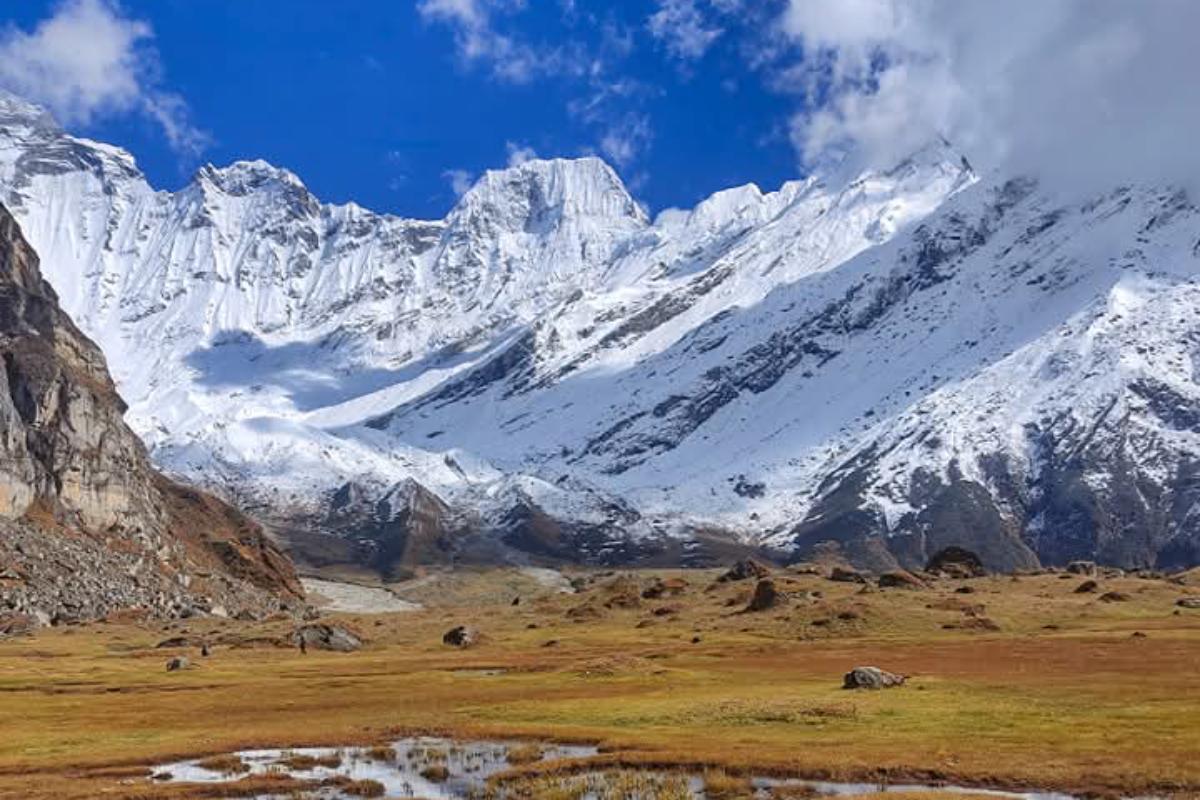
Office: Bhagawatisthan, Thamel, Kathmandu, Nepal
Fleet: Toyota Fortuner 4WD | Toyota Land Cruiser | Toyota Hilux 4WD
Routes: Kathmandu → Salleri | Kathmandu → Phaplu | → Khari Khola | → Thamdanda
Return Pickup: Salleri/Phaplu to Kathmandu — pre-book, date-flexible via WhatsApp
8,000+ Happy Customers | 5.0 TripAdvisor | 200+ Verified Reviews
All-Inclusive Pricing | Hotel Pickup | Experienced Mountain Drivers
Licensed & Registered | Company Reg. No. 219204 | Best Value Guaranteed

Frequently Asked Questions — Everest Region Road Access and Jeep Rental

How far is it by road from Kathmandu to Salleri or Phaplu?

The road distance from Kathmandu to Salleri is approximately 266.- 270 km via the BP Koirala Highway. Phaplu is about 5 km further, making the total distance to Phaplu about 272 km.  By private 4WD jeep from Nepal Vehicle Hiring Pvt. Ltd., the drive takes eight to nine hours with a single rest stop, requiring a 5:00 AM departure from Kathmandu for a comfortable pre-dark arrival.

Is the road approach to the Everest region better than the Lukla flight?

The road approach is better in specific and significant ways  For example: it is completely weather-independent (no cancellations), substantially less expensive for groups of 3 or more, and delivers trekkers through the extraordinary Solu Khumbu cultural landscape that the flight skips entirely  The Lukla flight is better when time is the absolute priority and budget is secondary — it delivers trekkers to the heart of the Khumbu in 35 minutes instead of 8 hours  For most independent trekkers and groups traveling in 2026, the combination of private jeep transfer to Salleri or Phaplu followed by the walk-in through the lower Khumbu represents the most rewarding, most reliable, and most cost-effective approach to the Everest Base Camp Trek.

Can I drive all the way to Lukla?

Not yet, but the road is getting closer. the road extends to approximately Thamdanda (2,780 m) and partially toward Surke (near Lukla)  From Thamdanda, it takes about four to five hours to walk to Surke and one more hour to Lukla  Complete road access to Lukla or Surke is expected within the next few years as road construction continues  Nepal Vehicle Hiring Pvt. Ltd. provides the most current road-end information at the time of booking.

How much does a Kathmandu-to-Salleri jeep rental cost?

A private Toyota Fortuner 4WD jeep from Nepal Vehicle Hiring Pvt. Ltd., from Kathmandu to Salleri or Phaplu, costs approximately NPR 28,000 to 45,000 (USD 200–400), all-inclusive, for the full vehicle  For a group of four sharing the vehicle, the per-person cost is approximately NPR 7,000 to 8,750—significantly less than the USD 180 to 220 cost of a Lukla flight per person  Contact Nepal Vehicle Hiring Pvt. Ltd. on WhatsApp for a quote based on your dates and group size.

What vehicle is best for the Kathmandu to Salleri road?

A Toyota Fortuner 4WD is the standard recommendation for the Kathmandu to Salleri transfer for groups of two to five, or groups of six or seven. The Toyota Land Cruiser provides the best cabin space and performance for the long journey.  For the extension beyond Salleri toward Khari Khola and Thamdandawe, we specifically recommend the Toyota Hilux 4Wd for its high ground clearance and mechanical robustness on the more demanding upper road.

Conclusion: The Road Is Open — The Everest Adventure Begins Here

The Everest region road access represents one of the most significant and positive changes in Nepal trekking logistics of the past decade. The road to Salleri, Phaplu, Khari Khola, and now Thamdanda has transformed what was once a binary choice — fly to Lukla or don’t go to Everest — into a genuine and in many ways superior alternative that is weather-independent, cost-effective for groups, and culturally enriching in ways the flight cannot replicate The ancient Solu Khumbu landscape that the road corridor reveals — the Rai villages, the Sherpa settlements, the rhododendron forests, the Takshindu Monastery, the extraordinary mid-hill cultural geography that Hillary’s earliest support teams walked through — is waiting to be rediscovered by the 95 percent of Everest trekkers who have never seen it.

Nepal Vehicle Hiring Pvt. Ltd. is the trusted jeep rental partner that makes this road approach comfortable, reliable, and well-organised—with hotel pickup and the extraordinary BP Highway journey to the Salleri or Phaplu road-end, and back again at the trek’s end with the same quality vehicle and driver. Contact us today on WhatsApp  or vehiclehiringnepal. om. The road to Everest is open — and it is extraordinary.

Chat with us