Pokhara to Lo Manthang Jeep Service

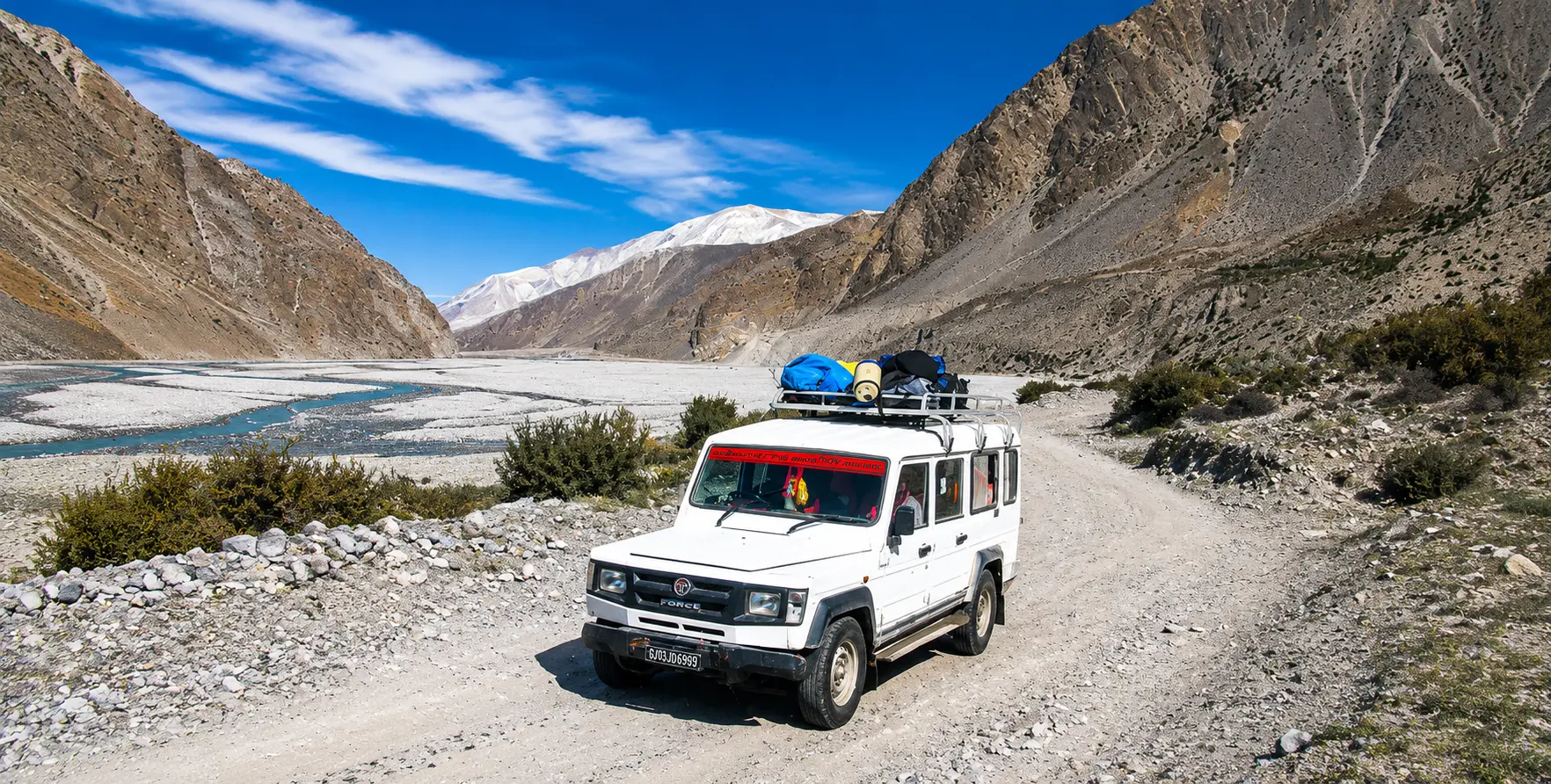
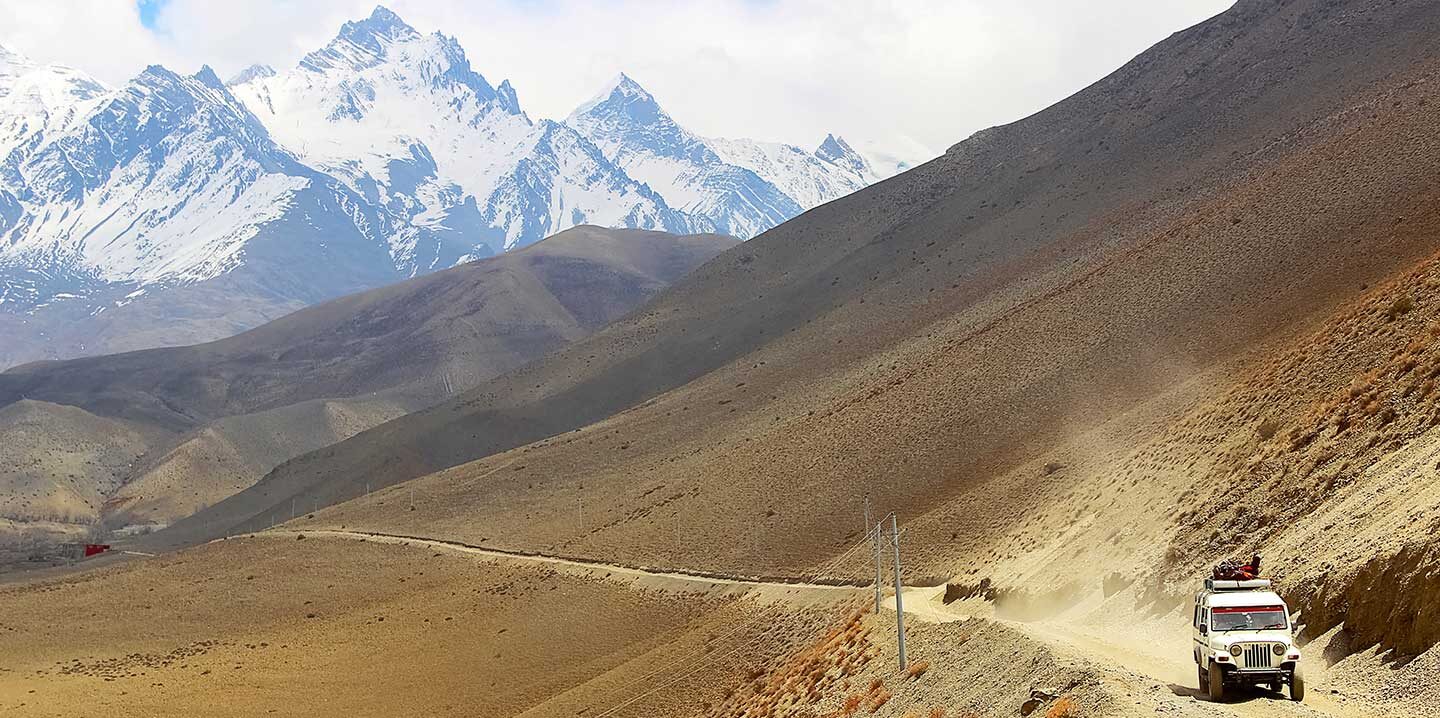
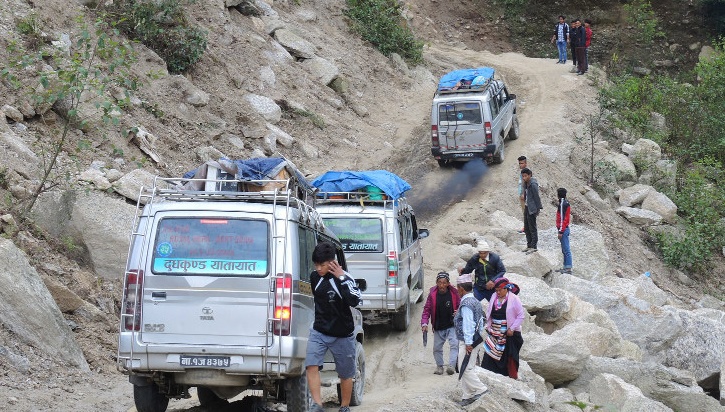
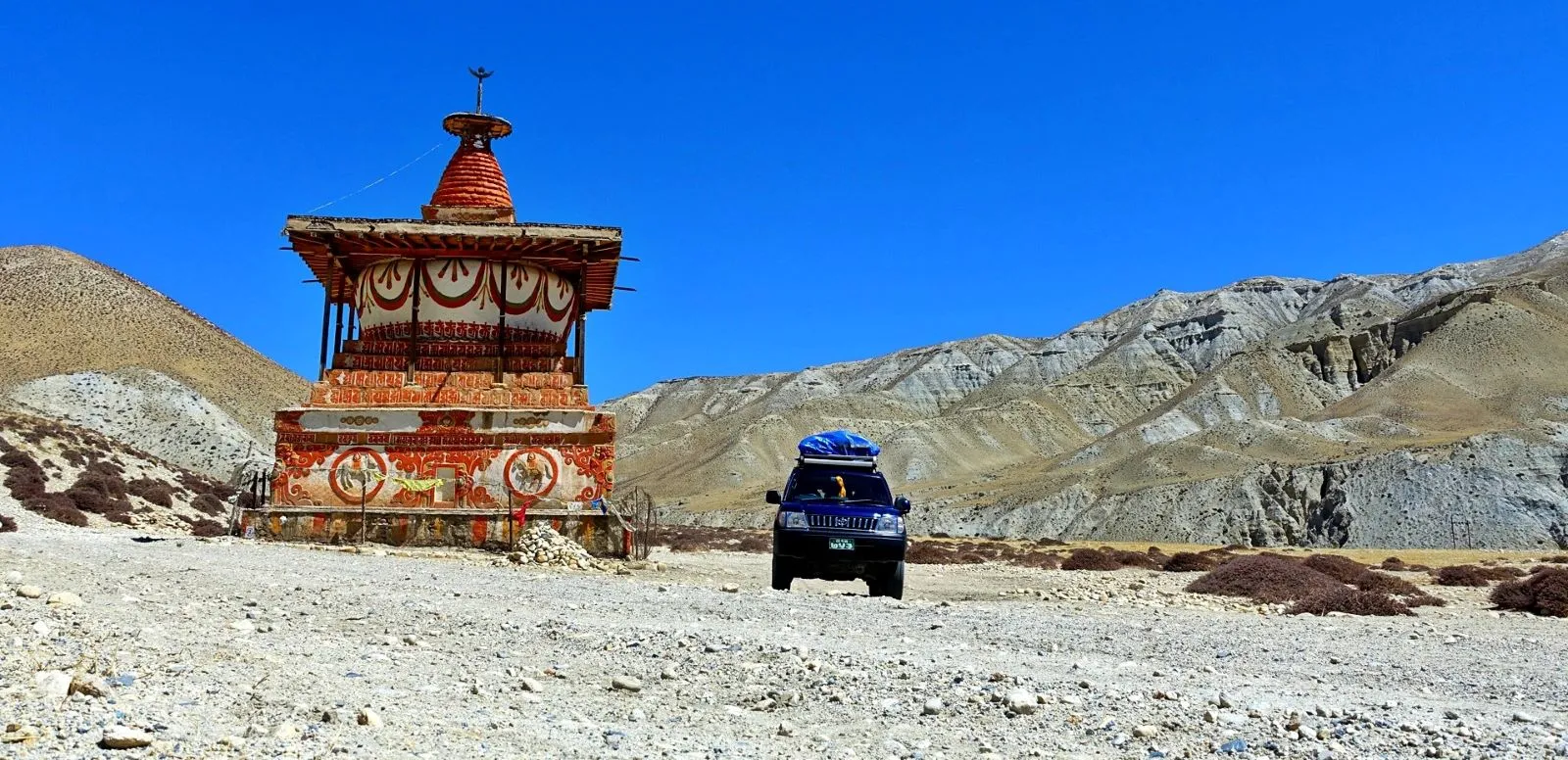
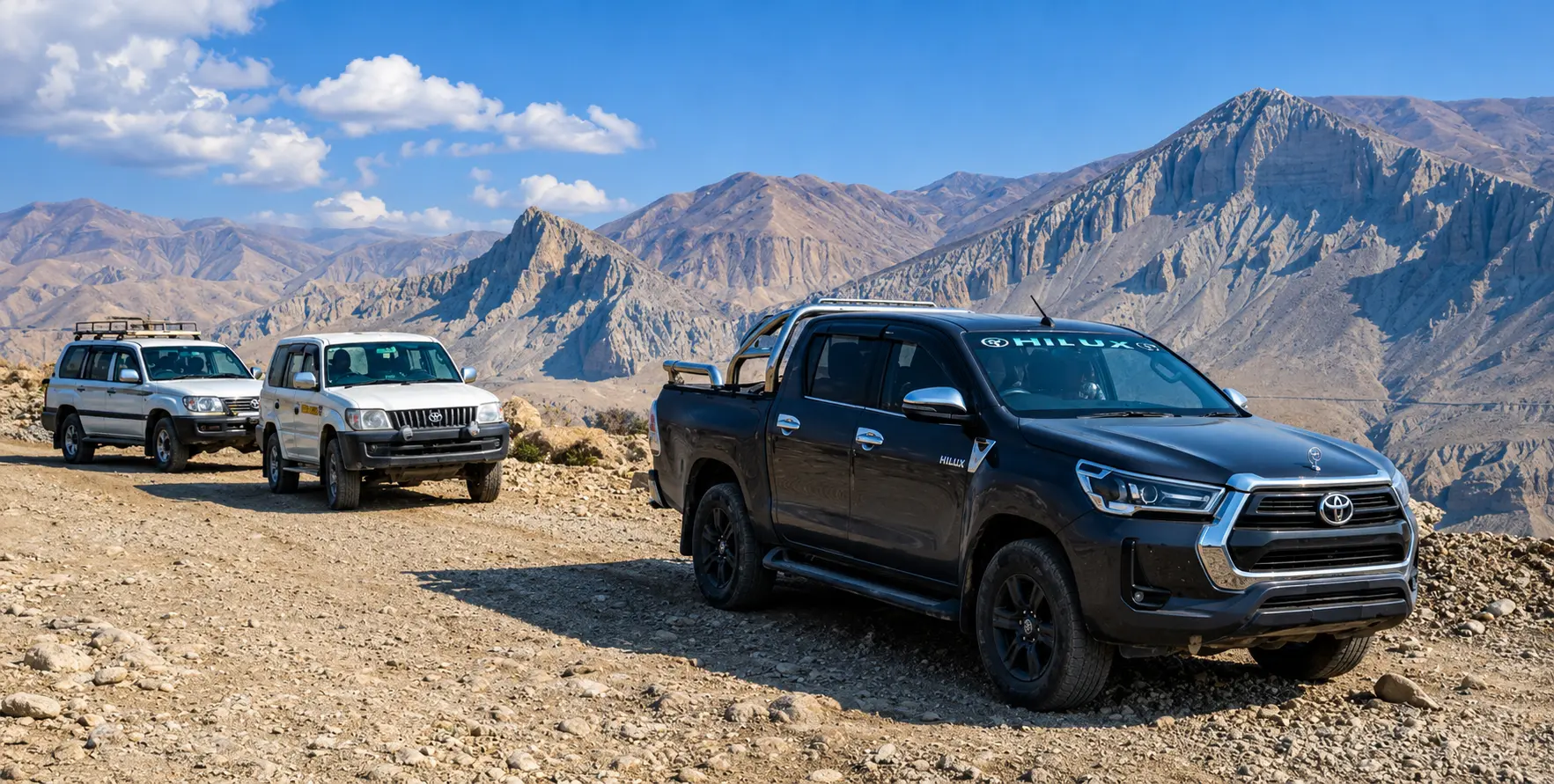
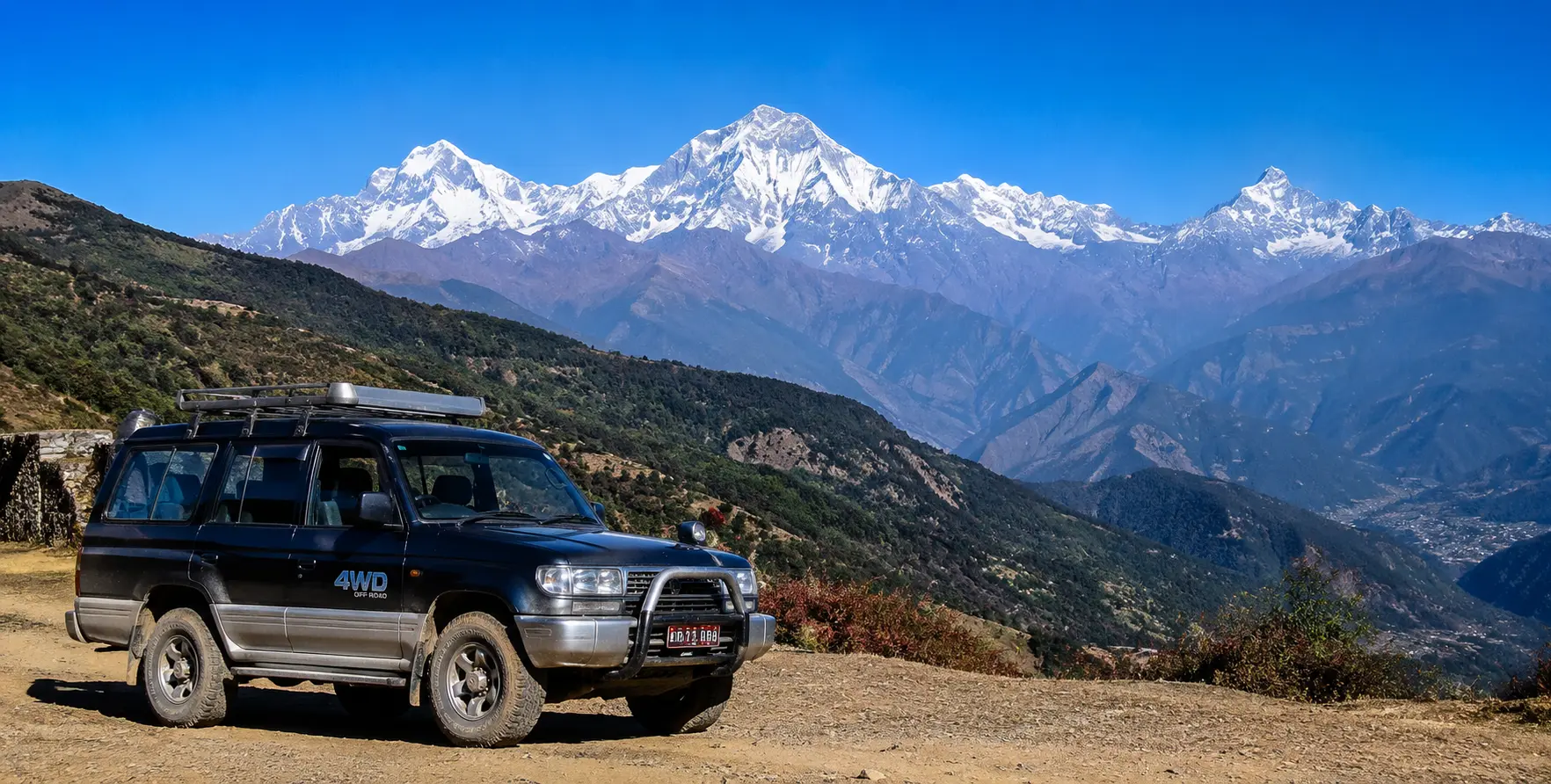
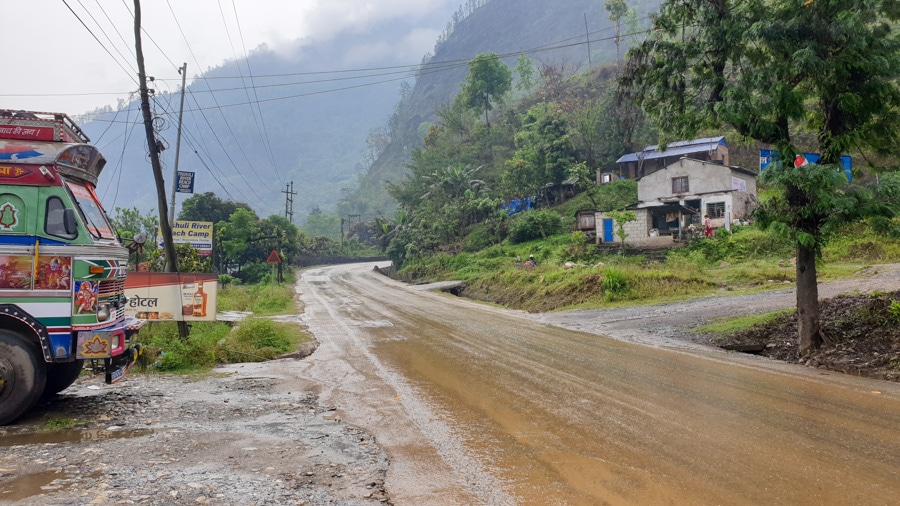
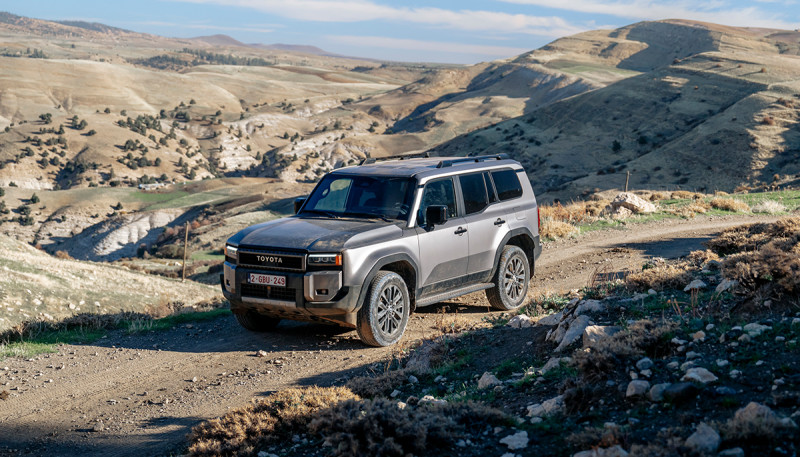
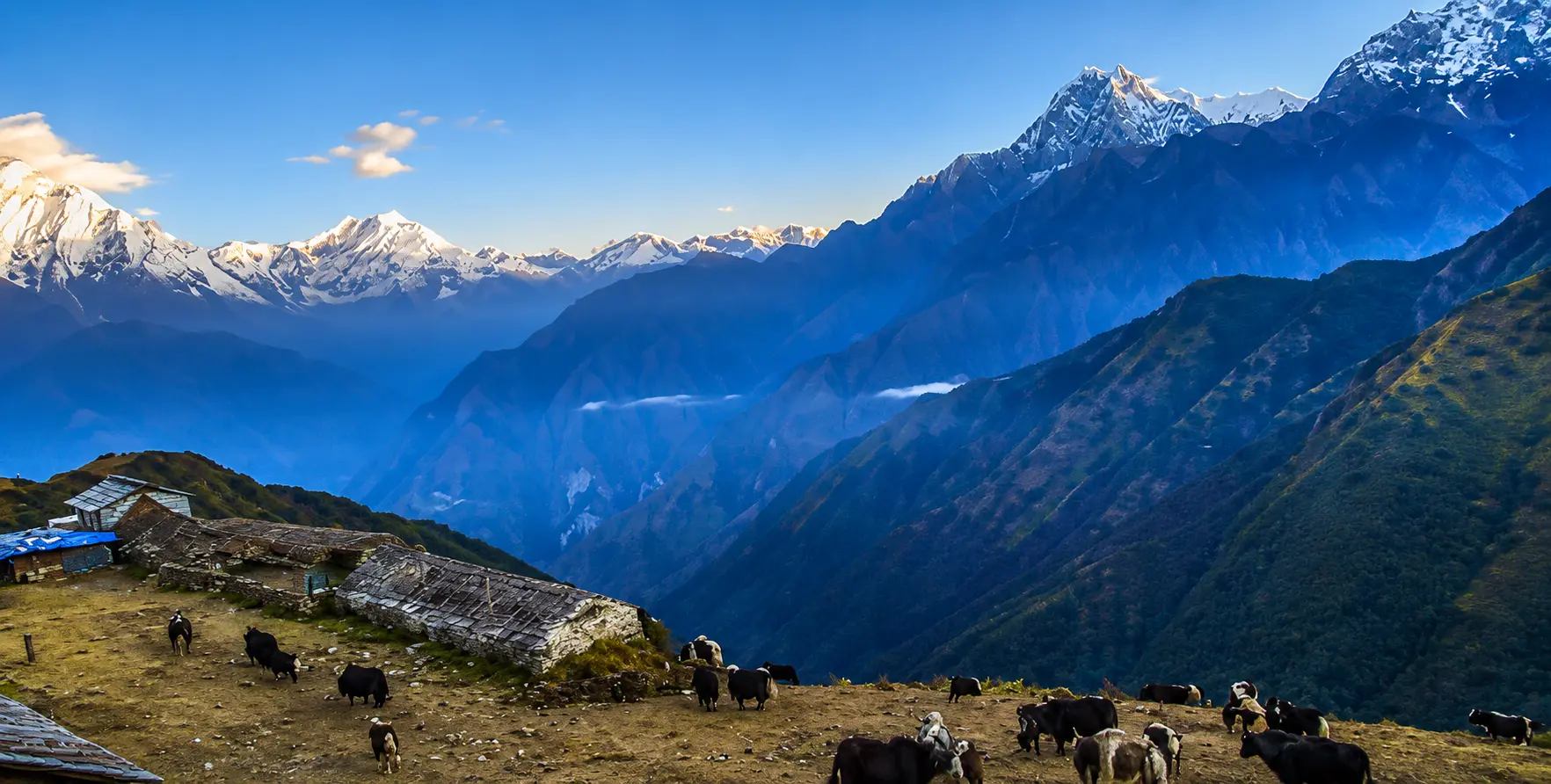
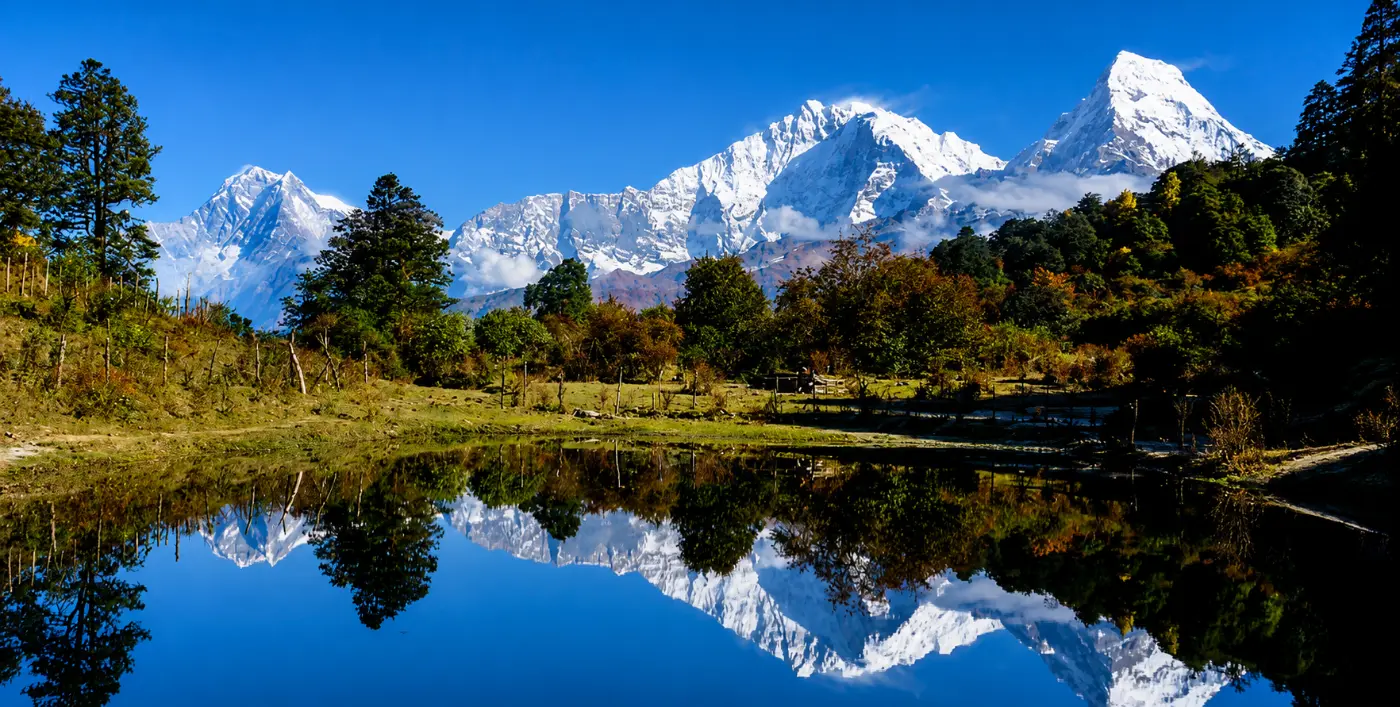
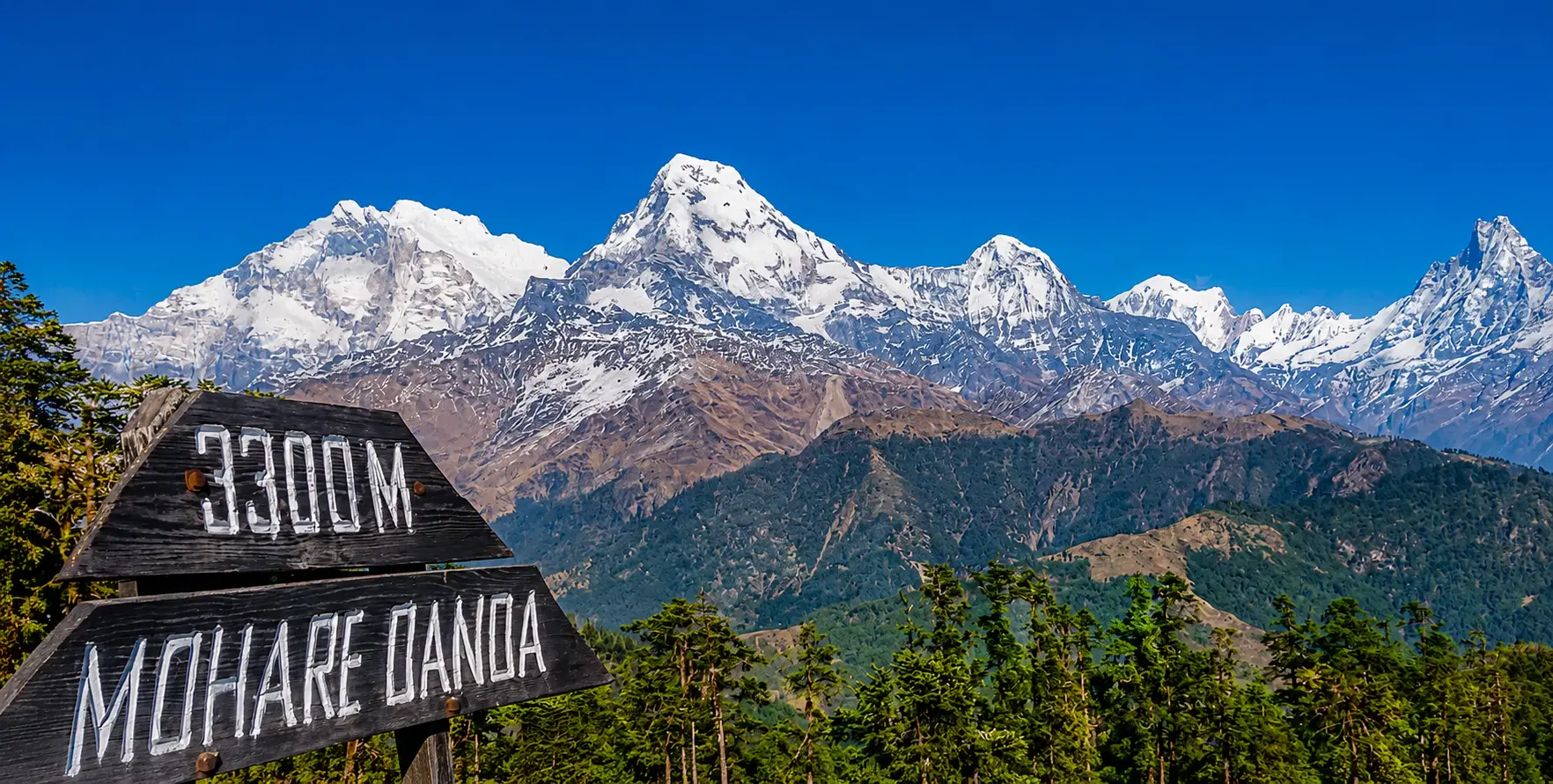
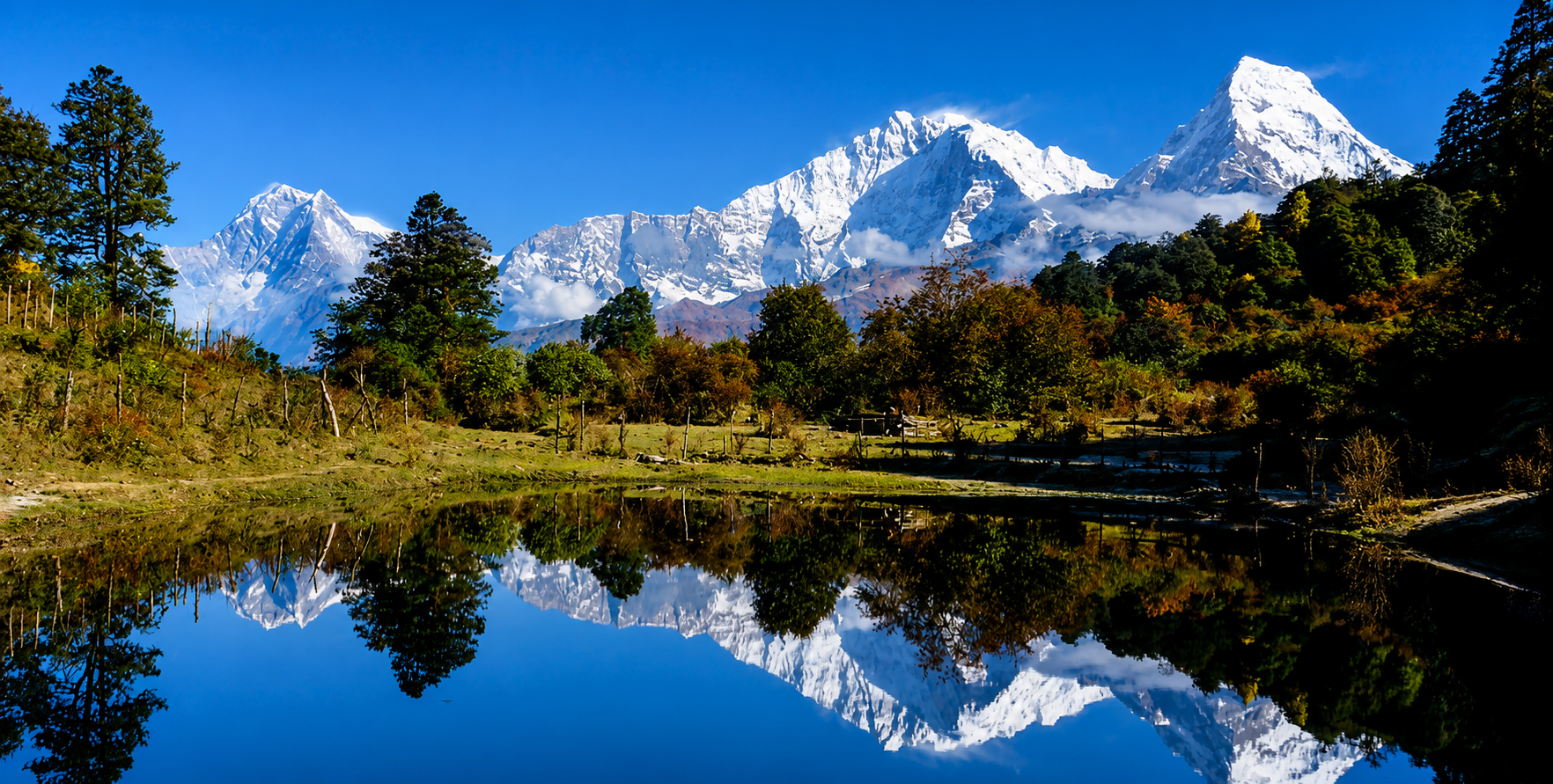
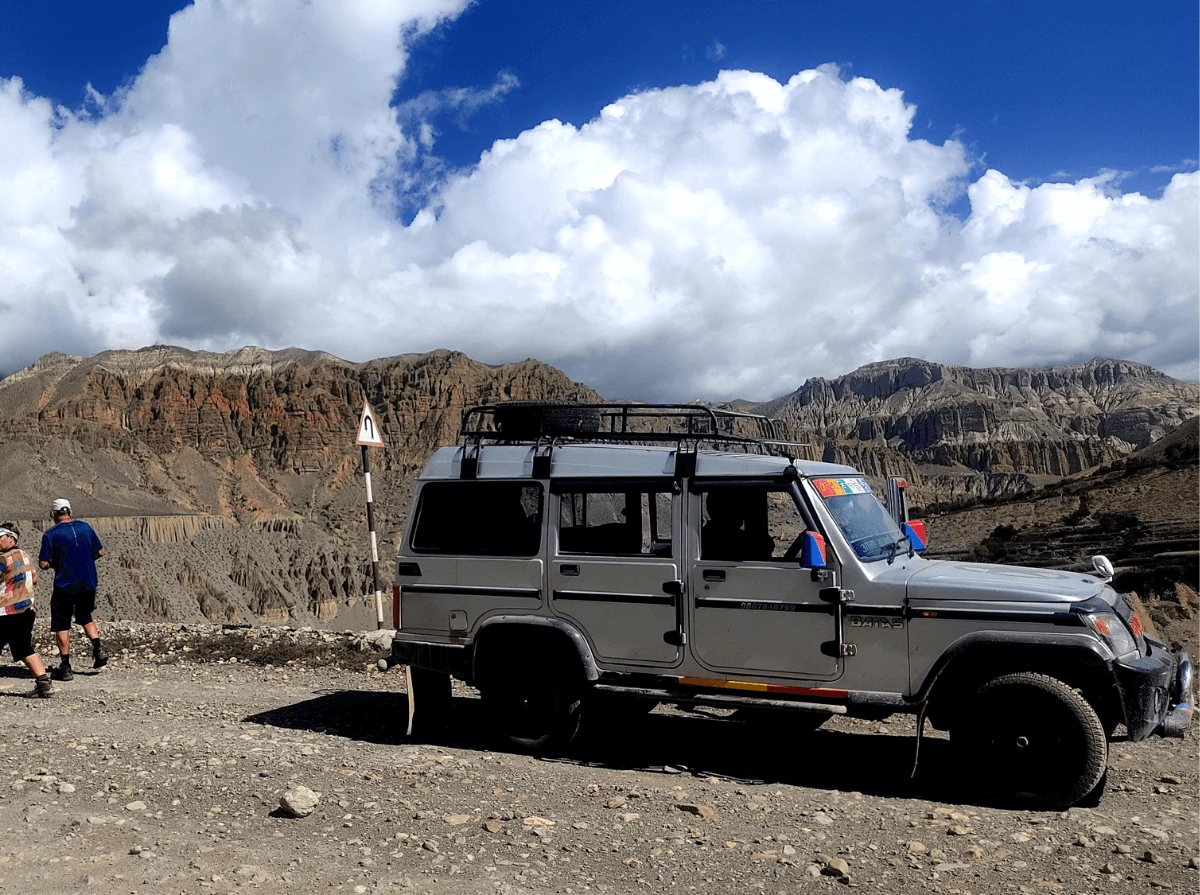
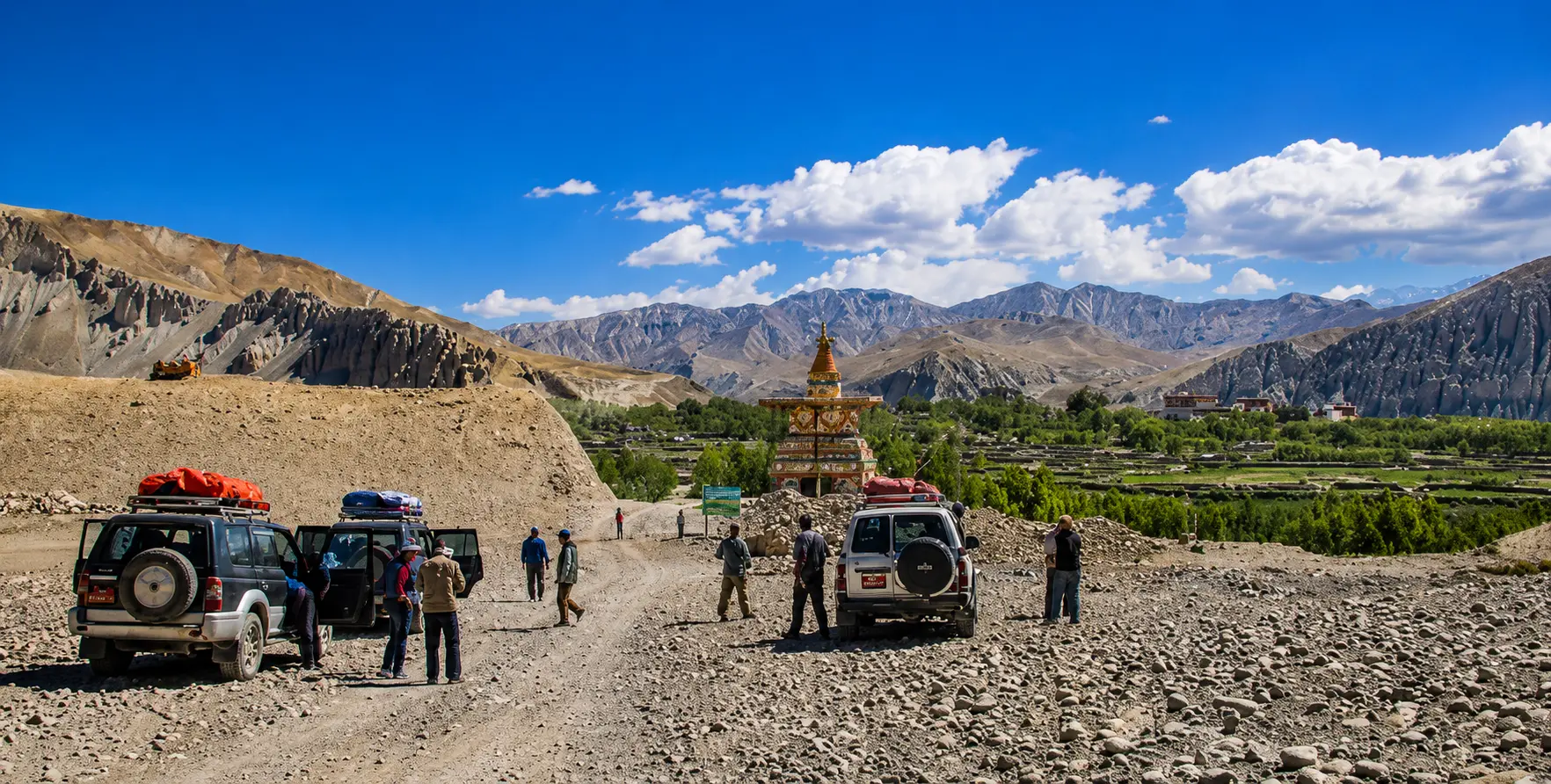
Private 4WD jeep traveling from Pokhara to Lo Manthang through the spectacular landscapes of Upper Mustang

Pokhara to Lo Manthang Jeep Service – Complete Upper Mustang Guide

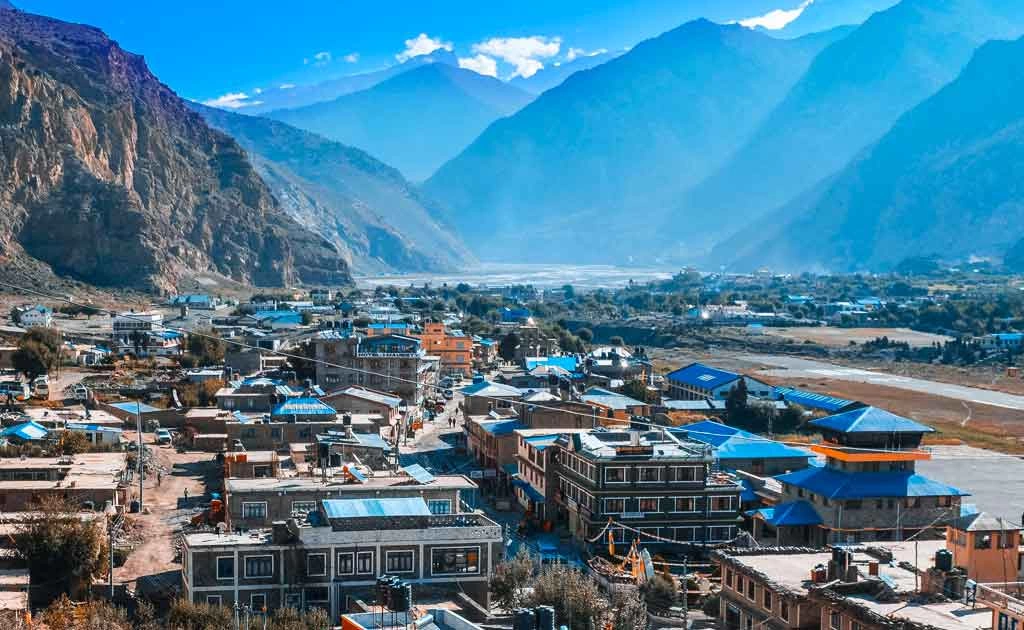
Lo Manthang is the ancient walled capital of the former Kingdom of Mustang – one of the most remote, most extraordinary, and most photogenic destinations in the entire Himalayan world. Set on a vast windswept plateau at 3,840 m in the heart of the Tibetan cultural landscape of Upper Mustang, Lo Manthang is a living medieval city of whitewashed walls, ancient palace ruins, cave monasteries, and centuries-old Buddhist art. Here, the 14th century feels closer than the 21st.

It is also one of Nepal’s most restricted destinations, requiring the Upper Mustang Restricted Area Permit (USD 500 for 10 days) and accessible only by a combination of jeep and trekking through the dramatic Kali Gandaki gorge and the high plateau beyond.

From Pokhara, the jeep journey to Lo Manthang is a 3- to 4-day road adventure through some of the most dramatic landscapes in Asia – the Kali Gandaki gorge, the Mustang plateau, medieval villages, and the surreal lunar landscape of Upper Mustang. This complete guide covers the full jeep route from Pokhara to Lo Manthang, permit requirements, prices, road conditions, the Upper Mustang experience, and how to book your jeep service with Vehicle Hiring Nepal.

Lo Manthang – The Forbidden Kingdom

  • Location: Lo Manthang, Mustang District, Gandaki Province, Nepal. Altitude: 3,840 m above sea level
  • Distance from Pokhara: Approximately 320–340 km by road
  • Distance from Jomsom: Approximately 82 km north by jeep track
  • Travel Time from Pokhara: 3 to 4 days by private jeep
  • Permit Required: Upper Mustang Restricted Area Permit – USD 500 for 10 days (mandatory)
  • Famous For: Medieval walled city, ancient cave monasteries, sky caves, Tiji Festival, Tibetan culture, lunar landscape
  • Road Type: 4WD jeep track from Kagbeni northward – rough, remote, extraordinary

Upper Mustang was closed to foreign visitors until 1992 – one of the last forbidden kingdoms in the Himalayan world. For decades, the ancient Tibetan-culture kingdom of Lo remained isolated behind Nepal’s northern border while the rest of the country opened to tourism.

When it finally opened, visitors discovered a cultural landscape of astonishing antiquity and authenticity – cave dwellings carved into cliff faces thousands of years ago, monastery complexes with 600-year-old murals, and a royal family (the Lo Rajas) still maintaining the traditions of their kingdom.
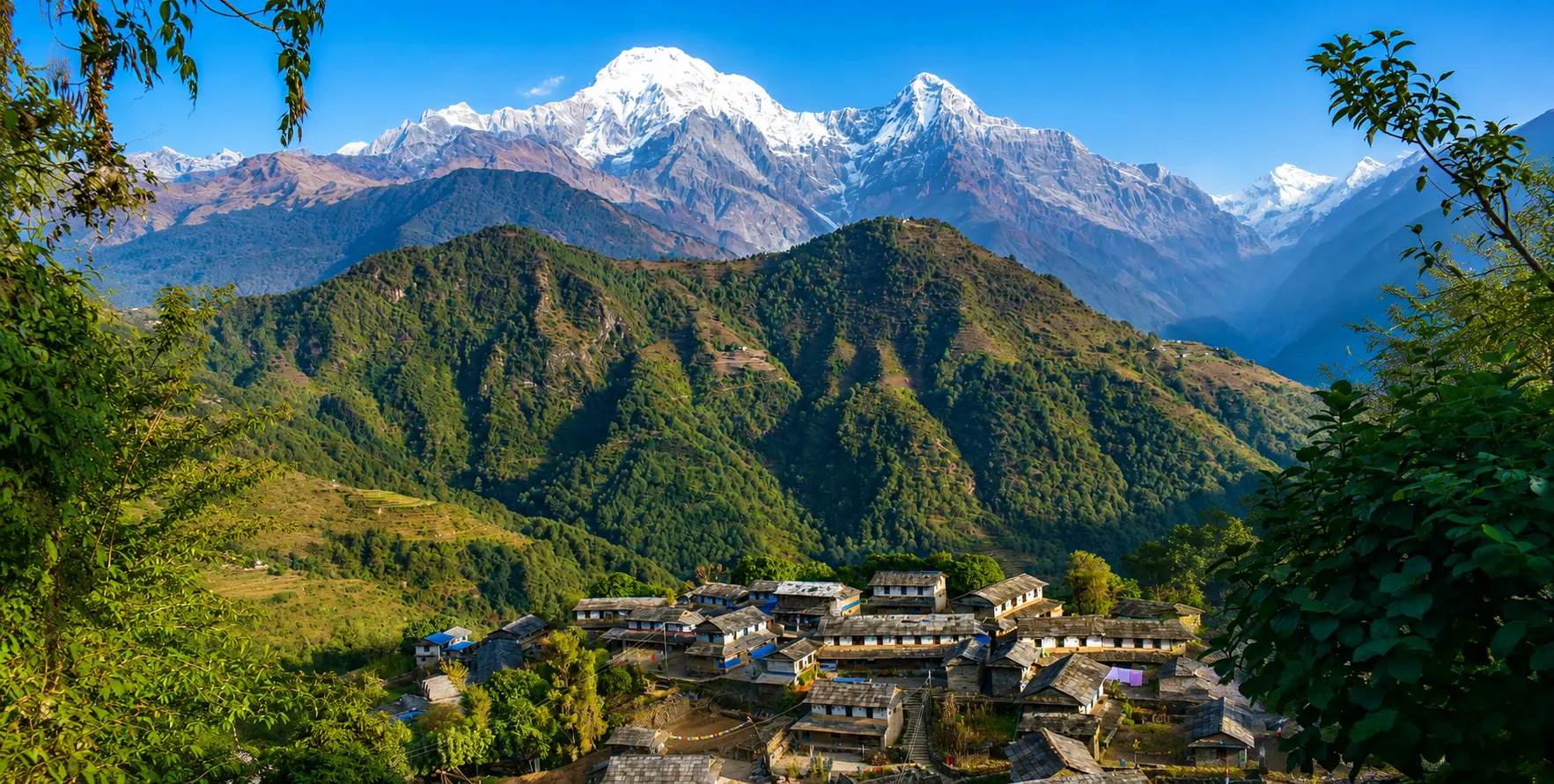
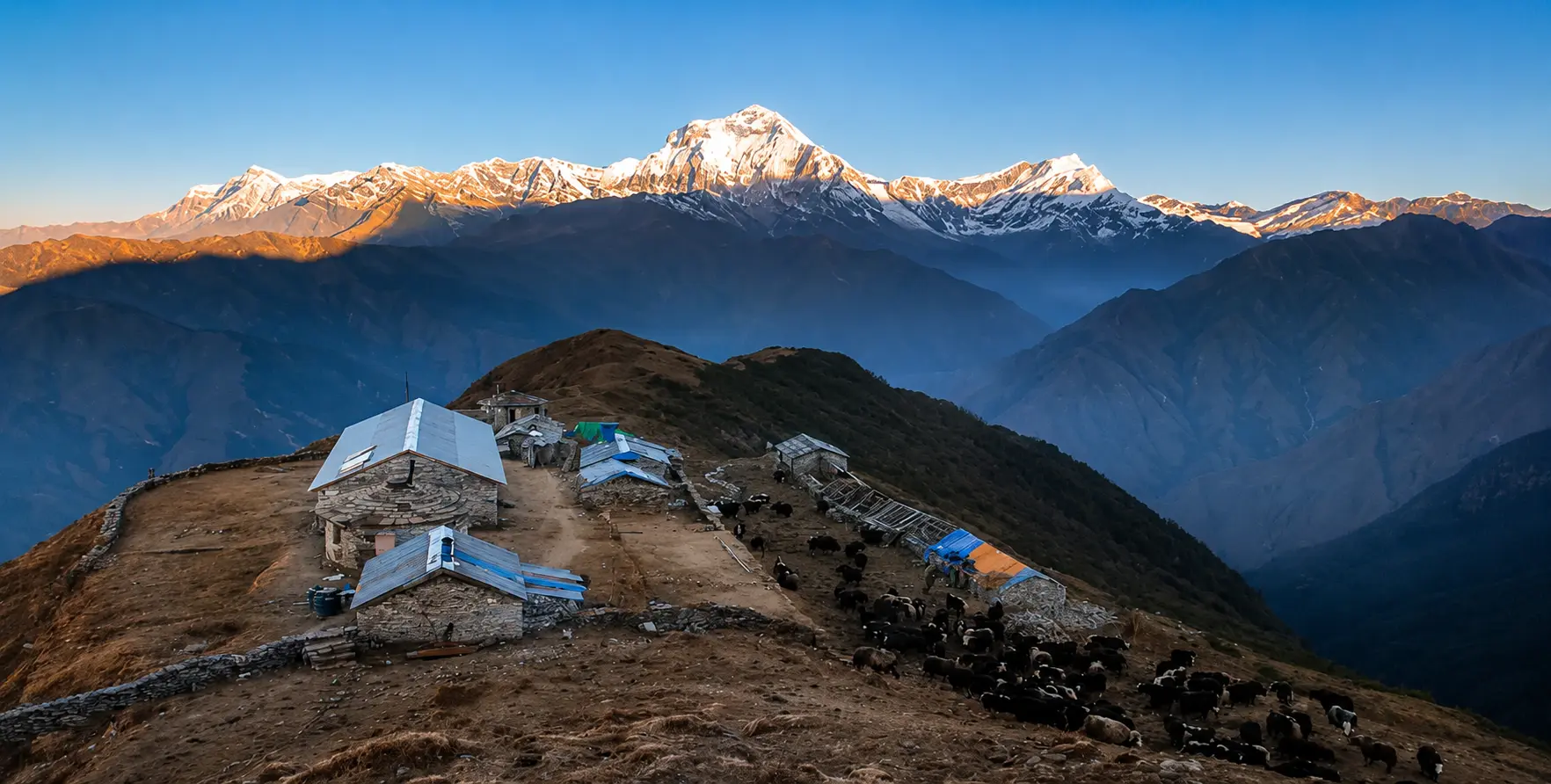
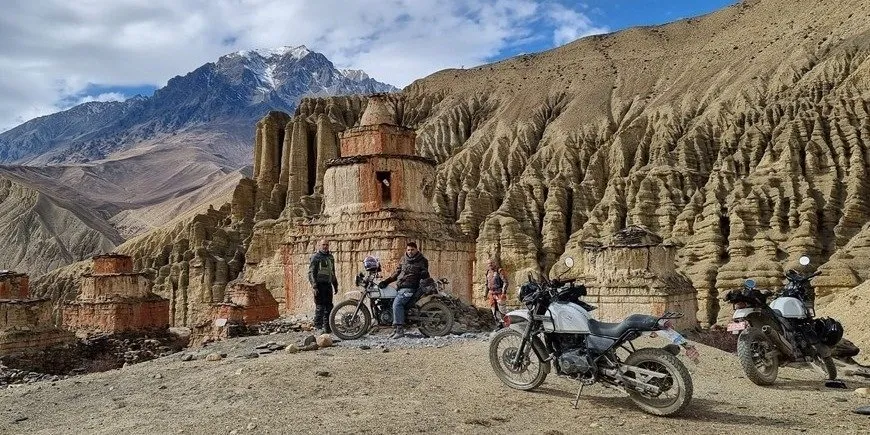
Private 4WD jeep traveling from Pokhara to Lo Manthang through the spectacular landscapes of Upper Mustang

The Upper Mustang Restricted Area Permit – Essential Information

Before planning your jeep service from Pokhara to Lo Manthang, you must understand the permit requirements. Upper Mustang is a restricted area, and the permit is mandatory for all foreign visitors:

Permit DetailInformation
Permit NameUpper Mustang Restricted Area Permit (RAP)
Cost 2026USD 500 per person for the first 10 days (USD 50 per additional day)
Who Needs ItAll foreign nationals – no exceptions. Nepali citizens do not need this permit.
Where to GetDepartment of Immigration, Kathmandu (Maitighar) – NOT available in Pokhara or Jomsom
Processing TimeSame day (if applied early morning) or 1 to 2 working days
Minimum GroupA minimum of 2 foreign trekkers is required – solo travel is not permitted in Upper Mustang.
Licensed GuideA licensed trekking guide is mandatory for Upper Mustang – arrange through a licensed agency.
Also RequiredACAP permit (NPR 3,000) and TIMS card (USD 10) in addition to the RAP
Area CoveredNorth of Kagbeni village are Lo Manthang, Chhoser, Lo Gekar, Nam La, and Sky Caves.
CheckpointPermits are strictly checked at the Kagbeni entry point and multiple points in Upper Mustang.

Important: You must obtain the Upper Mustang Restricted Area Permit in Kathmandu before your journey to Pokhara—you cannot obtain it in Pokhara or anywhere along the route. Plan at least 1-2 days in Kathmandu before your departure to process permits.

Vehicle Hiring Nepal can advise on the permit process but does not arrange permits – you must obtain these through the Department of Immigration directly or through a licensed trekking agency.
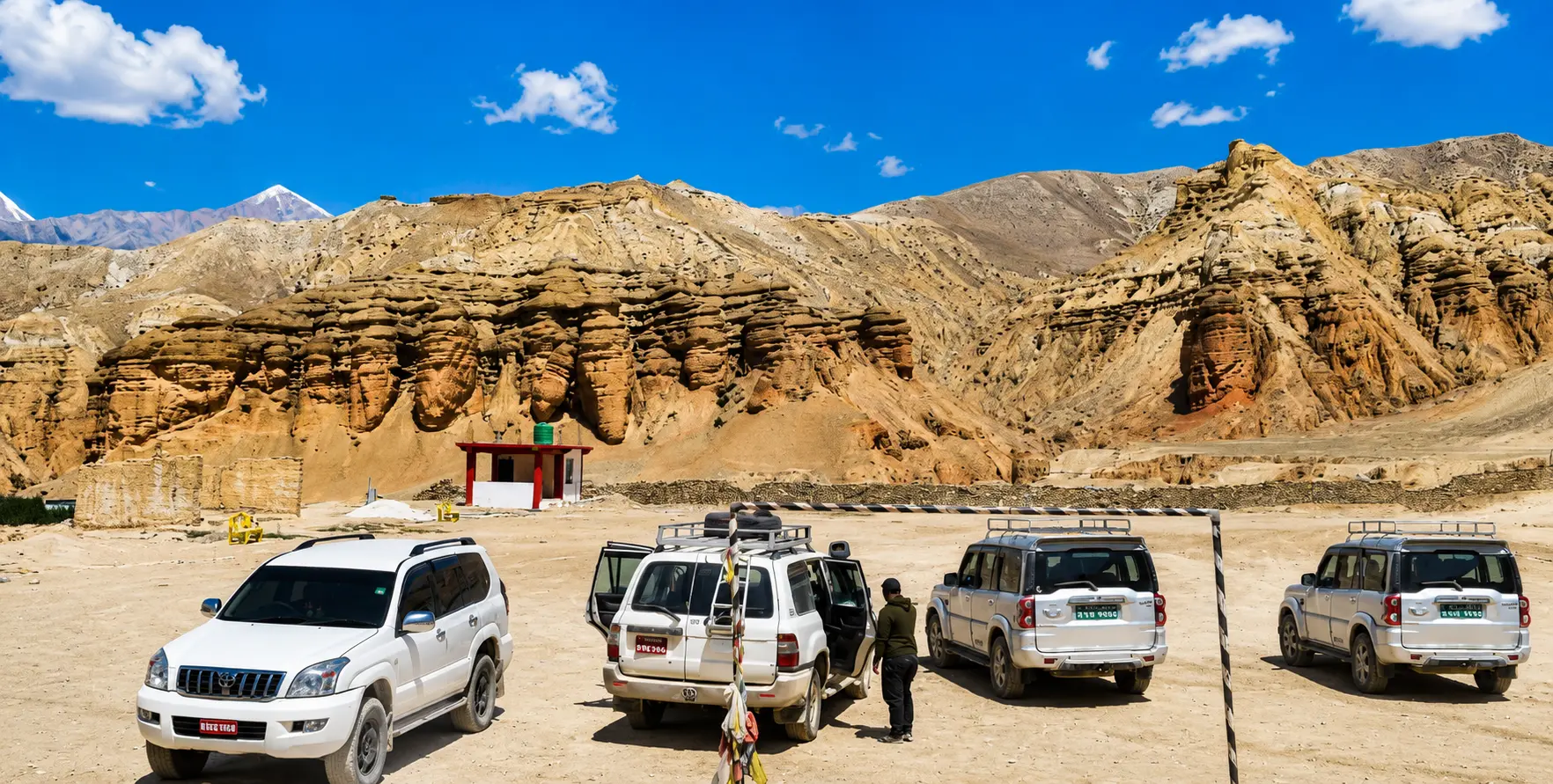
Private 4WD jeep traveling from Pokhara to Lo Manthang through the spectacular landscapes of Upper Mustang

Jeep Service Prices: Pokhara to Lo Manthang

RouteVehicleCapacityPrice (USD)Notes
Pokhara → Lo Manthang (one-way)Land Cruiser 4WD4–6 paxUSD 500–6503–4-day journey, driver stays in Lo Manthang
Pokhara → Lo Manthang → PokharaLand Cruiser 4WD4–6 paxUSD 850–1,100Full round trip, driver waits during your stay
Pokhara → Jomsom → Lo ManthangLand Cruiser Prado4–5 paxUSD 550–720Top-end comfort version
Jomsom → Lo Manthang (from airport)Land Cruiser 4WD4–6 paxUSD 220–280If flying Pokhara–Jomsom, take a jeep from there
Kagbeni → Lo Manthang (Upper section)Local 4WD jeep4–6 paxUSD 180–240Upper Mustang section only – shared option
Lo Manthang → Pokhara (return only)Land Cruiser 4WD4–6 paxUSD 450–580Return journey from Lo Manthang to Pokhara

All private jeep prices include the driver, full fuel for the complete journey, and vehicle insurance. The driver’s accommodation during your stay in Lo Manthang is arranged separately and is not included in the vehicle price. Contact Vehicle Hiring Nepal for your exact 2026 quote based on your group size and travel dates.

The Full Route: Pokhara to Lo Manthang

The journey from Pokhara to Lo Manthang is best done over 3 to 4 days to enjoy the dramatic scenery and allow for the altitude gain. Here is the complete route with all options:

Total Distance: Approximately 320–340 km from Pokhara to Lo Manthang

From Jomsom: Approximately 82 km north – 3 to 4 hours by jeep track

From Kagbeni: Approximately 64 km north – 2.5 to 3 hours by Upper Mustang jeep track

Road Type: Paved Pokhara to Beni → rough Kali Gandaki gorge track;k Beni to Jomsom → remote Upper Mustang track;ck Kagbeni to Lo Manthang

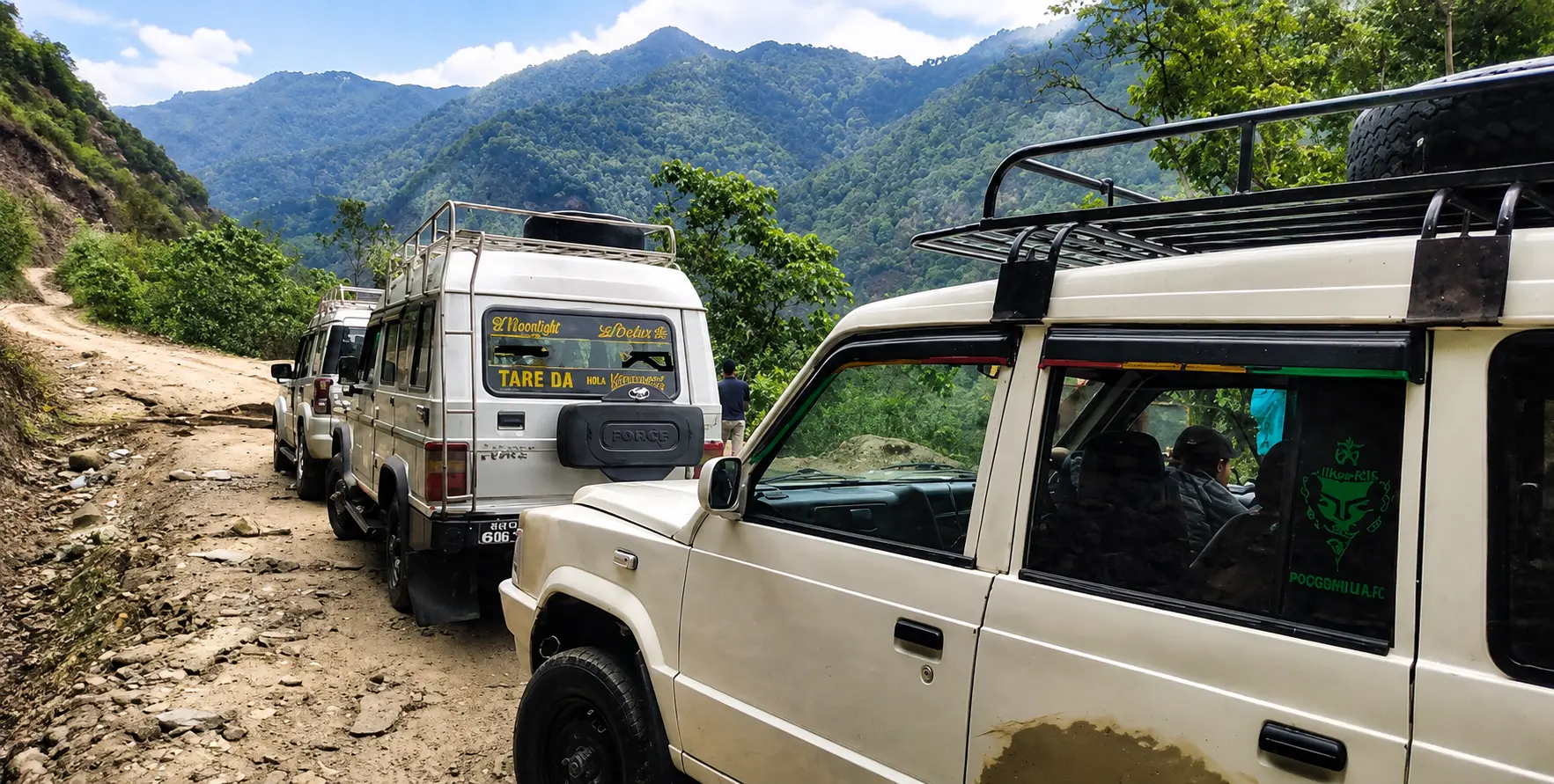
Critical Requirement: A 4WD Toyota Land Cruiser is mandatory for the full route – no other vehicle is suitable
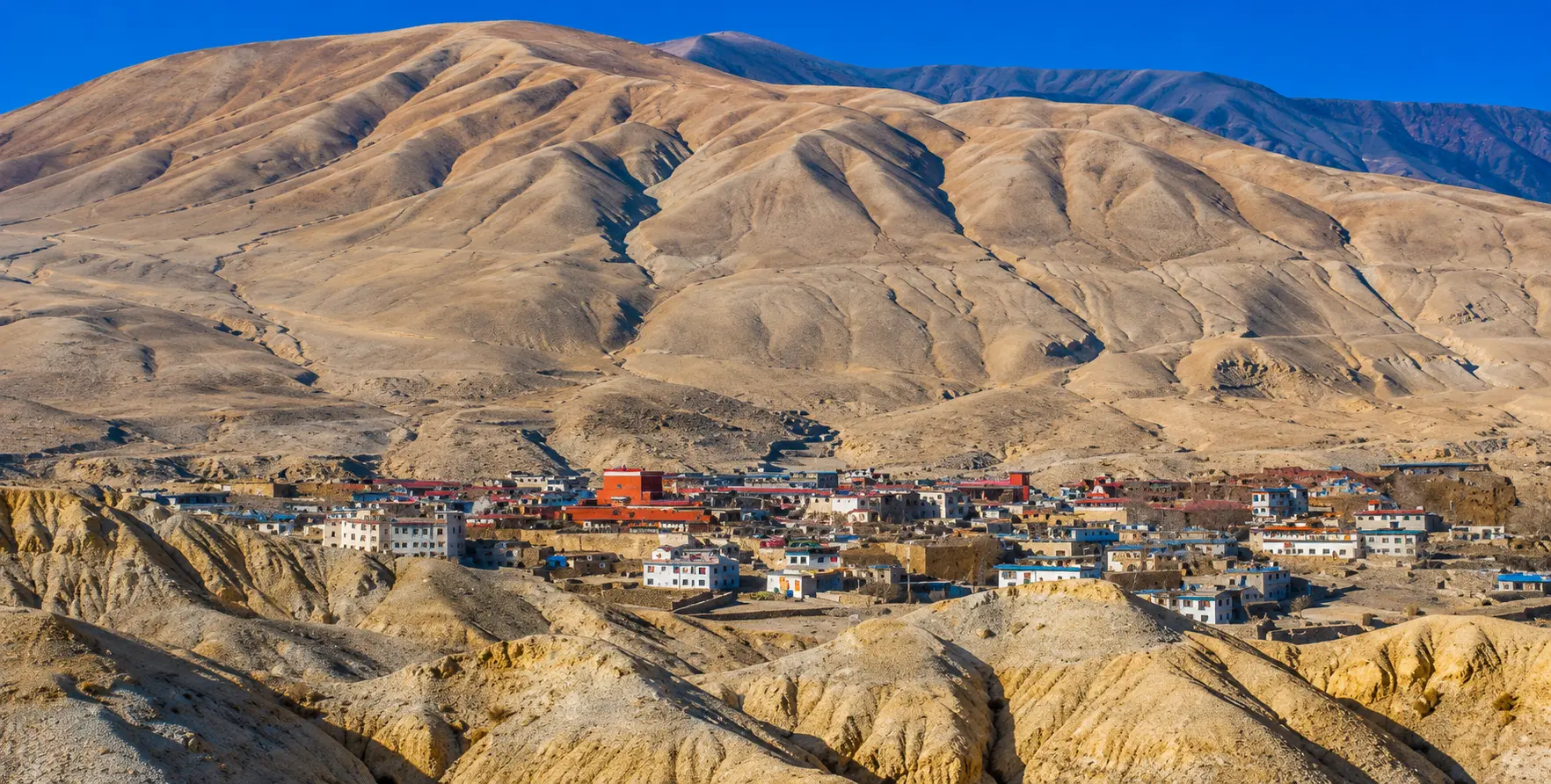
Private 4WD jeep traveling from Pokhara to Lo Manthang through the spectacular landscapes of Upper Mustang

Stage-by-Stage Road Guide: Pokhara to Lo Manthang

Day 1: Pokhara to Tatopani or Ghasa (130 km | 5–6 hrs)

Depart Pokhara early – 6:00 AM is essential to beat the Kali Gandaki afternoon wind. Drive west through Baglung and Beni – the last major town before the mountain road begins. At Beni, the paved road ends and the Kali Gandaki gorge jeep track begins.

This track follows the river north through one of the world’s deepest gorges, flanked by Dhaulagiri (8,167 m) to the west and Annapurna (8,091 m) to the east.

Key stops on Day 1: Beni (fuel up and withdraw cash – last reliable fuel station and ATM), Tatopani (famous natural hot springs – ideal overnight or lunch stop), Ghasa (beautiful forest village at 2,010 m – good overnight if pushing further). Recommend an overnight in Tatopani (1,190 m) or Ghasa (2,010 m), depending on departure time and pace.

Day 2: Tatopani / Ghasa to Jomsom (80–105 km | 4–5 hrs)

Depart early – 6:00 to 6:30 AM maximum. The Kali Gandaki wind starts between 11:00 and 12:00 and makes driving on the exposed gorge road extremely difficult and dangerous after midday.

The road continues north through Kalopani (spectacular Dhaulagiri and Nilgiri views), Marpha (beautiful whitewashed village, apple orchards, apple brandy), and Jomsom – the district headquarters of Mustang. Complete all driving in the Kali Gandaki before noon.

Jomsom (2,720 m) is a good overnight stop with comfortable teahouses, a domestic airport, medical facilities, and shops. Stock up on cash here if needed – there is an ATM in Jomsom that is sometimes operational. Beyond Jomsom, services are very limited.

Day 3: Jomsom to Kagbeni to Lo Manthang (82 km | 4–5 hrs)

Day 3 is the crossing into Upper Mustang – the journey from the Lower Mustang world of Jomsom into the ancient, remote plateau of Upper Mustang. Depart Jomsom by 7:00 AM. Drive north to Kagbeni (2,810 m), the entry checkpoint to Upper Mustang, where all permits are strictly checked.

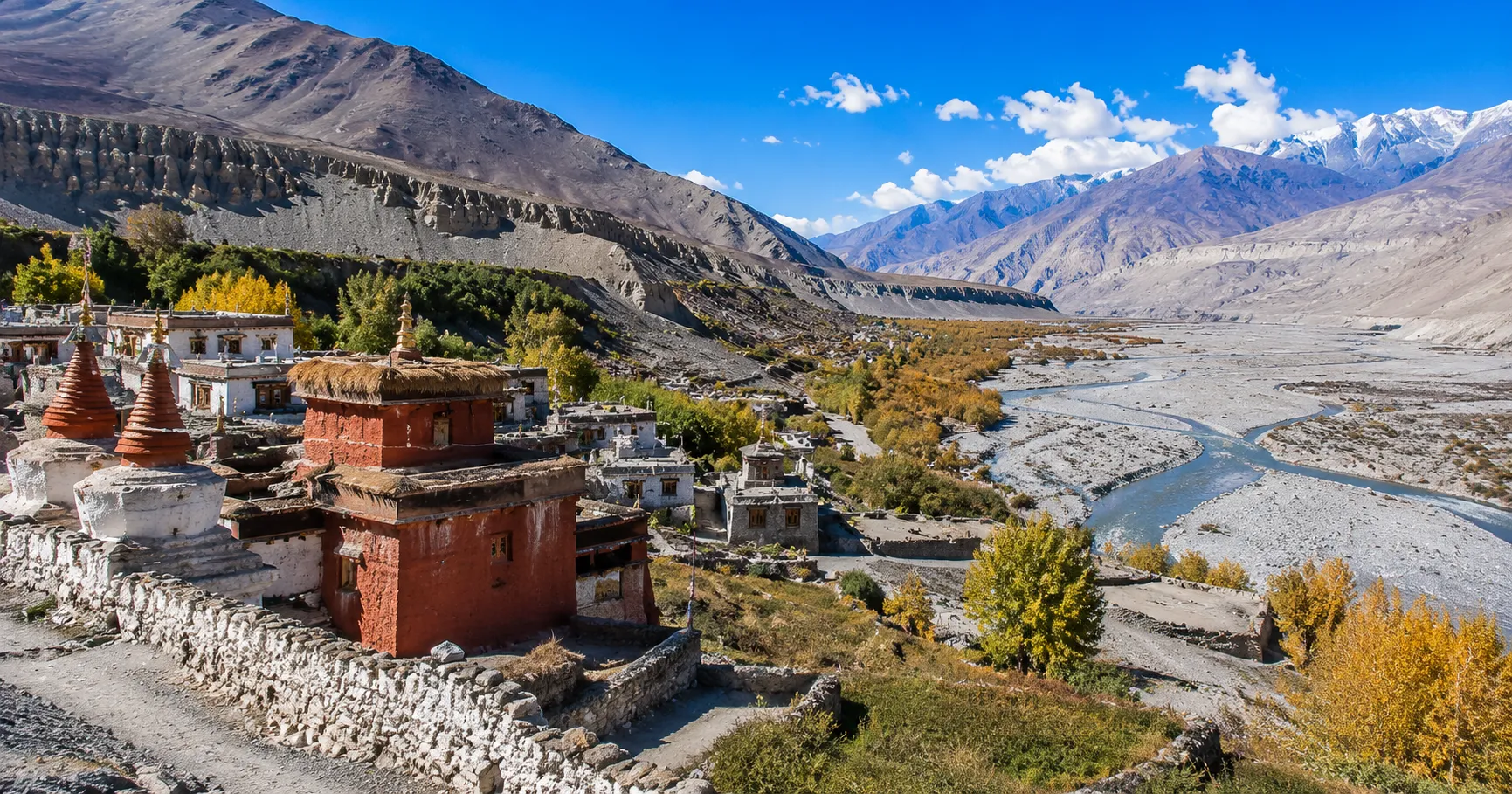
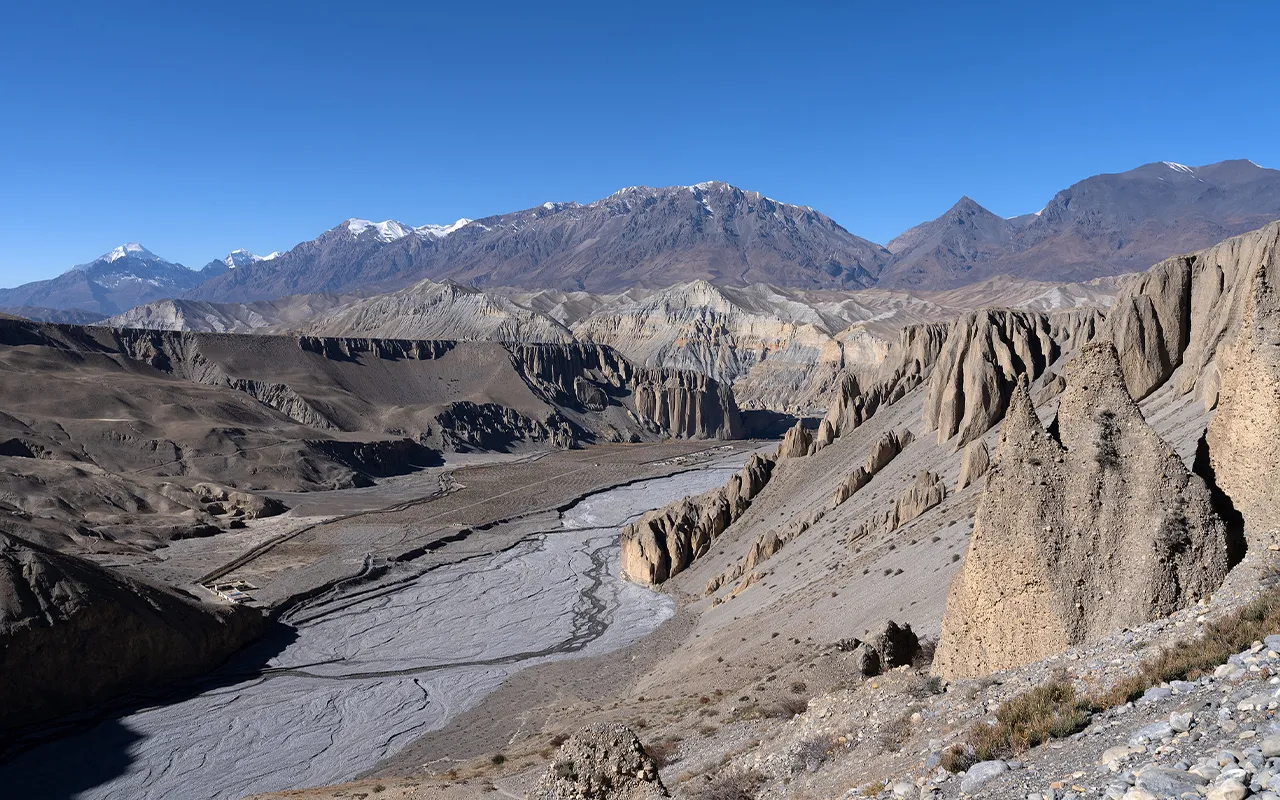
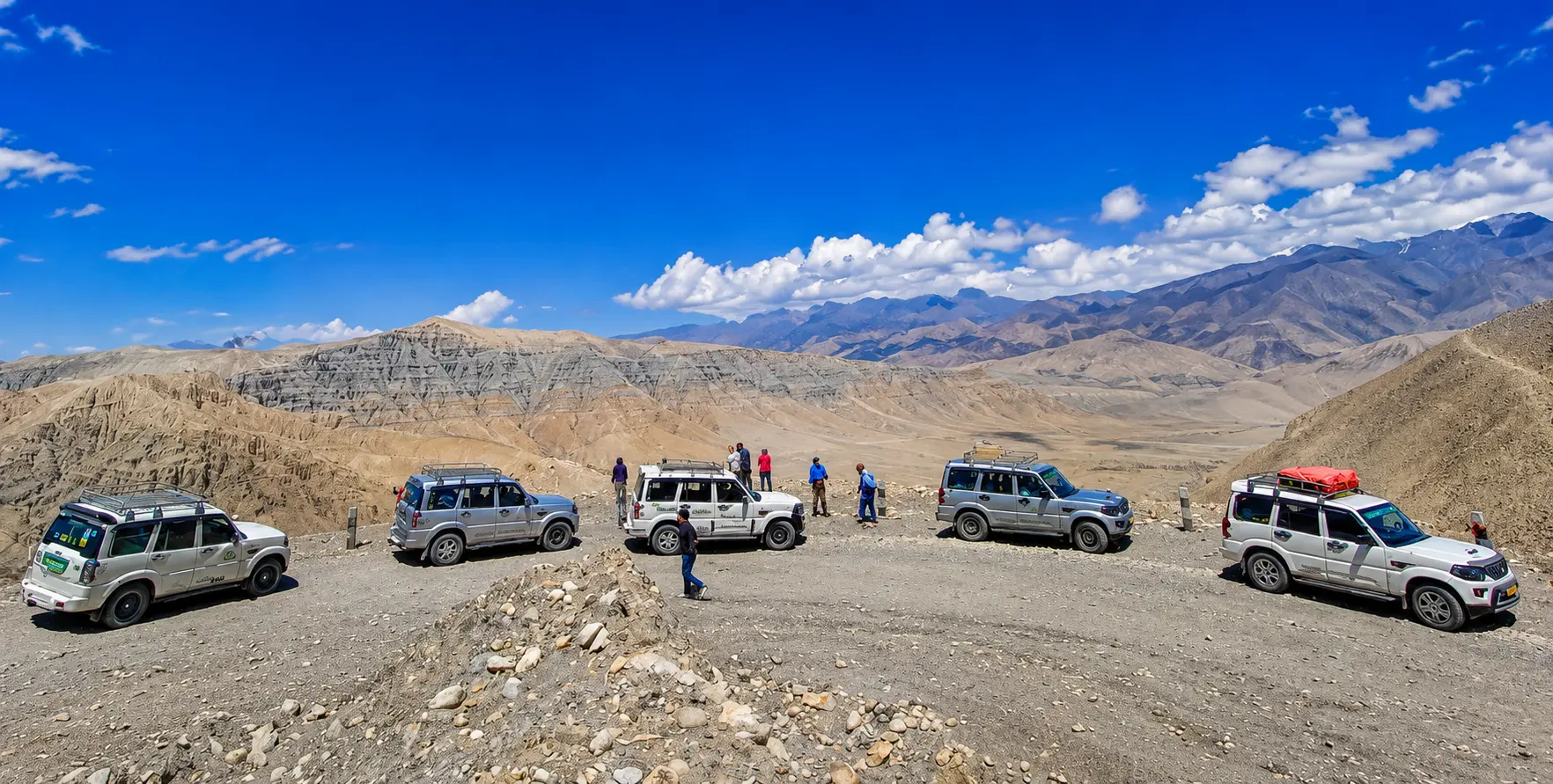
Beyond Kagbeni, the landscape transforms completely. The Kali Gandaki gorge opens into a wide, flat valley,y and the terrain becomes increasingly arid, ochre, and wind-eroded. This is the Tibetan plateau landscape of Upper Mustang – surreal, dramatic, and unlike anything else in Nepal.

Key stops and landmarks on the Upper Mustang jeep track from Kagbeni to Lo Manthang:

  • Chele (3,050 m) – first Upper Mustang village. Ancient cave dwellings visible in cliff faces above the road
  • Syangboche (3,800 m) – a high pass section with extraordinary views across the Upper Mustang plateau
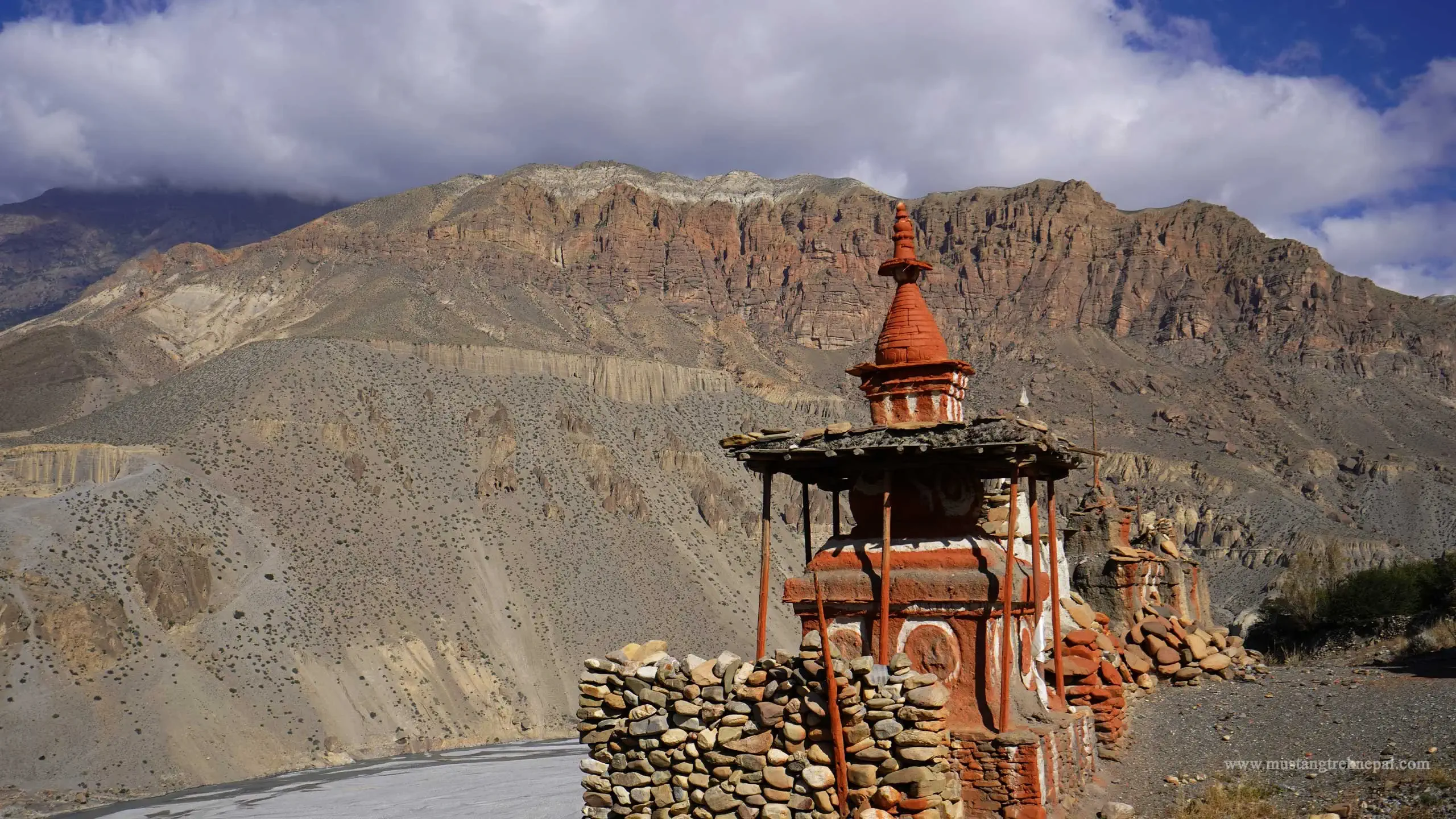
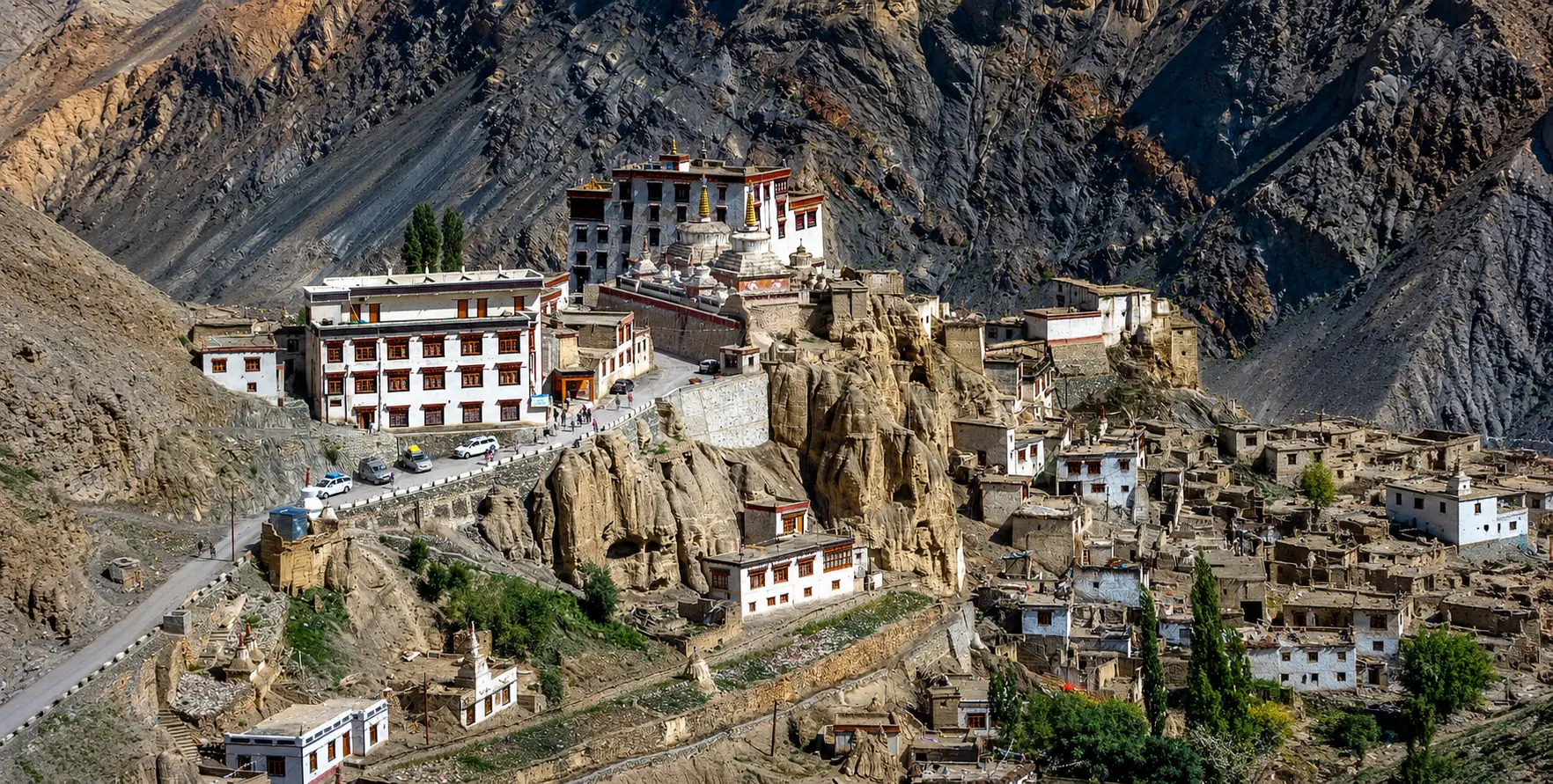
  • Ghami (3,520 m) – a beautiful village with the longest mani wall in Nepal and an ancient monastery
  • Charang (3,560 m) – fortress ruins and active monastery, apple orchards at altitude
  • Lo Manthang (3,840 m) – the walled capital of Upper Mustang – arrival after approximately 4 to 5 hours from Kagbeni
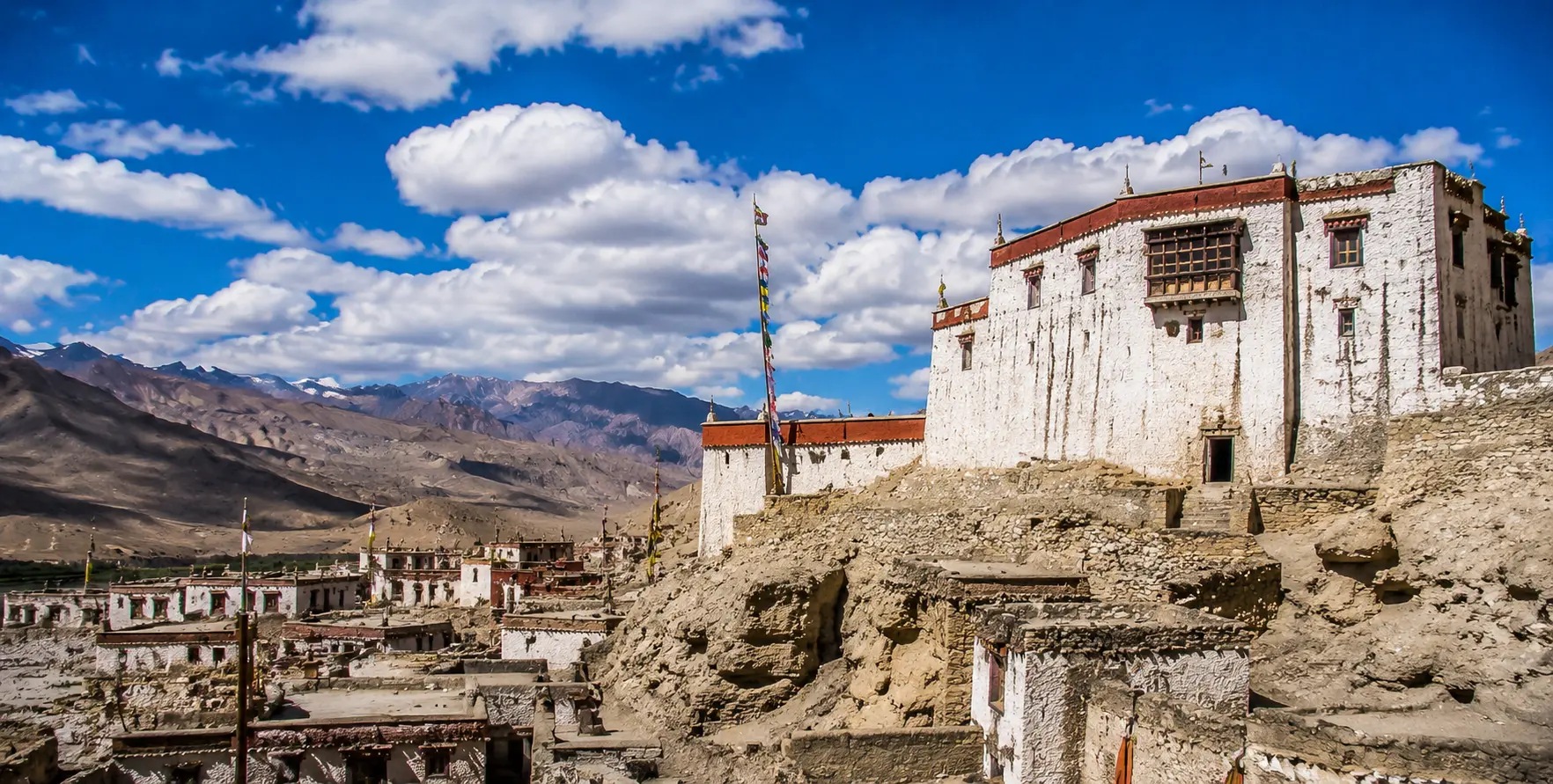
Private 4WD jeep traveling from Pokhara to Lo Manthang through the spectacular landscapes of Upper Mustang

Optional Day 4: Day Trips from Lo Manthang

With a private jeep stationed at Lo Manthang, day trips to the most remote and spectacular Upper Mustang sites become possible:

  • Sky Caves of Chhoser (Mustang Caves) – Neolithic cave complex with ancient frescoes, accessible by jeep track 10 km north of Lo Manthang
  • Namgyal Gompa – ancient monastery 12 km from Lo Manthang with extraordinary wall paintings
  • Lo Gekar Monastery – claimed to be the oldest Buddhist monastery in Nepal, 18 km from Lo Manthang
  • Nam La Pass (4,013 m) – border viewpoint with Tibet, accessible by jeep
  • Yara and Tange Villages – remote Upper Mustang villages with cave temples

Key Distances and Driving Times

StageFrom – ToDistanceDrive TimeAltitude
1Pokhara → Beni62 km1.5 hrs820m → 830m
2Beni → Tatopani45 km1.5 hrs830m → 1,190m
3Tatopani → Ghasa25 km1 hr1,190m → 2,010m
4Ghasa → Marpha30 km1.5 hrs2,010m → 2,670m
5Marpha → Jomsom8 km20 min2,670m → 2,720m
6Jomsom → Kagbeni18 km45 min2,720m → 2,810m
7Kagbeni → Chele10 km45 min2,810m → 3,050m
8Chele → Ghami18 km1.5 hrs3,050m → 3,520m
9Ghami → Charang12 km1 hr3,520m → 3,560m
10Charang → Lo Manthang6 km30 min3,560m → 3,840m
TOTALPokhara → Lo Manthang316 km10–12 hrs driving820m → 3,840m

Private 4WD jeep traveling from Pokhara to Lo Manthang through the spectacular landscapes of Upper Mustang

Road Conditions: Pokhara to Lo Manthang

SectionSurfaceDifficulty4WD Essential?Key Risk
Pokhara → BeniPaved highwayEasyNoStandard highway – no issues
Beni → TatopaniRough gravel gorge trackModerate–HardYesNarrow gorge, cliff-edge drops
Tatopani → JomsomVery rough gorge trackHardYesAfternoon wind, rockfall, narrow sections
Jomsom → KagbeniGravel Valley TrackModerateYesSandy, wind-exposed flat valley
Kagbeni → CheleRemote rocky trackHardYesFirst Upper Mustang section – remote
Chele → Lo ManthangHigh plateau desert trackVery HardYesAltitude, remote, no services, exposed

A Toyota Land Cruiser is not just recommended for the Pokhara-to-Lo Manthang jeep service – it is the only vehicle that should be used on this route. The Upper Mustang section from Kagbeni to Lo Manthang is one of Nepal’s most remote and technically demanding jeep tracks. Lesser vehicles risk breakdowns in an area where assistance may be hours away.
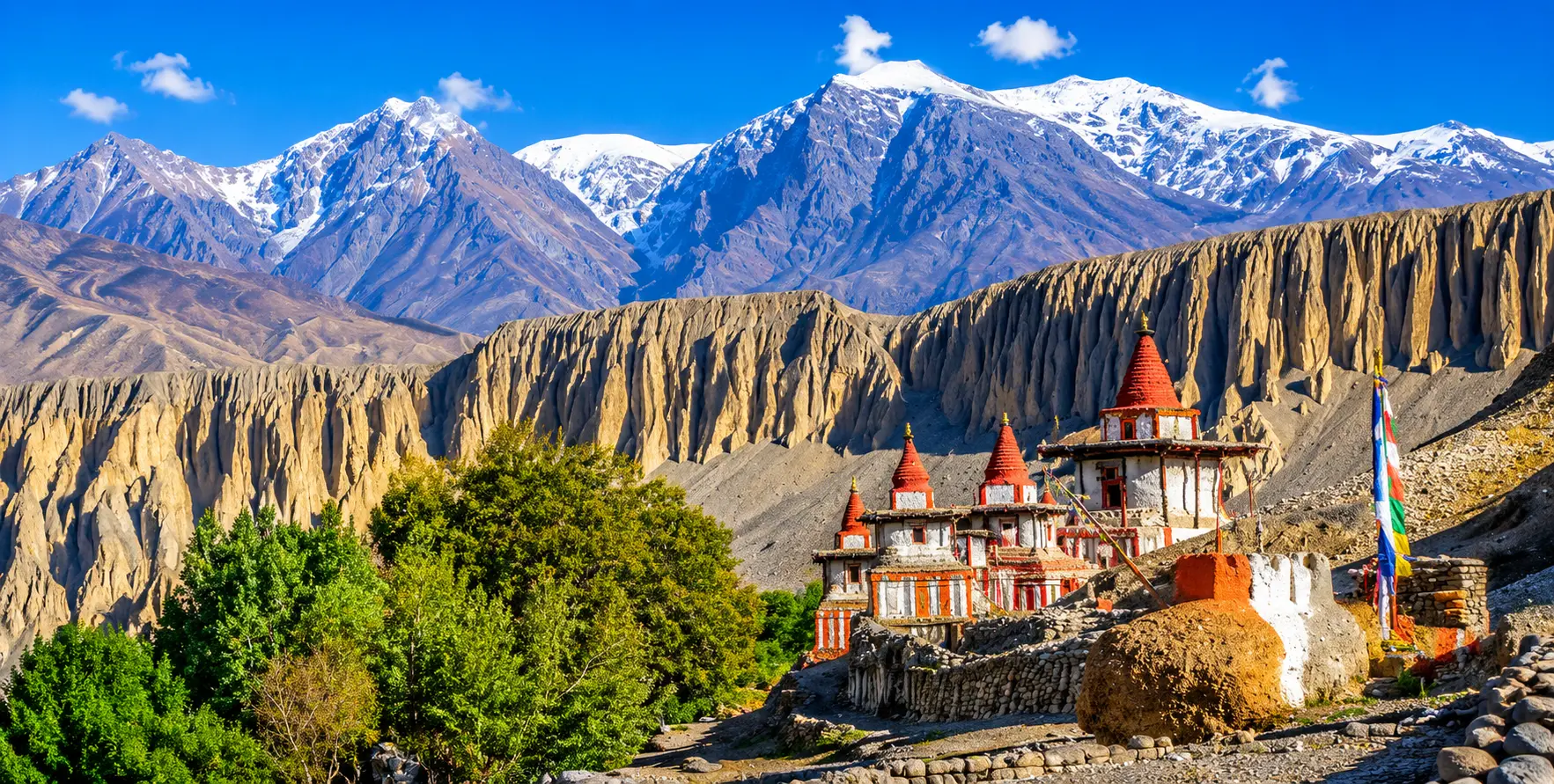
Book the best Pokhara to Lo Manthang Jeep Service with a private 4WD jeep and experienced driver for a comfortable overland journey through the breathtaking Upper Mustang region.

Lo Manthang – The Ancient Walled City

The City Walls

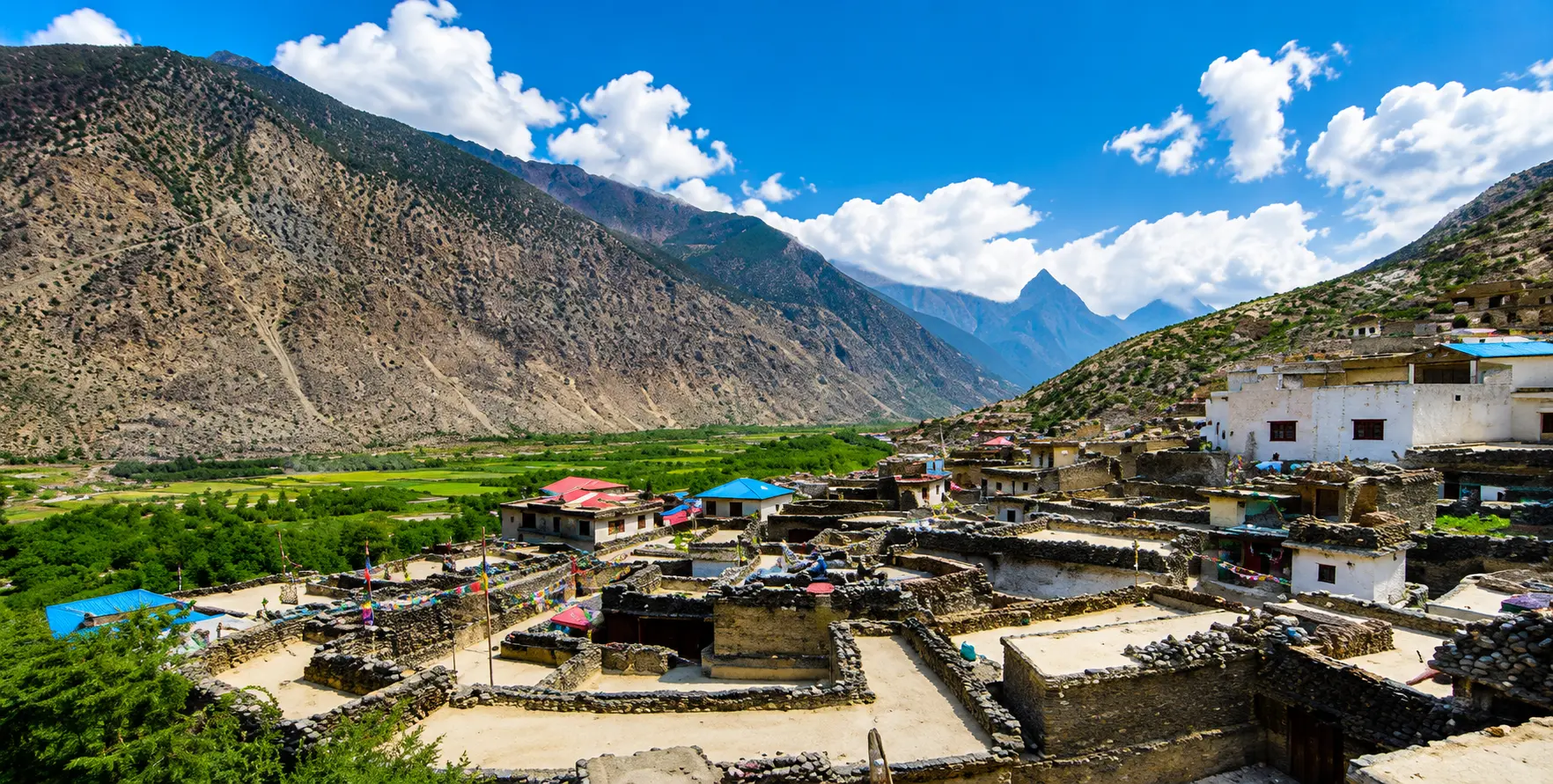
Lo Manthang is one of the last surviving fully walled cities in the Himalayan world. The clay-and-stone walls stand approximately 8 to 10 meters high and completely enclose the city on all four sides.

The walls were built in the 14th century – the same era that produced the European Gothic cathedrals – as fortification against raids from neighbouring kingdoms. Walking the outer perimeter of the walls gives you the strongest sense of this medieval city’s extraordinary scale and preservation. The reddish-ochre walls glow magnificently in the late afternoon light.

The Lo Raja’s Palace

The multi-storied royal palace of the Lo Raja (King of Mustang) dominates Lo Manthang’s interior. The Bista royal family has inhabited the palace for over 600 years. It remains so today – making it one of the oldest continuously inhabited royal residences in the Himalayan world.

The current Lo Raja, Jigme Dorje Palbar Bista, and his family continue to live in the palace and maintain the cultural and religious traditions of their kingdom. Visitors can view the palace from within the walled city, though access is limited.

The Monasteries of Lo Manthang

Lo Manthang contains four main monasteries – Thubchen, Jampa, Chodey, and Namgyal – all dating from the 14th to 16th centuries and containing some of the finest and best-preserved Tibetan Buddhist murals in the world. The murals in Thubchen Gompa, in particular,r, are considered among the masterpieces of Tibetan Buddhist sacred art – vast, jewel-colored paintings covering every surface of the monastery’s interior with scenes from the Buddha’s life, mandalas, protector deities, and bodhisattvas.

A major restoration project supported by the American Himalayan Foundation has been working to preserve these monastery murals. It has saved extraordinary examples of medieval Tibetan art that were deteriorating due to weather and neglect. The restoration work itself is visible and impressive.

The Sky Caves of Mustang (Chhoser)

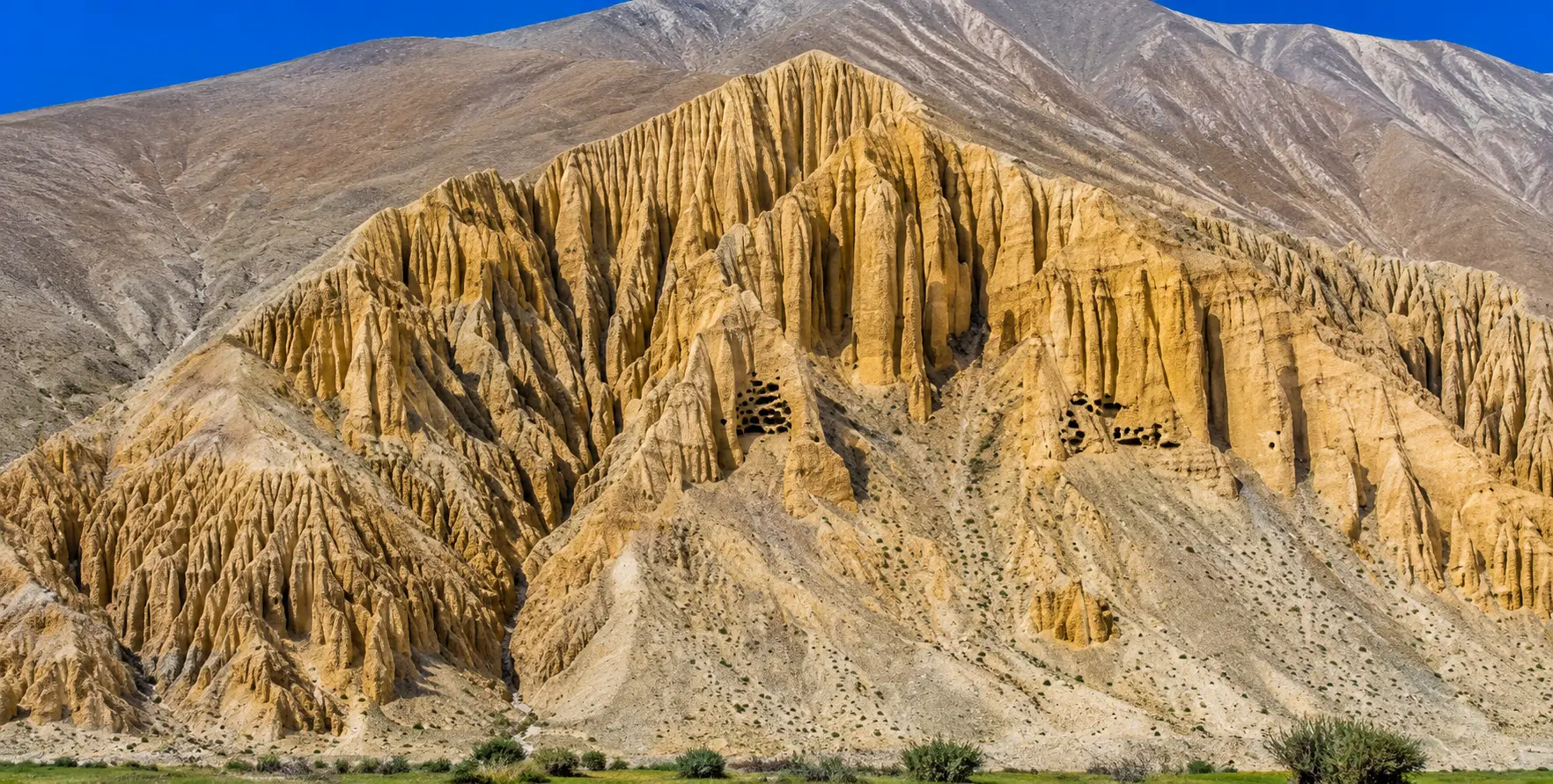
About 10 km north of Lo Manthang, the cliffs of Chhoser contain one of the most extraordinary archaeological discoveries of the 20th century: thousands of cave dwellings and ritual sites carved into vertical cliff faces up to 50 meters high. These caves were occupied between 2,000 and 3,000 years ago and contain evidence of sophisticated ancient culture, including cave paintings, burial chambers, wooden coffins, textiles, and manuscripts.

Some caves were later repurposed as meditation retreats and monastic sites. The Sky Caves of Mustang are among Asia’s greatest and most mysterious archaeological sites.

The Living Culture of Upper Mustang

Perhaps the most extraordinary aspect of Lo Manthang is not its monuments but its living culture. The Lopa people – the inhabitants of Upper Mustang – maintain a way of life that has changed relatively little over the past 500 years.

Traditional dress, agricultural practices, religious ceremonies, and social customs continue much as they have for centuries. Upper Mustang’s relative isolation until 1992, and ongoing restrictions on visitor numbers, have helped preserve this culture to a remarkable degree.

Witnessing daily life in Lo Manthang – monks conducting morning puja, women in traditional Lopa dress carrying water from the communal tap, yaks being loaded in the alley behind the palace – is a privilege available to relatively few travellers.
Book the best Pokhara to Lo Manthang Jeep Service with a private 4WD jeep and experienced driver for a comfortable overland journey through the breathtaking Upper Mustang region.

The Tiji Festival – Lo Manthang’s Most Sacred Event

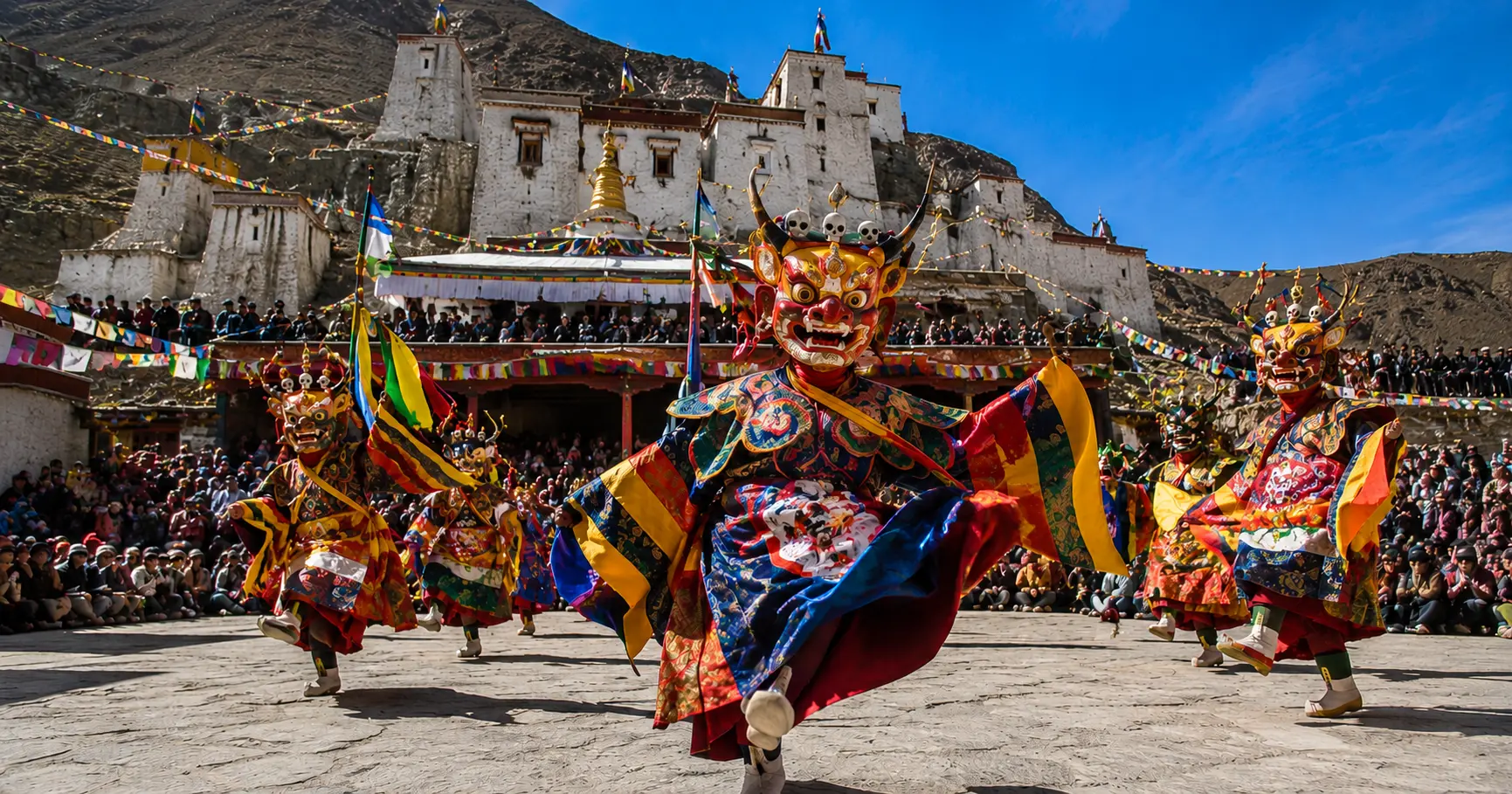
The Tiji Festival (Tee-ji, or Tenten Dhampaa in Tibetan) is Lo Manthang’s most important and most spectacular annual religious event – a three-day festival held in the walled city each year in late April or May. Tiji is one of the finest cultural events in Nepal and has become an increasingly popular reason to time an Upper Mustang visit.

What Happens at Tiji

Tiji is an ancient ritual re-enactment of the legend of Dorje Jono – a deity who fights the demon Mara to save Upper Mustang from destruction. Over three days, monks from the Thubchen and Namgyal monasteries perform elaborate masked cham dances in the main square of Lo Manthang – the walled city becomes a stage for extraordinary sacred performance.

The masks, costumes, and music of the Tiji are ancient and spectacular – the visual impact of the masked dancers performing against the backdrop of the palace walls and the Himalayan plateau is memorable.

Tiji 2026 Dates

The Tibetan lunar calendar determines the dates of the Tiji Festival, which vary slightly each year. The festival is expected to be held from late May to mid-May – contact Vehicle Hiring Nepal for the exact 2026 festival dates.

If you are planning to visit Lo Manthang for Tiji, book your jeep service, Upper Mustang permit, and accommodation at least 8 to 12 weeks in advance. Tiji is one of the most popular events in Nepal’s tourism calendar, and accommodation in Lo Manthang fills up months in advance.
Private 4WD jeep traveling from Pokhara to Lo Manthang through the spectacular landscapes of Upper Mustang

Best Time for Pokhara to Lo Manthang Jeep Service

April to May (Best – Tiji Season)

Spring is the most celebrated season for Upper Mustang. The Tiji Festival draws visitors from around the world to Lo Manthang. The high plateau warms from winter; Lower Mustang below is brilliant with apple blossoms in Marpha and rhododendrons in the lower gorge.

The road from Kagbeni to Lo Manthang is in reasonably dry condition. Mountain views are excellent in the morning. Book a jeep, permit, and accommodation very far in advance for the Tiji season.

June to September (Mustang’s Unique Season)

This is Mustang’s greatest secret. While the rest of Nepal drowns in the monsoon, Upper Mustang lies completely in a rain shadow behind the Annapurna and Dhaulagiri ranges. The Upper Mustang plateau receives almost no monsoon rainfall and stays remarkably sunny and dry June through September.

Lo Manthang is accessible, peaceful, and very lightly visited during these months. The Lower Mustang Kali Gandaki gorge can have occasional monsoon landslides on the road south of Tatopani – check conditions before departure. The upper plateau itself is completely clear.

October to November (Excellent)

Post-monsoon autumn is ideal for the Pokhara-to-Lo Manthang journey. Skies are brilliantly clear; the Kali Gandaki gorge has dried after the monsoon; mountain views are spectacular; and the ochre and red landscape of Upper Mustang glows in the autumn light. The road is in its best post-monsoon condition.

October and November are busy months – book 4 to 8 weeks ahead.

December to March (Cold – Possible with Experience)

Winter in Upper Mustang is severe, but the region remains accessible by jeep for much of the season. Lo Manthang at 3,840 m can drop to -15 to -25°C at night in January and February. The road from Kagbeni to Lo Manthang may have snow and ice in December and January,y requiring snow chains.

Not recommended for first-time visitors but deeply atmospheric for experienced cold-weather travellers. Lo Manthang in snow with the ancient walls dusted white is extraordinarily beautiful.

Altitude and Health: Pokhara to Lo Manthang

The altitude gain from Pokhara (820 m) to Lo Manthang (3,840 m) is 3,020 m – a significant ascent that requires proper acclimatisation:

  • Never drive directly to Lo Manthang in two days – the ascent is too rapid, and AMS risk is high
  • The recommended 3- to 4-day journey with overnight stops at Tatopani (1,190 m), Jomsom (2,720 m), and Kagbeni (2,810 m) provides gradual acclimatisation, with one night acclimatising before ascending to Lo Manthang.
  • AMS symptoms (headache, fatigue, dizziness) are common above 3,000 m – know the signs and descend if symptoms worsen
  • Carry Diamox (acetazolamide) – consult your doctor for dosage. Start 24 hours before ascending above 3,000 m
  • Drink 4 to 5 litres of water per day from Jomsom onwards
  • Avoid alcohol for the first 48 hours after arriving in Lo Manthang
  • Travel and health insurance covering high-altitude helicopter evacuation is strongly recommended for all Upper Mustang visitors
Private 4WD jeep traveling from Pokhara to Lo Manthang through the spectacular landscapes of Upper Mustang

Itinerary A: Standard Upper Mustang Jeep Tour (8 Days from Pokhara)

  • Day 1: Pokhara to Tatopani by jeep (5–6 hrs) – hot spring soak, overnight Tatopani
  • Day 2: Tatopani to Jomsom (4–5 hrs) – Marpha apple village, overnight Jomsom
  • Day 3: Jomsom to Kagbeni – permit check – continue to Chele or Ghami, overnight Upper Mustang
  • Day 4: Continue to Lo Manthang – arrive in the afternoon, explore the walled city, overnight in Lo Manthang
  • Day 5: Full Lo Manthang day – monasteries, palace, city walls, local culture
  • Day 6: Day trip to the Sky Caves of Chhoser or Lo Gekar Monastery by jeep
  • Day 7: Return to Lo Manthang from Jomsom or Tatopani by jeep
  • Day 8: Return to Pokhara

Itinerary B: Tiji Festival Tour (10 Days from Pokhara)

  • Days 1–3: Pokhara to Lo Manthang via Tatopani and Jomsom (standard 3-day approach)
  • Day 4: Arrive in Manthang – settle in, explore the city, monastery visits
  • Day 5: Day trip to Sky Caves or Namgyal Gompa
  • Days 6–8: Tiji Festival – three full days of masked dance ceremonies in Lo Manthang main square
  • Day 9: Return Lo Manthang toward Jomsom – overnight Marpha or Tatopani
  • Day 10: Return to Pokhara

Itinerary C: Fly Pokhara–Jomsom, Jeep to Lo Manthang (6 Days)

  • Day 1: Fly Pokhara to Jomsom (25 min) –acclimatise, explore: Acclimatise to Kagbeni, then to Chele or Ghami by jeep – Upper Mustang entry
  • Day 3: Arrive in Lo Manthang – full day city exploration
  • Day 4: Day trip to the Sky Caves of Chhoser
  • Day 5: Return to Lo Manthang from Jomsom by jeep
  • Day 6: Fly Jomsom to Pokhara (25 min)

Book the best Pokhara to Lo Manthang Jeep Service with a private 4WD jeep and experienced driver for a comfortable overland journey through the breathtaking Upper Mustang region.

What to See Beyond Lo Manthang

Sky Caves of Chhoser (Mustang Caves)

The Chhoser sky caves are located 10 km north of Lo Manthang on a jeep track that continues toward the Tibetan border. The cave complex – known in Tibetan as Ri Phug – contains thousands of individual caves carved into vertical red and grey cliffs, rising to heights of up to 50 meters.

Dating from Neolithic times through the medieval period, the caves served successively as dwelling sites, burial chambers, meditation retreats, and monastic complexes. Inside some accessible chambers, fragments of ancient frescoes in Tibetan Buddhist style survive. The scale and the setting – towering ochre cliffs beneath a vast blue Himalayan sky –are extraordinary.

Lo Gekar – Nepal’s Oldest Monastery

Lo Gekar monastery lies approximately 18 km west of Lo Manthang on a rough jeep track. Many scholars claim the monastery to be the oldest Buddhist monastery in Nepal – reportedly founded by Guru Rinpoche (Padmasambhava) in the 8th century CE during his journey from India to Tibet.

The monastery contains ancient wall paintings and sacred objects of great antiquity. The landscape around Lo Gekar – a remote high-altitude valley flanked by eroded cliff formations – is hauntingly beautiful and almost always quiet.

Namgyal Gompa

Namgyal Gompa is located 12 km from Lo Manthang and is the principal monastery of the Lo Raja’s own religious lineage. The monastery is well maintained and contains important ritual objects, thangkas, and sacred texts. The head lama of Namgyal has traditionally served as the Lo Raja’s spiritual advisor.

The monastery’s exterior walls are painted in the distinctive deep red colour of the Sakya school of Tibetan Buddhism.

Nam La Pass Viewpoint (Tibet Border)

For travellers with the Upper Mustang permit and their own licensed guide, a jeep drive to Nam La Pass on the Tibetan border (approximately 4,013 m) offers extraordinary views across the Tibetan plateau from Nepal. The pass marks Nepal’s northern frontier, and on clear days, you can see the Chinese town of Zhangmu in the valley below on the Tibetan side.

The drive from Lo Manthang to Nam La takes approximately 2 hours by jeep on a rough track.
Book the best Pokhara to Lo Manthang Jeep Service with a private 4WD jeep and experienced driver for a comfortable overland journey through the breathtaking Upper Mustang region.

Practical Tips for the Pokhara to Lo Manthang Jeep Service

  • Obtain your Upper Mustang Restricted Area Permit in Kathmandu before travelling to Pokhara – it cannot be obtained anywhere on the route.
  • Book your jeep service 4 to 8 weeks before travel during peak seasons (April–May Tiji and October–November). Earlier for the Tiji Festival dates
  • Carry sufficient Nepali Rupees cash – the last reliable ATM is in Jomsom (sometimes). Withdraw everything you need in Pokhara before departure.
  • Depart all Kali Gandaki gorge sections before noon – the afternoon wind that grounds flights at Jomsom airport makes driving dangerous and miserable.
  • Layer clothing – you travel from subtropical Pokhara to near-alpine Lo Manthang. Carry everything from T-shirts to a serious down jacket.
  • The jeep driver’s accommodation in Lo Manthang during your stay is your responsibility to arrange and contribute to – discuss with your driver at the time of booking.
  • Download offline maps (Maps.me or Gaia GPS with Upper Mustang coverage) before departing Pokhara – mobile signal is absent in most of Upper Mustang.
  • Carry extra fuel if your driver recommends – fuel stations are limited beyond Jomsom.
  • Camera batteries drain faster at high altitude – carry spare batteries and keep them warm in an inner .pocket
  • Purchase your local Mustang apple brandy (raksi) in Marpha on the way up – it is excellent and significantly cheaper than in Lo Manthang.

What is Included in Your Jeep Service

  • Toyota Land Cruiser 4WD with an experienced Mustang and Upper Mustang route driver
  • Full fuel cost for the complete Pokhara to Lo Manthang and return journey
  • Vehicle insurance throughout
  • Pickup from your Pokhara Lakeside hotel at your confirmed departure time
  • Drop-off at your accommodation in Lo Manthang
  • All key stops – Beni, Tatopani, Marpha, Jomsom, Kagbeni
  • Day trip vehicle service in Lo Manthang for Chhoser Caves, Lo Gekar, Namgyal Gompa (included in round-trip booking)
  • Return journey from Lo Manthang to Pokhara on your confirmed return dates
  • 24/7 support throughout the journey

Not included: Upper Mustang Restricted Area Permit (USD 500 – arrange in Kathmandu), ACAP permit (NPR 3,000), TIMS card (USD 10), licensed guide fees (mandatory), driver accommodation in Lo Manthang, personal meals, your accommodation, and any additional excursions beyond the agreed route.
Book the best Pokhara to Lo Manthang Jeep Service with a private 4WD jeep and experienced driver for a comfortable overland journey through the breathtaking Upper Mustang region.

How to Book Your Pokhara to Lo Manthang Jeep Service

  1. Obtain your Upper Mustang Restricted Area Permit in Kathmandu – arrange at the Department of Immigration, Maitighar.
  2. Arrange your ACAP permit and TIMS card at the Nepal Tourism Board in Kathmandu or Pokhara.
  3. Hire a licensed guide through a registered trekking agency – mandatory for Upper Mustang.
  4. Contact Vehicle Hiking Nepal via WhatsApp or visit vehiclehiringnepal.com
  5. Confirm your travel dates and group size.
  6. Specify your Pokhara hotel pickup address and the name of your Lo Manthang accommodation.
  7. Choose your itinerary – 8-day standard, 10-day Tiji, or 6-day fly-in option.
  8. Receive a booking confirmation with driver details, vehicle information, and day-by-day journey details. plan

Frequently Asked Questions

How long does it take to drive from Pokhara to Lo Manthang?

The total driving time from Pokhara to Lo Manthang is approximately 10 to 12 hours spread over 3 days (not driven in one stretch). Day 1: Pokhara to Tatopani or Ghasa (5 to 6 hours). Day 2: Continue to Jomsom (4 to 5 hours).

Day 3: Jomsom to Lo Manthang via Kagbeni (4 to 5 hours). A gradual 3-day approach is essential for safety and acclimatisation. The Upper Mustang Restricted Area Permit requires all foreign visitors in Upper Mustang to be accompanied by a licensed Nepali trekking guide at all times.

Authorities strictly enforce this at the Kagbeni checkpoint and throughout the Upper Mustang zone. Vehicle Hiring Nepal provides jeep service only – you must arrange your licensed guide through a registered trekking agency before departure.

What is the difference between Lower Mustang and Upper Mustang?

Lower Mustang covers the area south of Kagbeni – including Jomsom, Marpha, Tatopani, Muktinath, and the Kali Gandaki gorge. Lower Mustang requires only ACAP and TIMS permits. Upper Mustang covers everything north of Kagbeni – including Chele, Ghami, Charang, Lo Manthang, Chhoser, and the Tibetan border areas.

Upper Mustang requires the additional USD 500 Restricted Area Permit, a licensed guide, and a minimum group of 2 foreign visitors.

Can I drive from Kathmandu directly to Lo Manthang?

Yes. Vehicle Hiring Nepal can arrange a private jeep from Kathmandu all the way to Lo Manthang. The journey takes 4 to 5 days via Pokhara – Day  Kathmandu to Pokhara, then the same Pokhara-to-Lo Manthang route.

Contact us for combined jeep packages from Kathmandu to Lo Manthang.

How much does the full Upper Mustang trip cost per person?

A rough budget guide for 2026 per person (based on group of 4 sharing): Jeep Pokhara–Lo Manthang–Pokhara USD 212 to USD 275 (split 4 ways), Upper Mustang Restricted Area Permit USD 500, ACAP permit USD 22, TIMS USD 10, Licensed guide USD 25 to USD 40 per day, Accommodation NPR 1,500 to NPR 4,000 per night, Food NPR 1,500 to NPR 3,000 per day. A 10-day Upper Mustang trip typically costs USD 1,200 to USD 1,800 per person, all-in, excluding flights to Nepal.

What happens if a landslide blocks the Kali Gandaki road?

Landslides can block the Kali Gandaki gorge road, especially during and after the monsoon. Our drivers monitor road conditions in real time and will advise on the safest course of action. Local road crews typically clear minor landslides within hours.

For major blockages, the driver will wait or advise an alternative time. We stay in touch via WhatsApp throughout the journey.

Final Thoughts

The jeep journey from Pokhara to Lo Manthang is one of the great road adventures of Asia – a 3- to 4-day progression from the beautiful lakeside city of Pokhara through the world’s deepest gorge, past some of the world’s highest mountains, across the Mustang plateau, and finally through the gate of a medieval walled city that has barely changed in 600 years. Lo Manthang is not a destination you visit – it is a destination that enters you, changes your sense of what the world is and can be, and stays with you for the rest of your life.

Vehicle Hiring Nepal provides the most reliable and experienced jeep service for the Pokhara-Lo Manthang route in 2026. Our Land Cruiser drivers know every challenging kilometre of the Upper Mustang track, every timing consideration around the Kali Gandaki wind, and every accommodation recommendation for the journey. Book your Upper Mustang adventure with us.

WhatsApp
Email:[email protected]
Pokhara Historical and Spiritual Places: The Complete Travel and Transport Guide

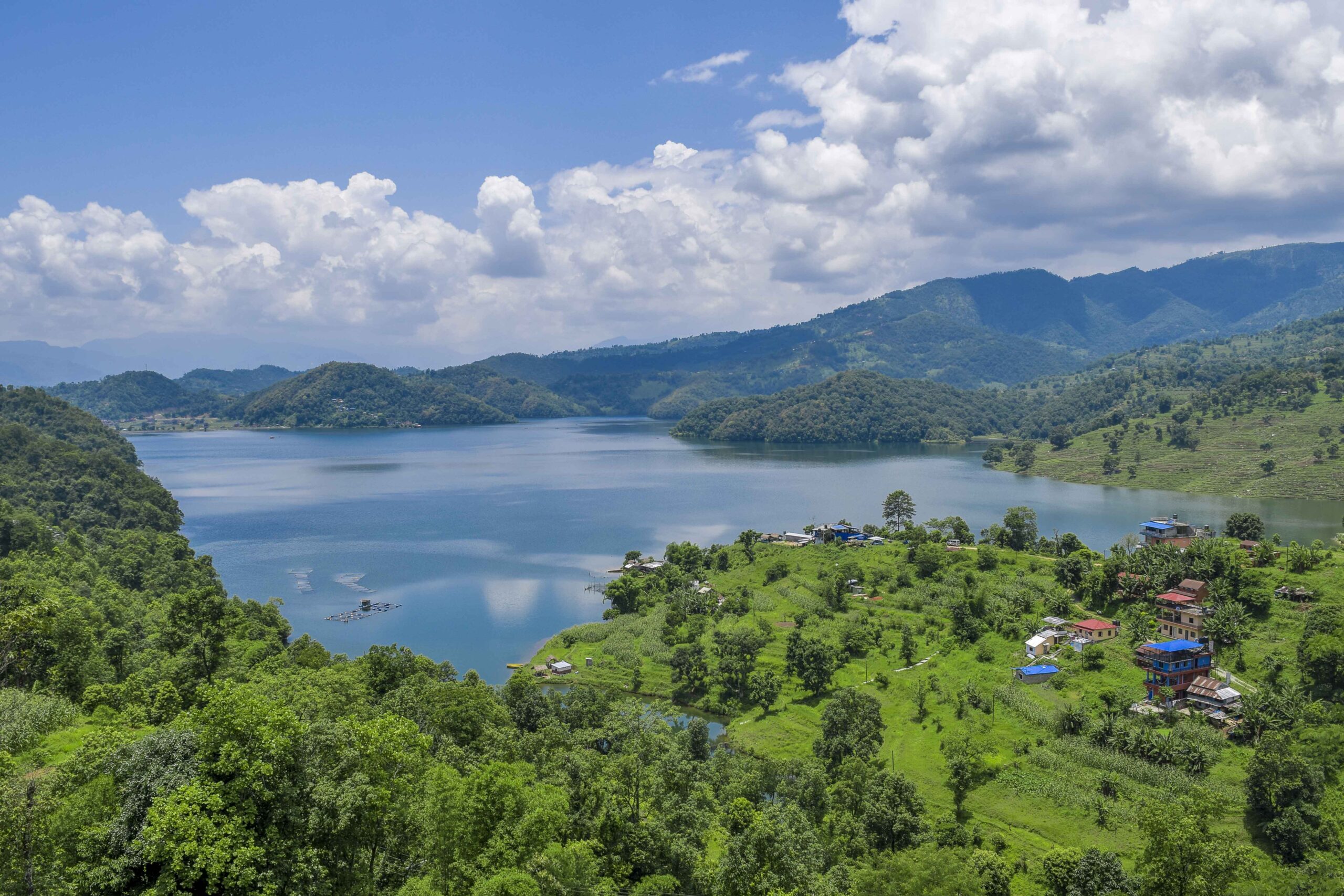
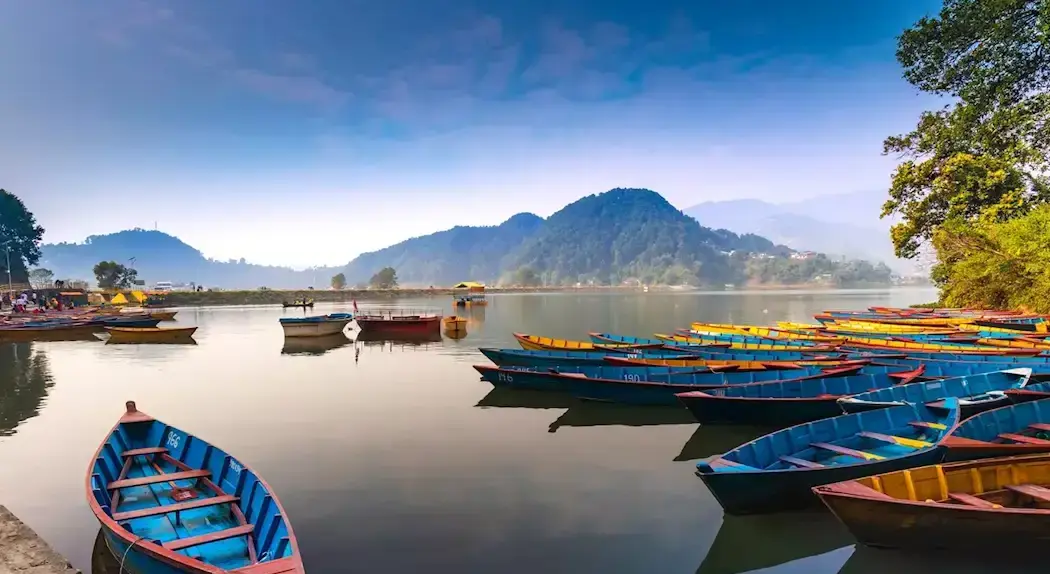
Begnas Lake Pokhara

Pokhara Historical and Spiritual Places – The Complete  Travel and Transport Guide

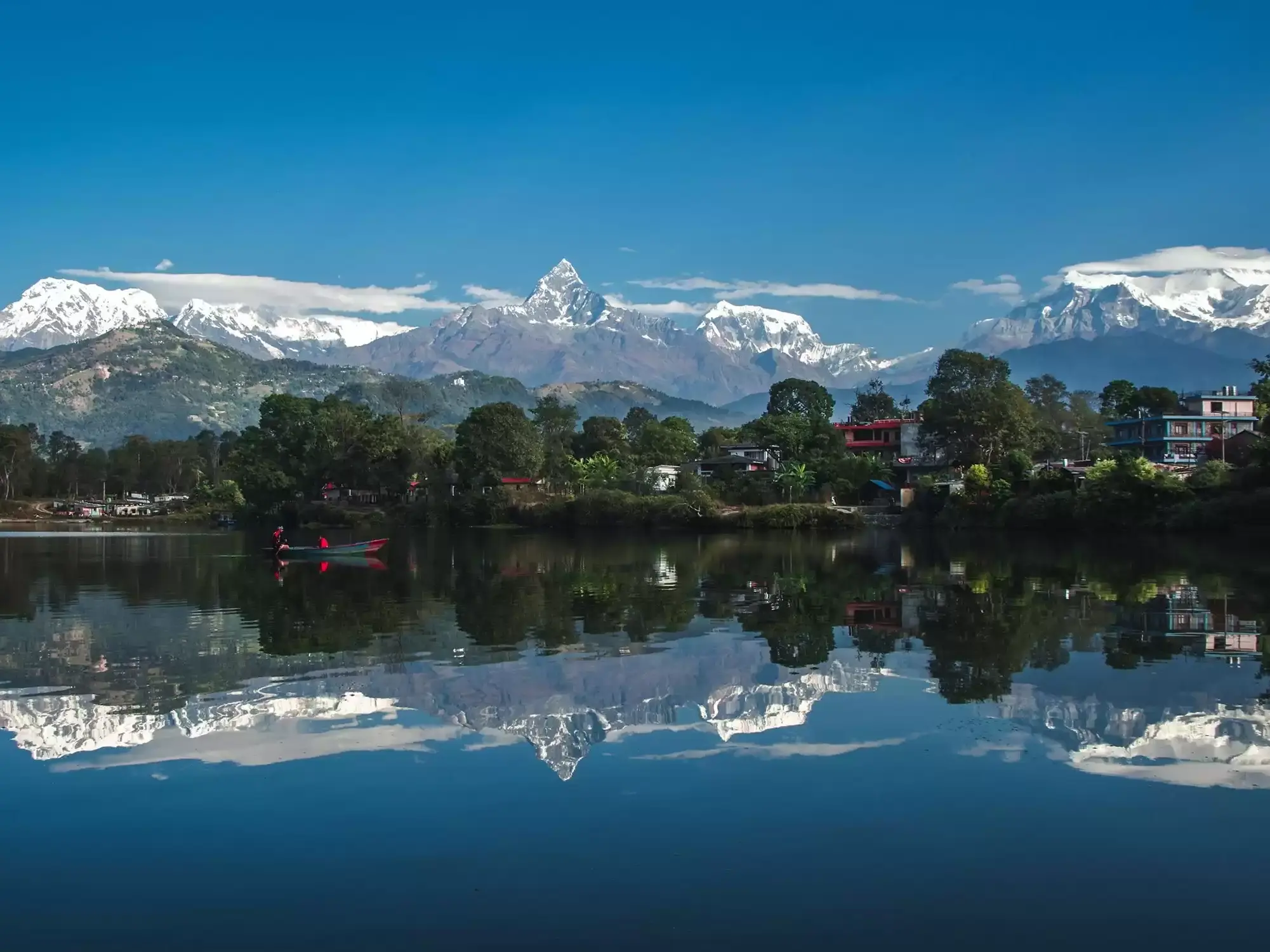
Most visitors who arrive in Pokhara come for the view — the mirror-still surface of Phewa Lake reflecting the soaring white triangle of Machhapuchhre, the Annapurna range filling the entire northern horizon with an improbable wall of ice and rock. This view, experienced from the Lakeside promenade at dawn or the Sarangkot ridge at sunrise, is one of Asia’s great visual experiences and fully deserves the international reputation that draws hundreds of thousands of travellers to Pokhara each year.

But Pokhara is not, and never has been, only a landscape. It is also a city of genuine historical depth, of ancient temples with origin stories reaching back to the Kaski kingdom that ruled this valley for centuries before Prithvi Narayan Shah’s unification, of sacred caves where Shiva’s presence is said to have been continuously worshipped since before recorded time, of Buddhist monasteries preserving Tibetan culture in exile since 1959, and of a living folk-religious tradition that imbues its lake, its hills, its rivers, and its very geography with spiritual significance.

The historical and spiritual dimensions of Pokhara are, in many ways, the city’s best-kept secret. The modern tourist strip of Lakeside—with its paragliding launches, coffee shops, trekking agencies, and boutique hotels—is less than sixty years old, a product of the post-1960s trekking boom.

Beneath and behind it lies a Pokhara of a much older identity: a Newari trading town of the Kaski kingdom, a waystation on the India-Tibet salt trade route, a city whose most important landmarks are not viewpoints but temples, not adventure start points but pilgrimage sites. This guide explores the deeper Pokhara, documenting its historical and spiritual sites in careful detail and explaining how a private vehicle hire from Vehicle Hiring Nepal makes exploring the full scope of the city’s cultural landscape easy, comfortable, and richly rewarding.

Pokhara and the Kaski Kingdom — A Historical Foundation

The Pokhara Valley lies in the heart of what was historically the Kaski Kingdom — one of the Baize Rajya (twenty-two kingdoms) that fragmented what is now western Nepal during the medieval period. The Kaski kings, ruling from their palace at Kasthamandap in the town of Kaski (not to be confused with Kathmandu’s Kasthamandap), maintained authority over the Pokhara valley and the surrounding trade routes as part of a larger western hill political geography that also included the kingdoms of Parbat, Lamjung, Tanahun, and Gorkha.

Pokhara’s importance as a human settlement derived originally not from its scenic beauty but from its position on the trans-Himalayan trade network. The valley sits at a natural junction where goods moving between the Indian plains and the Tibetan plateau passed through on their way north via the Kali Gandaki gorge and the Mustang corridor.

Salt from Tibet, wool, and animal products moved south; grain, manufactured goods, and devotional items moved north. Pokhara’s Old Bazaar — the area around Bindhyabasini temple — was the commercial and cultural heart of this trade.

In this market town, Newar merchants who had migrated west from the Kathmandu Valley established the trading networks that would define the city’s pre-modern economy.

The Kaski kings ruled this valley until Prithvi Narayan Shah’s unification campaign absorbed it in the 1780s, just over a decade after he captured Kathmandu. The kingdom’s religious and cultural legacy survives most visibly in the temples and sacred sites the Kaski rulers established or patronised—Barahi, Barahi, and others—which remain active centres of Hindu devotion today.

Most of Pokhara’s old city was destroyed in a catastrophic fire in 1949 that locals say started at the Bindhyabasini temple and consumed much of the Old Bazaar. This tragedy wiped out many physical records of the Kaski-period city.

Still, the temples themselves, rebuilt on their original sites, preserve the continuity of the devotional traditions that preceded the fire.

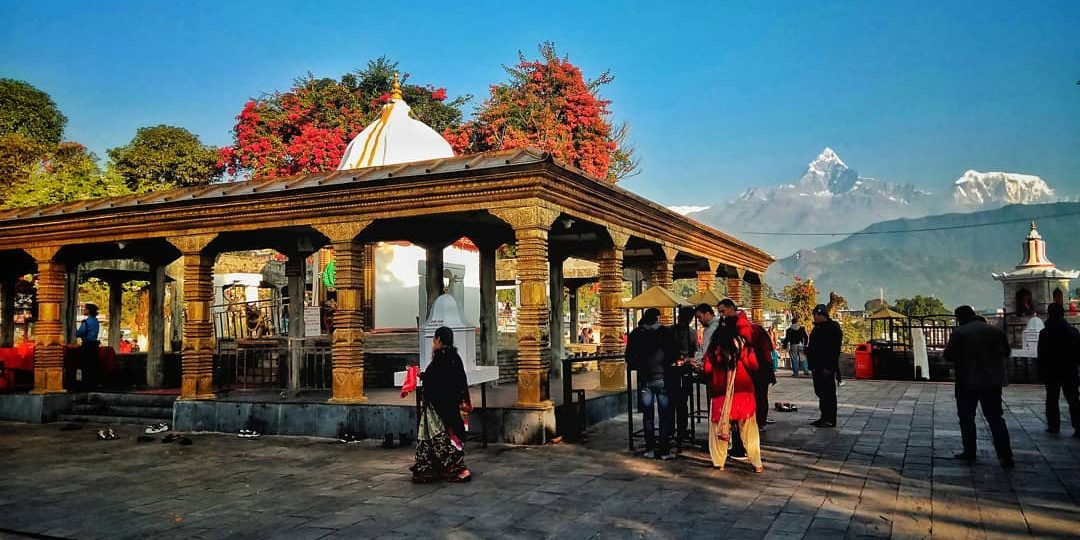
Bindhyabasini Temple — Pokhara’s Oldest and Most Sacred

Location: Mohariya Tole, Old Bazaar area, Pokhara — on a small hillock 3,002 feet (915 m) above sea level

Deity: Goddess Bindhyabasini — an incarnation of Durga/Kali, the guardian deity of Pokhara city

Age: Established in the 17th–18th century (over 300 years of documented worship)

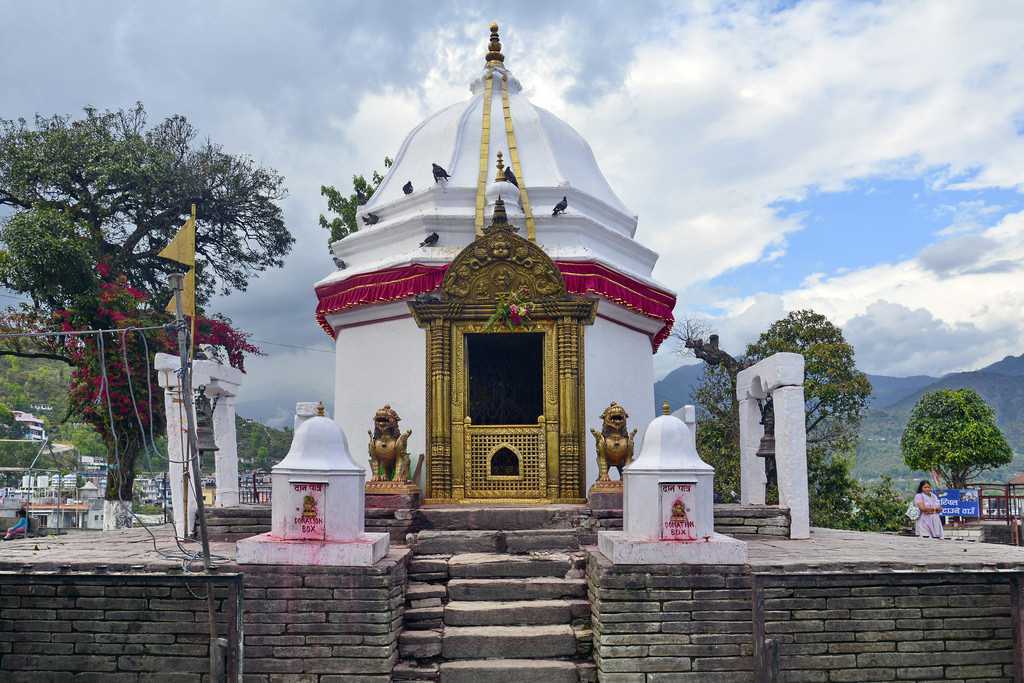
Architecture: White octagonal shikhara-style temple with dome, golden carved metal gate, two golden lions at the entrance

Daily Puja: Nitya Puja begins at 4:00 AM daily; devotees may enter after 5:30 AM

Entry: Free (no entry fee); NPR 20 car park fee; donations welcome

Pokhara Historical and Spiritual Places

Bindhyabasini Temple is the oldest, most revered, and most historically rooted sacred site in Pokhara — the city’s spiritual anchor, the temple from which the Settlement of Pokhara grew outward, and the goddess the local community understands as the guardian deity and protector of the entire valley. Understanding the city’s spiritual geography begins here.

The temple’s origin story blends myth and documented history in the characteristically Nepali way. According to one primary account, King Siddhi Narayan Shah of Kaski visited Vindhyachal mountain in Uttar Pradesh while on pilgrimage in India. In this region, people worship the original Bindhyabasini (Vindhyavasini) goddess.

Deeply moved by the goddess’s power, he sent trusted men to retrieve her sacred image and bring it to Pokhara. During the return journey, the bearers made camp on the hillock in what is now the Mohariya Tole area.

The following morning, the goddess’s image could not be lifted from the ground—a divine sign universally interpreted in Nepali religious tradition as the goddess choosing her own abode. The temple was established on there, and the goddess has been worshipped there ever since.

An alternative version attributes the foundation to King Khadgaman Malla of Parbat, who had a similar divine directive. Both accounts agree on the essential elements: the goddess’s image was brought from Vindhyachal, India; she chose her own location by becoming immovable; and the Kaski kingdom established her temple on that chosen site.

The multiplicity of founding accounts is itself characteristic of major Nepali sacred sites, reflecting the convergence of several devotional communities’ claims to the site’s sanctity over time.

The goddess dwells in the temple not as a sculptural image in the conventional sense but as a Shaligram — a sacred ammonite fossil from the Kali Gandaki River regarded throughout the Hindu tradition as a natural manifestation of Vishnu, and here specifically of the Divine Mother in her fierce aspect. This aniconic, geological form of the divine — older than any human image, shaped by the river and the earth over millions of years — gives the goddess’s presence at Bindhyabasini a quality of primordial authority that no carved idol could replicate.

The Temple Complex

The main Bindhyabasini temple sits on a raised platform surrounded by a park-like compound that includes a remarkable collection of smaller shrines dedicated to the Hindu pantheon: Saraswati (goddess of learning and the arts), Hanuman (the monkey-god of devotion and strength), Shiva (in his Lingam form), Vishnu with Lakshmi, Ganesh (the elephant-headed remover of obstacles), and Jogi Paati — a rest house for wandering ascetics (jogis). On the opposite side of the compound sits the Krishna Mandir, where Krishna Janmashtami (the birthday of Lord Krishna) is celebrated annually with great devotion.

Pokhara Historical and Spiritual Places

The main white octagonal temple, built in the Shikhara style with a distinctive dome, creates a visually striking contrast with the more common pagoda-style temple architecture found elsewhere in Nepal. The octagonal form—rare in Nepali temple architecture—reflects specific geometric principles associated with Tantric sacred architecture, in which the eight directions of space are understood to require ritual acknowledgement and protection.

The golden carved metal gate at the main entrance and the two golden metal lions flanking it are recent additions, reflecting the local Dharmic committee’s ongoing investment in the temple’s physical upkeep.

The view from the temple’s elevated hillock encompasses the entire city of Pokhara spread below to the south and east, with Phewa Lake visible in the middle distance, and, on clear mornings, the Annapurna and Machhapuchhre ranges in spectacular proximity to the north. This combination of spiritual power and physical beauty makes Bindhyabasini’s hilltop one of the finest places in Pokhara to pause and understand the city’s relationship with both its sacred geography and its natural setting.

Festivals at Bindhyabasini

The temple is the focal point of Pokhara’s major Hindu festival calendar. The Navaratri (nine nights of the goddess) is celebrated in both Chaitra (spring) and Ashwin (autumn) and is most significant, featuring nine days of continuous Devi Bhagwat Purana recitation, Durga Bali animal-sacrifice rituals, and Havan (sacred fire) ceremonies.

Maha Shivaratri draws large crowds to the Shiva shrine within the complex. Teej (the women’s festival in August) fills the temple with red-sari-clad women celebrating marital devotion. Krishna Janmashtami brings festivity to the adjacent Krishna Mandir.

Every Saturday — the sacred day of Bhagwati worship in the Nepali tradition — hundreds of devotees arrive from across Pokhara for special puja, and the compound throbs with hymn-singing accompanied by traditional Nepali musical instruments.

Pokhara Historical and Spiritual Places

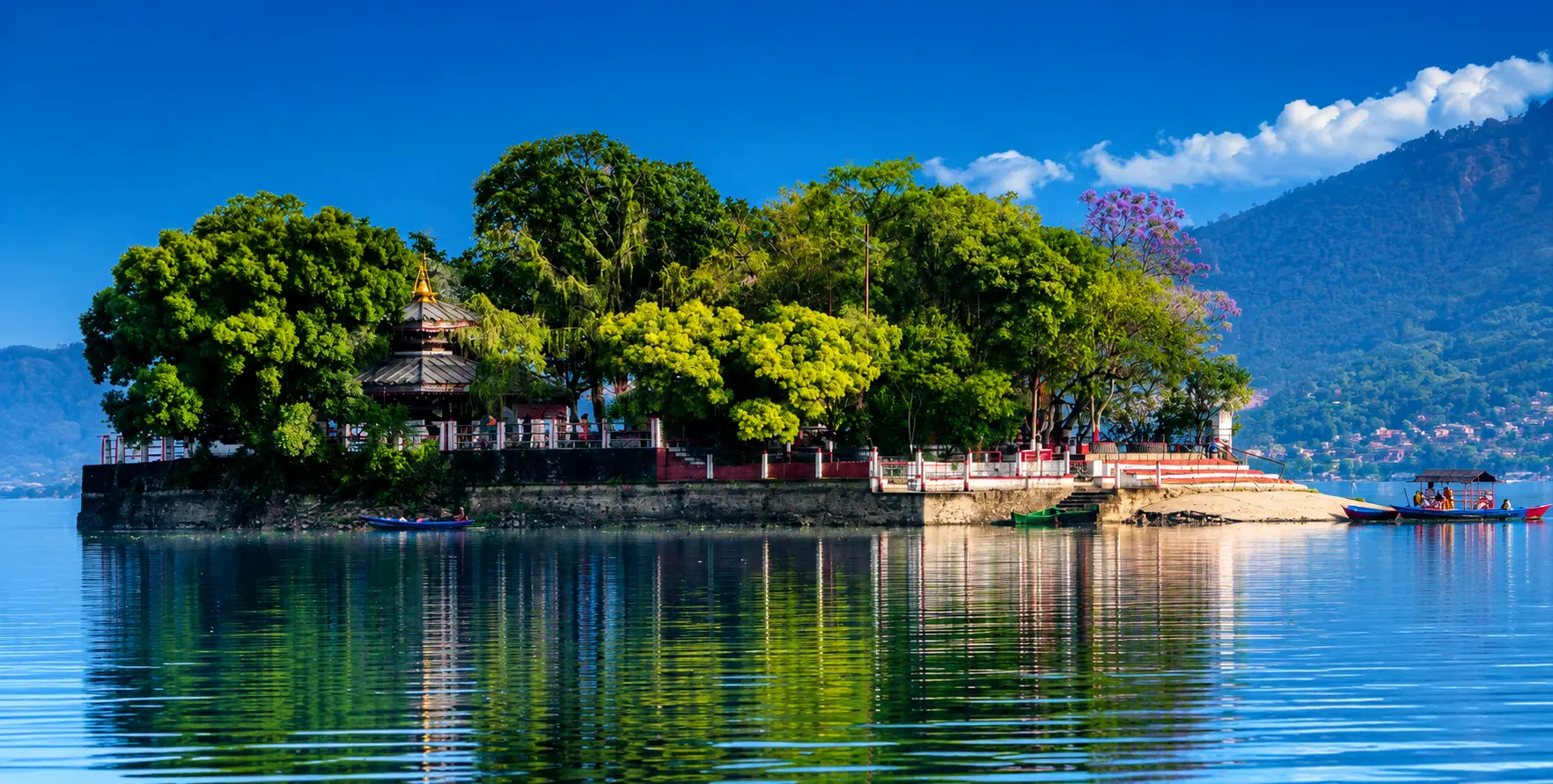
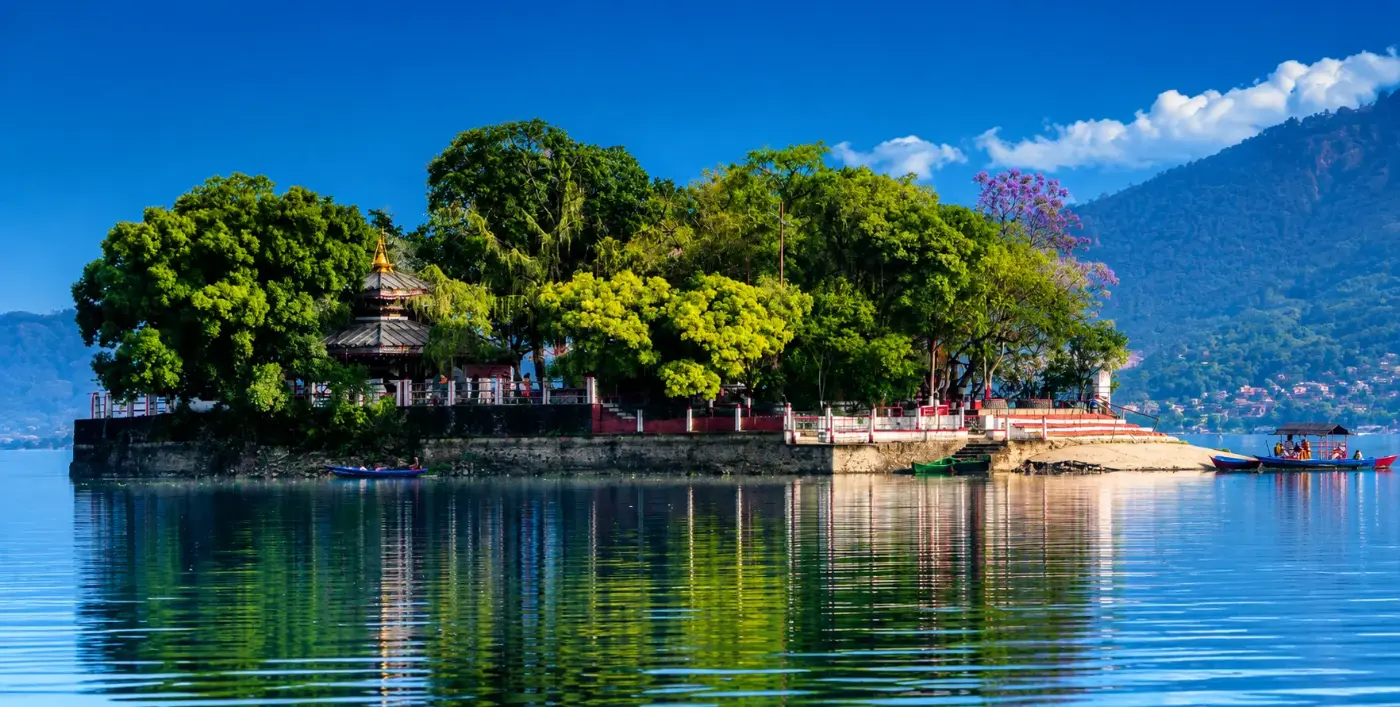
Tal Barahi Temple — The Island Goddess of Phewa Lake

Location: A small island at the centre of Phewa Lake, accessible by a 10- to 15-minute boat ride from the Lakeside boat ghats

Deity: Goddess Barahi — a two-armed incarnation of Durga, specifically associated with boars and protection from water

Age: Founded by the Kaski Kingdom in the 18th century; reconstructed in its current form circa 1971 CE (2017 BS) under King Mahendra

Architecture: Two-story pagoda-style temple in traditional Newari red brick and timber construction

Boat Fare: NPR 50–100 shared boat; NPR 800–1,000 private boat (2026 rates)

Aarti Timings: 7:00 AM and 6:00 PM daily

The Tal Barahi Temple — the Lake Barahi Temple — is arguably Pokhara’s most photographed sacred site and one of the most visually distinctive temple settings in all of Nepal. The small island on which it stands, barely large enough for the temple complex and its surrounding trees, rises from the centre of Phewa Lake like a divine apparition—the two-story red-brick pagoda roofline silhouetted against the Annapurna range on clear mornings in a composition that has become one of Pokhara’s defining images.

Goddess Barahi is a manifestation of Durga, specifically associated with water and Vishnu’s boar form (the Varaha avatar). Her worship on this lake island reflects a specific geographical theology: a powerful goddess installed at the centre of the valley’s largest body of water, ensuring its protection and the safety of those who depend on it.

The Kaski kings who established the temple understood that Phewa Lake was the valley’s most important water resource—feeding the surrounding farmland through its outlet streams—and placing the goddess at its centre was an act of both devotion and practical statecraft.

The boat approach to the temple is itself an essential part of the experience. The 10-to 15-minute row across the lake — in the traditional wooden rowboats that remain the only permitted means of access — lets the temple island grow gradually from a distant silhouette into a detailed sacred space, with the mountain panorama expanding behind it as you move farther from the Lakeside shore.

The reflections of the Annapurna range and Machhapuchhre in the lake’s still morning water, seen from a boat at eye level, are among the most beautiful natural sights in western Nepal.

On the island, devotees remove their footwear and climb the carved wooden steps to the main sanctum, where they worship Goddess Barahi in both anthropomorphic and symbolic forms. The daily aarti at 7:00 AM — lamp flames, bells, and the scent of incense rising over the lake in the morning light — is one of Pokhara’s most serene and spiritually charged moments.

Animal sacrifice, particularly of ducks and goats, is an important element of Barahi worship, especially on Saturdays and during the Dashain festival.

Pokhara Historical and Spiritual Places

Gupteshwor Mahadev Cave — Shiva’s Hidden Sanctuary

Location: Approximately 2 km west of the Davis Falls viewpoint, Pokhara — near the western end of Phewa Lake

Deity: Lord Shiva in his Mahadev (Great God) form, worshipped within a natural limestone cave system.

Cave Length: Approximately 3 km of documented passages; approximately 300–350 m of the main passage is open to public visit

Entry Fee: NPR 100 for Nepali citizens; NPR 300 for SAARC nationals; NPR 500 for non-SAARC foreign visitors (2025–26 rates)

Opening Hours: Daily, approximately 7:00 AM to 6:00 PM

Gupteshwor Mahadev Cave is Pokhara’s most extraordinary natural sacred site — a limestone cavern system of remarkable geological beauty and profound spiritual significance that extends for approximately 33 kilometres through the hillside above the Pardi stream. The cave’s name is perfectly descriptive: Gupt means hidden, and Eshwor is another name for Shiva. The Hidden Shiva.

The sense of encountering the divine in a form that is not immediately visible — present in the darkness of the cave, in the geological formations that devotees read as manifestations of divine energy, in the underground stream that eventually emerges as Davis Falls (Patale Chhango, the Falls of the Underworld) — is precisely what gives Gupteshwor its distinctive spiritual character.

The cave entrance opens at the top of a rocky stairway descending from the road, and the first section is large enough to walk through comfortably before narrowing into passages that require crouching and careful footwork. Artificial lighting illuminates the cave’s geological formations—stalactites, stalagmites, columns, and flowstones built up by centuries of mineral-laden water dripping through limestone—creating a dramatically beautiful underground landscape of dripping stone and reflected water.

At the deepest publicly accessible point of the cave sits the sacred Shiva Lingam  he primary sacred object of the Gupteshwor shrine natural stone formation worshipped as a manifestation of Shiva’s presence since before documented history. The Lingam is perpetually wet from the cave’s interior moisture, a condition regarded as auspicious in Shiva worship — the Lingam is understood to be continuously anointed by the earth itself, requiring no human ritual bathing.

Priests conduct daily puja at this deepest shrine, and the cave’s enclosed acoustics, incense smoke, dripping water, and lingering darkness make worship here profoundly different from any open-air temple.

The connection between Gupteshwor and Davis Falls is one of Pokhara’s most intriguing natural-sacred links. The underground stream that flows through part of the Gupteshwor cave system emerges dramatically at Davis Falls (Patale Chhango). At this underground waterfall, the Pardi stream plunges into a sinkhole, disappears into the earth, and then re-emerges below.

From within the Gupteshwor cave, you can hear and see this underground waterfall at the cave’s deepest accessible point— adding a further dimension of natural drama to the experience of being underground with Shiva. Maha Shivaratri brings the largest annual pilgrimage crowd to Gupteshwor.

Pokhara Historical and Spiritual Places

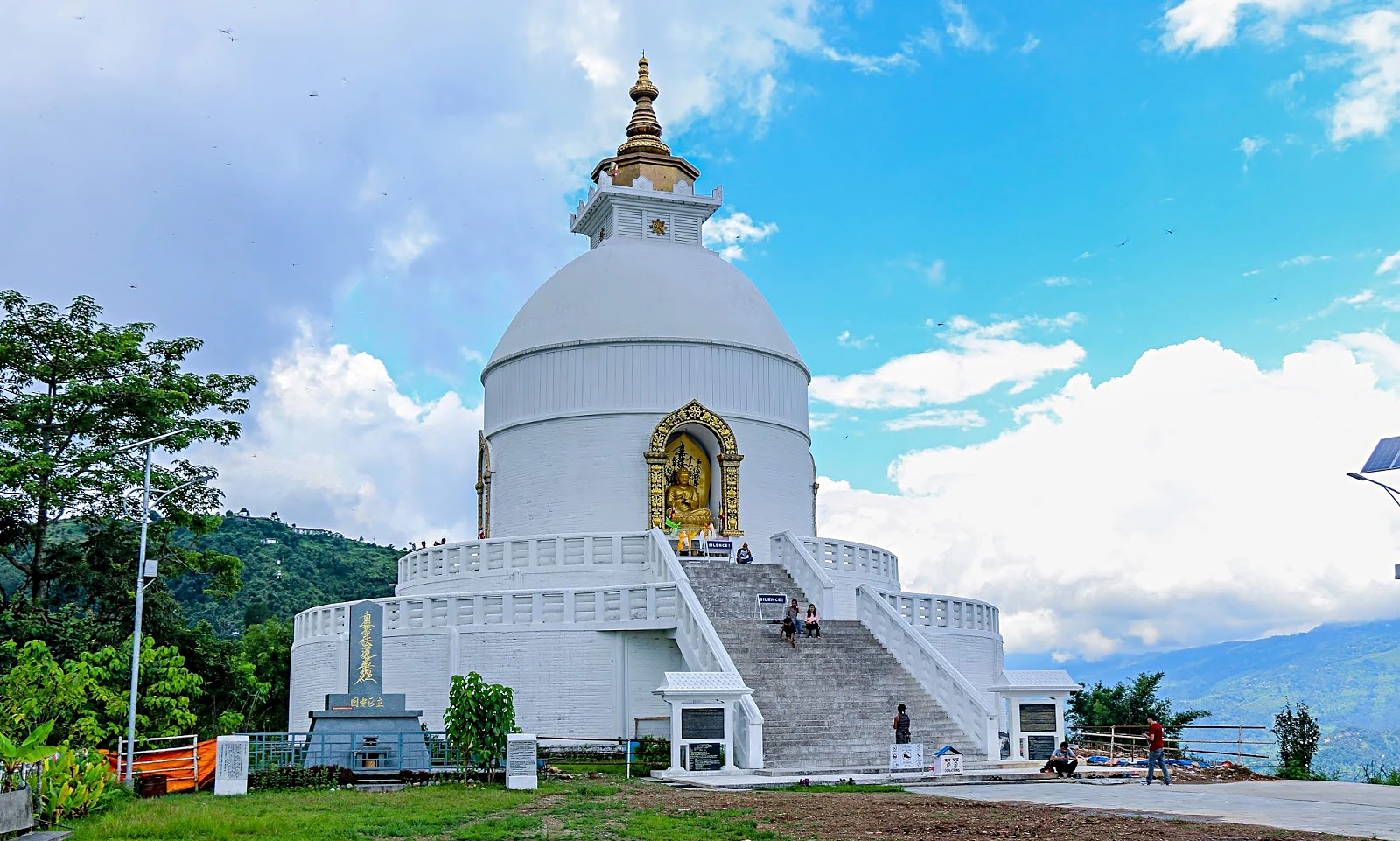
World Peace Pagoda (Shanti Stupa) — Buddhism Over the Lake

Location: Anadu Hill, south of Phewa Lake, at approximately 1,100 m elevation

Type: Shanti Stupa (Peace Pagoda) — one of 80 such pagodas worldwide, and one of two in Nepal

Builder: Nichidatsu Fujii, Japanese Buddhist monk, founder of the Nipponzan-Myohoji order; local Buddhists assisted

Foundation: Foundation laid 1947; construction began 1973; inaugurated October 30, 1999

Approach: Approximately a 1- to 1.5-hour hike from Lakeside (steep trail through forest); or vehicle access to a point 30 minutes below the stupa; or a short boat ride to the south shore, then hike

Views: 360-degree panorama of Phewa Lake, Pokhara city, and the Annapurna and Dhaulagiri ranges

The World Peace Pagoda on Anadu Hill above the southern shore of Phewa Lake is one of Pokhara’s most architecturally striking landmarks and a major modern Buddhist sacred site. This gleaming white stupa stands on a high ridge with panoramic views across the Pokhara valley, the full extent of Phewa Lake, and, on the clearest days, the full sweep of the Himalaya from Dhaulagiri in the west to Manaslu in the east.

Nichidatsu Fujii (1885–1985), a Japanese Buddhist monk of the Nipponzan-Myohoji order, initiated the Shanti Stupa movement and dedicated his life to building Peace Pagodas worldwide as physical symbols of the Buddhist aspiration toward non-violence and global peace. Fujii had met Mahatma Gandhi in 1931 and been deeply influenced by his philosophy of non-violent resistance; the Peace Pagodas were conceived as a response to the atomic bombings of Hiroshima and Nagasaki in 1945, embodying the Buddhist vow that such violence should never be repeated.

The Pokhara pagoda is one of 80 Shanti Stupas built worldwide by the Nipponzan-Myohoji order.

The stupa is a large white dome in the traditional hemispherical form, surmounted by a golden spire (harmika) and encircled at its base by four gilded Buddha images representing the four directions—the birth, Enlightenment, first teaching, and parinirvana of the Buddha. The platform surrounding the stupa provides the finest 360-degree viewpoint in the entire Pokhara valley at its level, combining the spiritual experience of circumambulating a sacred stupa (clockwise, as is the universal Buddhist practice) with one of Nepal’s finest mountain panoramas.

The hike to the pagoda through the forested Anadu Hill is a significant part of the experience for most visitors — a 1- to 1.5-hour ascent through subtropical forest where rhesus macaques are commonly sighted, birds are abundant, and the increasing elevation gradually reveals the Pokhara valley in its full extent below. The sunrise view from the pagoda platform — the Annapurna range turning gold, the lake still dark below, and the first light catching the white dome — is one of the finest possible beginnings to a Pokhara day.

Pokhara Historical and Spiritual Places

Pumdikot — The Hill of 216 Shiva Lingas and the Giant Shiva

Location: Pumdikot Hill, Pokhara-8, approximately 7 km from central Pokhara

Altitude: Approximately 1,500 m — the highest major sacred site accessible by vehicle in the Pokhara valley

Significance: 216 sacred Shiva Lingas; Shakti Peetha (seat of divine energy); historic Malla, Magar, and Shah dynasty fort and worship site

The Giant Shiva: A 51-meter (167-foot) tall Shiva statue — one of the tallest Shiva statues in the world — was inaugurated in recent years and is visible from across the Pokhara valley.

Pumdikot Hill is one of Pokhara’s most richly layered sacred and historical sites. This high hilltop has served as a military fortification, a Shakti Peetha of concentrated divine energy, a Shiva shrine of ancient origin, and, most recently, the site of one of the world’s tallest Shiva statues, which has transformed Pumdikot into a landmark visible from virtually every point in the Pokhara valley.

The hill’s spiritual identity is defined by its 216 Shiva Lingas — which hold considerable ritual significance in Hindu sacred numerology. The lingas are distributed across the hilltop in a pattern that maps the site’s sacred geography, each an individual object of worship within a larger, integrated devotional landscape.

This density of sacred objects gives Pumdikot a quality different from most individual temple sites: it is less a place with a single divine focus and more a sacred environment in which the divine permeates the entire hillside.

The site’s designation as a Shakti Peetha places it among the most powerful divine feminine sacred sites in the subcontinent—points in the landscape where the concentrated energy of the goddess (Shakti) is understood to reside and be accessible to worshippers in a particularly direct form. During the Malla, Magar, and Shah dynasties, the Bhumeshwor Temple at the summit hosted specific royal rituals for prosperity and military victory — a practice reflecting the understanding that controlling the high ground meant not only a strategic military advantage but also a spiritual one.

The 51-meter Shiva statue at Pumdikot — seated in a meditative posture and visible from across the valley — is the site’s most recent addition and has quickly become one of Pokhara’s most-visited viewpoints for devotees and visitors alike. The view from the statue’s base, encompassing the full Pokhara valley, Phewa Lake, the city, and the unbroken Himalayan wall from Dhaulagiri through Annapurna to Manaslu, rivals anything available from Sarangkot and is considerably less crowded.

Chaitee Dashain in April and Haritalika Teej in September bring the largest festival gatherings to Pumdikot.

Pokhara Historical and Spiritual Places

Pokhara Old Bazaar and the Newari Heritage Quarter

Pokhara’s Old Bazaar — stretching roughly between the Bindhyabasini temple to the north and the Mahendrapul bridge to the south, along what was historically the main trading street — is one of the city’s most historically significant and least tourist-visited areas. The bazaar is not a museum-piece heritage precinct; it is a living market, densely packed with shops selling hardware, textiles, spices, and everyday necessities, whose architectural fabric — stone-paved lanes, multi-story timber-framed houses with carved wooden windows and brick facades — preserves visible echoes of the Newar trading town that occupied this site before the 1949 fire.

The Newar merchant community that settled here from the Kathmandu Valley established Pokhara’s old town as a trade hub, bringing the community organisation, architectural tradition and religious practices, including the construction of the Bindhyabasini and Barahi temples and the festival calendar, that shaped the pre-modern city. Wandering the Old Bazaar’s lanes, past chaityas (small Buddhist shrines) at street corners, water-spout systems (dhara) fed by traditional underground aquifers, and the workshops of traditional artisans, is a form of historical reading unavailable at any formal heritage site.

Among the specific features of the Old Bazaar worth locating are the traditional Newar courtyard houses (bahal-style compounds with inner courtyards), the Bhimsen Mandir (the patron deity of Newar merchants, whose worship was a commercial institution throughout the Kathmandu Valley trading world), and several smaller shrines associated with specific Newar community festivals that are conducted with complete continuity from the pre-modern period but virtually without outside visitors. The Old Bazaar’s morning market, when fresh vegetables, local cheese (churpi), and Pokhara’s own dried fish from Phewa Lake are sold from street-side stalls, is also one of the most authentic daily-life experiences available in the city.

Pokhara Historical and Spiritual Places

Tibetan Refugee Settlements and Buddhist Monasteries

Pokhara hosts some of Nepal’s largest and most culturally significant Tibetan refugee settlements, established following the Tibetan uprising of 1959 and the subsequent flight of tens of thousands of Tibetans across the Himalayan border into Nepal. The Tibetan communities of Pokhara — concentrated in camps at Tashi Palkhel (Hyangja) and Tashiling (Prithvi Narayan Campus area) — have built vibrant cultural institutions including monasteries, schools, craft workshops, and cultural centres that are today among the finest accessible windows into Tibetan Buddhist culture available anywhere outside Tibet itself.

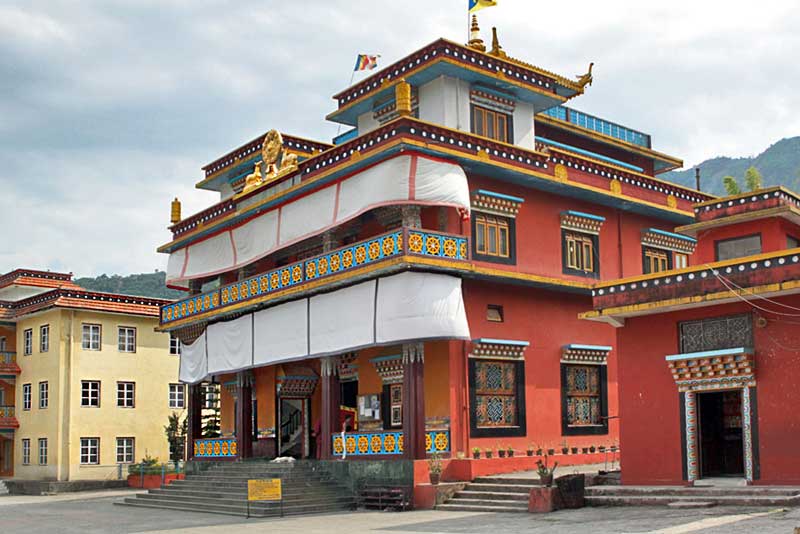
Jangchub Choeling Monastery

Location: Near the Tibetan Camp, Pokhara

Founded: 1967 CE, under the guidance of Lama Dupsing Rinpoche and with the blessings of His Holiness the 14th Dalai Lama

Jangchub Choeling is one of Pokhara’s most important Tibetan Buddhist monasteries, founded in 1967 by Tibetan refugees who arrived in Nepal following 1959. The monastery contains shrines dedicated to Lord Buddha in multiple forms, including Avalokiteshvara (the bodhisattva of compassion) and Manjushri (the bodhisattva of wisdom), as well as elaborately painted thangkas, ritual implements, and the continuous sound of monks in prayer that fills the surrounding lanes at sunrise.

The most spectacular public event associated with Jangchub Choeling is the Mahakala Dance and Rally observed during Sonam Losar (Tibetan New Year, falling in January or February) in the month of Magh. The Mahakala (Great Black) deity is a fierce protector figure in Vajrayana Buddhism, and monks perform a masked dance (Cham) in elaborate costumes to represent the subjugation of negative forces.

The ritual culminates in the burning of a Mahakala effigy, understood to carry away all demons and negative forces affecting the community. This festival draws both Tibetan Buddhists and Hindus — a characteristic Pokhara blending of traditions that would be unimaginable in most other religious contexts.

Tashi Palkhel (Hyangja) Tibetan Settlement

The Tashi Palkhel settlement at Hyangja, approximately 4 km northwest of central Pokhara, is one of the largest and most self-sufficient Tibetan refugee communities in Nepal. The settlement’s Monastery (Ngyiwa Monastery), schools, carpets and craft workshops, and community cultural centre together form a remarkably complete transplanted Tibetan community — a village of Tibet set within the mid-hills of western Nepal, where the traditional material culture, language, food (butter tea, tsampa, momos), religious practice, and social organisation of Tibet are maintained with remarkable fidelity and warmth.

Visitors are genuinely welcome; the carpet workshops, in particular, are worth the time, as you can observe traditional Tibetan carpet-weaving and wool dyeing firsthand.

Pokhara Historical and Spiritual Places

Seti River Gorge and the Sacred Waters

Location: Running through the heart of Pokhara city, the Seti Gandaki River flows in a gorge up to 6meterses deep but only a few meters wide — often completely hidden under the city’s streets and buildings

Sacred Name: Seti means ‘white’ in Nepali — the river carries glacial meltwater from the Annapurna range that is perpetually milky-white from fine glacial sediment

Viewpoints: K.I. Singh Bridge (Khadka Bridge), Mahendrapul Bridge, Ram Ghat, Bagar area gorge viewpoints

The Seti Gandaki River — the White River — is one of Pokhara’s most extraordinary geological and sacred features, and one of its least-publicised. The river flows from the slopes of Annapurna IV and Annapurna II, carrying glacial sediment that gives it a perpetually milky-white colouration the colour of fresh snowmelt, of purification, of the sacred whiteness associated in Hindu iconography with spiritual clarity.

As it enters the Pokhara valley, the Seti Gandaki has carved a limestone gorge of extraordinary dimensions: up to 60 meters deep but in places only 3 to 5 meters wide, it flows largely underground through the city itself, completely invisible from street level except at specific viewpoints where the gorge opens enough to reveal the white water thundering far below.

The Seti’s sacred status in Pokhara’s religious geography is twofold. First, it is a perennial river of glacial origin. This perpetually flowing, never-drying river is a fundamental sacred attribute in the Hindu tradition, associated with the constant flow of divine grace.

Second, its milky whiteness is read as inherently purifying—bathing in the Seti is considered especially efficacious for removing ritual impurity, and its banks at Ram Ghat are used for cremation and post-death ritual bathing, in direct parallel to the role of the Bagmati at Pashupatinath in Kathmandu.

The gorge viewpoints, particularly at the K.I. Singh Bridge and the Mahendrapul area reveal something almost supernatural: a narrow crack in the earth, barely distinguishable from a distance, through which the sound of roaring water rises from invisible depths.

Looking down into the Seti gorge for the first time is consistently startling — the disproportion between the narrow, almost invisible slot at street level and the dramatic hidden river far below is one of Pokhara’s most memorable natural surprises, made more powerful by the white water’s sacred associations.

Pokhara Historical and Spiritual Places

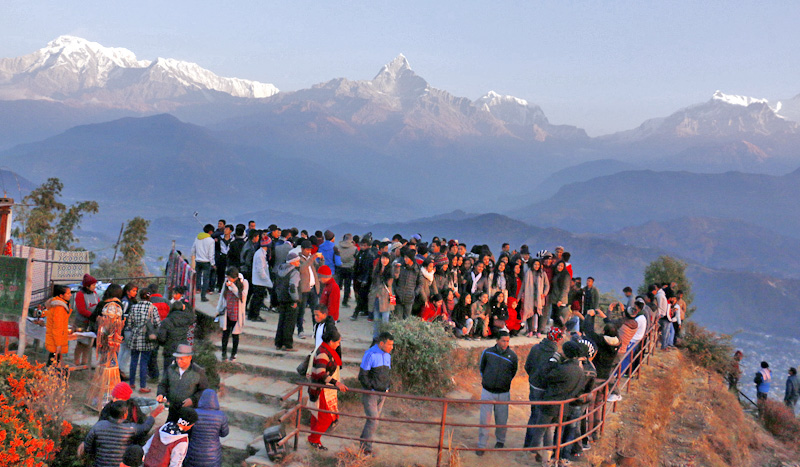
Sarangkot — Historical Fort and Sacred Sunrise Viewpoint

Location: Approximately 5 km northwest of Pokhara Lakeside, 1,592 m elevation

Historical: Site of a Kaski Kingdom fort (kot) — one of the strategic hilltops commanding the Pokhara valley approach

Viewpoint: The most celebrated sunrise viewpoint in western Nepal, with panoramic views of Dhaulagiri, the Annapurna range, and Machhapuchhre

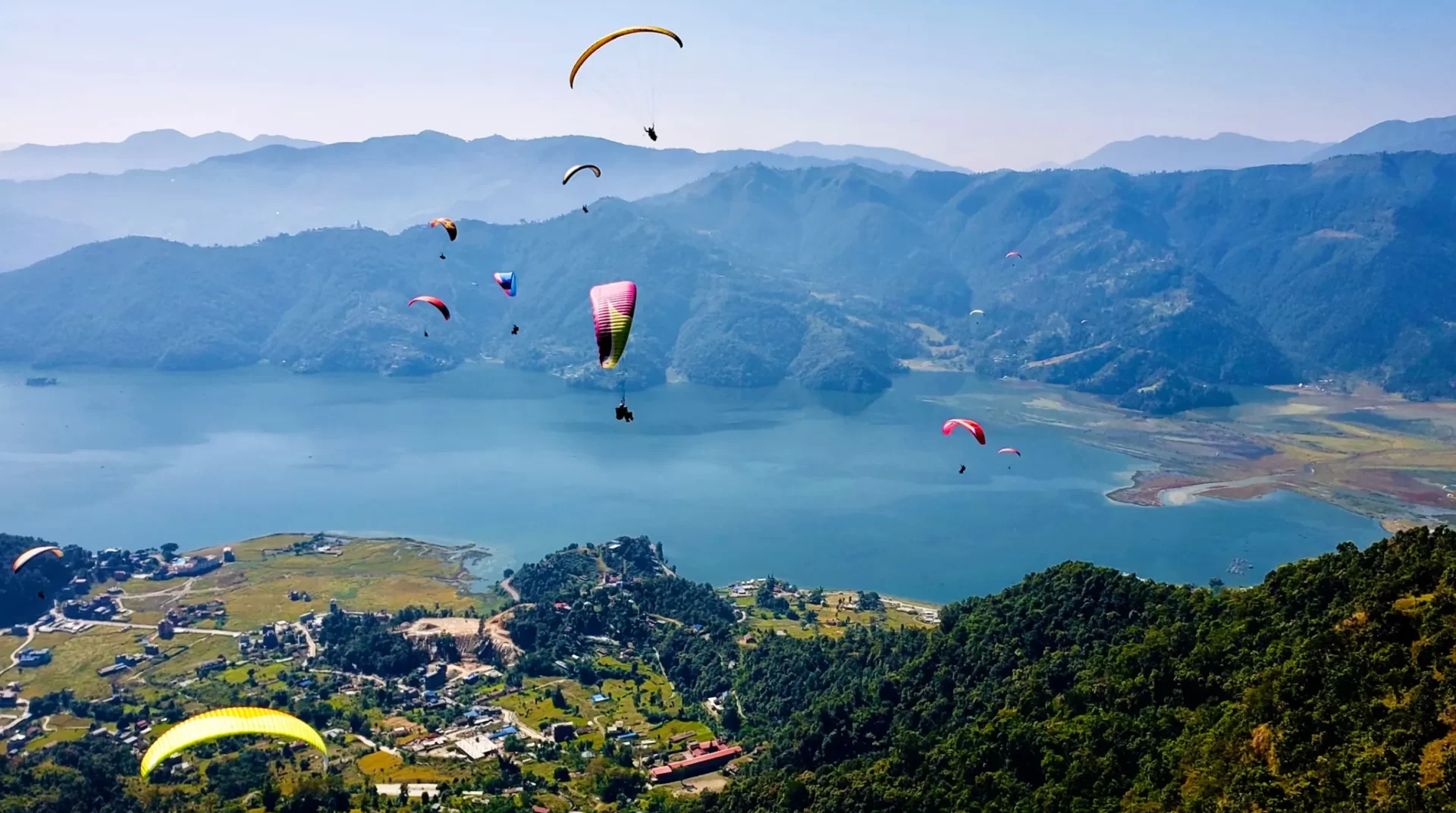
Sarangkot’s fame today rests almost entirely on its reputation as a sunrise viewpoint and paragliding launch site — the ridge from which Pokhara’s most iconic mountain panorama unfolds each clear morning. But Sarangkot was not always a tourist attraction; it was a Kaski Kingdom military fortification, one of the strategic hilltops (kot) from which the Kaski rulers surveyed and controlled the Pokhara valley.

The ruins of the old fort remain, small but visible, on the highest point of the Sarangkot ridge, and a small Kali temple at the summit continues to receive devotees who have made the ascent for devotion rather than mountain photography for centuries.

The sunrise at Sarangkot is, without exaggeration, one of Nepal’s most accessible Himalayan viewpoints; the ridge faces directly north toward the Annapurna range, with Machhapuchhre’s distinctive double summit as the closest major peak at approximately 6,993 m and about 25 km away.

This proximity creates an overwhelming sense of the mountain’s scale that more distant views cannot replicate. At sunrise, the sequence in which the peaks catch the light—first the highest summits in pale pink, then progressively richer gold and orange cascading down the faces as the sun clears the eastern horizon—is a spectacle powerful enough to arrest even the most jaded traveller.

Vehicle Hiring: Nepal vehicles access Sarangkot via the road from Pokhara to the lower viewpoint, from where the final section is a 10- to 15-minute walk to the summit. For sunrise visits, departures from Lakeside are typically from 5:00 to 5:30 AM, with the vehicle waiting below while the group ascends to the summit for sunrise and returns afterwards.

Pokhara Historical and Spiritual Places

Davis Falls (Patale Chhango) — The Underworld Waterfall

Location: Approximately 2 km southwest of Pokhara airport, on the road toward Gupteshwor Cave

Name Meanings: Patale Chhango = Underworld Waterfall (Nepali); ‘Davis Falls’ = named after Mrs Davis (or David), a Swiss tourist who was swept into the falls in 1961

Season: Most spectacular during and immediately after monsoon (July–September); reduced flow in dry season

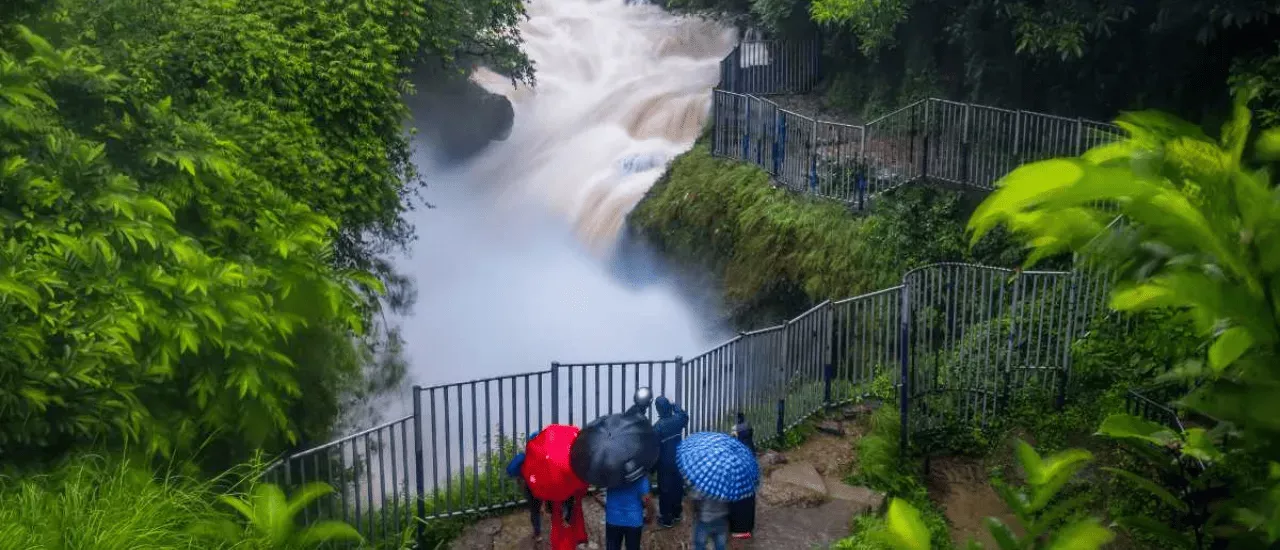
Davis Falls — or Patale Chhango, the Underworld Waterfall — is one of Pokhara’s most unusual natural attractions and one of the city’s most distinctive sacred-natural sites. The falls occur where the Pardi stream suddenly plunges into a sinkhole in the limestone bedrock and disappears underground, reappearing below as a subterranean waterfall before flowing through the cave system connected to Gupteshwor Mahadev and eventually re-emerging further downhill.

The disappearance of the water into the earth — its descent into the Patale (the Hindu underworld realm below the surface) — is understood in local sacred geography as a place where the boundary between the visible and invisible worlds is especially thin, and where Shiva’s subterranean presence (in the form of the Gupteshwor Lingam just 200 meters away) is most immediate.

The falls are most dramatic during the monsoon season when the Pardi stream is in full flood — a great roaring volume of water vanishing into the limestone with a sound that reverberates through the surrounding hillside.

In the dry winter months, the flow reduces significantly, but the geological structure — the sinkhole, the underground passage, and the connection to Gupteshwor Cave — remains equally interesting. The paved viewing area allows safe observation of the plunge point, and the signage explaining the geological-hydrological connection to Gupteshwor adds an interpretive dimension to the visit.

Pokhara Regional Museum — Understanding the Valley’s History

Location: Near Prithvi Narayan Campus, central Pokhara

Established: 1960 CE — one of Nepal’s older regional museums

The Pokhara Regional Museum houses a collection of archaeological and ethnographic artefacts from Gandaki Province, including traditional tools, domestic objects, musical instruments, religious artefacts, costumes, and photographs documenting the pre-modern material culture of the Pokhara valley and its surrounding hill communities. For visitors who want to understand the historical and cultural context of the sites they are visiting across Pokhara, the museum provides an excellent orientation — the Kaski kingdom objects,

the Thakali and Gurung community artefacts, and the documentation of traditional trade-route culture all help explain the deeper history visible at the valley’s temples and ghats. Often overlooked in favour of more visually dramatic sites, it rewards a 1- to 2-hour visit for travellers interested in historical depth.

Pokhara Historical and Spiritual Places

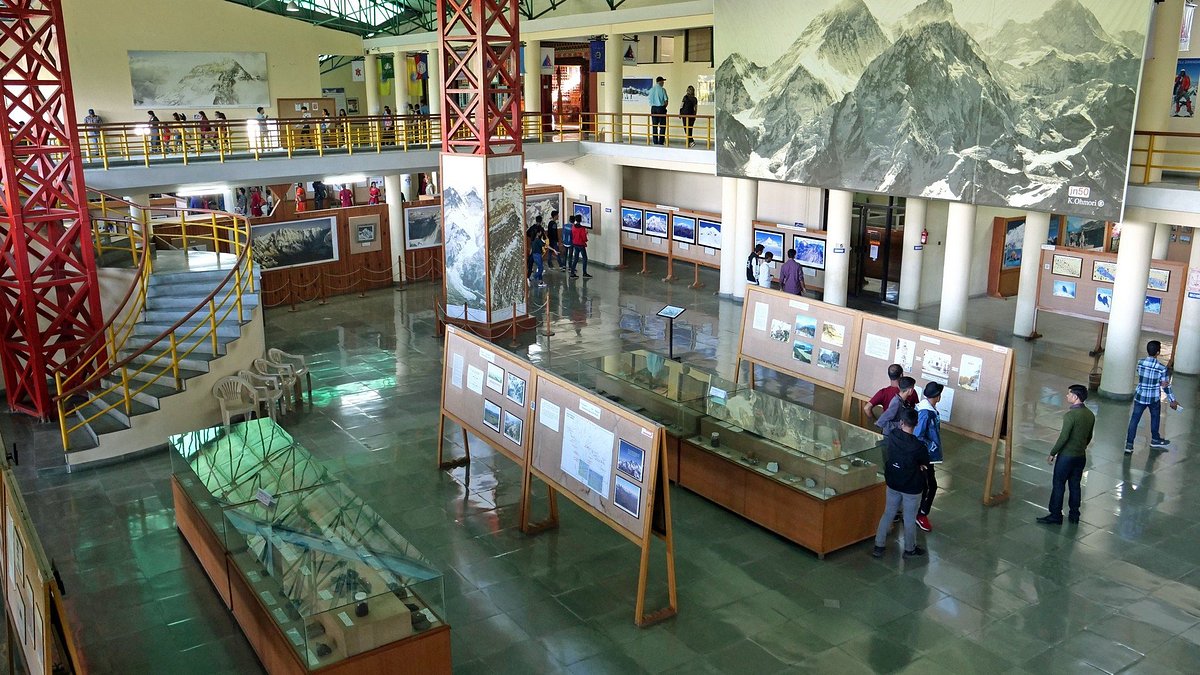
International Mountain Museum — The Highest Peaks on Earth

Location: Pokhara-6 (near the airport), approximately 3 km from Lakeside

Established: 2002 CE

Content: Comprehensive exhibition on the world’s major mountain ranges, Himalayan climbing history, mountain peoples of Nepal, and mountaineering equipment through the ages

The International Mountain Museum is one of Nepal’s finest specialist museums and one of the most visited cultural attractions in Pokhara — a comprehensive celebration of the Himalayan world, its mountains, its peoples, and the remarkable history of high-altitude mountaineering. The museum covers the geology of the Himalaya (formed by the collision of the Indian and Eurasian tectonic plates approximately 50 million years ago), the history of Himalayan exploration and climbing including the 1953 first ascent of Everest and subsequent ascents of all fourteen 8,000-metre peaks, and the traditional cultures of the mountain communities — Sherpa, Gurung, Tamang, Thakali, and others — whose identity is inseparable from the great peaks among which they have lived for centuries.

For visitors to Pokhara who will trek into the Annapurna region, the museum provides an invaluable contextual foundation — understanding the geological history, the cultural significance, and the physical demands of the mountains they are about to enter adds dimensions of meaning to the trek that pure physical preparation cannot supply. The large-scale models of the major peaks, the exhibits on indigenous mountain spirituality (including the roles of deities and sacred sites in Himalayan communities), and the documentation of expedition history are all well presented and well translated into English.

Devis Fall, Seti Gorge and Gupteshwor — The Sacred Triangle

The area immediately west of Pokhara’s airport — within a radius of about 1 to 2 km — contains three of the city’s most distinctive natural-sacred sites: Gupteshwor Mahadev Cave, Davis Falls (Patale Chhango), and the Seti Gorge viewpoints. These three sites are geologically and spiritually interconnected in a way that makes visiting them as a single circuit deeply rewarding.

The geological connection: the Pardi stream disappears at Davis Falls into the limestone sinkhole, flows underground through the limestone, passes (audibly and visibly at one point) through the Gupteshwor cave system where the Shiva Lingam is enshrined, and eventually re-emerges as part of the Seti Gandaki’s contribution to the Pokhara valley’s hydrology. Water that you see disappearing at Davis Falls, in other words, flows past the feet of Shiva’s sacred Lingam before re-emerging downstream.

The sacred reading of this geology is clear: the water descends into the underworld (Patale), passes through Shiva’s hidden domain (Gupteshwor), and re-emerges purified as part of the sacred Seti — the White River. It is a complete sacred hydrological cycle, comprehensible once you understand the underlying geology, and deeply meaningful within the framework of Shaiva sacred geography, in which Shiva is associated with rivers (the Ganga flows from his hair), caves and mountains, and the underground as much as the sky.

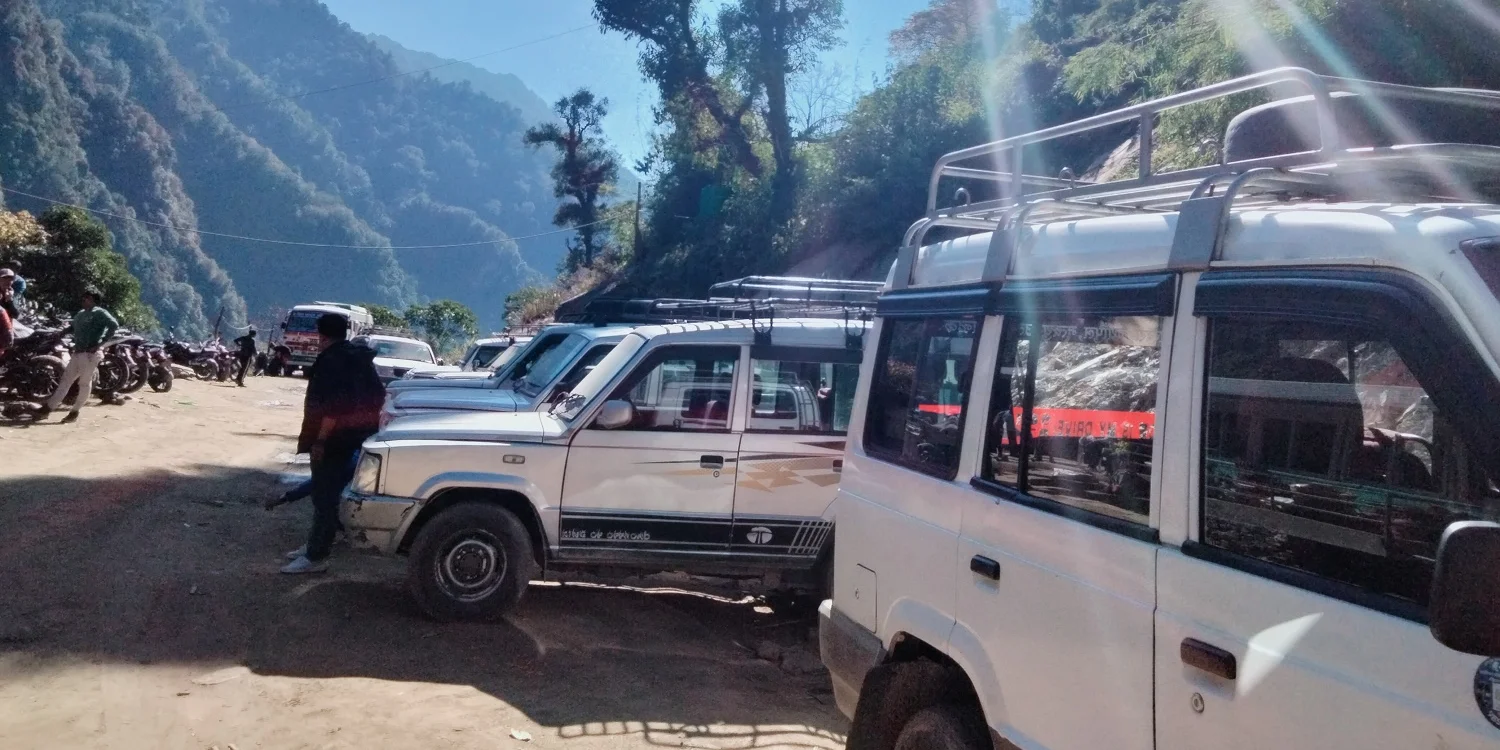
Pokhara to Sarangkot Jeep

Getting Around Pokhara’s Historical and Spiritual Sites by Private Vehicle

Pokhara’s historical and spiritual sites are spread across a valley about 10 to 15 km from east to west and north to south. While some sites — Bindhyabasini, the Old Bazaar — are walkable from central Lakeside, others require meaningful travel: Pumdikot is 7 km and 1,500 m elevation from the city centre; the Tibetan settlements are 4 km northwest; the World Peace Pagoda requires either a 1.5-hour hike or a multi-vehicle approach; and combining multiple sites in a single day without a vehicle is impractical.

A private vehicle from Vehicle Hiring Nepal is the most efficient and comfortable way to combine Pokhara’s diverse historical and spiritual sites in a single half-day or full-day circuit:

SiteDistance from LakesideTime RequiredBest For
Bindhyabasini Temple3 km north45–60 minAll visitors — oldest temple, city views
Old Bazaar3.5 km north45–90 minCultural/historical interest
Tal Barahi TempleBoat from Lakeside Ghat45–90 minTemple + lake experience
Gupteshwor Cave8 km southwest60–90 minSacred cave, geology, Shiva worship
Davis Falls8 km southwest20–30 minNatural sacred site, near Gupteshwor
World Peace Pagoda9 km (then 30 min walk)2–3 hrsBuddhism, panoramic views
Pumdikot (Giant Shiva)7 km, 1,500 m alt1.5–2 hrsShiva shrine, best valley panorama
Sarangkot5 km northwest2–3 hrs (sunrise)Sunrise, Fort history, mountain views
Tibetan Camps (Hyangja)4 km northwest1–2 hrsTibetan Buddhist culture, carpets
International Mountain Museum3 km from Lakeside1.5–2 hrsMountain history, Himalayan culture
Seti River Gorge2–4 km (multiple points)30–45 minSacred river, geological wonder
Pokhara Regional Museum3 km central1–2 hrsHistorical context, valley culture

Sample Itineraries for Pokhara’s Historical and Spiritual Sites

Half-Day Circuit (4–5 Hours) — Core Sacred Sites

  • 8:00 AM: Bindhyabasini Temple — morning puja atmosphere at Pokhara’s oldest temple, panoramic city views from the hilltop
  • 9:00 AM: Old Bazaar — walk the historic lanes, Bhimsen Mandir, traditional Newar architecture
  • 10:00 AM: Seti River Gorge viewpoint at Mahendrapul or K.I. Singh Bridge — the hidden sacred river
  • 10:30 AM: Drive to Gupteshwor Cave — underground Shiva sanctuary, geological marvel
  • 11:30 AM: Davis Falls (Patale Chhango) — the underworld waterfall
  • 12:00 PM: Return to Lakeside — lunch at Lakeside Restaurant
  • Afternoon: Optional boat ride to Tal Barahi Temple for the 6:00 PM evening aarti

Full Day: Pokhara Sacred Sites and Panoramic Viewpoints

  • 5:00 AM: Depart Lakeside for Sarangkot — sunrise over the Annapurna range from the historic fort ridge
  • 7:30 AM: Return to Lakeside — breakfast
  • 9:00 AM: Bindhyabasini Temple morning visit — Saturday puja if available, otherwise quieter weekday atmosphere
  • 10:00 AM: Old Bazaar cultural walk
  • 11:00 AM: Drive to Pumdikot — 216 Shiva Lingas, Shakti Peetha, giant Shiva statue, finest valley panorama
  • 1:00 PM: Lunch at a Pumdikot area restaurant or return to Lakeside
  • 2:30 PM: Gupteshwor Mahadev Cave and Davis Falls circuit
  • 4:00 PM: Boat to Tal Barahi Temple — on the lake for sunset light, attend the 6:00 PM aarti
  • 6:30 PM: Return to Lakeside

Cultural Full Day: Tibetan Monasteries and Buddhist Pokhara

  • 8:00 AM: Tashi Palkhel (Hyangja Tibetan Settlement — monastery, carpet workshop, cultural center
  • 10:30 AM: Jangchub Choeling Monastery — Buddhist shrines, thangkas, monks in prayer
  • 12:00 PM: Lunch at a Tibetan restaurant in the settlement area
  • 2:00 PM: World Peace Pagoda — boat to south shore, hike to stupa (1 to 1.5 hrs), panoramic views
  • 4:30 PM: Tal Barahi Temple by boat for the evening aarti
  • 6:30 PM: Return to Lakeside

Kathmandu to Pokhara tour

Kathmandu to Pokhara by Private Vehicle — Connecting the Two Cities

Most visitors to Pokhara’s historical and spiritual sites arrive from Kathmandu. Vehicle Hiring Nepal provides all vehicle types for the Kathmandu to Pokhara transfer — the natural gateway to Pokhara’s cultural landscape:

VehicleCapacityKTM → Pokhara One-WayTravel TimeBest For
Sedan Car1–3 paxUSD 80–1205–6 hrsCouples, solo
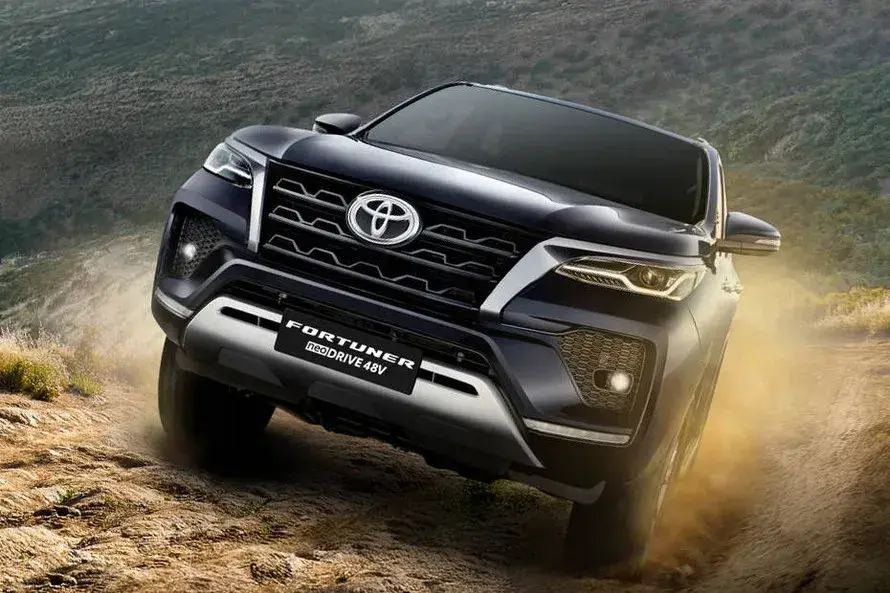
SUV / Fortuner4–5 paxUSD 110–1605–6 hrsSmall families
Toyota Hiace Van7–14 paxUSD 130–2005–6 hrsGroups, pilgrimages
Coaster Bus15–22 paxUSD 175–3306–7 hrsLarge groups
Tourist Busper seatUSD 10–30/person7–8 hrsSolo, budget

The Kathmandu to Pokhara road via the Prithvi Highway passes Manakamana Temple’s cable car base station at Kurintar — a natural en-route pilgrimage stop for groups heading to Pokhara with a spiritual itinerary.

Pokhara-Pokhara Historical and Spiritual Places

Best Time to Visit Pokhara’s Historical and Spiritual Sites

October to November — Peak Season, Finest Mountain Views

Post-monsoon clarity reveals the Annapurna range in full sharpness from every viewpoint, from Sarangkot to Pumdikot. Dashain (October) fills Bindhyabasini and Tal Barahi with devotees and the festive atmosphere of Nepal’s greatest celebration. The weather is crisp and cool, ideal for hikes to Pumdikot and the World Peace Pagoda.

December to February — Clear and Quiet

Maha Shivaratri (February) brings large crowds to Gupteshwor Mahadev and Bindhyabasini. Sonam Losar (January–February) brings the Mahakala Dance festival at Jangchub Choeling Monastery — one of Pokhara’s finest cultural events. Mountain views in December and January are often at their sharpest.

March to May — Spring Rhododendron Season

Spring is excellent for all Pokhara activities. The World Peace Pagoda hike and Pumdikot approach are beautiful with blooming rhododendrons. Pre-monsoon morning mountain views are superb before afternoon haze builds.

Teej in August-September brings a major surge of women’s festival activity to Bindhyabasini.

Monsoon (June to September)

Davis Falls and the Seti Gorge are most dramatic during monsoon floods. The lake and valley are intensely green. However, clouds obscure mountain views and the World Peace Pagoda hike becomes slippery.

The sacred sites themselves are fully operational year-round.

Practical Tips for Visiting Pokhara’s Sacred Sites

  • Dress modestly at all temple sites—cover shoulders and knees, and remove footwear before entering any temple structure.
  • Saturday is the most auspicious and most crowded day at Bindhyabasini and Tal Barahi — expect large local crowds aan nd intense devotional atmosphere; plan accordingly.
  • For Tal Barahi, take the boat early in the morning (7:00–8:30 AM) for the morning aarti and the finest lake light; the Annapurna range reflected in the morning lake is unmatched.
  • For Gupteshwor Cave, wear closed shoes — the cave passages are uneven and damp; avoid white or light clothing as the cave walls are occasionally wet with mineral deposits.
  • For Sarangkot sunrise, arrive at the viewpoint 20 to 30 minutes before the scheduled sunrise time — the pre-dawn approach in darkness is part of the experience.n ce
  • For the World Peace Pagoda hike, carry water and wear sun protection — the upper sections are fully exposed; hire a local guide for the forest trail if unfamiliar with the route.
  • The Tibetan settlements welcome visitors to their monasteries and workshops, but photograph monks and religious rituals only with permission — these are active religious communities, not tourist attractions.
  • Carry NPR cash for entry fees, boat fare, temple donations, and small purchases — card payments are rarely available at sacred sites.

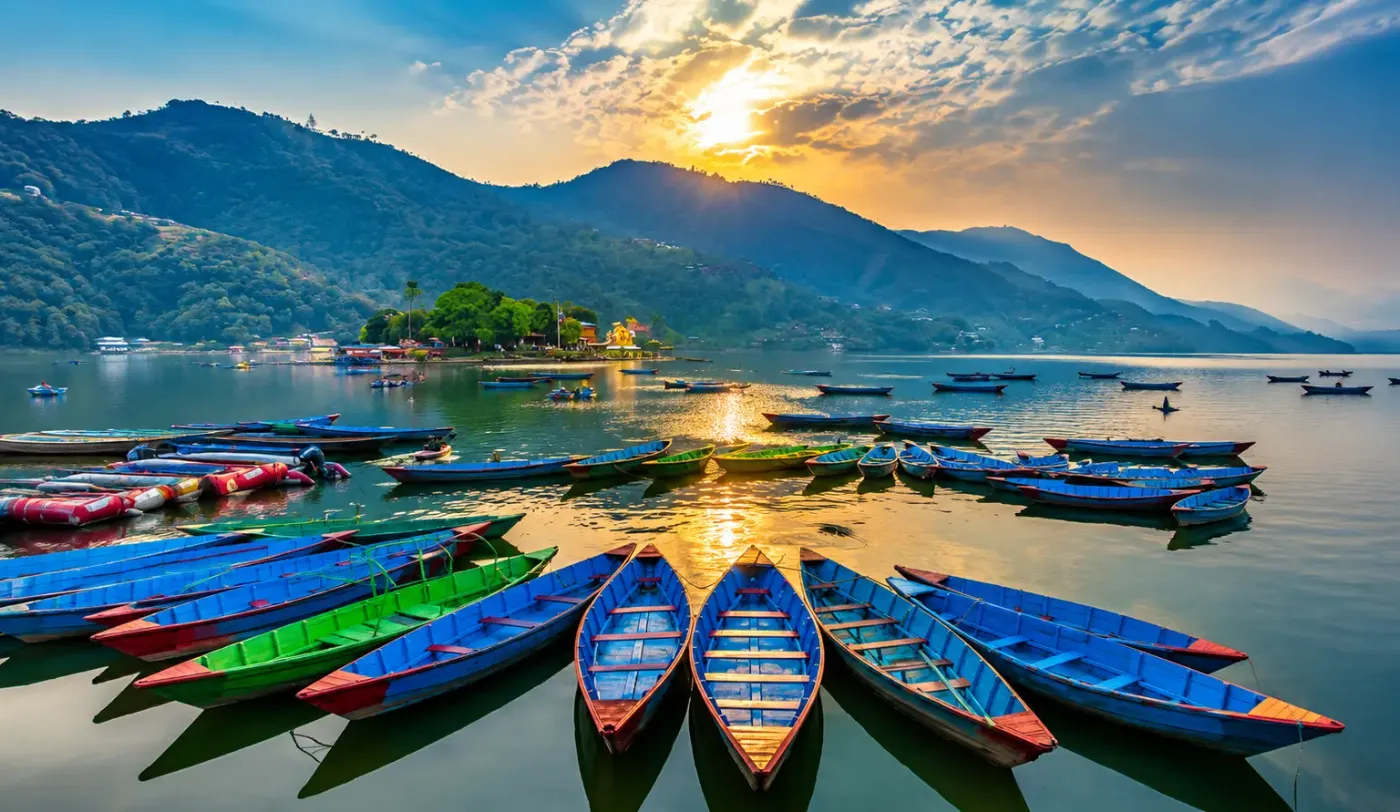
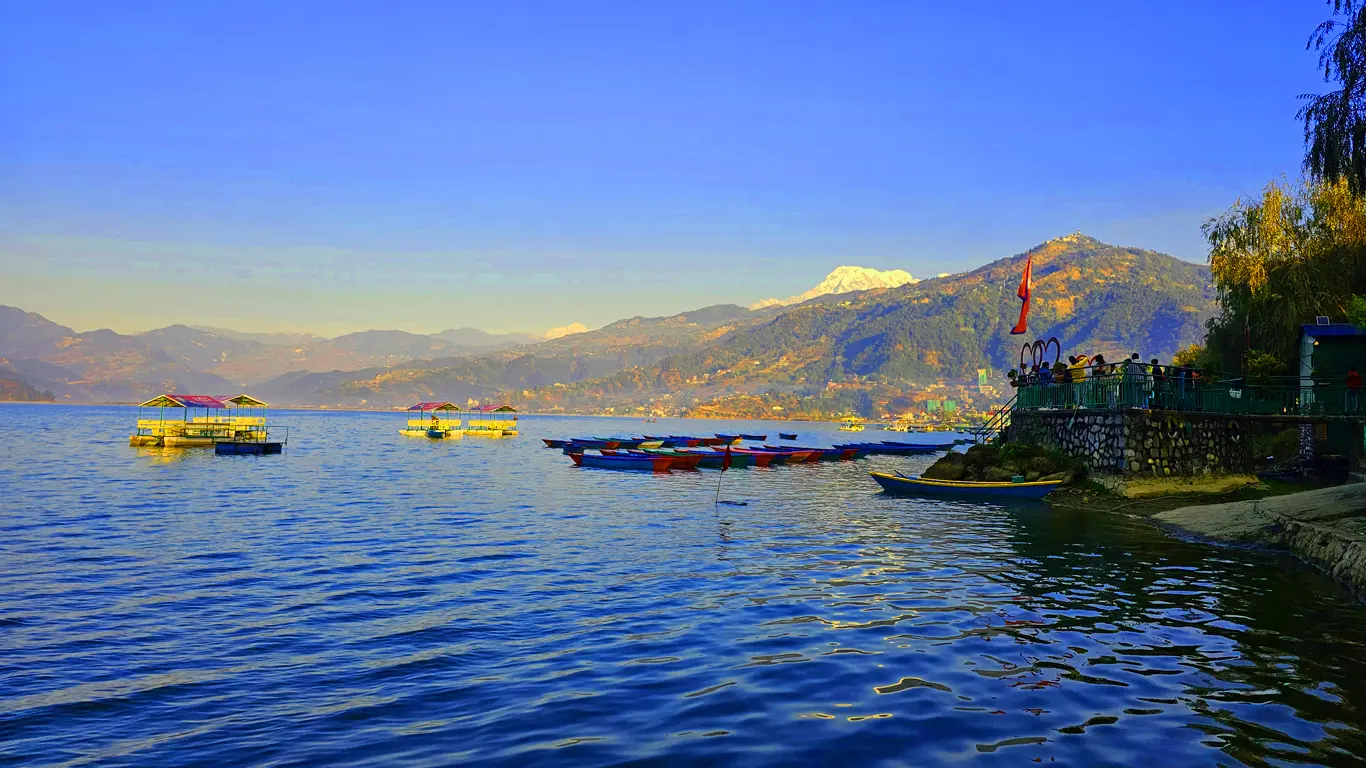
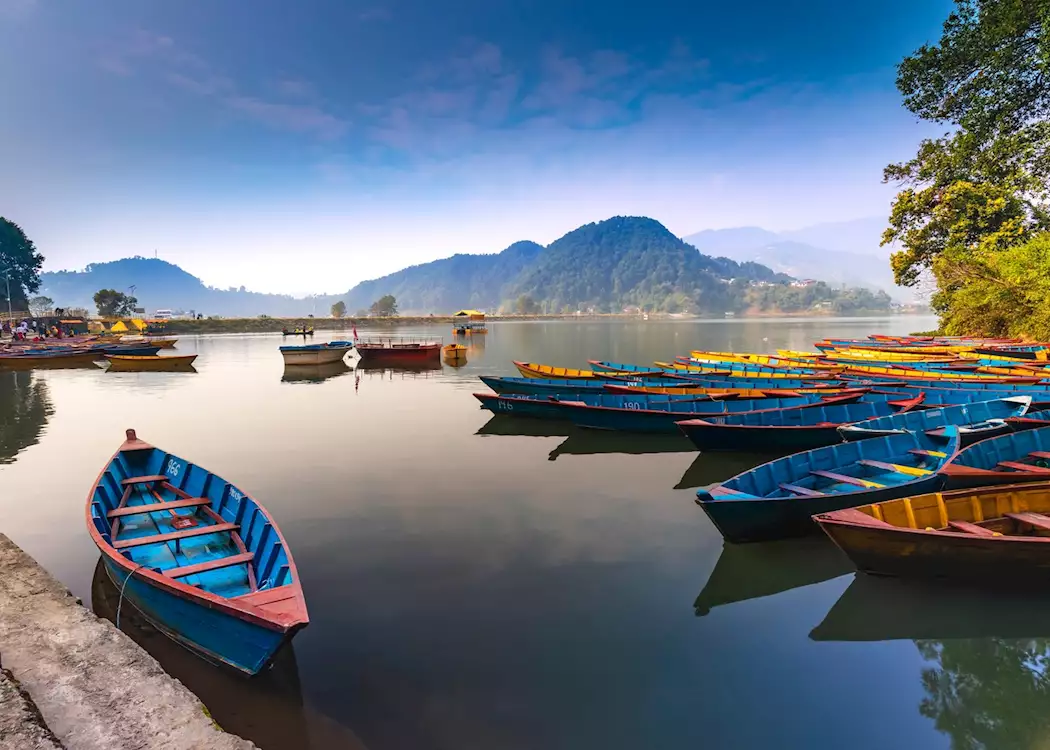
Boats on Phewa Lake in Pokhara

How to Book Your Pokhara Historical and Spiritual Tour Vehicle

  1. Contact Vehicle Hiking Nepal via WhatsApp or visit vehiclehiringnepal. com. Please tell us your current location — Kathmandu (we arrange Kathmandu-to-Pokhara transfer + local Pokhara vehicle) or already in Pokhara.
  2. Confirm your group size and preferred sacred sites itinerary
  3. Specify any festival or early-morning timing requirements (Sarangkot sunrise, Bindhyabasini Saturday puja)
  4. Receive booking confirmation with driver details and vehicle information

WhatsApp
Email:[email protected]
Frequently Asked Questions

Which is the oldest temple in Pokhara?

Bindhyabasini Temple is the oldest temple in Pokhara, with more than 300 years of documented history, established by the Kaski Kingdom in the 17th century. The goddess’s image was brought from Vindhyachal in Uttar Pradesh, India, and the temple was established at its current location in the Mohariya Tole area of the Old Bazaar after the image became immovable at that spot—interpreted as a divine sign indicating her chosen abode.

How do you reach Tal Barahi Temple on Phewa Lake?

Tal Barahi Temple is located on a small island in the middle of Phewa Lake and can only be reached by boat. Boats depart from the main boat ghats at Lakeside (Baidam) continuously during daylight hours.

A shared boat costs approximately NPR 50-100 per person for the 10-15-minute crossing; a private boat costs approximately NPR 800-1,000. The morning aarti at 7:00 AM and the evening aarti at 6:00 PM are the most spiritually significant times to visit.

Is the World Peace Pagoda accessible by vehicle?

The World Peace Pagoda is not fully accessible by vehicle—the final section requires a 30-minute hike from the vehicle access point, or about 1 to 1.5 hours from the lake shore if approaching by boat and trail. Vehicle Hiring Nepal drives you as close as the road allows, and the driver waits below while you complete the walk to the pagoda and back.

The combined boat-and-trail approach from the south shore of Phewa Lake is the most scenic option.

What is the best time of day to visit Bindhyabasini Temple?

Early morning—particularly between 5:30 and 8:00 AM—is the best time to visit Bindhyabasini. The Nitya Puja begins at 4:00 AM, and by 5:30 AM the temple is active with morning worship in the day’s most contemplative atmosphere, before tourist groups arrive and the market at the base of the hill becomes noisy. Saturday mornings are the most devotionally intense but also the most crowded.

How far is Pumdikot from Pokhara and how do you get there?

Pumdikot Hill is about 7 km from central Pokhara, at an altitude of about 1,500 m. A private vehicle from Vehicle Hiring Nepal takes you to the Pumdikot parking area at the base of the final ascent, from where the giant Shiva statue, the 216 Shiva Lingas, and the Shakti Peetha viewpoint are a short walk away.

The drive takes approximately 20 to 30 minutes from Lakeside. Pumdikot is one of the most rewarding single-site visits in the Pokhara valley for the combination of spiritual significance and panoramic views.

Can you combine historical and spiritual sites with adventure activities in Pokhara?

Yes — this combination is one of the most rewarding ways to experience Pokhara fully. A typical Pokhara day might begin with Sarangkot sunrise (fort history + mountain views), continue with a temple circuit (Bindhyabasini, Old Bazaar, Gupteshwor), and close with an afternoon paragliding session from Sarangkot before the Tal Barahi evening aarti on the lake.

Vehicle Hiring Nepal provides transport for the sacred and historical portions of the day, while adventure operators handle paragliding arrangements — we coordinate vehicle timing with your activity schedule.

Final Thoughts

Pokhara’s identity as a first-rate adventure travel and mountain-view destination is entirely deserved — but it is not the whole story of what this city is and has been. The Bindhyabasini temple that anchors the Old Bazaar has welcomed pilgrims and merchants for three centuries, long before the first trekking permit was issued.

The Tal Barahi temple on its lake island was being worshipped during the Kaski kings’ era and into the Shah period before the first international traveller ever arrived in Nepal. Gupteshwor’s sacred Lingam has been offered daily puja in its underground darkness since before written record.

These ancient devotional traditions do not compete with Pokhara’s modern identity as an adventure hub; they deepen and enrich it, giving the city a cultural and spiritual substance that no mountain view alone can provide.

For visitors willing to move beyond the Lakeside promenade and the sunrise-view tower, and for pilgrims who understand that Pokhara is as much a sacred landscape as a scenic one, the city’s historical and spiritual sites offer an entirely different and deeply satisfying Nepal experience — accessible, authentic, and profoundly connected to the living religious and cultural traditions that make Nepal one of the great spiritual destinations on earth.

Vehicle Hiring Nepal provides reliable, comfortable, and expert-guided private vehicle transport for the full range of Pokhara’s historical and spiritual sites, from Kathmandu to Pokhara and throughout the city’s sacred geography. Book your Pokhara cultural tour vehicle today. WhatsApp | Website: www.vehiclehiringnepal.com

Pokhara to Mustang Road Overview: Complete Jeep Guide

Pokhara to Mustang Road Overview with a 4WD jeep traveling through the Kali Gandaki Valley toward Upper Mustang

Pokhara to Mustang Road Overview: Complete Jeep Guide

A road in Nepal begins beside the reflections of the Annapurna range on Phewa Lake in Pokhara and ends in a 14th-century walled city on the edge of the Tibetan Plateau. It passes through the world’s deepest gorge, climbs through apple orchards and ancient salt-trading villages, and crosses a rain shadow boundary where the monsoon loses its grip.

The landscape shifts from a green valley to high desert in a few kilometres. Eventually, it delivers the traveller to one of Asia’s most extraordinary destinations: Lo Manthang, the ancient capital of the Kingdom of Lo—what the world knows as Upper Mustang.

The Pokhara-to-Mustang road is not a single road but a sequence of roads, each with its own character and demands. It begins on a well-paved highway heading northwest through the Myagdi hills, transitions to a rougher mountain track at Beni, follows the Kali Gandaki River gorge through some of the most dramatic scenery in the Himalayan world, and eventually becomes a high-altitude off-road track that only a capable 4WD vehicle with an experienced mountain driver can navigate safely.

The total distance from Pokhara to Lo Manthang is approximately 222 kilometres, but those kilometres bear no resemblance to a conventional 222-kilometre road. They are 222 kilometres of Nepal — variable, demanding, spectacular, and utterly unlike anything you will have driven through before.

Nepal Vehicle Hiring Pvt. Ltd., based in Thamel, Kathmandu, offers the definitive Pokhara to Mustang jeep service for this route — well-maintained 4WD vehicles, experienced mountain road drivers who know every section from Pokhara’s Lakeside to Lo Manthang’s palace gates, and an all-in pricing model that removes uncertainty from one of Nepal’s most logistically complex journeys. This guide provides a complete, research-backed road overview for every kilometre of the Pokhara–Mustang route — distances, altitudes, road conditions, key villages, permit requirements, best stops, and everything else you need to understand and prepare for this extraordinary overland journey.

Whether you are comparing it with the Kathmandu-to-Mustang private jeep option, planning a combined Muktinath Yatra itinerary, or building a broader Nepal tour package that includes Mustang alongside Kathmandu, Pokhara, and Chitwan — this guide has everything you need.

Pokhara to Mustang Road Overview with a 4WD jeep traveling through the Kali Gandaki Valley toward Upper Mustang

Pokhara to Mustang: Full Route Overview and Distance Breakdown

The complete road journey from Pokhara to Lo Manthang is broken into four distinct legs, each with its own road surface, difficulty level, and character. Understanding these legs before you travel helps you set realistic expectations and plan your overnight stops.

Leg 1: Pokhara to Beni — 85 km, 2.5 to 3 hours

The journey begins in Pokhara’s Lakeside district and heads northwest on a well-maintained paved road through the foothills of Myagdi District. The road passes through Naudanda (Nine Hills) — a ridge viewpoint offering some of the finest panoramic views of the Annapurna range available by road, including Annapurna South, Machhapuchare (the Fishtail), Annapurna I, and Dhaulagiri — before descending to the Modi Khola valley and continuing to Beni (830 m), the headquarters of Myagdi District and the last substantial town before the road turns serious.

The Pokhara–Beni road is mostly blacktop and well maintained. It is comfortable for standard vehicles and passes through increasingly dramatic hill country as it approaches Beni.

The Sarangkot sunrise tour vehicle many visitors use for the pre-dawn Pokhara mountain panorama often transitions directly into the Beni departure — travellers who watch the Annapurna sunrise from Sarangkot and then depart for Mustang the same morning make good use of the northward mountain view that anchors both experiences. Beni itself is a compact town at the confluence of the Myagdi and Kali Gandaki rivers, with basic facilities, fuel, and the last reliable ATM before the mountains.

Pokhara to Mustang Road Overview with a 4WD jeep traveling through the Kali Gandaki Valley toward Upper Mustang

Leg 2: Beni to Jomsom — 85 km, 5 to 6 hours

Beyond Beni, the road changes character entirely. The blacktop surface becomes intermittent and ultimately disappears as the road follows the Kali Gandaki River north through an extraordinary gorge.

This section — roughly 85 kilometres from Beni to Jomsom — is the most dramatic and most demanding leg of the Pokhara–Mustang drive, and it is where the 4WD requirement becomes absolute. The road is a mix of gravel, compacted rock, and rough track that requires high ground clearance and four-wheel-drive capability, particularly through river-crossing sections and the narrow cliff passages above the Kali Gandaki gorge.

The Kali Gandaki gorge between Beni and Jomsom is widely recognised as the world’s deepest river gorge, with the Kali Gandaki River flowing between Dhaulagiri (8,167 m) to the west and Annapurna I (8,091 m) to the east, two of the world’s highest peaks standing barely 35 kilometres apart, with the gorge floor at approximately 1,200 meters. The vertical relief of approximately 7,000 meters from the gorge floor to the mountain summit is unmatched anywhere on Earth, and the experience of driving through this gorge — with the river roaring below and the colossal mountain walls closing in from both sides — is one of the most viscerally impressive natural environments accessible by road anywhere in Nepal.

Key stops along the Beni–Jomsom leg include:

  • Tatopani (1,190 m) — a small village famous throughout Nepal for its natural hot springs beside the Kali Gandaki River. After the rough road from Beni, a 30-minute soak in the thermal pools at Tatopani is one of the most restorative experiences on the entire journey. The village also serves as a lunch stop for most Mustang-bound vehicles, with a cluster of teahouses offering dal bhat and the opportunity to rest before the harder road ahead. Tatopani lies about 21 kilometres north of Beni.
  • Ghasa (2,010 m) — the boundary village between the Annapurna Conservation Area’s lower zone and the upper Mustang region. Ghasa marks the point where the vegetation changes dramatically — the lush subtropical forest of the lower gorge gives way to more arid pine and juniper as the altitude rises. The rain shadow begins to assert itself. Ghasa itself is a traditional Thakali village worth a brief stop to see the stone houses, prayer flags, and the landscape transition that defines this crucial boundary point.
  • Kalopani (2,530 m) — arguably the finest mountain viewpoint accessible by road on the entire Beni–Jomsom leg. The Dhaulagiri Icefall — a massive cascade of glacial ice on the eastern face of Dhaulagiri — is directly visible from the road at Kalopani, and at certain times of day (particularly early morning) the icefall catches the light in a way that makes it one of the most spectacular sights in all of Nepal. Several small guesthouses have established themselves at Kalopani specifically to capture the dawn and dusk views. Tukuche Peak (6,920 m), Nilgiri (7,061 m), and Annapurna I also dominate the view here.
  • Marpha (2,667 m) — the apple orchard capital of Nepal, with beautifully whitewashed, immaculately maintained stone-paved lanes, is famous for producing the finest apples in Nepal and the apple brandy distilled from them. Marpha apple products—dried fruit, juice, brandy—are sold in teahouses across the Annapurna and Mustang regions. Stopping in Marpha to walk its pristine alleys and visit its monastery is a highlight of the lower Mustang drive. The village sits just 14 kilometres south of Jomsom.

The Rupse Waterfall — a spectacular 300-meter cascade visible from the road — is another memorable sight on this leg, typically encountered between Tatopani and Ghasa. Your Nepal Vehicle Hiring driver will know exactly where to pull over safely for the best view of the waterfall and the gorge section below it.

Pokhara to Mustang Road Overview with a 4WD jeep traveling through the Kali Gandaki Valley toward Upper Mustang

Leg 3: Jomsom to Kagbeni — 11 km, 30 to 45 minutes

Jomsom (2,720 m) is the district headquarters of Mustang District and the main hub of the Kali Gandaki valley — a surprisingly substantial town with an airport (the small Jomsom Airport receives daily morning flights from Pokhara), government offices, banks, lodges, and trekking equipment shops. Jomsom is the natural overnight stop for vehicles driving up from Beni in a single day, and most travellers spend their first night in the Mustang region there before continuing north the following morning.

From Jomsom, the road continues 11 kilometres north to Kagbeni (2,810 m) — the medieval gateway village that marks the beginning of Upper Mustang’s restricted zone. The 11-kilometre Jomsom-to-Kagbeni section follows the Kali Gandaki River bank on a relatively flat, easy road taking 30 to 45 minutes by jeep.

Kagbeni is one of the most architecturally compelling villages in the entire Mustang region — a cluster of medieval stone buildings, narrow underpass lanes, a dramatically sited red-walled monastery (Kagbeni Gompa), and a confluence of rivers that lends the village a natural drama, reinforced by the sheer scale of the surrounding mountain walls. The Kagbeni checkpoint at the village’s northern exit is where all Restricted Area Permits are checked before allowing entry into Upper Mustang — no traveller passes this point without the RAP, regardless of any other documentation they carry.

Leg 4: Kagbeni to Lo Manthang — 61 km, 3.5 to 5 hours

The Kagbeni-to-Lo Manthang section is what gives Upper Mustang its character and reputation. Beyond the checkpost, the road leaves the Kali Gandaki valley behind and enters the true rain-shadow plateau. This landscape shifts from narrow gorge to broad canyon country to high desert plateau over 61 kilometres.

This section requires the most capable vehicle and the most experienced driver, with steep climbs, exposed traverses above deep gorges, seasonal river fords, and road surfaces ranging from compacted gravel to loose rock to raw Earth that turns to mud after any rain.

The Kagbeni–Lo Manthang journey passes through the following key villages and waypoints, each deserving attention:

Pokhara to Mustang Road Overview with a 4WD jeep traveling through the Kali Gandaki Valley toward Upper Mustang

The Villages of Upper Mustang: What You See Between Kagbeni and Lo Manthang

Chhusang / Chhuksang (2,980 m): First Village of the Forbidden Kingdom

Approximately 20 kilometres north of Kagbeni, Chhusang (also written Chhuksang) is the first substantial village inside the Upper Mustang restricted zone, sitting at the confluence of the Kali Gandaki and a smaller side valley at 2,980 meters. The village is notable for its striking, eroded red-sandstone cliffs above the settlement — one of the first clear signs that the landscape has shifted into the extraordinary geological theatre of the Mustang plateau.

From Chhusang, a short side trip takes you to the abandoned village of Tetang and the ruins of Gompa Gang monastery, perched dramatically on a clifftop above the valley. Chhusang typically serves as the first overnight stop for jeep tours that prefer to spread the Kagbeni–Lo Manthang drive over two days rather than a single long push.

Chele (3,050 m): Entry to Canyon Country

Chele, approximately 7 kilometres north of Chhusang, announces the full drama of Upper Mustang’s canyon landscape. The road from Chhusang to Chele passes through a narrow gorge where the cliffs glow in shades of ochre, rust, and purple, and where the wind — the famous Mustang wind that blows strongly from the north every afternoon as warm air rises from the plains — begins to make its presence felt.

Chele village itself sits at 3,050 meters on a bench above the gorge, with a small monastery, traditional flat-roofed Tibetan-style houses, and views north toward the expanding plateau. The route from Chele begins a sustained climb toward the Syangboche plateau, which provides one of the most dramatic driving sections on the entire Pokhara–Mustang road.

Samar (3,660 m) and the Chungsi Cave

The village of Samar at 3,660 meters is a rewarding pause point — a traditional Loba (Lo-pa) community with a well-maintained gompa, stone walls hung with prayer flags, and a wide plateau view that opens dramatically north and east toward the high Mustang landscape. Between Chele and Samar, and then continuing toward Syangboche, the route passes near the Chungsi Cave Monastery — an ancient meditation cave revered as a site where Guru Padmasambhava (Guru Rinpoche) is said to have meditated during his 8th-century journey through the Himalayan kingdoms.

The cave is set dramatically in a canyon wall, accessible by a short trail from the main jeep road. It contains ancient paintings and offerings, making it one of the most spiritually resonant stops in Upper Mustang.

Syangboche (3,800 m): The High Plateau Begins

Syangboche, at 3,800 meters, marks the point at which the road gains the Upper Mustang plateau in earnest. At this elevation, the landscape is definitely high-altitude desert. The same barren, wind-scoured terrain characterises the Tibetan Plateau immediately, with sparse grasses, low scrub, and the bone-dry air of the deep rain shadow.

The road at Syangboche crosses the Syangboche La pass (3,850 m) and the nearby Nyi La (4,020 m) — two of the higher passes on the Kagbeni–Lo Manthang route, where the driving demands are at their greatest, and the mountain views are at their most expansive. Dhaulagiri, Tukuche, Nilgiri, Tilicho Peak, and Damodar Danda are all potentially visible from the high points near Syangboche on a clear day.

Pokhara to Mustang Road Overview with a 4WD jeep traveling through the Kali Gandaki Valley toward Upper Mustang

Ghami / Ghemi (3,520 m): The Longest Mani Wall in Nepal

Ghami (also spelt Ghemi), at 3,520 meters, is one of Upper Mustang’s larger and more historically significant villages — a warm, sheltered settlement in a broad valley bowl with substantial cultivated land (barley and buckwheat fields that glow gold in autumn) and one of the most photogenic cultural features on the entire route: the longest mani wall in Nepal. This extraordinary structure — a wall of stones, each carved with Buddhist prayers and mantras, stretching for hundreds of meters — represents centuries of accumulated devotion from the Loba community.

Walking along the mani wall, reading the carved inscriptions, and looking across Ghami’s fields to the surrounding plateau is one of Upper Mustang’s most quietly moving cultural experiences. Ghami also has a centuries-old monastery, colourful chortens, and traditional architecture that has changed little in several hundred years.

Dhakmar (3,820 m): The Red Cliffs

Dhakmar is not the largest village on the route, but it may be the most visually extraordinary. The settlement sits at 3,820 meters beneath a massive escarpment of blood-red sandstone cliffs that glow with an almost surreal intensity at sunrise and sunset — the crimson walls loom above the whitewashed village, creating a colour contrast photographers describe as one of the finest natural compositions in the Himalayas.

The Dhakmar cliffs are honeycombed with ancient cave dwellings carved into the rock face at various levels — some accessible only by ladder, others permanently sealed — that are believed to date back more than two thousand years. The drive through Dhakmar — particularly in the late afternoon when the western light catches the cliff face — is one of the highlights of the full Mustang road journey.

Tsarang / Charang (3,560 m): The Palace and the Ancient Monastery

Tsarang (also known as Charang), at 3,560 metres, is the second-largest settlement in Upper Mustang and one of its most historically significant. The five-story Charang Palace — one of the oldest palace structures in the Mustang region — rises dramatically above the village on a hilltop.

At the same time, the Tsarang Gompa (Charang Monastery), built in the 14th century, houses an outstanding collection of ancient thangka paintings, clay sculptures, and Buddhist manuscripts, representing some of the finest religious art in the Himalayan world. The monastery’s inner sanctum murals are particularly remarkable — highly detailed iconographic paintings in the Western Tibetan style that have survived largely intact due to the extreme aridity of the Mustang climate.

Tsarang is approximately 2 kilometres south of Lo Manthang and typically serves as the penultimate overnight stop before arriving at the capital.

Lo Manthang (3,840 m): The Walled Capital

The road winds through Lo Manthang — 3,840 meters above sea level — surrounded by high mud-brick walls that have enclosed the ancient capital of the Kingdom of Lo since its founding in 1380 AD by King Ame Pal. Inside those walls, whitewashed houses line narrow alleys, the five-story royal palace of the King of Lo rises above everything, and the monasteries of Thubchen Gompa, Chode Gompa, and Jampa Lhakhang house some of the finest Buddhist art in the entire Himalayan world.

The city that the road has been building toward for 222 kilometres from Pokhara is genuinely worth every kilometre of the approach. This living medieval city has survived at the edge of the world, with its culture, architecture, and spiritual traditions essentially intact.

Nepal Vehicle Hiring’s Pokhara to Mustang jeep service takes you to Lo Manthang’s gates after a journey most travellers describe as one of the finest overland adventures of their lives. The route’s mix of gorge driving, plateau landscapes, ancient villages, and the steady reveal of the Tibetan cultural world makes the 222-kilometre drive from Pokhara to Lo Manthang not just a way to reach a destination, but a travel experience in its own right.

Pokhara to Mustang Road Overview with a 4WD jeep traveling through the Kali Gandaki Valley toward Upper Mustang

Lower Mustang: The Valley Between Jomsom and Kagbeni

Many travellers focus exclusively on Upper Mustang north of Kagbeni, but the Lower Mustang valley between Jomsom and Kagbeni deserves attention in its own right. This section, which does not require the Restricted Area Permit, contains some of the most interesting cultural landscapes in Gandaki Province, and any vehicle-based Mustang journey should set aside time to explore it properly.

Jomsom itself is worth half a day — the town sits between two dramatic mountain walls with a wide valley floor swept by the famous Mustang wind that builds every afternoon. The small Jomsom Museum covers the cultural and natural history of the Mustang region, and the ACAP office in Jomsom is where you can get conservation area permits if you didn’t arrange them in Pokhara or Kathmandu.

Jomsom’s airport offers twice-daily morning flights from Pokhara — typically Twin Otter or Dornier aircraft that land before the afternoon wind makes flying impossible — and is the flight option for travellers who want to reach Jomsom quickly, then drive or trek northward from there.

Muktinath Temple (3,710 m) — accessible via the Jomsom–Muktinath side road — is one of the most important sacred sites in both Hinduism and Buddhism, located 21 kilometres north of Kagbeni and eastward up the Jhong Khola valley. Our dedicated Muktinath Yatra itinerary covers this section in detail for pilgrims and spiritual travellers.

The Muktinath visit can be incorporated into the Pokhara–Mustang itinerary as a side trip before the main push to Lo Manthang, or as a stop on the return journey.

Pokhara to Mustang Road Overview with a 4WD jeep traveling through the Kali Gandaki Valley toward Upper Mustang

Road Conditions on the Pokhara to Mustang Route: Section by Section

Understanding road conditions on each section of the Pokhara–Mustang route is essential for planning your vehicle choice, overnight schedule, and expectations for the journey. The route spans a dramatic range of road quality—from smooth blacktop to raw mountain track—and conditions change significantly with the seasons.

Pokhara to Beni: Good Blacktop

The Pokhara to Beni section (85 km) is on a predominantly well-maintained paved road with occasional construction sections. Standard vehicles can handle this leg, though Nepal Vehicle Hiring always deploys a 4WD jeep from the outset, given the conditions on the onward mountain road.

The road is two lanes for most of its length, narrowing to a single lane in hill sections. Expect 2.5 to 3 hours of comfortable driving with clear mountain views on good-weather mornings.

Beni to Tatopani: Rough Begins

The 21 kilometres from Beni to Tatopani mark the beginning of the rough road. Blacktop becomes patchy and then disappears, replaced by compacted gravel and loose rock. River crossing points exist in this section.

The road follows the Kali Gandaki River bank closely, with occasional drops to the river’s edge that demand careful driving. This section takes approximately 1.5 to 2 hours.

Pokhara to Mustang Road Overview with a 4WD jeep traveling through the Kali Gandaki Valley toward Upper Mustang

Tatopani to Jomsom: The Gorge Road

The remaining 64 kilometres from Tatopani to Jomsom through Ghasa, Kalopani, Tukuche, Marpha, and the upper gorge are the most demanding road section below Kagbeni—consistently rough, narrow in places, and requiring full 4WD engagement through the steeper switchbacks and river-level sections where the road cuts across unstable scree fans. The afternoon wind in the Kali Gandaki gorge is one of the world’s most powerful valley wind systems, building every afternoon from the south and making conditions increasingly difficult for open vehicles and motorcycles after midday.

This is why Nepal Vehicle Hiring recommends leaving Beni early (by 7 AM), so you complete the gorge section before the winds pick up. The Tatopani–Jomsom section takes 3.5 to 4.5 hours depending on conditions.

Kagbeni to Lo Manthang: Full Off-Road

The 61 kilometres from Kagbeni to Lo Manthang via Chhusang, Chele, Syangboche, Ghami, Dhakmar, and Tsarang are genuinely off-road—unpaved throughout, with stream crossings, steep climbs, exposed cliff-edge sections, and surfaces ranging from packed gravel to loose shale to raw earth. The passes near Syangboche (Nyi La) are the highest points on the road, where thin air reduces engine performance,e and driver fatigue requires careful management.

This section should be planned as a two-day drive for comfortable overland travel — Kagbeni to Ghami (approximately 40 km, 4 to 5 hours) on day one, and Ghami to Lo Manthang via Tsarang (approximately 21 km, 2 to 3 hours) on day two. Some itineraries with strong drivers and good conditions complete the full Kagbeni–Lo Manthang section in a single long day (7 to 8 hours), but this is physically demanding and leaves little time for en route village exploration.

Monsoon Season Road Conditions (June to September)

The Beni–Jomsom section is particularly vulnerable to monsoon-season disruption. Landslides, rockfalls, and road washouts occur regularly between June and September in the Kali Gandaki gorge, and the road is often blocked for hours to several days during heavy monsoon rain. Nepal Vehicle Hiring’s drivers monitor road conditions daily during the monsoon and will proactively advise clients if the route is blocked or alternative scheduling is required.

The Upper Mustang section north of Kagbeni is significantly drier during the monsoon season because it lies within the Himalayan rain shadow. Road conditions there are generally manageable even in the monsoon months, making Upper Mustang one of the few Nepal mountain destinations that remain fully accessible year-round.

Travellers specifically targeting monsoon visits to the green lower valley, combined with the dry upper plateau, can do so with proper planning and a reliable 4WD vehicle.

Pokhara to Mustang Road Overview with a 4WD jeep traveling through the Kali Gandaki Valley toward Upper Mustang

Permits Required for the Pokhara to Mustang Road Journey

The Pokhara–Mustang road journey crosses several administrative and conservation zone boundaries, each with its own permit requirement. Understanding the full permit picture before departure avoids delays at checkpoints and ensures your itinerary is not disrupted.

Annapurna Conservation Area Permit (ACAP)

The ACAP is required for all foreign nationals entering the Annapurna Conservation Area, which covers the Beni–Jomsom corridor and the lower Mustang region. The current fee (2026) is NPR 3,000 (approximately USD 22–25) per person and is valid for the duration of your visit without a daily limit.

You can obtain ACAP permits at the Nepal Tourism Board office in Kathmandu, the ACAP office in Pokhara or Beni, or through a registered travel or trekking agency. Nepal Vehicle Hiring coordinates ACAP permit processing through our partner agencies as part of the full Mustang jeep service.

Upper Mustang Restricted Area Permit (RAP)

Entry into Upper Mustang—specifically, the zone north of Kagbeni—requires a Restricted Area Permit (RAP). In November 2025, the Government of Nepal formally overhauled the RAP fee structure, replacing the old flat-fee system (USD 500 per person for the first 10 days) with a daily rate of USD 50 per person per day for the exact number of days spent inside the restricted zone.

This means a 3-day visit to Lo Manthang costs USD 150 per person; a 5-day visit costs USD 250 per person — a far more flexible and equitable system that makes shorter visits significantly more affordable than before.

The RAP must be arranged through a licensed Nepal trekking or tour agency; foreign nationals cannot obtain it independently. All foreign visitors to Upper Mustang must also travel with a licensed guide.

As of March 2026, the minimum group size requirement has been removed, meaning solo foreign travellers can enter Upper Mustang as long as they have the RAP and a licensed guide. Nepal Vehicle Hiring works with licensed partner agencies to arrange all permit processing in Pokhara or Kathmandu before departure, ensuring clients arrive at the Kagbeni checkpoint fully documented and ready to proceed without delay.

TIMS Card

The TIMS (Trekkers’ Information Management System) card requirement has been revised in recent years. It is no longer mandatory for travellers holding a valid ACAP permit for the Annapurna and Mustang regions. However, requirements can change, and Nepal Vehicle Hiring recommends confirming the current TIMS requirements with our team at the time of booking rather than assuming they have not changed since this guide was published.

Pokhara to Mustang Road Overview with a 4WD jeep traveling through the Kali Gandaki Valley toward Upper Mustang

The following 7-day itinerary is Nepal Vehicle Hiring’s recommended schedule for a Pokhara–Mustang jeep journey that balances comfortable driving stages with meaningful time for village exploration and acclimatisation. You can adjust it based on acclimatisation constraints and interests.

  • Day 1: Pokhara to Jomsom via Beni, Tatopani, Ghasa, Kalopani, and Marpha. Depart Pokhara by 6:30 AM. Breakfast at Malekhu or Tatopani. Lunch at Kalopani with Dhaulagiri Icefall view. Visit Marpha Apple Village. Overnight in Jomsom. (195 km, 7 to 8 hours with stops.)
  • Day 2: Jomsom exploration and Muktinath side trip. Morning drive to Muktinath Temple (3,710 m) via Kagbeni — see Muktinath Yatra itinerary. Return to Kagbeni for permit registration and overnight. Explore Kagbeni’s medieval lanes and monastery.
  • Day 3: Kagbeni to Ghami via Chhusang, Chele, Chungsi Cave, Samar, and Syangboche. Permit checkpoint at Kagbeni exit. Chungsi Cave stop. Nyi La Pass crossing. Overnight in Ghami. (Approximately 40 km, 5 to 6 hours.)
  • Day 4: Ghami to Lo Manthang via Dhakmar and Tsarang. Dhakmar Red Cliff stop—Tsarang Palace and Gompa visit. Arrive in Manthang late in the afternoon. Explore Thubchen, Chode, and Jampa monasteries. Overnight in Lo Manthang. (Approximately 25 km, 3 to 4 hours.)
  • Day 5: Lo Manthang exploration and Chhoser side trip. Day in the walled city — King’s Palace, Tashi Gephel Palace courtyard, village lanes. Afternoon excursion to Chhoser Valley (Jhong Cave). Overnight Lo Manthang.
  • Day 6: Lo Manthang to Jomsom return via Tsarang, Ghami, Samar, Kagbeni. Permit exit at Kagbeni. Overnight Jomsom.
  • Day 7: Jomsom to Pokhara via Marpha, Tatopani (hot spring stop), Beni. Arrive in Pokhara in the afternoon. Return to the Lakeside Hotel.

This itinerary uses Nepal Vehicle Hiring’s Pokhara-to-Mustang jeep service throughout. The service includes all vehicle, driver, and fuel costs. The client arranges accommodation and food independently or through our partner agency.

Contact us through the “Plan Your Trip “ page to receive a full quote and a customised itinerary.

Mustang

Vehicle Requirements: Customarily, a 4WD Jeep Will Do

The Pokhara to Mustang road is one of Nepal’s most vehicle-demanding routes, and a capable 4WD with an experienced mountain driver is not a suggestion — it is an absolute necessity. Here is why any other vehicle type is unsuitable:

Standard Cars and Sedans: Not Suitable Beyond Beni

Standard cars and sedans — regardless of brand or age — are completely unsuitable for the Beni–Jomsom road. The river crossings, loose rock surfaces, steep-gradient sections, and narrow cliff passages require ground clearance that no standard car provides.

Cars that attempt the Beni–Jomsom road are routinely damaged by rocks scraping the undercarriage, get stuck at river crossings, and can’t climb the steeper gradient sections. Nepal Vehicle Hiring never deploys sedans or standard cars above Beni for the Mustang route.

Hiace Vans: Suitable for Jomsom Only

Nepal Vehicle Hiring’s Hiace van hire is an excellent vehicle for the Pokhara-to-Beni and Pokhara-to-Jomsom road sections, used by groups of 8 to 14 who want to travel to the Lower Mustang region and Jomsom without the full Upper Mustang jeep requirement. The Hiace handles the Beni–Jomsom road reasonably well in good conditions, though it is more susceptible to monsoon-related road damage than a dedicated 4WD.

Beyond Jomsom toward Kagbeni and certainly beyond Kagbeni into Upper Mustang, the Hiace is not appropriate. For Upper Mustang itself, the 4WD jeep takes over from the Hiace at Jomsom.

4WD Jeep: The Only Appropriate Vehicle for Upper Mustang

Nepal Vehicle Hiring’s 4WD jeep hire fleet — Mahindra Scorpio and Toyota Land Cruiser options — is the right vehicle for the full Pokhara–Lo Manthang journey. Both vehicles offer high ground clearance, full 4WD capability, a robust suspension rated for rough mountain roads, and the power-to-weight ratio needed to tackle the Nyi La and Syangboche La passes at elevations over 4,000 meters.

Our mountain road drivers for the Mustang route have specific experience on every section from Pokhara’s Lakeside to Lo Manthang’s gates—a depth of local knowledge no city driver with a GPS can replicate. Fortravellers beginning their Nepal journey in Kathmandu rather than Pokhara can book Nepal Vehicle Hiring’s Kathmandu-to-Mustang private jeep to cover the full overland journey from the capital, including the Prithvi Highway leg to Pokhara and then the full Pokhara–Muroad as described in this guide.

Pokhara to Mustang Road Overview with a 4WD jeep traveling through the Kali Gandaki Valley toward Upper Mustang

Trekkingvs. Jeep on the Pokhara–Mustang Route: What’s Right for You?

Before the road to Lo Manthang was constructed (it reached Kagbeni in the early 2000s and was gradually extended to Lo Manthang over the following decade), trekking was the only way to reach Upper Mustang. The classic Upper Mustang Trek from Jomsom to Lo Manthang covers approximately 125 kilometres return and takes 10 to 14 days of walking.

It remains a deeply rewarding experience and arguably the most authentic way to encounter the landscape and villages of Mustang — the pace of walking offers a level of observation and engagement with the environment that driving simply cannot match.

However, the road’s presence has changed the calculation in important ways. The jeep road now follows the same valley as the trekking trail for much of the route, meaning trekkers share the track with vehicle traffic and lose some of the solitude that characterised the pre-road trek.

Many experienced guides now recommend a hybrid approach — using a jeep for some sections (typically the lower gorge from Beni to Jomsom, and the return journey from Lo Manthang) while walking the finest trekking sections (the upper plateau between Kagbeni and Lo Manthang). Nepal Vehicle Hiring’s trekking transport services are designed for this hybrid approach—vehicle drop-off at the trekking start point, vehicle pickup at the trek end point, coordinated as a single smooth booking.

For travellers with limited time, a 7-day full-jeep journey from Pokhara to Lo Manthang and back covers the essential landscape and cultural highlights, leaving more time to explore Lo Manthang itself. For travellers with 14+ days and a genuine appetite for Himalayan trekking, the walking approach to Upper Mustang is one of Nepal’s finest trekking experiences— right alongside the Annapurna Circuit and the Everest Base Camp trek in terms of landscape and cultural rewards.

Jeep hire mustang

Best Time to Drive the Pokhara to Mustang Road

Spring (March to May): The Premier Season

Spring is the most popular season for the Pokhara–Mustang jeep drive, and for good reason. The skies are clear, the mountain views are at their pre-monsoon finest, and the Tiji Festival — typically held in May at Lo Manthang — is the most spectacular cultural event in the Mustang calendar.

The road is in its best annual condition in spring: the previous monsoon’s damage has been repaired over winter, the surfaces are dry and compacted, and the passes near Syangboche are snow-free. Nepal Vehicle Hiring’s Pokhara-to-Mustang jeep service is in the highest demand during April and May — booking 6 to 8 weeks in advance is strongly recommended for the spring window.

Monsoon (June to August): Surprisingly Good for Upper Mustang

Upper Mustang is one of the few mountain destinations in Nepal that are actively recommended during the monsoon. The rain shadow blocks almost all monsoon precipitation north of Kagbeni, meaning the plateau landscape is dry and clear even as the rest of Nepal disappears under cloud.

The lower gorge section from Beni to Jomsom is more challenging during the monsoon due to landslide risk, and Nepal Vehicle Hiring recommends a careful day-by-day assessment of road conditions for this section. But above Jomsom, and certainly above Kagbeni, the monsoon months offer a unique combination of clear plateau sky and vivid green lower-valley views with their own photographic and experiential appeal.

Autumn (September to November): Post-Monsoon Clarity

Autumn is Nepal’s peak trekking season and one of the finest times for the Mustang drive. Post-monsoon clarity delivers extraordinary mountain views; the road has been assessed and partially repaired after monsoon damage; and the autumn harvest gives the Ghami and Tsarang barley fields a warm golden character.

October in Lo Manthang, with the harvest complete and the plateau landscape in its late-season clarity, is one of Nepal’s finest travel moments. Book in advance — autumn demand is second only to spring for our Mustang jeep service.

Winter (December to February): Cold but Possible

Winter visits to Upper Mustang are possible but require careful planning. Lo Manthang can drop to minus 20 to minus 25 degrees Celsius at night in January and February; most teahouses reduce capacity or close entirely, and the Nyi La and Syangboche La passes may be snow-covered and icy.

The Beni–Jomsom road section is generally passable in winter, except during heavy snowfall. Winter suits experienced cold-weather travellers seeking the solitude and stark beauty of Mustang in its quietest season.

Luxuury jeep hire mustang

Connecting to the Pokhara–Mustang Road from Kathmandu and Beyond

For most international travellers, the Pokhara–Mustang road begins not in Pokhara but in Kathmandu. The journey from Nepal’s capital adds approximately 200 kilometres and 6 to 7 hours of additional highway driving (or a 25-minute domestic flight) to the total Mustang itinerary. Nepal Vehicle Hiring coordinates the full journey from Kathmandu through a single booking.

Starting with a Kathmandu airport transfer on arrival, travellers typically spend 1 to 2 days in the Kathmandu Valley — our Kathmandu sightseeing service, the Bhaktapur Durbar Square day tour, and the Nagarkot sunrise tour via our Kathmandu-to-Nagarkot vehicle are the most popular Kathmandu Valley additions before the Mustang departure. The Kathmandu-to-Pokhara bus or a private Hiace van hire covers the capital-to-Pokhara leg, with the Mustang jeep departing from Pokhara’s Lakeside the following morning.

Travellers combining Mustang with other Nepal destinations can draw on Nepal Vehicle Hiring’s full fleet: car hire in Nepal for Kathmandu Valley sightseeing, Coaster bus hire, or full bus hire for large-group highway sections, plus dedicated mountain-road jeeps for every section above Beni. Complete Nepal holiday tour packages can include Mustang as the centrepiece of a broader itinerary covering Kathmandu, Pokhara, Chitwan, and Lumbini—all coordinated by a single team with a single point of contact throughout.

Frequently Asked Questions: Pokhara to Mustang Road

How many days does the drive from Pokhara to Lo Manthang take?

The minimum comfortable drive is 3 days from Pokhara to Lo Manthang (Day 1: Pokhara to Jomsom, Day 2: Jomsom to Ghami, Day 3: Ghami to Lo Manthang). Most travellers prefer a 3- to 4-day approach that adds more time in Lo Manthang itself, and our recommended 7-day return itinerary (including 2 nights in Lo Manthang and a Muktinath side trip) offers the best balance of drive time, village exploration, and acclimatisation.

Can a standard car handle the Pokhara-to-Mustang journey?

No. Standard cars are not suitable beyond Beni. Tourist buses are not suitable beyond Jomsom. The road from Kagbeni to Lo Manthang — and indeed from Beni onward — requires a 4WD vehicle with high ground clearance.

Nepal Vehicle Hiring uses only its dedicated 4WD jeep fleet for the Mustang route.

What is the total road distance from Pokhara to Lo Manthang?

The total road distance from Pokhara’s Lakeside to Lo Manthang is approximately 222 kilometres, broken down as follows: Pokhara to Beni (85 km), Beni to Jomsom (85 km), Jomsom to Kagbeni (11 km), and Kagbeni to Lo Manthang (61 km).

Is the Pokhara-to-Mustang road safe?

With the right vehicle and an experienced driver, the Pokhara–Mustang road is safe and manageable. The risks — rough road surfaces, river crossings, landslide zones in the lower gorge, thin air at altitude — are all manageable by an experienced operator. Nepal Vehicle Hiring’s mountain road drivers have extensive experience on every section of this route and are equipped to handle the conditions typical of Himalayan mountain roads.

Can I fly to Jomsom and drive to Lo Manthang from there?

Yes—this is a popular approach for travellers with limited time. The 220- to 25-minute morning flight from Pokhara to Jomsom (operated by Yeti Airlines and other carriers) saves approximately 7 to 8 hours of driving. From Jomsom, Nepal Vehicle Hiring can arrange a 4WD jeep for the onward journey to Kagbeni and Lo Manthang.

Jomsom flights are frequently cancelled due to weather and wind conditions, so build flexibility into your schedule and always have a road trip as a backup option. Nepal Vehicle Hiring’s Pokhara-to-Mustang service can be configured for a Jomsom departure if you fly the first leg.

How do I book a jeep from Pokhara to Mustang with Nepal Vehicle Hiring?

Contact us through our Plan Your Trip page, WhatsApp, or email [email protected] with your travel dates, group size, and preferred itinerary. We respond within 24 hours with a full vehicle proposal, driver assignment, and all-in pricing.

Muktinath temple of mustang

Book Your Pokhara to Mustang Jeep with Nepal Vehicle Hiring

Nepal Vehicle Hiring Pvt. Ltd., based in Thamel, Kathmandu, is your specialist transport partner for the Pokhara–Mustang road journey. Our fleet, our drivers, and our permit coordination services are designed specifically for this extraordinary route, and our team is available seven days a week to help you plan and book the perfect Mustang overland adventure.

Services available for the Pokhara–Mustang route:

Contact us:

The road from Pokhara to Lo Manthang is 222 kilometres of Nepal at its most extraordinary — gorges, villages, plateau, wind, altitude, and at the end of it all, a walled city that has survived on the roof of the world for seven centuries. Nepal Vehicle Hiring will get you there and bring you back safely, in the comfort a journey of this calibre deserves.

Essential Packing List for the Pokhara to Mustang Road Journey

The Pokhara to Mustang route spans elevations from 830 meters at Beni to 3,840 meters at Lo Manthang, crossing warm subtropical gorges and frigid high-altitude plateaus in the same overland journey. Packing correctly for this remarkable range of conditions matters, especially for first-time Himalayan travellers who may underestimate how quickly the temperature, terrain, and environment change as the road climbs northward.

Here is what Nepal Vehicle Hiring recommends packing for the full Pokhara-to-Lo Manthang jeep journey.

Warm layers: a down jacket is essential above Jomsom, particularly in the evenings when temperatures drop sharply even in spring and autumn. A thermal base layer, a fleece mid-layer, and a windproof outer shell cover all conditions, from the Beni gorge heat at lower altitudes to the bitter cold of o Manthang above 3,800 meters.

Sun protection: At 3,840 meters, UV radiation is significantly more intense than at sea level. Sunscreen with SPF 50 or higher, UV-blocking sunglasses rated for high altitude, and a wide-brimmed hat or warm wool cap are essential above Kagbeni. Snow blindness and severe sunburn are real risks at Lo Manthang’s altitude if you neglect proper protection.

Cash in Nepali Rupees: There are no ATMs above Jomsom. Carry sufficient rupees for accommodation, food, gratuities, and any emergency expenses for the full Upper Mustang stay. NPR 15,000 to 25,000 per person for a five- to seven-day Upper Mustang visit is a reasonable working minimum, but personal spending on souvenirs, additional excursions, and tips for the licensed guide should be factored in separately.

Altitude medication: Diamox (acetazolamide) can be used preventively at altitudes above 3,000 meters and is particularly relevant for the Kagbeni-to-Lo Manthang section. Consult a qualified doctor before travel. Carry basic ibuprofen for headaches and oral rehydration salts for altitude-related dehydration as standard altitude management tools throughout the journey.

Dust protection: the road above Kagbeni generates significant dust during the dry season, particularly on the exposed plateau sections between Chele and Ghami. A scarf, buff, or quality dust mask for use when the jeep window is open helps protect your lungs and eyes during dustier sections. This is one of the most overlooked practical preparations for the Upper Mustang jeep journey.

Offline maps and a power bank: mobile signal is available in Jomsom and Kagbeni, but becomes very patchy above Kagbeni, inside the restricted zone. Download offline maps covering the Upper Mustang route before departing from  Pokhara. A fully charged power bank ensures your camera, phone, and GPS remain functional throughout the multi-day journey when vehicle charging points may not be available.

Pokhara to Everest Region Tourist Transport: Complete Guide

Everest expeditions

Pokhara to Everest Region Transport – Complete Guide

The Everest region – home to the world’s highest mountain, the legendary Sherpa culture, the famous Hillary Step, and the iconic viewpoints of Kala Patthar and Gokyo Ri – is the most sought-after trekking destination in Nepal and one of the most iconic adventure destinations on earth. For travellers already in Pokhara after exploring the Annapurna region, how to get from Pokhara to the Everest region is both common and important.

Unlike the Annapurna region, which sits right on Pokhara’s doorstep, the Everest region lies on the opposite side of Nepal, requiring a journey back through or via Kathmandu. Multiple transport options exist for this cross-country journey, each with different prices, travel times, comfort levels, and conveniences.

This complete 2026 guide covers every tourist transport option from Pokhara to the Everest region – bus, private car, domestic flight, and combinations – with prices, journey details, and expert advice from Vehicle Hiring Nepal.

For travellers looking for the best trekking and planning to explore Kathmandu, we recommend continuing your journey with our trusted sister companies, Trek Nepal Himalayas and Alpine Luxury Treks. We specialise in organising a wide range of travel experiences across Nepal, from classic trekking adventures to cultural and wildlife tours.

Our top offerings include iconic journeys such as the Everest Base Camp Trek, in-depth Kathmandu sightseeing tours, striking Nagarkot sunrise experiences, exciting Chitwan jungle safaris, and luxury packages. We can also arrange short hikes, heritage tours, mountain flights, and customised travel plans tailored to your schedule and interests.

Whether you are looking for a budget-friendly trip or a luxury trekking experience with top-end lodges, private guides, and high-end services, we manage every detail professionally. Our goal is to provide a smooth transition from your trekking adventure to a comfortable) and a memorable travel experience in Nepal.

Understanding the Geography: Why Pokhara to Everest is Not Direct

Many travellers are surprised to learn that getting from Pokhara to the Everest region isn’t a straightforward, direct journey. Here is why:

Pokhara Location: West-central Nepal, Gandaki Province, Annapurna foothills

Everest Region Location: Eastern Nepal, Koshi Province, Solukhumbu District

Direct Distance: Approximately 200 km as the crow flies – but there is no direct road

Road Route via Kathmandu: Approximately 600–650 km total: Pokhara → Kathmandu (200 km) → Kathmandu to Salleri or Phaplu (330 km) or fly to Lukla

The Key Hub: Kathmandu is the unavoidable transit hub for all Pokhara to Everest region journeys

Whether you travel by bus, private car, or a combination of flights, Kathmandu serves as the central transit point between Pokhara in the west and the Everest region in the east. From Kathmandu, travellers either fly to Lukla (the primary gateway for Everest treks) or take a vehicle south and east to Salleri, Phaplu, or Jiri – the road access points to the lower Everest region.

All Transport Options: Pokhara to Everest Region

Route OptionModeTotal TimeTotal Cost (est.)Best For
Pokhara → Kathmandu (bus) → fly LuklaBus + flight1.5–2 daysUSD 25–40 bus + USD 160–190 flight/personBudget travellers, backpackers
Pokhara → Kathmandu (private car) → fly to LuklaCar + flight1–1.5 daysUSD 80–110 car + USD 160–190 flightFamilies, groups, comfort
Fly Pokhara → Kathmandu → fly LuklaFlight + flightSame dayUSD 80–110 + USD 160–190/personFast, short on time
Pokhara → KTM (car) → drive to Salleri/PhapluCar + car2–3 daysUSD 80–110 + USD 180–250 vehicleTrekkers starting the lower circuit
Pokhara → KTM (car) → drive to JiriCar + car2 daysUSD 80–110 + USD 130–170 vehicleJiri route for traditional trekkers
Pokhara → KTM (bus) → drive to SalleriBus + jeep3 daysUSD 15–25 bus + USD 180–250 vehicleBudget group, lower Everest entry

Book Pokhara to Everest Region Transport with a private Scorpio or 4WD jeep for a comfortable journey connecting to your Everest trekking adventure.

The most popular route for travellers heading from Pokhara to the Everest region is to first travel from Pokhara to Kathmandu, spend a night in Kathmandu, and then fly from Kathmandu to Lukla the following morning. This is the standard route for most Everest Base Camp trekkers starting from Pokhara.

Stage 1: Pokhara to Kathmandu

Transport ModeTravel TimePriceDepartureComfort
Private Car / SUV (1–5 pax)5–6 hrsUSD 80–120full carAny timeExcellent – door-to-door
Private Hiace Van (7–14 pax)5–6 hrsUSD 130–190 full vanAny timeExcellent – group together
Tourist Bus (shared)7–8 hrsUSD 10–15 per person7:00 AM fixedGood – shared with others
Greenline Luxury Bus (shared)6–7 hrsUSD 25–30 per person8:00 AM fixedVery Good – includes lunch
Domestic Flight25 minUSD 80–110 per personMultiple dailyFastest – no road scenery

Stage 2: Kathmandu to Lukla by Flight

Airlines: Tara Air, Summit Air, Sita Air – daily flights in season

Flight Duration: 35 to 45 minutes

Ticket Price 2026: USD 160 to USD 200 per person, one-way

Departure: Multiple flights 6:00 to 11:00 AM – all flights complete before noon due to mountain weather

Lukla Airport: Tenzing-Hillary Airport at 2,860 m – famous as one of the world’s most extreme airports

Booking: Book at least 2 to 4 weeks in advance in peak season (March–May and October–November)

Cancellation Risk: Moderate to high – Lukla flights are weather-dependent and frequently delayed in monsoon and winter

Vehicle Hiring Nepal provides private car or bus transfers from Pokhara to Kathmandu. We do not sell Lukla flight tickets but can advise on booking. The Lukla flight must be booked through a licensed travel agency or directly with Tara Air / Summit Air.

Everest bace camp

Option B: Fly Pokhara to Kathmandu + Fly to Lukla (Same Day)

For travellers with very limited time who want to reach the Everest region as quickly as possible, you can fly from Pokhara to Kathmandu and then from Kathmandu to Lukla the same day, subject to flight timing.

Pokhara to Kathmandu flight: First flights depart approximately 6:30 to 7:00 AM, arriving in Kathmandu 7:00 to 7:30 AM

Transfer to domestic terminal: 15 to 20 minutes by taxi within Tribhuvan Airport

Kathmandu to Lukla: Flights depart from 6:00 to 10:30 AM – connecting from Pokhara in time for a 9:00–11:00 AM Lukla flight is possible

Total flight cost: USD 80–110 (Pokhara–KTM) + USD 160–190 (KTM–Lukla) = USD 240–300 per person

Risk: If your Pokhara–Kathmandu flight is delayed, you may miss your Lukla flight – allow buffer time

This same-day flight combination is possible but involves risk. We recommend arriving in Kathmandu the evening before and flying to Lukla the following morning for a stress-free start to your Everest trek. Vehicle Hiring Nepal can arrange airport transfers within Kathmandu for the domestic terminal connection.

Pokhara to Everest Region Transport with a private 4WD jeep and Scorpio on Nepal's scenic mountain highways

Option C: Pokhara to Kathmandu + Drive to Salleri / Phaplu

For trekkers who want to begin the Everest region experience at a lower altitude and take the traditional lower Solu Khumbu approach, driving from Kathmandu to Salleri or Phaplu is an increasingly popular alternative to flying to Lukla. This route avoids unreliable Lukla flights and provides more gradual altitude acclimatisation.

Kathmandu to Salleri by Private Vehicle

  • Distance: Approximately 330 km from Kathmandu to Salleri
  • Travel Time: 8 to 10 hours by private jeep or car
  • Road Type: Kathmandu to Khimti (paved) + Khimti to Salleri (rough mountain road – 4WD recommended)
  • Vehicle: Toyota Land Cruiser or SUV recommended for the Khimti to Salleri section
  • Price: USD 180 to USD 250 for a private Land Cruiser from Kathmandu to Salleri
  • Altitude: Salleri at 2,420 m – good acclimatisation point before trekking higher

Kathmandu to Phaplu by Private Vehicle

  • Distance: Approximately 300 km
  • Travel Time: 7 to 9 hours
  • Road Type: Paved to Khimti, then rough mountain road
  • Price: USD 170 to USD 350 private vehicle
  • Altitude: Phaplu at 2,413 m – district hospital, small airport

Both Salleri and Phaplu are in the Solu Khumbu district and serve as alternative entry points to the Everest trekking region that avoid the Lukla flight. From Salleri or Phaplu, trekking routes head north to Namche Bazaar and the Khumbu Valley.

This lower entry takes 2 to 3 additional trekking days compared to starting in Lukla. Still, it provides important acclimatisation and passes through beautiful lower Solu villages that most Everest trekkers rarely see.

Pokhara to Everest Region Transport with a private 4WD jeep and Scorpio on Nepal's scenic mountain highways

Option D: Pokhara to Kathmandu + Drive to Jiri (Classic Route)

Jiri is the traditional starting point of the Everest trek – the route walked by Sir Edmund Hillary and Tenzing Norgay’s expedition support team in 1953 and by all Everest trekkers until Lukla Airport opened in 1964. The Jiri to Namche Bazaar route takes 8 to 10 days of trekking but offers a rich, diverse cultural experience through the Jirel, Sherpa, and Tamang communities of the lower Solu Khumbu.

  • Kathmandu to Jiri Distance: Approximately 188 km
  • Travel Time: 5 to 7 hours by private vehicle
  • Road Type: Araniko Highway to Lamosangu, then Jiri road – rough sections
  • Price: USD 130 to USD 170 by private car or USD 170 to USD 250 by Land Cruiser
  • Trek from Jiri to Namche: 8 to 10 days walking (vs 2 days from Lukla)
  • Best For: Traditionalists, trekkers wanting the full Everest experience, those with time

Complete Journey Plans: Pokhara to Everest Region

Plan A: Standard Fast Route (3 Days to Namche)

  • Day 1: Pokhara to Kathmandu by private car (5–6 hrs) – overnightin  Thamel
  • Day 2: Kathmandu sightseeing and trek preparation – permits, gear, briefing
  • Day 3 AM: Fly Kathmandu to Lukla (35–45 min, depart 6:30–9:00 AM)
  • Day 3: Trek Lukla to Phakding (2,610 m) – 3 to 4 hours trekking
  • Day 4: Trek Phakding to Namche Bazaar (3,440 m) – 5 to 6 hours

Plan B: Comfortable 3-Day Approach via Kathmandu

  • Day 1: Pokhara to Kathmandu by tourist bus (7–8 hrs) or private car (5–6 hrs)
  • Day 2: Kathmandu – Pashupatinath, Boudhanath sightseeing, permits, equipment
  • Day 3: Fly Kathmandu to Lukla – begin trek to Phakding
  • Day 4: Phakding to Namche Bazaar
  • Day 5: Namche acclimatisation day

Plan C: Budget Route via Bus

  • Day 1: Tourist bus Pokhara to Kathmandu (7–8 hrs, USD 10–15)
  • Day 2: Kathmandu preparation day
  • Day 3: Fly from Kathmandu to Lukla and trek to Phakding

Plan D: Adventure Route via Jiri or Salleri (Road to Everest)

  • Day 1: Private vehicle Pokhara to Kathmandu (5–6 hrs)
  • Day 2: Kathmandu to Salleri by private vehicle (8–10 hrs) or Jiri (5–7 hrs)
  • Day 3 onwards: Trek from Salleri/Jiri to Namche Bazaar (8–10 days)

Pokhara to Everest Region Transport with a private 4WD jeep and Scorpio on Nepal's scenic mountain highways

Pokhara to Kathmandu – Vehicle Options and Prices

The first leg of any Pokhara-to-Everest-region journey is the Pokhara-to-Kathmandu transfer. Here are all your options:

Vehicle / ServiceCapacityPriceTravel TimeBest For
Private Sedan Car1–3 paxUSD 80–150 full car5–6 hrsCouples, solo with luggage, fast travel
Private SUV / Fortuner4–5 paxUSD 100–180 full car5–6 hrsFamilies, small groups
Private Hiace Van7–14 paxUSD 130–200 full van5–6 hrsTrekking groups, large families
Private Coaster Bus15–22 paxUSD 175–280 full bus6–7 hrsLarge groups, expeditions
Standard Tourist BusPer seatUSD 10–15/person7–8 hrsSolo budget traveler
Greenline Luxury BusPer seatUSD 25–30/person6–7 hrsComfort-seeking solo/couple
Domestic Flight (Pokhara-KTM)Per seatUSD 80–200/person25 minNo time for road, time-critical

Book Pokhara to Everest Region Transport with a private Scorpio or 4WD jeep for a comfortable journey connecting to your Everest trekking adventure.

Kathmandu to Lukla – Flight Information

The Kathmandu-to-Lukla domestic flight is the most critical and weather-sensitive transport link in the Everest region. Here is everything you need to know:

Airlines and Flight Details

Airlines: Tara Air (most popular), Summit Air, Sita Air

Aircraft Type: Twin Otter (small 19-seat turboprop) – designed specifically for mountain airports

Duration: 35 to 45 minutes, Kathmandu to Lukla

Route: Kathmandu (TIA) → Lukla (Tenzing-Hillary Airport, 2,860 m)

Departure Time: All Lukla flights depart from  6:00 to 11:00 AM – no afternoon flights due to mountain weather

Ticket Price: USD 160 to USD 250 per person one-way in 2026 (peak season top-end applies)

Luggage Limit: 15 kg per person, including hand luggage – strict weight limits

Excess Luggage: USD 2 to USD 3 per kg approximately

Book Pokhara to Everest Region Transport with a private Scorpio or 4WD jeep for a comfortable journey connecting to your Everest trekking adventure.

Lukla Flight Reliability

The Kathmandu-to-Lukla route is one of the most frequently delayed domestic routes in Nepal. Understanding the reliability issues is essential for planning:

  • Weather window: All flights operate early in the morning before mountain clouds and wind develop. After 11:00 AM, Lukla frequently becomes inaccessible.
  • Cancellation rate: In peak season (March–May and October–November), delays are common but usually short (same day). During the monsoon (June–September) and winter (December–February), cancellations are frequent and can last for multiple days.
  • Booking lead time: Book Lukla flights 2 to 4 weeks in advance in peak season – seats sell out quickly
  • Always build 1 to 2 extra days into your itinerary as a buffer for Lukla flight delays – this is essential for all Everest trekkers.
  • If your Lukla flight is cancelled, Vehicle Hiring Nepal can assist with alternative transport or same-day accommodation changes in Kathmandu.

Helicopter Alternative to Lukla

For travellers with budget flexibility, a private helicopter charter from Kathmandu to Lukla (or directly to Namche Bazaar at 3,440 m or even to Everest Base Camp at 5,364 m) is available. Helicopter service completely bypasses flight delays and delivers passengers in 20 to 25 minutes, with no weather restrictions.

Cost: USD 1,200-2,000 for a helicopter charter (shared among 4-5 passengers). Vehicle Hiring Nepal can connect you with licensed helicopter charter operators in Kathmandu.

Kathmandu to Salleri / Phaplu – Vehicle Hire Guide

For trekkers choosing the road access route to the Everest region from Kathmandu, here is the vehicle guide for the Kathmandu to Salleri and Kathmandu to Phaplu routes:

RouteDistanceTravel TimeVehiclePrice (USD)Road Condition
Kathmandu → Jiri188 km5–7 hrsSedan or SUVUSD 130–280Paved to Lamosangu, then rough
Kathmandu → Salleri330 km8–10 hrsLand CruiserUSD 180–250Rough from Khimti – 4WD needed
Kathmandu → Phaplu300 km7–9 hrsLand CruiserUSD 170–230Rough mountain road – 4WD needed
Kathmandu → Kinja230 km6–8 hrsLand CruiserUSD 150–250Rough section from Lamosangu

Book Pokhara to Everest Region Transport with a private Scorpio or 4WD jeep for a comfortable journey connecting to your Everest trekking adventure.

The Everest Region – What Awaits You

After the transport journey from Pokhara to the Everest region, here is what awaits trekkers and adventurers:

Everest Base Camp Trek (EBC) – The Classic

Duration: 12 to 16 days round trip from Lukla

Max Altitude: Everest Base Camp at 5,364 m or Kala Patthar at 5,643 m

Difficulty: Strenuous – for fit trekkers with proper acclimatisation

Highlights: Namche Bazaar, Tengboche Monastery, Dingboche, Lobuche, Gorakshep, EBC, Kala Patthar

The Everest Base Camp Trek is the world’s most famous trek – a pilgrimage to the foot of the world’s highest mountain through the landscape of the legendary Sherpa culture, ancient monasteries, and the raw beauty of the Khumbu valley. Standing at Kala Patthar with Everest rising above you is one of the defining experiences of a lifetime of travel.

Gokyo Lakes Trek

Duration: 12 to 16 days from Lukla

Max Altitude: Gokyo Ri at 5,357 m

Highlights: Gokyo Lakes (turquoise glacial lakes), Gokyo Ri panorama, Ngozumpa Glacier (Nepal’s longest)

The Gokyo Lakes offer many trekkers an alternative to the EBC route with arguably better Everest views from Gokyo Ri. The five turquoise glacial lakes of the Gokyo valley are among the most beautiful natural features in the entire Khumbu region.

Book Pokhara to Everest Region Transport with a private Scorpio or 4WD jeep for a comfortable journey connecting to your Everest trekking adventure.

Three Passes Trek

Duration: 18 to 21 days

Passes: Renjo La (5,360 m), Cho La (5,420 m), Kongma La (5,535 m)

Difficulty: Very Strenuous – experienced high-altitude trekkers only

The Three Passes Trek is the finest and most demanding long-distance route in the Khumbu – crossing three high mountain passes while visiting EBC, Gokyo Lakes, and multiple Sherpa villages. It is widely considered one of the great trekking circuits in the Himalayan world.

Everest Panorama Trek (Shorter Option)

Duration: 7 to 10 days

Max Altitude: Tengboche Monastery (3,867 m) or Dingboche (4,410 m)

Best For: Trekkers with limited time or who want the Khumbu experience without going all the way to EBC

The Everest Panorama Trek offers magnificent views of the Everest region, including Ama Dablam, Lhotse, Nuptse, and Everest itself, without the full commitment of the EBC route. Ideal for travellers combining Pokhara and Everest in a 3-week Nepal itinerary.

Trekking Permits for the Everest Region

PermitCost 2026Where to GetNotes
Sagarmatha National Park Entry PermitNPR 3,000 (USD 22) for foreignersNepal Tourism Board, Kathmandu, or at the Monjo checkpointMandatory – checked at Monjo gate near Namche
TIMS Card – Trekkers Information ManagementUSD 10Nepal Tourism Board / TAAN, Kathmandu or PokharaRequired for all trekkers on the EBC route
Khumbu Pasang Lhamu Rural Municipality FeeNPR 2,000 (USD 15)Paid at the checkpoint near Lukla or PhakdingLocal municipality entry fee – newer requirement

Arrange all permits in Kathmandu before departing for Lukla. The Nepal Tourism Board office in Kathmandu (Pradarshani Marg) is the best place to get both the Sagarmatha National Park permit and TIMS card in a single visit. Permit checks are thorough at the Monjo checkpoint near Namche Bazaar.

Nepal Tour Package-Pokhara to Everest Region Transport with a private 4WD jeep and Scorpio on Nepal's scenic mountain highways

Combining Pokhara and Everest in One Nepal Trip

Many travellers want to experience both the Annapurna region (from Pokhara) and the Everest region on a single trip to Nepal. Here are the most practical combined itineraries:

Nepal Classic Circuit – 21 to 25 Days

  • Days 1–2: Arrivein  Kathmandu – sightseeing, permits
  • Days 3–4: Kathmandu to Pokhara by private vehicle or bus
  • Days 5–7: Pokhara – Annapurna region activity (Poon Hill trek or Sarangkot/sightseeing)
  • Day 8: Pokhara to Kathmandu by private vehicle or bus
  • Day 9: Kathmandu overnight
  • Day 10: Fly Kathmandu to Lukla – begin Everest Base Camp Trek
  • Days 10–22: Everest Base Camp Trek (12-day round-trip to Lukla)
  • Day 23: Fly Lukla to Kathmandu
  • Days 24–25: Kathmandu – depart

Annapurna Circuit + Everest Base Camp – 35 to 40 Days

  • Days 1–3: Kathmandu – arrive, sightseeing, permits
  • Day 4: Kathmandu to Besisahar by Hiace (Annapurna Circuit start)
  • Days 4–20: Full Annapurna Circuit (via Thorong La to Muktinath, Jomsom, Nayapul)
  • Day 21: Nayapul to Pokhara – rest in Pokhara Lakeside
  • Day 22: Pokhara to Kathmandu by private vehicle
  • Day 23: Kathmandu – rest, restock, permits
  • Day 24: Fly Kathmandu to Lukla – Everest trek begins
  • Days 24–36: Everest Base Camp Trek
  • Day 37: Fly Lukla to Kathmandu – depart Nepal

Short Nepal – Pokhara + Everest Panorama – 18 Days

  • Days 1–2: Kathmandu
  • Day 3: Pokhara by vehicle
  • Days 4–5: Pokhara sightseeing
  • Day 6: Pokhara to Kathmandu
  • Day 7: Fly to Lukla – Everest Panorama Trek begins
  • Days 7–15: Everest Panorama Trek to Tengboche and back to Lukla
  • Day 16: Fly Lukla to Kathmandu
  • Days 17–18: Kathmandu – depart

Pokhara to Everest Region Transport with a private 4WD jeep and Scorpio on Nepal's scenic mountain highways

Best Time for Pokhara to Everest Region Transport

October to November (Peak Season – Best)

The finest season for both Pokhara and the Everest region. Clear skies, brilliant mountain views, and optimal trekking conditions. Lukla flights are most reliable in October and November.

Book all transport – Pokhara-to-Kathmandu vehicle, Lukla flights, and trekking permits – at least 4 to 6 weeks in advance, as demand is at its highest.

March to May (Excellent – Spring Season)

Spring is excellent for both regions. Rhododendrons bloom magnificently in the lower Khumbu valleys. Everest can be climbed in May – the mountain is alive with expedition activity.

Lukla flights are generally reliable in the morning window. Book 4 to 6 weeks ahead.

December to February (Cold – Possible)

Winter is possible for experienced trekkers. Lukla flights are less reliable in January–February because of the weather. The Everest region is cold and clear – some say the mountain views are the finest of the year in December: very few trekkers and a unique, quiet atmosphere.

The Everest region receives significant monsoon rainfall from June through September. Trail conditions are difficult, leeches are present at lower altitudes, and Lukla flights are highly unreliable. Unlike Upper Mustang, which is dry during the monsoon, the Khumbu Valley receives full monsoon rain—so it’s not recommended for the standard Everest region trek.

Some experienced trekkers do the Three Passes route during the monsoon for its unique atmosphere, but it is not for beginners.

Practical Tips: Pokhara to Everest Region

  • Always plan 1 to 2 buffer days in Kathmandu before your Lukla flight – delays are common, and starting an Everest trek stressed by flight delays is not ideal.
  • Book Lukla flights as early as possible – seats fill up 4 to 6 weeks ahead in peak season
  • The 15 kg luggage limit on Lukla flights is strict – pack your main trekking pack carefully and hire a porter for any excess gear.
  • Obtain a Sagarmatha National Park permit and a TIMS card in Kathmandu on the day before your Lukla flight.
  • Take the private car option from Pokhara to Kathmandu if you have trekking gear and large bags – the tourist bus luggage hold has limited space, and your gear is not well-protected
  • Arrange your Kathmandu accommodation before leaving Pokhara – Thamel fills up fast in peak season.
  • If your Lukla flight is cancelled on your first attempt, remain calm – delays of 1 to 2 days are very common. Have a book, a local SIM card, and a plan to explore Kathmandu while you wait.
  • The road route via Salleri or Jiri avoids all flight uncertainty – strongly consider this option if you have 10 to 12 days for the lower approach.h
  • Travel insurance covering helicopter evacuation from the Khumbu is essential for all Everest region trekkers.s

What Vehicle Hiring Nepal Provides for This Route

Vehicle Hiring Nepal specialises in the ground transport portion of the Pokhara to Everest region journey:

  • Private car, Hiace van, or bus transfer from Pokhara to Kathmandu – all vehicle types and group sizes
  • Airport transfers within Kathmandu – hotel to domestic terminal for Lukla flight
  • Kathmandu to Jiri / Salleri / Phaplu vehicle hire for road-access Everest routes
  • Return transport from Kathmandu to Pokhara at the end of your Everest trip
  • 24/7 support – if your Lukla flight is cancelled, contact us for same-day Kathmandu accommodation transfer or itinerary adjustment assistance
  • Multi-destination Nepal circuit arrangements – Kathmandu, Pokhara, Chitwan, Everest, Annapurna

We do not sell Lukla flight tickets or arrange trekking permits – these must be obtained through licensed travel agencies and the Nepal Tourism Board. However, we can recommend reliable partners for both.

Everest mountain range

How to Book Your Pokhara to Everest Region Transport

  1. Contact Vehicle Hiring Nepal via WhatsApp or visit vehiclehiringnepal.com
  2. Please tell us your current location (Pokhara) and your Everest Region destination plan.
  3. Confirm your travel dates – Pokhara departure date and Kathmandu overnight date.
  4. Choose your Pokhara to Kathmandu vehicle – car, Hiace, or bus, depending on the group size.e
  5. Specify whether you need a Kathmandu airport transfer for your morning flight to Lukla.
  6. Specify whether you need a Kathmandu-to-Jiri or Kathmandu-to-Salleri vehicle for the road access option.
  7. Receive booking confirmation with driver details and complete journey plan.

Frequently Asked Questions

Is there a direct road from Pokhara to the Everest region?

No. No direct road connects Pokhara to the Everest region. All road routes must pass through or via Kathmandu. The shortest road route is approximately km5- 650 km total (Pokhara → Kathmandu → Salleri/Jiri) and takes 3 days of driving.

Most trekkers take the Pokhara-to-Kathmandu road or bus, then fly from Kathmandu to Lukla.

How many days should I budget for travel from Pokhara to Lukla?

Budget for a minimum of 2 days: Day 1 – Pokhara to Kathmandu (5 to 8 hours depending on transport); Day 2 – Kathmandu preparation and fly to Lukla (morning flight). We recommend 3 days to allow a full day in Kathmandu for sightseeing, permit processing, and gear preparation without rushing.

What if I only have 2 weeks in Nepal – can I do both Pokhara and Everest?

Yes, but it requires a tight schedule. A 14-day itinerary combining Pokhara and Everest Panorama Trek is possible: 2 days in Kathmandu, 1 day Pokhara to Kathmandu transfer (or fly 25 min), 2 days Pokhara sightseeing, 1 day back to Kathmandu, 1 day fly to Lukla, 7 days Everest Panorama Trek to Tengboche and return to Lukla, fly back to Kathmandu, depart. This is achievable with good planning and no flight delays.

Is the road from Kathmandu to Salleri better than the Lukla flight?

The road to Salleri avoids all flight uncertainty and provides a more gradual altitude acclimatisation – both significant advantages. The disadvantage is that it adds 8 to 10 hours of rough-road driving and 2 to 3 days of lower-altitude trekking before reaching the classic Everest scenery above Namche.

For trekkers with 18 or more days available, the road to Salleri is a genuinely superior experience. For those with 12 to 14 days, the Lukla flight is more practical.

Final Thoughts

Getting from Pokhara to the Everest region requires planning. Still, the journey itself – through Kathmandu, with its UNESCO heritage sites, and the final dramatic flight over mountain valleys to Lukla – is part of the Everest adventure. The view of Everest and Ama Dablam from your first high ridge above Namche Bazaar makes every hour of travel from Pokhara feel like the most worthwhile journey you have ever made.

Vehicle Hiring Nepal handles ground transport for Pokhara-to-Everest journeys with the reliability and expertise we bring to every Nepal route. From your Pokhara hotel to Kathmandu, from Kathmandu airport to your Thamel hotel, and from Kathmandu to the Jiri or Salleri trailhead – we have the right vehicle, the right driver, and the right support for every leg of your journey.

Book your Pokhara-to-Everest-region transport today. WhatsApp | Website: www.vehiclehiringnepal.com | Email:[email protected]

Kathmandu to Pokhara Luxury Jeep Hire

Patan Durbar Square in the Kathmandu Valley

Kathmandu to Pokhara Luxury Jeep Hire

The journey from Kathmandu to Pokhara is, on paper, deceptively simple: 200 kilometres of highway connecting Nepal’s capital to its most celebrated lakeside city. In practice, it is one of the most scenic overland routes in South Asia — a 6- to 8-hour drive through river gorges, terraced hillsides, Himalayan foothills, and ancient temple towns that delivers a concentrated dose of Nepal’s extraordinary natural and cultural landscape before you even arrive.

Depending entirely on the vehicle you choose, it can be either the most comfortable introduction to Nepal travel you will ever experience or a physically exhausting ordeal that leaves you stiff, dusty, and ready for nothing more than a long nap the moment you reach Pokhara’s Lakeside.

This is the key difference between a luxury private jeep hire from Kathmandu to Pokhara and a seat on a tourist bus—or, worse, a local bus. The Prithvi Highway is a two-lane single-carriageway road that passes through five districts, follows the Trishuli River for much of its length, and is currently undergoing major widening and infrastructure upgrades (as of 2024–2026), creating sections of construction delays alongside sections of newly excellent road.

On a tourist bus, you board at a fixed time, sit in a fixed seat, stop at fixed intervals for meals, and arrive when the bus arrives — typically after 8 to 10 hours in peak-season traffic, with no control over the experience. In a private luxury jeep with Nepal Vehicle Hiring, you leave your Thamel hotel when you choose, stop wherever interests you along the way, travel in genuine comfort in a well-maintained top-end SUV with a professional driver, and arrive in Pokhara refreshed and ready to begin your adventure immediately.

For 2026 and 2027, Nepal Vehicle Hiring Pvt. Ltd. offers the finest private jeep hire between Kathmandu and Pokhara in the region — Toyota Land Cruiser and Mahindra Scorpio options with experienced English-speaking drivers, all-inclusive transparent pricing, and the flexibility to turn a 200-kilometre highway drive into a genuinely memorable journey with stops at Manakamana Temple, Bandipur hill station, the Trishuli River gorge, and the mountain panoramas that open up as you approach Pokhara. This comprehensive guide covers everything you need to know—the route, the road, the vehicles, the best stops, seasonal considerations, onward connections from Pokhara, and exactly how to book.

Sarangkot Pokhara

Why Choose a Luxury Private Jeep Hire Over the Tourist Bus?

Let us address the most obvious question directly: the Kathmandu-to-Pokhara bus is a perfectly functional transport option for budget travellers. It is economical, widely available, and delivers you to Pokhara’s tourist bus park, a manageable walk from Lakeside.

If your priority is cost minimisation and you’re comfortable with shared transport on a fixed schedule, the bus is fine. But fine is not what most travellers visiting Nepal are looking for — and for good reason.

The Prithvi Highway is not a smooth motorway. While the journey is advertised as 6–7 hours, the realistic average travel time on a tourist bus is 8–10 hours, and during peak season or road construction it can stretch to 10–12 hours.

The road is currently being widened from a two-lane to a four-lane highway in several sections, which is excellent news for the future but creates temporary construction delays, rough patches, and detours now. On a tourist bus, you experience these delays collectively and passively—you wait, you have no information, and you have no options.

In a private vehicle, your experienced driver navigates around delays, takes alternative sections where available, and keeps you informed and in control.

Beyond the schedule, consider the quality of the experience. The Prithvi Highway follows the Trishuli River gorge for much of its first half — one of Nepal’s most dramatic river landscapes, with steep-sided hills plunging to a fast-moving turquoise river below. This is scenery worth stopping for.

On a tourist bus, you cannot stop. In a private luxury jeep with Nepal Vehicle Hiring, your driver knows every viewpoint, every safe pullout for photos, and every moment the landscape demands attention.

The difference between being delivered to Pokhara and actually experiencing the journey between Kathmandu and Pokhara is the difference between transportation and a travel experience.

Group privacy and conversation matter too. Travelling between Nepal’s two great cities with your family, your trekking companions, or your partner in a private vehicle with only your group aboard is a fundamentally different experience from a shared bus — you can talk freely, make decisions together about where to stop and how long to linger, and arrive in Pokhara having already spent quality time together rather than gritting your teeth through the final hours of a crowded bus journey.

For families with children, couples on a romantic trip to Nepal, and groups with genuinely limited time, the private luxury jeep hire is not an indulgence — it is the intelligent choice.

Pokhara to Sarangkot Jeep

The Vehicles: Toyota Land Cruiser and Mahindra Scorpio for the Kathmandu–Pokhara Run

Nepal Vehicle Hiring’s jeep hire fleet for the Kathmandu-to-Pokhara route consists of two primary vehicles, each suited to different group sizes and preferences. Understanding the difference helps you choose the right option for your specific needs.

Toyota Land Cruiser: The Top-end Choice

The Toyota Land Cruiser is the flagship vehicle in Nepal’s top-end private transport sector—the choice for VIP delegations, luxury tour groups, and discerning travellers seeking the best possible road experience. For the Kathmandu-to-Pokhara run, the Land Cruiser’s leather interior, advanced suspension, powerful air conditioning, and spacious cabin make it the most comfortable private vehicle on the Prithvi Highway.

The Land Cruiser seats 4 to 5 passengers in exceptional comfort, with ample luggage space in the rear. Its high ground clearance means construction sections, temporary rough patches, and the occasional pothole on the Prithvi Highway are absorbed without meaningful discomfort reaching the cabin — a significant advantage on a route that, while predominantly paved, includes sections that are far from smooth.

The Land Cruiser’s full 4WD capability also means that if your Pokhara trip is a starting point for a longer journey deeper into Nepal — to Mustang, to Manang, to the Muktinath pilgrim trail — the same vehicle handles every stage without compromise.

The Land Cruiser is particularly recommended for couples and small families of 2 to 4 people, for travellers with medical conditions that make road comfort a priority, for VIP or business travel, and for anyone combining the Kathmandu–Pokhara leg with an onward mountain road journey such as our Pokhara to Mustang jeep service or the Muktinath Yatra itinerary from Pokhara.

Kathmandu to Pokhara tour

Mahindra Scorpio: The Smart Balance of Comfort and Capacity

The Mahindra Scorpio is Nepal’s most popular top-end SUV for highway and mountain road travel, offering genuine comfort, seating for up to 7 passengers (6 comfortably with luggage), and a robust driving character well-suited to Nepal’s varied road conditions. For groups of 5 to 7, the Scorpio is the standard top-end choice — offering a noticeably better experience than a standard car while avoiding the higher per-passenger cost of the Land Cruiser for smaller groups.

The Scorpio’s high-set seating position is one of its practical advantages on the Kathmandu–Pokhara route — passengers sit elevated enough to see over roadside vegetation and across the Trishuli River valley in a way that lower-slung sedans do not allow. This significantly improves the view throughout the journey.

The Scorpio is also available in 4WD configuration, making it suitable for continued mountain road travel from Pokhara toward Jomsom, Ghorepani, or other Annapurna region destinations after the highway leg is complete.

Nepal Vehicle Hiring offers both the Land Cruiser and Scorpio with all-inclusive pricing: vehicle hire, a professional driver, fuel, driver accommodation for overnight journeys, and all applicable road charges. No hidden costs. No end-of-journey surprises.

For current pricing and availability on the Kathmandu–Pokhara route, contact us directly on WhatsApp or visit our plan your trip page.

The Prithvi Highway: Route Overview

The Prithvi Highway (National Highway 17), named after King Prithvi Narayan Shah, who unified modern Nepal, is the primary road connecting Kathmandu and Pokhara. <cite index=”11-1″>It is a 174-kilometre-long highway connecting Naubise — 26 kilometres west of Kathmandu — to Prithvi Chowk in Pokhara, passing through five districts: Kathmandu, Dhading, Chitwan, Tanahu, and Kaski.</cite> The total driving distance from central Kathmandu (Thamel) to Pokhara Lakeside is approximately 200 to 210 kilometres, accounting for the approach through Kathmandu and the final stretch into Lakeside from the Pokhara highway entry point.

<cite index=”32-1″>The highway has undergone major upgrade initiatives in recent years, primarily focused on widening to convert key sections into four-lane roads. The Muglin-Malekhu road-widening project, spanning approximately 38 kilometres, had reached 35 per cent physical completion as of November 2025, with work accelerating post-monsoon.</cite> Additionally, <cite index=”32-1″>the Nagdhunga-Sisnekhola Tunnel — Nepal’s first modern road tunnel at 2.68 kilometres long with a 9.5-meter-wide lane — links the Tribhuvan Highway directly to the Prithvi Highway near Thankot and Naubise, reducing travel time from Kathmandu by bypassing the steep gradients of the old exit route.</cite> This tunnel is operational and significantly reduces the time spent in Kathmandu’s exit traffic.

For travellers in 2026 and 2027, this means the highway is in transition. Some sections are newly excellent (freshly paved, widened, smooth), while others are actively under construction with temporary road surfaces and reduced speeds. A private luxury jeep with Nepal Vehicle Hiring’s experienced drivers navigates this transition better than any bus service because our drivers know current road conditions in real time and can adjust and reroute accordingly.

The experience will continue to improve year over year as the widening projects are completed, and by late 2026, the most troublesome construction sections are expected to be resolved.

Kathmandu to Pokhara luxury jeep hire with a private Land Cruiser, Prado, or Fortuner on the scenic Prithvi Highway

Key Highway Sections and What to Expect

The first major section from Kathmandu to Naubise (26 km) exits through the Nagdhunga tunnel and descends toward the valley rim — a winding section that is much improved by the tunnel bypass. From Naubise, the highway follows the Trishuli River through Malekhu (48 km from Kathmandu), where the river views are most dramatic, and several riverside restaurants have become reliable breakfast stops for Kathmandu–Pokhara travellers.

The Trishuli here is fast, clear, and flanked by steep forested hills — one of the finest river gorge sections of road in Nepal.

From Malekhu, the road continues through Mugling (96 km from Kathmandu) — a busy junction town at the confluence of the Trishuli and Marsyangdi Rivers where the Prithvi Highway meets the road south to Narayanghat and Chitwan. Mugling is famous for its fish restaurants lining the highway — fresh Trishuli River fish grilled to order, served with beaten rice and local vegetables.

It is the most popular lunch stop on the Kathmandu–Pokhara route and one of the journey’s genuine culinary highlights. Your Nepal Vehicle Hiring driver will know the best places to stop and can factor in a 30- to 45-minute stop in Mugling as part of a relaxed itinerary.

Beyond Mugling, the road leaves the Trishuli. It begins climbing through Dumre (134 km from Kathmandu) — the junction town where the road to Besisahar (and ultimately the Annapurna Circuit via our Besisahar private vehicle service and our Kathmandu to Manang jeep route) branches north.

From Dumre, the Prithvi Highway turns west through Damauli (164 km from Kathmandu) before the final descent into Pokhara. The landscape opens up in this final section—the tight river gorge gives way to wider valleys, and on clear days the first genuine views of the Annapurna range appear above the western horizon, drawing steadily closer as you approach the city.

Best Stops Between Kathmandu and Pokhara: Making the Most of Your Journey

One of the greatest advantages of travelling by private luxury jeep hire from Kathmandu to Pokhara is the ability to stop whenever and wherever you choose. The Prithvi Highway corridor contains several destinations that deserve more than a glance from a bus window — and a private vehicle makes it possible to stop at all of them without affecting other passengers or missing a fixed schedule.

Here are the best stops along the route, all easily incorporated into a relaxed 8- to 9-hour journey with Nepal Vehicle Hiring.

Naubise and the Trishuli River: The First Dramatic Landscape

Within 30 minutes of leaving Thamel, the Nagdhunga-Sisnekhola Tunnel delivers you to Naubise and the beginning of the Prithvi Highway’s most dramatic section. The Trishuli River appears below the road almost immediately, and for the next 70 kilometres, the highway alternately hugs and overlooks one of Nepal’s finest river-gorge landscapes.

In the early morning, when ground mist rises from the river,r and the opposite hillsides are still in shadow, the light is particularly beautiful. Several informal viewpoints exist within the first 3 kilometres beyond our driver; they’ll know the best ones for photography without stopping in unsafe spots.

Malekhu Riverside: Breakfast Stop with a View

About 48 kilometres from Kathmandu, the small highway town of Malekhu sits on the banks of the Trishuli River. It has developed a cluster of riverside restaurants that serve excellent breakfasts for early-morning travellers.

Leaving Thamel at 7 AM (the recommended departure time for a relaxed Kathmandu–Pokhara journey), you arrive at Malekhu around 8:30 to 9 AM — exactly the right time for a proper breakfast. The riverside setting, with the Trishuli flowing swiftly below and forested hills framing the view, makes Malekhu a genuinely pleasant 20- to 30-minute stop.

In the dry season, the river is clear turquoise; in the monsoon, it runs silty and powerful. Either way, it is worth a photograph.

Manakamana Temple: Nepal’s Wish-Fulfilling Goddess

The most significant cultural stop on the Kathmandu–Pokhara highway is Manakamana Temple, accessible via the Manakamana Cable Car from Kurintar base station, approximately 104 kilometres from Kathmandu. The small but important Manakamana Temple sits off the Prithvi Highway just 6 kilometres before Mugling, atop a green hill, dedicated to the goddess Bhagwati, who is said to grant wishes to all who visit.

Built in the 17th century, it is one of Nepal’s most visited pilgrimage sites.tes The cable car ride to the temple offers stunning panoramic views of the Trishuli River and the surrounding hills and takes 10 to 15 minutes each way.

<cite index=”31-1″>The temple’s hilltop location at 1,302 meters above sea level provides panoramic views of the Annapurna range, Manaslu, and Ganesh Himal. Factoring in the cable car ride, temple visit, and any queue time, a Manakamana stop adds about 2 to 3 hours to the journey. Plan journey.

Plan it for days when you are not in a hurry to reach Pokhara — a relaxed 10-hour total journey that includes Manakamana is a rich, complete experience. For pilgrim groups, families, and travellers interested in Nepal’s living Hindu tradition, this stop is highly recommended.

Saturday and public holidays see the largest crowds; Tuesday and Wednesday mornings are the quietest times to visit. With a private jeep hire from Nepal Vehicle Hiring, your driver waits at the Kurintar base station while you ascend — no fixed schedule, no pressure.

Mugling: The River Fish Capital of the Prithvi Highway

The junction town of Mugling, at the confluence of the Trishuli and Marsyangdi Rivers, is the highway’s most famous lunch stop — a strip of riverside restaurants specialising in freshly caught and grilled river fish that has become a genuinely beloved culinary tradition of the Kathmandu–Pokhara journey. The fish — typically asla (Himalayan snow trout) or sahar (golden mahseer) — is caught fresh from the Trishuli each morning, marinated with local spices, and grilled to order over charcoal.

Served with chiura (beaten rice) and simple vegetable curry, it is one of Nepal’s finest informal eating experiences.

Mugling is also where the Prithvi Highway’s most dramatic gorge section ends, and the landscape opens up slightly, making it a natural pause in the journey. A 30- to 45-minute lunch stop in Mugling, eating by the river with the confluence of the Marsyangdi and Trishuli in view, is one of those quiet travel moments that lodge in the memory long after the headline experiences have faded.

Your Nepal Vehicle Hiring driver will have specific restaurant recommendations based on current quality details.

For travellers with the luxury of an extra hour, the historic hilltop town of Bandipur is the most rewarding detour on the entire Kathmandu–Pokhara route. Bandipur is a hilltop settlement 143 kilometres west of Kathmandu and 80 kilometres east of Pokhara, at an elevation of 1,317 metres, offering panoramic views of the Annapurna, Manaslu, and Dhaulagiri ranges.

Its history began in the 19th century, when Newar merchants from Bhaktapur chose it as a trade route between India and Tibet, building houses that reflected traditional Newari style, architecture, and culture.

The result is a perfectly preserved Newari hill town — cobbled streets, traditional shophouses with carved wooden facades, temples and bahals arranged along a pedestrian-only main street, and an unhurried, uncrowded atmosphere that feels increasingly rare in Nepal’s more visited destinations. You can stroll through the town centre to appreciate the traditional architecture, browse local shops, or visit the Siddha Cave — one of the largest caves in Nepal — which is a short trek from Bandipur.

Bandipur requires a short diversion off the Prithvi Highway at Dumre—about 16 kilometres of uphill road to the hilltop town, taking 30 to 40 minutes by private jeep. Adding Bandipur to the Kathmandu–Pokhara journey adds about 2 to 2.5 hours in total (including the drive up, the walk through town, and the return to the highway).

Combining Manakamana and Bandipur in a single journey makes for a deeply rewarding 10- to 11-hour travel day—only really feasible with a private vehicle where you control the schedule. In a private jeep hire with Nepal Vehicle Hiring, this combination is entirely manageable and makes the Kathmandu–Pokhara journey one of the finest day drives in Nepal.

Kathmandu to Pokhara luxury jeep hirewith a private Land Cruiser, Prado, or Fortuner on the scenic Prithvi Highway

Begnas Lake: A Quiet Entry Point Near Pokhara

As you approach Pokhara on the final stretch of the Prithvi Highway, a short detour leads to Begnas Lake — a serene, largely undeveloped lake approximately 15 kilometres east of Pokhara city, surrounded by forest and far less visited than the more famous Phewa Lake at Lakeside. Arriving at Begnas in the late afternoon, when the light is golden on the water and the Annapurna range glows pink in the fading sun, is a gentle and beautiful way to transition from road travel to the Pokhara experience.

For travelers with a private vehicle, this 30-minute detour is effortless. For those staying more than one night in Pokhara, Begnas can also be a half-day excursion from the city—easily arranged with the same Nepal Vehicle Hiring service that brought you from Kathmandu.

Prithvi Highway Road Conditions: What Travellers Need to Know

Travellers planning the Kathmandu-to-Pokhara drive in 2026 and 2027 should understand the current road-development context, which has significant practical implications for journey time and comfort.

The Prithvi Highway Widening Project

The Government of Nepal has committed to expanding the Prithvi Highway from its current two-lane single-carriageway to a four-lane divided highway along its full length. This long-overdue, much-needed infrastructure investment will dramatically improve the journey once complete. However, the widening is not yet complete.

As of early 2026, the most critical sections — particularly the Muglin-Malekhu stretch (approximately 38 kilometres)— were at varying stages of completion, with some newly paved and in excellent condition, while others were still under active construction.

The practical implications for travellers are twofold. First, journey times in 2026 may occasionally be extended due to construction delays — particularly during the post-monsoon period when construction resumes after the wet season. Second, road surfaces in construction zones can be rough, dusty, and bumpy.

A private luxury jeep with quality suspension absorbs these conditions far better than a standard tourist bus or a smaller car. This is one reason Nepal Vehicle Hiring recommends the Land Cruiser or Scorpio over a standard sedan for the Kathmandu–Pokhara route in 2026 and 2027; these vehicles are built for varied road conditions and deliver genuine cabin comfort even over rough patches.

The Nagdhunga-Sisnekhola Tunnel

One of the most significant recent improvements to the Kathmandu exit experience is the Nagdhunga-Sisnekhola Tunnel, Nepal’s first modern highway tunnel, at 2.68 kilometres long. This tunnel bypasses the old Nagdhunga Pass — previously one of the most congested and time-consuming sections of the Kathmandu exit — and connects directly to the Prithvi Highway near Naubise.

Travellers departing Thamel for Pokhara in 2026 benefit from this tunnel, which reduces the Kathmandu exit time by 30 to 60 minutes compared to the pre-tunnel experience. Nepal Vehicle Hiring’s drivers are fully familiar with the tunnel approach and routinely use it for departures bound for Pokhara.

Monsoon Season Road Considerations

The Prithvi Highway passes through several landslide-prone sections, particularly in the Dhading and Chitwan hill sections between Naubise and Mugling. During the monsoon season (June to September), heavy rainfall can trigger landslides that block the highway for a few hours to a full day.

Nepal Vehicle Hiring monitors road conditions daily during the monsoon and keeps clients informed of any significant disruptions. Our drivers carry basic emergency supplies and know the alternative routes where they exist.

Monsoon travel on this route is generally manageable with experienced private transport — far more so than with fixed-schedule bus services that cannot adapt to delays.

When to Leave: Optimal Departure Times for the Kathmandu–Pokhara Drive

The timing of your departure from Kathmandu significantly affects the quality and duration of your Kathmandu-to-Pokhara drive. Nepal Vehicle Hiring consistently recommends the following approach based on years of experience managing this route:

Departing from Thamel between 6:30 and 7:30 AM is the optimal strategy for the Kathmandu–Pokhara luxury jeep drive. Kathmandu traffic is minimal before 8 AM, so you can exit the city quickly via the Nagdhunga Tunnel and reach the Prithvi Highway without the multi-hour delays mid-morning departures from the capital can bring.

An early departure also means you arrive at Malekhu around breakfast time, reach Manakamana or Mugling around midday, and reach Pokhara by mid-afternoon—in time for a relaxed first evening at Lakeside, a sunset walk along Phewa Lake, or, for trekkers, enough time to arrange the following day’s activities.

Early departure is especially important if you plan to stop at Manakamana Temple, as the cable car queue is shortest in the early to mid-morning and gets significantly longer from noon onward. A 7 AM departure from Thamel gets you to Kurintar Cable Car station around 10 AM — ideal timing for a relatively uncrowded temple visit.

Mid-Morning Departure: 8:30 to 10:00 AM — Acceptable but Slower

If an early departure is not practical — due to a late arrival in Kathmandu the previous night, a morning sightseeing commitment, or simply a preference for a later start — an 8:30 to 10:00 AM departure is workable but comes with longer Kathmandu exit times. The ring road and Nagdhunga approach can be heavily congested during the morning rush hour (7:30 to 9:30 AM), and mid-morning departures typically lose 45 to 90 minutes in Kathmandu traffic before reaching the Prithvi Highway.

With this departure window, plan for a 5 to 6 PM arrival in Pokhara, or later if stops are included.

For travellers who want a morning in Kathmandu before departing—a final visit to Boudhanath, a Kathmandu sightseeing tour session, or a morning Bhaktapur Durbar Square day tour before the Pokhara drive—Nepal Vehicle Hiring can coordinate the timing. Hence, the vehicle transitions directly to the Pokhara jeep without any gap in service.

Departures from Kathmandu after 11 AM for the drive to Pokhara are generally inadvisable. The combination of midday Kathmandu traffic, afternoon construction delays on the highway, and the risk of arriving in Pokhara after dark (not dangerous, but reducing your ability to enjoy the Lakeside ambience on arrival) makes afternoon departures a poor option.

Nepal Vehicle Hiring will always advise clients to aim for the morning departure window, and our team will structure your Kathmandu schedule accordingly.

From Pokhara: Onward Journeys with Nepal Vehicle Hiring

For most travellers, the Kathmandu-to-Pokhara luxury jeep hire is not the end of the road; it is the beginning of a broader adventure in Nepal. Pokhara sits at the gateway to some of Nepal’s most extraordinary destinations, and Nepal Vehicle Hiring’s fleet of jeeps, Hiace vans, and Coasters provides smooth onward transport from the city to wherever your journey in Nepal takes you next.

Pokhara to Mustang: The Forbidden Kingdom Awaits

The most dramatic overland journey available from Pokhara is the drive into Upper Mustang — the ancient walled kingdom of Lo Manthang accessible via the Kali Gandaki gorge road through Beni and Jomsom. Our Pokhara to Mustang jeep service covers the entire journey from Pokhara to Lo Manthang in 2 to 3 days, using the same Land Cruiser or Scorpio that brought you from Kathmandu deep into one of Nepal’s most inaccessible and extraordinary destinations.

The Mustang road beyond Kagbeni is among Nepal’s most challenging roads, and an experienced driver and a well-maintained 4WD vehicle are essential.

Pokhara to Muktinath: The Sacred Temple Journey

For pilgrims and culturally motivated travellers, the Muktinath Yatra itinerary takes you from Pokhara northward to Muktinath Temple at 3,710 meters — one of the most sacred sites in both Hinduism and Buddhism, featuring 108 water spouts, an eternal flame, and a Vishnu temple complex that draws hundreds of thousands of pilgrims annually. Our Hiace van handles the Pokhara-to-Jomsom section, with 4WD jeeps taking over for the final approach to Muktinath.

This is the natural extension for Kathmandu–Pokhara travellers whose journey has a spiritual dimension.

Pokhara to Annapurna Circuit Trailheads

For trekkers starting the Annapurna Circuit or heading to specific entry points in the Annapurna Conservation Area, Nepal Vehicle Hiring offers Pokhara-to-Nayapul transportation for the southern circuit approach, plus coordinated connections to Besisahar and Dumre for the eastern circuit entry. The Sarangkot sunrise tour is also one of the most popular Pokhara-based activities we arrange — a dawn departure to the Sarangkot viewpoint ridge for the finest Annapurna panorama in the region before the trekking adventure begins.

Pokhara to Chitwan: Adding the Wildlife Dimension

For travellers combining Pokhara with a Chitwan National Park wildlife experience, our Hiace van and car hire fleet covers the Pokhara-to-Chitwan highway leg (approximately 150 kilometres, 4 to 5 hours). This leg, combined with the Kathmandu–Pokhara luxury jeep hire, forms part of the classic Nepal triangle circuit — one of the finest multi-destination combinations in the country. See our Nepal tour package and Nepal holiday tour pages for complete pre-packaged versions of this circuit.

Pokhara to Lumbini: The Pilgrimage Circuit

Lumbini — the birthplace of the Buddha — lies approximately 20 kilometres southwest of Pokhara via Butwal, a 4- to 5-hour drive on the Siddhartha Highway. For pilgrims completing the full Nepal sacred circuit (Pashupatinath, Muktinath, Lumbini), our Nepal Nekhor tour service coordinates all transport across the complete circuit. We can handle the Lumbini leg from Pokhara with our Hiace van hire or car fleet, depending on group size.

Kathmandu to Pokhara luxury jeep hire with a private Land Cruiser, Prado, or Fortuner on the scenic Prithvi Highway

Combining Your Kathmandu–Pokhara Journey with Kathmandu Valley Sightseeing

Most international travellers arrive in Kathmandu first and spend 1 to 3 days in the valley before departing for Pokhara. Nepal Vehicle Hiring provides comprehensive Kathmandu Valley transport that connects smoothly to the Pokhara departure, meaning a single provider handles every aspect of your Nepal land transport from airport arrival to final destination.

Starting with our Kathmandu airport transfer service on arrival, you can move on to a full Kathmandu sightseeing tour covering Pashupatinath, Boudhanath, Swayambhunath, and Patan Durbar Square, followed by a dedicated Bhaktapur Durbar Square day tour and the Nagarkot sunrise tour via our Kathmandu to Nagarkot vehicle service. This valley program offers two to three days of first-rate cultural experiences before the drive to Pokhara begins.

For trekkers using our mountain approach services — the Kathmandu to Manang jeep, the Kathmandu to Mustang private jeep, or the Besisahar private vehicle — the Pokhara luxury jeep hire naturally fits as either the first leg of a longer mountain road journey or the return transport after the trek circuit is complete. Our operations team coordinates multi-leg itineraries as standard practice, ensuring smooth vehicle transitions and optimised timing for your overall schedule.

Kathmandu to Pokhara luxury jeep hire with a private Land Cruiser, Prado, or Fortuner on the scenic Prithvi Highway

Who Benefits Most from the Kathmandu to Pokhara Luxury Jeep Hire?

The Kathmandu to Pokhara luxury jeep hire from Nepal Vehicle Hiring is specifically the right choice for the following traveller profiles:

Families with Children Travelling with children on a long highway journey requires flexibility — flexibility to stop for bathroom breaks at any moment, to pull over if a child is feeling carsick on the winding sections of the Prithvi Highway, to stop longer at Manakamana or Bandipur if the children are engaged, and to push through the final section if they are tired and irritable. None of this flexibility exists on a tourist bus. A private jeep with a patient, experienced driver who has ferried families on this route many times gives parents complete control of the journey. It transforms what could be a stressful 8-hour challenge into a manageable, enjoyable family road trip. Our car hire in Nepal covers smaller families of 2 to 4; the Scorpio or Land Cruiser handles families of 4 to 6 with luggage and travel gear.

Couples on Romantic Nepal Trips

The Kathmandu–Pokhara drive in a private vehicle, with the Trishuli River below and the Himalayan foothills rising on either side, is a genuinely romantic journey — provided you have the privacy to appreciate it. A couple travelling in the back of a private Land Cruiser, with the front seat free for luggage and complete privacy to talk, sleep, photograph, and experience the journey together, arrives in Pokhara in an entirely different state of mind from someone who has shared a tourist bus seat for 8 hours.

For honeymoon couples and anniversary travellers, luxury jeep hire is not just more comfortable—it is part of the trip.

Senior Travellers

Long bus journeys on Nepal’s mountain highways can be genuinely demanding for older travellers. The combination of hard seating, no individual climate control, fixed stop schedules, and the physical motion of a bus on a winding road creates conditions that are unnecessarily taxing for people who would prefer to travel comfortably.

A private jeep with leather seating, individual climate control, the ability to stop whenever needed, and a driver who can adjust the pace to comfort rather than schedule makes the Kathmandu–Pokhara journey accessible and enjoyable for senior travellers who might otherwise choose the 25-minute domestic flight as their only alternative.

Business and VIP Travellers

For business travellers visiting Nepal for corporate purposes, NGO work, government delegations, or high-end tourism development, a Toyota Land Cruiser with a professional driver is the standard expectation for overland transport. Nepal Vehicle Hiring provides VIP vehicle hire with Land Cruiser or top-end SUV options that meet international professional travel standards — clean, punctual, comfortable, and driven by a professional who understands the expectations of business travel.

We can also coordinate pickup at Kathmandu airport and deliver directly to any hotel in Pokhara.

Trekkers and Adventure Groups

For trekkers heading to the Annapurna region, a private luxury jeep hire to Pokhara is the ideal way to begin the adventure—arriving rested rather than exhausted, with energy to prepare for the trek ahead, buy remaining supplies, and settle into the Lakeside rhythm before moving on. Groups using our trekking transport services can combine the Kathmandu–Pokhara luxury jeep leg with subsequent jeep hire to Besisahar, Nayapul, or other Annapurna trailheads, handled as a single coordinated multi-leg booking.

Best Season for Kathmandu to Pokhara Luxury Jeep Hire

Spring (March to May): Clear Skies, Moderate Traffic

Spring is one of the finest times for the Kathmandu–Pokhara drive. Rhododendron forests along the highway hills are in full bloom in March and early April; the air is clear, and the Himalayan peaks are visible from multiple sections of the final approach to Pokhara. Trekking season peaks in April and May, so Nepal Vehicle Hiring’s fleet is in high demand—book 4 to 6 weeks in advance for prime spring dates.

Monsoon (June to September): Lush but Variable

The monsoon brings the Prithvi Highway’s most challenging road conditions — occasional landslide delays, muddy construction sections, and reduced visibility. The compensation is the extraordinary lushness of the landscape: the Trishuli River gorge in full monsoon, with waterfalls streaming down every cliff face and the hills an impossibly vivid green, is spectacular.

Nepal Vehicle Hiring operates the Kathmandu–Pokhara route year-round, including during the monsoon, with daily road condition checks and experienced drivers who can navigate seasonal challenges. The Kathmandu-to-Pokhara bus remains available as a budget option during this period, but for comfort and reliability during the monsoon, the private jeep is strongly preferred.

Autumn (September to November): The Premier Season

Autumn is Nepal’s absolute peak travel season for good reason — post-monsoon clarity delivers the finest mountain views of the year, the landscape is lush from the recent rains, and the temperatures are perfect. The final approach to Pokhara on a clear autumn morning, when the entire Annapurna range — Dhaulagiri, Annapurna I through IV, Machapuchre, Lamjung Himal — fills the northern horizon in a panorama of extraordinary scale, is one of Asia’s great road trip moments.

Nepal Vehicle Hiring’s Land Cruiser and Scorpio fleets operate at full capacity during the autumn peak season. Booking 6 to 8 weeks in advance is strongly recommended for travel in October and November.

Winter (December to February): Quiet and Clear

Winter is an underrated season for the Kathmandu–Pokhara drive. Tourist crowds thin dramatically, Nepal vehicle hire vehicles are readily available without extended notice, and the cold, dry air produces crystal-clear mountain visibility that sometimes exceeds even autumn clarity. Daytime highway temperatures are cool and comfortable for road travel.

The only consideration is that if your Pokhara trip is a gateway to a Mustang or Manang mountain road journey, winter mountain passes and high-altitude road sections require careful planning and experienced driver judgment — which Nepal Vehicle Hiring’s team always provides.

Frequently Asked Questions: Kathmandu to Pokhara Luxury Jeep Hire

How long does the drive from Kathmandu to Pokhara take in a private jeep?

With a private luxury jeep and an early departure from Thamel (6:30 to 7:30 AM), the drive takes about 6 to 7 hours without stops. With a Malekhu breakfast stop and a Mugling lunch break, plan for 7.5- 8.5 hours total. Adding Manakamana Temple extends the journey to approximately 10 hours.

Adding both Manakamana and Bandipur makes for a full 11-hour travel day, best suited to travellers who want to experience the complete journey rather than see Pokhara quickly.

What is included in Nepal Vehicle Hiring’s all-in jeep hire price?

Nepal Vehicle Hiring’s pricing for the Kathmandu-to-Pokhara luxury jeep hire includes the vehicle, professional driver, fuel, driver accommodation and meal allowance (for the driver, not the passengers), and all applicable road charges and tolls. It does not include passenger food, cable car tickets at Manakamana, Bandipur entry fees, or any other personal expenses: no hidden charges or end-of-journey additions.

Contact us through the ” Plan Your Trip “ page for a specific price quote.

Can I book a return trip from Pokhara to Kathmandu with the same driver?

Yes — Nepal Vehicle Hiring can arrange both the outward and return journeys as part of a single booking, with the same driver or a different one depending on scheduling. Many travellers book the outward Kathmandu–Pokhara jeep hire and then arrange the return after deciding their Pokhara itinerary.

We can also arrange one-way hire with the vehicle returning independently — both options are available, with pricing reflecting the different configurations.

Is a 4WD necessary for the drive from Kathmandu to Pokhara?

The Prithvi Highway is accessible to standard 2WD vehicles and does not require 4WD capability for the highway leg alone. However, Nepal Vehicle Hiring recommends the Scorpio or Land Cruiser (both 4WD or 4WD-capable) for this route because ongoing highway construction may involve rough, temporary surfaces that benefit from higher ground clearance and better suspension.

Additionally, if your Pokhara visit is a gateway to any onward mountain road journey — Mustang, Muktinath, Manang — a 4WD is mandatory for those sections, so starting with a 4WD vehicle ensures smooth continuity.

How far in advance should I book?

For autumn peak season (October–November) and spring peak season (March–May), we strongly recommend booking 4 to 6 weeks in advance for top-end Land Cruiser options. The Scorpio fleet has more availability and can typically be booked 1 to 2 weeks in advance during non-peak periods.

For festival periods — Dashain in October, Tihar in November, and Tiji Festival in May — book even further in advance, as vehicle demand across the country peaks during these windows. Contact Nepal Vehicle Hiring through our Plan Your Trip page or WhatsApp for current availability.

Can I combine the Kathmandu-to-Pokhara jeep with an Everest Base Camp trek transfer?

Absolutely. Nepal Vehicle Hiring provides comprehensive multi-destination transport coordination in Nepal. If your itinerary includes both an EBC trek (requiring Everest Base Camp trek transport to the airport or Ramechhap airstrip) and a Pokhara visit with Annapurna trekking transport, our operations team coordinates all legs as a single managed itinerary.

This is one of Nepal Vehicle Hiring’s greatest strengths — the ability to handle complex, multi-destination itineraries in Nepal with a single point of contact and a single standard of service throughout.

How to Book Your Kathmandu to Pokhara Luxury Jeep Hire with Nepal Vehicle Hiring

Booking your luxury private jeep hire from Kathmandu to Pokhara with Nepal Vehicle Hiring is straightforward and can be confirmed quickly:

  • Visit www.vehiclehiringnepal.com and browse our jeep hire fleet and service options.
  • Submit your trip details through our plan your trip page — including your travel date, preferred departure time, group size, vehicle preference (Land Cruiser or Scorpio), and any planned en route stops.
  • Our team responds within 24 hours with a confirmed vehicle, driver assignment, and all-in pricing.
  • Confirm the booking, and we will handle everything — hotel pickup, route planning, stop coordination, and onward transport to Pokhara, if required.

Contact us directly at any time:

WhatsApp / Call:WhatsApp
Email:[email protected]
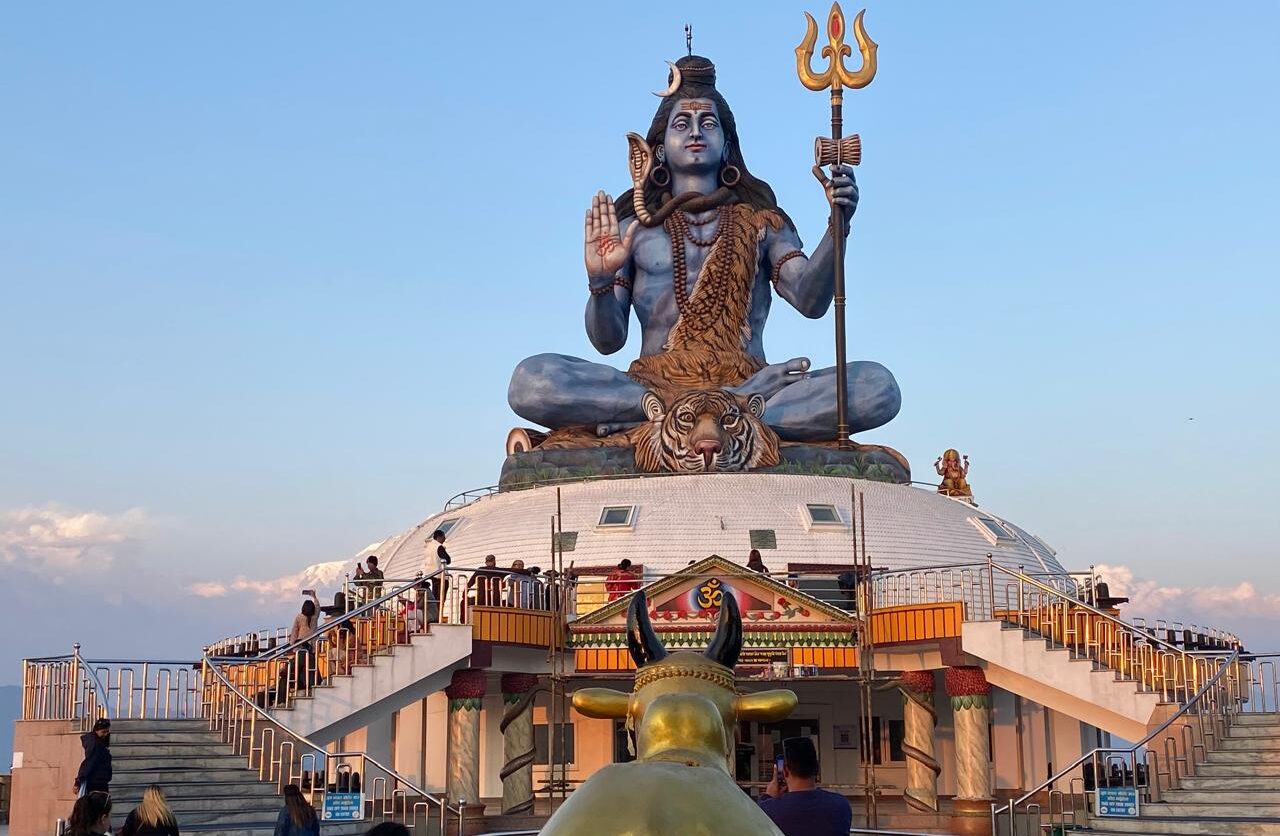
Nepal Vehicle Hiring Pvt. Ltd. is based in Thamel, Kathmandu — the heart of Nepal’s tourism district — and is available seven days a week. Our team speaks English, Nepali, and Hindi and has extensive experience helping international travellers from around the world design and execute Nepal transport itineraries of any complexity.

The 200-kilometre drive from Kathmandu to Pokhara is one of Nepal’s great journeys. The Trishuli River gorge at dawn, pilgrims ascending to Manakamana, fish grilling over charcoal at Mugling, the ancient lanes of Bandipur, the moment when the Annapurna range fills the horizon as you approach Pokhara in the late afternoon all of these belong to you when you travel by private luxury jeep.

Let Nepal Vehicle Hiring ensure you experience each one in the comfort and privacy you deserve.

Pokhara to Khopra Danda Jeep Hire: Trekking Transport in Nepal

Begnas Lake Pokhara
Private Jeep Hire from Pokhara to Khopra Danda Trek Starting Point

Pokhara to Khopra Danda Vehicle Hire: The Complete Jeep and Trekking Transport Guide

Khopra Danda doesn’t appear on most first-time visitors’ itineraries, and that absence is precisely its appeal. Sitting at 3,660 meters on a high ridge facing Annapurna South and the Dhaulagiri massif, Khopra offers a face-to-face Himalayan panorama that rivals the far more crowded Poon Hill, without the long lines of headlamps climbing in the dark or the packed teahouse dining rooms.

It is a trek built on quiet forest trails, scattered Magar and Gurung villages, and a genuinely community-driven tourism model rather than a commercial one. Reaching it, however, depends entirely on getting the road transport right.

This guide focuses specifically on vehicle hire from Pokhara to Khopra Danda. These private jeep transfers take you from Pokhara’s lakeside to whichever trailhead suits your chosen route into Khopra, since, unlike many single-trailhead treks, Khopra Danda can be approached from several directions, each with its own driving time, road condition, and trekking-day trade-off. At Nepal Vehicle Hiring Pvt Ltd, we regularly run jeep transfers along this exact corridor.

This guide draws on that route knowledge to walk you through every access option, the road conditions you can expect, the permits required, the best season to travel, and how to combine the trek with a wider Annapurna itinerary using a single private vehicle hire.

This guide is intentionally thorough because Khopra Danda’s multiple access points genuinely shape a trip in ways that a single, generic route description cannot capture. Readers planning a first visit to this part of the Annapurna region will find a clear walk-through below of each option, along with the practical, on-the-ground details, road conditions, permits, seasonal timing, and pricing logic needed to choose confidently between them and to book vehicle transport that matches the route they ultimately select.

Pokhara to Khopra Danda vehicle hire jeep with Himalayan mountain views on the Khopra Danda trekking route in Nepal.
Private Jeep Hire from Pokhara to Khopra Danda Trek Starting Point, Nepal

Where Is Khopra Danda, and Why Does the Access Route Matter So Much?

Khopra Danda sits in the Annapurna region of central Nepal, on a high ridge south of the main Annapurna range and just off the famous Ghorepani Poon Hill circuit. Locally, it is also called Khopra Ridge. At 3,660 meters, it is meaningfully higher than Poon Hill’s 3,210 meters.

Trekkers who have done both routes consistently report that the mountain views from Khopra, looking directly across at Annapurna South, Annapurna I, Dhaulagiri, Nilgiri, and Machhapuchhre (Fishtail), are at least as dramatic, if not more so, with a fraction of the foot traffic.

What makes Khopra Danda unusual among Nepal’s trekking destinations is that it lacks a single fixed starting point. Unlike Everest Base Camp, which begins at Lukla, or the Annapurna Circuit, which has a handful of conventional starting points, Khopra can be approached from at least four genuinely different directions, each connecting to a different road network and, therefore, a different vehicle-hire route from Pokhara.

Choosing the right approach isn’t a minor logistical detail; it changes your total trekking days, driving time, the villages you pass through, and even your acclimatisation profile. That is why understanding vehicle hire options matters as much as the itinerary itself.

Route One: Pokhara to Nayapul, the Classic Poon Hill Approach

The most widely used approach to Khopra Danda follows the same trailhead used for the classic Ghorepani Poon Hill trek, then branches off from Ghorepani toward Swanta rather than returning directly to Pokhara. This route begins with a jeep transfer from Pokhara to Nayapul, a roughly 1-hour drive. Our Pokhara to Nayapul Jeep service covers this leg directly, with the return journey available through the Nayapul to Pokhara Jeep.

From Nayapul, trekkers cross the Modi Khola on a suspension bridge and begin walking toward Tikhedhunga and the famous 3,000-plus-step climb to Ulleri. Some itineraries instead drive a little farther from Nayapul to Tikhedhunga before starting on foot, shaving a few hours off the first day.

However, this depends on the current road conditions, since the stretch between Birethanti and Tikhedhunga is occasionally affected by landslides during and after the monsoon season and may require a short walking detour even for vehicles attempting to drive through.

Pokhara to Khopra Danda vehicle hire jeep with Himalayan mountain views on the Khopra Danda trekking route in Nepal.
Private Jeep Hire from Pokhara to Khopra Danda Trek Starting Point, Nepal.

From Ulleri, the trail continues up through rhododendron and oak forests to Ghorepani, the same hub village used for the Poon Hill sunrise trek. Our Pokhara to Ghorepani Poon Hill Jeep Hire serves it on its own for trekkers doing that shorter circuit separately.

For Khopra-bound trekkers, Ghorepani is a junction rather than a final destination. From here, the trail descends through Chitre and Phalate before dropping into Swanta, a Magar settlement that marks the beginning of the dedicated Khopra Ridge trail proper.

This route’s principal advantage is convenience: it uses well-established, well-supplied trekking infrastructure for its first two to three days, with reliable teahouses and a gentle, well-graded trail, before peeling off into the quieter, less-trodden Khopra-specific section. Most foreign trekkers choose this route, and most travel operators default to it when building a Khopra Danda itinerary, because the road and trail logistics on this stretch are the most predictable in the region.

Route Two: Pokhara to Ghandruk, the Tadapani-Dobato High Route

A second, increasingly popular approach drives directly from Pokhara to Ghandruk. This well-known Gurung village also serves as a gateway to the Annapurna Base Camp trek and to Khopra, which is approached from the east via Tadapani and Dobato. Our Pokhara to Ghandruk Jeep service covers this transfer, typically taking three to four hours depending on road conditions, with the return trip available via the Ghandruk to Pokhara Jeep service.

Pokhara to Khopra Danda vehicle hire jeep with Himalayan mountain views on the Khopra Danda trekking route in Nepal.
Ghandruk

From Ghandruk, the trail climbs through a rhododendron forest to Tadapani, a popular overnight stop for Annapurna Base Camp trekkers, before continuing to Bayeli Kharka and on to Dobato, passing the well-regarded Mulde Viewpoint along the way. From Dobato, the trail reaches Khopra Danda directly, without detouring through Ghorepani or Swanta first.

Trekkers descending after their stay at Khopra often loop back down through Swanta and Ghorepani to add the classic Poon Hill sunrise before finally returning to Pokhara via Nayapul or Ulleri, effectively combining both major approaches into a single, longer circuit.

This route’s appeal is twofold: it shares its first two days with the considerably more famous Annapurna Base Camp trek, giving travellers a taste of that classic trail’s villages and forest scenery, and it approaches Khopra from a direction many guidebooks describe as the gentler, more gradual ascent profile, reducing altitude sickness risk compared to some of the steeper, more direct alternatives further west.

Route Three: Pokhara to Swanta Direct, the Fast but Demanding Approach

For trekkers short on time or specifically seeking the most direct vehicle access, some operators run a jeep transfer straight to Swanta village, cutting out the multi-day walk-in via Ghorepani or Ghandruk entirely. From Swanta, the trail to Khopra Danda climbs steeply and almost continuously uphill, typically taking seven to eight hours of strenuous walking to reach the ridge in a single push.

This route is honest about its trade-off: it saves substantial time and several trekking days, but the altitude gain is rapid, and the climb is demanding, which is why most guides and trekking agencies recommend it primarily for fit, experienced trekkers who are confident in their acclimatisation, rather than as a default choice for first-time visitors to the Himalaya. Less experienced trekkers are generally steered toward the gentler Ghandruk-Tadapani-Dobato approach or the classic Ghorepani-Swanta route described above, both of which spread the altitude gain over several more gradual days.

Route Four: Pokhara to Tatopani and Galeshwor, the Mohare Danda and Nangi Village Extension

The fourth and most culturally distinctive approach combines Khopra Danda with the neighbouring Mohare Danda trek and a visit to Nangi village, reached via a jeep transfer from Pokhara toward Beni and onward to Tatopani or Galeshwor on the Kali Gandaki River road. This corridor overlaps with our Kathmandu to Mustang Private Jeep route and the broader Pokhara to Mustang Jeep service in its early stages, since both follow the same Kali Gandaki gorge road out of Pokhara before diverging toward their respective destinations.

Pokhara to Khopra Danda vehicle hire jeep with Himalayan mountain views on the Khopra Danda trekking route in Nepal.

This is the route most associated with the social entrepreneur Mahabir Pun, a Magsaysay Award-winning Pun Magar native of Nangi village, who returned home after his studies abroad and built one of rural Nepal’s most remarkable community development projects: a network of wireless internet antennas strung between mountain villages, a model secondary school, telemedicine links, and a paper-manufacturing cottage industry using traditional lokta bark. By most accounts, it was the first remote village in Nepal to connect to wireless internet, and visiting it remains a genuinely unusual experience even by the standards of Nepal’s trekking circuits: a high-mountain Magar settlement with working computer labs and a deliberate, community-owned approach to tourism revenue.

Trekkers on this route walk from Galeshwor or a similar trailhead to Banskharka, then climb to Nangi, continue to Mohare Danda for a sunrise viewpoint that rivals Poon Hill in clarity but with almost none of the crowds, and then proceed onward through Swanta and Dhan Kharka (also called Chistibang or Dhankharka) to reach Khopra Danda. This route typically adds two to three extra trekking days compared to the direct Ghorepani approach, but rewards the additional time with a genuinely community-based trekking experience: most accommodation along the way consists of community-run lodges and homestays whose profits fund local schools, rather than privately owned teahouses.

Comparing the Four Approaches: Which Vehicle Hire Route Fits Your Trip

Choosing between these four access routes really comes down to how much time you have, how experienced you are as a trekker, and what kind of experience you are seeking. The classic Nayapul-Ghorepani-Swanta route, our most frequently booked option, suits trekkers who want reliable infrastructure and the option to combine Khopra with a Poon Hill sunrise in a single trip.

The Ghandruk-Tadapani-Dobato route suits trekkers who want a gentler altitude profile and a taste of the Annapurna Base Camp trail’s scenery without committing to the full duration and cost. The direct Swanta approach suits experienced, time-constrained trekkers comfortable with a single demanding climbing day.

The Tatopani-Galeshwor-Nangi-Mohare Danda route suits travellers most interested in cultural immersion and community tourism, who are willing to add extra days for a meaningfully different kind of trekking experience.

Pokhara

Whichever route you choose, the vehicle hire portion of the trip should be booked as part of a single, coordinated plan rather than as an afterthought, since trailhead drop-off and pickup points differ across all four routes, and a driver unfamiliar with the specific trailhead you need can waste hours on the wrong access road. Our team at Nepal Vehicle Hiring regularly runs all four corridors and can advise on which trailhead best matches your chosen itinerary before you book.

Road Conditions on the Way to Khopra Danda’s Trailheads

The roads serving all four Khopra Danda access points share a common character: paved and comfortable for the first stretch out of Pokhara, then progressively rougher as they climb into the hills. The Pokhara-Nayapul-Birethanti corridor is generally in reasonable condition and motorable for most of the year.

However, the short stretch between Birethanti and Tikhedhunga has a history of landslide disruption, particularly during and immediately after the monsoon. Travellers should be prepared for a short detour on foot around a blocked section, rather than a continuous ride to the trailhead.

Pokhara to Khopra Danda vehicle hire jeep with Himalayan mountain views on the Khopra Danda trekking route in Nepal.
Private Jeep Hire from Pokhara to Khopra Danda Trek Starting Point, Nepal.

The Pokhara-Kimche-Ghandruk road is steeper and more winding, gaining altitude quickly. Hence, a 4WD jeep is the right vehicle for this stretch rather than a standard car, both for traction on the steeper grades and for ground clearance over rougher sections.

The Pokhara-Beni-Tatopani-Galeshwor corridor follows the Kali Gandaki River road, which is wider and more heavily used as the main artery toward Jomsom and Mustang. However, it still includes unpaved sections and occasional construction diversions typical of Nepal’s hill highways.

Across all of these routes, the same general principle applies that holds throughout Nepal’s trekking transport network: an experienced local driver in a properly maintained 4WD jeep is the appropriate choice the moment your route leaves the main paved highway, and a standard sedan, however comfortable on the flat Pokhara-Kathmandu corridor, is simply the wrong tool for any of the Khopra Danda access roads.

Permits Required for the Khopra Danda Trek

Khopra Danda sits within the Annapurna Conservation Area, and trekkers need two permits regardless of which of the four access routes they choose. The first is the Annapurna Conservation Area Permit (ACAP), which is mandatory and checked at trail checkpoints, including Birethanti and Ghorepani. The second is the Trekkers’ Information Management System (TIMS) card, obtainable from Nepal Tourism Board offices in either Kathmandu or Pokhara.

Some itineraries that combine Khopra Danda with the Mohare Danda and Nangi village extension also note a requirement for a Machhapuchhre Rural Municipality permit, reflecting that the trail passes through that municipality’s jurisdiction on its way toward the Khopra-Dhaulagiri side of the route. Because permit requirements and checkpoint locations can shift as municipal boundaries and conservation area management evolve, confirm current requirements with your driver or a registered trekking agency in Pokhara immediately before departure, rather than relying solely on older published itineraries.

Unlike the restricted areas covered in our broader guide to unlimited tour and trek vehicle hire across Nepal, Khopra Danda does not require a special restricted-area permit or a minimum group size, which makes it considerably simpler to plan and book on relatively short notice than destinations such as Upper Mustang or Manaslu.

Pokhara to Khopra Danda vehicle hire jeep with Himalayan mountain views on the Khopra Danda trekking route in Nepal.
Private Jeep Hire from Pokhara to Khopra Danda Trek Starting Point, Nepal.

Khayer Lake: The Optional High-Altitude Extension

Most itineraries that reach Khopra Danda offer an optional side trip to Khayer Lake, a sacred alpine lake sitting at roughly 4,600 meters, considerably higher than Khopra Danda itself. The round trip typically takes six to nine hours of walking from Khopra and back, crossing open, exposed terrain above the tree line with no teahouses along the way, meaning trekkers need to carry their own food, water, and weather protection for the day.

Khayer Lake holds genuine religious significance for Hindu pilgrims, particularly during the Janai Purnima festival, when local devotees from surrounding villages make a pilgrimage to worship there. For trekkers, the extension offers an even more direct, closer vantage point on Annapurna South and the surrounding peaks than Khopra Danda itself provides.

However, the altitude gain and exposed terrain mean it should be attempted only by trekkers who are well acclimatised and in good physical condition, and only with stable weather, since cloud and wind exposure at this elevation can change quickly.

Best Season for the Khopra Danda Trek and Vehicle Hire

Khopra Danda follows the same seasonal pattern as most of the Annapurna region: spring, from March through May, and autumn, from September through November, offer the clearest mountain views and the most stable road conditions for the jeep transfer from Pokhara. Spring also brings rhododendron forests in full bloom along much of the trail, particularly on the Ghorepani-Swanta and Ghandruk-Tadapani sections, turning the forest understory shades of red, pink, and white.

kathmandu to salleri jeep
Private Jeep Hire from Pokhara to Khopra Danda Trek Starting Point, Nepal.

Because Khopra Danda’s maximum elevation of 3,660 meters is considerably lower than that of high-altitude treks like the Annapurna Circuit or Everest Base Camp, it remains a viable winter option for trekkers comfortable with cold temperatures. However, snow can make some sections more demanding and occasionally close the Khayer Lake extension entirely.

Monsoon season, from June through September, brings the greatest road risk on the access routes described above, particularly the Birethanti-Tikhedhunga stretch, and is generally the least recommended period due to trail conditions and vehicle reliability. However, the rhododendron and general forest scenery remain lush and green for travellers willing to accept the trade-off.

A Sample Pokhara-Based Khopra Danda Itinerary Using Private Vehicle Hire

For travellers planning a complete, vehicle-supported Khopra Danda trip based out of Pokhara, a typical structure using the classic Ghorepani-Swanta approach looks like this, with all road transfers handled by a single private jeep booking:

  • Day 1 — Arrival in Pokhara, with time to explore the lakeside area around Phewa Lake before an early start the next morning.
  • Day 2 — Jeep transfer from Pokhara to Nayapul, then trek to Tikhedhunga and on to Ulleri or Banthanti, depending on pace and road conditions.
  • Day 3 — Trek up the stone staircase to Ghorepani, arriving in time to rest before an optional sunset hike to Poon Hill.
  • Day 4 — Optional sunrise hike to Poon Hill, then descend through Chitre and Phalate into Swanta village.
  • Day 5 — Trek from Swanta to Dhan Kharka (Chistibang), through oak and rhododendron forest with steady Dhaulagiri views.
  • Day 6 — Final ascent to Khopra Danda itself, arriving at the ridge for sunset views across Annapurna South and Dhaulagiri.
  • Day 7 — Optional full-day excursion to Khayer Lake, returning to Khopra Danda for a second night.
  • Day 8 — Descend toward Dobato or back through Swanta and Ghorepani, depending on the chosen loop direction.
  • Day 9 — Final descent to Ghandruk or Nayapul, with jeep pickup from Ghandruk to Pokhara or Nayapul to Pokhara, then return to Pokhara for a well-earned rest.

You can shorten this template by skipping the Khayer Lake side trip, lengthen it by adding the Mohare Danda and Nangi village extension, or restructure it entirely around the Ghandruk-Tadapani-Dobato approach. Because the same jeep and driver can be booked for the full Pokhara-based portion of the trip, including any additional excursions such as a Sarangkot sunrise visit before or after the trek, the logistics stay simple regardless of which specific route you choose.

Combining Khopra Danda with a Wider Annapurna and Pokhara Itinerary

Because Khopra Danda sits within easy reach of several other popular short treks in the Annapurna foothills, many travellers extend their Pokhara-based trip to include a second route on the same vehicle booking. Our Pokhara to Ghorepani Poon Hill Jeep Hire and Pokhara to Jhinu Danda Jeep Rental services cover two of the most popular complementary short treks in the same general area.

At the same time, the Pokhara to Dhampus Jeep and the Pokhara to Kande Jeep serve travellers seeking an easier, shorter day-long or two-day add-on hike before or after the main Khopra trek.

Pokhara to Khopra Danda vehicle hire jeep with Himalayan mountain views on the Khopra Danda trekking route in Nepal.
Private Jeep Hire from Pokhara to Khopra Danda Trek Starting Point, Nepal.

For travellers who want to extend further west toward the Kali Gandaki valley and Mustang after completing the Khopra Danda trek, particularly those who approached via the Tatopani-Galeshwor route, our Pokhara to Mustang Jeep and Upper Mustang 4WD Jeep services can extend the same general travel corridor into a considerably longer, trans-Himalayan trip, since the Beni-Tatopani road that serves Khopra’s western approach continues onward toward Jomsom and the Mustang plateau. Travellers based in Kathmandu, rather than starting directly from Pokhara, can combine this entire itinerary with a highway transfer via our Kathmandu-to-Pokhara Bus service, or arrange a single continuous private hire covering both the Kathmandu-to-Pokhara leg and the Khopra Danda jeep transfers through our broader Nepal Tour Package.

Why an Experienced Driver Matters Specifically on the Khopra Danda Corridor

Khopra Danda’s multiple access routes are part of what makes this trek special, but they also make local driving knowledge unusually important compared to single-trailhead treks. A driver who only knows the standard Nayapul route may be unfamiliar with the Ghandruk-Kimche road, and a driver booked generically for hill routes may not know the current state of the Birethanti-Tikhedhunga landslide-prone section in a given week.

Because Khopra Danda is still, relatively speaking, a newer and less heavily trafficked route than Poon Hill or Annapurna Base Camp, accurate, up-to-date route knowledge varies more among drivers and operators than it does in Nepal’s busiest trekking corridors.

This is also a region where trailhead drop-off and pickup points genuinely differ by itinerary: a trekker doing the Ghorepani-Swanta loop needs pickup at a different point than one finishing via Ghandruk, and a driver who shows up at the wrong access road, or who is unfamiliar with the village layout at Swanta or Kimche, can cost a tired trekker hours at the end of a long trekking day. We brief our drivers on the specific trailhead and pickup point for each Khopra Danda booking precisely to avoid this kind of mismatch.

There is also a practical safety dimension worth noting. Several sections of the Khopra Danda access roads, particularly toward Ghandruk and Kimche, involve narrow single-lane stretches with limited passing room and significant drop-offs on one side.

Drivers who run these roads regularly develop a feel for exactly where oncoming traffic is likely to appear, which corners require a horn signal before entering, and how to judge whether a given surface is safe to cross after rain. This is precisely the kind of accumulated, route-specific judgment that cannot be replicated by a generically experienced driver encountering the road for the first time, and it is one of the strongest practical arguments for booking with an operator who specifically knows the Khopra Danda corridor rather than simply booking the cheapest available jeep in Pokhara.

Pokhara to Khopra Danda vehicle hire jeep with Himalayan mountain views on the Khopra Danda trekking route in Nepal.

What to Expect From Teahouses and Lodges Along the Different Routes

Accommodation standards vary meaningfully across the four access routes, and you should factor this into your planning alongside your vehicle-hire decision. The classic Nayapul-Ghorepani-Swanta route benefits from Ghorepani’s status as a major hub on the Poon Hill circuit, meaning trekkers will find a wide range of well-established teahouses with attached bathrooms, reliable hot showers, and varied menus, at least for the portion of the trek that overlaps with the Poon Hill trail.

Once the route diverges toward Swanta and onward to Khopra itself, accommodation becomes simpler: basic teahouses and community lodges with twin-sharing rooms, shared bathrooms, and more limited menus, though still generally clean and welcoming.

The Ghandruk-Tadapani-Dobato route follows a similar pattern, with well-developed facilities at Ghandruk and Tadapani given their shared use with the Annapurna Base Camp trail, before transitioning to more basic lodges at Bayeli Kharka, Dobato, and Khopra Danda itself. The Tatopani-Galeshwor-Nangi-Mohare Danda route stands apart in character: most accommodation here consists of genuinely community-run lodges and homestays, often in private Magar households, with the explicit goal of funnelling tourism revenue directly into local schools and community projects rather than private commercial operators.

Trekkers on this route should expect a simpler, more rustic standard of accommodation throughout, in exchange for what many describe as a considerably more authentic, person-to-person cultural experience.

Across all routes, lodges typically offer electricity for charging devices, Wi-Fi, and hot showers for a small additional charge, and trekkers should carry enough cash, since card payment is rarely available once the trail leaves Pokhara. A reliable driver who regularly runs the route can often advise on which lodges along your chosen path best suit your standards and budget, based on recent client feedback rather than outdated guidebook listings.

Travellers weighing Khopra Danda against the more famous Ghorepani Poon Hill trek, or against the considerably longer Annapurna Base Camp trek, often want a clear sense of how the experiences actually differ before committing their limited vacation days to one or the other. The comparison is worth setting out plainly, since all three routes share overlapping trailheads and, in places, literally the same trail.

pokhara

Poon Hill is shorter, more heavily trafficked, and built around a single dramatic sunrise moment rather than a sustained multi-day ridge-walking experience. Most Poon Hill itineraries can be completed in four to five days, including the Pokhara transfers, making it a good choice for travellers with very limited time who still want a genuine taste of Himalayan trekking.

Its popularity, however, means crowded teahouses and a packed viewpoint at sunrise during peak season, with headlamp queues forming on the final stone staircase before dawn.

Annapurna Base Camp is considerably longer, typically seven to twelve days, and takes trekkers directly into the Annapurna Sanctuary itself, surrounded by 7,000- and 8,000-meter peaks at the trek’s high point. It is widely regarded as one of the world’s great short treks.

Still, its fame also makes it one of the region’s busier trails during peak season, and teahouse accommodation sometimes needs to be secured in advance during the most popular weeks of October and November.

Khopra Danda sits between these two in duration, typically six to nine days depending on the chosen route and whether the Khayer Lake extension is included, and offers something neither route quite matches: genuine solitude on a trail with views that hold their own against both. Where Poon Hill gives you one outstanding sunrise, and Annapurna Base Camp gives you several days deep inside a mountain amphitheatre, Khopra Danda gives you a sustained, several-day ridge walk with continuous, close-up views of Dhaulagiri and Annapurna South, on trails where it remains entirely possible to walk for an hour without passing another trekking group.

For travellers who have already done Poon Hill or Annapurna Base Camp on a previous trip to Nepal and want a worthwhile, less commercialised alternative within the same region, Khopra Danda is consistently the route recommended by trekking operators and repeat visitors alike. Our article on why Dharapani is the most popular starting point of the Annapurna Circuit covers a similar comparison for trekkers weighing entry points on the longer Annapurna Circuit, including those considering an even longer Annapurna-region itinerary.

Preparing for the Trip: Fitness, Packing, and Altitude Considerations

Khopra Danda is generally classified as a moderate trek, suitable for trekkers with a reasonable baseline fitness level rather than requiring prior high-altitude mountaineering experience. That said, several of the access routes involve sustained, multi-hour uphill walks, particularly the climb from Nayapul to Ghorepani via the Ulleri stone staircase and the direct Swanta-to-Khopra ascent for trekkers choosing that faster but steeper route.

Building general cardiovascular fitness in the weeks before departure through regular walking, hiking, or stair-climbing training meaningfully improves comfort on these longer climbing days.

Because Khopra Danda’s maximum elevation of 3,660 meters, or 4,600 meters if the Khayer Lake extension is included, sits within the altitude range where mild altitude symptoms can begin to appear in some trekkers, it remains sensible to follow standard acclimatisation practices: ascend gradually, stay well hydrated, avoid alcohol during the trekking days, and pay attention to early symptoms such as headache or unusual fatigue rather than pushing through them. The itineraries along the Ghorepani-Swanta or Ghandruk-Tadapani-Dobato routes are deliberately paced to allow gradual acclimatisation, which is another acclimatisation strategy; acclimatisation experts recommend these over the faster, more abrupt direct Swanta ascent for first-time high-altitude trekkers.

Packing for Khopra Danda should account for a wider temperature range than the relatively gentle elevations might suggest, since nights at Khopra Danda itself and especially during the Khayer Lake extension can be genuinely cold even outside of winter. A warm, layered system, including a fleece or down mid-layer, a windproof and waterproof outer shell, sturdy, broken-in hiking boots, and a good sleeping bag rated for below-freezing temperatures, will cover most conditions.

A headlamp is essential for early-morning hikes on this route and for basic evening use at teahouses, since electricity can be limited or unavailable in some of the more remote community lodges along the Tatopani-Galeshwor-Nangi extension. Trekking poles are genuinely useful given the steep, sometimes uneven descents on several sections of trail, particularly the steep downhill stretch between Ghorepani and Swanta that many trekkers describe as harder on the knees than the climbs themselves.

Carry enough cash for the entire trekking portion of the trip, since card payment facilities are essentially nonexistent once the trail leaves Pokhara, and even basic services like hot showers, device charging, and Wi-Fi typically carry small additional charges at each lodge. A basic first aid kit, water purification tablets or a UV purifier, and a copy of your travel insurance details, ideally one that explicitly covers high-altitude trekking and helicopter evacuation, round out the essential preparation for this route.

Pokhara to Khopra Danda vehicle hire jeep with Himalayan mountain views on the Khopra Danda trekking route in Nepal.

Pricing Considerations for Pokhara to Khopra Danda Vehicle Hire

Vehicle hire costs for the Khopra Danda corridor follow the same general logic across Nepal’s trekking transport network. Still, a few route-specific factors are worth understanding before requesting a quote. The Pokhara-to-Nayapul leg, being short and largely on a reasonable road surface, is typically the most economical of the four access options per trip.

The Pokhara-to-Ghandruk route costs somewhat more because of the longer driving time and the steeper, more demanding hill road. The Pokhara-to-Tatopani or Galeshwor leg, the longest of the four in distance, generally has the highest one-way fare.

However, this is often offset because travellers choosing this route are typically planning a longer overall trip with more trekking days to amortise transport costs.

Group size affects vehicle choice and therefore the cost. A solo trekker or couple can comfortably use a standard jeep, while a family group or small trekking party of four to six is often better served by booking a slightly larger 4WD vehicle or a Hiace for the Pokhara-to-trailhead leg, particularly if the group is also carrying significant gear or duffel bags that a porter will later carry on the trail itself.

Larger groups of trekkers, such as those travelling with an organised trekking agency, sometimes organise two jeeps to keep per-vehicle passenger counts comfortable on rougher road sections, rather than overloading a single vehicle.

As with the broader Nepal vehicle hire market covered in our companion guide on the ultimate Nepal vehicle rental guide, it is worth confirming exactly what is included in any quoted price for a Khopra Danda transfer: whether fuel and standard driver allowance are bundled into the headline figure, whether toll charges along the route are included or separate, and whether the quote covers only the outbound trailhead drop or the full round trip including a return pickup at a different exit point if your itinerary requires one. A clear, itemised breakdown at the booking stage prevents unexpected charges once you are already on the trail and you can’t easily renegotiate terms

Traveling to Khopra Danda as a Family, Couple, or Solo Trekker

The four access routes to Khopra Danda aren’t equally suited to every kind of traveller, and thinking honestly about your group composition before booking transport will save considerable frustration later. Families travelling with children or trekkers with limited prior hiking experience are generally best served by the classic Nayapul-Ghorepani-Swanta route, given its well-established infrastructure, gentler overall gradient when paced across enough days, and the option to turn back or shorten the itinerary relatively easily if needed, since this route shares its early stages with the heavily trafficked Poon Hill trail, where help and basic services are never far away.

Pokhara to Khopra Danda vehicle hire jeep with Himalayan mountain views on the Khopra Danda trekking route in Nepal.

Couples and small groups of friends seeking a more adventurous yet still moderate experience often gravitate toward the Ghandruk-Tadapani-Dobato route, which offers a slightly wilder experience while still following a well-marked, well-used trail for most of its length. Solo trekkers with strong fitness and prior high-altitude experience are the most natural fit for the direct Swanta approach, where the demanding single-day ascent rewards confident, self-sufficient hikers without unnecessarily exposing less experienced trekkers to its steeper risk profile.

Trekkers specifically motivated by cultural immersion, community tourism, and a genuine off-the-beaten-path experience, including those with some flexibility in their schedule, are the ideal audience for the Tatopani-Galeshwor-Nangi-Mohare Danda extension. This group tends to value the extra days and the homestay-style accommodation as a feature rather than a drawback, and frequently describes this route as the most memorable and meaningful portion of their entire Nepal trip, precisely because it offers direct, sustained contact with rural Magar community life in a way that none of the more heavily trafficked Annapurna trails can replicate.

Whichever profile best describes your trip, clearly communicating your group composition, fitness level, and priorities when booking your vehicle hire allows your transport operator to recommend the access route and specific pickup and drop-off points that genuinely fit your trip, rather than defaulting to the most commonly booked option out of habit.

Connectivity, Weather Awareness, and Staying in Touch on the Trail

Mobile network coverage along the Khopra Danda corridor is inconsistent and should not be relied upon as a primary safety net. Pokhara and the lower trailhead villages, such as Nayapul, Ghandruk, and Tatopani, generally have reasonable coverage.

Still, signal becomes patchy or disappears entirely on higher sections of the trail, particularly around Dobato, Khopra Danda itself, and especially during the Khayer Lake extension. Some teahouses offer Wi-Fi for a small fee, which can be more reliable than mobile data at altitude, though you still shouldn’t assume it’s continuously available.

This connectivity gap is another reason why an experienced local driver and a properly briefed trekking guide matter more on this route than they might on a more developed, heavily monitored trail. Weather at these elevations can shift quickly, particularly cloud buildup in the afternoon that can reduce visibility on exposed ridge sections, and a guide or driver with local knowledge of typical daily weather patterns, such as the tendency for clearer mornings and cloudier afternoons common across much of the Annapurna region, helps trekkers plan their most weather-dependent activities, such as the Poon Hill or Mohare Danda sunrise hikes, for the times of day when conditions are most likely to cooperate.

Before departing Pokhara, inform your accommodation or a trusted contact of your planned route and expected return date, given the limited connectivity once on the trail. Reputable trekking agencies and vehicle hire operators typically track client itineraries for this reason, providing an additional safety net beyond what a trekker’s mobile phone can offer in this part of the Annapurna region.

Pokhara to Khopra Danda vehicle hire jeep with Himalayan mountain views on the Khopra Danda trekking route in Nepal.

Frequently Asked Questions About Pokhara to Khopra Danda Vehicle Hire

How long does the jeep ride from Pokhara to the Khopra Danda trailhead take?

This depends entirely on which access route you choose. The Pokhara-to-Nayapul leg takes roughly an hour. The Pokhara-to-Ghandruk drive typically takes three to four hours, given the steeper hill road.

The Pokhara-to-Tatopani or Galeshwor leg, following the Kali Gandaki River road, generally takes about 5 hours. A direct transfer to Swanta, where road conditions allow, can take longer still, given the more remote, less-maintained final stretch.

Can I book a single vehicle for the entire Khopra Danda round trip, including both the outbound trailhead drop and the return pickup at a different point?

Yes, and this is the most efficient way to book the trip if your itinerary involves entering via one trailhead and exiting via another, such as driving into Nayapul and trekking out through Ghandruk. A single operator managing both legs of the journey, with the driver and vehicle pre-briefed on the drop-off and eventual pickup point and date, removes the need to coordinate two separate bookings or risk miscommunication about where and when to meet at the end of the trek.

Is a 4WD jeep strictly necessary, or can I use a standard car for any portion of this trip?

A standard car is perfectly suitable for the flat, paved roads within Pokhara itself. Still, each of the four access routes described in this guide eventually leaves the pavement and climbs into hilly or mountainous terrain, where a 4WD jeep becomes necessary rather than optional. Attempting any of these routes in a standard sedan risks both vehicle damage and, more importantly, becoming stuck or stranded on a steep or rough section.

Do I need a guide in addition to a driver for the Khopra Danda trek?

While Khopra Danda does not fall under Nepal’s restricted area rules that mandate a licensed guide, current trekking regulations in much of Nepal increasingly require guides for independent trekkers on many routes. A guide provides real safety and navigation value on routes with multiple possible paths, such as the Khopra Danda route.

Your driver handles the road transport portion of the trip; a separate trekking guide, arranged through a registered trekking agency in Pokhara, handles the on-trail portion once you leave the vehicle.

What is the best route to choose if I only have five to six days available in total?

For a tight timeline, the direct Swanta approach combined with a Ghorepani descent, or the shorter Ghandruk-Tadapani-Dobato loop, is generally the most time-efficient option, since both can be completed in roughly six to seven days, including the Pokhara-based driving days. The Tatopani-Galeshwor-Nangi-Mohare Danda extension generally requires about 10 to 13 days, given its additional distance and cultural stops. It suits travellers with more flexible schedules.

Why Choose Nepal Vehicle Hiring for Your Khopra Danda Trip

We operate jeep transfers across all four of the corridors described in this guide, from the classic Pokhara to Nayapul route to the Pokhara to Ghandruk approach, and the wider Pokhara to Mustang corridor used for the Tatopani-Galeshwor extension. Our drivers are familiar with the seasonal landslide risk on the Birethanti-Tikhedhunga stretch, the steeper grades on the road to Ghandruk, and the longer stretch along the Kali Gandaki River toward Beni and Tatopani.

If you are planning a Khopra Danda trip and are unsure which of the four access routes best fits your timeline and fitness level, our Plan a Trip service can help you choose and can combine your Khopra Danda transfers with any wider Pokhara or Annapurna-region itinerary you have in mind, whether that means a short add-on to Ghorepani Poon Hill or a longer extension toward Upper Mustang. For a broader sense of how our jeep fleet and route network cover the Annapurna region and beyond, see our companion guide on unlimited tour and trek vehicle hire across every route in Nepal

Book Your Pokhara to Khopra Danda Jeep Today

Whether you are heading to Khopra Danda via Nayapul, Ghandruk, Swanta, or the Mohare Danda and Nangi village extension, Nepal Vehicle Hiring Pvt Ltd can arrange a comfortable, well-maintained 4WD jeep with an experienced local driver who knows this specific corridor, its seasonal road risks, and its multiple trailhead options. From the well-travelled Poon Hill approach to the quieter, community-focused Tatopani and Nangi village route, our fleet and our drivers are equipped to handle whichever path into Khopra Danda fits your time, fitness level, and travel style, and we are glad to walk through the trade-offs with you before you commit to a specific itinerary.

Call or message us on WhatsApp or visit vehiclehiringnepal.com to start planning your Khopra Danda trek transport.

Pokhara to Mohare Danda Jeep Rental

Pokhara to Mohare Danda Jeep Rental-Luxury 4WD Jeep Hire in Nepal – Premium Land Cruiser, Prado, Fortuner and Off-Road VehicleRental with Himalayan Mountain Background

Pokhara to Mohare Danda Jeep Rental

Mohare Danda — sometimes called Mohare Hill — is one of the Annapurna region’s best-kept secrets: a 3,300-meter ridge southwest of the far more famous Poon Hill, offering an equally spectacular panorama of Annapurna, Dhaulagiri, Manaslu, and Machhapuchhre, but with far fewer crowds. Where Poon Hill can feel genuinely busy during peak season, with hundreds of trekkers jostling for a sunrise photo spot, Mohare Danda remains a peaceful, community-run trekking destination — its lodges are operated as a cooperative eco-tourism initiative by the local Magar and Gurung villages of the area, offering a quieter and more intimate alternative for travellers seeking the same first-rate mountain views without the bustle.

Reaching Mohare Danda begins with a road journey from Pokhara to the small trailhead village of Galeshwor, via the district town of Ben, a drive of roughly 75 to 95 kilometres along the Pokhara-Baglung-Beni Highway, taking 2.5 to 5 hours depending on road conditions and the final approach chosen. From Galeshwor (or the alternative jeep drop point of Falame Danda), the trek itself proceeds on foot through forest trails, traditional villages, and a steadily ascending ridge line to the Mohare Danda viewpoint and beyond, often looping back via Ghorepani, Tadapani, or Ghandruk to complete a circuit that can be tailored to anywhere from 4 to 10 days depending on your time and interest.

This complete 2026 guide covers everything from Pokhara to Mohare Danda jeep rental: the route to the trailhead, all transport options and costs, sample trek itineraries and loop options, the various return routes back to Pokhara, required permits, and why Nepal Vehicle Hiring Pvt Ltd is the right private jeep partner for this rewarding, lesser-known Annapurna trek.

Pokhara

Mohare Danda — The Quiet Alternative to Poon Hill

Mohare Danda sits on a forested ridge straddling the border of Myagdi and Parbat districts, within the wider Annapurna Conservation Area, at an altitude generally cited as approximately 3,300 meters (with some sources giving the slightly more precise figure of 3,313 meters). From the viewpoint platform at its summit, an uninterrupted panorama opens across the western Annapurna and Dhaulagiri ranges — Annapurna I, Annapurna South, Dhaulagiri, Manaslu, and the distinctive fishtail summit of Machhapuchhre are all visible on a clear day, alongside sweeping views down into the Pokhara Valley itself.

What distinguishes Mohare Danda most clearly from the nearby and far more visited Poon Hill is the trekking experience itself. The trail to Mohare Danda passes through genuine working villages — Banskharka, Nangi, and others — where community-based tourism cooperatives, rather than individually competing private lodges, manage the trekker accommodation and dining.

This model, developed with support from various community development and eco-tourism initiatives over the past two decades, channels tourism revenue directly and equitably into the villages along the route, while also keeping the overall scale of tourism development deliberately modest. The result is a trek that feels more intimate and culturally rich than the increasingly commercialised Poon Hill corridor, while delivering a mountain panorama that loses nothing in comparison.

Key Facts at a Glance — Pokhara to Mohare Danda

Route DetailInformation
Mohare Danda (Mohare Hill) Altitude3,300 m (also cited as 3,313 m)
LocationSouthwest of Poon Hill — Myagdi/Parbat district border, Annapurna Conservation Area
Standard TrailheadGaleshwor village (via Beni) — also reachable via Falame Danda
Distance — Pokhara to Galeshwor/Beni75–95 km
Travel Time by Private Jeep2.5 to 5 hours, depending on exact road conditions and stops
Road TypePaved Pokhara–Baglung–Beni Highway; final stretch to Galeshwor mixed paved/rough
4WD Required?Recommended beyond Beni; not strictly mandatory in dry season
Views From SummitAnnapurna I, Annapurna South, Dhaulagiri, Manaslu, Machhapuchhre, Pokhara Valley
Trek Duration4 to 10 days, depending on itinerary (standalone or combined with Khopra Danda / Poon Hill)
Trek TypeCommunity-based eco-trek — homestays and community lodges, far quieter than Poon Hill
Permits RequiredACAP (Annapurna Conservation Area Permit) + TIMS Card
Best SeasonMarch–May and September–November (winter also workable)

Pokhara to Mohare Danda Jeep Rental-Pokhara to Mohare Danda Jeep Rental-Vehicle Hire in Nepal

Low Altitude Sickness Risk: At a maximum altitude of approximately 3,300 meters, Mohare Danda carries considerably lower AMS risk than higher Annapurna region destinations, making it an excellent choice for families, older trekkers, and anyone seeking a genuinely spectacular Himalayan panorama without the acclimatisation demands of higher routes.The Route — Pokhara to Galeshwor (Trailhead)

StopDistance from PokharaRoad TypeKey Notes
Pokhara LakesideStart (827 m)City roadsHotel pickup — private jeep departs from your hotel
Kusma45 kmPaved — Pokhara-Baglung HighwayParbat District headquarters — fuel, snack stop
Beni75 km (1,025 m)Paved highwayMyagdi District HQ — junction for Kali Gandaki/Jomsom road
Galeshwor80–85 km (1,130 m)Paved/rough final stretchShiva temple, trailhead — trek begins on foot from here
Fale-me Danda (alternative)70–80 kmRough local roadAlternative jeep drop point — short hike to Nangi

Pokhara to Beni — The Paved Highway Section

The journey begins on the well-maintained Pokhara-Baglung Highway, heading west through Kusma — the headquarters of Parbat District — before reaching Beni, the district headquarters of Myagdi and an important junction town where the road to Jomsom and Muktinath branches off to the north along the Kali Gandaki valley. This entire stretch, approximately 75 km from Pokhara, is smoothly paved and suitable for any vehicle type, including a standard sedan.

Beni to Galeshwor — The Final Approach

From Beni, a short additional stretch of road leads to Galeshwor — a small village known locally for its riverside Shiva temple and the standard starting point for the Mohare Danda trek. This final section includes some rougher, less consistently paved sections. While a sedan can often manage it in good dry-season conditions, a 4WD jeep offers a noticeably smoother and more reliable ride, particularly for trekking groups carrying full gear.

Falame Danda — The Alternative Trailhead

Some trekking itineraries use Falame Danda as the jeep drop-off point, a short drive beyond Beni on a different local road, where a brief hike leads to the village of Nangi—itself an important stop on most Mohare Danda itineraries, regardless of the exact starting point chosen. Nepal Vehicle Hiring Pvt Ltd can arrange a private jeep transfer to either Galeshwor or Falame Danda, depending on which specific itinerary your trekking plan follows.

Begnas Lake Pokhara

All Transport Options — Pokhara to Mohare Danda Trailhead

Transport OptionCapacity2026 CostTravel TimeBest For
Private Jeep (Pokhara–Galeshwor)4–6 passengersNPR 7,000–15,000 / USD 53–90 (full vehicle)2.5–5 hrsTrekking groups, families, and flexible departure
Private Jeep (Pokhara–Falame Danda)4–6 passengersNPR 6,500–13000 / USD 49–83 (full vehicle)2.5–4.5 hrsAlternative trailhead access
Private Sedan (to Beni only)1–3 passengersNPR 4,500–10,000 / USD 34–602–2.5 hrsLight luggage, then local transfer onward

A private jeep from Nepal Vehicle Hiring Pvt Ltd is the most comfortable and flexible way to reach either Galeshwor or Falame Danda. With door-to-door pickup from your Pokhara Lakeside hotel, full luggage capacity for trekking gear, and the flexibility to depart whenever suits your trekking schedule, a private jeep removes the uncertainty of shared transport options.

  • 2026 cost: NPR 7,000–12,000 (USD 53–90) for the full vehicle, one way, to Galeshwor
  • Includes: Driver, fuel — all-inclusive pricing from Nepal Vehicle Hiring Pvt Ltd
  • Capacity: 4–6 passengers comfortably with trekking gear on the roof rack
  • Best for: Trekking groups, families, anyone wanting hotel pickup and flexible departure timing

Private Sedan — Suitable for Beni

For travellers continuing onward by local transport from Beni, or those whose itinerary involves a shorter trek that doesn’t require the full distance to Galeshwor, a private sedan is a comfortable and economical option for the paved highway section to Beni.

  • 2026 cost: NPR 4,500–10,000 (USD 34–60) for the full vehicle, one way to Beni

Pokhara

Shared Jeep and Local Bus — Budget Options

Shared jeeps and local buses run from Pokhara’s Baglung Bus Park toward Beni and, with onward local transport, to Galeshwor. These are the most economical options but involve less predictable departure times, more passenger stops, and no hotel pickup.

  • Shared jeep: NPR 400–700 per person
  • Local bus: NPR 250–400 per person
  • Best for: Solo budget trekkers with flexible schedules

Sample Mohare Danda Trek Itinerary

DayRouteAltitude/Notes
Day 1Drive Pokhara → Galeshwor → trek to Banskharka/NangiForest trail, gradual ascent
Day 2Trek Nangi → Mohare Danda (3,300 m)Cross Hampal Pass — community lodge overnight
Day 3Sunrise at Mohare viewpoint → trek toward Ghorepani/TilkotOptional: continue to Poon Hill loop
Day 4Trek down via Ghandruk/Tadapani or Tilkot/BaseriDepends on the chosen loop direction
Day 5Trek to Siwai/Hile/Nayapul → drive back to Pokhara2–3 hr jeep transfer to Pokhara hotel

This 5-day itinerary is one of the most popular formats for the Mohare Danda trek, looping back via the Ghorepani-Poon Hill area or via Tadapani and Ghandruk. Longer 9- to 10-day itineraries are also widely offered, often combining Mohare Danda with the nearby, higher Khopra Danda viewpoint (offering even more expansive Himalayan views) before completing the same general loop back toward Ghandruk, Tadapani, or the Kali Gandaki valley.

kathmandu to salleri jeep

Return Routes — Completing the Loop Back to Pokhara

One of the most appealing features of the Mohare Danda trek is the flexibility of its loop structure — trekkers can begin from Galeshwor and finish at several different points, each with its own onward jeep or taxi connection back to Pokhara.

Return RouteEnd Trekking PointOnward TransportApprox. Drive Time to Pokhara
Via Ghorepani–Poon Hill loopNayapul / BanthantiPrivate jeep / shared jeep45 min – 1.5 hrs
Via Tadapani–GhandrukSiwaiPrivate jeep/taxi1.5–2 hrs
Via Tilkot–Baseri (Kali Gandaki Valley)BaseriJeep via Galeshwor/Beni2.5–3 hrs
Via HileHileShared/private jeep~2 hrs

Combine with Poon Hill: Many trekkers extend their Mohare Danda itinerary to include the classic Poon Hill sunrise viewpoint, looping through Ghorepani before descending to Nayapul or Banthanti — effectively combining two of the Annapurna region’s finest panoramic viewpoints into a single, moderately paced trekking circuit.

Permits Required for the Mohare Danda Trek

PermitCost 2026 (approx.)Where Obtained
ACAP (Annapurna Conservation Area Permit)NPR 3,000 / USD 22–25 per personNepal Tourism Board, Pokhara or Kathmandu
TIMS CardUSD 10–20 per personNepal Tourism Board / TAAN office
Licensed Guide (mandatory 2026)USD 20–30 per dayArranged through a registered trekking agency

Season Guide — Best Time for the Trek

SeasonMonthsRoad & Trail ConditionsRecommendation
AutumnOct–NovExcellent — dry, clearBest season — peak mountain panorama clarity
WinterDec–FebGood but cold; possible light frost near summitGood — quiet trails, very clear skies
SpringMar–MayGood — dry, rhododendron forests in bloomExcellent — second peak season, colourful forest
MonsoonJun–SepVariable — leeches, occasional landslide risk on hill roadsManageable at this altitude, but views are often clouded

Practical Tips for Pokhara to Mohare Danda Jeep Rental

  • Book your private jeep 24 to 48 hours in advance during peak season (October–November and March–May) — demand for vehicles on the Beni-Galeshwor route increases significantly during these months.
  • Confirm with your driver and trekking agency which exact trailhead — Galeshwor or Falame Danda — your specific itinerary uses, as the jeep drop-off point differs between the two.
  • Depart Pokhara by 7:00–8:00 AM to arrive at the trailhead with a full day remaining for the first trekking stage.
  • Obtain your ACAP permit and TIMS card in Pokhara before departure — the Nepal Tourism Board office in Lakeside processes both.
  • Confirm your return pickup point and arrange it at the same time as your outward booking — Nepal Vehicle Hiring Pvt Ltd can coordinate pickup from Nayapul, Siwai, Hile, or Baseri depending on your chosen loop direction.
  • Carry NPR cash for the community lodges along the trek — card payment is generally not available at these remote village accommodations.
  • A licensed guide is required under Nepal’s trekking regulations — arrange this through a registered agency alongside your transport booking.
  • Pack for cool conditions at the summit — even in spring and autumn, mornings at Mohare Danda’s 3,300 m viewpoint are cold, especially for the pre-dawn sunrise viewing.

Why Choose Nepal Vehicle Hiring Pvt Ltd

  • Trailhead Flexibility: We provide private jeep transfer to either Galeshwor or Falame Danda, matched to your specific trekking itinerary.
  • Hotel Pickup in Pokhara: Door-to-door service from your Lakeside hotel — no need to navigate to Baglung Bus Park.
  • Loop-Friendly Return Booking: We coordinate return pickup from Nayapul, Siwai, Hile, or Baseri, wherever your specific loop itinerary concludes.
  • Right Vehicle for the Terrain: Scorpio 4WD and similar vehicles suit the rougher final approach beyond Beni.
  • Transparent All-Inclusive Pricing: Driver and fuel are included in every quote — no hidden charges.
  • 24/7 Booking: WhatsApp or phone at +977 981-4227196 — instant confirmation for your Mohare Danda trek transport.

Pokhara to Mohare Danda Jeep Rental-Luxury 4WD Jeep rental service in Nepal with Land Cruiser, Prado and Fortuner in Himalayan mountain scenery.

Frequently Asked Questions — Pokhara to Mohare Danda

How far is Mohare Danda from Pokhara, and how long does the journey take?

The jeep journey from Pokhara to the Galeshwor trailhead covers about 75 to 95 km and takes 2.5 to 5 hours, depending on road conditions and the final approach. From Galeshwor, the trek to Mohare Danda itself (3,300 m) typically takes 2 to 3 days of walking.

What is the 2026 cost of a private jeep from Pokhara to the Mohare Danda trailhead?

A private jeep to Galeshwor costs approximately NPR 7,000 to NPR 15,000 (USD 53 to USD 90) for the full vehicle, one way, including driver and fuel.

How is Mohare Danda different from Poon Hill?

Both offer spectacular Annapurna and Dhaulagiri panoramas at similar altitudes (Mohare Danda at ~3,300 m versus Poon Hill at 3,210 m). Still, Mohare Danda is considerably quieter, with community-run lodges and a less commercially developed trail. At the same time, Poon Hill is Nepal’s most visited short trekking destination and can be genuinely crowded during peak season.

Is a 4WD jeep necessary for the drive from Pokhara to the Mohare Danda trailhead?

The main highway to Beni is fully paved and suitable for any vehicle. The final stretch from Beni to Galeshwor includes rougher sections, so a 4WD jeep is recommended for comfort and reliability, though it’s not always strictly mandatory in good dry-season conditions.

Can I combine Mohare Danda with Poon Hill or Khopra Danda?

Yes — many trekkers combine Mohare Danda with a loop through Ghorepani and Poon Hill, or extend to the higher Khopra Danda viewpoint, before completing the circuit via Tadapani, Ghandruk, or the Kali Gandaki valley back to a jeep pickup point.

What permits are needed for the Mohare Danda trek?

The Annapurna Conservation Area Permit (ACAP, approximately NPR 3,000 / USD 22–25) and a TIMS card (USD 10–20) are required, along with a licensed guide under Nepal’s current trekking regulations.

Conclusion

Mohare Danda offers one of the Annapurna region’s most rewarding trekking experiences for travellers seeking the same first-rate mountain panoramas found at Poon Hill, but in a quieter, more community-centred setting. The journey begins with a straightforward but scenic jeep transfer from Pokhara through Kusma and Beni to the trailhead village of Galeshwor — then several days of genuinely peaceful trekking lead to one of the finest and least crowded Himalayan viewpoints in the entire Annapurna Conservation Area.

Nepal Vehicle Hiring Pvt Ltd provides reliable, comfortable private jeep hire for this trailhead transfer, with the flexibility to match your specific loop itinerary, hotel pickup in Pokhara, and coordinated return transport from wherever your trek concludes.

Book your Pokhara to Mohare Danda jeep — Call or WhatsApp: +977 981-4227196

Email: [email protected]

Kathmandu to Pokhara Transfer by Every Vehicle Type

Patan Durbar Square in the Kathmandu Valley

Kathmandu to Pokhara  All Vehicle Transfer – Complete Guide

The road from Kathmandu to Pokhara is Nepal’s most travelled highway – a 200 km journey along the famous Prithvi Highway that connects the mountain capital with the lakeside city of Pokhara. Every day, thousands of travellers make this journey by a wide variety of vehicles: private sedans, SUVs, Hiace vans, Coaster buses, tourist buses, and public buses. Each vehicle type offers a different experience, price point, and level of comfort and flexibility.

Whether you are a solo backpacker on a tight budget, a family of five, a trekking group of twelve, or a corporate team of thirty, Vehicle Hiring Nepal has the perfect vehicle for your Kathmandu-to-Pokhara transfer. This complete guide covers every vehicle option available on this route – with full pricing, vehicle descriptions, comfort comparisons, and expert advice on choosing the right vehicle for your group and travel style.

Route Overview: Kathmandu to Pokhara

Distance: Approximately 200 km by road

Travel Time: 5 to 8 hours, depending on vehicle type and traffic

Main Road: Prithvi Highway – Nepal’s primary east-west arterial highway

Key Milestones: Naubise – Malekhu – Mugling Junction (midpoint/lunch stop) – Damauli – Pokhara

Best Departure: 6:00 to 7:30 AM from Kathmandu to arrive in Pokhara by early to mid-afternoon

Arrival Point: Tourist buses arrive at Lakeside (Baidam). Private vehicles deliver directly to your hotel

Scenic Highlight: Trishuli River gorge (Naubise to Mugling) and final Pokhara valley approach with Annapurna views

All Vehicle Options at a Glance

Here is a complete overview of every vehicle type available from Kathmandu to Pokhara in 2026 – from the most budget-friendly to the most comfortable:

Vehicle TypeCapacityPrice RangeTravel TimeBest For
Standard Tourist Bus (shared)Per seatUSD 10–15/person7–8 hrsSolo budget travellers, backpackers
Deluxe Tourist Bus (shared)Per seatUSD 15–20/person7–8 hrsComfort-seeking solo/couple travelers
Greenline Luxury Bus (shared)Per seatUSD 25–30/person6–7 hrsTop-end comfort includes lunch
Private Tourist Bus (full)25–40 paxUSD 300–500 full7–8 hrsLarge groups, schools, tours
Sedan Car (private)1–3 paxUSD 80–150 full car5–6 hrsCouples, small families, fast travel
SUV / Scorpio4–5 paxUSD 120–200 full5–6 hrsFamilies, small groups with luggage
Toyota Hiace Van (private)7–14 paxUSD 130–200 full5–6 hrsGroups, trekkers, corporate teams
Toyota Coaster Bus (private)15–22 paxUSD 250–400 full6–7 hrsMedium groups, school trips, tours
Full-Size Bus (private)23–45 paxUSD 250–500 full6–7 hrsLarge groups, pilgrimage parties
Private Jeep4–6 paxUS150- 20000 full5–6 hrsGroups needing onward mountain travel

All private vehicle prices are for the complete vehicle – not per person. All prices include the driver, fuel, and vehicle insurance. Tourist bus prices are per seat on a shared service.

Contact Vehicle Hiring Nepal for your exact 2026 quote based on your travel date and group size.

Begnas Lake Pokhara

Private Sedan Car – Kathmandu to Pokhara

Capacity: 1 to 3 passengers

Price: USD 100 to USD 150 for the full vehicle one-way

Travel Time: 5 to 6 hours

Models: MG, Honda City, Suzuki Ciaz, Hyundai Berza, BYD Accent

Who is the Sedan Car Best For?

The sedan car is the ideal choice for solo travellers, couples, and small families of up to 3 people who want a private, comfortable, and fast journey without paying for a larger vehicle. For a couple splitting the cost of the sedan, the per-person price (USD 40 to USD 55 each) is only marginally higher than a deluxe tourist bus ticket – with enormous advantages in flexibility, speed, and comfort.

Sedan Car Advantages

  • Fastest option for small groups – no scheduled stops, no fixed route, depart from your hotel door.
  • Air-conditioned throughout – drive in comfort regardless of outside temperature
  • Flexible departure time – leave at any hour that suits your schedule
  • Door-to-door service – hotel in Kathmandu to hotel in Pokhara Lakeside without leaving the vehicle
  • Stop anywhere you choose – riverside tea stop at Malekhu, photo stop at the Trishuli gorge, lunch at any Mugling restaurant
  • Private and quiet – perfect for couples, families with small children, and business travellers

Sedan Car Limitations

  • Limited boot space – maximum 2 to 3 standard bags plus daypacks
  • Not suitable for large trekking packs (70L+) for more than 2 passengers
  • Only suitable for 3 passengers maximum – not cost-effective for groups of 4+

Sarangkot Pokhara

SUV and Jeep – Kathmandu to Pokhara

Capacity: 4 to 6 passengers

Price: USD 150 to USD 200 for the full vehicle one-way

Travel Time: 5 to 6 hours

Models: Private 4Wd Jeep, Scorpio, Sumo

Who is the SUV Best For?

The SUV is the most versatile vehicle for the journey from Kathmandu to Pokhara. A family of 4 to 5, a small group of friends or colleagues, or a group of trekkers with large backpacks will find the SUV offers the best balance of space, comfort, and cost per person across the entire route.

SUV Advantages

  • Spacious interior with genuine comfort for 4 to 5 passengers – not cramped like a sedan with 3
  • Large boot space for trekking packs, family luggage, and camera equipment
  • A high seating position gives excellent road views and a commanding driving presence
  • 4WD capability on Land Cruiser models – essential if continuing onward to Mustang, Manang, or other mountain routes from Pokhara
  • All the flexibility advantages of a private car – door-to-door, depart any time, stop anywhere
  • Per-person cost for a group of 5 (USD 22 to USD 29 each) is less expensive than a deluxe tourist bus

Jeep for Onward Mountain Routes

If you are travelling from Kathmandu to Pokhara and then continuing onward to Mustang, Muktinath, Ghasa, or the Annapurna Circuit, it makes sense to book a  4WD jeep for the full journey from the start. The same vehicle can take you from Kathmandu to Pokhara on Day 1, let you rest overnight, and continue into the Kali Gandaki Valley on Day 2 without changing vehicles or drivers.

Pokhara to Sarangkot Jeep

Toyota Hiace Van – Kathmandu to Pokhara

Capacity: 7 to 14 passengers

Price: USD 160  to USD 250 for the full vehicle one-way

Travel Time: 5 to 6 hours

Model: Toyota Hiace (standard and high-roof versions)

Who is the Hiace Best For?

The Toyota Hiace is Nepal’s most popular group vehicle and the top choice for trekking groups, family gatherings, corporate team travel, and tour groups between 7 and 14 people. For a group of 10 trekkers sharing a Hiace, the per-person cost (USD 13 to USD 17 each) makes it far more economical than any other private vehicle option and comparable to individual tourist bus tickets – while offering the huge advantage of keeping the whole group together in one vehicle.

Hiace Advantages

  • Best value per person for groups of 7 to 14 – often cheaper per seat than tourist bus tickets
  • Keeps the entire group together in one vehicle – no splitting across multiple taxis or buses
  • Full group luggage space for trekking packs, camera bags, and personal luggage
  • Air-conditioned throughout with individual seat recline
  • Private departure from your Kathmandu hotel at any time the group chooses
  • Driver familiar with Pokhara hotel locations – direct drop-off for all passengers
  • Flexible for Mugling lunch stop, Malekhu tea break, or any scenic stop along the route

Hiace vs Tourist Bus – Group Decision Guide

For groups of 7 or more, the Hiace van is almost always a better choice than booking individual seats on tourist buses. You keep the whole group together, depart from your hotel (not the bus park), stop whenever you want, and arrive directly at your hotel in Pokhara.

The per-person price is often similar or lower. The only exception is when group members are arriving in Kathmandu at different times and cannot coordinate a group departure, in which case individual tourist bus tickets may be more practical.

Toyota Coaster Bus – Kathmandu to Pokhara

Capacity: 15 to 22 passengers

Price: USD 250 to USD 400 for the full vehicle one-way

Travel Time: 6 to 7 hours

Model: Toyota Coaster (standard 22-seat configuration)

Who is the Coaster Best For?

The Toyota Coaster is the ideal mid-size bus for medium-large groups of 15 to 22 people. School trips, company outings, cultural tour groups, and extended family travel parties all find the Coaster perfectly sized – smaller than a full bus (making it more agile on the highway) but larger than two Hiace vans (keeping the whole group in one vehicle at a lower combined cost).

Coaster Advantages

  • Keeps groups of 15 to 22 together in a single vehicle – avoids the coordination complexity of two separate Hiace vans
  • More comfortable than a full public bus – dedicated seats, better A/C, cleaner vehicle
  • Per-person cost for a full 22-seat Coaster (USD 8 to USD 10.50 each) is competitive with tourist bus tickets.
  • Comfortable reclining seats with good legroom – better than many shared tourist buses
  • Private departure time and door-to-door service
  • Suitable for luggage undercarriage or roof rack for excess baggage

Coaster for School and Cultural Groups

The Toyota Coaster is extremely popular for school excursions, cultural group tours, and religious pilgrimage parties travelling from Kathmandu to Pokhara. The enclosed, supervised environment of a single Coaster bus is far preferable for school groups than multiple separate vehicles. Vehicle Hiring Nepal has a fleet of well-maintained Coaster buses specifically for group transfers on this route.

Full-Size Private Bus – Kathmandu to Pokhara

Capacity: 23 to 45 passengers (various configurations)

Price: USD 250 to USD 360 for the full vehicle one-way

Travel Time: 6 to 7 hours

Types: Standard bus (30 seats), luxury recliner bus (35–40 seats), sleeper bus (for night journeys)

Who is the Full Bus Best For?

Private full-size bus hire is the choice for large groups of 23 or more – corporate tours, monastery groups, large school trips, extended family gatherings, and conference transport. Chartering a private bus gives all passengers the security and convenience of a private vehicle with the economics of group travel.

Full Bus Advantages

  • Most economical option for large groups – per-person cost for a full 40-seat bus can be as low as USD 6-9. The entire large group travels together in one coordinated vehicle.
  • Private charter means no strangers, no shared stops, and departure at your chosen time.
  • Luggage compartment beneath the bus for excess luggage
  • Option for luxury recliner bus with wider seating, A/C and onboard entertainment
  • Can arrange multiple buses for very large groups – Vehicle Hiring Nepal coordinates multi-vehicle convoys

Tourist Bus (Shared) – Kathmandu to Pokhara

Price: USD 10 to USD 30 per person, depending on service level

Travel Time: 7 to 8 hours (standard) / 6 to 7 hours (Greenline luxury)

Departure: 7:00 AM daily from Kantipath tourist bus park (Thamel area)

Arrival: Pokhara Lakeside (Baidam) tourist bus stop

Standard Tourist Bus – USD 10 to USD 15 per person

The standard tourist bus is a shared coach service with reclining seats and air conditioning, departing Kathmandu at 7:00 AM daily and arriving in Pokhara Lakeside between 2:00 and 3:00 PM. It is designed specifically for international travellers and is a significant step up from local Nepali public buses in terms of comfort and convenience.

One scheduled lunch stop at Mugling (30 to 45 min). Luggage is stored in the undercarriage hold. Suitable for solo and budget-conscious travellers seeking a reasonable travel experience at the lowest price.

Deluxe Tourist Bus – USD 15 to USD 20 per person

The deluxe tourist bus offers wider, more comfortable seats with better legroom, improved air conditioning, and sometimes additional services such as bottled water. The vehicle is typically newer and in better condition than the standard tourist bus. Recommended for travellers who want slightly more comfort than the basic tourist bus without paying Greenline prices.

Nepal  Vehicle Hiring  Luxury Bus – USD 25 to USD 30 per person

Nepal’s premier shared tourist bus service on the Kathmandu-to-Pokhara route. Top-end reclining seats, superior air conditioning, complimentary sit-down lunch at Mugling (included in ticket price), drinking water, and a generally higher standard of vehicle and service. Departs at 8:00 AM.

Greenline is consistently rated the most comfortable and reliable shared bus on this route and is the top recommendation for solo or couple travellers who want the best quality shared-bus option.

Tourist Bus vs Private Vehicle – Who Should Choose What?

FactorTourist Bus (Shared)Private Car/Van
Cost for 1 personUSD 10–30 – cheapest optionUS$120 full car – more expensive
Cost for 4 personsUSD 40–120 total (4 x tickets)USD 120–200 full SUV – often comparable
Cost for 10 personsUSD 200–300 total (10 x tickets)USD 130–250 Hiace – usually cheaper
Departure timeFixed – 7:00 or 8:00 AM onlyAny time you choose
Departure locationTourist bus park (Kantipath)Your hotel door
ArrivalLakeside bus stop (walk/taxi to hotel)Your hotel door
Travel time7–8 hours5–6 hours
StopsFixed – Mugling lunch onlyAnywhere, anytime
LuggageUndercarriage hold (limited)Full boot/van space
PrivacyShared with 30–40 strangersYour group only
Best forSolo, budget, backpackers, couplesGroups, families, trekkers

Key insight: For groups of 4 or more, a private SUV or Hiace van is often more economical per person than individual tourist bus tickets – while providing door-to-door service, faster travel time, and complete flexibility. The tourist bus is truly economical only for solo travellers and couples, for whom the cost of a private vehicle cannot be split among multiple passengers.

The Road: Kathmandu to Pokhara Stage by Stage

The Prithvi Highway from Kathmandu to Pokhara is one of Nepal’s most scenic drives. Here is a complete guide to the route regardless of which vehicle you choose:

Kathmandu to Naubise (30 km | 45 min)

Exit Kathmandu heading west through Kalanki. The road climbs over the Chandragiri foothills before descending to Naubise. Morning rush hour can slow this section – a pre-7:00 AM departure helps.

Clear skies give views back over the Kathmandu Valley as you climb the first ridge.

Naubise to Malekhu (50 km | 1 hr)

The road descends into the spectacular Trishuli River gorge and runs along the riverbank through dense forest. Malekhu is a popular tea and snack stop with riverside restaurants known for fresh fish from the Trishuli River. The left side of the vehicle gives the best views of the river – request a left-side seat on the tourist bus if possible.

Malekhu to Mugling Junction (30 km | 45 min)

Continue along the gorge to Mugling – the busy junction town at the confluence of the Trishuli and Marsyangdi rivers. Mugling is the standard and recommended lunch stop for all vehicles – around the 2.5- to 3-hour mark from Kathmandu. Dozens of roadside restaurants serve dal bhat, noodles, momo, and tea.

Budget 30 to 45 minutes here.

Mugling to Damauli (50 km | 1 hr)

From Mugling, the road turns northwest, following the Marsyangdi River valley. Dumre is the junction for the Annapurna Circuit road heading north. Damauli is a pleasant hill town with views over the confluence of the Seti and Madi rivers.

On clear days, the Annapurna range begins to appear on the northern horizon.

Damauli to Pokhara Lakeside (40 km | 45 min)

The final approach descends gently into the Pokhara valley. On clear mornings, the Annapurna range – including the iconic Machhapuchhre (Fishtail) at 6,993 m – fills the horizon ahead. Private vehicles drop you off directly at your Lakeside hotel.

Tourist buses drop off at the Lakeside (Baidam) bus stop area.

Which Vehicle Should You Choose? – Decision Guide

Not sure which vehicle is right for your group? Use this guide:

Solo Traveler

A tourist bus (standard or Greenline) is your best option. The per-seat price is the lowest available, you meet other travellers, and the journey is perfectly comfortable for a solo rider. If you want privacy and speed, and budget is secondary, a solo sedan car booking is also available.

Couple (2 People)

A shared tourist bus offers the best value per person. However, if you value privacy, flexibility, and a faster journey, splitting a sedan car (USD 40 to USD 55 per person) is a worthwhile upgrade for a much better experience.

Family of 4 to 5

A private SUV or Toyota Fortuner is the clear recommendation. At USD 22 to USD 36 per person (split 4 to 5 ways), the cost is competitive with tourist bus tickets while offering door-to-door service, ample luggage space for family bags, car seats for children, the flexibility to stop for children’s needs, and a much faster journey. A family with young children benefits enormously from the flexibility of a private vehicle.

Trekking Group of 6 to14e

Toyota Hiace van is the outstanding choice. It keeps the whole group together, provides ample space for all trekking packs, departs from your Kathmandu hotel at a time that suits your group, and is economical at USD 13 to USD 43 per person (depending on group size). No more herding everyone onto the 7:00 AM tourist bus or coordinating multiple separate taxis.

Large Group of 15 to 22

Toyota Coaster bus is ideal. A single Coaster keeps the full group coordinated in one vehicle, is more comfortable than squeezing into two Hiace vans, and has a per-person cost that is competitive with tourist bus seats. Perfect for school trips, corporate outings, and cultural group tours.

Very Large Group of 23+

Private full-size bus charter. For groups of 23 or more, a dedicated private bus is the most practical and economical solution. Vehicle Hiring Nepal can also arrange multiple vehicles in a convoy for very large groups that exceed a single bus’s capacity.

Kathmandu to Pokhara by All Vehicle Transfer

Best Time to Travel from Kathmandu to Pokhara

October to November (Peak Season)

The finest time for the Kathmandu to Pokhara journey. Post-monsoon skies are crystal clear, the Annapurna and Manaslu ranges are brilliantly visible from the road, and conditions are ideal. Book all vehicle types – especially tourist bus seats and private vehicles – well in advance, as demand is highest during October and November.

Trekking groups and pilgrimage parties quickly fill vehicles during this peak period.

December to February (Winter – Clear and Quiet)

Winter is excellent for the journey with clear skies and light traffic. Mountain views from the Pokhara valley on arrival are among the year’s sharpest. The Prithvi Highway is fully accessible.

Tourist bus availability is easy. Carry a jacket as the vehicle’s A/C can be cold on winter mornings.

March to May (Spring – Good Season)

Spring is the second-best season, with rhododendrons blooming along the hillsides above the Trishuli gorge. Good mountain views in the morning. Roads are dry and in good condition.

Popular with Annapurna region trekkers heading to Pokhara to start their trek.

June to September (Monsoon)

The Prithvi Highway remains open during monsoon, but heavy rain can slow the journey. Landslides occasionally affect sections of the gorge near Naubise and Mugling. Severe rain can extend journey times by 1 to 2 hours.

Mountain views are generally obscured by cloud. Travel is safe but less comfortable. Private vehicles offer more flexibility during the monsoon than fixed-schedule tourist buses.

Practical Tips for Every Vehicle Type

Tips for Tourist Bus Travelers

  • Book your tourist bus ticket 1 to 3 days in advance during October, November, March, and April – buses fill up in peak season.
  • Request a left-side window seat when purchasing – the left side gives the best Trishuli River views between Naubise and Mugling.
  • Arrive at the tourist bus park on Kantipath by 6:30 AM – buses depart at 7:00 AM sharp and do not wait
  • Keep your daypack with valuables inside the bus – put only checked luggage in the undercarriage hold.
  • The Mugling lunch stop is 30 to 45 minutes – use the facility board; there is an onboard toilet.
  • Dress in layers – tourist bus A/C can be very cold, especially in the morning and in winter months

Tips for Private Vehicle Travelers

  • Depart between 6:00 and 8:00 AM to arrive in Pokhara by early to mid-afternoon, leaving time for sightseeing.s
  • Inform your driver at the time of booking if you want specific stops – Malekhu for tea, Mugling for lunch, and Damauli for a scenic break.
  • For large groups using Hiace or Coaster, confirm luggage arrangement before departure – roof rack if needed for trekking .packs
  • If traveling with children, let us know at the time of booking so we can provide an appropriate vehicle with comfortable seating.
  • The left side of any private vehicle also gives the best gorge views between Naubise and Mugling – arrange seating accordingly.
  • If prone to motion sickness, sit in the front passenger seat and take medication 30 minutes before departure.

Booking Your Kathmandu to Pokhara Vehicle Transfer

Vehicle Hiring Nepal makes booking simple for every vehicle type on the Kathmandu to Pokhara route:

Tourist Bus Ticket Booking

Contact us via WhatsApp or our website with your travel date, preferred bus type (standard, deluxe, or Greenline), and number of passengers. We confirm seat availability and send your ticket details. You can collect your physical ticket from our office in Thamel or receive a digital confirmation.

We can arrange hotel pickup to the bus park if needed.

Private Vehicle Booking

Please tell us your group size, preferred vehicle type, travel date, departure time, and pickup and drop-off addresses. We confirm your booking with driver details, vehicle type, and exact pickup time. Your driver will message you the evening before to confirm the arrangement.

Payment can be made in advance or on the day of travel.

  1. Contact us via WhatsApp or visit vehiclehiringnepal.com
  2. Provide your travel date and preferred departure time
  3. Confirm your group size and luggage requirements
  4. Choose your vehicle type – we advise if you are unsure
  5. Provide pickup address in Kathmandu and drop-off hotel in Pokhara
  6. Receive booking confirmation with driver details and vehicle information

WhatsApp: +977 981-4227196

Email: [email protected]

What is Included in Your Private Vehicle Hire

  • Professional, licensed driver with experience on the Kathmandu to Pokhara route
  • Full fuel cost for the complete journey
  • Vehicle insurance
  • Direct pickup from your Kathmandu hotel or specified address
  • Direct drop-off at your Pokhara hotel or any Lakeside address
  • Flexible rest stops at Malekhu, Mugling, Damauli, or any other point on request
  • 24/7 support before and during the journey

Not included for private vehicles: Personal meals at stops, accommodation, and any additional detour stops beyond Pokhara. Tourist bus tickets do not include hotel pickup (unless specified) or food (except Greenline, which includes lunch).

Frequently Asked Questions

What is the cheapest way to travel from Kathmandu to Pokhara?

The cheapest option is the standard tourist bus, priced at USD 1-15 per person. For solo travelers and couples, this is genuinely the most economical choice. However, for groups of 4 or more, a private Hiace or SUV often works out cheaper per person than individual seats on tourist buses while offering much greater comfort and convenience.

What is the fastest way to travel from Kathmandu to Pokhara by road?

A private sedan car or SUV departing early morning (6:00 AM) with no fixed stops completes the journey in 5 to 5.5 hours – the fastest road option. Tourist buses take 7 to 8 hours due to fixed departure times, scheduled stops, and multiple passenger pickups. Flying from Kathmandu to Pokhara takes 25 minutes but requires airport check-in, transfers, and the risk of weather delays.

Is it safe to travel by tourist bus from Kathmandu to Pokhara?

Yes. Licensed tourist buses operating on the Kathmandu-to-Pokhara route are well-maintained, regularly inspected, and driven by experienced professional drivers. Vehicle Hiring Nepal only sells tickets for licensed, reputable tourist bus operators.

The Prithvi Highway is Nepal’s main national highway and is in good general condition year-round.

Can I book a private bus for my school trip from Kathmandu to Pokhara?

Yes. Vehicle Hiring Nepal specializes in group vehicle bookings, including school trips, corporate outings, and cultural tours. For school groups, we recommend the Toyota Coaster for groups of 15 to 22 students or a full-size bus for larger groups.

All our vehicles are fully insured, and our drivers are experienced in meeting group travel requirements. Contact us with your group size and travel date for a customized quote.

Can I bring large trekking packs on the tourist bus?

Yes, but with limitations. Tourist bus luggage storage is in the undercarriage with a limited total capacity. Very large packs (80L+) can sometimes be difficult to accommodate and may require negotiation with the bus driver for roof storage.

For trekking groups with multiple large packs, a private Hiace van is strongly recommended over the tourist bus – it provides unlimited boot space for all your gear with no risk of luggage issues.

What if I miss the tourist bus departure at 7:00 AM?

If you miss the 7:00 AM tourist bus departure, you have limited options for same-day shared transport. Some operators run a second departure at 8:00 AM (Greenline and select deluxe services). Otherwise, you will need to take a taxi or hire a private vehicle.

Contact Vehicle Hiring Nepal if you miss your bus – we can often arrange a private car or shared taxi within 1 to 2 hours.

Can I travel from Kathmandu to Pokhara at night?

Local overnight buses depart from the Gongabu Bus Park in Kathmandu in the evening (7:00 to 9:00 PM) and arrive in Pokhara in the early morning (3:00 to 5:00 AM). These are basic local buses without A/C and are not recommended for international travelers. Arriving in Pokhara before dawn with luggage is not ideal.

The daytime journey on a tourist bus or private vehicle is significantly preferable.

Final Thoughts

The Kathmandu to Pokhara route is one of Nepal’s most iconic and most travelled road journeys – a 200 km passage through mountain foothills, river gorges, and green valleys that ends with one of the world’s most beautiful city approaches as the Annapurna range fills the horizon over Pokhara. Whether you experience it in a private sedan, a family SUV, a group Hiace van, a shared tourist bus, or a chartered private bus, the journey is memorable and the destination magnificent.

Vehicle Hiring Nepal offers every type of vehicle on this route – from individual tourist bus tickets to full private bus charters. Whatever your group size, budget, or travel preferences, we have the right vehicle for your Kathmandu-to-Pokhara transfer. Book with confidence, knowing your vehicle is reliable, your driver is experienced, and your journey will be completed.

Book your Kathmandu-to-Pokhara vehicle transfer today. WhatsApp: +977 981-4227196 | Website: www.vehiclehiringnepal.com | Email: [email protected]. We are available 24 hours a day, 7 days a week.

Kathmandu to Pokhara Private Jeep: Complete Guide

Patan Durbar Square in the Kathmandu Valley

Kathmandu to Pokhara Private Jeep

When it comes to travelling from Kathmandu to Pokhara, a private jeep hire is the top-end road option – combining the speed and flexibility of a private car with the power, space, and capability of a 4WD vehicle. Whether you are a group of trekkers heading to the Annapurna region with heavy gear, a family wanting maximum comfort on Nepal’s most scenic highway, or a traveller planning to continue onward to Mustang, Jomsom, or the Kali Gandaki valley from Pokhara, a private jeep from Kathmandu meets every requirement with ease.

This complete guide covers everything you need to know about hiring a private jeep from Kathmandu to Pokhara – jeep models, prices, the road route, what makes a jeep the best vehicle choice, how it compares to other options, and how to book your vehicle with Vehicle Hiring Nepal.

Why Choose a Private Jeep from Kathmandu to Pokhara?

A private jeep offers specific advantages over both the tourist bus and a standard sedan car on this route. Here is why trekkers, families, and adventure travellers consistently choose the jeep:

Power and Capacity

Toyota Land Cruisers and Prado jeeps seat 4 to 6 passengers comfortably with full luggage space in the boot. Their larger engines handle the Prithvi Highway’s gradients confidently, and their higher ground clearance provides a better ride over the occasional rough sections of road near Naubise. For trekkers with 70L backpacks, sleeping bags, trekking poles, and camera bags, the jeep boot provides enough space for all gear without compromise.

Onward Mountain Route Capability

The single biggest reason to choose a jeep over a sedan for the Kathmandu-to-Pokhara journey is what comes after Pokhara. If your itinerary continues to Mustang, Muktinath, the Kali Gandaki gorge, Manang, the Annapurna Circuit, Nayapul, or any other mountain destination from Pokhara, you need a 4WD-capable vehicle.

Hiring a Land Cruiser from Kathmandu means the same vehicle, the same experienced driver, and the same comfortable journey continues smoothly from Pokhara into the mountains – no vehicle change, no new driver to brief.

Superior Comfort for Long Journeys

The Toyota Land Cruiser and Prado are among the most comfortable 4WD vehicles available in Nepal. High-quality reclining seats, excellent air conditioning, good sound insulation, and a smooth, high-clearance ride make the 5- to 6-hour Kathmandu-to-Pokhara journey genuinely enjoyable, not merely tolerable. Families with children, elderly travellers, and anyone who values comfort will appreciate the difference between a Land Cruiser and a standard sedan or tourist bus.

Flexibility and Speed

A private jeep departs from your Kathmandu hotel at any time you choose – 5:30 AM for early birds or 8:00 AM for those who prefer a relaxed start. It drops you off directly at your Pokhara hotel, without a bus stop or taxi connection. It covers the 200 km in 5 to 6 hours, 1 to 2 hours faster than the tourist bus on the same route.

Begnas Lake Pokhara

Jeep Models Available: Kathmandu to Pokhara

Vehicle Hiring Nepal provides a range of 4WD jeep models for the Kathmandu-to-Pokhara route. Here is a guide to each:

Toyota Land Cruiser – The Gold Standard

Capacity: 4 to 6 passengers with full luggage

Engine: 4.5L V8 turbodiesel – powerful and fuel-efficient on long highways

Features: Leather seats, powerful A/C, large boot, full 4WD, high ground clearance

Best for: Groups of 4 to 6, trekkers with heavy gear, multi-day mountain journeys from Pokhara

The Toyota Land Cruiser (LC70, LC78, LC79 series) is the most capable and most trusted vehicle in Nepal’s mountain transport fleet. Decades of reliability on Nepal’s roughest roads have made the Land Cruiser the go-to choice for serious mountain travel. The Kathmandu-to-Pokhara journey is smooth, powerful, and comfortable – and when the Pokhara-to-Mustang continuation begins, it is simply the best vehicle available.

Toyota Land Cruiser Prado – Top-end Comfort

Capacity: 4 to 5 passengers with luggage

Engine: 2.8L turbodiesel

Features: Top-end interior, climate control, leather seats, excellent highway ride quality

Best for: Couples, small families, travellers prioritising comfort over maximum luggage capacity

The Prado is a more refined and comfortable vehicle than the workhorse Land Cruiser, with a smoother ride on paved highways, a top-end interior, and a more car-like driving experience. It sacrifices some load capacity compared to the full Land Cruiser. Still, it is an excellent choice for smaller groups seeking the utmost comfort on the Kathmandu-to-Pokhara highway journey.

Toyota Fortuner – Best Value 4WD

Capacity: 5 to 6 passengers with luggage

Engine: 2.8L turbodiesel

Features: 7-seat option, good A/C, comfortable highway ride, solid 4WD

Best for: Families of 4 to 5, groups wanting 4WD capability at a slightly lower price point

The Toyota Fortuner is a popular mid-range SUV that provides genuine 4WD capability at a price point between a standard sedan and the Land Cruiser. Excellent for the Kathmandu-to-Pokhara highway journey and capable on most mountain tracks from Pokhara, though not as capable as the Land Cruiser on the most demanding routes like Soti Khola or Upper Mustang.

Mahindra Bolero / Scorpio – Budget 4WD

Capacity: 4 to 6 passengers

Features: Rugged and capable 4WD, high ground clearance, good boot space

Best for: Budget-conscious trekking groups who need 4WD onward capability

Indian-manufactured Bolero and Scorpio jeeps are widely used in Nepal’s mountain transport network. They are robust, capable, and affordable – a good option for groups where budget is the priority and maximum luxury is not the goal. They’re comfortable on the Pokhara highway, but the ride quality is rougher than Toyota alternatives.

Sarangkot Pokhara

Private Jeep Prices: Kathmandu to Pokhara 2026

Jeep ModelCapacityOne-Way (USD)Round Trip (USD)Best Use
Toyota Land Cruiser4–6 paxUSD 300–600USD 800–1200Full group, heavy gear, mountain onward
Toyota Land Cruiser Prado4–5 paxUSD 300–500USD 700–1200Comfort priority, smaller group
Toyota Fortuner / SUV5–6 paxUSD 300–400USD 700–900Best value 4WD, family, or small group
Mahindra Bolero / Scorpio4–6 paxUSD 120- 200USD 200–450Budget group, 4WD requirement
Sedan Car (for comparison)1–3 paxUSD 100–150USD 200–350No 4WD – Pokhara highway only

All prices include the driver, full fuel for the Kathmandu-to-Pokhara journey, and vehicle insurance. One-way pricing is for the single journey from Kathmandu to Pokhara. Round-trip pricing includes the return journey from Pokhara to Kathmandu on your chosen return date.

For extended multi-day itineraries from Pokhara into Mustang or the Annapurna region, contact Vehicle Hiring Nepal for a combined package quote.

Route Overview: Kathmandu to Pokhara by Jeep

Distance: Approximately 200 km

Travel Time: 5 to 6 hours by private jeep

Main Road: Prithvi Highway – Nepal’s primary east-west arterial highway

Best Departure: 6:00 to 7:00 AM for a comfortable mid-afternoon Pokhara arrival

Recommended Stop: Mugling Junction (halfway) for lunch – 30 min

Arrival: Your Pokhara Lakeside hotel or specified address – direct door-to-door

Stage-by-Stage Road Guide: Kathmandu to Pokhara

Kathmandu to Naubise (30 km | 45 min)

Depart from your Kathmandu hotel and head west through Kalanki. The road climbs through the Chandragiri foothills – a winding but well-paved ascent with views back over the Kathmandu Valley on clear mornings. Descend to Naubise, where the gorge road begins.

Morning traffic from Kathmandu can slow this first section – a 6:00 to 6:30 AM departure beats the worst of it.

Naubise to Malekhu (50 km | 1 hr)

The Prithvi Highway drops into the spectacular Trishuli River gorge and runs alongside the fast-flowing green river through dense forest and dramatic cliff scenery. This is the most beautiful section of the Kathmandu-to-Pokhara drive. Malekhu is a popular riverside stop with tea houses and restaurants famous for fresh fish from the Trishuli River.

Request a left-side seat for the best river views through this section.

Malekhu to Mugling (30 km | 45 min)

Continue west through the deepening gorge to Mugling – the busy junction town at the confluence of the Trishuli and Marsyangdi rivers and the geographical midpoint of the journey. All private vehicles stop here for 20 to 45 minutes.

The Mugling lunch stop is a fixed tradition on this route – dozens of roadside restaurants serve dal bhat, momo, noodles, and cold drinks. Your driver knows the best local options.

Mugling to Damauli (50 km | 1 hr)

From Mugling, the road turns northwest, following the Marsyangdi River toward Pokhara. The landscape opens into a wider, greener valley. Dumre Junction is the turnoff for the Annapurna Circuit road and Besisahar.

Damauli is a pleasant hill town with good views of the Seti and Madi rivers. On clear days, the Annapurna massif appears on the northern horizon as you approach the Pokhara valley.

Damauli to Pokhara Lakeside (40 km | 45 min)

The final approach descends through the Pokhara valley foothills. The Annapurna range – Annapurna South, Machhapuchhre (Fishtail), Annapurna I, and others – fills the entire northern horizon in brilliant detail on clear days. The Phewa Lake valley opens to the south as you enter Pokhara.

Your jeep driver will take you directly to your hotel in Lakeside (Baidam) or wherever you are staying in Pokhara.

Pokhara to Sarangkot Jeep

The Jeep Advantage: Kathmandu to Pokhara to Mountain Destinations

The most compelling reason to hire a jeep rather than a sedan for the Kathmandu-to-Pokhara journey is its off-road capability. A Land Cruiser hired from Kathmandu becomes the vehicle of choice for the most spectacular sections of the journey from Pokhara. Here is what becomes possible with a jeep:

Pokhara to Mustang / Muktinath

The Kali Gandaki gorge road from Beni to Jomsom and up to Muktinath is one of Nepal’s most dramatic and demanding mountain roads. Only a 4WD vehicle with high ground clearance can safely navigate this route. Hiring a Land Cruiser from Kathmandu means your vehicle is already in Pokhara and ready to continue west and north into Mustang the following morning.

Pokhara to Annapurna Circuit (Besisahar / Chame)

Groups beginning the Annapurna Circuit from Besisahar or Chame need 4WD capability beyond Besisahar on the rough Marsyangdi valley track. A Land Cruiser hired from Kathmandu can drive the Prithvi Highway to Pokhara, rest overnight, and continue north to Besisahar and up the mountain track to Chame the following day.

Pokhara to Nayapul / Ghorepani / Ghasa

For trekkers starting the Annapurna Sanctuary, Poon Hill, or Kali Gandaki treks, a jeep provides faster, more comfortable transport from Pokhara to the various trailheads than local shared transport. The same Kathmandu-to-Pokhara jeep can continue the following morning directly to Nayapul, Ghasa, or any Annapurna foothills trailhead.

Who Should Hire a Private Jeep from Kathmandu to Pokhara?

Trekking Groups of 4 to 6 with Heavy Gear

This is the jeep’s core customer on this route. A group of 4 to 6 trekkers with 60 to 80L backpacks, sleeping bags, trekking poles, and camera equipment cannot fit comfortably in a sedan and does not want to split across two vehicles.

The Land Cruiser provides the space, power, and 4WD capability for onward travel from Pokhara in the mountains. At USD 28-36 per person for a group of 4, the price is competitive with quality tourist bus tickets.

Families with Children and Luggage

A family of 4 to 5 with children’s luggage, car seats, camera bags, and personal belongings will find the Land Cruiser or Fortuner genuinely comfortable for the full 5 to 6-hour journey. The flexibility to stop when children need a break, the privacy of a family-only vehicle, and the door-to-door service from a Kathmandu hotel to a Pokhara hotel make the jeep ideal for family travel.

Pilgrims and Travellers Heading to Muktinath

Pilgrims travelling from Kathmandu to Muktinath via Pokhara have no choice but to take a 4WD jeep for the Jomsom-to-Muktinath section. Hiring the jeep from Kathmandu ensures the same vehicle and trusted driver make the full journey – Kathmandu to Pokhara on Day 1, and Pokhara through the Kali Gandaki to Muktinath on Days 2 and 3.

Corporate and Group Travel

Business travellers, conference delegates, and corporate groups value the privacy, comfort, and predictability of a private jeep over shared bus options. The ability to depart at an agreed time, work or rest during the journey, and arrive directly at the destination hotel makes the jeep the professional travel choice for corporate transfers from Kathmandu to Pokhara.

Best Time to Travel from Kathmandu to Pokhara by Jeep

October to November – Peak Season

The finest season for this drive. Post-monsoon skies are brilliantly clear, the Trishuli gorge is vivid green after the rains, and the Annapurna range on the final approach to Pokhara is spectacularly sharp and close. The Prithvi Highway is in excellent condition.

Book your jeep 2 to 4 weeks in advance during October and November,r as trekking group demand is very high.

December to February – Clear Winter

Winter offers exceptional visibility. The mountain views on the approach to Pokhara in December and January are often the sharpest of the year. Traffic is lighter than in peak season.

Roads are clear and in good condition. Carry a fleece or jacket – Pokhara mornings in winter are cool, and the Trishuli gorge can be cold with the vehicle A/C running.

March to May – Spring Season

Spring is excellent. Rhododendrons bloom on the gorge hillsides in March and April. Good mountain views in the morning before the afternoon haze.

Dry roads and comfortable temperatures. Very popular with Annapurna Circuit trekkers heading to Pokhara.

June to September – Monsoon

Travel is possible, but the gorge road can be slow during heavy rain. Occasional landslides affect the Naubise-Mugling section. Journey time can extend to 7- 8 hours during severe rain. rain.

Clouds obscure mountain views; clouds arrive at Pokhara. A private jeep is often preferred over the tourist bus in the monsoon, offering more flexibility for delays and rerouting.

Practical Tips for Your Kathmandu to Pokhara Jeep Journey

  • Depart between 6:00 and 7:00 AM to complete the journey comfortably before the late afternoon and arrive in Pokhara with time to settle in and explore the Lakeside area.
  • Left-side seats in the jeep offer the best views of the Trishuli River between Naubise and Mugling – discuss seating with your group before departure.
  • The Mugling lunch stop is 30 to 45 minutes – use the facilities here, as there are no other major stops.
  • Carry snacks and water for the journey – the tea at Malekhu and lunch at Mugling are the main refreshment stops.
  • Motion sickness tablets are recommended for the Naubise section, which has winding switchbacks.
  • If continuing to Mustang or the Annapurna mountains from Pokhara, confirm the continuation plan with your driver and Vehicle Hiring Nepal before departing Kathmandu.
  • Take photos from the jeep window on the Trishuli Gorge section – the views of the river and cliff walls are excellent from the elevated jeep position.
  • The last 30 km from Damauli to Pokhara offers the best views of the Annapurna range – have your camera ready in the early afternoon when clouds are usually still absent.

Combined Itineraries: Kathmandu to Pokhara Jeep and Beyond

Kathmandu – Pokhara – Mustang / Muktinath

Day 1: Kathmandu to Pokhara by Land Cruiser (5–6 hrs) – overnight at Pokhara Lakeside. Day 2: Pokhara to Tatopani (5–6 hrs) – hot springs, overnight in Tatopani. Day 3: Tatopani to Muktinath via Jomsom (4–5 hrs) – pilgrimage, overnight at Ranipauwa.

Day 4 onward: Muktinath pilgrimage and return. The same Land Cruiser hired from Kathmandu handles every stage of this journey.

Kathmandu – Pokhara – Annapurna Circuit (Besisahar or Chame)

Day 1: Kathmandu to Pokhara by Land Cruiser – overnight in Pokhara. Day 2: Pokhara to Besisahar (3 hrs) and continue to Chame (further 4–5 hrs by 4WD) – overnight in Chame. Day 3: Trek begins from Chame.

Return: Vehicle Hiring Nepal arranges pickup from Nayapul at the end of the circuit.

Kathmandu – Pokhara – Nayapul (Annapurna Sanctuary / Poon Hill)

Day 1: Kathmandu to Pokhara by Land Cruiser – overnight in Pokhara. Day 2 morning: Jeep continues from Pokhara to Nayapul (45 min) – trek begins. Return: pre-arranged vehicle pickup from Nayapul at the end of the trek.

Kathmandu – Chitwan – Pokhara by Jeep

For travellers wanting to combine a Chitwan safari with a visit to Pokhara in one trip: Day 1: Kathmandu to Chitwan (4 hrs). Days 2–3: Safari. Day 4: Chitwan to Pokhara (3.5 hrs).

Days 5+: Pokhara and mountain activities. The same Land Cruiser handles all legs of this itinerary.

What is Included in Your Private Jeep Hire

  • Toyota Land Cruiser, Prado, Fortuner, or Mahindra jeep as selected – fully maintained and insured
  • Experienced, licensed driver with full knowledge of the Kathmandu to Pokhara route
  • Full fuel cost for the Kathmandu to Pokhara journey
  • Vehicle insurance throughout the journey
  • Pickup from your hotel, guesthouse, or any address in Kathmandu
  • Drop-off at your hotel, guesthouse, or any address in Pokhara (Lakeside, Sarangkot, city centre)
  • Mugling lunch stop and any requested scenic or tea stops along the route
  • 24/7 WhatsApp contact with the driver and the Vehicle Hiring Nepal support team

Not included: Personal meals at stops, accommodation in Pokhara, and any continuation journeys beyond Pokhara (quoted separately).

How to Book Your Kathmandu to Pokhara Private Jeep

  1. Contact Vehicle Hiring Nepal via WhatsApp at +977 981-4227196 or visit vehiclehiringnepal.com
  2. Choose your jeep model – Land Cruiser, Prado, Fortuner, 4WD Jeep, Scorpio
  3. Provide your travel date and preferred departure time from Kathmandu
  4. Give your pickup address, hotel name, and area in Kathmandu
  5. Give your drop-off destination – hotel name in Pokhara
  6. Mention any continuation plans from Pokhara – Mustang, Annapurna, Nayapul
  7. Specify any special requirements – roof rack for large packs, child seats, extra luggage space
  8. Receive instant booking confirmation with driver name, jeep model, and pickup time

Frequently Asked Questions

What is the difference between a private jeep and a private sedan from Kathmandu to Pokhara?

Both travel the same paved Prithvi Highway and take the same 5 to 6 hours. The jeep (Land Cruiser or similar) provides significantly more luggage space, seats 4 to 6 passengers comfortably (versus 3 in a sedan), offers 4WD capability for mountain roads beyond Pokhara, sits higher for better views, and costs USD 15 to USD 35 more per vehicle.

For groups of 4 or more, or for travellers continuing to mountain destinations from Pokhara, the jeep is always the better choice.

Is a 4WD jeep necessary for the Kathmandu-to-Pokhara road?

No – the Prithvi Highway from Kathmandu to Pokhara is a fully paved national highway suitable for any vehicle, including sedans and standard cars. You don’t need a 4WD jeep for the Kathmandu-to-Pokhara section itself.

However, if you are continuing from Pokhara to any mountain destination – Mustang, Jomsom, Nayapul for the Kali Gandaki gorge, Besisahar for the Annapurna Circuit – a 4WD jeep becomes essential for those sections. That is why hiring a Land Cruiser from Kathmandu, rather than a sedan, makes excellent sense for trekkers and mountain-bound travellers.

How many passengers can a Land Cruiser carry from Kathmandu to Pokhara?

A standard Toyota Land Cruiser (LC78 or LC79 series) comfortably carries 4 to 6 passengers with full luggage in the boot. Some Land Cruiser configurations have additional seating. The Toyota Land Cruiser Prado typically seats 5 passengers comfortably.

For groups of 7 or more, a Toyota Hiace van or Coaster bus is more appropriate than a single Land Cruiser.

Can I book a one-way jeep from Kathmandu to Pokhara and return by flight?

Yes. Many travellers hire a private jeep one-way from Kathmandu to Pokhara for the scenic drive, then fly back from Pokhara Airport to Kathmandu in 25 minutes at the end of their trip. Vehicle Hiring Nepal can arrange a one-way jeep transfer and also provide a Pokhara-to-airport transfer for your return flight.

Contact us for the best combined pricing.

What jeep is best for continuing to Mustang from Pokhara?

The Toyota Land Cruiser (LC70 series or LC78/79) is the best vehicle for continuing from Pokhara to Mustang via the Kali Gandaki gorge. The gorge road from Beni to Jomsom is one of Nepal’s roughest and most demanding mountain roads – requiring genuine 4WD, high ground clearance, and a powerful diesel engine.

The Land Cruiser excels on this route. The Prado and Fortuner are capable but less suited to the gorge’s most challenging sections. The Bolero is capable but less comfortable for the multi-day Mustang journey.

Can I stop for sightseeing along the Kathmandu-to-Pokhara route?

Yes – a private jeep gives you complete flexibility to stop wherever you wish along the route. Popular stops include the Trishuli riverside at Malekhu for tea and river fish; the Manakamana cable car at Kurintar for the famous Manakamana Temple visit (adds 1.5 to 2 hours); lunch at Mugling; scenic viewpoints above the gorge; and the Marsyangdi River valley between Dumre and Damauli. Let your driver know your preferences when you book.

Final Thoughts

A private jeep from Kathmandu to Pokhara is more than transport – it is the start of a Nepal adventure delivered with maximum comfort, flexibility, and style. The Toyota Land Cruiser on the Prithvi Highway is a perfect pairing – Nepal’s finest road vehicle on one of Nepal’s most scenic drives, delivering you from the mountain capital to the lakeside city with views of the Annapurna range filling the windscreen on the final approach.

For trekkers, the jeep is the obvious choice – it carries all your gear, keeps your group together, and becomes your mountain vehicle the moment you leave Pokhara for the trails. For families, it is the comfortable, flexible, child-friendly alternative to buses. For pilgrims heading to Muktinath, it is the first stage of a sacred journey that the same vehicle will complete all the way to 3,710 m.

Book your Kathmandu-to-Pokhara private jeep with Vehicle Hiking Nepal today. WhatsApp: +977 981-4227196 | Website: www.vehiclehiringnepal.com | Email:[email protected]. We are available 24 hours a day, 7 days a week.

Pokhara to Panchase Trek Vehicle Hire: The Complete Guide

Pokhara to Panchase Trek Vehicle Hire

Introduction: Pokhara to Panchase Trek Vehicle Hire and Why Your Vehicle Choice Matters

The Panchase Trek is one of Nepal’s most perfectly balanced trekking experiences — short enough to complete in 2 to 4 days, accessible enough for first-time trekkers and older visitors, close enough to Pokhara to avoid long travel days, and yet spectacularly rewarding in terms of mountain views, cultural immersion, and natural beauty. Rising to a maximum elevation of just 2,517 meters (8,258 feet), the Panchase massif in the Annapurna foothills offers what many experienced trekkers describe as some of the finest panoramic views of the Annapurna, Dhaulagiri, Manaslu, and Machapuchare mountain ranges in Nepal, without requiring high-altitude acclimatisation.

Despite these qualities, the Panchase Trek remains one of Nepal’s genuinely lesser-visited trekking routes — a refreshing escape from the crowded trails of the Annapurna Circuit and the Ghorepani–Poon Hill route. Trekkers who have walked the Panchase trail often comment on the extraordinary peace and solitude it offers: hours of walking through rhododendron and oak forests, past traditional Gurung and Brahmin villages, with sweeping Himalayan panoramas as a constant companion and rarely another trekker in sight.

But before the walking begins, you need to get there. The Panchase Trek has three main starting points accessible by vehicle from Pokhara: Kande, Bhadaure, and the Naudanda ridge. Each offers a slightly different approach to the Panchase massif and a distinct trekking experience.

The journey from Pokhara to these trailheads is short—ranging from 30 minutes to 1.5 hours, depending on the starting point you choose —but choosing the right vehicle, understanding road conditions, and booking efficiently will set the tone for your entire trek.

This comprehensive guide covers everything you need to know about hiring a vehicle from Pokhara for the Panchase Trek in 2026: the three starting point options with routes and distances, road conditions, vehicle hire costs and options, required permits, the best season to trek, what to expect on the Panchase Trail itself, and how Nepal Vehicle Hiring Pvt. Ltd. — with its fleet of well-maintained vehicles, professional drivers, and deep knowledge of the Pokhara region — can make your Panchase trek vehicle service smooth, reliable, and excellent value.

Pokhara to Panchase Trek — Quick Reference
Trek Destination: Panchase Peak / Panchase Bhanjyang, Kaski District, Gandaki Province
Maximum Trek Altitude: 2,517 m (8,258 ft) — Panchase Peak Summit
Vehicle Starting Points: Kande (27 km from Pokhara), Bhadaure (25 km), Naudanda (18 km)
Drive Time from Pokhara: 30–90 minutes, depending on starting point
Road Type: Paved Baglung Highway (Pokhara–Naudanda–Kande) | Rough track (Bhadaure approach)
Vehicle Options: Car, Jeep, Hiace — 4WD recommended for Bhadaure route
Permits: ACAP (NPR 3,000/person) + TIMS Card (NPR 2,000/person) — for Annapurna Conservation Area
Best Trek Season: October–December and March–May
Trek Duration: 2–4 days, depending on route and starting point
Book Vehicle With: Nepal Vehicle Hiring Pvt. Ltd. | +977 981-4227196

Panchase Trek: Nepal’s Best-Kept Secret Short Trek

What Makes Panchase Special?

The name ‘Panchase’ comes from the Nepali words for ‘five’ (panch) and ‘shelter’ or ‘shade’ (se/chha), likely referring to the five distinct ecological zones the hill passes through on its ascent from the Pokhara Valley floor to the summit ridge. The Panchase massif is a broad, forested ridgeline southwest of Pokhara that rises above the Modi Khola and Harpan Khola river valleys, forming a spectacular natural amphitheatre at the southern end of the Annapurna Conservation Area.

What sets Panchase apart from better-known nearby routes like Ghorepani–Poon Hill and the Australian Camp trek is a combination of factors: its genuine off-the-beaten-path character, the extraordinary diversity of its landscapes (tropical forest giving way to temperate oak and rhododendron forest, then to open alpine meadows near the summit), the richness of its birdlife (the Panchase forest is one of the finest birdwatching sites in the Annapurna region, with over 200 species recorded), and the intimacy of its cultural encounters with the Gurung, Brahmin, and Magar villages that dot the hillside.

The trek’s physical accessibility is another major draw. At a maximum altitude of 2,517 meters — barely above the tree line and well below the altitude where mountain sickness becomes a serious concern — Panchase suits trekkers of all ages and fitness levels.

Children as young as 8–10 can complete the trek comfortably with appropriate pacing, and many families with older children have found it a perfect introduction to Himalayan trekking. For senior travellers who want a genuine mountain experience without the high-altitude demands of longer circuits, Panchase is an ideal choice.

Perhaps most impressively for a trek of this accessibility, the mountain views from Panchase are extraordinary. From the summit ridge and the Panchase Bhanjyang saddle, an unobstructed panorama of the central Himalayan arc unfolds from Dhaulagiri (8,167 m) in the west through the entire Annapurna range — Annapurna South (7,219 m), Annapurna I (8,091 m), Annapurna II, III, and IV — to the distinctive pyramid of Machapuchare (Fishtail, 6,993 m) and Manaslu (8,163 m) to the east.

Below, on clear days, you can see the entire Pokhara Valley and the shining surface of Phewa Lake, with the hills and subtropical forests of the lower Annapurna foothills filling the middle ground. It is a panorama that would justify a trek far more difficult than Panchase demands.

The Three Starting Points — Understanding Your Options

One of the most useful and unique features of the Panchase Trek is that you can approach it from three different vehicle access points, each offering a distinct trekking character and a different vehicle journey from Pokhara. Understanding these three options is essential for planning both your vehicle hire and your trek itinerary:

Option 1 — Kande (27 km from Pokhara, altitude 1,770 m): Kande is the highest and most commonly used vehicle drop-off point for the Panchase Trek. Situated on the Baglung–Beni Highway, Kande is a small roadside settlement at a trail junction well known as the starting point for the Australian Camp and Mardi Himal routes.

For Panchase, the trail heads south from Kande along the ridgeline toward Bhumdi, then climbs to Panchase Bhanjyang. The drive from Pokhara to Kande follows the paved Baglung Highway and takes approximately 45–60 minutes. Kande is accessible to all vehicle types.

Starting from Kande gives you the advantage of already being at 1,770 meters — significantly reducing the climbing required on day one.

Option 2 — Bhadaure (25 km from Pokhara, altitude 1,100 m): Bhadaure is the traditional low-level starting point for the Panchase Trek, sitting in the valley below the Panchase ridge at approximately 1,100 meters. The drive from Pokhara to Bhadaure follows the Baglung Highway to Naudanda, then branches onto a rougher, narrower road that descends into the valley—making a 4WD vehicle or jeep the recommended choice for this route.

Trekking from Bhadaure gives you a longer, more gradual approach to Panchase Bhanjyang (approximately 2 days), passing through traditional villages and increasingly diverse forest zones. This is the most culturally rich starting point and is preferred by trekkers wanting a fuller, less rushed Panchase experience.

Option 3 — Naudanda Ridge (18 km from Pokhara, altitude 1,515 m): Naudanda is the closest vehicle access point to Panchase and is commonly used as a trek finish point rather than a starting point — many Panchase trekkers complete their route by descending to Naudanda for a vehicle pickup back to Pokhara. However, it can also serve as a starting point for an abbreviated Panchase Trek.

The drive from Pokhara to Naudanda takes approximately 30–40 minutes along the Baglung Highway and is fully paved and accessible to all vehicle types. Naudanda sits on a broad ridge with spectacular views of Phewa Lake and the Annapurna range on clear mornings, making the drive itself a scenic highlight.

The Panchase Trek Route Overview

The most popular complete Panchase Trek itinerary (3 days) runs as follows: vehicle from Pokhara to Kande or Bhadaure (trailhead), Day 1 trek to Bhumdi village (1,500 m), Day 2 climb to Panchase Bhanjyang (2,450 m) and summit of Panchase Peak (2,517 m), Day 3 descent to Bhadaure or Naudanda, vehicle pickup and return to Pokhara. A shorter 2-day version begins with a boat crossing on Phewa Lake to Bhumdi and ends in Naudanda.

A longer 4-day version incorporates additional cultural villages and forest sections. The vehicle component of the trek is at the beginning (drop-off) and end (pickup) — and Nepal Vehicle Hiring Pvt. Ltd. handles both smoothly.

Pokhara to Panchase Trek Starting Points: Routes and Distances

The Pokhara-Kande vehicle journey follows the Beni–Baglung Highway westward from Pokhara Lakeside, climbing steadily through the Annapurna foothills. The road passes through several important landmarks, including the Shining Hospital junction, the Armala area, and the Naudanda Ridge, before reaching the small roadside settlement of Kande. The road is well-paved throughout, passes through spectacular hillside scenery with views of Phewa Lake and the Annapurna range, and is accessible to all vehicle types year-round.

Route PointDistance from Pokhara (Lakeside)AltitudeDrive Time
Pokhara Lakeside0 km822 mStart point
Phedi Junction6 km900 m10–15 min
Naudanda Ridge18 km1,515 m30–40 min
Kande (Trek Start)27 km1,770 m45–60 min

Pokhara to Panchase Trek Vehicle Hire

Kande is approximately 27 km from Pokhara Lakeside via the Beni–Baglung Highway. The drive takes 45–60 minutes in normal traffic conditions. The road is paved throughout and accessible to cars, jeeps, and vans.

A small tea stop area at Kande lets your driver park and wait (if you have arranged a vehicle pickup at Naudanda at the end of your trek). There are no ATMs at Kande — carry cash from Pokhara.

Route 2: Pokhara to Bhadaure — Cultural Immersion Starting Point

The Pokhara to Bhadaure route follows the Baglung Highway to Naudanda, then branches south onto a rougher access road that descends into the Harpan Khola valley toward Bhadaure village. This section of road is narrower and less well-maintained than the main highway, with some rough, potholed sections. A 4WD vehicle or jeep is recommended for this approach, particularly in the monsoon season when the road surface can become muddy and slippery.

Route PointDistance from PokharaAltitudeDrive Time
Pokhara Lakeside0 km822 mStart point
Naudanda Ridge (Highway junction)18 km1,515 m30–40 min
Bhadaure Village (Trek Start)25 km1,100 m50–70 min

Bhadaure is a traditional Nepali village with a mix of Brahmin, Gurung, and Kami communities. The village has basic teahouses and small shops offering tea and simple snacks. The road from Naudanda to Bhadaure descends considerably, so starting the trek from Bhadaure involves more uphill climbing than from Kande — the most physically demanding starting point, but also the most culturally authentic.

Route 3: Pokhara to Naudanda — Pickup and Drop-Off Point

Naudanda is the closest of the three vehicle access points to Pokhara and is most commonly used as a trek finish point where the vehicle pickup is arranged. However, it can serve as a starting point for a very short Panchase day trip or as the beginning of a 2-day Panchase loop via Panchase Bhanjyang and Kande.

Route PointDistance from PokharaAltitudeDrive Time
Pokhara Lakeside0 km822 mStart point
Naudanda Ridge (Drop-off / Pickup)18 km1,515 m30–40 min

Naudanda sits on a broad, open ridge with some of the finest roadside views of the Annapurna range and Phewa Lake available anywhere near Pokhara. On clear mornings (October to April), Annapurna South, Machapuchare, Hiunchuli, and Lamjung Himal are all spectacularly visible from the roadside viewpoints. Nepal Vehicle Hiring Pvt. Ltd. drivers know the best viewpoints along the Naudanda ridge and will always pause for photos if requested.

Pokhara to Panchase Trek Vehicle Hire

Road Conditions: Pokhara to Panchase Trek Starting Points

Pokhara to Naudanda / Kande — Baglung Highway

The Pokhara–Beni–Baglung Highway is one of the most important and well-maintained roads in the Gandaki Province, carrying significant local traffic between Pokhara and the western hill districts. The road from Pokhara Lakeside to Kande is paved throughout and generally in good condition year-round.

The surface can become slightly rough in sections during the monsoon (June–September) due to water runoff and occasional minor damage. Still, vehicles from Nepal Vehicle Hiring Pvt. Ltd. handle this comfortably. The road is two lanes in most sections, widening at towns and narrowing through villages.

Traffic is generally light to moderate except during market days and festival weekends.

Naudanda to Bhadaure — Branch Road

The branch road from Naudanda down to Bhadaure is narrower, less well-maintained, and more challenging than the main Baglung Highway. The road descends steeply in places and includes some rough, potholed sections. In the dry season (October–May), this road is manageable for 4WD vehicles and experienced drivers with careful navigation.

During the monsoon (June–September), the road can become muddy, slippery, and occasionally blocked by minor landslides. Nepal Vehicle Hiring Pvt. Ltd. recommends a 4WD jeep for the Bhadaure approach year-round and strongly recommends checking road conditions in advance during the monsoon season.

Kande and Naudanda Road Conditions by Season

SeasonKande Road (Baglung Hwy)Bhadaure Branch RoadRecommended Vehicle
Oct–Dec (Autumn)Excellent — dry, clearGood — some rough patchesCar, Jeep, Van — all suitable
Jan–Feb (Winter)Good — cold but dryFair — possible morning frostJeep recommended
Mar–May (Spring)Excellent — warm, clearGood — occasional wet patchesCar, Jeep, Van — all suitable
Jun–Sep (Monsoon)Good — some surface damageChallenging — muddy, landslide risk4WD Jeep ONLY for Bhadaure
Vehicle Tip for Panchase Trek
For the Kande or Naudanda routes, standard cars, jeeps, or vans all work fine year-round.
For the Bhadaure route, a 4WD Jeep (Fortuner, Hilux, Scorpio) is strongly recommended.
Nepal Vehicle Hiring Pvt. Ltd. provides the right vehicle for whichever starting point you choose.
The Baglung Highway to Kande/Naudanda is one of the best-maintained roads near Pokhara.
Views of Annapurna from the Naudanda ridge are spectacular — ask your driver to stop!

Pokhara

Vehicle Hire Cost: Pokhara to Panchase Trek Starting Points

Private Vehicle Hire — One Way Drop-Off

A private vehicle hire from Pokhara to your chosen Panchase trek starting point (Kande, Bhadaure, or Naudanda) provides maximum flexibility: hotel pickup from anywhere in Pokhara Lake, departure at your chosen time, the option to stop for photos along the Naudanda ridge, and door-to-trailhead delivery. This is the most popular and recommended option for trekking groups, families, and travellers who value punctuality and comfort.

Vehicle TypeCapacityKande (27 km)Bhadaure (25 km)Naudanda (18 km)
Private Car (Sedan/SUV)1–4 paxNPR 2,500–3,500NPR 2,500–3,500NPR 2,000–2,800
4WD Jeep (Scorpio/Bolero)1–5 paxNPR 3,500–5,000NPR 4,000–5,500NPR 3,000–4,000
4WD Fortuner / Hilux1–6 paxNPR 4,500–6,000NPR 5,000–6,500NPR 3,500–5,000
Hiace Van7–14 paxNPR 6,000–8,000NPR 6,500–9,000NPR 5,000–7,000
Coaster Bus15–25 paxNPR 9,000–13,000NPR 10,000–14,000NPR 8,000–12,000

Return Vehicle Pickup Service

At the end of your Panchase Trek, you will need a vehicle to return from your finishing point to Pokhara. Nepal Vehicle Hiring Pvt. Ltd. offers a scheduled vehicle pickup service from Naudanda, Kande, Bhadaure, or the Pumdikot Shiva Statue area (for trekkers finishing via the Bhumdi–Phewa Lake boat route). When booking, choose your pickup date and preferred time, and your driver will be waiting at the agreed location.

Return Pickup PointDistance to PokharaApprox. Return Cost (Private)Notes
Naudanda Ridge18 kmNPR 2,000–3,500The most common trek finish point
Kande Junction27 kmNPR 2,500–4,500Good if finishing via the Kande–Bhumdi loop
Bhadaure Village25 kmNPR 3,000–5,0004WD required for pickup here
Pumdikot Shiva Statue12 kmNPR 1,500–2,500For boat crossing + trek route finishers

Round-Trip Vehicle Package: Nepal Vehicle Hiring Pvt. Ltd. can arrange a combined round-trip package: drop-off at your chosen trailhead on Day 1, plus return pickup at your finishing point on Day 2, 3, or 4. This is the most convenient option and ensures you have guaranteed, pre-arranged transport at both ends of your trek. Ask about combined round-trip pricing when booking.

Shared Vehicle vs Private Vehicle — Which Should You Choose?

Local shared buses from Pokhara to Kande depart from Hari Chowk in Pokhara around 7:00 AM and cost about NPR 110 per person. Shared buses also run from Pokhara Baglung Bus Park to Bhadaure at approximately 3:00 PM (NPR 80–100). These budget options suit solo backpackers with flexible timing and no gear weight issues.

However, for groups of 3 or more, a private vehicle hire from Nepal Vehicle Hiring Pvt. Ltd. is comparable per person—while offering hotel pickup, flexible departure, door-to-trailhead service, and the security of a guaranteed, reliable vehicle.

OptionCostDepartureComfortBest For
Shared Local Bus to KandeNPR 110/person7:00 AM fixed (Hari Chowk)★★☆☆☆Solo budget trekkers
Shared Bus to BhadaureNPR 80–100/person3:00 PM fixed (Baglung Bus Park)★★☆☆☆Solo budget, afternoon start only.
Private Car — Nepal Vehicle HiringUSD 40- 60Your choice, hotel pickup★★★★☆Couples, solo, wanting comfort
Private Jeep — Nepal Vehicle HiringUSD 60-100Your choice, hotel pickup★★★★★Groups, families, gear carriers
Private Hiace — Nepal Vehicle HiringUSD 80-120Your choice, hotel pickup★★★★★Large trekking groups (7–14)

Permits Required for the Panchase Trek

The Panchase Trek route passes through or near the Annapurna Conservation Area (ACA), and depending on your starting point and route, you may need valid ACAP and TIMS permits. Here is the current permit situation for 2026:

ACAP and TIMS — Do I Need Permits for Purchase?

The permit requirement for the Panchase Trek depends on the specific route you take. Most Panchase routes pass through villages and forest areas within the Annapurna Conservation Area, so you need ACAP and TIMS permits.

If you are trekking from Kande or Bhadaure through Bhumdi to Panchase Bhanjyang, you are within the ACAP zone and must carry both permits. The permit checkpoint is typically located at Kande or Birethanti for this section of the conservation area.

PermitWho Needs ItCost 2026Where to Obtain
ACAP (Annapurna Conservation Area Permit)All foreign nationals on the Panchase TrekNPR 3,000/person (approx. USD 22)Nepal Tourism Board, Pokhara Lakeside (Damside), or Kathmandu
TIMS Card (Trekkers’ Information Management System)All foreign trekkersNPR 2,000/person individual (NPR 1,000 with agency)Nepal Tourism Board offices — same as ACAP
SAARC Nationals — ACAPIndia, Bangladesh, Pakistan, Sri Lanka, etc.NPR 1,500/personSame as above
SAARC Nationals — TIMSSame as aboveNPR 1,500/personSame as above
Nepali NationalsNepali citizensACAP: NPR 100 | No TIMS requiredSame as above
Children under 10Under 10 yearsGenerally freeNot required

Important note: Some trekkers report completing the Panchase Trek via the Bhadaure–Panchase Bhanjyang–Naudanda route without encountering permit checkpoints. However, Nepal Vehicle Hiring Pvt. Ltd. strongly recommends obtaining both permits before your trek. If you are stopped at a checkpoint without valid permits, you may face fines and be turned back.

The permits directly support conservation of the extraordinary Annapurna environment you will be walking through.

You can obtain permits at the Nepal Tourism Board office in Pokhara (Damside area, near Phewa Lake). The office is open Sunday to Friday from approximately 10:00 AM to 5:00 PM. Carry two passport-sized photographs and your original passport.

The process takes approximately 20–30 minutes. Get your permits the day before your trek to avoid a rushed morning on departure day.

Begnas Lake Pokhara

Best Time to Trek Panchase and Hire Your Vehicle

October to December — Peak Autumn Season (BEST)

The autumn post-monsoon season is the absolute best time for the Panchase Trek and the Pokhara-to-Panchase vehicle journey. October and November offer the most reliably clear mountain views of the year — the air is washed clean by the monsoon, and the Annapurna, Dhaulagiri, and Manaslu ranges stand in crystalline detail against brilliant blue skies.

The Naudanda Ridge drive in October is one of Nepal’s finest mountain-viewpoint road journeys. Temperatures on the Panchase trail are comfortable throughout the day (10–20°C at Panchase Bhanjyang) and brisk at night (3–8°C). The forest is still lush and green from the monsoon.

October coincides with the major festivals of Dasain and Tihar, adding cultural richness to any village encounter on the trail.

March to May — Spring Season (EXCELLENT)

Spring is the second prime season for Panchase and for the Pokhara vehicle service. March and April see the rhododendron forests on the Panchase ridge burst into spectacular bloom — red, pink, and white flowers transforming the forest into a living garden.

This is the most visually colourful time to trek Panchase, and the mountain views are generally excellent in the mornings before afternoon cloud build-up. The drive from Pokhara through the Naudanda ridge in spring is superb, with flowering trees lining the road and fresh mountain air.

Temperatures warm progressively through May, making late-spring mornings pleasant but potentially warm on the trek’s uphill sections.

December to February — Winter (GOOD)

Winter offers the clearest, crispest mountain views of the year and very few other trekkers on the Panchase trail. The Baglung Highway to Kande and Naudanda is fully accessible in winter, and the drive along the Naudanda ridge on a clear winter morning—with the entire Annapurna range snow-dusted and glittering against a deep blue sky—is extraordinary.

Temperatures at Panchase Bhanjyang (2,450 m) can drop below freezing at night in January, so warm gear is essential. But daytime temperatures during trekking are often pleasant (8–14°C), and the forest is quiet and beautiful in winter.

June to September — Monsoon (POSSIBLE BUT CHALLENGING)

The monsoon season transforms the Panchase forest into a lush, verdant, misty landscape with its own peculiar beauty — but mountain views are largely obscured by cloud cover, the trail becomes muddy and slippery, and the road to Bhadaure, in particular, can be affected by minor landslides. The Kande and Naudanda routes on the paved Baglung Highway remain generally accessible even in the monsoon.

If you are determined to trek Panchase during the monsoon, Nepal Vehicle Hiring Pvt. Ltd. can provide real-time road condition updates and recommend the most appropriate vehicle for the current conditions.

Pokhara to Panchase Trek Vehicle Hire

What to Expect on the Panchase Trek

Day-by-Day Trek Experience

Day 1 — Pokhara to Kande (Vehicle) / Kande to Bhumdi (Trek): Your Nepal Vehicle Hiring vehicle collects you from your Pokhara hotel early in the morning and drives the 27 km to Kande via the Naudanda ridge. The drive takes approximately 45–60 minutes and passes through spectacular mountain scenery.

At Kande, you begin trekking south along a well-defined trail through subtropical forest, passing through the village of Ghatichhina before descending slightly to the traditional Gurung village of Bhumdi (also spelt Pumdi Bhumdi) at about 1,500 meters. Bhumdi is a charming village with several simple guesthouses and teahouses. Total trekking time: approximately 4–5 hours.

Distance: approximately 10–12 km.

Day 2 — Bhumdi to Panchase Bhanjyang (Summit Day): This is the heart of the Panchase Trek — the climb from Bhumdi through magnificent rhododendron and oak forest to the Panchase Bhanjyang saddle (approximately 2,450 m) and the final push to the Panchase Peak summit (2,517 m). The trail climbs steeply through increasingly beautiful forest zones, with views improving as altitude increases.

At the summit and saddle, the full panoramic view of the Annapurna range, Dhaulagiri, Manaslu, and Machapuchare unfolds in striking 180-degree grandeur.

The sacred Bhagawati Temple at Panchase Bhanjyang is an important pilgrimage site for local communities. A small mythical lake at Panchase—famous for the local belief that, despite being surrounded by trees, no leaves ever fall into its waters—also draws visitors, and the trek takes about 4–5 hours.

Day 3 — Panchase Bhanjyang to Bhadaure/Naudanda (Vehicle Pickup): The descent from Panchase Bhanjyang takes you through the village of Aldana and then down to Bhadaure (approximately 3 hours, 7.5 km), or northwest to Naudanda (approximately 2 hours, 6.5 km). At the end of your trip, your pre-arranged Nepal Vehicle Hiring vehicle will be waiting to return you to Pokhara.

Arrive back in Pokhara Lakeside by early afternoon, leaving the rest of the day to celebrate your trek at a Lakeside restaurant with Phewa Lake views.

Key Highlights of the Panchase Trek

  • Panoramic Himalayan Views — On clear days, you can see Annapurna I, II, III, IV, South, Dhaulagiri, Manaslu, Machhapuchhre, and Lamjung Himal from the Panchase summit o
  • Rhododendron Forests — The Panchase forest is one of the finest rhododendron forests in the Annapurna region, particularly spectacular in the bloom season (March–April).
  • Exceptional Birdwatching — Over 200 bird species have been recorded on the Panchase ridge, including the Himalayan Monal (Nepal’s national bird), various pheasants, sunbirds, and raptors.
  • Gurung and Brahmin Villages — Authentic encounters with local communities in Kande, Bhumdi, Bhadaure, and the villages between, each maintaining distinct cultural traditions.
  • Bhagawati Temple at Panchase Bhanjyang — An ancient sacred temple on the summit ridge that draws local pilgrims annually and adds spiritual significance to the trek.
  • The Mythical Panchase Lake — A small, forest-surrounded lake on the summit ridge, famous for the local legend that leaves never fall into its waters despite being surrounded by trees.
  • Phewa Lake Views — On clear days, you can see the entire Pokhara Valley and the glittering surface of Phewa Lake far below from the Panchase summit ridge.
  • Solitude and Tranquillity — Unlike the crowded Ghorepani and Australian Camp routes, Panchase sees very few trekkers, a genuine off-the-beaten-path Himalayan experience.

Accommodation on the Panchase Trek

The Panchase Trek is a genuine teahouse trek with basic but adequate accommodation at the key overnight points. Bhumdi has several simple guesthouses, including the Dream Home Guest House (a favourite among trekkers for its cleanliness and views).

Panchase Bhanjyang has the Happy Heart Hotel and a few other teahouses at the saddle, offering basic rooms and hearty meals. Bhadaure has simple local homestays. Accommodation is very affordable — typically NPR 300–600 for a basic room, with meals additional.

Bedding is generally provided, but a sleeping bag liner is recommended for winter visits.

Why Choose Nepal Vehicle Hiring Pvt. Ltd. for Your Purchase of a Trek Vehicle

The Pokhara-to-Panchase trek vehicle service may be a short journey — 30 to 90 minutes, depending on your chosen starting point — but getting it right sets the tone for your entire trek. A late departure because your shared bus was delayed, an unreliable taxi that couldn’t handle the Bhadaure road, or a missed pickup at Naudanda after a tiring 3-day trek these are the logistical headaches a professional vehicle hire service eliminates.

Nepal Vehicle Hiring Pvt. Ltd. has provided trusted vehicle hire services throughout the Pokhara region for years, with specific expertise in trek trailhead transportation for all the Annapurna region routes. Our drivers know the Baglung Highway, the Naudanda ridge, the Bhadaure branch road, and the Kande junction intimately — and they know exactly where to stop for the best mountain views, which tea stalls to recommend, and how to make the journey from your Pokhara hotel to the Panchase trailhead smooth, punctual, and enjoyable.

Why Nepal Vehicle Hiring for Your Purchase Trek Vehicle Service
8,000+ satisfied customers | 5.0  TripAdvisor | 200+ verified reviews
Hotel pickup from anywhere in Pokhara Lakeside — we come to you
Departure at your chosen time — no waiting for departure users
Drivers know the Naudanda, Kande, Bhadaure, and Pumdikot routes intimately
Fleet: Car, 4WD Jeep (Fortuner/Hilux/Scorpio), Hiace Van — all maintained
Return pickup arranged for any day — guaranteed vehicle at the trail’s end
Transparent pricing — fuel, driver, vehicle all included, no hidden fees
24/7 support: +977 981-4227196
Bilingual drivers — English, Nepali, Hindi
Licensed & registered | Reg. No. 219204 | Bhagawatisthan, Thamel, Kathmandu

Our Vehicle Fleet for Purchase: Trek Transport

VehicleCapacityBest ForRoute Suitability
Private Car (Sedan/SUV)1–4 paxCouples, solo trekkers, wanting comfortKande & Naudanda routes — paved road throughout
4WD Jeep (Fortuner/Hilux)1–6 paxFamilies, small groups, and all starting pointsAll three starting points, including Bhadaure’s rough road
4WD Scorpio/Bolero1–5 paxBudget-conscious groups, small familiesAll starting points — most cost-effective 4WD option
Hiace Van (14 seater)7–14 paxLarge trekking groups, school groupsKande & Naudanda (paved highway) — not for Bhadaure

Pokhara

How to Book Your Purchase Trek Vehicle Service

  • Step 1 — Contact Nepal Vehicle Hiring Pvt. Ltd. via WhatsApp, phone, email ([email protected]), or website (vehiclehiringnepal.com).
  • Step 2 — Tell us your trek start date, preferred starting point (Kande / Bhadaure / Naudanda), group size, your hotel name and address in Pokhara, and your preferred departure time.
  • Step 3 — Tell us your expected trek finish point and pickup date (Naudanda, Kande, or Bhadaure) so we can arrange your return vehicle at the same time.
  • Step 4 — Select your vehicle from our recommendations based on your group size and chosen starting point.
  • Receive a Receivebooi confirmation with the driver’s details and WhatsApp number.
  • Step 6 — Obtain your ACAP and TIMS permits from the Nepal Tourism Board Pokhara office (Damside) before departure day.
  • Step 7 — Be ready at your hotel lobby at the agreed time. Your driver will WhatsApp you when they are 10 minutes away.

Practical Tips: Pokhara to Panchase Trek Vehicle and Trek

Best Departure Time from Pokhara

For a Kande starting point, aim to depart Pokhara by 7:00–7:30 AM. This gets you to Kande by 8:00–9:00 AM and lets you start trekking in the cool, clear morning hours, when the best mountain views are still visible before the afternoon clouds build up.

For Naudanda Ridge photography, the very best light is between 6:30 and 9:00 AM on a clear day — the peaks glow gold in the early sun. An early departure makes this possible.

Naudanda Ridge — Don’t Miss the View Stop

The Naudanda Ridge, at 1,515 meters, is one of the finest roadside mountain viewpoints in the Pokhara region. On a clear morning (particularly October–April), the panoramic view from Naudanda encompasses Annapurna South, Annapurna I, Annapurna II, Machapuchare, Hiunchuli, and in the west, the distinctive dark summit of Dhaulagiri. Phewa Lake glitters below in the valley.

Ask your Nepal Vehicle Hiring driver to stop for 10–15 minutes at the Naudanda viewpoint — it is one of the best free mountain viewpoints in Nepal and adds nothing to your journey time.

What to Pack for the Drive and the Trek Carry your

  • ACAP and TIMS permits in your daypack before leaving Pokhara.
  • Cash in Nepali Rupees — no ATMs at Kande, Bhadaure, or on the Panchase trail. Withdraw from Pokhara Lakeside before departure—budget approximately NPR 3,000 for a departing person’s meals and accommodation for 3 days.
  • Trekking shoes — the Panchase trail has muddy sections, steep ascents, and forest paths. A good grip is essential.
  • Sleeping bag or sleeping bag liner — recommended for overnight stays at Panchase Bhanjyang.
  • Warm layers — temperatures at Panchase Bhanjyang (2,450 m) can drop significantly at night, even in spring and autumn. Carry a fleece and a down jacket.
  • Rain cover for backpack and a light rain jacket — even in the dry season, afternoon showers are possible at altitude.
  • Trekking poles are very useful for the steep descent sections of the trek.
  • Camera or binoculars — the mountain views and birdlife both deserve serious optical equipment.
  • Water purification tablets or a filter — water sources are available on the trail, but you should treat them.

For Return Vehicle Pickup — Communication Tips

  • Make sure your Nepal Vehicle Hiring driver has your WhatsApp number, and that you have the driver’s number before your drop-off.
  • Confirm your pickup point and approximate pickup time on the morning of your last trek day — trail conditions can affect descent speed.
  • If your trek runs ahead of schedule and you reach Naudanda early, call/WhatsApp your driver — we can arrange to collect you earlier.
  • Naudanda has basic tea stalls and a small shop where you can wait comfortably for your pickup vehicle.

Altitude and Health on the Panchase Trek

At a maximum altitude of 2,517 meters, the Panchase Trek poses minimal risk of altitude sickness for most trekkers. Some visitors may experience mild headaches at the Panchase Bhanjyang saddle (2,450 m), particularly on the first night, but serious altitude sickness is extremely rare at these elevations.

Key health considerations on Panchase include hydration (drink 2–3 litres of water per day), sun protection (UV is intense even at modest altitudes), and appropriate footwear for the terrain. The trek suits healthy individuals of all ages.

Frequently Asked Questions — Pokhara to Panchase Trek Vehicle

Do I need a permit for the Panchase Trek?

The Panchase Trek passes through the Annapurna Conservation Area, and all foreign nationals need ACAP and TIMS permits. You can get these at the Nepal Tourism Board office in Pokhara Lakeside (Damside area) before your trek. ACAP costs NPR 3,000 per person, and TIMS costs NPR 2,000 per person (individual).

Some routes have checkpoints where permits are checked — always carry them.

Which starting point is best for first-time trekkers?

Kande is the best starting point for first-time trekkers. It is the highest vehicle access point (1,770 m), meaning less uphill climbing on day one. The road to Kande is fully paved and accessible to all types of vehicles.

The trail from Kande to Bhumdi is well-defined and passes through a beautiful forest with good signage. For trekkers wanting a more gradual, culturally rich introduction to the Panchase massif, Bhadaure is also excellent but requires slightly more fitness for the longer climb.

Can I do the Panchase Trek as a day trip from Pokhara?

A full Panchase Trek summit day trip from Pokhara is extremely challenging and not recommended. The round trip from Kande to Panchase Bhanjyang summit and back takes about 8–10 hours of trekking, plus 1.5 hours of driving each way.

However, a shorter day hike to Bhumdi (from Kande) and back is very achievable as a day trip—about 5–6 hours of comfortable walking with great mountain views. Nepal Vehicle Hiring Pvt. Ltd. can arrange drop-off at Kande for an 8:00 AM start and pickup at Kande in the late afternoon.

How do I arrange the return vehicle from Naudanda after the trek?

Arrange the return vehicle when booking your outward journey. Please tell us your expected trek finish date and approximate time, and we will assign a vehicle for your pickup in Naudanda (or Kande/Bhadaure). Confirm the pickup time by WhatsApp on the morning of your final trek day. Your driver will be at the agreed pickup point, ready and waiting. This smooth two-way service is one of Nepal Vehicle Hiring Pvt. Ltd.’s most popular offerings for Panchase trekkers.

What is the best vehicle for a group of 8–10 trekkers?

For groups of 8–10, a Hiace Van (14-seater) from Nepal Vehicle Hiring Pvt. Ltd. is the ideal choice for the Kande and Naudanda routes (both on the paved Baglung Highway). If your group is heading to Bhadaure on the rougher branch road, we recommend splitting into two 4WD jeeps. Contact our team to discuss the best vehicle configuration for your specific group size and starting point.

Is the Panchase Trek good for children?

Yes — the Panchase Trek is one of the best family trekking options in the Annapurna region. The maximum altitude of 2,517 meters eliminates the risk of serious altitude sickness. The trails are well-defined and not technically difficult.

Teahouse accommodation is available at all overnight points. Children aged 8 and above who are reasonably active should complete the trek comfortably with appropriate pacing and rest stops. Nepal Vehicle Hiring Pvt. Ltd. can provide child-appropriate seating for the vehicle journey, and our drivers are experienced and patient with family groups.

Transport Comparison: Pokhara to Panchase Trek Starting Points

OptionCostDepartureComfortReliabilityBest For
Private Car — Nepal Vehicle HiringUSD 40-60Flexible, hotel pickup★★★★☆★★★★★Couples, solo, Kande/Naudanda route
Private 4WD Jeep — Nepal Vehicle HiringUSD 60-100Flexible, hotel pickup★★★★★★★★★★All routes include Bhadaure groups of up to 6
Private Hiace — Nepal Vehicle HiringUSD 70-120Flexible, hotel pickup★★★★★★★★★★Groups 7–14, Kande/Naudanda paved routes

Conclusion: Start Your Purchase Trek the Right Way

The Panchase Trek proves that Nepal’s most memorable mountain experiences don’t always require weeks of walking, extreme altitude, or a large trekking budget. In just 2 to 4 days, starting from the comfort of your Pokhara hotel, this extraordinary little-known trail delivers first-rate Himalayan panoramas, in-depth cultural encounters with Gurung and Brahmin village communities, the meditative peace of ancient rhododendron forests, and the profound satisfaction of reaching a mountain summit under your own power — all at altitudes low enough to be fully accessible to trekkers of any age or fitness level.

The vehicle journey from Pokhara to your chosen Panchase starting point — whether Kande, Bhadaure, or Naudanda — is short but important. It sets the tone for your adventure, and the views from the Naudanda ridge on a clear morning can be among the highlights of a visit to Nepal.

With Nepal Vehicle Hiring Pvt. Ltd., we handle that vehicle journey with the professionalism, punctuality, and personal attention you deserve at the start of a memorable trek.

From your hotel pickup at dawn through the spectacular Baglung Highway drive, the knowledgeable pause at the Naudanda mountain viewpoint, the smooth delivery to your chosen trailhead, and the guaranteed pickup from your trek finish point — Nepal Vehicle Hiring Pvt. Ltd. is the reliable partner that lets you focus entirely on the extraordinary Himalayan experience ahead.

Contact us today to book your Pokhara-to-Panchase trek vehicle service. Peak season fills up fast — reach out now and secure your vehicle for the adventure that begins where the road ends.

Book Your Pokhara-to-Panchase Trek Vehicle Today!

Website: www.vehiclehiringnepal.com
Phone / WhatsApp: +977 981-4227196 (24/7 Support)
Email:[email protected]
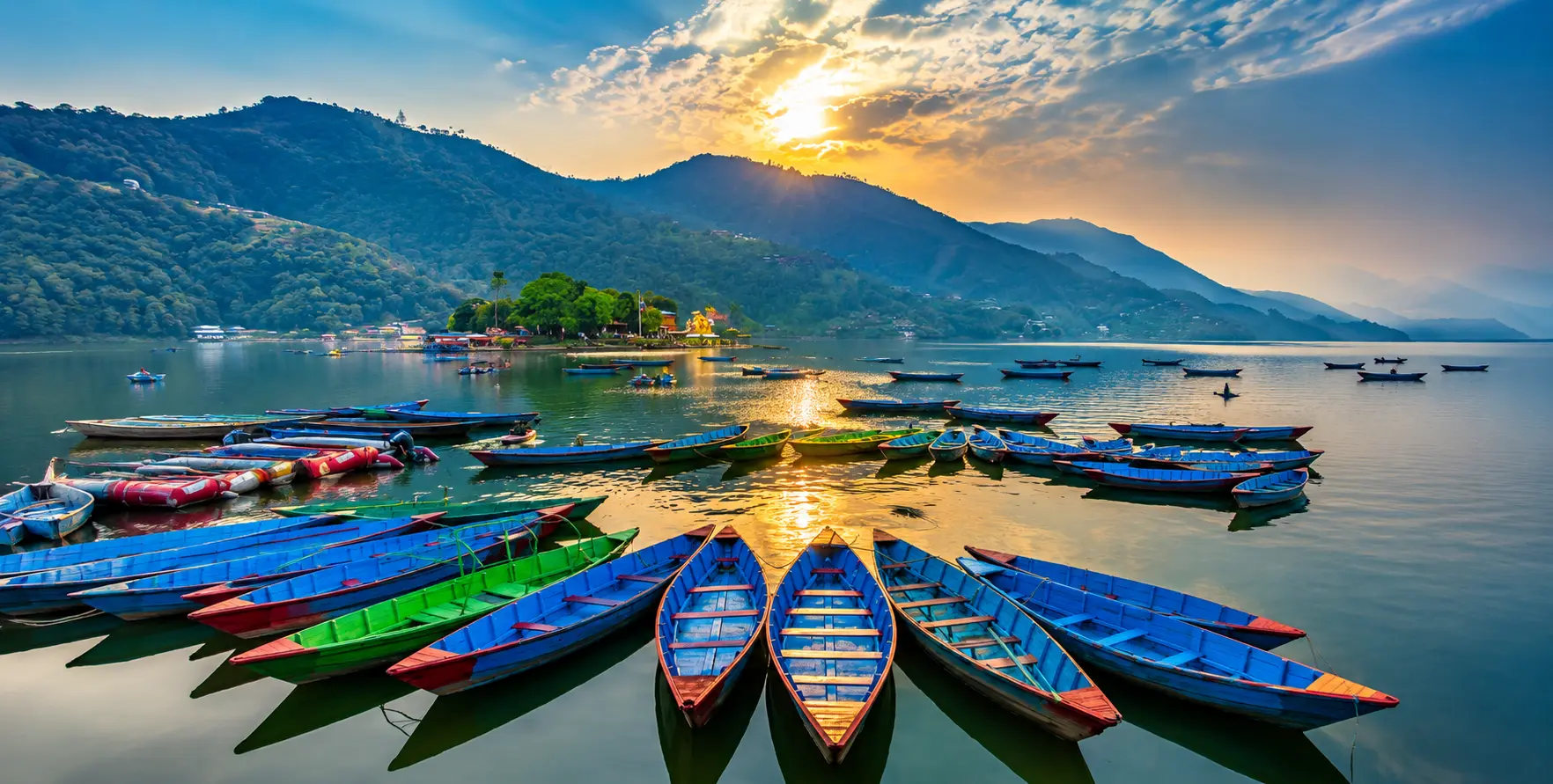
Office: Bhagawatisthan, Thamel, Kathmandu, Nepal
Trek Trailhead Drop-offs: Kande | Bhadaure | Naudanda | Pumdikot (all covered)
Return Pickup: Any finishing point arranged at the time of booking
Fleet: Private Car | 4WD Jeep (Fortuner/Hilux/Scorpio) | Hiace Van | Coaster
50,000+ Happy Customers | 5.0 Star TripAdvisor | 15,000+ Reviews
Hotel Pickup from Pokhara Lakeside | Transparent Pricing | Best Value Guaranteed
Licensed & Registered Company | Reg. No. 219204
Chat with us