How to Go to Manang from Pokhara

How to Go to Manang from PokharaHow to Go to Manang from Pokhara — The Complete  Guide
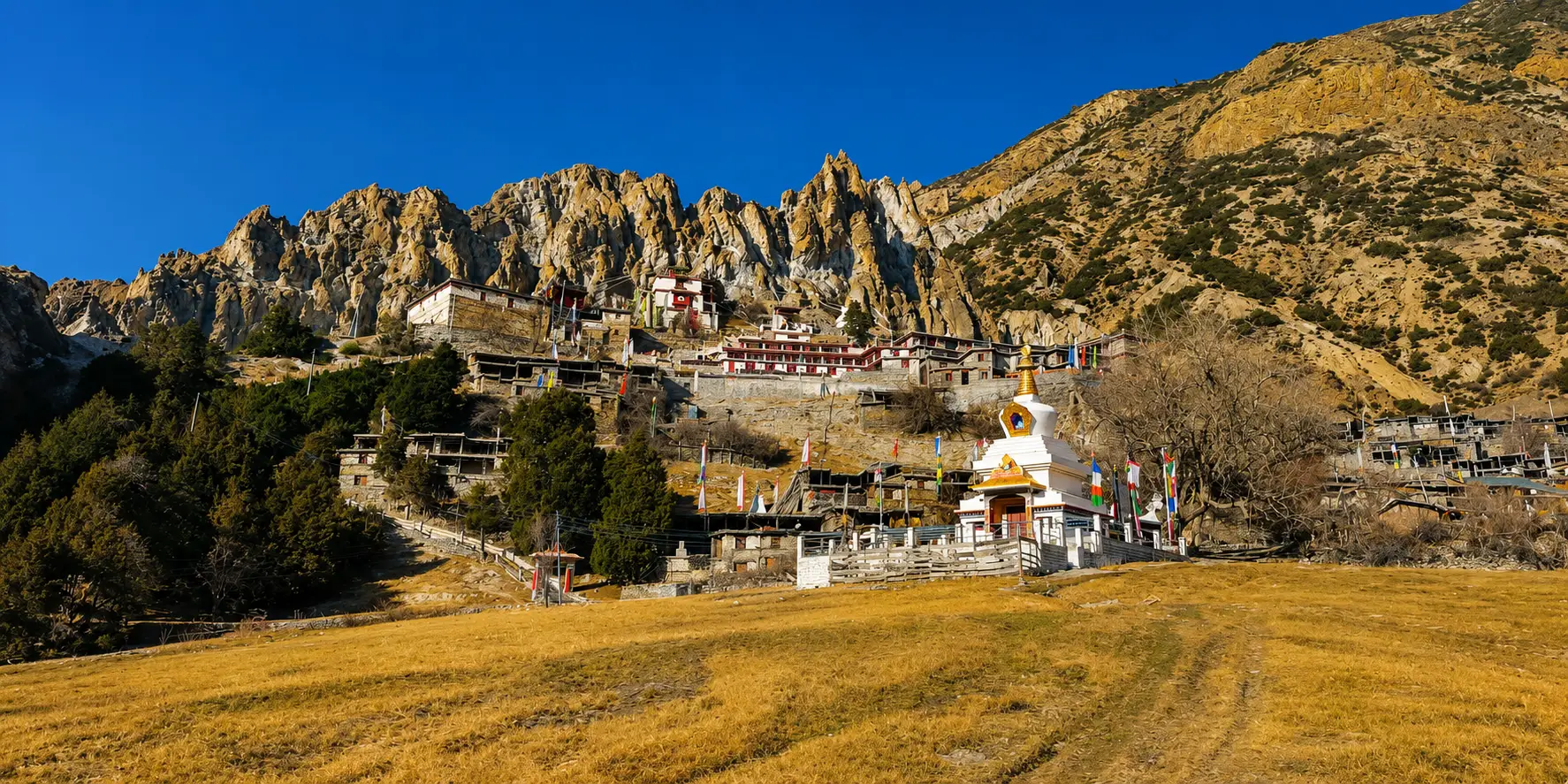
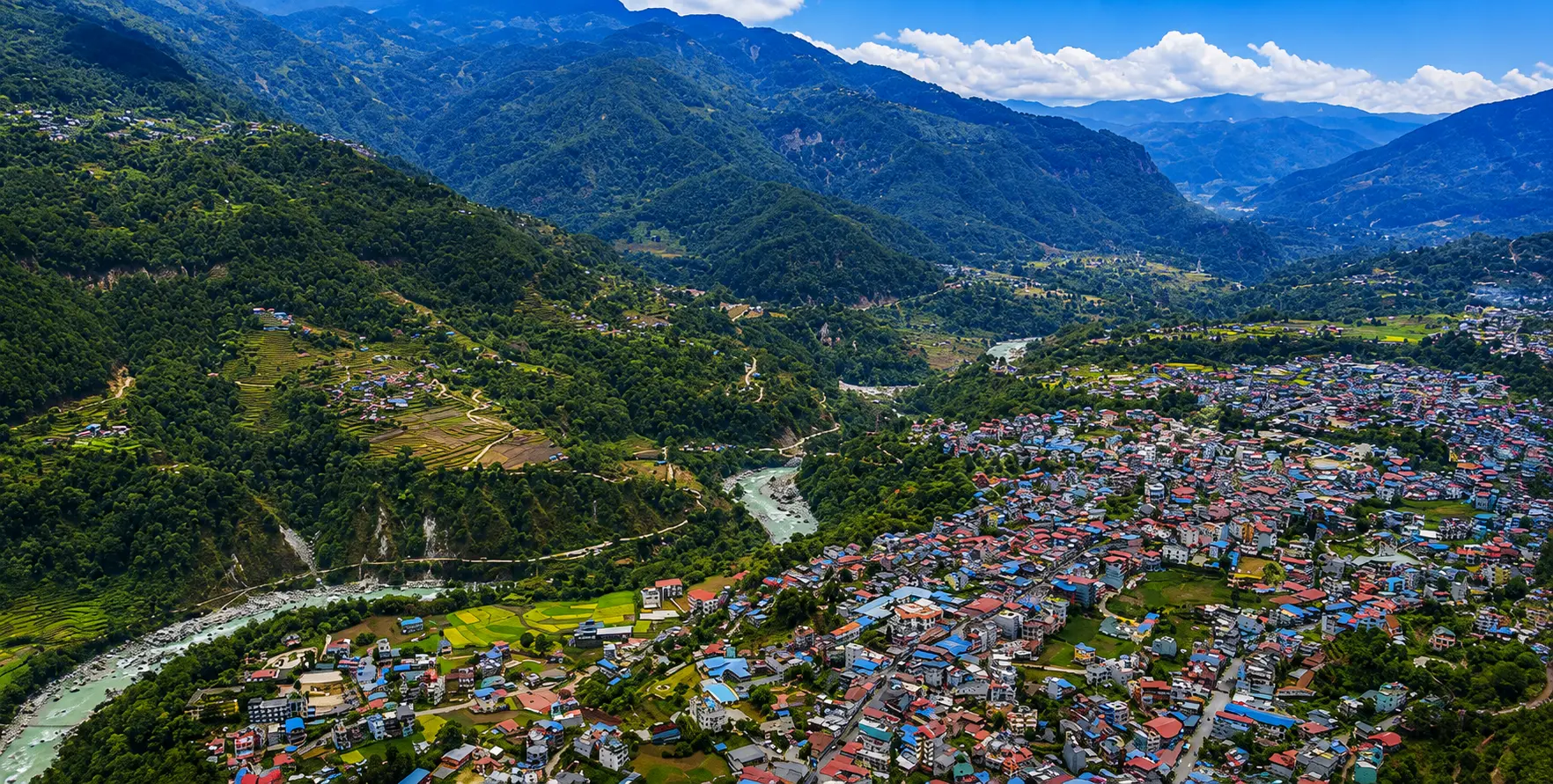
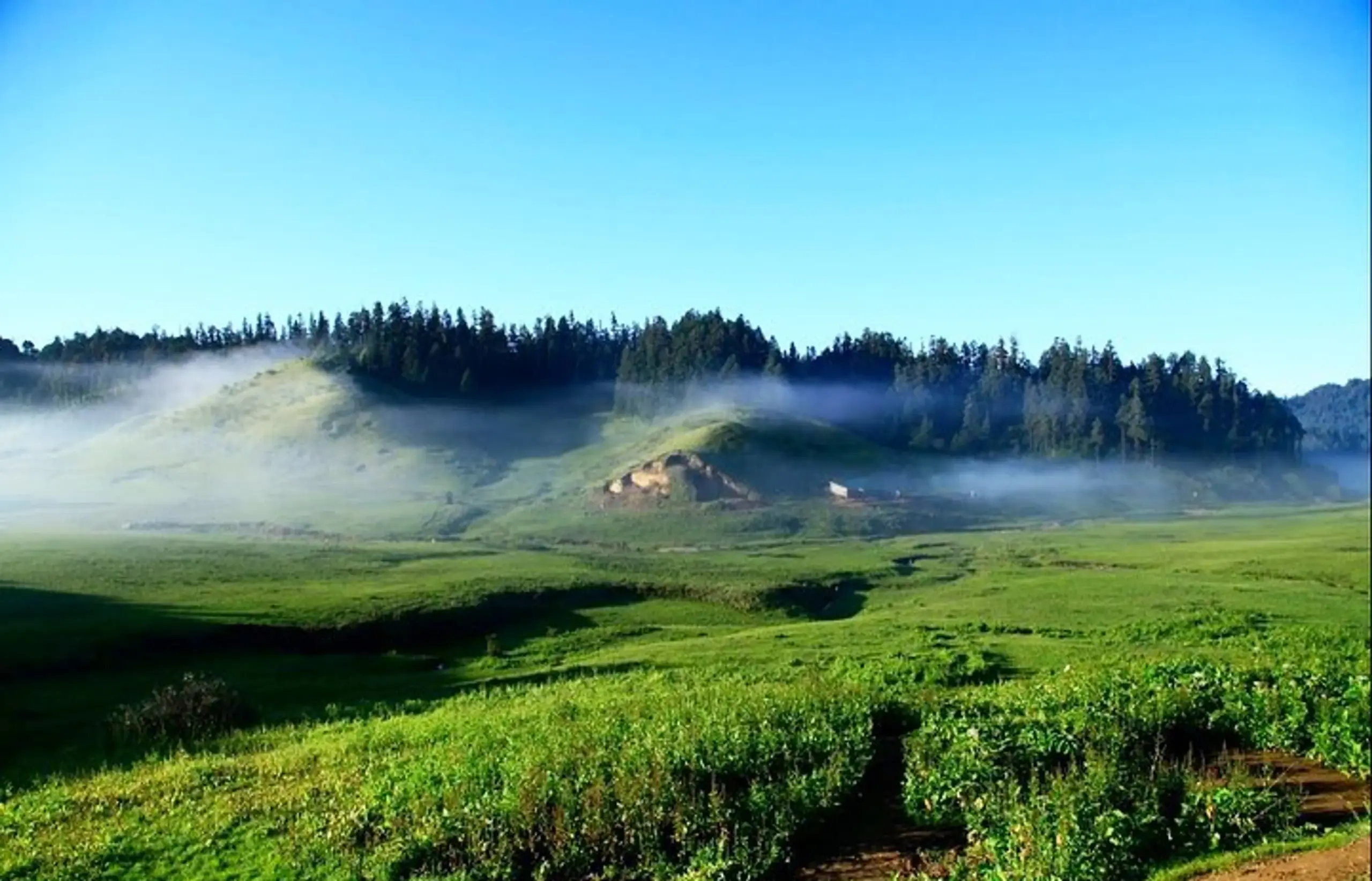
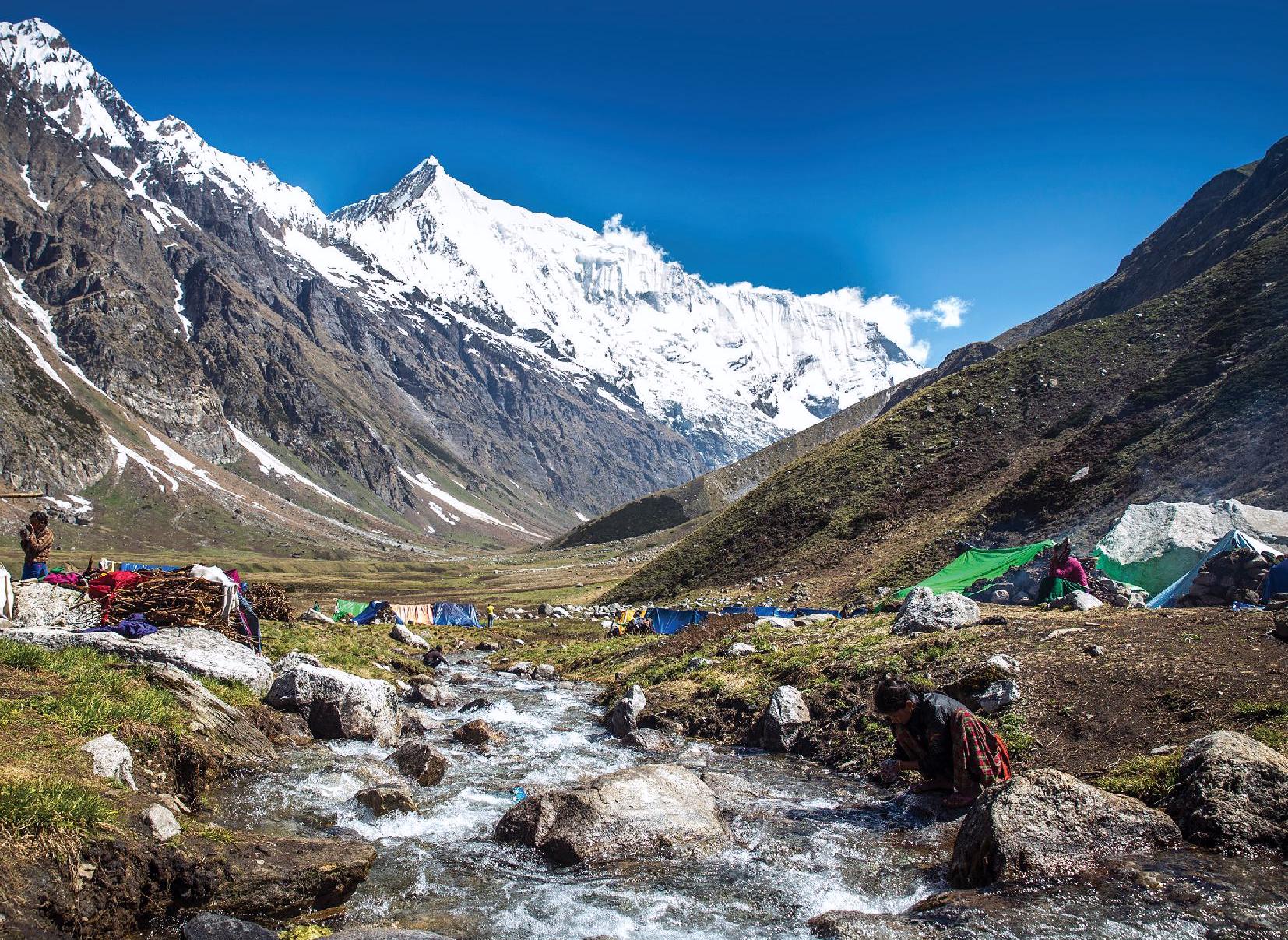
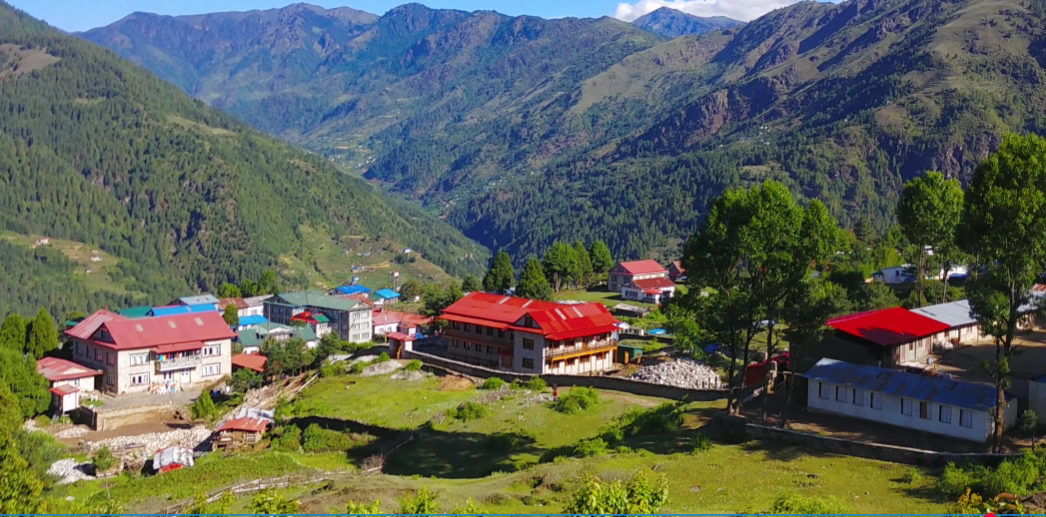
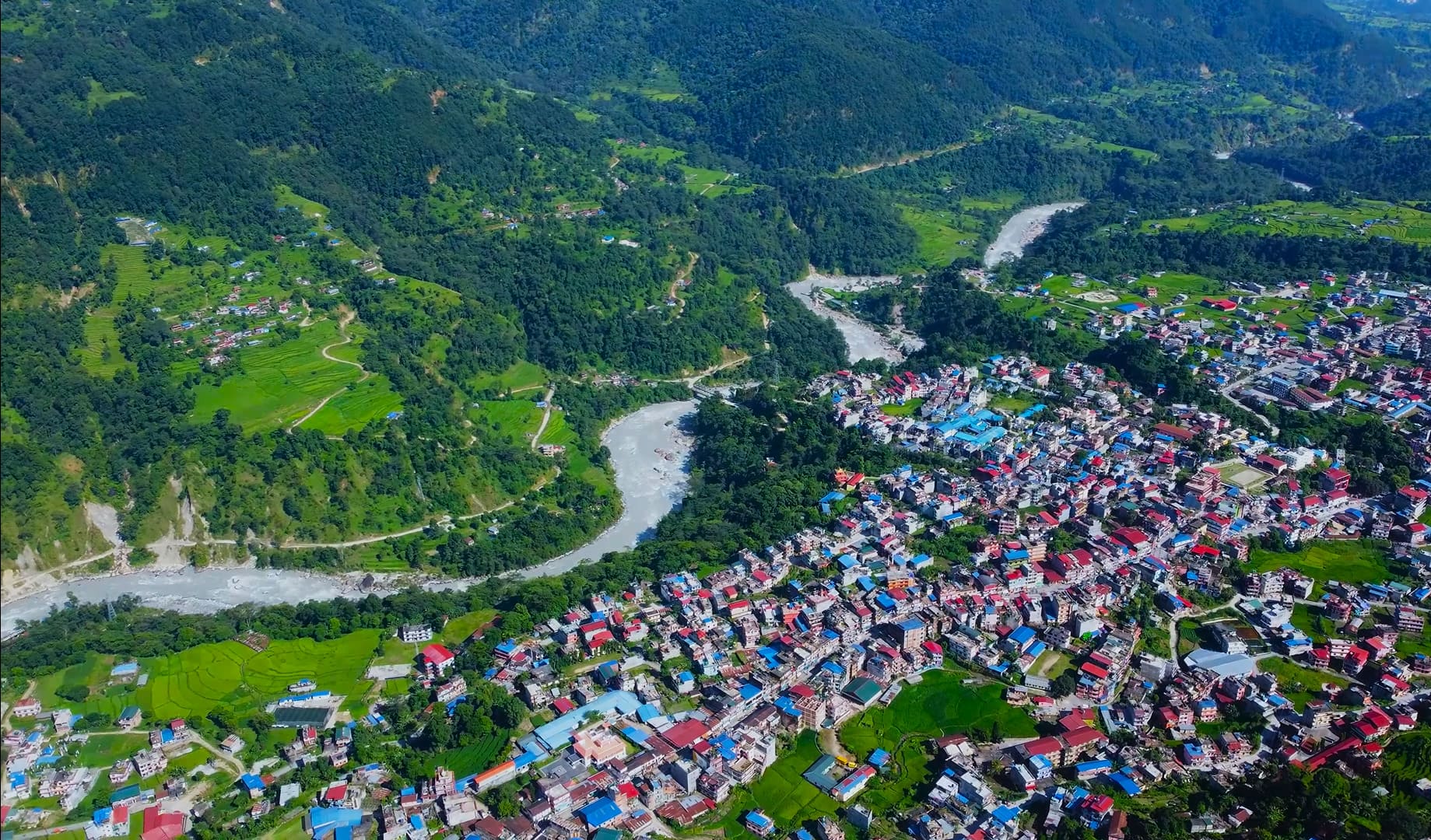
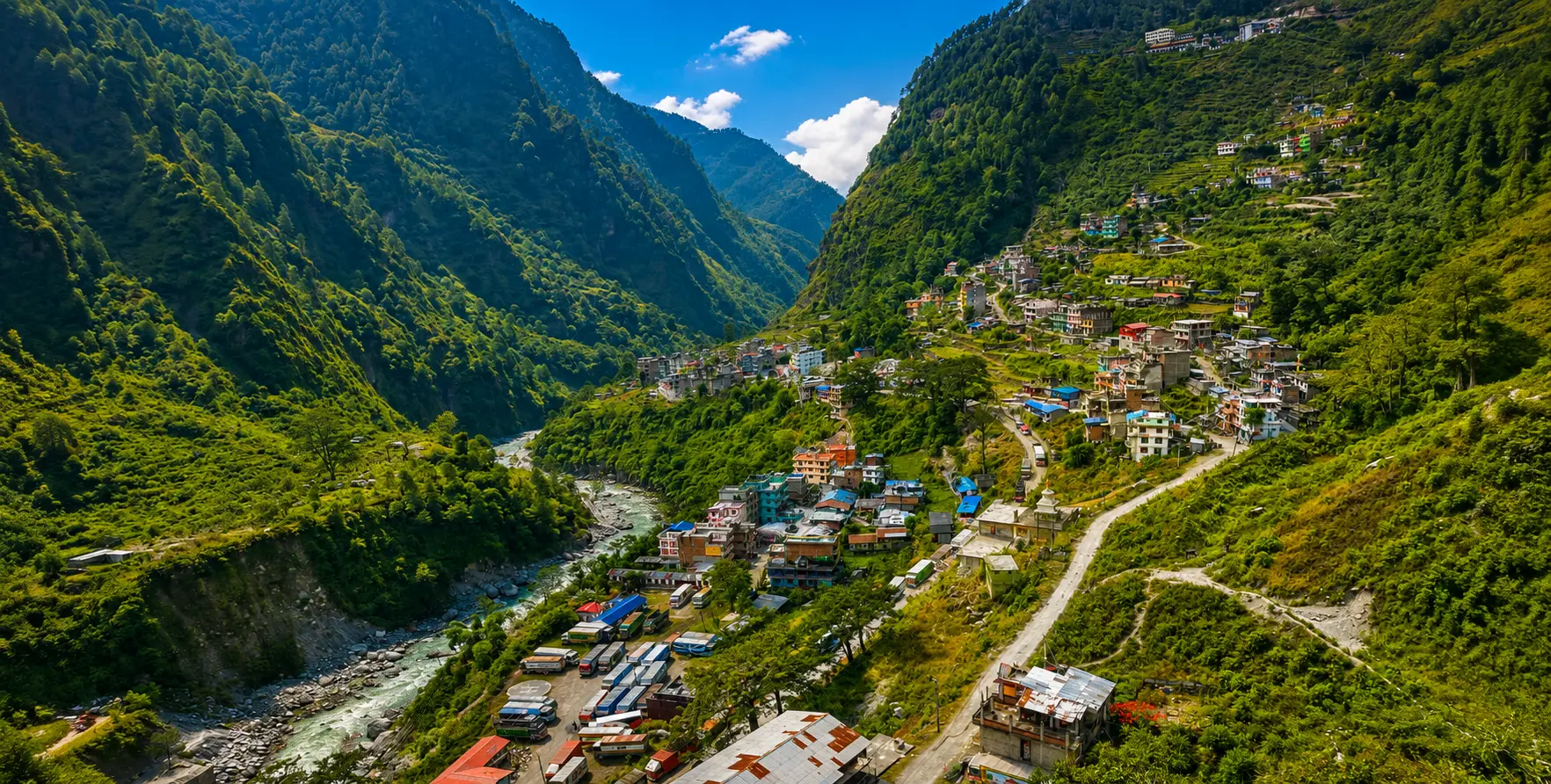
Manang, a high-altitude valley at 3,519 meters beneath the mighty Annapurna and Gangapurna massifs, is one of Nepal’s most dramatic and rewarding mountain destinations. As the primary acclimatisation hub on the classic Annapurna Circuit trek, Manang has long been familiar to experienced Himalayan walkers — but what is less widely known is that the same dramatic valley, with its ancient monasteries, glacial lakes, yak farms, and front-row Himalayan panorama, is now reachable by private 4WD jeep from Pokhara in a single long day or a comfortable two-day journey, without any requirement for multi-week trekking fitness or a long-distance trail commitment.

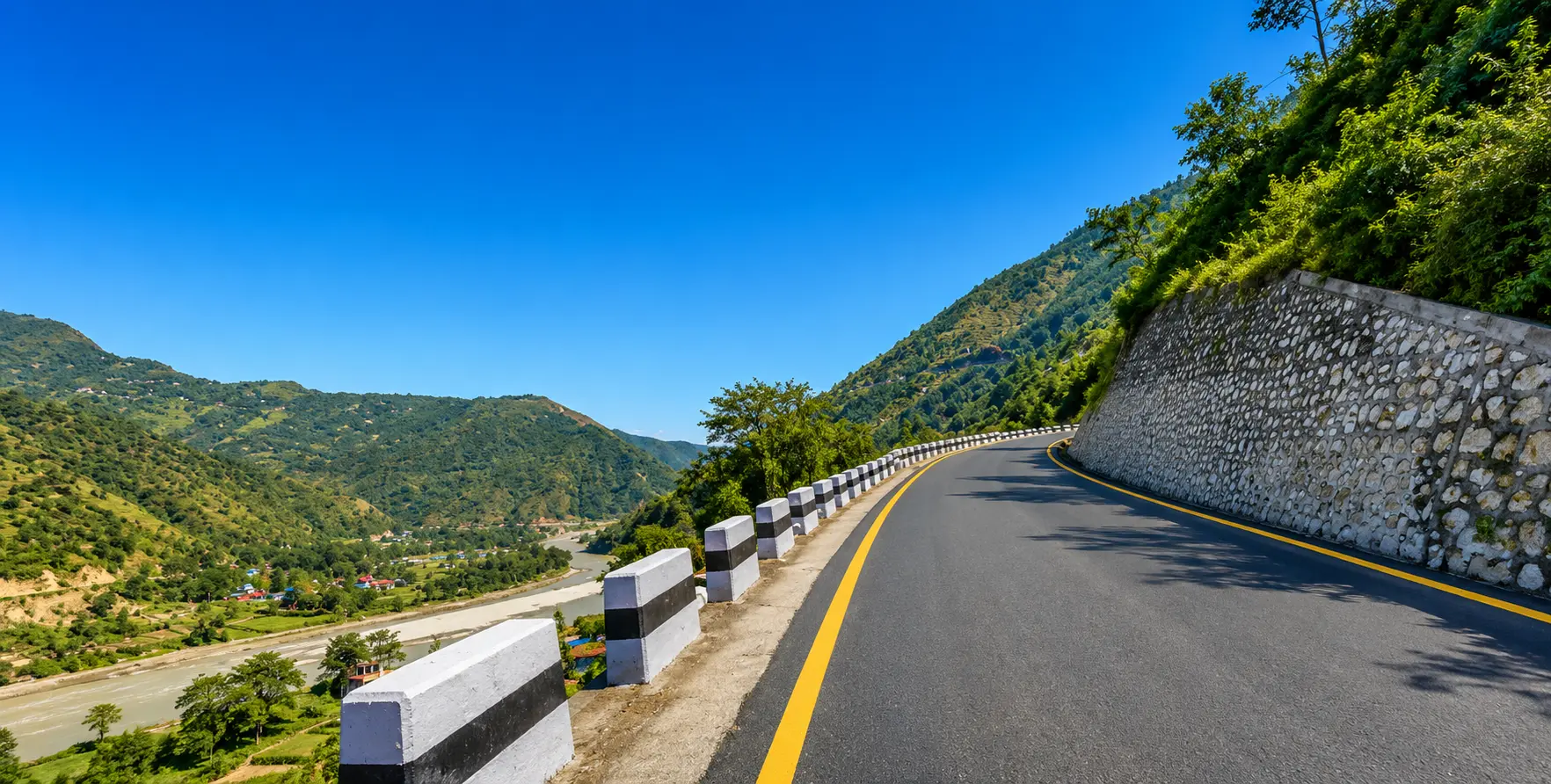
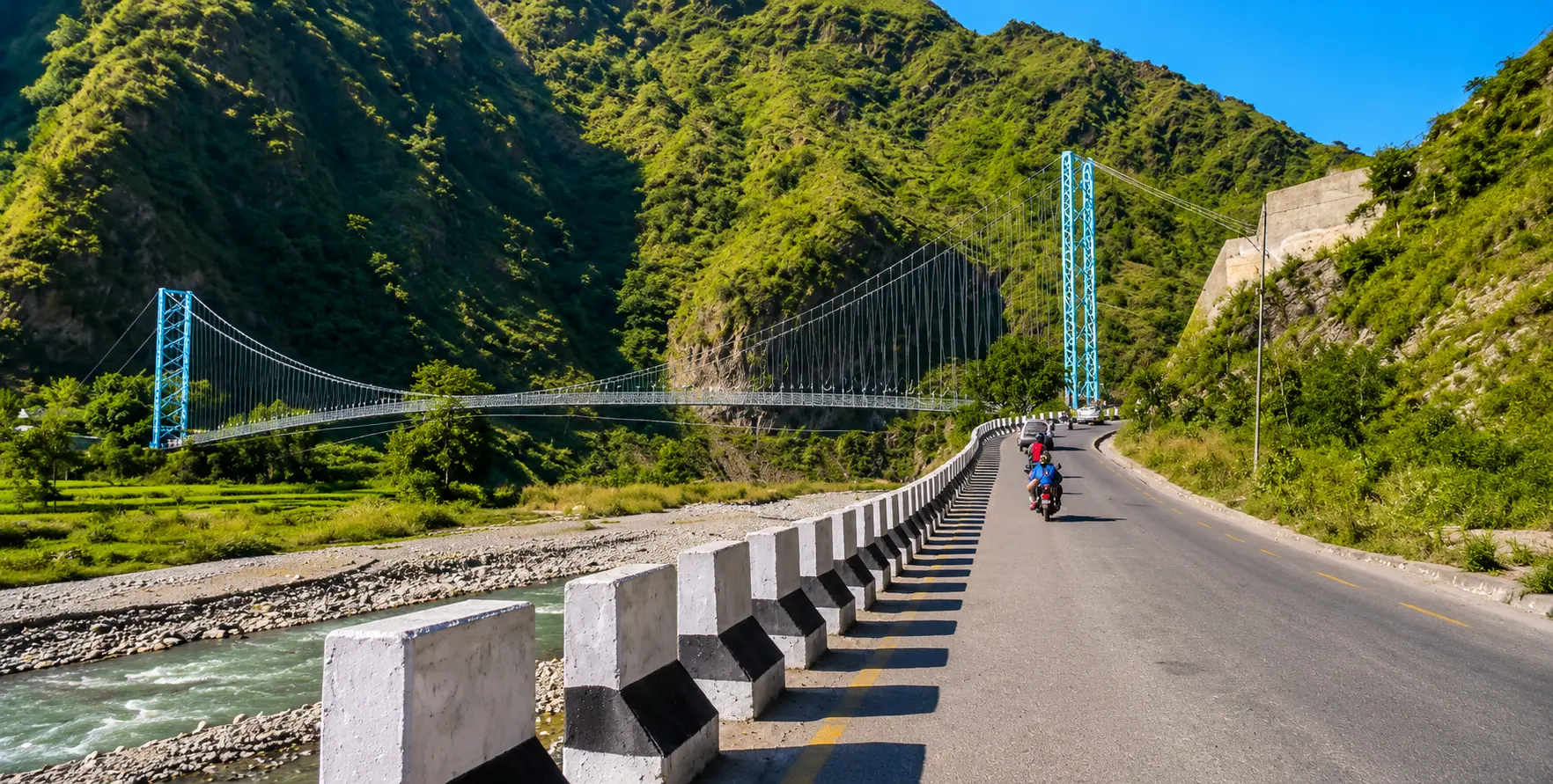
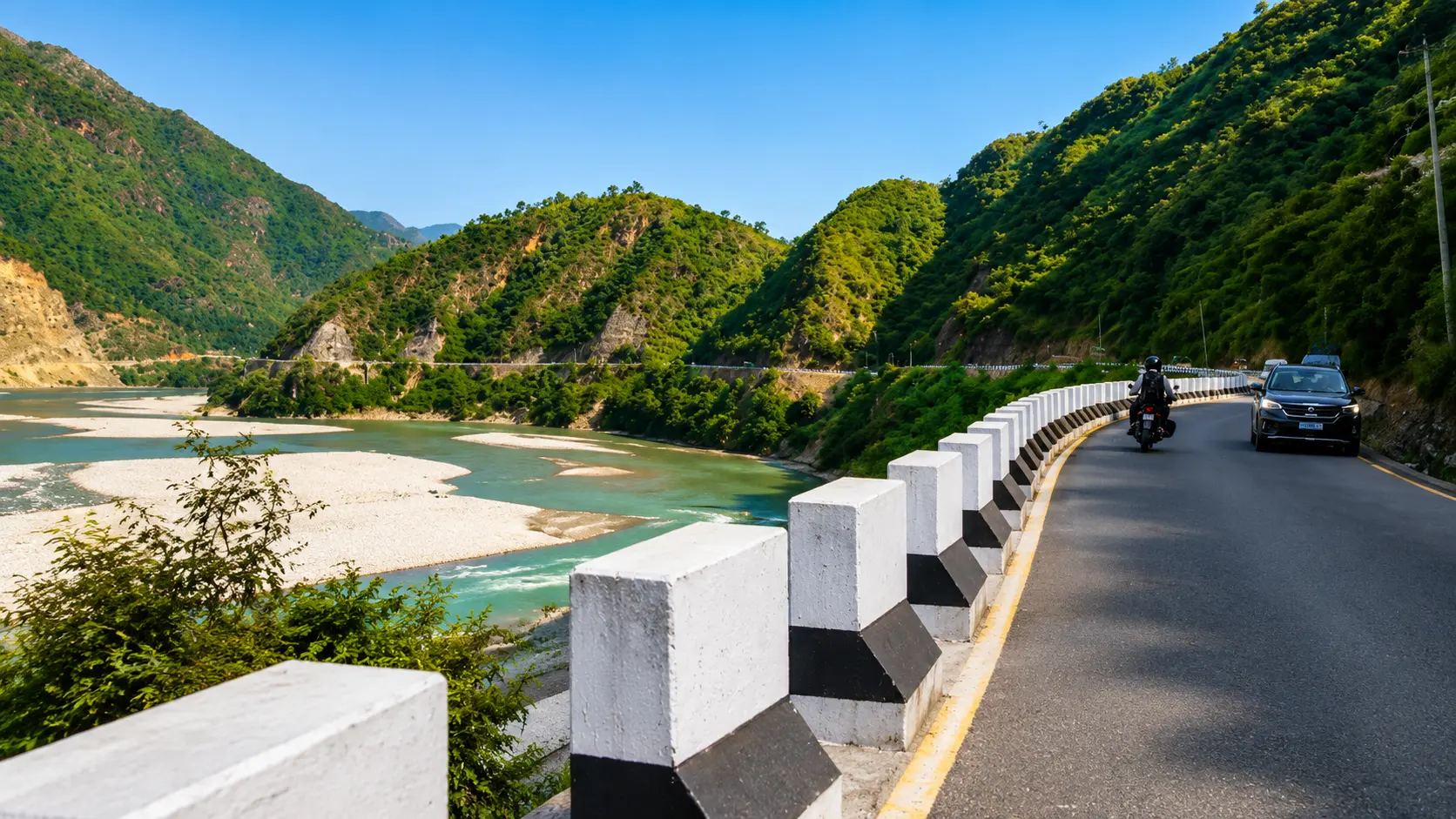
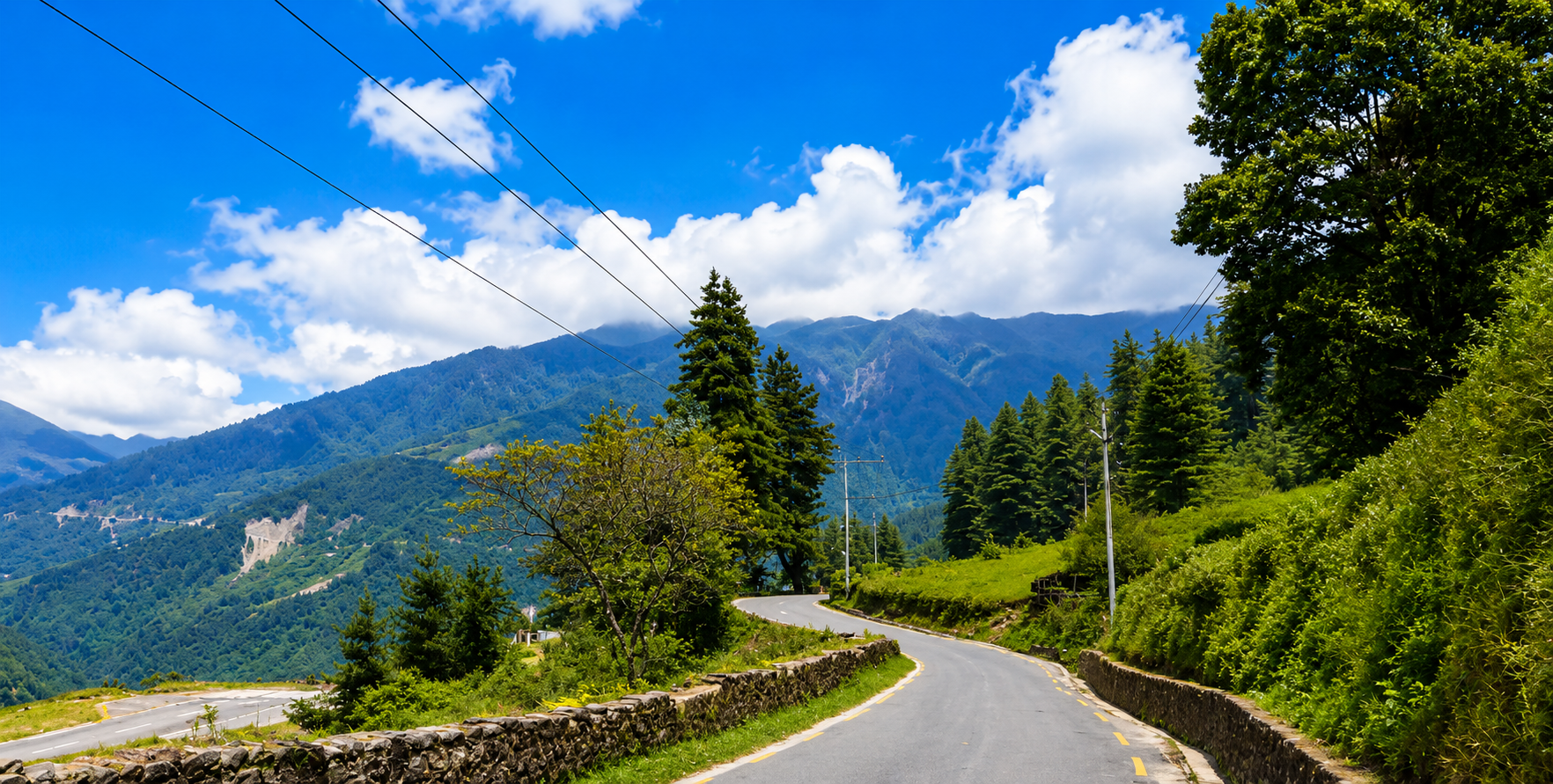
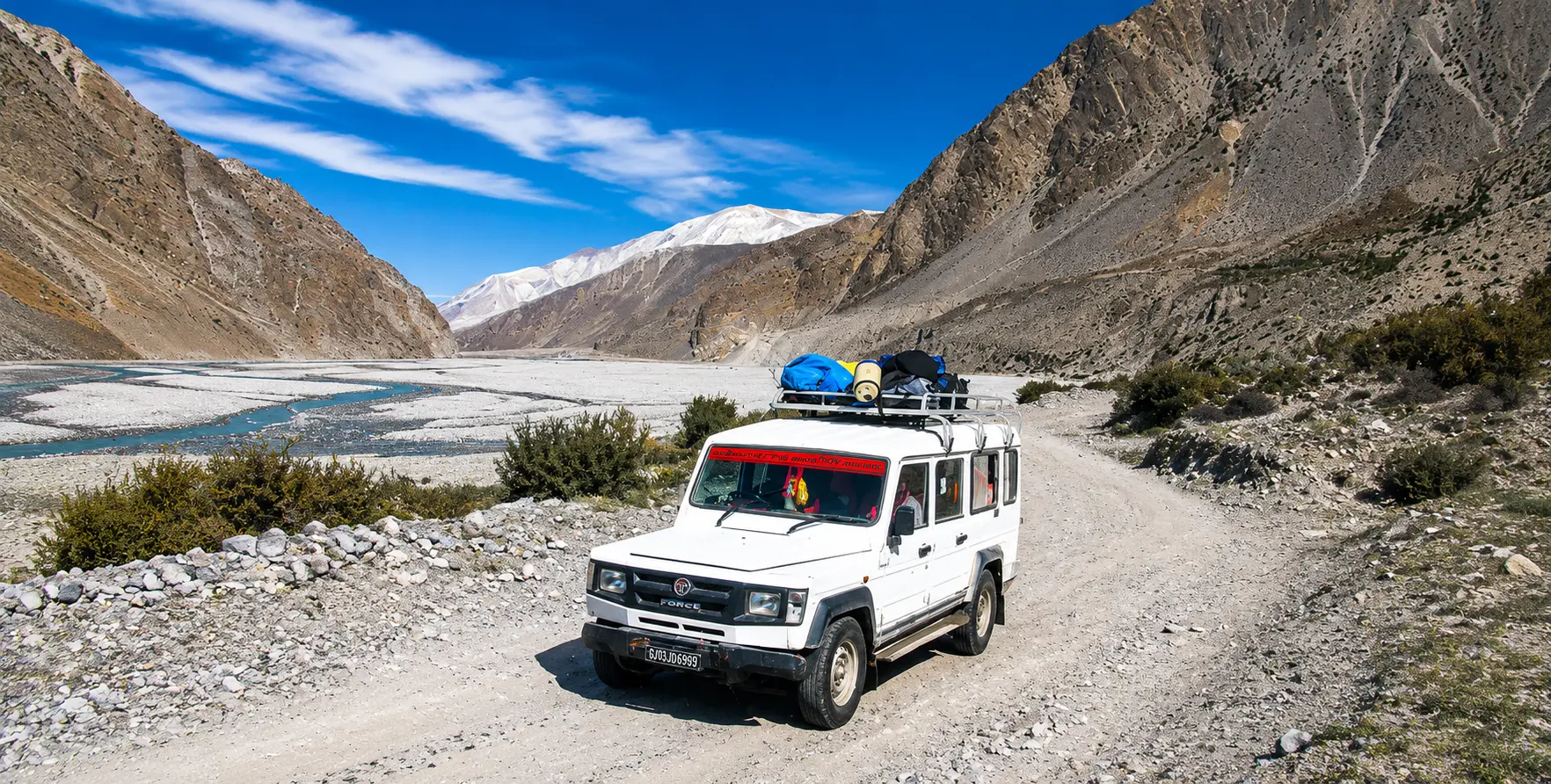
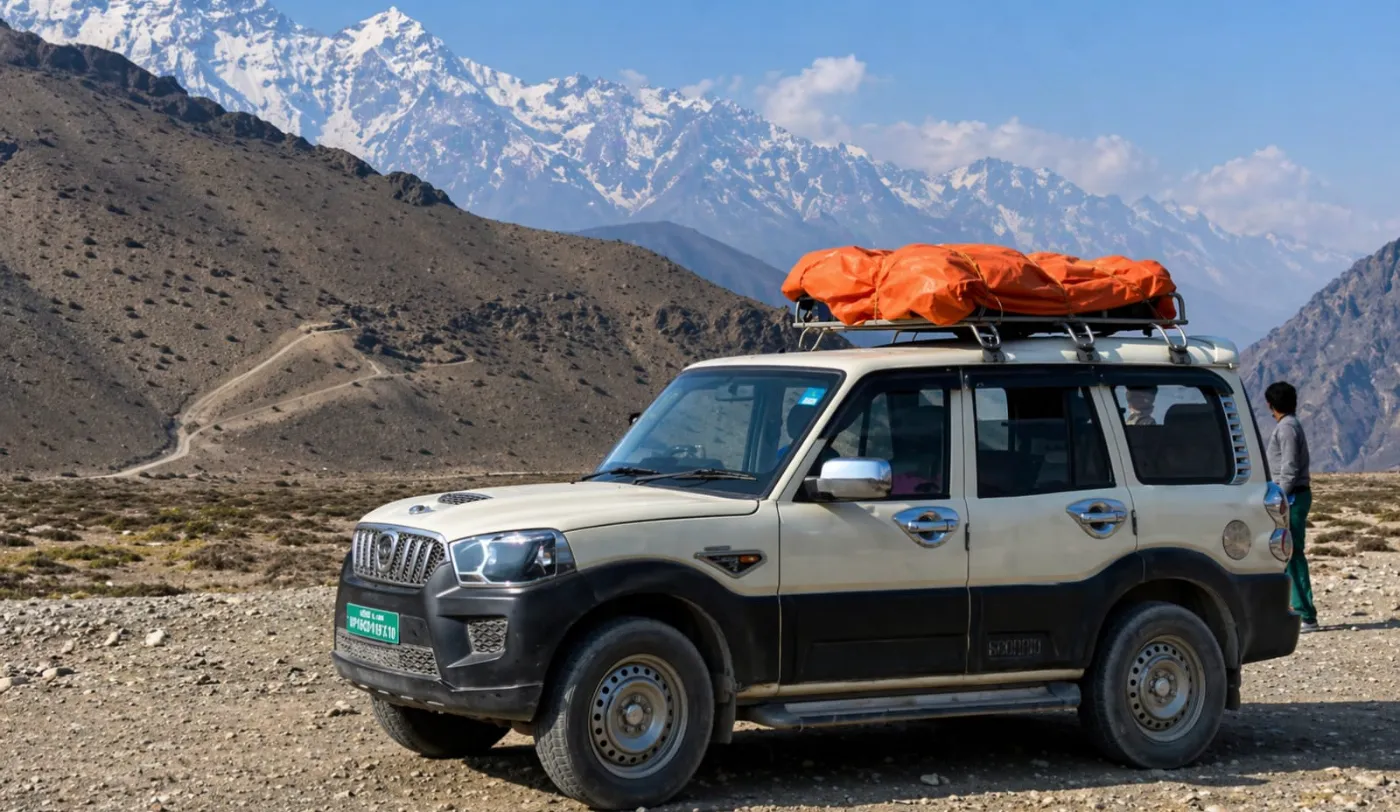
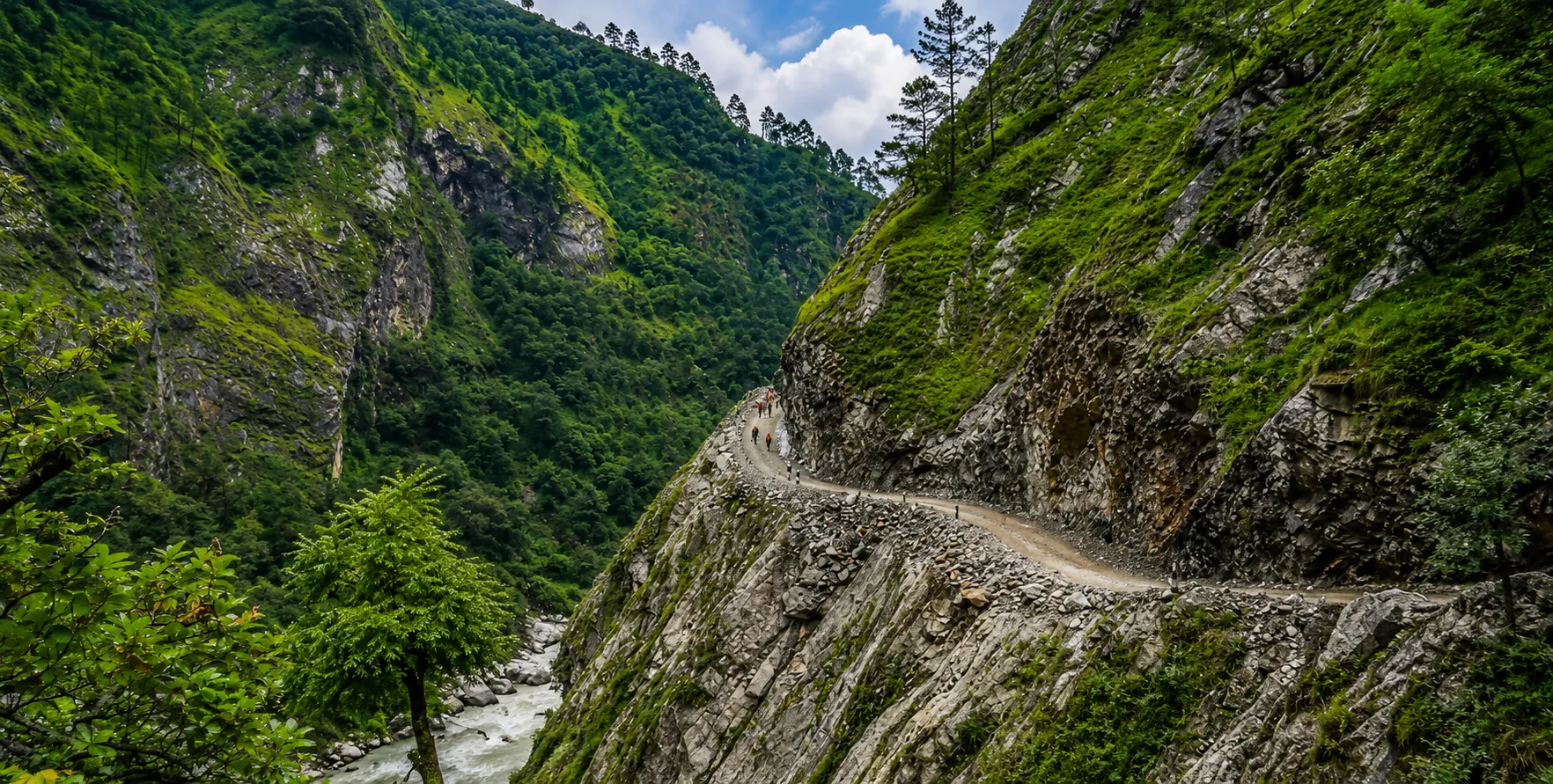
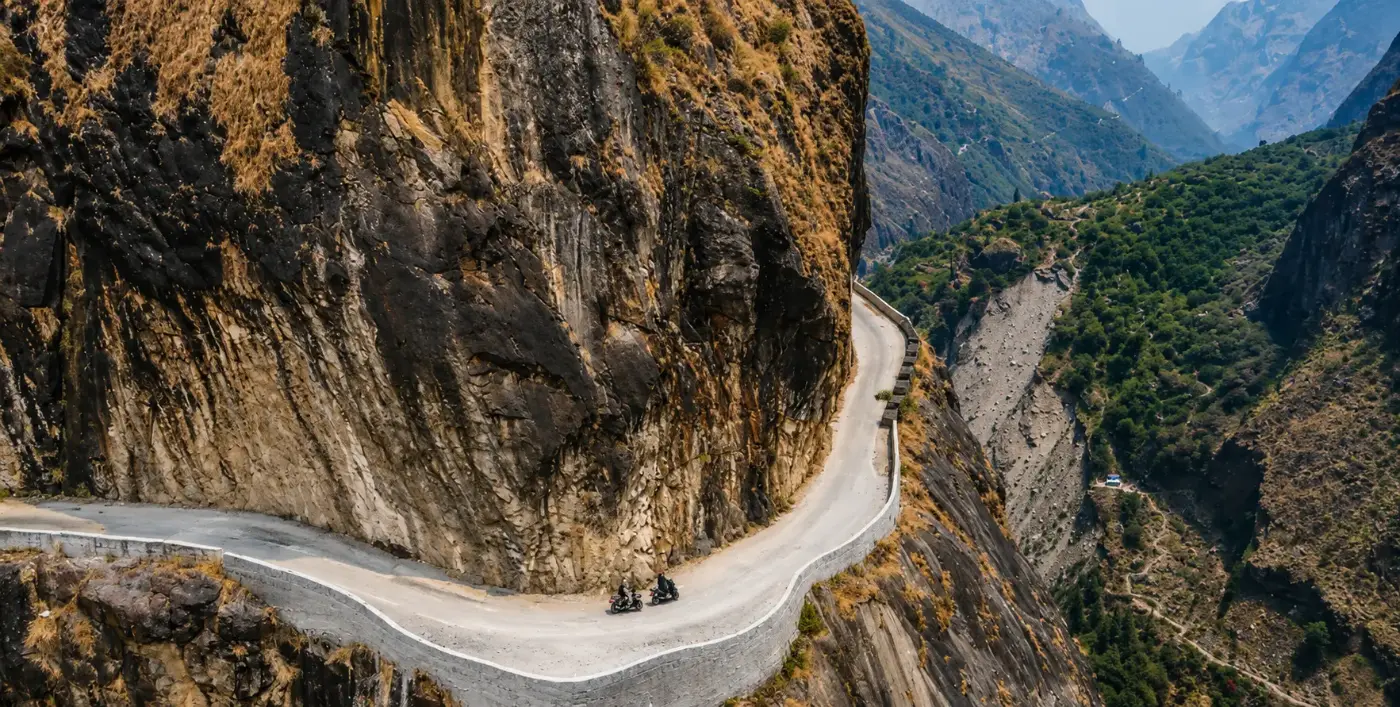
The route from Pokhara to Manang follows the Prithvi Highway to Besisahar before climbing into the Marsyangdi River gorge on the famous Annapurna Circuit road — initially paved and smooth, progressively rougher and more dramatic as the track climbs through Bhulbhule, Jagat, Dharapani, and Chame before delivering vehicles into the wide, high-altitude basin of Manang itself. It is a genuinely spectacular drive — one of Nepal’s finest overland journeys — and one that requires a 4WD vehicle, an experienced driver, and a sensible approach to altitude acclimatisation given how rapidly the route gains elevation in its upper half.

This complete 2026 guide covers everything: the full route and its key stops, all transport options and costs, the important question of how to handle altitude safely on this journey, what to do once you reach Manang, required permits, and how Nepal Vehicle Hiring Pvt Ltd provides the private jeep transfer that makes this journey smooth, safe, and comfortable.

Pokhara’s growing popularity as a base for the Manang jeep journey reflects several practical advantages over the better-known Kathmandu start. At roughly 180 km from Pokhara versus 265 km or more from Kathmandu, the Pokhara approach is considerably shorter — reducing the total drive time by roughly 2 to 3 hours and making a single-day journey to Manang far more realistic from Pokhara than it ever is from Kathmandu, where the same itinerary almost always requires an overnight stop along the route.
How to Go to Manang from Pokhara

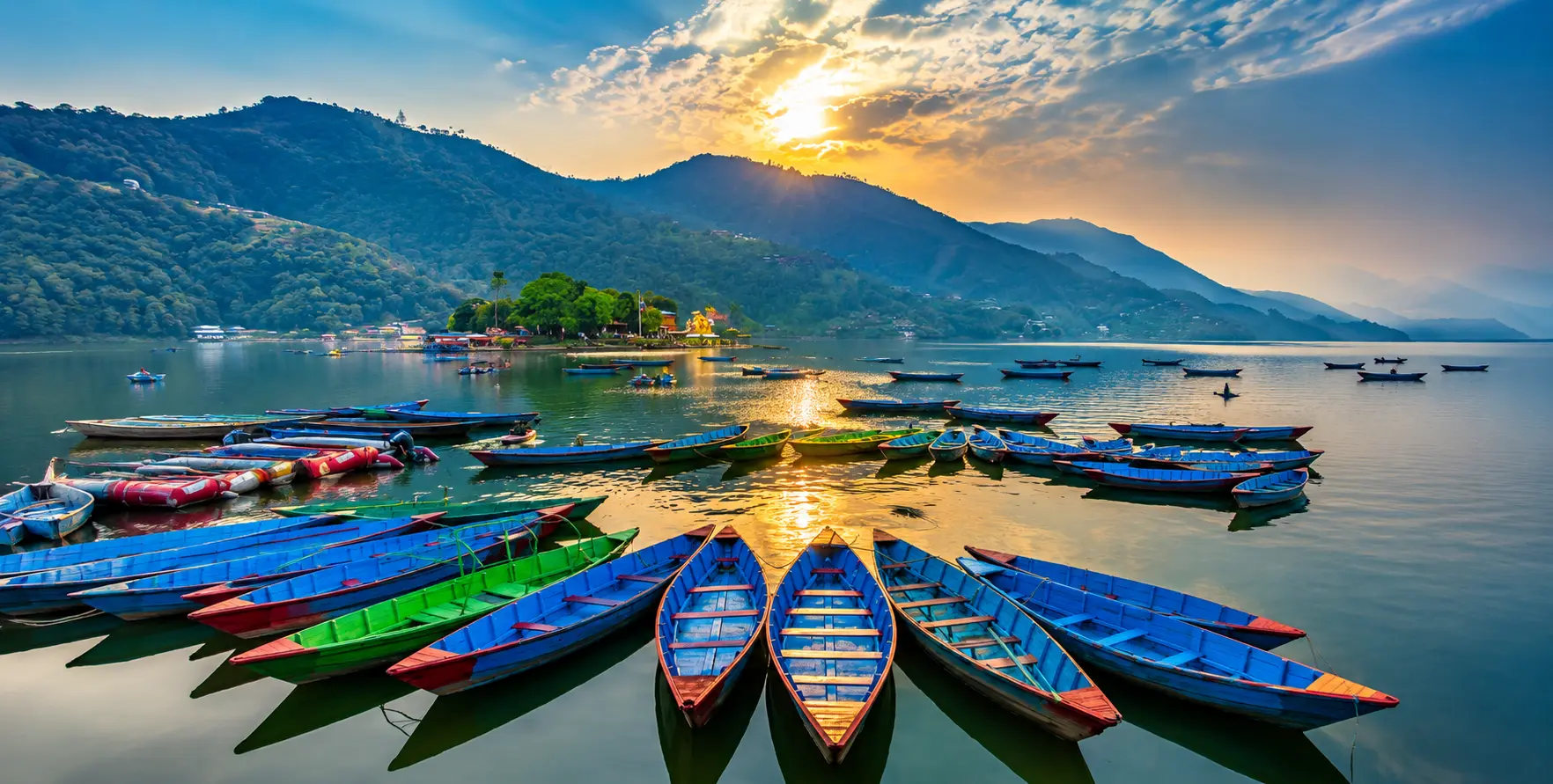
Pokhara is also, increasingly, where many Nepal visitors want to be: the city’s lakeside atmosphere, its proximity to the Annapurna foothills, and its status as the natural base for Annapurna region adventures of all kinds make it the logical starting point for a Manang jeep journey as well as for the Poon Hill, Mardi Himal, and Annapurna Base Camp trekking routes covered elsewhere in our blog series. For travellers spending several days in Pokhara, a two-day Manang excursion arriving on Day 1, exploring Manang and the surrounding lakes and monasteries on Day 2, and returning to Pokhara on Day has become one of the most popular short adventure packages available from the lakeside city.

Key Facts at a Glance

Route DetailInformation
FromPokhara (827 m)
ToManang (3,519 m)
Road Distance180 km (Pokhara to Manang via Besisahar)
Private Jeep Travel Time7 to 9 hours (often split into 2 days with overnight at Chame or Dharapani)
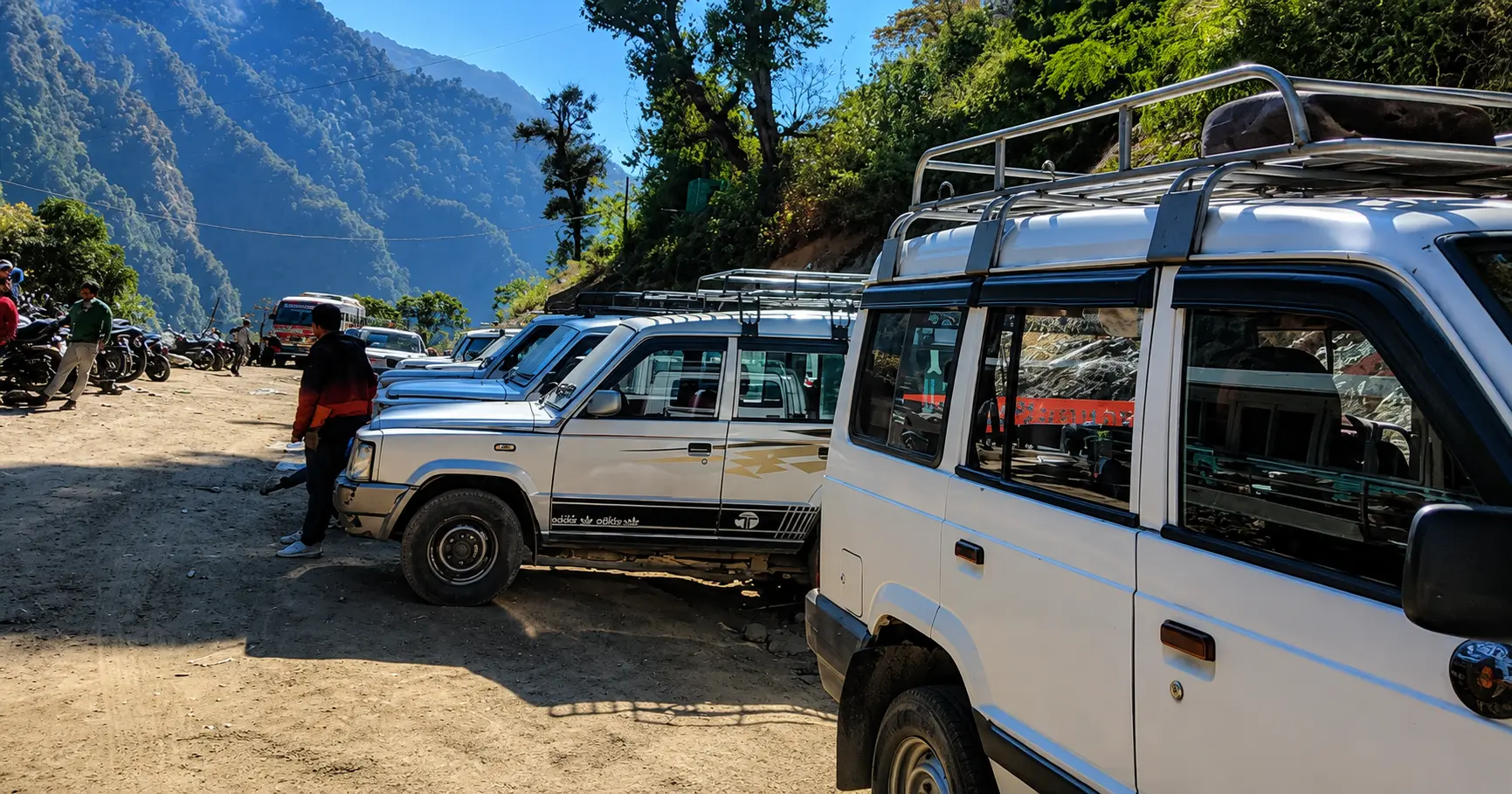
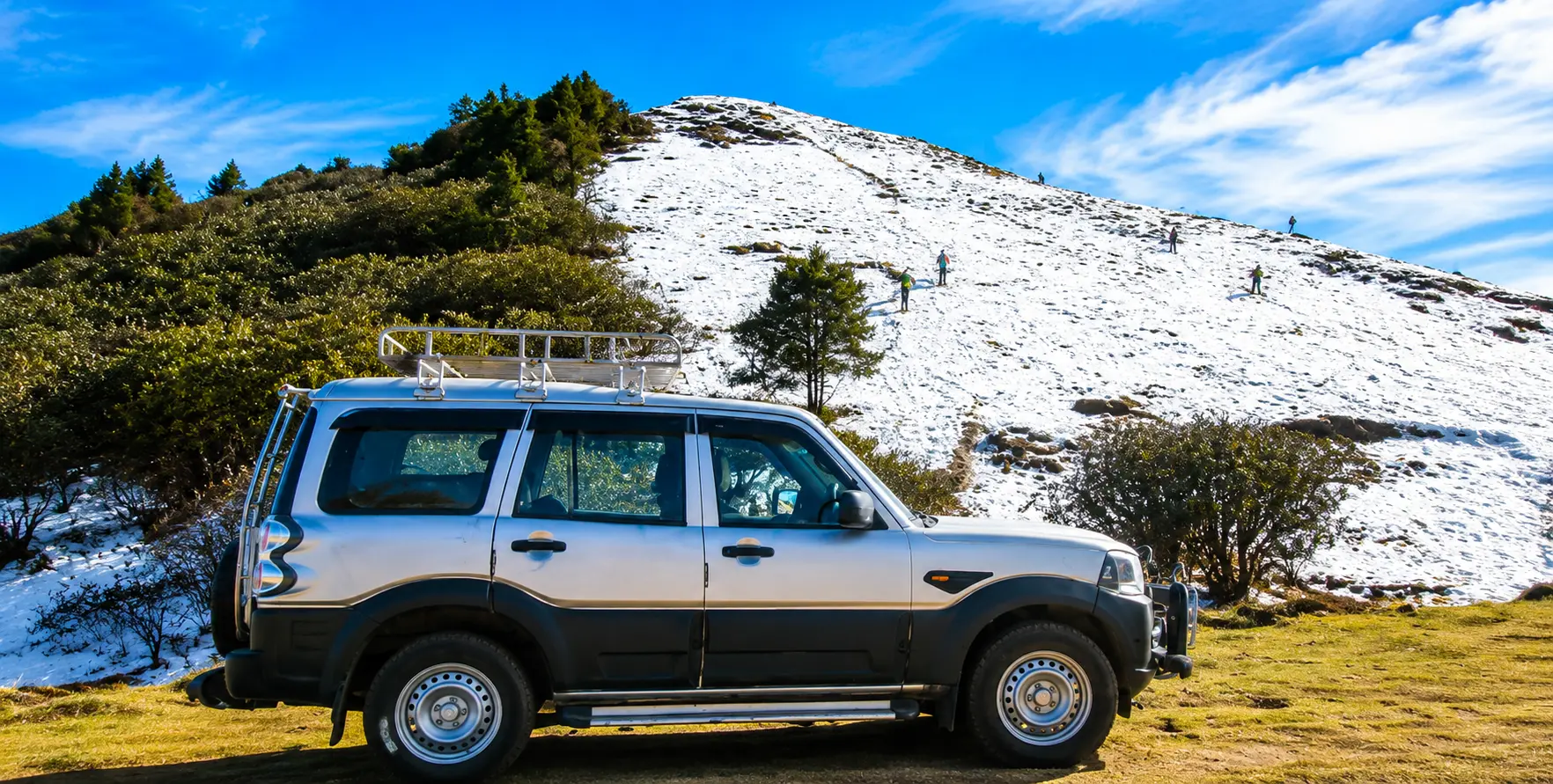
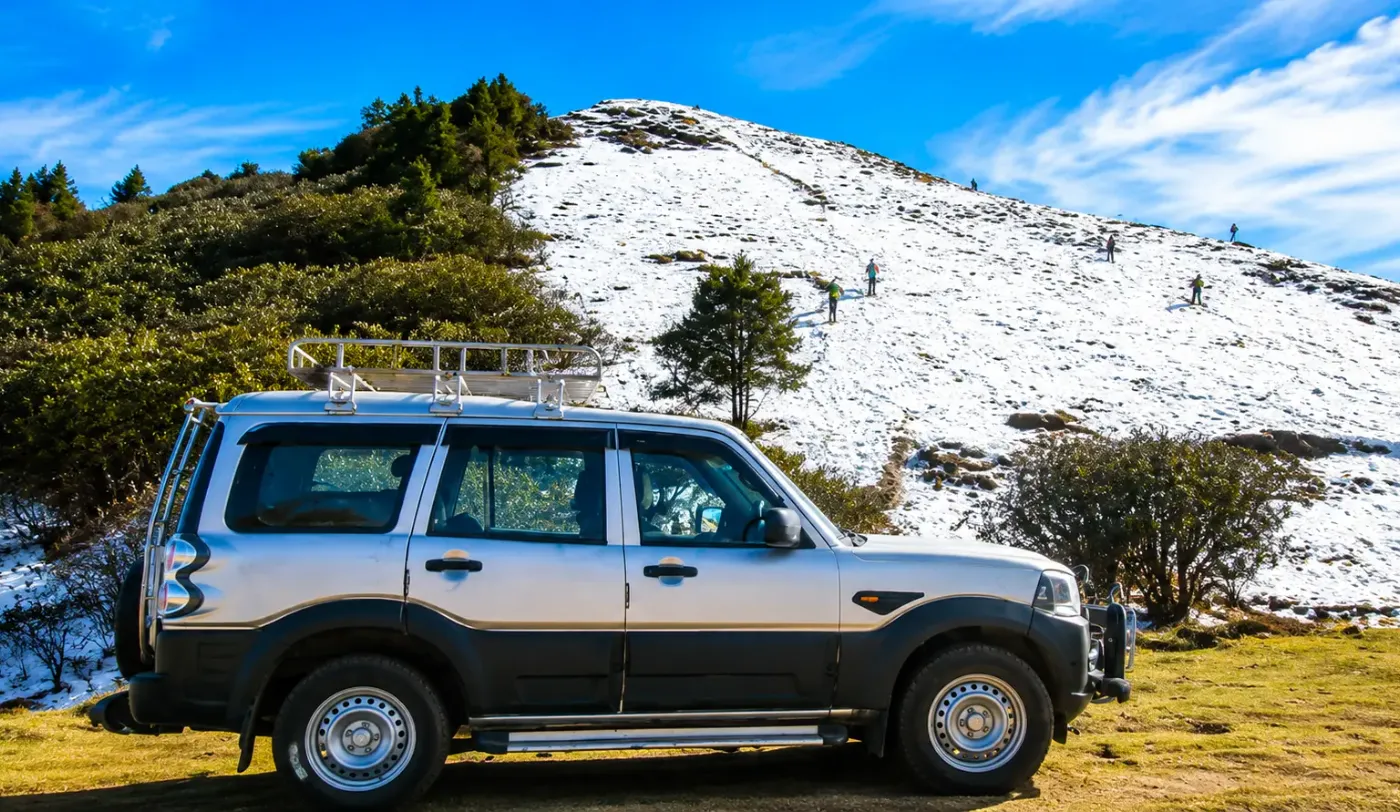
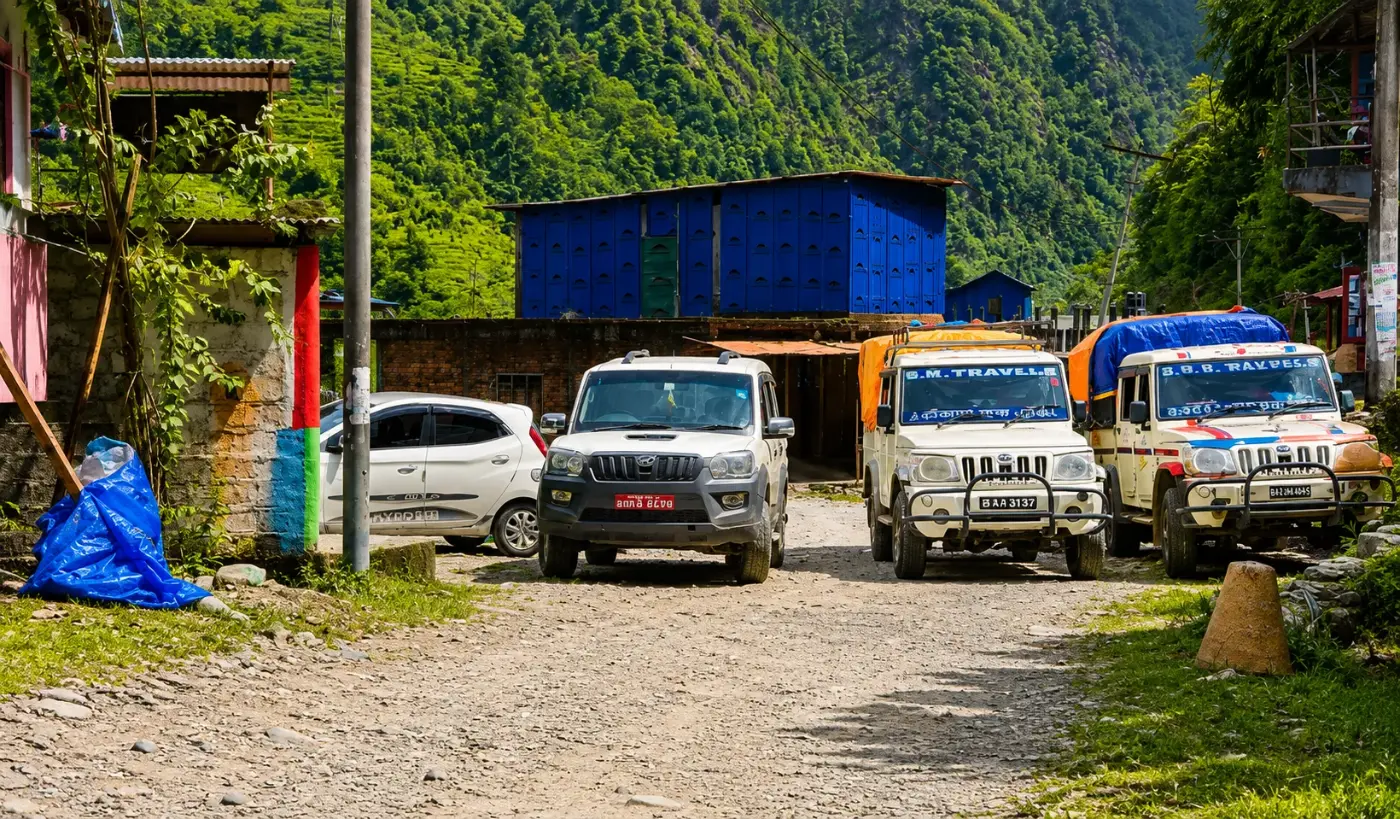
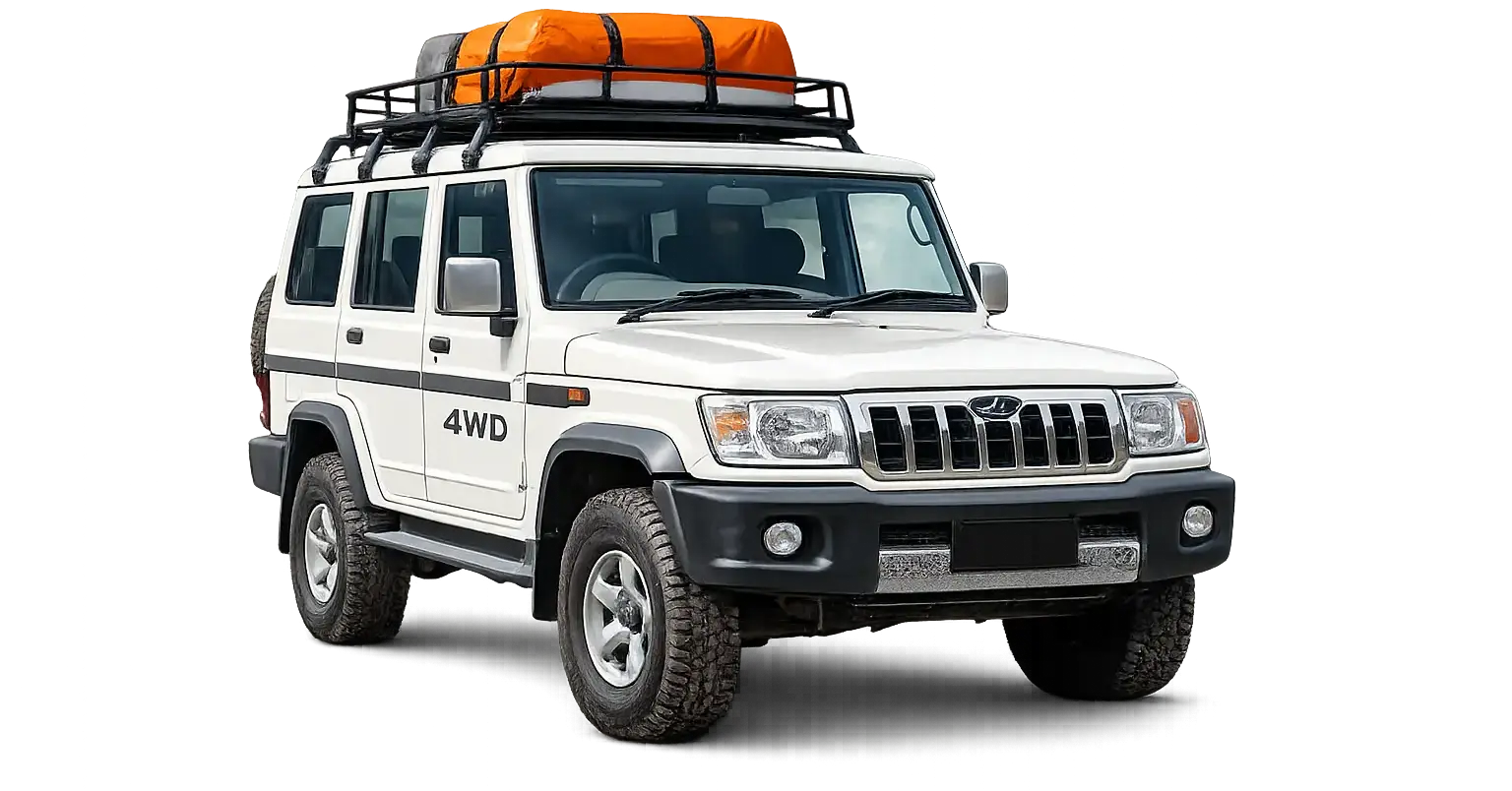
Recommended vehicle4WD Scorpio or Hilux — mandatory beyond Besisahar
RoutePokhara – Dumre – Besisahar – Bhulbhule – Jagat – Dharapani – Chame – Pisang – Manang
Road TypePaved (Pokhara to Besisahar) + Off-road mountain track (Besisahar to Manang)
ACAP PermitNPR 3,000 (USD 22-25) per person — mandatory
TIMS CardUSD 10-20 per person — recommended
Best SeasonOctober-November and March-May
Altitude GainPokhara 827 m to Manang 3,519 m — acclimatisation strongly recommended

ALTITUDE ALERT: Manang sits at 3,519 meters — 2,692 meters higher than Pokhara. Driving this elevation gain in a single day is possible, but it carries a genuine risk of Acute Mountain Sickness (AMS) for many travellers. Nepal Vehicle Hiring Pvt Ltd strongly recommends a 2-day approach with an overnight stop in Dharapani (1,860 m) or Chame (2,670 m) for travellers who haven’t previously spent time above 3,000 m.
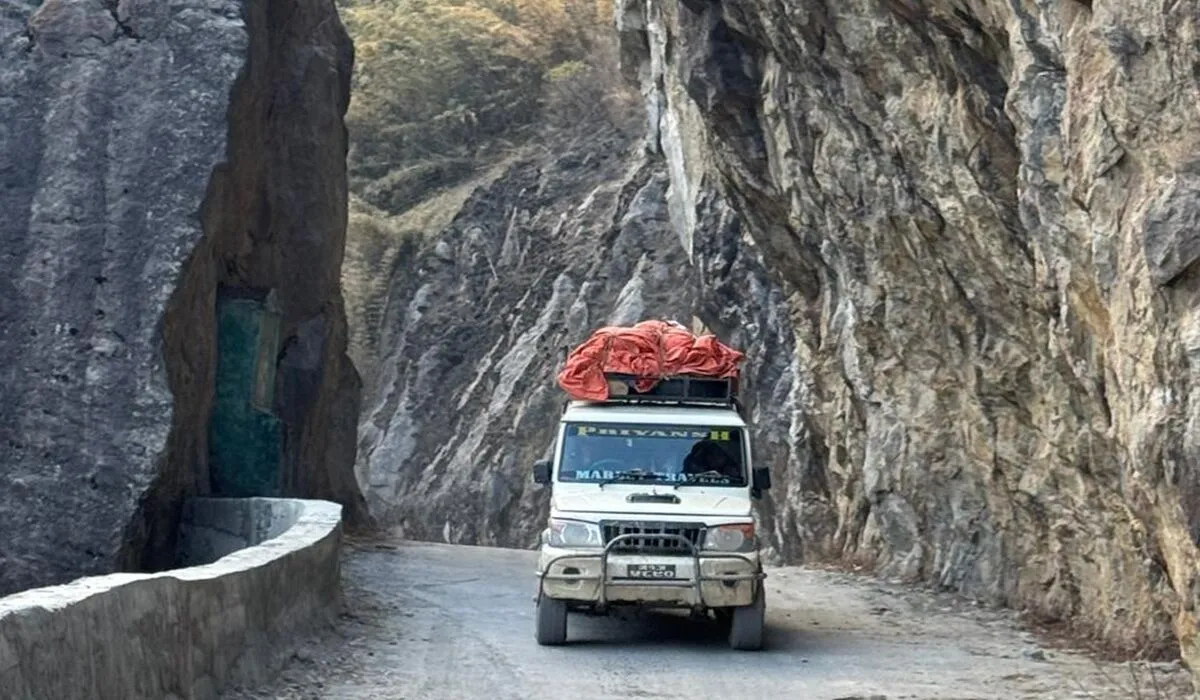
Kathmandu to Manang jeep

All Transport Options — Pokhara to Manang

Transport OptionCost Travel TimeBest For
Private Jeep (Pokhara-Manang direct)NPR 25,000-45,000 / USD 190-300 (full vehicle)7-9 hrs one day OR 2 days with overnightGroups wanting comfort + flexibility
Private Jeep (2-day: Pokhara-Besisahar Day 1; Besisahar-Manang Day 2)NPR 28,000-42,000 / USD 210-315 (full vehicle, 2 days)~5 hrs Day 1 + ~5 hrs Day 2Best for acclimatisation; recommended approach
Shared Jeep (Besisahar-Manang)NPR 1,500-2,500 / USD 12-20 per person5-7 hrs (Besisahar to Manang only)Budget travelers already at Besisahar
Tourist Bus (Pokhara-Besisahar) + shared jeepNPR 400-700 bus + NPR 1,500-2,500 jeep per person3-4 hrs bus + 5-7 hrs jeepBudget — slower, multiple transfers
Round Trip Private Package (Pokhara-Manang-Pokhara)NPR 45,000-80,000 / USD 340-700 (full vehicle)2 days each waySightseeing groups; most popular Manang tour format

How to Go to Manang from Pokhara

Why Private Jeep Is the Right Choice for This Route

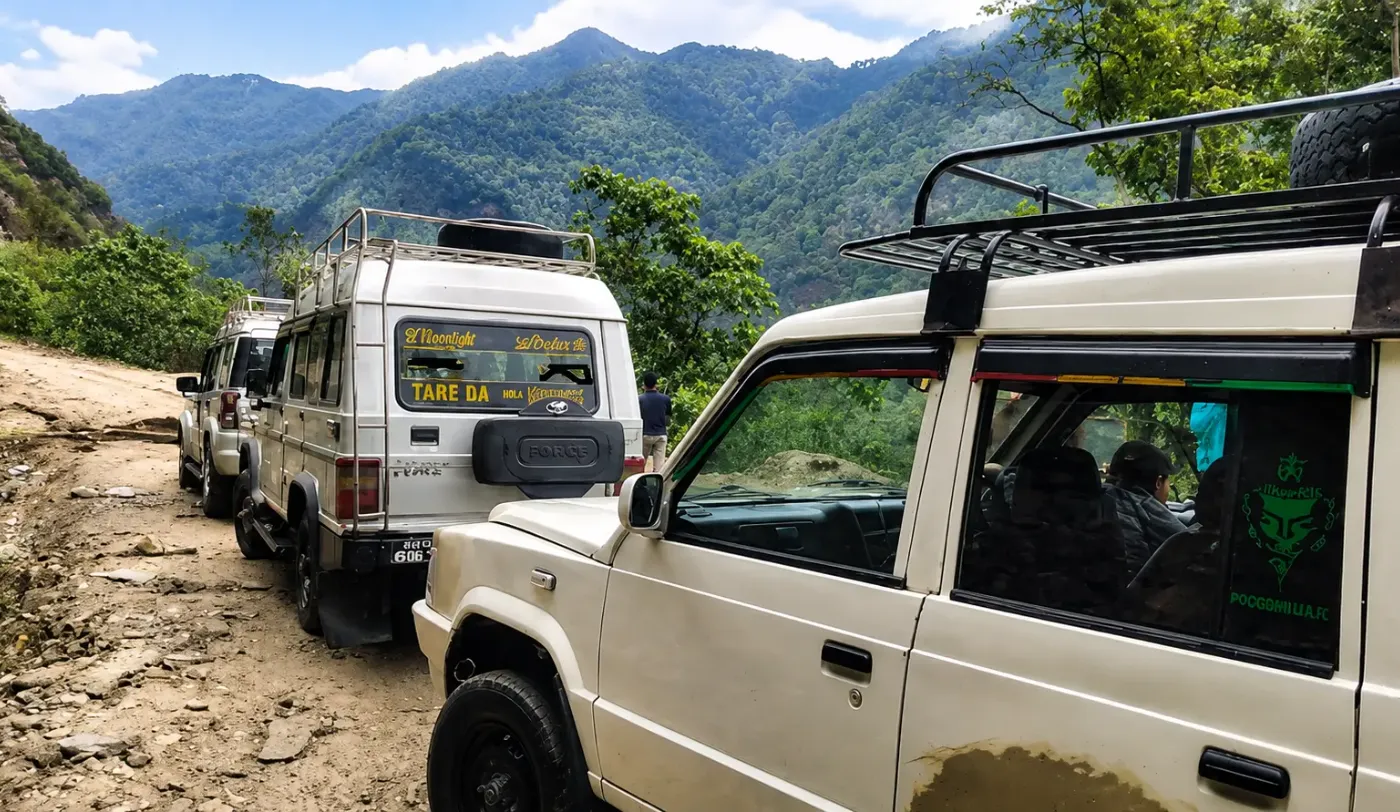
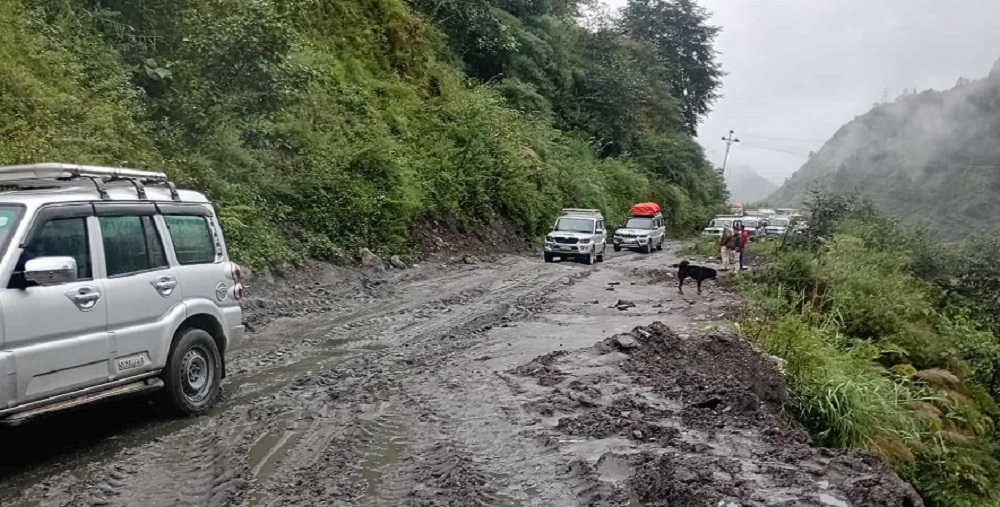
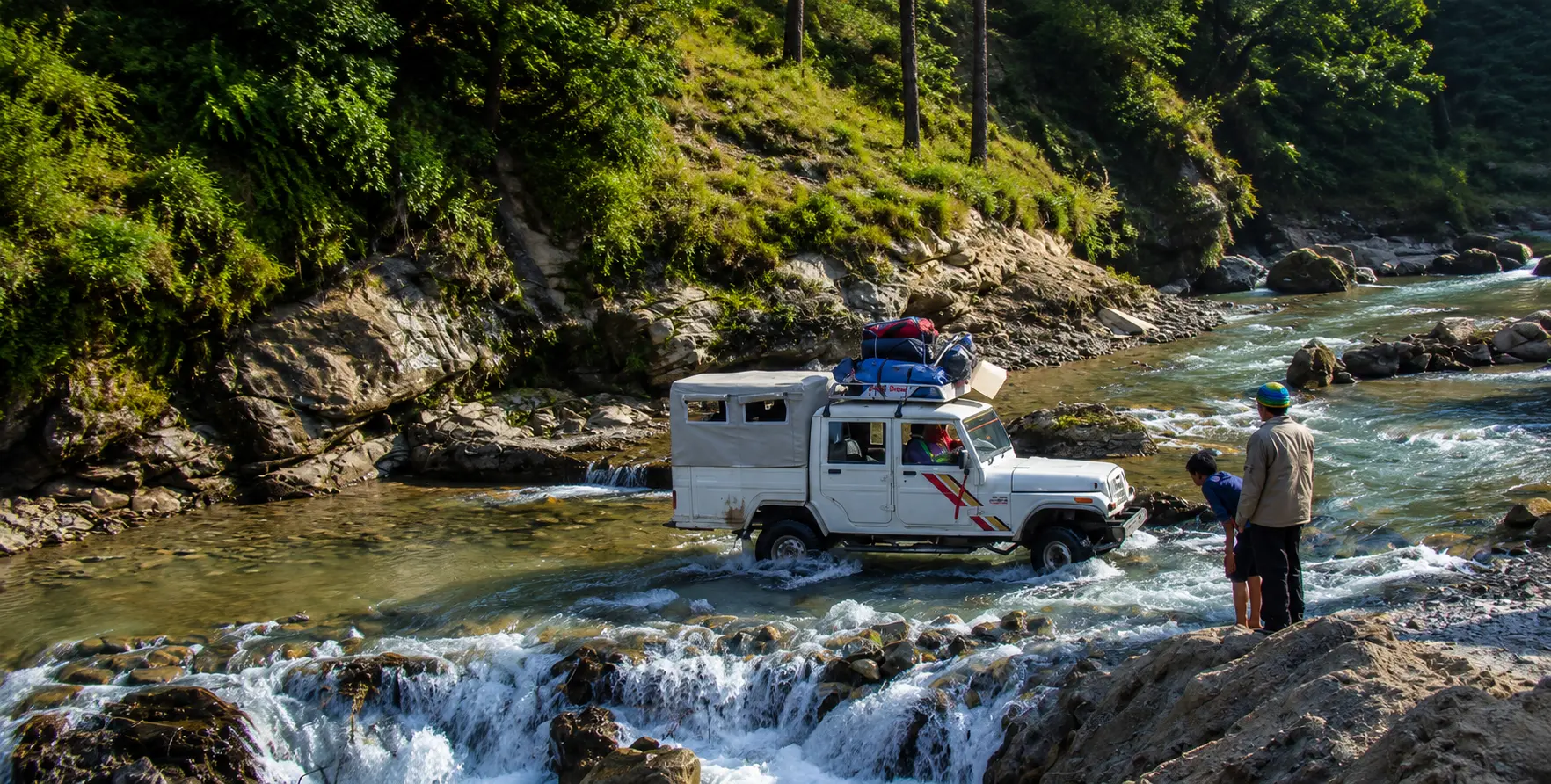
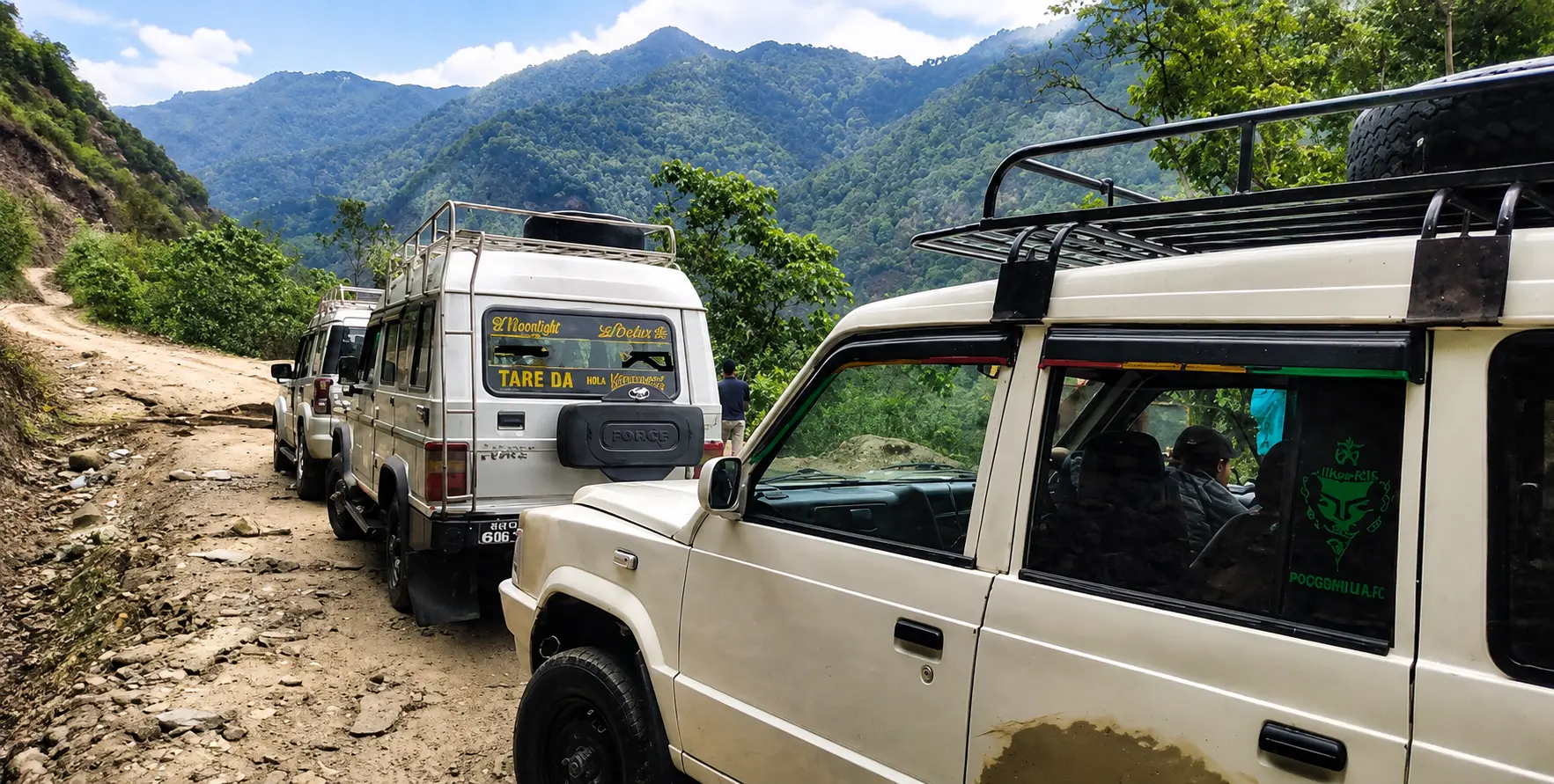
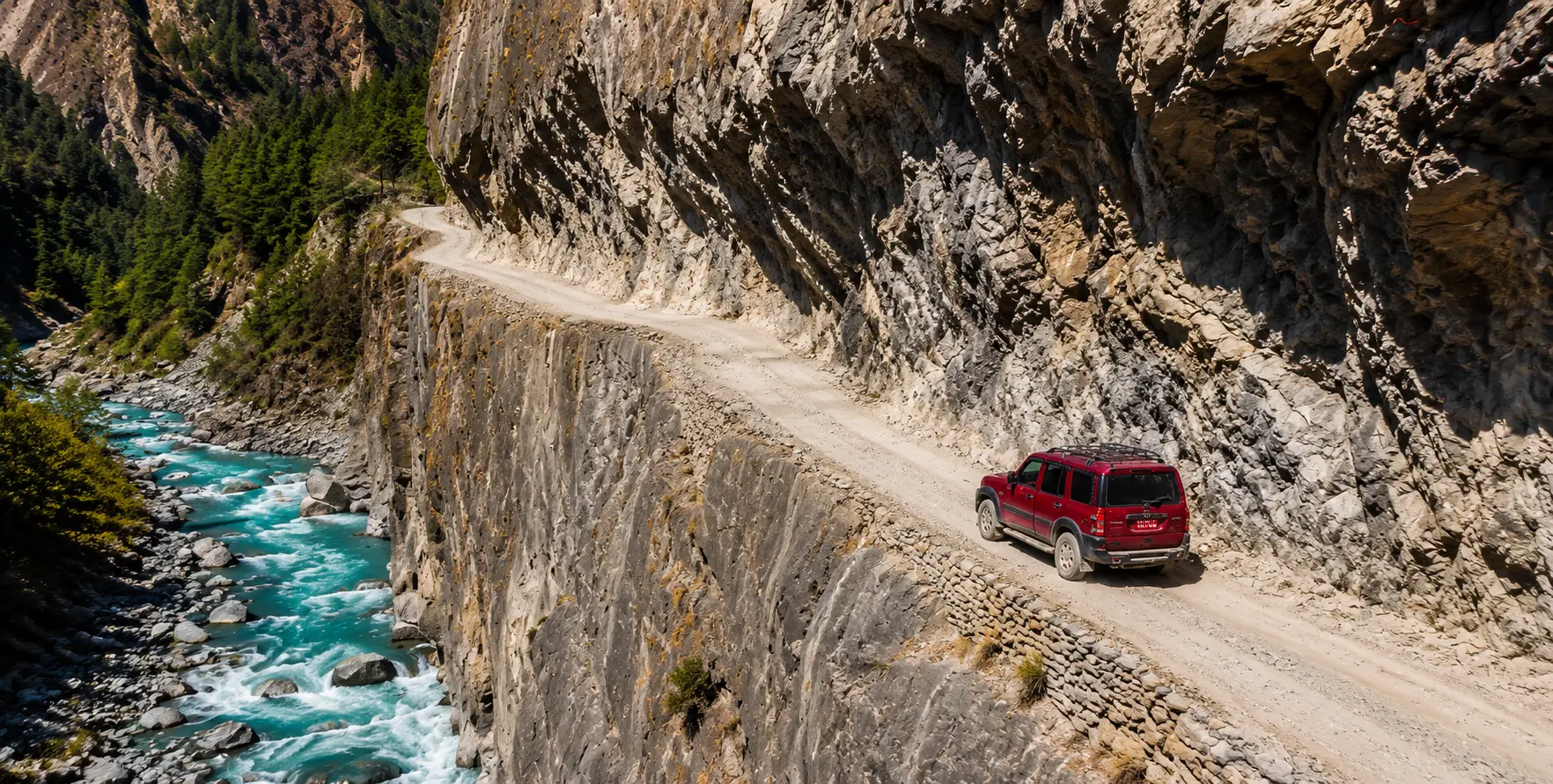
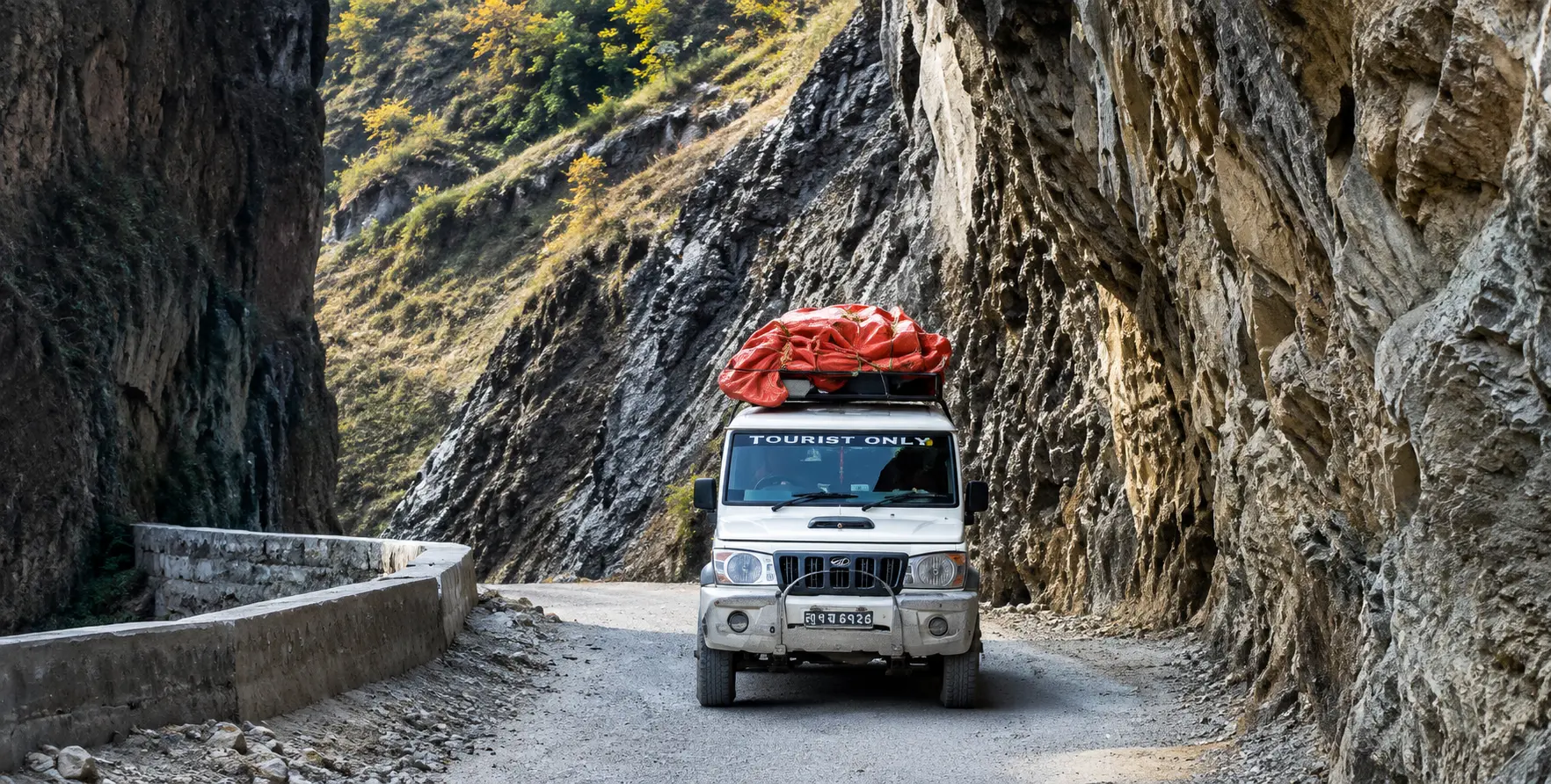
Beyond Besisahar, the Annapurna Circuit road to Manang is a rough, unpaved mountain track that cuts through some of Nepal’s most dramatic and least forgiving terrain. The Marsyangdi River gorge between Bhulbhule and Dharapani involves cliff-edge driving, river crossings, steep gradients, and accumulated damage from seasonal weather and trekking-season traffic, making any non-4WD vehicle genuinely unsuitable. Shared jeeps and local vehicles do operate on this route.

Still, they typically stop at Besisahar or depart only when fully loaded—removing the schedule flexibility and direct hotel-to-hotel comfort a private vehicle from Pokhara provides.

For a group of 4 to 6 sharing a private Scorpio or Hilux, the per-person cost of a full round-trip Pokhara-Manang-Pokhara private jeep at NPR 45,000 to 65,000 works out at approximately USD 55 to 100 per person — comparable to or cheaper than piecing together public transport across several separate legs, and dramatically more comfortable, flexible, and reliably safe on the demanding upper gorge sections.
How to Go to Manang from Pokhara

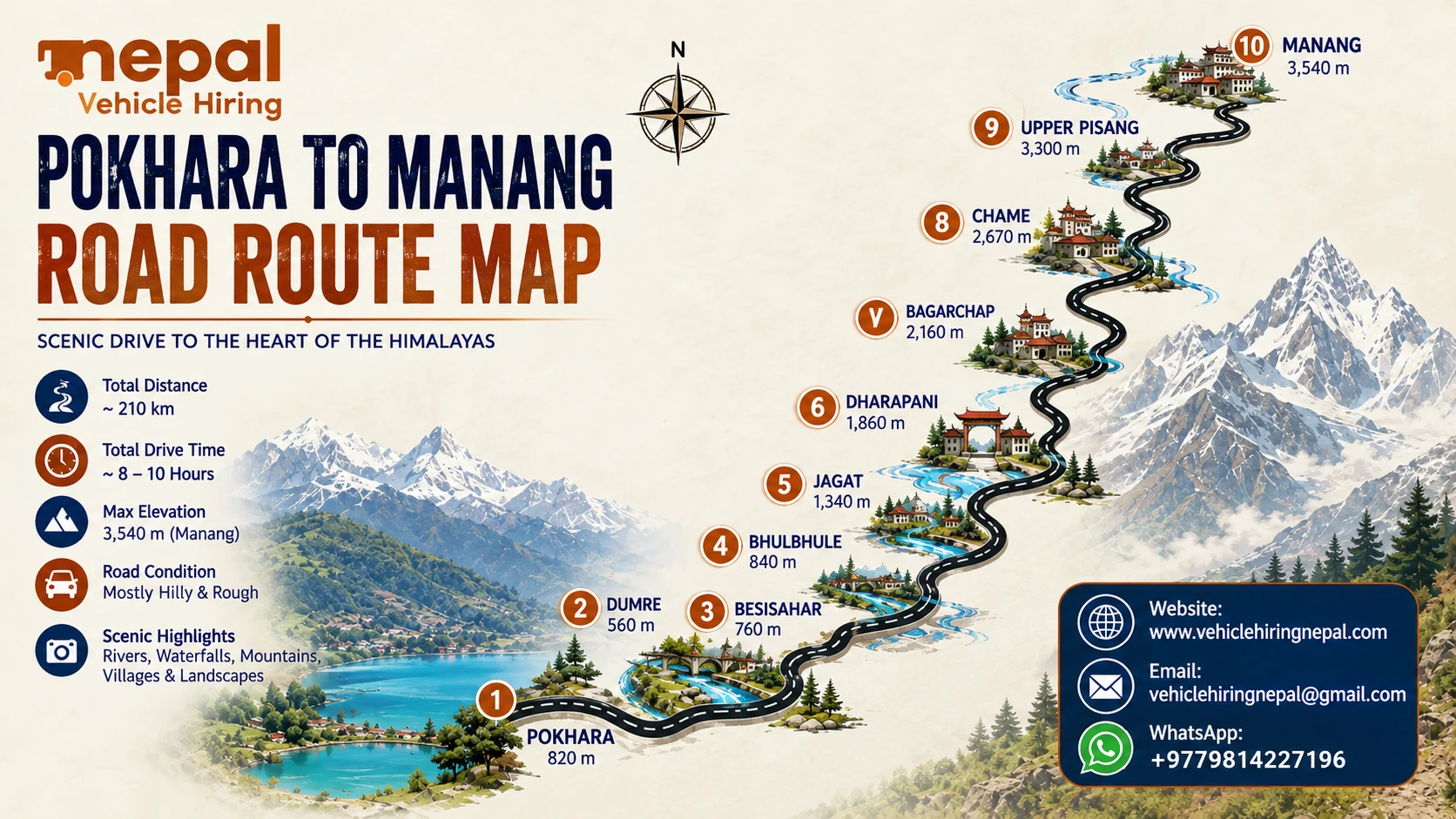
The Route — Pokhara to Manang Step by Step

StopDistance from PokharaAltitudeRoadNotes
Pokhara (Lakeside)Start827 mCity roadsHotel pickup — depart 6:00-7:00 AM
Dumre97 km365 mPrithvi Highway (paved)Junction town — turn north toward Besisahar
Besisahar142 km760 mPaved highwayGateway to Annapurna Circuit; ACAP + TIMS checkpoint
Bhulbhule155 km840 mOff-road beginsLast riverside flat section; waterfalls visible
Jagat175 km1,340 mRocky off-roadManaslu Circuit permits checked here too
Dharapani195 km1,860 mRough off-roadCommon overnight stop for 2-day itineraries
Bagarchap / Danaque200 km2,160 mRough off-roadGompa visible; landscape becoming alpine
Chame215 km2,670 mRough off-roadManang District HQ; apple orchards; another good overnight
Upper Pisang230 km3,300 mRough off-roadChoice of Upper (hill) or Lower Pisang route
Manang250-265 km3,519 mRough off-road endsFinal destination — Gangapurna Lake, Braga Gompa, Tilicho approach

How to Go to Manang from Pokhara

Pokhara to Besisahar — The Comfortable Paved Section

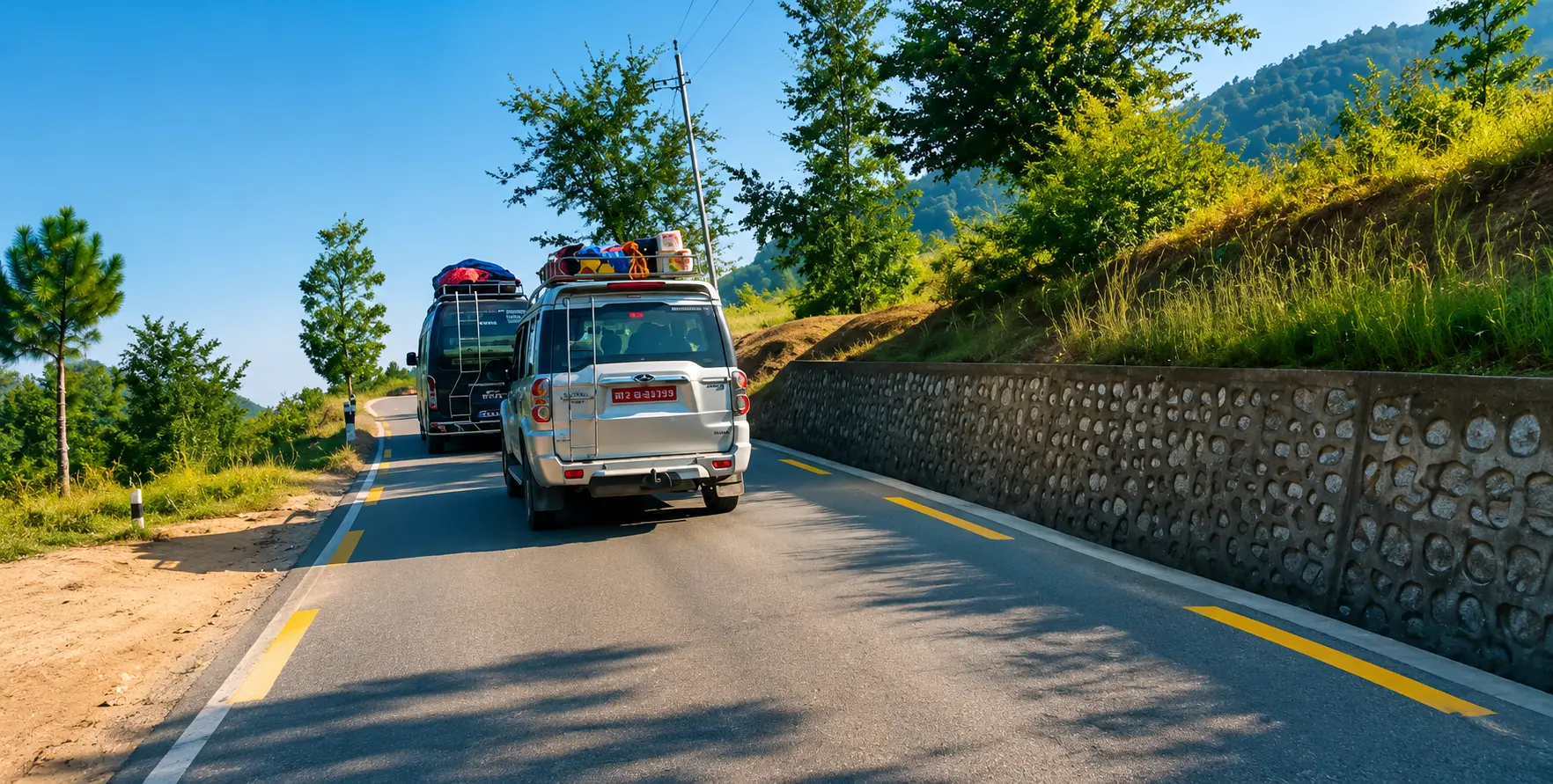
The journey begins on the Pokhara-Kathmandu Prithvi Highway, heading east through the flat Pokhara Valley before climbing gently into the Gandaki hill country toward Dumre Junction at approximately 97 km from Pokhara. Dumre is the turn-off point for Besisahar and the Annapurna Circuit road.

This junction also marks the boundary between the comfortable paved highway driving and the increasingly adventurous terrain ahead. From Dumre, the road climbs north to Besisahar, reaching the Annapurna Circuit’s official gateway town at approximately 142 km from Pokhara — a journey of roughly 3 to 4 hours in comfortable highway conditions.

Besisahar is where ACAP permits and TIMS cards are checked at the conservation area entry checkpoint — one of the most important reasons why all permits must be obtained in Pokhara or Kathmandu before departure, as described in the permits section below. Besisahar also has the last reliable fuel stations, ATMs, and comprehensive meal options before Manang — a practical rest stop as well as a checkpoint.
How to Go to Manang from Pokhara

Besisahar to Dharapani — The Gorge Begins

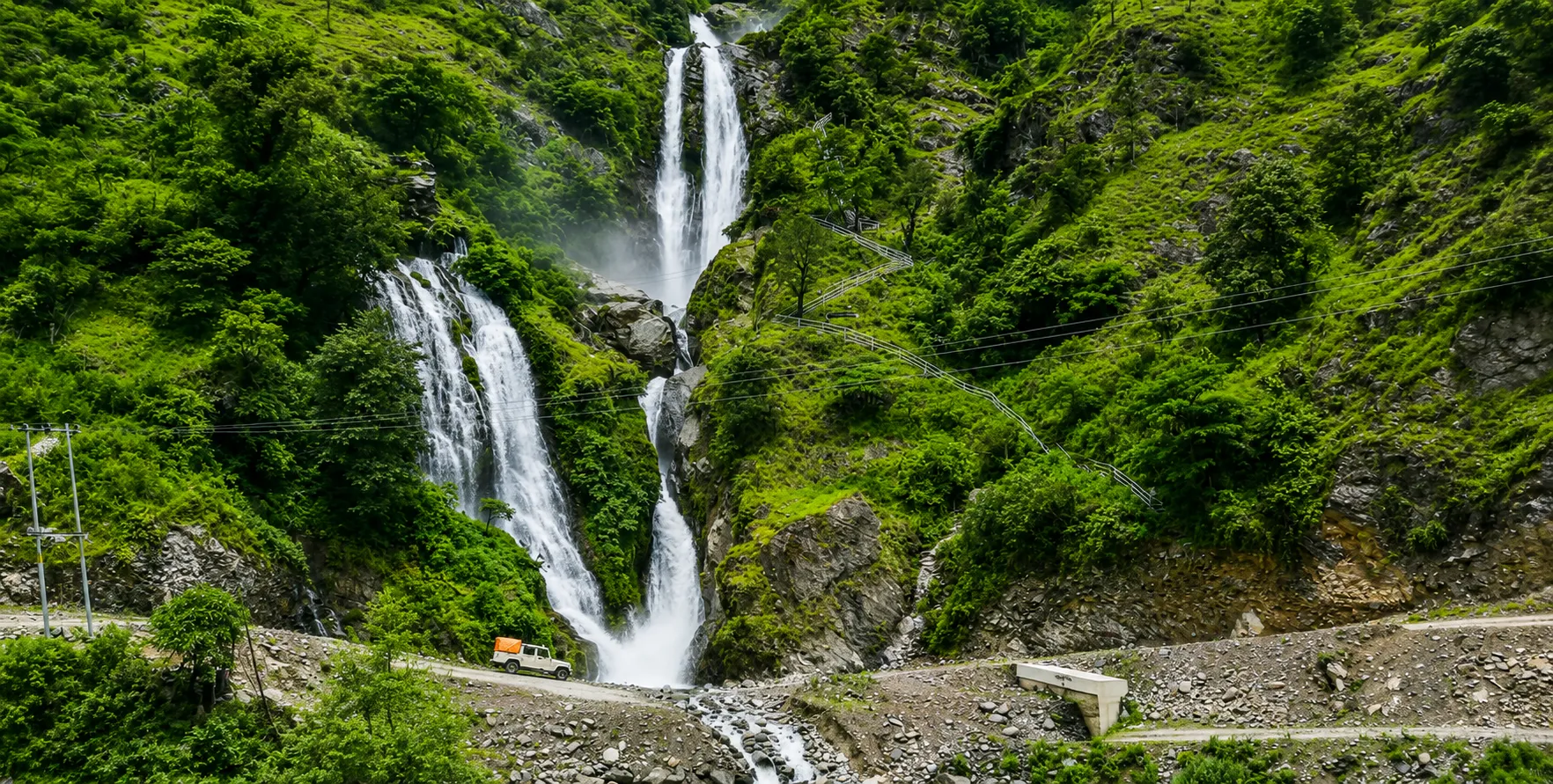
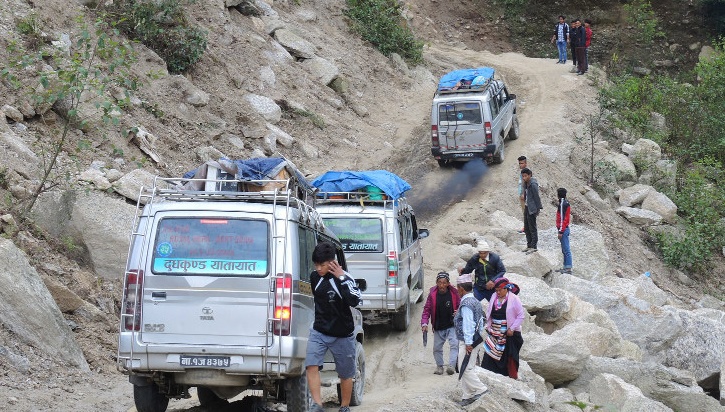
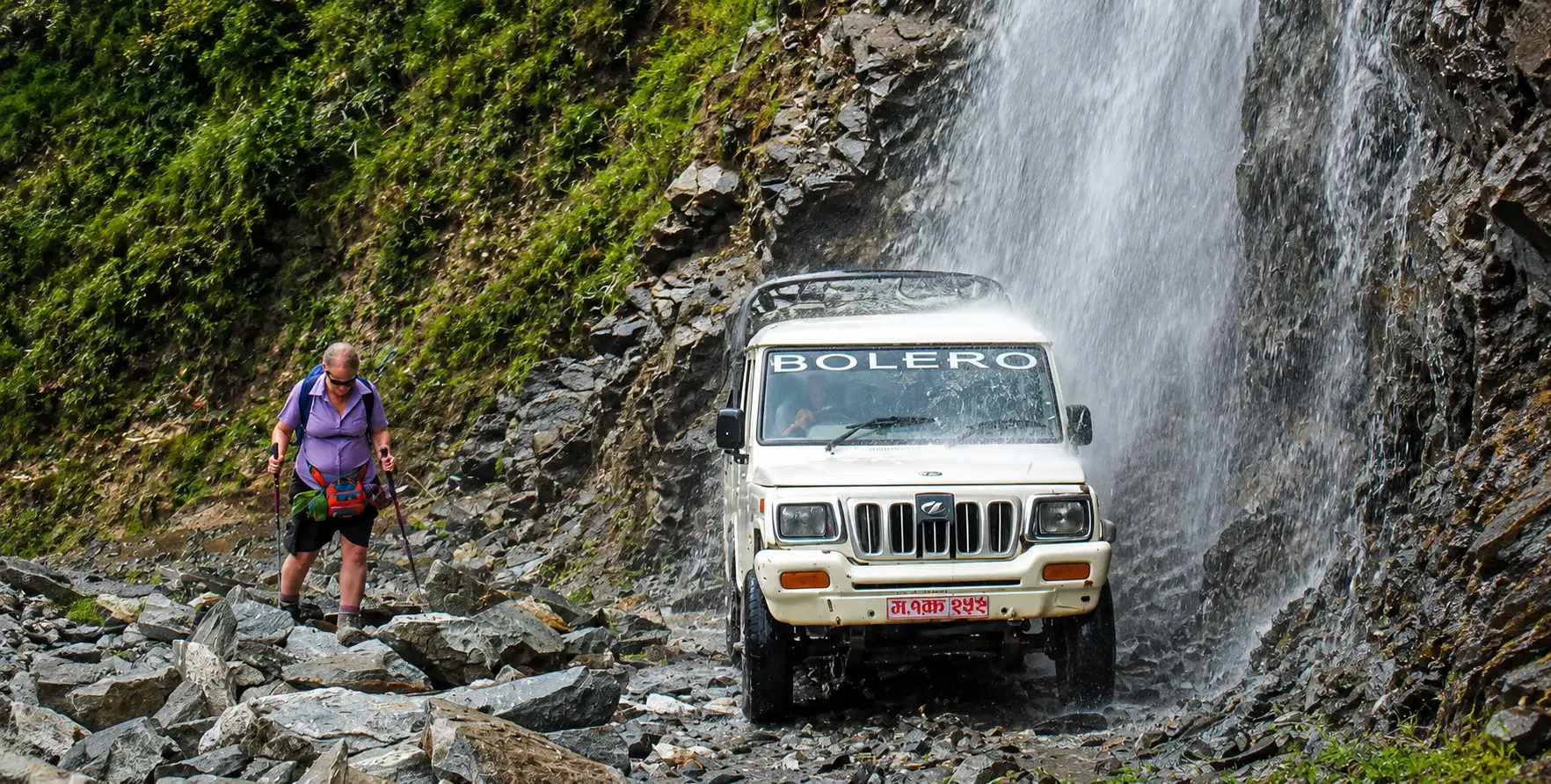
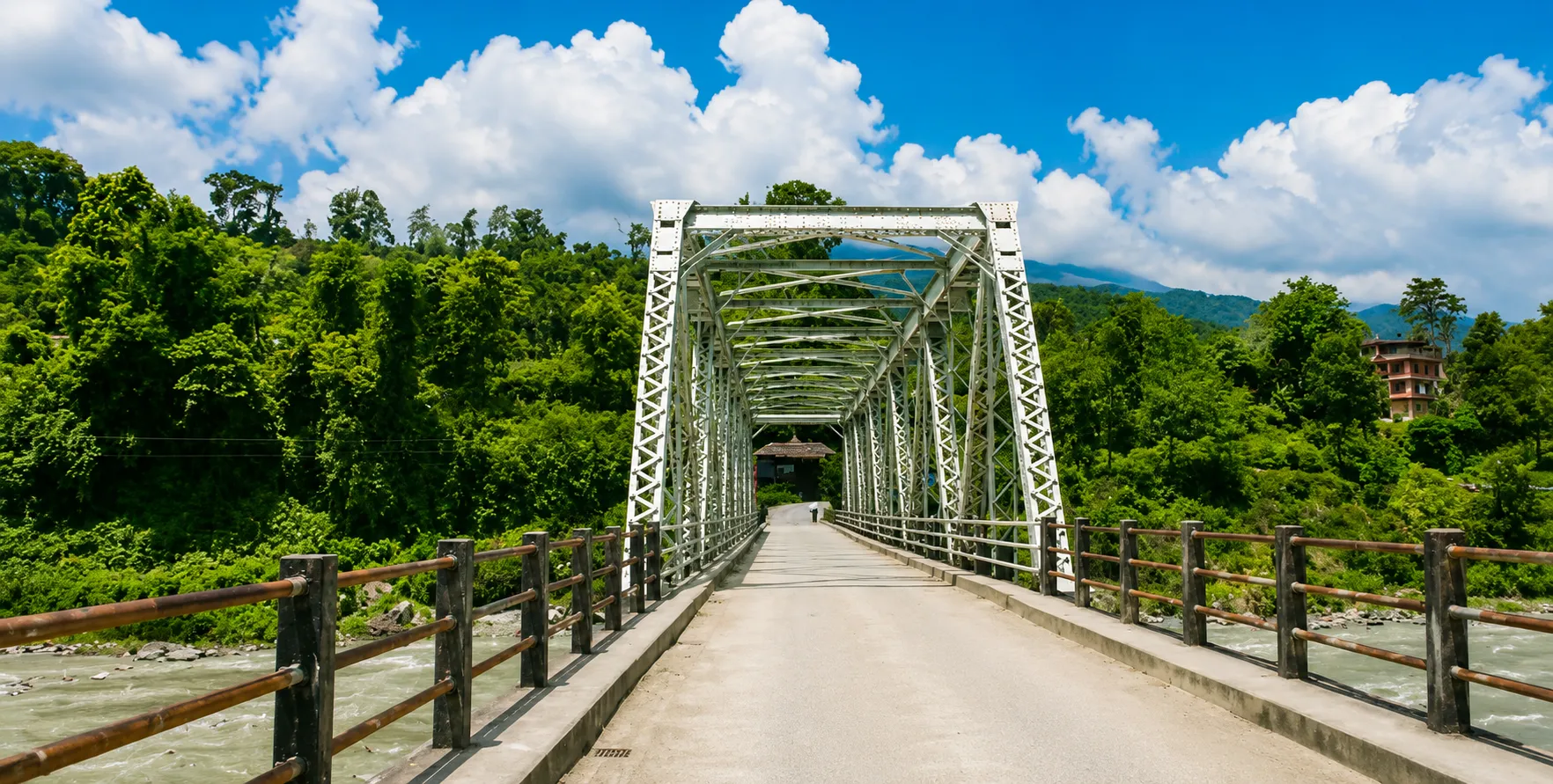
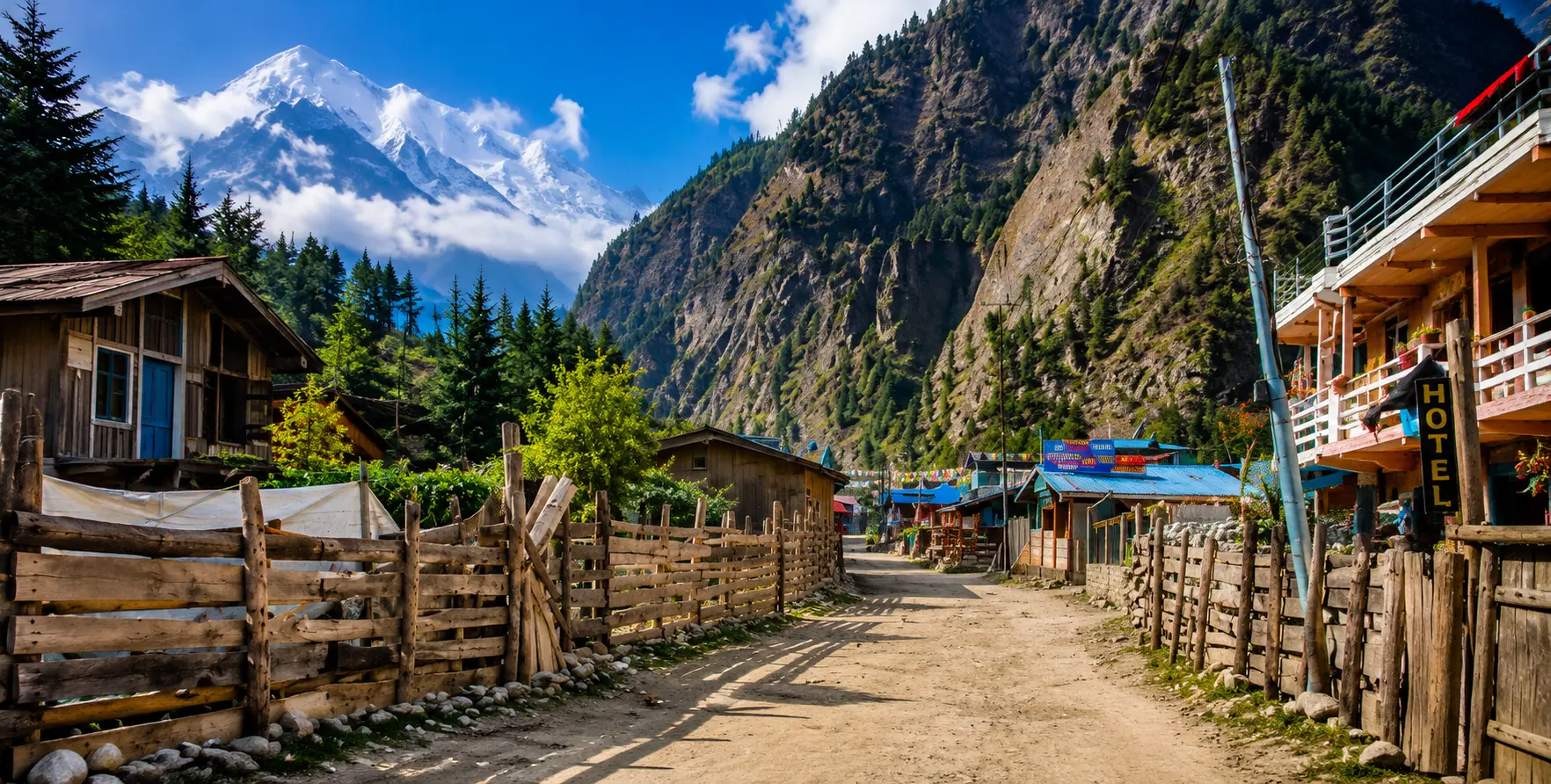
Beyond Besisahar, the road leaves the paved highway behind and becomes the rough, cliff-edge mountain track that defines the Annapurna Circuit driving experience. The first section, climbing through Bhulbhule, Ngadi, and Jagat, follows the Marsyangdi River through increasingly dramatic gorge terrain — waterfalls visible directly beside the track, the river thundering far below, and the canyon walls rising steeply on both sides.

This section is the most genuinely demanding driving on the entire Pokhara-to-Manang route: narrow passing points, exposed cliff edges, and the kind of surface deterioration monsoon damage and ongoing trekker-jeep traffic create, even in the best dry-season conditions.

At 1,860 meters, Dharapani marks both the end of the most demanding gorge section and the entry into the progressively more open Manang District valley. For two-day itineraries, Dharapani offers a natural overnight stop that allows meaningful acclimatisation at a much safer intermediate altitude than pushing directly to Manang’s 3,519 meters in a single day.
How to Go to Manang from Pokhara

Dharapani to Chame — Entering the High Country

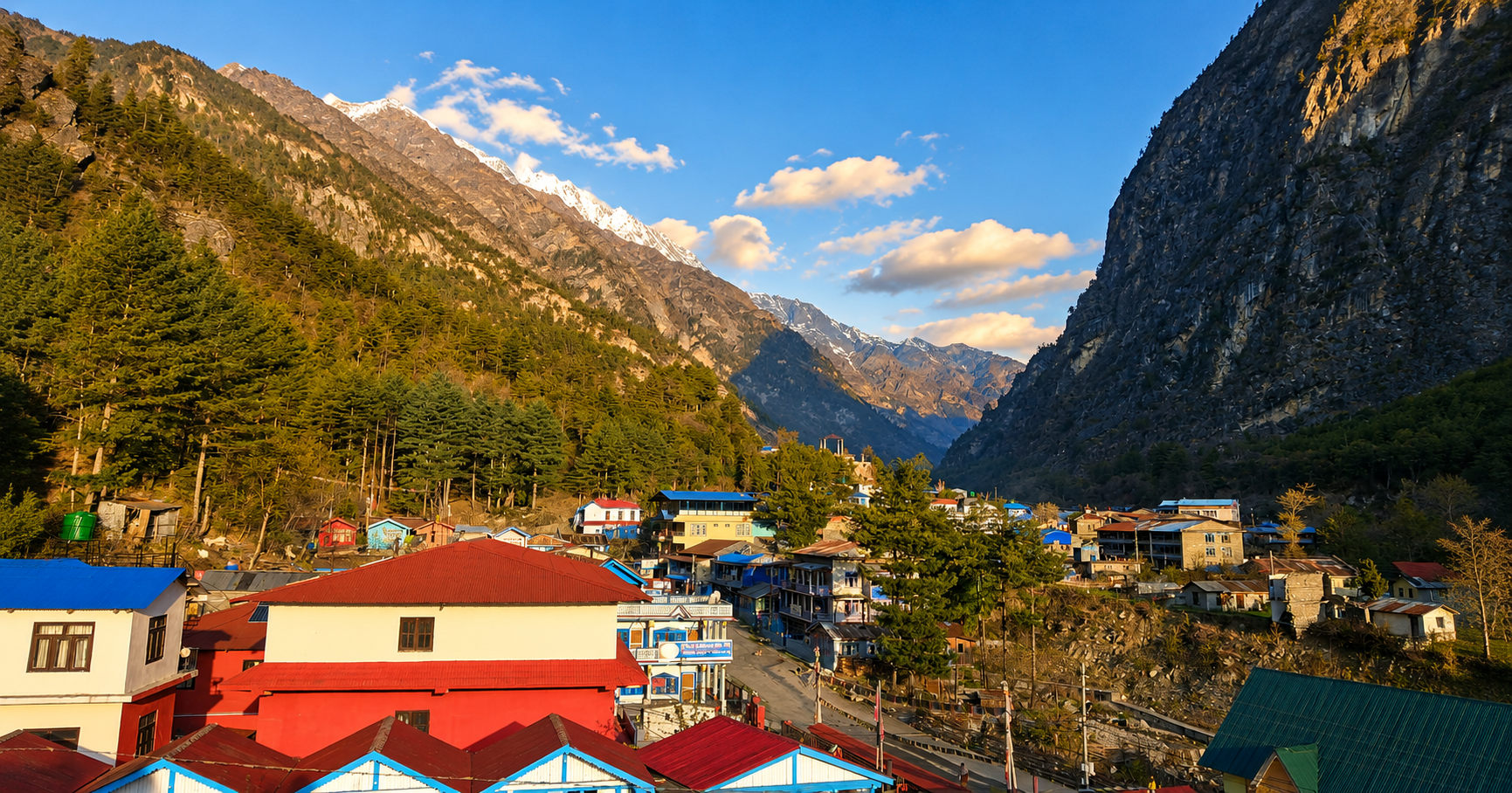
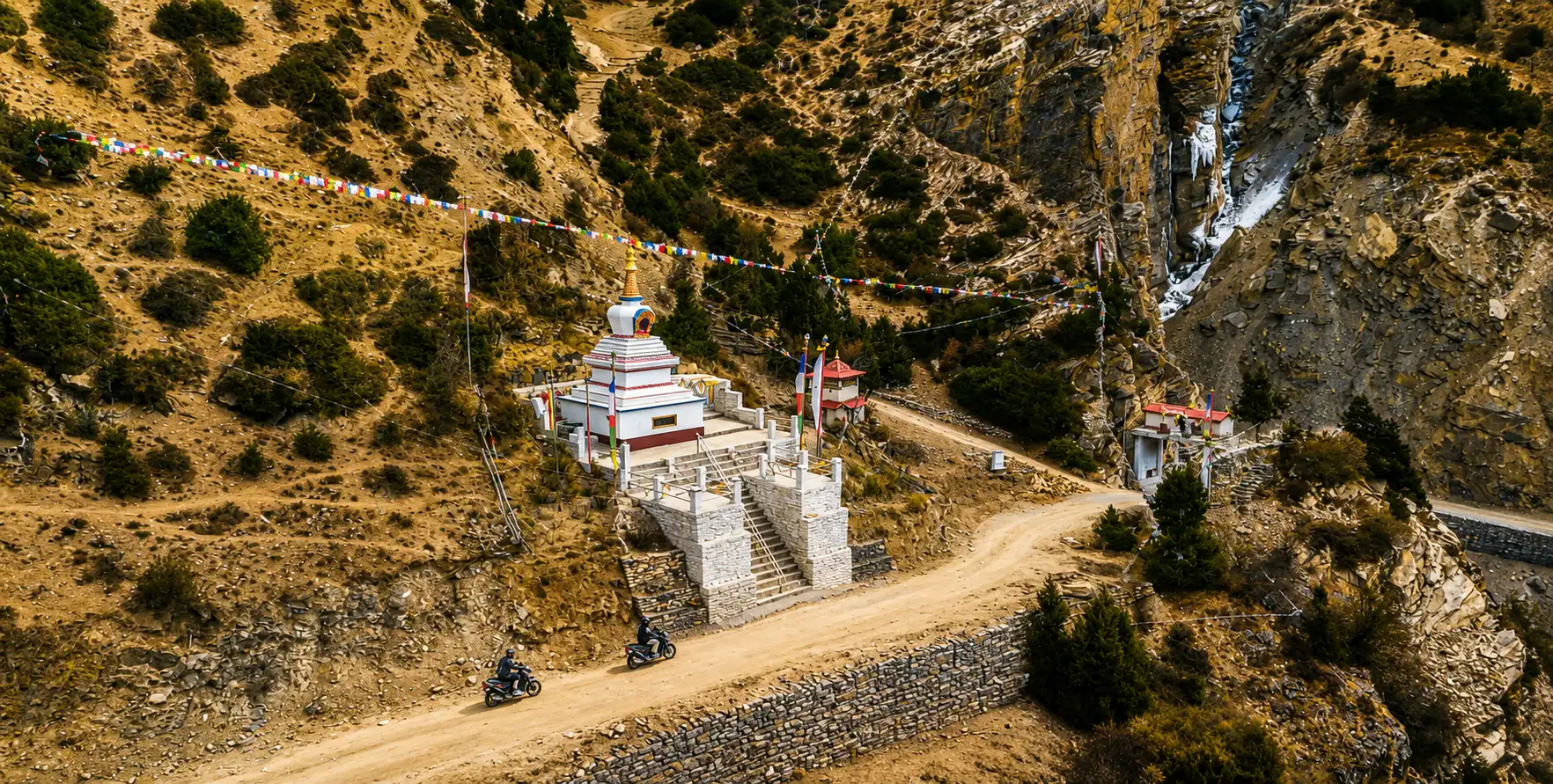
From Dharapani, the road continues through Bagarchap and Danaque, climbing steadily into increasingly alpine terrain. Buddhist monasteries become more frequent and prominent as the route gains altitude, and Tibetan cultural influence becomes visible in architecture, prayer flags, and chortens.

Chame, the administrative headquarters of Manang District at 2,670 meters, is another popular overnight option for travellers who want an extra acclimatisation step—particularly advisable for groups including older travellers, anyone with a history of altitude sensitivity, or children.

Chame to Manang — The Annapurna Panorama Unfolds

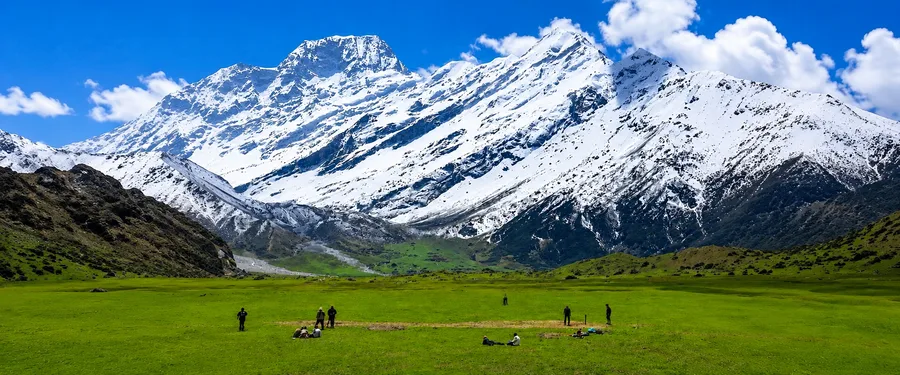
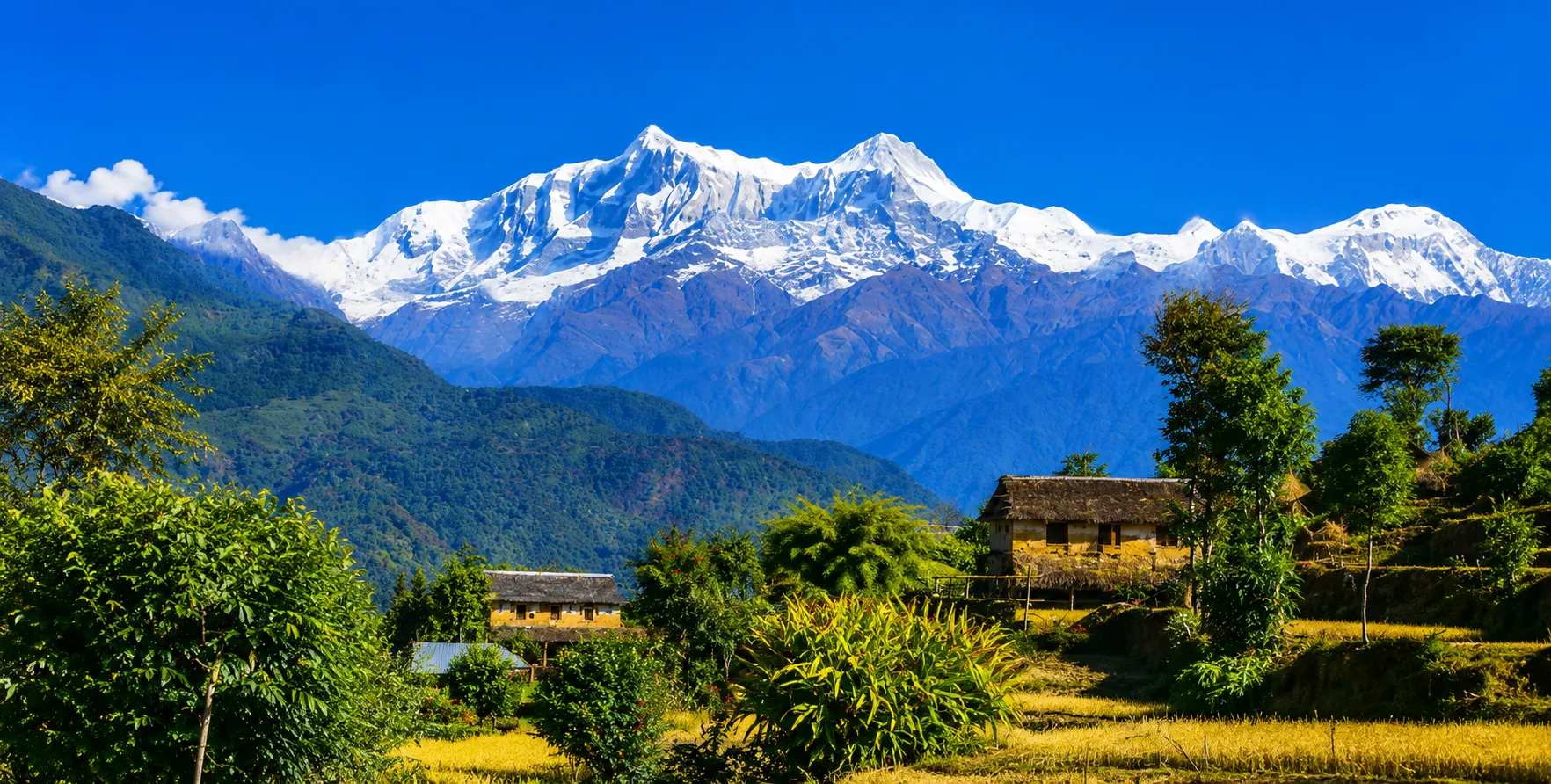
The final section from Chame to Manang delivers what many drivers and travelers describe as the most spectacular scenery of the entire route: the valley progressively widens, the peaks of Annapurna II (7,937 m), Annapurna III (7,555 m), Annapurna IV (7,525 m), and Gangapurna (7,455 m) come into increasingly close and dramatic view, and the landscape transitions from the forest and waterfall character of the lower gorge into the wide, open, Tibetan-influenced high-altitude basin that defines Manang’s unmistakable appearance. The villages of Lower and Upper Pisang — the upper option sitting on a dramatic ridge above the main valley with its own beautiful monastery — offer a brief stop before the final run into Manang itself.
How to Go to Manang from Pokhara

The Altitude Question — The Most Important Safety Consideration

The altitude gain from Pokhara to Manang, from 827 meters to 3,519 meters in a single driving day, is the most important safety factor for anyone planning this journey. Acute Mountain Sickness (AMS) does not discriminate by age, fitness, or previous trekking experience, and driving to 3,519 meters in a single day, while physically possible for the vehicle, exceeds the recommended daily altitude gain of 300 to 500 meters per day for safe acclimatisation to 3,000 meters.

  • The Two-Day Approach: Nepal Vehicle Hiring Pvt Ltd recommends all Pokhara-to-Manang journeys be split across two days, with an overnight stop at either Dharapani (1,860 m) or Chame (2,670 m). This adds one driving day to the schedule but dramatically reduces AMS risk and makes the Manang stay considerably more enjoyable by ensuring travellers arrive rested and acclimatised rather than symptomatic.
  • Day Hikes from Manang: Even after the recommended two-day approach, spend at least one full day at Manang altitude before any further ascent. The classic Manang acclimatisation hike to Ice Lake (4,600 m) or the viewpoint above Gangapurna Lake is an excellent way to gain altitude during the day while sleeping lower at night.
  • AMS Warning Signs: Headache, nausea, loss of appetite, and fatigue on arrival in Manang are common mild symptoms. If these worsen over 12 to 24 hours rather than improving, descend immediately to Chame or Dharapani — do not push on hoping symptoms will resolve at altitude.
  • Diamox: Discuss with a doctor before departure whether acetazolamide (Diamox) is appropriate for your specific health situation and itinerary. It is available at pharmacies in Kathmandu and Pokhara.

ACCLIMATIZATION RECOMMENDATION: Even for a two-day journey, Nepal Vehicle Hiring Pvt Ltd drivers are instructed to offer an optional additional rest stop at Chame on the Day 2 approach if any passenger reports headache or discomfort — building this flexibility directly into the driving schedule rather than treating it as a schedule disruption.
How to Go to Manang from Pokhara

What to Do in Manang — Making the Most of Your Stay

AttractionDistance from ManangWhy Visit
Gangapurna Lake1 km walkGlacial lake fed by Gangapurna Glacier — stunning turquoise colour
Braga Gompa (monastery)3 km walkOne of the oldest monasteries in the Annapurna region; ~500 years old
Ice Lake (Kicho Tal)3-4 hrs hikeHigh-altitude lake at 4,600 m — one of the best day hikes from Manang
Tilicho Lake Base Camp approach4-5 hrs jeep + walkHighest large lake in the world at 4,919 m — jeep track toward base camp
Manang BakeryIn villageFamous high-altitude bakery — apple pie and cinnamon rolls at 3,519 m
Khangsar Village6- 7 kmHighest village accessible by jeep; spectacular Annapurna III views

Manang Village — Life at 3,519 Meters

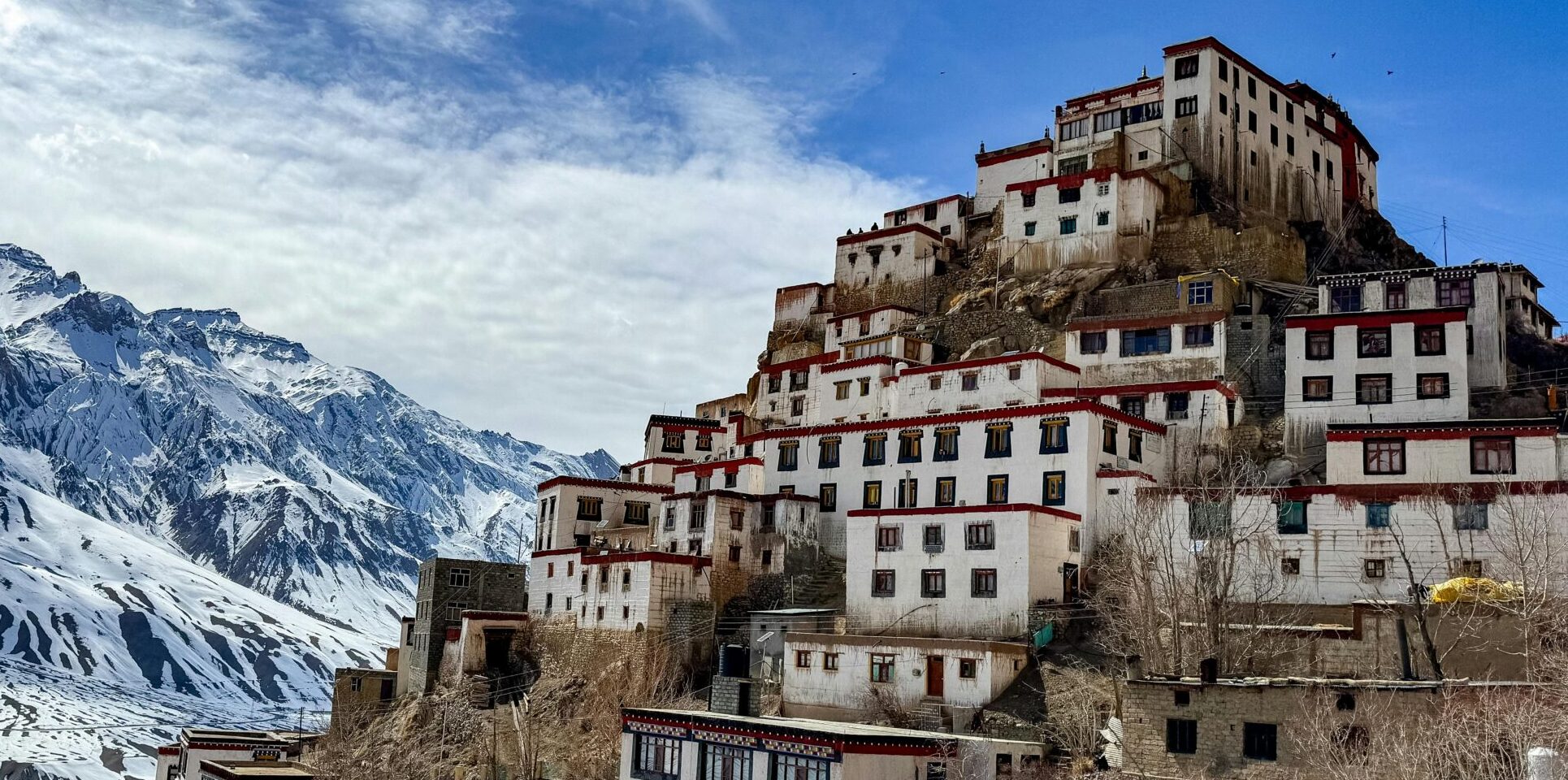
Manang village itself, with its flat-roofed stone houses, prayer-wheel lanes, and yak-grazing pastures, is a destination worth spending unhurried time in, regardless of any specific attraction. The village has developed a surprising range of teahouses, bakeries, and even a few surprisingly well-stocked small shops serving the steady flow of Annapurna Circuit trekkers who pass through — most notably the famous Manang Bakery, whose apple pie, cinnamon rolls, and hot chocolate served at 3,519 meters have achieved a near-legendary status among Himalayan trekkers.

A short walk through the village in the early morning or evening, when the high-altitude light turns the Annapurna peaks a deep orange-gold, requires no agenda beyond simply being present in a place this beautiful.
Manang valley
Manang valley

Braga Gompa — Ancient Monastery Above the Valley

Braga Gompa, perched dramatically above the valley floor approximately 3 kilometres from Manang village, is one of the oldest and most culturally significant Buddhist monasteries in the entire Annapurna region, with foundations dated to approximately 500 years ago and an interior housing one of the most impressive collections of ancient statues, thangka paintings, and religious artefacts of any Annapurna-region monastery accessible without multi-day trekking. The short hike up to Braga from Manang village gains about 200 vertical meters and offers increasingly open views of the Annapurna panorama as you climb.

Gangapurna Lake — The Glacial Mirror

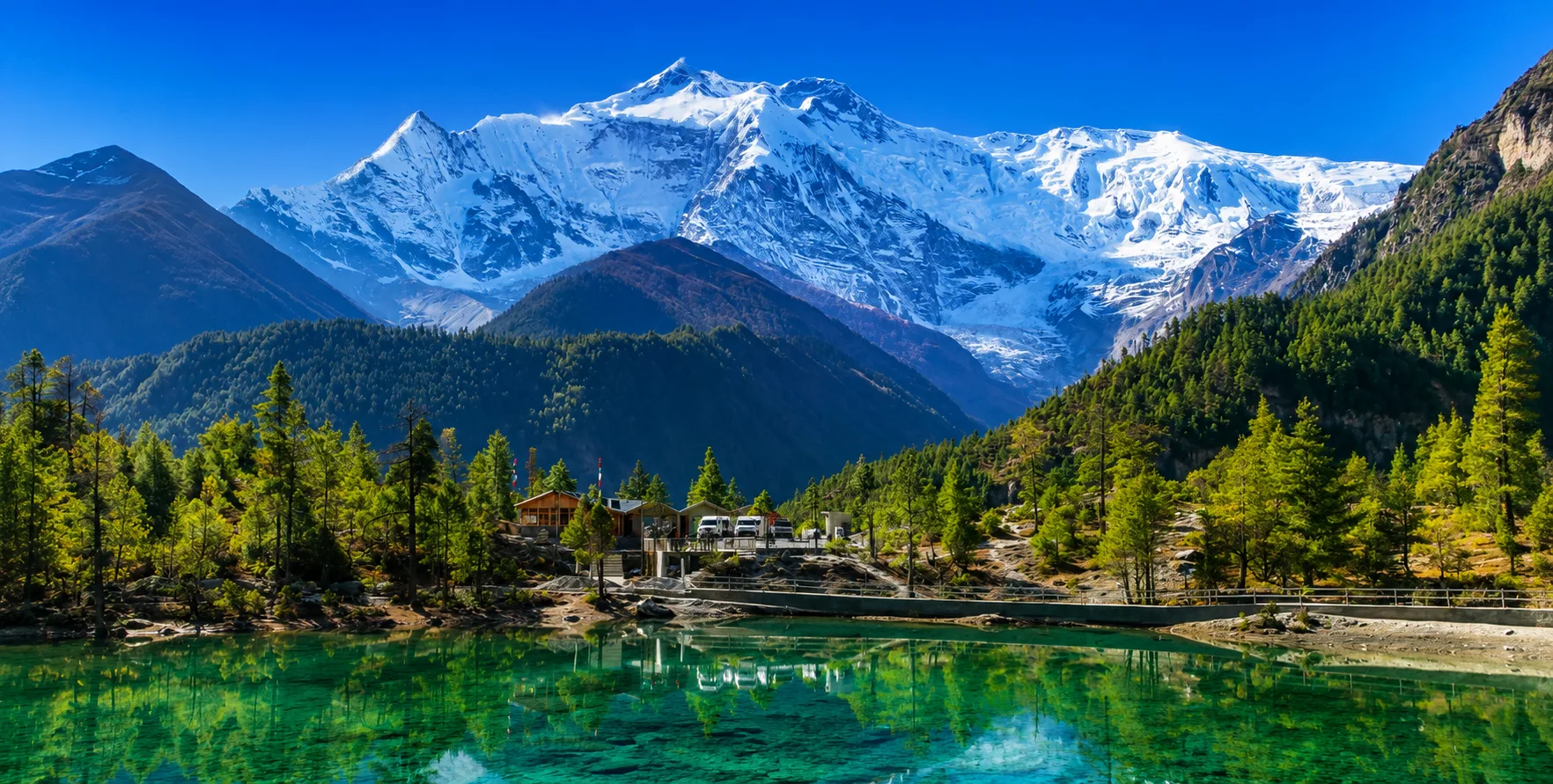
Gangapurna Lake, the brilliant turquoise glacial lake immediately below the Gangapurna Glacier on the valley’s western flank, is perhaps the most photographed spot in the entire Manang area—and it takes only a 20 to 30 minute walk from the village to reach. The combination of the intensely coloured glacial water, the surrounding moraine, and the close views of Gangapurna’s ice-draped summit directly above creates an alpine landscape of extraordinary visual intensity that rewards even a brief visit at any time of day.
How to Go to Manang from Pokhara

Permits Required for the Pokhara to Manang Journey

  • ACAP (Annapurna Conservation Area Permit): NPR 3,000 (approximately USD 22-25) per person — mandatory for all travellers entering the Annapurna Conservation Area beyond Besisahar. Obtain at the Nepal Tourism Board office in Pokhara Lakeside before departure.
  • TIMS Card (Trekkers Information Management System): USD 10-20 per person — required for trekkers and increasingly expected even for vehicle-based sightseeing visitors to the conservation area. Obtain from the Nepal Tourism Board or TAAN office in Pokhara.
  • Vehicle Registration and Insurance: Nepal Vehicle Hiring Pvt Ltd vehicles are fully registered and insured for tourist vehicle operation in the Annapurna Conservation Area — this is verified at the Besisahar checkpoint.

Do not attempt to pass the Besisahar ACAP checkpoint without valid permits — vehicles are turned back, and permits cannot be arranged at the checkpoint itself. Budget half a morning in Pokhara to process permits the day before your planned departure.

Season Guide — Best Time for the Pokhara to Manang Journey

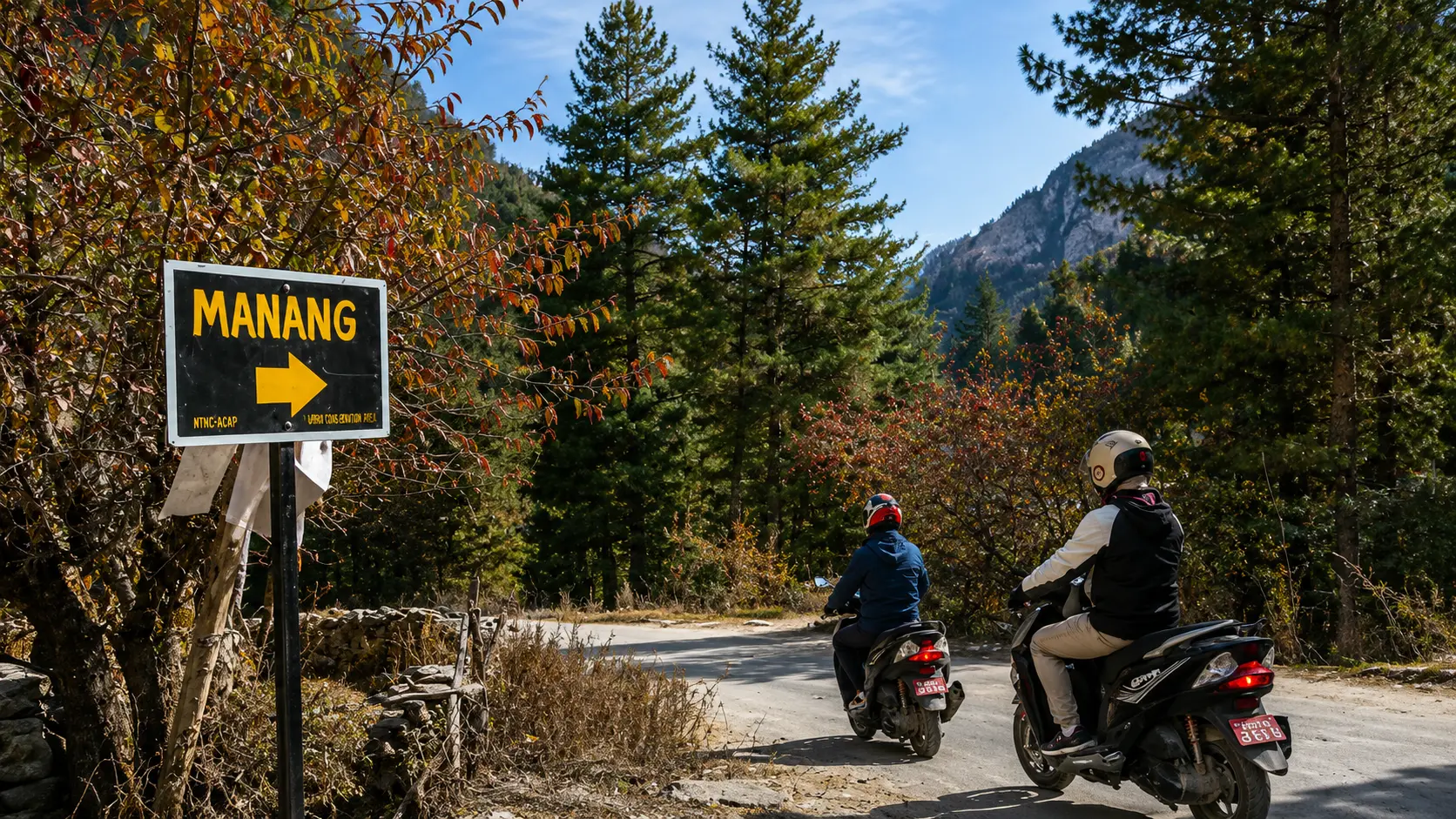
October and November are the single finest months for the Pokhara-to-Manang drive: post-monsoon air clarity delivers genuinely spectacular mountain visibility, the road surface is at its most consolidated after the dry summer, and the light in Manang at this time of year — intense, high-altitude clarity with long morning shadows — creates the most dramatic photographic conditions available on this route. March to May, the spring season, brings slightly hazier conditions than autumn but adds the colour of blooming rhododendrons in the lower gorge sections and the warmth of a valley returning to life after winter.
How to Go to Manang from Pokhara

Winter from December to February is passable but cold — temperatures in Manang regularly fall below -10 to -15 Celsius overnight in the depths of winter, and certain sections of the road above Chame may carry ice or light snow patches requiring extra care. The monsoon from June to September is the least recommended period for this specific route, given the landslide risk on the gorge sections between Jagat and Dharapani.

However, Manang itself, lying in the rain shadow of the Annapurna massif, receives considerably less monsoon rainfall than the lower gorge approach.

Practical Tips for the Pokhara to Manang Journey

  • Depart Pokhara by 6:30 to 7:00 AM for a single-day itinerary — this allows the full daylight window needed for the long drive and arrival in Manang before dark.
  • For a two-day itinerary, a 7:00 to 8:00 AM departure is comfortable — Day 1 to Dharapani or Chame is 5 to 6 hours, leaving afternoon time for a gentle acclimatisation walk.
  • Obtain ACAP and TIMS permits in Pokhara the day before departure — the Nepal Tourism Board office in Lakeside processes both quickly.
  • Carry sufficient NPR cash from Pokhara — there are no reliable ATMs beyond Besisahar. Estimate generously for accommodation, meals, entry fees at Gangapurna Lake, and any emergency expenses.
  • Pack layers — the temperature difference between Pokhara (usually warm) and Manang (potentially below freezing at night) requires a complete wardrobe change during the drive.
  • Carry water and snacks for the gorge section between Jagat and Dharapani — this stretch has limited reliable teahouse stops and takes 2 to 3 hours.
  • Motion sickness medication is worth considering — the gorge road above Besisahar winds continuously, and the combination of altitude and vehicle movement can affect passengers who don’t normally get carsick.
  • Keep a camera accessible throughout the drive — the waterfall sections near Chamje, the cliff-edge gorge near Tal, and the opening Annapurna panorama above Pisang are all best captured in the moment rather than missed while digging through a bag.
How to Go to Manang from Pokhara

Why Choose Nepal Vehicle Hiring Pvt Ltd

  • Route Experience: Our drivers have extensive personal experience on the full Pokhara-to-Manang corridor, including detailed knowledge of the most challenging driving sections, the best rest stops, and the acclimatisation considerations specific to this altitude gain.
  • Verified 4WD Fleet: Scorpio and Hilux 4WD vehicles for all Manang transfers — the right vehicles for the rough gorge road beyond Besisahar.
  • Altitude-Aware Itinerary Planning: We build acclimatisation stops into every two-day Manang itinerary and carry this awareness into every driver briefing.
  • Door-to-Door Pokhara Pickup: From any hotel in Pokhara Lakeside or Pokhara city — no need to find a vehicle stand or negotiate with local operators.
  • Round-Trip Coordination: Book the outward Pokhara-to-Manang transfer and the return Manang-to-Pokhara leg in a single arrangement.
  • Transparent All-Inclusive Pricing: Driver, fuel, and road tolls included in every quote.
  • 24/7 Booking: WhatsApp — plan your Manang journey with full route and logistics support.

Frequently Asked Questions — Pokhara to Manang

How far is Pokhara from Manang, and how long does the drive take?

Pokhara to Manang is approximately 180 km by road. A private 4WD jeep takes 7 to 9 hours in a single day. However, Nepal Vehicle Hiring Pvt Ltd recommends splitting it over two days, with an overnight stop in Dharapani (1,860 m) or Chame (2,670 m), for safer acclimatisation.

Is a 4WD vehicle necessary for the Pokhara to Manang journey?

Yes, beyond Besisahar the road becomes a rough, unpaved mountain track through steep gorge terrain. A 4WD vehicle with adequate ground clearance — Scorpio or Hilux — is essential for this section. Standard sedans and Hiace vans cannot safely complete the full route to Manang.

What does a private jeep from Pokhara to Manang cost?

A private Scorpio or Hilux 4WD costs approximately NPR 25,000 to 50,000 (USD 190 to 300) for the full vehicle one way. A round-trip package (Pokhara to Manang and return) costs approximately NPR 45,000 to 80,000 (USD 340 to 700) for the full vehicle over 2 to 3 days.

Do I need permits to visit Manang from Pokhara by jeep?

Yes. An ACAP permit (NPR 3,000 / USD 22-25 per person) and a TIMS card (USD 10-20 per person) are both required. Both must be obtained from the Nepal Tourism Board office in Pokhara before departure — they cannot be arranged at the Besisahar checkpoint.

What is the risk of altitude sickness on this journey?

Manang at 3,519 meters is high enough that Acute Mountain Sickness is a real concern, especially for travellers who drive directly from Pokhara (827 m) in a single day. The two-day approach with an overnight stop at Dharapani or Chame is strongly recommended. If symptoms like headache, nausea, and fatigue worsen instead of improving, descend immediately.

What is the best time of year to visit Manang from Pokhara?

October to November offers the clearest mountain views and best road conditions. March to May is also excellent with rhododendron bloom in the lower gorge. Winter (December to February) is possible but cold.

Monsoon (June to September) carries landslide risk on the gorge approach and is generally not recommended.
Manang hidden valley

Conclusion

The journey from Pokhara to Manang is one of Nepal’s finest overland adventures — a 180-kilometre transformation from the lakeside warmth of the tourism city into the stark, spectacular high-altitude world of the Annapurna Conservation Area, delivered through some of the most dramatic gorge driving anywhere in the Himalaya. With the right 4WD vehicle, the right driver, a sensible acclimatisation approach, and a permit obtained the day before in Pokhara, it is a journey that rewards fully and asks only that you give it the time and respect that 3,519 meters of mountain destination honestly requires.

Nepal Vehicle Hiring Pvt Ltd provides a private 4WD transfer that makes this journey comfortable, safe, and well-paced—from your Pokhara hotel door to the Gangapurna Lake shore in Manang and back again, with everything in between handled by experienced local drivers who know this road in every season and condition.

Book your Pokhara to Manang jeep — Call or WhatsApp

E-mail: [email protected]
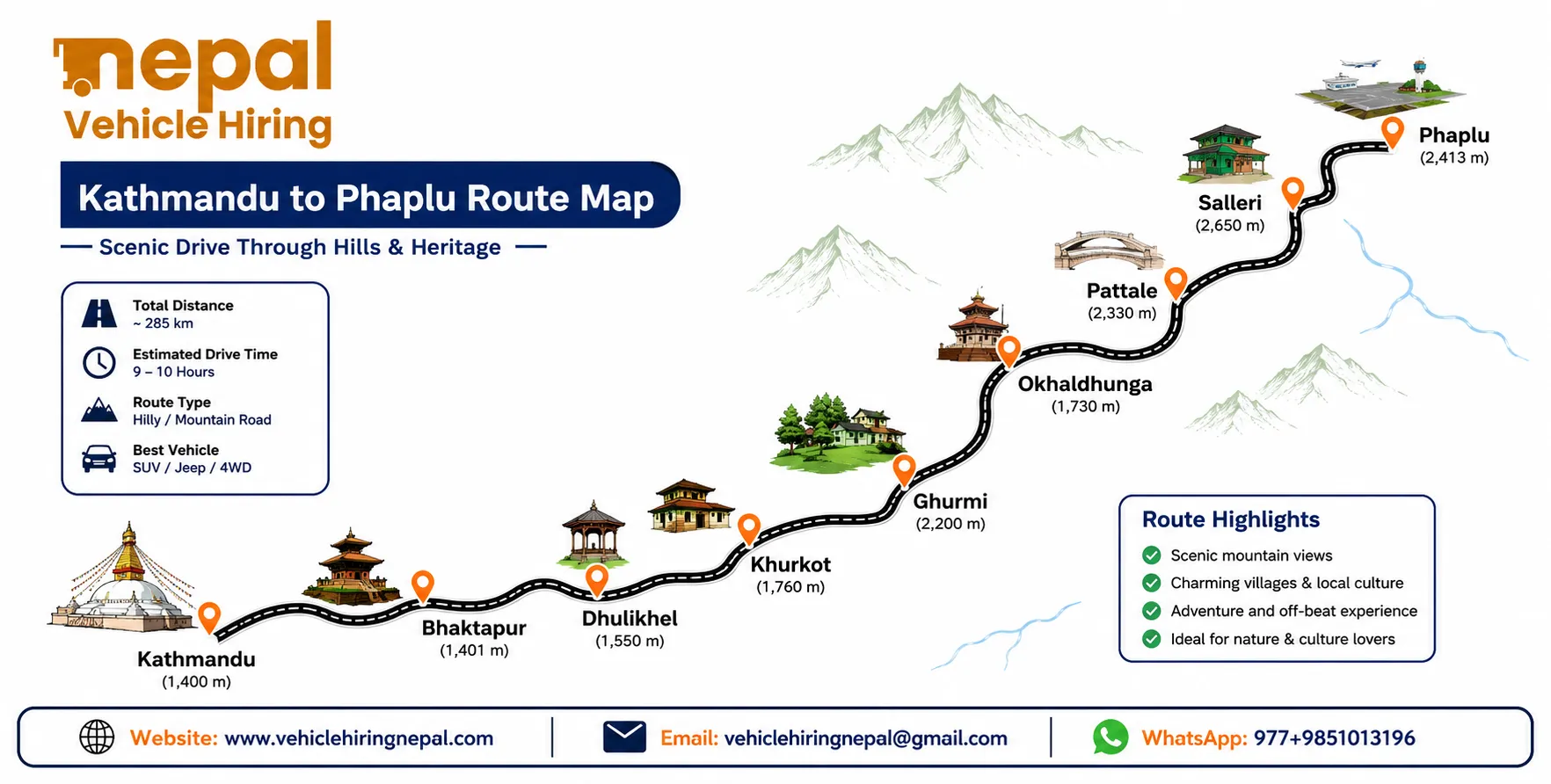
Private Jeep Hire for Salleri, Phaplu, Thamdanda and Surke

PhapluPrivate Jeep Hire for Salleri, Phaplu, Thamdanda, and Surke
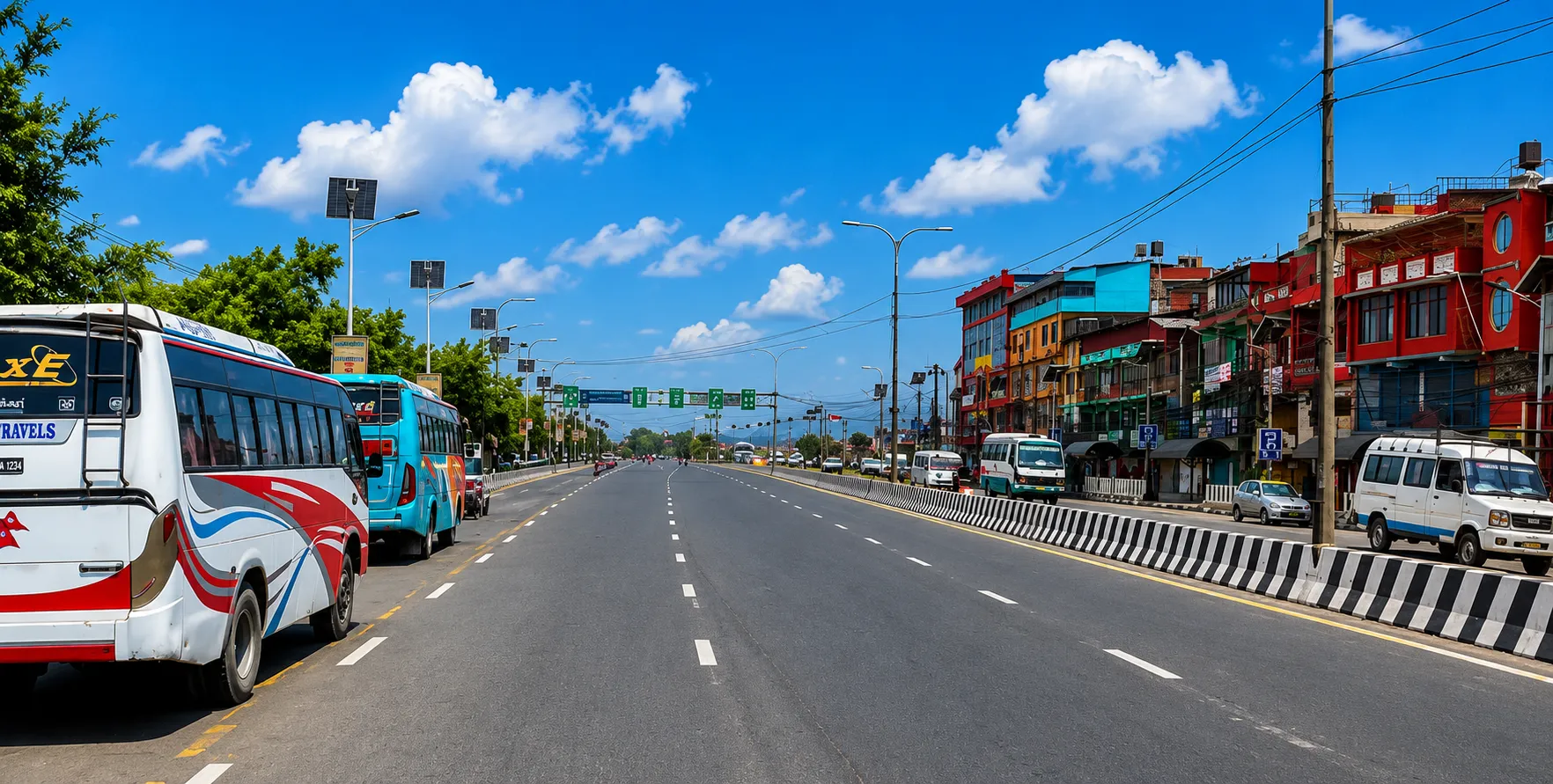
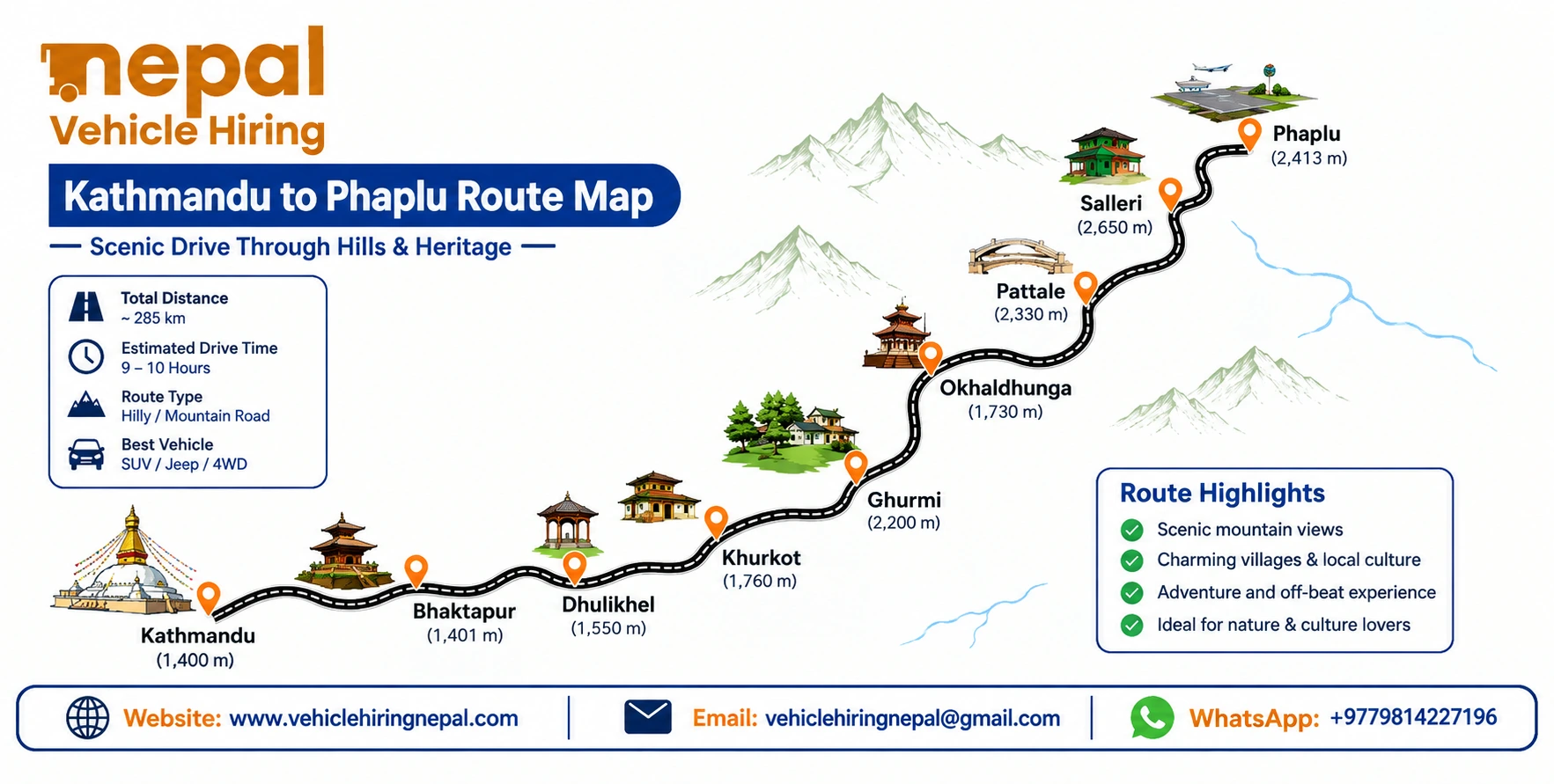
For decades, reaching the remote Everest region has meant either a dramatic, short flight into Lukla’s famously challenging mountainside airstrip or a long, multi-day trek from Jiri along the historic route used by early Everest expeditions. Over the past several years, however, steady road construction through Solukhumbu district has quietly rewritten this equation, extending drivable access well beyond the traditional Salleri and Phaplu roadhead toward the villages of Thamdanda and, increasingly, Surke, bringing jeep transport closer than ever to the standard Everest trekking trail near Lukla itself.

This guide covers everything trekkers need to know about arranging. 

Private Jeep Hire Salleri Phaplu: the geography of this extended road corridor, how far the road actually reaches today, the journey from Kathmandu itself, vehicle options, how this changing roadhead affects Everest region trekking itineraries, permits, seasonal considerations, and how this overland route compares to flying into Lukla. Nepal Vehicle Hiring has arranged jeep transport along this exact corridor for years, and this guide draws directly on that route experience.

Where Are Salleri, Phaplu, Thamdanda, and Surke
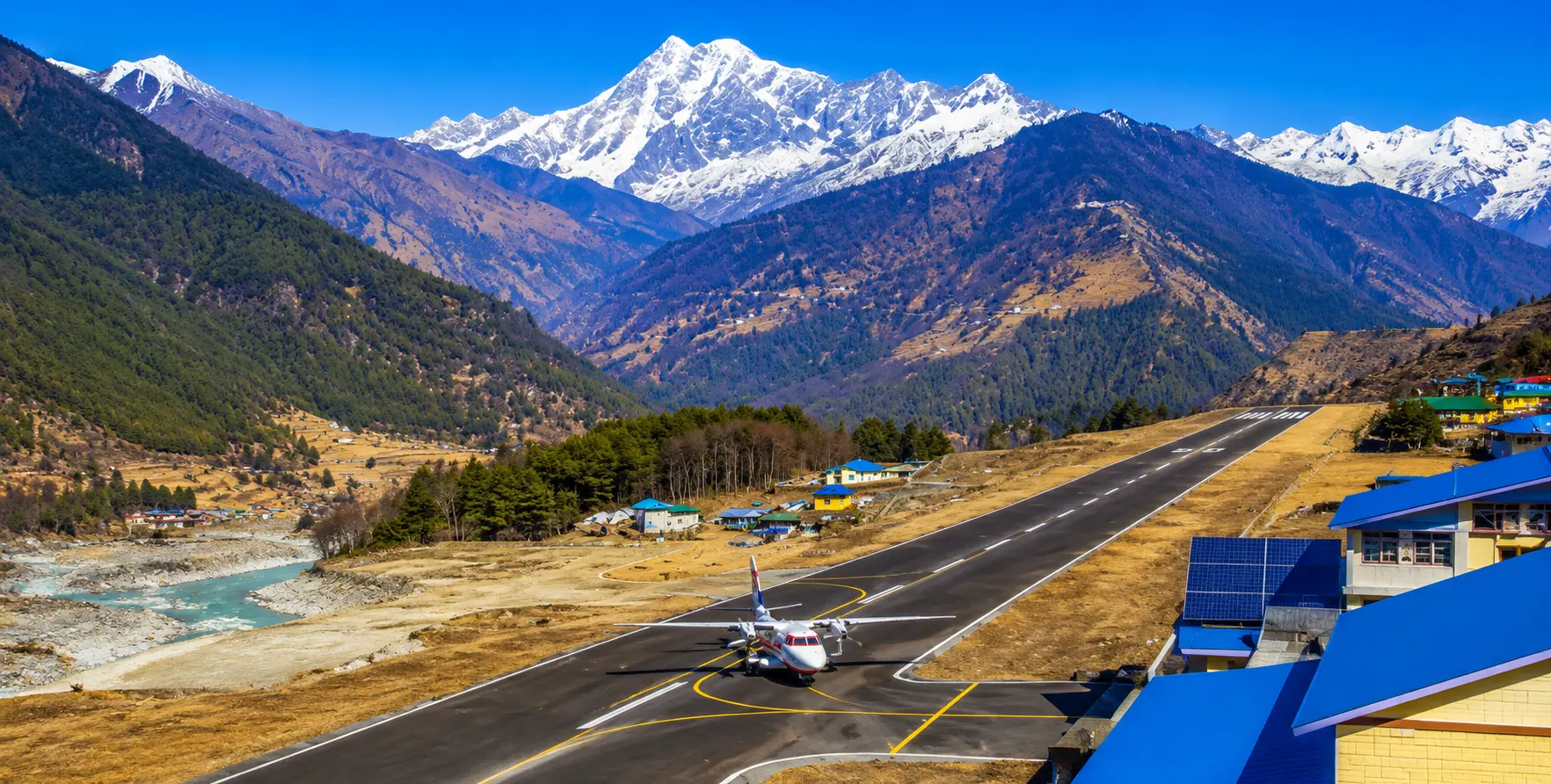
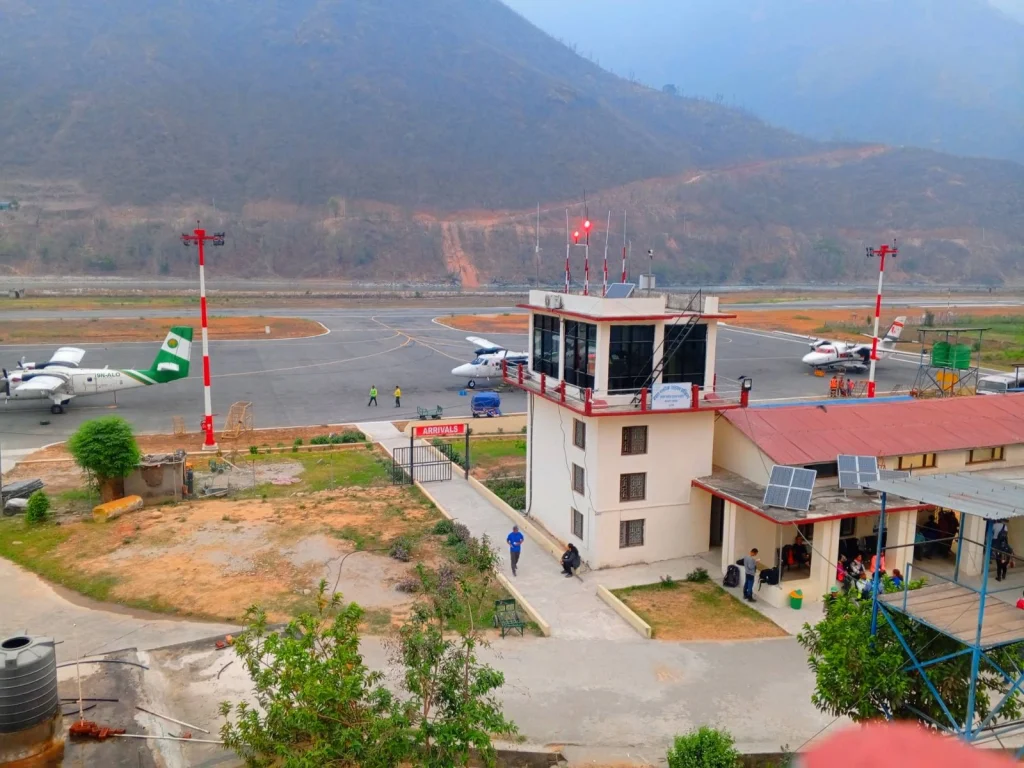
Salleri proudly serves as the district headquarters of Solukhumbu, the broader district that contains the entire Everest region. At the same time, Phaplu, a short distance away, has its own small airstrip and has long served as an alternative, lower-risk entry point to the region than Lukla’s more famous, more challenging airstrip.

Thamdanda and Surke themselves sit considerably further along this same general road corridor, considerably closer to the standard Everest trekking trail, with Surke in particular sitting close enough to Chaurikharka, just below Lukla, that trekkers driving this far can join the main Everest Base Camp trekking route with only a short remaining walk, bypassing the need to fly into Lukla at all.

This lower Solukhumbu region sits within the Solu portion of the district, distinct from the higher Khumbu region containing Namche Bazaar, Everest Base Camp, and the classic high-altitude trekking trail. It is home to a mixed population of Rai, Chhetri, and other communities alongside the Sherpa population more commonly associated with the higher Khumbu villages further up the trail.

Book a private 4WD jeep to Salleri, Phaplu, Thamdanda, or Surke for a safe and comfortable transfer to the Everest Region. Ideal for Everest Base Camp trekkers seeking reliable road transport.

The Journey From Kathmandu

The drive from Kathmandu toward Salleri and Phaplu covers a considerable distance through Nepal’s central and eastern hill regions, typically taking a full day or, more commonly, two days with an overnight stop, given the distance and road conditions involved. Our 

Kathmandu to Salleri Phaplu jeep service covers this established leg of the journey in detail. It forms the foundation for the extended route now reaching toward Thamdanda and Surke as road construction has continued to push further along this corridor in recent years.

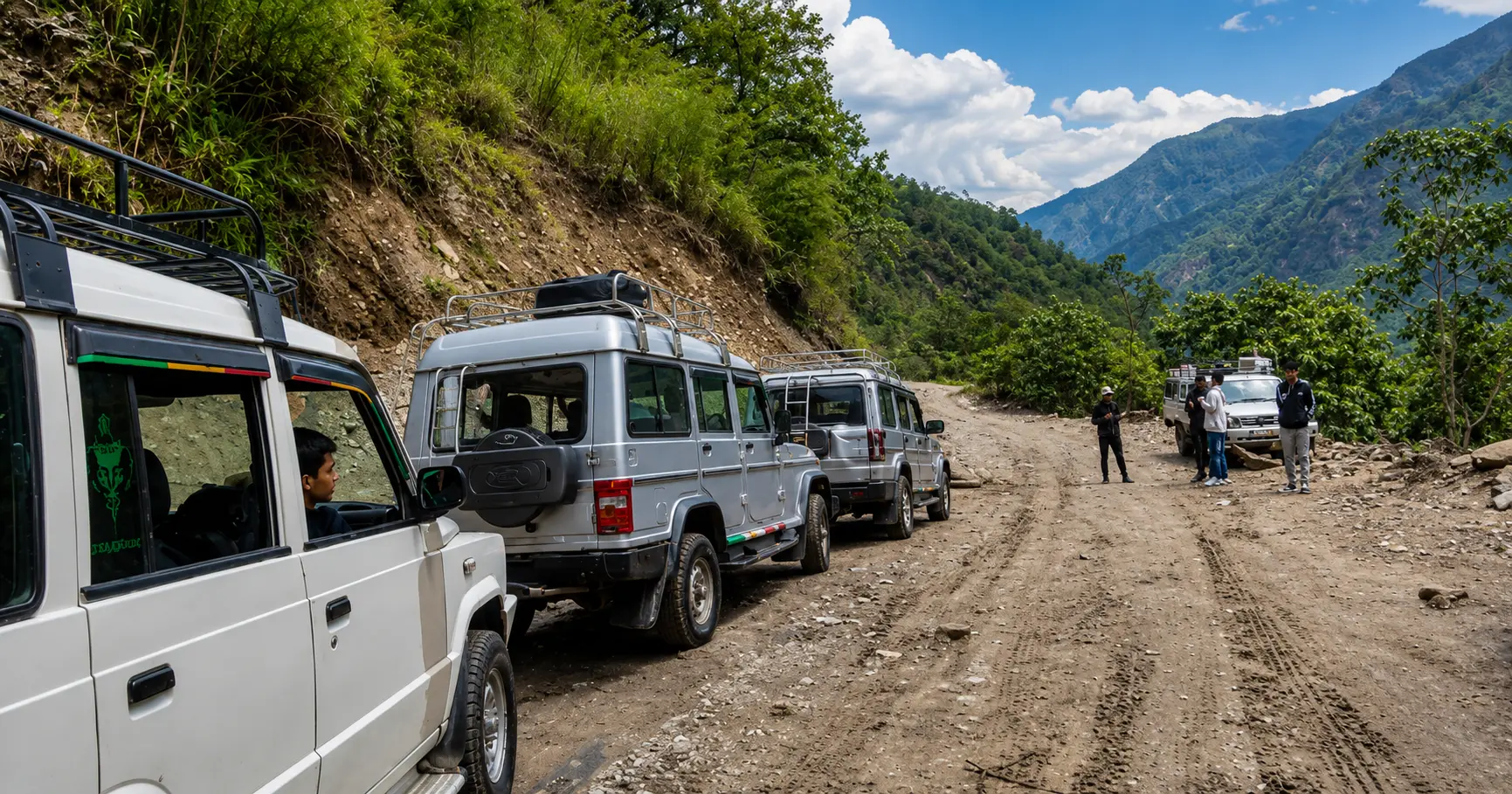
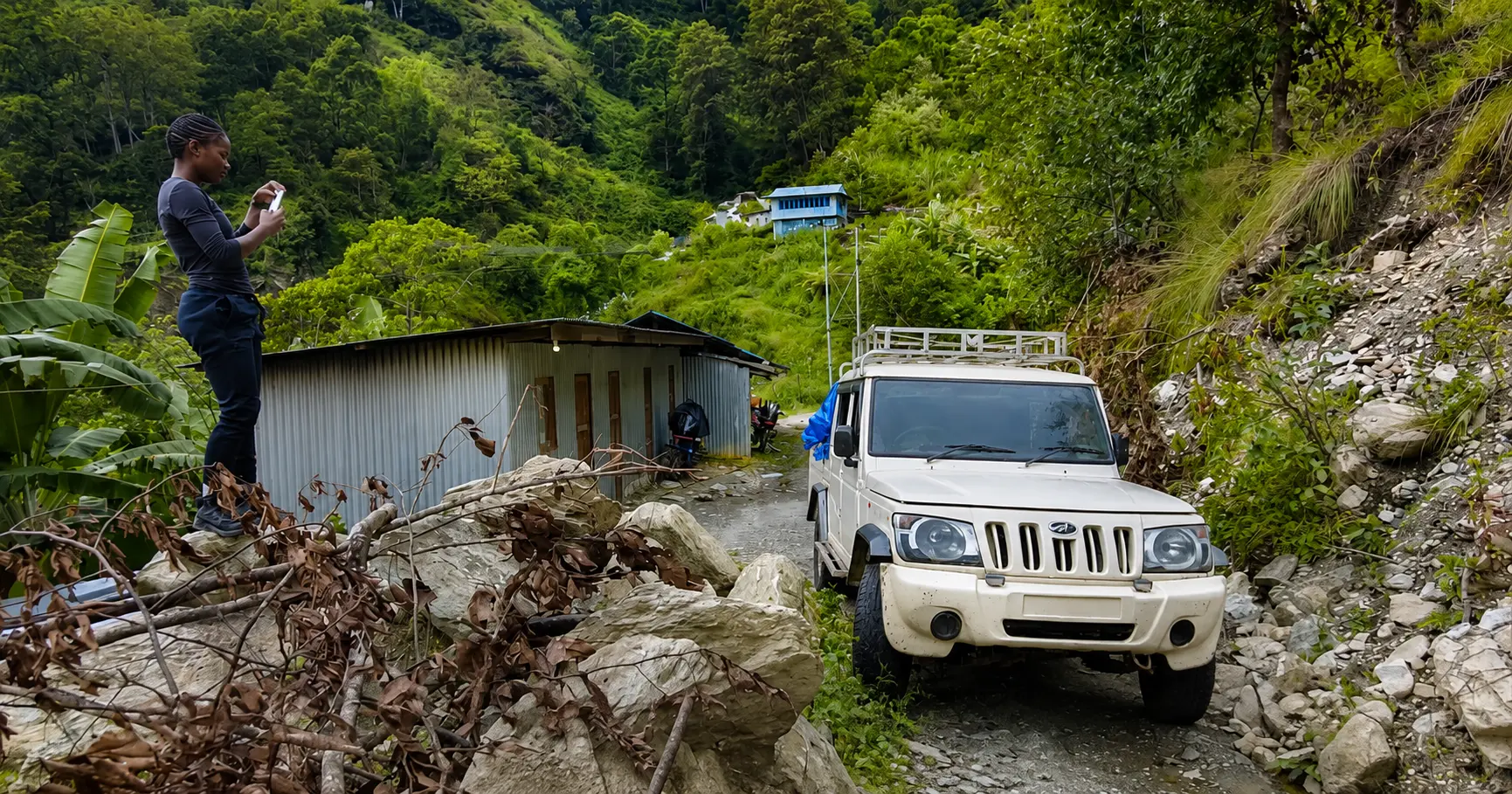
Beyond Phaplu, the more recently constructed, considerably rougher road continues toward Ringmo, Taktor, and onward to Thamdanda, with the furthest currently drivable sections reaching Surke on a good day, depending on current road maintenance and recent weather conditions. This extended section requires a genuine four-wheel-drive vehicle and a driver with up-to-date knowledge of how far the road remains passable on any given trip, since this changes more often on this newer section than on the well-established Kathmandu-to-Phaplu leg.

Why This Extended Route Matters

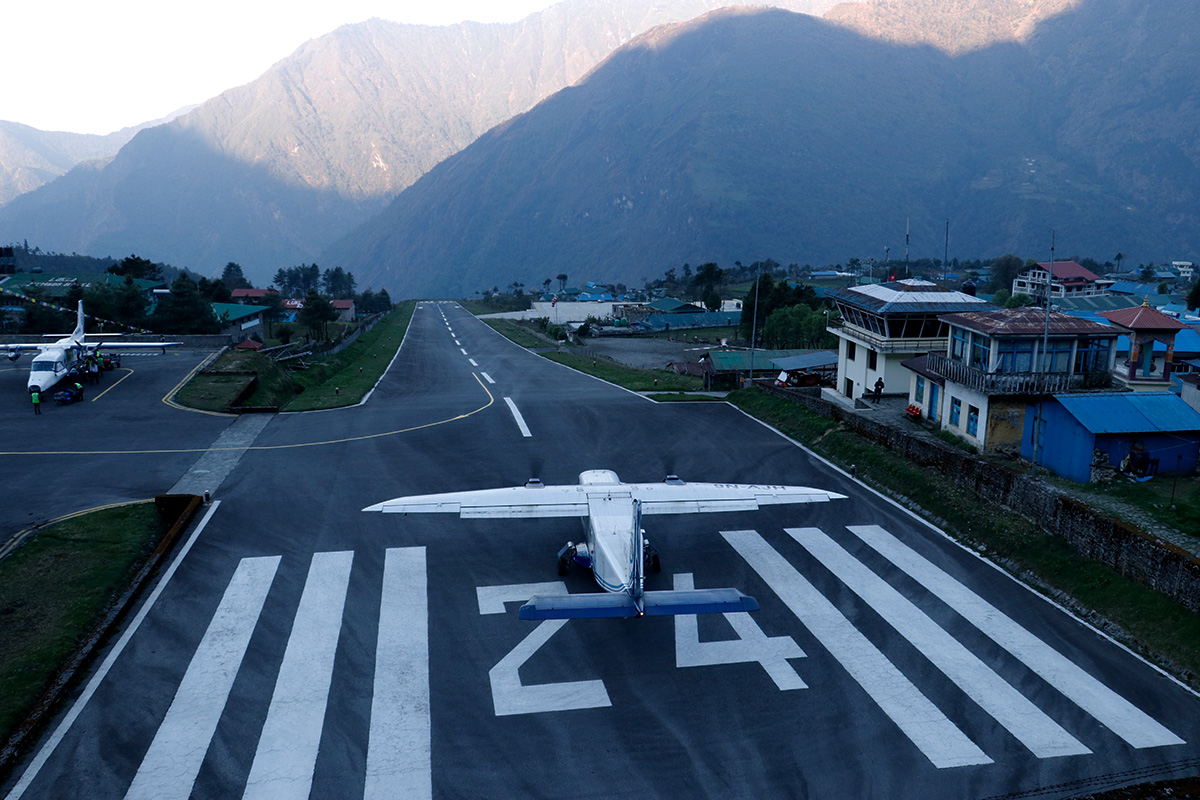
The extension of drivable road access beyond Phaplu toward Thamdanda and Surke represents a genuinely significant development for Everest region trekking logistics, offering trekkers a way to reach the immediate vicinity of the standard trekking trail without relying on a Lukla flight at all. Lukla’s small mountainside airstrip, despite its considerable international fame, remains notoriously subject to significant weather-related delays and cancellations, particularly during the shoulder seasons and any period of genuinely unstable, unpredictable mountain weather.

Aa growing number of trekkers now specifically choose the overland route via Salleri, Phaplu, and onward toward Surke to avoid this flight risk entirely, accepting a longer overall journey in exchange for greater schedule reliability.

Vehicle Options for This Route

Toyota Land Cruiser and Prado

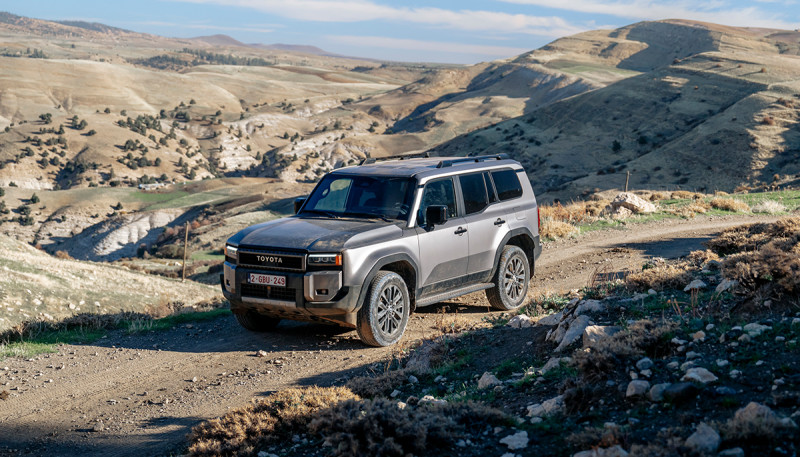
For the demanding sections beyond Phaplu toward Thamdanda and Surke, a Land Cruiser or Prado remains the most reliable option, offering the ground clearance and mechanical dependability this genuinely rough corridor requires.

Mahindra Bolero and Local Jeeps

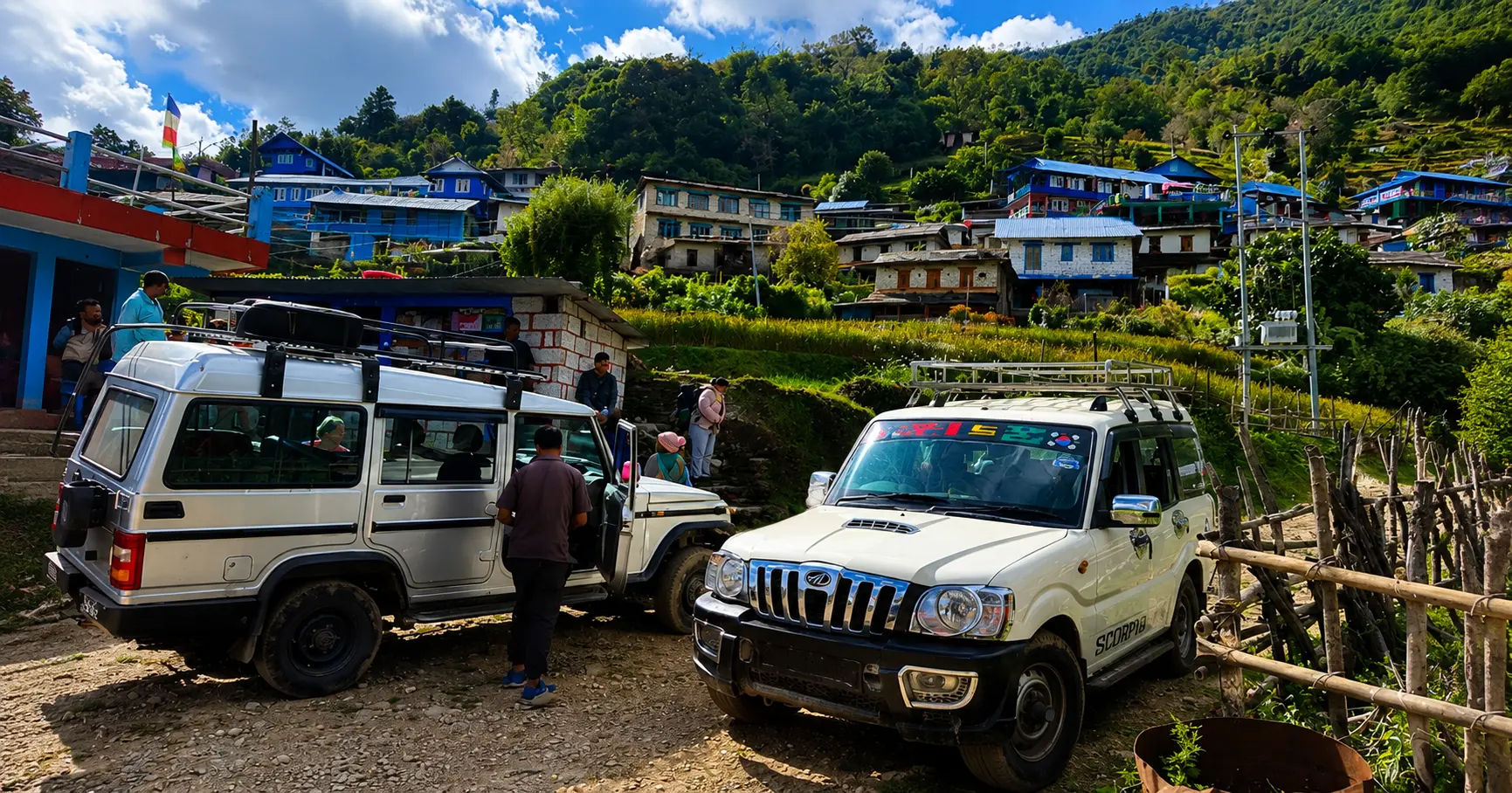
Regional operators widely use local jeeps such as the Mahindra Bolero on this corridor and remain a practical, cost-effective option for smaller groups, discussed further in our 

Mahindra Bolero and Tata Sumo trekking transfer guide.

Executive Hiace for the Kathmandu-Phaplu Highway Sections

For larger trekking groups, our 

Hiace hire service suits the more established, paved sections of the journey closer to Kathmandu, before smaller groups transfer into 4WD jeeps for the rougher stretch beyond Phaplu.

Book a private jeep hire Salleri, Phaplu, Thamdanda, or Surke for a safe and comfortable transfer to the Everest Region. Ideal for Everest Base Camp trekkers seeking reliable road transport.

Phaplu’s Airstrip as an Alternative to Lukla

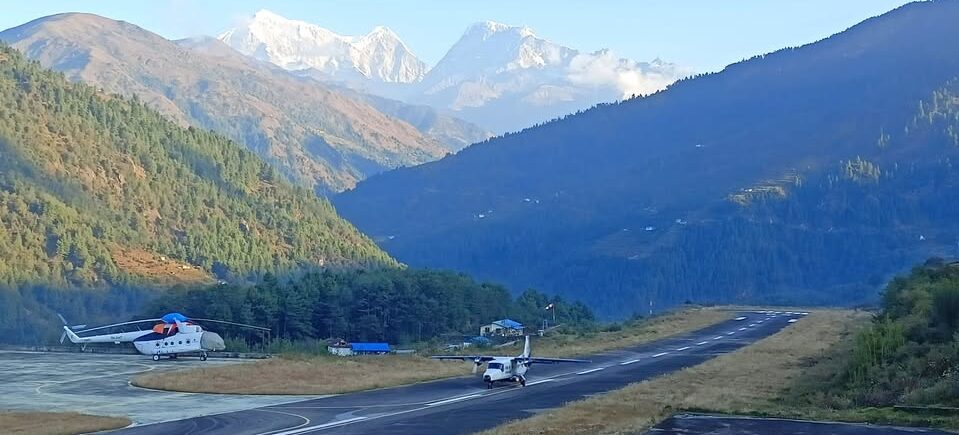
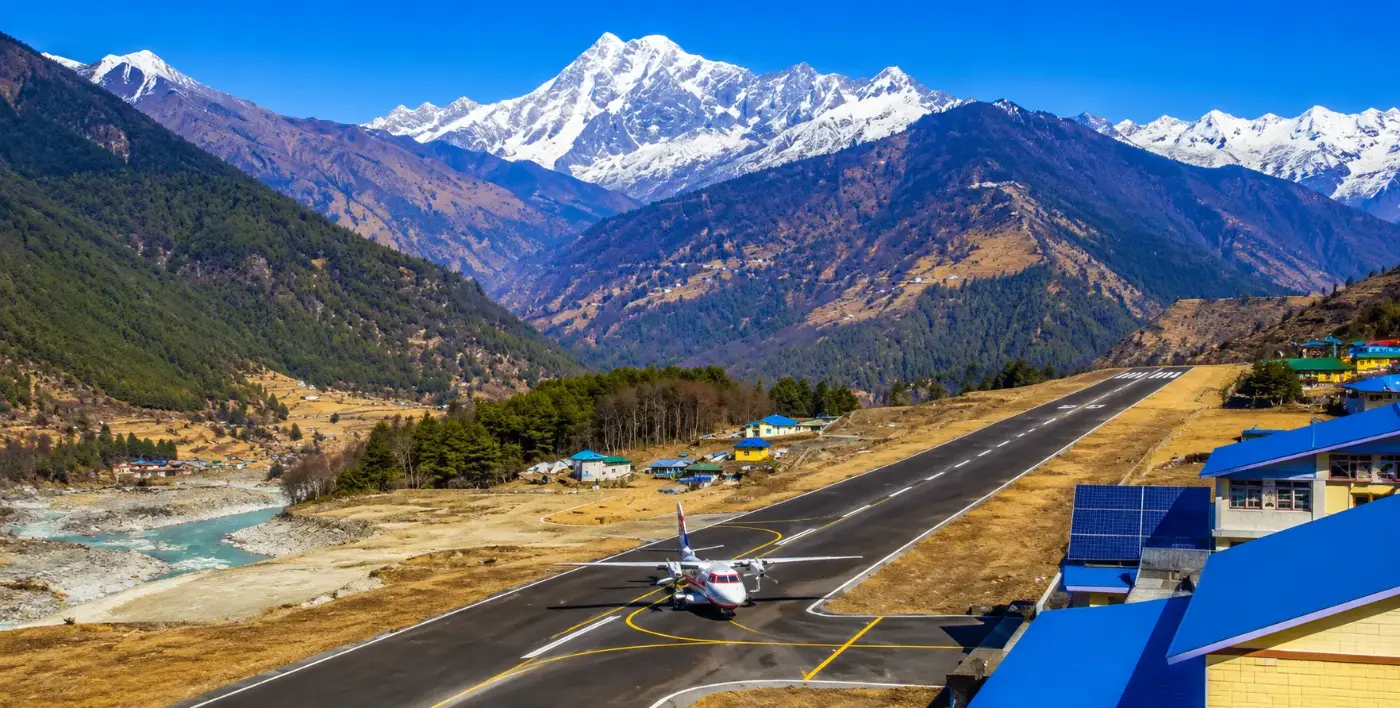
Beyond its role as a road terminus, Phaplu also has its own small airstrip, occasionally used as a lower-risk alternative to Lukla for trekkers who want to fly rather than drive the full distance from Kathmandu, while avoiding Lukla’s more challenging approach and higher weather-related cancellation rate. This gives trekkers a genuine third option beyond a pure road journey or a Lukla flight: driving or flying to Phaplu, then continuing on foot or by the extended road toward Thamdanda and Surke before joining the main Everest trail.

Trekking From Surke to the Main Everest Trail

For trekkers driving as far as the road currently allows toward Surke, the remaining walk to join the standard Everest Base Camp trekking route near Chaurikharka and Lukla itself is considerably shorter than the multi-day walk once required from Jiri or even from Phaplu in earlier years. This compressed approach has made the overland route an increasingly practical alternative to flying, rather than simply a slower, more scenic option reserved for trekkers with unlimited time, and its growing popularity reflects genuine road infrastructure improvement rather than simply changing trekker preferences.

Private Jeep Hire Salleri, Phaplu, Thamdanda & Surke

Comparing the Overland Route to Flying Into Lukla

Flying to Lukla remains the fastest way to begin an Everest Base Camp Trek, but carries genuine weather-related risk, with flights frequently delayed or rerouted through Manthali in Ramechhap district during peak season, as discussed in our 

Everest Range Nepal Full Guide. The overland route via Salleri, Phaplu, Thamdanda, and Surke takes considerably longer overall, typically adding two to three days compared to flying directly, but offers far greater schedule predictability, an important consideration for trekkers with a fixed return flight or limited overall trip duration who cannot afford an open-ended wait for Lukla flight conditions to improve.
Comparing This Route to the Classic Jiri Approach

The traditional Jiri to Everest route, covered in our companion guide to the 

Jiri to Everest Trek offered by our sister company Alpine Luxury Treks, remains available for trekkers specifically seeking the full historical approach used by early Everest expeditions, including Hillary and Tenzing’s own 1953 climb. By contrast, the Salleri, Phaplu, Thamdanda, and Surke route offers a considerably shorter overland approach for trekkers who prioritise efficiency over historical authenticity, while still avoiding a Lukla flight entirely.
Private Jeep Hire Salleri, Phaplu, Thamdanda & Surke

Permits Required for This Route

Trekkers joining the standard, well-established Everest Base Camp Trek via this overland approach need the same permits as those flying into Lukla: a Sagarmatha National Park entry permit and the Khumbu Pasang Lhamu Rural Municipality entry fee, both typically arranged in Kathmandu or at the appropriate checkpoint along the route. No additional restricted area permit is required for this lower Solukhumbu approach itself, since it falls outside any restricted zone.

Best Time of Year for This Route

Spring (March to May)

Generally favourable road conditions and stable weather make this one of the two peak seasons for both the drive and onward trekking.

Summer and Monsoon (June to August)

Heavy rainfall significantly increases landslide risk on the rougher sections beyond Phaplu, making this the least reliable season for the extended road toward Thamdanda and Surke specifically.

Autumn (September to November)

The clearest skies and most stable conditions of the year, and the busiest season for Everest region trekking overall, making early booking for this route advisable.

Winter (December to February)

Cold conditions affect the higher trekking sections beyond Surke, though the lower road corridor itself generally remains passable, appealing to trekkers seeking a quieter season.

Private Jeep Hire Salleri, Phaplu, Thamdanda & Surke

Road Safety on This Extended Corridor

The road beyond Phaplu toward Thamdanda and Surke remains considerably rougher and less consistently maintained than the established Kathmandu-to-Phaplu highway sections, passing through active landslide zones particularly during and after the monsoon. An experienced driver with up-to-date knowledge of how far the road remains passable is essential, since this can change between trips depending on recent weather and maintenance activity.

Combining This Route With the Full Everest Base Camp Trek

Trekkers using this overland approach typically continue to complete the full Everest Base Camp Trek. 

Everest Base Camp Trek offered by our sister company, Alpine Luxury Treks, joining the standard trail near Chaurikharka and continuing through Namche Bazaar, Tengboche, and onward to Base Camp and Kala Patthar exactly as trekkers flying into Lukla would, simply with a different and more schedule-reliable starting point.

Private Jeep Hire Salleri, Phaplu, Thamdanda & Surke

Cost Factors for This Route

Vehicle hire costs for the Salleri, Phaplu, Thamdanda, and Surke corridor depend on vehicle class, group size, and how far the current road allows the vehicle to travel on a given trip. Our team is happy to prepare a custom quote based on your group size and travel dates, and we’ll confirm current road conditions at the time of booking. Visit our 
homepage or explore our 

trekking transport section for further guidance.

How to Book Your Transport

Booking begins with sharing your group size, preferred travel dates, and whether you want to go as far as possible toward Surke to minimise walking, or a more standard Salleri-Phaplu drop-off. Our team will confirm current road conditions and match the appropriate vehicle and driver for your specific itinerary. We recommend booking at least two to three weeks ahead during peak spring and autumn seasons.

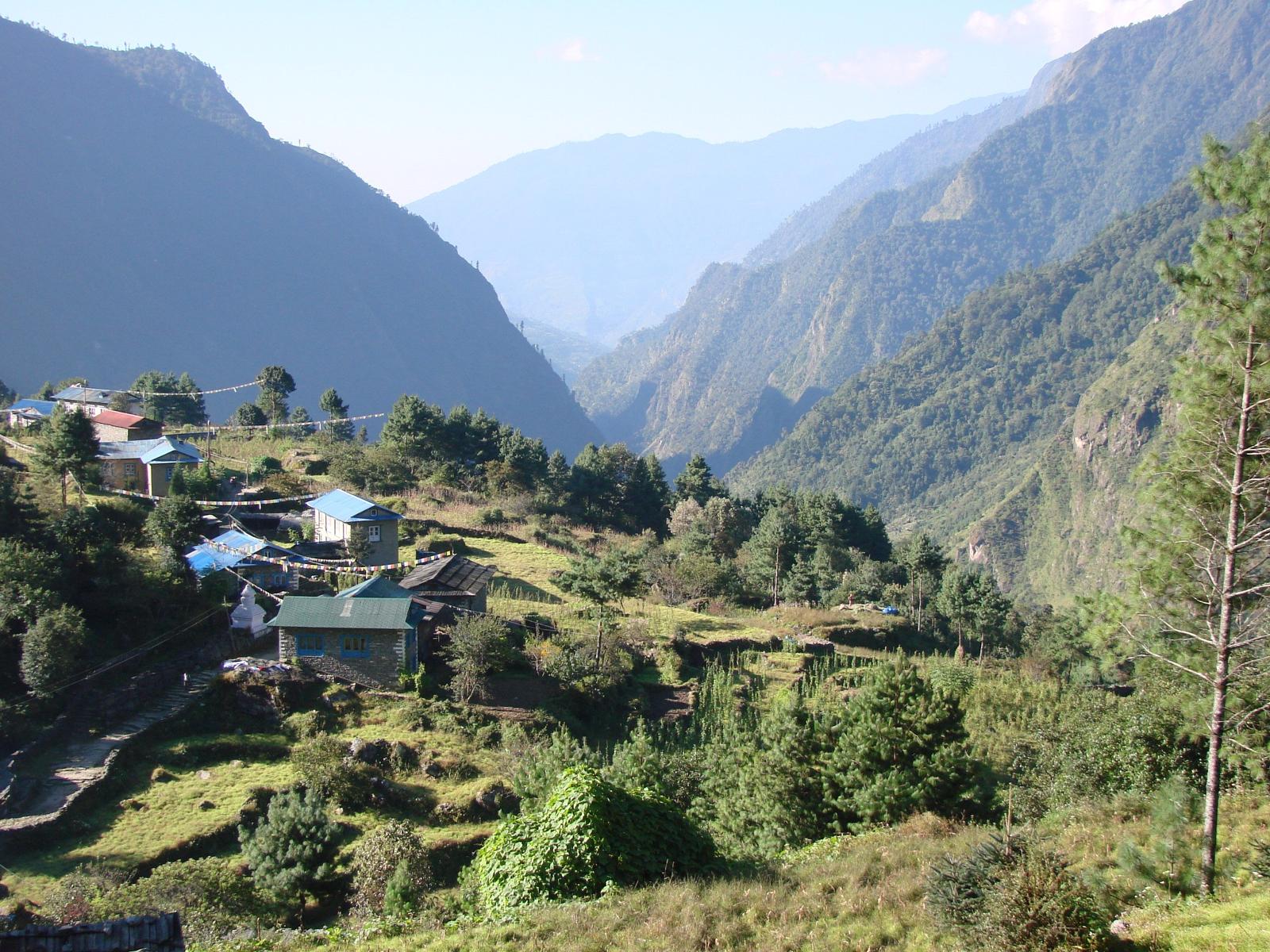
Salleri village

Trekkers planning an Everest region trip via this overland approach may find these related guides useful:

Frequently Asked Questions

How far can I currently drive toward the Everest region without flying?

Road access currently reaches as far as Thamdanda and, on good days, Surke, though conditions vary and you should confirm with your vehicle operator before finalising travel plans.

Is this route safer than flying to Lukla?

It avoids Lukla’s flight-related weather risk entirely, though the road still requires a proper 4WD and an experienced driver due to its rough, landslide-prone sections beyond Phaplu.

How much walking remains after driving to Surke?

The remaining walk to join the main Everest trail near Chaurikharka and Lukla is much shorter than the traditional Jiri approach, and you can typically do it in a single day, depending on the exact road endpoint on your trip.

Do I need different permits for this route compared to flying into Lukla?

No. The same Sagarmatha National Park permit and Khumbu Rural Municipality entry fee apply regardless of whether you fly into Lukla or approach overland via this route.

Can I fly from Phaplu instead of driving the whole way?

Yes. Phaplu’s airstrip offers an alternative, generally lower-risk flight option than Lukla. It can be combined with the extended road toward Thamdanda and Surke for trekkers who want to shorten their overland journey.

What is the best season for this route?

Spring and autumn offer the most reliable road conditions, with the monsoon season carrying the highest landslide risk on the rougher sections beyond Phaplu.

Private Jeep Hire Salleri, Phaplu, Thamdanda & Surke

Final Thoughts: Nepal’s Quietly Changing Everest Gateway

The steady extension of drivable road access from Salleri and Phaplu toward Thamdanda and Surke represents one of the more significant, if quietly developing, changes to Everest region trekking logistics in recent years, offering a genuine alternative to Lukla’s flight-dependent access without the multi-day commitment of the full traditional Jiri approach. Getting this journey right, with an experienced driver and up-to-date knowledge of current road conditions, sets a reliable, weather-independent start to one of the world’s great trekking adventures.

Contact Nepal Vehicle Hiring today on WhatsApp or visit 

vehiclehiringnepal.com to arrange your private jeep for Salleri, Phaplu, Thamdanda, and Surke, and to help plan your onward journey into the Everest region with current, accurate route information for whichever season you plan to travel.

The History of Road Development in Lower Solukhumbu

Road construction into Solukhumbu district has proceeded in distinct phases over recent decades, beginning with the establishment of a reliable road connection to Salleri and Phaplu, which for years served as the practical limit of drivable access toward the Everest region. This Salleri-Phaplu roadhead became the standard starting point for trekkers choosing an overland approach rather than flying into Lukla, effectively creating a shorter alternative to the full traditional Jiri route while still requiring several additional trekking days compared to flying directly.

More recently, continued road construction has pushed this drivable limit further, through Ringmo and Taktor, toward Thamdanda and, on favourable days, as far as Surke, progressively compressing the walking distance required to join the standard Everest trekking trail near Lukla and Chaurikharka.

Private Jeep Hire Salleri, Phaplu, Thamdanda & Surke

Salleri: The District Headquarters

As the administrative headquarters of Solukhumbu district, Salleri hosts government offices, a hospital, and a range of services that reflect its role as the district’s administrative centre, distinct from the more purely trekking-oriented character of villages further up the trail toward the high Khumbu region. Many trekkers pass through or briefly stop in Salleri on their overland journey, and the town offers a useful last stop for final supplies or services before continuing toward the more remote sections of the route.

Phaplu in Greater Detail

Phaplu, a short distance from Salleri, has developed a distinct identity centred on its small airstrip and its role as a common starting or ending point for trekking itineraries in the region. The Phaplu area also hosts a hospital originally established with support linked to the Hillary family’s long-standing philanthropic work in the region, part of the broader legacy of infrastructure development in Solukhumbu that traces back to Sir Edmund Hillary’s post-expedition work supporting local communities throughout the district.

Private Jeep Hire Salleri, Phaplu, Thamdanda & Surke

Thamdanda and the Newer Road Sections

Thamdanda represents one of the more recently established points along this extending road corridor, reflecting the ongoing, incremental nature of road construction through this challenging terrain. Unlike the well-established Kathmandu-to-Phaplu highway sections, the road beyond Phaplu toward Thamdanda remains under active development, meaning conditions and the exact drivable endpoint can shift meaningfully between trekking seasons as construction continues and monsoon damage is repaired.

Surke and Its Proximity to the Main Trekking Trail

Surke’s significance in this extended road corridor comes from its proximity to Chaurikharka, a village on the standard Everest Base Camp trekking trail just below Lukla. Trekkers able to drive as far as Surke on a given trip face only a relatively short remaining walk to join this main trail, effectively allowing them to bypass both the Lukla flight and the considerably longer trek from Phaplu or Jiri that earlier generations of overland trekkers faced.

This proximity is precisely what has made Surke the focus of considerable interest as road construction has continued to extend toward it in recent years.

Private Jeep Hire Salleri, Phaplu, Thamdanda & Surke

A Typical Itinerary Using This Extended Route

A common itinerary for trekkers choosing this overland approach begins with the drive from Kathmandu to Salleri or Phaplu, typically requiring a full day or an overnight stop given the distance involved, followed by a second day continuing along the rougher, more recently constructed road toward Thamdanda and as far toward Surke as current conditions allow. From there, trekkers complete the remaining walk to join the main trail near Chaurikharka, then continue to Lukla or onward to Namche Bazaar, depending on their itinerary and acclimatisation schedule.

This combined road-and-short-trek approach typically adds two to three days to an itinerary compared to flying directly into Lukla. Still, it removes the schedule uncertainty of Lukla flight delays.

Weather Patterns Affecting This Corridor

The lower Solukhumbu region through which this road passes experiences a genuinely different weather pattern than the higher Khumbu region further up the standard trekking trail, with more monsoon-influenced rainfall and denser forest cover typical of the mid-hill elevations this corridor traverses before climbing toward the higher, more exposed terrain near Lukla and Namche Bazaar. This means road conditions along the Phaplu-to-Surke stretch are particularly sensitive to monsoon-season rainfall, with landslide risk considerably higher during and immediately after the main monsoon months than during the drier, more stable peak autumn and spring trekking seasons.

Private Jeep Hire Salleri, Phaplu, Thamdanda & Surke

Local Communities Along the Route

The villages along this extended corridor, including Salleri, Phaplu, and smaller settlements toward Thamdanda and Surke, are home to a genuinely mixed population that reflects Solukhumbu’s more ethnically diverse character than the more uniformly Sherpa communities found in the higher Khumbu villages further up the trail. Rai and Chhetri communities make up a significant part of the population in these lower villages, alongside Sherpa residents, giving trekkers using this overland route a different cultural cross-section than those flying directly into the more purely Sherpa cultural landscape of Lukla and Namche Bazaar.

Why Trekkers Increasingly Choose This Overland Approach

Beyond avoiding Lukla flight risk, more trekkers choose this overland approach for the added cultural and scenic exposure it offers compared to flying directly into the high Khumbu region. The drive and short trek through lower Solukhumbu offer a genuinely different landscape and cultural setting than the higher trail sections most trekkers experience, providing a more gradual, in-depth introduction to the broader Everest region rather than the more abrupt transition of a direct Lukla flight.

This makes the route appealing not only to risk-averse trekkers but also to those seeking a richer, more complete regional experience.

Health and Altitude Considerations for This Approach

One genuine advantage of this overland route is its gradual elevation gain compared to flying directly into Lukla at 2,860 metres. Trekkers driving from Kathmandu’s roughly 1,400 metres through Salleri and Phaplu, both at much lower elevations, then continuing on foot toward the higher trail sections, experience a gentler acclimatisation profile than those who fly directly into Lukla and start trekking immediately at a much higher starting elevation.

Some trekkers and guides consider this gradual approach genuinely beneficial for altitude acclimatisation, complementing the standard rest days built into most Everest Base Camp itineraries.

Guides and Local Knowledge for This Route

Given the more variable and continually evolving nature of road conditions found beyond Phaplu toward both Thamdanda and Surke, working closely with a guide or vehicle operator who maintains current, up-to-date knowledge of the exact drivable endpoint is particularly valuable for this specific route, more so than on well-established, unchanging highway corridors elsewhere in Nepal. Local drivers who regularly travel this corridor typically have the most accurate, current information on road status, since conditions can change significantly from one trip to the next depending on recent weather and ongoing construction.

Combining This Route With a Broader Solukhumbu Exploration

Trekkers with extra time sometimes use this extended overland approach to explore lower Solukhumbu more broadly, rather than treating the drive purely as transit to the main Everest trail. Salleri’s role as a district headquarters, Phaplu’s historic hospital and airstrip, and the broader cultural landscape of the lower Solu region all offer worthwhile points of interest for trekkers willing to build extra time into their itinerary beyond the minimum required to reach Surke and join the main trekking trail.

What to Pack for This Journey

  • Warm, layered clothing given the range of elevations and temperatures encountered across the drive and subsequent trek.
  • Sturdy footwear for the walking sections between the road’s current endpoint and the main Everest trail near Chaurikharka.
  • A flexible itinerary buffer, given the more variable road conditions on this evolving corridor than on established highway routes.
  • Cash in Nepali rupees, since card payment infrastructure remains limited throughout this rural corridor.
  • Basic first aid supplies and any personal medication needed for the trekking portion of the journey.

Private Jeep Hire Salleri, Phaplu, Thamdanda & Surke

Why Choose Nepal Vehicle Hiring for This Route

Nepal Vehicle Hiring has arranged transport along the Kathmandu to Salleri and Phaplu corridor for years, and our team stays in regular contact with drivers working the extended sections toward Thamdanda and Surke, giving us current knowledge of road conditions rather than outdated information. We select drivers for this corridor specifically for their experience navigating both the established highway sections and the rougher, evolving stretches beyond Phaplu, and we work directly with trekking groups to confirm realistic expectations about how far the road allows travel on any given trip, since this genuinely shifts between seasons.

Coordinating With Trekking Agencies for This Route

Given the evolving nature of road access on this corridor, close coordination between ground transport providers and trekking agencies planning Everest region itineraries is particularly valuable for this specific route. Trekking agencies benefit from working with a vehicle provider that can confirm current road status close to a group’s departure date, allowing itinerary adjustments if the road is more or less passable than assumed during initial trip planning months.

Our team works directly with trekking agencies, including our sister companies, to provide current, reliable route information that supports accurate Everest region itinerary planning.

The Broader Context of Nepal’s Rural Road Expansion

The extension of drivable access from Phaplu toward Thamdanda and Surke reflects a broader pattern of rural road construction occurring across many of Nepal’s trekking regions, similarly discussed in our guides to the changing roadhead at 

Machha Khola on the Manaslu Circuit approach, and the historical development of the 

Tribhuvan Highway connecting Kathmandu to Hetauda. This pattern of steadily extending rural road networks continues to reshape how trekkers access some of Nepal’s most significant mountain regions, generally compressing walking distances and reducing dependence on weather-sensitive domestic flights. However, it often introduces new considerations around road quality and reliability on newly constructed sections.

Private Jeep Hire Salleri, Phaplu, Thamdanda & Surke

Seasonal Booking Patterns for This Corridor

Demand for vehicle hire along this corridor follows the broader seasonal pattern of Everest region trekking, with autumn as the peak booking period, followed by spring. Given the corridor’s dual role, serving both established highway sections and the more variable extended road toward Surke, booking well in advance during peak season while confirming current road conditions closer to the travel date offers the best combination of availability and route accuracy for trekkers planning this specific journey.

A Note on Realistic Expectations for This Route

Trekkers considering this overland approach should understand that, unlike the well-established Kathmandu-to-Phaplu highway sections, the extended road toward Thamdanda and Surke remains a genuinely evolving piece of infrastructure, and the exact distance drivable on any given trip should be treated as subject to change rather than a fixed, guaranteed endpoint. Approaching this journey with flexibility and working with a vehicle provider that communicates honestly about current conditions, rather than overpromising a specific drivable distance, leads to a much smoother overall experience than assuming a fixed, guaranteed route based on outdated trip reports.

Combining This Route With a Kathmandu Valley Stay

Most trekkers using this overland approach start with at least a day or two in Kathmandu, for final trekking prep and general acclimatisation before departure. Our 

Kathmandu sightseeing tour and 

Bhaktapur Durbar Square tour services pair naturally with this time before departure, while a reliable 

Kathmandu airport transfer ensures a smooth arrival before the demanding overland journey toward Solukhumbu begins.

Insurance and Emergency Considerations

Given the genuinely remote and continually evolving nature of the road beyond Phaplu, comprehensive travel insurance covering trekking activities and, if relevant, emergency evacuation remains important for this route, as it does for any Everest region trekking approach. Emergency response along the extended road sections toward Thamdanda and Surke may be less immediately available than along the well-established Kathmandu-to-Phaplu highway, and trekkers should discuss realistic emergency response expectations with their guide or vehicle provider before departure.

The Growing Appeal Among Repeat Everest Region Visitors

Trekkers who have previously visited the Everest region by flying into Lukla sometimes specifically choose this overland approach on a return visit, drawn by the novelty of a different route and the additional cultural exposure to lower Solukhumbu that a Lukla flight does not offer. This has made the Salleri, Phaplu, Thamdanda, and Surke corridor an increasingly popular choice not only for first-time trekkers seeking to avoid flight risk, but also for experienced repeat visitors looking for a different way to experience a region they may already know well from previous trips.
Private Jeep Hire Salleri, Phaplu, Thamdanda & Surke

Photography and Scenic Highlights Along This Route

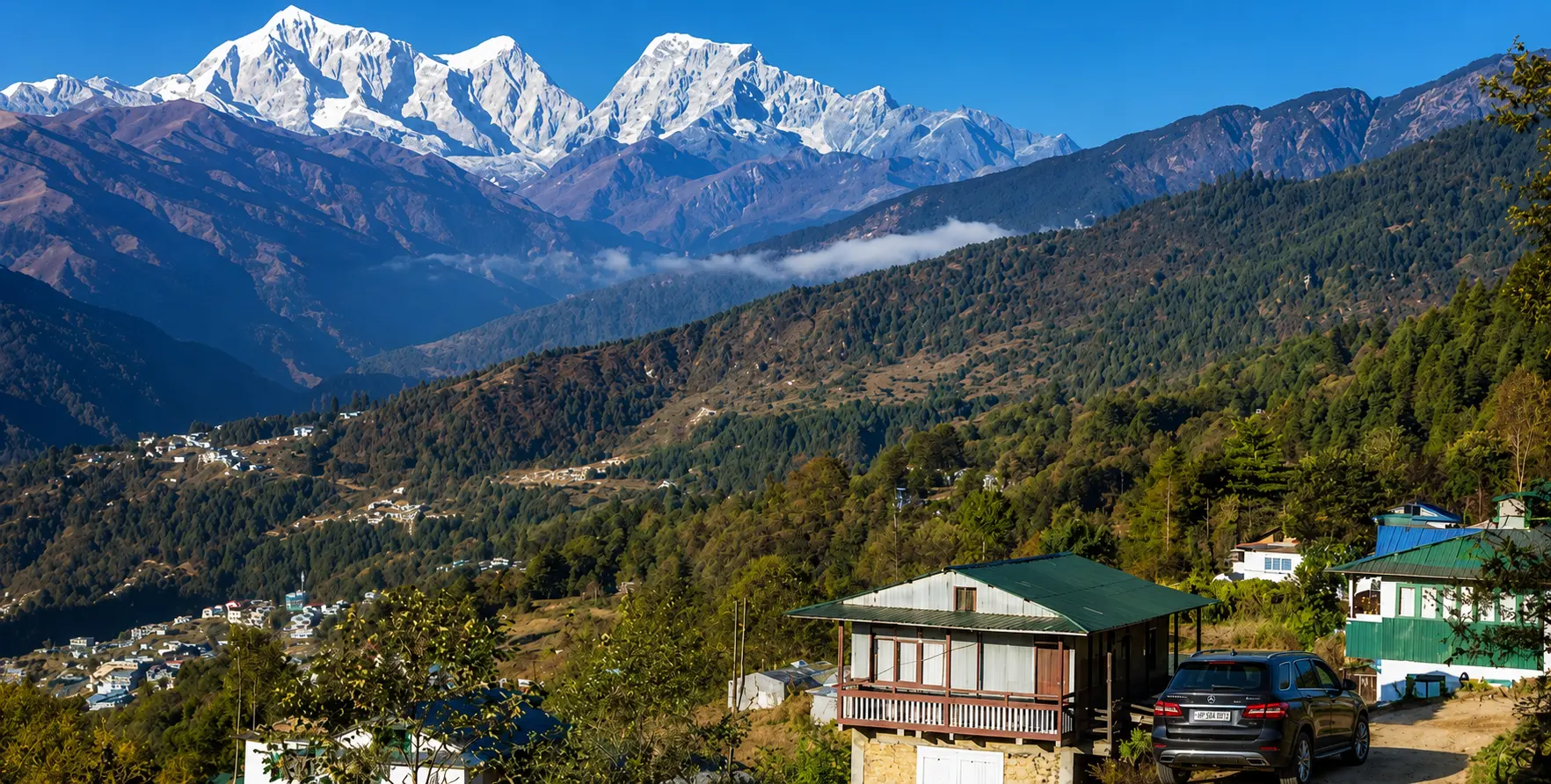
The drive and subsequent trek along this corridor offers a genuinely varied range of scenery, from the terraced hillside agriculture and forested slopes typical of Nepal’s central hill region near Kathmandu, through to the increasingly dramatic mountain terrain as the route approaches Solukhumbu and the first glimpses of high Himalayan peaks become visible on clear days. The gradual transition in landscape character across this multi-day journey offers photography opportunities that differ considerably from the more abrupt shift trekkers experience when flying directly into Lukla’s high-altitude airstrip.

Local Food and Accommodation Along the Way

Together, Salleri and Phaplu offer genuinely reasonable accommodation and food options that reflect their established role as a regional hub and trekking gateway, with dal bhat widely available alongside a modest range of other options. Accommodation and food options become progressively more basic along the newer road sections toward Thamdanda and Surke, reflecting the less developed tourism infrastructure in these smaller settlements compared to the more established facilities in Salleri and Phaplu.

Group Size Considerations for This Route

Given the genuinely variable road conditions on the extended sections beyond Phaplu, larger trekking groups should plan to split across multiple vehicles if the current road endpoint requires a rougher, smaller-capacity jeep rather than a larger vehicle suited to the established highway sections closer to Kathmandu. Discussing group size and luggage requirements with your vehicle provider during initial booking allows more accurate planning around this potential need to transfer between vehicle types partway through the journey.

A Comparison of Total Journey Time Across Different Approaches

Trekkers weighing their options for reaching the Everest region can expect roughly the following total journey times from Kathmandu to the start of the main trekking trail: a direct Lukla flight typically takes under an hour of actual flying time, though total time including airport procedures and potential weather delays can vary considerably; the full Jiri approach typically requires six to eight days of trekking after an initial day’s drive to Jiri itself; and the Salleri, Phaplu, Thamdanda, and Surke overland approach typically requires two to three days of combined driving and short trekking to reach the same starting point near Chaurikharka, positioning this route as a genuine middle ground between the speed of flying and the extended duration of the full historical Jiri trek.
Why This Route Appeals to Budget-Conscious Trekkers

Beyond weather reliability, cost also drives many trekkers to this overland approach, since ground transport along this corridor is generally cheaper than round-trip Lukla flights, especially for larger groups that can split vehicle costs among multiple trekkers. This cost advantage, combined with the flight-risk avoidance already discussed, has made the overland route an increasingly attractive option for trekkers balancing budget considerations against their available trip time.

Environmental Considerations of Overland Versus Flight Access

Some environmentally conscious trekkers choose the overland route over flying because shared ground transport generally has lower per-passenger emissions than short-haul mountain flights. However, this environmental calculation depends heavily on vehicle occupancy and the total distance driven versus flown. Trekkers focused on minimising their trip’s environmental footprint may want to weigh this alongside the other practical factors already discussed when choosing between flying and this overland approach.

Final Practical Tips Before You Go

  • Confirm current road conditions toward Thamdanda and Surke with your vehicle operator close to your travel dates, since conditions can change frequently.
  • Book your vehicle at least two to three weeks ahead during the peak spring and autumn seasons.
  • Build flexibility into your itinerary given the more variable nature of this evolving road corridor compared to established highway routes.
  • Pack for a genuine range of temperatures and conditions across the multi-day journey from Kathmandu through to the higher trekking trail.
  • Consider combining this route with additional exploration of lower Solukhumbu if your schedule allows.

A Sample Cost Breakdown for Planning Purposes

While exact pricing depends on vehicle class, group size, and current road conditions, travellers can generally expect the ground transport component of this journey to scale with total distance and driving days involved, similar to other extended trekking transport routes covered throughout our guides. Groups that can reach farther toward Surke before transitioning to foot travel generally see a modestly higher transport cost reflecting the additional driving distance, offset by a correspondingly shorter, less physically demanding remaining trek to the main trail, a trade-off worth discussing directly with your vehicle provider when planning your budget.

Combining This Journey With Broader Sister Company Trekking Packages

Trekkers using this overland approach to reach the Everest region typically continue to complete a full trekking itinerary through our sister company, Alpine Luxury Treks, whether the standard 

Everest Base Camp Trek, the more top-end 

Everest Base Camp Luxury Lodge Trek, or an extended itinerary incorporating the 

Gokyo Lakes or full 

Three Passes circuit. Coordinating overland ground transport and the trekking itinerary through a single point of contact, spanning both Nepal Vehicle Hiring and our sister trekking company, ensures a consistent, well-planned experience from Kathmandu to Everest Base Camp and back.

A Closing Perspective on This Evolving Route

The Salleri, Phaplu, Thamdanda, and Surke corridor represents Nepal’s trekking infrastructure in genuine, active transition, a road network still extending year by year into terrain that not long ago was accessible only on foot. For trekkers willing to accept some route uncertainty in exchange for weather-independent scheduling, potentially lower overall cost, and a richer cultural introduction to lower Solukhumbu, this overland approach offers a genuinely compelling alternative to the Lukla flight that has defined most visitors’ Everest region experience for decades.
Additional Frequently Asked Questions

Is this route suitable for first-time trekkers to Nepal?

Yes, but first-time trekkers should discuss realistic expectations about road variability and the remaining walking distance with their trekking agency or vehicle provider, given this route’s less predictable nature than established routes elsewhere in Nepal.

How does road quality compare between Kathmandu-Phaplu and Phaplu-Surke sections?

The Kathmandu-to-Phaplu section follows a much more established highway route, while the Phaplu-to-Surke stretch remains rougher and more variable because of its more recent, ongoing construction.

Can this route be used for the return journey as well as the approach?

Yes. Many trekkers use this overland route both ways, though some fly out of Lukla on the return leg to save time after completing their trek, using the overland approach only for the outbound journey.

What happens if the road is impassable beyond a certain point on my trip?

Your driver will confirm the furthest safely drivable point on the day, and you’ll cover any remaining distance to the main trekking trail on foot, an outcome your vehicle provider should communicate clearly rather than presenting a fixed endpoint as guaranteed.

Is a guide required for this specific approach route?

While a guide isn’t strictly mandatory for this lower Solukhumbu approach, most trekkers travel with a guide for the onward Everest Base Camp Trek, regardless of which approach route they use to reach the main trail.

One Final Word for Prospective Trekkers

If you are weighing this overland approach against a direct Lukla flight, consider your own priorities carefully: those with a fixed, non-negotiable return date may still prefer the speed of flying despite its weather-related risk, while those with greater schedule flexibility, a preference for avoiding mountain flights, or a specific interest in experiencing lower Solukhumbu’s distinct cultural landscape will likely find the Salleri, Phaplu, Thamdanda, and Surke corridor a genuinely rewarding way to begin their journey toward Everest.
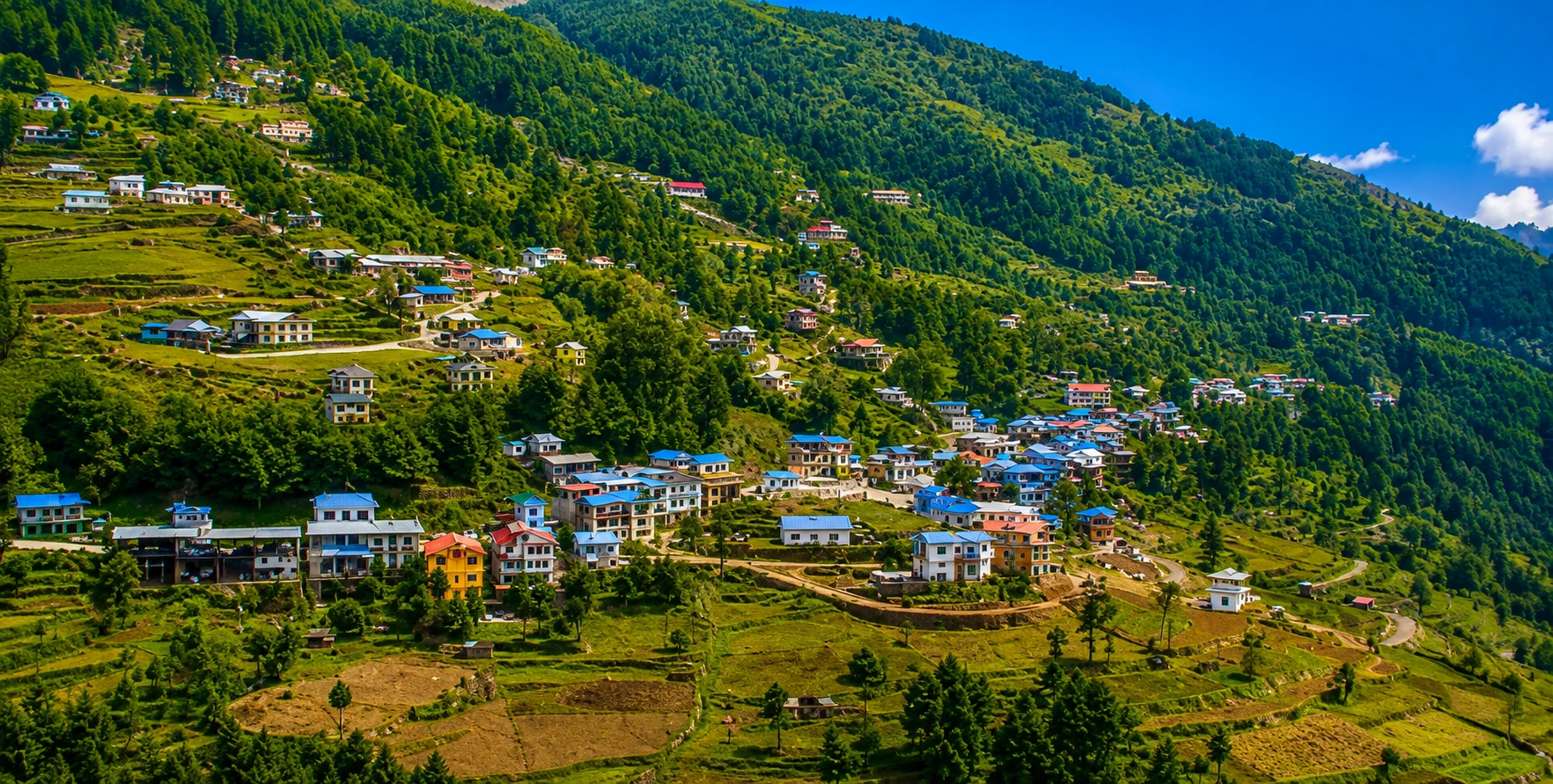
How Nepal Vehicle Hiring Supports This Specific Route

Coordinating transport along an evolving, less predictable corridor like this requires a different operational approach than managing bookings on Nepal’s more established, unchanging highway routes. Our team maintains ongoing communication with drivers who regularly work the Phaplu-to-Surke stretch, allowing us to provide trekkers and trekking agencies with current, accurate information about road status rather than relying on assumptions based on previous seasons.

This ongoing local knowledge, built through years of coordinating transport along this corridor, underpins the guidance we provide to travellers planning this route into the Everest region.

The Role of This Route in Nepal’s Broader Trekking Infrastructure Evolution

This corridor’s continued development runs alongside similar road-extension patterns elsewhere in Nepal, from the changing Manaslu Circuit roadhead at Machha Khola to the historical development of highway infrastructure connecting Kathmandu to destinations across the country. Together, these evolving road networks reflect Nepal’s ongoing infrastructure development, gradually extending motorised access into terrain trekkers a generation ago could reach only on foot and reshaping trekking logistics across nearly every major region.

Supporting Trekking Agencies With Current Route Information

Trekking agencies planning Everest region itineraries via this overland approach benefit greatly from an established relationship with a ground transport provider that can supply current, reliable road-status information during trip planning, months before a group’s departure. This ongoing collaborative relationship between trekking agencies and vehicle hire providers helps ensure itineraries are planned realistically from the outset, rather than requiring last-minute adjustments discovered only after a trekking group has arrived in Nepal and begun their journey toward Solukhumbu.

Looking Ahead: The Continued Extension of This Road Corridor

Given the pace of road construction along this corridor in recent years, further extension beyond Surke toward Chaurikharka itself, or even closer to Lukla, remains a real possibility in the years ahead, following the same incremental pattern that has brought drivable access this far. Trekkers and trekking agencies alike continue to monitor this development closely, since further extension would likely compress the remaining walking distance even further and continue the gradual transformation of how travellers access the Everest region that this guide has traced throughout.

A Final Summary of Key Considerations

Bringing together everything covered in this guide, trekkers considering the Salleri, Phaplu, Thamdanda, and Surke overland approach to the Everest region should weigh the genuine trade-offs involved: a longer overall journey compared to flying, offset by considerably greater schedule reliability and, for many travellers, a lower total cost and a richer cultural introduction to lower Solukhumbu. The exact drivable distance on any given trip remains subject to change given the evolving nature of the road beyond Phaplu, making flexibility and current, accurate route information from an experienced local vehicle provider essential rather than optional for planning this specific journey with confidence.
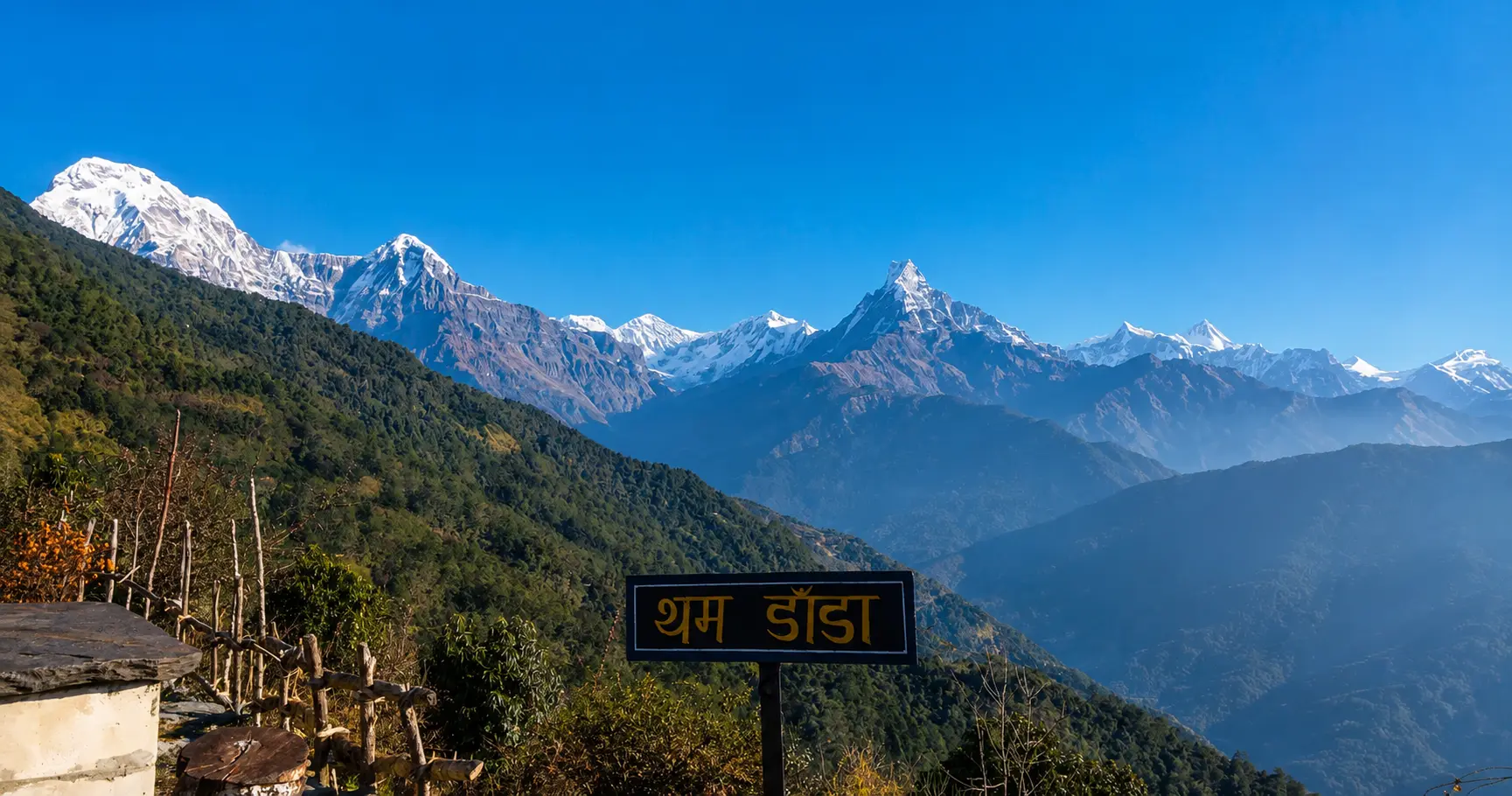
Thank You for Reading

We hope this guide gives a clear, useful overview of this changing overland route into the Everest region, and we look forward to arranging your journey to Salleri, Phaplu, Thamdanda and Surke, whatever combination of driving and trekking your itinerary involves.

Private Jeep Hire Salleri, Phaplu, Thamdanda & Surke

Combining Ground Transport With Nepal’s Wider Vehicle Hiring Network

Beyond this specific Solukhumbu corridor, Nepal Vehicle Hiring supports travellers across nearly every major route in the country, from 

Kathmandu to Pokhara and 

Kathmandu to Besisahar for Annapurna region trekking, to 

Pokhara to Nayapul and 

Kathmandu to Lumbini, alongside our full 

Jeep Hire in Nepal, 

Hiace hire, and 

Coaster and Bus hire fleet, all coordinated through the same trusted local team supporting your Everest region ground transport.

A Note on Booking Flexibility for This Evolving Route

Given the variable road conditions beyond Phaplu discussed throughout this guide, we recommend travellers approach booking for this route with more flexibility than on Nepal’s more established highway corridors. Confirming your itinerary broadly, while staying open to adjusting the exact drivable endpoint based on conditions closer to your travel date, leads to a much smoother overall experience than insisting on a fixed, guaranteed distance regardless of what the road presents on the day of travel.

Cultural Etiquette Along the Lower Solukhumbu Route

Trekkers passing through the mixed Rai, Chhetri, and Sherpa communities along this corridor should approach local villages with the same respect and cultural sensitivity expected throughout Nepal’s trekking regions, including modest dress, requesting permission before photographing individuals, and general courtesy toward the communities whose homeland this road and trail pass through. This lower Solukhumbu cultural landscape, while less visited than the higher Khumbu villages further up the trail, holds its own genuine significance and deserves the same respectful engagement afforded to any community along Nepal’s trekking routes.

Wishing You a Smooth and Reliable Journey

Whether you choose this evolving overland route specifically to avoid Lukla’s flight-related uncertainty, to explore lower Solukhumbu’s distinct cultural landscape, or simply because it fits your available budget and schedule better than the alternatives, we wish you a safe, smooth journey toward Salleri, Phaplu, Thamdanda, and Surke, and a memorable trek beyond it toward the roof of the world.

A Practical Reminder Before You Book

As a final practical reminder, always request the most current road status directly from your chosen vehicle provider before finalising travel dates, particularly if travelling during or shortly after the monsoon season when conditions on the newer road sections beyond Phaplu are most likely to have changed since your initial research.

Closing Summary

This guide has covered the geography, history, road conditions, permits, seasonal considerations, and practical booking guidance for the Salleri, Phaplu, Thamdanda, and Surke overland approach to the Everest region, offering a genuinely useful alternative for trekkers seeking to avoid Lukla’s flight-related risk while still reaching the main Everest trekking trail within a reasonable, well-planned timeframe.
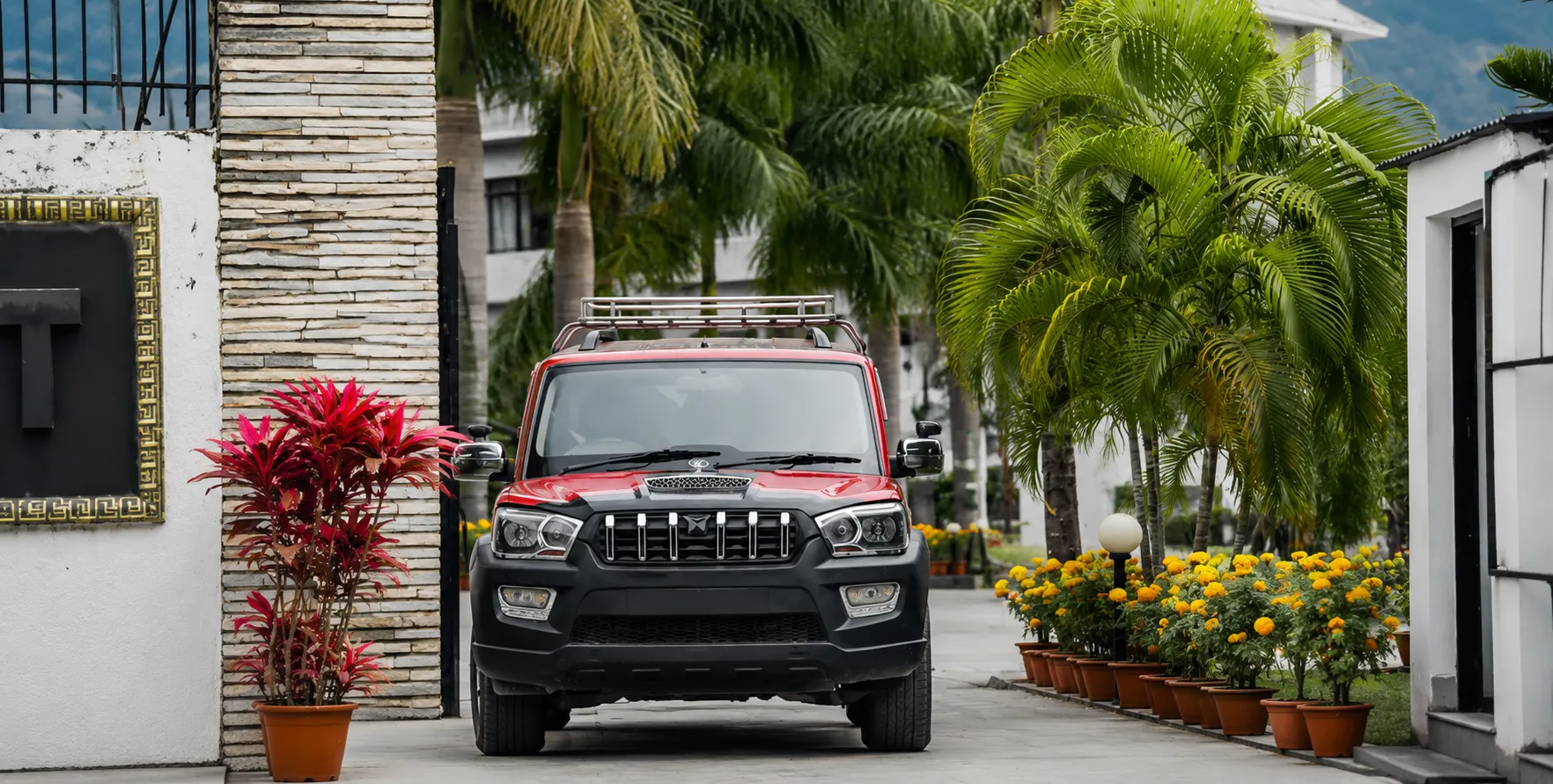
Safe, smooth, and genuinely pleasant travels to you and your whole trekking group, and we sincerely look forward to warmly welcoming your entire trekking party back to Nepal very soon.

Nepal Trekking Transport Guide: Private Jeep Hire

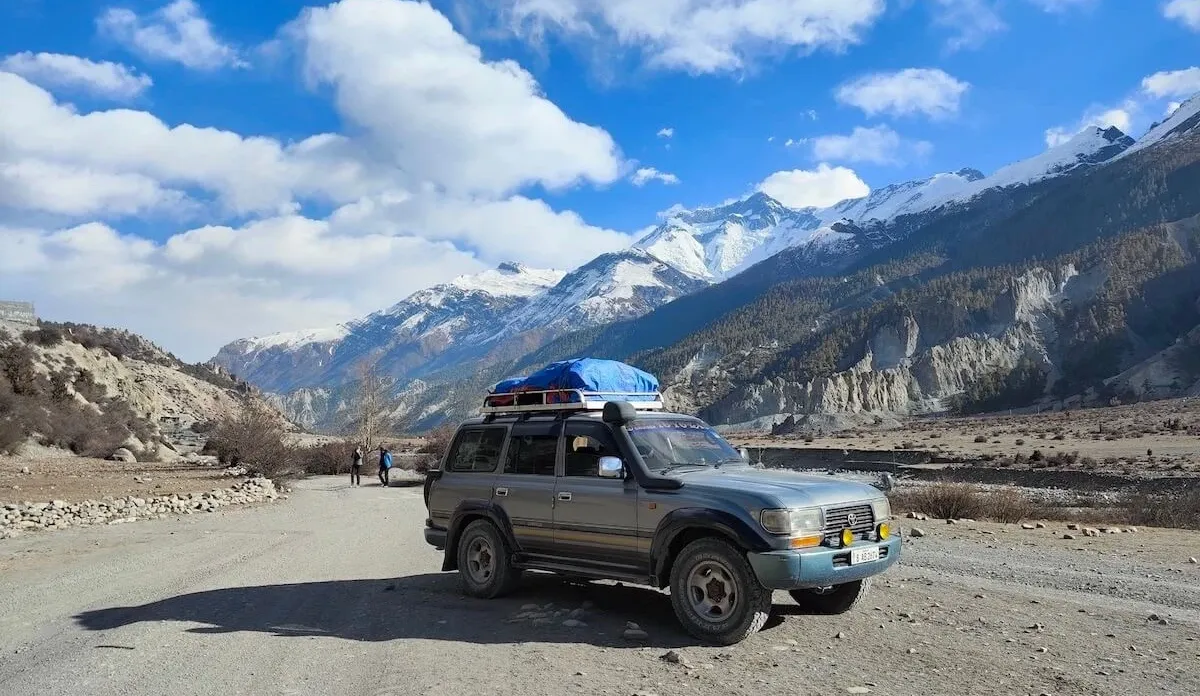
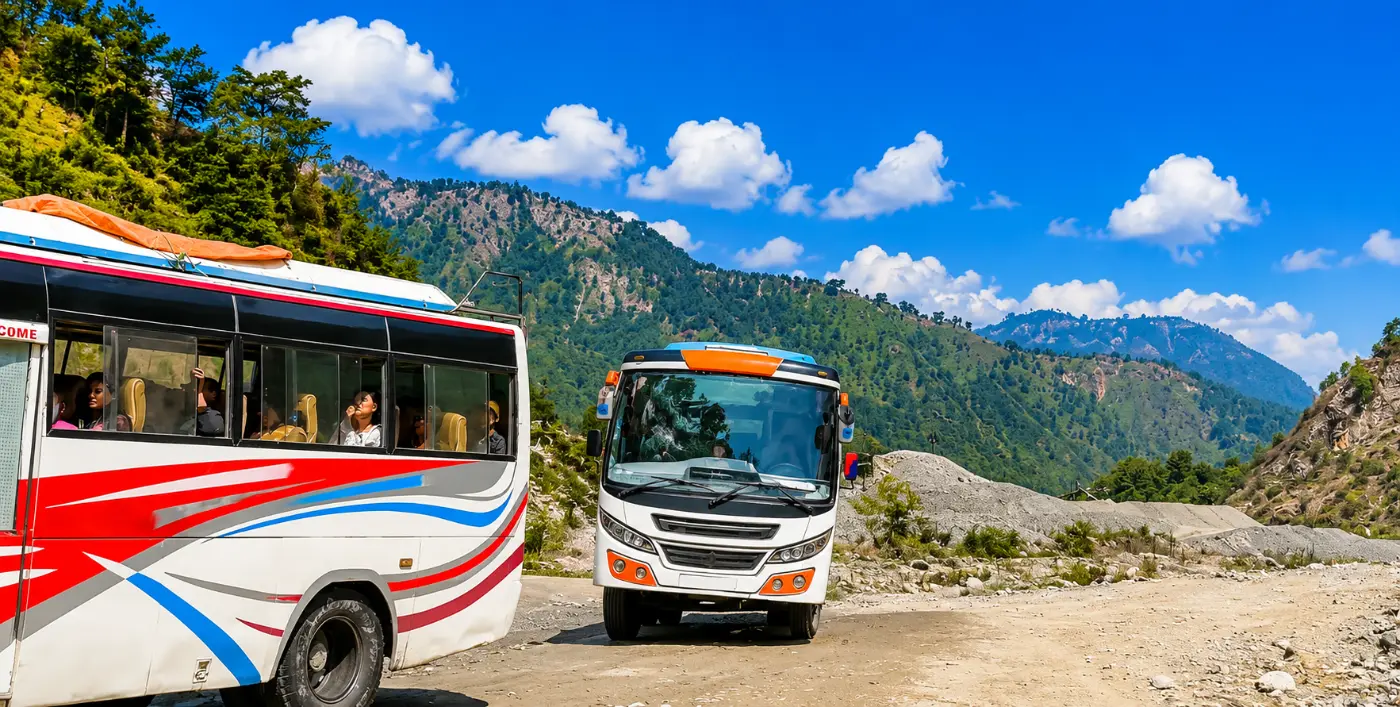
Private jeep on the road to Manang

Nepal Trekking Transport Guide | — The Complete  Guide to Getting to Every Trailhead

Every Nepal trek has two parts. The part every guidebook, Instagram post, and trekking company website describes in full: the trail itself, the altitude, the mountain views, the teahouses, the culture, the pass crossing. And the part that almost every planning resource treats as a footnote: the transport.

The jeep hire or the bus that takes you from your Kathmandu or Pokhara hotel to the trailhead where the walking begins. The pre-dawn road transfer to Ramechhap airport before the Lukla flight. The rough 4WD track beyond Besisahar, more dramatic than you expected.

The pre-arranged pickup from Dharapani or Syabrubesi at the trek’s end, when you step off the trail after 14 days and want a comfortable ride home.

Nepal trekking transport is not a footnote. It is the first and last chapter of every Himalayan adventure, and in many cases it is also a genuine adventure in its own right — one of the most spectacular road journeys on earth, threading through a landscape that transitions, in a single driving day, from urban river valley to glacier-fed gorge.

This complete guide covers every dimension of Nepal trekking transport: the vehicles available, the routes and their real road conditions, the region-by-region breakdown of how transport works for every major Nepal trek, and how Nepal Vehicle Hiring Pvt Ltd provides the private jeep hire, Hiace van, tourist bus, and coaster service that connects every Kathmandu and Pokhara hotel to every major trekking trailhead in the country.

Why Nepal Trekking Transport Deserves Serious Planning

Nepal’s geography makes trekking transport planning non-trivial in a way that has no real equivalent among the world’s other major trekking destinations. No railway system connects any trekking region to either Kathmandu or Pokhara.

No broad, flat approach roads allow a standard hire car to reach any significant mountain trailhead without encountering at least one rough, unpaved, 4WD-necessary section. No standardised, published timetables exist for the shared jeep services that operate on most trekking corridors; they fill and depart when they have enough passengers rather than at a fixed time.

No single point coordinates domestic flights, airport transfers, and trekking-agency logistics, which together form the full transport chain for any flight-dependent approach like the Everest region.

This complexity isn’t a problem to complain about—it is simply the practical expression of Nepal’s extraordinary topography, which compresses nearly every climate zone on earth between the Terai lowlands and the Himalayan summits within a north-south distance of about 200 kilometres. Roads into this terrain are, by definition, mountain roads: steep, winding, seasonally damaged, and requiring genuine local knowledge and the right vehicle specifications, the kind that distinguishes a professional vehicle hire service from an improvised arrangement.

Every traveller who has arrived at a Kathmandu trailhead in a flat-tired shared jeep two hours late, or who has missed a Lukla flight because their airport transfer was poorly timed, understands viscerally why this planning matters. Every traveller who arrives at a trailhead in a properly maintained 4WD Scorpio from Nepal Vehicle Hiring Pvt Ltd, on time, with their luggage intact and their driver’s phone number confirmed, understands the opposite.

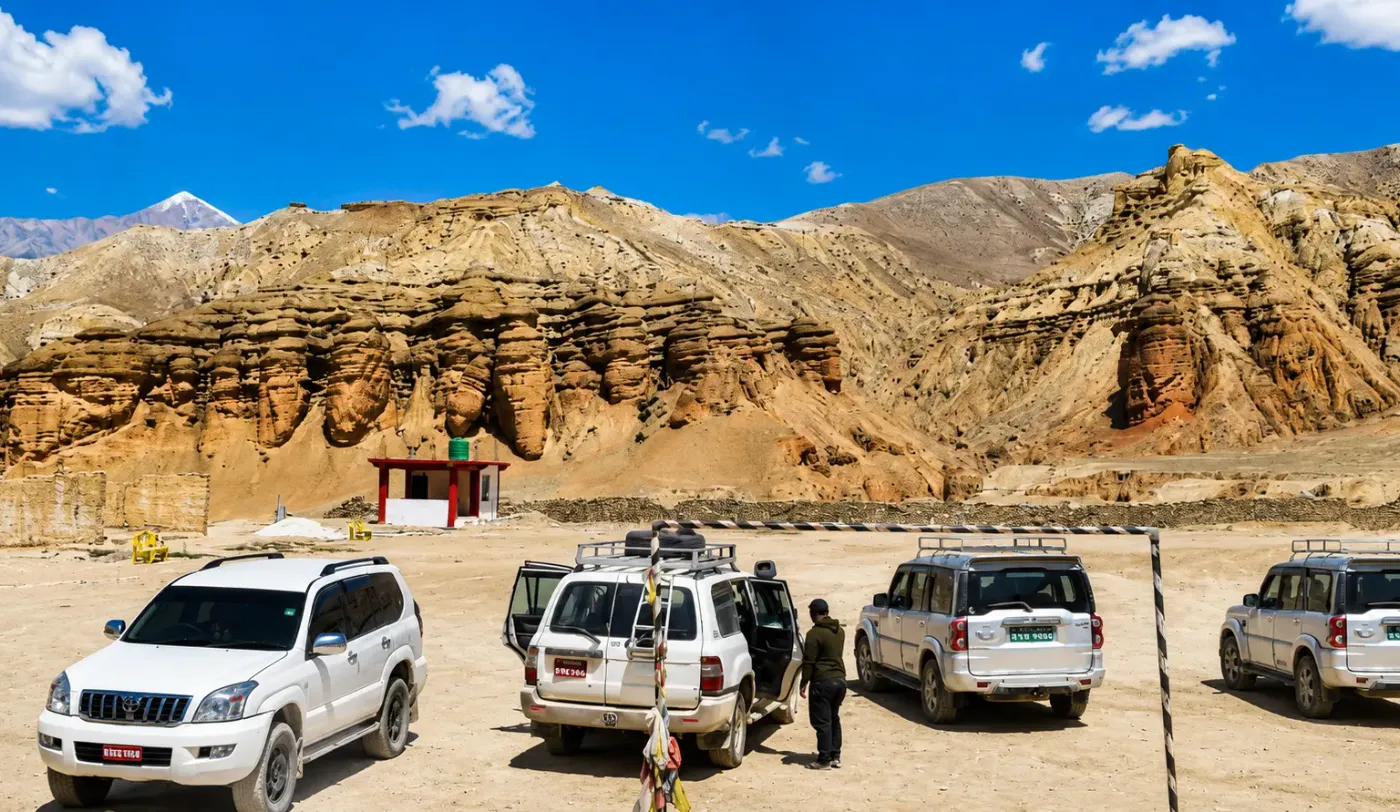
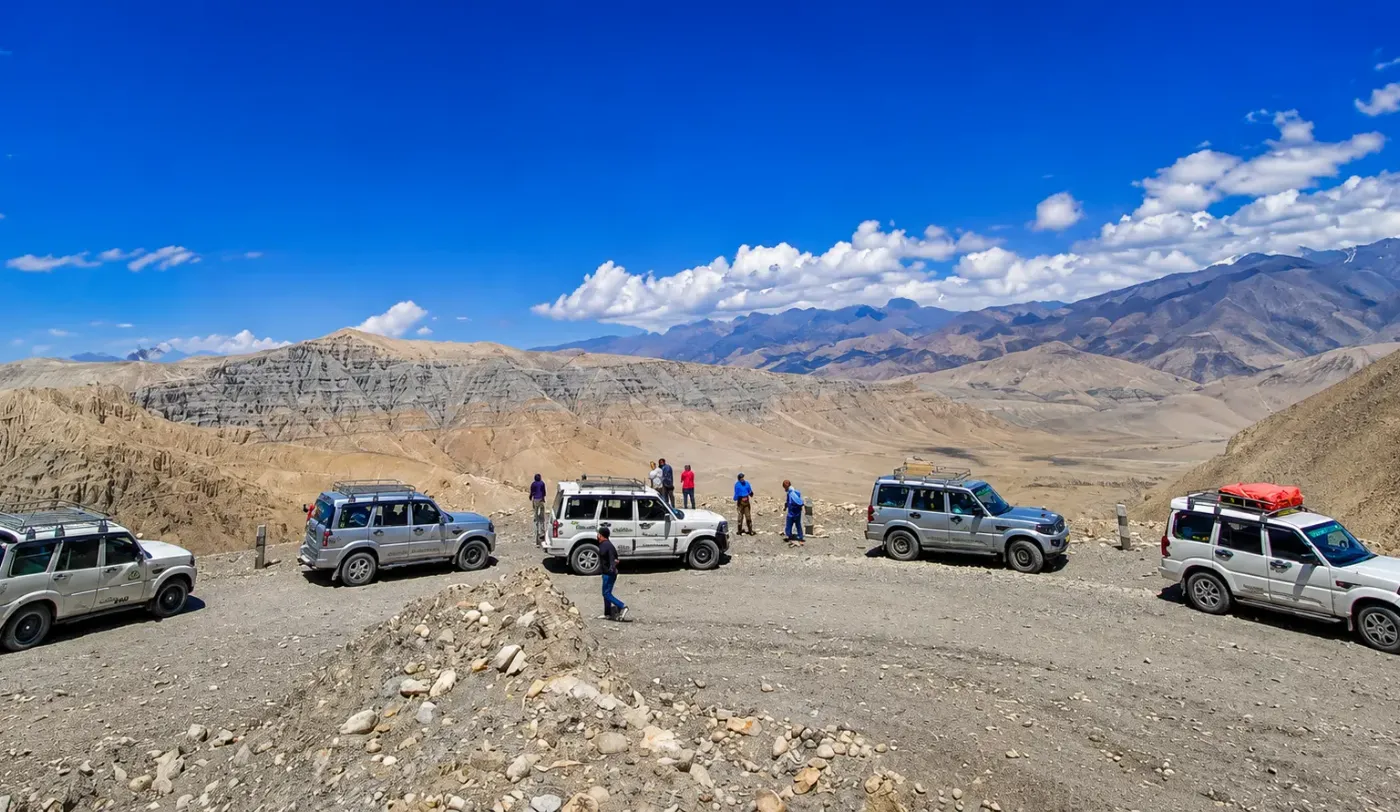
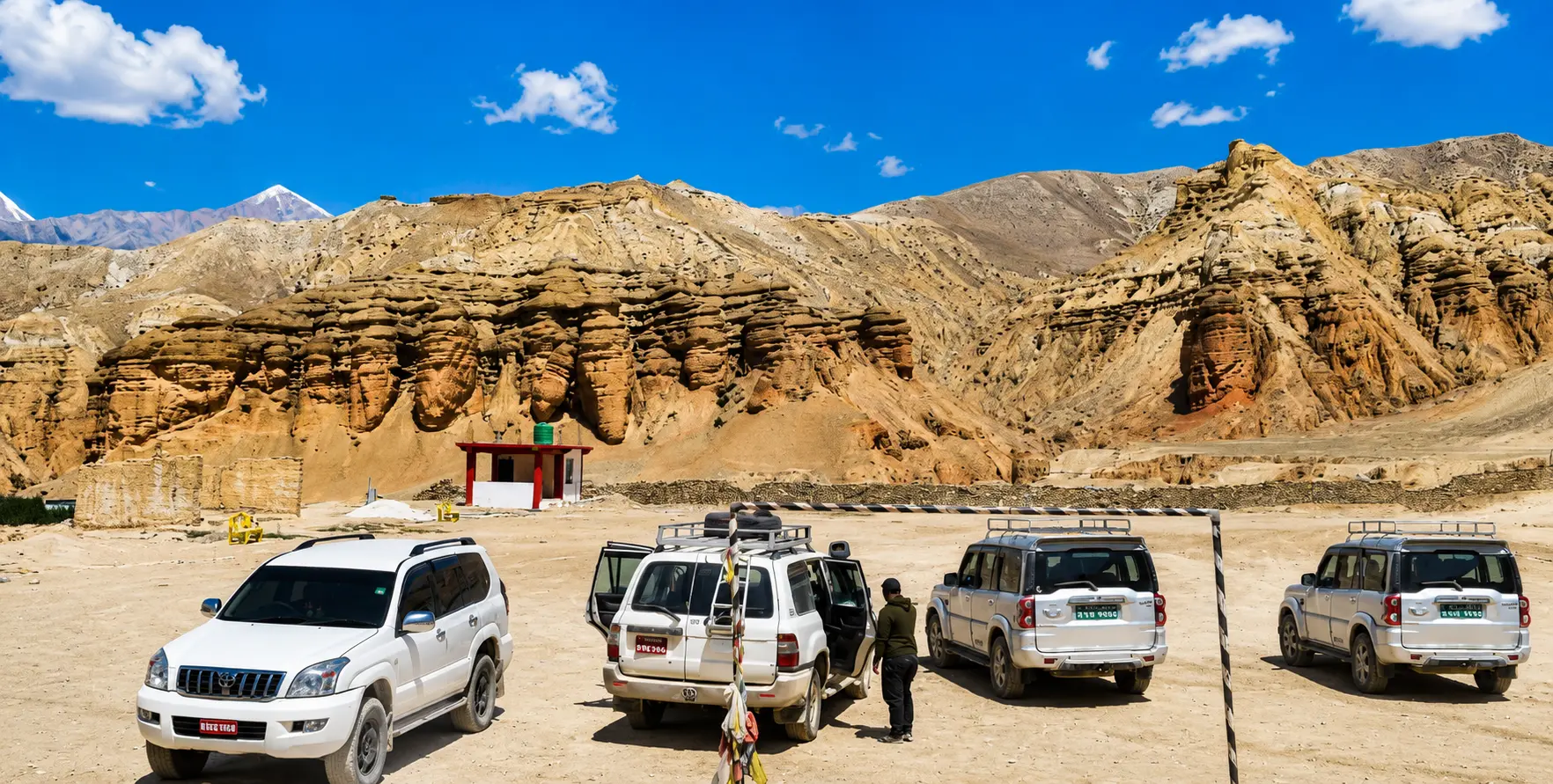
Private jeeps parked in Mustang

Nepal Trekking Transport Guide | — Understanding Your Options

The first question in any Nepal trekking transport booking is vehicle type, and the right answer depends specifically on group size, distance, destination, and the road character of the final approach. Nepal Vehicle Hiring Pvt Ltd offers a full range of vehicle options for every trekking transport need.

Private Sedan / Car. Private car hire from Nepal Vehicle Hiring Pvt Ltd is ideal for shorter, fully paved transfers: Kathmandu airport transfers, Kathmandu sightseeing, Bhaktapur day tours, and Pokhara car hire for city excursions and shorter Lakeside-area transfers. For groups of 1 to 3 with minimal luggage, a private car is also appropriate for paved-highway transfers such as Kathmandu to Pokhara by road or Pokhara to Besisahar.

A sedan is not suitable for any trekking trailhead approach that includes off-road sections.

Private 4WD Jeep (Scorpio / Hilux). The private 4WD jeep is the single most versatile and most widely used vehicle in Nepal’s trekking transport fleet. The Mahindra Scorpio 4WD and Toyota Hilux 4WD — the two primary workhorses of Nepal Vehicle Hiring Pvt Ltd’s jeep hire fleet — combine the ground clearance, low-range capability, and load-carrying capacity required for every major Nepal trekking trailhead approach, with comfortable cabin space for 4 to 6 passengers and roof-rack luggage capacity for full expedition duffel bags.

This guide covers Private jeep hire for every trekking transfer: Everest region overland approaches via Salleri, Phaplu, and Kharikhola; the Langtang trek Syabrubesi transfer; the Manaslu Circuit trailhead; and the Besisahar private vehicle service extending into the Marsyangdi gorge toward Manang.

Toyota Hiace Van. The Toyota Hiace seats 12 to 14 passengers comfortably and is ideal for medium-sized trekking groups on paved highways and moderate hill roads. Nepal Vehicle Hiring Pvt Ltd’s Hiace van hire covers the Kathmandu to Pokhara bus corridor, the approach to Besisahar, the approach to Syabrubesi and Dhunche for the Langtang trek, and any other transfer where the road quality allows a van-height vehicle and the group exceeds 6 people.

For approaches that include genuinely rough off-road sections — Soti Khola, Machha Khola, the Annapurna gorge beyond Besisahar — the Hiace transfers passengers at the pavement’s end, with a 4WD jeep shuttle covering the rougher final section.

Tourist Coaster and Bus. For large trekking groups of 20 to 45 people — school expeditions, corporate trekking programs, pilgrimage parties — Nepal Vehicle Hiring Pvt Ltd provides tourist coaster hire and full tourist bus hire on Nepal’s paved highway network. These larger vehicles cover the Kathmandu-to-Pokhara corridor, the approach to Besisahar, the Lumbini road via our Kathmandu to Lumbini bus service, and the Pokhara to Chitwan bus connection — all at significantly lower per-person cost than smaller vehicles for groups that fill them.

Land Cruiser — For the Most Demanding Terrain. For the most technically demanding Nepal trekking transport routes — Upper Mustang’s canyon roads to Lo Manthang, remote Dolpo District approaches, and the Rara Lake circuit in the far northwest — a Toyota Land Cruiser provides the highest available combination of 4WD capability, passenger comfort, and luggage capacity for small groups of 4 to 5. Nepal Vehicle Hiring Pvt Ltd offers Land Cruiser hire for these top-end remote routes upon booking. The Land Cruiser’s larger fuel tank, higher ground clearance, and greater low-range torque make it ideal for multi-day, remote transfers where long distances, rough terrain, and limited roadside support demand the highest margin of mechanical reliability.

Everest Region Trekking Transport — The Most Complex Logistics in Nepal

The Everest Base Camp trek is Nepal’s most famous trekking experience — and its most logistically complex to reach, because the standard trailhead at Lukla (2,860 m) is accessed by a short but frequently weather-cancelled domestic flight rather than any road. Understanding how the transport chain for Everest region trekking works is essential to avoid the single most common source of Everest itinerary disruption.

The Lukla flight most often departs from Ramechhap’s Manthali Airport during the peak spring (March to May) and autumn (October to November) seasons, because Kathmandu’s Tribhuvan International Airport manages congestion this way. This means the Everest trekking transport chain for most travellers runs as follows: a predawn private vehicle departure from Kathmandu at approximately 3:00 to 4:00 AM, a 4- to 5-hour drive to Ramechhap by private jeep, the short Manthali-to-Lukla flight, and then the Everest Base Camp trek on foot through Phakding, Namche Bazaar, and the Khumbu.

Nepal Vehicle Hiring Pvt Ltd specialises in the Kathmandu-to-Ramechhap predawn transfer, calculating each departure time based on the specific flight slot to ensure you arrive at Manthali Airport with enough time to check in, regardless of the pre-dawn start.

The overland alternative for Everest region trekking bypasses the Lukla flight entirely, using a private jeep transfer from Kathmandu to Phaplu, Salleri, or Kharikhola and Surke — the traditional overland approach route covered in detail in our dedicated Kathmandu to Salleri Phaplu guide and our Kathmandu to Kharikhola Surke guide. From Surke, a short 2 to 3 hour walk connects to Lukla and the main EBC trail.

From Phaplu or Salleri, the Jiri to Everest historical overland route begins — the same approach all pre-1964 Everest expeditions used. For travellers wary of flight cancellations or seeking a more in-depth, historically grounded introduction to the Everest region, Nepal Vehicle Hiring Pvt Ltd’s overland transfer to Soti Khola and beyond is one of the finest decisions an Everest-bound trekker can make.

For Gokyo Lakes trekkers and those undertaking the Everest Three Passes circuit, the same transport options apply: Lukla or overlands. For the Everest View Trek — a shorter Khumbu itinerary reaching the famous Everest View Hotel above Namche without the full Base Camp commitment — the Lukla flight or the Surke overland approach delivers trekkers to the same starting point.

The luxury Everest Base Camp lodge trek and the EBC with helicopter return from our sister company Trek Nepal Himalayas use the same outward Lukla approach combined with a helicopter return that eliminates the return road journey — a popular choice for travellers who want the historical overland walk in one direction and the spectacular aerial return in the other.

Annapurna Region Trekking Transport — The Most Road-Changed Landscape

The Annapurna region offers Nepal’s widest diversity of trekking experiences — from the 4- to 5-day Ghorepani Poon Hill trek to the full Annapurna Circuit at 12 to 18 days, with the Annapurna Base Camp trek, Muldai View Trek, and Nar Phu Valley trek filling in between. It is also the region where Nepal trekking transport has changed most dramatically in the past decade, as road construction has pushed drivable tracks far deeper into the Marsyangdi gorge and the Kali Gandaki valley than any planning done before 2015 would have anticipated.

For the Ghorepani Poon Hill trek and Annapurna Base Camp trek, the transfer from Pokhara is the defining logistics step: typically a short Pokhara-to-Nayapul private jeep ride of 45 minutes to 1.5 hours, reaching the Nayapul or Birethanti trailhead on the Modi Khola valley. Nepal Vehicle Hiring Pvt Ltd offers this Pokhara trailhead transfer with hotel pickup from anywhere in Lakeside, making it one of Nepal’s smoothest and most reliable trekking transport arrangements—short, fully paved, and done before breakfast.

For the Annapurna Circuit trek, the key transport booking is the Besisahar private vehicle service — covered in dedicated detail in our Besisahar pickup drop guide — which now extends for many groups well beyond Besisahar itself, with private 4WD jeeps carrying trekkers deep into the Marsyangdi gorge toward Jagat, Chame, and Manang and reducing what was historically a full week of approach walking to 1 or 2 days of vehicle travel. The Kathmandu-to-Besisahar bus ticket offers a public-transport option for budget-conscious trekkers on the same corridor.

For the return from the Annapurna Circuit via Jomsom, Muktinath, and the Kali Gandaki valley, car hire in Pokhara or a private jeep arrangement from Pokhara covers the Beni-to-Pokhara or Tatopani-to-Pokhara sections on the circuit’s western exit. At the same time, the Sarangkot sunrise vehicle offers the classic post-trek Pokhara view for groups who want to celebrate completing the Annapurna Circuit with the city’s finest mountain panorama.

Langtang Region Trekking Transport — The Closest Trek, the Best Road Story

The Langtang Valley trek is Nepal’s closest major Himalayan trek to Kathmandu — accessible via a single Kathmandu to Syabrubesi jeep transfer of 6 to 8 hours along the Pasang Lhamu Highway, with no flight required at any stage. The standard vehicle-hire drop-off for the Langtang trek is Syabrubesi (1,460 m) for the main Langtang Valley route toward Lama Hotel, Langtang village, and Kyanjin Gompa, or Dhunche (1,970 m) for the Gosaikunda sacred lake approach.

The Ramche Landslide zone — a specific section approximately 3 km south of Dhunche — is this route’s most consistently monitored road challenge, and Nepal Vehicle Hiring Pvt Ltd tracks conditions through our driver network before every scheduled departure.

The Helambu trek — often combined with Langtang and Gosaikunda into one of Nepal’s finest 12 to 16 day multi-region circuits — exits at Melamchi Bazaar, from where a private vehicle or local bus service connects back to Kathmandu. Nepal Vehicle Hiring Pvt Ltd coordinates the Melamchi pickup as a return leg alongside the outward Syabrubesi drop for combined Langtang-Gosaikunda-Helambu itineraries — one of our most popular multi-leg trekking transport arrangements for groups spending 12 or more days in the Rasuwa and Sindhupalchok mountain corridor.

The Panch Pokhari trek transport — a lesser-known spot in the Sindhupalchok region, with its sacred five-lake complex beneath the Jugal Himal — uses a shared approach corridor, reachable via the Melamchi Bazaar road or Chautara, depending on the itinerary. Our Panch Pokhari trek transport guide covers this approach in detail, and Nepal Vehicle Hiring Pvt Ltd offers private jeep hire to both gateways.

Manaslu Region Trekking Transport — Road Journey as Prologue

The Manaslu Circuit trek has, within the past five years, moved from relative obscurity to one of Nepal’s most-booked premier trekking experiences — its combination of teahouse infrastructure comparable to the Everest and Annapurna corridors with trail quietness dramatically greater than either has given it a specific and loyal following among trekkers who have completed the classic routes and are specifically seeking the combination of comfort and solitude. The Manaslu Circuit trek transport from Kathmandu is a 7- to 10-hour private 4WD jeep journey along the Prithvi Highway and Arughat corridor to the trailheads at Soti Khola (710 m) or Machha Khola (870 m), with the section from Arughat onward being the genuine rough off-road approach that makes 4WD essential rather than simply preferable.

The Manaslu Circuit requires the three-permit combination of Restricted Area Permit (RAP), Manaslu Conservation Area Permit (MCAP), and Annapurna Conservation Area Permit (ACAP) for the Larkya La crossing — all obtained in Kathmandu before departure. The circuit exits at Dharapani and Besisahar, from where Nepal Vehicle Hiring Pvt Ltd provides a private return vehicle service to Kathmandu or Pokhara.

The Tsum Valley trek — one of Nepal’s finest and most culturally intact hidden valley experiences, covered in detail in our dedicated Tsum Valley trekkers guide — branches from the main Manaslu approach and uses the same trailhead transfer, making the Soti Khola and Machha Khola jeep transfer the gateway for both of the Manaslu region’s finest trekking destinations.

Plan your Himalayan adventure with the Nepal Trekking Transport Guide. Book private 4WD jeeps, Scorpio SUVs, Hiace vans, and cars with experienced drivers for safe, comfortable, and reliable transfers to Nepal's major trekking regions.

Upper Mustang and Muktinath — Trekking by Jeep

The Upper Mustang trek has undergone the most dramatic transport transformation of any major Nepal trekking route: road construction through the Kali Gandaki valley has advanced to the point that, as of 2026, the former multi-week walking approach to Lo Manthang is now largely drivable by private 4WD vehicle or Land Cruiser, making it one of Nepal’s finest jeep tour experiences as well as one of its most dramatic overland drives. Nepal Vehicle Hiring Pvt Ltd provides private vehicle hire for the Jomsom-to-Lo Manthang corridor within the broader Upper Mustang restricted area, coordinating with the Pokhara-to-Jomsom Yeti Airlines flight that begins most Upper Mustang itineraries.

Muktinath, the sacred pilgrimage site at 3,710 meters, is now reachable entirely by road from Jomsom via the extended Kali Gandaki valley track — a journey completed in private jeep hire by pilgrims and trekkers alike, and one of Nepal’s most popular altitude drives combining Hindu and Buddhist sacred site access with spectacular high-desert mountain scenery. The Nar Phu Valley trek — accessible from Koto village beyond Chame on the Annapurna Circuit approach road — is a restricted-area trek with a rapidly growing reputation among experienced trekkers seeking genuine remote Himalayan wilderness, with the Besisahar to Manang jeep transfer serving as its transport entry point.

Plan your Himalayan adventure with the Nepal Trekking Transport Guide. Book private 4WD jeeps, Scorpio SUVs, Hiace vans, and cars with experienced drivers for safe, comfortable, and reliable transfers to Nepal's major trekking regions.

Eastern Nepal Trekking Transport — The Untrodden Corridors

Nepal’s eastern trekking regions — Kanchenjunga, Makalu, Rolwaling, and the Solu Khumbu overland approaches — represent the frontier of Nepal trekking transport: their approach roads combine the greatest distances, roughest terrain, and most limited alternative transport options of any major trekking destination in the country. The Kanchenjunga Base Camp trek in Nepal’s far east requires either a domestic flight to Taplejung or a very long private vehicle transfer from Kathmandu via Itahari and the Mechi Highway—a journey that, by road, takes the better part of two days and tests even the most experienced Nepali drivers.

Nepal Vehicle Hiring Pvt Ltd coordinates Kanchenjunga region transfers on booking, ensuring the right vehicle and driver experience for this demanding eastern corridor.

The Solukhumbu overland approach corridor — Kathmandu to Jiri, Salleri, Phaplu, Kharikhola, and Surke — has been covered in dedicated detail in our Kathmandu to Salleri Phaplu guide and our Kathmandu to Soti Khola guide, and represents the historical overland approach to the Everest region that bypasses the Lukla flight entirely. The Rolwaling Valley trek — accessed via Charikot in Dolakha District — uses an approach corridor reachable via the BP Highway from Kathmandu, with private 4WD jeep hire to Charikot taking approximately 5 to 6 hours.
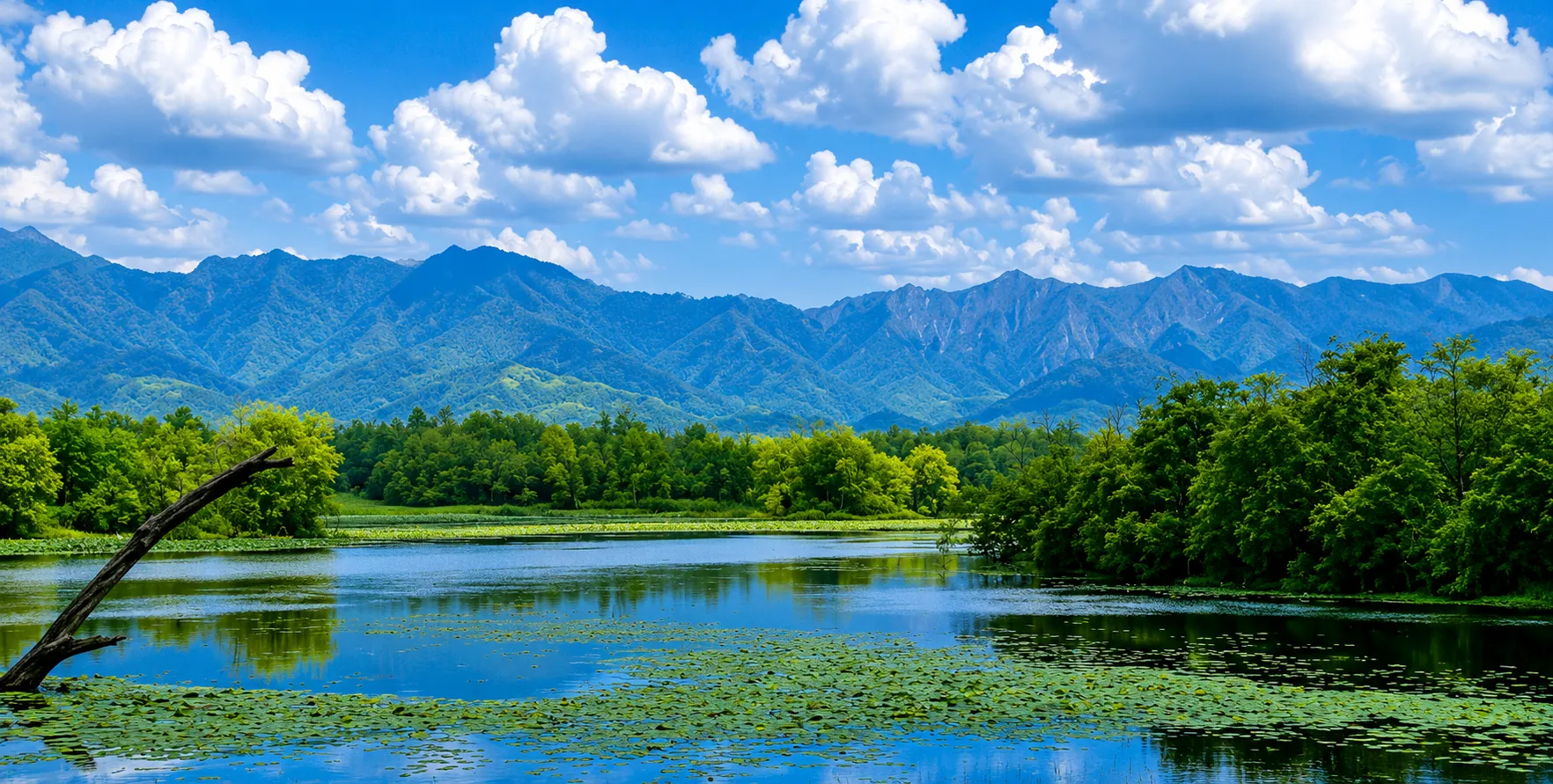
Nepal Vehicle Hiring Pvt Ltd provides Rolwaling and Dolakha District trailhead transfers on request.

What characterises all of these eastern Nepal trekking transport routes—beyond their individual distance and road-quality specifics—is that they reward prior knowledge and punish improvisation more than any other Nepal trekking corridor. A driver who did the Charikot approach once, two years ago, in a different vehicle and under different seasonal conditions, is fundamentally less reliable than one who has done it regularly and recently, specifically in the 4WD jeep model they are driving today.

This is precisely the distinction Nepal Vehicle Hiring Pvt Ltd maintains through our driver assignment policy: every remote eastern Nepal trailhead booking is confirmed with a driver whose personal, current experience on that specific corridor we have verified — not assigned to the nearest available vehicle from a general pool. Contact our plan trip team for any eastern Nepal trekking transport inquiry to confirm driver availability and current road conditions before finalising your booking dates.

Shared vs Private — The Decision That Shapes Your Entire Trek Start

For many first-time Nepal visitors, the choice between shared and private Nepal trekking transport comes down to price alone—and while cost is a legitimate consideration, it is rarely the only one that matters on the morning of a trek departure. Understanding the practical differences between shared and private vehicle hire for Nepal trekking helps travellers make an informed choice rather than a purely reflexive one.

Shared jeep services on Nepal’s major trekking corridors — to Besisahar, Syabrubesi, Salleri, or Phaplu — operate on a departure model that is, in honest terms, a departure when full: vehicles wait at their Kathmandu departure points until they have enough passengers to make the run economically worthwhile, then depart. In practice, during peak season, this usually means departing between 7:00 and 9:00 AM.

In off-peak months, it can mean waiting until 10:00 AM or later as passenger numbers build more slowly. None of this is unreasonable by the standards of rural Nepali shared transport. Still, it is incompatible with any trekking itinerary that requires a specific departure time to ensure daylight arrival at a distant trailhead.

A private 4WD jeep from Nepal Vehicle Hiring Pvt Ltd departs from your hotel door at a time you and our team agree on in advance, with a verified vehicle and driver assigned specifically to your booking. For the Manaslu Circuit approach, where a 5:30 AM departure from Kathmandu is standard to allow daylight arrival at Soti Khola or Machha Khola, this fixed departure time is not a preference but a safety necessity.

The same applies to the Ramechhap airport transfer: a 3:30 or 4:00 AM departure is standard, and a shared vehicle fill-and-go model is simply incompatible with meeting a specific domestic flight check-in window.

The cost difference between shared and private also narrows dramatically as the group grows. For a group of 4 to 6, the private jeep total divided among the group frequently comes within NPR 500 to 1,000 per person of the shared fare — a difference that, measured against the departure timing certainty, hotel pickup convenience, and luggage handling of the private vehicle hire arrangement, most experienced Nepal trekkers regard as straightforwardly worth paying.

Nepal Vehicle Hiring Pvt Ltd’s private jeep hire also includes a dedicated roof rack with securing ropes for heavy trekking luggage—an arrangement far more secure than typical shared-vehicle roof handling.

Plan your Himalayan adventure with the Nepal Trekking Transport Guide. Book private 4WD jeeps, Scorpio SUVs, Hiace vans, and cars with experienced drivers for safe, comfortable, and reliable transfers to Nepal's major trekking regions.

Ramechhap Manthali Airport Transfer — The Forgotten First Leg of EBC

Over the past several trekking seasons, Ramechhap’s Manthali Airport has shifted from an occasional overflow option to the standard departure point for most Muktinath-bound flights during Nepal’s two peak trekking windows—spring from March to May and autumn from September to November. For Everest Base Camp trekking transport, this means the Everest trek now routinely begins with a 4- to 5-hour predawn private vehicle journey from Kathmandu to Ramechhap, departing at 3:00 to 4:00 AM to allow adequate check-in time for early morning Lukla flights.

Nepal Vehicle Hiring Pvt Ltd’s Kathmandu to Ramechhap airport transfer service is specifically calibrated to this early departure requirement: departure time is calculated backwards from each client’s specific Lukla flight slot, buffer time is built in for both standard early morning Kathmandu traffic and the occasional construction zone on the Sindhuli Highway approach, and our drivers confirm pickup timing with clients by WhatsApp the evening before departure. A miscalculated departure or a driver who is even 30 minutes late can, in the worst cases, mean a missed Lukla flight or a rebooking delay of several days due to limited seat availability, creating a cascading delay that affects the entire EBC trek itinerary.

This is the trekking transport booking where precision matters most, and where Nepal Vehicle Hiring Pvt Ltd’s specific Ramechhap experience pays for itself entirely.

For the luxury Everest Base Camp lodge trek and the EBC with helicopter return from Trek Nepal Himalayas, the same Ramechhap transfer serves as the outward journey, while the helicopter return eliminates the return road journey. The Jiri to Everest overland trek and Gokyo Lakes trek use the same flight approach.

For those choosing the full overland alternative via Salleri and Phaplu, no flight is involved, and no Ramechhap transfer is needed — making this the single most logistically simplified Everest region approach available.

The Evolving Road Network — How Transport Options Are Changing Every Year

One of the most important — and most under-appreciated — aspects of planning Nepal trekking transport in 2026 is that the available options are genuinely, measurably different from those of even three or four years ago. Road construction in Nepal’s mountain districts is ongoing and ambitious, and in many areas specifically targets the trekking-corridor approach roads that private vehicle hire services depend on.

The drivable road beyond Besisahar has extended progressively year by year, shrinking the walking approach to Manang by multiple days compared to what the standard Annapurna Circuit trek guide published five years ago would have described. The road toward Kharikhola and Surke has similarly advanced beyond what pre-2020 guides charted.
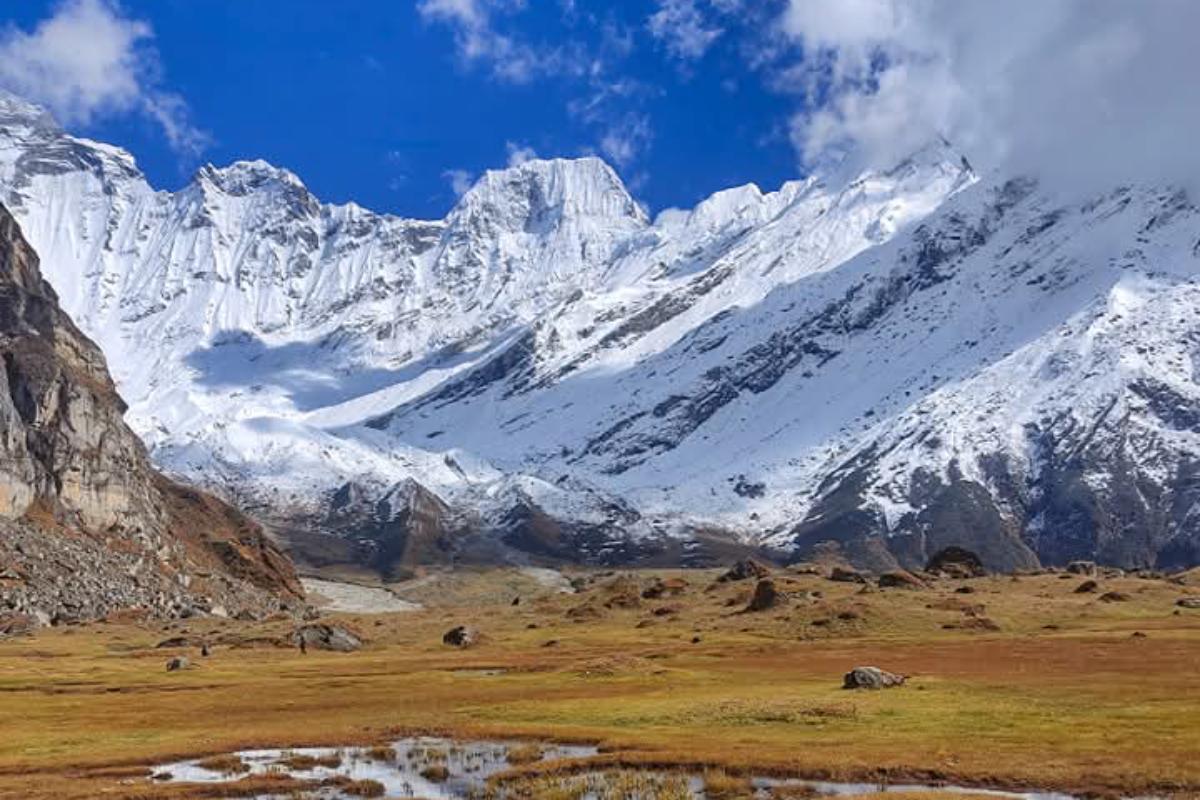
Upper Mustang’s Lo Manthang is now substantially road-accessible, making the term ‘trek’ for the lower approach section increasingly a matter of personal choice rather than logistical necessity.

This means any Nepal trekking transport planning based on guidebooks published more than two or three years ago should be treated with caution. The distances, driving times, and trailhead positions cited in those sources may have changed significantly—and almost always in the direction of roads getting longer, trailheads moving farther into the mountains, and the available starting altitude for any private jeep transfer increasing.

Nepal Vehicle Hiring Pvt Ltd actively monitors road extension and condition changes on every major trekking corridor we serve, and our drivers’ current knowledge of what is and isn’t currently drivable is one of the most practically valuable aspects of booking your trek transport with a professional local operator rather than relying on outdated published information.

Booking Nepal Trekking Transport — What Separates Good from Poor Arrangements

The single most important distinction in any Nepal trekking transport booking is between an all-inclusive, hotel-pickup private vehicle arrangement with a transparent upfront price and a verified operator — and an informal, last-minute negotiation with an unverified driver or shared vehicle service whose actual cost, departure time, vehicle condition, and driver experience are all unknown until the morning of the journey. This distinction matters far more for Nepal trekking transport than for most other contexts, because the consequences of poor vehicle choice or poor driver quality on a mountain approach road are not merely inconvenient — they can be genuinely dangerous on the exposed cliff-edge and landslide-prone sections that define several of Nepal’s most important trekking corridors.

The specific markers of a trustworthy Nepal trekking transport arrangement are: a clearly stated all-inclusive price covering driver, fuel, and road tolls; specific mention of the vehicle type (confirming 4WD for any approach that requires it); hotel pickup confirmation rather than meeting at a bus park; driver contact details provided before the departure date; and a named, established operator rather than an anonymous WhatsApp number. Nepal Vehicle Hiring Pvt Ltd provides every one of these markers on every booking — which is why experienced trekking guides, operators, and repeat Nepal visitors consistently recommend our vehicle hire service for the transport legs of their clients’ and their own Himalayan journeys.

Permits and the  Guide Mandate — How Transport and Documentation Connect

One of the most practical intersections between Nepal trekking transport planning and trekking logistics is the permit requirement: permits for all of Nepal’s major trekking regions must be obtained in Kathmandu or Pokhara before the trailhead transfer departs, because no trailhead has permit-processing infrastructure. The Besisahar checkpoint verifies ACAP permits for every vehicle entering the Annapurna Conservation Area.

The Dhunche checkpoint verifies Langtang National Park permits. The Jagat checkpoint on the Manaslu route verifies the Restricted Area Permit and MCAP. And the Sagarmatha National Park checkpoint at Monjo, several days’ walk above the Lukla flight arrival point, verifies the national park entry permit for Everest Base Camp trekkers.

The practical implication is that permit day and departure day cannot be the same day for any major Nepal trek. Budget at least one full day in Kathmandu or Pokhara for permit processing before the trailhead transfer departs — the Nepal Tourism Board offices in both cities process ACAP, Langtang National Park permits, and TIMS cards relatively quickly (typically within an hour for straightforward applications), but the Manaslu Circuit’s Restricted Area Permit requires registered agency submission.

Processing can take a day or more, especially during peak season when the Department of Immigration handles large volumes of applications. Nepal Vehicle Hiring Pvt Ltd’s booking team advises clients on current permit processing times when they book trekking transport, and our plan trip page lets you flag your permit status at the time of transfer inquiry so we can recommend the best departure schedule.

The mandatory licensed guide requirement — in force for all major Nepal trekking regions since 2023 — adds a further coordination dimension to trekking transport planning. The guide must be confirmed, licensed, and in possession of their own documentation before the group’s transfer departs, and in many cases the guide travels with the group in the private jeep from Kathmandu or Pokhara to the trailhead, making the vehicle hire sizing relevant to the total number of travellers including the guide.

Nepal Vehicle Hiring Pvt Ltd routinely includes the guide in the vehicle manifest when trekking groups booking through our contact page specify their guide arrangement upfront.

Plan your Himalayan adventure with the Nepal Trekking Transport Guide. Book private 4WD jeeps, Scorpio SUVs, Hiace vans, and cars with experienced drivers for safe, comfortable, and reliable transfers to Nepal's major trekking regions.

Monsoon, Landslides, and the Weather That Changes Everything

No honest guide to Nepal trekking transport can avoid discussing the monsoon. This annual June-to-September rainfall period transforms every mountain approach road in the country and introduces the landslide risk that sits behind every driving day in Nepal’s middle hills and mountain districts.

Nepal receives 80 to 90 per cent of its annual rainfall during the monsoon months. This concentration creates a predictable but highly variable pattern of road surface damage that seasonally affects the Annapurna gorge road, the Manaslu approach beyond Arughat, the Langtang highway’s Ramche zone, and the Solukhumbu overland corridor toward Phaplu and Kharikhola.

The specific practical advice for monsoon-season trekking transport is not to avoid it categorically — many experienced trekkers and pilgrims travel these routes through June, July, and August with entirely successful outcomes — but to add one specific step to the planning process: a road condition check with Nepal Vehicle Hiring Pvt Ltd on the morning of any scheduled departure that includes an off-road mountain approach section. Our driver network provides real-time, current reports on the sections of the Manaslu approach road beyond Arughat, the Ramche zone on the Langtang highway, the Dumre-to-Besisahar hill section for the Annapurna Circuit approach, and the Okhaldhunga and Salleri approaches for the Solukhumbu transfers.

If a specific section is reported closed or restricted, we proactively advise clients and offer schedule alternatives— delaying departure to a clearer forecast day or using an alternative route that avoids the affected section where one exists.

The broader ecology of Nepal’s post-monsoon trekking season — September and October specifically — is shaped directly by this road damage cycle: the first weeks of autumn trekking season often see Department of Roads crews actively repairing monsoon damage on approach roads simultaneously with the first wave of peak-season trekkers arriving at trailheads, meaning that early October departures on some corridors encounter more construction delays than mid-to-late October, when the main repair season has had more time to complete. Nepal Vehicle Hiring Pvt Ltd’s seasonal experience across all major trekking transport corridors lets us advise clients on which departure dates within the early-autumn window are likely to face more or fewer road complications—a detail that can. This detail meaningfully affects journey time on certain routes.

Cost Guide — Nepal Trekking Transport by Region

The 2026/27 pricing landscape for Nepal trekking transport reflects fuel cost increases, road improvement investment, and growing demand for private 4WD jeep hire over shared and public transport across all major trekking corridors. The following represents current Nepal Vehicle Hiring Pvt Ltd pricing for one-way private vehicle transfers:

Everest region: Kathmandu to Ramechhap Manthali Airport (for Lukla flight): NPR 8,000 to 25,000 (USD 60 to 150) by private jeep. Kathmandu to Phaplu or Salleri: US$350. Kathmandu to Kharikhola/Surke: NPR 24,000 to 45,000 (USD 180 to 380). All via our Solukhumbu route services.

Annapurna region: Pokhara to Nayapul: NPR 2,500 to 4,000 (USD 19 to 30). Kathmandu or Pokhara to Besisahar: NPR 7,000 to 22,000 (USD 53 to 165) depending on departure city. Besisahar to Manang extension: additional NPR 8,000 to 15,000 (USD 60 to 113).

Langtang region: Kathmandu to Syabrubesi: NPR 15,000 to 22,000 (USD 113 to 165). Kathmandu to Dhunche: US$160.

Manaslu region: Kathmandu to Soti Khola/Machha Khola: NPR 18,000 to 30,000 (USD 135 to 250). Full details are available in our Manaslu trek transport guide.

For route-specific quotes and current pricing, contact Nepal Vehicle Hiring Pvt Ltd via  WhatsApp or through our plan trip page.

Combining Trekking Transport with Kathmandu and Pokhara Services

For most international travellers, trekking transport fits into a broader Nepal itinerary that includes Kathmandu airport transfers from Tribhuvan International, pre-trek Kathmandu sightseeing days covering the UNESCO-listed monument zone and Bhaktapur heritage, and a Nagarkot sunrise transfer for the classic pre-trek Himalayan panorama. In Pokhara, car hire covers the lakeside sightseeing circuit, the Sarangkot sunrise vehicle offers the best city viewpoint over the Annapurna range, and post-trek transfers connect to Chitwan via Pokhara, where a Chitwan bus takes you to the jungle safari extension so many Annapurna Circuit completers add to their itinerary.

Nepal Vehicle Hiring Pvt Ltd coordinates all of these components — from airport arrival through to final airport departure — as a single, managed transport relationship. Our Nepal tour packages combine trekking transport, city sightseeing, wildlife extensions, and heritage visits into coordinated itineraries, bookable through our plan trip page.

For the trekking component itself, our sister company Trek Nepal Himalayas provides fully guided packages for every major route — the Annapurna Circuit, Annapurna Base Camp, Ghorepani Poon Hill, Everest Base Camp, Langtang Valley, Manaslu Circuit, and Upper Mustang — coordinated alongside Nepal Vehicle Hiring Pvt Ltd’s vehicle hire service. For luxury trekking experiences, Alpine Luxury Treks provides top-end-grade guiding and accommodation across the same routes.

Why Choose Nepal Vehicle Hiring Pvt Ltd for All Your Trekking Transport

Nepal Vehicle Hiring Pvt Ltd has built its reputation specifically on the trekking transport segment of Nepal’s vehicle hire market — the predawn Ramechhap transfers, the 9-hour Manaslu gorge runs, the Syabrubesi drop with the Ramche zone check, the Besisahar pickup after a 14-day Annapurna Circuit. Our drivers are not general-purpose highway drivers who occasionally do a mountain run — they are professional, experienced mountain transport specialists who know specific road conditions on specific corridors, who have driven the Chamche waterfall section and the Soti Khola approach and the Dhunche descent on dozens of separate occasions, and who bring to every jeep hire booking the kind of route-specific knowledge that is genuinely different from what a navigation app can provide.

Our fleet is verified and maintained: 4WD Scorpio and Hilux jeeps for all mountain approach transfers, Hiace vans for medium-sized groups on paved routes, tourist coasters and buses for large groups on highway corridors. Every booking includes hotel pickup from any location in Kathmandu or Pokhara, all-inclusive transparent pricing covering driver, fuel, and tolls, and direct driver contact details 24 hours before departure.

Book via  WhatsApp through our plan trip page or contact page.

Frequently Asked Questions — Nepal Trekking Transport

What vehicle do I need for Nepal trekking transport?

For any trekking trailhead approach that includes off-road sections—including Everest region overland, Manaslu, Langtang beyond Dhunche, and Annapurna gorge beyond Besisahar—a 4WD jeep is required. For fully paved transfers (Pokhara to Nayapul, Kathmandu to Pokhara, airport transfers), a sedan or Hiace is appropriate.

How do I get from Kathmandu to the Everest Base Camp trailhead?

The standard approach is a predawn transfer from Kathmandu to Ramechhap Manthali Airport (4 to 5 hours by private jeep), then the Manthali-to-Lukla domestic flight. Alternatively, the overland approach via Salleri, Phaplu, or Kharikhola bypasses the flight entirely for trekkers with extra time.

What does private jeep hire cost for trekking transport in Nepal?

Costs vary by route. From NPR 2,500 (Pokhara to Nayapul) to NPR 35,000+ (Kathmandu to Kharikhola). See our region-by-region guide above or contact us via WhatsApp for a specific quote.

Can I use public buses for trekking transport in Nepal?

Yes, for budget trekkers. The Kathmandu to Besisahar bus and general bus services from Gongabu Bus Park reach many trekking approach towns. However, buses involve fixed departure times, multiple stops, and no hotel pickup — making private jeep hire the strongly preferred option for any group with fixed trek schedules.

How do I arrange my return transport from a trek?

Nepal Vehicle Hiring Pvt Ltd arranges pre-confirmed return pickups from all major trek exit points — Syabrubesi, Dhunche, Besisahar, Dharapani, Phaplu, Salleri — as part of the outward booking. Confirm your expected return date at booking; adjustments accepted via WhatsApp.

Which Nepal trekking regions need 4WD vehicles?

Everest region overland (Salleri, Phaplu, Kharikhola), Manaslu (Soti Khola, Machha Khola), Langtang (Syabrubesi), Annapurna gorge (beyond Besisahar toward Chame and Manang), and Rolwaling (Charikot approach) all require 4WD jeep hire. Pokhara to Nayapul and paved highway transfers can use a sedan or van.

Conclusion

Nepal trekking transport is the infrastructure that makes every Himalayan adventure possible — and in a country whose road network is still actively extending into previously roadless valleys, where the trailhead of today is further into the mountains than the trailhead of five years ago, this infrastructure is evolving faster than almost any other aspect of the Nepal trekking experience. Understanding which vehicle suits which approach, which roads require 4WD, which trailheads have moved, and how the Ramechhap airport transfer has changed the standard Everest approach is the foundation of any well-organised Nepal trekking trip.

Nepal trekking transport is not a footnote. It is the first and last chapter of every Himalayan adventure — and in a country where road construction is actively extending into previously roadless mountain valleys year by year, the transport options available today are meaningfully different from those of three years ago.

They will be different again in three years. Staying current with these changes, matching the right vehicle to the right route, and booking with a professional operator whose drivers have real, recent, route-specific experience are the foundation of every great Nepal trek.

Nepal Vehicle Hiring Pvt Ltd has been that foundation for hundreds of trekking groups across Nepal’s major mountain regions, and our team is ready to provide the same reliable, experienced, transparent service for your journey into the Himalaya.

Nepal Vehicle Hiring Pvt Ltd provides the complete spectrum of trekking transport across every region covered in this guide — from private jeep hire to Hiace van, from airport transfer to trek-end pickup. For luxury trekking packages above the trailhead, Alpine Luxury Treks and Trek Nepal Himalayas provide guided experiences that begin where our road ends.

Book your Nepal trekking transport with Nepal Vehicle Hiring Pvt Ltd — call or WhatsApp, visit vehiclehiringnepal.com, or plan your full journey through our plan trip page.

Sudurpaschim Tour Transportation

Scorpio jeep beside a snow-covered hillside

Sudurpaschim Tour Transportation – Complete Vehicle Hire Guide for Far-West Nepal

A section of Nepal most travellers never see, most tour operators rarely include, and most guidebooks cover in a paragraph or two before moving on to the more familiar destinations of Kathmandu, Pokhara, and the Annapurna Circuit. It is a region that comprises nine districts, a geography ranging from subtropical Terai plains to peaks exceeding 7,000 meters, two of Nepal’s finest national parks and wildlife reserves, ancient pilgrimage temples drawing hundreds of thousands of Hindu devotees annually, and some of the most genuinely remote and archaeologically rich trekking terrain in the entire Himalayan chain.

This is Sudurpashchim Province — Far-West Nepal — and in, it is undergoing a moment of genuine, government-supported transformation in its tourism infrastructure, making this precisely the right time to explore it.

Sudurpashchim Province sits in Nepal’s extreme northwestern corner, bordering India’s Uttarakhand state to the south and west and the Tibet Autonomous Region of China to the north. It encompasses nine districts—Achham, Baitadi, Bajhang, Bajura, Dadeldhura, Darchula, Doti, Kailali, and Kanchanpur—covering approximately 19,539 square kilometres.

Its capital, Dhangadhi in Kailali District, serves as the province’s primary air and road gateway. The region is home to extraordinary natural and cultural treasures: Khaptad National Park and its ancient Shiva ashram, Shuklaphanta Wildlife Reserve with the largest population of swamp deer in Nepal, the Api Nampa Conservation Area sheltering Nepal’s westernmost 7,000-meter peaks, the sacred Badimalika Temple at high altitude in Bajura, the Ramaroshan religious lakes in Achham, and the Mahakali River forming the dramatic natural border with India for hundreds of kilometres.

 In a development that signals a decisive shift in Nepal’s tourism strategy toward these long-neglected western regions, the national government’s 100-day governance reform action plan specifically included organising trekking routes for Ramaroshan in Achham, Badimalika in Bajura, and Api Himal in Darchula as priority tourism development targets. The government has launched studies and planning processes to connect these destinations into a coherent trekking and tourism infrastructure—recognising that Sudurpashchim’s tourism potential has been systematically underutilised and that correcting this represents both an economic opportunity for the province’s communities and a meaningful addition to Nepal’s overall adventure tourism portfolio.

However, one honest reality must be stated at the outset: transportation is the central challenge and defining factor of every Sudurpashchim tour. The sheer distance from Kathmandu — 20–24 hours by road, or a 65-minute domestic flight to Dhangadhi followed by further road travel — combined with the province’s limited internal road infrastructure, makes transport planning not a secondary logistical concern but the primary determinant of whether a Sudurpashchim tour is feasible, enjoyable, and safely managed.

This guide from Nepal Vehicle Hiring Pvt Ltd provides the complete, honest, current picture of what Sudurpashchim transportation actually involves in 2026 — the routes, the vehicles required, the realistic timeframes, the permits, and how professional private vehicle hire transforms what could be an exhausting, unpredictable journey into a memorable part of one of Nepal’s most extraordinary regional tourism experiences.

For trekking packages in this region, connect with Trek Nepal Himalayas — our sister company offering guided trekking across Nepal i, including Far-West destinations. For luxury itineraries, see Alpine Luxury Treks. For vehicle booking: vehiclehiringnepal.com | Call/ WhatsApp

Book Sudurpaschim Tour Transportation with private cars, 4WD jeeps, Scorpio SUVs, Hiace vans, Coaster buses, and tourist buses for comfortable travel to Khaptad National Park, Api Himal, Shuklaphanta National Park, Mahendranagar, Dhangadhi, and other top destinations in Far Western Nepal.

Understanding Sudurpashchim – The Region’s Geography and Transport Context

Before planning transport in Sudurpashchim, you must understand the province’s extraordinary geographic diversity and how it shapes every transport decision. Sudurpashchim is not a single landscape — it is a complete altitudinal and ecological transect of the Himalayan system compressed into a single provincial boundary, from the tropical Terai grasslands and forests of Kailali and Kanchanpur at near sea level to the permanent snow and glaciers of Api Himal (7,132 m) and Saipal (7,031 m) in the northern districts of Darchula and Bajhang.

The southern Terai districts — Kailali (capital: Dhangadhi) and Kanchanpur (capital: Mahendranagar) — are connected to the national road network via the Mahendra Highway (East-West Highway), which runs the length of Nepal’s Terai plains and provides the most reliable all-season road access to the province from both Kathmandu (from the east) and India’s Banbasa border crossing (from the south). These districts have reasonable road infrastructure, functioning fuel stations, reliable mobile phone coverage, and ATM access in their main centres.

They are also home to Shuklaphanta Wildlife Reserve, Ghodaghodi Lake, and the Tharu cultural heartland—destinations that are genuinely accessible for day trips and 2- to 3-day tour itineraries from Dhangadhi.

The middle hills — Dadeldhura, Doti, Achham, Baitadi — occupy the transitional zone between the Terai and the high Himalaya, with elevations ranging from approximately 800 meters to 3,000 meters. This band of territory contains Khaptad National Park, the Ramaroshan pilgrimage lakes, and much of the province’s most historically and culturally rich landscape.

Road access in this zone is more variable — some district headquarters are connected by paved or gravel roads, while others remain accessible only by difficult mountain tracks or on foot. Mobile coverage thins considerably outside main centres

The high Himalayan districts — Bajhang, Bajura, Darchula — contain the most remote and most dramatically spectacular terrain in the province. As one 2026 specialist transport guide confirms with admirable directness: in Api Himal Rural Municipality in Darchula district, the local unit’s headquarters is still not connected by a motorable road, and many localities have no access to electricity.

This isn’t a criticism, but a practical reality that shapes every transport plan for this area: reaching the northern districts of Sudurpashchim requires a flight, one or more long drives, and, in many cases, a multi-day walk before you reach your destination. Nepal Vehicle Hiring’s coverage in this zone extends to the last motorable road point in each district, after which travel shifts to trekking and porter support.

Book Sudurpaschim Tour Transportation with private cars, 4WD jeeps, Scorpio SUVs, Hiace vans, Coaster buses, and tourist buses for comfortable travel to Khaptad National Park, Api Himal, Shuklaphanta National Park, Mahendranagar, Dhangadhi, and other top destinations in Far Western Nepal.

Getting to Sudurpashchim – The Air-and-Road Strategy

Kathmandu to Dhangadhi by Air – The Only Practical Starting Point

For any visitor planning a reasonably timed and comfortable Sudurpashchim tour, the journey should begin with a domestic flight from Tribhuvan International Airport (TIA) in Kathmandu to Dhangadhi Airport in Kailali District. The flight takes about 65 minutes and is operated daily by Buddha Air, Yeti Airlines, and Shree Airlines.

Dhangadhi is the province’s largest city and commercial hub, and its airport serves as the primary gateway not only for the city but also for all further road and trekking travel into the province’s northern and western reaches.

Any honest Sudurpashchim transport guide must address the pricing reality of this flight directly, because it is the single most cited reason foreign tourists avoid this province. Nepal’s dual-pricing system applies to domestic flights, and as the Kathmandu Post confirmed in April 2026, a round-trip ticket to Sudurpashchim for a foreigner can cost over NPR 60,000 — more than a flight from Kathmandu to Delhi.

This dollar-fare system for foreign nationals on domestic routes is the primary reason foreign tourist visits to both Karnali and Sudurpashchim remain far below the region’s potential. Nepali nationals pay a substantially lower fare for the same seat on the same aircraft.

While the government has acknowledged this barrier and discussions about reform are ongoing, the dual-pricing system remains in place as of mid-2026. Nepal Vehicle Hiring recommends that international visitors planning Sudurpashchim tours budget NPR 30,000–35,000 per person one way for the Kathmandu–Dhangadhi flight and build this cost explicitly into their trip planning before arrival.

Alternatively, Nepalgunj Airport in Banke District (an adjacent province) provides access to Sudurpashchim destinations via a further 4–5 hour road journey north to Dhangadhi. Nepalgunj sometimes offers marginally lower domestic flight fares from Kathmandu and is a reasonable alternative starting point for itineraries focused on the Bajura and Bajhang districts rather than Kailali.

Kathmandu to Dhangadhi by Road – The Extreme Option

The overland road journey from Kathmandu to Dhangadhi is, in its full form, a marathon 20–24-hour drive via the Prithvi Highway, BP Highway, and then the Mahendra East-West Highway westward through the Terai. This route passes through Bharatpur (Chitwan), Butwal, Kohalpur (near Nepalgunj), and then westward through Kailali District to Dhangadhi.

While the Mahendra Highway is the most continuously paved of Nepal’s major roads, covering the full 700+ km in a single day is genuinely punishing for passengers and is not recommended without strategic overnight stops. For travellers with specific reasons to prefer road travel — extreme budget constraints, a dislike of flying, or a desire to experience the Terai crossing — Nepal Vehicle Hiring provides private vehicle hire for the full Kathmandu to Dhangadhi overland route, typically split as Kathmandu to Butwal (Day 1, approximately 7–8 hours) and Butwal to Dhangadhi (Day 2, approximately 8–9 hours).

This two-day Terai crossing is a rewarding experience in its own right, passing through the heart of Nepal’s subtropical southern belt with its paddy fields, sal forests, and Tharu village communities.

Book Sudurpaschim Tour Transportation with private cars, 4WD jeeps, Scorpio SUVs, Hiace vans, Coaster buses, and tourist buses for comfortable travel to Khaptad National Park, Api Himal, Shuklaphanta National Park, Mahendranagar, Dhangadhi, and other top destinations in Far Western Nepal.

Dhangadhi – The Base for All Sudurpashchim Transportation

Every Sudurpashchim tour of any ambition begins and ends in Dhangadhi — not because Dhangadhi is itself the primary destination (though it has genuine character and interest), but because it is the transport, logistics, and services hub from which all provincial routes radiate. Understanding what Dhangadhi offers and what it connects to is essential for planning any effective Sudurpashchim tour.

Dhangadhi is Sudurpashchim Province’s largest city, with a population exceeding 150,000. It has functioning ATMs, several mid-range hotels, fuel stations, vehicle repair workshops, and the domestic airport that connects to Kathmandu.

The Mahakali Highway (also called the Mahendra Highway western extension) runs through the city, providing onward connections to Kanchanpur District (southeast) and northward toward Doti, Dadeldhura, and the higher districts. Nepal Vehicle Hiring’s Dhangadhi-based fleet is positioned here to coordinate all provincial tours—drivers familiar with the specific roads, conditions, and checkpoints across the entire Sudurpashchim region—combined with Kathmandu-dispatched vehicles and drivers for the initial air-and-road pickup that connects Dhangadhi Airport to the tour starting point.

The most important practical advice for any visitor arriving in Dhangadhi: complete all ATM withdrawals, fuel purchases, SIM card top-ups, and supply purchasing in Dhangadhi before heading north or west into the province’s more remote districts. As specialist transport guides confirm: reliable mobile signal and banking stop around Darchula on the northern routes, and equivalent service thresholds apply to the Achham, Bajura, and Bajhang routes heading into the high country.

Dhangadhi is the last reliable services point for every destination in the province.

Book Sudurpaschim Tour Transportation with private cars, 4WD jeeps, Scorpio SUVs, Hiace vans, Coaster buses, and tourist buses for comfortable travel to Khaptad National Park, Api Himal, Shuklaphanta National Park, Mahendranagar, Dhangadhi, and other top destinations in Far Western Nepal.

Shuklaphanta Wildlife Reserve – The Southern Safari Circuit

The Shuklaphanta Wildlife Reserve, about 22 km west of Mahendranagar in Kanchanpur District, is the most accessible protected area in Sudurpashchim from Dhangadhi and one of Nepal’s most ecologically significant reserves. Covering 305 square kilometres of terai grassland, sal forest, and riverine habitat along the Mahakali River, Shuklaphanta is most famous as the home of the largest herd of swamp deer (Barasingha) in Nepal — with over 2,000 individuals recorded in recent counts — alongside Bengal tigers, one-horned rhinoceroses, wild elephants, leopards, sloth bears, four-horned antelopes, and over 500 bird species.

By most wildlife specialists, it is one of Nepal’s most biodiverse and least visited major wildlife areas—offering a genuine frontier safari experience without the crowds that characterise Chitwan and Bardiya in peak season.

Nepal Vehicle Hiring provides private jeep and Land Cruiser hire from Dhangadhi to Shuklaphanta, covering the 75 km road distance via Mahendranagar in approximately 2–2.5 hours. The approach road is on the Mahendra Highway — paved and reliable in all seasons.

Within the reserve, 4WD jeep hire for wildlife safari circuits is available through the reserve’s management infrastructure and local operators coordinated by Nepal Vehicle Hiring. A standard two-day Shuklaphanta tour from Dhangadhi includes a Day 1 drive to Mahendranagar, check-in at reserve-adjacent accommodation, a dawn jeep safari, a canoe river float on the Shuklaphanta wetlands, and a return on Day 2.

The reserve’s relative remoteness from Nepal’s main tourism circuit limits teahouse and lodge options, but genuine wilderness lodges exist; we strongly recommend booking well in advance through Nepal Vehicle Hiring or our sister companies for peak-season visits.

Shuklaphanta is also the most realistic single-day excursion from Dhangadhi for visitors who have arrived by flight and want to experience Far-West Nepal’s extraordinary wildlife without committing to a multi-day overland tour of the higher districts. A dawn departure from Dhangadhi, a morning safari in the reserve, and a return to Dhangadhi for an evening flight back to Kathmandu is logistically feasible with Nepal Vehicle Hiring’s door-to-door vehicle coordination — see Nepalgunj to Shuklaphanta vehicle service.

Book Sudurpaschim Tour Transportation with private cars, 4WD jeeps, Scorpio SUVs, Hiace vans, Coaster buses, and tourist buses for comfortable travel to Khaptad National Park, Api Himal, Shuklaphanta National Park, Mahendranagar, Dhangadhi, and other top destinations in Far Western Nepal.

Ghodaghodi Lake – The Ramsar Wetland Day Trip

Located just 28 km northeast of Dhangadhi in Kailali District, Ghodaghodi Lake is a Ramsar-listed wetland complex of extraordinary biodiversity, designated for international conservation significance as part of the Ghodaghodi Lake Conservation Area, covering 2,563 hectares of lake, marshland, and sal forest. The lake complex is home to 30+ fish species, numerous reptiles, including gharial and mugger crocodiles, over 140 bird species, and a resident population of wild elephants and deer that move through the sal forest surrounding the lake.

The historical temples on the lakeshore, including the famous Ghodaghodi Temple, make this both a wildlife and cultural destination—pilgrims and birdwatchers share the same lakeside environment in the quiet Tharu community landscape surrounding the water.

Nepal Vehicle Hiring provides private car or jeep hire from Dhangadhi to Ghodaghodi Lake in approximately 45 minutes to 1 hour on the highway. This is Sudurpashchim’s most accessible nature destination and pairs well with a Dhangadhi city exploration on the same day.

For birdwatching enthusiasts, the dawn boat trip on Ghodaghodi Lake offers some of the best freshwater birding in Far-West Nepal, with open-billed storks, painted storks, kingfishers, raptors, and migratory waterfowl in season. Nepal Vehicle Hiring’s Dhangadhi to Ghodaghodi Lake day trip vehicle service includes hotel pickup at any Dhangadhi accommodation and return delivery.

Book Sudurpaschim Tour Transportation with private cars, 4WD jeeps, Scorpio SUVs, Hiace vans, Coaster buses, and tourist buses for comfortable travel to Khaptad National Park, Api Himal, Shuklaphanta National Park, Mahendranagar, Dhangadhi, and other top destinations in Far Western Nepal.

Khaptad National Park – The Far West’s Himalayan Sanctuary

Khaptad National Park is, in the considered assessment of everyone who has visited it, one of Nepal’s most beautiful and most under-visited protected areas — a 225 square kilometre alpine sanctuary in the far-western hills at elevations between 1,400 and 3,300 metres, characterised by vast meadows (khaptads), dense temperate forests of oak, maple, and rhododendron, clear rivers, sacred lakes, and Himalayan wildlife including Himalayan black bear, musk deer, and over 270 bird species.

The park’s crowning cultural feature is the ashram of the revered saint Khaptad Baba (Swami Sachidananda Saraswati), who lived here for decades and whose influence transformed the park into both a wildlife sanctuary and a place of deep spiritual significance for Hindu pilgrims from far-western Nepal and the adjacent Indian border region.

Reaching Khaptad National Park is one of the more logistically complex transport challenges in Sudurpashchim, and understanding the specific route is essential for realistic tour planning. The standard approach starts in Dhangadhi, where Nepal Vehicle Hiring’s private jeep hire covers the road journey to the park entry points.

The most commonly used access route follows the Dhangadhi to Doti (Silgadhi) highway northward — approximately 120 km, taking 5–6 hours by 4WD vehicle — and then continues to Sanfebagar (Achham), the administrative base closest to the park’s main entry point. From Sanfebagar, a further 3–4 hour drive on increasingly rough mountain track leads to the park boundary, beyond which entry is on foot.

The full Dhangadhi to Khaptad road journey therefore takes at least two days by vehicle, with an overnight stop typically in Doti or Dadeldhura.

Nepal Vehicle Hiring’s 4WD vehicles — Scorpio, Bolero, and Land Cruiser — are the appropriate vehicle choices for the entire Dhangadhi–Doti–Sanfebagar approach route. Standard cars and highway vehicles are not suitable beyond Doti.

The Land Cruiser, with its superior ground clearance and altitude performance, is especially recommended for the Sanfebagar-to-park-boundary section, where the track deteriorates significantly, and 4WD low-range capability becomes operationally important. Nepal Vehicle Hiring coordinates the full Dhangadhi-to-Khaptad transport package, including overnight accommodation stops and return-journey coordination.

For trekking within the park, connect with Trek Nepal Himalayas for a licensed guide and trekking support.

Book Sudurpaschim Tour Transportation with private cars, 4WD jeeps, Scorpio SUVs, Hiace vans, Coaster buses, and tourist buses for comfortable travel to Khaptad National Park, Api Himal, Shuklaphanta National Park, Mahendranagar, Dhangadhi, and other top destinations in Far Western Nepal.

Darchula and the Api Himal Base Camp Approach – Nepal’s Most Remote Western Trek

The Api Himal Base Camp approach in Darchula District represents the most geographically remote and logistically demanding destination in Sudurpashchim Province — and in 2026, one of the most exciting emerging trekking destinations in all of Nepal, given its inclusion in the government’s 100-day tourism development action plan and the extraordinary scenery it offers around Api Himal (7,132 m), Nepal’s westernmost 7,000-metre peak and one of the most technically challenging unclimbed objectives in the Himalayan range. As one 2026 specialist expedition guide puts it with characteristic understatement: reaching Api Base Camp is, honestly, half the adventure.

The transport route to Api Himal Base Camp follows a precise, multi-stage plan that Nepal Vehicle Hiring’s experienced western Nepal fleet delivers as an integrated service. The journey begins with the Kathmandu to Dhangadhi flight (65 minutes), after which a Nepal Vehicle Hiring vehicle meets the party at Dhangadhi Airport for the northward road journey.

The Dhangadhi to Darchula road is about 200–220 km via the Mahakali Highway, following the Mahakali River northward through a landscape that shifts from flat Terai plains to increasingly steep middle hill terrain as the road climbs toward Darchula on the Indian border. This section takes 8–10 hours by private 4WD vehicle and is typically split into two days — Dhangadhi to Chainpur or Doti for Day 1, then Doti to Darchula for Day 2 — with overnight stops at available guesthouses in the intermediate towns.

Road conditions on this Mahakali Highway corridor have improved in recent years but remain far more demanding than Nepal’s main eastern highway network. As one 2026 Api Himal trek specialist describes the route: the drive is the trek before the trek — Dhangadhi to the Gokuleshwor and Darchula area runs roughly 8–10 hours and is usually split over two days, with a final off-road leg to the Makarighat trailhead.

The final section from Darchula town to the Makarighat or Khalanga trailhead—where the actual trek to Api Base Camp begins—is an off-road mountain track requiring 4WD and experienced driving. Nepal Vehicle Hiring deploys the Toyota Land Cruiser on Darchula district routes, providing the ground clearance, mechanical reliability, and experienced high-altitude drivers this remote frontier road demands.

At Darchula itself, Nepal Vehicle Hiring’s service reaches its road-end boundary. Beyond the Makarighat trailhead, all transport transitions to trekking on foot with guide and porter support.

The Api Himal Base Camp trek from Makarighat takes about 10–12 days round trip, through traditional Rai and Byansi community villages, rhododendron forests, and high alpine terrain, before reaching the base camp at about 3,900–4,100 meters, with Api Himal (7,132 m) towering above. Trek Nepal Himalayas provides complete trekking support for this route — licensed guides, porters, camping equipment, and food — as a coordinated service alongside Nepal Vehicle Hiring’s road transport.

No restricted area permit is required for Api Himal Base Camp, but you must have an Api Nampa Conservation Area permit and a TIMS card. Obtain these at NTB offices in Kathmandu before departure, as getting them in Darchula is significantly more complex and time-consuming.

Book Sudurpaschim Tour Transportation with private cars, 4WD jeeps, Scorpio SUVs, Hiace vans, Coaster buses, and tourist buses for comfortable travel to Khaptad National Park, Api Himal, Shuklaphanta National Park, Mahendranagar, Dhangadhi, and other top destinations in Far Western Nepal.

Badimalika Temple – The High-Altitude Pilgrimage of Bajura

Badimalika Temple in Bajura District is one of Nepal’s most important and least internationally known high-altitude Hindu pilgrimage sites — a Shakti temple perched at over 3,500 metres on a mountain ridge in the far-western hills, dedicated to Goddess Durga in her Badi Malika form, and drawing hundreds of thousands of Hindu pilgrims from Nepal and India’s Uttarakhand across the border every year during the main festival periods, particularly the Janaibhadra and Navaratri festivals. For the government’s 2026 tourism development action plan, Badimalika is one of the three specifically named priority destinations for route organisation in Sudurpashchi, in recognition of its significant existing pilgrimage traffic and its potential for organised cultural tourism beyond purely devotional visitors.

The transport approach to Badimalika follows the Kathmandu to Nepalgunj or Dhangadhi flight, then road to Sanfebagar (Achham District) or Martadi (Bajura District). From Dhangadhi, the road to Martadi covers approximately 300 km and takes 2–3 days by road through Doti and Achham.

From Nepalgunj, the route heads north through Kohalpur and Surkhet into Bajura, with the journey to Sanfebagar (the main access town for the Badimalika approach) taking approximately 8–10 hours by private 4WD from Nepalgunj.

Nepal Vehicle Hiring coordinates private jeep hire from Nepalgunj or Dhangadhi to the Badimalika approach roads, with Scorpio and Bolero 4WD vehicles suitable for this section’s rough district roads. The trek from the road-end point to Badimalika Temple itself takes 1–3 days depending on the specific access trail used.

Pilgrimage groups—which make up most Badimalika visitors—typically travel in large parties of 20–50 people. Hence, Nepal Vehicle Hiring’s Coaster minibus or Tourist Bus hire is the best option for the highway sections of this journey, with a 4WD jeep convoy for the district-road approach. Nepal Vehicle Hiring coordinates multi-vehicle logistics for large pilgrimage groups as a standard service — contact our operations team on WhatsApp for custom group pilgrimage transport quotations for Badimalika.

Book Sudurpaschim Tour Transportation with private cars, 4WD jeeps, Scorpio SUVs, Hiace vans, Coaster buses, and tourist buses for comfortable travel to Khaptad National Park, Api Himal, Shuklaphanta National Park, Mahendranagar, Dhangadhi, and other top destinations in Far Western Nepal.

Ramaroshan – The Sacred Lakes of Achham

Ramaroshan in Achham District is the third destination selected in Nepal’s 2026 Far-West tourism development initiative—a sacred high-altitude lake complex at about 2,000 meters that draws Hindu pilgrims for its temples and the ritual significance of bathing in the Ramaroshan lakes on specific auspicious calendar dates. The area’s landscape of rolling alpine meadows, traditional far-western hill community villages, and Himalayan viewpoints makes it an appealing trekking destination beyond its purely religious significance — one that the government’s 2026 action plan aims to connect into a coherent, way-marked trekking circuit comparable to the more established routes of the Annapurna or Langtang regions.

The transport approach to Ramaroshan starts in Dhangadhi or Nepalgunj, with 4WD vehicle hire covering the Achham district roads to the nearest trailhead at Sanfebagar or Mangalsen. Nepal Vehicle Hiring’s Scorpio or Bolero 4WD service for Achham district handles this approach road reliably in dry season conditions.

During the monsoon, Achham district roads carry a significant landslide risk, and Nepal Vehicle Hiring monitors conditions daily before dispatching vehicles on this route. The trek from the road end to Ramaroshan lakes takes 2–3 days through beautiful far-western hill country, with accommodation in basic community guesthouses and, increasingly, organised homestay programs developed with support from the Provincial Tourism Board.

The Mahendranagar and Kanchanpur Circuit – Border Culture and Terai Nature

Mahendranagar, the headquarters of Kanchanpur District, sits at Nepal’s extreme southwestern corner, directly adjacent to the Indian border crossing at Banbasa. It is a significant commercial border town with a distinctly different cultural character from Dhangadhi, reflecting the centuries of trans-border cultural and economic exchange between Far-West Nepal and India’s Kumaon region.

The surrounding Kanchanpur District contains Shuklaphanta Wildlife Reserve, the Mahakali River corridor, and a network of Tharu community villages whose traditional culture — architecture, festivals, agricultural practices, and forest management traditions — has been substantially better preserved in this far-western Terai than in more accessible regions closer to Kathmandu.

Nepal Vehicle Hiring’s Dhangadhi to Mahendranagar private transfer covers the 75 km Mahendra Highway journey in approximately 2–2.5 hours. For visitors entering Nepal from the Indian border at Banbasa, Nepal Vehicle Hiring provides Mahendranagar border pickup service—meeting arrivals at the Nepal immigration post and providing direct transfer to any Mahendranagar hotel, onward to Dhangadhi, or connecting directly to the provincial tour circuit.

The Mahendranagar to Shuklaphanta Wildlife Reserve transfer covers approximately 22 km in under an hour, making Shuklaphanta the natural first or last stop on any Kanchanpur circuit.

Share jeep

The Best Vehicles for Sudurpashchim Tours – What You Actually Need

Sudurpashchim’s extreme geographic range — from Terai highway to remote Himalayan district track — means that no single vehicle category covers every situation in a comprehensive provincial tour. Nepal Vehicle Hiring recommends that you plan any serious Sudurpashchim itinerary in transport stages, matching the vehicle to each stage’s specific demands rather than trying to use a single vehicle for the entire journey.

For the Terai highway sections — Dhangadhi city transfers, Ghodaghodi Lake day trips, Mahendranagar connections, and the Shuklaphanta approach — a private car or standard SUV is adequate and comfortable. The Mahendra Highway is paved and well-maintained throughout these sections and does not require 4WD. For groups of 8–13 on this highway section, the Toyota Hiace van provides the best per-head comfort and cost efficiency.

For the middle hills district roads — Doti, Dadeldhura, Achham, Bajura approaches — the Mahindra Scorpio 4WD or Bolero 4WD is the appropriate minimum specification. These roads combine unpaved gravel tracks, seasonal erosion, moderate river crossings, and gradients that standard vehicles cannot safely manage.

The Scorpio and Bolero’s switchable 4WD, high ground clearance, and proven reliability on Nepali mountain district roads make them the operational standard for all middle-hills Sudurpashchim district driving.

For the most remote high-district sections — the Darchula Mahakali Highway approach to Api Himal, and the final approach tracks to Khaptad National Park — Nepal Vehicle Hiring recommends and deploys the Toyota Land Cruiser 4WD exclusively. As the Api Himal specialist guide confirms: road conditions can be rough and time-consuming in this region, and the Land Cruiser’s 225+ mm ground clearance, multi-terrain management, and comprehensive mechanical self-sufficiency provide a meaningfully larger safety margin on terrain where a breakdown is a genuinely consequential event rather than a minor inconvenience.

The Land Cruiser is also significantly more comfortable on extended multi-day drives, which the Darchula approach inevitably involves.

Permits Required for Sudurpashchim Tour Destinations

Permit requirements across Sudurpashchim vary significantly by destination. It’s best to obtain them in Kathmandu before departure rather than at provincial checkpoints, where processing is slower and, in some cases, not possible for foreign nationals.

For Shuklaphanta Wildlife Reserve, you need to reserve entry permits, payable at the reserve headquarters in Mahendranagar or at the main gate. Under the dual-pricing system, current fees for foreign nationals are significantly higher than for Nepali nationals, and Nepal Vehicle Hiring advises confirming current fee levels with our operations team before travel, as these are subject to revision.

For Khaptad National Park, you can obtain the Khaptad National Park Entry Permit (NPR 1,000 for Nepali nationals, higher for foreign nationals) at the park headquarters or through NTB in Kathmandu. TIMS cards are also required for trekking within the park.

For Api Nampa Conservation Area (covering the Api Himal approach in Darchula District), an Api Nampa Conservation Area permit and TIMS card are mandatory. These are obtained through NTB Kathmandu. No restricted area permit is currently required for Api Himal Base Camp, but a licensed guide is strongly advised given the terrain’s remoteness.

For Badimalika and Ramaroshan, specific temple entry fees and district conservation area permits may apply, and requirements are evolving as the government implements its 2026 tourism development action plan and builds new tourism infrastructure. Nepal Vehicle Hiring advises all Sudurpashchim-bound clients to contact our operations team for the most current permit information specific to their planned destinations.

Book Sudurpaschim Tour Transportation with private cars, 4WD jeeps, Scorpio SUVs, Hiace vans, Coaster buses, and tourist buses for comfortable travel to Khaptad National Park, Api Himal, Shuklaphanta National Park, Mahendranagar, Dhangadhi, and other top destinations in Far Western Nepal.

Seasonal Considerations – When to Visit Sudurpashchim

Sudurpashchim’s geographic diversity means travel seasons vary significantly by zone and destination, so understanding these differences is essential for any transport planning in the province.

The Terai destinations — Shuklaphanta Wildlife Reserve, Ghodaghodi Lake, Mahendranagar, and Dhangadhi city — are best visited between October and April. The Terai summer (May–September) brings intense heat (temperatures regularly exceeding 40°C in June–August), monsoon flooding of some grassland and wetland areas, and reduced wildlife visibility due to dense vegetation.

Wildlife viewing at Shuklaphanta is best between November and March, when grassland vegetation is lower and large swamp deer herds are most visible in the open meadows. Nepal Vehicle Hiring’s Dhangadhi to Shuklaphanta service runs year-round but recommends October to March for optimal wildlife viewing.

The middle hills destinations — Khaptad National Park, Ramaroshan, Badimalika — are most accessible and most rewarding between April–May (spring, with rhododendron bloom on approach roads) and October–November (autumn, with clear mountain views). The monsoon (June–September) makes the district roads to these destinations genuinely dangerous due to landslides and the high probability of temporary road closures.

Nepal Vehicle Hiring does not recommend attempting the Achham, Bajura, or Khaptad approaches during the peak monsoon month. Nepal Vehicle Hiring monitors district road conditions daily from June through September for clients with committed travel dates during this period.

The Api Himal approach in Darchula is best attempted between October–November and April–May. The Mahakali Highway from Dhangadhi to Darchula is accessible year-round in dry conditions. Still, it requires careful assessment during and immediately after heavy rainfall given the river crossings and unstable road sections in the upper stretches.

Practical Tips for Sudurpashchim Tour Transportation

  • Fly to Dhangadhi, Don’t Drive: The 20–24 hour overland journey from Kathmandu to Dhangadhi consumes two full days of tour time. Unless budget is the absolute primary constraint, the 65-minute domestic flight to Dhangadhi Airport is the best way to start any Sudurpashchim tour.
  • Complete All Services in Dhangadhi Before Heading North: ATMs, fuel, SIM card top-up, permit copies, and food supply purchases should all be completed in Dhangadhi. Reliable banking and connectivity cease around Darchula on the northern routes and around Martadi on the Bajura routes.
  • Budget Extra Buffer Days for Remote Routes: Specialist guides for both Api Himal and Badimalika consistently recommend building one to two extra contingency days into any Sudurpashchim itinerary, given the genuine probability of road delays, weather events, or vehicle issues on the province’s more remote district roads.
  • Choose 4WD for All Routes Beyond Dhangadhi City: Standard cars are appropriate only for the Mahendra Highway Terai sections. Any route north of Dhangadhi toward the hills and mountains — Doti, Dadeldhura, Achham, Darchula — requires genuine 4WD capability, with a Land Cruiser strongly preferred for Darchula and Khaptad routes.
  • Inform Nepal Vehicle Hiring of Your Complete Itinerary at Booking: The logistics of a Sudurpashchim tour — multiple vehicle stages, overnight stops in intermediate towns, permit requirements, and the coordination between road transport and trekking support — benefit enormously from being planned as a complete integrated service from the outset rather than booked stage by stage.
  • Connect Trekking Support With Road Transport Booking: For any destination beyond the road-end point — Api Himal Base Camp, Badimalika, Ramaroshan, Khaptad interior — Trek Nepal Himalayas provides licensed guides, porter support, and complete trek logistics that integrate directly with Nepal Vehicle Hiring’s road transport service.
  • Dual-Pricing Awareness: Foreign nationals will pay significantly higher fees than Nepali nationals for domestic flights, national park permits, and some other services in Sudurpashchim. Budget for this reality explicitly rather than discovering it at the time of payment.

Frequently Asked Questions – Sudurpashchim Tour Transportation

What is Sudurpashchim Province and why visit it?

Sudurpashchim Province (Far-West Nepal) is Nepal’s nine-district westernmost province, containing Khaptad National Park, Shuklaphanta Wildlife Reserve, Api Himal (Nepal’s westernmost 7,000 m peak), Badimalika Temple, Ramaroshan sacred lakes, and the Mahakali River corridor. In 2026, the government has specifically named Sudurpashchim tourism development as a national priority, with three new trekking route organisations underway. It offers Nepal’s most authentic frontier adventure tourism experience, without the crowds of the better-known eastern circuits.

What is the best way to get from Kathmandu to Dhangadhi?

A 65-minute domestic flight to Dhangadhi Airport, operated by Buddha Air, Yeti Airlines, and Shree Airlines, is strongly recommended over the 20–24-hour overland option for any visitor with a meaningful itinerary in the province. Note that foreign nationals pay a significantly higher dollar fare than Nepali nationals — budget approximately NPR 30,000–35,000 per person one way.

For the onward journey from Dhangadhi to provincial destinations, Nepal Vehicle Hiring provides complete 4WD and top-end vehicle hire.

Which vehicle does Nepal Vehicle Hiring recommend for Sudurpashchim tours?

The best vehicle depends on the specific destination. A private car is adequate for Terai highway sections (Ghodaghodi Lake, Shuklaphanta, Mahendranagar). Scorpio or Bolero 4WD is the minimum for all routes into the hills (Khaptad, Ramaroshan, Badimalika approaches).

Toyota Land Cruiser is strongly recommended for Darchula-Mahakali Highway (Api Himal) and the most challenging district tracks.

Is Sudurpashchim safe for tourists?

Yes — Sudurpashchim is considered safe for tourists following standard Nepal travel precautions. The main challenges are logistical rather than safety-related: distance, limited infrastructure, and variable road conditions, not security concerns. Nepal Vehicle Hiring recommends using experienced local guides (connect with Trek Nepal Himalayas) for all trekking beyond the road-end points and building buffer days into the itinerary for road delays, a genuine feature of far-western district travel.

Can Nepal Vehicle Hiring arrange complete transport for the Sudurpashchim tour?

Yes — Nepal Vehicle Hiring provides complete integrated transport coordination for Sudurpashchim tours: Dhangadhi Airport pickup, all inter-district road transfers, 4WD hire for district roads, overnight stop coordination, and return airport transfers. For trekking components, we connect clients with Trek Nepal Himalayas and for top-end itineraries with Alpine Luxury Treks—contact: WhatsApp or vehiclehiringnepal.com.

Book Your Sudurpashchim Tour Transport with Nepal Vehicle Hiring

Sudurpashchim Province is Nepal at its most frontier: a region of extraordinary natural beauty, ancient pilgrimage culture, some of the finest unvisited wildlife habitat in South Asia, and the westernmost Himalayan peaks of a country already defined by the world’s highest mountains. It is also, honestly, a region where your transport planning determines whether you reach these extraordinary places or logistics defeat you before you arrive.

The distances are real, the roads are challenging, and the rewards—for those who plan correctly—are unlike anything else in Nepal.

Nepal Vehicle Hiring Pvt Ltd’s Sudurpashchim tour transport service provides the complete road logistics for Far-West Nepal — from Dhangadhi Airport pickup to the last motorable road point at Api Himal trailhead, Khaptad park boundary, or Badimalika approach — with experienced western-Nepal drivers, appropriate 4WD vehicles, and the 24/7 operational support that remote-region travel requires. Working with Trek Nepal Himalayas and Alpine Luxury Treks for the trekking and guided adventure components, we offer Nepal’s most complete Sudurpashchim tour support service.

Call / WhatsApp |  vehiclehiringnepal.com  |  treknepalhimalayas.com  |  alpineluxurytreks.com

Jhapa to Kathmandu Vehicle Hire: Private Car and Jeep

Patan Durbar Square in the Kathmandu Valley

Jhapa to Kathmandu Vehicle Hire: Complete Private Car & Jeep Guide

Jhapa District sits at the far eastern edge of Nepal’s Terai lowlands—a district of tea gardens, fertile plains, and cultural diversity that serves as the country’s primary eastern gateway for trade, travel, and movement between Nepal and the Indian states of West Bengal and Bihar. From the bustling border crossing at Kakarbhitta to the commercial energy of Birtamod, the historic charm of Bhadrapur, and the industrial activity of Damak, Jhapa is one of Nepal’s most economically significant and most densely populated Terai districts, home to nearly one million residents according to the 2021 census and connected by road, air, and commerce to every corner of the country.

The district’s tea estates — some of the finest in South Asia, producing the delicate floral teas that connoisseurs around the world prize — spread across the foothills approaching Ilam in the district’s northern reaches, while the flat southern plains support a dense network of rice, wheat, and jute cultivation that makes Jhapa one of the most agriculturally productive districts in the Nepali Terai. This combination of agricultural wealth, border trade significance, and growing industrial activity has created a population with strong and sustained connections to Kathmandu — for government services, higher education, healthcare, commercial banking, and the full range of urban economic opportunities that Nepal’s capital uniquely provides to residents of every district across the country.

Tens of thousands of Nepalis and international travellers make the journey from Jhapa to Kathmandu every year — for business, education, government affairs, and the full range of purposes that connect a major regional district to its national capital. According to Rome2Rio, the driving distance from Jhapa to Kathmandu is approximately 414 kilometres (257 miles) by road, with a journey time of approximately 6 to 8 hours by private vehicle under normal conditions.

This makes the Jhapa to Kathmandu route one of Nepal’s longest and most important inter-city overland corridors. This journey follows the East-West Highway (Mahendra Highway) westward from Jhapa before turning northward toward Kathmandu via the Narayangarh-Mugling section of Nepal’s highway network.

Nepal Vehicle Hiring Pvt Ltd (vehiclehiringnepal.com) provides comprehensive private vehicle hire service for the Jhapa to Kathmandu route, covering pickups from all major Jhapa towns — Birtamod, Damak, Bhadrapur, Kakarbhitta, Mechinagar, Arjundhara, Shivasatakshi, and Gauradaha — in private cars, 4WD jeeps, Hiace vans, coasters, and full-size buses for groups of every size. This guide covers everything relevant to planning and booking the Jhapa to Kathmandu vehicle hire — the route in detail, the vehicle options, accurate 2025/26 costs in NPR and USD, seasonal considerations, the specific advantages of private hire over public transport, and the broader Nepal travel services that Nepal Vehicle Hiring Pvt Ltd provides for travellers continuing their journey beyond Kathmandu to the country’s trekking and tourism destinations.

Nepal Tour Package

Understanding Jhapa District: Nepal’s Eastern Gem

Jhapa District, in Nepal’s southeastern Terai region within Koshi Province, covers 1,606 square kilometres and is bordered by Ilam District to the north, Morang District to the west, and the Indian states of Bihar to the south and West Bengal to the east. Its flat Terai terrain supports one of Nepal’s most productive agricultural economies, with rice, wheat, maize, jute, tea, and betel nuts among the major crops.

The district is also significant for its industrial hubs at Birtamod and Damak — processing tea, manufacturing plywood, and supporting a range of small and medium enterprises that have made Jhapa one of eastern Nepal’s most economically active districts.

The major towns of Jhapa where Nepal Vehicle Hiring Pvt Ltd operates as a vehicle-hire pickup point represent distinct parts of the district’s geography. Birtamod, the largest commercial city of Jhapa and a key point on the East-West Highway (Mahendra Highway), is the district’s primary commercial and transportation hub — its market area, its road connections to both the Indian border at Kakarbhitta and the northern hills at Ilam, and its central position on the highway that runs the length of Nepal’s Terai make it the natural vehicle hire starting point for most Jhapa-origin travellers heading to Kathmandu.

Damak, about 18 kilometres west of Birtamod, is an important industrial and educational centre whose large population and economic activity generate strong Kathmandu-bound travel demand for business and educational visits year-round.

Bhadrapur, the official district headquarters of Jhapa at approximately 18 kilometres southeast of Birtamod, holds a particular historical distinction as the birthplace of Nepal’s first private tea estate — the Budhakaran Tea Estate established in the early 1960s — and as a municipality that has retained a quieter, more nostalgic character than the more commercially intense Birtamod precisely because the main East-West Highway was constructed further north, leaving Bhadrapur in a somewhat quieter corridor. Bhadrapur is also home to Chandragadhi Airport—the district’s domestic airport serving flights to Kathmandu—giving it a dual role as both a road and air departure point for Kathmandu-bound travellers.

Kakarbhitta / Mechinagar, on the Indian border, is Nepal’s primary eastern international entry point and the starting point for many international travellers entering Nepal from the West Bengal direction who immediately need vehicle transfer to Kathmandu.

Jhapa’s cultural and demographic diversity further explains why vehicle hire demand on this corridor is as varied as it is consistent. The district is home to a blend of eastern hill and Terai communities including Limbu, Rai, Brahmin, Chhetri, and Tharu groups, reflecting the migration of hill communities to the Terai’s more productive lowlands across multiple generations.

This demographic diversity translates into a broad range of vehicle hire purposes — hill-origin families visiting relatives in Kathmandu, Terai business people attending meetings in the capital, students commuting between Jhapa’s educational institutions and Kathmandu’s universities, pilgrims heading to Kathmandu’s temples and festivals, and the steady flow of trade and commerce that connects eastern Nepal’s economic activities to the national capital’s markets.

Jhapa to Kathmandu Vehicle Hire: Private Car and Jeep

The Route: Jhapa to Kathmandu in Full Detail

Distance, Duration and Road Overview

The road from Jhapa to Kathmandu follows one of Nepal’s most important and most travelled highway corridors. This route combines sections of three major highway systems, connecting the far eastern Terai with the national capital in the Himalayan foothills.

The total road distance is about 414 kilometres from central Jhapa (Birtamod) to Kathmandu, and the journey takes 6 to 9 hours by private vehicle, depending on traffic conditions, the specific Jhapa pickup point, and road conditions at the time of travel. The route exits Jhapa heading westward on the East-West Highway (Mahendra Highway, NH1) — Nepal’s primary east-west artery across the Terai lowlands — before turning northward onto the Prithvi Highway corridor via Narayanghat and the famous Narayanghat-Muglin-Kathmandu section that carries travellers from the Terai plains up through the Trishuli River gorge and into the Kathmandu Valley.

The route passes through several significant cities and junctions that serve as natural waypoints and rest stops along the journey. Biratnagar, Nepal’s second-largest city at approximately 100 kilometres west of Birtamod, is a major industrial centre and the western edge of the Koshi Province commercial corridor—passed through in the first one to two hours of the journey.

Itahari Junction, at approximately 125 kilometres, is where the Koshi Highway from the north meets the East-West Highway, creating one of eastern Nepal’s busiest road intersections and occasionally contributing to traffic delays for westbound Kathmandu travellers. Dharan, slightly north of the main highway at approximately 130 kilometres, is an important hill-foothills city that many travellers from the northern parts of Jhapa’s catchment pass through.

Dhalkebar in Dhanusha District, at approximately 200 kilometres, marks roughly the journey’s midpoint and is a common stop for fuel and lunch. Narayanghat in Chitwan, at approximately 310 kilometres, is the major southern plains city where the East-West Highway meets the Prithvi Highway, turning north toward Kathmandu — from here the final 150 kilometres follow the Prithvi Highway through Muglin and the Trishuli River gorge corridor to Kathmandu.

Book a Jhapa to Kathmandu vehicle hire with a private car, Scorpio SUV, 4WD jeep, Hiace van, Coaster bus, or tourist bus for a safe, comfortable, and reliable long-distance journey across Nepal.

The East-West Highway (Mahendra Highway): First 310 kilometres

The East-West Highway segment of the Jhapa to Kathmandu journey follows Nepal’s primary Terai corridor westward through the fertile lowlands of Koshi, Madhesh, and Bagmati provinces. This section of the journey covers approximately 310 kilometres from Birtamod to Narayanghat — a distance that traverses a landscape of remarkable agricultural productivity: vast paddy fields in various stages of cultivation depending on the season, mustard fields that turn the landscape brilliant yellow in the winter months, sal and other tropical forest reserves, river crossings over the Koshi, Bagmati, and multiple smaller rivers that flow southward from the Himalayan ranges to the Indian plains.

The highway itself is a two-lane sealed road of variable quality — generally in reasonable condition on its major sections but subject to periodic deterioration from heavy freight traffic and monsoon-season flooding that can make specific sections rough and slow in the weeks immediately following the monsoon’s departure.

The Terai section of the journey is most compelling in the early morning hours of a dawn departure from Jhapa, when the flatlands are shrouded in the characteristic thick morning mist that settles over Nepal’s lowlands in autumn and winter — a dramatic atmospheric effect that makes the enormous sal forest reserves and the distant Himalayan silhouette appear and disappear with an almost theatrical quality. By mid-morning, the mist typically lifts to reveal the full panoramic scale of the Terai landscape, with the foothills and the first Himalayan ridgelines increasingly visible to the north as the vehicle progresses westward toward Narayanghat.

Children frequently spot one-horned rhinos grazing at the margins of Chitwan National Park’s buffer zones in the sections approaching Narayanghat — an extraordinary wildlife bonus that no other major Nepal highway corridor can offer with comparable consistency.

Narayanghat to Kathmandu: The Mountain Approach

From Narayanghat, the journey enters its most dramatically scenic section — the Prithvi Highway climb from the hot, flat Chitwan lowlands at about 180 meters above sea level, northward through the Trishuli River gorge, and into the Kathmandu Valley at 1,400 meters. This 150-kilometre section, the same route covered by the Kathmandu to Pokhara road trip in reverse for its early section, is one of Nepal’s finest highway drives — the gorge walls rising dramatically from the river, the Trishuli’s turquoise water visible far below on cliff-side sections of the road, and the progressive cooling of temperature as altitude increases providing a genuinely refreshing transition from the Terai heat to Kathmandu’s more temperate character.

The famous Mugling junction at the confluence of the Trishuli and Marsyangdi Rivers, famous throughout Nepal for its riverside fish restaurants, is a natural and extremely popular midpoint rest stop for both Pokhara-Kathmandu and Jhapa-Kathmandu travellers — the freshwater fish served here consistently draws travellers off the highway for a 30-to-45-minute meal break that most describe as one of the journey’s definitive pleasures.

Swayambhunath visit during Kathmandu Pokhara Tour

Vehicle Options for Jhapa to Kathmandu

Private Car — Comfort and Economy for Small Groups

A private car hire is the most popular choice for individuals, couples, and groups of up to four passengers travelling from Jhapa to Kathmandu. The East-West Highway to Nanaraya Ghat is a well-maintained sealed road that a standard sedan or SUV handles comfortably throughout—no 4WD or special vehicle preparation is needed for the highway sections.

The Toyota Hiace Premio, Suzuki Ertiga, and Toyota Fortuner are among the most common private car options for this route, each with standard air conditioning and enough luggage space for a typical passenger load. A private car for the Jhapa to Kathmandu journey costs approximately NPR 15,000 to NPR 30,000 for the full vehicle, depending on car type and the specific Jhapa pickup location — equivalent to approximately USD 112 to USD 200

The private car’s advantages over public bus or shared vehicle options are immediately apparent on a journey of this length and importance. Hotel or home pickup from any Jhapa location eliminates the need to transport luggage to a bus park departure point. Departure times are set to the client’s preference rather than the bus schedule.

Air conditioning is standard and under passengers’ direct control, not the bus driver’s discretion. Flexible stop options—at Mugling’s fish restaurants for a proper lunch, at scenic Terai viewpoints along the East-West Highway, or at any other point the passengers choose—transform a 6-to-9-hour journey from a transit to be endured into a scenic experience to be enjoyed.

Nepal Tour Package

Private Jeep — The All-Weather, All-Terrain Choice

A private 4WD jeep provides a step up in both passenger capacity (typically 6 to 7 seats) and road-going versatility for the Jhapa to Kathmandu journey, making it the preferred choice for groups of five to seven travellers and for journeys during or immediately after monsoon season when sections of the East-West Highway may present surface deterioration. The jeep’s higher ground clearance and 4WD capability, while rarely needed on the well-maintained East-West Highway’s main sections, provide useful reserves of vehicle capability on the occasional rough patches that appear on less-maintained sections of the Terai corridor after heavy rainfall.

The Toyota Land Cruiser Prado, Mahindra Scorpio, and Toyota Fortuner are the main jeep options for this route, with the Land Cruiser offering the most refined cabin for a long inter-city journey. Private jeep hire from Jhapa to Kathmandu costs approximately NPR 20,000 to NPR 50,000 for the full vehicle.

For travellers who combine the Jhapa-Kathmandu journey with onward travel to Nepal’s trekking or mountain regions, the jeep offers the most logical vehicle continuity — the same private jeep that carries passengers from Birtamod to Kathmandu can, with appropriate planning, continue directly from Kathmandu to a trekking trailhead such as Besisahar for the Annapurna Circuit, Syabrubesi for the Langtang Valley, or Soti Khola for the Manaslu Circuit — transforming the inter-city transfer into the opening stage of a complete Nepal trekking journey booked as a single unified arrangement with Nepal Vehicle Hiring Pvt Ltd.

Hiace Van — The Group Transport Solution: For Dashain or Tihar festival celebrations, school and university groups, corporate delegations, or organised pilgrimage or tour, Pavan Hire provides the most cost-effective and practical group transport for the Jhapa to Kathmandu route. According to Kathmandu Car Services, Damak and Jhapa are about 400 kilometres from Kathmandu by road, taking 9 to 10 hours by standard vehicle—a journey for which the Hiace’s combination of seating comfort, luggage capacity, and cost efficiency makes it the clear preferred option. Hiace van hire for the complete Jhapa to Kathmandu route costs approximately NPR 25,000 to NPR 60,000 for the full vehicle, accommodating groups with shared per-person costs that compare very favourably with equivalent bus ticket prices while delivering private-vehicle advantages.

Coaster and Bus — For Large Groups and Organisations

For larger institutional organisations, corporate annual events, educational institution trips, large family gatherings for festivals, and organised tour groups — Nepal Vehicle Organised Pvt. Ltd. provides coaster hire (20 to 22 passengers) and full bus hire (30 to 45 passengers) for the Jhapa to Kathmandu corridor. These larger vehicles are particularly relevant for the significant Dashain and Tihar festival travel peaks when entire extended family groups travel together from Jhapa to Kathmandu for the most important celebrations in the Nepali calendar, and when individual family members travelling separately on public buses represent both higher combined costs and the logistical complexity of coordinating multiple departure times and arrival points.

A coordinated private bus from Jhapa to Kathmandu for a large family or community group creates a single, shared, enjoyable journey that the festival spirit itself calls for.

Complete Cost Guide: Jhapa to Kathmandu Vehicle Hire

The following costs represent current market rates for private vehicle hire on the Jhapa to Kathmandu corridor, with pickup available from any Jhapa district town — Birtamod, Damak, Bhadrapur, Kakarbhitta, Mechinagar, Arjundhara, Gauradaha, or Shivasatakshi. All Nepal Vehicle Hiring Pvt Ltd rates include the vehicle, an experienced driver, fuel, and applicable road tolls.

Private car (sedan/SUV, 3–4 passengers): NPR 15,000 to NPR 30,000 for the full vehicle (approximately USD 112 to USD 200). Per-person cost for a group of 4: NPR 3,750 to NPR 5,500. Journey time: 9 hours from central Jhapa. Book private car hire through Nepal Vehicle Hiring Pvt Ltd.

Private jeep (4WD, 5–7 passengers): NPR 20,000 to NPR 50,000 for the full vehicle (approximately USD 150 to USD 300). Per-person cost for a group of 6: NPR 3,333 to NPR 5,000. For additional comfort and capacity over a private car, book a jeep hire for the route.

Hiace van (12–14 passengers): NPR 25,000 to NPR 60,000 for the full vehicle (approximately USD 188 to USD 285). Per person for a group of 12: NPR 2,083 to NPR 3,167—the most economical private vehicle option per person for medium-sized groups—book a Hiace van hire.

Coaster (20–22 passengers): NPR 35,000 to NPR 70,000 for the full vehicle (approximately USD 263 to USD 400). Book coaster hire for medium-large groups.

Full bus (30–45 passengers): NPR 45,000 to NPR 90,000 for the full vehicle depending on bus size and standard. Book bus hire for large groups, family gatherings, and institutional trips.

Public bus comparison: The cheapest public bus from Jhapa to Kathmandu costs approximately NPR 3,500 to NPR 4,000 per person (USD 28 to USD 31 per person) and takes 18 to 22 hours—an overnight journey that,  while economical in fare, delivers significant fatigue and discomfort over its full duration. Night buses depart Kakarbhitta and Birtamod in the early evening, arriving in Kathmandu the following morning after a night of sometimes extremely uncomfortable riding on Nepal’s highway system.

For travellers who prioritise cost over comfort and arrive in Kathmandu exhausted, the public bus offers a functional option. For everyone else, private vehicle hire offers a journey measured in productive, comfortable hours rather than exhausted overnight survival.

Tip: For a family of four traveling from Jhapa to Kathmandu by private car at NPR 20,000, the per-person cost of NPR 5,000 (approximately USD 37) compares very favourably with a tourist bus fare of NPR 3,500 to NPR 4,500 per person when the 7-to-9-hour difference in journey time, hotel door pickup, and journey comfort are factored into the comparison. The per-person top-end is often under USD 8 for meaningfully superior service.

Jhapa to Kathmandu: Pickup Locations and Service Areas

Birtamod — The Primary Hub

Birtamod is the primary pickup hub for Nepal Vehicle Hiring Pvt Ltd’s Jhapa to Kathmandu vehicle hire service — the largest commercial city in Jhapa District, positioned directly on the East-West Highway, and equipped with the hotel and guesthouse infrastructure that makes it the natural overnight base for travellers preparing for a Kathmandu-bound departure. According to east-nepal.com, Birtamod sits at a key point on the East-West Highway and serves as a crucial trading and transportation link connecting the district to both the Indian border to the east and Nepal’s western highway network.

Our drivers pick up from any hotel, residence, or agreed location in Birtamod, with departure times set by the client’s preference—typically 5:00 to 6:00 AM for those wanting a full-day arrival in Kathmandu, or 7:00 to 8:00 AM for those comfortable with a mid-afternoon capital arrival.

Book a Jhapa to Kathmandu vehicle hire with a private car, Scorpio SUV, 4WD jeep, Hiace van, Coaster bus, or tourist bus for a safe, comfortable, and reliable long-distance journey across Nepal.

Damak — Industrial City Pickup

Damak, about 18 kilometres west of Birtamod along the East-West Highway, is the second-largest vehicle hire origin point in Jhapa District and home to a significant community of business and professional travellers whose Kathmandu connections are primarily commercial. Nepal’s second city of eastern industry, Damak, houses tea processing units, plywood factories, and a range of manufacturing enterprises whose owners and managers travel regularly to Kathmandu for business.

Nepal Vehicle Hiring Pvt Ltd provides pickup from any Damak hotel or business address for the Kathmandu service, with the vehicle routing adjusted to collect from Damak before joining the main highway corridor westward. Since Damak is itself on the East-West Highway and lies between Birtamod and the western route to Kathmandu, it adds minimal time to the overall journey for a Damak-based passenger.

Bhadrapur — District Headquarters and Airport City

Bhadrapur, the official district headquarters of Jhapa, lies about 18 kilometres southeast of Birtamod and is reached from the main Birtamod-Kathmandu corridor via a short branch road. The birthplace of Nepal’s private tea industry and host of Chandragadhi Airport, Bhadrapur generates strong vehicle-hire demand from road-preferring travellers and those connecting a Bhadrapur airport arrival or departure with a Kathmandu-bound journey.

Nepal Vehicle Hiring Pvt Ltd picks up from any Bhadrapur location and joins the main Birtamod to Kathmandu corridor at the Birtamod junction, adding about 30 to 45 minutes to the total journey time compared with a Birtamod pickup.

Kakarbhitta / Mechinagar — The India Border Entry

Kakarbhitta is Nepal’s most important eastern land border crossing with India, where travellers entering Nepal from the Indian state of West Bengal immediately need onward transport to Kathmandu. For travellers arriving from Darjeeling, Siliguri, Kolkata, or other West Bengal and northeastern Indian cities, Kakarbhitta is where the Nepal journey begins — and where the 4414-kilometer private vehicle service to Kathmandu is the most practical, comfortable, and dignified option available for those unwilling to spend 20-plus hours on a public overnight bus.

The Kakarbhitta border crossing operates as a major international gateway with customs and immigration facilities for both Nepali citizens and foreign nationals. Nepal Vehicle Hiring Pvt Ltd provides direct Kakarbhitta-to-Kathmandu private vehicle hire service, especially for business travellers, international visitors, and returning Nepali residents who want the comfort and efficiency of private transport for the full journey from border to capital.

Why Private Vehicle Hire Is the Right Choice for Jhapa to Kathmandu

Comparing private vehicle hire with public buses or shared-vehicle alternatives for the Jhapa to Kathmandu journey isn’t just a comfort choice; it’s a practical calculation that weighs time, energy, flexibility, luggage management, and overall experience over a full day of travel. Understanding the real trade-offs helps travellers make informed decisions that match their priorities, rather than defaulting to the cheapest or most familiar option without considering its full costs.

The most immediate practical advantage of private vehicle hire is saved travel time. Public overnight buses from Jhapa to Kathmandu take 18 to 22 hours—a full night and much of the following day —arriving in Kathmandu the morning after departure in a state of accumulated fatigue that takes significant recovery time to address.

A private daytime vehicle covering the same distance in 7 to 9 hours departs in the early morning. It arrives in Kathmandu in the mid-afternoon or early evening, with passengers who have slept the previous night in their own beds and who arrive with the energy and alertness needed to check into a hotel, attend a meeting, or continue their journey without a mandatory recovery period.

The luggage management advantage is especially significant for the Jhapa corridor, where many travellers carry substantial loads—families bringing goods from Terai markets, business travellers with product samples, and festival travellers with gifts and goods for relatives in Kathmandu. Public buses offer limited, shared luggage space, making it difficult to keep large or valuable items secure over a crowded 20-hour journey.

A private vehicle from Nepal Vehicle Hiring Pvt Ltd provides dedicated, locked luggage space under the driver’s direct supervision, with all items loaded at the departure point and unloaded at the destination under the client’s oversight.

The flexibility to depart and stop on the client’s schedule—rather than the bus company’s fixed timetable—matters differently to different travellers. For the business traveller who needs to be in Kathmandu by a specific time for a meeting, private vehicle departure-time control eliminates the uncertainty of fixed bus schedules that may run late, fill slowly, or be redirected due to road conditions without passenger consultation.

For the family travelling for Dashain, the freedom to stop at a roadside temple for a brief prayer, at Mugling for a fish lunch, and at a scenic Terai viewpoint for family photographs — all without consulting a driver or a schedule — is the difference between a vehicle journey that feels like a shared family experience and one that feels like an endurance exercise in shared discomfort.

Seasonal Considerations: Jhapa to Kathmandu Year-Round

The Jhapa to Kathmandu vehicle hire service operates year-round. Still, the experience varies meaningfully by season, shaping both departure timing and vehicle choice for different travel periods.

The major festival travel peaks—Dashain in October and Tihar in November—are the busiest periods for this corridor, when hundreds of thousands of Nepalis living and working in Kathmandu travel home to their families in eastern Nepal for the most important celebrations in the national calendar. The return journey to Kathmandu after the festivals creates an equally intense traffic pulse, with eastbound vehicle traffic from Kathmandu peaking in the days before Dashain and westbound traffic from Jhapa peaking in the days after the main festival day.

During these peak periods, Nepal Vehicle Hiring Pvt Ltd strongly recommends booking vehicle hire at least two weeks in advance, since demand for all vehicle categories on this corridor reaches its annual maximum and availability without booking is genuinely constrained.

Monsoon season from June through August affects the East-West Highway with occasional flooding of low sections near river crossings, landslide debris in the foothills approaches near Mugling and the Narayanghat-Kathmandu section, and generally slower driving conditions on road surfaces softened by sustained rainfall. Nepal Vehicle Hiring Pvt Ltd monitors road conditions on this route throughout the monsoon and advises clients on any specific issues affecting their planned travel date before confirming departure.

The 4WD jeep is the recommended vehicle choice during monsoon travel on this corridor because of its superior road-holding on wet surfaces and higher ground clearance for temporarily flooded low sections of the East-West Highway.

Winter, from December through February, offers the most reliably smooth travel conditions on the East-West Highway section but brings the characteristic thick Terai morning fog that can significantly reduce visibility on the flat sections between Jhapa and Narayangarh in the early morning. Nepal Vehicle Hiring Pvt Ltd’s drivers manage fog conditions with appropriate speed reduction and headlight protocols, and early-morning departures during winter months may occasionally be briefly delayed until visibility improves to safe driving standards.

Spring, from March through May, and autumn, from September through November, both offer excellent travel conditions with good road surfaces, manageable traffic, and the finest landscape character of the East-West Highway corridor.

Book a Jhapa to Kathmandu vehicle hire with a private car, Scorpio SUV, 4WD jeep, Hiace van, Coaster bus, or tourist bus for a safe, comfortable, and reliable long-distance journey across Nepal.

Bhadrapur Airport to Kathmandu: The Air-to-Road Connection

Chandragadhi Airport in Bhadrapur — Nepal’s second busiest domestic airport and the primary air gateway for eastern Nepal — provides domestic flights to Kathmandu operated by Yeti Airlines, Buddha Air, and other Nepal carriers at a cost of approximately USD 120 to USD 190 per person for the approximately 1 hour 40 minute journey (including transit time at Bhadrapur Airport). According to Rome2Rio, these flights are the fastest way to get from Jhapa to Kathmandu, though their combined costs — particularly for families or groups — make the road alternative highly competitive on a per-person basis for groups of three or more.

Nepal Vehicle Hiring Pvt Ltd provides airport transfers from Chandragadhi Airport to any Jhapa town for travellers arriving from Kathmandu, as well as road-based Jhapa-to-Kathmandu vehicle hire for those preferring the overland option. Many travellers approach the Jhapa-to-Kathmandu air-versus-road decision as a binary choice, but it is more nuanced.

For a single traveller or couple with only hand luggage and a firm deadline in Kathmandu, the domestic flight’s time savings of 5 to 7 hours over a private vehicle clearly justify its cost top-end. For a family of five with substantial luggage, the same flight costs USD 600 to USD 950 for the group — compared to NPR 20,000 to NPR 25,000 (USD 150 to USD 190) for a private vehicle that accommodates everyone with all their luggage in comfortable, air-conditioned seating.

The math favours the road for groups of three or more in almost every scenario, and a well-managed private vehicle service from Nepal Vehicle Hiring Pvt Ltd closes much of the remaining experiential gap between flight and road.

Book a Jhapa to Kathmandu vehicle hire with a private car, Scorpio SUV, 4WD jeep, Hiace van, Coaster bus, or tourist bus for a safe, comfortable, and reliable long-distance journey across Nepal.

Arriving in Kathmandu: What to Do Next

For Jhapa-origin travellers arriving in Kathmandu by private vehicle, Nepal Vehicle Hiring Pvt Ltd provides smooth continuation of transport services from the point of arrival. Whether you need an airport transfer to Tribhuvan International for an onward flight, Kathmandu sightseeing by private vehicle for heritage site visits, a Bhaktapur Durbar Square day tour for the medieval Newar city experience, a Nagarkot sunrise tour for the Himalayan dawn panorama from the valley rim, or onward travel toward Nepal’s major trekking regions, our Kathmandu-based vehicle fleet covers every city and inter-city requirement with the same professionalism and transparency that defines the Jhapa-Kathmandu leg of the journey.

For travellers extending their Nepal journey to Pokhara and the Annapurna region, our Kathmandu to Pokhara private vehicle service provides the onward connection via the scenic Prithvi Highway drive. For the Annapurna Circuit, our Kathmandu to Besisahar vehicle and Kathmandu to Manang jeep cover the trailhead approaches.

For Langtang trekking, the Kathmandu to Syabrubesi jeep transfer connects the capital to the Langtang Valley’s gateway in 6 to 9 hours. For Mustang, our Pokhara to Upper Mustang overland jeep and Kathmandu to Muktinath jeep serve the Mustang region’s sacred sites.

For the Everest region overland approach, our Kathmandu to Salleri and Phaplu service connects the capital with Solukhumbu’s gateway towns.

Nepal Vehicle Hiring Pvt Ltd’s Nepal tour packages combine intercity transfers like the Jhapa to Kathmandu route with comprehensive Kathmandu sightseeing, Pokhara-area tourism, and trekking trailhead transfers in coordinated multi-stage itineraries that eliminate the logistical complexity of arranging each stage separately. A Jhapa family travelling to Kathmandu for Dashain and then continuing to Pokhara for a post-festival family trip to the Sarangkot sunrise and the Pokhara car hire day trips can book the complete vehicle chain — Jhapa to Kathmandu, Kathmandu sightseeing, Kathmandu to Pokhara, and Pokhara excursions — in a single Nepal Vehicle Hiring Pvt Ltd arrangement with one point of contact and one transparent total price.

Book a Jhapa to Kathmandu vehicle hire with a private car, Scorpio SUV, 4WD jeep, Hiace van, Coaster bus, or tourist bus for a safe, comfortable, and reliable long-distance journey across Nepal.

Jhapa to Other Nepal Destinations: Expanding the Route

Beyond the primary Jhapa to Kathmandu corridor, Nepal Vehicle Hiring Pvt Ltd provides private vehicle hire from Jhapa to several other significant Nepal destinations that Jhapa-origin travellers regularly need to reach. Jhapa to Pokhara is a natural extension of the Kathmandu route—continuing westward from Kathmandu on the Prithvi Highway for an additional 6 to 8 hours—and is booked as a single multi-day private vehicle arrangement for travellers whose destination is Pokhara rather than the capital.

Jhapa to Chitwan is served by the East-West Highway corridor itself, with the National Park and resort town of Sauraha accessible without leaving the Terai highway until the final northward turn — a journey of approximately 5 to 6 hours from Birtamod. Jhapa to Biratnagar — the Koshi Province capital, about 100 kilometres — is a shorter corridor served by both private car and shared vehicle options, useful for Jhapa residents needing to reach the regional government and commercial hub for services not available within the district.

For trekkers and adventure travellers departing from Jhapa directly for Nepal’s trekking regions — a growing pattern as eastern Nepal’s connectivity improves — Nepal Vehicle Hiring Pvt Ltd provides coordinated multi-day arrangements that connect Jhapa to Kathmandu and onward to any major trekking trailhead. A complete Jhapa to Everest Base Camp Trek journey, for example, combines the Jhapa to Kathmandu private vehicle with a Kathmandu hotel overnight, permit processing assistance, and the onward Kathmandu to Salleri overland transfer or Ramechhap airport transfer for the Lukla flight approach — a three-stage vehicle arrangement that can be planned and booked as a single unified package.

Similarly, a Jhapa to Annapurna Circuit journey combines Jhapa to Kathmandu, Kathmandu to Besisahar, and, if extending to the high valley, Besisahar to Manang by jeep—a complete eastern Nepal to Himalayan trailhead transport chain that Nepal Vehicle Hiring Pvt Ltd coordinates as a single booking with consistent service at every stage.

Practical Tips for Jhapa to Kathmandu Vehicle Hire

  • Book at least three to five days in advance during normal periods and two weeks in advance during Dashain, Tihar, and major festival seasons when vehicle demand on this corridor peaks dramatically
  • Specify your exact pickup address—hotel name, town, and any local landmark—when booking, since Jhapa’s towns are spread across a 550-kilometre east-west corridor and pickup location significantly affects both journey routing and departure timing.
  • For dawn departures (5:00 to 6:00 AM) targeting mid-afternoon Kathmandu arrival, arrange the previous evening’s meal and sleep arrangements so you are rested and ready for a smooth early departure without a rushed morning.
  • Carry sufficient NPR cash for the journey — the East-West Highway and Mugling section have adequate ATM options at Dhalkebar and Mugling, but having NPR 3,000 to NPR 5,000 per person for meals and contingencies in the vehicle is always recommended
  • During Dashain and Tihar, traffic on the East-West Highway can be significantly heavier than usual—add 1 to 2 hours to standard journey-time estimates for travel in the week before major festival days. For
  • travellers with motion sickness, the East-West Highway’s Terai section is comfortably flat and manageable, but the Narayanghat-to-Kathmandu section involves a sustained winding mountain road that may require medication for sensitive passengers
  • Confirm all-inclusive pricing in writing before travel — Nepal Vehicle Hiring Pvt Ltd’s rates cover vehicle, driver, fuel, and tolls with no additions at settlement.
  • For Kakarbhitta-originating travellers entering Nepal from India, confirm your vehicle hire booking before crossing the border so the vehicle is waiting for you at the Nepal customs exit rather than requiring you to arrange transport from scratch at one of Nepal’s busiest border crossings.

Nepal Vehicle Hiring Pvt Ltd: Beyond Jhapa — The Complete Network

Nepal Vehicle Hiring Pvt Ltd’s private vehicle hire expertise extends far beyond the Jhapa -Kathmandu corridor to cover every significant road journey in Nepal. Our Kathmandu-based operations include the Kathmandu airport transfer from Tribhuvan International for arriving passengers, comprehensive Kathmandu sightseeing by private vehicle covering UNESCO World Heritage sites including Pashupatinath, Boudhanath, and Swayambhunath, the Bhaktapur Durbar Square day tour for the preserved medieval Newar city, and the Nagarkot sunrise tour for the Himalayan dawn panorama from2,175 meters.

Our Nagarkot vehicle hire connects Kathmandu Valley visitors to one of Nepal’s finest viewpoints at any time of day.

For travellers connecting onward from Kathmandu to Nepal’s mountain and trekking regions, our network offers unmatched coverage and expertise. The Kathmandu to Syabrubesi jeep transfer serves the Langtang Valley, Gosaikunda, and Tamang Heritage Trail treks. The Kathmandu to Besisahar private vehicle and Kathmandu to Manang jeep serve the northern approaches to the Annapurna Circuit.

The Kathmandu to Soti Khola jeep reaches the Manaslu Circuit’s trailhead. Our Kathmandu to Salleri and Phaplu service provides the overland road approach to the Everest region’s gateway towns. Our Kathmandu to Muktinath jeep serves the sacred pilgrimage to Muktinath.

At the same time, our Pokhara to Upper Mustang overland jeep begins the Upper Mustang adventure through the extraordinary Kali Gandaki Gorge.

From Pokhara — reached from Kathmandu via our Kathmandu to Pokhara private vehicle service along the scenic Prithvi Highway — our network covers every Annapurna and Mustang trailhead. The Pokhara to Nayapul jeep serves Annapurna Base Camp and Poon Hill trekkers. The Pokhara to Ghandruk jeep opens the Annapurna foothills cultural circuit.

The Pokhara to Ghorepani Poon Hill direct jeep delivers travellers to Nepal’s most celebrated sunrise viewpoint. Our Sarangkot sunrise tour vehicle provides the iconic Annapurna dawn panorama, and our Pokhara car hire covers all city transfers and day excursions from Nepal’s lakeside second city.

For the Everest Base Camp Trek and other Khumbu adventures, our vehicle services coordinate smoothly with domestic flight logistics — providing both the Kathmandu domestic terminal transfer and the Ramechhap pre-dawn transfer during peak seasons. Our broader trekking transport services cover every Nepal trek corridor with route-matched vehicles and experienced drivers.

Our Nepal tour packages combine inter-city transfers, cultural sightseeing, and trekking trailhead logistics in coordinated multi-stage arrangements. Plan your complete Nepal trip from first vehicle to last, or contact Nepal Vehicle Hiring Pvt Ltd directly to discuss your specific requirements.

Whether your journey begins in Jhapa, Biratnagar, Chitwan, Pokhara, or at Kathmandu’s international arrivals hall, we have the right private car, jeep, Hiace van, coaster, or bus to make every kilometre of your Nepal journey comfortable, safe, and memorable.

How far is Jhapa from Kathmandu by road?

The road distance from Jhapa (Birtamod) to Kathmandu is about 414 kilometres (257 miles), according to Rome2Rio’s current route data. Under normal conditions, the journey takes 7 to 9 hours by private vehicle.

What vehicle is best for the Jhapa to Kathmandu journey?

For 1 to 4 passengers, a private car or SUV provides excellent comfort at the most economical per-vehicle rate. For 5 to 7 passengers, a private jeep offers more capacity and versatility. For 8 to 14 passengers, a Hiace van is the most cost-effective group option.

For 15 or more, coaster or bus hire scales to any group size.

How much does private vehicle hire from Jhapa to Kathmandu cost?

Private car: NPR 15,000 to NPR 30,000 (USD 112 to USD 200) for the full vehicle. Private jeep: NPR 20,000 to NPR 50,000 (USD 150 to USD 300). Hiace van: NPR 25,000 to NPR 70,000 (USD 188 to USD 400).

All rates through Nepal Vehicle Hiring Pvt Ltd include the vehicle, driver, fuel, and tolls.

Can I get a vehicle from Kakarbhitta border to Kathmandu?

Yes — Nepal Vehicle Hiring Pvt Ltd provides private vehicle hire from Kakarbhitta (Mechinagar) directly to Kathmandu, a distance of approximately 440 kilometres, taking 8 to 10 hours. This service is particularly valued by travellers entering Nepal from India at Kakarbhitta. Contact us to book a private vehicle from Kakarbhitta to Kathmandu.

Does Nepal Vehicle Hiring Pvt Ltd pick up from Damak and Bhadrapur too?

Yes — pickups are available from any town in Jhapa district, including Birtamod, Damak, Bhadrapur, Kakarbhitta, Mechinagar, Arjundhara, Gauradaha, and Shivasatakshi. Visit vehiclehiringnepal.com or contact us to specify your exact pickup location.

Can I continue from Kathmandu to a trekking trailhead after arriving from Jhapa?

Absolutely. Nepal Vehicle Hiring Pvt Ltd coordinates Jhapa-to-Kathmandu transfers as the first stage of complete Nepal journey packages that continue to trekking trailheads via Syabrubesi, Besisahar, Soti Khola, Salleri/Phaplu, or any other Nepal trekking corridor. Plan your complete trip with our team.

Conclusion: Eastern Nepal’s Most Reliable Kathmandu Connection

Jhapa’s connection to Kathmandu is one of Nepal’s most important inter-city corridors. This route carries business, family, pilgrimage, and adventure travel in both directions year-round, connecting one of the country’s most economically productive districts with its national capital.

The private vehicle hire service that Nepal Vehicle Hiring Pvt Ltd provides for this corridor is built around the specific character of this journey: the long Terai highway drive through one of Asia’s most productive agricultural landscapes, the dramatic transition from flatland to mountain gorge as the route turns northward at Narayaghat, and the final entry into Kathmandu’s ancient, vibrant, and inexhaustibly interesting capital landscape.

Whether you are a Jhapa resident heading to Kathmandu for business, a family travelling for Dashain or Tihar celebrations, an international traveller entering Nepal at Kakarbhitta and continuing to the capital, or a trekker using Jhapa as the starting point of a comprehensive Nepal adventure that continues through Kathmandu to the Himalayan trekking regions, Nepal Vehicle Hiring Pvt Ltd’s private vehicle hire service provides the comfortable, reliable, and professionally managed transport that this important journey deserves. Contact our team to book your Jhapa to Kathmandu vehicle today, explore our complete Nepal tour packages for combined journey arrangements, or plan your full Nepal trip with our expert vehicle hire and travel coordination team.

Our fleet of private cars, 4WD jeeps, Hiace vans, coasters, and buses is ready for Jhapa to Kathmandu—and every Nepal destination beyond.

Everest Region Road Access and Jeep Rental Guide

Explore the complete Everest Region Road Access and Jeep Rental Guide with the best road routes, private 4WD jeep hire, travel times, road conditions, and transportation options to Salleri, Surke, and the Everest Base Camp trekking region.

Everest Region Road Access and Jeep Rental Guide

Kathmandu → Salleri → Phaplu → Khari Khola → Thamdanda → Surke — The Complete Alternative to the Lukla Flight

Everest Region Road Access — Quick Reference

Primary Road Gateway: Salleri (2,375 m) and Phaplu (2,413 m) — Solukhumbu District
Distance Kathmandu to Salleri/Phaplu: 266–270 km via BP Koirala Highway
Drive Time: 8–10 hours by private 4WD jeep (Kathmandu to Salleri)
2026 Road End: Thamdanda (2,780 m) — extended toward Surke/Paiya near Lukla
Vehicle: 4WD Jeep ESSENTIAL — Toyota Fortuner, Land Cruiser or Hilux
Private Jeep Cost: NPR 28,000–45,000 (Kathmandu to Salleri/Phaplu, one-way)
Extended to Kharikhola/Thamdanda: NPR 38,000–60,000
Why Use Road: Flight cancellations at Lukla are frequent — road is the weather-proof alternative
Trek Permits: Sagarmatha National Park Permit + TIMS + Khumbu Pasang Lhamu Fee
Book: Nepal Vehicle Hiring Pvt. Ltd. | WhatsApp | [email protected]

Introduction: The Road That Changes Everything for Everest Trekkers

For decades, there was only one way to begin the Everest Base Camp Trek: fly from Kathmandu to Lukla on one of the world’s most storied and most nerve-wracking mountain flights — a 35-minute journey in a small Twin Otter aircraft onto a 527-metre runway perched at 2,860 metres on a Himalayan hillside, with a 12 per cent gradient, a sheer drop at the lower end, and a reputation as one of the most dangerous commercial airports on the planet. For most trekkers, the Lukla flight was simply part of the Everest experience — celebrated, feared, endured, and ultimately remembered as one of the trip’s most viscerally exciting moments of the enti e trip.

But the weather made no concessions to schedules or itineraries, and for many trekkers the reality of the Lukla flight was days of delays, canceled bookings, cascading itinerary failures, and the particular misery of sitting in Kathmandu or Ramechhap Airport watching the mountain clouds that stood between them and the world’s greatest trek.

A genuine, increasingly well-developed alternative exists. The road to the Everest region — specifically the route via the BP Koirala Highway from Kathmandu through the Solu Khumbu region to Salleri, Phaplu, Khari Khola, Thamdanda, and now reaching within striking distance of Surke near Lukla — has become a serious, viable, and in many respects superior alternative to the famous flight for trekkers who want to skip the Lukla air lottery and instead experience the extraordinary cultural and geographic landscape of the Solu Khumbu foothills before ascending into the high Humbu on foot.

Nepal Vehicle Hiring Pvt. Ltd. provides the private 4WD jeep service that makes this alternative not just possible but genuinely comfortable, flexible, and rewarding.

This deep-research guide covers the complete picture of Everest region road access and jeep rental in 2026 — the current state of the road network, the specific routes and their drive times, why the road option is gaining rapidly in popularity among experienced Everest trekkers, the vehicle requirements for each section, the complete 2026 cost picture, the permits required, and how Nepal Vehicle Hiring Pvt. Ltd. delivers the most reliable, well-organized version of the Kathmandu to Salleri and Kathmandu to Phaplu jeep transfer that anchors this whole alternative approach to the Everest Base Camp Trek.

Explore the complete Everest Region Road Access and Jeep Rental Guide with the best road routes, private 4WD jeep hire, travel times, road conditions, and transportation options to Salleri, Surke, and the Everest Base Camp trekking region.

The Lukla Flight Problem — Why Trekkers Are Choosing the Road

Lukla Airport: The Statistics Behind the Stress

Tenzing-Hillary Airport at Lukla has been consistently rated as one of the world’s most dangerous commercial airports for decades, and the operational challenges that make it so stem not just from the runway’s physical characteristics but from a meteorological and geographical situation that creates fundamental unpredictability. The airport operates entirely on visual flight rules —meaning that if visibility at either Lukla or Kathmandu’s Tribhuvan International Airport falls below minimum standards, all flights are cancelled, and the backlog of waiting passengers builds rapidly.

During the monsoon season (June–September), flights can be grounded for days at a time. During spring trekking season (March–May), the afternoon cloud buildup narrows the morning flight window, and any delay cascades through the entire day’s schedule.

Even in the supposedly reliable autumn season (October–November), fog and cloud over the Kathmandu Valley can ground the early morning flights that most Lukla schedules rely on.

The practical consequence for trekkers is significant: a meaningful percentage of EBC trekkers experience at least one or two days of Lukla flight delay during their trip, and those whose schedules are not sufficiently flexible — who have pre-booked Kathmandu hotel checkout dates, international flight connections, or work commitments — face the specific anguish of watching their trek shrink day by day as the weather refuses to cooperate. Since the Lukla flight was restructured to operate primarily from Ramechhap Airport (to reduce Kathmandu airspace congestion), the situation has become more complex: trekkers now need to reach Ramechhap (about 130 km from Kathmandu by road, an extra logistical step) for their Lukla flight.

This reorganisation solves some problems but adds transport complexity and another potential point of failure in the Lukla flight system.

Explore the complete Everest Region Road Access and Jeep Rental Guide with the best road routes, private 4WD jeep hire, travel times, road conditions, and transportation options to Salleri, Surke, and the Everest Base Camp trekking region.

The Road as the Weather-Proof Alternative

The road to the Everest region via Salleri and Phaplu is completely independent of the weather conditions that ground Lukla flights. A private 4WD jeep from Nepal Vehicle Hiring Pvt. Ltd. departs your Kathmandu hotel at the agreed time, drives the BP Koirala Highway regardless of cloud, fog, or precipitation, and delivers trekkers to their chosen road-end point on a schedule that depends only on road conditions — which, while variable, do not produce the complete groundings that weather delivers to the Lu la flight system.

This weather independence is, for many trekkers, the single most compelling advantage of the road approach — the certainty of departure and arrival that the flight cannot guarantee.

Beyond the weather advantage, the road to Salleri and Phaplu offers something the Lukla flight cannot: the extraordinary human and cultural landscape of the Solukhumbu region. This mid-hill country lies between Kathmandu and the high Khumbu that 90 per cent of Everest Base Camp trekkers fly over without ever experiencing. The BP Highway corridor passes through Rai and Tamang villages, Sherpa settlements, rhododendron forests, and the Solu plateau—a landscape of authentic Himalayan mid-hill culture that trekkers who experience it on the road approach as one of the most unexpectedly rewarding dimensions of the whole Everest journey.

Explore the complete Everest Region Road Access and Jeep Rental Guide with the best road routes, private 4WD jeep hire, travel times, road conditions, and transportation options to Salleri, Surke, and the Everest Base Camp trekking region.

The  Road Network — Current Access Points and Distances

The BP Koirala Highway — Nepal’s Most Important Trekking Road

The BP Koirala Highway is the backbone of Everest region road access —a major inter-regional road connecting Kathmandu to Nepal’s eastern hill districts via Banepa, Dhulikhel, Khurkot, and Okhaldhunga, then entering the Solukhumbu District toward Salleri. This is the same highway locals use to travel to the eastern hills, with commercial traffic serving the Solukhumbu region’s increasingly growing economy and the growing number of Everest Base Camp trekkers who have discovered this road alternative.

In 2026, the BP Highway is paved for most of its length and is one of Nepal’s better-quality regional road connections. This standard enables the consistent eight- to ten-hour drive time between Kathmandu and Salleri in a capable private vehicle.

Explore the complete Everest Region Road Access and Jeep Rental Guide with the best road routes, private 4WD jeep hire, travel times, road conditions, and transportation options to Salleri, Surke, and the Everest Base Camp trekking region.

The BP Highway route exits Kathmandu eastward through Banepa and Dhulikhel — the same initial section used for the Kathmandu to Nagarkot tour and the Bhaktapur day trip before branching away from the valley rim — and then descends into the Sun Koshi River valley before climbing again into the mid-hill terrain of Okhaldhunga and Sol khumbu districts. The drive through these mid-hill landscapes, particularly the Sun Koshi gorge and the increasingly remote Solu Khumbu foothills, is one of Nepal’s most visually varied and culturally rewarding road journeys.

This experience stands on its own as a worthy part of the Everest trek, not just a means to an end.

Kathmandu to Salleri — The Primary Gateway (267 km)

Salleri (2,375 m), the headquarters of Solukhumbu District, is the primary gateway for the Everest region road approach and the most established point where trekkers in private jeeps arrive to begin their walk toward the Khumbu. The distance from Kathmandu to Salleri is approximately 266.9 to 270 km, depending on the specific route and measurement.

By private 4WD jeep from Nepal Vehicle Hiring Pvt. Ltd., the journey takes about eight to nine hours with a single rest stop, and you must depart Kathmandu by 5:00 AM to arrive in Salleri before dark.

Explore the complete Everest Region Road Access and Jeep Rental Guide with the best road routes, private 4WD jeep hire, travel times, road conditions, and transportation options to Salleri, Surke, and the Everest Base Camp trekking region.

Salleri itself is a well-developed small district town with comfortable guesthouse accommodation, restaurants, ATMs, pharmacies and the full range of services one expects from a district headquarters. It serves as an excellent overnight base before continuing on foot or by vehicle toward the higher Khumbu.

Trek to begin walking from Salleri face approximately three to four trekking days to reach Namche Bazaar — the famous trading hub and acclimatisation top of the Everest Base Camp Trek — passing through the extraordinary cultural landscape of the Solu Khumbu foothills in a way the Lukla flight entirely skips. Those who walk it consistently describe this lower-Khumbu section through Phaplu, Ringmo, Takshindu La, Nunthala, and Phakding as one of the finest and most culturally authentic parts of the entire Everest region trekking experience.

Kathmandu to Phaplu — The Airport Alternative (268 km)

Phaplu (2,413 m) sits approximately 5 km above Salleri on the same road and is perhaps most familiar to trekkers as the location of Phaplu Airport — one of three small airports in the Solukhumbu District, handling flights from Kathmandu on small aircraft when weather permits By private jeep, Phaplu is reached in essentially the same time as Salleri — approximately eight to nine hours from Kathmandu — and represents, for many trekkers, the preferred road terminus because of its slightly higher elevation starting point for the walk-in and the marginally more established trekking infrastructure relative to Salleri The private jeep cost to Phaplu from Kathmandu is essentially identical to the Salleri cost — the additional 5 km does not materially change the vehicle pricing.

Private 4WD jeep driving on the mountain road to the Everest Region with panoramic Himalayan scenery

From Phaplu, you can walk all the way into the Khumbu on the classic lower-Sotakeute, or take a local jeep transfer north to Khari Khola to shorten the approach-day walk. This combination — private jeep from Kathmandu to Phaplu for the comfortable, efficient main journey, followed by a shorter local jeep transfer from Phaplu to Khari Khola — is one of the most popular and practical itinerary structures for trekkers using the road approach to the Everest region in 2026.

Salleri to Khari Khola — The Extended Road (19 km beyond Salleri)

Khari Khola (approximately 2,070 m) lies 19 kilometres north of Salleri along a significantly rougher road than the BP Highway section used for the Kathmandu to Salleri leg. This extension, though short, takes about 45 minutes to an hour in a capable 4WD jeep because of the road quality and gradient.

From Khari Khola, trekkers join the classic trail about two trekking days from Namche Bazaar—significantly reducing the approach walk compared to starting from Salleri or Phaplu, while still experiencing a meaningful section of lower Khumbu landscape. Khari Khola is particularly popular with EBC trekkers on tighter schedules who want to cut approach days while still using the road alternative to Lukla flights.
Private 4WD jeep driving on the mountain road to the Everest Region with panoramic Himalayan scenery

Thamdanda — The 2026 Road End (2,780 m)

Thamdanda, at 2,780 meters, is the current furthest practical vehicle endpoint for Everest region road access in 2026—a small settlement where the road currently terminates and where the walk to Paiya and beyond begins. The drive from Kathmandu to Thamdanda covers approximately 320 to 330 km. In a capable 4WD jeep, it takes ten to twelve hours, making it a very long single-day drive that many operators recommend splitting into two days with an overnight stop in Salleri or Khari Kola.

From Thamdanda, it is about four to five hours of walking to Surke, and another hour to Lukla. Arriving in Lukla by road thus avoids the famous airport entirely—entering it from below on foot rather than above by aircraft.

The road extension to Thamdanda is genuinely transformative for Everest Base Camp trekkers who use it. By driving to Thamdanda and walking the remaining sections to Surke and Lukla, the total approach walking distance from the road-end to Namche Bazaar is reduced to approximately one trekking day — a dramatic reduction from the three to four days of approach walking needed from Salleri, and a compelling option for any trekker who wants the complete freedom of the road approach without the additional days of lower-altitude walking.

Explore the complete Everest Region Road Access and Jeep Rental Guide with the best road routes, private 4WD jeep hire, travel times, road conditions, and transportation options to Salleri, Surke, and the Everest Base Camp trekking region.

The Road to Surke — The Near-Future Extension

According to road development reports from the Khumbu Pasang Lhamu Rural Municipality, the road is being progressively extended from Thamdanda toward Surke (approximately 2,310 m), a village immediately below Lukla Airport.  Survey work for this extension is complete, and construction is ongoing, with the road reaching parts of the Surke approach area in 20 5-2026. When complete, the Surke extension will make the road approach essentially equivalent to the Lukla flight in terms of access: trekkers arriving by jeep from Kathmandu will reach the same point as those arriving by aircraft, but without the weather dependency, the flight cost, and the airport anxiety. This development is widely regarded as one of the most significant changes in Everest region trekking logistics in many years.

Cost Comparison: Road vs Lukla Flight

The cost comparison between the road approach to the Everest region and the Lukla flight is more nuanced than a simple number comparison, but directionally very clear  A one-way Lukla flight from Kathmandu (or from Ramechhap, plus the Kathmandu to Ramechhap vehicle transfer) costs foreign nationals approximately USD 180 to 220 per person each way — making the round-trip flight cost approximately USD 360 to 440 per person, exclusive of the booking fees, hotel nights during weather delays, and the cost of the Ramechhap transfer that is now required for most morning flights.

Explore the complete Everest Region Road Access and Jeep Rental Guide with the best road routes, private 4WD jeep hire, travel times, road conditions, and transportation options to Salleri, Surke, and the Everest Base Camp trekking region.

A private 4WD jeep from Nepal Vehicle Hiring Pvt. Ltd. from Kathmandu to Salleri or Phaplu costs approximately NPR 28,000 to 45,000 (USD 200 to 300) for the entire vehicle — which, shared between a group of four to six trekkers, produces a per-person cost of approximately USD 35 to 70 each way  Even for a solo traveller paying the full vehicle cost, the one-way jeep rental at USD 200 to 300 is still lower than a single one-way Lukla flight, and t. The road saves the second flight entirely.

For groups of four or more, the economic case for the road is overwhelming — the total vehicle hire cost for a group return journey is often lower than the cost of a single person’s round-trip Lukla flights.

The Cultural Dimension: What the Flight Misses

Perhaps the most compelling case for the road approach to the Everest region is not the cost or the weather independence, but what the road shows you that the Lukla flight skips entirely. The BP Highway corridor from Kathmandu through the Solu Khumbu foothills passes through one of Nepal’s most culturally rich and least touristically developed landscapes — Rai villages with their distinctive cultural traditions and local deities, Sherpa communities in the mid-hills that preceded the high Khumbu settlement and maintain a more diverse economic base than the trek-focused higher villages, Tamang communities with their Buddhist monasteries and chorten networks, and the extraordinary Solu plateau landscape with its apple orchards, Takshindu La pass (3,071 m) panoramas, and the famous Takshindu Monastery that has been welcoming travelers on this ancient route for centuries.

Trekkers who drive to Salleri and walk in through the lower Solu Khumbu are essentially recreating the experience of the historic Jiri to Everest Base Camp route — the route used by the earliest serious trekkers to the Everest region before Lukla Airport was built in 1964 and by Sir Edmund Hillary’s support teams in the years following the first Everest ascent. This historic route through the lower Khumbu is currently walked by fewer than 5 per cent of EBC trekkers — and those who choose it consistently describe it as the most authentic and culturally rich section of their entire Nepal experience.

Private 4WD jeep driving on the mountain road to the Everest Region with panoramic Himalayan scenery

The Jeep Rental: Vehicle Requirements for Each Road Section

The BP Koirala Highway from Kathmandu to Salleri and Phaplu is paved for the majority of its length and is in generally good condition by Nepal mid-hill road standards. In the dry season, well-maintained standard vehicles can manage the route.

Still, Nepal Vehicle Hiring Pvt. Ltd. recommends a 4WD Toyota Fortuner or Land Cruiser for all Everest region road transfers for consistent reasons: the BP Highway includes several sections of rough or damaged surface that benefit from higher ground clearance; the route passes through areas with periodic landslide risk where a robust vehicle provides greater safety margin; and the very long drive time of eight to ten hours makes the comfort and stability of a quality 4WD vehicle significantly more valuable for trekkers who need to arrive at the road end in reasonable condition for the walking that follows.

The Toyota Fortuner — the most popular option in Nepal Vehicle Hiring Pvt. Ltd.’s fleet for this route — offers the right mix of cabin comfort for the long journey, enough luggage space for trek gear, and genuine 4WD capability for the road’s variable sections. For groups of six or seven, the Toyota Land Cruiser is the recommended upgrade—its larger cabin, superior engine torque for long, sustained mountain grades, and top-end passenger space make it the first choice for full groups undertaking the Kathmandu to Salleri jeep rental.

Private 4WD jeep driving on the mountain road to the Everest Region with panoramic Himalayan scenery

Salleri to Khari Khola and Thamdanda — 4WD Mandatory

Beyond Salleri and Phaplu, the road toward Khari Khola and Thamdanda becomes progressively rougher and more technically demanding, transitioning from the relatively well-maintained BP Highway standard to a rough jeep track that requires genuine 4WD capability to navigate reliably. This section—particularly the Khari Khola to Thamdanda segment—involves narrow mountain tracks, significant gradient changes, river proximity, and a road surface that deteriorates substantially during and after the monsoon.

We recommend a Toyota Hilux 4WD or Land Cruiser for the Khari Khola to Thamdanda section, as its higher ground clearance and more robust off-road drivetrain provide the additional capability this terrain demands.

Nepal Vehicle Hiring Pvt. Ltd. currently operates the Kathmandu to Salleri/Phaplu transfer using its main 4WD fleet from the capital. For the extension from Salleri to Khari Khola and Thamdanda, the company coordinates with local operators who use vehicles adapted for the upper road section—ensuring the right vehicle type for each segment of the journey.

Trekkers who want to travel beyond Phaplu to Khari Khola or Thamdanda should discuss this with the Nepal Vehicle Hiring Pvt. Ltd. team when booking so they can coordinate the full vehicle arrangement in advance.

The Everest Region Road Transfer — Stage by Stage

Stage 1: Kathmandu to Banepa and Dhulikhel (31 km / 1 hour)

The Kathmandu to Salleri jeep departs from your hotel in Kathmandu at the recommended time and heads eastward through the capital toward Banepa and Dhulikhel — the same initial stretch used for the Bhaktapur heritage tour and the eastern valley rim approach before branching onto the Highway southward. The Kathmandu Valley exit via Banepa is straightforward and well-paved, with the road reaching Dhulikhel at approximately 1,550 meters — a popular starting point for the BP Highway’s descent toward the Sun Koshi valley.

Private 4WD jeep driving on the mountain road to the Everest Region with panoramic Himalayan scenery

Stage 2: Dhulikhel to Khurkot via Sun Koshi (70 km / 2.5 hours)

From Dhulikhel, the BP Koirala Highway descends through switchbacks to the Sun Koshi River valley at Dolalaghat bridge, then climbs again through the mid-hill terrain of Sindhuli District toward Khurkot. This section of approximately 70 kilometres contains some of the most varied and visually rich landscape of the entire Kathmandu to Salleri road journey — the Sun Koshi River gorge scenery, the progressive change in vegetation character from the Kathmandu Valley‘s temperate zone to the subtropical character of the lower river valleys, and the first encounters with the Tamang and Rai communities whose villages line the highways it climbs toward the Solukhumbu District border  Khurkot is the junction where the BP Highway meets the Khurkot Ghurmi Madhya Pahadi Highway, marking the transition into the final section toward Okhaldhunga and Solukhumbu.

Private 4WD jeep driving on the mountain road to the Everest Region with panoramic Himalayan scenery

Stage 3: Khurkot to Salleri via Okhaldhunga (166 km / 4.5–5 hours)

The longest and most scenic section of the Kathmandu to Salleri drive runs from Khurkot through Okhaldhunga and into Solukhumbu District toward Salleri. This section covers about 166 kilometres. It takes four to five hours in a capable private 4WD jeep.

The road climbs progressively through the Solu Khumbu foothills, passes the district headquarters of Okhaldhunga, and continues through the increasingly Sherpa-influenced cultural landscape of the upper Solu region before reaching Salleri. This section also passes through the zone most susceptible to seasonal landslides—an important consideration for monsoon-season travel planning, when Nepal Vehicle Hiring Pvt. Ltd.‘s real-time road condition monitoring is most valuable for ensuring a safe, efficient journey.

Permits Required for the Everest Region Trek via Road Access

Sagarmatha National Park Entry Permit

All trekkers entering the Everest region need a Sagarmatha National Park Entry Permit, including those using the road approach via Salleri and Phapu  The cost is NPR 3,000 for foreign nationals  Trekkers can obtain the permit at the Nepal Tourism Board office in Kathmandu or at the National Park entry checkpoints on the trail  Trekkers using the road approach from Salleri or Phaplu enter the Sagarmatha National Park boundary later in the trek than those flying to Lukla—typically on the classic route—and the permit is checked at the Monjo checkpoint  The most reliable approach is to obtain this permit in Kathmandu before the Salleri jeep transfer.

Khumbu Pasang Lhamu Rural Municipality Fee

A Khumbu Pasang Lhamu Rural Municipality Trekking Fee of NPR 2,000 per person is levied on all trekkers entering the Khumbu Pasang Lhamu municipality area — which includes the upper Everest region above Mo jo. This fee funds local development and conservation within the municipality and is collected at the Monjo checkpoint on the classic EBC route.

Trekkers using the road approach from Salleri pass through this checkpoint the same way as those arriving from Lukla and pay the same fee.

TIMS Card

The TIMS Card (NPR 2,000 for individual trekkers) must be obtained from the Nepal Tourism Board in Kathmandu before departure  As with all Nepal trekking permits, obtaining this card in Kathmandu the day before the Salleri jeep transfer is the most reliable and time-efficient approach  Nepal Vapproachiring Pvt. Ltd. includes permit reminders in all Everest region transfer booking confirmations.

Private 4WD jeep driving on the mountain road to the Everest Region with panoramic Himalayan sceneryCost Guide: Everest Region Jeep Rental 2026 (Verified Rates)

The following cost information for Everest region jeep rental reflects all-inclusive pricing from Nepal Vehicle Hiring Pvt. Ltd., covering the driver, fuel, vehicle insurance, and hotel pickup from anywhere in Kathmandu.

Kathmandu to Salleri or Phaplu — One-Way: NPR 28,000 to 45,000 | NPR 35,000 to 60,000. These reflect the long distance of about 267 km, requiring a 9- to 10-hour drive, and the fuel consumption of a 4W operating on mixed BP Highway terrain for a full day.

Kathmandu to Khari Khola — One-Way: NPR 35,000 to 48,000 (Toyota Fortuner or Hilux)  The extension from Salleri to Khari Khola (19 km on rough road) adds about NPR 7,000 to 12,000 to the Salleri base rate, reflecting additional vehicle time and road difficulty.

Kathmandu to Thamdanda — One-Way (Full Road Extension): NPR 45,000 to 60,000. This complete Everest region road jeep rental package covers the entire current road extent from Kathmandu to the trek start point closest to Lukla . he rate reflects the very long single-day or two-day journey and the significantly more demanding road conditions on the upper section.

Return Pickup (Salleri/Phaplu to Kathmandu): US$350 (4Wd Jeep) — slightly lower than outbound due to the partial uphill character of the Salleri approach road. As with all Nepal Vehicle Hiring Pvt. Ltd. services, you can pre-book the return pickup and adjust the date via  WhatsApp during the trek.

Per-person economics for groups: for a group of four sharing a Fortuner jeep rental to Salleri, the per-person one-way cost is approximately NPR 7,000 to 8,750 (USD 51 to 64) — dramatically less than the USD 180 to 220 Lukla flight and with a significantly better journey experience included.

Everest expeditions

Planning Your Everest Region Road Transfer — Practical Guide

Optimal Departure Timing

The Kathmandu to Salleri jeep transfer requires the earliest departure of any standard Nepal trekking trailhead transfer — Nepal Vehicle Hiring Pvt. Ltd. recommends departing your Kathmandu hotel at 5:00 AM or earlier for the Salleri route. This early start is non-negotiable for a single-day transfer — the nine to ten hour drive time means that a 5:00 AM departure from Kathmandu delivers trekkers to Salleri by approximately 2:00 to 4:00 PM, leaving adequate time to check into accommodation before dark  Departures after 6:00 AM risk arriving in Salleri after nightfall, which is uncomfortable and adds no trekking value.

Two-Day Transfer Option for Thamdanda

For trekkers who want to reach the road end at Thamdanda rather than beginning their walk from Salleri, a two-day transfer is the preferred arrangement — Day 1 from Kathmandu to Salleri overnight, Day 2 from Salleri to Thamdanda in a local jeep, arriving at the walk-in point in the morning with a full day’s walking available  Nepal Vehicle Hiring Pvt. Ltd. coordinates the full two-day arrangement, including the Salleri accommodation recommendation and the local jeep coordination for the upper section.

Pre-Transfer Kathmandu Activities

Trekkers arriving in Kathmandu with one or two days before the Salleri transfer have excellent sightseeing options. Nepal Vehicle Hiring Pvt. Ltd.‘s Kathmandu sightseeing tour covers Boudhanath Stupa, Pashupatinath Temple, Swayambhunath, and Patan Durbar Square in a si. le day  The Bhaktapur Durbar Square day tour and Nagarkot sunrise tour are further excellent options for pre-trek engagement with Nepal’s extraordinary heritage.

Nepal Vehicle Hiring Pvt. Ltd. — The Trusted Everest Road Access Partner

Nepal Vehicle Hiring Pvt. Ltd. brings to the Everest region road transfer service the same qualities that have made it Nepal’s most trusted private vehicle hire company across its full range of services: meticulously maintained 4WD vehicles — Toyota Fortuner, Toyota Land Cruiser, and Toyota Hilux — experienced drivers with specific knowledge of the BP Koirala Highway and the Solukhumbu District road network, transparent all-inclusive pricing, and the 24-hour support on WhatsApp that keeps clients informed and connected throughout one of Nepal’s most logistically demanding trekking transfer journeys.

Whether you are planning a Kathmandu to Salleri jeep hire to begin the Everest Base Camp Trek by road, a private jeep rental to Phaplu,  as the weather-independent alternative to the Lukla flight, or a complete Kathmandu to Thamdanda vehicle service that takes you to within walking distance of the famous Lukla Airport approach trail, Nepal Vehicle Hiring Pvt. Ltd. has the vehicle, the driver, and the operational expertise to make the journey reliable, comfortable, and genuinely enriching.

Book Your Everest Region Jeep Rental with Nepal Vehicle Hiring

Website: www.vehiclehiringnepal.com
WhatsApp(24/7 — 5 AM Departures Available)
✉Email: [email protected]
Office: Bhagawatisthan, Thamel, Kathmandu, Nepal
Fleet: Toyota Fortuner 4WD | Toyota Land Cruiser | Toyota Hilux 4WD
Routes: Kathmandu → Salleri | Kathmandu → Phaplu | → Khari Khola | → Thamdanda
Return Pickup: Salleri/Phaplu to Kathmandu — pre-book, date-flexible via WhatsApp
8,000+ Happy Customers | 5.0 TripAdvisor | 200+ Verified Reviews
All-Inclusive Pricing | Hotel Pickup | Experienced Mountain Drivers
Licensed & Registered | Company Reg. No. 219204 | Best Value Guaranteed

Frequently Asked Questions — Everest Region Road Access and Jeep Rental

How far is it by road from Kathmandu to Salleri or Phaplu?

The road distance from Kathmandu to Salleri is approximately 266.- 270 km via the BP Koirala Highway. Phaplu is about 5 km further, making the total distance to Phaplu about 272 km.  By private 4WD jeep from Nepal Vehicle Hiring Pvt. Ltd., the drive takes eight to nine hours with a single rest stop, requiring a 5:00 AM departure from Kathmandu for a comfortable pre-dark arrival.

Is the road approach to the Everest region better than the Lukla flight?

The road approach is better in specific and significant ways  For example: it is completely weather-independent (no cancellations), substantially less expensive for groups of 3 or more, and delivers trekkers through the extraordinary Solu Khumbu cultural landscape that the flight skips entirely  The Lukla flight is better when time is the absolute priority and budget is secondary — it delivers trekkers to the heart of the Khumbu in 35 minutes instead of 8 hours  For most independent trekkers and groups traveling in 2026, the combination of private jeep transfer to Salleri or Phaplu followed by the walk-in through the lower Khumbu represents the most rewarding, most reliable, and most cost-effective approach to the Everest Base Camp Trek.

Can I drive all the way to Lukla?

Not yet, but the road is getting closer. the road extends to approximately Thamdanda (2,780 m) and partially toward Surke (near Lukla)  From Thamdanda, it takes about four to five hours to walk to Surke and one more hour to Lukla  Complete road access to Lukla or Surke is expected within the next few years as road construction continues  Nepal Vehicle Hiring Pvt. Ltd. provides the most current road-end information at the time of booking.

How much does a Kathmandu-to-Salleri jeep rental cost?

A private Toyota Fortuner 4WD jeep from Nepal Vehicle Hiring Pvt. Ltd., from Kathmandu to Salleri or Phaplu, costs approximately NPR 28,000 to 45,000 (USD 200–400), all-inclusive, for the full vehicle  For a group of four sharing the vehicle, the per-person cost is approximately NPR 7,000 to 8,750—significantly less than the USD 180 to 220 cost of a Lukla flight per person  Contact Nepal Vehicle Hiring Pvt. Ltd. on WhatsApp for a quote based on your dates and group size.

What vehicle is best for the Kathmandu to Salleri road?

A Toyota Fortuner 4WD is the standard recommendation for the Kathmandu to Salleri transfer for groups of two to five, or groups of six or seven. The Toyota Land Cruiser provides the best cabin space and performance for the long journey.  For the extension beyond Salleri toward Khari Khola and Thamdandawe, we specifically recommend the Toyota Hilux 4Wd for its high ground clearance and mechanical robustness on the more demanding upper road.

Conclusion: The Road Is Open — The Everest Adventure Begins Here

The Everest region road access represents one of the most significant and positive changes in Nepal trekking logistics of the past decade. The road to Salleri, Phaplu, Khari Khola, and now Thamdanda has transformed what was once a binary choice — fly to Lukla or don’t go to Everest — into a genuine and in many ways superior alternative that is weather-independent, cost-effective for groups, and culturally enriching in ways the flight cannot replicate The ancient Solu Khumbu landscape that the road corridor reveals — the Rai villages, the Sherpa settlements, the rhododendron forests, the Takshindu Monastery, the extraordinary mid-hill cultural geography that Hillary’s earliest support teams walked through — is waiting to be rediscovered by the 95 percent of Everest trekkers who have never seen it.

Nepal Vehicle Hiring Pvt. Ltd. is the trusted jeep rental partner that makes this road approach comfortable, reliable, and well-organised—with hotel pickup and the extraordinary BP Highway journey to the Salleri or Phaplu road-end, and back again at the trek’s end with the same quality vehicle and driver. Contact us today on WhatsApp  or vehiclehiringnepal. om. The road to Everest is open — and it is extraordinary.

Kathmandu to Salleri and Phaplu Jeep Price

Phaplu

Kathmandu to Salleri And Phaplu Jeep Price – Complete Transport Guide

Salleri and Phaplu are two of the most strategically important yet least-discussed destinations in Nepal’s trekking transport network. Located in Solukhumbu District — the same district that contains Mount Everest, the Sherpa homeland of the Khumbu Valley, and the legendary Tenzing-Hillary Airport at Lukla — both towns serve as the road-accessible entry points to the Everest region for the growing number of trekkers, pilgrims, and travellers who choose to approach on foot from the south rather than flying directly to Lukla from Kathmandu.

the road connection from Kathmandu to Salleri and Phaplu has become increasingly important for several reasons: the Lukla flight is still one of Nepal’s most frequently cancelled domestic routes due to weather; the road access approach provides significantly better acclimatization than flying directly to Lukla at 2,860 m; and the Solu Khumbu region below Lukla — the traditional homeland of the Sherpa lower-altitude community, with its remarkable cultural heritage and ancient monasteries — is almost entirely bypassed by trekkers who fly to Lukla but can be explored richly by those who drive to Salleri or Phaplu and walk north.

This complete guide covers everything you need to know about jeep transport from Kathmandu to Salleri and Phaplu — distances, travel times, road conditions, vehicle types, detailed price tables, the trekking routes accessible from each destination, comparison with the Lukla flight option, and how to book your private vehicle hire with Vehicle Hiring Nepal.

Private 4WD jeep traveling from Kathmandu to Salleri and Phaplu on the scenic mountain road to the Everest region

Understanding Salleri and Phaplu — The Road Gateways to Everest

Salleri: District headquarters of Solukhumbu District, altitude approximately 2,398 m (7,867 ft), Koshi Province

Phaplu: Village and small airport, altitude approximately 2,413 m (7,917 ft), approximately 10 km north of Salleri

District: Solukhumbu — the district of Everest, home of the Sherpa people

Region: Solu Khumbu — traditionally divided into Solu (the southern lower hills) and Khumbu (the high northern valleys surrounding Everest)

Why Important: Both Salleri and Phaplu are the southernmost vehicle-accessible points in Solukhumbu District, serving as the trailhead for trekkers walking north toward Namche Bazaar, Everest Base Camp, and the Khumbu region

Salleri and Phaplu are separated by only about 10 km of road but represent different access approaches to the Everest trekking network. Salleri, as the district headquarters, has better facilities — hotels, banks, ATMs, pharmacies, government offices, and a small but growing tourist infrastructure.

Phaplu, slightly further north, has a small domestic airport (the alternative to Lukla for those flying into Solukhumbu) and sits closer to the northern trails heading toward Junbesi and eventually Namche Bazaar. Most trekkers driving from Kathmandu choose Phaplu as their terminus since it saves 2 to 3 hours of walking compared to starting from Salleri.

Private 4WD jeep traveling from Kathmandu to Salleri and Phaplu on the scenic mountain road to the Everest region

Why Drive to Salleri or Phaplu Instead of Flying to Lukla?

Most international trekkers fly from Kathmandu to Lukla (Tenzing-Hillary Airport at 2,860 m) and start their trek there. This flight takes 35 to 45 minutes and is undeniably fast and convenient. But the road option to Salleri or Phaplu has several compelling advantages that make it the preferred choice for a growing number of trekkers:

Acclimatization

Flying from Kathmandu (1,400 m) to Lukla (2,860 m) in 35 minutes represents a rapid altitude gain that significantly increases AMS risk in the early days of the trek. Driving to Salleri or Phaplu (2,398–2,413 m) over two days — ascending gradually through the mid-hills — provides better physiological acclimatisation before trekking begins.

Trekkers who access the Everest region by road through Salleri consistently report fewer AMS symptoms in Namche and higher sections than those who fly in via Lukla.

Lukla Flight Reliability

Tenzing-Hillary Airport at Lukla has one of the highest flight cancellation rates of any commercial airport in the world because of its extreme mountain location, short runway, and sensitivity to cloud and wind. In bad weather windows — which are common in monsoon and not rare in other seasons — the Kathmandu-Lukla flight can be cancelled for 3 to 5 consecutive days, stranding trekkers in Kathmandu with ruined itineraries.

The drive to Salleri or Phaplu is cancelled for weather only in extreme monsoon landslide situations — it is by far the more reliable option for trekkers who cannot afford extended weather delays.

The Solu Cultural Heritage

The Solu region — the hill country between Salleri and Lukla — is one of Nepal’s richest and most historically significant Sherpa cultural landscapes. Trekkers who fly to Lukla almost entirely bypass the ancient monasteries of Junbesi and Phagding, Solu Khumbu’s famous Thubten Choling Gompa (one of Nepal’s most important active monasteries), and the traditional Sherpa villages in the mid-altitude zone between 2,400 m and 3,000 m.

Walking north from Phaplu through this landscape adds 3 to 5 days to the trek but gives access to cultural heritage most Everest trekkers never see.

Cost Effectiveness for Groups

The Kathmandu–Lukla flight costs USD 150 to USD 195 per person each way in 2026—USD 300 to USD 390 round trip per person. For a group of 6 sharing a Land Cruiser from Kathmandu to Phaplu, per-person transport costs are substantially lower, and the return from Salleri or Phaplu in the same vehicle is cheaper than individual return flights to Lukla.

Private 4WD jeep traveling from Kathmandu to Salleri and Phaplu on the scenic mountain road to the Everest region

Jeep Prices: Kathmandu to Salleri and Phaplu

The following prices are current 2026–2027 rates for private vehicle hire from Kathmandu to Salleri and Phaplu. All prices cover the full vehicle (not per person) and include driver, fuel, and insurance:

Vehicle TypeCapacityKTM → Salleri (One-Way)KTM → Phaplu (One-Way)Round Trip (KTM→Phaplu→KTM)Notes
Toyota Land Cruiser 4WD4–6 paxUSD 220–400USD 240–800USD 400–1600Best vehicle — recommended
Toyota Land Cruiser Prado4–5 paxUSD 240–500USD 260–1000USD 430–2000Top-end comfort option
Mahindra Scorpio6–9 paxUSD 180–300USD 200–300USD 340–800Budget 4WD, good for groups
Mahindra Bolero4–6 paxUSD 160–250USD 180–350USD 300–600Budget option

All prices are for the complete vehicle — not per person. For a group of 5 trekkers sharing a Land Cruiser to Phaplu, the per-person cost works out to about USD 4848- 600ach way—significantly less than the Lukla flight per person. Round-trip pricing is discounted compared to booking two one-way trips separately.

Contact Vehicle Hiring Nepal for exact pricing based on your specific travel date and group size.

Kathmandu to Salleri and Phaplu Jeep Price

Route Overview: Kathmandu to Salleri and Phaplu

Total Distance: Approximately 285–300 km from Kathmandu to Salleri; ~295–310 km to Phaplu

Total Driving Time: 8 to 11 hours total — strongly recommended over 2 days

Main Route: Kathmandu → Bhaktapur → Lamosangu → Suri Dobhan → Okhaldhunga → Salleri → Phaplu

Road Type: Mostly paved national highway Kathmandu to Lamosangu; rough but improving mountain road Lamosangu onward

4WD Required: Yes — from Lamosangu onward, the road requires 4WD capability, particularly the Okhaldhunga section

Overnight Stop: Suri Dobhan or Okhaldhunga (approximately 5 to 6 hours from Kathmandu) — strongly recommended

Stage-by-Stage Road Guide: Kathmandu to Phaplu

Private 4WD jeep traveling from Kathmandu to Salleri and Phaplu on the scenic mountain road to the Everest region

Stage 1: Kathmandu to Lamosangu (72 km | 1.5–2 hrs)

Depart Kathmandu heading east on the Araniko Highway (BP Highway) through Bhaktapur and Banepa. The road is well-paved and fast in this section, passing through the Kavrepalanchok hills. Lamosangu is a busy market town on the Sun Koshi River — the last major commercial centre before the road becomes genuinely rural and mountain in character.

Lamosangu is a good breakfast stop and the last ATM for a considerable distance. Fuel up here if needed.

Stage 2: Lamosangu to Suri Dobhan (75 km | 2.5–3 hrs)

From Lamosangu, the road heads southeast, climbing into the Sindhuli and Ramechhap hills. The surface gets rougher as the road enters the mid-hill zone, a mix of paved sections and compacted gravel that requires 4WD confidence from this point.

The landscape is beautiful: terraced rice paddies, subtropical forest in the lower gorge sections, and occasional distant views of the high Himalaya on clear mornings. Suri Dobhan on the Sun Koshi River is a common overnight stop for the Kathmandu to Salleri journey.

Stage 3: Suri Dobhan to Okhaldhunga (45 km | 1.5–2 hrs)

The road continues southwest, then south, into Okhaldhunga District, crossing the Likhu Khola and climbing toward Okhaldhunga Bazaar. This section has a significant gradient—the climb from the river valley to the Okhaldhunga ridge is one of the route’s most demanding sections in terms of engine power and 4WD traction.

The views from the Okhaldhunga ridge on clear days extend to the high Himalaya—Numbur Himal, Khatang —and, on exceptional days, the Everest massif itself is visible above the lower ridges.

Private 4WD jeep traveling from Kathmandu to Salleri and Phaplu on the scenic mountain road to the Everest region

Stage 4: Okhaldhunga to Salleri (50 km | 2–2.5 hrs)

From Okhaldhunga, the road continues east, descending and re-ascending through the Solukhumbu hills toward Salleri. The surface remains rough,h but the road has been progressively improved.

The landscape transitions into the distinctly Sherpa cultural zone—house architecture begins to show Tibetan-influenced elements, monasteries appear more frequently, and the community structures of the Solukhumbu social system become visible. Salleri Bazaar, the district headquarters of Solukhumbu, is a substantial town with hotels, restaurants, the district hospital, banks, and good facilities.

Stage 5: Salleri to Phaplu (10 km | 30 min)

A short continuation north from Salleri on a rough track brings you to Phaplu — the small airport village that serves as the preferred trailhead for trekkers heading north into the Solu Khumbu. Phaplu itself is a quiet, atmospheric village.

The small airport here (used by Twin Otter aircraft of Sita Air and similar operators) provides an alternative to Lukla for those flying in. From Phaplu, the trekking trail heads north through Junbesi toward Everest Base Camp.

Distance and Driving Time Summary

StageFrom – ToDistanceDrive TimeRoad Type
1Kathmandu → Lamosangu72 km1.5–2 hrsPaved — BP Highway
2Lamosangu → Suri Dobhan75 km2.5–3 hrsMixed paved and gravel — 4WD advised
3Suri Dobhan → Okhaldhunga45 km1.5–2 hrsRough mountain road — 4WD required
4Okhaldhunga → Salleri50 km2–2.5 hrsRough mountain road — 4WD required
5Salleri → Phaplu10 km~30 minRough track — 4WD
TOTALKTM → Phaplu252 km8–10 hrs driving2-day journey recommended

Private 4WD jeep traveling from Kathmandu to Salleri and Phaplu on the scenic mountain road to the Everest regionPrivate 4WD jeep traveling from Kathmandu to Salleri and Phaplu on the scenic mountain road to the Everest region

Overnight Stop Options — Kathmandu to Phaplu Day 1

The Kathmandu to Phaplu journey is too long and demanding to complete comfortably in a single day. An overnight stop after 5 to 6 hours of driving is strongly recommended:

Option A: Overnight at Suri Dobhan

Suri Dobhan on the Sun Koshi River is approximately 5 hours from Kathmandu and serves as the most common overnight point for the Salleri/Phaplu drive. Basic guesthouses and local restaurants are available. The riverside setting is pleasant, and the early morning light on the surrounding hills is beautiful.

Depart Suri Dobhan by 7:00 AM on Day 2 to reach Phaplu by early afternoon.

Option B: Overnight at Okhaldhunga

Okhaldhunga is approximately 6 to 7 hours from Kathmandu and sits at a higher elevation (approximately 1,700 m) with better mountain views and more comfortable accommodation options than Suri Dobhan. The Okhaldhunga bazaar has mid-range hotels, good Nepali restaurants, and a more substantial overnight experience. Departing Okhaldhunga by 7:00 AM on Day 2 reaches Salleri by 9:00 AM and Phaplu by 10:00 AM — allowing the full afternoon for trek preparation.

Option C: Overnight at Salleri

For groups pushing further on Day 1 (suitable for an early Kathmandu departure of 5:00 to 5:30 AM and good road conditions), reaching Salleri by early evening is possible. Salleri has the best accommodation options on the route outside Kathmandu — several hotels with reliable electricity, hot water, and good food. Arriving in Salleri in the evening allows a good rest before the short continuation to Phaplu the following morning.

Road Conditions: Kathmandu to Salleri and Phaplu

SectionSurfaceCondition (2026)4WD Required?Monsoon Risk
KTM → Lamosangu (Araniko/BP Hwy)Paved asphaltGoodNoLow
Lamosangu → Suri DobhanMixed paved/gravelModerateAdvisedModerate — occasional slides
Suri Dobhan → OkhaldhungaRough gravel/earthRoughYesHigh — landslide-prone gorge
Okhaldhunga → SalleriRough gravelRoughYesHigh — washout risk
Salleri → PhapluRough trackBasicYesModerate

The Lamosangu to Salleri section is the most demanding part of the drive. The road between Okhaldhunga and Salleri in particular was significantly affected by the 2015 Gorkha earthquake and subsequent monsoons.

Although repair and improvement work has been underway since 2015, the road still has rough sections that require 4WD capability and an experienced mountain-road driver. Road quality can change significantly after a monsoon season — Vehicle Hiring Nepal drivers stay current on conditions through local networks before each journey.

Private 4WD jeep traveling from Kathmandu to Salleri and Phaplu on the scenic mountain road to the Everest region

Trekking Routes from Salleri and Phaplu to Everest

Most travellers drive to Salleri and Phaplu to start a trek north toward the Everest region. Here is a guide to the main trekking routes accessible from these two trailheads:

Phaplu to Namche Bazaar — The Classic Lower Solu Route

Distance: Approximately 65 km trekking

Duration: 4 to 6 days from Phaplu to Namche

Highlights: Junbesi village and monastery, Solu Sherpa culture, Dudh Koshi river valley, Phakding

The trail from Phaplu heads north through some of the Khumbu’s finest and most culturally rich lower-altitude landscapes. Junbesi village (2,675 m) is one of the most beautiful traditional Sherpa settlements in the lower Solu region, with the ancient Thubtenchholing Gompa nearby — one of Nepal’s most significant active monasteries, home to several hundred monks and lamas and one of the finest examples of Tibetan Buddhist monastic architecture in the entire Himalayan region.

The route then continues north through Nunthala, Khari Khola, and Bupsa before joining the standard Lukla trail at Phakding or Namche Bazaar.

Phaplu to Everest Base Camp — Full Lower Approach Trek

Duration: 14 to 18 days from Phaplu to EBC and return to Lukla

Best For: Trekkers with time for a fuller, more culturally rich Everest experience

Driving to Phaplu and walking the full lower approach to Everest Base Camp adds 4 to 6 days to the standard Lukla-based EBC trek itinerary. Still, it takes you through the entire Solu Khumbu cultural landscape, from the lower hills to the Khumbu high valleys.

This approach provides natural acclimatisation, passes through villages most EBC trekkers rarely see, and offers the satisfaction of truly walking the full Sherpa homeland from the road end to the world’s highest mountain.

Salleri to Chialsa / Solu Khumbu Cultural Trek

Duration: Variable — 3 to 7 days for lower Solu circuits

Salleri serves as the starting point for shorter cultural treks in the lower Solu Khumbu, exploring traditional Sherpa farming villages, ancient stupas, and lesser-known monasteries without committing to the full EBC approach. These shorter circuits are increasingly popular with cultural travellers who want the Sherpa experience without the high-altitude challenge.

Nepal Tour Package

Comparing Transport Options: Kathmandu to Everest Region

OptionRouteTotal TimePer Person Cost (group of 5)ReliabilityAcclimatization
Drive to Phaplu + walk northKTM → Phaplu by 4WD → trek2 days drive + 4–5 days to Namche~USD 54–68 + trek costsHighExcellent
Fly Kathmandu to LuklaKTM → Lukla (flight) → trek35–45 min flight + 2 days to NamcheUSD 150–195 per personLow–ModeratePoor
Fly KTM to Phaplu (Sita Air)KTM → Phaplu airport → trek~45 min flight + 4 days to NamcheUSD 100–140 per personModerateModerate
Drive KTM → Jiri + trek old routeKTM → Jiri (5 hrs) → 8-day trek to Namche5 hrs + 8 days~USD 30–40 vehicle + trek costsHighExcellent — takes longer
Helicopter (Kathmandu to Namche)KTM → Namche by helicopter20–25 minUSD 500–700 per personVery HighVery Poor

Private 4WD jeep traveling from Kathmandu to Salleri and Phaplu on the scenic mountain road to the Everest region

Key Facilities at Salleri and Phaplu

Salleri Facilities

  • Banks and ATMs — reliable ATM services in Salleri Bazaar; last reliable ATM before the high Khumbu
  • District Hospital — the most significant medical facility in Solukhumbu, an important pre-trek health check option
  • Hotel accommodation — several mid-range hotels with hot water, electricity, and food
  • Trekking agencies and permit services — TIMS cards and Sagarmatha National Park permits available in Salleri.
  • Market and supplies — well-stocked bazaar for final food purchases before trekking north
  • Fuel station — last reliable fuel for the return vehicle journey
  • Mobile signal — NTC and Ncell both work reliably in Salleri Bazaar

Phaplu Facilities

  • Phaplu Airport — small airstrip served by Sita Air and similar operators with Twin Otter aircraft; weather-dependent
  • Guesthouses and small hotels — basic but adequate accommodation for trekkers
  • Permit checkpoint — ACAP/Sagarmatha permit checkpoint for Everest region entry.
  • Trekking suppliers — limited gear and food supplies; bring what you need from Salleri or Kathmandu
  • Medical facilities — very basic; rely on Salleri for anything significant

Permits Required for Trekking from Salleri and Phaplu

PermitCost Where to GetNotes
Sagarmatha National Park Entry PermitNPR 3,000 (~USD 22) for foreigners; NPR 150 NepaliNepal Tourism Board, Kathmandu or Salleri/Phaplu checkpointRequired for trekking into Sagarmatha National Park — checked at Monjo gate near Namche
TIMS CardUSD 10 per personNepal Tourism Board or TAAN, Kathmandu or SalleriTrekkers Information Management System — required on this route
Khumbu Pasang Lhamu Rural Municipality FeeNPR 2,000 (~USD 15)Paid at local municipality checkpointNewer local government fee introduced in recent years

Obtain permits in Kathmandu before departure — the Nepal Tourism Board office on Pradarshani Marg processes both the Sagarmatha National Park permit and TIMS card in a single visit. Permit checks at the Salleri and Phaplu approach checkpoints and at Monjo (near Namche) are thorough. Keeping permits in an accessible document holder, rather than buried in a trekking pack, speeds up checkpoint processing significantly.

Private 4WD jeep traveling from Kathmandu to Salleri and Phaplu on the scenic mountain road to the Everest region

Best Time for Kathmandu to Salleri / Phaplu Drive

October to November — Ideal Season

Post-monsoon is the best time for the Kathmandu to Salleri/Phaplu road journey. Roads have been repaired from monsoon damage and are in their best annual condition. The skies are clear,r and mountain views from the higher sections of the route — particularly above Okhaldhunga — are exceptional.

Everest trekking demand is at its peak; book your vehicle 3 to 4 weeks in advance.

March to May — Good Spring Season

Spring is excellent for both the road journey and the Everest trek. Rhododendron forests are in bloom throughout the mid-hill sections. Roads are dry and stable after winter.

March and April are particularly good — May can bring pre-monsoon cloud that reduces visibility. The Everest region sees its second annual peak of trekking activity in April and May (climbing season).

December to February — Possible with Preparation

The road to Salleri and Phaplu remains accessible through winter in most years, though the higher sections can be cold and occasionally icy. The Everest region’s high passes can be snowy in January and February. Winter offers quiet roads and exceptional mountain views in the cold, clear air.

Prepare for cold overnight temperatures at Okhaldhunga and Salleri.

Monsoon (June to September) — Caution Required

The Lamosangu to Salleri section is the most landslide-affected road in the standard Nepal trekking transport network during monsoon. Landslides regularly block sections of the Okhaldhunga road and the Suri Dobhan gorge. Travel is possible with an experienced driver and a significant time buffer, but it is not recommended for fixed-schedule trekking itineraries during this period.

Practical Tips for the Kathmandu to Salleri / Phaplu Journey

  • Plan 2 days for the drive — do not attempt Kathmandu to Phaplu in a single day. The Okhaldhunga section is long, rough, and demanding.
  • Depart Kathmandu by 6:00 AM on Day 1 to reach your overnight stop before dark.k
  • Withdraw all the Nepali Rupees you need in Kathmandu before departure — the last fully reliable ATM before Salleri is in Lamosangu. Salleri has ATMs but don’t rely on them for your full trek budget.
  • Carry motion sickness medication — the Okhaldhunga hill road has sustained winding sections that affect many passengers.s
  • Water and snacks for the full Day 1 drive — reliable food stops are limited between Lamosangu and Okhaldhunga
  • Carry trekking permits in a document folder accessible at the front of your daypack — checkpoint stops are frequent.
  • For the return journey from Phaplu/Salleri to Kathmandu, pre-arrange your vehicle with Vehicle Hiring Nepal before starting your trek — communication from the Solu Khumbu high zones can be unreliable.e
  • If any group member has a history of altitude sickness, the Phaplu drive-in approach provides significantly better acclimatisation than the Lukla flight and should be the first choice.e

Private 4WD jeep traveling from Kathmandu to Salleri and Phaplu on the scenic mountain road to the Everest region

Return Journey Options — Phaplu / Salleri to Kathmandu

At the end of your Everest region trek, there are three main return options from the Solukhumbu:

Option A — Drive Phaplu/Salleri to Kathmandu: Same route in reverse. Vehicle Hiring Nepal pre-arranges a pickup from Phaplu or Salleri on your confirmed return date — a 2-day return drive to Kathmandu (same overnight stops). USD 220–350 for the Land Cruiser vehicle.

Option B — Fly Lukla to Kathmandu: Most popular choice for those who walked in via Phaplu — exit the trek at Lukla (after completing EBC or the Gokyo circuit), fly back to Kathmandu in 35 to 45 minutes (USD 150–195). Vehicle Hiring Nepal can arrange a Kathmandu airport transfer to your hotel on arrival.

Option C — Fly Phaplu to Kathmandu: If returning the same way you arrived, Sita Air operates seasonal flights from Phaplu Airport to Kathmandu — check current schedule and availability as this route is less frequent than the Lukla-Kathmandu service.

What is Included in Your Kathmandu to Salleri / Phaplu Vehicle Hire

  • Toyota Land Cruiser or selected 4WD vehicle, fully maintained and insured
  • Experienced driver with knowledge of the Kathmandu to Salleri/Phaplu road — this specific route, not a generic mountain driver
  • Full fuel cost for the complete 2-day journey
  • Vehicle insurance throughout
  • Pickup from your Kathmandu hotel
  • Drop-off at Salleri Bazaar or Phaplu village/airport as specified
  • Flexible overnight stop arrangements — Suri Dobhan, Okhaldhunga, or Salleri as preferred
  • Return vehicle pre-booking for end-of-trek pickup from Salleri or Phaplu
  • 24/7 support throughout

Not included: Permits (Sagarmatha NP permit, TIMS, Municipality fee), trek guide and porter fees, your accommodation during the drive, personal meals, and trekking equipment.

Swayambhunath visit during Kathmandu Pokhara Tour
Kathmandu to Salleri Jeep

How to Book Your Kathmandu to Salleri / Phaplu Jeep

  1. Contact Vehicle Hiring Nepal via WhatsApp or visit vehiclehiringnepal.com
  2. Confirm your travel dates — Day 1 departure date from Kathmandu and preferred overnight stop
  3. Specify your group size and number of trekking packs or bags
  4. Choose your vehicle type — Land Cruiser for maximum capability and comfort, Scorpio for budget groups
  5. Specify destination — Salleri only, or continuing to Phaplu
  6. Arrange your return date pickup if driving back
  7. Receive booking confirmation with driver details, vehicle type, and day-by-day journey .plan

WhatsApp
Email: [email protected]

Frequently Asked Questions

How long does the drive from Kathmandu to Phaplu take?

The total driving distance from Kathmandu to Phaplu is approximately 252 km — but this should always be done over 2 days, not one. Day 1 covers approximately 150 to 170 km to either Suri Dobhan or Okhaldhunga (5 to 7 hours of driving).

Day 2 covers the remaining 80 to 100 km to Phaplu (3 to 4 hours). Total driving time excluding overnight stops is approximately 8 to 10 hours.

Is driving to Salleri or Phaplu better than flying to Lukla?

It depends on your priorities. If you have limited time (10 to 12 days total for the trek) and aren’t particularly concerned about acclimatisation speed, the Lukla flight is faster. It puts you directly on the standard Everest trail.

If you have 14 or more days, value better acclimatisation, want to reduce weather-cancellation risk, have a larger group where per-person flight costs are high, or are interested in the remarkable cultural landscape of the lower Solu Khumbu, the Phaplu drive is the better choice.

What is the cheapest way to get from Kathmandu to the Everest region start?

For a solo traveller, the cheapest option is a tourist bus from Kathmandu to Jiri (approximately NPR 600 to 800), then trekking the traditional 8- to 10-day lower approach to Namche from Jiri. For a group of 4 to 6, hiring a Land Cruiser to Phaplu works out cheaper per person than individual flights to Lukla. It is faster than the Jiri approach while still providing good acclimatisation and the Solu Khumbu cultural experience.

Can a standard car or Hiace van reach Salleri?

A standard sedan is not suitable for the Okhaldhunga section — the road is too rough, the gradients too steep, and the surface too variable. A Toyota Hiace van can manage the road to Suri Dobhan and potentially Okhaldhunga in dry conditions, but beyond Okhaldhunga to Salleri, the terrain requires genuine 4WD capability.

We do not recommend sending a Hiace beyond Okhaldhunga, and we would never send a sedan on this route. The Toyota Land Cruiser or Mahindra Scorpio is the right vehicle.

What is the altitude of Salleri and Phaplu? Do I need to acclimatise there?

Salleri is at approximately 2,398 m and Phaplu at approximately 2,413 m — altitudes at which most healthy adults without a history of altitude sickness do not experience significant AMS. The gradual ascent over 2 days from Kathmandu (1,400 m), with mid-hill overnight stops, provides natural acclimatisation.

A day’s rest at Salleri or Phaplu before beginning the trek northward is recommended if you have any concerns about altitude sensitivity, and is in any case a good opportunity to prepare permits and supplies for the trek.

Final Thoughts

Salleri and Phaplu mark the road-accessible threshold of Nepal’s most famous trekking world—the southern gateway to Solukhumbu, the Sherpa homeland, and ultimately the foot of Everest. For travellers willing to invest 2 days of road travel rather than 45 minutes in a weather-dependent aircraft, this gateway offers not just a transport alternative but an entirely different and more complete version of the Everest region experience — with better acclimatisation, lower per-person transport costs for groups, higher transport reliability, and access to the magnificent lower Solu cultural landscape that the standard Lukla approach entirely bypasses.

Vehicle Hiring Nepal provides reliable, experienced 4WD vehicle hire for the Kathmandu to Salleri and Phaplu route, with drivers who know this specific road—the Okhaldhunga section’s demands, overnight stop options, checkpoint locations, and contingency plans for monsoon or post-monsoon road conditions. Book your jeep hire today and begin your Everest region journey on the ground, at your own pace, through the full beauty of Solukhumbu.

Book your Kathmandu to Salleri/Phaplu jeep today. WhatsApp | Website: www.vehiclehiringnepal.com | Email: [email protected]

Luxury 4WD vs Standard SUV Hire in Nepal

Private jeeps on a mountain road in Nepal

Luxury 4WD vs standard SUV hire in Nepal: Which Should You Hire in Nepal

Once a traveller has decided that a route genuinely requires 4WD capability — a Mustang pilgrimage, a Manaslu trailhead, a high pass crossing toward Muktinath — the next decision is rarely about whether to take a jeep at all, but which kind. This is the heart of the luxury 4WD vs standard SUV question that travellers constantly ask when they contact Nepal Vehicle Hiring Pvt Ltd to plan a mountain itinerary.

Both tiers can handle Nepal’s roughest roads. The real differences lie in comfort, interior space, ride quality, status, and price — and getting this choice right meaningfully changes how a multi-day mountain journey actually feels, not just how much it costs.

This guide compares Nepal’s two dominant mountain vehicle tiers in detail: the standard workhorse SUV/jeep category, typically the Mahindra Scorpio or Mahindra Bolero, against the luxury 4WD category, typically the Toyota Land Cruiser Prado. Both are available through our jeep hire fleet, and by the end of this guide you should have a clear sense of which one actually suits your trip, rather than simply defaulting to whichever option a booking page lists first.

Quick Verdict: Luxury 4WD vs Standard SUV Hire in Nepal, Which Should You Choose?

Choose a standard SUV (Scorpio or Bolero) if: you are budget-conscious, travelling in a smaller group of four or fewer, prioritise raw off-road capability over interior polish, or are heading to a genuinely rugged trekking trailhead where vehicle condition matters more than vehicle prestige.

Choose a luxury 4WD (Land Cruiser Prado) if: ride comfort on multi-day mountain drives matters to you, you are travelling for a honeymoon, anniversary, or corporate VIP transfer, your budget comfortably covers a top-end daily rate, or you want the smoothest, quietest possible experience on Nepal’s roughest roads.

For exact 2026 rates on either vehicle tier, reach out directly by email at [email protected] or call or message us on WhatsApp — we will quote both options against your specific itinerary so you can compare real numbers rather than estimates.

Private jeep on the road to Manang

The Standard SUV Category: Mahindra Scorpio and Bolero

The Mahindra Scorpio is Nepal’s most widely used mountain vehicle, and for good reason. With roughly 180mm of ground clearance, a genuinely capable 4WD drivetrain, and seating for up to seven passengers including the driver, the Scorpio handles everything from the steep switchbacks toward the Soti Khola trailhead for Manaslu, to the high-altitude tracks of Upper Mustang, to pilgrimage routes toward Muktinath and other sacred high-altitude sites.

The Mahindra Bolero, a slightly more rugged, basic sibling, offers a similar capability profile at an even lower price, trading some cabin refinement for cost savings.

What You Get with a Standard SUV

  • Genuine 4WD capability suited to Nepal’s roughest unpaved mountain roads, with high ground clearance built specifically for this terrain.
  • Seating for up to seven passengers, with rooftop luggage capacity for trekking gear, making it practical for families and small trekking groups.
  • Air conditioning and reasonably comfortable cloth or basic leatherette seating on most tourist-grade models.
  • The lowest cost-per-day among 4WD-capable vehicle options, typically NPR 7,500–9,000 per day within the Kathmandu Valley, with multi-day mountain rates scaling from there.
  • Wide availability across Nepal’s vehicle hire market, since the Scorpio and Bolero make up most providers’ mountain-capable fleet.

Where the Standard SUV Falls Short

The standard SUV category doesn’t offer the same cabin refinement, suspension smoothness, or interior quietness as a top-end vehicle. On long, multi-hour mountain drives over genuinely rough terrain, this difference compounds noticeably: a Scorpio’s firmer, more utilitarian suspension transmits considerably more road feedback to passengers than a Land Cruiser Prado’s more sophisticated suspension tuning, an important consideration for travellers prone to motion sickness, with back or joint sensitivities, or simply seeking the smoothest possible ride for a special-occasion trip.

The Luxury 4WD Category: Toyota Land Cruiser Prado

The Toyota Land Cruiser Prado occupies a distinct tier in Nepal’s mountain vehicle market. With roughly 225–230mm of ground clearance, a sophisticated multi-terrain 4WD system offering selectable drive modes for sand, mud, rock, and snow, and a noticeably more refined cabin than the Scorpio or Bolero, the Prado is widely regarded as Nepal’s top-end off-road vehicle of choice.

It remains fully capable on the same rough roads the standard SUV category handles, including the Mustang, Manaslu, and Muktinath routes, but delivers a considerably smoother, quieter, and more comfortable ride throughout.

What You Get with a Luxury 4WD

  • Superior ground clearance and a more sophisticated multi-terrain 4WD system with selectable drive modes for varying surface conditions.
  • A noticeably smoother, more controlled ride on rough terrain, thanks to more advanced suspension engineering than the standard SUV category offers.
  • Top-end interior finishes, including higher-quality leather or leatherette seating, better sound insulation, and an overall more refined cabin experience.
  • Additional safety features including hill descent control, vehicle stability control, and a more comprehensive airbag and traction control suite.
  • A genuine prestige factor appropriate for VIP transfers, honeymoons, corporate executive travel, and milestone celebrations.

Where the Luxury 4WD Costs More

All of this refinement comes at a meaningfully higher daily rate than the standard SUV category, reflecting both the vehicle’s considerably higher purchase and maintenance cost and the top-end service experience it delivers. For travellers on a tighter budget, or those who value raw off-road capability over cabin comfort, this top-end may not deliver proportional value, especially on shorter routes where the comfort difference has less time to compound.

Side-by-Side: How the Two Categories Actually Compare

Off-Road Capability

Both vehicle categories handle Nepal’s roughest unpaved mountain roads competently, and neither should be considered inadequate for routes like Upper Mustang, Manaslu, or high-altitude pilgrimage sites. The Land Cruiser Prado’s higher ground clearance and more sophisticated multi-terrain system give it a slight technical edge on the most extreme sections, particularly river crossings and very steep, loose-surface climbs.

Still, this edge rarely decides most standard tourist itineraries, where an experienced driver in either vehicle category navigates the terrain competently.

Ride Comfort

This is where the two categories diverge most noticeably. The Land Cruiser Prado’s suspension tuning absorbs road irregularities much better than the Scorpio or Bolero, reducing fatigue on long, multi-hour mountain drives, minimising passenger jostling, and keeping the cabin quieter overall thanks to better sound insulation. For day trips or shorter routes, this difference matters less; for multi-day itineraries with several consecutive long driving days, the comfort gap becomes increasingly significant.

Passenger and Luggage Capacity

Both vehicle categories typically seat up to seven passengers, including the driver, and offer rooftop luggage capacity for trekking gear and bags. The Land Cruiser Prado generally offers a more spacious,d better-configured interior, with more comfortable rear-seat legroom and more usable boot space behind the rear seats. In contrast, the Scorpio’s interior is perfectly functional but noticeably more compact and utilitarian.

Price

Standard SUV hire typically runs NPR 7,500–9,000 per day within the Kathmandu Valley for short trips, with multi-day mountain itineraries priced accordingly higher based on route distance and duration. Luxury 4WD hire commands a meaningfully higher daily rate, reflecting the vehicle’s significantly higher market value and operating costs.

For an exact, itemised comparison against your specific route and travel dates, email us at [email protected] or call/WhatsApp — we quote both tiers side by side so you can weigh the actual cost difference against your priorities.

Brand Recognition and Status

For travellers who want their transport to match a top-end travel experience (honeymoons, anniversaries, VIP corporate transfers, or simply the best available option), the Land Cruiser Prado has clear international brand recognition and a strong reputation for comfort and genuine off-road pedigree. The Scorpio, while highly respected in Nepal and the wider South Asian market for its off-road toughness, doesn’t carry the same global luxury association.

When the Standard SUV Is Genuinely the Better Choice

Budget-conscious trekkers and backpackers heading to a trailhead like Besisahar or Soti Khola rarely need the Prado’s extra comfort for a satisfying journey; the Scorpio handles these routes capably at a meaningfully lower cost, freeing up budget for permits, gear, or extra trekking days. Groups of experienced, adventure-focused travellers who see the rough ride as part of the authentic mountain experience often prefer the rugged, no-frills character of the standard SUV category over a more cushioned, hotel-on-wheels feel.

Shorter routes, where cumulative fatigue has less time to build, also tilt the calculation toward the standard SUV: a half-day excursion to a sunrise viewpoint or a single-day trailhead transfer rarely justifies the luxury top-end the way a five- or six-day mountain circuit might.

When the Luxury 4WD Is Genuinely Worth the Top-end

Multi-day mountain itineraries, particularly those spanning a week or more on consistently rough terrain, are where the Land Cruiser Prado’s comfort advantage compounds most meaningfully, since the cumulative fatigue difference between a firm utilitarian ride and a well-cushioned, well-insulated cabin becomes genuinely significant across many consecutive hours of mountain driving. Honeymooners, anniversary travellers, and anyone marking a special occasion in Nepal often find the top-end vehicle experience becomes part of the celebration, not just a transport detail.

Corporate and VIP transfers, including executive site visits, diplomatic travel, and high-profile guest transport, are another clear case for the luxury tier, where vehicle presentation and passenger comfort reflect directly on the travelling party’s professional image. Families travelling with elderly members or anyone with back, joint, or motion-sickness sensitivities also often find the Prado’s smoother ride makes a meaningful, tangible difference to how enjoyable a multi-day mountain trip feels, particularly on demanding routes like the drive toward Upper Mustang or high-altitude pilgrimage sites near Muktinath.

Route-by-Route: Matching Vehicle Tier to Specific Nepal Journeys

Kathmandu to Soti Khola (Manaslu Trailhead)

This route, served by our Kathmandu to Soti Khola jeep service, involves a genuinely rough, multi-hour drive along the Budhi Gandaki valley. A standard SUV handles this route competently and is the most common choice among independent trekkers. At the same time, a luxury 4WD is worth considering for travellers who want to arrive at the trailhead as fresh and comfortable as possible before starting a demanding multi-day trek.

Kathmandu to Salleri Phaplu (Everest Region Approach)

The overland route toward the lower Everest region via Salleri Phaplu suits all vehicle types: SUVs as the standard, budget-conscious travellers as the default, and luxury options for those wanting maximum comfort before an already physically demanding trek begins.

Besisahar and the Annapurna Circuit Trailhead

The drive to Besisahar includes paved highway sections alongside rougher approach roads, so either vehicle category handles it comfortably; the choice largely comes down to group size, budget, and personal comfort priorities rather than any genuine capability gap between the two tiers on this route.

Sarangkot Sunrise Excursion

For a shorter excursion like the Sarangkot sunrise tour, the comfort difference between vehicle tiers matters far less given the short drive, making the standard SUV the more cost-effective default for most travellers on this route.

Pilgrimage Routes to Muktinath

High-altitude pilgrimage routes toward Muktinath climb well above 3,000 meters on demanding mountain roads, making the luxury tier a strong option, especially for older pilgrims or those making the journey as part of a significant religious or family milestone where comfort and safety both carry extra weight.

Understanding the Full Cost Difference

Beyond the base daily rate, several factors affect the total cost comparison between vehicle tiers. Fuel consumption differs modestly between the two categories, with the larger, heavier Land Cruiser Prado typically consuming somewhat more fuel per kilometre than the lighter Scorpio. This difference becomes more noticeable on longer multi-day itineraries.

Driver costs remain broadly comparable between tiers, since the same experienced mountain drivers typically operate across both vehicle categories within a given provider’s fleet. However, some top-end bookings include a driver specifically experienced with VIP-standard service expectations.

For an exact comparison tailored to your specific itinerary, dates, and group size, the most reliable approach is to request itemised quotes for both vehicle tiers directly. Email [email protected] with your route and travel dates, or call or message us on WhatsApp, and we will provide a clear side-by-side comparison so you can make an informed decision based on real numbers rather than general estimates.

Group Size and Vehicle Tier Decisions

Both the standard SUV and luxury 4WD categories typically seat up to seven passengers including the driver, but the practical comfort experience at full capacity differs meaningfully between tiers. A Scorpio carrying seven passengers and a full luggage load feels considerably more cramped than the same group in a Land Cruiser Prado, given the Prado’s generally more spacious interior dimensions and better-configured rear seating.

Groups of four or fewer experience this capacity difference far less acutely in either vehicle, making the comfort-versus-cost decision largely independent of capacity concerns for smaller travelling parties. For couples specifically, both the standard SUV and luxury 4WD offer plenty of effective space for two passengers, meaning the choice between tiers comes down purely to comfort preference, occasion significance, and budget rather than any practical space requirement that distinguishes the two categories at low passenger counts.

For groups exceeding seven passengers, neither single vehicle suffices regardless of tier, and splitting across two vehicles, or considering a Hiace van for paved-road sections of a mixed itinerary, becomes the more practical solution.

Driver Experience Across Both Vehicle Tiers

Regardless of which vehicle tier a traveller chooses, driver experience remains the single most important factor in trip safety and enjoyment, a point covered in detail in our broader vehicle hire guides. Reputable providers maintain experienced mountain drivers across both the standard SUV and luxury 4WD fleets, with top-end vehicle assignments sometimes specifically matched to drivers with additional training in VIP-standard service delivery, including more polished communication, more careful vehicle presentation, and closer attention to passenger comfort preferences throughout a multi-day journey.

When booking either vehicle tier for a demanding mountain route, it’s still worth asking specifically about the assigned driver’s experience on your intended itinerary, since route familiarity affects trip quality as much as the vehicle itself, regardless of the comfort tier.

How to Book Either Vehicle Tier

Booking either a standard SUV or luxury 4WD through Nepal Vehicle Hiring Pvt Ltd is straightforward. Reach out with your exact itinerary, including pickup location, destination, dates, and passenger count, via email at [email protected] or by calling or messaging us on WhatsApp. We’ll send a clear, itemised quote for the vehicle tier you requested.

We are also happy to provide a side-by-side comparison of both standard and luxury options against the same itinerary if you are still deciding which tier best fits your trip and budget.

Confirmation typically requires a partial deposit, with the balance settled on arrival or trip completion. For peak season travel (October–November and March–May), booking at least one to two weeks ahead is strongly advised for either vehicle tier, since both categories see high demand during Nepal’s busiest trekking months, with the luxury tier in particular facing more limited overall fleet numbers compared to the more widely available standard SUV category.

This fleet size difference means booking a luxury 4WD several weeks ahead of travel gives you much more certainty of securing the exact vehicle and driver combination you want. In contrast, last-minute luxury-tier bookings risk downgrading to the standard category at peak times due to availability constraints, regardless of willingness to pay the top-end rate.

Maintenance Standards and Vehicle Reliability

When sourced through a reputable provider, both vehicle tiers undergo regular mechanical inspection and maintenance suited to Nepal’s demanding road conditions, though the underlying maintenance economics differ between categories. The Land Cruiser Prado’s higher purchase price and parts cost generally correlate with stricter maintenance schedules and a younger average fleet age among top-end providers, since the vehicle represents a larger capital investment that operators are motivated to protect through diligent upkeep.

The Scorpio and Bolero, while individually less expensive to maintain, see considerably higher usage volume across Nepal’s tourist transport market, so fleet age and condition can vary more widely between providers; it’s worth confirming a specific vehicle’s age and condition before booking, particularly for longer, more remote itineraries. Requesting a vehicle’s model year and recent mechanical history before confirming a multi-day mountain route booking is reasonable and welcomed by reputable providers as a sign of a well-prepared traveller, not an unusual or unwelcome request.

Asking directly about a specific vehicle’s age, mileage, and recent maintenance history, regardless of which tier you choose, is a reasonable and welcome question for any reputable provider. Feel free to ask this directly when you contact us at [email protected] or via WhatsApp — we are transparent about our fleet condition across both vehicle tiers.

Fuel Efficiency and Environmental Considerations

Travellers weighing environmental impact alongside comfort and budget should note that the lighter, smaller-engined standard SUV category generally delivers somewhat better fuel efficiency per kilometre than the larger, heavier Land Cruiser Prado, translating to a modestly lower carbon footprint per trip for travellers prioritising this factor, for travellers wanting to minimise environmental impact further, regardless of vehicle tier, sharing a single vehicle across a full travelling group rather than booking multiple smaller vehicles remains the most effective lever.

This consideration applies equally across both the standard and luxury vehicle categories covered in this guide. Combining this group-sharing approach with a route that efficiently sequences multiple destinations, rather than making repeated separate journeys to the same general area, further reduces both the total distance driven and the associated fuel consumption and emissions per traveller across the full itinerary.

Technical Specifications Compared

Engine and Power

The Mahindra Scorpio is typically equipped with a diesel engine in the 2.0–2.2 litre range, producing power figures well suited to Nepal’s hilly terrain without excessive fuel consumption, while the Toyota Land Cruiser Prado’s larger 2.7–2.8 litre engine delivers noticeably more torque and a smoother power delivery, particularly useful for maintaining steady momentum on long, steep mountain climbs where the Scorpio’s smaller engine occasionally has to work harder to maintain pace.

Luxury 4WD and standard SUV parked side by side for comparison on Nepal's scenic mountain roads

Ground Clearance and Suspension

Ground clearance is one of the most frequently cited specifications when comparing these two vehicle categories, and for good reason on Nepal’s rutted mountain roads. The Scorpio offers roughly 180mm of ground clearance, enough for most tourist-accessible mountain routes in Nepal.

In contrast, the Land Cruiser Prado’s 225–230mm clearance provides a meaningful additional buffer against the deepest ruts, rocks, and uneven surfaces found on the roughest sections of routes like the Mustang jeep road or the approach to Manaslu’s trailhead. Suspension engineering compounds this difference: the Prado’s more sophisticated independent suspension absorbs bumps and irregularities far more effectively than the Scorpio’s more basic, utilitarian setup.

4WD System Sophistication

Both vehicles offer genuine four-wheel drive, but the systems differ in sophistication. The Scorpio’s 4WD system is a straightforward, robust setup well suited to consistent off-road performance without excessive complexity, making it relatively simple and inexpensive to maintain or repair if something goes wrong on a remote route.

The Land Cruiser Prado’s multi-terrain 4WD system offers selectable drive modes for sand, mud, rock, and snow, plus hill descent control and advanced traction management, giving drivers finer control over the vehicle’s behaviour across genuinely varied terrain in a single day’s drive.

Safety Features

The Land Cruiser Prado generally offers a more comprehensive safety feature set than the Scorpio, including a fuller airbag suite, vehicle stability control, and more advanced traction control systems as standard. The Scorpio, particularly in more recent model years, has also improved its safety features considerably compared to older generations, now commonly including front airbags and ABS brakes as standard on tourist-fleet vehicles. However, it does not match the Prado’s full top-end safety suite.

Interior Experience: A Closer Look

Seating Comfort

The Land Cruiser Prado’s seats are generally better cushioned and more supportive than the Scorpio’s, with a noticeable difference in long-distance comfort that becomes increasingly apparent after several consecutive hours of mountain driving. The Prado also typically offers more generous rear-seat legroom, an important consideration for taller passengers or anyone planning to spend many hours seated on a multi-day mountain itinerary.

Noise and Vibration

Cabin noise insulation differs meaningfully between the two categories. The Land Cruiser Prado’s more advanced sound deadening keeps road and engine noise considerably more muted than the Scorpio, where the more basic construction allows more road noise, engine sound, and vibration to reach the cabin, particularly noticeable on rougher unpaved sections where the difference in overall ride refinement becomes most apparent to passengers.

Climate Control

Both vehicle categories typically offer functional air conditioning suitable for Nepal’s warmer lowland routes. However, the Prado’s climate control system generally offers more precise temperature regulation and better airflow distribution throughout the cabin than the more basic systems in standard SUV models.

This difference becomes particularly noticeable during the warm spring months, when the Terai and lower-mid-hill sections of a mountain approach route can be genuinely hot before the ascent to cooler elevations begins, a stretch where a well-functioning, precisely controllable climate system provides meaningfully more comfort than a basic air conditioning unit that either blasts at full power or barely cools at lower settings.

Luggage and Storage

Rooftop luggage capacity is broadly comparable between the two vehicle categories, with both able to accommodate substantial trekking gear and luggage loads when needed. Experienced mountain drivers in either category typically handle luggage strapping and waterproofing with equal skill, given how often they do this for trekking clients during peak seasons, so this aspect rarely differentiates the two tiers in practice.

The Land Cruiser Prado’s interior storage and boot space behind the rear seats tend to be more generously proportioned and better organised. In contrast, the Scorpio’s more compact interior requires slightly more careful luggage packing for larger groups travelling with substantial gear.

Compare luxury 4WD vs standard SUV hire in Nepal to choose the best vehicle for trekking, tours, road trips, and remote Himalayan adventures based on comfort, performance, and value.

Performance Across Different Nepal Terrain Types

Paved Highway Sections

On Nepal’s paved highways, such as the Prithvi Highway connecting Kathmandu and Pokhara, both vehicle categories perform comparably well, with the Prado offering a marginally smoother, quieter highway cruise thanks to its more refined suspension and sound insulation. At the same time, the Scorpio remains capable and comfortable for this kind of paved travel, with no meaningful performance gap.

Gravel and Unpaved District Roads

On unpaved district roads connecting smaller towns to trekking trailheads, the comfort gap between the two vehicle categories widens noticeably, with the Prado’s superior suspension and ground clearance delivering a visibly smoother ride over rutted, uneven surfaces. However, the Scorpio remains entirely safe and functional across this terrain type as well.

Steep Mountain Switchbacks

On the steepest mountain switchback sections, such as those approaching Soti Khola or the upper reaches of the Mustang jeep road, both vehicles’ 4WD systems engage effectively. However, the Prado’s more sophisticated traction management and additional torque from its larger engine provide a slightly more confident, controlled feeling on the most demanding climbs, particularly in wet or loose-surface conditions.

Compare luxury 4WD vs standard SUV hire in Nepal to choose the best vehicle for trekking, tours, road trips, and remote Himalayan adventures based on comfort, performance, and value.

River Crossings and Extreme Conditions

For the rare routes involving shallow river crossings or genuinely extreme off-road conditions, the Land Cruiser Prado’s higher ground clearance and more advanced 4WD system provide a meaningful additional safety margin, though experienced drivers in either vehicle category generally navigate these sections successfully when conditions are within normal seasonal parameters rather than during flood-stage water levels, which neither vehicle category should attempt regardless of capability.

Who Actually Books Each Vehicle Tier

Based on patterns we observe across our jeep hire bookings, the standard SUV category attracts predominantly independent trekkers, backpacker groups, budget-conscious families, and travellers for whom the vehicle is purely functional transport to a trailhead rather than part of the travel experience itself. These travellers generally prioritise reaching their destination reliably and affordably over comfort during the journey.

The luxury 4WD category, by contrast, attracts a noticeably different customer profile: honeymoon and anniversary travellers, corporate clients arranging executive transfers, older travellers, those with specific comfort needs, and a meaningful segment of repeat Nepal visitors who, having already experienced the standard SUV category on a previous trip, specifically choose to upgrade on a subsequent visit. Multi-generational family groups, where comfort considerations for elderly or very young travellers carry extra weight, often lean toward the top-end tier even when budget considerations might otherwise favour the standard option.

How Each Vehicle Performs Across Nepal’s Seasons

During autumn and spring peak season, when mountain roads are typically in their best annual condition following post-monsoon repairs, the practical performance gap between the two vehicle categories narrows somewhat, though passengers travelling in the Prado still notice a quieter, smoother highway cruise even on the most well-maintained road surfaces, since both handle well-maintained roads competently. The rear differential, while still present, matters somewhat less on good-condition surfaces.

During monsoon season, when roads toward destinations like Soti Khola or remote Mustang sections can deteriorate significantly with rutting and washouts, the Land Cruiser Prado’s superior ground clearance and traction system provide a more noticeable practical advantage, alongside its comfort benefits, making the luxury tier a more compelling consideration for monsoon-season mountain travel specifically.

Winter conditions, including occasional light snow at higher elevations on routes toward Mustang or Manang, also favour the Prado’s more sophisticated traction management, particularly its dedicated snow drive mode. However, both vehicle categories generally avoid the highest passes during the heaviest snow periods, regardless of capability, deferring to seasonal road closures rather than attempting passage through genuinely hazardous winter conditions.

Experienced local drivers, regardless of vehicle tier, will generally advise against attempting a pass known to be blocked by fresh snowfall, even when the vehicle is technically capable, since recovery options in genuinely remote mountain areas are limited and the risk-reward calculation for pressing on through a blocked pass rarely favours continuing.

Why the Price Gap Exists: Market Context

Understanding why these two vehicle categories command such different rental rates requires a brief look at Nepal’s underlying vehicle market. A new Toyota Land Cruiser Prado carries an official Nepal price well into the tens of millions of rupees, reflecting both the vehicle’s genuine engineering sophistication and Nepal’s substantial import duties on top-end vehicles, considerably higher than the comparable duty structure applied to the more modestly priced Mahindra Scorpio.

This Indian-manufactured vehicle benefits from preferential trade terms between Nepal and India.

This capital-cost difference flows directly into rental pricing, since hire rates must cover depreciation, maintenance, and insurance proportional to the vehicle’s market value, alongside driver salaries and operating costs that remain broadly similar across both tiers. This pricing logic helps explain why the luxury tier top-end, while substantial, reflects genuine underlying cost differences rather than an arbitrary markup.

For travellers surprised by the price gap when they first see quotes for both categories side by side, this context helps explain why the difference is structural rather than simply a provider choosing to charge more for the same underlying service, and why attempting to negotiate a luxury 4WD down to standard SUV pricing is unlikely to succeed with any reputable provider operating a genuine top-end fleet.

Mitsubishi Pajero and Other Top-end 4WD Options

Beyond the Land Cruiser Prado and the Mahindra Scorpio or Bolero, Nepal’s vehicle hire market also includes a small number of Mitsubishi Pajero and Pajero Sport options in certain top-end fleet categories, offering a middle ground between the standard and luxury tiers in terms of both capability and price. The Pajero’s reputation for genuine off-road durability, earned over decades of international rally and expedition use, makes it a respected choice for travellers who want a Japanese-engineered, high-performance 4WD at a lower daily rate than the Prado, while still stepping above the basic standard SUV category.

Pajero availability varies considerably across providers, so travellers interested in this option should enquire directly when requesting quotes.

Combining Vehicle Tiers Across a Multi-Leg Nepal Itinerary

Many Nepal itineraries combine legs that genuinely benefit from different vehicle tiers, and you can arrange a mixed-tier vehicle plan across a single trip rather than defaulting to one vehicle category throughout. For example, a traveller arriving in Kathmandu for city sightseeing might find a standard car hire sufficient for the valley portion of their trip, then switch to a luxury 4WD for a multi-day mountain itinerary, where the added comfort becomes genuinely worthwhile.

Conversely, a group might choose the luxury tier for the Kathmandu-to-trailhead transfer to arrive as fresh as possible, then take a standard bus for the return highway leg, where the comfort differential is less significant, and cost savings are welcome.

Nepal Vehicle Hiring Pvt Ltd handles this kind of multi-tier itinerary planning, matching different vehicle categories to different legs of the same trip and coordinating them as a single booking rather than multiple separate arrangements with different providers. This integrated approach also makes mid-trip adjustments, such as extending a mountain leg or adding a return-route sightseeing stop, far simpler to coordinate than with separately booked providers, since a single point of contact manages the complete logistics from the original booking through final drop-off.

What International Travellers Say About Each Category: Travellers from Europe, North America, and Australia who have used both vehicle tiers across different Nepal trips consistently report that the comfort difference becomes most pronounced and most appreciated on the longest, roughest driving days, with the gap between vehicle categories feeling far less significant on day trips or shorter transfers than the price difference might initially suggest it should.

This feedback pattern is consistent enough across international traveller profiles that we now routinely recommend a minimum of three full mountain driving days as the informal threshold at which upgrading to the luxury tier consistently receives positive retrospective endorsement from travellers who make the switch, versus those who stick with the standard category for similarly long itineraries and more frequently wish they had upgraded. A six-hour drive across reasonable mountain roads in a standard SUV is perfectly manageable, if somewhat tiring, for most travellers.

A six-hour drive on genuinely rough terrain, compounded over three or four consecutive days, is where the Land Cruiser Prado’s suspension and seat quality noticeably change the experience from merely endurable to genuinely comfortable. Several repeat Nepal visitors have described the upgrade to the luxury tier as the single most impactful change they made to a second or third Nepal itinerary compared to their first trip, not because the standard SUV category was unsafe or uncomfortable in any absolute sense, but because the cumulative relief of a smoother, quieter ride over many consecutive mountain driving days made the overall journey feel considerably less physically demanding.

Short-duration visitors and those whose mountain driving is limited to a single long day often report that the standard SUV category met their needs fully. In contrast, longer-trip travellers with extended mountain itineraries are more likely to wish, in retrospect, that they had chosen the top-end tier.

How Nepal Vehicle Hiring Pvt Ltd Approaches Vehicle Allocation

At Nepal Vehicle Hiring Pvt Ltd, we take vehicle condition and appropriate driver-vehicle pairing seriously across both tiers. Our standard SUV fleet includes well-maintained Mahindra Scorpio vehicles with experienced drivers who regularly run the most popular trekking trailhead routes, from Soti Khola to Besisahar to Salleri Phaplu, giving them firsthand knowledge of current road conditions and seasonal variations on each route.

Our luxury 4WD tier uses Toyota Land Cruiser Prado vehicles matched with drivers experienced in delivering the higher service standard appropriate for top-end bookings, including VIP transfers, honeymoon travel, and executive corporate itineraries.

Across both tiers, our fleet undergoes regular mechanical inspections suited to Nepal’s demanding road environment, and our team is available at [email protected] or via  WhatsApp to answer specific questions about vehicle condition, recent maintenance, or a driver’s experience on a particular route before you confirm a booking.

Checklist: Which Vehicle Tier Is Right for Your Nepal Trip?

Before reaching out for a quote, working through the following checklist helps clarify which vehicle tier genuinely fits your trip priorities:

  • Trip duration and driving days: Three or more full days of mountain driving favour the luxury tier significantly; single-day trailhead transfers are fine in the standard category.
  • Occasion type: Honeymoons, anniversaries, VIP or corporate travel clearly favour the luxury tier; standard trekking logistics favour the standard category.
  • Passenger comfort sensitivity: Back problems, joint sensitivity, a history of motion sickness, or travelling with elderly passengers all favour the luxury tier.
  • Budget: If the price difference between tiers matters, the standard category delivers fully capable mountain transport without the top-end cost.
  • Route difficulty: Standard tourist mountain routes suit either tier; monsoon-season travel or genuinely extreme terrain slightly favours Prado’s additional ground clearance and traction sophistication.
  • Group size at full capacity: Groups filling all seven seats will find the Prado noticeably more comfortable at maximum capacity than the more compact standard SUV interior.

Frequently Asked Questions

Is a Land Cruiser Prado actually necessary for Nepal’s mountain roads, or is it just a luxury upgrade?

For most standard tourist routes, including Mustang, Manaslu, and Muktinath, a standard SUV like the Scorpio or Bolero is entirely capable, meaning the Prado represents a genuine comfort upgrade rather than a strict necessity. The Prado’s marginally superior ground clearance and multi-terrain system do offer a slight technical edge on the most extreme sections, but this rarely makes the difference between a route being passable or impassable for a typical tourist itinerary.

The decision is therefore almost always about comfort, prestige, and personal value judgment rather than any technical threshold the standard SUV category fails to meet, a framing that clarifies the choice considerably for travellers accustomed to assuming top-end pricing must correspond to access to something the lower tier cannot do at all.

How much more does a luxury 4WD cost compared to a standard SUV in Nepal?

The exact price difference varies by route, duration, and season. Still, the luxury tier commands a meaningfully higher daily rate, generally 40-80% above standard SUV pricing for comparable routes. For an exact, current comparison, email [email protected] or WhatsApp with your specific itinerary.

Can a standard SUV handle the road to Upper Mustang?

Yes. The Mahindra Scorpio and similar standard SUVs are the most commonly used vehicles on the Upper Mustang jeep route and handle the high-altitude, partially unpaved roads competently. The Land Cruiser Prado offers a more comfortable ride on the same route but is not strictly required for a safe or successful journey.

Which vehicle is better for a honeymoon or anniversary trip in Nepal?

The luxury 4WD category generally suits honeymoon, anniversary, or other special-occasion travel better, with superior comfort, a more refined interior, and stronger prestige, making the vehicle feel like part of a memorable, elevated travel experience rather than purely functional transport.

Many couples specifically mention the Prado’s private, quiet cabin as contributing to a more relaxed journey atmosphere during multi-day mountain drives, where the quality of hours spent in transit becomes part of the overall trip memory rather than something to endure between the obvious highlights.

Do both vehicle categories come with an experienced driver?

Yes, both the standard SUV and luxury 4WD categories at Nepal Vehicle Hiring Pvt Ltd include an experienced local driver as standard. You are welcome to ask specifically about a driver’s route experience when booking, via email at [email protected] or WhatsApp.

Is it worth paying for a luxury 4WD on a short, single-day trip?

Generally, no, unless comfort or prestige is a specific priority regardless of trip length. The comfort advantage of a luxury 4WD compounds most meaningfully over multiple consecutive days of mountain driving; for a single short excursion, a standard SUV typically delivers comparable practical value at a noticeably lower cost.

Final Thoughts: There Is No Universally Better Choice

Neither the standard SUV nor the luxury 4WD category is objectively the better vehicle for Nepal; each serves a genuinely different traveller priority. The most common booking mistake is choosing a vehicle category based on abstract prestige or an arbitrarily low budget ceiling rather than mapping the actual comfort-versus-cost trade-off against the specific number of mountain driving days, the occasion type, and the passenger composition of the individual trip being planned.

The standard SUV delivers reliable, fully capable mountain transport at a meaningfully lower price, making it the natural default for budget-conscious trekkers, larger groups watching costs, and shorter routes where the comfort differential matters less. It also suits travellers who value the rugged, unfiltered character of a simpler vehicle on mountain terrain, and for whom a smoother, more insulated ride would diminish, rather than enhance, the sense of adventure they seek on a Nepal mountain journey.

The luxury 4WD delivers a noticeably smoother, quieter, more refined experience that adds value on longer multi-day mountain itineraries, special occasions, and any trip where comfort and prestige matter as much as raw capability.

Nepal Vehicle Hiring Pvt Ltd offers both vehicle tiers in our jeep hire fleet, along with our full range of car, Hiace, and bus hire options. Browse our complete range of vehicle hires in Nepal and explore a fully arranged Nepal tour package built around the vehicle tier that matches your trip.

Still deciding between a standard SUV and a luxury 4WD for your Nepal itinerary? Email us directly at [email protected] or call or WhatsApp — we will walk through your specific route, group size, and budget, the number of mountain driving days involved, and the occasion type, then recommend the vehicle tier that genuinely fits your trip rather than simply defaulting to whichever option has more available vehicles on your requested dates, or contact our team through our website for a full itemised quote.

Best 4WD Jeep for Everest Base Camp Trek Transfers

Everest expeditions

Best 4WD jeep for Everest Base Camp Transfers

The best 4WD jeep for Everest Base Camp trek transfers can handle rough mountain roads, carry trekking luggage comfortably, and get you to the right trailhead without unnecessary delays. For Everest travellers, the vehicle isn’t just a ride; it is the first major part of the trek.

That is why the choice between a standard car, a local shared vehicle, and a proper 4WD jeep can shape the entire experience from Kathmandu to the lower Everest region.

The Everest Base Camp trek has become more flexible in recent years because travellers now have several road-based access options. Instead of relying only on the Lukla flight, many trekkers start by road through Salleri, Phaplu, Kharikhola, Thamdanda, Surke, or other access points. That shift has made 4WD jeep travel more important than ever for visitors who want a safer, more reliable overland route.

A good jeep transfer service helps you avoid the uncertainty that can come with mountain travel. Roads in the Everest region may be rough, partially unpaved, or weather-affected, so a strong vehicle and an experienced driver make a big difference. For travellers planning an overland route, it also helps to compare vehicle options through related pages such as 

4WD Jeep Hire in Nepal

Overland Everest Base Camp Transfer

Everest bace camp

Why 4WD matters for the best 4WD jeep for Everest Base Camp transfers

A 4WD jeep is the right choice for Everest transfers because road conditions aren’t always stable or smooth. The route from Kathmandu to the lower Everest access points often starts on paved highway sections, then turns to winding hill roads, gravel, rocky patches, and uneven off-road stretches. A 4WD system gives better grip and more confidence when the road becomes difficult.

The Everest region is especially suited to 4WD travel because the journey is long and rough, so comfort and control matter equally. A vehicle with higher ground clearance, stronger suspension, and mountain-road capability is much better suited than a standard city car. This isn’t just about comfort; it is also about staying on schedule and avoiding unnecessary stops caused by vehicle limitations.

For many trekkers, the jeep is also the bridge between Kathmandu and the trekking trail. You drive as far as the road allows and then continue on foot. That makes the jeep a core part of the EBC plan rather than a side service.

If your trip starts with a road-based trek, a proper 4WD can save time, reduce stress, and improve the overall journey.

Best route choices

The best route for an Everest Base Camp transfer depends on how much walking you want to do after the drive. The most common road-access points are Salleri, Phaplu, Kharikhola, Thamdanda, and Surke. These points are all used because they connect the road with the lower Everest trekking path.

Kathmandu to Salleri is one of the best-known road options and is often the first choice for travellers who want to avoid the Lukla flight. Salleri has become an established entry point because it gives trekkers a practical start to the Everest journey while keeping the first part of the trip on land.

From there, some travellers continue on foot, while others arrange another vehicle section depending on road conditions.

Phaplu is another strong option, especially if you plan around road access and want a more relaxed start. Thamdanda and Surke are useful if you want to shorten the trekking approach and get closer to the main trail quickly. Choosing the right route often matters more than choosing the fanciest vehicle because the right access point reduces unnecessary backtracking.
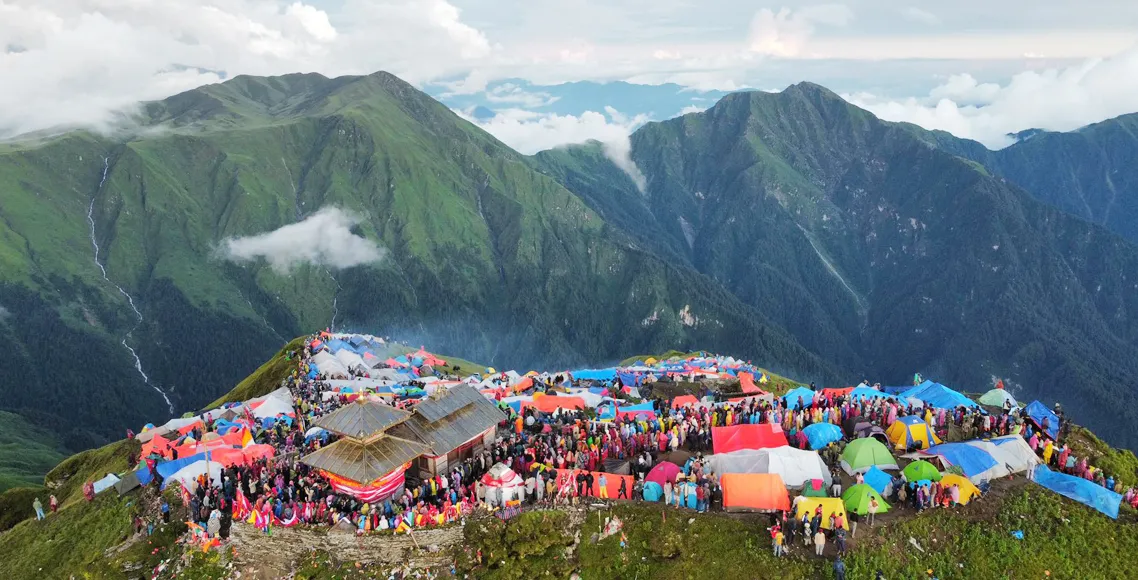
Everest mountain range

Jeep types

The best 4WD jeep for Everest transfers is usually a strong mountain SUV or off-road-capable jeep with enough space for passengers and bags. Popular vehicle styles in Nepal often include Scorpio-type jeeps and similar 4WD models because they balance cost, reliability, and road performance. These vehicles are commonly used for trekking transfers because they handle rough surfaces and remain comfortable for long-distance travel.

For small groups, a mid-size 4WD jeep is usually ideal. It offers enough space for travellers and luggage without being too large for the narrow road sections common in the Everest region. For larger groups or travellers carrying more equipment, a larger 4WD option may be better, especially on long routes with unpredictable road conditions.

The right jeep should also have good maintenance records, proper insurance, and a driver who knows the mountain route well. A powerful vehicle isn’t enough if the operator doesn’t understand the road, the weather, or the best stopping points. In Onerest travel, mechanical reliability matters much more than seating comfort.

Everest range

Private versus shared

Travellers usually choose between private jeep hire and shared jeep service. A private jeep offers the most flexibility: you can start early, stop when needed, and travel with your own group. It is the best option for families, photographers, trekkers with large baggage, and anyone who values control over timing.

Shared jeep service is usually more budget-friendly, but it is less convenient. Departure times, route pace, and passenger mix are usually fixed, which can be tiring on a long road journey to Everest. A shared jeep may make sense for budget travellers, but it is usually less comfortable for those who want a smooth start to trekking.

For Everest Base Camp transfers, private hire often provides better value in practice because it reduces delays and supports a more relaxed itinerary. This matters when you link the road transfer with trekking days, acclimatisation, or local overnight stays. Many travellers prefer to acclimatise in the vehicle to avoid unnecessary problems at the start of the trek.

Choose the best 4WD jeep for Everest Base Camp with reliable private transport options including Land Cruiser, Scorpio, and Bolero for a safe journey to Salleri, Thamdanda, or Surke.

Road conditions

Road conditions are one of the most important reasons to choose a 4WD jeep for Everest transfers. The drive from Kathmandu toward the Everest region may start on smoother roads, but as you go farther, the road surface can change. Gravel, dust, bumps, and seasonal damage are all common, especially beyond the more developed highway sections.

In many cases, travellers report that the drive from Kathmandu to Salleri takes roughly a full day. That can vary with traffic, weather, and the driver’s pace. Once you move deeper into the Everest access network, road quality matters even more, especially if you are aiming for Kharikhola, Thamdanda, or Surke.

Seasonal planning matters too. Dry periods are generally easier for road travel, while monsoon and post-monsoon conditions can slow the drive and increase the chance of disruptions. A good operator should always check route conditions before departure and be ready to adjust the schedule if needed.

Transfer planning

A well-planned Everest transfer should match the road route with the trek route. The vehicle should not only take you somewhere convenient; it should take you to the right point for your actual trekking plan. This is especially important if you want to avoid the Lukla flight and begin the trek by road.

Some trekkers prefer a longer road start to reduce dependence on flights and improve acclimatisation. Others prefer a shorter road journey to get closer to the trek and acclimatise faster; both approaches are valid, but they require different jeep plans. This is why experienced transport providers usually ask where the trek begins and how much walking the traveller wants after the road ride.

If you are building a broader transport plan, pages like Kathmandu to Salleri Phaplu Jeep and    Salleri & Phaplu Pickup Drop Service

are especially useful for matching route, cost, and vehicle type. For Everest trekkers, route-specific planning often makes the trip successful.

Choose the best 4WD jeep for Everest Base Camp with reliable private transport options including Land Cruiser, Scorpio, and Bolero for a safe journey to Salleri, Thamdanda, or Surke.

Cost factors of the best 4WD jeep for Everest Base Camp transfers

The cost of a 4WD jeep transfer to Everest Base Camp depends on route length, vehicle type, road conditions, season, and whether the service is private or shared. Longer routes and rougher roads usually increase the price because they require more fuel and cause more wear. This can also mean more wear and tear, which can make it more expensive than shared service, but it also offers better control and comfort.

The biggest pricing differences come from distance and road conditions. A transfer to Salleri differs from a transfer to a farther point like Thamdanda or Surke because the road quality and driving time vary. Travellers should always ask what is included in the quote so they can compare services fairly.
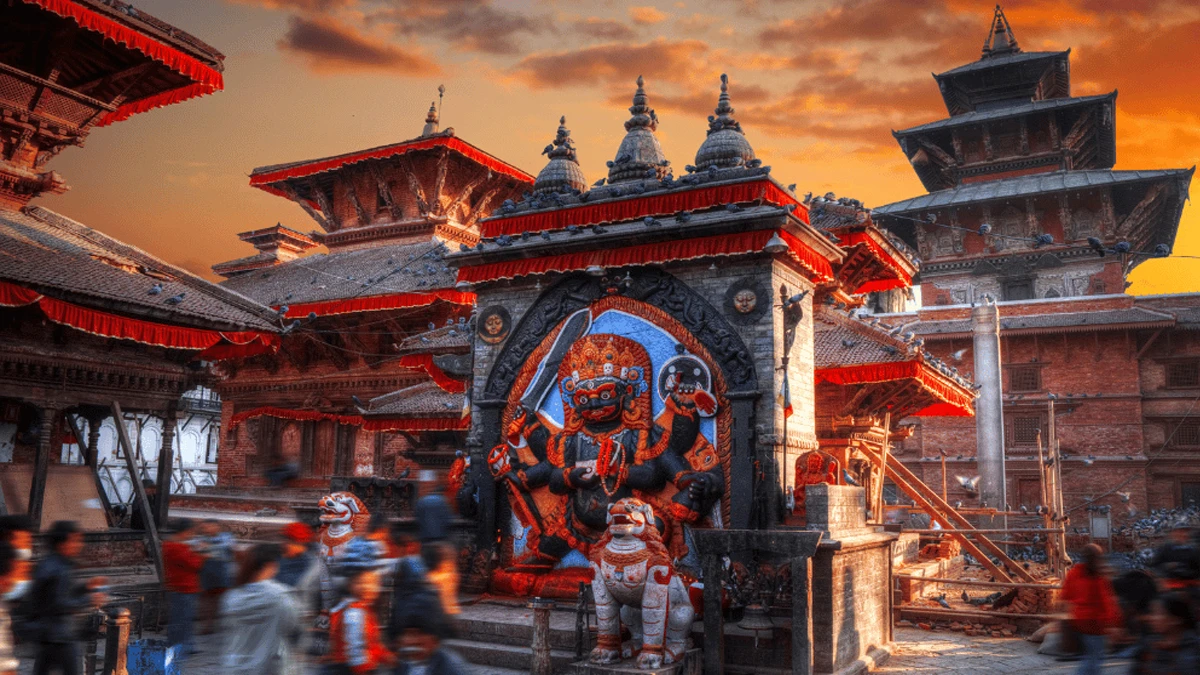
A realistic price should also reflect the driver’s experience and the vehicle’s condition. On mountain roads, a cheap option driver’s poorly maintained vehicle can become expensive in other ways. That is why many travellers prefer a trusted 4WD service over the lowest possible price.

Safety and comfort for the best 4WD jeep for Everest Base Camp transfers

Safety is one of the biggest reasons to book a quality 4WD jeep. Everest roads can be steep, narrow, and affected by changing weather, so the driver’s experience matters just as much as the vehicle itself. A well-trained mountain driver knows when to slow down, where to stop, and how to handle rough sections safely.

Comfort is also important because the journey can be long. Passengers benefit from good seating, enough legroom, stable suspension, and space for trekking bags. If you are carrying mountain gear, sleeping bags, or camera equipment, a jeep that handles both people and luggage well is a major advantage.

When comparing transport options, think beyond the route and consider the full travel experience. A smooth jeep ride can make the first day of the Everest trek more enjoyable and less tiring. That, in turn, can improve the rest of the trekking journey.

Best booking tips

Book early if you’re travelling during a busy trekking season. Demand for Everest road transfers rises quickly because many trekkers now prefer road access instead of flights. Early booking also gives you more choice in vehicle type and departure time.

Before confirming,
WhatsApp
E-mail: [email protected]

Shared Jeep Routes for Trekkers in Nepal

Explore the most popular shared jeep routes for trekkers in Nepal, offering affordable and reliable transportation to trailheads including Langtang, Manaslu, Annapurna, Everest, and Mustang.

Shared Jeep Routes for Trekkers in Nepal: Complete Guide

Every great Nepal trek begins with a journey to the trailhead — and for most of Nepal’s finest trekking destinations, that journey involves a road no bus can navigate, a flight that weather cancels more often than not, or a mountain track only a 4WD vehicle can handle. This is the domain of the shared jeep — Nepal’s most essential, most versatile, and most adventure-charged form of trekking transport.

A shared jeep in Nepal is exactly what the name suggests: a 4WD vehicle — typically a Mahindra Scorpio or a locally adapted SUV — that carries up to 8 to 10 passengers on mountain routes where no fixed-schedule public transport operates. Passengers board at a common departure point, the vehicle leaves when it is full (or nearly full), and everyone shares the fare, the road, and the experience.

It is the cheapest available motorised transport on Nepal’s mountain approach routes, a genuine cultural immersion, and on the right road — the Kali Gandaki gorge, the Marsyangdi valley, the Solu-Khumbu approach through Salleri — one of the most memorable journeys a trekker in Nepal will make.

This guide covers every major shared jeep trekking route in Nepal—the Everest region approaches, the Annapurna and Mustang corridors, the Langtang Valley, the Manaslu Circuit, and the lesser-known eastern Nepal routes. For every route, we give the departure point, departure time, shared jeep fare, road distance, drive time, road condition, and the comparison with Nepal Vehicle Hiring’s private jeep hire option — because on some routes and for some group sizes, private hire through Nepal Vehicle Hiring Pvt. Ltd. is not just more comfortable but actually cheaper per person than the shared jeep.

Understanding when to share and when to go private is the key transport decision every Nepal trekker faces — and this guide gives you everything you need to make it correctly.

How Shared Jeeps Work in Nepal: What Every Trekker Needs to Know

Before diving into specific routes, understanding how the shared jeep system actually operates in Nepal helps set accurate expectations and avoid frustrating misunderstandings.

Departure Points and Timing

Shared jeeps on Nepal’s trekking approach routes depart from specific collection points in the city or town where they originate — not from your hotel door. In Kathmandu, most mountain-bound shared jeeps depart from Gongabu Bus Park (New Bus Park) in northern Kathmandu for most routes, and from smaller collection points in Thamel and Chabahil for specific destinations.

In Pokhara, shared jeeps depart from Prithvi Chowk Bus Park for Beni and Jomsom. In Besisahar, the Besisahar Bus Park is the hub for all onward shared jeeps on mountain routes.

Departure time is one of the most important practical realities of shared jeep travel. Shared jeeps depart when the vehicle is full, not on a fixed schedule.

For the Kathmandu-to-Surke (Lukla road) route, shared jeeps depart very early — typically 4:00 to 6:00 AM — because the journey is so long (10 to 14 hours) that an early start is essential to arrive before dark. For the Besisahar-to-Manang route, jeeps at Besisahar typically fill and depart between 6:00 and 8:00 AM.
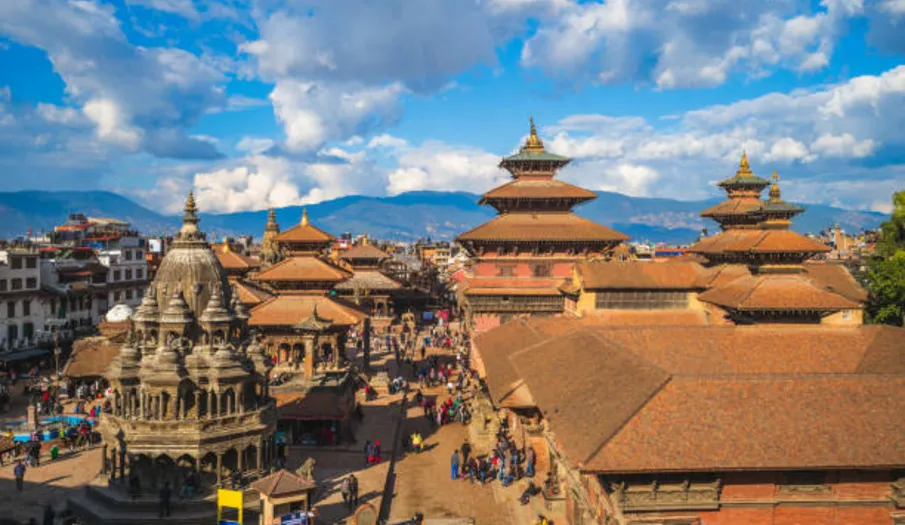
For Pokhara to Jomsom, departures from Beni (where the mountain road begins) are usually 7:00 to 9:00 AM. Arriving at the departure point at least 30 minutes before the expected departure time is always recommended — earlier is better for securing a better seat.

Seating and Luggage

A standard shared jeep in Nepal carries 7 to 10 passengers depending on the vehicle model and the driver’s interpretation of ‘full’. The front seat (beside the driver) holds 1 to 2 passengers.

The middle row holds 3. The rear row holds 3, and in busy periods, additional passengers may be squeezed onto fold-down rear seats or into the luggage area. Luggage goes on the roof rack — heavy trekking bags, duffel bags, and backpacks are tied to the roof with rope and covered with a tarpaulin if available.

Carry any valuables, documents, and items you’ll need during the journey in a small day pack kept inside the vehicle with you.

Fares and Payment

Shared jeep fares are not fixed — they vary by season, fuel prices, route condition, and the number of passengers. The fares quoted in this guide are approximate 2025–2026 figures that give a realistic basis for budgeting, but always confirm the current fare at the departure point before boarding.

You typically pay the driver or conductor at the end of the journey, not in advance. There is no online booking system for shared jeeps — you show up at the departure point, confirm the fare, and wait for the vehicle to fill.

In peak trekking season (October–November, April–May), shared jeeps fill quickly and you may need to arrive very early to secure a seat.

Shared vs Private: The Per-Person Cost Reality

The standard assumption ht a shared jeep is always cheaper than private hire isn’t correct. Nepal Vehicle Hiring’s private jeep hire uses a per-vehicle rate, not a per-person rate.

When a group of 4 or more trekkers travels together, splitting a private vehicle often results in a per-person cost comparable to the shared jeep fare, with the significant additional benefits of hotel door pickup, guaranteed departure time, flexibility to stop for photographs or rest, luggage space without roof rack anxiety, and a driver who is accountable to your group. For groups of 6 or more, private hire is almost always more economical per person than the shared jeep. Throughout this guide, we note where this comparison matters most.

Explore the most popular shared jeep routes for trekkers in Nepal, offering affordable and reliable transportation to trailheads including Langtang, Manaslu, Annapurna, Everest, and Mustang.

Everest Region: Shared Jeep Routes for Trekkers

The Everest region presents a unique transport situation: the Lukla flight (Kathmandu–Lukla on a Twin Otter or Dornier aircraft) is the standard approach for most trekkers but is frequently cancelled due to weather, particularly during the shoulder seasons and monsoon. The shared jeep road approach to the Khumbu provides a reliable, weather-independent alternative—longer and more demanding, but arguably more rewarding for the landscapes and communities it passes through.

Kathmandu to Salleri/Phaplu: The Gateway Approach

The most practical shared jeep approach to the Everest region from Kathmandu runs via the B.P. Highway southeast through Sindhuli and into the Solu-Khumbu foothills. Shared jeeps from Gongabu Bus Park in Kathmandu depart for Salleri or Phaplu daily at 4:00 to 6:00 AM.

The distance to Salleri is about 285 kilometres and takes 8 to 10 hours on the B.P. Highway,  a mix of well-maintained blacktop through the Sindhuli hills and rougher provincial roads in the final approach to Salleri. Shared jeep fare: approximately NPR 800 to 1,200 per person (USD 6 to 9).

From Salleri, trekkers connect to the classic Solu-Khumbu trail that passes through Phaplu, Nunthala, Khari Khola, Bupsa, Kharikhola, and eventually joins the main Lukla–Everest Base Camp trail near Lukla. This lower approach adds 4 to 7 days of walking to the typical Lukla-start EBC itinerary.

Still, it offers a dramatically richer cultural and landscape experience—passing through Sherpa and Rai villages untouched by the main tourist flow, crossing intact rhododendron forests, and gaining altitude gradually in a way that significantly reduces altitude sickness risk compared to flying directly to Lukla (2,860 m) in 25 minutes.

Kathmandu to Surke (Thamdanda): The Road Closest to Lukla

The road from Kathmandu has been progressively extended toward Lukla, with the current road terminus at Surke (also called Thamdanda), located approximately 3 to 4 hours’ walk below Lukla. Shared jeeps from Kathmandu’s Gongabu Bus Park depart for Surke between 4:00 and 6:00 AM and take 10 to 14 hours, depending on road conditions.
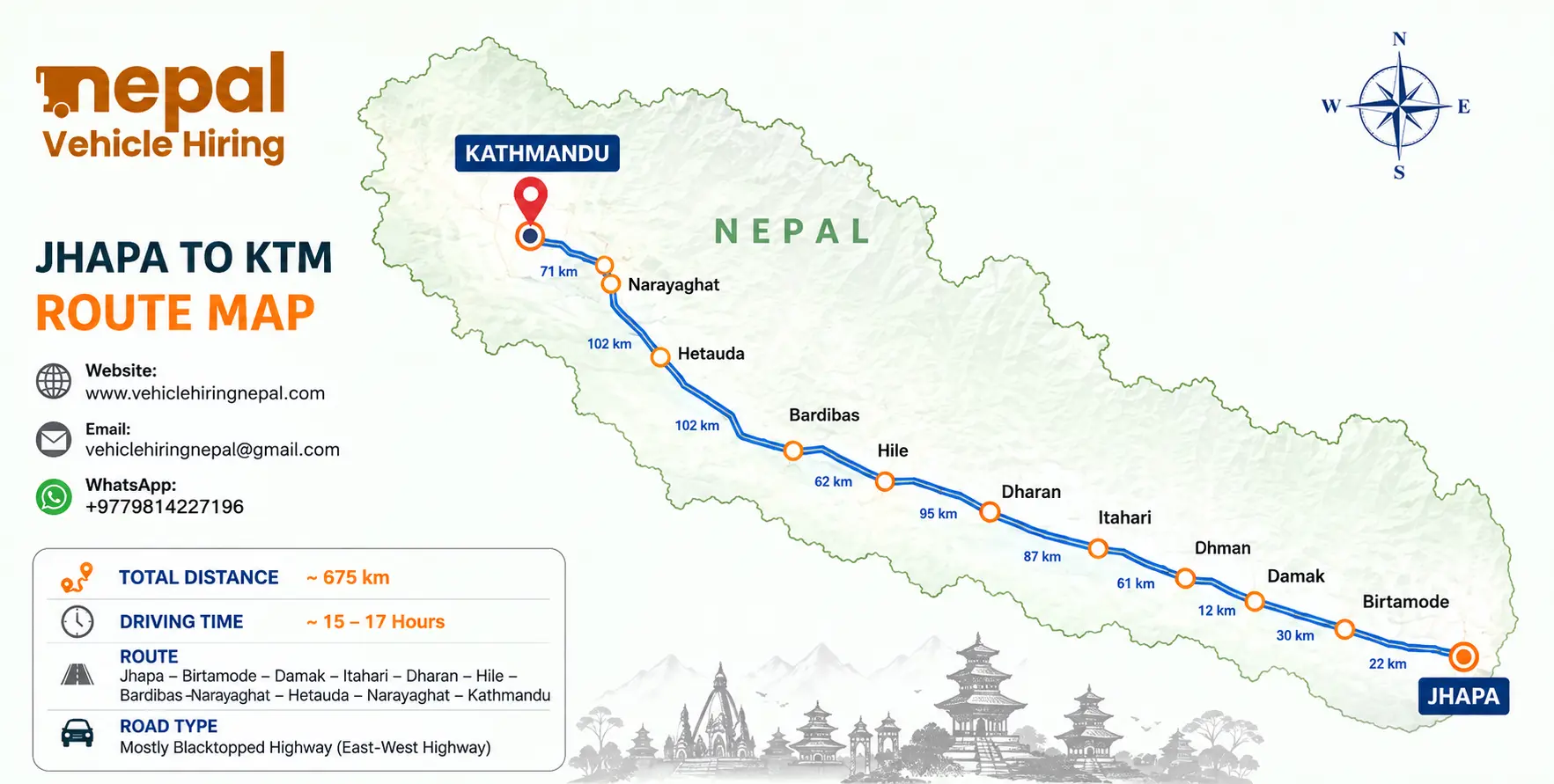
The road goes via Salleri and then continues on a rougher track through Khari Khola and Bupsa before reaching Surke. Shared jeep fare to Surke: approximately NPR 1,500 to 2,500 per person (USD 11 to 18).

The road to Surke requires a 4WD vehicle from the point where the provincial road ends beyond Salleri. Shared jeeps covering this full route are specifically equipped for the terrain. Road conditions vary significantly by season — the B.P.

Highway section to Salleri is well-maintained, but the Salleri-to-Surke extension is rougher and more susceptible to monsoon damage. As of September 2025, in good conditions the jeep reaches all the way to Surke, though in heavy monsoon or post-landslide periods, passengers may need to change vehicles 2 to 3 times along the route, as different sections are accessible only by different local vehicles.

Nepal Vehicle Hiring’s Everest Base Camp trek transport covers both the Kathmandu airport transfer for Lukla-flight trekkers and the ground transport for road-approach trekkers using the Salleri/Surke route. For groups of 4 or more travelling together to the Everest region by road, our private jeep hire typically costs about the same per person as the shared jeep fare,  while providing door-to-door service from your Thamel hotel and a guaranteed early-morning departure.

Shared 4WD jeep transporting trekkers on mountain roads to popular trekking destinations in Nepal

Kathmandu to Jiri: The Original Everest Route

Before the Lukla airstrip opened in 1964, all Everest expeditions—including Hillary and Tenzing’s 1953 summit—began with a walk from Jiri, a market town in the Dolakha hills about 18 kilometres east of Kathmandu. Shared jeeps and local buses to Jiri depart from Gongabu Bus Park in Kathmandu for approximately NPR 500 to 700 per person (local bus) or NPR 800 to 1,000 (shared jeep), taking 7 to 8 hours on the Araniko Highway to Khurkot and then the Jiri road branching south.

The Jiri trek to Lukla then takes 7 to 10 days of walking through Sherpa and Tamang villages — one of the finest cultural trekking experiences in Nepal and one that virtually no organised tour ever includes.

Annapurna Region: Shared Jeep Routes for Trekkers

The Annapurna Conservation Area is Nepal’s most popular trekking destination, and its road network — now motorable all the way to Manang in the north and to Jomsom and Muktinath in the west — has transformed the trekking approach options. Shared jeeps are the standard transport on every mountain section above the highway.

Shared Jeep Routes for Trekkers in Nepal

Kathmandu to Besisahar: The Highway Leg

The Annapurna Circuit approach begins with the Kathmandu to Besisahar journey—about 178 kilometres, taking 6 to 7 hours on the Prithvi Highway via Mugling, then north on the provincial road to Besisahar. Local buses from Gongabu Bus Park cover this route for NPR 300 to 400 per person.

Our Kathmandu to Besisahar bus ticket service offers the most organised, reliable option for this highway leg, with confirmed departure times. For groups using our Besisahar private vehicle service, a dedicated private vehicle handles the entire Kathmandu-to-Besisahar leg, with hotel pickup.

Besisahar to Chame: The Mountain Road Begins

At Besisahar, the paved highway ends and the mountain road begins. Shared jeeps at Besisahar Bus Park depart for various points up the Marsyangdi Valley from approximately 6:00 to 9:00 AM.

The Besisahar to Chame section covers approximately 66 kilometres of progressively rougher road through Syange, Jagat, Chamche, and Dharapani, taking 4 to 5 hours. The road is a mix of rough track and compacted gravel, with narrow cliff sections and river crossing points that make a 4WD essential.

Shared jeep fare from Besisahar to Chame: approximately NPR 700 to 1,200 per person (USD 5 to 9).

The road section breakdown from Besisahar northward:

  • Besisahar to Syange–Jagat: approximately 20 km, bumpy and narrow, 2.5 to 3 hours.
  • Jagat to Chamche–Dharapani: approximately 11 km, cliff road with major drops to the Marsyangdi gorge, 2 hours.
  • Dharapani to Timang–Koto–Chame: approximately 16 km, steep ascent with Himalayan peak views opening, 3.5 hours.
  • Chame to Humde–Braga–Manang: approximately 30 km, smoother through the upper Manang valley, 2.5 to 3 hours.

Shared 4WD jeep transporting trekkers on mountain roads to popular trekking destinations in Nepal

Besisahar to Manang: The Full Circuit Approach

For trekkers beginning the Annapurna Circuit directly at Manang—saving 3 to 4 days of walking on the lower valley sections that are now largely road-walking anyway—the full Besisahar to Manang shared jeep is available for about NPR 1,500 to 2,000 per person (USD 11 to 15). The total off-road distance is 75 to 83 kilometres and takes 10 to 12 hours in dry season conditions.

This genuinely long, bumpy day rewards you with extraordinary scenery but demands considerable physical endurance. As one experienced Annapurna guide notes, sharing a jeep to Manang is easy to arrange in peak season; show up at Besisahar Bus Park between 6 and 8 AM and join the other trekkers waiting to fill the jeep. the jeep

Our Kathmandu to Manang jeep service offers a private-vehicle alternative. For groups of 4 or more, the per-person cost of our private hire is directly competitive with the shared jeep, with the addition of Kathmandu hotel pickup, guaranteed early departure, luggage in the vehicle rather than on the roof, and the ability to stop at any point along the spectacular Marsyangdi valley for photography.

The Besisahar private vehicle service covers the onward mountain section for groups arriving in Besisahar by bus.

Pokhara to Beni to Jomsom: The Kali Gandaki Shared Jeep

The most popular approach to Lower Mustang and Muktinath from Pokhara combines a local bus or shared taxi to Beni (NPR 150 to 200, 1.5 to 2 hours) with a shared jeep from Beni northward through the Kali Gandaki gorge to Jomsom. Shared jeeps from Beni to Jomsom depart when full, typically 7:00 to 9:00 AM, nd cover about 85 kilometres of rough gorge road in 5 to 7 hours.

Shared fare Beni to Jomsom: approximately NPR 900 to 1,500 per person (USD 7 to 11). Direct Pokhara-to-Jomsom shared jeeps also operate for approximately NPR 1,200 to 1,800 per person, bypassing the Beni transfer.

This Kali Gandaki gorge shared jeep is one of Nepal’s most dramatic shared vehicle experiences — passing between Dhaulagiri (8,167 m) and Annapurna I (8,091 m) through the world’s deepest gorge, with the afternoon wind building to powerful levels in the valley by midday. Early departure from Beni is essential — leaving after 10 AM is not recommended as the afternoon wind makes the gorge road increasingly difficult and uncomfortable.

Our dedicated Pokhara to Mustang jeep service provides the private alternative, with early hotel pickup from Pokhara Lakeside and experienced Mustang-route drivers who know the gorge road in every season.

Private Scorpio jeep with luggage on the roof

Jomsom to Muktinath: Short Mountain Shared Jeep

From Jomsom, shared jeeps to Muktinath depart when full from the Jomsom jeep stand, typically 7:00 to 9:00 AM. The route covers approximately 21 kilometres on a rough mountain road via Kagbeni and Jharkot, taking 1 to 1.5 hours. Shared jeep fare: approximately NPR 600 to 900 per person (USD 4.50 to 7).

For the full pilgrimage transport package from Pokhara to Muktinath and back, Nepal Vehicle Hiring’s Muktinath Yatra itinerary provides a smoothly coordinated private vehicle option covering the entire route.

Upper Mustang: Shared Jeep Routes for Trekkers

Upper Mustang — the restricted ancient kingdom of Lo north of Kagbeni — has fewer shared jeep services than more popular trekking regions, mainly because entry requires a Restricted Area Permit (RAP) that most individual travellers arrange through an agency that also coordinates transport. However, shared jeeps operate on several sections of the Mustang road, and understanding the options matters for budget-conscious Mustang travellers.

Explore the most popular shared jeep routes for trekkers in Nepal, offering affordable and reliable transportation to trailheads including Langtang, Manaslu, Annapurna, Everest, and Mustang.

Kagbeni to Lo Manthang: Shared Upper Mustang Jeeps

Shared jeeps between Kagbeni and Lo Manthang operate when demand warrants — primarily during the spring trekking season (March to May) and around the Tiji Festival in May when Lo Manthang sees its highest visitor numbers. Shared jeep fare Kagbeni to Lo Manthang: approximately NPR 1,500 to 2,500 per person (USD 11 to 18), covering 61 kilometres of rough off-road track taking 3.5 to 5 hours.

Shared jeeps on this route are less predictable than on the Annapurna approach — departure times and availability vary widely, and trekkers should not rely on finding a shared vehicle without potentially waiting a full day in Kagbeni. For most Mustang-bound trekkers, pre-arranged private transport through Nepal Vehicle Hiring’s Kathmandu-to-Mustang private jeep or Pokhara-to-Mustang jeep service is the practical choice.

Note that all travel north of Kagbeni requires the RAP (USD 50 per person per day as of 2026) arranged through a licensed Nepal agency, and a licensed guide must accompany all foreign visitors. Shared jeep drivers in Upper Mustang must verify permit documentation at the Kagbeni checkpost — no travel proceeds without the RAP in hand.

Langtang and Helambu: Shared Jeep Routes for Trekkers

The Langtang Valley — the closest major trekking region to Kathmandu, just 60 kilometres north of the capital — is accessed via Syabrubesi at the end of a mountain road from Dunche. The approach is fast and relatively simple, making Langtang one of Nepal’s most accessible high-altitude trekking destinations.

Explore the most popular shared jeep routes for trekkers in Nepal, offering affordable and reliable transportation to trailheads including Langtang, Manaslu, Annapurna, Everest, and Mustang.

Kathmandu to Syabrubesi: The Langtang Gateway

Shared jeeps and local buses from Kathmandu’s Gongabu Bus Park serve Dunche and Syabrubesi daily. Local buses depart at approximately 7:00 AM for NPR 350 to 500 per person, taking 7 to 8 hours via Trishuli Bazaar and Dhunche on a mix of blacktop and rough mountain road.

Shared jeeps cover the same route faster (5 to 6 hours) for about NPR 700 to 1,000 per person (USD 5 to 7.50). The road was significantly damaged in the 2015 earthquake and subsequent landslides but has been substantially repaired; road conditions remain variable in the upper sections above Dhunche during monsoon.

Syabrubesi (1,460 m) is the main trailhead for the Langtang Valley Trek, the Gosaikunda Trek, and the Tamang Heritage Trail. The ACAP permit is required for Langtang Valley (NPR 3,000 for foreign nationals). You also need a Langtang National Park permit (NPR 3,000).

You can get both at the Nepal Tourism Board office in Kathmandu or at the Dhunche entry checkpoint.

Manaslu Circuit: Shared Jeep Routes for Trekkers

The Manaslu Circuit Trek a restricted-area circuit around the world’s eighth-highest mountain, it begins and ends in Soti Khola or Arughat on the Budhi Gandaki River, accessible from both Kathmandu (via Gorkha or Arughat) and from Besisahar (for those connecting directly from the Annapurna region).

Kathmandu to Arughat/Soti Khola: The Manaslu Start

Shared jeeps run from Kathmandu to Arughat (the main Manaslu Circuit departure point) via Gorkha, taking about 7 to 9 hours and covering about 180 kilometres. Shared jeep fare: approximately NPR 700 to 1,200 per person.

From Arughat or Soti Khola, the road continues as a rough track partway up the Budhi Gandaki gorge, depending on the season and road conditions — local jeeps in Arughat can take trekkers as far up the valley as the road currently reaches, saving 1 to 2 days of walking. The Manaslu Circuit requires both an ACAP permit (NPR 3,000) and a Manaslu Restricted Area Permit (USD 100 for the first week, USD 15 per day thereafter), along with a mandatory licensed guide.

Explore the most popular shared jeep routes for trekkers in Nepal, offering affordable and reliable transportation to trailheads including Langtang, Manaslu, Annapurna, Everest, and Mustang.

Besisahar to Arughat: The Annapurna–Manaslu Connection

Trekkers combining the Annapurna Circuit with the Manaslu Circuit sometimes exit the Annapurna Circuit at Dharapani and cross east to Arughat on a rough mountain road, taking a local jeep for approximately NPR 500 to 800 per person. This combination circuit — known informally as the Annapurna–Manaslu Grand Circuit — is one of Nepal’s most ambitious trekking itineraries and requires careful permit and transport planning.

Nepal Vehicle Hiring can coordinate the full vehicle logistics for this combination circuit, with our Besisahar private vehicle service handling the Annapurna approach and local coordination covering the Arughat connection.

Eastern Nepal: Shared Jeep Routes for Trekkers

Eastern Nepal’s trekking regions — the Kanchenjunga Base Camp Trek in the far east, the Makalu Base Camp Trek via Tumlingtar, and the Pathivara Temple trek in Taplejung District — require a domestic flight or long bus journey to reach the regional hub, followed by shared jeep transport to the mountain trailheads. These are Nepal’s least-visited major trekking regions and offer extraordinary wilderness experience precisely because of the transport effort required to reach them.

Kathmandu or Biratnagar to Taplejung: Kanchenjunga Approach

The Kanchenjunga Base Camp Trek begins from Taplejung in Nepal’s far east, typically accessed by a domestic flight from Kathmandu to Biratnagar or Suketar (Taplejung airport) followed by a jeep to the trailhead at Mitlung or Sekathum. Shared jeeps from Taplejung town to the trailhead villages operate for NPR 400 to 800 per person.

Alternatively, direct jeeps from Kathmandu to Taplejung run via the Mahendra Highway—an approximately 600-kilometre, 16 to 18-hour drive usually split across two days, with an overnight in Dharan or Biratnagar. The Kanchenjunga region requires a Kanchenjunga Conservation Area permit (NPR 3,000) and a Restricted Area Permit (USD 10 per week) plus a mandatory licensed guide.

Explore the most popular shared jeep routes for trekkers in Nepal, offering affordable and reliable transportation to trailheads including Langtang, Manaslu, Annapurna, Everest, and Mustang.

Kathmandu to Tumlingtar: Makalu Base Camp Approach

The Makalu Base Camp Trek starts with a domestic flight from Kathmandu to Tumlingtar airport in Sankhuwasabha District, followed by a jeep ride to Num or Seduwa (the trek start points). Local shared jeeps in Tumlingtar cover the approach road for NPR 500 to 1,000 per person.

The Makalu Barun National Park requires a park entry permit (NPR 3,000 for foreign nationals). A licensed guide is mandatory.

When Private Jeep Hire Beats Shared: Nepal Vehicle Hiring’s Advantage by Route

The shared jeep is an excellent option for budget solo trekkers on well-established routes in peak season. But in specific situations, Nepal Vehicle Hiring’s private jeep hire is the clearly better choice—in terms of both cost per person and overall experience quality. Here is the honest comparison by situation:

Groups of 4 or More on Any Route

On virtually every trekking approach route in Nepal, a group of 4 or more trekkers travelling together will find that the per-person cost of a Nepal Vehicle Hiring private jeep is at or below the shared jeep fare, while adding hotel pickup, guaranteed departure time, and dedicated luggage space. The calculation is simple: divide our per-vehicle rate by 4 to get the per-person cost.

On the Besisahar–Manang route, for example, a private Nepal Vehicle Hiking jeep for 4 people often costs NPR 1,200 to 1,500 per person — within the range of the shared jeep fare of NPR 1,500 to 2,000, with significantly better logistics.

Families and Trekkers with Young Children

Shared jeeps on Nepal’s mountain routes are genuinely rough, crowded, and unpredictable. For families with children, the inability to stop, overcrowding, and unpredictable schedules make shared jeeps inappropriate. A private vehicle with Nepal Vehicle Hiring offers the flexibility to stop for bathroom breaks, meals, rest, and emergencies—essential for family trekking groups.

Our Kathmandu to Manang jeep and Besisahar private vehicle services support many family trekking groups each season who find the private option essential for their specific needs.

Fixed Schedule Requirements

If your itinerary includes a permit registration deadline, a licensed guide meeting time, or a specific checkpoint hour—all common in Nepal’s restricted-area trekking—the shared jeep’s departure flexibility becomes a serious problem. A vehicle that departs when full, on an unknown schedule, cannot guarantee arrival at Kagbeni checkpost before the afternoon closure or at Syabrubesi before dark. A private Nepal Vehicle Hiring jeep departs from your hotel at the time you specify.

Explore the most popular shared jeep routes for trekkers in Nepal, offering affordable and reliable transportation to trailheads including Langtang, Manaslu, Annapurna, Everest, and Mustang.

Monsoon Season Mountain Routes

During monsoon season, mountain road conditions change day by day and sometimes hour by hour. Shared jeep drivers make collective decisions about whether to proceed when road conditions are uncertain.

A Nepal Vehicle Hiring private driver is directly accountable to you and your group, and our operations team actively monitors road conditions to advise on timing and routing. For monsoon-season trekking approaches — when the Besisahar road, the Syabrubesi road, and the Beni-Jomsom gorge are all susceptible to landslide disruption — private hire provides better real-time information and response than the shared system.

Overnight or Very Early Departure Needs

The Kathmandu-to-Surke (Lukla road) journey requires a 4:00 AM departure from Kathmandu — a time when shared jeep collection points are accessible but inconvenient from a Thamel hotel. Nepal Vehicle Hiring’s Everest Base Camp trek transport arranges hotel door pickup at whatever time the journey requires, no matter how early. For all our trekking approach services, we can coordinate departure times as early as 4:00 AM from any Thamel or Kathmandu hotel.

Private jeeps on a mountain road in Nepal

Practical Tips for Shared Jeep Trekking in Nepal

Arrive. At the Departure Point Early

The best seats on a shared jeep—window seats in the middle row or the front passenger seat—go to those who arrive first. Experienced Nepal shared-jeep travellers typically arrive 45 to 60 minutes before the expected departure time.

At Gongabu Bus Park for the Surke route, arriving by 4:30 AM for a 5:00 to 6:00 AM departure is standard; at Besisahar Bus Park for the Manang route, arriving by 6:00 AM secures a seat for the best morning departure. A window seat isn’t just a comfort preference.

On Nepal’s mountain roads, the view can be genuinely extraordinary, and sitting in the middle of the rear row for 10 hours feels very different from sitting next to a window.

Carry Your Day Pack Inside

Put your large trekking bag on the roof rack. Keep everything you need during the day’s journey — water, snacks, medication, camera, documents, valuables, warm layers — in a small day pack inside the vehicle with you. Roof-rack baggage is generally safe on established shared jeep routes, but it’s inaccessible during the journey.

Plan for the possibility that a rest stop is short — roof bag access during 10-minute chai breaks is often impractical.

Confirm the Fare Before Boarding

Shared jeep fares in Nepal are not posted on fixed-rate boards — they are negotiated or announced at the departure point and vary with the season, fuel prices, and driver discretion. Always confirm the fare before boarding and before putting luggage on the roof.

Please confirm with a local passenger who has used the route recently. Overpayment is unlikely to be deliberate fraud — fare variation is genuine and significant — but knowing the going rate before you arrive puts you in a better negotiating position if the driver quotes above the norm.

Pack Food and Water for the Full Journey

Shared jeeps stop for meals at established teahouses on most routes. Still, stops are brief — often 15 to 20 minutes — and the food available at roadside teahouses varies in quality and reliability.

Carry enough water for the full journey (at least 2 litres per person), trail snacks for energy between stops, and any special dietary requirements from Kathmandu or Pokhara, where options are wider. On long routes like Kathmandu–Surke (10–14 hours) or Besisahar–Manang (10–12 hours), two meal stops are typical, but pacing cannot be guaranteed.

Motion Sickness Preparation

Nepal’s mountain roads are continuously winding; switchbacks, lateral sway, steep gradient changes, and rough surface vibration can trigger motion sickness in many travellers who do not normally experience it at sea level. Take motion sickness medication before departure if you are susceptible.

Sitting in the front seat significantly reduces the likelihood of sickness; request it specifically when claiming your seat at the departure point. Looking at the horizon rather than the road directly ahead also helps. Ginger sweets, available in most Kathmandu pharmacies, are a traditional and effective mild remedy.

Download Offline Maps Before Departure

Mobile signal is available in Besisahar, Jomsom, Syabrubesi, and other hub towns on Nepal’s trekking approach routes, but becomes patchy or absent on the mountain road sections between them. Download offline maps covering your specific route — Maps.me or Gaia GPS both cover Nepal’s mountain roads in their offline maps — before leaving Kathmandu or Pokhara.

This lets you follow the route, know where you are during the journey, and identify key stops even without mobile signal.

How Nepal Vehicle Hiring Supports Every Type of Nepal Trekker

Nepal Vehicle Hiring Pvt. Ltd., based in Thamel, Kathmandu, serves trekkers across the full spectrum of Nepal’s trekking regions and transport needs — from the budget backpacker wanting a reliable bus ticket to Besisahar, to the family group needing a dedicated private jeep to Manang, to the large expedition group requiring coordinated multi-vehicle transport to a remote eastern Nepal trailhead.

Our complete trekking transport services include:

For any trekking transport combination not listed above, contact us through our Plan Your Trip page with your specific route, dates, and group size. Our team responds within 24 hours with the best available option: shared service, private hire, or a combined approach that optimises both cost and logistics for your specific trekking itinerary.

Explore the most popular shared jeep routes for trekkers in Nepal, offering affordable and reliable transportation to trailheads including Langtang, Manaslu, Annapurna, Everest, and Mustang.

Quick Reference: All Major Shared Jeep Trekking Routes in Nepal

The following is a consolidated reference of every major shared jeep trekking route in Nepal with key facts for trip planning:

Everest Region

  • Kathmandu → Salleri/Phaplu: 285 km, 8–10 hrs, NPR 800–1,200/person. Departs Gongabu Bus Park 4–6 AM.
  • Kathmandu → Surke (Thamdanda/Lukla road): ~340 km, 10–14 hrs, NPR 1,500–2,500/person. Departs 4–6 AM.
  • Kathmandu → Jiri: 188 km, 7–8 hrs, NPR 500–1,000/person. EBC original route approach.

Annapurna Region

Upper Mustang

  • Kagbeni → Lo Manthang: 61 km, 3.5–5 hrs, NPR 1,500/person. Seasonal availability; RAP required. Private jeep from Kathmandu to Mustang.

Langtang Region

  • Kathmandu → Syabrubesi: ~120 km, 5–8 hrs, NPR 700–1,000 per person.

Manaslu Region

  • Kathmandu → Soti Khola: ~180 km via Gorkha, 7–9 hrs, up to NPR 1,200/person.

Eastern Nepal

  • Biratnagar/Taplejung → trailheads: from NPR 400/person, depending on departure time. Change: Annapurna and Makalu. Plan Your Trip Frequently Asked Questions: Shared Jeep Trekking Routes in Nepal

Can I book a shared jeep in advance?

No — shared jeeps in Nepal operate on a turn-up-and-go basis with no booking system. The only way to secure a seat is to arrive at the departure point early on your travel day. If advance scheduling certainty matters to you—particularly for peak-season travel with limited availability—jeep private-hire services offer confirmed departure times through our Plan Your Trip page.

Is shared jeep safe on Nepal’s mountain roads?

Shared jeeps on established Nepal trekking routes are generally safe, operated by drivers who know their specific road well. The main safety considerations are overloading (10 passengers is too many for some vehicle configurations on steep mountain tracks), departure timing (avoid afternoon departures on gorge roads with strong winds), and uncertainty about monsoon-season road conditions.

Nepal Vehicle Hiring’s private hire uses well-maintained vehicles and drivers experienced on their specific routes, and they do not overload them.

What is the best seat on a shared jeep?

The front passenger seat beside the driver offers the best view, the most stable ride, and the lowest risk of motion sickness. It fits 1 passenger comfortably (2 in a squeeze). Arrive early to claim it.

Window seats in the middle row are the second choice. The rear seats and fold-down options are the least comfortable for long mountain road journeys.

Do shared jeeps operate during monsoon season?

Yes, shared jeeps operate year-round, including during monsoon (June to September). However, road closures, monsoon road conditions (washouts), and mud make mountain routes more uncertain. Confirm road conditions at the departure point before committing, and build significant schedule flexibility for monsoon-season shared jeep travel.

The Upper Mustang section north of Kagbeni is generally better during monsoon as it sits in the rain shadow.

How do I  get from the shared jeep departure point at Gongabu Bus Park in Kathmandu?

Gongabu Bus Park is in northern Kathmandu, approximately 5 to 8 kilometres from Thamel depending on traffic. Pathao motorbike taxis or inDriver are the fastest and cheapest options for early-morning travel from Thamel to Gongabu (NPR 80 to 150). Metered taxis are also available, typically costing NPR 200 to 400 from Thamel to Gongabu.

Nepal Vehicle Hiring’s private jeep services all include hotel pickup from anywhere in Thamel or Kathmandu, eliminating this step.

Book Your Nepal Trekking Transport with Nepal Vehicle Hiring

Whether you’re taking a shared jeep or organising a private vehicle for your Nepal trekking trip, Nepal Vehicle Hiring Pvt. Ltd. in Thamel, Kathmandu is your transport partner. Our team provides honest advice on whether shared or private is the better option for your group, route, and schedule—and we offer both.

Nepal’s trekking regions are extraordinary. The shared jeep routes that lead to their trailheads are part of the adventure. Nepal Vehicle Hiring makes sure you reach your trailhead safely, on time, and ready for the mountains.

Seasonal Guide: When to Use Shared Jeeps on Nepal’s Trekking Routes

Understanding how the seasons affect shared jeep availability and road conditions is one of the most important practical planning factors for Nepal trekkers. Each season brings different trade-offs between road reliability, vehicle availability, and the overall trekking experience.

Spring (March to May): Peak Season, Best Conditions

Spring is the premier season for both trekkers and shared jeep travel in Nepal. Roads on all major trekking approach routes are in their best annual condition—the previous monsoon’s damage has been repaired over winter —so the pre—monsoon season offers the clearest year.

Shared jeep availability is at its highest during spring: on the Besisahar–Manang route, the Beni–Jomsom corridor, and the Kathmandu–Salleri road, multiple vehicles depart every morning. Organised tours, organised e-books, and transport are minimal even without booking.

Nepal Vehicle Hiring’s private jeep services are in highest demand during spring—for the Annapurna Two-Day Trek, the Mustang road, and the Langtang gateway —so booking 4 to 6 weeks in advance is strongly recommended for the spring window.

The Tiji Festival in Lo Manthang in May drives exceptional demand for Upper Mustang jeep transport, both shared and private. Shared jeeps on the Kagbeni–Lo Manthang section become very scarce in the weeks around the festival; organised tour operators book lower-valley transport.

Independent trekkers planning to attend the Tiji Festival by shared jeep should arrive in Kagbeni with flexibility for a potential one- to two-day wait for a shared vehicle.

Explore the most popular shared jeep routes for trekkers in Nepal, offering affordable and reliable transportation to trailheads including Langtang, Manaslu, Annapurna, Everest, and Mustang.

Monsoon (June to September): Variable but Possible

Monsoon season is Nepal’s most challenging period for shared jeep trekking routes — but it is far from impossible. The key distinction is between rain-shadow destinations (Upper Mustang, upper Manang valley above Dharapani), where the monsoon barely penetrates, and exposed lower-valley sections (Beni–Jomsom gorge, Besisahar–Jagat, the B.P.

Highway to Salleri), where landslides and washouts can temporarily close roads. Shared jeeps continue to operate during monsoon on all established routes, but departure may be delayed by hours or days if a road section is blocked.

Travellers using shared jeeps during monsoon should build two to three days of buffer time around any checkpoint deadlines or fixed permit dates. Nepal Vehicle Hiring’s private jeep service monitors road conditions daily during monsoon and provides clients with real-time updates before departure — a significant advantage over the informal shared jeep system where road information is passed by word of mouth at the departure point.

Autumn (September to November): Nepal’s Best Season

Post-monsoon autumn is Nepal’s finest trekking season and its best shared jeep season simultaneously. Roads have been partially repaired after monsoon damage, the air is crystal clear after weeks of rain, the mountain views are at their finest, and Nepal’s trekking infrastructure is operating at full capacity.

Shared jeeps fill quickly on all routes during October and November — the Besisahar–Manang and Beni–Jomsom jeeps are typically full before 7:30 AM during peak season. Arriving at departure points by 6:00 AM is essential in October.

For the Upper Mustang route, private hire through Nepal Vehicle Hiring’s Kathmandu to Mustang private jeep or Pokhara to Mustang jeep service is the practical choice during autumn peaks, as availability on the Kagbeni–Lo Manthang section is very limited, since organised trekkers absorb most transport.

Winter (December to February)- Roads, Cold Mountains

Winter is Nepal’s off-season for trekking and its quietest period for shared jeep transport. Advantages: roads are less congested, shared jeeps are readily available without early-morning rushes, and the cold, dry air delivers outstanding mountain clarity.

Disadvantages: upper Manang, Lo Manthang, and the high sections of the Syabrubesi road may be snow-affected, limiting access to the highest-altitude destinations. The Besisahar–Chame section is generally accessible in winter, but the Chame–Manang section above 2,500 metres can be snow-covered and may require chains or waiting for post-snowfall clearing.

The Beni–Jomsom road is usually passable in winter except during heavy snowfall events. Winter trekkers on Nepal’s high routes should always check road conditions at the departure point and allow flexibility for snow delays.

Combining Shared and Private Jeep Transport: The Smart Hybrid Approach

One of the most cost-effective strategies for Nepal trekkers is the hybrid approach — using public or shared transport for the highway sections (where comfort differences are minimal) and private hire for the mountain sections (where the shared jeep’s limitations have the most impact on experience and schedule reliability).

This hybrid model gives the best of both worlds: genuine cost savings on the long highway legs and the comfort, timing, and logistical advantages of private hire where they matter most. The most common hybrid configurations used by Nepal trekkers include: taking the Kathmandu to Besisahar bus ticket for the highway leg (economical, reliable, 6–7 then a Nepal Vehicle Hiring Besisahar private vehicle for the mountain road to Chame or Manang (private, scheduled, with hot.

In contrast, up in Besisahar); or taking the Kathmandu to Pokhara bus for the city-to-city leg and then a Nepal Vehicle Hiring Pokhara to Mustang jeep for the mountain approach. These combinations deliver real budget savings—particularly for solo or pair travellers—without sacrificing the quality of experience on the sections that define the journey.

Nepal Vehicle Hiring Pvt. Ltd. explicitly supports the hybrid approach. Our Kathmandu to Besisahar bus ticket and Kathmandu to Pokhara bus services cover the highway legs at competitive bus fares. In contrast, our private 4WD jeep hire and trekking transport services handle the mountain sections where private is clearly the better option.

Contact us through the Plan Your Trip page at vehiclehiringnepal.com with your complete itinerary, and we will identify the optimal transport configuration—shared, private, or hybrid—for your specific trekking plan, group size, and budget.

Understanding ACAP, Restricted Area, and Trekking Permits for Jeep Routes

Every trekking region in Nepal that is accessible by shared or private jeep requires at least one permit, and several require multiple permits plus a mandatory licensed guide. Understanding the permit system before you travel helps you avoid delays at checkpoints and ensures your jeep transport reaches its destination without administrative obstacles.

The Annapurna Conservation Area Permit (ACAP) at NPR 3,000 for foreign nationals covers the Besisahar–Manang corridor (Annapurna Circuit) and the Pokhara–Jomsom–Muktinath corridor (Lower Mustang). You can obtain it at the Nepal Tourism Board office in Kathmandu, the ACAP office in Besisahar or Pokhara, or through a registered travel agency.

The Upper Restricted Area Permit (RAP) at USD 50 per person per day covers the zone north of Kagbeni and must be arranged through a licensed Nepal agency — it cannot be obtained independently. The Langtang National Park permit at NPR 3,000 covers the Syabrubesi–Langtang Valley approach.

The Manaslu Restricted Area Permit costs USD 100 for the first week. The Kanchenjunga Conservation Area permit costs NPR 3,000. Nepal Vehicle Hiring coordinates permit processing through licensed partner agencies for all restricted-area destinations.

Clients travelling to Kanchenjunga on our private jeep services have their RAP and ACAP permits arranged in Kathmandu before departure, avoiding checkpoint delays on the mountain road.

Chat with us