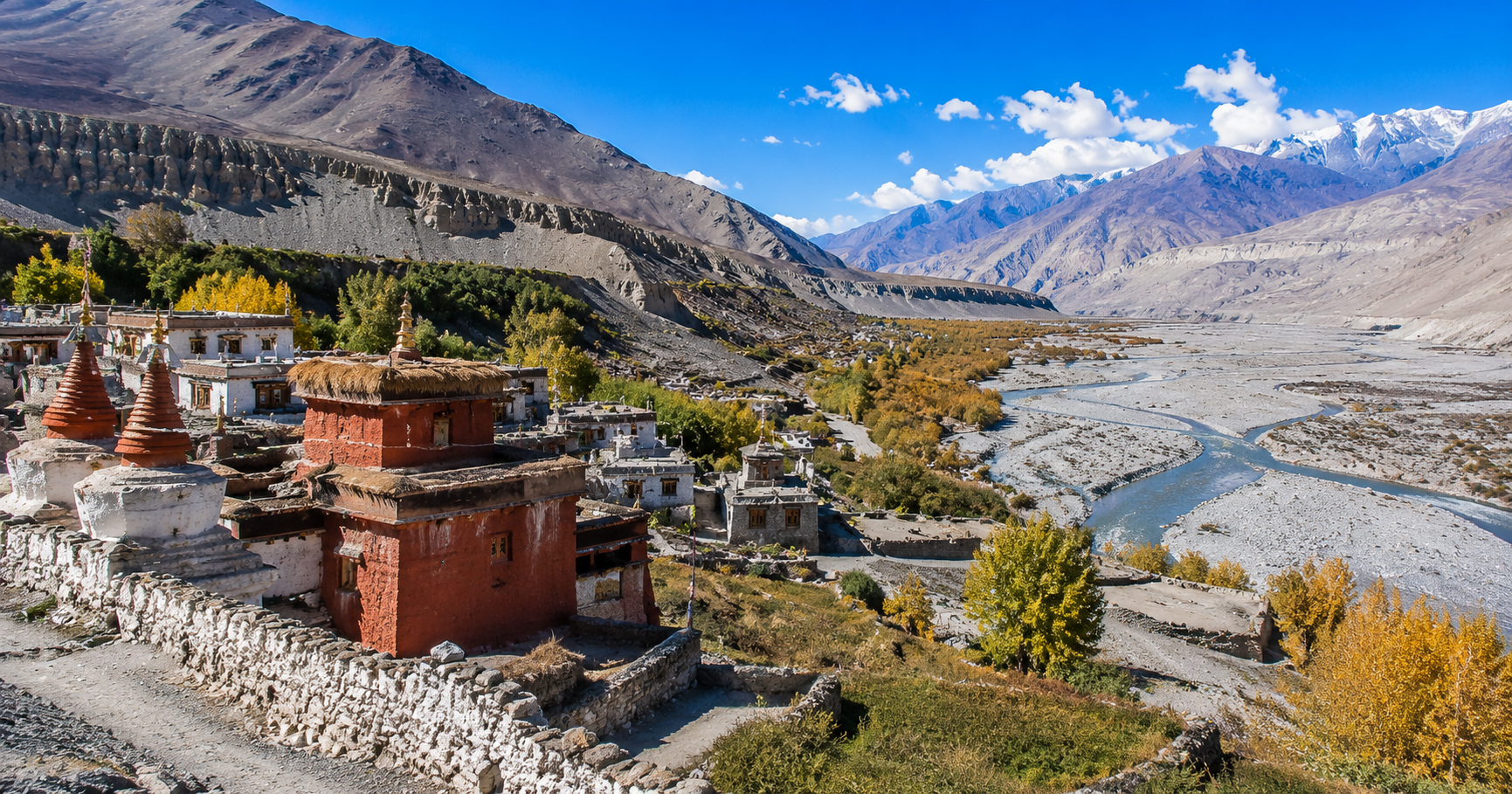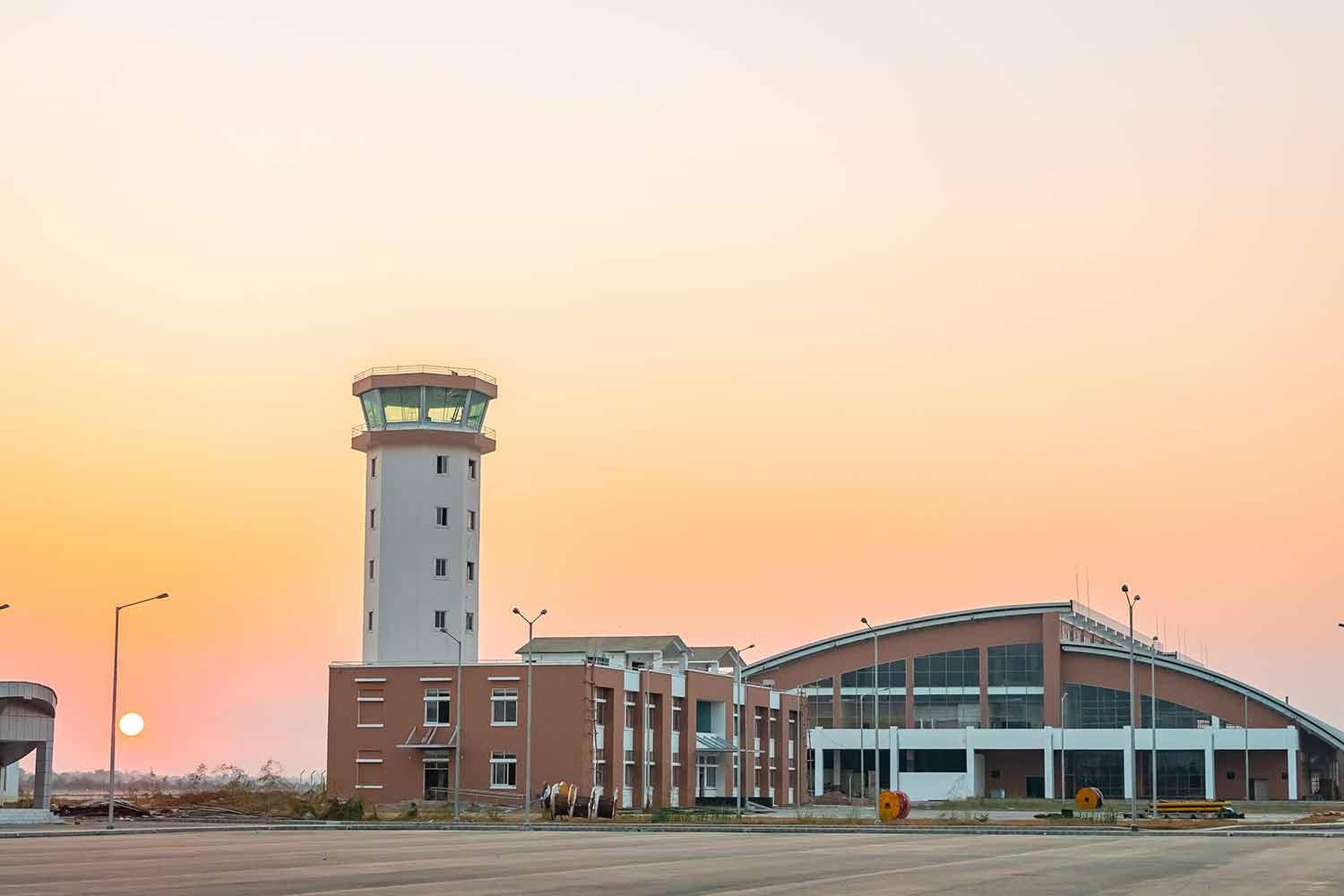
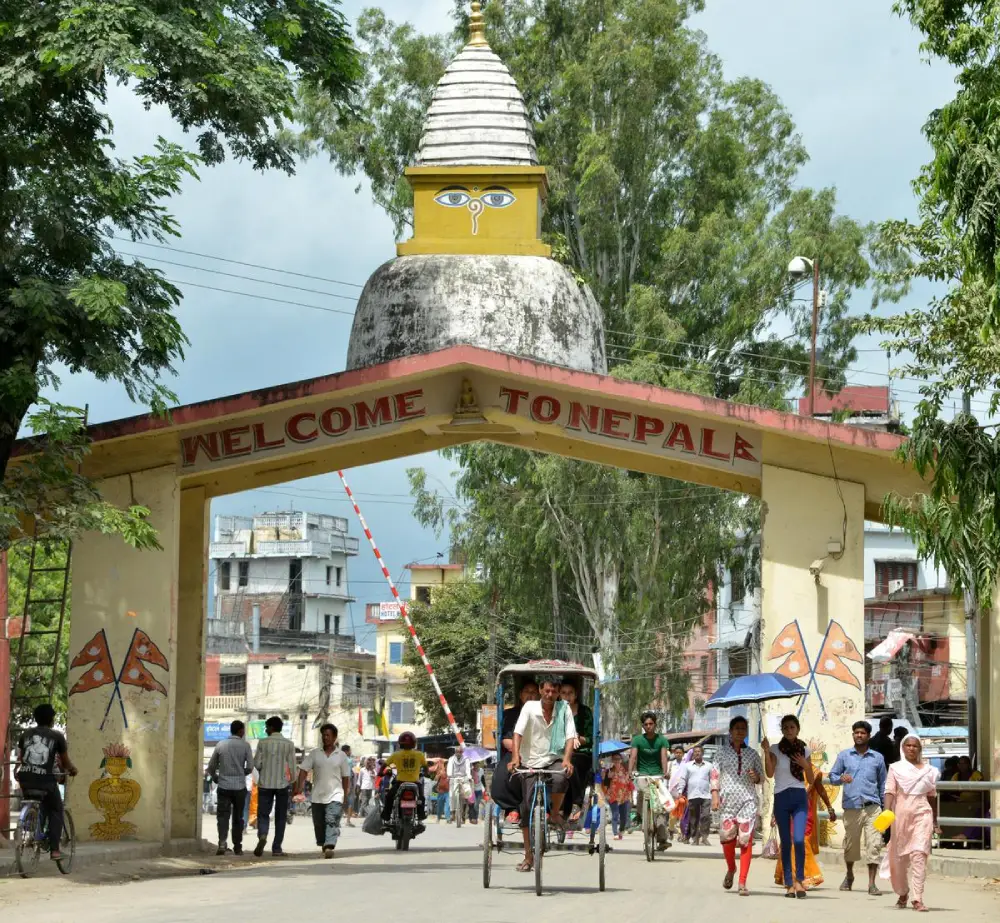
Muktinath Yatra Return to Sunauli: Drop Jeep Hire

Pokhara to Sunauli Car

Muktinath Yatra Return to Sunauli  Drop Jeep Hire Guide

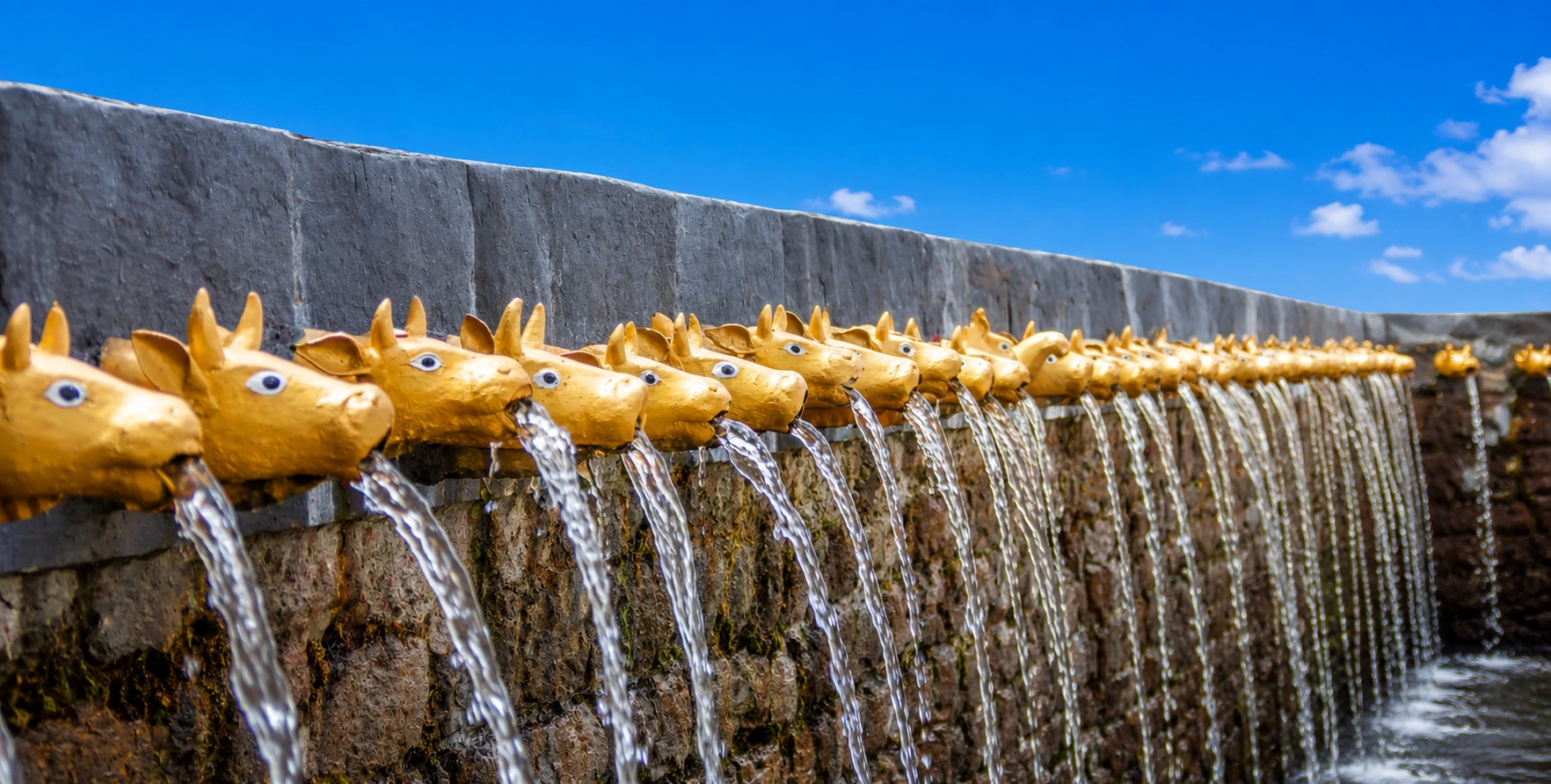
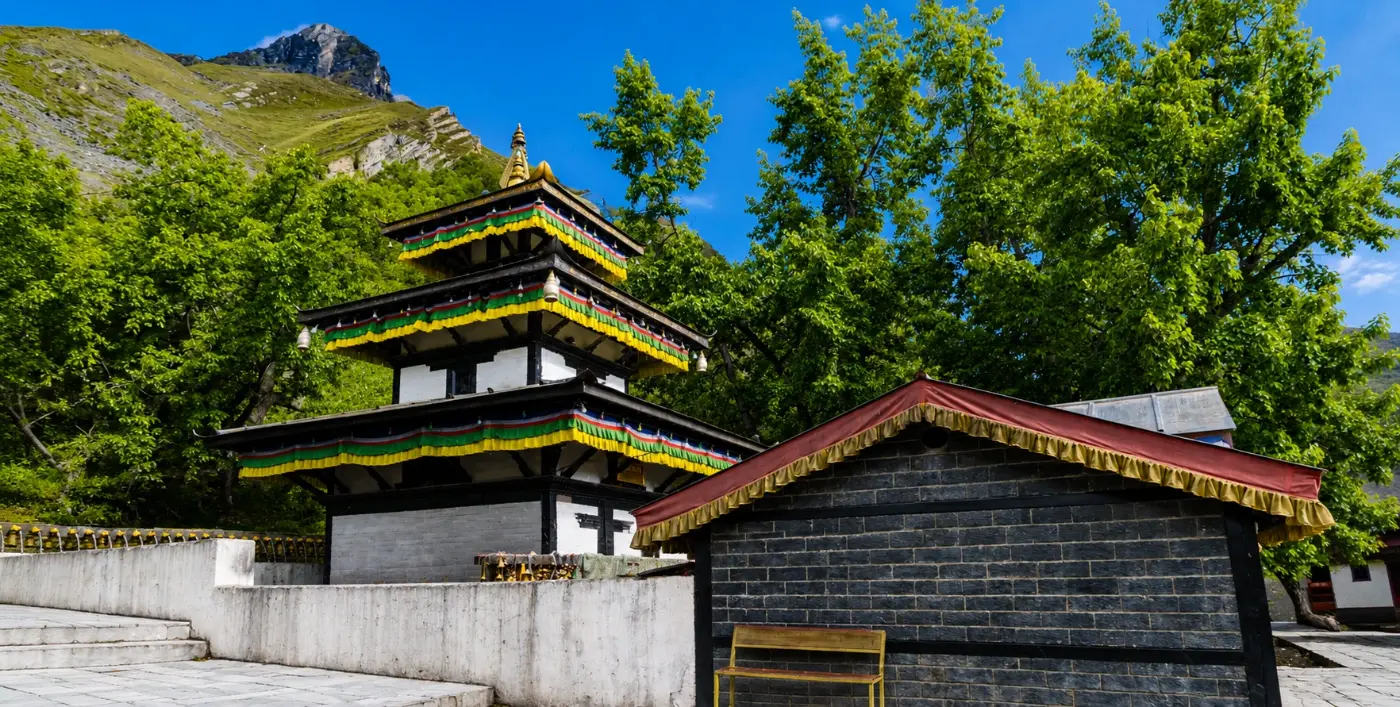
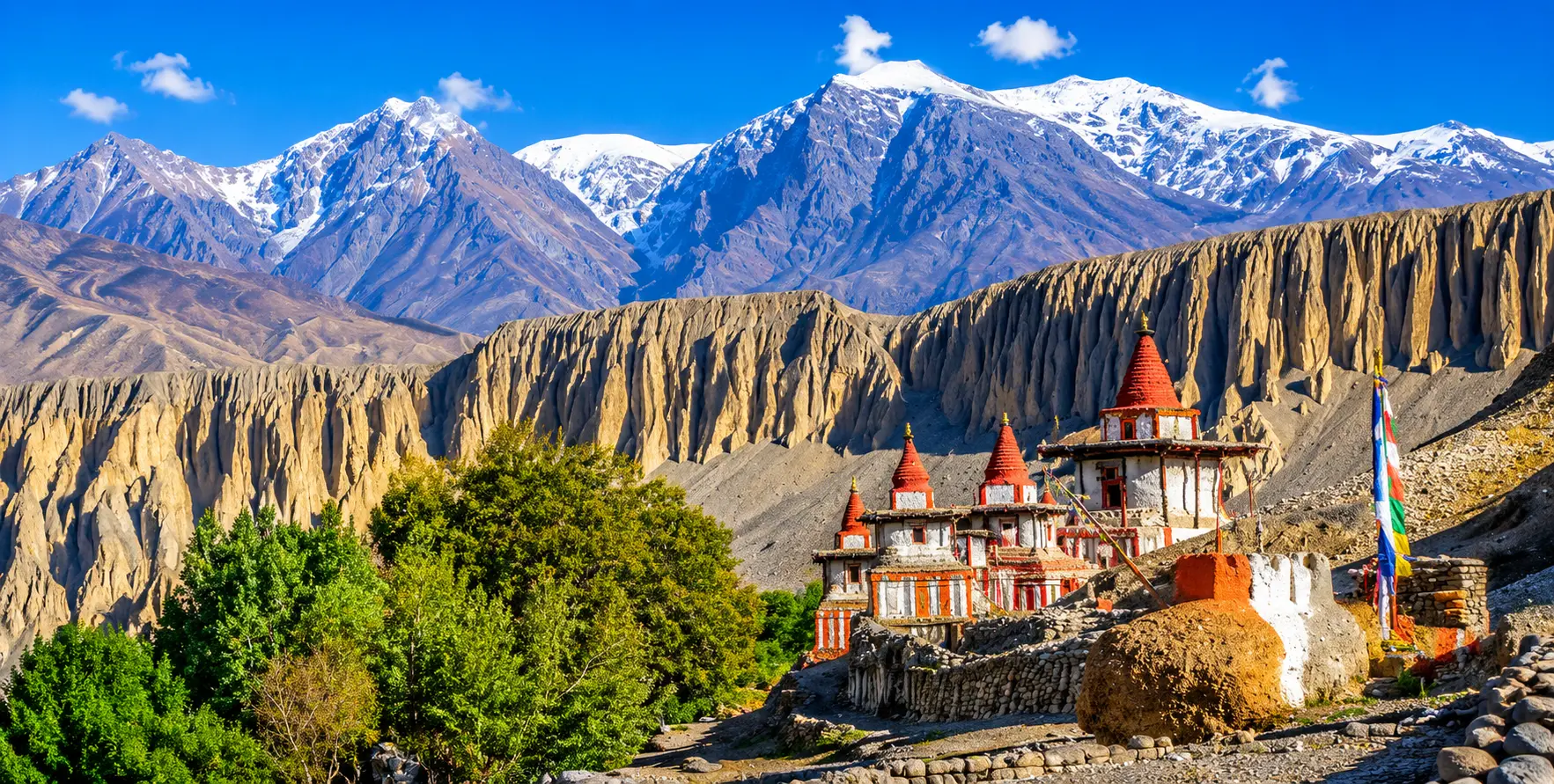
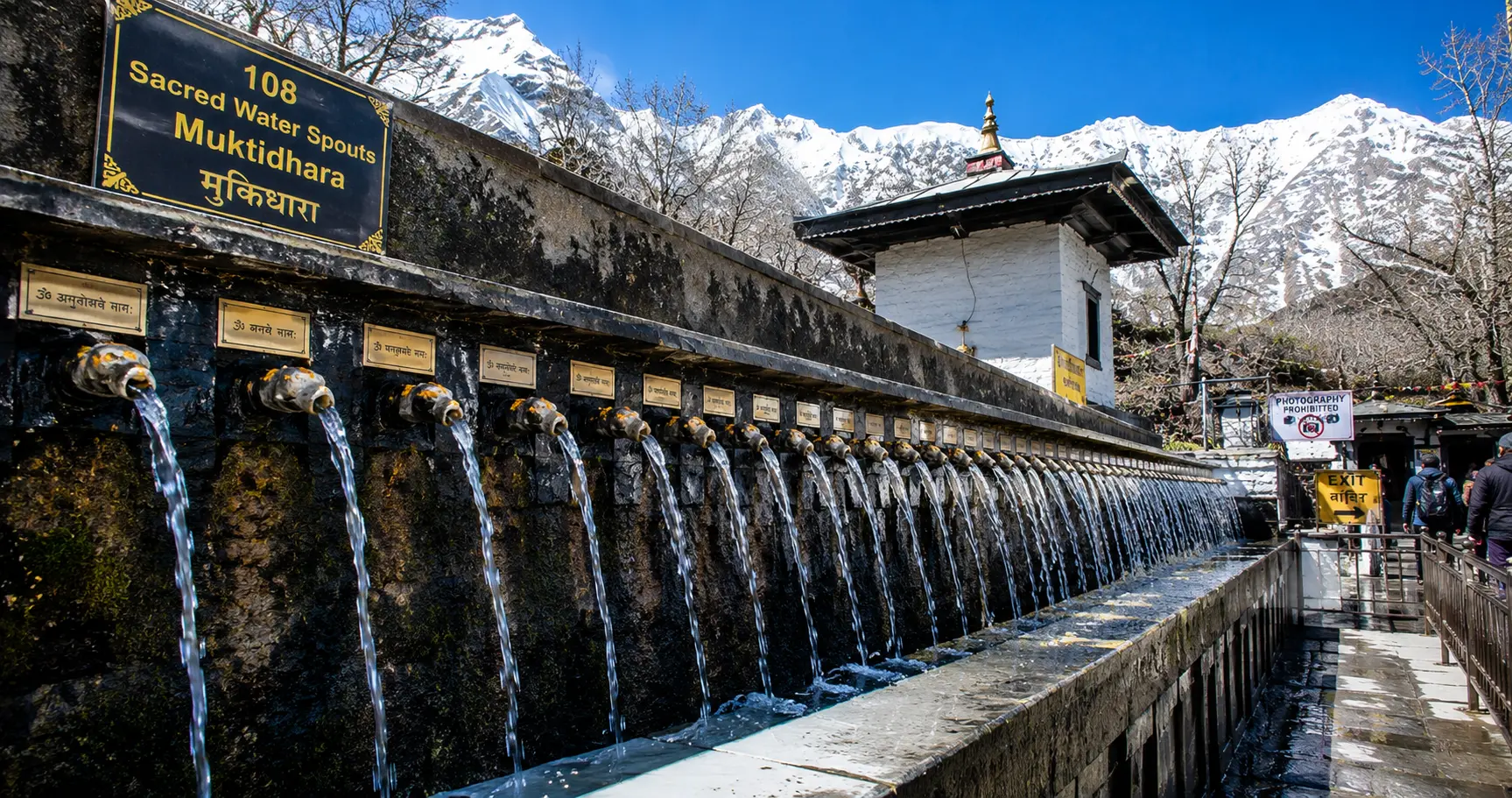
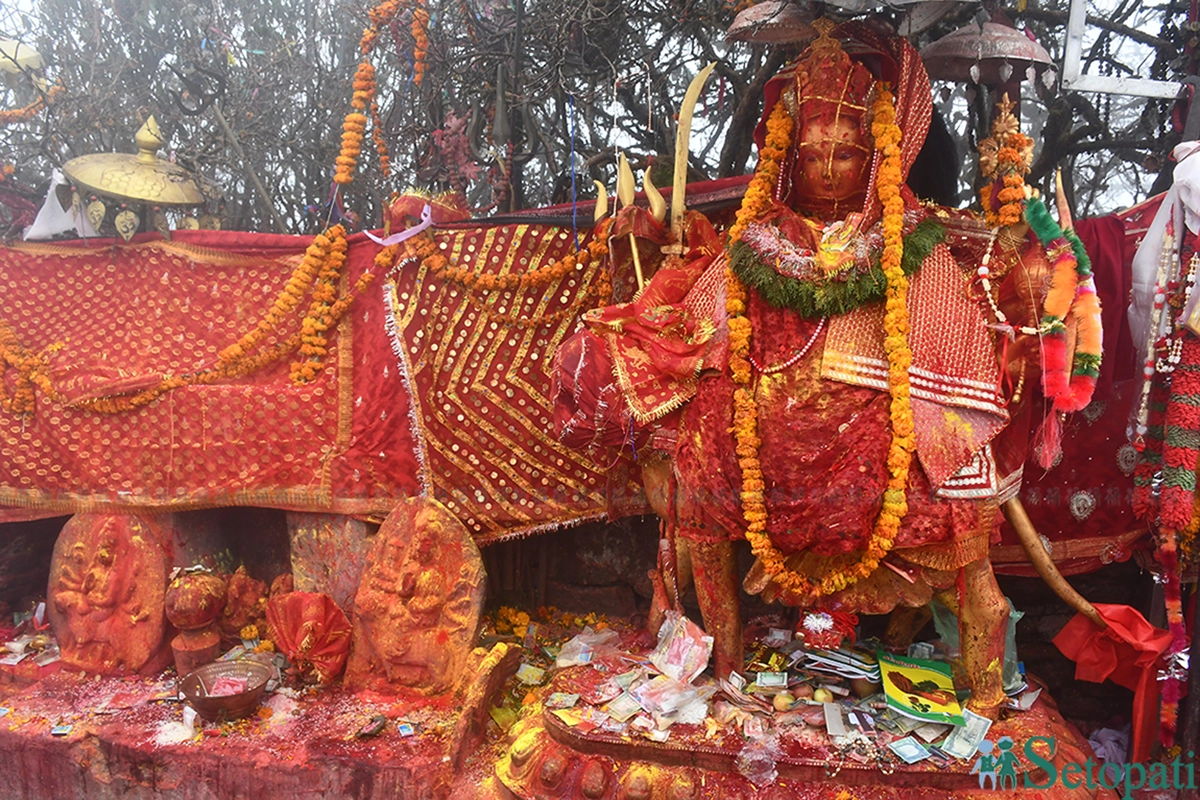
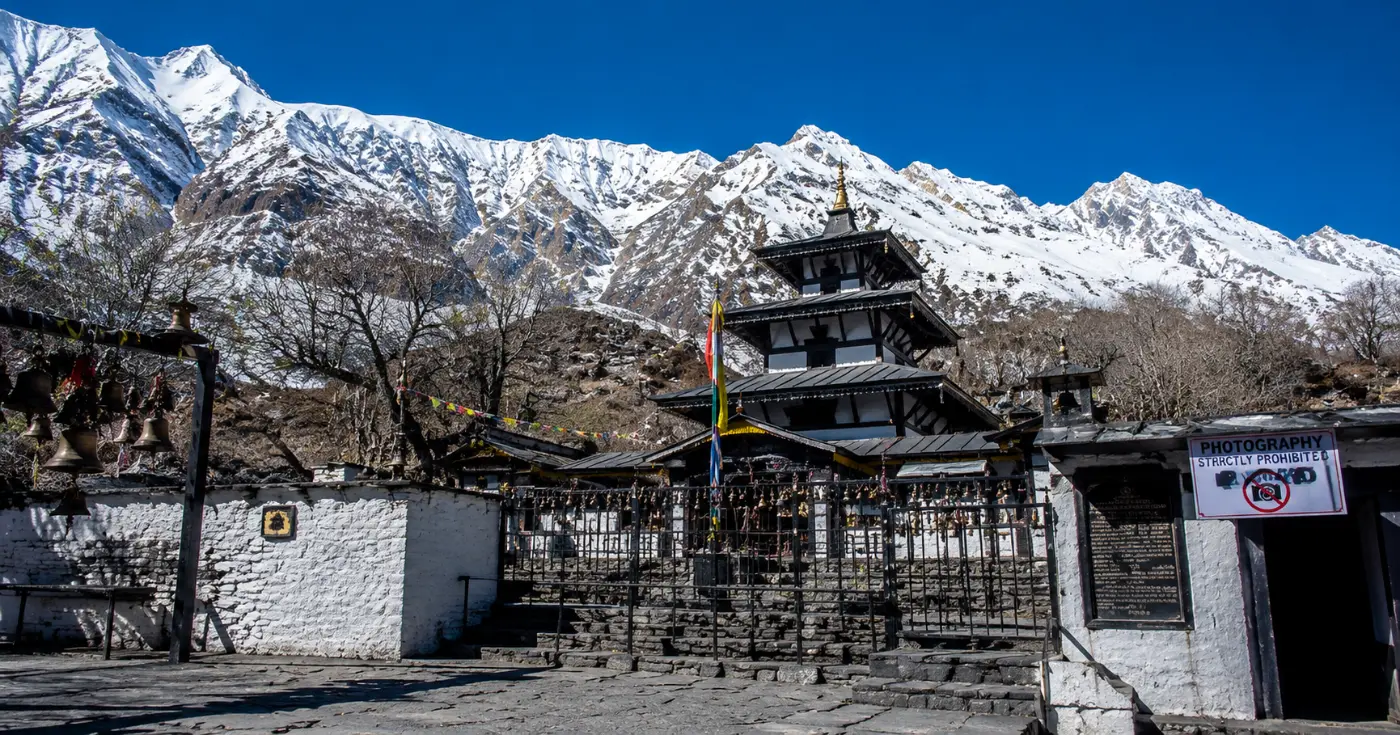
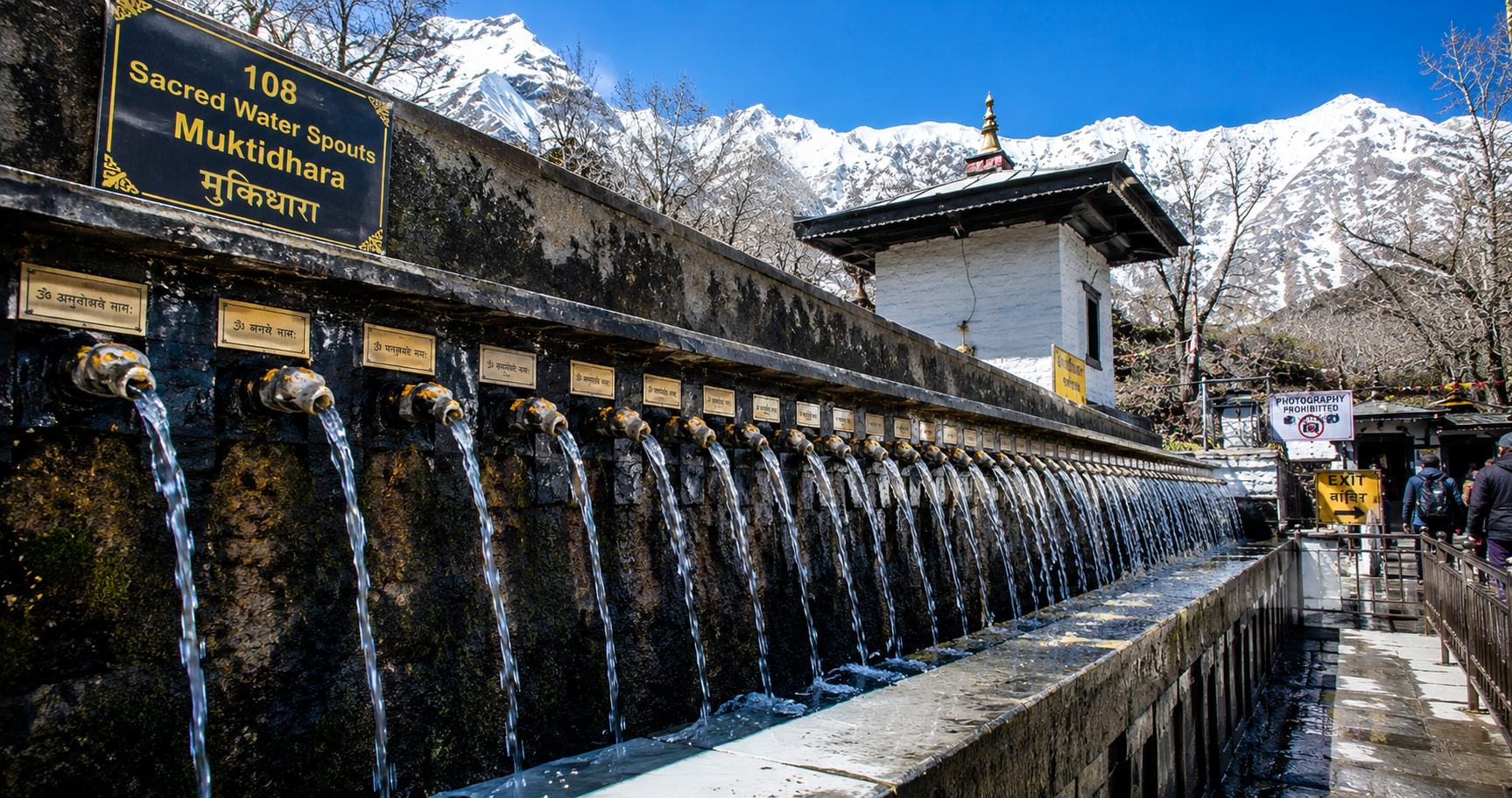
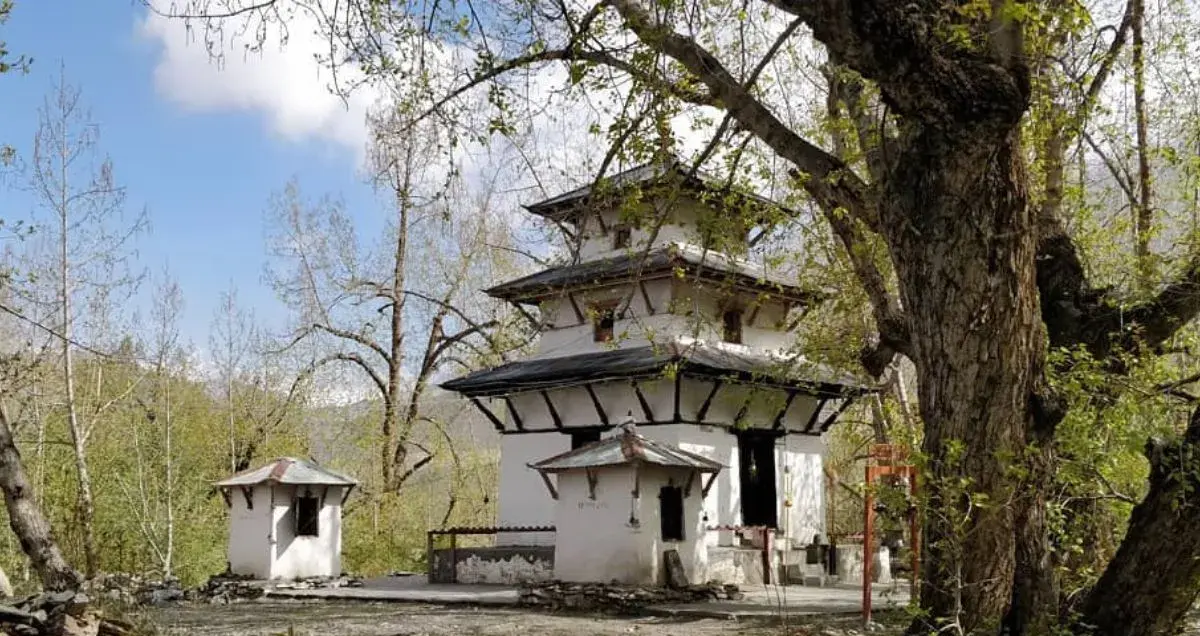
The Muktinath darshan is complete. You have stood beneath all 108 sacred water spouts and felt the ice-cold Himalayan spring water flow over you. You have lit a lamp at the Jwala Mai shrine where fire and water co-exist in eternal divine union.

You have offered prayers at the Vishnu Mandir, circumambulated the sacred courtyard, and carried a Shaligram stone from the Kali Gandaki riverbed to receive the temple’s blessing. Your Muktinath Yatra has reached its spiritual fulfilment — and now the return journey to the Sunauli border, and beyond it to India, must be organised with the same care and professionalism that brought you here.

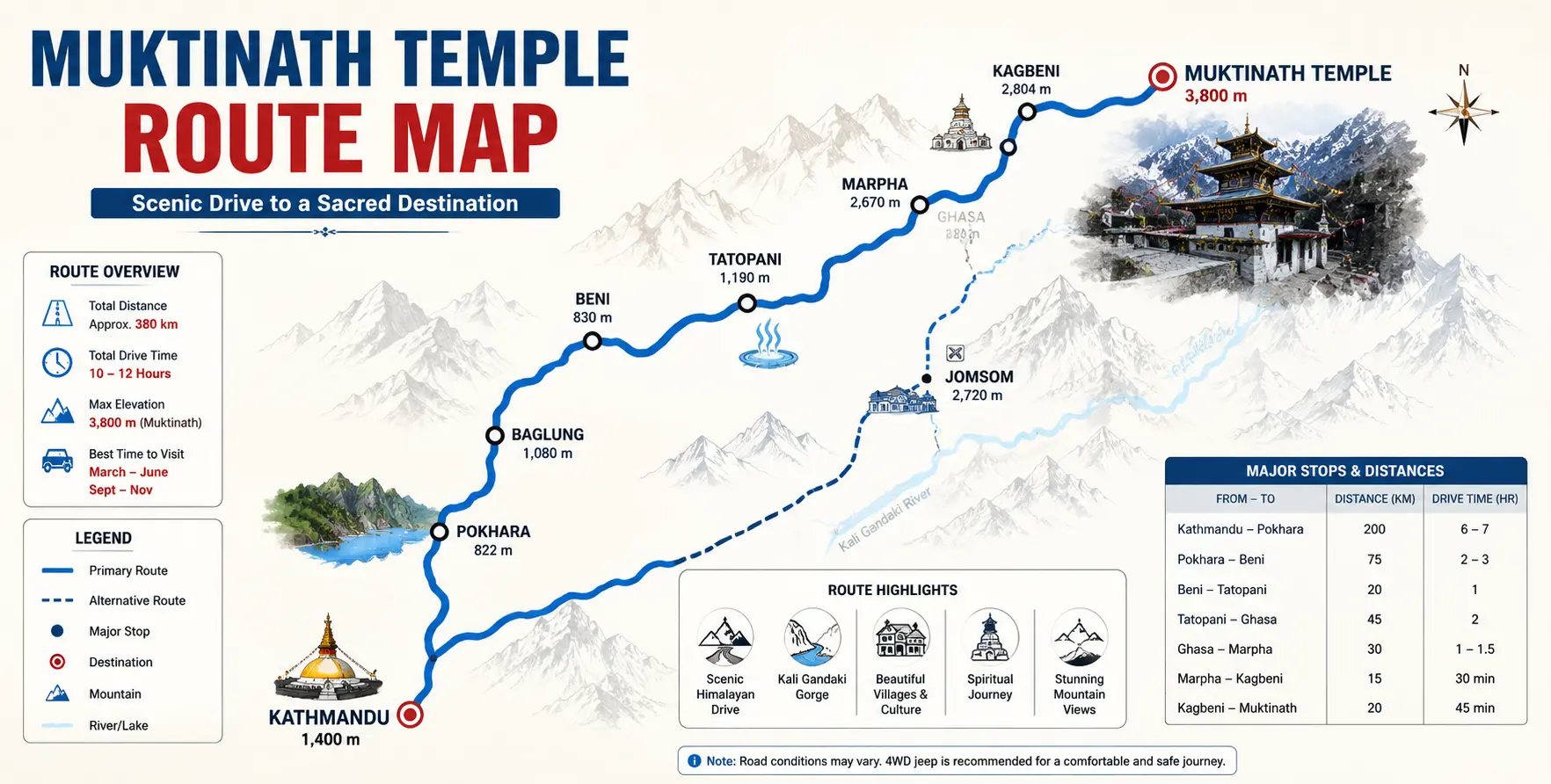
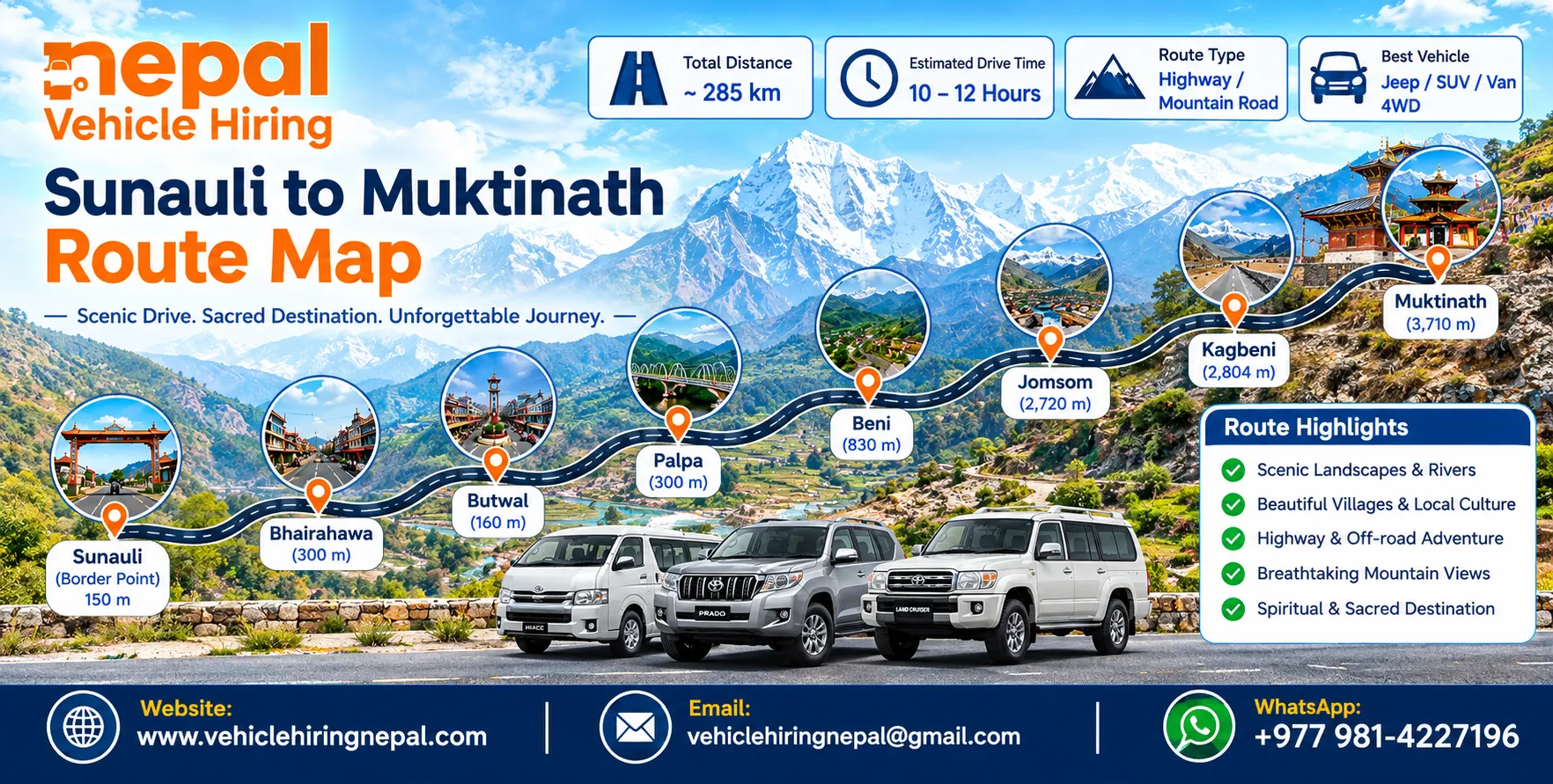
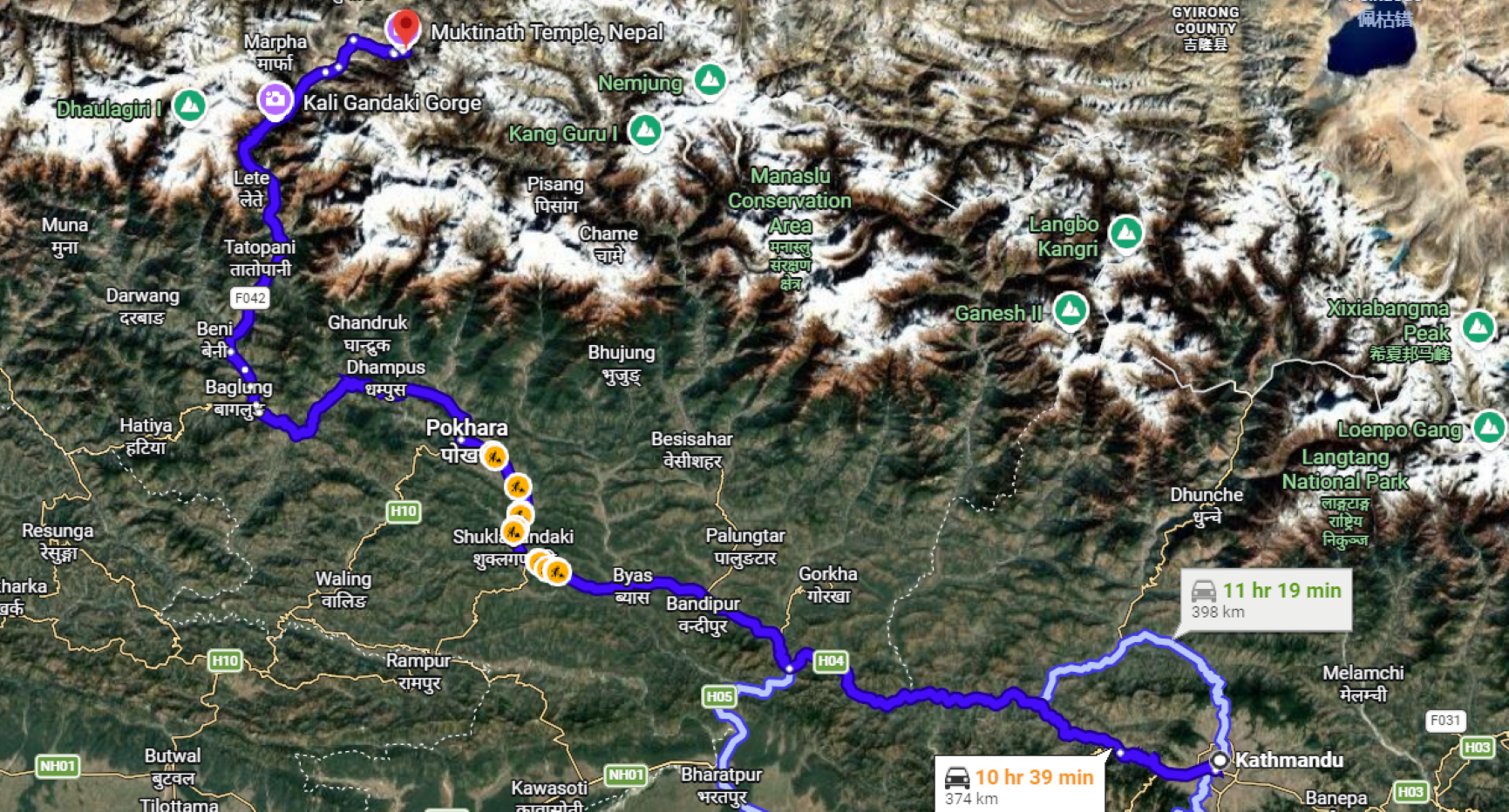
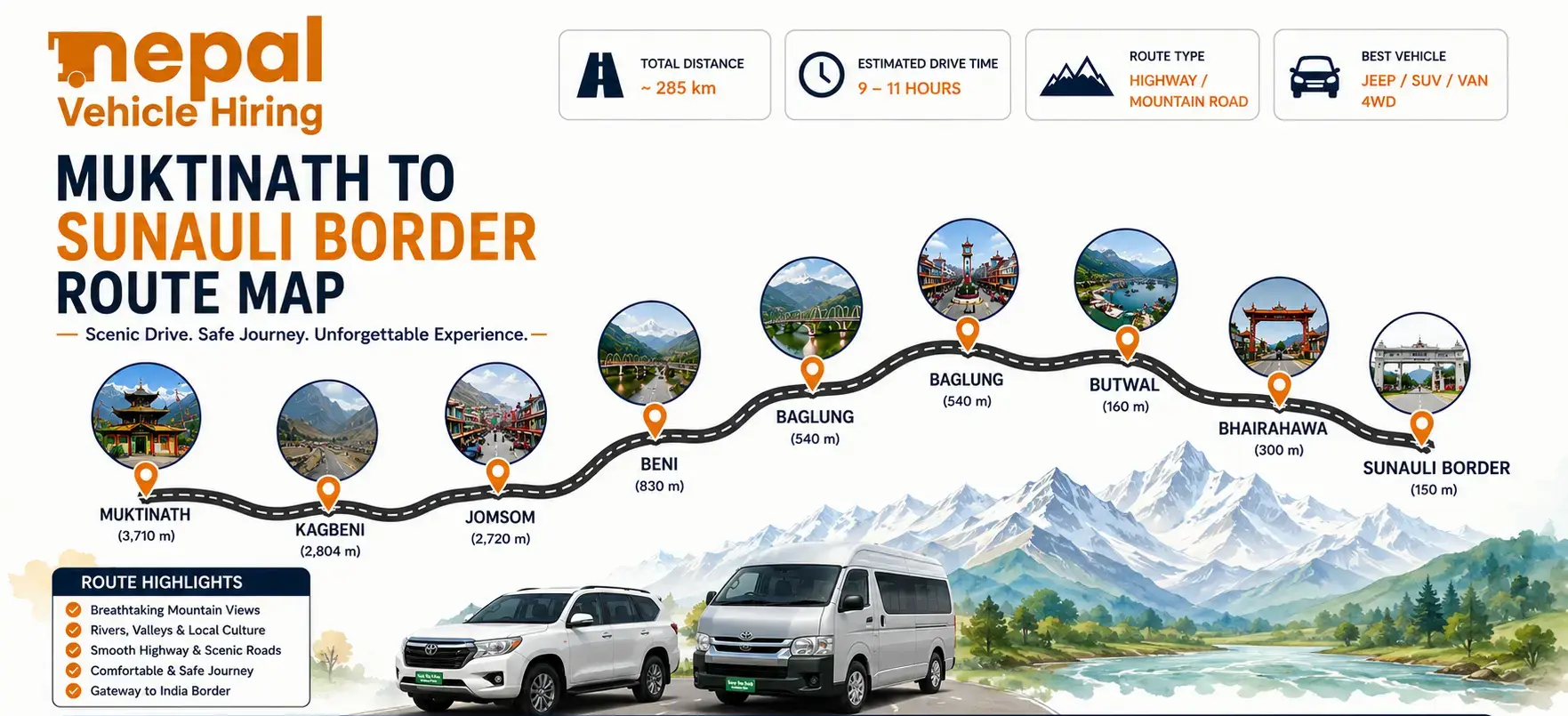
The return drop jeep hire from Muktinath to the Sunauli border is not simply a reversal of the outward journey. It is a two-day return road experience covering approximately 340 to 380 kilometres that descends from the Himalayan high desert at 3,710 metres back through the Kali Gandaki gorge, through the lakeside city of Pokhara, and down the Siddhartha Highway to the border crossing — and it carries the opportunity for additional sacred and cultural stops that many pilgrims choose to incorporate on the return: Tatopani’s renowned natural hot springs, the temple city of Pokhara’s Bindhyabasini and Gupteshwar Mahadev, the Manakamana Temple cable car near Mugling, and — for those who did not visit on the outward journey — the UNESCO World Heritage birthplace of Lord Buddha at Lumbini, just 22 kilometres from the Sunauli border.

This complete 2026 guide covers every aspect of the Muktinath Yatra return jeep hire to Sunauli: the full return route and its highlights, the most popular return itinerary formats, the 2026 vehicle hire costs, what makes a professional drop service different from informal local transport at Ranipauwa, and how Nepal Vehicle Hiring Pvt Ltd provides the private drop jeep hire that completes the Muktinath Yatra properly — from temple to border, with every sacred stop along the way handled with the same care and reliability that the pilgrimage itself deserves.
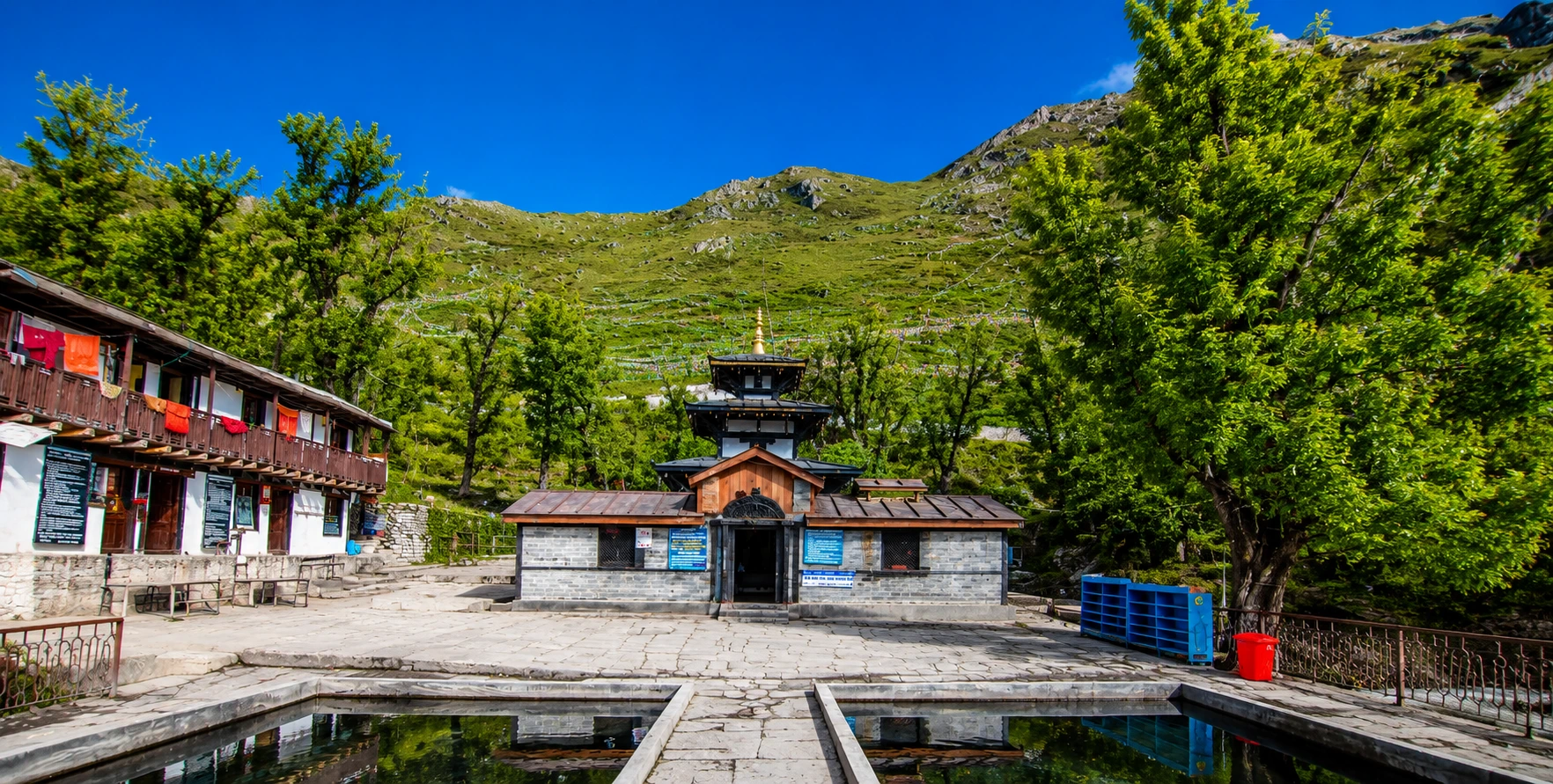
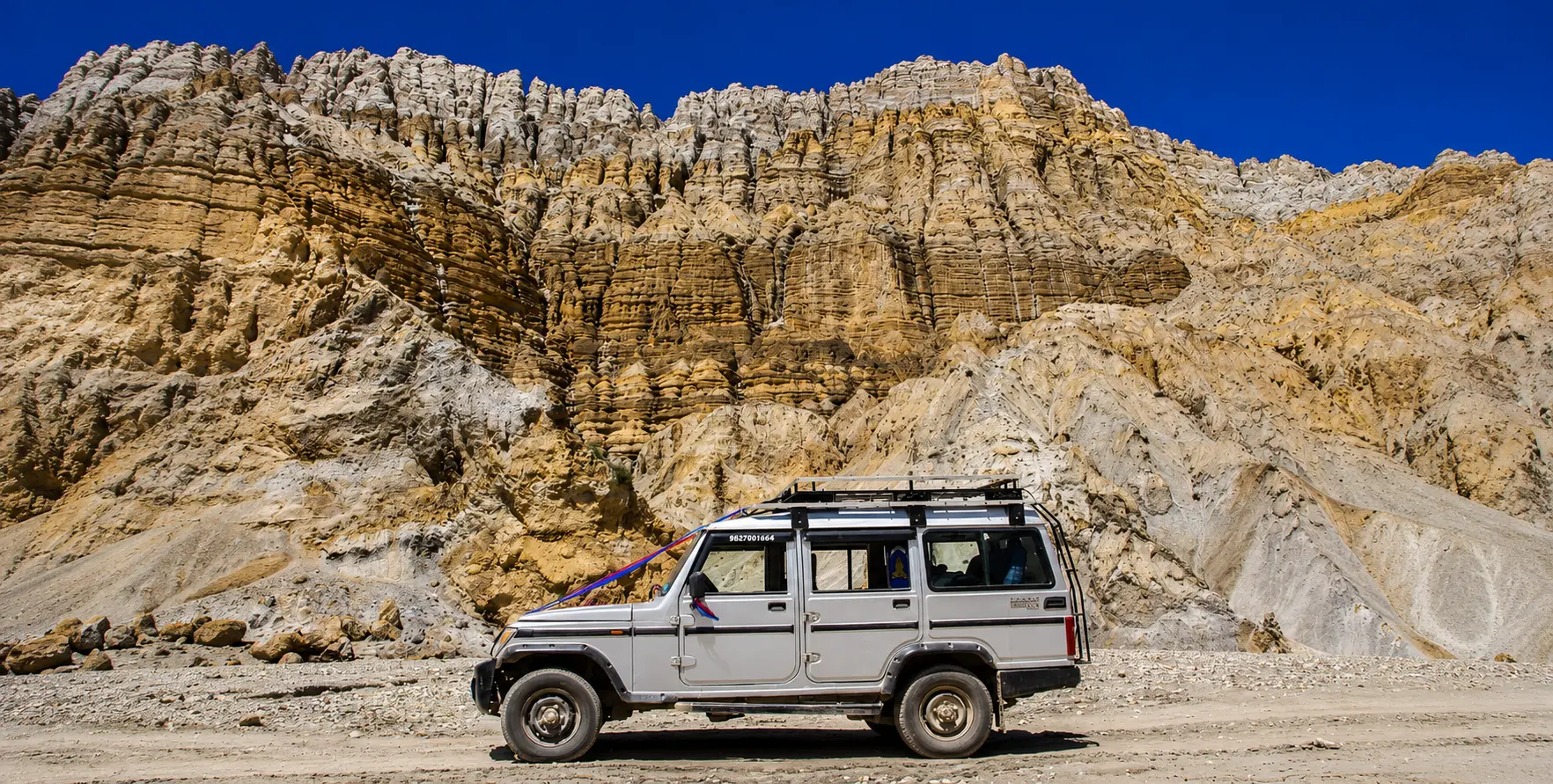
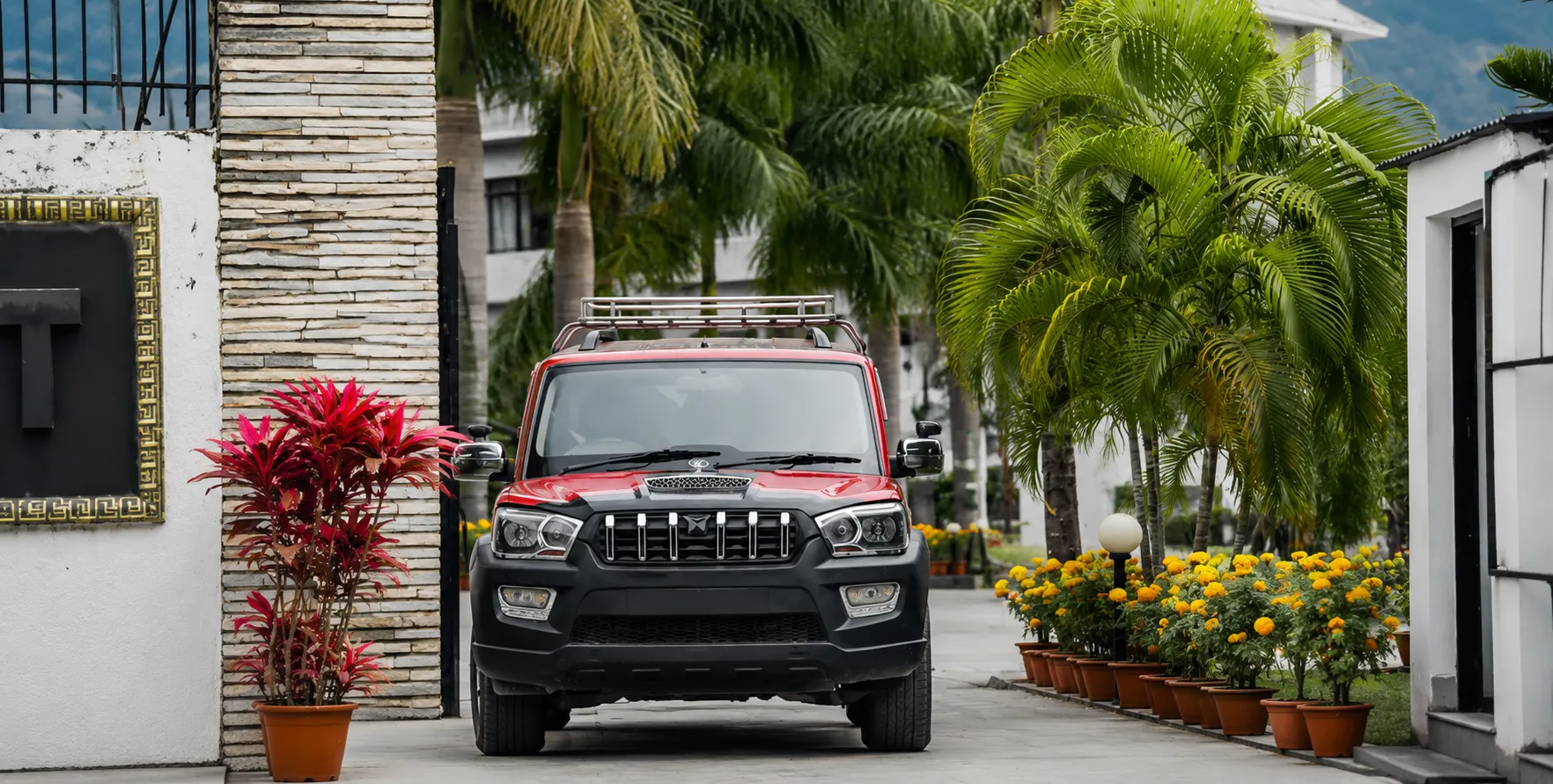
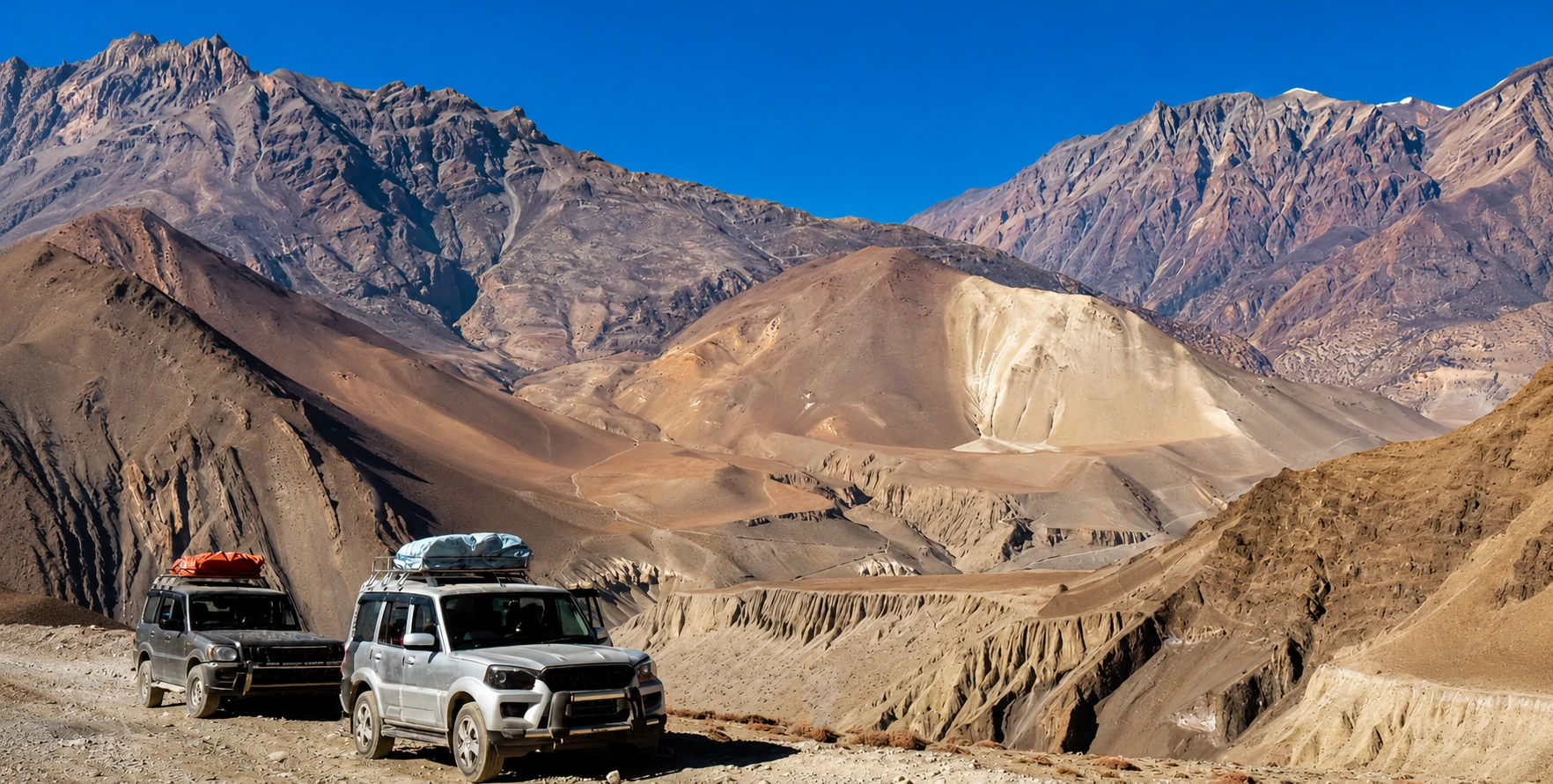
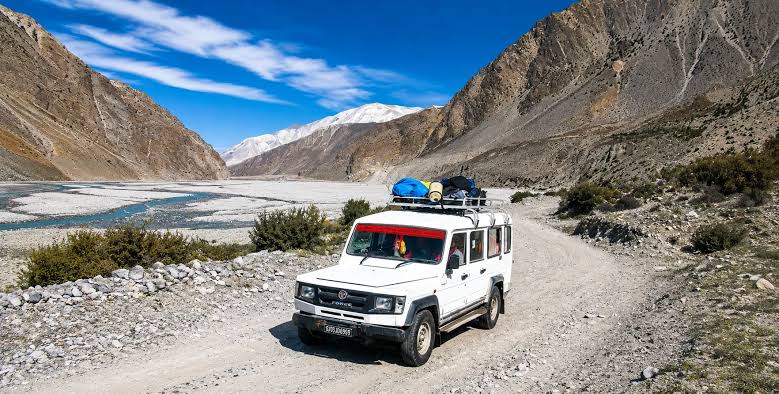
Book a Muktinath Yatra return to Sunauli drop jeep for a comfortable journey from Muktinath through Jomsom and Pokhara to the Sunauli Border. A private Scorpio or 4WD jeep is a practical choice for pilgrims carrying luggage and traveling as a family or group. The Sunauli-Bhairahawa corridor is an official Nepal land-entry route.

Completing the Yatra — The Spiritual Significance of the Return Journey

In Hindu pilgrimage tradition, the return journey from a sacred site is not merely a logistical exercise but the completion of a devotional arc that began with the first step away from home. The concept of the parikrama — the sacred circumambulation of a holy place or region — applies as much to the broader geography of the Muktinath Yatra as it does to the circumambulation of the temple courtyard itself: the pilgrim who travels from their home in India, crosses the border at Sunauli, travels through Nepal’s sacred landscape past Lumbini, ascends through the Annapurna region to Muktinath, receives the darshan and blessings of the 106th Divya Desam, and then descends through the same landscape on the return, completing the full devotional circuit and returning home with the grace accumulated across the entire journey.

This understanding of the return journey as spiritually active, rather than spiritually neutral, changes how pilgrims approach drop-vehicle hire. The return is not simply transportation — it is the final section of the Yatra, and the decisions made about how to cover it — which sacred sites to include, how much time to give each, whether the Tatopani hot springs represent a restorative spiritual act or merely a tourist distraction, whether to stop at Lumbini for a final Buddha birthplace darshan — are pilgrimage decisions as much as logistics decisions.

Nepal Vehicle Hiring Pvt Ltd‘s Muktinath return jeep hire service is designed with this pilgrimage dimension at its centre: our drivers are experienced in accommodating temple stop requests, are familiar with the timings and protocols of the roadside sacred sites between Muktinath and Sunauli, and understand that the vehicle they are driving is, for its passengers, not a transport but a continuation of the sacred journey itself.
Book a Muktinath Yatra return to Sunauli drop jeep for a comfortable journey from Muktinath through Jomsom and Pokhara to the Sunauli Border. A private Scorpio or 4WD jeep is a practical choice for pilgrims carrying luggage and traveling as a family or group. The Sunauli-Bhairahawa corridor is an official Nepal land-entry route.

The Full Return Route — Muktinath to Sunauli Step by Step

The return journey from Muktinath to Sunauli follows the same road corridor as the outward journey. Still, with a different emotional and physical character: the descent from high altitude, the re-entry into progressively warmer and more populous terrain, and the gradual transition from the stark Himalayan landscape of Mustang back to the tropical green of the Terai plains near the border all mark the return as a distinct experience from the ascent.

Most Muktinath return drop packages cover about 340 to 380 kilometres over two driving days, with an overnight stop in Pokhara. However, pilgrims with urgent onward commitments can do a one-day direct return.

Muktinath / Ranipauwa to Jomsom — The Early Morning Descent. The return from Muktinath begins at Ranipauwa village, where the private jeep from Nepal Vehicle Hiring Pvt Ltd waits after the darshan. The critical timing consideration on this first section is the famous Jomsom wind: as described in our dedicated guide to the Muktinath tour from Sunauli, the Kali Gandaki valley functions as a natural wind tunnel between the Dhaulagiri and Annapurna massifs, with a powerful upstream wind typically building from around 10:00 AM that can make driving conditions challenging and reduce visibility with blown sand in the valley floor sections.

Departing Ranipauwa as early as possible — ideally by 6:00 to 7:00 AM after an early morning final darshan — ensures the vehicle descends through the Kagbeni-to-Jomsom section before the wind is at its most intense. Nepal Vehicle Hiring Pvt Ltd’s return drop drivers are specifically briefed on this wind timing and schedule departures accordingly.

Kagbeni — The Gateway Back. Passing through Kagbeni on the return descent, pilgrims have a second opportunity to stop at the sacred Kali Gandaki riverbed for Shaligram collection — many experienced Muktinath yatra guides specifically recommend this return Kagbeni stop for pilgrims who did not collect Shaligrams on the way up, or who wish to offer the specific final riverbed prayers at Pitri Tarpan (ancestral offering) that Kagbeni’s position at the confluence of the Kali Gandaki and Khing Khola rivers makes particularly auspicious. The private jeep hire from Nepal Vehicle Hiring Pvt Ltd includes a flexible stop in Kagbeni on the return descent, upon prior request.

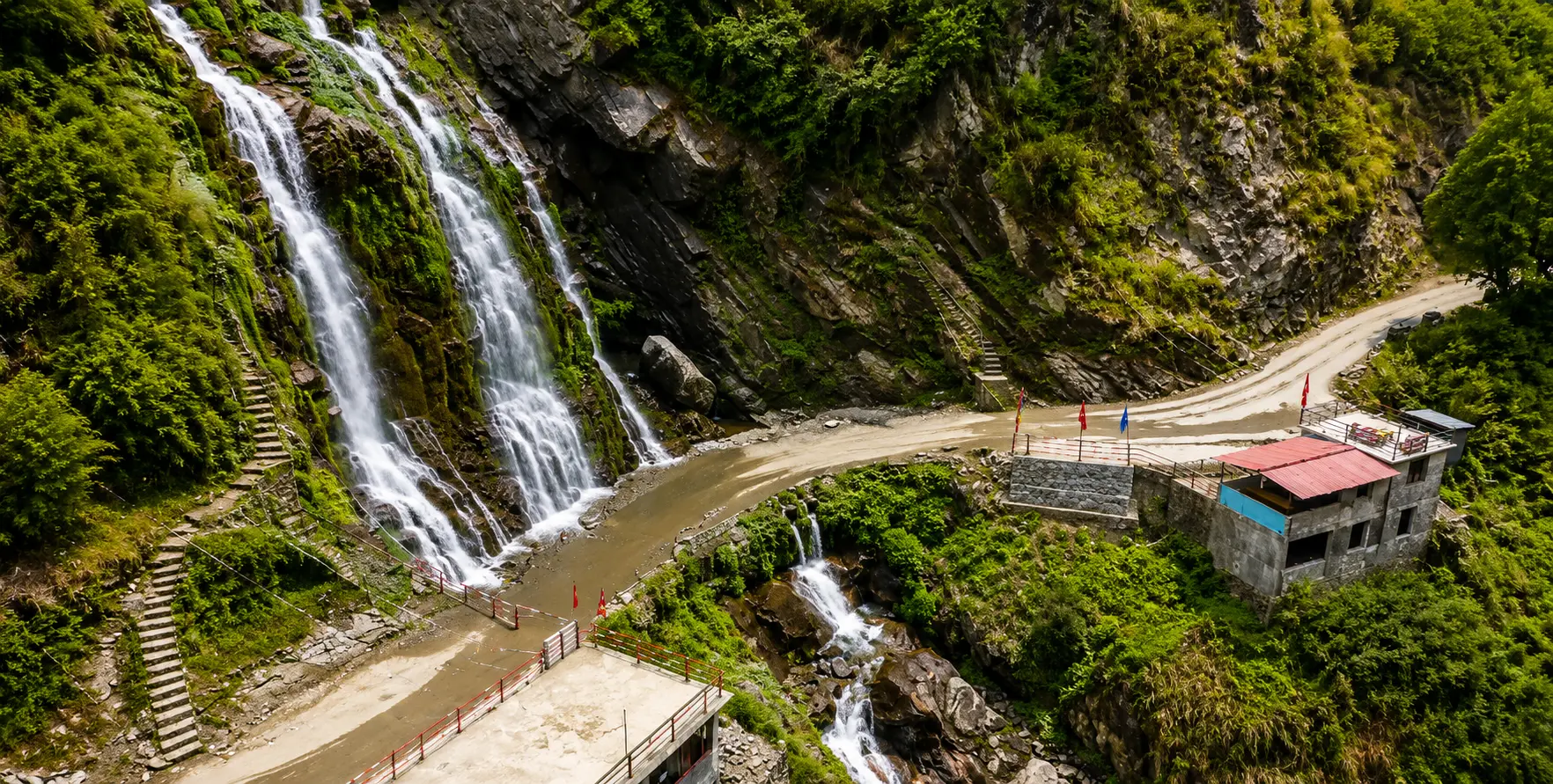
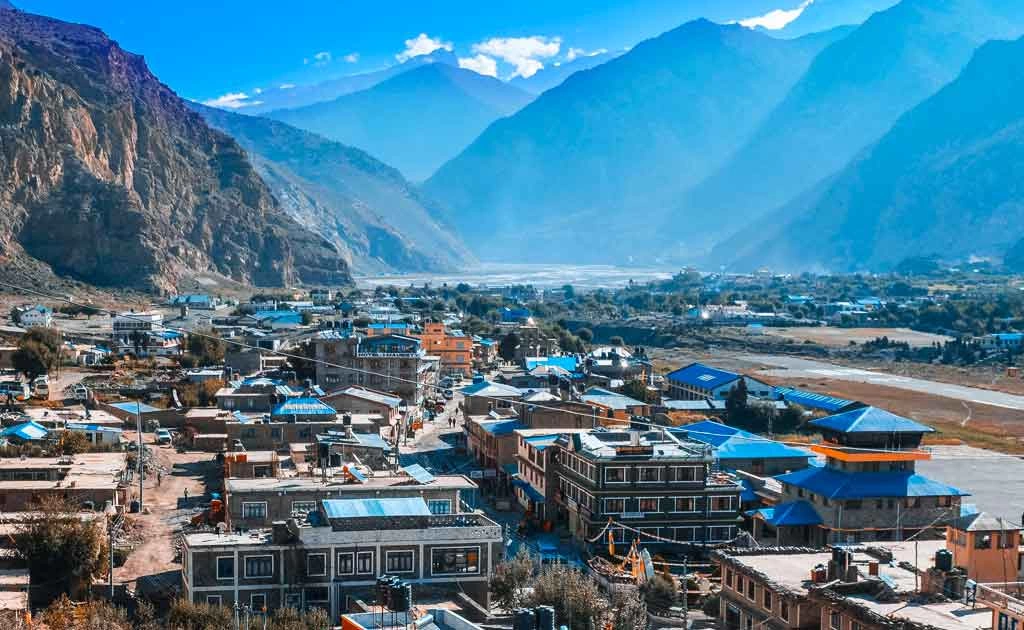
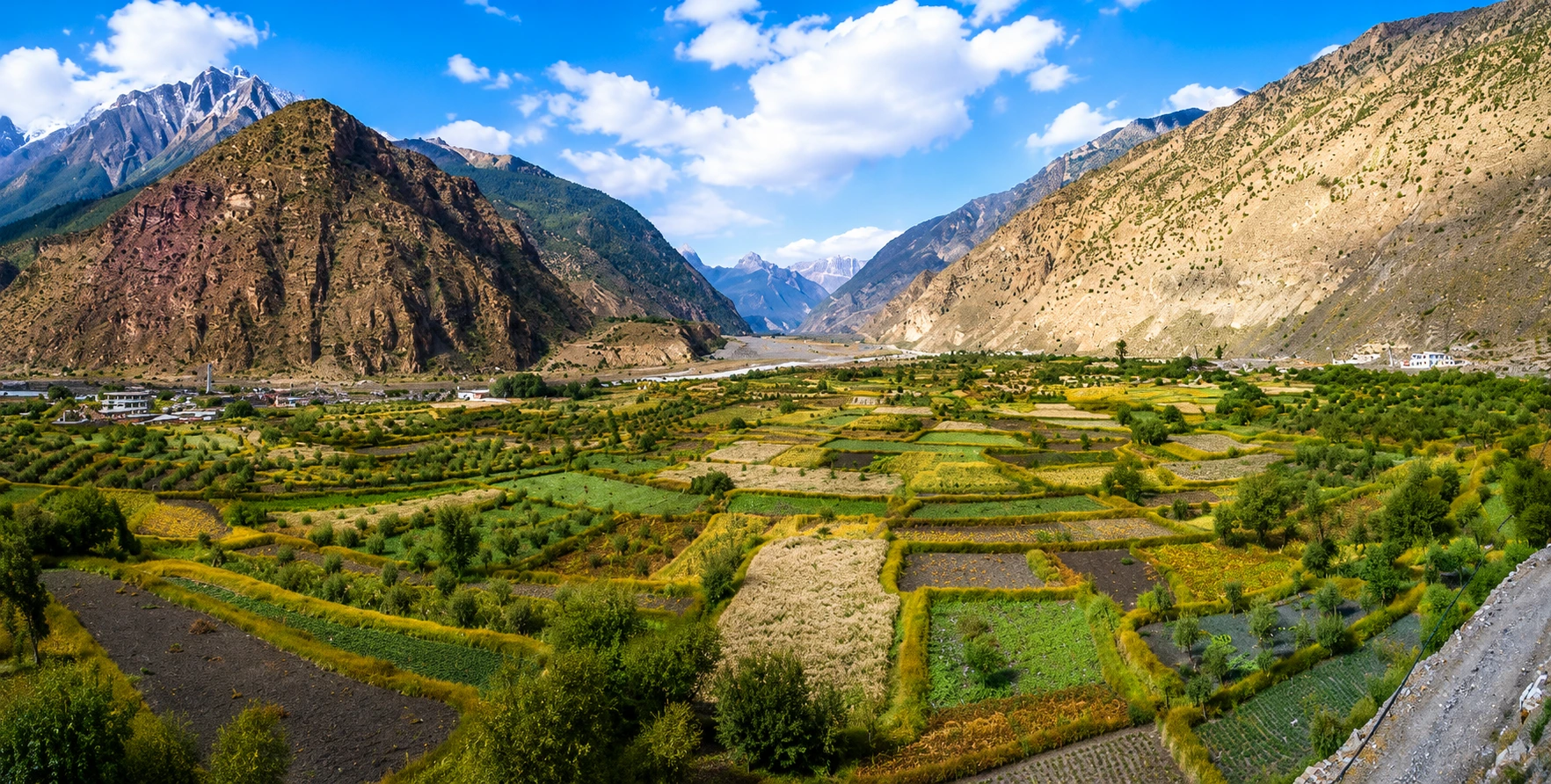
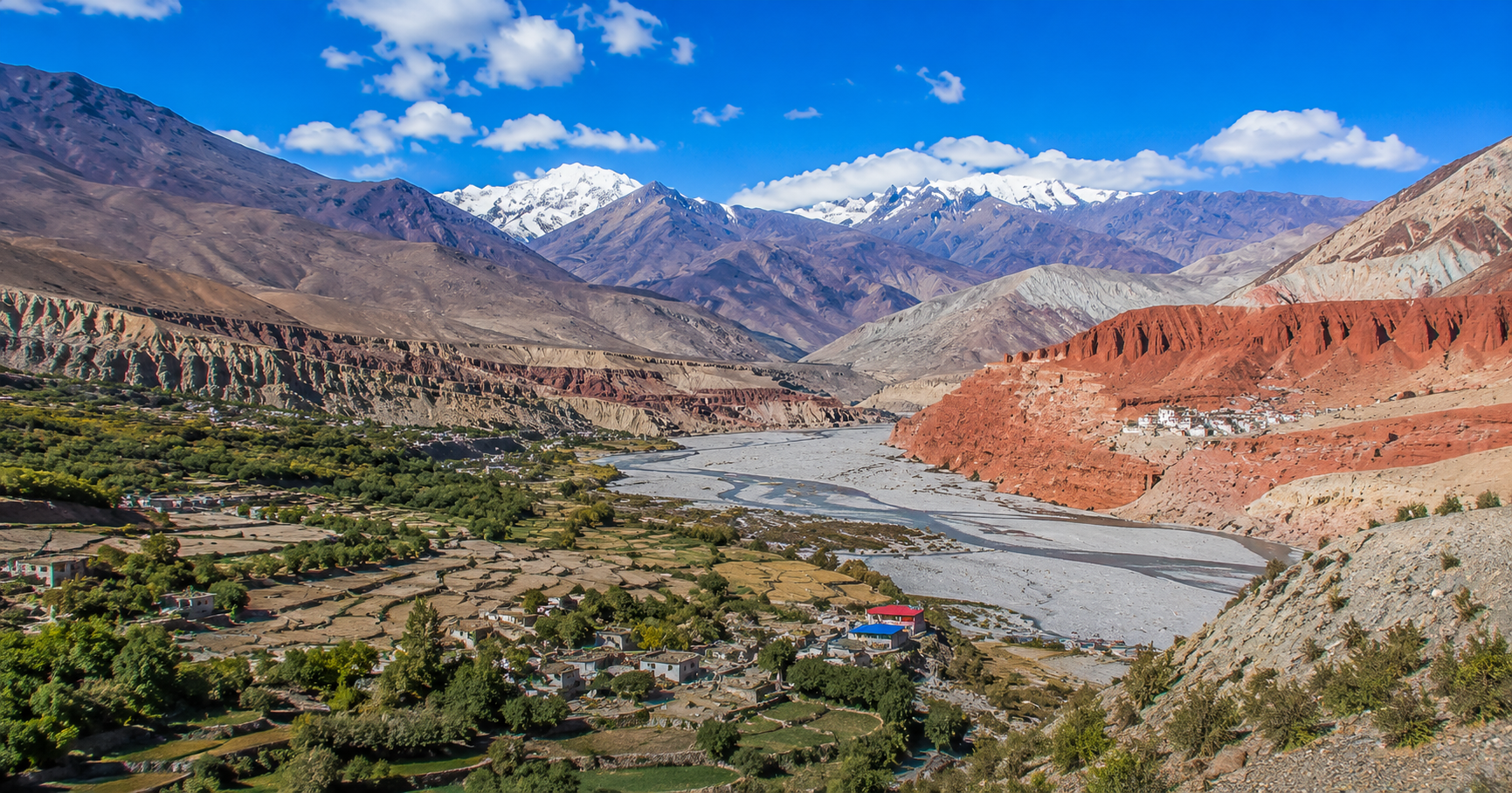
Jomsom to Tatopani — The Gorge in Reverse. From Jomsom, the drop jeep descends through Marpha — with its apple orchards now behind rather than ahead — through Tukuche, Kalopani, and Ghasa, re-entering the Kali Gandaki gorge from above. The gorge section in the southward direction has a different visual character from the northward ascent: the light falls differently on the cliff faces, the river is seen from above rather than alongside, and the sense of descent through geological deep time — from high desert through subalpine to temperate and then subtropical — is experienced as a journey through time as much as through space.

Tatopani, reached approximately 3 to 4 hours after leaving Jomsom, is the standard and strongly recommended rest stop on the return descent for all Muktinath Yatra return packages.

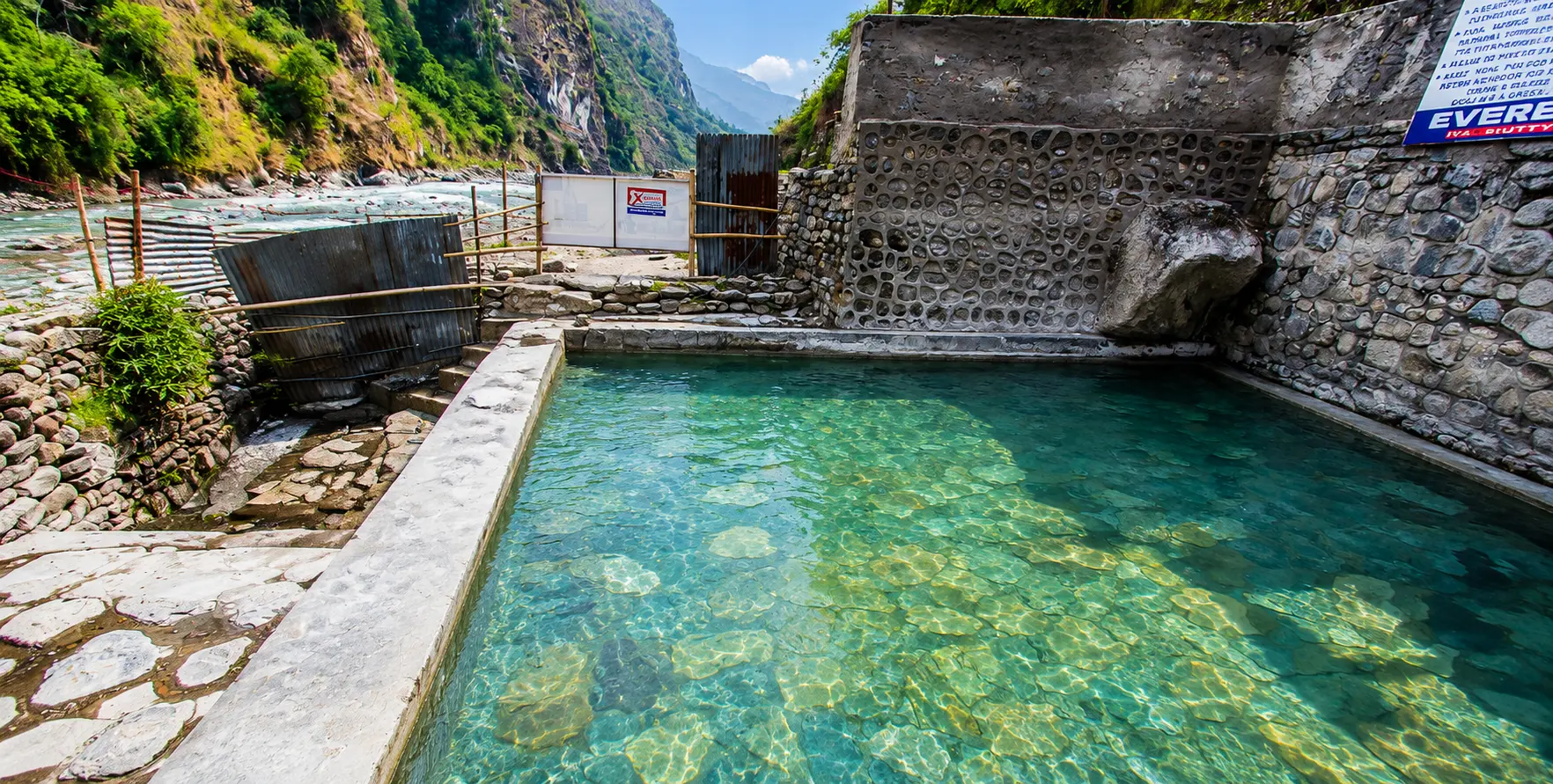
Tatopani Hot Springs — The Yatra’s Natural Reward. Tatopani, whose name literally means ‘hot water’ in Nepali, is well known across the Annapurna Circuit trekking community for its natural hot springs, fed by geothermal activity in the Himalayan rock beneath the village. For Muktinath Yatra pilgrims on the return drop, a 45-minute to 1-hour stop at the Tatopani hot springs serves a dual purpose: it provides a deeply welcome physical recovery from the darshan rituals (which involve standing in the open at 3,710 metres while cold spring water pours over the body through the 108 Mukti Dhara spouts).

Many pilgrims see it as a natural extension of the purification ritual begun at the temple—the hot spring water providing complementary healing warmth after the temple’s sacred cold. Local tradition holds that the mineral-rich water of the Tatopani springs has specific therapeutic properties for joint pain and muscle fatigue, making a Tatopani stop particularly valued by older pilgrims for whom the Muktinath high-altitude circuit has been physically demanding.

Tatopani to Beni and Pokhara. From Tatopani, the return drive continues to Beni and then along the Pokhara-Baglung Highway to Pokhara—a section of about 100 kilometres taking 3 to 4 hours that retraces the most accessible part of the outward journey. The Dana and Tatopani gorge, passed in both directions, is at its most dramatically lit in the late afternoon, when the sun angles through the clifftops and turns the river sections below into strips of silver.

The private return jeep from Nepal Vehicle Hiring Pvt Ltd arrives in Pokhara for the overnight stay, typically in the late afternoon or early evening, with the Annapurna range visible from the lakeside — seen now, after the Muktinath visit, with a fundamentally different feeling than before the darshan.

Pokhara Overnight to Sunauli — Day 2. The second day of the return journey follows the Siddhartha Highway from Pokhara southward to Bhairahawa and the Sunauli border — approximately 175 to 190 kilometres, taking 5 to 7 hours. With a 6:00 to 7:00 AM departure from Pokhara, a mid-morning stop in Tansen, and a comfortable afternoon arrival in Sunauli in time for border formalities and onward travel to India, Day 2 of the return is considerably easier than Day 1’s descent from Muktinath to Pokhara.
Kathmandu to Muktinath Bus

Transport Options for the Return — From Ranipauwa to Sunauli

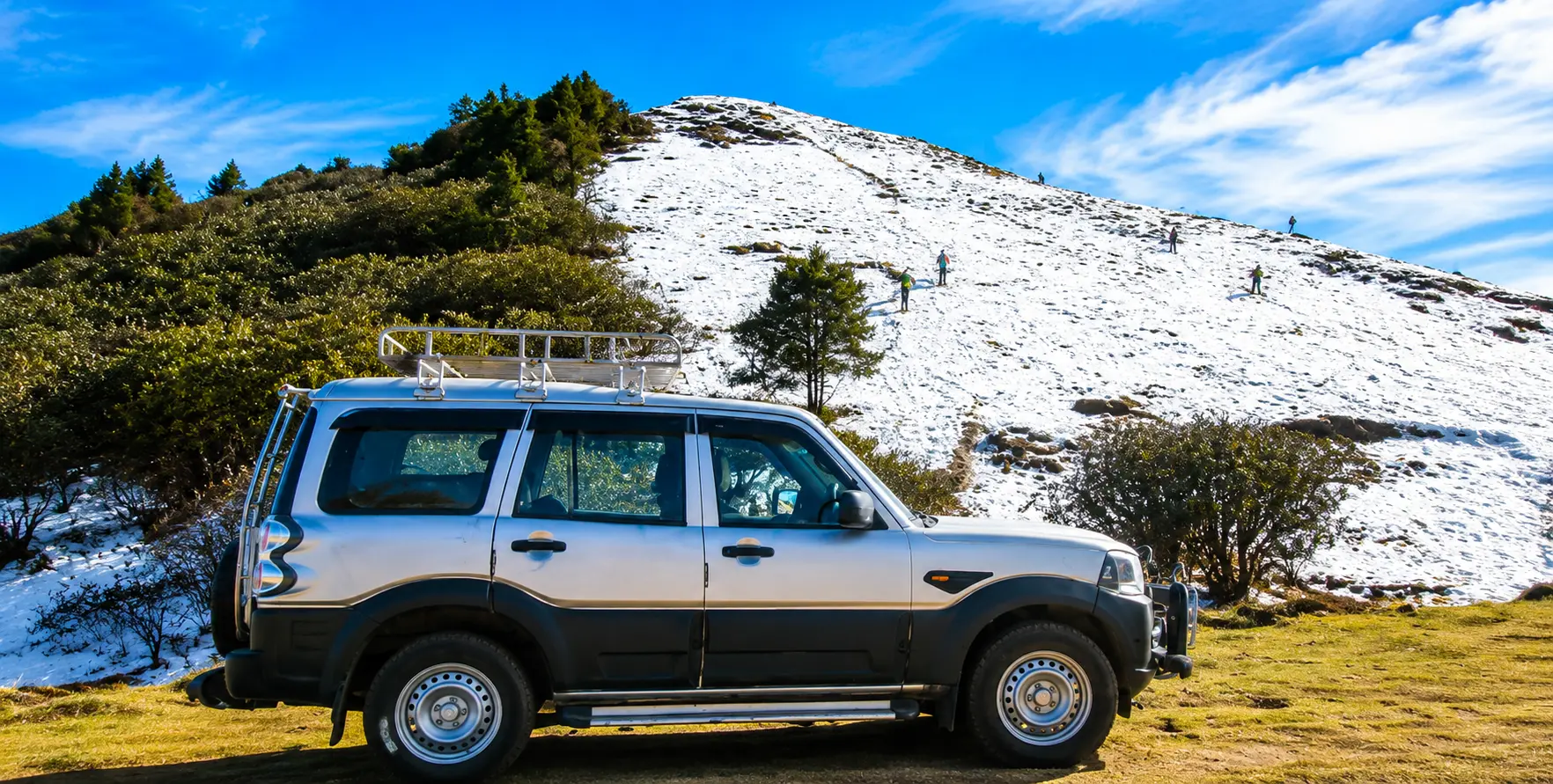
Pre-Arranged Private Jeep Drop — The Right Choice. The return drop from Muktinath to Sunauli works most effectively when booked as a pre-arranged private jeep hire through Nepal Vehicle Hiring Pvt Ltd, confirmed before the pilgrimage even departs Sunauli on the outward journey. A pre-confirmed return drop arrangement means that on the morning after the darshan, when the group is ready to descend, the vehicle and driver are already confirmed and waiting — no negotiation at Ranipauwa with local jeep operators at prices inflated by the distance from any competing alternative, no uncertainty about departure time, and no possibility of being told no seats are available on the shared vehicle departing at an inconvenient hour.

The cost of a private Scorpio or Hilux jeep drop from Muktinath to Sunauli (2 days, carrying 4 to 6 passengers, including Pokhara overnight and all stop requests) is approximately NPR 35,000 to NPR 55,000 (USD 263 to 413) for the full vehicle — the return leg of the complete Muktinath Yatra tour package from Sunauli. For pilgrims who booked the outward journey through Nepal Vehicle Hiring Pvt Ltd, the return drop is confirmed as part of the package at the time of the initial booking, with the total combined round-trip cost of approximately NPR 70,000 to 95,000 (USD 525 to 713).

Contact our team via WhatsApp at our contact page or through our plan trip page for specific group quotes.

Shared Local Jeep from Ranipauwa — The Alternative. Shared local jeep services operate from Ranipauwa village on the standard fill-and-go basis that characterises local mountain transport throughout Nepal: vehicles depart when they have enough passengers to make the journey worthwhile, not at any agreed scheduled time. During peak pilgrimage season, particularly October and November, the volume of pilgrims descending from Muktinath creates reasonable passenger availability, and shared jeeps to Jomsom depart with moderate frequency.

However, for groups of 4 or more pilgrims travelling together, the shared vehicle cost per person, multiplied by the group size, often approaches the full private jeep hire cost, making private booking the practical choice for medium-to-large groups.

Toyota Hiace Van — For Larger Pilgrim Groups. For pilgrim parties of 7 to 14 people, Nepal Vehicle Hiring Pvt Ltd coordinates the Muktinath-to-Jomsom section in our 4WD jeep fleet and transfers the group to a Toyota Hiace van at Pokhara for the Pokhara-to-Sunauli Siddhartha Highway section. The same Hiace-plus-jeep combination serves the outward Muktinath tour from Sunauli for large groups.

Tourist coasters and bus hire are available for very large temple groups of 20 or more.
Book a Muktinath Yatra return to Sunauli drop jeep for a comfortable journey from Muktinath through Jomsom and Pokhara to the Sunauli Border. A private Scorpio or 4WD jeep is a practical choice for pilgrims carrying luggage and traveling as a family or group. The Sunauli-Bhairahawa corridor is an official Nepal land-entry route.

The Tatopani Hot Springs — A Sacred Pause on the Return

The Tatopani hot springs hold a special, celebrated place in the Muktinath pilgrimage experience and deserve more than a passing mention in any honest return-journey guide. The springs emerge from fissures in the Himalayan rock along the west bank of the Kali Gandaki River, heating the water to temperatures consistently around 40 to 45 degrees Celsius—warm enough to provide genuine muscular relief and thermal comfort, and cool enough to tolerate for extended soaking.

Traditional bathing areas consist of stone-lined pools beside the river, open to the sky with forested gorge walls rising on both sides, and the atmosphere during pilgrimage season is one of communal relaxation and shared spiritual recovery rather than resort-hotel luxury.

For pilgrims who have completed the 108 Mukti Dhara cold-water ritual at Muktinath in autumn or winter, when temperatures can drop well below zero, the Tatopani hot springs provide what amounts to a divine counterbalance: the sacred cold of the Himalayan spring water at the temple answered, a day later, by the healing warmth of the geothermal springs in the gorge below. Many pilgrims who have made the Muktinath Yatra multiple times describe the Tatopani stop as an essential, non-negotiable part of the return journey—not an optional addition or sightseeing detour — but a key part of the yatra’s physical and spiritual completion.

The Yatra’s jeep hire from Nepal Vehicle Hiring Pvt Ltd includes a Tatopani stop for as long as the group needs—typically 45 minutes to 1.5 hours.
Book a Muktinath Yatra return to Sunauli drop jeep for a comfortable journey from Muktinath through Jomsom and Pokhara to the Sunauli Border. A private Scorpio or 4WD jeep is a practical choice for pilgrims carrying luggage and traveling as a family or group. The Sunauli-Bhairahawa corridor is an official Nepal land-entry route.

Marpha Village and Apple Orchards

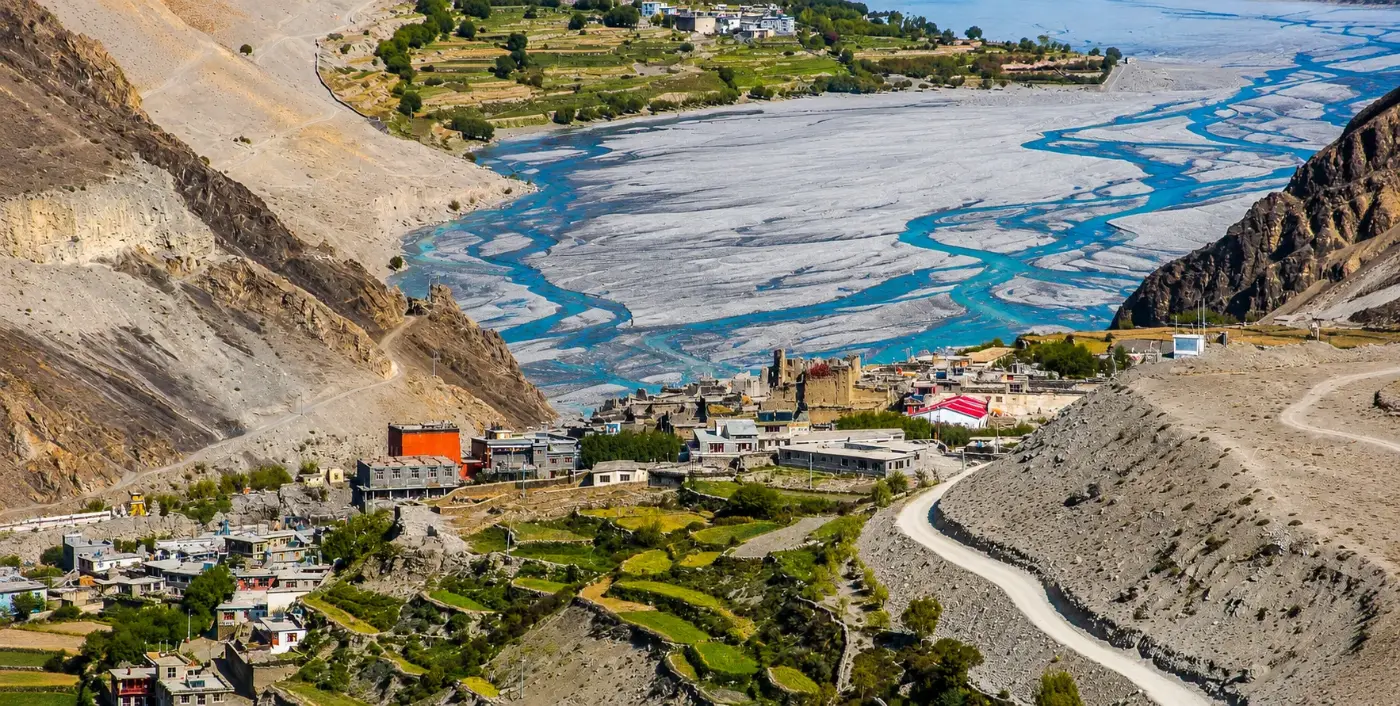
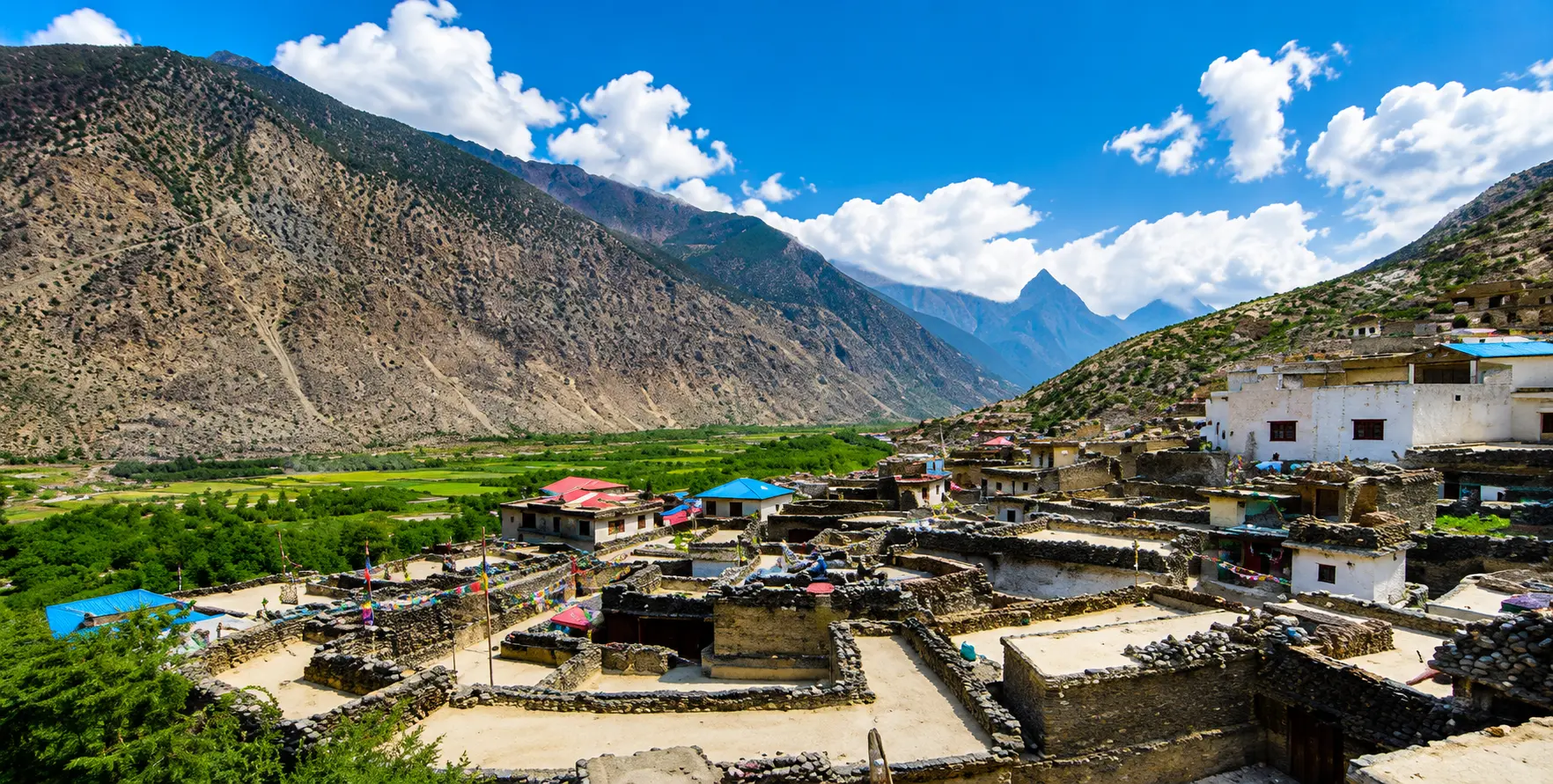
One of the most missed pleasures on the return from Muktinath is Marpha village, 30 minutes south of Jomsom. Its whitewashed stone houses, covered lanes, and apple orchards against the Nilgiri massif create one of Nepal’s most complete traditional Himalayan village scenes. The return journey reaches Marpha at mid-morning in the best light.

Marpha apple products are exceptional: locally produced apple brandy, dried rings, fresh juice, and cider are sold at village stalls and make ideal Yatra souvenirs. A 20-minute stop costs no extra time and rewards you with a Yatra experience.

Nepal Vehicle Hiring Pvt Ltd includes a Marpha stop in all Muktinath return drop itineraries on request.

Beyond the apples, Marpha has a Tibetan Buddhist monastery perched on the hillside above the village and several shrines within the lane system that are worth a brief devotional visit for pilgrims completing their Muktinath Yatra on the descent. The village represents, in microcosm, the Kali Gandaki valley’s broader character as a frontier zone between Himalayan and trans-Himalayan culture: Thakali ethnicity, Tibetan Buddhist practice, and Nepali national identity all coexist in the same stone-paved lanes, just as they do in Kagbeni, Jomsom, and Muktinath above.

Our sister company, Trek Nepal Himalayas, includes Marpha as a standard overnight stop on itineraries that continue above Kagbeni into the restricted Mustang kingdom. Our sister company, Alpine Luxury Treks, also offers luxury Mustang experiences coordinated with Nepal Vehicle Hiring Pvt Ltd transport services.

Kali Gandaki Wildlife and Afternoon Light on the Return

On the return journey, the Kali Gandaki gorge offers something the outward journey rarely provides: afternoon light falling directly on the east-facing gorge walls as the vehicle descends through the narrowest sections between Dana and Ghasa. This light creates extraordinary shadow contrasts that reveal the geological layering in the cliff faces.

The gorge walls expose nearly 500 million years of geological record, from Precambrian basement formations at the deepest levels to the Mesozoic limestone that contains the marine fossils which, eroded into the Kali Gandaki riverbed, become the Shaligram Shilas that Muktinath pilgrims collect at Kagbeni for temple blessing.

Wildlife encounters also differ on the return, partly due to the different time of day. Blue sheep graze the slopes above Kalopani most visibly in the late afternoon. The Himalayan tahr appears on rocky sections as evening draws the animals to lower elevations.

In the dense lower gorge forest, the Himalayan monal — Nepal’s spectacularly plumed national bird — and the satyr tragopan reward patient observation. The Annapurna Conservation Area, which encompasses this corridor, the same protected area requiring the ACAP permit discussed in our Besisahar private vehicle guide, sustains this remarkable biodiversity.

For pilgrims extending their Nepal journey beyond the Yatra, we offer the Annapurna Circuit trek, Ghorepani Poon Hill trek, and Yatra Annapurna Base Camp trek from Pokhara via our Nayapul transport and Besisahar private vehicle services.
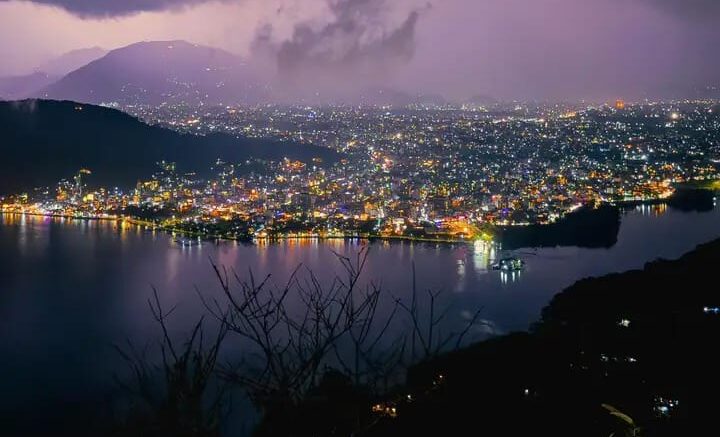
Book a Muktinath Yatra return to Sunauli drop jeep for a comfortable journey from Muktinath through Jomsom and Pokhara to the Sunauli Border. A private Scorpio or 4WD jeep is a practical choice for pilgrims carrying luggage and traveling as a family or group. The Sunauli-Bhairahawa corridor is an official Nepal land-entry route.

Pokhara Overnight — Sacred Sites and Rest

The Pokhara overnight stop on the Muktinath Yatra return is not merely a convenient logistics point but an opportunity for additional sacred site visits and genuine rest, which the full physical and spiritual demands of the darshan experience make necessary before the final Siddhartha Highway drive to Sunauli. Pokhara’s own pilgrimage sites—several of which are specifically relevant to the devotional context of the Muktinath Yatra—provide a natural next chapter to the journey rather than an interruption.

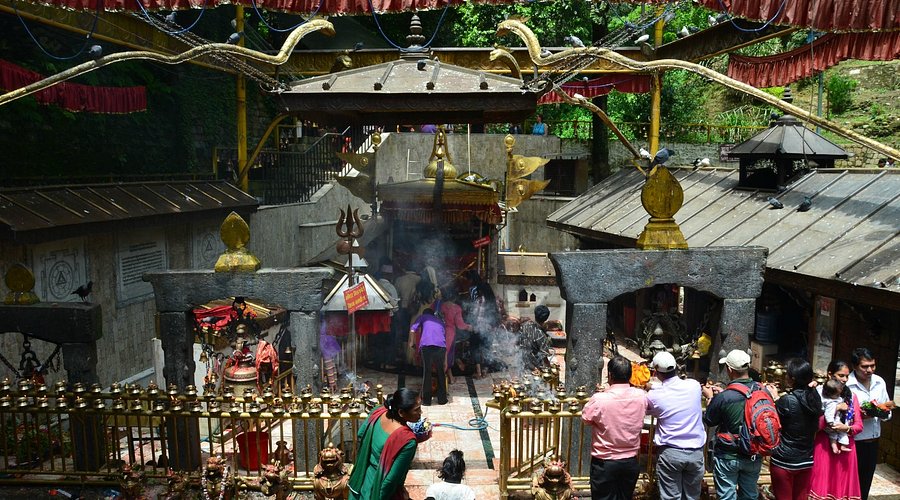
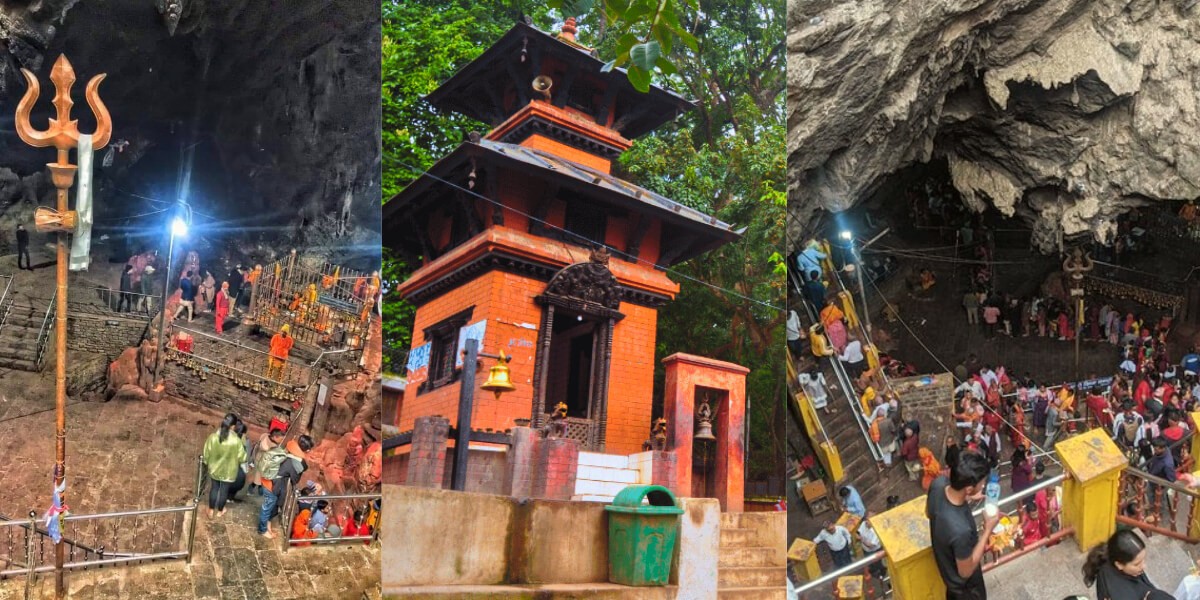
The Bindhyabasini Temple, one of the oldest Hindu temples in the Pokhara Valley and dedicated to Goddess Bhagwati in her manifestation as the region’s protective deity, is a standard morning visit for Muktinath Yatra pilgrims stopping in Pokhara. The Gupteshwar Mahadev Cave, containing a naturally formed Shiva lingam shrine within a river-cave system at the edge of Pokhara’s gorge above Davis Falls, is another important Shaivite site for pilgrims whose devotional orientation extends across Vaishnav and Shaiva traditions — and the setting of the cave shrine itself, reached by descending through a natural rock passage to a subterranean chamber where the lingam rises from the cave floor surrounded by the sound of underground water, echoes the elemental combination of rock and water that defines the Muktinath sacred complex above.

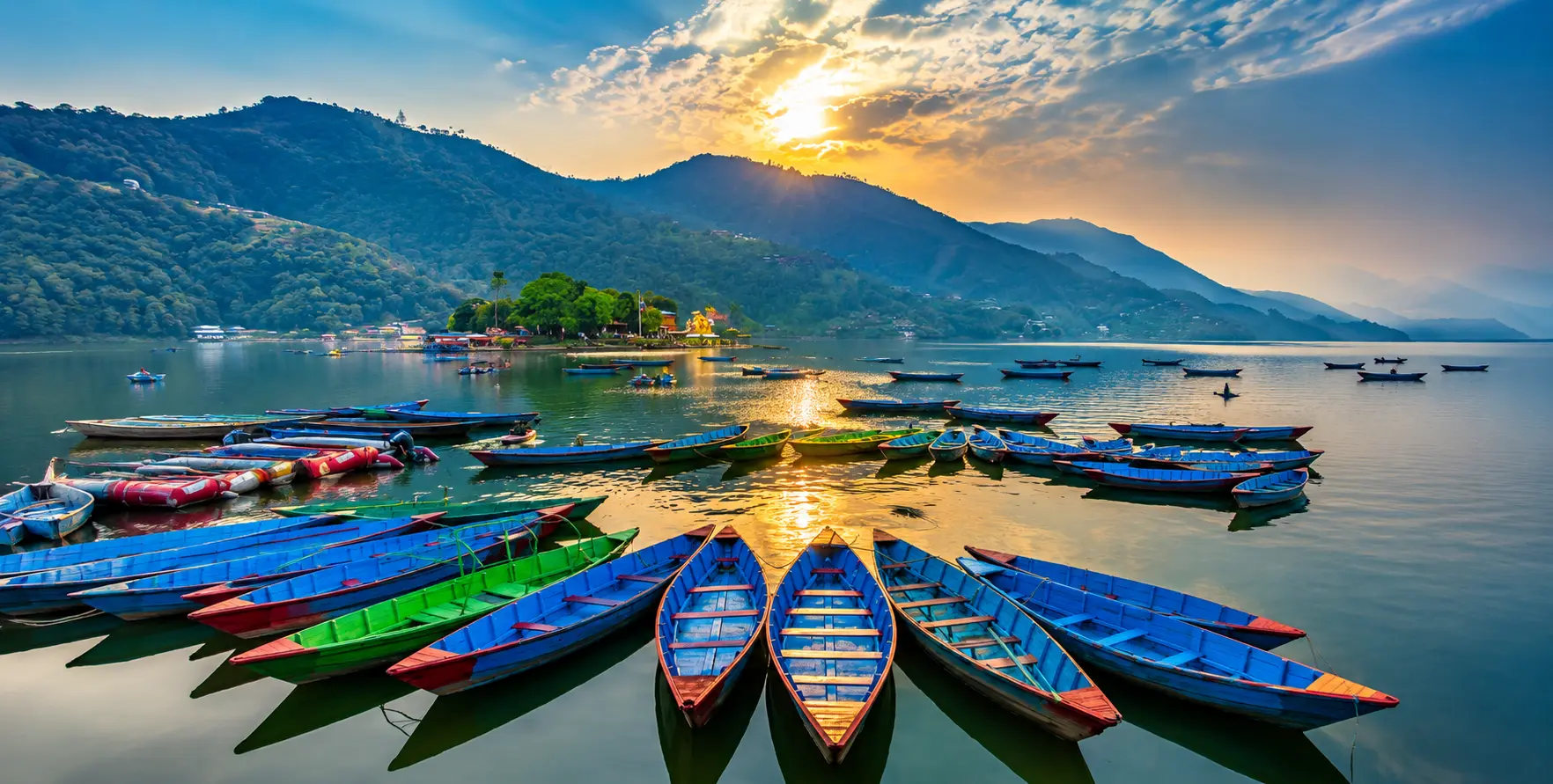
For pilgrims with an extra morning in Pokhara before the Sunauli highway departure, Pokhara car hire through Nepal Vehicle Hiring Pvt Ltd covers the full Bindhyabasini-Gupteshwar-Mahendra Cave-Taal Barahi (the Phewa Lake island temple) sacred-site circuit in a comfortable 3- to 4-hour morning arrangement. The Sarangkot sunrise transfer — a pre-dawn drive to the famous viewpoint above Pokhara from where the Annapurna and Dhaulagiri ranges glow in the first morning light — provides a final, deeply moving Himalayan panorama for pilgrims who wish to see, from a distance at dawn, the mountains within whose shadow the Muktinath darshan was received.

The Sarangkot sunrise is available as an add-on to the Muktinath return package through Nepal Vehicle Hiring Pvt Ltd, requiring only a 4:30 to 5:00 AM departure from the Pokhara Lakeside hotel and returning before 8:00 AM — well before the Siddhartha Highway departure time. Many pilgrims describe the Sarangkot sunrise view of Annapurna, seen the morning after the Muktinath darshan, as the visual conclusion to the temple’s spiritual experience: the mountain range seen whole, in golden light, before the descent to the plains and the return to India.

Tansen — The Historic Hill Town on the Siddhartha Highway

Between Pokhara and the Sunauli border on the Siddhartha Highway, the town of Tansen (also known as Palpa) deserves a dedicated mention in any Muktinath Yatra return guide because it is, by a significant margin, the most historically and culturally interesting town on the highway between the two endpoints — and one that many pilgrims on tight schedules pass through or past without stopping, to their considerable later regret. Tansen is one of Nepal’s finest traditional Newar hill towns: its stone-paved lanes, traditional dhaka cloth weaving workshops, perfectly preserved Newar architecture with carved wooden windows and doorways, and commanding ridge-top position overlooking the Terai plains below create a medieval urban character comparable to Bhaktapur’s famous old city, but in a completely uncrowded and uncommercialised context that Bhaktapur — with its entry fees and tourist-facing economy — can no longer provide.

The Amar Narayan Temple in Tansen’s central Tundikhel square is a fine example of traditional Nepali pagoda temple architecture, with intricately carved wooden struts and a proportioned multi-tiered roof that rewards close attention. The Tansen Durbar, the palace of the former Tansen kingdom, whose ruling Sen dynasty was among the most powerful in pre-unification Nepal, offers a glimpse into the political history of the western Himalayan region’s pre-Gurkha power landscape.

For Muktinath Yatra pilgrims in particular, Tansen also has a direct devotional connection: the Shri Bhagwati Temple above the town square draws pilgrims from across the region and is one of the most important Shakta shrines along the Siddhartha Highway corridor. Nepal Vehicle Hiring Pvt Ltd includes a 30 to 45 minute Tansen stop on all Muktinath return drop itineraries for groups who request it, and our drivers know the best parking and walking routes to the main temple and bazaar area.
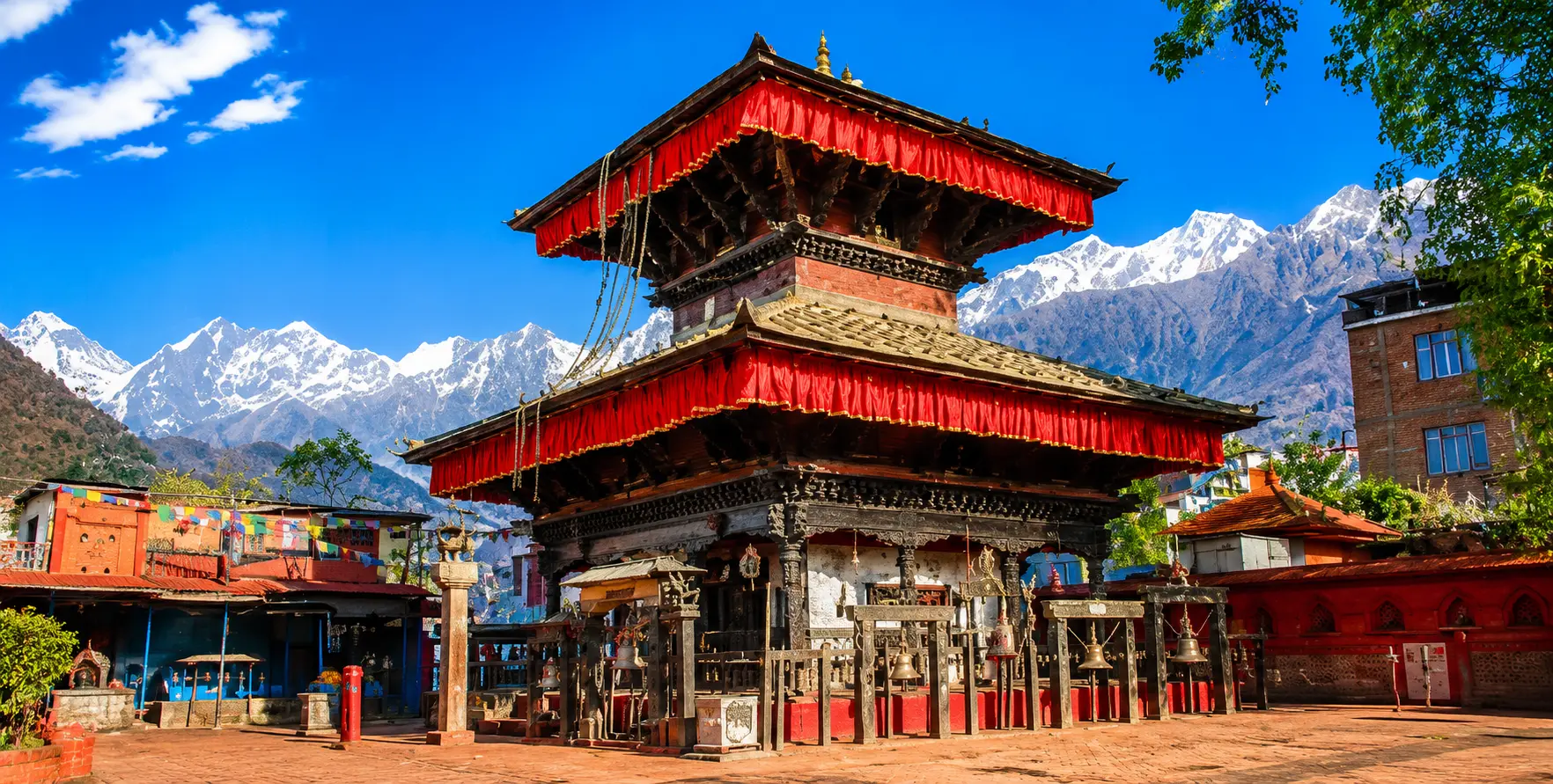
Book a Muktinath Yatra return to Sunauli drop jeep for a comfortable journey from Muktinath through Jomsom and Pokhara to the Sunauli Border. A private Scorpio or 4WD jeep is a practical choice for pilgrims carrying luggage and traveling as a family or group. The Sunauli-Bhairahawa corridor is an official Nepal land-entry route.

The Manakamana Temple Option — An Add-On for Via-Kathmandu Returns

For pilgrim groups whose return from Sunauli will continue to Kathmandu rather than direct onward to India, or who specifically wish to include the famous Manakamana Temple on their return, Nepal Vehicle Hiring Pvt Ltd offers a routing variant that proceeds from Pokhara eastward to Kathmandu via the Prithvi Highway rather than southward to Sunauli via the Siddhartha Highway — with a Manakamana cable car stop included near the Mugling junction as a natural addition to the route. The Manakamana Temple, perched dramatically on a hilltop in Gorkha District and accessible by one of Nepal’s most famous cable cars, is dedicated to Goddess Manakamana — Bhagwati in her wish-fulfilling form — and is one of the most visited Hindu temples in Nepal, particularly for Indian pilgrims who believe that the goddess fulfils devotees’ sincere wishes.

This extended return routing — Muktinath/Ranipauwa to Jomsom, Tatopani hot springs stop, Pokhara overnight, Pokhara to Manakamana cable car, Manakamana to Kathmandu, and then Kathmandu sightseeing before the return flight or overland to India — transforms the Muktinath Yatra return into a complete Nepal pilgrimage circuit covering Muktinath, Manakamana, Pashupatinath, and the Kathmandu heritage temples in a single extended journey. Nepal Vehicle Hiring Pvt Ltd coordinates all legs of this extended circuit through our Nepal tour packages service, with Kathmandu airport transfer for groups flying home from Tribhuvan International Airport.

Lumbini on the Return — Completing the Sacred Circuit

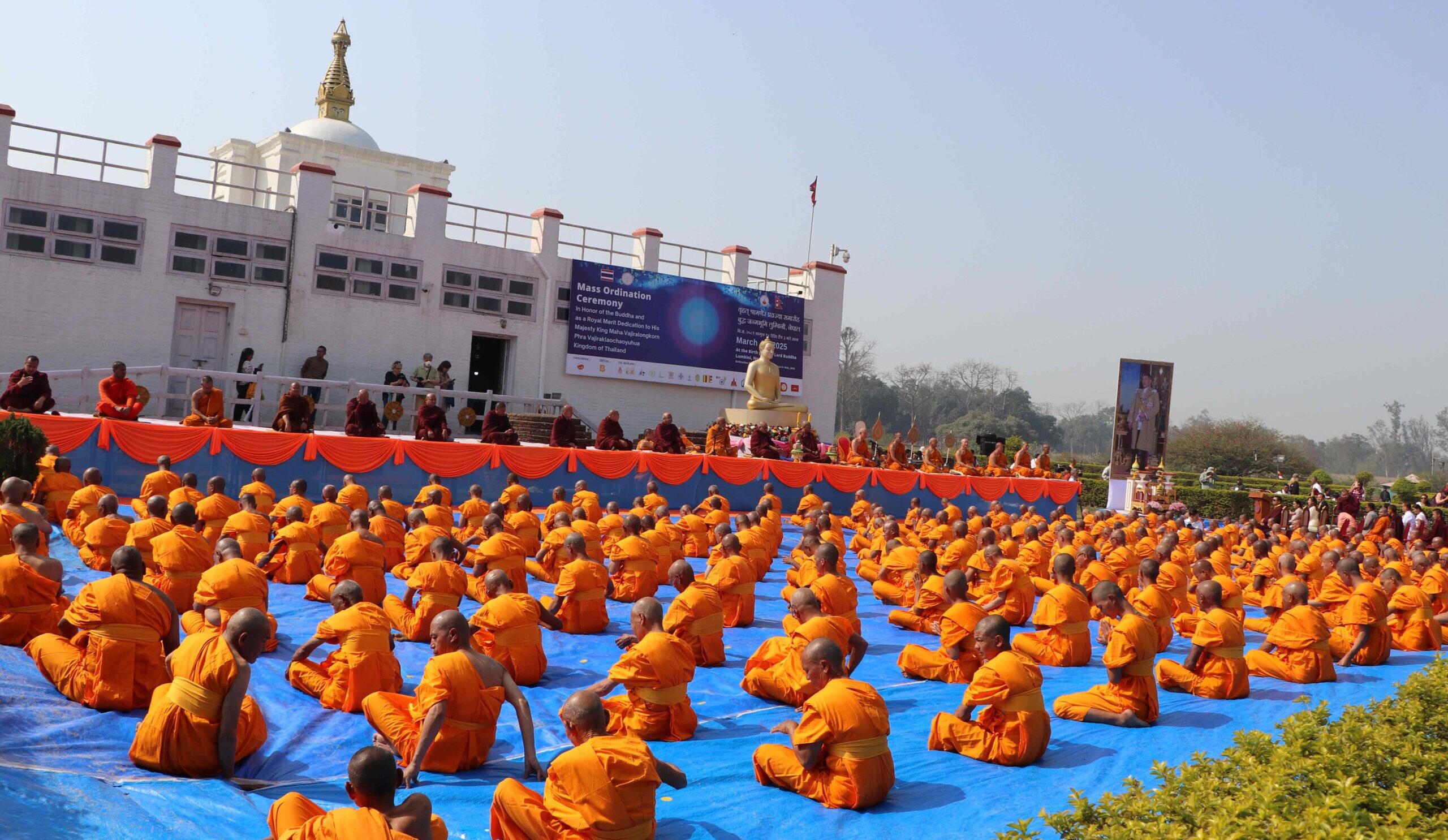
For pilgrims who did not include a Lumbini visit on the outward Sunauli-to-Muktinath journey, or who specifically chose to reserve the Buddha birthplace visit for the return as a devotional conclusion to the yatra, Lumbini on the return leg presents an equally natural and meaningful addition. At just 22 kilometres from the Yatrae Sunauli border on the Nepal side, Lumbini adds only 1 to 2 hours to the final day’s Pokhara-to-Sunauli drive.

It delivers a spiritual experience of entirely different character from Muktinath — the placid, garden-like UNESCO heritage zone centred on the Maya Devi Temple, the Ashoka Pillar, and the sacred Puskarini pond p, providing the contemplative, historically rooted counterpoint to the dramatic, elemental alpine spirituality of the Muktinath complex above.

The pairing of Muktinath (Vishnu’s Himalayan seat at 3,710 metres) and Lumbini (the Buddha’s earthly birthplace at 93 metres) on a single yatra represents, for pilgrims whose devotional world encompasses both Hindu and Buddhist tradition, one of the most complete spiritual circuits Nepal’s sacred geography makes possible — the ascent to the Lord of Liberation and the descent to the birthplace of the Awakened One enclosed within a single overland journey. Nepal Vehicle Hiring Pvt Ltd can add the Lumbini stop to all Muktinath return drop packages from Pokhara to Sunauli on request, ensuring the visit falls on cooler mornings when the sacred garden’s atmosphere is most serene, and the Maya Devi Temple queues are most manageable.

Standard Return Itineraries — What Nepal Vehicle Hiring Pvt Ltd Offers

The 2-Day Direct Return (Most Popular). Day 1: Muktinath/Ranipauwa early departure → Kagbeni Shaligram stop → Jomsom → Tatopani hot springs rest → Beni → Pokhara (overnight). Day 2: Pokhara → Tansen lunch stop → Bhairahawa → Sunauli border departure. Total driving: approximately 340-380 km over 2 days.

This is the most frequently booked Muktinath return drop format for 4- to 7-day Sunauli-based pilgrim groups.

The 3-Day Return with Pokhara Sightseeing. Day 1: Muktinath to Tatopani to Pokhara. Day 2: Pokhara sightseeing — Bindhyabasini, Gupteshwar, Phewa Lake, Sarangkot sunrise optional. Day 3: Pokhara to Sunauli via Tansen and Lumbini.

This format adds a full Pokhara sacred and natural sightseeing day to the return — appropriate for pilgrim groups who treated Pokhara as a transit stop on the outward journey and wish to explore it properly on the way home.

The 4-Day Extended Return with Chitwan. For pilgrim groups adding Nepal’s finest wildlife destination to their yatra before returning to India: Day 1 Muktinath to Pokhara; Day 2 Pokhara to Chitwan National Park via Pokhara Yatra Chitwan bus or private vehicle; Day 3 Chitwan jungle safari ;  Day 4 Chitwan to Sunauli via Lumbini. This 4-day return extension turns the Muktinath Yatra into a comprehensive Nepal experience, combining Himalayan pilgrimage with Terai wildlife—available through Nepal Vehicle Hiring Pvt Ltd’s Nepal tour packages.

The Direct Same-Day Return (Emergency/Urgent). For pilgrims with urgent onward commitments who must reach Sunauli in a single driving day from Jomsom or Muktinath, a direct same-day return covering approximately 340 km in 12 to 14 hours is physically possible but is not recommended by Nepal Vehicle Hiring Pvt Ltd as a standard option. The extended driving duration in a single day creates a genuine driver fatigue risk on the mountain sections, and the total duration leaves no time for the sacred stops — Tatopani, Tansen — that make the return journey its own complete pilgrimage experience.

If you need an urgent return, please discuss the specific timing constraints with our contact team, and we will find the most appropriate arrangement for your situation.
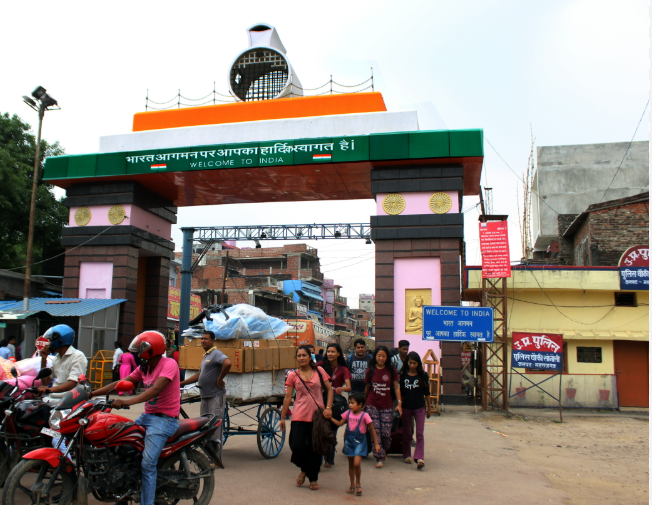
sunauli border-Book a Muktinath Yatra return to Sunauli drop jeep for a comfortable journey from Muktinath through Jomsom and Pokhara to the Sunauli Border. A private Scorpio or 4WD jeep is a practical choice for pilgrims carrying luggage and traveling as a family or group. The Sunauli-Bhairahawa corridor is an official Nepal land-entry route.

Permits and the Border — What the Return Journey Requires

The return through the Sunauli border for Indian nationals follows the same process as entry: Indian citizens cross using their Voter ID card or passport, receive an exit stamp from Nepal Immigration on the Nepal side, and enter the Uttar Pradesh side at Sonauli through standard Indian immigration and customs formalities. The exit process is typically faster than the entry process, with most formalities completed within 30 to 45 minutes for a standard pilgrim group.

Nepal Vehicle Hiring Pvt Ltd’s border drop service includes assistance at the Nepal Immigration exit checkpoint — our representative walks the group through the exit stamp process and ensures all documentation is in order before the formal handover at the border.

No specific permits are required for the Muktinath return journey beyond the exit formalities: the ACAP permit obtained on entry covers the full visit and requires no return endorsement, and TIMS cards similarly require no return processing. Pilgrims carrying Shaligram stones collected from the Kali Gandaki riverbed should be aware that Indian customs regulations on the Indian side of the Sunauli border have occasionally queried the import of these sacred stones — consulting a registered trekking agency or the Indian Embassy in Kathmandu about current regulations for Shaligram import before departure is advisable for pilgrims carrying a significant number of stones.

Season Guide — When the Return Journey Is at Its Best

Autumn (October to November) is the peak return season, just as it is the peak outward season: the Kali Gandaki gorge in October and November light is at its most dramatic, the apple brandy and cider of Marpha are in active harvest, Tatopani’s hot springs are particularly welcome after the cold Muktinath darshan in October and November temperatures, and the Siddhartha Highway through Tansen is at its most pleasant in the clear post-monsoon atmosphere. Nepal Vehicle Hiring Pvt Ltd manages peak-season return booking pressure by requiring advance confirmation at the time of the outward booking.

All Muktinath return drop packages should be confirmed at least 2 weeks before departure.

Spring (March to May) delivers its own distinct return journey quality: rhododendron forests in the lower Kali Gandaki gorge section between Tatopani and Ghasa are in peak bloom through March and April, the rice paddies in the Siddhartha Highway foothills are a vivid green, and the Pokhara Lakeside in spring is at its most visually rewarding with the full Annapurna range reflected in Phewa Lake. In spring, Annapurna Base Camp trekkers completing their own circuit through Jomsom share the Kali Gandaki road descent with Muktinath pilgrims, creating a lively, internationally mixed travel atmosphere on what is, in peak spring season, one of Nepal’s busiest mountain road corridors.

Winter (December to February) is manageable but cold — particularly on the Jomsom-to-Tatopani morning drive, which begins at high altitude before the sun has had time to warm the gorge. The Siddhartha Highway below Tansen is considerably warmer than the Kali Gandaki above. Private jeep hire is available year-round from Nepal Vehicle Hiring Pvt Ltd — confirm current road conditions above Jomsom with our team before any winter-season departure.

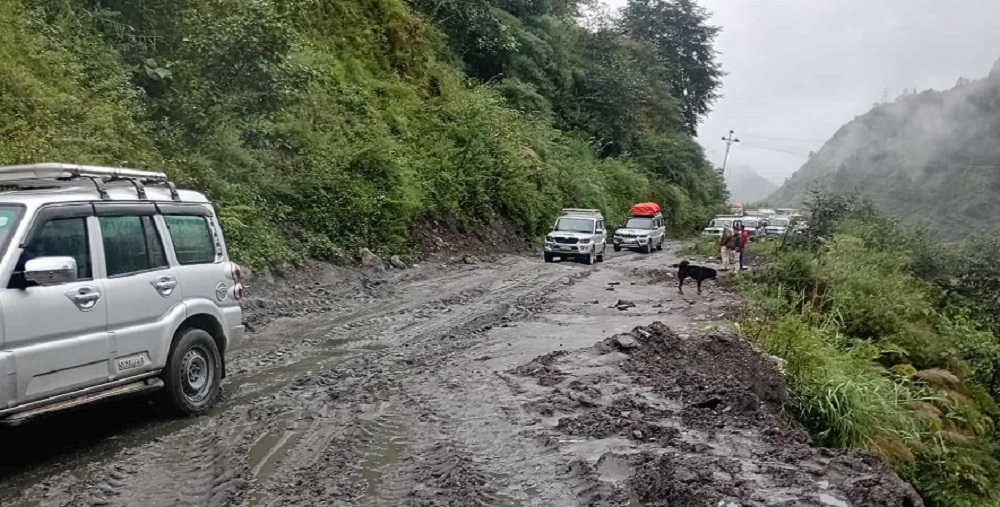
Monsoon (June to August) brings the heaviest rainfall to the lower gorge sections between Tatopani and Beni, with landslide risk on specific recurring problem sections. The Muktinath area above Jomsom receives less monsoon rainfall due to its rain-shadow position.

Still, the road descent to Tatopani and Beni passes through the wetter gorge before reaching the drier plateau. Nepal Vehicle Hiring Pvt Ltd monitors monsoon road conditions on this corridor and advises on route and timing adjustments for any return departure during the monsoon season.

Practical Tips for the Muktinath Yatra Return

  • Depart Ranipauwa before 7:00 AM: This is the single most important practical rule for the return. The Jomsom wind builds through the morning and makes the Kagbeni-to-Jomsom road section increasingly uncomfortable. An early departure also allows comfortable Tatopani timing without rushing.
  • Confirm your return drop jeep before the Muktinath darshan day: Nepal Vehicle Hiring Pvt Ltd return pickups from Ranipauwa are confirmed at the time of the outward booking — do not assume a jeep will be available at Ranipauwa on an unbooked basis during peak season.
  • Carry NPR cash for Tatopani and the road: The hot springs charge a small entry fee (NPR 100 to 200 per person), food and drinks in Tatopani and Tansen are paid in cash, and the Pokhara overnight hotel requires NPR for any extras.
  • Horse descent from Muktinath to Ranipauwa: Pilgrims who used a horse for the ascent from Ranipauwa to the temple can arrange a horse for the descent as well — NPR 200 to 400 for the downhill ride. This is particularly recommended for elderly pilgrims or those with knee or joint concerns after a full day at altitude.
  • Tatopani towel and clothing: Pack a towel and a change of warm clothing in the vehicle cabin rather than on the roof rack — the hot springs are considerably more enjoyable if dry clothing is immediately accessible afterwards.
  • Pokhara hotel booking: Nepal Vehicle Hiring Pvt Ltd can recommend Pokhara Lakeside hotels at all budget levels. For pilgrim groups wanting a fully coordinated return package including accommodation, contact us through our plan trip page.
  • Border exit timing: Arrive at Sunauli before 3:00 PM where possible—the border immigration offices can be slow in the late afternoon, with traffic building up. An early Pokhara departure of 6:00 to 7:00 AM, with a Tansen lunch stop and an afternoon visit to Lumbini, typically gets you to Sunauli between 2:00 and 3:00 PM.

Combining the Muktinath Yatra with a Complete Nepal Circuit

For Indian pilgrim groups with 7 or more days available, the Muktinath Yatra return journey from Sunauli creates a natural framework for a complete Nepal pilgrimage and heritage circuit that combines the Himalayan sacred site of Muktinath with the Terai UNESCO heritage sites, Nepal’s wildlife reserves, and Kathmandu’s great temple complex. Nepal Vehicle Hiring Pvt Ltd coordinates all transport for each leg of this extended circuit through our Nepal tour packages, with a single point of contact managing the entire itinerary from Sunauli outward and back to Sunauli

The most popular 7-day extended circuit runs: Day 1 Sunauli to Lumbini to Pokhara, Day 2 Pokhara to Muktinath, Day 3 Muktinath darshan and Jomsom overnight, Day 4 Jomsom to Tatopani to Pokhara overnight, Day 5 Pokhara sightseeing with Bindhyabasini and Sarangkot sunrise, Day 6 Pokhara to Chitwan via our Pokhara to Chitwan bus for a jungle safari, Day 7 Chitwan to Lumbini to Sunauli border. This 7-day circuit delivers Muktinath darshan, Lumbini(Buddha’s birthplace),) Pokhara Lakeside, the Kali Gandaki Gorge, the Tatopani hot springs, Chitwan wildlife, and ta return via the Sunauli border in a single, efficiently routed Nepal pilgrimage journey.

For groups adding Kathmandu to the circuit, the 8- to 10-day extended format includes Pashupatinath Temple — one of the world’s most important Shiva shrines and a Divya Desam in its own right — alongside Kathmandu sightseeing, the Bhaktapur heritage tour, and the Nagarkot sunrise transfer. Our Kathmandu airport transfer handles arrival and departure connections for groups flying into and out of Tribhuvan International Airport.

For groups requiring a Kathmandu to Pokhara bus connection or the Pokhara to Kathmandu bus for a return, Nepal Vehicle Hiring Pvt Ltd coordinates all legs. We can also accommodate Langtang Valley and Manaslu Circuit trek groups who want a full Himalayan trekking extension alongside the pilgrimage circuit, with our Manaslu trek transport and Salleri Phaplu jeep services completing the eastern Nepal trekking options.

Why Pre-Arrange Your Return Drop Before the Yatra Begins

The most important lesson from experienced Muktinath Yatra groups about the return journey is this: don’t leave return transport until after the darshan. At Ranipauwa, in the immediate aftermath of the darshan and the 108 Mukti Dhara ritual, with the group tired from the altitude and the emotional intensity of the pilgrimage’s culmination, the task of negotiating a fair-priced jeep hire with local operators while competing with other pilgrim groups for available vehicles is the last thing anyone wants to be doing.

The local jeep stand at Ranipauwa operates in a genuinely competitive environment during peak season — vehicles are limited, prices reflect that scarcity, and the negotiating position of a group of pilgrims who have just completed a physically and emotionally demanding high-altitude ritual is not their strongest.

A pre-arranged return drop package from Nepal Vehicle Hiring Pvt Ltd eliminates this situation. Your driver’s WhatsApp number is in your phone before you leave Sunauli on the outward journey. When the darshan is complete and the group is ready to descend, a single message confirms the departure time, and the private jeep is there.

The cost is agreed in advance, transparent, and all-inclusive of driver, fuel, and road tolls. No post-darshan negotiation, no pricing uncertainty, no standing at Ranipauwa managing a transport crisis when you should be in a state of spiritual completion.

Book both legs through Nepal Vehicle Hiring Pvt Ltd as a coordinated single arrangement through our plan trip page or via WhatsApp at +977 981-4227196.

Why Choose Nepal Vehicle Hiring Pvt Ltd for Your Return Drop

  • Confirmed before the yatra begins: Return drop arranged at outward booking — driver details, vehicle, date, and route all confirmed before you cross the Sunauli border.
  • Ranipauwa specialist drivers: 4WD Scorpio and Hilux jeep drivers with specific experience on the Ranipauwa-to-Jomsom section, including the Jomsom wind timing that makes early departure essential.
  • Sacred stop expertise: Kagbeni Shaligram stop, Tatopani hot springs timing, Tansen lunch stop, Lumbini coordination — all built into the itinerary on request.
  • Right vehicles for every group: Private jeep for 4 to 6 people, Hiace van for 7 to 14, coaster and bus for large temple parties.
  • Transparent all-inclusive pricing: Driver, fuel, and tolls included — no surprises at journey end.
  • 24/7 booking: WhatsApp +977 981-4227196 or contact us online for quotes and confirmations.

Frequently Asked Questions — Muktinath Yatra Return to Sunauli

How long does the return from Muktinath to Sunauli take?

The standard 2-day return takes Day 1: Muktinath to Pokhara (8 to 11 hours including Tatopani stop) and Day 2: Pokhara to Sunauli (5 to 7 hours including Tansen stop)—total road distance: approximately 340 to 380 km. Private 4WD jeep hire from Nepal Vehicle Hiring Pvt Ltd covers both days.

What is the cost of the return drop from Muktinath to Sunauli?

A private Scorpio or Hilux 4WD return drop (Ranipauwa to Sunauli, 2 days) costs approximately NPR 35,000 to 55,000 (USD 263 to 413) for the full vehicle. For the complete round-trip package from Sunauli outward and return, it costs approximately NPR 70,000 to 95,000 (USD 525 to 713). Contact us at +977 981-4227196 or through our plan trip page for a specific group quote.

Can I arrange the return drop at Ranipauwa after the darshan?

Yes, but we don’t recommend it during peak season. Local jeeps at Ranipauwa operate on a fill-and-go basis with variable pricing. Pre-arranging a private return drop through Nepal Vehicle Hiring Pvt Ltd before the yatra begins eliminates post-darshan negotiation.

Is the Tatopani hot springs stop included?

Yatra— Tatopani is a standard stop on all Nepal Vehicle Hiring Pvt Ltd Muktinath return drop packages. The duration at the springs is flexible, based on the group’s preference.

Can I visit Lumbini on the return journey?

Yes — Lumbini is 22 km from Sunauli border and adds 1 to 2 hours to the final day’s Pokhara-to-Sunauli drive. Nepal Vehicle Hiring Pvt Ltd includes Lumbini on all return packages on request.

What time should I depart from Ranipauwa on the return morning?

By 6:00 to 7:00 AM, before the famous Jomsom valley wind peaks by mid-morning. Our drivers are briefed on this timing and schedule the return departure accordingly.

Conclusion

The Muktinath Yatra return drop jeep hire to the Sunauli border is the final chapter of one of the most spiritually complete journeys available to any Hindu pilgrim departing from India—and it deserves the same quality of transport service as the outward approach. The descent through the Kali Gandaki gorge, the restorative pause at Tatopani, the lakeside overnight in Pokhara, the medieval lanes of Tansen, and the final Lumbini darshan before the border are not logistical obstacles to be managed, but pilgrimage experiences to be honoured — and Nepal Vehicle Hiring Pvt Ltd provides the private jeep drop service that holds space for each of them, from the early morning Ranipauwa departure to the Sunauli border handover.

Book your Muktinath Yatra return drop to Sunauli with Nepal Vehicle Hiring Pvt Ltd — call or WhatsApp +977 981-4227196, visit vehiclehiringnepal.com, or plan your complete yatra through our plan trip page.
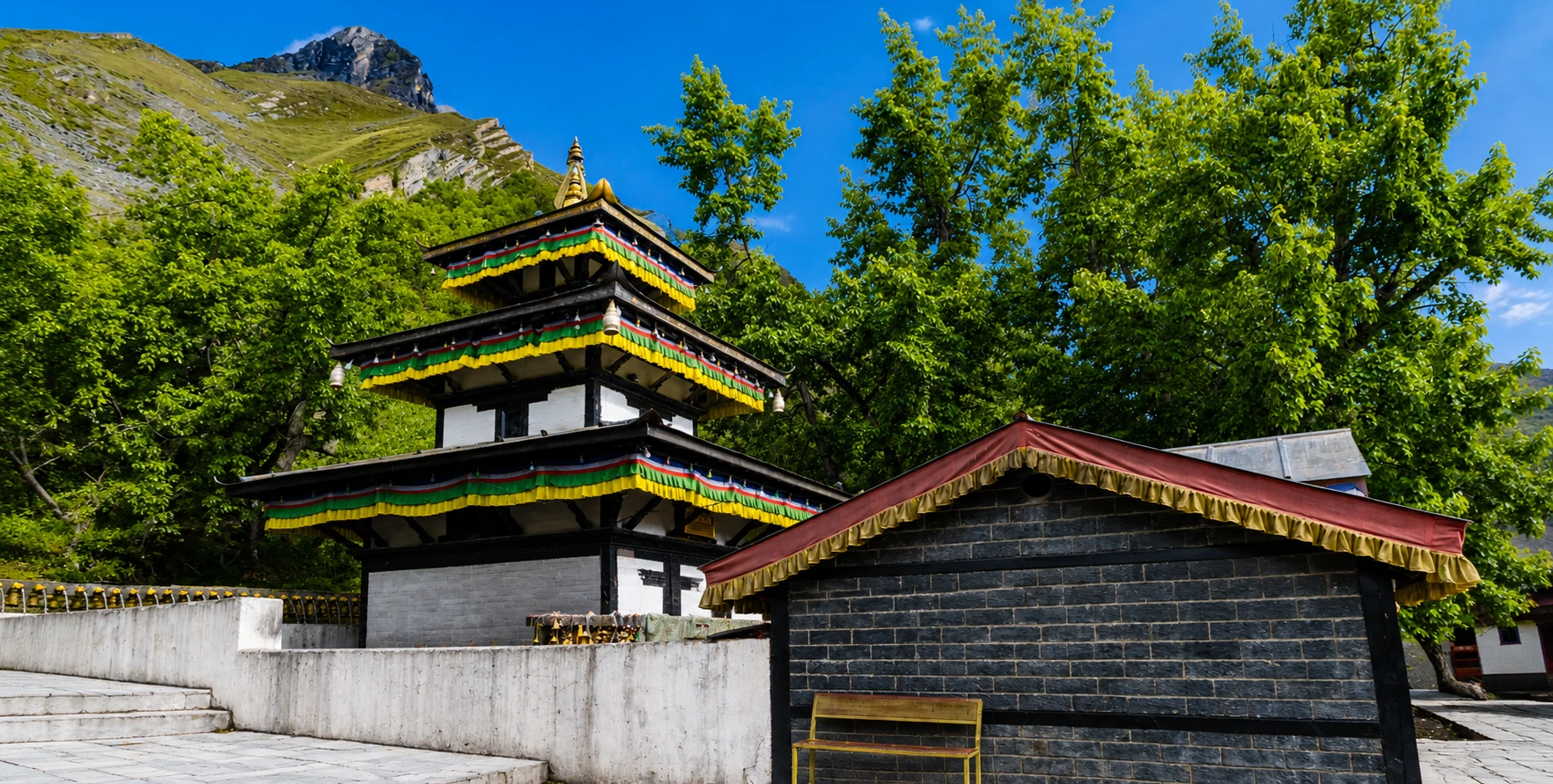
Muktinath Temple Hiace Hire

Kathmandu to Muktinath Bus

Muktinath Temple Hiace Hire: The Complete Group Travel Guide

For families, temple committees, and pilgrimage groups travelling together,  hiring a Hiace is often the most practical way to move a large group efficiently, until the road itself becomes the deciding factor. This guide covers exactly where a Hiace van excels on the journey to Muktinath, where the mountain terrain genuinely requires switching to a 4WD jeep, and how to plan a group pilgrimage that uses the right vehicle for each stage rather than assuming one vehicle can do it all.

Whether you’re organising a family pilgrimage, a temple committee trip, or a larger group tour to one of the Himalayas’ most sacred sites, this guide covers routes, realistic costs, vehicle-switching logistics, seasonal timing, and every practical detail for planning a Hiace-based Muktinath trip.

What a Hiace Actually Is and Why Groups Choose It

The Toyota Hiace is Nepal’s standard mid-size group vehicle, typically seating 9 to 14 passengers comfortably, plus luggage, making it the natural choice for extended families, temple groups, and small tour parties who don’t want to split across multiple cars or a full-size bus. Compared to booking several individual cars or jeeps, a single Hiace keeps the group together, simplifies coordination, and is generally priced more efficiently per person than multiple smaller vehicles for groups in the 8-14 person range.

Our Hiace fleet page and alternate Hiace van hire listing cover the vehicle specifications and general booking details if you’re comparing it against other group transport options for your Muktinath trip.

Beyond simple capacity, a Hiace offers real comfort advantages for the highway portion of a long journey: proper individual or bench seating with more legroom than a cramped jeep, luggage space suited to a group’s combined bags and offerings for the temple, and — on well-maintained highway routes — a smoother, more stable ride than a rugged mountain jeep, which prioritises off-road capability over highway comfort. For a group spending 6-7 hours on the Kathmandu-Pokhara highway alone, this comfort difference adds up meaningfully over a multi-day pilgrimage.

Discover the Best Time to Visit Mustang Nepal for clear Himalayan views, comfortable weather, cultural exBook Muktinath Temple Hiace Hire for comfortable group transportation from Kathmandu, Pokhara, or Sunauli. A private Hiace van is a convenient option for families and pilgrimage groups traveling to Muktinath.periences, trekking, and scenic jeep tours across Upper and Lower Mustang.

Muktinath’s Significance for Pilgrimage Groups

Understanding why so many groups organise dedicated pilgrimages to Muktinath helps frame the travel planning that follows. The temple is sacred to both Hindus and Buddhistssimultaneously —a rare distinction shared by very few sites worldwide.

Hindu pilgrims know it as one of the 108 Divya Desams sacred to Vaishnavism, where bathing in the temple’s 108 stone water spouts is believed to grant moksha, liberation from the cycle of rebirth. The Jwala Mai Temple within the same complex houses a naturally occurring eternal flame, regarded by both faiths as a genuine spiritual marvel.

For Buddhists, the same site is known as Chumig Gyatsa, one of the 24 Tantric places sacred to Vajrayana Buddhism and closely associated with the great tantric master Guru Rinpoche. This dual significance is why so many pilgrimage groups—temple committees, extended families marking a specific occasion, or organised religious tour groups—travel together in meaningful numbers rather than as individual travellers, and why group transport logistics matter enough to warrant a dedicated guide like this one.

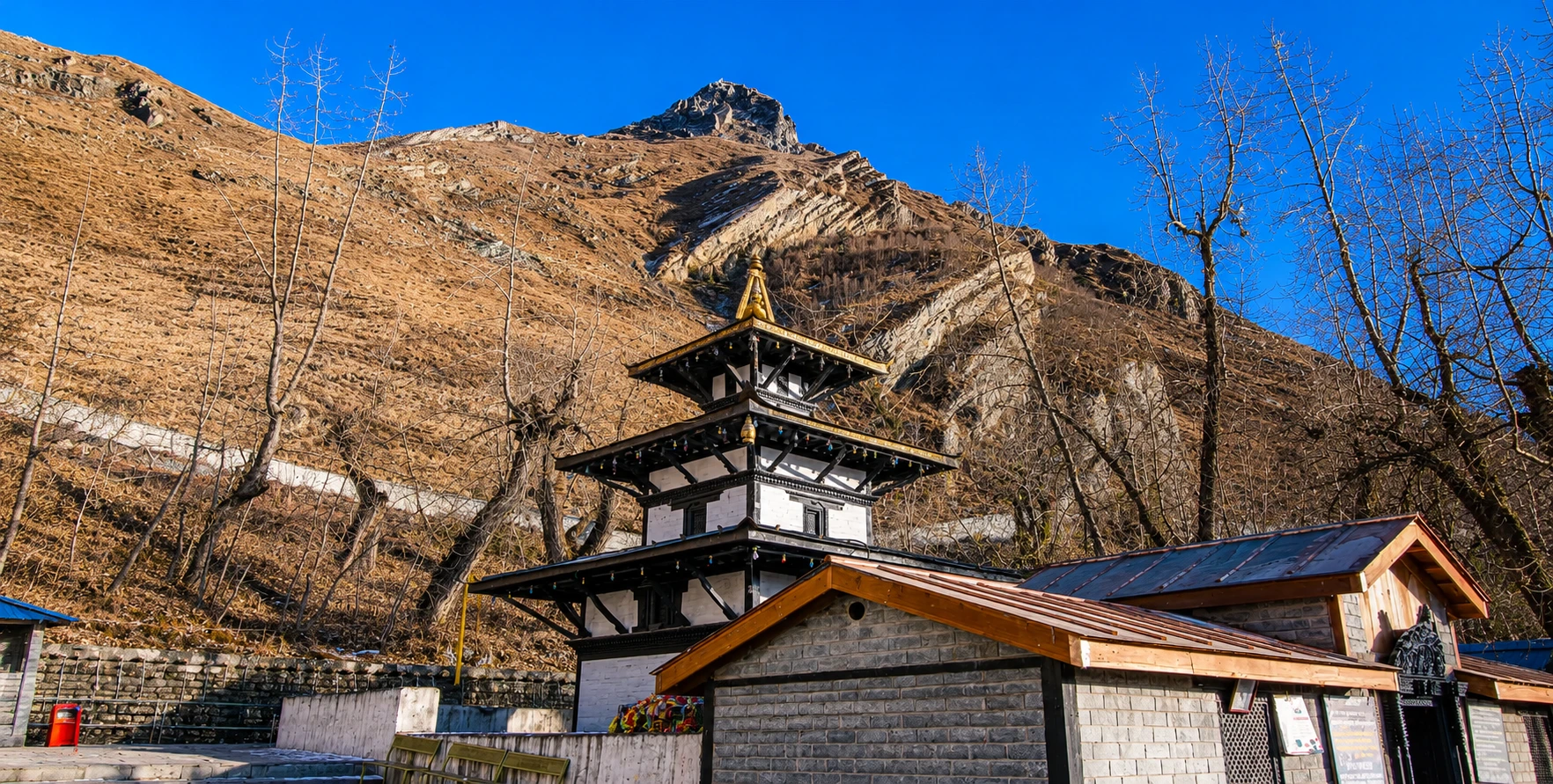
Muktinath

The Honest Truth About Hiace vs Jeep for This Route

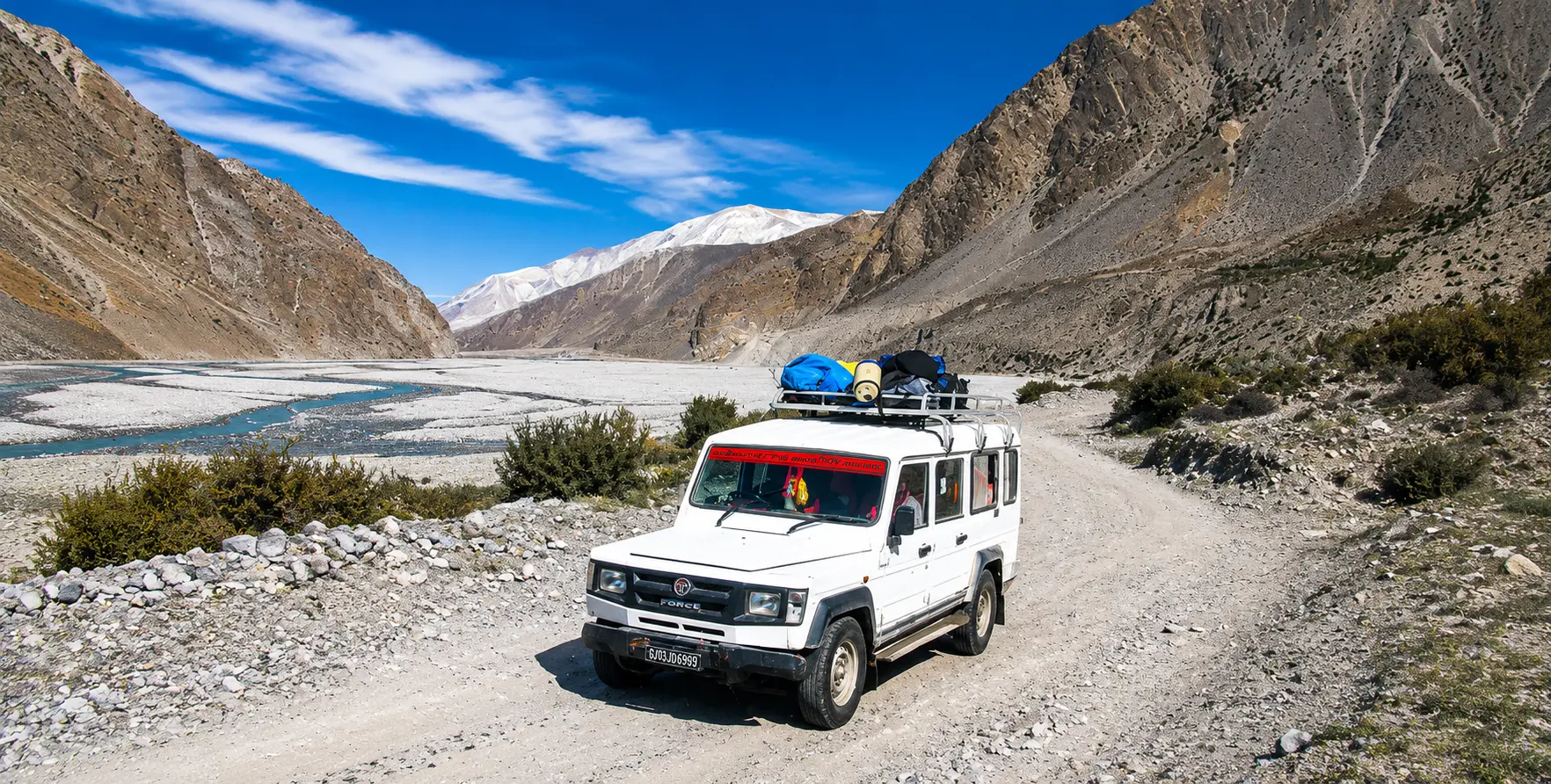
This is the most important thing to understand before booking: a Hiace is built for highways and reasonably good roads, not the rough, high-altitude mountain tracks that define the final stretch to Muktinath. The road from Jomsom to Ranipauwa and the temple climb over 1,000 meters in a short distance, on a mix of paved and unpaved surfaces, with sections that genuinely demand the higher ground clearance and 4WD traction of a proper mountain jeep.

Our Jomsom to Muktinath jeep rental guide covers this final leg in detail, and our broader explanation of why 4WD is best for Nepal, and why a genuine 4WD jeep matters, explains why a vehicle like a Hiace, despite its comfort and group capacity, isn’t the right tool for that stretch.

The practical solution most experienced operators use — and the one this guide recommends — is a two-stage approach: a Hiace for the long, comfortable highway sections of the journey, where its size and comfort genuinely shine for a large group, followed by a switch to private jeeps for the final rough climb from Jomsom to Ranipauwa and the temple itself. This isn’t a downgrade or an inconvenience; it’s simply matching the right vehicle to each section of a route that changes character dramatically along the way.

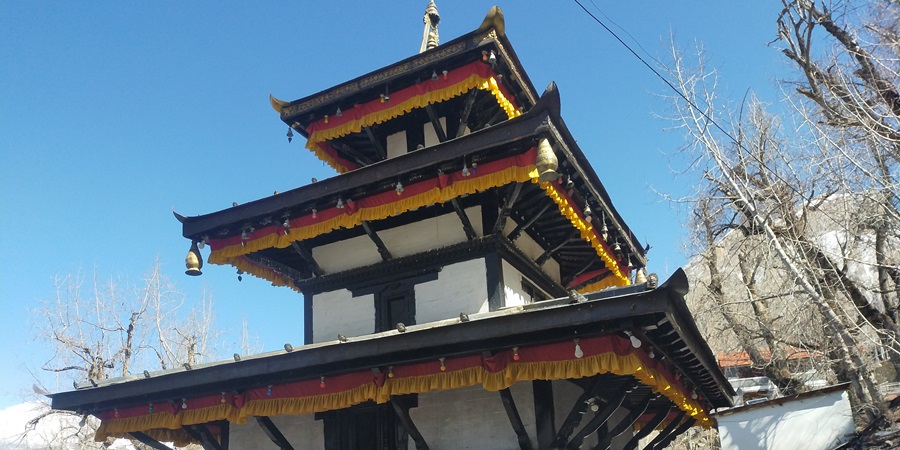
Muktinath temple

It’s worth being direct about why some operators are less forthcoming about this vehicle switch than they should be: a single-vehicle quote sounds simple. It can look cheaper on paper than a two-stage itinerary with a built-in vehicle change.

But pushing a Hiace beyond its realistic capability on genuinely rough mountain terrain risks breakdowns, delays, and a far less comfortable experience than planning the switch properly from the outset. A transparent operator will explain this distinction clearly during booking rather than let a group discover it partway through the trip.

Road Conditions in Detail: Why the Switch Matters

The Kathmandu-Pokhara highway and the Pokhara-Beni stretch are both largely paved, well-maintained roads suited to a Hiace’s highway-oriented suspension and lower ground clearance. Beyond Beni, however, the road toward Jomsom climbs through the Kali Gandaki gorge on a mix of narrower, less consistently maintained surfaces, with sections still unpaved or affected by seasonal damage.

The final Jomsom-to-Muktinath stretch climbs more than 1,000 meters over roughly 20-25 kilometres, on a road that, while improved in recent years, still includes rough gravel sections and grades that genuinely benefit from a 4WD vehicle’s traction and clearance.

Book Muktinath Temple Hiace Hire for comfortable group transportation from Kathmandu, Pokhara, or Sunauli. A private Hiace van is a convenient option for families and pilgrimage groups traveling to Muktinath.

This isn’t a matter of driver skill or vehicle care — it’s a fundamental difference in what each vehicle type is engineered for. A Hiace’s lower stance and highway-tuned suspension, which make it so comfortable on the Prithvi Highway, are the same characteristics that make it poorly suited to a rutted, rocky mountain track, where a jeep’s higher clearance and four-wheel traction become genuinely necessary, not just preferable.

Where a Hiace Genuinely Excels on This Trip

  • Kathmandu to Pokhara. The rough 200-kilometre Prithvi Highway is well within Hiace territory — paved, well-travelled, and comfortable for a large group over the 6-7 hour drive. See our Kathmandu to Pokhara bus and Kathmandu to Pokhara road trip guides for route details.
  • Pokhara to Beni. A largely paved stretch suitable for a Hiace, covered in our Pokhara to Beni jeep hire page, though this route is more commonly run by jeep given what follows immediately afterwards.
  • Kathmandu Valley sightseeing before or after your pilgrimage. A Hiace comfortably covers Kathmandu sightseeing, Bhaktapur Durbar Square, and Kathmandu to Nagarkot for large groups travelling together.
  • Airport transfers for large groups. A single Hiace efficiently handles Kathmandu airport transfers for a large pilgrimage group, rather than splitting across multiple cars.

Where You’ll Need to Switch to a Jeep

Beni to Jomsom and onward to Muktinath is where the road genuinely narrows, roughens, and climbs in ways a Hiace isn’t built for. This is standard mountain-jeep territory — see our Upper Mustang 4WD jeep and Kathmandu to Mustang private jeep guides for the wider regional context, and our Muktinath to Pokhara jeep page for the return leg.

A large group’s Hiace typically waits in Jomsom or Beni while the group continues in multiple jeeps, then reunites with the Hiace for the return journey toward Pokhara or Kathmandu.

Planning a Group Pilgrimage: Two-Stage Vehicle Logistics

Stage 1: Hiace From Kathmandu or Pokhara

Your group travels together in comfort on the paved highway sections — Kathmandu to Pokhara via our Kathmandu to Pokhara bus route, or directly if starting from Pokhara — continuing as far as Beni or, road conditions permitting, partway toward Jomsom.

Stage 2: Jeep Transfer for the Mountain Stretch

Where the road becomes genuinely mountainous, the group splits into two or three jeeps (depending on group size) to continue to Jomsom and for the final Jomsom-to-Muktinath jeep leg up to the temple. For example, a group of 12 typically splits across two to three Scorpio-class jeeps for this stretch.

Stage 3: Reuniting for the Return Journey

After visiting the temple, the group reverses the process—jeeps back down to Jomsom or Beni, then back into the Hiace for a comfortable return drive to Pokhara or Kathmandu, keeping the group together for most of the total travel time even though the middle section required smaller vehicles.

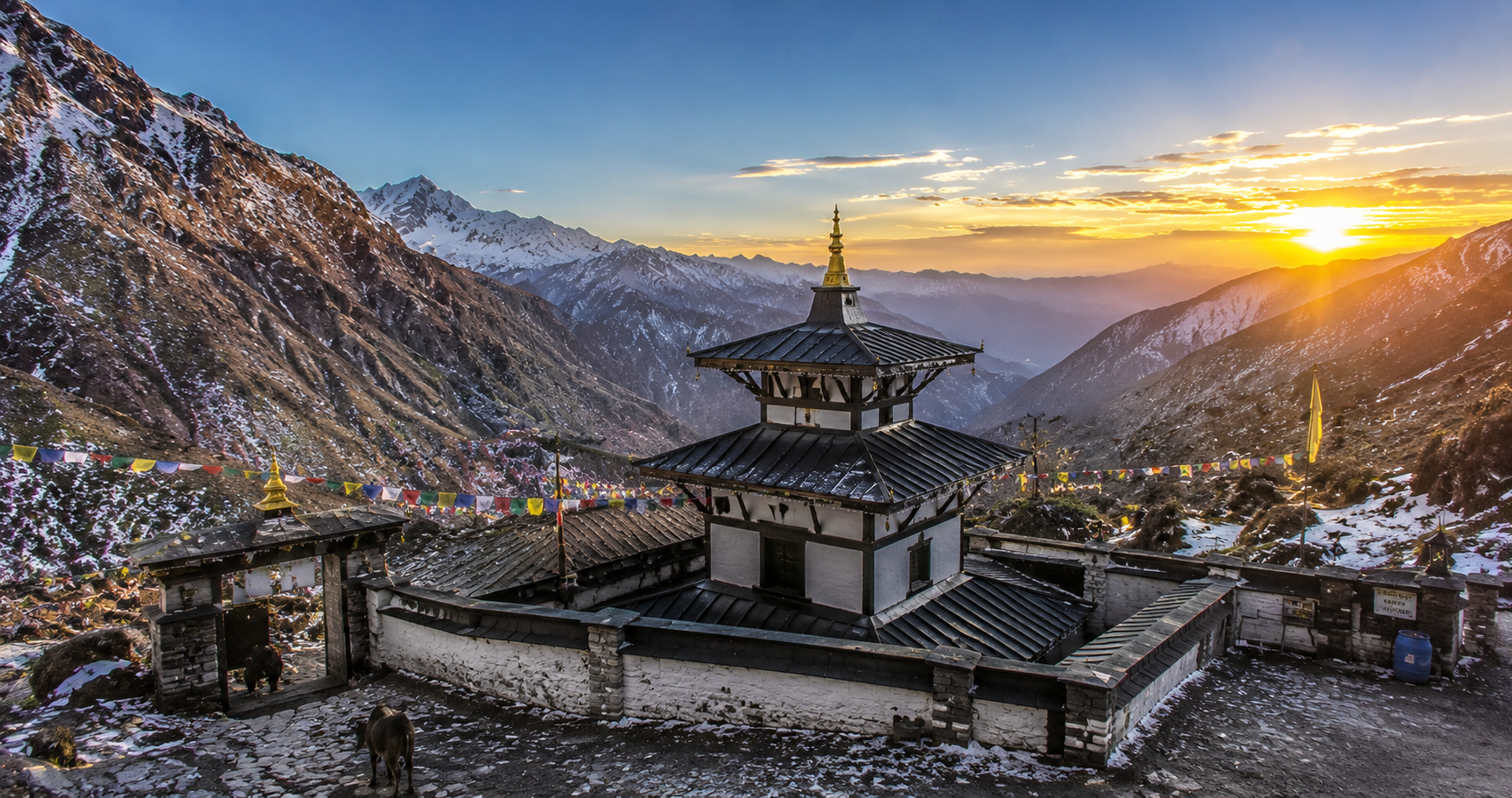
Muktinath temple

Group Coordination Tips for the Vehicle Switch

  • Appoint a single group coordinator to liaise with both the Hiace driver and the jeep drivers, to avoid confusion at the vehicle transition point.
  • Agree on a clear luggage plan — what travels in the Hiace and waits at the switch point versus what each traveller carries into the jeep.s
  • Confirm in advance exactly where the switch happens (typically Beni or a point along the Beni-Jomsom road) so the group knows what to expect.
  • Build a buffer into your schedule around the switch itself, since coordinating a dozen or more people between vehicles takes longer than a quick transfer for two or three travellers.
  • Keep essential items — medication, warm layers, permits — with each individual rather than packed away in shared luggage during the switch.

Sample 5-Day Group Itinerary

Day 1: Hiace departs Kathmandu early morning, arriving in Pokhara by evening via the Prithvi Highway.

Day 2: The Hiace continues from Pokhara toward Beni;  the group transfers to private jeeps to continue to Jomsom, arriving by evening.

Day 3: Jeep transfer from Jomsom to Ranipauwa and Muktinath Temple, with time for darshan and exploring Kagbeni on the return to Jomsom.

Day 4: Jeeps return the group from Jomsom to Beni, reuniting with the waiting Hiace for the drive back toward Pokhara.

Day 5: Hiace continues from Pokhara back to Kathmandu, or the group extends their stay in Pokhara for additional sightseeing.

This can be compressed to 4 days for groups flying between Pokhara and Jomsom rather than driving the full overland route, or extended to 6-7 days for groups wanting additional time in Pokhara or combining the trip with other Annapurna region destinations.

Cost Considerations for Group Hiace and Jeep Combinations

Budgeting for this two-stage trip means accounting for both vehicle types across the itinerary: a Hiace charter for the highway sections, plus separate jeep charters for the mountain stretch, rather than a single flat vehicle cost. For larger groups, this combination is still generally more cost-effective per person than attempting to fit everyone into individual cars for the entire journey, since the Hiace efficiently covers the long, easy highway distance.

At the same time, you only need jeeps for the shorter, rougher mountain sections. Confirm both vehicle costs together when booking, since coordinating a single operator to arrange both stages tends to be simpler and more reliable than arranging them separately.

As a rough itemised picture: the Hiace charter typically covers the Kathmandu-Pokhara-Beni stretch as one continuous cost, priced per vehicle rather than per passenger, which is where the real per-person savings show up for a group of 9 to 14 compared to booking multiple smaller cars for the same distance. The jeep stage from Beni or Jomsom to Muktinath and back is priced separately and split across two to three vehicles, with each jeep typically carrying up to six passengers.

Add ACAP permit fees per person, accommodation in Ranipauwa or Jomsom for the group, and meals, and you have the full picture of what a group pilgrimage costs beyond the base vehicle charters.

Hiace vs Bus or Coaster for Very Large Groups

For groups larger than roughly 14 people, a single Hiace no longer comfortably fits everyone. So it’s worth considering our coaster and tourist bus hire, or full-bus options for the highway stretch, then splitting into a correspondingly larger jeep fleet for the mountain section.

A coaster typically seats 25-30 passengers, making it the practical choice for larger temple groups or community pilgrimages, while still following the same two-stage logic — highway vehicle for the easy stretch, jeeps for the climb to Muktinath. Our tourist bus hire in Nepal page covers a full range of group vehicle sizes if a Hiace is too small for your group.

Safety Considerations for Group Pilgrimage Travel

  • Confirm every vehicle in your convoy — Hiace and jeeps alike — is operated by an experienced driver familiar with the specific route, not just a general highway driver.
  • Keep the group informed of the itinerary and vehicle-switch plan in advance to reduce confusion and stress during the transition.
  • Carry a basic group first-aid kit, and ensure at least one member knows the nearest medical facilities along the route.
  • Avoid overloading any single vehicle beyond its comfortable passenger capacity, even under pressure to keep the group together in fewer vehicles.
  • Register your group’s travel dates and itinerary with your booking agency so someone outside the group knows your planned schedule, particularly useful during monsoon or winter travel.

Common Mistakes Groups Make When Planning This Trip

  • Assuming a single Hiace can complete the entire journey without a jeep switch, then discovering the limitation partway through the trip.
  • Underestimating how much longer group coordination takes at the vehicle-switch point compared to a solo or small-family transfer
  • Booking accommodation for a large group too late, only to find Ranipauwa or Jomsom guesthouses already full during peak season
  • Not confirming ACAP permits for every group member individually well before departure.
  • Choosing the cheapest available quote without asking directly whether it includes both the Hiace and jeep stages, or only one

Weather and Seasonal Considerations for Group Travel

Group logistics make weather-related delays far more disruptive than for a solo traveller or small family, because rebooking accommodation, meals, and onward transport for 12 or more people takes longer and involves more moving parts. This is another strong argument for favouring autumn or spring travel for group pilgrimage, since these seasons offer the most predictable road and flight conditions for both stages of the journey.

If your group must travel during a less predictable season, build extra buffer days into the itinerary from the outset rather than assuming everything will run exactly on schedule.

Choosing a Reliable Operator for Group Travel

  • Confirm the operator directly owns or has a stable, long-term working relationship with both the Hiace and the jeep fleet, rather than subcontracting on the fly.
  • Ask for the operator’s experience specifically with group pilgrimage logistics, not just general tour transport.
  • Request a clear, itemised quote covering both vehicle stages, permits, and any accommodation coordination included in the .package
  • Check whether the operator provides a dedicated point of contact for your group throughout the trip, useful if plans need to shift due to weather or other delays.
  • Ask about their contingency plan if a jeep breaks down or a guesthouse booking falls through during peak season.

Group Booking and Pricing Considerations

Larger groups generally have more negotiating room on per-person pricing than small families because the fixed costs of coordinating vehicles and accommodation spread across more travellers. That said, group pricing works best when you confirm group size and composition early, and they don’t shift significantly close to departure, since vehicle and accommodation bookings for a dozen or more people are harder to adjust on short notice than for two or three travellers.

Confirm your final headcount with your operator well ahead of the trip, and clarify how any late additions or cancellations to the group are handled in terms of cost.

Documenting Your Group Pilgrimage

Many pilgrimage groups want to document the trip properly, both for personal memories and to share with family members who couldn’t join. The drive between Beni and Jomsom offers genuinely striking Kali Gandaki gorge scenery, and Muktinath itself, with its 108 water spouts and prayer flag-draped courtyard, is a natural focal point for group photography.

Build in extra time for group photos, since a large group inevitably takes longer to organise than an individual or couple, and the temple can be busy during peak pilgrimage periods.

Extending Your Group Trip Into Upper Mustang

Some larger, more adventurous pilgrimage groups extend their trip beyond Muktinath into Upper Mustang. However, this adds meaningful complexity: Upper Mustang requires a separate Restricted Area Permit for every group member, a mandatory licensed guide, and exclusively jeep-based transport beyond Kagbeni—a Hiace has no role at all in the restricted zone.

Our full jeep rental for a Mua stang tour guide covers this extension in detail, including the significant 2026 permit reform that has made shorter group trips into the restricted zone considerably more affordable than before.

Hiace Vehicle Specifications and What to Expect

A typical Hiace rental fleet in Nepal includes both standard and higher-roof configurations, with seating capacity generally between 9 and 14 depending on the specific model and layout. Most rental Hiace vans used for tourist and group transport include air conditioning, reasonably comfortable cloth or leather-style seating, and adequate luggage space, either in a rear compartment or on a roof rack for larger group loads.

Drivers assigned to Hiace group charters are typically experienced with highway routes specifically, distinct from the mountain-specialist drivers assigned to the jeep stage of a Muktinath group trip — another reason the two-stage approach makes practical sense, since each driver operates within their area of genuine expertise.

Preparing Your Group Before Departure

  • Hold a pre-departure briefing with the full group covering the itinerary, the vehicle-switch plan, and what to expect at each stage
  • Distribute a simple packing list in advance so the whole group arrives similarly prepared for the altitude and mountain conditions.
  • Confirm dietary requirements or restrictions with your operator ahead of time if meals are being arranged as part of the package.
  • Share emergency contact information among group members and with your operator before departure.
  • Confirm each group member has their required documents — passport, permit paperwork, and any personal medications — organised and accessible rather than packed away.

Communication and Language Considerations for Groups

Most drivers and guides working with international tour operators speak functional English. Still, larger groups with members who speak different languages should confirm this directly with their operator ahead of time, particularly if part of the group is more comfortable in Nepali, Hindi, or another regional language given the religious nature of many Muktinath pilgrimages.

Having at least one bilingual group member or a driver comfortable in the group’s preferred language greatly smooths coordination, especially at the vehicle-switch point and during unexpected schedule changes along the route.

Budget Planning Timeline for Group Organisers

For group organisers managing collections or contributions toward a shared pilgrimage cost, lock in firm vehicle and permit pricing early, since these figures form the basis for what each family or individual needs to contribute. Request a written quote covering both the Hiace and jeep stages, permits, and any bundled accommodation well before collecting funds from group members, and build in the modest contingency discussed earlier in this guide so the group isn’t caught short if minor costs shift between booking and departure.

A mid-journey breakdown is a manageable inconvenience for a solo traveller or small family, but a genuine logistical problem for a group of a dozen or more, especially on the more remote stretches beyond Beni where roadside assistance isn’t readily available. Ask your operator directly about their vehicle maintenance standards and the age of the specific Hiace and jeeps assigned to your booking, rather than assuming all vehicles in a fleet are equally well maintained.

A reputable operator services vehicles regularly before the autumn and spring peak seasons because group charter work increases demand during these busy months.

Insurance and Liability for Group Bookings

Confirm that both the Hiace and jeep stages of your trip are covered by appropriate vehicle insurance through your operator, and that your group also has personal travel insurance covering medical evacuation, given the altitude and remoteness involved in reaching Muktinath. These are two distinct types of coverage — vehicle insurance protects against accidents or vehicle issues.

In contrast, personal travel insurance protects individual group members in case of illness, injury, or the need for emergency evacuation from a remote part of the route. Confirm both are in place well before departure rather than assuming either is automatically included.

Travelling as a large group brings its own dynamics worth planning for honestly: members will have different paces, comfort levels with altitude and cold, and priorities for how much time to spend at each stop. Building flexibility into your itinerary—rather than a rigid, minute-by-minute schedule—tends to create a more relaxed group experience, especially during the temple visit itself, when members may want more or less time for prayer, photography, or simply taking in the setting.

A good group coordinator keeps the overall schedule loose enough to accommodate this natural variation while still keeping the group moving together for vehicle transitions that require tighter coordination.

Frequently Confused Terms for Group Planning

A few terms are worth clarifying for group organisers new to this kind of trip: a Hiace charter means hiring the entire vehicle for your group’s exclusive use, unlike a shared seat booking where individual seats are sold to unrelated passengers. A jeep charter follows the same logic — your group has exclusive use of each vehicle rather than sharing seats with strangers.

ACAP refers to the base conservation area permit required for the whole Muktinath region, while RAP (Restricted Area Permit) applies only if your group extends into Upper Mustang. Keeping these distinctions clear when requesting quotes helps ensure you’re comparing genuinely equivalent options between operators.

It’s also worth clarifying the difference between a ‘group tour’ package, where an operator bundles vehicles, permits, a guide, and accommodation into a single fixed itinerary, and a ‘group transport’ arrangement, where you book the Hiace and jeeps while managing accommodation and other logistics yourself. Both are valid approaches depending on how much your group wants handled on your behalf versus arranged independently, and clarifying which model you’re booking avoids confusion about what’s included in your quoted price.

Comparing Group Pilgrimage Logistics to Individual Travel

It’s worth understanding how group logistics genuinely differ from a solo or small-family Muktinath trip, since the difference goes beyond simply needing a bigger vehicle. Accommodation booking shifts from a same-day or short-notice arrangement to something requiring real planning, since Ranipauwa and Jomsom’s limited guesthouse stock can’t always absorb a dozen or more unplanned arrivals.

Meal coordination at teahouses along the route becomes a group logistics question rather than an individual choice, since larger parties often need advance notice for a kitchen to prepare food for that many people at once. And the vehicle-switch point itself, covered extensively above, becomes a genuine logistical event requiring a coordinator, a luggage plan, and realistic time budgeting, rather than a five-minute transfer for two people.

None of this makes group travel to Muktinath more difficult in any fundamental sense — it simply means the planning process benefits from more structure and earlier decision-making than an individual traveller might need. Groups that build this structure in from the start, rather than assuming everything will sort itself out informally along the way, consistently report a smoother, more enjoyable pilgrimage experience.

This ultimately separates a group trip that runs smoothly in the background, leaving everyone free to focus on the pilgrimage itself, from one where logistics dominate the conversation throughout the journey.

Permits Required for the Group

Every member of your group needs a valid ACAP (Annapurna Conservation Area Permit) for the Muktinath region, regardless of group size or vehicle type. Our ACAP permit guide covers exactly where to obtain this in Kathmandu or Pokhara before departure, and our broader Annapurna Conservation Area guide covers the wider conservation area context. For larger groups, arranging permits together through a single booking simplifies the process considerably compared to individual applications.

Book Muktinath Temple Hiace Hire for comfortable group transportation from Kathmandu, Pokhara, or Sunauli. A private Hiace van is a convenient option for families and pilgrimage groups traveling to Muktinath.

Best Time for a Group Pilgrimage

Autumn (September to November) and spring (March to May) remain the most reliable windows for group travel, offering the most stable road conditions for both the Hiace and jeep stages of the journey. Our full best time to visit Muktinath guide covers the complete seasonal breakdown, including festival dates like Ram Navami and Janai Purnima that many pilgrimage groups specifically plan around.

Group trips benefit especially from avoiding monsoon season, since weather-related delays are much harder to manage when coordinating a dozen or more travellers than a single family.

Accommodation for Large Groups

Ranipauwa and Jomsom both offer guesthouse accommodation, but large-group availability requires more planning than a small family trip. Groups of 10 or more should confirm room blocks well ahead of travel, particularly during peak autumn and spring windows or around major festival dates, when the limited guesthouse stock in both villages fills quickly.

Some larger pilgrimage groups split across two or three guesthouses rather than expecting a single property to accommodate everyone, which your booking agency or driver can help coordinate.

Choosing Your Jeep Fleet for the Mountain Stage

For the Jomsom-to-Muktinath stretch, a Scorpio jeep hire is the standard, reliable choice, typically seating up to six passengers per vehicle. Groups wanting extra comfort on this stretch can consider a Toyota Land Cruiser 4WD hire for part of the group. Our jeep and SUV comparison and SUV rental in Nepal guide cover these options if you’re deciding how to split a larger group across multiple vehicles for this leg.

What to Pack for a Group Pilgrimage

  • Warm, layered clothing for the whole group, given the altitude swing between Jomsom, Ranipauwa, and Muktinath itself
  • A group first-aid kit alongside any personal medications, since medical facilities become more limited beyond Jomsom
  • Sufficient cash in Nepali rupees for the group, since card and ATM access is unreliable beyond Jomsom
  • Comfortable walking shoes for the short uphill stretch from Ranipauwa to the temple
  • A designated group coordinator’s contact list for drivers, guesthouses, and the temple visit schedule, to keep a larger group organised across the vehicle switch

Altitude Considerations for Groups

Muktinath’s roughly 3,710-meter elevation means the whole group needs basic altitude awareness, especially older members or anyone with underlying health conditions. Build a relaxed pace into your Ranipauwa arrival rather than rushing straight to the temple, ensure the group stays hydrated throughout, and have your group coordinator watch for any member showing signs of altitude discomfort — mild headache, nausea, or unusual fatigue — so the group can adjust pacing accordingly rather than pushing through.

Groups travelling with a wide age range — common for extended family pilgrimages spanning grandparents to young adults — should plan the pace of the trip around the group’s least altitude-adapted members rather than the fittest. This might mean an extra rest stop in Jomsom before continuing to Ranipauwa, or simply allowing more time than a younger, more athletic group might need for the same itinerary.

Once you’ve committed to the multi-day structure the guide covers, there’s no real pressure, so a slightly slower pace costs little while meaningfully reducing discomfort for less altitude-adapted travellers.

Planning Around Special Occasions and Group Milestones

Many Hiace-and-jeep group bookings for Muktinath are tied to a specific occasion — a family milestone, a memorial pilgrimage, or a temple committee’s annual trip. If your group’s visit is tied to a particular date, whether a family anniversary or a specific auspicious day on the Hindu lunar calendar, confirm that date’s availability with your operator well in advance, since popular dates can coincide with broader seasonal demand from other pilgrimage groups, tightening both vehicle and accommodation availability further.

Our best time to visit Muktinath guide covers the wider festival calendar in detail if your group’s trip isn’t tied to a fixed date and can flex around Ram Navami, Janai Purnima, or another significant pilgrimage window.

Combining Your Muktinath Pilgrimage With Other Destinations

Many pilgrimage groups extend their trip beyond Muktinath itself. Some continue into Upper Mustang for a fuller regional experience, covered in our jeep rental for Mustang tour guide. Others combine the trip with Kathmandu Valley heritage sites via our Nepal UNESCO World Heritage Sites guide, stop at Kathmandu’s historical sites, or extend into Pokhara-area sightseeing with a stop at Sarangkot before heading home.

Return Options After the Pilgrimage

Most groups retrace their route through Jomsom and Beni to reunite with the waiting Hiace, but a few alternative return options are worth knowing. Some groups fly part of the party from Jomsom to Pokhara while the rest continue overland with the Hiace, useful if certain members have earlier onward travel commitments.

Others extend the return journey with a stop in Pokhara for group sightseeing — a boat trip on Phewa Lake, a visit to Sarangkot for sunrise views, or simply a relaxed day before the final Hiace leg back to Kathmandu — turning the return journey into an extension of the trip rather than simply the way home.

Explore More Nepal Routes, Tours, and Vehicles

Whatever combination of vehicles your Muktinath pilgrimage uses, here’s a fuller map of the routes, tours, and vehicle options we cover, in case your group’s trip extends further across Nepal. Very few groups treat Muktinath as a fully isolated destination — most weave it into a longer itinerary covering the wider Annapurna region, Kathmandu Valley heritage sites, or beyond. The resources below cover most natural extensions for a larger travelling party.

Mustang, Muktinath, and Annapurna Region

See Upper Mustang 4WD jeep, our jeep rental for Mustang tour guide, places to visit in Mustang, Kathmandu to Mustang private jeep, Pokhara to Beni jeep hire, Muktinath to Pokhara jeep, our Jomsom to Muktinath jeep rental guide, our best time to visit Muktinath guide, the ACAP permit guide, and the Annapurna Conservation Area overview.

Annapurna Circuit and Trekking Approaches

See Pokhara to Manang transport, Manang to Kathmandu private jeep hire, Kathmandu to Manang jeep, Besisahar to Chame and Upper Pisang, why Dharapani is the Annapurna Circuit’s most popular starting point, Kathmandu to Ghandruk private jeep hire, Pokhara to Ghandruk jeep, Pokhara to Sikles jeep rental, Pokhara to Nayapul transportation, the Everest Base Camp trek, and our general trekking services.

Kathmandu and Pokhara Group Transport

See Kathmandu to Pokhara bus tickets, Kathmandu to Pokhara bus ticket, Pokhara to Kathmandu bus, Kathmandu to Pokhara road trip, Kathmandu to Pokhara vehicle rental, Kathmandu to Pokhara private Scorpio, our Pokhara bus ticket price guide, VIP Sofa Bus hire in Nepal, Kathmandu to Pokhara VIP Sofa Bus, tourist bus hire in Nepal, and coaster and tourist bus hire for even larger groups.

Kathmandu Valley Sightseeing

Round out your group’s trip with Kathmandu sightseeing, Kathmandu’s historical heritage sites, our Nepal UNESCO World Heritage Sites guide, Bhaktapur Durbar Square, Kathmandu to Nagarkot vehicle hire, the Nagarkot sunrise tour, and reliable Kathmandu airport transfers. If your group is staying in Thamel, see our Thamel to airport private vehicle hire guide or our airport pickup to Thamel and hotel drop guide; if you’re staying in Patan instead, see our airport to Patan private vehicle drop guide.

Chitwan, Lumbini, and the Terai

Extend your group’s trip with Pokhara to Chitwan bus, Chitwan to Kathmandu bus, our Chitwan VIP bus ticket price guide, Kathmandu to Chitwan VIP Sofa Bus Ticket, Kathmandu to Chitwan luxury car hire, Kathmandu to Lumbini bus, Lumbini to Kathmandu bus, eastern border vehicle hire, Chitwan to Birgunj border transport, and Janakpur airport transfer service.

Vehicle Fleet and Resources

Compare our full fleet: car, jeep, Hiace, bus, coaster, car hire in Nepal, car hire in Pokhara, our alternate Hiace van hire listing, our why 4WD is best for Nepal guide, why private vehicle hire is the smartest way to travel Nepal, why a genuine 4WD jeep matters, and our ultimate Nepal vehicle rental guide.

Plan and Learn More

Use our plan your trip tool, browse our Nepal tour package options, learn more about us, read our luxury trek vehicle hire guide, or browse our blog for further route guides across the country.

Why Book With Nepal Vehicle Hiring Pvt Ltd

We regularly coordinate this kind of two-stage group pilgrimage—a comfortable Hiace for the highway stretch and well-maintained jeeps for the mountain climb to Muktinath —all arranged through a single booking so your group doesn’t need to manage two separate vehicle contracts. Every booking includes transparent pricing agreed before departure, experienced drivers for both vehicle types, and coordination between the two stages so your group transitions smoothly from Hiace to jeep.

Beyond the vehicles themselves, we understand that a group pilgrimage carries a different kind of importance than a standard sightseeing trip; the logistics need to work smoothly enough that they fade into the background, leaving your group free to focus on the journey’s religious an cultural significance rather than transport arrangements. We uphold that standard for every group booking, whether it’s a family of nine or a full temple committee of thirty.

Reach out through our contact page to start planning your group’s Muktinath pilgrimage, whether you’re a family of ten or a full temple committee group.

Off-Season Group Travel: Special Considerations

Some pilgrimage groups have little flexibility around dates, tied instead to a specific religious occasion or annual tradition, meaning off-season travel is sometimes unavoidable. If your group must travel during monsoon or winter, adjust expectations rather than the fundamentals: build in longer buffer periods around both the Hiace and jeep stages, confirm your operator has genuine experience running trips in the specific off-season month you’re travelling, and communicate clearly with the group in advance that delays are more likely than during peak season.

Groups that go in with realistic expectations for off-season travel report far less frustration than those expecting peak-season reliability during a genuinely more difficult travel window.

Winter group trips in particular benefit from extra attention to cold-weather logistics—not just personal clothing, but confirming heated accommodation is available for the whole group in Ranipauwa or Jomsom, since heated rooms can be more limited than general room availability during the coldest months.

Sustainability and Group Impact on the Region

A group of a dozen or more travellers has a noticeably larger footprint on Ranipauwa and Jomsom’s small-scale local infrastructure than an individual traveller, which is worth factoring into responsible planning. Choose accommodation and meal providers that distribute your group’s spending across multiple local businesses where practical rather than concentrating everything in one place, pack out any waste your group generates given the region’s limited waste infrastructure, and be mindful of water usage in a high-desert region where it’s a genuine resource.

These small considerations matter more at group scale than for an individual traveller, and thoughtful group organisers increasingly factor this into their planning alongside the more immediate logistics of vehicles and permits.

A Final Word on Group Pilgrimage Planning

The core idea running through this entire guide is straightforward: a Hiace is genuinely the right vehicle for a large group’s Muktinath pilgrimage, but only for the portion of the journey it’s actually built for. Trying to stretch it across the entire route, including the rough mountain climb to the temple itself, sets your group up for a harder, less comfortable trip than necessary.

Planning the vehicle switch from the outset—Hiace for the highway, jeeps for the mountain—gives your group the comfort of travelling together on the easy stretches and the safety and capability of a proper 4WD exactly where the terrain demands it.

With that structure in place, a group pilgrimage to one of the Himalayas’ most remarkable shared religious sites becomes a genuinely manageable, well-organised trip rather than a logistical headache — leaving your group free to focus on the pilgrimage itself rather than the mechanics of getting there.

Whether your group is a close-knit family marking a specific occasion, a temple committee’s annual tradition, or a broader community pilgrimage, the same underlying principle applies: plan for the vehicle switch honestly from the start, book accommodation and permits early given the group’s larger footprint on limited local infrastructure, and choose an operator willing to explain the realistic logistics rather than promise a simpler-sounding single-vehicle trip that the mountain terrain won’t support. Get that foundation right, and everything else about the journey — the comfort of travelling together, the shared experience of reaching Muktinath as a group, and the pilgrimage itself — tends to fall into place.

Vehicle Maintenance and Reliability for Group Trips

A breakdown mid-journey is a manageable inconvenience for a solo traveller, but a real logistical problem for a group of a dozen or more, especially on the more remote stretches beyond Beni, where roadside assistance is less available. Ask your operator directly about their vehicle maintenance standards and the age of the specific Hiace and Jeeps assigned to your booking, rather than assuming all vehicles in a fleet are equally well maintained.

A reputable operator services vehicles regularly ahead of the autumn and spring peak seasons because group charter work adds demands during these busy months.

It’s reasonable to ask a prospective operator directly how they’d handle a breakdown scenario for your group specifically — whether they maintain backup vehicles on standby during peak season, how quickly a replacement could reach your group’s location along the route, and whether this kind of contingency is factored into their standard pricing or would involve additional cost. An operator with a clear, confident answer to these questions is generally a safer choice for group bookings than one who hasn’t considered the scenario at all.

What Makes This Route Different From Other Group Pilgrimages

Nepal has several other significant pilgrimage sites reachable by group vehicle — Pashupatinath and Swayambhunath within the Kathmandu Valley, Manakamana via cable car, and Lumbini in the Terai plains, among others. Muktinath stands apart from most of these specifically because of the altitude and terrain involved, which is exactly why the vehicle logistics covered throughout this guide matter so much more here than for a typical valley or lowland pilgrimage.

A group planning their first high-altitude pilgrimage, having previously only organised valley-based religious trips, should go in understanding that this is a genuinely different category of logistics — not simply a longer version of a day trip to Pashupatinath, but a multi-day journey involving real elevation change, a mandatory vehicle switch, and seasonal considerations that don’t apply to lower-altitude sites.

This distinction matters most for groups whose organising committee has handled valley pilgrimages before but is planning a Muktinath trip for the first time. Experience with a single-day Pashupatinath visit, however smoothly it ran, doesn’t fully prepare a group for the multi-day, multi-vehicle, altitude-aware planning this route requires — and organisers who recognise that difference early tend to plan considerably more effectively than those who assume the same simple logistics will carry over directly.

Long-Term Value of Getting Group Logistics Right

For a family or committee planning what may be a once-in-a-lifetime pilgrimage together, the practical vehicle and permit logistics covered throughout this guide can feel secondary to the trip’s spiritual purpose — and in one sense, they are. But getting those logistics right is what lets the spiritual purpose take centre stage, rather than being overshadowed by a cramped, confusing, or poorly timed journey.

A well-planned two-stage Hiace-and-jeep trip fades into the background once your group reaches Muktinath, remembered mainly as smooth and comfortable rather than as a source of stress along the way. That’s ultimately the standard worth planning toward: transport logistics good enough that nobody in your group thinks about them once you’re standing at the temple itself, focused entirely on the reason you came.

Working With a Temple Committee or Religious Organisation

Formal temple committees and religious organisations planning an annual or recurring Muktinath pilgrimage benefit from establishing an ongoing relationship with a single trusted operator rather than sourcing quotes from scratch each year. A returning operator familiar with your group’s typical size, preferences, and past logistics can plan more efficiently each time, often identifying improvements from previous trips—a better guesthouse arrangement, a more efficient vehicle-switch point, or adjusted timing based on what worked well or poorly the last time the group travelled.

For organisations planning an annual or recurring pilgrimage, this continuity is worth prioritising over simply chasing the lowest quote each year.

Final Checklist Before You Depart

  • Group headcount confirmed and communicated to your operator
  • Hiace and jeep charters both booked and confirmed in writing
  • ACAP permits arranged for every group member
  • Accommodation confirmed in Ranipauwa or Jomsom for your group size
  • Travel insurance in place for all members, covering high-altitude evacuation
  • Group coordinator assigned, with driver and guesthouse contact details distributed
  • Weather and seasonal buffer days built into the itinerary if travelling outside peak autumn
  • Packing list shared with the group covering altitude, cold, and dust conditions

Working through this checklist as a group, rather than leaving each item to individual assumption, is the single most effective step toward a smooth, well-organised pilgrimage—turning everything covered in this guide into a concrete plan your group can follow with confidence.

Frequently Asked Questions

Can a Hiace drive all the way to Muktinath Temple? No—the final stretch from Jomsom to Ranipauwa and the temple requires a 4WD jeep given the mountain road conditions; a Hiace covers only the highway sections.

Why not just use jeeps for the whole trip? For large groups, a Hiace is more comfortable and cost-effective on the long, easy highway stretch from Kathmandu or Pokhara, reserving jeeps for the shorter mountain section where they’re actually necessary.

How many people does a Hiace seat? Typically 9 to 14 passengers, depending on the specific vehicle and luggage load.

How many jeeps does a group of 12 need for the mountain stretch? Typically two to three Scorpio-class jeeps, each seating up to six passengers.

Do we need separate permits for each group member? Yes, every visitor needs an individual ACAP permit regardless of group size or vehicle type.

What’s the best season for a group pilgrimage? Autumn (September-November) and spring (March-May) offer the most stable road conditions for both the Hiace and jeep stages.

Can our group fly to Jomsom instead of driving the full route? Yes, many groups fly from Pokhara to Jomsom to save time, using the Hiace only for the Kathmandu-Pokhara or local sightseeing portions.

Is it cheaper to book the Hiace and jeeps separately? Usually not — coordinating both through a single operator tends to be simpler and often more cost-effective than arranging them independently.

How far in advance should a large group book? At least a few weeks ahead for autumn or spring travel, longer around major festival dates when both vehicles and accommodation are in higher demand.

Can elderly group members manage the trip comfortably? Yes, with sensible pacing — the jeep stage removes most physical exertion, though basic altitude awareness still matters for all group members.

What happens to the Hiace while our group is at Muktinath? It typically waits in Jomsom or Beni until the group returns, ready for the comfortable journey back to Pokhara or Kathmandu.

Can we extend the trip into Upper Mustang with the same group? Yes, though Upper Mustang requires additional permits and a mandatory guide — see our dedicated Mustang jeep tour guide for details.

What size group is a Hiace best suited for? Groups of 9 to 14 fit comfortably; larger groups should consider a coaster or bus for the highway stage instead.

Do we need to book the Hiace and jeeps with the same company? Not strictly required, but doing so simplifies coordination considerably, particularly around the vehicle-switch point.

Can we fly part of the group and drive the rest? Yes, some groups split between flying to Jomsom and driving via Hiace and jeep, particularly if some members prefer to save time.

How much luggage can a Hiace carry for a large group? Generally enough for standard travel bags per passenger, though groups carrying substantial temple offerings or equipment should confirm cargo space with their operator in advance.

What if a group member can’t continue past Jomsom due to altitude? It’s sensible to plan for this possibility with your operator in advance, since arranging a shorter wait or alternate plan for one member is far easier when anticipated rather than improvised.

Do all group members need to travel in the same jeep for the mountain stage? No, the group typically splits across two or three jeeps, and family members or friends can usually request to travel together within the same vehicle.

How far in advance should we confirm our final group headcount? At least a week or two before departure, since both vehicle and accommodation bookings become harder to adjust closer to the travel date.

Is travel insurance required for every group member? It’s not legally required, but we strongly recommend it for all members, given the altitude and remoteness of the route beyond Jomsom.

Planning a group pilgrimage to Muktinath? Book your Hiace and jeep combination through our contact page, and we’ll coordinate both vehicle stages so your group travels comfortably from door to temple and back.

Book your Muktinath yatra Hiace hire by calling or messaging us on WhatsApp, visiting vehiclehiringnepal.com, or contacting our team through the plan trip page.

Best Time to Visit Muktinath

Kathmandu to Muktinath BusBest Time to Visit Muktinath

At 3,710 meters in the rain shadow of the Annapurna and Dhaulagiri ranges, Muktinath is one of the few places on earth sacred to both Hindus and Buddhists at once—and choosing the best time to visit Muktinath for the travel year genuinely changes what your trip looks like. The wrong month can mean a closed Thorong La pass, a fogged-in Jomsom flight, or a landslide-blocked jeep road.

The right month can mean crisp mountain air, blooming rhododendrons, and a temple courtyard alive with pilgrims marking one of the region’s sacred festival days.

This guide walks through Muktinath’s climate season by season and month by month, covers the Hindu and Buddhist festival calendar that shapes when pilgrims travel, and covers every practical detail—routes, permits, vehicles, and packing—you need to plan your trip with confidence.

Quick Answer: When Should You Go?

Autumn (late September to November) is the single best for most travellers, with clear skies and drier flying and driving conditions; winter is a strong second choice, trading a little stability for rhododendron blooms and thinner crowds. Winter (December to February) works for travellers, but brings serious cold and possible flight cancellations, usually offset by a jeep or helicopter option.

Monsoon (June to August) is the one season worth actively avoiding for a first visit, given landslide risk on the jeep road and frequent flight cancellations into Jomsom.

Understanding Muktinath’s Location and Climate

Muktinath sits in the Mustang district, in the deep rain-shadow carved by the Kali Gandaki Gorge between the Annapurna and Dhaulagiri massifs — among the deepest gorges on earth. This geography is exactly why Muktinath’s weather behaves differently from the rest of Nepal: the surrounding peaks block most monsoon moisture, so even during Nepal’s wet season the region receives far less rainfall than Kathmandu or Pokhara, though none.

Average annual precipitation is modest by Himalayan standards. Still, temperatures swing dramatically, from summer highs around 12°C (54°F) down to winter lows well below freezing, with night temperatures at altitude occasionally dropping toward -19°C (-2°F) in the coldest months.

This combination — thin air, wide day-night temperature swings, and a rain-shadow climate — is why the ‘best time’ question has such a clear answer for most travellers; the temple technically remains open and accessible in some form year-round.

Geographically, Muktinath belongs to the Trans-Himalayan zone rather than the lush, forested mid-hills most visitors picture when they think of Nepal. Expect eroded cliffs, wind-sculpted rock formations, and a stark, high-desert palette of ochre and grey, broken up by scattered poplar groves and irrigated barley fields near the villages.

This landscape is part of what makes the region feel so different from the rest of the itinerary, and it’s also part of what makes the season matter so much more here than on a typical trip.

Best Time to Visit Muktinath | Weather, Seasons & Travel Guide

Muktinath’s Religious and Cultural Significance

Part of what makes timing this trip well worth the effort is what you’re actually visiting. Muktinath is one of the few sites on earth held sacred by both Hindus and Buddhists, each with its own name, mythology, and ritual practice built around the same small temple complex.

For Hindus, Muktinath (literally ‘Lord of Liberation’) is one of the 108 Divya Desams sacred to Vaishnavism and one of the holiest Shaligram pilgrimage sites, where devotees believe bathing in the temple’s 108 stone water spouts, fed by glacial meltwater, grants moksha — liberation from the cycle of rebirth. The adjoining Jwala Mai Temple houses a naturally occurring eternal flame, fed by a small underground natural gas seep, which Hindus and Buddhists alike regard as a genuine spiritual marvel.

Buddhists call the same site Chumig Gyatsa, meaning ‘Hundred Waters.’ It is considered one of the 24 Tantric places sacred to Vajrayana Buddhism, closely associated with the great tantric master Guru Rinpoche (Padmasambhava).

Tibetan Buddhist pilgrims from Nepal, Tibet, and beyond visit alongside Hindu devotees, and the surrounding villages — Kagbeni, Jharkot, and Khingar among them — carry a strongly Tibetan-influenced culture, visible in the architecture, prayer flags, and local monasteries you’ll pass on the drive up from Jomsom.

Understanding this dual significance helps explain why the festival calendar covered later in this guide matters so much to serious pilgrims, and why the temple sees a genuinely diverse mix of visitors — trekkers, Hindu families on a religious circuit, Buddhist monks and nuns, and curious travellers by the setting — throughout the year.

Altitude and Health Considerations at 3,710 Meters

Muktinath’s elevation is high enough that altitude should factor into your planning, even for a short visit. Most travellers fly into Jomsom (2,700 metres) and drive up, which means a fairly rapid altitude gain in a short time, precisely the kind of ascent profile that can trigger mild altitude symptoms in sensitive travellers, even those who wouldn’t consider this a serious trekking altitude by Himalayan standards.

  • Take it easy during your first few hours in Jomsom or Ranipauwa rather than going straight to the temple.
  • Stay hydrated — the dry, high-desert air at this elevation dehydrates you faster than you’d expect
  • Watch for mild headache, nausea, or unusual fatigue, and rest or descend if symptoms don’t improve.
  • Travellers on the overland jeep route via Beni acclimatize more gradually than those flying directly into Jomsom, which some find more comfortable.
  • If you have a pre-existing heart or lung condition, or are pregnant, it’s worth a quick conversation with a doctor before this kind of rapid-altitude trip, regardless of season.

Best Time to Visit Muktinath | Weather, Seasons & Travel Guide

Autumn (Late September to November): The Best Season

Nearly every source covering this route names autumn the top season, and for good reason. Post-monsoon skies clear almost completely, humidity drops, and the Kali Gandaki valley settles into its most stable weather pattern of the year. Daytime temperatures typically range from around 8°C to 18°C, cold enough for warm layers but comfortable for walking and sightseeing, while November in particular sees little to no significant rainfall.

This is also peak trekking season across Nepal, so book your Jomsom to Muktinath jeep rental and any onward transport well ahead, particularly around the Dashain and Tihar festival period, when both domestic flights and jeep availability tighten considerably.

The trade-off is shorter days — by November, daylight runs to roughly 10.7 hours, so plan an early start if you’re combining the temple visit with a walk through Kagbeni or the surrounding villages.

Crowds are also thickest in autumn, particularly around the Dashain and Tihar festival window, when many Nepali families combine a holiday visit home with a pilgrimage to Muktinath. Hotel and guesthouse rooms in Ranipauwa and Jomsom fill up quickly, so travellers planning a trip should book rooms alongside their transport rather than assuming rooms will be available on arrival.

Spring (March to Mid-May): A Strong Second Choice

Spring brings a different kind of beauty to the region. As snow retreats from the high passes, rhododendrons bloom in bands of red and pink lower down the trekking trails, and the Kali Gandaki valley turns noticeably greener than its stark winter appearance.

Daytime temperatures generally range from 10°C to 20°C, and the season is considered nearly as stable as autumn. However, late March can occasionally bring a dip in conditions worth watching if your dates are flexible.

Spring also carries genuine religious weight: Ram Navami, one of the major Hindu pilgrimage days associated with Muktinath, falls on, drawing a noticeable rise in devotee traffic to the temple around that date. Travellers planning around this festival should book their ACAP permit and transport well in advance, since accommodation and jeep seats around Jomsom and Ranipauwa tighten considerably in the days surrounding major pilgrimage dates.

By May, scattered pre-monsoon showers become more frequent, gently easing the region toward the wetter months ahead — still generally manageable, but worth noting if you’re booking toward the very end of the spring window.

Spring visitors also benefit from noticeably better availability than autumn’s peak crush — accommodation in Ranipauwa and Jomsom is easier to secure on shorter notice, and the trekking trails around Kagbeni and Jharkot feel considerably less crowded, even during the Ram Navami window, which draws pilgrims specifically to the temple rather than to the wider trekking circuit.

Monsoon (June to August): The Season to Avoid or Plan Carefully Around

Monsoon rewards patience with lush, green landscapes and noticeably thinner crowds, but it’s the one season most guides — and this one — recommend avoiding for a first-time or time-constrained visit. Rain and cloud cover regularly ground flights between Pokhara and Jomsom, sometimes for days at a stretch, and the jeep road via Beni becomes considerably more exposed to landslides and slippery, rutted surfaces in the wetter stretches.

Despite the challenges, this window does carry cultural significance: Janai Purnima (also called Rishi Tarpani), the Hindu sacred-thread festival, falls on the full moon of the Nepali month of Shrawan, generally in August, and Muktinath hosts its own gathering on this day alongside the Gurung and Thakali community’s Yartung Mela, a lively local festival combining horse racing, archery, and celebration around the same period. Travellers seeking a real experience should build flexibility into their itinerary, since weather delays are common at this time of year.

Winter (December to February): Cold, Quiet, and Still Accessible

Winter transforms the region into a genuine high-altitude winter landscape, with the area around Muktinath frequently snow-covered and night temperatures dropping well below freezing. The classic trekking route over Thorong La Pass at 5,380 meters is often snowbound and impassable in these months, ruling out a full Annapurna Circuit crossing.

Still, Muktinath remains reachable: most winter visitors fly to Jomsom (weather permitting), then take a jeep to Ranipauwa and walk the final short stretch to the temple, or book a direct helicopter tour when road and flight conditions are uncertain.

If you’re planning winter travel, pack seriously for the cold — thermal base layers, a proper down jacket, insulated gloves, and a warm hat are non-negotiable, even for a short visit. Confirm your Scorpio jeep hire or Toyota Land Cruiser 4WD hire booking with flexible timing, since winter road conditions can shift quickly after fresh snowfall.

Buddhist Lhosar (Tibetan New Year), typically falling in February, is another important date on the winter calendar for the Buddhist communities around Muktinath and Upper Mustang, adding a cultural dimension to an otherwise quiet season.

Month-by-Month Breakdown

January

The coldest month, with daytime highs often near or below freezing and nights dropping toward -19°C at altitude. Snow typically blankets the temple grounds, and heating in guesthouses becomes a genuine consideration when choosing where to stay. Jeep access to Ranipauwa generally continues on clear days; flights are the most weather-dependent element, with morning departures the most reliable before winds pick up.

February

Still firmly winter, though days slowly lengthen and Buddhist Lhosar celebrations bring cultural life to the region’s monasteries and villages. Daytime temperatures begin a gradual climb from January’s lows, though nights remain sharply cold and snow cover can persist at the temple.

Mark the start of spring proper, with warming days and Ram Navami usually falling late in the month — 26-27 March in 2026 — drawing a rise in Hindu pilgrim traffic. Early March can still carry a wintry feel, especially in the mornings, so travellers pack warmer layers despite the official turn.

April is one of the year’s most reliable months: mild temperatures, clear skies, and rhododendrons in bloom along the lower trekking trails. Flight reliability into Jomsom is generally strong, and this month sees a healthy but not overwhelming mix of trekkers and pilgrims, making it a favourite among travellers who want good weather without autumn’s peak crowds.

May

Still a good month overall, though pre-monsoon showers become more frequent toward the end, especially in the final week. Daytime temperatures are comfortably warm, and this is often considered the last genuinely reliable window before the monsoon begins to disrupt travel in June.

June

The monsoon begins to establish itself; flights into Jomsom become noticeably less reliable, and the jeep road starts seeing more frequent minor disruptions. Early June can still offer reasonable conditions, but travellers are better served waiting until autumn if good visibility matters to their trip.

July

The wettest month of the year regionally, with the highest rainfall totals and the greatest landslide risk on the road via Beni. Cloud cover frequently obscures mountain views even on days without active rain. Not recommended for first-time visitors on a tight schedule, though the surrounding hills turn a vivid green rarely seen.

August

Rainfall continues but eases slightly toward the end of the month. Janai Purnima and the Yartung Mela festival fall in this window, drawing pilgrims and cultural travellers despite the weather trade-offs. Travellers timing a visit around this festival should build extra flexibility into flights and jeep bookings given the ongoing monsoon influence.

September

The genuine turning point of the year — early September can still carry late-monsoon moisture, but conditions improve rapidly as the month progresses toward the autumn peak. By the final week, most travellers report noticeably clearer skies and drier roads than just two or three weeks earlier.

October

Widely cited as the year’s most favourable month, with stable weather, comfortable daytime temperatures around 5-15°C, and excellent Himalayan visibility. This is also peak Dashain and Tihar festival season in Nepal more broadly, meaning both high demand for transport and a particularly festive atmosphere in villages along the route.

November

The driest month of the year, with little to no significant precipitation and consistently clear mountain panoramas—the top choice for photographers and anyone prioritizing reliable conditions. Nights turn noticeably colder toward the end of the month as the region transitions toward winter.

December

Winter sets in firmly, with snow becoming common around the temple itself, though the region remains noticeably quieter and serene for travellers comfortable with the cold. Early December can still offer relatively mild, clear days before January’s deeper cold arrives, making it an interesting shoulder option for travellers seeking a quieter alternative to the autumn crowds.

Muktinath Temple surrounded by Himalayan mountains during the best season for pilgrimage and sightseeing

Best Time for Pilgrimage: Hindu and Buddhist Festival Calendar

Because Muktinath is sacred to both major Himalayan faiths, its pilgrimage calendar is unusually rich, and many devotees deliberately time their visit around a specific festival day rather than simply chasing good weather.

  • Ram Navami — marking the birth of Lord Rama, one of Muktinath’s most significant Hindu pilgrimage days.
  • Janai Purnima / Rishi Tarpani (full moon of Shrawan, generally August) — the sacred-thread renewal festival, observed at Muktinath alongside the Gurung and Thakali Yartung Mela.
  • Dashain and Tihar (September-October, dates shift yearly with the lunar calendar) — Nepal’s largest festival season, drawing many pilgrims to Muktinath during the already-favourable autumn window.
  • Buddhist Lhosar (February, exact date varies by community) — Tibetan New Year, significant for the Buddhist communities of Upper Mustang and the wider Muktinath area.

Travellers prioritizing a quieter, more contemplative visit may want to avoid these peak festival dates. At the same time, those seeking the cultural and devotional atmosphere of a major pilgrimage day should plan and build their itinerary around the inevitable crowds and transport demand.

Sample Itineraries by Season

Autumn Itinerary (3 Days, From Pokhara)

Day 1: Fly or drive from Pokhara to Jomsom, then continue by private jeep to Ranipauwa, with time in the afternoon to visit Muktinath Temple and watch the light change over the valley toward evening. Day 2: Enjoy a relaxed morning at the temple if you skipped the crowds the day before, then stop in Kagbeni on the drive back to Jomsom, with time to explore the old village.

Day 3: Fly or drive back to Pokhara, with a buffer built in given autumn’s high demand for both flights and jeep seats.

Spring Itinerary (3-4 Days, From Pokhara)

Similar in structure to the autumn version, but with more flexibility to add a night in Jomsom or Kagbeni given lighter crowds, plus the option to time your visit around Ram Navami in late March if the festival atmosphere interests you. Spring’s milder mornings also make an early temple visit more comfortable than in the depths of winter.

Winter Itinerary (3-4 Days, Weather-Dependent, From Pokhara)

Build in at least one full buffer day given the higher chance of flight delays. Day 1: Attempt the Pokhara-Jomsom flight; if grounded, use the day to arrange a jeep departure via Beni instead.

Day 2-3: Reach Ranipauwa, visit the temple bundled in serious cold-weather gear, and consider a helicopter option for the return leg if road or flight conditions look uncertain. Day 4: Return to Pokhara, with the extra buffer day absorbed if delays occurred earlier in the trip.

Common Mistakes to Avoid When Planning Your Timing

  • Booking a monsoon-season trip on a tight schedule with no buffer day for flight cancellations
  • Underestimating winter cold because Muktinath is technically in Nepal’s dry rain-shadow zone — altitude cold is still serious cold.
  • Assuming accommodation will be available without booking ahead during Dashain-Tihar or Ram Navami.
  • Forgetting to arrange your ACAP permit in Kathmandu or Pokhara before heading toward Jomsom
  • Not checking festival dates in advance if a specific pilgrimage day matters to your trip, since Hindu lunar-calendar festivals shift year to year

Muktinath Temple surrounded by Himalayan mountains during the best season for pilgrimage and sightseeing

How to Reach Muktinath

There’s no single right way to reach Muktinath—the best approach depends on your time, budget, tolerance for weather-related delays, and whether you’d rather fly, drive, or trek. Most visitors combine at least two of these methods, flying one direction and driving the other, or trekking in and taking transport out.

By Air: Pokhara to Jomsom, Then Jeep

The fastest route combines a short domestic flight from Pokhara to Jomsom with a road transfer for the final stretch. Once in Jomsom, our Jomsom to Muktinath jeep rental covers the final 20-25-kilometre leg, climbing over 1,000 meters in about an hour by vehicle. Flights are most reliable in autumn and spring and least reliable during monsoon, so add a buffer day if you’re flying during the wetter months.

Jomsom’s airport is known for its early-morning-only flight window — winds in the valley typically pick up by mid-to-late morning, strong enough that flights rarely operate past around 10 or 11 AM. This means an early start from Pokhara is essential, and it’s also why flight delays cascade so easily during unsettled weather: miss the morning window, and you’re often waiting until the following day.

By Road: Pokhara to Beni to Jomsom to Muktinath

For travellers wanting an overland journey — or when flights aren’t running — the full road route runs from Pokhara through Beni and on to Jomsom before the final Muktinath leg. Our Pokhara to Beni jeep hire service covers the first stage, continuing the same overland approach used for the return leg on our Muktinath to Pokhara jeep page.

This route takes considerably longer than flying but offers a genuinely scenic, uninterrupted look at the Kali Gandaki valley.

This overland approach is also the more weather-resilient option in absolute terms, since it doesn’t depend on flying conditions — though it carries its own seasonal risk profile, with monsoon-season landslides being the main concern rather than wind or cloud cover. Many travellers who fly to the region choose to drive the rest of the way, giving them both the speed of a flight and a full look at the valley by road.

Muktinath

From Kathmandu, travellers starting in the capital rather than Pokhara can arrange the full overland journey directly, covered on our Kathmandu to Mustang private jeep page, or connect through Pokhara first via our Kathmandu to Pokhara bus, Kathmandu to Pokhara VIP Sofa Bus, or Kathmandu to Pokhara private Scorpio services before continuing toward Jomsom and Muktinath.

Starting from Kathmandu adds a full extra day or more to the front end of your trip compared to starting from Pokhara, so factor this into your total itinerary length regardless of season — this is one of the most common planning oversights among first-time visitors mapping out timing purely around Muktinath’s weather without accounting for the approach journey.

On Foot: The Classic Trekking Approach

For those with more time, the traditional trekking route into the region passes through Ghandruk or approaches via the wider Annapurna Conservation Area, eventually joining the Jomsom-Muktinath corridor on foot rather than by vehicle — a much slower but in-depth way to reach the temple, and the classic finale for travellers completing the full Annapurna Circuit over Thorong La from the Manang side.

This approach is entirely season-dependent in a way the jeep and flight routes aren’t: Thorong La Pass at 5,380 meters is frequently snowbound and closed to trekkers from roughly December through February, making the full circuit crossing an autumn or spring-only proposition for most trekkers, even though Muktinath itself remains reachable by jeep from the Jomsom side year-round.

Choosing Between a Guided Trek and a Private Jeep Trip

Travellers weighing a multi-day trek to Muktinath against a faster jeep-based visit: the honest answer depends on what you’re looking for. A trek — whether the full Annapurna Circuit over Thorong La or a shorter approach through the lower Mustang villages — delivers a slower, more in-depth experience and a genuine sense of arrival at the temple after real physical effort, but locks you into autumn or spring timing given the pass conditions discussed above, and requires significantly more time, typically two weeks or more for the full circuit.

A private jeep trip compresses the same destination into 2 to 4 days, works in every season except the least favourable monsoon and deep-winter windows, and suits travellers with limited vacation time, mobility considerations, or a preference for comfort over multi-day trekking. Many pilgrims specifically choose the jeep route precisely because their visit is devotional rather than adventure-driven, and getting to the temple efficiently matters more than the journey itself.

Discover the Best Time to Visit Muktinath for comfortable weather, clear Himalayan views, pilgrimage, and scenic jeep travel through Mustang. Spring and autumn are generally popular seasons for visiting Muktinath.

Group Travel vs Solo Pilgrimage: Timing Considerations

Groups and families travelling together generally benefit most from travelling in autumn or spring, when flights and road conditions are most reliable and large-group logistics—coordinating multiple jeep seats or a private charter, securing enough guesthouse rooms in Ranipauwa—are much easier to manage. Solo travellers and those with fully flexible schedules have more room to experiment with shoulder-season timing, since a single unexpected delay is far easier to absorb alone than when coordinating a group’s shared itinerary.

Permits You’ll Need

Every visitor to the Muktinath region needs a valid ACAP (Annapurna Conservation Area Permit), regardless of whether you arrive by jeep, flight, or on foot, since the entire route falls within the conservation area. Our ACAP permit guide covers exactly where to obtain this in Kathmandu or Pokhara before you travel — it isn’t available once you’re already in Jomsom or Muktinath itself, so arrange it ahead of time.

Processing an ACAP permit typically requires a passport copy and passport-sized photos, plus the applicable fee, which varies by nationality (SAARC nationals generally pay a reduced rate than other foreign visitors). Since the permit checkpoint sits along the route rather than at the temple itself, keep your documents easily accessible during the drive rather than packed at the bottom of your luggage.

Unlike some of Nepal’s more remote restricted areas, Muktinath and the surrounding lower Mustang region do not require a special restricted-area permit on top of ACAP — that additional requirement applies specifically to Upper Mustang beyond Kagbeni, relevant only if you’re extending your trip further north.

Cost Considerations by Season

Timing your trip also affects your budget, sometimes in ways that aren’t immediately obvious. Flights between Pokhara and Jomsom are priced fairly consistently year-round.

Still, during monsoon, the real cost often comes from cancellations and rebooking—a delayed or cancelled flight can mean an unplanned extra night in Pokhara or Jomsom, plus the hassle of shifting your entire itinerary. Autumn and spring, while busier, tend to offer more predictable costs overall since delays are far less common.

Accommodation rates in Ranipauwa and Jomsom generally rise modestly during the autumn and spring peaks and around major festival dates, reflecting the higher demand. At the same time, winter and monsoon often see lower rates because fewer travellers visit. Private jeep charter costs remain relatively stable across seasons, though winter charters occasionally carry a small top-end because driving conditions are more demanding.

Choosing Your Vehicle by Season

Your best vehicle choice shifts with the season. In the drier autumn and spring months, a Scorpio jeep hire comfortably handles the route’s mixed paved and unpaved surfaces. In winter, when snow and ice become a real factor, a Toyota Land Cruiser 4WD hire offers extra confidence on slippery sections.

Travellers wanting to compare vehicle classes more broadly can read our jeep and SUV comparison or our note on why a genuine 4WD jeep matters for this kind of mountain terrain. A small number of independent travellers explore the wider Mustang region by motorbike; see our past adventure bike rental in Nepal, though a jeep remains the more practical choice for most pilgrims and families.

Discover the Best Time to Visit Muktinath for comfortable weather, clear Himalayan views, pilgrimage, and scenic jeep travel through Mustang. Spring and autumn are generally popular seasons for visiting Muktinath.

Where to Stay Near Jomsom and Muktinath

Most visitors stay in either Jomsom or Ranipauwa, the small village just below the temple. As the district headquarters and airport hub, Jomsom offers a wider range of guesthouses and basic hotels, along with the region’s best selection of restaurants and shops.

Ranipauwa sits closer to the temple — close enough to walk up in 15 to 20 minutes — and is the more common choice for pilgrims wanting to be near the temple for an early-morning visit.

Accommodation throughout the region is generally simple: expect basic guesthouse-style rooms, with hot water and heating availability varying by season and property. During peak autumn and spring windows, and especially around major festival dates like Ram Navami or the Dashain-Tihar period, booking ahead is genuinely worthwhile rather than a formality, since the limited room stock in both villages fills quickly.

If your itinerary routes back through Pokhara afterwards, our car hire in Pokhara service can arrange onward local transport once you’re back down from the mountains.

Photography and Views by Season

For photographers, autumn and winter both offer their own rewards. Late autumn (October-November) delivers the year’s clearest, haze-free mountain panoramas, ideal for capturing the Dhaulagiri and Nilgiri peaks framing the valley.

Winter’s snow-dusted temple grounds and villages offer a starkly beautiful, quieter alternative, though shorter days and colder conditions mean less flexibility for early or late golden-hour shooting. Spring adds beauty with rhododendrons blooming along trekking trails.

At the same time, monsoon, despite its travel-logistics drawbacks, occasionally rewards patient photographers with dramatic cloud formations breaking around the peaks between rain showers. Many photographers combine this trip with the Sarangkot sunrise tour in Pokhara before or after, for a full Annapurna-range photography circuit.

What to Pack, Season by Season

  • Autumn and spring: Layered clothing, a warm jacket for mornings and evenings, sun protection, and sturdy walking shoes for the short uphill stretch from Ranipauwa to the temple.
  • Winter: Thermal base layers, a serious down jacket, insulated gloves, a warm hat, and lip balm or moisturizer for the dry, cold air.
  • Monsoon: A proper waterproof jacket, quick-dry clothing, insect repellent, and a flexible itinerary in case of flight delays or road disruptions.
  • Year-round: A basic altitude-awareness plan, given Muktinath’s 3,710-meter elevation, plus sunglasses and sunscreen, since UV exposure is stronger at altitude year-round.

Combining Muktinath With a Wider Nepal Trip

Few travellers visit Muktinath in isolation. Many extend north into Upper Mustang, a broader range of destinations. They can broadly connect the trip to the wider Annapurna Circuit via Besisahar to Chame and Upper Pisang, then onward to Dharapani, the Circuit’s most popular starting point.

Others prefer to base themselves in Pokhara before or after, exploring Pokhara to Sikles, Pokhara to Nayapul, or a sunrise trip via Sarangkot. Travellers building a longer Nepal itinerary around their Muktinath pilgrimage often also add a Kathmandu Valley cultural stop covering the region’s UNESCO World Heritage Sites, a wildlife safari via Pokhara to Chitwan bus, or an extension toward Everest Base Camp on the same trip.

Muktinath temple

Explore More Nepal Routes, Tours, and Vehicles

Whatever season you choose for Muktinath, here’s a fuller map of the routes, tours, and vehicle options we cover, in case your trip extends further across Nepal. Many pilgrims and trekkers treat Muktinath as one stop on a longer journey rather than a standalone destination, and the resources below cover most natural extensions.

Mustang and Annapurna Region

For travellers continuing deeper into the Mustang and Annapurna region beyond Muktinath itself, or approaching from a different direction, these routes and guides cover the wider circuit:

Explore Kathmandu to Mustang private jeep, Pokhara to Beni jeep hire, Muktinath to Pokhara jeep, Upper Mustang 4WD jeep, places to visit in Mustang, Pokhara to Manang transport, Manang to Kathmandu private jeep hire, Kathmandu to Manang jeep, Besisahar to Chame and Upper Pisang, Kathmandu to Ghandruk private jeep hire, Pokhara to Ghandruk jeep, Pokhara to Sikles jeep rental, and the Annapurna Conservation Area guide.

Kathmandu and Pokhara Transport

Most journeys to Muktinath start in Pokhara or Kathmandu. These pages cover the full range of bus, VIP Sofa, and private vehicle options for that leg of your trip:

See Kathmandu to Pokhara bus tickets, Kathmandu to Pokhara bus ticket, Pokhara to Kathmandu bus, Kathmandu to Pokhara road trip, Kathmandu to Pokhara vehicle rental, our Pokhara bus ticket price guide, VIP Sofa Bus hire in Nepal, tourist bus hire in Nepal, and coaster and tourist bus hire.

Kathmandu Valley Sightseeing

If your itinerary includes time in the capital before or after your pilgrimage, these guides cover the valley’s main sightseeing routes and airport logistics:

Round out your trip with Kathmandu sightseeing, Kathmandu’s historical heritage sites, Bhaktapur Durbar Square, Kathmandu to Nagarkot vehicle hire, the Nagarkot sunrise tour, and reliable Kathmandu airport transfers. If you’re staying near Thamel, see our Thamel to airport private vehicle hire guide or our airport pickup to Thamel and hotel drop guide, and if your hotel is in Patan instead, see our airport to Patan private vehicle drop guide.

Chitwan, Lumbini, and the Terai

Extend your trip with Pokhara to Chitwan bus, Chitwan to Kathmandu bus, our Chitwan VIP bus ticket price guide, Kathmandu to Chitwan VIP Sofa Bus Ticket, Kathmandu to Chitwan luxury car hire, Kathmandu to Lumbini bus, Lumbini to Kathmandu bus, Chitwan to Birgunj border transport, eastern border vehicle hire, and Janakpur airport transfer service.

Trekking Approaches

For other trekking gateways, see Kathmandu to Soti Khola, Kathmandu to Salleri-Phaplu, Kathmandu to Besisahar bus ticket, Besisahar private vehicle hire, the Everest Base Camp trek, our general trekking services, Kathmandu to Gorkha jeep service, and luxury trek vehicle hire for those wanting extra comfort throughout.

Vehicle Fleet

Compare our full fleet: car, jeep, Hiace, bus, coaster, car hire in Nepal, car hire in Pokhara, our alternate Hiace van hire listing, why private vehicle hire is the smartest way to travel Nepal, and our ultimate Nepal vehicle rental guide.

Plan and Learn More

Use our plan your trip tool, browse our Nepal tour package options, learn more about us, read our full SUV rental in Nepal guide, or browse our blog for further route guides across the country.

Best Time to Visit by Traveller Type

Photographers should prioritize late autumn, specifically late October through November, when haze-free skies deliver the clearest possible views of the Dhaulagiri and Nilgiri peaks framing the valley. Early morning light is especially rewarding around Ranipauwa and the temple courtyard.

Devotional pilgrims focused on a specific festival day should plan around the relevant date first and weather second — Ram Navami in late March or the Dashain-Tihar window in autumn are the two biggest draws, and both come with the trade-off of higher demand for accommodation and transport.

Trekkers completing the full Annapurna Circuit over Thorong La are effectively restricted to autumn or spring, since snow frequently closes the pass in winter. Those who approach by jeep alone, rather than trekking the pass, have far more seasonal flexibility.

Families with children or elderly members are generally best served by spring or early autumn, avoiding both winter’s serious cold and monsoon’s transport unpredictability, and benefiting from the more moderate daytime temperatures for the short walk up to the temple.

Budget-conscious travellers willing to accept some unpredictability can find genuine value in shoulder-season windows — early December or early March — when accommodation rates ease and crowds thin out, without the more serious weather risks of deep winter or peak monsoon. Travellers seeking solitude away from festival crowds should consider winter (outside of Lhosar) or the early autumn shoulder in September, when the region is noticeably quieter than the October-November peak, while still offering reasonably manageable conditions.

Understanding the Local Place Names

A small but common source of confusion for first-time visitors: Muktinath refers specifically to the temple complex itself, while Ranipauwa is the village immediately below it, where most accommodation and the end of the drivable road are located. Jomsom, roughly kilometres away, is the district headquarters of Mustang and the region’s airport hub, not the temple site itself.

Mustang, meanwhile, refers to the wider district and former kingdom, split informally into Lower Mustang (which includes Jomsom and Muktinath) and Upper Mustang (the more remote, restricted-permit area further north beyond Kagbeni). Keeping these distinctions straight helps when reading flight schedules, permit requirements, and transport options, since each name refers to a genuinely different point along the route.

Cultural Etiquette When Visiting Muktinath Temple

Muktinath is an active place of worship for both Hindus and Buddhists, not simply a tourist attraction, and a respectful approach matters regardless of your own faith or background. Dress modestly — shoulders and knees covered is a safe standard — and be prepared to remove your shoes before entering temple buildings.

Photography is generally permitted in the outer courtyard and around the 108 water spouts, but always check for posted restrictions or ask before photographing inside the inner sanctums or during active rituals.

If you choose to bathe in the water spouts, as many Hindu pilgrims do, be aware that the glacial meltwater is genuinely cold year-round. This ritual is optional for visitors, not expected.

Move calmly and give space to pilgrims engaged in prayer or ritual, particularly around the Jwala Mai Temple’s eternal flame, and follow local devotees’ lead on the direction of circumambulation around the temple structures, which follows specific customary patterns in both Hindu and Buddhist practice.

Environmental Considerations and Responsible Travel

The Annapurna Conservation Area, which encompasses the entire Jomsom-Muktinath corridor, operates under a community-managed conservation model funded partly by ACAP permit fees. Responsible travellers pack out any waste they generate, avoid single-use plastic where possible given the limited waste infrastructure in these high-altitude villages, and respect the fragile high-desert ecology, which recovers slowly from disturbance given the short growing season at this elevation.

Choosing a licensed, reputable transport operator also supports the local economy more directly than informal arrangements, and drivers familiar with the region are generally well-versed in both the practical and cultural expectations of travelling through these conservation-area communities.

Why Book With Nepal Vehicle Hiring Pvt Ltd

Our drivers cover the Jomsom-Muktinath corridor in every season, from clear October mornings to snow-dusted December afternoons, with vehicles matched to the road and weather conditions, not a one-size-fits-all fleet. Every booking includes transparent pricing, an experienced high-altitude driver, and flexibility to adjust your schedule around flight delays or seasonal road conditions.

Reach out through our contact page to plan your Muktinath pilgrimage around the season and festival dates that matter most to you.

Nearby Attractions to Pair With Your Visit

Beyond the temple itself, the wider Jomsom-Muktinath area rewards travellers who budget a little extra time for the surrounding villages. Marpha, a short distance south of Jomsom, is known for its apple orchards, a small local distillery producing apple brandy, and some of the region’s tidiest traditional Thakali architecture, with whitewashed stone houses and narrow flagstone alleys.

Kagbeni, covered earlier as a stop en route to Muktinath, rewards a longer visit with its medieval core and views straight up the restricted Upper Mustang valley. Jharkot, just below Muktinath, has a notable old monastery and a traditional Tibetan medicine centre worth a stop if your schedule allows.

Travellers with extra time sometimes head south to Tatopani, known for its natural hot springs, a welcome stop after days on dusty mountain roads. However, this adds a full extra day or more depending on road conditions and is more commonly combined with a longer Annapurna Circuit itinerary than a short Muktinath-focused trip.

Weather Risk at a Glance

Stepping back from month-by-month detail, it helps to think about this trip in terms of risk rather than just averages. Autumn carries the lowest overall risk of weather-related disruption, balanced against the highest demand for transport and accommodation.

Spring carries slightly more risk than autumn, concentrated mainly in its final weeks as pre-monsoon showers increase, but remains a genuinely reliable window for most of its span. Winter carries a moderate, specific risk profile — mainly flight cancellations and cold-weather logistics rather than road washouts — while monsoon carries the highest combined risk across both flight reliability and road safety, and is the one season where a flexible schedule isn’t just helpful but close to essential.

None of this means monsoon or winter travel should be ruled out entirely — plenty of pilgrims and travellers visit successfully in both windows every year, particularly those specifically drawn by a festival date or simply preferring quieter conditions. It does mean you should plan accordingly: add buffer days, book flexibly, and expect at least one weather-related delay somewhere in the trip.

Planning Checklist Before You Book

  • Decide which season fits your priorities: clearest weather (autumn), blooms and lighter crowds (spring), festival timing (check the lunar calendar for the specific year), or budget and solitude (shoulder season)
  • Confirm your ACAP permit arrangements in Kathmandu or Pokhara before departure.
  • Book flights or jeep transport with buffer days if travelling outside the autumn-spring window
  • Reserve accommodation in Ranipauwa or Jomsom ahead of time during festival dates or peak season
  • Pack for the specific season, not just ‘mountain weather’ generally, given how differently January and July feel at this altitude.
  • Check current festival dates for the specific year you’re travelling, since Hindu lunar-calendar dates shift annually.
  • Build in at least one extra buffer day if your trip involves flying into or out of Jomsom during any season other than peak autumn. Working through this checklist before finalising your dates is the single most effective way to avoid the most common planning mistakes covered earlier in this guide. It applies whether you’re organizing a short 2026 pilgrimage or a longer 2027 trip combining Muktinath with the wider Annapurna region.

A Final Word on Choosing Your Dates

If there’s one takeaway from this guide, it’s that ‘best time to visit Muktinath’ doesn’t have a single universal answer — it has a best answer for your specific priorities. A photographer chasing crystal-clear Himalayan panoramas and a pilgrim timing their trip around Ram Navami are optimizing for genuinely different things, even though both might end up travelling within a few weeks of each other.

Use the season-by-season and month-by-month breakdowns above to narrow down a window, cross-check it against the festival calendar if a specific date matters to you, and then build your transport and accommodation bookings around that window with realistic buffer time, particularly outside the reliable autumn stretch.

However you choose to time it, the destination itself remains one of the most remarkable places in Nepal to visit — a temple sacred to two of the world’s major religions, set in a stark, high-altitude landscape unlike almost anywhere else in the country, reachable comfortably by jeep in a matter of hours from Pokhara regardless of which season ultimately fits your trip best.

Frequently Asked Questions

What is the single best month to visit Muktinath? October and November are the most consistently recommended, offering the clearest skies and most stable road and flight conditions of the year.

Can I visit Muktinath in winter? Yes — the temple remains accessible via jeep to Ranipauwa or by helicopter tour, though the Thorong La trekking route is often snowbound.

Is Muktinath open all year? Yes, the temple is open year-round, though visitor numbers and accessibility vary significantly by season.

When is Ram Navami? A major Hindu pilgrimage date at Muktinath.

When is Janai Purnima observed at Muktinath? It falls in the Shrawan month, generally coinciding with the local Yartunga Mela festival.

Should I avoid monsoon season entirely? For most first-time visitors, yes — flight cancellations and landslide risk on the road are common between June and August.

Do I need a permit to visit Muktinath? Yes, you need an ACAP permit for the trek; you can obtain it in Kathmandu. Is it better to fly or drive to Jomsom? Flying is faster but more weather-dependent; driving via Beni takes longer but is more reliable when flying conditions are questionable.

How cold does it get at Muktinath in winter? Night temperatures at altitude can drop toward -19°C in the coldest months, so serious cold-weather gear is essential.

Can I combine Muktinath with the Annapurna Circuit? Yes, many trekkers arrive at Muktinath as the final stop after crossing Thorong La from the Manang side, weather and season permitting.

What should I pack for a spring visit? Layered clothing, a warm jacket for mornings and evenings, and sturdy footwear for the short walk up to the temple from Ranipauwa.

Does timing differ between religious and trekking visits? Not fundamentally — both benefit most from autumn or spring conditions. However, devotional travellers prioritise festival dates, while trekkers completing the full circuit are more strictly bound by Thorong La’s seasonal accessibility.

Can weather conditions in Pokhara affect my Jomsom flight even if Jomsom itself looks clear? Yes — both departure and arrival airport conditions matter, and cloud cover or wind at either end can delay or cancel a flight even when the other looks fine.

Can we visit Muktinath as a day trip from Pokhara? Technically, it’s an early flight, though most budget travellers prefer to spend one overnight in Jomsom or Ranipauwa to avoid a rushed, weather-dependent same-day round trip.

Does the best time to visit change if I’m coming specifically for Upper Mustang rather than just Muktinath? Upper Mustang has its own seasonal considerations and an additional restricted-area permit requirement, but broadly follows the same autumn-and-spring preference as the wider Mustang region.

Is Muktinath more crowded in autumn or spring? Autumn typically sees the highest volume of both trekkers and pilgrims, particularly around the Dashain and Tihar festival period.

How many days should I budget for a Muktinath trip from Pokhara? A minimum of 2 to 3 days is typical, allowing for a flight or drive to Jomsom, the temple visit, and a buffer day for weather-related delays.

Is Muktinath suitable for elderly travellers or travellers with children? Yes, given the availability of jeep transport most of the way—the altitude and short walk from Ranipauwa are the main considerations rather than the route’s physical difficulty. January is typically the coldest, with the year’s lowest night temperatures at altitude.

Planning your pilgrimage to Muktinath? Book your best time to visit Muktinath, travel dates, and jeep transport in advance through our contact page, and let a local driver handle the season-specific road conditions while you focus on the journey.

WhatsApp / Call: WhatsApp
Email: [email protected]

Muktinath Tour from Sunauli Border

Plan a Muktinath Tour from Sunauli with a private 4WD jeep, Scorpio SUV, car, or Hiace van. Travel comfortably through Pokhara and the Mustang region while enjoying scenic landscapes and a meaningful pilgrimage journey.

Muktinath Tour from Sunauli Border — Private Vehicle Hire Guide

Every year, hundreds of thousands of devotees cross the Sunauli border—Nepal’s busiest India-Nepal land crossing—with one spiritual destination in mind: the sacred temple of Muktinath at 3,710 meters in the Mustang District of Nepal’s Gandaki Province. For Hindu pilgrims, Muktinath is one of the 108 Divya Desams, the sacred abodes of Lord Vishnu that devotees aspire to visit, ranked at the 106th position and among the rarest of all Vishnu shrines because it manifests the divine in a self-existent form — not an image installed by human hands, but a naturally occurring Shaligram Shila, the sacred black fossil stone that Vaishnav tradition treats as a direct physical manifestation of Vishnu himself.

For Buddhist pilgrims, the same site holds equal sanctity as a place where Guru Rinpoche is believed to have meditated, and where the eternal natural flame that has burned at the Jwala Mai shrine for centuries represents the co-existence of the five elements in a single sacred space. For the Jomsom and Mustang communities living in the shadow of the Annapurna range around the temple, Muktinath is the centre of their world—a place of pilgrimage, festival, and daily devotional life that predates any formalised tourism economy by many generations.

The vehicle hire that carries pilgrims from the Sunauli border crossing to this extraordinary destination is not a minor logistics footnote — it is the beginning of the pilgrimage itself, a journey of approximately 350 to 400 kilometres through some of Nepal’s most scenically and culturally rewarding terrain, from the flat Terai plains through the rising foothills of the Siddhartha Highway, into the lakeside city of Pokhara, and then northward along the Kali Gandaki River valley through the deepest gorge on earth before climbing to the high desert plateau of Mustang and the temple of liberation that gives Muktinath its name.

This guide covers every aspect of that journey: the complete route and its character, all transport options and their costs, the spiritual sites along the way, what the Muktinath darshan itself involves, the permits and documentation required, and how Nepal Vehicle Hiring Pvt Ltd provides the private jeep hire and vehicle packages that carry pilgrims from Sunauli to Muktinath and back with comfort, safety, and professional support.

Plan a Muktinath Tour from Sunauli with a private 4WD jeep, Scorpio SUV, car, or Hiace van. Travel comfortably through Pokhara and the Mustang region while enjoying scenic landscapes and a meaningful pilgrimage journey.

Sunauli — The Gateway That Shapes the Journey’s Beginning

Sunauli (known as Sonauli on the Indian side) is the busiest overland border crossing between India and Nepal, connecting the Uttar Pradesh town of Nautanwa, approximately 90 kilometres from Gorakhpur, with the Nepali border town of Sunauli in Rupandehi District. The crossing functions 24 hours a day, and Indian citizens have a specific documentation advantage here that makes the Nepal entry process particularly straightforward: Indian nationals do not require a visa to enter Nepal and can cross using a valid Voter ID card or passport — making Sunauli the most accessible international border crossing in South Asia for Indian pilgrims and tourists, without any of the visa application process that complicates international travel elsewhere.

After completing immigration formalities at the border—a process that typically takes 30 to 60 minutes and includes standard Nepali entry procedures, such as document verification and registration—travellers enter Nepal on the Bhairahawa side of the border, officially in Rupandehi District. Nepal Vehicle Hiring Pvt Ltd provides a border pickup service for Muktinath tour groups arriving at Sunauli — our representative and driver meet the group at the Nepal side of the border, assist with the final Nepal entry registration, and begin the Muktinath journey immediately after clearance without any waiting or separate transport arrangement needed at the border itself.

This smooth border-to-vehicle arrangement eliminates one of the most common sources of confusion and delay for first-time India-to-Nepal overland travellers, who often find the transition from border formalities onward to transport the most stressful part of the Muktinath pilgrimage.

The nearby city of Bhairahawa (also called Siddharthanagar), about 4 kilometres from the Sunauli border on the Nepali side, serves as the practical staging point for Muktinath tour vehicle hire arrangements. Bhairahawa has a domestic airport (Gautam Buddha International Airport) with flights to Kathmandu, ATMs, fuel stations, and a growing range of hotels that serve as the first overnight option for pilgrim groups arriving late in the day at Sunauli.

Just 22 kilometres from the Sunauli border, the UNESCO World Heritage Site of Lumbini — the birthplace of Lord Buddha — makes a natural and deeply meaningful first stop for pilgrims whose journey has a broad spiritual character, and Nepal Vehicle Hiring Pvt Ltd’s Muktinath tour packages routinely include a Lumbini visit on the outward journey from Sunauli, adding minimal time while delivering one of Nepal’s most profound cultural and religious experiences.

Plan a Muktinath Tour from Sunauli with a private 4WD jeep, Scorpio SUV, car, or Hiace van. Travel comfortably through Pokhara and the Mustang region while enjoying scenic landscapes and a meaningful pilgrimage journey.

Muktinath — The Place of Liberation

Muktinath, whose name translates directly as ‘Lord of Liberation’ (mukti meaning liberation, nath meaning lord), sits at 3,710 meters on the slopes of the Thorong La massif at the northern rim of the Annapurna range in Mustang District. The temple itself — a courtyard complex housing the principal Vishnu shrine alongside dedicated structures for Shaivite, Vaishnavite, and Tibetan Buddhist worship — is reached by a 2-kilometre walk or horse ride from the vehicle stand at Ranipauwa village, rising approximately 100 vertical metres through a landscape that shifts, in the short walk from road to temple, from the open high desert of the Kali Gandaki rain shadow to the lush, poplar-lined courtyard of the sacred complex itself.

The defining physical features of the Muktinath pilgrimage are the 108 Mukti Dhara — stone water spouts arranged in a semicircle around the temple’s outer wall, through which spring water from the surrounding mountain flows continuously regardless of season. Most pilgrims pass under all 108 spouts as part of the darshan ritual, pouring ice-cold Himalayan spring water over themselves in an act of spiritual purification that, at 3,710 meters and in temperatures that can drop well below zero in winter, is as physically bracing as it is spiritually significant.

In both Hindu and Buddhist tradition, the water is understood to possess liberation-conferring power—the very essence that gives Muktinath its name.

Within the same complex, the Jwala Mai shrine houses the eternal natural flame that burns where a natural gas seep meets a spring—fire and water coexisting in the same physical space, an occurrence both Hindu and Buddhist cosmological frameworks regard as a direct manifestation of the divine. This flame, burning continuously without human maintenance, is one of the most compelling natural religious phenomena in the Himalayan world, comparable in theological significance and physical uniqueness to the eternal flame at the Gosaikunda sacred site and the temple fire traditions maintained at other great pilgrimage sites across the Himalayan arc.

Beyond its role as the 106th Divya Desam, Muktinath holds an additional significance for Vaishnavite pilgrims: the Shaligram Shilas — the black ammonite fossils found in the Kali Gandaki River below the temple, formed from ancient marine organisms in the prehistoric Tethys Sea that covered this region before the Himalayan uplift — are understood as naturally occurring physical forms of Vishnu, and the riverbed between Kagbeni and Muktinath is one of the only places in the world where Shaligrams of various sizes and forms can be found. Pilgrims collect Shaligrams from the Kali Gandaki and then ascend to Muktinath for darshan, completing, in a single pilgrimage, a devotional circuit no other place on earth can offer.

Muktinath Tour from Sunauli Border

The Full Route — Sunauli to Muktinath Step by Step

The overland route from Sunauli to Muktinath covers about 350 to 400 kilometres by road, depending on the exact route taken, and is best split into two driving days with an overnight stop in Pokhara. Nepal Vehicle Hiring Pvt Ltd’s standard Muktinath tour vehicle hire from Sunauli follows this two-day route, offering comfortable pacing that avoids the exhaustion of covering the full distance in a single day while maximising time at the Muktinath temple on arrival morning.

Day 1: Sunauli Border to Pokhara — The Siddhartha Highway. After clearing the Sunauli border formalities and boarding the private jeep or Hiace van waiting on the Nepal side, the first day’s journey follows the Siddhartha Highway northward from the Terai plains toward Pokhara. The Siddhartha Highway, named after Prince Siddhartha Gautama (Lord Buddha), is one of Nepal’s finest and most historically significant mountain roads, climbing from the flat lowlands of Rupandehi District through the Middle Hills terrain of Palpa District and down to the Pokhara Valley in a series of beautifully engineered curves that were, when the road first opened in the 1960s, one of Nepal’s earliest mountain highway achievements.

The total distance from Sunauli to Pokhara via the Siddhartha Highway is approximately 175 to 190 kilometres, typically taking 5 to 7 hours by private vehicle.

The journey’s outstanding midpoint is the town of Tansen (also called Palpa), perched dramatically on a ridge at approximately 1,370 meters with commanding views over the Terai plains below and the Annapurna range above. Tansen is one of Nepal’s finest and most undervisited traditional Newari towns — its narrow stone-paved lanes, traditional dhaka cloth weaving industry, and preserved Newar architecture are comparable in quality to Bhaktapur’s famous medieval character, and the Nepal Vehicle Hiring Pvt Ltd Muktinath tour standard itinerary includes a brief Tansen stop for lunch and exploration before continuing toward Pokhara.

Arriving in Pokhara in the early evening, the group checks into their Lakeside hotel for the night — with the Pokhara car hire service available for any optional evening lakeside sightseeing, and the Sarangkot sunrise tour an option for the very early morning of Day 2 for those wanting the famous Annapurna range dawn view before the Muktinath drive departs.

Day 2: Pokhara to Muktinath — The Kali Gandaki Journey. The second day’s drive from Pokhara to Muktinath via Beni, the Kali Gandaki Gorge, and Jomsom covers about 197 kilometres. It takes 8 to 11 hours depending on road conditions and stop timing — making an early morning departure of 5:00 to 6:00 AM standard for all Muktinath jeep tours.

The route initially follows the Pokhara-Baglung Highway westward from Pokhara, passing through Kusma and crossing the Kali Gandaki River at Beni before entering the gorge proper. Beyond Beni, the road enters one of Earth’s most geologically extraordinary landscapes: the Kali Gandaki Gorge, carved between the massifs of Dhaulagiri (8,167 m) to the west and Annapurna I (8,091 m) to the east, is by several geological measurements the world’s deepest gorge — the vertical relief from the river surface to the summit of Dhaulagiri exceeds 5,500 metres in less than 30 horizontal kilometres.

Driving through this gorge, the scale of the surrounding mountains becomes comprehensible only gradually and incompletely — a single glance cannot take in peaks of this height.

The Kali Gandaki gorge section of the drive passes through the villages of Tatopani (famous for its natural hot springs, a popular dip point for trekkers on the Annapurna Circuit), Dana, Ghasa, Kalopani, Tukuche, and Marpha — a sequence of traditional Thakali villages whose architecture, cuisine (apple orchards, apple brandy, buckwheat pancakes), and Buddhist-influenced culture become progressively more apparent as the road climbs out of the monsoon zone into the rain shadow plateau of Mustang. Marpha is widely considered the most beautiful village on the entire Pokhara-to-Muktinath road — its whitewashed stone houses, covered lanes, and productive apple orchards backed by the dramatic bulk of Nilgiri mountain create a visual composition that rivals any mountain village landscape in Nepal.

From Marpha, the road continues to Jomsom — the district headquarters of Mustang at approximately 2,720 meters, with its own small airport connecting to Pokhara by the famous 20-minute scenic mountain flight. From Jomsom, the final section to Muktinath passes through Kagbeni — the gateway to Upper Mustang’s restricted area and the Shaligram Shila collecting site on the Kali Gandaki riverbed — before climbing steeply to Ranipauwa village at 3,690 meters, from where the 2-kilometre walk or horse ride leads to the Muktinath temple complex itself at 3,710 meters.

Nepal Vehicle Hiring Pvt Ltd’s Muktinath jeep package from Sunauli covers the full Pokhara-to-Muktinath drive with an experienced driver familiar with the Kali Gandaki route in all seasons.

Pokhara to Sunauli Car

Transport Options — What Nepal Vehicle Hiring Pvt Ltd Provides

Private vehicle hire options for a Muktinath tour from Sunauli include several vehicle types, each suited to different group sizes and comfort needs.

Private Jeep (Scorpio or Hilux 4WD) — The Standard Muktinath Vehicle. A private 4WD Scorpio or Hilux jeep from Nepal Vehicle Hiring Pvt Ltd carries 4 to 6 passengers with luggage. It is the standard vehicle for the Muktinath road journey from both Sunauli and Pokhara.

The 4WD capability is specifically relevant for the Pokhara-to-Muktinath section: while the road has been substantially improved in recent years with more paved sections than before, the stretch from Tatopani to Jomsom still includes unpaved, rough sections — particularly near Kalopani and on the approach to Ranipauwa — where ground clearance and 4WD traction make a meaningful difference in both safety and reliability. The 2026 cost for a private Scorpio or Hilux from Sunauli to Muktinath and back (round trip, covering approximately 700 to 800 km total) is approximately NPR 70,000 to 95,000 (USD 525 to 713) for the full vehicle over the 4 to 5 day standard package duration.

Toyota Hiace Van — For Larger Pilgrimage Groups. For family groups and pilgrimage parties of 7 to 14 people, a Toyota Hiace van from Nepal Vehicle Hiring Pvt Ltd covers the Sunauli-to-Pokhara section comfortably—the Siddhartha Highway is paved throughout and suitable for the Hiace. For the Pokhara-to-Muktinath section, where the Kali Gandaki gorge road requires higher ground clearance and 4WD capability beyond what a Hiace can provide, we transfer passengers from the Hiace to a private 4WD jeep at Pokhara, with the Hiace waiting in Pokhara for the return journey.

This combined Hiace-plus-jeep arrangement is cost-effective for groups larger than 6 and provides the right vehicle for each section of the road.

Tourist Coaster or Bus — For Large Groups. A tourist coaster or bus can serve large pilgrimage groups of 20 or more people on the Sunauli-to-Pokhara highway section, with a fleet of jeeps arranged from Pokhara for the Muktinath mountain section. This combination is the standard arrangement for temple groups, religious societies, and organised pilgrimage parties travelling from India with 20+ members, and Nepal Vehicle Hiring Pvt Ltd coordinates multi-vehicle arrangements of this type with the same transparent, all-inclusive pricing structure used for smaller private bookings.

Private Car — Kathmandu to Pokhara Section. For pilgrims arriving in Kathmandu by domestic flight from other Indian cities and then connecting to the Muktinath journey via Pokhara, our private car hire in Nepal covers the Kathmandu-to-Pokhara section comfortably via the Prithvi Highway, with the Kathmandu airport transfer beginning at the Tribhuvan International arrivals hall.

Kathmandu to Muktinath Bus

The Lumbini Detour — A Sacred Pairing That Costs Little Time

Just 22 kilometres from the Sunauli border on the road toward Pokhara, the UNESCO World Heritage Site of Lumbini represents one of the most meaningful and most frequently included stops on any Muktinath tour from Sunauli. Lumbini is the birthplace of Siddhartha Gautama, the historical Buddha — the Maya Devi Temple, built over the exact spot where the Buddha’s mother is said to have given birth, stands at the centre of the Lumbini sacred garden alongside the Emperor Ashoka’s commemorative pillar (erected 249 BCE and one of the most significant surviving inscriptions in South Asian history), the sacred Puskarini pond where the newly born Buddha is said to have been bathed, and the remarkable World Peace Pagoda and the numerous monasteries built by Buddhist nations from around the world within the broader Lumbini Development Zone.

For pilgrims whose Muktinath yatra carries both Hindu and Buddhist spiritual significance, Lumbini creates a profound beginning to the journey: starting at the birthplace of the Buddha, then ascending to the temple where Guru Rinpoche meditated and where Vishnu manifests in eternal form, traces a spiritual arc across Nepal’s full religious geography that no other combination of destinations can replicate. Nepal Vehicle Hiring Pvt Ltd includes the Lumbini stop in our standard Sunauli to Muktinath tour package, adding only 1 to 2 hours to the first day’s journey while delivering a UNESCO heritage experience that many pilgrims describe as the most moving stop of the entire yatra.

Our Kathmandu-to-Lumbini bus service offers Lumbini connections from Kathmandu for pilgrims building a broader Nepal itinerary.

Plan a Muktinath Tour from Sunauli with a private 4WD jeep, Scorpio SUV, car, or Hiace van. Travel comfortably through Pokhara and the Mustang region while enjoying scenic landscapes and a meaningful pilgrimage journey.

Pokhara — The Natural Overnight Stop and Its Own Rewards

Pokhara, Nepal’s second city and the tourism hub of the Gandaki province, is the natural and universally recommended overnight stop on the Sunauli-to-Muktinath journey. Set on the shores of Phewa Lake at 827 meters, with the dramatic Annapurna, Machhapuchhre, and Dhaulagiri ranges visible from the lakeside promenade, Pokhara provides comfortable hotel accommodation, functioning restaurants, and a relaxed atmosphere that pilgrims who have just crossed an international border and spent 5 to 7 hours in a vehicle need before the more demanding Kali Gandaki gorge drive the following morning.

Beyond its role as an overnight logistics stop, Pokhara itself contains several pilgrimage and spiritual sites of genuine significance. The Bindhyabasini Temple, one of the oldest Hindu temples in the Pokhara Valley and dedicated to Goddess Bhagwati, is a standard morning visit for Muktinath pilgrims before the day’s drive departs.

The Gupteshwar Mahadev Cave, containing a natural Shiva lingam shrine, is another Shaivite pilgrimage site of regional importance. For those with a morning to spare before the Muktinath drive, our Sarangkot sunrise vehicle hire provides the pre-dawn transfer to Sarangkot viewpoint for the famous Annapurna range sunrise panorama — the same peaks that the Muktinath pilgrim will be driving directly into a few hours later, seen from a distance that renders their full scale comprehensible in a way that the gorge-level view cannot.

Nepal Vehicle Hiring Pvt Ltd’s Pokhara car hire service covers all Pokhara sightseeing requirements for groups staying an extra half-day or full day in the city. Our Pokhara to Nayapul transport serves the Ghorepani Poon Hill trek and Annapurna Base Camp trek trailhead transfers for any pilgrims adding a trekking experience to their Muktinath tour.

The Annapurna Circuit trek itself ends at Muktinath after crossing the Thorong La pass — meaning that Pokhara is the common base city for both the pilgrimage vehicle approach and the classic circuit trek approach to the same sacred destination.

Muktinath temple

The Kali Gandaki Valley — A Geological and Spiritual Wonder

The drive from Beni northward through the Kali Gandaki Gorge is, by the consistent account of experienced Nepal travel guides and returning pilgrims alike, the single most physically impressive section of the Muktinath road journey — and one of the most extraordinary natural landscapes on earth by any objective measure. The Kali Gandaki River, rising in the trans-Himalayan plateau of Upper Mustang and cutting its ancient course southward through the full height of the Annapurna-Dhaulagiri massif before reaching the plains, has, over millions of years,s carved the gorge that drivers and pilgrims pass through today — a valley whose depth exceeds the height of Mount Everest above sea level at its most extreme points and whose walls rise on both sides to peaks that, at 8,000+ metres, are the sixth and tenth highest points on earth.

The Thakali villages strung along this valley — Tatopani with its hot springs, Dana perched above the river on a rocky bench, Ghasa where the climate shifts from subtropical to alpine, and Kalopani with its direct views of Nilgiri and Tilicho — have historically served as the commercial and hospitality nodes of the old trans-Himalayan salt trade, through which Tibetan salt was exchanged for Nepali grain in a trading pattern that sustained these communities for centuries before the Tibet border closure disrupted it in 1959.

The Upper Mustang trek offered by our sister company,ny Trek Nepal Himalaya, follows the same valley above Kagbeni into the restricted Mustang District beyond— the ancient walled city of Lo Manthang and the cliff-face cave monasteries of the Mustang plateau represent one of the finest preserved medieval Tibetan Buddhist civilisations remaining anywhere in the Himalayan world. For pilgrims whose Muktinath yatra leaves them wanting more of this extraordinary region, Alpine Luxury Treks offers a luxury Mustang trekking experience as a top-end extension.

Plan a Muktinath Tour from Sunauli with a private 4WD jeep, Scorpio SUV, car, or Hiace van. Travel comfortably through Pokhara and the Mustang region while enjoying scenic landscapes and a meaningful pilgrimage journey.

Jomsom — The Overnight Gateway to Muktinath

Jomsom, the headquarters of Mustang District at approximately 2,720 metres, is far more than a transport waypoint on the road to Muktinath — it is a genuinely fascinating settlement in its own right, whose character has been shaped by its position at the crossroads of ancient trans-Himalayan trade routes, Tibetan Buddhist and Thakali culture, and the more recent trekking economy that has made the Annapurna Circuit trek one of Nepal’s most celebrated long-distance walking routes. The town is divided into new and old sections on opposite banks of the Kali Gandaki River, with the newer commercial area housing the airport, government offices, and a growing range of hotels along the main road, while the older Jomsom across the river retains its traditional stone architecture and quieter atmosphere.

Our private jeep hire from Pokhara to Muktinath includes Jomsom as the standard overnight base for the 4- and 5-day tour formats.

The famous Jomsom wind deserves special mention: the Kali Gandaki valley acts as a natural wind tunnel between the Dhaulagiri and Annapurna massifs, and by mid-morning each day a powerful upstream wind typically builds, strong enough to lift sand from the dry riverbed and reduce visibility to a few hundred meters. This wind pattern is one reason Tuktinath tours from Sunauli and Pokhara consistently depart as early as possible, arriving in Jomsom and driving the final section to Ranipauwa before the wind peaks at noon, making the journey much more comfortable than a later departure.

For this reason, Nepal Vehicle Hiring Pvt Ltd schedules all Jomsom-bound departures from Pokhara between 5:00 and 6:00 AM, and drivers familiar with the valley know exactly where the wind is strongest on the Jomsom approach road.

From Jomsom, the Upper Mustang restricted area begins at Kagbeni — the walled medieval village that marks the boundary between the accessible Mustang lower valley and the restricted kingdom above. While a full Upper Mustang trek to Lo Manthang requires a separate restricted-area permit and is a multi-day expedition beyond the standard Muktinath yatra, the drive from Jomsom to Kagbeni takes only 30 minutes.

It includes the famous Kali Gandaki Shaligram collecting site — the sacred riverbed where the black fossil-stone Shaligrams that Vaishnav tradition treats as a physical form of Vishnu are found. Many Muktinath pilgrims stop at Kagbeni for 30 minutes specifically to collect a Shaligram from the riverbed before ascending to the temple above.

This devotional practice adds particular significance to the Muktinath darshan for Vaishnavite pilgrims who carry the sacred stone directly from the river to the temple for blessing.

The Kali Gandaki Gorge Drive — Waterfall Sections and Wildlife

The Kali Gandaki drive from Beni northward is punctuated by natural features that reward any traveller not yet dulled by Nepal’s extraordinary landscape density. The gorge section between Dana and Ghasa is the most dramatically enclosed: here the walls rise fastest, and the river is most compressed, with waterfalls visible on the opposing cliff face that fall hundreds of meters through bare rock before reaching the valley floor.

The transition at Ghasa is one of the drive’s most noticeable climate shifts: below Ghasa the vegetation is subtropical and moist, the air warm even in spring; above Ghasa the landscape dries rapidly, alpine shrub replaces forest, and the character of the Himalayan high desert that defines Mustang’s appearance begins to assert itself.

The area around Kalopani and Lete offers the best wildlife-viewing opportunity on the Muktinath vehicle tour route: the open hillsides here are known habitat for Himalayan tahr, and the blue sheep (bharal), whose population has been well studied in the Annapurna Conservation Area, are sometimes visible from the road on the higher slopes. The Nilgiri mountain group — three connected summits reaching 7,061 meters, collectively one of Nepal’s most photographed peak groupings — provides the backdrop for the Kalopani section of the drive, its enormous snow-covered south face appearing directly ahead as the road rounds the final bend before the village.

Many Annapurna Circuit trekkers walk past this exact view over several trekking days; Muktinath tour vehicle hire passengers experience it as a single, sustained visual revelation as the valley opens before them.

The apple town of Marpha, approximately 30 minutes before Jomsom, is the single most atmospheric village stop on the entire Pokhara-to-Muktinath road. Established as a Thakali trading community on the edge of the Mustang rain shadow, Marpha’s flat-roofed stone houses, covered stone lanes, and productive apple orchards, backed by the snowy Nilgiri massif, create one of the most complete traditional Himalayan village scenes on any vehicle-based Nepal route.

The apple brandy and cider produced here are sold at roadside stalls — and for groups with a flexible schedule, a 30-minute Marpha stop for apple products and village photography is one of the most consistently memorable non-religious moments of the Muktinath tour from Sunauli.

Plan a Muktinath Tour from Sunauli with a private 4WD jeep, Scorpio SUV, car, or Hiace van. Travel comfortably through Pokhara and the Mustang region while enjoying scenic landscapes and a meaningful pilgrimage journey.

Muktinath Darshan — What the Temple Visit Actually Involves

The physical approach to Muktinath from the vehicle stand at Ranipauwa is a 2-kilometre walk that rises about 100 vertical meters through terraced fields and poplar trees that, in autumn, turn vivid gold against the snow-capped backdrop of Thorong Peak and the Annapurna range behind. For pilgrims unable to walk this section, horses are available for hire at Ranipauwa at rates around NPR 300 to 500 for the return ride to the temple — a practical option for older pilgrims, those with mobility considerations, or families with young children who have already made the long journey from Sunauli.

The private vehicle from Nepal Vehicle Hiring Pvt Ltd waits at Ranipauwa during the darshan.

The temple complex itself is entered through a traditional Nepali gateway, beyond which the atmosphere changes immediately and unmistakably: prayer flags overhead, the sound of water from the 108 Mukti Dhara spouts, the smell of incense, and the presence of pilgrims from across Nepal, Tibet, and India all create a devotional environment that is simultaneously intimate and universal.

The circuit of the 108 water spouts takes approximately 20 minutes of sustained movement, during which each spout pours cold spring water over the pilgrim passing beneath. Most pilgrims then proceed to the main Vishnu shrine — the Muktinath Mandir — for the central darshan, before visiting the Jwala Mai shrine with its eternal natural flame, the Buddhist Gompa within the same complex maintained by Tibetan Buddhist monks, the Mukteshwor Mahadev Temple (Shaivite shrine within the same complex), and several additional sacred points including the Vishnu Paduka (stone footprint of Vishnu), the Swaminarayan meditation spot, and the Narasimha and Guru Ramanujacharya temples.

Most pilgrims spend 2 to 4 hours at Muktinath, complete the full complex circuit, return to Ranipauwa, wait for their private vehicle, and descend to Jomsom for the overnight stay. The descending drive to Jomsom from Ranipauwa takes approximately 1 hour, and Jomsom — with its growing range of guesthouses and hotels, the famous apple products (apple pie, cider, and brandy) of the Marpha valley, and the dramatic backdrop of Nilgiri mountain — provides the most comfortable overnight base for groups who want to spend more than a single rushed day at the temple and want a morning return visit or additional time in the Kali Gandaki valley before the drive back to Pokhara begins.

Plan a Muktinath Tour from Sunauli with a private 4WD jeep, Scorpio SUV, car, or Hiace van. Travel comfortably through Pokhara and the Mustang region while enjoying scenic landscapes and a meaningful pilgrimage journey.

Permits Required for the Muktinath Journey

The Muktinath journey passes through the Annapurna Conservation Area, Nepal’s largest protected area at 7,629 square kilometres, and as such requires the Annapurna Conservation Area Permit (ACAP) — the same permit described in our dedicated Besisahar private vehicle guide and Annapurna trekking transport guides. The 2026 ACAP fee for foreign nationals is NPR 3,000 (approximately USD 22 to 25) per person.

Indian nationals, as SAARC members, pay a reduced rate of NPR 1,000 per person—a significant cost saving compared to the standard non-SAARC rate, making the ACAP permit particularly affordable for the Indian pilgrim groups that make up the largest segment of Muktinath visitors.

A TIMS (Trekkers’ Information Management System) card is also recommended — while the ACAP technically covers the Muktinath area, a TIMS card provides an additional registration record that can be useful if emergency assistance is needed during the journey. Indian nationals on a pure pilgrimage vehicle tour (without any trekking) are sometimes exempt from TIMS requirements in practice.

Still, Nepal Vehicle Hiring Pvt Ltd advises confirming the current status of this exemption with a registered trekking agency or through our contact team when booking.

Indian citizens entering Nepal at Sunauli do not need a visa—a Voter ID card or valid passport suffices. The Nepal side of the Sunauli border issues a free Entry/Exit stamp. Nepal Vehicle Hiring Pvt Ltd representatives at the border assist with the documentation process for groups booking our border pickup and Muktinath tour package.

NOTE: ACAP permits for Indian nationals must be obtained before or at the Beni checkpoint — this is the standard collection point for vehicle-based Muktinath visitors entering via the Pokhara-Beni-Jomsom road. Nepal Vehicle Hiring Pvt Ltd drivers on this route know the checkpoint procedure and handle it as part of the standard transfer.

Muktinath temple

Standard Muktinath Tour Itineraries from Sunauli

The 4-Day Muktinath Tour — The Most Popular Package. Day 1: Sunauli border to Lumbini (optional 2-hour visit), then Pokhara (overnight). Day 2: Early departure from Pokhara to Muktinath via Beni and the Kali Gandaki Gorge — darshan at the temple, overnight in Jomsom or descent to Tatopani.

Day 3: Return drive from Jomsom/Tatopani to Pokhara (overnight in Pokhara). Day 4: Pokhara to Sunauli border, return to India.

This 4-day format, with a total driving distance of approximately 700 to 800 kilometres round trip, is the most commonly booked Muktinath tour from Sunauli for pilgrims with limited time who want to complete the yatra efficiently without excessive rushing.

The 5-Day Package — With Pokhara Sightseeing. Adding a half-day of Pokhara sightseeing — Bindhyabasini Temple, Davis Falls, Gupteshwar Mahadev Cave, Taal Barahi on Phewa Lake — and an extended Kali Gandaki Valley stop at Tatopani hot springs transforms the 4-day format into a richer 5-day experience that balances pilgrimage with cultural immersion. You can also add the Sarangkot sunrise transfer as an optional pre-departure morning activity from Pokhara.

The 7-Day Extended Package — Adding Kathmandu or Chitwan. For pilgrims with a week available, the 7-day package extends the standard Muktinath tour to include either a Kathmandu heritage circuit — covering Pashupatinath Temple (one of the most important Shiva shrines in the Hindu world), Kathmandu sightseeing, Bhaktapur Durbar Square, and the Nagarkot sunrise view — or a Chitwan National Park addition for a jungle safari that adds Nepal’s finest wildlife destination to the spiritual journey. Nepal Vehicle Hiring Pvt Ltd coordinates the Pokhara to Chitwan bus or private vehicle transfer as part of the extended Nepal tour package.

Private 4WD jeep traveling from Sunauli to Muktinath through Pokhara, Jomsom, and the scenic Mustang region

Season Guide — Best Time for the Muktinath Yatra from Sunauli

Autumn (October to November) is the peak season for Muktinath darshan from Sunauli and, by most accounts, the finest time for the Kali Gandaki valley drive: post-monsoon air clarity delivers the sharpest mountain views of Dhaulagiri, Annapurna I, Nilgiri, and Thorong Peak, the apple orchards of Marpha are in active harvest with fresh fruit and cider available, and road conditions on the Pokhara-to-Muktinath corridor are at their best after the monsoon’s end. The Annapurna Circuit trek is also at peak season, meaning the valley has a vibrant atmosphere of trekkers and pilgrims without being excessively crowded at the temple itself.

Spring (March to May) is the second peak window: the lower gorge sections bloom with rhododendrons. Temperatures at Muktinath’s 3,710 meters are milder than in autumn or winter, and demand for private jeep hire from both Indian pilgrim groups and international trekkers peaks again. Book at least 2 weeks in advance for spring season Muktinath tour packages.

Winter (December to February) is possible but challenging. The Muktinath temple itself remains open year-round, but winter temperatures at 3,710 meters drop well below -10 to -15 Celsius overnight, and snow on the road above Jomsom occasionally creates access difficulties — particularly in January and early February.

Some Pokhara-to-Jomsom flights (the alternative approach) are cancelled due to winter fog.g Pilgrims choosing a winter Muktinath yatra should carry proper cold-weather clothing, confirm current road conditions through Nepal Vehicle Hiring Pvt Ltd before departure, and allow schedule flexibility for any weather-related road adjustments.

Monsoon (June to August) is technically viable for the Muktinath vehicle tour from Sunauli since Muktinath sits in the Mustang rain shadow and receives significantly less precipitation than the Pokhara approaches below. The Kali Gandaki gorge road, however, does carry additional landslide risk on specific sections during heavy monsoon rainfall. Nepal Vehicle Hiring Pvt Ltd monitors conditions and advises on current road status before any monsoon-season departure.

Practical Tips for Indian Pilgrims Travelling from Sunauli

  • Documentation: Indian citizens need a valid Voter ID card or passport for Nepal entry at Sunauli — no visa required. Carry extra photocopies of your ID document for ACAP permit processing and any roadside checkpoints.
  • Currency: Nepal widely accepts Indian Rupees at standard exchange rates, but most establishments prefer NPR (Nepali Rupees). Nepal Vehicle Hiring Pvt Ltd offers tour packages payable in INR or USD with advance arrangement.
  • Mobile networks: Indian SIM cards lose coverage shortly after the border. An Ncell or Nepal Telecom SIM purchased at Bhairahawa or the border area provides coverage through Pokhara; above Jomsom, coverage becomes limited.
  • ACAP permit: Ensure the ACAP permit is arranged through Nepal Vehicle Hiring Pvt Ltd or your trekking agency before reaching the Beni checkpoint — our drivers handle this as a standard part of all Muktinath tour bookings.
  • Altitude at Muktinath: At 3,710 meters, Muktinath is high enough to trigger altitude sickness symptoms in some travellers, particularly those arriving by vehicle from Pokhara in a single day. Mild headache and fatigue are common and generally resolve with rest. The standard 4-day itinerary includes an overnight in Jomsom (2,720 m) before darshan at Muktinath, providing meaningful altitude adjustment compared to driving directly to the temple.
  • Horse hire at Ranipauwa: Horses are available at Ranipauwa for the 2 km walk to the temple — NPR 300 to 500 for the return trip. This is strongly recommended for elderly pilgrims or those with mobility concerns.
  • Book early for peak season: October-November and March-April are high-demand periods. Contact Nepal Vehicle Hiring Pvt Ltd on WhatsApp via WhatsApp or through our plan trip page at least 2 weeks before departure.

Combining Muktinath with Other Nepal Pilgrimage Sites

The Muktinath yatra from Sunauli is most enriching when combined with Nepal’s other major Hindu pilgrimage destinations, and Nepal Vehicle Hiring Pvt Ltd’s Nepal tour packages coordinate transport for any combination of sites. Pashupatinath Temple in Kathmandu — one of the most important Shiva temples in the world and a Divya Desam in itself — is a natural pairing for Vaishnav pilgrims visiting Muktinath, creating a journey that combines the 106th and several other major pilgrimage sites in a single Nepal visit.

Kathmandu sightseeing through Nepal Vehicle Hiring Pvt Ltd covers the full Pashupatinath, Guhyeshwari, Budhanilkantha, and Changu Narayan circuit alongside the standard heritage monument zones. The Bhaktapur Durbar Square day tour and Nagarkot sunrise transfer complete a Kathmandu-based extension for any Muktinath pilgrim who also wants a Kathmandu heritage experience.

For pilgrims specifically building a complete Nepal pilgrimage circuit from the Sunauli entry point, the standard recommended combination covers: Sunauli → Lumbini (Buddha birthplace) → Muktinath yatra → Kathmandu (Pashupatinath, Kathmandu sightseeing) → return via Sunauli or Kathmandu airport. The Kathmandu-to-Pokhara bus service or private vehicle connection links the capital to the Pokhara-Muktinath route.

For groups adding Janakpur—the birthplace of Sita Devi in the Terai—a further eastward extension within the Nepal tour package framework creates one of the most comprehensive Hindu pilgrimage circuits in South Asia.

Why Choose Nepal Vehicle Hiring Pvt Ltd for Your Muktinath Tour

Nepal Vehicle Hiring Pvt Ltd has provided Muktinath vehicle hire for Indian pilgrim groups from Sunauli and Kathmandu throughout our operating history. Our specific Muktinath tour advantages include: a border pickup representative who meets groups at the Nepal side of the Sunauli crossing and manages the entry documentation process; experienced drivers who know the full Siddhartha Highway, Pokhara overnight logistics, and the Kali Gandaki gorge road from Beni to Jomsom, with the specific knowledge of seasonal road conditions that the Tatopani-to-Jomsom section requires; and an all-inclusive pricing structure that covers driver, fuel, and road tolls without any hidden additions.

Our fleet includes private 4WD Scorpio and Hilux jeeps for groups of 4 to 6; Toyota Hiace vans for groups of 7 to 14 on highway sections; tourist coasters and tourist buses for large pilgrimage parties; and private sedans for airport transfer connections. Every Muktinath booking includes ACAP permit assistance, route guidance, and direct driver contact details provided 24 hours before departure.

Book via WhatsApp, the tour plan page, or the contact page.

Frequently Asked Questions — Muktinath Tour from Sunauli

How long does it take to reach Muktinath from Sunauli by private vehicle?

The standard itinerary is 2 driving days: Day 1 Sunauli to Pokhara (5 to 7 hours via the Siddhartha Highway), Day 2 Pokhara to Muktinath (8 to 11 hours via Beni and the Kali Gandaki gorge). A private jeep from Nepal Vehicle Hiring Pvt Ltd covers both days.

Do Indian citizens need a visa to cross at Sunauli?

No — Indian nationals do not require a visa for Nepal. A valid Voter ID card or passport is sufficient for the Sunauli border crossing. Nepal issues a free entry stamp on arrival.

What does a private-vehicle Muktinath tour from Sunauli cost in 2026?

A complete round-trip Muktinath tour package from Sunauli by private Scorpio or Hilux jeep (4 to 6 passengers) costs approximately NPR 70,000 to 95,000 (USD 525 to 713) for the full 4 to 5 day package. Contact Nepal Vehicle Hiring Pvt Ltd on WhatsApp for a specific quote for your group size and dates.

What permits are required for Muktinath?

The Annapurna Conservation Area Permit (ACAP) — NPR 3,000 for foreign nationals, NPR 1,000 for SAARC nationals including Indians — is required. Nepal Vehicle Hiring Pvt Ltd assists with ACAP permit processing for all Muktinath tour bookings.

Can I visit Lumbini on the way to Muktinath from Sunauli?

Yes — Lumbini is only 22 km from the Sunauli border, adding just 1 to 2 hours to the first day’s journey. Nepal Vehicle Hiring Pvt Ltd includes Lumbini in its standard Sunauli-to-Muktinath tour package.

What is the best time for the Muktinath yatra from Sunauli?

October to November (autumn) and March to May (spring) are the best seasons. Autumn delivers the clearest mountain views and best road conditions. Spring offers rhododendron bloom and milder temperatures at altitude.

Is there a horse ride available at Muktinath temple?

Yes — horses are available for hire at Ranipauwa village (the vehicle stand, 2 km from the temple) for NPR 300 to 500 return. This is particularly recommended for elderly pilgrims and those with mobility concerns.

Conclusion

The Muktinath tour from Sunauli by private vehicle is one of South Asia’s finest pilgrimage journeys. This road trip moves from the plains of Uttar Pradesh through the birthplace of the Buddha, the lakeside city of Pokhara, and the world’s deepest gorge to a temple perched at 3,710 meters where Vishnu, Shiva, and the Buddhist tradition share a single sacred courtyard ringed by the Himalayan range.

This journey combines the physical drama of Nepal’s mountain roads with the spiritual depth of one of Hinduism’s most revered pilgrimage destinations. Nepal Vehicle Hiking Pvt Ltd is proud to support this journey with private vehicle hire, tour packages, and professional border-to-temple transport, making the Muktinath Yatra from Sunauli smooth, safe, and spiritually focused, not logistically stressful.

Book your Muktinath tour from Sunauli with Nepal Vehicle Hiring Pvt Ltd — call or WhatsApp, visit vehiclehiringnepal.com, or plan your complete yatra through our plan trip page.
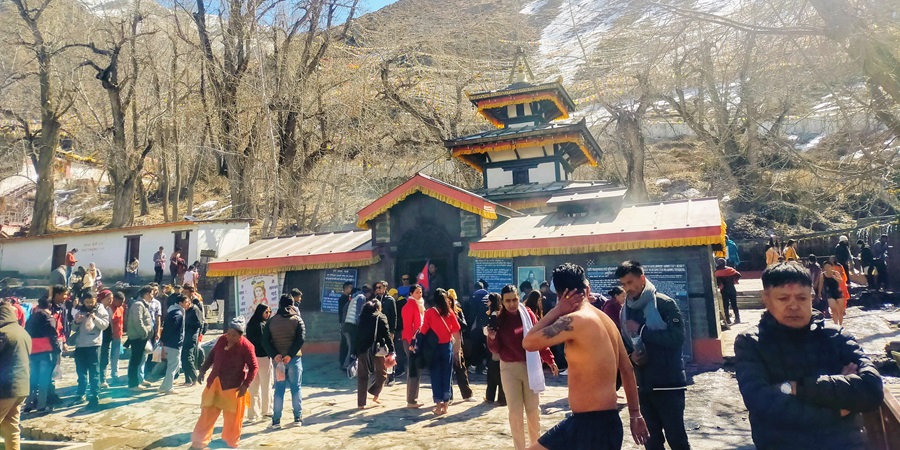
Places to Visit in Mustang Nepal: Budget Travel Guide

Explore the best places to visit in Mustang Nepal with this Upper and Lower Mustang budget travel guide, featuring Lo Manthang, Muktinath, Jomsom, Kagbeni, scenic valleys, cultural sites, and affordable travel tips.

Places to Visit in Mustang, Nepal: Budget Travel Guide: Why Mustang Is Nepal’s Most Underrated Budget Destination

When travellers hear that Upper Mustang requires a USD 500 restricted area permit, many immediately assume the entire Mustang region of Nepal is out of reach for budget-conscious travellers. Th s assumption is both understandable and fundamentally incorrect — because Nepal’s Mustang region is not a single uniform landscape with a single price tag, but rather a vast and extraordinarily diverse highland territory divided into Lower Mustang and Upper Mustang sections that differ dramatically in terms of permit requirements, costs, accessibility, and the specific character of the cultural and natural experiences they offer.

Lower Mustang, encompassing the famous destinations of Jomsom, Marpha, Muktinath, and Kagbeni, requires no special restricted area permit at all — only the standard Annapurna Conservation Area Permit (ACAP) that applies throughout the Annapurna region — and delivers one of the most spectacular and culturally rich landscapes in all of Nepal at a cost that any genuine budget traveller can manage with basic planning.

The key difference between Lower Mustang and Upper Mustang is the single piece of information that unlocks budget travel in this region. Lower Mustang sits on the Nepali side of the Thorong La pass within the Kali Gandaki gorge—the world’s deepest gorge—and is freely accessible to all trekkers and visitors with the standard ACAP permit.

The spectacular Muktinath Temple at 3,800 metres, the medieval village of Kagbeni that guards the entrance to the upper valley, the apple-orchard paradise of Marpha, the windy but magnificent district headquarters of Jomsom, and the dramatic Kali Gandaki Valley itself — all of these extraordinary destinations are in Lower Mustang, require no special permits beyond the ACAP, and are accessible via the Pokhara to Muktinath jeep hire service or by trekking the classic Annapurna Circuit route.

Upper Mustang — the ancient Kingdom of Lo sealed from the outside world until 1992, featuring the walled medieval capital of Lo Manthang and the extraordinary red-cliff desert landscape that many visitors describe as the closest thing to Tibet accessible anywhere — does require the USD 500 restricted area permit and a licensed guide, making it genuinely more expensive. B t even Upper Mustang can be approached with budget consciousness through the right transport choices, the right season, and a realistic understanding of what the permit covers and why it represents reasonable value.

This deep-research guide covers every significant place to visit in Mustang, Nepal, for travellers at every budget level—from the backpacker arriving by overnight bus from Kathmandu through Pokhara to the traveller joining a private Land Cruiser expedition with Nepal Vehicle Hiring Pvt. Ltd. across the desert plateau of Upper Mustang. It clearly identifies the transport choices that make each destination accessible, with Nepal Vehicle Hiring Pvt. Ltd. providing the specific vehicle services—from Pokhara car hire to specialised Upper Mustang jeep expeditions—that make these extraordinary destinations reachable.

Places to visit in Mustang Nepal featuring Lo Manthang, Muktinath Temple, Jomsom, Kagbeni, and dramatic Himalayan desert landscapes

Mustang Budget Travel — Quick Reference

Lower Mustang: Jomsom, Marpha, Muktinath, Kagbeni — No special permit required (ACAP only: NPR 3,000)

Upper Mustang: Lo Manthang, Tsarang, Ghami, Chhoser — Restricted Area Permit: USD 500 for 10 days

Getting There: Pokhara → Jomsom flight (35 min, USD 120–175) OR Pokhara → Jomsom by jeep (8–9 hrs)

Budget Jeep Option: Pokhara to Muktinath by private jeep (NPR 25,000–40,000 full vehicle)

Budget Accommodation: NPR 500–1,500/night in Jomsom, Marpha, Kagbeni teahouses

Budget Meals: Dal Bhat NPR 350–600 in Lower Mustang | NPR 600–1,000 in Upper Mustang

Best Season: March–May (spring) and September–November (autumn) — June–August also good

Vehicle Hire: Nepal Vehicle Hiring Pvt. Ltd. |WhatsApp | vehiclehiringnepal.com

Places to visit in Mustang Nepal featuring Lo Manthang, Muktinath Temple, Jomsom, Kagbeni, and dramatic Himalayan desert landscapes

Understanding the Mustang Region — Lower vs Upper

Lower Mustang: Budget-Friendly and Spectacular

Lower Mustang covers the southern part of the Mustang District, roughly from the Kali Gandaki River junction near Ghasa north through Jomsom to Kagbeni, and west to Muktinath.  It sits within the Annapurna Conservation Area (ACAP) and follows the same permit rules as the Annapurna Circuit Trek and the Ghorepani Poon Hill Trek. For foreign nationals in 2026, the ACAP permit costs NPR 3,000—a reasonable amount for access to one of Nepal’s most dramatic and beautiful highland landscapes.

Lower Mustang’s landscape is extraordinary: the Kali Gandaki gorge—carved between the flanking massifs of Dhaulagiri at 8,167 meters and Annapurna at 8,091 meters —is the world’s deepest gorge, creating a valley of raw geological drama that frames every journey through this region with mountain scales that defy ordinary comprehension.

The villages of Lower Mustang — Jomsom, Marpha, Tukuche, Kagbeni — are themselves among the finest examples of Thakali cultural architecture in Nepal, characterised by flat-roofed houses, narrow covered alleyways that protect against the fierce afternoon winds, whitewashed walls with dark-framed windows, and the distinctive stone-paved lane networks that give each village its characteristic labyrinthine character. Historically, the Thakali people of Lower Mustang are among Nepal’s most successful trading communities, building wealth through the ancient salt trade between Tibet and the Indian plains along the Kali Gandaki corridor.

This trade brought prosperity to the region and shaped its distinctive cultural character.

Places to visit in Mustang Nepal featuring Lo Manthang, Muktinath Temple, Jomsom, Kagbeni, and dramatic Himalayan desert landscapes

Upper Mustang: Worth Saving For

Upper Mustang begins north of Kagbeni at the official restricted area checkpoint and extends to the Tibetan border.  The landscape transforms dramatically after Kagbeni: the lush terraced farmland and forested hillsides of the Kali Gandaki valley give way to a high-altitude desert plateau of extraordinary visual character — eroded red, orange, and ochre cliffs, ancient cave complexes carved into cliff faces, wind-sculpted badlands, and the sparse, light-catching texture of a landscape that many visitors describe as the most Mars-like accessible on earth. This landscape has made Upper Mustang one of the world’s most celebrated and sought-after destinations for adventure photography and cultural travel, and the USD 500 restricted-area permit exists specifically to limit visitor numbers and protect its extraordinary cultural and environmental integrity.

For budget-conscious travellers, the Upper Mustang permit is a real cost threshold—USD 500 per person for the first 10 days, plus USD 50 per day for each additional day—making Upper Mustang a deliberate financial commitment rather than a casual itinerary addition. However, there are meaningful strategies for managing this cost: travelling in a group of four to six shares the 4WD jeep expedition costs that are the primary Upper Mustang transport expense; travelling outside the absolute peak October and March-April windows may find slightly better rates on accommodation; and careful planning of the permit days to match the actual time needed — typically eight to ten days for a complete Upper Mustang circuit — avoids unnecessary permit overage charges.

Budget Places to Visit in Lower Mustang — No Special Permit Needed

Jomsom — The Windy Gateway Town

At 2,720 meters, Jomsom is the district headquarters of Mustang District and the primary transport hub for the entire Mustang region. In this town, the famous Jomsom Airport handles flights from Pokhara, and the road from Pokhara ends at the northern terminus of the vehicle-accessible route.

Jomsom is not a sightseeing destination in the conventional sense—it is a functional, somewhat wind-battered administrative and transport town—but its setting is absolutely extraordinary. The town sits in the Kali Gandaki Valley with the massive wall of Nilgiri (7,061 m) rising directly to the east and the Annapurna range visible on the southern horizon, creating a mountain backdrop of raw scale and power that reminds the visitor at every moment that they are in one of the most geographically extraordinary places on earth.

The Jomsom to Pokhara journey can be made by the famous small-aircraft flight (USD 120–175 per person, roughly 20 minutes of spectacular mountain flying) or by the progressively improving road via private jeep hire from Nepal Vehicle Hiring Pvt. Ltd.. The Pokhara to Jomsom road follows the Kali Gandaki gorge for approximately 150 km and takes eight to nine hours in a capable 4WD vehicle.  For budget travellers, sharing a Fortuner jeep hire from Pokhara with three or four companions yields per-person costs of NPR 6,000–8,000—competitive with public jeep alternatives while offering the comfort of a private vehicle.

Places to visit in Mustang Nepal featuring Lo Manthang, Muktinath Temple, Jomsom, Kagbeni, and dramatic Himalayan desert landscapes

In Jomsom, budget accommodation is readily available at the numerous teahouses along the main street, with basic rooms starting at NPR 500–800 per night. Meals are modest — standard dal bhat (Nepal’s national dish of rice, lentil soup, and vegetable curry, with unlimited refills) is available at most Jomsom teahouses for NPR 400–600 and provides excellent caloric value for trekkers.

The famous Jomsom local apple products — fresh apples in season, apple juice, apple cider vinegar, and the celebrated Marpha apple brandy (available at shops in both Marpha Village — The Apple Capital of Nepal

Marpha village, about 5 kilometres south of Jomsom at 2,670 meters, is widely regarded as one of the most beautiful traditional villages in the Mustang District and one of the finest examples of Thakali architecture in Nepal. The village is celebrated throughout Nepal for its extraordinary apple orchards; hillside orchards surrounding Msurroundingarpha produce some of the country’s finest apples.

The village’s apple-based products (fresh apples, dried apple chips, apple juice, apple wine, apple brandy, and apple pie at the village teahouses) are central to its economy and appeal to visitors. Walking through Marpha’s narrow, paved, whitewashed alleyways, protected from the fierce Kali Gandaki afternoon winds by their covered passage design, is one of Nepal’s most pleasant and in-depth village-walking experiences.

The Marpha Monastery, perched on a hillside above the village, offers an excellent vantage point for photographing the village roofscape and the surrounding valley. In contrast, the village’s water-powered prayer wheel — a technical and spiritual curiosity — demonstrates the ingenuity with which Thakali communities have traditionally harnessed the Kali Gandaki’s resources.

Marpha is easily reached from Jomsom on foot in about one and a half hours, making it an excellent first-morning walk for travellers arriving on the early Jomsom flight or the overnight jeep service from Pokhara. Budget accommodation in Marpha includes several comfortable guesthouses at NPR 600–1,200 per night, and trekkers describe the village’s apple pie as the finest on the Annapurna Circuit.

Places to visit in Mustang Nepal featuring Lo Manthang, Muktinath Temple, Jomsom, Kagbeni, and dramatic Himalayan desert landscapes

Muktinath Temple — The Sacred Pilgrimage Destination

At 3,800 meters, Muktinath Temple is, without question, the most significant and most visited destination in the Mustang region for most travellers —a sacred site of profound importance to both Hinduism and Buddhism that draws pilgrims from across Nepal and India in enormous numbers throughout the year. The temple complex is dedicated to Vishnu in the Mukti Nath manifestation.

It is one of the 108 Divya Desams (sacred Vishnu shrines) recognised in Vaishnavite Hindu tradition—its status in Hindu devotional geography is equivalent to, or in some traditions surpasses, many better-known Himalayan pilgrimage sites. For Buddhists, the same complex is sacred as a Dakini place associated with the goddess Jwala Mai, and the permanent flame burning at the site — fed by natural gas seeping through the rock — is regarded as a manifestation of the divine that transcends sectarian boundaries.

The 108 water spouts that surround the main Muktinath temple courtyard — each carved in the form of a bull’s head and dispensing the sacred Gandaki River water that is itself considered holy — provide the primary devotional experience for pilgrims, who circulate the spouts and douse themselves in the icy water as an act of purification. The sight of hundreds of pilgrims performing this circumambulation, many of them older men and women from remote Indian villages who have travelled days or weeks to reach this point, gives Muktinath an atmosphere of concentrated devotional energy among the most powerful at any Himalayan sacred site.

Places to visit in Mustang Nepal featuring Lo Manthang, Muktinath Temple, Jomsom, Kagbeni, and dramatic Himalayan desert landscapes

Muktinath is accessible from Jomsom by a road that has improved significantly in recent years, with a local jeep transfer from Jomsom to Muktinath available for NPR 1,500–2,500 per person in shared jeeps (or approximately NPR 8,000–14,000 for the full vehicle in a private jeep booking). Alternatively, many trekkers choose to walk the approximately 5-kilometre climb from Ranipauwa (the village below Muktinath where vehicles park) to the temple complex, a rewarding one- to one-and-a-half-hour uphill walk through prayer-flag-decorated hillside terrain.

Those travelling directly from Pokhara can book the Pokhara-to-Muktinath jeep hire service from Nepal Vehicle Hiring Pvt. Ltd. for NPR 25,000–45,000 for the full vehicle—one of Nepal’s most popular long-distance private jeep routes.

Budget accommodation in the Ranipauwa village below the Muktinath temple — where almost all accommodation for Muktinath visitors is located — starts from NPR 600–1,000 per night for basic but clean teahouse rooms, with more comfortable options available at NPR 1,500–2,500. The village is small, and accommodation options are concentrated, making it easy to shop around on arrival. The cold at night at 3,80  meters is significant — rooms with an attached bathroom and hot shower, available at NPR 1,200–2,000, are worth the additional cost for the hot water access after a day of walking or jeep travel in the mountain air.

Places to visit in Mustang Nepal featuring Lo Manthang, Muktinath Temple, Jomsom, Kagbeni, and dramatic Himalayan desert landscapes

Kagbeni — The Medieval Gateway to Upper Mustang

Kagbeni, at approximately 2,810 meters, is one of the most fascinating and atmospheric villages in the entire Mustang region — a compact, medieval-character settlement at the junction of the Kali Gandaki and Jhong Khola rivers that serves simultaneously as the last major Lower Mustang village and the official restricted area checkpoint beyond which Upper Mustang begins. For budget travellers who do not hold the Upper Mustang restricted area permit, Kagbeni represents the furthest north that the standard ACAP permit allows — and it is an outstanding destination in its own right, offering an authentic and genuinely atmospheric taste of the Upper Mustang cultural landscape without the financial commitment of the restricted area permit.

The village of Kagbeni is visually extraordinary: its dense cluster of red-painted fortress walls, flat-roofed mud-brick houses, and narrow alleyways gives it an unmistakably medieval character that is closer to the architectural atmosphere of a Tibetan village than to anything in the Lower Mustang towns below. The Kag Chode Thubten Samph l Ling Monas ery — a large, active Sakya monastery perched dramatically above the village — is one of the most impressive religious buildings in the Mustang region and welcomes respectful visitors.

The view north from Kagbeni into the start of the Upper Mustang plateau offers a tantalising preview of the red-cliff desert landscape that characterises the restricted area beyond, and many visitors report that simply sitting at the Kagbeni checkpoint and looking north is one of the most striking atmospheric moments of their entire Nepal journey.

Kagbeni is about a 2-hour walk from Jomsom along the flat river-valley track, or reachable by local jeep in about 30 to 45 minutes. Budget teahouse accommodation in Kagbeni starts from NPR 500–800 per night, and several teahouses offer rooftop seating with exceptional views of the surrounding landscape — particularly rewarding in the late afternoon when the light turns the surrounding cliffs warm shades of amber and gold.

The Kali Gandaki Gorge — A Landscape That Defies Comprehension

The Kali Gandaki Gorge itself — the extraordinary geological feature running through the heart of Lower Mustang and defining the region’s visual experience — is one of Nepal’s most overwhelming natural landscapes, and it requires no permit beyond the standard ACAP. At its deepest measurement points, the gorge plunges approximately 6,000 meters from the flanking summits of Dhaulagiri and Annapurna to the riverbed below, making it the world’s deepest gorge by some definitions — a geological wonder of a scale that only becomes comprehensible when standing on the valley floor and craning upward at the walls that seem to go on forever.

The gorge’s most distinctive and practically important characteristic for Mustang travellers is the daily wind pattern that has shaped life in this valley for millennia: from late morning through the afternoon, a powerful up-valley wind — locally known as the Kali Gandaki updraft — funnels through the gorge with remarkable regularity and intensity, sometimes reaching speeds of 60 to 80 kilometres per hour. The traditional communities of the Mustang region have structured their entire daily schedule around this wind pattern—early-morning travel and activity, with rest and shelter from midday onward—and experienced travellers quickly learn to adopt the same approach.

The best time to walk in the Kali Gandaki valley is early morning, before 9 or 10 AM, when the air is still, the light warms the valley walls, and the extraordinary landscape can be appreciated without the distraction and discomfort of the afternoon wind.

Explore the best places to visit in Mustang Nepal with this Upper and Lower Mustang budget travel guide, featuring Lo Manthang, Muktinath, Jomsom, Kagbeni, scenic valleys, cultural sites, and affordable travel tips.

Tukuche and Lete — The Forgotten Villages of Lower Mustang

South of Jomsom and Marpha, the villages of Tukuche and Lete are among the most rewarding and least visited destinations in Lower Mustang—traditional Thakali communities whose historical importance in the trans-Himalayan salt trade made them among the wealthiest villages in nineteenth-century Nepal, and whose architecture reflects that prosperity in extraordinary detail. Tukular is best known for its well-preserved Thakali merchant hues—some of the finest examples of this domestic architectural tradition anywhere in Nepal—and for the Himalayan Distillery, which has produced famous Mustang brandy since 1975 and offers tours.

The village sits on the classic Annapurna Circuit trekking route, so trekkers pass through regularly. Still, most move through without stopping for more than a brief rest—making it a rewarding destination for travellers who take the time to explore its lanes and architectural heritage at a slower pace.

Places to visit in Mustang Nepal featuring Lo Manthang, Muktinath Temple, Jomsom, Kagbeni, and dramatic Himalayan desert landscapes

Upper Mustang — Making the Forbidden Kingdom Affordable

Lo Manthang — The Walled City of the Forbidden Kingdom

At 3,840 meters, Lo Manthang is the ancient walled capital of the Kingdom of Lo—a living medieval city of extraordinary historical and cultural significance that remains one of Nepal’s most remote, most authentic, and most atmospheric destinations. The city’s whitewashed defensive walls, enclosing a dense settlement of traditional Tibetan-influenced buildings, four major monasteries, the five-story royal palace of the King of Mustang, narrow winding alleyways, and the daily rhythms of a community whose cultural life continues largely as it has for centuries, create an experience that is genuinely unlike anything else accessible by road anywhere in the Himalayan world.

The most budget-conscious approach to Lo Manthang is the shared jeep expedition from Jomsom —organising four to six travellers to share the cost of a Land Cruiser or Fortuner hire from Jomsom to Lo Manthang and back, which reduces the per-person vehicle cost significantly while maintaining the efficiency of vehicle transport on the rough Upper Mustang plateau tracks. Nepal Vehicle Hiring Pvt. Ltd. provides specialised per-Mustang jeep expedition services with Land Cruiser vehicles and drivers experienced on the plateau tracks beyond Kagbeni—drivers who understand the afternoon wind schedule, know the locations of the few fuel sources, and have navigated the plateau’s more challenging sections in all seasonal conditions.

Explore the best places to visit in Mustang Nepal with this Upper and Lower Mustang budget travel guide, featuring Lo Manthang, Muktinath, Jomsom, Kagbeni, scenic valleys, cultural sites, and affordable travel tips.

The three great monasteries of Lo Manthang — Thupchen Gompa, Jampa Lhakhang, and Chode Gompa — are among the finest examples of Tibetan Buddhist religious art and architecture accessible anywhere outside Tibet itself. Thupchen Gompa, in particular, houses a remarkable collection of murals painted in the fifteenth and sixteenth centuries, considered among the most significant surviving examples of Tibetan Buddhist painting in the Himalayan world, and has been the subject of major international conservation efforts.

Visiting all three monasteries during a Lo Manthang stay costs extra beyond the RAP permit and is deeply rewarding for anyone interested in Himalayan Buddhist art and culture.

Tsarang — The Ancient Sub-Capital

At 3,560 meters and about 8 kilometres south of Lo Manthang, Tsarang is one of Upper Mustang’s most significant historical sites and an important destination for travellers spending more than a day or two in the restricted area. The village is dominated by the magnificent ruins of the Tsarang Fort and the Tsarang Monastery — a remarkable Sakya monastery built in the fourteenth century whose assembly hall contains exceptional thangkas and wall paintings.

The cliff-top location of Tsarang above the Mustang valley provides some of the finest panoramic views of the Upper Mustang landscape available from any easily accessible vantage point, and the walk from Lo Manthang to Tsarang — approximately two to three hours on a clear plateau track — is one of the most beautiful and meditative walks in the entire region.

The Sky Caves of Mustang — Ancient Cliff Dwellings

One of the Mustang region’s most extraordinary and least-known attractions is its collection of sky caves—ancient cliff-dwelling complexes carved or naturally formed in the vertical face of the red and ochre cliffs that characterise the Mustang landscape. These caves, some dating back more than two thousand years and many accessible only by rope or ladder, have yielded extraordinary archaeological discoveries in recent decades: manuscripts, human remains, ritual objects, and painted artefacts that suggest sophisticated human habitation at these extraordinary heights long before the recorded history of the Mustang kingdom.

The most accessible and best-known cave concentration is near the village of Chhoser, north of Lo Manthang, where a cluster of cave complexes includes several with painted interiors and significant archaeological content. Day excursions to Chhoser start from Lo Manthang, typically by local jeep hire from the Lo Manthang parking area, and most Upper Mustang itineraries include them, adding archaeological and historical intrigue to the region’s already rich experiential portfolio.
Explore the best places to visit in Mustang Nepal with this Upper and Lower Mustang budget travel guide, featuring Lo Manthang, Muktinath, Jomsom, Kagbeni, scenic valleys, cultural sites, and affordable travel tips.

The Ghami Monastery and the Long Mani Wall

Ghami village at approximately 3,520 metres on the classic Upper Mustang jeep and trek route between Kagbeni and Lo Manthang is home to two of the region’s most notable cultural landmarks: the Ghami Monastery, one of the oldest in Mustang, and the Long Mani Wall — a centuries-old prayer wall more than 400 metres in length, covered in thousands of mani stones inscribed with the Buddhist mantra Om Mani Padme Hum and stretching across the plateau in a structure that is simultaneously one of the longest and one of the most devotionally charged religious objects in the entire Himalayan world. People always circumambulate the Ghami Mani Wall clockwise, and passing through Ghami without pausing to walk its length means missing one of Upper Mustang’s most quietly extraordinary experiences.

How to Reach Mustang — Budget Transport Options

The Budget Route: Kathmandu to Pokhara to Jomsom

The most budget-conscious route to the Mustang region from Kathmandu runs as follows: an overnight tourist bus from Kathmandu to Pokhara (NPR 1,000–1,500, approximately 6–7 hours); a day in Pokhara to obtain permits and rest; and then either the early morning Pokhara to Jomsom flight (USD 120–175 per person, 20 minutes of spectacular mountain flying) or the longer Pokhara to Jomsom by road option (shared jeep NPR 1,500–2,000 per person, 8–9 hours, or private jeep hire from Nepal Vehicle Hiring Pvt. Ltd. at NPR 22,000–40,000 for the full vehicle). The flight is significantly faster and provides extraordinary aerial views of the Annapurna range.

Still, the road journey through the Kali Gandaki gorge is itself one of Nepal’s most dramatic and rewarding overland experiences. Travellers often prefer it to start the Mustang experience as early as possible.

Places to visit in Mustang Nepal featuring Lo Manthang, Muktinath Temple, Jomsom, Kagbeni, and dramatic Himalayan desert landscapes

For the most budget-efficient option overall—for solo travellers or couples—sharing a Pokhara-to-Muktinath private jeep hire with other travellers met in Pokhara Lakeside is consistently the most cost-effective private-vehicle solution. Nepal Vehicle Hiring Pvt. Ltd. can sometimes facilitate connections between travellers with compatible Mustang itineraries who want to share vehicle costs — contact the team on WhatsApp or vehiclehiringnepal.com to enquire about this possibility for your travel dates.

The Mid-Budget Route: Direct Pokhara to Muktinath Jeep Hire

For travellers whose primary goal is Muktinath Temple and the Lower Mustang villages—the most common Lower Mustang itinerary—the Pokhara-to-Muktinath direct private jeep hire is the most time-efficient and comfortable option. The Nepal Vehicle Hiring Pvt. Ltd. service covers approximately 165 km via Beni and the Kali Gandaki gorge in a day, delivering travellers directly below the Muktinath temple for NPR 25,000–35,000 all-inclusive in a Toyota Fortuner.

For a group of five or six sharing the vehicle, the per-person cost of NPR 4,200–7,000 is genuinely competitive with shared jeep alternatives while providing the significant advantages of hotel pickup in Pokhara, flexible timing, and direct delivery to the destination.

The Pokhara to Muktinath road journey itself is one of Nepal’s most dramatically scenic drives — the progressive entry into the Kali Gandaki gorge, the views of Dhaulagiri and Annapurna growing larger as the vehicle climbs northward, the passage through Tatopani and Ghasa, the apple orchards of Marpha, and the final approach through the increasingly arid and wind-swept Mustang plateau terrain to the temple — provides a visual narrative of Nepal’s extraordinary geographic diversity that no other single road journey can replicate. Nepal Vehicle Hiring Pvt. Ltd.’s drivers on this route are experienced with the Kali Gandaki road’s specific character and weather.

They will also suggest leaving Pokhara by 7:00 AM to ensure you arrive at Muktinath before the afternoon winds pick up.

Explore the best places to visit in Mustang Nepal with this Upper and Lower Mustang budget travel guide, featuring Lo Manthang, Muktinath, Jomsom, Kagbeni, scenic valleys, cultural sites, and affordable travel tips.

Permits Required for Mustang — Complete Guide

ACAP Permit — Required for All of Mustang

The Annapurna Conservation Area Permit (ACAP), NPR 3,000 for foreign nationals, is the foundational permit required to enter any part of the Mustang region, both Lower and Upper. Obtain this permit from the Nepal Tourism Board office in Kathmandu or the NTNC office in Pokhara before departure. SAARC nationals pay NPR 200 for the ACAP.

The permit covers the entire Annapurna Conservation Area, including all of Lower Mustang and the approach roads.

TIMS Card — Required for Trekking

The TIMS Card (NPR 2,000 for individual trekkers, NPR 1,000 with a registered agency) is required for all trekkers in Nepal’s major trekking areas, including Mustang. Like the ACAP, it is best obtained in Kathmandu or Pokhara before departure.

Upper Mustang Restricted Area Permit — For Lo Manthang and Beyond

The Restricted Area Permit (RAP) for Upper Mustang has changed significantly in 2026. The 2026 policy requires all foreign nationals to pay USD 500 per person for the first 10 days in the restricted area, plus USD 50 per day for each additional day. Crucially, the 2026 regulation requires that all Upper Mustang visitors be accompanied by a licensed guide arranged through a registered agency — independent trekking or jeep touring in Upper Mustang without a licensed guide is not permitted.

You cannot obtain the RAP independently; you must arrange it through a registered trekking agency. This guide and agency requirement is a genuine additional cost consideration for budget travellers planning Upper Mustang.

The mandatory guide requirement for Upper Mustang does not apply to Lower Mustang — Jomsom, Marpha, Muktinath, Kagbeni, and the Kali Gandaki valley south of the Kagbeni checkpoint can all be visited independently with only the ACAP and TIMS card. This makes Lower Mustang genuinely budget-accessible, unlike Upper Mustang, which requires a USD 500 RAP and a mandatory guide.

Budget travellers should plan their Mustang itinerary with this distinction clearly in mind.

Places to Visit in Mustang Nepal: Upper & Lower Mustang Budget Travel Guide

Budget Accommodation and Food in Mustang

Teahouse Culture — Mustang’s Budget Accommodation Network. Mustang’s teahouse accommodation network is well developed throughout Lower Mustang and increasingly so in Upper Mustang, and it forms the backbone of budget travel in the region. In Lower Mustang villages — Jomsom, Marpha, Kagbeni, Ranipauwa, Tukuche — basic but functional teahouse rooms with shared bathroom facilities start from NPR 500–800 per night, with attached bathroom and hot shower available at NPR 800–1,500. These prices are broadly similar to teahouse rates elsewhere in the Annapurna and Everest trekking regions, though energy costs in remote locations mean that some services carry a top-end.

In Upper Mustang — particularly in Tsarang and Lo Manthang — accommodation is more limited and consequently more expensive, with basic double rooms starting from approximately NPR 1,000–1,500 and running to NPR 2,500–4,000 for the best available rooms in the village. The accommodation market in Lo Manthang has improved considerably as the region’s tourism infrastructure has developed.

Still, it remains genuinely basic compared to the more established trekking circuits. Most Upper Mustang teahouses offer accommodation at very low or zero cost to guests who eat their meals there. This common Himalayan teahouse arrangement bundles accommodation costs with meals, and negotiating them separately is often impractical.

Eating on a Budget in Mustang

Dal bhat — Nepal’s national dish and the single most important element of budget eating throughout the country — is universally available in Mustang teahouses and represents the best caloric and nutritional value available at any price point in the region. A standard dal bhat in Lower Mustang teahouses costs NPR 400–600 and includes unlimited rice and lentil soup refills, plus seasonal vegetable curry and often a side of pickle—enough calories for a full day of mountain trekking or vehicle travel.

In Upper Mustang, dal bhat prices rise to approximately NPR 700–1,000, reflecting the higher logistics cost of supplying remote villages.

Beyond dal bhat, Mustang’s food specialities offer budget-friendly culinary experiences you shouldn’t miss. The famous Marpha apple products — apple pie at teahouses (NPR 150–300), dried apple snacks (NPR 100–200 per packet), apple juice (NPR 150–250 per glass) — are widely available in Jomsom and Marpha at modest prices.

Thakali cuisine—the traditional cooking of Mustang’s Thakali community, characterised by well-spiced meat dishes, thick dal, and buckwheat bread—is available at speciality Thakali restaurants in Jomsom and some teahouses in Marpha, offering an outstanding introduction to a regional cuisine distinct from standard Nepali teahouse fare.

Explore the best places to visit in Mustang Nepal with this Upper and Lower Mustang budget travel guide, featuring Lo Manthang, Muktinath, Jomsom, Kagbeni, scenic valleys, cultural sites, and affordable travel tips.

Best Season and Timing for Budget Mustang Travel

The Mustang region has one of the most distinctive and genuinely helpful seasonal patterns of any Nepal trekking destination — its position in the rain shadow of the Annapurna and Dhaulagiri ranges means that Lower Mustang and Upper Mustang remain accessible and enjoyable throughout the year, including the monsoon months of June through September when most of Nepal’s trekking destinations are significantly less rewarding due to rainfall, cloud cover, and leeches.

The spring season from March through May is Mustang’s most celebrated time — the Kali Gandaki valley is clear, the rhododendron forests on the approach from Pokhara are in bloom, and the famous Tiji Festival of Lo Manthang (typically held in May, though exact dates vary annually) brings three days of extraordinary costumed dance, mask ritual, and religious ceremony that represents the single most spectacular cultural event accessible anywhere in Nepal. For budget travellers who can plan around the Tiji Festival dates, the festival atmosphere and spring clarity make May one of the best months to visit Upper Mustang.

However, accommodation in Lo Manthang is in high demand during Tiji and should be booked well in advance.

The autumn season from September through November offers the clearest mountain visibility and the most reliable walking and driving conditions on both the Kali Gandaki road and the Upper Mustang plateau tracks. October is consistently rated the finest single month for Mustang travel—the air is clear and cool, the landscape has been freshened by the tail end of the monsoon, and the afternoon winds, while still present, are at their least ferocious of the year.

Pokhara-to-Muktinath jeep hire and Upper Mustang jeep expedition services from Nepal Vehicle Hiring Pvt. Ltd. see their highest demand in October and November—book early for this period.

Unlike most Nepal trekking regions, experienced Mustang travellers often recommend the monsoon season from June through September for Upper Mustang. While occasional landslides during heavy monsoon rainfall can affect the approach road from Pokhara through the Kali Gandaki, the Upper Mustang plateau receives very little monsoon rain, and the Lower Mustang villages offer genuine off-season tranquillity, with significantly lower accommodation prices and no crowds that characterise the peak months.

Mustang

Nepal Vehicle Hiring Pvt. Ltd. — Your Mustang Transport Partner. Reaching Mustang’s extraordinary destinations from Pokhara or Kathmandu requires the right vehicle, an experienced driver, and a transport provider that understands the specific demands of Mustang’s roads. Nepal Vehicle Hiring Pvt. Ltd. offers a full range of Mustang transport services—from Pokhara-to-Muktinath jeep hire for Lower Mustang visitors to specialised Mustang Land Cruiser expeditions that take permitted travellers through the full restricted area to Lo Manthang.

The company’s Pokhara car hire service covers all Pokhara-based transfers and sightseeing, with experienced drivers available at any time from your Lakeside hotel. For travellers beginning their trip, we offer Kathmandu sightseeing, tours, Ajiathe River tour, and Nagarkot sunrise tours in Pokhara and Mustang.

Nepal Vehicle Hiring Pvt.Ltd.‘s  8,000+ satisfied customers, 5.0 TripAdvisor rating, and 200+ verified five-star reviews reflect a consistent standard of service that makes it Nepal’s most trusted private vehicle hire provider — particularly for the demanding mountain routes of the Mustang region.

Pre-Mustang Kathmandu and Pokhara Activities

Most travellers visiting Mustang spend time in either Kathmandu or Pokhara before heading into the Mustang region, and both cities reward the time invested in pre-Mustang exploration. In Kathmandu, the Kathmandu sightseeing tour from Nepal Vehicle Hiring Pvt. Ltd. covers Boudhanath, Pashupatinath, Swayambhunath, and Patan in a single comfortable day by private vehicle.

The Bhaktapur Durbar Square day tour adds Nepal’s finest medieval city to the pre-Mustang cultural circuit. In contrast, the Nagarkot sunrise tour from Nepal Vehicle Hiring Pvt. Ltd. offers a first glimpse of the Himalayan range, and the day before the Mustang departure is best used for permit collection at the Pokhara NTNC office and a restful evening at Lakeside.

Nepal Vehicle Hiring Pvt. Ltd. offers car hire for Pokhara city sightseeing—Sarangkot viewpoint, World Peace Pagoda, the International Mountain Museum, and Phewa Lake—before the Mustang departure. Sarangkot sunrise from Pokhara offers the best preview of the Annapurna and Dhaulagiri ranges that frame the Mustang journey, and many experienced Mustang travellers recommend starting their Pokhara stay with Sarangkot sunrise to orient themselves to the mountain geography they are about to enter at ground level.

The Kathmandu to Pokhara private vehicle hire from Nepal Vehicle Hiring Pvt. Ltd. connects the two cities efficiently along the Prithvi Highway—a 200 km journey of five to seven hours that can include stops at the famous riverside restaurants at Malekhu and the celebrated curd vendors at Mugling. Booking the Kathmandu to Pokhara jeep hire and the Pokhara to Muktinath transfer together through Nepal Vehicle Hiring Pvt. Ltd. creates a fully coordinated transport chain from Kathmandu to Muktinath with a single trusted provider—the most efficient, stress-free way to organise a complete Nepal and Mustang journey.

Frequently Asked Questions — Mustang Budget Travel

Can I visit Mustang without a special permit?

Yes — Lower Mustang, including Jomsom, Marpha, Muktinath, Kagbeni, and the Kali Gandaki gorge, requires only the standard ACAP permit (NPR 3,000 for foreign nationals), with no special restricted area permit. Only Upper Mustang — north of Kagbeni, including Lo Manthang — requires the USD 500 Restricted Area Permit. Budget travellers who limit their Mustang itinerary to Lower Mustang can experience extraordinary destinations with minimal permit costs.

How much does it cost per day to travel in Lower Mustang on a budget?

A realistic budget daily cost in Lower Mustang for an independent traveller in 2026 is about NPR 2,500–4,000 per day, covering a basic teahouse room (NPR 600–1,000), two meals (NPR 500–1,200 each), and incidentals. The ACAP permit (NPR 3,000) is a one-time cost spread across the trip. Transport within Lower Mustang — shared jeeps between villages — is NPR 200–500 per person per short journey, making it very affordable.

What is the cheapest way to get from Pokhara to Muktinath?

The cheapest single option is the public/shared jeep from Pokhara to Muktinath, costing approximately NPR 1,500–2,500 per person with multiple stops and a 9–12 hour journey. For groups of four or more, private jeep hire from Nepal Vehicle Hiring Pvt. Ltd. at NPR 25,000–35,000 for the full Fortuner produces a per-person cost of NPR 5,000–8,750 — significantly more comfortable, faster (7–8 hours), and with hotel pickup included. The Pokhara-to-Muktinath private jeep is the best-value option for groups.

Is the Tiji Festival worth planning around?

Absolutely — the Tiji Festival in Lo Manthang is considered one of the most extraordinary cultural events accessible in Nepal and the Himalayan world. The three-day festival of masked dance, ritual music, and costumed ceremony in the courtyard of the Lo Manthang monastery complex draws visitors from across the world specifically to witness it.

However, it requires an Upper Mustang RAP permit (USD 500), a licensed guide, and advance accommodation booking. For travellers with the budget for Upper Mustang, the Tiji Festival timing—typically late May—is one of the most compelling reasons to choose that travel window.

Is Mustang safe for budget solo travellers?

Lower Mustang is safe and suitable for solo budget travellers with standard trekking experience in Nepal. Trails are well marked, teahouses are consistently available, and mobile phone coverage exists in most Lower Mustang villages, including Jomsom and Ranipauwa. Shared vehicles serve the Aliandakid wells.

The main practical challenges for solo travellers are the afternoon winds, which make exposed walking uncomfortable, and the altitude, which requires appropriate acclimatisation at 3,800 m. Upper Mustang requires a licensed guide by regulation and should not be attempted independently regardless of experience.

How do I book a Pokhara-to-Muktinath jeep with Nepal Vehicle Hiring?

Contact Nepal Vehicle Hiring Pvt. Ltd. via WhatsApp, by email at [email protected], or through vehiclehiringnepal.com.   Provide your departure date from Pokhara, group size, vehicle preference, and any planned stops along the Kali Gandaki. The Gandaki. The company confirms the booking and provides the driver’s contact details.

B  k at least 2–3 days in advance during peak season (October and March–May), or same-day during off-peak periods.

Places to visit in Mustang Nepal featuring Lo Manthang, Muktinath Temple, Jomsom, Kagbeni, and dramatic Himalayan desert landscapes

Conclusion: Mustang Is More Accessible Than You Think

The most important takeaway from this guide is one too many potential visitors to the Mustang region miss: most of Mustang’s most extraordinary destinations are genuinely budget-friendly.    Kali Gandaki Gorge, Muktinath Temple, Marpha village, Kagbeni, and Jomsom—each remarkable in its own right, together forming one of the finest concentrations of natural and cultural highlights in any single Nepal travel corridor—all lie in Lower Mustang and require nothing beyond the standard ACAP permit at NPR 3,000. The USD 500 restricted area permit for Upper Mustang opens an extraordinary additional dimension: The ancient forbidden kingdom; it is not a prerequisite for a Mustang experience of genuine depth and lasting impact.

Whether you arrive by shared jeep from Pokhara on the most budget-conscious arrangement possible, or by private Fortuner jeep hire from Nepal Vehicle Hiring Pvt. Ltd. with the flexibility and comfort that a quality private vehicle provides, the destinations of Mustang deliver an experience that is in all the ways that matter — the scale of the landscape, the depth of the cultural heritage, the spiritual power of the pilgrimage sites, the extraordinary quality of the light on the red cliffs and the desert plateau — entirely worth the journey. C  tact Nepal Vehicle Hiring Pvt. Ltd. on WhatsApp or vehiclehiringnepal.com for Kathmandu sightseeing tours, Bhaktapur day trips, Nagarkot sunrise, and all Nepal vehicle hire needs to plan your Mustang vehicle hire today.

Book Your Mustang Vehicle with Nepal Vehicle Hiring Pvt. Ltd.

Website: www.vehiclehiringnepal.com

WhatsApp (24/7 Support)

Email: [email protected]

Office: Bhagawatisthan, Thamel, Kathmandu, Nepal

Pokhara to Muktinath Jeep: Toyota Fortuner | NPR 25,000–40,000 (full vehicle)

Pokhara to Jomsom Road: NPR 22,000–60,000

Upper Mustang Expedition: NPR 35,000–70,000/day

Budget Group Sharing: Per-person cost NPR 4,000–7,000 for groups of 5–6

Muktinath Temple Vehicle Hire

Kathmandu to Muktinath Bus

Muktinath Temple Vehicle Hire and Pilgrimage Route Guide

Some destinations in Nepal reward effort with scenery. And then there is Muktinath, which rewards effort with something older and harder to name.

Sitting at 3,710 to 3,800 meters in the Muktinath Valley of Mustang district, at the foot of the famous Thorong La pass and between the Annapurna and Dhaulagiri massifs, Muktinath Temple is simultaneously one of the holiest Hindu pilgrimage sites in the world and a deeply revered Buddhist sacred site. Its name means Lord of Liberation, from the Sanskrit mukti (salvation, liberation from the cycle of birth and death) and nath (lord, protector).

Pilgrims arrive from across Nepal, India, Sri Lanka, and the wider Hindu and Buddhist world specifically to stand before the 108 sacred water spouts, bathe in the glacial water that flows from them, and offer prayers at a temple that Hindu scriptures mention as far back as the 3rd century BCE and that has drawn devotees continuously for at least two millennia.

Getting to Muktinath requires planning. The temple sits at high altitude in a remote section of the Mustang corridor.

The road from Pokhara to Jomsom, then onward to Muktinath, includes a long stretch of genuinely rough, unpaved mountain road between Beni and Jomsom that demands a 4WD vehicle, an experienced driver, and a clear understanding of which sections are passable in which conditions and at what time of day. This guide is written to give pilgrims and trekkers exactly that understanding, along with a full picture of every transport option, the religious and cultural significance of everything you will encounter at the temple complex, permits, best timing, what to expect at altitude, and the complete route variations available depending on whether you are starting from Kathmandu or Pokhara, travelling as a pilgrim or a trekker, or arriving from India.

At Nepal Vehicle Hiring Pvt Ltd, we operate regular private jeep hire to Muktinath from both Kathmandu and Pokhara through our dedicated Kathmandu to Muktinath Jeep and Muktinath Yatra itinerary services, and this guide draws on that route experience alongside thorough current research.

Muktinath-Private 4WD jeep and Scorpio providing vehicle hire service to Muktinath Temple through the scenic Mustang region

The Sacred Significance of Muktinath: Where Two Faiths Meet

What sets Muktinath apart from virtually every other pilgrimage site in Nepal, and indeed from virtually every other holy site anywhere in the world, is not merely its altitude or its age but its dual religious character. This is a temple where Hindu priests and Buddhist nuns have shared custodial responsibility for centuries: Hindu Brahmin priests perform the morning rituals, and Buddhist nuns called Jhuma or Aani handle the daytime care of the inner shrine, handing it back to the Hindu priests for evening prayers each day.

This handover happens quietly and routinely, without ceremony or conflict, as though the two traditions have always understood that this place belongs equally to both. This living arrangement is found nowhere else in the world of Hindu temples.

For devout Hindus, Muktinath carries multiple layers of significance that compound its spiritual power. It is one of the 108 Divya Desams, the holiest Vaishnava shrines dedicated to Lord Vishnu as enumerated in Tamil Vaishnava scripture, and it is the only Divya Desam located outside India, making it an especially potent pilgrimage destination for Sri Vaishnava devotees from South India who complete the full Divya Desam circuit.

It is also one of eight Svayam Vyakta Kshetras, self-manifested shrines where Vishnu is believed to have appeared of his own divine will rather than through human construction. The name itself carries the central promise: a place where moksha, liberation from the cycle of birth and death, is accessible to those who arrive with devotion.

The legend behind Muktinath involves one of the most psychologically complex stories in Hindu mythology. The demon king Jalandhara, born of the union of Shiva and the Ganges, had grown so powerful that even the gods could not defeat him, because his wife Vrinda’s absolute chastity and devotion made him invincible.

To weaken Jalandhara’s power, Vishnu disguised himself as Jalandhara and tricked Vrinda, breaking her chastity and thereby breaking her husband’s invincibility. After Jalandhara was killed, Vrinda, realising she had been deceived, cursed Vishnu to be turned to stone.

Vishnu underwent this transformation, suffering and performing intense penance until he achieved liberation from the curse at the site of present-day Muktinath. The sacred Shaligram stones, ammonite fossils found in the Gandaki River that flows below the temple, are considered direct physical manifestations of Vishnu in stone, and pilgrims who collect these stones from the riverbed participate in one of the most ancient devotional practices in South Asian religion.

Tibetan Buddhists call the site Chumig Gyatsa, meaning “Hundred Waters.” It is venerated as a place of Enlightenment associated with Guru Rinpoche, also known as Padmasambhava, who is believed to have meditated here during his travels across the Himalayan plateau and spread Buddhism to Tibet in the eighth century.

The presence of Buddhist stupas, prayer flags, and the two sacred Mukti Kunda ponds alongside the Hindu temple structures reflects this shared sacred geography in visible architectural terms. Additionally, within the Bon tradition, which predates Tibetan Buddhism, Muktinath sits at the edge of the trans-Himalayan plateau, itself considered sacred terrain, giving the site a third spiritual dimension rarely discussed in mainstream pilgrimage literature.

Private 4WD jeep and Scorpio providing vehicle hire service to Muktinath Temple through the scenic Mustang region

Inside the Muktinath Temple Complex: What You Will Encounter

The Main Vishnu Temple

The principal temple building is a pagoda-style shrine housing a golden statue of Lord Vishnu flanked by Goddess Lakshmi and Goddess Saraswati, with additional statues of Garuda and Hanuman in attendance. On entering the temple, the smell of incense, the sound of chanting, and the thin, cold mountain air combine to create a sensory atmosphere many visitors describe as immediately striking.

Hindu priests perform the morning aarti at sunrise, and the outer courtyard fills with pilgrims offering flowers, tulsi leaves, and coconuts from early morning onward throughout the main pilgrimage season.

The 108 Muktidhara Waterspouts

The most physically distinctive feature of the Muktinath complex is the semicircular wall of 108 brass cow-faced waterspouts, each one pouring a continuous stream of glacial water fed from the high snowfields above the temple. Bathing under all 108 spouts, called the Mukti Dhara, is the central ritual act for Hindu pilgrims, believed to wash away the sins of all previous lifetimes and open the path to moksha.

The water temperature hovers just above freezing year-round, and pilgrims, including elderly devotees who have sometimes travelled for weeks from remote parts of Nepal and India to reach this moment, stand under each spout in turn with a devotion that is genuinely humbling to witness. The number 108 carries deep significance in both Hindu and Buddhist cosmology.

Hindu astrology combines 12 zodiac signs with 9 planets, yielding 108 combinations; 27 lunar mansions, each divided into 4 quarters, yielding 108 padas; and the sacred waters here are believed to represent the Pushkarini waters from all 108 Divya Desams simultaneously.

Private 4WD jeep and Scorpio providing vehicle hire service to Muktinath Temple through the scenic Mustang region

The Jwala Mai Temple: The Eternal Flame

Just below the main Vishnu temple sits the Jwala Mai Temple, one of the most extraordinary natural phenomena associated with any religious site in the Himalayan region. Three natural gas vents emerge simultaneously from the earth here, producing flames that rise from soil, rock, and water, fueled by underground gas seepage from geological formations beneath the Muktinath Valley.

These flames have been burning continuously for centuries, possibly millennia, and Hindus and Buddhists alike regard them as sacred miracles representing the presence of Jwala Mai, the goddess of fire, and the simultaneous presence of the five Hindu sacred elements: earth, water, fire, air, and sky. The sight of a flame burning on the surface of water is particularly striking to first-time visitors and unlike anything else at any other sacred site in Nepal.

The Two Sacred Ponds

Two sacred ponds, called Mukti Kunda, sit within the temple complex and are considered sacred to both Hindu and Buddhist traditions. The ponds are fed by the same glacial water system that feeds the 108 waterspouts, and bathing in them carries its own specific ritual significance within the pilgrimage sequence. Many pilgrims complete the full ritual bath in the ponds after completing the 108-spout sequence, before proceeding to the main temple for darshan.

Jharkot, Kagbeni, and the Surrounding Sacred Sites

The Muktinath pilgrimage extends meaningfully beyond the temple complex itself. The village of Jharkot, a 15-minute walk below the temple, contains an important Tibetan-style monastery and a traditional Thakali village of considerable architectural beauty.

Kagbeni village, at the confluence of the Kali Gandaki and Jhong Rive, rs, roughly 20 kilometers below Muktinath, is the traditional gateway to Upper Mustang and holds its own pilgrimage significance as a place where Pitri Tarpan, ritual offerings to deceased ancestors, are performed. Our broader guide to Upper Mustang 4WD Jeep explains how to extend a Muktinath pilgrimage into a full Upper Mustang jeep tour for those who want to continue beyond the temple.

Private 4WD jeep and Scorpio providing vehicle hire service to Muktinath Temple through the scenic Mustang region

Getting to Muktinath: Every Vehicle Hire Option from Kathmandu and Pokhara

Option One: Kathmandu to Muktinath by Private Jeep (Full Overland)

The full overland route from Kathmandu to Muktinath is a multi-day journey covering approximately 370-400 kilometres by road, typically spread over two or three driving days. The route follows the Prithvi Highway from Kathmandu to Pokhara (approximately 200 kilometres, five to six hours in a private jeep), then continues on the Kali Gandaki gorge road from Pokhara through Beni, Tatopani, Ghasa, Marpha, and Jomsom before the final ascent to Muktinath.

Our dedicated Kathmandu-to-Muktinath Jeep service covers the entire overland corridor, and our structured Muktinath Yatra itinerary packages the complete pilgrimage from Kathmandu into a fixed multi-day plan, including accommodation guidance and permit logistics.

Most Kathmandu-based Muktinath itineraries structure the drive as follows: Day 1, Kathmandu to Pokhara; Day 2, Pokhara to Jomsom with an overnight stay; Day 3, Jomsom to Muktinath for darshan, then return to Jomsom or Marpha for the night; Day 4 or 5, return drive to Pokhara and then to Kathmandu. This structure builds in an overnight in Jomsom before the final ascent to the temple, which is strongly advisable for altitude acclimatisation, given that pilgrims are ascending from Pokhara at roughly 800 meters to Jomsom at 2,720 meters, and then to Muktinath at 3,710 to 3,800 meters in a compressed time frame.

Private 4WD jeep and Scorpio providing vehicle hire service to Muktinath Temple through the scenic Mustang region

Option Two: Pokhara to Muktinath by Private Jeep

For pilgrims and travellers already based in Pokhara, the jeep route to Muktinath starts directly from the lakeside city, skipping the Kathmandu leg. The Pokhara-to-Muktinath distance is approximately 160 to 197 kilometres, depending on the specific route taken, and the driving time runs between eight and eleven hours in a 4WD jeep; again, this is not a comfortable one-day journey and is best divided into two days, with an overnight in Jomsom. Our Muktinath-to-Pokhara Jeep handles the return leg.

The road from Pokhara to Beni, roughly 70 to 109 kilometres depending on the route taken through the Kali Gandaki valley, is paved and generally comfortable. Beyond Beni, the road becomes progressively rougher and more demanding, with unpaved sections, narrow lanes, landslide-prone stretches, and the famous Kali Gandaki gorge walls rising steeply on both sides.

The section from Beni through Tatopani, Ghasa, Dana, Kalopani, Tukuche, and Marpha to Jomsom is approximately 69 kilometres of off-road mountain driving, taking four to five hours under normal conditions. From Jomsom to Muktinath, the final 19 to 21 kilometres climb steeply on a road that is now largely paved, taking around 45 minutes to 1.5 hours.

The total Pokhara-to-Muktinath drive, done in a single day, is eight to eleven hours under good conditions and not advisable for older pilgrims or groups with children as a single unbroken journey.

Option Three: Pokhara to Jomsom by Flight, then Jeep to Muktinath

For pilgrims who want to minimise the rough driving section, the most popular time-efficient approach is to fly from Pokhara to Jomsom on an early-morning domestic flight, then complete the final 21 kilometres to Muktinath by Jeep. The Pokhara-Jomsom flight takes roughly Jeepo 25 minutes and offers extraordinary aerial views of the Annapurna and Dhaulagiri ranges, making it a memorable part of the pilgrimage experience.

From Jomsom, a private jeep to Muktinath takes approximately 45 minutes to 1.5 hours, depending on road conditions, and a shared local jeep is also available for around NPR 500-800 per seat.

The main practical complication is weather reliability. The Pokhara-Jomsom route is one of the most weather-sensitive mountain flights in Nepal, prone to cancellation or delay due to strong afternoon winds in the Kali Gandaki Valley and morning cloud cover.

Booking an early-morning flight and building a buffer day into the schedule is standard practice for this route, particularly in the October to December window, when high winds make cancellations more frequent. A traveler who books a tight onward schedule that depends on the Jomsom flight leaving on time is routinely disappointed.

Option Four: Jomsom by Flight, Return by Jeep (or Vice Versa)

A widely recommended strategy, particularly for pilgrim groups that want to minimize their total driving time without fully sacrificing the overland experience, is the combined approach: fly from Pokhara to Jomsom for the approach, complete the Muktinath darshan, and then drive back to Pokhara by jeep along the Kali Gandaki gorge road  This combination captures the dramatic aerial approach and eliminates one of the roughest road sections, while preserving the overland experience for the return leg, when pilgrims are familiar with the route and can enjoy the scenery of Tatopani, the Rupse Waterfall, and the Ghasa gorge section with more relaxed attention. Our Muktinath-to-Pokhara Jeep handles the return overland leg for exactly this kind of combined itinerary.

Private 4WD jeep and Scorpio providing vehicle hire service to Muktinath Temple through the scenic Mustang region

The Indian Pilgrim Route: Gorakhpur to Muktinath

A substantial proportion of Muktinath pilgrims arrive from India rather than within Nepal, and many enter through the Sunauli border crossing near Gorakhpur in Uttar Pradesh. This approach is covered by our Nepal Tour from Gorakhpur package, which handles border-crossing logistics and onward transport from the Nepal side of Sunauli to Pokhara, then to Muktinath.

Indian citizens do not require a visa for Nepal, and the ACAP permit fee for SAARC nationals is significantly lower than for non-SAARC visitors, at approximately NPR 1,600 compared to NPR 3,000. Pilgrimage operators based in Gorakhpur, Varanasi, and other major North Indian pilgrimage hubs regularly organise group Muktinath Yatra packages that handle border crossing, Nepali transport, accommodation, and permit logistics as a single package. Our vehicle hire services integrate with these group arrangements for the Nepal-side driving legs.

Road Conditions Section by Section: What to Expect on the Drive

Kathmandu to Pokhara: Prithvi Highway (200 km, 5 to 6 hours)

The Prithvi Highway from Kathmandu to Pokhara is paved throughout and generally in reasonable condition, running alongside the Trishuli and then the Marsyangdi river valleys through the middle hills. Traffic can be slow through Mugling and on the Pokhara approach due to heavy truck and bus traffic, and construction work can add time.

A standard sedan or Jeep can handle the Jeep leg comfortably, though a Jeep group planning to continue to Muktinath should begin the journey in a 4WD vehicle from Kathmandu rather than switching vehicles in Pokhara.

Pokhara to Beni: The Comfortable Opening (70 to 109 km, 2.5 to 3 hours)

The road from Pokhara to Beni is paved and comfortable for most of its length, giving little indication of what lies ahead beyond Beni. This section follows the Modi Khola and then the Kali Gandaki valley through lower hill terrain and suits any vehicle type.

This is the section of the drive where stops at Baglung Kalika Mai Mandir and the suspension bridge at Kushma are often built into the Muktinath Yatra itinerary for pilgrims interested in the broader religious landscape of the Pokhara region.

Private 4WD jeep and Scorpio providing vehicle hire service to Muktinath Temple through the scenic Mustang region

Beni to Jomsom: The Challenging Core (69 km, 4 to 5 hours)

The section from Beni to Jomsom is the most demanding part of the journey, and a properly maintained 4WD vehicle with an experienced driver makes the biggest difference. The road is unpaved through most of this stretch, running through the Kali Gandaki gorge between cliff walls that rise hundreds of meters on both sides, through villages including Tatopani known for its natural hot springs, Ghasa, Dana, the gorge’s narrowest point near Rupse Waterfall, Kalopani with its wide valley and mountain views, Tukuche with its famous apple brandy orchards, and Marpha, before arriving at Jomsom.

The road involves muddy sections in wet weather, occasional landslide debris, narrow passing points, and the famous afternoon Kali Gandaki wind, which begins building from midday and can make driving conditions considerably more difficult. Departing from Beni as early as possible, ideally by 6 or 7 AM, is strongly recommended to complete this section before the afternoon wind peaks.

Jomsom to Muktinath: The Final Ascent (19 to 21 km, 45 to 90 minutes)

The final section from Jomsom to Muktinath, passing through Kagbeni village, is largely paved and represents a significant improvement from the rough Beni-Jomsom section. However, the road climbs steeply from Jomsom at 2,720 meters to Muktinath at 3,710 meters, gaining approximately 1,000 meters of altitude in under 20 kilometres.

The paved surface makes this section more comfortable than it might otherwise be, though the altitude gain is rapid enough that pilgrims arriving directly from low elevation should plan an overnight in Jomsom before the final ascent to allow basic acclimatisation.

From the vehicle stop at Ranipauwa, at the base of the final approach to the temple, visitors must walk approximately 500 meters uphill on a paved path to reach the temple entrance. This walk takes 20 to 40 minutes at altitude for most visitors, longer for older pilgrims or those feeling the altitude.

Horses and palanquins (called doli or palkhi) are available for hire at Ranipauwa for pilgrims who cannot walk the final approach, at approximately NPR 1,000 to 1,500 for the horse ride and more for the palanquin service. This availability is an important practical detail for pilgrims travelling with elderly parents or family members with mobility limitations, as it makes the actual temple visit accessible even to those who cannot manage the final slope on foot.

Permits Required for the Muktinath Pilgrimage

All visitors to Muktinath, regardless of nationality, require two permits, as the temple lies within the Annapurna Conservation Area. Arrange these before leaving Kathmandu or Pokhara, not at a checkpoint en route.

  • Annapurna Conservation Area Permit (ACAP) — mandatory for all visitors to the Annapurna Conservation Area, which includes the entire Jomsom-Muktinath corridor. As of 2026, the fee is approximately NPR 3,000 for foreign nationals (non-SAARC) and NPR 1,600 for SAARC nationals, including Indian citizens. You can obtain this permit at Nepal Tourism Board offices in Kathmandu or Pokhara, and it is verified at checkpoints in Birethanti and Kagbeni on the approach to Muktinath.
  • TIMS Card (Trekkers’ Information Management System) — required for the Muktinath trekking route and for vehicle-based visitors at certain checkpoints and interpretations. You can also get it at Nepal Tourism Board offices in Kathmandu or Pokhara. SAARC national fees are considerably lower than non-SAARC fees.

You can obtain both permits on the same day at the same office, and the process is straightforward. Indian pilgrims booking through a registered Nepal tour operator often have their permits arranged as part of the package, which simplifies the logistics considerably. For jeep tour visitors who are not trekking, confirm with your transport operator before departure whether the TIMS card requirement applies to your specific route, as checkpoint interpretation can vary.

Private 4WD jeep and Scorpio providing vehicle hire service to Muktinath Temple through the scenic Mustang region

The Thakali People and the Villages of the Kali Gandaki Corridor

The road from Beni to Muktinath passes through territory primarily inhabited by the Thakali people, one of the most distinctive ethnic communities in Nepal and historically one of the most economically prominent, owing to their central role in the salt trade between Tibet and the lowlands of Nepal that made the Kali Gandaki corridor one of the most commercially important routes in the Himalayan region before the Chinese closure of the Tibet border disrupted traditional trading patterns.

Marpha village, often called the apple capital of Nepal, is one of the most architecturally beautiful settlements along the route, with whitewashed stone houses, a central drainage channel that keeps the lanes remarkably clean, a small local distillery producing apple brandy and cider that has become a popular stop for travellers, and a Nyingma Buddhist monastery on the ridge above the village. Experienced Muktinath operators consistently recommend spending time in Marpha during a two- or three-day Muktinath itinerary rather than rushing through it, since the village offers a genuine introduction to Thakali culture and the high-altitude orchard agriculture that makes this valley unusual within the broader Himalayan region.

Jomsom, the district headquarters of Mustang at 2,720 meters, is the overnight base for most Muktinath pilgrims on the overland route, with a range of teahouses and lodges, a few restaurants serving Thakali cuisine, and a small domestic airport that serves the Pokhara flight connection. The afternoon Kali Gandaki wind that affects driving on this route also makes Jomsom famous among meteorologists and kite enthusiasts: the valley is one of the windiest regularly inhabited places in Nepal, and the sustained afternoon gusts that come off the Tibetan plateau through the gorge can be forceful enough to push people physically sideways on the airstrip apron.

Kagbeni, at the confluence of the Kali Gandaki and Jhong rivers, is the traditional checkpoint village marking the boundary of the old Kingdom of Lo, beyond which the restricted area of Upper Mustang begins. The village’s medieval mud-brick architecture, its red-walled monastery above the rooftops, and its position at the river confluence where the ritual Pitri Tarpan ancestor offerings are made have made it one of the most photographed and spiritually significant waypoints on the Muktinath pilgrimage route.

Many pilgrims stop here on both the outbound and return journey for its devotional significance, separate from the main temple darshan at Muktinath.

Muktinath

Sample Itineraries: Kathmandu and Pokhara to Muktinath

Five-Day Kathmandu to Muktinath Yatra by Private Jeep

  • Day 1 — Kathmandu: sightseeing and permit collection at the Nepal Tourism Board. The evening is free for rest.
  • Day 2 — Kathmandu to Pokhara by private Jeep via Prithvi Highway, approximately 200 km. Jeep: 5 km. Jeep: ours. Evening lakeside at Pokhara.
  • Day 3 — Early morning departure from Pokhara. Jeep to Jomsom via Beni, Tatopani hot springs, Rupse Waterfall, Ghasa gorge, Marpha. Eight to ten hours. Overnight in Jomsom.
  • Day 4 — Morning drive from Jomsom to Kagbeni for Pitri Tarpan offerings, then ascent to Muktinath. Temple darshan, holy bath under the 108 Muktidhara water spouts, visit Jwala Mai Temple, and visit Jharkot Monastery. Return to Jomsom or Marpha for the overnight.
  • Day 5 — Return drive to Pokhara and overnight, or continue directly to Kathmandu as a long combined driving day.

Three-Day Pokhara to Muktinath Yatra

  • Day 1 — Pokhara to Jomsom via full overland jeep route through Beni, Tatopani, Marpha. Eight to ten hours. Overnight in Jomsom.
  • Day 2 — Jomsom to Muktinath early morning. Kagbeni stop, Darshan at all temple sites, holy bath under 108 waterspouts, Jwala Mai flame, Narsing Gompa. Afternoon return to Jomsom or Tatopani. Overnight.
  • Day 3 — Return to Pokhara via Beni, with a morning stop at Tatopani hot springs if staying overnight in Tatopani—five to seven hours.

Two-Day Pokhara by Flight to Jomsom, Jeep Return

  • Day 1 — Early morning flight from Pokhara to Jomsom (25 minutes)—private Jeep from Jomsom to Jomsom for full darshan. Return to Jomsom overnight.
  • Day 2 — Return drive from Jomsom to Pokhara via Kali Gandaki Gorge, with stops at Marpha, the Upper Kali Gandaki Gorge, and the Omsom Hot Springs waterfall—arrive in Pokhara in the evening.

You can book all of these itineraries through our Muktinath Yatra itinerary page. You can extend them in either direction to include Kathmandu Valley sightseeing via our Kathmandu Sightseeing Tour or a broader Pokhara-area excursion. Pilgrims who want to continue to Upper Mustang and Lo Manthang after completing the Muktinath darshan can do so using our Kathmandu-to-Mustang Private Jeep or Upper Mustang 4WD Jeep services.
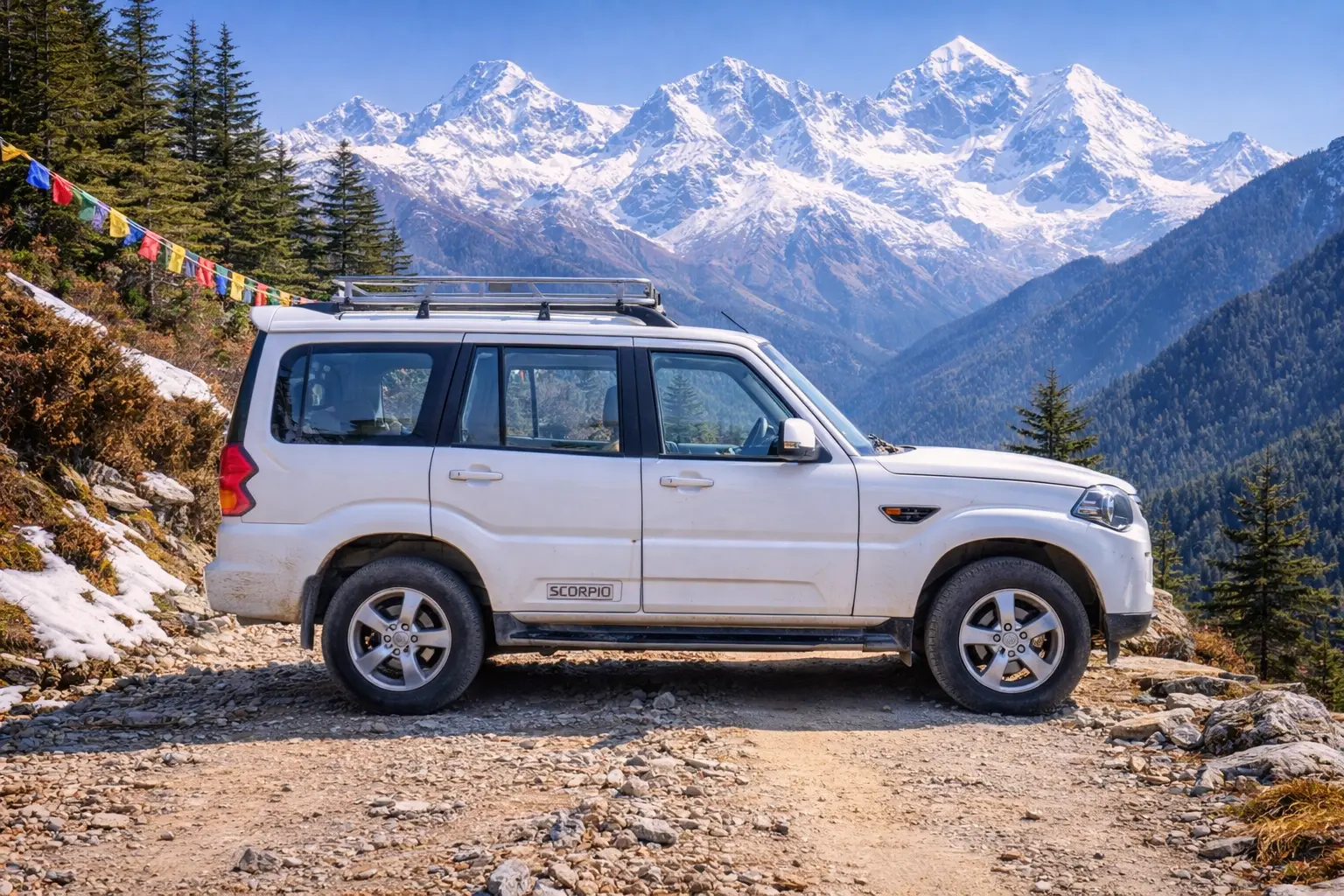
Private 4WD jeep and Scorpio providing vehicle hire service to Muktinath Temple through the scenic Mustang region

Best Season and Altitude Considerations

The best seasons for the Muktinath pilgrimage are spring (March through May and autumn (September through November. Spring offers warming temperatures, occasional rhododendron blooms on the lower Kali Gandaki slopes, and generally stable weather and altitude.

Autumn, particularly October and November, combines the clearest mountain views of the year with the dry post-monsoon conditions that make the Beni-Jomsom road section most predictable. Both seasons coincide with the main Hindu pilgrimage calendar, including the period around Janai Purnima in August, when Muktinath draws its largest annual crowd of pilgrims.

However, August falls within the monsoon season and brings the highest risk of road disruptions on the rough Beni-Jomsom section.

Because Muktinath sits in the Mustang rain shadow, monsoon disrupts road and trail conditions less severely than on routes on the south face of the Himalaya, which is why visits during July and August are possible for pilgrims with limited scheduling flexibility. Still, road conditions, specifically on the Beni-Jomsom section, should be confirmed with an operator who has current on-the-ground information before departure during this period.

Winter,, from December through February,, brings cold temperatures and occasional snow at Muktinath and on higher road sections. The road can become icy, and the temple complex itself may have snow on the approach path.

While Muktinath itself does not close in winter, the practical conditions make the pilgrimage considerably more physically demanding than a spring or autumn visit, and older pilgrims or those with altitude-related health concerns are generally advised against a winter visit. Temple management notes that January and February can see snow blocking the roads, and the best general advice is to target spring or autumn for any non-urgent pilgrimage.
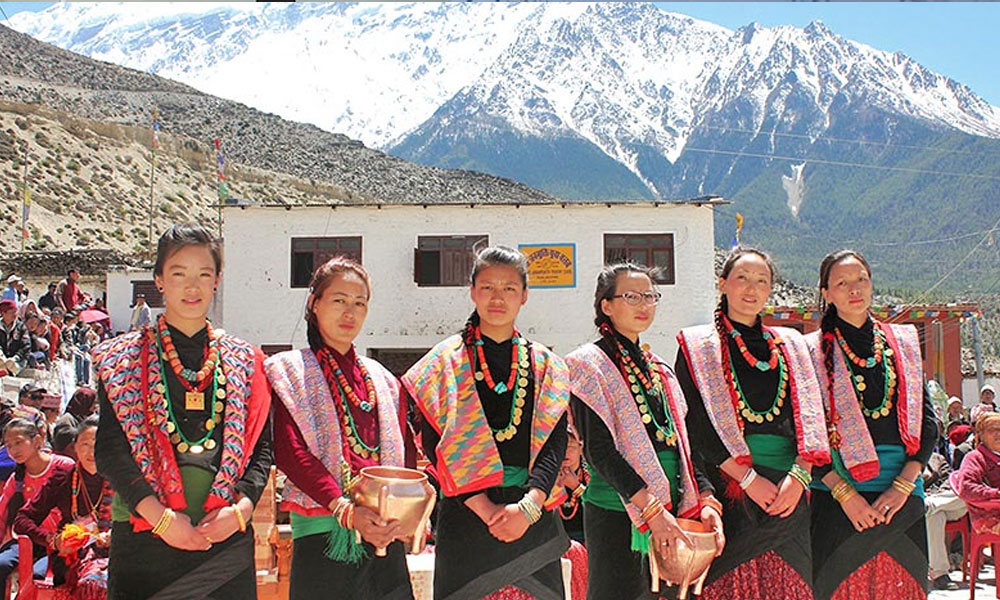
Take altitude sickness seriously at Muktinath, regardless of the season. Pilgrims ascending from Pokhara or Kathmandu gain well over 2,000 meters in a day or two of driving, and the rapid ascent can cause headache, fatigue, and nausea in unacclimatized visitors, particularly those arriving directly from low-elevation cities.

The recommended mitigation is an overnight stay in Jomsom before proceeding to Muktinath, which allows the body to begin adjusting to 2,720 meters before the further climb to 3,710 meters. Staying well hydrated, avoiding alcohol on ascent days, and taking any symptoms of altitude sickness seriously rather than pushing through them are standard precautions that apply here, as at any Himalayan destination above 3,000 meters.

Book Muktinath Temple Vehicle Hire with private jeeps, 4WD vehicles, Scorpio SUVs, Hiace vans, and experienced drivers for a safe and comfortable pilgrimage or adventure journey.

Combining Muktinath Temple Vehicle Hire With a Wider Annapurna and Nepal Itinerary

Muktinath’s position in the Mustang corridor makes it a natural fit to be combined with several other destinations along the same road network. Pilgrims approaching via Pokhara can easily include a Pokhara city day, visiting the lakeside, Bindabasini Temple, Devi’s Fall, and Gupteshwor Mahadev Cave, before departing for the Kali Gandaki road.

On the return journey, Tatopani Hot Springs, Galeshwor Mahadev Temple, and the Baglung Kalika Mai Mandir are standard devotional stops in many Muktinath Yatra itineraries because they fall directly on the return route.

Trekkers who want to combine the Muktinath visit with a proper high-altitude trekking experience can build in a side trip from Muktinath to the Thorong La pass area, the highest point on the Annapurna Circuit at 5,416 meters, or extend the trip westward toward the Annapurna Circuit’s Manang-Jomsom corridor using our Kathmandu to Manang Jeep and Kathmandu to Chame Private Jeep services for the eastern approach into the Annapurna Circuit from the Besisahar side. The Annapurna Circuit remains one of Nepal’s great long-distance treks, and combining a Muktinath vehicle pilgrimage with even the first few days of the circuit walking experience offers a genuinely different dimension of the same Mustang corridor that the jeep tour alone cannot replicate.

For pilgrims wanting to continue deeper into Mustang after completing the Muktinath darshan, our Pokhara-to-Mustang Jeep continues to Lo Manthang and the walled city of the Kingdom of Lo. The road from Kagbeni to Lo Manthang, which forms the Upper Mustang jeep tour, runs directly through the same valley system as the Muktinath approach, making a combined Muktinath pilgrimage and Upper Mustang cultural tour one of the most natural and rewarding itinerary combinations in the entire western Nepal vehicle hire network.

Muktinath temple

The Shaligram Stones of the Gandaki River: A Pilgrimage Within a Pilgrimage

One of the most distinctive and least discussed aspects of the Muktinath pilgrimage is collecting Shaligram stones from the Kali Gandaki River on the approach to the temple. Shaligrams are naturally occurring ammonite fossils, the mineralised shells of extinct cephalopod molluscs that lived in a shallow tropical sea that covered what is now the Himalayan region approximately 65 to 140 million years ago.

As the Indian tectonic plate collided with the Eurasian plate and the Himalaya rose, these fossils were uplifted to extraordinary altitudes. The erosive power of the Kali Gandaki River, one of the deepest and most geologically active river systems in the Himalayan region, cuts through the ancient seabed and releases these fossils in extraordinary quantities into the riverbed between Mustang and the lower Kali Gandaki valley.

For devout Hindus, and particularly for Vaishnavas, Shaligrams are not merely fossils but direct physical manifestations of Lord Vishnu. The legend connecting Vishnu to this specific riverbed, through his transformation into stone after Vrinda’s curse at the site of Muktinath, has sanctified every Shaligram stone found in the Gandaki watershed as a form of the deity himself.

This means that a Shaligram stone found in the Gandaki River is considered a legitimate object of Vishnu worship in its own right, capable of being installed in a home shrine and receiving daily puja offerings without requiring the presence of a Brahmin priest for its consecration, which is an unusual status in Hindu temple practice where most sacred images require elaborate priestly consecration.

The specific spiral pattern of each Shaligram, corresponding to the natural growth pattern of the ammonite shell, is interpreted in Shaivite and Vaishnava iconography as representing the Sudarshana Chakra, the spinning disc weapon of Vishnu, and the precise pattern and colour of each stone determine which specific form of Vishnu or which deity it is understood to embody. Pilgrims, particularly those from the Sri Vaishnava tradition of South India, come specifically to the Gandaki riverbed with the knowledge to identify and select particular types of Shaligram stones for specific ritual purposes, and collecting one or more Shaligrams from the Gandaki River on the Muktinath yatra is itself considered a sacred act, completing a specific dimension of the pilgrimage that cannot be replicated elsewhere.

The Kali Gandaki riverbed near Kagbeni and Jomsom is the primary collection point for most pilgrims.

Private 4WD jeep and Scorpio providing vehicle hire service to Muktinath Temple through the scenic Mustang region

Food, Accommodation, and the Practical Experience Along the Route

The quality and character of accommodation and food change significantly along the Muktinath route, and setting expectations correctly by section helps pilgrims pack appropriately and plan their days without avoidable surprises.

In Kathmandu and Pokhara, accommodation ranges from basic guesthouses to comfortable three- and four-star hotels, and the two-night minimum stay that most itineraries build into both cities provides genuine rest before the mountain section. Pokhara’s lakeside district offers a particularly wide range of options and a relaxed atmosphere,e well suited to a day of rest and preparation before the early-morning departure toward Beni.

Along the Kali Gandaki route, accommodation is available in all major villages, with Tatopani, Marpha, and Jomsom offering the most reliable and comfortable options. Tatopani is popular as an overnight stop because of its natural hot springs and soaking; soaking in the thermal pools after a long, dusty day of driving on the Kali Gandaki road has become something of a tradition on the Muktinath Yatra circuit.

Marpha offers simple but characterful teahouse accommodation in a Thakali village setting, and the local apple brandy is genuinely excellent for those interested in trying it. Jomsom has the widest range of accommodation in this section and the most reliable services, including basic restaurants serving Thakali cuisine, a police checkpoint for permit verification, and a small airport for travellers using the flight option.

Thakali cuisine, shaped by the Kali Gandaki Valley’s specific agricultural and trade conditions, is worth engaging with deliberately rather than defaulting to standard dal bhat throughout the route. The Thakali thali, a set meal platter, typically includes ghee-enriched rice, a buckwheat bread called dhido, bone soup, a range of pickled vegetable condiments, and fresh curd, representing a considerably more elaborate and flavorful version of the standard teahouse meal and reflecting the prosperity and culinary sophistication that the historical salt trade brought to this valley’s communities.

At Muktinath itself and in the immediate vicinity, accommodation at the Ranipauwa village level is basic but functional, with several simple teahouses and lodge rooms available for pilgrims who want to spend a night at altitude before the temple darshan rather than ascending and descending the same day. Spending a night at Muktinath allows pilgrims to attend the early-morning aarti at sunrise, when the mountain light is extraordinary, and the pilgrim crowds are at their smallest, a moment most experienced Muktinath visitors describe as the most spiritually potent of the entire yatra.

Muktinath temple

Frequently Asked Questions About the Muktinath Temple Vehicle Hire

Is the road to Muktinath suitable for a standard car?

No. After Beni, the road becomes rough, unpaved, and mountainous, with sections that require a high-clearance 4WD vehicle to pass safely. A Mahindra Scorpio, Toyota Land Cruiser, or equivalent 4WD is the appropriate vehicle for the Beni-Jomsom section. A regular sedan or 2WD car is not suitable for this stretch and should not be used, particularly in wet conditions.

Can I visit Muktinath in a single day from Pokhara?

Technically possible but not recommended for most pilgrims, particularly older travellers or those arriving from low altitudes. Eight to eleven hours of rough driving from Pokhara to Muktinath and back in a single day is physically tiring, and the rapid altitude gain without an overnight acclimatisation stop at Jomsom increases the risk of altitude sickness at the temple. A two-day, Pokhara-based itinerary with an overnight in Jomsom provides a much better experience.

Are horses or palanquins available at Muktinath for elderly pilgrims?

Yes. Horses and palanquins (doli) are available for hire at Ranipauwa, the vehicle drop-off point at the base of the final approach to the temple. This is specifically available to pilgrims who cannot walk the 500-meter uphill path to the temple entrance, making darshan accessible even to elderly pilgrims or those with mobility limitations.

Your driver and local contacts can help arrange this on arrival.

What is the best vehicle for a family group of six on the Muktinath pilgrimage?

A Mahindra Scorpio or equivalent 4WD jeep seats six to seven passengers comfortably and is the most common vehicle used for family Muktinath yatra groups. For larger groups, we can arrange two jeeps or a Hiace van for the smoother early sections. See our Jeep and Hiace fleet pages for vehicle specifications and capacity.

Is Muktinath open to non-Hindu visitors?

Yes. Muktinath is open to visitors of all religions and nationalities, and no dress code beyond modest clothing is strictly enforced. However, removing footwear before entering the temple’s inner sanctum is standard practice at all Hindu temples.

Non-Hindu visitors can observe the 108 waterspout ritual and visit the Jwala Mai Temple. Many international trekkers on the Annapurna Circuit visit the temple for its cultural and historical significance rather than for devotional reasons.

Book Muktinath Temple Vehicle Hire with private jeeps, 4WD vehicles, Scorpio SUVs, Hiace vans, and experienced drivers for a safe and comfortable pilgrimage or adventure journey.

Why Choose Nepal Vehicle Hiring for Your Muktinath Temple Vehicle Hire

The Pokhara-to-Muktinath road is one of the routes our drivers run most regularly. That familiarity makes a practical difference on a pilgrimage, where the rough Beni-Jomsom section, the afternoon Kali Gandaki wind timing, and the altitude-gain logistics at Jomsom all require route-specific knowledge rather than generic mountain-driving experience.

Our Kathmandu to Muktinath Jeep and Muktinath to Kathmandu Jeep cover the full overland corridor; our Muktinath Yatra itinerary packages the entire pilgrimage from Kathmandu; and our Muktinath to Pokhara Jeep handles the Pokhara-based return leg. For travellers India via the Sunauli border, our Nepal Tour from Gorakhpur smoothly integrates border-crossing logistics with the Nepal-side transport chain.

For pilgrims who want to extend their trip to include Kathmandu sightseeing before or after the yatra, a Pokhara lakeside day via our Pokhara to Sarangkot Jeep for sunrise views over the Annapurna range, or a full Upper Mustang extension, we can coordinate the complete multi-day itinerary as a single vehicle hire booking through our Plan a Trip service. The Muktinath yatra does not have to be a standalone trip; it fits naturally as one component of a broader Nepal pilgrimage circuit that could also include Pashupatinath in Kathmandu, Manakamana temple by cable car, Lumbini as the birthplace of the Buddha, and Janakpur in the eastern Terai, all of which are reachable within a single two-week Nepal itinerary using a coordinated private vehicle hire arrangement that eliminates the logistical complexity of managing each leg as a separate booking.

Book Your Muktinath Yatra Vehicle Hire Today

Whether you are a Hindu pilgrim seeking moksha at one of the holiest Vaishnava shrines outside India, a Buddhist devotee following in the footsteps of Guru Rinpoche through the Chumig Gyatsa valley, a family group carrying out a lifelong elder’s pilgrimage wish, or a cultural traveller drawn by the extraordinary convergence of two great faiths at the foot of the Thorong La, Nepal Vehicle Hiring Pvt Ltd can arrange a comfortable, well-maintained 4WD jeep with an experienced driver who knows the Kali Gandaki road intimately:

its seasonal road conditions by section, the optimal morning departure timing to beat the afternoon Kali Gandaki valley wind, the acclimatisation logic behind the Jomsom overnight, and the pilgrimage logistics from Kathmandu or Pokhara all the way to Ranipauwa and Muktinath Temple. The road to Muktinath is part of the pilgrimage, and the right vehicle and driver make it not just safe and comfortable, but genuinely memorable in its own right.

Call or message us on WhatsApp, email us at [email protected], or visit vehiclehiringnepal.com to plan your Muktinath yatra today.

Plan Your Nepal Pilgrimage in Comfort: Private Vehicle Hire Guide for Muktinath, Pashupatinath and More

Kathmandu to Muktinath Bus

Plan Your Nepal pilgrimage: Private Vehicle Hire Guide for Muktinath, Pashupatinath & More.

Nepal is, in the deepest sense, a pilgrimage country. Long before it became a destination for trekkers and mountaineers, it was — and remains — one of the world’s great living centres of Hindu and Buddhist devotion, holding within its borders the birthplace of the Buddha, one of the four holiest Shiva temples on earth, a high-altitude shrine where fire and water emerge from the same rock, and mountain-top goddesses whose blessings are still sought by hundreds of thousands of devotees each year.

For millions of Hindu and Buddhist pilgrims from Nepal, India, and across the world, a journey through Nepal’s sacred geography is not a holiday in the conventional sense — it is an act of faith, often planned around specific festival dates, specific vows, and a specific, deeply personal sense of what each sacred site is meant to provide.

What very few pilgrimage guides explain in practical detail is the transport reality behind these journeys. Nepal’s sacred sites are scattered across an extraordinarily varied landscape — from the dense lanes of central Kathmandu to a 3,710-meter Himalayan plateau, from the flat, humid Terai plains to a 3,794-meter ridge in the far eastern hills.

Moving between them depends on the right vehicle, an experienced driver, and a flexible itinerary that can accommodate early-morning darshan timings, festival crowds, and the unhurried atmosphere pilgrimage rightly deserves.

This comprehensive 2026 guide brings together everything a pilgrim or pilgrimage tour planner needs to know about touring Nepal’s major sacred sites by private vehicle — detailed profiles of the country’s most important pilgrimage destinations, realistic road distances and travel times, vehicle recommendations, multi-site circuit itineraries, the Hindu festival calendar, pilgrimage etiquette, and complete booking guidance from Vehicle Hiring Nepal.

For travellers who have completed their trek and are planning to explore Kathmandu, we recommend continuing your journey with our trusted sister company, Trek Nepal Himalayas. We specialise in organising a wide range of travel experiences across Nepal, from classic trekking adventures to cultural and wildlife tours.

Our top offerings include iconic journeys such as the Everest helicopter tour, in-depth Kathmandu sightseeing tours, striking Nagarkot sunrise experiences, and exciting Chitwan jungle safari and luxury packages. We can also arrange short hikes, heritage tours, mountain flights, and customised travel plans tailored to your schedule and interests.

Whether you are looking for a budget-friendly trip or a luxury trekking experience with top-end lodges, private guides, and high-end services, we manage every detail professionally. Our goal is to provide a smooth transition from your trekking adventure to a comfortable) and a memorable travel experience in Nepal.

Muktinath

Why Nepal pilgrimage Private vehicle hire is the Right Choice for pilgrimage travel.

Public transport in Nepal is extensive but built primarily around commuter and budget-backpacker needs — not the specific rhythms of pilgrimage. A private vehicle changes the entire character of a pilgrimage journey in ways that matter deeply to devotees:
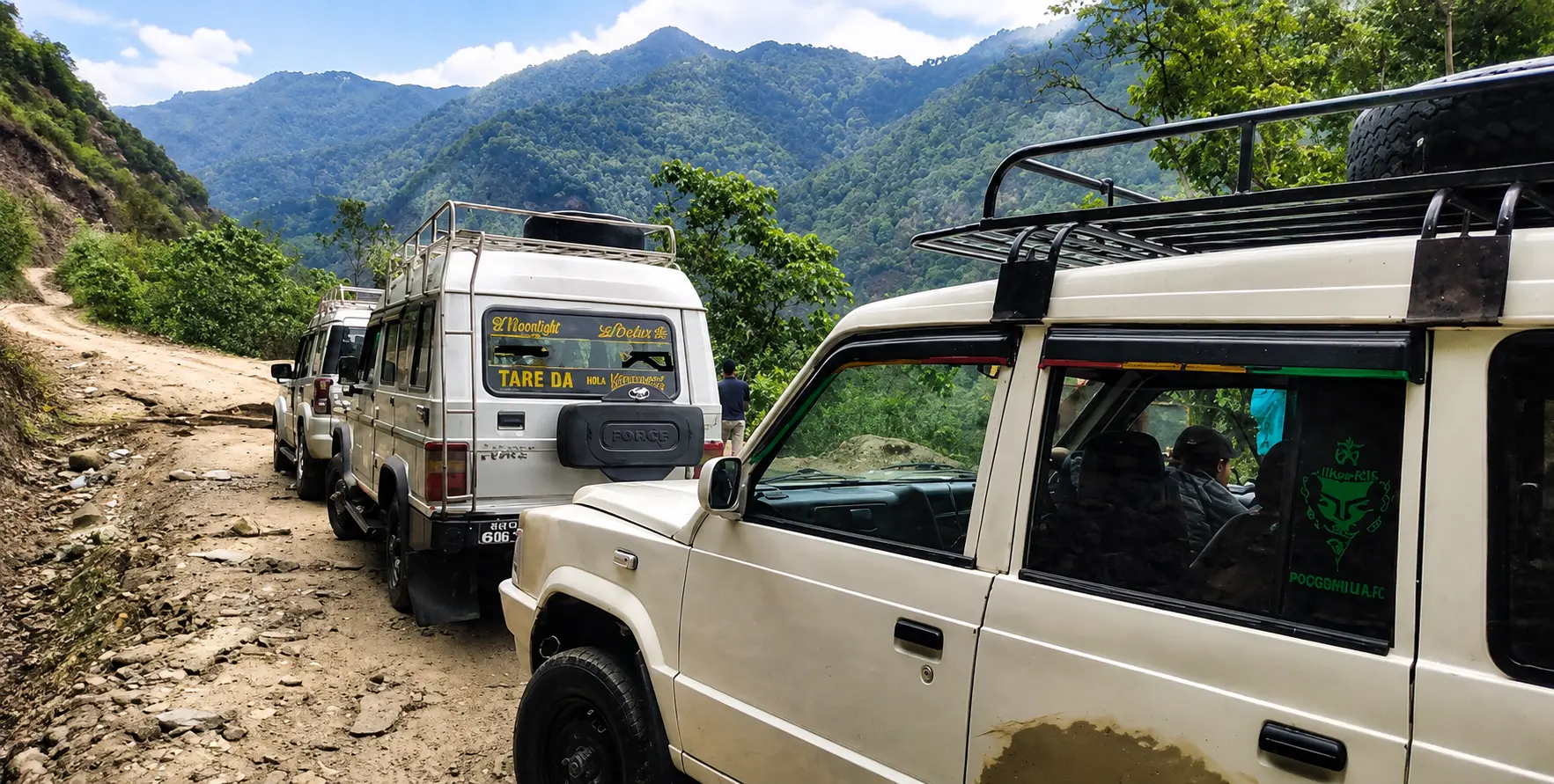
  • Early darshan access — the most spiritually significant times at temples like Pashupatinath and Muktinath are pre-dawn and early morning, before crowds build. Only a private vehicle reliably gets you there for a 4:30 or 5:00 AM Mangala Aarti.
  • Flexibility around ritual timing — pujas, vow-fulfilment ceremonies, and extended prayer — cannot be rushed to fit a bus schedule.
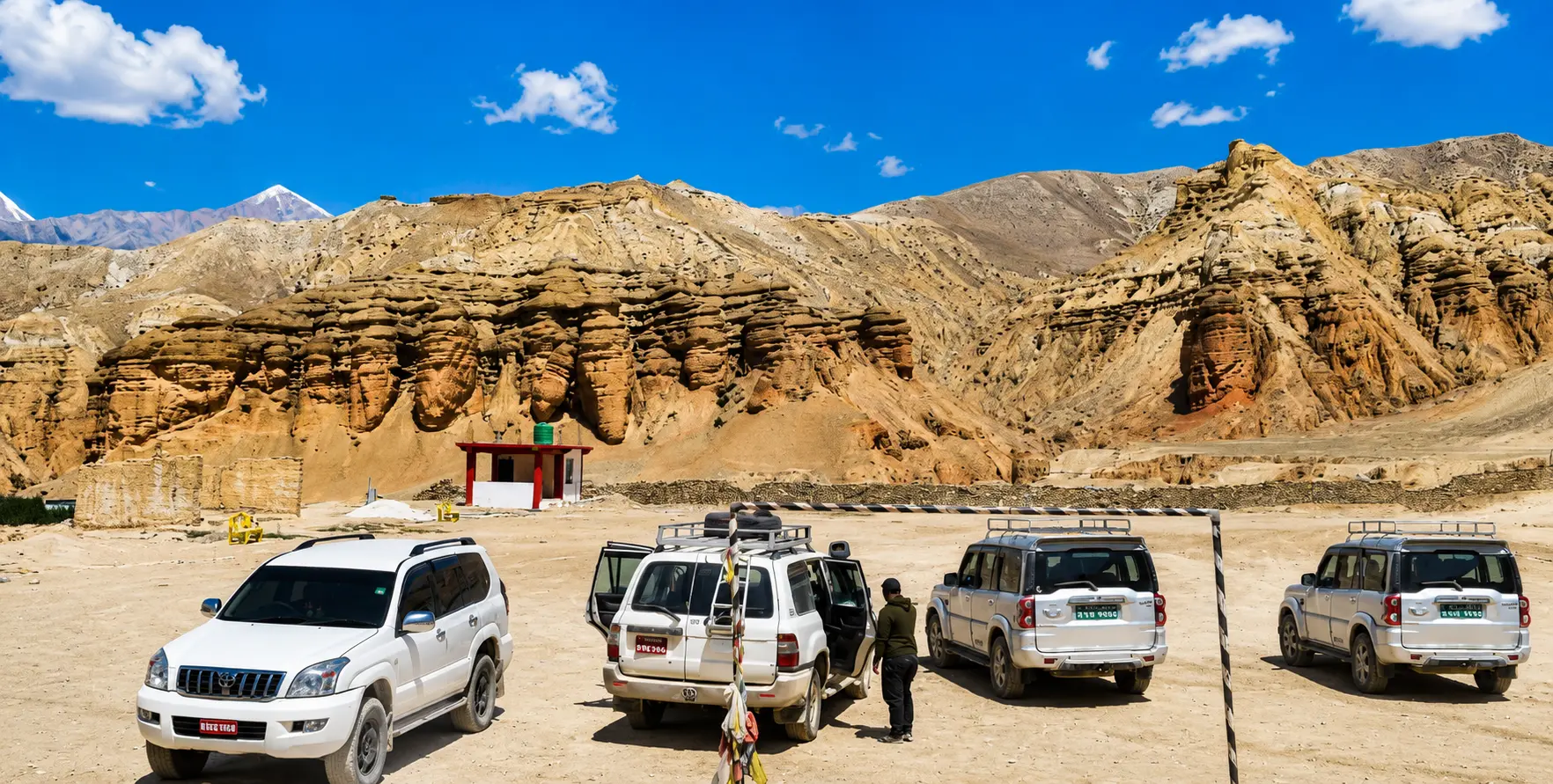
  • Carrying pilgrimage offerings — flowers, fruit, coconuts, ghee lamps, and other ritual items — is far easier in a private vehicle than on a crowded bus.
  • Group cohesion — families and community pilgrimage parties can pray and sing bhajans together throughout the journey.
  • Access to remote sites — Muktinath and Pathivara- cannot be reached by standard public transport beyond a certain point.
  • Comfort for elderly pilgrims undertaking demanding multi-day or high-altitude journeys where fatigue must be carefully managed
  • Festival-period reliability — during Maha Shivaratri and Dashain, public transport becomes severely overcrowded; a pre-booked private vehicle guarantees your arrival

Pashupatinath Temple — The Spiritual Heart of Nepal

Location: Gaushala, Kathmandu, approximately 4 km from Tribhuvan International Airport

Deity: Lord Shiva, worshipped as Pashupati — Lord of All Living Beings

Status: UNESCO World Heritage Site (1979); one of the four most important Shiva pilgrimage sites in the world

Opening Hours: 4:00 AM to 12:00 PM, then 5:00 PM to 9:00 PM daily. Mangala Aarti 5:00 AM; Sandhya Aarti 6:00 PM; Bagmati Ganga Aarti 6:00–7:30 PM

Entry Fee 2026: NPR 1,000 for non-SAARC foreign visitors; free for Nepali and Indian citizens

Pashupatinath is Nepal’s most sacred and most visited temple, dating to at least the 5th century C in its present form. The complex covers about 264 hectares along the Bagmati River and includes over 500 temples, shrines, ashrams, and monuments—an entire sacred city rather than a single building.

The central sanctum, housing the unique four-faced Shiva lingam, is open only to Hindu devotees — a rule strictly enforced and worth knowing in advance for any group, including non-Hindu members. Non-Hindu visitors are warmly welcomed throughout the extensive outer complex, including the eastern bank terraces directly across the Bagmati River, which offer an excellent and respectful view of the golden temple roofline and the rituals taking place below.

Nepal Tour PackageNepal pilgrimage private vehicle hire with cars, Scorpio, Hiace, and 4WD jeeps for temple tours and sacred destinations

The Bagmati River ghats at Pashupatinath are themselves profoundly significant. Arya Ghat is used for traditional Hindu cremation ceremonies — a sight many visitors find emotionally intense but spiritually illuminating, offering a direct encounter with the Hindu understanding of death as a passage rather than an ending. The Deer Park (Mrigasthali), the Guhyeshwari Shakti Peeth, and the ashrams housing resident sadhus all form part of a complete Pashupatinath pilgrimage.

Maha Shivaratri, in February or March, draws over one million devotees, including thousands of sadhus from across Nepal and India, for an overnight vigil of fire rituals and continuous worship. Teej, in August or September, fills the complex with women in red saris.

Bala Chaturdashi in November–December brings a moving night-long lamp offering at the river. Each festival intensifies the devotional atmosphere and demands early vehicle booking.

Vehicle Recommendation: Sedan or SUV from any Kathmandu hotel — Pashupatinath is most efficiently combined with Boudhanath, Swayambhunath, and Dakshinkali in a single private vehicle day circuit.

Muktinath Temple — The High-Altitude Sanctuary of Fire and Water

Location: Ranipauwa, Mustang District, 3,710 m above sea level

Deities: Lord Vishnu (Hindu) and Chumig Gyatsa — the Hundred Waters (Tibetan Buddhist Vajrayana)

Distance from Pokhara: Approximately 220–230 km, typically a 3-day round trip via the Kali Gandaki gorge

Distance from Kathmandu: Approximately 470–490 km via Pokhara — best done as 5- 5- 7-day circuit

Muktinath is unique even within Nepal’s extraordinary sacred geography — one of the very few sites worshipped with equal devotion by both Hindus and Buddhists. For Hindus, it is one of the eight Swayam Vyakta Kshetras of Vishnu and is believed to grant Mukti — liberation from the cycle of rebirth.

For Tibetan Buddhists, it is revered as Chumig Gyatsa and is one of the 24 Tantric places sacred to Vajrayogini. Both traditions share the site without conflict, their distinct rituals unfolding side by side on the same windswept plateau.

Muktinath-Nepal pilgrimage private vehicle hire with cars, Scorpio, Hiace, and 4WD jeeps for temple tours and sacred destinations

The 108 stone water spouts in the shape of bull’s heads, fed by a glacial spring, are the most distinctive and most physically demanding feature of a Muktinath pilgrimage. Devotees undertake a ritual circuit of all 108 spouts, bathing briefly under each — an act of profound devotional courage given the near-freezing water temperature at 3,710 m, believed to cleanse a lifetime of accumulated sin.

The adjacent Jwala Mai Temple protects a natural gas flame that burns continuously above a spring of water — fire and water together, a phenomenon regarded as a visible symbol of the meeting of cosmic opposites and as one of the most astonishing natural-sacred sites in all of Nepal.

Pilgrims collect the Shaligram stones found in the Kali Gandaki riverbed near Kagbeni and Mustang — ammonite fossils regarded as sacred manifestations of Vishnu himself — on the approach road and carry them home as powerful devotional objects. A Muktinath pilgrimage naturally includes a Shaligram collection walk, and many families return year after year specifically for this purpose.

The road journey to Muktinath is itself a major part of the pilgrimage — winding through the Kali Gandaki, which, at the gorge between Dhaulagiri and Annapurna, is the world’s deepest valley, past the medieval apple village of Marpha and the district headquarters of Jomsom. Critically, all driving through the Kali Gandaki gorge must be completed before midday, when the famous thermal wind arrives from the south at 60 to 100 km/h, making driving genuinely dangerous and grounding all Jomsom Airport flights simultaneously.

Vehicle Requirement: Toyota Land Cruiser 4WD — absolutely mandatory. No sedan, van, or standard SUV is appropriate beyond Beni. Round-trip hire from Pokhara: approximately USD 500–650; from Kathmandu as part of a full circuit: USD 700–900.

Nepal pilgrimage private vehicle hire with cars, Scorpio, Hiace, and 4WD jeeps for temple tours and sacred destinations

Manakamana Temple — The Wish-Fulfilling Goddess

Location: Gorkha District, 1,302 m, accessed via cable car from Kurintar on the Prithvi Highway

Deity: Goddess Bhagwati, an incarnation of Parvati, is revered as the fulfiller of sincere, heartfelt wishes.

Distance from Kathmandu: Approximately 105–110 km to Kurintar, roughly halfway to Pokhara

Cable Car Fare 2026: NPR 2,700 round trip for non-SAARC foreigners; NPR 1,000 for Indian/SAARC citizens; NPR 770 for Nepali citizens (rates subject to revision — confirm at booking)

Cable Car Duration: Approximately 10 minutes each way, covering 2.8–3 km above the Trishuli River valley

Manakamana is one of Nepal’s most beloved and most accessible pilgrimage destinations, combining genuine devotional power with one of the country’s most enjoyable visitor experiences. The name is perfectly descriptive: Mana (heart/mind) and Kamana (wish)—the goddess who fulfils the heartfelt wishes of sincere devotees.

Uniquely among major Nepali Hindu temples, the presiding priest at Manakamana comes from the Magar community rather than a traditional Brahmin lineage — the current priest is the 17th generation in this unbroken line of service.

Nepal’s first commercial cable car, opened in November 1998, transformed what was once a strenuous three-hour uphill walk into a scenic 10-minute ride in 34 six-person cabins, handling up to 660 passengers per hour. The cable car operates from 9:00 AM to 5:00 PM with a lunch break from 12:00 to 1:30 PM.

Arriving at or before the 9:00 AM opening is strongly recommended to avoid long queues—particularly on Saturdays, public holidays, and during Dashain, when waits of 5 to 10 hours have been recorded.

The cable car serves not only devotees but also small animals offered in sacrifice at the temple — goats are transported in the standard passenger cabins for a one-way fare, in one of Nepal’s more unusual co-passenger experiences. Pilgrims traditionally carry puja baskets containing marigolds, incense, red cloth, fruit, and coconuts for offerings at the goddess shrine, all of which can be easily transported in a private vehicle from Kathmandu.

Manakamana sits directly on the Prithvi Highway between Kathmandu and Pokhara, making it a natural en route stop for pilgrims driving to Muktinath or Pokhara. Most Vehicle Hiring Nepal pilgrimage clients stop at Kurintar’s cable car base station for 2 to 3 hours while the driver waits below, then continue west after visiting the temple.

Vehicle Recommendation: Any private vehicle on the Kathmandu–Pokhara corridor accommodates a Manakamana stop. No separate vehicle arrangement is required — notify us at the time of booking to include the Kurintar wait in the day’s schedule.

Nepal pilgrimage private vehicle hire with cars, Scorpio, Hiace, and 4WD jeeps for temple tours and sacred destinations

Lumbini — The Birthplace of the Buddha

Location: Rupandehi District, Lumbini Province, southwestern Terai plains

Significance: The exact birthplace of Siddhartha Gautama, the historical Buddha, approximately 623 BCE; UNESCO World Heritage Site

Distance from Kathmandu: Approximately 280–300 km, 7 to 8 hours by private vehicle

Nearest Airport: Gautam Buddha International Airport, Bhairahawa (BWA), approximately 22 km east

Lumbini occupies a position in Buddhist pilgrimage comparable to Pashupatinath’s standing for Hindus — the single most sacred site of its tradition anywhere on earth. The Sacred Garden protects the Maya Devi Temple, marking the precise birthplace of the Buddha; the Ashoka Pillar, erected in 249 BCE, which archaeologically confirms the site’s authenticity; and the Puskarini Pond, where Queen Maya Devi bathed before giving birth and where the infant Buddha received his first ritual bath.

Together, these form the innermost sacred core of a complex that, at its full extent, covers many square kilometres within the Lumbini Development Zone.

The surrounding Monastic Zone contains over 40 monasteries built by Buddhist nations from across the world — the Chinese Zhong Hua monastery with its sweeping curved rooflines, the Royal Thai monastery with its gleaming white prangs, the Korean, Japanese, Sri Lankan, Burmese, and Cambodian monasteries each reflecting their own national sacred architectural tradition. A cycle or electric rickshaw through the full Monastic Zone is among the most architecturally and culturally diverse journeys available at any single pilgrimage site in Asia.

For pilgrims combining Hindu and Buddhist devotion in a single Nepal journey, Lumbini and Pashupatinath form the natural pairing — one the supreme Hindu site, the other the supreme Buddhist one. For purely Buddhist pilgrimage groups, Lumbini is typically combined with Kapilavastu/Tilaurakot (27 km west, where the Buddha grew up), Devghat, and sometimes onward to Kathmandu’s Boudhanath and Swayambhunath, creating a complete Buddhist Nepal circuit.

Vehicle Recommendation: Sedan or SUV for 1 to 5 passengers; Toyota Hiace for groups of 7 to 14. From Lumbini, the same vehicle can continue directly to Chitwan for a wildlife add-on or return to Kathmandu.

Nepal pilgrimage private vehicle hire with cars, Scorpio, Hiace, and 4WD jeeps for temple tours and sacred destinations.

Janakpur — The Sacred City of Sita and Mithila

Location: Dhanusha District, Madhesh Province, central-eastern Terai

Significance: Birthplace of Goddess Sita, capital of the ancient Mithila kingdom, site of Sita’s marriage to Lord Rama

Distance from Kathmandu: Approximately 380–400 km, 7 to 8 hours by private vehicle

Janakpur is one of Hinduism’s most beloved cities, at the heart of the Ramayana narrative as the realm of King Janak, Sita’s father, and the setting for the legendary swayamvara where Lord Rama won Sita’s hand by bending and stringing Shiva’s divine bow. The magnificent Janaki Mandir — built in 1910 in a striking style that blends Hindu and Mughal architectural traditions — dominates the city and is considered one of Nepal’s most beautiful temples, its white marble towers and ornate, carved facade creating an architectural impression unlike any other in the country.

The sacred ponds of Dhanush Sagar and Ganga Sagar, believed to have been created by Lord Rama and linked to specific episodes in the Ramayana, form part of the ritual circuit devotees complete. The Ram Mandir, the Vivah Mandap pavilion where Sita and Rama’s wedding is traditionally re-enacted, and the numerous smaller shrines associated with specific Ramayana characters and events all contribute to an extraordinarily rich devotional geography compressed within a single city.

Vivah Panchami, held in November or December on the fifth day of Margashirsha Shukla Panchami according to the Hindu lunar calendar, is Janakpur’s greatest festival — a city-wide celebration re-enacting the wedding of Sita and Rama with elaborate processions, music, and devotional gatherings that draw enormous crowds from Nepal and neighbouring Bihar state in India. The Mithila folk painting tradition, unique to this region and now recognised internationally for its distinctive geometric and naturalistic visual language, adds a vivid cultural dimension to any visit to Janakpur.

Vehicle Recommendation: Sedan or SUV for the direct Terai highway journey. Janakpur is also served by a domestic airport with flights from Kathmandu, making a fly-in/drive-out approach possible for time-limited pilgrims.

Nepal pilgrimage private vehicle hire with cars, Scorpio, Hiace, and 4WD jeeps for temple tours and sacred destinations

Pathivara Devi Temple — The Powerful Goddess of the Eastern Hills

Location: Taplejung District, far eastern Nepal, 3,794 m above sea level

Deity: Pathivara Devi — a fierce manifestation of Shakti, especially revered by Kirat (Limbu, Rai) and Hindu communities

Distance from Kathmandu: 615–650 km to Phungling (Taplejung Bazaar) by road, plus a 7–10 km uphill walk to the temple

Annual Visitors: Over 500,000 pilgrims annually, with peak attendance during Dashain (October)

Pathivara is one of Nepal’s most powerful pilgrimage sites and one of the country’s most physically demanding — requiring a 2-day drive from Kathmandu, followed by a 3- to 5-hour uphill walk to reach the goddess’s shrine. Pilgrims cannot reach the temple by vehicle: they travel by road to Phungling or the higher village of Chitlang, then complete the final 7 to 10 km on foot or by pony.

For the hundreds of thousands of devotees who make this journey each year, the physical effort is itself an act of devotion.

The goddess is worshipped at a simple stone shrine centred on a sacred trishul, with the temple complex on the high ridge at 3,794 m, offering an extraordinary panoramic view of Kanchenjunga (8,586 m), Makalu (8,485 m), and Everest (8,849 m) on clear mornings. Animal sacrifice is a major, highly visible part of Pathivara devotional practice, especially intense during Dashain.

Porter and pony services at the Chitlang trailhead make the ascent more accessible for elderly devotees.

Vehicle Recommendation: Mahindra Scorpio — the standard vehicle on this route, widely used by local drivers throughout eastern Nepal for its powerful engine and hill road capabilities—a 2-day journey from Kathmandu via an overnight in Dharan. Round-trip hire is approximately USD 370–460.

Nepal pilgrimage private vehicle hire with cars, Scorpio, Hiace, and 4WD jeeps for temple tours and sacred destinations

Dakshinkali and the Southern Valley Shakti Circuit

Location: Pharping, southern Kathmandu Valley, approximately 22 km from central Kathmandu

Deity: Goddess Kali in her fierce protective aspect

One of the most powerful Shakti sites within easy reach of Kathmandu, Dakshinkali sits at the confluence of two sacred streams at the base of a forested gorge, its open-air shrine the focus of regular animal sacrifice rituals — particularly intense on Tuesdays and Saturdays. The setting itself powerfully shapes the site’s atmosphere: a steep stone stairway descends into a narrow, tree-shaded ravine, with the continuous sound of flowing water.

This rawness and immediacy of devotional practice make Dakshinkali distinctly different in character from the formal grandeur of Pashupatinath.

The southern Kathmandu Valley around Pharping also contains the Vajrayogini temple — a significant Tantric Buddhist site — and cave meditation sites associated with Guru Rinpoche (Padmasambhava) in the same forest, making this corner of the valley a rewarding combined Hindu-Buddhist pilgrimage half a day from any Kathmandu hotel.

Vehicle Recommendation: Sedan or SUV for a half-day hire from Kathmandu. Frequently combined with Dakshinkali, Pharping, and the Chobar Adinath temple in a single circuit.

Travel comfortably to Nepal's sacred pilgrimage sites with private vehicle hire, including cars, SUVs, Scorpio, Hiace vans, Coaster buses, and 4WD jeeps driven by experienced professionals.

Gosaikunda — The Sacred Alpine Lake of Lord Shiva

Location: Rasuwa District, Langtang region, 4,380 m above sea level

Significance: Sacred lake believed to have been created when Shiva struck the ground with his trident after drinking cosmic poison

Road Access: Vehicle to Dhunche or Syabrubesi trailhead (approximately 115–130 km from Kathmandu, 4–5 hours), then 2 to 3 days trekking each way

Gosaikunda cannot be reached by vehicle — the sacred lake sits at 4,380 m and requires a genuine multi-day trek from the road head. However, Vehicle Hiring Nepal provides the essential first and last legs: private vehicle hire from Kathmandu to the Langtang trailheads at Dhunche or Syabrubesi, where the trek begins, and return pickup at the end of the trek.

Janai Purnima in August—when devotees undertake ritual bathing in the freezing lake waters—brings significant pilgrimage traffic to the Langtang road and makes advance vehicle booking important during this festival period.

Vehicle Recommendation: Scorpio or Hiace is recommended, given the rough final sections of the Dhunche road. Round-trip to trailhead approximately USD 180–250.

halesi-Travel comfortably to Nepal's sacred pilgrimage sites with private vehicle hire, including cars, SUVs, Scorpio, Hiace vans, Coaster buses, and 4WD jeeps driven by experienced professionals.

Halesi Mahadev — The Cave Temple of the East

Location: Khotang District, eastern mid-hills

Deity: Lord Shiva, worshipped within a remarkable natural limestone cave system

Distance from Kathmandu: Approximately 270–300 km, 8–9 hours by private vehicle via the eastern hill roads

Halesi Mahadev is one of Nepal’s most unusual sacred sites — a natural cave temple where the rock formations themselves are read as manifestations of Shiva’s presence. Devotees believe Shiva took refuge within these caves from a pursuing demon, and the underground chambers are understood to represent different aspects of the deity.

Pilgrims enter and move through a series of narrow, dark passages and caverns, performing rituals at specific points within—a dramatically different and profoundly intimate pilgrimage experience than open-air temple worship.

Halesi holds particular significance as a genuine point of convergence between Hindu and Kirat (indigenous eastern Nepali) spiritual traditions. For Rai and Limbu communities, the site is revered within their indigenous Kirat religion, not merely as a Hindu temple — creating a rare shared sacred space that mirrors Muktinath’s role in bridging Hindu and Buddhist devotion on the opposite side of the country. Maha Shivaratri draws the largest annual crowds.

Vehicle Recommendation: Scorpio or SUV. A round trip from Kathmandu is approximately USD 280–360, typically done as a 2-day round trip with an overnight in Khotang.

Travel comfortably to Nepal's sacred pilgrimage sites with private vehicle hire, including cars, SUVs, Scorpio, Hiace vans, Coaster buses, and 4WD jeeps driven by experienced professionals.

Swargadwari — The Gateway to Heaven

Location: Pyuthan District, mid-western Nepal hills, approximately 1,800 m

Significance: A major ashram and pilgrimage centre established by the revered sage Swargadwari Baba in the late 19th century

Distance from Kathmandu: Approximately 400–450 km, 9–11 hours by private vehicle

Swargadwari — literally the Gateway to Heaven — is a pilgrimage destination of a different character from the deity-centred temple sites that dominate this guide. Set on a high wooded ridge in mid-western Nepal with sweeping valley views, it is primarily an ashram complex and spiritual retreat centre established in the lineage of Swargadwari Baba, whose tradition of ascetic practice, teaching, and meditation continues today.

Devotees arrive seeking darshan of the ashram’s presiding mahant (head), spiritual teaching, puja in the ashram’s temple, and the specific blessing associated with this lineage of sages—a practice rooted in Nepal’s sant and renunciate tradition as much as in temple worship. The site is widely known within Nepali and North Indian devotional circles.

It is less internationally prominent than Pashupatinath or Lumbini, which contributes to a quieter, more contemplative pilgrimage atmosphere.

Vehicle Recommendation: Scorpio or SUV for the mid-western hill road sections. Often combined with a Lumbini visit as part of a western Nepal pilgrimage circuit. Round-trip approximately USD 320–420.

Muktinath temple

Vehicle Fleet for Nepal Pilgrimage Touring

Nepal’s pilgrimage landscape spans every terrain category, and Vehicle Hiring Nepal’s fleet is specifically matched to each type of sacred journey:

Sedan Car — Kathmandu Valley and Flat Terai Routes

Toyota Corolla, Honda City, or equivalent. Ideal for Pashupatinath, Boudhanath, Swayambhunath, Dakshinkali, Janakpur, and Lumbini — flat or well-paved routes serving 1 to 3 pilgrims. Economical, air-conditioned, door-to-door service from your hotel.

Toyota Fortuner or SUV — Small Family Pilgrimage Groups

Capacity: 4 to 5. Versatile and comfortable for small families, it combines Kathmandu Valley sites with a Manakamana stop, a Lumbini journey, or the Gosaikunda trailhead approach. Good highway and moderate hill road capability.

Mahindra Scorpio — Eastern and Western Hill Pilgrimages

Capacity: ty 6 to 9. The standard and recommended vehicle for the long hill-road journeys to Pathivara (Taplejung) and Halesi Mahadev (Khotang). Powerful diesel engine, high ground clearance, and the vehicle most commonly used by experienced local drivers on eastern Nepal’s steepest road sections.

Toyota Land Cruiser — Muktinath and Upper Kali Gandaki

Capacity: 4 to 6. Non-negotiable for the Muktinath pilgrimage route through the Kali Gandaki gorge. The most powerful and capable vehicle in the fleet, essential for the gorge track between Beni and Jomsom and the final ascent to Ranipauwa at 3,710 m.

Toyota Hiace Van — Large Pilgrimage Groups

Capacity: 7 to 14. The preferred choice for extended family groups, temple committees, and community pilgrimage parties travelling together to Lumbini, Janakpur, Pathivara, or multi-site circuits in the Kathmandu Valley.

Toyota Coaster Bus — Organised Pilgrimage Parties

Capacity: 15 to 22. For large jatra and yatra groups, organised pilgrimage societies, and temple tour parties covering multiple sacred sites in a single chartered vehicle.

Muktinath temple

Pilgrimage Vehicle Rental Prices

Route / Pilgrimage CircuitVehiclePrice (USD)Journey Duration
Kathmandu Valley full circuit (Pashupatinath, Boudhanath, Swayambhunath, Dakshinkali)Sedan/SUVUSD 50–100Full day
Kathmandu → Manakamana return (incl. cable car wait)Sedan/SUVUSD 90–200Full day
Kathmandu → Lumbini (one-way)Sedan/SUV/HiaceUSD 130–2507–8 hrs driving
Kathmandu → Janakpur (one-way)Sedan/SUVUSD 130–2007–8 hrs driving
Pokhara → Muktinath → Pokhara (round trip)Land Cruiser 4WDUSD 500–6503–4 days
Kathmandu → Muktinath → Kathmandu (full circuit via Pokhara)Land Cruiser 4WDUSD 700–9005–7 days
Kathmandu → Pathivara/Taplejung (round trip)ScorpioUSD 370–56004–5 days
Kathmandu → Halesi Mahadev (round trip)Scorpio/SUVUSD 280–3602–3 days
Kathmandu → Gosaikunda trailhead (Dhunche) returnScorpio/HiaceUSD 180–2502 days (vehicle only)
Kathmandu → Swargadwari (round trip)Scorpio/SUVUSD 320–4203–4 days
Grand Nepal Pilgrimage Circuit (Lumbini + Muktinath + Kathmandu Valley)Land Cruiser/HiaceUSD 900–1,2009–11 days

All prices include the driver, full fuel, and vehicle insurance. Multi-day journeys include driver accommodation arrangements at standard local rates, organised separately. Prices are indicative of 2026 rates — contact Vehicle Hiring Nepal for an exact quote based on your specific pilgrimage circuit, group size, and travel dates.

Sample Itinerary: 3-Day Kathmandu Valley and Manakamana Pilgrimage

  • Day 1 (AM): Pashupatinath Temple at dawn — arrive for Mangala Aarti ~5:00 AM; time in the outer complex, Bagmati ghats, and deer park; Guhyeshwari Temple visit
  • Day 1 (PM): Boudhanath Stupa — afternoon kora (circumambulation); Swayambhunath at golden hour for the finest valley views
  • Day 2: Dakshinkali and the southern valley — early morning Kali puja, Pharping Vajrayogini temple, cave sites of Guru Rinpoche, return to Kathmandu for afternoon rest
  • Day 3: Kathmandu to Manakamana and return — depart 7:00 AM, arrive Kurintar ~9:30 AM, cable car up (depart before 10:00 AM to avoid queues), darshan and offerings at the goddess shrine, cable car down, lunch, return to Kathmandu by evening.

Sample Itinerary: 7-Day Muktinath Pilgrimage Circuit from Kathmandu

  • Day 1: Kathmandu to Pokhara by private vehicle (5–6 hrs) — Manakamana stop en route (2–3 hrs), arrive Pokhara in the evening, overnight Lakeside
  • Day 2: Pokhara to Tatopani by Land Cruiser (5–6 hrs, depart 6:00 AM) — en route, we pass Beni and enter the Kali Gandaki gorge. Afternoon hot spring soak at Tatopani, overnight
  • Day 3: Tatopani to Jomsom (4–5 hrs, MUST depart by 6:30 AM) — past Kalopani (Dhaulagiri views), Marpha village and apple orchards. Arrive in Jomsom before noon to beat the wind; overnight
  • Day 4: Jomsom to Muktinath via Kagbeni (1.5–2 hrs) — Kagbeni permit check and Shaligram stone search; arrive Ranipauwa by mid-morning; 108 spouts ritual bath; Jwala Mai flame darshan; main temple worship; overnight Ranipauwa
  • Day 5: Morning prayers at Muktinath; return descent to Tatopani (5–6 hrs); hot spring second visit; overnight Tatopani
  • Day 6: Tatopani to Pokhara (4–5 hrs) — Phewa Lake evening; rest and celebration
  • Day 7: Pokhara to Kathmandu by private vehicle (5–6 hrs) — return complete

Sample Itinerary: 10-Day Grand Nepal Pilgrimage Circuit

  • Day 1: Kathmandu Valley — Pashupatinath (dawn Aarti), Boudhanath, Swayambhunath
  • Day 2: Dakshinkali and Pharping sacred sites; afternoon rest
  • Day 3: Kathmandu to Lumbini by private vehicle (7–8 hrs) via Manakamana stop
  • Day 4: Full Lumbini pilgrimage day — Maya Devi Temple at dawn, Sacred Garden, full Monastic Zone by bicycle, Tilaurakot excursion
  • Day 5: Lumbini to Pokhara by private vehicle (4–5 hrs) — Phewa Lake evening
  • Day 6: Pokhara to Tatopani (Land Cruiser, 5–6 hrs) — Kali Gandaki Gorge entry
  • Day 7: Tatopani to Muktinath via Jomsom (5–6 hrs) — arrive Ranipauwa, begin rituals
  • Day 8: Full Muktinath pilgrimage day — all 108 spouts, Jwala Mai, extended temple time
  • Day 9: Return descent from Muktinath to Pokhara via Tatopani
  • Day 10: Pokhara to Kathmandu — return complete

The Nepal Hindu Pilgrimage Festival Calendar 2026

FestivalApprox. 2026 DatePrimary Site(s)Crowd Level
Maha ShivaratriFebruary 18Pashupatinath (1M+ devotees), Halesi MahadevExtremely crowded — book vehicle 6–8 weeks ahead
Chaitra DasainMarch–AprilPathivara, Dakshinkali, temples nationwideHeavy — book 4–6 weeks ahead
Janai PurnimaAugust 9,Gosaikunda (trekking pilgrims), KumbheshwarModerate — 2–3 weeks’ notice
TeejAugust 21Pashupatinath (large women’s pilgrimage)Heavy — book 4 weeks ahead
Dashain (Vijaya Dashami)October 2Pathivara (peak season), Dakshinkali, all templesExtremely crowded — book 6–10 weeks ahead
Vivah PanchamiNovember 25Janakpur (Sita-Rama wedding re-enactment)Very heavy locally — book early
Bala ChaturdashiNovember 30Pashupatinath (night vigil and lamp offering)Moderate
Maghe SankrantiJanuary 14Devghat, Triveni River confluences nationwideModerate — 2 weeks notice

Festival dates follow the Hindu lunar calendar and shift annually relative to the Gregorian calendar. The dates above are indicative estimates for 2026 — always verify exact current-year dates through a reputable Nepal pilgrimage source before finalising travel plans. Festival periods bring profound spiritual intensity but also the year’s highest demand for vehicles, accommodation, and services at all sacred sites.

Pilgrimage Etiquette — How to Honour Each Sacred Site

A private vehicle gives you the flexibility to arrive at the right time and in the right frame of mind for pilgrimage. The following etiquette guidance applies across virtually all of Nepal’s major Hindu and Buddhist sacred sites:

Dress and Physical Preparation

  • Cover shoulders and knees at all sacred sites — loose, modest clothing in natural fabrics is recommended.
  • Carry a scarf or shawl for additional coverage where required — available to purchase near the temple entrance.s
  • Avoid leather items (belts, bags, certain shoes) at major Hindu sites, including Pashupatinath — leather is considered ritually impure in this context.
  • Remove footwear before entering any temple structure; carry a small bag for shoes where dedicated storage is absent.
  • For high-altitude pilgrimages (Muktinath, Gosaikunda, Pathivara), pack warm layers regardless of the season, and start drinking 4 litres of water daily the day before the ascent.

During Worship and Ritual

  • Respect main sanctum access restrictions for non-Hindus at sites including Pashupatinath and Guhyeshwari — the outer complexes remain fully open and offer rich experiences
  • Photography is strictly prohibited inside main sanctums and near cremation ghats at Pashupatinath — always ask before photographing sadhus, who may or may not welcome it.
  • Move clockwise around stupas and sacred circumambulation paths (kora) — this applies at Boudhanath, Muktinath, and other Buddhist-influenced sites.
  • Accept prasad (blessed food) offered by priests with both hands and consume it respectfully; do not discard it.
  • Maintain silence in the innermost sacred areas — whispered prayer is appropriate; loud conversation is not.

Offerings and Donations

  • Puja items (marigolds, sindoor, incense, rice, coins, ghee, fruit) can be purchased from vendors at every major temple entrance — bring Nepali rupees, as card payments are not available.
  • Drop donation boxes receive contributions from pilgrims of all means — give what feels appropriate, not what is expected.
  • For formal puja bookings at Pashupatinath (managed by the Pashupatinath Area Development Trust), arrangements must be made in advance, and payment must be made through designated banks — do not use third-party intermediaries.

Health and Safety for Pilgrimage Travel in Nepal

  • High-altitude pilgrimage (Muktinath at 3,710 m, Pathivara at 3,794 m, Gosaikunda at 4,380 m) carries a real risk of AMS (Acute Mountain Sickness) — do not ascend too rapidly, stay well hydrated, and descend if symptoms such as severe headache, vomiting, or confusion develop.
  • Travel insurance covering medical evacuation is strongly recommended for any pilgrimage above 3,000 m — helicopter rescue from Muktinath and the Gosaikunda trail is not infrequently required. A physician should assess pre-existing cardiac or respiratory conditions before high-altitude pilgrimage — consult your doctor and consider acetazolamide (Diamox) for prevention.
  • Elderly pilgrims should pace the 108-spout circuit at Muktinath gently and avoid the full cold-water immersion if it poses a health risk — even partial completion of the ritual is considered spiritually valid by most priests.
  • The Kali Gandaki gorge road is physically demanding — vehicle motion sickness is common on the switchback sections between Tatopani and Ghasa. Carry medication if susceptible.

What is included in your Nepal pilgrimage? Private vehicle hire

  • Appropriate vehicle for your specific pilgrimage route, fully maintained and insured
  • Experienced driver familiar with darshan timings, festival crowd patterns, and the specific roads to each sacred site
  • Full fuel cost and vehicle insurance for the entire journey
  • Pickup from and drop-off at your Kathmandu, Pokhara, or other hotel
  • Flexible scheduling to accommodate early-morning and ritual-specific timing requirements
  • Waiting time at each pilgrimage site is included as standard
  • 24/7 support throughout your journey

Not included: temple entry fees, puja and ritual costs, priest fees, sacred offerings, personal meals, accommodation, and any licensed guide fees required for restricted trekking areas. Vehicle Hiring Nepal arranges transport only.

How to Book Your Nepal Pilgrimage: Private Vehicle Hire

  1. Contact Vehicle Hiring Nepal via WhatsApp or visit vehiclehiringnepal.com
  2. Please tell us which sacred sites you wish to visit and your available travel dates.
  3. Mention any specific festival, ritual, or early darshan timing requirement.s
  4. Confirm your group size — we recommend the right vehicle for your specific route and numbers.
  5. We propose a complete pilgrimage itinerary tailored to your devotional priorities and timeframe.
  6. Receive booking confirmation with driver details, vehicle information, and full daily schedule.

Frequently Asked Questions: Nepal pilgrimage and private vehicle hire.

Can non-Hindu travellers visit Nepal’s pilgrimage sites?

Yes. While the main sanctums of certain temples — most notably Pashupatinath and Guhyeshwari — restrict entry to Hindu devotees only, the extensive outer complexes, ghats, and surrounding areas of virtually every major pilgrimage site remain open and welcoming to all visitors. Lumbini, as a Buddhist site, is of course open to all faiths worldwide.

Non-Hindu visitors to Pashupatinath often find the outer complex experience — the Bagmati ghats, the sadhus, the deer park, the evening Aarti from the eastern terraces — among the most moving cultural encounters available anywhere in Nepal.

How many days does it take to complete the Nepal pilgrimage circuit?

A focused Kathmandu Valley and Manakamana circuit takes 2 to 3 days. Adding Muktinath requires 5 to 7 days, given the road distances and acclimatisation needs. A grand circuit that combines Lumbini, Muktinath, Manakamana, and the Kathmandu Valley takes 10 days.

Extending to eastern sites such as Pathivara or Halesi adds 3 to 5 more days. Vehicle Hiring Nepal can design a custom itinerary for any timeframe.

Is it possible to visit Muktinath without the multi-day road journey?

Yes. Flying from Kathmandu to Pokhara (25 min), then to Jomsom (25 min), cuts the journey to a single day of travel, followed by a short jeep ride to Muktinath. This approach suits pilgrims with limited time or those for whom the rough mountain road is physically demanding.

However, it sacrifices the dramatic overland experience and the gradual acclimatisation the road journey provides. Jomsom flights are subject to weather delays — always build buffer days for return.

What is the best vehicle for an elderly or multi-generational pilgrimage family?

A Toyota Hiace van offers the best combination of interior space, comfort, and luggage capacity for multi-generational family groups on flat or moderately rough terrain. For Muktinath specifically, the terrain requires a Toyota Land Cruiser regardless of group size or age—our drivers on this route are experienced in pacing the high-altitude journey for elderly pilgrims.

They can adjust overnight stops to optimise acclimatisation. Always inform us of any specific health concerns at the time of booking.

Can Vehicle Hiring Nepal arrange puja bookings at the temples?

We provide only vehicle transport and logistical support. The respective temple administration manages specific puja bookings, ritual arrangements, and priest fees at each temple. It’s best to arrange these independently or through a dedicated pilgrimage tour operator.

We are happy to advise on the general process, timing, and typical costs for puja arrangements at each major site.

How far in advance should I book during festival season?

For Maha Shivaratri and Dashain — the two peak seasons — book your pilgrimage vehicle 6 to 10 weeks in advance. Vehicle supply becomes genuinely limited during these periods as demand across all of Nepal’s transport services peaks simultaneously. For standard non-festival pilgrimage travel, 1 to 2 weeks’ notice is generally sufficient for most routes, though Muktinath bookings always benefit from as much lead time as possible.

Final Thoughts

Nepal’s pilgrimage geography is one of the world’s great sacred landscapes. In this country,e the divine feels genuinely close, where ancient ritual continues without interruption, and where the physical effort of reaching a high-altitude shrine or completing a ritual circuit is understood as inseparable from the spiritual purpose of the journey itself.

From the lamp-lit dawn aarti at Pashupatinath to the icy immersion of 108 spouts at Muktinath, from the wish-fulfilling goddess at Manakamana to the fierce power of Pathivara beneath the eastern Himalaya, Nepal offers pilgrims an unparalleled richness of sacred experience within a relatively compact geographic space.

Planning that experience with the right transport is not a logistics detail to be left until last — it is, in many ways, the foundation on which the entire pilgrimage rests. The right vehicle and driver mean arriving for the pre-dawn darshan, having space for the entire family and all its offerings, moving between sites at the pace of devotion rather than bus schedules, and being supported throughout by someone who understands what the journey means.

Vehicle Hiring Nepal has served pilgrims and pilgrimage groups across Nepal’s sacred geography for years—from Kathmandu Valley day circuits to multi-day Muktinath journeys and the long road east to Pathivara. We are ready to bring you to the sites that matter most to you, in comfort and with the respect your pilgrimage deserves.

Book your Nepal pilgrimage vehicle today. WhatsApp | Website: www.vehiclehiringnepal.com | Email:[email protected]. Jai Mahadev!

Muktinath to Pokhara and Kathmandu by Jeep: Complete Return Guide

Muktinath-Muktinath to Pokhara and Kathmandu by Jeep

Muktinath to Pokhara and Kathmandu by Jeep – Complete Return Guide

After completing your pilgrimage at the sacred temple complex of Muktinath or finishing the Annapurna Circuit trek, the return journey from Muktinath to Pokhara or Kathmandu is a major logistical step. You have two main options – fly from Jomsom Airport or hire a private jeep to take you back through the magnificent Kali Gandaki gorge.

For most travellers, the private jeep is the preferred choice – it is more reliable than the weather-dependent Jomsom flights, it allows you to enjoy the striking return scenery at your own pace, and it gives you the flexibility to stop at Tatopani’s famous hot springs, the medieval village of Marpha, and the dramatic gorge viewpoints along the way.

This complete 2026 guide covers everything you need to know about hiring a jeep from Muktinath back to Pokhara or Kathmandu – routes, distances, travel times, prices, road conditions, the famous Kali Gandaki wind, key stops along the way, and how to book your vehicle with Vehicle Hiring Nepal.

Your Two Return Options: Jeep vs Flight

From Muktinath and Jomsom, travellers have two main ways to return to the south. Here is a complete comparison:

FactorPrivate Jeep (Muktinath/Jomsom → Pokhara)Flight (Jomsom → Pokhara)
Journey time6–8 hrs (Jomsom to Pokhara)25 minutes
CostUS$313 full jeep (split 4–6 pax)USD 130–250 per person
Weather reliabilityReliable – rarely cancelledFrequently delayed/canceled (afternoon wind)
Departure timeFlexible – depart when you chooseEarly morning only (before 10–11 AM wind)
SceneryFull Kali Gandaki gorge experienceAerial views only – weather permitting
Tatopani hot springsYes – stop en routeNot possible
LuggageUnlimited – full jeep bootLimited – weight restrictions apply
Group travelFull group togetherMay need multiple flights
Kathmandu accessJeep continues to KTM after PokharaFlight to Pokhara, then separate KTM transport
Cancellation riskVery lowHigh – Jomsom flights are cancelled regularly

Our recommendation: For groups of 3 or more, the private jeep is often comparable in total cost to individual flight tickets and far more reliable. The Jomsom to Pokhara flight is one of Nepal’s most frequently delayed domestic routes because of the famous afternoon Kali Gandaki wind.

If your schedule is flexible, the jeep is the better choice. If you’re short on time and can fly during the reliable morning window, the flight is an option.

Muktinath to Pokhara by Jeep – Route Overview

Starting Point: Ranipauwa / Muktinath (3,710 m) or Jomsom (2,720 m)

End Point: Pokhara Lakeside (820 m)

Total Distance: Approximately 230–250 km from Muktinath to Pokhara

Total Travel Time: 7 to 9 hours from Muktinath (including stops)

From Jomsom: Approximately 190–210 km | 5.5 to 7 hours to Pokhara

Main Road: Muktinath – Kagbeni – Jomsom – Marpha – Ghasa – Tatopani – Beni – Baglung – Pokhara

Road Type: Jeep track (Muktinath to Jomsom) + Kali Gandaki gorge rough road (Jomsom to Beni) + paved highway (Beni to Pokhara)

Critical Timing: MUST depart Muktinath/Jomsom before 9:00 AM to avoid the afternoon Kali Gandaki wind

Muktinath to Kathmandu by Jeep – Route Overview

Starting Point: Ranipauwa / Muktinath (3,710 m)

End Point: Kathmandu (1,400 m)

Total Distance: Approximately 430–450 km

Total Travel Time: 2 to 3 days (recommended) – Muktinath to Pokhara Day 1, Pokhara to Kathmandu Day 2

One-Day Option: Possible but exhausting – 13 to 16 hours of driving – not recommended

Main Route: Muktinath – Jomsom – Beni – Pokhara (overnight) – Prithvi Highway – Kathmandu

The Muktinath-to-Kathmandu journey is almost always recommended as a 2-day trip with an overnight stop in Pokhara. The single-day option involves 13 to 16 hours of continuous driving through some of Nepal’s roughest mountain roads and is extremely tiring. Pokhara is a beautiful city worth at least one night and a morning’s exploration before continuing to Kathmandu.

Pokhara to Muktinath via Kali Gandaki — The Sacred Gorge Road

Jeep Prices: Muktinath Return Journeys

RouteVehicleCapacityPrice (USD)Notes
Muktinath → PokharaLand Cruiser 4WD4–6 paxUSD 200–400Full vehicle one-way, driver + fuel
Muktinath → PokharaLand Cruiser Prado4–5 paxUSD 220–500Top-end comfort on rough sections
Muktinath → PokharaMahindra Bolero4–6 paxUSD 170–250Budget 4WD option
Jomsom → PokharaLand Cruiser 4WD4–6 paxUSD 170–400Starting from Jomsom (not Muktinath)
Muktinath → KathmanduLand Cruiser 4WD4–6 paxUSD 380–800Full 2-day journey KTM via Pokhara
Muktinath → KathmanduLand Cruiser 4WD4–6 paxUSD 280–8001 day (not recommended – very long)
Pokhara → Kathmandu (add-on)Sedan / SUV1–5 paxUSD 90–160Second leg after an overnight in Pokhara

All private vehicle prices are for the full vehicle and include the driver and fuel. For a group of 4 to 6 trekkers or pilgrims sharing a Land Cruiser, the per-person cost of the Muktinath to Pokhara jeep works out to approximately USD 33 to USD 65 per person – making it cost-competitive with individual flight tickets while offering significantly more reliability and flexibility.

The Critical Kali Gandaki Afternoon Wind – What You Must Know

Before planning your departure time from Muktinath, you must understand the Kali Gandaki wind. This is the single most important practical consideration for the return jeep journey.

Every day, from about 11:00 AM to 12:00 PM, a powerful thermal wind surges up the Kali Gandaki valley from south to north at 60 to 100 km/h or more. This wind is caused by the massive temperature differential between the hot Terai plains to the south and the cold Himalayan plateau to the north, creating one of the world’s most powerful daily thermal wind systems.

Why the Afternoon Wind Matters for Your Jeep Journey

  • The wind makes driving on the exposed sections of the Kali Gandaki gorge road extremely dangerous and uncomfortable from midday onwards.
  • Visibility drops sharply as the wind picks up thick clouds of dust and sand from the dry valley floor.
  • The wind is bitterly cold even in warm months – temperatures can feel 10 to 15°C colder in strong wind than in still air.
  • The same wind grounds all aircraft at Jomsom Airport daily – another reason flight reliability on this route is poor
  • Sections of the jeep road between Kagbeni and Tatopani are particularly exposed to the wind.

The Golden Rule: Depart Before 9:00 AM

To comfortably complete the exposed Kali Gandaki gorge section before the worst of the wind arrives, depart from Muktinath or Ranipauwa by 7:00 to 8:00 AM at the latest. Departing at 6:30 to 7:00 AM is ideal.

This gives you a full 3 to 4 hours of calm morning driving through the gorge before the wind builds. Travellers who depart late in the morning or after midday face the wind at its worst on the route’s most exposed section

Kathmandu to Muktinath Bus

Stage-by-Stage Road Guide: Muktinath to Pokhara

Stage 1: Muktinath / Ranipauwa to Jomsom (22 km | 1.5 hrs)

The return journey begins with a descent from Muktinath (3,710 m) to Jomsom (2,720 m) via the switchback jeep track. The road passes through Kagbeni – the medieval walled village at the confluence of the Kali Gandaki and Kak rivers.

Kagbeni is worth a brief 20 to 30-minute stop if you have not already visited – the Kag Chode monastery, the ancient stone lanes, and the sweeping Upper Mustang views are extraordinary. From Kagbeni, the track follows the Kali Gandaki south to Jomsom.

Jomsom is Mustang’s district headquarters and a relatively modern town with a small airport, banks, shops, restaurants, and a hospital. It is the main service centre for the upper valley. If you need to refuel, have breakfast, or make any final purchases before the long drive through the gorge, do so in Jomsom.

Stage 2: Jomsom to Marpha (8 km | 20 min)

Just south of Jomsom lies the village of Marpha – widely considered the most beautiful village in the entire Mustang region and one of the finest traditional villages in Nepal. Marpha is famous for its apple orchards, traditional Tibetan-influenced architecture of whitewashed flat-roofed houses and narrow cobbled lanes, and its locally produced apple products – brandy (apple raksi), apple pie, apple cider, and fresh apple juice.

A 20- to 30-minute stop in Marpha is warmly recommended. Walk the main cobbled lane from north to south, pass the ancient Samtenling monastery above the village, and pick up apple brandy or juice for the rest of the journey. The large apple orchard above Marpha turns brilliant gold in autumn – one of the most beautiful sights in all of Mustang.

Stage 3: Marpha to Kalopani (20 km | 40 min)

South of Marpha, the valley widens briefly before the road enters the famous section where the Kali Gandaki gorge reaches its most spectacular dimensions. At Kalopani village (2,530 m), the full panoramic view of Dhaulagiri (8,167 m) and Nilgiri (7,061 m) opens magnificently – two of the world’s highest mountains towering vertically above either side of the valley at what feels like impossibly close range.

Stop here for photos if you didn’t stop on the way up.

Stage 4: Kalopani to Ghasa (10 km | 30 min)

Below Kalopani, the gorge narrows, and the landscape transforms from the arid Mustang plateau into dense subtropical forest. Ghasa (2,010 m) is a beautiful Thakali village surrounded by oak and rhododendron forest – the transition zone between the dry upper valley and the lush lower gorge. The air becomes noticeably warmer and more humid.

The Kali Gandaki River is now loud and powerful below the road.

Stage 5: Ghasa to Tatopani (25 km | 1 hr)

This section passes through the most dramatic section of the Kali Gandaki gorge – narrow cliff walls, cascading waterfalls, including the spectacular Rupse Chhahara falls (visible from the road between Dana and Ghasa), and the river thundering below. Arrive in Tatopani (1,190 m), a riverside village famous for its natural hot springs.

Tatopani hot springs are the most celebrated rest stop along the entire Muktinath-to-Pokhara route. After the days at high altitude and the long morning drive, a 30 to 60-minute soak in the thermal pools beside the Kali Gandaki River is deeply restorative.

The springs are in a developed public bathing area with changing facilities; the entry fee is approximately NPR 200 per person. Tatopani also has the best restaurants on this section of the route – excellent dal bhat, fresh fish from the Kali Gandaki, and cold drinks.

Stage 6: Tatopani to Beni (45 km | 1.5 hrs)

From Tatopani, the rough gorge track continues south through increasingly lower, warmer terrain. Pass through the villages of Kopchepani and Baisari before the gorge opens and the road reaches Beni (830 m) – the busy district headquarters of Myagdi District and the southern terminus of the Kali Gandaki jeep road.

At Beni, the rough mountain track ends and the paved highway begins. The dramatic gorge experience is complete.

Stage 7: Beni to Pokhara (62 km | 1.5 hrs)

From Beni, the road heads east on the fully paved Baglung Highway through the Modi Khola river valley, past Baglung town and the rolling foothills of the Annapurna region. The road is wide, well-paved, and relatively fast. As you approach the Pokhara valley from the west, the Annapurna range and Machhapuchhre (Fishtail) appear ahead.

Arrive in Pokhara Lakeside – your driver will take you directly to your hotel.

Key Distances and Timing: Muktinath to Pokhara

StageFrom – ToDistanceDriving TimeAltitude Drop
1Muktinath → Kagbeni18 km45 min3,710m → 2,810m
2Kagbeni → Jomsom4 km15 min2,810m → 2,720m
3Jomsom → Marpha8 km20 min2,720m → 2,670m
4Marpha → Kalopani20 km40 min2,670m → 2,530m
5Kalopani → Ghasa10 km30 min2,530m → 2,010m
6Ghasa → Tatopani25 km1 hr2,010m → 1,190m
7Tatopani → Beni45 km1.5 hrs1,190m → 830m
8Beni → Pokhara62 km1.5 hrs830m → 820m
TOTALMuktinath → Pokhara192 km7.5–9 hrs3,710m → 820m

The total descent from Muktinath to Pokhara is approximately 2,890 meters – one of the most dramatic altitude drops on any single-day road journey in Nepal. You travel from the high-altitude Himalayan desert at 3,710 m to the subtropical Pokhara valley at 820 m in a single day.

Muktinath

Stage-by-Stage Guide: Pokhara to Kathmandu (Day 2)

After an overnight in Pokhara, most travellers continue to Kathmandu by vehicle the following day. Here is the Day 2 guide:

Distance: Approximately 200 km from Pokhara Lakeside to central Kathmandu

Travel Time: 6 to 7 hours, including the Mugling lunch stop

Best Departure: 7:00 to 8:00 AM from Pokhara to arrive in Kathmandu before evening traffic

Main Road: Pokhara – Prithvi Highway – Mugling – TTrishuli Gorge– Naubise – Kathmandu

Pokhara to Mugling (120 km | 2.5 hrs)

Head east from Pokhara on the Prithvi Highway through the Pokhara foothills, past Damauli and Dumre junction, and along the spectacular Marsyangdi River valley to Mugling junction. Mugling is the standard midpoint lunch stop on the Pokhara to Kathmandu route – numerous restaurants line the highway here serving dal bhat, noodles, and Nepali food. Take 30 to 45 minutes at Mugling.

Mugling to Naubise via Trishuli Gorge (85 km | 1.5 hrs)

From Mugling, the Prithvi Highway follows the beautiful Trishuli River east through a dramatic forested gorge. The river runs green and fast below the road – one of Nepal’s most scenic highway sections. Pass through Malekhu, a riverside town popular for its fresh river-fish restaurants and a good tea-stop option.

The road climbs out of the gorge into the Chandragiri hills, approaching Naubise.

Naubise to Kathmandu (30 km | 45 min – 1.5 hrs traffic dependent)

The final section from Naubise climbs over the Chandragiri foothills and descends into the Kathmandu Valley via Kalanki. This section varies enormously depending on traffic – 45 minutes in clear conditions or up to 1.5 hours in peak-hour Kathmandu traffic.

A 7:00 AM Pokhara departure means arriving at Naubise around 11:00 to 11:30 AM – usually before the worst of the Kathmandu afternoon traffic builds. Your driver will take you directly to your Thamel hotel or any other Kathmandu address.

  • 5:30–6:00 AM: Complete final morning prayers at Muktinath temple. Collect bags from the teahouse
  • 6:30 AM: Depart Ranipauwa by private jeep – critical early departure to beat the wind
  • 7:15 AM: Brief stop at Kagbeni – monastery visit, Shaligram stone search if desired
  • 8:00 AM: Reach Jomsom – breakfast stop 20–30 min
  • 8:30 AM: Continue south – Marpha apple orchards stop 20 min
  • 9:30 AM: Kalopani – photograph Dhaulagiri panorama
  • 10:30–11:00 AM: Ghasa – the wind begins – push south through the gorge
  • 12:00–1:00 PM: Arrive Tatopani – hot spring soak 45–60 min, lunch
  • 2:30 PM: Depart Tatopani south through the lower gorge to Beni
  • 4:00 PM: Beni – paved road begins, faster progress
  • 5:30–6:00 PM: Arrive Pokhara Lakeside – check in to hotel
  • Evening: Celebrate completing the Muktinath pilgrimage/trek on Lakeside
  • Day 1: Muktinath to Pokhara as per Plan A above
  • Day 1 evening/night: Pokhara Lakeside – rest, dinner, optional Lakeside walk
  • Day 2, 7:00 AM: Depart Pokhara for Kathmandu via Prithvi Highway
  • Day 2, 9:30 AM: Mugling lunch stop
  • Day 2, 12:30 PM: Through the Trishuli gorge section – Malekhu tea stop optional
  • Day 2, 2:00–3:00 PM: Naubise – final climb into Kathmandu Valley
  • Day 2, 3:00–4:30 PM: Arrive Kathmandu Thamel (traffic dependent)

Plan C: Overnight in Tatopani, Then Pokhara (3 Days Relaxed)

  • Day 1: Muktinath to Tatopani – arrive in the afternoon, soak in hot springs, overnight in Tatopani
  • Day 2: Tatopani to Pokhara via Beni – arrive midday, full afternoon Pokhara sightseeing
  • Day 3: Pokhara to Kathmandu or fly from Pokhara to Kathmandu

This relaxed 3-day plan is ideal for pilgrims and trekkers who want to fully savour the descent and recover from the high-altitude experience before jumping back into city life.

Muktinath temple

Jomsom to Pokhara by Flight – When It Makes Sense

While the private jeep is the recommended option for most travellers, the Jomsom to Pokhara flight does make sense in certain situations: travellers with very limited time who cannot afford a full day of driving.Solo travellers where splitting jeep costs is not possible, and the flight is cost-competitive. Travellers with injuries, illness, or physical difficulty that make a long, rough jeep ride difficult

  • Emergency return situations when speed is essential

Important Jomsom Flight Facts for 2026

Airlines: Tara Air and Summit Air (small turboprop aircraft)

Flight Duration: 25 minutes to Pokhara

Ticket Price: Approximately USD 130 to USD 160 per person

Departure: Early morning only – all flights depart between 6:00 and 10:30 AM

Cancellation Rate: Very high – Jomsom is one of Nepal’s most disrupted airports due to the afternoon wind and mountain weather

Luggage Limit: 15 kg per person (strict) – excess luggage charges apply

Booking: Booking strongly recommended – seats sell out during peak season

The most important thing to know about Jomsom flights: if you are booked on a morning Jomsom-to-Pokhara flight and it is cancelled due to weather (which happens very frequently), you will need a backup plan. Vehicle Hiring Nepal can arrange a same-day or next-day jeep hire from Jomsom if your flight is cancelled. Always save our WhatsApp number:WhatsApp.

Road Conditions: Muktinath to Pokhara

SectionSurfaceDifficulty4WD Required?Season Notes
Muktinath → KagbeniRocky switchback jeep trackHardYesAltitude, rocky, icy in winter
Kagbeni → JomsomGravel valley trackModerateYesSandy, wind-exposed
Jomsom → MarphaMixed trackModerateYesGood in the dry season
Marpha → GhasaRough Kali Gandaki gorge roadVery HardYesNarrow, rocky, cliff-edge drops
Ghasa → TatopaniRough Gorge RoadHardYesWaterfalls, narrow, rockfall risk
Tatopani → BeniImproving the gravel trackModerate–HardYesLower gorge, better surface
Beni → PokharaFully paved highwayEasyNoGood condition year-round

The section from Jomsom to Beni – particularly the gorge sections from Marpha through Ghasa and Tatopani – is the most challenging driving on the entire Muktinath to Pokhara route. A Toyota Land Cruiser or equivalent 4WD is the only appropriate vehicle for this entire journey. The Beni-to-Pokhara section of the paved highway is straightforward for any vehicle.

Key Stops on the Muktinath to Pokhara Return Journey

Kagbeni – Medieval Gateway Village (20–30 min stop)

The atmospheric medieval village of Kagbeni, at the confluence of the Kali Gandaki and Kak rivers, is one of the most historically interesting villages in Mustang. The ancient Kag Chode Thupten Samphel Ling monastery dates to the 15th century and contains important Buddhist art.

The narrow stone lanes, traditional flat-roofed houses, mani walls, and the view north into the restricted Upper Mustang all make Kagbeni a deeply rewarding brief stop. Many pilgrims collect Shaligram fossils from the Kali Gandaki riverbed near Kagbeni.

Marpha – Apple Village (20–30 min stop)

Marpha is the most beautiful village in the Mustang valley – a compact, pristine settlement of whitewashed stone houses with carved wooden windows, the cobbled main lane shaded by overhanging eaves, and the Samtenling Gompa perched on the hill above. Marpha is famous throughout Nepal for its apples – the orchards above the village were established with assistance from Swiss development cooperation in the 1960s.

Locally distilled apple brandy (known as Marpha raksi or apple raksi) is a regional speciality. Pick up a bottle for the journey south – it is excellent.

Kalopani – The Dhaulagiri Viewpoint (15 min stop)

Kalopani sits in the section of the Kali Gandaki where the gorge opens briefly, and the full scale of Dhaulagiri (8,167 m) and Nilgiri (7,061 m) becomes visible from the valley floor. The vertical distance from the riverbed to the summit of Dhaulagiri above Kalopani is over 5,600 m – one of the most dramatic mountain wall perspectives in the world. Stop here for photographs, even if you paused on the way up.

Tatopani – Hot Springs (45–90 min stop)

Tatopani’s natural hot springs are a must-stop on the return journey. The hot springs pool sits directly beside the Kali Gandaki River, fed by naturally hot geothermal water at approximately 40-45°C. After days at high altitude, the physical and psychological relief of immersing oneself in warm water, surrounded by gorge scenery, is extraordinary.

Most trekkers and pilgrims rate the Tatopani hot spring soak as a highlight of the entire Muktinath journey—entry fee: approximately NPR 150 to NPR 200. Towels and swimwear required.

Beni – Last Mountain Town (15 min fuel and refresh stop)

Beni marks the end of the rough mountain road and the beginning of the paved highway south. The town sits at the confluence of the Kali Gandaki and Myagdi rivers and is a good, brief stop for fuel, a cold drink, and a comfort break before the easier paved section to Pokhara.

Pokhara – Making the Most of Your Stopover

If doing the recommended 2-day Muktinath-to-Kathmandu journey, your overnight stop in Pokhara is not just a transit point – it is an opportunity to enjoy one of Nepal’s finest cities after your high-altitude pilgrimage or trek. Here is what to do in Pokhara on your overnight stopover:

Phewa Lake at Sunset

After arriving in Pokhara in the late afternoon, a walk along the shores of Phewa Lake at sunset is one of the city’s most restorative experiences. The reflection of Machhapuchhre and the Annapurna range in the still lake water at sunset – the mountains turning pink and gold against the darkening sky – is one of Nepal’s most beautiful scenes and a magnificent contrast to the stark Mustang desert you have just left.

Lakeside Dining

Lakeside Pokhara has some of Nepal’s finest restaurants, cafes, and bakeries. After days of teahouse food at altitude, a good Lakeside restaurant meal – whether Nepali, Indian, Italian, or Mexican – is deeply appreciated. The Lakeside strip has options for every budget and appetite.

Sarangkot Sunrise (Optional)

If you have time for a 5:00 AM start, the Sarangkot viewpoint above Pokhara offers a spectacular sunrise over the Annapurna range – a beautiful way to begin your Day 2 drive to Kathmandu. A taxi from Lakeside to Sarangkot takes 30-40 minutes. Return by 8:00 AM, have breakfast, then depart for Kathmandu.

Muktinath to Pokhara and Kathmandu by Jeep

Alternative Return Route: Via Lo Manthang and Jomsom (Upper Mustang)

For travellers who have visited Upper Mustang (Lo Manthang, Chhoser, Lo Gekar), the return journey to Pokhara follows the same route along the Kali Gandaki southward from Jomsom. The Upper Mustang Restricted Area Permit is required only for the zone north of Kagbeni – once you cross back through Kagbeni heading south, you are in standard Lower Mustang, and the normal route to Pokhara applies.

Vehicle Hiring Nepal can arrange combined Upper Mustang and return transport packages.

Tips for the Muktinath to Pokhara and Kathmandu Jeep Journey

  • Always depart Muktinath no later than 7:00 AM – this is the single most important piece of advice for this journey.
  • Book your return jeep at least 1 to 2 days before your planned departure while still at Muktinath or Jomsom – WhatsApp Vehicle Hiring Nepal at +977 981-4227196
  • Carry snacks and water for the full morning drive – the first reliable meal stop is Jomsom (30 min) or Marpha (1 hr from Muktinath)
  • Carry warm layers for the early morning departure from Muktinath – at 3,710 m, the pre-dawn air is very cold even in summer.
  • Motion sickness tablets are recommended for the gorge sections – the Marpha-Tatopani road has many sharp bends.
  • Bring a camera with a charged battery – the gorge scenery and mountain views on the descent are extraordinary.
  • If you want to bathe at Tatopani hot springs, carry a change of clothes and a towel in an accessible bag – not buried deep in your main pack
  • The Beni-to-Pokhara road is fast and paved – relax and enjoy the changing landscape as you descend into the Pokhara valley.
  • If you plan to fly Pokhara to Kathmandu on Day 2 instead of driving, confirm your Pokhara arrival time with your airline and book the flight before departing Muktinath

What is Included in Your Return Vehicle Hire

  • Private 4WD jeep (Toyota Land Cruiser or equivalent) with experienced Kali Gandaki and Mustang route driver
  • Full fuel cost for the complete Muktinath/Jomsom to Pokhara journey
  • Vehicle insurance for the full journey
  • Pickup from your teahouse or hotel in Ranipauwa (Muktinath) at your confirmed departure time
  • Drop-off at your chosen hotel or address in Pokhara Lakeside
  • Stops at Kagbeni, Jomsom, Marpha, Kalopani, Tatopani, and Beni at your discretion
  • Option to continue from Pokhara to Kathmandu on the same booking (Day 2 continuation)
  • 24/7 support before and during the journey

Not included: Tatopani hot spring entry fee (NPR 150–200), personal meals, accommodation in Pokhara (if overnight), and any additional detour stops beyond the agreed route.

How to Book Your Muktinath Return Jeep

  1. Contact Vehicle Hiring Nepal via WhatsApp or visit vehiclehiringnepal.com
  2. Confirm your planned departure date from Muktinath and your group size
  3. Specify your starting point – Ranipauwa (Muktinath) or Jomsom
  4. Specify your destination – Pokhara only, or Pokhara overnight and Kathmandu Day 2
  5. Confirm your departure time – we strongly recommend 6:30 to 7:00 AM
  6. Provide your teahouse or hotel name in Ranipauwa for pickup
  7. Book at least 24 to 48 hours before departure – message us from your Muktinath teahouse via WhatsApp
  8. Receive confirmation with your driver’s name and WhatsApp contact number

WhatsApp: +977 981-4227196
Email: [email protected]
Website: www.vehiclehiringnepal.com

Frequently Asked Questions

How long does the jeep ride from Muktinath to Pokhara take?

The journey from Muktinath (Ranipauwa) to Pokhara Lakeside takes approximately 7 to 9 hours by private jeep, including a breakfast stop in Jomsom, a brief stop in Marpha, and a recommended soak at the Tatopani hot springs. Departing from Muktinath at 6:30 AM, most travellers arrive in Pokhara between 2:00 and 4:00 PM.

Can I do Muktinath to Kathmandu in a single day by jeep?

Technically possible but not recommended. The total distance from Muktinath to Kathmandu via Pokhara is approximately 430 to 450 km, requiring 13 to 16 hours of continuous driving, including rough mountain sections. Very few drivers and travellers are willing to do this in one day.

The two-day option with an overnight in Pokhara is far superior in comfort, safety, and enjoyment.

What happens if the road is blocked by a landslide between Tatopani and Beni?

The Kali Gandaki gorge road between Tatopani and Beni is the most landslide-prone section of the entire route, particularly in and after the monsoon. Our drivers monitor road conditions before departure and maintain contact with local road crews.

In the event of a blockage, the driver will assess the situation – waiting for clearance (minor slides are often cleared within a few hours), or advising an overnight stay in Tatopani until the road reopens. We will keep you informed in real time via WhatsApp.

Is it possible to share a jeep from Jomsom to Pokhara with other travellers?

Local shared jeep services run from Jomsom to Beni when they fill up – typically 6 to 8 passengers. From Beni, local buses and shared vehicles continue to Pokhara. This option costs approximately NPR 1,500 to 2,000 per seat from Jomsom to Beni, and NPR 400 to 600 per seat from Beni to Pokhara.

The disadvantage is unpredictable departure times (shared jeeps wait until full), no flexibility for stops, and basic comfort. For most travellers, especially those who have just completed a pilgrimage or trek, the comfort and reliability of a private vehicle is worth the additional cost.

Can I fly from Pokhara to Kathmandu instead of driving on Day 2?

Yes. The Pokhara-to-Kathmandu domestic flight takes 25 minutes and runs multiple times daily with Yeti Airlines, Buddha Air, and other carriers. The ticket price is approximately USD 80-110 per person.

If you fly from Pokhara, Vehicle Hiring Nepal can arrange a transfer from your Lakeside hotel in Pokhara to Pokhara Airport on the morning of your departure flight.

What should I do if my Jomsom flight is cancelled?

If your Jomsom-to-Pokhara flight is cancelled due to weather – which happens very frequently – contact Vehicle Hiring Nepal immediately via WhatsApp. We can typically arrange a private jeep from Jomsom to Pokhara with a few hours’ notice, subject to driver availability. That is why we always recommend saving our contact in your phone before you arrive in Mustang.

Final Thoughts

The return journey from Muktinath to Pokhara and Kathmandu by private jeep is the final chapter of one of Nepal’s most extraordinary travel experiences. Descending from the sacred high-altitude plateau of Muktinath through the world’s deepest gorge, past soaring Himalayan peaks, through dense rhododendron forest, and into the warm riverside town of Tatopani for a hot spring soak – it is a journey that perfectly complements the spiritual intensity of the Muktinath pilgrimage with the raw, magnificent beauty of the Kali Gandaki valley.

Vehicle Hiring Nepal provides the most reliable and experienced jeep service on the Muktinath-to-Pokhara-and-Kathmandu return route. Our drivers know every bend of the Kali Gandaki road, every timing consideration around the afternoon wind, and every stop worth making on the way down. Book your return jeep with us before you head up to Muktinath, so your return journey is arranged and worry-free from the start.

Book your return jeep from Muktinath to Pokhara or Kathmandu today. WhatsApp: +977 981-4227196 | Website: www.vehiclehiringnepal.com

Altitude and Health: Essential Muktinath Advice

Muktinath altitude sickness

Muktinath altitude sickness: Essential Muktinath Advice

Muktinath — the sacred Vishnu temple perched at 3,710 meters (12,172 feet) in the high-altitude desert landscape of the upper Mustang valley — draws hundreds of thousands of pilgrims and trekkers from Nepal, India, and across the world each year. For most visitors, the journey to Muktinath represents a deeply meaningful spiritual experience: reaching one of the most sacred sites in Hindu and Buddhist tradition, at the foot of the Thorong La Pass in the shadow of the Annapurna and Dhaulagiri massifs.

But at 3,710 meters, Muktinath sits well into the altitude zone where Acute Mountain Sickness (AMS) becomes a real health risk—one that affects fit athletes and sedentary pilgrims alike, regardless of age, experience, or physical condition. Every year, visitors to Muktinath experience altitude-related illness ranging from uncomfortable headaches to serious medical emergencies requiring helicopter evacuation.

This essential altitude and health guide covers everything you need to know to reach Muktinath safely and comfortably: understanding altitude and its effects on the body, recognising AMS symptoms, the best acclimatisation strategies, medications, special considerations for elderly pilgrims and other vulnerable groups, emergency contacts, and how Nepal Vehicle Hiring Pvt Ltd’s transport services can support safe and gradual ascent to this sacred high-altitude destination.

Muktinath Altitude — Understanding the Numbers

Muktinath Temple (formerly known as Muktikshetra) sits at approximately 3,710 meters (12,172 feet) above sea level in Mustang District, Gandaki Province, Nepal. The temple complex is situated on a high plateau above the Kali Gandaki gorge — the world’s deepest gorge — and is accessible by jeep road from Jomsom (2,720 m) or on foot via multiple trekking routes.

How Altitude Affects the Body

As altitude increases, atmospheric pressure decreases, and with it the partial pressure of oxygen in each breath. At 3,710 meters, the air contains approximately 60% of the oxygen available at sea level. While this reduction is not immediately dangerous for most people, it means every breath delivers significantly less oxygen to the bloodstream—and the body must work harder to supply its organs and muscles with adequate oxygen.

The body’s primary adaptation response to altitude is hyperventilation — breathing faster and deeper to compensate for reduced oxygen per breath. This is normal and healthy. However, when the body’s adaptation cannot keep pace with the rate of altitude gain, Acute Mountain Sickness (AMS) develops.

  • Sea level (0 m): 100% oxygen availability — baseline reference
  • Pokhara (827 m): 91% of sea-level oxygen — no significant effect
  • Jomsom (2,720 m): 73% of sea-level oxygen — mild effects begin for some
  • Muktinath (3,710 m): 61% of sea-level oxygen — AMS risk begins
  • Thorong La Pass (5,416 m): ~50% of sea-level oxygen — serious AMS risk

Key Fact: Fitness does NOT protect against altitude sickness. Extremely fit athletes can get AMS just as easily as sedentary individuals. Altitude sickness depends mainly on your rate of ascent and your individual physiological response to reduced oxygen, not on your physical fitness.

Altitude Zones on the Muktinath Route

Altitude ZoneRangeAMS RiskKey Locations on Muktinath Route
Low AltitudeBelow 1,500 mNonePokhara (827 m), Beni (830 m), Tatopani (1,190 m)
Moderate Altitude1,500–2,500 mLowGhasa (2,010 m), Marpha (2,670 m)
High Altitude2,500–3,500 mModerate — AMS possibleJomsom (2,720 m), Kagbeni (2,810 m)
Very High Altitude3,500–5,500 mHigh — AMS likely without acclimatisationMuktinath (3,710 m), Thorong La (5,416 m)
Extreme AltitudeAbove 5,500 mSevere — HACE/HAPE riskAbove Thorong La Pass

The key insight from this table is the dramatic altitude jump involved in many common Muktinath approach routes. Flying from Kathmandu (1,400 m) to Jomsom (2,720 m) and then driving to Muktinath (3,710 m) on the same day represents a gain of approximately 2,310 meters in under 24 hours — a rate of ascent that is highly likely to cause AMS in a significant proportion of visitors.

Understanding Acute Mountain Sickness (AMS)

Acute Mountain Sickness (AMS) is the body’s response to insufficient oxygen at altitude. It is not a sign of weakness or poor fitness—it is a physiological reaction that can affect anyone who ascends too quickly to altitudes above approximately 2,500 meters. At Muktinath’s altitude of 3,710 meters, AMS is a genuine and significant risk for visitors who ascend too rapidly.

AMS Symptoms — Recognising the Warning Signs

AMS StageSymptomsAction Required
Mild AMSHeadache, fatigue, loss of appetite, mild nausea, difficulty sleepingRest at current altitude — do NOT ascend further until symptoms resolve
Moderate AMSSevere headache not relieved by ibuprofen, vomiting, extreme fatigue, dizziness, and loss of coordination. of coordinationDESCEND immediately 300–500 m — do not wait overnight
Severe AMS / HACEConfusion, inability to walk straight, extreme fatigue, loss of consciousnessEMERGENCY — Descend immediately, administer oxygen, seek evacuation
HAPE (Pulmonary)Persistent dry cough, breathlessness at rest, pink/frothy sputum, crackling in the chestLIFE-THREATENING EMERGENCY — Evacuate immediately, administer oxygen

THE GOLDEN RULE OF ALTITUDE: If symptoms are getting WORSE with higher elevation — DESCEND IMMEDIATELY. Do not ‘wait it out.’ Do not ‘push through.’ Descending by even 300–500 meters is often sufficient to resolve mild-to-moderate AMS within hours. Delaying descent when symptoms are worsening is the primary cause of altitude-related deaths.

The Lake Louise Score — AMS Self-Assessment

The Lake Louise Score is a widely used self-assessment tool for AMS severity. At altitude, ask yourself these questions and rate each from 0 (none) to 3 (severe):

  • Headache: 0 = none, 1 = mild, 2 = moderate, 3 = severe and incapacitating
  • Gastrointestinal (nausea/vomiting): 0 = none, 1 = poor appetite/nausea, 2 = moderate nausea/vomiting, 3 = severe
  • Fatigue/weakness: 0 = none, 1 = mild, 2 = moderate, 3 = severe/incapacitating
  • Dizziness/lightheadedness: 0 = none, 1 = mild, 2 = moderate, 3 = severe/incapacitating
  • Difficulty sleeping: 0 = slept as well as usual, 1 = did not sleep as well as usual, 2 = woke many times, 3 = could not sleep at all

A total score of 3 or more in someone who has recently ascended to altitude, with headache as one of the symptoms, indicates AMS. A score of 6 or more indicates moderate-to-severe AMS that requires immediate action.

How to Approach Muktinath Safely — Acclimatisation Strategies

Approach RouteStarting AltitudeMuktinath AltitudeAltitude GainAcclimatization QualityAMS Risk
Fly Kathmandu → Jomsom, walk to Muktinath1,400 m (KTM)3,710 m2,310 m in 1 dayPoor — too fastHIGH
Drive KTM → Pokhara → Jomsom by jeep, walk to Muktinath827 m (Pokhara)3,710 m2,883 m in 1–2 daysPoor — too fastHIGH
Trek Jomsom to Muktinath after 1 night in Jomsom2,720 m (Jomsom)3,710 m990 mModerate — short acclimatisationMODERATE
Trek Pokhara → Tatopani → Jomsom → Muktinath (3–4 days)827 m3,710 m2,883 m over 3–4 daysGood — gradualLOW–MODERATE
Full Annapurna Circuit from Besisahar (10+ days)760 m3,710 m2,950 m over 10+ daysExcellent — fully graduatedLOW

Muktinath altitude sickness

The ‘Climb High, Sleep Low’ Principle

The single most effective acclimatisation strategy is the ‘climb high, sleep low’ principle: ascend higher during the day for activity, but always return to a lower altitude to sleep. This is because the body acclimatises primarily during sleep. By sleeping at a lower altitude than the day’s highest point, you give your body more time to adjust at a more manageable oxygen level.

For Muktinath visitors, this might mean spending the day visiting the Muktinath temple at 3,710 m and then descending to Jomsom (2,720 m) to sleep, reducing sleeping altitude by nearly 1,000 meters. This is one of the most commonly recommended strategies for first-time Muktinath pilgrims.

The 300–500 Meter Rule

Above 3,000 meters, the standard altitude medicine guideline is to increase sleeping altitude by no more than 300- 500 meters per day. With Jomsom at 2,720 m and Muktinath at 3,710 m (a gain of 990 meters), the conservative approach is to spend a minimum of 2 nights in the Jomsom area before sleeping at Muktinath altitude — or to ascend to Muktinath during the day and return to Jomsom to sleep on the first night.

  • Day 1: Arrive in Pokhara (827 m) or Jomsom (2,720 m) — rest, hydrate, light activity only
  • Day 2 (if arriving in Pokhara): Drive or fly to Jomsom (2,720 m) — rest, walk at Jomsom level, sleep at Jomsom.
  • Day 3: Depart Jomsom for Muktinath (3,710 m) — arrive mid-morning, visit the  temple, rest, explore slowly
  • Option A: Sleep at Muktinath (3,710 m) — only after 1 night at Jomsom for acclimatisation
  • Option B (Safer for sensitive individuals): Return to Jomsom (2,720 m) to sleep on the first night — visit Muktinath again on Day 4 if desired
  • Day 4 (if applicable): Return journey to Pokhara or Kathmandu

Nepal Vehicle Hiring Pvt Ltd strongly recommends the 2-day approach: Pokhara to Jomsom on Day 1, Jomsom to Muktinath on Day 2. This simple strategy dramatically reduces AMS risk compared to a single-day drive from Pokhara to Muktinath.

Prevention — How to Avoid Altitude Sickness at Muktinath

Prevention StrategyEffectivenessHow to Apply at Muktinath
Gradual ascent (max 300–500 m / day above 3,000 m)Very HighDo not fly directly to Jomsom and go to Muktinath the same day
Hydration (3–4 liters/day)HighDrink consistently throughout the journey — do not wait until thirsty
Avoid alcohol above 2,500 mHighSkip alcohol in Jomsom and Muktinath — dehydrates and worsens AMS
Rest day acclimatisationVery HighSpend 1 night in Jomsom (2,720 m) before ascending to Muktinath (3,710 m)
Light physical activity on ascent daysModerateWalk slowly — ‘climb high, sleep low’ principle
Diamox (Acetazolamide) medicationHigh (preventive)125–250 mg twice daily starting 24 hrs before ascent — consult doctor
Avoid sedatives and sleeping pillsHighThese suppress breathing at altitude — avoid entirely above 3,000 m
Eat regular mealsModerateMaintain nutrition even if appetite is reduced — carbohydrates are best
Acclimatisation walk on rest dayHighWalk 200–300 m above sleeping altitude during rest day

Hydration — The Most Accessible Prevention Tool

Dehydration dramatically worsens altitude sickness symptoms. At altitude, the body loses water faster through increased breathing and drier air. Most people visiting Muktinath significantly underestimate how much water they need.

The guideline is 3 to 4 litres per day at altitude—roughly double what most people drink at sea level. Drink consistently throughout the day, not in large quantities all at once. Electrolyte supplements can help maintain sodium and potassium balance lost through increased urination.

Diet at Altitude

High-carbohydrate foods convert more efficiently to energy at altitude than fats or proteins, because carbohydrate metabolism requires less oxygen per calorie. Traditional Nepali high-carbohydrate foods—dal bhat (lentils and rice), tsampa (roasted barley flour), bread, and potatoes—are well suited for eating at altitude.

Avoid large, heavy meals at altitude as they divert blood circulation to the digestive system. Eat smaller, more frequent meals. Even if appetite is reduced (a common AMS symptom), maintain regular caloric intake.

What to Avoid at Altitude

  • Alcohol: Dehydrates, suppresses breathing during sleep, and worsens AMS symptoms — avoid above 2,500 m and especially at Muktinath and Jomsom
  • Sleeping pills and sedatives: Suppress the respiratory drive that maintains oxygenation during sleep — avoid entirely at altitude
  • Smoking: Reduces oxygen-carrying capacity of blood — significantly worsens altitude tolerance
  • Over-exertion: Heavy exercise at altitude increases oxygen demand beyond what acclimatised individuals can supply — walk slowly, rest frequently
  • Ignoring early symptoms: The most dangerous AMS mistake is dismissing early symptoms as ‘just tiredness’ and continuing to ascend.

Muktinath altitude sickness

Medications for Altitude — Complete Guide

MedicationPurposeDosage (typical)Notes
Diamox (Acetazolamide)Prevention and treatment of AMS125–250 mg twice dailyStart 24 hrs before ascent; consult doctor first; avoid if sulfa allergy
Ibuprofen (400–600 mg)AMS headache reliefEvery 6–8 hours as neededDo NOT mask symptoms to push higher — treat and rest
Paracetamol / PanadolMild headache relief500–1,000 mg every 4–6 hoursGentler alternative to ibuprofen for headache
Dexamethasone (4 mg)Emergency treatment of severe AMS/HACE4 mg every 6 hours (emergency only)NOT for prevention; emergency use only; requires medical guidance
Nifedipine (30 mg)Emergency treatment of HAPE30 mg slow-release (emergency only)For high-altitude pulmonary oedema only; requires medical guidance
Ondansetron / Anti-nauseaNausea and vomiting from AMSAs directed on the packagingHelps manage nausea while descending

Diamox (Acetazolamide) — The Most Important AMS Medication

Diamox (Acetazolamide) is the only medication with strong scientific evidence for both preventing and treating AMS. It works by stimulating faster breathing (by acidifying the blood), thereby increasing blood oxygen levels and accelerating the body’s natural acclimatisation process. It is available by prescription in most countries and over the counter at pharmacies in Kathmandu and Pokhara.

  • Standard preventive dose: 125 mg twice daily (morning and evening), starting 24 hours before significant altitude gain
  • Treatment dose for AMS: 250 mg twice daily
  • Side effects: Increased urination (expected and harmless), tingling in hands and feet (common and harmless), carbonated drinks taste flat
  • Contraindications: Sulfa allergy (Diamox is a sulfa drug — do NOT take if allergic to sulfa), kidney disease, pregnancy
  • Where to obtain in Nepal: Kathmandu pharmacies (Thamel area), Pokhara pharmacies, Jomsom health post

Diamox is a prescription medication in many countries. Consult your doctor or a travel medicine clinic before your Muktinath trip to see whether Diamox is appropriate for you, get the right dosage for your situation, and screen for contraindications. The CIWEC Clinic in Kathmandu offers altitude medicine consultations.

Ibuprofen for AMS Headache

Ibuprofen (400–600 mg) relieves AMS headaches, and clinical evidence supports it as a useful adjunct. However, it is critical to understand that taking ibuprofen to relieve an AMS headache does NOT mean you can continue ascending—it only manages the symptom while your body acclimatises.

If headache returns after the medication wears off, or if other AMS symptoms are present, the correct action is to rest at the current altitude or descend, not take another dose and push higher.

Special Health Considerations for Muktinath Visitors

GroupSpecial ConsiderationsRecommendations
Children (under 12)Higher AMS risk; may not communicate symptoms clearlyExtra caution; slow ascent; descend at first symptom; paediatrician consult pre-trip
Elderly pilgrims (60+)Pre-existing cardiac or respiratory conditions increase riskMedical clearance before trip; travel with a companion; keep itinerary flexible
Pregnant womenAltitude affects fetal oxygen supply; limited medication optionsMedical advice strongly recommended — many doctors advise against above 2,500 m
Heart condition historyReduced cardiac efficiency at altitude accelerates AMSCardiologist clearance is mandatory before high-altitude travel
Previous AMS historyPast AMS significantly increases future riskUse Diamox preventively (with doctor); ascend more slowly; be extra vigilant.
Visiting from India (sea level)Particularly susceptible to sudden altitude gain from near sea levelVery gradual ascent essential; Diamox strongly recommended; do NOT fly to Jomsom same-day as Muktinath
Asthma and respiratory conditionsCold, dry Muktinath air can trigger attacksCarry a reliever inhaler; inform travel companions; monitor breathing closely.

Advice for Elderly Pilgrims

Muktinath is one of Nepal’s most important Hindu pilgrimage destinations and draws large numbers of elderly devotees—particularly from India—who may not have prior experience with high-altitude travel. Elderly visitors with pre-existing cardiac or respiratory conditions face a higher risk of serious altitude illness. Key recommendations for elderly pilgrims include:

  • Obtain medical clearance from your cardiologist or physician before travelling to Muktinath, specifically at an altitude of 3,710 m.
  • Always travel with a younger family member or companion who can recognise AMS symptoms and assist in an emergency descent.
  • Plan a minimum 2-day approach: Pokhara or Jomsom on Day 1, Muktinath on Day 2 — never fly from sea level (India) directly to Jomsom and proceed to Muktinath the same day.
  • Discuss Diamox with your doctor well before travel — many elderly pilgrims benefit significantly from preventive Diamox.
  • Keep the visit to Muktinath as low-activity as possible — avoid rushing between temple sections, sit and rest frequently.
  • Know the emergency descent route: A jeep ride from Muktinath to Jomsom takes approximately 1.5 to 2 hours — helicopter evacuation to Pokhara is available from the Jomsom airstrip.

Advice for Indian Pilgrims Visiting from Sea-Level Cities

A very large proportion of Muktinath pilgrims travel from sea-level or near-sea-level cities in India — Mumbai, Chennai, Kolkata, Hyderabad, and many others. These pilgrims are at particularly high risk of AMS because the altitude difference between their home city and Muktinath (3,710 m) is nearly the maximum that can be safely managed.

For this group, the most common dangerous mistake is flying from India to Kathmandu, continuing to Pokhara, and then immediately driving or flying to Jomsom and proceeding to Muktinath — all within 24 to 36 hours. This approach regularly results in AMS emergencies.

The recommended approach for Indian pilgrims arriving from sea level:

  • Day 1: Arrive in Kathmandu (1,400 m) — rest, light sightseeing only, do NOT proceed to Pokhara the same day
  • Day 2: Kathmandu to Pokhara (827 m) — rest, acclimatise at Pokhara level
  • Day 3: Pokhara to Jomsom (2,720 m) by jeep or flight — rest in Jomsom, short walk only
  • Day 4: Jomsom to Muktinath (3,710 m) — visit temple, worship, consider returning to Jomsom for the first night
  • Day 5: If sleeping in Muktinath on Day 4 was comfortable, spend the day there. Begin descent.

For pilgrims from Indian sea-level cities: Do NOT attempt to reach Muktinath within 48 hours of leaving India. The altitude difference is too large for safe rapid ascent. Nepal Vehicle Hiring Pvt Ltd advises all Indian pilgrims to discuss this itinerary with their doctor and plan a minimum of 3 to 4 days to reach Muktinath from sea level.

Kathmandu to Muktinath Bus

How Transport Choices Affect Altitude Safety

One of the most important yet underappreciated aspects of Muktinath altitude safety is that transport choices directly determine acclimatisation quality. The vehicle or flight you choose to reach Muktinath fundamentally affects how quickly your body gains altitude — and therefore how high your AMS risk is.

Vehicle ApproachCommon Altitude EndpointsAMS RiskNepal Vehicle Hiring Service
Pokhara → Jomsom by jeep (1 day)Jomsom: 2,720 mModerate — sleep at Jomsom firstKathmandu/Pokhara to Jomsom jeep hire
Pokhara → Muktinath by jeep (1 day)Muktinath: 3,710 mHIGH — too fast for acclimatisation2-day recommended: Jomsom overnight first
Jomsom → Muktinath by jeep (next day)Muktinath: 3,710 mLower — after Jomsom acclimatisationJomsom to Muktinath short jeep service
Kathmandu → Pokhara → Jomsom (2 days)Jomsom: 2,720 m (Day 2)Low–Moderate — gradual approachMulti-day jeep package with overnight

Why Nepal Vehicle Hiring Pvt Ltd Recommends a 2-Day Approach

Nepal Vehicle Hiring Pvt Ltd’s standard recommendation for all clients travelling from Pokhara or Kathmandu to Muktinath is the 2-day approach: Day 1, drive from Pokhara to Jomsom, overnight in Jomsom at 2,720 m; Day 2, drive from Jomsom to Muktinath (3,710 m). This approach adds one day of vehicle hire but dramatically reduces AMS risk and helps ensure pilgrims arrive at Nepal’s most sacred high-altitude temple in good health, rather than suffering from altitude illness.

  • Day 1: Pokhara (827 m) → Jomsom (2,720 m) — altitude gain of 1,893 m (manageable in one day for most people)
  • Night 1: Sleep in Jomsom at 2,720 m — body begins acclimatising
  • Day 2: Jomsom (2,720 m) → Muktinath (3,710 m) — altitude gain of 990 m (safe with one night of Jomsom acclimatisation)

Nepal Vehicle Hiring Pvt Ltd provides private jeep hire for both legs of this route — Pokhara to Jomsom and Jomsom to Muktinath — with experienced drivers familiar with both the Kali Gandaki highway and the Jomsom-Muktinath road.

The Danger of Same-Day Muktinath Visits

The increasing availability of direct jeep services from Pokhara to Muktinath in a single day has, unfortunately, also increased the number of AMS cases at Muktinath. A single-day drive from Pokhara (827 m) to Muktinath (3,710 m) is a gain of 2,883 meters — well above the recommended safe altitude gain for any single day.

While some physically robust individuals complete this without problems, a significant proportion of visitors — particularly the elderly, children, those from sea-level origins, and anyone with underlying health conditions — experience AMS symptoms at Muktinath after a same-day drive.

Nepal Vehicle Hiring Pvt Ltd’s Health Pledge: We always inform clients about the altitude risks of same-day Pokhara-to-Muktinath transfers and recommend the 2-day approach. We can arrange flexible itineraries that include an overnight stay in Jomsom at no extra service charge — only the additional accommodation cost.

Emergency Contacts and Medical Resources

Emergency ResourceLocationContact / Notes
Muktinath Health PostMuktinath villageBasic medical care; limited resources; helps coordinate evacuation.
Jomsom Hospital / Health PostJomsom (2,720 m)Nearest hospital to Muktinath, better equipped; 2 hours’ descent
Pokhara Airport HospitalsPokhara (827 m)Full hospital facilities, Western Regional Hospital, and private hospitals
Helicopter EvacuationArranged from Jomsom or MuktinathAvailable year-round (weather permitting); costs USD 3,000–5,000+ without insurance.
Travel Insurance Emergency LineYour insurance providerCall your insurer’s 24-hr emergency line — essential for helicopter evacuation authorisation.
CIWEC Clinic KathmanduKathmandu (for pre-trip advice)Leading altitude medicine clinic in Nepal — pre-trip consultation available
Muktinath Darshan TrustTemple complex officeCan assist pilgrims in emergencies and coordinate with the local health post

Muktinath altitude sickness

Travel Insurance — The Essential Muktinath Purchase

Travel insurance covering high-altitude helicopter evacuation is not optional for Muktinath visitors — it is essential. Helicopter evacuation from Muktinath or Jomsom to Pokhara costs between USD 3,000 and USD 5,000 or more, depending on conditions. Without insurance, this cost falls entirely on the patient’s family at an extremely stressful moment.

Nepal has limited provision for uninsured emergency medical care.

When purchasing travel insurance for a Muktinath trip, verify that the policy explicitly covers:

  • Helicopter evacuation from altitude (specify 3,710 m / 12,172 ft minimum)
  • Emergency medical treatment in Nepal
  • Medical repatriation to your home country if necessary
  • Pre-existing conditions, if applicable — some policies exclude altitude-related illness if pre-existing cardiac or respiratory conditions are present.

Major travel insurers with strong coverage in Nepal include World Nomads, AXA Travel Insurance, and Allianz Travel. Indian pilgrims should note that many standard travel insurance policies from Indian providers do not cover helicopter evacuation above 3,000 m — check this specifically before purchasing.

Recognising and Responding to AMS at Muktinath

If You or a Travel Companion Develops AMS Symptoms

  • STOP ascending — do not proceed to higher altitude while symptoms are present
  • REST at current altitude — mild AMS often resolves with 12 to 24 hours of rest at the same altitude
  • HYDRATE — drink 3 to 4 litres of water or oral rehydration solution
  • Take ibuprofen (400–600 mg) for headache — note: this treats the symptom, not the cause
  • If already taking Diamox, continue the dose; if not started, consider starting now
  • Monitor closely — reassess every 2 hours. If symptoms improve, continue resting at the same altitude. If symptoms worsen, descend immediately.
  • DESCEND if: headache is not relieved by ibuprofen, vomiting begins, balance is affected, confusion develops, or any HAPE symptoms appear

The Descent Protocol

The most important thing to know about AMS treatment is this: descent is the only reliable cure. Every other treatment — Diamox, oxygen, rest, ibuprofen — is a supportive measure to manage symptoms or buy time. Descent is the definitive treatment.

  • Even 300 to 500 meters of descent often provides rapid, dramatic relief from AMS symptoms.
  • Muktinath (3,710 m) to Kagbeni (2,810 m): ~900 m descent — approximately 1 hour by jeep
  • Muktinath (3,710 m) to Jomsom (2,720 m): ~990 m descent — approximately 1.5 to 2 hours by jeep
  • Jomsom to Pokhara (827 m): Full evacuation — available by vehicle (6–7 hours), flight (25 min), or helicopter (20 min)

Never leave an AMS patient alone. Never let a person with moderate or severe AMS sleep at high altitude, hoping to ‘feel better in the morning.’ Descend immediately when moderate AMS is identified. Nepal Vehicle Hiring Pvt Ltd drivers are briefed on AMS symptoms and emergency descent procedures — they will assist immediately if a client shows concerning symptoms.

What to Pack — Health Essentials for Muktinath

  • Diamox (Acetazolamide) tablets — prescribed and discussed with your doctor in advance
  • Ibuprofen (400 mg tablets) — for AMS headache management
  • Oral rehydration salts (ORS) sachets — for maintaining electrolyte balance
  • Anti-nausea medication (ondansetron or promethazine) — for AMS-related nausea
  • Paracetamol / Panadol — gentle headache relief alternative to ibuprofen
  • Pulse oximeter (optional but recommended) — a clip-on device measuring blood oxygen (SpO2) and pulse rate; below 80% SpO2 at altitude is concerning
  • Warm clothing, including a down jacket, thermal base layers, a hat, and gloves — Muktinath is cold year-round, especially at night and early morning
  • High-SPF sunscreen (50+) and UV-protective sunglasses — high-altitude UV intensity is severe
  • Lip balm with SPF — lips crack severely in the dry, cold, high-altitude air
  • Water bottle (1–2 litres) and water purification tablets — drink consistently throughout the day
  • Snacks and energy food — high-carbohydrate snacks for the jeep journey and temple visit
  • Personal prescription medications — carry in hand luggage, NOT in vehicle luggage
  • Copy of travel insurance policy with emergency number — accessible at all times

Muktinath Altitude Health — Seasonal Considerations

October to December (Post-Monsoon / Autumn)

This is the best season to visit Muktinath, with clear weather and good road conditions. The air is dry, the skies are clear, and the views of Dhaulagiri, Annapurna, and Nilgiri are spectacular from the temple.

However, October and November are peak pilgrimage seasons, and the higher altitude gain rates among many visitors during this busy period mean AMS cases are more common than in quieter months. Take your time regardless of crowd pressure.

January to February (Winter)

Muktinath is accessible by jeep year-round in normal years, though nights at the temple in January and February can be extremely cold — temperatures can drop to -15°C or below. Cold temperatures don’t directly increase AMS risk, but they do increase the body’s overall physiological stress at altitude. Dress in heavy warm layers and ensure your accommodation has functioning heating.

March to May (Spring)

Spring is the second peak season, with rhododendron forests in bloom on the lower approach routes and generally good visibility. March and April see large numbers of pilgrims from India visiting for Ram Navami and other Ram festivals — acclimatisation advice is especially important given the a-level visitors arriving during this period.

June to September (Monsoon)

The Muktinath area falls in the rain shadow of the Annapurna range and actually receives relatively little monsoon rainfall compared to the wetter regions of Nepal. Trekking and driving to Muktinath is possible during the monsoon with reasonable road conditions. However, flooding and landslides can affect the approach roads through the Kali Gandaki.

Weather visibility is more variable, but the lush landscape of the lower valleys in the monsoon is beautiful. AMS risk is the same year-round — altitude does not change with the seasons.

Muktinath altitude sickness

Nepal Vehicle Hiring Pvt Ltd — Safe Altitude Transport

Nepal Vehicle Hiring Pvt Ltd is not just a vehicle hire company — we are partners in ensuring your Muktinath journey is safe, comfortable, and altitude-aware. Here is how our services directly support your altitude health:

  • 2-Day Itinerary Recommendation: We always recommend and offer 2-day Pokhara-to-Muktinath itineraries with an overnight stop in Jomsom—the single most effective altitude safety strategy for jeep travellers
  • Altitude-Briefed Drivers: All Nepal Vehicle Hiring Pvt Ltd drivers serving the Jomsom-Muktinath corridor are briefed on AMS symptoms and know the emergency descent route and evacuation procedures.
  • Flexible Scheduling: We build our Muktinath jeep itineraries with altitude-conscious pacing — adequate rest stops, early morning departures from Jomsom to arrive at Muktinath with maximum daylight, and no rushed schedules.
  • Emergency Response: If a client develops AMS symptoms at Muktinath, our driver will assist with an immediate descent to Jomsom and contact our Pokhara office to coordinate further emergency assistance, including liaison with travel insurance.
  • Vehicle for Descent: Having your own private jeep at Muktinath means emergency descent is available immediately — you do not need to wait for shared transport or taxis, as you would with public buses.
  • Pre-Trip Health Advice: When clients book Muktinath transfers with Nepal Vehicle Hiring Pvt Ltd, we provide this altitude health information and recommend consulting a doctor for a Diamox prescription before the journey.
  • Pokhara–Jomsom–Muktinath Full Package: We provide complete vehicle hire for the entire route from Pokhara to Jomsom (Day 1) and from Jomsom to Muktinath (Day 2), plus return transfers — one booking covers your entire safe ascent and descent.

Frequently Asked Questions — Altitude Health at Muktinath

Is Muktinath safe to visit without acclimatisation?

Muktinath at 3,710 m is safe for most healthy adults if you acclimatise gradually—specifically by spending at least one night in Jomsom (2,720 m) before ascending to Muktinath. Visiting Muktinath without acclimatisation—particularly after flying from sea level and driving directly there the same day—carries a high risk of AMS and is not recommended.

Can older adults visit Muktinath safely?

Yes, many elderly pilgrims visit Muktinath safely every year. Key requirements include medical clearance from a doctor before travel, 2-day gradual travel with a companion, Diamox under a doctor’s guidance, and flexible plans that allow descent if symptoms appear. Nepal Vehicle Hiring Pvt Ltd provides comfortable private jeep hire specifically suited to elderly pilgrim groups.

Should I take Diamox for Muktinath?

Diamox is strongly recommended for: first-time high-altitude visitors, elderly pilgrims, visitors from sea-level cities in India, anyone with a history of AMS, and anyone who cannot do a gradual acclimatisation approach. Consult your doctor before travel for a prescription and guidance on proper dosage. Diamox is widely available at pharmacies in Kathmandu and Pokhara.

What is the altitude of Muktinath?

Muktinath Temple sits at about 3,710 meters (12,172 feet) above sea level. This is well into the high-altitude zone where AMS becomes a significant risk without proper acclimatisation.

How do I get from Muktinath to a hospital in an emergency?

The nearest health post is at Muktinath village itself — basic facilities only. The nearest hospital with better facilities is in Jomsom (2,720 m), approximately 1.5 to 2 hours by jeep from Muktinath. Pokhara (827 m) has full hospital facilities, about 6 to 7 hours by jeep from Jomsom or 25 minutes by flight.

Helicopter evacuation from Jomsom or Muktinath to Pokhara takes approximately 20 minutes and requires travel insurance or upfront payment of USD 3,000–5,000.

What blood oxygen level should I be concerned about at Muktinath?

At 3,710 m, blood oxygen saturation (SpO2) of 80–85% is typical and generally not concerning for healthy acclimatised individuals. SpO2 below 75–80% combined with AMS symptoms warrants serious attention. SpO2 below 70% at altitude is concerning regardless of symptoms.

A pulse oximeter (small clip-on device available at most pharmacies in Kathmandu and Pokhara) is a useful tool for self-monitoring at altitude.

Is Muktinath accessible year-round?

Yes. Muktinath is accessible by jeep year-round in normal conditions. The Jomsom to Muktinath road is open year-round, with occasional temporary closures following heavy snowfall in January and February.

The Pokhara-Jomsom road via the Kali Gandaki is also generally open year-round. Nepal Vehicle Hiring Pvt Ltd monitors road conditions on this route year-round.

What’s the difference between AMS, HACE, and HAPE?

AMS (Acute Mountain Sickness) is the common, manageable form — headache, nausea, fatigue. HACE (High Altitude Cerebral Oedema) occurs when AMS progresses to brain swelling, characterised by loss of coordination, confusion, and deteriorating consciousness.

HAPE (High Altitude Pulmonary Oedema) is fluid accumulation in the lungs, characterised by breathlessness at rest, dry cough, and pink frothy sputum. Both HACE and HAPE are life-threatening emergencies requiring immediate descent and evacuation.

Conclusion

Muktinath is one of Nepal’s most sacred and most rewarding destinations. Here, Hindu and Buddhist devotion converge at 3,710 meters in one of the most dramatic high-altitude landscapes on earth. Reaching it safely is entirely possible for the vast majority of visitors, provided they respect the fundamental principle of altitude travel: go slowly, acclimatise properly, listen to their body, and never hesitate to descend.

The golden rule of altitude medicine — ‘if in doubt, go down’ — applies at Muktinath just as firmly as it does on Everest. The sacred temple will welcome you with equal grace whether you arrive after one day from Jomsom or two. But arriving healthy, clear-headed, and with the energy to engage in the spiritual experience fully is infinitely better than arriving with AMS.

Nepal Vehicle Hiring Pvt Ltd is committed to safe, altitude-aware transport to Muktinath. Our recommended 2-day Pokhara-to-Jomsom-to-Muktinath itinerary, altitude-briefed drivers, flexible scheduling, and emergency response readiness make us the safest and most responsible transport partner for your Muktinath pilgrimage. We look forward to taking you there safely.

Book your Muktinath jeep today — Call or WhatsApp: +977 981-4227196
Email: [email protected]
Website: www.vehiclehiringnepal.com

Muktinath Pilgrimage and Mustang Tour

Muktinath pilgrimage and Mustang tour
Mukinath temple

Muktinath Pilgrimage & Mustang Tour

Few journeys in all of Asia combine spiritual depth, natural grandeur, and cultural richness as completely as the Muktinath pilgrimage and Mustang tour. This route — from the lakeside city of Pokhara, up through the world’s deepest gorge along the Kali Gandaki River, through Thakali villages and apple orchards to the wind-swept desert plateau of Mustang — takes travellers from the subtropical Himalayan foothills to the edge of the Tibetan plateau in a single, extraordinary overland journey.

At its heart lies Muktinath Temple (3,710 m) — one of the most sacred sites in all of Hinduism and Tibetan Buddhism, where 108 sacred water spouts purify pilgrims of lifetimes of sin, and an eternal flame burns beside a mountain spring in a miracle that devotees regard as the co-existence of all five natural elements. Beyond Muktinath, the ancient walled kingdom of Upper Mustang—for centuries forbidden to outsiders and still one of the most intact examples of medieval Tibetan civilisation anywhere on earth—awaits those with the time and spirit to venture deeper into the ‘Forbidden Kingdom.’

This complete guide covers the full Muktinath pilgrimage and Mustang tour by private jeep, route stops, sacred sites, tour packages, costs, permits, itineraries, altitude advice, and the extraordinary Upper Mustang extension to Lo Manthang — with Nepal Vehicle Hiring Pvt Ltd as your trusted transport partner for every kilometre of this memorable journey.

Muktinath Temple — The Sacred Place of Liberation

Religious and Historical Significance

Muktinath Temple — known in Sanskrit as Muktikshetra (the field of liberation/moksha) — is simultaneously one of the most important Vishnu shrines in the Hindu tradition and one of the 24 Tantric places (Siddha Kshetra) sacred to Tibetan Buddhism. This rare dual sanctity makes Muktinath one of the most religiously significant pilgrimage destinations in the entire Himalayan world.

For Hindus, Muktinath is the 105th of the 108 Divya Desams — the sacred Vishnu temples of Sri Vaishnavism — and one of the Char Dham pilgrimage sites that devout Hindus aspire to visit in a lifetime. The temple enshrines the Salagrama Sila — sacred black ammonite fossils found only in the Kali Gandaki River, considered natural manifestations of Lord Vishnu — alongside the famous 108 water spouts that flow year-round from the sacred mountain springs.

Bathing under all 108 spouts is believed to purify a pilgrim of the sins accumulated over 108 previous lives.

For Tibetan Buddhists, Muktinath is one of the most important Dakini lands — sacred to Guru Padmasambhava (Guru Rinpoche) and the site of significant Vajrayana Buddhist teachings and blessings. The Jwala Mai Monastery within the Muktinath complex houses the eternal natural gas flame that burns beside a stream of water—a phenomenon Buddhists regard as the co-existence of fire and water, symbolising the inseparability of all phenomena in the Buddhist view of reality.

For the Kirant people and followers of Nepal’s ancient Bon tradition, Muktinath has been a sacred site for thousands of years before either Hinduism or Buddhism arrived in the region, adding a third layer of pre-Hindu indigenous spiritual significance to this extraordinary place.

Key Sacred Features at Muktinath

Sacred FeatureReligious SignificanceExperience
108 Water Spouts108 sacred Gandaki springs — cleanse sins of 108 birthsBathe under all 108 spouts for complete spiritual purification
Eternal Flame (Jwala Mai)Natural gas flame burning beside a stream — fire + water coexistWitness the miracle of ‘Panch Tatwa’ — all 5 elements in one spot
Vishnu Temple (Main)105th Vishnu Divya Desam — place of liberation/mokshaDarshan of Lord Vishnu / Muktinath idol
Buddhist Monastery (Jwala Mai)Ancient Tibetan Buddhist gompa at the same complexGompa prayer, butter lamps, thangka paintings
Shaligram ShilasSacred black ammonite fossils from Kali Gandaki — natural Vishnu symbolsCollect Shaligrams from the riverbed at Kagbeni
Horse Ride to TempleTraditional pilgrimage approach — horseback from RanipauwaHorse hire available at Ranipauwa village (NPR 1,000)
Muktinath KundaSacred pond adjacent to the main templeRitual bathing in the cold, sacred waters
Muktinath pilgrimage and Mustang tour
Muktidhara

The 108 Water Spouts — The Most Powerful Ritual

The 108 golden water spouts arranged in a semicircle around the main Muktinath temple complex define the site and form the central ritual of the Muktinath pilgrimage. Fed by underground sacred springs, the spouts flow year-round — even in the depths of Mustang winter, when temperatures plunge well below freezing, the water continues to flow.

Pilgrims traditionally pass under all 108 spouts while reciting prayers, tolerating the intensely cold water (often near-freezing) in an act of devotional surrender that is both physically demanding and spiritually cleansing. Many pilgrims make multiple circuits of the 108 spouts — particularly during Shivaratri and other major festivals.

Mustang — The Last Forbidden Kingdom

Mustang District encompasses both Lower Mustang (south of Kagbeni, including the Muktinath area) and Upper Mustang (north of Kagbeni, historically closed to outsiders). Together, they form one of Nepal’s most extraordinary cultural and geographical destinations. This high-altitude region was an independent kingdom for over 500 years and maintains a culture more closely related to Tibet than to Nepal.

Lower Mustang — Accessible to All

Lower Mustang covers the area from Beni through the Kali Gandaki gorge to Kagbeni, including Jomsom, Marpha, and Muktinath. This area is accessible to all visitors with a standard ACAP permit (NPR 3,000 / USD 22) and is part of the standard Muktinath pilgrimage route.

The Lower Mustang landscape shifts from the lush subtropical foothills near Beni to the increasingly arid, wind-scoured terrain of the Kali Gandaki valley—a visual transformation unlike anything else in Nepal.

Key Lower Mustang destinations include Tatopani (natural hot springs), Ghasa (traditional Thakali village), Marpha (Nepal’s apple capital, famous for apple brandy and cider), Jomsom (the windy gateway town with the world-famous airstrip), and Kagbeni (the medieval walled village at the Upper Mustang boundary).

Upper Mustang — The Forbidden Kingdom

North of Kagbeni, Upper Mustang was a closed, restricted area for most of the 20th century — one of the last truly ‘forbidden kingdoms’ in Asia. This isolation preserved a living example of medieval Tibetan civilisation that has largely disappeared from Tibet itself under Chinese governance.

The ancient walled capital of Lo Manthang (3,840 m), with its palace of the Lo kings, its 1,200-year-old Lo Gekar Monastery (the oldest Buddhist monastery in the Mustang region), and its extraordinary frescoed cave temples, represents a cultural heritage of immeasurable value.

Upper Mustang was opened to trekkers with special permits in 1992. Since 2014, the route from Jomsom to Lo Manthang has been accessible by jeep, transforming the Upper Mustang experience from a demanding 14-day trek into an achievable 8- to 10-day jeep tour for those who lack the time or physical capacity for trekking.

Key Facts at a Glance

DetailInformation
Muktinath Temple Altitude3,710 m (12,172 ft) — Lower Mustang
Lo Manthang (Upper Mustang)3,840 m (12,598 ft) — ancient walled city
Jomsom (Gateway Town)2,720 m (8,924 ft) — Mustang District HQ
Kagbeni (Upper Mustang Gateway)2,810 m (9,219 ft)
Distance — Pokhara to Muktinath168 km | 6–8 hrs by jeep
nce — Pokhara to Lo Manthang245 km | 9–12 hrs by jeep (days
Distance — Kathmandu to Muktinath368 km | 2 days via Pokhara
Vehicle Required4WD Jeep (mandatory): Toyota Land Cruiser / Hilux / Scorpio
Lower Mustang Permit (Muktinath)ACAP: NPR 3,000 (USD 22) per person
Upper Mustang Restricted Area PermitUSD 50 per day per person (2026 rate) — previously USD 500/10 days
Best SeasonOctober–November (Autumn) and March–May (Spring)
Key ReligionHindu (Vishnu), Buddhist (Guru Rinpoche), Bon (Tibetan animist)
Muktinath pilgrimage and Mustang tour
Muktinath route map

The Route — All Stops from Pokhara to Lo Manthang

StopAltitudeDistance from PokharaKey Features
Pokhara827 mStartLake, Annapurna views, tour starting point
Beni830 m75 kmJunction town — off-road begins north of here
Tatopani1,190 m115 kmFamous hot springs on the Kali Gandaki River bank
Galeshwor Mahadev1,025 m110 kmAncient Shiva temple — riverside pilgrimage point
Ghasa2,010 m130 kmEntry to the Thakali homeland — traditional stone village
Marpha2,670 m145 kmApple capital of Nepal — orchards, brandy, monastery
Jomsom2,720 m150 kmDistrict HQ, airstrip, ATM, Dhumba Lake, windy town
Kagbeni2,810 m165 kmGateway to Upper Mustang — medieval walled village
Jharkot3,550 m180 kmAncient fortress, Buddhist monastery, hilltop village
Ranipauwa3,710 m168 kmGateway settlement to the Muktinath temple complex
Muktinath Temple3,710 m168 km108 water spouts, eternal flame, Vishnu temple, monastery
Chhusang2,980 m175 kmUpper Mustang entry checkpoint — permit checked here
Chele3,050 m200 kmFirst village in Upper Mustang beyond Chhusang
Ghiling3,570 m215 kmHigh plateau village — dramatic ochre landscape
Tsarang (Charang)3,560 m230 kmAncient palace ruins, famous red monastery
Lo Manthang3,840 m245 kmWalled capital of the ancient Mustang kingdom

Beni — Where the Off-Road Adventure Begins

Beni (830 m) is the junction town where the Beni Baglung Highway from Pokhara ends and the Kali Gandaki road begins its dramatic mountain climb. The change in road character at Beni is immediate and profound — the smooth highway gives way to the wilder, more exciting road that follows the Kali Gandaki River northward into the heart of the Annapurna and Dhaulagiri massifs. From Beni, every kilometre brings new and increasingly dramatic scenery.

Tatopani Hot Springs — The Essential Stop

Tatopani (1,190 m) — literally ‘hot water’ in Nepali — is the most popular rest stop on the entire Pokhara to Muktinath route. Pilgrims and travellers have known the famous natural hot spring pools on the banks of the Kali Gandaki River for centuries.

The hot springs are believed to have curative properties for skin diseases and joint conditions. After the dusty, bumpy drive from Beni, a soak in Tatopani’s warm, mineral-rich water provides extraordinary physical relief. Most Muktinath jeep tours stop here for 30 to 60 minutes on both the outward and return journeys.

Galeshwor Mahadev Temple — Sacred Starting Point

Just before Tatopani, the small but spiritually significant Galeshwor Mahadev Temple sits on a dramatic cliff face beside the Kali Gandaki gorge. An ancient Shiva temple, Galeshwor Mahadev is considered a sacred starting point for the Muktinath pilgrimage by many devout pilgrims, who perform ritual bathing in the Kali Gandaki here before ascending to Muktinath.

The Rupse Chhahara waterfall — approximately 310 meters high and one of Nepal’s most spectacular waterfalls — is visible from the road near Galeshwor.

Marpha — The Apple Capital of Nepal

Marpha (2,670 m) is the most celebrated village in the lower Mustang valley — a traditional Thakali settlement famous throughout Nepal for its apple orchards, cider, and apple brandy. The village has an unusual microclimate that makes it the only area in Nepal where apples grow in abundance at this altitude.

Traditional whitewashed stone houses with carved wooden balconies line narrow cobblestone lanes. The local apple products — fresh apples, apple juice, apple jam, apple brandy (locally called aarak), and dried apple rings — are widely sought after and make excellent gifts.

The 300-year-old Marpha Monastery is one of the finest Buddhist gompas in the lower Kali Gandaki valley.

Jomsom — The Windy Gateway

Jomsom (2,720 m) is the headquarters of Mustang District and the main transport hub of the Kali Gandaki valley. The town is famous for its extreme afternoon winds — the Kali Gandaki gorge acts as a natural wind tunnel, and in the dry season, powerful gusts make outdoor activity challenging by early afternoon.

For this reason, jeep travel in the Jomsom area is best done in the morning. Jomsom has the most reliable ATM in Mustang (Nepal Bank Limited), multiple guesthouses and restaurants, a small market area, the Dhumba Lake viewpoint (a beautiful glacial lake 5 km west of town), and the Jomsom Mukti Airport — one of Nepal’s most challenging and dramatic domestic airstrips.

Kagbeni — Gateway to the Forbidden Kingdom

Kagbeni (2,810 m) is the last settlement before Upper Mustang — a spectacularly preserved medieval Tibetan-style walled village at the confluence of the Kali Gandaki and Kag Khola rivers. The village’s distinctly red-and-white-painted gompa (monastery) towers above a labyrinth of narrow mud-brick lanes and traditional Tibetan houses that have changed little for centuries.

The Kali Gandaki riverbed below Kagbeni is the richest source of Shaligram Shilas — the sacred black ammonite fossils that Hindus regard as natural manifestations of Lord Vishnu. Pilgrims traditionally search the river gravel for Shaligrams to take home as sacred objects of worship.

Jharkot and Ranipauwa — Final Approach to Muktinath

The final approach to Muktinath passes through Jharkot (3,550 m) — an ancient hilltop fortress village with a well-preserved Buddhist monastery — and Ranipauwa (3,710 m), the small settlement immediately below the Muktinath temple complex where most pilgrims stay overnight. Horse hire for the final approach to the temple is available at Ranipauwa for pilgrims who prefer not to walk the steep path to the temple entrance.

Muktinath pilgrimage and Mustang tour
Mustang valley

Upper Mustang — The World of Lo Manthang

DestinationAltitudeDistance from KagbeniKey Features
Kagbeni2,810 mStart (Upper Mustang checkpoint)Medieval mud-brick village, Kali Gandaki confluence, permit entry
Chhusang2,980 m15 kmFirst upper section — cave dwellings, Kali Gandaki canyon
Chele3,050 m30 kmFirst official Upper Mustang village, ancient trail junction
Samar3,560 m50 kmTraditional Tibetan-style village, chortens, and a maple forest
Syangbochen3,780 m60 kmHigh-altitude pass crossing area, dramatic views
Ghiling3,570 m70 kmWell-preserved village, gompa, traditional farming life
Ghami3,520 m85 kmLongest mani wall in Nepal, an ancient monastery
Tsarang (Charang)3,560 m95 kmPalace of the kings of Mustang, red monastery, ancient frescoes
Lo Manthang3,840 m115 kmWalled capital — Lo Gekar Monastery (1,200 years old), King’s palace
Chosar / Lori Caves4,000 m130 kmSky caves — ancient human burial caves carved into cliff faces

Lo Manthang — The Walled Capital

Lo Manthang (3,840 m) is one of Asia’s most extraordinary places. The ancient walled capital of the Kingdom of Lo has been continuously inhabited for over 600 years and is one of the best-preserved medieval walled towns in the Himalayan world.

Entering through the single gateway in the massive mud-brick walls, visitors find a living community of Loba people — descendants of Tibetan migrants — going about their daily lives in a townscape that looks more like a film set for a medieval epic than a real inhabited settlement.

Inside the walls: the Lo-Manthang Palace — home of the Lo Rajas (kings of Mustang) for centuries; the Thubchen Monastery (founded circa 1440 CE) with its extraordinary collection of ancient Buddhist frescoes; the Jampa Gompa (founded circa 1387 CE) housing a massive clay statue of Maitreya Buddha; and numerous smaller shrines, chortens, and prayer walls lining every lane.

Lo Gekar Monastery — The Oldest in Mustang

About 15 km from Lo Manthang, Lo Gekar Monastery (also spelt Ghar Gompa) is the oldest Buddhist monastery in the Mustang region, believed to have been founded by Guru Padmasambhava in the 8th century CE during his historic journey from India to Tibet. The monastery sits on a dramatic promontory above a deep canyon and contains some of the oldest Buddhist frescoes and ritual art in the entire Himalayan region.

The journey to Lo Gekar from Lo Manthang is an adventure in itself — crossing high passes with views of the Tibetan plateau.

Sky Caves — Chosar and Lori

One of Upper Mustang’s most extraordinary and least understood features is its network of human-made caves carved into the vertical cliff faces — some at heights of hundreds of meters, apparently accessible only with ropes or ladders that have long since disappeared. These ‘sky caves’ — thousands of them throughout Upper Mustang — were used for habitation, meditation, and burial for thousands of years before the current settlement pattern developed.

Recent archaeological research has revealed that some caves contain remarkably preserved mummies, manuscripts, and ritual objects dating back over 2,000 years. The most accessible sky caves are at Chosar and Lori, approximately 15 km north of Lo Manthang.

The Tiji Festival — Upper Mustang’s Greatest Celebration

The Tiji (also written Tenchi or Yartung) Festival is Upper Mustang’s most important religious event and one of Nepal’s most spectacular cultural festivals. Held annually for three days in Lo Manthang during the month of Vaishakh (April or May), the Tiji Festival celebrates Dorje Jono’s victory over a demon who was causing drought and havoc in the kingdom of Mustang.

Monks perform elaborate masked dances (cham) in the Lo Manthang courtyard over three days, enacting Dorje Jono’s battle and victory.

The festival draws more international visitors each year and is considered one of Asia’s most authentic and visually magnificent cultural events. Nepal Vehicle Hiring Pvt Ltd offers special Tiji Festival tour packages, with bookings available for 2026 and 2027.

Muktinath pilgrimage and Mustang tour
Tiji Festival Mustang

Tour Packages — All Options

Tour PackageDurationFrom Vehicle CostIncludes MuktinathIncludes Lo Manthang
Muktinath Darshan (Short)3–4 daysPokharaUSD 500–700 (full jeepsNo
Lower Mustang Tour5–6 daysPokharaUSD 700–950 (full jeepsNo
Muktinath from Kathmandu5–7 daysKathmanduUSD 900–1,200 (full jeepsNo
Upper Mustang + Muktinath10–12 daysPokhara / KTMUSD 1,600–2,200 (Land Cruiser)YesYes
Tiji Festival Tour (Upper Mustang)12–14 daysKathmanduUSD 1,800–2,500 (Land Cruiser)YesYes
Muktinath + Chitwan + Pokhara Circuit9–11 daysKathmanduUSD 900–1,200 (full jeep)sNo

Package 1 — Short Muktinath Darshan (3–4 Days from Pokhara)

The most popular and time-efficient Muktinath tour — designed for pilgrims and visitors who want the complete Muktinath temple experience from Pokhara without extending to Upper Mustang. The 3-day round trip from Pokhara covers Tatopani, Marpha, Jomsom, Kagbeni, and Muktinath in a well-paced itinerary, with a critical acclimatisation night in Jomsom (Day 1) before ascending to Muktinath (Day 2).

DayRouteKey ActivityOvernight
Day 1Pokhara → Tatopani → Ghasa → JomsomKali Gandaki drive, hot springs stop, acclimatise at JomsomJomsom guesthouse (2,720 m)
Day 2Jomsom → Kagbeni → Jharkot → MuktinathTemple darshan, 108 spouts, Jwala Mai, monasteryMuktinath or Jomsom
Day 3Muktinath → Marpha → Tatopani → PokharaReturn drive, Marpha apple village, Tatopani hot spring soakPokhara

Package 2 — Complete Upper Mustang Tour with Muktinath (9–10 Days)

The complete Upper Mustang and Muktinath tour — Nepal’s most extraordinary overland journey. This 9-day route from Pokhara combines the Muktinath pilgrimage with the full Upper Mustang jeep expedition to Lo Manthang, the sky caves, and the ancient monasteries of the Forbidden Kingdom.

DayRouteKey ActivityOvernight
Day 1Pokhara → Tatopani → JomsomFull Kali Gandaki scenic drive, hot springs stopJomsom (2,720 m)
Day 2Jomsom → Kagbeni → MuktinathMorning acclimatisation walk, afternoon temple darshanMuktinath (3,710 m)
Day 3Muktinath → Kagbeni → Chhusang → CheleUpper Mustang permit check, enter the restricted area, canyon driveChele (3,050 m)
Day 4Chele → Samar → GhilingHigh plateau drive, ancient villages, chortens, and mani wallsGhiling (3,570 m)
Day 5Ghiling → Ghami → Tsarang → Lo ManthangTsarang palace ruins, red monastery, arrive at Lo ManthangLo Manthang (3,840 m)
Day 6Lo Manthang exploration, full dayLo Gekar monastery, royal palace, sky caves (Chosar/Lori)Lo Manthang
Day 7Lo Manthang → Tsarang → Ghami returnThe reverse route sheds a different light on canyon wallsGhami or Ghiling
Day 8Ghiling → Chele → Chhusang → JomsomExit Upper Mustang, permit check-out, return to JomsomJomsom (2,720 m)
Day 9Jomsom → Marpha → Tatopani → PokharaApple village visit, hot springs, full return drive to PokharaPokhara (827 m)

Package 3 — Muktinath from Kathmandu (5–7 Days)

For visitors based in Kathmandu who want to include Muktinath in their Nepal itinerary without a separate Pokhara-based tour, Nepal Vehicle Hiring Pvt Ltd offers comprehensive Kathmandu-to-Muktinath jeep packages. The route follows the Prithvi Highway from Kathmandu to Pokhara on Day 1, then proceeds via the standard Kali Gandaki route to Jomsom (Day 2) and Muktinath (Day 3), returning to Kathmandu via Pokhara.

Permits Required — Complete Guide

Permit TypeArea CoveredCost Where to ObtainWho Needs It
ACAP (Annapurna Conservation Area)Beni to Kagbeni (Lower Mustang / Muktinath)NPR 3,000 (~USD 22) per personNepal Tourism Board, Pokhara or KathmanduAll visitors to Muktinath
Upper Mustang Restricted Area PermitKagbeni to Lo Manthang and beyondUSD 50 per day per person (2026 rate)Nepal Tourism Board, KathmanduOnly for Upper Mustang beyond Kagbeni
TIMS CardAll trekking areas in NepalUSD 10–20 per personNepal Tourism Board / TAAN, Pokhara or KTMAll foreign trekkers
Mustang Heritage Trust FeeUpper MustangUSD 10–20 per personCollected at the Kagbeni checkpointAll Upper Mustang visitors

Important Permit Changes in 2026

The Upper Mustang Restricted Area Permit structure changed in 2026. Previously, the permit cost USD 500 per person for a mandatory minimum of 10 days. From 2026, the permit costs USD 50 per day per person, with no mandatory minimum number of days.

For a 10-day visit, the total cost remains USD 500 per person — but shorter stays (for example, a 5-day Upper Mustang visit) now cost USD 250 per person instead of the previous mandatory USD 500. This change makes short Upper Mustang visits significantly more affordable.

Permit Verification: Permit fees in Nepal can change. Always verify the current Upper Mustang permit rate with Nepal Vehicle Hiring Pvt Ltd or the Nepal Tourism Board in Kathmandu or Pokhara before your trip. Rates cited in this guide are the most current available at the time of writing.

Where to Get Permits: The Nepal Tourism Board issues ACAP and TIMS at its offices in Pokhara (Lakeside area) and Kathmandu (Bhrikuti Mandap). You must obtain the Upper Mustang Restricted Area Permit in Kathmandu or Pokhara (not at the checkpoint in Kagbeni). Obtain all permits before departing Pokhara.

Muktinath temple of mustang
4WD jeep

Vehicle Hire Details — Muktinath and Mustang Route

Why a 4WD Jeep is Essential

The Pokhara-to-Muktinath route and the Upper Mustang road are among Nepal’s most demanding jeep routes. A high-clearance 4WD vehicle is not optional—it is mandatory from Beni northward. The Kali Gandaki road involves rough gravel surfaces, river crossings, steep ascents, narrow cliff-edge sections, and — on the Upper Mustang section — some of the most dramatic off-road terrain in the entire Himalayan region.

  • Toyota Land Cruiser 4WD: Best vehicle for Upper Mustang — maximum clearance, advanced 4WD, reliable performance on the toughest sections. Recommended for the full Lo Manthang route.
  • Toyota Hilux 4WD: Excellent for Lower Mustang and Muktinath — highly capable, reliable, comfortable for 5–6 passengers.
  • Mahindra Scorpio 4WD: Good budget option for Lower Mustang and Muktinath — capable but less comfortable than Hilux for very long mountain routes.
  • Sedan or Hiace: NOT recommended beyond Beni — the road quality from Beni northward requires 4WD ground clearance.

Vehicle Hire Costs

  • Pokhara to Muktinath (return, 3–4 days): USD 500–700 (full vehicle, Toyota Hilux or Scorpio)
  • Pokhara to Lo Manthang (return, 9–10 days): USD 1,600–2,200 (full vehicle, Toyota Land Cruiser preferred)
  • Kathmandu to Muktinath (return, 5–7 days): USD 900–1,200 (full vehicle)
  • All-inclusive: Driver, fuel, road tolls — no hidden charges
  • Capacity: Hilux/Scorpio comfortably seats 4–6 passengers; Land Cruiser seats 6–7

Altitude Health — Essential Muktinath and Upper Mustang Advice

Both Muktinath (3,710 m) and Lo Manthang (3,840 m) are in the high-altitude zone where Acute Mountain Sickness (AMS) is a genuine risk. For comprehensive altitude health information, refer to our dedicated blog ‘Altitude and Health: Essential Muktinath Advice.’ Here are the essential points:

Never drive from Pokhara directly to Muktinath in a single day; a 2,883 m altitude gain in one day carries a high risk of AMS. Always stay overnight in Jomsom (2,720 m) first — this single precaution dramatically reduces the risk of AMS.

  • Day 1: Pokhara to Jomsom — sleep at Jomsom (2,720 m), rest and acclimatise
  • Day 2: Jomsom to Muktinath (3,710 m) — safe ascent after one night at altitude
  • For Upper Mustang: The ascent from Jomsom to Lo Manthang is gradual (over 3–4 days) — generally good acclimatisation profile
  • Symptoms of AMS: Headache, nausea, fatigue, dizziness, loss of appetite — rest immediately, do not ascend further
  • Golden Rule: If symptoms worsen at a higher altitude — DESCEND IMMEDIATELY
  • Diamox (Acetazolamide): Discuss with your doctor before travel — particularly for elderly pilgrims and sea-level visitors from India
  • Travel insurance: Must cover helicopter evacuation at 3,700+ m — verify before purchase
  • Emergency descent from Muktinath to Jomsom: 1.5 hours by jeep. Emergency evacuation to Pokhara by flight from Jomsom (~25 min) or helicopter (~20 min)
Muktinath pilgrimage and Mustang tour
muktinath temple

Best Season for Muktinath Pilgrimage and Mustang Tour

SeasonMonthsRoad ConditionMuktinath ViewsUpper MustangBest For
Autumn (Best)Oct–NovDry, excellentCrystal clearOpen — idealPilgrimage + touring
Spring (Best)Mar–MayDry, goodClear + warmOpen — Tiji FestivalTiji Festival (May)
WinterDec–FebCold, accessibleVery clear, coldOpen but coldQuiet pilgrimage
MonsoonJun–SepSome rainy sectionsVariable — often clear (rain shadow)Open but rough roadsNot ideal

Autumn — October to November (Peak Season)

Post-monsoon autumn is the finest season for the Muktinath pilgrimage and Mustang tour. The monsoon has cleared the air and washed the landscape to a vivid clarity — the views of Dhaulagiri, Annapurna, and Nilgiri from the Kali Gandaki valley in October and November are simply striking.

Roads are dry and in excellent condition throughout the route. The Upper Mustang landscape in autumn — golden light on ochre cliffs, deep blue sky, prayer flags against white Himalayan peaks — is visually memorable. Accommodation and vehicles are in high demand — book 2 to 4 weeks in advance.

Spring — March to May (Tiji Festival Season)

Spring brings warming temperatures, rhododendron forests in full bloom on the lower approach sections, and — most importantly for Upper Mustang visitors — the spectacular Tiji Festival in Lo Manthang (typically in late April or early May). For cultural travellers and those interested in Buddhist traditions, timing a visit to coincide with the Tiji Festival is one of Nepal’s great travel experiences.

March and April also see large Hindu pilgrimages to Muktinath for Ram Navami. Roads are dry and in good condition.

Winter — December to February

Winter offers the quietest and most intimate Muktinath experience. The pilgrimage site feels more spiritually concentrated with fewer visitors. Views from Muktinath and the Kali Gandaki valley are extraordinarily clear in winter light.

The major caveat is temperature — nights at Muktinath and Lo Manthang can be exceptionally cold (below -15°C at higher elevations). Warm clothing, including a high-quality sleeping bag and down layers, is essential. Maha Shivaratri (February–March) brings the largest annual pilgrimage gathering to Muktinath — one of Nepal’s most powerful and moving religious events.

Monsoon — June to September

The Mustang region is unique in Nepal in that it falls largely in the rain shadow of the Annapurna-Dhaulagiri massif and receives relatively little direct monsoon rainfall compared to most of Nepal. The Kali Gandaki valley and Upper Mustang plateau are often clear and sunny even when the rest of Nepal is experiencing heavy monsoon rain.

However, rain-related damage and landslides can affect the approach roads from Pokhara through Beni and the Tatopani area. The route is generally passable, but road conditions vary — always verify before travel. The Shravan Sombar (August Mondays) draws large numbers of pilgrims to Muktinath even during the monsoon season.

Muktinath pilgrimage and Mustang tour

What to See and Do — Beyond the Temple

Dhumba Lake, Jomsom

Just 5 km west of Jomsom town, the beautiful Dhumba Lake sits at 2,830 m below the dramatic face of Nilgiri North. The glacially fed lake is crystal clear and surrounded by rocky moorland—a peaceful, scenic escape from the windy Jomsom bazaar. The walk from Jomsom to Dhumba Lake takes approximately 45 minutes and provides excellent morning views of Nilgiri and Dhaulagiri.

Shaligram Collecting at Kagbeni

The gravel beds of the Kali Gandaki River below Kagbeni are among the most sacred—and geologically extraordinary—stretches of river on earth. The black, disc-shaped fossils found here are ammonites (ancient marine molluscs from the Jurassic period (~130 million years old)) preserved when the ancient Tethys Sea dried up, and the Himalayan range rose.

Hindus regard these Shaligrams as natural manifestations of Lord Vishnu and carry them home as objects of worship. Searching the river gravel for Shaligrams — with permission from local authorities — is one of the most memorable activities on the Muktinath route.

Wind Sports and Paragliding at Jomsom

The extreme afternoon winds in Jomsom (a reliable thermal-generating wind channel that begins around noon each day and can reach 60–70 km/h) have made the town famous among paragliding and wind sports enthusiasts. Several local operators offer morning tandem paragliding experiences from the Jomsom ridgeline before the winds become too strong — providing extraordinary aerial views of the Kali Gandaki gorge and surrounding massifs.

Thakali Cultural Experience

The Mustang valley from Ghasa through Jomsom is the traditional heartland of the Thakali people — one of Nepal’s most distinctive and entrepreneurially successful indigenous communities. Traditionally, the Thakali salt traders and innkeepers of the ancient Kali Gandaki trade route between Nepal and Tibeli are known for their exceptional cuisine (Thakali dal bhat is widely regarded as the finest version of Nepal’s national dish), their beautifully designed traditional stone houses, and their warmly welcoming hospitality.

Several Thakali cultural homestays and heritage guesthouses operate in Marpha and Jomsom — a deeply authentic cultural experience.

kagbeni-Muktinath pilgrimage and Mustang tour
kagbeni valley

Practical Tips for Muktinath Pilgrimage and Mustang Tour

  • Obtain all permits in Pokhara or Kathmandu before departure: ACAP (NPR 3,000), TIMS (USD 10–20), and Upper Mustang Restricted Area Permit (USD 50/day) — the Upper Mustang permit cannot be obtained at the Kagbeni checkpoint.
  • Book vehicles and accommodation 1 to 2 weeks in advance for the Tiji Festival (April–May) and Shivaratri (February) — these are the two peak-demand periods.
  • Always spend the night in Jomsom before ascending to Muktinath — this is the single most important altitude-safety measure. Nepal Vehicle Hiring Pvt Ltd builds this into all Muktinath itineraries.
  • Carry NPR cash from Pokhara: Withdraw at the Pokhara ATM. The Jomsom ATM (Nepal Bank) is the last reliable cash machine. Carry enough for the entire Mustang stay, including accommodation, meals, offerings, and horse hire at Muktinath.
  • For Muktinath darshan: Wear modest, conservative clothing. Remove footwear at the temple gate. Women may wish to bring a shawl to cover the head. Offerings of flowers, milk, and coconut are appropriate for Lord Vishnu.
  • Carry warm clothing even in spring and autumn: Muktinath nights can drop below 0°C even in October and April. Lo Manthang nights can be much colder. A down jacket, thermal base layers, a warm hat, and gloves are essential.
  • Pack a headlamp for early morning temple visits and pre-dawn ritual bathing under the 108 spouts — the most spiritually concentrated time at the temple.
  • The Kali Gandaki road gets very dusty and windy in the afternoon (particularly near Jomsom) — a buff or dust mask is recommended, especially on open sections of the road.
  • For Upper Mustang: Photography rules apply near religious sites — always ask permission before photographing local people, religious ceremonies, or monastery interiors.
  • For the Tiji Festival: Book accommodation in Lo Manthang 3 to 4 months in advance—the limited guesthouses inside the Lo Manthang walls fill up early for the festival period.

Why Choose Nepal Vehicle Hiring Pvt Ltd

  • Muktinath and Mustang Specialist: Nepal Vehicle Hiring Pvt Ltd operates the Pokhara-to-Jomsom-to-Muktinath-to-Lo Manthang route regularly—our drivers know every checkpoint, road condition, overnight stop, and permit requirement along the full Mustang circuit.
  • Right Vehicle for Every Section: Toyota Hilux for Lower Mustang and Muktinath; Toyota Land Cruiser for the demanding Upper Mustang road to Lo Manthang. We never send an underpowered vehicle on this challenging route.
  • Altitude-Safe Itinerary Design: Every Nepal Vehicle Hiring Pvt Ltd Muktinath tour includes the mandatory Jomsom acclimatisation. We never design same-day Pokhara-to-Muktinath itineraries.
  • Permit Assistance: We guide all clients through the ACAP, TIMS, and Upper Mustang Restricted Area Permit process — helping arrange permits in Pokhara or Kathmandu before departure.
  • Festival Tour Expertise: Nepal Vehicle Hiring Pvt. Organises dedicated Tiji Festival and Shivaratri pilgrimage tours with bookings for the 2026 and 2027 seasons.
  • Complete Mustang Packages: From the short 3-day Muktinath darshan to the full 10-day Upper Mustang expedition — all tour formats available with single-booking convenience.
  • 24/7 Booking and Support: WhatsApp, phone, or email anytime — instant confirmation and emergency support throughout the tour.

Frequently Asked Questions — Muktinath Pilgrimage & Mustang Tour

How many days do I need for the Muktinath pilgrimage tour?

The minimum is 3 days from Pokhara (Day 1 Pokhara-Jomsom, Day 2 Muktinath, Day 3 return to Pokhara). For a more relaxed experience with time to properly explore Marpha, Kagbeni, and the Kali Gandaki Valley, 4 to 5 days is recommended. The full Upper Mustang extension to Lo Manthang adds 5-6 more days.

What is the cost of the Muktinath jeep tour from Pokhara?

A private jeep hire from Pokhara for a 3-day Muktinath round trip costs approximately USD 500-700 for the entire vehicle (Toyota Hilux or Scorpio), including driver and fuel. For 6 passengers sharing, the cost is approximately USD 83-117 per person for all vehicle transport.

What is the Upper Mustang permit?

As of 2026, the Upper Mustang Restricted Area Permit costs USD 50 per person per day — down from the previous rate of USD 500 for a mandatory minimum of 10 days. For a standard 10-day Upper Mustang visit, the total permit cost is USD 500 per person. For shorter visits, the per-day rate applies.

Always verify the current rate with Nepal Vehicle Hiring Pvt Ltd or the Nepal Tourism Board before travel.

Can elderly pilgrims visit Muktinath safely?

Yes, many elderly pilgrims visit Muktinath every year. Key requirements include a 2-day approach with a Jomsom acclimatisation night, medical clearance from a doctor before travel, discussing Diamox with their doctor, travelling with a companion, and a flexible itinerary that allows rest if needed.

Horse hire is available at Ranipauwa village for the final approach to the temple. Nepal Vehicle Hiring Pvt Ltd’s private jeeps provide door-to-door comfort throughout the journey.

Is the Upper Mustang accessible year-round?

Yes — Upper Mustang is accessible by jeep year-round in normal conditions, unlike many Himalayan trekking destinations. The jeep road from Jomsom to Lo Manthang is open year-round, with occasional temporary closures after heavy snowfall. The Tiji Festival (April–May) and the autumn (October–November) are the most popular periods to visit.

What is the Tiji Festival, and when does it occur?

The Tiji Festival is the most important three-day religious festival in the Lo Manthang region, held annually in Vaishakh (typically late April or early May). Buddhist monks perform elaborate masked dances (cham) in the courtyard of Lo Manthang over three days to celebrate Dorje Jono’s victory over the demon.

It is one of Asia’s most spectacular and authentic cultural festivals. Nepal Vehicle Hiring Pvt Ltd offers tour bookings for the Tiji Festival in 2026 and 2027.

Do I need a guide for Upper Mustang?

Yes — a licensed guide is mandatory for the Upper Mustang Restricted Area permit. Nepal Vehicle Hiring Pvt Ltd can connect you with licensed local guides for the Upper Mustang section of the tour. For Lower Mustang and Muktinath only, a guide is not legally required but is strongly recommended for first-time visitors.

What is the difference between Lower Mustang and Upper Mustang?

Lower Mustang covers the area from Beni to Kagbeni — including Tatopani, Marpha, Jomsom, and Muktinath. It is open to all visitors with the standard ACAP permit. Upper Mustang is the restricted area north of Kagbeni, including Chhusang, Ghiling, Tsarang, and Lo Manthang.

It requires the special Upper Mustang Restricted Area Permit (USD 50/day in 2026) and a mandatory licensed guide.

How long does it take to drive from Pokhara to Jomsom?

The drive from Pokhara to Jomsom is about 150 km and takes 5 to 7 hours by private jeep, depending on road conditions, stops at Tatopani hot springs and Marpha apple village, and wind conditions near Jomsom. Depart Pokhara by 6:00–7:00 AM to arrive in Jomsom comfortably before the strong afternoon winds begin.

Muktinath temple-Muktinath pilgrimage and Mustang tour

Conclusion

The Muktinath pilgrimage and Mustang tour is, quite simply, one of the greatest overland journeys on earth. From Pokhara’s lakeside serenity to the dramatic Kali Gandaki gorge, through the apple orchards of Marpha and the wind-swept airstrip town of Jomsom, to the sacred 108 water spouts of Muktinath and — for those who venture further — the ancient walled world of Lo Manthang in the Forbidden Kingdom of Upper Mustang, this is a journey that crosses not just geographical distances but spiritual, cultural, and historical worlds.

Whether your purpose is devout pilgrimage to one of Hinduism’s holiest Vishnu temples, Buddhist heritage exploration in the cave monasteries and gompas of Upper Mustang, cultural adventure in the living medieval city of Lo Manthang, or simply the sheer physical and visual magnificence of the Kali Gandaki drive through the world’s deepest gorge, the Muktinath and Mustang route delivers an experience of enduring depth and power.

Nepal Vehicle Hiring Pvt Ltd is your most trusted partner for this exceptional journey. We offer specialist 4WD vehicles, experienced drivers who know every kilometre of the Kali Gandaki and Upper Mustang roads, altitude-safe itinerary design, and permit assistance.

With the flexibility to create exactly the tour you need — from a 3-day Muktinath darshan to a 12-day Upper Mustang expedition — we are ready to take you to one of the most extraordinary places on earth.

Book your Muktinath & Mustang tour today — Call or WhatsApp: +977 981-4227196

Website: www.vehiclehiringnepal.com

Chat with us