Annapurna vs Everest Base Camp: Which Trek Is Right for You?
You have probably had two browser tabs open for a while now — one with Annapurna Base Camp itineraries, the other with Everest Base Camp — flipping back and forth, hoping one of them will eventually decide for you. It won’t.
Both are genuinely among the finest trekking experiences on earth, and both will leave you a slightly different person than the one who started walking. But they are also genuinely different journeys, asking different things of your body, wallet, and schedule, and rewarding you with different kinds of mountain magic.
This guide gives you a real, head-to-head comparison across every factor that actually matters for making this decision — altitude and acclimatisation, difficulty, duration, cost, scenery, culture, and the practical logistics of simply getting to each trailhead — so you can stop refreshing both tabs and book the trek that’s actually right for you. Because Nepal Vehicle Hiring Pvt Ltd handles the journey, we’ll also cover exactly how each trip begins and how we can get you there.
The Quick Verdict
If you genuinely cannot decide and need a one-line answer: choose Annapurna Base Camp if you want the more accessible, more affordable, and more varied first Himalayan trek — it is shorter, lower, and considerably easier to fit into a busy calendar. Choose Everest Base Camp if the Everest story itself is the reason you are going, and you are ready for a longer, higher, more committing journey through the legendary Khumbu.
For most first-time trekkers, Annapurna Base Camp is the better starting point — and a meaningful number of trekkers do exactly that, completing ABC one year and returning for EBC the next, once Nepal has inevitably gotten under their skin.
Factor
Annapurna Base Camp (ABC)
Everest Base Camp (EBC)
Max Altitude
4,130 m (ABC itself)
5,364 m (Base Camp); 5,545 m at Kala Patthar viewpoint
Trek Duration
7–12 days typical (5–27 days possible with extensions)
10–14 days typical (12–16 days with buffer)
Total Trekking Distance
110–115 km
130 km
Starting Point
Pokhara (827 m) — no flight required to begin trekking
Lukla (2,860 m) — reached by flight, often via Ramechhap
Formal Acclimatisation Days
Not formally built in — altitude risk is lower
2 rest days typically built into itinerary (Namche, Dingboche)
Altitude Sickness Risk
Lower — most nights spent below 3,500 m
Higher — sustained high altitude over many days
Difficulty Type
Muscular/endurance — relentless stone staircases (‘Nepali flat’)
Respiratory/altitude — thinner air, slower movement
Protected Area
Annapurna Conservation Area (7,629 sq km)
Sagarmatha National Park (smaller, more concentrated)
Primary Culture
Gurung and Magar villages
Sherpa villages and monasteries
Independent Trekking Permitted?
No — licensed guide mandatory since late 2023
No — licensed guide mandatory since late 2023
Altitude and Acclimatisation — Thin Air vs Burning Legs
The biggest difference between these two treks is altitude. Annapurna Base Camp tops out at 4,130 meters, with most nights spent below 3,500 meters along the route. This profile keeps the risk of Acute Mountain Sickness meaningfully lower throughout the trek, even though the trail still gains real altitude and deserves genuine respect.
Everest Base Camp, by contrast, reaches 5,364 meters at the base camp itself, and most itineraries include an additional push to the Kala Patthar viewpoint at 5,545 meters for the classic unobstructed Everest panorama — a full 1,234 meters higher than ABC’s maximum point.
This altitude difference is precisely why Everest Base Camp itineraries formally build in two dedicated acclimatisation rest days, typically at Namche Bazaar (3,440 m) and Dingboche (4,410 m), while standard Annapurna Base Camp itineraries do not include formal rest days at all — the lower overall altitude profile makes this less critical. However, sensible pacing and hydration still matter throughout.
As one experienced comparison puts it plainly: Everest places a top-end on your ability to breathe at higher altitude, while Annapurna is more about your ability to keep climbing steeply for long periods. Thin air versus burning legs — you know your own body best.
Difficulty — Two Different Kinds of Hard
Comparing the difficulty of these two treks is genuinely like weighing a marathon against a high-altitude stair-climb. Annapurna’s trails are famous for what trekkers half-jokingly call the ‘Nepalese flat’ — local code for thousands of stone steps that climb relentlessly up and then immediately drop just as relentlessly down, repeatedly, day after day, draining muscular endurance even though the technical walking itself is never difficult.
People routinely single out the push from Bamboo to Deurali and the final climb to Annapurna Base Camp as the most physically demanding sections.
Everest Base Camp’s difficulty profile is different: the walking is generally less technically demanding than Annapurna’s staircases, but the sustained high altitude, longer overall distance, and cumulative effect of multiple consecutive days above 4,000 meters make it the more demanding trek overall, according to most experienced accounts. Most trekkers walk 5 to 7 hours daily on the EBC across rocky paths and suspension-bridge crossings, sustaining that effort over 12 to 14 days — a longer war of attrition than ABC’s shorter, steeper bursts.
The honest summary: ABC can feel steeper and more intense on individual days; EBC is harder overall because it asks more of your body for longer, at greater altitude, with less opportunity to walk it off.
Duration and Distance
Annapurna Base Camp can be completed in as few as 5 to 7 days for a fast-paced itinerary, with 7 to 12 days being the more common and comfortable range, and considerably longer options — up to 20 days or more — available for trekkers who want to combine ABC with Poon Hill, the wider Annapurna Circuit, or a Tilicho Lake and Muktinath extension. Everest Base Camp typically requires 10 to 14 days as a standalone trek, with most reputable itineraries allowing 12 to 16 days once flight-delay buffers and proper acclimatisation are accounted for.
Total trekking distance follows the same pattern: approximately 110-115 km for ABC, versus approximately 130 km for EBC.
Cost — Where the Real Money Goes
Cost Category
Annapurna Base Camp (approx.)
Everest Base Camp (approx.)
Getting to trailhead
Bus to Pokhara: USD 8–30, or short flight USD 30–50, plus local jeep to Nayapul
Lukla flight (round trip): USD 350–450+ — the single biggest cost driver
Permits (ACAP + TIMS)
USD 35–45 combined
Sagarmatha NP permit + TIMS: ~USD 40–55 combined
Licensed guide (mandatory)
USD 25–35 per day
USD 25–35 per day
Teahouse food & lodging
Generally cheaper — lower altitude, easier logistics
More expensive at altitude — a meal that costs USD 5–6 in Namche can cost USD 10–12 at Gorak Shep
Typical total independent trek cost
From approximately USD 440–700
From approximately USD 1,000–1,500+
Overall cost comparison
30–40% cheaper than EBC, as a general rule
More expensive — driven primarily by the mandatory Lukla flight
The dominant driver of EBC’s higher overall cost is unambiguous: the Lukla flight. At USD 350- 450 or more for a round trip in 2026, this single transport leg alone often costs more than an entire week of food and accommodation on the Annapurna trail.
Annapurna Base Camp requires no flight at all to begin trekking — most trekkers travel from Kathmandu to Pokhara by bus (USD 8–30) or short flight (USD 30–50), then continue to the Nayapul or Kande trailhead by private jeep or local transport, a transfer Nepal Vehicle Hiring Pvt Ltd provides directly with hotel pickup in Pokhara.
Food prices rise with altitude on both treks. Still, the effect is considerably more pronounced on EBC simply because the trek spends more time, at greater altitude, in a more logistically remote environment — a plate of dal bhat that costs USD 5–6 in Namche Bazaar can cost USD 10–12 by the time you reach Gorak Shep, just below Base Camp itself.
Scenery — Variety vs Drama
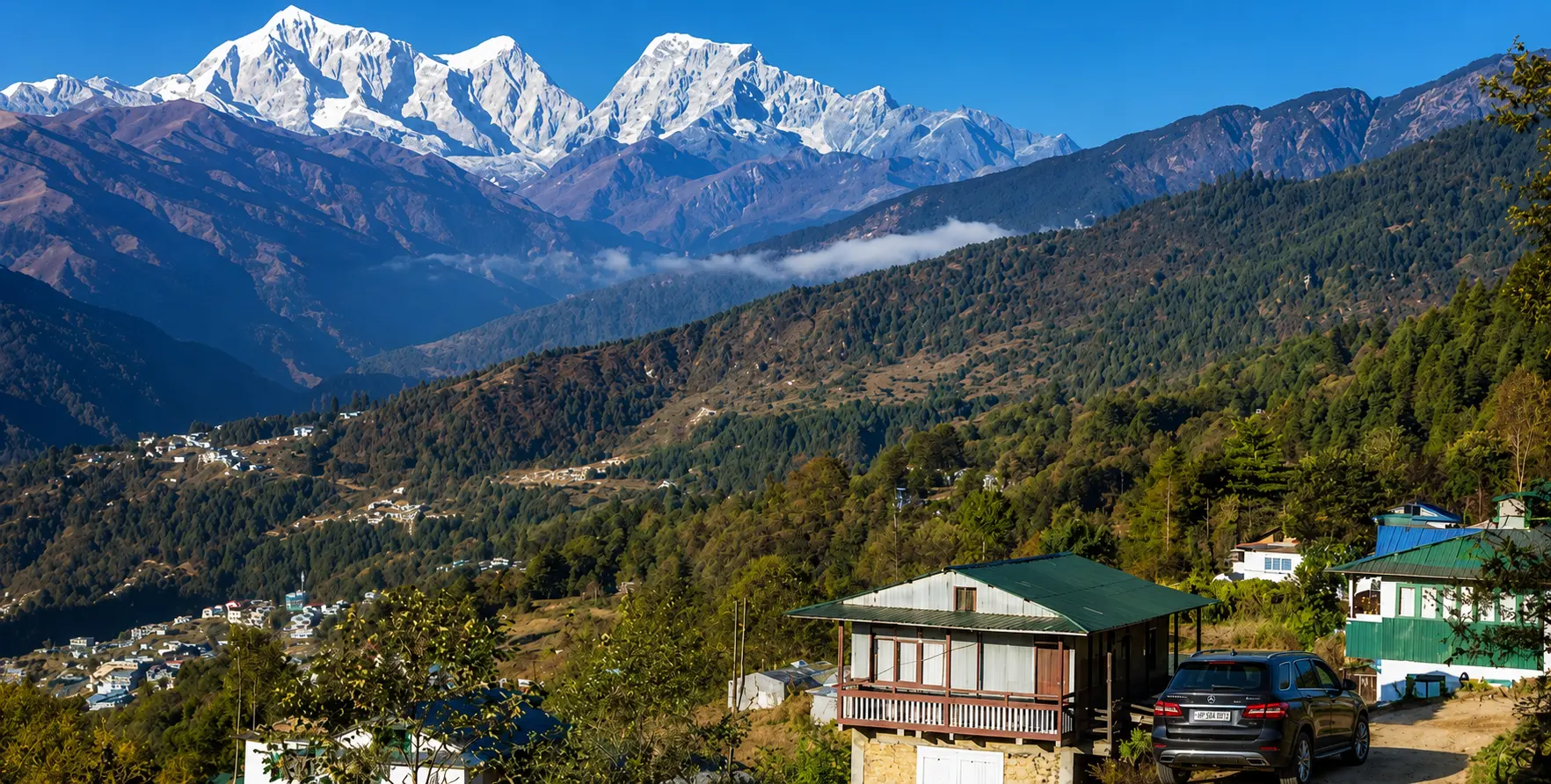
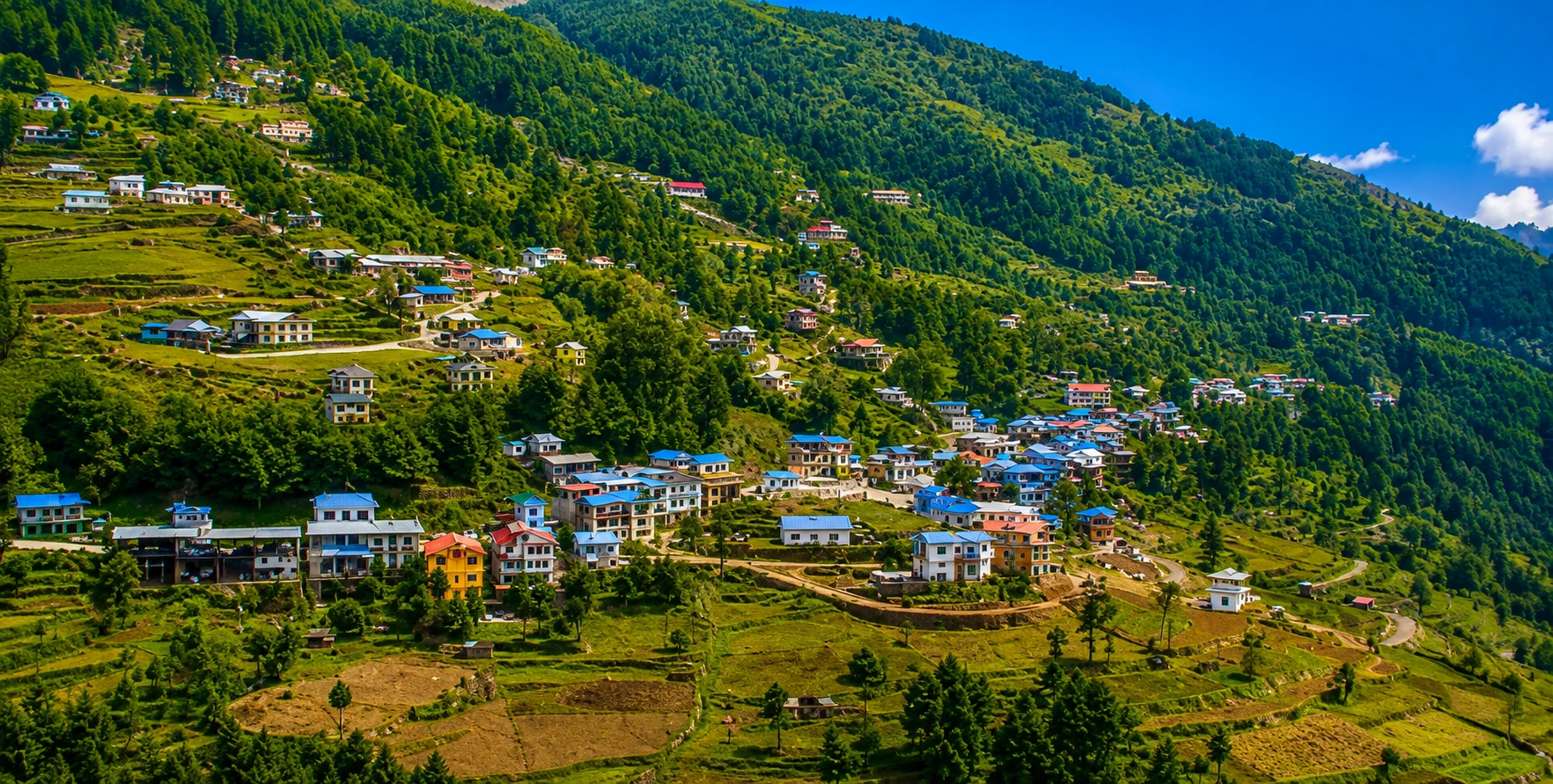
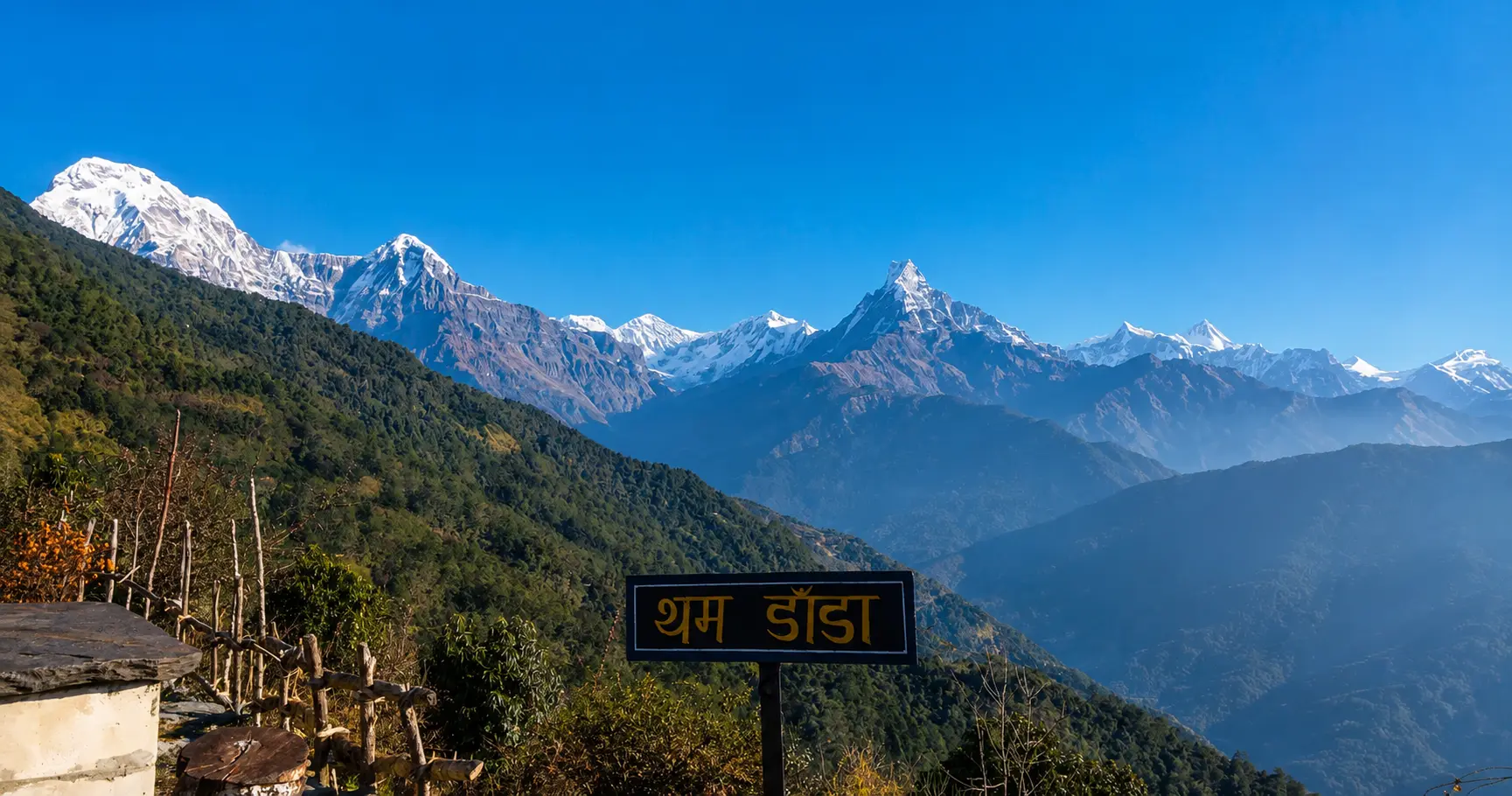
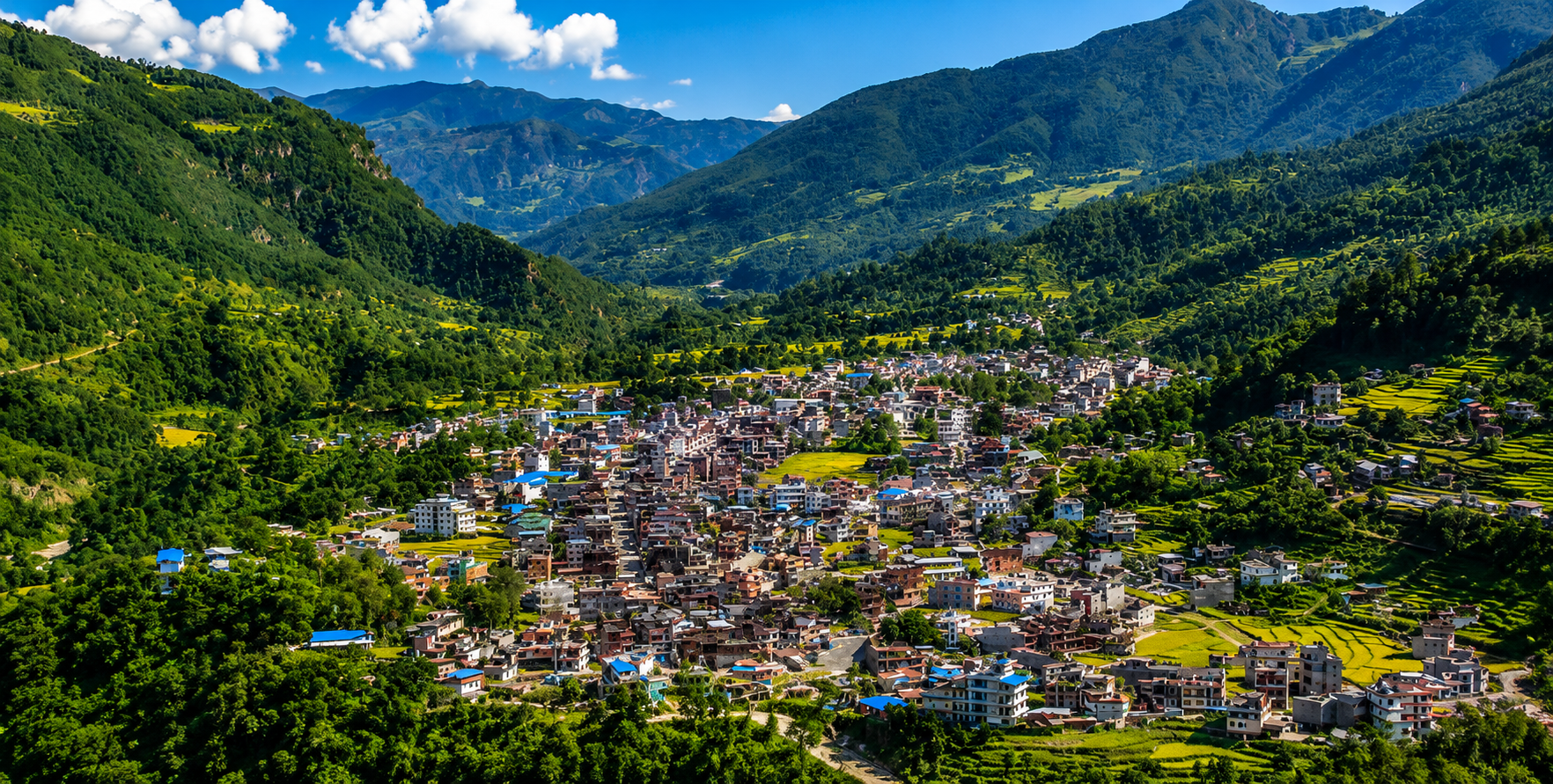
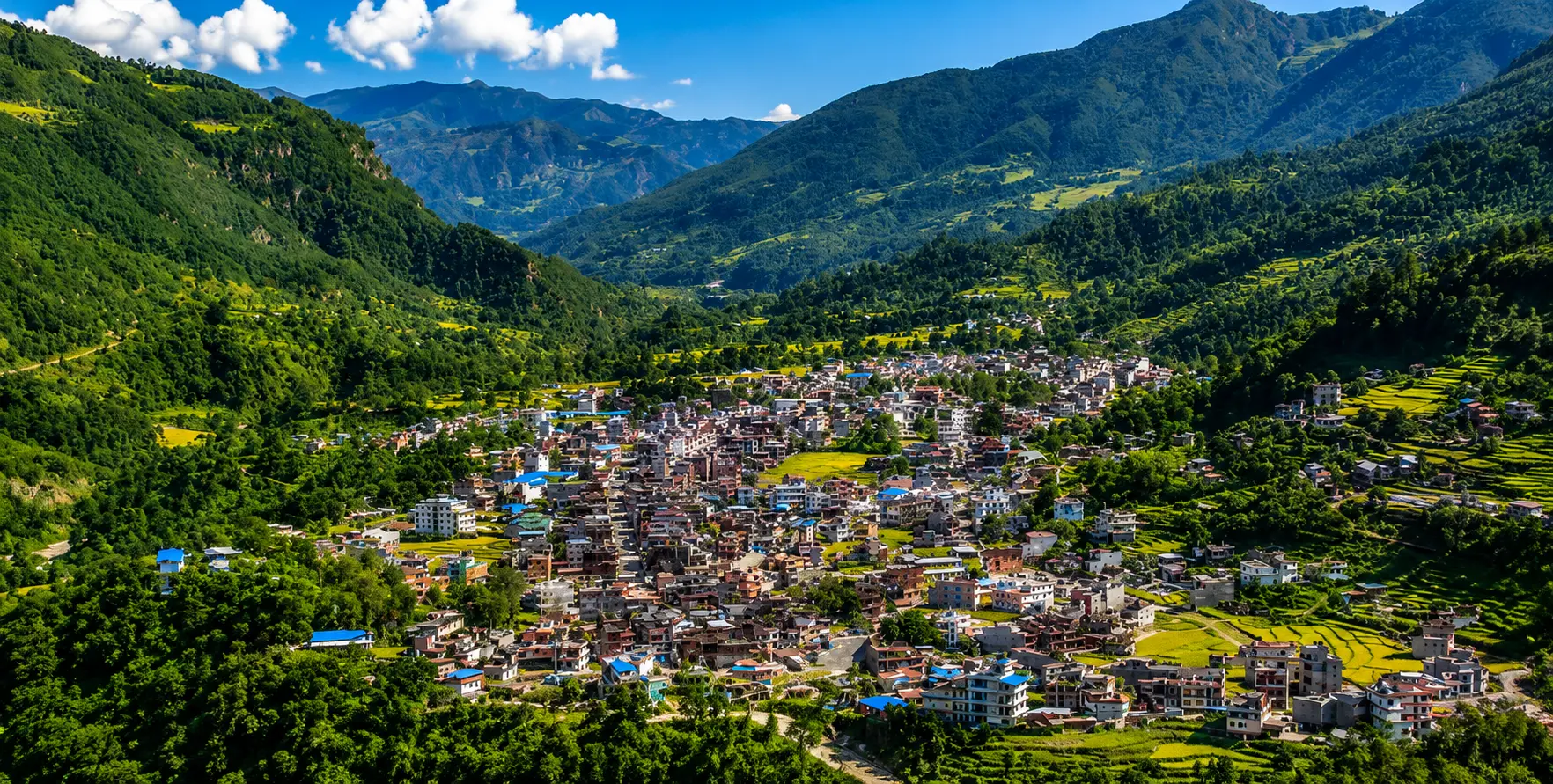
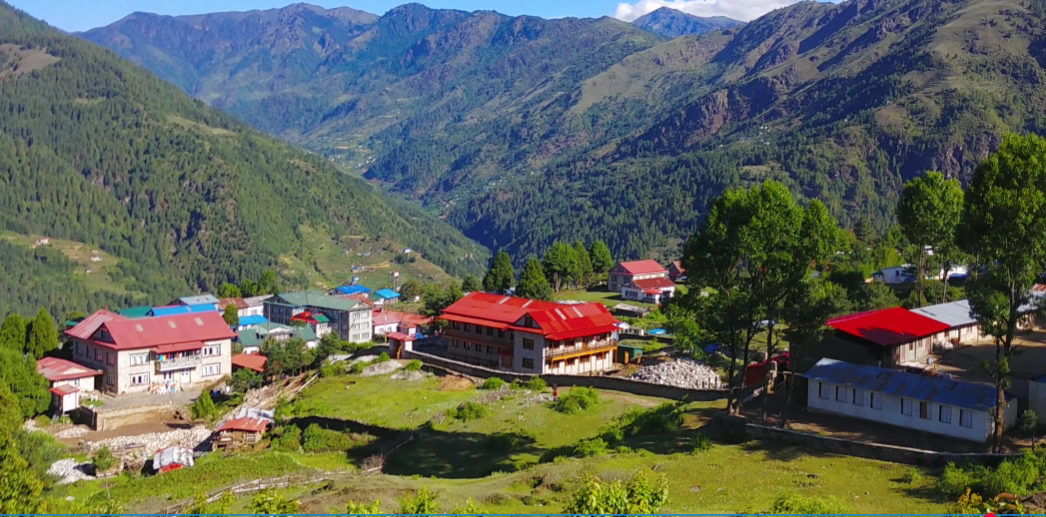
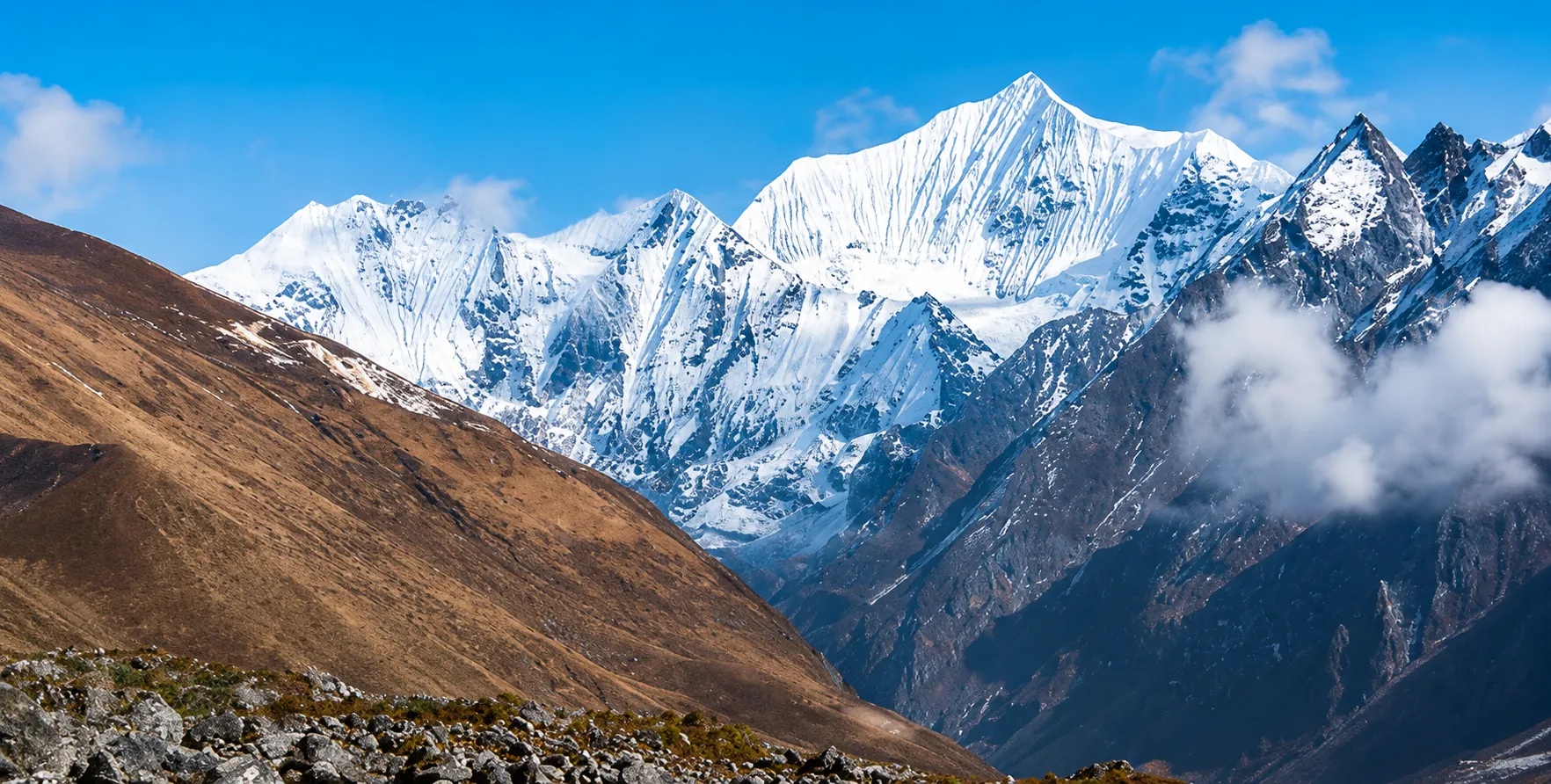
Annapurna Base Camp’s defining scenic quality is variety: the trek moves through subtropical river valleys, terraced farmland, dense rhododendron forest, and traditional Gurung and Magar villages before the trail finally opens into the Annapurna Sanctuary — a glacial amphitheatre completely encircled by Annapurna I (8,091 m), the sacred fishtail of Machhapuchhre, Hiunchuli, and Gangapurna, with nowhere to look that isn’t a wall of snow and rock. Many trekkers describe the sunrise on Annapurna South from the Base Camp teahouse, washing the peak gold, as one of the most beautiful moments of their lives, delivered, notably, in an in-depth setting, an EBC’s more distant mountain views.
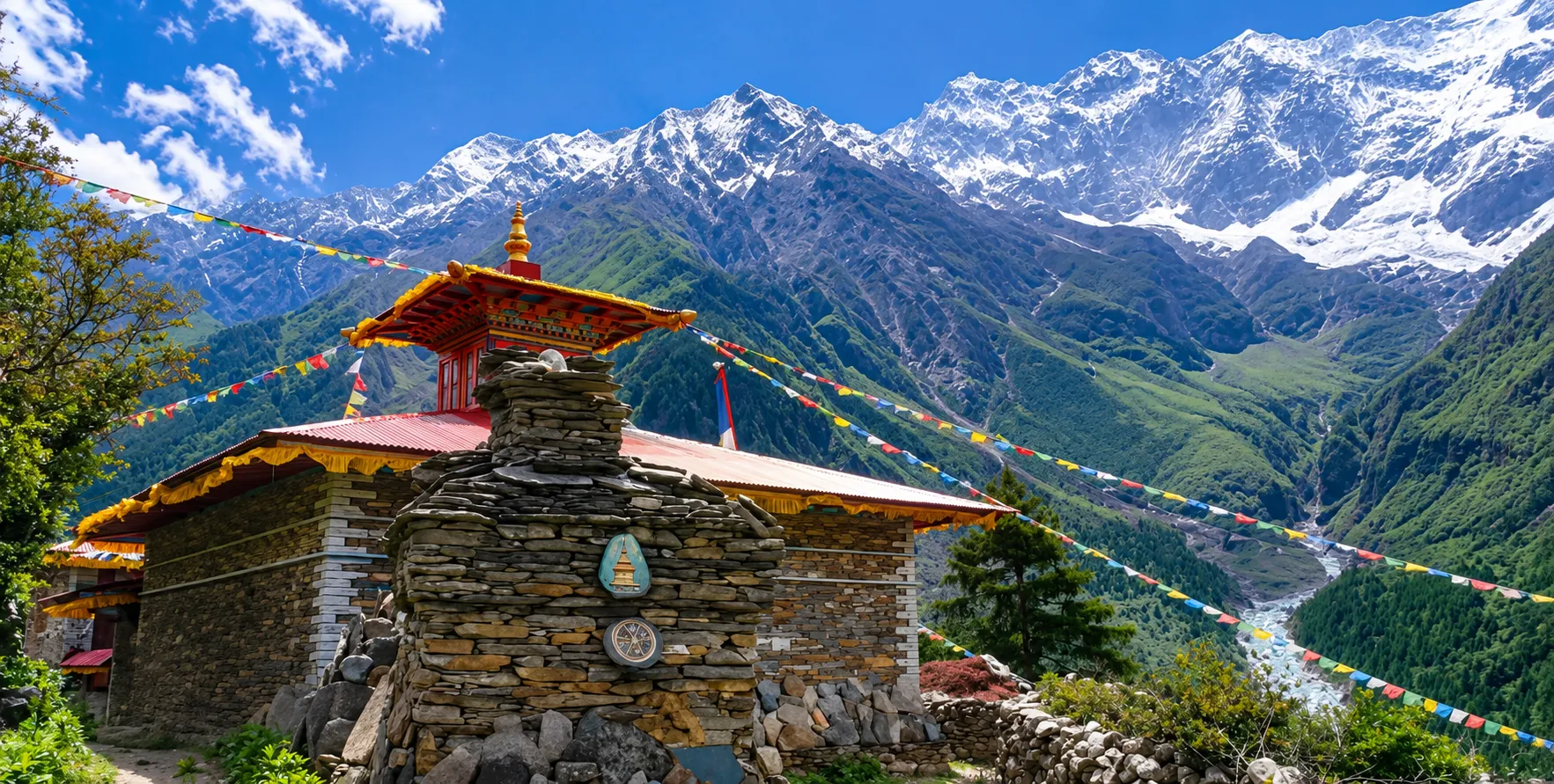
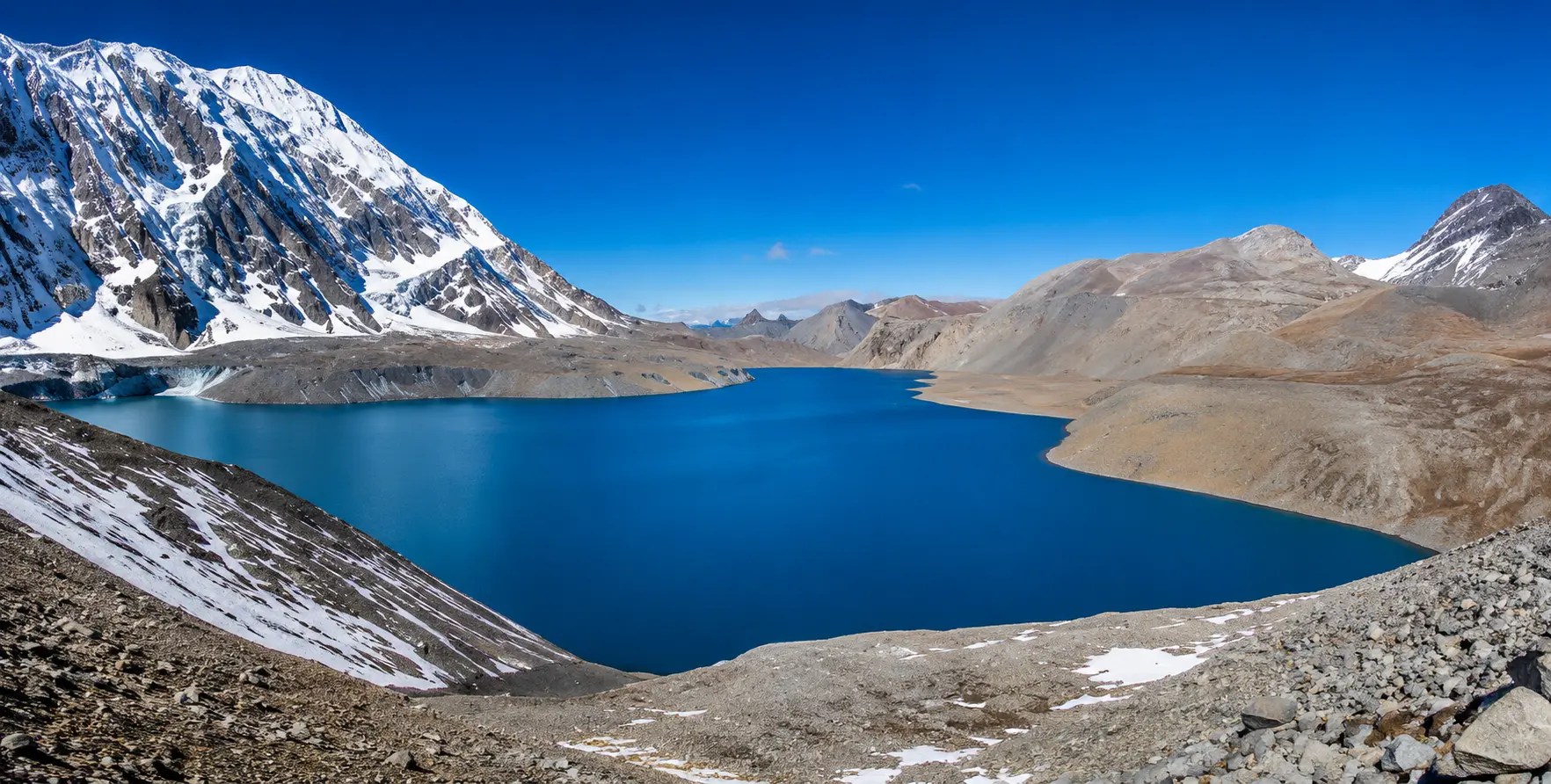
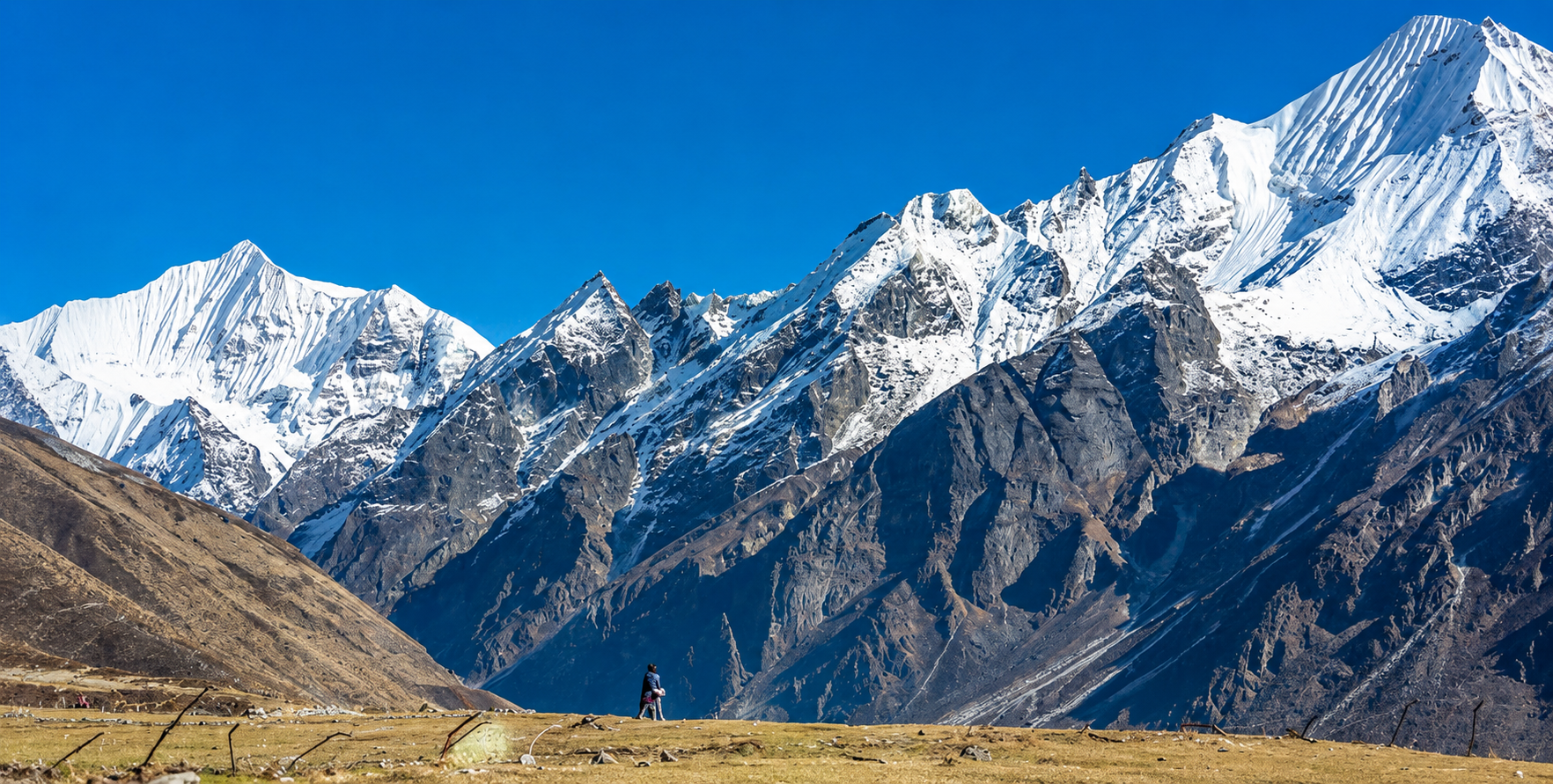
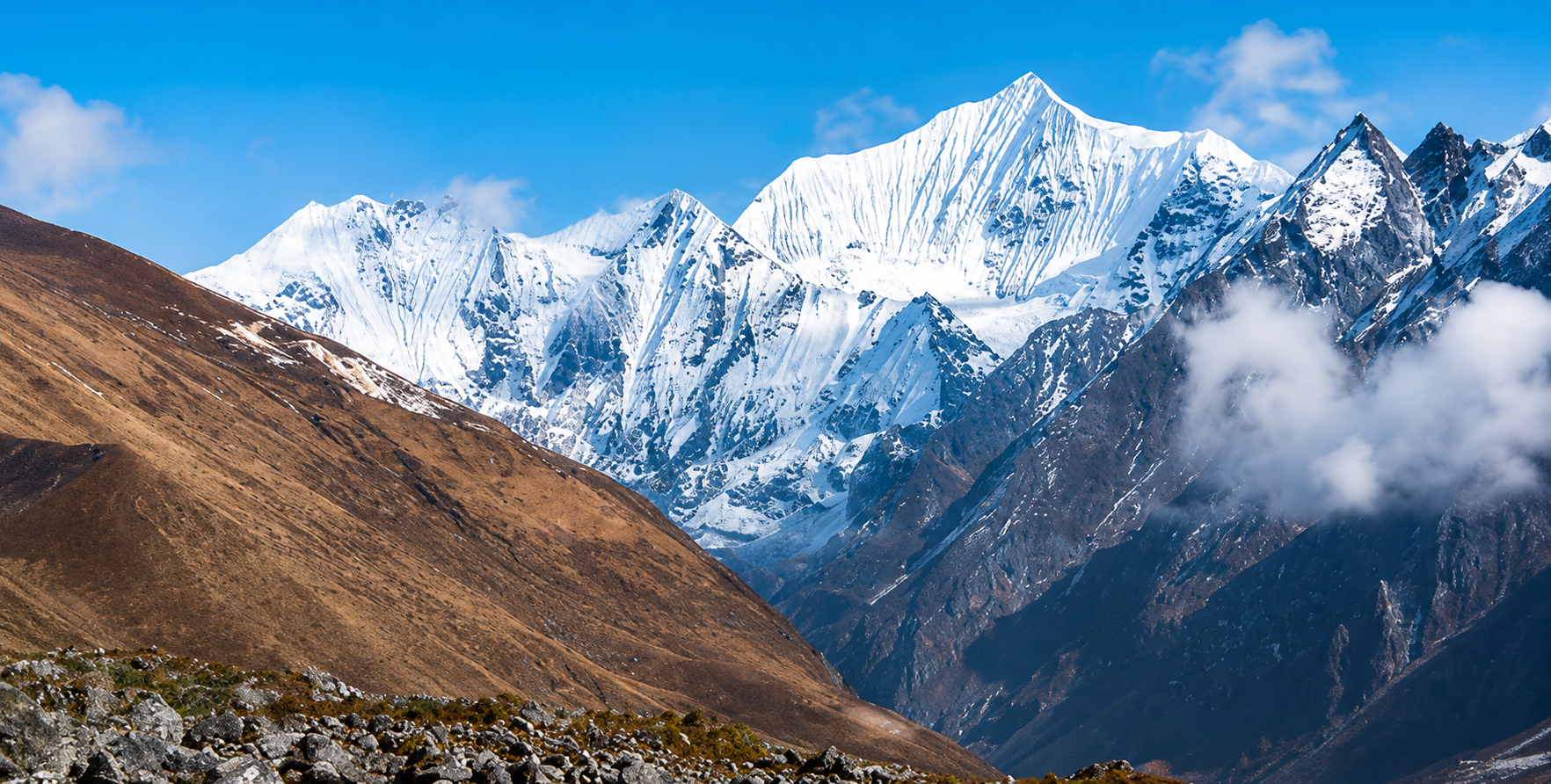
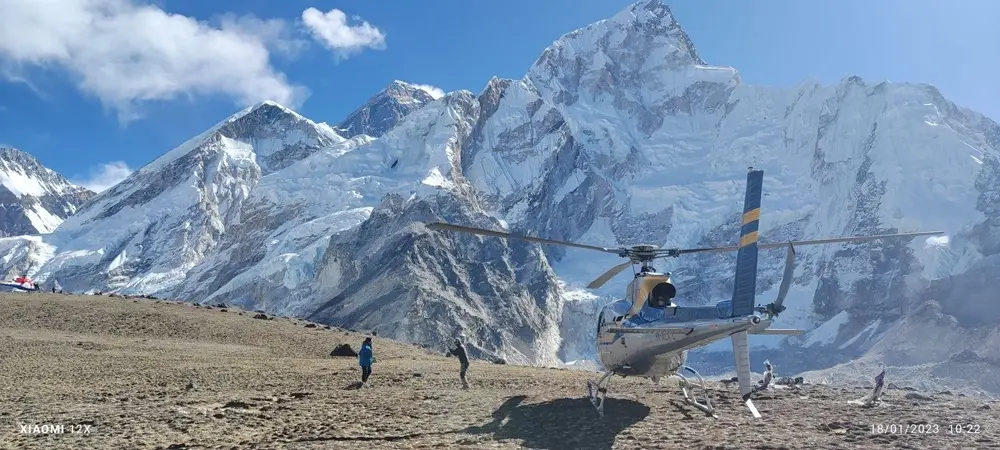
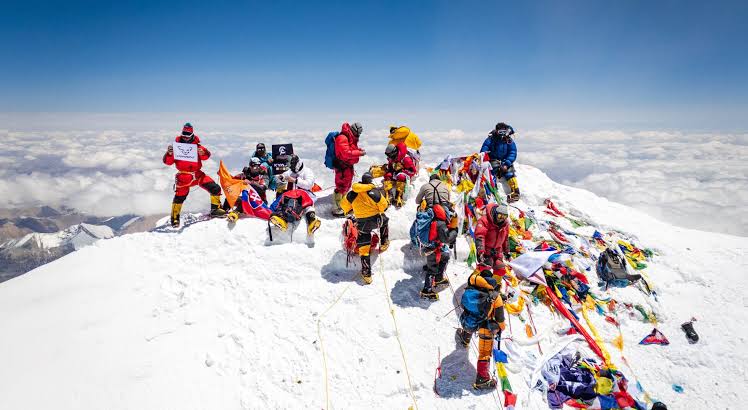
Everest Base Camp’s scenery is more visually uniform but no less dramatic — starkly barren high-altitude terrain, the grinding ice of the Khumbu Glacier, and views of Everest itself alongside Lhotse, Nuptse, Ama Dablam (widely considered the most beautiful peak in the entire Khumbu), Pumori, Cho Oyu, and Makalu. EBC offers something ABC simply cannot: the chance to stand beneath the highest point on earth, with expedition tents visible at Base Camp and the legendary Khumbu Icefall grinding audibly below—a different category of experience, with historical and mountaineering weight no other trek on the planet can match.
Culture — Gurung and Magar Villages vs Sherpa Country
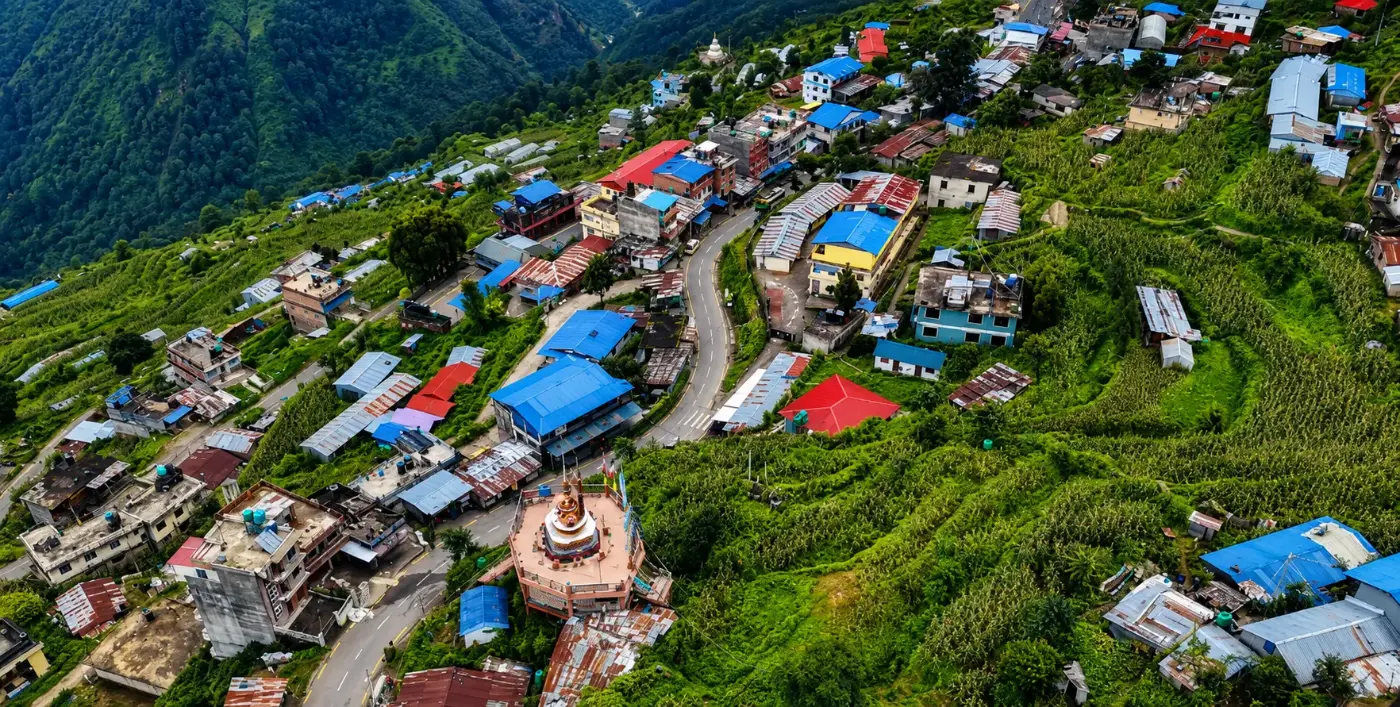
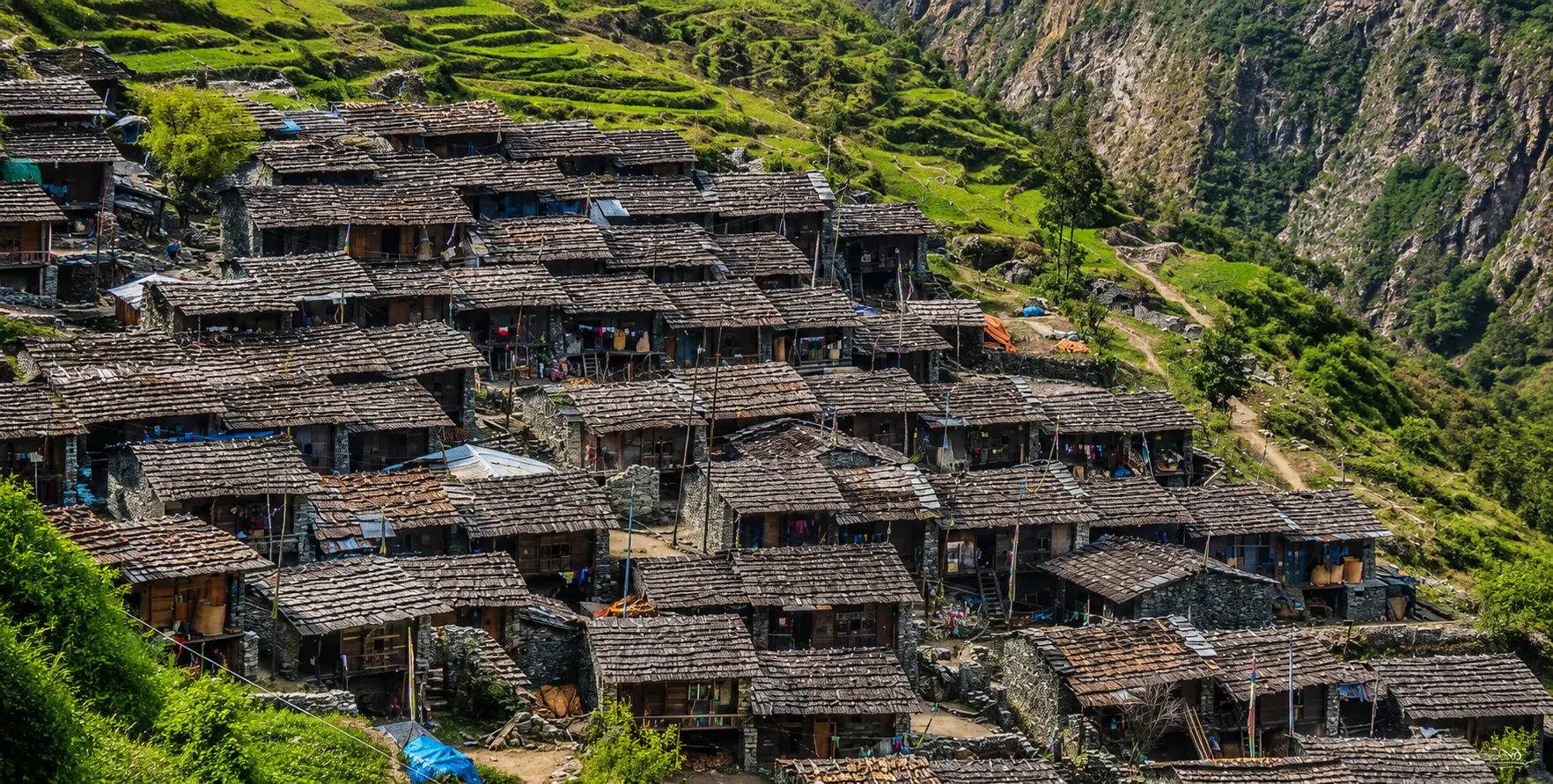
The Annapurna Base Camp route passes predominantly through Gurung and Magar hill communities — villages such as Ghandruk and Chhomrong offering home-cooked dal bhat, traditional stone architecture, and a level of multi-ethnic cultural variety along a single trail that few other routes in Nepal can match. Everest Base Camp, by contrast, travels through the legendary Sherpa heartland of the Khumbu — Namche Bazaar, the unofficial Sherpa capital; Tengboche Monastery, the spiritual centre of the region and the site of the annual Mani Rimdu festival; and a string of villages whose Tibetan Buddhist culture, monasteries, and mountaineering history are inseparable from the Everest story itself, as explored in greater depth in our dedicated guide to Nepal’s sacred mountain geography.
Getting There — The Logistics That Actually Start Your Trek
This is where the two treks diverge most sharply in practical terms, and where Nepal Vehicle Hiring Pvt Ltd’s role in each journey looks quite different.
Reaching the Annapurna Base Camp Trailhead
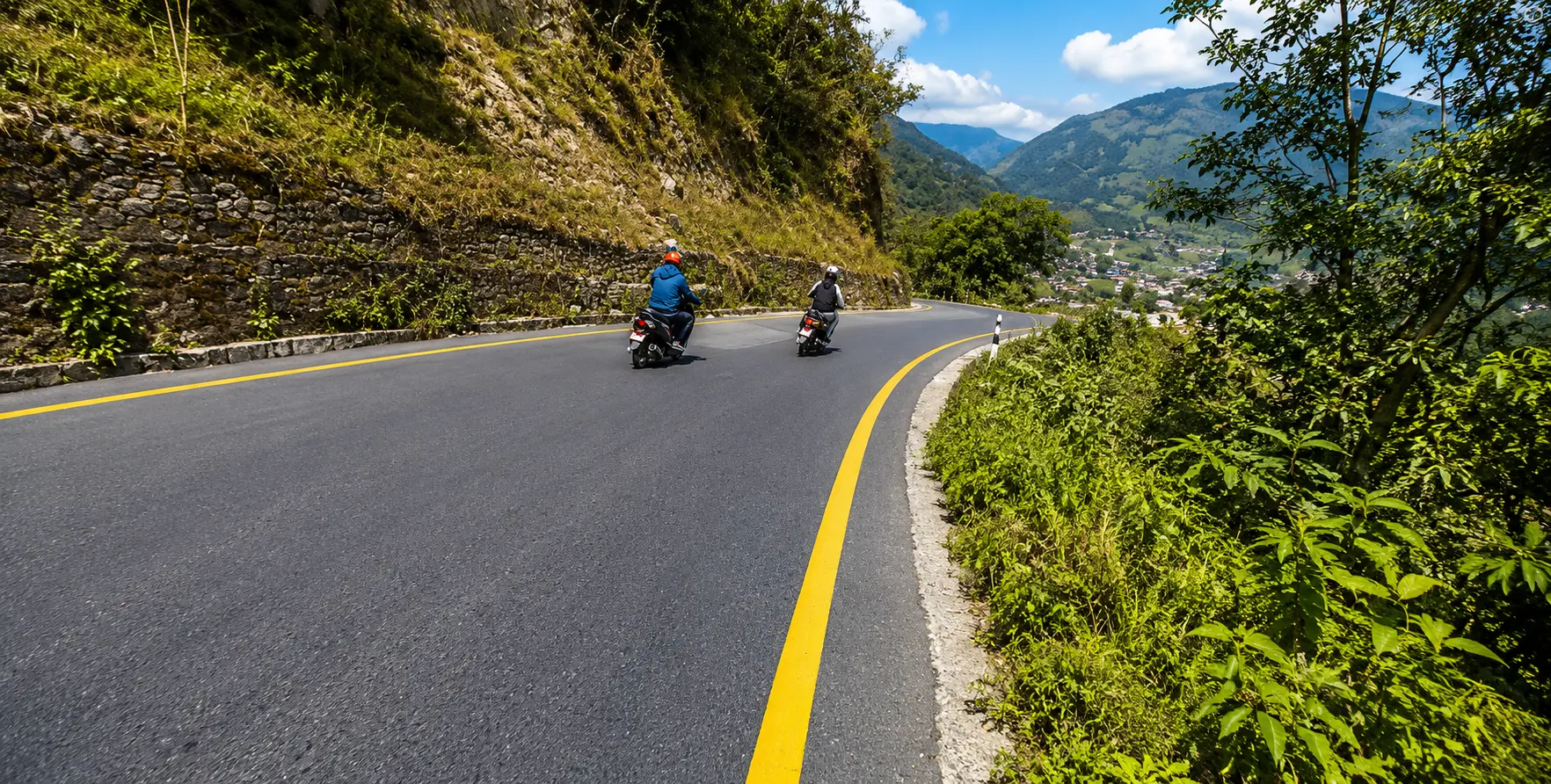
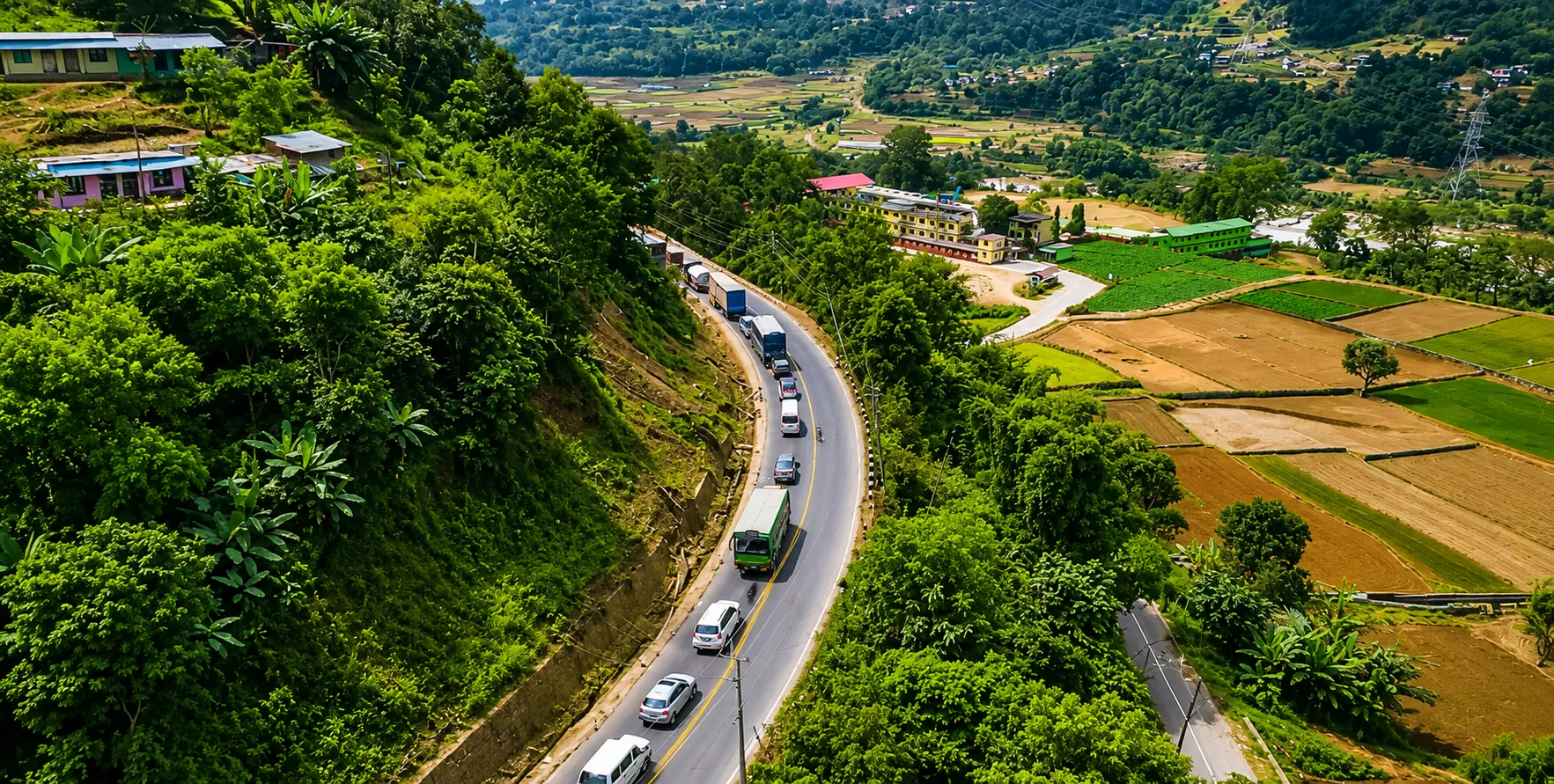
ABC begins with a road journey from Kathmandu to Pokhara (covered in our dedicated Kathmandu to Pokhara guides), followed by a private jeep or local transport transfer from Pokhara to the trailhead at Nayapul, Kande, or Jhinu Danda — a journey of 45 minutes to 2 hours depending on the exact starting point chosen for your specific itinerary. No flight is required at any stage.
Nepal Vehicle Hiring Pvt Ltd provides direct, door-to-door private vehicle transfers from your Pokhara hotel to any of these trailheads, with full details in our dedicated Pokhara to Annapurna Base Camp, Pokhara to Ghandruk, and Pokhara to Kande route guides.
Reaching the Everest Base Camp Trailhead
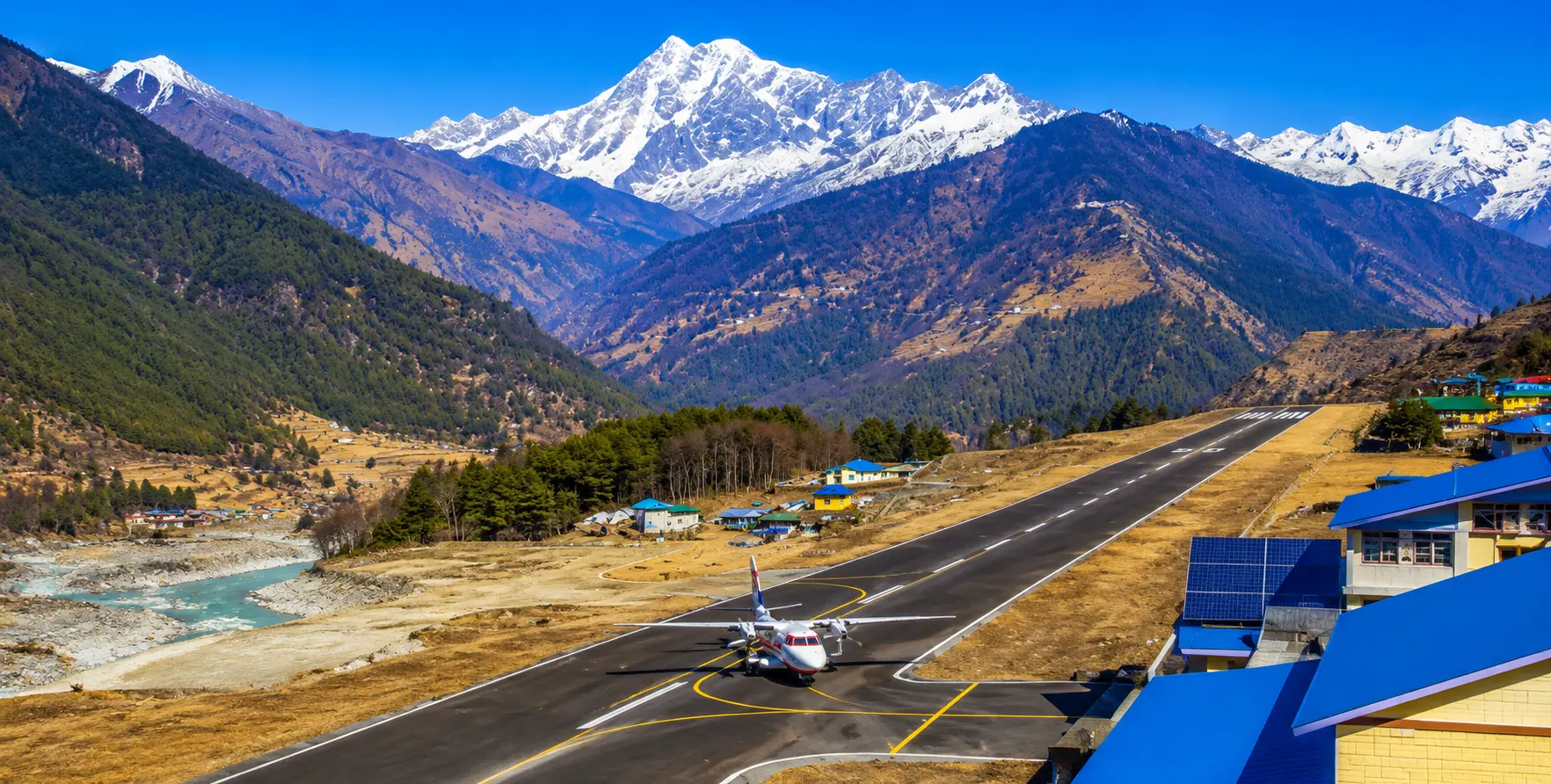
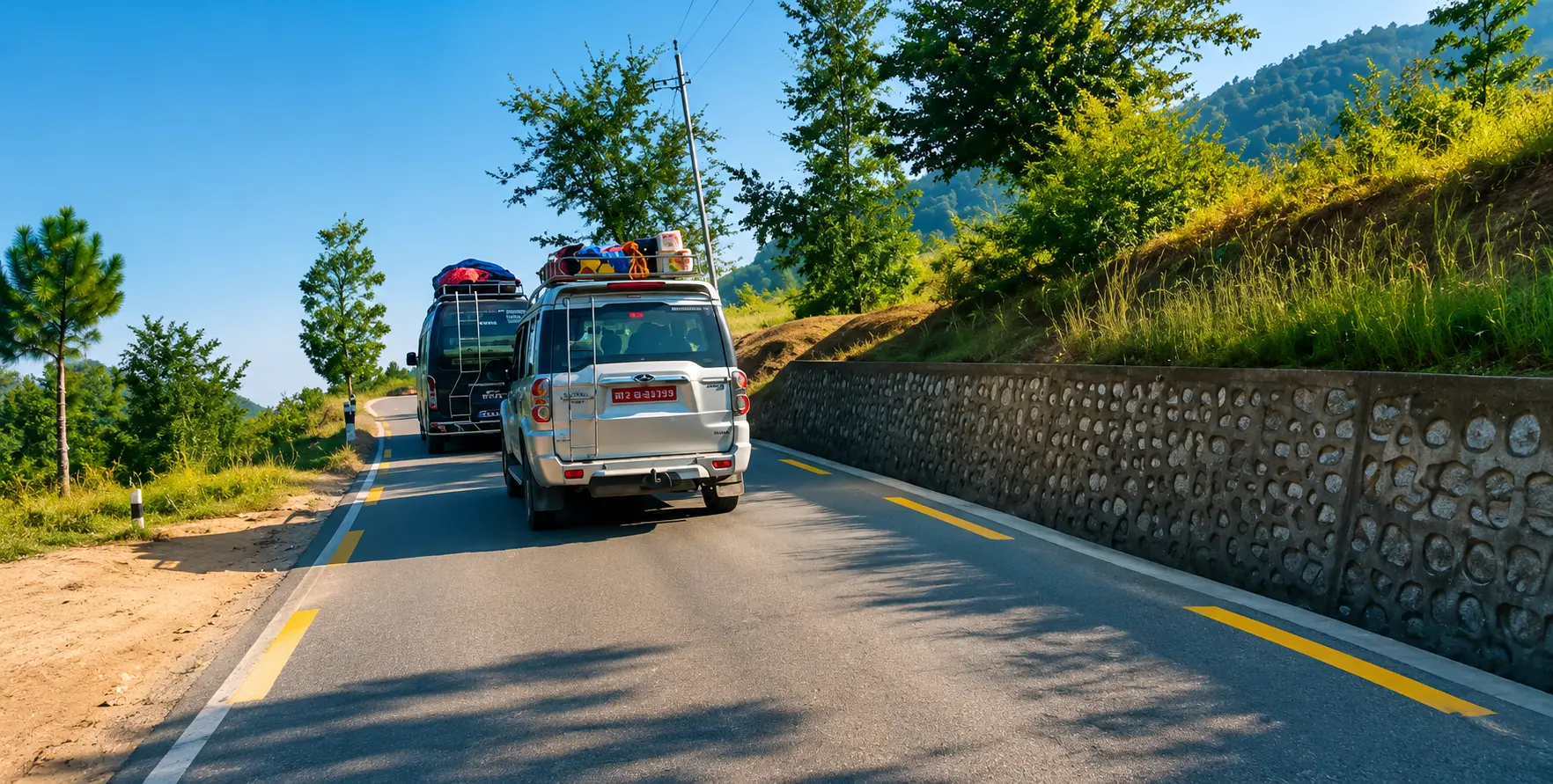
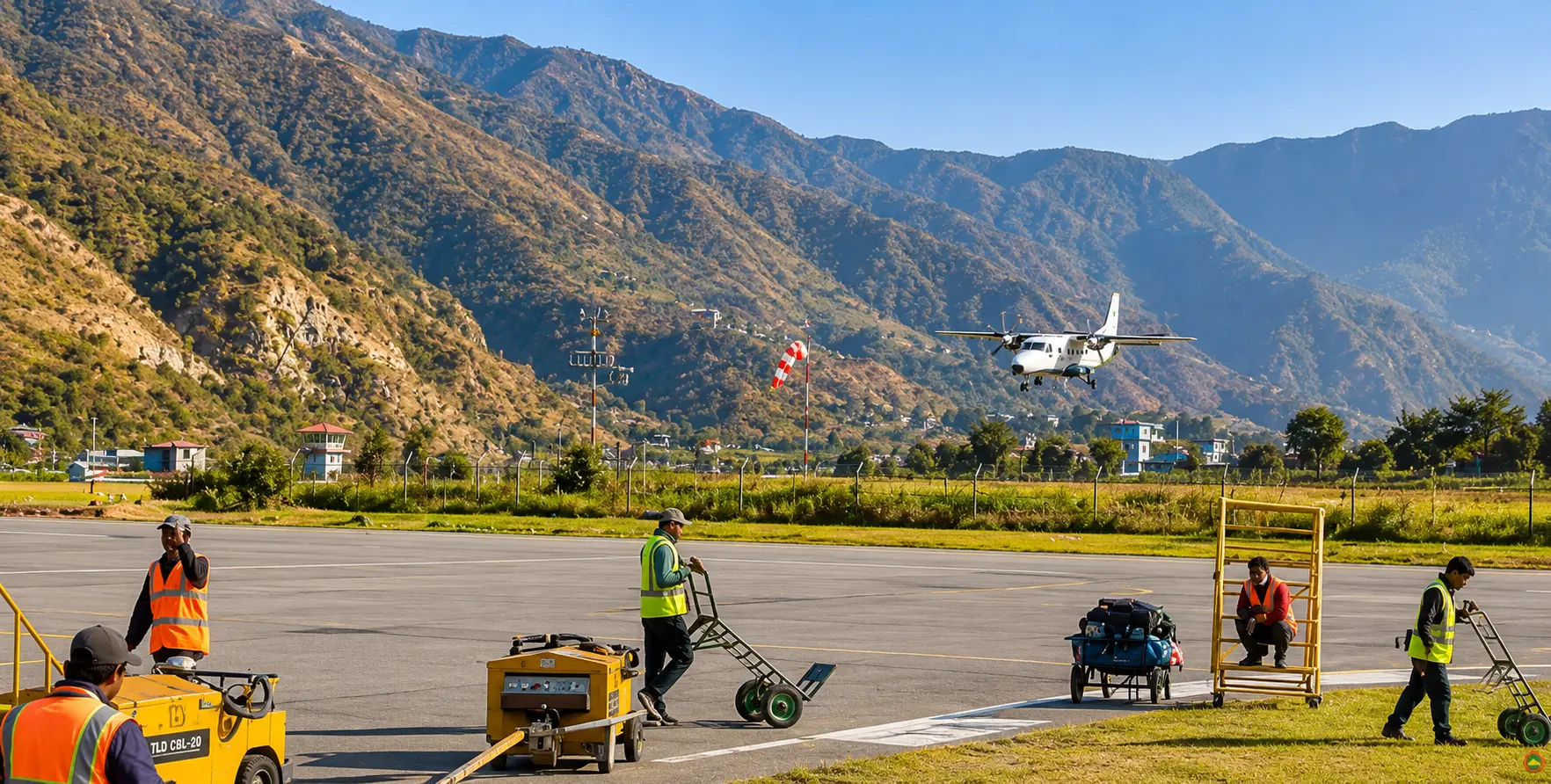
EBC begins with a flight from Kathmandu to Lukla (2,860 m) — and, importantly for 2024 travellers, during the peak spring and autumn trekking seasons, this flight now often departs not from Kathmandu’s main Tribhuvan International Airport but from Ramechhap’s Manthali Airport instead, due to ongoing congestion management at TIA. This means the EBC journey typically begins with a 4- to 5-hour predawn road transfer from Kathmandu to Ramechhap before the Lukla flight itself — a critical logistical step that we cover in exhaustive detail in our dedicated Ramechhap Manthali Airport Transportation guide.
Nepal Vehicle Hiring Pvt specialises in exactly this predawn transfer, with flight-specific departure-time calculations and 24/7 availability.
Plan This Step Carefully: Whichever trek you choose, the trailhead transfer is not a minor afterthought — it is the first real test of your itinerary’s logistics. For EBC specifically, missing your calculated departure window from Kathmandu to Ramechhap can mean missing your Lukla flight entirely. Book this transfer with Nepal Vehicle Hiring Pvt Ltd well in advance of your trek start date.
Permits and the 2026 Mandatory Guide Rule
As of late 2023, independent solo trekking is no longer legally permitted in either the Annapurna Conservation Area or the Sagarmatha (Everest) National Park — a regulation that remains firmly in force in 2026. Every foreign trekker on both routes must now be accompanied by a licensed, government-certified guide, a rule introduced to improve trekker safety and to support local guiding employment. Both treks also require entry permits for their respective conservation areas or national parks, as well as a TIMS card.
Neither trek can any longer be undertaken as a fully independent, unguided journey — plan for a licensed guide as a non-negotiable line item in your budget for whichever trek you select.
Best Season for Each Trek
Both treks share broadly the same two recommended windows: spring (March to May) and autumn (September to November). Spring is particularly magical for Annapurna Base Camp, when the lower-altitude rhododendron forests burst into vivid bloom alongside generally stable, warming weather.
Autumn is considered the gold-standard season for Everest Base Camp specifically — crystal-clear post-monsoon skies deliver the sharpest possible views of Everest, Lhotse, and Ama Dablam, and it is also the peak season when mountaineering expeditions are visibly preparing at Base Camp itself, adding genuine atmosphere to the EBC experience.
The Decision Matrix
Choose Annapurna Base Camp If You…
Choose Everest Base Camp If You…
Are a first-time Himalayan trekker wanting a gentler altitude introduction
Have already done a moderate-altitude trek and want the bigger challenge
Have limited time (a week or less can work)
Have at least 12–16 days available
Want varied landscapes — subtropical valley to alpine sanctuary in one trip
Want sustained, dramatic high-altitude glacial and alpine scenery
Are budget-conscious and want to avoid an expensive mountain flight
Are drawn specifically to the global prestige of standing at Everest’s foot
Want a quieter, more flexible itinerary with shorter daily distances
Want Sherpa culture, Tengboche Monastery, and the legendary Khumbu
Prefer strong leg/stair endurance challenges over altitude exposure
Are comfortable with — or want to test — sustained high-altitude exposure specifically
Can You Do Both?
Many experienced Himalayan trekkers eventually do exactly that — and Nepal, as more than one returning trekker has observed, tends to make that second trip happen faster than expected. A genuinely sensible sequencing strategy for first-timers is to complete Annapurna Base Camp first: it functions as excellent practical preparation for the altitude, teahouse logistics, and daily trekking rhythm that Everest Base Camp will later demand at a higher and more sustained level, while delivering a complete and deeply rewarding Himalayan experience entirely in its own right, regardless of whether a second trip ever follows.
There is no ranking between these two treks — only two different kinds of remarkable, and no reason you eventually have to choose only one.
Why Choose Nepal Vehicle Hiring Pvt Ltd for Either Trek
Complete Trailhead Coverage: Whether your trek begins in Pokhara (ABC) or requires a predawn transfer to Ramechhap for your Lukla flight (EBC), we provide the right vehicle and departure time for both.
Flight-Specific Departure Calculation for EBC: We calculate your exact Kathmandu-to-Ramechhap departure time based on your specific Lukla flight slot — not a generic estimate.
Door-to-Door Pokhara Service for ABC: Hotel pickup anywhere in Pokhara, direct to Nayapul, Kande, or Jhinu Danda.
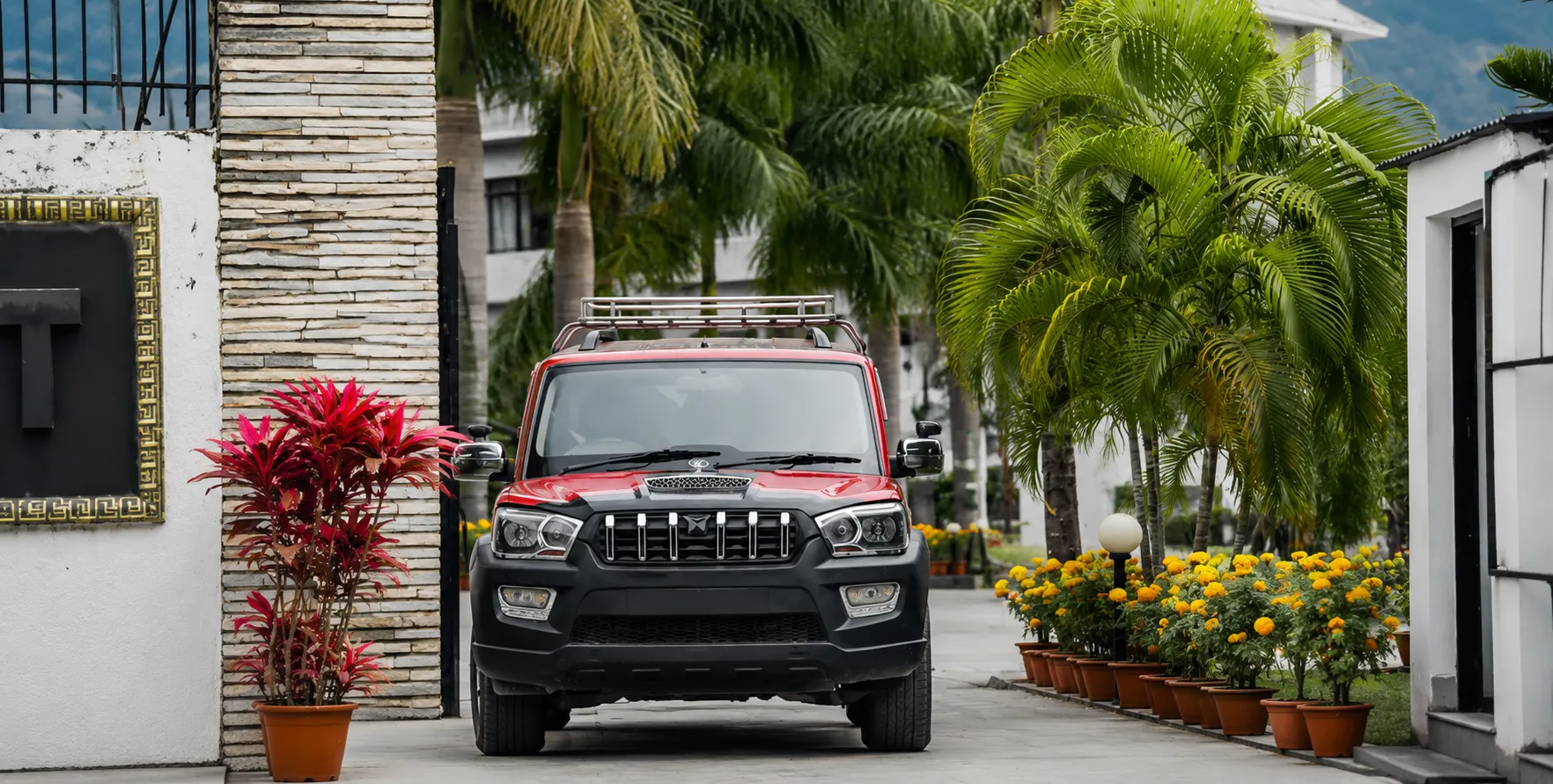
All Vehicle Types: Private sedan, 4WD Scorpio, or Hiace van — sized to your group for either trailhead.
Transparent All-Inclusive Pricing: Driver, fuel, and tolls included in every quote for both routes.
24/7 Booking: WhatsApp — whichever trek you choose, we’ll get you to the start line.
Frequently Asked Questions — ABC vs EBC
Which is more difficult, Annapurna Base Camp or Everest Base Camp?
Everest Base Camp is generally considered more difficult overall, mainly because of its significantly higher altitude (5,364 m vs 4,130 m), longer duration, and sustained high-altitude exposure. Annapurna Base Camp can feel more intense on individual days because of its relentless stone staircases, but it also demands more of your body over a longer period.
Which trek is cheaper?
Annapurna Base Camp is typically 30–0% cheaper than Everest Base Camp, mainly because EBC requires an expensive round-trip flight to Lukla (USD 350–450+) while ABC requires no flight at all. Independent ABC treks can start from around USD 440–700, while EBC typically starts from USD 1,000–1,500 or more.
Is a guide mandatory for both treks?
Yes. Since late 2023, independent solo trekking has been legally prohibited in either the Annapurna Conservation Area or the Sagarmatha (Everest) region. A licensed guide is mandatory for both treks.
Which trek is better for a first-time Himalayan trekker?
Annapurna Base Camp is generally recommended as the better first trek; it reaches a lower maximum altitude, carries a lower risk of AMS, offers more flexible, shorter itineraries, and is typically cheaper, making it a gentler, more accessible introduction to high-altitude trekking.
How do I get to the Everest Base Camp trailhead ?
Most EBC treks begin with a flight from Kathmandu to Lukla. During peak spring and autumn seasons, this flight often departs from Ramechhap’s Manthali Airport rather than Kathmandu’s main airport, requiring a predawn 4- to 5-hour road transfer from Kathmandu to Ramechhap first. Nepal Vehicle Hiring Pvt Ltd provides this transfer — see our dedicated Ramechhap Manthali Airport Transportation guide for full details.
Can I do Annapurna Base Camp without taking any flights?
Yes — this is one of ABC’s key advantages. You can complete the entire journey from Kathmandu overland: bus or private vehicle to Pokhara, then a jeep transfer to the trailhead at Nayapul, Kande, or Jhinu Danda, with no domestic flight required at any point.
Conclusion
There is no universally correct answer to the Annapurna versus Everest Base Camp question — only the answer that’s correct for you, your fitness, your budget, your available time, and what’s actually pulling you toward Nepal in the first place. If you want a gentler introduction to high-altitude trekking, a more varied landscape, and a friendlier budget, Annapurna Base Camp is calling your name.
If the Everest story itself is why you’re reading this, and you’re ready for a longer, higher, more committing journey through the legendary Khumbu, Everest Base Camp is your trek.
Whichever you choose, Nepal Vehicle Hiring Pvt Ltd will get you to the starting line — comfortably, on time, and ready to begin. The mountains will take care of the rest.
Why Annapurna Circuit Jeep Tours in Nepal Are the Perfect Hybrid Adventure for Nepal Travellers
The Annapurna Circuit remains one of the world’s most iconic trekking routes, celebrated for its dramatic landscapes, cultural villages, and striking mountain views. Yet with improved jeep access, many travellers now chooseAnnapurna Circuit jeep tours that combine the thrill of off-road driving with the comfort of modern 4WD vehicles. These tours let you skip the most exhausting lower sections of the trek while still experiencing the full magic of the Annapurna range.
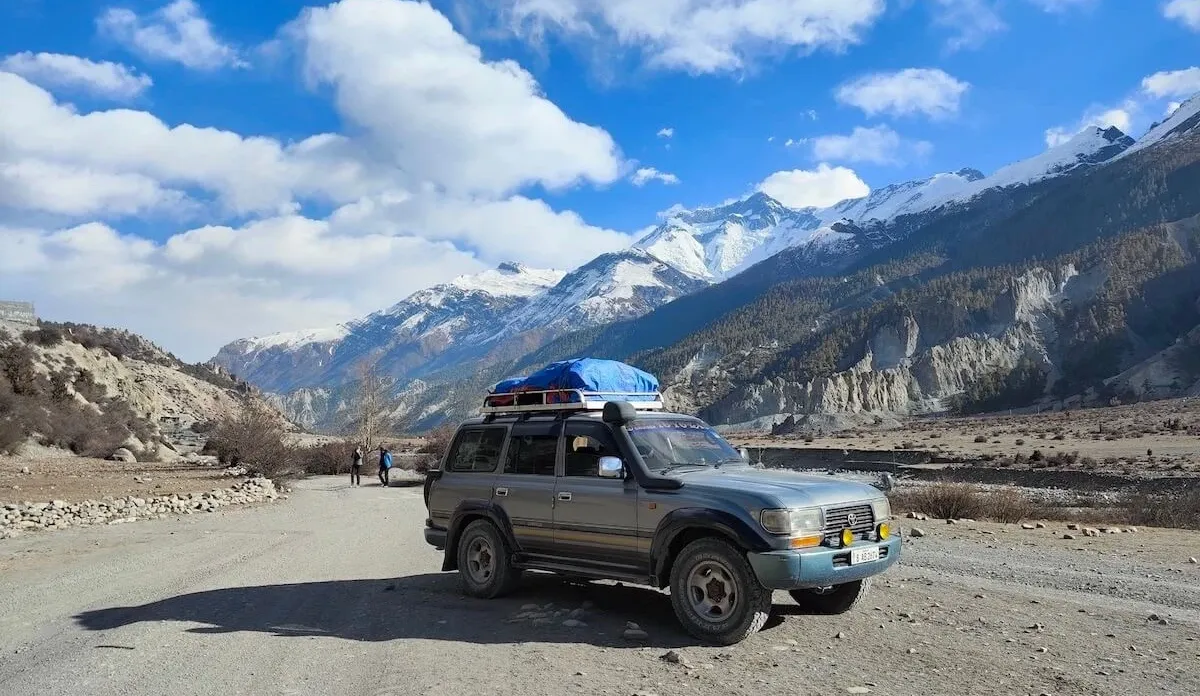
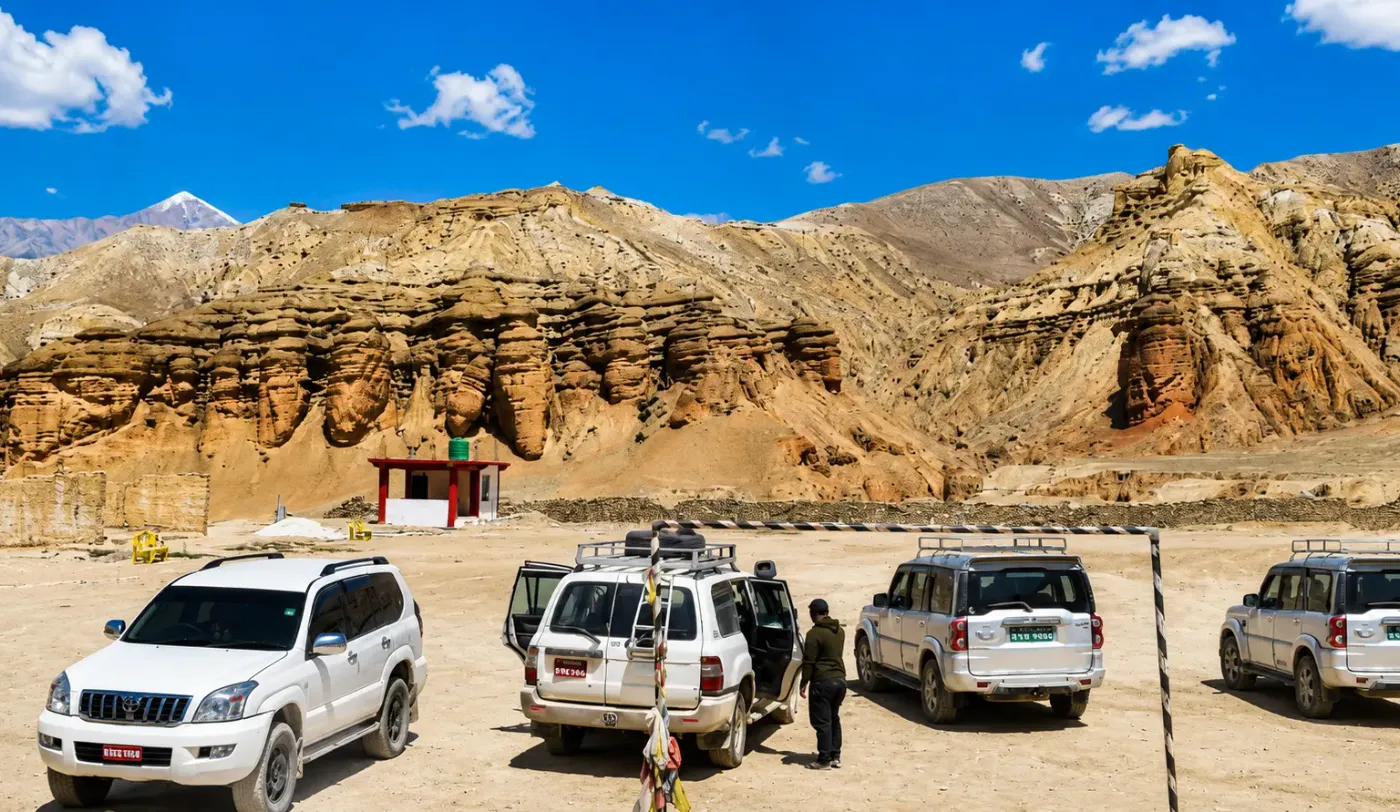
At vehiclehiringnepal.com, we specialise in Annapurna Circuit jeep tours using our reliable fleet of Toyota Land Cruisers, Hiluxes, Fortuners, and Mahindra Scorpios. Our drivers are battle-hardened Himalayan veterans who know every twist, turn, and checkpoint on the routes from Besisahar to Chame, Chame to Manang, and the dramatic descent via Muktinath to Tatopani.
Whether you are a first-time visitor seeking a luxury jeep safari or an experienced trekker wanting a quick entry point to the higher sections, our Annapurna Circuit jeep tours deliver safety, comfort, and memorable scenery.
Many clients combine a 4WD hire in Nepal with a drop-off at Besisahar and a short trek from Ghorepani (just a short jeep ride away) to Poon Hill for sunrise views—the ultimate hybrid adventure. For those craving even more luxury, we partner with sister companies like treknepalhimalayas.com and alpineluxurytreks.com to create fully customised treks that blend jeep comfort with guided trekking segments.
In 2026, with ongoing ACAP trail improvements and better road access through the Marsyangdi Valley, Annapurna Circuit jeep tours have never been more accessible or rewarding. Roads now reach Chame and beyond, yet the high trails from Upper Pisang to Manang remain spectacular road-free gems. This balance makes these tours ideal for busy travellers, families, or anyone who wants the comfort of motor vehicles while savouring the soul of the Annapurna Circuit.
What Makes Annapurna Circuit Jeep Tours in Nepal Unique
Traditional Annapurna Circuit jeep tours in Nepal focus on the lower Annapurna Conservation Area (ACAP) sections where motor vehicles dominate. These include the paved Prithvi Highway from Kathmandu to Besisahar, followed by the thrilling off-road track through the Marsyangdi River gorge. You will pass through villages like Jagat, Dharapani, Ngadi, Timang, and Tal, crossing seasonal riverbeds, dodging narrow cliff-edge tracks, and stopping for striking views of Annapurna II, III, and Gangapurna.
Professional Annapurna Circuit jeep tours stand out for their blend of comfort and capability. Our vehicles feature 200–280mm ground clearance, air conditioning, spacious seating for 5–7 passengers, roof racks for luggage, and professional drivers who monitor road conditions in real time.
You travel in climate-controlled luxury while absorbing the raw beauty of the Himalayas — from lush subtropical forests and cascading waterfalls in the lower valleys to the stark, arid landscape around Manang at 3,519 meters.
For those who want the full experience, many operators offer hybrid Annapurna Circuit jeep tours where you spend one or two nights trekking the road-free high trails from Chame to Manang (via Upper Pisang, Ghyaru, and Ngawal). This lets you enjoy the jeep’s convenience on the dusty lower sections and the meditative solitude of the higher circuit.
Side excursions are common, such as a short hike to Gangapurna Lake or a cultural visit to Braga Monastery.
Annapurna Circuit jeep tours are also ideal for couples, families, and first-time international visitors who want minimal physical exertion with maximum scenic reward. The professional service includes everything from pickup in Kathmandu to toll and parking arrangements, plus flexible extensions for accommodation or additional treks.
The Legendary Routes of Annapurna Circuit Jeep Tours Nepal
Our fleet excels on every major Annapurna Circuit jeep tour route:
Kathmandu to Besisahar (Prithvi Highway): A scenic 175km paved drive (5–7 hours) where most passengers sleep comfortably. Ideal starting point for all Annapurna Circuit jeep tours.
Besisahar to Chame (Marsyangdi Gorge): The highlight 66–75km off-road section. Narrow, winding tracks carved into cliffs, waterfalls, pine forests, and constant views of the Annapurna massif. Our Land Cruisers and Hiluxes handle this section effortlessly.
Chame to Manang: 30km of high-altitude rough tracks (via Pisang). Manang, at 3,519m, is the perfect acclimatisation stop on the Annapurna Circuit; end a night here before heading up the road-free high trails.
Manang to Muktinath (via Thorong La): For advanced adventurers, our multi-day Annapurna Circuit jeep tours can continue with a short high-pass trek or return by vehicle to Muktinath for a dramatic 4WD descent through the Kali Gandaki Gorge.
Muktinath to Tatopani to Pokhara: A stunning 5–6 hour descent through the world’s deepest gorge, apple orchards of Marpha, and hot springs at Tatopani. Many travellers end their Annapurna Circuit jeep tours here before flying or driving back to Pokhara.
We also offer specialised circuit jeep tours to Ghorepani/Poon Hill, where a quick jeep transfer from Nayapul or Pokhara lets you combine jeep comfort with one of Nepal’s finest sunrise viewpoints. For a full luxury experience, these tours pair beautifully with guided trekking packages from our sister company, treknepalhimalayas.com.
Our Fleet: The Most Reliable Vehicles for Annapurna Circuit Jeep Tours Nepal
At vehiclehiringnepal.com, every vehicle for Annapurna Circuit jeep tours is rigorously maintained for 2026 conditions:
Toyota Land Cruiser (LC70/LC200): The ultimate for extreme sections — 225mm ground clearance, full-time 4WD, and legendary durability. Perfect for the full Besisahar–Manang–Muktinath loop.
Toyota Hilux (Double Cab 4WD): With 280mm ground clearance and a powerful engine, it’s ideal for the roughest Annapurna tracks. Spacious load bed for trekking gear.
Toyota Fortuner: Excellent balance of power and passenger comfort (221mm clearance, AC, seating for 5–7). Our most popular choice for families and groups on Annapurna Circuit jeep tours.
Mahindra Scorpio: The value king — 180–200mm clearance, torquey engine, and affordable pricing. Still handles every Annapurna road safely and is the first choice for budget-conscious adventurers.
All vehicles come with professional drivers, full fuel, driver allowance, tolls, and basic first-aid kits: one-way transfers, multi-day rentals, and customised trips are standard. We provide daily road condition updates via our support line on WhatsApp.
Expert Tips for an Memorable Annapurna Circuit Jeep Tour
Best Seasons: March–May and September–November offer dry roads, clear skies, and blooming rhododendrons. Avoid monsoon (June–August) due to landslides and dust.
Permits: ACAP permit (NPR 3,000) is essential for all Annapurna Circuit jeep tours entering the conservation area. We assist with applications and handle vehicle red-number-plate logistics.
Acclimatisation: at least one night in Manang or at Chame before any high-altitude trekking. The road-free sections from Upper Pisang onward reward careful pacing.
What to Pack: Layered clothing, rain gear, sunscreen, snacks, and a light down jacket for high-altitude stops. All our vehicles are comfortable.
Group & Luggage: Most vehicles seat 4–7 comfortably with ample luggage space. For larger groups, we also offer Hiace options.
Hybrid Experience: Many travellers combine Annapurna Circuit jeep tours with short treks (e.g., Ghorepani sunrise) or side hikes to Gangapurna Lake. Our luxury trekking packages at alpineluxurytreks.com make for a smooth adventure.
How to Book Your Annapurna Circuit Jeep Tour with Us
Booking is simple and transparent. Visit vehiclehiringnepal.com, select your route and dates, and receive an instant quote. We confirm availability, provide detailed itineraries, and handle all logistics — including permits and road updates.
Payment is secure, and our 24/7 support ensures peace of mind.
Whether you need a quick Kathmandu-to-Chame transfer, a multi-day Annapurna Circuit jeep safari, or a fully customised package, we’re here to make your journey effortless—many of our clients book accommodation and meals through our sister sites for a complete trip.
Ready to discover the Annapurna Circuit like never before? Let vehiclehiringnepal.com turn your travel dreams into reality with professional Annapurna Circuit jeep tours that you can trust.
Why Choose Professional 4WD Hire in Nepal for Annapurna Circuit Jeep Tours?
Choosing the right operator is everything when it comes to Annapurna Circuit jeep tours. At vehiclehiringnepal.com, we only use vehicles that are regularly serviced and driven by professionals who have logged thousands of kilometers on these exact routes.
Our drivers speak English, Nepali, and basic Hindi, understand altitude physiology, and carry radios and emergency kits. This expertise gives you peace of mind whether you’re travelling solo, with a family, or in a large group.
Many travellers combine a 4WD hire in Nepal with a drop-off and accommodation in Besisahar or Chame, making the journey even smoother. We also offer smooth connections to luxury trekking packages from our sister company treknepalhimalayas.com and alpineluxurytreks.com.
For example, you can arrive by jeep, stay one night in Acosyy Lodge, and then join a guided luxury trek to Upper Pisang or Gangapurna Lake — the perfect way to experience both the convenience of modern travel and the soul of the Himalayas.
The Incredible Scenery Along Annapurna Circuit Jeep Tours
One of the greatest joys of Annapurna Circuit jeep tours is the ever-changing landscape. Starting from the subtropical valleys of the lower Marsyangdi, you climb into pine forests, cross rushing rivers, and eventually enter the high alpine zone around Manang. Every kilometre brings new surprises: waterfalls cascading into the river, ancient wooden bridges, traditional Tibetan prayer flags, and panoramic views of the Annapurna range that feel almost unreal.
The descent from Manang to Muktinath is particularly dramatic, passing through the Kali Gandaki Gorge — the deepest in the world — with sheer rock walls, ancient monasteries, and the sacred pilgrimage site of Muktinath at 3,800 meters. From there, the journey continues through the apple orchards of Marpha and the hot springs of Tatopani, offering a perfect place to relax before returning to Pokhara or Kathmandu.
For those seeking even more variety, we offer extended Annapurna Circuit jeep tours that include stops at Jomsom for fossil hunting or side trips to the ancient monastery of Muktinath. Our expert 4WD hire in Nepaldrivers know exactly when and where to stop safely.
Why 4WD Hire in Nepal Is Essential for Annapurna Circuit Jeep Tours
Without a proper 4WD hire in Nepal vehicle, you can’t reach any parts of the Annapurna Circuit by car. The rough sections between Besisahar and Chame, the high tracks around Pisang, and the narrow paths leading to remote viewpoints all require serious ground clearance and four-wheel-drive capability.
Our Land Cruisers and Hiluxes are purpose-built for these conditions — they feature full-time or part-time 4WD systems, locking differentials, and high ground clearance that keeps you safe even in slippery mud or heavy rain.
Many of our regular clients tell us the difference between a standard car and a professional 4WD hire in Nepal is night and day. The latter transforms a stressful drive into a comfortable, enjoyable journey filled with laughter, stunning photos, and memorable memories. Whether you are heading to the Annapurna Circuit or any other Himalayan destination, investing in professional 4WD hire in Nepal is the smartest choice for safe and comfortable travel.
Seasonal Considerations and Road Conditions for Annapurna Circuit Jeep Tours
The Annapurna region is highly weather-dependent, so road conditions and our Annapurna Circuit jeep tours require careful planning. During spring (March to May) and autumn (September to November), roads are generally dry and clear, making for the most enjoyable jeep tours. However, the monsoon months (June to August) bring heavy rains, increased landslides, and dust—conditions our drivers monitor daily using local weather stations and road reports.
We always advise travellers to book Annapurna Circuit jeep tours at least 4–6 weeks in advance during peak season to ensure vehicle and driver availability. In case of adverse weather, we offer flexible rebooking options and alternative routes, such as safer high-altitude passes, if conditions allow. Our team provides real-time updates via WhatsApp, so you always know the current status of the Marsyangdi Gorge or any upcoming passes.
What to Expect During a Typical Annapurna Circuit Jeep Tour
A typical day on our Annapurna Circuit jeep tours follows a relaxed yet exciting rhythm. After a comfortable night in Kathmandu, we pick you up early and drive along the Prithvi Highway to Besisahar. From there, the journey becomes more adventurous as you enter the Marsyangdi Valley.
Expect stops at local viewpoints, quick village visits for cultural interaction, and plenty of time to enjoy the scenery from the vehicle’s air-conditioned comfort.
By the time you reach Manang, you will have covered hundreds of kilometres and gained a real appreciation for the Himalayas’ scale. The high trails ahead will reward you with solitude and fresh air, while the descent back offers the most dramatic scenery of all. Throughout the tour, our drivers ensure your safety, provide cultural insights, and keep the journey enjoyable with music and stories of the region.
Frequently Asked Questions About Annapurna Circuit Jeep Tours
How long does an Annapurna Circuit jeep tour typically take? A basic one-way transfer from Kathmandu to Chame takes 10–12 hours, while a full loop to Muktinath via Manang takes 3–4 days with overnight stays.
Do I need a permit for Annapurna Circuit jeep tours? Yes, an ACAP permit is mandatory. We handle all applications and paperwork.
Can families travel comfortably on these tours? Absolutely. Our Fortuner and Land Cruiser models are ideal for families, with ample space and safety features.
What is the best jeep for Annapurna Circuit jeep tours? The Toyota Land Cruiser or Hilux, with maximum ground clearance, is best for the roughest sections.
Can I combine a jeep tour with trekking? Yes! Many of our clients combine Annapurna Circuit jeep tours with short treks or book luxury trekking packages through treknepalhimalayas.com or alpineluxurytreks.com.
Is the driver included? Yes, every package includes professional drivers with multiple years of experience.
Can I do one-way or return transfers? Both options are available — let us know your preferred itinerary.
What about luggage? Our vehicles have roof racks and extra boot space to carry all your gear safely.
Do you offer private or group tours? Both are available. We can also arrange private 4WD hire in Nepal for larger groups.
When should I book my Annapurna Circuit jeep tour? At least 4–6 weeks in advance, especially during March–May and September–November seasons.
How to Go to Manang from Pokhara — The Complete Guide
Manang, a high-altitude valley at 3,519 meters beneath the mighty Annapurna and Gangapurna massifs, is one of Nepal’s most dramatic and rewarding mountain destinations. As the primary acclimatisation hub on the classic Annapurna Circuit trek, Manang has long been familiar to experienced Himalayan walkers — but what is less widely known is that the same dramatic valley, with its ancient monasteries, glacial lakes, yak farms, and front-row Himalayan panorama, is now reachable by private 4WD jeep from Pokhara in a single long day or a comfortable two-day journey, without any requirement for multi-week trekking fitness or a long-distance trail commitment.
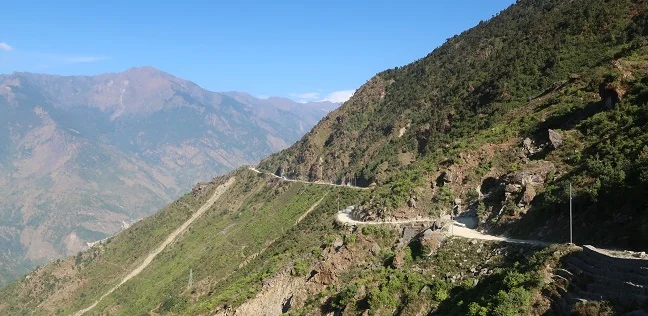
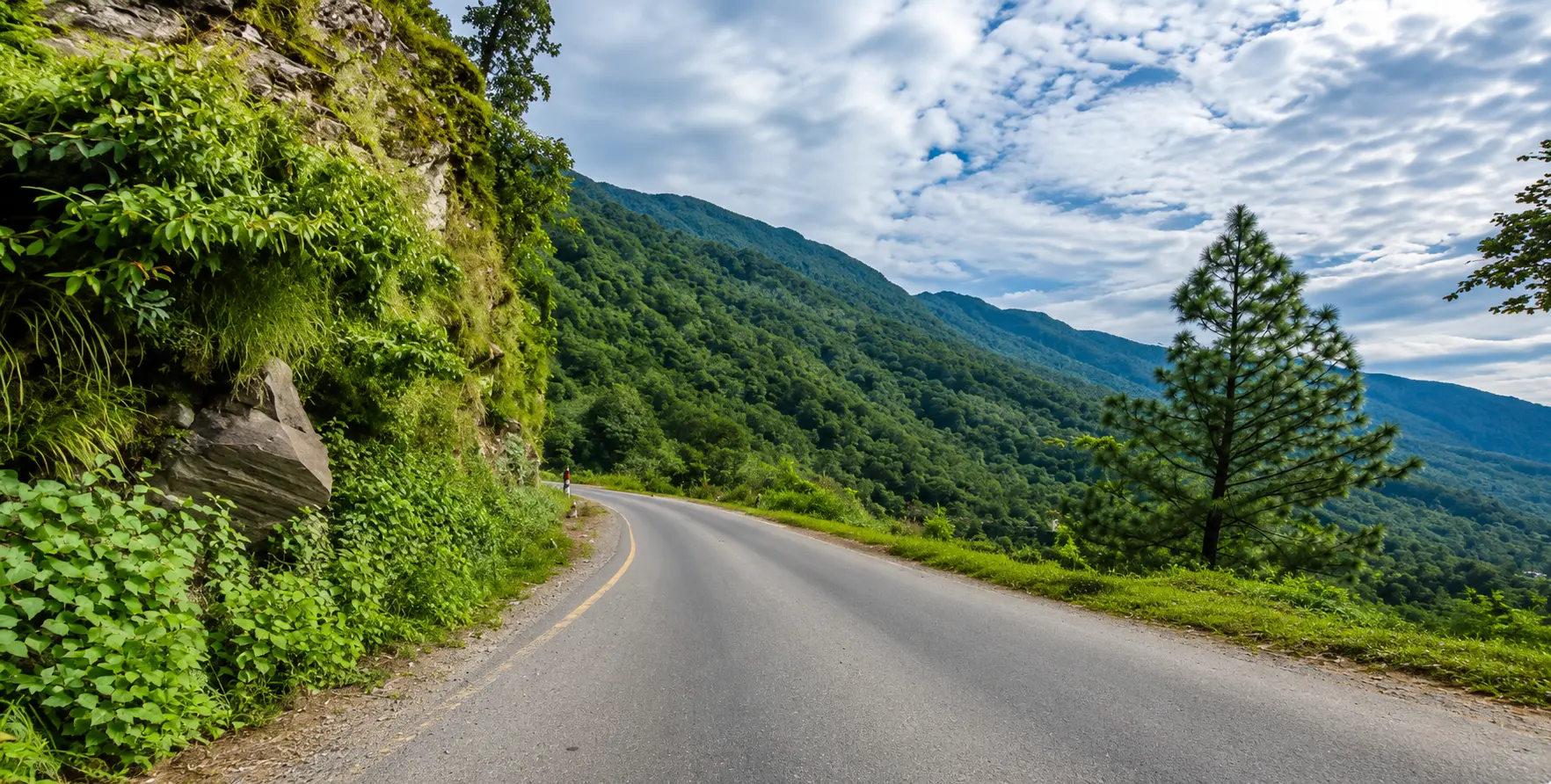
The route from Pokhara to Manang follows the Prithvi Highway to Besisahar before climbing into the Marsyangdi River gorge on the famous Annapurna Circuit road — initially paved and smooth, progressively rougher and more dramatic as the track climbs through Bhulbhule, Jagat, Dharapani, and Chame before delivering vehicles into the wide, high-altitude basin of Manang itself. It is a genuinely spectacular drive — one of Nepal’s finest overland journeys — and one that requires a 4WD vehicle, an experienced driver, and a sensible approach to altitude acclimatisation given how rapidly the route gains elevation in its upper half.
This complete 2026 guide covers everything: the full route and its key stops, all transport options and costs, the important question of how to handle altitude safely on this journey, what to do once you reach Manang, required permits, and how Nepal Vehicle Hiring Pvt Ltd provides the private jeep transfer that makes this journey smooth, safe, and comfortable.
Why Manang from Pokhara Is an Increasingly Popular Journey
Pokhara’s growing popularity as a base for the Manang jeep journey reflects several practical advantages over the better-known Kathmandu start. At roughly 180 km from Pokhara versus 265 km or more from Kathmandu, the Pokhara approach is considerably shorter — reducing the total drive time by roughly 2 to 3 hours and making a single-day journey to Manang far more realistic from Pokhara than it ever is from Kathmandu, where the same itinerary almost always requires an overnight stop along the route.
Pokhara is also, increasingly, where many Nepal visitors want to be: the city’s lakeside atmosphere, its proximity to the Annapurna foothills, and its status as the natural base for Annapurna region adventures of all kinds make it the logical starting point for a Manang jeep journey as well as for the Poon Hill,Mardi Himal, and Annapurna Base Camp trekking routes covered elsewhere in our blog series. For travellers spending several days in Pokhara, a two-day Manang excursion arriving on Day 1, exploring Manang and the surrounding lakes and monasteries on Day 2, and returning to Pokhara on Day has become one of the most popular short adventure packages available from the lakeside city.
Key Facts at a Glance
Route Detail
Information
From
Pokhara (827 m)
To
Manang (3,519 m)
Road Distance
180 km (Pokhara to Manang via Besisahar)
Private Jeep Travel Time
7 to 9 hours (often split into 2 days with overnight at Chame or Dharapani)
Paved (Pokhara to Besisahar) + Off-road mountain track (Besisahar to Manang)
ACAP Permit
NPR 3,000 (USD 22-25) per person — mandatory
TIMS Card
USD 10-20 per person — recommended
Best Season
October-November and March-May
Altitude Gain
Pokhara 827 m to Manang 3,519 m — acclimatisation strongly recommended
ALTITUDE ALERT: Manang sits at 3,519 meters — 2,692 meters higher than Pokhara. Driving this elevation gain in a single day is possible, but it carries a genuine risk of Acute Mountain Sickness (AMS) for many travellers. Nepal Vehicle Hiring Pvt Ltd strongly recommends a 2-day approach with an overnight stop in Dharapani (1,860 m) or Chame (2,670 m) for travellers who haven’t previously spent time above 3,000 m.
All Transport Options — Pokhara to Manang
Transport Option
Cost
Travel Time
Best For
Private Jeep (Pokhara-Manang direct)
NPR 25,000-45,000 / USD 190-300 (full vehicle)
7-9 hrs one day OR 2 days with overnight
Groups wanting comfort + flexibility
Private Jeep (2-day: Pokhara-Besisahar Day 1; Besisahar-Manang Day 2)
Sightseeing groups; most popular Manang tour format
Why Private Jeep Is the Right Choice for This Route
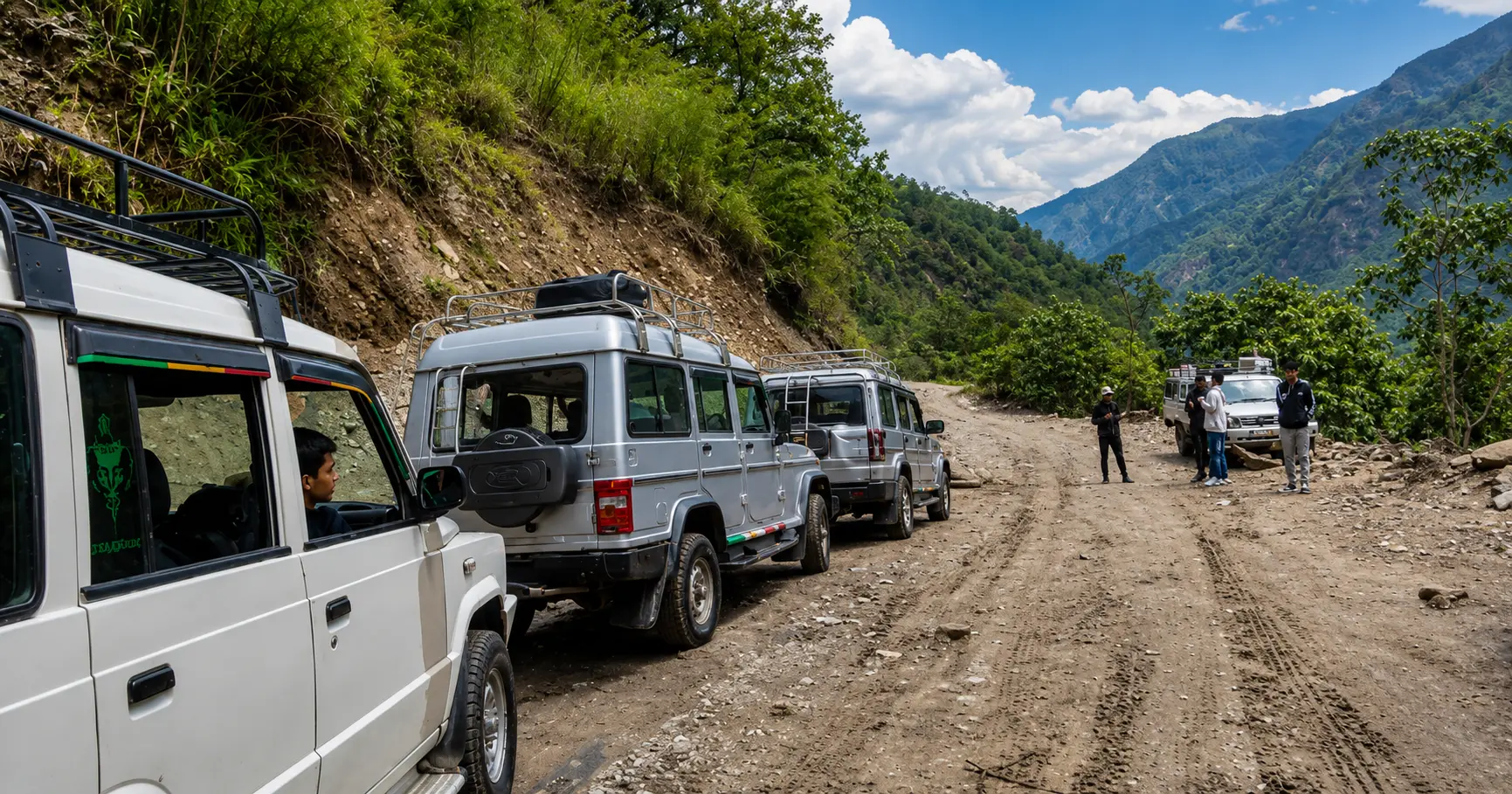
Beyond Besisahar, the Annapurna Circuit road to Manang is a rough, unpaved mountain track that cuts through some of Nepal’s most dramatic and least forgiving terrain. The Marsyangdi River gorge between Bhulbhule and Dharapani involves cliff-edge driving, river crossings, steep gradients, and accumulated damage from seasonal weather and trekking-season traffic, making any non-4WD vehicle genuinely unsuitable. Shared jeeps and local vehicles do operate on this route.
Still, they typically stop at Besisahar or depart only when fully loaded—removing the schedule flexibility and direct hotel-to-hotel comfort a private vehicle from Pokhara provides.
For a group of 4 to 6 sharing a private Scorpio or Hilux, the per-person cost of a full round-trip Pokhara-Manang-Pokhara private jeep at NPR 45,000 to 65,000 works out at approximately USD 55 to 100 per person — comparable to or cheaper than piecing together public transport across several separate legs, and dramatically more comfortable, flexible, and reliably safe on the demanding upper gorge sections.
The Route — Pokhara to Manang Step by Step
Stop
Distance from Pokhara
Altitude
Road
Notes
Pokhara (Lakeside)
Start
827 m
City roads
Hotel pickup — depart 6:00-7:00 AM
Dumre
97 km
365 m
Prithvi Highway (paved)
Junction town — turn north toward Besisahar
Besisahar
142 km
760 m
Paved highway
Gateway to Annapurna Circuit; ACAP + TIMS checkpoint
Bhulbhule
155 km
840 m
Off-road begins
Last riverside flat section; waterfalls visible
Jagat
175 km
1,340 m
Rocky off-road
Manaslu Circuit permits checked here too
Dharapani
195 km
1,860 m
Rough off-road
Common overnight stop for 2-day itineraries
Bagarchap / Danaque
200 km
2,160 m
Rough off-road
Gompa visible; landscape becoming alpine
Chame
215 km
2,670 m
Rough off-road
Manang District HQ; apple orchards; another good overnight
Upper Pisang
230 km
3,300 m
Rough off-road
Choice of Upper (hill) or Lower Pisang route
Manang
250-265 km
3,519 m
Rough off-road ends
Final destination — Gangapurna Lake, Braga Gompa, Tilicho approach
Pokhara to Besisahar — The Comfortable Paved Section
The journey begins on the Pokhara-Kathmandu Prithvi Highway, heading east through the flat Pokhara Valley before climbing gently into the Gandaki hill country toward Dumre Junction at approximately 97 km from Pokhara. Dumre is the turn-off point for Besisahar and the Annapurna Circuit road.
This junction also marks the boundary between the comfortable paved highway driving and the increasingly adventurous terrain ahead. From Dumre, the road climbs north to Besisahar, reaching the Annapurna Circuit’s official gateway town at approximately 142 km from Pokhara — a journey of roughly 3 to 4 hours in comfortable highway conditions.
Besisahar is where ACAP permits and TIMS cards are checked at the conservation area entry checkpoint — one of the most important reasons why all permits must be obtained in Pokhara or Kathmandu before departure, as described in the permits section below. Besisahar also has the last reliable fuel stations, ATMs, and comprehensive meal options before Manang — a practical rest stop as well as a checkpoint.
Besisahar to Dharapani — The Gorge Begins
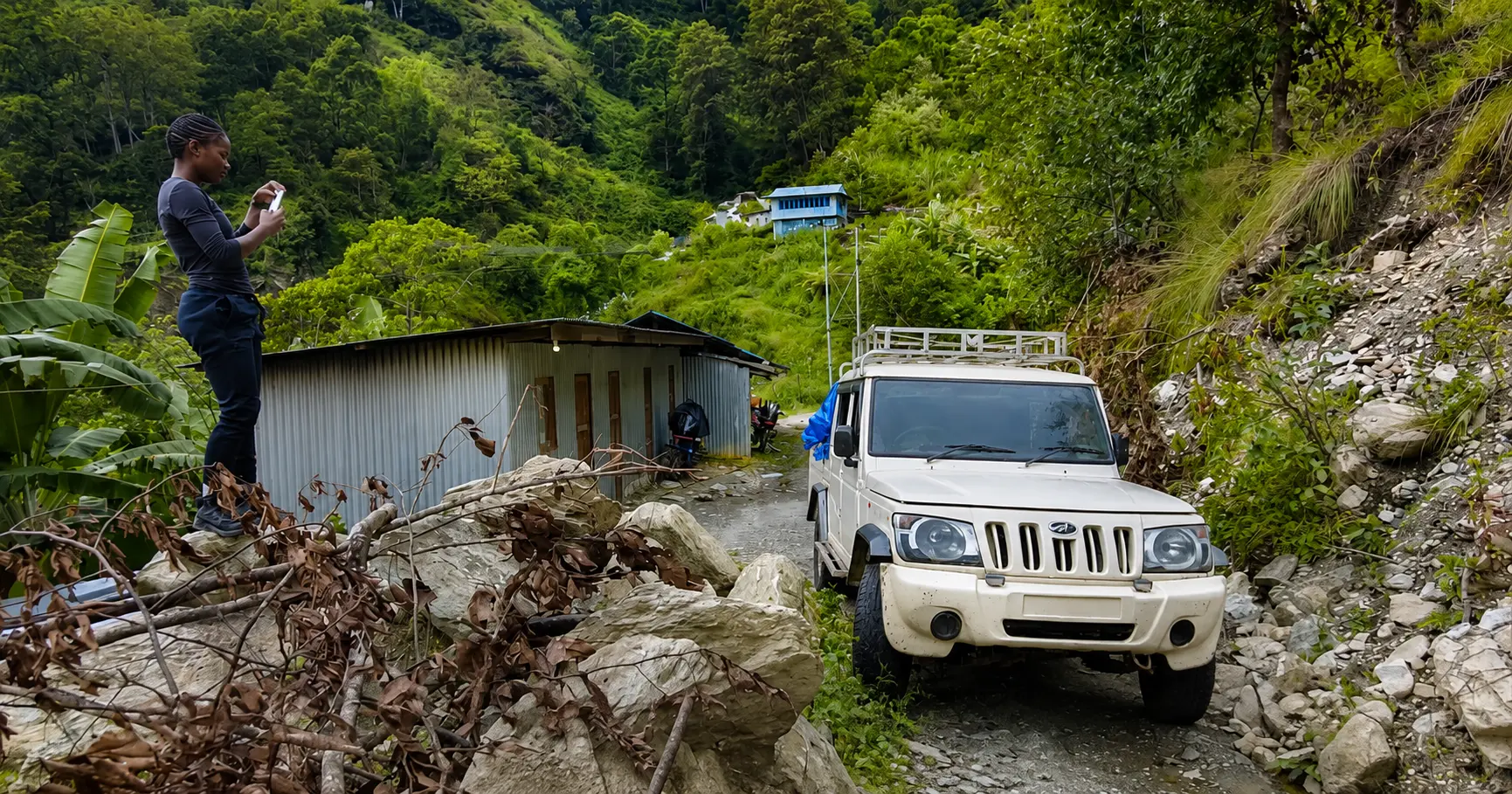
Beyond Besisahar, the road leaves the paved highway behind and becomes the rough, cliff-edge mountain track that defines the Annapurna Circuit driving experience. The first section, climbing through Bhulbhule, Ngadi, and Jagat, follows the Marsyangdi River through increasingly dramatic gorge terrain — waterfalls visible directly beside the track, the river thundering far below, and the canyon walls rising steeply on both sides.
This section is the most genuinely demanding driving on the entire Pokhara-to-Manang route: narrow passing points, exposed cliff edges, and the kind of surface deterioration monsoon damage and ongoing trekker-jeep traffic create, even in the best dry-season conditions.
At 1,860 meters, Dharapani marks both the end of the most demanding gorge section and the entry into the progressively more open Manang District valley. For two-day itineraries, Dharapani offers a natural overnight stop that allows meaningful acclimatisation at a much safer intermediate altitude than pushing directly to Manang’s 3,519 meters in a single day.
Dharapani to Chame — Entering the High Country
From Dharapani, the road continues through Bagarchap and Danaque, climbing steadily into increasingly alpine terrain. Buddhist monasteries become more frequent and prominent as the route gains altitude, and Tibetan cultural influence becomes visible in architecture, prayer flags, and chortens.
Chame, the administrative headquarters of Manang District at 2,670 meters, is another popular overnight option for travellers who want an extra acclimatisation step—particularly advisable for groups including older travellers, anyone with a history of altitude sensitivity, or children.
Chame to Manang — The Annapurna Panorama Unfolds
The final section from Chame to Manang delivers what many drivers and travelers describe as the most spectacular scenery of the entire route: the valley progressively widens, the peaks of Annapurna II (7,937 m), Annapurna III (7,555 m), Annapurna IV (7,525 m), and Gangapurna (7,455 m) come into increasingly close and dramatic view, and the landscape transitions from the forest and waterfall character of the lower gorge into the wide, open, Tibetan-influenced high-altitude basin that defines Manang’s unmistakable appearance. The villages of Lower and Upper Pisang — the upper option sitting on a dramatic ridge above the main valley with its own beautiful monastery — offer a brief stop before the final run into Manang itself.
The Altitude Question — The Most Important Safety Consideration
The altitude gain from Pokhara to Manang, from 827 meters to 3,519 meters in a single driving day, is the most important safety factor for anyone planning this journey. Acute Mountain Sickness (AMS) does not discriminate by age, fitness, or previous trekking experience, and driving to 3,519 meters in a single day, while physically possible for the vehicle, exceeds the recommended daily altitude gain of 300 to 500 meters per day for safe acclimatisation to 3,000 meters.
The Two-Day Approach: Nepal Vehicle Hiring Pvt Ltd recommends all Pokhara-to-Manang journeys be split across two days, with an overnight stop at either Dharapani (1,860 m) or Chame (2,670 m). This adds one driving day to the schedule but dramatically reduces AMS risk and makes the Manang stay considerably more enjoyable by ensuring travellers arrive rested and acclimatised rather than symptomatic.
Day Hikes from Manang: Even after the recommended two-day approach, spend at least one full day at Manang altitude before any further ascent. The classic Manang acclimatisation hike to Ice Lake (4,600 m) or the viewpoint above Gangapurna Lake is an excellent way to gain altitude during the day while sleeping lower at night.
AMS Warning Signs: Headache, nausea, loss of appetite, and fatigue on arrival in Manang are common mild symptoms. If these worsen over 12 to 24 hours rather than improving, descend immediately to Chame or Dharapani — do not push on hoping symptoms will resolve at altitude.
Diamox: Discuss with a doctor before departure whether acetazolamide (Diamox) is appropriate for your specific health situation and itinerary. It is available at pharmacies in Kathmandu and Pokhara.
ACCLIMATIZATION RECOMMENDATION: Even for a two-day journey, Nepal Vehicle Hiring Pvt Ltd drivers are instructed to offer an optional additional rest stop at Chame on the Day 2 approach if any passenger reports headache or discomfort — building this flexibility directly into the driving schedule rather than treating it as a schedule disruption.
What to Do in Manang — Making the Most of Your Stay
Attraction
Distance from Manang
Why Visit
Gangapurna Lake
1 km walk
Glacial lake fed by Gangapurna Glacier — stunning turquoise colour
Braga Gompa (monastery)
3 km walk
One of the oldest monasteries in the Annapurna region; ~500 years old
Ice Lake (Kicho Tal)
3-4 hrs hike
High-altitude lake at 4,600 m — one of the best day hikes from Manang
Tilicho Lake Base Camp approach
4-5 hrs jeep + walk
Highest large lake in the world at 4,919 m — jeep track toward base camp
Manang Bakery
In village
Famous high-altitude bakery — apple pie and cinnamon rolls at 3,519 m
Khangsar Village
6- 7 km
Highest village accessible by jeep; spectacular Annapurna III views
Manang Village — Life at 3,519 Meters
Manang village itself, with its flat-roofed stone houses, prayer-wheel lanes, and yak-grazing pastures, is a destination worth spending unhurried time in, regardless of any specific attraction. The village has developed a surprising range of teahouses, bakeries, and even a few surprisingly well-stocked small shops serving the steady flow of Annapurna Circuit trekkers who pass through — most notably the famous Manang Bakery, whose apple pie, cinnamon rolls, and hot chocolate served at 3,519 meters have achieved a near-legendary status among Himalayan trekkers.
A short walk through the village in the early morning or evening, when the high-altitude light turns the Annapurna peaks a deep orange-gold, requires no agenda beyond simply being present in a place this beautiful.
Manang valley
Braga Gompa — Ancient Monastery Above the Valley
Braga Gompa, perched dramatically above the valley floor approximately 3 kilometres from Manang village, is one of the oldest and most culturally significant Buddhist monasteries in the entire Annapurna region, with foundations dated to approximately 500 years ago and an interior housing one of the most impressive collections of ancient statues, thangka paintings, and religious artefacts of any Annapurna-region monastery accessible without multi-day trekking. The short hike up to Braga from Manang village gains about 200 vertical meters and offers increasingly open views of the Annapurna panorama as you climb.
Gangapurna Lake — The Glacial Mirror
Gangapurna Lake, the brilliant turquoise glacial lake immediately below the Gangapurna Glacier on the valley’s western flank, is perhaps the most photographed spot in the entire Manang area—and it takes only a 20 to 30 minute walk from the village to reach. The combination of the intensely coloured glacial water, the surrounding moraine, and the close views of Gangapurna’s ice-draped summit directly above creates an alpine landscape of extraordinary visual intensity that rewards even a brief visit at any time of day.
Permits Required for the Pokhara to Manang Journey
ACAP (Annapurna Conservation Area Permit): NPR 3,000 (approximately USD 22-25) per person — mandatory for all travellers entering the Annapurna Conservation Area beyond Besisahar. Obtain at the Nepal Tourism Board office in Pokhara Lakeside before departure.
TIMS Card (Trekkers Information Management System): USD 10-20 per person — required for trekkers and increasingly expected even for vehicle-based sightseeing visitors to the conservation area. Obtain from the Nepal Tourism Board or TAAN office in Pokhara.
Vehicle Registration and Insurance: Nepal Vehicle Hiring Pvt Ltd vehicles are fully registered and insured for tourist vehicle operation in the Annapurna Conservation Area — this is verified at the Besisahar checkpoint.
Do not attempt to pass the Besisahar ACAP checkpoint without valid permits — vehicles are turned back, and permits cannot be arranged at the checkpoint itself. Budget half a morning in Pokhara to process permits the day before your planned departure.
Season Guide — Best Time for the Pokhara to Manang Journey
October and November are the single finest months for the Pokhara-to-Manang drive: post-monsoon air clarity delivers genuinely spectacular mountain visibility, the road surface is at its most consolidated after the dry summer, and the light in Manang at this time of year — intense, high-altitude clarity with long morning shadows — creates the most dramatic photographic conditions available on this route. March to May, the spring season, brings slightly hazier conditions than autumn but adds the colour of blooming rhododendrons in the lower gorge sections and the warmth of a valley returning to life after winter.
Winter from December to February is passable but cold — temperatures in Manang regularly fall below -10 to -15 Celsius overnight in the depths of winter, and certain sections of the road above Chame may carry ice or light snow patches requiring extra care. The monsoon from June to September is the least recommended period for this specific route, given the landslide risk on the gorge sections between Jagat and Dharapani.
However, Manang itself, lying in the rain shadow of the Annapurna massif, receives considerably less monsoon rainfall than the lower gorge approach.
Practical Tips for the Pokhara to Manang Journey
Depart Pokhara by 6:30 to 7:00 AM for a single-day itinerary — this allows the full daylight window needed for the long drive and arrival in Manang before dark.
For a two-day itinerary, a 7:00 to 8:00 AM departure is comfortable — Day 1 to Dharapani or Chame is 5 to 6 hours, leaving afternoon time for a gentle acclimatisation walk.
Obtain ACAP and TIMS permits in Pokhara the day before departure — the Nepal Tourism Board office in Lakeside processes both quickly.
Carry sufficient NPR cash from Pokhara — there are no reliable ATMs beyond Besisahar. Estimate generously for accommodation, meals, entry fees at Gangapurna Lake, and any emergency expenses.
Pack layers — the temperature difference between Pokhara (usually warm) and Manang (potentially below freezing at night) requires a complete wardrobe change during the drive.
Carry water and snacks for the gorge section between Jagat and Dharapani — this stretch has limited reliable teahouse stops and takes 2 to 3 hours.
Motion sickness medication is worth considering — the gorge road above Besisahar winds continuously, and the combination of altitude and vehicle movement can affect passengers who don’t normally get carsick.
Keep a camera accessible throughout the drive — the waterfall sections near Chamje, the cliff-edge gorge near Tal, and the opening Annapurna panorama above Pisang are all best captured in the moment rather than missed while digging through a bag.
Why Choose Nepal Vehicle Hiring Pvt Ltd
Route Experience: Our drivers have extensive personal experience on the full Pokhara-to-Manang corridor, including detailed knowledge of the most challenging driving sections, the best rest stops, and the acclimatisation considerations specific to this altitude gain.
Verified 4WD Fleet: Scorpio and Hilux 4WD vehicles for all Manang transfers — the right vehicles for the rough gorge road beyond Besisahar.
Altitude-Aware Itinerary Planning: We build acclimatisation stops into every two-day Manang itinerary and carry this awareness into every driver briefing.
Door-to-Door Pokhara Pickup: From any hotel in Pokhara Lakeside or Pokhara city — no need to find a vehicle stand or negotiate with local operators.
Round-Trip Coordination: Book the outward Pokhara-to-Manang transfer and the return Manang-to-Pokhara leg in a single arrangement.
Transparent All-Inclusive Pricing: Driver, fuel, and road tolls included in every quote.
24/7 Booking: WhatsApp — plan your Manang journey with full route and logistics support.
Frequently Asked Questions — Pokhara to Manang
How far is Pokhara from Manang, and how long does the drive take?
Pokhara to Manang is approximately 180 km by road. A private 4WD jeep takes 7 to 9 hours in a single day. However, Nepal Vehicle Hiring Pvt Ltd recommends splitting it over two days, with an overnight stop in Dharapani (1,860 m) or Chame (2,670 m), for safer acclimatisation.
Is a 4WD vehicle necessary for the Pokhara to Manang journey?
Yes, beyond Besisahar the road becomes a rough, unpaved mountain track through steep gorge terrain. A 4WD vehicle with adequate ground clearance — Scorpio or Hilux — is essential for this section. Standard sedans and Hiace vans cannot safely complete the full route to Manang.
What does a private jeep from Pokhara to Manang cost?
A private Scorpio or Hilux 4WD costs approximately NPR 25,000 to 50,000 (USD 190 to 300) for the full vehicle one way. A round-trip package (Pokhara to Manang and return) costs approximately NPR 45,000 to 80,000 (USD 340 to 700) for the full vehicle over 2 to 3 days.
Do I need permits to visit Manang from Pokhara by jeep?
Yes. An ACAP permit (NPR 3,000 / USD 22-25 per person) and a TIMS card (USD 10-20 per person) are both required. Both must be obtained from the Nepal Tourism Board office in Pokhara before departure — they cannot be arranged at the Besisahar checkpoint.
What is the risk of altitude sickness on this journey?
Manang at 3,519 meters is high enough that Acute Mountain Sickness is a real concern, especially for travellers who drive directly from Pokhara (827 m) in a single day. The two-day approach with an overnight stop at Dharapani or Chame is strongly recommended. If symptoms like headache, nausea, and fatigue worsen instead of improving, descend immediately.
What is the best time of year to visit Manang from Pokhara?
October to November offers the clearest mountain views and best road conditions. March to May is also excellent with rhododendron bloom in the lower gorge. Winter (December to February) is possible but cold.
Monsoon (June to September) carries landslide risk on the gorge approach and is generally not recommended.
Conclusion
The journey from Pokhara to Manang is one of Nepal’s finest overland adventures — a 180-kilometre transformation from the lakeside warmth of the tourism city into the stark, spectacular high-altitude world of the Annapurna Conservation Area, delivered through some of the most dramatic gorge driving anywhere in the Himalaya. With the right 4WD vehicle, the right driver, a sensible acclimatisation approach, and a permit obtained the day before in Pokhara, it is a journey that rewards fully and asks only that you give it the time and respect that 3,519 meters of mountain destination honestly requires.
Nepal Vehicle Hiring Pvt Ltd provides a private 4WD transfer that makes this journey comfortable, safe, and well-paced—from your Pokhara hotel door to the Gangapurna Lake shore in Manang and back again, with everything in between handled by experienced local drivers who know this road in every season and condition.
Book your Pokhara to Manang jeep — Call or WhatsApp
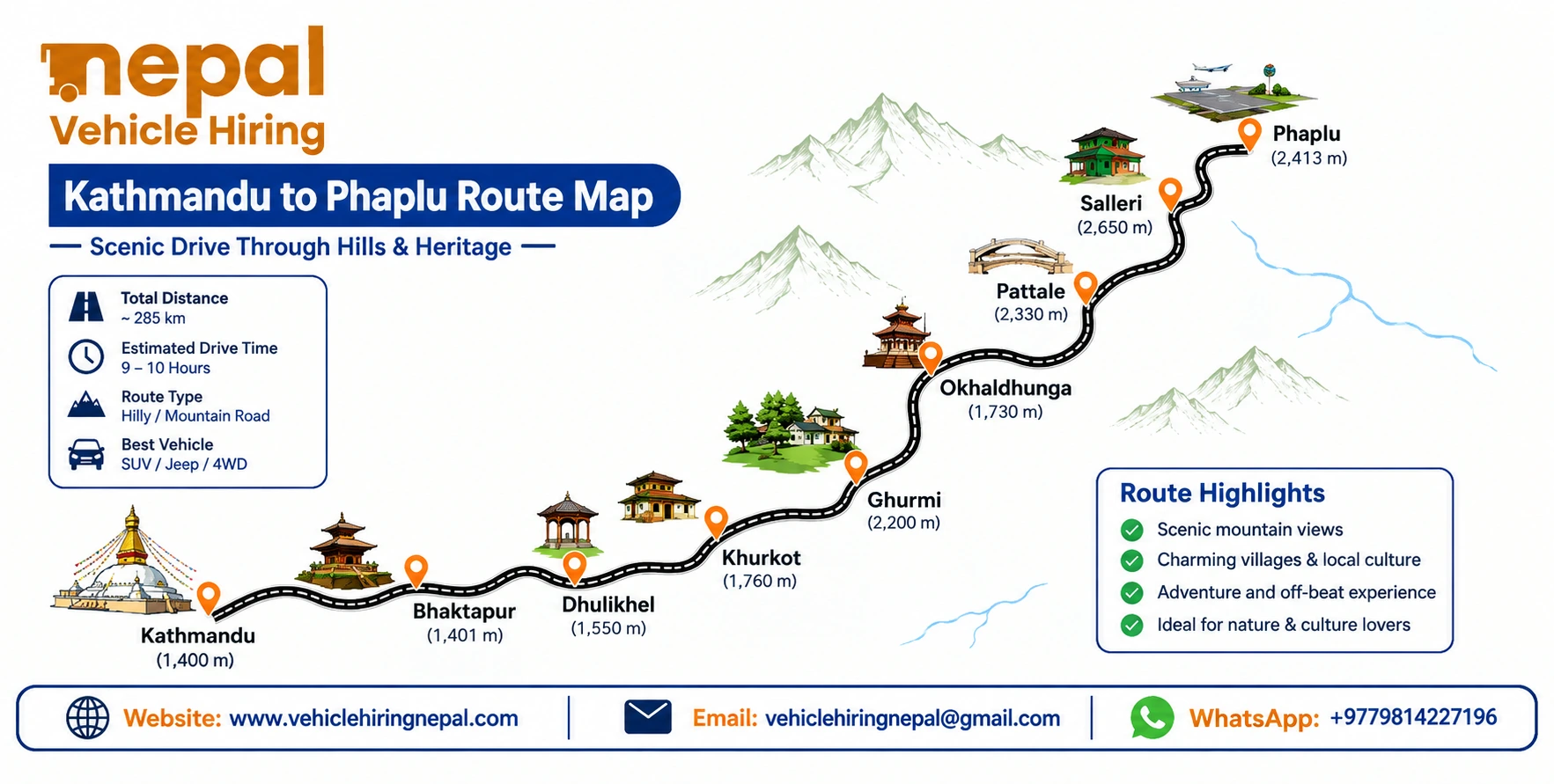
Private Jeep Hire for Salleri, Phaplu, Thamdanda, and Surke
For decades, reaching the remote Everest region has meant either a dramatic, short flight into Lukla’s famously challenging mountainside airstrip or a long, multi-day trek from Jiri along the historic route used by early Everest expeditions. Over the past several years, however, steady road construction through Solukhumbu district has quietly rewritten this equation, extending drivable access well beyond the traditional Salleri and Phaplu roadhead toward the villages of Thamdanda and, increasingly, Surke, bringing jeep transport closer than ever to the standard Everest trekking trail near Lukla itself.
This guide covers everything trekkers need to know about arranging.
Private Jeep Hire Salleri Phaplu: the geography of this extended road corridor, how far the road actually reaches today, the journey from Kathmandu itself, vehicle options, how this changing roadhead affects Everest region trekking itineraries, permits, seasonal considerations, and how this overland route compares to flying into Lukla. Nepal Vehicle Hiring has arranged jeep transport along this exact corridor for years, and this guide draws directly on that route experience.
Where Are Salleri, Phaplu, Thamdanda, and Surke
Salleri proudly serves as the district headquarters of Solukhumbu, the broader district that contains the entire Everest region. At the same time, Phaplu, a short distance away, has its own small airstrip and has long served as an alternative, lower-risk entry point to the region than Lukla’s more famous, more challenging airstrip.
Thamdanda and Surke themselves sit considerably further along this same general road corridor, considerably closer to the standard Everest trekking trail, with Surke in particular sitting close enough to Chaurikharka, just below Lukla, that trekkers driving this far can join the main Everest Base Camp trekking route with only a short remaining walk, bypassing the need to fly into Lukla at all.
This lower Solukhumbu region sits within the Solu portion of the district, distinct from the higher Khumbu region containing Namche Bazaar, Everest Base Camp, and the classic high-altitude trekking trail. It is home to a mixed population of Rai, Chhetri, and other communities alongside the Sherpa population more commonly associated with the higher Khumbu villages further up the trail.
The Journey From Kathmandu
The drive from Kathmandu toward Salleri and Phaplu covers a considerable distance through Nepal’s central and eastern hill regions, typically taking a full day or, more commonly, two days with an overnight stop, given the distance and road conditions involved. Our
Kathmandu to Salleri Phaplu jeep service covers this established leg of the journey in detail. It forms the foundation for the extended route now reaching toward Thamdanda and Surke as road construction has continued to push further along this corridor in recent years.
Beyond Phaplu, the more recently constructed, considerably rougher road continues toward Ringmo, Taktor, and onward to Thamdanda, with the furthest currently drivable sections reaching Surke on a good day, depending on current road maintenance and recent weather conditions. This extended section requires a genuine four-wheel-drive vehicle and a driver with up-to-date knowledge of how far the road remains passable on any given trip, since this changes more often on this newer section than on the well-established Kathmandu-to-Phaplu leg.
Why This Extended Route Matters
The extension of drivable road access beyond Phaplu toward Thamdanda and Surke represents a genuinely significant development for Everest region trekking logistics, offering trekkers a way to reach the immediate vicinity of the standard trekking trail without relying on a Lukla flight at all. Lukla’s small mountainside airstrip, despite its considerable international fame, remains notoriously subject to significant weather-related delays and cancellations, particularly during the shoulder seasons and any period of genuinely unstable, unpredictable mountain weather.
Aa growing number of trekkers now specifically choose the overland route via Salleri, Phaplu, and onward toward Surke to avoid this flight risk entirely, accepting a longer overall journey in exchange for greater schedule reliability.
Vehicle Options for This Route
Toyota Land Cruiser and Prado
For the demanding sections beyond Phaplu toward Thamdanda and Surke, a Land Cruiser or Prado remains the most reliable option, offering the ground clearance and mechanical dependability this genuinely rough corridor requires.
Mahindra Bolero and Local Jeeps
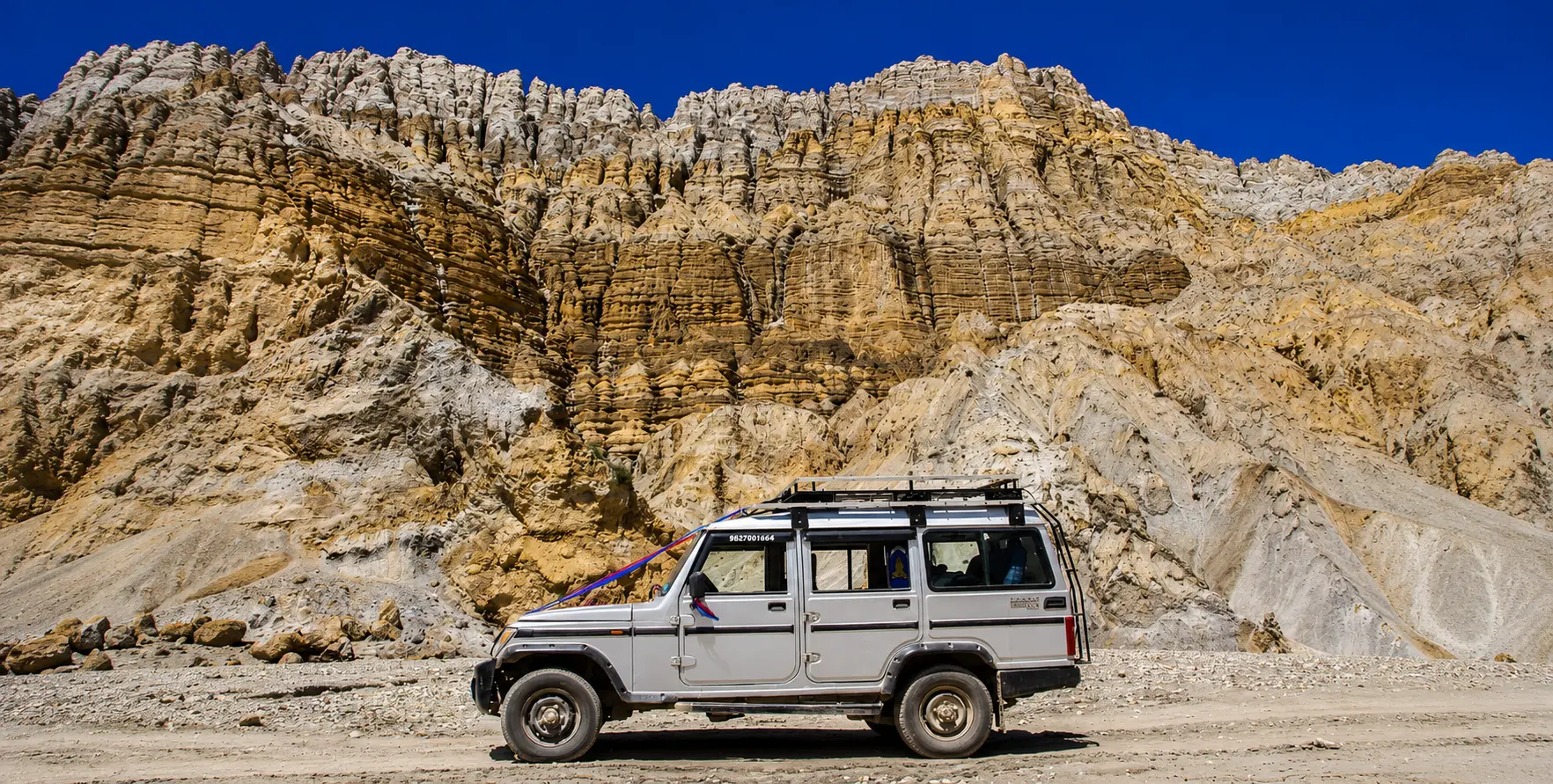
Regional operators widely use local jeeps such as the Mahindra Bolero on this corridor and remain a practical, cost-effective option for smaller groups, discussed further in our
Executive Hiace for the Kathmandu-Phaplu Highway Sections
For larger trekking groups, our
Hiace hire service suits the more established, paved sections of the journey closer to Kathmandu, before smaller groups transfer into 4WD jeeps for the rougher stretch beyond Phaplu.
Phaplu’s Airstrip as an Alternative to Lukla
Beyond its role as a road terminus, Phaplu also has its own small airstrip, occasionally used as a lower-risk alternative to Lukla for trekkers who want to fly rather than drive the full distance from Kathmandu, while avoiding Lukla’s more challenging approach and higher weather-related cancellation rate. This gives trekkers a genuine third option beyond a pure road journey or a Lukla flight: driving or flying to Phaplu, then continuing on foot or by the extended road toward Thamdanda and Surke before joining the main Everest trail.
Trekking From Surke to the Main Everest Trail
For trekkers driving as far as the road currently allows toward Surke, the remaining walk to join the standard Everest Base Camp trekking route near Chaurikharka and Lukla itself is considerably shorter than the multi-day walk once required from Jiri or even from Phaplu in earlier years. This compressed approach has made the overland route an increasingly practical alternative to flying, rather than simply a slower, more scenic option reserved for trekkers with unlimited time, and its growing popularity reflects genuine road infrastructure improvement rather than simply changing trekker preferences.
Comparing the Overland Route to Flying Into Lukla
Flying to Lukla remains the fastest way to begin an Everest Base Camp Trek, but carries genuine weather-related risk, with flights frequently delayed or rerouted through Manthali in Ramechhap district during peak season, as discussed in our
Everest Range Nepal Full Guide. The overland route via Salleri, Phaplu, Thamdanda, and Surke takes considerably longer overall, typically adding two to three days compared to flying directly, but offers far greater schedule predictability, an important consideration for trekkers with a fixed return flight or limited overall trip duration who cannot afford an open-ended wait for Lukla flight conditions to improve.
Comparing This Route to the Classic Jiri Approach
The traditional Jiri to Everest route, covered in our companion guide to the
Jiri to Everest Trek offered by our sister company Alpine Luxury Treks, remains available for trekkers specifically seeking the full historical approach used by early Everest expeditions, including Hillary and Tenzing’s own 1953 climb. By contrast, the Salleri, Phaplu, Thamdanda, and Surke route offers a considerably shorter overland approach for trekkers who prioritise efficiency over historical authenticity, while still avoiding a Lukla flight entirely.
Permits Required for This Route
Trekkers joining the standard, well-established Everest Base Camp Trek via this overland approach need the same permits as those flying into Lukla: a Sagarmatha National Park entry permit and the Khumbu Pasang Lhamu Rural Municipality entry fee, both typically arranged in Kathmandu or at the appropriate checkpoint along the route. No additional restricted area permit is required for this lower Solukhumbu approach itself, since it falls outside any restricted zone.
Best Time of Year for This Route
Spring (March to May)
Generally favourable road conditions and stable weather make this one of the two peak seasons for both the drive and onward trekking.
Summer and Monsoon (June to August)
Heavy rainfall significantly increases landslide risk on the rougher sections beyond Phaplu, making this the least reliable season for the extended road toward Thamdanda and Surke specifically.
Autumn (September to November)
The clearest skies and most stable conditions of the year, and the busiest season for Everest region trekking overall, making early booking for this route advisable.
Winter (December to February)
Cold conditions affect the higher trekking sections beyond Surke, though the lower road corridor itself generally remains passable, appealing to trekkers seeking a quieter season.
Road Safety on This Extended Corridor
The road beyond Phaplu toward Thamdanda and Surke remains considerably rougher and less consistently maintained than the established Kathmandu-to-Phaplu highway sections, passing through active landslide zones particularly during and after the monsoon. An experienced driver with up-to-date knowledge of how far the road remains passable is essential, since this can change between trips depending on recent weather and maintenance activity.
Combining This Route With the Full Everest Base Camp Trek
Trekkers using this overland approach typically continue to complete the full Everest Base Camp Trek.
Everest Base Camp Trek offered by our sister company, Alpine Luxury Treks, joining the standard trail near Chaurikharka and continuing through Namche Bazaar, Tengboche, and onward to Base Camp and Kala Patthar exactly as trekkers flying into Lukla would, simply with a different and more schedule-reliable starting point.
Cost Factors for This Route
Vehicle hire costs for the Salleri, Phaplu, Thamdanda, and Surke corridor depend on vehicle class, group size, and how far the current road allows the vehicle to travel on a given trip. Our team is happy to prepare a custom quote based on your group size and travel dates, and we’ll confirm current road conditions at the time of booking. Visit our
Booking begins with sharing your group size, preferred travel dates, and whether you want to go as far as possible toward Surke to minimise walking, or a more standard Salleri-Phaplu drop-off. Our team will confirm current road conditions and match the appropriate vehicle and driver for your specific itinerary. We recommend booking at least two to three weeks ahead during peak spring and autumn seasons.
Related Guides for Planning Your Everest Region Journey
Trekkers planning an Everest region trip via this overland approach may find these related guides useful:
How far can I currently drive toward the Everest region without flying?
Road access currently reaches as far as Thamdanda and, on good days, Surke, though conditions vary and you should confirm with your vehicle operator before finalising travel plans.
Is this route safer than flying to Lukla?
It avoids Lukla’s flight-related weather risk entirely, though the road still requires a proper 4WD and an experienced driver due to its rough, landslide-prone sections beyond Phaplu.
How much walking remains after driving to Surke?
The remaining walk to join the main Everest trail near Chaurikharka and Lukla is much shorter than the traditional Jiri approach, and you can typically do it in a single day, depending on the exact road endpoint on your trip.
Do I need different permits for this route compared to flying into Lukla?
No. The same Sagarmatha National Park permit and Khumbu Rural Municipality entry fee apply regardless of whether you fly into Lukla or approach overland via this route.
Can I fly from Phaplu instead of driving the whole way?
Yes. Phaplu’s airstrip offers an alternative, generally lower-risk flight option than Lukla. It can be combined with the extended road toward Thamdanda and Surke for trekkers who want to shorten their overland journey.
What is the best season for this route?
Spring and autumn offer the most reliable road conditions, with the monsoon season carrying the highest landslide risk on the rougher sections beyond Phaplu.
Final Thoughts: Nepal’s Quietly Changing Everest Gateway
The steady extension of drivable road access from Salleri and Phaplu toward Thamdanda and Surke represents one of the more significant, if quietly developing, changes to Everest region trekking logistics in recent years, offering a genuine alternative to Lukla’s flight-dependent access without the multi-day commitment of the full traditional Jiri approach. Getting this journey right, with an experienced driver and up-to-date knowledge of current road conditions, sets a reliable, weather-independent start to one of the world’s great trekking adventures.
Contact Nepal Vehicle Hiring today on WhatsApp or visit
vehiclehiringnepal.com to arrange your private jeep for Salleri, Phaplu, Thamdanda, and Surke, and to help plan your onward journey into the Everest region with current, accurate route information for whichever season you plan to travel.
The History of Road Development in Lower Solukhumbu
Road construction into Solukhumbu district has proceeded in distinct phases over recent decades, beginning with the establishment of a reliable road connection to Salleri and Phaplu, which for years served as the practical limit of drivable access toward the Everest region. This Salleri-Phaplu roadhead became the standard starting point for trekkers choosing an overland approach rather than flying into Lukla, effectively creating a shorter alternative to the full traditional Jiri route while still requiring several additional trekking days compared to flying directly.
More recently, continued road construction has pushed this drivable limit further, through Ringmo and Taktor, toward Thamdanda and, on favourable days, as far as Surke, progressively compressing the walking distance required to join the standard Everest trekking trail near Lukla and Chaurikharka.
Salleri: The District Headquarters
As the administrative headquarters of Solukhumbu district, Salleri hosts government offices, a hospital, and a range of services that reflect its role as the district’s administrative centre, distinct from the more purely trekking-oriented character of villages further up the trail toward the high Khumbu region. Many trekkers pass through or briefly stop in Salleri on their overland journey, and the town offers a useful last stop for final supplies or services before continuing toward the more remote sections of the route.
Phaplu in Greater Detail
Phaplu, a short distance from Salleri, has developed a distinct identity centred on its small airstrip and its role as a common starting or ending point for trekking itineraries in the region. The Phaplu area also hosts a hospital originally established with support linked to the Hillary family’s long-standing philanthropic work in the region, part of the broader legacy of infrastructure development in Solukhumbu that traces back to Sir Edmund Hillary’s post-expedition work supporting local communities throughout the district.
Thamdanda and the Newer Road Sections
Thamdanda represents one of the more recently established points along this extending road corridor, reflecting the ongoing, incremental nature of road construction through this challenging terrain. Unlike the well-established Kathmandu-to-Phaplu highway sections, the road beyond Phaplu toward Thamdanda remains under active development, meaning conditions and the exact drivable endpoint can shift meaningfully between trekking seasons as construction continues and monsoon damage is repaired.
Surke and Its Proximity to the Main Trekking Trail
Surke’s significance in this extended road corridor comes from its proximity to Chaurikharka, a village on the standard Everest Base Camp trekking trail just below Lukla. Trekkers able to drive as far as Surke on a given trip face only a relatively short remaining walk to join this main trail, effectively allowing them to bypass both the Lukla flight and the considerably longer trek from Phaplu or Jiri that earlier generations of overland trekkers faced.
This proximity is precisely what has made Surke the focus of considerable interest as road construction has continued to extend toward it in recent years.
A Typical Itinerary Using This Extended Route
A common itinerary for trekkers choosing this overland approach begins with the drive from Kathmandu to Salleri or Phaplu, typically requiring a full day or an overnight stop given the distance involved, followed by a second day continuing along the rougher, more recently constructed road toward Thamdanda and as far toward Surke as current conditions allow. From there, trekkers complete the remaining walk to join the main trail near Chaurikharka, then continue to Lukla or onward to Namche Bazaar, depending on their itinerary and acclimatisation schedule.
This combined road-and-short-trek approach typically adds two to three days to an itinerary compared to flying directly into Lukla. Still, it removes the schedule uncertainty of Lukla flight delays.
Weather Patterns Affecting This Corridor
The lower Solukhumbu region through which this road passes experiences a genuinely different weather pattern than the higher Khumbu region further up the standard trekking trail, with more monsoon-influenced rainfall and denser forest cover typical of the mid-hill elevations this corridor traverses before climbing toward the higher, more exposed terrain near Lukla and Namche Bazaar. This means road conditions along the Phaplu-to-Surke stretch are particularly sensitive to monsoon-season rainfall, with landslide risk considerably higher during and immediately after the main monsoon months than during the drier, more stable peak autumn and spring trekking seasons.
Local Communities Along the Route
The villages along this extended corridor, including Salleri, Phaplu, and smaller settlements toward Thamdanda and Surke, are home to a genuinely mixed population that reflects Solukhumbu’s more ethnically diverse character than the more uniformly Sherpa communities found in the higher Khumbu villages further up the trail. Rai and Chhetri communities make up a significant part of the population in these lower villages, alongside Sherpa residents, giving trekkers using this overland route a different cultural cross-section than those flying directly into the more purely Sherpa cultural landscape of Lukla and Namche Bazaar.
Why Trekkers Increasingly Choose This Overland Approach
Beyond avoiding Lukla flight risk, more trekkers choose this overland approach for the added cultural and scenic exposure it offers compared to flying directly into the high Khumbu region. The drive and short trek through lower Solukhumbu offer a genuinely different landscape and cultural setting than the higher trail sections most trekkers experience, providing a more gradual, in-depth introduction to the broader Everest region rather than the more abrupt transition of a direct Lukla flight.
This makes the route appealing not only to risk-averse trekkers but also to those seeking a richer, more complete regional experience.
Health and Altitude Considerations for This Approach
One genuine advantage of this overland route is its gradual elevation gain compared to flying directly into Lukla at 2,860 metres. Trekkers driving from Kathmandu’s roughly 1,400 metres through Salleri and Phaplu, both at much lower elevations, then continuing on foot toward the higher trail sections, experience a gentler acclimatisation profile than those who fly directly into Lukla and start trekking immediately at a much higher starting elevation.
Some trekkers and guides consider this gradual approach genuinely beneficial for altitude acclimatisation, complementing the standard rest days built into most Everest Base Camp itineraries.
Guides and Local Knowledge for This Route
Given the more variable and continually evolving nature of road conditions found beyond Phaplu toward both Thamdanda and Surke, working closely with a guide or vehicle operator who maintains current, up-to-date knowledge of the exact drivable endpoint is particularly valuable for this specific route, more so than on well-established, unchanging highway corridors elsewhere in Nepal. Local drivers who regularly travel this corridor typically have the most accurate, current information on road status, since conditions can change significantly from one trip to the next depending on recent weather and ongoing construction.
Combining This Route With a Broader Solukhumbu Exploration
Trekkers with extra time sometimes use this extended overland approach to explore lower Solukhumbu more broadly, rather than treating the drive purely as transit to the main Everest trail. Salleri’s role as a district headquarters, Phaplu’s historic hospital and airstrip, and the broader cultural landscape of the lower Solu region all offer worthwhile points of interest for trekkers willing to build extra time into their itinerary beyond the minimum required to reach Surke and join the main trekking trail.
What to Pack for This Journey
Warm, layered clothing given the range of elevations and temperatures encountered across the drive and subsequent trek.
Sturdy footwear for the walking sections between the road’s current endpoint and the main Everest trail near Chaurikharka.
A flexible itinerary buffer, given the more variable road conditions on this evolving corridor than on established highway routes.
Cash in Nepali rupees, since card payment infrastructure remains limited throughout this rural corridor.
Basic first aid supplies and any personal medication needed for the trekking portion of the journey.
Why Choose Nepal Vehicle Hiring for This Route
Nepal Vehicle Hiring has arranged transport along the Kathmandu to Salleri and Phaplu corridor for years, and our team stays in regular contact with drivers working the extended sections toward Thamdanda and Surke, giving us current knowledge of road conditions rather than outdated information. We select drivers for this corridor specifically for their experience navigating both the established highway sections and the rougher, evolving stretches beyond Phaplu, and we work directly with trekking groups to confirm realistic expectations about how far the road allows travel on any given trip, since this genuinely shifts between seasons.
Coordinating With Trekking Agencies for This Route
Given the evolving nature of road access on this corridor, close coordination between ground transport providers and trekking agencies planning Everest region itineraries is particularly valuable for this specific route. Trekking agencies benefit from working with a vehicle provider that can confirm current road status close to a group’s departure date, allowing itinerary adjustments if the road is more or less passable than assumed during initial trip planning months.
Our team works directly with trekking agencies, including our sister companies, to provide current, reliable route information that supports accurate Everest region itinerary planning.
The Broader Context of Nepal’s Rural Road Expansion
The extension of drivable access from Phaplu toward Thamdanda and Surke reflects a broader pattern of rural road construction occurring across many of Nepal’s trekking regions, similarly discussed in our guides to the changing roadhead at
Machha Khola on the Manaslu Circuit approach, and the historical development of the
Tribhuvan Highway connecting Kathmandu to Hetauda. This pattern of steadily extending rural road networks continues to reshape how trekkers access some of Nepal’s most significant mountain regions, generally compressing walking distances and reducing dependence on weather-sensitive domestic flights. However, it often introduces new considerations around road quality and reliability on newly constructed sections.
Seasonal Booking Patterns for This Corridor
Demand for vehicle hire along this corridor follows the broader seasonal pattern of Everest region trekking, with autumn as the peak booking period, followed by spring. Given the corridor’s dual role, serving both established highway sections and the more variable extended road toward Surke, booking well in advance during peak season while confirming current road conditions closer to the travel date offers the best combination of availability and route accuracy for trekkers planning this specific journey.
A Note on Realistic Expectations for This Route
Trekkers considering this overland approach should understand that, unlike the well-established Kathmandu-to-Phaplu highway sections, the extended road toward Thamdanda and Surke remains a genuinely evolving piece of infrastructure, and the exact distance drivable on any given trip should be treated as subject to change rather than a fixed, guaranteed endpoint. Approaching this journey with flexibility and working with a vehicle provider that communicates honestly about current conditions, rather than overpromising a specific drivable distance, leads to a much smoother overall experience than assuming a fixed, guaranteed route based on outdated trip reports.
Combining This Route With a Kathmandu Valley Stay
Most trekkers using this overland approach start with at least a day or two in Kathmandu, for final trekking prep and general acclimatisation before departure. Our
Kathmandu airport transfer ensures a smooth arrival before the demanding overland journey toward Solukhumbu begins.
Insurance and Emergency Considerations
Given the genuinely remote and continually evolving nature of the road beyond Phaplu, comprehensive travel insurance covering trekking activities and, if relevant, emergency evacuation remains important for this route, as it does for any Everest region trekking approach. Emergency response along the extended road sections toward Thamdanda and Surke may be less immediately available than along the well-established Kathmandu-to-Phaplu highway, and trekkers should discuss realistic emergency response expectations with their guide or vehicle provider before departure.
The Growing Appeal Among Repeat Everest Region Visitors
Trekkers who have previously visited the Everest region by flying into Lukla sometimes specifically choose this overland approach on a return visit, drawn by the novelty of a different route and the additional cultural exposure to lower Solukhumbu that a Lukla flight does not offer. This has made the Salleri, Phaplu, Thamdanda, and Surke corridor an increasingly popular choice not only for first-time trekkers seeking to avoid flight risk, but also for experienced repeat visitors looking for a different way to experience a region they may already know well from previous trips.
Photography and Scenic Highlights Along This Route
The drive and subsequent trek along this corridor offers a genuinely varied range of scenery, from the terraced hillside agriculture and forested slopes typical of Nepal’s central hill region near Kathmandu, through to the increasingly dramatic mountain terrain as the route approaches Solukhumbu and the first glimpses of high Himalayan peaks become visible on clear days. The gradual transition in landscape character across this multi-day journey offers photography opportunities that differ considerably from the more abrupt shift trekkers experience when flying directly into Lukla’s high-altitude airstrip.
Local Food and Accommodation Along the Way
Together, Salleri and Phaplu offer genuinely reasonable accommodation and food options that reflect their established role as a regional hub and trekking gateway, with dal bhat widely available alongside a modest range of other options. Accommodation and food options become progressively more basic along the newer road sections toward Thamdanda and Surke, reflecting the less developed tourism infrastructure in these smaller settlements compared to the more established facilities in Salleri and Phaplu.
Group Size Considerations for This Route
Given the genuinely variable road conditions on the extended sections beyond Phaplu, larger trekking groups should plan to split across multiple vehicles if the current road endpoint requires a rougher, smaller-capacity jeep rather than a larger vehicle suited to the established highway sections closer to Kathmandu. Discussing group size and luggage requirements with your vehicle provider during initial booking allows more accurate planning around this potential need to transfer between vehicle types partway through the journey.
A Comparison of Total Journey Time Across Different Approaches
Trekkers weighing their options for reaching the Everest region can expect roughly the following total journey times from Kathmandu to the start of the main trekking trail: a direct Lukla flight typically takes under an hour of actual flying time, though total time including airport procedures and potential weather delays can vary considerably; the full Jiri approach typically requires six to eight days of trekking after an initial day’s drive to Jiri itself; and the Salleri, Phaplu, Thamdanda, and Surke overland approach typically requires two to three days of combined driving and short trekking to reach the same starting point near Chaurikharka, positioning this route as a genuine middle ground between the speed of flying and the extended duration of the full historical Jiri trek.
Why This Route Appeals to Budget-Conscious Trekkers
Beyond weather reliability, cost also drives many trekkers to this overland approach, since ground transport along this corridor is generally cheaper than round-trip Lukla flights, especially for larger groups that can split vehicle costs among multiple trekkers. This cost advantage, combined with the flight-risk avoidance already discussed, has made the overland route an increasingly attractive option for trekkers balancing budget considerations against their available trip time.
Environmental Considerations of Overland Versus Flight Access
Some environmentally conscious trekkers choose the overland route over flying because shared ground transport generally has lower per-passenger emissions than short-haul mountain flights. However, this environmental calculation depends heavily on vehicle occupancy and the total distance driven versus flown. Trekkers focused on minimising their trip’s environmental footprint may want to weigh this alongside the other practical factors already discussed when choosing between flying and this overland approach.
Final Practical Tips Before You Go
Confirm current road conditions toward Thamdanda and Surke with your vehicle operator close to your travel dates, since conditions can change frequently.
Book your vehicle at least two to three weeks ahead during the peak spring and autumn seasons.
Build flexibility into your itinerary given the more variable nature of this evolving road corridor compared to established highway routes.
Pack for a genuine range of temperatures and conditions across the multi-day journey from Kathmandu through to the higher trekking trail.
Consider combining this route with additional exploration of lower Solukhumbu if your schedule allows.
A Sample Cost Breakdown for Planning Purposes
While exact pricing depends on vehicle class, group size, and current road conditions, travellers can generally expect the ground transport component of this journey to scale with total distance and driving days involved, similar to other extended trekking transport routes covered throughout our guides. Groups that can reach farther toward Surke before transitioning to foot travel generally see a modestly higher transport cost reflecting the additional driving distance, offset by a correspondingly shorter, less physically demanding remaining trek to the main trail, a trade-off worth discussing directly with your vehicle provider when planning your budget.
Combining This Journey With Broader Sister Company Trekking Packages
Trekkers using this overland approach to reach the Everest region typically continue to complete a full trekking itinerary through our sister company, Alpine Luxury Treks, whether the standard
Three Passes circuit. Coordinating overland ground transport and the trekking itinerary through a single point of contact, spanning both Nepal Vehicle Hiring and our sister trekking company, ensures a consistent, well-planned experience from Kathmandu to Everest Base Camp and back.
A Closing Perspective on This Evolving Route
The Salleri, Phaplu, Thamdanda, and Surke corridor represents Nepal’s trekking infrastructure in genuine, active transition, a road network still extending year by year into terrain that not long ago was accessible only on foot. For trekkers willing to accept some route uncertainty in exchange for weather-independent scheduling, potentially lower overall cost, and a richer cultural introduction to lower Solukhumbu, this overland approach offers a genuinely compelling alternative to the Lukla flight that has defined most visitors’ Everest region experience for decades.
Additional Frequently Asked Questions
Is this route suitable for first-time trekkers to Nepal?
Yes, but first-time trekkers should discuss realistic expectations about road variability and the remaining walking distance with their trekking agency or vehicle provider, given this route’s less predictable nature than established routes elsewhere in Nepal.
How does road quality compare between Kathmandu-Phaplu and Phaplu-Surke sections?
The Kathmandu-to-Phaplu section follows a much more established highway route, while the Phaplu-to-Surke stretch remains rougher and more variable because of its more recent, ongoing construction.
Can this route be used for the return journey as well as the approach?
Yes. Many trekkers use this overland route both ways, though some fly out of Lukla on the return leg to save time after completing their trek, using the overland approach only for the outbound journey.
What happens if the road is impassable beyond a certain point on my trip?
Your driver will confirm the furthest safely drivable point on the day, and you’ll cover any remaining distance to the main trekking trail on foot, an outcome your vehicle provider should communicate clearly rather than presenting a fixed endpoint as guaranteed.
Is a guide required for this specific approach route?
While a guide isn’t strictly mandatory for this lower Solukhumbu approach, most trekkers travel with a guide for the onward Everest Base Camp Trek, regardless of which approach route they use to reach the main trail.
One Final Word for Prospective Trekkers
If you are weighing this overland approach against a direct Lukla flight, consider your own priorities carefully: those with a fixed, non-negotiable return date may still prefer the speed of flying despite its weather-related risk, while those with greater schedule flexibility, a preference for avoiding mountain flights, or a specific interest in experiencing lower Solukhumbu’s distinct cultural landscape will likely find the Salleri, Phaplu, Thamdanda, and Surke corridor a genuinely rewarding way to begin their journey toward Everest.
How Nepal Vehicle Hiring Supports This Specific Route
Coordinating transport along an evolving, less predictable corridor like this requires a different operational approach than managing bookings on Nepal’s more established, unchanging highway routes. Our team maintains ongoing communication with drivers who regularly work the Phaplu-to-Surke stretch, allowing us to provide trekkers and trekking agencies with current, accurate information about road status rather than relying on assumptions based on previous seasons.
This ongoing local knowledge, built through years of coordinating transport along this corridor, underpins the guidance we provide to travellers planning this route into the Everest region.
The Role of This Route in Nepal’s Broader Trekking Infrastructure Evolution
This corridor’s continued development runs alongside similar road-extension patterns elsewhere in Nepal, from the changing Manaslu Circuit roadhead at Machha Khola to the historical development of highway infrastructure connecting Kathmandu to destinations across the country. Together, these evolving road networks reflect Nepal’s ongoing infrastructure development, gradually extending motorised access into terrain trekkers a generation ago could reach only on foot and reshaping trekking logistics across nearly every major region.
Supporting Trekking Agencies With Current Route Information
Trekking agencies planning Everest region itineraries via this overland approach benefit greatly from an established relationship with a ground transport provider that can supply current, reliable road-status information during trip planning, months before a group’s departure. This ongoing collaborative relationship between trekking agencies and vehicle hire providers helps ensure itineraries are planned realistically from the outset, rather than requiring last-minute adjustments discovered only after a trekking group has arrived in Nepal and begun their journey toward Solukhumbu.
Looking Ahead: The Continued Extension of This Road Corridor
Given the pace of road construction along this corridor in recent years, further extension beyond Surke toward Chaurikharka itself, or even closer to Lukla, remains a real possibility in the years ahead, following the same incremental pattern that has brought drivable access this far. Trekkers and trekking agencies alike continue to monitor this development closely, since further extension would likely compress the remaining walking distance even further and continue the gradual transformation of how travellers access the Everest region that this guide has traced throughout.
A Final Summary of Key Considerations
Bringing together everything covered in this guide, trekkers considering the Salleri, Phaplu, Thamdanda, and Surke overland approach to the Everest region should weigh the genuine trade-offs involved: a longer overall journey compared to flying, offset by considerably greater schedule reliability and, for many travellers, a lower total cost and a richer cultural introduction to lower Solukhumbu. The exact drivable distance on any given trip remains subject to change given the evolving nature of the road beyond Phaplu, making flexibility and current, accurate route information from an experienced local vehicle provider essential rather than optional for planning this specific journey with confidence.
Thank You for Reading
We hope this guide gives a clear, useful overview of this changing overland route into the Everest region, and we look forward to arranging your journey to Salleri, Phaplu, Thamdanda and Surke, whatever combination of driving and trekking your itinerary involves.
Combining Ground Transport With Nepal’s Wider Vehicle Hiring Network
Beyond this specific Solukhumbu corridor, Nepal Vehicle Hiring supports travellers across nearly every major route in the country, from
Coaster and Bus hire fleet, all coordinated through the same trusted local team supporting your Everest region ground transport.
A Note on Booking Flexibility for This Evolving Route
Given the variable road conditions beyond Phaplu discussed throughout this guide, we recommend travellers approach booking for this route with more flexibility than on Nepal’s more established highway corridors. Confirming your itinerary broadly, while staying open to adjusting the exact drivable endpoint based on conditions closer to your travel date, leads to a much smoother overall experience than insisting on a fixed, guaranteed distance regardless of what the road presents on the day of travel.
Cultural Etiquette Along the Lower Solukhumbu Route
Trekkers passing through the mixed Rai, Chhetri, and Sherpa communities along this corridor should approach local villages with the same respect and cultural sensitivity expected throughout Nepal’s trekking regions, including modest dress, requesting permission before photographing individuals, and general courtesy toward the communities whose homeland this road and trail pass through. This lower Solukhumbu cultural landscape, while less visited than the higher Khumbu villages further up the trail, holds its own genuine significance and deserves the same respectful engagement afforded to any community along Nepal’s trekking routes.
Wishing You a Smooth and Reliable Journey
Whether you choose this evolving overland route specifically to avoid Lukla’s flight-related uncertainty, to explore lower Solukhumbu’s distinct cultural landscape, or simply because it fits your available budget and schedule better than the alternatives, we wish you a safe, smooth journey toward Salleri, Phaplu, Thamdanda, and Surke, and a memorable trek beyond it toward the roof of the world.
A Practical Reminder Before You Book
As a final practical reminder, always request the most current road status directly from your chosen vehicle provider before finalising travel dates, particularly if travelling during or shortly after the monsoon season when conditions on the newer road sections beyond Phaplu are most likely to have changed since your initial research.
Closing Summary
This guide has covered the geography, history, road conditions, permits, seasonal considerations, and practical booking guidance for the Salleri, Phaplu, Thamdanda, and Surke overland approach to the Everest region, offering a genuinely useful alternative for trekkers seeking to avoid Lukla’s flight-related risk while still reaching the main Everest trekking trail within a reasonable, well-planned timeframe.
Safe, smooth, and genuinely pleasant travels to you and your whole trekking group, and we sincerely look forward to warmly welcoming your entire trekking party back to Nepal very soon.
Nepal Trekking Transport Guide | — The Complete Guide to Getting to Every Trailhead
Every Nepal trek has two parts. The part every guidebook, Instagram post, and trekking company website describes in full: the trail itself, the altitude, the mountain views, the teahouses, the culture, the pass crossing. And the part that almost every planning resource treats as a footnote: the transport.
The jeep hire or the bus that takes you from your Kathmandu or Pokhara hotel to the trailhead where the walking begins. The pre-dawn road transfer to Ramechhap airport before the Lukla flight. The rough 4WD track beyond Besisahar, more dramatic than you expected.
The pre-arranged pickup from Dharapani or Syabrubesi at the trek’s end, when you step off the trail after 14 days and want a comfortable ride home.
Nepal trekking transport is not a footnote. It is the first and last chapter of every Himalayan adventure, and in many cases it is also a genuine adventure in its own right — one of the most spectacular road journeys on earth, threading through a landscape that transitions, in a single driving day, from urban river valley to glacier-fed gorge.
This complete guide covers every dimension of Nepal trekking transport: the vehicles available, the routes and their real road conditions, the region-by-region breakdown of how transport works for every major Nepal trek, and how Nepal Vehicle Hiring Pvt Ltd provides the private jeep hire, Hiace van, tourist bus, and coaster service that connects every Kathmandu and Pokhara hotel to every major trekking trailhead in the country.
Why Nepal Trekking Transport Deserves Serious Planning
Nepal’s geography makes trekking transport planning non-trivial in a way that has no real equivalent among the world’s other major trekking destinations. No railway system connects any trekking region to either Kathmandu or Pokhara.
No broad, flat approach roads allow a standard hire car to reach any significant mountain trailhead without encountering at least one rough, unpaved, 4WD-necessary section. No standardised, published timetables exist for the shared jeep services that operate on most trekking corridors; they fill and depart when they have enough passengers rather than at a fixed time.
No single point coordinates domestic flights, airport transfers, and trekking-agency logistics, which together form the full transport chain for any flight-dependent approach like the Everest region.
This complexity isn’t a problem to complain about—it is simply the practical expression of Nepal’s extraordinary topography, which compresses nearly every climate zone on earth between the Terai lowlands and the Himalayan summits within a north-south distance of about 200 kilometres. Roads into this terrain are, by definition, mountain roads: steep, winding, seasonally damaged, and requiring genuine local knowledge and the right vehicle specifications, the kind that distinguishes a professional vehicle hire service from an improvised arrangement.
Every traveller who has arrived at a Kathmandu trailhead in a flat-tired shared jeep two hours late, or who has missed a Lukla flight because their airport transfer was poorly timed, understands viscerally why this planning matters. Every traveller who arrives at a trailhead in a properly maintained 4WD Scorpio from Nepal Vehicle Hiring Pvt Ltd, on time, with their luggage intact and their driver’s phone number confirmed, understands the opposite.
Nepal Trekking Transport Guide | — Understanding Your Options
The first question in any Nepal trekking transport booking is vehicle type, and the right answer depends specifically on group size, distance, destination, and the road character of the final approach. Nepal Vehicle Hiring Pvt Ltd offers a full range of vehicle options for every trekking transport need.
A sedan is not suitable for any trekking trailhead approach that includes off-road sections.
Private 4WD Jeep (Scorpio / Hilux). The private 4WD jeep is the single most versatile and most widely used vehicle in Nepal’s trekking transport fleet. The Mahindra Scorpio 4WD and Toyota Hilux 4WD — the two primary workhorses of Nepal Vehicle Hiring Pvt Ltd’s jeep hire fleet — combine the ground clearance, low-range capability, and load-carrying capacity required for every major Nepal trekking trailhead approach, with comfortable cabin space for 4 to 6 passengers and roof-rack luggage capacity for full expedition duffel bags.
Toyota Hiace Van. The Toyota Hiace seats 12 to 14 passengers comfortably and is ideal for medium-sized trekking groups on paved highways and moderate hill roads. Nepal Vehicle Hiring Pvt Ltd’s Hiace van hire covers the Kathmandu to Pokhara bus corridor, the approach to Besisahar, the approach to Syabrubesi and Dhunche for the Langtang trek, and any other transfer where the road quality allows a van-height vehicle and the group exceeds 6 people.
For approaches that include genuinely rough off-road sections — Soti Khola, Machha Khola, the Annapurna gorge beyond Besisahar — the Hiace transfers passengers at the pavement’s end, with a 4WD jeep shuttle covering the rougher final section.
Tourist Coaster and Bus. For large trekking groups of 20 to 45 people — school expeditions, corporate trekking programs, pilgrimage parties — Nepal Vehicle Hiring Pvt Ltd provides tourist coaster hire and full tourist bus hire on Nepal’s paved highway network. These larger vehicles cover the Kathmandu-to-Pokhara corridor, the approach to Besisahar, the Lumbini road via our Kathmandu to Lumbini bus service, and the Pokhara to Chitwan bus connection — all at significantly lower per-person cost than smaller vehicles for groups that fill them.
Land Cruiser — For the Most Demanding Terrain. For the most technically demanding Nepal trekking transport routes — Upper Mustang’s canyon roads to Lo Manthang, remote Dolpo District approaches, and the Rara Lake circuit in the far northwest — a Toyota Land Cruiser provides the highest available combination of 4WD capability, passenger comfort, and luggage capacity for small groups of 4 to 5. Nepal Vehicle Hiring Pvt Ltd offers Land Cruiser hire for these top-end remote routes upon booking. The Land Cruiser’s larger fuel tank, higher ground clearance, and greater low-range torque make it ideal for multi-day, remote transfers where long distances, rough terrain, and limited roadside support demand the highest margin of mechanical reliability.
Everest Region Trekking Transport — The Most Complex Logistics in Nepal
The Everest Base Camp trek is Nepal’s most famous trekking experience — and its most logistically complex to reach, because the standard trailhead at Lukla (2,860 m) is accessed by a short but frequently weather-cancelled domestic flight rather than any road. Understanding how the transport chain for Everest region trekking works is essential to avoid the single most common source of Everest itinerary disruption.
The Lukla flight most often departs from Ramechhap’s Manthali Airport during the peak spring (March to May) and autumn (October to November) seasons, because Kathmandu’s Tribhuvan International Airport manages congestion this way. This means the Everest trekking transport chain for most travellers runs as follows: a predawn private vehicle departure from Kathmandu at approximately 3:00 to 4:00 AM, a 4- to 5-hour drive to Ramechhap by private jeep, the short Manthali-to-Lukla flight, and then the Everest Base Camp trek on foot through Phakding, Namche Bazaar, and the Khumbu.
Nepal Vehicle Hiring Pvt Ltd specialises in the Kathmandu-to-Ramechhap predawn transfer, calculating each departure time based on the specific flight slot to ensure you arrive at Manthali Airport with enough time to check in, regardless of the pre-dawn start.
The overland alternative for Everest region trekking bypasses the Lukla flight entirely, using a private jeep transfer from Kathmandu to Phaplu, Salleri, or Kharikhola and Surke — the traditional overland approach route covered in detail in our dedicated Kathmandu to Salleri Phaplu guide and our Kathmandu to Kharikhola Surke guide. From Surke, a short 2 to 3 hour walk connects to Lukla and the main EBC trail.
From Phaplu or Salleri, the Jiri to Everest historical overland route begins — the same approach all pre-1964 Everest expeditions used. For travellers wary of flight cancellations or seeking a more in-depth, historically grounded introduction to the Everest region, Nepal Vehicle Hiring Pvt Ltd’s overland transfer to Soti Khola and beyond is one of the finest decisions an Everest-bound trekker can make.
For Gokyo Lakes trekkers and those undertaking the Everest Three Passes circuit, the same transport options apply: Lukla or overlands. For the Everest View Trek — a shorter Khumbu itinerary reaching the famous Everest View Hotel above Namche without the full Base Camp commitment — the Lukla flight or the Surke overland approach delivers trekkers to the same starting point.
The luxury Everest Base Camp lodge trek and the EBC with helicopter return from our sister company Trek Nepal Himalayas use the same outward Lukla approach combined with a helicopter return that eliminates the return road journey — a popular choice for travellers who want the historical overland walk in one direction and the spectacular aerial return in the other.
Annapurna Region Trekking Transport — The Most Road-Changed Landscape
The Annapurna region offers Nepal’s widest diversity of trekking experiences — from the 4- to 5-day Ghorepani Poon Hill trek to the full Annapurna Circuit at 12 to 18 days, with the Annapurna Base Camp trek, Muldai View Trek, and Nar Phu Valley trek filling in between. It is also the region where Nepal trekking transport has changed most dramatically in the past decade, as road construction has pushed drivable tracks far deeper into the Marsyangdi gorge and the Kali Gandaki valley than any planning done before 2015 would have anticipated.
For the Ghorepani Poon Hill trek and Annapurna Base Camp trek, the transfer from Pokhara is the defining logistics step: typically a short Pokhara-to-Nayapul private jeep rideof 45 minutes to 1.5 hours, reaching the Nayapul or Birethanti trailhead on the Modi Khola valley. Nepal Vehicle Hiring Pvt Ltd offers this Pokhara trailhead transfer with hotel pickup from anywhere in Lakeside, making it one of Nepal’s smoothest and most reliable trekking transport arrangements—short, fully paved, and done before breakfast.
For the Annapurna Circuit trek, the key transport booking is the Besisahar private vehicle service — covered in dedicated detail in our Besisahar pickup drop guide — which now extends for many groups well beyond Besisahar itself, with private 4WD jeeps carrying trekkers deep into the Marsyangdi gorge toward Jagat, Chame, and Manang and reducing what was historically a full week of approach walking to 1 or 2 days of vehicle travel. The Kathmandu-to-Besisahar bus ticket offers a public-transport option for budget-conscious trekkers on the same corridor.
For the return from the Annapurna Circuit via Jomsom, Muktinath, and the Kali Gandaki valley, car hire in Pokhara or a private jeep arrangement from Pokhara covers the Beni-to-Pokhara or Tatopani-to-Pokhara sections on the circuit’s western exit. At the same time, the Sarangkot sunrise vehicle offers the classic post-trek Pokhara view for groups who want to celebrate completing the Annapurna Circuit with the city’s finest mountain panorama.
Langtang Region Trekking Transport — The Closest Trek, the Best Road Story
The Langtang Valley trek is Nepal’s closest major Himalayan trek to Kathmandu — accessible via a single Kathmandu to Syabrubesi jeep transfer of 6 to 8 hours along the Pasang Lhamu Highway, with no flight required at any stage. The standard vehicle-hire drop-off for the Langtang trek is Syabrubesi (1,460 m) for the main Langtang Valley route toward Lama Hotel, Langtang village, and Kyanjin Gompa, or Dhunche (1,970 m) for the Gosaikunda sacred lake approach.
The Ramche Landslide zone — a specific section approximately 3 km south of Dhunche — is this route’s most consistently monitored road challenge, and Nepal Vehicle Hiring Pvt Ltd tracks conditions through our driver network before every scheduled departure.
The Helambu trek — often combined with Langtang and Gosaikunda into one of Nepal’s finest 12 to 16 day multi-region circuits — exits at Melamchi Bazaar, from where a private vehicle or local bus service connects back to Kathmandu. Nepal Vehicle Hiring Pvt Ltd coordinates the Melamchi pickup as a return leg alongside the outward Syabrubesi drop for combined Langtang-Gosaikunda-Helambu itineraries — one of our most popular multi-leg trekking transport arrangements for groups spending 12 or more days in the Rasuwa and Sindhupalchok mountain corridor.
The Panch Pokhari trek transport — a lesser-known spot in the Sindhupalchok region, with its sacred five-lake complex beneath the Jugal Himal — uses a shared approach corridor, reachable via the Melamchi Bazaar road or Chautara, depending on the itinerary. Our Panch Pokhari trek transport guide covers this approach in detail, and Nepal Vehicle Hiring Pvt Ltd offers private jeep hire to both gateways.
Manaslu Region Trekking Transport — Road Journey as Prologue
The Manaslu Circuit trek has, within the past five years, moved from relative obscurity to one of Nepal’s most-booked premier trekking experiences — its combination of teahouse infrastructure comparable to the Everest and Annapurna corridors with trail quietness dramatically greater than either has given it a specific and loyal following among trekkers who have completed the classic routes and are specifically seeking the combination of comfort and solitude. The Manaslu Circuit trek transport from Kathmandu is a 7- to 10-hour private 4WD jeep journey along the Prithvi Highway and Arughat corridor to the trailheads at Soti Khola (710 m) or Machha Khola (870 m), with the section from Arughat onward being the genuine rough off-road approach that makes 4WD essential rather than simply preferable.
The Manaslu Circuit requires the three-permit combination of Restricted Area Permit (RAP), Manaslu Conservation Area Permit (MCAP), and Annapurna Conservation Area Permit (ACAP) for the Larkya La crossing — all obtained in Kathmandu before departure. The circuit exits at Dharapani and Besisahar, from where Nepal Vehicle Hiring Pvt Ltd provides a private return vehicle service to Kathmandu or Pokhara.
The Tsum Valley trek — one of Nepal’s finest and most culturally intact hidden valley experiences, covered in detail in our dedicated Tsum Valley trekkers guide — branches from the main Manaslu approach and uses the same trailhead transfer, making the Soti Khola and Machha Khola jeep transfer the gateway for both of the Manaslu region’s finest trekking destinations.
Upper Mustang and Muktinath — Trekking by Jeep
The Upper Mustang trek has undergone the most dramatic transport transformation of any major Nepal trekking route: road construction through the Kali Gandaki valley has advanced to the point that, as of 2026, the former multi-week walking approach to Lo Manthang is now largely drivable by private 4WD vehicle or Land Cruiser, making it one of Nepal’s finest jeep tour experiences as well as one of its most dramatic overland drives. Nepal Vehicle Hiring Pvt Ltd provides private vehicle hire for the Jomsom-to-Lo Manthang corridor within the broader Upper Mustang restricted area, coordinating with the Pokhara-to-Jomsom Yeti Airlines flight that begins most Upper Mustang itineraries.
Muktinath, the sacred pilgrimage site at 3,710 meters, is now reachable entirely by road from Jomsom via the extended Kali Gandaki valley track — a journey completed in private jeep hire by pilgrims and trekkers alike, and one of Nepal’s most popular altitude drives combining Hindu and Buddhist sacred site access with spectacular high-desert mountain scenery. The Nar Phu Valley trek — accessible from Koto village beyond Chame on the Annapurna Circuit approach road — is a restricted-area trek with a rapidly growing reputation among experienced trekkers seeking genuine remote Himalayan wilderness, with the Besisahar to Manang jeep transfer serving as its transport entry point.
Eastern Nepal Trekking Transport — The Untrodden Corridors
Nepal’s eastern trekking regions — Kanchenjunga, Makalu, Rolwaling, and the Solu Khumbu overland approaches — represent the frontier of Nepal trekking transport: their approach roads combine the greatest distances, roughest terrain, and most limited alternative transport options of any major trekking destination in the country. The Kanchenjunga Base Camp trek in Nepal’s far east requires either a domestic flight to Taplejung or a very long private vehicle transfer from Kathmandu via Itahari and the Mechi Highway—a journey that, by road, takes the better part of two days and tests even the most experienced Nepali drivers.
Nepal Vehicle Hiring Pvt Ltd coordinates Kanchenjunga region transfers on booking, ensuring the right vehicle and driver experience for this demanding eastern corridor.
The Solukhumbu overland approach corridor — Kathmandu to Jiri, Salleri, Phaplu, Kharikhola, and Surke — has been covered in dedicated detail in our Kathmandu to Salleri Phaplu guide and our Kathmandu to Soti Khola guide, and represents the historical overland approach to the Everest region that bypasses the Lukla flight entirely. The Rolwaling Valley trek — accessed via Charikot in Dolakha District — uses an approach corridor reachable via the BP Highway from Kathmandu, with private 4WD jeep hire to Charikot taking approximately 5 to 6 hours.
Nepal Vehicle Hiring Pvt Ltd provides Rolwaling and Dolakha District trailhead transfers on request.
What characterises all of these eastern Nepal trekking transport routes—beyond their individual distance and road-quality specifics—is that they reward prior knowledge and punish improvisation more than any other Nepal trekking corridor. A driver who did the Charikot approach once, two years ago, in a different vehicle and under different seasonal conditions, is fundamentally less reliable than one who has done it regularly and recently, specifically in the 4WD jeep model they are driving today.
This is precisely the distinction Nepal Vehicle Hiring Pvt Ltd maintains through our driver assignment policy: every remote eastern Nepal trailhead booking is confirmed with a driver whose personal, current experience on that specific corridor we have verified — not assigned to the nearest available vehicle from a general pool. Contact our plan trip team for any eastern Nepal trekking transport inquiry to confirm driver availability and current road conditions before finalising your booking dates.
Shared vs Private — The Decision That Shapes Your Entire Trek Start
For many first-time Nepal visitors, the choice between shared and private Nepal trekking transport comes down to price alone—and while cost is a legitimate consideration, it is rarely the only one that matters on the morning of a trek departure. Understanding the practical differences between shared and private vehicle hire for Nepal trekking helps travellers make an informed choice rather than a purely reflexive one.
Shared jeep services on Nepal’s major trekking corridors — to Besisahar, Syabrubesi, Salleri, or Phaplu — operate on a departure model that is, in honest terms, a departure when full: vehicles wait at their Kathmandu departure points until they have enough passengers to make the run economically worthwhile, then depart. In practice, during peak season, this usually means departing between 7:00 and 9:00 AM.
In off-peak months, it can mean waiting until 10:00 AM or later as passenger numbers build more slowly. None of this is unreasonable by the standards of rural Nepali shared transport. Still, it is incompatible with any trekking itinerary that requires a specific departure time to ensure daylight arrival at a distant trailhead.
A private 4WD jeep from Nepal Vehicle Hiring Pvt Ltd departs from your hotel door at a time you and our team agree on in advance, with a verified vehicle and driver assigned specifically to your booking. For the Manaslu Circuit approach, where a 5:30 AM departure from Kathmandu is standard to allow daylight arrival at Soti Khola or Machha Khola, this fixed departure time is not a preference but a safety necessity.
The same applies to the Ramechhap airport transfer: a 3:30 or 4:00 AM departure is standard, and a shared vehicle fill-and-go model is simply incompatible with meeting a specific domestic flight check-in window.
The cost difference between shared and private also narrows dramatically as the group grows. For a group of 4 to 6, the private jeep total divided among the group frequently comes within NPR 500 to 1,000 per person of the shared fare — a difference that, measured against the departure timing certainty, hotel pickup convenience, and luggage handling of the private vehicle hire arrangement, most experienced Nepal trekkers regard as straightforwardly worth paying.
Nepal Vehicle Hiring Pvt Ltd’s private jeep hire also includes a dedicated roof rack with securing ropes for heavy trekking luggage—an arrangement far more secure than typical shared-vehicle roof handling.
Ramechhap Manthali Airport Transfer — The Forgotten First Leg of EBC
Over the past several trekking seasons, Ramechhap’s Manthali Airport has shifted from an occasional overflow option to the standard departure point for most Muktinath-bound flights during Nepal’s two peak trekking windows—spring from March to May and autumn from September to November. For Everest Base Camp trekking transport, this means the Everest trek now routinely begins with a 4- to 5-hour predawn private vehicle journey from Kathmandu to Ramechhap, departing at 3:00 to 4:00 AM to allow adequate check-in time for early morning Lukla flights.
Nepal Vehicle Hiring Pvt Ltd’s Kathmandu to Ramechhap airport transfer service is specifically calibrated to this early departure requirement: departure time is calculated backwards from each client’s specific Lukla flight slot, buffer time is built in for both standard early morning Kathmandu traffic and the occasional construction zone on the Sindhuli Highway approach, and our drivers confirm pickup timing with clients by WhatsApp the evening before departure. A miscalculated departure or a driver who is even 30 minutes late can, in the worst cases, mean a missed Lukla flight or a rebooking delay of several days due to limited seat availability, creating a cascading delay that affects the entire EBC trek itinerary.
This is the trekking transport booking where precision matters most, and where Nepal Vehicle Hiring Pvt Ltd’s specific Ramechhap experience pays for itself entirely.
For those choosing the full overland alternative via Salleri and Phaplu, no flight is involved, and no Ramechhap transfer is needed — making this the single most logistically simplified Everest region approach available.
The Evolving Road Network — How Transport Options Are Changing Every Year
One of the most important — and most under-appreciated — aspects of planning Nepal trekking transport in 2026 is that the available options are genuinely, measurably different from those of even three or four years ago. Road construction in Nepal’s mountain districts is ongoing and ambitious, and in many areas specifically targets the trekking-corridor approach roads that private vehicle hire services depend on.
The drivable road beyond Besisahar has extended progressively year by year, shrinking the walking approach to Manang by multiple days compared to what the standard Annapurna Circuit trek guide published five years ago would have described. The road toward Kharikhola and Surke has similarly advanced beyond what pre-2020 guides charted.
Upper Mustang’s Lo Manthang is now substantially road-accessible, making the term ‘trek’ for the lower approach section increasingly a matter of personal choice rather than logistical necessity.
This means any Nepal trekking transport planning based on guidebooks published more than two or three years ago should be treated with caution. The distances, driving times, and trailhead positions cited in those sources may have changed significantly—and almost always in the direction of roads getting longer, trailheads moving farther into the mountains, and the available starting altitude for any private jeep transfer increasing.
Nepal Vehicle Hiring Pvt Ltd actively monitors road extension and condition changes on every major trekking corridor we serve, and our drivers’ current knowledge of what is and isn’t currently drivable is one of the most practically valuable aspects of booking your trek transport with a professional local operator rather than relying on outdated published information.
Booking Nepal Trekking Transport — What Separates Good from Poor Arrangements
The single most important distinction in any Nepal trekking transport booking is between an all-inclusive, hotel-pickup private vehicle arrangement with a transparent upfront price and a verified operator — and an informal, last-minute negotiation with an unverified driver or shared vehicle service whose actual cost, departure time, vehicle condition, and driver experience are all unknown until the morning of the journey. This distinction matters far more for Nepal trekking transport than for most other contexts, because the consequences of poor vehicle choice or poor driver quality on a mountain approach road are not merely inconvenient — they can be genuinely dangerous on the exposed cliff-edge and landslide-prone sections that define several of Nepal’s most important trekking corridors.
The specific markers of a trustworthy Nepal trekking transport arrangement are: a clearly stated all-inclusive price covering driver, fuel, and road tolls; specific mention of the vehicle type (confirming 4WD for any approach that requires it); hotel pickup confirmation rather than meeting at a bus park; driver contact details provided before the departure date; and a named, established operator rather than an anonymous WhatsApp number. Nepal Vehicle Hiring Pvt Ltd provides every one of these markers on every booking — which is why experienced trekking guides, operators, and repeat Nepal visitors consistently recommend our vehicle hire service for the transport legs of their clients’ and their own Himalayan journeys.
Permits and the Guide Mandate — How Transport and Documentation Connect
One of the most practical intersections between Nepal trekking transport planning and trekking logistics is the permit requirement: permits for all of Nepal’s major trekking regions must be obtained in Kathmandu or Pokhara before the trailhead transfer departs, because no trailhead has permit-processing infrastructure. The Besisahar checkpoint verifies ACAP permits for every vehicle entering the Annapurna Conservation Area.
The Dhunche checkpoint verifies Langtang National Park permits. The Jagat checkpoint on the Manaslu route verifies the Restricted Area Permit and MCAP. And the Sagarmatha National Park checkpoint at Monjo, several days’ walk above the Lukla flight arrival point, verifies the national park entry permit for Everest Base Camp trekkers.
The practical implication is that permit day and departure day cannot be the same day for any major Nepal trek. Budget at least one full day in Kathmandu or Pokhara for permit processing before the trailhead transfer departs — the Nepal Tourism Board offices in both cities process ACAP, Langtang National Park permits, and TIMS cards relatively quickly (typically within an hour for straightforward applications), but the Manaslu Circuit’s Restricted Area Permit requires registered agency submission.
Processing can take a day or more, especially during peak season when the Department of Immigration handles large volumes of applications. Nepal Vehicle Hiring Pvt Ltd’s booking team advises clients on current permit processing times when they book trekking transport, and our plan trip page lets you flag your permit status at the time of transfer inquiry so we can recommend the best departure schedule.
The mandatory licensed guide requirement — in force for all major Nepal trekking regions since 2023 — adds a further coordination dimension to trekking transport planning. The guide must be confirmed, licensed, and in possession of their own documentation before the group’s transfer departs, and in many cases the guide travels with the group in the private jeep from Kathmandu or Pokhara to the trailhead, making the vehicle hire sizing relevant to the total number of travellers including the guide.
Nepal Vehicle Hiring Pvt Ltd routinely includes the guide in the vehicle manifest when trekking groups booking through our contact page specify their guide arrangement upfront.
Monsoon, Landslides, and the Weather That Changes Everything
No honest guide to Nepal trekking transport can avoid discussing the monsoon. This annual June-to-September rainfall period transforms every mountain approach road in the country and introduces the landslide risk that sits behind every driving day in Nepal’s middle hills and mountain districts.
Nepal receives 80 to 90 per cent of its annual rainfall during the monsoon months. This concentration creates a predictable but highly variable pattern of road surface damage that seasonally affects the Annapurna gorge road, the Manaslu approach beyond Arughat, the Langtang highway’s Ramche zone, and the Solukhumbu overland corridor toward Phaplu and Kharikhola.
The specific practical advice for monsoon-season trekking transport is not to avoid it categorically — many experienced trekkers and pilgrims travel these routes through June, July, and August with entirely successful outcomes — but to add one specific step to the planning process: a road condition check with Nepal Vehicle Hiring Pvt Ltd on the morning of any scheduled departure that includes an off-road mountain approach section. Our driver network provides real-time, current reports on the sections of the Manaslu approach road beyond Arughat, the Ramche zone on the Langtang highway, the Dumre-to-Besisahar hill section for the Annapurna Circuit approach, and the Okhaldhunga and Salleri approaches for the Solukhumbu transfers.
If a specific section is reported closed or restricted, we proactively advise clients and offer schedule alternatives— delaying departure to a clearer forecast day or using an alternative route that avoids the affected section where one exists.
The broader ecology of Nepal’s post-monsoon trekking season — September and October specifically — is shaped directly by this road damage cycle: the first weeks of autumn trekking season often see Department of Roads crews actively repairing monsoon damage on approach roads simultaneously with the first wave of peak-season trekkers arriving at trailheads, meaning that early October departures on some corridors encounter more construction delays than mid-to-late October, when the main repair season has had more time to complete. Nepal Vehicle Hiring Pvt Ltd’s seasonal experience across all major trekking transport corridors lets us advise clients on which departure dates within the early-autumn window are likely to face more or fewer road complications—a detail that can. This detail meaningfully affects journey time on certain routes.
Cost Guide — Nepal Trekking Transport by Region
The 2026/27 pricing landscape for Nepal trekking transport reflects fuel cost increases, road improvement investment, and growing demand for private 4WD jeep hire over shared and public transport across all major trekking corridors. The following represents current Nepal Vehicle Hiring Pvt Ltd pricing for one-way private vehicle transfers:
Everest region: Kathmandu to Ramechhap Manthali Airport (for Lukla flight): NPR 8,000 to 25,000 (USD 60 to 150) by private jeep. Kathmandu to Phaplu or Salleri: US$350. Kathmandu to Kharikhola/Surke: NPR 24,000 to 45,000 (USD 180 to 380). All via our Solukhumbu route services.
Annapurna region: Pokhara to Nayapul: NPR 2,500 to 4,000 (USD 19 to 30). Kathmandu or Pokhara to Besisahar: NPR 7,000 to 22,000 (USD 53 to 165) depending on departure city. Besisahar to Manang extension: additional NPR 8,000 to 15,000 (USD 60 to 113).
Langtang region: Kathmandu to Syabrubesi: NPR 15,000 to 22,000 (USD 113 to 165). Kathmandu to Dhunche: US$160.
Manaslu region: Kathmandu to Soti Khola/Machha Khola: NPR 18,000 to 30,000 (USD 135 to 250). Full details are available in our Manaslu trek transport guide.
For route-specific quotes and current pricing, contact Nepal Vehicle Hiring Pvt Ltd via WhatsApp or through our plan trip page.
Combining Trekking Transport with Kathmandu and Pokhara Services
Nepal Vehicle Hiring Pvt Ltd coordinates all of these components — from airport arrival through to final airport departure — as a single, managed transport relationship. Our Nepal tour packages combine trekking transport, city sightseeing, wildlife extensions, and heritage visits into coordinated itineraries, bookable through our plan trip page.
Why Choose Nepal Vehicle Hiring Pvt Ltd for All Your Trekking Transport
Nepal Vehicle Hiring Pvt Ltd has built its reputation specifically on the trekking transport segment of Nepal’s vehicle hire market — the predawn Ramechhap transfers, the 9-hour Manaslu gorge runs, the Syabrubesi drop with the Ramche zone check, the Besisahar pickup after a 14-day Annapurna Circuit. Our drivers are not general-purpose highway drivers who occasionally do a mountain run — they are professional, experienced mountain transport specialists who know specific road conditions on specific corridors, who have driven the Chamche waterfall section and the Soti Khola approach and the Dhunche descent on dozens of separate occasions, and who bring to every jeep hire booking the kind of route-specific knowledge that is genuinely different from what a navigation app can provide.
Our fleet is verified and maintained: 4WD Scorpio and Hilux jeeps for all mountain approach transfers, Hiace vans for medium-sized groups on paved routes, tourist coasters and buses for large groups on highway corridors. Every booking includes hotel pickup from any location in Kathmandu or Pokhara, all-inclusive transparent pricing covering driver, fuel, and tolls, and direct driver contact details 24 hours before departure.
Frequently Asked Questions — Nepal Trekking Transport
What vehicle do I need for Nepal trekking transport?
For any trekking trailhead approach that includes off-road sections—including Everest region overland, Manaslu, Langtang beyond Dhunche, and Annapurna gorge beyond Besisahar—a 4WD jeep is required. For fully paved transfers (Pokhara to Nayapul, Kathmandu to Pokhara, airport transfers), a sedan or Hiace is appropriate.
How do I get from Kathmandu to the Everest Base Camp trailhead?
The standard approach is a predawn transfer from Kathmandu to Ramechhap Manthali Airport (4 to 5 hours by private jeep), then the Manthali-to-Lukla domestic flight. Alternatively, the overland approach via Salleri, Phaplu, or Kharikhola bypasses the flight entirely for trekkers with extra time.
What does private jeep hire cost for trekking transport in Nepal?
Costs vary by route. From NPR 2,500 (Pokhara to Nayapul) to NPR 35,000+ (Kathmandu to Kharikhola). See our region-by-region guide above or contact us via WhatsApp for a specific quote.
Can I use public buses for trekking transport in Nepal?
Yes, for budget trekkers. The Kathmandu to Besisahar bus and general bus services from Gongabu Bus Park reach many trekking approach towns. However, buses involve fixed departure times, multiple stops, and no hotel pickup — making private jeep hire the strongly preferred option for any group with fixed trek schedules.
How do I arrange my return transport from a trek?
Nepal Vehicle Hiring Pvt Ltd arranges pre-confirmed return pickups from all major trek exit points — Syabrubesi, Dhunche, Besisahar, Dharapani, Phaplu, Salleri — as part of the outward booking. Confirm your expected return date at booking; adjustments accepted via WhatsApp.
Which Nepal trekking regions need 4WD vehicles?
Everest region overland (Salleri, Phaplu, Kharikhola), Manaslu (Soti Khola, Machha Khola), Langtang (Syabrubesi), Annapurna gorge (beyond Besisahar toward Chame and Manang), and Rolwaling (Charikot approach) all require 4WD jeep hire. Pokhara to Nayapul and paved highway transfers can use a sedan or van.
Conclusion
Nepal trekking transport is the infrastructure that makes every Himalayan adventure possible — and in a country whose road network is still actively extending into previously roadless valleys, where the trailhead of today is further into the mountains than the trailhead of five years ago, this infrastructure is evolving faster than almost any other aspect of the Nepal trekking experience. Understanding which vehicle suits which approach, which roads require 4WD, which trailheads have moved, and how the Ramechhap airport transfer has changed the standard Everest approach is the foundation of any well-organised Nepal trekking trip.
Nepal trekking transport is not a footnote. It is the first and last chapter of every Himalayan adventure — and in a country where road construction is actively extending into previously roadless mountain valleys year by year, the transport options available today are meaningfully different from those of three years ago.
They will be different again in three years. Staying current with these changes, matching the right vehicle to the right route, and booking with a professional operator whose drivers have real, recent, route-specific experience are the foundation of every great Nepal trek.
Nepal Vehicle Hiring Pvt Ltd has been that foundation for hundreds of trekking groups across Nepal’s major mountain regions, and our team is ready to provide the same reliable, experienced, transparent service for your journey into the Himalaya.
Besisahar Vehicle Hire — Pickup, Drop-Off and Private Jeep Transfer Guide
Every trekker starting the Annapurna Circuit trek passes through Besisahar. Every trekker completing the Manaslu Circuit trek via the Larkya La pass exits at Besisahar. Every group heading deeper into the gorge toward Chame, Pisang, and Manang by private 4WD jeep passes through Besisahar.
Every trekker coming off the mountains and needing road transport back to Kathmandu or Pokhara converges on Besisahar, Nepal’s most important junction in the western Himalayan transport network. Besisahar is not a destination in itself — it is the gateway through which every major Annapurna region adventure must pass, and the quality and reliability of the vehicle hire service that carries trekkers to and from this gateway directly determines how those adventures begin and end.
Located at approximately 760 meters above sea level in Lamjung District, Gandaki Province, Besisahar sits at the confluence of road access from both Kathmandu and Pokhara — the Prithvi Highway feeding trekkers from the east and north, and the Pokhara-Besisahar road feeding them from the west and south. From Kathmandu, the distance is about 173 to 185 kilometres, typically taking 5 to 7 hours by private jeep, depending on traffic and conditions.
From Pokhara, it is a much shorter 75 to 90 kilometres and takes 2 to 3 hours by private vehicle. This dual access from Nepal’s cities makes it one of the country’s most popular trekking gateways, even as the roads beyond quickly become some of the most demanding off-road terrain in the Himalaya.
This complete guide covers every dimension of Besisahar vehicle hire: the full routes from Kathmandu and Pokhara, all transport options and current costs, what the road beyond Besisahar actually involves, all the trekking destinations this gateway opens access to, the return pickup service from Besisahar at trek’s end, permits, seasonal conditions, and why Nepal Vehicle Hiring Pvt Ltd is the right private vehicle partner for every leg of a Besisahar-centred trekking journey.
Besisahar — The Most Important Junction Town in Nepal’s Western Himalayan Trek Network
Besisahar, the headquarters of Lamjung District, is a town the trekking world has made far more important than its modest size might suggest. With a permanent population of a few thousand and the typical infrastructure of a Nepali hill district headquarters — government offices, a hospital, schools, fuel stations, ATMs, restaurants, and a growing range of trekking-oriented shops and guesthouses — Besisahar is a genuine small town rather than a village.
Still, its significance in Nepal’s trekking geography is that of a major city. Every year during trekking season, thousands of people from across Nepal and dozens of countries transit through Besisahar in both directions—outward toward the Annapurna massif and inward toward the road network—making it the busiest trekking gateway in the western Himalayan region.
The town sits at the head of the narrow road from Dumre Junction on the Prithvi Highway, which meets the Marsyangdi River valley, then follows it northward for the Annapurna Circuit trek approach. The Marsyangdi is one of Nepal’s most powerful mountain rivers; its Marsyangdi Hydroelectric Projects have contributed significantly to Nepal’s electricity generation, and the gorge it has carved through the Himalayan foothills creates both the dramatic scenery and the challenging road conditions that define the Besisahar-to-Manang driving route beyond the town.
Understanding Besisahar’s position in this geography—where the comfortable paved highway ends and serious off-road mountain driving begins—is the essential starting point for planning any vehicle hire arrangement that includes it.
Besisahar also holds particular significance as the endpoint for trekkers completing the Manaslu Circuit trek: those who cross the Larkya La and descend through the Annapurna Conservation Area via Dharapani and Tal arrive at Besisahar having completed one of Nepal’s finest and most demanding high-altitude circuits, needing a private vehicle pickup for the road journey back to Kathmandu or Pokhara. Nepal Vehicle Hiring Pvt Ltd coordinates this exact end-of-trek pickup from Besisahar as part of our Kathmandu to Manaslu trek transport service, and we offer the same pickup coordination for Annapurna Circuit trekkers descending from Jomsom or completing the circuit at Besisahar i
Kathmandu to Besisahar — The Full Route
The Kathmandu to Besisahar road journey covers about 173 to 185 kilometres via the Prithvi Highway. It takes 5 to 7 hours by private jeep, depending on traffic, road conditions, and how many rest stops you take.
Nepal Vehicle Hiring Pvt Ltd recommends departing Kathmandu between6:00 and 7:00 AM for a comfortable day-trip arrival in Besisahar, with enough afternoon daylight to check permits and accommodation arrangements, and time to rest before the trek begins the following morning.
Kathmandu to Mugling — The Prithvi Highway. The first section of the journey follows the Prithvi Highway westward from Kathmandu, passing through Nagdhunga and descending through the Chandragiri foothills before the highway levels out through Naubise and Malekhu toward the Trishuli River valley. The Mugling junction, about 110 kilometres from Kathmandu, is the classic mid-journey rest stop on virtually every western Nepal road itinerary—a busy roadside town at the confluence of the Trishuli and Marsyangdi rivers, with numerous restaurants serving the standard dal bhat and momo combination that fuels Nepal’s long-distance highway travellers.
Nepal Vehicle Hiring Pvt Ltd drivers typically stop at Mugling for 20 to 30 minutes on any Kathmandu-to-Besisahar run.
For travellers departing from Kathmandu who would like to include a brief stop at the famous Manakamana Temple cable car station — about 2 kilometres before Mugling — this can easily be incorporated into the route on request. The cable car to Manakamana, one of Nepal’s most visited Hindu pilgrimage sites, is not included in the standard Kathmandu to Besisahar jeep transfer but can be added as a half-hour sightseeing detour at negligible extra driving time.
Mugling to Dumre — The Marsyangdi Junction. From Mugling, the Prithvi Highway continues westward toward Pokhara. Still, the route to Besisahar turns off at Dumre Junction — approximately 130 kilometres from Kathmandu — and heads northward along the Marsyangdi River valley.
This turn marks a significant change in road character: the highway-grade dual-lane paving of the Prithvi Highway gives way to a narrower, hillier single-carriageway road that climbs steadily toward Besisahar through a progressively tighter river valley. The Dumre to Besisahar stretch of approximately 43 to 55 kilometres adds 1 to 1.5 hours to the journey and involves the kind of winding hill road—paved for most of its length but increasingly affected by seasonal maintenance issues—that makes a 4WD vehicle noticeably more comfortable than a standard sedan.
Arriving in Besisahar. Fuel stations, pharmacy signs, and the first trekking gear shops along the Annapurna approach corridor announce Besisahar town. The Besisahar vehicle hire drop-off point for Nepal Vehicle Hiring Pvt Ltd is typically at the main bazaar area, within walking distance of the town’s guesthouses, permit verification office, ATMs, and restaurants.
Trekkers who have not yet obtained their ACAP permit and TIMS card in Kathmandu can sometimes arrange them here. However, trekkers strongly prefer processing in Kathmandu to avoid uncertainty at the Besisahar checkpoint.
Pokhara to Besisahar — The Faster Western Approach
For trekkers already based in Pokhara — Nepal’s second city, the tourism hub of the western Himalayan region, and the preferred base city for most Annapurna region adventures — the drive to Besisahar is considerably shorter than from Kathmandu: approximately 75 to 90 kilometres, typically completed in 2 to 3 hours by private jeep or private car hire from Pokhara Lakeside. This short drive makes a Pokhara departure particularly convenient for trekkers completing a multi-destination Nepal itinerary: a few days of Pokhara sightseeing, followed by a comfortable 2 to 3-hour transfer to Besisahar, is a genuinely efficient and enjoyable way to begin the Annapurna Circuit or continue deeper toward Manang by private vehicle hire.
The Pokhara to Besisahar route follows the Prithvi Highway eastward from Pokhara toward Dumre Junction, then turns north onto the Marsyangdi Valley road — the reverse of the Kathmandu approach described above, sharing the same Dumre-to-Besisahar final section. Nepal Vehicle Hiring Pvt Ltd offers Pokhara-to-Besisahar jeep hire with door-to-door hotel pickup from any Pokhara Lakeside hotel, making it one of our most frequently booked short-distance 4WD transfers in western Nepal.
Cost for a private Scorpio or Hilux from Pokhara to Besisahar: approximately NPR 7,000 to NPR 12,000 (USD 53 to 90) for the full vehicle, carrying 4 to 6 passengers with trekking luggage. Travellers spending several days in Pokhara before the Besisahar transfer can make full use of Pokhara car hire for city and lakeside sightseeing, the Sarangkot sunrise vehicle service for the famous Annapurna-range sunrise panorama, or the Pokhara to Nayapul transfer for Ghorepani Poon Hill trek and Annapurna Base Camp trek trailhead access — all bookable through Nepal Vehicle Hiring Pvt Ltd as part of a coordinated Pokhara-based transport arrangement.
Transport Options and Costs
Private 4WD Jeep — The Preferred Option. A private Scorpio or Hilux 4WD jeep from Nepal Vehicle Hiring Pvt Ltd is the most popular and most practical choice for any trekking group heading to Besisahar, and even more so for groups continuing beyond Besisahar deeper into the Marsyangdi gorge toward Chame and Manang. The private jeep offers hotel pickup from anywhere in Kathmandu or Pokhara, a fixed departure time, luggage space for full trekking gear, the 4WD capability needed for sections beyond Besisahar, and the flexibility to stop at any viewpoint or rest point the group wants along the way.
From Kathmandu, the 2026/27 cost for a private Scorpio or Hilux to Besisahar is approximately NPR 13,000 to NPR 22,000 (USD 98 to 165) one way for the full vehicle. From Pokhara, the shorter distance costs approximately NPR 7,000 to NPR 12,000 (USD 53 to 90).
Shared Jeep. Shared jeep services from Kathmandu to Besisahar operate from the Gongabu Bus Park area, departing on a fill-and-go basis with up to 7 passengers per vehicle. The 2026/27 shared jeep fare from Kathmandu to Besisahar is approximately NPR 1,200 to NPR 1,800 per person (USD 9 to 14 per person).
Journey time is broadly similar to a private jeep — 5 to 7 hours — but without hotel pickup, fixed departure time, or any control over co-passengers or intermediate stops. For budget-conscious solo trekkers familiar with Nepal’s shared transport network, this is workable.
For families, groups with heavy luggage, or anyone with a fixed departure window, it is far less convenient.
Public Bus. The Kathmandu to Besisahar bus service runs daily from Gongabu Bus Park, with multiple morning departures. The 2026/27 fare is approximately NPR 1,000 to NPR 1,500 per person (USD 8 to 11).
Journey time is typically 7 to 9 hours—considerably longer than a private vehicle because the bus travels slowly on the winding Marsyangdi Valley road and makes multiple passenger stops along the way. The bus is the cheapest option and entirely workable for solo budget trekkers.
Still, the combination of small seats, heavy luggage handling, and a significantly longer journey time makes it the least comfortable option for any group starting a demanding multi-week trek.
Hiace Van — For Medium-Sized Groups. For groups of 7 to 12 people, a Toyota Hiace van from Nepal Vehicle Hiring Pvt Ltd offers a comfortable, cost-effective alternative to a jeep or multiple shared vehicles. The Hiace van handles the paved Prithvi Highway and the Dumre-to-Besisahar sections comfortably and can reach Besisahar without difficulty under standard road conditions.
For groups continuing beyond Besisahar on the rough off-road gorge road, the Hiace would transfer passengers to a 4WD jeep at Besisahar for the onward journey. A tourist coaster is available for very large groups (13 to 25 people) on the same arrangement — comfortable Besisahar delivery with a jeep shuttle for the beyond-Besisahar section.
Direct Transfer to Manang Bypassing Besisahar. For groups heading directly to Manang rather than starting the Annapurna Circuit trek on foot from Besisahar, Nepal Vehicle Hiring Pvt Ltd offers a complete Besisahar-to-Manang private vehicle transfer as a single booking, including Kathmandu hotel pickup—so the full Kathmandu-to-Manang journey is one smooth trip rather than two separate legs. Full details and costs are covered in our dedicated Besisahar private vehicle guide.
The Road Beyond Besisahar — What Happens After the Drop-Off
For most trekkers using Besisahar vehicle hire, the drop-off at Besisahar is not the end of the vehicle journey — it is the transition point between the paved highway approach and either the trailhead (for trekkers starting the Annapurna Circuit on foot from Besisahar) or the rough off-road jeep track (for those taking a private 4WD jeep deeper into the gorge toward Chame, Pisang, and Manang). Understanding what the road beyond Besisahar involves is essential to plan both the vehicle hire and the overall trek itinerary correctly.
The road from Besisahar northward through Bhulbhule, Ngadi, Syange, Jagat, Chamche, and Dharapani follows the Marsyangdi River gorge through some of Nepal’s most dramatic mountain terrain. The road surface transitions from paved (on the initial Besisahar-to-Bhulbhule section) to rough, unpaved off-road track — with river bank crossings, cliff-edge sections, steep gradients, and the accumulated surface damage of monsoon seasons and heavy vehicle traffic.
The key stops beyond Besisahar on the gorge road include: Bhulbhule (845 m, 10 km from Besisahar), the original standard Annapurna Circuit trek trailhead where many operators now recommend starting in place of Besisahar itself; Jagat (1,340 m), approximately 32 km from Besisahar through increasingly dramatic gorge scenery; Dharapani (1,860 m), where the Manaslu Circuit trek descends from the Larkya La and joins the Annapurna Circuit trail; Chame (2,670 m), the Manang District headquarters and a common overnight stop for two-day Besisahar-to-Manang vehicle itineraries; and Manang (3,519 m), the end of the drivable road and the acclimatization hub before the Thorong La pass crossing. At 5,416 m, Thorong La is the Annapurna Circuit trek’s defining challenge, and Manang is where every trekker spends at least one full acclimatization day.
Beyond Manang, the road ends entirely, and the Annapurna Circuit trek continues on foot over Thorong La and down to Muktinath, Jomsom, and ultimately Pokhara via the Kali Gandaki valley. The Nar Phu Valley trek—a separate restricted-area trek branching from Koto village just beyond Chame—also starts from the same gorge-road approach, making Besisahar vehicle hire the entry point for this increasingly sought-after remote Himalayan experience.
The Tilicho Lake route branches from Manang itself, with the world’s highest large lake at 4,919 m accessible via a day’s walk from the jeep-accessible Manang road end.
The Annapurna Circuit — The Trek That Defines Besisahar
The Annapurna Circuit trek is, by most measures, Nepal’s most scenically diverse trekking route: a 12 to 18 day loop around the Annapurna massif that moves through subtropical river valleys, temperate rhododendron forests, high-altitude Tibetan-influenced villages, the dramatic Manang valley, and the trans-Himalayan rain-shadow landscape of the Mustang approaches, before crossing the Thorong La at 5,416 metres and descending to the sacred pilgrimage site of Muktinath and the Kali Gandaki gorge — all within a single, continuous, deeply varied journey. From Besisahar outward, the standard Annapurna Circuit covers about 160 to 230 kilometres of trail, depending on which sections you walk and which you cover by the increasingly drivable gorge road.
The trek’s cultural dimension is as rich as its physical one: the lower Annapurna valley communities of Gurung and Magar ethnicity give way to the increasingly Tibetan-influenced Sherpa and Manangba communities of the upper valley, while the village of Manang itself maintains a distinctive commercial and cultural tradition rooted in its historical role as a trans-Himalayan trading centre. Manang valley’s cheese factories, apple orchards, and ancient monasteries — including the dramatically positioned Braga Gompa above the valley floor — reward extra exploration days that most competent Annapurna Circuit packages build into the standard acclimatization sOur sister company, Trek Nepal Himalayas, offers the Annapurna Circuit trek as a fully guided package with licensed English-speaking guides, sensible acclimatization arrangements and full permit management, coordinated with Nepal Vehicle Hiring Pvt Ltd’s Besisahar private vehicle service for the outward transfer from Kathmandu or Pokhara.
For travellers seeking a luxury Annapurna Circuit experience, our sister company Alpine Luxury Treks provides top-end guiding, exclusive accommodation arrangements, and a fully catered Himalayan journey that combines the physical grandeur of the Thorong La crossing with the highest available standard of mountain comfort.
The Manaslu Circuit — Besisahar as an Exit Point
One of the less widely understood roles of Besisahar in Nepal’s trekking transport network is as an exit point rather than an entry point: every trekker completing the Manaslu Circuit trek via the Larkya La descent reaches Besisahar at the conclusion of their journey through the Annapurna Conservation Area descent via Dharapani, Tal, and Ngadi. For these trekkers, Nepal Vehicle Hiring Pvt Ltd‘s pre-arranged pickup from Besisahar is the essential final logistics step — eliminating the need to negotiate with local transport at the end of a 14- to 18-day high-altitude circuit, and providing a confirmed, comfortable private jeep or Hiace van for the return journey to Kathmandu or onward to Pokhara.
The Kathmandu to Manaslu trek transport service from Nepal Vehicle Hiring Pvt Ltd routinely includes Besisahar exit pickup as a standard component of the combined outward-and-return booking — meaning that when a group departs Kathmandu for Soti Khola or Machha Khola at the start of the Manaslu Circuit, their return pickup from Besisahar at the circuit’s end is simultaneously confirmed as part of the same arrangement. This two-leg coordination, across a trek that can span 16 to 20 days, is one of the most logistically satisfying aspects of booking comprehensive Nepal vehicle hire through a single professional operator rather than arranging each transport leg separately.
For Manaslu Circuit trekkers who want to go from Besisahar directly to Pokhara instead of returning to Kathmandu, the Besisahar-to-Pokhara private jeep transfer covers about 75 to 90 km in 2 to 3 hours—one of the most convenient post-trek transfers in Nepal’s western mountain circuit.
Nar Phu Valley, Tilicho Lake, and Annapurna’s Hidden Corners
Beyond the Annapurna Circuit and Manaslu Circuit, the Besisahar vehicle-hire gateway opens access to several less-celebrated but equally rewarding trekking destinations branching from the main gorge road. The Nar Phu Valley trek — a restricted-area trek branching from Koto village at approximately 2,600 m, accessible via the private jeep route from Besisahar — leads to the remote, high-altitude valleys of Nar and Phu, inhabited by Tibetan-descended communities whose culture, language, and traditional way of life have remained remarkably intact given the region’s relatively recent opening to trekking tourism in 2002. The Nar Phu route requires its own Restricted Area Permit in addition to ACAP, and a licensed guide is mandatory — but for experienced trekkers specifically seeking a genuinely less-visited Himalayan destination, it is one of the most consistently recommended extensions of the standard Annapurna region approach.
Tilicho Lake, perched at 4,919 meters and recognized as one of the highest large lakes, is accessible as a side trip from Manang village—itself reached via the Besisahar-to-Manang jeep route covered in this guide. The Tilicho Base Camp trail leaves the main Annapurna Circuit route from a tea house at Shreekharka and climbs steeply for 2 days to reach the frozen lake at altitude—an experience many experienced trekkers rate as one of the most visually striking single days in Nepal’s western Himalayan region.
The Muldai View Trek and the Gurung Heritage Trail also branch from the Annapurna approach corridor near Besisahar, offering shorter, more culture-focused alternatives for travellers with limited time or physical resources for a full Annapurna Circuit.
For the broader Annapurna region trekking network below Besisahar—the Ghorepani Poon Hill trek and the Annapurna Base Camp trek—Nepal Vehicle Hiring Pvt Ltd offers a separate, shorter Pokhara-to-Nayapul transfer for these southern Annapurna approaches. At the same time, the Kathmandu-to-Besisahar bus ticket offers a public-transport option for budget-conscious trekkers seeking the cheapest available transfer.
Return Pickup — How Nepal Vehicle Hiring Pvt Ltd Collects You From Besisahar
The return journey from Besisahar to Kathmandu or Pokhara is the most relief-inducing vehicle booking of any Nepal trekking itinerary — arriving at Besisahar after 12 to 16 days of high-altitude Himalayan trekking, to find a pre-confirmed private jeep waiting with a professional driver ready to take you home, is a logistical comfort that every experienced Nepal trekker remembers. Nepal Vehicle Hiring Pvt Ltd provides Besisahar pickup as a standard service through three booking formats.
The most common is the combined outward-and-return package. When you book your outward Kathmandu-to-Besisahar jeep transfer or Pokhara-to-Besisahar transfer, you simultaneously confirm the return pickup date and time. We share driver details 24 hours before the return date, and if the trek schedule changes (as it sometimes does), you can adjust the return date via WhatsApp, typically with 24 to 48 hours’ advance notice for rebooking.
The return journey from Besisahar to Kathmandu takes 5 to 7 hours; Besisahar to Pokhara takes 2 to 3 hours.
For trekkers completing the Annapurna Circuit who exit via Jomsom and Pokhara rather than descending back to Besisahar, the Pokhara exit arrangement coordinates the return from Pokhara instead — combining the Annapurna Circuit trek outward transfer from Kathmandu to Besisahar with a return from Pokhara to Kathmandu by private vehicle or tourist bus, depending on the group’s preference. This is one of the most common combined transport arrangements in Nepal’s western Himalayan trekking circuit.
The ACAP (Annapurna Conservation Area Permit) and TIMS Card are the two mandatory permits for all trekkers entering the Annapurna region beyond Besisahar. The ACAP costs NPR 3,000 (approximately USD 22 to 25) per person for foreign nationals and is the primary entry permit for the entire Annapurna Conservation Area, covering the Annapurna Circuit, Annapurna Base Camp, Tilicho Lake, and the Nar Phu Valley approaches.
The TIMS Card costs USD 10- 20 per person. Obtain both permits in Kathmandu or Pokhara before departure—the Besisahar checkpoint verifies both documents for every passenger in every vehicle, and trekkers without valid permits are not permitted to proceed.
Additionally, for the Nar Phu Valley trek specifically, a Restricted Area Permit (RAP) at USD 90 per person for the first seven days (peak season) or USD 75 off-season is required alongside the ACAP. You also obtain this permit in Kathmandu before departure through a registered trekking agency; you cannot arrange it at the Besisahar or Koto checkpoints.
WARNING: ATM advisory: The Besisahar bazaar has functioning ATMs — these are the last reliable cash machines before the gorge road toward Manang. The ATMs in Chame and Manang exist but are less reliable and sometimes out of cash during peak trekking season. Withdraw generous NPR cash at Besisahar or, preferably, in Kathmandu or Pokhara before departure.
Road Conditions — Seasonal Guide to Besisahar Vehicle Hire
The Kathmandu and Pokhara to Besisahar sections of the vehicle hire route are on paved national highways — the Prithvi Highway and the Marsyangdi Valley connecting road — and are generally reliable in all seasons. However, monsoon rainfall from June to September can temporarily close specific landslide-prone sections, particularly on the Dumre-to-Besisahar hill section. By contrast, conditions beyond Besisahar vary dramatically by season.
Autumn (October to November) offers the best overall conditions for Trekking and vehicle hire: roads stabilise after the monsoon ends, mountain visibility is exceptional for the dramatic gorge-driving section, and the Annapurna trail is at peak season. Book private jeep hire at least 1 to 2 weeks in advance during October and November — this is Nepal’s single busiest trekking period and demand for Besisahar transfers peaks sharply.
Spring (March to May) is the second-best season: rhododendron forests bloom spectacularly on the lower Annapurna approach, road conditions are good, and the active mountaineering season makes the high camps above Manang more visible. Trek Nepal Himalayas and Alpine Luxury Treks’ Annapurna Circuit trek packages and luxury Annapurna trekking experiences are particularly popular in April and early May.
Winter (December to February) is manageable for Besisahar jeep transfer — the Kathmandu and Pokhara to Besisahar road sections remain open throughout winter in normal years. Beyond Besisahar, snow above Chame and Pisang can affect the gorge road, and heavy snowfall sometimes closes Thorong La. Winter Annapurna Circuit trekkers should confirm current high-altitude conditions before departure.
Monsoon (June to August) is the most challenging season for the approach road and the most demanding for the trek above. Landslide risk on the Dumre-to-Besisahar section and the gorge road beyond are elevated; trail sections are wet and slippery; leeches are active in the forest zones below 2,000 m.
Nepal Vehicle Hiring Pvt Ltd monitors road conditions through our Lamjung district driver network before any monsoon-season Besisahar transfer and proactively advises clients on any day when conditions warrant a schedule adjustment.
Combining Besisahar With Kathmandu, Pokhara, Chitwan and Lumbini
The Besisahar vehicle hire sits naturally within a broader Nepal itinerary that includes Kathmandu city sightseeing, Pokhara lakeside time, and wildlife or heritage extensions before or after the Annapurna region trekking section. Nepal Vehicle Hiring Pvt Ltd provides all of the transport connections for a complete Nepal multi-destination circuit.
Post-trek, travellers returning to Pokhara from the Annapurna Circuit’s Jomsom exit can continue to Chitwan National Park via Pokhara by bus for a jungle safari extension before heading home. Travellers wanting to add Lumbini — Buddha’s birthplace and one of Nepal’s UNESCO heritage sites — to their itinerary can use our Kathmandu to Lumbini bus service.
Nepal Vehicle Hiring Pvt Ltd offers complete multi-destination Nepal tour packages combining Kathmandu, Pokhara, Chitwan, Lumbini, and Annapurna through its planned trip service.
In contrast, our Langtang Valley trek and Helambu trek packages cover the best of Nepal’s central Himalayan trekking from Kathmandu.
Practical Tips — Getting the Most From Your Besisahar Transfer
Depart Kathmandu by 6:00 to 7:00 AM for a single-day Besisahar transfer — this ensures arrival before 1:00 to 2:00 PM, with sufficient afternoon time for permit checking, ATM withdrawal, and teahouse check-in before your first trekking morning.
Obtain ACAP and TIMS permits in Kathmandu or Pokhara before departure — the Nepal Tourism Board offices in both cities process these quickly. Besisahar permits are possible but not guaranteed.
Withdraw NPR cash at Besisahar’s ATM before proceeding beyond — this is the last fully reliable ATM on the Annapurna Circuit approach.
For groups of 4 to 6 sharing a private Scorpio or Hilux, the per-person cost of a Kathmandu-to-Besisahar private jeep compares very favourably to shared options once you factor in total comfort and time savings.
Book your return pickup from Besisahar at the same time as the outward booking — Nepal Vehicle Hiring Pvt Ltd confirms both legs simultaneously.
Carry motion sickness medication if you are susceptible — the Dumre-to-Besisahar section involves continuous winding that some passengers find challenging, particularly those sitting in rear seats.
Keep essential permits, passports, and permits in cabin luggage rather than roof-rack bags for quick access at the Besisahar checkpoint.
Contact Nepal Vehicle Hiring Pvt Ltd on WhatsApp via WhatsApp to confirm the latest road conditions on the morning of any monsoon-season departure — our driver network provides real-time updates on the Lamjung district approach roads.
The Gorge Road’s Greatest Moments — What Makes This Drive Remarkable
The Besisahar to Manang gorge road is, for groups who choose to travel deeper than the Besisahar drop-off by private 4WD jeep, one of Nepal’s most dramatic and most underrated overland driving experiences — a sequence of visual and physical moments that experienced travellers consistently rate alongside the much more publicized drives and the Annapurna Circuit’s off-road sections. The first remarkable section begins almost immediately beyond Bhulbhule: the road enters the publicized Marsyangdi and begins hugging the river cliff at a height that, on exposed sections, places the vehicle meters above the churning white water below, with sheer rock walls rising hundreds of meters on both sides and waterfalls visible on the opposing canyon face.
The river’s roar, the confined space, and the physical exposure of cliff-edge driving on a road barely wide enough for two vehicles to pass create a visceral sense of entering the mountains rather than simply approaching them.
By Jagat at 1,340 meters, the gorge has narrowed to its most dramatic configuration: the Marsyangdi is forced into a series of cascades that have given several gorge sections their local names, and the road crosses and recrosses the river on a sequence of bridges whose construction itself represents a remarkable engineering achievement in terrain this challenging. Chamche’s waterfall — one of Nepal’s most photographed roadside natural features, visible directly from the vehicle as it approaches — falls in an unbroken single drop of over 100 meters from the cliff face directly beside the road, creating a permanent rainbow in the spray zone that extends across the track itself in certain light conditions.
For trekkers who chose the private jeep option over walking this section of the Annapurna Circuit, Chamche is the moment that most consistently makes them feel the gorge road was worth choosing rather than merely tolerating.
Beyond Dharapani at 1,860 meters, the Manaslu Circuit trek descends to join the Annapurna Circuit trail; at the ACAP permit checkpoint, the gorge begins to open, and the landscape’s character shifts fundamentally. Pine and juniper replace the subtropical and temperate forest of the lower gorge; stone-built villages with flat roofs and prayer flag-strung edges begin to appear in place of the thatched or corrugated-roof Gurung and Magar settlements below; and the peaks above grow progressively taller, sharper, and more immediately imposing as the valley rises toward the Annapurna summits.
By Chame at 2,670 m, the air has a perceptible highland quality — cleaner, thinner, and noticeably cooler than the gorge below — and Annapurna II’s north face, at 7,937 metres, one of the most technically demanding faces in the Himalaya, becomes the dominant visual feature of the valley, its enormous scale comprehensible only because the valley floor is itself high enough that the peak does not disappear into clouds before its summit is reached. The Besisahar private vehicle service from Nepal Vehicle Hiring Pvt Ltd can be extended to Chame or Manang for groups specifically wanting to experience this full gorge-to-alpine transition by vehicle.
Besisahar as a Day Trip from Pokhara — The Overlooked Option
One of the most underutilized options is the round-trip day excursion from Pokhara. This 150 to 180 km trip can be completed in a single day, offering a genuine Himalayan gateway experience without committing to a multi-week trek.
Just 75 to 90 km from Pokhara, Besisahar is closer to the lakeside city than many travellers assume, and the drive through the Marsyit Valley offers a rich cultural landscape in its own right, without demanding any trekking ambition.
A Pokhara-to-Besisahar day trip by private jeep typically departs Pokhara Lakeside at 7:00 to 8:00 AM, reaches Besisahar by mid-morning for a two-to-three-hour exploration of the town, the ACAP permit office, the local bazaar, and the first stretches of the Marsyangdi gorge approach, and returns to Pokhara by early to mid-afternoon — comfortably within a single day’s schedule. For travellers who want to go slightly further and experience the dramatic gorge-entry section beyond Besisahar before returning, an extended day can cover the round trip to Hulbhule or even Jagat Gandaki.
Nepalle Hiring Pvt Ltd offers car hire in Pokhara for this flexible, half-day or full-day Annapurna region exploration from a Pokhara base.
This day trip option is particularly valuable for travellers in Pokhara who have already completed the Annapurna Base Camp trek or Ghorepani Poon Hill trek and want to see the northern Annapurna Circuit approach without committing to a full circuit itinerary, or for those with a rest day between trekking experiences who want to extend their Annapurna region exploration without the physical commitment of another multi-day walk. You can combine the Sarangkot sunrise vehicle service with this day trip, add a stop before heading to Besisahar, and head to the Annapurna range panorama at sunrise above Pokhara,d then drive to the range the same day.
Why Choose Nepal Vehicle Hiring Pvt Ltd for Besisahar Transfer
Nepal Vehicle Hiring Pvt Ltd offers Besisahar private vehicle hire as a core trekking transfer service. Our Urna region jeep fleet and driver team have specific, repeated personal experience on the full route — from Kathmandu’s Thamel hotels through Mugling, Dumre, and the Marsyangdi valley road to Besisahar — as well as on the demanding off-road gorge section beyond toward Chame and Manang.
Our drivers know exactly where the ATMs are, which tea houses have reliable toilets, where the Besisahar checkpoint is, and the current surface conditions on the gorge road section so that they can drive safely.
Every Besisahar vehicle hire booking through Nepal Vehicle Hiring Pvt Ltd includes: door-to-door hotel pickup from any Kathmandu or Pokhara location; a verified and regularly maintained 4WD Scorpio or Hilux jeep for the full journey; an experienced, licensed local driver; fuel and road tolls included in the quoted price; and the ability to make driver contact 24 hours before departure for any last-minute questions or adjustments. We accommodate larger groups with our Hiace van, tourist coaster, and bus hire options.
Frequently Asked Questions — Besisahar Vehicle Hire
How far is Besisahar from Kathmandu, and how long does the drive take?
Besisahar is approximately 173 to 185 km from Kathmandu via the Prithvi Highway and Marsyangdi Valley road. A private 4WD jeep from Nepal Vehicle Hiring Pvt Ltd takes 5 to 7 hours depending on traffic and conditions. We recommend departing Kathmandu between 6:00 and 7:00 AM.
What does a private jeep from Kathmandu to Besisahar cost?
Approximately NPR 13,000 to NPR 26,000 (USD 98 to 190) for a full private Scorpio or Hilux, including hotel pickup, driver, and fuel. For Pokhara to Besisahar, approximately NPR 7,000 to NPR 22,000 (USD 53 to 150). Contact us via WhatsApp for a specific quote.
Can I get from Pokhara to Besisahar by private jeep?
Yes — this 75 to 90 km journey takes just 2 to 3 hours by private jeep from Pokhara and is one of Nepal Vehicle Hiring Pvt Ltd’s most frequently booked short-distance Annapurna region transfers.
Do you provide pickup from Besisahar at the end of the trek?
Yes — pre-arranged return pickup from Besisahar is standard for all our Besisahar vehicle hire bookings. Confirm your return date at the time; we can adjust it via WhatsApp with reasonable advance notice.
Is a 4WD vehicle necessary for Kathmandu to Besisahar?
For Kathmandu to Besisahar only, a standard vehicle can manage in good conditions, as most of the route is paved. However, if you continue beyond Besisahar toward Bhulbhule, Jagat, Chame, or Manang, a 4WD jeep is essential for the rough gorge-road section.
What permits are required before Besisahar?
An ACAP permit (NPR 3,000 / USD 22-25 per person) and TIMS card (USD 10-20 per person) are mandatory and can be obtained in Kathmandu or Pokhara. Nepal’s 2023 regulation also requires a licensed guide. Our contact team advises on current requirements when booking.
Can I combine Besisahar transfer with Kathmandu sightseeing?
Besisahar is the gateway through which every Annapurna Circuit trek adventure begins and where every Manaslu Circuit trek ends its road journey. It is the last ATM, the last fuel station, the last permit checkpoint, and the last point of reliable mobile network coverage before the world reduces itself to the trail, the river gorge, and the mountains above.
The vehicle hire service that carries trekkers to and from this junction is not a logistical footnote—it is the first and last chapter of one of Nepal’s finest trekking experiences, and it deserves the same care and professionalism as every other part of the journey.
Kathmandu to Salleri And Phaplu Jeep Price – Complete Transport Guide
Salleri and Phaplu are two of the most strategically important yet least-discussed destinations in Nepal’s trekking transport network. Located in Solukhumbu District — the same district that contains Mount Everest, the Sherpa homeland of the Khumbu Valley, and the legendary Tenzing-Hillary Airport at Lukla — both towns serve as the road-accessible entry points to the Everest region for the growing number of trekkers, pilgrims, and travellers who choose to approach on foot from the south rather than flying directly to Lukla from Kathmandu.
the road connection from Kathmandu to Salleri and Phaplu has become increasingly important for several reasons: the Lukla flight is still one of Nepal’s most frequently cancelled domestic routes due to weather; the road access approach provides significantly better acclimatization than flying directly to Lukla at 2,860 m; and the Solu Khumbu region below Lukla — the traditional homeland of the Sherpa lower-altitude community, with its remarkable cultural heritage and ancient monasteries — is almost entirely bypassed by trekkers who fly to Lukla but can be explored richly by those who drive to Salleri or Phaplu and walk north.
This complete guide covers everything you need to know about jeep transport from Kathmandu to Salleri and Phaplu — distances, travel times, road conditions, vehicle types, detailed price tables, the trekking routes accessible from each destination, comparison with the Lukla flight option, and how to book your private vehicle hire with Vehicle Hiring Nepal.
Understanding Salleri and Phaplu — The Road Gateways to Everest
Salleri: District headquarters of Solukhumbu District, altitude approximately 2,398 m (7,867 ft), Koshi Province
Phaplu: Village and small airport, altitude approximately 2,413 m (7,917 ft), approximately 10 km north of Salleri
District: Solukhumbu — the district of Everest, home of the Sherpa people
Region: Solu Khumbu — traditionally divided into Solu (the southern lower hills) and Khumbu (the high northern valleys surrounding Everest)
Why Important: Both Salleri and Phaplu are the southernmost vehicle-accessible points in Solukhumbu District, serving as the trailhead for trekkers walking north toward Namche Bazaar, Everest Base Camp, and the Khumbu region
Salleri and Phaplu are separated by only about 10 km of road but represent different access approaches to the Everest trekking network. Salleri, as the district headquarters, has better facilities — hotels, banks, ATMs, pharmacies, government offices, and a small but growing tourist infrastructure.
Phaplu, slightly further north, has a small domestic airport (the alternative to Lukla for those flying into Solukhumbu) and sits closer to the northern trails heading toward Junbesi and eventually Namche Bazaar. Most trekkers driving from Kathmandu choose Phaplu as their terminus since it saves 2 to 3 hours of walking compared to starting from Salleri.
Why Drive to Salleri or Phaplu Instead of Flying to Lukla?
Most international trekkers fly from Kathmandu to Lukla (Tenzing-Hillary Airport at 2,860 m) and start their trek there. This flight takes 35 to 45 minutes and is undeniably fast and convenient. But the road option to Salleri or Phaplu has several compelling advantages that make it the preferred choice for a growing number of trekkers:
Acclimatization
Flying from Kathmandu (1,400 m) to Lukla (2,860 m) in 35 minutes represents a rapid altitude gain that significantly increases AMS risk in the early days of the trek. Driving to Salleri or Phaplu (2,398–2,413 m) over two days — ascending gradually through the mid-hills — provides better physiological acclimatisation before trekking begins.
Trekkers who access the Everest region by road through Salleri consistently report fewer AMS symptoms in Namche and higher sections than those who fly in via Lukla.
Lukla Flight Reliability
Tenzing-Hillary Airport at Lukla has one of the highest flight cancellation rates of any commercial airport in the world because of its extreme mountain location, short runway, and sensitivity to cloud and wind. In bad weather windows — which are common in monsoon and not rare in other seasons — the Kathmandu-Lukla flight can be cancelled for 3 to 5 consecutive days, stranding trekkers in Kathmandu with ruined itineraries.
The drive to Salleri or Phaplu is cancelled for weather only in extreme monsoon landslide situations — it is by far the more reliable option for trekkers who cannot afford extended weather delays.
The Solu Cultural Heritage
The Solu region — the hill country between Salleri and Lukla — is one of Nepal’s richest and most historically significant Sherpa cultural landscapes. Trekkers who fly to Lukla almost entirely bypass the ancient monasteries of Junbesi and Phagding, Solu Khumbu’s famous Thubten Choling Gompa (one of Nepal’s most important active monasteries), and the traditional Sherpa villages in the mid-altitude zone between 2,400 m and 3,000 m.
Walking north from Phaplu through this landscape adds 3 to 5 days to the trek but gives access to cultural heritage most Everest trekkers never see.
Cost Effectiveness for Groups
The Kathmandu–Lukla flight costs USD 150 to USD 195 per person each way in 2026—USD 300 to USD 390 round trip per person. For a group of 6 sharing a Land Cruiser from Kathmandu to Phaplu, per-person transport costs are substantially lower, and the return from Salleri or Phaplu in the same vehicle is cheaper than individual return flights to Lukla.
Jeep Prices: Kathmandu to Salleri and Phaplu
The following prices are current 2026–2027 rates for private vehicle hire from Kathmandu to Salleri and Phaplu. All prices cover the full vehicle (not per person) and include driver, fuel, and insurance:
Vehicle Type
Capacity
KTM → Salleri (One-Way)
KTM → Phaplu (One-Way)
Round Trip (KTM→Phaplu→KTM)
Notes
Toyota Land Cruiser 4WD
4–6 pax
USD 220–400
USD 240–800
USD 400–1600
Best vehicle — recommended
Toyota Land Cruiser Prado
4–5 pax
USD 240–500
USD 260–1000
USD 430–2000
Top-end comfort option
Mahindra Scorpio
6–9 pax
USD 180–300
USD 200–300
USD 340–800
Budget 4WD, good for groups
Mahindra Bolero
4–6 pax
USD 160–250
USD 180–350
USD 300–600
Budget option
All prices are for the complete vehicle — not per person. For a group of 5 trekkers sharing a Land Cruiser to Phaplu, the per-person cost works out to about USD 4848- 600ach way—significantly less than the Lukla flight per person. Round-trip pricing is discounted compared to booking two one-way trips separately.
Contact Vehicle Hiring Nepal for exact pricing based on your specific travel date and group size.
Route Overview: Kathmandu to Salleri and Phaplu
Total Distance: Approximately 285–300 km from Kathmandu to Salleri; ~295–310 km to Phaplu
Total Driving Time: 8 to 11 hours total — strongly recommended over 2 days
Main Route: Kathmandu → Bhaktapur → Lamosangu → Suri Dobhan → Okhaldhunga → Salleri → Phaplu
Road Type: Mostly paved national highway Kathmandu to Lamosangu; rough but improving mountain road Lamosangu onward
4WD Required: Yes — from Lamosangu onward, the road requires 4WD capability, particularly the Okhaldhunga section
Overnight Stop: Suri Dobhan or Okhaldhunga (approximately 5 to 6 hours from Kathmandu) — strongly recommended
Stage-by-Stage Road Guide: Kathmandu to Phaplu
Stage 1: Kathmandu to Lamosangu (72 km | 1.5–2 hrs)
Depart Kathmandu heading east on the Araniko Highway (BP Highway) through Bhaktapur and Banepa. The road is well-paved and fast in this section, passing through the Kavrepalanchok hills. Lamosangu is a busy market town on the Sun Koshi River — the last major commercial centre before the road becomes genuinely rural and mountain in character.
Lamosangu is a good breakfast stop and the last ATM for a considerable distance. Fuel up here if needed.
Stage 2: Lamosangu to Suri Dobhan (75 km | 2.5–3 hrs)
From Lamosangu, the road heads southeast, climbing into the Sindhuli and Ramechhap hills. The surface gets rougher as the road enters the mid-hill zone, a mix of paved sections and compacted gravel that requires 4WD confidence from this point.
The landscape is beautiful: terraced rice paddies, subtropical forest in the lower gorge sections, and occasional distant views of the high Himalaya on clear mornings. Suri Dobhan on the Sun Koshi River is a common overnight stop for the Kathmandu to Salleri journey.
Stage 3: Suri Dobhan to Okhaldhunga (45 km | 1.5–2 hrs)
The road continues southwest, then south, into Okhaldhunga District, crossing the Likhu Khola and climbing toward Okhaldhunga Bazaar. This section has a significant gradient—the climb from the river valley to the Okhaldhunga ridge is one of the route’s most demanding sections in terms of engine power and 4WD traction.
The views from the Okhaldhunga ridge on clear days extend to the high Himalaya—Numbur Himal, Khatang —and, on exceptional days, the Everest massif itself is visible above the lower ridges.
Stage 4: Okhaldhunga to Salleri (50 km | 2–2.5 hrs)
From Okhaldhunga, the road continues east, descending and re-ascending through the Solukhumbu hills toward Salleri. The surface remains rough,h but the road has been progressively improved.
The landscape transitions into the distinctly Sherpa cultural zone—house architecture begins to show Tibetan-influenced elements, monasteries appear more frequently, and the community structures of the Solukhumbu social system become visible. Salleri Bazaar, the district headquarters of Solukhumbu, is a substantial town with hotels, restaurants, the district hospital, banks, and good facilities.
Stage 5: Salleri to Phaplu (10 km | 30 min)
A short continuation north from Salleri on a rough track brings you to Phaplu — the small airport village that serves as the preferred trailhead for trekkers heading north into the Solu Khumbu. Phaplu itself is a quiet, atmospheric village.
The small airport here (used by Twin Otter aircraft of Sita Air and similar operators) provides an alternative to Lukla for those flying in. From Phaplu, the trekking trail heads north through Junbesi toward Everest Base Camp.
Distance and Driving Time Summary
Stage
From – To
Distance
Drive Time
Road Type
1
Kathmandu → Lamosangu
72 km
1.5–2 hrs
Paved — BP Highway
2
Lamosangu → Suri Dobhan
75 km
2.5–3 hrs
Mixed paved and gravel — 4WD advised
3
Suri Dobhan → Okhaldhunga
45 km
1.5–2 hrs
Rough mountain road — 4WD required
4
Okhaldhunga → Salleri
50 km
2–2.5 hrs
Rough mountain road — 4WD required
5
Salleri → Phaplu
10 km
~30 min
Rough track — 4WD
TOTAL
KTM → Phaplu
252 km
8–10 hrs driving
2-day journey recommended
Overnight Stop Options — Kathmandu to Phaplu Day 1
The Kathmandu to Phaplu journey is too long and demanding to complete comfortably in a single day. An overnight stop after 5 to 6 hours of driving is strongly recommended:
Option A: Overnight at Suri Dobhan
Suri Dobhan on the Sun Koshi River is approximately 5 hours from Kathmandu and serves as the most common overnight point for the Salleri/Phaplu drive. Basic guesthouses and local restaurants are available. The riverside setting is pleasant, and the early morning light on the surrounding hills is beautiful.
Depart Suri Dobhan by 7:00 AM on Day 2 to reach Phaplu by early afternoon.
Option B: Overnight at Okhaldhunga
Okhaldhunga is approximately 6 to 7 hours from Kathmandu and sits at a higher elevation (approximately 1,700 m) with better mountain views and more comfortable accommodation options than Suri Dobhan. The Okhaldhunga bazaar has mid-range hotels, good Nepali restaurants, and a more substantial overnight experience. Departing Okhaldhunga by 7:00 AM on Day 2 reaches Salleri by 9:00 AM and Phaplu by 10:00 AM — allowing the full afternoon for trek preparation.
Option C: Overnight at Salleri
For groups pushing further on Day 1 (suitable for an early Kathmandu departure of 5:00 to 5:30 AM and good road conditions), reaching Salleri by early evening is possible. Salleri has the best accommodation options on the route outside Kathmandu — several hotels with reliable electricity, hot water, and good food. Arriving in Salleri in the evening allows a good rest before the short continuation to Phaplu the following morning.
Road Conditions: Kathmandu to Salleri and Phaplu
Section
Surface
Condition (2026)
4WD Required?
Monsoon Risk
KTM → Lamosangu (Araniko/BP Hwy)
Paved asphalt
Good
No
Low
Lamosangu → Suri Dobhan
Mixed paved/gravel
Moderate
Advised
Moderate — occasional slides
Suri Dobhan → Okhaldhunga
Rough gravel/earth
Rough
Yes
High — landslide-prone gorge
Okhaldhunga → Salleri
Rough gravel
Rough
Yes
High — washout risk
Salleri → Phaplu
Rough track
Basic
Yes
Moderate
The Lamosangu to Salleri section is the most demanding part of the drive. The road between Okhaldhunga and Salleri in particular was significantly affected by the 2015 Gorkha earthquake and subsequent monsoons.
Although repair and improvement work has been underway since 2015, the road still has rough sections that require 4WD capability and an experienced mountain-road driver. Road quality can change significantly after a monsoon season — Vehicle Hiring Nepal drivers stay current on conditions through local networks before each journey.
Trekking Routes from Salleri and Phaplu to Everest
Most travellers drive to Salleri and Phaplu to start a trek north toward the Everest region. Here is a guide to the main trekking routes accessible from these two trailheads:
Phaplu to Namche Bazaar — The Classic Lower Solu Route
Distance: Approximately 65 km trekking
Duration: 4 to 6 days from Phaplu to Namche
Highlights: Junbesi village and monastery, Solu Sherpa culture, Dudh Koshi river valley, Phakding
The trail from Phaplu heads north through some of the Khumbu’s finest and most culturally rich lower-altitude landscapes. Junbesi village (2,675 m) is one of the most beautiful traditional Sherpa settlements in the lower Solu region, with the ancient Thubtenchholing Gompa nearby — one of Nepal’s most significant active monasteries, home to several hundred monks and lamas and one of the finest examples of Tibetan Buddhist monastic architecture in the entire Himalayan region.
The route then continues north through Nunthala, Khari Khola, and Bupsa before joining the standard Lukla trail at Phakding or Namche Bazaar.
Phaplu to Everest Base Camp — Full Lower Approach Trek
Duration: 14 to 18 days from Phaplu to EBC and return to Lukla
Best For: Trekkers with time for a fuller, more culturally rich Everest experience
Driving to Phaplu and walking the full lower approach to Everest Base Camp adds 4 to 6 days to the standard Lukla-based EBC trek itinerary. Still, it takes you through the entire Solu Khumbu cultural landscape, from the lower hills to the Khumbu high valleys.
This approach provides natural acclimatisation, passes through villages most EBC trekkers rarely see, and offers the satisfaction of truly walking the full Sherpa homeland from the road end to the world’s highest mountain.
Salleri to Chialsa / Solu Khumbu Cultural Trek
Duration: Variable — 3 to 7 days for lower Solu circuits
Salleri serves as the starting point for shorter cultural treks in the lower Solu Khumbu, exploring traditional Sherpa farming villages, ancient stupas, and lesser-known monasteries without committing to the full EBC approach. These shorter circuits are increasingly popular with cultural travellers who want the Sherpa experience without the high-altitude challenge.
Comparing Transport Options: Kathmandu to Everest Region
Option
Route
Total Time
Per Person Cost (group of 5)
Reliability
Acclimatization
Drive to Phaplu + walk north
KTM → Phaplu by 4WD → trek
2 days drive + 4–5 days to Namche
~USD 54–68 + trek costs
High
Excellent
Fly Kathmandu to Lukla
KTM → Lukla (flight) → trek
35–45 min flight + 2 days to Namche
USD 150–195 per person
Low–Moderate
Poor
Fly KTM to Phaplu (Sita Air)
KTM → Phaplu airport → trek
~45 min flight + 4 days to Namche
USD 100–140 per person
Moderate
Moderate
Drive KTM → Jiri + trek old route
KTM → Jiri (5 hrs) → 8-day trek to Namche
5 hrs + 8 days
~USD 30–40 vehicle + trek costs
High
Excellent — takes longer
Helicopter (Kathmandu to Namche)
KTM → Namche by helicopter
20–25 min
USD 500–700 per person
Very High
Very Poor
Key Facilities at Salleri and Phaplu
Salleri Facilities
Banks and ATMs — reliable ATM services in Salleri Bazaar; last reliable ATM before the high Khumbu
District Hospital — the most significant medical facility in Solukhumbu, an important pre-trek health check option
Hotel accommodation — several mid-range hotels with hot water, electricity, and food
Trekking agencies and permit services — TIMS cards and Sagarmatha National Park permits available in Salleri.
Market and supplies — well-stocked bazaar for final food purchases before trekking north
Fuel station — last reliable fuel for the return vehicle journey
Mobile signal — NTC and Ncell both work reliably in Salleri Bazaar
Phaplu Facilities
Phaplu Airport — small airstrip served by Sita Air and similar operators with Twin Otter aircraft; weather-dependent
Guesthouses and small hotels — basic but adequate accommodation for trekkers
Permit checkpoint — ACAP/Sagarmatha permit checkpoint for Everest region entry.
Trekking suppliers — limited gear and food supplies; bring what you need from Salleri or Kathmandu
Medical facilities — very basic; rely on Salleri for anything significant
Permits Required for Trekking from Salleri and Phaplu
Permit
Cost
Where to Get
Notes
Sagarmatha National Park Entry Permit
NPR 3,000 (~USD 22) for foreigners; NPR 150 Nepali
Nepal Tourism Board, Kathmandu or Salleri/Phaplu checkpoint
Required for trekking into Sagarmatha National Park — checked at Monjo gate near Namche
TIMS Card
USD 10 per person
Nepal Tourism Board or TAAN, Kathmandu or Salleri
Trekkers Information Management System — required on this route
Khumbu Pasang Lhamu Rural Municipality Fee
NPR 2,000 (~USD 15)
Paid at local municipality checkpoint
Newer local government fee introduced in recent years
Obtain permits in Kathmandu before departure — the Nepal Tourism Board office on Pradarshani Marg processes both the Sagarmatha National Park permit and TIMS card in a single visit. Permit checks at the Salleri and Phaplu approach checkpoints and at Monjo (near Namche) are thorough. Keeping permits in an accessible document holder, rather than buried in a trekking pack, speeds up checkpoint processing significantly.
Best Time for Kathmandu to Salleri / Phaplu Drive
October to November — Ideal Season
Post-monsoon is the best time for the Kathmandu to Salleri/Phaplu road journey. Roads have been repaired from monsoon damage and are in their best annual condition. The skies are clear,r and mountain views from the higher sections of the route — particularly above Okhaldhunga — are exceptional.
Everest trekking demand is at its peak; book your vehicle 3 to 4 weeks in advance.
March to May — Good Spring Season
Spring is excellent for both the road journey and the Everest trek. Rhododendron forests are in bloom throughout the mid-hill sections. Roads are dry and stable after winter.
March and April are particularly good — May can bring pre-monsoon cloud that reduces visibility. The Everest region sees its second annual peak of trekking activity in April and May (climbing season).
December to February — Possible with Preparation
The road to Salleri and Phaplu remains accessible through winter in most years, though the higher sections can be cold and occasionally icy. The Everest region’s high passes can be snowy in January and February. Winter offers quiet roads and exceptional mountain views in the cold, clear air.
Prepare for cold overnight temperatures at Okhaldhunga and Salleri.
Monsoon (June to September) — Caution Required
The Lamosangu to Salleri section is the most landslide-affected road in the standard Nepal trekking transport network during monsoon. Landslides regularly block sections of the Okhaldhunga road and the Suri Dobhan gorge. Travel is possible with an experienced driver and a significant time buffer, but it is not recommended for fixed-schedule trekking itineraries during this period.
Practical Tips for the Kathmandu to Salleri / Phaplu Journey
Plan 2 days for the drive — do not attempt Kathmandu to Phaplu in a single day. The Okhaldhunga section is long, rough, and demanding.
Depart Kathmandu by 6:00 AM on Day 1 to reach your overnight stop before dark.k
Withdraw all the Nepali Rupees you need in Kathmandu before departure — the last fully reliable ATM before Salleri is in Lamosangu. Salleri has ATMs but don’t rely on them for your full trek budget.
Carry motion sickness medication — the Okhaldhunga hill road has sustained winding sections that affect many passengers.s
Water and snacks for the full Day 1 drive — reliable food stops are limited between Lamosangu and Okhaldhunga
Carry trekking permits in a document folder accessible at the front of your daypack — checkpoint stops are frequent.
For the return journey from Phaplu/Salleri to Kathmandu, pre-arrange your vehicle with Vehicle Hiring Nepal before starting your trek — communication from the Solu Khumbu high zones can be unreliable.e
If any group member has a history of altitude sickness, the Phaplu drive-in approach provides significantly better acclimatisation than the Lukla flight and should be the first choice.e
Return Journey Options — Phaplu / Salleri to Kathmandu
At the end of your Everest region trek, there are three main return options from the Solukhumbu:
Option A — Drive Phaplu/Salleri to Kathmandu: Same route in reverse. Vehicle Hiring Nepal pre-arranges a pickup from Phaplu or Salleri on your confirmed return date — a 2-day return drive to Kathmandu (same overnight stops). USD 220–350 for the Land Cruiser vehicle.
Option B — Fly Lukla to Kathmandu: Most popular choice for those who walked in via Phaplu — exit the trek at Lukla (after completing EBC or the Gokyo circuit), fly back to Kathmandu in 35 to 45 minutes (USD 150–195). Vehicle Hiring Nepal can arrange a Kathmandu airport transfer to your hotel on arrival.
Option C — Fly Phaplu to Kathmandu: If returning the same way you arrived, Sita Air operates seasonal flights from Phaplu Airport to Kathmandu — check current schedule and availability as this route is less frequent than the Lukla-Kathmandu service.
What is Included in Your Kathmandu to Salleri / Phaplu Vehicle Hire
Toyota Land Cruiser or selected 4WD vehicle, fully maintained and insured
Experienced driver with knowledge of the Kathmandu to Salleri/Phaplu road — this specific route, not a generic mountain driver
Full fuel cost for the complete 2-day journey
Vehicle insurance throughout
Pickup from your Kathmandu hotel
Drop-off at Salleri Bazaar or Phaplu village/airport as specified
Flexible overnight stop arrangements — Suri Dobhan, Okhaldhunga, or Salleri as preferred
Return vehicle pre-booking for end-of-trek pickup from Salleri or Phaplu
24/7 support throughout
Not included: Permits (Sagarmatha NP permit, TIMS, Municipality fee), trek guide and porter fees, your accommodation during the drive, personal meals, and trekking equipment.
Kathmandu to Salleri Jeep
How to Book Your Kathmandu to Salleri / Phaplu Jeep
Contact Vehicle Hiring Nepal via WhatsApp or visit vehiclehiringnepal.com
Confirm your travel dates — Day 1 departure date from Kathmandu and preferred overnight stop
Specify your group size and number of trekking packs or bags
Choose your vehicle type — Land Cruiser for maximum capability and comfort, Scorpio for budget groups
Specify destination — Salleri only, or continuing to Phaplu
Arrange your return date pickup if driving back
Receive booking confirmation with driver details, vehicle type, and day-by-day journey .plan
How long does the drive from Kathmandu to Phaplu take?
The total driving distance from Kathmandu to Phaplu is approximately 252 km — but this should always be done over 2 days, not one. Day 1 covers approximately 150 to 170 km to either Suri Dobhan or Okhaldhunga (5 to 7 hours of driving).
Day 2 covers the remaining 80 to 100 km to Phaplu (3 to 4 hours). Total driving time excluding overnight stops is approximately 8 to 10 hours.
Is driving to Salleri or Phaplu better than flying to Lukla?
It depends on your priorities. If you have limited time (10 to 12 days total for the trek) and aren’t particularly concerned about acclimatisation speed, the Lukla flight is faster. It puts you directly on the standard Everest trail.
If you have 14 or more days, value better acclimatisation, want to reduce weather-cancellation risk, have a larger group where per-person flight costs are high, or are interested in the remarkable cultural landscape of the lower Solu Khumbu, the Phaplu drive is the better choice.
What is the cheapest way to get from Kathmandu to the Everest region start?
For a solo traveller, the cheapest option is a tourist bus from Kathmandu to Jiri (approximately NPR 600 to 800), then trekking the traditional 8- to 10-day lower approach to Namche from Jiri. For a group of 4 to 6, hiring a Land Cruiser to Phaplu works out cheaper per person than individual flights to Lukla. It is faster than the Jiri approach while still providing good acclimatisation and the Solu Khumbu cultural experience.
Can a standard car or Hiace van reach Salleri?
A standard sedan is not suitable for the Okhaldhunga section — the road is too rough, the gradients too steep, and the surface too variable. A Toyota Hiace van can manage the road to Suri Dobhan and potentially Okhaldhunga in dry conditions, but beyond Okhaldhunga to Salleri, the terrain requires genuine 4WD capability.
We do not recommend sending a Hiace beyond Okhaldhunga, and we would never send a sedan on this route. The Toyota Land Cruiser or Mahindra Scorpio is the right vehicle.
What is the altitude of Salleri and Phaplu? Do I need to acclimatise there?
Salleri is at approximately 2,398 m and Phaplu at approximately 2,413 m — altitudes at which most healthy adults without a history of altitude sickness do not experience significant AMS. The gradual ascent over 2 days from Kathmandu (1,400 m), with mid-hill overnight stops, provides natural acclimatisation.
A day’s rest at Salleri or Phaplu before beginning the trek northward is recommended if you have any concerns about altitude sensitivity, and is in any case a good opportunity to prepare permits and supplies for the trek.
Final Thoughts
Salleri and Phaplu mark the road-accessible threshold of Nepal’s most famous trekking world—the southern gateway to Solukhumbu, the Sherpa homeland, and ultimately the foot of Everest. For travellers willing to invest 2 days of road travel rather than 45 minutes in a weather-dependent aircraft, this gateway offers not just a transport alternative but an entirely different and more complete version of the Everest region experience — with better acclimatisation, lower per-person transport costs for groups, higher transport reliability, and access to the magnificent lower Solu cultural landscape that the standard Lukla approach entirely bypasses.
Vehicle Hiring Nepal provides reliable, experienced 4WD vehicle hire for the Kathmandu to Salleri and Phaplu route, with drivers who know this specific road—the Okhaldhunga section’s demands, overnight stop options, checkpoint locations, and contingency plans for monsoon or post-monsoon road conditions. Book your jeep hire today and begin your Everest region journey on the ground, at your own pace, through the full beauty of Solukhumbu.
Langtang Trek Vehicle Hire — Pickup, Drop-Off and Private Jeep Transfer Guide
The Langtang Valley trek holds a specific and irreplaceable position among Nepal’s trekking routes: it is the closest major Himalayan trek to Kathmandu, the most accessible for travelers with limited time, and one of the most culturally rich and scenically rewarding journeys available in the entire country — delivering close views of Langtang Lirung at 7,227 metres, the ancient monastery and yak cheese factory of Kyanjin Gompa at 3,870 metres, and the living Tamang Buddhist culture of Rasuwa District, all within 7 to 10 days from Kathmandu door to Kathmandu door. It does not require a domestic flight.
It does not cross any pass above 5,000 meters. It begins with a single road journey from Kathmandu to the trailhead village of Syabrubesi—a journey every trekker must plan carefully, because there are no luxury coach services, no mountain flights, and no rail connections to Syabrubesi.
Every Langtang trekker travels this road, and the quality of their vehicle hire directly shapes how their trek begins.
This complete guide covers every aspect of Langtang trek vehicle hire — the full route from Kathmandu to Syabrubesi, all transport options and their current costs, road conditions and seasonal factors, the return pickup service from Syabrubesi or Dhunche at the trek’s conclusion, how the vehicle hire connects with every variant of the Langtang trekking experience, and why Nepal Vehicle Hiring Pvt Ltd is the preferred private jeep provider for Langtang-bound trekkers departing from Kathmandu. Whether you need a straightforward single-day drop to Syabrubesi for a group of four, a coordinated outward-and-return booking covering both legs of your Langtang Valley trek transfer, or a flexible multi-day arrangement accommodating an extended itinerary that combines Langtang with Gosaikunda and the Helambu circuit, this guide and our team at Nepal Vehicle Hiring have you covered.
Why the Langtang Trek Is Nepal’s Most Accessible Major Himalayan Journey
At approximately 122 to 130 kilometres from the centre of Kathmandu to the trailhead at Syabrubesi, the Langtang Valley trek is physically the closest of Nepal’s five major trekking regions to the capital, requiring no flight, no multi-day overland journey, and no complex multi-leg transport chain — just a single private jeep hire or shared vehicle transfer that, in good conditions, delivers trekkers to Syabrubesi in 6 to 8 hours. This proximity is not the only thing that makes Langtang accessible.
Unlike the Everest Base Camp trek, which requires a Lukla flight now frequently departing from Ramechhap, or the Annapurna Circuit, which demands 12 to 18 days for the full loop, the Langtang Valley trek can be completed in as few as 7 days including the road journey — making it genuinely realistic for travellers with a week of holiday time who want a proper Himalayan experience, not just a viewpoint visit.
The trek’s altitude profile adds to its accessibility: the highest point on the standard route is Kyanjin Gompa at 3,870 meters, with an optional extension to the Tserko Ri viewpoint at 4,984 meters for those seeking a higher summit experience. Both altitudes are well within the range of a fit, healthy traveller with basic trekking experience and reasonable acclimatization care—no supplemental oxygen, no extreme cold-weather equipment, and no technical climbing skills required.
The trail passes through dense rhododendron and oak forests in its lower sections, traditional Tamang village communities at mid-altitude, and the wide glacial valley and high alpine pasture of the upper Langtang that, since the valley’s post-2015 rebuilding, have become one of Nepal’s most emotionally resonant trekking environments. Add the Gosaikunda sacred lake extension, the Tamang Heritage Trail circuit, or the Helambu loop to the standard route, and the Langtang trek becomes a 16-day itinerary combining three of Nepal’s most culturally rich and scenically diverse trekking corridors into a single continuous journey.
For these reasons, Langtang is consistently recommended as the ideal first major Himalayan trek for travellers based in Kathmandu—and the Kathmandu-to-Syabrubesi vehicle hire is the single transport booking that makes every version of this journey possible. Nepal Vehicle Hiring Pvt Ltd provides this service daily during trekking season, and year-round on booking.
The Route — Kathmandu to Syabrubesi in Full Detail
The Kathmandu to Syabrubesi road journey follows the Pasang Lhamu Highway — named after the first Nepali woman to summit Everest, who was born in the Rasuwa region this road serves — climbing steadily north from Kathmandu through the middle hills of Nuwakot and Rasuwa districts before descending to the Trishuli River valley and climbing again toward the Nepal-Tibet border region. The total road distance is 122 to 130 kilometres, depending on the specific route taken, and the journey takes 6 to 8 hours in a private 4WD jeep in good conditions.
Kathmandu to Kakani and Trishuli. The journey begins by leaving Kathmandu’s northern edge through Tokha and ascending toward Kakani at approximately 2,073 meters — a hill station known for its panoramic mountain views and popular with Kathmandu residents as a short day excursion. Nepal Vehicle Hiring Pvt Ltd drivers include Kakani as an optional brief photo stop for groups who want to capture the Langtang Range and Ganesh Himal panorama on a clear morning before the route descends into the Trishuli River valley below.
Trishuli Bazaar, the Nuwakot District commercial centre at about 440 meters, is the standard mid-journey breakfast and refuelling stop on this route—a bustling town with well-stocked restaurants, fuel stations, and ATMs, the last major resupply point before Syabrubesi.
Trishuli to Betrawati and Dhunche. Beyond Trishuli, the road climbs steadily north along the Trishuli River valley, passing through Betrawati and gradually gaining altitude as it enters Rasuwa District and approaches Langtang National Park. The road surface on this section is a typical Nepal hill-road mix: paved for most of its length, but progressively narrower, steeper, and more winding, with seasonal landslide damage affecting recurring problem sections, particularly after monsoon rainfall.
The notorious Ramche Landslide zone, about 3 kilometres before Dhunche, is a particularly landslide-prone stretch that Nepal Vehicle Hiring Pvt Ltd monitors through our driver network—vehicles sometimes need to clear this section quickly during unstable periods. A 4WD jeep with adequate ground clearance and an experienced driver provides meaningfully better safety margins on this section than a standard vehicle.
Dhunche, at approximately 1,970 meters, is the Rasuwa District headquarters and the alternative drop-off point for trekkers beginning the Gosaikunda route rather than the Langtang Valley trail — it has a growing range of guesthouses and teahouses, the last functioning ATM before Syabrubesi, and the Langtang National Park entry permit checkpoint where all ACAP and TIMS permits are verified.
Dhunche to Syabrubesi. The final section from Dhunche to Syabrubesi descends from the district headquarters to the valley floor where the Langtang Khola River meets the Bhote Koshi, covering approximately 10 kilometres on a narrow road that drops steeply through forested hillside terrain. Syabrubesi village itself, at approximately 1,460 to 1,550 meters depending on the specific part of the settlement, is a well-established small trekking town with a compact bazaar of teahouses, guesthouses, restaurants, trekking gear shops, money exchange services, and permit checking facilities.
Transport Options and Costs — Everything on the Table
Unlike the Everest Base Camp trek (which offers the Lukla flight option) or the Annapurna Base Camp trek (accessible from Pokhara by short Pokhara to Nayapul transfer), the Langtang trek has precisely two practical ground transport options: a private jeep hire or a public shared bus. There are no domestic flights to Syabrubesi, no luxury tourist coaches, and no alternative road routes offering meaningfully different options.
Understanding what each option offers and costs in 2026 matters more for Langtang-bound trekkers than for almost any other major trekking destination in Nepal.
Private Jeep — The Recommended and Most Popular Choice. A private Scorpio or Hilux 4WD jeep from Nepal Vehicle Hiring Pvt Ltd covers the complete door-to-door journey from your Kathmandu hotel to Syabrubesi with one driver, one vehicle, and no intermediate transfers. The 2026 pricing for this service ranges from approximately NPR 15,000 to NPR 26,000 (USD 113 to 200) for a one-way, full-vehicle trip, comfortably carrying 4 to 6 passengers with trekking luggage secured on the roof rack.
This all-inclusive price covers hotel pickup anywhere in Kathmandu (Thamel, Boudha, Patan, or any city hotel), the full 122 to 130 kilometre journey to Syabrubesi including the Dhunche permit checkpoint section, and driver fuel — no hidden charges. For the return journey from Syabrubesi or Dhunche to Kathmandu at the trek’s end, a coordinated return booking through Nepal Vehicle Hiring Pvt Ltd costs NPR 13,000 to NPR 26,000 (USD 98 to 200) for the full vehicle.
You can arrange it as a package with the outward booking through our plan trip page.
Shared Jeep. Shared jeep services from Kathmandu to Syabrubesi operate on a fill-and-depart basis, typically seat 7 passengers, and depart from the Machhapokhari or Gongabu areas of Kathmandu. The cost is approximately NPR 1,400 to NPR 1,800 per person one way (approximately USD 10 to 14).
Travel time is broadly similar to a private jeep — 7 to 8 hours — but without fixed departure time guarantees, hotel pickup, or control over who shares your vehicle. For solo budget trekkers comfortable with Nepali shared transport conventions, this is a perfectly workable option during daylight hours in good conditions.
Public Bus. Daily bus services from Kathmandu’s Gongabu Bus Park depart for Dhunche and Syabrubesi between 6:00 and 8:00 AM, and the standard route takes 8 to 10 hours. The 2026 bus fare is approximately NPR 1,200 to NPR 1,500 per person (USD 9 to 11).
Buses are the cheapest option but the most physically tiring: seats are smaller, winding mountain roads are less comfortable in a heavy vehicle than in a 4WD jeep, and bus schedules don’t accommodate hotel pickup or flexible departure times. For groups carrying significant trekking equipment, luggage handling on public buses is far less convenient than in a private vehicle with a roof rack and dedicated luggage space.
Group Size Scaling. For larger trekking groups—families, company teams, or school groups—Nepal Vehicle Hiring Pvt Ltd offers scaled options beyond the standard 4- to 6-person Scorpio or Hilux jeep. For groups of 7 to 13, our Toyota Hiace van handles paved sections comfortably and can be paired with a 4WD jeep for more demanding sections.
For very large groups (14 to 25 people), our tourist coaster service can go to Dhunche, with a jeep shuttle for the final Dhunche-to-Syabrubesi section. All arrangements are confirmed through our contact team when you make your booking.
Pickup Points — Where Nepal Vehicle Hiring Picks You Up in Kathmandu
One practical advantage of booking Langtang trek vehicle hire through Nepal Vehicle Hiring Pvt Ltd, rather than arranging shared transport independently, is door-to-door pickup from any location in Kathmandu. Our drivers pick up trekking groups from hotel entrances in Thamel, Boudha, Patan, Lazimpat, Durbarmarg, Baneshwor, and other Kathmandu neighbourhoods, so you don’t have to navigate to a central bus park with full trekking luggage before the long journey begins.
For travellers arriving at Tribhuvan International Airport and heading directly to the Langtang trek the same day or the following morning, our Kathmandu airport transfer service can collect you at the arrivals hall and deliver you either to your Thamel hotel for an overnight before the trek departure, or — for early-arriving flights — directly to Syabrubesi on the same day, combining the airport transfer and the Syabrubesi drop into a single continuous journey. This airport-to-trailhead option is particularly popular with experienced trekkers who have visited Kathmandu before, don’t need city sightseeing days, and want to start walking as soon as possible after landing.
Trekkers spending several days in Kathmandu before the Langtang transfer frequently combine city sightseeing with their pre-trek schedule — our Kathmandu sightseeing packages cover all UNESCO heritage zones including the Boudhanath Stupa, Pashupatinath Temple, Swayambhunath, and the Patan Durbar Square. In contrast, our dedicated Bhaktapur day tour covers the medieval city east of Kathmandu that so many visitors wish they had spent more time in.
The Nagarkot sunrise tour — available as a pre-dawn private vehicle excursion from any Kathmandu hotel — provides a spectacular Himalayan panorama including the Langtang and Ganesh Himal ranges that many trekkers specifically want to capture before they begin walking among those same peaks. Nepal Vehicle Hiring Pvt Ltd provides all of these pre-trek Kathmandu services using our car hire fleet, coordinated through a single booking team.
Drop-Off Points — Syabrubesi and Dhunche Explained
The standard drop-off point for Langtang trek vehicle hire is Syabrubesi village itself, at approximately 1,460 to 1,550 meters in Rasuwa District. Syabrubesi is the starting point for the Langtang Valley trek, which follows the Langtang Khola river valley northward through Lama Hotel, Langtang village, and Mundu to the final destination at Kyanjin Gompa.
It also serves as the starting point for the Tamang Heritage Trail, which branches off the main valley trail and explores the lower-altitude Tamang villages of Rasuwa District on a circuit many operators describe as one of Nepal’s finest cultural trekking experiences for travellers interested in Tamang Buddhist community life. Our sister company, Trek Nepal Himalayas, offers the Langtang Valley trek package, which begins and ends at Syabrubesi, making it the standard drop-off for all coordinated vehicle transfer and trekking package combinations.
Dhunche, 10 kilometres and approximately 30 minutes of driving above Syabrubesi at 1,970 meters, is the alternative drop-off point for trekkers beginning the Gosaikunda route. The sacred alpine lake of Gosaikunda at 4,380 meters — a major pilgrimage site for both Hindus and Buddhists explored in detail in our dedicated sacred peaks and spiritual trails blog — is accessed via a separate trail from Dhunche or from Thulo Syabru on the Langtang Valley approach, and trekkers combining the full Langtang Valley trek with a Gosaikunda extension typically walk the high trail connecting the two rather than returning to Syabrubesi and driving back to Dhunche.
For a Gosaikunda-only itinerary starting from Dhunche, Nepal Vehicle Hiring Pvt Ltd provides a Dhunche-specific drop that stops 10 kilometres short of Syabrubesi, saving 30 minutes of driving time and dropping trekkers directly at the Gosaikunda trailhead.
A third drop-off option, available for trekkers planning the Tamang Heritage Trail circuit clockwise, is Gatlang village—a beautiful traditional Tamang settlement at approximately 2,238 meters, reachable via a side road from the Dhunche area that our experienced drivers navigate by prior arrangement. The Tamang Heritage Trail route from Gatlang lets trekkers experience the region’s most traditional villages before descending to Syabrubesi or connecting to the main Langtang Valley Trail higher up.
Return Pickup — Getting Back to Kathmandu After the Trek
The return journey from Syabrubesi or Dhunche to Kathmandu is, in practical terms, the same road in reverse — but the logistics of arranging it matter considerably more than many trekkers anticipate. Shared jeeps and local buses do operate on this route back toward Kathmandu.
Still, they depart on a fill-and-go basis, making schedule planning unreliable at the end of a multi-day trek, and the available departure times don’t always align with when a trekker actually arrives back at Syabrubesi after their final walking day.
Nepal Vehicle Hiring Pvt Ltd’s Langtang trek vehicle hire service addresses this directly by including a pre-arranged return pickup as a standard part of the booking. When you arrange your outward private jeep hire to Syabrubesi, you simultaneously confirm your return pickup date and time — our driver is dispatched from Kathmandu at a pre-agreed time and arrives at Syabrubesi or Dhunche to collect your group, regardless of local transport availability on that specific day.
If your trek schedule changes and you finish a day earlier or later than planned, a single WhatsApp message to our team at +977-9851343204 adjusts the return pickup arrangement, usually within hours and without additional charges for reasonable date changes confirmed in advance.
The standard return from Syabrubesi to Kathmandu takes 6 to 7 hours by private jeep, covering the same Pasang Lhamu Highway in reverse. Many trekkers use this return journey to include a brief Dhunche or Trishuli Bazaar rest stop — a welcome break after several days of continuous trekking.
For groups continuing to Pokhara after the Langtang trek rather than returning to Kathmandu, our team can coordinate an onward Kathmandu-to-Pokhara bus connection or arrange a private vehicle transfer from Trishuli junction to Pokhara, making the Langtang-to-Pokhara connection smooth within a single coordinated transport arrangement.
The Langtang Valley Trek — What Your Vehicle Hire Gets You Access To
Understanding what lies beyond the Syabrubesi drop-off point helps put your vehicle hire booking in context. The Langtang Valley trek from Syabrubesi to Kyanjin Gompa and back is one of Nepal’s most consistently rewarding trekking experiences, combining dramatic mountain scenery, rich Tamang Buddhist cultural immersion, and genuine Himalayan atmosphere in a route that is simultaneously accessible to a wide range of fitness levels and sufficiently varied to engage experienced trekkers who have already completed other major Nepal routes.
Syabrubesi to Lama Hotel. The first walking day from Syabrubesi climbs through dense subtropical and temperate forest along the Langtang Khola gorge, reaching Lama Hotel at approximately 2,470 meters after 5 to 7 hours of walking. The trail follows the river through a combination of forest paths, suspension bridges, and rocky cliff-edge sections that deliver the first unambiguous impression of Himalayan scale — the valley walls rising hundreds of meters on both sides, the river thundering through the gorge below, and the air temperature dropping perceptibly with each hour of ascent.
The rich forest cover on this section supports Langtang National Park’s documented red panda population, and patient, quiet walkers have reported sightings in the bamboo zones between Bamboo village and Lama Hotel.
Lama Hotel to Langtang Village. The second walking day continues the ascent through Riverside and Ghoda Tabela, crossing the 3,000-meter threshold where the dense forest begins to give way to the characteristic U-shaped glacial valley that defines the upper Langtang. The rebuilt Langtang village — devastated in the April 2015 earthquake and its associated avalanche, which claimed over 300 lives in the valley — is reached after approximately 5 to 6 hours of walking from Lama Hotel.
The village’s reconstruction, substantially complete by 2026, is one of the Himalaya’s most remarkable rebuilding stories: new stone teahouses and homes built by the same Tamang community families who survived the disaster, many of whom chose to return and rebuild specifically because their ancestral connection to this valley was stronger than the trauma of what had happened. Walking through Langtang village in 2026 is a genuinely moving experience for any trekker who knows its recent history, and the small monuments to those lost add depth to an already extraordinary landscape.
Langtang Village to Kyanjin Gompa. The final ascent from Langtang village to Kyanjin Gompa at 3,870 meters covers 6 kilometres and 400 vertical meters through the wide, open upper valley, passing massive mani walls (always circumambulated clockwise, keeping the carved stones to your right), traditional yak grazing meadows, and the first close views of Langtang Lirung’s glaciated north face directly above. Kyanjin Gompa — both a monastic settlement and a functioning village with teahouses, a yak cheese factory, and a small medical post — is the Langtang trek’s highest and most rewarding overnight destination: the monastery here was founded centuries ago and continues to function as an active place of worship for the local Sherpa and Tamang communities.
Kyanjin Ri and Tserko Ri — The High-Point Options. Most standard itineraries include an acclimatization and exploration day at Kyanjin Gompa, during which trekkers can ascend either Kyanjin Ri at 4,773 metres (2 hours from the village, offering 360-degree views of Langtang Lirung, Changbu, Gangchenpo, Dorje Himal, and the Tibetan plateau beyond) or the more demanding Tserko Ri at 4,984 metres (4 to 6 hours round trip, requiring a packed lunch, and offering what many experienced Himalayan guides describe as one of Nepal’s finest and most complete high-altitude panoramas available without technical climbing). The Tserko Ri ascent is the single most physically challenging day of the standard Langtang Valley trek.
Still, the summit view — Langtang Lirung directly opposite, Ganesh Himal to the west, the Rolwaling Range to the east, and peaks extending far into Tibet beyond the border — makes it among Nepal’s most genuinely memorable single trekking days.
Trek Extensions — Gosaikunda, Tamang Heritage Trail, and Helambu
One of the least publicized but most compelling aspects of the Langtang vehicle hire and trek combination is how naturally the Langtang Valley connects with two other major trekking routes — the Gosaikunda pilgrimage lake trail and the Helambu circuit — creating a combined itinerary of 12 to 18 days that is one of Nepal’s finest long-format trekking experiences without ever requiring a flight, an expensive restricted area permit, or any altitude above 4,984 metres.
The Gosaikunda extension leaves the main Langtang Valley trail at Thulo Syabru, climbing steeply to the high-altitude lake complex at 4,380 metres through Sing Gompa, Laurebina Yak, and the lake basin itself — a sacred site for both Hindu and Buddhist pilgrims, explored in depth in our dedicated Sacred Peaks and Spiritual Trails blog. Nepal Vehicle Hiring Pvt Ltd provides Dhunche drop-off for trekkers starting the Gosaikunda route directly, or Syabrubesi drop-off for those combining Langtang Valley and Gosaikunda in a single-loop itinerary.
Our sister company, Trek Nepal Himalayas, offers trekking packages that combine Langtang and Gosaikunda in a full 10- to 12-day circuit, with vehicle transfer provided by Nepal Vehicle Hiring Pvt Ltd on both legs.
The Tamang Heritage Trail, designed with community-based tourism principles and conservation objectives, takes a different approach from the main Langtang Valley route — looping through the predominantly Tamang villages of Gatlang, Tatopani (with natural hot springs), Thuman, Briddim, and Lama Hotel before joining the main Langtang trail. This circuit, typically completed in 5 to 7 days as a standalone experience or combined with the Langtang Valley extension, offers the most intimate immersion in Tamang culture available on any trekking route within a day’s drive of Kathmandu.
Nepal Vehicle Hiring Pvt Ltd provides the private jeep drop-off to Gatlang village for the anti-clockwise version of this circuit, with return pickup from Syabrubesi at the circuit’s end.
The Helambu circuit — accessible by continuing south from the Gosaikunda area through the Gul Bhanjyang pass — brings the combined itinerary full circle, descending through the Sherpa and Hyolmo villages of the Helambu region toward Melamchi Bazaar, from where a private vehicle or local bus back to Kathmandu completes what is, in total, one of Nepal’s finest 14- to 18-day combined trekking circuits accessible entirely by road from Kathmandu at both ends. Our sister company Trek Nepal Himalayas offers the Helambu trek as both a standalone and a combined itinerary with Langtang and Gosaikunda.
Road Conditions and the Ramche Landslide Zone
The most discussed road condition challenge on the Kathmandu to Syabrubesi route is the Ramche Landslide Zone, a 3-kilometre stretch of the Pasang Lhamu Highway about 3 kilometres south of Dhunche, recognised as one of the most persistently landslide-prone sections on any major Nepal trekking approach road. The geology of this hillside — steep, heavily fractured rock above a narrow valley floor — creates conditions where heavy rainfall, particularly during and immediately after monsoon season, can trigger significant rock and debris falls that temporarily block or damage the road surface.
Nepal’s Department of Roads maintains an active monitoring program on this specific section, and Nepal Vehicle Hiring Pvt Ltd drivers receive real-time updates on Ramche conditions through our driver network before any scheduled Kathmandu-to-Syabrubesi departure.
For a trekker planning a Langtang transfer, the Ramche zone affects journey timing most significantly during and immediately after monsoon. During peak trekking season — October to November and March to May — Ramche is typically passable with normal caution and no extraordinary delays.
During monsoon (June to September) and in the immediate post-monsoon period (late September to early October), a pre-departure road check with our team is advisable before any confirmed departure. Nepal Vehicle Hiring Pvt Ltd does not schedule Syabrubesi transfers on days when the Ramche section has been reported closed or restricted without prior client advisory and schedule adjustment.
The broader road surface from Kathmandu to Dhunche has seen significant investment in improvement since 2020, with several previously rough and deteriorated sections resurfaced as part of the ongoing Pasang Lhamu Highway upgrade program. The Dhunche to Syabrubesi descent road — the final 10 kilometres — has historically been narrower and more irregular than the approach section, with sections requiring careful one-way traffic management at certain chokepoints.
Our 4WD jeep drivers on this route have personal, trip-specific experience on every section and manage these conditions as a standard part of the professional driver service Nepal Vehicle Hiring Pvt Ltd provides.
Permits and Documentation — What You Need Before the Drop-Off
Two permits are required for all trekkers entering the Langtang Valley and Gosaikunda regions, and both must be obtained in Kathmandu before departure — the Langtang checkpoint at Dhunche verifies both documents for every person in every vehicle, and trekkers without valid permits are turned back at this point regardless of how far they have already travelled.
The Langtang National Park Entry Permit costs NPR 3,000 (approximately USD 22 to 25) per person for foreign nationals. This permit covers entry to Langtang National Park, which encompasses the entire Langtang Valley, the Gosaikunda lake area, and the surrounding high ridge country. You can obtain it from the Nepal Tourism Board office in Kathmandu or from registered trekking agencies. The permit is a single flat fee regardless of how many days you spend in the park, making it equally appropriate for a 5-day Langtang-only itinerary and a 15-day combined Langtang-Gosaikunda-Helambu circuit.
The TIMS Card (Trekkers’ Information Management System) costs USD 10 to 20 per person and is the Nepal Tourism Board’s trekker registration system, maintained for safety and management purposes across all major trekking regions. It is also checked at the Dhunche checkpoint.
You can obtain both the National Park permit and the TIMS card from the Nepal Tourism Board office in Thamel, Kathmandu, typically within 30 minutes. Our team can advise on current permit costs and where to obtain them when you book your Langtang trek vehicle hire.
Nepal’s 2023 trekking regulation requires a licensed guide for all trekking in the Langtang region. This requirement is separate from and in addition to the permit requirements above, and applies regardless of group size or individual experience level.
Altitude and Safety — What to Know for the Langtang Trek
The Langtang Valley trek reaches Kyanjin Gompa at 3,870 meters on the standard route, with the optional Tserko Ri ascent extending this to 4,984 meters. At these altitudes, Acute Mountain Sickness (AMS) is a genuine consideration.
However, the Langtang route’s gradual ascent profile—gaining altitude steadily over multiple days of walking from Syabrubesi’s 1,460 meters—provides considerably better natural acclimatisation than the instantaneous altitude gain of a Lukla flight to 2,860 meters before the Everest Base Camp trail begins. The standard 8-day Langtang itinerary, including the vehicle transfer day to Syabrubesi and the planned rest day at Kyanjin Gompa, follows acclimatisation guidelines that make this route genuinely suitable for healthy first-time Himalayan trekkers.
The vehicle transfer from Kathmandu to Syabrubesi itself — going from 1,400 meters to 1,460 meters — carries no meaningful altitude risk. However, the transition to the next day’s walk immediately after the drive means trekkers arriving in Syabrubesi after a long, tiring day on the road should prioritise rest rather than heading straight to Lama Hotel that same afternoon.
Nepal Vehicle Hiring Pvt Ltd schedules all Kathmandu-to-Syabrubesi jeep transfers with a 6:00 to 7:00 AM departure to ensure arrival in Syabrubesi by early afternoon—leaving several hours for rest, permit verification, and dinner before the trek begins the following morning.
For trekkers ascending to Tserko Ri specifically, an additional rest day at Kyanjin Gompa before the summit attempt is strongly recommended. The standard recommended daily altitude gain above 3,000 meters is 300 to 500 meters per day with a rest day every third day — and the Tserko Ri ascent of 1,100 vertical meters from Kyanjin Gompa is best undertaken after at least one full rest and acclimatisation day at the village.
Season Guide — Best Time for Langtang Trek Vehicle Hire
The Langtang Valley trek and the vehicle transfer that begins it are available in all seasons, but the quality of both the road journey and the trekking experience above varies significantly across Nepal’s four seasonal periods.
Autumn (September to November) is the best overall season for the Langtang trek and the Kathmandu to Syabrubesi vehicle hire. Post-monsoon air clarity delivers the year’s best mountain visibility —Langtang Lirung, Gangchenpo, and the Tibetan peaks beyond the border are at their sharpest, and the stabilised road surface after the monsoon makes the Pasang Lhamu Highway as drivable as it gets.
October and early November specifically see peak demand for Langtang transfers — book your private jeep hire at least one to two weeks in advance during this window.
Spring (March to May) is the second peak trekking season and delivers its own visual rewards: the rhododendron forests below Lama Hotel bloom with spectacular intensity through March and April, turning what would otherwise be a pleasant forested section of trail into one of Nepal’s finest natural flower displays. The Langtang trek in spring also coincides with peak season for the higher-altitude Annapurna Circuit and Everest Base Camp, so travellers who want a quieter trail experience will find Langtang even more noticeably uncrowded by comparison.
Winter (December to February) is cold but viable for the Langtang trek: the road to Syabrubesi remains open throughout winter in normal years, trails are dry and clear, and the high-altitude views — particularly from Kyanjin Ri — are exceptional in the cold, crystal-clear winter atmosphere. Night temperatures at Kyanjin Gompa fall well below -10 to -15 Celsius in January, requiring proper cold-weather sleeping equipment.
Nepal Vehicle Hiring Pvt Ltd offers year-round vehicle hire, with drivers briefed on winter road conditions, including pre-dawn frost on the higher sections of the Pasang Lhamu Highway.
Monsoon (June to August) is the most challenging season for both the road and the trail. The Ramche landslide zone is at its highest-risk period, forest-section trail conditions are wet, and upper-valley views are frequently obscured by cloud.
However, Langtang is notably less affected by monsoon than the open Annapurna and Everest valleys — the north-facing glacial valley drains quickly after rain, and experienced trekkers who specifically want to experience Langtang in solitude sometimes choose monsoon deliberately. Nepal Vehicle Hiring Pvt Ltd monitors roads during monsoon and proactively advises clients on any day the Ramche zone poses unusual risk before confirmed departures.
Combining Langtang with Other Nepal Adventures Before and After
The Langtang trek’s road access from Kathmandu makes it easy to combine with other Nepal destinations in an efficient, coherent itinerary before or after the trek. Travellers spending 3 to 5 days in Kathmandu before their Syabrubesi transfer can enjoy the full range of Kathmandu sightseeing experiences through Nepal Vehicle Hiring Pvt Ltd, including the Bhaktapur heritage day tour, the Nagarkot sunrise transfer, and Kathmandu Valley half-day circuits covering Pashupatinath, Boudhanath, and Swayambhunath.After Langtang, travellers most commonly head to Pokhara, Nepal’s second city and the gateway to the Annapurna region.
For luxury trekking extensions beyond the standard Langtang Valley trek, our sister company Alpine Luxury Treks provides top-end-grade guiding, exclusive lodge accommodation arrangements, and a fully catered mountain experience that turns a standard Langtang itinerary into a genuinely five-star Himalayan adventure. For travellers who want to extend toward the Everest region with the same quality of service, the luxury Everest Base Camp lodge trek and the Everest Base Camp with helicopter return are available through Trek Nepal Himalayas alongside the standard vehicle transfer services from Nepal Vehicle Hiring Pvt Ltd.
Why Choose Nepal Vehicle Hiring Pvt Ltd for Your Langtang Transfer
Nepal Vehicle Hiring Pvt Ltd operates the Kathmandu to Syabrubesi and Dhunche private jeep hire corridor as one of our most frequently booked routes, with daily departures during trekking season and year-round bookings. Our drivers hold specific, repeated personal familiarity with the full 122 to 130 km of the Pasang Lhamu Highway — including the Ramche Landslide zone, the Dhunche permit checkpoint procedure, and the narrow final descent to Syabrubesi — that distinguishes an experienced local driver from one simply following a general navigation route for the first time.
For this route, we use 4WD Scorpio and Hilux jeeps exclusively for private bookings, providing the ground clearance and driving stability needed for Nepal’s mountain roads in all seasons. For groups requiring larger vehicles, our Hiace van, tourist coaster, and bus service extend the same professional standard to groups of any size.
Every booking includes hotel pickup from any Kathmandu location — no navigation to central bus parks, no luggage handling at crowded public transport hubs.
The pricing is transparent and all-inclusive from the point of booking: driver, fuel, and road tolls are included in the quoted price, and the amount agreed is the amount paid at the end of the journey: no hidden charges, no negotiation at the end of a long day, no surprises. To book your Langtang trek vehicle hire, contact our team on WhatsApp, visit our plan trip page to submit a written inquiry, or reach us through the contact page on our website.
We confirm bookings quickly — usually within a few hours during business hours — and provide driver contact details 24 hours before departure.
Frequently Asked Questions — Langtang Trek Vehicle Hire
How far is Kathmandu from Syabrubesi, and how long does the drive take?
Syabrubesi is approximately 122 to 130 km from Kathmandu via the Pasang Lhamu Highway. A private 4WD jeep from Nepal Vehicle Hiring Pvt Ltd takes 6 to 8 hours in good conditions and departs from your Kathmandu hotel between 6:00 and 7:00 AM.
What does a private jeep from Kathmandu to Syabrubesi cost?
A private Scorpio or Hilux 4WD from Nepal Vehicle Hiring Pvt Ltd costs approximately NPR 15,000 to NPR 22,000 (USD 113 to 165) for a one-way, full-vehicle trip, including hotel pickup, driver, and fuel. Contact us on WhatsApp or via our plan trip page for a specific quote.
Can I be dropped at Dhunche instead of Syabrubesi?
Yes—Nepal Vehicle Hiring Pvt Ltd provides Dhunche-specific drop-offs for trekkers starting the Gosaikunda route. Dhunche is approximately 10 km and 30 minutes before Syabrubesi on the same road. Confirm your preferred drop-off point at the time of booking.
Do you offer a return pickup from Syabrubesi after the trek?
Yes — our pre-arranged return pickup service from Syabrubesi or Dhunche is available as a standard part of the booking. Confirm your expected return date at the time of the outward booking; date adjustments can be made via WhatsApp if your trek schedule changes.
What permits do I need for the Langtang trek?
A Langtang National Park Entry Permit (NPR 3,000 / USD 22-25 per person) and a TIMS card (USD 10-20 per person) are both required and must be obtained in Kathmandu before departure. A licensed guide is also mandatory. Our contact team can advise on current permit requirements when you book.
Is a 4WD necessary for the Kathmandu to Syabrubesi transfer?
A 4WD is strongly recommended and is the standard vehicle type for this route. While most of the Pasang Lhamu Highway is paved, the Ramche Landslide zone and sections near Dhunche benefit significantly from 4WD stability and ground clearance. Nepal Vehicle Hiring Pvt Ltd uses 4WD Scorpio and Hilux jeeps for all Syabrubesi transfers.
When is the best time to book a Langtang trek vehicle hire?
October to November and March to May offer the best combined road and trail conditions. Book at least 1 to 2 weeks in advance during peak season. Our private jeep service is available year-round.
Can I combine the Langtang trek vehicle hire with other Nepal tours?
Yes — Nepal Vehicle Hiring Pvt Ltd provides a full range of Kathmandu-based transfers, sightseeing tours, trekking transport, and Nepal tour packages coordinated through a single booking.
Conclusion
The Langtang Valley trek is the finest combination of accessibility and Himalayan ambition available within driving distance of Kathmandu — and the vehicle hire that begins and ends this journey is the single most important logistical decision a Langtang-bound trekker makes. A well-booked private jeep from Nepal Vehicle Hiring Pvt Ltd delivers trekkers to Syabrubesi rested and on time, with their luggage secure and permits already checked—ready to begin one of Nepal’s most rewarding walks the morning after arrival.
A poorly arranged shared bus or informal transfer does the opposite, starting the trek with an avoidable deficit of time and energy.
Whether your Langtang trek is a straightforward 7-day valley-and-back, an extended 15-day Langtang-Gosaikunda-Helambu circuit, or a first introduction to the Himalaya before a future Everest Base Camp expedition or luxury Annapurna adventure, Nepal Vehicle Hiring Pvt Ltd provides the pickup, drop-off, and return vehicle hire service that starts and finishes your mountain journey properly.
Book your Langtang trek vehicle hire with Nepal Vehicle Hiring Pvt Ltd — call or WhatsApp, visit vehiclehiringnepal.com to plan your full itinerary, or reach our team directly through the contact page.
Of all Nepal’s major trekking regions, the Langtang Valley holds a special place in the hearts of trekkers who know it — a valley of extraordinary beauty that lies just north of the Kathmandu Valley rim in the Rasuwa District, accessible within a single day’s drive from the capital and yet offering a depth and quality of Himalayan landscape and cultural experience that rivals any trekking destination in Nepal. The Langtang Valley Trek, the Gosaikunda Lake Trek, and the Tamang Heritage Trail — all three accessing the same mountain region through the same gateway — draw trekkers year-round who find in Langtang the ideal combination of proximity to Kathmandu, genuine high-altitude Himalayan scenery, and an authentic Tamang cultural landscape that the closer heritage sites of the Kathmandu Valley cannot provide.
The gateway to all three of these trekking routes is Syabrubesi — a small but increasingly well-served mountain village at 1,550 meters in the Rasuwa District, sitting at the point where the Langtang Khola meets the Trishuli River and where the last road access ends and the Langtang National Park begins. The vehicle service that connects Kathmandu to Syabrubesi and, equally importantly, picks trekkers up from Syabrubesi at the end of their adventure is the essential transport that bookends every Langtang region trek with the quality of experience it deserves.
This in-depth guide covers every aspect of the Langtang Trek pickup vehicle service in the detail trekkers actually need. It covers the road from Kathmandu to Syabrubesi, the specific vehicle requirements for this route, the return pickup service from Syabrubesi at the trek’s end, the permits and timing considerations that affect transport organisation, and the full cost picture for 2026. Throughout, Nepal Vehicle Hiring Pvt. Ltd. provides professional private jeep service that delivers this essential transport connection—on the outbound journey from Kathmandu at the trek’s start and on the return pickup from Syabrubesi at its conclusion.
Syabrubesi — The Gateway That Defines the Langtang Experience
What Is Syabrubesi and Why Does It Matter?
Syabrubesi is a small village community in Rasuwa District, Bagmati Province, located about 1,550 meters above sea level at the confluence of the Langtang Khola and the Trishuli River in one of Nepal’s most scenic and geologically active mountain corridors. The village serves as the entry point for the Langtang National Park and the starting point for three of Nepal’s most celebrated trekking routes: the Langtang Valley Trek heading northeast into the valley of glaciers; the Gosaikunda Lake Trek climbing southwest to the sacred alpine lakes at over 4,380 metres; and the Tamang Heritage Trail looping through the traditional Tamang villages of the surrounding hills in a culturally rich circuit that has no equivalent in Nepal’s broader trekking network.
Syabrubesi’s practical importance for trekking logistics cannot be overstated. No airport is within practical distance of the Langtang region, no helicopter service operates scheduled routes, and no road access enters Langtang National Park beyond Syabrubesi itself.
Every trekker visiting the Langtang region — whether for three days or three weeks — must arrive and depart by road through Syabrubesi, making the quality and reliability of the vehicle service connecting this village to Kathmandu one of the single most practically important logistics decisions of the entire trekking trip.
The Langtang Valley Trek — Nepal’s Most Accessible Alpine Trek
The Langtang Valley Trek is widely described as the most accessible high-altitude trekking route from Kathmandu — not ‘accessible’ in the sense of being easy, but in the sense that it delivers genuinely high-altitude Himalayan environments (the Kyanjin Gompa at 3,870 metres and the optional summit of Kyanjin Ri at 4,773 metres or Tserko Ri at 5,033 metres) within a trek of seven to ten days that can be organized and executed from Kathmandu without the logistics of a domestic flight or an extended multi-week commitment. The valley itself is a place of extraordinary scenic quality — the Langtang Lirung glacier at 7,227 meters dominates the northern skyline from Kyanjin Gompa, and surrounding peaks including Gangchenpo and Dorje Lakpa frame the valley on both sides.
The Tamang and Bhotia communities that inhabit the valley’s villages maintain a cultural life of genuine authenticity and warmth that trekkers consistently cite as a highlight equal to the mountain scenery.
The Langtang region was devastated by the April 2015 earthquake, which triggered a catastrophic avalanche and rockfall that buried the village of Langtang itself and killed over 200 people. The community has rebuilt with remarkable resilience and solidarity, and the current Langtang Village — rebuilt in a slightly different position in the valley — is a thriving trekking hub with fully functional teahouse accommodation, good food, and a community whose warmth and hospitality reflect the extraordinary human strength that emerged from the tragedy.
Trekkers who visit Langtang Valley in 2026 experience a trek that is fully operational and rich with human and natural context, making it uniquely the Langtang Valley Trek — The Sacred Alpine Pilgrimage
The Gosaikunda Lake Trek offers a completely different experience from the Langtang Valley route, despite sharing the Syabrubesi gateway. Where the Langtang Valley heads northeast into a forested, glacier-hung alpine valley, the Gosaikunda route climbs steeply south from Syabrubesi through the Lauribina area to a series of sacred alpine lakes at 4,380 metres — the highest and most sacred of which, Gosaikunda itself, is one of the most important Hindu pilgrimage destinations in Nepal, associated with Lord Shiva in a legendary narrative that draws hundreds of thousands of pilgrims during the Janai Purnima festival in late July and August.
The combination of a high-altitude sacred landscape, a challenging ascent, and the lake’s extraordinary religious atmosphere during the festival makes the Gosaikunda Trek one of the most distinctive and emotionally charged experiences available from the Syabrubesi gateway.
Tamang Heritage Trail — Cultural Immersion in the Langtang Region
The Tamang Heritage Trail is perhaps the least celebrated and most underrated of the three trekking routes accessible from Syabrubesi, and for that reason, experienced Nepal trekkers most often describe it as a genuinely special discovery. The trail loops through a circuit of traditional Tamang villages in the hills surrounding the Langtang National Park boundary — communities that have maintained their Tibetan-Buddhist cultural traditions, traditional stone-and-timber architecture, handwoven textile production, and their distinct Nepal Bhasa variant through centuries of relative isolation from the cultural changes that have affected more accessible mountain communities.
Walking this circuit with a licensed guide who speaks Tamang and can facilitate genuine interaction with village communities produces a level of cultural immersion that the more crowded corridors of the Annapurna and Everest regions increasingly cannot provide.
The Road: Kathmandu to Syabrubesi — Full Route Overview
Distance, Drive Time and Route Options
The road distance from central Kathmandu to Syabrubesing ranges from 117 to 146 kilometres, depending on the route taken. This variation reflects two distinct routing options between the capital and the gateway to the Langtang region.
The most commonly cited distance, approximately 122 to 130 kilometres, reflects the direct route via the Kakani and Galchhi shortcut, used primarily by private vehicles. In comparison, the longer measurement of up to 146 kilometres reflects the alternative route through the Trishuli Bazaar area used by public buses.
For private jeep hire from Nepal Vehicle Hiring Pvt. Ltd., the typical drive time is six to seven hours under normal conditions, including one rest stop. By public bus via Gongabu Bus Park, the journey can take eight to ten or more hours, depending on departure time, bus condition, and road conditions.
As Nepal Vehicle Hiring Pvt. Ltd.’s own comprehensive jeep vs bus to Syabrubesi guide documents in detail, the private jeep route uses the Tokha-Chhahare-Dhukure shortcut from northern Kathmandu — climbing steeply to Gurje Bhanjyang at approximately 2,000 meters before descending to Galchhi and joining the main Pasang Lhamu Highway toward the Langtang region. This private-vehicle route is approximately 35 kilometres shorter than the public bus route.
It eliminates the need to exit Kathmandu via the heavily congested Ring Road southern approaches — contributing significantly to the time advantage that private jeep hire delivers over public bus travel on this specific corridor.
Stage 1: Kathmandu to Dhunche via Kakani and Galchhi (70–80 km / 3–4 hours)
Departing from your Kathmandu hotel, the private jeep route to Syabrubesi heads north through Kathmandu’sTokha area and climbs quickly into the hill terrain north of the valley, passing through Gurje Bhanjyang at approximately 2,000 meters — a viewpoint ridge from which, on clear days, panoramic views of the Kathmandu Valley below and the Himalayan range above are simultaneously visible. This early-morning ridge crossing, often experienced in cool mist when departing at the recommended 6:00 AM or earlier, creates an immediate sense of departure from the urban world that the public bus route through the city’s southern ring road does not provide.
The road descends from Gurje Bhanjyang to Galchhi in the Trishuli River valley and joins the main Pasang Lhamu Highway (also called the Langtang Road or Rasuwa Highway), which serves as the primary route northward toward the Langtang National Park boundary. The highway climbs through a series of hill communities — Betrawati, Ramche — with progressively expanding views of the Trishuli River gorge and the surrounding hill landscape before reaching the important junction and service town of Dhunche (1,950 m) at approximately three to four hours from Kathmandu.
Dhunche is the headquarters of Rasuwa District, the last town with reliable fuel stations and a reasonable range of restaurants and shops before the final descent to Syabrubesi, and the location of the Langtang National Park entry checkpoint where trekking permits are verified. Nepal Vehicle Hiring Pvt. Ltd. drivers always recommend a brief stop at Dhunche to confirm fuel and have a meal before the final descent.
Stage 2: Dhunche to Syabrubesi (22 km / 1–1.5 hours)
From Dhunche, the road to Syabrubesi descends steeply for about 22 kilometres through a series of switchbacks and narrower sections, dropping more than 400 meters to the valley floor, where Syabrubesi sits at 1,550 meters. This descent section is among the most scenic portions of the entire Kathmandu to Syabrubesi road, with views opening progressively toward the Langtang Himalayan range as the valley below deepens and widens.
The road surface on the Dhunche-to-Syabrubesi descent alternates between reasonable paved sections and rougher stretches where monsoon damage has been repaired to varying standards. This section clearly shows why a 4WD vehicle with high ground clearance performs meaningfully better than a standard car.
The descent brings trekkers into Syabrubesi through the upper part of the village. It delivers them directly to the main teahouse and guesthouse strip along the main road — a compact cluster of accommodation, restaurants, permit checkpoints, and the trailheads for the Langtang Valley, Gosaikunda, and Tamang Heritage routes.
The Kathmandu to Syabrubesi road is clearly two-lane in 2026. The initial section from Kathmandu through Galchhi and north to Dhunche is a predominantly paved highway, maintained to a standard comfortable for any capable vehicle. The section from Dhunche to Syabrubesi — the final descent — involves more variable road surfaces and, in some sections, genuinely rough patches where the 4WD vehicle’s additional ground clearance and stability provide a meaningful advantage.
The route also passes through several landslide-prone sections — the Rasuwa District’s geology and the steepness of the hillsides above the road make periodic rockfall and seasonal landslide debris a consistent road-condition factor, particularly during and immediately after the monsoon season.
During the dry season from October through May, the Kathmandu to Syabrubesi road is reliable,e and the o-six-full six-to-seven-hour private jeep journey e is achievable with little uncertainty. During the monsoon season from June through September, landslide risk is significantly elevated, and major landslide events have historically blocked the road for periods ranging from hours to several days.
Nepal Vehicle Hiring Pvt. Ltd. maintains real-time road condition contacts on the Syabrubesi route and proactively advises clients on current conditions before confirming monsoon-season bookings. The company’s jeep vs bus to Syabrubesi guide includes seasonally updated road condition information. It offers the most comprehensive route-specific guidance from a Nepal vehicle hire provider.
Choosing the Right Pickup Vehicle for the Langtang Trek
The combination of the steep Dhunche-to-Syabrubesi descent section, the periodic rough patches on the Galchhi-to-Dhunche section, and the need to handle potential landslide debris, wet road surfaces in morning fog, and the generally more demanding character of mountain road driving all argue clearly for a 4WD vehicle over a standard city car or lower-specification taxi. The Toyota Fortuner—the most popular vehicle in Nepal Vehicle Hiring Pvt. Ltd.’s fleet for this route—offers the right mix of cabin comfort for the six- to seven-hour journey and four-wheel-drive capability for the mountain-road sections.
The Toyota Land Cruiser serves groups of up to seven and offers the most comfortable and capable overall experience. The Hiace van is available for groups of eight to fourteen trekkers and handles the main highway sections with ease.
However,h for the Dhunche descent it is best driven by a driver with specific Syabrubesi route experience.
The private vehicle hire comparison that Nepal Vehicle Hiring Pvt. Ltd. has published — the definitive jeep vs bus to Syabrubesi guide — documents clearly and honestly the advantages of private jeep hire over public bus travel on this route across every factor that matters to trekkers: travel time (six to seven hours vs eight to ten-plus), door-to-door delivery vs bus park to bus park, departure at your chosen time vs fixed bus schedule, comfort and luggage space, and the additional scenic dimension of the Kakani shortcut route that private vehicles use. The guide is required reading for any trekker making this journey for the first time.
Vehicle Comparison for Different Group Sizes
For solo trekkers or pairs, the Toyota Fortuner or a smaller equivalent provides the most comfortable single-day experience. It is typically the most common private jeep booking for individual travellers.
While the per-person cost of a private Fortuner hire for a solo traveller is higher than a shared jeep or bus ticket, many experienced solo trekkers specifically prefer private vehicle hire for the flexibility it provides — the ability to stop at viewpoints, to adjust the departure time slightly if gear packing runs late, and the privacy of a cabin with no strangers for this six-to-seven-hour journey. For groups of four to seven trekkers, the Fortuner or Land Cruiser lets you share costs and get a per-person rate close to, or below, the equivalent shared jeep alternatives, while still delivering the full private-hire experience: door-to-door service, a chosen departure time, and complete schedule flexibility.
For larger trekking groups of eight or more — guided group expeditions, school or university trekking programs, corporate team-building treks — the Hiace van (accommodating up to fourteen passengers) or a combination of Fortuner and Hiace vehicles provides the most practical group transport solution. Nepal Vehicle Hiring Pvt. Ltd. routinely handles multi-vehicle group bookings for Langtang region treks, with coordinated departure times, consistent driver briefings, and group-rate pricing that reflects the economy of scale in multi-vehicle bookings.
The Return Pickup — Syabrubesi to Kathmandu Vehicle Service
Why Pre-Booking the Return Pickup Matters
One of the most overlooked, yet most practical, aspects of the Langtang Trek vehicle service is the return pickup from Syabrubesi at the trek’s conclusion. Many trekkers focus entirely on the outbound transfer and arrive in Syabrubesi at the end of their trek expecting to find a jeep back to Kathmandu on arrival — only to discover that reliable private vehicle availability at Syabrubesi is significantly less certain than at any point in Kathmandu or Pokhara.
Syabrubesi’s remote location means that the vehicle supply is limited to whatever happens to be in the village at the time a trekker needs to return — and after a long final trekking day followed by a cold night in a basic Syabrubesi teahouse, spending several hours negotiating for transport or waiting for a vehicle to become available is a profoundly discouraging end to what should be a triumphant completion of the Langtang Trek.
The return journey from Syabrubesi to Kathmandu takes approximately five to seven hours under normal conditions — slightly faster than the outbound journey because the route climbs from Syabrubesi to Dhunche rather than descending, and the afternoon traffic patterns on the Kathmandu approach are typically lighter than morning patterns.
The Syabrubesi Pickup — Logistics and Timing
For trekkers completing the Langtang Valley Trek in its standard seven- to ten-day format, the return from Kyanjin Gompa to Syabrubesi is typically completed in two days of walking (approximately four to five hours on Day 1 from Kyanjin to Lama Hotel or Riverside, and three to four hours on Day 2 from Lama Hotel to Syabrubesi). The return pickup vehicle is therefore scheduled for the afternoon or evening of the second descent day, or the morning of the following day, depending on the trekker’s planned early-morning arrival in Syabrubesi.
For trekkers completing the longer Gosaikunda Trek (typically ten to fourteen days depending on the specific route) or the Tamang Heritage Trail (typically seven to twelve days), the return vehicle service from Syabrubesi or from the specific trail endpoint applies equally — with Nepal Vehicle Hiring Pvt. Ltd. adjusting the pickup date and timing flexibly based on WhatsApp communication with the trekker during the trek itself. The company’s 24-hour line on WhatsApp enables real-time communication about date adjustments due to weather, health, or pace changes—a critical service for trekkers whose return date from any Langtang region trek may shift by 1 to 3 days from the originally planned date.
The permit is obtained from the Nepal Tourism Board office in Kathmandu (Bhrikutimandap) before departure, or at the park entrance checkpoint at Dhunche on the road to Syabrubesi. Nepal Vehicle Hiring Pvt. Ltd. strongly recommends obtaining the permit in Kathmandu the day before the transfer for the most reliable and time-efficient approach — the Dhunche checkpoint option exists but adds to the total journey time when the checkpoint queue is long during peak season.
TIMS Card
The TIMS Card (Trekkers Information Management System), NPR 2,000 per person for independent trekkers (or NPR 1,000 for trekkers with a registered agency), must be obtained from the Nepal Tourism Board or the Trekking Agencies Association of Nepal (TAAN) office in Kathmandu or Pokhara. As with the National Park permit, obtaining the TIMS card in Kathmandu before the Syabrubesi transfer is the most reliable approach.
Both the national park permit and TIMS card are verified at trail checkpoints and at the Dhunche checkpoint on the road approach.
Mandatory Licensed Guide — Current Status
Under Nepal’s mandatory licensed guide regulation, in force since April 2023, Langtang National Park trekking routes are designated trekking areas where a licensed guide must accompany foreign trekkers. This requirement affects all three Langtang region trekking routes — the Langtang Valley Trek, the Gosaikunda Trek, and the Tamang Heritage Trail — and is enforced at checkpoints on the trail.
Best Time for the Langtang Trek and Vehicle Transfer — Seasonal Guide
Autumn — October to November (Peak Season)
October and November post-monsoon are the peak season for Langtang region trekking and the Kathmandu-to-Syabrubesi vehicle service that supports it — for good reason. The road is at its driest and most reliable following the monsoon season; the sky is exceptionally clear with outstanding mountain visibility from every viewpoint on the route; the vegetation of the Langtang Valley is freshly lush after the monsoon rain; and the combination of warm days and crisp nights at altitude produces ideal trekking conditions.
Private jeep hire demand from Nepal Vehicle Hiring Pvt. Ltd. is highest in October and November — booking two to three weeks in advance is recommended for this period to ensure vehicle availability.
Spring — March to May
March through May offers the second peak season for Langtang Trek vehicle service, with excellent conditions across virtually all parameters. The road from Kathmandu to Syabrubesi is dry and reliable, the pre-monsoon sky is clear in the mornings (though cloud often builds in the afternoons), and the rhododendron forests that line the mid-altitude sections of the Langtang Valley Trek approach route are in their full spring flowering glory — creating the remarkable combination of red, pink, and white rhododendron forests against snow-covered Himalayan peaks that makes spring trekking in Nepal so visually extraordinary.
Spring also brings lower guesthouse costs in Syabrubesi and along the Langtang Trail than in October.
Winter — December to February
The winter period from December through February is cold — Kyanjin Gompa experiences temperatures well below -10°C at night in January, and the trail above Lama Hotel can be snow-covered and icy in its higher sections. But for trekkers with appropriate cold-weather gear and experience, winter Langtang trekking offers compelling advantages: dramatically reduced visitor numbers, extremely clear air that provides the year’s sharpest mountain visibility, and a stillness and solitude in the valley that peak season cannot replicate.
The road from Kathmandu to Syabrubesi is generally reliable in winter—frost and ice on the Dhunche descent in the early morning are the main road-condition concerns, which experienced Nepal Vehicle Hiring Pvt. Ltd. drivers manage by adjusting departure times to let the road surface warm before the Dhunche descent.
Monsoon — June to September
The monsoon season is the most challenging period for both Langtang Trek vehicle service and the trek itself. Heavy monsoon rainfall makes the Kathmandu to Syabrubesi road most vulnerable to landslide disruption, and the Langtang Valley Trek trail is affected by leeches, wet conditions, and reduced mountain visibility during the monsoon months.
However, the Gosaikunda Lake Trek reaches its most extraordinary annual moment during monsoon—the Janai Purnima festival at the lake in late July/August draws hundreds of thousands of Hindu pilgrims for a mass bathing ritual in the sacred lake waters, one of Nepal’s most spectacular religious events. For trekkers specifically targeting this pilgrimage festival, the Syabrubesi transfer service from Nepal Vehicle Hiring Pvt. Ltd. operates during this period with the same road-condition monitoring and client communication that make monsoon-season transfers manageable.
Making the Most of Your Pre-Trek Time in Kathmandu
For trekkers arriving in Kathmandu with one or two days before the Syabrubesi transfer, Nepal Vehicle Hiring Pvt. Ltd.‘s Kathmandu sightseeing tour is the most efficient and enjoyable way to experience the capital’s extraordinary heritage sites before heading into the mountains. The Kathmandu sightseeing service covers the major sites in a single comfortable day by private vehicle: Boudhanath Stupa — the world’s largest Buddhist stupa and the most important center of Tibetan Buddhism outside Tibet; Swayambhunath — the 2,500-year-old hilltop stupa with its famous all-seeing Buddha eyes and panoramic valley views; Pashupatinath Temple — Nepal’s holiest Hindu shrine on the banks of the sacred Bagmati River; and Patan Durbar Square — the City of Fine Arts with its extraordinary concentration of medieval Newari architecture and the finest museum in Nepal.
The Bhaktapur Durbar Square day tour from Nepal Vehicle Hiring Pvt. Ltd. is a further excellent pre-trek day option — Bhaktapur, Nepal’s best-preserved medieval Newari city with its extraordinary Nyatapola Temple, 55-Window Palace, Golden Gate, and active pottery district, can be combined with a visit to the ancient hilltop temple of Changu Narayan — Nepal’s oldest temple — in a single full-day cultural circuit that is consistently rated among the finest heritage day experiences available anywhere in Nepal. And for trekkers who want their first Himalayan mountain panorama before entering the range on foot, the Nagarkot sunrise tour — departing from their Kathmandu hotel before dawn for the thirty-kilometre drive to the Nagarkot viewpoint on the valley’s eastern rim — delivers a spectacular first sight of the Himalayan range, from Dhaulagiri in the west to Kanchenjunga on the eastern horizon, before the trek itself brings them into the heart of those peaks.
Still, it offers a nine- to ten-plus-hour journey in shared, often crowded conditions, with no hotel pickup, a fixed departure from the bus park that requires an early taxi from your hotel, and no flexibility on stops or timing. For groups of four to six sharing a private Fortuner, the per-person private hire cost of NPR 3,000 to 5,500 is close enough to the bus fare that the private vehicle’s substantial service advantages become the dominant consideration for trekkers who value a high-quality journey from start to finish.
Licensed & Registered | Company Reg. No. 219204 | Best Price Guaranteed
Frequently Asked Questions — Langtang Trek Pickup Drop Vehicle
How long does it take to drive from Kathmandu to Syabrubesi?
The drive from Kathmandu to Syabrubesi by private jeep from Nepal Vehicle Hiring Pvt. Ltd. takes approximately six to seven hours, including one rest stop. The private jeep route uses the Tokha-Galchhi shortcut, which is about 35 kilometres shorter than the public bus route, giving private jeep hire a two- to three-hour advantage over the eight- to ten-plus-hour bus journey.
The Langtang Trek requires a Langtang National Park Entry Permit (NPR 3,000 for foreign nationals) and a TIMS Card (NPR 2,000 individual or NPR 1,000 with an agency). Both should be obtained from the Nepal Tourism Board in Kathmandu the day before your Syabrubesi transfer. Nepal’s 2023 regulation now makes a licensed guide mandatory for trekking in the national park.
Is a 4WD vehicle necessary for the Kathmandu to Syabrubesi drive?
What is the best time to book the Langtang Trek vehicle service?
Book your Kathmandu to Syabrubesi jeep transfer with Nepal Vehicle Hiring Pvt. Ltd. at least two to three days in advance during peak season (October-November and March-May), or the day before during off-peak periods. Contact the team on WhatsApp via WhatsApp or through vehiclehiringnepal.com with your trek date, group size, hotel name, and preferred departure time.You can book the return Syabrubesi pickup at the same time, with a flexible date you confirm via WhatsApp during the trek.
Can Nepal Vehicle Hiring help with the Gosaikunda and Tamang Heritage Trail routes too?
Conclusion: Start and Finish Your Langtang Trek with the Best in Nepal
The Langtang Trek begins and ends in the same place: Syabrubesi, where the road from Kathmandu ends and Langtang National Park begins. The quality of the vehicle service that delivers trekkers to this gateway and picks them up at the end shapes the bookends of what, for most, is one of the most memorable mountain experiences of their lives.
A cramped, delayed, late-arriving bus journey sets a poor tone for a trek that deserves better. A smooth, comfortable, on-schedule private jeep transfer from Nepal Vehicle Hiring Pvt. Ltd.—departing your Kathmandu hotel at the optimal time, arriving in Syabrubesi with energy intact, and returning you to the capital after the trek with the same reliability—is the foundation the Langtang Trek experience deserves.
Everest Range Vehicle Service Guide for Trek and Tour Access
Everest Range travel works best when the vehicle plan matches the road, the season, and the trekking route. In the Everest region, a 4WD jeep is often the most practical option for overland access to Salleri, Phaplu, Thamdanda, Surke, and other trail-connected destinations.
Everest Range Vehicle Service Guide for Trek and Tour Access
The Everest region is one of Nepal’s most famous travel zones, but it is also one of the most logistically demanding. Roads are improving in some sections, but the final approach to trekking areas still requires careful planning, capable vehicles, and drivers who understand mountain conditions. For travellers starting from Kathmandu, a private jeep service can turn a difficult overland journey into a smoother and more predictable trip.
Everest-related transport is not just about reaching a destination; it is about making the whole journey easier, safer, and better aligned with your trek or tour. That matters because Everest travel often depends on flight alternatives, trekking starts, seasonal road changes, and remote trailheads.
Why Everest needs vehicles
The Everest region isn’t served by a single road. Instead, travellers often use a mix of paved highway, rough hillside track, and trekking trail to reach the final approach points. This means the right vehicle is not a luxury; it is a practical necessity for many itineraries.
For trekking travellers, overland vehicle service is especially useful when you want to avoid the Lukla flight or carry equipment for a longer trip. A jeep can take you farther into Solukhumbu than a standard car, saving time, reducing dependence on flights, and giving you more control over the schedule. If you are comparing transport options, related pages such as
makes sense, especially for itinerary-based travel, guided trekking, or top-end Himalayan packages.
Main Everest routes
Most overland routes into the Everest region start in Kathmandu and head toward Salleri, Phaplu, Thamdanda, or Surke. These points matter because they are key trail-access gateways for Everest trekking when you are not flying directly to Lukla.
Kathmandu to Salleri is a classic road-based entry point, and many travellers use it as a stepping stone for the Everest Base Camp trek. From there, routes continue farther by road or on foot, depending on current road conditions and your chosen itinerary.
In practical terms, this means your transport provider should know not only where to drive, but also where the trail begins and how weather can change access.
Some travellers prefer Thamdanda or Surke because those points reduce the walking section after the drive. Others still choose Salleri or Phaplu because the road is easier to manage or because their schedule is built around a longer trek. In both cases, the best service matches the route to the trek rather than forcing one vehicle plan on every traveller.
Overland access options
Overland Everest access is the biggest transport trend for travellers who want to avoid the Lukla flight. The road journey from Kathmandu to the lower Everest region can be long, but it gives travellers more flexibility and often more predictable planning than relying on airport conditions. This is especially helpful during weather disruptions or high flight demand.
The most important thing to understand is that you cannot drive all the way to Everest Base Camp. You can drive as far as the road allows, then continue on foot through the trekking network. For many travellers, this is a better experience because it combines scenic road travel with a gradual trek.
If your trip centres on an overland EBC journey, the vehicle becomes part of the trek. That is why pages like
are useful models for how road-to-trek transport should be presented across regions, even though the Everest route has its own specific road logic. The Everest route is longer and rougher in its final stages, which makes 4WD selection even more important.
Best vehicle choices
For Everest region travel, not every vehicle is suitable. A small car may work for easier city transfers, but the road to the lower Solukhumbu and the off-road sections beyond require stronger suspension, higher clearance, and better traction. That is why a 4WD jeep is usually the first recommendation for this route.
A Scorpio-type vehicle is often a practical choice for many travellers because it balances space, cost, and mountain-road ability. For more demanding stretches or larger groups, a more robust 4WD can be a smarter option, especially when the road surface becomes rough, narrow, or weather-affected. The final decision should depend on how far you are driving, how many people are travelling, and how much luggage you carry.
It is also important to think about the driver’s experience. In Everest transport, a knowledgeable mountain driver is as valuable as the vehicle because road conditions can change quickly. If you are booking a trek transfer, the service should clearly communicate the route, pickup point, and road endpoint before the trekking segment begins.
Travel time and road conditions
Travel time to Everest trailhead zones can vary significantly depending on the road, season, and weather. Kathmandu to Salleri is commonly described as an all-day drive, and the trip can become longer if road conditions worsen. Further sections toward Thamdanda and Surke are more demanding and may require extra time even if the distance seems shorter on paper.
Road quality changes as you leave the main highway and enter the Solukhumbu hills. Some stretches are smoother and more predictable, while others are rough, dusty, rocky, or affected by rain and landslides. This is why Everest travel planning should never assume a simple road transfer without backup time.
Season also matters. In drier months, the road is more manageable, while monsoon conditions can increase the chance of delays and slow driving. A reliable transport provider should understand seasonal patterns and adjust departure times accordingly.
Trek and tour use cases
Everest vehicle service isn’t just for base camp trekkers. It is also useful for sightseeing tours, village visits, Sherpa cultural routes, monastery travel, and combined road-plus-trek itineraries. Some travellers want a scenic overland journey first, then a shorter trek; others want a simple, efficient transfer to the region.
For trekkers, the most common use is reaching the start of the walk without flying. That may mean going by jeep to Salleri or a farther road endpoint before continuing on foot. For non-trekkers, it may mean reaching viewpoints, lodges, or local settlements in the lower Everest zone with maximum comfort and minimum hassle.
This is also where linking vehicle service to trekking packages adds value. Travellers exploring Everest via Trek Nepal Himalayas
may need transport that connects smoothly with guide arrangements, trail logistics, and itinerary timing. Likewise, luxury-oriented travellers looking at Alpine Luxury Treks
may want a top-end overland experience that begins with private vehicle service and continues into planned trekking or tour planning.
Cost factors
Everest transport pricing depends on route length, road difficulty, vehicle type, passenger count, and whether the trip is one-way or round-trip. A Kathmandu-to-Everest gateway transfer costs more than a city rental because of the distance, fuel use, and wear on rough roads. If the plan includes waiting time, multiple stops, or return service, the price usually rises accordingly.
The most expensive part of the route is often not the fuel alone, but the combination of rough terrain and long driving hours. Vehicles on Everest routes need more maintenance attention because mountain roads are tough on tyres, suspension, and brakes. That is why a realistic quote should reflect true road conditions rather than just a straight-line distance estimate.
For travellers comparing options, it helps to think in terms of value, not just the lowest fare. A cheaper vehicle that cannot handle the route well can cost more in delays, discomfort, or missed connections. This is one reason why route-specific pages such as

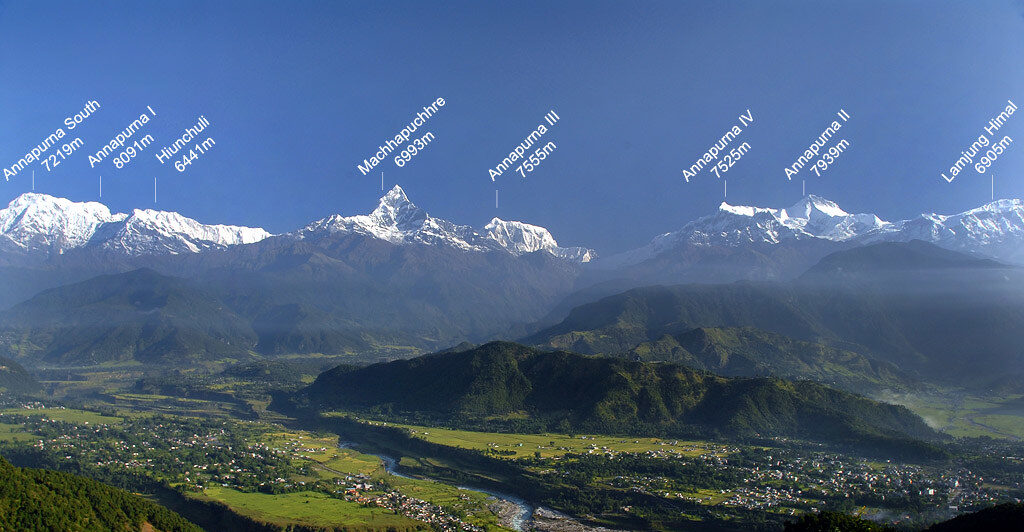
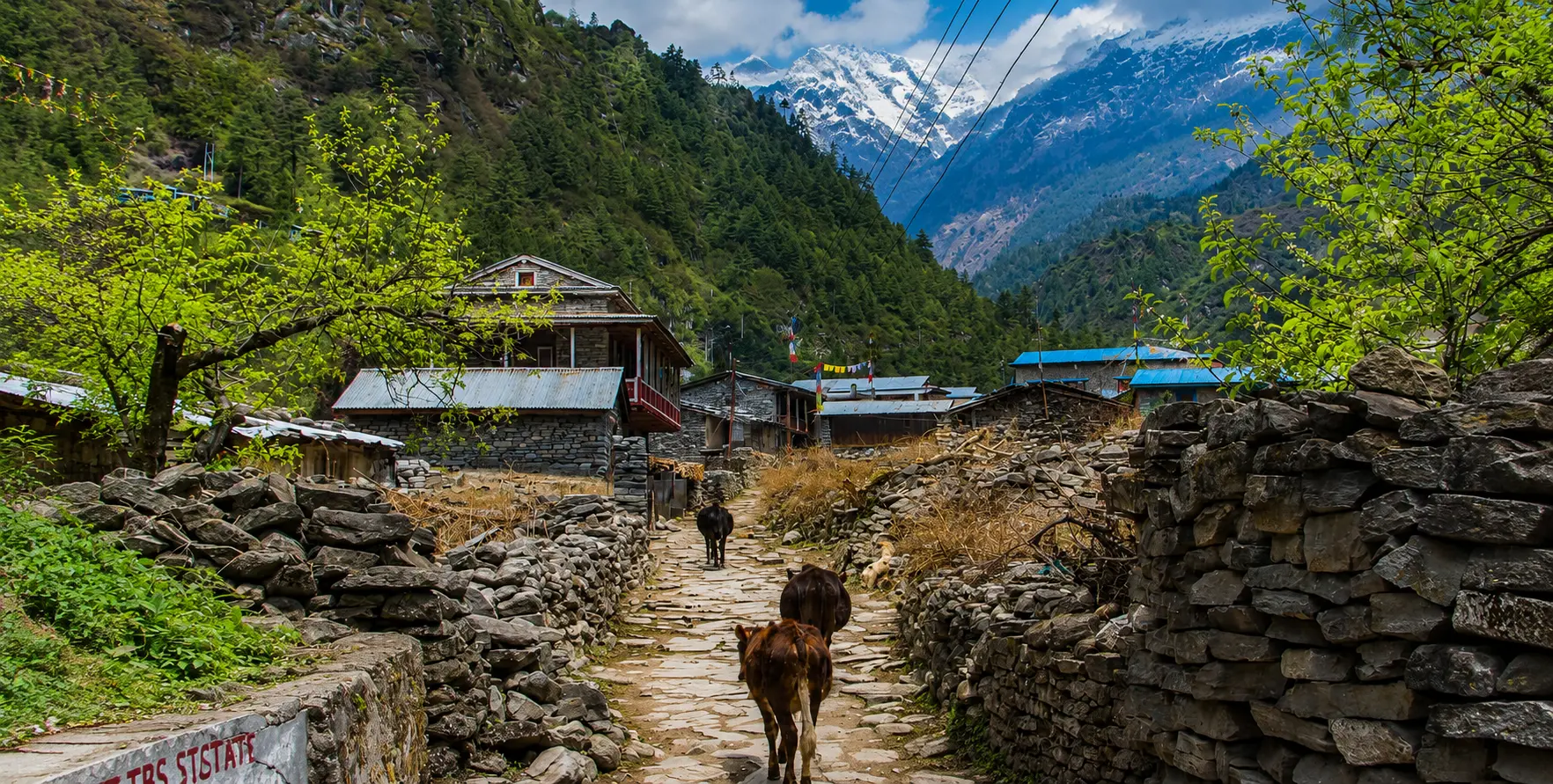
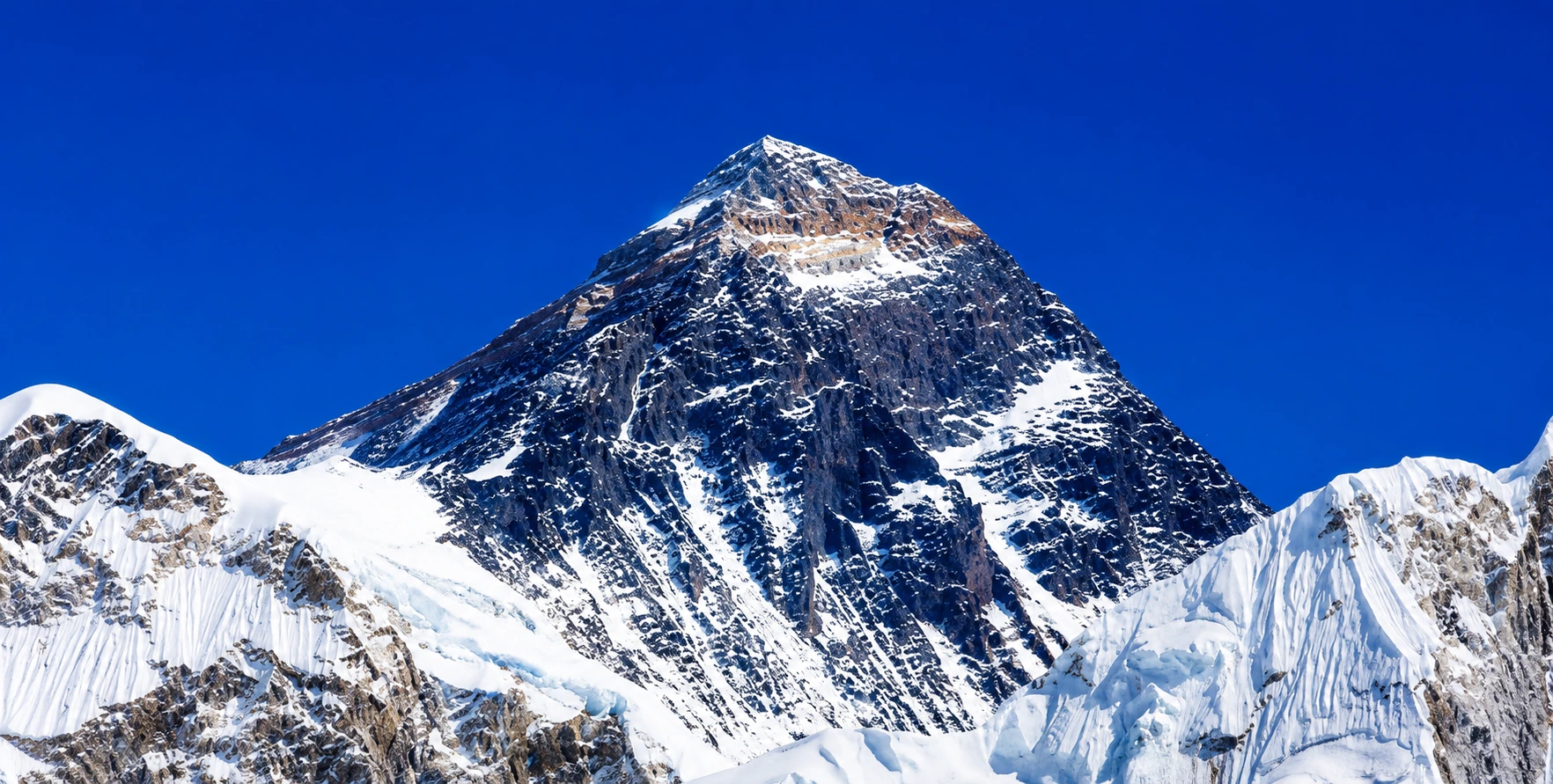
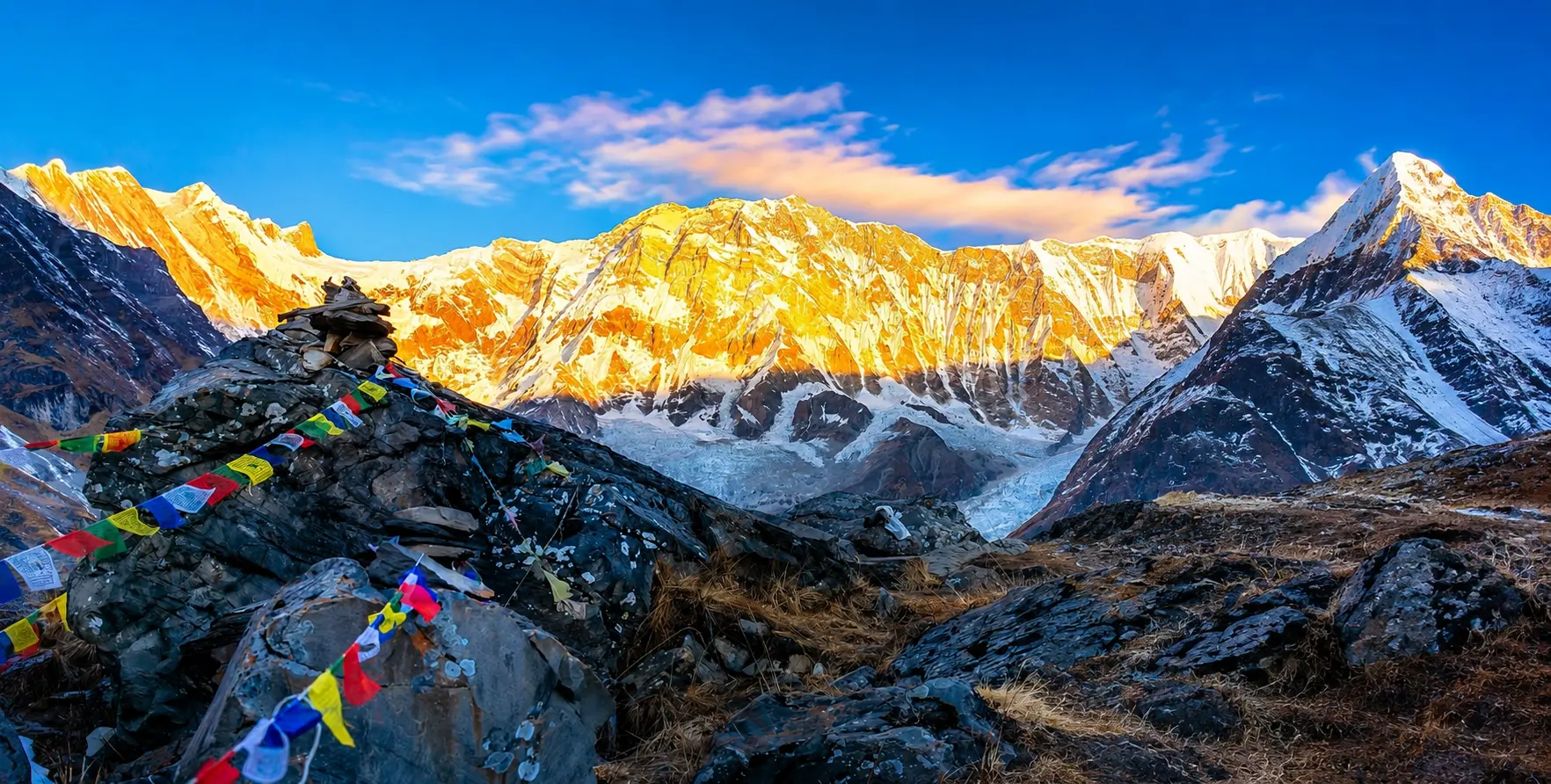
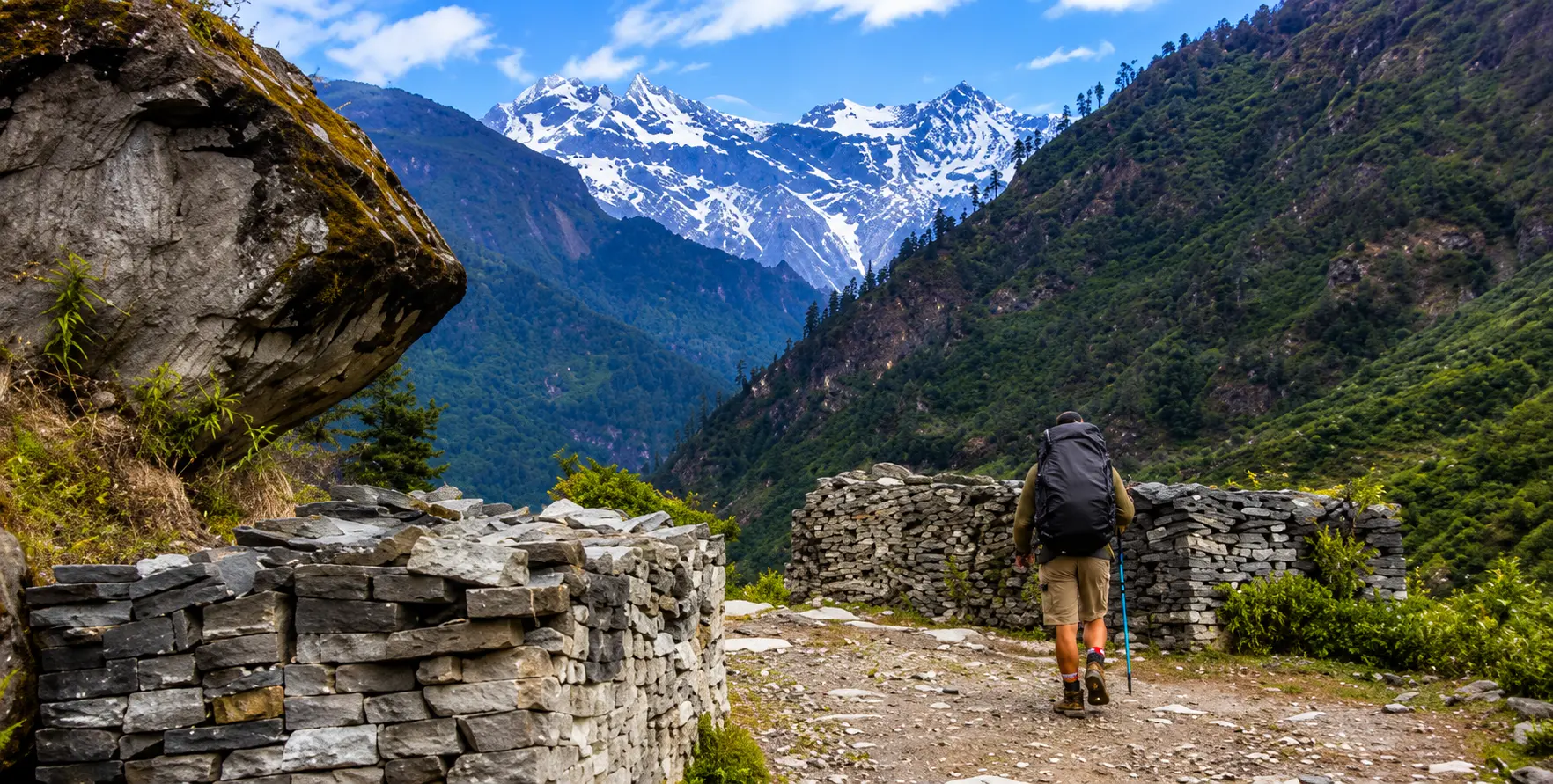
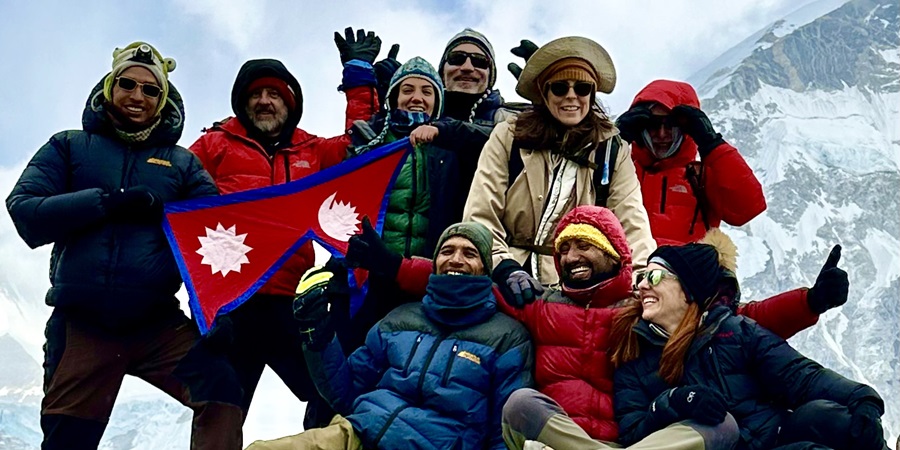
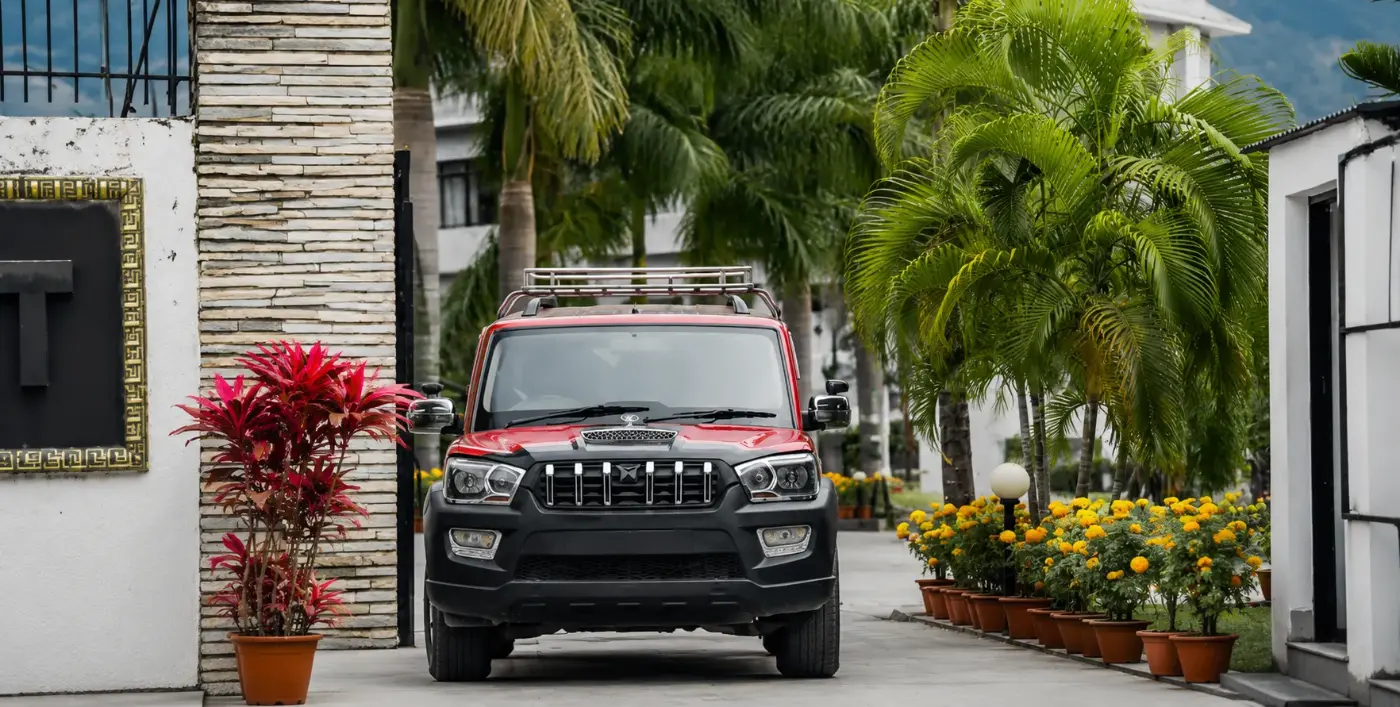
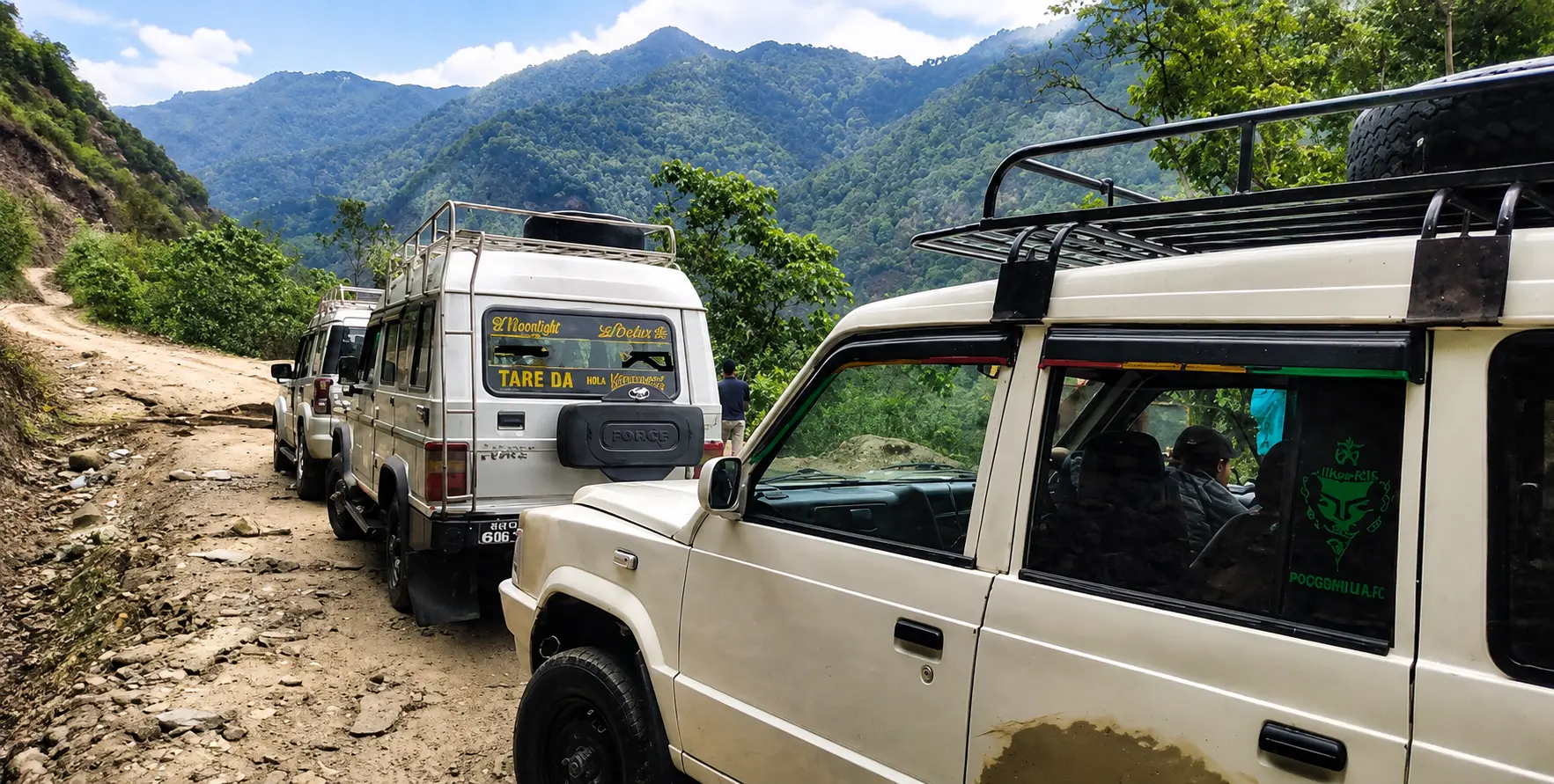
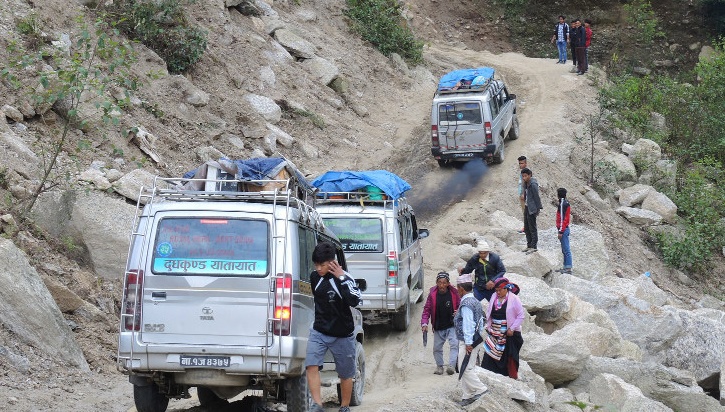
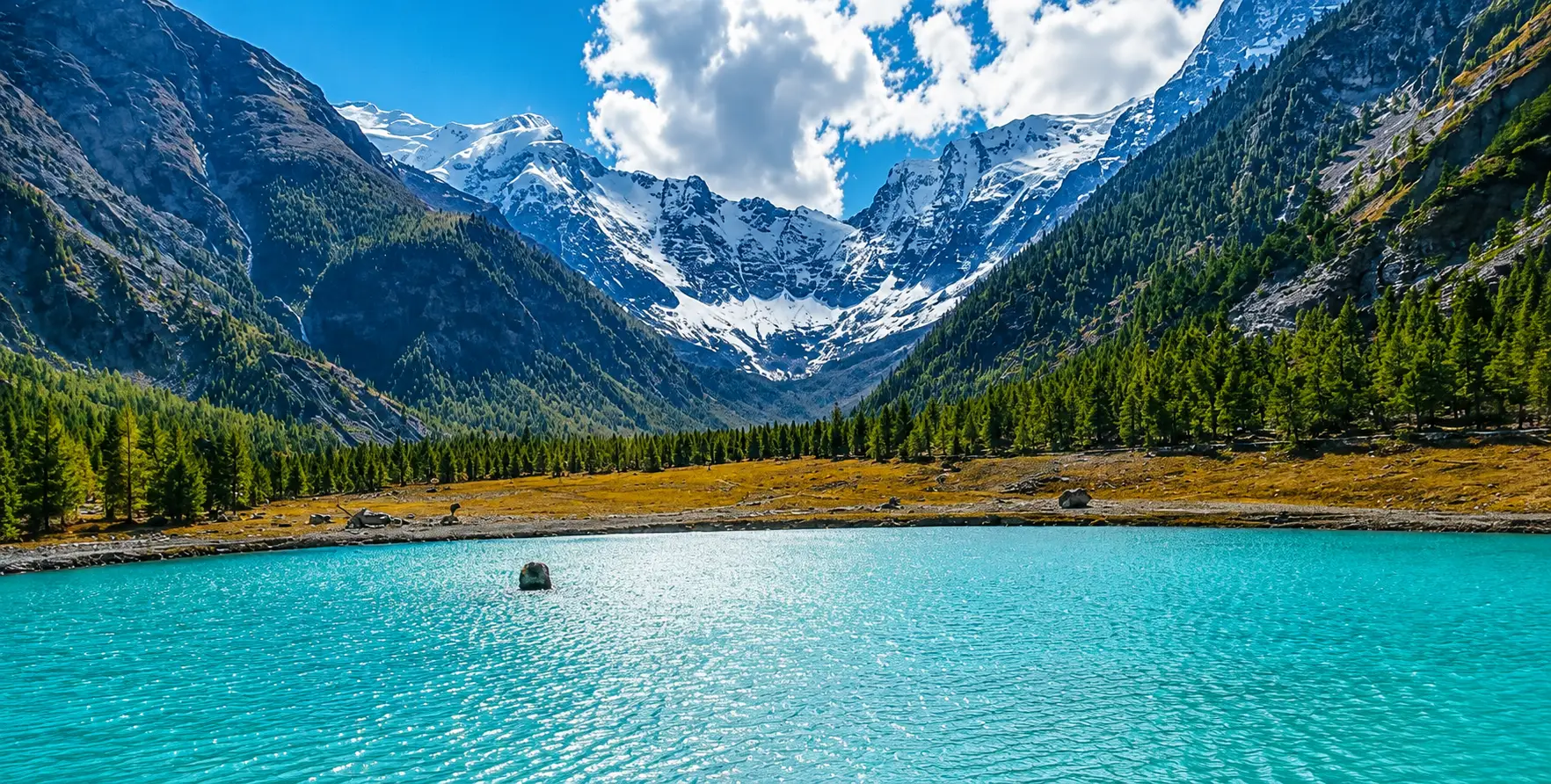
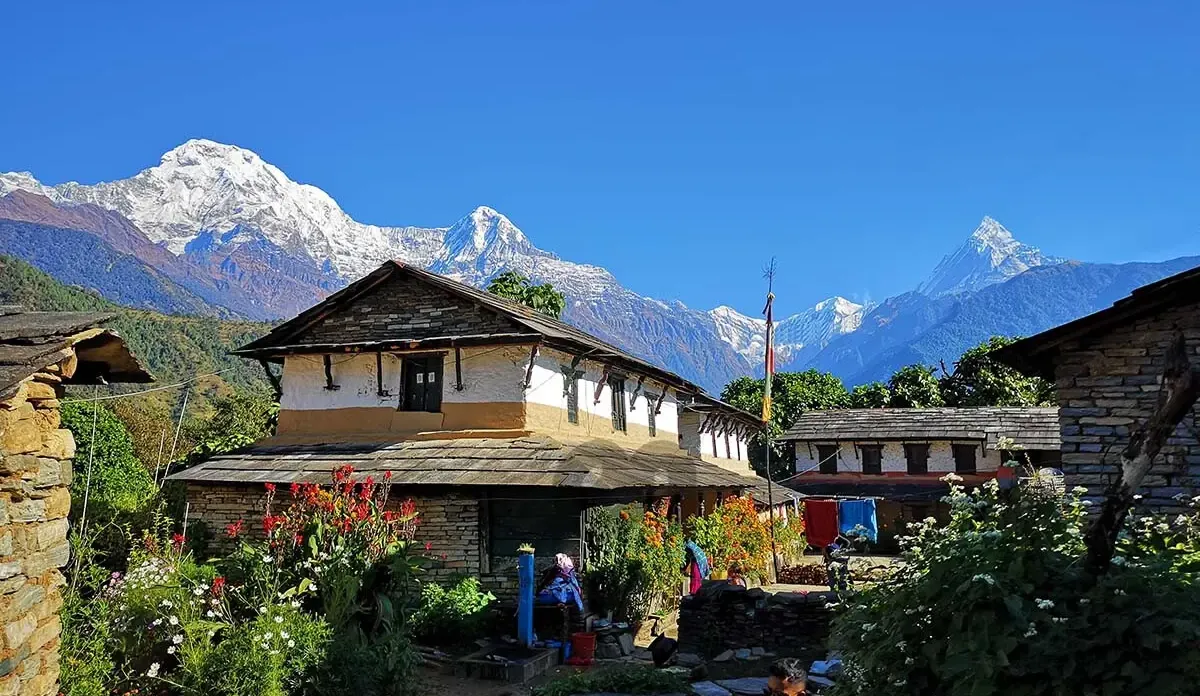
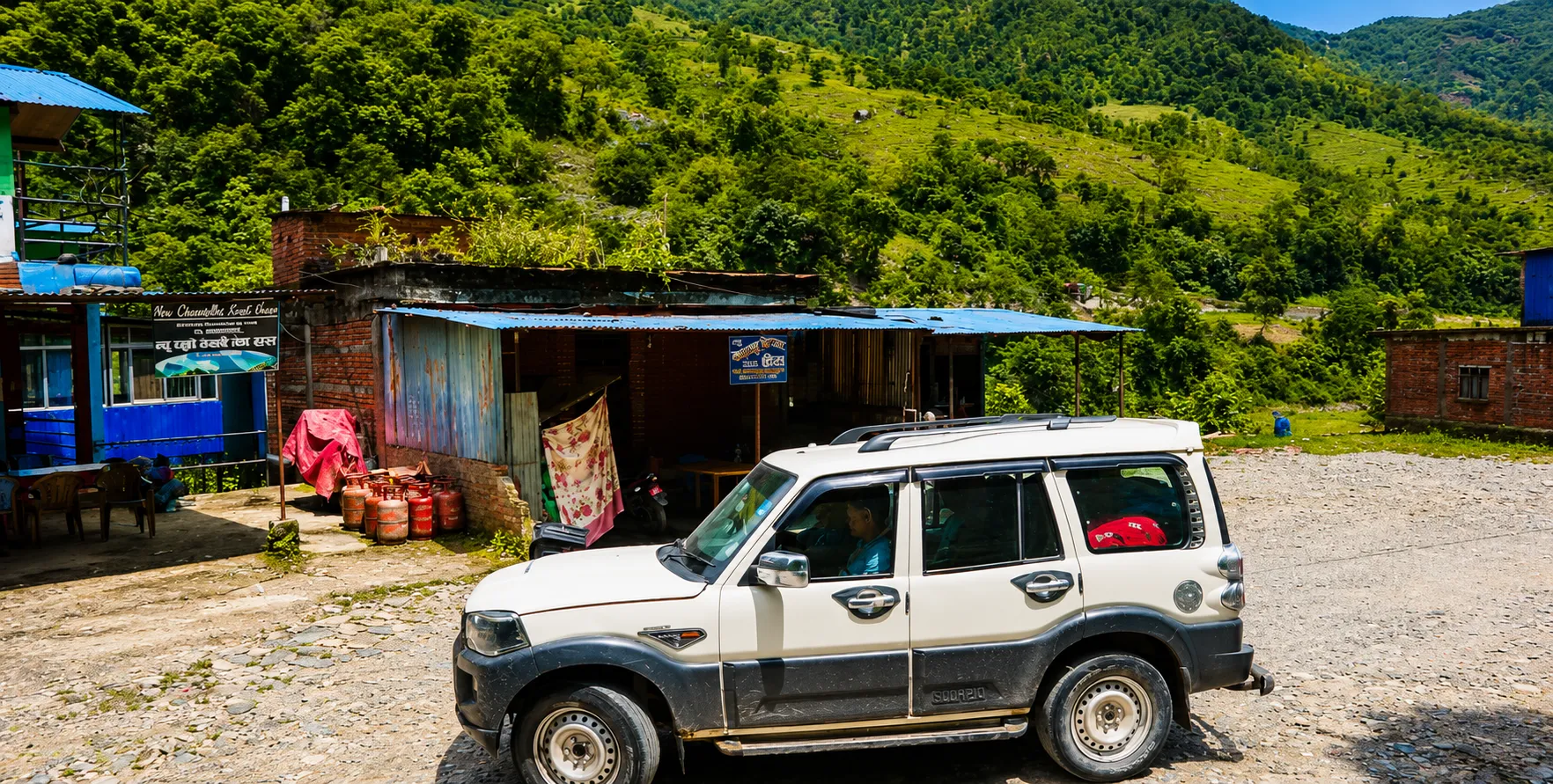
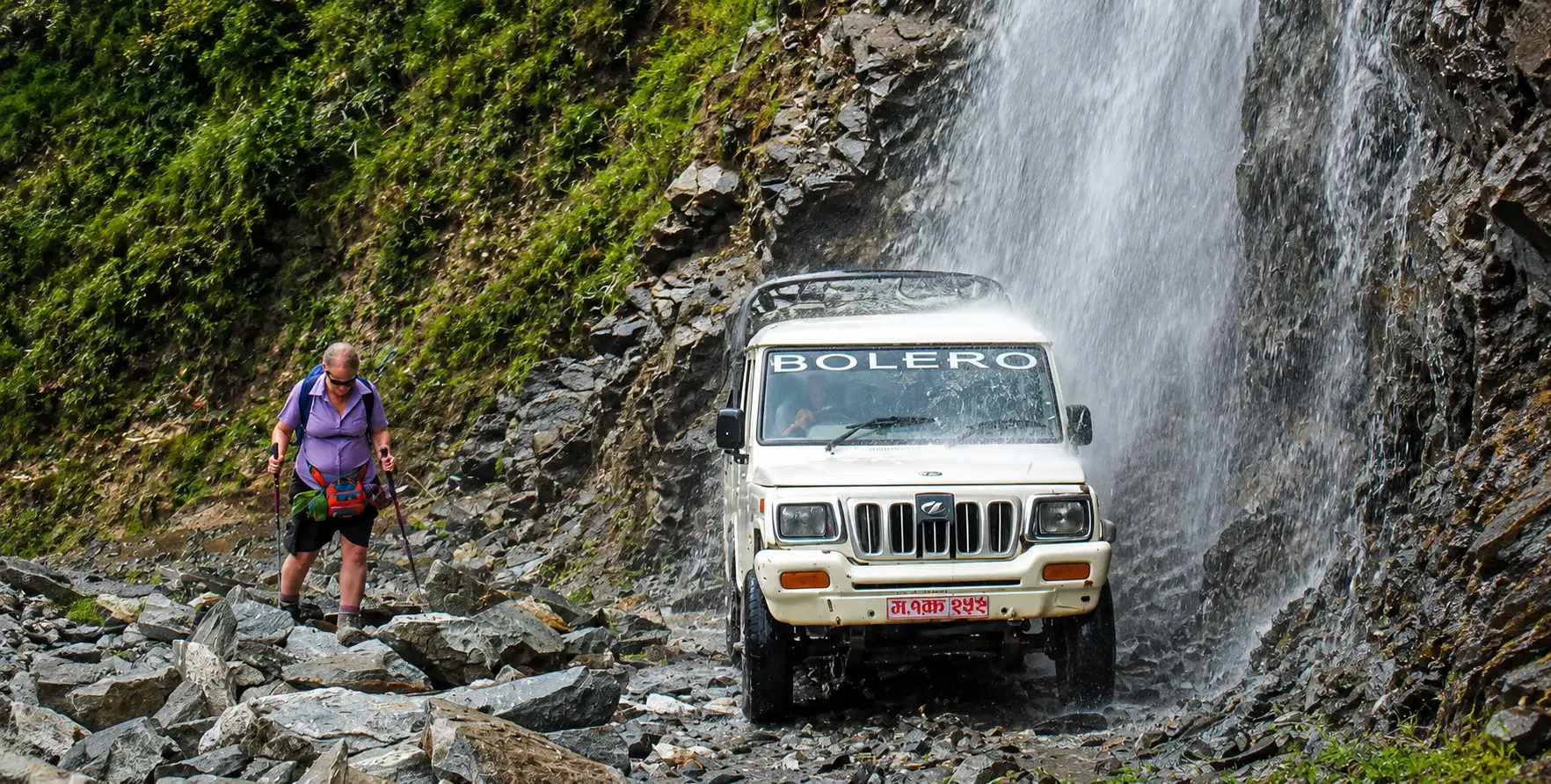
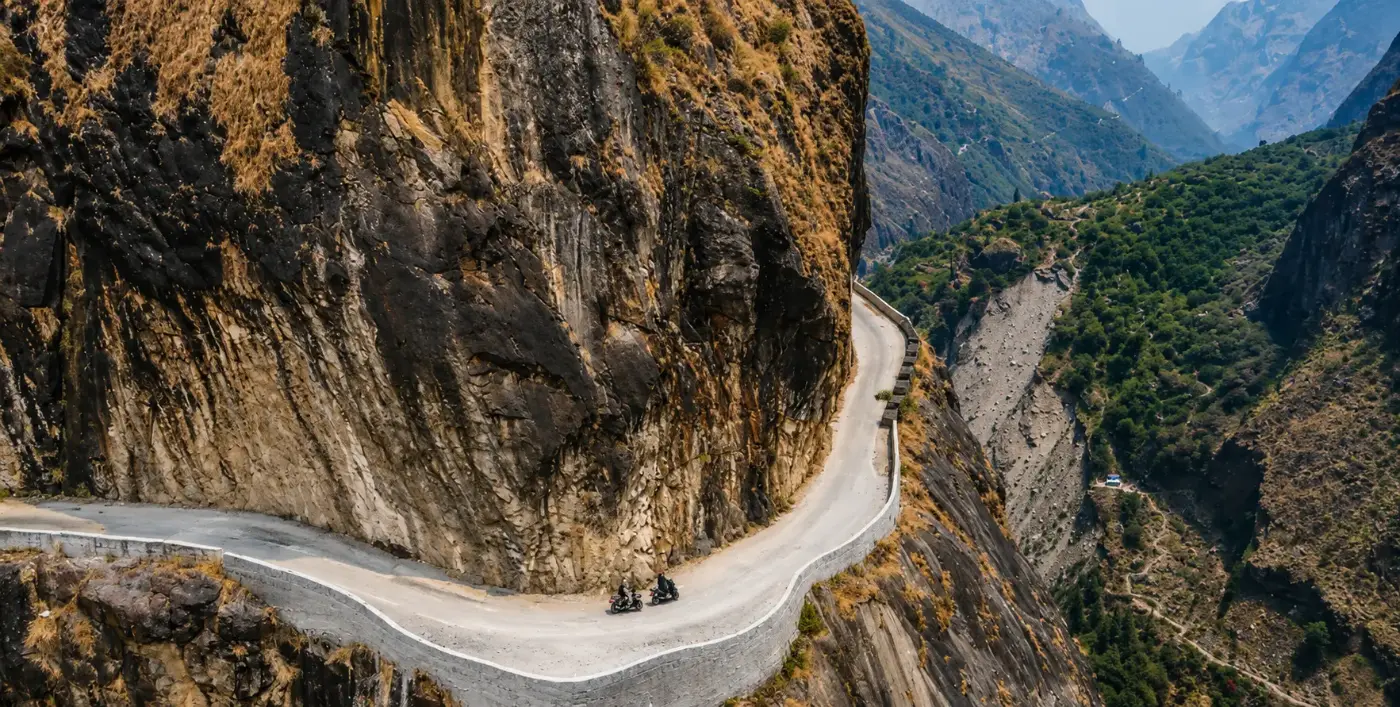
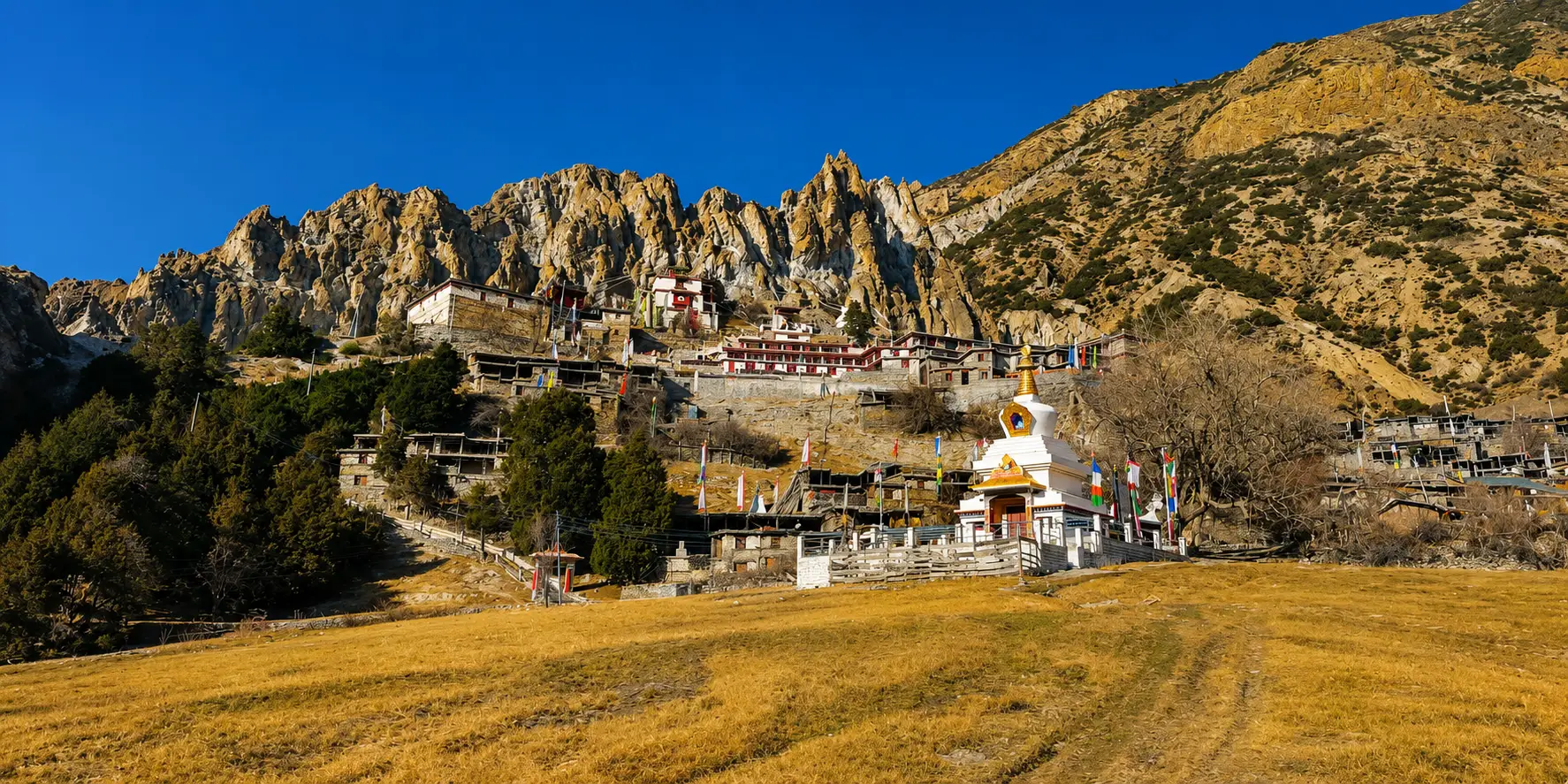 How to Go to Manang from Pokhara — The Complete Guide
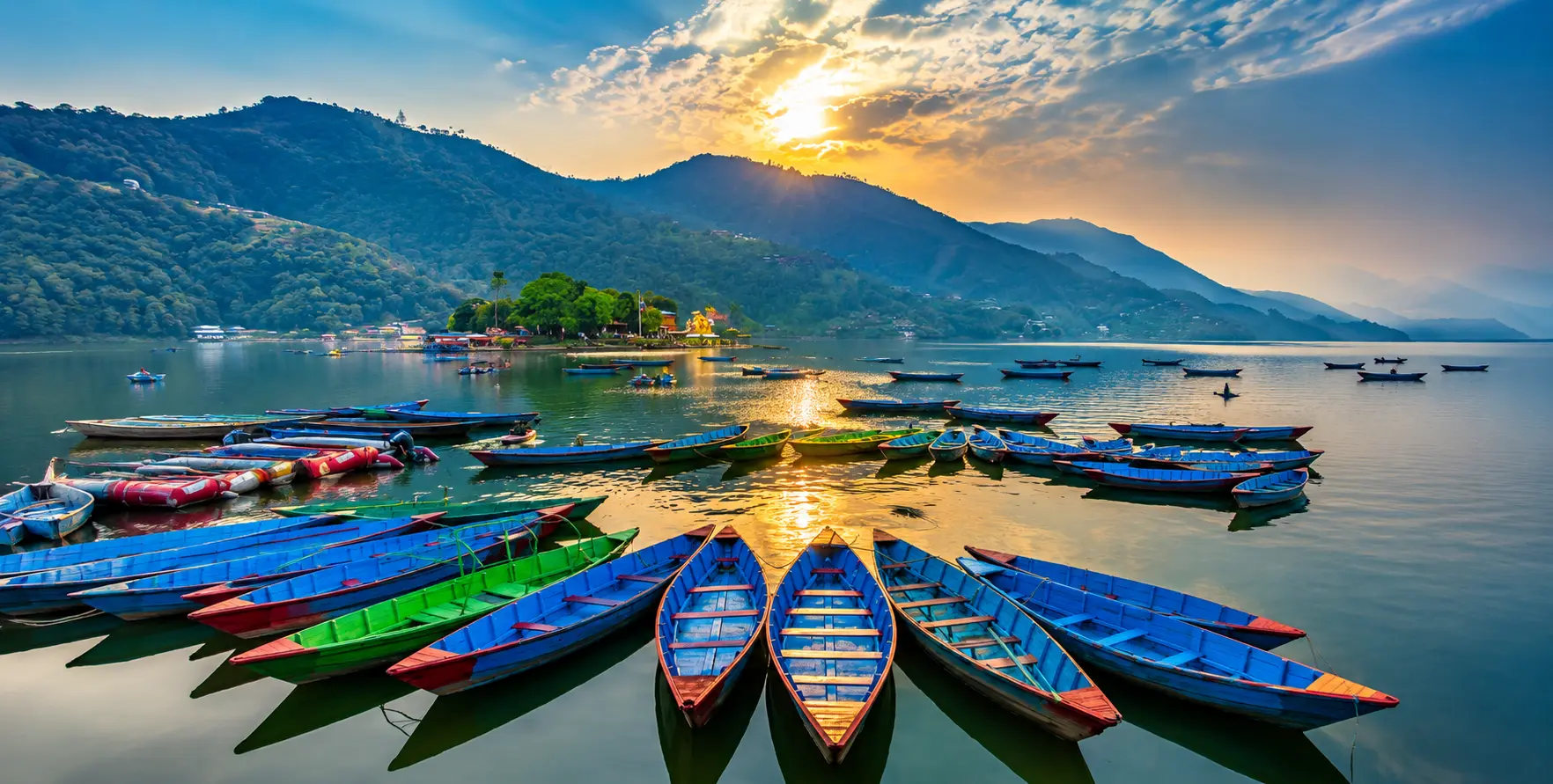
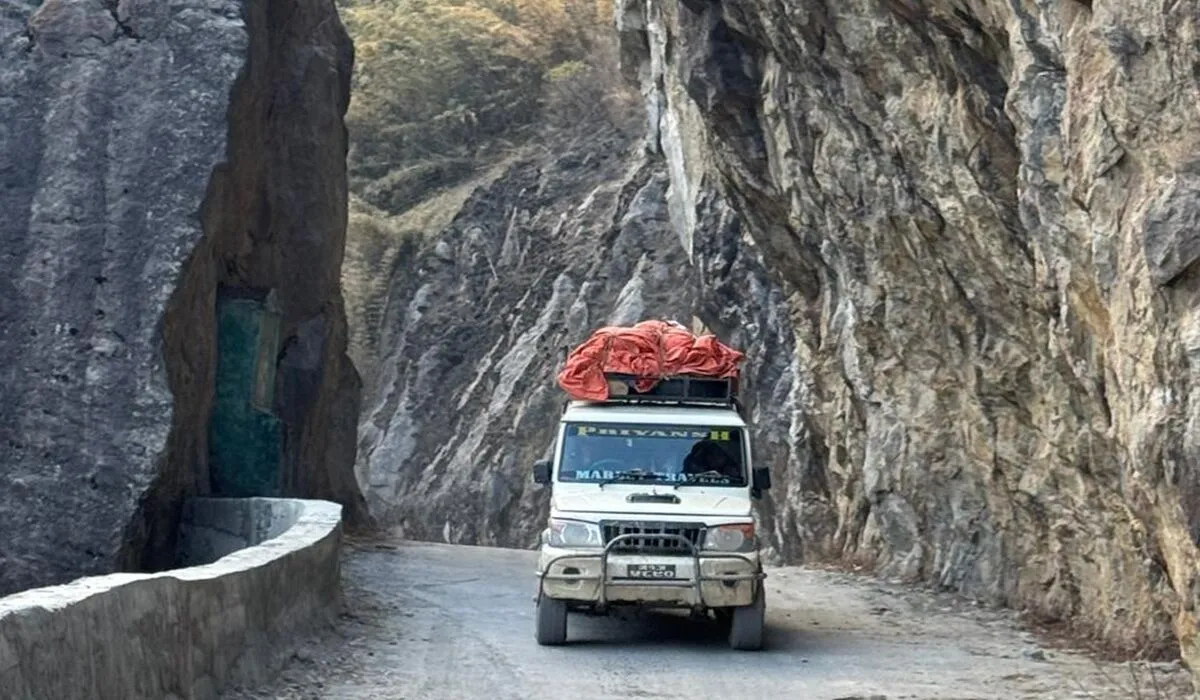
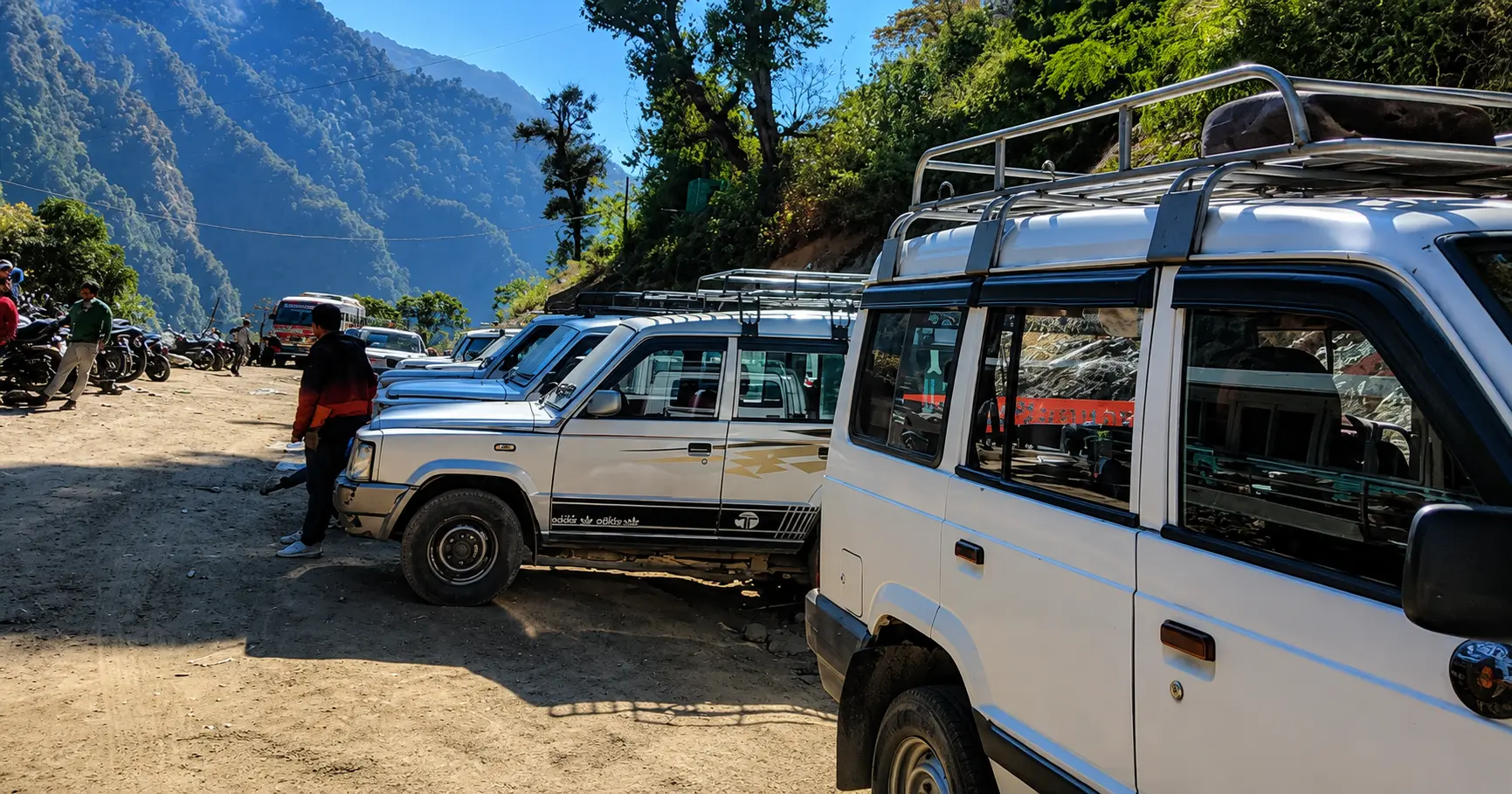
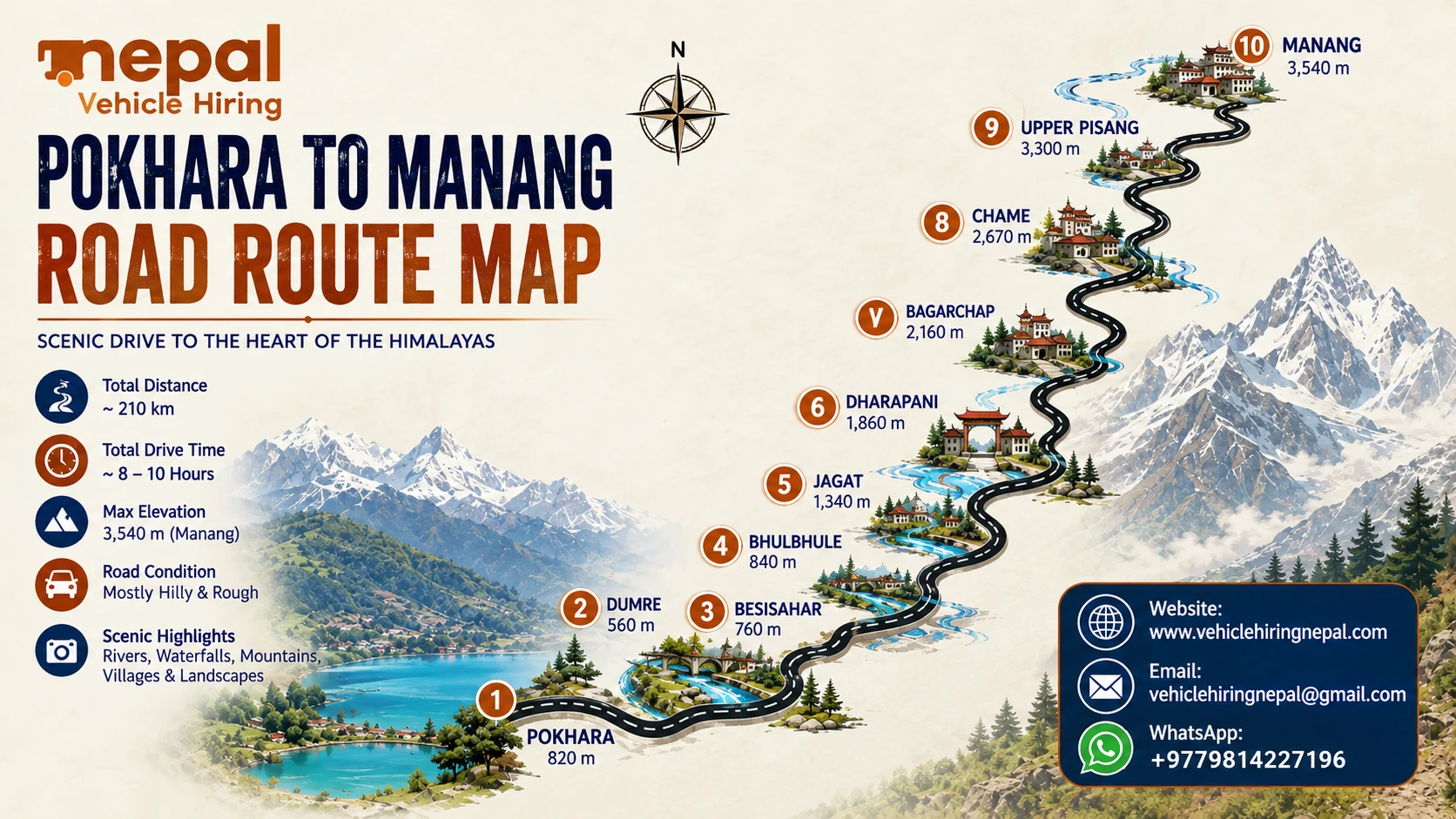
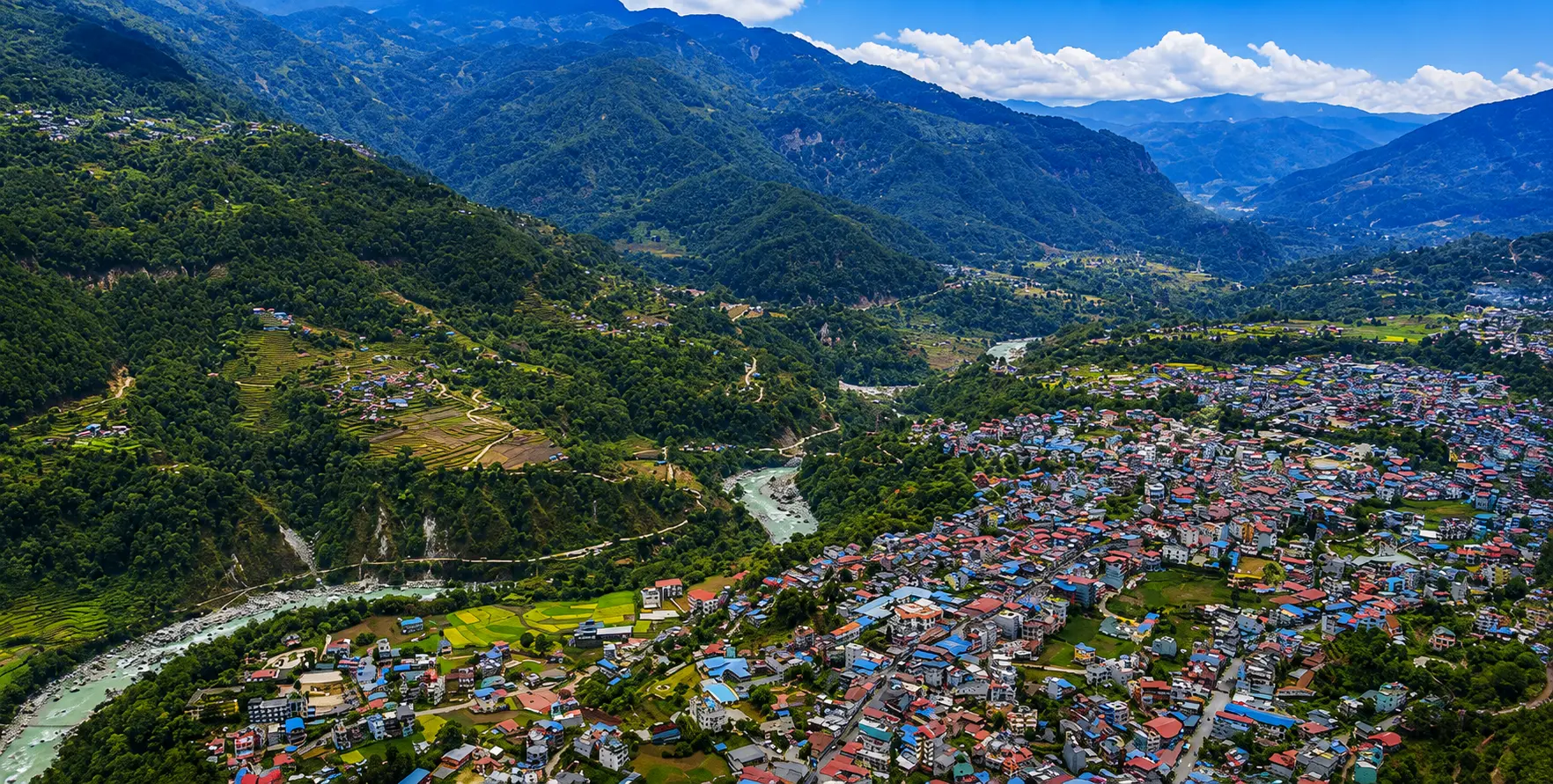
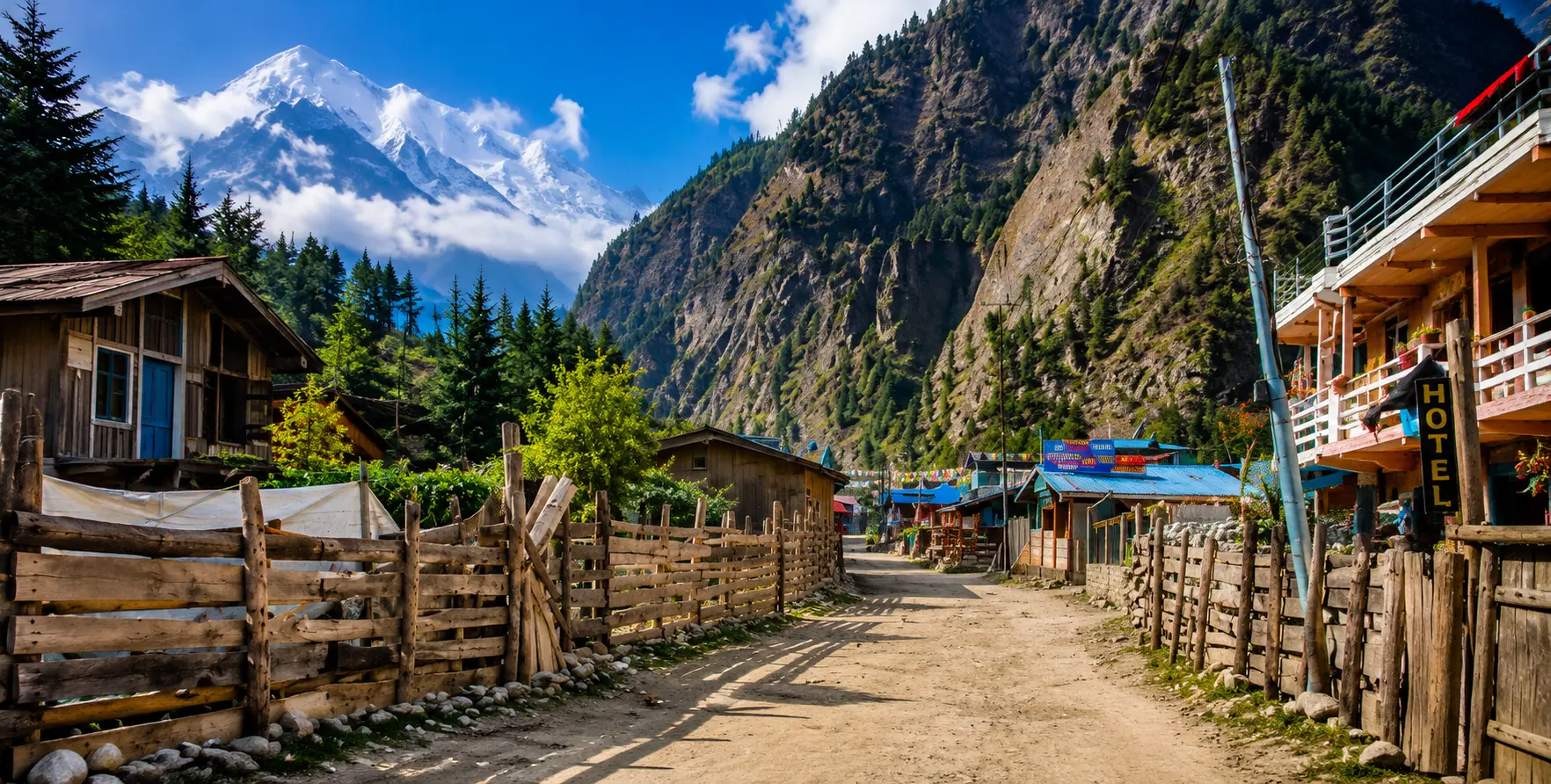
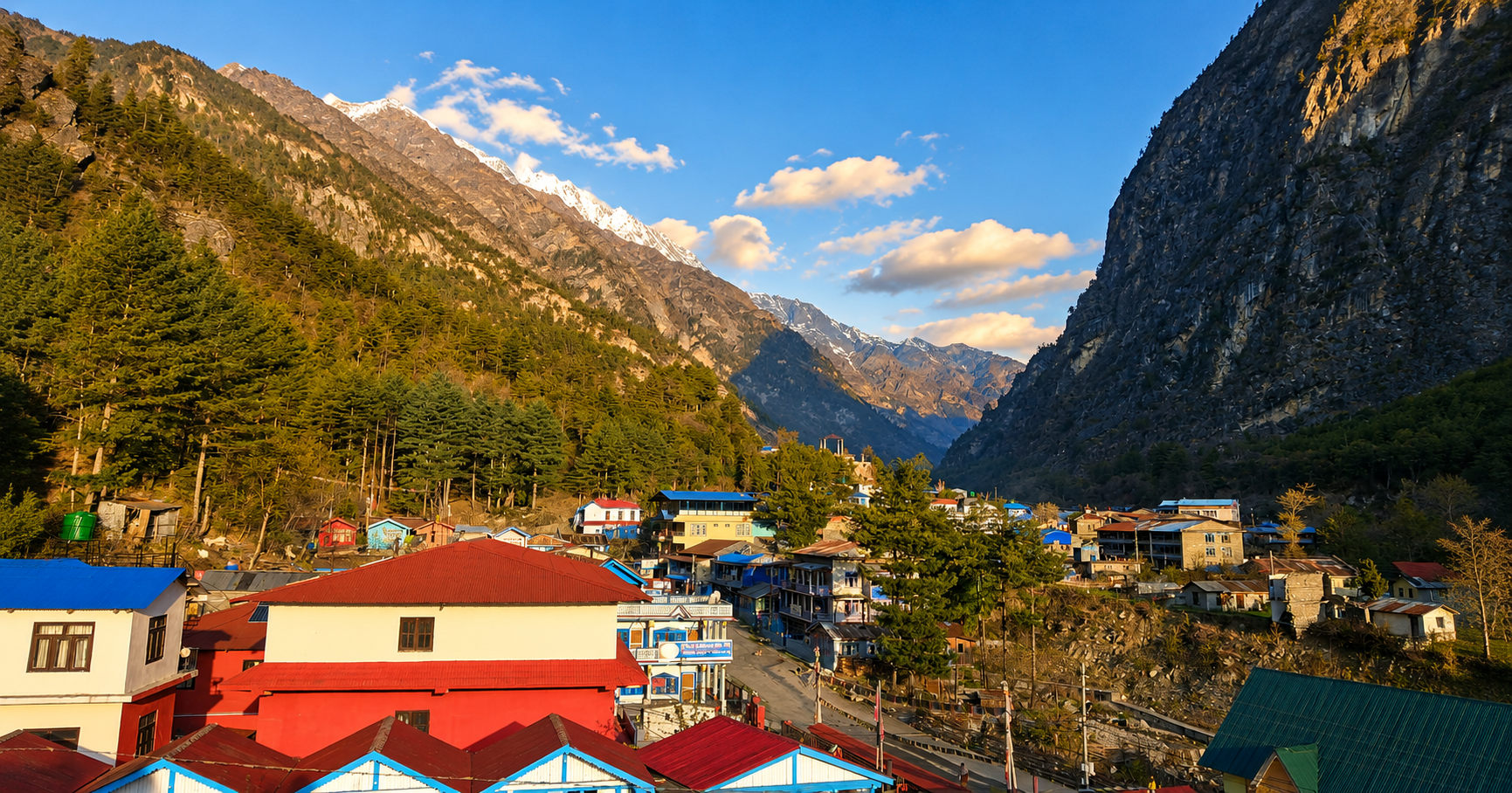
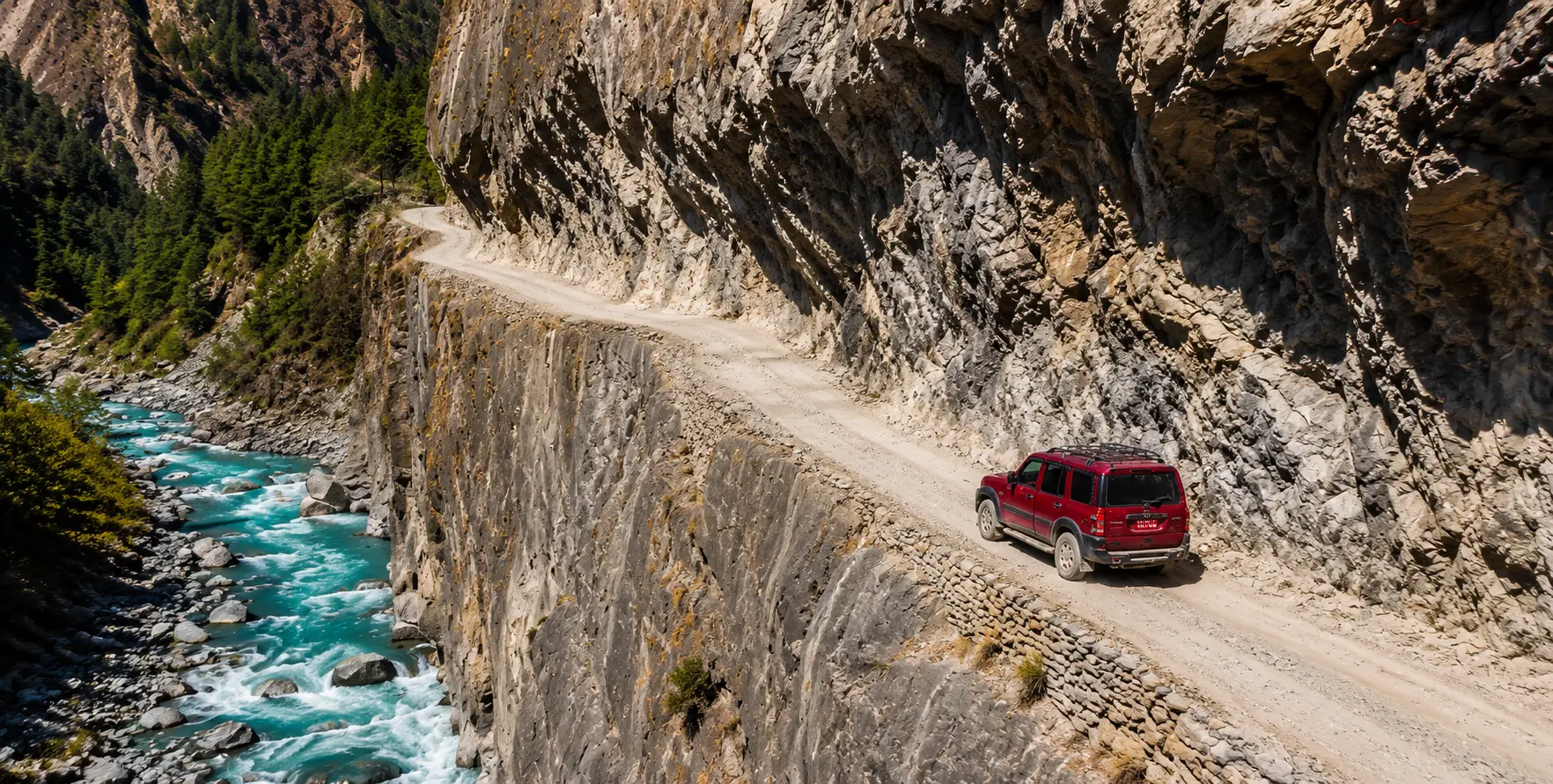
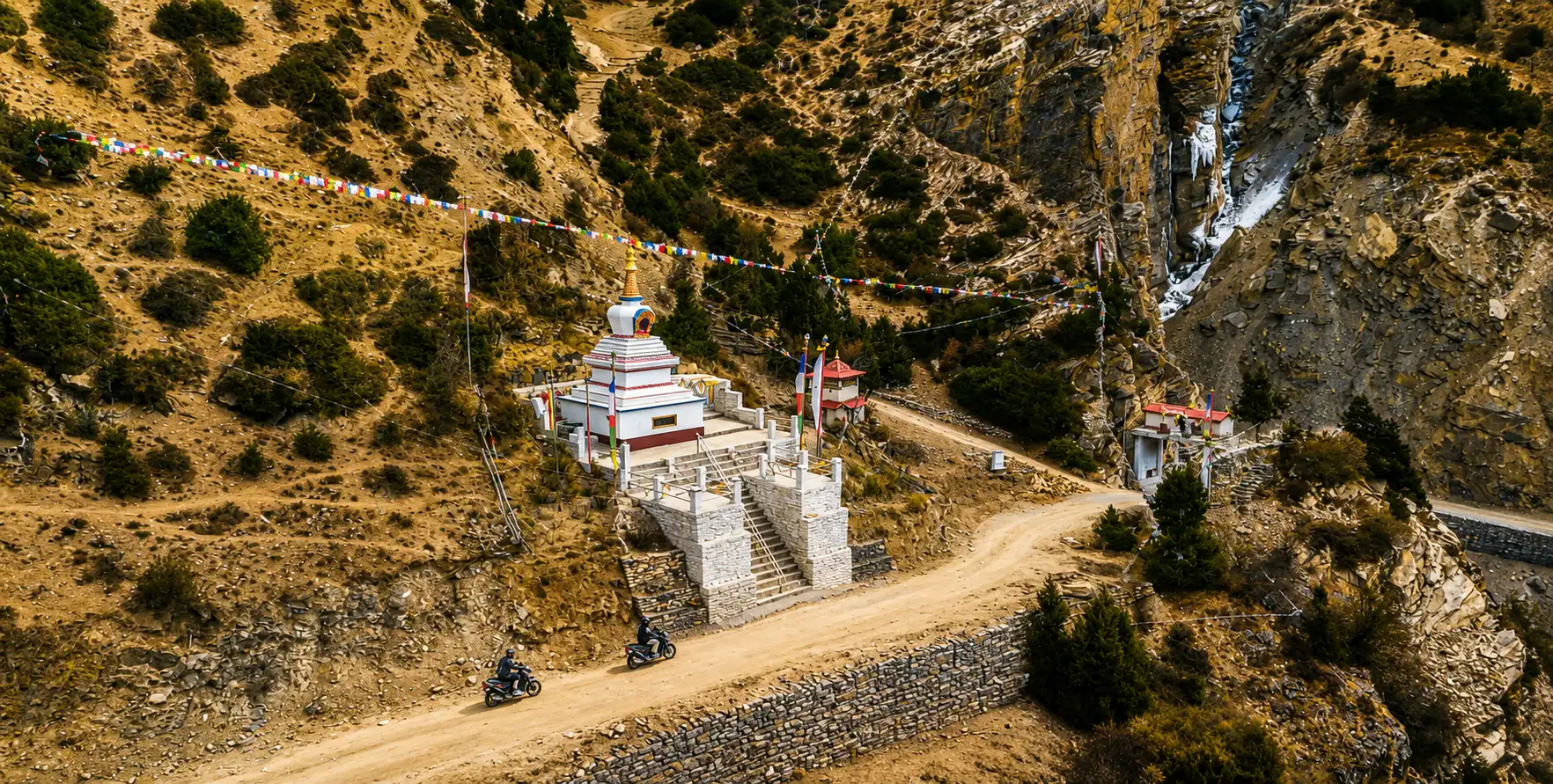
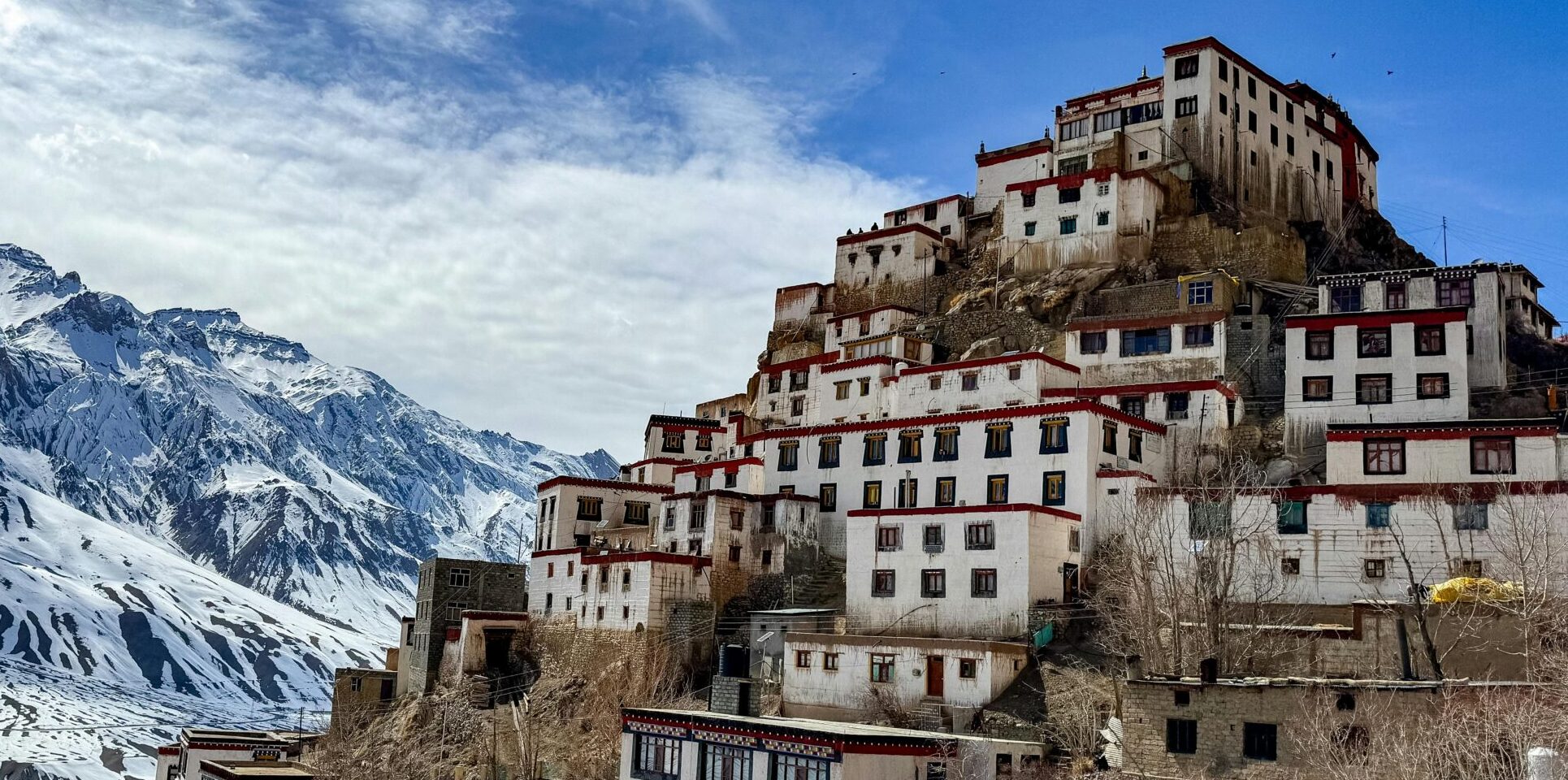
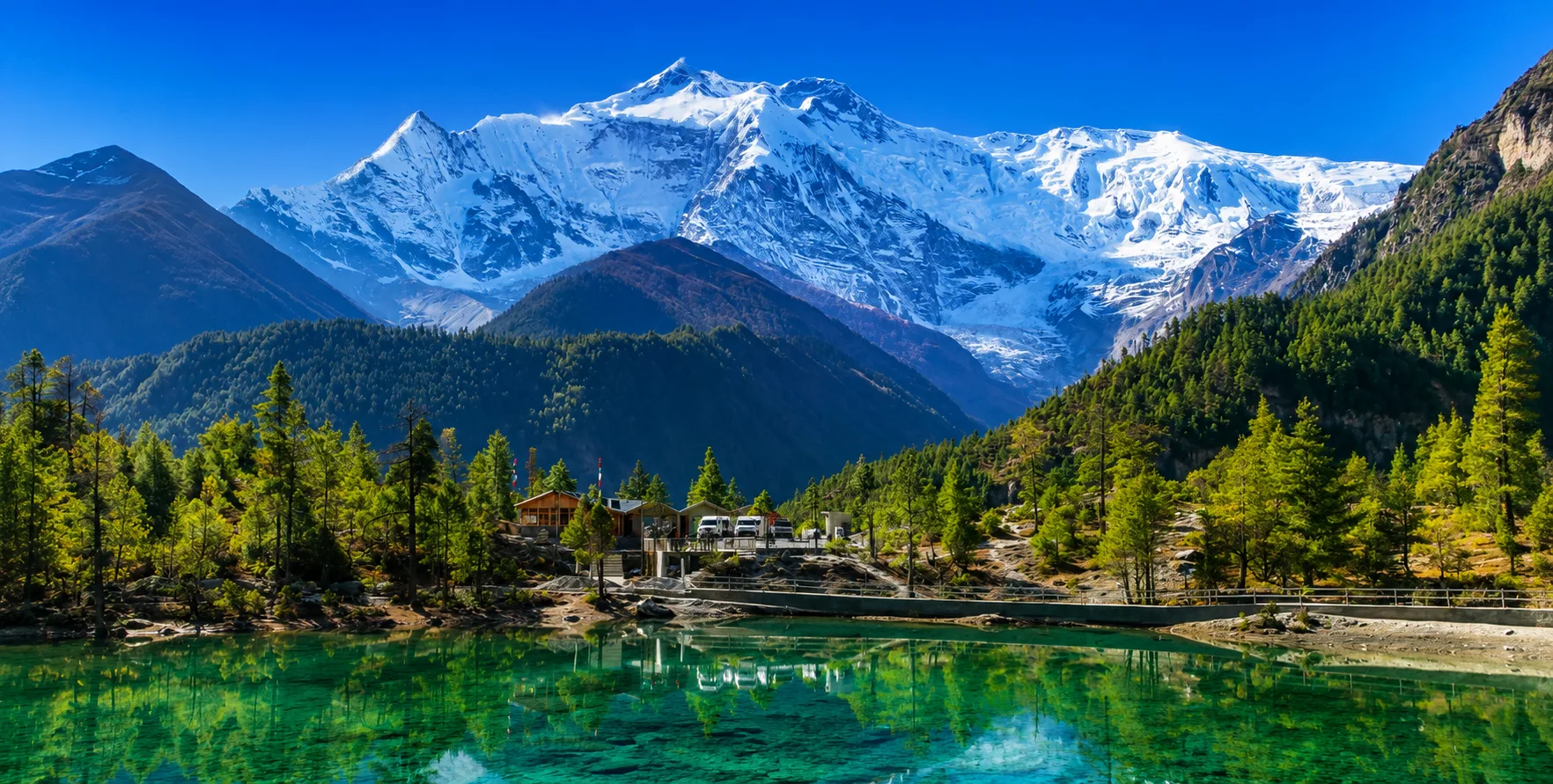
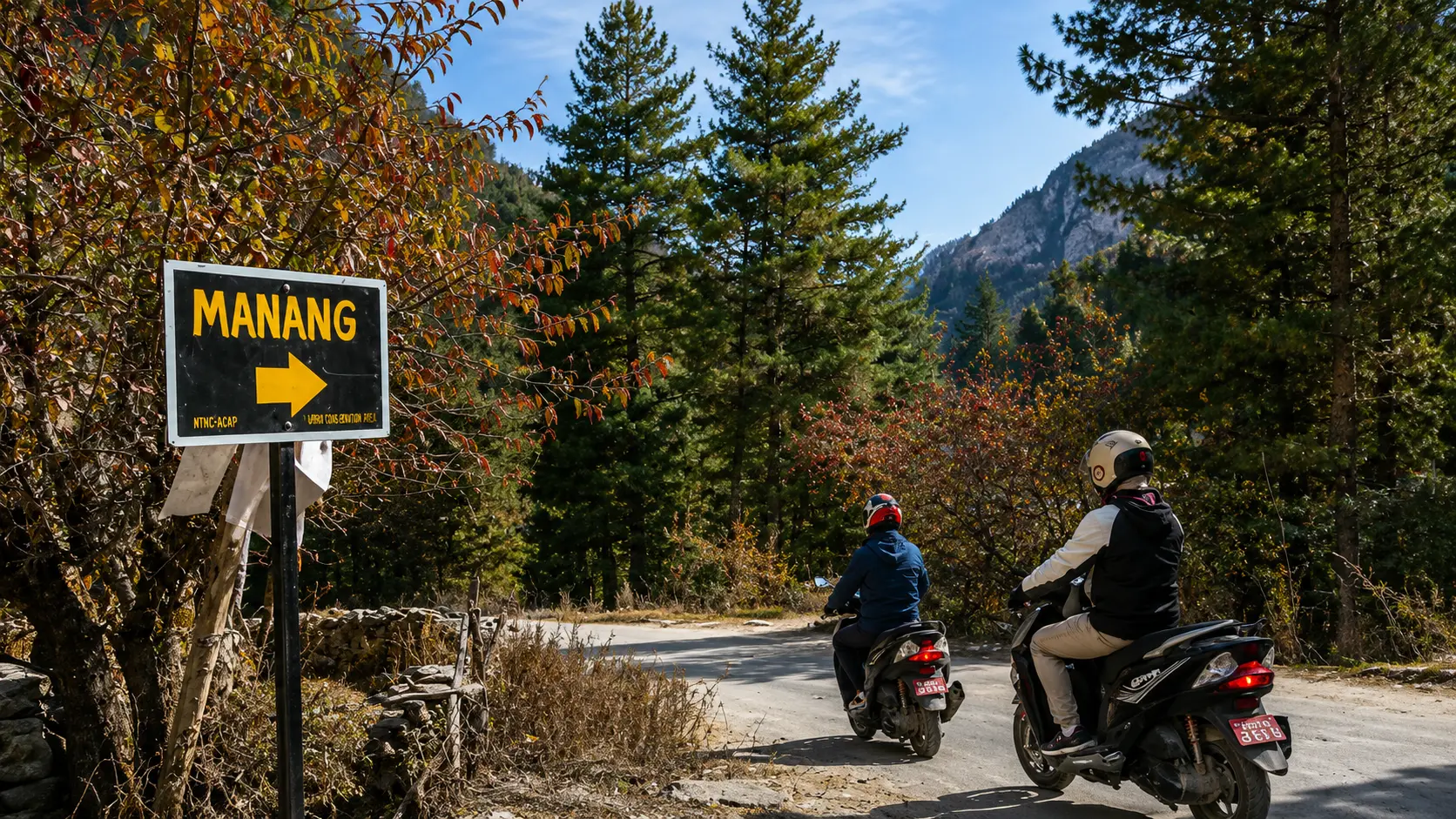
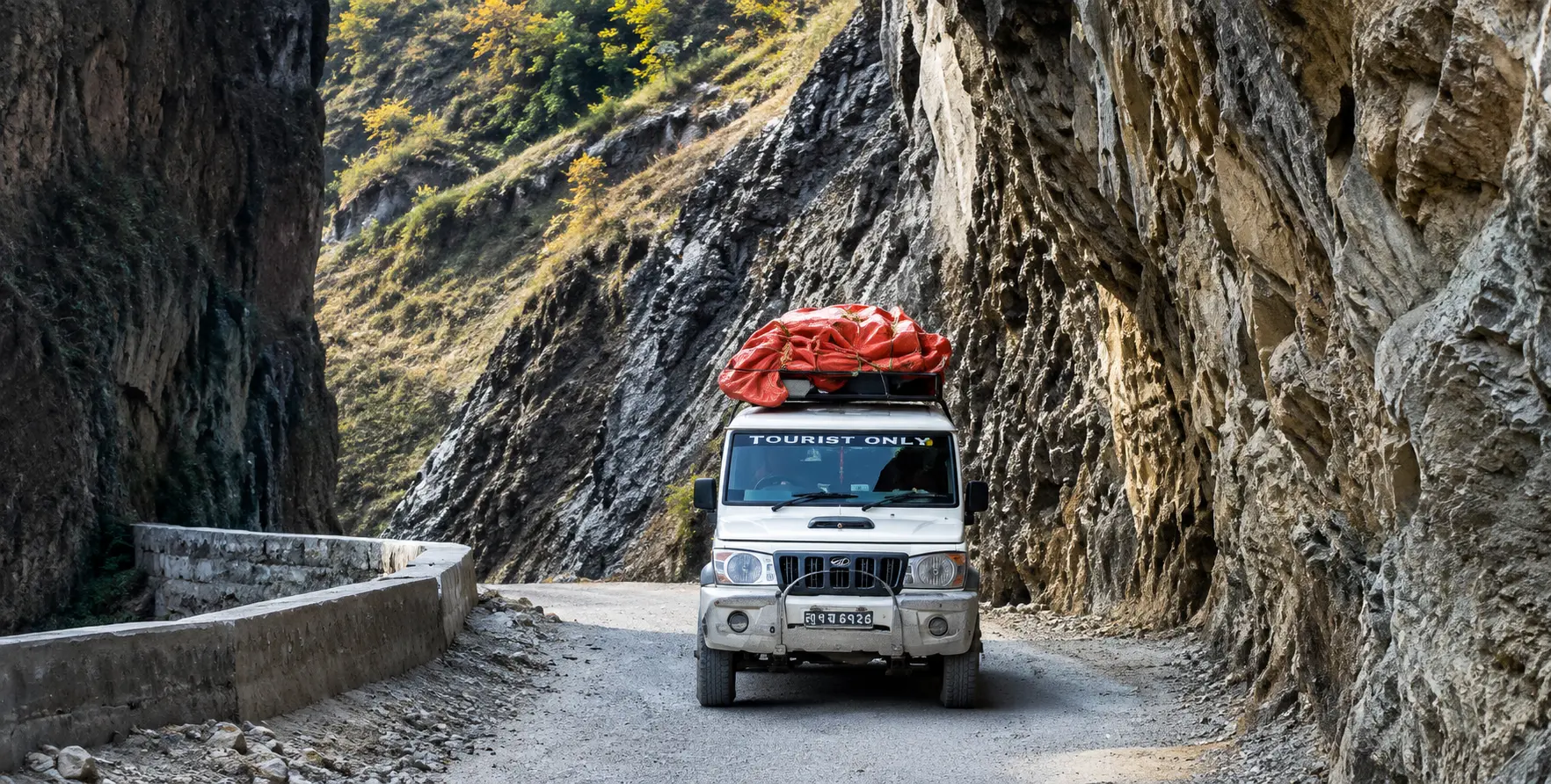
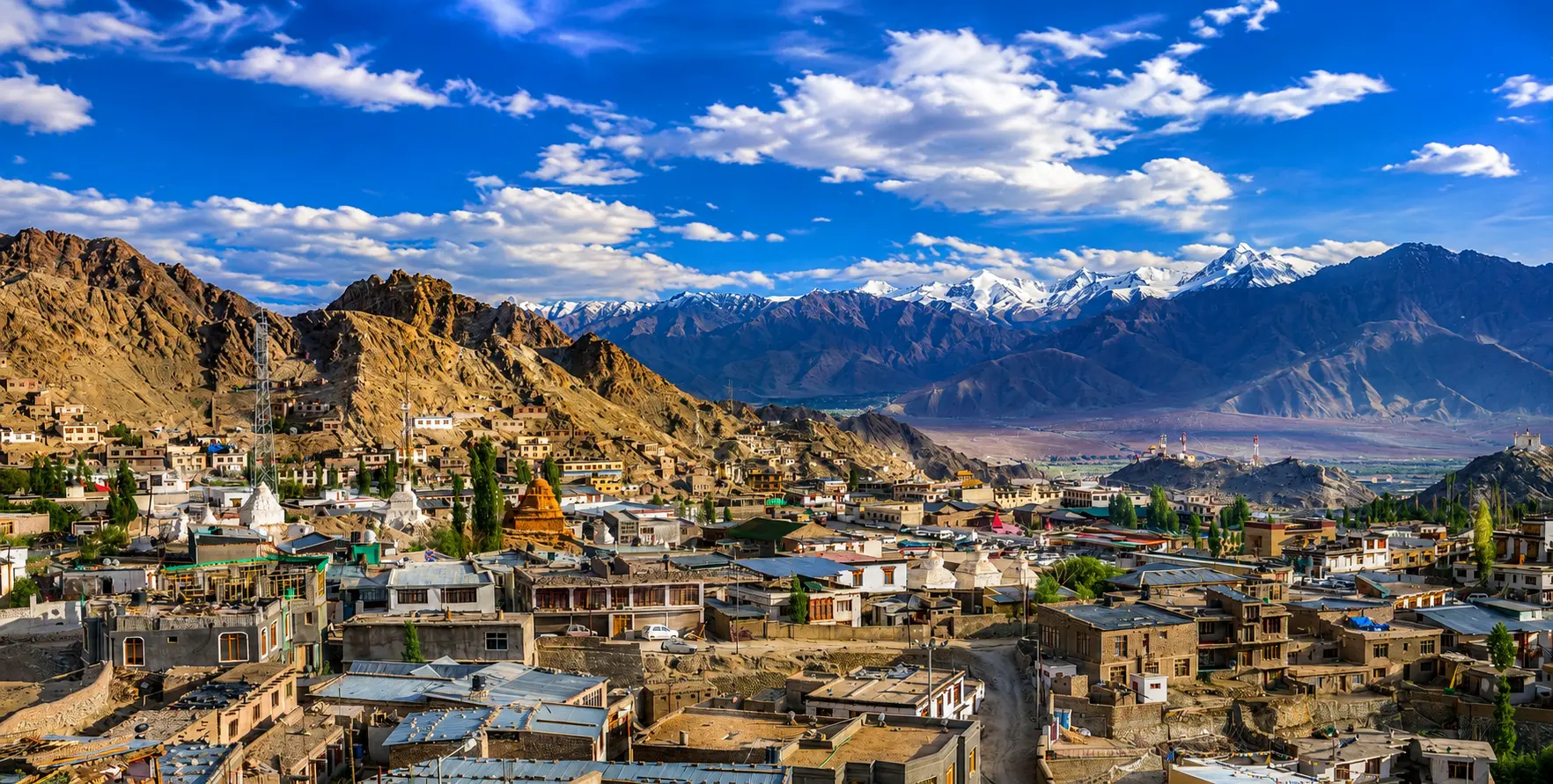
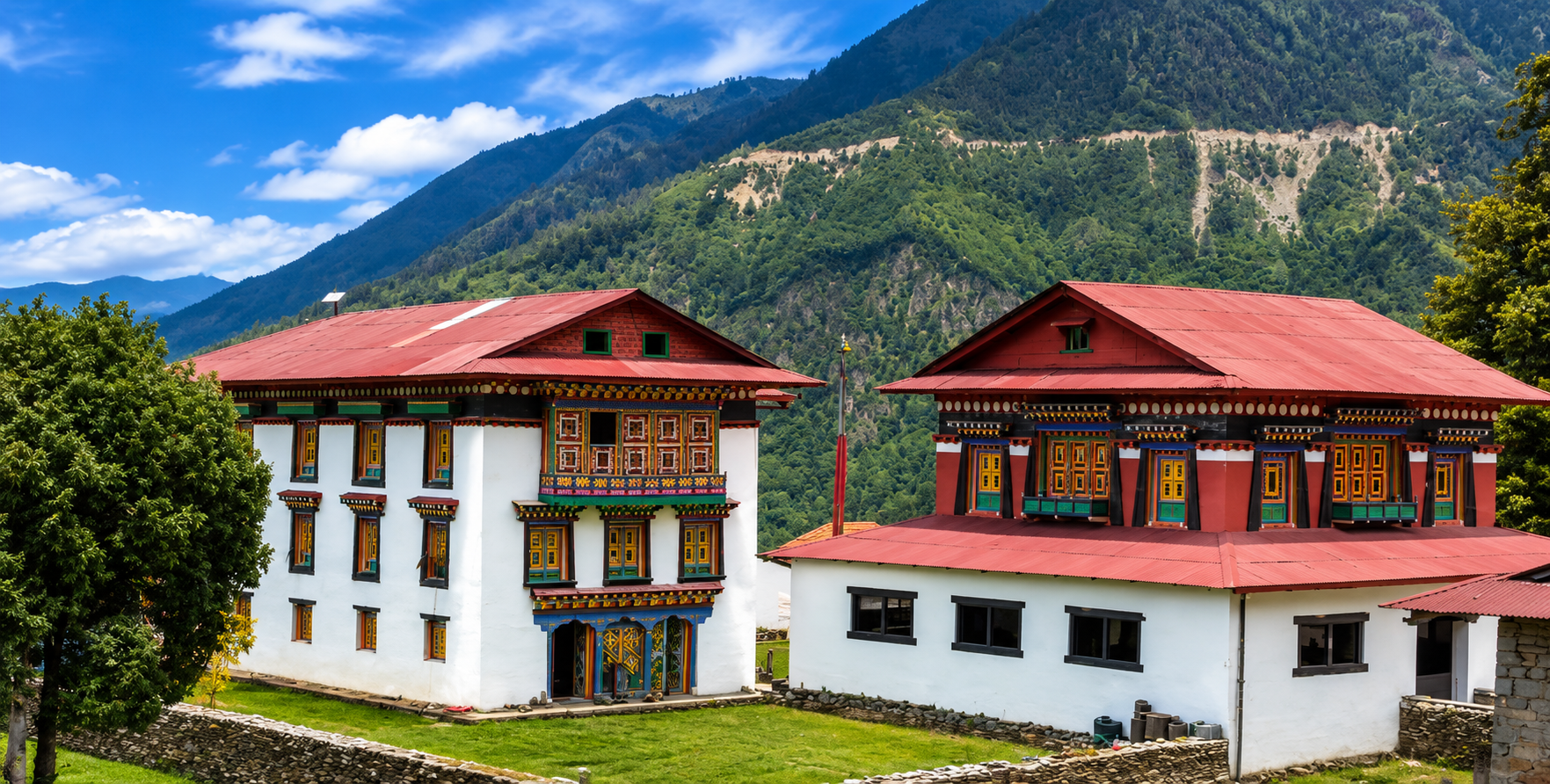
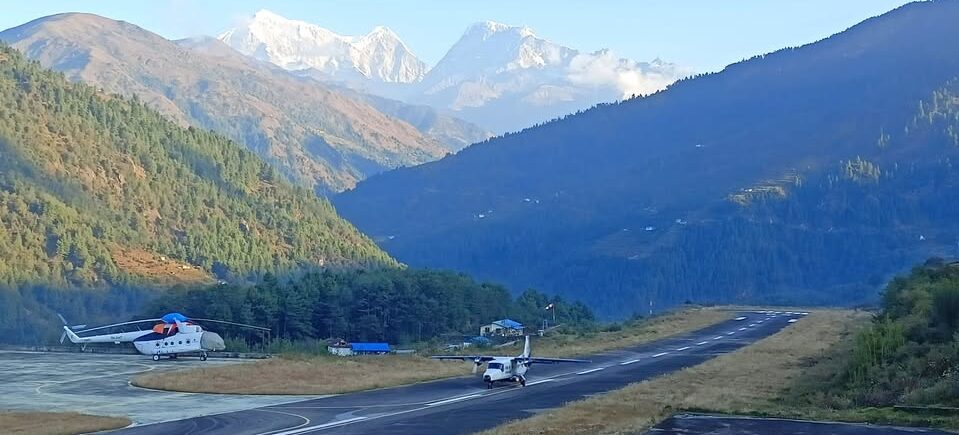 Private Jeep Hire for Salleri, Phaplu, Thamdanda, and Surke