4WD Vehicles in Nepal: The Ultimate Hire Guide 2026

4WD Vehicles in Nepal: The Ultimate Hire Guide 2026

Land Cruiser • Fortuner • Hilux • Prado — Why Nepal Demands Four-Wheel Drive and How to Choose the Right Vehicle
Hire reliable 4WD vehicles in Nepal for trekking, mountain roads, off-road adventures, and remote destinations. Private jeeps with experienced drivers available nationwide.

Nepal is a country that defies the ordinary in almost every dimension — its mountains are the highest on earth, its cultural heritage spans more than two thousand years of continuous civilization, its religious diversity encompasses the birthplace of the Buddha and some of Hinduism’s most sacred shrines, and its biological range stretches from subtropical jungle at barely a hundred metres above sea level to permanent ice fields at more than eight thousand metres within a horizontal distance of less than two hundred kilometres.

But for anyone planning actually to travel through this extraordinary country by road, there is one fundamental geographic reality that shapes everything else: Nepal’s terrain is among the most demanding and varied on the planet, and the roads that traverse it range from smooth modern tarmac on the major inter-city highways to near-impassable mountain tracks that cling to cliff faces above thousand-metre drops, cross unbridged seasonal rivers, and wind through high-altitude desert at forty-five hundred metres where the air itself is thin enough to reduce engine performance.

In this landscape, the choice of vehicle is not a matter of preference or comfort alone — it is a matter of safety, reliability, and the fundamental question of whether you can actually reach your destination. A standard city car that performs perfectly well on Kathmandu’s ring roads will struggle seriously on the rough approach road to a Himalayan trekking trailhead, may fail on the rocky jeep tracks of Upper Mustang, and is likely to be outright dangerous on the steep, unpaved switchbacks that provide the only vehicular access to dozens of Nepal’s most extraordinary destinations. For these roads, and for the full range of Nepal’s geographic and climatic extremes, the four-wheel-drive vehicle is not a luxury add-on but the essential tool — the difference between a journey that reaches its destination and one that turns back defeated.

Four-wheel drive vehicles have been central to Nepal’s transportation landscape for decades. The specific models that have earned the greatest trust — the Toyota Land Cruiser, the Toyota Fortuner, the Toyota Hilux, and the Toyota Land Cruiser Prado — are the same vehicles that governments, military forces, United Nations agencies, major international NGOs, and serious expedition teams have relied upon in Nepal’s most demanding conditions for generation after generation.

These are not vehicles that are famous because of marketing campaigns or dealership promotions; they are famous in Nepal because they work, consistently and reliably, in conditions that defeat lesser machines, and because their mechanical simplicity and the wide availability of parts and skilled mechanics throughout the country means that when something does go wrong in a remote location, there is a genuine chance of getting it fixed on-site rather than being stranded indefinitely.

This deep-research guide is a complete resource for anyone planning to travel in Nepal by four-wheel drive vehicle — whether you are hiring a vehicle with a professional driver from Nepal Vehicle Hiring Pvt. Ltd., considering a self-drive arrangement for specific routes, seeking to understand which vehicle type is genuinely appropriate for your specific itinerary, or simply wanting to understand why the four-wheel drive is so comprehensively dominant in Nepal’s road transport landscape.

We will explore what four-wheel drive actually means and why it matters specifically in Nepal’s conditions, examine the major 4WD models available for hire in the country in detail, analyze which routes require a 4WD and which do not, discuss what to look for when choosing a hire provider and vehicle, and address the full practical dimension of planning and executing a 4WD-based Nepal journey.
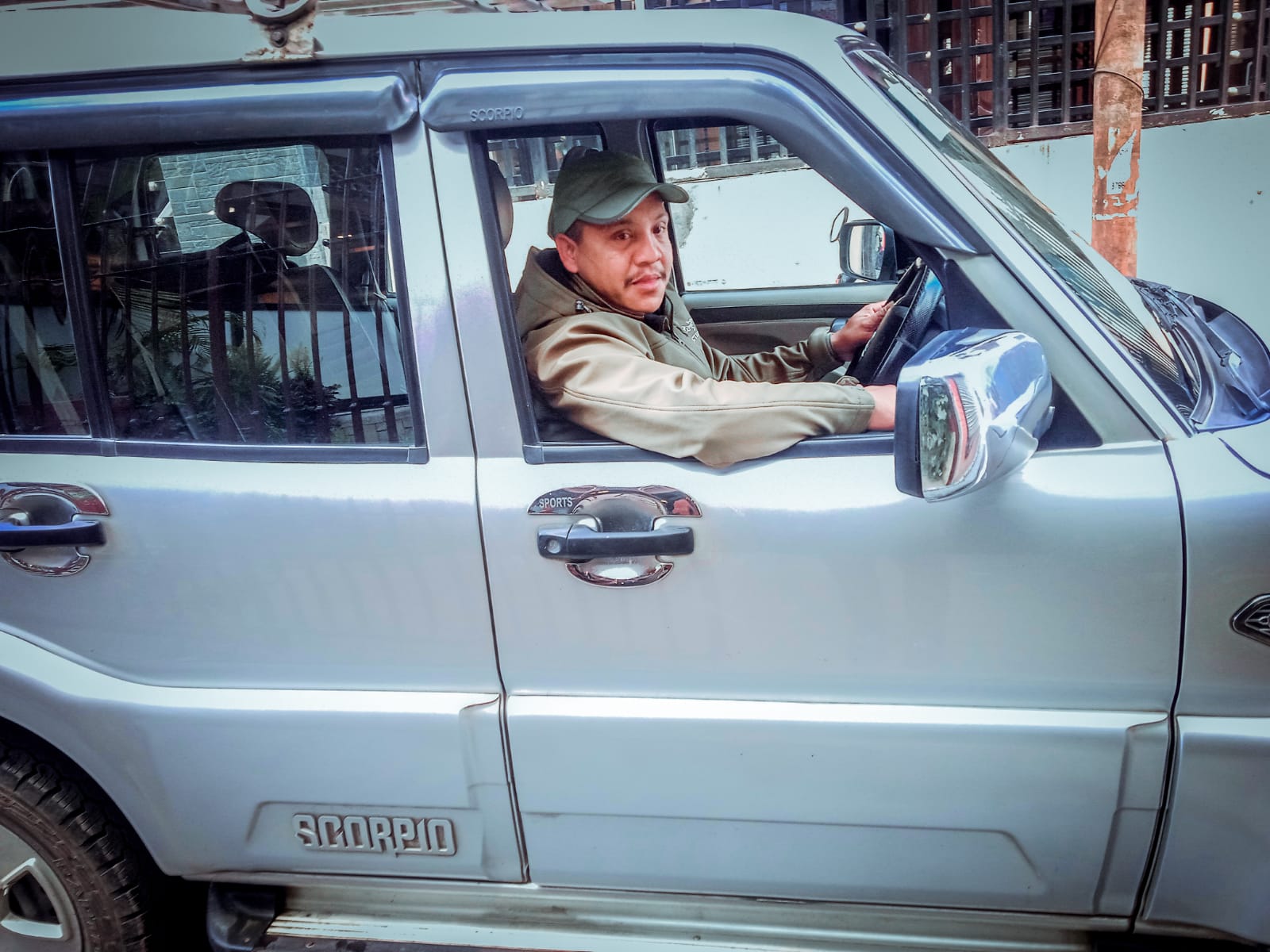
 

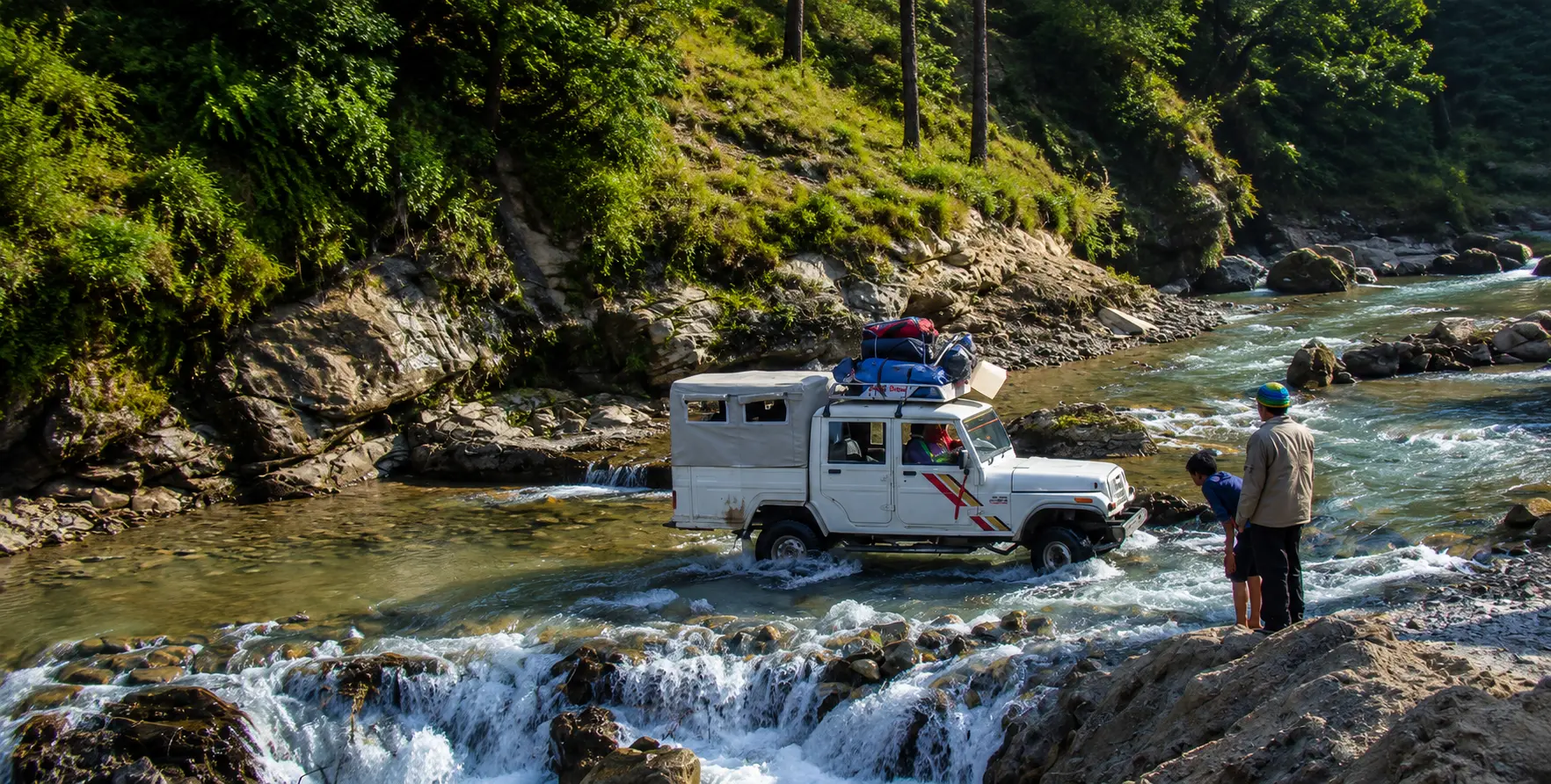
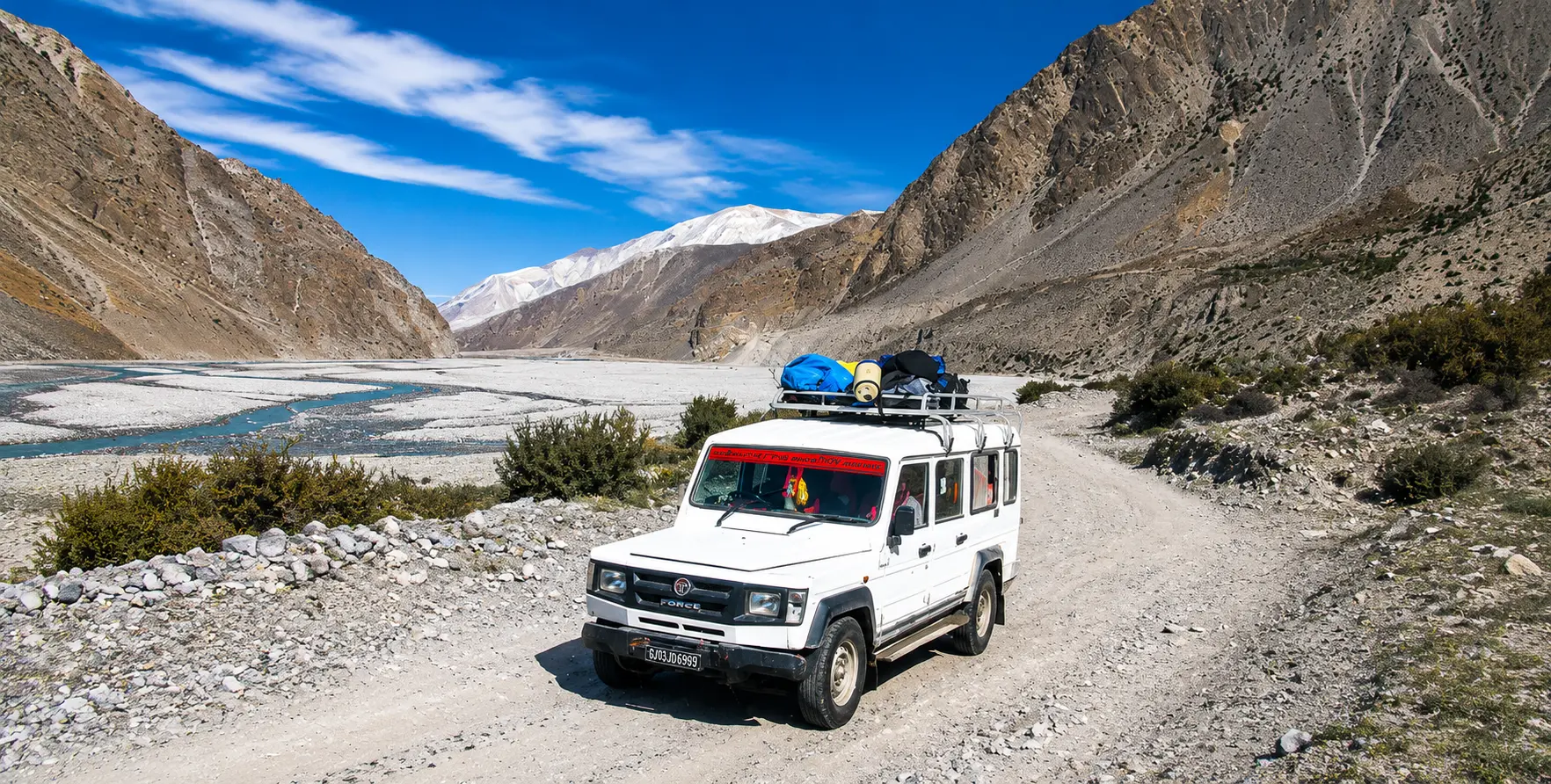
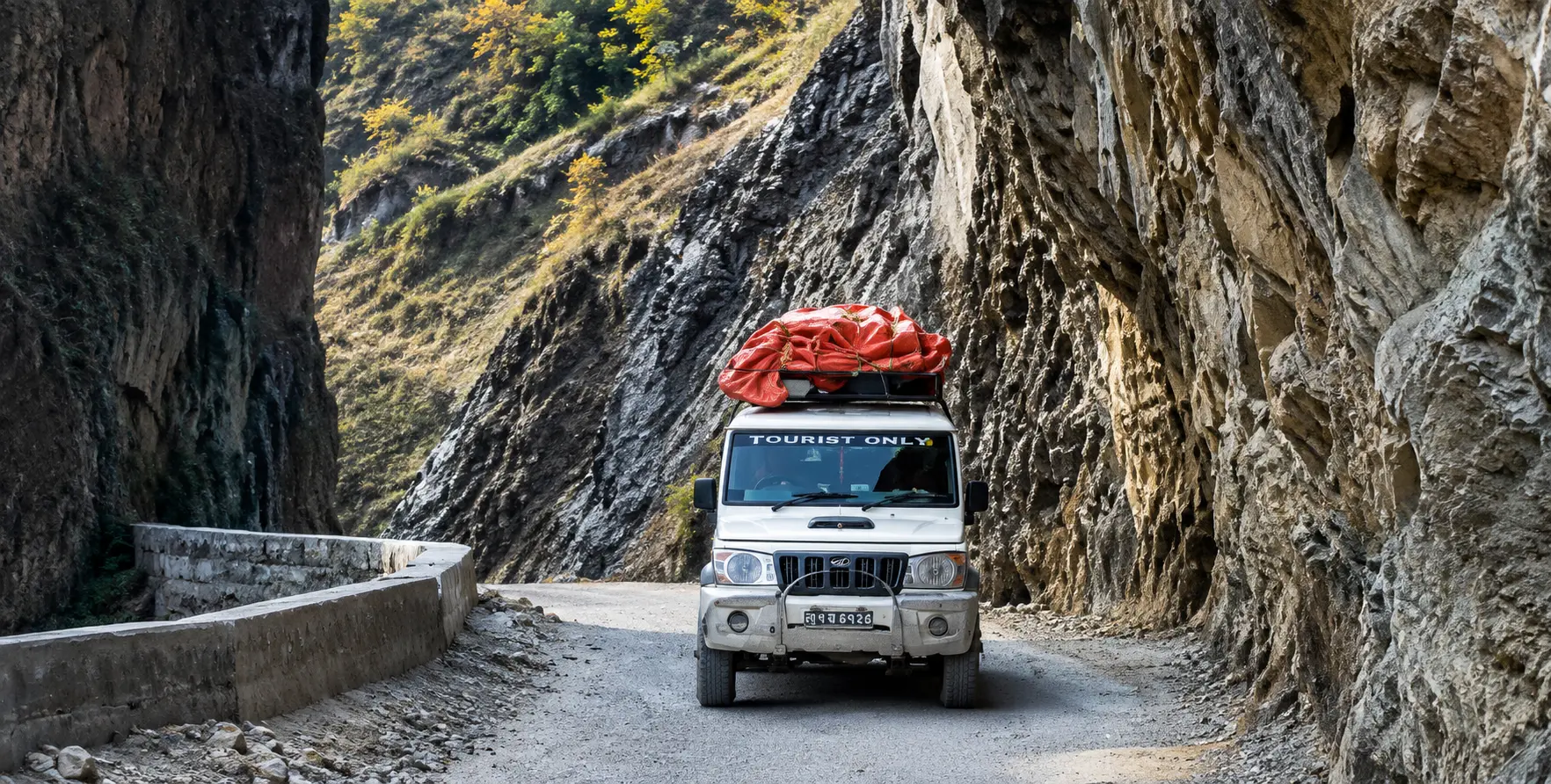
4WD vehicles in Nepal including Land Cruiser, Prado, Fortuner, Scorpio, and Bolero for mountain roads and trekking transport

Understanding Four-Wheel Drive — What It Actually Means and Why It Matters in Nepal

The Mechanics of Four-Wheel Drive in Plain Language

The term ‘four-wheel drive’ is used loosely in everyday speech, often applied to any vehicle that appears capable and rugged regardless of its actual drivetrain configuration. In precise mechanical terms, however, four-wheel drive describes a specific powertrain system in which torque from the engine is transmitted to all four of the vehicle’s wheels simultaneously or on demand, rather than only to the front two wheels (front-wheel drive) or the rear two wheels (rear-wheel drive) as in standard passenger vehicles.

The significance of this configuration in challenging terrain is profound. By powering all four wheels, the vehicle can continue to move forward even when one, two, or, in some cases,s three of those wheels are spinning uselessly on a low-traction surface, because the remaining wheel or wheels that retain traction continue to receive driving force.

In practice, the distinction between different four-wheel drive systems matters considerably when choosing a vehicle for Nepal’s specific road conditions. Full-time four-wheel drive — as found in the Toyota Land Cruiser — keeps all four wheels engaged permanently, regardless of road conditions, providing maximum traction and eliminating the need for the driver to manually engage or disengage the four-wheel drive system based on terrain.

Part-time four-wheel drive — as found in the Toyota Fortuner and Toyota Hilux — can be switched between two-wheel drive for normal highway driving (where fuel efficiency is better and tire wear is reduced on consistent tarmac surfaces) and four-wheel drive for challenging terrain. Additionally, most serious four-wheel drive vehicles for Nepal offer a low-range gearing option, accessed through a separate transfer case lever, which multiplies the torque available to the wheels at very low speeds — essential for the steep ascents, technical rocky sections, and slow-moving river crossings that characterize Nepal’s most demanding vehicle routes.

Ground clearance is the companion concept to four-wheel drive that matters equally in Nepal’s conditions. Ground clearance — the distance between the lowest structural point of the vehicle’s underside and the ground surface — determines whether the vehicle can pass over rocks, ruts, and rough surface irregularities without damaging its undercarriage or becoming beached on a high center point between wheel ruts. Nepal’s mountain tracks regularly present surface features that would beach a low-clearance city car or standard sedan, and the high ground clearance — typically between 200 and 310 millimeters depending on the model — of the major four-wheel drive hire vehicles is an equally important technical specification as the drive system itself.
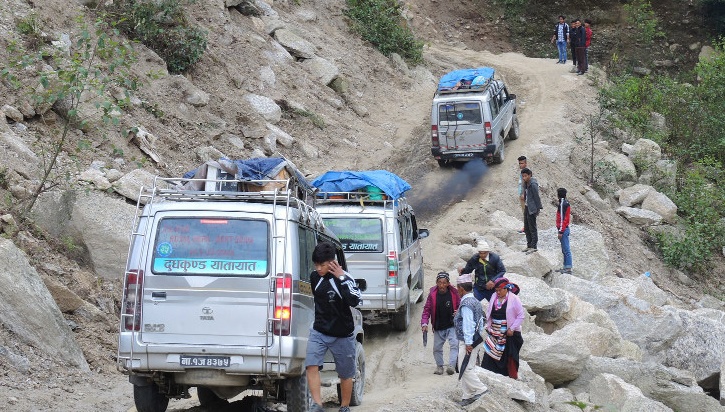
4WD vehicles in Nepal including Land Cruiser, Prado, Fortuner, Scorpio, and Bolero for mountain roads and trekking transport

Nepal’s Road Reality — Why Standard Cars Cannot Go Everywhere

The fundamental issue with Nepal’s road network is not that it is uniformly poor — the main inter-city highways such as the Prithvi Highway between Kathmandu and Pokhara, the Mahendra Highway crossing the Terai, and the Arniko Highway toward the Tibetan border are paved and generally maintained to a standard that a standard sedan handles comfortably. The issue is the extraordinary diversity of road conditions within Nepal’s territory, and the reality that many of the country’s most spectacular and rewarding destinations are accessible only via roads that fall well outside what a standard passenger vehicle can reliably manage.

Consider the road from Kathmandu to Syabrubesi, the gateway to the Langtang Valley trek: it begins on paved Kathmandu city streets, transitions to a reasonable mid-grade district road for the initial approach, and then climbs through a series of increasingly rough, narrow, and exposure-edged switchbacks above the Trishuli River gorge where rock falls from the hillsides above deposit debris on the road surface and where the edge of the track may drop several hundred metres without barriers. A skilled driver in a capable 4WD vehicle handles this road with confidence; a standard car, pushed beyond its design parameters, risks mechanical damage and worse.

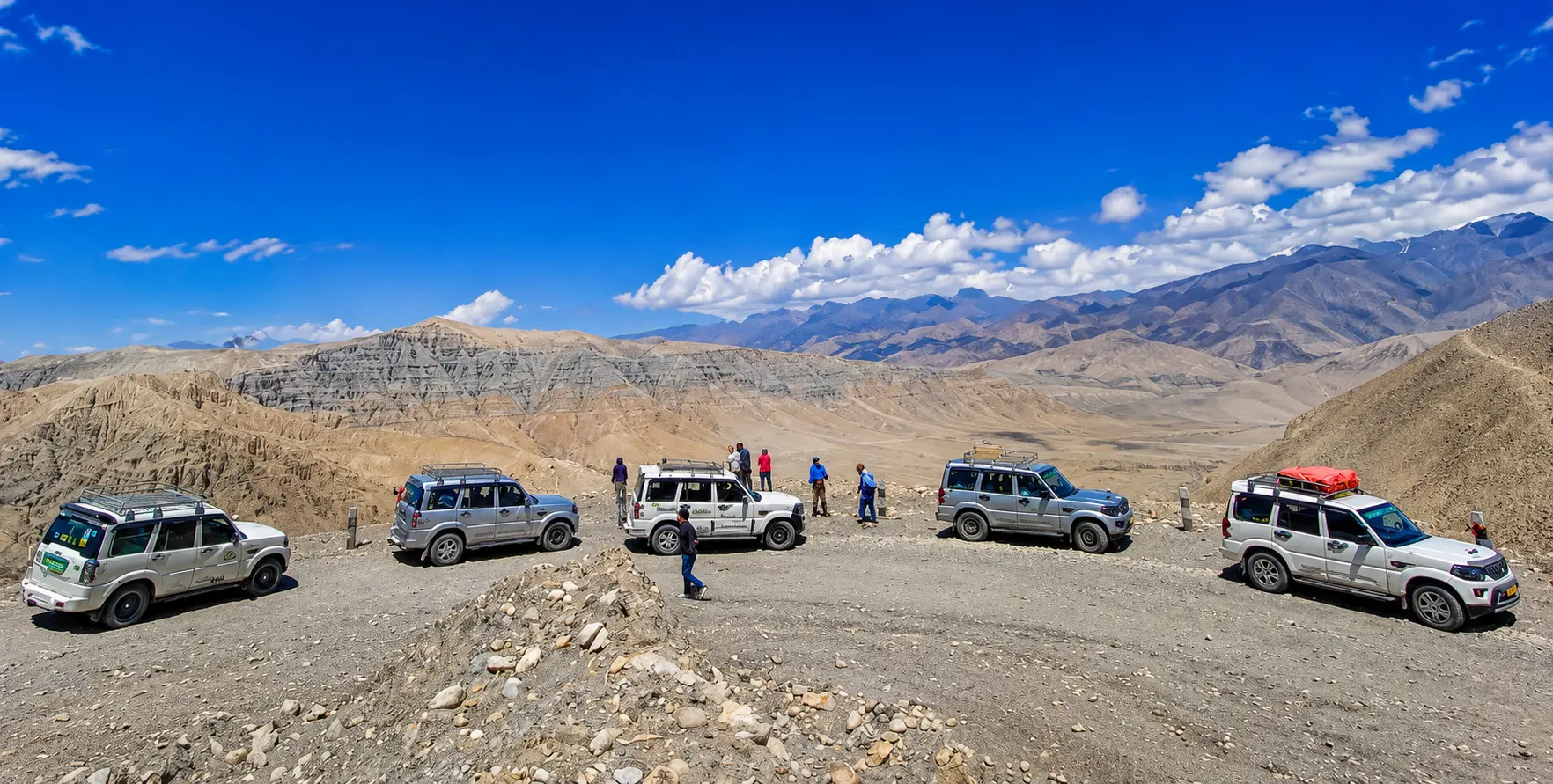
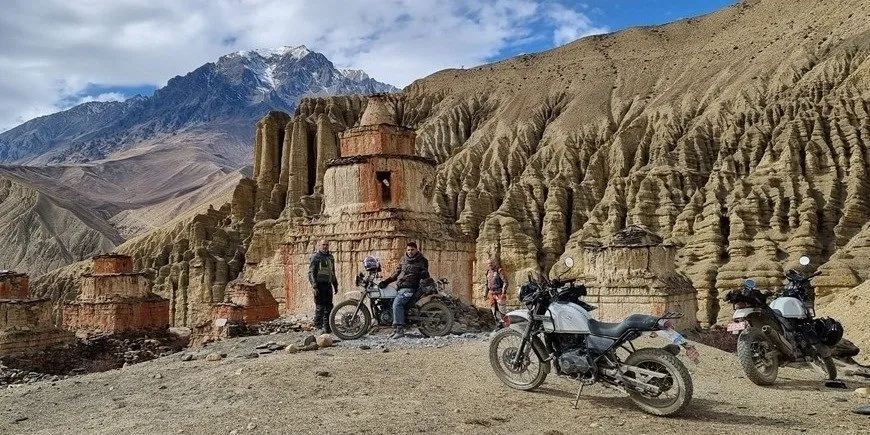
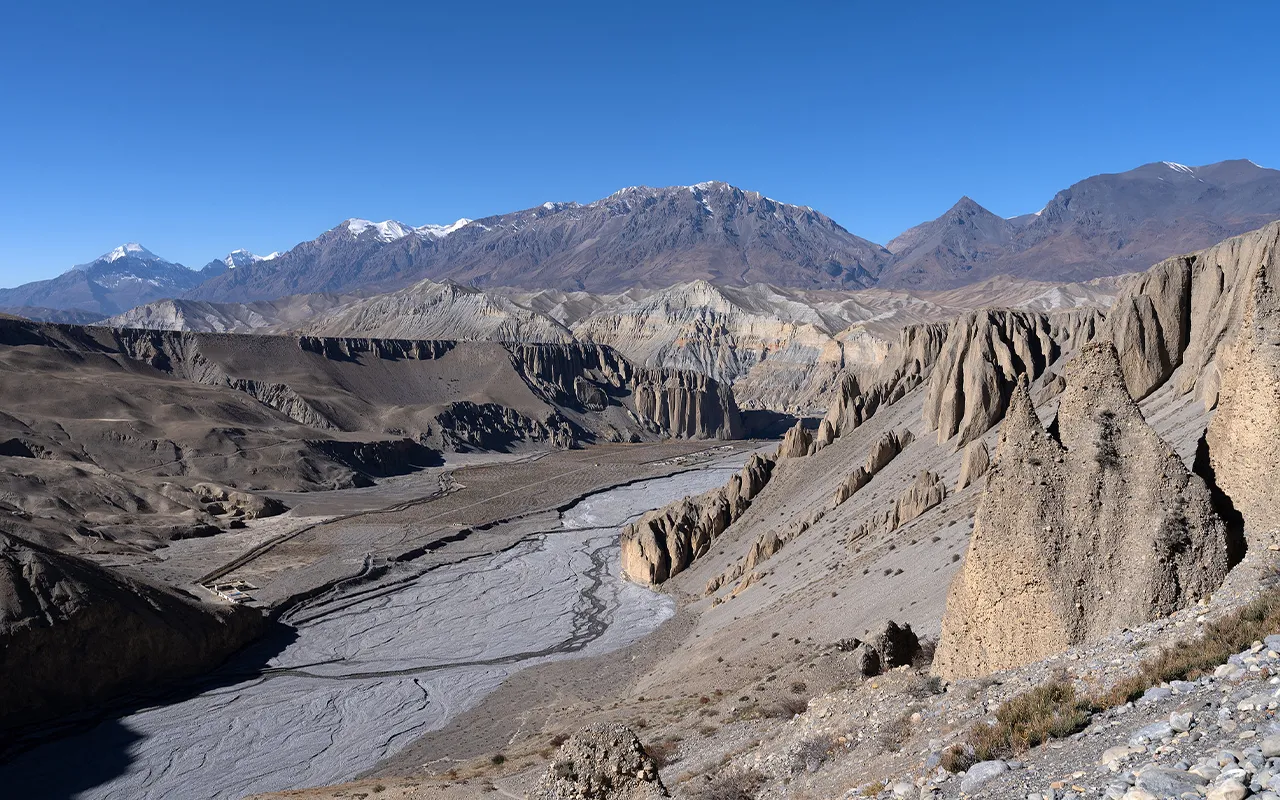
Or consider the track from Jomsom toward Lo Manthang in Upper Mustang — essentially a rough desert jeep trail through an arid plateau at 3,000 to 4,000 meters, crossing seasonal river channels and winding through loose compacted gravel and sand where the absence of road definition in the surrounding landscape means the route is often identified as much by instinct and local knowledge as by any visible road surface. No amount of skilled driving will make a standard sedan appropriate for this terrain; a capable 4WD Land Cruiser or Hilux, in the hands of an experienced driver, covers it with complete confidence.

The monsoon season — typically June through September — adds a further dimension to Nepal’s road challenge. Heavy rainfall causes landslides and debris flows across roads throughout the hill and mountain regions, periodically blocking routes entirely or leaving road surfaces severely damaged; it causes rivers to rise to levels that cross or approach the road in low-lying sections; and it saturates the earth surfaces of unpaved tracks to a degree where traction becomes critically limited even for capable four-wheel drive vehicles, and catastrophically inadequate for standard cars.

The 4WD vehicle’s combination of all-wheel traction, high ground clearance, and the mechanical robustness required to push through or recover from mud and debris is, in the monsoon season, less a preference than a necessity for travel in Nepal’s mountain districts.
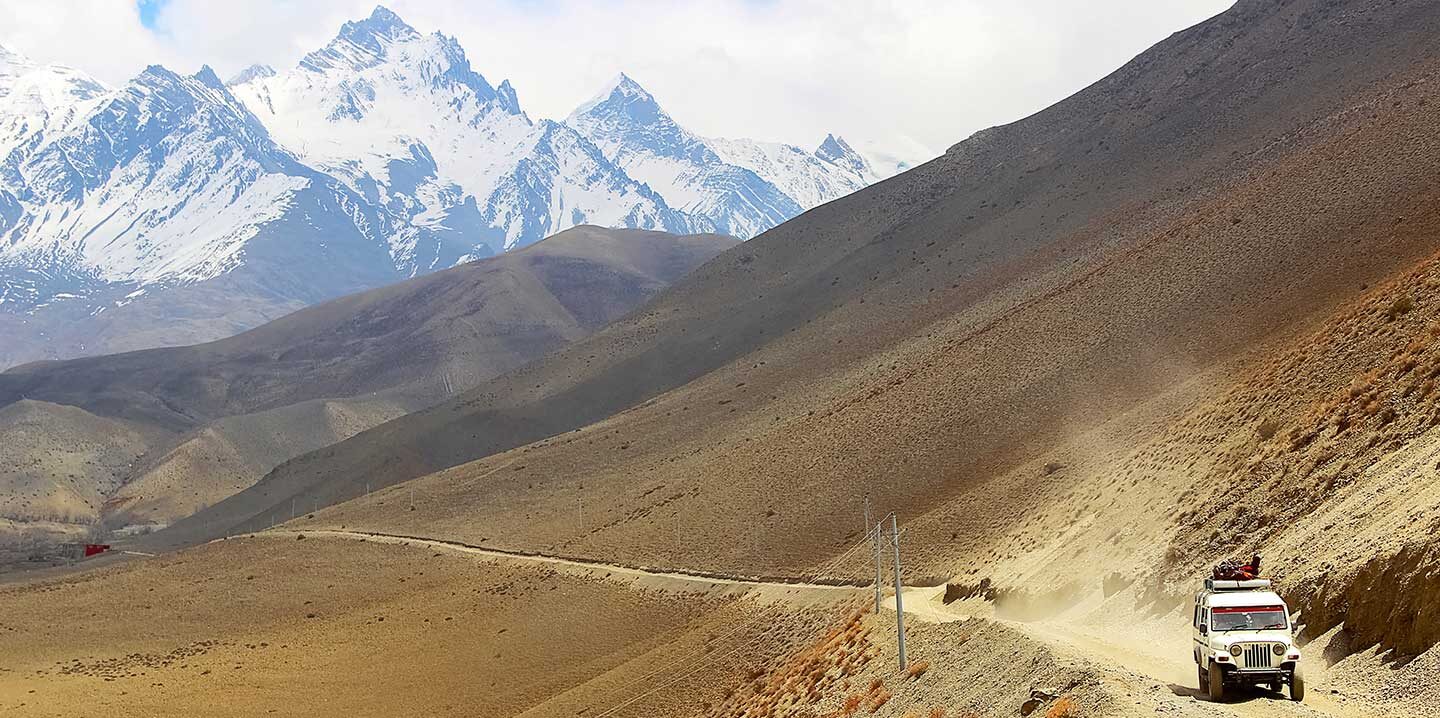
 

4WD vehicles in Nepal including Land Cruiser, Prado, Fortuner, Scorpio, and Bolero for mountain roads and trekking transport

What Makes Nepal’s High-Altitude Roads Uniquely Demanding

Beyond traction and ground clearance, the high-altitude dimensions of Nepal’s most remote road journeys introduce a further vehicle performance consideration that is frequently underestimated by travelers planning their first Himalayan road trip: the effect of altitude on engine performance. At sea level, a vehicle’s engine operates in atmospheric conditions that provide approximately 1.225 kilograms of air per cubic mmeter— sufficient oxygen for the combustion process to develop the engine’s rated power. At 3,500 meters, the air density has dropped to roughly 65 percent of sea-level density, meaning the engine receives 35 percent less oxygen per intake cycle. Consequently, it develops only around 65 percent of its rated sea-level power. At 5,000 meters, where some of Nepal’s roads pass, the power deficit is even more dramatic.

The practical consequence of this altitude-related power reduction is that vehicles that feel adequately powerful at sea level can feel genuinely labored and sluggish on Nepal’s highest mountain roads — particularly on the steep ascents that precede major passes such as the Thorong La on the Annapurna Circuit or the high passes of the Upper Mustang approach.

The modern turbocharged diesel engines that power the Toyota Land Cruiser, Fortuner, and Hilux — specifically the 22.8-literand 4.5-liter units common in these models — are significantly less affected by altitude than naturally aspirated engines, because the turbocharger compensates partially for the reduced air density by compressing the intake charge to a higher pressure before it enters the combustion chamber. This is one of the specific technical reasons why these particular vehicles are so highly favored for Nepal’s high-altitude routes over alternatives powered by smaller or less capable engines.


The Toyota Land Cruiser — Nepal’s Definitive Prestige 4WD

A Vehicle Forged by Seven Decades of Himalayan Reliability

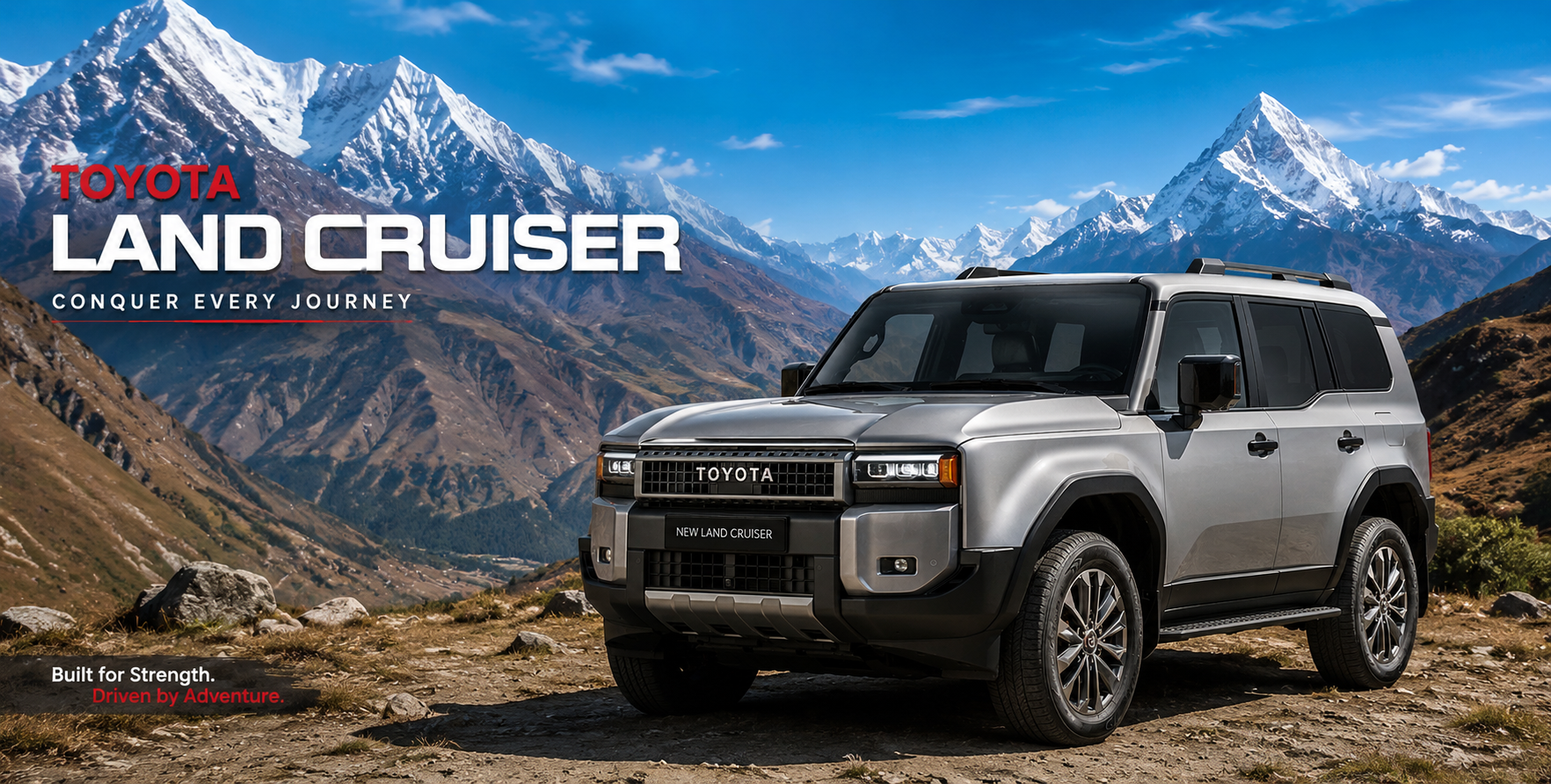
The Toyota Land Cruiser occupies a position in Nepal’s vehicular landscape that is genuinely unique — not merely the most respected four-wheel drive vehicle available for hire in the country, but a cultural institution in its own right, woven into the fabric of how Nepal’s most powerful institutions have moved through the country’s most challenging terrain for more than half a century. Walk into any government compound in Kathmandu, any major international NGO’s operational area, any United Nations sub-office in a remote district headquarters, and you will find Toyota Land Cruisers — their distinctive silhouette instantly recognizable, their white bodywork often bearing the emblems of the organizations whose missions they serve. This ubiquity is not coincidental; it is the earned consequence of a vehicle whose performance, reliability, and mechanical longevity have been repeatedly demonstrated under conditions that would destroy lesser machines.
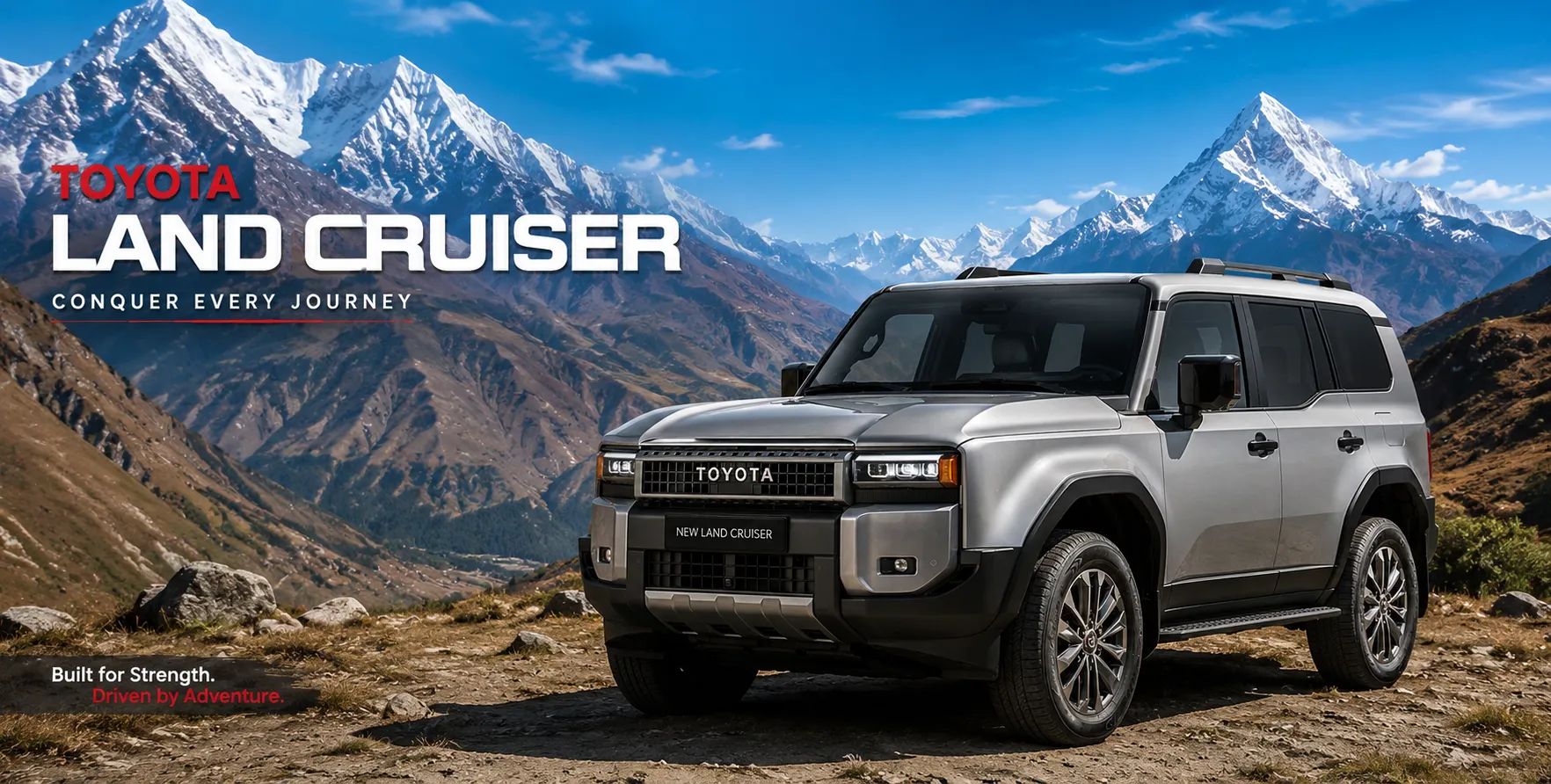
Toyota Land Cruiser available for hire on Nepal trekking routes, providing comfortable and reliable transportation through Himalayan mountain roads.
Hire a luxury Toyota Land Cruiser for safe, comfortable, and reliable transportation to Nepal’s most popular trekking destinations, including Everest, Annapurna, Langtang, and Mustang.

The Land Cruiser’s history in Nepal is intertwined with the country’s opening to the outside world in the 1950s, when the first foreign expeditions and development organizations began operating and immediately faced the challenge of moving people and equipment across terrain that had previously been traversed only on foot or by animal.

The Land Cruiser — first introduced by Toyota in 1951 as a utilitarian off-road vehicle and progressively refined through successive generations — proved, from its earliest deployments in Nepal, to be the vehicle best suited to combining the off-road performance needed for mountain tracks with the mechanical robustness required for reliability far from any service center. Seven decades later, that reputation has not merely survived; it has been continuously reinforced by the successive generations of the Land Cruiser that have served in Nepal.

The Land Cruiser 200 series — the model most commonly found in Nepal Vehicle Hiring Pvt. Ltd.’s premium fleet and across the Nepal hire market generally — represents the platform’s most developed and refined expression before the recent introduction of the Land Cruiser 300 series.

Its 4.5-liter V8 turbodiesel engine delivers 261 horsepower and an extraordinary 650 Newton-Meters of torque — enough to haul the vehicle’s substantial mass through the most demanding gradients or technical obstacles with power to spare, and enough to maintain meaningful performance even at the high altitudes where most other engines are noticeably gasping.

The full-time four-wheel-drive system, with its torque-splitting center differential and electronically controlled Multi-Terrain Select system offering specific calibrations for mud, loose rock, and other surface types, represents the most sophisticated and capable off-road drivetrain configuration available in the Nepal hire market.

Inside, the Land Cruiser 200’s cabin is a genuinely premium space — leather seating for up to seven passengers across three rows, dual-zone automatic air conditioning that maintains consistent temperature regardless of exterior conditions, premium audio, USB charging throughout, and the commanding, elevated riding position that gives the driver exceptional forward visibility and gives passengers a sense of security and space that no smaller vehicle can replicate.

On the long driving days that characterize Nepal’s most ambitious road itineraries — the fourteen-hour drive from Kathmandu to the Solu Khumbu, the multi-day Upper Mustang expedition — this cabin quality translates into the difference between travelers who arrive ready to engage with their destination and travelers who arrive exhausted and cramped.

The Land Cruiser’s single genuine disadvantage in Nepal’s hire market is its size. Its substantial wheelbase and wide body track make it the least agile of the major 4WD models in extremely tight or narrow situations — some of the most constricted village lanes and narrow bridge crossings in remote hill districts require a degree of precision and local knowledge from the driver that a more compact vehicle would not demand. Nepal Vehicle Hiring Pvt.

Ltd. addresses this through driver assignment: Land Cruiser bookings for mountain routes are always serviced by drivers with specific multi-year experience with that vehicle model and on those route types, ensuring that the vehicle’s superior capabilities are matched with driver expertise to deploy them effectively.
4WD vehicles in Nepal including Land Cruiser, Prado, Fortuner, Scorpio, and Bolero for mountain roads and trekking transport

The Land Cruiser Prado — Premium Capability in a More Agile Package

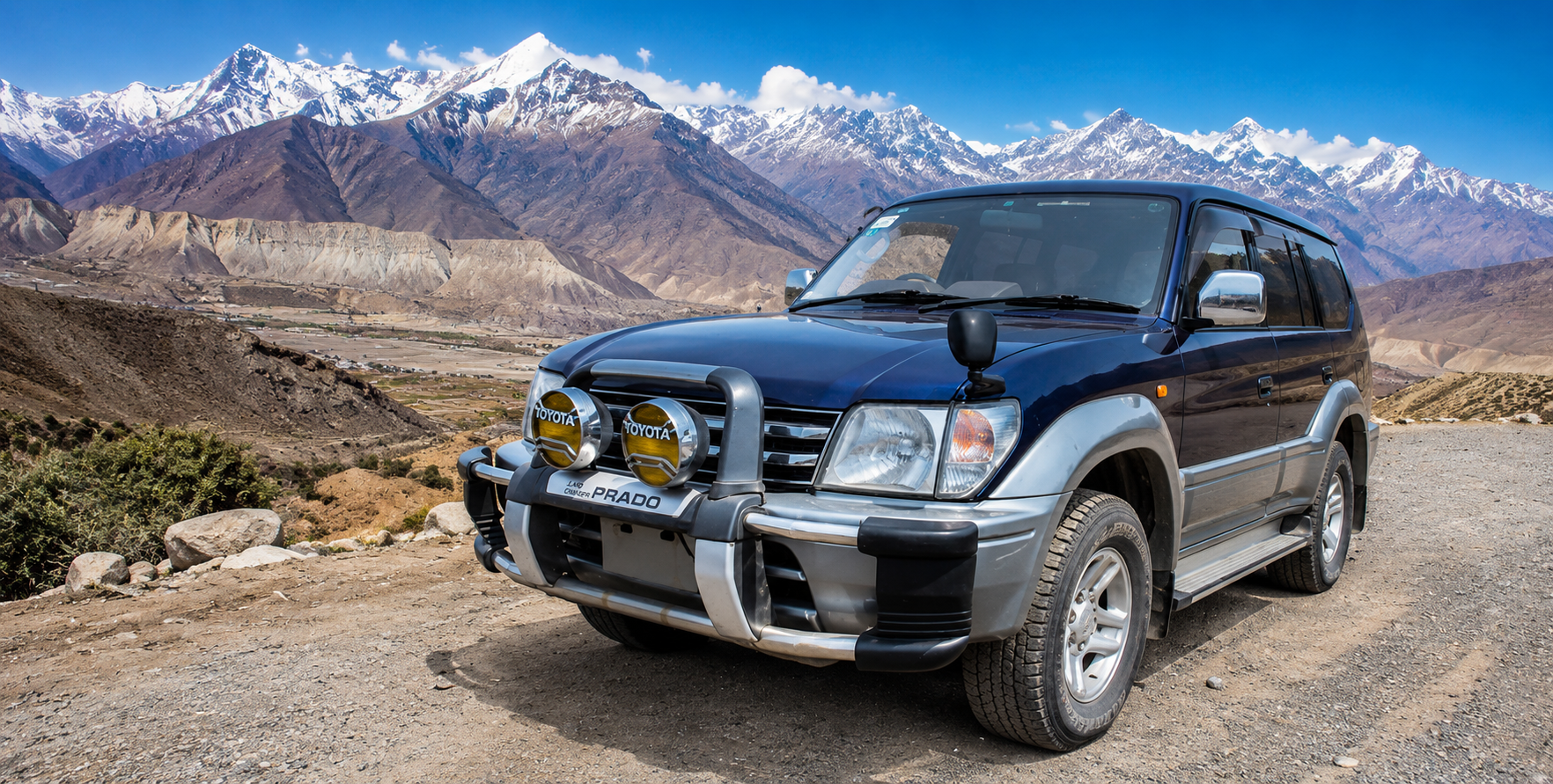
The Toyota Land Cruiser Prado offers travelers the Land Cruiser’s prestige, engineering pedigree, and off-road capability in a slightly more compact, urban-agile package, a genuinely excellent alternative. Built on a shorter wheelbase than the full-size Land Cruiser, the Prado combines a premium cabin finish — leather upholstery, touchscreen infotainment, ambient lighting, advanced connectivity — with the Kinetic Dynamic Suspension System that is one of the most sophisticated passive suspension systems offered in any four-wheel drive vehicle in its class, automatically adjusting damping response to surface conditions without driver input.

In Nepal’s specific context, the Prado’s combination of genuine off-road capability and urban maneuverability makes it particularly well suited to itineraries that mix demanding mountain road sections with heritage city sightseeing — the sort of journey that combines, for example, a Kathmandu Durbar Square heritage circuit with onward travel to Pokhara and from there to the Annapurna region trailheads.

Where the full-size Land Cruiser’s dimensions can be a minor liability in the congested lanes of Bhaktapur’s old city or Patan’s bazaar neighborhoods, the Prado’s slightly shorter body handles these environments with significantly more ease while losing nothing essentially in off-road performance for subsequent mountain driving. Nepal Vehicle Hiring Pvt. Ltd. recommends the Prado specifically for VIP and corporate clients whose itineraries require frequent transitions between city environments and mountain routes, and for families with children where the more accessible cabin height and slightly more compact dimensions improve the daily logistics of boarding and alighting at multiple stops.
 

4WD vehicles in Nepal including Land Cruiser, Prado, Fortuner, Scorpio, and Bolero for mountain roads and trekking transport

The Democratic Mountain Machine

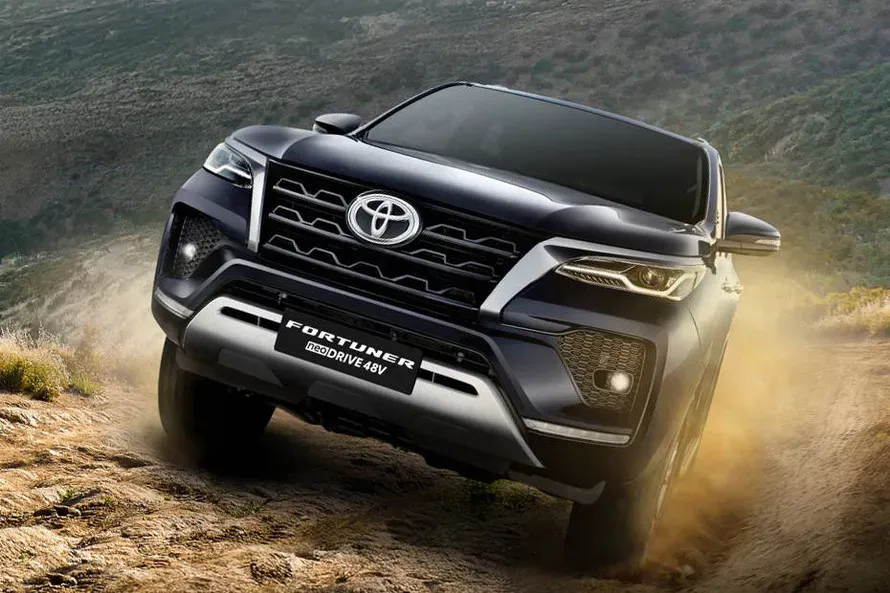
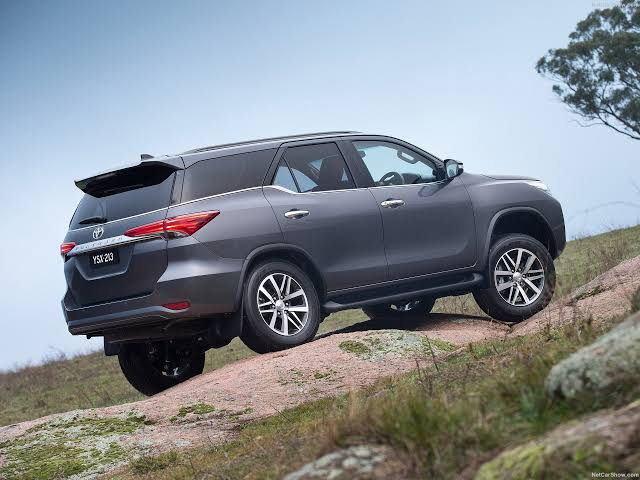
If the Land Cruiser is Nepal’s prestige four-wheel drive and the Hilux is its workhorse, the Toyota Fortuner is its democratically acclaimed favourite — the vehicle that appears in every significant segment of Nepal’s hire market, from budget-conscious trekking groups sharing the cost of a trailhead transfer to mid-level corporate transport and from family sightseeing tours around the Kathmandu Valley to moderately serious off-road adventures on the mountain approach roads.

The Fortuner’s extraordinary popularity in Nepal is earned by what is, in the context of this market, an almost uniquely balanced combination of qualities: genuine and proven four-wheel drive capability, comfortable and well-equipped passenger cabin, adequate but not excessive purchase price, and a maintenance and parts ecosystem that is so comprehensively embedded in Nepal’s vehicle servicing landscape that finding a qualified Fortuner mechanic and obtaining required parts is straightforward even in secondary cities and larger regional centres far from Kathmandu.

The Fortuner’s 2.8-litre turbodiesel engine — the same powerplant found in the Land Cruiser Prado and shared across Toyota’s global four-wheel drive range — delivers 201 horsepower and 500 Newton metres of torque in its most current specification, figures that translate in practice into performance that is entirely adequate for the great majority of Nepal’s road conditions, including the steep ascents, rough gravel, and technical mountain tracks that characterize the trekking trailhead approach roads and Himalayan regional routes that form the backbone of most visitors’ Nepal itineraries.

The 279-millimeter ground clearance — actually higher than that of the Land Cruiser Prado — is among the best of any stock passenger 4WD in the Nepal market, giving the Fortuner a meaningful advantage over vehicles with standard sedan-style clearances on the rocky and rutted surfaces common on mountain tracks.

What the Fortuner communicates to travelers in Nepal’s practical road context is perhaps best captured by this observation: it is the vehicle that experienced Nepali drivers and seasoned tour operators most instinctively reach for when planning a genuinely demanding route that does not specifically require the Land Cruiser’s additional capability or prestige.

The route from Pokhara to Muktinath through the Kali Gandaki gorge — a challenging, rewarding, and, in places, technically demanding drive that most visitors to the Annapurna region’s sacred sites undertake — is handled by a driver with complete confidence in a Fortuner. The approach roads to the Gosaikunda Lake trekking circuit, the road to Salleri in the Solu Khumbu, the Bandipur ascent, the Gorkha approach — all of these are well within the Fortuner’s documented capability and its established performance history on Nepal’s roads.

For travelers whose itinerary includes Upper Mustang beyond Kagbeni or other genuinely extreme off-road terrain, the Fortuner performs adequately in dry conditions but is generally considered to be at or near its capability limits on the most technically demanding desert tracks of the far Mustang plateau, where the Land Cruiser’s additional chassis strength, V8 engine power, and full-time four-wheel drive system provide a meaningful margin of additional confidence. Nepal Vehicle Hiring Pvt.

Ltd. assesses each booking individually and recommends the Land Cruiser for the upper sections of the Upper Mustang routes and other similarly demanding terrain, while confirming the Fortuner as the appropriate and entirely sufficient choice for the vast majority of Nepal’s 4WD-requiring destinations.
4WD vehicles in Nepal including Land Cruiser, Prado, Fortuner, Scorpio, and Bolero for mountain roads and trekking transport

The Fortuner in Group Travel — Economics That Make the Case Stronger

One of the Fortuner’s most practically significant advantages in Nepal’s hire market is the economics of group travel. A Fortuner accommodates six passengers comfortably, excluding the driver — meaning that a group of four to six travelers sharing a private hire can divide the vehicle cost to produce a per-person figure that is genuinely competitive with, and often lower than, comparable VIP bus or shared jeep alternatives, while delivering the door-to-hotel service, complete scheduling flexibility, and private cabin comfort that no shared option can match.

Nepal Vehicle Hiring Pvt. Ltd. consistently recommends that travelling families or groups of four or more people seriously evaluate the private Fortuner hire option against the shared transport alternatives they may initially consider, because the economics frequently favour the private option more clearly than travellers initially expect, particularly when the additional value of hotel pickup, flexible timing, and the freedom to stop at viewpoints and points of interest along the route is factored into the comparison.


The Toyota Hilux — The Indestructible Workhorse of Nepal’s Mountains

The Vehicle That Refuses to Fail

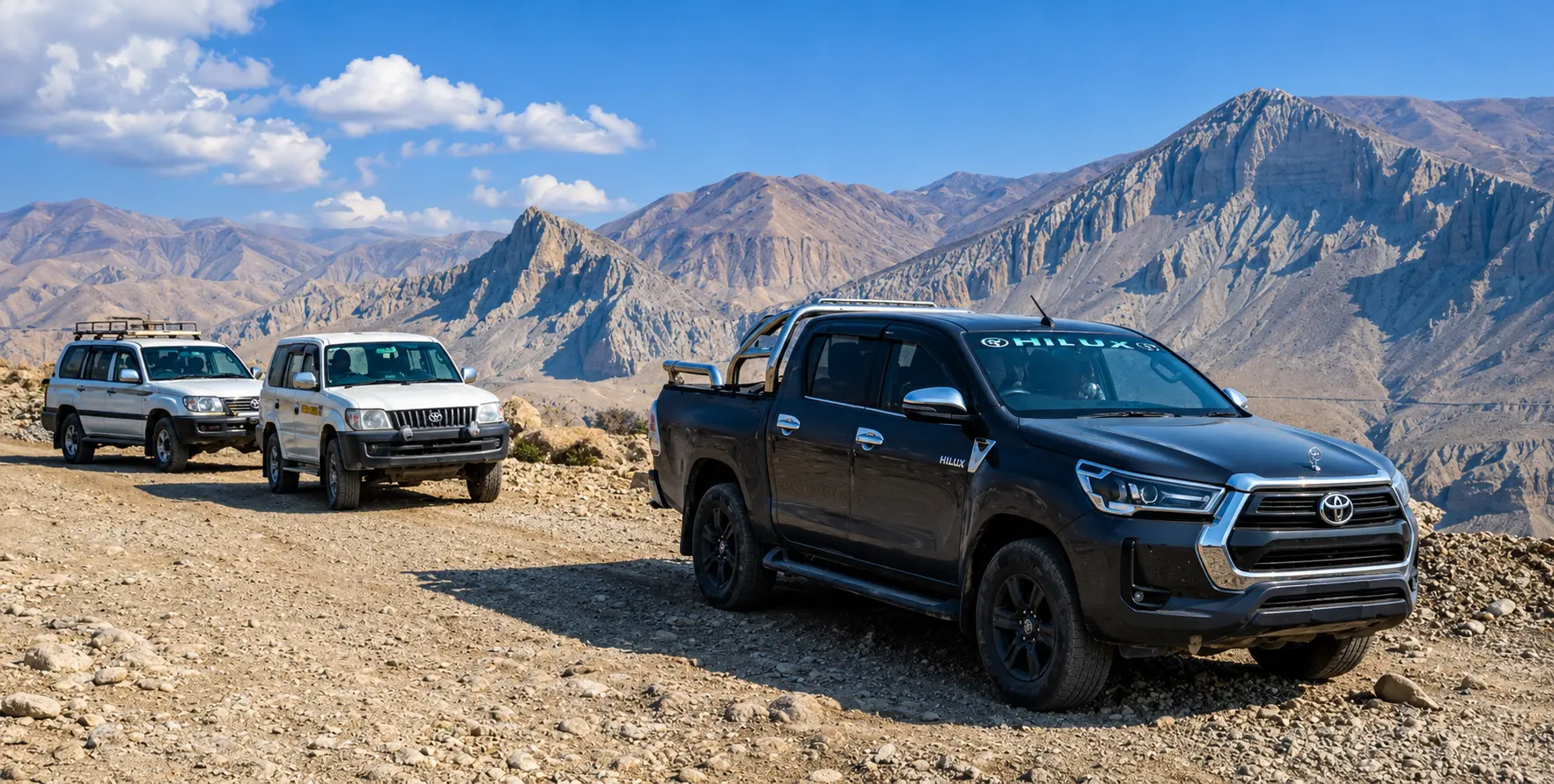
If you were to design, from first principles, the ideal vehicle for Nepal’s most challenging and remote road environments — prioritizing mechanical reliability above all else, then off-road capability, then load-carrying capacity, and treating passenger comfort as a secondary consideration — you would arrive at something very close to the Toyota Hilux.

The Hilux is a pickup truck: its cabin accommodates four or five passengers depending on configuration, and its open load bed provides substantial carrying capacity for gear, equipment, camping supplies, fuel jerry cans, or any other combination of loads that a Nepal mountain expedition might require. It is mechanically simpler than either the Land Cruiser or the Fortuner. This relative simplicity translates directly into ease of repair in remote locations where workshop equipment is basic and spare parts supplies may be limited.
4WD vehicles in Nepal including Land Cruiser, Prado, Fortuner, Scorpio, and Bolero for mountain roads and trekking transport

The Hilux’s reputation in Nepal and across the developing world’s most demanding operating environments is the stuff of automotive legend. Documentary programs and overland travelers have repeatedly demonstrated the Hilux’s capacity to survive conditions that destroy other vehicles — high-speed crashes, immersion in salt water, rooftop fires, decade-long service with minimal maintenance — and to continue functioning in some capacity when vehicles of any other brand would be completely inoperable.

In Nepal’s specific context, this legendary robustness translates into practical confidence: operators who deploy Hilux vehicles in remote district areas where mechanical failure could mean days of delay before rescue or recovery know that the probability of catastrophic mechanical failure is as low as for any vehicle on Nepal’s roads, and that in the event of failure, the relatively straightforward mechanical architecture of the Hilux diesel engine gives a skilled driver or local mechanic the best chance of effecting a roadside repair.

The 2025 Hilux specification available in Nepal’s hire market — typically the 2.8-liter turbodiesel producing 201 horsepower and 500 Newton meters of torque — is essentially identical in powertrain to the Fortuner. The high-clearance Hilux actually exceeds the Fortuner’s ground clearance at 310 millimeters in some configurations, giving it a meaningful advantage in the most rock-strewn and technically rough sections of Nepal’s mountain tracks. The part-time four-wheel drive system with shift-on-the-fly engagement covers the great majority of situations encountered on Nepal’s challenging roads, and the low-range transfer case option provides the additional mechanical advantage needed for the steepest gradient sections of the most demanding mountain tracks.

Where the Hilux gives up something compared to the Fortuner and Land Cruiser is in cabin sophistication and passenger comfort over long road sections. The pickup cab is less ergonomically refined than the SUV-bodied vehicles, road noise penetration is somewhat higher, and the rear seating in the double-cab configuration is less spacious than the Fortuner’s rear bench. For itineraries that involve primarily challenging off-road terrain with relatively short driving segments — the kind of journey characteristic of remote district access, expedition support, or gear-heavy trekking team transport — these differences are of minimal practical importance.

For long highway drives with passenger comfort as a significant priority, the Fortuner or Land Cruiser is a better choice. Nepal Vehicle Hiring Pvt. Ltd. recommends the Hilux specifically for heavy-equipment loads, the most technically demanding off-road sections, expedition support roles where the open truck bed is a functional advantage, and any situation where the client’s primary concern is absolute mechanical robustness in a remote environment.

4WD vehicles in Nepal including Land Cruiser, Prado, Fortuner, Scorpio, and Bolero for mountain roads and trekking transport

Hilux in Nepal’s Most Remote Destinations

The Toyota Hilux has earned a specific and well-deserved reputation as the vehicle of choice for Nepal’s most remote and logistically challenging destinations. The road to Rara Lake in the far western Mugu District — a multi-day overland journey through some of Nepal’s least-developed terrain, covering unpaved tracks that cross high passes and seasonal rivers far from any significant population center — is typically handled by Hilux convoys carrying fuel, food, and supplies for expeditions that cannot rely on local resupply.

The approach to Dolpo, the remote trans-Himalayan district popularized by Peter Matthiessen’s celebrated book ‘The Snow Leopard,’ involves vehicle tracks so rough and exposed that the Hilux handles them more confidently than any of its four-wheel-drive competitors in Nepal’s hire market. Nepal Vehicle Hiring Pvt. Ltd.’s Hilux fleet specifically serves these extreme destinations, with experienced drivers whose knowledge of these remote routes is built on many years of operating in these precise environments.


Routes That Genuinely Require a 4WD Vehicle in Nepal

The Definitive Guide to When Four-Wheel Drive Is Non-Negotiable

One of the most frequently asked questions about Nepal vehicle hire is precisely which routes require a four-wheel drive vehicle and which can be handled by a standard car or taxi. The honest answer is more nuanced than a simple list because road conditions in Nepal vary by season, recent weather events, and the pace of ongoing road improvement work that progressively upgrades some previously rough routes to paved or improved-surface standards. With that caveat clearly stated, the following destinations are those Nepal Vehicle Hiring Pvt. Ltd. considers proper for a 4WD vehicle — either a Fortuner, Hilux, or Land Cruiser — to be truly necessary rather than merely preferable.

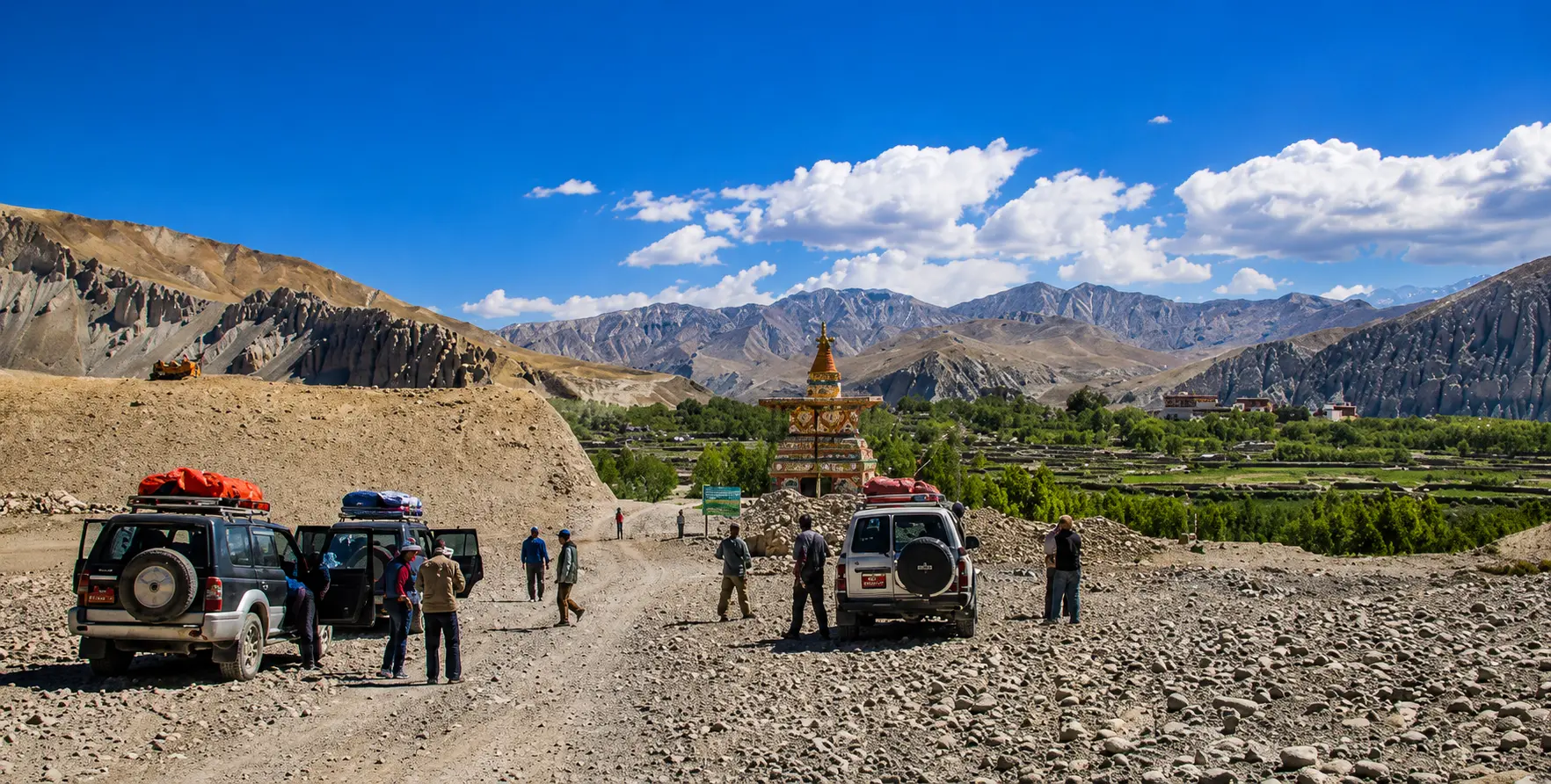
Upper Mustang, the ancient Forbidden Kingdom north of Jomsom, is the most unambiguous case. The road from Kagbeni northward into the restricted zone deteriorates rapidly from the paved standard of the highway south of Jomsom to a rough desert track of compacted gravel, loose sand, and rocky surfaces that requires genuine four-wheel drive capability, high ground clearance, and a driver experienced in reading the surface conditions of this specific terrain.

The afternoon winds in the Kali Gandaki valley, which regularly gust to 60-80 kilometers per hour, add a further driving challenge that experienced drivers with the right vehicle handle with confidence and inexperienced drivers in inappropriate vehicles find genuinely hazardous.
4WD vehicles in Nepal including Land Cruiser, Prado, Fortuner, Scorpio, and Bolero for mountain roads and trekking transport

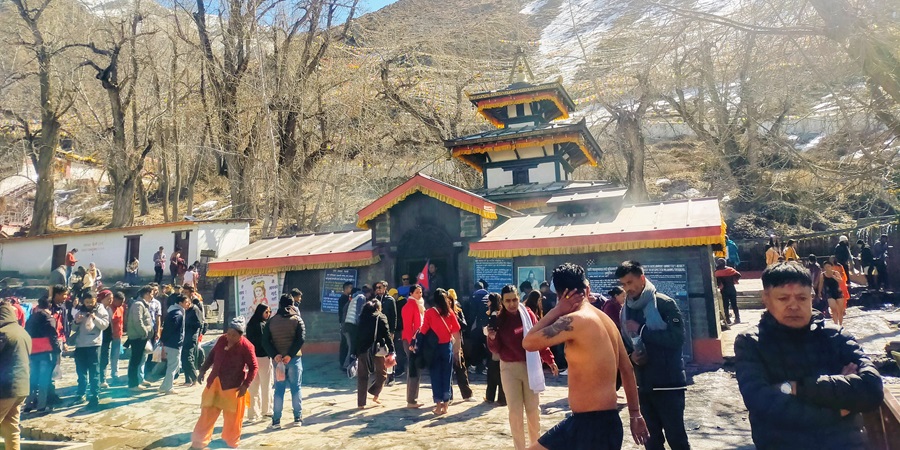
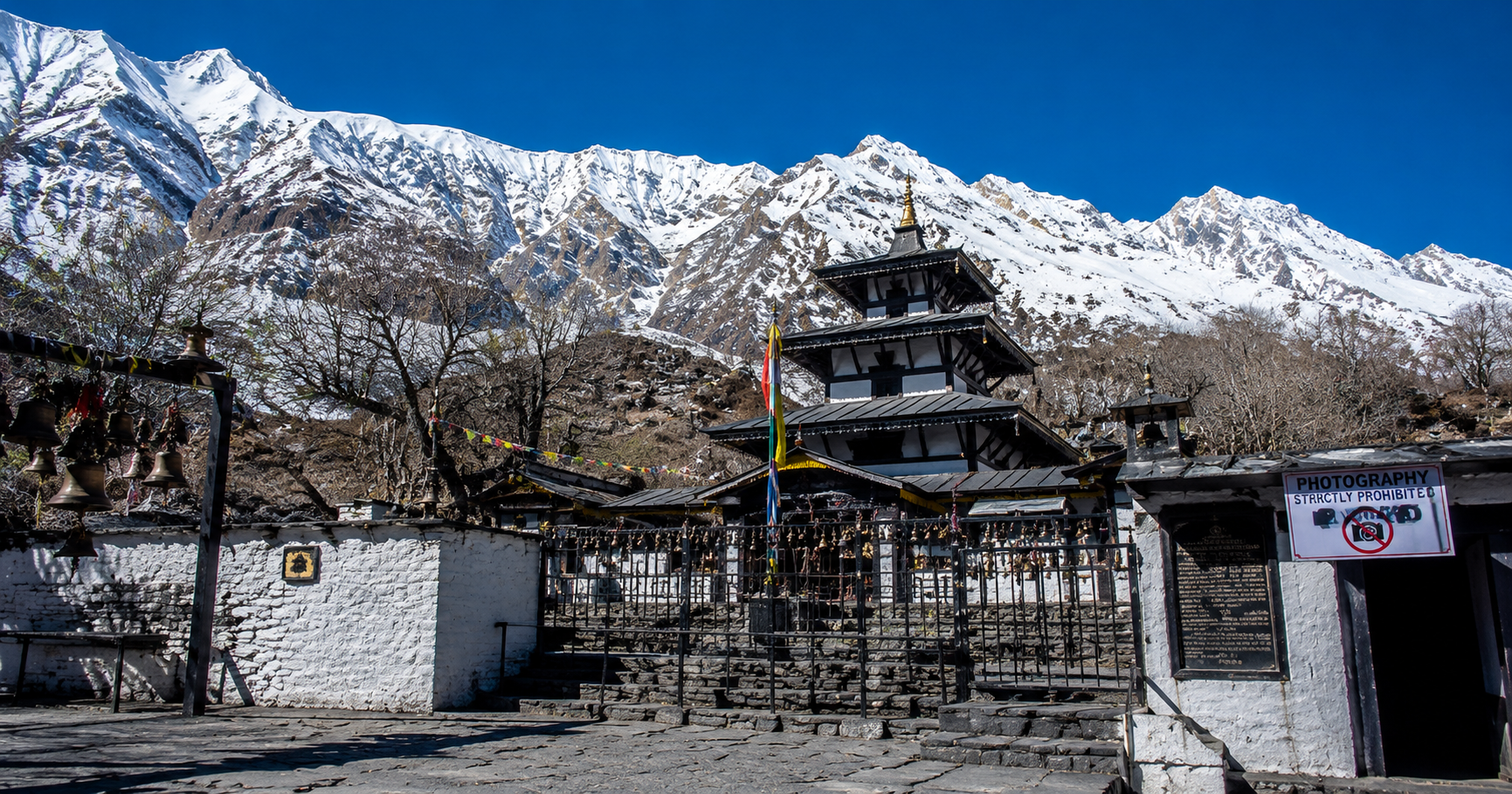
Muktinath Temple, one of Nepal’s most important Hindu and Buddhist pilgrimage sites at 3,800 meters in the Mustang District, is accessible by road from Jomsom via a progressively rougher track that climbs steeply on a partly graveled, partly unpaved surface toward the temple complex. While standard vehicles occasionally attempt this route in dry conditions, Nepal Vehicle Hiring Pvt. Ltd. consistently recommends a 4WD Fortuner or Land Cruiser for all Muktinath vehicle journeys, particularly given the altitude and the consequences of a breakdown or roadway incident at this remote elevation with limited rescue infrastructure.

Syabrubesi, the gateway town for the Langtang Valley trek, is reached from Kathmandu by a road that begins reasonably well but becomes progressively rougher and more exposed as it follows the Trishuli River gorge northward into the Rasuwa District. Several sections of this road involve narrow ledge tracks above significant drops, and landslide debris from the hillsides above is a periodic hazard, particularly during the monsoon. The Trishuli Gorge Road to Syabrubesi is one of Nepal’s most frequently cited examples of a route where a 4WD vehicle provides a genuinely meaningful safety margin over a standard car, and where an experienced, locally knowledgeable driver is as important a consideration as the vehicle itself.

The approach roads to Manang in the upper Marsyangdi Valley — the crucial acclimatization stop on the Annapurna Circuit trek — follow progressively rougher mountain tracks above Besisahar, with sections of road ranging from rough gravel to rocky single-track that benefit significantly from the four-wheel drive system and high ground clearance of an appropriate vehicle. Similar conditions characterize the approach roads to Ghandruk in the Annapurna foothills, the road to Tsum Valley in the Gorkha District, the access track to the Api Himal trailhead at Makarigaad in far-western Nepal, and the overland route to Rara Lake in the Mugu District.

In contrast, the following major routes are entirely manageable by well-maintained standard cars and do not require 4WD: the Prithvi Highway between Kathmandu and Pokhara, the Mahendra Highway across the Terai, the road to Chitwan’s Sauraha area, the road to Lumbini from Bhairahawa, the road to Gorkha from the Prithvi Highway junction, and the road to Dhulikhel or Nagarkot from Kathmandu. For these destinations, a private car or standard SUV is entirely adequate, and a 4WD vehicle hire, while providing somewhat greater confidence and comfort, represents an unnecessary additional cost for travelers managing their budgets carefully.


Choosing the Right 4WD Hire Provider — What Matters Most

Vehicle Condition and Maintenance Standards

Nepal’s vehicle hire market includes operators ranging from highly professional fleet operators with rigorous maintenance standards to informal one-vehicle operators whose approach to mechanical upkeep may be significantly more casual. For any 4WD hire that involves mountain routes — where a mechanical failure can leave travelers stranded in genuinely remote and potentially hazardous locations — the hire provider’s maintenance standards are not merely a quality-of-experience consideration but a genuinely important safety issue.

Before confirming any 4WD booking for a demanding Neroute in Nepal, ask the provider about their vehicle maintenance schedule, when the specific vehicle assigned to your booking was last serviced, and whether the vehicle has been driven on the route you are planning. A professional operator like Nepal Vehicle Hiring Pvt. Ltd. will answer these questions with specific, verifiable information; an operator who responds vaguely or evasively is a warning sign worth taking seriously.

Specific mechanical checks that experienced Nepal travellers recommend confirming before a 4WD mountain journey include: tyre condition and tread depth on all four tyres plus the spare, brake condition and brake fluid level, engine oil level and condition, coolant level, and the integrity and operability of the four-wheel drive engagement mechanism — since a 4WD system that is technically present but malfunctions when actually needed defeats the entire purpose of hiring a four-wheel drive vehicle in the first place. Nepal Vehicle Hiring Pvt. Ltd. conducts a systematic pre-departure check on all vehicles assigned to mountain routes, and clients are welcome to observe or participate in it before departure.
4WD vehicles in Nepal including Land Cruiser, Prado, Fortuner, Scorpio, and Bolero for mountain roads and trekking transport

Driver Experience on Specific Routes

The importance of driver experience in Nepal’s four-wheel-drive hire context cannot be overstated; it is the single quality that most powerfully distinguishes a genuinely professional hire provider from a merely adequate one. Driving a 4WD vehicle competently on Nepal’s mountain roads is a skilled discipline that requires specific knowledge of the routes involved — the location of the narrowest sections, the timing of traffic flows at key junction points, the specific approach techniques required for the most technically demanding bends and gradients, the current condition of any sections subject to recent weather damage — combined with the practical experience of having driven those routes repeatedly over many seasons.

A driver who is technically licensed and perfectly competent on Kathmandu’s city roads but has never driven the Gokuleshwor-to-Makarigaad approach road to the Api Himal trek trailhead, or the route from Kagbeni into Upper Mustang, is a genuinely different proposition from a driver who has made those specific journeys dozens of times and carries the route knowledge in their instincts as much as their conscious memory. Nepal Vehicle Hiring Pvt. Ltd. assigns drivers to mountain routes specifically based on their documented experience with those routes — asking clients in advance about their specific destinations and matching them with drivers whose experience record includes those exact locations — rather than simply assigning the next available driver from a general pool.

Communication and Support During the Journey

For multi-day 4WD journeys in Nepal’s remoter regions — the kind of trip that takes a vehicle and driver into areas with limited or no mobile coverage, where any emergency would require coordination with the hire provider’s operations team back in Kathmandu or Pokhara — the quality of the hire provider’s communication infrastructure and emergency support capability becomes a material consideration. Nepal Vehicle Hiring Pvt. Ltd.

maintains 24-hour WhatsApp communication with clients throughout all journeys, provides clients with direct contact details for the operations team in addition to the driver’s personal number, and coordinates in advance with drivers on mountain routes to ensure they carry emergency contact lists, basic mechanical tools, and have confirmed knowledge of the nearest fuel sources and basic accommodation options at each major waypoint on the route.

This level of operational support may seem excessive for a straightforward day trip to Nagarkot or a Kathmandu-to-Pokhara highway run — and for those journeys, it is indeed more infrastructure than the situation demands. But for a seven-day Upper Mustang expedition, a five-day Rara Lake overland, or an Api Himal access drive through Nepal’s far-western districts, knowing that a professional team with real knowledge of the terrain and established emergency protocols is in communication throughout the journey is not a luxury but a genuine component of journey safety planning.


Seasonal Considerations for 4WD Vehicles in Nepal

Autumn — The Season of Maximum Confidence

October and November represent, by wide consensus among experienced Nepal operators and travelers, the optimal period for four-wheel-drive travel on Nepal’s mountain routes. The monsoon season ends in late September or early October, and the weeks that follow bring clear skies, moderate temperatures, dry road surfaces, and recently completed monsoon-season road repairs, creating the best overall road conditions of the year across virtually every region of the country.

Four-wheel drive vehicles can operate at their maximum capability on dry surfaces — traction is optimal, visibility is excellent, and the mountain panoramas from high-altitude routes are at their clearest and most spectacular. Nepal Vehicle Hiring Pvt. Ltd. sees its highest demand for 4WD hire precisely in October and November, and early booking during this period is essential.

Spring — Rhododendrons, Clear Mornings, and Excellent Roads

March, April, and May bring Nepal’s second peak travel season, and for 4WD travel in particular, spring offers an excellent combination of conditions. Road surfaces remain dry and well-maintained following the post-monsoon autumn repairs; morning visibility is generally good before the afternoon cloud build-up that characterizes the pre-monsoon period; and the rhododendron forests that line the mid-altitude mountain approach roads on routes such as the Annapurna Circuit and the Helambu Trek are in spectacular bloom. The spring months are also the preferred season for Everest and Annapurna mountaineering expeditions, meaning that expedition support vehicle hire — typically requiring the most capable 4WD options in the fleet — is at its annual peak.
4WD vehicles in Nepal including Land Cruiser, Prado, Fortuner, Scorpio, and Bolero for mountain roads and trekking transport

Monsoon — Caution, Capability, and Specific Opportunities

The monsoon season from June through September is the most challenging period for four-wheel drive travel in Nepal and, simultaneously, the time when 4WD capability is most essential rather than merely convenient. Landslides — a constant risk in Nepal’s steep, rain-saturated hill terrain — periodically block roads across the mountain districts, and a 4WD vehicle’s capability is tested not only by traction conditions but also by the need to navigate around or through debris that has settled on road surfaces.

Several of Nepal’s 4WD routes are considered genuinely too risky to travel during the peak monsoon without current, specific road-condition intelligence, and Nepal Vehicle Hiring Pvt. Ltd. maintains real-time contact with drivers on key routes during the monsoon to provide clients with accurate, up-to-date information before confirming monsoon-season mountain bookings.

There is, however, one notable exception to the general monsoon caution for 4WD travel: Upper Mustang. The Mustang plateau lies in the rain shadow of the Annapurna range. It receives comparatively little direct monsoon rainfall, so the plateau’s road conditions remain reasonable throughout much of the monsoon season, even as the approach roads below Jomsom experience heavier rainfall. Upper Mustang in July and August, in fact, sees some of its lowest visitor numbers — making it one of the rare destinations in Nepal where the monsoon season offers a genuine advantage in terms of solitude and reduced competition for accommodation, combined with reasonable road conditions for suitably capable 4WD vehicles.

Winter — Clear Air, Cold Roads, and Specific Pass Closures

December through February brings the coldest conditions to Nepal’s mountain regions, with temperatures at high-altitude points along major 4WD routes dropping well below zero at night and remaining below freezing for much of the day at passes above 4,000 meters. The consequent risk of ice formation on road surfaces — particularly on the shadow sides of steep sections where frost persists through daylight hours — adds a specific driving challenge to winter mountain driving.

4WD travel that an experienced driver with the right vehicle handles confidently, but that poses a genuine hazard for any vehicle-driver combination not specifically prepared for icy surface conditions. Nepal Vehicle Hiring Pvt. Ltd. recommends winter mountain 4WD bookings specifically for drivers with documented winter route experience and ensures that vehicles dispatched for winter high-altitude routes carry appropriate cold-weather equipment, including tire chains, for the most ice-exposed sections.
4WD vehicles in Nepal including Land Cruiser, Prado, Fortuner, Scorpio, and Bolero for mountain roads and trekking transport

What to Check Before You Hire — A Practical Pre-Departure Checklist

Hiring a 4WD vehicle for a Nepal mountain journey is an exercise in trusting a mechanical system with your safety, comfort, and schedule in an environment where mechanical failure has consequences significantly more serious than in an urban setting. The following practical checks are those that Nepal4Wtravelers confirm before beginning any mountain journey, and that Nepal Vehicle Hiring Pvt. Ltd conducts SMS as part of its standard pre-departure protocol for all mountain route bookings.

The tires on all four wheels, plus the spare, should be visually inspected for adequate tread depth, proper inflation, and the absence of sidewall damage or bubbling, which might indicate internal structural weakness. In Nepal’s rocky mountain tracks, tire punctures are not uncommon, and departing with a spare that is already damaged or improperly inflated removes the single most important backup for the most frequent type of t mechanical incident encountered on these routes.

The engine should be started and allowed to warm sufficiently before departure so that any unusual sounds, vibrations, or warning lights can be identified and addressed before the vehicle is committed to a remote route where finding a mechanic may be a day’s journey away.

The four-wheel drive system itself should be tested before departure — engaging both the 4WD high-range and, if the route will require it, the 4WD low-range settings, confirming that the transfer case engages cleanly and that no warning lights or mechanical resistance indicate a developing fault. The brakes should be checked for consistent response and the absence of pulling to one side that might indicate a partially seized caliper — brake reliability on Nepal’s steep descents is a non-negotiable safety requirement.

And the vehicle carries an adequate basic toolkit, tire levers, a functioning jack with a rated capacity sufficient for the vehicle’s weight, tire pump or CO2 inflation system, basic hand tools, nd, if the route involves river crossings or genuinely remote terrain, a tow rope and recovery shackles.

Nepal Vehicle Hiring Pvt. Ltd.’s standard pre-departure protocol covers all of these checks as a matter of routine, and clients booking 4WD mountain routes through the company can verify completion of the protocol before departure. For travelers hiring through any other provider, requesting to see evidence of a recent mechanical inspection and asking specifically about tire condition and four-wheel-drive system operability is both entirely reasonable and professionally appropriate — a quality provider will welcome, rather than resist, this kind of informed client engagement.
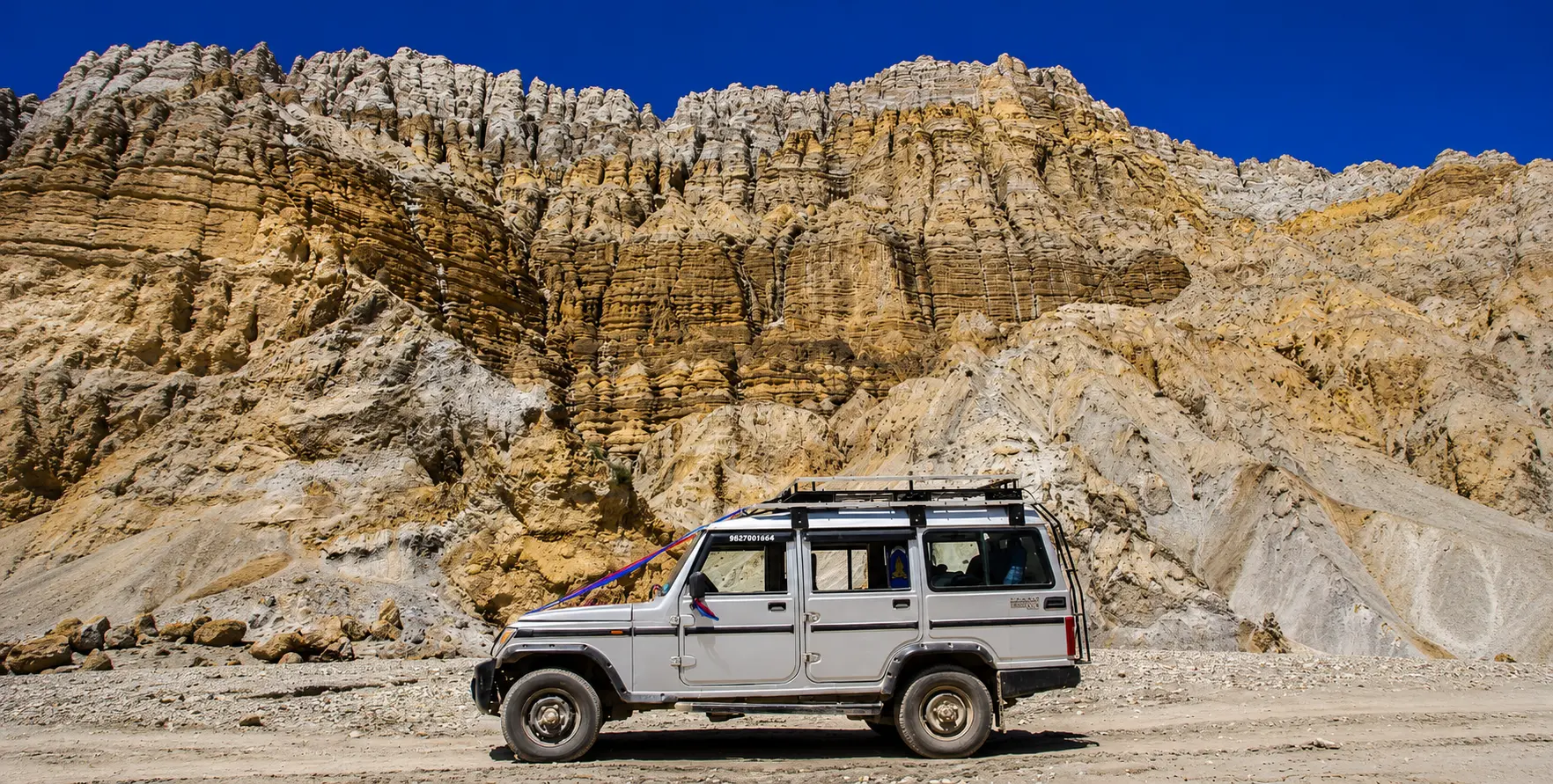
4WD vehicles in Nepal including Land Cruiser, Prado, Fortuner, Scorpio, and Bolero for mountain roads and trekking transport

4WD Vehicle Hire Costs in Nepal — Understanding the Pricing Landscape

Four-wheel drive vehicle hire pricing in Nepal reflects tacombination of vehicle model, journey complexity, duration, route difficulty, and the qdriver’s uality and experience level  Understanding how these factors interact to determine pricing helps travelers evaluate quotations they receive from different providers and make informed decisions about value rather than simply selecting the cheapest option available — a strategy that, in Nepal’s 4WD hire market, carries specific risks given the safety implications of mechanical reliability and driver experience on mountain routes.

Within the Kathmandu Valley and on the main inter-city highways — including the Prithvi Highway to Pokhara, the road to Chitwan, and the Arniko Highway corridor — 4WD hire rates from Nepal Vehicle Hiring Pvt. Ltd. for a full day of private vehicle use start from approximately NPR 12,000 to 16,000 for a Fortuner, NPR 14,000 to 18,000 for a Hilux, and NPR 18,000 to 25,000 for a Land Cruiser. These rates reflect all-inclusive pricing covering the driver, fuel for the agreed route, vehicle insurance, and all road tolls. These cost elements can add up significantly on longer journeys and are sometimes presented as additions to a lower-appearing headline rate by providers who price with less transparency.

For long-distance mountain routes — the Pokhara to Muktinath journey, the Kathmandu to Syabrubesi run, the trailhead transfers for the Annapurna Circuit or Langtang treks — rates are calculated on a per-journey basis rather than daily, reflecting the specific distance, road conditions, fuel consumption, and driver time involved. A private Fortuner from Pokhara to Muktinath, for example, is typically priced between NPR 25,000 and 32,000 one-way, with the Land Cruiser commanding a premium of roughly 30 to 40 percent over the Fortuner rate for the same journey.

Multi-day expeditions to Upper Mustang, Rara Lake, or the Api Himal area involve daily rates for vehicle and driver combined with driver accommodation allowances for overnight stays, producing total package costs that can range from NPR 80,000 to 150,000 or above for a full multi-day expedition — significant sums that reflect both the exceptional capability of the vehicle required and the specialized expertise and time commitment of the experienced driver serving these demanding routes.

One pricing dynamic worth understanding clearly: the cheapest 4WD quotation available for a demanding Nepal mountain route is rarely the best value, and is sometimes a genuine safety risk. The cost of maintaining a 4WD vehicle to the mechanical standard required for reliable operation on mountain routes, paying a driver with real experience on those specific routes a wage that reflects that specialized expertise, and carrying adequate insurance for the vehicle and its passengers all have minimum costs that reputable operators cannot fall below without cutting corners somewhere in the service or safety chain.

Nepal Vehicle Hiring Pvt. Ltd. prices transparently and competitively within the market for quality service — not as the cheapest option, but as the option that delivers genuine value across all the dimensions — vehicle quality, driver expertise, operational support, and transparent pricing — that combine to make a Nepal 4WD journey safe, reliable, and genuinely rewarding.
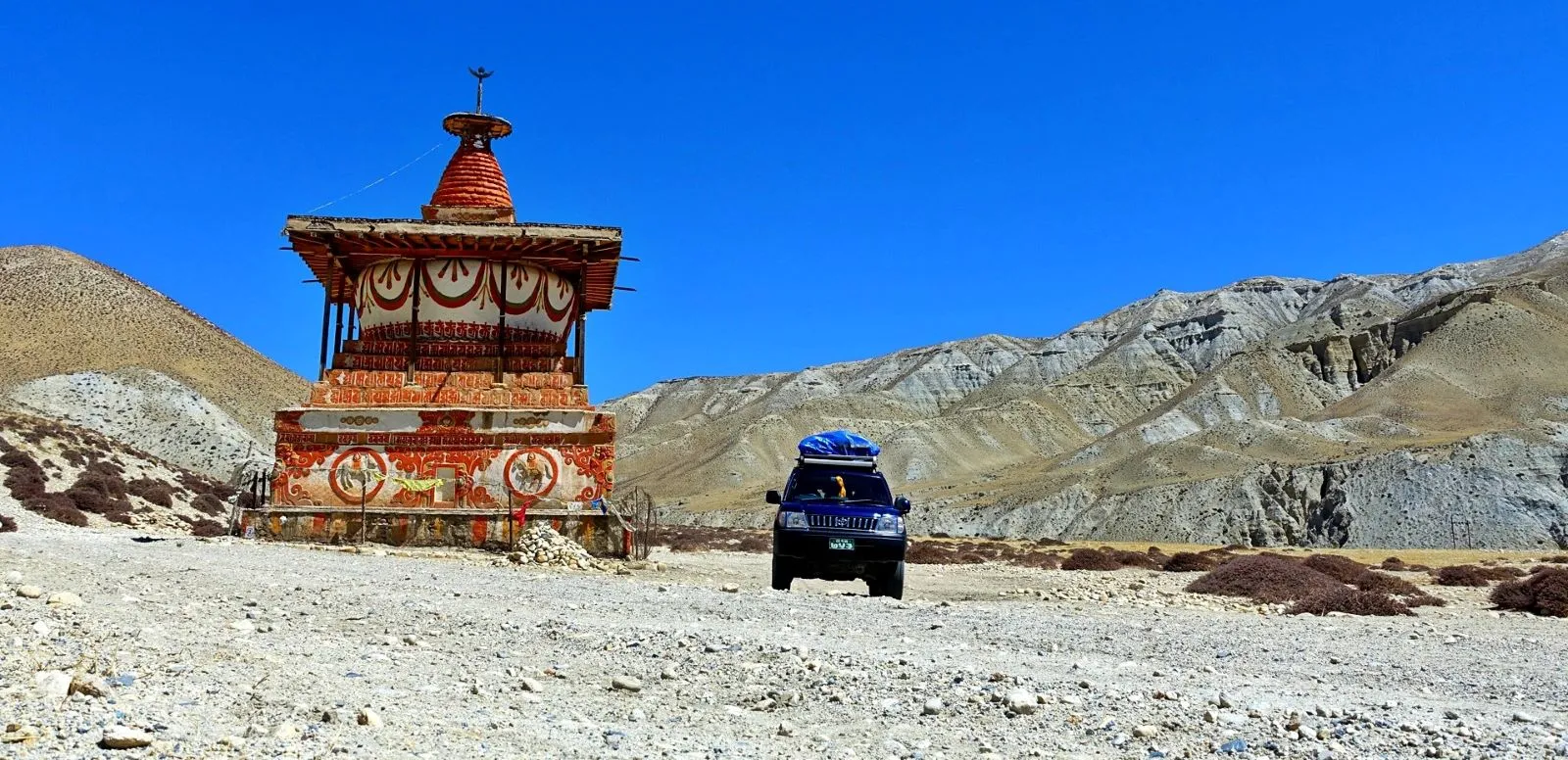
4WD vehicles in Nepal including Land Cruiser, Prado, Fortuner, Scorpio, and Bolero for mountain roads and trekking transport

Nepal Vehicle Hiring Pvt. Ltd. — Your Trusted 4WD Partner

Nepal Vehicle Hiring Pvt. Ltd. has built its reputation as Nepal’s most trusted private vehicle hire company through a consistent and uncompromising commitment to exactly the qualities that matter most in the 4WD hire context: well-maintained vehicles, professionally experienced drivers matched to specific routes, transparent all-inclusive pricing, and the operational support infrastructure that backs up every booking with genuine 24-hour client service capability.

Our 4WD fleet encompasses the full range of the major models discussed throughout this guide — Toyota Land Cruiser, Toyota Land Cruiser Prado, Toyota Fortuner, and Toyota Hilux — maintained to a service schedule that goes beyond the manufacturer’s minimum requirements and subjected to a pre-departure inspection protocol before every mountain route booking. Our driver team is not a pool of generalists but a group of specialists, each with documented experience with specific Nepal route types, assigned to bookings based on that route-specific knowledge rather than simple availability.

The company’s 8,000-plus satisfied clients and consistent 5.0 TripAdvisor rating are the testimonial record of this approach — not the marketing claim of an aspirational provider but the earned recognition of an operator whose actual performance in Nepal’s most demanding road environments has consistently met and frequently exceeded client expectations. Whether your 4WD requirement is a single-day Kathmandu Valley sightseeing circuit, a trailhead transfer to the start of the Annapurna Circuit, a multi-day Muktinath pilgrimage journey from Pokhara, or a full Upper Mustang expedition, Nepal Vehicle Hiring Pvt. Ltd. has the vehicle, the driver, and the operational support to make that journey happen with the reliability, safety, and genuine quality of experience that Nepal’s extraordinary terrain and extraordinary destinations deserve.

Book Your 4WD Vehicle with Nepal Vehicle Hiring Pvt. Ltd.
Website: www.vehiclehiringnepal.com
Phone / WhatsApp: +977 9851013196 (24/7 Support)
Email:vehiclehiringnepal.com
Office: Bhagawatisthan, Thamel, Kathmandu, Nepal
4WD Fleet: Toyota Land Cruiser | Land Cruiser Prado | Fortuner | Hilux
Routes: Upper Mustang | Muktinath | Annapurna Circuit | Langtang | Rara Lake | Api Himal
8,000+ Happy Customers | 5.0 TripAdvisor | 200+ Verified Reviews
All-Inclusive Pricing | Experienced Mountain Drivers | 24/7 Operational Support
Licensed & Registered | Company Reg. No. 219204 | Best Value Guaranteed


Frequently Asked Questions

Do I really need a 4WD vehicle for the journey from Kathmandu to Pokhara?

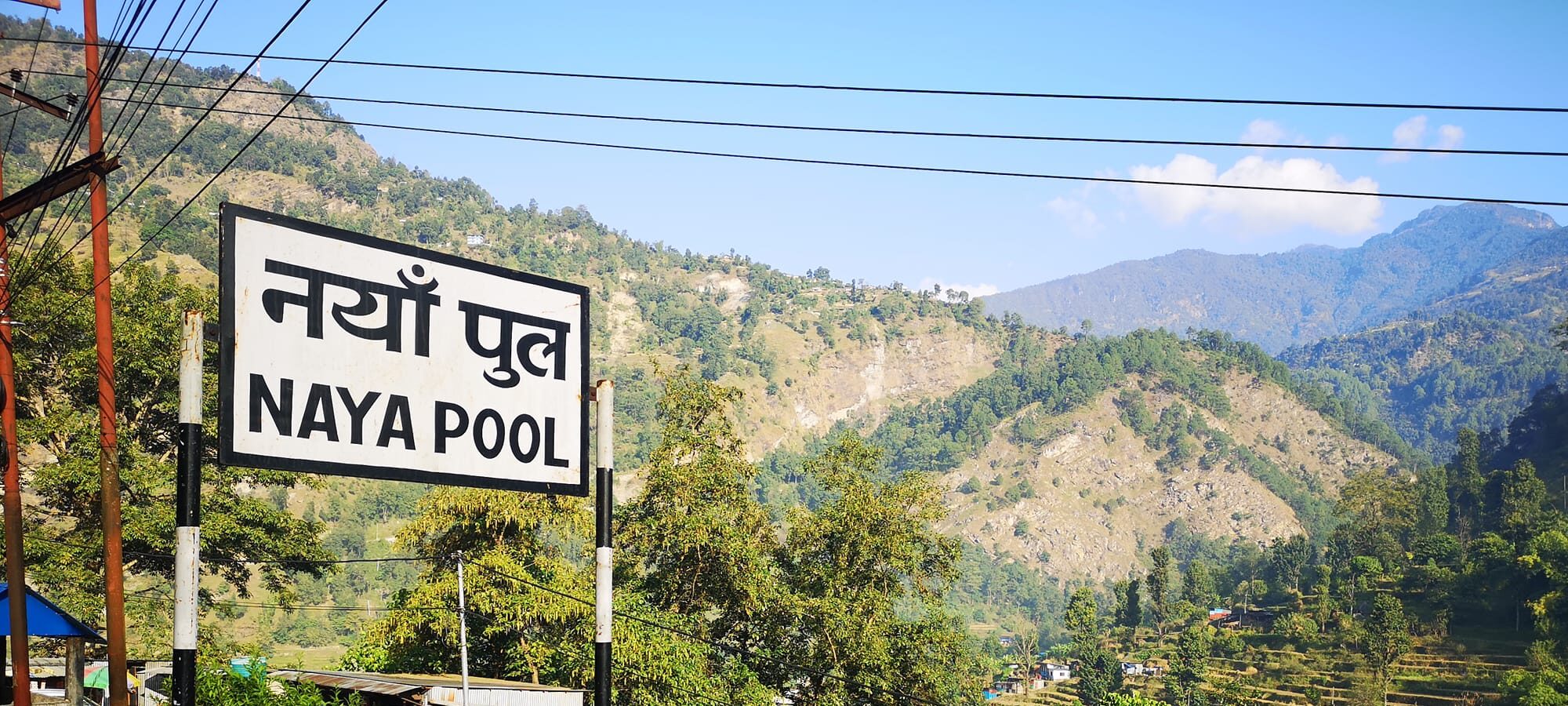
No — the Prithvi Highway between Kathmandu and Pokhara is a paved, well-maintained highway that is entirely manageable by standard cars, taxis, and tourist buses. A 4WD vehicle provides additional comfort and road confidence on this route but is not required. For journeys continuing beyond Pokhara into the Annapurna region,n approach roads — the road to Nayapul, Ghandruk, Bhadaure, or especially the road toward Muktinath via Jomsom — a 4WD vehicle becomes increasingly important and, in some sections, genuinely necessary.

What is the difference between 4WD and AWD?

Four-wheel drive and all-wheel drive are related but distinct concepts. AWD systems, typically found in crossover SUVs and some passenger cars, automatically distribute power between axles via electronically controlled multi-plate clutches, generally without a true low-range gear option. 4WD systems, as found in the Land Cruiser, Fortuner, and Hilux, typically include a dedicated transfer case that provides a low-range option that multiplies available torque at very low speeds — the feature most relevant for Nepal’s steep-gradient sections and technical, rocky terrain where maximum torque at very low wheel speeds is required. For Nepal’s most demanding mountain routes, genuine 4WD with low-range capability is significantly more appropriate than AWD-only systems.

Can I drive a 4WD hire vehicle in Nepal myself?

Self-drive hire of 4WD vehicles is technically possible through some operators in Nepal. Still, Nepal Vehicle Hiring Pvt. Ltd. does not offer self-drive for its premium 4WD fleet and strongly advises against self-drive on Nepal’s challenging mountain routes for visitors unfamiliar with local road conditions. The combination of left-hand traffic, variable road surfaces, frequent unmarked hazards, and the specialized route knowledge required to navigate Nepal’s mountain tracks safely makes hiring a professional driver not merely a convenience but a genuine safety advantage. Our driver-inclusive hire service ensures that vehicle capability is matched with the human expertise to deploy it effectively.

How far in advance should I book a 4WD vehicle for a mountain route in Nepal?

For the Kathmandu Valley and main highway routes, 48-72 hours’ notice is generally sufficient. For specific mountain route bookings during peak season (October-November and March-May), at least 1 week’s notice is recommended. For multi-day Upper Mustang or Rara Lake expeditions, booking two to three weeks in advance ensures the specific vehicle model and driver experience level you require are available rather than already committed to other bookings. Nepal Vehicle Hiring Pvt. Ltd. advises confirming the complete vehicle, driver, and route details at the time of booking, rather than leaving any element to be sorted on the day of departure.


Conclusion: The Right Vehicle for the World’s Most Extraordinary Roads

Nepal’s roads are as diverse as the country itself — from the smooth modernity of a resurfaced Terai highway to the raw, demanding reality of a remote Himalayan district track where the road is defined as much by the absence of a cliff on one side as by the presence of any engineered surface. For the full range of this diversity, and for the specific section that encompasses Nepal’s most spectacular, most remote, and most rewarding destinations, the four-wheel-drive vehicle is not an optional upgrade but the essential foundation of any serious road-based journey in Nepal.

Understanding which 4WD model genuinely suits your specific itinerary — the Land Cruiser for the most demanding terrain and largest groups, the Fortuner for the broadest range of Nepal’s mountain approach roads at the best balance of capability and economy, the Hilux for the most technically demanding terrain and the heaviest loads — and combining that vehicle with a driver whose experience genuinely matches the route being attempted, is the formula for Nepal road travel that is both safe and richly rewarding. The terrain is extraordinary, the destinations are unforgettable, and the vehicle that gets you there, reliably and safely, makes the difference between a journey that becomes a story you tell for decades, and one that becomes a lesson learned the hard way.

Nepal Vehicle Hiring Pvt. Ltd. — with its meticulously maintained fleet, its experienced and route-specific driver team, its transparent pricing, and its 24-hour operational support — is the partner that brings this formula to life for every traveler who chooses to explore Nepal’s extraordinary roads. Contact our team today, share your itinerary, and let us recommend the right vehicle and the right driver for the journey you have been planning. The mountains are waiting.
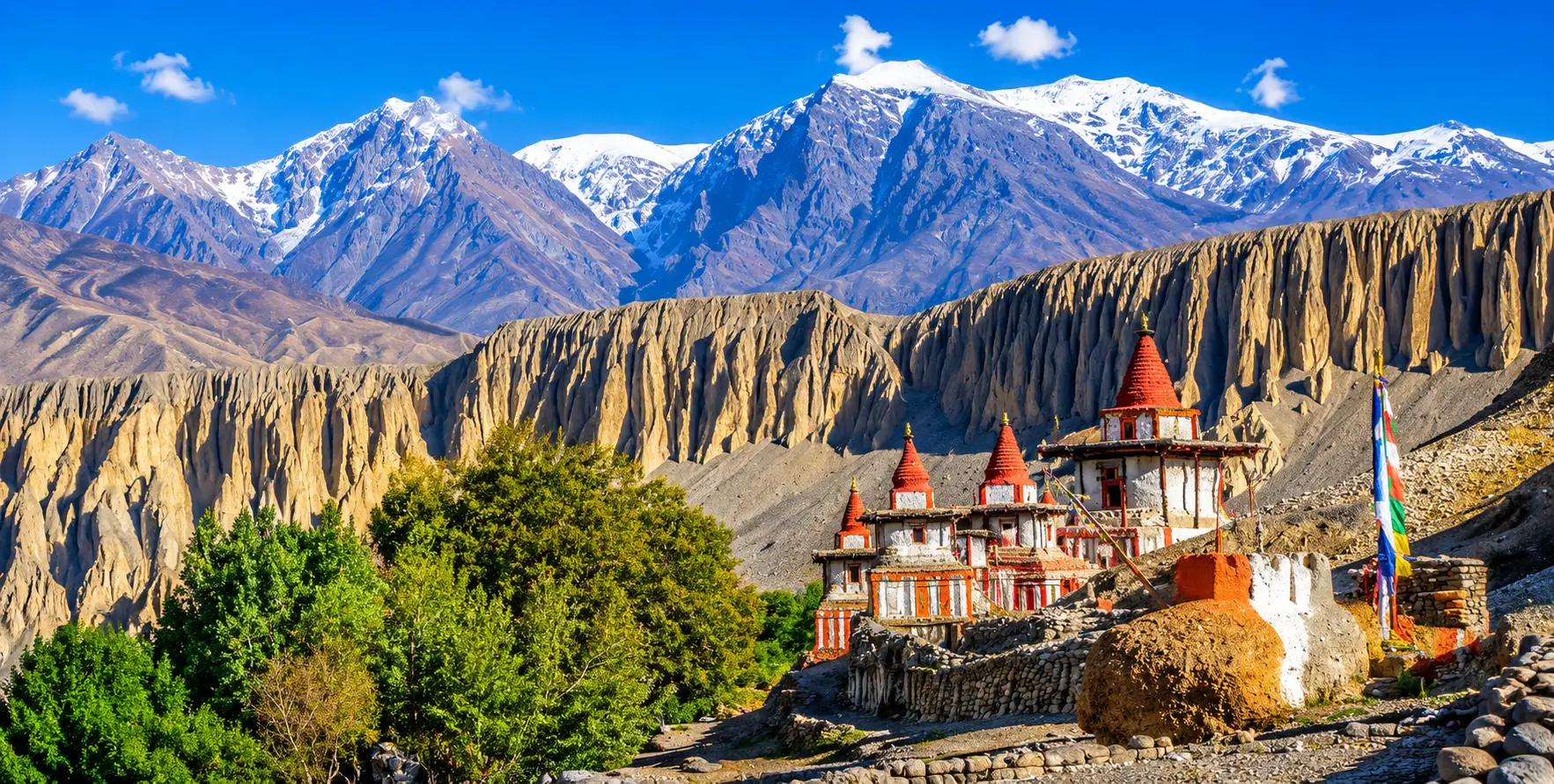
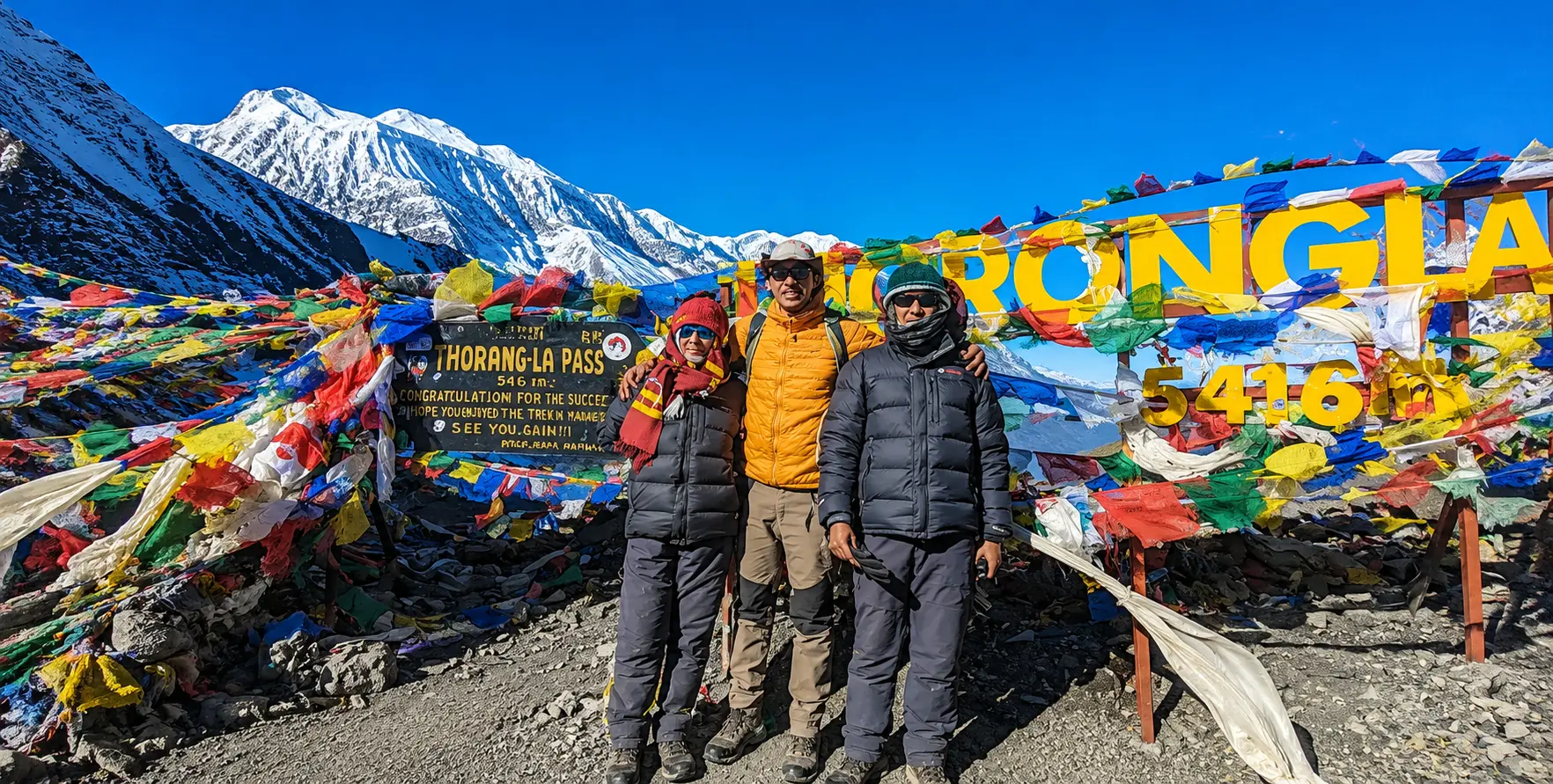


Nepal Annapurna Circuit Road 2026 – Complete Vehicle Hire & Trekking Guide

Nepal Annapurna Circuit Road 2026 – Complete Vehicle Hire and Trekking Guide

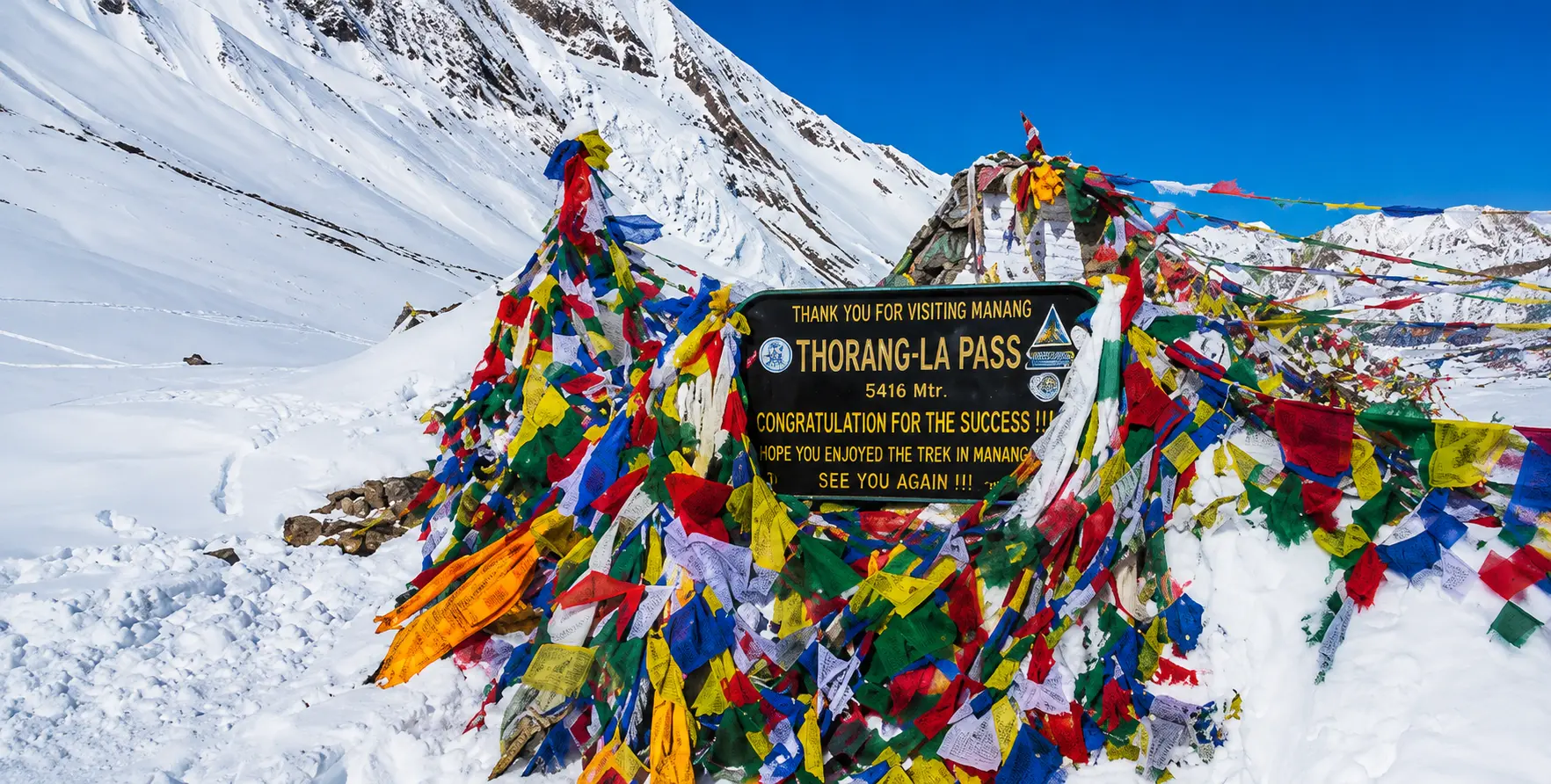
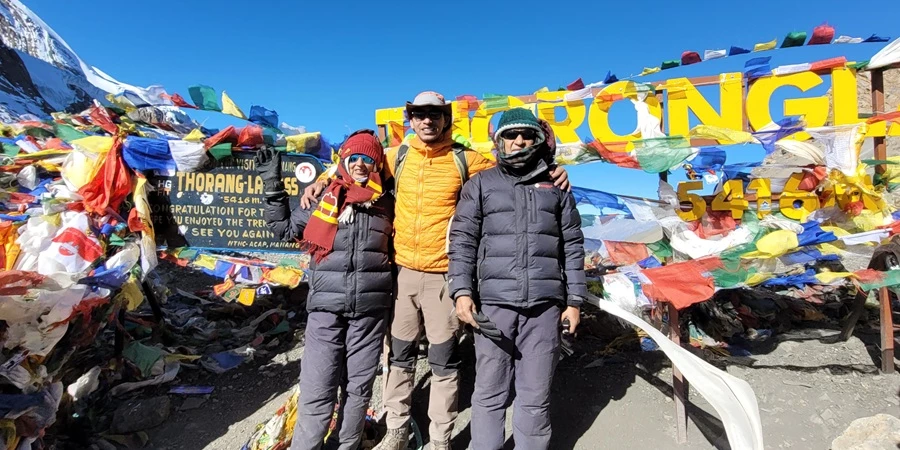
The Annapurna Circuit has been called, with only modest exaggeration, one of the greatest treks in the world. A 160–230 km loop encircling the Annapurna Massif through some of the planet’s most diverse Himalayan landscapes — from the subtropical warmth of the lower Marsyangdi River valley, through the extraordinary cultural depth of Manangi and Thakali villages, to the high-altitude drama of Thorong La Pass at 5,416 m and the sacred, wind-scoured pilgrimage town of Muktinath — the circuit has drawn adventurous travellers from across the world since it was first opened to foreigners in 1977. At its peak in the early 2000s, it was Nepal’s single most-trekked route. Despite the significant changes of the past two decades, it remains one of the most rewarding multi-week trekking experiences available anywhere on Earth.

But the Annapurna Circuit of 2026 is not the circuit of 2000 — and anyone who arrives without understanding the fundamental transformation of the past decade will be neither prepared for what they find nor equipped to make the smart decisions about vehicle hire, route planning, and NATT trail alternatives that will determine the quality of their experience.

The core change is simple to state but complex in its implications: a vehicle road now runs from Besisahar all the way to Manang (3,540 m) on the eastern side of the circuit, and from Beni through Jomsom to Muktinath (3,760 m) on the western side. Where trekkers once walked every step of the classic circuit, they can now drive jeeps through what were once the circuit’s first 5–6 days of walking — saving enormous amounts of time, but fundamentally altering the nature of the lower circuit experience.

This guideGuide Nepal Vehicle Hiring Pvt Ltd is the most comprehensive 2026 resource on the Annapurna Circuit road — covering the complete jeep road in segment-by-segment detail, the NATT (Natural Annapurna Trekking Trails) system that provides off-road alternatives, the full vehicle hire options for every segment, the correct approach to acclimatisation when using jeep shortcuts, a recommended 8-day vehicle-optimised circuit itinerary, permits, seasonal conditions, and the frank honest assessment of what the circuit offers today versus what it was — and why, above Chame, the Annapurna Circuit is every bit as magnificent as it ever was.

Book your Annapurna Circuit jeep transfer: Nepal Vehicle Hiring | All Vehicles | Call/WhatsApp: +977 9851013196


Annapurna Circuit – Complete 2026 Route Overview

Circuit Start PointBesisahar (760 m) – from Kathmandu 180 km, 6-7 hrs / from Pokhara 80 km, 3-4 hrs
Popular Jeep StartChame (2,670 m) – skips lower dusty road sections; 8-9 hrs from Kathmandu / 5-6 hrs from Pokhara
Eastern Road ExtentBesisahar to Manang (3,540 m) – full jeep track; 5-6 days of walking replaced by vehicle
Western Road ExtentBeni to Jomsom (2,720 m) via Kali Gandaki gorge; Jomsom to Muktinath (3,760 m)
Trek High PointThorong La Pass – 5,416 m – entirely on foot; no road; the circuit’s defining experience
Total Circuit Distance160-230 km trekking depending on start/end points and side trips
Recommended Duration12-14 days with jeep sections | 15-21 days walking full circuit | 7-10 days with maximum vehicle use
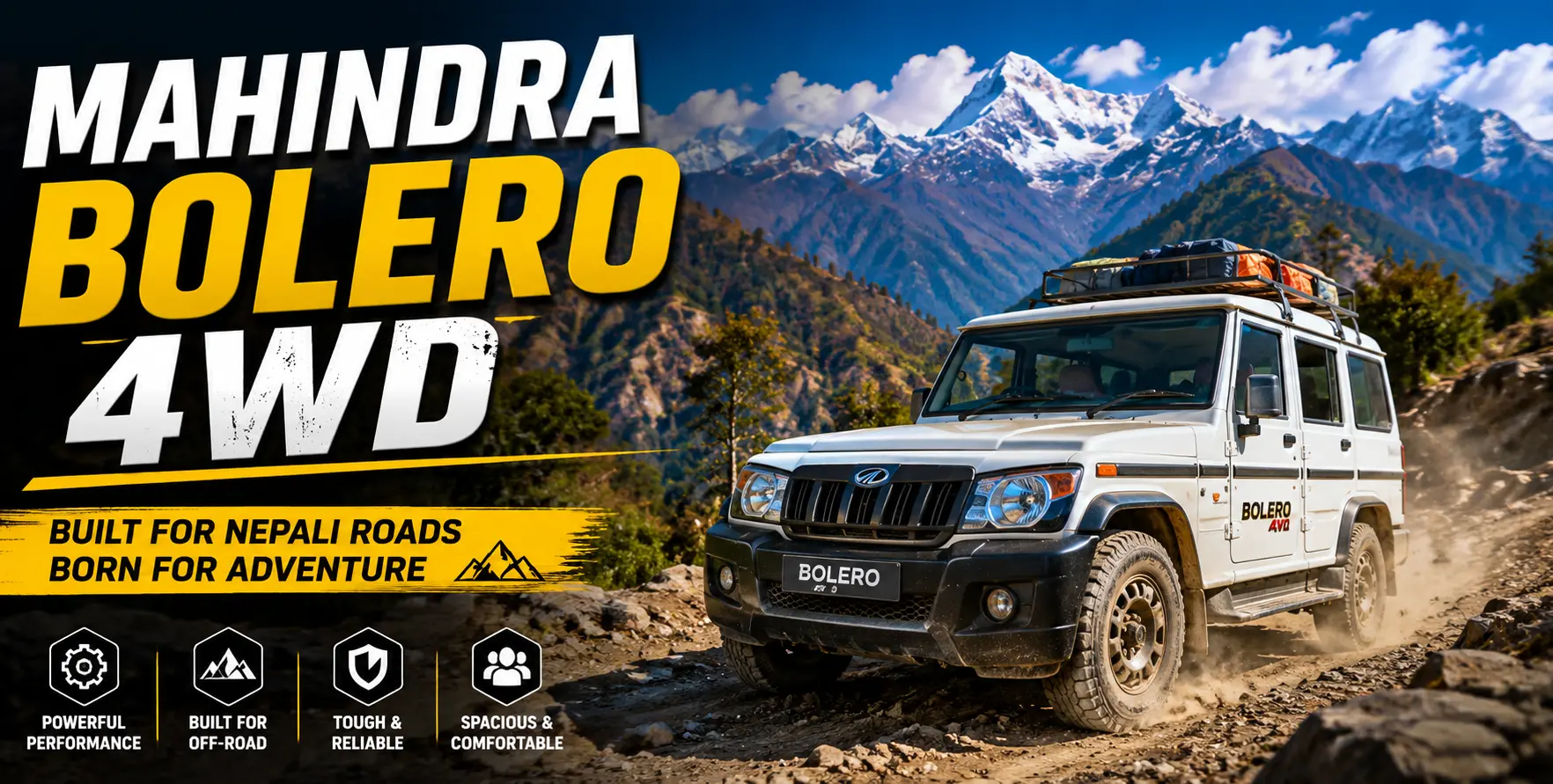
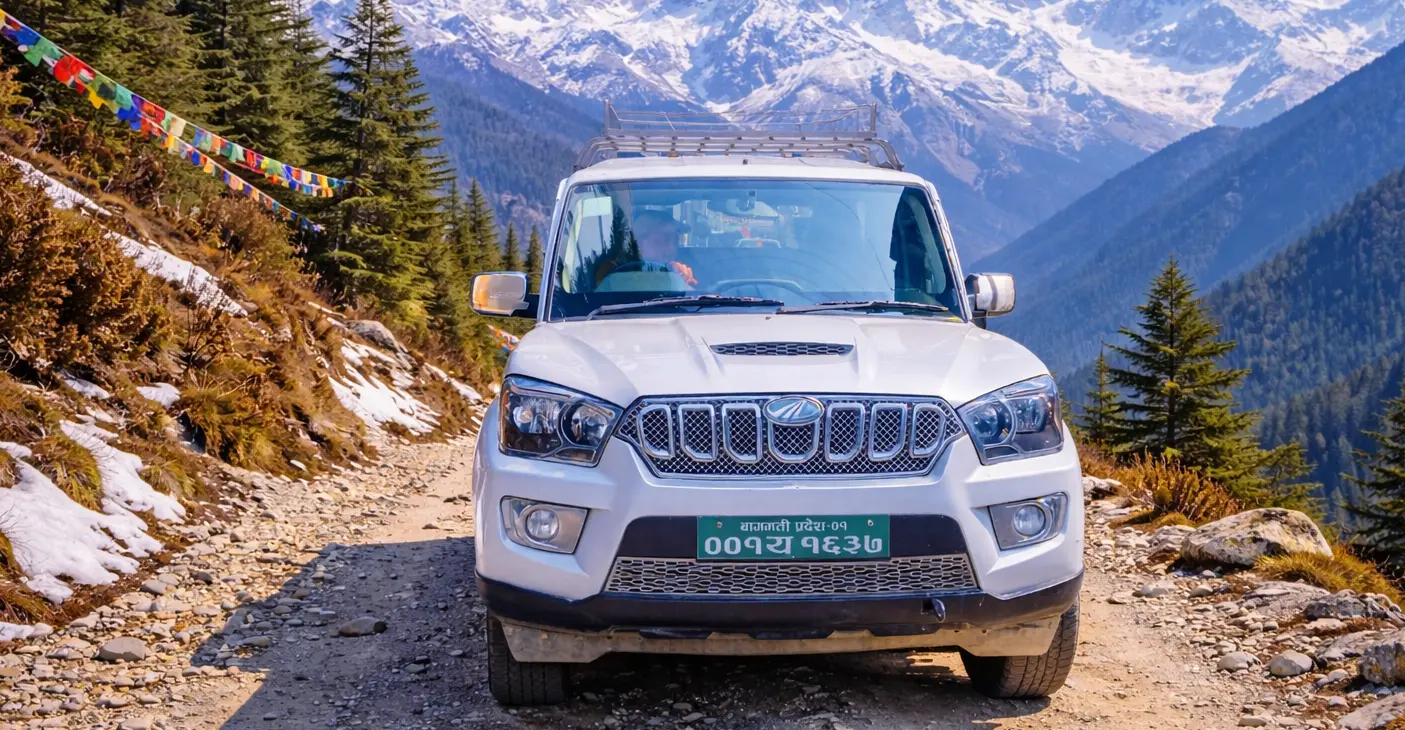
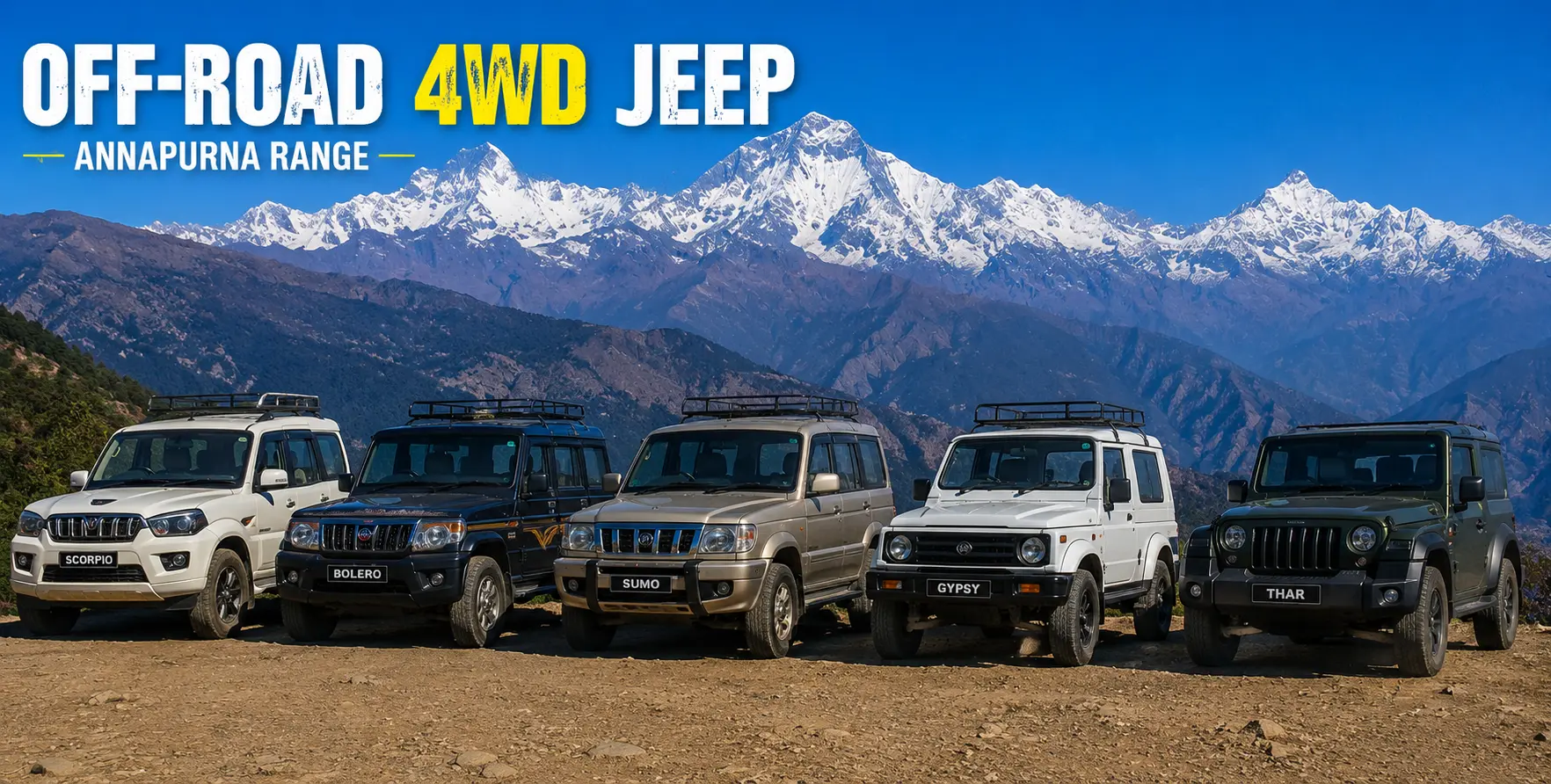
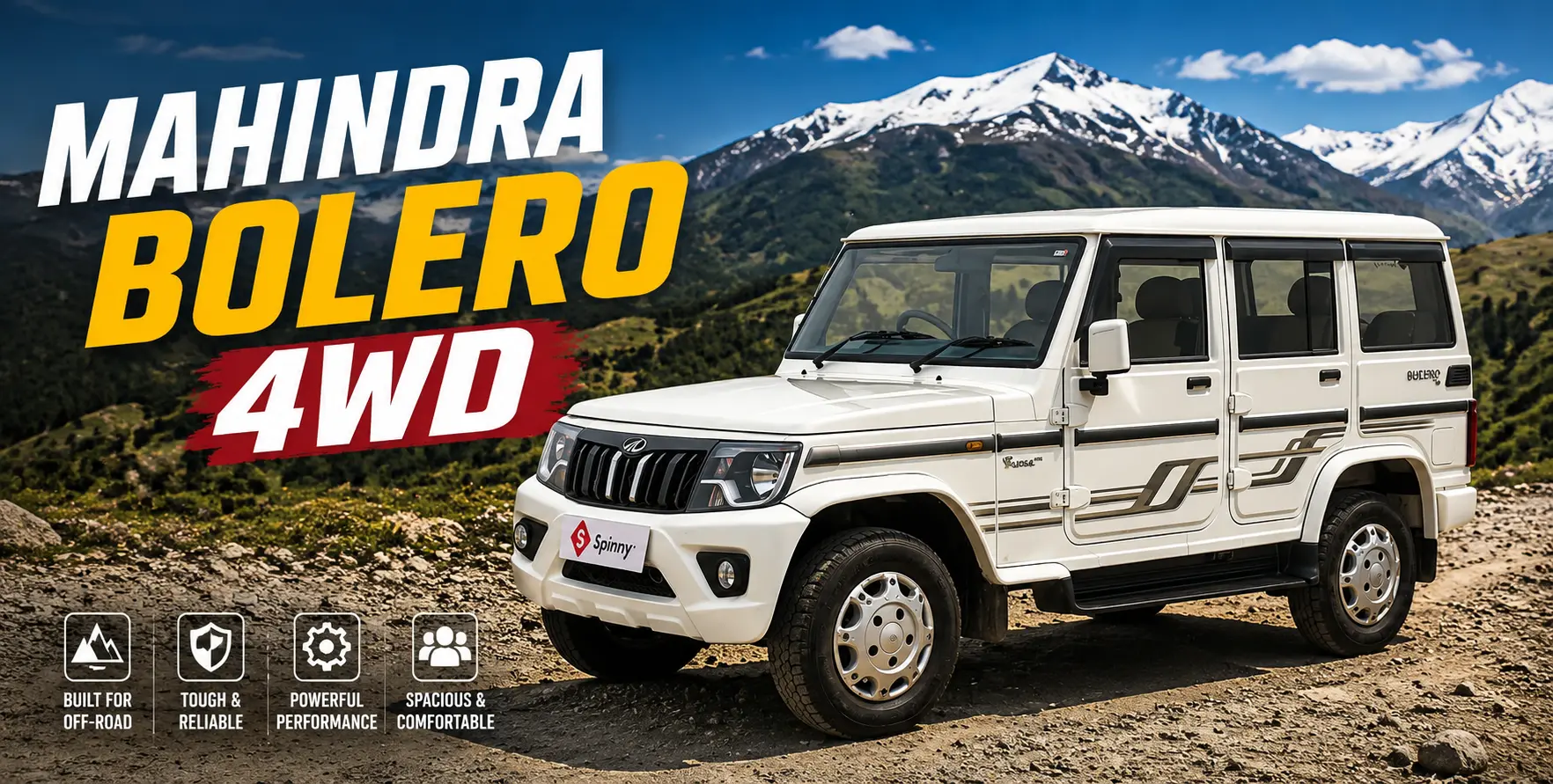
Best Vehicle (Eastern)Mahindra Scorpio 4WD or Bolero 4WD – Besisahar to Chame/Dharapani off-road track
Best Vehicle (Western)Toyota Land Cruiser – Muktinath and above; Scorpio for Jomsom/Muktinath standard
Permits RequiredACAP (NPR 3,000) + TIMS (USD 20); licensed guide mandatory since April 2023
Best SeasonOctober-November (Autumn) and March-May (Spring)
Contact Nepal VH+977 9851013196 | vehiclehiringnepal.com
Nepal Annapurna Circuit Road 2026 with 4WD jeep transport, mountain roads, and trekking routes through Manang
Explore the Nepal Annapurna Circuit Road 2026 with reliable vehicle hire, including private jeeps, SUVs, and trekking transport for a safe Himalayan adventure.

The Annapurna Circuit Road – What Was Built, When, and What It Changed

A Decade of Road Construction That Changed Everything

Road construction in the Annapurna region did not happen overnight — it was a gradual, decade-long process that began in the early 2000s and accelerated through the mid-2010s. The lower Marsyangdi Valley, from Besisahar northward, was the first section to receive a jeep track — initially rough, seasonal, and passable only by the most capable 4WD vehicles. Year by year, this track was extended, improved, and pushed further northward — past Bhulbhule, past Jagat, through the dramatic Chamje gorge, through Dharapani, through Bagarchhap and Chame, and ultimately all the way to Manang (3,540 m) — the circuit’s traditional acclimatization base. On the western side, the Beni-Jomsom Kali Gandaki Valley road connected Pokhara to Jomsom and onward to Muktinath (3,760 m), replacing what had been 4–5 days of lower circuit walking with an accessible jeep track.

The impact of this road construction is deeply controversial within Nepal’s trekking community — and an honest assessment must acknowledge both the genuine losses and the genuine gains. The losses are real: villages like Dharapani, Bagarchhap, and Chame — which were once quiet trekking stops receiving steady foot traffic — now sit adjacent to a busy, dusty jeep road used simultaneously by local transport, construction vehicles, and tourist jeeps. The walking experience in the lower Marsyangdi Valley below Chame is now significantly diminished compared to the classic era. As one guide put it, “Besisahar to Chame and Jomsom to Tatopani have the highest concentration of road impact.”

But the gains — and the intelligent response to the road that most experienced trekkers and operators now take — are equally real: the lower circuit sections that the road has most affected were always the least scenically spectacular and most physically taxing early sections of the trek, walking through warm lowland terrain before the mountains fully reveal themselves. Taking a jeep to skip these sections and beginning the actual trekking at Chame or Dharapani is not a compromise of the circuit — it is the decision that maximizes the quality of every trekking day you actually have, placing you in genuine mountain terrain from day one.

Nepal Annapurna Circuit Road 2026 with 4WD jeep transport, mountain roads, and trekking routes through Manang
Explore the Nepal Annapurna Circuit Road 2026 with reliable vehicle hire, including private jeeps, SUVs, and trekking transport for a safe Himalayan adventure.

What the Road Has Not Touched – The Upper Circuit Remains Magnificent

For all the debate about road construction, the most important fact for any prospective Annapurna Circuit trekker in 2026 is this: the circuit’s most magnificent sections remain entirely road-free and unchanged. The NATT high route from Upper Pisang through Ghyaru and Ngawal to Manang — which follows the high ridge above the road with views that jeep passengers below never see — is a pristine trail. The entire Manang-to-Thorong La Pass section is untouched by vehicles. The Thorong La crossing itself at 5,416 m remains the same defining, life-changing experience it always was. The descent to Muktinath’s sacred temple is unchanged.

The Tilicho Lake side trip (4,919 m) — widely considered one of the finest 2–3-day diversions in Nepal — is entirely road-free. And the NATT trail system, actively maintained and signed by ACAP, provides marked alternatives to nearly every road-adjacent section that remains on the lower circuit.


The Annapurna Circuit Road – Segment by Segment Guide 2026

Road SegmentDistanceJeep TimeRoad Type4WD?Key Villages / Features
Kathmandu to Besisahar180 km6-7 hrsPaved highwayNoPrithvi Highway; Dumre junction; Lamjung District; Manaslu views
Pokhara to Besisahar80 km3-4 hrsPaved highwayNoVia Khudi; easy; standard car adequate; good warm-up to circuit
Besisahar to Jagat25 km1.5-2 hrsRough jeep trackYESMarsyangdi River valley; Bhulbhule; Ngadi; ACAP checkpoint; waterfalls
Jagat to Dharapani20 km1-1.5 hrsRocky off-road trackYESChamje; Tal (dramatic waterfall bowl); Karte; ACAP check; Marsyangdi gorge
Dharapani to Chame25 km1.5-2 hrsGravel mountain roadYESBagarchhap; Danaque; Timang; Koto; pine and rhododendron forest; Manaslu views
Chame to Manang30 km2-3 hrsRocky Mountain trackYESPisang; apple orchards; Annapurna II & IV; Annapurna Sanctuary views begin
Jomsom to Muktinath (western)22 km1-1.5 hrsUnpaved mountain trackYESKagbeni; ACAP/RAP checkpoint; Jhong; Khinga; sacred temple at 3,760 m
Muktinath to Jomsom to Pokhara165-200 km7-9 hrsGravel + pavedYES from MuktinathKali Gandaki gorge; Marpha; Tukuche; Ghasa; Tatopani; Dana; Beni; Kali Gandaki river
Explore the Nepal Annapurna Circuit Road 2026 with reliable vehicle hire, including private jeeps, SUVs, and trekking transport for a safe Himalayan adventure.
kathmandu-to-besisahar-road

Kathmandu to Besisahar – The Highway Approach

The Annapurna Circuit jeep journey from Kathmandu follows the Prithvi Highway westward, Nepal’s main highway corridor connecting Kathmandu to Pokhara. The route turns north at Dumre junction (approximately 140 km from Kathmandu) onto the Besisahar road, passing through increasingly hilly terrain and traditional Gurung villages as it climbs to Besisahar (760 m) — the administrative headquarters of Lamjung District and the official start of the Annapurna Circuit. The 180 km drive from Kathmandu takes 6–7 hours in a private vehicle departing at 6:30–7:00 AM.

At Besisahar, the road transitions from paved highway to rough jeep track — and here the 4WD requirement begins. Nepal Vehicle Hiring recommends that vehicles confirm 4WD engagement before leaving Besisahar and that all passengers use the toilet at Besisahar’s basic facilities, as the next reliable stop is Jagat (1,300 m), approximately 25 km and 1.5–2 hours further. From Pokhara, the 80 km drive to Besisahar is significantly shorter (3–4 hours), and many trekking groups prefer to stage from Pokhara rather than Kathmandu — particularly for circuits that finish in Jomsom with a flight back to Pokhara.

Nepal Annapurna Circuit Road 2026 with 4WD jeep transport, mountain roads, and trekking routes through Manang
way-to-manag

Besisahar to Jagat to Dharapani – The Marsyangdi Gorge

The Besisahar to Jagat (25 km, 1.5–2 hrs) and Jagat to Dharapani (20 km, 1–1.5 hrs) sections follow the Marsyangdi River northward through a dramatically deepening gorge. This is the section that best illustrates both the beauty and the challenge of the circuit road: the river crashes through narrow canyon walls, waterfalls plunge from the clifftops, suspension bridges swing above turbulent water, and the jeep track — sometimes barely wider than the vehicle itself — threads between the cliff face on one side and an unbarriered drop on the other.

It is magnificent, demanding driving — and it is precisely here that Nepal Vehicle Hiring’s experienced mountain drivers, familiar with every section of this track in all conditions, provide their greatest practical value.

The village of Tal (1,700 m), between Jagat and Dharapani, sits in an extraordinary natural amphitheater — a wide flat valley floor surrounded by towering cliff walls, with the Marsyangdi entering through a narrow gorge at the northern end and the most dramatic waterfall on the entire circuit cascading from the western cliff. The NATT trail here offers an east-bank river trail that avoids the road and provides the best walking experience in the lower circuit — and trekkers who opt to walk even part of this section (having ridden to Tal from Besisahar) experience one of the circuit’s truly spectacular spots in its proper context.

Nepal Annapurna Circuit Road 2026 with 4WD jeep transport, mountain roads, and trekking routes through Manang
Dharapani-to-chame-road

Dharapani to Chame – Entering the Upper Valley

The Dharapani to Chame section (25 km, 1.5–2 hours by jeep) is where the landscape begins its decisive shift from subtropical lower valley to genuine Himalayan mountain terrain. From Dharapani (1,860 m), the road climbs through Bagarchhap, Danaque, Timang, and Koto — passing through pine and rhododendron forests as the air cools and the mountain views grow dramatically larger. At Timang, the Manaslu range (8,163 m) is visible in the background — one of the great mountain panoramas of the entire approach.

The road reaches Chame (2,670 m) — the district headquarters of Manang District, with banks, accommodation, equipment shops, and medical facilities that are the last such services before Manang. For most Nepal Vehicle Hiring clients, Chame is the optimal first overnight stop on jeep-assisted circuit itineraries—well-placed for acclimatization and to begin the true upper-circuit walk the following morning.

Chame to Manang – The Upper Track Where Road and Mountain Merge

From Chame, the road continues another 30 km to Manang (3,540 m) — but the vast majority of experienced trekkers and guiding services choose to walk this section rather than drive it, using the NATT high route via Upper Pisang, Ghyaru (3,730 m), and Ngawal (3,657 m) — the ridge trail that sits 400+ metres above the road and offers views of Annapurna II (7,937 m), Annapurna IV (7,525 m), and Gangapurna (7,455 m) that are among the finest accessible mountain panoramas in Nepal.

Nepal Vehicle Hiring’s recommended 8-day optimized itinerary (see itinerary table below) uses the jeep to reach Chame on Day 1, then walks the NATT high route from Chame to Manang over Days 2–3 — the approach that virtually all experienced trekking operators describe as the ideal modern Annapurna Circuit strategy.

Nepal Annapurna Circuit Road 2026 with 4WD jeep transport, mountain roads, and trekking routes through Manang
Chame-to-manang

The Western Road – Jomsom to Muktinath and Beyond

On the western side of the circuit, the road from Beni through the Kali Gandaki gorge to Jomsom and onward to Muktinath is one of Nepal’s most celebrated jeep drives — and Nepal Vehicle Hiring’s most frequently booked single-route jeep service. The Kali Gandaki gorge section between Beni and Tatopani is astonishing — the world’s deepest gorge running between the 8,000+ meter flanks of Annapurna I and Dhaulagiri I.

The road threading along the riverbed in places and crossing side streams on wooden bridges. Above Tatopani, the landscape transforms completely: the lush gorge vegetation gives way to the extraordinary ochre and grey terrain of the Kali Gandaki rain shadow as the road climbs to Jomsom — the most atmospheric stopping point on the western descent, with its whitewashed stone houses, apple orchards, and immediate sense of proximity to Tibet.

From Jomsom, the 22 km road to Muktinath (3,760 m) via Kagbeni climbs steeply into the Muktinath Valley — the home of Nepal’s most significant combined Hindu-Buddhist pilgrimage site. 108 stone water spouts ring the Vishnu temple courtyard at Muktinath; pilgrims of both faiths bathe in the icy waters and circumambulate the temple complex.

The Jwala Mai temple nearby houses the remarkable natural eternal flame fed by underground natural gas escaping through the rock face — one of Nepal’s most extraordinary natural and religious phenomena. Nepal Vehicle Hiring provides complete Pokhara-to-Muktinath Jeep Rental and Kathmandu-to-Muktinath Tour services along this western route.

Muktinath-Nepal Annapurna Circuit Road 2026 with 4WD jeep transport, mountain roads, and trekking routes through Manang
Muktinath-temple

The NATT System – How to Trek the Annapurna Circuit Without the Road

ACAP (the Annapurna Conservation Area Project) recognized that the expanding road network threatened the circuit’s core trekking experience and responded by developing and maintaining the NATT (Natural Annapurna Trekking Trails) system — a network of marked, maintained off-road trail alternatives to road-adjacent sections throughout the circuit. Blue-and-white NATT markers at trail junctions guide trekkers away from roads and onto the historic foot trails — many of which are dramatically more scenic, higher, quieter, and more culturally authentic than the road sections they replace.

NATT SectionAltitude RangeDistance / TimeWhy Take This Route
Tal to Dharapani East Bank1,700-1,860 m8 km / 3-4 hrsFollows the east bank of the Marsyangdi River; quieter and more scenic than the roadside west bank trail; dramatic Tal waterfall bowl
Upper Pisang to Ghyaru to Ngawal3,300-3,730 m12 km / 6-7 hrsTHE most important NATT section. Ridge trail 400+ m above road. Ghyaru village views of Annapurna II—juniper descends into Manang. No vehicles.
Braga Village Circuit (Manang area)3,460-3,590 m~4 km / 2 hrsAncient fortified village above Manang. 500-year-old monastery. Extraordinary Annapurna III views. Off-road and totally peaceful.
Kangla Pass variant (Nar Phu entry)3,400-5,322 m5-7 extra daysRestricted area extension into Nar Phu Valley. Traditional Tibetan Buddhist villages. USD 90 permit per week. Extremely wild and uncrowded.
Tilicho Lake Side Trip3,540-4,919 m2-3 extra daysThe highest lake of its size in the world. Entirely road-free. Turquoise water ringed by 7,000 m peaks. One of Nepal’s finest 2-3 day diversions.
Kagbeni to Muktinath via High Trail2,810-3,760 m15 km / 6-7 hrsTrek via Jhong and Khinga villages rather than the jeep track. Ancient cave dwellings. Upper Mustang character. Dramatically quieter than the road.
Nepal Annapurna Circuit Road 2026 with 4WD jeep transport, mountain roads, and trekking routes through Manang
Upper-pisang


The Upper Pisang to Ngawal High Route – The Circuit’s Most Important Walking Decision

Of all the NATT alternatives, the Upper Pisang-to-Ghyaru-to-Ngawal high-ridge route is the single most important trekking decision on the modern Annapurna Circuit. The road at this point runs through Lower Pisang — dusty, busy, and offering none of the extraordinary views that the ridge above delivers.

The NATT alternative climbs to Upper Pisang (3,300 m) — a dramatically sited village above the gorge — then continues along the ridge through Ghyaru (3,730 m). In this traditional village, the entire Annapurna range from Annapurna II to Gangapurna is laid out in an unbroken 180-degree arc, and onward to Ngawal (3,657 m), from which the forest descent into Manang follows ancient mani walls and juniper stands rather than the jeep track.

Experienced trekking guides universally recommend this high route, and Nepal Vehicle Hiring’s recommended 8-day itinerary includes it on Day 3. The views from Ghyaru alone — genuinely one of the finest mountain panoramas accessible without technical climbing in Nepal — justify the additional 2–3 hours over the lower road route. This is the section of the circuit that best demonstrates the key truth of modern Annapurna Circuit trekking: the road has changed the lower sections, but the upper circuit is every bit as magnificent as it ever was, for those who know where to look and which trails to take.


Thorong La Pass – The Circuit’s Heart Remains Untouched

All debate about the Annapurna Circuit road ultimately arrives at the same conclusion: above Manang (3,540 m), the circuit is completely road-free and exactly what it always was — one of the world’s finest high-altitude trekking experiences. The journey from Manang to Thorong La Pass (5,416 m) via Yak Kharka (4,050 m) and Thorong Phedi (4,450 m) is among the most physically and emotionally demanding sections of any trek in Nepal — and among the most rewarding.

The Acclimatization Protocol at Manang – Why It Is Non-Negotiable

Manang is the mandatory acclimatization point on the Annapurna Circuit — the place where every trekker must spend at least one full rest day before attempting the Thorong La crossing. The reason is physiological and non-negotiable: the crossing from Manang (3,540 m) to the Thorong La summit (5,416 m) is a gain of nearly 1,900 meters in a single day — a rate of ascent that any trekker who has not properly acclimatized will almost certainly experience as acute mountain sickness (AMS). The standard AMS guideline — do not gain more than 300–500 meters of sleeping altitude per day above 3,000 m — exists precisely for sections like this one.

This acclimatization requirement has a critical implication for trekkers using jeep shortcuts to save time on the lower circuit: the time saved by jeeping from Besisahar or Chame to Manang does not accelerate acclimatization — the body’s altitude adjustment mechanisms operate on their own timetable regardless of how you reached the altitude. A trekker who drives from Kathmandu to Manang in two days has the same acclimatization deficit as if they had walked the lower circuit and arrived in two days — which is impossible on foot. Nepal Vehicle Hiring always explicitly includes this guidance when coordinating jeep-assisted itineraries: spend the correct time in Chame and Manang, regardless of how quickly the lower circuit road was covered.

Nepal Annapurna Circuit Road 2026 with 4WD jeep transport, mountain roads, and trekking routes through Manang
Muktiath-temple

The Pass Day – Thorong Phedi to Muktinath

The Thorong La crossing is a 15–17 km, 8–10-hour day that begins in pre-dawn darkness at approximately 4:00–5:00 AM from Thorong High Camp (4,880 m) or Thorong Phedi (4,450 m). The reason for the early start is critical: afternoon winds at the Thorong La summit can be violent, and afternoon cloud frequently reduces visibility. The 1,968 m ascent from Thorong Phedi to the summit is exposed, relentlessly upward, and at an altitude where every step requires conscious effort.

At the prayer-flag-strewn summit at 5,416 m, the panorama — Annapurna I, Gangapurna, Tilicho Peak, Yakawa Kang, and the Kali Gandaki valley stretching southward to the distant Terai plains — is, without qualification, one of the most extraordinary views available to a non-technical mountaineer anywhere on Earth.

The 1,600+ meter descent from the summit to Muktinath is steep, knee-testing, and exhilarating. Nepal Vehicle Hiring coordinates jeep pickups at Muktinath for circuit groups who have arranged vehicle-assisted exits from the western circuit — with the vehicle waiting in the Muktinath parking area for groups descending from the pass. The 9-hour jeep drive from Muktinath via Jomsom, through the Kali Gandaki gorge, to Pokhara completes the circuit — one of Nepal’s most scenic vehicle journeys.


Vehicle Hire Options for the Annapurna Circuit 2026

VehicleCapacity4WDRoute SuitabilityBest For
Mahindra Scorpio 4WD6-7 paxYesBesisahar to Chame, Dharapani, Muktinath via JomsomStandard trekking groups; best value 4WD; most popular vehicle for Annapurna Circuit transfers
Mahindra Bolero 4WD6-7 paxYesBesisahar to Chame and Dharapani; Pokhara to Ulleri/NayapulBudget trekking groups; excellent mechanical reliability; Annapurna Circuit eastern road
Toyota Land Cruiser1-6 paxYesFull circuit including Muktinath, Kagbeni, optional Upper Mustang extensionPremium groups; VIP pilgrims; expeditions; Manang approach in challenging conditions
Toyota Hiace Van8-13 paxNoKathmandu to Besisahar (highway only) / Pokhara to NayapulLarge trekking groups highway section; a separate 4WD is required for Besisahar onward
Tata Sumo 4WD7-9 paxYesBesisahar to Dharapani / Chame in 4WD versionLarge groups needing a single vehicle 4WD solution; Annapurna Circuit eastern road
Nepal Annapurna Circuit Road 2026 with 4WD jeep transport, mountain roads, and trekking routes through Manang

The Kathmandu/Pokhara to Chame Transfer – Nepal VH Standard Service

Nepal Vehicle Hiring’s most popular Annapurna Circuit jeep service is the private Scorpio or Bolero 4WD transfer from Kathmandu or Pokhara to Chame. The Scorpio or Bolero handles the full Besisahar-to-Chame off-road section (approximately 66 km, 4–5 hours by jeep) with complete reliability — this is well within the capability of either vehicle in good seasonal conditions.

From Kathmandu, the complete Chame transfer takes 8–9 hours in total (6–7 hours to Besisahar plus 4–5 hours from Besisahar to Chame), requiring an early departure of 6:00–6:30 AM. From Pokhara, the total journey to Chame is 5–6 hours. Pricing: USD 100–180 for the complete vehicle (5–7 passengers), making the per-person cost very competitive compared to individual bus-and-shared-jeep combinations — particularly given the significant advantages of door-to-door service, fixed timing, and guaranteed seat space with full luggage security.

The Muktinath and Western Circuit Jeep – Nepal VH Premium Service

For the western circuit approach and the Muktinath service, Nepal Vehicle Hiring deploys Toyota Land Cruiser 4WDs for the Kagbeni-to-Muktinath section and above, with Scorpions and Boleros adequate for the Pokhara-to-Jomsom section. The Kali Gandaki gorge road, while dramatically beautiful, is also genuinely demanding — particularly the afternoon winds that funnel through the gorge from midday onward, making early departure from Jomsom or Muktinath for the southern return critically important. Nepal Vehicle Hiring’s drivers on this route have extensive, specific experience with the conditions of the Kali Gandaki Valley and time their journeys accordingly. See our dedicated blog post on Pokhara-to-Muktinath Jeep Rental.

Nepal Annapurna Circuit Road 2026 with 4WD jeep transport, mountain roads, and trekking routes through Manang

Group Size and Vehicle Matching

For trekking groups of 5–7 people, the Mahindra Scorpio or Bolero 4WD is the single most cost-effective private vehicle solution — filling exactly with a complete trekking party and their packs. For groups of 8–9, the Tata Sumo 4WD accommodates the larger party without requiring two vehicles. For groups of 10–13 traveling to Besisahar only (paved highway), the Toyota Hiace van provides the most comfortable and economical highway transfer — with separate Scorpio arrangements for the off-road Besisahar-onward section. See our dedicated Mahindra Bolero and Tata Sumo Nepal Trekking Transfer blog for full specification details.


DayRoute SegmentModeAltitudeNotes
1Kathmandu to ChameNepal VH Jeep2,670 mDepart 6:30 AM; Scorpio/Bolero 4WD; 8-9 hrs; first acclimatisation night at district HQ
2Chame to Upper Pisang (NATT high route)Trek3,300 m14 km; 5-6 hrs; NATT high trail via Swargadwari; Annapurna II views; leave road behind
3Upper Pisang to Manang via Ghyaru-NgawalTrek (NATT)3,540 m16 km; 9-10 hrs; high ridge route above road; Ghyaru (3,730 m); Ngawal (3,657 m); juniper forest descent
4Manang – Acclimatization DayRest + hike3,540 mMANDATORY. Day hike to Gangapurna Lake or Ice Lake (4,600 m). Do not skip. AMS risk is very high if rushing past Manang
5Manang to Yak KharkaTrek4,050 m10 km; 4-5 hrs; Larkya La views; mani walls; first high-altitude camp feel
6Yak Kharka to Thorong La Pass to MuktinathTrek (PASS DAY)5,416 m then 3,760 m15-17 km; 8-10 hrs; depart by 5 AM; Thorong La summit 5,416 m; dramatic descent; Muktinath temple
7Muktinath to JomsomNepal VH Jeep OR Trek2,720 mJeep option: 1-1.5 hrs; trek option: 4-5 hrs via Kagbeni; VH jeep awaits at Muktinath for groups taking the vehicle exit
8Jomsom to PokharaNepal VH Jeep OR Flight822 mJeep: 7-9 hrs via Kali Gandaki gorge and Beni; Flight: 25 min; Nepal VH coordinates full Pokhara drop-off


Why This Itinerary Works – The Strategic Logic

This 8-day itinerary represents the current industry consensus on the optimal Annapurna Circuit approach for trekkers with 10–12 days total Nepal travel time. It achieves three things simultaneously: (1) uses Nepal Vehicle Hiring jeep transfers to skip the dusty, road-impacted lower circuit sections and begin trekking at scenic Chame; (2) takes the NATT high route from Pisang through Ghyaru and Ngawal on Day 3 — the upper circuit’s most spectacular non-technical trekking day; and (3) maintains the correct acclimatisation schedule with a non-negotiable rest day in Manang before the pass — the most critical safety element of the entire circuit. The return jeep from Muktinath through the Kali Gandaki gorge to Pokhara on Day 8 is itself one of Nepal’s greatest drives — completing a circuit that uses vehicles strategically to enhance, rather than replace, the trekking experience.

Explore the Nepal Annapurna Circuit Road 2026 with reliable vehicle hire, including private jeeps, SUVs, and trekking transport for a safe Himalayan adventure.

Permits and Requirements – Annapurna Circuit 2026

PermitCost (Foreign)CheckpointNotes
ACAP (Annapurna Conservation Area Permit)NPR 3,000 (~USD 22)Besisahar, Jagat, Dharapani, Chame, Muktinath, JomsomPrimary permit. Checked at multiple points. Obtain at NTB KTM or Pokhara before departure.
TIMS CardUSD 20 (NPR ~2,700)Besisahar entry checkpoint and trail checkpointsTrekker safety registration. NTB / TAAN offices in KTM and Pokhara.
Licensed Guide (Guided)Included in the trekking agency costVerified at Dharapani, Chame, Manang, Muktinath, JomsomMandatory since April 2023. Solo trekking without a guide is permitted. Guide checked at all major checkpoints.
Upper Mustang RAP (if extending beyond Kagbeni)USD 50 per person per day (2026 rate)Kagbeni checkpointOnly if extending the trek to Lo Manthang or Upper Mustang. Not required for the standard circuit to Muktinath.
Nar Phu Valley Restricted Area PermitUSD 90 per week per personKoto village checkpointOnly if taking the Nar Phu Valley extension. Trekking agency arrangement required.


The Licensed Guide Requirement – Changed in April 2023

A critical update for 2026 trekkers: since April 2023, solo independent trekking without a licensed guide has been prohibited on the Annapurna Circuit. This requirement applies to all foreign nationals without exception and is enforced at permit checkpoints at Dharapani, Chame, Manang, Muktinath, and Jomsom. A licensed guide accompanies trekkers throughout the circuit — the guide’s credentials are checked alongside the trekkers’ permits at each checkpoint, and trekkers found without a guide face fines and may be required to arrange one on-trail at premium prices. Nepal Vehicle Hiring partners with licensed, English-speaking Annapurna Circuit guides — contact us to arrange combined vehicle hire and guide services.


Seasonal Guide – Annapurna Circuit Road and Trek 2026

SeasonMonthsRoad ConditionTrek ConditionRecommendation
AutumnOct-NovDry, stable – best of the yearPerfect – clear, cool, stableBEST SEASON. Book jeeps 7-14 days ahead. Very high demand.
SpringMar-MayGood; some soft patches post-winterExcellent; rhododendrons bloom2nd best season. Book 5-7 days ahead. Some afternoon cloud.
WinterDec-FebSnow above 3,000 m; Thorong La may closeCold; challenging; teahouses above Manang may closeExperienced trekkers only. Snow chains needed Chame+. Thorong La can be closed for weeks.
MonsoonJun-SepLandslide risk on Marsyangdi road sectionsLeeches; cloud; limited views below ChameNot recommended. Western circuit (Mustang side) is dry in the monsoon – rain shadow.


Autumn (October–November) – The Definitive Season

October and November are the overwhelmingly recommended months for the Annapurna Circuit — and the period of maximum vehicle hire demand for all circuit trailhead transfers. Post-monsoon stability means the Besisahar to Chame off-road track is in its best annual condition, dry and well-settled after the monsoon has cleared. Thorong La Pass is accessible and reliable in October and November, with the pass typically clear of snow until late November. Mountain views are at their finest — crisp, cloudless mornings and superb visibility from every high point. Nepal Vehicle Hiring strongly recommends booking all Annapurna Circuit jeep transfers 7–14 days in advance for October and November; Dashain and Tihar festival dates require 2–3 weeks’ notice.

Spring (March–May) – Rhododendrons and Reliable Conditions

Spring delivers the second great circuit season — rhododendron forests in full bloom on the approach through Bagarchhap and Chame in March and April, excellent visibility on Thorong La (though occasional spring snowfall on the pass is possible in early March), and pleasant trekking temperatures across all elevations. The Kali Gandaki gorge in spring offers particularly outstanding conditions — warm valley temperatures and brilliant light on the canyon walls. Book Annapurna Circuit jeep transfers 5–7 days in advance for March and April; 10+ days in advance for Nepal New Year (mid-April).

Monsoon (June–September) – The Western Circuit Exception

The monsoon season is not recommended for the eastern circuit approach — the Besisahar to Chame off-road track carries active landslide risk during heavy monsoon rainfall, and the trail sections below Chame become muddy and leech-infested. However, the western circuit (Pokhara to Jomsom to Muktinath via the Kali Gandaki valley) is a rain-shadow route that remains largely dry and accessible even during Nepal’s monsoon season. Many experienced trekkers specifically plan Muktinath pilgrimages and Jomsom valley treks during the June–September period to take advantage of the dramatically lower crowds and the extraordinary quality of light in the dry rain-shadow landscape.


Explore the Nepal Annapurna Circuit Road 2026 with reliable vehicle hire, including private jeeps, SUVs, and trekking transport for a safe Himalayan adventure.

Why Private Vehicle Hire Is the Smartest Choice for Annapurna Circuit Transport

The Shared Jeep vs. Private Hire Reality

The shared jeep (local public jeep) alternative that serves the Besisahar to Dharapani and Dharapani to Chame sections is significantly cheaper per seat than private hire — but comes with practical disadvantages that make it a false economy for most organized trekking groups. Shared jeeps: depart only when full (5–7 passengers), which can mean waiting 1–3 hours in Besisahar; stop frequently at every village along the route; carry mixed passenger and freight loads (local goods, construction materials); operate on no fixed schedule; and provide no guarantee that the same vehicle will serve the complete Besisahar–Chame route without intermediate transfers. For a trekking group of 5–7 people, the per-head cost difference between a shared and private jeep is often NPR 500–1,500 per person — a relatively modest sum for the substantial improvements in timing control, comfort, and certainty that private hire delivers.

The Return Journey – Muktinath to Pokhara

Nepal Vehicle Hiring’s coordination of vehicle returns from Muktinath to Pokhara after the Thorong La crossing is one of the services that trekking groups most appreciate. After 10–12 hours of the most physically demanding day of the entire circuit (the pass day), arriving at Muktinath to find a private vehicle ready for the 7–9-hour drive to Pokhara — with a comfortable seat, air conditioning, and a trusted driver who knows the road — is a genuinely valuable end to one of the hardest days of your trekking life. Nepal Vehicle Hiring pre-arranges this return coordination at the time of the outward booking, guaranteeing transport on both ends of the circuit in a single confirmed booking.

Off-Road Jeep Annapurna Nepal with luxury 4WD Bolero, Scorpio and Sumo vehicle on the Himalayan mountain road
Explore the Nepal Annapurna Circuit Road 2026 with reliable vehicle hire, including private jeeps, SUVs, and trekking transport for a safe Himalayan adventure.

Annapurna Circuit Extensions – Tilicho Lake, Nar Phu, and Upper Mustang

Tilicho Lake – The Finest Off-Road Extension

The Tilicho Lake side trip (4,919 m) is a 2–3-day extension from Manang that visits the highest lake of its size in the world — a pristine, turquoise glacial lake ringed by 7,000 m peakscompletely road-free and untouched by vehicle traffic. It is, as virtually every experienced Annapurna Circuit guide agrees, one of the finest 2–3-day diversions available on any Nepal trekking circuit. Adding Tilicho Lake extends the recommended 8-day itinerary to 10–12 days — still achievable as part of a 14–16-day total Nepal trip when combined with Nepal Vehicle Hiring jeep shortcuts on the lower circuit.

Nar Phu Valley – The Restricted Area Alternative

For trekkers seeking maximum remoteness and cultural depth, the Nar Phu Valley extension (USD 90 per week restricted area permit) branches west from Koto village (just before Chame) into a traditional Tibetan Buddhist valley that remains almost entirely free of tourist traffic. The 5–7-day extension adds extraordinary cultural encounters with communities that maintain some of Nepal’s most intact pre-modern Himalayan cultural traditions and approaches the circuit from the Kangla Pass (5,322 m) — a high, demanding alternative to Thorong La. Nar Phu requires a licensed guide and an arrangement with a trekking agency for the restricted-area permit.

Upper Mustang – The Natural Circuit Extension

For trekkers completing the circuit via the western exit through Jomsom, Upper Mustang (USD 50/day Restricted Area Permit) offers the most natural circuit extension — continuing north from Kagbeni through Lo Manthang to the Korala Tibet border crossing, or completing the walled medieval kingdom circuit in 5–7 days before returning to Jomsom for the Pokhara jeep drive. Nepal Vehicle Hiring coordinates complete Annapurna Circuit plus Upper Mustang vehicle logistics — see our dedicated Korala Tibet Border Nepal blog and Luxury Jeep Hire Nepal pages.


Frequently Asked Questions – Annapurna Circuit Road and Vehicle Hire 2026

Is the Annapurna Circuit still worth doing in 2026 given the road construction?

Absolutely yes — with the right approach. The circuit above Chame, including the NATT high route from Pisang through Ghyaru and Ngawal, the Manang acclimatization, the Thorong La crossing, and the descent to Muktinath, is every bit as magnificent as it always was. The road has affected the lower sections (Besisahar to Chame). Still, the standard approach now is to drive those sections by jeep and begin trekking at Chame, which actually improves the overall experience by placing you directly in the scenic upper circuit from day one.

How far does the jeep road go on the Annapurna Circuit?

On the eastern side, the jeep track extends from Besisahar all the way to Manang (3,540 m), though most trekkers choose to walk the Chame-to-Manang section using the NATT high route rather than driving it. On the western side, the road connects Beni through Jomsom to Muktinath (3,760 m). Above Manang, there is no road — the Thorong La Pass section is entirely on foot.

What is the best vehicle to hire for the Annapurna Circuit jeep transfer?

For the eastern approach (Kathmandu/Pokhara to Chame or Dharapani), the Mahindra Scorpio or Bolero 4WD is the recommended vehicle for groups of 5–7. For the western circuit (Muktinath and above), Nepal Vehicle Hiring recommends the Toyota Land Cruiser for its superior performance at altitude and on demanding terrain. The Scorpio is adequate for the standard routes to Jomsom and Muktinath.

Is a licensed guide mandatory for the Annapurna Circuit in 2026?

Yes — since April 2023, a licensed guide has been mandatory for all foreign trekkers on the Annapurna Circuit. The guide checked permits at checkpoints at Dharapani, Chame, Manang, Muktinath, and Jomsom. Trekking without a guide is not permitted and is subject to fines. Nepal Vehicle Hiring can coordinate licensed guide arrangements alongside vehicle hire bookings.

How long does the Kathmandu-to-Chame jeep transfer take?

Approximately 8–9 hours total from Kathmandu to Chame — comprising 6–7 hours from Kathmandu to Besisahar (Prithvi Highway) plus 4–5 hours from Besisahar to Chame (off-road 4WD track). Departure from Kathmandu by 6:00–6:30 AM is essential to ensure arrival at Chame with daylight to spare. From Pokhara, the transfer to Chame takes 5–6 hours in total.

Should I acclimatize at Chame or go directly to Manang by jeep?

Nepal Vehicle Hiring strongly recommends spending the first overnight stop at Chame (2,670 m) rather than driving directly to Manang (3,540 m) on the same day. The 870 m altitude gain between Chame and Manang requires at least one night of acclimatization, regardless of whether the lower circuit was covered by jeep or on foot. Attempting Manang in a single day from Kathmandu carries a significant risk of AMS.

Can Nepal Vehicle Hiring arrange both start and end transport for the circuit?

Yes — Nepal Vehicle Hiring provides coordinated vehicle arrangements for both ends of the circuit: the inward transfer from Kathmandu or Pokhara to Chame/Dharapani, and the return transfer from Muktinath or Jomsom to Pokhara. Both transfers are confirmed in a single booking before departure — guaranteeing the return vehicle is waiting at Muktinath when you arrive after the pass day. Contact Nepal Vehicle Hiring at +977 9851013196.

What are the NATT trails and why are they important?

NATT (Natural Annapurna Trekking Trails) is a system of marked off-road trail alternatives developed by ACAP to route trekkers away from road-adjacent sections and onto historic mountain footpaths. The most important NATT section is the Upper Pisang to Ghyaru to Ngawal high-ridge route — a dramatic ridge trail 400+ meters above the road with extraordinary views of the Annapurna range. Blue-and-white NATT markers at junctions guide trekkers onto these alternatives throughout the circuit. Taking NATT routes wherever possible is the single best strategy for maximizing the quality of the modern Annapurna Circuit trekking experience.


Book Your Annapurna Circuit Jeep Transfer with Nepal Vehicle Hiring

The Annapurna Circuit in 2026 is a different trek from the circuit of 2000 — but in the ways that matter most, it is unchanged. The road has touched the lower sections, but it has also enabled smarter trekking — using private vehicle hire to skip the least scenically rewarding sections and begin the circuit in genuine mountain terrain from day one. The NATT system provides beautiful alternatives to road sections throughout. And above Chame, from the extraordinary ridge views of the Upper Pisang high route to the indescribable silence and scale of the Thorong La summit at 5,416 m, the Annapurna Circuit remains exactly what it has always been: one of the greatest treks on Earth.

Nepal Vehicle Hiring Pvt Ltd provides the most reliable and professionally operated Annapurna Circuit jeep transfer service in Nepal — private 4WD Scorpio, Bolero, and Land Cruiser hire from Kathmandu and Pokhara to all Annapurna Circuit trailheads, with coordinated return transfers, experienced mountain drivers, and 24/7 support throughout your trek.

Call / WhatsApp: +977 9851013196  |  Website: vehiclehiringnepal.com  |  Book Annapurna Circuit Jeep  |  Nepal Trekking Packages


Api Himal Trek Transport: The Complete Vehicle Service Guide (2026)

Api Himal Trek transport with 4WD jeep and private vehicle service to the trek starting point in Far West Nepal
Book reliable Api Himal Trek transport with private jeeps and 4WD vehicles for a safe and comfortable journey to the Api Himal trekking region.

Introduction: The Most Remote Trek in Nepal and Why Transport Is Everything

Somewhere in the far western corner of Nepal — in the Darchula District where the borders of Nepal, India, and Tibet converge in a landscape of extraordinary wilderness and dramatic mountain terrain — stands Api Himal, the highest mountain in Nepal’s Far-Western Province, rising to 7,132 meters (23,399 feet) above sea level.

Api Himal is not as famous as Everest, Annapurna, and Manaslu. It does not appear on the covers of mainstream adventure magazines. Its base camp does not see the stream of trekkers that walk to Kyanjin Gompa or Everest Base Camp. But among trekkers who have made the extraordinary effort required to reach it, Api Himal is spoken of in the kind of reverent terms reserved for the world’s most genuinely special places — a mountain wilderness of extraordinary beauty, complete solitude, authentic cultural immersion, and the particular profound satisfaction that comes only from reaching somewhere that very few people have ever visited.

The Api Himal Trek is genuinely one of the most remote and demanding logistical undertakings in all of Nepal trekking — not because the trek itself is technically extreme (the maximum altitude of the base camp at approximately 3,900 metres and the holy Kalidhunga Lake at 4,200 metres is significantly lower than many more popular Nepal treks), but because getting to the trailhead requires a journey of remarkable length through Nepal’s least-visited and least-developed region. The transport logistics of the Api Himal Trek are, in the opinion of many who have completed it, the most complex and demanding element of the entire experience.

From Kathmandu, reaching the Api Himal trailhead at Makarigaad in Darchula District involves one of two options: a combined road and vehicle journey of approximately 800–900 km that takes 18–24 hours of driving through the Terai lowlands and the remote far-western hills, or a domestic flight from Kathmandu to Dhangadhi (approximately 1 hour) followed by a further 13–15 hours of road travel in a jeep or local vehicle. Neither option is simple. Both require careful planning, pre-arranged vehicles, overnight stops, and the kind of logistical coordination that transforms a weekend adventure into a genuine expedition.

Api Himal Trek transport with 4WD jeep and private vehicle service to the trek starting point in Far West Nepal
Book reliable Api Himal Trek transport with private jeeps and 4WD vehicles for a safe and comfortable journey to the Api Himal trekking region.

Nepal Vehicle Hiring Pvt. Ltd. provides complete transport solutions for the Api Himal Trek — from your hotel pickup in Kathmandu or airport transfer in Dhangadhi, through the long overland journey to Gokuleshwor (Darchula District headquarters), and the final rough jeep track to the Makarigaad trailhead. With our experienced drivers, well-maintained 4WD fleet, and specific familiarity with the far-western Nepal road network, we take the logistical complexity out of the Api Himal transport equation — allowing you to focus your energy and attention on the extraordinary trek that lies ahead.

This complete 2026 guide covers everything you need to know about Api Himal Trek transport: the mountain and the trek itself, the two main transport options from Kathmandu, stage-by-stage road descriptions with distances and drive times, the 4WD vehicle requirement for the Gokuleshwor to Makarigaad section, all required permits, the best season for the trek and transport, vehicle hire costs, and the practical details that make the difference between a successful Api Himal expedition and a frustrated one.

 Api Himal Trek Transport — Quick Reference (2026)

Trek Destination: Api Himal Base Camp, Darchula District, Sudurpashchim Province, Far-Western Nepal
Mountain: Api Himal — 7,132 m (23,399 ft) | Highest peak in Far-Western Nepal
Base Camp Altitude: Approx. 3,900 m (12,795 ft) | Kalidhunga Lake: 4,200 m (13,780 ft)
Kathmandu to Makarigaad Trailhead: Approx. 850–900 km total road distance
Fastest Option: Flight Kathmandu–Dhangadhi (1 hr) + 13–15 hrs road to Gokuleshwor + 5 hrs to Makarigaad
Road Only Option: Kathmandu–Mahendranagar (18+ hrs) + Gokuleshwor (15 hrs) + Makarigaad (5 hrs)
Vehicle Requirement: 4WD Jeep ESSENTIAL from Gokuleshwor/Attariya northward to Makarigaad
Permits: Api Nampa Conservation Area Permit + TIMS + Restricted Area Permit (group requirement)
Best Season: March–May (Spring) and September–November (Autumn)
Book With: Nepal Vehicle Hiring Pvt. Ltd. | +977 9851013196 | vehiclehiringnepal.com

Api Himal: Understanding Nepal’s Most Remote Trek Destination

Api Himal Trek transport with 4WD jeep and private vehicle service to the trek starting point in Far West Nepal
Book reliable Api Himal Trek transport with private jeeps and 4WD vehicles for a safe and comfortable journey to the Api Himal trekking region.

Mt. Api — The Grandmother of the Far West

The name ‘Api’ derives from the Tibetan word meaning ‘grandmother’ — a name that carries in it both the immense age and the nurturing, encompassing character of this extraordinary mountain. Api Himal (7,132 m) is the highest peak in the entire Yoka Pahar section of the Gurans Himal range, and the highest mountain in Nepal’s Sudurpashchim (Far-Western) Province. It rises from the Darchula District near the tri-junction where Nepal, India (Uttarakhand), and the Tibetan Autonomous Region of China meet — a location of extraordinary geographic significance at the far western extremity of the main Himalayan chain.

Api Himal is part of a compact but impressive cluster of high peaks in the far western Himalaya that includes Nampa (6,755 m), Bobaye (6,808 m), Jethi Bahurani (6,850 m), Kapchuli (6,680 m), and the imposing Rajramba (6,537 m). From the Api Base Camp and the holy Kalidhunga Lake, views of this extraordinary concentration of high mountains — seen in complete solitude, without the crowds that populate the viewpoints of the Annapurna and Everest regions — create a panoramic experience of rare and profound impact.

Despite its impressive height and the extraordinary beauty of its surroundings, Api Himal has been climbed—only a few times. The mountain was first ascended by a Japanese expedition in 1960, and since then, successful summit attempts have been extremely rare. The Government of Nepal has issued climbing permits for Ap. Still, the combination of its remoteness, the complexity of access logistics, and the technical demands of the climbing routes has deterred all but a handful of serious mountaineering expeditions. This means that the base camp area — unlike the crowded pre-summit zones of Everest or the well-trodden approach to Annapurna Base Camp — retains an atmosphere of genuine wilderness and solitude that is increasingly rare in the Himalayan trekking world.

The Api Nampa Conservation Area — Nepal’s Forgotten Wilderness

The Api Himal trek traverses the Api Nampa Conservation Area — a 1,903-square-kilometer protected area established in 2010 in the Darchula District of Sudurpashchim Province. The conservation area encompasses the entire watershed of the upper Chameliya River and its tributaries, including the habitat ranges of several globally threatened species and some of the least-disturbed forest and alpine ecosystems in the entire Himalayan chain.

The biodiversity of the Api Nampa Conservation Area is extraordinary for a protected area that sees so few visitors. Snow leopards (Panthera uncia) roam the high alpine zones, musk deer (Moschus moschiferus) inhabit the temperate forest bands, Himalayan black bears(Ursus thibetanus) are present in the mixed forests, and the entire conservation area falls within a critical corridor for the movement of wildlife between Nepal, India, and Tibet. The birdlife is equally impressive — Himalayan Monal (Nepal’s national bird), various pheasant species, Lammergeier, and dozens of forest bird species have been recorded within the conservation area.

The plant communities of the Api Nampa Conservation Area range from subtropical deciduous forest in the lower valleys (below approximately 1,500 m), through temperate mixed and rhododendron forest (1,500–3,500 m), to sub-alpine scrub, alpine meadow (locally known as bugyals), and permanent snow and glacier ice above 5,000 m. The rhododendron forests in the temperate zone are particularly spectacular in spring (March–April) when multiple rhododendron species bloom simultaneously — creating the same extraordinary floral display that makes spring trekking in the Annapurna and Langtang regions so celebrated, but experienced here in almost complete solitude.

Api Himal Trek transport with 4WD jeep and private vehicle service to the trek starting point in Far West Nepal

The Communities of the Api Himal Trek Route

The villages through which the Api Himal trek passes are among the most genuinely remote and culturally distinct communities in Nepal. The primary ethnic and caste groups in the Darchula District include Brahmin, Chhetri, Mahara, Bohora (dominant landowning castes), Thakuri, and artisan communities such as Jhakari and Lohar (iron smiths). Many of these communities maintain their own distinct linguistic and cultural traditions — some villages in the upper valleys have residents who speak limited Nepali, communicating primarily in local dialects that are not widely understood outside the immediate area.

A particularly fascinating element of the Api Himal cultural landscape is the presence of the Raute people — one of Nepal’s last nomadic communities, whose members traditionally lived in forest caves and moved seasonally between highland and lowland areas. During summer, Raute families traditionally ascend toward the Api Himal base camp area; in winter, they descend to the Terai lowlands near the Indian border. Encounters with Raute families on the Api Himal trek trail — though not guaranteed — represent one of the most extraordinary and rare cultural encounters available to any trekker anywhere in Nepal.

The architecture of the upper-valley villages is distinctive and differs from the typical Newar or Brahmin hill architecture of central and eastern Nepal. Four-storied mud-and-stone houses with flat roofs reflect both the drier climate of the western Himalayan rain shadow zone and the cultural influence of nearby Tibet and the Uttarakhand region of India. The four-story mud houses of Siti village and Domal — visible from the trail and described with affection by virtually every trekker who has passed through — are particularly characteristic of this architectural tradition.

Kalidhunga Lake — The Sacred Heart of the Trek

Above the Api Himal Base Camp, at approximately 4,200 meters altitude, lies Kalidhunga Lake — a sacred high-altitude lake whose name translates as ‘Black Stone’ in Nepali, a reference to the dark-coloured metamorphic rocks that line the lake shore and give the water its characteristic deep indigo color. Kalidhunga Lake is the spiritual centerpiece of the Api Himal trek — a site of religious significance for both the Hindu and Buddhist communities of the Darchula region, who make annual pilgrimages to the lake for ritual bathing, offerings, and prayer during specific festival periods.

The approach to Kalidhunga Lake from the Api Base Camp takes approximately 2 hours of walking through increasingly open, rocky alpine terrain. The lake sits in a natural rock amphitheater below the faces of the Api Himal glacier, with the summit of Api Himal and the surrounding 6,000–7,000-meter peaks reflected in its extraordinary dark waters. The combination of the lake’s sacred character, the quality of the mountain reflection, the absolute solitude of the location, and the visceral sense of wilderness at 4,200 meters makes Kalidhunga Lake one of the most moving natural sanctuaries accessible to trekkers anywhere in Nepal — and a destination well worth the extraordinary logistical effort required to reach it.

The Api Himal Trek — Complete Route and Itinerary Overview

Standard 15-Day Trek Itinerary

The standard Api Himal Trek itinerary runs for 15 to 18 days in total, including transport days to and from Kathmandu. This significant duration reflects both the destination’s extreme remoteness and the nature of the trek itself — a genuine wilderness-camping experience through terrain that demands careful day-by-day progression. Unlike the teahouse treks of the Annapurna and Everest regions, the Api Himal trek is a camping trek: tented accommodation throughout the trekking section is the norm, with teahouse-style accommodation only in the larger towns of Gokuleshwor, Makarigaad, and Attariya. This camping character requires comprehensive equipment and logistical preparation that adds to the planning complexity but also enhances the authenticity and wilderness quality of the experience.

DayActivityLocation / DestinationAltitudeMode
Day 1Arrival in Kathmandu | Hotel check-in | Trek briefingKathmandu1,334 mFlight/Road
Day 2Kathmandu to Dhangadhi (flight: 1 hr) | Drive Dhangadhi to AttariyaAttariya, Kailali180 mFlight + Vehicle
Day 3Drive Attariya to Gokuleshwor (Darchula HQ)Gokuleshwor, Darchula900 m4WD Jeep — 9–10 hrs
Day 4Drive Gokuleshwor to Makarigaad (Trek Trailhead)Makarigaad1,200 m4WD Jeep — 4–5 hrs
Day 5Trek: Makarigaad to Ghusa VillageGhusa1,600 mTrek — 5–6 hrs
Day 6Trek: Ghusa to Siti VillageSiti2,200 mTrek — 6–7 hrs
Day 7Trek: Siti to Dhauliodar (Dhaulidhar)Dhauliodar2,800 mTrek — 6–7 hrs
Day 8Trek: Dhauliodar to DomalDomal3,200 mTrek — 5–6 hrs
Day 9Trek: Domal to Api Base CampApi Base Camp3,900 mTrek — 5–6 hrs
Day 10Acclimatization Day | Exploration | Kalidhunga Lake visitApi BC / Kalidhunga Lake3,900–4,200 mDay hike — 4–5 hrs return
Day 11Trek: Api Base Camp to Simar / NaaliSimar / Naali2,600 mTrek — 5–6 hrs
Day 12Trek: Naali to MakarigaadMakarigaad1,200 mTrek — 6–7 hrs
Day 13Drive: Makarigaad to GokulRestor | RestGokuleshwor900 m4WD Jeep — 4–5 hrs
Day 14Drive: Gokuleshwor to Attariya / DhangadhiAttariya / Dhangadhi180 m4WD Jeep + vehicle — 10–12 hrs
Day 15Flight: Dhangadhi to Kathmandu | Farewell dinnerKathmandu1,334 mFlight + Vehicle


Note: Itinerary timing can vary based on weather, road conditions (particularly between Gokuleshwor and Makarigaad), group fitness levels, and acclimatization requirements. Nepal Vehicle Hiring Pvt. Ltd. recommends allowing 1–2 buffer days in the overall itinerary for weather or road delays — far-western Nepal’s infrastructure can be unpredictable, and a flexible schedule significantly reduces the risk of missed domestic flights at the end of the trip.

Extended 18-Day Option — Including Saipal Himal Extension

For trekkers with additional time and a desire for an even more comprehensive far-western Nepal wilderness experience, the 18-day Api Saipal Himal Trek extends the standard Api Base Camp route to include the approach to Saipal Base Camp (Saipal: 7,031 m — the second-highest peak in Far-Western Nepal). The Saipal extension adds approximately 3–4 trekking days to the standard Api itinerary and requires an additional rest day for acclimatization between the two base camps. Vehicle transport arrangements for the extended itinerary are identical to the standard trek — Nepal Vehicle Hiring Pvt. Ltd. can plan both options.

Book reliable Api Himal Trek transport with private jeeps and 4WD vehicles for a safe and comfortable journey to the Api Himal trekking region.

The Complete Transport Routes: Kathmandu to Api Himal Trailhead

Overview — Two Main Transport Options

Getting to the Api Himal Trek trailhead from Kathmandu is itself a significant journey — one that most trekking agencies and experienced operators describe as one of the most logistically challenging in all of Nepal trekking. The total distance from Kathmandu to the Makarigaad trailhead is approximately 850–900 km by road, spread across three distinct vehicle segments that collectively take 22–28 hours of driving time across two or three days. The strategic choice between a full overland journey and the combined flight-plus-road option is the first and most important transport decision for any Api Himal trekker.

Transport OptionTotal DurationKathmandu to DhangadhiDhangadhi to GokuleshworGokuleshwor to MakarigaadCost (Vehicle)Best For
Option A: Flight + Road2 days total1 hr domestic flight9–10 hrs by 4WD Jeep4–5 hrs by 4WD JeepNPR 45,000–75,000 (road segments)Most popular — saves 16+ hrs of driving
Option B: Full Overland3–4 days total18–20 hrs by vehicle (Terai highway)Same as aboveSame as aboveNPR 80,000–130,000 (full journey)Budget-conscious; those wanting scenic overland


The recommended transport approach for the Api Himal trek is a domestic flight from Kathmandu’s Tribhuvan International Airport to Dhangadhi Airport (Kailali District) — the primary air hub of far-western Nepal — followed by a 4WD jeep journey northward through Attariya, Gokuleshwor (Darchula), and finally to the Makarigaad trailhead. This combined flight-and-road approach saves approximately 16–18 hours of road travel compared to the full overland option. All trekking agencies and experienced operators in far-western Nepal strongly favor it.

Stage 1A: Dhangadhi to Attariya (13 km / 30 minutes)

Dhangadhi is the largest city in far-western Nepal and the commercial and transportation hub of the Kailali and surrounding districts. The Dhangadhi Airport receives multiple daily flights from Kathmandu operated by Buddha Air, Yeti Airlines, and Shree Airlines, with a flight duration of approximately 55–65 minutes. After landing, the first vehicle journey is the short 13 km transfer from Dhangadhi to Attariya — a roadside town on the East-West (Mahendra) Highway that serves as the junction point for northward travel toward Darchula District.

This section is paved and straightforward, taking approximately 30 minutes. Attariya has basic restaurants and teahouses suitable for a meal before the longer northward journey begins. Nepal Vehicle Hiring Pvt. Ltd. arranges airport pickup at Dhangadhi Airport and seamless transfer through Attariya as part of the complete Api Himal transport package.

Stage 2A: Attariya to Gokuleshwor (approximately 220 km / 9–10 hours)

From Attariya, the road heads northward into the increasingly remote terrain of Darchula District — one of the most logistically challenging overland routes in Nepal. The road follows the Mahakali River upstream through a series of dramatic gorges, traditional villages, and progressively narrowing valleys as it climbs from the subtropical lowlands toward the mountain districts of the far west.

The road from Attariya to Gokuleshwor covers approximately 220 km and takes 9–10 hours in a well-maintained 4WD driven by an experienced driver from far western Nepal. The road quality varies significantly along this route: the lower sections near Attariya and the major town of Chainpur are paved and in reasonable condition, but the sections above Chainpur become progressively rougher, narrower, and more demanding as the road climbs into the mountains of Darchula District. Several sections of the road follow narrow ledge tracks cut into the cliff faces above the Mahakali River — dramatic to look at and requiring careful, experienced driving to navigate safely.

Key stops along the Attariya to Gokuleshwor route include: Dadeldhura (a district headquarters town with fuel stations and basic accommodation, approximately 4 hours from Attariya), Bajhang (another district headquarters with fuel and accommodation), and the town of Chainpur (Bajhang District headquarters, approximately 6 hours from Attariya) before the final 3–4-hour drive to Gokuleshwor. Nepal Vehicle Hiring Pvt. Ltd. drivers know the best fuel stations, rest stops, and meal points along this entire route and plan accordingly.

Key Information: Distance: approximately 220 km. Drive time: 9–10 hours. Road: Mixed paved and rough mountain road — 4WD essential. Fuel: Available in Dadeldhura and Chainpur — carry extra. Overnight: Gokuleshwor has basic guesthouses (NPR 500–1,000/room) suitable for an overnight stay.

Stage 3A: Gokuleshwor to Makarigaad (approximately 65 km / 4–5 hours)

Gokuleshwor is the headquarters of Darchula District — a small but functional mountain town at an altitude of approximately 900 meters with basic guesthouses, restaurants, a few shops selling basic supplies, and the Darchula District administration offices, where trekking permits and registration can be confirmed. From Gokuleshwor, the final leg of the journey continues northward on an increasingly rough jeep track toward the Api Himal trailhead at Makarigaad.

The Gokuleshwor to Makarigaad road is the most technically demanding vehicle segment of the entire Api Himal transport approach. The track climbs from 900 meters to approximately 1,200 meters through a series of steep switchbacks, river crossings (seasonal), and sections of severely deteriorated road surface that require a skilled 4WD driver with specific experience on this route. In the dry season (October–May), the route is challenging but passable for capable 4WD vehicles. During monsoon season (June–September), sections of the track can be washed out or blocked by landslides, making the journey significantly more uncertain and potentially much longer.

Makarigaad is the effective end of the vehicle track for Api Himal trekkers — a small roadside settlement where the trek proper begins. There is very basic accommodation in Makarigaad (typically local homestays rather than established guesthouses), and trekkers often spend their first night camping here after the journey by vehicle. Nepal Vehicle Hiring Pvt. Ltd. drivers will wait with the vehicle at Makarigaad for the duration of your trek or return to Gokuleshwor and come back on a pre-arranged date for your return pickup.

Key Information: Distance: approximately 65 km. Drive time: 4–5 hours. Road: Rough mountain track — 4WD ESSENTIAL. Very limited fuel beyond Gokuleshwor—carry extra; basic accommodation only at Makarigaad.

Transport Route B: Full Overland Kathmandu to Dhangadhi Road Journey

For trekkers who prefer the full overland experience — perhaps combining the Api Himal trek with sightseeing in the Terai lowlands, a Bardia National Park wildlife safari, or simply preferring road travel to domestic flights — the complete overland route from Kathmandu to Dhangadhi is possible but requires significant time and physical endurance.

Api Himal Trek transport with 4WD jeep and private vehicle service to the trek starting point in Far West Nepal

The overland route from Kathmandu to Dhangadhi follows the main Prithvi Highway westward from Kathmandu to Narayanghat (approximately 165 km, 4–5 hours), then joins the East-West Mahendra Highway heading westward through Butwal, Bhairahawa, Kohalpur, and Nepalgunj before reaching Dhangadhi (approximately 575 km from Kathmandu, 12–14 hours from Narayanghat). The total Kathmandu-to-Dhangadhi overland drive is approximately 740 km and takes 16–20 hours — typically broken into two days with an overnight stop in Nepalgunj or Kohalpur.

The Mahendra Highway through the Terai is generally well-paved and fast by Nepal standards. The drive passes through or near Chitwan National Park, Bardia National Park, and the fertile agricultural landscape of Nepal’s southern lowlands. For trekkers with a more relaxed schedule who want to experience the full breadth of Nepal’s geographic diversity — from Kathmandu’s hills to the subtropical Terai to the far-western mountains — the overland option offers a rich, comprehensive introduction to the country.

SegmentDistanceDrive TimeRoad QualityKey Stops
Kathmandu to Narayanghat165 km4–5 hrsGood paved highway (Prithvi Hwy)Mugling junction (food/fuel)
Narayanghat to Butwal100 km2.5–3 hrsGood paved (Mahendra Hwy)Chitwan NP area, Bharatpur
Butwal to Kohalpur195 km4–5 hrsGood paved Terai highwayBhairahawa, Tansen viewpoint
Kohalpur to Dhangadhi140 km3–4 hrsGood paved Terai highwayBardia NP area, Chisapani
Dhangadhi to Attariya13 km30 minPaved — goodEast-West Hwy junction
Attariya to Gokuleshwor220 km9–10 hrsMixed paved/rough — 4WD neededDadeldhura, Chainpur for fuel
Gokuleshwor to Makarigaad65 km4–5 hrsRough mountain track — 4WD essentialLast vehicle point for the trek
TOTAL (Full Overland)~898 km38–45 hrs (2–3-day journey)Highway to rough mountainMultiple overnight stops

Api Himal Trek transport with 4WD jeep and private vehicle service to the trek starting point in Far West Nepal

Vehicle Requirements for the Api Himal Trek Transport

Why 4WD Is Non-Negotiable Beyond Attariya

The vehicle requirement for the Api Himal trek transport is unambiguous and non-negotiable: from Attariya northward to Gokuleshwor and from Gokuleshwor to Makarigaad, only proper 4WD vehicles with high ground clearance, low-range gearing, and experienced mountain-road drivers are appropriate and safe. Standard cars, standard taxis, and non-4WD vehicles cannot reliably navigate the road conditions on these sections — particularly the Gokuleshwor to Makarigaad track, which is among the most demanding roads in Nepal in terms of surface quality and gradient.

The terrain above Attariya presents multiple road challenges simultaneously: steep gradient ascents and descents (some sections exceed 20% gradient), narrow single-track sections requiring precise vehicle placement, loose gravel and rocky surface that provides low traction, seasonal river crossings that vary in depth and character, and cliff-edge sections where a vehicle error could have serious consequences. Nepal Vehicle Hiring Pvt. Ltd.’s 4WD fleet — including Toyota Land Cruiser, Toyota Fortuner, and Toyota Hilux — is specifically maintained and driven by experienced drivers from Ar-Western Nepal who know these roads well.

VehicleCapacitySuitability for Api Himal RouteBest Use Case
Toyota Land Cruiser 4WD1–7 paxOutstanding — best-in-class for far western Nepal roadsLarge groups, maximum comfort, long-distance expedition support
Toyota Fortuner 4WD1–6 paxExcellent — powerful, comfortable, proven on mountain roadsSmall groups and couples are the most popular choice for Api Himal
Toyota Hilux 4WD1–5 paxExcellent — highest ground clearance, most robust off-roadHeavy gear loads, technical sections, and the most demanding conditions
Toyota Hilux Double Cab1–6 paxExcellent — luggage in truck bed, passengers in cabTrekking teams with large equipment loads
Hiace Van7–14 paxNOT RECOMMENDED beyond Attariya — road too roughKathmandu to Dhangadhi or Terai sections only

Off-Road Jeepapi himal base camp trek with luxury 4WD Bolero, Scorpio and Sumo vehicle on the Himalayan mountain road

Critical Vehicle Warning — Api Himal Trek Transport
Standard cars, sedans, SUVs (non-4WD): NOT suitable beyond Attariya — road conditions will defeat them
Standard taxis from Dhangadhi or Attariya: NOT capable of the Gokuleshwor–Makarigaad section
Hiace Vans: NOT recommended for the mountain road sections (Attariya to Makarigaad)
Toyota Land Cruiser 4WD: BEST CHOICE — maximum capability and comfort for all sections
Toyota Fortuner 4WD: EXCELLENT — powerful, capable, most popular for Api Himal
Toyota Hilux 4WD: IDEAL — for teams with heavy equipment and maximum off-road needs
Nepal Vehicle Hiring Pvt. Ltd. provides all three options with experienced drivers from Far-Western Nepal.

Permits Required for the Api Himal Trek (2026)

The Api Himal Trek requires several permits that must be obtained and carried throughout the journey. Unlike some Nepal treks where permits can be arranged at checkpoints, several of the Api Himal permits require advance arrangement in Kathmandu before departure — making pre-trip permit planning an important part of the overall logistics.

PermitWho Needs ItCost 2026Where to ObtainNotes
Api Nampa Conservation Area PermitAll foreign nationals entering the Api Nampa Conservation AreaNPR 3,000 per personDepartment of National Parks and Wildlife Conservation (DNPWC), Kathmandu, or through a registered agencyMust be obtained before reaching Darchula — not available at remote checkpoints
TIMS Card (Trekkers Information Management System)All foreign trekkersNPR 2,000 per person (individual)Nepal Tourism Board offices in KathmanduStrongly recommended — some checkpoints verify
Restricted Area Trekking PermitRequired — Api Himal trek is in a restricted trekking zone (minimum 2 persons + licensed guide mandatory)Varies — typically USD 10–50/week (confirm current rate with DNPWC or registered agency)Through registered trekking agencies in Kathmandu ONLY — cannot self-obtainMust be in a group of at least 2 people — solo trekking Nis OT permitted in the restricted zone
Licensed Guide (Mandatory)All foreign trekkers in the restricted areaGuide fee: USD 25–40/day (separate from permit)Arrange through a registered trekking agency in KathmanduGuide must be licensed and registered — checkpoint verification enforced
SAARC NationalsIndia, Bangladesh, Pakistan, Sri Lanka, Bhutan, Maldives, AfghanistanConservation permit: NPR 1,500 | TIMS: NPR 1,500Same as aboveRestricted area permit still required
Nepali NationalsNepali citizensConservation permit: NPR 100 | No TIMS requiredSame as aboveRestricted area rules apply equally


Important: The Api Himal trek falls within a Restricted Trekking Area designation. This means solo trekking is not permitted under Nepali law — all foreign trekkers must be in a group of at least 2 and accompanied by a licensed guide. These requirements are strictly enforced at the checkpoints in Darchula District, and trekkers attempting to enter without the proper documentation and group composition will be turned back. Nepal Vehicle Hiring Pvt. Ltd. can connect you with trusted licensed guide services and registered trekking agencies in Kathmandu that handle all Api Himal permit arrangements.

Complete Api Himal Trek Permit & Document Checklist 2026

Api Nampa Conservation Area Permit — NPR 3,000 (foreign) | Obtain in Kathmandu BEFORE departure
Restricted Area Trekking Permit — Obtain through a registered agency in Kathmandu — MANDATORY.
TIMS Card — NPR 2,000 individual | Nepal Tourism Board offices, Kathmandu
Licensed Guide — Mandatory for all foreign trekkers | Minimum group of 2 persons required
Valid Passport — Carry original throughout | Photocopies also recommended
Nepal Entry Visa — Current and valid
Travel Insurance — Must cover trekking to 4,200 m and helicopter evacuation in a remote area.
Emergency Contact Details — Share with Nepal Vehicle Hiring driver and guide
Medical Fitness Clearance — Far-western Nepal has minimal medical infrastructure — be fit.
Carry PRINTED copies of all permits — digital-only versions may not be accepted at remote checkpoints.

Book reliable Api Himal Trek transport with private jeeps and 4WD vehicles for a safe and comfortable journey to the Api Himal trekking region. Image Title Attribute

Best Season for Api Himal Trek and Vehicle Transport (2026)

Spring is the most popular season for the Api Himal Trek and is the optimal period for both the trekking experience and the vehicle transport. The pre-monsoon months of March, April, and May bring the following conditions to the far-western Nepal region: road conditions at their best following the dry winter months (the Gokuleshwor–Makarigaad track is driest and most passable in spring), rhododendron forests in full bloom from approximately 1,500–3,000 m (creating extraordinary landscape colour through the mid-sections of the trek), wildlife most active as animals emerge from winter conservation behaviors, moderate temperatures on the trek (pleasant at lower altitudes, appropriately cool at the base camp), and good mountain visibility in the mornings before afternoon cloud build-up.

The spring window is also important from a logistical perspective because the Api Himal Darchula region receives significantly less monsoon rainfall than the central and eastern Nepal Himalaya — but it does receive increasing cloud cover and some rain as the pre-monsoon period advances in late May. Trekkers planning spring Api Himal expeditions should aim for March–mid-April for the clearest conditions and the best rhododendron display.

Autumn (September to November) — Clear Skies and Dry Roads

The post-monsoon autumn season offers the clearest mountain views of the year and the most stable road conditions following monsoon repairs. October and November are excellent months for the Api Himal Trek — the landscape is freshly washed and lush from the monsoon, the sky is consistently clear with excellent mountain visibility, and the Gokuleshwor-to-Makarigaad road section (which can be badly affected during the monsoon) is at its most reliable. Temperatures during the autumn trek are ideal: warm at lower altitudes, progressively cooler toward the base camp, with cold but manageable nights at the camp. The mountain views from the base camp and Kalidhunga Lake in October and November can be extraordinary.

Winter trekking in the Api Himal region is generally not recommended and is rarely attempted. Temperatures at the base camp (3,900 m) drop well below -15°C at night in January; the upper trail sections can be snow-covered and icy, and the Gokuleshwor to Makarigaad road can be affected by frost and ice, making vehicle travel hazardous. Some of the high-altitude sections of the trail become inaccessible in winter conditions. Nepal Vehicle Hiring Pvt. Ltd. advises against winter transport arrangements to Api Himal unless clients have specific winter expedition experience and equipment.

Monsoon (June to September) — Challenging but Possible

The monsoon season is the most challenging period for transport on the Api Himal trek. The Gokuleshwor to Makarigaad section is most vulnerable to road damage during heavy monsoon rainfall — landslides, washed-out sections, and river crossings in flood can significantly delay or block vehicle passage. However, the Api Himal region (unlike the central Nepal hills) receives less monsoon rainfall due to its position in the partial rain shadow of the main Himalayan chain. In lighter monsoon years, vehicle passage remains possible with appropriate preparation and flexibility. Nepal Vehicle Hiring Pvt. Ltd. provides real-time road condition updates for monsoon-season transport requests and will honestly advise clients of current conditions before confirming bookings.


SeasonMonthsTrek ConditionsRoad ConditionsMountain ViewsRecommendation
SpringMarch–MayExcellent — rhododendrons, wildlife activeGood — dry roads, post-winterClear mornings, afternoon cloudBEST — most popular
AutumnSep–NovExcellent — clear, post-monsoon freshnessVery Good — post-monsoon repairs doneCrystal clearEXCELLENT
WinterDec–FebNot recommended — cold, snow at altitudeRisky — ice and frost on mountain roadsClear but cold — good visibility Generally avoid
MonsoonJun–SepChallenging — rain, leeches in lower areasRisky — landslide damage possiblePoor — mostly cloud coverExpert/flexible only
Api Himal Trek transport with 4WD jeep and private vehicle service to the trek starting point in Far West Nepal
Book reliable Api Himal Trek transport with private jeeps and 4WD vehicles for a safe and comfortable journey to the Api Himal trekking region.

Api Himal Trek Transport Cost Guide (2026)

The Api Himal trek transport costs are among the highest of any trek in Nepal due to the extreme distances involved, the need for specially equipped 4WD vehicles and experienced drivers, and the journey’s multi-day nature. The following cost guide covers the main vehicle segments and service options:


AirlineRouteDurationApprox. Fare (One Way)Notes
Buddha AirKathmandu (TIA) to Dhangadhi (DHI)55–65 minUSD 95–140Most reliable schedule | Book at least 2 weeks in advance
Yeti AirlinesKathmandu (TIA) to Dhangadhi (DHI)55–65 minUSD 90–135Popular option | TARA Air codeshare sometimes available
Shree AirlinesKathmandu (TIA) to Dhangadhi (DHI)60 minUSD 85–130Budget option | Check current safety certifications


Important: Domestic flights in Nepal are subject to weather cancellations and schedule changes. Dhangadhi Airport can experience fog or poor visibility, particularly in the inter-months. Always build a buffer day into your itinerary around the Dhangadhi flight to avoid downstream cascade delays to your trekking schedule.

Api Himal Trek transport with 4WD jeep and private vehicle service to the trek starting point in Far West Nepal
Book reliable Api Himal Trek transport with private jeeps and 4WD vehicles for a safe and comfortable journey to the Api Himal trekking region.


Private 4WD Vehicle Hire — Road Segments

Vehicle SegmentVehicle TypeDrive TimeOne-Way CostNotes
Dhangadhi Airport → AttariyaCar or Jeep30 minNPR 1,500–2,500Short transfer — any vehicle
Attariya → Gokuleshwor (Darchula)4WD Fortuner / Land Cruiser9–10 hrsNPR 22,000–32,0004WD essential | Overnight stop in Gokuleshwor
Gokuleshwor → Makarigaad (Trailhead)4WD Fortuner / Hilux / Land Cruiser4–5 hrsNPR 12,000–18,000Roughest section — only 4WD Land Cruiser/Fortuner/Hilux
Makarigaad → Gokuleshwor (Return)Same as above4–5 hrsNPR 10,000–16,000Return trip sis lightly cheaper
Gokuleshwor → Dhangadhi (Return)4WD Fortuner / Land Cruiser9–10 hrsNPR 20,000–30,000Return to the airport for the flight
FULL ROUND TRIP: Dhangadhi → Makarigaad → Dhangadhi4WD Land Cruiser~28–30 hrs total drivingNPR 65,000–95,000Multi-day package — driver accommodation extra


Full Overland Package: Kathmandu to Makarigaad and Return


PackageDurationVehicleApprox. Total CostWhat’s Included
Full Overland (Kathmandu to Makarigaad return)4–5 days driving4WD Land CruiserNPR 160,000–220,000Driver, fuel all segments, vehicle tolls, parking
Flight + Road Package (KTM flight, road segments by Nepal Vehicle Hiring)2–3 days totalFortuner or Land Cruiser for road sectionsNPR 65,000–95,000 (road only) + flight cost4WD vehicle from Dhangadhi to trailhead and return — flight arranged separately
Trek Support Vehicle (vehicle waits at Makarigaad during trek)Full trek duration (7–10 days)4WD Hilux / FortunerNPR 8,000–12,000/day standbyVehicle and driver remain at Makarigaad — available for emergency or return on any day.


Driver Accommodation Allowance: For multi-day journeys requiring the driver to stay overnight at Gokuleshwor, Makarigaad, or other points along the route, a daily accommodation and meal allowance of NPR 800–1,200/day for the driver is standard practice and is in addition to the vehicle hire rate. This is clearly stated in Nepal Vehicle Hiring Pvt. Ltd. quotations — no hidden charges.

Why Choose Nepal Vehicle Hiring Pvt. Ltd. for Api Himal Trek Transport

The Api Himal trek transport is among the most logistically complex vehicle hire services available in Nepal — demanding specifically capable 4WD vehicles, drivers with genuine experience on far-western Nepal’s demanding roads, detailed knowledge of the fuel stops, accommodation, and checkpoint logistics, and the reliability and professionalism to execute a multi-day vehicle journey to Nepal’s most remote trekking destination without failure. Nepal Vehicle Hiring Pvt. Ltd. brings all of these qualities to the Api Himal transport service.

Our team has specific knowledge and experience with the far-western Nepal road network — including the Attariya to Gokuleshwor route and the demanding Gokuleshwor to Makarigaad track. We understand the seasonal variability of road conditions in this region, the fuel availability at each point along the route, the best overnight accommodation options in Gokuleshwor and Chainpur, and the logistical coordination required to get trekking groups to the Makarigaad trailhead on schedule and in good condition.

Why Nepal Vehicle Hiring for Api Himal Trek Transport

8,000+ satisfied customers | 5.0 TripAdvisor | 200+ verified 5-star reviews
Specific 4WD experience on far-western Nepal roads, including the Attariya–Gokuleshwor–Makarigaad route
Fleet: Toyota Land Cruiser | Fortuner | Hilux — all 4WD, all mountain-road maintained
Bilingual drivers (English/Nepali) experienced in multi-day far-western Nepal expeditions
Full transparency on road conditions — we advise honestly if conditions are hazardous
Airport pickup at Dhangadhi | Hotel pickup in Kathmandu for the overland option
Vehicle standby service at Makarigaad for trek duration (advance arrangement required)
Real-time road condition monitoring — especially important for Gokuleshwor–Makarigaad section
24/7 WhatsApp support: +977 9851013196 throughout your entire Api Himal journey
Licensed & Registered | Reg. No. 219204 | vehiclehiringnepal.com

Booking Process for Api Himal Trek Transport

  • Step 1 — Contact Nepal Vehicle Hiring Pvt. Ltd. via WhatsApp (+977 9851013196), phone, email ([email protected]), or the website form at vehiclehiringnepal.com.
  • Step 2 — Share your trek dates, group size, preferred transport option (flight + road or full overland), and whether you need airport pickup in Dhangadhi or hotel pickup in Kathmandu.
  • Step 3 — Specify whether you require the vehicle to wait at Makarigaad during the trek (standby service) or to return to Gokuleshwor on a pre-arranged date.
  • Step 4 — Receive a detailed quotation with a breakdown by vehicle segment, driver accommodation allowances, and the total cost.
  • Step 5 — Confirm booking with deposit. Nepal Vehicle Hiring Pvt. Ltd. will assign specific driver(s) with experience in far-western Nepal.
  • Step 6 — Ensure all Api Himal permits (Api Nampa Conservation Area Permit, Restricted Area Permit, TIMS) are obtained through a registered trekking agency in Kathmandu BEFORE your departure day.
  • Step 7 — On travel day, your driver meets you at Dhangadhi Airport or your Kathmandu hotel at the agreed time. The expedition to Nepal’s Far West begins.
Api Himal Trek transport with 4WD jeep and private vehicle service to the trek starting point in Far West Nepal
4Wd Jeep

Practical Tips for the Api Himal Trek: Transport and Preparation

Fuel Planning — Critical for the Far West

Fuel availability in far-western Nepal is significantly less reliable than in the central regions. The following fuel planning guide is essential for vehicle arrangements to the Api Himal trailhead:

  • Dhangadhi: Multiple fuel stations—the last reliable high-capacity fuel points before heading north. Nepal Vehicle Hiring drivers will always fuel up fully in Dhangadhi.
  • Dadeldhura (approx. 150 km north of Attariya): Fuel available but limited selection — verify availability before the expedition.
  • Chainpur (approx. 180 km north of Attariya): Fuel available — important stop before Gokuleshwor.
  • Gokuleshwor: Limited fuel availability — stock up before proceeding to Makarigaad.
  • Makarigaad and beyond: NO fuel available — all fuel must be carried from Gokuleshwor. Nepal Vehicle Hiring drivers carry spare jerry cans for the Gokuleshwor-Makarigaad section.

Overnight Accommodation on the Transport Route


Overnight LocationDistance from DhangadhiAvailable AccommodationQualityNotes
Attariya13 kmSeveral basic guesthouses and hotels★★☆☆☆Highway junction town — adequate for a night stop
Chainpur (Bajhang HQ)180 kmDistrict HQ — several guesthouses★★★☆☆Best accommodation option on the route — clean rooms available
Dadeldhura (District HQ)150 kmDistrict HQ — guesthouses available★★★☆☆Alternatively, overnight here vs Chainpur
Gokuleshwor (Darchula HQ)220 kmSeveral basic guesthouses★★☆☆☆Final town before trailhead — most trekkers overnight here
Makarigaad (Trailhead)285 kmBasic homestays only★☆☆☆☆Very basic — bring a sleeping bag and be prepared.


Communication and Emergency Preparation

Far-western Nepal has significantly more limited mobile network coverage than the central and eastern regions. Nepal Telecom and Ncell networks are available in Dhangadhi and the main district headquarters (Gokuleshwor, Chainpur), but coverage becomes increasingly spotty above Gokuleshwor and is essentially absent in the upper Api Himal trek area. This communication limitation has important implications for emergency response and logistics:

  • Inform Nepal Vehicle Hiring Pvt. Ltd. of your daily planned position throughout the trek — our WhatsApp support team will communicate with the vehicle driver who remains within range.
  • A satellite communicator (SPOT device or Garmin inReach) is strongly recommended for the trek section — it provides emergency SOS capability and two-way messaging regardless of mobile coverage.
  • Share your complete itinerary with your home-country emergency contact before departing Kathmandu — include return flight details, guide contact, Nepal Vehicle Hiring contact, and expected daily locations.
  • The nearest helicopter evacuation landing zone for the Api Base Camp area is either at Gokuleshwor or at a suitable flat area near the trek route — helicopter rescue in this region is possible but expensive and weather-dependent. Ensure your travel insurance explicitly covers helicopter evacuation from remote areas of far-western Nepal.

Api Himal Trek transport with 4WD jeep and private vehicle service to the trek starting point in Far West Nepal

Physical Preparation for the Api Himal Trek

The Api Himal Trek is physically demanding not because of extreme altitude (maximum 4,200 m at Kalidhunga Lake is significantly lower than Everest Base Camp or the Annapurna Circuit high pass) but because of the combination of remote camping, multi-day consecutive trekking, limited rescue infrastructure, and the significant approach journey that must be completed before and after the trek itself. Trekkers who arrive at Makarigaad already fatigued from the long vehicle journey will struggle on the first days of walking.

  • Train specifically for multi-day hiking with a loaded pack — the camping nature of the Api Himal trek means porters carry most gear, but day packs of 6–10 kg are standard.
  • Build aerobic fitness with sustained activity (hiking, cycling, swimming) for at least 3 months before the trek.
  • If possible, complete a shorter Nepal teahouse trek (Poon Hill, Langtang Valley) as a warm-up before the Api Himal expedition — the experience of trekking conditions in Nepal is invaluable preparation.
  • Consult a travel medicine doctor about altitude sickness prevention (Diamox/acetazolamide), vaccination requirements for travel to remote Nepal, and any specific health considerations for the far-western region.

Frequently Asked Questions — Api Himal Trek Transport

 How far is it from Kathmandu to the Api Himal trailhead, and how long does the journey take?

The total distance from Kathmandu to the Makarigaad trailhead is approximately 850–900 km by road. With the recommended flight option (Kathmandu to Dhangadhi, approximately 1 hour), the total journey takes 2 days: Day 1 covers the flight to Dhangadhi plus the drive to Gokuleshwor (9–10 hours in a 4WD jeep), and Day 2 covers the drive from Gokuleshwor to Makarigaad (4–5 hours). With the full overland option, the total journey from Kathmandu takes 3–4 days.

Is a 4WD vehicle really necessary for the approach to the Api Himal trek?

Absolutely yes — a proper 4WD vehicle is essential from Attariya northward and is non-negotiable for the Gokuleshwor to Makarigaad section. The mountain road above Gokuleshwor is too rough, too steep, and too technically demanding for standard cars, non-4WD SUVs, or local taxis. Nepal Vehicle Hiring Pvt. Ltd. provides Toyota Land Cruiser, Fortuner, and Hilux 4WD vehicles specifically for this route, driven by experienced drivers from far-western Nepal. Never attempt the Gokuleshwor-Makarigaad section in an unsuitable vehicle.

What permits do I need for the Api Himal Trek?

The Api Himal Trek requires: (1) Api Nampa Conservation Area Permit (NPR 3,000 for foreign nationals) — obtain from DNPWC in Kathmandu; (2) Restricted Area Trekking Permit — obtain through registered trekking agency in Kathmandu (mandatory as the area is restricted); (3) TIMS Card (NPR 2,000) — from Nepal Tourism Board; (4) Licensed Guide — mandatory for all foreign trekkers. Minimum group size is 2 persons for the restricted area. All permits should be arranged in Kathmandu before departure — they are not reliably available at remote checkpoints.

Can I do the Api Himal Trek without a licensed guide?

No — the Api Himal Trek falls within a Restricted Trekking Area under Nepali government designation, which requires all foreign trekkers to have a licensed guide. Solo trekking is not permitted. The minimum group size is 2 persons. These requirements are enforced at checkpoints in the Darchula District. Attempting to trek without a guide and a proper restricted-area permit will result in being turned back at the first checkpoint. Nepal Vehicle Hiring Pvt. Ltd. can connect you with reputable licensed guide services and registered trekking agencies in Kathmandu.

What is the best time of year to do the Api Himal Trek?

Spring (March to May) and Autumn (September to November) are the best seasons for the Api Himal Trek. Spring offers rhododendron blooms, active wildlife, and pleasant temperatures. Autumn offers the clearest mountain views and the best road conditions following monsoon repair season. March to April is the most popular spring window. October to November is the most popular autumn window. Winter (December–February) is not recommended due to extreme cold and snow at altitude. The monsoon (June–September) is challenging due to the risk of road damage and cloud cover.

Does Nepal Vehicle Hiring Pvt. Ltd. have specific experience on the Gokuleshwor-Makarigaad road?

Yes — Nepal Vehicle Hiring Pvt. Ltd. has specific experience and drivers familiar with routes in far-western Nepal, including the Gokuleshwor-Makarigaad section. We understand the road conditions, the best seasonal timing, the fuel planning requirements, and the overnight accommodation options along this entire route. When you book Api Himal trek transport with Nepal Vehicle Hiring, we assign drivers with specific experience on the Ar-Western Nepal roads, not generalist city drivers.

Can the vehicle wait at Makarigaad during my trek?

Yes — Nepal Vehicle Hiring Pvt. Ltd. offers a vehicle standby service at Makarigaad for the duration of your trek. The vehicle and driver remain at or near the trailhead, available for emergency vehicle transport or to return with you on any day you choose to end the trek. The standby rate is NPR 8,000–12,000 per day (including vehicle and driver accommodation and meals). This service provides maximum flexibility and emergency backup and is strongly recommended for first-time Api Himal expeditions. Contact our team for current standby availability and pricing.

Why the Api Himal Trek Is Worth Every Kilometer of Transport Effort

After reading through the logistical complexity of reaching the Api Himal trailhead — the domestic flight, the 14-hour 4WD journey, the rough Gokuleshwor-to-Makarigaad track, the permit requirements, the fuel planning — it is entirely reasonable to wonder: is it worth it? The answer, from every trekker who has completed the Api Himal journey, is an unequivocal yes.

The Api Himal Trek delivers what has become genuinely rare in Nepal’s trekking landscape: absolute solitude. You will almost certainly not encounter another foreign trekker on the trail. The villages through which you pass — Ghusa, Siti, Domal, Dhauliodar — see perhaps a few dozen foreign visitors per year, not per week or per day. The community life you encounter is genuine and unperformed, because there is no tourism industry to perform for. The hospitality offered by families in these villages comes from a culture of genuine mountain welcome, not from a business calculation about tourist revenue.

And the landscapes — the subtropical forest gorges of the lower Chameliya valley, the spectacular rhododendron forest of the mid-altitude sections, the increasingly open and dramatic terrain as you ascend toward the Api Base Camp, and finally the extraordinary panorama of 6,000–7,000 metre peaks reflected in the sacred dark waters of Kalidhunga Lake — are of a quality and character that the more visited regions of Nepal cannot match in terms of solitude and authentic wilderness.

The Api Himal trek is not for everyone. It requires time (15–18 days total), fitness, careful preparation, significant logistical effort, and a willingness to embrace the unpredictability of operating in one of Nepal’s least-developed regions. But for those who invest that effort — with reliable transport partners like Nepal Vehicle Hiring Pvt. Ltd. managing the vehicle logistics at both ends of the expedition — it delivers an experience that ranks among the most profoundly memorable available to any trekker anywhere in the Himalayan world.

Contact Nepal Vehicle Hiring Pvt. Ltd. today to begin planning your transport for the Api Himal Trek. The farthest corner of Nepal awaits — and we will get you there.


Book Your Api Himal Trek Transport with Nepal Vehicle Hiring Pvt. Ltd

Website: www.vehiclehiringnepal.com
Phone / WhatsApp: +977 9851013196 (24/7 Support)
Email: [email protected]
Office: Bhagawatisthan, Thamel, Kathmandu, Nepal
Fleet: Toyota Land Cruiser | Fortuner 4WD | Hilux 4WD — all Api Himal route capable
Complete Package: Dhangadhi Airport Pickup → Attariya → Gokuleshwor → Makarigaad Trailhead
Return Service: Makarigaad → Gokuleshwor → Dhangadhi (for return flight) — all arranged
Standby Service: Vehicle waits at Makarigaad during your trek — emergency backup available
8,000+ Happy Customers | 5.0 TripAdvisor | 200+ Verified Reviews
Licensed & Registered | Company Reg. No. 219204 | Best Price Guaranteed


Ancient Temples and Hidden Histories: A Journey Through Nepal’s Sacred Past

Ancient Temples and Hidden Histories-Changu Narayan Temple, an ancient temple in Nepal known for its hidden histories, intricate wood carvings, and UNESCO World Heritage significance
Explore Changu Narayan Temple, one of Nepal’s oldest Hindu temples, celebrated for its ancient architecture, hidden histories, stone inscriptions, and rich cultural heritage.

Ancient Temples and Hidden Histories: A Journey Through Nepal’s Sacred Past

Nepal is home to one of the oldest continuously inhabited civilizations on Earth. In this country, the sacred and the everyday have coexisted for so long that the distinction between them has all but dissolved. Here, morning mist rises over river ghats where cremation fires have burned for two thousand years. Ancient stone temples, blackened with incense smoke and adorned with offerings of marigold and rice, stand in the midst of living cities — not as museum pieces but as active centers of daily devotion. Gods are addressed as neighbors. Pilgrims sleep in the courtyards of structures that were already centuries old when the great European cathedrals were being built.

Nepal’s sacred heritage encompasses Hindu temples of extraordinary antiquity, Buddhist stupas and monasteries that predate the written history of many nations, Kirant traditions that go back to the earliest human settlement of the Himalayan foothills, and the hidden stories of kingdoms, dynasties, saints, and ordinary people whose faith shaped every stone, every carving, and every ritual that survives into the present.

This journey through Nepal’s sacred past visits the greatest and the most hidden — from the UNESCO World Heritage temples of the Kathmandu Valley to the tri-faith cave sanctuary of Halesi Mahadev in the remote eastern hills, from the birthplace of Lord Buddha in the Terai plains to the high-altitude sacred flame of Muktinath at 3,710 meters. Nepal Vehicle Hiring Pvt Ltd is your transport partner for this extraordinary cultural and spiritual journey across one of the world’s most profoundly sacred landscapes.

For travelers who want to go on a trek and plan to explore Kathmandu, we recommend continuing your journey with our trusted sister companies, Trek Nepal Himalayas and Alpine Luxury Treks. We specialize in organizing a wide range of travel experiences across Nepal, from classic trekking adventures to cultural and wildlife tours.

Our top offerings include iconic journeys such as the Everest Base Camp Trek, immersive Kathmandu sightseeing tours, breathtaking Nagarkot sunrise experiences, exciting Chitwan jungle safaris, and luxury packages. In addition, we can arrange short hikes, heritage tours, mountain flights, and customized travel plans tailored to your schedule and interests.

Whether you are looking for a budget-friendly trip or a luxury trekking experience with premium lodges, private guides, and high-end services, we ensure every detail is professionally managed. Our goal is to provide a seamless transition from your trekking adventure to a comfortable) and a memorable travel experience in Nepal.

Nepal’s Sacred Heritage — A Living Civilization

Most countries of comparable historical significance preserve their ancient heritage in museums, carefully separated from contemporary life by glass cases and scholarly plaques. Nepal does something far more remarkable — it lives inside its history. The Kumari, the living goddess of Kathmandu, still peers from her carved lattice window at Kumari Chowk as she has for centuries. The cremation ghats of Pashupatinath still receive the bodies of the faithful without interruption, as they have for over a thousand years. Monks still circle the Boudhanath Stupa at dawn, spinning prayer wheels, exactly as their predecessors did when the stupa was first constructed in the 5th century CE.

The Kumari, the Living Goddess of Kathmandu, featured in Ancient Temples and Hidden Histories of Nepal
The Kumari, the Living Goddess of Kathmandu, is one of Nepal’s most unique cultural traditions and a fascinating part of Ancient Temples and Hidden Histories.

This quality of life — the fact that Nepal’s ancient sacred heritage is not a relic but a continuing reality — is what makes a journey through Nepal’s temples and histories unlike any museum tour or heritage walk in the world. Every site visited here is a place of active faith, not passive observation. Every carving, every festival drum, every waft of incense smoke connects the present to a past that in Nepal has never entirely receded.

The Three Great Religious Traditions of Nepal

  • Hinduism: The dominant religion of Nepal, practiced by approximately 80% of the population. Nepal’s Hindu tradition is ancient — predating major South Asian Hindu reform movements and retaining characteristics of Vedic and Tantric practice that have disappeared elsewhere. The Hindu temples of the Kathmandu Valley represent some of the finest surviving examples of classical South Asian temple architecture.
  • Buddhism: Buddhism arrived in Nepal from its birthplace in the Nepalese Terai (Lumbini, the birthplace of Siddhartha Gautama) and from Tibet, giving rise to a distinctive Nepali Buddhist tradition. The great stupas of Boudhanath and Swayambhunath are among the most important Buddhist sacred sites in the world. Nepal’s monasteries also preserve a living Tibetan Buddhist tradition that has been severely disrupted in Tibet itself.
  • Kirant and Indigenous Traditions: The Kirant people — particularly the Rai and Limbu communities of eastern Nepal — maintain the oldest surviving indigenous spiritual tradition in the Himalayas, predating both Hinduism and Buddhism. The Kirant tradition venerates the sacred landscape itself — mountains, rivers, forests, and caves — and has powerfully shaped sacred sites such as Halesi Mahadev, which is simultaneously Hindu, Buddhist, and Kirant.

The Kathmandu Valley — Seven UNESCO World Heritage Sites

The Kathmandu Valley is Nepal’s most concentrated repository of ancient sacred heritage — a UNESCO World Heritage zone encompassing seven distinct monument zones that together represent one of the finest collections of historic architecture, religious art, and living cultural tradition anywhere in the world. Within a 30-kilometer radius, a traveler can visit temples, stupas, palaces, and monasteries spanning fifteen centuries of continuous artistic and religious achievement.

SiteDistance from ThamelRecommended TimeVehicleEntry / Notes
Pashupatinath Temple3 km east2–3 hoursSedan / JeepNon-Hindus observe from the east bank; NPR 1,000
Boudhanath Stupa5 km northeast1–2 hoursSedan / JeepNPR 400 entry; sunrise ideal visit time
Swayambhunath3 km west1.5–2 hoursSedan / Jeep366 steps or drive to the top; NPR 200 entry
Kathmandu Durbar Square1.5 km south2–3 hoursWalk / city taxiNPR 1,000 entry; Kumari Court viewing
Patan Durbar Square6 km south2–3 hoursSedan / JeepNPR 1,000 entry; finest Newar architecture
Bhaktapur Durbar Square16 km eastHalf daySedan / JeepNPR 1,500 entry; medieval city, Nyatapola Temple
Changu Narayan Temple22 km east2–3 hoursSedan / JeepOldest temple in Nepal; hilltop location; free entry
Pashupatinath Temple, one of Nepal's most sacred Hindu temples, featured in Ancient Temples and Hidden Histories
Pashupatinath Temple is one of Nepal’s holiest Hindu pilgrimage sites, renowned for its ancient architecture, spiritual significance, and rich cultural heritage in Ancient Temples and Hidden Histories.

Pashupatinath Temple — Lord of All Living Beings

Pashupatinath is Nepal’s most sacred Hindu temple — the primary Shiva temple in the entire subcontinent, where Lord Shiva is worshipped as Pashupati: the Lord of All Living Beings. Situated on the sacred banks of the Bagmati River, regarded by Hindus as having the same sanctity as the Ganges, the Pashupatinath complex covers over 264 hectares. It encompasses hundreds of temples, shrines, ashrams, and religious institutions around the main golden-roofed pagoda.

The Bagmati River ghats at Pashupatinath are among the most spiritually intense public spaces on earth. Cremation ceremonies performed here day and night — conducted with dignified ritual by Hindu priests and attended by grieving families — are a frank acknowledgment of mortality that most modern cultures carefully shield from public view. For visitors who approach with appropriate respect and sensitivity, witnessing a Pashupatinath cremation is a profound encounter with the Hindu understanding of death as liberation: the body returning to the five elements, the soul continuing its journey toward moksha.

The temple itself — a two-tiered golden pagoda of extraordinary beauty — is accessible only to Hindus in its inner sanctum. Non-Hindu visitors observe from the eastern bank of the Bagmati, which offers clear views of the main temple across the river. The atmosphere — ash-smeared sadhus meditating in riverside alcoves, orange-robed pilgrims circumambulating the temple, the smell of marigold and incense drifting across the water — is unforgettable at any time of day.

  • Best time to visit: Early morning at dawn for temple opening puja, or late afternoon for evening aarti ceremony
  • Distance from Thamel: ~3 km east — 15 minutes by private vehicle
  • Entry: NPR 1,000 per foreign visitor (non-Hindus observe from the east bank — free)
Boudhanath Stupa, one of Nepal's largest Buddhist stupas, featured in Ancient Temples and Hidden Histories
Boudhanath Stupa is one of Nepal’s most sacred Buddhist sites, known for its massive white dome, colorful prayer flags, and centuries of spiritual and cultural heritage.

Boudhanath Stupa — The Heart of Himalayan Buddhism

Boudhanath Stupa is one of the largest and most spiritually significant Buddhist stupas in the world — a vast white dome 36 meters high crowned by a golden tower, topped by thirteen steps representing the stages of Enlightenment, and painted on all four sides with the all-seeing eyes of the Buddha. The stupa is surrounded by a circular platform lined with prayer wheels, enclosed by a ring of monasteries and sacred shops, creating a complete spiritual ecosystem unlike anything else in the Buddhist world.

For Tibetan Buddhists, Boudhanath holds a significance that has only deepened since the Chinese occupation of Tibet in 1959. The Tibetan refugee community settled around Boudhanath brought lamas, monks, and the complete living tradition of Tibetan Buddhism — and the monasteries of Boudhanath have become the most important centers of Tibetan Buddhist scholarship and practice outside Tibet itself. The morning circumambulation of the stupa by thousands of Tibetan devotees is one of Nepal’s most moving daily spectacles.

  • Best time: Sunrise — the circumambulation crowds are most atmospheric in early morning golden light
  • Distance from Thamel: ~5 km northeast — 20 minutes by private vehicle
  • Entry: NPR 400 per foreign visitor
Swayambhunath Stupa (Monkey Temple), one of Nepal's oldest Buddhist sites, featured in Ancient Temples and Hidden Histories
Swayambhunath Stupa, also known as the Monkey Temple, is one of Nepal’s oldest and most sacred religious landmarks, showcasing centuries of history and Buddhist heritage, and offering panoramic views of Kathmandu.

Swayambhunath — The Self-Arising One

Swayambhunath Stupa — popularly known as the Monkey Temple for its resident troop of rhesus macaques — crowns a conical hill rising 77 meters above the Kathmandu Valley floor. The stupa’s tradition extends over 2,500 years, though the current structure dates primarily from the 5th century CE. The name Swayambhunath means ‘the self-arising’ — referring to the sacred flame believed to have spontaneously manifested from the primordial lotus that once grew from the ancient Kathmandu lake. The stupa built over this flame has grown and been embellished over 25 centuries into the extraordinary monument that stands today.

Swayambhunath perfectly exemplifies Nepal’s religious syncretism — a Buddhist stupa surrounded by Hindu shrines, visited devoutly by both Buddhists and Hindus, with the Buddha’s all-seeing eyes looking out from a tower that also bears the symbols of tantric Hinduism. The 366 stone steps climbing to the summit are lined with carved images of deities from both traditions. At the top, the panoramic view of the Kathmandu Valley — with Himalayan peaks on the northern horizon on clear mornings — is one of Nepal’s finest accessible viewpoints.

  • Best time: Sunrise from the hilltop — the valley in morning light is extraordinary
  • Distance from Thamel: ~3 km west — 15 minutes by vehicle, or a rewarding 40-minute walk
  • Entry: NPR 200 per foreign visitor


Kathmandu Durbar Square, a UNESCO World Heritage Site featured in Ancient Temples and Hidden Histories of Nepal
Kathmandu Durbar Square is one of Nepal’s most iconic heritage sites, showcasing ancient temples, royal palaces, intricate wood carvings, and centuries of hidden history.

Kathmandu Durbar Square — The Living Royal City

Kathmandu Durbar Square — known locally as Hanuman Dhoka, after the statue of Hanuman guarding its entrance — was the seat of the Malla and Shah dynasties, who ruled Kathmandu for over six centuries. The complex encompasses dozens of temples, courtyards, towers, and palaces — a royal city within a city, continuously inhabited and ceremonially active since the 12th century.

The Kumari Chowk (Kumari Court) houses the living goddess Kumari — a young girl selected from the Newar Shakya community to embody the goddess Taleju until puberty, after which she returns to ordinary life. The Kumari occasionally appears at her carved lattice window to bless visitors — a moment that, for many, is the most extraordinary cultural encounter of their visit to Nepal. The Taleju Temple, built in 1564 by King Mahendra Malla, rises nine stories above the surrounding buildings — the finest pagoda tower in the Kathmandu Valley.

  • Distance from Thamel: ~1.5 km south — 10-minute walk or short taxi
  • Entry: NPR 1,000 per foreign visitor
Patan Durbar Square, a UNESCO World Heritage Site featuring ancient temples, royal courtyards, and traditional Newari architecture
Patan Durbar Square is one of Nepal’s finest heritage sites, renowned for its ancient temples, royal palaces, intricate wood and metal carvings, and centuries of hidden history.

Patan Durbar Square — The City of a Thousand Golden Spires

Patan (Lalitpur — City of Beauty) contains what many architectural historians consider the finest concentration of traditional Newar architecture on earth. The Krishna Temple — a masterpiece of the Shikhara style, built entirely of stone in 1637 with 21 gilded spires — dominates the square with its intricately carved friezes depicting scenes from the Mahabharata and the Ramayana. Every surface of Patan’s temples showcases the extraordinary skill of Newar master artisans — exquisitely detailed torana (doorway arch) panels, gilded copper repoussé windows, and intricately worked struts that represent the finest surviving examples of classical Newar sacred art.

  • Distance from Thamel: ~6 km south — 20–25 minutes by private vehicle
  • Entry: NPR 1,000 per foreign visitor — also includes the outstanding Patan Museum
Bhaktapur Durbar Square, a UNESCO World Heritage Site featuring ancient temples, royal palaces, and traditional Newari architecture
Bhaktapur Durbar Square is one of Nepal’s best-preserved medieval cities, renowned for its ancient temples, historic palaces, intricate wood carvings, and rich cultural heritage.

Bhaktapur Durbar Square — The Perfectly Preserved Medieval City

Bhaktapur is the most completely preserved of the three medieval Kathmandu Valley cities — its medieval brick-paved streets, traditional three-story Newar houses with carved lattice windows, and deep silence of a city that still follows traditional rhythms, making it feel like a genuine step back in time. The crown jewel is the Nyatapola Temple — a soaring five-story pagoda built in 1702 that is Nepal’s tallest temple, flanked by paired guardian figures on its stairway, arranged in ascending order of mythological power. The Nyatapola survived the devastating 2015 Gorkha earthquake without significant damage — a testament to the structural genius of Newar temple engineering.

  • Distance from Thamel: ~16 km east — 35–45 minutes by private vehicle
  • Entry: NPR 1,500 per foreign visitor — funds support Bhaktapur’s heritage conservation

Changu Narayan — Nepal’s Oldest Standing Temple

Changu Narayan Temple holds the extraordinary distinction of being the oldest still-standing temple in Nepal — the main structure dates from the 5th century CE, placing it among the oldest surviving Hindu temples in South Asia. Dedicated to Lord Vishnu, the temple houses one of the most remarkable collections of ancient stone sculpture in Nepal — including the Vishnu Vikranta (Trivikrama) carving from the 7th century CE and inscriptions providing some of the earliest historical records of the Licchavi Dynasty that ruled the Kathmandu Valley in the 1st to 9th centuries CE.

  • Distance from Thamel: ~22 km east — 45 minutes by private vehicle to hilltop
  • Entry: Free (donations welcome)
Changu Narayan Temple, an ancient temple in Nepal known for its hidden histories, intricate wood carvings, and UNESCO World Heritage significance
Explore Changu Narayan Temple, one of Nepal’s oldest Hindu temples, celebrated for its ancient architecture, hidden histories, stone inscriptions, and rich cultural heritage.

Full Valley Circuit: Nepal Vehicle Hiring Pvt Ltd offers private sedan or Scorpio hire for the complete Kathmandu Valley heritage circuit. NPR 7,000–11,000 per day — door-to-door hotel pickup, all seven UNESCO sites in 2–3 relaxed days.

All Major Sacred Sites — Complete Reference Table


Sacred SiteLocationAge / EraReligionUNESCO Status
Pashupatinath TempleKathmandu (Bagmati River)5th century CE (current form)Hindu (Shaivite)World Heritage (1979)
Boudhanath StupaKathmandu (Boudha)5th century CEBuddhistWorld Heritage (1979)
Swayambhunath StupaKathmandu hillside5th century CE (2,500+ yr tradition)Buddhist / HinduWorld Heritage (1979)
Kathmandu Durbar SquareOld Kathmandu (Hanuman Dhoka)12th–18th century (Malla era)HinduWorld Heritage (1979)
Patan Durbar SquarePatan (Lalitpur)12th–17th century (Malla era)Hindu / BuddhistWorld Heritage (1979)
Bhaktapur Durbar SquareBhaktapur city14th–18th century (Malla era)HinduWorld Heritage (1979)
Changu Narayan TempleChangu Hill, Kathmandu Valley5th century CE — oldest in NepalHindu (Vaishnava)World Heritage (1979)
Lumbini — Maya Devi TempleRupandehi, southern Nepal623 BCE (Buddha’s birthplace)BuddhistWorld Heritage (1997)
Muktinath TempleMustang District, 3,710 mAncient — pre-Hindu and HinduHindu / Buddhist / KirantSacred landmark
Janaki Temple (Janakpur)Mithila region, Madhesh1911 CE (current); ancient siteHinduMajor heritage site
Halesi MahadevKhotang DistrictAncient — tri-faith traditionHindu / Buddhist / KirantRare tri-faith site
Manakamana TempleGorkha, on gorge ridge16th-century traditionHinduHighly revered


Beyond Kathmandu — Nepal’s Hidden Sacred Histories

Nepal’s spiritual landscape extends far beyond the Kathmandu Valley — to remote mountain shrines, ancient pilgrimage cities, sacred lakes, and hidden cave temples that hold equally profound histories and attract devotees from across the subcontinent and the wider world.

Sacred DestinationDistance from KTMBest VehicleTravel TimeSpiritual Tradition
Lumbini (Buddha’s Birthplace)280 kmSedan / Hiace / Coaster7–8 hrsBuddhist — global pilgrimage site
Janakpur (Sita’s Birthplace)228 kmSedan / Hiace6–7 hrsHindu — Mithila culture, Janaki Temple
Muktinath Temple (3,710 m)368 km via Pokhara4WD Jeep / Hilux2 daysHindu + Buddhist + Kirant
Halesi Mahadev222 kmScorpio 4WD / Jeep7–9 hrsHindu + Buddhist + Kirant — tri-faith
Manakamana Temple (Gorkha)105 km + cable carSedan / Jeep2.5 hrs + cable carHindu — Goddess Bhagwati
Gosaikunda Lake (4,380 m)142 km + trekJeep to Syabrubesi1 day drive + 2 day trekHindu + Buddhist — sacred lake
Pathibhara Devi (Taplejung)525 km4WD Jeep2 daysHindu — sacred Himalayan goddess
Lumbini, the birthplace of Lord Buddha, featuring the Maya Devi Temple, sacred gardens, and ancient Buddhist heritage
Lumbini is the birthplace of Lord Buddha and one of Nepal’s most sacred UNESCO World Heritage Sites, known for the Maya Devi Temple, ancient monasteries, and centuries of Buddhist history.


Lumbini — Where the World’s Light Was Born

Lumbini, in the plains of southern Nepal, approximately 280 km from Kathmandu, is one of the most significant sacred sites in human history — the birthplace of Siddhartha Gautama, who became the Buddha and whose teachings transformed the spiritual, philosophical, and cultural life of Asia and the entire world. A marker stone in the sacred garden at Lumbini — confirmed by archaeological excavation and inscriptions — marks the exact spot where Queen Maya Devi gave birth to Siddhartha in 623 BCE while holding the branch of a sal tree.

The Maya Devi Temple at the heart of Lumbini’s sacred zone encloses both the birth marker stone and the foundations of temples built on the site by Emperor Ashoka, who visited circa 249 BCE and erected a pillar — still standing — with an inscription confirming the site. The sacred garden contains the ancient Bodhi tree, the Puskarni pool where Queen Maya Devi bathed before her birth, and the Ashoka Pillar with its remarkable 3rd-century BCE inscription.

Surrounding the sacred zone, the international monastic zone is one of the most extraordinary landscapes of intercultural religious architecture anywhere in the world — Buddhist nations from Japan, Sri Lanka, China, Germany, Thailand, Korea, and dozens of others have built national monasteries at Lumbini, creating a landscape where the full diversity of global Buddhism is represented in a single sacred valley.

Janakpur — The Kingdom of King Janak and Birthplace of Sita

Janakpur, in the Mithila cultural heartland of Nepal’s Madhesh Province, is the birthplace of Sita Devi — the divine consort of Lord Rama and heroine of the Ramayana epic — and the city of King Janak, the philosopher-king whose dialogues in the Brihadaranyaka Upanishad remain among the most profound in the Vedic tradition. The Janaki Temple, built in 1911, is one of Nepal’s most visually striking religious structures: a vast white marble and colored stone palace-temple of domes, minarets, and pavilions enshrining the images of Goddess Sita and Lord Rama.

Janakpur is also the living capital of Mithila culture — one of the most distinctive regional artistic traditions in South Asia. Mithila painting (Madhubani art) — a vibrant, highly stylized folk painting tradition practiced primarily by women on the walls of homes and on paper and cloth — originated in this region and has been practiced continuously for thousands of years, depicting scenes from the Ramayana and mythological stories in a distinctive geometric style.

Muktinath Temple, a sacred Hindu and Buddhist pilgrimage site in the Himalayas, featured in Ancient Temples and Hidden Histories
Muktinath Temple is one of Nepal’s most revered pilgrimage destinations, celebrated for its ancient temple, 108 sacred water spouts, eternal flame, and rich Hindu and Buddhist heritage.

Muktinath — Where All Five Elements Meet

Muktinath Temple (3,710 m) is sacred to three distinct religious traditions simultaneously — one of the rarest spiritual sites on earth. For Hindus, Muktinath is one of the 108 Divya Desams of Sri Vaishnavism and one of the Char Dham pilgrimage destinations. For Tibetan Buddhists, it is one of the 24 Tantric places sacred to Guru Padmasambhava. For the Kirant Rai people, it is their most ancient sacred mountain shrine. The eternal natural gas flame burning beside a stream within the temple complex — a phenomenon centuries or millennia old — represents for Hindu devotees the miraculous co-presence of all five natural elements (panch tatwa) in a single sacred space. The 108 glacial water spouts, Shaligram ammonite fossils in the riverbed, and the extraordinary high-altitude landscape make Muktinath a uniquely powerful convergence of natural and spiritual phenomena.

Halesi Mahadev — Where Three Faiths Converge in a Cave

Halesi Mahadev in Khotang District is among the most spiritually remarkable sites in the entire Himalayan world. In a single limestone cave complex on the banks of the Dudh Koshi River, the sacred traditions of Hinduism, Tibetan Buddhism, and the indigenous Kirant religion simultaneously claim the deepest antiquity. For Hindus, the cave is the sanctuary where Lord Shiva hid from the demon Bhasmashur.

For Tibetan Buddhists, the adjacent Maratika Cave is where Guru Padmasambhava meditated for three months and attained the rainbow body of immortal light — one of the most sacred events in the history of Vajrayana Buddhism. For the Kirant Rai people, the cave is the abode of their primordial deities Paruhang and Sumnima — the original ancestors of the Kirant and the site of creation itself. This extraordinary convergence of three independently ancient sacred traditions in a single place makes Halesi Mahadev one of the most significant and least-known religious sites in the world.

Halesi Mahadev Temple, a sacred cave temple in Nepal, featured in Ancient Temples and Hidden Histories

Manakamana — The Temple That Grants Wishes

Manakamana Temple, perched on a ridge above the Trishuli-Marsyangdi river confluence in Gorkha District, is dedicated to Goddess Manakamana Bhagwati — ‘Mana’ meaning heart and ‘Kamana’ meaning desire — a manifestation of the divine mother believed to grant devotees’ heartfelt wishes. The Manakamana Cable Car (opened in 1998) spans the dramatic gorge below, offering extraordinary views of the river gorge and distant Himalayan peaks during the 10-minute aerial approach. The temple attracts an unbroken stream of pilgrims year-round and serves as a sacred en route stop on the Kathmandu-Pokhara Prithvi Highway.

Sacred Architecture — Nepal’s Greatest Artistic Legacy


Architectural ElementDescriptionWhere to See the Best Examples
Pagoda TempleMulti-tiered roofs — Nepal’s greatest contribution to Asian architectureNyatapola (Bhaktapur), Krishna Temple (Patan), Taleju (KTM)
ToranaCarved temple doorway arch — complete theological statement in wood or stoneChangu Narayan, Patan Durbar Square, Golden Gate (Bhaktapur)
Stupa / ChortenDome-shaped Buddhist monument — cosmic model of EnlightenmentBoudhanath, Swayambhunath; thousands across trekking routes
ShikharaNorth Indian curvilinear spire — also used in Newar templesKrishna Mandir, Patan; Char Narayan Temple
Dharahara (Watchtower)Tall octagonal tower — royal watch and beacon towerBhaktapur National Art Museum tower
Mandapa (Open Pavilion)Pillared open hall for community gathering and ceremonyKasthamandap (KTM); many palace courtyards
Woodcarving (Lattice windows)Intricately pierced wooden windows — among Asia’s finestPeacock Window (Bhaktapur); Patan Museum gallery
Nepal's Hidden Sacred Histories featuring ancient temples, monasteries, sacred caves, stupas, and UNESCO World Heritage Sites
Explore Nepal’s Hidden Sacred Histories through ancient temples, sacred caves, Buddhist stupas, historic monasteries, and centuries of spiritual and cultural heritage.

The Pagoda — Nepal’s Gift to Asian Architecture

The multi-tiered pagoda temple is widely believed to have originated in Nepal and spread to China, Japan, Korea, and Southeast Asia along the Silk Road trade routes. The Nepali architect who carried the pagoda form to China was Araniko — the 13th-century master craftsman for whom the Araniko Highway to Kodari is named — who built the White Pagoda in Beijing and dozens of temples across China for the Yuan Dynasty court of Kublai Khan. The rooflines of Chinese temples, the wooden tower temples of Japan, the tiered spires of Southeast Asian royal palaces — all may ultimately trace their origin to the master artisans of the Kathmandu Valley.

Torana — The Sacred Doorway

The torana — the ornate carved arch above every major temple entrance in Nepal — is one of the most distinctive elements of Newar sacred architecture. Each torana is a complete theological statement in wood, metal, or stone: the central deity of the temple appears at the apex of the arch, flanked by subsidiary deities, mythological beings, and symbolic imagery describing the cosmic domain of the temple’s presiding god. The finest toranas — at Changu Narayan, Patan Durbar Square, and the Golden Gate of Bhaktapur (the latter regarded as the finest piece of metalwork in Nepal) — are works of extraordinary artistic complexity that reward extended contemplation.

The Stupa — Architecture of Enlightenment

The Buddhist stupa — from the vast dome of Boudhanath to the hundreds of small white chortens dotting Nepal’s trekking trails and mountain passes — is the fundamental architectural form of Himalayan Buddhism. Each stupa is a three-dimensional model of the Buddhist cosmos: the circular dome represents the mind of the Buddha; the spire represents the path of Enlightenment through thirteen stages; the eyes of the Buddha on the four sides of the tower represent all-seeing awareness; and the single mark above — resembling a question mark — is the ultimate statement of Buddhist non-duality. Even the smallest chorten on a trekking trail is a complete philosophical statement in stone.

Boudhanath Stupa, one of Nepal's largest Buddhist stupas, featured in Ancient Temples and Hidden Histories
Boudhanath Stupa is one of Nepal’s most sacred Buddhist sites, known for its massive white dome, colorful prayer flags, and centuries of spiritual and cultural heritage.

Nepal’s Sacred Festivals — When History Comes Alive

Nepal’s festival calendar is the most vivid expression of its living sacred heritage — moments when the boundary between the divine and the human dissolves, when the streets of ancient cities become stages for the enactment of mythological dramas performed in the same spaces for hundreds of years.

FestivalTimingLocationSignificance
Indra JatraSeptember (8 days)Kathmandu Durbar SquareKumari chariot, Lakhey masked dance, Yosin pole raising
Maha ShivaratriFebruary–MarchPashupatinath, Halesi, MuktinathLargest Hindu festival — sadhus, night vigil, Shiva worship
Bisket JatraApril (Nepali New Year)Bhaktapur Taumadhi SquareChariot tug-of-war, Yoshin pole, ancient serpent myth ritual
Vivah PanchamiNovember–DecemberJanakpurRam-Sita wedding anniversary — largest Janakpur festival
Tiji FestivalApril–MayLo Manthang, Upper Mustang3-day Buddhist masked dance — most spectacular cultural event
Buddha JayantiMay (full moon)Boudhanath, Swayambhunath, LumbiniBuddha’s birth, Enlightenment, and parinirvana anniversary
DashainOctober (15 days)All NepalLargest festival — goddess Durga worship, family reunion
Nepal's Hidden Sacred Histories featuring ancient temples, monasteries, sacred caves, stupas, and UNESCO World Heritage Sites
Explore Nepal’s Hidden Sacred Histories through ancient temples, sacred caves, Buddhist stupas, historic monasteries, and centuries of spiritual and cultural heritage.

Indra Jatra — Kathmandu’s Greatest Festival

Indra Jatra, celebrated in Kathmandu for eight days in September, is the capital’s most spectacular festival — a celebration of Indra, king of the gods and lord of rain, combined with the Kumari’s first public appearance outside her palace. The festival features enormous chariot processions through the streets of old Kathmandu, masked Lakhey dances performed in the ancient city squares, and the raising of giant bamboo poles (Yosin) at city intersections. The climax is the Kumari’s chariot procession — the child goddess carried through the streets of Kathmandu to receive the state’s blessing, surrounded by thousands of devoted spectators in a living enactment of divine sovereignty that has continued unbroken for centuries.

Maha Shivaratri — The Great Night of Shiva

Maha Shivaratri, falling in February or March, is Nepal’s most important Hindu festival — a night-long vigil dedicated to Lord Shiva, drawing hundreds of thousands of pilgrims to Pashupatinath Temple and Shiva temples across the country. The entire Pashupatinath complex is illuminated with oil lamps,s and the scent of sacred dhatura fills the air. Ash-smeared sadhus from across India and Nepal gather at Pashupatinath — their matted hair, orange robes, and trident staffs creating a visual spectacle unlike any other in Nepal’s festival calendar. At Halesi Mahadev and Muktinath, Shivaratri transforms these normally remote sites into seas of devotional humanity.

Bisket Jatra — Bhaktapur’s New Year

Bisket Jatra, celebrated in Bhaktapur during the Nepali New Year in mid-April, features a dramatic ceremonial tug-of-war between the city’s eastern and western halves for control of the deity’s chariot. The festival culminates in the raising of an enormous bamboo pole (Yoshin) accompanied by the crash of drums and the roar of competing crowds — enacting the ancient story of the princess whose successive husbands were killed by a serpent until a brave prince conquered it. The pole’s eventual fall symbolizes the conquest of death-bringing forces — a ritual of extraordinary antiquity and cultural continuity.

Vivah Panchami — Ram and Sita’s Wedding

Vivah Panchami, celebrated at Janakpur in November or December, marks the anniversary of the divine marriage of Lord Rama and Goddess Sita — the most celebrated union in the Hindu epic tradition. Hundreds of thousands of pilgrims from across Nepal and India gather in Janakpur for five days of ceremony and celebration. The Janaki Temple is adorned with lights and flowers, and the streets fill with the sounds of devotional music and elaborate religious processions re-enacting the ancient wedding story in the very city where, according to tradition, the original event took place thousands of years ago.

Nepal Heritage Journey featuring ancient temples, UNESCO World Heritage Sites, monasteries, palaces, and sacred pilgrimage destinations
Experience a Nepal Heritage Journey through UNESCO World Heritage Sites, ancient temples, historic palaces, sacred stupas, and cultural landmarks across Nepal.

Planning Your Nepal Heritage Journey — Transport Guide

Experiencing Nepal’s ancient temples and hidden histories requires thoughtful transport planning. Sacred sites are spread across a country of remarkable geographical diversity — from the dense urban heritage of the Kathmandu Valley to Muktinath at 3,710 meters and the sacred plains of Lumbini in the southern Terai. Nepal Vehicle Hiring Pvt Ltd provides private vehicle hire for every stage of a heritage journey in Nepal.

Kathmandu Valley — 2- to 3 Day Heritage Circuit

  • Day 1: Pashupatinath (morning puja) → Boudhanath Stupa → Swayambhunath
  • Day 2: Kathmandu Durbar Square (Hanuman Dhoka + Kumari) → Patan Durbar Square
  • Day 3: Bhaktapur Durbar Square (half day) → Changu Narayan Temple
  • Vehicle: Private sedan NPR 5,000–8,000 / day or Scorpio NPR 7,000–11,000 / day — hotel pickup included

Lumbini — Sacred Journey to the Terai

  • Journey: 280 km from Kathmandu — 7 to 8 hours each way
  • Recommended: Minimum 2 days — stay overnight to experience evening meditation in the sacred garden
  • Vehicle: Private sedan NPR 18,000–24,000 (round trip) / Hiace van NPR 28,000–38,000 (round trip)

Janakpur — Mithila Cultural Pilgrimage

  • Journey: 228 km from Kathmandu — 6 to 7 hours each way via Araniko Highway and East-West Highway
  • Recommended: Overnight stay to experience morning and evening puja at Janaki Temple
  • Vehicle: Private sedan NPR 18,000–24,000 / Hiace van NPR 24,000–32,000 (round trip)

Muktinath — High-Altitude Sacred Journey (2 Days from Pokhara)

  • Day 1: Pokhara → Jomsom by 4WD jeep (6–7 hrs) — overnight at Jomsom for acclimatization
  • Day 2: Jomsom → Muktinath temple (1.5 hrs) — full darshan, 108 spouts, monastery visit
  • Vehicle: Toyota Hilux 4WD or Fortuner — NPR 16,000–22,000 (Pokhara to Jomsom) + NPR 5,000–8,000 (Jomsom to Muktinath return)

Halesi Mahadev — Eastern Nepal Tri-Faith Pilgrimage

  • Journey: 222 km from Kathmandu — 7 to 9 hours via BP Highway and Okhaldhunga
  • Recommended: Overnight at Halesi Bazaar — visit both Halesi Mahadev and Maratika Cave
  • Vehicle: Scorpio 4WD or Hilux — NPR 22,000–30,000 (round trip from Kathmandu)

Complete Nepal Heritage Circuit: Nepal Vehicle Hiring Pvt Ltd’s most popular cultural package combines 3 days of Kathmandu Valley heritage, 1 day’s drive to Pokhara, 2 days at Muktinath for the pilgrimage, and an optional Lumbini or Janakpur extension — a complete sacred Nepal journey in 7 to 10 days. Contact us for a custom package quote.

Nepal's Hidden Sacred Histories featuring ancient temples, monasteries, sacred caves, stupas, and UNESCO World Heritage Sites
Explore Nepal’s Hidden Sacred Histories through ancient temples, sacred caves, Buddhist stupas, historic monasteries, and centuries of spiritual and cultural heritage.

Visitor Etiquette at Nepal’s Sacred Sites

  • Dress modestly: Cover shoulders and knees when entering all Hindu and Buddhist temples. Carry a shawl or scarf for added coverage — particularly for women at some sites.
  • Remove footwear: All Hindu and Buddhist sacred spaces require shoes to be removed before entering. Socks are fine. Wear footwear that is easy to slip on and off throughout your heritage day.
  • Non-Hindus at Hindu temples: Many inner sanctums (particularly Pashupatinath) are restricted to Hindus. Respect these boundaries — there is always an equally moving experience from the permitted areas.
  • Photography: Always ask permission before photographing people, priests, and religious ceremonies. Some temples prohibit photography of specific images or of the inside of sanctuaries.
  • Sadhus: A small donation (NPR 50–100) when photographing sadhus is customary and appreciated.
  • Circumambulation: Buddhist stupas and chortens are always circumambulated clockwise. Following this practice demonstrates respect and is deeply appreciated by local devotees.
  • Cremations at Pashupatinath: Watch from a respectful distance. Keep voices low. Do not photograph grieving families without permission. This is a sacred and intimate moment for the families present.
  • Festival visits: Arrive early at major festival sites — Shivaratri at Pashupatinath, Indra Jatra in Kathmandu Durbar Square — as crowds build dramatically through the day.
  • Offerings: Small donations placed in temple donation boxes are always welcome and help support the maintenance of sites that receive limited government conservation funding.

Why Nepal Vehicle Hiring Pvt Ltd for Your Heritage Journey

  • Complete Fleet: Private sedan for the Kathmandu Valley circuit; 4WD Hilux or Fortuner for Muktinath and Halesi Mahadev; Hiace and Coaster for pilgrim family groups and large heritage tour parties.
  • Experienced Drivers: Our drivers have extensive knowledge of heritage site access points, parking areas, optimal visiting times, and the surrounding cultural context — enriching visits with local insights.
  • Door-to-Door Service: Hotel pickup from anywhere in Kathmandu or Pokhara — no logistics complexity on days that deserve full cultural attention.
  • Multi-Day Packages: Complete Nepal heritage circuit packages coordinated as single bookings — Kathmandu Valley, Pokhara, Muktinath, Lumbini, Janakpur — tailored to your interests and time available.
  • 24/7 Booking: WhatsApp at +977-9851013196 — book your heritage journey vehicle anytime and receive confirmation within minutes.

Frequently Asked Questions — Nepal’s Sacred Heritage

How many UNESCO World Heritage Sites does Nepal have?

Nepal has ten UNESCO World Heritage Sites in total — seven cultural heritage sites concentrated in the Kathmandu Valley (Pashupatinath, Boudhanath, Swayambhunath, Kathmandu Durbar Square, Patan Durbar Square, Bhaktapur Durbar Square, and Changu Narayan) plus Lumbini (Buddha’s birthplace), Sagarmatha National Park (Everest), and Chitwan National Park.

Can non-Hindus visit Pashupatinath Temple?

Non-Hindu visitors may not enter the inner sanctum of Pashupatinath Temple. Still, they can observe the temple, the sacred Bagmati River ghats, and the cremation ceremonies from the eastern bank — an equally powerful and moving experience. The surrounding garden and ghats area are accessible to all. Many international visitors find the eastern bank perspective on Pashupatinath to be one of the most profound experiences of their journey in Nepal.

What is the entry fee for the Kathmandu Valley UNESCO heritage sites?

Entry fees for foreign visitors: Boudhanath NPR 400; Swayambhunath NPR 200; Kathmandu Durbar Square NPR 1,000; Patan Durbar Square NPR 1,000; Bhaktapur Durbar Square NPR 1,500; Changu Narayan NPR free. A combined valley heritage pass is also available — check the current offer at the Nepal Tourism Board office in Thamel.

How do I get from Kathmandu to Lumbini?

Lumbini is 280 km from Kathmandu — a 7 to 8 hour drive. Nepal Vehicle Hiring Pvt Ltd provides private sedan, Hiace van, and Coaster bus hire for the Lumbini pilgrimage. An overnight stay in Lumbini is strongly recommended. Return round-trip sedan hire costs approximately NPR 18,000 to NPR 24,000 all-inclusive.

What is the best time to visit Nepal’s temples?

October to May is generally the best period for visiting Nepal’s heritage sites — dry weather, clear skies, and comfortable temperatures. Specific festivals add an extraordinary atmosphere to particular sites: Shivaratri (February–March) at Pashupatinath and Halesi Mahadev; Indra Jatra (September) in Kathmandu; Bisket Jatra (April) in Bhaktapur; Vivah Panchami (November–December) at Janakpur.

Can Nepal Vehicle Hiring arrange transport for the complete heritage circuit?

Yes — Nepal Vehicle Hiring Pvt Ltd coordinates complete multi-destination heritage circuits as single bookings. From a one-day Kathmandu Valley private vehicle tour to a 10-day Nepal sacred journey covering the valley, Muktinath, Lumbini, and Janakpur — we provide the right vehicle for every leg of the journey, with professional drivers and transparent, all-inclusive pricing. Contact us at +977-9851343204.

Conclusion

Nepal’s ancient temples and hidden histories are not the past — they are the living present of a civilization that has maintained unbroken continuity with its spiritual roots for over two thousand years. The sacred sites of Nepal are not monuments to what once was but active centers of what still is: faith, devotion, community, artistic excellence, and the ongoing conversation between the human and the divine that has defined Nepali civilization since the first settlements arose in the Kathmandu Valley.

A journey through Nepal’s sacred past — from the cremation ghats of Pashupatinath to the birthplace of the Buddha at Lumbini, from the medieval streets of Bhaktapur to the eternal flame at Muktinath, from the caves of Halesi Mahadev where three faiths converge to the festival streets of Janakpur where the Ramayana still lives — is one of the most profound and transformative travel experiences available anywhere in the world.

Nepal Vehicle Hiring Pvt Ltd is honored to be the transport partner for these sacred journeys. With professional private vehicles for every route and every group size, experienced culturally knowledgeable drivers, and the flexibility to create a heritage itinerary perfectly matched to your time and spiritual interests — we are ready to take you through Nepal’s sacred past and into the living present of one of the world’s most remarkable civilizations.

Book your Nepal heritage journey — Call or WhatsApp: +977-9851013196

E-mail: [email protected]

The Unlimited Top 5 Nepal Tours – Complete Full Guide 2026

Top 5 Nepal tours including Kathmandu, Pokhara, Chitwan, Lumbini, and Upper Mustang
 Kathmandu heritage sites

Nepal is one of those rare countries that manages to be, simultaneously, entirely different things to entirely different people — and utterly extraordinary to all of them. For the trekker, it is home to eight of the world’s fourteen highest peaks and the two most celebrated mountain trails on Earth. For the wildlife enthusiast, it is Chitwan’s subtropical jungle — where one-horned rhinos walk the grasslands, and Bengal tigers patrol the riverbanks. For the spiritual seeker, it is Lumbini — the birthplace of Siddhartha Gautama, the historical Buddha, whose presence in this quiet Terai garden turned a small-town Shakya kingdom into a pilgrimage destination for 2.5 billion Buddhists worldwide. For the cultural traveler, it is the Kathmandu Valley — a UNESCO World Heritage landscape of ancient palaces, living goddesses, carved wooden temples, and 2,500 years of continuous civilization packed into a 30-km-diameter bowl. And for the adventure lover, it is Pokhara — base camp for paragliding above Himalayan lakes, white-water rafting through gorges, and the access point for the Annapurna Circuit and Poon Hill treks.

Most significantly, all five of these completely different experiences are available within a single 10114-day Nepal trip, connected by road and air over distances that would barely constitute a regional journey in a larger country. Nepal is roughly the size of England — yet contains within its borders the highest mountain on Earth, one of the most important Buddhist pilgrimage sites in the world, one of South Asia’s finest wildlife parks, 8 of the 14 highest peaks, and 7 UNESCO World Heritage Sites in a single valley. The density of extraordinary experiences per square kilometer in Nepal is arguably unmatched by that of any other country on Earth.

This guide from Nepal Vehicle Hiring Pvt Ltd presents the Top 5 Nepal Tours of 2026 — comprehensively, in depth, with practical detail, honest assessment, and complete vehicle hire coordination for every route — built on the foundation of Nepal Vehicle Hiring’s most popular client journeys and the most current 2026 travel research available.

For travelers looking for the best trek and tour and planning to explore Kathmandu, we recommend continuing your journey with our trusted sister companies, Trek Nepal Himalayas and Alpine Luxury Treks. We specialize in organizing a wide range of travel experiences across Nepal, from classic trekking adventures to cultural and wildlife tours.

Our top offerings include iconic journeys such as the Everest Base Camp Trek, immersive Kathmandu sightseeing tours, breathtaking Nagarkot sunrise experiences, exciting Chitwan jungle safaris, and luxury packages. In addition, we can arrange short hikes, heritage tours, mountain flights, and customized travel plans tailored to your schedule and interests.

Whether you are looking for a budget-friendly trip or a luxury trekking experience with premium lodges, private guides, and high-end services, we ensure every detail is professionally managed. Our goal is to provide a seamless transition from your trekking adventure to a comfortable) and a memorable travel experience in Nepal.

Book your Nepal tour vehicle: Nepal Vehicle Hiring | All Services | Call/WhatsApp: +977 9851013196


The Top 5 Nepal Tours at a Glance – 2026 Comparison

TourDurationDifficultyMax AltitudeBest ForNepal VH Vehicle
1. Kathmandu Valley Heritage Tour3–5 daysEasy2,175 mFirst-timers, heritage lovers, families, culture seekersPrivate car or Hiace; 7 UNESCO site circuit; Nagarkot sunrise
2. Pokhara Lakeside Adventure Tour3–5 daysEasy-Moderate1,592 mAdventure seekers, couples, families,  relaxationPrivate car or Hiace from KTM (200 km, 6-8 hrs)
3. Chitwan Wildlife Safari Tour2–4 daysEasy150 mNature lovers, wildlife enthusiasts, and familiesPrivate car or Hiace KTM to Chitwan (150 km, 4-5 hrs)
4. Everest Region Trek12–21 daysStrenuous5,643 mTrekkers, adventurers, bucket-list seekersNepal VH pre-dawn Manthali transfer; Salleri road alternative
5. Lumbini Spiritual Journey Tour2–4 daysEasy100 mPilgrims, spiritual seekers, and history enthusiastsPrivate car / Hiace / VIP Bus KTM to Lumbini (280 km, 8-10 hrs)


Tour 1: Kathmandu Valley Heritage Tour – Where Civilization Is Still Alive

The Kathmandu Valley Heritage Tour is Nepal’s most widely recommended first experience — a 3–5-day immersion in one of the most historically and spiritually dense landscapes on Earth. The valley is home to seven UNESCO World Heritage monument zones within a 30 km diameter, containing the most concentrated collection of Hindu temples, Buddhist stupas, medieval city squares, ancient royal palaces, and living religious traditions found in any single valley anywhere in Asia. Most remarkably, this is not a museum culture — the temples are active, the festivals are living, and the streets of Bhaktapur, Patan, and Kathmandu still carry the rhythms of a civilization that has been continuously inhabited for 2,700 years.

Kathmandu Valley Heritage Tour, one of the Top 5 Nepal Tours featuring UNESCO World Heritage Sites, ancient temples, and cultural landmarks
The Kathmandu Valley Heritage Tour is one of the Top 5 Nepal Tours, offering visitors a chance to explore UNESCO World Heritage Sites, historic temples, palaces, and vibrant cultural attractions.


Site / ExperienceDistance from ThamelEntry Fee (Foreign)Must-See Moment
Pashupatinath Temple5 km eastNPR 1,000Sandhya Aarti fire ceremony (5–7 PM daily) on sacred Bagmati River ghats
Boudhanath Stupa8 km eastNPR 400Dawn kora circumambulation with Tibetan monks and pilgrims
Swayambhunath3 km westNPR 200Sunrise from hilltop – valley mist below, all-seeing Buddha eyes in first light
Kathmandu Durbar SquareCity centreNPR 1,000Kumari darshan (the Living Goddess’s brief appearance) in the morning
Patan Durbar Square5 km southNPR 1,000Krishna Mandir and Patan Museum – finest Himalayan art collection in the world
Bhaktapur Durbar Square14 km eastNPR 1,800Nyatapola Pagoda and Peacock Window – medieval city most intact in Nepal
Changu Narayan Temple12 km NENPR 300Nepal’s oldest inscription (464 CE) – reads Nepal’s first written page in stone
Nagarkot Sunrise32 km eastNoneEverest-to-Annapurna 200 km arc at dawn – finest sunrise view near Kathmandu


Why Kathmandu Surprises Even Well-Travelled Visitors

The Kathmandu Valley genuinely surprises most visitors — particularly those who arrive with expectations shaped by generic South Asian city experiences. Yes, there is traffic, dust, and the organized chaos of a developing world capital. But five minutes by private vehicle from any main road in any direction, and you are in a medieval courtyard surrounded by temples that were old before Shakespeare was born. The Boudhanath Stupa dawn kora — when hundreds of Tibetan pilgrims in traditional dress move in a great, slow circle around the dome as the first light touches the all-seeing Buddha’s eyes — is genuinely one of the most beautiful and peaceful experiences available in any city in Asia. The Pashupatinath Aarti ceremony at dusk — fire, Sanskrit chanting, the sacred river receiving the ashes of the dead — confronts the visitor with the Hindu understanding of mortality in a way that is simultaneously shocking, beautiful, and profoundly humbling.

Nepal Vehicle Hiring – Kathmandu Valley Heritage Tour Service

Nepal Vehicle Hiring provides private car and Hiace van hire for complete Kathmandu Valley heritage circuits — from single-day UNESCO circuits to 3–5-day deep heritage programs that combine all seven monument zones with the hidden sacred sites of Pharping, Bungamati, Kirtipur, and Changu Narayan. Our drivers know the optimal timing for each site: Pashupatinath at 6 AM for dawn puja; Boudhanath at dawn for kora; Bhaktapur before 9 AM, before coach groups arrive; Nagarkot for sunrise. All tours operate hotel-to-hotel with complete flexibility on timing and spontaneous detours. See our Kathmandu Sightseeing Jeep service.


Tour 2: Pokhara Lakeside Adventure Tour – Nepal’s Adventure Capital

Pokhara (822 m above sea level), 200 km west of Kathmandu on the shores of Phewa Lake, is the most perfectly positioned adventure base in Nepal — a city that combines world-class Himalayan views, a beautiful lake, a cosmopolitan Lakeside district, and direct access to the Annapurna range in a compact, easy-to-navigate setting that welcomes families, honeymooners, solo trekkers, adventure athletes, and relaxation-seekers with equal generosity. Pokhara is the starting point for the Annapurna Circuit, Annapurna Base Camp, Poon Hill, and Ghorepani treks, and the city itself offers an extraordinary range of activities without leaving the valley — from the world-class paragliding over Phewa Lake to white-water rafting, zip-lining, bungee jumping, mountain biking, rock climbing, and kayaking.

The new ultra-premium accommodation opening in Pokhara in 2025–2026 has elevated the city’s hospitality offering to genuinely international standards — the InterContinental Pokhara Begnas Lake Resort and Hotel Indigo Pokhara represent a new tier of luxury that makes Pokhara increasingly attractive to premium international travelers who previously bypassed it in favor of more established Asian resort destinations. The Pumdikot Shiva Statue — a monumental new landmark on the northeastern Pokhara rim — and the Annapurna Cable Car (opening stages 2025–2026) are transforming the Pokhara skyline and adding new experiences to the valley’s portfolio.

Pokhara Lakeside Adventure Tour, one of the Top 5 Nepal Tours featuring Phewa Lake, the Annapurna Himalayas, and adventure activities
The Pokhara Lakeside Adventure Tour is one of the Top 5 Nepal Tours, offering beautiful lakes, Himalayan views, caves, waterfalls, and exciting outdoor adventures.


Activity / SiteDurationCost RangeWhat Makes It Special
Sarangkot Sunrise2–3 hrsFree (transport)Annapurna range and Machapuchhre (Fishtail) turn gold at dawn; finest accessible Himalayan sunrise in Pokhara
Phewa Lake Boating1–2 hrsNPR 400–600/hrMirror-perfect reflection of Machapuchhre in the lake; Tal Barahi Temple island visit; Annapurna panorama
Paragliding from Sarangkot30–45 minUSD 70–100Thermal paragliding above Phewa Lake with Annapurna backdrop; world-class site; accessible to beginners
World Peace Pagoda2–3 hrsFreeWhite Buddhist peace stupa on ridge above Phewa Lake; boat across lake then hike; 360-degree valley view
Poon Hill Trek (from Pokhara)4–5 daysUSD 250–4003,210 m viewpoint; Annapurna and Dhaulagiri sunrise panorama; NeNepal’sost popular short trek; Nepal VH jeep transfer to Nayapul/Ulleri
Annapurna Base Camp Trek7–12 daysUSD 500–8004,130 m amphitheater ringed by seven 6,000–8,000 m peaks; rhododendron forests; Gurung villages; helicopter return option
White Water Rafting (Seti/Kali Gandaki)Half day–full dayUSD 30–60Pokhara’s local rivers offer class 3–4 rapids in spectacular gorge scenery; an accessible beginner’s option
Devi Falls and Gupteshwor Cave1–2 hrsNPR 100Underground river disappears into a cavern; a Hindu sacred cave; a Shiva shrine; an extraordinary geological phenomenon.


Sarangkot – The Finest Mountain Sunrise Near Pokhara

Sarangkot (1,592 m) — a 20-minute private vehicle drive from Lakeside — delivers one of the finest and most accessible Himalayan sunrise experiences in Nepal. From the viewpoint above the village, the Annapurna range (Annapurna I 8,091 m, Annapurna II 7,937 m, Annapurna III 7,555 m, Annapurna IV 7,525 m), Machapuchhre (Fishtail, 6,993 m), Dhaulagiri (8,167 m, the world’s seventh highest peak), and Manaslu (8,163 m) are all visible in a single east-to-west panorama that turns from dark grey to rose-gold to brilliant white as the sun rises over the Himalayan crest. Nepal Vehicle Pickup offers 4:30–5:00 AM hotel pickup for Sarangkot sunrise — the service is available year-round and is one of our most popular single-activity bookings in the Pokhara area.

Sarangkot Adventure Tour, one of the Top 5 Nepal Tours featuring Phewa Lake, the Annapurna Himalayas, and adventure activities
Sarangkot  Adventure Tour is one of the Top 5 Nepal Tours, offering beautiful lakes, Himalayan views, caves, waterfalls, and exciting outdoor adventures.

Poon Hill Trek – Pokhara’s Most Accessible Mountain Trek

The Poon Hill trek (4–5 days, starting and ending in Pokhara) is Nepal’s most popular short trek — and for very good reason. The Ghorepani Poon Hill viewpoint at 3,210 m provides a panoramic sunrise view of the entire Annapurna and Dhaulagiri ranges — including peaks from Dhaulagiri I (8,167 m) in the west to Annapurna I (8,091 m), II, III, IV, and South in the centre and east — that is among the finest mountain panoramas accessible in less than a week of trekking from any city in Asia. Nepal Vehicle Hiring’s Pokhara to Nayapul and Pokhara to Ulleri private jeep services are the standard Poon Hill trek transfers, saving the first 3–4 hours of road walking and placing trekkers directly on the forest trail at Nayapul, or eliminating the famous 3,000+ Tikhedhunga steps via the Ulleri jeep track. See our dedicated blog on Pokhara to Ghorepani Poon Hill Jeep Hire.

Nepal Vehicle Hiring – Kathmandu to Pokhara Transfer

Nepal Vehicle Hiring provides private car, Hiace van, and VIP Sofa Bus service from Kathmandu to Pokhara (200 km, 6–8 hours), with an optional overnight stop at Bandipur — Nepal’s most charming hill town, 143 km from Kathmandu, whose car-free Newari hilltop bazaar and extraordinary Himalayan panorama make it a rewarding circuit addition. Nepal Vehicle Hiring also provides all local Pokhara city and pickup transfers — Sarangkot sunrise pickups, Lakeside hotel connections, Nayapul/Ulleri trekking transfers, and long-distance onward connections to Chitwan and Lumbini. See our Hiace Van Hire and Bus Hire Nepal.

Top 5 Nepal tours including Kathmandu, Pokhara, Chitwan, Lumbini, and Upper MustangTop 5 Nepal tours including Kathmandu, Pokhara, Chitwan, Lumbini, and Upper Mustang

Tour 3: Chitwan Wildlife Safari Tour – Nepal’s Wild Terai Heartland

Chitwan National Park (952 sq. km) — Nepal’s first national park (established 1973) and a UNESCO World Heritage Site (1984) — is one of the finest and most successful wildlife conservation stories in Asia. The park protects the last significant stands of Terai Arc grassland, subtropical forest, and riverine habitat in the central Terai plains. This ecosystem once stretched from Pakistan to Myanmar and now survives in isolated fragments, the most pristine and best-protected of which is Chitwan. Most remarkably, Nepal achieved its 10th consecutive Zero Poaching Year for rhinos in 2024, and the one-horned rhinoceros population in Chitwan now stands at over 700 individuals — one of the world’s most successful endangered species recovery stories, achieved through community-based conservation, strong law enforcement, and sustained political commitment to wildlife protection.

Chitwan is also home to 128 adult Bengal tigers (2022 count) — a tiger density that makes Chitwan one of the best places in South Asia to achieve a tiger sighting on a safari. While sightings are never guaranteed (tigers are wild, and their behavior is unpredictable), the probability of encountering a tiger in Chitwan on a multi-day safari is meaningfully higher than at most South Asian tiger reserves, with experienced guides reporting 30–40% sighting probability over a 2–3-day visit. The park is also home to over 600 bird species, including several critically endangered ones, making it one of the finest bird-watching destinations in the entire Indian subcontinent.

Chitwan Wildlife Safari Tour, one of the Top 5 Nepal Tours featuring jungle safaris, one-horned rhinos, Bengal tigers, and elephant grasslands
The Chitwan Wildlife Safari Tour is one of the Top 5 Nepal Tours, offering exciting jeep safaris, canoe rides, bird watching, and opportunities to see Nepal’s incredible wildlife.


Wildlife ActivityBest TimeWhat You See
Jeep Safari (4WD open-top)Dawn (6–9 AM)One-horned rhinos, deer, wild boar, crocodiles, peacocks; Bengal tiger sighting probability 30–40%; best wildlife density of any South Asian safari
Canoe River FloatMorningMarsh mugger crocodiles sunbathing on banks from 1m away; gharial crocodiles; kingfishers and over 500 bird species; completely silent, extraordinary intimacy with wildlife
Elephant-back SafariMorning / AfternoonAccess to deeper jungle areas inaccessible by jeep; rhino encounters at very close range; unique elevated perspective. Note: ethical elephant operators preferred.
Bird Watching WalkDawn (5:30–8 AM)600+ bird species in Chitwan; Giant Hornbill, Bengal Florican (critically endangered), Sarus Crane, Oriental Pied Hornbill, 45+ species of raptors
Tharu Cultural EveningEveningTraditional Tharu community Danda Nach (stick dance) and Jhaure folk dances; Tharu village walk; cooking demonstration; insight into the Terai people’s oldest forest culture
Nature Walk with Naturalist GuideMorningClose encounter with rhinos, deer, and reptiles on foot with armed ranger escort; most intimate wildlife experience in Chitwan; track pugmarks of Bengal Tiger


The Tharu People – Chitwan’s Cultural Heart

Chitwan’s wildlife experience is inseparable from the Tharu community — the indigenous people of the Terai plains whose ancestors lived in the malarial jungle for millennia, developing a partial genetic immunity to malaria through centuries of co-existence with the jungle environment. The Tharu are the original forest guardians of the Terai — their traditional knowledge of the jungle, its plants, its animal behavior patterns, and its seasonal rhythms forms the irreplaceable cultural substrate on which all of Chitwan’s conservation and tourism is built. The Tharu evening cultural program — featuring the Danda Nach (traditional stick dance) and Jhaure folk songs, accompanied by Tharu musicians playing madal drums and flutes — is one of the most joyful and authentic cultural performances in Nepal. This living tradition has adapted to tourism without losing its community identity.

Tharu People of Chitwan, the cultural heart of Chitwan and a highlight of Top 5 Nepal Tours with traditional dance, village life, and indigenous heritage
The Tharu People are the cultural heart of Chitwan, preserving unique traditions, architecture, festivals, and warm hospitality that enrich every Chitwan safari experience.

Ethical Safari Standards – 2026 Update

Chitwan’s safari industry has evolved significantly in ethical standards over the past decade. The 2026 Chitwan Elephant Festival has expanded to five days, emphasizing educational conservation content and Tharu culture over traditional animal spectacle elements. Visitors in 2026 should note that elephant-back safaris remain available, but responsible operators use elephants in ways that prioritize animal welfare. The jeep safari and guided nature walk on foot are the most recommended and most ethically straightforward safari formats, providing excellent wildlife encounters without the welfare concerns associated with some older elephant-riding operations.

Nepal Vehicle Hiring – Chitwan Transfer Service

Nepal Vehicle Hiring provides private car and Hiace van service from Kathmandu to Chitwan (150 km, 4–5 hours via the Prithvi Highway to Mugling), and from Pokhara to Chitwan (170 km, 5–6 hours). Our most popular Chitwan route combines white-water rafting on the Trishuli River (Class 3–4 rapids) with the Pokhara-to-Chitwan drive — making the transfer a half-day adventure in itself. Nepal Vehicle Hiring also provides the Chitwan-to-Lumbini transfer (100 km, 3 hours) — the essential connector for the Nepal Golden Triangle circuit (Chitwan + Lumbini combined).


Tour 4: Everest Region Trek – The World’s Greatest Mountain Journey

The Everest region trek is, for many travelers, the defining reason to come to Nepal at all — the pilgrimage to the foot of the world’s highest mountain (8,849 m) that has drawn adventurous souls from across the globe since the first Western trekkers were permitted to enter the Khumbu in the late 1960s. As one 2026 specialist confirms, the EBC trek is more than just a hike; it is a profound journey into the heart of the Himalayas and a testament to your own resilience. The 12–14 day standard EBC route from Lukla covers 65+ km through the Khumbu Valley, passing through the Sherpa capital of Namche Bazaar (3,440 m), the monastery at Tengboche (3,867 m), the acclimatisation village of Dingboche (4,410 m), the highest settlement at Gorak Shep (5,170 m), the Base Camp itself (5,364 m), and the supreme viewpoint of Kala Patthar (5,545 m) — from which the Everest summit, gold-lit at sunrise, is visible in its full pyramidal enormity.

Everest Region Trek, one of the Top 5 Nepal Tours featuring Mount Everest, Sherpa villages, and breathtaking Himalayan landscapes

As documented in Nepal Vehicle Hiring’s dedicated Everest region guide, the 2026 logistics require trekkers to drive 4–5 hours from Kathmandu to Manthali (Ramechhap) Airport at 2:00–3:00 AM before their Lukla flight. Nepal Vehicle Hiring offers this pre-dawn Kathmandu-to-Manthali transfer as a 24/7 service. The Salleri road alternative (270 km from Kathmandu by Nepal VH jeep) eliminates the need for a flight. It adds 2–3 days of historic Lower Solu trail walking as the original pre-Lukla Everest approach used by Hillary in 1953. For a complete day-by-day EBC itinerary, permits, altitude sickness guidance, Three Passes details, and Gokyo Lakes circuit — see our dedicated Everest Region Nepal Complete Guide 2026 blog.

Who Should Choose the Everest Region Trek?

The EBC trek is ideal for:

  • Trekkers with 12–21 days available and genuine motivation to reach base camp
  • Anyone with 6–8 weeks of cardiovascular preparation and good general fitness (no technical skills required)
  • Bucket-list travelers for whom standing at the base of the world’s highest mountain is a life goal
  • Cultural travelers interested in the Sherpa Buddhist community encounter it alongside the mountain scenery
  • Experienced trekkers seeking the Three High Passes circuit (Kongma La, Cho La, Renjo La) for the complete Khumbu experience

For travelers who want an Everest experience without the 12+ day commitment, an Everest mountain flight from Kathmandu (1 hour by plane; USD 250–300) offers close aerial views of Everest and the Himalayan range without trekking — a popular option for visitors with limited time or mobility constraints.


Tour 5: Lumbini Spiritual Journey Tour – Birthplace of the Buddha

Lumbini — a quiet garden in Nepal’s southern Terai plains, 280 km southwest of Kathmandu — is the most sacred site in the Buddhist world outside of India: the documented birthplace of Siddhartha Gautama, the historical Buddha, who was born here in approximately 563 BCE to Queen Maya Devi of the Shakya clan. The site is a UNESCO World Heritage Site (inscribed in 1997). It attracts pilgrims from across the 2.5 billion-strong global Buddhist community, from Theravada practitioners in Southeast Asia to Zen Buddhists in Japan, from Tibetan monks to Korean nuns, from American convert practitioners to Chinese pilgrims completing a once-in-a-lifetime sacred journey. In 2026, the Lumbini Declaration for Peace — ratified by global heritage experts — will further elevate Lumbini as a site of world spiritual diplomacy, a place dedicated not merely to the historical record of one man’s birth but to the living aspiration toward peace, non-violence, and compassion that his teachings represent.

Lumbini Spiritual Journey Tour, one of the Top 5 Nepal Tours featuring the birthplace of Lord Buddha, Maya Devi Temple, and peaceful monasteries
The Lumbini Spiritual Journey Tour is one of the Top 5 Nepal Tours, offering a peaceful experience at the birthplace of Lord Buddha with sacred temples, monasteries, and UNESCO World Heritage Sites.
Sacred SiteSignificanceDistance from Maya DeviNepal VH Transfer
Maya Devi TempleExact birth site of Siddhartha Gautama. The marker stone identifies the exact birthplace—the most sacred site in Lumbini.Center of complexKTM to Lumbini: 8–10 hrs private car / VIP bus
Ashoka Pillar (249 BCE)Erected by Emperor Ashoka on his pilgrimage to mark Buddha’s birthplace. It is the oldest monument in Nepal and one of the oldest inscriptions in South Asia.50 m from Maya DeviNepal VH car available for the full Lumbini circuit
International Monastic Zone25+ monasteries built by Buddhist communities from across the world – Sri Lanka, Myanmar, Thailand, China, Japan, Germany, France, USA. A global mandala of Buddhist architecture.1–3 km walkE-rickshaw or walking within the complex
World Peace FlameEternal flame lit from the Hiroshima flame and flames from world peace sites; symbol of global Buddhist commitment to non-violence.Near Sacred GardenWalking distance
Tilaurakot (Buddha’s childhood palace)Excavated ruins of Kapilavastu – the royal city where Siddhartha Gautama lived as a prince until age 29—25 km from Lumbini.25 km westNepal VH car hire from Lumbini for Tilaurakot day trip


The Maya Devi Temple – The Sacred Heart of Lumbini

The Maya Devi Temple marks the precise birth site of Siddhartha Gautama — confirmed by archaeological excavation and cross-referenced with the Ashoka Pillar inscription (249 BCE), in which Emperor Ashoka records his personal pilgrimage to the birthplace of the Buddha. Inside the temple, the original marker stone identifying the exact birth spot is preserved beneath a glass floor — a 2,500-year-old sacred geography made literally visible. The Nativity sculpture adjacent to the marker stone — depicting Queen Maya Devi grasping a sala tree branch at the moment of the birth — is the most sacred figurative art in Theravada Buddhist iconography. Standing in this space, with the sacred Bodhi tree overhead and the fragrance of offerings from a dozen Buddhist traditions mingling in the air, is a genuinely moving experience even for non-religious visitors — a direct physical encounter with the origins of one of humanity’s great civilizational traditions.

Lumbini Spiritual Journey Tour, one of the Top 5 Nepal Tours featuring the birthplace of Lord Buddha, Maya Devi Temple, and peaceful monasteries
The Lumbini Spiritual Journey Tour is one of the Top 5 Nepal Tours, offering a peaceful experience at the birthplace of Lord Buddha with sacred temples, monasteries, and UNESCO World Heritage Sites.

The International Monastic Zone – A Global Buddhist Mandala

The International Monastic Zone is one of Lumbini’s most extraordinary and unexpected features — 25+ monasteries built by Buddhist communities from across the world, each expressing, through its architectural language and iconographic program, the specific Buddhist tradition of its sponsoring country. The Myanmar Monastery’s gilded pagoda, the Korean Monastery’s Joseon-era wooden halls, the Japanese Peace Pagoda, the Chinese Monastery’s imperial style, the German Dhamma Pala Monastery’s clean European forms, the Thai monastery in classic Bangkok-style architecture — each building represents a completely different national expression of the same set of core teachings, creating an extraordinary architectural mandala of global Buddhist civilisation around the garden where it began. Walking through the monastic zone is a genuinely humbling experience — a reminder of the remarkable geographic and cultural spread of the teachings of a man born in this quiet garden more than two and a half thousand years ago.

Nepal Vehicle Hiring – Kathmandu to Lumbini Transfer

Nepal Vehicle Hiring provides the most comprehensive Kathmandu-to-Lumbini private vehicle service in Nepal — private car, Hiace van, and VIP Sofa Bus for large pilgrimage groups on the 280 km, 8–10-hour Kathmandu-to-Lumbini route. The VIP Sofa Bus service is particularly popular with Buddhist delegation groups, pilgrimage parties from India and Southeast Asia, and international tour operators bringing spiritual travel groups to Lumbini. Nepal Vehicle Hiring also provides Lumbini-to-Kathmandu Airport transfer coordination for trekkers who fly into Kathmandu and drive directly to Lumbini for the pilgrimage, as well as Chitwan-to-Lumbini (3 hours) and Lumbini-to-Pokhara (4–5 hours) connections for the full Nepal circuit. See our dedicated Lumbini to Kathmandu Airport Transfer blog and VIP Sofa Bus Hire Nepal.


The Complete Nepal Golden Triangle Plus – 11-Day Itinerary 2026

The most popular multi-destination Nepal circuit combines all five tour experiences in a logical, efficient geographic loop. This 11-day Nepal Golden Triangle Plus itinerary is Nepal Vehicle Hiring’s most frequently booked complete tour circuit, covering Kathmandu Valley heritage, Pokhara adventure, Chitwan wildlife, Lumbini spirituality, and the Everest mountain flight — Nepal’s five greatest experiences in a single well-paced journey:

DayDestinationKey ActivitiesNepal VH Transport
1Kathmandu – ArrivalBoudhanath Kora; hotel check-in; pickup ThpickuplkNepal VH airport pickup; private car
2Kathmandu – HeritagePashupatinath dawn + Aarti; Swayambhunath; Kathmandu Durbar Square; Kumari vigilNepal VH private car full-day circuit
3Kathmandu – UNESCO Day 2Patan Durbar Square; Bhaktapur full afternoon; Changu NarayanNepal VH private car / Hiace
4Kathmandu to PokharaPhewa Lake boating; Tal Barahi Temple; Lakeside stroll; sunset at PhewaNepal VH private car or Hiace (200 km, 6–8 hrs)
5Pokhara – Adventure DaySarangkot sunrise (4:30 AM); paragliding; World Peace Pagoda; Devi Falls; Gupteshwor CaveNepal VH car for early Sarangkot; local transport daytime
6Pokhara to ChitwanWhite water rafting on Trishuli en route; Chitwan check-in; evening Tharu cultural showNepal VH Hiace or private car (150 km, 4–5 hrs via Mugling)
7Chitwan – Safari Day 1Dawn jeep safari; canoe river float; nature walk; elephant observation; bird watchingJeep safari included in park package; Nepal VH provides hotel transfer
8Chitwan – Safari Day 2 + Lumbini departureMorning safari; Tharu village walk; afternoon drive to LumbiniNepal VH private car Chitwan to Lumbini (3 hrs direct drive)
9Lumbini – Sacred CircuitMaya Devi Temple; Ashoka Pillar; International Monastic Zone; World Peace Flame; evening meditationE-rickshaw or Nepal VH car within Lumbini zone
10Lumbini to KathmanduTilaurakot morning visit; afternoon Lumbini farewell; Kathmandu evening arrivalNepal VH private car or VIP Sofa Bus (280 km, 8–10 hrs)
11Kathmandu – Departure DayLast heritage visit; souvenir shopping; airport transferNepal VH airport drop


Nepal Vehicle Hiring – Complete Tour Transfer Services 2026

Route / SegmentDistanceBest VehicleNepal VH Service
Kathmandu Valley Heritage CircuitUp to 60 km/dayPrivate car or HiaceFull-dapickupulti-day UNESCO circuit; hotel pickup; all 7 sites covered; Nagarkot overnight option
Kathmandu to Pokhara200 kmPrivate car or Hiace6–8 hrs highway; hotel pickup; door-to-Lakeside drop; Bandipur overnight option en route
Kathmandu to Chitwan150 kmPrivate car or Hiace4–5 hrs via Mugling; Trishuli River rafting option on Pokhara-Chitwan route; door to resort
Pokhara to Chitwan170 kmPrivate car or Hiace5–6 hrs; via Mugling or Damauli; Trishuli rafting on route if desired; hotel to resort transfer
Chitwan to Lumbini100 kmPrivate car or Hiace3 hrs direct; popular Golden Triangle add-on; Buddha pilgrimage circuit
Kathmandu to Lumbini280 kmPrivate car, Hiace, or VIP Sofa Bus8–10 hrs; VIP Sofa Bus for large groups; hotel-to-hotel service; see VIP Sofa Bus Hire Nepal blog
Pokhara to Nayapul / Ulleri (Poon Hill)52–70 kmScorpio / Bolero 4WD4WD mandatory for Ulleri off-road track; most popular Pokhara trekking transfer; saves 3,000 steps
KTM to Manthali (Everest pre-dawn)200 kmPrivate car or Hiace2:00–3:00 AM departure; all vehicle types; 24/7 service; EBC departure transfer
KTM to Salleri / Phaplu (Everest Road)270 kmScorpio / Land Cruiser8–10 hrs; flight-free Everest access; Oct–May only; Nepal VH flagship Everest road service


Best time for each of the Top 5 Nepal Tours including Kathmandu, Pokhara, Chitwan, Lumbini, and Everest Region throughout the year
Discover the best time for each of the Top 5 Nepal Tours, with seasonal travel tips for Kathmandu, Pokhara, Chitwan, Lumbini, and the Everest Region.

Best Time for Each of the Top 5 Nepal Tours – 2026 Seasonal Guide

Nepal’s travel seasons apply differently to each of the five tour experiences:

  • Kathmandu Valley Heritage Tour: Year-round accessible. Best in October–November (post-monsoon clarity) and March–April (spring light). Dashain (Oct 2–12, 2026) and Indra Jatra (Sep 23–30, 2026) are outstanding festival periods to combine with heritage touring.
  • Pokhara Lakeside Adventure Tour: Year-round accessible. Best in October–November and March–May. The monsoon (June–September) limits mountain views, but Pokhara city and Phewa Lake remain beautiful—the Sarangkott sunrise is best in autumn and spring.
  • Chitwan Wildlife Safari Tour: Year-round. February–April and October–November are best — vegetation is thinner in the dry season (Feb–May), improving wildlife visibility. The monsoon brings lush greenery, but river access is reduced.
  • Everest Region Trek: October–November and March–May ONLY for standard EBC trek. October is the absolute peak (book teahouses 6 weeks ahead in Namche). Winter (Dec–Feb) is for experienced cold-weather trekkers only. Monsoon: not recommended.
  • Lumbini Spiritual Journey: Year-round accessible. October–February is best (cool, dry Terai weather). Avoid May–September (intense heat in Terai). Buddha Jayanti (May 12, 2026) is the most spiritually charged single day to visit Lumbini — a full-moon pilgrimage gathering of extraordinary beauty.


Essential Tips for Nepal Tours 2026

  • FNMIS Registration (New 2026): All tourists visiting Nepal from January 1, 2026, must register on FNMIS (Foreign National Management Information System) through the Department of Immigration before arrival. This is a free online registration at the Nepal Department of Immigration portal.
  • Nepal Visa on Arrival: Most nationalities obtain a visa on arrival at Tribhuvan International Airport or at borders (Sunauli from India, Birgunj). 15 days: USD 30 | 30 days: USD 50 | 90 days: USD 125. Bring passport photos and cash in USD for fees.
  • Currency: Nepali Rupee (NPR). Indian 100-rupee notes are widely accepted (Indian 500- and 2,000-rupee notes are NOT accepted). USD and other major currencies are exchangeable at Kathmandu airport and licensed money changers.
  • SIM Card: Ncell and Nepal Telecom SIMs are available at Kathmandu Airport. 4G data is accessible in all major cities and on main highway routes; connectivity reduces in remote trekking areas, but high-speed WiFi is available in Namche Bazaar (Khumbu) and major Annapurna circuit stops.
  • Book Nepal Vehicle Hiring in Advance: During peak season (Oct–Nov), vehicles book out quickly. Nepal Vehicle Hiring recommends booking all Kathmandu Valley tours, Pokhara transfers, and Manthali Everest pre-dawn transfers at least 1–2 weeks ahead during peak season.
  • Travel Insurance: Mandatory for trekking. Must cover helicopter evacuation to a minimum of 6,000 m for Everest and Annapurna region treks. Wildlife safari visitors should cover the cost of medical evacuation from Chitwan.
  • Best Nepal Budget Guideline (2026): EBC tour packages range from USD 1,399 (budget) to USD 4,999 (luxury). Kathmandu-Pokhara-Chitwan 8-day: USD 500–1,500. Lumbini tour: USD 150–400 per person. Nepal Vehicle Hiring vehicle hire ranges from NPR 3,000–5,000 per day for a private car to USD 160–200 one-way for mountain jeep routes.
Top 5 Nepal Tours for Nepal Vehicle Hiring Services with private jeep, car, Hiace, Coaster bus, and tourist bus transportation
Explore the Top 5 Nepal Tours with reliable Nepal vehicle hiring services, including private jeeps, cars, Hiace vans, Coaster buses, and tourist buses with professional drivers.


Frequently Asked Questions – Top 5 Nepal Tours 2026

The Kathmandu–Pokhara–Chitwan circuit (8–10 days) is Nepal’s most popular first-time visitor itinerary, combining the Kathmandu Valley’s UNESCO World Heritage sites, Pokhara’s Himalayan views and adventure activities, and Chitwan’s wildlife safari. As one leading operator puts it, this combination offers the best balance of culture and nature. Adding Lumbini completes a perfect 11–12-day Nepal Golden Triangle Plus.

How many days do I need for the Top 5 Nepal tours?

Minimum days for each: Kathmandu Heritage (3 days), Pokhara (2–3 days), Chitwan (2 days), Lumbini (2 days) — combined Golden Triangle Plus (10–12 days). EBC Trek requires an additional 12–14 days for a total of 2–26 days) For the combined full Nepal experience. The most practical complete Nepal circuit is 14 days: Kathmandu (3 nights), Pokhara + Poon Hill (5 nights), Chitwan (2 nights), Lumbini (2 nights), return to Kathmandu (1 night).

What vehicle should I hire for the journey from Kathmandu to Pokhara?

For groups of 1–4 people, a private car (sedan or SUV) is the most comfortable and cost-effective option. For groups of 5–13, a Toyota Hiace van provides excellent comfort at a lower per-head cost. For groups of 20–30, Nepal Vehicle Hiring’s VIP Sofa Bus (2×1 seating, full AC) is the most comfortable highway coach available on this route. The journey takes 6–8 hours, with a lunch stop in Bandipur or Dumre.

Is Chitwan safe for families with young children?

Yes — Chitwan is one of Nepal’s most family-friendly destinations. Jeep safaris, canoe rides, and bird watching are all accessible to children of various ages. The elephant observation sanctuary, an ethical elephant care program, is particularly popular with families. Most Chitwan resorts offer excellent family accommodation, good food, and swimming pools. Nepal Vehicle Hiring provides door-to-resort transfers directly to your accommodation in Chitwan.

Can I combine the Everest trek with the other four tours?

Yes — the standard multi-destination Nepal itinerary for travelers with 21+ days is: Kathmandu (3 nights) + EBC Trek (14 nights) + Kathmandu/Pokhara (2 nights) + Chitwan (2 nights) + Lumbini (2 nights) = 23 days total. Nepal Vehicle Hiring coordinates the Manthali pre-dawn transfer for the EBC departure and all road transfers between the other destinations.

What makes Lumbini worth visiting for non-Buddhist travelers?

Lumbini rewards any visitor with historical curiosity, spiritual openness, or an interest in world civilization. The 2,500-year-old documented history of the site, the 249 BCE Ashoka Pillar inscription, the extraordinary architecture of the International Monastic Zone, and the quiet, contemplative garden atmosphere make Lumbini compelling well beyond its strictly religious significance. It is one of the most peaceful places in Nepal — a genuine antidote to Kathmandu’s intensity, and a place that speaks to the universal human aspiration toward compassion and peace in a language that transcends tradition.

How do I book Nepal Vehicle Hiring for the full tour circuit?

Contact Nepal Vehicle Hiring at +977 9851013196 (Call / WhatsApp) or visit vehiclehiringnepal.com. Provide your pickup dates, hotel pick-up address, Kathmandu pickup, full itinerary (all destinations and approximate dates), group size, and any special requirements (vehicle type preference, airport transfers, EBC Manthali pre-dawn service). Nepal Vehicle Hiring will provide a fully transparent quote covering every transport segment of your complete Nepal circuit.


Start Your Unlimited Nepal Tour with Nepal Vehicle Hiring Today

Nepal’s five greatest tour experiences — Kathmandu’s ancient living civilization, Pokhara’s lakeside adventure paradise, Chitwan’s extraordinary wildlife wilderness, the world’s greatest mountain trek to Everest Base Camp, and Lumbini’s sacred birthplace of the Buddha — are together the most diverse and most concentrated collection of world-class travel experiences available in any single country on Earth. You could spend a week in each and still have more to discover. You could come back every year for a decade and never repeat an experience. Nepal is, in the deepest and most literal sense, unlimited.

Nepal Vehicle Hiring Pvt Ltd’s complete private vehicle hire network — private cars, 4WD jeeps, Hiace vans, Coasters, and VIP Sofa Buses — covers every route between every destination on this list, with hotel-to-hotel service, experienced professional drivers, 24/7 operations support, and the transparent pricing that makes every Nepal journey plan with us clear and stress-free.

Call / WhatsApp: +977 9851013196  |  E-mail: [email protected]  |  Book Your Tour Vehicle  |  Nepal Trekking Packages


The Ultimate Best Treks in Nepal — and the Vehicle Hire That Gets You There

Ultimate Best Treks in Nepal featuring Everest Base Camp, Annapurna Circuit, Langtang Valley, and Manaslu trekking routes
Explore the best treks in Nepal, featuring breathtaking Himalayan views, diverse landscapes, traditional villages, and unforgettable trekking adventures.

The Ultimate Best Treks in Nepal — and the Vehicle Hire That Gets You There

Every list of Nepal’s best treks ever published focuses on the same things: altitude, scenery, duration, difficulty. All of that matters enormously, and this guide covers it in genuine depth. But there is a second dimension to choosing the right Himalayan trek that almost no list properly addresses, and it is the dimension this guide exists specifically to fill: how you actually get to the trailhead, how far a vehicle can now carry you before your boots ever touch trail, and how dramatically that has changed — and is still changing, year by year — across every major trekking region in the country.

Nepal’s trekking trails have never been a fixed, unchanging network. They are reshaped continuously by road construction, by jeep tracks pushing further into mountain valleys than anyone trekking these same routes a decade ago would have believed possible, and by a 2026 regulatory landscape that has made vehicle access more central to trip planning than at almost any point in the sixty-year history of organized Himalayan trekking in this country. This guide ranks and explains Nepal’s best treks, with that reality placed firmly at the center of the discussion, alongside the altitude profiles, permit requirements, and seasonal advice every serious trekker needs, drawing throughout on the deeper region-specific guides our wider blog series has already built up, route by route.


A Short History of How Nepal’s Trekking Industry Actually Began.

Organized commercial trekking in Nepal traces its origin to a specific person and a specific year: Colonel Jimmy Roberts, a retired British Army officer who had spent years in the Gurkha regiments and developed an intimate knowledge of Nepal’s mountain trails, founded Mountain Travel Nepal in 1965 — widely credited as the country’s first commercial trekking company. Before Roberts, foreign visitors who walked Nepal’s mountain trails did so almost exclusively as members of mountaineering expeditions, scientific surveys, or diplomatic missions; the idea of organizing a trek purely as a recreational, paid holiday experience for ordinary travelers, with porters, camping equipment, and a planned itinerary, did not exist as a commercial category until Roberts created it.

This single development, building on Nepal’s broader opening to international visitors in the early 1950s following the end of the Rana regime’s long isolationist policy, set in motion the trekking economy that today welcomes well over a million visitors a year and supports an enormous network of teahouses, guides, porters, and — increasingly, as this guide will explore in depth — vehicle hire operators across every major mountain region in the country. The 1953 first ascent of Everest by Tenzing Norgay Sherpa and Edmund Hillary, just over a decade before Roberts founded his company, had already placed Nepal’s mountains firmly in the global imagination; Roberts gave ordinary travelers, for the first time, a structured way to actually go and see them.

Other early figures shaped this period alongside Roberts, even if their contributions came through mountaineering rather than commercial tourism directly: the British explorer Bill Tilman and the French climber Maurice Herzog, whose 1950 first ascent of Annapurna I made it the first eight-thousand-metre peak ever climbed, both helped establish Nepal’s reputation as the premier destination for serious mountain travel in the years immediately following the country’s opening, laying cultural groundwork that Roberts’s commercial trekking model would later convert into a sustainable, broadly accessible industry rather than an activity reserved for elite mountaineering expeditions alone. It is worth remembering, as you walk any of the thirteen trails surveyed in this guide today, that each one carries this same layered history — exploration first, mountaineering second, and only then the organized, guided, increasingly vehicle-supported trekking industry that makes these journeys accessible to the ordinary traveler in 2026.

Ultimate Best Treks in Nepal featuring Everest Base Camp, Annapurna Circuit, Langtang Valley, and Manaslu trekking routes
Explore the best treks in Nepal with breathtaking Himalayan views, diverse landscapes, traditional villages, and unforgettable trekking adventures.

The Vehicle Revolution That Is Quietly Reshaping Every Major Trek

If there is one theme connecting nearly every trek discussed in this guide, it is this: the trailhead itself keeps moving, and it keeps moving in the same direction — further into the mountains, closer to what used to be the trek’s own halfway point. The Annapurna Circuit, historically nicknamed the ‘Apple Pie Trail’ for its once-leisurely teahouse pace through Manang‘s orchards, has been so substantially reshaped by jeep road construction along significant sections of its lower course that a dedicated alternative trail network, the Natural Annapurna Trekking Trails (NATT), has been developed specifically to give walkers a way to avoid sharing the original route with vehicle traffic.

Upper Mustang has undergone an even more dramatic transformation: road expansion has progressed far enough that, by 2026, several experienced Nepal trekking operators will explicitly recommend experiencing the route as a 4WD jeep tour or a combined ‘trek and drive’ itinerary rather than a purely on-foot expedition, a genuinely significant shift for a region once defined by its remoteness and inaccessibility.

This is not a story of trekking being diminished by roads — it is a story of trekking being given new options. The same jeep roads that have changed the character of the lower Annapurna Circuit have also made the Besisahar-to-Manang off-road drive, covered in exhaustive detail in our dedicated guide to that route, one of the most thrilling vehicle-based mountain adventures in the country.

The same road expansion reshaping Upper Mustang has made a historically multi-week trekking expedition achievable for travelers with less time or different physical capabilities, such as a private Land Cruiser journey to Lo Manthang and back. Nepal Vehicle Hiring Pvt Ltd exists precisely at this intersection — providing private 4WD vehicles that let travelers choose, for each region discussed below, exactly how much of the journey they want to walk and how much to drive.

It is worth being clear-eyed about what this shift does and does not mean for the character of any individual trek. A jeep road reaching Manang or Lo Manthang does not eliminate the high-altitude pass crossings, the Sherpa and Tibetan Buddhist cultural encounters, or the dramatic mountain scenery that made these destinations worth visiting in the first place — it simply changes how much of the lower, less dramatic approach a traveler needs to walk to reach them.

For some trekkers, particularly those with limited time or specific physical considerations, this is an unambiguous improvement. For others, particularly those who value the slow, cumulative physical and psychological transition that a full multi-day approach on foot provides, the choice to walk rather than drive the lower sections remains entirely available, and several of the region-specific guides referenced throughout this piece explain exactly how to make that choice deliberately rather than by default.

Ultimate Best Treks in Nepal featuring Everest Base Camp, Annapurna Circuit, Langtang Valley, and Manaslu trekking routes
Explore the best treks in Nepal with breathtaking Himalayan views, diverse landscapes, traditional villages, and unforgettable trekking adventures.

Everest Base Camp — The Legend, and the Overland Alternative Few Consider

Everest Base Camp remains, by every measure of global recognition, the undisputed champion of Nepal’s trekking trails — a 10 to 16 day journey through the legendary Khumbu, following in the footsteps of Tenzing Norgay and Edmund Hillary’s historic 1953 ascent, past Namche Bazaar, Tengboche Monastery, and a string of Sherpa villages whose Tibetan Buddhist culture and high-altitude hospitality have become inseparable from the trek’s own identity.

The trail’s defining 2026 vehicle-access reality, covered exhaustively in our dedicated Ramechhap Manthali Airport guide, is that the flight to Lukla now frequently departs not from Kathmandu directly but from Ramechhap, requiring a predawn 4- to 5-hour road transfer before the flight itself — making the vehicle leg of this ‘flight-based’ trek a genuinely consequential planning factor rather than an afterthought.

Far fewer trekkers consider the overland alternative: a 17- to 20-day itinerary that travels entirely by road from Kathmandu to Phaplu before beginning the trek on foot, bypassing Lukla and its flight uncertainty altogether, and ascending through the lower Solukhumbu foothills to reach the same high Khumbu trail that flight-based trekkers join much further along the route. For travelers specifically wary of Lukla’s well-documented weather cancellations, or drawn to the idea of a complete overland Everest approach in the spirit of the original 1953 expeditions, this route — and the private vehicle hire to Phaplu or Salleri that begins it — represents one of the most underused vehicle-access options on Nepal’s entire trekking map.

Ultimate Best Treks in Nepal featuring Everest Base Camp, Annapurna Circuit, Langtang Valley, and Manaslu trekking routes
Explore the best treks in Nepal, featuring breathtaking Himalayan views, diverse landscapes, traditional villages, and unforgettable trekking adventures.

Annapurna Circuit — The Most Varied Trek, Now Half-Drivable

The Annapurna Circuit’s enduring appeal rests on sheer landscape diversity: a single trek that moves from lush subtropical river valleys near Besisahar through Manang’s increasingly Tibetan-influenced high desert, over the demanding Thorong La pass at 5,416 meters, and down into the sacred pilgrimage town of Muktinath and the Kali Gandaki gorge beyond. What has changed most significantly since the route’s classic teahouse-trekking heyday is the extent to which its lower sections are now jeep-accessible — the Besisahar to Manang off-road drive covered in our dedicated guide allows trekkers to cover the circuit’s eastern approach by 4WD jeep over one to two days, dramatically compressing an itinerary that once required the better part of a week’s walking to reach Manang.

This has created two genuinely distinct ways to experience the same circuit: the traditional full teahouse trek, now substantially supplemented by the NATT alternative trail network for walkers who specifically want to avoid jeep traffic on the lower route, and a hybrid jeep-and-trek approach that uses private 4WD hire for the lower approach before switching to foot travel for the high-altitude Thorong La crossing and the descent into Muktinath and the Kali Gandaki valley. Nepal Vehicle Hiring Pvt Ltd’s Scorpio and Hilux fleet serves precisely this hybrid model, and our dedicated off-road jeep Annapurna guide covers every variation of this combined approach in full detail.


Ultimate Best Treks in Nepal featuring Everest Base Camp, Annapurna Circuit, Langtang Valley, and Manaslu trekking routes
Explore the best treks in Nepal, featuring breathtaking Himalayan views, diverse landscapes, traditional villages, and unforgettable trekking adventures.

Annapurna Base Camp — The Best First Big Trek, and the Easiest to Drive Toward

Annapurna Base Camp’s enduring status as the recommended starting point for first-time Himalayan trekkers — discussed at length in our dedicated Annapurna versus Everest Base Camp comparison guide — rests on a combination of moderate altitude (4,130 metres, well below the threshold where serious AMS risk begins), a shorter overall duration of 7 to 12 days, and a trailhead that requires no domestic flight at all, making it logistically simpler to fit around almost any traveler’s schedule. The entire approach to ABC’s trailhead at Nayapul or Jhinu Danda can be completed by private vehicle directly from Pokhara, a journey of 45 minutes to 2 hours, fully covered in our dedicated Pokhara to Annapurna Base Camp route guide.

This complete flight-free accessibility is, in itself, one of ABC’s most underrated advantages from a pure logistics standpoint: a trekker can fly into Kathmandu, reach Pokhara by road or short domestic flight, and be standing at the Annapurna Base Camp trailhead within a single day of private vehicle transfer, with zero dependency on the kind of mountain flight scheduling uncertainty that affects Everest, Manaslu’s Tumlingtar-adjacent extensions, and several other treks discussed in this guide.


Manaslu Circuit — Everest’s Teahouse Comfort, Without Everest’s Crowds

The Manaslu Circuit’s rapid rise in popularity through the mid-2020s reflects a specific and increasingly well-articulated trekker preference: the same teahouse-based comfort and dramatic high-pass crossing that define the Everest and Annapurna experience, delivered through a noticeably quieter trail and a deeper, less commercially developed cultural immersion in the Tibetan Buddhist Nubri and Tsum valleys. As covered in exhaustive detail in our dedicated MCAP permit guide, Manaslu’s defining administrative feature is its unusual three-permit system — RAP, MCAP, and ACAP — a direct consequence of the route’s proximity to the Tibet border and its layered conservation and security regulations.

Ultimate Best Treks in Nepal featuring Everest Base Camp, Annapurna Circuit, Langtang Valley, and Manaslu trekking routes
Explore the best treks in Nepal, featuring breathtaking Himalayan views, diverse landscapes, traditional villages, and unforgettable trekking adventures.

The trek’s vehicle access point, Soti Khola or Machha Khola, is reached by a 7- to 9-hour private 4WD journey from Kathmandu along the Prithvi Highway and Arughat corridor — a transfer Nepal Vehicle Hiring Pvt Ltd provides directly, with the same coordinated outward-and-return booking covering the Dharapani or Besisahar exit point at the circuit’s far end. For trekkers weighing Manaslu against Everest specifically because of crowding, the comparison is often decisive: Manaslu offers comparable high-altitude drama and teahouse infrastructure with a fraction of the foot traffic on the trail itself.


Upper Mustang — The Forbidden Kingdom That 2026 Turned Into a Road Trip

No trek in this entire guide illustrates the vehicle-access revolution discussed in Section 2 more dramatically than the Upper Mustang trek. For decades after its 1992 opening to foreign visitors, the walled medieval kingdom of Lo Manthang and the high desert valleys surrounding it were among Nepal’s most demanding and exclusively foot-based restricted-area trekking experiences.

Ultimate Best Treks in Nepal featuring Everest Base Camp, Annapurna Circuit, Langtang Valley, and Manaslu trekking routes

Road construction through the Kali Gandaki valley and beyond Kagbeni has now progressed to the point that, as of 2026, established trekking operators explicitly advise most visitors to experience the route as a 4WD jeep expedition or a combined trek-and-drive itinerary rather than attempting the traditional multi-week walking approach — a recommendation echoed throughout our own dedicated Muktinath Pilgrimage and Mustang Tour guide.

This shift has, if anything, made Upper Mustang more accessible to a broader range of travelers rather than less appealing — older visitors, those with limited holiday time, and anyone drawn to the region’s extraordinary culture and landscape but unable to commit to a full trekking itinerary can now reach Lo Manthang, the sky caves of Chosar, and the ancient Lo Gekar Monastery via a private Toyota Land Cruiser journey from Jomsom, the vehicle of choice given the route’s continued technical demands even with road improvement. Nepal Vehicle Hiring Pvt Ltd’s Land Cruiser fleet is perfectly suited to this expedition.


Langtang Valley — The Closest Major Trek to Kathmandu, and a Story of Genuine Resilience

Langtang Valley‘s defining practical advantage is proximity: at just 7 to 10 days round trip and reachable via a single private 4WD transfer from Kathmandu to Syabrubesi, covered in full in our dedicated Kathmandu to Syabrubesi guide, Langtang delivers a complete, dramatically scenic Himalayan trekking experience — Kyanjin Gompa, the Tserko Ri viewpoint, and close views of Langtang Lirung at 7,227 metres — without the flight dependency or extended time commitment of Everest or Manaslu. The valley’s other defining quality is less practical and more emotional: Langtang village was catastrophically destroyed by an earthquake-triggered avalanche in April 2015, an event that killed a significant proportion of the village’s population and very nearly ended the region’s trekking economy entirely.

Langtang Valley Trek, one of the ultimate best treks in Nepal with stunning Himalayan mountain views and Tamang villages
Langtang Valley Trek is one of the best treks in Nepal, offering spectacular mountain scenery, rich Tamang culture, and beautiful alpine landscapes.

The valley’s subsequent rebuilding — new teahouses, restored trails, and a Tamang and Tibetan Buddhist community that chose to remain and rebuild rather than abandon their ancestral home — has made Langtang as much a trek about human resilience as about mountain scenery, a dimension worth understanding before setting out on what remains, on the surface, one of Nepal’s most accessible and most rewarding short treks.


Gokyo Lakes and the Three Passes — Everest’s Views Without Everest’s Single Trail

For trekkers drawn to the Khumbu’s scenery but wary of the sheer foot traffic the standard Everest Base Camp trail now carries during peak season, the Gokyo Lakes route and its more demanding Three Passes extension (crossing Kongma La, Cho La, and Renjo La) offer essentially the same Everest, Lhotse, Cho Oyu, and Makalu panorama from the Gokyo Ri viewpoint, by most informed accounts at least as spectacular as the classic Kala Patthar view, while sharing the Lukla-bound flight and Ramechhap road transfer logistics already discussed for standard EBC itineraries, but distributing trekkers across a wider network of trails rather than concentrating them on a single corridor. The Three Passes variant, considerably more demanding at 15 to 20 days and requiring genuine high-altitude experience, is generally recommended only for trekkers who have already completed at least one standard teahouse trek.

Ghorepani Poon Hill Trek, one of the best treks in Nepal with sunrise views over the Annapurna and Dhaulagiri ranges
Ghorepani Poon Hill Trek is one of the best treks in Nepal, famous for panoramic sunrise views and beautiful rhododendron forests.

Ghorepani – Poon Hill and Mardi Himal — The Best Short Treks Near Pokhara

For travelers with a week or less, Nepal’s two outstanding short-trek options both begin with a private vehicle transfer from Pokhara rather than any flight. Ghorepani-Poon Hill, at 4 to 6 days and reaching only 3,210 metres, remains the country’s most popular short trek specifically because of its sunrise panorama over Dhaulagiri and the Annapurna range — a view Sir Edmund Hillary himself is widely reported to have named among his personal favourites in the entire Himalaya — though its popularity means genuine crowding during peak season, leading several operators to recommend now overnighting at the quieter neighbouring village of Tadapani rather than Ghorepani itself. Mardi Himal, reached via a private jeep transfer to the Kande trailhead covered in our dedicated guide, offers a comparably rewarding but considerably quieter alternative, climbing to a Base Camp viewpoint at approximately 4,500 meters with close, intimate views of Machhapuchhre that rival anything on the more crowded Poon Hill trail.


Kanchenjunga, Makalu, and Rolwaling — Nepal’s Genuine Wilderness Frontier

For trekkers who have completed Nepal’s classic routes and are specifically seeking the kind of remoteness those routes can no longer offer, three far-flung regions remain — by any honest measure — genuinely wild. The Kanchenjunga Base Camp trek, opened to foreign visitors only in 1988 and reaching the foot of the world’s third-highest mountain at 8,586 meters, takes 18 to 26 days through Limbu, Rai, and Sherpa villages in Nepal’s remote far east, accessed via a flight-and-jeep combination through Taplejung that this guide’s wider series on eastern Nepal transport covers in adjacent detail. The Makalu Base Camp trek, approached via Tumlingtar as covered in our dedicated guide, reaches the foot of the world’s fifth-highest peak via the sparse, largely camping-based trail network of the Makalu Barun National Park.

The Rolwaling Valley occupies a genuinely distinctive place in this list. Once a popular international trekking destination, the route fell into years of neglect during Nepal’s decade-long internal conflict from the mid-1990s to mid-2000s, with trekking infrastructure deteriorating and visitor numbers collapsing. A recent and still-building revival, driven substantially by domestic Nepali tourism rather than international arrivals, has begun restoring the valley’s trails and its access via Charikot — reachable by private 4WD jeep from Kathmandu — making Rolwaling one of the more compelling ‘comeback’ stories in Nepali trekking, and a region likely to feature far more prominently in trekking guides written five years from now than it does in most published today.


Season-by-Season — When Each Trek Is at Its Best

Nepal’s two recognized trekking seasons — autumn, running roughly from mid-September to early December, and spring, running from March to mid-June — apply broadly across every trek in this guide. Still, the specific reasons each season suits a particular region vary enough to deserve individual treatment rather than a single blanket recommendation. Autumn is, without serious dispute, the single best season for the Everest region specifically: the post-monsoon atmosphere delivers the crystal-clear visibility that makes the Kala Patthar and Gokyo Ri viewpoints worth the journey, and this is also the season when mountaineering expeditions are visibly preparing at Everest Base Camp itself, adding a layer of genuine atmosphere that spring, while still excellent, cannot quite replicate.

Spring carries the opposite advantage for the Annapurna region specifically: the rhododendron forests lining the lower approaches to Ghorepani, Poon Hill, and the broader Annapurna Circuit’s southern flank burst into vivid bloom across March and April, transforming what is already one of Nepal’s most scenic trekking corridors into something considerably more vivid still. Manaslu and Upper Mustang both perform well in either season. However, Manaslu’s restricted-area permit pricing structure, detailed in our dedicated MCAP guide, creates genuine cost differences between peak autumn departures and the cheaper December-to-August window. This consideration can meaningfully influence timing decisions for budget-conscious trekkers willing to sacrifice some weather reliability for real savings. Kanchenjunga and Makalu, given their far-eastern location and correspondingly different monsoon exposure patterns, are most reliably trekked in the same autumn and spring windows as the rest of the country. However, their already low visitor volumes mean the practical difference between ‘busy’ and ‘quiet’ seasons barely registers compared to the dramatic crowd swings visible on the most popular sections of Everest and Annapurna.


The Real Cost Picture — Comparing What Each Trek Actually Costs to Reach

Trekking cost comparisons published elsewhere typically focus on guide fees, permit costs, and teahouse pricing — all genuinely important, and all covered in detail across our region-specific guides — but rarely give proper weight to the vehicle transport cost that begins and ends every itinerary in this guide. This cost varies dramatically by region, directly affecting a trek’s total budget. Annapurna Base Camp and Ghorepani-Poon Hill have the lowest vehicle costs of any major trek in this guide, since both are reached by a short private jeep transfer from Pokhara that costs a few thousand Nepali rupees, with no flight involved at any stage. Everest Base Camp and its Gokyo and Three Passes variants, by contrast, carry the highest vehicle-related cost of the group, driven overwhelmingly by the round-trip Lukla flight — frequently exceeding the cost of an entire week of teahouse food and accommodation on the trail itself, as our dedicated Annapurna versus Everest Base Camp comparison guide explores in detail.

Manaslu and Upper Mustang occupy a middle position: both require a longer private 4WD transfer than Annapurna’s short Pokhara hop, but neither depends on an expensive domestic flight as Everest does, making their total vehicle cost meaningfully lower than EBC’s despite the longer driving distances involved. Kanchenjunga and Makalu, given their genuine remoteness, typically combine a domestic flight to a regional airstrip (Taplejung or Tumlingtar, respectively) with a further local jeep transfer, placing their total transport cost closer to Everest’s than to Annapurna’s, a factor worth weighing carefully against these treks’ otherwise considerable appeal for experienced trekkers seeking genuine wilderness.


Combining Treks — Building a Complete Nepal Itinerary

Few visitors to Nepal complete a single trek in a single visit, and the vehicle-access patterns discussed throughout this guide offer several efficient ways to combine multiple regions into a single extended itinerary without excessive backtracking. The most common and most logistically sensible combination pairs Annapurna Base Camp or the Annapurna Circuit with a Pokhara-based rest period and an onward private vehicle transfer to Chitwan National Park for a wildlife safari — a combination covered in our dedicated Muktinath, Chitwan, and Pokhara circuit guide, and one that requires no flights at all if approached via the Beni-Pokhara-Chitwan road corridor.

A second efficient combination pairs the Annapurna Circuit with its Muktinath and Upper Mustang extension, using the same Jomsom-based vehicle infrastructure for both the high pass crossing and the jeep-based Mustang expedition — effectively turning two of this guide’s entries into a single extended western Nepal itinerary reachable through one continuous private vehicle relationship rather than two separate bookings. For travelers with sufficient time, a third combination pairs Everest Base Camp or its Gokyo variant with the lower-altitude Pikey Peak trek covered in our dedicated guide, using the shared Ramechhap Manthali Airport corridor to link both itineraries efficiently, or combining Everest with the historic Jiri-to-Phaplu overland approach discussed in Section 3 above as a way to see both the modern flight-based and the traditional overland faces of Everest trekking history in a single extended visit.


Altitude and Safety — How the Treks in This Guide Actually Compare

Beyond the duration and scenery comparisons already covered, the treks in this guide differ meaningfully in their actual altitude-sickness risk profiles. This factor should weigh as heavily in trek selection as personal fitness or available holiday time. Annapurna Base Camp, Ghorepani-Poon Hill, and Mardi Himal all top out below 4,600 metres, placing them in a meaningfully lower AMS risk category than Everest Base Camp, the Annapurna Circuit’s Thorong La crossing, Manaslu’s Larkya La, and Upper Mustang’s high desert plateau, all of which exceed 5,000 metres at their highest points and require the kind of disciplined acclimatization schedule discussed at length in our dedicated Muktinath altitude health guide.

Kanchenjunga and Makalu, despite their remoteness rather than their altitude being the primary draw, also reach altitudes in this higher-risk category, while typically offering less developed medical and rescue infrastructure than the comparable high points on Everest or Annapurna, given the considerably lower visitor volume these regions receive. This combination of high altitude and thin rescue infrastructure is precisely why this guide, consistent with every other altitude-related guide in our wider series, treats a licensed guide’s altitude monitoring role as a genuine safety function rather than a bureaucratic formality — a point worth holding in mind regardless of which of this guide’s recommended treks ultimately matches your own ambitions.

Mardi Himal Trek, one of the best treks in Nepal with close-up views of Machhapuchhre and the Annapurna range
Mardi Himal Trek is one of the best treks in Nepal, offering peaceful trails, alpine forests, and spectacular Himalayan scenery.

Teahouse Comfort or Camping Self-Sufficiency — A Distinction That Matters More Than Difficulty Ratings

Most published trek comparisons rank difficulty by altitude and duration alone, but a more practically important distinction for many travelers is whether a given route can be walked lodge-to-lodge, with a hot meal and a private room guaranteed at the end of each day, or whether it requires a full camping setup with tents, a cooking crew, and porters carrying kitchen equipment. Everest Base Camp, the Annapurna Circuit, Annapurna Base Camp, Manaslu, Langtang, and the Gokyo and Three Passes routes all benefit from genuinely well-developed teahouse networks, an infrastructure built up over decades of sustained trekking traffic that makes these six routes accessible to a far broader range of travelers than their altitude statistics alone might suggest.

Kanchenjunga, Makalu, and — for much of its route — Rolwaling sit on the opposite end of this spectrum. Teahouse coverage along these three routes remains sparse, inconsistent, or,r in Rolwaling’s case,se still actively recovering from the conflict-era infrastructure collapse discussed in Section 11, meaning most properly organized itineraries to these destinations are run substantially as camping expeditions, with the corresponding increase in required equipment, crew size, and advance logistical planning that this entails. This single factor — teahouse availability rather than altitude or distance — is, in practice, the most reliable predictor of whether a given trek in this guide suits a first-time Himalayan visitor or specifically requires prior high-altitude camping experience. It deserves at least as much weight in trek selection as the headline difficulty ratings most comparison guides lead with.

Beyond the permit regulations and vehicle access shifts already discussed at length, the lived experience of trekking Nepal’s major routes has changed in several smaller but genuinely noticeable ways as we head into 2026. A meaningful luxury trekking trend has taken hold specifically on the Everest Base Camp trail, where a growing number of upgraded lodges in Namche Bazaar and other larger Khumbu settlements now offer amenities — electric blankets, proper espresso machines, considerably improved private rooms — that would have been unimaginable on this trail even a decade ago, allowing trekkers to combine a genuinely demanding high-altitude challenge with a level of evening comfort previously associated only with much lower-altitude destinations.

Connectivity has changed just as significantly: satellite internet services are steadily expanding into high-altitude lodges across several of the routes in this guide, meaning trekkers can now expect at least intermittent internet access at stops where, a few years ago, complete digital disconnection was the norm. This connectivity is not free — WiFi access typically costs a few dollars per use at remote lodges, and charging a phone or camera battery can cost a comparable amount per charge, a real budget line item worth planning for on longer itineraries. None of this changes the fundamental physical and altitude challenge that any of these treks present. Still, it does mean that the popular image of Himalayan trekking as a journey of total disconnection from the modern world is, for an increasing number of routes and lodges, no longer entirely accurate — a development some experienced trekkers welcome. Others specifically seek to avoid by choosing the quieter, less-developed alternatives discussed throughout this guide.

The Conservation Areas Behind Every Trek in This Guide

Every major trek discussed in this guide passes through a protected area whose governance history is worth understanding, as it directly shapes the permit requirements, guide mandates, and visitor experience each route offers today. The Annapurna Conservation Area, established in 1986 as Nepal’s first and largest protected area and explored in exhaustive detail in our dedicated feature on the subject, pioneered the community-based conservation model that the National Trust for Nature Conservation subsequently extended to Manaslu, creating the layered RAP-MCAP-ACAP system covered in our MCAP permit guide. Sagarmatha National Park, established in 1976 specifically to protect the Everest region, predates Annapurna’s conservation area by a decade and operates under a more traditional national park structure rather than the community-managed model Annapurna pioneered — part of the reason, as noted in Section 13, that the Khumbu has at times applied permit and guide arrangements slightly distinct from the rest of the country.

Langtang National Park, Nepal’s fourth protected area, extends its boundaries eastward from the main Langtang valley to encompass the Panch Pokhari sacred lake region covered in our dedicated deep-dive guide, while the Kanchenjunga Conservation Area, established considerably later than Annapurna or Sagarmatha, reflects Nepal’s more recent conservation thinking applied to one of its most ecologically pristine and least-visited corners — a sanctuary, as discussed earlier in this guide, for snow leopard and red panda populations alongside the relatively undisturbed Limbu, Rai, and Sherpa communities who call the region home. Understanding this institutional backdrop — which conservation model governs which trek, and why — transforms what can otherwise feel like an arbitrary patchwork of permits and fees into a coherent picture of how Nepal has, region by region and decade by decade, worked out its own answer to the challenge of protecting extraordinary landscapes while keeping them open to the travelers, like you, who hope to walk through them.


The Decision Matrix — Matching Yourself to the Right Trek


If You Want…Choose This Trek
Maximum global prestige and Sherpa cultureEverest Base Camp
The single most varied landscape in one trekAnnapurna Circuit
A shorter, gentler first major trekAnnapurna Base Camp
Everest-grade scenery with far fewer peopleManaslu Circuit
A trek you can now substantially complete by jeepUpper Mustang
The closest big mountains to KathmanduLangtang Valley
Everest’s views without Everest’s crowdsGokyo Lakes / Three Passes
A perfect long weekend in the mountainsGhorepani – Poon Hill
A quiet, short, close-to-Pokhara alternativeMardi Himal
True wilderness and almost no other trekkersKanchenjunga Base Camp
A remote eighth-highest-peak adventureMakalu Base Camp
A historic trail is being revived after years of neglectRolwaling Valley


Permits and the 2026 Guide Mandate — A Region-by-Region Reality Check


RegionCore Permits Required2026 Guide Rule
Everest / SagarmathaSagarmatha NP permit + TIMS (or local Khumbu permit)Mandatory nationally, Khumbu has at times applied its own local permit system alongside it
AnnapurnaACAP + TIMSMandatory — solo unguided trekking not permitted
ManasluRAP + MCAP + ACAP (if crossing Larkya La)Mandatory regardless of group size, even after the 2026 solo-permit rule change
Upper MustangACAP + Upper Mustang Restricted Area PermitMandatory licensed guide, plus restricted-area entry conditions
LangtangLangtang NP permit + TIMSMandatory
KanchenjungaKanchenjunga Conservation Area permit + restricted area permitMandatory


The single most important regulatory fact for any 2026 Nepal trek, covered in detail across several of our region-specific guides, is that independent solo trekking without a licensed guide is no longer broadly permitted across Nepal’s major conservation areas and restricted zones. One nuance worth understanding: the Khumbu region has, at various points, applied its own local permit and guide arrangement alongside the national framework — a reminder that the specific mechanism of guide enforcement can vary meaningfully by region even where the underlying mandate is consistent. Whichever trek you choose from this guide, budget for a licensed guide as a non-negotiable line item, and confirm the current specific permit and guide arrangement for your chosen region with a registered trekking agency before finalizing your itinerary.


Quick Reference — Every Trek in This Guide at a Glance


TrekMax AltitudeDurationBest ForVehicle Access Point
Everest Base Camp5,364 m10–16 daysThe legendary classicRamechhap Manthali Airport (or overland via Jiri/Phaplu)
Annapurna Circuit5,416 m (Thorong La)12–18 daysDiversity of landscape and cultureBesisahar (4WD jeep beyond) and Jomsom/Muktinath
Annapurna Base Camp4,130 m7–12 daysBest first big trekPokhara to Nayapul / Jhinu Danda
Manaslu Circuit5,160 m (Larkya La)12–18 daysTeahouse comfort without the crowdsSoti Khola / Machha Khola (4WD jeep)
Upper Mustang3,840 m (Lo Manthang)8–12 days (or jeep tour)The Forbidden Kingdom, now drivableJomsom to Lo Manthang — 4WD/Land Cruiser
Langtang Valley4,984 m (Tserko Ri)7–10 daysClosest major trek to KathmanduSyabrubesi (4WD jeep)
Gokyo Lakes / Three Passes5,545 m (Kala Patthar) / 5,420 m (Cho La)15–20 daysEverest without the single-trail crowdsRamechhap Manthali Airport
Ghorepani – Poon Hill3,210 m4–6 daysBest short classicPokhara to Nayapul or Ulleri
Mardi Himal4,500 m (Base Camp)5–7 daysQuiet alternative near PokharaPokhara to Kande
Kanchenjunga Base Camp5,143 m (Pang Pema)18–26 daysFar-eastern wildernessTaplejung (flight + jeep)
Makalu Base Camp5,000 m+16–20 daysRemote eighth-highest peakTumlingtar (flight or overland jeep)
Rolwaling Valley5,755 m (Tashi Lapcha)12–16 daysThe trek is making a comebackCharikot (4WD jeep)


4WD Jeep Hire Nepal for tours, trekking, off-road adventures, and mountain destinations
Reliable 4WD jeep hire in Nepal for trekking routes, remote villages, mountain tours, and off-road travel with experienced drivers.

Why Vehicle Hire Is the Hidden Key to Every Great Nepal Trek

Every trek discussed in this guide begins, in practice, with a vehicle — whether that is a 45-minute private jeep ride from Pokhara to the Annapurna Base Camp trailhead, a predawn road transfer to Ramechhap before a Lukla flight, a multi-day 4WD expedition deep into the Marsyangdi gorge toward Manang, or an entire jeep-based substitute for what used to be a multi-week walk into Upper Mustang.

As our companion deep-dive into Nepal vehicle rental explores at length, the country’s vehicle hire industry has spent seventy years of road-building history, regulatory development, and — increasingly — electric vehicle adoption building toward exactly this role: the connective infrastructure that makes every one of the treks in this guide actually reachable, and that will continue reshaping, year after year, which of these journeys can be driven and which still demand to be walked.

Choosing the right trek, according to the framework this guide has set out, is therefore inseparable from choosing the right vehicle and driver to get you there. Nepal Vehicle Hiring Pvt Ltd’s fleet — sedans for Pokhara and Kathmandu trailhead transfers, Scorpios and Hilux4WDsD for off-road approaches to Besisahar, Soti Khola, and Syabrubesi, and Land Cruisers for the demanding Upper Mustang expedition route — is built specifically to match this complete spectrum of Nepal’s best treks, region by region, season by season, and trailhead by trailhead.


Why Choose Nepal Vehicle Hiring Pvt Ltd

  • Complete Trailhead Coverage: From Pokhara’s Annapurna trailheads to Ramechhap’s predawn Lukla transfers, Besisahar’s off-road gorge drive, Soti Khola’s Manaslu approach, and Jomsom’s Upper Mustang expedition route — every trek in this guide, one trusted operator.
  • Route-Specific 4WD Expertise: Our drivers bring the accumulated, trek-specific road knowledge that distinguishes a safe mountain transfer from a risky one.
  • Coordinated Outward-and-Return Booking: Arrange both legs of any trek’s vehicle logistics — outward to the trailhead, return from wherever your itinerary concludes — in a single reservation.
  • Transparent All-Inclusive Pricing: Driver, fuel, and tolls are included in every quote for every trek and every region in this guide.
  • 24/7 WhatsApp Booking: Whichever trek from this list you choose, reach us at +977-9851013196 to plan the vehicle leg alongside your permits and guide.


Frequently Asked Questions — Best Treks in Nepal

What is the best trek in Nepal for a first-time visitor?

Annapurna Base Camp is generally the best first major trek — moderate altitude (4,130 m), no flight required to reach the trailhead from Pokhara, and a 7 to 12 day duration that fits most holiday schedules. Ghorepani-Poon Hill is an even shorter alternative at 4 to 6 days.

Which trek offers Everest-quality views with fewer crowds?

The Manaslu Circuit and the Gokyo Lakes route (an alternative within the Everest region itself) both offer comparably dramatic high-altitude scenery with significantly less foot traffic than the standard Everest Base Camp trail.

Can Upper Mustang really be done by vehicle now?

Yes — road expansion through the Kali Gandaki valley has progressed far enough that most 2026 itineraries to Lo Manthang are now completed substantially or entirely by private 4WD jeep or Land Cruiser, rather than the traditional multi-week walking approach historically required.

Is a guide mandatory for all these treks in 2026?

Yes, for virtually every region covered in this guide. Independent solo trekking without a licensed guide is not broadly permitted in Nepal’s major conservation areas and restricted zones, including Everest, Annapurna, Manaslu, Upper Mustang, Langtang, and Kanchenjunga.

Which trek is best for someone who has already done Everest and Annapurna?

Kanchenjunga Base Camp, Makalu Base Camp, and the Rolwaling Valley offer genuinely remote, far less commercially developed alternatives for experienced trekkers seeking true wilderness beyond Nepal’s classic routes.


Conclusion

Sixty years after Jimmy Roberts organized Nepal’s first commercial trek, the question facing today’s traveler is no longer which mountain to walk toward — it is also how far a private vehicle can now carry you before the walking even begins, and how that changing balance between road and trail can be turned to your own advantage. Whether your choice from this guide is Everest’s legendary Khumbu, Manaslu’s quieter teahouse comfort, or Upper Mustang’s newly drivable Forbidden Kingdom, Nepal Vehicle Hiring Pvt Ltd is ready to provide the vehicle, the driver, and the route knowledge that gets you to wherever your own best trek in Nepal actually begins.

There is no single correct answer among the thirteen treks surveyed in this guide — only the answer that best matches your own time, fitness, budget, and appetite for crowds versus solitude. What this guide has tried to offer, beyond the standard altitude tables and difficulty ratings published everywhere else, is the deeper context that actually explains why each of these routes looks the way it does today: a sixty-year trekking history, a conservation and permit architecture still actively evolving region by region, and a vehicle access revolution that continues, year after year, to redraw the line between where the road ends and where the real adventure begins.

Book your trek transport — Call or WhatsApp: +977-9851013196
E-mail: [email protected]

Nepal Unlimited Tour & Trek Vehicle Hire

Unlimited Tour and Trek Vehicle Hire in Nepal with 4WD Jeep, Hiace, Coaster Bus, Car and Tourist Bus
Unlimited tour and trek vehicle hire in Nepal, offering private jeeps, SUVs, Hiace vans, Coaster buses, tourist buses, and cars for all destinations.

Unlimited Tour and Trek: The Complete Guide to Comfortable Vehicle Hire on Every Nepal Route

Nepal does not reveal itself from a single seat on a single bus. It reveals itself in layers — the chaotic, marigold-scented lanes of Kathmandu’s old city, the terraced green stairways climbing out of Pokhara, the bone-dry cliffs of the Mustang trans-Himalaya, and the muddy, boulder-strewn jeep tracks that disappear into the Annapurna and Manaslu foothills. Seeing all of it in one trip, on one schedule, with no anxiety about missed connections or overcrowded local buses, requires one early decision: hiring your own private vehicle for the entire journey, rather than piecing together public transport leg by leg.

This is the idea behind unlimited tour and trek vehicle hire — a single private vehicle and driver booked for your whole Nepal itinerary, covering city sightseeing, highway transfers, and rugged trekking trailhead access without you needing to switch transport providers at every district border. At Nepal Vehicle Hiring Pvt Ltd, this is exactly the service we have built our fleet and our route knowledge around. In this guide we will walk through how it works, which vehicle suits which terrain, what the major highways and trekking access roads are actually like to drive, how every major trekking region in the country is reached by road, what permits intersect with your driving schedule, and how to plan a multi-day private hire that takes you from the valley floor of Kathmandu to the high passes of the Himalaya without a single uncomfortable transfer.

This guide is intentionally long and detailed. Vehicle hire decisions in Nepal are not cosmetic choices between brands or comfort levels; they directly determine whether your itinerary is achievable, safe, and enjoyable. A sedan that is perfect for a Kathmandu city tour will not reach a Manaslu trailhead. A jeep booked without checking permit logistics can leave you stuck at a checkpoint. Reading through the sections below before you book will save you time, money, and frustration on the ground.

For travelers looking for a trek and planning to explore Kathmandu, we recommend continuing your journey with our trusted sister companies, Trek Nepal Himalayas and Alpine Luxury Treks. We specialize in organizing a wide range of travel experiences across Nepal, from classic trekking adventures to cultural and wildlife tours.

Our top offerings include iconic journeys such as the Everest Base Camp Trek, immersive Kathmandu sightseeing tours, breathtaking Nagarkot sunrise experiences, exciting Chitwan jungle safaris, and luxury packages. In addition, we can arrange short hikes, heritage tours, mountain flights, and customized travel plans tailored to your schedule and interests.

Whether you are looking for a budget-friendly trip or a luxury trekking experience with premium lodges, private guides, and high-end services, we ensure every detail is professionally managed. Our goal is to provide a seamless transition from your trekking adventure to a comfortable) and a memorable travel experience in Nepal.

Unlimited Tour and Trek Vehicle Hire in Nepal with 4WD Jeep, Hiace, Coaster Bus, Car and Tourist Bus
Unlimited tour and trek vehicle hire in Nepal offering private jeeps, SUVs, Hiace vans, Coaster buses, tourist buses, and cars for all destinations.

Why a Single Private Vehicle Changes the Whole Trip

Most visitors underestimate how much time and energy public transport consumes in Nepal. A public bus from Kathmandu to Pokhara might take six to eight hours depending on traffic and roadworks, with cramped 2×2 seating and unscheduled stops. Add a side trip to Chitwan, a few days in Lumbini, and a trek to Ghorepani-Poonhill, and a traveler relying purely on buses and local jeeps will spend a disproportionate share of their holiday simply waiting, transferring, and negotiating fares at bus parks.

A private hire collapses all of that into one continuous, predictable plan. The same vehicle and the same driver who picked you up at Kathmandu Airport can take you sightseeing in the valley, drive you out to Nagarkot for sunrise, carry you over the Prithvi Highway to Pokhara, and then continue up a rough mountain track to a trekking trailhead such as Syabrubesi, Besisahar, or Soti Khola. There is no language barrier to renegotiate at each new ticket counter, no guessing whether a shared jeep will leave on time, and no risk of being stranded mid-route because a connecting service is full.

This model particularly suits four kinds of travelers. Families and groups want flexibility on schedules and stops, especially with children or older relatives who cannot manage long waits at bus stops. Trekkers need reliable transport to and from remote trailheads before and after a multi-day hike, often arriving at odd hours or needing an early-morning departure that no public service runs. Pilgrims and cultural travelers visiting temple circuits, such as Muktinath, Pashupatinath, Janakpur, or Lumbini, find that public transport options to these destinations are sparse, indirect, or simply uncomfortable for older or devotional travelers. And business or diplomatic travelers who need a fixed schedule with zero risk of delay default to private hire as the only sensible option.

There is also a quieter advantage that experienced Nepal travelers mention often: the driver becomes a genuine local resource. A driver who has spent years running the Kathmandu-Pokhara-Mustang corridor knows which roadside teahouse has the best momos, which viewpoint along the Trishuli gorge is worth the five-minute stop, and which alternate lane to take when the main highway near Mugling is backed up with trucks. None of this is available to a traveler hopping between anonymous shared jeeps and public buses.

The Vehicle Fleet: Matching the Machine to the Mission

Nepal’s terrain is genuinely varied — flat Terai highways in the south, winding hill roads in the middle hills, and unpaved, landslide-prone mountain tracks in the high country. No single vehicle type is right for every route, which is why a good vehicle hire company offers a graded fleet rather than a one-size-fits-all car. Understanding the fleet categories below will help you avoid both overpaying for capacity you do not need and underestimating what a route actually requires.

Unlimited Tour and Trek Vehicle Hire in Nepal with 4WD Jeep, Hiace, Coaster Bus, Car and Tourist Bus
Unlimited tour and trek vehicle hire in Nepal, offering private jeeps, SUVs, Hiace vans, Coaster buses, tourist buses, and cars for all destinations.

Car (Sedan / Hatchback) — Best for Cities and Paved Highways

A standard sedan is the most economical and comfortable option for one to three passengers traveling on paved roads. This is the right choice for Kathmandu sightseeing, a Bhaktapur Durbar Square day tour, an airport transfer, or a smooth highway run on tarmac, such as from Kathmandu to Pokhara. See our full car hire in Nepal page, or the dedicated car hire in Pokhara service if your trip is based out of the lake city. Sedans are fuel-efficient, easy to maneuver through narrow old-town lanes, and the least expensive per day, making them the default for any traveler whose entire itinerary stays on asphalt.

Jeep (4WD) — Built for Mountain Roads and Trekking Trailheads.

This is the workhorse of Nepal’s trekking transport network. A 4WD jeep, typically a Mahindra Scorpio, Bolero, or similar rugged SUV, has the ground clearance, drivetrain, and durability to handle landslide debris, river crossings, and the steep, switchbacked dirt tracks leading to trekking regions. If your itinerary includes any portion of the road beyond the main highways, hiring a jeep is not a luxury; it is the only practical option. We cover the reasoning behind this in detail in our blog on why you should choose a 4WD jeep for mountain roads in Nepal, and our full route list is on the Jeep page.

Unlimited Tour and Trek Vehicle Hire in Nepal with 4WD Jeep, Hiace, Coaster Bus, Car and Tourist Bus
Unlimited tour and trek vehicle hire in Nepal, offering private jeeps, SUVs, Hiace vans, Coaster buses, tourist buses, and cars for all destinations.

Jeep routes we operate cover virtually every major trekking gateway in the country, including Kathmandu to Syabrubesi for Langtang, Kathmandu to Besisahar and onward to Chame and Upper Pisang for the Annapurna Circuit, Kathmandu to Soti Khola for the Manaslu Circuit, Pokhara to Ghorepani Poon Hill and Pokhara to Ghandruk for the Annapurna foothills, and Kathmandu to Salleri Phaplu for the classic overland approach to Everest region treks.

For the high trans-Himalayan plateau, our Kathmandu-to-Mustang private jeep and Upper Mustang 4WD jeep services follow the dramatic Kaligandaki gorge route. In contrast, the Kathmandu-to-Muktinath jeep and the dedicated Muktinath Yatra itinerary serve pilgrims heading to the sacred Muktinath temple. We also operate a Kathmandu-to-Gorkha jeep service for the historic Gorkha Durbar, a Kathmandu-to-Jiri service for the classic overland Everest approach, and a one-day jeep hire within the Kathmandu Valley for travelers who want extra ground clearance for exploring the valley.

Jeeps trade some ride comfort for capability. The suspension is firmer, the cabin is noisier on rough sections, and a long mountain transfer day can feel physically tiring in a way a smooth highway car ride does not. This is the honest trade-off of mountain travel in Nepal: comfort decreases as the road gets more remote, and no vehicle changes that fundamental geography. What a properly maintained 4WD jeep and an experienced driver do change is your safety margin and your probability of actually arriving, rather than being stuck at a river crossing or a landslide-blocked switchback in an underpowered car.

Unlimited Tour and Trek Vehicle Hire in Nepal with 4WD Jeep, Hiace, Coaster Bus, Car and Tourist Bus
Unlimited tour and trek vehicle hire in Nepal, offering private jeeps, SUVs, Hiace vans, Coaster buses, tourist buses, and cars for all destinations.

Hiace (Van) — Comfort and Capacity for 7 to 14 People

The Toyota Hiace and equivalent vans sit between the jeep and the larger bus in both capacity and comfort. They suit families, small groups, and trekking parties of up to roughly 14 people who want more room than a jeep but do not need a full bus. They work well on paved or moderately rough roads and are popular for valley tours and group transfers. See the Hiace page for available routes, including the scenic Nagarkot sunrise tour. A Hiace is also frequently the right choice for trekking agencies and tour operators moving an entire group, plus duffel bags and gear, to a single trailhead in one vehicle, rather than splitting the party across two or three jeeps.

Bus and Coaster — For Larger Groups on Highway Routes

When a group exceeds roughly 18 passengers, a tourist bus or coaster becomes the more economical and practical choice, especially on well-paved highway routes such as Kathmandu-Pokhara, Kathmandu-Chitwan, or Kathmandu-Lumbini. We operate scheduled and private bus and coaster services, along with point-to-point tickets such as Kathmandu to Pokhara Bus, Kathmandu to Lumbini Bus, Lumbini to Kathmandu Bus, and Kathmandu to Besisahar Bus. For groups wanting a more premium overland experience on long highway legs, our blog on VIP sofa bus hire in Nepal explains the upgraded reclining-seat option, which is increasingly popular with tour operators bringing larger groups between Kathmandu and Pokhara without sacrificing comfort.

Unlimited Tour and Trek Vehicle Hire in Nepal with 4WD Jeep, Hiace, Coaster Bus, Car and Tourist Bus
Unlimited tour and trek vehicle hire in Nepal offering private jeeps, SUVs, Hiace vans, Coaster buses, tourist buses, and cars for all destinations.

Understanding Nepal’s Road Network Before You Book

Nepal’s national highway system spans more than 11,000 kilometers across roughly 80 designated national highways, but the driving experience varies widely by region. The Mahendra Highway (also called the East-West Highway) runs roughly 1,028 kilometers from Jhapa in the east to Kanchanpur in the west through the flat Terai belt, and is the longest highway in the country. The Prithvi Highway connects Kathmandu and Pokhara across roughly 173 kilometers and is the route most foreign visitors will drive at some point. The Araniko Highway runs from Kathmandu to the Tibet border at Kodari, the Tribhuvan Highway connects Kathmandu to Birgunj on the Indian border, and the Siddhartha Highway links the Sunauli border crossing to Pokhara. These five are generally considered the busiest and most strategically important highways in the country.

All of these primary corridors are paved and motorable year-round under normal conditions. However, both can become hazardous and slow during the monsoon months from June to September due to landslides and flooding. TheButwal-Palpa hill section of the Siddhartha Highway is particularly prone to rockfalls and debris. Heavy truck and bus traffic, combined with reckless overtaking on blind curves, makes road safety a genuine concern on these highways regardless of season, which is one of the strongest arguments for hiring an experienced local driver rather than self-driving.

Beyond these primary corridors, conditions change quickly. District and rural roads — the ones that actually reach trekking trailheads in Langtang, Manaslu, Mustang, and the more remote Annapurna villages — are frequently unpaved, narrow, and subject to seasonal damage. Many of these roads are still under active construction, with sections of bare dirt, temporary diversions around bridge works, and washouts that can close a route for hours or days after heavy rain. This is precisely why trekking transport in Nepal relies so heavily on 4WD jeeps rather than ordinary cars: a sedan cannot manage a washed-out gravel switchback at 2,800 meters, while a properly driven jeep can.

In practice, this means your itinerary should separate “highway days” from “mountain days.” A Kathmandu-to-Pokhara transfer on the Prithvi Highway is a comfortable half-day drive in any vehicle. A Kathmandu-to-Gorkha or Kathmandu-to-Jiri run, covered in our guides to the Kathmandu-to-Gorkha jeep service and Kathmandu-to-Jiri by private jeep, involves hill roads that are more demanding and should be budgeted for extra time and a sturdier vehicle. A Besisahar-to-Chame run climbing into the Annapurna Circuit corridor is squarely 4WD mountain-road territory, and a Kathmandu-to-Soti Khola transfer for the Manaslu Circuit typically takes around eight to nine hours, much of it on bumpy dirt road, even though the straight-line distance is relatively modest.

Region-by-Region: How Vehicle Hire Connects to Every Major Trekking Area

One of the most valuable things a vehicle hire company can offer is not just a vehicle, but a clear understanding of how road transport intersects with each of Nepal’s trekking regions. Below is a region-by-region breakdown because the right vehicle, route, and permit logistics differ meaningfully from one trekking area to the next.

Everest (Khumbu) Region

The Everest region is unusual in that most trekkers fly into Lukla rather than drive, since there is no direct road into the high Khumbu. However, road transport still plays an important role for two groups: trekkers taking the classic overland approach via Jiri or Phaplu, which avoids the notoriously weather-dependent Lukla flights, and trekkers connecting between Kathmandu and Ramechhap or Manthali, since many Lukla flights now depart from Manthali during peak season rather than Kathmandu itself.

We operate jeep transfers covering exactly this corridor, including Kathmandu to Jiri by private jeep, Kathmandu to Salleri Phaplu, Salleri to Kathmandu, and the Ramechhap connection via Kathmandu to Manthali jeep hire and Manthali to Kathmandu private jeep, along with the broader Ramechhap Manthali transportation service. For travelers planning the full trek, our Everest Base Camp Trek page outlines both the flight and overland transport options.

On the Everest route itself, permits are checked at Monjo when entering Sagarmatha National Park, at Namche Bazaar, and at several points along the trail. Notably, the TIMS card system is no longer used in this region; instead, the local Khumbu Pasang Lhamu Rural Municipality charges its own entry fee, typically between roughly NPR 2,000 and 3,000, in place of the older TIMS requirement.

Annapurna Region

Annapurna is Nepal’s most accessible major trekking region by road, and consequently the one where vehicle hire plays the largest role. Multiple trailheads are reachable directly from Pokhara, including Pokhara to Nayapul (and the reverse, Nayapul to Pokhara), Pokhara to Ghorepani Poon Hill, Pokhara to Ghandruk and the return leg, Ghandruk to Pokhara, Pokhara to Jhinu Danda (also detailed in our dedicated Pokhara to Jhinu Danda jeep rental guide), and Jhinu Danda to Pokhara for the return.

For the longer Annapurna Circuit, the classic starting point is Besisahar, served by our Kathmandu to Besisahar Private Jeep, Kathmandu Besisahar Private Vehicle, and Besisahar to Kathmandu Jeep for the return, plus the onward mountain leg covered by Besisahar to Chame and Upper Pisang Jeep. Trekkers who prefer the western, Mustang-side approach to the circuit often use our Kathmandu to Upper Pisang Private Jeep, Kathmandu to Chame Private Jeep, Kathmandu to Manang Jeep, and Manang to Kathmandu Jeep for the return drive. We have also written a dedicated piece on why Dharapani is the most popular starting point for the Annapurna Circuit among trekkers, and we compare entry points.

Every checkpoint across the Annapurna region, from Birethanti to Chhomrong and Besisahar to Jomsom, requires a valid Annapurna Conservation Area Permit (ACAP). This is mandatory and strictly enforced; trekkers without it are typically charged double at the checkpoint or, in some cases, turned back entirely. The TIMS card, by contrast, has fallen out of practical use in the Annapurna region in recent years, even though it is still referenced in some older online guides. Always confirm current requirements with your driver or trekking agency before departure rather than relying on outdated information.

Langtang Region

Langtang sits closest to Kathmandu of any major trekking region, which makes it the most popular short-trek option for visitors without time for the longer Everest or Annapurna circuits. The standard trailhead is Syabrubesi, reached via our Kathmandu-to-Syabrubesi Jeep Transfer. This route also connects to Dhunche, the gateway town for Langtang National Park, served by the Kathmandu-to-Dhunche Jeep and the return leg, Dhunche-to-Kathmandu Jeep. This corridor also connects to the Rasuwa border crossing into Tibet, which is covered by our Kathmandu-to-Kerung border transportation service.

Langtang requires only a national park entry permit rather than a more complex restricted-area system, making it logistically one of the simplest regions to combine with a short, well-planned jeep transfer. Altitudes on the main valley trail are relatively moderate by Himalayan standards, and the route remains accessible for much of the year outside of heavy monsoon disruption.

Manaslu Region

The Manaslu Circuit has earned a reputation among repeat visitors as a quieter, equally spectacular alternative to the Annapurna Circuit, encircling the eighth-highest mountain in the world. The standard starting point is Soti Khola, served by our Kathmandu-to-Soti Khola jeep service. The drive typically takes around seven to nine hours and covers a substantial stretch of bumpy dirt road, making this one of the routes where 4WD capability genuinely matters rather than being a nice-to-have.

Manaslu is a restricted area, meaning trekkers need a TIMS card, a Manaslu Conservation Area permit, and a Restricted Area Permit that can only be arranged through a registered trekking agency, typically with a minimum group size of two trekkers and a compulsory licensed guide. Restricted area permit fees for Manaslu are charged weekly and increase during the September-to-November peak season, so this is a region where you should sequence your vehicle booking around confirmed permit paperwork rather than the other way around.

Upper Mustang and the Trans-Himalayan Plateau

Mustang offers a fundamentally different landscape from the rest of Nepal’s trekking regions: a high-altitude desert in the rain shadow of the Annapurna and Dhaulagiri massifs, with a culture and architecture closer to Tibet than to the rest of Nepal. Because Mustang sits in this rain shadow, it is one of the few regions that can be visited comfortably during the monsoon months, when most of the rest of the country is wet and overcast. Road access runs along the dramatic Kaligandaki gorge, reportedly the deepest gorge in the world, and is covered by our Kathmandu to Mustang Private Jeep and Upper Mustang 4WD Jeep services, as well as the Pokhara-side approach via Pokhara to Mustang Jeep.

Upper Mustang is the most expensive restricted area in the country to enter on a permit basis, requiring a Restricted Area Permit, an ACAP permit, and a TIMS card, arranged through a registered agency with a compulsory guide and typically a minimum of two trekkers. The restricted area fee structure has historically featured a high upfront cost for an initial period of around 10 days, followed by a lower daily add-on rate, so factor this into your overall budget alongside the jeep transfer itself.

Muktinath Pilgrimage Route

Muktinath, sacred to both Hindus and Buddhists, draws a steady stream of pilgrims independent of the trekking calendar. Because many pilgrims are older, travel in family groups, or are visiting for a focused devotional trip rather than a multi-day trek, vehicle hire is especially valuable here, removing the need to navigate shared jeeps or long bus connections. Our Kathmandu to Muktinath Jeep and Muktinath to Kathmandu Jeep cover the direct route, while our structured Muktinath Yatra itinerary packages the entire pilgrimage into a fixed multi-day plan. Pilgrims based in Pokhara can also use the Muktinath-to-Pokhara Jeep.

Dolpo and the Far West

Dolpo, home to Nepal’s deepest lake, Shey Phoksundo, remains one of the least-visited and most logistically complex regions in the country. Unlike most other regions, Dolpo is typically reached by flying to Nepalganj and then on to Juphal, since no continuous road network connects the area to Kathmandu. We have covered this region in detail in our blog on the Shey Phoksundo Lake jeep tour, which explains how overland and flight transport combine for travelers determined to reach this remote turquoise lake. Like Mustang, Dolpo sits in the Himalayan rain shadow, making it trekkable even during the summer monsoon when most of the rest of the country is wet.

Kathmandu Valley: The Hub of Every Unlimited Itinerary

Almost every unlimited tour and trek itinerary begins and ends in the Kathmandu Valley, which makes the valley’s own internal road network worth understanding on its own terms. The valley floor is a dense, often congested grid of city roads connecting Kathmandu, Patan (Lalitpur), and Bhaktapur. These three historically separate city-states have grown into a single urban sprawl. Traffic within the Ring Road can be slow and unpredictable, particularly during morning and evening rush hours, festival periods, and around major intersections near Kalanki, Koteshwor, and Chabahil.

KATHMANDU DAY TOUR

Beyond the immediate city, the valley rim offers several short, popular excursions that are almost always built into a longer itinerary rather than booked separately. Nagarkot on the eastern rim is the classic sunrise viewpoint over the Himalayan range, typically visited as an early-morning out-and-back or as an overnight stop combined with a day tour of Bhaktapur Durbar Square. The Sarangkot sunrise tour vehicle plays a similar role above Pokhara, and our Pokhara-to-Sarangkot Jeep and Sarangkot-to-Pokhara Jeep routes cover the short, steep drive up and back.

Pokhara itself serves as a second hub for the western half of the country, and several short excursions radiate from the lakeside area. Our Pokhara-to-Pumdikot Mahadev Temple Jeep serves travelers visiting this hilltop shrine overlooking the city. At the same time, the Pokhara-to-Dhampus Jeep and the Dhampus-to-Pokhara Jeep are among the easiest short Annapurna foothill excursions for travelers with very limited time. The Pokhara to Kande Jeep and the Kande to Pokhara Jeep serve as another popular short-trek entry point in the same foothill range.

Terai, Pilgrimage Cities, and Border Connections

While trekking transport gets most of the attention in route planning, a genuinely unlimited Nepal itinerary frequently extends south into the flat Terai belt, where the country’s wildlife parks, pilgrimage sites, and border crossings are located. Chitwan National Park, accessible from either Kathmandu or Pokhara, is the most popular jungle safari add-on to a mountain-focused trip, and our Pokhara-to-Chitwan Bus service covers this leg directly.

Lumbini, the birthplace of the Buddha and a UNESCO World Heritage Site, draws both pilgrims and history-focused travelers and is well served by our Kathmandu to Lumbini Bus and Lumbini to Kathmandu Bus services. Travelers arriving from India often combine this leg with a border crossing. The Kathmandu-to-Sunauli border private jeep service, along with the wider Nepal Tour from Gorakhpur package, is designed specifically for this kind of cross-border itinerary, where the vehicle must handle both international crossing logistics and a multi-day onward tour.

For travelers continuing north rather than south, the Rasuwa border crossing into Tibet via Kerung is an increasingly common extension, and we operate a dedicated Kathmandu-to-Kerung border transportation service for exactly this purpose. This route shares much of its early stretch with the Langtang approach via Dhunche and Syabrubesi, which is one reason an experienced driver who already knows that corridor is valuable: the same general route knowledge applies whether your final destination is a trekking trailhead or an international border post.

Group Tours, Pilgrimage Circuits, and Longer Cultural Itineraries

Not every unlimited hire is built around trekking. A substantial share of our bookings comes from groups touring Nepal’s cultural and religious circuit without any trekking component at all: heritage tours through the valley’s Durbar Squares, multi-city pilgrimage circuits, and longer holiday packages that string together several of the country’s signature destinations. Our Nepal Tour Package, Nepal holiday tour 2026, and Nepal Nekhor Tour 2026 packages are built for exactly this kind of trip, typically combining Kathmandu Valley sightseeing, a Pokhara leg, and either a Chitwan safari or a Lumbini pilgrimage stop into a single multi-day private hire.

For larger groups, the vehicle decision becomes a balance between cost efficiency and comfort. A group of twenty or more traveling together on a fixed highway itinerary is usually better served by a single coaster or bus than by splitting across several cars or jeeps, both because it keeps the group together for meals and stops and because the per-person cost typically comes down with a larger shared vehicle. Groups planning a mixed itinerary that includes both highway sightseeing and a short trekking add-on, however, often need to plan for a vehicle switch partway through the trip, swapping a bus or Hiace for jeeps once the itinerary leaves paved road. A good operator will flag this need at the planning stage rather than leaving it as a surprise.

Frequently Asked Questions About Unlimited Tour and Trek Vehicle Hire

Is an unlimited hire genuinely unlimited mileage, or are there hidden caps?

This varies by operator, and it is the single most important question to ask before booking. Some companies advertise an unlimited or all-inclusive package but apply an unstated daily distance cap, charging extra once you exceed it. When you request a quote, ask specifically whether the rate is truly unlimited mileage for the duration of the hire or whether a daily kilometer allowance applies, and get the answer in writing before you travel.

Can the same vehicle and driver really cover both city sightseeing and a mountain trekking trailhead?

Generally, yes, with one caveat: if your itinerary mixes pure highway days with genuine mountain-road days, you may need two different vehicle types rather than one, since a sedan that is perfect for Kathmandu sightseeing cannot handle the rough Manaslu or Mustang access roads. A well-planned unlimited hire often means one continuous booking with the operator, but a vehicle swap from car to jeep at the point where the road conditions change, with the same company managing both legs seamlessly.

Do I need to arrange permits myself, or can the vehicle hire company help?

Standard national park permits and ACAP permits can typically be arranged quickly at the Nepal Tourism Board office in Kathmandu or Pokhara, often on the same day. Restricted area permits for places like Upper Mustang or Manaslu must go through a registered trekking agency and usually take longer to process, so these should be arranged well in advance of your travel date, ideally before you finalize your vehicle booking dates, so that the two schedules align.

What happens if a landslide blocks a mountain road during my trip?

This is one of the main reasons to travel with an experienced local driver rather than self-driving. A driver who knows the route will typically know of alternate roads, will have local contacts who can confirm whether a blockage is temporary or multi-day, and can adjust the day’s plan, whether that means waiting at a safe point, taking a longer alternate route, or rescheduling the day’s activities. This kind of real-time problem-solving is very difficult to replicate as a self-driving visitor with no local network.

How far in advance should I book an unlimited multi-day vehicle hire?

For travel during the peak spring (March-May) and autumn (September-November) seasons, booking several weeks in advance is strongly advisable, as the best vehicles and most experienced drivers are in high demand during these periods. Outside peak season, booking one to two weeks ahead is usually sufficient. However, if your itinerary includes a restricted area that requires permit processing time, the permit timeline, not vehicle availability, will usually be the limiting factor.

What a Professional Booking Process Should Look Like

A well-run vehicle hire booking is more than picking a vehicle off a list and paying a deposit. Before confirming, a reliable operator should walk through your full itinerary with you, flag any point where the road condition requires a vehicle change, confirm whether overnight driver stays are needed and what that allowance covers, and clarify exactly what is included in the quoted price versus what you will pay separately on the ground.

Vehicle condition matters more in Nepal than in many other travel markets, given the demanding state of the road network. Ask whether the vehicle has been serviced recently, whether it carries a spare tire and basic recovery equipment, and whether the driver carries a charged phone with offline maps or local contacts for remote sections where mobile signal can disappear for hours at a time. None of these questions is excessive; they are standard due diligence for mountain travel anywhere in the world, and a professional operator will answer them without hesitation.

It is also worth confirming communication arrangements before departure: how you will reach the company office if plans change mid-trip, whether the driver speaks enough English for your comfort level, and what the cancellation or rescheduling policy lisif a permit delay or a weather closure forces a cdate change At Nepal Vehicle Hiring Pvt Ltd, we handle these conversations directly during the planning stage through our Plan a Trip process, precisely so that nothing is left ambiguous once you are already on the road.

Building an Unlimited Multi-Day Itinerary: A Detailed Sample Route

One of the most requested itineraries we arrange combines Kathmandu Valley culture, Pokhara’s lakeside calm, and a short Annapurna foothill trek, all on one continuous private hire. A typical structure looks like this, with the understanding that it can be compressed, extended, or rerouted on short notice because the same vehicle and driver remain assigned to you throughout:

For travelers entering from the Indian side, this exact template can be adapted starting at the Sunauli border crossing, using our Kathmandu-to-Sunauli border private jeep or the broader Nepal Tour from Gorakhpur package, while travelers extending toward Tibet can connect via the Kathmandu-to-Kerung border transportation service. Longer cultural circuits combining multiple cities are also available through our Nepal Nekhor Tour 2026.

Pricing Logic: What Actually Determines the Cost

Vehicle hire pricing in Nepal is not arbitrary; it follows a few consistent variables that are worth understanding before you request a quote, so that you can sense-check any quotation you receive rather than simply comparing headline numbers between operators.

  • Vehicle type — a sedan car is the most economical, a 4WD jeep costs more due to higher fuel consumption and specialized maintenance, and a Hiace or bus scales up with passenger capacity.
  • Road conditions — hill and mountain routes typically cost more per kilometer than flat Terai highway routes, reflecting slower speeds, greater wear on the vehicle, and the driver’s added skill requirements.
  • Rental duration — multi-day and “unlimited” hires generally carry a better effective daily rate than single-day bookings, since the vehicle and driver are committed to one client for longer.
  • Distance and overnight stays — trips that require the driver to stay overnight away from base typically include a modest daily driver allowance, sometimes called food kharcha locally, in addition to the vehicle rate.
  • Mileage caps — some operators set a daily distance allowance, commonly around 200 kilometers per day on outstation hires, with additional per-kilometer charges beyond that; confirm whether your quoted package is genuinely unlimited mileage or capped before booking.

Most reputable operators, including Nepal Vehicle Hire, offer packages that bundle the vehicle, driver, fuel, and standard driver allowance, leaving only items like toll charges, parking fees, and your own entrance tickets as separate costs. For an in-depth breakdown of how all of Nepal’s vehicle categories compare in terms of price and use cases, see our companion guide, The Ultimate Nepal Travel Companion: Vehicle Rental Guide.

Permits and Paperwork for Trekking-Linked Vehicle Hire

If your unlimited tour and trek itinerary includes any trekking component, vehicle and permit planning need to happen together, since several trekking regions only allow entry with specific paperwork checked at roadside posts and trailhead checkpoints.

  • TIMS Card — the Trekkers’ Information Management System card remains a standard reference document for general trekking areas. However, current on-the-ground enforcement varies by region: Everest has replaced it with a local municipal entry fee, and Annapurna checkpoints, in practice, verify only the ACAP permit, even though TIMS still appears in some official literature.
  • ACAP (Annapurna Conservation Area Permit) — mandatory at every checkpoint from Birethanti to Chhomrong and from Besisahar to Jomsom if your route touches the Annapurna region, including Poon Hill, Ghandruk, and the Annapurna Circuit.
  • National park entry permits — required for regions such as Langtang and Sagarmatha (Everest) — are typically priced at around NPR 3,000 for foreign nationals, in addition to any restricted area fee.
  • Restricted Area Permits — required for sensitive border regions such as Upper Mustang, Manaslu, Upper and Lower Dolpo, Nar Phu Valley, and Tsum Valley- are arranged only through a registered trekking agency, typically alongside a compulsory licensed guide and a minimum group size. However, recent regulatory updates have allowed solo trekkers with a guide in some restricted areas.

Because our drivers regularly run routes into Langtang, Manaslu, Annapurna, and Mustang, we are familiar with the locations of these checkpoints along the road. We can help you plan your journey so that permit collection in Kathmandu or Pokhara does not derail your driving schedule. As a general rule, plan to obtain your permits in Kathmandu or Pokhara a day before you need to depart for the trailhead; arriving at a checkpoint without the correct paperwork can mean a multi-hour delay or a forced return to the nearest town with permit-issuing authority.

Seasonal Timing for Road and Trek Conditions

Nepal’s two trekking and touring high seasons, spring (March to May) and autumn (September to November), also bring the best road conditions: dry surfaces, clear mountain views, and minimal landslide risk. The monsoon months (June to September) bring lush green hillsides but also a real risk of road blockages on hill and mountain routes, particularly toward Langtang, Manaslu, and parts of the Annapurna Circuit. Winter (December to February) offers clear, cold conditions at lower elevations but can close high passes such as Thorong La and restrict access to upper Mustang and Manaslu.

There is a useful exception to this pattern worth knowing about: Mustang and Dolpo sit in the rain shadow of the Himalaya, meaning they receive comparatively little monsoon rainfall and remain trekkable, with a starker, drier high-desert character, during the very months when Annapurna, Langtang, and Everest are wettest. Travelers visiting Nepal specifically in July or August, when most trekking regions are at their least favorable, often shift their plans toward Mustang for exactly this reason, and our jeep services into that region run year-round to support this.

Booking your vehicle with a company that monitors these seasonal road risks, rather than simply renting a car with no local route knowledge, meaningfully reduces the chance of a stranded or rerouted trip. A driver who knows that a particular Manaslu access road typically washes out in late July, or that the Besisahar-Chame road is best driven early in the morning before afternoon cloud buildup in the high valleys, is providing a form of risk management that a self-drive rental simply cannot.

Why an Experienced Local Driver Matters as Much as the Vehicle

It is easy to focus entirely on the vehicle category and overlook the driver, but on Nepal’s roads, the driver is arguably the more important variable. Self-drive rentals are available in Nepal, and for short, paved city trips by a confident, experienced driver,r they can work reasonably well. For anything beyond that, the calculation changes quickly.

Nepal’s roads combine several risk factors simultaneously: mixed traffic of trucks, buses, motorcycles, and pedestrians sharing narrow lanes; unpredictable monsoon-season landslide and flood risk on hill roads; high-altitude mountain tracks with steep drop-offs and minimal guardrails; and local driving conventions, horn signaling, and overtaking customs that are unfamiliar to most foreign visitors. An experienced local driver has spent years internalizing exactly these patterns. They know which sections of a route are prone to fog in the early morning, which bridges have weight or width restrictions, and how to read a river crossing during a borderline-safe water level.

Beyond pure safety, a driver who has run a particular route dozens of times brings practical value that is difficult to quantify but easy to notice on the ground: accurate time estimates rather than optimistic ones, knowledge of which teahouses or rest stops are clean and reliable, and the ability to adjust a day’s plan in real time if a road is unexpectedly blocked. This is part of why we emphasize driver experience as heavily as vehicle condition when assigning a route, and why a genuinely unlimited tour and trek hire should always be read as vehicle plus driver, not vehicle alone.

Why Choose Nepal Vehicle Hiring for Your Unlimited Tour and Trek

We are a Kathmandu-based operator built specifically around this style of comprehensive travel: one booking, one trusted driver, and a fleet that spans car, jeep, Hiace, coaster, and bus categories, covering city sightseeing, highway transfers, and the roughest trekking-access mountain roads in the country. Our drivers know the checkpoints, the seasonal risk points, and the back roads that save hours on long transfers.

If you are planning a multi-day, multi-region itinerary, the best starting point is our Plan a Trip page or our broader Nepal Tour Package, which can be customized around your trekking dates. For a wider sense of how all of our vehicle categories fit together across a single trip, our companion guide, The Ultimate Nepal Travel Companion: Vehicle Rental Guide, and our piece on why private vehicle hire is the smartest way to travel Nepal both expand on the themes covered here.


Plan Your Unlimited Nepal Journey Today

Whether you need a single car for a Kathmandu day tour or a full multi-week jeep itinerary covering several trekking regions, Nepal Vehicle Hiring Pvt Ltd can arrange comfortable, well-maintained vehicles with experienced local drivers for every route in the country. From the paved highways of the Terai to the high, dusty switchbacks above Jomsom, our fleet and drivers are built for the full range of what Nepal’s geography demands. Hence, the single booking covers your entire trip rather than a single segment. Call or WhatsApp us at +977-9851013196 or visit vehiclehiringnepal.com to start planning your trip.

Pokhara to Khopra Danda Jeep Hire | Trekking Transport Nep

Pokhara to Khopra Danda vehicle hire jeep with Himalayan mountain views on the Khopra Danda trekking route in Nepal.
Private Jeep Hire from Pokhara to Khopra Danda Trek Starting Point

Pokhara to Khopra Danda Vehicle Hire: The Complete Jeep and Trekking Transport Guide

Khopra Danda does not appear on most first-time visitors’ itineraries, and that absence is precisely its appeal. Sitting at 3,660 meters on a high ridge facing Annapurna South and the Dhaulagiri massif, Khopra offers a face-to-face Himalayan panorama that rivals the far more crowded Poon Hill, without the long lines of headlamps climbing in the dark or the packed teahouse dining rooms. It is a trek built on quiet forest trails, scattered Magar and Gurung villages, and a genuinely community-driven tourism model rather than a commercial one. Reaching it, however, depends entirely on getting the road transport right.

This guide focuses specifically on vehicle hire from Pokhara to Khopra Danda. These private jeep transfers get you from Pokhara’s lakeside to whichever trailhead suits your chosen route into Khopra, since, unlike many single-trailhead treks, Khopra Danda can genuinely be approached from several different directions, each with its own driving time, road condition, and trekking-day trade-off. At Nepal Vehicle Hiring Pvt Ltd, we regularly run jeep transfers along this exact corridor. This guide draws on that route knowledge to walk you through every access option, the road conditions you can expect, the permits required, the best season to travel, and how to combine the trek with a wider Annapurna itinerary using a single private vehicle hire.

This guide is intentionally thorough because Khopra Danda’s multiple access points genuinely shape a trip in ways that a single, generic route description cannot capture. Readers planning a first visit to this part of the Annapurna region will find a clear walk-through below of each option, along with the practical, on-the-ground details, road conditions, permits, seasonal timing, and pricing logic needed to choose confidently between them and to book vehicle transport that matches the route they ultimately select.

Pokhara to Khopra Danda vehicle hire jeep with Himalayan mountain views on the Khopra Danda trekking route in Nepal.
Private Jeep Hire from Pokhara to Khopra Danda Trek Starting Point, Nepal

Where Is Khopra Danda, and Why Does the Access Route Matter So Much?

Khopra Danda sits in the Annapurna region of central Nepal, on a high ridge south of the main Annapurna range and just off the famous Ghorepani Poon Hill circuit. Locally, it is also referred to as Khopra Ridge. At 3,660 meters, it is meaningfully higher than Poon Hill’s 3,210 meters. Trekkers who have done both routes consistently report that the mountain views from Khopra, looking directly across at Annapurna South, Annapurna I, Dhaulagiri, Nilgiri, and Machhapuchhre (Fishtail), are at least as dramatic, if not more so, with a fraction of the foot traffic.

What makes Khopra Danda unusual among Nepal’s trekking destinations is that it lacks a single fixed starting point. Unlike Everest Base Camp, which begins at Lukla, or the Annapurna Circuit, which has a handful of conventional starting points, Khopra can be approached from at least four genuinely different directions, each connecting to a different road network and, therefore, a different vehicle-hire route from Pokhara. Choosing the right approach is not a minor logistical detail; it changes your total trekking days, your driving time, the villages you pass through, and even your acclimatization profile. This is why a clear understanding of the vehicle hire options matters as much as the trekking itinerary itself.

Route One: Pokhara to Nayapul, the Classic Poon Hill Approach

The most widely used approach to Khopra Danda follows the same trailhead used for the classic Ghorepani Poon Hill trek, then branches off from Ghorepani toward Swanta rather than returning directly to Pokhara. This route begins with a jeep transfer from Pokhara to Nayapul, a roughly 1-hour drive. Our Pokhara to Nayapul Jeep service covers this leg directly, with the return journey available through the Nayapul to Pokhara Jeep.

From Nayapul, trekkers cross the Modi Khola on a suspension bridge and begin walking toward Tikhedhunga and the famous 3,000-plus stone staircase climb to Ulleri. Some itineraries instead drive a little further from Nayapul to Tikhedhunga itself before starting on foot, shaving a few hours of walking off the first day. However, this depends on the current road conditions, since the stretch between Birethanti and Tikhedhunga is occasionally affected by landslides during and after the monsoon season and may require a short walking detour even for vehicles attempting to drive through.

Pokhara to Khopra Danda vehicle hire jeep with Himalayan mountain views on the Khopra Danda trekking route in Nepal.
Private Jeep Hire from Pokhara to Khopra Danda Trek Starting Point, Nepal (2026-27).

From Ulleri, the trail continues up through rhododendron and oak forests to Ghorepani, the same hub village used for the Poon Hill sunrise trek. It is served on its own by our Pokhara to Ghorepani Poon Hill Jeep Hire for trekkers doing that shorter circuit separately. For Khopra-bound trekkers, Ghorepani is a junction rather than a final destination. From here, the trail descends through Chitre and Phalate before dropping into Swanta, a Magar settlement that marks the beginning of the dedicated Khopra Ridge trail proper.

This route’s principal advantage is convenience: it uses well-established, well-supplied trekking infrastructure for its first two to three days, with reliable teahouses and a gentle, well-graded trail, before peeling off into the quieter, less-trodden Khopra-specific section. It is the route most foreign trekkers choose, and the one most travel operators default to when building a Khopra Danda itinerary, precisely because the road and trail logistics on this stretch are the most predictable in the entire region.

Route Two: Pokhara to Ghandruk, the Tadapani-Dobato High Route

A second, increasingly popular approach drives directly from Pokhara to Ghandruk. This well-known Gurung village also serves as a gateway to the Annapurna Base Camp trek and to Khopra, which is approached from the east via Tadapani and Dobato. Our Pokhara to Ghandruk Jeep service covers this transfer, typically taking three to four hours depending on road conditions, with the return trip available via the Ghandruk to Pokhara Jeep service.

Pokhara to Khopra Danda vehicle hire jeep with Himalayan mountain views on the Khopra Danda trekking route in Nepal.
Ghandruk

From Ghandruk, the trail climbs through a rhododendron forest to Tadapani, a popular overnight stop for Annapurna Base Camp trekkers, before continuing to Bayeli Kharka and on to Dobato, passing the well-regarded Mulde Viewpoint along the way. From Dobato, the trail reaches Khopra Danda directly, without detouring through Ghorepani or Swanta first. Trekkers descending after their stay at Khopra often loop back down through Swanta and Ghorepani to add the classic Poon Hill sunrise before finally returning to Pokhara via Nayapul or Ulleri, effectively combining both major approaches into a single, longer circuit.

This route’s appeal is twofold: it shares its first two days with the considerably more famous Annapurna Base Camp trek, giving travelers a taste of that classic trail’s villages and forest scenery, and it approaches Khopra from a direction many guidebooks describe as the gentler, more gradual ascent profile, reducing altitude sickness risk compared to some of the steeper, more direct alternatives further west.

Route Three: Pokhara to Swanta Direct, the Fast but Demanding Approach

For trekkers short on time or specifically seeking the most direct vehicle access, some operators run a jeep transfer straight to Swanta village, cutting out the multi-day walk-in via Ghorepani or Ghandruk entirely. From Swanta, the trail to Khopra Danda climbs steeply and almost continuously uphill, typically taking seven to eight hours of strenuous walking to reach the ridge in a single push.

This route is honest about its trade-off: it saves substantial time and several trekking days, but the altitude gain is rapid, and the climb is demanding, which is why most guides and trekking agencies recommend it primarily for fit, experienced trekkers who are confident in their acclimatization, rather than as a default choice for first-time visitors to the Himalaya. Less experienced trekkers are generally steered toward the gentler Ghandruk-Tadapani-Dobato approach or the classic Ghorepani-Swanta route described above, both of which spread the altitude gain over several more gradual days.

Route Four: Pokhara to Tatopani and Galeshwor, the Mohare Danda and Nangi Village Extension

The fourth and most culturally distinctive approach combines Khopra Danda with the neighboring Mohare Danda trek and a visit to Nangi village, reached via a jeep transfer from Pokhara toward Beni and onward to Tatopani or Galeshwor on the Kali Gandaki river road. This corridor overlaps with our Kathmandu to Mustang Private Jeep route and the broader Pokhara to Mustang Jeep service in its early stages, since both follow the same Kali Gandaki gorge road out of Pokhara before diverging toward their respective destinations.

Pokhara to Khopra Danda vehicle hire jeep with Himalayan mountain views on the Khopra Danda trekking route in Nepal.

This is the route most associated with the social entrepreneur Mahabir Pun, a Magsaysay Award-winning Pun Magar native of Nangi village, who returned home after his studies abroad and built one of rural Nepal’s most remarkable community development projects: a network of wireless internet antennas strung between mountain villages, a model secondary school, telemedicine links, and a paper-manufacturing cottage industry using traditional lokta bark. Nangi was, by most accounts, the first remote village in Nepal to be connected to wireless internet, and visiting it remains a genuinely unusual experience even by the standards of Nepal’s trekking circuits: a high-mountain Magar settlement with working computer labs and a deliberate, community-owned approach to tourism revenue.

Trekkers on this route walk from Galeshwor or a similar trailhead to Banskharka, then climb to Nangi, continue to Mohare Danda for a sunrise viewpoint that rivals Poon Hill in clarity but with almost none of the crowds, and then proceed onward through Swanta and Dhan Kharka (also called Chistibang or Dhankharka) to reach Khopra Danda. This route typically adds two to three extra trekking days compared to the direct Ghorepani approach, but rewards the additional time with a genuinely community-based trekking experience: most accommodation along the way consists of community-run lodges and homestays whose profits fund local schools, rather than privately owned teahouses.

Comparing the Four Approaches: Which Vehicle Hire Route Fits Your Trip

Choosing between these four access routes is really a question of how much time you have, how experienced a trekker you are, and what kind of experience you are seeking. The classic Nayapul-Ghorepani-Swanta route, our most frequently booked option, suits trekkers who want reliable infrastructure and the option to combine Khopra with a Poon Hill sunrise in a single trip. The Ghandruk-Tadapani-Dobato route suits trekkers who want a gentler altitude profile and a taste of the Annapurna Base Camp trail’s scenery without committing to the full duration and cost of that trek. The direct Swanta approach suits experienced, time-constrained trekkers comfortable with a single demanding climbing day. And the Tatopani-Galeshwor-Nangi-Mohare Danda route suits travelers most interested in cultural immersion and community tourism, who are willing to add extra days for a meaningfully different kind of trekking experience.

Pokhara to Khopra Danda vehicle hire jeep with Himalayan mountain views on the Khopra Danda trekking route in Nepal.

Whichever route you choose, the vehicle hire portion of the trip should be booked as part of a single, coordinated plan rather than as an afterthought, since trailhead drop-off and pickup points differ across all four routes, and a driver unfamiliar with the specific trailhead you need can waste hours on the wrong access road. Our team at Nepal Vehicle Hiring regularly runs all four corridors and can advise on which trailhead best matches your chosen itinerary before you book.

Road Conditions on the Way to Khopra Danda’s Trailheads

The roads serving all four Khopra Danda access points share a common character: paved and comfortable for the first stretch out of Pokhara, then progressively rougher as they climb into the hills. The Pokhara-Nayapul-Birethanti corridor is generally in reasonable condition and motorable for most of the year. However, the short stretch between Birethanti and Tikhedhunga has a history of landslide disruption, particularly during and immediately after the monsoon. Travelers should be prepared for a short detour on foot around a blocked section, rather than a continuous ride in a vehicle all the way to the trailhead.

Pokhara to Khopra Danda vehicle hire jeep with Himalayan mountain views on the Khopra Danda trekking route in Nepal.
Private Jeep Hire from Pokhara to Khopra Danda Trek Starting Point, Nepal (2026-27).

The Pokhara-Kimche-Ghandruk road is a steeper, more winding hill road that gains altitude quickly, and a 4WD jeep is the appropriate vehicle for this stretch rather than a standard car, both for traction on the steeper grades and for ground clearance over the rougher surface sections. The Pokhara-Beni-Tatopani-Galeshwor corridor follows the Kali Gandaki river road, which is wider and more heavily used given its role as the main artery toward Jomsom and Mustang, but still includes unpaved sections and occasional construction diversions typical of Nepal’s hill highways.

Across all of these routes, the same general principle applies that holds throughout Nepal’s trekking transport network: an experienced local driver in a properly maintained 4WD jeep is the appropriate choice the moment your route leaves the main paved highway, and a standard sedan, however comfortable on the flat Pokhara-Kathmandu corridor, is simply the wrong tool for any of the Khopra Danda access roads.

Permits Required for the Khopra Danda Trek

Khopra Danda sits within the Annapurna Conservation Area, and trekkers need two permits regardless of which of the four access routes they choose. The first is the Annapurna Conservation Area Permit (ACAP), which is mandatory and checked at trail checkpoints, including Birethanti and Ghorepani. The second is the Trekkers’ Information Management System (TIMS) card, obtainable from Nepal Tourism Board offices in either Kathmandu or Pokhara.

Some itineraries that combine Khopra Danda with the Mohare Danda and Nangi village extension also note a requirement for a Machhapuchhre Rural Municipality permit, reflecting that the trail passes through that municipality’s jurisdiction on its way toward the Khopra-Dhaulagiri side of the route. Because permit requirements and checkpoint locations can shift over time as municipal boundaries and conservation area management evolve, it is worth confirming current requirements with your driver or a registered trekking agency in Pokhara immediately before departure, rather than relying solely on older published itineraries.

Unlike the restricted areas covered in our broader guide to unlimited tour and trek vehicle hire across Nepal, Khopra Danda does not require a special restricted-area permit or a minimum group size, which makes it considerably simpler to plan and book on relatively short notice than destinations such as Upper Mustang or Manaslu.

Pokhara to Khopra Danda vehicle hire jeep with Himalayan mountain views on the Khopra Danda trekking route in Nepal.
Private Jeep Hire from Pokhara to Khopra Danda Trek Starting Point, Nepal (2026-27).

Khayer Lake: The Optional High-Altitude Extension

Most itineraries that reach Khopra Danda offer an optional side trip to Khayer Lake, a sacred alpine lake sitting at roughly 4,600 meters, considerably higher than Khopra Danda itself. The round trip typically takes six to nine hours of walking from Khopra and back, crossing open, exposed terrain above the tree line with no teahouses along the way, meaning trekkers need to carry their own food, water, and weather protection for the day.

Khayer Lake holds genuine religious significance for Hindu pilgrims, particularly during the Janai Purnima festival, when local devotees from surrounding villages make a pilgrimage to worship there. For trekkers, the extension offers an even more direct, closer vantage point on Annapurna South and the surrounding peaks than Khopra Danda itself provides. However, the altitude gain and exposed terrain mean it should only be attempted by trekkers who are well acclimatized and in good physical condition, and only with stable weather, since cloud and wind exposure at this elevation can change quickly.

Best Season for the Khopra Danda Trek and Vehicle Hire

Khopra Danda follows the same seasonal pattern as most of the Annapurna region: spring, from March through May, and autumn, from September through November, offer the clearest mountain views and the most stable road conditions for the jeep transfer from Pokhara. Spring brings the bonus of rhododendron forests in full bloom along much of the trail, particularly on the Ghorepani-Swanta and Ghandruk-Tadapani sections, turning the forest understory shades of red, pink, and white.

Pokhara to Khopra Danda vehicle hire jeep with Himalayan mountain views on the Khopra Danda trekking route in Nepal.
Private Jeep Hire from Pokhara to Khopra Danda Trek Starting Point, Nepal (2026-27).

Because Khopra Danda’s maximum elevation of 3,660 meters is considerably lower than that of high-altitude treks like the Annapurna Circuit or Everest Base Camp, it remains a viable winter option for trekkers comfortable with cold temperatures. However, snow can make some sections of the trail more demanding and occasionally close the Khayer Lake extension entirely. Monsoon season, from June through September, brings the greatest road risk on the access routes described above, particularly the Birethanti-Tikhedhunga stretch, and is generally the least recommended period due to trail conditions and vehicle reliability. However, the rhododendron and general forest scenery remain lush and green for travelers willing to accept the trade-off.

A Sample Pokhara-Based Khopra Danda Itinerary Using Private Vehicle Hire

For travelers planning a complete, vehicle-supported Khopra Danda trip based out of Pokhara, a typical structure using the classic Ghorepani-Swanta approach looks like this, with all road transfers handled by a single private jeep booking:

  • Day 1 — Arrival in Pokhara, with time to explore the lakeside area around Phewa Lake before an early start the next morning.
  • Day 2 — Jeep transfer from Pokhara to Nayapul, then trek to Tikhedhunga and on to Ulleri or Banthanti, depending on pace and road conditions.
  • Day 3 — Trek up the stone staircase to Ghorepani, arriving in time to rest before an optional sunset hike to Poon Hill.
  • Day 4 — Optional sunrise hike to Poon Hill, then descend through Chitre and Phalate into Swanta village.
  • Day 5 — Trek from Swanta to Dhan Kharka (Chistibang), through oak and rhododendron forest with steady Dhaulagiri views.
  • Day 6 — Final ascent to Khopra Danda itself, arriving at the ridge for sunset views across Annapurna South and Dhaulagiri.
  • Day 7 — Optional full-day excursion to Khayer Lake, returning to Khopra Danda for a second night.
  • Day 8 — Descend toward Dobato or back through Swanta and Ghorepani, depending on the chosen loop direction.
  • Day 9 — Final descent to Ghandruk or Nayapul, with jeep pickup via Ghandruk to Pokhara Jeep or Nayapul to Pokhara Jeep, returning to Pokhara for a well-earned rest.

This template can be shortened by skipping the Khayer Lake side trip, lengthened by adding the Mohare Danda and Nangi village extension, or restructured entirely around the Ghandruk-Tadapani-Dobato approach instead. Because the same jeep and driver can be booked for the full Pokhara-based portion of the trip, including any additional excursions such as a Sarangkot sunrise visit before or after the trek, the logistics stay simple regardless of which specific route you choose.

Combining Khopra Danda with a Wider Annapurna and Pokhara Itinerary

Because Khopra Danda sits within easy reach of several other popular short treks in the Annapurna foothills, many travelers extend their Pokhara-based trip to include a second route on the same vehicle booking. Our Pokhara to Ghorepani Poon Hill Jeep Hire and Pokhara to Jhinu Danda Jeep Rental services cover two of the most popular complementary short treks in the same general area. At the same time, the Pokhara to Dhampus Jeep and the Pokhara to Kande Jeep serve travelers seeking an easier, shorter day-long or two-day add-on hike before or after the main Khopra trek.

Pokhara to Khopra Danda vehicle hire jeep with Himalayan mountain views on the Khopra Danda trekking route in Nepal.
Private Jeep Hire from Pokhara to Khopra Danda Trek Starting Point, Nepal (2026-27).

For travelers who want to extend further west toward the Kali Gandaki valley and Mustang after completing the Khopra Danda trek, particularly those who approached via the Tatopani-Galeshwor route, our Pokhara to Mustang Jeep and Upper Mustang 4WD Jeep services can extend the same general travel corridor into a considerably longer, trans-Himalayan trip, since the Beni-Tatopani road that serves Khopra’s western approach continues onward toward Jomsom and the Mustang plateau.

Travelers based in Kathmandu, rather than starting directly from Pokhara, can combine this entire itinerary with a highway transfer via our Kathmandu-to-Pokhara Bus service, or arrange a single continuous private hire covering both the Kathmandu-to-Pokhara leg and the Khopra Danda jeep transfers through our broader Nepal Tour Package.

Why an Experienced Driver Matters Specifically on the Khopra Danda Corridor

Khopra Danda’s multiple access routes are part of what makes this trek special, but they also make local driving knowledge unusually important compared to single-trailhead treks. A driver who only knows the standard Nayapul route may have no familiarity with the Ghandruk-Kimche road, and a driver booked generically for hill routes may not know the current state of the Birethanti-Tikhedhunga landslide-prone stretch on a given week. Because Khopra Danda is still, relatively speaking, a newer and less heavily trafficked route than Poon Hill or Annapurna Base Camp, accurate, up-to-date route knowledge varies more among drivers and operators than it does in Nepal’s busiest trekking corridors.

This is also a region where trailhead drop-off and pickup points genuinely differ by itinerary: a trekker doing the Ghorepani-Swanta loop needs pickup at a different point than one finishing via Ghandruk, and a driver who shows up at the wrong access road, or who is unfamiliar with the village layout at Swanta or Kimche, can cost a tired trekker hours at the end of a long trekking day. We brief our drivers on the specific trailhead and pickup point for each Khopra Danda booking precisely to avoid this kind of mismatch.

There is also a practical safety dimension worth noting. Several sections of the Khopra Danda access roads, particularly toward Ghandruk and Kimche, involve narrow single-lane stretches with limited passing room and significant drop-offs on one side. Drivers who run these roads regularly develop a feel for exactly where oncoming traffic is likely to appear, which corners require a horn signal before entering, and how to judge whether a given surface is safe to cross after rain. This is precisely the kind of accumulated, route-specific judgment that cannot be replicated by a generically experienced driver encountering the road for the first time, and it is one of the strongest practical arguments for booking with an operator who specifically knows the Khopra Danda corridor rather than simply booking the cheapest available jeep in Pokhara.

Pokhara to Khopra Danda vehicle hire jeep with Himalayan mountain views on the Khopra Danda trekking route in Nepal.

What to Expect From Teahouses and Lodges Along the Different Routes

Accommodation standards vary meaningfully across the four access routes, and this is worth factoring into your planning alongside the vehicle hire decision itself. The classic Nayapul-Ghorepani-Swanta route benefits from Ghorepani’s status as a major hub on the Poon Hill circuit, meaning trekkers will find a wide range of well-established teahouses with attached bathrooms, reliable hot showers, and varied menus, at least for the portion of the trek that overlaps with the Poon Hill trail. Once the route diverges toward Swanta and onward to Khopra itself, accommodation becomes simpler: basic teahouses and community lodges with twin-sharing rooms, shared bathrooms, and more limited menus, though still generally clean and welcoming.

The Ghandruk-Tadapani-Dobato route follows a similar pattern, with well-developed facilities at Ghandruk and Tadapani given their shared use with the Annapurna Base Camp trail, before transitioning to more basic lodges at Bayeli Kharka, Dobato, and Khopra Danda itself. The Tatopani-Galeshwor-Nangi-Mohare Danda route stands apart in character: most accommodation here consists of genuinely community-run lodges and homestays, often in private Magar households, with the explicit goal of funneling tourism revenue directly into local schools and community projects rather than private commercial operators. Trekkers on this route should expect a simpler, more rustic standard of accommodation throughout, in exchange for what many describe as a considerably more authentic, person-to-person cultural experience.

Across all routes, electricity for charging devices, Wi-Fi, and hot showers are typically available at lodges for a small additional charge, and trekkers should carry adequate cash, since card payment is rarely available once the trail leaves Pokhara. A reliable driver who regularly runs the route can often advise on which lodges along your chosen path best suit your standards and budget, based on recent client feedback rather than outdated guidebook listings.

Travelers weighing Khopra Danda against the more famous Ghorepani Poon Hill trek, or against the considerably longer Annapurna Base Camp trek, often want a clear sense of how the experiences actually differ before committing their limited vacation days to one or the other. The comparison is worth setting out plainly, since all three routes share overlapping trailheads and, in places, literally the same trail.


Pokhara to Khopra Danda vehicle hire jeep with Himalayan mountain views on the Khopra Danda trekking route in Nepal.

Poon Hill is shorter, more heavily trafficked, and built around a single dramatic sunrise moment rather than a sustained multi-day ridge-walking experience. Most Poon Hill itineraries can be completed in four to five days, including the Pokhara transfers, making it the right choice for travelers with very limited time who still want a genuine taste of Himalayan trekking. Its popularity, however, means crowded teahouses and a packed viewpoint at sunrise during peak season, with headlamp queues forming on the final stone staircase before dawn.

Annapurna Base Camp is considerably longer, typically seven to twelve days, and takes trekkers directly into the Annapurna Sanctuary itself, surrounded by 7,000- and 8,000-meter peaks at the trek’s high point. It is widely regarded as one of the world’s great short treks. Still, its fame also makes it one of the busier trails in the region during peak season, with teahouse accommodation sometimes needing to be secured in advance during the most popular weeks of October and November.

Khopra Danda sits between these two in duration, typically six to nine days depending on the chosen route and whether the Khayer Lake extension is included, and offers something neither of the other two routes quite matches: genuine solitude on a trail with views that hold their own against both. Where Poon Hill gives you one outstanding sunrise, and Annapurna Base Camp gives you several days deep inside a mountain amphitheater, Khopra Danda gives you a sustained, several-day ridge walk with continuous, close-up views of Dhaulagiri and Annapurna South, on trails where it remains entirely possible to walk for an hour without passing another trekking group. For travelers who have already done Poon Hill or Annapurna Base Camp on a previous trip to Nepal and are looking for a worthwhile, less commercialized alternative within the same general region, Khopra Danda is consistently the route recommended by trekking operators and repeat visitors alike. Our article on why Dharapani is the most popular starting point of the Annapurna Circuit covers a similar comparison for trekkers weighing entry points on the longer Annapurna Circuit, for those considering an even more extended Annapurna-region itinerary.

Preparing for the Trip: Fitness, Packing, and Altitude Considerations

Khopra Danda is generally classified as a moderate trek, suitable for trekkers with a reasonable baseline level of fitness rather than requiring prior high-altitude mountaineering experience. That said, several of the access routes involve sustained, multi-hour uphill walks, particularly the climb from Nayapul to Ghorepani via the Ulleri stone staircase and the direct Swanta-to-Khopra ascent for trekkers choosing that faster but steeper route. Building general cardiovascular fitness in the weeks before departure through regular walking, hiking, or stair-climbing training meaningfully improves comfort on these longer climbing days.

Because Khopra Danda’s maximum elevation of 3,660 meters, or 4,600 meters if the Khayer Lake extension is included, sits within the altitude range where mild altitude symptoms can begin to appear in some trekkers, it remains sensible to follow standard acclimatization practices: ascend gradually, stay well hydrated, avoid alcohol during the trekking days, and pay attention to early symptoms such as headache or unusual fatigue rather than pushing through them. The itineraries along the Ghorepani-Swanta or Ghandruk-Tadapani-Dobato routes are deliberately paced to allow gradual acclimatization, which is another reason most operators recommend these over the faster, more abrupt direct Swanta ascent for first-time high-altitude trekkers.

Packing for Khopra Danda should account for a wider temperature range than the relatively gentle elevations might suggest, since nights at Khopra Danda itself and especially during the Khayer Lake extension can be genuinely cold even outside of winter. A warm, layered system, including a fleece or down mid-layer, a windproof and waterproof outer shell, sturdy, broken-in hiking boots, and a good sleeping bag rated for below-freezing temperatures, will cover most conditions. A headlamp is essential for both the early-sunrise hikes common on this route and basic evening use at teahouses, since electricity can be limited or unavailable in some of the more remote community lodges along the Tatopani-Galeshwor-Nangi extension. Trekking poles are genuinely useful given the steep, sometimes uneven descents on several sections of trail, particularly the steep downhill stretch between Ghorepani and Swanta that many trekkers describe as harder on the knees than the climbs themselves.

Cash should be carried in sufficient quantity for the entire trekking portion of the trip, since card payment facilities are essentially nonexistent once the trail leaves Pokhara, and even basic services like hot showers, device charging, and Wi-Fi typically carry small additional charges at each lodge. A basic first aid kit, water purification tablets or a UV purifier, and a copy of your travel insurance details, ideally one that explicitly covers high-altitude trekking and helicopter evacuation, round out the essential preparation for this route.

Pokhara to Khopra Danda vehicle hire jeep with Himalayan mountain views on the Khopra Danda trekking route in Nepal.

Pricing Considerations for Pokhara to Khopra Danda Vehicle Hire

Vehicle hire costs for the Khopra Danda corridor follow the same general logic that applies across Nepal’s trekking transport network, but with a few route-specific factors worth understanding before requesting a quote. The Pokhara-to-Nayapul leg, being short and largely on a reasonable road surface, is typically the most economical of the four access options on a per-trip basis. The Pokhara to Ghandruk route costs somewhat more due to the longer driving time and the steeper, more demanding hill road. The Pokhara-to-Tatopani or Galeshwor leg, being the longest of the four in terms of distance, generally has the highest one-way fare. However, this is often offset by the fact that travelers choosing this route are typically planning a longer overall trip with more trekking days to amortize transport costs.


Group size also affects the practical vehicle choice and therefore the cost. A solo trekker or couple can comfortably use a standard jeep, while a family group or small trekking party of four to six is often better served by booking a slightly larger 4WD vehicle or a Hiace for the Pokhara-to-trailhead leg, particularly if the group is also carrying significant gear or duffel bags that a porter will later carry on the trail itself. Larger groups of trekkers, such as those traveling with an organized trekking agency, sometimes split across two jeeps to keep per-vehicle passenger counts comfortable on the rougher sections of road, rather than overloading a single vehicle.

As with the broader Nepal vehicle hire market covered in our companion guide on the ultimate Nepal vehicle rental guide, it is worth confirming exactly what is included in any quoted price for a Khopra Danda transfer: whether fuel and standard driver allowance are bundled into the headline figure, whether toll charges along the route are included or separate, and whether the quote covers only the outbound trailhead drop or the full round trip including a return pickup at a different exit point if your itinerary requires one. A clear, itemized quote at the booking stage avoids any confusion or unexpected charges once you are already on the trail and unable to renegotiate terms easily.

Traveling to Khopra Danda as a Family, Couple, or Solo Trekker

The four access routes to Khopra Danda are not equally suited to every kind of traveler, and thinking honestly about your group composition before booking transport will save considerable frustration later. Families traveling with children or trekkers with limited prior hiking experience are generally best served by the classic Nayapul-Ghorepani-Swanta route, given its well-established infrastructure, gentler overall gradient when paced across enough days, and the option to turn back or shorten the itinerary relatively easily if needed, since this route shares its early stages with the heavily trafficked Poon Hill trail, where help and basic services are never far away.

Pokhara to Khopra Danda vehicle hire jeep with Himalayan mountain views on the Khopra Danda trekking route in Nepal.

Couples and small groups of friends seeking a more adventurous yet still moderate experience often gravitate toward the Ghandruk-Tadapani-Dobato route, which offers a slightly wilder experience. Experience at the same time, while I was still following a well-marked, well-used trail for most of its length. Solo trekkers with strong fitness and prior high-altitude experience are the most natural fit for the direct Swanta approach, where the demanding single-day ascent rewards confident, self-sufficient hikers without unnecessarily exposing less experienced trekkers to its steeper risk profile.

Trekkers specifically motivated by cultural immersion, community tourism, and a genuine off-the-beaten-path experience, including those with some flexibility in their schedule, are the ideal audience for the Tatopani-Galeshwor-Nangi-Mohare Danda extension. This group tends to value the extra days and the homestay-style accommodation as a feature rather than a drawback, and frequently describes this route as the most memorable and meaningful portion of their entire Nepal trip, precisely because it offers direct, sustained contact with rural Magar community life in a way that none of the more heavily trafficked Annapurna trails can replicate.

Whichever profile best describes your trip, clearly communicating your group composition, fitness level, and priorities when booking your vehicle hire allows your transport operator to recommend the access route and specific pickup and drop-off points that genuinely fit your trip, rather than defaulting to the most commonly booked option out of habit.

Connectivity, Weather Awareness, and Staying in Touch on the Trail

Mobile network coverage along the Khopra Danda corridor is inconsistent and should not be relied upon as a primary safety net. Pokhara and the lower trailhead villages, such as Nayapul, Ghandruk, and Tatopani, generally have reasonable coverage. Still, signalthe  becomes patchy or disappears entirely on higher sections of the trail, particularly around Dobato, Khopra Danda itself, and especially during the Khayer Lake extension. Some teahouses offer Wi-Fi for a small fee, which can be more reliable than mobile data at altitude, though it should still not be assumed to be continuously available.

This connectivity gap is another reason why an experienced local driver and a properly briefed trekking guide matter more on this route than they might on a more developed, heavily monitored trail. Weather at these elevations can shift quickly, particularly cloud buildup in the afternoon that can reduce visibility on exposed ridge sections, and a guide or driver with local knowledge of typical daily weather patterns, such as the tendency for clearer mornings and cloudier afternoons common across much of the Annapurna region, helps trekkers plan their most weather-dependent activities, such as the Poon Hill or Mohare Danda sunrise hikes, for the times of day when conditions are most likely to cooperate.

Before departing Pokhara, it is worth informing your accommodation or a trusted contact of your planned route and expected return date, given the limited connectivity once on the rail. Reputable trekking agencies and vehicle hire operators typically maintain their own internal tracking of client itineraries for exactly this reason, providing an additional safety net beyond what a trekker’s mobile phone can offer in this part of the Annapurna region.

Pokhara to Khopra Danda vehicle hire jeep with Himalayan mountain views on the Khopra Danda trekking route in Nepal.

Frequently Asked Questions About Pokhara to Khopra Danda Vehicle Hire

How long does the jeep ride from Pokhara to the Khopra Danda trailhead take?

This depends entirely on which access route you choose. The Pokhara-to-Nayapul leg takes roughly an hour. The Pokhara to Ghandruk drive typically takes three to four hours, given the steeper hill road. ThePokhara-to-Tatopanii or Galeshwor leg, following the Kali Gandaki River road, generally takes about 5 hours. A direct transfer to Swanta, where road conditions allow, can take longer still, given the more remote, less-maintained final stretch.

Can I book a single vehicle for the entire Khopra Danda round trip, including both the outbound trailhead drop and the return pickup at a different point?

Yes, and this is, in fact, the most efficient way to book the trip if your itinerary involves entering via one trailhead and exiting via another, such as driving into Nayapul and trekking out through Ghandruk. A single operator managing both legs of the journey, with the driver and vehicle pre-briefed on the drop-off and eventual pickup point and date, removes the need to coordinate two separate bookings or risk miscommunication about where and when to meet at the end of the trek.

Is a 4WD jeep strictly necessary, or can I use a standard car for any portion of this trip?

A standard car is perfectly suitable for the flat, paved roads within Pokhara itself. Still, each of the four access routes described in this guide eventually leaves the pavement and climbs into hilly or mountainous terrain, at which point a 4WD jeep becomes necessary rather than optional. Attempting any of these routes in a standard sedan risks both vehicle damage and, more importantly, becoming stuck or stranded on a steep or rough section.

Do I need a guide in addition to a driver for the Khopra Danda trek?

While Khopra Danda does not fall under Nepal’s restricted area rules that mandate a licensed guide, current trekking regulations in much of Nepal increasingly require guides for independent trekkers on many routes. A guide provides genuine safety and navigation value on a route with multiple possible paths, such as the Khopra Danda route. Your driver handles the road transport portion of the trip; a separate trekking guide, arranged through a registered trekking agency in Pokhara, handles the on-trail portion once you leave the vehicle.

What is the best route to choose if I only have five to six days available in total?

For a tight timeline, the direct Swanta approach combined with a Ghorepani descent, or the shorter Ghandruk-Tadapani-Dobato loop, is generally the most time-efficient option, since both can be completed in roughly six to seven days, including the Pokhara-based driving days. The Tatopani-Galeshwor-Nangi-Mohare Danda extension generally requires about 10 to 13 days, given its additional distance and cultural stops. It is better suited to travelers with more flexible schedules.

Why Choose Nepal Vehicle Hiring for Your Khopra Danda Trip

We operate jeep transfers across all four of the corridors described in this guide, from the classic Pokhara to Nayapul route to the Pokhara to Ghandruk approach, and the wider Pokhara to Mustang corridor used for the Tatopani-Galeshwor extension. Our drivers are familiar with the seasonal landslide risk on the Birethanti-Tikhedhunga stretch, the steeper grades on the road to Ghandruk, and the longer stretch along the Kali Gandaki River toward Beni and Tatopani.

If you are planning a Khopra Danda trip and are unsure which of the four access routes best fits your timeline and fitness level, our Plan a Trip service can help you choose and can combine your Khopra Danda transfers with any wider Pokhara or Annapurna-region itinerary you have in mind, whether that means a short add-on to Ghorepani Poon Hill or a longer extension toward Upper Mustang. For a broader sense of how our jeep fleet and route network cover the Annapurna region and beyond, see our companion guide on unlimited tour and trek vehicle hire across every route in Nepal

Pokhara to Khopra Danda vehicle hire jeep with Himalayan mountain views on the Khopra Danda trekking route in Nepal.
Private Jeep Hire from Pokhara to Khopra Danda Trek Starting Point, Nepal (2026-27).

Book Your Pokhara to Khopra Danda Jeep Today

Whether you are heading to Khopra Danda via Nayapul, Ghandruk, Swanta, or the Mohare Danda and Nangi village extension, Nepal Vehicle Hiring Pvt Ltd can arrange a comfortable, well-maintained 4WD jeep with an experienced local driver who knows this specific corridor, its seasonal road risks, and its multiple trailhead options. From the well-traveled Poon Hill approach to the quieter, community-focused Tatopani and Nangi village route, our fleet and our drivers are equipped to handle whichever path into Khopra Danda fits your time, fitness level, and travel style, and we are glad to walk through the trade-offs with you before you commit to a specific itinerary. Call or WhatsApp us at +977-9851013196 or visit vehiclehiringnepal.com to start planning your Khopra Danda trek transport.

Best Nepal Tour Package: Best Vehicle Hire Guide for 2026/2027

Nepal Tour Package-Best Nepal tour package vehicle hire with private jeep, Hiace, coaster bus, and luxury SUV for sightseeing and multi-day tours
Book the best Nepal tour package vehicle hire with comfortable private jeeps, luxury SUVs, Toyota Hiace vans, coaster buses, and tourist buses for Kathmandu, Pokhara, Chitwan, Lumbini, Mustang, and other popular destinations.

Best Nepal Tour Package Vehicle Hire Guide for 

Nepal is one of the most diverse travel destinations on the planet. Within a single journey of two weeks, you can move from the UNESCO-listed medieval temples of the Kathmandu Valley to the mirror-still surface of Phewa Lake in Pokhara, from the subtropical jungle of Chitwan National Park — where one-horned rhinos wade through tall grass — to the high-altitude desert plateaus of Mustang, where ochre cliffs and ancient walled cities feel closer to Tibet than to the tropical south. Eight of the world’s fourteen peaks above 8,000 meters rise from Nepal’s northern frontier. The birthplace of the Buddha sits in the southern plains. And between these poles, hundreds of distinct cultures, languages, and landscapes fill a country smaller than many American states.

Nepal’s tourism sector welcomed 1,158,459 international visitors in 2025, reaching 96.8 percent of its pre-pandemic peak, and projections for 2026 point toward record-breaking arrivals of 1.3 to 1.5 million. Every one of those visitors — whether trekking in the Everest region, attending a festival in Mustang, making a pilgrimage to Muktinath, or photographing temple courtyards in Bhaktapur — needs transport. And the right transport is not just a logistical detail; it is one of the most important factors shaping the quality of the entire experience.

This is the fundamental truth that Nepal Vehicle Hiring Pvt. Ltd. has built its business around. The vehicle you choose for each leg of your Nepal tour package determines how rested you arrive, how much you see along the way, how flexibly you can respond to weather or opportunity, and ultimately how deeply you can engage with a country that constantly rewards the traveler who shows up ready to receive it. The wrong vehicle on a mountain road is not just uncomfortable — it can be unsafe, time-consuming, and capable of derailing a carefully planned itinerary.

This guide covers everything you need to know about choosing the best vehicle hire for your Nepal tour package in 2025 and 2026. We explain each vehicle type in the Nepal Vehicle Hiring fleet — cars, 4WD jeeps, Hiace vans, Coasters, and buses — map them to the routes and destinations where they perform best, walk through Nepal’s most popular tour package itineraries, and explain what separates a professional vehicle hire service from a basic taxi booking. Whether you are planning a solo trip, a family holiday, a group pilgrimage, or a corporate retreat in the Himalayas, this guide will help you make the right choice.

For travelers looking to embark on a trek and explore Kathmandu, we recommend continuing your journey with our trusted sister companies, Trek Nepal Himalayas and Alpine Luxury Treks. We specialize in organizing a wide range of travel experiences across Nepal, from classic trekking adventures to cultural and wildlife tours.

Our top offerings include iconic journeys such as the Everest Base Camp Trek, immersive Kathmandu sightseeing tours, breathtaking Nagarkot sunrise experiences, exciting Chitwan jungle safaris, and luxury packages. In addition, we can arrange short hikes, heritage tours, mountain flights, and customized travel plans tailored to your schedule and interests.

Whether you are looking for a budget-friendly trip or a luxury trekking experience with premium lodges, private guides, and high-end services, we ensure every detail is professionally managed. Our goal is to provide a seamless transition from your trekking adventure to a comfortable) and a memorable travel experience in Nepal.

Why Vehicle Hire Is the Backbone of Any Best Nepal Tour Package

Nepal’s geography makes transport more consequential than in almost any other destination in Asia. The country spans five distinct ecological zones — the Terai plains in the south, the Chure and Mahabharat foothills, the Pahad mid-hills, the high Himalayan range, and the trans-Himalayan plateau — each requiring a different style of transport and presenting different road conditions. A vehicle that handles the Kathmandu-to-Pokhara stretch of the Prithvi Highway with ease may be completely unusable above Besisahar. A bus that comfortably carries 0 pilgrims from Pokhara to Jomsom is unsuitable for the rough track into Lo Manthang.

Nepal’s road infrastructure has improved dramatically over the past decade. The Prithvi Highway connecting Kathmandu and Pokhara is a well-maintained blacktop. The Siddhartha Highway from Pokhara to Bhairahawa (the gateway to Lumbini) is mostly paved and well-traveled. The East-West Mahendra Highway crosses the Terai and links eastern and western Nepal. But beyond these main arteries, road quality deteriorates rapidly. Mountain roads to trekking regions are unpaved, narrow, prone to seasonal washouts, and, in many cases, physically impassable to anything other than a capable 4WD vehicle. Choosing a vehicle that matches the road type is not optional — it is a fundamental safety requirement.

Best Nepal tour package vehicle hire with private jeep, Hiace, coaster bus, and luxury SUV for sightseeing and multi-day tours
Book the best Nepal tour package vehicle hire with comfortable private jeeps, luxury SUVs, Toyota Hiace vans, coaster buses, and tourist buses for Kathmandu, Pokhara, Chitwan, Lumbini, Mustang, and other popular destinations.

Beyond safety, the right vehicle directly affects your daily experience. A long drive on a bumpy mountain road in a vehicle with poor suspension is genuinely exhausting — arriving at your destination tired, stiff, and irritable is a poor way to begin a day of trekking or sightseeing. The right vehicle, well-maintained and properly matched to the road, turns the journey into part of the adventure. Nepal’s roads pass through some of the most spectacular landscapes in the world — river gorges, terraced hillsides, rhododendron forests, high desert plateaus — and the vehicle you are in determines whether you experience these landscapes as a backdrop to your discomfort or as a living, moving panorama that you are present enough to enjoy.

Nepal Vehicle Hiring Pvt. Ltd., based in Thamel, Kathmandu, operates a full fleet of vehicles across all categories required for Nepal tour packages. Our Nepal tour package transport services are used by individual travelers, families, trekking groups, pilgrimage parties, and corporate clients from across the world. Here is a full guide to every vehicle type and where it fits best on your journey in Nepal.


Nepal Vehicle Hiring Fleet Guide: Every Vehicle and When to Use It

Private Cars and Sedans: The Kathmandu Valley and City Transfers

For city-based travel, airport transfers, and the smooth highways between Nepal’s major cities, a private car hire in Nepal is the most comfortable and cost-effective option. Nepal Vehicle Hiring operates a fleet of well-maintained sedans and compact SUVs suitable for 3 to 4 passengers with luggage. These vehicles are ideal for:

  • Airport pickups and drop-offs — our Kathmandu airport transfer service delivers you from Tribhuvan International Airport to your Thamel or Kathmandu hotel in privacy and comfort, avoiding the chaos of the arrivals hall taxi queue.
  • Kathmandu Valley sightseeing — our Kathmandu sightseeing service uses comfortable cars to take visitors through the seven UNESCO World Heritage Sites across the valley in a single, well-paced day.
  • Day tours to nearby destinations such as Nagarkot, Bhaktapur, and Dhulikhel, where well-maintained roads make a car entirely appropriate.
  • The Kathmandu-to-Pokhara highway leg is for small groups of 2 to 4 people who prefer private travel to a shared bus.
Best Nepal tour package vehicle hire with private jeep, Hiace, coaster bus, and luxury SUV for sightseeing and multi-day tours
Book the best Nepal tour package vehicle hire with comfortable private jeeps, luxury SUVs, Toyota Hiace vans, coaster buses, and tourist buses for Kathmandu, Pokhara, Chitwan, Lumbini, Mustang, and other popular destinations.

Private cars are not suitable for anything beyond Besisahar on the Annapurna approach, anything beyond Beni toward Jomsom, or any track into a mountain trekking region. For those sections, the 4WD jeep is the only appropriate choice.

4WD Jeep Hire: The Mountain Road Workhorse

The 4WD jeep hire in Nepal is the most versatile and most important vehicle in the Nepal tour package toolkit. When the road gets serious — above Besisahar toward Manang, above Beni toward Mustang, on the approach to Pathivara, through the Ilam tea gardens, or anywhere in the high-altitude zones of the country — a properly equipped 4WD with an experienced mountain driver is the only safe and reliable transport option.

Nepal Vehicle Hiring’s 4WD fleet includes Mahindra Scorpio and Toyota Land Cruiser options, both with high ground clearance, robust suspension systems, and four-wheel-drive capability for the full range of mountain road conditions. These vehicles seat 5 to 7 passengers comfortably plus luggage, with roof racks for additional gear. Our mountain road drivers have years of experience on specific routes — Kathmandu to Manang, Pokhara to Mustang, Kathmandu to Pathivara, the Ilam circuit — and know every checkpoint, every road condition hazard, and every stop worth making for photographs or tea.

The 4WD jeep is the right choice for:

  • Any trekking region approach road — Besisahar and beyond for Annapurna, Beni and beyond for Mustang, Dharan and beyond for Pathivara, Itahari and beyond for Ilam
  • The full Kathmandu to Mustang private jeep journey — 3 to 4 days of overland driving through some of Nepal’s most dramatic road scenery
  • The Pokhara-to-Mustang jeep service for travelers starts in Nepal’s second city.
  • The Kathmandu to Manang jeep for Annapurna Circuit trekkers and Tilicho Lake visitors
  • The Besisahar private vehicle service for dedicated Annapurna approach transport
  • Any private sightseeing or pilgrimage tour that ventures off the main highways into hill or mountain terrain
Best Nepal tour package vehicle hire with private jeep, Hiace, coaster bus, and luxury SUV for sightseeing and multi-day tours
Book the best Nepal tour package vehicle hire with comfortable private jeeps, luxury SUVs, Toyota Hiace vans, coaster buses, and tourist buses for Kathmandu, Pokhara, Chitwan, Lumbini, Mustang, and other popular destinations.

For families and small groups where flexibility and privacy are priorities, a dedicated 4WD hire with Nepal Vehicle Hiring is almost always the right choice for travel in Nepal’s mountains. You depart on your own schedule, stop where you want for photos and tea, and arrive at your destination on your own timeline.

Toyota Hiace Van Hire: The Group Mid-Distance Solution

For groups of 8 to 14 people traveling on Nepal’s major highways and accessible mountain roads, the Hiace van hire is the perfect balance of capacity, comfort, and capability. The Toyota Hiace is Nepal’s workhorse medium-distance vehicle — robust, reliable, widely serviced, and capable of handling the Prithvi Highway, the Siddhartha Highway, and the lower sections of mountain roads up to the point where 4WD becomes essential.

Nepal Vehicle Hiring’s Hiace fleet is configured for tourist use, with comfortable seating, roof luggage racks, and experienced drivers familiar with Nepal’s main tourism routes. The Hiace is particularly well suited for:

  • Kathmandu to Pokhara group transfers — the most-traveled tourist route in Nepal, well-served by the Hiace at an excellent economy for groups
  • Pokhara to Kathmandu return journeys at the end of an Annapurna Circuit or Pokhara-based holiday
  • Pilgrim groups traveling to Muktinath from Pokhara via Beni and Jomsom — the Hiace handles this road to Jomsom, with jeeps handling the final 4WD section if needed
  • Family or friend groups on multi-city Nepal holidays covering Kathmandu, Pokhara, Chitwan, and Lumbini
  • Corporate group transfers and team retreat itineraries


Best Nepal tour package vehicle hire with private jeep, Hiace, coaster bus, and luxury SUV for sightseeing and multi-day tours
Book the best Nepal tour package vehicle hire with comfortable private jeeps, luxury SUVs, Toyota Hiace vans, coaster buses, and tourist buses for Kathmandu, Pokhara, Chitwan, Lumbini, Mustang, and other popular destinations.

For groups who need mmountain-roadcapability alongside Hiace-level capacity, Nepal Vehicle Hiring commonly provides a combined solution — Hiace for the highway sections, 4WD jeeps for the mountain approach sections — coordinated seamlessly as part of a single transport package.

Coaster Bus Hire: Mid-Size Groups in Comfort

The Coaster bus hire is the choice for groups of 15 to 25 people who want something more spacious and comfortable than a Hiace but do not need a full-size bus. Coasters are particularly popular with:

  • Pilgrimage groups from India and Nepal travel circuits that include Pashupatinath, Muktinath, Lumbini, and Janakpur
  • School and college tour groups exploring Kathmandu Valley or heading to Pokhara
  • Wedding and family event groups requiring coordinated transport across Kathmandu
  • Corporate groups on team offsite retreats to Nagarkot, Dhulikhel, or Pokhara

Like the Hiace, the Coaster is suited to Nepal’s main highways and lower approach roads. For routes that require mountain-road 4WD capability, Coasters are used to bring the group as far as the road allows, with 4WD jeeps handling the final mountain section.

Best Nepal tour package vehicle hire with private jeep, Hiace, coaster bus, and luxury SUV for sightseeing and multi-day tours
Book the best Nepal tour package vehicle hire with comfortable private jeeps, luxury SUVs, Toyota Hiace vans, coaster buses, and tourist buses for Kathmandu, Pokhara, Chitwan, Lumbini, Mustang, and other popular destinations.

Full Bus Hire: Large Groups and the Long Haul

For groups of 25 to 45 passengers — large pilgrimage parties, corporate events, school excursions, or tour operator group bookings — Nepal Vehicle Hiring offers full bus hire on Nepal’s main highway corridors. Tourist buses used by Nepal Vehicle Hiring are equipped with comfortable reclining seats, air conditioning, and luggage space, making long highway journeys — such as the full Kathmandu-to-Pokhara run — genuinely comfortable for large parties.

The Kathmandu to Pokhara bus and Kathmandu to Besisahar bus ticket services are among the most-used routes for groups beginning Annapurna Circuit treks or heading into the Gandaki Province mountain region. The bus gets the group comfortably to the mountain trailhead, where dedicated 4WD jeeps take over.

Best Nepal tour package vehicle hire with private jeep, Hiace, coaster bus, and luxury SUV for sightseeing and multi-day tours
Best Nepal tour package vehicle hire with private jeep, Hiace, coaster bus, and luxury SUV for sightseeing and multi-day tours.

Every Nepal tour package has its own logic — a combination of destinations, group size, available time, and budget that points to a specific vehicle configuration. Below, we map the most popular Nepal tour itineraries to the optimal vehicle hire choices.

1. The Classic Kathmandu–Pokhara–Chitwan Triangle

Nepal’s most popular tourist circuit connects three of the country’s most iconic destinations: Kathmandu (cultural heritage and the gateway valley), Pokhara (lakeside city below the Annapurnas), and Chitwan National Park (subtropical jungle and wildlife safari). This triangle can comfortably be completed in 7 to 10 days and forms the backbone of more Nepal tour packages than any other combination.

Chitwan-Best Nepal tour package vehicle hire with private jeep, Hiace, coaster bus, and luxury SUV for sightseeing and multi-day tours
Chitwan-Book the best Nepal tour package vehicle hire with comfortable private jeeps, luxury SUVs, Toyota Hiace vans, coaster buses, and tourist buses for Kathmandu, Pokhara, Chitwan, Lumbini, Mustang, and other popular destinations.

Vehicle requirement for this circuit is straightforward: the three legs — Kathmandu to Pokhara (200 km, 6–7 hours), Pokhara to Chitwan (150 km, 4–5 hours), and Chitwan to Kathmandu (175 km, 5–6 hours) — are all on Nepal’s main paved highways. For individuals and couples, a private car hire covers all three legs. For groups of 8 to 14, the Hiace van hire is the standard choice. For groups of 15 to 25, the Coaster is ideal. For groups of more than 25, our bus hire service handles the circuit with ease.

Add-ons commonly combined with this circuit include the Nagarkot sunrise tour from Kathmandu (requiring a Kathmandu-to-Nagarkot vehicle), the Bhaktapur Durbar Square day tour, and the Sarangkot sunrise tour from Pokhara.

2. The Nepal Pilgrimage Circuit: Pashupatinath, Muktinath, Lumbini

Nepal is one of the world’s great pilgrimage destinations. The country contains some of Hinduism’s and Buddhism’s most sacred sites — Pashupatinath Temple in Kathmandu (one of the most important Shiva temples in the world), Muktinath Temple in the Mustang District (sacred to both Hindus and Buddhists, drawing hundreds of thousands of pilgrims annually), and Lumbini in the Terai plains (the birthplace of the Buddha and a UNESCO World Heritage Site). Combining these three sites in a single Nepal tour package creates the definitive Himalayan pilgrimage circuit.

Our dedicated Muktinath Yatra itinerary details the route to the Muktinath temple. The vehicle requirement is clear: Kathmandu to Pokhara can be done by a Hiace or a car; Pokhara onward to Jomsom requires a Hiace van hire or a 4WD jeep hire;  and the final leg from Jomsom to Muktinath on the rough mountain track requires a 4WD. For the Lumbini leg, the Nepal Nekhor tour service provides dedicated pilgrimage transport on the southern Terai highway circuit.

For large pilgrim groups of 20 or more, Nepal Vehicle Hiring typically provides a Coaster bus for the highway sections and two to three 4WD jeeps for the mountain approach to Muktinath. This configuration keeps the group together on highways while providing each passenger with proper mountain-road transport for the high-altitude sections.

Best Nepal tour package vehicle hire with private jeep, Hiace, coaster bus, and luxury SUV for sightseeing and multi-day tours

3. The Annapurna Circuit Trekking Transport Package

The Annapurna Conservation Area receives approximately twice as many trekkers as the Everest region, making it Nepal’s single most-visited trekking destination. The standard approach from Kathmandu to the Annapurna Circuit trailhead involves a combination of highway driving and mountain roads, with the vehicle changing at Besisahar or Dharapani.

Nepal Vehicle Hiring’sKathmandu-to-Manangg jeep and Besisahar private vehicle services use this approach. For groups departing from Pokhara, our Pokhara-to-Nayapul transportation provides access to the southern Annapurna approach. For larger trekking groups, a Hiace van or Coaster handles the Kathmandu-to-Besisahar stretch, with a convoy of jeeps taking over above Besisahar.

The return journey — typically from Jomsom or Pokhara after completing the circuit or crossing Thorong La — is handled by our Jomsom–Pokhara and Pokhara–Kathmandu transport services. For any trekking transport in Nepal, Nepal Vehicle Hiring offers end-to-end coordination from your first hotel pickup in Kathmandu to your final drop-off after the trek.

4. The Upper Mustang Jeep Tour

Upper Mustang — the ancient kingdom of Lo, accessible by a rough mountain road north of Kagbeni — is one of Nepal’s most extraordinary destinations and one of the most vehicle-dependent. There is no flight to Lo Manthang. No trek avoids the jeep road entirely. Getting to Lo Manthang means either driving the entire route or combining a domestic flight with a jeep.

Best Nepal tour package vehicle hire with private jeep, Hiace, coaster bus, and luxury SUV for sightseeing and multi-day tours
upper-mustang

Nepal Vehicle Hiring offers Kathmandu-to-Mustang private jeep for a complete 3- to 4-day overland journey, and a Pokhara-to-Mustang jeep for those starting in Nepal’s second city. Both services use our most capable 4WD vehicles and our most experienced mountain-road drivers — drivers who have navigated the Kali Gandaki gorge and the Mustang plateau in every season and know the road in a way that a city driver with a GPS cannot replicate.

Mustang tours are growing rapidly — the region recorded 161,122 foreign tourists in 2025, an 18.71 percent increase over 2024 — and the most important factor in a successful Mustang tour is the reliability of your transport. Nepal Vehicle Hiring’s Mustang jeep service is the gold standard for this route.

5. The Everest Region: Kathmandu to Lukla and the Trek Base

The Everest region is typically reached by domestic flight from Kathmandu to Lukla (Tenzing-Hillary Airport), Nepal’s most popular mountain airstrip. Vehicle hire for Everest treks therefore centers primarily on Kathmandu airport transfers to and from Tribhuvan International Airport or to Ramechhap (where Lukla flights operate during peak season to reduce congestion in Kathmandu airspace, requiring an additional 4- to 5-hour drive from Kathmandu).

Nepal Vehicle Hiring’s Everest Base Camp trek transport service covers the full ground transport component of EBC trek packages — Kathmandu hotel pickup, transfers from Tribhuvan International Airport or Ramechhap airstrip, and Kathmandu drop-off at the end of the trek. For groups, our Hiace and Coaster fleet handles the Kathmandu-to-Ramechhap highway drive comfortably.


6. The Nepal Cultural and Heritage Tour

For travelers whose primary interest is Nepal’s extraordinary cultural and architectural heritage — the seven UNESCO World Heritage monument zones of the Kathmandu Valley, the medieval cities of Bhaktapur and Patan, the sacred temples of Pashupatinath and Boudhanath — vehicle hire for a Nepal holiday is primarily city-based and highway-based.

Our Kathmandu sightseeing service provides dedicated vehicles for full-day and half-day heritage tours of the valley. Our Bhaktapur Durbar Square day tour and Nagarkot sunrise tour are among the most popular single-day additions to any Kathmandu cultural package. Our Nepal holiday tour packages combine Kathmandu Valley heritage with Pokhara lakeside and Chitwan wildlife in a single seamless itinerary.

Best Nepal tour package vehicle hire with private jeep, Hiace, coaster bus, and luxury SUV for sightseeing and multi-day tours
Book the best Nepal tour package vehicle hire with comfortable private jeeps, luxury SUVs, Toyota Hiace vans, coaster buses, and tourist buses for Kathmandu

Choosing the Right Vehicle by Group Size for Your Nepal Tour

Group size is one of the two most important factors in vehicle selection (the other being road type). Here is a quick guide to matching group size to the Nepal Vehicle Hiring fleet:

1 to 3 Passengers

A private car hire is the most comfortable and economical choice for individuals, couples, and small families traveling on Nepal’s main highways. For mountain roads, a 4WD jeep is required; it comfortably seats 3 with luggage and offers excellent ground clearance and road presence on rough terrain.

4 to 7 Passengers

The 4WD jeep is the natural choice for groups of 4 to 7 for any Nepal tour package that includes mountain roads. Jeep seats 6 to 7 passengers plus roof luggage. For highway-only itineraries, both car hire and Hiace van are options at this group size, with the Hiace offering more space and comfort for longer highway drives.

8 to 14 Passengers

The Toyota Hiace van hire is the definitive vehicle for this group size on Nepal’s highways. Hiace seats 12 to 14 passengers comfortably and is widely used for group Nepal tour packages covering Kathmandu, Pokhara, Chitwan, and Lumbini. For mountain road sections, Hiaces can be combined with 4WD jeeps in a mixed fleet arrangement.

15 to 25 Passengers

The Coaster bus is the right choice here — more comfortable than two Hiaces, easier to manage as a group, and available on all of Nepal’s main highways. For mountain road sections requiring 4WD, Coasters transfer the group to the end of the all-weather road, and jeeps take over.

26 Passengers and Above

Nepal Vehicle Hiring’sfull-buss hire service handles large groups along all of Nepal’s main highway corridors. Tourist buses with comfortable seating, air conditioning, and ample luggage space are appropriate for the Kathmandu–Pokhara, Pokhara–Chitwan, and Kathmandu–Lumbini routes. For mountain access, a bus takes the group to the last accessible road, a, nd jeeps handle the mountain legs.

Best Nepal tour package vehicle hire with private jeep, Hiace, coaster bus, and luxury SUV for sightseeing and multi-day tours
jeeps, luxury SUVs, Toyota Hiace vans, coaster buses, and tourist buses

Best Time of Year for Nepal Tour Packages and Vehicle Hire

Nepal’s tourism calendar is defined by its climate zones, and the right time to visit depends significantly on what you plan to do and where you plan to go.

Spring Season: March to May

Spring is one of Nepal’s two peak trekking seasons and one of the finest times of year to travel the country. The rhododendron forests of the mid-hills are in full bloom — explosions of red and pink covering entire ridgelines — and the pre-monsoon skies are generally clear, offering excellent Himalayan views. Temperatures at altitude are manageable, and the main mountain roads are at their most reliably passable after winter’s freeze-thaw cycle has settled the surfaces. The Tiji Festival in Upper Mustang typically falls in May, making spring the premier time for a combined cultural and vehicle tour of the Mustang region. Nepal Vehicle Hiring’s mountain-road vehicles are in the highest demand during the spring trekking season — early booking is strongly recommended.

Monsoon Season: June to August

The monsoon brings heavy rainfall to most of Nepal from June through August, except the rain-shadow destinations of Upper Mustang and Manang, which remain relatively dry. Mountain roads below the rain shadow are subject to landslides, washouts, and extended closures during the monsoon. The main highways between Kathmandu, Pokhara, Chitwan, and Lumbini remain passable but may be slowed by landslide clearance operations. Nepal Vehicle Hiring maintains its fleet throughout the monsoon with experienced drivers who can assess road conditions in real time. If you plan to visit Upper Mustang during the monsoon season, our mountain-road jeeps are the most reliable mode of transport.

Autumn Season: September to November

Autumn is Nepal’s premier travel season — the period most experienced travelers consider the best time to visit. Post-monsoon clarity brings the finest atmospheric conditions for mountain views, and the harvest season fills the middle hills with golden terraced fields and warm light that photographers dream about. October and November are the absolute peak months for Annapurna Circuit and Everest Base Camp trekking, for Kathmandu Valley sightseeing, and for wildlife safaris in Chitwan. Vehicle hire demand across all categories is highest during this period, and Nepal Vehicle Hiring strongly recommends booking 4WD jeeps and mountain-road vehicles at least 2 to 3 months in advance for the October–November window.

Winter Season: December to February

Winter in Nepal is excellent for lower-altitude travel — Kathmandu Valley sightseeing, Chitwan National Park safaris (winter is the prime wildlife-viewing season as vegetation thins), and Lumbini pilgrimage travel all work well in the cool, clear winter months. High-altitude destinations like Upper Mustang and Manang are cold and challenging in winter, with mountain roads potentially snow- or ice-covered and most teahouses closed. For travelers focused on the cultural and wildlife aspects of a Nepal tour package, winter is an underrated and often crowd-free option.

Best Nepal tour package vehicle hire with private jeep, Hiace, coaster bus, and luxury SUV for sightseeing and multi-day tours
 comfortable private jeeps, luxury SUVs, Toyota Hiace vans, coaster buses, and tourist buses 

Nepal’s Top Destinations and What Vehicle Gets You There

Kathmandu Valley: Seven UNESCO World Heritage Sites

The Kathmandu Valley concentrates more UNESCO World Heritage Sites — seven — into a smaller area than almost any other place on Earth. Pashupatinath Temple (one of the holiest Shiva temples in Asia), Boudhanath Stupa (the largest stupa in Nepal, a center of Tibetan Buddhism), Swayambhunath (the Monkey Temple, offering panoramic valley views), and the three Durbar Squares of Kathmandu, Patan, and Bhaktapur are all accessible within a single day with the right vehicle hire. Our Kathmandu sightseeing service is designed specifically for this full-valley circuit.

The Bhaktapur Durbar Square day tour is one of the finest half-day or full-day excursions from Kathmandu — the medieval Newari city of Bhaktapur is widely considered Nepal’s best-preserved ancient city, with pottery squares, woodcarving workshops, and the magnificent 55-Window Palace. And the Nagarkot sunrise tour takes you by vehicle to Nagarkot hill station — accessible via our Kathmandu-to-Nagarkot vehicle — for a dawn panorama of the Himalayan range from Dhaulagiri in the west to Kanchenjunga in the east, which is simply one of the great sunrise experiences in the world.

Pokhara: Lakeside Gateway to the Annapurnas

Pokhara is Nepal’s most relaxed and most beautiful city — a lakeside destination beneath the Annapurna range where the pace of life slows to match the reflections on Phewa Lake. The Sarangkot sunrise tour from Pokhara is perhaps the most popular single activity in the city — a short pre-dawn vehicle drive to the Sarangkot viewpoint ridge, where the full Annapurna panorama — Dhaulagiri, Annapurna South, Annapurna I, Machapuchare (the Fishtail), and Lamjung Himal — ignites in the dawn light. On a clear morning, this sunrise is genuinely life-changing.

Pokhara also serves as the launch point for Annapurna Circuit and Annapurna Base Camp trekkers, with our Pokhara-to-Nayapul transportation covering the most common southern approach to the Annapurna Conservation Area.

Mustang: The Forbidden Kingdom

Upper Mustang — accessible only since 1992, still requiring a restricted area permit, still reached by a rough mountain road that demands full 4WD capability — is Nepal’s most exclusive and most atmospheric overland destination. The ancient walled city of Lo Manthang, the dramatically eroded ochre plateau, the sky caves and ancient monasteries, and the Tiji Festival in May make Mustang a once-in-a-lifetime destination for those who make the journey. Our Kathmandu-to-Mustang private jeep service and Pokhara-to-Mustang jeep service are the definitive ways to reach this extraordinary destination.

Muktinath-Best Nepal tour package vehicle hire with private jeep, Hiace, coaster bus, and luxury SUV for sightseeing and multi-day tours
Nepal tour package vehicle hire

Muktinath: The Sacred Temple Above the Clouds

Muktinath Temple, at 3,710 meters in the Mustang District above Jomsom, is one of the most important pilgrimage sites in the Hindu and Buddhist worlds. Its 108 water spouts, sacred eternal flame, and Vishnu temple complex draw hundreds of thousands of pilgrims each year — the vast majority from India. The Muktinath Yatra itinerary covers the full pilgrim transport route from Pokhara to Muktinath and back, using a Hiace van hire to Jomsom and 4WD jeeps for the Jomsom-to-Muktinath section.

Annapurna Circuit: Nepal’s Greatest Trek

The Annapurna Circuit — 160 to 230 kilometers of trekking depending on the route variation — remains the most popular trekking route in Nepal. The approach to the circuit trailhead by vehicle from Kathmandu or Pokhara (typically Besisahar, Dharapani, or Chame, depending on your starting preference) is handled by Nepal Vehicle Hiring through our Kathmandu-to-Manang jeep, Besisahar private vehicle, and trekking transport services.

Lumbini: The Birthplace of the Buddha

Lumbini, located in the Terai plains near the Indian border, is one of the world’s great Buddhist pilgrimage sites and a UNESCO World Heritage Site. The Maya Devi Temple marks the exact spot where the Buddha is said to have been born. The surrounding sacred garden contains ancient ruins, the Ashoka Pillar (erected by Emperor Ashoka in 249 BC), and dozens of international Buddhist monasteries built by Buddhist communities from Japan, Korea, China, Thailand, Sri Lanka, and beyond. Lumbini is accessible from Kathmandu by bus or car via the main Terai highway, a journey of approximately 300 kilometers that takes 6 to 8 hours. Our Nepal holiday tour packages and Nepal Nekhor tour include Lumbini as part of a comprehensive Nepal spiritual and heritage itinerary.

Best Nepal tour package vehicle hire with private jeep, Hiace, coaster bus, and luxury SUV for sightseeing and multi-day tours
Best Nepal tour package vehicle hire 

Why Choose Nepal Vehicle Hiring for Your Nepal Tour Package Transport

Every Nepal tour is only as good as the logistics that underpin it. A missed connection, a vehicle breakdown on a remote mountain road, a driver who doesn’t know the route, a bus that can’t handle the terrain — any of these can derail an itinerary that took months to plan. Nepal Vehicle Hiring exists specifically to ensure that transport is the last thing you need to worry about on your journey in Nepal.

Experience on Every Route

Our drivers are not generalists assigned to whatever job comes in that day. They are specialists — mountain road drivers who have made the Mustang run dozens of times, Kathmandu Valley sightseeing drivers who know every parking point and temple approach road, highway drivers who know the best roadside lunch stops and the safest overtaking points on the Prithvi Highway. This depth of route knowledge is the difference between a transport service and a transport experience.

A Full Fleet Under One Roof

Nepal tour packages often require multiple vehicle types across multiple legs. A Kathmandu airport transfer by car, a Kathmandu-to-Pokhara journey by Hiace, a Pokhara-to-Mustang run by 4WD jeep, and a return flight from Jomsom to Pokhara with a Pokhara-to-Kathmandu Hiace at the end — all of this can be coordinated through a single booking with Nepal Vehicle Hiring. Our fleet spans every category from private cars to full buses, and our operations team manages multi-vehicle, multi-leg itineraries as standard practice.

Vehicle Maintenance and Safety

Mountain roads do not forgive poorly maintained vehicles. Every vehicle in the Nepal Vehicle Hiring fleet undergoes regular maintenance checks, tire inspections, brake assessments, and mechanical servicing before deployment on mountain roads. We carry basic spare parts and tools on mountain road journeys, and our drivers are trained in basic roadside first response for the inevitable minor incidents that occur on rough terrain. Travel insurance is recommended for all clients, and we can advise on reputable providers on request.

Transparent Pricing and No Hidden Costs

Nepal’s informal transport sector is not always transparent about pricing. Drivers may add fuel surcharges, road permit fees, driver accommodation costs, and return-journey charges to an initial quote, inflating the final bill beyond the agreed price. Nepal Vehicle Hiring operates on a transparent all-in pricing model — the price quoted includes the vehicle, the driver, fuel, driver accommodation, and all applicable road charges. There are no surprises at the end of the journey.

Sample 14-Day Nepal Tour Package with Vehicle Hire Guide

The following sample itinerary demonstrates how Nepal Vehicle Hiring’s fleet can handle a comprehensive Nepal tour package covering the country’s main highlights. Vehicle types are noted for each leg.

  • Day 1: Arrive in Kathmandu. Airport transfer by private car to the Thamel hotel.
  • Day 2: Full-day Kathmandu sightseeing tour — Pashupatinath, Boudhanath, Swayambhunath, Patan Durbar Square. Private car or Hiace.
  • Day 3: Bhaktapur Durbar Square day tour in the morning. Afternoon drive to Nagarkot for an overnight stay and mountain views.
  • Day 4: Nagarkot sunrise tour, then drive to Kathmandu. Afternoon depart Kathmandu to Pokhara by private Hiace van hire (200 km, 6–7 hours).
  • Day 5: Sarangkot sunrise tour from Pokhara. Morning Phewa Lake and city exploration.
  • Day 6: Drive from Pokhara to Beni to Jomsom by Hiace or 4WD jeep. Overnight Jomsom.
  • Day 7: Drive from Jomsom to Muktinath by 4WD jeep. Visit the Muktinath temple complex. Overnight Muktinath or Jomsom.
  • Day 8: Drive from Jomsom to Pokhara. Return to Pokhara from Nayapul; optional day trek. Overnight in Pokhara.
  • Day 9: Drive from Pokhara to Chitwan by Hiace (150 km, 4–5 hours)—afternoon jungle briefing.
  • Day 10: Full day Chitwan National Park activities — jungle safari, canoe ride, bird watching.
  • Day 11: Drive from Chitwan to Lumbini via Butwal by Hiace or Coaster (120 km, 3–4 hours). Afternoon: Lumbini Garden and Maya Devi Temple.
  • Day 12: Full day in Lumbini — international monasteries, Ashoka Pillar, sacred garden.
  • Day 13: Drive from Lumbini to Kathmandu by Coaster or bus (300 km, 6–8 hours). Evening in Kathmandu is free.
  • Day 14: Morning free for shopping in Thamel. Airport transfer by private car for departure.
Best Nepal tour package vehicle hire with private jeep, Hiace, coaster bus, and luxury SUV for sightseeing and multi-day tours
Book the best Nepal tour package vehicle hire with comfortable private jeeps, luxury SUVs, Toyota Hiace vans, coaster buses, and tourist buses for Kathmandu, Pokhara, Chitwan, Lumbini, Mustang, and other popular destinations. Best Nepal Tour Package Vehicle Hire | Private Car, Jeep, Hiace & Bus Rental

Frequently Asked Questions

What is the best vehicle for a Nepal tour package?

There is no single best vehicle for Nepal — the right choice depends on your group size, your destinations, and the road types involved. For mountain regions, a 4WD jeep is mandatory. For highway-only circuits, cars, Hiace vans, Coasters, or buses suit different group sizes. Nepal Vehicle Hiring will recommend the right vehicle configuration for your specific itinerary when you get in touch.

Do I need a 4WD vehicle for the entire Nepal tour?

No. Nepal’s main highways — the Prithvi Highway from Kathmandu to Pokhara, the Siddhartha Highway from Pokhara to Lumbini, the East-West Highway across the Terai — are well-maintained blacktop accessible to standard vehicles. 4WD is required specifically for mountain approach roads: above Besisahar for the Annapurna region, above Beni or Jomsom for Mustang, and on similar rough mountain corridors. Nepal Vehicle Hiring’s operations team will advise which sections of your tour require 4WD and configure your fleet accordingly.

How far in advance should I book a vehicle hire for a tour in Nepal?

For the spring (March–May) and autumn (September–November) peak seasons, we recommend booking mountain road vehicles at least 2- 3 months in advance, as 4WD jeeps and experienced mountain road drivers are in very high demand. For highway-only transport in the off-season, a 2- to 4-week booking is usually sufficient. Festival periods — particularly the Tiji Festival in Mustang in May — require even earlier booking as all transport and accommodation book up quickly.

Can I hire a vehicle in Nepal and drive it myself?

Nepal Vehicle Hiring provides vehicles with professional drivers rather than self-drive hire for mountain road journeys. This is both a safety and a practical consideration — mountain roads in Nepal require knowledge of local conditions, road protocols, and seasonal hazards that cannot be acquired from a map or GPS. For Kathmandu city driving or Kathmandu Valley day trips, self-drive options are available through other providers, but Nepal Vehicle Hiring’s service model includes a driver for all vehicle types.

What happens if the road is blocked due to weather or a landslide?

Our experienced mountain road drivers continuously monitor road conditions and maintain extensive local networks for real-time updates on road status. If a road is blocked due to a landslide or bad weather, we work with your tour itinerary to find the best alternative — waiting for clearance, rerouting, or rescheduling. Vehicle hire during the monsoon season carries inherent uncertainty on mountain roads, and we build flexibility into our monsoon-season bookings as standard practice.

Can Nepal Vehicle Hiring arrange permits as well as transport?

Yes. For destinations requiring trekking permits, restricted area permits, or conservation area permits — including Upper Mustang (RAP and ACAP), Annapurna Circuit (ACAP), and Everest region (Sagarmatha National Park permit and ACAP) — Nepal Vehicle Hiring coordinates with licensed partner agencies to arrange permit processing in Kathmandu before your departure. This ensures no checkpoint delays and a smoother experience throughout your journey.

Book Your Nepal Tour Package Vehicle Hire with Nepal Vehicle Hiring

Nepal Vehicle Hiring Pvt. Ltd. is your complete transport partner for Nepal tour packages of any size, duration, and destination. From a single airport transfer to a 14-day multi-vehicle itinerary covering Kathmandu, Pokhara, Mustang, Chitwan, and Lumbini, our team handles every transport detail so that you can focus on the experience.

Booking is straightforward:

  • Visit vehiclehiringnepal.com to browse our full fleet and service pages and learn about the options available.
  • Complete the inquiry form on our plan your trip page with your travel dates, group size, destinations, and any specific requirements.
  • Our team will respond within 24 hours with a detailed vehicle recommendation, an itinerary proposal, and transparent all-in pricing.
  • Confirm your booking, and we will handle all logistics — vehicles, drivers, route planning, and permit coordination — from your arrival to your departure.


Contact us directly:

Nepal is waiting. The mountains are extraordinary, the culture is deep, the roads are adventurous, and the journey — with the right vehicle and the right team behind you — is unforgettable. Nepal Vehicle Hiring Pvt. Ltd., Thamel, Kathmandu, is ready to take you there.
Best Nepal tour package vehicle hire with private jeep, Hiace, coaster bus, and luxury SUV for sightseeing and multi-day tours
Book the best Nepal tour package vehicle hire with comfortable private jeeps, luxury SUVs, Toyota Hiace vans, coaster buses, and tourist buses for Kathmandu, Pokhara, Chitwan, Lumbini, Mustang, and other popular destinations.

Understanding Nepal’s Road Network: A Vehicle Hire Perspective

To make the best transport decisions for a Nepal tour package, it helps to understand how Nepal’s road network is structured and why different road types demand different vehicles. Nepal’s road system can broadly be divided into four categories, each with its own characteristics and vehicle requirements.

National Highways: The Smooth Backbone

Nepal’s national highways are the country’s main arterial roads, connecting Kathmandu to Pokhara, Pokhara to Butwal, Kathmandu to the Terai, and the East-West Highway, which runs the length of the country’s southern plains. These roads are predominantlyblacktop-pavedp, maintained by the Department of Roads, and generally accessible to all vehicle types, including standard cars, vans, buses, and large coaches. The Prithvi Highway (Kathmandu–Pokhara) is the most-traveled tourist route in Nepal, a 200-kilometer drive taking 6 to 7 hours through river gorges, terraced hillsides, and Himalayan foothills. The Siddhartha Highway (Pokhara–Bhairahawa/Lumbini) is similarly well-maintained and serves the southern Annapurna pilgrimage circuit.

On these national highways, Nepal Vehicle Hiring’s entire fleet is appropriate for groups of any size. Individual travelers and couples use private car hire; medium groups of 8 to 14 use Hiace van hire; larger groups use Coaster buses and full tourist buses. The Kathmandu-to-Pokhara bus service on the Prithvi Highway is one of the most booked services in our fleet, offering this popular highway corridor at a competitive cost for all group sizes.

District Roads: The Mid-Mountain Challenge

Below the national highway level, district roads connect mid-hill towns and villages with the main arteries. These roads vary enormously in quality — some are paved provincial roads in good condition; others are unpaved gravel tracks that deteriorate significantly during the monsoon. The standard vehicle for district roads is a robust 4WD or a high-clearance van. Regular sedans and standard cars can handle some dirt roads in the dry season, but are vulnerable to damage and getting stuck in wet conditions. Nepal Vehicle Hiring’s 4WD jeep fleet is equipped for travel on district roads in all conditions.

Mountain Approach Roads: 4WD Territory

The roads that lead into Nepal’s high trekking regions — the Besisahar-to-Manang corridor for the Annapurna Circuit, the Beni-to-Jomsom road for the Kali Gandaki valley, the Dharan-to-Basantapur road for the Pathivara region, the Itahari-to-Ilam road for the far eastern hills — are classified as off-road or mountain approach roads. These are unpaved tracks, often single-lane, subject to seasonal damage from monsoon rains and landslides, involving river crossings and steep switchbacks, and requiring vehicles with 4WD capability, high ground clearance, and robust suspension.

On mountain approach roads, Nepal Vehicle Hiring deploys exclusively from its 4WD jeep hire fleet, with drivers who have specific experience on each route. For the Annapurna approach, our Besisahar private vehicle service covers the gateway section, while our Kathmandu-to-Manang jeep handles the full overland journey. For Mustang, ourKathmandu-to-Mustangg private jeep is the definitive service for the full overland approach to Lo Manthang.

High-Altitude Tracks: Only the Capable

Above the mountain approach road level, the tracks that serve Upper Mustang north of Kagbeni, the upper Manang valley, and remote high-altitude destinations are the most demanding vehicle environments in Nepal. These tracks cross seasonal river fords, traverse loose shale and boulder fields, climb to passes above 4,000 meters, and can change character dramatically between morning and afternoon as snow melts or rain falls. Only the most capable, well-maintained 4WD vehicles with the most experienced drivers should attempt these sections.

Nepal Vehicle Hiring’s Mustang-specific 4WD vehicles are selected and maintained specifically for high-altitude track performance. Our drivers for the Upper Mustang route have logged hundreds of hours on the track between Kagbeni and Lo Manthang and know its seasonal character in a way that a city driver cannot replicate. When the safety of your vehicle hire matters most — at altitude, on a narrow track above a gorge, 400 kilometers from the nearest city — this experience is not optional.

Best Nepal tour package vehicle hire with private jeep, Hiace, coaster bus, and luxury SUV for sightseeing and multi-day tours
Book the best Nepal tour package vehicle hire with comfortable private jeeps, luxury SUVs, Toyota Hiace vans, coaster buses, and tourist buses for Kathmandu, Pokhara, Chitwan, Lumbini, Mustang, and other popular destinations.

Practical Tips for Vehicle Hire on a Nepal Tour Package

Always Confirm Your Vehicle Type Before Departure

In Nepal’s informal transport sector, it is not uncommon for an operator to confirm a vehicle type at the time of booking and then substitute a different vehicle on the day of departure. Nepal Vehicle Hiring operates a strict confirmed-vehicle policy — the vehicle type agreed at booking is the vehicle that arrives. We provide photographs and specifications of our fleet on our website, and clients can confirm their vehicle make and model when booking. If you have specific requirements — roof racks for trekking gear, minimum seat count, air conditioning — confirm these at the time of booking rather than assuming they are included.

Pack Smart for Mountain Road Drives

Long mountain road drives in Nepal can be dusty, bumpy, and cold. Here is what experienced Nepal overland travelers recommend carrying in the vehicle for comfort and preparedness:

  • A scarf or buff for dust protection on unpaved roads — mountain approach roads generate significant dust in the dry season, and it permeates the vehicle even with windows closed
  • Layers — temperatures drop quickly as altitude rises, and a vehicle that felt warm at Besisahar can feel cold at Manang. Have a fleece or down jacket accessible rather than packed in the roof bag.
  • Motion sickness medication if you are susceptible — mountain roads with continuous switchbacks and lateral sway affect some travelers significantly.
  • Water and snacks — mountain roads have limited food stops, and a long drive between villages on an empty stomach at altitude is genuinely unpleasant.t
  • Offline maps downloaded to your phone — mobile signal is unreliable above Besisahar, and offline maps (Maps.me or Gaia GPS) are useful for following the route even without signal
  • A power bank for charging devices — mountain road drives can run 4 to 8 hours, and vehicle charging points may not be available in older fleet modes.ls

Understand the Cost Structure of Nepal Vehicle Hire

Vehicle hire costs in Nepal vary based on vehicle type, route, duration, and season. The basic cost structure includes the vehicle itself (day rate per kilometer depending on the service type), the driver’s daily allowance (which covers their food and accommodation on multi-day trips), fuel (included in Nepal Vehicle Hiring’s all-in pricing), and any applicable road or bridge tolls. For multi-day mountain road journeys, drivers’ accommodation and food allowance are standard components — drivers cannot return to Kathmandu after dropping you off in Manang or Lo Manthang and drive back empty; their expenses for the return journey are included in the all-in price.

Nepal Vehicle Hiring’s pricing model is fully transparent. When you receive a quote, it includes everything: vehicle, driver, fuel, driver accommodation, and applicable road charges. There are no end-of-journey surprises. For current pricing on any service, contact us through the plan your trip page or WhatsApp us at +977 9851013196.

The Importance of Booking a Licensed Vehicle Operator

Nepal’s vehicle hire sector includes licensed, professional operators and informal, unlicensed operators. The difference matters considerably, particularly for mountain road journeys where vehicle safety, driver training, and operator accountability are genuine safety factors. Nepal Vehicle Hiring Pvt. Ltd. is a licensed vehicle hire company registered in Nepal with fully documented vehicles, properly licensed drivers, and commercial insurance. When booking with us, you have recourse — an address, a contact, a responsible party — that informal operators do not provide.

For international travelers, working with a licensed operator also means your travel insurance is more likely to be valid in the event of an incident. Many travel insurance policies exclude incidents involving unlicensed or informal transport operators. Our vehicle documentation and company registration details are available on request for insurance purposes.

Nepal Vehicle Hiring and Sustainable Tourism

Sustainability considerations increasingly shape Nepal’s tourism sector. Travelers in 2026 and 2027 are more aware than ever of the environmental and social impacts of their travel choices, and Nepal’s government and tourism industry have responded with a growing emphasis on responsible, community-benefiting tourism practices.

Nepal Vehicle Hiring contributes to sustainable tourism in Nepal in several ways. By employing Nepali drivers and staff, we ensure that the economic benefits of international tourism reach local families directly. Our fleet is maintained and serviced by Nepali mechanics, and our fuel and consumables are purchased locally. By providing reliable, professional transport to destinations across Nepal, we enable travelers to distribute their spending across multiple regions — including the Upper Mustang, eastern Nepal’s Pathivara region, and the Lumbini plains — rather than concentrating it solely in Kathmandu and Pokhara.

For travelers who want their Nepal tour package to contribute positively to the communities they visit, choosing a professional, locally owned vehicle hire company is one of the most direct ways to do so. Nepal Vehicle Hiring is proud to be a Nepali business serving international visitors who love Nepal as much as we do. When you book with us, your transport costs stay in Nepal — with our drivers, mechanics, families, and communities.

Explore our full range of Nepal tour packages and holiday tours on our website, and let us design the transport solution that gives your Nepal journey the foundation it deserves. The vehicle is not just how you get there — it is part of the story. Make it a good one.

Luxury Airport Transfer Nepal 2026/2027

Luxury airport transfer in Nepal with a premium SUV and professional chauffeur at Tribhuvan International Airport
Tribhuvan International Airport, Kathmandu

Nepal’s tourism and business travel landscape is changing fast, and nowhere is that shift more visible than at its airports. With Pokhara International Airport now handling direct arrivals, Gautam Buddha International Airport in Bhairahawa steadily expanding its regional connections, and Tribhuvan International Airport in Kathmandu continuing to modernize its terminal capacity, more travelers than ever are arriving in Nepal expecting the kind of seamless, professional ground transport experience they would find at any major international gateway. That expectation is exactly what a

Luxury airport transfer in Nepal is designed to meet.

This guide looks at what luxury airport transfer actually means in the Nepali context heading into 2026 and 2027, which airports and routes matter most, what to expect from a premium chauffeur service, and how to combine an airport transfer with the wider trekking, touring, and pilgrimage journeys that bring most visitors to Nepal in the first place. Nepal Vehicle Hiring has arranged airport transfers for individual travelers, honeymooners, corporate groups, and full trekking expeditions for years, and this article draws directly on that operational experience.

Why Airport Transfer Quality Matters More Than Ever

For many travelers, the drive from the airport to their hotel is the very first impression Nepal makes, and the very last one they carry home. A chaotic taxi rank, an unmarked driver holding a handwritten sign, or an old, poorly maintained car can undercut even the most carefully planned luxury holiday before it has properly begun. Conversely, a smooth, professional pickup with a uniformed driver, a clean, comfortable vehicle, and no ambiguity about where to go sets the tone for the entire trip.

This matters even more heading into 2026 and 2027, as Nepal continues to see growth in high-end tourism, destination weddings, corporate incentive travel, and luxury trekking packages that pair five-star lodges with premium ground transport. Airlines have also expanded direct international routes to Kathmandu and, increasingly, to Pokhara, meaning more travelers are arriving directly in secondary cities without the buffer of a domestic connection to adjust logistics along the way. A dependable, pre-arranged

Airport transfer in Nepal removes that uncertainty entirely.

Nepal’s Key Airports for Luxury Ground Transport

Tribhuvan International Airport, Kathmandu

Tribhuvan International Airport (TIA) remains Nepal’s principal international gateway and the starting point for the vast majority of trekking, touring, and business trips in the country. Ongoing terminal upgrades in recent years have improved arrivals processing, but kerbside pickup can still be congested during peak season, making a clearly identified, pre-booked driver especially valuable. Our

Kathmandu airport transfer service provides round-the-clock pickups and drop-offs for individual travelers, families, and larger tour groups arriving at TIA.

Pokhara International Airport

Since opening as a full international airport, Pokhara’s gateway has significantly changed how travelers plan trips to the Annapurna region, allowing some visitors to fly directly into Pokhara rather than routing everything through Kathmandu. This has increased demand for premium ground transport based in Pokhara itself, particularly for travelers heading straight on toward Annapurna Base Camp, Ghorepani Poon Hill, or the Mustang region without an overnight stop in the capital. Our

Car hire in Pokhara service is built around exactly this kind of direct-arrival itinerary.

Gautam Buddha International Airport, Bhairahawa

Serving travelers heading toward Lumbini and the western Terai, Gautam Buddha International Airport has gradually expanded its regional flight network and is increasingly used by pilgrimage groups visiting the birthplace of Lord Buddha as either their first or last stop in Nepal. Premium ground transport from this airport typically connects onward toward Lumbini itself, or further north toward Pokhara and the hill regions, via our

Kathmandu-to-Lumbini buses, private vehicle services, and related regional routes.

What Defines a Luxury Airport Transfer

Not every car waiting at arrivals qualifies as a luxury transfer, and the difference comes down to a handful of concrete details rather than marketing language.

  • A named, uniformed driver holding a clear, legible sign, waiting inside the arrivals hall rather than expecting the traveler to search the car park.
  • Real-time flight tracking allows the driver to adjust pickup timing or handle early or late arrivals automatically, so the traveler doesn’t need to call ahead.
  • A well-maintained, recent-model vehicle with working air conditioning, clean upholstery, and no lingering smell of fuel or cigarette smoke.
  • Bottled water and a simple, genuine welcome onboarding, rather than a purely transactional pickup.
  • Assistance with luggage from the terminal to the vehicle is particularly important for travelers arriving with trekking gear, golf clubs, or business equipment.
  • A fixed, transparent price agreed in advance, with no last-minute negotiation or surprise charges on arrival.
  • A driver who speaks working English and can answer basic questions about the city, weather, or onward travel plans during the ride.
Luxury airport transfer in Nepal with a premium SUV and professional chauffeur at Tribhuvan International Airport
Enjoy a comfortable and reliable luxury airport transfer in Nepal. Book premium SUVs, luxury cars, and executive vehicles with professional chauffeurs for airport pickups and drop-offs.

Vehicle Options for Airport Transfer

Premium Sedans and SUVs

For solo travelers, couples, and business visitors, a well-maintained private car offers the fastest and most discreet way from the airport to a hotel in Kathmandu or Pokhara, with enough luggage space for one or two large suitcases and carry-on bags.

Executive Hiace Vans

Families, small tour groups, and travelers with trekking equipment often prefer our

Hiace hire service, which offers considerably more luggage space and seating comfort for groups of up to ten, without stepping up to a full coach.

Land Cruisers and Prados

For VIP clients, corporate executives, or travelers connecting directly onward toward a trekking trailhead, our

Jeep hire in Nepal lineup provides a higher standard of cabin comfort, along with the four-wheel-drive capability needed when the airport transfer connects directly to a rougher mountain route the same day.

Coaster and Bus for Larger Delegations

Corporate groups, conference delegations, and larger tour parties arriving together are efficiently handled through our

Coaster and Bus hire fleet, keeping an entire group moving together rather than splitting across multiple smaller vehicles.

Growing Direct International Access to Pokhara

As more airlines add or expand direct international routes into Pokhara, demand for premium ground transport based locally in the city, rather than routed through Kathmandu, is expected to keep rising through 2026 and 2027. Travelers heading straight into the Annapurna region benefit particularly from this shift, since it removes an entire day of travel that previously ran through the capital.

Rising Demand for Combined Transfer and Touring Packages

Increasingly, travelers are booking airport transfer as the first leg of a single, coordinated itinerary rather than as a standalone service. A typical combined booking might include airport pickup, a day or two of Kathmandu Valley sightseeing, and a private vehicle transfer to a trekking trailhead or a luxury lodge, all arranged through a single point of contact rather than several separate bookings.

Corporate and MICE Travel Growth

Nepal’s meetings, incentives, conferences, and exhibitions (MICE) sector has grown steadily, attracting a wave of corporate travelers who expect airport transfer standards comparable to those in major international business hubs, including punctuality, professional presentation, and reliable group transport for larger delegations.

Digital Booking and Real-Time Communication

Travelers increasingly expect to book, confirm, and track their airport transfer digitally, with clear driver contact details shared in advance and live updates in case of flight delays, rather than relying on a paper voucher and a hopeful wait at arrivals.

Luxury airport transfer in Nepal with a premium SUV and professional chauffeur at Tribhuvan International Airport
 

Combining Airport Transfer With Kathmandu Valley Sightseeing

Many visitors build a day or two of Kathmandu Valley exploration around their airport arrival or departure, and a private vehicle already arranged for the transfer makes this far easier to coordinate. A visit to Bhaktapur’s medieval squares through our

Bhaktapur Durbar Square tour service, or an early departure for the Himalayan panorama on our

Nagarkot sunrise tour vehicle service naturally pairs well with an airport transfer booking, particularly for travelers with a long layover between an international arrival and a domestic onward flight or a trekking departure.

Airport Transfer for Trekking and Luxury Tour Clients

For trekkers and luxury tour clients, the airport transfer is often the very first and very last piece of a much larger logistics chain. Travelers heading out on the

Everest Base Camp Trek or the

Annapurna Circuit Trek through our sister company, Alpine Luxury Treks, typically arrives at Tribhuvan International Airport, transfers to a hotel for a rest day, and then continues toward the trailhead using our ground transport services. Coordinating the airport transfer and the trekking transfer through a single provider keeps the whole journey consistent, since the same office managing your pickup also manages your onward jeep or Hiace to Besisahar, Syabrubesi, or Soti Khola.

Luxury lodge trek clients and those booking a combined

Nepal, Tibet, and Bhutan tours through Alpine Luxury Treks particularly benefit from this kind of coordinated planning, since these itineraries often involve multiple domestic flights and vehicle transfers across a short trip, and a single logistics partner reduces the risk of miscommunication between legs.

Airport pickupLuxury airport transfer in Nepal with a premium SUV and professional chauffeur at Tribhuvan International Airport
Enjoy a comfortable and reliable luxury airport transfer in Nepal. Book premium SUVs, luxury cars, and executive vehicles with professional chauffeurs for airport pickups and drop-offs.

Punctuality, Flight Delays, and Contingency Planning

Flight schedules in Nepal, particularly on mountain routes to Lukla, Jomsom, or Pokhara, are notoriously weather-dependent, and even international arrivals into Kathmandu can shift by hours during peak season congestion. A genuinely reliable airport transfer service builds this uncertainty into its planning from the outset, tracking flight status in real time and adjusting driver dispatch accordingly, rather than expecting a fixed pickup time regardless of the actual arrival time. Waiting time policies should be clear and generous, since an unexpected two-hour flight delay should never become the traveler’s problem to solve.

For departures, the same principle applies in reverse. Drivers should confirm pickup times based on the traveler’s actual flight, realistically account for Kathmandu or Pokhara traffic patterns, and build in a buffer for airport security and check-in queues, which can be considerably longer during peak autumn and spring travel seasons.

Safety and Vehicle Standards for Airport Transfers

Because airport transfer often represents a traveler’s first direct experience of Nepali roads, vehicle condition and driver professionalism matter just as much here as on any trekking route. Every vehicle in our airport transfer fleet is inspected regularly, with particular attention to tires, brakes, and air conditioning, and drivers are trained specifically in airport pickup etiquette, defensive city driving, and clear, professional communication with international guests who may be jet-lagged, traveling with young children, or unfamiliar with Kathmandu’s traffic patterns.

Pricing and What Affects the Cost of a Luxury Airport Transfer

Luxury airport transfer pricing in Nepal depends primarily on vehicle class, distance from the airport to the final destination, and whether the booking includes additional stops or same-day onward travel. A private sedan transfer from Tribhuvan International Airport to central Kathmandu is generally the most affordable premium option. In contrast, a Land Cruiser transfer connecting directly onward toward a trekking trailhead the same day naturally costs more, reflecting both the vehicle class and the longer overall journey.

Group bookings for families or small tour parties typically reduce the effective per-person cost considerably compared to arranging individual pickups and bookings, particularly during the peak autumn and spring seasons, both securing better availability and avoiding the inflated last-minute rates common at airport taxi ranks. Visit our

homepage or explore our

Ultimate Nepal Vehicle Rental Guide for broader pricing context across our full vehicle fleet.

Enjoy a comfortable and reliable luxury airport transfer in Nepal. Book premium SUVs, luxury cars, and executive vehicles with professional chauffeurs for airport pickups and drop-offs.
Luxury airport transfer in Nepal with a premium SUV and professional chauffeur at Tribhuvan International Airport

How to Book Your Luxury Airport Transfer

Booking is straightforward and best arranged well before arrival in Nepal, particularly during the busy October-to-November and March-to-May travel windows. Share your flight details, arrival airport, group size, and preferred vehicle class with our team in advance, and confirm any same-day onward travel plans so that the right vehicle, whether a sedan, Hiace, or Land Cruiser, is assigned from the outset. Confirmation, driver contact details, and any updates due to flight changes are typically communicated well ahead of your actual arrival, so that a clearly identified driver is waiting the moment you clear immigration and collect your luggage.

Honeymoon, Wedding, and Special Occasion Transfers

Nepal has grown steadily as a destination for honeymoons and small destination weddings, particularly around Pokhara’s lakeside setting and the wider Annapurna foothills, and airport transfer is often the first detail couples arrange once flights are booked. A private, unhurried pickup, sometimes with small touches such as flowers or a welcome note arranged in advance, sets a very different tone from a shared shuttle packed with unrelated travelers. For couples continuing to a honeymoon lodge trek or a luxury tour through our sister companies, coordinating the airport transfer as part of the same booking keeps every leg of the journey consistent, from touchdown at Tribhuvan International Airport through to the final scenic drive to a lakeside resort in Pokhara or a luxury mountain lodge.

Senior Travelers, Medical Considerations, and Accessibility

Nepal increasingly welcomes older travelers and those with limited mobility, particularly for shorter cultural itineraries around the Kathmandu Valley or gentler pilgrimage journeys such as to Muktinath, where much of the experience can be enjoyed without strenuous trekking. For this group, airport transfer quality carries particular weight: a driver who assists patiently with luggage, a vehicle with comfortable, easy-entry seating rather than a high-step-up 4WD, and a realistic, unhurried pace between the airport and the first night’s hotel all make a meaningful difference. Families traveling with elderly relatives or anyone managing a medical condition should mention this when booking, so that the right vehicle class and driver experience level are matched to the trip from the outset.

Film Crews, Journalists, and Specialist Group Logistics

Nepal continues to attract international film crews, documentary teams, and journalists covering everything from mountaineering expeditions to cultural features, and this kind of travel brings its own specific transfer requirements: additional vehicles for equipment, flexible scheduling around shifting shoot days, and drivers comfortable with early starts, late finishes, and last-minute changes of plan. Our fleet’s range, from Land Cruisers and Hiace vans through to Coaster buses, allows a single production to coordinate cast, crew, and equipment transport through one provider rather than piecing together transport from multiple smaller operators.

Luxury airport transfer in Nepal with a premium SUV and professional chauffeur at Tribhuvan International Airport

Shared Shuttle Versus Private Transfer: Weighing the Trade-offs

Budget travelers and backpackers are well served by Nepal’s shared airport shuttle services, which remain a genuinely economical way to reach central Kathmandu or Pokhara from the airport. The trade-off is a fixed departure schedule tied to filling the vehicle, multiple stops at other travelers’ hotels before reaching your own, and no flexibility around flight delays or early check-in requests. A private transfer removes all of this uncertainty at a modest cost premium, going directly from the airport to a single destination, on a schedule built entirely around the traveler’s own flight and itinerary. For solo backpackers on a tight budget, the shared shuttle remains a sensible choice; for families, couples, business travelers, or anyone arriving after a long international flight, the private option is generally worth the difference.

Seasonal Traffic Patterns and Timing in Kathmandu and Pokhara

Kathmandu’s traffic has grown considerably busier over the past decade, and certain times of day and year meaningfully affect airport transfer timing. Weekday rush hours, typically mid-morning and early evening, can add significant time to what would otherwise be a short drive from Tribhuvan International Airport into the city center, particularly around the Ring Road and key intersections near Thamel and the tourist district. During major festivals such as Dashain and Tihar, road closures and increased local travel can further affect timing, so experienced drivers plan routes and allow for departure buffers accordingly. Pokhara’s road network remains considerably less congested, though lakeside areas can see a noticeable increase in local traffic during the peak October-to-November trekking season.

A Sample Coordinated Itinerary: Airport to Trailhead

A typical premium itinerary for a trekking client might look like this. On arrival at Tribhuvan International Airport, a uniformed driver meets the traveler inside the arrivals hall, having tracked the flight in real time, and transfers them directly to a Kathmandu hotel in a private sedan or Hiace. The following day includes a half-day Kathmandu Valley sightseeing tour, perhaps combining Bhaktapur and a sunrise visit to Nagarkot, before an early departure the next morning in a Land Cruiser or Prado toward the chosen trekking trailhead, whether that is Besisahar for the Annapurna Circuit, Syabrubesi for Langtang, or Soti Khola for Manaslu. On return from the trek, the same coordinated logistics apply in reverse, with a private vehicle collecting the group at the trailhead and returning them to Kathmandu in time for their onward or international flight, with the entire multi-leg journey handled by a single point of contact from the very first airport pickup to the final departure transfer.

Sustainability in Airport Ground Transport

As Nepal’s tourism sector grows, so does attention to the environmental footprint of the ground transport supporting it. Well-maintained, properly serviced vehicles run more efficiently and emit less than poorly maintained older cars. Consolidating group travel into appropriately sized vehicles, rather than sending multiple half-empty cars for the same group, reduces the overall number of trips required. Increasingly, travelers ask about fuel efficiency and vehicle age when booking premium transfers, and operators who maintain a modern, well-serviced fleet are better positioned to answer these questions honestly. Supporting local drivers and mechanics based in Kathmandu and Pokhara, rather than relying on informal or unregulated operators, also channels tourism revenue more directly into the local economy that depends on it.

Luxury airport transfer in Nepal with a premium SUV and professional chauffeur at Tribhuvan International Airport
Enjoy a comfortable and reliable luxury airport transfer in Nepal. Book premium SUVs, luxury cars, and executive vehicles with professional chauffeurs for airport pickups and drop-offs.

Driver Training and Professional Standards

A luxury airport transfer is only as good as the driver behind the wheel, and professional standards here go well beyond simply holding a valid license. Drivers assigned to airport transfer work are trained specifically in customer-facing etiquette, including how to identify and approach arriving guests confidently without being intrusive, how to handle luggage carefully, and how to communicate clearly in English about timing, routes, and any unexpected delays. Ongoing defensive driving training is particularly important given Kathmandu’s dense, occasionally chaotic city traffic, where a calm, unhurried driving style directly affects how relaxed a jet-lagged traveler feels on their very first ride through the city.

Background screening and consistent performance reviews also matter for any operator serious about maintaining a genuine luxury standard, particularly for solo female travelers or families with young children, who benefit from the added confidence that their driver has been vetted and is accountable to a proper company structure rather than operating informally.

Technology, Communication, and Real-Time Updates

The most noticeable shift in airport transfer services heading into 2026 and 2027 is the growing expectation of clear, real-time digital communication throughout the booking process. This typically includes a confirmed booking reference sent well ahead of arrival, direct contact details for the driver shared before the trip begins, live flight tracking that automatically adjusts pickup timing, and a simple way to reach the local office directly if plans change unexpectedly. Travelers arriving after long-haul flights particularly value this kind of clarity, since it removes the anxiety of wondering whether a driver will actually be waiting after a fourteen-hour journey and an unfamiliar immigration process.

Group Coordination for Trekking Agencies and Tour Operators

Trekking and tour agencies bringing multiple client groups through Nepal each season have particular airport transfer needs: consistent vehicle standards across every booking, reliable communication with agency staff rather than only the traveler, and the flexibility to scale up or down as group sizes and arrival dates shift throughout a busy season. Nepal Vehicle Hiring works directly with several trekking and touring partners, including our own sister companies, to provide this kind of consistent, dependable service across an entire season’s bookings rather than treating each transfer as an isolated, one-off request.

CIP and Fast-Track Arrival Services

Tribhuvan International Airport offers a Commercially Important Person (CIP) lounge and fast-track immigration service for travelers willing to pay a premium for expedited processing, and pairing this with a luxury ground transfer creates one of the smoothest possible arrival experiences available in Nepal. Rather than joining the general immigration queue, CIP travelers are guided through a dedicated channel, collect luggage with priority handling, and step directly into a waiting private vehicle within minutes of disembarking. This combination is particularly popular among business executives on tight schedules, honeymoon couples wanting to begin their trip without delay, and travelers connecting quickly onward to a domestic flight to Pokhara, Lukla, or Jomsom.

Even without the formal CIP service, a well-organized private transfer significantly reduces the practical friction of arrival, since the driver typically monitors the flight, confirms baggage-claim carousel information where possible, and is positioned to meet travelers as close to the arrivals exit as airport regulations allow.

Customs, Immigration, and What to Expect on Arrival

Most international visitors to Nepal can obtain a visa on arrival at Tribhuvan International Airport. However, the process can take anywhere from a few minutes to over an hour, depending on the number of flights landing simultaneously and the efficiency of the immigration counters on a given day. Having a driver already informed of realistic worst-case arrival timing, rather than a rigid pickup slot, avoids the awkward situation of a driver waiting outside while a traveler is still working through visa formalities inside the terminal. Once through immigration, luggage collection and a straightforward customs declaration process, generally simple for tourists without commercial goods, complete the arrival sequence before stepping out to meet a waiting vehicle.


Luxury airport transfer in Nepal with a premium SUV and professional chauffeur at Tribhuvan International Airport
Enjoy a comfortable and reliable luxury airport transfer in Nepal. Book premium SUVs, luxury cars, and executive vehicles with professional chauffeurs for airport pickups and drop-offs.

Kathmandu Hotel Zones and Typical Transfer Times

Drive times from Tribhuvan International Airport vary significantly depending on which part of Kathmandu a traveler is headed to. Thamel, the central tourist district and the most common destination for independent travelers and trekkers, typically takes 20 to 40 minutes to reach, depending on traffic. Hotels around Durbar Marg and the diplomatic enclave near Lazimpat are at similar distances, while properties farther out toward Boudhanath or the Kathmandu Valley rim, such as Nagarkot, require considerably longer transfers, sometimes approaching 90 minutes to 2 hours given the climb out of the valley. Sharing your exact hotel or accommodation address at the time of booking allows for an accurate transfer time estimate and appropriate vehicle scheduling from the outset.

Looking Further Ahead: Nepal’s Expanding Airport Infrastructure

Beyond Pokhara’s now-established international airport, Nepal has discussed long-term plans for additional aviation infrastructure, including a proposed second international airport at Nijgadh in the Terai, intended to eventually ease pressure on Tribhuvan International Airport’s constrained single-runway capacity. While the timeline for such large infrastructure projects tends to extend well beyond any single year’s forecast, the broader direction is clear: Nepal’s aviation sector is gradually expanding its capacity to receive international visitors, and ground transport providers are adapting in parallel, building relationships and driver coverage across a wider set of arrival points rather than concentrating exclusively around Kathmandu.

Comparing the Kathmandu and Pokhara Arrival Experience

Travelers choosing between arriving in Kathmandu first and flying directly into Pokhara face a genuinely different first impression of Nepal. Kathmandu’s airport and surrounding city offer a denser, more chaotic, but culturally rich introduction, with immediate access to Durbar Squares, temples, and the Thamel tourist district, at the cost of heavier traffic and a busier arrivals process. Pokhara’s airport, by contrast, offers a calmer, more immediate connection to the mountains, with Phewa Lake and Annapurna views often visible within minutes of leaving the terminal, and a noticeably more relaxed arrivals experience given its smaller scale. Neither is objectively better, and the right choice depends heavily on whether Kathmandu’s cultural sites are a priority or whether the traveler wants the fastest possible route into the Annapurna region.

Frequently Asked Questions

How far in advance should I book a luxury airport transfer in Nepal?

Booking at least one to two weeks ahead is recommended, and three to four weeks ahead during the peak autumn and spring seasons, when both vehicles and drivers are in highest demand.

What happens if my flight is delayed?

A professional transfer service tracks your flight in real time and adjusts the driver’s arrival accordingly, so a delayed flight does not affect your pickup. Always confirm this policy when booking.

Can I book a transfer that continues directly on to a trekking trailhead?

Yes. Many clients combine an airport pickup with same-day or next-day onward transport to trailheads such as Besisahar, Syabrubesi, or Soti Khola, coordinated through a single booking.

Is a Land Cruiser necessary for a simple airport-to-hotel transfer?

Not usually. A premium sedan or SUV is generally sufficient for a straightforward transfer within Kathmandu or Pokhara. A Land Cruiser becomes more relevant when the transfer continues onward toward rougher mountain roads the same day.

Do luxury airport transfers cost significantly more than a standard taxi?

They cost more than an unmetered street taxi. Still, the difference is generally modest, and it buys a fixed, transparent price, a professional driver, flight tracking, and a well-maintained vehicle, removing the common risks associated with unregulated airport taxis.

Can transfers be arranged for both Kathmandu and Pokhara on the same trip?

Yes. Many travelers arrange airport transfer at both ends of a domestic flight or overland journey between the two cities, all coordinated through the same booking.

Are transfers available for large corporate or tour groups?

Yes. Our Hiace and Coaster fleet is specifically suited to efficiently transporting corporate delegations, conference groups, and larger tour parties from the airport to their hotel or venue.

Luxury airport transfer in Nepal with a premium SUV and professional chauffeur at Tribhuvan International Airport
Enjoy a comfortable and reliable luxury airport transfer in Nepal. Book premium SUVs, luxury cars, and executive vehicles with professional chauffeurs for airport pickups and drop-offs.

Insurance, Liability, and Booking Protection

Reputable ground transport operators in Nepal carry commercial vehicle insurance covering passengers, and it is worth confirming this directly when booking a premium transfer, particularly for longer journeys that continue beyond the airport into trekking or touring routes. Clear terms around cancellation, refunds for missed flights, and what happens in the rare case of a vehicle breakdown en route should be part of any transparent booking confirmation, giving travelers confidence that their transfer is backed by a properly structured, accountable company rather than an informal arrangement with no real recourse if something goes wrong.

Safety Considerations for Solo and Female Travelers

Nepal has grown increasingly popular with solo travelers, including a significant number of solo women, and airport transfer is often the first point at which safety considerations come into play. A pre-booked, verified driver with a confirmed name and vehicle registration, shared in advance, offers considerably more security than approaching an unmarked taxi at the airport exit. Female travelers in particular often report feeling more comfortable when a transfer company confirms driver details in advance and provides a direct contact number for the local office if anything about the pickup is unclear upon arrival. This same principle extends naturally into any onward vehicle hire for trekking or touring, where a known, accountable driver and company remain equally important.

Weather Disruption and Contingency Planning for Transfers

Kathmandu’s air quality and occasional haze during the dry pre-monsoon months can affect visibility and, in rare cases, flight schedules, while monsoon-season thunderstorms between June and August can cause localized delays. A transfer service with realistic contingency planning, including drivers briefed on alternate routes during heavy rain and a policy of extended waiting time during weather-related flight delays, protects travelers from the compounding stress of an already-delayed journey. This is particularly relevant for travelers connecting from an international arrival directly to a domestic flight to Pokhara, Lukla, or Bhairahawa on the same day, where a tight connection leaves little room for unexpected delays.

Luxury airport transfer in Nepal with a premium SUV and professional chauffeur at Tribhuvan International Airport
Enjoy a comfortable and reliable luxury airport transfer in Nepal. Book premium SUVs, luxury cars, and executive vehicles with professional chauffeurs for airport pickups and drop-offs.

Luggage, Trekking Gear, and Equipment Handling

Trekkers arriving with duffel bags, trekking poles, and sometimes specialized equipment such as climbing gear or professional camera equipment need a transfer vehicle with genuinely adequate luggage space, not simply a car that technically fits everything if items are stacked awkwardly. Our airport transfer bookings account for this from the outset, matching vehicle class to expected luggage volume, and Hiace vans in particular offer considerably more flexible storage than a standard sedan for travelers arriving with a full trekking kit or camera equipment for a documentary shoot.

The Value of a Single, Coordinated Logistics Partner

Many travelers underestimate how much friction disappears when airport transfer, city sightseeing, and onward trekking or touring transport are all coordinated by the same company rather than booked separately with different local operators. A single point of contact means one confirmation email rather than several, one phone number to call if plans change, and a team that already understands the traveler’s full itinerary rather than needing it re-explained at each new leg of the journey. This is precisely the kind of coordinated service Nepal Vehicle Hiring provides in partnership with our sister companies, Alpine Luxury Treks and Trek Nepal Himalayas, for clients who combine an airport arrival with a trek, a pilgrimage, or a wider regional tour.

What should I do if I cannot find my driver at arrivals?

A reliable transfer service always shares the driver’s direct contact details in advance, so a quick phone call or message resolves this immediately. Confirm this contact information is provided as part of your booking confirmation.

Is an airport transfer available late at night or very early in the morning?

Yes. International flights into Kathmandu often arrive at unusual hours, and premium transfer services operate around the clock specifically to accommodate this, with drivers briefed on late-night and pre-dawn pickup protocols.

Can I request a specific vehicle model or driver for repeat visits?

Returning clients can often request the same driver or vehicle class for consistency across multiple trips to Nepal, subject to availability at the time of booking.

What documentation should I keep after booking?

Keep your booking confirmation, driver contact details, and vehicle registration information accessible on your phone, both as a reference on arrival and as a safety measure in case any questions arise about the vehicle meeting you.

Do transfer prices change during major Nepali festivals?

Demand and traffic increase during major festivals such as Dashain and Tihar, so booking well in advance is strongly advised to ensure availability and avoid last-minute price increases common with informal taxi services.

Can a transfer be arranged directly from one domestic airport to another, such as from Pokhara to Jomsom?

Ground transfers connecting to domestic flight legs, such as onward travel after landing in Pokhara, can be arranged as part of a coordinated itinerary, though very short-hop mountain flights themselves, such as Pokhara to Jomsom, are handled by air rather than by road.

Corporate Accounts and Repeat Business Travel

Companies with regular staff travel to Nepal, whether for ongoing project work, mining and infrastructure consulting, NGO field visits, or periodic conference attendance, increasingly set up standing arrangements with a single ground transport provider rather than booking transfers individually for each trip. This kind of corporate account typically includes pre-agreed pricing, consistent invoicing, and a dedicated point of contact who understands the company’s travel patterns and preferred vehicle standards, removing the administrative overhead of re-negotiating transport for every new employee arrival. For organizations sending trekking or research teams into remote regions as part of their work, this same relationship can extend naturally from the initial airport pickup through to specialized jeep transport to more remote project sites.

Family Travel and Multi-Generational Groups

Family groups traveling together across generations, from young children to grandparents, often have the most varied set of needs within a single booking, and airport transfers are where this first becomes apparent. A larger Hiace van with proper child seating options where needed, enough space for strollers and extra luggage, and a driver patient with a slower, more careful pace between the airport and the first hotel all matter considerably more for family groups than for a solo business traveler. Coordinating this correctly from the outset, including specifying children’s ages and any particular seating requirements at the time of booking, ensures the right vehicle is assigned rather than discovering a mismatch on arrival.

Luxury airport transfer in Nepal with a premium SUV and professional chauffeur at Tribhuvan International Airport
Enjoy a comfortable and reliable luxury airport transfer in Nepal. Book premium SUVs, luxury cars, and executive vehicles with professional chauffeurs for airport pickups and drop-offs.

Building Your First Day in Nepal Around a Smooth Arrival

The hours immediately following a long international flight often set the tone for how a traveler adjusts to Nepal’s altitude, time difference, and general pace of life. A calm, unhurried transfer, rather than a rushed scramble to find transport, gives travelers a genuine chance to begin acclimatizing, both physically and mentally, before diving into sightseeing or preparing for a trek the following day. Many experienced Nepal travel planners now build in a deliberately light first day, arranged around exactly this kind of relaxed airport pickup and a short, easy orientation drive, rather than scheduling demanding activities immediately on arrival.

Choosing Between Booking Directly and Through a Hotel or Agent

Travelers can typically arrange airport transfer either directly with a ground transport company, through their hotel’s concierge service, or as part of a package booked through a trekking or tour agency. Booking directly often provides the clearest visibility into the exact vehicle class, driver details, and pricing, since there is no intermediary margin or communication gap between the traveler and the vehicle provider. Hotel-arranged transfers can be convenient but sometimes carry a marked-up price for the same service. In contrast, agency-coordinated transfers, such as those arranged through our partnership with Alpine Luxury Treks and Trek Nepal Himalayas, offer the advantage of full itinerary integration, with the transfer planned as part of a single, coherent trip rather than a standalone add-on.

Common Mistakes to Avoid When Arranging Airport Transfer

A handful of avoidable mistakes account for most of the airport transfer problems travelers actually experience in Nepal. Booking through an unverified, informal contact rather than a properly registered company is most common. It often results in a no-show driver or a vehicle far below the promised standard. Failing to share an accurate flight number and arrival terminal, particularly for travelers connecting through a second flight before reaching Kathmandu, is another frequent source of confusion. Assuming a shared shuttle will depart immediately on arrival, rather than waiting for the vehicle to fill, catches many budget travelers off guard, and not confirming in advance whether the quoted price includes all luggage, tolls, and waiting time can lead to unwelcome surprises at the end of the journey. Working with an established operator, confirming details clearly in writing before arrival, and asking direct questions about vehicle class and driver details resolve nearly all of these issues before they become problems.

Regional Airport Transfer Beyond Kathmandu and Pokhara

Beyond the three main international-capable airports, Nepal’s domestic airport network includes numerous smaller regional airstrips, such as Lukla, Jomsom, Bharatpur, Nepalgunj, and Biratnagar, each serving as a gateway to a particular trekking region or part of the country. While these smaller airports do not typically offer the same scale of luxury ground transport infrastructure as Kathmandu or Pokhara, coordinated vehicle support can still be arranged at many of them for onward travel, particularly Bharatpur for Chitwan National Park visitors and Nepalgunj for travelers heading toward the far western regions. Planning this kind of regional connection well in advance, through an operator with a genuine national network rather than a purely Kathmandu-based service, avoids the common frustration of arriving at a smaller airport with no pre-arranged onward transport waiting.
The Broader Case for Planning Ground Transport Early

Across every category discussed in this guide, from a simple hotel transfer to a multi-leg journey connecting an international arrival with a trekking trailhead, the single most valuable habit any traveler can adopt is arranging ground transport well before landing in Nepal, rather than treating it as a detail to sort out on arrival. Vehicle and driver availability tightens considerably during the peak spring and autumn seasons, prices are generally more favourable when booked ahead rather than negotiated on the spot, and the peace of mind of knowing exactly who will be waiting, in what vehicle, and at what price, allows travelers to focus their attention on the parts of the trip that actually drew them to Nepal in the first place: the mountains, the temples, the culture, and the people.
A Quick Checklist Before You Fly

A short checklist, reviewed a week or so before departure, resolves nearly every common issue with airport transfers before it arises. Working through these points with your chosen provider ensures your vehicle, driver, and pickup timing are all correctly matched to your actual arrival, rather than left to assumption.

  • Confirm your flight number, arrival terminal, and expected landing time with your transfer provider at least a week ahead.
  • Share your exact hotel or accommodation address so drive time and vehicle scheduling can be planned accurately.
  • Specify group size, luggage volume, and any special requirements such as child seating or wheelchair access.
  • Save your driver’s name and contact number, along with the transfer company’s local office number, on your phone before departure.
  • Confirm whether the quoted price includes waiting time, tolls, and any additional stops you may need along the way.
  • If continuing onward the same day to a trekking trailhead or a second flight, confirm realistic timing buffers with your provider in advance.

Final Thoughts: Setting the Right Tone From Touchdown

As Nepal’s tourism and business travel sectors continue to grow through 2026 and 2027, the quality of that very first ground transport experience is becoming an increasingly important part of how travelers judge their entire trip. A well-organized

Luxury airport transfer in Nepal removes the uncertainty of arrival, sets a calm, professional tone from the moment you land, and connects seamlessly into whatever comes next, whether that is a few days of Kathmandu Valley sightseeing, a private vehicle transfer toward a trekking trailhead, or a fully coordinated luxury tour across Nepal, Tibet, and Bhutan.

Whether you are arriving for a short business trip, a multi-week trekking expedition, a honeymoon in Pokhara, or a family pilgrimage to Muktinath or Lumbini, the principle remains the same: a dependable, professionally driven vehicle waiting the moment you clear immigration is one of the simplest and most effective investments you can make in the overall quality of your Nepal experience. As airports across the country continue to expand and modernize, and as more travelers arrive with genuinely high expectations shaped by international travel standards, ground transport providers who combine local road knowledge with consistent, professional service will remain best placed to meet that demand through 2026, 2027, and beyond.

Planning Your Next Trip

Nepal’s ground transport landscape is evolving quickly alongside its expanding airport infrastructure, and travelers who plan their airport transfer with the same care they give to flights, permits, and accommodation consistently report a smoother, more enjoyable start to their trip. Whether your 2026 or 2027 itinerary centers on a Himalayan trek, a cultural circuit through the Kathmandu Valley, a pilgrimage to Muktinath or Lumbini, or a business visit tied to Nepal’s growing MICE sector, arranging a dependable, professionally driven vehicle from the moment you land remains one of the simplest ways to protect the quality of everything that follows.

Contact Nepal Vehicle Hiring today at +977 9851013196; E-mail: [email protected] to arrange your premium airport transfer for Kathmandu, Pokhara, or Bhairahawa.

Our team remains ready and available to help design and coordinate every leg of your journey through Nepal, from the very first airport pickup to the final farewell drive back to the terminal, including guidance on vehicle selection, seasonal timing, and how best to combine your transfer with the wider trekking, pilgrimage, or luxury touring opportunities that make Nepal such a rewarding destination to explore.